window.__IS_SSR__=true
window.__INITIAL_STATE__={
"attachmentsReducer": {
"audio_0": {
"type": "attachments",
"id": "audio_0",
"imgSizes": {
"kqedFullSize": {
"file": "https://ww2.kqed.org/news/wp-content/themes/KQED-unified/img/audio_bgs/background0.jpg"
}
}
},
"audio_1": {
"type": "attachments",
"id": "audio_1",
"imgSizes": {
"kqedFullSize": {
"file": "https://ww2.kqed.org/news/wp-content/themes/KQED-unified/img/audio_bgs/background1.jpg"
}
}
},
"audio_2": {
"type": "attachments",
"id": "audio_2",
"imgSizes": {
"kqedFullSize": {
"file": "https://ww2.kqed.org/news/wp-content/themes/KQED-unified/img/audio_bgs/background2.jpg"
}
}
},
"audio_3": {
"type": "attachments",
"id": "audio_3",
"imgSizes": {
"kqedFullSize": {
"file": "https://ww2.kqed.org/news/wp-content/themes/KQED-unified/img/audio_bgs/background3.jpg"
}
}
},
"audio_4": {
"type": "attachments",
"id": "audio_4",
"imgSizes": {
"kqedFullSize": {
"file": "https://ww2.kqed.org/news/wp-content/themes/KQED-unified/img/audio_bgs/background4.jpg"
}
}
},
"placeholder": {
"type": "attachments",
"id": "placeholder",
"imgSizes": {
"thumbnail": {
"file": "https://cdn.kqed.org/wp-content/uploads/2024/12/KQED-Default-Image-816638274-2000x1333-1-160x107.jpg",
"width": 160,
"height": 107,
"mimeType": "image/jpeg"
},
"medium": {
"file": "https://cdn.kqed.org/wp-content/uploads/2024/12/KQED-Default-Image-816638274-2000x1333-1-800x533.jpg",
"width": 800,
"height": 533,
"mimeType": "image/jpeg"
},
"medium_large": {
"file": "https://cdn.kqed.org/wp-content/uploads/2024/12/KQED-Default-Image-816638274-2000x1333-1-768x512.jpg",
"width": 768,
"height": 512,
"mimeType": "image/jpeg"
},
"large": {
"file": "https://cdn.kqed.org/wp-content/uploads/2024/12/KQED-Default-Image-816638274-2000x1333-1-1020x680.jpg",
"width": 1020,
"height": 680,
"mimeType": "image/jpeg"
},
"1536x1536": {
"file": "https://cdn.kqed.org/wp-content/uploads/2024/12/KQED-Default-Image-816638274-2000x1333-1-1536x1024.jpg",
"width": 1536,
"height": 1024,
"mimeType": "image/jpeg"
},
"fd-lrg": {
"file": "https://cdn.kqed.org/wp-content/uploads/2024/12/KQED-Default-Image-816638274-2000x1333-1-1536x1024.jpg",
"width": 1536,
"height": 1024,
"mimeType": "image/jpeg"
},
"fd-med": {
"file": "https://cdn.kqed.org/wp-content/uploads/2024/12/KQED-Default-Image-816638274-2000x1333-1-1020x680.jpg",
"width": 1020,
"height": 680,
"mimeType": "image/jpeg"
},
"fd-sm": {
"file": "https://cdn.kqed.org/wp-content/uploads/2024/12/KQED-Default-Image-816638274-2000x1333-1-800x533.jpg",
"width": 800,
"height": 533,
"mimeType": "image/jpeg"
},
"post-thumbnail": {
"file": "https://cdn.kqed.org/wp-content/uploads/2024/12/KQED-Default-Image-816638274-2000x1333-1-672x372.jpg",
"width": 672,
"height": 372,
"mimeType": "image/jpeg"
},
"twentyfourteen-full-width": {
"file": "https://cdn.kqed.org/wp-content/uploads/2024/12/KQED-Default-Image-816638274-2000x1333-1-1038x576.jpg",
"width": 1038,
"height": 576,
"mimeType": "image/jpeg"
},
"xxsmall": {
"file": "https://cdn.kqed.org/wp-content/uploads/2024/12/KQED-Default-Image-816638274-2000x1333-1-160x107.jpg",
"width": 160,
"height": 107,
"mimeType": "image/jpeg"
},
"xsmall": {
"file": "https://cdn.kqed.org/wp-content/uploads/2024/12/KQED-Default-Image-816638274-2000x1333-1-672x372.jpg",
"width": 672,
"height": 372,
"mimeType": "image/jpeg"
},
"small": {
"file": "https://cdn.kqed.org/wp-content/uploads/2024/12/KQED-Default-Image-816638274-2000x1333-1-672x372.jpg",
"width": 672,
"height": 372,
"mimeType": "image/jpeg"
},
"xlarge": {
"file": "https://cdn.kqed.org/wp-content/uploads/2024/12/KQED-Default-Image-816638274-2000x1333-1-1020x680.jpg",
"width": 1020,
"height": 680,
"mimeType": "image/jpeg"
},
"full-width": {
"file": "https://cdn.kqed.org/wp-content/uploads/2024/12/KQED-Default-Image-816638274-2000x1333-1-1920x1280.jpg",
"width": 1920,
"height": 1280,
"mimeType": "image/jpeg"
},
"guest-author-32": {
"file": "https://cdn.kqed.org/wp-content/uploads/2025/01/KQED-Default-Image-816638274-1333x1333-1-160x160.jpg",
"width": 32,
"height": 32,
"mimeType": "image/jpeg"
},
"guest-author-50": {
"file": "https://cdn.kqed.org/wp-content/uploads/2025/01/KQED-Default-Image-816638274-1333x1333-1-160x160.jpg",
"width": 50,
"height": 50,
"mimeType": "image/jpeg"
},
"guest-author-64": {
"file": "https://cdn.kqed.org/wp-content/uploads/2025/01/KQED-Default-Image-816638274-1333x1333-1-160x160.jpg",
"width": 64,
"height": 64,
"mimeType": "image/jpeg"
},
"guest-author-96": {
"file": "https://cdn.kqed.org/wp-content/uploads/2025/01/KQED-Default-Image-816638274-1333x1333-1-160x160.jpg",
"width": 96,
"height": 96,
"mimeType": "image/jpeg"
},
"guest-author-128": {
"file": "https://cdn.kqed.org/wp-content/uploads/2025/01/KQED-Default-Image-816638274-1333x1333-1-160x160.jpg",
"width": 128,
"height": 128,
"mimeType": "image/jpeg"
},
"detail": {
"file": "https://cdn.kqed.org/wp-content/uploads/2025/01/KQED-Default-Image-816638274-1333x1333-1-160x160.jpg",
"width": 160,
"height": 160,
"mimeType": "image/jpeg"
},
"kqedFullSize": {
"file": "https://cdn.kqed.org/wp-content/uploads/2024/12/KQED-Default-Image-816638274-2000x1333-1.jpg",
"width": 2000,
"height": 1333
}
}
},
"bayareabites_129415": {
"type": "attachments",
"id": "bayareabites_129415",
"meta": {
"index": "attachments_1716263798",
"site": "bayareabites",
"id": "129415",
"found": true
},
"parent": 129414,
"imgSizes": {
"small": {
"file": "https://ww2.kqed.org/app/uploads/sites/24/2018/07/butcher-5-11-25cd8beb2f16f62d78c35e88fbc03dc4b7c7c805-520x390.jpg",
"width": 520,
"mimeType": "image/jpeg",
"height": 390
},
"twentyfourteen-full-width": {
"file": "https://ww2.kqed.org/app/uploads/sites/24/2018/07/butcher-5-11-25cd8beb2f16f62d78c35e88fbc03dc4b7c7c805-939x576.jpg",
"width": 939,
"mimeType": "image/jpeg",
"height": 576
},
"thumbnail": {
"file": "https://ww2.kqed.org/app/uploads/sites/24/2018/07/butcher-5-11-25cd8beb2f16f62d78c35e88fbc03dc4b7c7c805-160x120.jpg",
"width": 160,
"mimeType": "image/jpeg",
"height": 120
},
"post-thumbnail": {
"file": "https://ww2.kqed.org/app/uploads/sites/24/2018/07/butcher-5-11-25cd8beb2f16f62d78c35e88fbc03dc4b7c7c805-672x372.jpg",
"width": 672,
"mimeType": "image/jpeg",
"height": 372
},
"xsmall": {
"file": "https://ww2.kqed.org/app/uploads/sites/24/2018/07/butcher-5-11-25cd8beb2f16f62d78c35e88fbc03dc4b7c7c805-375x281.jpg",
"width": 375,
"mimeType": "image/jpeg",
"height": 281
},
"kqedFullSize": {
"file": "https://ww2.kqed.org/app/uploads/sites/24/2018/07/butcher-5-11-25cd8beb2f16f62d78c35e88fbc03dc4b7c7c805.jpg",
"width": 939,
"height": 704
},
"guest-author-50": {
"file": "https://ww2.kqed.org/app/uploads/sites/24/2018/07/butcher-5-11-25cd8beb2f16f62d78c35e88fbc03dc4b7c7c805-50x50.jpg",
"width": 50,
"mimeType": "image/jpeg",
"height": 50
},
"guest-author-96": {
"file": "https://ww2.kqed.org/app/uploads/sites/24/2018/07/butcher-5-11-25cd8beb2f16f62d78c35e88fbc03dc4b7c7c805-96x96.jpg",
"width": 96,
"mimeType": "image/jpeg",
"height": 96
},
"medium": {
"file": "https://ww2.kqed.org/app/uploads/sites/24/2018/07/butcher-5-11-25cd8beb2f16f62d78c35e88fbc03dc4b7c7c805-800x600.jpg",
"width": 800,
"mimeType": "image/jpeg",
"height": 600
},
"guest-author-64": {
"file": "https://ww2.kqed.org/app/uploads/sites/24/2018/07/butcher-5-11-25cd8beb2f16f62d78c35e88fbc03dc4b7c7c805-64x64.jpg",
"width": 64,
"mimeType": "image/jpeg",
"height": 64
},
"guest-author-32": {
"file": "https://ww2.kqed.org/app/uploads/sites/24/2018/07/butcher-5-11-25cd8beb2f16f62d78c35e88fbc03dc4b7c7c805-32x32.jpg",
"width": 32,
"mimeType": "image/jpeg",
"height": 32
},
"detail": {
"file": "https://ww2.kqed.org/app/uploads/sites/24/2018/07/butcher-5-11-25cd8beb2f16f62d78c35e88fbc03dc4b7c7c805-150x150.jpg",
"width": 150,
"mimeType": "image/jpeg",
"height": 150
},
"medium_large": {
"file": "https://ww2.kqed.org/app/uploads/sites/24/2018/07/butcher-5-11-25cd8beb2f16f62d78c35e88fbc03dc4b7c7c805-768x576.jpg",
"width": 768,
"mimeType": "image/jpeg",
"height": 576
},
"guest-author-128": {
"file": "https://ww2.kqed.org/app/uploads/sites/24/2018/07/butcher-5-11-25cd8beb2f16f62d78c35e88fbc03dc4b7c7c805-128x128.jpg",
"width": 128,
"mimeType": "image/jpeg",
"height": 128
},
"xxsmall": {
"file": "https://ww2.kqed.org/app/uploads/sites/24/2018/07/butcher-5-11-25cd8beb2f16f62d78c35e88fbc03dc4b7c7c805-240x180.jpg",
"width": 240,
"mimeType": "image/jpeg",
"height": 180
}
},
"publishDate": 1531929381,
"modified": 1531929675,
"caption": "Didier Tass, behind the counter of his butcher shop, says he purchases meat from small farmers who raise cows and butcher them humanely and in small quantities.",
"description": "Didier Tass, behind the counter of his butcher shop, says he purchases meat from small farmers who raise cows and butcher them humanely and in small quantiti",
"title": "Didier Tass, behind the counter of his butcher shop, says he purchases meat from small farmers who raise cows and butcher them humanely and in small quantities.",
"credit": "Eleanor Beardsley/NPR",
"status": "inherit",
"isLoading": false,
"fetchFailed": false
},
"bayareabites_129384": {
"type": "attachments",
"id": "bayareabites_129384",
"meta": {
"index": "attachments_1716263798",
"site": "bayareabites",
"id": "129384",
"found": true
},
"parent": 129383,
"imgSizes": {
"small": {
"file": "https://ww2.kqed.org/app/uploads/sites/24/2018/07/gettyimages-675605831-5315302713a65b636cc85b7039110b506b2807a8-520x390.jpg",
"width": 520,
"mimeType": "image/jpeg",
"height": 390
},
"twentyfourteen-full-width": {
"file": "https://ww2.kqed.org/app/uploads/sites/24/2018/07/gettyimages-675605831-5315302713a65b636cc85b7039110b506b2807a8-1038x576.jpg",
"width": 1038,
"mimeType": "image/jpeg",
"height": 576
},
"thumbnail": {
"file": "https://ww2.kqed.org/app/uploads/sites/24/2018/07/gettyimages-675605831-5315302713a65b636cc85b7039110b506b2807a8-160x120.jpg",
"width": 160,
"mimeType": "image/jpeg",
"height": 120
},
"fd-sm": {
"file": "https://ww2.kqed.org/app/uploads/sites/24/2018/07/gettyimages-675605831-5315302713a65b636cc85b7039110b506b2807a8-960x720.jpg",
"width": 960,
"mimeType": "image/jpeg",
"height": 720
},
"post-thumbnail": {
"file": "https://ww2.kqed.org/app/uploads/sites/24/2018/07/gettyimages-675605831-5315302713a65b636cc85b7039110b506b2807a8-672x372.jpg",
"width": 672,
"mimeType": "image/jpeg",
"height": 372
},
"xsmall": {
"file": "https://ww2.kqed.org/app/uploads/sites/24/2018/07/gettyimages-675605831-5315302713a65b636cc85b7039110b506b2807a8-375x281.jpg",
"width": 375,
"mimeType": "image/jpeg",
"height": 281
},
"kqedFullSize": {
"file": "https://ww2.kqed.org/app/uploads/sites/24/2018/07/gettyimages-675605831-5315302713a65b636cc85b7039110b506b2807a8.jpg",
"width": 3794,
"height": 2845
},
"large": {
"file": "https://ww2.kqed.org/app/uploads/sites/24/2018/07/gettyimages-675605831-5315302713a65b636cc85b7039110b506b2807a8-1020x765.jpg",
"width": 1020,
"mimeType": "image/jpeg",
"height": 765
},
"xlarge": {
"file": "https://ww2.kqed.org/app/uploads/sites/24/2018/07/gettyimages-675605831-5315302713a65b636cc85b7039110b506b2807a8-1180x885.jpg",
"width": 1180,
"mimeType": "image/jpeg",
"height": 885
},
"complete_open_graph": {
"file": "https://ww2.kqed.org/app/uploads/sites/24/2018/07/gettyimages-675605831-5315302713a65b636cc85b7039110b506b2807a8-1200x900.jpg",
"width": 1200,
"mimeType": "image/jpeg",
"height": 900
},
"guest-author-50": {
"file": "https://ww2.kqed.org/app/uploads/sites/24/2018/07/gettyimages-675605831-5315302713a65b636cc85b7039110b506b2807a8-50x50.jpg",
"width": 50,
"mimeType": "image/jpeg",
"height": 50
},
"guest-author-96": {
"file": "https://ww2.kqed.org/app/uploads/sites/24/2018/07/gettyimages-675605831-5315302713a65b636cc85b7039110b506b2807a8-96x96.jpg",
"width": 96,
"mimeType": "image/jpeg",
"height": 96
},
"medium": {
"file": "https://ww2.kqed.org/app/uploads/sites/24/2018/07/gettyimages-675605831-5315302713a65b636cc85b7039110b506b2807a8-800x600.jpg",
"width": 800,
"mimeType": "image/jpeg",
"height": 600
},
"guest-author-64": {
"file": "https://ww2.kqed.org/app/uploads/sites/24/2018/07/gettyimages-675605831-5315302713a65b636cc85b7039110b506b2807a8-64x64.jpg",
"width": 64,
"mimeType": "image/jpeg",
"height": 64
},
"guest-author-32": {
"file": "https://ww2.kqed.org/app/uploads/sites/24/2018/07/gettyimages-675605831-5315302713a65b636cc85b7039110b506b2807a8-32x32.jpg",
"width": 32,
"mimeType": "image/jpeg",
"height": 32
},
"fd-lrg": {
"file": "https://ww2.kqed.org/app/uploads/sites/24/2018/07/gettyimages-675605831-5315302713a65b636cc85b7039110b506b2807a8-1920x1440.jpg",
"width": 1920,
"mimeType": "image/jpeg",
"height": 1440
},
"fd-med": {
"file": "https://ww2.kqed.org/app/uploads/sites/24/2018/07/gettyimages-675605831-5315302713a65b636cc85b7039110b506b2807a8-1180x885.jpg",
"width": 1180,
"mimeType": "image/jpeg",
"height": 885
},
"full-width": {
"file": "https://ww2.kqed.org/app/uploads/sites/24/2018/07/gettyimages-675605831-5315302713a65b636cc85b7039110b506b2807a8-1920x1440.jpg",
"width": 1920,
"mimeType": "image/jpeg",
"height": 1440
},
"detail": {
"file": "https://ww2.kqed.org/app/uploads/sites/24/2018/07/gettyimages-675605831-5315302713a65b636cc85b7039110b506b2807a8-150x150.jpg",
"width": 150,
"mimeType": "image/jpeg",
"height": 150
},
"medium_large": {
"file": "https://ww2.kqed.org/app/uploads/sites/24/2018/07/gettyimages-675605831-5315302713a65b636cc85b7039110b506b2807a8-768x576.jpg",
"width": 768,
"mimeType": "image/jpeg",
"height": 576
},
"guest-author-128": {
"file": "https://ww2.kqed.org/app/uploads/sites/24/2018/07/gettyimages-675605831-5315302713a65b636cc85b7039110b506b2807a8-128x128.jpg",
"width": 128,
"mimeType": "image/jpeg",
"height": 128
},
"xxsmall": {
"file": "https://ww2.kqed.org/app/uploads/sites/24/2018/07/gettyimages-675605831-5315302713a65b636cc85b7039110b506b2807a8-240x180.jpg",
"width": 240,
"mimeType": "image/jpeg",
"height": 180
}
},
"publishDate": 1531325584,
"modified": 1531325749,
"caption": "As cities and companies — including Starbucks — move to oust straws in a bid to reduce pollution, people with disabilities say they're losing access to a necessary, lifesaving tool.",
"description": "As cities and companies -- including Starbucks -- move to oust straws in a bid to reduce pollution, people with disabilities say they're losing access to a necessary, lifesaving tool.",
"title": "As cities and companies — including Starbucks — move to oust straws in a bid to reduce pollution, people with disabilities say they're losing access to a necessary, lifesaving tool.",
"credit": "Thn Rocn Khosit Rath Phachr Sukh /EyeEm via Getty Images",
"status": "inherit",
"isLoading": false,
"fetchFailed": false
},
"bayareabites_129260": {
"type": "attachments",
"id": "bayareabites_129260",
"meta": {
"index": "attachments_1716263798",
"site": "bayareabites",
"id": "129260",
"found": true
},
"parent": 129251,
"imgSizes": {
"small": {
"file": "https://ww2.kqed.org/app/uploads/sites/24/2018/07/BFI_Portraits_Hasselblad_Adrionna-new-520x534.jpg",
"width": 520,
"mimeType": "image/jpeg",
"height": 534
},
"twentyfourteen-full-width": {
"file": "https://ww2.kqed.org/app/uploads/sites/24/2018/07/BFI_Portraits_Hasselblad_Adrionna-new-1038x576.jpg",
"width": 1038,
"mimeType": "image/jpeg",
"height": 576
},
"thumbnail": {
"file": "https://ww2.kqed.org/app/uploads/sites/24/2018/07/BFI_Portraits_Hasselblad_Adrionna-new-160x164.jpg",
"width": 160,
"mimeType": "image/jpeg",
"height": 164
},
"fd-sm": {
"file": "https://ww2.kqed.org/app/uploads/sites/24/2018/07/BFI_Portraits_Hasselblad_Adrionna-new-960x987.jpg",
"width": 960,
"mimeType": "image/jpeg",
"height": 987
},
"post-thumbnail": {
"file": "https://ww2.kqed.org/app/uploads/sites/24/2018/07/BFI_Portraits_Hasselblad_Adrionna-new-672x372.jpg",
"width": 672,
"mimeType": "image/jpeg",
"height": 372
},
"xsmall": {
"file": "https://ww2.kqed.org/app/uploads/sites/24/2018/07/BFI_Portraits_Hasselblad_Adrionna-new-375x385.jpg",
"width": 375,
"mimeType": "image/jpeg",
"height": 385
},
"kqedFullSize": {
"file": "https://ww2.kqed.org/app/uploads/sites/24/2018/07/BFI_Portraits_Hasselblad_Adrionna-new.jpg",
"width": 1920,
"height": 1973
},
"large": {
"file": "https://ww2.kqed.org/app/uploads/sites/24/2018/07/BFI_Portraits_Hasselblad_Adrionna-new-1020x1048.jpg",
"width": 1020,
"mimeType": "image/jpeg",
"height": 1048
},
"xlarge": {
"file": "https://ww2.kqed.org/app/uploads/sites/24/2018/07/BFI_Portraits_Hasselblad_Adrionna-new-1180x1213.jpg",
"width": 1180,
"mimeType": "image/jpeg",
"height": 1213
},
"complete_open_graph": {
"file": "https://ww2.kqed.org/app/uploads/sites/24/2018/07/BFI_Portraits_Hasselblad_Adrionna-new-1168x1200.jpg",
"width": 1168,
"mimeType": "image/jpeg",
"height": 1200
},
"guest-author-50": {
"file": "https://ww2.kqed.org/app/uploads/sites/24/2018/07/BFI_Portraits_Hasselblad_Adrionna-new-50x50.jpg",
"width": 50,
"mimeType": "image/jpeg",
"height": 50
},
"guest-author-96": {
"file": "https://ww2.kqed.org/app/uploads/sites/24/2018/07/BFI_Portraits_Hasselblad_Adrionna-new-96x96.jpg",
"width": 96,
"mimeType": "image/jpeg",
"height": 96
},
"medium": {
"file": "https://ww2.kqed.org/app/uploads/sites/24/2018/07/BFI_Portraits_Hasselblad_Adrionna-new-800x822.jpg",
"width": 800,
"mimeType": "image/jpeg",
"height": 822
},
"guest-author-64": {
"file": "https://ww2.kqed.org/app/uploads/sites/24/2018/07/BFI_Portraits_Hasselblad_Adrionna-new-64x64.jpg",
"width": 64,
"mimeType": "image/jpeg",
"height": 64
},
"guest-author-32": {
"file": "https://ww2.kqed.org/app/uploads/sites/24/2018/07/BFI_Portraits_Hasselblad_Adrionna-new-32x32.jpg",
"width": 32,
"mimeType": "image/jpeg",
"height": 32
},
"fd-lrg": {
"file": "https://ww2.kqed.org/app/uploads/sites/24/2018/07/BFI_Portraits_Hasselblad_Adrionna-new-1920x1973.jpg",
"width": 1920,
"mimeType": "image/jpeg",
"height": 1973
},
"fd-med": {
"file": "https://ww2.kqed.org/app/uploads/sites/24/2018/07/BFI_Portraits_Hasselblad_Adrionna-new-1180x1213.jpg",
"width": 1180,
"mimeType": "image/jpeg",
"height": 1213
},
"full-width": {
"file": "https://ww2.kqed.org/app/uploads/sites/24/2018/07/BFI_Portraits_Hasselblad_Adrionna-new-1920x1973.jpg",
"width": 1920,
"mimeType": "image/jpeg",
"height": 1973
},
"detail": {
"file": "https://ww2.kqed.org/app/uploads/sites/24/2018/07/BFI_Portraits_Hasselblad_Adrionna-new-150x150.jpg",
"width": 150,
"mimeType": "image/jpeg",
"height": 150
},
"medium_large": {
"file": "https://ww2.kqed.org/app/uploads/sites/24/2018/07/BFI_Portraits_Hasselblad_Adrionna-new-768x789.jpg",
"width": 768,
"mimeType": "image/jpeg",
"height": 789
},
"guest-author-128": {
"file": "https://ww2.kqed.org/app/uploads/sites/24/2018/07/BFI_Portraits_Hasselblad_Adrionna-new-128x128.jpg",
"width": 128,
"mimeType": "image/jpeg",
"height": 128
},
"xxsmall": {
"file": "https://ww2.kqed.org/app/uploads/sites/24/2018/07/BFI_Portraits_Hasselblad_Adrionna-new-240x247.jpg",
"width": 240,
"mimeType": "image/jpeg",
"height": 247
}
},
"publishDate": 1530672090,
"modified": 1530672304,
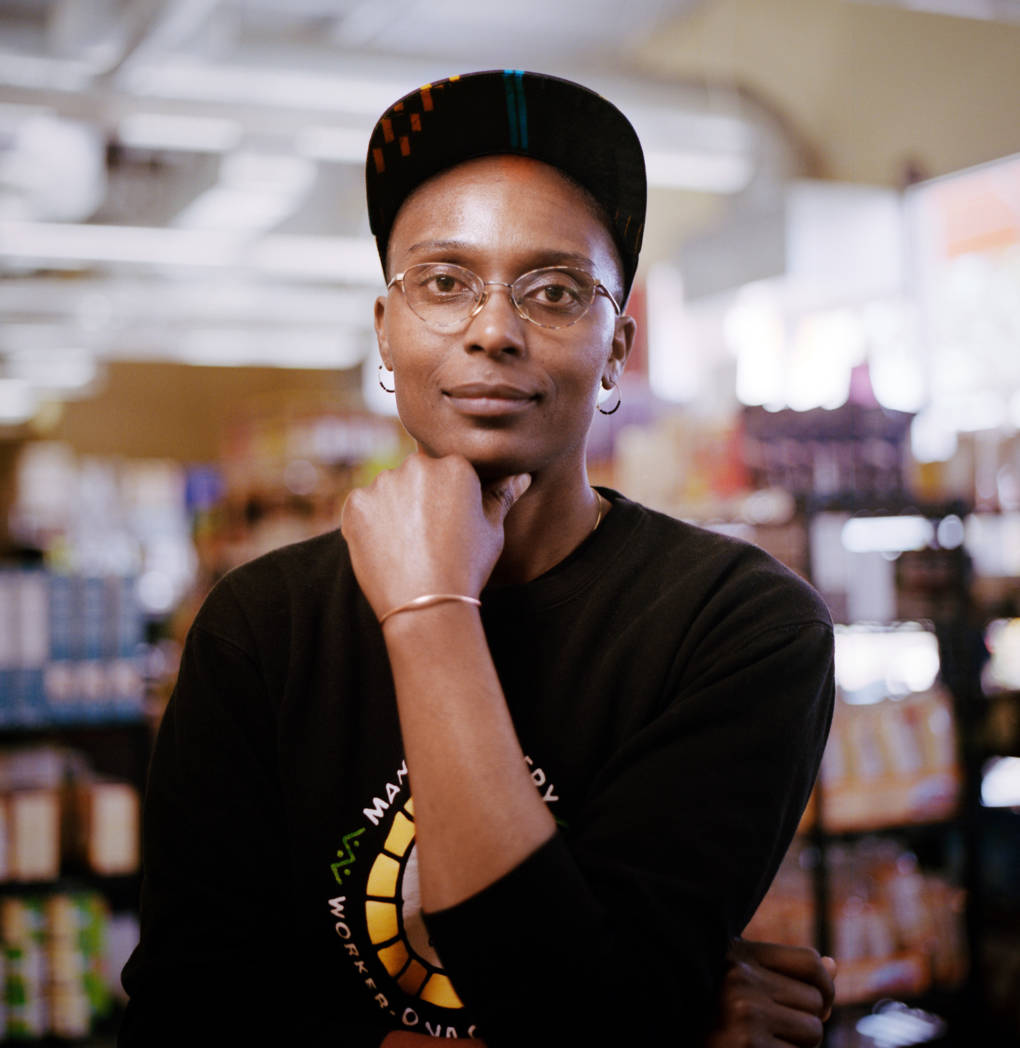
"caption": "Adrionna Fike, co-owner of the Mandela Grocery Cooperative, works in West Oakland, lives in Berkeley.",
"description": "Adrionna Fike, co-owner of the Mandela Grocery Cooperative, works in West Oakland, lives in Berkeley.",
"title": "BFI_Portraits_Hasselblad_Adrionna-new",
"credit": "Fabián Aguirre and Maya Pisciotto, \u003ca href=\"http://www.theunderstory.co\">The Understory \u003c/a>",
"status": "inherit",
"isLoading": false,
"fetchFailed": false
},
"bayareabites_129280": {
"type": "attachments",
"id": "bayareabites_129280",
"meta": {
"index": "attachments_1716263798",
"site": "bayareabites",
"id": "129280",
"found": true
},
"parent": 129279,
"imgSizes": {
"small": {
"file": "https://ww2.kqed.org/app/uploads/sites/24/2018/07/pepper_vert-9b0596e2d49a43fe29ae8163f2c38027cc605138-520x693.jpg",
"width": 520,
"mimeType": "image/jpeg",
"height": 693
},
"twentyfourteen-full-width": {
"file": "https://ww2.kqed.org/app/uploads/sites/24/2018/07/pepper_vert-9b0596e2d49a43fe29ae8163f2c38027cc605138-1038x576.jpg",
"width": 1038,
"mimeType": "image/jpeg",
"height": 576
},
"thumbnail": {
"file": "https://ww2.kqed.org/app/uploads/sites/24/2018/07/pepper_vert-9b0596e2d49a43fe29ae8163f2c38027cc605138-160x213.jpg",
"width": 160,
"mimeType": "image/jpeg",
"height": 213
},
"fd-sm": {
"file": "https://ww2.kqed.org/app/uploads/sites/24/2018/07/pepper_vert-9b0596e2d49a43fe29ae8163f2c38027cc605138-960x1280.jpg",
"width": 960,
"mimeType": "image/jpeg",
"height": 1280
},
"post-thumbnail": {
"file": "https://ww2.kqed.org/app/uploads/sites/24/2018/07/pepper_vert-9b0596e2d49a43fe29ae8163f2c38027cc605138-672x372.jpg",
"width": 672,
"mimeType": "image/jpeg",
"height": 372
},
"xsmall": {
"file": "https://ww2.kqed.org/app/uploads/sites/24/2018/07/pepper_vert-9b0596e2d49a43fe29ae8163f2c38027cc605138-375x500.jpg",
"width": 375,
"mimeType": "image/jpeg",
"height": 500
},
"kqedFullSize": {
"file": "https://ww2.kqed.org/app/uploads/sites/24/2018/07/pepper_vert-9b0596e2d49a43fe29ae8163f2c38027cc605138.jpg",
"width": 1512,
"height": 2016
},
"large": {
"file": "https://ww2.kqed.org/app/uploads/sites/24/2018/07/pepper_vert-9b0596e2d49a43fe29ae8163f2c38027cc605138-1020x1360.jpg",
"width": 1020,
"mimeType": "image/jpeg",
"height": 1360
},
"xlarge": {
"file": "https://ww2.kqed.org/app/uploads/sites/24/2018/07/pepper_vert-9b0596e2d49a43fe29ae8163f2c38027cc605138-1180x1573.jpg",
"width": 1180,
"mimeType": "image/jpeg",
"height": 1573
},
"complete_open_graph": {
"file": "https://ww2.kqed.org/app/uploads/sites/24/2018/07/pepper_vert-9b0596e2d49a43fe29ae8163f2c38027cc605138-900x1200.jpg",
"width": 900,
"mimeType": "image/jpeg",
"height": 1200
},
"guest-author-50": {
"file": "https://ww2.kqed.org/app/uploads/sites/24/2018/07/pepper_vert-9b0596e2d49a43fe29ae8163f2c38027cc605138-50x50.jpg",
"width": 50,
"mimeType": "image/jpeg",
"height": 50
},
"guest-author-96": {
"file": "https://ww2.kqed.org/app/uploads/sites/24/2018/07/pepper_vert-9b0596e2d49a43fe29ae8163f2c38027cc605138-96x96.jpg",
"width": 96,
"mimeType": "image/jpeg",
"height": 96
},
"medium": {
"file": "https://ww2.kqed.org/app/uploads/sites/24/2018/07/pepper_vert-9b0596e2d49a43fe29ae8163f2c38027cc605138-800x1067.jpg",
"width": 800,
"mimeType": "image/jpeg",
"height": 1067
},
"guest-author-64": {
"file": "https://ww2.kqed.org/app/uploads/sites/24/2018/07/pepper_vert-9b0596e2d49a43fe29ae8163f2c38027cc605138-64x64.jpg",
"width": 64,
"mimeType": "image/jpeg",
"height": 64
},
"guest-author-32": {
"file": "https://ww2.kqed.org/app/uploads/sites/24/2018/07/pepper_vert-9b0596e2d49a43fe29ae8163f2c38027cc605138-32x32.jpg",
"width": 32,
"mimeType": "image/jpeg",
"height": 32
},
"fd-med": {
"file": "https://ww2.kqed.org/app/uploads/sites/24/2018/07/pepper_vert-9b0596e2d49a43fe29ae8163f2c38027cc605138-1180x1573.jpg",
"width": 1180,
"mimeType": "image/jpeg",
"height": 1573
},
"detail": {
"file": "https://ww2.kqed.org/app/uploads/sites/24/2018/07/pepper_vert-9b0596e2d49a43fe29ae8163f2c38027cc605138-150x150.jpg",
"width": 150,
"mimeType": "image/jpeg",
"height": 150
},
"medium_large": {
"file": "https://ww2.kqed.org/app/uploads/sites/24/2018/07/pepper_vert-9b0596e2d49a43fe29ae8163f2c38027cc605138-768x1024.jpg",
"width": 768,
"mimeType": "image/jpeg",
"height": 1024
},
"guest-author-128": {
"file": "https://ww2.kqed.org/app/uploads/sites/24/2018/07/pepper_vert-9b0596e2d49a43fe29ae8163f2c38027cc605138-128x128.jpg",
"width": 128,
"mimeType": "image/jpeg",
"height": 128
},
"xxsmall": {
"file": "https://ww2.kqed.org/app/uploads/sites/24/2018/07/pepper_vert-9b0596e2d49a43fe29ae8163f2c38027cc605138-240x320.jpg",
"width": 240,
"mimeType": "image/jpeg",
"height": 320
}
},
"publishDate": 1530805465,
"modified": 1530806058,
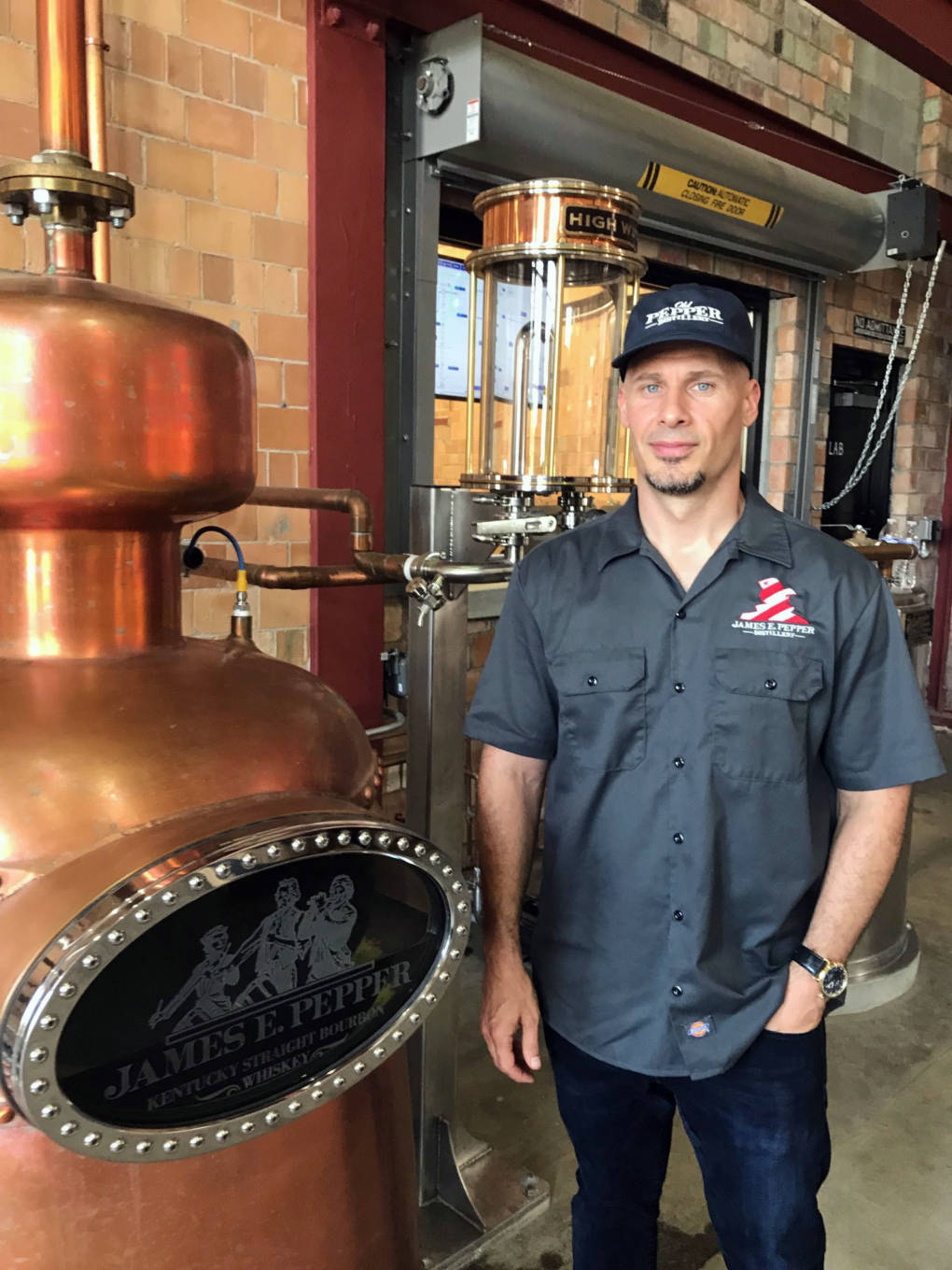
"caption": "Amir Peay recently opened a distillery in Lexington, Ky., at the site of the James E. Pepper distillery. About 10 percent of his revenues come from exports, and Peay worries that the European Union's tariffs will hurt his overseas business.",
"description": "Amir Peay recently opened a distillery in Lexington, Ky., at the site of the James E. Pepper distillery. About 10 percent of his revenues come from exports, and Peay worries that the European Union's tariffs will hurt his overseas business",
"title": "Amir Peay recently opened a distillery in Lexington, Ky., at the site of the James E. Pepper distillery. About 10 percent of his revenues come from exports, and Peay worries that the European Union's tariffs will hurt his overseas business.",
"credit": "John Ydstie/NPR",
"status": "inherit",
"isLoading": false,
"fetchFailed": false
},
"bayareabites_129275": {
"type": "attachments",
"id": "bayareabites_129275",
"meta": {
"index": "attachments_1716263798",
"site": "bayareabites",
"id": "129275",
"found": true
},
"parent": 129274,
"imgSizes": {
"small": {
"file": "https://ww2.kqed.org/app/uploads/sites/24/2018/07/beefwtrump_5-1-d8a8eed04265cd592e3e985b782f1ebc015bdf30-520x390.jpg",
"width": 520,
"mimeType": "image/jpeg",
"height": 390
},
"twentyfourteen-full-width": {
"file": "https://ww2.kqed.org/app/uploads/sites/24/2018/07/beefwtrump_5-1-d8a8eed04265cd592e3e985b782f1ebc015bdf30-1038x576.jpg",
"width": 1038,
"mimeType": "image/jpeg",
"height": 576
},
"thumbnail": {
"file": "https://ww2.kqed.org/app/uploads/sites/24/2018/07/beefwtrump_5-1-d8a8eed04265cd592e3e985b782f1ebc015bdf30-160x120.jpg",
"width": 160,
"mimeType": "image/jpeg",
"height": 120
},
"fd-sm": {
"file": "https://ww2.kqed.org/app/uploads/sites/24/2018/07/beefwtrump_5-1-d8a8eed04265cd592e3e985b782f1ebc015bdf30-960x720.jpg",
"width": 960,
"mimeType": "image/jpeg",
"height": 720
},
"post-thumbnail": {
"file": "https://ww2.kqed.org/app/uploads/sites/24/2018/07/beefwtrump_5-1-d8a8eed04265cd592e3e985b782f1ebc015bdf30-672x372.jpg",
"width": 672,
"mimeType": "image/jpeg",
"height": 372
},
"xsmall": {
"file": "https://ww2.kqed.org/app/uploads/sites/24/2018/07/beefwtrump_5-1-d8a8eed04265cd592e3e985b782f1ebc015bdf30-375x281.jpg",
"width": 375,
"mimeType": "image/jpeg",
"height": 281
},
"kqedFullSize": {
"file": "https://ww2.kqed.org/app/uploads/sites/24/2018/07/beefwtrump_5-1-d8a8eed04265cd592e3e985b782f1ebc015bdf30.jpg",
"width": 4029,
"height": 3022
},
"large": {
"file": "https://ww2.kqed.org/app/uploads/sites/24/2018/07/beefwtrump_5-1-d8a8eed04265cd592e3e985b782f1ebc015bdf30-1020x765.jpg",
"width": 1020,
"mimeType": "image/jpeg",
"height": 765
},
"xlarge": {
"file": "https://ww2.kqed.org/app/uploads/sites/24/2018/07/beefwtrump_5-1-d8a8eed04265cd592e3e985b782f1ebc015bdf30-1180x885.jpg",
"width": 1180,
"mimeType": "image/jpeg",
"height": 885
},
"complete_open_graph": {
"file": "https://ww2.kqed.org/app/uploads/sites/24/2018/07/beefwtrump_5-1-d8a8eed04265cd592e3e985b782f1ebc015bdf30-1200x900.jpg",
"width": 1200,
"mimeType": "image/jpeg",
"height": 900
},
"guest-author-50": {
"file": "https://ww2.kqed.org/app/uploads/sites/24/2018/07/beefwtrump_5-1-d8a8eed04265cd592e3e985b782f1ebc015bdf30-50x50.jpg",
"width": 50,
"mimeType": "image/jpeg",
"height": 50
},
"guest-author-96": {
"file": "https://ww2.kqed.org/app/uploads/sites/24/2018/07/beefwtrump_5-1-d8a8eed04265cd592e3e985b782f1ebc015bdf30-96x96.jpg",
"width": 96,
"mimeType": "image/jpeg",
"height": 96
},
"medium": {
"file": "https://ww2.kqed.org/app/uploads/sites/24/2018/07/beefwtrump_5-1-d8a8eed04265cd592e3e985b782f1ebc015bdf30-800x600.jpg",
"width": 800,
"mimeType": "image/jpeg",
"height": 600
},
"guest-author-64": {
"file": "https://ww2.kqed.org/app/uploads/sites/24/2018/07/beefwtrump_5-1-d8a8eed04265cd592e3e985b782f1ebc015bdf30-64x64.jpg",
"width": 64,
"mimeType": "image/jpeg",
"height": 64
},
"guest-author-32": {
"file": "https://ww2.kqed.org/app/uploads/sites/24/2018/07/beefwtrump_5-1-d8a8eed04265cd592e3e985b782f1ebc015bdf30-32x32.jpg",
"width": 32,
"mimeType": "image/jpeg",
"height": 32
},
"fd-lrg": {
"file": "https://ww2.kqed.org/app/uploads/sites/24/2018/07/beefwtrump_5-1-d8a8eed04265cd592e3e985b782f1ebc015bdf30-1920x1440.jpg",
"width": 1920,
"mimeType": "image/jpeg",
"height": 1440
},
"fd-med": {
"file": "https://ww2.kqed.org/app/uploads/sites/24/2018/07/beefwtrump_5-1-d8a8eed04265cd592e3e985b782f1ebc015bdf30-1180x885.jpg",
"width": 1180,
"mimeType": "image/jpeg",
"height": 885
},
"full-width": {
"file": "https://ww2.kqed.org/app/uploads/sites/24/2018/07/beefwtrump_5-1-d8a8eed04265cd592e3e985b782f1ebc015bdf30-1920x1440.jpg",
"width": 1920,
"mimeType": "image/jpeg",
"height": 1440
},
"detail": {
"file": "https://ww2.kqed.org/app/uploads/sites/24/2018/07/beefwtrump_5-1-d8a8eed04265cd592e3e985b782f1ebc015bdf30-150x150.jpg",
"width": 150,
"mimeType": "image/jpeg",
"height": 150
},
"medium_large": {
"file": "https://ww2.kqed.org/app/uploads/sites/24/2018/07/beefwtrump_5-1-d8a8eed04265cd592e3e985b782f1ebc015bdf30-768x576.jpg",
"width": 768,
"mimeType": "image/jpeg",
"height": 576
},
"guest-author-128": {
"file": "https://ww2.kqed.org/app/uploads/sites/24/2018/07/beefwtrump_5-1-d8a8eed04265cd592e3e985b782f1ebc015bdf30-128x128.jpg",
"width": 128,
"mimeType": "image/jpeg",
"height": 128
},
"xxsmall": {
"file": "https://ww2.kqed.org/app/uploads/sites/24/2018/07/beefwtrump_5-1-d8a8eed04265cd592e3e985b782f1ebc015bdf30-240x180.jpg",
"width": 240,
"mimeType": "image/jpeg",
"height": 180
}
},
"publishDate": 1530803592,
"modified": 1530804562,
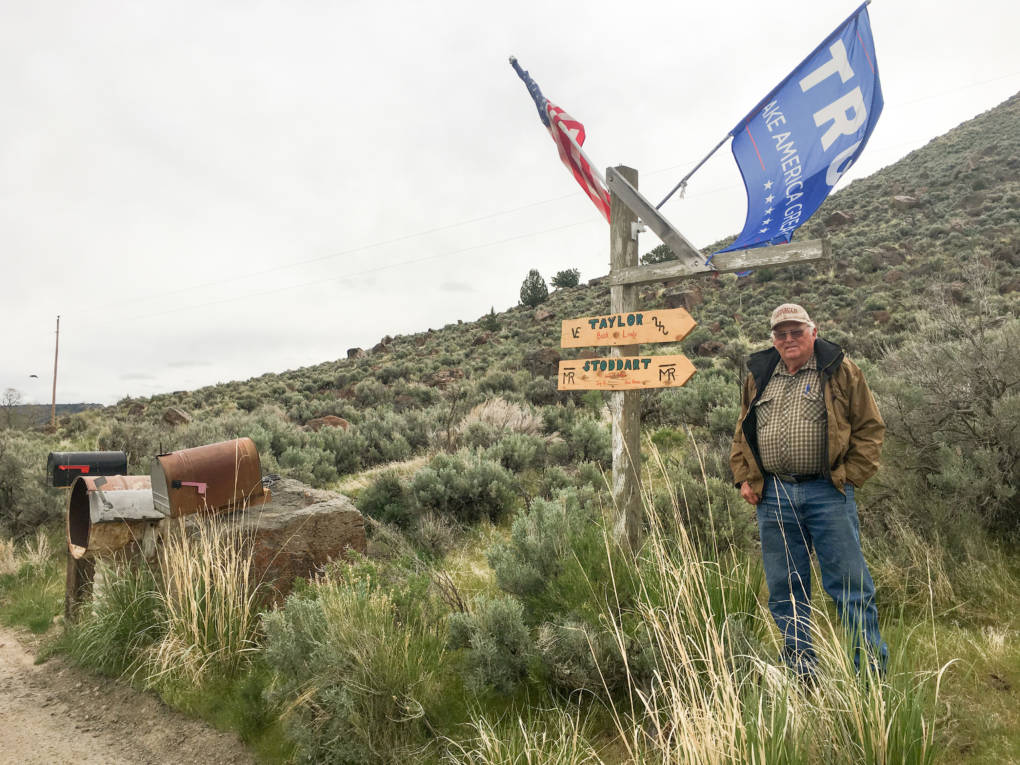
"caption": "Rancher Buck Taylor proudly flies his American and Trump flags by his driveway mailboxes and signpost in Diamond Valley, Ore. He and other ranchers are facing new tariffs on beef exports that could cost him – but he doesn't blame President Trump.",
"description": "Rancher Buck Taylor proudly flies his American and Trump flags by his driveway mailboxes and signpost in Diamond Valley, Ore. He and other ranchers are facing new tariffs on beef exports that could cost him – but he doesn't blame President Trum",
"title": "Rancher Buck Taylor proudly flies his American and Trump flags by his driveway mailboxes and signpost in Diamond Valley, Ore. He and other ranchers are facing new tariffs on beef exports that could cost him – but he doesn't blame President Trump.",
"credit": "Anna King/Northwest News Network",
"status": "inherit",
"isLoading": false,
"fetchFailed": false
},
"bayareabites_129243": {
"type": "attachments",
"id": "bayareabites_129243",
"meta": {
"index": "attachments_1716263798",
"site": "bayareabites",
"id": "129243",
"found": true
},
"parent": 129238,
"imgSizes": {
"small": {
"file": "https://ww2.kqed.org/app/uploads/sites/24/2018/07/180622-gmo-labeling-top1-520x347.jpg",
"width": 520,
"mimeType": "image/jpeg",
"height": 347
},
"twentyfourteen-full-width": {
"file": "https://ww2.kqed.org/app/uploads/sites/24/2018/07/180622-gmo-labeling-top1-1038x576.jpg",
"width": 1038,
"mimeType": "image/jpeg",
"height": 576
},
"thumbnail": {
"file": "https://ww2.kqed.org/app/uploads/sites/24/2018/07/180622-gmo-labeling-top1-160x107.jpg",
"width": 160,
"mimeType": "image/jpeg",
"height": 107
},
"fd-sm": {
"file": "https://ww2.kqed.org/app/uploads/sites/24/2018/07/180622-gmo-labeling-top1-960x640.jpg",
"width": 960,
"mimeType": "image/jpeg",
"height": 640
},
"post-thumbnail": {
"file": "https://ww2.kqed.org/app/uploads/sites/24/2018/07/180622-gmo-labeling-top1-672x372.jpg",
"width": 672,
"mimeType": "image/jpeg",
"height": 372
},
"xsmall": {
"file": "https://ww2.kqed.org/app/uploads/sites/24/2018/07/180622-gmo-labeling-top1-375x250.jpg",
"width": 375,
"mimeType": "image/jpeg",
"height": 250
},
"kqedFullSize": {
"file": "https://ww2.kqed.org/app/uploads/sites/24/2018/07/180622-gmo-labeling-top1.jpg",
"width": 1200,
"height": 800
},
"large": {
"file": "https://ww2.kqed.org/app/uploads/sites/24/2018/07/180622-gmo-labeling-top1-1020x680.jpg",
"width": 1020,
"mimeType": "image/jpeg",
"height": 680
},
"xlarge": {
"file": "https://ww2.kqed.org/app/uploads/sites/24/2018/07/180622-gmo-labeling-top1-1180x787.jpg",
"width": 1180,
"mimeType": "image/jpeg",
"height": 787
},
"complete_open_graph": {
"file": "https://ww2.kqed.org/app/uploads/sites/24/2018/07/180622-gmo-labeling-top1-1200x800.jpg",
"width": 1200,
"mimeType": "image/jpeg",
"height": 800
},
"guest-author-50": {
"file": "https://ww2.kqed.org/app/uploads/sites/24/2018/07/180622-gmo-labeling-top1-50x50.jpg",
"width": 50,
"mimeType": "image/jpeg",
"height": 50
},
"guest-author-96": {
"file": "https://ww2.kqed.org/app/uploads/sites/24/2018/07/180622-gmo-labeling-top1-96x96.jpg",
"width": 96,
"mimeType": "image/jpeg",
"height": 96
},
"medium": {
"file": "https://ww2.kqed.org/app/uploads/sites/24/2018/07/180622-gmo-labeling-top1-800x533.jpg",
"width": 800,
"mimeType": "image/jpeg",
"height": 533
},
"guest-author-64": {
"file": "https://ww2.kqed.org/app/uploads/sites/24/2018/07/180622-gmo-labeling-top1-64x64.jpg",
"width": 64,
"mimeType": "image/jpeg",
"height": 64
},
"guest-author-32": {
"file": "https://ww2.kqed.org/app/uploads/sites/24/2018/07/180622-gmo-labeling-top1-32x32.jpg",
"width": 32,
"mimeType": "image/jpeg",
"height": 32
},
"fd-med": {
"file": "https://ww2.kqed.org/app/uploads/sites/24/2018/07/180622-gmo-labeling-top1-1180x787.jpg",
"width": 1180,
"mimeType": "image/jpeg",
"height": 787
},
"detail": {
"file": "https://ww2.kqed.org/app/uploads/sites/24/2018/07/180622-gmo-labeling-top1-150x150.jpg",
"width": 150,
"mimeType": "image/jpeg",
"height": 150
},
"medium_large": {
"file": "https://ww2.kqed.org/app/uploads/sites/24/2018/07/180622-gmo-labeling-top1-768x512.jpg",
"width": 768,
"mimeType": "image/jpeg",
"height": 512
},
"guest-author-128": {
"file": "https://ww2.kqed.org/app/uploads/sites/24/2018/07/180622-gmo-labeling-top1-128x128.jpg",
"width": 128,
"mimeType": "image/jpeg",
"height": 128
},
"xxsmall": {
"file": "https://ww2.kqed.org/app/uploads/sites/24/2018/07/180622-gmo-labeling-top1-240x160.jpg",
"width": 240,
"mimeType": "image/jpeg",
"height": 160
}
},
"publishDate": 1530630384,
"modified": 1530630524,
"caption": "GMO Labeling ",
"description": null,
"title": "180622-gmo-labeling-top1",
"credit": "Courtesy of Civil Eats",
"status": "inherit",
"isLoading": false,
"fetchFailed": false
},
"bayareabites_129230": {
"type": "attachments",
"id": "bayareabites_129230",
"meta": {
"index": "attachments_1716263798",
"site": "bayareabites",
"id": "129230",
"found": true
},
"parent": 129229,
"imgSizes": {
"small": {
"file": "https://ww2.kqed.org/app/uploads/sites/24/2018/07/2018-6-30-kpaynter-farm_wide-4fe1f7b181135ef5061ebf24da11bd0c8470659e-520x293.jpg",
"width": 520,
"mimeType": "image/jpeg",
"height": 293
},
"twentyfourteen-full-width": {
"file": "https://ww2.kqed.org/app/uploads/sites/24/2018/07/2018-6-30-kpaynter-farm_wide-4fe1f7b181135ef5061ebf24da11bd0c8470659e-1038x576.jpg",
"width": 1038,
"mimeType": "image/jpeg",
"height": 576
},
"thumbnail": {
"file": "https://ww2.kqed.org/app/uploads/sites/24/2018/07/2018-6-30-kpaynter-farm_wide-4fe1f7b181135ef5061ebf24da11bd0c8470659e-160x90.jpg",
"width": 160,
"mimeType": "image/jpeg",
"height": 90
},
"fd-sm": {
"file": "https://ww2.kqed.org/app/uploads/sites/24/2018/07/2018-6-30-kpaynter-farm_wide-4fe1f7b181135ef5061ebf24da11bd0c8470659e-960x540.jpg",
"width": 960,
"mimeType": "image/jpeg",
"height": 540
},
"post-thumbnail": {
"file": "https://ww2.kqed.org/app/uploads/sites/24/2018/07/2018-6-30-kpaynter-farm_wide-4fe1f7b181135ef5061ebf24da11bd0c8470659e-672x372.jpg",
"width": 672,
"mimeType": "image/jpeg",
"height": 372
},
"xsmall": {
"file": "https://ww2.kqed.org/app/uploads/sites/24/2018/07/2018-6-30-kpaynter-farm_wide-4fe1f7b181135ef5061ebf24da11bd0c8470659e-375x211.jpg",
"width": 375,
"mimeType": "image/jpeg",
"height": 211
},
"kqedFullSize": {
"file": "https://ww2.kqed.org/app/uploads/sites/24/2018/07/2018-6-30-kpaynter-farm_wide-4fe1f7b181135ef5061ebf24da11bd0c8470659e.jpg",
"width": 5184,
"height": 2916
},
"large": {
"file": "https://ww2.kqed.org/app/uploads/sites/24/2018/07/2018-6-30-kpaynter-farm_wide-4fe1f7b181135ef5061ebf24da11bd0c8470659e-1020x574.jpg",
"width": 1020,
"mimeType": "image/jpeg",
"height": 574
},
"xlarge": {
"file": "https://ww2.kqed.org/app/uploads/sites/24/2018/07/2018-6-30-kpaynter-farm_wide-4fe1f7b181135ef5061ebf24da11bd0c8470659e-1180x664.jpg",
"width": 1180,
"mimeType": "image/jpeg",
"height": 664
},
"complete_open_graph": {
"file": "https://ww2.kqed.org/app/uploads/sites/24/2018/07/2018-6-30-kpaynter-farm_wide-4fe1f7b181135ef5061ebf24da11bd0c8470659e-1200x675.jpg",
"width": 1200,
"mimeType": "image/jpeg",
"height": 675
},
"guest-author-50": {
"file": "https://ww2.kqed.org/app/uploads/sites/24/2018/07/2018-6-30-kpaynter-farm_wide-4fe1f7b181135ef5061ebf24da11bd0c8470659e-50x50.jpg",
"width": 50,
"mimeType": "image/jpeg",
"height": 50
},
"guest-author-96": {
"file": "https://ww2.kqed.org/app/uploads/sites/24/2018/07/2018-6-30-kpaynter-farm_wide-4fe1f7b181135ef5061ebf24da11bd0c8470659e-96x96.jpg",
"width": 96,
"mimeType": "image/jpeg",
"height": 96
},
"medium": {
"file": "https://ww2.kqed.org/app/uploads/sites/24/2018/07/2018-6-30-kpaynter-farm_wide-4fe1f7b181135ef5061ebf24da11bd0c8470659e-800x450.jpg",
"width": 800,
"mimeType": "image/jpeg",
"height": 450
},
"guest-author-64": {
"file": "https://ww2.kqed.org/app/uploads/sites/24/2018/07/2018-6-30-kpaynter-farm_wide-4fe1f7b181135ef5061ebf24da11bd0c8470659e-64x64.jpg",
"width": 64,
"mimeType": "image/jpeg",
"height": 64
},
"guest-author-32": {
"file": "https://ww2.kqed.org/app/uploads/sites/24/2018/07/2018-6-30-kpaynter-farm_wide-4fe1f7b181135ef5061ebf24da11bd0c8470659e-32x32.jpg",
"width": 32,
"mimeType": "image/jpeg",
"height": 32
},
"fd-lrg": {
"file": "https://ww2.kqed.org/app/uploads/sites/24/2018/07/2018-6-30-kpaynter-farm_wide-4fe1f7b181135ef5061ebf24da11bd0c8470659e-1920x1080.jpg",
"width": 1920,
"mimeType": "image/jpeg",
"height": 1080
},
"fd-med": {
"file": "https://ww2.kqed.org/app/uploads/sites/24/2018/07/2018-6-30-kpaynter-farm_wide-4fe1f7b181135ef5061ebf24da11bd0c8470659e-1180x664.jpg",
"width": 1180,
"mimeType": "image/jpeg",
"height": 664
},
"full-width": {
"file": "https://ww2.kqed.org/app/uploads/sites/24/2018/07/2018-6-30-kpaynter-farm_wide-4fe1f7b181135ef5061ebf24da11bd0c8470659e-1920x1080.jpg",
"width": 1920,
"mimeType": "image/jpeg",
"height": 1080
},
"detail": {
"file": "https://ww2.kqed.org/app/uploads/sites/24/2018/07/2018-6-30-kpaynter-farm_wide-4fe1f7b181135ef5061ebf24da11bd0c8470659e-150x150.jpg",
"width": 150,
"mimeType": "image/jpeg",
"height": 150
},
"medium_large": {
"file": "https://ww2.kqed.org/app/uploads/sites/24/2018/07/2018-6-30-kpaynter-farm_wide-4fe1f7b181135ef5061ebf24da11bd0c8470659e-768x432.jpg",
"width": 768,
"mimeType": "image/jpeg",
"height": 432
},
"guest-author-128": {
"file": "https://ww2.kqed.org/app/uploads/sites/24/2018/07/2018-6-30-kpaynter-farm_wide-4fe1f7b181135ef5061ebf24da11bd0c8470659e-128x128.jpg",
"width": 128,
"mimeType": "image/jpeg",
"height": 128
},
"xxsmall": {
"file": "https://ww2.kqed.org/app/uploads/sites/24/2018/07/2018-6-30-kpaynter-farm_wide-4fe1f7b181135ef5061ebf24da11bd0c8470659e-240x135.jpg",
"width": 240,
"mimeType": "image/jpeg",
"height": 135
}
},
"publishDate": 1530557341,
"modified": 1530557507,
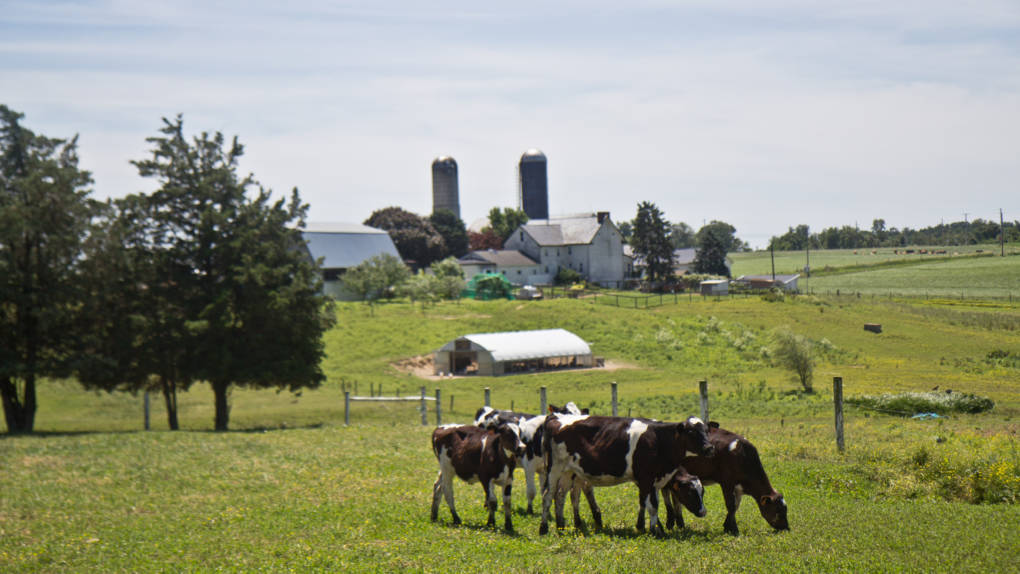
"caption": "Abner Stolztfus owns Cedar Dream dairy farm in Peach Bottom, Pa. Last year, Stolztfus decided to invest almost $200,000 in equipment and learned how to make yogurt from scratch.",
"description": "Abner Stolztfus owns Cedar Dream dairy farm in Peach Bottom, Pa. Last year, Stolztfus decided to invest almost $200,000 in equipment and learned how to make yogurt from scratch.",
"title": "Abner Stolztfus owns Cedar Dream dairy farm in Peach Bottom, Pa. Last year, Stolztfus decided to invest almost $200,000 in equipment and learned how to make yogurt from scratch.",
"credit": "Kimberly Paynter/WHYY",
"status": "inherit",
"isLoading": false,
"fetchFailed": false
},
"bayareabites_129205": {
"type": "attachments",
"id": "bayareabites_129205",
"meta": {
"index": "attachments_1716263798",
"site": "bayareabites",
"id": "129205",
"found": true
},
"parent": 129200,
"imgSizes": {
"small": {
"file": "https://ww2.kqed.org/app/uploads/sites/24/2018/06/180620-seafood-labor-top1-520x347.jpg",
"width": 520,
"mimeType": "image/jpeg",
"height": 347
},
"twentyfourteen-full-width": {
"file": "https://ww2.kqed.org/app/uploads/sites/24/2018/06/180620-seafood-labor-top1-1038x576.jpg",
"width": 1038,
"mimeType": "image/jpeg",
"height": 576
},
"thumbnail": {
"file": "https://ww2.kqed.org/app/uploads/sites/24/2018/06/180620-seafood-labor-top1-160x107.jpg",
"width": 160,
"mimeType": "image/jpeg",
"height": 107
},
"fd-sm": {
"file": "https://ww2.kqed.org/app/uploads/sites/24/2018/06/180620-seafood-labor-top1-960x640.jpg",
"width": 960,
"mimeType": "image/jpeg",
"height": 640
},
"post-thumbnail": {
"file": "https://ww2.kqed.org/app/uploads/sites/24/2018/06/180620-seafood-labor-top1-672x372.jpg",
"width": 672,
"mimeType": "image/jpeg",
"height": 372
},
"xsmall": {
"file": "https://ww2.kqed.org/app/uploads/sites/24/2018/06/180620-seafood-labor-top1-375x250.jpg",
"width": 375,
"mimeType": "image/jpeg",
"height": 250
},
"kqedFullSize": {
"file": "https://ww2.kqed.org/app/uploads/sites/24/2018/06/180620-seafood-labor-top1.jpg",
"width": 1200,
"height": 800
},
"large": {
"file": "https://ww2.kqed.org/app/uploads/sites/24/2018/06/180620-seafood-labor-top1-1020x680.jpg",
"width": 1020,
"mimeType": "image/jpeg",
"height": 680
},
"xlarge": {
"file": "https://ww2.kqed.org/app/uploads/sites/24/2018/06/180620-seafood-labor-top1-1180x787.jpg",
"width": 1180,
"mimeType": "image/jpeg",
"height": 787
},
"complete_open_graph": {
"file": "https://ww2.kqed.org/app/uploads/sites/24/2018/06/180620-seafood-labor-top1-1200x800.jpg",
"width": 1200,
"mimeType": "image/jpeg",
"height": 800
},
"guest-author-50": {
"file": "https://ww2.kqed.org/app/uploads/sites/24/2018/06/180620-seafood-labor-top1-50x50.jpg",
"width": 50,
"mimeType": "image/jpeg",
"height": 50
},
"guest-author-96": {
"file": "https://ww2.kqed.org/app/uploads/sites/24/2018/06/180620-seafood-labor-top1-96x96.jpg",
"width": 96,
"mimeType": "image/jpeg",
"height": 96
},
"medium": {
"file": "https://ww2.kqed.org/app/uploads/sites/24/2018/06/180620-seafood-labor-top1-800x533.jpg",
"width": 800,
"mimeType": "image/jpeg",
"height": 533
},
"guest-author-64": {
"file": "https://ww2.kqed.org/app/uploads/sites/24/2018/06/180620-seafood-labor-top1-64x64.jpg",
"width": 64,
"mimeType": "image/jpeg",
"height": 64
},
"guest-author-32": {
"file": "https://ww2.kqed.org/app/uploads/sites/24/2018/06/180620-seafood-labor-top1-32x32.jpg",
"width": 32,
"mimeType": "image/jpeg",
"height": 32
},
"fd-med": {
"file": "https://ww2.kqed.org/app/uploads/sites/24/2018/06/180620-seafood-labor-top1-1180x787.jpg",
"width": 1180,
"mimeType": "image/jpeg",
"height": 787
},
"detail": {
"file": "https://ww2.kqed.org/app/uploads/sites/24/2018/06/180620-seafood-labor-top1-150x150.jpg",
"width": 150,
"mimeType": "image/jpeg",
"height": 150
},
"medium_large": {
"file": "https://ww2.kqed.org/app/uploads/sites/24/2018/06/180620-seafood-labor-top1-768x512.jpg",
"width": 768,
"mimeType": "image/jpeg",
"height": 512
},
"guest-author-128": {
"file": "https://ww2.kqed.org/app/uploads/sites/24/2018/06/180620-seafood-labor-top1-128x128.jpg",
"width": 128,
"mimeType": "image/jpeg",
"height": 128
},
"xxsmall": {
"file": "https://ww2.kqed.org/app/uploads/sites/24/2018/06/180620-seafood-labor-top1-240x160.jpg",
"width": 240,
"mimeType": "image/jpeg",
"height": 160
}
},
"publishDate": 1530365541,
"modified": 1530365579,
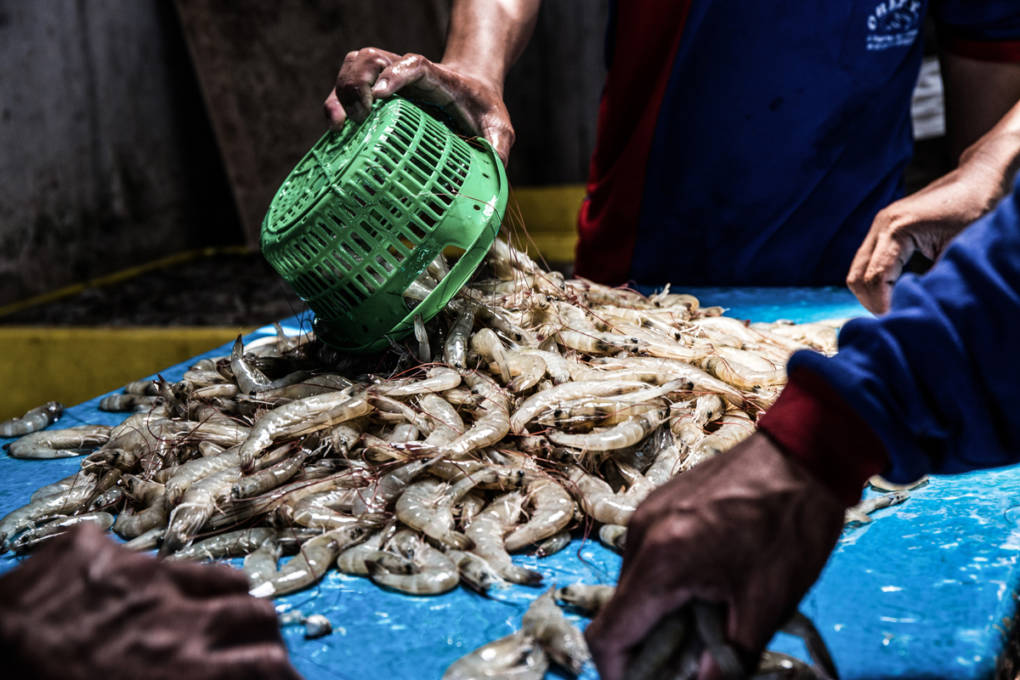
"caption": "Seafood processing in Indonesia.",
"description": "Seafood processing in Indonesia.",
"title": "180620-seafood-labor-top1",
"credit": "Adrian Mulya/The Sustainable Seafood Alliance Indonesia",
"status": "inherit",
"isLoading": false,
"fetchFailed": false
},
"bayareabites_129189": {
"type": "attachments",
"id": "bayareabites_129189",
"meta": {
"index": "attachments_1716263798",
"site": "bayareabites",
"id": "129189",
"found": true
},
"parent": 129181,
"imgSizes": {
"small": {
"file": "https://ww2.kqed.org/app/uploads/sites/24/2018/06/180619-dinner-parties-top2-520x347.jpg",
"width": 520,
"mimeType": "image/jpeg",
"height": 347
},
"twentyfourteen-full-width": {
"file": "https://ww2.kqed.org/app/uploads/sites/24/2018/06/180619-dinner-parties-top2-1038x576.jpg",
"width": 1038,
"mimeType": "image/jpeg",
"height": 576
},
"thumbnail": {
"file": "https://ww2.kqed.org/app/uploads/sites/24/2018/06/180619-dinner-parties-top2-160x107.jpg",
"width": 160,
"mimeType": "image/jpeg",
"height": 107
},
"fd-sm": {
"file": "https://ww2.kqed.org/app/uploads/sites/24/2018/06/180619-dinner-parties-top2-960x640.jpg",
"width": 960,
"mimeType": "image/jpeg",
"height": 640
},
"post-thumbnail": {
"file": "https://ww2.kqed.org/app/uploads/sites/24/2018/06/180619-dinner-parties-top2-672x372.jpg",
"width": 672,
"mimeType": "image/jpeg",
"height": 372
},
"xsmall": {
"file": "https://ww2.kqed.org/app/uploads/sites/24/2018/06/180619-dinner-parties-top2-375x250.jpg",
"width": 375,
"mimeType": "image/jpeg",
"height": 250
},
"kqedFullSize": {
"file": "https://ww2.kqed.org/app/uploads/sites/24/2018/06/180619-dinner-parties-top2.jpg",
"width": 1200,
"height": 800
},
"large": {
"file": "https://ww2.kqed.org/app/uploads/sites/24/2018/06/180619-dinner-parties-top2-1020x680.jpg",
"width": 1020,
"mimeType": "image/jpeg",
"height": 680
},
"xlarge": {
"file": "https://ww2.kqed.org/app/uploads/sites/24/2018/06/180619-dinner-parties-top2-1180x787.jpg",
"width": 1180,
"mimeType": "image/jpeg",
"height": 787
},
"complete_open_graph": {
"file": "https://ww2.kqed.org/app/uploads/sites/24/2018/06/180619-dinner-parties-top2-1200x800.jpg",
"width": 1200,
"mimeType": "image/jpeg",
"height": 800
},
"guest-author-50": {
"file": "https://ww2.kqed.org/app/uploads/sites/24/2018/06/180619-dinner-parties-top2-50x50.jpg",
"width": 50,
"mimeType": "image/jpeg",
"height": 50
},
"guest-author-96": {
"file": "https://ww2.kqed.org/app/uploads/sites/24/2018/06/180619-dinner-parties-top2-96x96.jpg",
"width": 96,
"mimeType": "image/jpeg",
"height": 96
},
"medium": {
"file": "https://ww2.kqed.org/app/uploads/sites/24/2018/06/180619-dinner-parties-top2-800x533.jpg",
"width": 800,
"mimeType": "image/jpeg",
"height": 533
},
"guest-author-64": {
"file": "https://ww2.kqed.org/app/uploads/sites/24/2018/06/180619-dinner-parties-top2-64x64.jpg",
"width": 64,
"mimeType": "image/jpeg",
"height": 64
},
"guest-author-32": {
"file": "https://ww2.kqed.org/app/uploads/sites/24/2018/06/180619-dinner-parties-top2-32x32.jpg",
"width": 32,
"mimeType": "image/jpeg",
"height": 32
},
"fd-med": {
"file": "https://ww2.kqed.org/app/uploads/sites/24/2018/06/180619-dinner-parties-top2-1180x787.jpg",
"width": 1180,
"mimeType": "image/jpeg",
"height": 787
},
"detail": {
"file": "https://ww2.kqed.org/app/uploads/sites/24/2018/06/180619-dinner-parties-top2-150x150.jpg",
"width": 150,
"mimeType": "image/jpeg",
"height": 150
},
"medium_large": {
"file": "https://ww2.kqed.org/app/uploads/sites/24/2018/06/180619-dinner-parties-top2-768x512.jpg",
"width": 768,
"mimeType": "image/jpeg",
"height": 512
},
"guest-author-128": {
"file": "https://ww2.kqed.org/app/uploads/sites/24/2018/06/180619-dinner-parties-top2-128x128.jpg",
"width": 128,
"mimeType": "image/jpeg",
"height": 128
},
"xxsmall": {
"file": "https://ww2.kqed.org/app/uploads/sites/24/2018/06/180619-dinner-parties-top2-240x160.jpg",
"width": 240,
"mimeType": "image/jpeg",
"height": 160
}
},
"publishDate": 1530248390,
"modified": 1530248508,
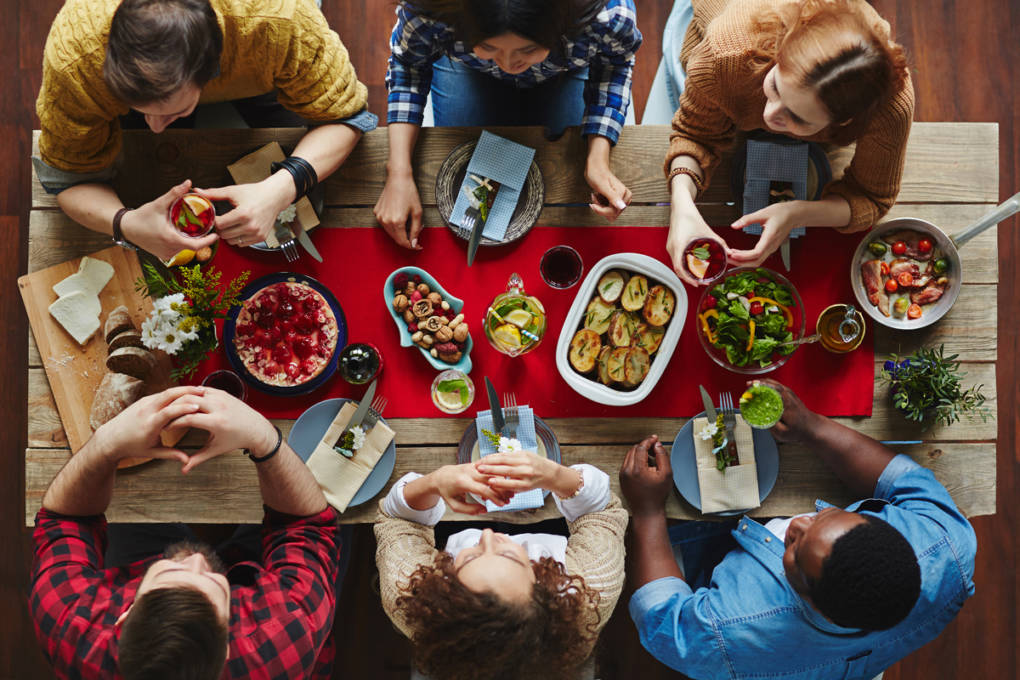
"caption": "Dinner party",
"description": null,
"title": "180619-dinner-parties-top2",
"credit": "Courtesy of Civil Eats",
"status": "inherit",
"isLoading": false,
"fetchFailed": false
},
"bayareabites_129176": {
"type": "attachments",
"id": "bayareabites_129176",
"meta": {
"index": "attachments_1716263798",
"site": "bayareabites",
"id": "129176",
"found": true
},
"parent": 129175,
"imgSizes": {
"small": {
"file": "https://ww2.kqed.org/app/uploads/sites/24/2018/06/cristinamarket-a39661c98bd932528fd70c1db4e40dc2482fb202-520x390.jpg",
"width": 520,
"mimeType": "image/jpeg",
"height": 390
},
"twentyfourteen-full-width": {
"file": "https://ww2.kqed.org/app/uploads/sites/24/2018/06/cristinamarket-a39661c98bd932528fd70c1db4e40dc2482fb202-1038x576.jpg",
"width": 1038,
"mimeType": "image/jpeg",
"height": 576
},
"thumbnail": {
"file": "https://ww2.kqed.org/app/uploads/sites/24/2018/06/cristinamarket-a39661c98bd932528fd70c1db4e40dc2482fb202-160x120.jpg",
"width": 160,
"mimeType": "image/jpeg",
"height": 120
},
"fd-sm": {
"file": "https://ww2.kqed.org/app/uploads/sites/24/2018/06/cristinamarket-a39661c98bd932528fd70c1db4e40dc2482fb202-960x720.jpg",
"width": 960,
"mimeType": "image/jpeg",
"height": 720
},
"post-thumbnail": {
"file": "https://ww2.kqed.org/app/uploads/sites/24/2018/06/cristinamarket-a39661c98bd932528fd70c1db4e40dc2482fb202-672x372.jpg",
"width": 672,
"mimeType": "image/jpeg",
"height": 372
},
"xsmall": {
"file": "https://ww2.kqed.org/app/uploads/sites/24/2018/06/cristinamarket-a39661c98bd932528fd70c1db4e40dc2482fb202-375x281.jpg",
"width": 375,
"mimeType": "image/jpeg",
"height": 281
},
"kqedFullSize": {
"file": "https://ww2.kqed.org/app/uploads/sites/24/2018/06/cristinamarket-a39661c98bd932528fd70c1db4e40dc2482fb202.jpg",
"width": 4003,
"height": 3002
},
"large": {
"file": "https://ww2.kqed.org/app/uploads/sites/24/2018/06/cristinamarket-a39661c98bd932528fd70c1db4e40dc2482fb202-1020x765.jpg",
"width": 1020,
"mimeType": "image/jpeg",
"height": 765
},
"xlarge": {
"file": "https://ww2.kqed.org/app/uploads/sites/24/2018/06/cristinamarket-a39661c98bd932528fd70c1db4e40dc2482fb202-1180x885.jpg",
"width": 1180,
"mimeType": "image/jpeg",
"height": 885
},
"complete_open_graph": {
"file": "https://ww2.kqed.org/app/uploads/sites/24/2018/06/cristinamarket-a39661c98bd932528fd70c1db4e40dc2482fb202-1200x900.jpg",
"width": 1200,
"mimeType": "image/jpeg",
"height": 900
},
"guest-author-50": {
"file": "https://ww2.kqed.org/app/uploads/sites/24/2018/06/cristinamarket-a39661c98bd932528fd70c1db4e40dc2482fb202-50x50.jpg",
"width": 50,
"mimeType": "image/jpeg",
"height": 50
},
"guest-author-96": {
"file": "https://ww2.kqed.org/app/uploads/sites/24/2018/06/cristinamarket-a39661c98bd932528fd70c1db4e40dc2482fb202-96x96.jpg",
"width": 96,
"mimeType": "image/jpeg",
"height": 96
},
"medium": {
"file": "https://ww2.kqed.org/app/uploads/sites/24/2018/06/cristinamarket-a39661c98bd932528fd70c1db4e40dc2482fb202-800x600.jpg",
"width": 800,
"mimeType": "image/jpeg",
"height": 600
},
"guest-author-64": {
"file": "https://ww2.kqed.org/app/uploads/sites/24/2018/06/cristinamarket-a39661c98bd932528fd70c1db4e40dc2482fb202-64x64.jpg",
"width": 64,
"mimeType": "image/jpeg",
"height": 64
},
"guest-author-32": {
"file": "https://ww2.kqed.org/app/uploads/sites/24/2018/06/cristinamarket-a39661c98bd932528fd70c1db4e40dc2482fb202-32x32.jpg",
"width": 32,
"mimeType": "image/jpeg",
"height": 32
},
"fd-lrg": {
"file": "https://ww2.kqed.org/app/uploads/sites/24/2018/06/cristinamarket-a39661c98bd932528fd70c1db4e40dc2482fb202-1920x1440.jpg",
"width": 1920,
"mimeType": "image/jpeg",
"height": 1440
},
"fd-med": {
"file": "https://ww2.kqed.org/app/uploads/sites/24/2018/06/cristinamarket-a39661c98bd932528fd70c1db4e40dc2482fb202-1180x885.jpg",
"width": 1180,
"mimeType": "image/jpeg",
"height": 885
},
"full-width": {
"file": "https://ww2.kqed.org/app/uploads/sites/24/2018/06/cristinamarket-a39661c98bd932528fd70c1db4e40dc2482fb202-1920x1440.jpg",
"width": 1920,
"mimeType": "image/jpeg",
"height": 1440
},
"detail": {
"file": "https://ww2.kqed.org/app/uploads/sites/24/2018/06/cristinamarket-a39661c98bd932528fd70c1db4e40dc2482fb202-150x150.jpg",
"width": 150,
"mimeType": "image/jpeg",
"height": 150
},
"medium_large": {
"file": "https://ww2.kqed.org/app/uploads/sites/24/2018/06/cristinamarket-a39661c98bd932528fd70c1db4e40dc2482fb202-768x576.jpg",
"width": 768,
"mimeType": "image/jpeg",
"height": 576
},
"guest-author-128": {
"file": "https://ww2.kqed.org/app/uploads/sites/24/2018/06/cristinamarket-a39661c98bd932528fd70c1db4e40dc2482fb202-128x128.jpg",
"width": 128,
"mimeType": "image/jpeg",
"height": 128
},
"xxsmall": {
"file": "https://ww2.kqed.org/app/uploads/sites/24/2018/06/cristinamarket-a39661c98bd932528fd70c1db4e40dc2482fb202-240x180.jpg",
"width": 240,
"mimeType": "image/jpeg",
"height": 180
}
},
"publishDate": 1530244110,
"modified": 1530247613,
"caption": "Cristina Reyes Clark is part of an emerging movement in El Salvador that is composed of young chefs integrating traditional foods into contemporary cuisine.",
"description": "Cristina Reyes Clark is part of an emerging movement in El Salvador that is composed of young chefs integrating traditional foods into contemporary cuisine.",
"title": "Cristina Reyes Clark is part of an emerging movement in El Salvador that is composed of young chefs integrating traditional foods into contemporary cuisine.",
"credit": "Massimo Ceresol",
"status": "inherit",
"isLoading": false,
"fetchFailed": false
},
"bayareabites_129124": {
"type": "attachments",
"id": "bayareabites_129124",
"meta": {
"index": "attachments_1716263798",
"site": "bayareabites",
"id": "129124",
"found": true
},
"parent": 129122,
"imgSizes": {
"small": {
"file": "https://ww2.kqed.org/app/uploads/sites/24/2018/06/gettyimages-978075052_wide-1e28e2a3e8995eed54053377aade1740293f1974-520x292.jpg",
"width": 520,
"mimeType": "image/jpeg",
"height": 292
},
"twentyfourteen-full-width": {
"file": "https://ww2.kqed.org/app/uploads/sites/24/2018/06/gettyimages-978075052_wide-1e28e2a3e8995eed54053377aade1740293f1974-1038x576.jpg",
"width": 1038,
"mimeType": "image/jpeg",
"height": 576
},
"thumbnail": {
"file": "https://ww2.kqed.org/app/uploads/sites/24/2018/06/gettyimages-978075052_wide-1e28e2a3e8995eed54053377aade1740293f1974-160x90.jpg",
"width": 160,
"mimeType": "image/jpeg",
"height": 90
},
"fd-sm": {
"file": "https://ww2.kqed.org/app/uploads/sites/24/2018/06/gettyimages-978075052_wide-1e28e2a3e8995eed54053377aade1740293f1974-960x540.jpg",
"width": 960,
"mimeType": "image/jpeg",
"height": 540
},
"post-thumbnail": {
"file": "https://ww2.kqed.org/app/uploads/sites/24/2018/06/gettyimages-978075052_wide-1e28e2a3e8995eed54053377aade1740293f1974-672x372.jpg",
"width": 672,
"mimeType": "image/jpeg",
"height": 372
},
"xsmall": {
"file": "https://ww2.kqed.org/app/uploads/sites/24/2018/06/gettyimages-978075052_wide-1e28e2a3e8995eed54053377aade1740293f1974-375x211.jpg",
"width": 375,
"mimeType": "image/jpeg",
"height": 211
},
"kqedFullSize": {
"file": "https://ww2.kqed.org/app/uploads/sites/24/2018/06/gettyimages-978075052_wide-1e28e2a3e8995eed54053377aade1740293f1974-e1529941474125.jpg",
"width": 1920,
"height": 1080
},
"large": {
"file": "https://ww2.kqed.org/app/uploads/sites/24/2018/06/gettyimages-978075052_wide-1e28e2a3e8995eed54053377aade1740293f1974-1020x574.jpg",
"width": 1020,
"mimeType": "image/jpeg",
"height": 574
},
"xlarge": {
"file": "https://ww2.kqed.org/app/uploads/sites/24/2018/06/gettyimages-978075052_wide-1e28e2a3e8995eed54053377aade1740293f1974-1180x664.jpg",
"width": 1180,
"mimeType": "image/jpeg",
"height": 664
},
"complete_open_graph": {
"file": "https://ww2.kqed.org/app/uploads/sites/24/2018/06/gettyimages-978075052_wide-1e28e2a3e8995eed54053377aade1740293f1974-1200x675.jpg",
"width": 1200,
"mimeType": "image/jpeg",
"height": 675
},
"guest-author-50": {
"file": "https://ww2.kqed.org/app/uploads/sites/24/2018/06/gettyimages-978075052_wide-1e28e2a3e8995eed54053377aade1740293f1974-50x50.jpg",
"width": 50,
"mimeType": "image/jpeg",
"height": 50
},
"guest-author-96": {
"file": "https://ww2.kqed.org/app/uploads/sites/24/2018/06/gettyimages-978075052_wide-1e28e2a3e8995eed54053377aade1740293f1974-96x96.jpg",
"width": 96,
"mimeType": "image/jpeg",
"height": 96
},
"medium": {
"file": "https://ww2.kqed.org/app/uploads/sites/24/2018/06/gettyimages-978075052_wide-1e28e2a3e8995eed54053377aade1740293f1974-800x450.jpg",
"width": 800,
"mimeType": "image/jpeg",
"height": 450
},
"guest-author-64": {
"file": "https://ww2.kqed.org/app/uploads/sites/24/2018/06/gettyimages-978075052_wide-1e28e2a3e8995eed54053377aade1740293f1974-64x64.jpg",
"width": 64,
"mimeType": "image/jpeg",
"height": 64
},
"guest-author-32": {
"file": "https://ww2.kqed.org/app/uploads/sites/24/2018/06/gettyimages-978075052_wide-1e28e2a3e8995eed54053377aade1740293f1974-32x32.jpg",
"width": 32,
"mimeType": "image/jpeg",
"height": 32
},
"fd-lrg": {
"file": "https://ww2.kqed.org/app/uploads/sites/24/2018/06/gettyimages-978075052_wide-1e28e2a3e8995eed54053377aade1740293f1974-1920x1080.jpg",
"width": 1920,
"mimeType": "image/jpeg",
"height": 1080
},
"fd-med": {
"file": "https://ww2.kqed.org/app/uploads/sites/24/2018/06/gettyimages-978075052_wide-1e28e2a3e8995eed54053377aade1740293f1974-1180x664.jpg",
"width": 1180,
"mimeType": "image/jpeg",
"height": 664
},
"full-width": {
"file": "https://ww2.kqed.org/app/uploads/sites/24/2018/06/gettyimages-978075052_wide-1e28e2a3e8995eed54053377aade1740293f1974-1920x1080.jpg",
"width": 1920,
"mimeType": "image/jpeg",
"height": 1080
},
"detail": {
"file": "https://ww2.kqed.org/app/uploads/sites/24/2018/06/gettyimages-978075052_wide-1e28e2a3e8995eed54053377aade1740293f1974-150x150.jpg",
"width": 150,
"mimeType": "image/jpeg",
"height": 150
},
"medium_large": {
"file": "https://ww2.kqed.org/app/uploads/sites/24/2018/06/gettyimages-978075052_wide-1e28e2a3e8995eed54053377aade1740293f1974-768x432.jpg",
"width": 768,
"mimeType": "image/jpeg",
"height": 432
},
"guest-author-128": {
"file": "https://ww2.kqed.org/app/uploads/sites/24/2018/06/gettyimages-978075052_wide-1e28e2a3e8995eed54053377aade1740293f1974-128x128.jpg",
"width": 128,
"mimeType": "image/jpeg",
"height": 128
},
"xxsmall": {
"file": "https://ww2.kqed.org/app/uploads/sites/24/2018/06/gettyimages-978075052_wide-1e28e2a3e8995eed54053377aade1740293f1974-240x135.jpg",
"width": 240,
"mimeType": "image/jpeg",
"height": 135
}
},
"publishDate": 1529941183,
"modified": 1529941462,
"caption": "As Homeland Security Secretary Kirstjen Nielsen dined at a Mexican restaurant on Tuesday, 15 protesters chanted, \"If kids don't eat in peace, you don't eat in peace!\"",
"description": "As Homeland Security Secretary Kirstjen Nielsen dined at a Mexican restaurant on Tuesday, 15 protesters chanted, \"If kids don't eat in peace, you don't eat in peace!\"",
"title": "As Homeland Security Secretary Kirstjen Nielsen dined at a Mexican restaurant on Tuesday, 15 protesters chanted, \"If kids don't eat in peace, you don't eat in peace!\"",
"credit": " Brendan Smialowski /AFP/Getty Images",
"status": "inherit",
"isLoading": false,
"fetchFailed": false
},
"bayareabites_129117": {
"type": "attachments",
"id": "bayareabites_129117",
"meta": {
"index": "attachments_1716263798",
"site": "bayareabites",
"id": "129117",
"found": true
},
"parent": 129116,
"imgSizes": {
"small": {
"file": "https://ww2.kqed.org/app/uploads/sites/24/2018/06/ap_18174656893471-4bfee1029964dc139b719ac7a73db7d793a6d2b2-520x390.jpg",
"width": 520,
"mimeType": "image/jpeg",
"height": 390
},
"twentyfourteen-full-width": {
"file": "https://ww2.kqed.org/app/uploads/sites/24/2018/06/ap_18174656893471-4bfee1029964dc139b719ac7a73db7d793a6d2b2-1038x576.jpg",
"width": 1038,
"mimeType": "image/jpeg",
"height": 576
},
"thumbnail": {
"file": "https://ww2.kqed.org/app/uploads/sites/24/2018/06/ap_18174656893471-4bfee1029964dc139b719ac7a73db7d793a6d2b2-160x120.jpg",
"width": 160,
"mimeType": "image/jpeg",
"height": 120
},
"fd-sm": {
"file": "https://ww2.kqed.org/app/uploads/sites/24/2018/06/ap_18174656893471-4bfee1029964dc139b719ac7a73db7d793a6d2b2-960x720.jpg",
"width": 960,
"mimeType": "image/jpeg",
"height": 720
},
"post-thumbnail": {
"file": "https://ww2.kqed.org/app/uploads/sites/24/2018/06/ap_18174656893471-4bfee1029964dc139b719ac7a73db7d793a6d2b2-672x372.jpg",
"width": 672,
"mimeType": "image/jpeg",
"height": 372
},
"xsmall": {
"file": "https://ww2.kqed.org/app/uploads/sites/24/2018/06/ap_18174656893471-4bfee1029964dc139b719ac7a73db7d793a6d2b2-375x281.jpg",
"width": 375,
"mimeType": "image/jpeg",
"height": 281
},
"kqedFullSize": {
"file": "https://ww2.kqed.org/app/uploads/sites/24/2018/06/ap_18174656893471-4bfee1029964dc139b719ac7a73db7d793a6d2b2.jpg",
"width": 2573,
"height": 1930
},
"large": {
"file": "https://ww2.kqed.org/app/uploads/sites/24/2018/06/ap_18174656893471-4bfee1029964dc139b719ac7a73db7d793a6d2b2-1020x765.jpg",
"width": 1020,
"mimeType": "image/jpeg",
"height": 765
},
"xlarge": {
"file": "https://ww2.kqed.org/app/uploads/sites/24/2018/06/ap_18174656893471-4bfee1029964dc139b719ac7a73db7d793a6d2b2-1180x885.jpg",
"width": 1180,
"mimeType": "image/jpeg",
"height": 885
},
"complete_open_graph": {
"file": "https://ww2.kqed.org/app/uploads/sites/24/2018/06/ap_18174656893471-4bfee1029964dc139b719ac7a73db7d793a6d2b2-1200x900.jpg",
"width": 1200,
"mimeType": "image/jpeg",
"height": 900
},
"guest-author-50": {
"file": "https://ww2.kqed.org/app/uploads/sites/24/2018/06/ap_18174656893471-4bfee1029964dc139b719ac7a73db7d793a6d2b2-50x50.jpg",
"width": 50,
"mimeType": "image/jpeg",
"height": 50
},
"guest-author-96": {
"file": "https://ww2.kqed.org/app/uploads/sites/24/2018/06/ap_18174656893471-4bfee1029964dc139b719ac7a73db7d793a6d2b2-96x96.jpg",
"width": 96,
"mimeType": "image/jpeg",
"height": 96
},
"medium": {
"file": "https://ww2.kqed.org/app/uploads/sites/24/2018/06/ap_18174656893471-4bfee1029964dc139b719ac7a73db7d793a6d2b2-800x600.jpg",
"width": 800,
"mimeType": "image/jpeg",
"height": 600
},
"guest-author-64": {
"file": "https://ww2.kqed.org/app/uploads/sites/24/2018/06/ap_18174656893471-4bfee1029964dc139b719ac7a73db7d793a6d2b2-64x64.jpg",
"width": 64,
"mimeType": "image/jpeg",
"height": 64
},
"guest-author-32": {
"file": "https://ww2.kqed.org/app/uploads/sites/24/2018/06/ap_18174656893471-4bfee1029964dc139b719ac7a73db7d793a6d2b2-32x32.jpg",
"width": 32,
"mimeType": "image/jpeg",
"height": 32
},
"fd-lrg": {
"file": "https://ww2.kqed.org/app/uploads/sites/24/2018/06/ap_18174656893471-4bfee1029964dc139b719ac7a73db7d793a6d2b2-1920x1440.jpg",
"width": 1920,
"mimeType": "image/jpeg",
"height": 1440
},
"fd-med": {
"file": "https://ww2.kqed.org/app/uploads/sites/24/2018/06/ap_18174656893471-4bfee1029964dc139b719ac7a73db7d793a6d2b2-1180x885.jpg",
"width": 1180,
"mimeType": "image/jpeg",
"height": 885
},
"full-width": {
"file": "https://ww2.kqed.org/app/uploads/sites/24/2018/06/ap_18174656893471-4bfee1029964dc139b719ac7a73db7d793a6d2b2-1920x1440.jpg",
"width": 1920,
"mimeType": "image/jpeg",
"height": 1440
},
"detail": {
"file": "https://ww2.kqed.org/app/uploads/sites/24/2018/06/ap_18174656893471-4bfee1029964dc139b719ac7a73db7d793a6d2b2-150x150.jpg",
"width": 150,
"mimeType": "image/jpeg",
"height": 150
},
"medium_large": {
"file": "https://ww2.kqed.org/app/uploads/sites/24/2018/06/ap_18174656893471-4bfee1029964dc139b719ac7a73db7d793a6d2b2-768x576.jpg",
"width": 768,
"mimeType": "image/jpeg",
"height": 576
},
"guest-author-128": {
"file": "https://ww2.kqed.org/app/uploads/sites/24/2018/06/ap_18174656893471-4bfee1029964dc139b719ac7a73db7d793a6d2b2-128x128.jpg",
"width": 128,
"mimeType": "image/jpeg",
"height": 128
},
"xxsmall": {
"file": "https://ww2.kqed.org/app/uploads/sites/24/2018/06/ap_18174656893471-4bfee1029964dc139b719ac7a73db7d793a6d2b2-240x180.jpg",
"width": 240,
"mimeType": "image/jpeg",
"height": 180
}
},
"publishDate": 1529876175,
"modified": 1529876317,
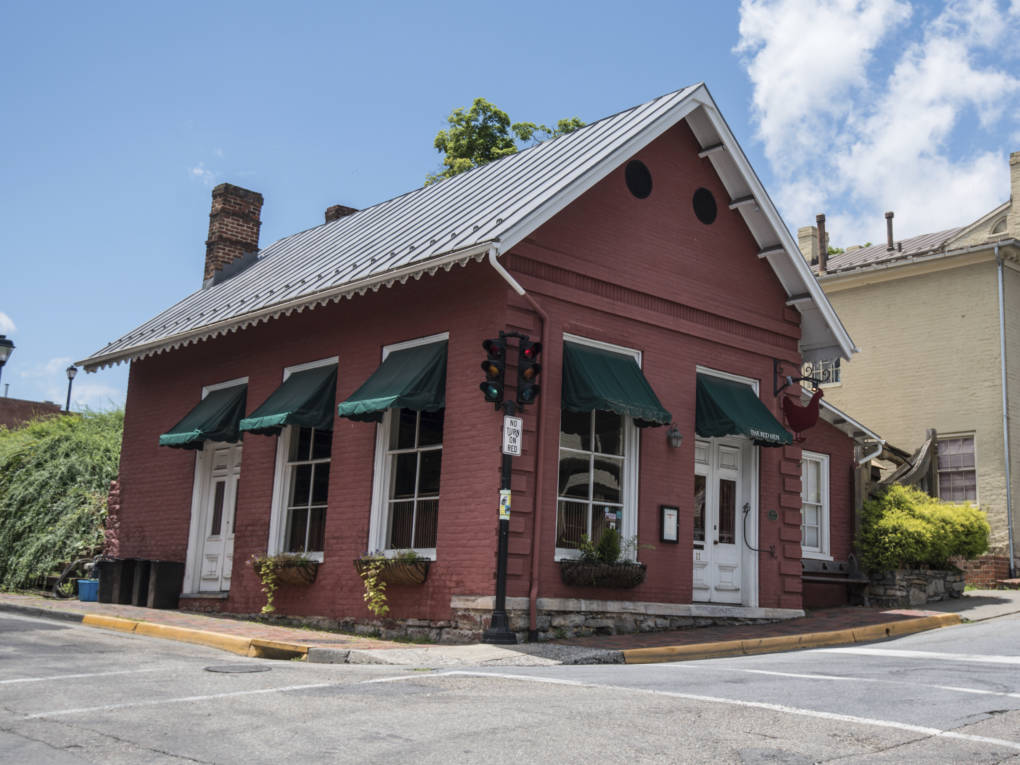
"caption": "White House press secretary Sarah Sanders said Saturday in a tweet that she was asked to leave The Red Hen Restaurant in downtown Lexington, Va., because she works for President Trump.",
"description": "White House press secretary Sarah Sanders said Saturday in a tweet that she was asked to leave The Red Hen Restaurant in downtown Lexington, Va., because she works for President Trump.",
"title": "White House press secretary Sarah Sanders said Saturday in a tweet that she was asked to leave The Red Hen Restaurant in downtown Lexington, Va., because she works for President Trump.",
"credit": "Daniel Lin/AP",
"status": "inherit",
"isLoading": false,
"fetchFailed": false
}
},
"audioPlayerReducer": {
"postId": "stream_live",
"isPaused": true,
"isPlaying": false,
"pfsActive": false,
"pledgeModalIsOpen": true,
"playerDrawerIsOpen": false,
"liveAudioPlayStartedAt": 0,
"liveAudioPlayContext": ""
},
"authorsReducer": {
"byline_bayareabites_129414": {
"type": "authors",
"id": "byline_bayareabites_129414",
"meta": {
"override": true
},
"slug": "byline_bayareabites_129414",
"name": "Eleanor Beardsley, NPR Food",
"isLoading": false
},
"byline_bayareabites_129383": {
"type": "authors",
"id": "byline_bayareabites_129383",
"meta": {
"override": true
},
"slug": "byline_bayareabites_129383",
"name": "Maria Godoy and Tove Danovich, NPR Food",
"isLoading": false
},
"byline_bayareabites_129279": {
"type": "authors",
"id": "byline_bayareabites_129279",
"meta": {
"override": true
},
"slug": "byline_bayareabites_129279",
"name": "John Ydstie, NPR Food",
"isLoading": false
},
"byline_bayareabites_129274": {
"type": "authors",
"id": "byline_bayareabites_129274",
"meta": {
"override": true
},
"slug": "byline_bayareabites_129274",
"name": "Anna King, Northwest News Network, NPR Food",
"isLoading": false
},
"byline_bayareabites_129238": {
"type": "authors",
"id": "byline_bayareabites_129238",
"meta": {
"override": true
},
"slug": "byline_bayareabites_129238",
"name": "\u003ca href=\"https://civileats.com/author/rspector/\">Rebecca Spector\u003c/a>, \u003ca href=\"https://www.kqed.org/author/civileat\">Civil Eats\u003c/a>",
"isLoading": false
},
"byline_bayareabites_129229": {
"type": "authors",
"id": "byline_bayareabites_129229",
"meta": {
"override": true
},
"slug": "byline_bayareabites_129229",
"name": "Catalina Jaramillo, WHYY, NPR Food",
"isLoading": false
},
"byline_bayareabites_129200": {
"type": "authors",
"id": "byline_bayareabites_129200",
"meta": {
"override": true
},
"slug": "byline_bayareabites_129200",
"name": "\u003ca href=\"https://civileats.com/author/itamir/\">Irit Tamir\u003c/a>, \u003ca href=\"https://www.kqed.org/author/civileat\">Civil Eats\u003c/a>",
"isLoading": false
},
"byline_bayareabites_129181": {
"type": "authors",
"id": "byline_bayareabites_129181",
"meta": {
"override": true
},
"slug": "byline_bayareabites_129181",
"name": "\u003ca href=\"https://civileats.com/author/cganeles/\">Caryn Ganeles\u003c/a>, \u003ca href=\"https://www.kqed.org/author/civileat\">Civil Eats\u003c/a>",
"isLoading": false
},
"byline_bayareabites_129175": {
"type": "authors",
"id": "byline_bayareabites_129175",
"meta": {
"override": true
},
"slug": "byline_bayareabites_129175",
"name": "Jaime Jacques, NPR Food",
"isLoading": false
},
"byline_bayareabites_129122": {
"type": "authors",
"id": "byline_bayareabites_129122",
"meta": {
"override": true
},
"slug": "byline_bayareabites_129122",
"name": "Monique Truong, NPR Food",
"isLoading": false
},
"byline_bayareabites_129116": {
"type": "authors",
"id": "byline_bayareabites_129116",
"meta": {
"override": true
},
"slug": "byline_bayareabites_129116",
"name": "Gabriela Saldivia, NPR",
"isLoading": false
},
"sarahhenry": {
"type": "authors",
"id": "5125",
"meta": {
"index": "authors_1716337520",
"id": "5125",
"found": true
},
"name": "Sarah Henry",
"firstName": "Sarah",
"lastName": "Henry",
"slug": "sarahhenry",
"email": "sarahhenry0509@gmail.com",
"display_author_email": false,
"staff_mastheads": [],
"title": null,
"bio": "\u003ca href=\"http://www.sarahhenrywriter.com/\">Sarah Henry\u003c/a> hails from Sydney, Australia, where she grew up eating lamingtons, Vegemite, and prawns (not shrimp) on the barbie (barbecue). Sarah has called the Bay Area home for the past two decades and remembers how delighted she was when a modest farmers' market sprouted in downtown San Francisco years ago. As a freelance writer Sarah has covered local food people, places, politics, culture, and news for the \u003ca href=\"http://www.sfgate.com/food/article/Latina-entrepreneurs-share-wealth-knowledge-2693764.php\">San Francisco Chronicle\u003c/a>, \u003ca href=\"http://www.mercurynews.com/food-wine/ci_21619882/good-eggs-pie-subscriptions-and-seafood-deliveries\">San Jose Mercury News\u003c/a>, \u003ca href=\"http://alumni.berkeley.edu/news/california-magazine/fall-2011-good-fight/justice%E2%80%94and-good-grub%E2%80%94-all\">California\u003c/a>, \u003ca href=\"http://www.modernluxury.com/san-francisco\">San Francisco\u003c/a>, \u003ca href=\"http://www.diablomag.com/Diablo-Magazine/November-2012/Artisan-Eats/\">Diablo\u003c/a>, \u003ca href=\"http://www.ediblecommunities.com/eastbay/fall-2012/school-lunch-20.htm\">Edible East Bay\u003c/a>, \u003ca href=\"http://www.ediblecommunities.com/marinandwinecountry/summer-2012-issue-14/getting-wild-at-a-west-marin-supper-club.htm\">Edible Marin & Wine Country\u003c/a>, and \u003ca href=\"http://www.berkeleyside.com/\">Berkeleyside\u003c/a>. A contributor to the national food policy site \u003ca href=\"http://civileats.com/\">Civil Eats\u003c/a>, her stories have also appeared in \u003ca href=\"http://www.theatlantic.com/sarah-henry/\">The Atlantic\u003c/a>, \u003ca href=\"http://www.afar.com/highlights/kamal-mouzawaks-beirut-lebanon\">AFAR\u003c/a>, \u003ca href=\"http://www.gilttaste.com/stories/5207-a-family-tied-together-by-apron-strings\">Gilt Taste\u003c/a>, \u003ca href=\"http://www.lhj.com/community/your-stories/whats-for-dinner-dude/?page=1\">Ladies' Home Journal\u003c/a>, \u003ca href=\"http://grist.org/author/sarah-henry/\">Grist\u003c/a>, \u003ca href=\"http://www.shareable.net/users/sarah-henry\">Shareable\u003c/a>, and \u003ca href=\"http://www.eatingwell.com/food_news_origins/green_sustainable/host_a_diy_food_swap\">Eating Well\u003c/a>. An epicurean tour guide for \u003ca href=\"http://edibleexcursions.net/\">Edible Excursions\u003c/a>, Sarah is the voice behind the blog \u003ca href=\"http://lettuceeatkale.com/\">Lettuce Eat Kale\u003c/a> and \u003ca href=\"http://twitter.com/lettuceeatkale\">tweets\u003c/a> under that moniker too.",
"avatar": "https://secure.gravatar.com/avatar/3fcd7301e44f9b621f8c9fc7ad678ac7?s=600&d=blank&r=g",
"twitter": "lettuceeatkale",
"facebook": "pages/Lettuce-Eat-Kale/239312194611",
"instagram": null,
"linkedin": null,
"sites": [
{
"site": "bayareabites",
"roles": [
"contributor"
]
},
{
"site": "food",
"roles": [
"contributor"
]
}
],
"headData": {
"title": "Sarah Henry | KQED",
"description": null,
"ogImgSrc": "https://secure.gravatar.com/avatar/3fcd7301e44f9b621f8c9fc7ad678ac7?s=600&d=blank&r=g",
"twImgSrc": "https://secure.gravatar.com/avatar/3fcd7301e44f9b621f8c9fc7ad678ac7?s=600&d=blank&r=g"
},
"isLoading": false,
"link": "/author/sarahhenry"
}
},
"pagesReducer": {
"bayareabites_category_politics-activism-food-safety": {
"type": "terms",
"id": "bayareabites_2035",
"meta": {
"index": "terms_1716263798",
"site": "bayareabites",
"id": "2035",
"score": 13.89613
},
"featImg": null,
"name": "politics, activism, food safety",
"description": null,
"taxonomy": "category",
"headData": {
"twImgId": null,
"twTitle": null,
"ogTitle": null,
"ogImgId": null,
"twDescription": null,
"description": null,
"title": "politics, activism, food safety Archives | KQED Bay Area Bites",
"ogDescription": null
},
"ttid": 943,
"slug": "politics-activism-food-safety",
"isLoading": false,
"title": "politics, activism, food safety",
"pageMeta": {
"site": "bayareabites",
"WpPageTemplate": "page-topic-editorial",
"currentPage": 4
},
"blocks": [
{
"blockName": "kqed/post-list",
"attrs": {
"layout": "cardArticle2",
"query": "posts/bayareabites?category=politics-activism-food-safety",
"seeMore": false,
"paginated": true,
"page": 4
}
},
{
"blockName": "kqed/ad"
}
]
}
},
"pfsSessionReducer": {},
"postsReducer": {
"stream_live": {
"type": "live",
"id": "stream_live",
"audioUrl": "https://streams.kqed.org/kqedradio",
"title": "Live Stream",
"excerpt": "Live Stream information currently unavailable.",
"link": "/radio",
"featImg": "",
"label": {
"name": "KQED Live",
"link": "/"
}
},
"stream_kqedNewscast": {
"type": "posts",
"id": "stream_kqedNewscast",
"audioUrl": "https://www.kqed.org/.stream/anon/radio/RDnews/newscast.mp3?_=1",
"title": "KQED Newscast",
"featImg": "",
"label": {
"name": "88.5 FM",
"link": "/"
}
},
"bayareabites_129414": {
"type": "posts",
"id": "bayareabites_129414",
"meta": {
"index": "posts_1716263798",
"site": "bayareabites",
"id": "129414",
"score": null,
"sort": [
1531929778000
]
},
"parent": 0,
"labelTerm": {
"site": "bayareabites"
},
"blocks": [],
"publishDate": 1531929778,
"format": "audio",
"disqusTitle": "French Butchers Ask For Protection After Threats From Militant Vegans",
"title": "French Butchers Ask For Protection After Threats From Militant Vegans",
"headTitle": "Bay Area Bites | KQED Food",
"content": "\u003cp>French butchers say they're under threat from militant vegans. And they've asked the French government for protection. What's at stake, say butchers, is not just the right to eat meat — but a way of life.\u003c/p>\n\u003cp>Didier and Sandrine Tass run their butcher shop on a busy street in Paris' 15\u003csup>th\u003c/sup> arrondissement. They've been here for 19 years. They know all their customers and discuss growing children and family vacations as they serve them. The Tasses say it's a great livelihood. But these days, the butcher and his wife are nervous about threats from militant vegans.\u003c/p>\n\u003cp>https://ondemand.npr.org/anon.npr-mp3/npr/me/2018/07/20180718_me_french_butchers_ask_for_protection_after_threats_from_violent_vegans.mp3\u003c/p>\n\u003cp>\"If they don't want to eat meat that's their right,\" says Didier Tass. \"But imposing their beliefs on others is like a dictatorship. Imagine you work 20 years building your business and then somebody comes along and damages your shop?\"\u003c/p>\n\u003cp>Sandrine Tass agrees. \"Why would anyone attack hardworking people who are just doing their job?\" she asks.\u003c/p>\n\u003cp>[ad fullwidth]\u003c/p>\n\u003cp>In recent months, there have been reports of hardline vegans throwing fake blood on butcher shops and scrawling abusive graffiti. They've broken windows.\u003c/p>\n\u003cp>Jean Francois Guihard, president of the French Confederation of Butchery, Butchers and Delicatessen, \u003ca href=\"https://www.theguardian.com/world/2018/jun/27/french-butchers-ask-for-police-protection-from-vegan-activists\">appealed\u003c/a> to the Interior Minister to do something about the incidents in a letter last month. Guihard says the country's 18,000 small butchers are the backbone of the French economy. And they are so much more.\u003c/p>\n\u003cp>\"In France your butcher is someone you go to like your doctor. It's personal,\" he says. \"And the heart of any French village or town is the baker, the butcher and the café. If we don't have these small businesses, the social fabric will be gone. Amazon is nice, but it isn't everything.\"\u003c/p>\n\u003cp>Guihard says the attacks are worrying. He points to a recent case where a militant vegan was given a seven-month suspended sentence for praising the killing of a butcher. It was after a lone gunman took hostages in a grocery store in the southern French town of Trebes in March. In the incident, the armed extremist killed a police officer and the store's butcher. The vegan wrote online that it didn't matter if the butcher was killed because he was a murderer, too.\u003c/p>\n\u003cp>Government officials have agreed to meet with the butchers in various regions to discuss the violence.\u003c/p>\n\u003cp>Brigitte Gothiere is with \u003ca href=\"https://www.l214.com/etre-vegan\">L214\u003c/a>, a major vegan association in France that defends animal rights. Gothiere says her group would never perpetrate violence because that's exactly what it's campaigning against.\u003c/p>\n\u003cp>\"We don't attack butchers, we carry out investigations by putting hidden cameras in slaughterhouses and documenting things like baby chicks being ground up and other cruelties,\" says Gothiere. \"We try to show the reality of how animals live and die while being raised, transported and slaughtered.\"\u003c/p>\n\u003cp>Gothiere says animals are sentient beings and people today know they don't have to eat animals to be in good health. She says while it might be tough to convince the French to give up meat, many people are concerned with animal welfare. Her organization has successfully convinced some egg companies to stop caging their birds. And last month, thanks to one of L214's clandestine videos, a slaughterhouse was sanctioned by a court and one employee was fired.\u003c/p>\n\u003cfigure id=\"attachment_129416\" class=\"wp-caption aligncenter\" style=\"max-width: 809px\">\u003cimg src=\"https://ww2.kqed.org/bayareabites/wp-content/uploads/sites/24/2018/07/butcher-1-cropped-11-65622bcb4301225abc847927f31550f67621c77c.jpg\" alt=\"Tass poses with the carcass of a Blonde d'Aquitaine cow. The butcher has papers that include when and where it was born, raised, where it was slaughtered and its vaccinations.\" width=\"809\" height=\"607\" class=\"size-full wp-image-129416\" srcset=\"https://ww2.kqed.org/app/uploads/sites/24/2018/07/butcher-1-cropped-11-65622bcb4301225abc847927f31550f67621c77c.jpg 809w, https://ww2.kqed.org/app/uploads/sites/24/2018/07/butcher-1-cropped-11-65622bcb4301225abc847927f31550f67621c77c-160x120.jpg 160w, https://ww2.kqed.org/app/uploads/sites/24/2018/07/butcher-1-cropped-11-65622bcb4301225abc847927f31550f67621c77c-800x600.jpg 800w, https://ww2.kqed.org/app/uploads/sites/24/2018/07/butcher-1-cropped-11-65622bcb4301225abc847927f31550f67621c77c-768x576.jpg 768w, https://ww2.kqed.org/app/uploads/sites/24/2018/07/butcher-1-cropped-11-65622bcb4301225abc847927f31550f67621c77c-240x180.jpg 240w, https://ww2.kqed.org/app/uploads/sites/24/2018/07/butcher-1-cropped-11-65622bcb4301225abc847927f31550f67621c77c-375x281.jpg 375w, https://ww2.kqed.org/app/uploads/sites/24/2018/07/butcher-1-cropped-11-65622bcb4301225abc847927f31550f67621c77c-520x390.jpg 520w\" sizes=\"(max-width: 809px) 100vw, 809px\">\u003cfigcaption class=\"wp-caption-text\">Tass poses with the carcass of a Blonde d'Aquitaine cow. The butcher has papers that include when and where it was born, raised, where it was slaughtered and its vaccinations. \u003ccite>(Eleanor Beardsley/NPR)\u003c/cite>\u003c/figcaption>\u003c/figure>\n\u003cp>Some people have suggested that butchers are overstating the threat based on a few incidents.\u003c/p>\n\u003cp>Back in their butcher shop in the 15\u003csup>th\u003c/sup> arrondissement, the Tasses serve a string of customers asking for all kinds of cuts of beef, sausages, chicken, and veal. Tass wheels out half a cow carcass that's hanging on a hook from his freezer. He slices different cuts of steak from it everyday. The cow is a Blonde Aquitaine, a breed from southwestern France. It has papers that show when and where it was born, raised and slaughtered, and that list its vaccines. He says this is the traceability that French meat eaters insist on.\u003c/p>\n\u003cp>Artisan butcher shops like this are an integral part of the French culinary landscape. There are at least four family-owned butcher shops in the streets surrounding my own apartment in Paris. Every Sunday morning people line up to get meat for their Sunday meal before the butcher shops close at noon.\u003c/p>\n\u003cp>\"People are proud of our system,\" says Tass. \"We'll never be millionaires but this is about French \u003cem>savoir-faire\u003c/em>. Butcher was one of the first professions. It's a noble job.\" Tass says he works hard, about 70 hours a week.\u003c/p>\n\u003cp>Customer Frederique Maglione calls vegans who attack butchers terrorists. But she says she does support organizations trying to call attention to animal suffering.\u003c/p>\n\u003cp>\"That's why I buy my meat only from the butcher and never at the supermarket,\" says Maglione. \"The mass industrial production is the problem. Butchers have totally different products and producers — a whole different system,\" she says.\u003c/p>\n\u003cp>Maglione thinks most French people are ready to pay more for their meat and eat less of it, if that means better treatment of animals. \u003c/p>\n\u003cp>\u003c/p>\n\u003cp>\u003cem>Copyright 2018 \u003ca href=\"http://www.npr.org/\">NPR\u003c/a>.\u003c/em> \u003c/p>\n\n",
"disqusIdentifier": "129414 https://ww2.kqed.org/bayareabites/?p=129414",
"disqusUrl": "https://ww2.kqed.org/bayareabites/2018/07/18/french-butchers-ask-for-protection-after-threats-from-militant-vegans/",
"stats": {
"hasVideo": false,
"hasChartOrMap": false,
"hasAudio": false,
"hasPolis": false,
"wordCount": 896,
"hasGoogleForm": false,
"hasGallery": false,
"hasHearkenModule": false,
"iframeSrcs": [],
"paragraphCount": 22
},
"modified": 1532044458,
"excerpt": "Butchers are an integral part of French life, and are known for carefully sourcing their meat. But now some are being targeted by extreme vegans who use vandalism to draw attention to their cause.",
"headData": {
"twImgId": "",
"twTitle": "",
"ogTitle": "",
"ogImgId": "",
"twDescription": "",
"description": "Butchers are an integral part of French life, and are known for carefully sourcing their meat. But now some are being targeted by extreme vegans who use vandalism to draw attention to their cause.",
"title": "French Butchers Ask For Protection After Threats From Militant Vegans | KQED",
"ogDescription": "",
"schema": {
"@context": "https://schema.org",
"@type": "Article",
"headline": "French Butchers Ask For Protection After Threats From Militant Vegans",
"datePublished": "2018-07-18T09:02:58-07:00",
"dateModified": "2018-07-19T16:54:18-07:00",
"image": "https://cdn.kqed.org/wp-content/uploads/2020/02/KQED-OG-Image@1x.png"
}
},
"guestAuthors": [],
"slug": "french-butchers-ask-for-protection-after-threats-from-militant-vegans",
"status": "publish",
"nprApiLink": "http://api.npr.org/query?id=628141545&apiKey=MDAxOTAwOTE4MDEyMTkxMDAzNjczZDljZA004",
"nprByline": "Eleanor Beardsley, NPR Food",
"nprStoryDate": "Wed, 18 Jul 2018 05:27:00 -0400",
"nprLastModifiedDate": "Wed, 18 Jul 2018 11:49:03 -0400",
"nprHtmlLink": "https://www.npr.org/sections/thesalt/2018/07/18/628141545/french-butchers-ask-for-protection-after-threats-from-violent-vegans?ft=nprml&f=628141545",
"nprAudio": "https://ondemand.npr.org/anon.npr-mp3/npr/me/2018/07/20180718_me_french_butchers_ask_for_protection_after_threats_from_violent_vegans.mp3?orgId=1&topicId=1053&d=212&p=3&story=628141545&ft=nprml&f=628141545",
"nprImageAgency": "NPR",
"nprImageCredit": "Eleanor Beardsley",
"nprAudioM3u": "http://api.npr.org/m3u/1630008653-345252.m3u?orgId=1&topicId=1053&d=212&p=3&story=628141545&ft=nprml&f=628141545",
"nprStoryId": "628141545",
"nprRetrievedStory": "1",
"nprPubDate": "Wed, 18 Jul 2018 11:49:00 -0400",
"path": "/bayareabites/129414/french-butchers-ask-for-protection-after-threats-from-militant-vegans",
"audioUrl": "https://ondemand.npr.org/anon.npr-mp3/npr/me/2018/07/20180718_me_french_butchers_ask_for_protection_after_threats_from_violent_vegans.mp3?orgId=1&topicId=1053&d=212&p=3&story=628141545&ft=nprml&f=628141545",
"audioTrackLength": null,
"parsedContent": [
{
"type": "contentString",
"content": "\u003cdiv class=\"post-body\">\u003cp>\u003cp>French butchers say they're under threat from militant vegans. And they've asked the French government for protection. What's at stake, say butchers, is not just the right to eat meat — but a way of life.\u003c/p>\n\u003cp>Didier and Sandrine Tass run their butcher shop on a busy street in Paris' 15\u003csup>th\u003c/sup> arrondissement. They've been here for 19 years. They know all their customers and discuss growing children and family vacations as they serve them. The Tasses say it's a great livelihood. But these days, the butcher and his wife are nervous about threats from militant vegans.\u003c/p>\n\u003cp>\u003c/p>\u003c/div>",
"attributes": {
"named": {},
"numeric": []
}
},
{
"type": "component",
"content": "",
"name": "nprOneAudioLink",
"attributes": {
"named": {
"src": "https://ondemand.npr.org/anon.npr-mp3/npr/me/2018/07/20180718_me_french_butchers_ask_for_protection_after_threats_from_violent_vegans.mp3"
},
"numeric": []
}
},
{
"type": "contentString",
"content": "\u003cdiv class=\"post-body\">\u003cp>\u003c/p>\n\u003cp>\"If they don't want to eat meat that's their right,\" says Didier Tass. \"But imposing their beliefs on others is like a dictatorship. Imagine you work 20 years building your business and then somebody comes along and damages your shop?\"\u003c/p>\n\u003cp>Sandrine Tass agrees. \"Why would anyone attack hardworking people who are just doing their job?\" she asks.\u003c/p>\n\u003cp>\u003c/p>\u003c/div>",
"attributes": {
"named": {},
"numeric": []
}
},
{
"type": "component",
"content": "",
"name": "ad",
"attributes": {
"named": {
"label": "fullwidth"
},
"numeric": [
"fullwidth"
]
}
},
{
"type": "contentString",
"content": "\u003cdiv class=\"post-body\">\u003cp>\u003c/p>\n\u003cp>In recent months, there have been reports of hardline vegans throwing fake blood on butcher shops and scrawling abusive graffiti. They've broken windows.\u003c/p>\n\u003cp>Jean Francois Guihard, president of the French Confederation of Butchery, Butchers and Delicatessen, \u003ca href=\"https://www.theguardian.com/world/2018/jun/27/french-butchers-ask-for-police-protection-from-vegan-activists\">appealed\u003c/a> to the Interior Minister to do something about the incidents in a letter last month. Guihard says the country's 18,000 small butchers are the backbone of the French economy. And they are so much more.\u003c/p>\n\u003cp>\"In France your butcher is someone you go to like your doctor. It's personal,\" he says. \"And the heart of any French village or town is the baker, the butcher and the café. If we don't have these small businesses, the social fabric will be gone. Amazon is nice, but it isn't everything.\"\u003c/p>\n\u003cp>Guihard says the attacks are worrying. He points to a recent case where a militant vegan was given a seven-month suspended sentence for praising the killing of a butcher. It was after a lone gunman took hostages in a grocery store in the southern French town of Trebes in March. In the incident, the armed extremist killed a police officer and the store's butcher. The vegan wrote online that it didn't matter if the butcher was killed because he was a murderer, too.\u003c/p>\n\u003cp>Government officials have agreed to meet with the butchers in various regions to discuss the violence.\u003c/p>\n\u003cp>Brigitte Gothiere is with \u003ca href=\"https://www.l214.com/etre-vegan\">L214\u003c/a>, a major vegan association in France that defends animal rights. Gothiere says her group would never perpetrate violence because that's exactly what it's campaigning against.\u003c/p>\n\u003cp>\"We don't attack butchers, we carry out investigations by putting hidden cameras in slaughterhouses and documenting things like baby chicks being ground up and other cruelties,\" says Gothiere. \"We try to show the reality of how animals live and die while being raised, transported and slaughtered.\"\u003c/p>\n\u003cp>Gothiere says animals are sentient beings and people today know they don't have to eat animals to be in good health. She says while it might be tough to convince the French to give up meat, many people are concerned with animal welfare. Her organization has successfully convinced some egg companies to stop caging their birds. And last month, thanks to one of L214's clandestine videos, a slaughterhouse was sanctioned by a court and one employee was fired.\u003c/p>\n\u003cfigure id=\"attachment_129416\" class=\"wp-caption aligncenter\" style=\"max-width: 809px\">\u003cimg src=\"https://ww2.kqed.org/bayareabites/wp-content/uploads/sites/24/2018/07/butcher-1-cropped-11-65622bcb4301225abc847927f31550f67621c77c.jpg\" alt=\"Tass poses with the carcass of a Blonde d'Aquitaine cow. The butcher has papers that include when and where it was born, raised, where it was slaughtered and its vaccinations.\" width=\"809\" height=\"607\" class=\"size-full wp-image-129416\" srcset=\"https://ww2.kqed.org/app/uploads/sites/24/2018/07/butcher-1-cropped-11-65622bcb4301225abc847927f31550f67621c77c.jpg 809w, https://ww2.kqed.org/app/uploads/sites/24/2018/07/butcher-1-cropped-11-65622bcb4301225abc847927f31550f67621c77c-160x120.jpg 160w, https://ww2.kqed.org/app/uploads/sites/24/2018/07/butcher-1-cropped-11-65622bcb4301225abc847927f31550f67621c77c-800x600.jpg 800w, https://ww2.kqed.org/app/uploads/sites/24/2018/07/butcher-1-cropped-11-65622bcb4301225abc847927f31550f67621c77c-768x576.jpg 768w, https://ww2.kqed.org/app/uploads/sites/24/2018/07/butcher-1-cropped-11-65622bcb4301225abc847927f31550f67621c77c-240x180.jpg 240w, https://ww2.kqed.org/app/uploads/sites/24/2018/07/butcher-1-cropped-11-65622bcb4301225abc847927f31550f67621c77c-375x281.jpg 375w, https://ww2.kqed.org/app/uploads/sites/24/2018/07/butcher-1-cropped-11-65622bcb4301225abc847927f31550f67621c77c-520x390.jpg 520w\" sizes=\"(max-width: 809px) 100vw, 809px\">\u003cfigcaption class=\"wp-caption-text\">Tass poses with the carcass of a Blonde d'Aquitaine cow. The butcher has papers that include when and where it was born, raised, where it was slaughtered and its vaccinations. \u003ccite>(Eleanor Beardsley/NPR)\u003c/cite>\u003c/figcaption>\u003c/figure>\n\u003cp>Some people have suggested that butchers are overstating the threat based on a few incidents.\u003c/p>\n\u003cp>Back in their butcher shop in the 15\u003csup>th\u003c/sup> arrondissement, the Tasses serve a string of customers asking for all kinds of cuts of beef, sausages, chicken, and veal. Tass wheels out half a cow carcass that's hanging on a hook from his freezer. He slices different cuts of steak from it everyday. The cow is a Blonde Aquitaine, a breed from southwestern France. It has papers that show when and where it was born, raised and slaughtered, and that list its vaccines. He says this is the traceability that French meat eaters insist on.\u003c/p>\n\u003cp>Artisan butcher shops like this are an integral part of the French culinary landscape. There are at least four family-owned butcher shops in the streets surrounding my own apartment in Paris. Every Sunday morning people line up to get meat for their Sunday meal before the butcher shops close at noon.\u003c/p>\n\u003cp>\"People are proud of our system,\" says Tass. \"We'll never be millionaires but this is about French \u003cem>savoir-faire\u003c/em>. Butcher was one of the first professions. It's a noble job.\" Tass says he works hard, about 70 hours a week.\u003c/p>\n\u003cp>Customer Frederique Maglione calls vegans who attack butchers terrorists. But she says she does support organizations trying to call attention to animal suffering.\u003c/p>\n\u003cp>\"That's why I buy my meat only from the butcher and never at the supermarket,\" says Maglione. \"The mass industrial production is the problem. Butchers have totally different products and producers — a whole different system,\" she says.\u003c/p>\n\u003cp>Maglione thinks most French people are ready to pay more for their meat and eat less of it, if that means better treatment of animals. \u003c/p>\n\u003cp>\u003c/p>\n\u003cp>\u003cem>Copyright 2018 \u003ca href=\"http://www.npr.org/\">NPR\u003c/a>.\u003c/em> \u003c/p>\n\n\u003c/div>\u003c/p>",
"attributes": {
"named": {},
"numeric": []
}
}
],
"link": "/bayareabites/129414/french-butchers-ask-for-protection-after-threats-from-militant-vegans",
"authors": [
"byline_bayareabites_129414"
],
"categories": [
"bayareabites_11028",
"bayareabites_10028",
"bayareabites_2035",
"bayareabites_1873"
],
"tags": [
"bayareabites_16208"
],
"featImg": "bayareabites_129415",
"label": "bayareabites"
},
"bayareabites_129383": {
"type": "posts",
"id": "bayareabites_129383",
"meta": {
"index": "posts_1716263798",
"site": "bayareabites",
"id": "129383",
"score": null,
"sort": [
1531325796000
]
},
"parent": 0,
"labelTerm": {
"site": "bayareabites"
},
"blocks": [],
"publishDate": 1531325796,
"format": "standard",
"disqusTitle": "Why People With Disabilities Want Bans On Plastic Straws To Be More Flexible",
"title": "Why People With Disabilities Want Bans On Plastic Straws To Be More Flexible",
"headTitle": "Bay Area Bites | KQED Food",
"content": "\u003cp>It was a hot day at the zoo when Jordan Carlson's son, who has motor-planning delays, got thirsty. \"We went to the snack bar and found out they had a 'no straw' policy,\" Carlson says. \"It was a hot day and he couldn't drink.\"\u003c/p>\n\u003cp>Their only option was to leave the park and look for a business that sold drinks with a straw. Without one, her son can't drink beverages. At home they use reusable straws and she tries to keep some on hand when they leave the house, but \"I'm human and sometimes I forget,\" Carlson explains. People with disabilities have to be much more conscious of what businesses and communities offer, Carlson says.\u003c/p>\n\u003cp>On social media, many people are ecstatic about the crush of cities and businesses pledging to ban plastic straws once and for all. Ever since a video showing a sea turtle with a straw stuck up its nose went viral, campaigns like #StopSucking for a strawless ocean have gained considerable traction. Seattle this month implemented a \u003ca href=\"http://thehill.com/policy/energy-environment/395118-seattle-plastic-straw-utensil-ban-takes-effect\">citywide ban on plastic straws\u003c/a>, Starbucks announced on Monday that it will phase out the use of plastic straws by 2020,\u003cstrong> \u003c/strong>and many other municipalities and businesses are likely to follow suit. As one Twitter user \u003ca href=\"https://twitter.com/trishalive/status/1013077353629732864\">posted\u003c/a>, \"My waiter asked 'Now, do we want straws OR do we want to save the turtles?' and honestly we all deserve that environmental guilt trip.\"\u003c/p>\n\u003cp>But for many people with disabilities, going without plastic straws isn't a question of how much they care about dolphins or sea turtles; it can be a matter of life or death.\u003c/p>\n\u003cp>There are many alternatives to plastic straws — paper, biodegradable plastics and even reusable straws made from metal or silicone. But paper straws and similar biodegradable options often fall apart too quickly or are easy for people with limited jaw control to bite through. Silicone straws are often not flexible — one of the most important features for people with mobility challenges. Reusable straws need to be washed, which not all people with disabilities can do easily. And metal straws, which conduct heat and cold in addition to being hard and inflexible, can pose a safety risk.\u003c/p>\n\u003cp>[ad fullwidth]\u003c/p>\n\u003cp>\"Disabled people have to find ways to navigate through the world because they know it was not made for us,\" says Lei Wiley-Mydske, an autism activist who has autism herself. \"If someone says, 'This does not work for me,' it's because they've tried everything else.\"\u003c/p>\n\u003cp>\"Also, what if you decide on the spur of the moment to go have a drink with friends after work but forgot your reusable straw that day?\" adds Lawrence Carter-Long, communications director for the national Disability Rights Education & Defense Fund. \"[That] doesn't leave a lot of room for spontaneity — something nondisabled folks get to largely take for granted.\"\u003c/p>\n\u003cp>On social media, many people have responded to claims that people with disabilities need plastic straws by asking what people did before plastic straws were invented. \"They aspirated liquid in their lungs, developed pneumonia and died,\" says\u003cstrong> \u003c/strong>Shaun Bickley, co-chair of the \u003ca href=\"https://www.seattle.gov/commission-for-people-with-disabilities\">Seattle Commission for People with DisAbilities,\u003c/a> a volunteer organization that's supposed to advise the city council or agencies on disabilities issues.\u003c/p>\n\u003cp>How much plastic straw and stirrer pollution is out there? Scientific estimates vary. One report suggests they make up more than \u003ca href=\"https://static1.squarespace.com/static/5522e85be4b0b65a7c78ac96/t/5aa0618a8165f553aa68b8b8/1520631281665/5+Gyres+BAN+List2.pdf\">7 percent\u003c/a> of the plastics found in the U.S. by piece. By comparison, the same report found plastic bottle caps alone accounted for nearly 17 percent. But straws make up a much smaller percentage of pollution \u003ca href=\"https://phys.org/news/2018-04-science-amount-straws-plastic-pollution.html\">by weight.\u003c/a>\u003c/p>\n\u003cp>Environmentalists have latched onto a figure stating that Americans use over 500 million plastic straws every day — a number that was derived from phone calls made by a 9-year-old boy in 2011. Despite its frequent repetition, there's uncertainty over the accuracy of that figure.\u003c/p>\n\u003cp>In a post detailing how the plastic straw became the cause du jour for those who love the oceans, Dune Ives, executive director for the Lonely Whale Foundation, \u003ca href=\"https://www.globalwildlife.org/2017/10/19/the-gateway-plastic/\">wrote\u003c/a>, \"We found plastic water bottles too endemic, plastic bags already somewhat politicized, and no viable alternative for the plastic cup in ALL markets.\" So they chose plastic straws, a \"playful\" alternative and a \"'gateway plastic' to the larger and more serious plastic pollution conversation.\"\u003c/p>\n\u003cp>Most of the plastic in the ocean does come from land, says \u003ca href=\"https://www.nrdc.org/experts/darby-hoover\">Darby Hoover\u003c/a>, senior resource specialist for the Natural Resources Defense Council. She notes that because plastic\u003cstrong> \u003c/strong>breaks up into smaller and smaller particles, it can be hard to tell what it used to be in some cases.\u003c/p>\n\u003cp>\"Straws are maybe not the biggest source of either plastic pollution or disposable plastic we consume, but they're in there,\" Hoover says.\u003c/p>\n\u003cp>And for many people who want to consume less plastic, she says\u003cstrong>, \u003c/strong>straws are low-hanging fruit.\u003c/p>\n\u003cp>Yet in general Hoover says that she's wary of outright bans on things. \"I personally think we as a country use way too many disposable water bottles. That said, there are times when I'm caught somewhere, don't have a reusable bottle, and want the option to have water and not a sugary drink.\"\u003c/p>\n\u003cp>\"They key is breaking habits,\" Hoover says. \"Is something a habit because you truly need it or because you got used to doing it that way?\"\u003c/p>\n\u003cp>Carter-Long says he's sympathetic to environmental concerns about plastic pollution, but any public policy aiming to reduce the use of straws needs to make accommodations for people who might need them. Ideally, he says,\u003cstrong> \u003c/strong>\"each restaurant owner [would] follow their own conscience, maybe keep a stockpile of plastic straws in their store rooms for people to use who need them.\"\u003c/p>\n\u003cp>A spokesman for Seattle Public Utilities confirmed to NPR that the city's new plastic straw ban does include a waiver allowing restaurants to give disposable, flexible plastic straws to customers who need them for physical or medical reasons. But Carter-Long and Bickley say there doesn't seem to be widespread awareness of the exemption.\u003cstrong> \u003c/strong>Bickley says he asked over a dozen Seattle chain restaurants – including McDonald's and Chipotle – \"if they had plastic straws available for people with allergies or need, and they told me no.\"\u003c/p>\n\u003cp>And just because an exemption is written into law doesn't mean businesses will comply, even if they know about it. \"So many businesses try to get around already ignoring things with ADA [the Americans With Disabilities Act] until someone says, 'I need a ramp or wider hallway or ramp in bathroom or Braille menu,' \" says Jordan Carlson. \"Sometimes you need to bring a lawsuit just to have your voice heard.\"\u003c/p>\n\u003cp>Although Bickley serves on a commission that is supposed to advise Seattle's city agencies on disability issues, he says no one consulted the group before passing the plastic straw ban.\u003c/p>\n\u003cp>Dianne Laurine, who lives in Seattle, has cerebral palsy, is quadriplegic\u003cstrong> \u003c/strong>and has no use of her extremities. \"She is old enough to remember a time before plastic and everybody just used rubber straws,\" Laurine's caretaker, Bill Reeves, says on her behalf, since she has a severe speech impediment.\u003c/p>\n\u003cp>\"They ended up being disgusting, hard to clean. The advent of plastic in the 1950s changed her life,\" Reeves says.\u003c/p>\n\u003cp>When asked what it felt like when the straw ban went into effect without consulting those with disabilities, Laurine audibly repeated one word, \"Awful. Awful. Awful.\"\u003c/p>\n\u003cp>\"You're putting this burden on disabled people to come up with a solution. You're not asking companies that manufacture straws to come up with a version that works for us,\" autism activist Wiley-Mydske says. \"You won't even take the bus instead of driving your car somewhere,\" she says, adding, \"How many of you are willing to die for the environment?\"\u003c/p>\n\u003cp>\u003ca href=\"http://www.twitter.com/tkdano\">\u003cem>Tove K. Danovich\u003c/em>\u003c/a>\u003cem> is a journalist based in Portland, Ore. Maria Godoy is a senior editor with NPR and host of The Salt.\u003c/em>\u003c/p>\n\u003cp>\u003cem>NPR Business Desk intern Charlotte Norsworthy contributed to this report.\u003c/em> \u003c/p>\n\u003cp>[ad floatright]\u003c/p>\n\u003cp>\u003cem>Copyright 2018 \u003ca href=\"http://www.npr.org/\">NPR\u003c/a>.\u003c/em> \u003c/p>\n\n",
"disqusIdentifier": "129383 https://ww2.kqed.org/bayareabites/?p=129383",
"disqusUrl": "https://ww2.kqed.org/bayareabites/2018/07/11/why-people-with-disabilities-want-bans-on-plastic-straws-to-be-more-flexible/",
"stats": {
"hasVideo": false,
"hasChartOrMap": false,
"hasAudio": false,
"hasPolis": false,
"wordCount": 1349,
"hasGoogleForm": false,
"hasGallery": false,
"hasHearkenModule": false,
"iframeSrcs": [],
"paragraphCount": 29
},
"modified": 1531325796,
"excerpt": "As cities and companies — including Starbucks — move to oust straws in a bid to reduce pollution, people with disabilities say they're losing access to a necessary, lifesaving tool.",
"headData": {
"twImgId": "",
"twTitle": "",
"ogTitle": "",
"ogImgId": "",
"twDescription": "",
"description": "As cities and companies — including Starbucks — move to oust straws in a bid to reduce pollution, people with disabilities say they're losing access to a necessary, lifesaving tool.",
"title": "Why People With Disabilities Want Bans On Plastic Straws To Be More Flexible | KQED",
"ogDescription": "",
"schema": {
"@context": "https://schema.org",
"@type": "Article",
"headline": "Why People With Disabilities Want Bans On Plastic Straws To Be More Flexible",
"datePublished": "2018-07-11T09:16:36-07:00",
"dateModified": "2018-07-11T09:16:36-07:00",
"image": "https://cdn.kqed.org/wp-content/uploads/2020/02/KQED-OG-Image@1x.png"
}
},
"guestAuthors": [],
"slug": "why-people-with-disabilities-want-bans-on-plastic-straws-to-be-more-flexible",
"status": "publish",
"nprApiLink": "http://api.npr.org/query?id=627773979&apiKey=MDAxOTAwOTE4MDEyMTkxMDAzNjczZDljZA004",
"nprByline": "Maria Godoy and Tove Danovich, NPR Food",
"nprStoryDate": "Wed, 11 Jul 2018 08:02:00 -0400",
"nprLastModifiedDate": "Wed, 11 Jul 2018 11:17:01 -0400",
"nprHtmlLink": "https://www.npr.org/sections/thesalt/2018/07/11/627773979/why-people-with-disabilities-want-bans-on-plastic-straws-to-be-more-flexible?ft=nprml&f=627773979",
"nprImageAgency": "EyeEm via Getty Images",
"nprImageCredit": "Thn Rocn Khosit Rath Phachr Sukh ",
"nprStoryId": "627773979",
"nprRetrievedStory": "1",
"nprPubDate": "Wed, 11 Jul 2018 11:17:00 -0400",
"path": "/bayareabites/129383/why-people-with-disabilities-want-bans-on-plastic-straws-to-be-more-flexible",
"audioTrackLength": null,
"parsedContent": [
{
"type": "contentString",
"content": "\u003cdiv class=\"post-body\">\u003cp>\u003cp>It was a hot day at the zoo when Jordan Carlson's son, who has motor-planning delays, got thirsty. \"We went to the snack bar and found out they had a 'no straw' policy,\" Carlson says. \"It was a hot day and he couldn't drink.\"\u003c/p>\n\u003cp>Their only option was to leave the park and look for a business that sold drinks with a straw. Without one, her son can't drink beverages. At home they use reusable straws and she tries to keep some on hand when they leave the house, but \"I'm human and sometimes I forget,\" Carlson explains. People with disabilities have to be much more conscious of what businesses and communities offer, Carlson says.\u003c/p>\n\u003cp>On social media, many people are ecstatic about the crush of cities and businesses pledging to ban plastic straws once and for all. Ever since a video showing a sea turtle with a straw stuck up its nose went viral, campaigns like #StopSucking for a strawless ocean have gained considerable traction. Seattle this month implemented a \u003ca href=\"http://thehill.com/policy/energy-environment/395118-seattle-plastic-straw-utensil-ban-takes-effect\">citywide ban on plastic straws\u003c/a>, Starbucks announced on Monday that it will phase out the use of plastic straws by 2020,\u003cstrong> \u003c/strong>and many other municipalities and businesses are likely to follow suit. As one Twitter user \u003ca href=\"https://twitter.com/trishalive/status/1013077353629732864\">posted\u003c/a>, \"My waiter asked 'Now, do we want straws OR do we want to save the turtles?' and honestly we all deserve that environmental guilt trip.\"\u003c/p>\n\u003cp>But for many people with disabilities, going without plastic straws isn't a question of how much they care about dolphins or sea turtles; it can be a matter of life or death.\u003c/p>\n\u003cp>There are many alternatives to plastic straws — paper, biodegradable plastics and even reusable straws made from metal or silicone. But paper straws and similar biodegradable options often fall apart too quickly or are easy for people with limited jaw control to bite through. Silicone straws are often not flexible — one of the most important features for people with mobility challenges. Reusable straws need to be washed, which not all people with disabilities can do easily. And metal straws, which conduct heat and cold in addition to being hard and inflexible, can pose a safety risk.\u003c/p>\n\u003cp>\u003c/p>\u003c/div>",
"attributes": {
"named": {},
"numeric": []
}
},
{
"type": "component",
"content": "",
"name": "ad",
"attributes": {
"named": {
"label": "fullwidth"
},
"numeric": [
"fullwidth"
]
}
},
{
"type": "contentString",
"content": "\u003cdiv class=\"post-body\">\u003cp>\u003c/p>\n\u003cp>\"Disabled people have to find ways to navigate through the world because they know it was not made for us,\" says Lei Wiley-Mydske, an autism activist who has autism herself. \"If someone says, 'This does not work for me,' it's because they've tried everything else.\"\u003c/p>\n\u003cp>\"Also, what if you decide on the spur of the moment to go have a drink with friends after work but forgot your reusable straw that day?\" adds Lawrence Carter-Long, communications director for the national Disability Rights Education & Defense Fund. \"[That] doesn't leave a lot of room for spontaneity — something nondisabled folks get to largely take for granted.\"\u003c/p>\n\u003cp>On social media, many people have responded to claims that people with disabilities need plastic straws by asking what people did before plastic straws were invented. \"They aspirated liquid in their lungs, developed pneumonia and died,\" says\u003cstrong> \u003c/strong>Shaun Bickley, co-chair of the \u003ca href=\"https://www.seattle.gov/commission-for-people-with-disabilities\">Seattle Commission for People with DisAbilities,\u003c/a> a volunteer organization that's supposed to advise the city council or agencies on disabilities issues.\u003c/p>\n\u003cp>How much plastic straw and stirrer pollution is out there? Scientific estimates vary. One report suggests they make up more than \u003ca href=\"https://static1.squarespace.com/static/5522e85be4b0b65a7c78ac96/t/5aa0618a8165f553aa68b8b8/1520631281665/5+Gyres+BAN+List2.pdf\">7 percent\u003c/a> of the plastics found in the U.S. by piece. By comparison, the same report found plastic bottle caps alone accounted for nearly 17 percent. But straws make up a much smaller percentage of pollution \u003ca href=\"https://phys.org/news/2018-04-science-amount-straws-plastic-pollution.html\">by weight.\u003c/a>\u003c/p>\n\u003cp>Environmentalists have latched onto a figure stating that Americans use over 500 million plastic straws every day — a number that was derived from phone calls made by a 9-year-old boy in 2011. Despite its frequent repetition, there's uncertainty over the accuracy of that figure.\u003c/p>\n\u003cp>In a post detailing how the plastic straw became the cause du jour for those who love the oceans, Dune Ives, executive director for the Lonely Whale Foundation, \u003ca href=\"https://www.globalwildlife.org/2017/10/19/the-gateway-plastic/\">wrote\u003c/a>, \"We found plastic water bottles too endemic, plastic bags already somewhat politicized, and no viable alternative for the plastic cup in ALL markets.\" So they chose plastic straws, a \"playful\" alternative and a \"'gateway plastic' to the larger and more serious plastic pollution conversation.\"\u003c/p>\n\u003cp>Most of the plastic in the ocean does come from land, says \u003ca href=\"https://www.nrdc.org/experts/darby-hoover\">Darby Hoover\u003c/a>, senior resource specialist for the Natural Resources Defense Council. She notes that because plastic\u003cstrong> \u003c/strong>breaks up into smaller and smaller particles, it can be hard to tell what it used to be in some cases.\u003c/p>\n\u003cp>\"Straws are maybe not the biggest source of either plastic pollution or disposable plastic we consume, but they're in there,\" Hoover says.\u003c/p>\n\u003cp>And for many people who want to consume less plastic, she says\u003cstrong>, \u003c/strong>straws are low-hanging fruit.\u003c/p>\n\u003cp>Yet in general Hoover says that she's wary of outright bans on things. \"I personally think we as a country use way too many disposable water bottles. That said, there are times when I'm caught somewhere, don't have a reusable bottle, and want the option to have water and not a sugary drink.\"\u003c/p>\n\u003cp>\"They key is breaking habits,\" Hoover says. \"Is something a habit because you truly need it or because you got used to doing it that way?\"\u003c/p>\n\u003cp>Carter-Long says he's sympathetic to environmental concerns about plastic pollution, but any public policy aiming to reduce the use of straws needs to make accommodations for people who might need them. Ideally, he says,\u003cstrong> \u003c/strong>\"each restaurant owner [would] follow their own conscience, maybe keep a stockpile of plastic straws in their store rooms for people to use who need them.\"\u003c/p>\n\u003cp>A spokesman for Seattle Public Utilities confirmed to NPR that the city's new plastic straw ban does include a waiver allowing restaurants to give disposable, flexible plastic straws to customers who need them for physical or medical reasons. But Carter-Long and Bickley say there doesn't seem to be widespread awareness of the exemption.\u003cstrong> \u003c/strong>Bickley says he asked over a dozen Seattle chain restaurants – including McDonald's and Chipotle – \"if they had plastic straws available for people with allergies or need, and they told me no.\"\u003c/p>\n\u003cp>And just because an exemption is written into law doesn't mean businesses will comply, even if they know about it. \"So many businesses try to get around already ignoring things with ADA [the Americans With Disabilities Act] until someone says, 'I need a ramp or wider hallway or ramp in bathroom or Braille menu,' \" says Jordan Carlson. \"Sometimes you need to bring a lawsuit just to have your voice heard.\"\u003c/p>\n\u003cp>Although Bickley serves on a commission that is supposed to advise Seattle's city agencies on disability issues, he says no one consulted the group before passing the plastic straw ban.\u003c/p>\n\u003cp>Dianne Laurine, who lives in Seattle, has cerebral palsy, is quadriplegic\u003cstrong> \u003c/strong>and has no use of her extremities. \"She is old enough to remember a time before plastic and everybody just used rubber straws,\" Laurine's caretaker, Bill Reeves, says on her behalf, since she has a severe speech impediment.\u003c/p>\n\u003cp>\"They ended up being disgusting, hard to clean. The advent of plastic in the 1950s changed her life,\" Reeves says.\u003c/p>\n\u003cp>When asked what it felt like when the straw ban went into effect without consulting those with disabilities, Laurine audibly repeated one word, \"Awful. Awful. Awful.\"\u003c/p>\n\u003cp>\"You're putting this burden on disabled people to come up with a solution. You're not asking companies that manufacture straws to come up with a version that works for us,\" autism activist Wiley-Mydske says. \"You won't even take the bus instead of driving your car somewhere,\" she says, adding, \"How many of you are willing to die for the environment?\"\u003c/p>\n\u003cp>\u003ca href=\"http://www.twitter.com/tkdano\">\u003cem>Tove K. Danovich\u003c/em>\u003c/a>\u003cem> is a journalist based in Portland, Ore. Maria Godoy is a senior editor with NPR and host of The Salt.\u003c/em>\u003c/p>\n\u003cp>\u003cem>NPR Business Desk intern Charlotte Norsworthy contributed to this report.\u003c/em> \u003c/p>\n\u003cp>\u003c/p>\u003c/div>",
"attributes": {
"named": {},
"numeric": []
}
},
{
"type": "component",
"content": "",
"name": "ad",
"attributes": {
"named": {
"label": "floatright"
},
"numeric": [
"floatright"
]
}
},
{
"type": "contentString",
"content": "\u003cdiv class=\"post-body\">\u003cp>\u003c/p>\n\u003cp>\u003cem>Copyright 2018 \u003ca href=\"http://www.npr.org/\">NPR\u003c/a>.\u003c/em> \u003c/p>\n\n\u003c/div>\u003c/p>",
"attributes": {
"named": {},
"numeric": []
}
}
],
"link": "/bayareabites/129383/why-people-with-disabilities-want-bans-on-plastic-straws-to-be-more-flexible",
"authors": [
"byline_bayareabites_129383"
],
"categories": [
"bayareabites_11028",
"bayareabites_10028",
"bayareabites_1245",
"bayareabites_2035",
"bayareabites_358",
"bayareabites_60"
],
"tags": [
"bayareabites_14992",
"bayareabites_16206",
"bayareabites_16173"
],
"featImg": "bayareabites_129384",
"label": "bayareabites"
},
"bayareabites_129251": {
"type": "posts",
"id": "bayareabites_129251",
"meta": {
"index": "posts_1716263798",
"site": "bayareabites",
"id": "129251",
"score": null,
"sort": [
1531158155000
]
},
"parent": 0,
"labelTerm": {
"site": "bayareabites"
},
"blocks": [],
"publishDate": 1531158155,
"format": "standard",
"disqusTitle": "An Oakland Community Grocery Store Feeds Its People",
"title": "An Oakland Community Grocery Store Feeds Its People",
"headTitle": "Bay Area Bites | KQED Food",
"content": "\u003cp>\u003cem>In late June, the \u003c/em>\u003cem>\u003ca href=\"https://food.berkeley.edu/\">Berkeley Food Institute\u003c/a>\u003c/em>\u003cem> at UC Berkeley launched a multi-media project \u003c/em>\u003cem>\u003ca href=\"https://food.berkeley.edu/resources/changemakers/\">Hungry for Change\u003c/a>\u003c/em>\u003cem>, which features twenty trailblazing food systems reformers from across the Golden State, dedicated to advancing equity, health, and sustainability in food and farming systems. \u003c/em>\u003c/p>\n\u003cp>\u003cem>Several of the individuals profiled—who work in a range of fields including farming, food advocacy, and food security—call the Bay Area home. What they have in common: These innovators offer seeds of hope during challenging times.\u003c/em>\u003c/p>\n\u003cp>\u003cem> \u003c/em>\u003cem>Meet Oakland food business owner Adrionna Fike, a champion of the cooperative grocery model in an age of \u003c/em>\u003cem>\u003ca href=\"https://www.kqed.org/bayareabites/125376/can-food-co-ops-survive-the-new-retail-reality\">mega-retail stores\u003c/a>\u003c/em>\u003cem> and \u003c/em>\u003cem>\u003ca href=\"https://www.sfchronicle.com/food/article/Good-Eggs-hatches-new-plan-for-online-food-11060438.php\">online delivery services\u003c/a>\u003c/em>\u003cem>.\u003c/em>\u003c/p>\n\u003cp>Adrionna Fike is a worker-owner at the cooperative Mandela Grocery Cooperative in West Oakland. Fike was drawn to the community-oriented co-op—which is owned and operated by young black people—when she relocated to Oakland in 2008. Raised in an athletic family in Los Angeles, Fike, who played basketball for Columbia University while attending Barnard College, grew up eating processed food before health challenges forced her to reconsider her diet. The grocery sells organic and conventional produce from small local farms, dairy and meat from nearby ranches, and wholesome packaged foods. The grocery store is slated to move to a larger location in 2018.\u003c/p>\n\u003cp>Adrionna Fike had always dreamed of owning a neighborhood store selling good food that resonated with the community and held a particular concern for African American life. She imagined a store where African Americans felt welcome, that paid homage to historic black culture, and served as a place of nourishment in mind, body, spirit, and soul. She found such a home in West Oakland at the \u003ca href=\"https://www.mandelafoods.com/\">Mandela Grocery Cooperative\u003c/a>, which opened its doors in June 2009 under the Mandela Foods Cooperative banner, with the goal of providing access to affordable, healthy, and culturally relevant foods. “From the day I set foot inside the store I knew I wanted to be a part of it,” says Fike, who came on board in 2012. The cooperative model, with its team approach and esprit de corps, appeals to Fike, who describes her workplace as a joyous environment where she can be herself. In turn, being of service to others feeds Fike. “I like serving people, that’s my calling and my reward, I receive so much back from our customers.”\u003c/p>\n\u003cp>[ad fullwidth]\u003c/p>\n\u003cp>West Oakland has long been overlooked by supermarket chains. Instead, corner liquor stores have proliferated. Such stores typically offer mass-market products of questionable nutritional value, the kind of food that is detrimental to health and contributes to high rates of heart disease, obesity, and diabetes among African Americans.\u003c/p>\n\u003cfigure id=\"attachment_129259\" class=\"wp-caption aligncenter\" style=\"max-width: 1920px\">\u003cimg src=\"https://ww2.kqed.org/bayareabites/wp-content/uploads/sites/24/2018/07/BFI_B-roll_Adrionna_1.17.1-new.jpg\" alt=\"“The face of the community…the guardian of food security.”\" width=\"1920\" height=\"1080\" class=\"size-full wp-image-129259\" srcset=\"https://ww2.kqed.org/app/uploads/sites/24/2018/07/BFI_B-roll_Adrionna_1.17.1-new.jpg 1920w, https://ww2.kqed.org/app/uploads/sites/24/2018/07/BFI_B-roll_Adrionna_1.17.1-new-160x90.jpg 160w, https://ww2.kqed.org/app/uploads/sites/24/2018/07/BFI_B-roll_Adrionna_1.17.1-new-800x450.jpg 800w, https://ww2.kqed.org/app/uploads/sites/24/2018/07/BFI_B-roll_Adrionna_1.17.1-new-768x432.jpg 768w, https://ww2.kqed.org/app/uploads/sites/24/2018/07/BFI_B-roll_Adrionna_1.17.1-new-1020x574.jpg 1020w, https://ww2.kqed.org/app/uploads/sites/24/2018/07/BFI_B-roll_Adrionna_1.17.1-new-1200x675.jpg 1200w, https://ww2.kqed.org/app/uploads/sites/24/2018/07/BFI_B-roll_Adrionna_1.17.1-new-1180x664.jpg 1180w, https://ww2.kqed.org/app/uploads/sites/24/2018/07/BFI_B-roll_Adrionna_1.17.1-new-960x540.jpg 960w, https://ww2.kqed.org/app/uploads/sites/24/2018/07/BFI_B-roll_Adrionna_1.17.1-new-240x135.jpg 240w, https://ww2.kqed.org/app/uploads/sites/24/2018/07/BFI_B-roll_Adrionna_1.17.1-new-375x211.jpg 375w, https://ww2.kqed.org/app/uploads/sites/24/2018/07/BFI_B-roll_Adrionna_1.17.1-new-520x293.jpg 520w\" sizes=\"(max-width: 1920px) 100vw, 1920px\">\u003cfigcaption class=\"wp-caption-text\">“The face of the community…the guardian of food security.” \u003ccite>(Fabián Aguirre and Maya Pisciotto, \u003ca href=\"http://www.theunderstory.co\">The Understory \u003c/a>)\u003c/cite>\u003c/figcaption>\u003c/figure>\n\u003cp>A full-service grocery store* has long been high on the wish list of residents of this community, which struggled for decades with high crime, pollution, and underemployment. West Oakland is considered a food desert by the US Department of Agriculture. The term refers to impoverished neighborhoods devoid of stores or markets selling fresh fruits and vegetables and other nutritious food. A historically vibrant enclave for African American artists, the area is experiencing a regeneration fueled by gentrification pressures from the San Francisco Bay Area’s technology boom. There’s also a resurgence of black culture in the area, from African American chefs and food producers to muralists, sculptors, and other creative makers—many of whom shop at the store, Fike adds. ”The co-op is the face of the community, the guardian of food security here. It’s important to put resources into the places where people live,” says Fike.\u003c/p>\n\u003cp>\u003ca href=\"http://www.mandelamarketplace.org/\">Mandela MarketPlace\u003c/a>, a nonprofit with a decade-old program that, among other efforts, delivers fresh fruits and vegetables to corner stores, was instrumental in opening the co-op. But in Spring 2018, the grocery store became independent of that organization, says Fike. Now, the co-op is attempting to expand by raising $1 million through a \u003ca href=\"https://www.gofundme.com/MandelaGrocery\">crowdfunding effort\u003c/a> and a \u003ca href=\"http://www.mandelafoods.com/expansion\">proposal\u003c/a> for soda tax funds from the city of Oakland. It’s a pivotal time in the co-op’s history.\u003c/p>\n\u003cp>In 2017, the grocery business landed a lease on an 11,000-square-foot prime corner spot next door to its current digs. The co-op originally wanted to occupy the space but lost out years earlier to a national chain store. The co-op’s first location is just 2,500-square-feet, and some of that space houses a separate café. For years, the store—with its local produce and perishables, bulk-bin offerings, and dry goods—had to compete for customers with a 99 Cents Only Store next door (that store, which closed in early 2017, offered conventional packaged foods and produce at a deep discount).\u003c/p>\n\u003cfigure id=\"attachment_129256\" class=\"wp-caption aligncenter\" style=\"max-width: 1920px\">\u003cimg src=\"https://ww2.kqed.org/bayareabites/wp-content/uploads/sites/24/2018/07/BFI_B-roll_Adrionna_1.7.1-new.jpg\" alt=\"The cooperative measures success in many ways. Getting fresh produce into the community is one.\" width=\"1920\" height=\"1080\" class=\"size-full wp-image-129256\" srcset=\"https://ww2.kqed.org/app/uploads/sites/24/2018/07/BFI_B-roll_Adrionna_1.7.1-new.jpg 1920w, https://ww2.kqed.org/app/uploads/sites/24/2018/07/BFI_B-roll_Adrionna_1.7.1-new-160x90.jpg 160w, https://ww2.kqed.org/app/uploads/sites/24/2018/07/BFI_B-roll_Adrionna_1.7.1-new-800x450.jpg 800w, https://ww2.kqed.org/app/uploads/sites/24/2018/07/BFI_B-roll_Adrionna_1.7.1-new-768x432.jpg 768w, https://ww2.kqed.org/app/uploads/sites/24/2018/07/BFI_B-roll_Adrionna_1.7.1-new-1020x574.jpg 1020w, https://ww2.kqed.org/app/uploads/sites/24/2018/07/BFI_B-roll_Adrionna_1.7.1-new-1200x675.jpg 1200w, https://ww2.kqed.org/app/uploads/sites/24/2018/07/BFI_B-roll_Adrionna_1.7.1-new-1180x664.jpg 1180w, https://ww2.kqed.org/app/uploads/sites/24/2018/07/BFI_B-roll_Adrionna_1.7.1-new-960x540.jpg 960w, https://ww2.kqed.org/app/uploads/sites/24/2018/07/BFI_B-roll_Adrionna_1.7.1-new-240x135.jpg 240w, https://ww2.kqed.org/app/uploads/sites/24/2018/07/BFI_B-roll_Adrionna_1.7.1-new-375x211.jpg 375w, https://ww2.kqed.org/app/uploads/sites/24/2018/07/BFI_B-roll_Adrionna_1.7.1-new-520x293.jpg 520w\" sizes=\"(max-width: 1920px) 100vw, 1920px\">\u003cfigcaption class=\"wp-caption-text\">The cooperative measures success in many ways. Getting fresh produce into the community is one. \u003ccite>(Fabián Aguirre and Maya Pisciotto, \u003ca href=\"http://www.theunderstory.co\">The Understory \u003c/a>)\u003c/cite>\u003c/figcaption>\u003c/figure>\n\u003cp>After the co-op opened in the midst of a nationwide recession it struggled early on. But sales grew modestly each year. Its customers reflect today’s West Oakland: a diverse group of local residents, including people of color and low-income residents, commuters (it’s opposite a BART stop), and a new wave of workers from San Francisco. Some are priced out of the city, some prefer the culture of West Oakland over the current climate in San Francisco, and some are well-compensated tech employees. The co-op also cultivates a strong youth culture among worker-owners and customers alike. The mix has helped keep the co-op’s doors open during tough times while also staying true to its mission.\u003c/p>\n\u003cp>But this isn’t a generic grocery store, nor is it some hippie counterculture co-op. It’s a modern market, with murals of African Americans on its window and a playlist that reflects the staff’s tastes. “We’ve succeeded because we’ve created a comfortable vibe,” says Fike, 35, of the team, which currently consists of three other co-owners and a half-dozen candidates on track to become co-owners. “It reflects the foodways, art, and style of African American culture and the people who work in the store are personable and genuine. Customers like the staff, the energy, the music.” All this helps make the co-op a destination, which is key since consumers can otherwise buy everything they need without ever leaving the house. “Everything about my workplace is gratifying—on both sides of the counter,” says Fike. “There’s respect from my co-workers and from the customers for what we’re doing here. We’re creating community and culture and, as a former anthropology student, that’s what’s most interesting to me. It is at the heart of what it means to be human.”\u003c/p>\n\u003cfigure id=\"attachment_129258\" class=\"wp-caption aligncenter\" style=\"max-width: 1920px\">\u003cimg src=\"https://ww2.kqed.org/bayareabites/wp-content/uploads/sites/24/2018/07/BFI_B-roll_Adrionna_1.15.1-new.jpg\" alt=\"In the co-op model, every worker-owner has a voice at the table.\" width=\"1920\" height=\"1080\" class=\"size-full wp-image-129258\" srcset=\"https://ww2.kqed.org/app/uploads/sites/24/2018/07/BFI_B-roll_Adrionna_1.15.1-new.jpg 1920w, https://ww2.kqed.org/app/uploads/sites/24/2018/07/BFI_B-roll_Adrionna_1.15.1-new-160x90.jpg 160w, https://ww2.kqed.org/app/uploads/sites/24/2018/07/BFI_B-roll_Adrionna_1.15.1-new-800x450.jpg 800w, https://ww2.kqed.org/app/uploads/sites/24/2018/07/BFI_B-roll_Adrionna_1.15.1-new-768x432.jpg 768w, https://ww2.kqed.org/app/uploads/sites/24/2018/07/BFI_B-roll_Adrionna_1.15.1-new-1020x574.jpg 1020w, https://ww2.kqed.org/app/uploads/sites/24/2018/07/BFI_B-roll_Adrionna_1.15.1-new-1200x675.jpg 1200w, https://ww2.kqed.org/app/uploads/sites/24/2018/07/BFI_B-roll_Adrionna_1.15.1-new-1180x664.jpg 1180w, https://ww2.kqed.org/app/uploads/sites/24/2018/07/BFI_B-roll_Adrionna_1.15.1-new-960x540.jpg 960w, https://ww2.kqed.org/app/uploads/sites/24/2018/07/BFI_B-roll_Adrionna_1.15.1-new-240x135.jpg 240w, https://ww2.kqed.org/app/uploads/sites/24/2018/07/BFI_B-roll_Adrionna_1.15.1-new-375x211.jpg 375w, https://ww2.kqed.org/app/uploads/sites/24/2018/07/BFI_B-roll_Adrionna_1.15.1-new-520x293.jpg 520w\" sizes=\"(max-width: 1920px) 100vw, 1920px\">\u003cfigcaption class=\"wp-caption-text\">In the co-op model, every worker-owner has a voice at the table. \u003ccite>(Fabián Aguirre and Maya Pisciotto, \u003ca href=\"http://www.theunderstory.co\">The Understory \u003c/a>)\u003c/cite>\u003c/figcaption>\u003c/figure>\n\u003cp>The co-op measures success in many ways. Getting produce to the people is at its core: From 2013 to 2016, the store distributed more than 700,000 pounds of fresh produce, 46 percent of it from family farms within 200 miles of Oakland, helping keep small farmers on the land by boosting their income. The co-op has circulated more than $7 million within the local community.\u003c/p>\n\u003cp>The store looks for ways to make eating well more affordable. It features innovative programing such as \u003ca href=\"http://www.mandelamarketplace.org/freshcreds\">Fresh Creds\u003c/a>, a \u003ca href=\"https://www.fns.usda.gov/snap/supplemental-nutrition-assistance-program-snap\">Supplemental Nutrition Assistance Program\u003c/a> (SNAP or “food stamps”) match incentive. The co-op fulfills a federal grant secured by Mandela MarketPlace that entitles any shopper who spends money on fresh produce, frozen fruits and vegetables, or canned fruits and vegetable without added sugar to a 50 percent discount on those items. It’s been a hit with customers.\u003c/p>\n\u003cp>The cooperative also offers an owner like Fike the chance to be part of a business based on equality and inclusion in pay, profit-sharing, and a voice at the table. “This is a sustainable model,” says Fike. “When you operate ethically with integrity, honesty, and transparency, people respond to that and are inspired by that.”\u003c/p>\n\u003cp>\u003cem>Reprinted with permission from \u003c/em>\u003ca href=\"https://food.berkeley.edu/resources/changemakers/\">Hungry for Change\u003c/a>\u003cem>, a publication of the \u003ca href=\"https://food.berkeley.edu/\">Berkeley Food Institute\u003c/a>. Read about other California emerging food systems changemakers \u003ca href=\"https://food.berkeley.edu/resources/changemakers/the-changemakers-of-hungry-for-change/\">here\u003c/a>.\u003c/em>\u003c/p>\n\u003cp>\u003cem>*In April this year, \u003ca href=\"https://communityfoodsmarket.com/\">Community Foods Market\u003c/a> (formerly People’s Community Market) broke ground on its \u003ca href=\"https://www.sfchronicle.com/news/article/Community-Foods-Market-finally-breaks-ground-in-12839166.php\">long-awaited, full-service grocery store\u003c/a> in West Oakland, which BAB reported on back in \u003ca href=\"https://www.kqed.org/bayareabites/59137/coming-soon-a-supermarket-in-west-oakland\">2013\u003c/a> and \u003ca href=\"https://www.kqed.org/bayareabites/30498/peoples-community-market-closer-to-finding-funding-with-white-house-announcement\">2011\u003c/a>.\u003c/em>\u003c/p>\n\u003cp>[ad floatright]\u003c/p>\n\u003cp>https://youtu.be/wRDFCHOeuJ4\u003c/p>\n\n",
"disqusIdentifier": "129251 https://ww2.kqed.org/bayareabites/?p=129251",
"disqusUrl": "https://ww2.kqed.org/bayareabites/2018/07/09/an-oakland-community-grocery-store-feeds-its-people/",
"stats": {
"hasVideo": false,
"hasChartOrMap": false,
"hasAudio": false,
"hasPolis": false,
"wordCount": 1484,
"hasGoogleForm": false,
"hasGallery": false,
"hasHearkenModule": false,
"iframeSrcs": [],
"paragraphCount": 17
},
"modified": 1531325452,
"excerpt": "The Berkeley Food Institute launches \u003cem>Hungry for Change\u003c/em>, a multi-media project showcasing twenty emerging food systems leaders. Meet one of them: Adrionna Fike, co-owner of Mandela Grocery Cooperative in West Oakland.",
"headData": {
"twImgId": "",
"twTitle": "",
"ogTitle": "",
"ogImgId": "",
"twDescription": "",
"description": "The Berkeley Food Institute launches Hungry for Change, a multi-media project showcasing twenty emerging food systems leaders. Meet one of them: Adrionna Fike, co-owner of Mandela Grocery Cooperative in West Oakland.",
"title": "An Oakland Community Grocery Store Feeds Its People | KQED",
"ogDescription": "",
"schema": {
"@context": "https://schema.org",
"@type": "Article",
"headline": "An Oakland Community Grocery Store Feeds Its People",
"datePublished": "2018-07-09T10:42:35-07:00",
"dateModified": "2018-07-11T09:10:52-07:00",
"image": "https://cdn.kqed.org/wp-content/uploads/2020/02/KQED-OG-Image@1x.png"
}
},
"guestAuthors": [],
"slug": "an-oakland-community-grocery-store-feeds-its-people",
"status": "publish",
"path": "/bayareabites/129251/an-oakland-community-grocery-store-feeds-its-people",
"audioTrackLength": null,
"parsedContent": [
{
"type": "contentString",
"content": "\u003cdiv class=\"post-body\">\u003cp>\u003cp>\u003cem>In late June, the \u003c/em>\u003cem>\u003ca href=\"https://food.berkeley.edu/\">Berkeley Food Institute\u003c/a>\u003c/em>\u003cem> at UC Berkeley launched a multi-media project \u003c/em>\u003cem>\u003ca href=\"https://food.berkeley.edu/resources/changemakers/\">Hungry for Change\u003c/a>\u003c/em>\u003cem>, which features twenty trailblazing food systems reformers from across the Golden State, dedicated to advancing equity, health, and sustainability in food and farming systems. \u003c/em>\u003c/p>\n\u003cp>\u003cem>Several of the individuals profiled—who work in a range of fields including farming, food advocacy, and food security—call the Bay Area home. What they have in common: These innovators offer seeds of hope during challenging times.\u003c/em>\u003c/p>\n\u003cp>\u003cem> \u003c/em>\u003cem>Meet Oakland food business owner Adrionna Fike, a champion of the cooperative grocery model in an age of \u003c/em>\u003cem>\u003ca href=\"https://www.kqed.org/bayareabites/125376/can-food-co-ops-survive-the-new-retail-reality\">mega-retail stores\u003c/a>\u003c/em>\u003cem> and \u003c/em>\u003cem>\u003ca href=\"https://www.sfchronicle.com/food/article/Good-Eggs-hatches-new-plan-for-online-food-11060438.php\">online delivery services\u003c/a>\u003c/em>\u003cem>.\u003c/em>\u003c/p>\n\u003cp>Adrionna Fike is a worker-owner at the cooperative Mandela Grocery Cooperative in West Oakland. Fike was drawn to the community-oriented co-op—which is owned and operated by young black people—when she relocated to Oakland in 2008. Raised in an athletic family in Los Angeles, Fike, who played basketball for Columbia University while attending Barnard College, grew up eating processed food before health challenges forced her to reconsider her diet. The grocery sells organic and conventional produce from small local farms, dairy and meat from nearby ranches, and wholesome packaged foods. The grocery store is slated to move to a larger location in 2018.\u003c/p>\n\u003cp>Adrionna Fike had always dreamed of owning a neighborhood store selling good food that resonated with the community and held a particular concern for African American life. She imagined a store where African Americans felt welcome, that paid homage to historic black culture, and served as a place of nourishment in mind, body, spirit, and soul. She found such a home in West Oakland at the \u003ca href=\"https://www.mandelafoods.com/\">Mandela Grocery Cooperative\u003c/a>, which opened its doors in June 2009 under the Mandela Foods Cooperative banner, with the goal of providing access to affordable, healthy, and culturally relevant foods. “From the day I set foot inside the store I knew I wanted to be a part of it,” says Fike, who came on board in 2012. The cooperative model, with its team approach and esprit de corps, appeals to Fike, who describes her workplace as a joyous environment where she can be herself. In turn, being of service to others feeds Fike. “I like serving people, that’s my calling and my reward, I receive so much back from our customers.”\u003c/p>\n\u003cp>\u003c/p>\u003c/div>",
"attributes": {
"named": {},
"numeric": []
}
},
{
"type": "component",
"content": "",
"name": "ad",
"attributes": {
"named": {
"label": "fullwidth"
},
"numeric": [
"fullwidth"
]
}
},
{
"type": "contentString",
"content": "\u003cdiv class=\"post-body\">\u003cp>\u003c/p>\n\u003cp>West Oakland has long been overlooked by supermarket chains. Instead, corner liquor stores have proliferated. Such stores typically offer mass-market products of questionable nutritional value, the kind of food that is detrimental to health and contributes to high rates of heart disease, obesity, and diabetes among African Americans.\u003c/p>\n\u003cfigure id=\"attachment_129259\" class=\"wp-caption aligncenter\" style=\"max-width: 1920px\">\u003cimg src=\"https://ww2.kqed.org/bayareabites/wp-content/uploads/sites/24/2018/07/BFI_B-roll_Adrionna_1.17.1-new.jpg\" alt=\"“The face of the community…the guardian of food security.”\" width=\"1920\" height=\"1080\" class=\"size-full wp-image-129259\" srcset=\"https://ww2.kqed.org/app/uploads/sites/24/2018/07/BFI_B-roll_Adrionna_1.17.1-new.jpg 1920w, https://ww2.kqed.org/app/uploads/sites/24/2018/07/BFI_B-roll_Adrionna_1.17.1-new-160x90.jpg 160w, https://ww2.kqed.org/app/uploads/sites/24/2018/07/BFI_B-roll_Adrionna_1.17.1-new-800x450.jpg 800w, https://ww2.kqed.org/app/uploads/sites/24/2018/07/BFI_B-roll_Adrionna_1.17.1-new-768x432.jpg 768w, https://ww2.kqed.org/app/uploads/sites/24/2018/07/BFI_B-roll_Adrionna_1.17.1-new-1020x574.jpg 1020w, https://ww2.kqed.org/app/uploads/sites/24/2018/07/BFI_B-roll_Adrionna_1.17.1-new-1200x675.jpg 1200w, https://ww2.kqed.org/app/uploads/sites/24/2018/07/BFI_B-roll_Adrionna_1.17.1-new-1180x664.jpg 1180w, https://ww2.kqed.org/app/uploads/sites/24/2018/07/BFI_B-roll_Adrionna_1.17.1-new-960x540.jpg 960w, https://ww2.kqed.org/app/uploads/sites/24/2018/07/BFI_B-roll_Adrionna_1.17.1-new-240x135.jpg 240w, https://ww2.kqed.org/app/uploads/sites/24/2018/07/BFI_B-roll_Adrionna_1.17.1-new-375x211.jpg 375w, https://ww2.kqed.org/app/uploads/sites/24/2018/07/BFI_B-roll_Adrionna_1.17.1-new-520x293.jpg 520w\" sizes=\"(max-width: 1920px) 100vw, 1920px\">\u003cfigcaption class=\"wp-caption-text\">“The face of the community…the guardian of food security.” \u003ccite>(Fabián Aguirre and Maya Pisciotto, \u003ca href=\"http://www.theunderstory.co\">The Understory \u003c/a>)\u003c/cite>\u003c/figcaption>\u003c/figure>\n\u003cp>A full-service grocery store* has long been high on the wish list of residents of this community, which struggled for decades with high crime, pollution, and underemployment. West Oakland is considered a food desert by the US Department of Agriculture. The term refers to impoverished neighborhoods devoid of stores or markets selling fresh fruits and vegetables and other nutritious food. A historically vibrant enclave for African American artists, the area is experiencing a regeneration fueled by gentrification pressures from the San Francisco Bay Area’s technology boom. There’s also a resurgence of black culture in the area, from African American chefs and food producers to muralists, sculptors, and other creative makers—many of whom shop at the store, Fike adds. ”The co-op is the face of the community, the guardian of food security here. It’s important to put resources into the places where people live,” says Fike.\u003c/p>\n\u003cp>\u003ca href=\"http://www.mandelamarketplace.org/\">Mandela MarketPlace\u003c/a>, a nonprofit with a decade-old program that, among other efforts, delivers fresh fruits and vegetables to corner stores, was instrumental in opening the co-op. But in Spring 2018, the grocery store became independent of that organization, says Fike. Now, the co-op is attempting to expand by raising $1 million through a \u003ca href=\"https://www.gofundme.com/MandelaGrocery\">crowdfunding effort\u003c/a> and a \u003ca href=\"http://www.mandelafoods.com/expansion\">proposal\u003c/a> for soda tax funds from the city of Oakland. It’s a pivotal time in the co-op’s history.\u003c/p>\n\u003cp>In 2017, the grocery business landed a lease on an 11,000-square-foot prime corner spot next door to its current digs. The co-op originally wanted to occupy the space but lost out years earlier to a national chain store. The co-op’s first location is just 2,500-square-feet, and some of that space houses a separate café. For years, the store—with its local produce and perishables, bulk-bin offerings, and dry goods—had to compete for customers with a 99 Cents Only Store next door (that store, which closed in early 2017, offered conventional packaged foods and produce at a deep discount).\u003c/p>\n\u003cfigure id=\"attachment_129256\" class=\"wp-caption aligncenter\" style=\"max-width: 1920px\">\u003cimg src=\"https://ww2.kqed.org/bayareabites/wp-content/uploads/sites/24/2018/07/BFI_B-roll_Adrionna_1.7.1-new.jpg\" alt=\"The cooperative measures success in many ways. Getting fresh produce into the community is one.\" width=\"1920\" height=\"1080\" class=\"size-full wp-image-129256\" srcset=\"https://ww2.kqed.org/app/uploads/sites/24/2018/07/BFI_B-roll_Adrionna_1.7.1-new.jpg 1920w, https://ww2.kqed.org/app/uploads/sites/24/2018/07/BFI_B-roll_Adrionna_1.7.1-new-160x90.jpg 160w, https://ww2.kqed.org/app/uploads/sites/24/2018/07/BFI_B-roll_Adrionna_1.7.1-new-800x450.jpg 800w, https://ww2.kqed.org/app/uploads/sites/24/2018/07/BFI_B-roll_Adrionna_1.7.1-new-768x432.jpg 768w, https://ww2.kqed.org/app/uploads/sites/24/2018/07/BFI_B-roll_Adrionna_1.7.1-new-1020x574.jpg 1020w, https://ww2.kqed.org/app/uploads/sites/24/2018/07/BFI_B-roll_Adrionna_1.7.1-new-1200x675.jpg 1200w, https://ww2.kqed.org/app/uploads/sites/24/2018/07/BFI_B-roll_Adrionna_1.7.1-new-1180x664.jpg 1180w, https://ww2.kqed.org/app/uploads/sites/24/2018/07/BFI_B-roll_Adrionna_1.7.1-new-960x540.jpg 960w, https://ww2.kqed.org/app/uploads/sites/24/2018/07/BFI_B-roll_Adrionna_1.7.1-new-240x135.jpg 240w, https://ww2.kqed.org/app/uploads/sites/24/2018/07/BFI_B-roll_Adrionna_1.7.1-new-375x211.jpg 375w, https://ww2.kqed.org/app/uploads/sites/24/2018/07/BFI_B-roll_Adrionna_1.7.1-new-520x293.jpg 520w\" sizes=\"(max-width: 1920px) 100vw, 1920px\">\u003cfigcaption class=\"wp-caption-text\">The cooperative measures success in many ways. Getting fresh produce into the community is one. \u003ccite>(Fabián Aguirre and Maya Pisciotto, \u003ca href=\"http://www.theunderstory.co\">The Understory \u003c/a>)\u003c/cite>\u003c/figcaption>\u003c/figure>\n\u003cp>After the co-op opened in the midst of a nationwide recession it struggled early on. But sales grew modestly each year. Its customers reflect today’s West Oakland: a diverse group of local residents, including people of color and low-income residents, commuters (it’s opposite a BART stop), and a new wave of workers from San Francisco. Some are priced out of the city, some prefer the culture of West Oakland over the current climate in San Francisco, and some are well-compensated tech employees. The co-op also cultivates a strong youth culture among worker-owners and customers alike. The mix has helped keep the co-op’s doors open during tough times while also staying true to its mission.\u003c/p>\n\u003cp>But this isn’t a generic grocery store, nor is it some hippie counterculture co-op. It’s a modern market, with murals of African Americans on its window and a playlist that reflects the staff’s tastes. “We’ve succeeded because we’ve created a comfortable vibe,” says Fike, 35, of the team, which currently consists of three other co-owners and a half-dozen candidates on track to become co-owners. “It reflects the foodways, art, and style of African American culture and the people who work in the store are personable and genuine. Customers like the staff, the energy, the music.” All this helps make the co-op a destination, which is key since consumers can otherwise buy everything they need without ever leaving the house. “Everything about my workplace is gratifying—on both sides of the counter,” says Fike. “There’s respect from my co-workers and from the customers for what we’re doing here. We’re creating community and culture and, as a former anthropology student, that’s what’s most interesting to me. It is at the heart of what it means to be human.”\u003c/p>\n\u003cfigure id=\"attachment_129258\" class=\"wp-caption aligncenter\" style=\"max-width: 1920px\">\u003cimg src=\"https://ww2.kqed.org/bayareabites/wp-content/uploads/sites/24/2018/07/BFI_B-roll_Adrionna_1.15.1-new.jpg\" alt=\"In the co-op model, every worker-owner has a voice at the table.\" width=\"1920\" height=\"1080\" class=\"size-full wp-image-129258\" srcset=\"https://ww2.kqed.org/app/uploads/sites/24/2018/07/BFI_B-roll_Adrionna_1.15.1-new.jpg 1920w, https://ww2.kqed.org/app/uploads/sites/24/2018/07/BFI_B-roll_Adrionna_1.15.1-new-160x90.jpg 160w, https://ww2.kqed.org/app/uploads/sites/24/2018/07/BFI_B-roll_Adrionna_1.15.1-new-800x450.jpg 800w, https://ww2.kqed.org/app/uploads/sites/24/2018/07/BFI_B-roll_Adrionna_1.15.1-new-768x432.jpg 768w, https://ww2.kqed.org/app/uploads/sites/24/2018/07/BFI_B-roll_Adrionna_1.15.1-new-1020x574.jpg 1020w, https://ww2.kqed.org/app/uploads/sites/24/2018/07/BFI_B-roll_Adrionna_1.15.1-new-1200x675.jpg 1200w, https://ww2.kqed.org/app/uploads/sites/24/2018/07/BFI_B-roll_Adrionna_1.15.1-new-1180x664.jpg 1180w, https://ww2.kqed.org/app/uploads/sites/24/2018/07/BFI_B-roll_Adrionna_1.15.1-new-960x540.jpg 960w, https://ww2.kqed.org/app/uploads/sites/24/2018/07/BFI_B-roll_Adrionna_1.15.1-new-240x135.jpg 240w, https://ww2.kqed.org/app/uploads/sites/24/2018/07/BFI_B-roll_Adrionna_1.15.1-new-375x211.jpg 375w, https://ww2.kqed.org/app/uploads/sites/24/2018/07/BFI_B-roll_Adrionna_1.15.1-new-520x293.jpg 520w\" sizes=\"(max-width: 1920px) 100vw, 1920px\">\u003cfigcaption class=\"wp-caption-text\">In the co-op model, every worker-owner has a voice at the table. \u003ccite>(Fabián Aguirre and Maya Pisciotto, \u003ca href=\"http://www.theunderstory.co\">The Understory \u003c/a>)\u003c/cite>\u003c/figcaption>\u003c/figure>\n\u003cp>The co-op measures success in many ways. Getting produce to the people is at its core: From 2013 to 2016, the store distributed more than 700,000 pounds of fresh produce, 46 percent of it from family farms within 200 miles of Oakland, helping keep small farmers on the land by boosting their income. The co-op has circulated more than $7 million within the local community.\u003c/p>\n\u003cp>The store looks for ways to make eating well more affordable. It features innovative programing such as \u003ca href=\"http://www.mandelamarketplace.org/freshcreds\">Fresh Creds\u003c/a>, a \u003ca href=\"https://www.fns.usda.gov/snap/supplemental-nutrition-assistance-program-snap\">Supplemental Nutrition Assistance Program\u003c/a> (SNAP or “food stamps”) match incentive. The co-op fulfills a federal grant secured by Mandela MarketPlace that entitles any shopper who spends money on fresh produce, frozen fruits and vegetables, or canned fruits and vegetable without added sugar to a 50 percent discount on those items. It’s been a hit with customers.\u003c/p>\n\u003cp>The cooperative also offers an owner like Fike the chance to be part of a business based on equality and inclusion in pay, profit-sharing, and a voice at the table. “This is a sustainable model,” says Fike. “When you operate ethically with integrity, honesty, and transparency, people respond to that and are inspired by that.”\u003c/p>\n\u003cp>\u003cem>Reprinted with permission from \u003c/em>\u003ca href=\"https://food.berkeley.edu/resources/changemakers/\">Hungry for Change\u003c/a>\u003cem>, a publication of the \u003ca href=\"https://food.berkeley.edu/\">Berkeley Food Institute\u003c/a>. Read about other California emerging food systems changemakers \u003ca href=\"https://food.berkeley.edu/resources/changemakers/the-changemakers-of-hungry-for-change/\">here\u003c/a>.\u003c/em>\u003c/p>\n\u003cp>\u003cem>*In April this year, \u003ca href=\"https://communityfoodsmarket.com/\">Community Foods Market\u003c/a> (formerly People’s Community Market) broke ground on its \u003ca href=\"https://www.sfchronicle.com/news/article/Community-Foods-Market-finally-breaks-ground-in-12839166.php\">long-awaited, full-service grocery store\u003c/a> in West Oakland, which BAB reported on back in \u003ca href=\"https://www.kqed.org/bayareabites/59137/coming-soon-a-supermarket-in-west-oakland\">2013\u003c/a> and \u003ca href=\"https://www.kqed.org/bayareabites/30498/peoples-community-market-closer-to-finding-funding-with-white-house-announcement\">2011\u003c/a>.\u003c/em>\u003c/p>\n\u003cp>\u003c/p>\u003c/div>",
"attributes": {
"named": {},
"numeric": []
}
},
{
"type": "component",
"content": "",
"name": "ad",
"attributes": {
"named": {
"label": "floatright"
},
"numeric": [
"floatright"
]
}
},
{
"type": "contentString",
"content": "\u003cdiv class=\"post-body\">\u003cp>\u003c/p>\u003c/p>\u003cp>\u003cspan class='utils-parseShortcode-shortcodes-__youtubeShortcode__embedYoutube'>\n \u003cspan class='utils-parseShortcode-shortcodes-__youtubeShortcode__embedYoutubeInside'>\n \u003ciframe\n loading='lazy'\n class='utils-parseShortcode-shortcodes-__youtubeShortcode__youtubePlayer'\n type='text/html'\n src='//www.youtube.com/embed/wRDFCHOeuJ4'\n title='//www.youtube.com/embed/wRDFCHOeuJ4'\n allowfullscreen='true'\n style='border:0;'>\u003c/iframe>\n \u003c/span>\n \u003c/span>\u003c/p>\u003cp>\n\u003c/div>\u003c/p>",
"attributes": {
"named": {},
"numeric": []
}
}
],
"link": "/bayareabites/129251/an-oakland-community-grocery-store-feeds-its-people",
"authors": [
"5125"
],
"categories": [
"bayareabites_109",
"bayareabites_8770",
"bayareabites_11028",
"bayareabites_3032",
"bayareabites_10028",
"bayareabites_1245",
"bayareabites_1875",
"bayareabites_366",
"bayareabites_2035"
],
"tags": [
"bayareabites_16199",
"bayareabites_14124",
"bayareabites_9531",
"bayareabites_16202",
"bayareabites_16201",
"bayareabites_16200",
"bayareabites_16203",
"bayareabites_11838"
],
"featImg": "bayareabites_129260",
"label": "bayareabites"
},
"bayareabites_129279": {
"type": "posts",
"id": "bayareabites_129279",
"meta": {
"index": "posts_1716263798",
"site": "bayareabites",
"id": "129279",
"score": null,
"sort": [
1530806274000
]
},
"parent": 0,
"labelTerm": {
"site": "bayareabites"
},
"blocks": [],
"publishDate": 1530806274,
"format": "audio",
"disqusTitle": "Caught In Tariff War, U.S. Distillers Fear Losing Out On Global Whiskey Boom",
"title": "Caught In Tariff War, U.S. Distillers Fear Losing Out On Global Whiskey Boom",
"headTitle": "Bay Area Bites | KQED Food",
"content": "\u003cp>U.S. whiskey distillers are fretting over the steep new tariffs they're facing around the world. They're being punished as U.S. trading partners retaliate against the Trump administration's tariffs on steel and aluminum. Now, the distillers fear that a long boom in U.S. whiskey exports could be coming to an end.\u003c/p>\n\u003cp>https://ondemand.npr.org/anon.npr-mp3/npr/me/2018/07/20180705_me_caught_in_tariff_war_us_distillers_fear_losing_out_on_global_whiskey_boom.mp3\u003c/p>\n\u003cp>Kentucky bourbon has experienced a huge revival over the past decade — thanks in large part to U.S. trade initiatives that have opened up global markets, says Eric Gregory of the Kentucky Distillers' Association.\u003c/p>\n\u003cp>\"The free-trade agreements and the lowering of tariffs that we've received in the past generation have really put bourbon on an equal playing field with our friends in Scotch and Canadian whisky, and other whiskies around the world,\" he says.\u003c/p>\n\u003cp>But all of a sudden the open trade environment that produced that boom — and about $1 billion in annual export revenues — is threatened. Gregory worries that there are no winners in a trade war, only casualties and unintended consequences. \"And that's where we feel we are. We're the victims in a fight that we didn't pick,\" he says.\u003c/p>\n\u003cp>[ad fullwidth]\u003c/p>\n\u003cp>Amir Peay is one of the potential victims. He just opened a new distillery with a historical theme. He bought and refurbished a building in Lexington that housed the distillery that produced James E. Pepper 1776 — once among the most popular whiskey brands in America, with roots that go \u003ca href=\"http://jamesepepper.com/pepper-history/\">back to the American Revolution\u003c/a>.\u003c/p>\n\u003cp>Revitalizing this brand and distillery is a 10-year project that Peay funded with his own life savings. He's already producing nearly 30,000 cases of whiskey a year, using his distillery and excess capacity at other distilleries. About 10 percent of Peay's revenues already come from exports.\u003c/p>\n\u003cp>\"We had been eyeballing Europe as the most logical place to invest and to grow and expand the brand,\" he says.\u003c/p>\n\u003cp>In fact, he's hired a person to manage the expansion and has designed new bottles and labels. But new European tariffs, along with those in Canada and Mexico, could sabotage his growth strategy.\u003c/p>\n\u003cp>\"I just had a meeting this morning with our Canadian importers, who were here at the distillery, and we're all just scratching our heads, because who in their right mind a few years ago would have envisioned us in a trade war with Canada and the European Union, our closest allies and partners,\" Peay says.\u003c/p>\n\u003cp>He estimates the 25 percent EU tariff will force him to raise the shelf price of his 1776 whiskey from 35 euros to 45 euros (from about $41 to $52). He fears European customers will look for something else to drink.\u003c/p>\n\u003cp>\"I think it will have a big negative impact. You know, we're creating a lot of jobs, we're hiring a lot of people and when your growth is being stifled that is very problematic,\" he says.\u003c/p>\n\u003cp>Peay says what worries him most is that over the past 10 years the big whiskey distillers in the U.S. have been doubling and tripling capacity in response to the global whiskey boom. \"The huge increases in production were really intended to fill the anticipated global demand in Europe, in China, in India and elsewhere,\" he says.\u003c/p>\n\u003cp>Whiskey needs to be aged — three to 10 or more years — so those companies have already produced much of the whiskey they think Europeans and Asians will consume in the next several years. But if those forecasts don't pan out because of a trade war, what do those companies do with all that excess whiskey? Peay says they would likely try to sell it in America.\u003c/p>\n\u003cp>\"So then what? Do we now have a flooded market where there's too much whiskey, brutal price competition, distilleries get shut down? There are unintended consequences and what might seem trivial or not as bad early on could snowball into something much worse. And at that point it's kind of hard to turn it back,\" he says.\u003c/p>\n\u003cp>Peay says he hopes the trade conflict will be solved before the worst happens. But he also remembers the original James Pepper, whose distillery he now owns, went bankrupt after a whiskey bubble burst back in 1890. \u003c/p>\n\u003cp>\u003c/p>\n\u003cp>\u003cem>Copyright 2018 \u003ca href=\"http://www.npr.org/\">NPR\u003c/a>.\u003c/em> \u003c/p>\n\n",
"disqusIdentifier": "129279 https://ww2.kqed.org/bayareabites/?p=129279",
"disqusUrl": "https://ww2.kqed.org/bayareabites/2018/07/05/caught-in-tariff-war-u-s-distillers-fear-losing-out-on-global-whiskey-boom/",
"stats": {
"hasVideo": false,
"hasChartOrMap": false,
"hasAudio": false,
"hasPolis": false,
"wordCount": 732,
"hasGoogleForm": false,
"hasGallery": false,
"hasHearkenModule": false,
"iframeSrcs": [],
"paragraphCount": 18
},
"modified": 1530806274,
"excerpt": "Whiskey distillers in the U.S. are concerned EU tariffs will take a big bite out of sales. Many have expanded to meet growing demand and worry what will happen if trade frictions aren't resolved soon.",
"headData": {
"twImgId": "",
"twTitle": "",
"ogTitle": "",
"ogImgId": "",
"twDescription": "",
"description": "Whiskey distillers in the U.S. are concerned EU tariffs will take a big bite out of sales. Many have expanded to meet growing demand and worry what will happen if trade frictions aren't resolved soon.",
"title": "Caught In Tariff War, U.S. Distillers Fear Losing Out On Global Whiskey Boom | KQED",
"ogDescription": "",
"schema": {
"@context": "https://schema.org",
"@type": "Article",
"headline": "Caught In Tariff War, U.S. Distillers Fear Losing Out On Global Whiskey Boom",
"datePublished": "2018-07-05T08:57:54-07:00",
"dateModified": "2018-07-05T08:57:54-07:00",
"image": "https://cdn.kqed.org/wp-content/uploads/2020/02/KQED-OG-Image@1x.png"
}
},
"guestAuthors": [],
"slug": "caught-in-tariff-war-u-s-distillers-fear-losing-out-on-global-whiskey-boom",
"status": "publish",
"nprApiLink": "http://api.npr.org/query?id=625623400&apiKey=MDAxOTAwOTE4MDEyMTkxMDAzNjczZDljZA004",
"nprByline": "John Ydstie, NPR Food",
"nprStoryDate": "Thu, 05 Jul 2018 04:57:00 -0400",
"nprLastModifiedDate": "Thu, 05 Jul 2018 06:36:21 -0400",
"nprHtmlLink": "https://www.npr.org/sections/thesalt/2018/07/05/625623400/caught-in-tariff-war-u-s-distillers-fear-losing-out-on-global-whiskey-boom?ft=nprml&f=625623400",
"nprAudio": "https://ondemand.npr.org/anon.npr-mp3/npr/me/2018/07/20180705_me_caught_in_tariff_war_us_distillers_fear_losing_out_on_global_whiskey_boom.mp3?orgId=1&topicId=1006&d=282&p=3&story=625623400&ft=nprml&f=625623400",
"nprImageAgency": "NPR",
"nprImageCredit": "John Ydstie",
"nprAudioM3u": "http://api.npr.org/m3u/1626049424-c14dd9.m3u?orgId=1&topicId=1006&d=282&p=3&story=625623400&ft=nprml&f=625623400",
"nprStoryId": "625623400",
"nprRetrievedStory": "1",
"nprPubDate": "Thu, 05 Jul 2018 07:58:00 -0400",
"path": "/bayareabites/129279/caught-in-tariff-war-u-s-distillers-fear-losing-out-on-global-whiskey-boom",
"audioUrl": "https://ondemand.npr.org/anon.npr-mp3/npr/me/2018/07/20180705_me_caught_in_tariff_war_us_distillers_fear_losing_out_on_global_whiskey_boom.mp3?orgId=1&topicId=1006&d=282&p=3&story=625623400&ft=nprml&f=625623400",
"audioTrackLength": null,
"parsedContent": [
{
"type": "contentString",
"content": "\u003cdiv class=\"post-body\">\u003cp>\u003cp>U.S. whiskey distillers are fretting over the steep new tariffs they're facing around the world. They're being punished as U.S. trading partners retaliate against the Trump administration's tariffs on steel and aluminum. Now, the distillers fear that a long boom in U.S. whiskey exports could be coming to an end.\u003c/p>\n\u003cp>\u003c/p>\u003c/div>",
"attributes": {
"named": {},
"numeric": []
}
},
{
"type": "component",
"content": "",
"name": "nprOneAudioLink",
"attributes": {
"named": {
"src": "https://ondemand.npr.org/anon.npr-mp3/npr/me/2018/07/20180705_me_caught_in_tariff_war_us_distillers_fear_losing_out_on_global_whiskey_boom.mp3"
},
"numeric": []
}
},
{
"type": "contentString",
"content": "\u003cdiv class=\"post-body\">\u003cp>\u003c/p>\n\u003cp>Kentucky bourbon has experienced a huge revival over the past decade — thanks in large part to U.S. trade initiatives that have opened up global markets, says Eric Gregory of the Kentucky Distillers' Association.\u003c/p>\n\u003cp>\"The free-trade agreements and the lowering of tariffs that we've received in the past generation have really put bourbon on an equal playing field with our friends in Scotch and Canadian whisky, and other whiskies around the world,\" he says.\u003c/p>\n\u003cp>But all of a sudden the open trade environment that produced that boom — and about $1 billion in annual export revenues — is threatened. Gregory worries that there are no winners in a trade war, only casualties and unintended consequences. \"And that's where we feel we are. We're the victims in a fight that we didn't pick,\" he says.\u003c/p>\n\u003cp>\u003c/p>\u003c/div>",
"attributes": {
"named": {},
"numeric": []
}
},
{
"type": "component",
"content": "",
"name": "ad",
"attributes": {
"named": {
"label": "fullwidth"
},
"numeric": [
"fullwidth"
]
}
},
{
"type": "contentString",
"content": "\u003cdiv class=\"post-body\">\u003cp>\u003c/p>\n\u003cp>Amir Peay is one of the potential victims. He just opened a new distillery with a historical theme. He bought and refurbished a building in Lexington that housed the distillery that produced James E. Pepper 1776 — once among the most popular whiskey brands in America, with roots that go \u003ca href=\"http://jamesepepper.com/pepper-history/\">back to the American Revolution\u003c/a>.\u003c/p>\n\u003cp>Revitalizing this brand and distillery is a 10-year project that Peay funded with his own life savings. He's already producing nearly 30,000 cases of whiskey a year, using his distillery and excess capacity at other distilleries. About 10 percent of Peay's revenues already come from exports.\u003c/p>\n\u003cp>\"We had been eyeballing Europe as the most logical place to invest and to grow and expand the brand,\" he says.\u003c/p>\n\u003cp>In fact, he's hired a person to manage the expansion and has designed new bottles and labels. But new European tariffs, along with those in Canada and Mexico, could sabotage his growth strategy.\u003c/p>\n\u003cp>\"I just had a meeting this morning with our Canadian importers, who were here at the distillery, and we're all just scratching our heads, because who in their right mind a few years ago would have envisioned us in a trade war with Canada and the European Union, our closest allies and partners,\" Peay says.\u003c/p>\n\u003cp>He estimates the 25 percent EU tariff will force him to raise the shelf price of his 1776 whiskey from 35 euros to 45 euros (from about $41 to $52). He fears European customers will look for something else to drink.\u003c/p>\n\u003cp>\"I think it will have a big negative impact. You know, we're creating a lot of jobs, we're hiring a lot of people and when your growth is being stifled that is very problematic,\" he says.\u003c/p>\n\u003cp>Peay says what worries him most is that over the past 10 years the big whiskey distillers in the U.S. have been doubling and tripling capacity in response to the global whiskey boom. \"The huge increases in production were really intended to fill the anticipated global demand in Europe, in China, in India and elsewhere,\" he says.\u003c/p>\n\u003cp>Whiskey needs to be aged — three to 10 or more years — so those companies have already produced much of the whiskey they think Europeans and Asians will consume in the next several years. But if those forecasts don't pan out because of a trade war, what do those companies do with all that excess whiskey? Peay says they would likely try to sell it in America.\u003c/p>\n\u003cp>\"So then what? Do we now have a flooded market where there's too much whiskey, brutal price competition, distilleries get shut down? There are unintended consequences and what might seem trivial or not as bad early on could snowball into something much worse. And at that point it's kind of hard to turn it back,\" he says.\u003c/p>\n\u003cp>Peay says he hopes the trade conflict will be solved before the worst happens. But he also remembers the original James Pepper, whose distillery he now owns, went bankrupt after a whiskey bubble burst back in 1890. \u003c/p>\n\u003cp>\u003c/p>\n\u003cp>\u003cem>Copyright 2018 \u003ca href=\"http://www.npr.org/\">NPR\u003c/a>.\u003c/em> \u003c/p>\n\n\u003c/div>\u003c/p>",
"attributes": {
"named": {},
"numeric": []
}
}
],
"link": "/bayareabites/129279/caught-in-tariff-war-u-s-distillers-fear-losing-out-on-global-whiskey-boom",
"authors": [
"byline_bayareabites_129279"
],
"categories": [
"bayareabites_1244",
"bayareabites_1962",
"bayareabites_10028",
"bayareabites_2035"
],
"tags": [
"bayareabites_16091",
"bayareabites_506"
],
"featImg": "bayareabites_129280",
"label": "bayareabites"
},
"bayareabites_129274": {
"type": "posts",
"id": "bayareabites_129274",
"meta": {
"index": "posts_1716263798",
"site": "bayareabites",
"id": "129274",
"score": null,
"sort": [
1530804753000
]
},
"parent": 0,
"labelTerm": {
"site": "bayareabites"
},
"blocks": [],
"publishDate": 1530804753,
"format": "audio",
"disqusTitle": "Northwest Ranchers Have Beef With Trump's Trade Wars, But Still Support Him",
"title": "Northwest Ranchers Have Beef With Trump's Trade Wars, But Still Support Him",
"headTitle": "Bay Area Bites | KQED Food",
"content": "\u003cp>Every morning, JoHanna Symons quietly rides her sorrel Quarter Horse through dusty pens packed with young cattle at her ranch in Madras, Ore.\u003c/p>\n\u003cp>She's looking for the ones that cough or are injured so she can doctor them.\u003c/p>\n\u003cp>But when it comes to international trade wars, Symons and her husband, Jeremy, are at the mercy of bigger forces.\u003c/p>\n\u003cp>https://ondemand.npr.org/anon.npr-mp3/npr/me/2018/07/20180705_me_northwest_ranchers_have_beef_with_trumps_trade_wars_but_still_support_him.mp3\u003c/p>\n\u003cp>\"I feel like some of us little guys,\" Symons says, \"our hands are just tied.\"\u003c/p>\n\u003cp>[ad fullwidth]\u003c/p>\n\u003cp>Just in time for that Fourth of July burger, tariffs are hitting U.S. beef exports this week. And tariffs mean lots of prime cuts could get dumped back on the domestic market, lowering prices. Symons, and other ranchers across the West, are bracing to lose money — but many still proudly support President Donald Trump.\u003c/p>\n\u003cp>Symons breeds cattle and raises them on a \u003ca href=\"http://www.symonsbeefcompany.com/\">4,500 feedlot\u003c/a>. People call it \"Gate-to-plate.\" She and her husband also butcher the cattle and even deliver to restaurants.\u003c/p>\n\u003cp>As a Republican and a business owner, Symons likes Donald Trump and was happy he won. Then the trade wars heated up, and beef was one of the targets.\u003c/p>\n\u003cp>From China, a 25 percent tariff starts July 6; Canada slapped 10 percent on some beef products July 1.\u003c/p>\n\u003cp>Symons doesn't regret her vote, but she has started to worry. \"We're at the mercy of overseas and at the mercy of the bigger players in the game,\" she says.\u003c/p>\n\u003cp>Kent Bacus, who heads trade for the \u003ca href=\"http://www.beefusa.org/\">National Cattlemen's Beef Association\u003c/a>, says, \"We're hopeful that the administration is going to be successful, but we need them to be successful very soon.\"\u003c/p>\n\u003cp>He says a year ago, China was a new and promising market for certain cuts of beef not popular in America.\u003c/p>\n\u003cp>But now he says the whole industry is discouraged. He calls some of the tariffs retaliatory. And he says it means governments are picking winners and losers.\u003c/p>\n\u003cp>\"We need to solve these trade problems,\" Bacus says. \"But we don't need to do it on the backs of America's farmers and ranchers.\"\u003c/p>\n\u003cp>Outside of remote Diamond, Ore., Buck Taylor runs around 1,000 Red Angus\u003cstrong> \u003c/strong>mother cows. He doesn't blame Trump for the tariffs that might cost him.\u003c/p>\n\u003cp>\"Any hit that we take now will be superseded by some accomplishments that he will probably make to make up for it,\" Taylor says.\u003c/p>\n\u003cp>Taylor rests his hand on a metal field gate, smiling. It opens wide to an expansive hay field flanked by dramatic flat-top mesas. The day after the presidential election, he and his four grandchildren spray-painted it into an American flag — reflectors for stars.\u003c/p>\n\u003cp>\"We're proud of it,\" he says softly chuckling.\u003c/p>\n\u003cp>And he's proud of the Trump flag that flies at the head of his driveway. \u003c/p>\n\u003cp>\u003c/p>\n\u003cp>Copyright 2018 \u003ca href=\"http://www.nwnewsnetwork.org/\">Northwest News Network\u003c/a>. \u003c/p>\n\n",
"disqusIdentifier": "129274 https://ww2.kqed.org/bayareabites/?p=129274",
"disqusUrl": "https://ww2.kqed.org/bayareabites/2018/07/05/northwest-ranchers-have-beef-with-trumps-trade-wars-but-still-support-him/",
"stats": {
"hasVideo": false,
"hasChartOrMap": false,
"hasAudio": false,
"hasPolis": false,
"wordCount": 489,
"hasGoogleForm": false,
"hasGallery": false,
"hasHearkenModule": false,
"iframeSrcs": [],
"paragraphCount": 21
},
"modified": 1530804832,
"excerpt": "Tariffs are hitting U.S. beef exports this week. Ranchers across the West are bracing to lose money — but many still proudly back the president.",
"headData": {
"twImgId": "",
"twTitle": "",
"ogTitle": "",
"ogImgId": "",
"twDescription": "",
"description": "Tariffs are hitting U.S. beef exports this week. Ranchers across the West are bracing to lose money — but many still proudly back the president.",
"title": "Northwest Ranchers Have Beef With Trump's Trade Wars, But Still Support Him | KQED",
"ogDescription": "",
"schema": {
"@context": "https://schema.org",
"@type": "Article",
"headline": "Northwest Ranchers Have Beef With Trump's Trade Wars, But Still Support Him",
"datePublished": "2018-07-05T08:32:33-07:00",
"dateModified": "2018-07-05T08:33:52-07:00",
"image": "https://cdn.kqed.org/wp-content/uploads/2020/02/KQED-OG-Image@1x.png"
}
},
"guestAuthors": [],
"slug": "northwest-ranchers-have-beef-with-trumps-trade-wars-but-still-support-him",
"status": "publish",
"nprApiLink": "http://api.npr.org/query?id=625731026&apiKey=MDAxOTAwOTE4MDEyMTkxMDAzNjczZDljZA004",
"nprByline": "Anna King, Northwest News Network, NPR Food",
"nprStoryDate": "Thu, 05 Jul 2018 05:03:00 -0400",
"nprLastModifiedDate": "Thu, 05 Jul 2018 05:51:17 -0400",
"nprHtmlLink": "https://www.npr.org/sections/thesalt/2018/07/05/625731026/northwest-ranchers-have-beef-with-trump-s-trade-wars-but-still-support-him?ft=nprml&f=625731026",
"nprAudio": "https://ondemand.npr.org/anon.npr-mp3/npr/me/2018/07/20180705_me_northwest_ranchers_have_beef_with_trumps_trade_wars_but_still_support_him.mp3?orgId=1146&topicId=1003&d=135&p=3&story=625731026&ft=nprml&f=625731026",
"nprImageAgency": "Northwest News Network",
"nprImageCredit": "Anna King",
"nprAudioM3u": "http://api.npr.org/m3u/1626049412-f35143.m3u?orgId=1146&topicId=1003&d=135&p=3&story=625731026&ft=nprml&f=625731026",
"nprStoryId": "625731026",
"nprRetrievedStory": "1",
"nprPubDate": "Thu, 05 Jul 2018 07:58:00 -0400",
"path": "/bayareabites/129274/northwest-ranchers-have-beef-with-trumps-trade-wars-but-still-support-him",
"audioUrl": "https://ondemand.npr.org/anon.npr-mp3/npr/me/2018/07/20180705_me_northwest_ranchers_have_beef_with_trumps_trade_wars_but_still_support_him.mp3?orgId=1146&topicId=1003&d=135&p=3&story=625731026&ft=nprml&f=625731026",
"audioTrackLength": null,
"parsedContent": [
{
"type": "contentString",
"content": "\u003cdiv class=\"post-body\">\u003cp>\u003cp>Every morning, JoHanna Symons quietly rides her sorrel Quarter Horse through dusty pens packed with young cattle at her ranch in Madras, Ore.\u003c/p>\n\u003cp>She's looking for the ones that cough or are injured so she can doctor them.\u003c/p>\n\u003cp>But when it comes to international trade wars, Symons and her husband, Jeremy, are at the mercy of bigger forces.\u003c/p>\n\u003cp>\u003c/p>\u003c/div>",
"attributes": {
"named": {},
"numeric": []
}
},
{
"type": "component",
"content": "",
"name": "nprOneAudioLink",
"attributes": {
"named": {
"src": "https://ondemand.npr.org/anon.npr-mp3/npr/me/2018/07/20180705_me_northwest_ranchers_have_beef_with_trumps_trade_wars_but_still_support_him.mp3"
},
"numeric": []
}
},
{
"type": "contentString",
"content": "\u003cdiv class=\"post-body\">\u003cp>\u003c/p>\n\u003cp>\"I feel like some of us little guys,\" Symons says, \"our hands are just tied.\"\u003c/p>\n\u003cp>\u003c/p>\u003c/div>",
"attributes": {
"named": {},
"numeric": []
}
},
{
"type": "component",
"content": "",
"name": "ad",
"attributes": {
"named": {
"label": "fullwidth"
},
"numeric": [
"fullwidth"
]
}
},
{
"type": "contentString",
"content": "\u003cdiv class=\"post-body\">\u003cp>\u003c/p>\n\u003cp>Just in time for that Fourth of July burger, tariffs are hitting U.S. beef exports this week. And tariffs mean lots of prime cuts could get dumped back on the domestic market, lowering prices. Symons, and other ranchers across the West, are bracing to lose money — but many still proudly support President Donald Trump.\u003c/p>\n\u003cp>Symons breeds cattle and raises them on a \u003ca href=\"http://www.symonsbeefcompany.com/\">4,500 feedlot\u003c/a>. People call it \"Gate-to-plate.\" She and her husband also butcher the cattle and even deliver to restaurants.\u003c/p>\n\u003cp>As a Republican and a business owner, Symons likes Donald Trump and was happy he won. Then the trade wars heated up, and beef was one of the targets.\u003c/p>\n\u003cp>From China, a 25 percent tariff starts July 6; Canada slapped 10 percent on some beef products July 1.\u003c/p>\n\u003cp>Symons doesn't regret her vote, but she has started to worry. \"We're at the mercy of overseas and at the mercy of the bigger players in the game,\" she says.\u003c/p>\n\u003cp>Kent Bacus, who heads trade for the \u003ca href=\"http://www.beefusa.org/\">National Cattlemen's Beef Association\u003c/a>, says, \"We're hopeful that the administration is going to be successful, but we need them to be successful very soon.\"\u003c/p>\n\u003cp>He says a year ago, China was a new and promising market for certain cuts of beef not popular in America.\u003c/p>\n\u003cp>But now he says the whole industry is discouraged. He calls some of the tariffs retaliatory. And he says it means governments are picking winners and losers.\u003c/p>\n\u003cp>\"We need to solve these trade problems,\" Bacus says. \"But we don't need to do it on the backs of America's farmers and ranchers.\"\u003c/p>\n\u003cp>Outside of remote Diamond, Ore., Buck Taylor runs around 1,000 Red Angus\u003cstrong> \u003c/strong>mother cows. He doesn't blame Trump for the tariffs that might cost him.\u003c/p>\n\u003cp>\"Any hit that we take now will be superseded by some accomplishments that he will probably make to make up for it,\" Taylor says.\u003c/p>\n\u003cp>Taylor rests his hand on a metal field gate, smiling. It opens wide to an expansive hay field flanked by dramatic flat-top mesas. The day after the presidential election, he and his four grandchildren spray-painted it into an American flag — reflectors for stars.\u003c/p>\n\u003cp>\"We're proud of it,\" he says softly chuckling.\u003c/p>\n\u003cp>And he's proud of the Trump flag that flies at the head of his driveway. \u003c/p>\n\u003cp>\u003c/p>\n\u003cp>Copyright 2018 \u003ca href=\"http://www.nwnewsnetwork.org/\">Northwest News Network\u003c/a>. \u003c/p>\n\n\u003c/div>\u003c/p>",
"attributes": {
"named": {},
"numeric": []
}
}
],
"link": "/bayareabites/129274/northwest-ranchers-have-beef-with-trumps-trade-wars-but-still-support-him",
"authors": [
"byline_bayareabites_129274"
],
"categories": [
"bayareabites_1962",
"bayareabites_1874",
"bayareabites_10028",
"bayareabites_2035"
],
"tags": [
"bayareabites_620",
"bayareabites_16091"
],
"featImg": "bayareabites_129275",
"label": "bayareabites"
},
"bayareabites_129238": {
"type": "posts",
"id": "bayareabites_129238",
"meta": {
"index": "posts_1716263798",
"site": "bayareabites",
"id": "129238",
"score": null,
"sort": [
1530632832000
]
},
"parent": 0,
"labelTerm": {
"site": "bayareabites"
},
"blocks": [],
"publishDate": 1530632832,
"format": "standard",
"disqusTitle": "3 Reasons to be Concerned about the USDA’s Proposed GMO Labeling Rules",
"title": "3 Reasons to be Concerned about the USDA’s Proposed GMO Labeling Rules",
"headTitle": "Bay Area Bites | KQED Food",
"content": "\u003cp>\u003cem>Advocates say the rules raise a number of red flags, and could end up causing more confusion than clarity.\u003c/em>\u003c/p>\n\u003cp>Food labels help consumers quickly discern whether their food contains gluten, aspartame, high fructose corn syrup, trans-fats, or MSG. This same right to know should be clearly offered for foods that are genetically engineered (“GE” or “GMO”), especially since \u003ca href=\"https://www.centerforfoodsafety.org/issues/976/ge-food-labeling/us-polls-on-ge-food-labeling\">polls consistently show\u003c/a> that Americans overwhelmingly believe they have the right to know if their food is GE, with roughly 90 percent regularly voicing support for mandatory GMO labeling as a result of concerns about health, food safety, and environmental impacts from GE foods.\u003c/p>\n\u003cp>That’s why the U.S. Department of Agriculture’s (USDA) long-awaited proposed regulations for GMO labeling on food are so surprising.\u003c/p>\n\u003cp>Released in May, the regulations come out of a \u003ca href=\"https://www.congress.gov/114/plaws/publ216/PLAW-114publ216.pdf\">2016 law\u003c/a> signed by President Obama prohibiting existing state GE labeling laws, such as \u003ca href=\"https://www.npr.org/sections/thesalt/2016/03/27/471759643/how-little-vermont-got-big-food-companies-to-label-gmos\">Vermont’s\u003c/a>, which required on-package mandatory labeling, and instead created a nationwide standard. Instead of proposing straightforward rules, the 100-page USDA document presents a range of alternatives on a number of key issues, and leaves a handful of questions open for comment, to be decided in the final rule.\u003c/p>\n\u003cp>For many consumers and influencers in the food movement, the federal GE labeling law has offered a ray of hope for transparency about what’s in our food and how it’s produced. After the 2016 law was passed, food journalist \u003ca href=\"https://www.nytimes.com/2016/09/02/opinion/gmo-labeling-law-could-stir-a-revolution.html\">Mark Bittman wrote\u003c/a> that the law “could stir a revolution” of folks wanting to know more about their food, including whether antibiotics or pesticides were used in the production of those foods.\u003c/p>\n\u003cp>[ad fullwidth]\u003c/p>\n\u003cp>However, for those of us advocating for true transparency of foods produced using genetic engineering, the new USDA rules raise a number of big red flags. Here are the three ways the rules could end up causing more confusion than clarity.\u003c/p>\n\u003cp>\u003cstrong>1. They Propose Using “Bioengineered,” and the Acronym BE Instead of “Genetically Engineered” or GMO.\u003c/strong>\u003c/p>\n\u003cp>The term GMO has been used by farmers, food manufacturers, retailers, and the government for over a decade and is widely familiar to many. The National Organic Program, proposed by the USDA in 2000, excluded the use of GMOs in organic production and handling. The \u003ca href=\"https://www.nongmoproject.org/about/history/\">Non-GMO Project\u003c/a>, founded in 2007, tests food products for the presence of GMOs and has certified thousands of food products in the marketplace.\u003c/p>\n\u003cp>The USDA proposes \u003cem>only\u003c/em> allowing the term “bioengineered,” or “BE,” on products produced using genetic engineering, and does not allow other more well-known terms—a scenario that would likely confuse many consumers.\u003c/p>\n\u003cp>Government-mandated speech such as food labeling should be presented in a neutral way. The 2016 law requires that for purposes of the regulations, “a bioengineered food … shall not be treated as safer than, or not as safe as, a non-bioengineered counterpart.” Yet the symbols proposed to be used on packaging include an image of a sun, and another that uses the letters BE to create a smiley-face—both project an image that these foods are healthy and beneficial for the environment.\u003c/p>\n\u003cfigure id=\"attachment_129244\" class=\"wp-caption aligncenter\" style=\"max-width: 700px\">\u003cimg src=\"https://ww2.kqed.org/bayareabites/wp-content/uploads/sites/24/2018/07/180622-gmo-labeling-inline-1.jpg\" alt=\"GMO Labeling -Do these symbols say GMO to you?\" width=\"700\" height=\"324\" class=\"size-full wp-image-129244\" srcset=\"https://ww2.kqed.org/app/uploads/sites/24/2018/07/180622-gmo-labeling-inline-1.jpg 700w, https://ww2.kqed.org/app/uploads/sites/24/2018/07/180622-gmo-labeling-inline-1-160x74.jpg 160w, https://ww2.kqed.org/app/uploads/sites/24/2018/07/180622-gmo-labeling-inline-1-240x111.jpg 240w, https://ww2.kqed.org/app/uploads/sites/24/2018/07/180622-gmo-labeling-inline-1-375x174.jpg 375w, https://ww2.kqed.org/app/uploads/sites/24/2018/07/180622-gmo-labeling-inline-1-520x241.jpg 520w\" sizes=\"(max-width: 700px) 100vw, 700px\">\u003cfigcaption class=\"wp-caption-text\">Do these symbols say GMO to you? \u003ccite>(Courtesy of Civil Eats)\u003c/cite>\u003c/figcaption>\u003c/figure>\n\u003cp>\u003cstrong>2. They Propose the Use of Digital QR Codes Instead of On-Package Text Labeling.\u003c/strong>\u003c/p>\n\u003cp>The agency proposes that QR codes (encoded images on a package that must be scanned with a smartphone) be allowed as a substitute for clear, legible language on the package. In 2017, the Center for Food Safety (CFS) \u003ca href=\"https://www.centerforfoodsafety.org/press-releases/5061/victory-usda-releases-gmo-labeling-study\">forced the public disclosure\u003c/a> of the USDA’s own \u003ca href=\"https://www.ams.usda.gov/sites/default/files/media/USDADeloitteStudyofElectronicorDigitalDisclosure20170801.pdf\">study\u003c/a> on the efficacy of this labeling, which showed it would not provide adequate disclosure to millions of Americans.\u003c/p>\n\u003cp>Among other things, the study concluded that consumers are: unfamiliar with QR codes or do not know that digital links contain food information; may not have equipment capable of scanning digital links on their own; may be unable to connect to broadband, or connect at a speed that is so slow that they cannot load information; and that technological challenges disproportionately impact low-income earners, rural residents, and Americans over the age of 65. By not mandating on-package text labeling, the proposed rule discriminates against more than 100 million Americans who do not have adequate access to this technology.\u003c/p>\n\u003cp>\u003cstrong>3. It Proposes that Highly Refined Foods such as Oils and Candy be Exempt from Labeling.\u003c/strong>\u003c/p>\n\u003cp>Another big question left unanswered in the proposed rules is whether or not genetically engineered foods such as cooking oil, candy, and soda will get labeled. These are ingredients that are typically derived from GE crops, but they’ve been processed in such a way that the GE content may or may not be detectable by a genetic test in the final product. This puts labeling on thousands of GE products in question.\u003c/p>\n\u003cp>In addition to these big three issues, the USDA’s proposal also seeks comments on how to deal with newer forms of genetic engineering—such as \u003ca href=\"https://www.ams.usda.gov/sites/default/files/media/MSExcludedMethodsNOPFall2017.pdf\">synthetic biology\u003c/a>, \u003ca href=\"https://www.fda.gov/Food/IngredientsPackagingLabeling/GEPlants/ucm537109.htm\">gene-editing\u003c/a>, and CRISPR—and whether or not to include foods produced using this technology.\u003c/p>\n\u003cp>The USDA will be \u003ca href=\"https://www.regulations.gov/document?D=AMS_FRDOC_0001-1709\">accepting public comments\u003c/a> on the proposed rule until July 3, 2018.\u003c/p>\n\u003cp>\u003c/p>\n\u003cp>\u003cem>This article was originally published on \u003ca href=\"https://civileats.com/2018/06/22/3-reasons-to-be-concerned-about-the-usdas-proposed-gmo-labeling-rules/\">Civil Eats\u003c/a>.\u003c/em>\u003c/p>\n\n",
"disqusIdentifier": "129238 https://ww2.kqed.org/bayareabites/?p=129238",
"disqusUrl": "https://ww2.kqed.org/bayareabites/2018/07/03/3-reasons-to-be-concerned-about-the-usdas-proposed-gmo-labeling-rules/",
"stats": {
"hasVideo": false,
"hasChartOrMap": false,
"hasAudio": false,
"hasPolis": false,
"wordCount": 911,
"hasGoogleForm": false,
"hasGallery": false,
"hasHearkenModule": false,
"iframeSrcs": [],
"paragraphCount": 20
},
"modified": 1530809243,
"excerpt": "Advocates say the rules raise a number of red flags, and could end up causing more confusion than clarity.",
"headData": {
"twImgId": "",
"twTitle": "",
"ogTitle": "",
"ogImgId": "",
"twDescription": "",
"description": "Advocates say the rules raise a number of red flags, and could end up causing more confusion than clarity.",
"title": "3 Reasons to be Concerned about the USDA’s Proposed GMO Labeling Rules | KQED",
"ogDescription": "",
"schema": {
"@context": "https://schema.org",
"@type": "Article",
"headline": "3 Reasons to be Concerned about the USDA’s Proposed GMO Labeling Rules",
"datePublished": "2018-07-03T08:47:12-07:00",
"dateModified": "2018-07-05T09:47:23-07:00",
"image": "https://cdn.kqed.org/wp-content/uploads/2020/02/KQED-OG-Image@1x.png"
}
},
"guestAuthors": [],
"slug": "3-reasons-to-be-concerned-about-the-usdas-proposed-gmo-labeling-rules",
"status": "publish",
"nprByline": "\u003ca href=\"https://civileats.com/author/rspector/\">Rebecca Spector\u003c/a>, \u003ca href=\"https://www.kqed.org/author/civileat\">Civil Eats\u003c/a>",
"path": "/bayareabites/129238/3-reasons-to-be-concerned-about-the-usdas-proposed-gmo-labeling-rules",
"audioTrackLength": null,
"parsedContent": [
{
"type": "contentString",
"content": "\u003cdiv class=\"post-body\">\u003cp>\u003cp>\u003cem>Advocates say the rules raise a number of red flags, and could end up causing more confusion than clarity.\u003c/em>\u003c/p>\n\u003cp>Food labels help consumers quickly discern whether their food contains gluten, aspartame, high fructose corn syrup, trans-fats, or MSG. This same right to know should be clearly offered for foods that are genetically engineered (“GE” or “GMO”), especially since \u003ca href=\"https://www.centerforfoodsafety.org/issues/976/ge-food-labeling/us-polls-on-ge-food-labeling\">polls consistently show\u003c/a> that Americans overwhelmingly believe they have the right to know if their food is GE, with roughly 90 percent regularly voicing support for mandatory GMO labeling as a result of concerns about health, food safety, and environmental impacts from GE foods.\u003c/p>\n\u003cp>That’s why the U.S. Department of Agriculture’s (USDA) long-awaited proposed regulations for GMO labeling on food are so surprising.\u003c/p>\n\u003cp>Released in May, the regulations come out of a \u003ca href=\"https://www.congress.gov/114/plaws/publ216/PLAW-114publ216.pdf\">2016 law\u003c/a> signed by President Obama prohibiting existing state GE labeling laws, such as \u003ca href=\"https://www.npr.org/sections/thesalt/2016/03/27/471759643/how-little-vermont-got-big-food-companies-to-label-gmos\">Vermont’s\u003c/a>, which required on-package mandatory labeling, and instead created a nationwide standard. Instead of proposing straightforward rules, the 100-page USDA document presents a range of alternatives on a number of key issues, and leaves a handful of questions open for comment, to be decided in the final rule.\u003c/p>\n\u003cp>For many consumers and influencers in the food movement, the federal GE labeling law has offered a ray of hope for transparency about what’s in our food and how it’s produced. After the 2016 law was passed, food journalist \u003ca href=\"https://www.nytimes.com/2016/09/02/opinion/gmo-labeling-law-could-stir-a-revolution.html\">Mark Bittman wrote\u003c/a> that the law “could stir a revolution” of folks wanting to know more about their food, including whether antibiotics or pesticides were used in the production of those foods.\u003c/p>\n\u003cp>\u003c/p>\u003c/div>",
"attributes": {
"named": {},
"numeric": []
}
},
{
"type": "component",
"content": "",
"name": "ad",
"attributes": {
"named": {
"label": "fullwidth"
},
"numeric": [
"fullwidth"
]
}
},
{
"type": "contentString",
"content": "\u003cdiv class=\"post-body\">\u003cp>\u003c/p>\n\u003cp>However, for those of us advocating for true transparency of foods produced using genetic engineering, the new USDA rules raise a number of big red flags. Here are the three ways the rules could end up causing more confusion than clarity.\u003c/p>\n\u003cp>\u003cstrong>1. They Propose Using “Bioengineered,” and the Acronym BE Instead of “Genetically Engineered” or GMO.\u003c/strong>\u003c/p>\n\u003cp>The term GMO has been used by farmers, food manufacturers, retailers, and the government for over a decade and is widely familiar to many. The National Organic Program, proposed by the USDA in 2000, excluded the use of GMOs in organic production and handling. The \u003ca href=\"https://www.nongmoproject.org/about/history/\">Non-GMO Project\u003c/a>, founded in 2007, tests food products for the presence of GMOs and has certified thousands of food products in the marketplace.\u003c/p>\n\u003cp>The USDA proposes \u003cem>only\u003c/em> allowing the term “bioengineered,” or “BE,” on products produced using genetic engineering, and does not allow other more well-known terms—a scenario that would likely confuse many consumers.\u003c/p>\n\u003cp>Government-mandated speech such as food labeling should be presented in a neutral way. The 2016 law requires that for purposes of the regulations, “a bioengineered food … shall not be treated as safer than, or not as safe as, a non-bioengineered counterpart.” Yet the symbols proposed to be used on packaging include an image of a sun, and another that uses the letters BE to create a smiley-face—both project an image that these foods are healthy and beneficial for the environment.\u003c/p>\n\u003cfigure id=\"attachment_129244\" class=\"wp-caption aligncenter\" style=\"max-width: 700px\">\u003cimg src=\"https://ww2.kqed.org/bayareabites/wp-content/uploads/sites/24/2018/07/180622-gmo-labeling-inline-1.jpg\" alt=\"GMO Labeling -Do these symbols say GMO to you?\" width=\"700\" height=\"324\" class=\"size-full wp-image-129244\" srcset=\"https://ww2.kqed.org/app/uploads/sites/24/2018/07/180622-gmo-labeling-inline-1.jpg 700w, https://ww2.kqed.org/app/uploads/sites/24/2018/07/180622-gmo-labeling-inline-1-160x74.jpg 160w, https://ww2.kqed.org/app/uploads/sites/24/2018/07/180622-gmo-labeling-inline-1-240x111.jpg 240w, https://ww2.kqed.org/app/uploads/sites/24/2018/07/180622-gmo-labeling-inline-1-375x174.jpg 375w, https://ww2.kqed.org/app/uploads/sites/24/2018/07/180622-gmo-labeling-inline-1-520x241.jpg 520w\" sizes=\"(max-width: 700px) 100vw, 700px\">\u003cfigcaption class=\"wp-caption-text\">Do these symbols say GMO to you? \u003ccite>(Courtesy of Civil Eats)\u003c/cite>\u003c/figcaption>\u003c/figure>\n\u003cp>\u003cstrong>2. They Propose the Use of Digital QR Codes Instead of On-Package Text Labeling.\u003c/strong>\u003c/p>\n\u003cp>The agency proposes that QR codes (encoded images on a package that must be scanned with a smartphone) be allowed as a substitute for clear, legible language on the package. In 2017, the Center for Food Safety (CFS) \u003ca href=\"https://www.centerforfoodsafety.org/press-releases/5061/victory-usda-releases-gmo-labeling-study\">forced the public disclosure\u003c/a> of the USDA’s own \u003ca href=\"https://www.ams.usda.gov/sites/default/files/media/USDADeloitteStudyofElectronicorDigitalDisclosure20170801.pdf\">study\u003c/a> on the efficacy of this labeling, which showed it would not provide adequate disclosure to millions of Americans.\u003c/p>\n\u003cp>Among other things, the study concluded that consumers are: unfamiliar with QR codes or do not know that digital links contain food information; may not have equipment capable of scanning digital links on their own; may be unable to connect to broadband, or connect at a speed that is so slow that they cannot load information; and that technological challenges disproportionately impact low-income earners, rural residents, and Americans over the age of 65. By not mandating on-package text labeling, the proposed rule discriminates against more than 100 million Americans who do not have adequate access to this technology.\u003c/p>\n\u003cp>\u003cstrong>3. It Proposes that Highly Refined Foods such as Oils and Candy be Exempt from Labeling.\u003c/strong>\u003c/p>\n\u003cp>Another big question left unanswered in the proposed rules is whether or not genetically engineered foods such as cooking oil, candy, and soda will get labeled. These are ingredients that are typically derived from GE crops, but they’ve been processed in such a way that the GE content may or may not be detectable by a genetic test in the final product. This puts labeling on thousands of GE products in question.\u003c/p>\n\u003cp>In addition to these big three issues, the USDA’s proposal also seeks comments on how to deal with newer forms of genetic engineering—such as \u003ca href=\"https://www.ams.usda.gov/sites/default/files/media/MSExcludedMethodsNOPFall2017.pdf\">synthetic biology\u003c/a>, \u003ca href=\"https://www.fda.gov/Food/IngredientsPackagingLabeling/GEPlants/ucm537109.htm\">gene-editing\u003c/a>, and CRISPR—and whether or not to include foods produced using this technology.\u003c/p>\n\u003cp>The USDA will be \u003ca href=\"https://www.regulations.gov/document?D=AMS_FRDOC_0001-1709\">accepting public comments\u003c/a> on the proposed rule until July 3, 2018.\u003c/p>\n\u003cp>\u003c/p>\n\u003cp>\u003cem>This article was originally published on \u003ca href=\"https://civileats.com/2018/06/22/3-reasons-to-be-concerned-about-the-usdas-proposed-gmo-labeling-rules/\">Civil Eats\u003c/a>.\u003c/em>\u003c/p>\n\n\u003c/div>\u003c/p>",
"attributes": {
"named": {},
"numeric": []
}
}
],
"link": "/bayareabites/129238/3-reasons-to-be-concerned-about-the-usdas-proposed-gmo-labeling-rules",
"authors": [
"byline_bayareabites_129238"
],
"categories": [
"bayareabites_11028",
"bayareabites_10028",
"bayareabites_1245",
"bayareabites_12555",
"bayareabites_2035",
"bayareabites_358",
"bayareabites_60"
],
"tags": [
"bayareabites_10771",
"bayareabites_10787"
],
"featImg": "bayareabites_129243",
"label": "bayareabites"
},
"bayareabites_129229": {
"type": "posts",
"id": "bayareabites_129229",
"meta": {
"index": "posts_1716263798",
"site": "bayareabites",
"id": "129229",
"score": null,
"sort": [
1530557633000
]
},
"parent": 0,
"labelTerm": {
"site": "bayareabites"
},
"blocks": [],
"publishDate": 1530557633,
"format": "standard",
"disqusTitle": "Struggling Farmers Turn Excess Milk Into Cheese And Yogurt For The Hungry",
"title": "Struggling Farmers Turn Excess Milk Into Cheese And Yogurt For The Hungry",
"headTitle": "Bay Area Bites | KQED Food",
"content": "\u003cp>On a beautiful sunny day recently in south Lancaster County, Pa., farmer Abner Stolztfus and seven of his eight children were inside, bottling yogurt in a room next to the barn. \"The younger one is only 2 months old, so she's not working out here yet,\" he said, laughing.\u003c/p>\n\u003cp>Stolztfus and his family own Cedar Dream dairy farm in the town of Peach Bottom in southeast Pennsylvania. He and his kids milk 50 cows twice a day — at 5 in the morning and 5 in the afternoon. His family has been farming for generations.\u003c/p>\n\u003cp>\"I learned milking cows before I started going to school,\" he said.\u003c/p>\n\u003cp>But yogurt is a whole new business for him.\u003c/p>\n\u003cp>Dairy farmers like Stolztfus \u003ca href=\"https://whyy.org/segments/pa-dairy-farmers-struggling-to-find-greener-pastures-in-tough-milk-market/\">have been struggling financially\u003c/a> during the past few years. While new technologies have allowed farms to produce more milk, fewer people are consuming it. That's causing milk prices to plummet and creating a surplus that often ends up going to waste. According to the Center for Dairy Excellence, Pennsylvania \u003ca href=\"http://centerfordairyexcellence.org/pennsylvania-dairy-industry-overview/\">lost 120 dairy farms in 2016\u003c/a>. In that same year, dairy farmers across the country \u003ca href=\"https://www.wsj.com/articles/americas-dairy-farmers-dump-43-million-gallons-of-excess-milk-1476284353\">dumped 43 million gallons\u003c/a> of excess milk.\u003c/p>\n\u003cp>[ad fullwidth]\u003c/p>\n\u003cp>So last year, Stolztfus decided to invest almost $200,000 in equipment and learned how to make yogurt from scratch. Today, he produces about 3,000 pounds of milk and yogurt a week. His No. 1 seller is drinkable yogurt, a light but creamy, all-natural yogurt.\u003c/p>\n\u003cp>Things were not easy at the beginning, though. With an upset market, he struggled to find customers until an unlikely client emerged: \u003ca href=\"https://www.philabundance.org/\">Philabundance\u003c/a>, the local nonprofit that turns food waste into donations.\u003c/p>\n\u003cp>Forty percent of all food produced in the United States \u003ca href=\"https://assets.nrdc.org/sites/default/files/wasted-2017-executive-summary.pdf?_ga=2.75669713.598741821.1529609879-1655220776.1529609879\">ends up in landfills\u003c/a>. Yet in Philadelphia, one in five residents doesn't have enough to eat. To combat waste and help feed hungry people, Philabundance is rescuing perfectly good milk that was going to be dumped to make cheese and yogurt for families in need. In the process, it helps farmers like Stolztfus.\u003c/p>\n\u003cp>\"We are testing out a new model with him where we work with another farmer to source excess skim milk from his butter production,\" said Kait Bowdler, director of sustainability at Philabundance. \"Every time you produce butter, there's the whey and the skim that's left over, and a lot of that ends up being thrown out.\"\u003c/p>\n\u003cp>Skim milk can be processed into other products, such as cheese or yogurt. But because dairy farmers are struggling, they are left with no money to pay for that processing and end up dumping it. The same happens with other types of milk.\u003c/p>\n\u003cp>\"Think about it: Cows still produce the same amount of milk no matter what you use it for, and if a co-op says that you can only produce a certain amount or that they can buy a certain amount, you end up having to throw that out,\" Bowdler said.\u003c/p>\n\u003cp>Last year, food banks statewide came up with an idea. Using funding from the Pennsylvania Agricultural Surplus System and donations from the dairy industry, they got 12 tanker loads of surplus milk that a local co-op was going to dump. (Milk-transport trucks can hold anywhere from 5,000 to 8,000 gallons.) They took the rescued milk to local cheesemakers and made thousands of pounds to give away free at food pantries and shelters. For farmers, it meant total revenue of $165,000.\u003c/p>\n\u003cp>Philabundance purchased 27,680 pounds of that cheese for donations, but then took the idea one step further. It bought more milk to make more of the same cheese, this time to sell in fancy food stores in Philadelphia, under the brand Abundantly Good. For every pound of cheese sold, $1 goes back to the farmer to process milk into free cheese for hungry people.\u003c/p>\n\u003cp>Giving people in need food of the same high quality as that sold in gourmet stores is what the whole program is really about, Bowdler said.\u003c/p>\n\u003cp>\"It's rebellious in a way, it's saying that people who are poor don't just need to take whatever you give them — we can give them a better product,\" she said.\u003c/p>\n\u003cp>According to Philabundance, in a year farmers have received $9,000 from retail sales — the equivalent of selling 18,000 half-pound units. That has allowed them to produce 3,500 pounds of cheese for donations. Because the program is a success, the organization is testing out a new product: excess skim-milk yogurt.\u003c/p>\n\u003cp>Stolztfus said leftover skim milk by itself looks and tastes like colored water. But with the right equipment and ingredients, it can be transformed into delicious yogurt.\u003c/p>\n\u003cp>\"We pump the skim milk in there [the pasteurizing tank], we heat it up, to about 108 degrees, and we add the culture. We let it incubate for 12 hours, and we stir it back up, add the flavoring, sugars, and mix it up good, and that creates the yogurt,\" he explained while overseeing bottling of the product.\u003c/p>\n\u003cp>At the end of the day, Stolztfus transforms 4,500 pounds of skim milk that might have become waste into 4,500 pints of drinkable vanilla yogurt for people in need.\u003c/p>\n\u003cp>\"It's a very good way to get people drinking more milk, getting dairy in them...,\" Stolztfus said, \"It's a very good feeling, it makes me feel really good.\"\u003c/p>\n\u003cp>And it helps him pay his bills. For now, Philabundance is paying Stolztfus to process the excess skim milk from butter production into both drinkable and spoonable yogurt. But if the Abundantly Good program grows, the organization will try to sell the yogurt in stores, and have the retail sales pay for food donations.\u003c/p>\n\u003cp>In July, a new retail product will debut: spiced tomato jam. Proceeds from sales of the jam, produced in collaboration with TBJ Gourmet, will go to provide tomato sauce and soup donations for people in need.\u003c/p>\n\u003cp>\u003cem>This story comes to us from member station \u003ca href=\"https://whyy.org/\">WHYY\u003c/a> in Philadelphia.\u003c/em> \u003c/p>\n\u003cp>\u003c/p>\n\u003cp> \u003cem>Copyright 2018 \u003ca href=\"https://whyy.org\">WHYY\u003c/a>.\u003c/em> \u003c/p>\n\n",
"disqusIdentifier": "129229 https://ww2.kqed.org/bayareabites/?p=129229",
"disqusUrl": "https://ww2.kqed.org/bayareabites/2018/07/02/struggling-farmers-turn-excess-milk-into-cheese-and-yogurt-for-the-hungry/",
"stats": {
"hasVideo": false,
"hasChartOrMap": false,
"hasAudio": false,
"hasPolis": false,
"wordCount": 1004,
"hasGoogleForm": false,
"hasGallery": false,
"hasHearkenModule": false,
"iframeSrcs": [],
"paragraphCount": 26
},
"modified": 1530557633,
"excerpt": "Dairies are dumping millions of gallons of surplus milk every year. In Philadelphia, food banks are working with farmers to use that milk to make food that goes to pantries and shelters.",
"headData": {
"twImgId": "",
"twTitle": "",
"ogTitle": "",
"ogImgId": "",
"twDescription": "",
"description": "Dairies are dumping millions of gallons of surplus milk every year. In Philadelphia, food banks are working with farmers to use that milk to make food that goes to pantries and shelters.",
"title": "Struggling Farmers Turn Excess Milk Into Cheese And Yogurt For The Hungry | KQED",
"ogDescription": "",
"schema": {
"@context": "https://schema.org",
"@type": "Article",
"headline": "Struggling Farmers Turn Excess Milk Into Cheese And Yogurt For The Hungry",
"datePublished": "2018-07-02T11:53:53-07:00",
"dateModified": "2018-07-02T11:53:53-07:00",
"image": "https://cdn.kqed.org/wp-content/uploads/2020/02/KQED-OG-Image@1x.png"
}
},
"guestAuthors": [],
"slug": "struggling-farmers-turn-excess-milk-into-cheese-and-yogurt-for-the-hungry",
"status": "publish",
"nprApiLink": "http://api.npr.org/query?id=624267134&apiKey=MDAxOTAwOTE4MDEyMTkxMDAzNjczZDljZA004",
"nprByline": "Catalina Jaramillo, WHYY, NPR Food",
"nprStoryDate": "Mon, 02 Jul 2018 09:00:17 -0400",
"nprLastModifiedDate": "Mon, 02 Jul 2018 09:00:17 -0400",
"nprHtmlLink": "https://www.npr.org/sections/thesalt/2018/07/02/624267134/struggling-farmers-turn-excess-milk-into-cheese-and-yogurt-for-the-hungry?ft=nprml&f=624267134",
"nprImageAgency": "Kimberly Paynter/WHYY",
"nprStoryId": "624267134",
"nprRetrievedStory": "1",
"nprPubDate": "Mon, 02 Jul 2018 09:00:00 -0400",
"path": "/bayareabites/129229/struggling-farmers-turn-excess-milk-into-cheese-and-yogurt-for-the-hungry",
"audioTrackLength": null,
"parsedContent": [
{
"type": "contentString",
"content": "\u003cdiv class=\"post-body\">\u003cp>\u003cp>On a beautiful sunny day recently in south Lancaster County, Pa., farmer Abner Stolztfus and seven of his eight children were inside, bottling yogurt in a room next to the barn. \"The younger one is only 2 months old, so she's not working out here yet,\" he said, laughing.\u003c/p>\n\u003cp>Stolztfus and his family own Cedar Dream dairy farm in the town of Peach Bottom in southeast Pennsylvania. He and his kids milk 50 cows twice a day — at 5 in the morning and 5 in the afternoon. His family has been farming for generations.\u003c/p>\n\u003cp>\"I learned milking cows before I started going to school,\" he said.\u003c/p>\n\u003cp>But yogurt is a whole new business for him.\u003c/p>\n\u003cp>Dairy farmers like Stolztfus \u003ca href=\"https://whyy.org/segments/pa-dairy-farmers-struggling-to-find-greener-pastures-in-tough-milk-market/\">have been struggling financially\u003c/a> during the past few years. While new technologies have allowed farms to produce more milk, fewer people are consuming it. That's causing milk prices to plummet and creating a surplus that often ends up going to waste. According to the Center for Dairy Excellence, Pennsylvania \u003ca href=\"http://centerfordairyexcellence.org/pennsylvania-dairy-industry-overview/\">lost 120 dairy farms in 2016\u003c/a>. In that same year, dairy farmers across the country \u003ca href=\"https://www.wsj.com/articles/americas-dairy-farmers-dump-43-million-gallons-of-excess-milk-1476284353\">dumped 43 million gallons\u003c/a> of excess milk.\u003c/p>\n\u003cp>\u003c/p>\u003c/div>",
"attributes": {
"named": {},
"numeric": []
}
},
{
"type": "component",
"content": "",
"name": "ad",
"attributes": {
"named": {
"label": "fullwidth"
},
"numeric": [
"fullwidth"
]
}
},
{
"type": "contentString",
"content": "\u003cdiv class=\"post-body\">\u003cp>\u003c/p>\n\u003cp>So last year, Stolztfus decided to invest almost $200,000 in equipment and learned how to make yogurt from scratch. Today, he produces about 3,000 pounds of milk and yogurt a week. His No. 1 seller is drinkable yogurt, a light but creamy, all-natural yogurt.\u003c/p>\n\u003cp>Things were not easy at the beginning, though. With an upset market, he struggled to find customers until an unlikely client emerged: \u003ca href=\"https://www.philabundance.org/\">Philabundance\u003c/a>, the local nonprofit that turns food waste into donations.\u003c/p>\n\u003cp>Forty percent of all food produced in the United States \u003ca href=\"https://assets.nrdc.org/sites/default/files/wasted-2017-executive-summary.pdf?_ga=2.75669713.598741821.1529609879-1655220776.1529609879\">ends up in landfills\u003c/a>. Yet in Philadelphia, one in five residents doesn't have enough to eat. To combat waste and help feed hungry people, Philabundance is rescuing perfectly good milk that was going to be dumped to make cheese and yogurt for families in need. In the process, it helps farmers like Stolztfus.\u003c/p>\n\u003cp>\"We are testing out a new model with him where we work with another farmer to source excess skim milk from his butter production,\" said Kait Bowdler, director of sustainability at Philabundance. \"Every time you produce butter, there's the whey and the skim that's left over, and a lot of that ends up being thrown out.\"\u003c/p>\n\u003cp>Skim milk can be processed into other products, such as cheese or yogurt. But because dairy farmers are struggling, they are left with no money to pay for that processing and end up dumping it. The same happens with other types of milk.\u003c/p>\n\u003cp>\"Think about it: Cows still produce the same amount of milk no matter what you use it for, and if a co-op says that you can only produce a certain amount or that they can buy a certain amount, you end up having to throw that out,\" Bowdler said.\u003c/p>\n\u003cp>Last year, food banks statewide came up with an idea. Using funding from the Pennsylvania Agricultural Surplus System and donations from the dairy industry, they got 12 tanker loads of surplus milk that a local co-op was going to dump. (Milk-transport trucks can hold anywhere from 5,000 to 8,000 gallons.) They took the rescued milk to local cheesemakers and made thousands of pounds to give away free at food pantries and shelters. For farmers, it meant total revenue of $165,000.\u003c/p>\n\u003cp>Philabundance purchased 27,680 pounds of that cheese for donations, but then took the idea one step further. It bought more milk to make more of the same cheese, this time to sell in fancy food stores in Philadelphia, under the brand Abundantly Good. For every pound of cheese sold, $1 goes back to the farmer to process milk into free cheese for hungry people.\u003c/p>\n\u003cp>Giving people in need food of the same high quality as that sold in gourmet stores is what the whole program is really about, Bowdler said.\u003c/p>\n\u003cp>\"It's rebellious in a way, it's saying that people who are poor don't just need to take whatever you give them — we can give them a better product,\" she said.\u003c/p>\n\u003cp>According to Philabundance, in a year farmers have received $9,000 from retail sales — the equivalent of selling 18,000 half-pound units. That has allowed them to produce 3,500 pounds of cheese for donations. Because the program is a success, the organization is testing out a new product: excess skim-milk yogurt.\u003c/p>\n\u003cp>Stolztfus said leftover skim milk by itself looks and tastes like colored water. But with the right equipment and ingredients, it can be transformed into delicious yogurt.\u003c/p>\n\u003cp>\"We pump the skim milk in there [the pasteurizing tank], we heat it up, to about 108 degrees, and we add the culture. We let it incubate for 12 hours, and we stir it back up, add the flavoring, sugars, and mix it up good, and that creates the yogurt,\" he explained while overseeing bottling of the product.\u003c/p>\n\u003cp>At the end of the day, Stolztfus transforms 4,500 pounds of skim milk that might have become waste into 4,500 pints of drinkable vanilla yogurt for people in need.\u003c/p>\n\u003cp>\"It's a very good way to get people drinking more milk, getting dairy in them...,\" Stolztfus said, \"It's a very good feeling, it makes me feel really good.\"\u003c/p>\n\u003cp>And it helps him pay his bills. For now, Philabundance is paying Stolztfus to process the excess skim milk from butter production into both drinkable and spoonable yogurt. But if the Abundantly Good program grows, the organization will try to sell the yogurt in stores, and have the retail sales pay for food donations.\u003c/p>\n\u003cp>In July, a new retail product will debut: spiced tomato jam. Proceeds from sales of the jam, produced in collaboration with TBJ Gourmet, will go to provide tomato sauce and soup donations for people in need.\u003c/p>\n\u003cp>\u003cem>This story comes to us from member station \u003ca href=\"https://whyy.org/\">WHYY\u003c/a> in Philadelphia.\u003c/em> \u003c/p>\n\u003cp>\u003c/p>\n\u003cp> \u003cem>Copyright 2018 \u003ca href=\"https://whyy.org\">WHYY\u003c/a>.\u003c/em> \u003c/p>\n\n\u003c/div>\u003c/p>",
"attributes": {
"named": {},
"numeric": []
}
}
],
"link": "/bayareabites/129229/struggling-farmers-turn-excess-milk-into-cheese-and-yogurt-for-the-hungry",
"authors": [
"byline_bayareabites_129229"
],
"categories": [
"bayareabites_1874",
"bayareabites_11028",
"bayareabites_3032",
"bayareabites_10028",
"bayareabites_2035",
"bayareabites_60"
],
"tags": [
"bayareabites_10480",
"bayareabites_1621",
"bayareabites_16198",
"bayareabites_2890"
],
"featImg": "bayareabites_129230",
"label": "bayareabites"
},
"bayareabites_129200": {
"type": "posts",
"id": "bayareabites_129200",
"meta": {
"index": "posts_1716263798",
"site": "bayareabites",
"id": "129200",
"score": null,
"sort": [
1530366001000
]
},
"parent": 0,
"labelTerm": {
"site": "bayareabites"
},
"blocks": [],
"publishDate": 1530366001,
"format": "standard",
"disqusTitle": "There’s Tremendous Human Suffering Behind Our Food. It’s Time to End It.",
"title": "There’s Tremendous Human Suffering Behind Our Food. It’s Time to End It.",
"headTitle": "Bay Area Bites | KQED Food",
"content": "\u003cp>\u003cem>Oxfam’s new campaign seeks to spotlight the unequal and unjust global food system, and highlight the role and responsibilities of supermarkets.\u003c/em>* Melati’s name has been changed to protect her identity.\u003c/p>\n\u003cp>Melati,* a worker in an Indonesian factory, was trained to peel 600 shrimp in one hour—one every six seconds. But she could never meet this target. Working in dangerous conditions, she struggled to breathe and burned her hands because she did not have proper safety equipment when cleaning the conveyor belt with chlorine.\u003c/p>\n\u003cp>“I was given plastic gloves because we ran out of rubber gloves,” Melati says. But they didn’t cover beyond her wrists, and she had to put her arms into the bucket of chlorine mixture for the cleaning cloth. “My hand was burning, and I was out of breath because of the strong chlorine.”\u003c/p>\n\u003cfigure id=\"attachment_129204\" class=\"wp-caption alignright\" style=\"max-width: 700px\">\u003cimg src=\"https://ww2.kqed.org/bayareabites/wp-content/uploads/sites/24/2018/06/180620-seafood-labor-melati-700x1050.jpg\" alt=\"Melati.\" width=\"700\" height=\"1050\" class=\"size-full wp-image-129204\" srcset=\"https://ww2.kqed.org/app/uploads/sites/24/2018/06/180620-seafood-labor-melati-700x1050.jpg 700w, https://ww2.kqed.org/app/uploads/sites/24/2018/06/180620-seafood-labor-melati-700x1050-160x240.jpg 160w, https://ww2.kqed.org/app/uploads/sites/24/2018/06/180620-seafood-labor-melati-700x1050-240x360.jpg 240w, https://ww2.kqed.org/app/uploads/sites/24/2018/06/180620-seafood-labor-melati-700x1050-375x563.jpg 375w, https://ww2.kqed.org/app/uploads/sites/24/2018/06/180620-seafood-labor-melati-700x1050-520x780.jpg 520w\" sizes=\"(max-width: 700px) 100vw, 700px\">\u003cfigcaption class=\"wp-caption-text\">Melati. \u003ccite>(Adrian Mulya/The Sustainable Seafood Alliance Indonesia)\u003c/cite>\u003c/figcaption>\u003c/figure>\n\u003cp>\u003ca href=\"https://www.oxfamamerica.org/static/media/files/Supermarket-Responsibilities-for-Supply-Chains-Rights-report.pdf\">Women like Melati\u003c/a>, who process shrimp in Indonesia and Thailand aren’t just struggling in terrible working conditions, they are earning very little. In fact, a woman working in one of these processing plants would need to work 4,000 years to earn what the chief executive at a top U.S. supermarket earns in one year. That’s 58 lifetimes.\u003c/p>\n\u003cp>But it doesn’t have to be this way. We spend enough money at grocery stores to ensure that supermarkets make a healthy profit without human suffering.\u003c/p>\n\u003cp>[ad fullwidth]\u003c/p>\n\u003cp>Oxfam’s new \u003ca href=\"http://behindthebarcodes.org/\">Behind the Barcodes\u003c/a> campaign, launched today, spotlights the unequal and unjust global food system, and highlights the role and responsibilities of supermarket giants. And we’re challenging some of the biggest supermarkets to do more to improve the well-being of the most vulnerable people working to bring food to their shelves.\u003c/p>\n\u003cp>Human suffering should never be an ingredient in the food we eat, yet millions of people behind the food at supermarkets like Stop & Shop, Giant, and Whole Foods, are working in appalling and unsafe conditions for shockingly little pay.\u003c/p>\n\u003cp>In fact, the vast global food supply chain relies on the economic exploitation of millions of people. From forced labor aboard fishing vessels in Southeast Asia, to poverty wages on Indian tea plantations and hunger among fruit and vegetable pickers in Southern Italy, human rights abuses are widespread among the women and men who produce the food that we buy from supermarkets around the world.\u003c/p>\n\u003cp>Working in dangerous conditions, earning low wages, and living in poverty, these workers can hardly feed their families all while supermarket executives are enjoying big profits. The eight largest publicly-owned supermarket chains in the world generated nearly a trillion dollars in sales in 2016, including $22 billion in profits, of which $15 billion were returned to shareholders.\u003c/p>\n\u003cp>Supermarkets are \u003ca href=\"https://www.oxfamamerica.org/static/media/files/Ripe-for-Change-Ending-Human-Suffering-in-Supermarket-Supply-Chains-report.pdf\">keeping an increasingly growing share\u003c/a> of the money people spend in the checkout line, and the amount that reaches workers and food producers is shrinking, sometimes to less than 5 percent. That comes out to less than five cents of every dollar.\u003c/p>\n\u003cp>In our research, we found that the root causes of this inequality and injustice stem from both the increase in the power of supermarkets to squeeze value from their suppliers, and the lack of collective power workers have where they source their food from.\u003c/p>\n\u003cp>We \u003ca href=\"https://www.oxfamamerica.org/static/media/files/US-Supermarket-Supply-Chains-End-the-Human-Suffering-Behind-our-Food-report.pdf\">looked at\u003c/a> Albertsons, Ahold Delhaize (the parent company to Food Lion, Giant, and Stop & Shop), Costco, Kroger, Walmart, and Whole Foods, and found that they all need to radically improve transparency around their food sourcing policies and do more to ensure their suppliers respect labor and human rights.\u003c/p>\n\u003cp>While a few have taken action around issues of social responsibility, no supermarket is providing enough information about their suppliers, making it difficult to ensure that they have conducted proper due diligence on human rights risks in their supply chains.\u003c/p>\n\u003cp>We also took a look at the working conditions in seafood processing in Southeast Asia. Oxfam and the Sustainable Seafood Alliance found that some of the biggest supermarkets in the U.S., including Whole Foods, Stop & Shop, and Giant, are sourcing their seafood from places where workers described unsafe conditions, poverty wages, strictly controlled bathroom and water breaks, and verbal abuse. And we found that these supermarkets are not doing enough to ensure that these workers are treated and compensated fairly.\u003c/p>\n\u003cfigure id=\"attachment_129206\" class=\"wp-caption aligncenter\" style=\"max-width: 1200px\">\u003cimg src=\"https://ww2.kqed.org/bayareabites/wp-content/uploads/sites/24/2018/06/180620-seafood-labor-top2.jpg\" alt=\"Melati holding shrimp.\" width=\"1200\" height=\"800\" class=\"size-full wp-image-129206\" srcset=\"https://ww2.kqed.org/app/uploads/sites/24/2018/06/180620-seafood-labor-top2.jpg 1200w, https://ww2.kqed.org/app/uploads/sites/24/2018/06/180620-seafood-labor-top2-160x107.jpg 160w, https://ww2.kqed.org/app/uploads/sites/24/2018/06/180620-seafood-labor-top2-800x533.jpg 800w, https://ww2.kqed.org/app/uploads/sites/24/2018/06/180620-seafood-labor-top2-768x512.jpg 768w, https://ww2.kqed.org/app/uploads/sites/24/2018/06/180620-seafood-labor-top2-1020x680.jpg 1020w, https://ww2.kqed.org/app/uploads/sites/24/2018/06/180620-seafood-labor-top2-1180x787.jpg 1180w, https://ww2.kqed.org/app/uploads/sites/24/2018/06/180620-seafood-labor-top2-960x640.jpg 960w, https://ww2.kqed.org/app/uploads/sites/24/2018/06/180620-seafood-labor-top2-240x160.jpg 240w, https://ww2.kqed.org/app/uploads/sites/24/2018/06/180620-seafood-labor-top2-375x250.jpg 375w, https://ww2.kqed.org/app/uploads/sites/24/2018/06/180620-seafood-labor-top2-520x347.jpg 520w\" sizes=\"(max-width: 1200px) 100vw, 1200px\">\u003cfigcaption class=\"wp-caption-text\">Melati holding shrimp. \u003ccite>(Adrian Mulya/The Sustainable Seafood Alliance Indonesia)\u003c/cite>\u003c/figcaption>\u003c/figure>\n\u003cp>No one should suffer or go hungry to bring food to our plates. Supermarkets can take concrete steps to make improvements within their supply chains. They can commit to achieve a living wage for workers, be transparent on the gap between current wages of male and female production workers, and commit to closing that inequality gap. They can also work with trade unions and local civil society organizations to make sure their workers’ needs are met.\u003c/p>\n\u003cp>That’s why we’re calling on Whole Foods, Stop & Shop, and Giant to work to ensure that workers who farm, fish, and process the food they sell on their shelves can work free of abuse, harassment, discrimination, and unfair treatment, have a safe place to work, and have the right to speak out against the suffering they experience, and are free from retaliation.\u003c/p>\n\u003cp>Supermarkets care what their customers think, which is why your voice matters. You don’t need to stop buying your favorite products or shopping at your favorite store to make a difference. Instead, tell your supermarket to find solutions that can end the human suffering behind our food. If enough people urge them to do what is right, they will have no choice but to \u003ca href=\"https://secure2.oxfamamerica.org/page/s/help-end-human-suffering-in-our-food\">listen\u003c/a>.\u003c/p>\n\u003cp>\u003cem>* Melati’s name has been changed to protect her identity.\u003c/em>\u003c/p>\n\u003cp>\u003c/p>\n\u003cp>\u003cem>This article was originally published on \u003ca href=\"https://civileats.com/2018/06/20/theres-tremendous-human-suffering-behind-our-food-its-time-to-end-it/\">Civil Eats\u003c/a>.\u003c/em>\u003c/p>\n\n",
"disqusIdentifier": "129200 https://ww2.kqed.org/bayareabites/?p=129200",
"disqusUrl": "https://ww2.kqed.org/bayareabites/2018/06/30/theres-tremendous-human-suffering-behind-our-food-its-time-to-end-it/",
"stats": {
"hasVideo": false,
"hasChartOrMap": false,
"hasAudio": false,
"hasPolis": false,
"wordCount": 976,
"hasGoogleForm": false,
"hasGallery": false,
"hasHearkenModule": false,
"iframeSrcs": [],
"paragraphCount": 21
},
"modified": 1530550709,
"excerpt": "Oxfam’s new campaign seeks to spotlight the unequal and unjust global food system, and highlight the role and responsibilities of supermarkets.",
"headData": {
"twImgId": "",
"twTitle": "",
"ogTitle": "",
"ogImgId": "",
"twDescription": "",
"description": "Oxfam’s new campaign seeks to spotlight the unequal and unjust global food system, and highlight the role and responsibilities of supermarkets.",
"title": "There’s Tremendous Human Suffering Behind Our Food. It’s Time to End It. | KQED",
"ogDescription": "",
"schema": {
"@context": "https://schema.org",
"@type": "Article",
"headline": "There’s Tremendous Human Suffering Behind Our Food. It’s Time to End It.",
"datePublished": "2018-06-30T06:40:01-07:00",
"dateModified": "2018-07-02T09:58:29-07:00",
"image": "https://cdn.kqed.org/wp-content/uploads/2020/02/KQED-OG-Image@1x.png"
}
},
"guestAuthors": [],
"slug": "theres-tremendous-human-suffering-behind-our-food-its-time-to-end-it",
"status": "publish",
"nprByline": "\u003ca href=\"https://civileats.com/author/itamir/\">Irit Tamir\u003c/a>, \u003ca href=\"https://www.kqed.org/author/civileat\">Civil Eats\u003c/a>",
"path": "/bayareabites/129200/theres-tremendous-human-suffering-behind-our-food-its-time-to-end-it",
"audioTrackLength": null,
"parsedContent": [
{
"type": "contentString",
"content": "\u003cdiv class=\"post-body\">\u003cp>\u003cp>\u003cem>Oxfam’s new campaign seeks to spotlight the unequal and unjust global food system, and highlight the role and responsibilities of supermarkets.\u003c/em>* Melati’s name has been changed to protect her identity.\u003c/p>\n\u003cp>Melati,* a worker in an Indonesian factory, was trained to peel 600 shrimp in one hour—one every six seconds. But she could never meet this target. Working in dangerous conditions, she struggled to breathe and burned her hands because she did not have proper safety equipment when cleaning the conveyor belt with chlorine.\u003c/p>\n\u003cp>“I was given plastic gloves because we ran out of rubber gloves,” Melati says. But they didn’t cover beyond her wrists, and she had to put her arms into the bucket of chlorine mixture for the cleaning cloth. “My hand was burning, and I was out of breath because of the strong chlorine.”\u003c/p>\n\u003cfigure id=\"attachment_129204\" class=\"wp-caption alignright\" style=\"max-width: 700px\">\u003cimg src=\"https://ww2.kqed.org/bayareabites/wp-content/uploads/sites/24/2018/06/180620-seafood-labor-melati-700x1050.jpg\" alt=\"Melati.\" width=\"700\" height=\"1050\" class=\"size-full wp-image-129204\" srcset=\"https://ww2.kqed.org/app/uploads/sites/24/2018/06/180620-seafood-labor-melati-700x1050.jpg 700w, https://ww2.kqed.org/app/uploads/sites/24/2018/06/180620-seafood-labor-melati-700x1050-160x240.jpg 160w, https://ww2.kqed.org/app/uploads/sites/24/2018/06/180620-seafood-labor-melati-700x1050-240x360.jpg 240w, https://ww2.kqed.org/app/uploads/sites/24/2018/06/180620-seafood-labor-melati-700x1050-375x563.jpg 375w, https://ww2.kqed.org/app/uploads/sites/24/2018/06/180620-seafood-labor-melati-700x1050-520x780.jpg 520w\" sizes=\"(max-width: 700px) 100vw, 700px\">\u003cfigcaption class=\"wp-caption-text\">Melati. \u003ccite>(Adrian Mulya/The Sustainable Seafood Alliance Indonesia)\u003c/cite>\u003c/figcaption>\u003c/figure>\n\u003cp>\u003ca href=\"https://www.oxfamamerica.org/static/media/files/Supermarket-Responsibilities-for-Supply-Chains-Rights-report.pdf\">Women like Melati\u003c/a>, who process shrimp in Indonesia and Thailand aren’t just struggling in terrible working conditions, they are earning very little. In fact, a woman working in one of these processing plants would need to work 4,000 years to earn what the chief executive at a top U.S. supermarket earns in one year. That’s 58 lifetimes.\u003c/p>\n\u003cp>But it doesn’t have to be this way. We spend enough money at grocery stores to ensure that supermarkets make a healthy profit without human suffering.\u003c/p>\n\u003cp>\u003c/p>\u003c/div>",
"attributes": {
"named": {},
"numeric": []
}
},
{
"type": "component",
"content": "",
"name": "ad",
"attributes": {
"named": {
"label": "fullwidth"
},
"numeric": [
"fullwidth"
]
}
},
{
"type": "contentString",
"content": "\u003cdiv class=\"post-body\">\u003cp>\u003c/p>\n\u003cp>Oxfam’s new \u003ca href=\"http://behindthebarcodes.org/\">Behind the Barcodes\u003c/a> campaign, launched today, spotlights the unequal and unjust global food system, and highlights the role and responsibilities of supermarket giants. And we’re challenging some of the biggest supermarkets to do more to improve the well-being of the most vulnerable people working to bring food to their shelves.\u003c/p>\n\u003cp>Human suffering should never be an ingredient in the food we eat, yet millions of people behind the food at supermarkets like Stop & Shop, Giant, and Whole Foods, are working in appalling and unsafe conditions for shockingly little pay.\u003c/p>\n\u003cp>In fact, the vast global food supply chain relies on the economic exploitation of millions of people. From forced labor aboard fishing vessels in Southeast Asia, to poverty wages on Indian tea plantations and hunger among fruit and vegetable pickers in Southern Italy, human rights abuses are widespread among the women and men who produce the food that we buy from supermarkets around the world.\u003c/p>\n\u003cp>Working in dangerous conditions, earning low wages, and living in poverty, these workers can hardly feed their families all while supermarket executives are enjoying big profits. The eight largest publicly-owned supermarket chains in the world generated nearly a trillion dollars in sales in 2016, including $22 billion in profits, of which $15 billion were returned to shareholders.\u003c/p>\n\u003cp>Supermarkets are \u003ca href=\"https://www.oxfamamerica.org/static/media/files/Ripe-for-Change-Ending-Human-Suffering-in-Supermarket-Supply-Chains-report.pdf\">keeping an increasingly growing share\u003c/a> of the money people spend in the checkout line, and the amount that reaches workers and food producers is shrinking, sometimes to less than 5 percent. That comes out to less than five cents of every dollar.\u003c/p>\n\u003cp>In our research, we found that the root causes of this inequality and injustice stem from both the increase in the power of supermarkets to squeeze value from their suppliers, and the lack of collective power workers have where they source their food from.\u003c/p>\n\u003cp>We \u003ca href=\"https://www.oxfamamerica.org/static/media/files/US-Supermarket-Supply-Chains-End-the-Human-Suffering-Behind-our-Food-report.pdf\">looked at\u003c/a> Albertsons, Ahold Delhaize (the parent company to Food Lion, Giant, and Stop & Shop), Costco, Kroger, Walmart, and Whole Foods, and found that they all need to radically improve transparency around their food sourcing policies and do more to ensure their suppliers respect labor and human rights.\u003c/p>\n\u003cp>While a few have taken action around issues of social responsibility, no supermarket is providing enough information about their suppliers, making it difficult to ensure that they have conducted proper due diligence on human rights risks in their supply chains.\u003c/p>\n\u003cp>We also took a look at the working conditions in seafood processing in Southeast Asia. Oxfam and the Sustainable Seafood Alliance found that some of the biggest supermarkets in the U.S., including Whole Foods, Stop & Shop, and Giant, are sourcing their seafood from places where workers described unsafe conditions, poverty wages, strictly controlled bathroom and water breaks, and verbal abuse. And we found that these supermarkets are not doing enough to ensure that these workers are treated and compensated fairly.\u003c/p>\n\u003cfigure id=\"attachment_129206\" class=\"wp-caption aligncenter\" style=\"max-width: 1200px\">\u003cimg src=\"https://ww2.kqed.org/bayareabites/wp-content/uploads/sites/24/2018/06/180620-seafood-labor-top2.jpg\" alt=\"Melati holding shrimp.\" width=\"1200\" height=\"800\" class=\"size-full wp-image-129206\" srcset=\"https://ww2.kqed.org/app/uploads/sites/24/2018/06/180620-seafood-labor-top2.jpg 1200w, https://ww2.kqed.org/app/uploads/sites/24/2018/06/180620-seafood-labor-top2-160x107.jpg 160w, https://ww2.kqed.org/app/uploads/sites/24/2018/06/180620-seafood-labor-top2-800x533.jpg 800w, https://ww2.kqed.org/app/uploads/sites/24/2018/06/180620-seafood-labor-top2-768x512.jpg 768w, https://ww2.kqed.org/app/uploads/sites/24/2018/06/180620-seafood-labor-top2-1020x680.jpg 1020w, https://ww2.kqed.org/app/uploads/sites/24/2018/06/180620-seafood-labor-top2-1180x787.jpg 1180w, https://ww2.kqed.org/app/uploads/sites/24/2018/06/180620-seafood-labor-top2-960x640.jpg 960w, https://ww2.kqed.org/app/uploads/sites/24/2018/06/180620-seafood-labor-top2-240x160.jpg 240w, https://ww2.kqed.org/app/uploads/sites/24/2018/06/180620-seafood-labor-top2-375x250.jpg 375w, https://ww2.kqed.org/app/uploads/sites/24/2018/06/180620-seafood-labor-top2-520x347.jpg 520w\" sizes=\"(max-width: 1200px) 100vw, 1200px\">\u003cfigcaption class=\"wp-caption-text\">Melati holding shrimp. \u003ccite>(Adrian Mulya/The Sustainable Seafood Alliance Indonesia)\u003c/cite>\u003c/figcaption>\u003c/figure>\n\u003cp>No one should suffer or go hungry to bring food to our plates. Supermarkets can take concrete steps to make improvements within their supply chains. They can commit to achieve a living wage for workers, be transparent on the gap between current wages of male and female production workers, and commit to closing that inequality gap. They can also work with trade unions and local civil society organizations to make sure their workers’ needs are met.\u003c/p>\n\u003cp>That’s why we’re calling on Whole Foods, Stop & Shop, and Giant to work to ensure that workers who farm, fish, and process the food they sell on their shelves can work free of abuse, harassment, discrimination, and unfair treatment, have a safe place to work, and have the right to speak out against the suffering they experience, and are free from retaliation.\u003c/p>\n\u003cp>Supermarkets care what their customers think, which is why your voice matters. You don’t need to stop buying your favorite products or shopping at your favorite store to make a difference. Instead, tell your supermarket to find solutions that can end the human suffering behind our food. If enough people urge them to do what is right, they will have no choice but to \u003ca href=\"https://secure2.oxfamamerica.org/page/s/help-end-human-suffering-in-our-food\">listen\u003c/a>.\u003c/p>\n\u003cp>\u003cem>* Melati’s name has been changed to protect her identity.\u003c/em>\u003c/p>\n\u003cp>\u003c/p>\n\u003cp>\u003cem>This article was originally published on \u003ca href=\"https://civileats.com/2018/06/20/theres-tremendous-human-suffering-behind-our-food-its-time-to-end-it/\">Civil Eats\u003c/a>.\u003c/em>\u003c/p>\n\n\u003c/div>\u003c/p>",
"attributes": {
"named": {},
"numeric": []
}
}
],
"link": "/bayareabites/129200/theres-tremendous-human-suffering-behind-our-food-its-time-to-end-it",
"authors": [
"byline_bayareabites_129200"
],
"categories": [
"bayareabites_11028",
"bayareabites_10028",
"bayareabites_4084",
"bayareabites_2035"
],
"tags": [
"bayareabites_11269",
"bayareabites_15185",
"bayareabites_3063"
],
"featImg": "bayareabites_129205",
"label": "bayareabites"
},
"bayareabites_129181": {
"type": "posts",
"id": "bayareabites_129181",
"meta": {
"index": "posts_1716263798",
"site": "bayareabites",
"id": "129181",
"score": null,
"sort": [
1530248811000
]
},
"parent": 0,
"labelTerm": {
"site": "bayareabites"
},
"blocks": [],
"publishDate": 1530248811,
"format": "standard",
"disqusTitle": "Can Dinner Parties Make America Great Again?",
"title": "Can Dinner Parties Make America Great Again?",
"headTitle": "Bay Area Bites | KQED Food",
"content": "\u003cp>\u003cem>From culinary diplomacy to feeding the resistance, people are turning to shared meals as a way to communicate across political and cultural divides.\u003c/em>\u003c/p>\n\u003cp>On a clear night last November, nearly one year after the 2016 election, 10 strangers ranging in age from 25 to 56 gathered in the dining room of a downtown Brooklyn apartment. The group, split evenly into self-identified conservatives and liberals, stacked their plates with spicy fish tacos, crisp tortilla chips, and creamy guacamole from the buffet.\u003c/p>\n\u003cp>As they took their seats at the table, a facilitator pulled out a deck of cards with questions about food and politics, including, “Does pineapple belong on a pizza?” and “Should there be stricter gun legislation?” Each attendee took turns drawing a card and then guessing what they thought the majority of the table would answer before launching into a discussion.\u003c/p>\n\u003cp>Nick Phillips, a second-year law student at New York University and lifelong Republican, drew his card and asked the group, “Should welfare recipients be required to take drug tests?” Anne Phelan, a playwright and liberal, readied an impassioned response between mouthfuls of tortilla and tilapia.\u003c/p>\n\u003cp>Phillips and Phelan are part of an emerging movement of people using dinner parties to provoke civil political discussion. An increasing number of groups recognize the importance of learning from those who think differently and they’re turning to food as a unifier. These organizations intend to use the positive feelings associated with meal time to make participants feel comfortable with one another and encourage them to hear new points of view without shutting down or lashing out.\u003cbr>\n\u003cimg src=\"https://ww2.kqed.org/bayareabites/wp-content/uploads/sites/24/2018/06/180614-dinner-parties-mada-logo.jpg\" alt=\"Make America Dinner Again\" width=\"557\" height=\"557\" class=\"alignright size-full wp-image-129188\" srcset=\"https://ww2.kqed.org/app/uploads/sites/24/2018/06/180614-dinner-parties-mada-logo.jpg 557w, https://ww2.kqed.org/app/uploads/sites/24/2018/06/180614-dinner-parties-mada-logo-160x160.jpg 160w, https://ww2.kqed.org/app/uploads/sites/24/2018/06/180614-dinner-parties-mada-logo-240x240.jpg 240w, https://ww2.kqed.org/app/uploads/sites/24/2018/06/180614-dinner-parties-mada-logo-375x375.jpg 375w, https://ww2.kqed.org/app/uploads/sites/24/2018/06/180614-dinner-parties-mada-logo-520x520.jpg 520w, https://ww2.kqed.org/app/uploads/sites/24/2018/06/180614-dinner-parties-mada-logo-32x32.jpg 32w, https://ww2.kqed.org/app/uploads/sites/24/2018/06/180614-dinner-parties-mada-logo-50x50.jpg 50w, https://ww2.kqed.org/app/uploads/sites/24/2018/06/180614-dinner-parties-mada-logo-64x64.jpg 64w, https://ww2.kqed.org/app/uploads/sites/24/2018/06/180614-dinner-parties-mada-logo-96x96.jpg 96w, https://ww2.kqed.org/app/uploads/sites/24/2018/06/180614-dinner-parties-mada-logo-128x128.jpg 128w, https://ww2.kqed.org/app/uploads/sites/24/2018/06/180614-dinner-parties-mada-logo-150x150.jpg 150w\" sizes=\"(max-width: 557px) 100vw, 557px\">\u003cbr>\n\u003ca href=\"http://www.makeamericadinneragain.com/\">Make America Dinner Again\u003c/a> (MADA), a culinary diplomacy project, organized the Brooklyn dinner attended by Phillips and Phelan. The project was founded by Bay Area friends Justine Lee and Tria Chang as a reaction to how shocked they were by the results of the 2016 election. Anyone around the country can host a dinner using a downloadable template that includes ground rules, icebreakers, guided activities, and closing reflections. Over two dozen dinners have taken place since the group launched in early 2017.\u003c/p>\n\u003cp>[ad fullwidth]\u003c/p>\n\u003cp>Have these dinners been successful in fostering warm feelings between ideological adversaries? Tom Speaker, coordinator of the New York chapter, isn’t sure. “It’s not like we can measure what direct effect we have on polarization in terms of numbers,” explains Speaker. “All you can really measure are the stories.”\u003c/p>\n\u003cp>Scholar and author Sam Chapple-Sokol, inspired by stories of how food has been used to bridge divides, coined the term “\u003ca href=\"http://booksandjournals.brillonline.com/content/journals/10.1163/1871191x-12341244\">culinary diplomacy\u003c/a>” in 2012 to describe this phenomenon. His research focuses on the use of food to foster discussion and aid in negotiations. “The easiest way to win hearts and minds is through the stomach,” says Chapple-Sokol.\u003c/p>\n\u003cp>Anthony Bourdain, who passed away earlier this month at the age of 61, was famous for his belief that food can be a way to learn about other people and other cultures. “Meals make the society, hold the fabric together in lots of ways that were charming and interesting and intoxicating to me,” Bourdain said in \u003ca href=\"https://bookpage.com/interviews/8122-anthony-bourdain\">an interview in 2001\u003c/a>. “The perfect meal, or the best meals, occur in a context that frequently has very little to do with the food itself.”\u003c/p>\n\u003cp>Although the term used to describe these activities is new, using food to bring people together is not a novel idea. Today’s trends build on a history of culinary diplomacy. From Biblical times comes the phrase “breaking bread,” which can mean both sharing a meal and finding understanding between two parties. In more modern times, an article in the October 1959 issue of the \u003cem>Journal of Home Economics \u003c/em>features a junior high class preparing international meals and eating together to “promote better understanding of other countries.”\u003c/p>\n\u003cp>More recently, the \u003ca href=\"https://2009-2017.state.gov/r/pa/prs/ps/2012/09/197375.htm\">Diplomatic Culinary Partnership program\u003c/a> was launched by the U.S. State Department in 2012 under Secretary of State Hillary Clinton. The high-profile initiative involved sending \u003ca href=\"http://www.laweekly.com/restaurants/the-state-department-unveils-the-diplomatic-culinary-partnership-2381915\">U.S. celebrity chefs\u003c/a> around the world to cook at foreign embassies, host local dinners for the public, and collaborate with celebrated chefs in host countries. Lauren Bernstein, former director of the program from 2012 to 2017, saw it as a tool to soften both high-level diplomatic relationships and the perception of the American public as a whole. “We were able to reach so many people, because everyone loves food,” says Bernstein.\u003c/p>\n\u003cp>Culinary diplomacy is not without its critics. Sending wealthy chefs into other countries doesn’t necessarily accomplish much, according to Alina Dolea, a scholar of international communication at the University of California at Berkeley. In practice, this form of culinary diplomacy functions more like a glossy public relations campaign than a real attempt at dialogue, she writes in \u003cem>The Routledge Handbook of Critical Public Relations. \u003c/em>She argues that the people who have access to the resources and events involved in this type of activity are often not the ones who are most in need of understanding.\u003c/p>\n\u003cp>Not everyone is as cynical as Dolea. One of the recent examples of culinary diplomacy is \u003ca href=\"https://www.conflictkitchen.org/\">Conflict Kitchen\u003c/a>, a restaurant in Pittsburgh founded by Carnegie Mellon University professor Jon Rubin and artist Dawn Weleski in 2010. By serving foods from countries with which the United States is in conflict, Conflict Kitchen aims to humanize these nations and reframe the discussion about how war affects civilian life. Rubin and Weleski rewrote the menu seven times to cover cuisines from Iran, Afghanistan, Cuba, North Korea, Palestine, Venezuela, and the Haudenosaunee Confederacy, an indigenous tribe from upstate New York.\u003c/p>\n\u003cp>The restaurant augments its activities by hosting events like “Join a Local Palestinian for Lunch,” aspiring to create connections between local residents and people from other cultures. Their methods contrast with the State Department initiative by keeping the food affordable and making the experience open to all, not just those with access and resources. For their work, Rubin and Weleski were nominated for an International Award for Public Art by The Institute for Public Art in Hong Kong.\u003c/p>\n\u003cp>Cookbook author Julia Turshen has also been a vocal advocate for using food as a tool for social justice and sparking discussion. Her bestselling 2017 \u003ca href=\"https://civileats.com/2017/10/03/julia-turshen-wants-to-feed-the-resistance/\">cookbook\u003c/a> \u003cem>Feed the Resistance\u003c/em> provides recipes for physical and mental nourishment for activists, from chef Preeti Mistry’s tikka masala macaroni and cheese to an essay titled “How Food Can Impact Communities” by La Cocina’s Caleb Zigas. In April, Turshen launched \u003ca href=\"https://equityatthetable.com/\">Equity at the Table\u003c/a> (EATT), a searchable online database of diverse voices in the food industry. “I plan to continue to use my work as a way to center marginalized voices and to shift the industry in a more equitable direction (not to be confused with a more equal one),” says Turshen. “I’m not interested in merely adding seats to the table – I’m invested in shifting who gets to do the inviting and the table setting.”\u003c/p>\n\u003cp>Some dinner parties are being used to challenge rather than comfort. \u003ca href=\"http://www.fromlagos.com/dinnerseries/\">Blackness in America\u003c/a> is a series hosted by Nigerian chef and author Tunde Wey that explores themes like police brutality, sexism, and violence through the lens of race. From 2016 to 2017, Wey organized 20 intimate dinners attended by a mix of Black and non-Black people. To orient the discussion to his personal experience of being Black in America, Wey cooked and served a rotating menu of homestyle Nigerian food, including his favorite jollof rice flavored with scorching scotch bonnet peppers.\u003c/p>\n\u003cp>Unlike MADA and Conflict Kitchen, Wey’s goal with Blackness in America isn’t tied to generating warm and comfortable feelings. He wants diners to be speak honestly about tough topics, even if it’s difficult and stirs up painful emotions. “I think that discomfort can be instructive,” explains Wey. “I’m not actively seeking discomfort for my guests, but when you’re talking about uncomfortable things, and you’re talking about them honestly and in an intimate way, you’re bound to be uncomfortable.”\u003c/p>\n\u003cp>In his \u003ca href=\"https://civileats.com/2018/03/01/at-this-pop-up-lunch-counter-race-is-included-in-the-bill/\">current project\u003c/a>, named after Saartjie Baartman, a Black South African woman who was taken to Europe in the 1800s and paraded as a sexualized spectacle and oddity, Wey is tackling privilege and race. The venture began earlier this year as a month-long pop-up restaurant in New Orleans where patrons could choose to pay different amounts based on their race. In May, Wey hosted a series of \u003ca href=\"https://www.metrotimes.com/table-and-bar/archives/2018/03/26/tunde-ways-hamtramck-pop-up-will-explore-race-privilege-and-charity\">four dinners in Detroit\u003c/a> where diners experienced their meal differently based on a survey they filled out about their existing privilege.\u003c/p>\n\u003cp>All of these are modest, low-profile events. MADA is optimistic that their latest host will raise the group’s profile: Glenn Beck. Beck took an interest in MADA after reading \u003ca href=\"https://www.forbes.com/sites/eveturowpaul/2017/12/12/the-political-and-communal-power-of-dinnertime/#3c195e58ada4\">an article\u003c/a> about it in \u003cem>Forbes\u003c/em>and seeing how it relates to his desire to continue political discourse and promote free speech. He hosted \u003ca href=\"https://www.glennbeck.com/2018/04/27/watch-the-full-episode-make-america-dinner-again/\">and filmed\u003c/a> his own MADA event this past April and plans to host many more.\u003c/p>\n\u003cp>“Our first dinner modeled after MADA felt the way many Americans feel,” Beck told Civil Eats. “People feel that they aren’t being heard. Many power brokers have recognized this, but rarely do they ask, ‘who is actually and honestly listening without agenda?’ I hope we continue this trend to model how easy this really can be.”\u003c/p>\n\u003cp>Back in the Brooklyn dining room, Anne Phelan voiced her opinion that welfare recipients should not be drug tested, and to her surprise, conservative Nick Phillips agreed. While neither came away feeling like their minds had been changed about any of the issues they discussed, they both agreed that the group dinner setting changed the dynamic. “It was the least confrontational possible way to talk about this stuff,” says Phelan, “and the tacos were pretty good.”\u003c/p>\n\u003cp>[ad floatright]\u003c/p>\n\u003cp>\u003cem>This article was originally published on \u003ca href=\"https://www.kqed.org/author/civileat\">Civil Eats\u003c/a>.\u003c/em>\u003c/p>\n\n",
"disqusIdentifier": "129181 https://ww2.kqed.org/bayareabites/?p=129181",
"disqusUrl": "https://ww2.kqed.org/bayareabites/2018/06/28/can-dinner-parties-make-america-great-again/",
"stats": {
"hasVideo": false,
"hasChartOrMap": false,
"hasAudio": false,
"hasPolis": false,
"wordCount": 1718,
"hasGoogleForm": false,
"hasGallery": false,
"hasHearkenModule": false,
"iframeSrcs": [],
"paragraphCount": 23
},
"modified": 1530366049,
"excerpt": "From culinary diplomacy to feeding the resistance, people are turning to shared meals as a way to communicate across political and cultural divides.\r\n\r\n",
"headData": {
"twImgId": "",
"twTitle": "",
"ogTitle": "",
"ogImgId": "",
"twDescription": "",
"description": "From culinary diplomacy to feeding the resistance, people are turning to shared meals as a way to communicate across political and cultural divides.\r\n\r\n",
"title": "Can Dinner Parties Make America Great Again? | KQED",
"ogDescription": "",
"schema": {
"@context": "https://schema.org",
"@type": "Article",
"headline": "Can Dinner Parties Make America Great Again?",
"datePublished": "2018-06-28T22:06:51-07:00",
"dateModified": "2018-06-30T06:40:49-07:00",
"image": "https://cdn.kqed.org/wp-content/uploads/2020/02/KQED-OG-Image@1x.png"
}
},
"guestAuthors": [],
"slug": "can-dinner-parties-make-america-great-again",
"status": "publish",
"nprByline": "\u003ca href=\"https://civileats.com/author/cganeles/\">Caryn Ganeles\u003c/a>, \u003ca href=\"https://www.kqed.org/author/civileat\">Civil Eats\u003c/a>",
"path": "/bayareabites/129181/can-dinner-parties-make-america-great-again",
"audioTrackLength": null,
"parsedContent": [
{
"type": "contentString",
"content": "\u003cdiv class=\"post-body\">\u003cp>\u003cp>\u003cem>From culinary diplomacy to feeding the resistance, people are turning to shared meals as a way to communicate across political and cultural divides.\u003c/em>\u003c/p>\n\u003cp>On a clear night last November, nearly one year after the 2016 election, 10 strangers ranging in age from 25 to 56 gathered in the dining room of a downtown Brooklyn apartment. The group, split evenly into self-identified conservatives and liberals, stacked their plates with spicy fish tacos, crisp tortilla chips, and creamy guacamole from the buffet.\u003c/p>\n\u003cp>As they took their seats at the table, a facilitator pulled out a deck of cards with questions about food and politics, including, “Does pineapple belong on a pizza?” and “Should there be stricter gun legislation?” Each attendee took turns drawing a card and then guessing what they thought the majority of the table would answer before launching into a discussion.\u003c/p>\n\u003cp>Nick Phillips, a second-year law student at New York University and lifelong Republican, drew his card and asked the group, “Should welfare recipients be required to take drug tests?” Anne Phelan, a playwright and liberal, readied an impassioned response between mouthfuls of tortilla and tilapia.\u003c/p>\n\u003cp>Phillips and Phelan are part of an emerging movement of people using dinner parties to provoke civil political discussion. An increasing number of groups recognize the importance of learning from those who think differently and they’re turning to food as a unifier. These organizations intend to use the positive feelings associated with meal time to make participants feel comfortable with one another and encourage them to hear new points of view without shutting down or lashing out.\u003cbr>\n\u003cimg src=\"https://ww2.kqed.org/bayareabites/wp-content/uploads/sites/24/2018/06/180614-dinner-parties-mada-logo.jpg\" alt=\"Make America Dinner Again\" width=\"557\" height=\"557\" class=\"alignright size-full wp-image-129188\" srcset=\"https://ww2.kqed.org/app/uploads/sites/24/2018/06/180614-dinner-parties-mada-logo.jpg 557w, https://ww2.kqed.org/app/uploads/sites/24/2018/06/180614-dinner-parties-mada-logo-160x160.jpg 160w, https://ww2.kqed.org/app/uploads/sites/24/2018/06/180614-dinner-parties-mada-logo-240x240.jpg 240w, https://ww2.kqed.org/app/uploads/sites/24/2018/06/180614-dinner-parties-mada-logo-375x375.jpg 375w, https://ww2.kqed.org/app/uploads/sites/24/2018/06/180614-dinner-parties-mada-logo-520x520.jpg 520w, https://ww2.kqed.org/app/uploads/sites/24/2018/06/180614-dinner-parties-mada-logo-32x32.jpg 32w, https://ww2.kqed.org/app/uploads/sites/24/2018/06/180614-dinner-parties-mada-logo-50x50.jpg 50w, https://ww2.kqed.org/app/uploads/sites/24/2018/06/180614-dinner-parties-mada-logo-64x64.jpg 64w, https://ww2.kqed.org/app/uploads/sites/24/2018/06/180614-dinner-parties-mada-logo-96x96.jpg 96w, https://ww2.kqed.org/app/uploads/sites/24/2018/06/180614-dinner-parties-mada-logo-128x128.jpg 128w, https://ww2.kqed.org/app/uploads/sites/24/2018/06/180614-dinner-parties-mada-logo-150x150.jpg 150w\" sizes=\"(max-width: 557px) 100vw, 557px\">\u003cbr>\n\u003ca href=\"http://www.makeamericadinneragain.com/\">Make America Dinner Again\u003c/a> (MADA), a culinary diplomacy project, organized the Brooklyn dinner attended by Phillips and Phelan. The project was founded by Bay Area friends Justine Lee and Tria Chang as a reaction to how shocked they were by the results of the 2016 election. Anyone around the country can host a dinner using a downloadable template that includes ground rules, icebreakers, guided activities, and closing reflections. Over two dozen dinners have taken place since the group launched in early 2017.\u003c/p>\n\u003cp>\u003c/p>\u003c/div>",
"attributes": {
"named": {},
"numeric": []
}
},
{
"type": "component",
"content": "",
"name": "ad",
"attributes": {
"named": {
"label": "fullwidth"
},
"numeric": [
"fullwidth"
]
}
},
{
"type": "contentString",
"content": "\u003cdiv class=\"post-body\">\u003cp>\u003c/p>\n\u003cp>Have these dinners been successful in fostering warm feelings between ideological adversaries? Tom Speaker, coordinator of the New York chapter, isn’t sure. “It’s not like we can measure what direct effect we have on polarization in terms of numbers,” explains Speaker. “All you can really measure are the stories.”\u003c/p>\n\u003cp>Scholar and author Sam Chapple-Sokol, inspired by stories of how food has been used to bridge divides, coined the term “\u003ca href=\"http://booksandjournals.brillonline.com/content/journals/10.1163/1871191x-12341244\">culinary diplomacy\u003c/a>” in 2012 to describe this phenomenon. His research focuses on the use of food to foster discussion and aid in negotiations. “The easiest way to win hearts and minds is through the stomach,” says Chapple-Sokol.\u003c/p>\n\u003cp>Anthony Bourdain, who passed away earlier this month at the age of 61, was famous for his belief that food can be a way to learn about other people and other cultures. “Meals make the society, hold the fabric together in lots of ways that were charming and interesting and intoxicating to me,” Bourdain said in \u003ca href=\"https://bookpage.com/interviews/8122-anthony-bourdain\">an interview in 2001\u003c/a>. “The perfect meal, or the best meals, occur in a context that frequently has very little to do with the food itself.”\u003c/p>\n\u003cp>Although the term used to describe these activities is new, using food to bring people together is not a novel idea. Today’s trends build on a history of culinary diplomacy. From Biblical times comes the phrase “breaking bread,” which can mean both sharing a meal and finding understanding between two parties. In more modern times, an article in the October 1959 issue of the \u003cem>Journal of Home Economics \u003c/em>features a junior high class preparing international meals and eating together to “promote better understanding of other countries.”\u003c/p>\n\u003cp>More recently, the \u003ca href=\"https://2009-2017.state.gov/r/pa/prs/ps/2012/09/197375.htm\">Diplomatic Culinary Partnership program\u003c/a> was launched by the U.S. State Department in 2012 under Secretary of State Hillary Clinton. The high-profile initiative involved sending \u003ca href=\"http://www.laweekly.com/restaurants/the-state-department-unveils-the-diplomatic-culinary-partnership-2381915\">U.S. celebrity chefs\u003c/a> around the world to cook at foreign embassies, host local dinners for the public, and collaborate with celebrated chefs in host countries. Lauren Bernstein, former director of the program from 2012 to 2017, saw it as a tool to soften both high-level diplomatic relationships and the perception of the American public as a whole. “We were able to reach so many people, because everyone loves food,” says Bernstein.\u003c/p>\n\u003cp>Culinary diplomacy is not without its critics. Sending wealthy chefs into other countries doesn’t necessarily accomplish much, according to Alina Dolea, a scholar of international communication at the University of California at Berkeley. In practice, this form of culinary diplomacy functions more like a glossy public relations campaign than a real attempt at dialogue, she writes in \u003cem>The Routledge Handbook of Critical Public Relations. \u003c/em>She argues that the people who have access to the resources and events involved in this type of activity are often not the ones who are most in need of understanding.\u003c/p>\n\u003cp>Not everyone is as cynical as Dolea. One of the recent examples of culinary diplomacy is \u003ca href=\"https://www.conflictkitchen.org/\">Conflict Kitchen\u003c/a>, a restaurant in Pittsburgh founded by Carnegie Mellon University professor Jon Rubin and artist Dawn Weleski in 2010. By serving foods from countries with which the United States is in conflict, Conflict Kitchen aims to humanize these nations and reframe the discussion about how war affects civilian life. Rubin and Weleski rewrote the menu seven times to cover cuisines from Iran, Afghanistan, Cuba, North Korea, Palestine, Venezuela, and the Haudenosaunee Confederacy, an indigenous tribe from upstate New York.\u003c/p>\n\u003cp>The restaurant augments its activities by hosting events like “Join a Local Palestinian for Lunch,” aspiring to create connections between local residents and people from other cultures. Their methods contrast with the State Department initiative by keeping the food affordable and making the experience open to all, not just those with access and resources. For their work, Rubin and Weleski were nominated for an International Award for Public Art by The Institute for Public Art in Hong Kong.\u003c/p>\n\u003cp>Cookbook author Julia Turshen has also been a vocal advocate for using food as a tool for social justice and sparking discussion. Her bestselling 2017 \u003ca href=\"https://civileats.com/2017/10/03/julia-turshen-wants-to-feed-the-resistance/\">cookbook\u003c/a> \u003cem>Feed the Resistance\u003c/em> provides recipes for physical and mental nourishment for activists, from chef Preeti Mistry’s tikka masala macaroni and cheese to an essay titled “How Food Can Impact Communities” by La Cocina’s Caleb Zigas. In April, Turshen launched \u003ca href=\"https://equityatthetable.com/\">Equity at the Table\u003c/a> (EATT), a searchable online database of diverse voices in the food industry. “I plan to continue to use my work as a way to center marginalized voices and to shift the industry in a more equitable direction (not to be confused with a more equal one),” says Turshen. “I’m not interested in merely adding seats to the table – I’m invested in shifting who gets to do the inviting and the table setting.”\u003c/p>\n\u003cp>Some dinner parties are being used to challenge rather than comfort. \u003ca href=\"http://www.fromlagos.com/dinnerseries/\">Blackness in America\u003c/a> is a series hosted by Nigerian chef and author Tunde Wey that explores themes like police brutality, sexism, and violence through the lens of race. From 2016 to 2017, Wey organized 20 intimate dinners attended by a mix of Black and non-Black people. To orient the discussion to his personal experience of being Black in America, Wey cooked and served a rotating menu of homestyle Nigerian food, including his favorite jollof rice flavored with scorching scotch bonnet peppers.\u003c/p>\n\u003cp>Unlike MADA and Conflict Kitchen, Wey’s goal with Blackness in America isn’t tied to generating warm and comfortable feelings. He wants diners to be speak honestly about tough topics, even if it’s difficult and stirs up painful emotions. “I think that discomfort can be instructive,” explains Wey. “I’m not actively seeking discomfort for my guests, but when you’re talking about uncomfortable things, and you’re talking about them honestly and in an intimate way, you’re bound to be uncomfortable.”\u003c/p>\n\u003cp>In his \u003ca href=\"https://civileats.com/2018/03/01/at-this-pop-up-lunch-counter-race-is-included-in-the-bill/\">current project\u003c/a>, named after Saartjie Baartman, a Black South African woman who was taken to Europe in the 1800s and paraded as a sexualized spectacle and oddity, Wey is tackling privilege and race. The venture began earlier this year as a month-long pop-up restaurant in New Orleans where patrons could choose to pay different amounts based on their race. In May, Wey hosted a series of \u003ca href=\"https://www.metrotimes.com/table-and-bar/archives/2018/03/26/tunde-ways-hamtramck-pop-up-will-explore-race-privilege-and-charity\">four dinners in Detroit\u003c/a> where diners experienced their meal differently based on a survey they filled out about their existing privilege.\u003c/p>\n\u003cp>All of these are modest, low-profile events. MADA is optimistic that their latest host will raise the group’s profile: Glenn Beck. Beck took an interest in MADA after reading \u003ca href=\"https://www.forbes.com/sites/eveturowpaul/2017/12/12/the-political-and-communal-power-of-dinnertime/#3c195e58ada4\">an article\u003c/a> about it in \u003cem>Forbes\u003c/em>and seeing how it relates to his desire to continue political discourse and promote free speech. He hosted \u003ca href=\"https://www.glennbeck.com/2018/04/27/watch-the-full-episode-make-america-dinner-again/\">and filmed\u003c/a> his own MADA event this past April and plans to host many more.\u003c/p>\n\u003cp>“Our first dinner modeled after MADA felt the way many Americans feel,” Beck told Civil Eats. “People feel that they aren’t being heard. Many power brokers have recognized this, but rarely do they ask, ‘who is actually and honestly listening without agenda?’ I hope we continue this trend to model how easy this really can be.”\u003c/p>\n\u003cp>Back in the Brooklyn dining room, Anne Phelan voiced her opinion that welfare recipients should not be drug tested, and to her surprise, conservative Nick Phillips agreed. While neither came away feeling like their minds had been changed about any of the issues they discussed, they both agreed that the group dinner setting changed the dynamic. “It was the least confrontational possible way to talk about this stuff,” says Phelan, “and the tacos were pretty good.”\u003c/p>\n\u003cp>\u003c/p>\u003c/div>",
"attributes": {
"named": {},
"numeric": []
}
},
{
"type": "component",
"content": "",
"name": "ad",
"attributes": {
"named": {
"label": "floatright"
},
"numeric": [
"floatright"
]
}
},
{
"type": "contentString",
"content": "\u003cdiv class=\"post-body\">\u003cp>\u003c/p>\n\u003cp>\u003cem>This article was originally published on \u003ca href=\"https://www.kqed.org/author/civileat\">Civil Eats\u003c/a>.\u003c/em>\u003c/p>\n\n\u003c/div>\u003c/p>",
"attributes": {
"named": {},
"numeric": []
}
}
],
"link": "/bayareabites/129181/can-dinner-parties-make-america-great-again",
"authors": [
"byline_bayareabites_129181"
],
"categories": [
"bayareabites_11028",
"bayareabites_10028",
"bayareabites_4084",
"bayareabites_2035"
],
"tags": [
"bayareabites_2213",
"bayareabites_16195"
],
"featImg": "bayareabites_129189",
"label": "bayareabites"
},
"bayareabites_129175": {
"type": "posts",
"id": "bayareabites_129175",
"meta": {
"index": "posts_1716263798",
"site": "bayareabites",
"id": "129175",
"score": null,
"sort": [
1530247751000
]
},
"parent": 0,
"labelTerm": {
"site": "bayareabites"
},
"blocks": [],
"publishDate": 1530247751,
"format": "standard",
"disqusTitle": "Young Chefs In El Salvador Are Breathing New Life Into Traditional Cuisine",
"title": "Young Chefs In El Salvador Are Breathing New Life Into Traditional Cuisine",
"headTitle": "Bay Area Bites | KQED Food",
"content": "\u003cp>Cristina Reyes Clark winds her way through the bustling market in El Salvador's capital city, San Salvador, stopping to touch and smell fruits and vegetables along the way. Young, tattooed and dressed in shorts, she stands out in the traditional farmers market full of conservative \u003cem>abuelas\u003c/em> (grandmothers) with their heaping baskets.\u003c/p>\n\u003cp>But there is at least one thing these women have in common: their love of ancestral food.\u003c/p>\n\u003cp>Reyes Clark, the owner of \u003cem>Yemaya\u003c/em> (meaning food from the earth), a catering and pop-up business, is part of an emerging movement in El Salvador, composed of young chefs who are integrating traditional foods into contemporary cuisine.\u003c/p>\n\u003cp>\"We used to go to McDonald's and Pizza Hut a lot when we were kids. We thought it was cool, man,\" she quips. \"It was from the States, so you know, anything from the U.S. was considered better than here.\"\u003c/p>\n\u003cp>But attitudes about American fast food are changing. Salvadorans are becoming more curious about ancestral vegetables and herbs, and shows like \u003cem>Top Chef\u003c/em> and \u003cem>No Reservations\u003c/em> are enticing them to try innovative ways of returning to their culinary roots.\u003c/p>\n\u003cp>[ad fullwidth]\u003c/p>\n\u003cp>Reyes Clark picks up a piece of \u003cem>paterna\u003c/em>, a large and vibrant seedy green pod that grows all over the country. \"I'm going to make hummus out of the seeds,\" she says. \"The first time I made it for my friends, they thought I was crazy, but then when they tasted it, they were surprised by how good it was.\"\u003c/p>\n\u003cp>\u003cem>Paterna\u003c/em>, along with leafy green nutritional powerhouses — \u003cem>mora\u003c/em>, \u003cem>chipilin\u003c/em> and \u003cem>chaya\u003c/em> — grow easily in the wild, but over the years they have been replaced with processed foods. You are not going to find \u003cem>paterna\u003c/em> in the supermarket, Reyes Clark says.\u003c/p>\n\u003cp>This is because most of El Salvador's food culture was wiped out, says Luis May, a doctor who focuses on locally sourced food as medicine. He has a garden behind his office where he grows many indigenous plants and teaches his clients about their nutritional value. \"We used to be a culture of corn, now we are a culture of wheat,\" he says. \"During the conquest nearly 500 years ago, the Spanish abolished many ancestral foods because they were considered sacred.\"\u003c/p>\n\u003cp>The civil war that devastated the country in the 1980s only made things worse. \u003ca href=\"https://www.linkedin.com/in/hollymjones\">Holly Jones,\u003c/a> who has extensively researched traditional food in El Salvador, describes the internal conflict as the perfect storm.\u003c/p>\n\u003cfigure id=\"attachment_129177\" class=\"wp-caption aligncenter\" style=\"max-width: 1920px\">\u003cimg src=\"https://ww2.kqed.org/bayareabites/wp-content/uploads/sites/24/2018/06/bocabocateam-b960e263c8b766e3bad6b7dd1d296356e957d542-e1530247665263.jpg\" alt='Chefs Mario Portillo and Fatima Mirandal of Boca Boca restaurant. \"The flavor is new and exciting for our generation, and brings back a flood of good memories for the older people,\" Mirandal says.' width=\"1920\" height=\"1440\" class=\"size-full wp-image-129177\">\u003cfigcaption class=\"wp-caption-text\">Chefs Mario Portillo and Fatima Mirandal of Boca Boca restaurant. \"The flavor is new and exciting for our generation, and brings back a flood of good memories for the older people,\" Mirandal says. \u003ccite>(Jaime Jacques)\u003c/cite>\u003c/figcaption>\u003c/figure>\n\u003cp>\"Just when the war was happening, supermarket culture took off,\" she says. \"Wealthy Salvadorans were too scared to be out in the open air markets because it was dangerous, so they started buying imported, processed foods at supermarkets. At the same time, \u003cem>campesinos\u003c/em> [farmers] came to the city to work and saw that their employers were eating packaged foods. Going into the forest to get food became stigmatized as something poor people did.\"\u003c/p>\n\u003cp>Fatima Mirandal, 25, considers herself lucky to have grown up in and around the market. \"My grandmother worked there, and her mother and all of the women before them,\" she says. \"I would always be at their feet touching and smelling the vegetables and herbs.\"\u003c/p>\n\u003cp>Mirandal and her partner, Mario Portillo, are the chefs at the ultra-hip, newly opened restaurant \u003ca href=\"https://restaurantebocaboca.com\">Boca Boca\u003c/a>, hidden in a tree-lined residential area of San Salvador, where they focus on what they call food nostalgia. \"We take old ingredients from the [farming areas] and combine them in new ways. The flavor is new and exciting for our generation, and brings back a flood of good memories for the older people,\" Mirandal says.\u003c/p>\n\u003cp>Mirandal's 68-year-old grandmother, Elva Duran, is thrilled to see these foods making a comeback. \"When I was young, we didn't have any of these fast-food chains that have no health value whatsoever,\" she says. \"I think it's incredible that this generation is taking steps to keep our roots alive.\"\u003c/p>\n\u003cp>Gracia María Navarro and Alexander Herrera are developing eye-catching, minimalist dishes as part of their pop-up project, \u003ca href=\"http://www.raizrestaurant.com\">Raiz\u003c/a>\u003cem> \u003c/em>(root), which creates a fine-dining experience inspired by tales of food from Herrera's grandmother and great-grandmother.\u003c/p>\n\u003cp>\"I didn't know anything about indigenous foods here when I was younger, but started to get interested when I was in culinary school,\" says Herrera. \"One day I asked my great-grandmother about something I saw in the market, and then all of a sudden every time I went over to visit, they were telling me more and more about things they used to eat, and what combinations they used to eat them in. So, I started putting the combinations together — but presenting them in an entirely different way.\"\u003c/p>\n\u003cp>Herrera jokes that the \"goal is to show that El Salvador is more than just \u003cem>pupusas\u003c/em> and \u003cem>pandillas\u003c/em>.\"\u003c/p>\n\u003cp>Reyes Clark agrees. El Salvador has so much more in the ways of culinary possibility than just \u003cem>pupusas\u003c/em>, she says. \"We have these amazing \u003cem>tenquique\u003c/em> mushrooms that grow here in the summer, and traditionally our grandmothers would use them in eggs or \u003cem>pupusas\u003c/em>, but I like to go gather them along with a whole bunch of other herbs from the mountains and make what I call wild paella.\"\u003c/p>\n\u003cp>The change in attitude is definitely happening, albeit slowly, says May, who is still concerned about the amounts of sodium and sugar his patients consume from processed foods. \"Most working-class Salvadorans still hit places like Pizza Hut or McDonald's when it's pay day,\" he says. \"But the good news is that we tend to absorb trends from the U.S. pretty quickly, so the whole local movement is starting to take off.\"\u003c/p>\n\u003cp>\u003cem>Jaime Jacques is a freelance writer currently based in Quetzaltenango, Guatemala. Her work has appeared in \u003c/em>Salon\u003cem>, \u003c/em>Roads and Kingdoms\u003cem> and \u003c/em>Narratively\u003cem>, among others. She is the author of \u003c/em>\u003ca href=\"https://www.amazon.com/Moon-El-Salvador-Handbooks-ebook/dp/B00FD3TQI6\">Moon El Salvador\u003c/a>\u003cem>.\u003c/em> \u003c/p>\n\u003cp>\u003c/p>\n\u003cp>\u003cem>Copyright 2018 \u003ca href=\"http://www.npr.org/\">NPR\u003c/a>.\u003c/em> \u003c/p>\n\n",
"disqusIdentifier": "129175 https://ww2.kqed.org/bayareabites/?p=129175",
"disqusUrl": "https://ww2.kqed.org/bayareabites/2018/06/28/young-chefs-in-el-salvador-are-breathing-new-life-into-traditional-cuisine/",
"stats": {
"hasVideo": false,
"hasChartOrMap": false,
"hasAudio": false,
"hasPolis": false,
"wordCount": 1018,
"hasGoogleForm": false,
"hasGallery": false,
"hasHearkenModule": false,
"iframeSrcs": [],
"paragraphCount": 22
},
"modified": 1530247751,
"excerpt": "A violent past wiped out some of the country's culinary roots and contributed to a reliance on processed foods. But that is changing, as a movement grows to innovate with indigenous ingredients.",
"headData": {
"twImgId": "",
"twTitle": "",
"ogTitle": "",
"ogImgId": "",
"twDescription": "",
"description": "A violent past wiped out some of the country's culinary roots and contributed to a reliance on processed foods. But that is changing, as a movement grows to innovate with indigenous ingredients.",
"title": "Young Chefs In El Salvador Are Breathing New Life Into Traditional Cuisine | KQED",
"ogDescription": "",
"schema": {
"@context": "https://schema.org",
"@type": "Article",
"headline": "Young Chefs In El Salvador Are Breathing New Life Into Traditional Cuisine",
"datePublished": "2018-06-28T21:49:11-07:00",
"dateModified": "2018-06-28T21:49:11-07:00",
"image": "https://cdn.kqed.org/wp-content/uploads/2020/02/KQED-OG-Image@1x.png"
}
},
"guestAuthors": [],
"slug": "young-chefs-in-el-salvador-are-breathing-new-life-into-traditional-cuisine",
"status": "publish",
"nprApiLink": "http://api.npr.org/query?id=621543489&apiKey=MDAxOTAwOTE4MDEyMTkxMDAzNjczZDljZA004",
"nprByline": "Jaime Jacques, NPR Food",
"nprStoryDate": "Wed, 27 Jun 2018 08:02:46 -0400",
"nprLastModifiedDate": "Wed, 27 Jun 2018 08:02:46 -0400",
"nprHtmlLink": "https://www.npr.org/sections/thesalt/2018/06/27/621543489/young-chefs-in-el-salvador-are-breathing-new-life-into-traditional-cuisine?ft=nprml&f=621543489",
"nprImageAgency": "Massimo Ceresol",
"nprStoryId": "621543489",
"nprRetrievedStory": "1",
"nprPubDate": "Wed, 27 Jun 2018 08:02:00 -0400",
"path": "/bayareabites/129175/young-chefs-in-el-salvador-are-breathing-new-life-into-traditional-cuisine",
"audioTrackLength": null,
"parsedContent": [
{
"type": "contentString",
"content": "\u003cdiv class=\"post-body\">\u003cp>\u003cp>Cristina Reyes Clark winds her way through the bustling market in El Salvador's capital city, San Salvador, stopping to touch and smell fruits and vegetables along the way. Young, tattooed and dressed in shorts, she stands out in the traditional farmers market full of conservative \u003cem>abuelas\u003c/em> (grandmothers) with their heaping baskets.\u003c/p>\n\u003cp>But there is at least one thing these women have in common: their love of ancestral food.\u003c/p>\n\u003cp>Reyes Clark, the owner of \u003cem>Yemaya\u003c/em> (meaning food from the earth), a catering and pop-up business, is part of an emerging movement in El Salvador, composed of young chefs who are integrating traditional foods into contemporary cuisine.\u003c/p>\n\u003cp>\"We used to go to McDonald's and Pizza Hut a lot when we were kids. We thought it was cool, man,\" she quips. \"It was from the States, so you know, anything from the U.S. was considered better than here.\"\u003c/p>\n\u003cp>But attitudes about American fast food are changing. Salvadorans are becoming more curious about ancestral vegetables and herbs, and shows like \u003cem>Top Chef\u003c/em> and \u003cem>No Reservations\u003c/em> are enticing them to try innovative ways of returning to their culinary roots.\u003c/p>\n\u003cp>\u003c/p>\u003c/div>",
"attributes": {
"named": {},
"numeric": []
}
},
{
"type": "component",
"content": "",
"name": "ad",
"attributes": {
"named": {
"label": "fullwidth"
},
"numeric": [
"fullwidth"
]
}
},
{
"type": "contentString",
"content": "\u003cdiv class=\"post-body\">\u003cp>\u003c/p>\n\u003cp>Reyes Clark picks up a piece of \u003cem>paterna\u003c/em>, a large and vibrant seedy green pod that grows all over the country. \"I'm going to make hummus out of the seeds,\" she says. \"The first time I made it for my friends, they thought I was crazy, but then when they tasted it, they were surprised by how good it was.\"\u003c/p>\n\u003cp>\u003cem>Paterna\u003c/em>, along with leafy green nutritional powerhouses — \u003cem>mora\u003c/em>, \u003cem>chipilin\u003c/em> and \u003cem>chaya\u003c/em> — grow easily in the wild, but over the years they have been replaced with processed foods. You are not going to find \u003cem>paterna\u003c/em> in the supermarket, Reyes Clark says.\u003c/p>\n\u003cp>This is because most of El Salvador's food culture was wiped out, says Luis May, a doctor who focuses on locally sourced food as medicine. He has a garden behind his office where he grows many indigenous plants and teaches his clients about their nutritional value. \"We used to be a culture of corn, now we are a culture of wheat,\" he says. \"During the conquest nearly 500 years ago, the Spanish abolished many ancestral foods because they were considered sacred.\"\u003c/p>\n\u003cp>The civil war that devastated the country in the 1980s only made things worse. \u003ca href=\"https://www.linkedin.com/in/hollymjones\">Holly Jones,\u003c/a> who has extensively researched traditional food in El Salvador, describes the internal conflict as the perfect storm.\u003c/p>\n\u003cfigure id=\"attachment_129177\" class=\"wp-caption aligncenter\" style=\"max-width: 1920px\">\u003cimg src=\"https://ww2.kqed.org/bayareabites/wp-content/uploads/sites/24/2018/06/bocabocateam-b960e263c8b766e3bad6b7dd1d296356e957d542-e1530247665263.jpg\" alt='Chefs Mario Portillo and Fatima Mirandal of Boca Boca restaurant. \"The flavor is new and exciting for our generation, and brings back a flood of good memories for the older people,\" Mirandal says.' width=\"1920\" height=\"1440\" class=\"size-full wp-image-129177\">\u003cfigcaption class=\"wp-caption-text\">Chefs Mario Portillo and Fatima Mirandal of Boca Boca restaurant. \"The flavor is new and exciting for our generation, and brings back a flood of good memories for the older people,\" Mirandal says. \u003ccite>(Jaime Jacques)\u003c/cite>\u003c/figcaption>\u003c/figure>\n\u003cp>\"Just when the war was happening, supermarket culture took off,\" she says. \"Wealthy Salvadorans were too scared to be out in the open air markets because it was dangerous, so they started buying imported, processed foods at supermarkets. At the same time, \u003cem>campesinos\u003c/em> [farmers] came to the city to work and saw that their employers were eating packaged foods. Going into the forest to get food became stigmatized as something poor people did.\"\u003c/p>\n\u003cp>Fatima Mirandal, 25, considers herself lucky to have grown up in and around the market. \"My grandmother worked there, and her mother and all of the women before them,\" she says. \"I would always be at their feet touching and smelling the vegetables and herbs.\"\u003c/p>\n\u003cp>Mirandal and her partner, Mario Portillo, are the chefs at the ultra-hip, newly opened restaurant \u003ca href=\"https://restaurantebocaboca.com\">Boca Boca\u003c/a>, hidden in a tree-lined residential area of San Salvador, where they focus on what they call food nostalgia. \"We take old ingredients from the [farming areas] and combine them in new ways. The flavor is new and exciting for our generation, and brings back a flood of good memories for the older people,\" Mirandal says.\u003c/p>\n\u003cp>Mirandal's 68-year-old grandmother, Elva Duran, is thrilled to see these foods making a comeback. \"When I was young, we didn't have any of these fast-food chains that have no health value whatsoever,\" she says. \"I think it's incredible that this generation is taking steps to keep our roots alive.\"\u003c/p>\n\u003cp>Gracia María Navarro and Alexander Herrera are developing eye-catching, minimalist dishes as part of their pop-up project, \u003ca href=\"http://www.raizrestaurant.com\">Raiz\u003c/a>\u003cem> \u003c/em>(root), which creates a fine-dining experience inspired by tales of food from Herrera's grandmother and great-grandmother.\u003c/p>\n\u003cp>\"I didn't know anything about indigenous foods here when I was younger, but started to get interested when I was in culinary school,\" says Herrera. \"One day I asked my great-grandmother about something I saw in the market, and then all of a sudden every time I went over to visit, they were telling me more and more about things they used to eat, and what combinations they used to eat them in. So, I started putting the combinations together — but presenting them in an entirely different way.\"\u003c/p>\n\u003cp>Herrera jokes that the \"goal is to show that El Salvador is more than just \u003cem>pupusas\u003c/em> and \u003cem>pandillas\u003c/em>.\"\u003c/p>\n\u003cp>Reyes Clark agrees. El Salvador has so much more in the ways of culinary possibility than just \u003cem>pupusas\u003c/em>, she says. \"We have these amazing \u003cem>tenquique\u003c/em> mushrooms that grow here in the summer, and traditionally our grandmothers would use them in eggs or \u003cem>pupusas\u003c/em>, but I like to go gather them along with a whole bunch of other herbs from the mountains and make what I call wild paella.\"\u003c/p>\n\u003cp>The change in attitude is definitely happening, albeit slowly, says May, who is still concerned about the amounts of sodium and sugar his patients consume from processed foods. \"Most working-class Salvadorans still hit places like Pizza Hut or McDonald's when it's pay day,\" he says. \"But the good news is that we tend to absorb trends from the U.S. pretty quickly, so the whole local movement is starting to take off.\"\u003c/p>\n\u003cp>\u003cem>Jaime Jacques is a freelance writer currently based in Quetzaltenango, Guatemala. Her work has appeared in \u003c/em>Salon\u003cem>, \u003c/em>Roads and Kingdoms\u003cem> and \u003c/em>Narratively\u003cem>, among others. She is the author of \u003c/em>\u003ca href=\"https://www.amazon.com/Moon-El-Salvador-Handbooks-ebook/dp/B00FD3TQI6\">Moon El Salvador\u003c/a>\u003cem>.\u003c/em> \u003c/p>\n\u003cp>\u003c/p>\n\u003cp>\u003cem>Copyright 2018 \u003ca href=\"http://www.npr.org/\">NPR\u003c/a>.\u003c/em> \u003c/p>\n\n\u003c/div>\u003c/p>",
"attributes": {
"named": {},
"numeric": []
}
}
],
"link": "/bayareabites/129175/young-chefs-in-el-salvador-are-breathing-new-life-into-traditional-cuisine",
"authors": [
"byline_bayareabites_129175"
],
"categories": [
"bayareabites_11028",
"bayareabites_2090",
"bayareabites_10028",
"bayareabites_4084",
"bayareabites_2035"
],
"tags": [
"bayareabites_16194"
],
"featImg": "bayareabites_129176",
"label": "bayareabites"
},
"bayareabites_129122": {
"type": "posts",
"id": "bayareabites_129122",
"meta": {
"index": "posts_1716263798",
"site": "bayareabites",
"id": "129122",
"score": null,
"sort": [
1529941523000
]
},
"parent": 0,
"labelTerm": {
"site": "bayareabites"
},
"blocks": [],
"publishDate": 1529941523,
"format": "standard",
"disqusTitle": "The Hypocrisy Of Eating At Mexican Restaurants",
"title": "The Hypocrisy Of Eating At Mexican Restaurants",
"headTitle": "Bay Area Bites | KQED Food",
"content": "\u003cp>This past Sunday, as many Americans wrapped up their Father's Day celebrations, White House senior policy adviser Stephen Miller — \u003ca href=\"https://www.theatlantic.com/politics/archive/2018/06/stephen-miller-family-separation/563132/\">purported architect\u003c/a> of the administration's \"zero tolerance\" immigration policy at the southern border — had a hankering for Mexican food. \u003c/p>\n\u003cp>He decided on Espita Mezcaleria in the Shaw neighborhood of Washington D.C., where the menu features dishes from southern Mexico, including a vegetarian mole verde for $22 and fish tacos \"to share\" for $35.\u003c/p>\n\u003cp>For Miller, there was something just for him: A fellow diner \u003ca href=\"https://www.independent.co.uk/news/world/americas/us-politics/stephen-miller-facist-eats-mexican-restaurant-trump-us-border-texas-a8409306.html\">called him\u003c/a> a \"real-life fascist.\"\u003c/p>\n\u003cp>Two days later, Secretary of Homeland Security Kirstjen Nielsen, who helps oversee the implementation of \"zero tolerance,\" had a similar south of the border craving. \u003c/p>\n\u003cp>She chose MXDC Cocina Mexicana in downtown D.C. for a \"work dinner.\" Helmed by celebrity chef Todd English and \"inspired by his travels to Mexico,\" MXDC has a menu that is familiar to anyone who has traveled to a Taco Bell (tacos, quesadillas, etc.) but includes ingredients like lobster, pork belly and white truffle sauce, with \u003ca href=\"https://www.mxdcrestaurant.com/dinner-menu/\">prices to match\u003c/a>. \u003c/p>\n\u003cp>[ad fullwidth]\u003c/p>\n\u003cp>As Nielsen multitasked, about 15 \u003ca href=\"https://www.nytimes.com/2018/06/20/us/kirstjen-nielsen-protesters-restaurant.html\">protesters chanted\u003c/a>, \"If kids don't eat in peace, you don't eat in peace!\" and \"Shame!\" \u003c/p>\n\u003cp>The spectacle of Miller and Nielsen sitting down to their upscale Mexican meals was beyond ironic and utterly galling to many Americans who object to \"zero tolerance.\" The policy has resulted in more than \u003ca href=\"https://www.npr.org/2018/06/19/621065383/what-we-know-family-separation-and-zero-tolerance-at-the-border\">2,300 children\u003c/a> being separated from their parents or guardians at the U.S.-Mexico border, many of whom had traveled to the U.S. to seek asylum. \u003c/p>\n\u003cp>It shouldn't surprise us that Miller and Nielsen chose to dine at Mexican restaurants. According to Abasto, a trade publication for the Hispanic food and beverage industry, \"Latino food is now considered \u003ca href=\"https://abasto.com/en/news/rise-latino-food-culture-us/\">the third most popular food\u003c/a> in the U.S. after American and Italian, with 15 percent of main meal items featured on menus being Mexican-inspired.\"\u003c/p>\n\u003cp>In fact, Miller and Nielsen's choices reflect how Mexican fare is now a part of the proverbial \"American table.\" For them, as for the rest of the nation, \"Mexican-inspired\" food is a known quantity, normalized, welcomed, even \"elevated\" in upscale settings, and far from foreign — unlike many of the people whose culinary traditions helped inspire it. \u003c/p>\n\u003cp>But no matter which restaurant Miller and Nielsen patronize, we should be appalled by the flagrant disconnect between their gustatory desires and the people who make it possible to satisfy those desires. It doesn't matter what the name out front is or what the menu purports to offer, chances are, every restaurant in the D.C. area has a back-of-the-house contingent (kitchen staff, dishwashers and bussers) full of people who came from Mexico or Central America, with or without documents. In that sense, every restaurant is a \"Mexican\" restaurant. \u003c/p>\n\u003cp>In major U.S. metropolitan cities, approximately 70 percent of the restaurant workforce \u003ca href=\"http://immigrantconnect.medill.northwestern.edu/blog/2017/06/26/cabales-within-the-next-ten-years-how-likely-are-working-conditions-to-improve-for-immigrants-in-the-restaurant-industry/\">self-identifies as \"immigrants\u003c/a>,\" according to Restaurant Opportunities Centers United, a nationwide organization whose mission is to improve the wages and working conditions of restaurant workers. \u003c/p>\n\u003cp>The restaurant industry, among the largest in the nation, is also one of the lowest-paying ones, with undocumented immigrant workers at the very bottom of the pay scale. The threat of deportation keeps them silent in the face of exploitation — from \u003ca href=\"https://www.nytimes.com/2018/03/12/opinion/tipping-restaurants-servers-cuomo-new-york.html\">wage theft\u003c/a> to unsafe working conditions — while the owners and investors of these restaurants pass on the savings to diners like Miller, Nielsen and us. \u003c/p>\n\u003cp>We, as a nation, want our food to be plentiful and affordable. But it's worth remembering that the enterprise of cost cutting begins with the\u003ca href=\"https://www.washingtonpost.com/lifestyle/food/in-an-immigration-crackdown-who-will-pick-our-produce/2017/03/17/cc1c6df4-0a5d-11e7-93dc-00f9bdd74ed1_story.html?utm_term=.6447bae5591b\"> estimated 50 percent to 70 percent of U.S. farmworkers\u003c/a> who are undocumented, according to the United Fresh Produce Association, an industry trade group. It begins with their families, who earn about $10,000 a year, according to Ricardo Salvador, the director of the food and environment program for the Union of Concerned Scientists. What if these families, most of whom are from Mexico or Central America, earned a living wage? How much would our broccoli and eggplants cost us? \u003c/p>\n\u003cp>At the same time that undocumented farmworkers and their families are subsidizing our produce sections, the U.S. Department of Agriculture's 2012 Census of Agriculture \u003ca href=\"https://www.agcensus.usda.gov/Publications/2012/Online_Resources/Highlights/Farm_Demographics/#fewer_new\">shows\u003c/a> that the number of Hispanic-operated farms in the U.S. had risen to 67,000 — up by 21 percent since 2007. This uptick is in stark contrast to the \u003ca href=\"https://www.agcensus.usda.gov/Publications/2012/Online_Resources/Highlights/Farm_Demographics/#fewer_new\">20 percent decline\u003c/a> of new farmers within the U.S. overall. \u003c/p>\n\u003cp>If you're wondering about the immigration status of these Latino small farmers, I suggest that you try to apply for technical assistance or other government resources from the USDA or any other government entity without a green card or citizenship. What these numbers show is that the future, as well as the current state, of U.S. agriculture depends on Latinos, both those who entered the country generations ago and those who just crossed the border.\u003c/p>\n\u003cp>Our food system relies on this workforce, and for decades, many of us have turned a blind eye about the true costs to adults \u003cem>and\u003c/em> children. But it was there for us to see. In fact, the ubiquitous yellow CAUTION signs that are visible along the highways and roads along the Texas-Mexico border shows a man, a woman \u003cem>and\u003c/em> a child running. We knew it all along. We drove right past them, as the little girl's ponytail is lifted up by the momentum of her family's desperate flight.\u003c/p>\n\u003cp>Miller, Nielsen, and President Trump (let's not forget that \u003ca href=\"https://www.npr.org/2016/05/05/476932999/donald-trump-celebrates-cinco-de-mayo-with-a-trump-taco-bowl\">he once celebrated Cinco de Mayo\u003c/a> with a taco bowl from the Trump Grill) are the faces and the voracious guts of a nation that has for far too long exploited and taken, dined and dashed. That CAUTION sign should, in truth, read\u003cem> ATENCIÓN\u003c/em> to remind those who enter the U.S., with or without documents, what they will find here.\u003c/p>\n\u003cp>\u003cem>A former refugee from South Vietnam, \u003c/em>\u003ca href=\"https://twitter.com/monique_truong?lang=en\">\u003cem>Monique Truong\u003c/em>\u003c/a>\u003cem> is a novelist, essayist, lyricist and attorney.\u003c/em> \u003c/p>\n\u003cp>\u003c/p>\n\u003cp>\u003cem>Copyright 2018 \u003ca href=\"http://www.npr.org/\">NPR\u003c/a>.\u003c/em> \u003c/p>\n\n",
"disqusIdentifier": "129122 https://ww2.kqed.org/bayareabites/?p=129122",
"disqusUrl": "https://ww2.kqed.org/bayareabites/2018/06/25/the-hypocrisy-of-eating-at-mexican-restaurants/",
"stats": {
"hasVideo": false,
"hasChartOrMap": false,
"hasAudio": false,
"hasPolis": false,
"wordCount": 1018,
"hasGoogleForm": false,
"hasGallery": false,
"hasHearkenModule": false,
"iframeSrcs": [],
"paragraphCount": 21
},
"modified": 1529941523,
"excerpt": "In the past week, two of the most vocal advocates for the Trump administration's \"zero tolerance\" immigration policy were heckled while eating at Mexican restaurants in Washington. ",
"headData": {
"twImgId": "",
"twTitle": "",
"ogTitle": "",
"ogImgId": "",
"twDescription": "",
"description": "In the past week, two of the most vocal advocates for the Trump administration's "zero tolerance" immigration policy were heckled while eating at Mexican restaurants in Washington. ",
"title": "The Hypocrisy Of Eating At Mexican Restaurants | KQED",
"ogDescription": "",
"schema": {
"@context": "https://schema.org",
"@type": "Article",
"headline": "The Hypocrisy Of Eating At Mexican Restaurants",
"datePublished": "2018-06-25T08:45:23-07:00",
"dateModified": "2018-06-25T08:45:23-07:00",
"image": "https://cdn.kqed.org/wp-content/uploads/2020/02/KQED-OG-Image@1x.png"
}
},
"guestAuthors": [],
"slug": "the-hypocrisy-of-eating-at-mexican-restaurants",
"status": "publish",
"nprApiLink": "http://api.npr.org/query?id=622869966&apiKey=MDAxOTAwOTE4MDEyMTkxMDAzNjczZDljZA004",
"nprByline": "Monique Truong, NPR Food",
"nprStoryDate": "Sat, 23 Jun 2018 16:30:29 -0400",
"nprLastModifiedDate": "Sun, 24 Jun 2018 15:01:22 -0400",
"nprHtmlLink": "https://www.npr.org/sections/thesalt/2018/06/23/622869966/the-hypocrisy-of-eating-at-mexican-restaurants?ft=nprml&f=622869966",
"nprImageAgency": "AFP/Getty Images",
"nprImageCredit": "BRENDAN SMIALOWSKI",
"nprStoryId": "622869966",
"nprRetrievedStory": "1",
"nprPubDate": "Sun, 24 Jun 2018 15:01:00 -0400",
"path": "/bayareabites/129122/the-hypocrisy-of-eating-at-mexican-restaurants",
"audioTrackLength": null,
"parsedContent": [
{
"type": "contentString",
"content": "\u003cdiv class=\"post-body\">\u003cp>\u003cp>This past Sunday, as many Americans wrapped up their Father's Day celebrations, White House senior policy adviser Stephen Miller — \u003ca href=\"https://www.theatlantic.com/politics/archive/2018/06/stephen-miller-family-separation/563132/\">purported architect\u003c/a> of the administration's \"zero tolerance\" immigration policy at the southern border — had a hankering for Mexican food. \u003c/p>\n\u003cp>He decided on Espita Mezcaleria in the Shaw neighborhood of Washington D.C., where the menu features dishes from southern Mexico, including a vegetarian mole verde for $22 and fish tacos \"to share\" for $35.\u003c/p>\n\u003cp>For Miller, there was something just for him: A fellow diner \u003ca href=\"https://www.independent.co.uk/news/world/americas/us-politics/stephen-miller-facist-eats-mexican-restaurant-trump-us-border-texas-a8409306.html\">called him\u003c/a> a \"real-life fascist.\"\u003c/p>\n\u003cp>Two days later, Secretary of Homeland Security Kirstjen Nielsen, who helps oversee the implementation of \"zero tolerance,\" had a similar south of the border craving. \u003c/p>\n\u003cp>She chose MXDC Cocina Mexicana in downtown D.C. for a \"work dinner.\" Helmed by celebrity chef Todd English and \"inspired by his travels to Mexico,\" MXDC has a menu that is familiar to anyone who has traveled to a Taco Bell (tacos, quesadillas, etc.) but includes ingredients like lobster, pork belly and white truffle sauce, with \u003ca href=\"https://www.mxdcrestaurant.com/dinner-menu/\">prices to match\u003c/a>. \u003c/p>\n\u003cp>\u003c/p>\u003c/div>",
"attributes": {
"named": {},
"numeric": []
}
},
{
"type": "component",
"content": "",
"name": "ad",
"attributes": {
"named": {
"label": "fullwidth"
},
"numeric": [
"fullwidth"
]
}
},
{
"type": "contentString",
"content": "\u003cdiv class=\"post-body\">\u003cp>\u003c/p>\n\u003cp>As Nielsen multitasked, about 15 \u003ca href=\"https://www.nytimes.com/2018/06/20/us/kirstjen-nielsen-protesters-restaurant.html\">protesters chanted\u003c/a>, \"If kids don't eat in peace, you don't eat in peace!\" and \"Shame!\" \u003c/p>\n\u003cp>The spectacle of Miller and Nielsen sitting down to their upscale Mexican meals was beyond ironic and utterly galling to many Americans who object to \"zero tolerance.\" The policy has resulted in more than \u003ca href=\"https://www.npr.org/2018/06/19/621065383/what-we-know-family-separation-and-zero-tolerance-at-the-border\">2,300 children\u003c/a> being separated from their parents or guardians at the U.S.-Mexico border, many of whom had traveled to the U.S. to seek asylum. \u003c/p>\n\u003cp>It shouldn't surprise us that Miller and Nielsen chose to dine at Mexican restaurants. According to Abasto, a trade publication for the Hispanic food and beverage industry, \"Latino food is now considered \u003ca href=\"https://abasto.com/en/news/rise-latino-food-culture-us/\">the third most popular food\u003c/a> in the U.S. after American and Italian, with 15 percent of main meal items featured on menus being Mexican-inspired.\"\u003c/p>\n\u003cp>In fact, Miller and Nielsen's choices reflect how Mexican fare is now a part of the proverbial \"American table.\" For them, as for the rest of the nation, \"Mexican-inspired\" food is a known quantity, normalized, welcomed, even \"elevated\" in upscale settings, and far from foreign — unlike many of the people whose culinary traditions helped inspire it. \u003c/p>\n\u003cp>But no matter which restaurant Miller and Nielsen patronize, we should be appalled by the flagrant disconnect between their gustatory desires and the people who make it possible to satisfy those desires. It doesn't matter what the name out front is or what the menu purports to offer, chances are, every restaurant in the D.C. area has a back-of-the-house contingent (kitchen staff, dishwashers and bussers) full of people who came from Mexico or Central America, with or without documents. In that sense, every restaurant is a \"Mexican\" restaurant. \u003c/p>\n\u003cp>In major U.S. metropolitan cities, approximately 70 percent of the restaurant workforce \u003ca href=\"http://immigrantconnect.medill.northwestern.edu/blog/2017/06/26/cabales-within-the-next-ten-years-how-likely-are-working-conditions-to-improve-for-immigrants-in-the-restaurant-industry/\">self-identifies as \"immigrants\u003c/a>,\" according to Restaurant Opportunities Centers United, a nationwide organization whose mission is to improve the wages and working conditions of restaurant workers. \u003c/p>\n\u003cp>The restaurant industry, among the largest in the nation, is also one of the lowest-paying ones, with undocumented immigrant workers at the very bottom of the pay scale. The threat of deportation keeps them silent in the face of exploitation — from \u003ca href=\"https://www.nytimes.com/2018/03/12/opinion/tipping-restaurants-servers-cuomo-new-york.html\">wage theft\u003c/a> to unsafe working conditions — while the owners and investors of these restaurants pass on the savings to diners like Miller, Nielsen and us. \u003c/p>\n\u003cp>We, as a nation, want our food to be plentiful and affordable. But it's worth remembering that the enterprise of cost cutting begins with the\u003ca href=\"https://www.washingtonpost.com/lifestyle/food/in-an-immigration-crackdown-who-will-pick-our-produce/2017/03/17/cc1c6df4-0a5d-11e7-93dc-00f9bdd74ed1_story.html?utm_term=.6447bae5591b\"> estimated 50 percent to 70 percent of U.S. farmworkers\u003c/a> who are undocumented, according to the United Fresh Produce Association, an industry trade group. It begins with their families, who earn about $10,000 a year, according to Ricardo Salvador, the director of the food and environment program for the Union of Concerned Scientists. What if these families, most of whom are from Mexico or Central America, earned a living wage? How much would our broccoli and eggplants cost us? \u003c/p>\n\u003cp>At the same time that undocumented farmworkers and their families are subsidizing our produce sections, the U.S. Department of Agriculture's 2012 Census of Agriculture \u003ca href=\"https://www.agcensus.usda.gov/Publications/2012/Online_Resources/Highlights/Farm_Demographics/#fewer_new\">shows\u003c/a> that the number of Hispanic-operated farms in the U.S. had risen to 67,000 — up by 21 percent since 2007. This uptick is in stark contrast to the \u003ca href=\"https://www.agcensus.usda.gov/Publications/2012/Online_Resources/Highlights/Farm_Demographics/#fewer_new\">20 percent decline\u003c/a> of new farmers within the U.S. overall. \u003c/p>\n\u003cp>If you're wondering about the immigration status of these Latino small farmers, I suggest that you try to apply for technical assistance or other government resources from the USDA or any other government entity without a green card or citizenship. What these numbers show is that the future, as well as the current state, of U.S. agriculture depends on Latinos, both those who entered the country generations ago and those who just crossed the border.\u003c/p>\n\u003cp>Our food system relies on this workforce, and for decades, many of us have turned a blind eye about the true costs to adults \u003cem>and\u003c/em> children. But it was there for us to see. In fact, the ubiquitous yellow CAUTION signs that are visible along the highways and roads along the Texas-Mexico border shows a man, a woman \u003cem>and\u003c/em> a child running. We knew it all along. We drove right past them, as the little girl's ponytail is lifted up by the momentum of her family's desperate flight.\u003c/p>\n\u003cp>Miller, Nielsen, and President Trump (let's not forget that \u003ca href=\"https://www.npr.org/2016/05/05/476932999/donald-trump-celebrates-cinco-de-mayo-with-a-trump-taco-bowl\">he once celebrated Cinco de Mayo\u003c/a> with a taco bowl from the Trump Grill) are the faces and the voracious guts of a nation that has for far too long exploited and taken, dined and dashed. That CAUTION sign should, in truth, read\u003cem> ATENCIÓN\u003c/em> to remind those who enter the U.S., with or without documents, what they will find here.\u003c/p>\n\u003cp>\u003cem>A former refugee from South Vietnam, \u003c/em>\u003ca href=\"https://twitter.com/monique_truong?lang=en\">\u003cem>Monique Truong\u003c/em>\u003c/a>\u003cem> is a novelist, essayist, lyricist and attorney.\u003c/em> \u003c/p>\n\u003cp>\u003c/p>\n\u003cp>\u003cem>Copyright 2018 \u003ca href=\"http://www.npr.org/\">NPR\u003c/a>.\u003c/em> \u003c/p>\n\n\u003c/div>\u003c/p>",
"attributes": {
"named": {},
"numeric": []
}
}
],
"link": "/bayareabites/129122/the-hypocrisy-of-eating-at-mexican-restaurants",
"authors": [
"byline_bayareabites_129122"
],
"categories": [
"bayareabites_11028",
"bayareabites_10028",
"bayareabites_2035"
],
"tags": [
"bayareabites_14177",
"bayareabites_758",
"bayareabites_16191"
],
"featImg": "bayareabites_129124",
"label": "bayareabites"
},
"bayareabites_129116": {
"type": "posts",
"id": "bayareabites_129116",
"meta": {
"index": "posts_1716263798",
"site": "bayareabites",
"id": "129116",
"score": null,
"sort": [
1529876467000
]
},
"parent": 0,
"labelTerm": {
"site": "bayareabites"
},
"blocks": [],
"publishDate": 1529876467,
"format": "standard",
"disqusTitle": "Sarah Sanders Joins List Of Top Trump Aides Confronted At Restaurants",
"title": "Sarah Sanders Joins List Of Top Trump Aides Confronted At Restaurants",
"headTitle": "Bay Area Bites | KQED Food",
"content": "\u003cp>All it took was one Facebook post and it seemed the whole Internet, or Twitter at least, knew what happened at The Red Hen in Lexington, Va., on Friday night.\u003c/p>\n\u003cp>\u003ca href=\"https://twitter.com/brennanmgilmore/status/1010570991129583616\">The Facebook status update\u003c/a> posted by a server at the small farm-to-table restaurant in the Shenandoah Valley read: \"I just served Sarah huckabee sanders for a total of 2 minutes before my owner asked her to leave.\" The post has since been deleted.\u003c/p>\n\u003cp>Within hours, \u003ca href=\"https://www.yelp.com/biz/the-red-hen-lexington-3?start=160&sort_by=date_desc\">The Red Hen's Yelp\u003c/a> page was inundated with both positive and negative reviews, reacting to the treatment of White House press secretary Sarah Sanders. \u003c/p>\n\u003cp>A one star review: \"Horrible food paired with an unamerican owner. 1/10 don't recommend. Don't come here at all.\" \u003c/p>\n\u003cp>A different review, this time with five stars: \"Looks like you have an awesome menu and atmosphere, I can't wait to visit.\"\u003c/p>\n\u003cp>[ad fullwidth]\u003c/p>\n\u003cp>The restaurant's rating dropped to 2 1/2 stars. The Red Hen's page on the Yelp website and its app eventually listed an \"active cleanup alert\" to warn users that many of the reviews may be motivated by news coverage. \u003c/p>\n\u003cp>On Saturday morning, Sanders confirmed what happened with a tweet.\u003c/p>\n\u003cp>https://twitter.com/PressSec/status/1010536237457924096\u003c/p>\n\u003cp>\"I always do my best to treat people, including those I disagree with, respectfully and will continue to do so,\" Sanders said.\u003c/p>\n\u003cp>Her father, former Arkansas Gov. Mike Huckabee, also weighed in, saying the restaurant's menu features \"small plates for small minds.\"\u003c/p>\n\u003cp>https://twitter.com/GovMikeHuckabee/status/1010541589737984003\u003c/p>\n\u003cp>The restaurant owner, Stephanie Wilkinson, \u003ca href=\"https://www.washingtonpost.com/news/local/wp/2018/06/23/why-a-small-town-restaurant-owner-asked-sarah-huckabee-sanders-to-leave-and-would-do-it-again/?utm_term=.a9ced4779415\">told The Washington Post\u003c/a> she wasn't at the restaurant on Friday night. It was her chef who had called and said the staff was concerned and didn't know what they should do. Wilkinson says several of her employees are gay and she asked them whether they wanted her to ask Sanders to leave. They said yes.\u003c/p>\n\u003cp>Wilkinson told the \u003cem>Post\u003c/em> that she is \"not a huge fan of confrontation\" but that when she asked Sanders to leave, the interaction was polite on both sides. The group offered to pay for the food it had ordered, but Wilkinson said it was on the house, the \u003cem>Post\u003c/em> reports.\u003c/p>\n\u003cp>It is not the first time politics has played a role in Trump aides' dinner plans. Tension has been building surrounding President Trump's \"zero-tolerance\" policy that caused migrant children to be separated from their parents. On Wednesday, Trump backtracked and signed an executive order to \u003ca href=\"https://www.npr.org/2018/06/20/621798823/speaker-ryan-plans-immigration-votes-amid-doubts-that-bills-can-pass\">end his family separation policy\u003c/a>. \u003c/p>\n\u003cp>But this reversal didn't prevent officials and aides in Trump administration from facing confrontations at restaurants in the Washington, D.C., area.\u003c/p>\n\u003cp>On Tuesday, Homeland Security Secretary Kirstjen Nielsen was heckled out of an upscale Mexican eatery a couple blocks from the White House. A \u003ca href=\"https://nypost.com/2018/06/19/protesters-chase-homeland-security-secretary-from-mexican-restaurant/\">video \u003c/a>shows protesters chanting \"shame\" while Nielsen sits in the corner.\u003c/p>\n\u003cp>Two days earlier, White House senior policy adviser Stephen Miller was called a fascist while he was eating at a different Mexican restaurant also in the District, \u003ca href=\"https://nypost.com/2018/06/20/protester-yells-fascist-at-stephen-miller-dining-in-mexican-restaurant/\">according to the New York Post\u003c/a>. \u003c/p>\n\u003cp>\u003ca href=\"https://www.npr.org/2018/06/20/621875523/shame-protesters-shout-at-dhs-head-kirstjen-nielsen-eating-at-mexican-restaurant\">As NPR has reported\u003c/a>, Nielsen has been the face of the Trump administration's policy, defending the treatment of migrant families who enter the U.S. illegally. It's also been \u003ca href=\"https://www.nytimes.com/2018/06/16/us/politics/family-separation-trump.html?login=smartlock&auth=login-smartlock\">reported by The New York Times\u003c/a> that Miller has played a large role in advancing the policy. \u003c/p>\n\u003cp>\u003c/p>\n\u003cp>\u003cem>Copyright 2018 \u003ca href=\"http://www.npr.org/\">NPR\u003c/a>.\u003c/em> \u003c/p>\n\n",
"disqusIdentifier": "129116 https://ww2.kqed.org/bayareabites/?p=129116",
"disqusUrl": "https://ww2.kqed.org/bayareabites/2018/06/24/sarah-sanders-joins-list-of-top-trump-aides-confronted-at-restaurants/",
"stats": {
"hasVideo": false,
"hasChartOrMap": false,
"hasAudio": false,
"hasPolis": false,
"wordCount": 562,
"hasGoogleForm": false,
"hasGallery": false,
"hasHearkenModule": false,
"iframeSrcs": [],
"paragraphCount": 19
},
"modified": 1529950596,
"excerpt": "The White House press secretary was asked to leave a Virginia restaurant Friday. Earlier this week, DHS Secretary Kirstjen Nielsen and White House adviser Stephen Miller were heckled at restaurants.",
"headData": {
"twImgId": "",
"twTitle": "",
"ogTitle": "",
"ogImgId": "",
"twDescription": "",
"description": "The White House press secretary was asked to leave a Virginia restaurant Friday. Earlier this week, DHS Secretary Kirstjen Nielsen and White House adviser Stephen Miller were heckled at restaurants.",
"title": "Sarah Sanders Joins List Of Top Trump Aides Confronted At Restaurants | KQED",
"ogDescription": "",
"schema": {
"@context": "https://schema.org",
"@type": "Article",
"headline": "Sarah Sanders Joins List Of Top Trump Aides Confronted At Restaurants",
"datePublished": "2018-06-24T14:41:07-07:00",
"dateModified": "2018-06-25T11:16:36-07:00",
"image": "https://cdn.kqed.org/wp-content/uploads/2020/02/KQED-OG-Image@1x.png"
}
},
"guestAuthors": [],
"slug": "sarah-sanders-joins-list-of-top-trump-aides-confronted-at-restaurants",
"status": "publish",
"nprApiLink": "http://api.npr.org/query?id=622882115&apiKey=MDAxOTAwOTE4MDEyMTkxMDAzNjczZDljZA004",
"nprByline": "Gabriela Saldivia, NPR",
"nprStoryDate": "Sat, 23 Jun 2018 18:06:03 -0400",
"nprLastModifiedDate": "Sun, 24 Jun 2018 15:55:53 -0400",
"nprHtmlLink": "https://www.npr.org/2018/06/23/622882115/sarah-sanders-joins-list-of-top-trump-aides-confronted-at-restaurants?ft=nprml&f=622882115",
"nprImageAgency": "AP",
"nprImageCredit": "Daniel Lin",
"nprStoryId": "622882115",
"nprRetrievedStory": "1",
"nprPubDate": "Sun, 24 Jun 2018 15:55:00 -0400",
"path": "/bayareabites/129116/sarah-sanders-joins-list-of-top-trump-aides-confronted-at-restaurants",
"audioTrackLength": null,
"parsedContent": [
{
"type": "contentString",
"content": "\u003cdiv class=\"post-body\">\u003cp>\u003cp>All it took was one Facebook post and it seemed the whole Internet, or Twitter at least, knew what happened at The Red Hen in Lexington, Va., on Friday night.\u003c/p>\n\u003cp>\u003ca href=\"https://twitter.com/brennanmgilmore/status/1010570991129583616\">The Facebook status update\u003c/a> posted by a server at the small farm-to-table restaurant in the Shenandoah Valley read: \"I just served Sarah huckabee sanders for a total of 2 minutes before my owner asked her to leave.\" The post has since been deleted.\u003c/p>\n\u003cp>Within hours, \u003ca href=\"https://www.yelp.com/biz/the-red-hen-lexington-3?start=160&sort_by=date_desc\">The Red Hen's Yelp\u003c/a> page was inundated with both positive and negative reviews, reacting to the treatment of White House press secretary Sarah Sanders. \u003c/p>\n\u003cp>A one star review: \"Horrible food paired with an unamerican owner. 1/10 don't recommend. Don't come here at all.\" \u003c/p>\n\u003cp>A different review, this time with five stars: \"Looks like you have an awesome menu and atmosphere, I can't wait to visit.\"\u003c/p>\n\u003cp>\u003c/p>\u003c/div>",
"attributes": {
"named": {},
"numeric": []
}
},
{
"type": "component",
"content": "",
"name": "ad",
"attributes": {
"named": {
"label": "fullwidth"
},
"numeric": [
"fullwidth"
]
}
},
{
"type": "contentString",
"content": "\u003cdiv class=\"post-body\">\u003cp>\u003c/p>\n\u003cp>The restaurant's rating dropped to 2 1/2 stars. The Red Hen's page on the Yelp website and its app eventually listed an \"active cleanup alert\" to warn users that many of the reviews may be motivated by news coverage. \u003c/p>\n\u003cp>On Saturday morning, Sanders confirmed what happened with a tweet.\u003c/p>\u003c/p>\u003c/div>",
"attributes": {
"named": {},
"numeric": []
}
},
{
"type": "component",
"content": "",
"name": "singleTwitterStatus",
"attributes": {
"named": {
"id": "1010536237457924096"
},
"numeric": []
}
},
{
"type": "contentString",
"content": "\u003cdiv class=\"post-body\">\u003cp>\n\u003cp>\"I always do my best to treat people, including those I disagree with, respectfully and will continue to do so,\" Sanders said.\u003c/p>\n\u003cp>Her father, former Arkansas Gov. Mike Huckabee, also weighed in, saying the restaurant's menu features \"small plates for small minds.\"\u003c/p>\u003c/p>\u003c/div>",
"attributes": {
"named": {},
"numeric": []
}
},
{
"type": "component",
"content": "",
"name": "singleTwitterStatus",
"attributes": {
"named": {
"id": "1010541589737984003"
},
"numeric": []
}
},
{
"type": "contentString",
"content": "\u003cdiv class=\"post-body\">\u003cp>\n\u003cp>The restaurant owner, Stephanie Wilkinson, \u003ca href=\"https://www.washingtonpost.com/news/local/wp/2018/06/23/why-a-small-town-restaurant-owner-asked-sarah-huckabee-sanders-to-leave-and-would-do-it-again/?utm_term=.a9ced4779415\">told The Washington Post\u003c/a> she wasn't at the restaurant on Friday night. It was her chef who had called and said the staff was concerned and didn't know what they should do. Wilkinson says several of her employees are gay and she asked them whether they wanted her to ask Sanders to leave. They said yes.\u003c/p>\n\u003cp>Wilkinson told the \u003cem>Post\u003c/em> that she is \"not a huge fan of confrontation\" but that when she asked Sanders to leave, the interaction was polite on both sides. The group offered to pay for the food it had ordered, but Wilkinson said it was on the house, the \u003cem>Post\u003c/em> reports.\u003c/p>\n\u003cp>It is not the first time politics has played a role in Trump aides' dinner plans. Tension has been building surrounding President Trump's \"zero-tolerance\" policy that caused migrant children to be separated from their parents. On Wednesday, Trump backtracked and signed an executive order to \u003ca href=\"https://www.npr.org/2018/06/20/621798823/speaker-ryan-plans-immigration-votes-amid-doubts-that-bills-can-pass\">end his family separation policy\u003c/a>. \u003c/p>\n\u003cp>But this reversal didn't prevent officials and aides in Trump administration from facing confrontations at restaurants in the Washington, D.C., area.\u003c/p>\n\u003cp>On Tuesday, Homeland Security Secretary Kirstjen Nielsen was heckled out of an upscale Mexican eatery a couple blocks from the White House. A \u003ca href=\"https://nypost.com/2018/06/19/protesters-chase-homeland-security-secretary-from-mexican-restaurant/\">video \u003c/a>shows protesters chanting \"shame\" while Nielsen sits in the corner.\u003c/p>\n\u003cp>Two days earlier, White House senior policy adviser Stephen Miller was called a fascist while he was eating at a different Mexican restaurant also in the District, \u003ca href=\"https://nypost.com/2018/06/20/protester-yells-fascist-at-stephen-miller-dining-in-mexican-restaurant/\">according to the New York Post\u003c/a>. \u003c/p>\n\u003cp>\u003ca href=\"https://www.npr.org/2018/06/20/621875523/shame-protesters-shout-at-dhs-head-kirstjen-nielsen-eating-at-mexican-restaurant\">As NPR has reported\u003c/a>, Nielsen has been the face of the Trump administration's policy, defending the treatment of migrant families who enter the U.S. illegally. It's also been \u003ca href=\"https://www.nytimes.com/2018/06/16/us/politics/family-separation-trump.html?login=smartlock&auth=login-smartlock\">reported by The New York Times\u003c/a> that Miller has played a large role in advancing the policy. \u003c/p>\n\u003cp>\u003c/p>\n\u003cp>\u003cem>Copyright 2018 \u003ca href=\"http://www.npr.org/\">NPR\u003c/a>.\u003c/em> \u003c/p>\n\n\u003c/div>\u003c/p>",
"attributes": {
"named": {},
"numeric": []
}
}
],
"link": "/bayareabites/129116/sarah-sanders-joins-list-of-top-trump-aides-confronted-at-restaurants",
"authors": [
"byline_bayareabites_129116"
],
"categories": [
"bayareabites_11028",
"bayareabites_10028",
"bayareabites_2035",
"bayareabites_1807"
],
"tags": [
"bayareabites_16190",
"bayareabites_15697"
],
"featImg": "bayareabites_129117",
"label": "bayareabites"
}
},
"podcastsReducer": {
"isFetching": false,
"fetchFailed": false,
"hasFetched": false,
"podcasts": {}
},
"radioProgramsReducer": {
"isFetching": false,
"fetchFailed": false,
"hasFetched": false,
"radioPrograms": {}
},
"radioSearchSegmentsReducer": {},
"programsReducer": {
"all-things-considered": {
"id": "all-things-considered",
"title": "All Things Considered",
"info": "Every weekday, \u003cem>All Things Considered\u003c/em> hosts Robert Siegel, Audie Cornish, Ari Shapiro, and Kelly McEvers present the program's trademark mix of news, interviews, commentaries, reviews, and offbeat features. Michel Martin hosts on the weekends.",
"airtime": "MON-FRI 1pm-2pm, 4:30pm-6:30pm\u003cbr />SAT-SUN 5pm-6pm",
"imageSrc": "https://cdn.kqed.org/wp-content/uploads/2024/04/All-Things-Considered-Podcast-Tile-360x360-1.jpg",
"officialWebsiteLink": "https://www.npr.org/programs/all-things-considered/",
"meta": {
"site": "news",
"source": "npr"
},
"link": "/radio/program/all-things-considered"
},
"american-suburb-podcast": {
"id": "american-suburb-podcast",
"title": "American Suburb: The Podcast",
"tagline": "The flip side of gentrification, told through one town",
"info": "Gentrification is changing cities across America, forcing people from neighborhoods they have long called home. Call them the displaced. Now those priced out of the Bay Area are looking for a better life in an unlikely place. American Suburb follows this migration to one California town along the Delta, 45 miles from San Francisco. But is this once sleepy suburb ready for them?",
"imageSrc": "https://cdn.kqed.org/wp-content/uploads/2024/04/American-Suburb-Podcast-Tile-703x703-1.jpg",
"officialWebsiteLink": "/news/series/american-suburb-podcast",
"meta": {
"site": "news",
"source": "kqed",
"order": 19
},
"link": "/news/series/american-suburb-podcast/",
"subscribe": {
"npr": "https://rpb3r.app.goo.gl/RBrW",
"apple": "https://itunes.apple.com/WebObjects/MZStore.woa/wa/viewPodcast?mt=2&id=1287748328",
"tuneIn": "https://tunein.com/radio/American-Suburb-p1086805/",
"rss": "https://ww2.kqed.org/news/series/american-suburb-podcast/feed/podcast",
"google": "https://podcasts.google.com/feed/aHR0cHM6Ly9mZWVkcy5tZWdhcGhvbmUuZm0vS1FJTkMzMDExODgxNjA5"
}
},
"baycurious": {
"id": "baycurious",
"title": "Bay Curious",
"tagline": "Exploring the Bay Area, one question at a time",
"info": "KQED’s new podcast, Bay Curious, gets to the bottom of the mysteries — both profound and peculiar — that give the Bay Area its unique identity. And we’ll do it with your help! You ask the questions. You decide what Bay Curious investigates. And you join us on the journey to find the answers.",
"imageSrc": "https://cdn.kqed.org/wp-content/uploads/2024/04/Bay-Curious-Podcast-Tile-703x703-1.jpg",
"imageAlt": "KQED Bay Curious",
"officialWebsiteLink": "/news/series/baycurious",
"meta": {
"site": "news",
"source": "kqed",
"order": 3
},
"link": "/podcasts/baycurious",
"subscribe": {
"apple": "https://podcasts.apple.com/us/podcast/bay-curious/id1172473406",
"npr": "https://www.npr.org/podcasts/500557090/bay-curious",
"rss": "https://ww2.kqed.org/news/category/bay-curious-podcast/feed/podcast",
"amazon": "https://music.amazon.com/podcasts/9a90d476-aa04-455d-9a4c-0871ed6216d4/bay-curious",
"stitcher": "https://www.stitcher.com/podcast/kqed/bay-curious",
"spotify": "https://open.spotify.com/show/6O76IdmhixfijmhTZLIJ8k"
}
},
"bbc-world-service": {
"id": "bbc-world-service",
"title": "BBC World Service",
"info": "The day's top stories from BBC News compiled twice daily in the week, once at weekends.",
"airtime": "MON-FRI 9pm-10pm, TUE-FRI 1am-2am",
"imageSrc": "https://cdn.kqed.org/wp-content/uploads/2024/04/BBC-World-Service-Podcast-Tile-360x360-1.jpg",
"officialWebsiteLink": "https://www.bbc.co.uk/sounds/play/live:bbc_world_service",
"meta": {
"site": "news",
"source": "BBC World Service"
},
"link": "/radio/program/bbc-world-service",
"subscribe": {
"apple": "https://itunes.apple.com/us/podcast/global-news-podcast/id135067274?mt=2",
"tuneIn": "https://tunein.com/radio/BBC-World-Service-p455581/",
"rss": "https://podcasts.files.bbci.co.uk/p02nq0gn.rss"
}
},
"californiareport": {
"id": "californiareport",
"title": "The California Report",
"tagline": "California, day by day",
"info": "KQED’s statewide radio news program providing daily coverage of issues, trends and public policy decisions.",
"imageSrc": "https://cdn.kqed.org/wp-content/uploads/2024/04/The-California-Report-Podcast-Tile-703x703-1.jpg",
"imageAlt": "KQED The California Report",
"officialWebsiteLink": "/californiareport",
"meta": {
"site": "news",
"source": "kqed",
"order": 8
},
"link": "/californiareport",
"subscribe": {
"apple": "https://podcasts.apple.com/us/podcast/kqeds-the-california-report/id79681292",
"amazon": "https://music.amazon.com/podcasts/26099305-72af-4542-9dde-ac1807fe36d5/kqed-s-the-california-report",
"npr": "https://www.npr.org/podcasts/432285393/the-california-report",
"stitcher": "https://www.stitcher.com/podcast/kqedfm-kqeds-the-california-report-podcast-8838",
"rss": "https://ww2.kqed.org/news/tag/tcram/feed/podcast"
}
},
"californiareportmagazine": {
"id": "californiareportmagazine",
"title": "The California Report Magazine",
"tagline": "Your state, your stories",
"info": "Every week, The California Report Magazine takes you on a road trip for the ears: to visit the places and meet the people who make California unique. The in-depth storytelling podcast from the California Report.",
"airtime": "FRI 4:30pm-5pm, 6:30pm-7pm, 11pm-11:30pm",
"imageSrc": "https://cdn.kqed.org/wp-content/uploads/2024/04/The-California-Report-Magazine-Podcast-Tile-703x703-1.jpg",
"imageAlt": "KQED The California Report Magazine",
"officialWebsiteLink": "/californiareportmagazine",
"meta": {
"site": "news",
"source": "kqed",
"order": 10
},
"link": "/californiareportmagazine",
"subscribe": {
"apple": "https://podcasts.apple.com/us/podcast/the-california-report-magazine/id1314750545",
"google": "https://podcasts.google.com/feed/aHR0cHM6Ly9mZWVkcy5tZWdhcGhvbmUuZm0vS1FJTkM3NjkwNjk1OTAz",
"npr": "https://www.npr.org/podcasts/564733126/the-california-report-magazine",
"stitcher": "https://www.stitcher.com/podcast/kqed/the-california-report-magazine",
"rss": "https://ww2.kqed.org/news/tag/tcrmag/feed/podcast"
}
},
"city-arts": {
"id": "city-arts",
"title": "City Arts & Lectures",
"info": "A one-hour radio program to hear celebrated writers, artists and thinkers address contemporary ideas and values, often discussing the creative process. Please note: tapes or transcripts are not available",
"imageSrc": "https://ww2.kqed.org/radio/wp-content/uploads/sites/50/2018/05/cityartsandlecture-300x300.jpg",
"officialWebsiteLink": "https://www.cityarts.net/",
"airtime": "SUN 1pm-2pm, TUE 10pm, WED 1am",
"meta": {
"site": "news",
"source": "City Arts & Lectures"
},
"link": "https://www.cityarts.net",
"subscribe": {
"tuneIn": "https://tunein.com/radio/City-Arts-and-Lectures-p692/",
"rss": "https://www.cityarts.net/feed/"
}
},
"closealltabs": {
"id": "closealltabs",
"title": "Close All Tabs",
"tagline": "Your irreverent guide to the trends redefining our world",
"info": "Close All Tabs breaks down how digital culture shapes our world through thoughtful insights and irreverent humor.",
"imageSrc": "https://cdn.kqed.org/wp-content/uploads/2025/02/CAT_2_Tile-scaled.jpg",
"imageAlt": "KQED Close All Tabs",
"officialWebsiteLink": "/podcasts/closealltabs",
"meta": {
"site": "news",
"source": "kqed",
"order": 1
},
"link": "/podcasts/closealltabs",
"subscribe": {
"apple": "https://podcasts.apple.com/us/podcast/close-all-tabs/id214663465",
"rss": "https://feeds.megaphone.fm/KQINC6993880386",
"amazon": "https://music.amazon.com/podcasts/92d9d4ac-67a3-4eed-b10a-fb45d45b1ef2/close-all-tabs",
"spotify": "https://open.spotify.com/show/6LAJFHnGK1pYXYzv6SIol6?si=deb0cae19813417c"
}
},
"code-switch-life-kit": {
"id": "code-switch-life-kit",
"title": "Code Switch / Life Kit",
"info": "\u003cem>Code Switch\u003c/em>, which listeners will hear in the first part of the hour, has fearless and much-needed conversations about race. Hosted by journalists of color, the show tackles the subject of race head-on, exploring how it impacts every part of society — from politics and pop culture to history, sports and more.\u003cbr />\u003cbr />\u003cem>Life Kit\u003c/em>, which will be in the second part of the hour, guides you through spaces and feelings no one prepares you for — from finances to mental health, from workplace microaggressions to imposter syndrome, from relationships to parenting. The show features experts with real world experience and shares their knowledge. Because everyone needs a little help being human.\u003cbr />\u003cbr />\u003ca href=\"https://www.npr.org/podcasts/510312/codeswitch\">\u003cem>Code Switch\u003c/em> offical site and podcast\u003c/a>\u003cbr />\u003ca href=\"https://www.npr.org/lifekit\">\u003cem>Life Kit\u003c/em> offical site and podcast\u003c/a>\u003cbr />",
"airtime": "SUN 9pm-10pm",
"imageSrc": "https://cdn.kqed.org/wp-content/uploads/2024/04/Code-Switch-Life-Kit-Podcast-Tile-360x360-1.jpg",
"meta": {
"site": "radio",
"source": "npr"
},
"link": "/radio/program/code-switch-life-kit",
"subscribe": {
"apple": "https://podcasts.apple.com/podcast/1112190608?mt=2&at=11l79Y&ct=nprdirectory",
"google": "https://podcasts.google.com/feed/aHR0cHM6Ly93d3cubnByLm9yZy9yc3MvcG9kY2FzdC5waHA_aWQ9NTEwMzEy",
"spotify": "https://open.spotify.com/show/3bExJ9JQpkwNhoHvaIIuyV",
"rss": "https://feeds.npr.org/510312/podcast.xml"
}
},
"commonwealth-club": {
"id": "commonwealth-club",
"title": "Commonwealth Club of California Podcast",
"info": "The Commonwealth Club of California is the nation's oldest and largest public affairs forum. As a non-partisan forum, The Club brings to the public airwaves diverse viewpoints on important topics. The Club's weekly radio broadcast - the oldest in the U.S., dating back to 1924 - is carried across the nation on public radio stations and is now podcasting. Our website archive features audio of our recent programs, as well as selected speeches from our long and distinguished history. This podcast feed is usually updated twice a week and is always un-edited.",
"airtime": "THU 10pm, FRI 1am",
"imageSrc": "https://cdn.kqed.org/wp-content/uploads/2024/04/Commonwealth-Club-Podcast-Tile-360x360-1.jpg",
"officialWebsiteLink": "https://www.commonwealthclub.org/podcasts",
"meta": {
"site": "news",
"source": "Commonwealth Club of California"
},
"link": "/radio/program/commonwealth-club",
"subscribe": {
"apple": "https://itunes.apple.com/us/podcast/commonwealth-club-of-california-podcast/id976334034?mt=2",
"google": "https://podcasts.google.com/feed/aHR0cDovL3d3dy5jb21tb253ZWFsdGhjbHViLm9yZy9hdWRpby9wb2RjYXN0L3dlZWtseS54bWw",
"tuneIn": "https://tunein.com/radio/Commonwealth-Club-of-California-p1060/"
}
},
"forum": {
"id": "forum",
"title": "Forum",
"tagline": "The conversation starts here",
"info": "KQED’s live call-in program discussing local, state, national and international issues, as well as in-depth interviews.",
"airtime": "MON-FRI 9am-11am, 10pm-11pm",
"imageSrc": "https://cdn.kqed.org/wp-content/uploads/2024/04/Forum-Podcast-Tile-703x703-1.jpg",
"imageAlt": "KQED Forum with Mina Kim and Alexis Madrigal",
"officialWebsiteLink": "/forum",
"meta": {
"site": "news",
"source": "kqed",
"order": 9
},
"link": "/forum",
"subscribe": {
"apple": "https://podcasts.apple.com/us/podcast/kqeds-forum/id73329719",
"google": "https://podcasts.google.com/feed/aHR0cHM6Ly9mZWVkcy5tZWdhcGhvbmUuZm0vS1FJTkM5NTU3MzgxNjMz",
"npr": "https://www.npr.org/podcasts/432307980/forum",
"stitcher": "https://www.stitcher.com/podcast/kqedfm-kqeds-forum-podcast",
"rss": "https://feeds.megaphone.fm/KQINC9557381633"
}
},
"freakonomics-radio": {
"id": "freakonomics-radio",
"title": "Freakonomics Radio",
"info": "Freakonomics Radio is a one-hour award-winning podcast and public-radio project hosted by Stephen Dubner, with co-author Steve Levitt as a regular guest. It is produced in partnership with WNYC.",
"imageSrc": "https://ww2.kqed.org/news/wp-content/uploads/sites/10/2018/05/freakonomicsRadio.png",
"officialWebsiteLink": "http://freakonomics.com/",
"airtime": "SUN 1am-2am, SAT 3pm-4pm",
"meta": {
"site": "radio",
"source": "WNYC"
},
"link": "/radio/program/freakonomics-radio",
"subscribe": {
"npr": "https://rpb3r.app.goo.gl/4s8b",
"apple": "https://itunes.apple.com/us/podcast/freakonomics-radio/id354668519",
"tuneIn": "https://tunein.com/podcasts/WNYC-Podcasts/Freakonomics-Radio-p272293/",
"rss": "https://feeds.feedburner.com/freakonomicsradio"
}
},
"fresh-air": {
"id": "fresh-air",
"title": "Fresh Air",
"info": "Hosted by Terry Gross, \u003cem>Fresh Air from WHYY\u003c/em> is the Peabody Award-winning weekday magazine of contemporary arts and issues. One of public radio's most popular programs, Fresh Air features intimate conversations with today's biggest luminaries.",
"airtime": "MON-FRI 7pm-8pm",
"imageSrc": "https://cdn.kqed.org/wp-content/uploads/2024/04/Fresh-Air-Podcast-Tile-360x360-1.jpg",
"officialWebsiteLink": "https://www.npr.org/programs/fresh-air/",
"meta": {
"site": "radio",
"source": "npr"
},
"link": "/radio/program/fresh-air",
"subscribe": {
"npr": "https://rpb3r.app.goo.gl/4s8b",
"apple": "https://itunes.apple.com/WebObjects/MZStore.woa/wa/viewPodcast?s=143441&mt=2&id=214089682&at=11l79Y&ct=nprdirectory",
"tuneIn": "https://tunein.com/radio/Fresh-Air-p17/",
"rss": "https://feeds.npr.org/381444908/podcast.xml"
}
},
"here-and-now": {
"id": "here-and-now",
"title": "Here & Now",
"info": "A live production of NPR and WBUR Boston, in collaboration with stations across the country, Here & Now reflects the fluid world of news as it's happening in the middle of the day, with timely, in-depth news, interviews and conversation. Hosted by Robin Young, Jeremy Hobson and Tonya Mosley.",
"airtime": "MON-THU 11am-12pm",
"imageSrc": "https://cdn.kqed.org/wp-content/uploads/2024/04/Here-And-Now-Podcast-Tile-360x360-1.jpg",
"officialWebsiteLink": "http://www.wbur.org/hereandnow",
"meta": {
"site": "news",
"source": "npr"
},
"link": "/radio/program/here-and-now",
"subsdcribe": {
"apple": "https://itunes.apple.com/WebObjects/MZStore.woa/wa/viewPodcast?mt=2&id=426698661",
"tuneIn": "https://tunein.com/radio/Here--Now-p211/",
"rss": "https://feeds.npr.org/510051/podcast.xml"
}
},
"hidden-brain": {
"id": "hidden-brain",
"title": "Hidden Brain",
"info": "Shankar Vedantam uses science and storytelling to reveal the unconscious patterns that drive human behavior, shape our choices and direct our relationships.",
"imageSrc": "https://ww2.kqed.org/radio/wp-content/uploads/sites/50/2018/05/hiddenbrain.jpg",
"officialWebsiteLink": "https://www.npr.org/series/423302056/hidden-brain",
"airtime": "SUN 7pm-8pm",
"meta": {
"site": "news",
"source": "NPR"
},
"link": "/radio/program/hidden-brain",
"subscribe": {
"apple": "https://itunes.apple.com/us/podcast/hidden-brain/id1028908750?mt=2",
"tuneIn": "https://tunein.com/podcasts/Science-Podcasts/Hidden-Brain-p787503/",
"rss": "https://feeds.npr.org/510308/podcast.xml"
}
},
"how-i-built-this": {
"id": "how-i-built-this",
"title": "How I Built This with Guy Raz",
"info": "Guy Raz dives into the stories behind some of the world's best known companies. How I Built This weaves a narrative journey about innovators, entrepreneurs and idealists—and the movements they built.",
"imageSrc": "https://ww2.kqed.org/news/wp-content/uploads/sites/10/2018/05/howIBuiltThis.png",
"officialWebsiteLink": "https://www.npr.org/podcasts/510313/how-i-built-this",
"airtime": "SUN 7:30pm-8pm",
"meta": {
"site": "news",
"source": "npr"
},
"link": "/radio/program/how-i-built-this",
"subscribe": {
"npr": "https://rpb3r.app.goo.gl/3zxy",
"apple": "https://itunes.apple.com/us/podcast/how-i-built-this-with-guy-raz/id1150510297?mt=2",
"tuneIn": "https://tunein.com/podcasts/Arts--Culture-Podcasts/How-I-Built-This-p910896/",
"rss": "https://feeds.npr.org/510313/podcast.xml"
}
},
"hyphenacion": {
"id": "hyphenacion",
"title": "Hyphenación",
"tagline": "Where conversation and cultura meet",
"info": "What kind of no sabo word is Hyphenación? For us, it’s about living within a hyphenation. Like being a third-gen Mexican-American from the Texas border now living that Bay Area Chicano life. Like Xorje! Each week we bring together a couple of hyphenated Latinos to talk all about personal life choices: family, careers, relationships, belonging … everything is on the table. ",
"imageSrc": "https://cdn.kqed.org/wp-content/uploads/2025/03/Hyphenacion_FinalAssets_PodcastTile.png",
"imageAlt": "KQED Hyphenación",
"officialWebsiteLink": "/podcasts/hyphenacion",
"meta": {
"site": "news",
"source": "kqed",
"order": 15
},
"link": "/podcasts/hyphenacion",
"subscribe": {
"apple": "https://podcasts.apple.com/us/podcast/hyphenaci%C3%B3n/id1191591838",
"spotify": "https://open.spotify.com/show/2p3Fifq96nw9BPcmFdIq0o?si=39209f7b25774f38",
"youtube": "https://www.youtube.com/c/kqedarts",
"amazon": "https://music.amazon.com/podcasts/6c3dd23c-93fb-4aab-97ba-1725fa6315f1/hyphenaci%C3%B3n",
"rss": "https://feeds.megaphone.fm/KQINC2275451163"
}
},
"jerrybrown": {
"id": "jerrybrown",
"title": "The Political Mind of Jerry Brown",
"tagline": "Lessons from a lifetime in politics",
"info": "The Political Mind of Jerry Brown brings listeners the wisdom of the former Governor, Mayor, and presidential candidate. Scott Shafer interviewed Brown for more than 40 hours, covering the former governor's life and half-century in the political game – and Brown has some lessons he'd like to share. ",
"imageSrc": "https://cdn.kqed.org/wp-content/uploads/2024/04/The-Political-Mind-of-Jerry-Brown-Podcast-Tile-703x703-1.jpg",
"imageAlt": "KQED The Political Mind of Jerry Brown",
"officialWebsiteLink": "/podcasts/jerrybrown",
"meta": {
"site": "news",
"source": "kqed",
"order": 18
},
"link": "/podcasts/jerrybrown",
"subscribe": {
"npr": "https://www.npr.org/podcasts/790253322/the-political-mind-of-jerry-brown",
"apple": "https://itunes.apple.com/us/podcast/id1492194549",
"rss": "https://ww2.kqed.org/news/series/jerrybrown/feed/podcast/",
"tuneIn": "http://tun.in/pjGcK",
"stitcher": "https://www.stitcher.com/podcast/kqed/the-political-mind-of-jerry-brown",
"spotify": "https://open.spotify.com/show/54C1dmuyFyKMFttY6X2j6r?si=K8SgRCoISNK6ZbjpXrX5-w",
"amazon": "https://music.amazon.com/podcasts/44420f75-3b0e-4301-ab3b-16da6b09e543/the-political-mind-of-jerry-brown"
}
},
"latino-usa": {
"id": "latino-usa",
"title": "Latino USA",
"airtime": "MON 1am-2am, SUN 6pm-7pm",
"info": "Latino USA, the radio journal of news and culture, is the only national, English-language radio program produced from a Latino perspective.",
"imageSrc": "https://ww2.kqed.org/radio/wp-content/uploads/sites/50/2018/04/latinoUsa.jpg",
"officialWebsiteLink": "http://latinousa.org/",
"meta": {
"site": "news",
"source": "npr"
},
"link": "/radio/program/latino-usa",
"subscribe": {
"npr": "https://rpb3r.app.goo.gl/xtTd",
"apple": "https://itunes.apple.com/WebObjects/MZStore.woa/wa/viewPodcast?s=143441&mt=2&id=79681317&at=11l79Y&ct=nprdirectory",
"tuneIn": "https://tunein.com/radio/Latino-USA-p621/",
"rss": "https://feeds.npr.org/510016/podcast.xml"
}
},
"marketplace": {
"id": "marketplace",
"title": "Marketplace",
"info": "Our flagship program, helmed by Kai Ryssdal, examines what the day in money delivered, through stories, conversations, newsworthy numbers and more. Updated Monday through Friday at about 3:30 p.m. PT.",
"airtime": "MON-FRI 4pm-4:30pm, MON-WED 6:30pm-7pm",
"imageSrc": "https://cdn.kqed.org/wp-content/uploads/2024/04/Marketplace-Podcast-Tile-360x360-1.jpg",
"officialWebsiteLink": "https://www.marketplace.org/",
"meta": {
"site": "news",
"source": "American Public Media"
},
"link": "/radio/program/marketplace",
"subscribe": {
"apple": "https://itunes.apple.com/WebObjects/MZStore.woa/wa/viewPodcast?s=143441&mt=2&id=201853034&at=11l79Y&ct=nprdirectory",
"tuneIn": "https://tunein.com/radio/APM-Marketplace-p88/",
"rss": "https://feeds.publicradio.org/public_feeds/marketplace-pm/rss/rss"
}
},
"masters-of-scale": {
"id": "masters-of-scale",
"title": "Masters of Scale",
"info": "Masters of Scale is an original podcast in which LinkedIn co-founder and Greylock Partner Reid Hoffman sets out to describe and prove theories that explain how great entrepreneurs take their companies from zero to a gazillion in ingenious fashion.",
"airtime": "Every other Wednesday June 12 through October 16 at 8pm (repeats Thursdays at 2am)",
"imageSrc": "https://cdn.kqed.org/wp-content/uploads/2024/04/Masters-of-Scale-Podcast-Tile-360x360-1.jpg",
"officialWebsiteLink": "https://mastersofscale.com/",
"meta": {
"site": "radio",
"source": "WaitWhat"
},
"link": "/radio/program/masters-of-scale",
"subscribe": {
"apple": "http://mastersofscale.app.link/",
"rss": "https://rss.art19.com/masters-of-scale"
}
},
"mindshift": {
"id": "mindshift",
"title": "MindShift",
"tagline": "A podcast about the future of learning and how we raise our kids",
"info": "The MindShift podcast explores the innovations in education that are shaping how kids learn. Hosts Ki Sung and Katrina Schwartz introduce listeners to educators, researchers, parents and students who are developing effective ways to improve how kids learn. We cover topics like how fed-up administrators are developing surprising tactics to deal with classroom disruptions; how listening to podcasts are helping kids develop reading skills; the consequences of overparenting; and why interdisciplinary learning can engage students on all ends of the traditional achievement spectrum. This podcast is part of the MindShift education site, a division of KQED News. KQED is an NPR/PBS member station based in San Francisco. You can also visit the MindShift website for episodes and supplemental blog posts or tweet us \u003ca href=\"https://twitter.com/MindShiftKQED\">@MindShiftKQED\u003c/a> or visit us at \u003ca href=\"/mindshift\">MindShift.KQED.org\u003c/a>",
"imageSrc": "https://cdn.kqed.org/wp-content/uploads/2024/04/Mindshift-Podcast-Tile-703x703-1.jpg",
"imageAlt": "KQED MindShift: How We Will Learn",
"officialWebsiteLink": "/mindshift/",
"meta": {
"site": "news",
"source": "kqed",
"order": 12
},
"link": "/podcasts/mindshift",
"subscribe": {
"apple": "https://podcasts.apple.com/us/podcast/mindshift-podcast/id1078765985",
"google": "https://podcasts.google.com/feed/aHR0cHM6Ly9mZWVkcy5tZWdhcGhvbmUuZm0vS1FJTkM1NzY0NjAwNDI5",
"npr": "https://www.npr.org/podcasts/464615685/mind-shift-podcast",
"stitcher": "https://www.stitcher.com/podcast/kqed/stories-teachers-share",
"spotify": "https://open.spotify.com/show/0MxSpNYZKNprFLCl7eEtyx"
}
},
"morning-edition": {
"id": "morning-edition",
"title": "Morning Edition",
"info": "\u003cem>Morning Edition\u003c/em> takes listeners around the country and the world with multi-faceted stories and commentaries every weekday. Hosts Steve Inskeep, David Greene and Rachel Martin bring you the latest breaking news and features to prepare you for the day.",
"airtime": "MON-FRI 3am-9am",
"imageSrc": "https://cdn.kqed.org/wp-content/uploads/2024/04/Morning-Edition-Podcast-Tile-360x360-1.jpg",
"officialWebsiteLink": "https://www.npr.org/programs/morning-edition/",
"meta": {
"site": "news",
"source": "npr"
},
"link": "/radio/program/morning-edition"
},
"onourwatch": {
"id": "onourwatch",
"title": "On Our Watch",
"tagline": "Deeply-reported investigative journalism",
"info": "For decades, the process for how police police themselves has been inconsistent – if not opaque. In some states, like California, these proceedings were completely hidden. After a new police transparency law unsealed scores of internal affairs files, our reporters set out to examine these cases and the shadow world of police discipline. On Our Watch brings listeners into the rooms where officers are questioned and witnesses are interrogated to find out who this system is really protecting. Is it the officers, or the public they've sworn to serve?",
"imageSrc": "https://cdn.kqed.org/wp-content/uploads/2024/04/On-Our-Watch-Podcast-Tile-703x703-1.jpg",
"imageAlt": "On Our Watch from NPR and KQED",
"officialWebsiteLink": "/podcasts/onourwatch",
"meta": {
"site": "news",
"source": "kqed",
"order": 11
},
"link": "/podcasts/onourwatch",
"subscribe": {
"apple": "https://podcasts.apple.com/podcast/id1567098962",
"google": "https://podcasts.google.com/feed/aHR0cHM6Ly9mZWVkcy5ucHIub3JnLzUxMDM2MC9wb2RjYXN0LnhtbD9zYz1nb29nbGVwb2RjYXN0cw",
"npr": "https://rpb3r.app.goo.gl/onourwatch",
"spotify": "https://open.spotify.com/show/0OLWoyizopu6tY1XiuX70x",
"tuneIn": "https://tunein.com/radio/On-Our-Watch-p1436229/",
"stitcher": "https://www.stitcher.com/show/on-our-watch",
"rss": "https://feeds.npr.org/510360/podcast.xml"
}
},
"on-the-media": {
"id": "on-the-media",
"title": "On The Media",
"info": "Our weekly podcast explores how the media 'sausage' is made, casts an incisive eye on fluctuations in the marketplace of ideas, and examines threats to the freedom of information and expression in America and abroad. For one hour a week, the show tries to lift the veil from the process of \"making media,\" especially news media, because it's through that lens that we see the world and the world sees us",
"airtime": "SUN 2pm-3pm, MON 12am-1am",
"imageSrc": "https://ww2.kqed.org/radio/wp-content/uploads/sites/50/2018/04/onTheMedia.png",
"officialWebsiteLink": "https://www.wnycstudios.org/shows/otm",
"meta": {
"site": "news",
"source": "wnyc"
},
"link": "/radio/program/on-the-media",
"subscribe": {
"apple": "https://itunes.apple.com/us/podcast/on-the-media/id73330715?mt=2",
"tuneIn": "https://tunein.com/radio/On-the-Media-p69/",
"rss": "http://feeds.wnyc.org/onthemedia"
}
},
"pbs-newshour": {
"id": "pbs-newshour",
"title": "PBS NewsHour",
"info": "Analysis, background reports and updates from the PBS NewsHour putting today's news in context.",
"airtime": "MON-FRI 3pm-4pm",
"imageSrc": "https://cdn.kqed.org/wp-content/uploads/2024/04/PBS-News-Hour-Podcast-Tile-360x360-1.jpg",
"officialWebsiteLink": "https://www.pbs.org/newshour/",
"meta": {
"site": "news",
"source": "pbs"
},
"link": "/radio/program/pbs-newshour",
"subscribe": {
"apple": "https://itunes.apple.com/us/podcast/pbs-newshour-full-show/id394432287?mt=2",
"tuneIn": "https://tunein.com/radio/PBS-NewsHour---Full-Show-p425698/",
"rss": "https://www.pbs.org/newshour/feeds/rss/podcasts/show"
}
},
"perspectives": {
"id": "perspectives",
"title": "Perspectives",
"tagline": "KQED's series of daily listener commentaries since 1991",
"info": "KQED's series of daily listener commentaries since 1991.",
"imageSrc": "https://cdn.kqed.org/wp-content/uploads/2025/01/Perspectives_Tile_Final.jpg",
"imageAlt": "KQED Perspectives",
"officialWebsiteLink": "/perspectives/",
"meta": {
"site": "radio",
"source": "kqed",
"order": 14
},
"link": "/perspectives",
"subscribe": {
"apple": "https://podcasts.apple.com/us/podcast/id73801135",
"npr": "https://www.npr.org/podcasts/432309616/perspectives",
"rss": "https://ww2.kqed.org/perspectives/category/perspectives/feed/",
"google": "https://podcasts.google.com/feed/aHR0cHM6Ly93dzIua3FlZC5vcmcvcGVyc3BlY3RpdmVzL2NhdGVnb3J5L3BlcnNwZWN0aXZlcy9mZWVkLw"
}
},
"planet-money": {
"id": "planet-money",
"title": "Planet Money",
"info": "The economy explained. Imagine you could call up a friend and say, Meet me at the bar and tell me what's going on with the economy. Now imagine that's actually a fun evening.",
"airtime": "SUN 3pm-4pm",
"imageSrc": "https://ww2.kqed.org/radio/wp-content/uploads/sites/50/2018/04/planetmoney.jpg",
"officialWebsiteLink": "https://www.npr.org/sections/money/",
"meta": {
"site": "news",
"source": "npr"
},
"link": "/radio/program/planet-money",
"subscribe": {
"npr": "https://rpb3r.app.goo.gl/M4f5",
"apple": "https://itunes.apple.com/us/podcast/planet-money/id290783428?mt=2",
"tuneIn": "https://tunein.com/podcasts/Business--Economics-Podcasts/Planet-Money-p164680/",
"rss": "https://feeds.npr.org/510289/podcast.xml"
}
},
"politicalbreakdown": {
"id": "politicalbreakdown",
"title": "Political Breakdown",
"tagline": "Politics from a personal perspective",
"info": "Political Breakdown is a new series that explores the political intersection of California and the nation. Each week hosts Scott Shafer and Marisa Lagos are joined with a new special guest to unpack politics -- with personality — and offer an insider’s glimpse at how politics happens.",
"airtime": "THU 6:30pm-7pm",
"imageSrc": "https://cdn.kqed.org/wp-content/uploads/2024/04/Political-Breakdown-2024-Podcast-Tile-703x703-1.jpg",
"imageAlt": "KQED Political Breakdown",
"officialWebsiteLink": "/podcasts/politicalbreakdown",
"meta": {
"site": "radio",
"source": "kqed",
"order": 5
},
"link": "/podcasts/politicalbreakdown",
"subscribe": {
"apple": "https://podcasts.apple.com/us/podcast/political-breakdown/id1327641087",
"amazon": "https://music.amazon.com/podcasts/e0c2d153-ad36-4c8d-901d-f1da6a724824/political-breakdown",
"npr": "https://www.npr.org/podcasts/572155894/political-breakdown",
"stitcher": "https://www.stitcher.com/podcast/kqed/political-breakdown",
"spotify": "https://open.spotify.com/show/07RVyIjIdk2WDuVehvBMoN",
"rss": "https://ww2.kqed.org/news/tag/political-breakdown/feed/podcast"
}
},
"possible": {
"id": "possible",
"title": "Possible",
"info": "Possible is hosted by entrepreneur Reid Hoffman and writer Aria Finger. Together in Possible, Hoffman and Finger lead enlightening discussions about building a brighter collective future. The show features interviews with visionary guests like Trevor Noah, Sam Altman and Janette Sadik-Khan. Possible paints an optimistic portrait of the world we can create through science, policy, business, art and our shared humanity. It asks: What if everything goes right for once? How can we get there? Each episode also includes a short fiction story generated by advanced AI GPT-4, serving as a thought-provoking springboard to speculate how humanity could leverage technology for good.",
"airtime": "SUN 2pm",
"imageSrc": "https://cdn.kqed.org/wp-content/uploads/2024/04/Possible-Podcast-Tile-360x360-1.jpg",
"officialWebsiteLink": "https://www.possible.fm/",
"meta": {
"site": "news",
"source": "Possible"
},
"link": "/radio/program/possible",
"subscribe": {
"apple": "https://podcasts.apple.com/us/podcast/possible/id1677184070",
"spotify": "https://open.spotify.com/show/730YpdUSNlMyPQwNnyjp4k"
}
},
"pri-the-world": {
"id": "pri-the-world",
"title": "PRI's The World: Latest Edition",
"info": "Each weekday, host Marco Werman and his team of producers bring you the world's most interesting stories in an hour of radio that reminds us just how small our planet really is.",
"airtime": "MON-FRI 2pm-3pm",
"imageSrc": "https://cdn.kqed.org/wp-content/uploads/2024/04/The-World-Podcast-Tile-360x360-1.jpg",
"officialWebsiteLink": "https://www.pri.org/programs/the-world",
"meta": {
"site": "news",
"source": "PRI"
},
"link": "/radio/program/pri-the-world",
"subscribe": {
"apple": "https://itunes.apple.com/us/podcast/pris-the-world-latest-edition/id278196007?mt=2",
"tuneIn": "https://tunein.com/podcasts/News--Politics-Podcasts/PRIs-The-World-p24/",
"rss": "http://feeds.feedburner.com/pri/theworld"
}
},
"radiolab": {
"id": "radiolab",
"title": "Radiolab",
"info": "A two-time Peabody Award-winner, Radiolab is an investigation told through sounds and stories, and centered around one big idea. In the Radiolab world, information sounds like music and science and culture collide. Hosted by Jad Abumrad and Robert Krulwich, the show is designed for listeners who demand skepticism, but appreciate wonder. WNYC Studios is the producer of other leading podcasts including Freakonomics Radio, Death, Sex & Money, On the Media and many more.",
"airtime": "SUN 12am-1am, SAT 2pm-3pm",
"imageSrc": "https://ww2.kqed.org/radio/wp-content/uploads/sites/50/2018/04/radiolab1400.png",
"officialWebsiteLink": "https://www.wnycstudios.org/shows/radiolab/",
"meta": {
"site": "science",
"source": "WNYC"
},
"link": "/radio/program/radiolab",
"subscribe": {
"apple": "https://itunes.apple.com/us/podcast/radiolab/id152249110?mt=2",
"tuneIn": "https://tunein.com/radio/RadioLab-p68032/",
"rss": "https://feeds.wnyc.org/radiolab"
}
},
"reveal": {
"id": "reveal",
"title": "Reveal",
"info": "Created by The Center for Investigative Reporting and PRX, Reveal is public radios first one-hour weekly radio show and podcast dedicated to investigative reporting. Credible, fact based and without a partisan agenda, Reveal combines the power and artistry of driveway moment storytelling with data-rich reporting on critically important issues. The result is stories that inform and inspire, arming our listeners with information to right injustices, hold the powerful accountable and improve lives.Reveal is hosted by Al Letson and showcases the award-winning work of CIR and newsrooms large and small across the nation. In a radio and podcast market crowded with choices, Reveal focuses on important and often surprising stories that illuminate the world for our listeners.",
"airtime": "SAT 4pm-5pm",
"imageSrc": "https://ww2.kqed.org/radio/wp-content/uploads/sites/50/2018/04/reveal300px.png",
"officialWebsiteLink": "https://www.revealnews.org/episodes/",
"meta": {
"site": "news",
"source": "npr"
},
"link": "/radio/program/reveal",
"subscribe": {
"apple": "https://itunes.apple.com/us/podcast/reveal/id886009669",
"tuneIn": "https://tunein.com/radio/Reveal-p679597/",
"rss": "http://feeds.revealradio.org/revealpodcast"
}
},
"rightnowish": {
"id": "rightnowish",
"title": "Rightnowish",
"tagline": "Art is where you find it",
"info": "Rightnowish digs into life in the Bay Area right now… ish. Journalist Pendarvis Harshaw takes us to galleries painted on the sides of liquor stores in West Oakland. We'll dance in warehouses in the Bayview, make smoothies with kids in South Berkeley, and listen to classical music in a 1984 Cutlass Supreme in Richmond. Every week, Pen talks to movers and shakers about how the Bay Area shapes what they create, and how they shape the place we call home.",
"imageSrc": "https://cdn.kqed.org/wp-content/uploads/2024/04/Rightnowish-Podcast-Tile-500x500-1.jpg",
"imageAlt": "KQED Rightnowish with Pendarvis Harshaw",
"officialWebsiteLink": "/podcasts/rightnowish",
"meta": {
"site": "arts",
"source": "kqed",
"order": 16
},
"link": "/podcasts/rightnowish",
"subscribe": {
"npr": "https://www.npr.org/podcasts/721590300/rightnowish",
"rss": "https://ww2.kqed.org/arts/programs/rightnowish/feed/podcast",
"apple": "https://podcasts.apple.com/us/podcast/rightnowish/id1482187648",
"stitcher": "https://www.stitcher.com/podcast/kqed/rightnowish",
"google": "https://podcasts.google.com/feed/aHR0cHM6Ly9mZWVkcy5tZWdhcGhvbmUuZm0vS1FJTkMxMjU5MTY3NDc4",
"spotify": "https://open.spotify.com/show/7kEJuafTzTVan7B78ttz1I"
}
},
"science-friday": {
"id": "science-friday",
"title": "Science Friday",
"info": "Science Friday is a weekly science talk show, broadcast live over public radio stations nationwide. Each week, the show focuses on science topics that are in the news and tries to bring an educated, balanced discussion to bear on the scientific issues at hand. Panels of expert guests join host Ira Flatow, a veteran science journalist, to discuss science and to take questions from listeners during the call-in portion of the program.",
"airtime": "FRI 11am-1pm",
"imageSrc": "https://cdn.kqed.org/wp-content/uploads/2024/04/Science-Friday-Podcast-Tile-360x360-1.jpg",
"officialWebsiteLink": "https://www.wnycstudios.org/shows/science-friday",
"meta": {
"site": "news",
"source": "npr"
},
"link": "/radio/program/science-friday",
"subscribe": {
"apple": "https://itunes.apple.com/WebObjects/MZStore.woa/wa/viewPodcast?s=143441&mt=2&id=73329284&at=11l79Y&ct=nprdirectory",
"tuneIn": "https://tunein.com/radio/Science-Friday-p394/",
"rss": "http://feeds.wnyc.org/science-friday"
}
},
"snap-judgment": {
"id": "snap-judgment",
"title": "Snap Judgment",
"tagline": "Real stories with killer beats",
"info": "The Snap Judgment radio show and podcast mixes real stories with killer beats to produce cinematic, dramatic radio. Snap's musical brand of storytelling dares listeners to see the world through the eyes of another. This is storytelling... with a BEAT!! Snap first aired on public radio stations nationwide in July 2010. Today, Snap Judgment airs on over 450 public radio stations and is brought to the airwaves by KQED & PRX.",
"airtime": "SAT 1pm-2pm, 9pm-10pm",
"imageSrc": "https://cdn.kqed.org/wp-content/uploads/2024/05/Snap-Judgment-Podcast-Tile-703x703-1.jpg",
"imageAlt": "KQED Snap Judgment",
"officialWebsiteLink": "https://snapjudgment.org",
"meta": {
"site": "arts",
"source": "kqed",
"order": 4
},
"link": "https://snapjudgment.org",
"subscribe": {
"apple": "https://podcasts.apple.com/us/podcast/snap-judgment/id283657561",
"npr": "https://www.npr.org/podcasts/449018144/snap-judgment",
"stitcher": "https://www.pandora.com/podcast/snap-judgment/PC:241?source=stitcher-sunset",
"spotify": "https://open.spotify.com/show/3Cct7ZWmxHNAtLgBTqjC5v",
"rss": "https://snap.feed.snapjudgment.org/"
}
},
"soldout": {
"id": "soldout",
"title": "SOLD OUT: Rethinking Housing in America",
"tagline": "A new future for housing",
"info": "Sold Out: Rethinking Housing in America",
"imageSrc": "https://cdn.kqed.org/wp-content/uploads/2024/04/Sold-Out-Podcast-Tile-703x703-1.jpg",
"imageAlt": "KQED Sold Out: Rethinking Housing in America",
"officialWebsiteLink": "/podcasts/soldout",
"meta": {
"site": "news",
"source": "kqed",
"order": 13
},
"link": "/podcasts/soldout",
"subscribe": {
"npr": "https://www.npr.org/podcasts/911586047/s-o-l-d-o-u-t-a-new-future-for-housing",
"apple": "https://podcasts.apple.com/us/podcast/introducing-sold-out-rethinking-housing-in-america/id1531354937",
"rss": "https://feeds.megaphone.fm/soldout",
"spotify": "https://open.spotify.com/show/38dTBSk2ISFoPiyYNoKn1X",
"stitcher": "https://www.stitcher.com/podcast/kqed/sold-out-rethinking-housing-in-america",
"tunein": "https://tunein.com/radio/SOLD-OUT-Rethinking-Housing-in-America-p1365871/"
}
},
"spooked": {
"id": "spooked",
"title": "Spooked",
"tagline": "True-life supernatural stories",
"info": "",
"imageSrc": "https://cdn.kqed.org/wp-content/uploads/2024/10/Spooked-Podcast-Tile-703x703-1.jpg",
"imageAlt": "KQED Spooked",
"officialWebsiteLink": "https://spookedpodcast.org/",
"meta": {
"site": "news",
"source": "kqed",
"order": 7
},
"link": "https://spookedpodcast.org/",
"subscribe": {
"apple": "https://podcasts.apple.com/us/podcast/spooked/id1279361017",
"npr": "https://www.npr.org/podcasts/549547848/snap-judgment-presents-spooked",
"spotify": "https://open.spotify.com/show/76571Rfl3m7PLJQZKQIGCT",
"rss": "https://feeds.simplecast.com/TBotaapn"
}
},
"tech-nation": {
"id": "tech-nation",
"title": "Tech Nation Radio Podcast",
"info": "Tech Nation is a weekly public radio program, hosted by Dr. Moira Gunn. Founded in 1993, it has grown from a simple interview show to a multi-faceted production, featuring conversations with noted technology and science leaders, and a weekly science and technology-related commentary.",
"airtime": "FRI 10pm",
"imageSrc": "https://cdn.kqed.org/wp-content/uploads/2024/04/Tech-Nation-Radio-Podcast-Tile-360x360-1.jpg",
"officialWebsiteLink": "http://technation.podomatic.com/",
"meta": {
"site": "science",
"source": "Tech Nation Media"
},
"link": "/radio/program/tech-nation",
"subscribe": {
"rss": "https://technation.podomatic.com/rss2.xml"
}
},
"ted-radio-hour": {
"id": "ted-radio-hour",
"title": "TED Radio Hour",
"info": "The TED Radio Hour is a journey through fascinating ideas, astonishing inventions, fresh approaches to old problems, and new ways to think and create.",
"airtime": "SUN 3pm-4pm, SAT 10pm-11pm",
"imageSrc": "https://ww2.kqed.org/radio/wp-content/uploads/sites/50/2018/04/tedRadioHour.jpg",
"officialWebsiteLink": "https://www.npr.org/programs/ted-radio-hour/?showDate=2018-06-22",
"meta": {
"site": "news",
"source": "npr"
},
"link": "/radio/program/ted-radio-hour",
"subscribe": {
"npr": "https://rpb3r.app.goo.gl/8vsS",
"apple": "https://itunes.apple.com/WebObjects/MZStore.woa/wa/viewPodcast?s=143441&mt=2&id=523121474&at=11l79Y&ct=nprdirectory",
"tuneIn": "https://tunein.com/radio/TED-Radio-Hour-p418021/",
"rss": "https://feeds.npr.org/510298/podcast.xml"
}
},
"thebay": {
"id": "thebay",
"title": "The Bay",
"tagline": "Local news to keep you rooted",
"info": "Host Devin Katayama walks you through the biggest story of the day with reporters and newsmakers.",
"imageSrc": "https://cdn.kqed.org/wp-content/uploads/2024/04/The-Bay-Podcast-Tile-703x703-1.jpg",
"imageAlt": "KQED The Bay",
"officialWebsiteLink": "/podcasts/thebay",
"meta": {
"site": "radio",
"source": "kqed",
"order": 2
},
"link": "/podcasts/thebay",
"subscribe": {
"apple": "https://podcasts.apple.com/us/podcast/the-bay/id1350043452",
"amazon": "https://music.amazon.com/podcasts/d800ea4c-7a2c-42f2-b861-edaf78a5db0b/the-bay",
"npr": "https://www.npr.org/podcasts/586725995/the-bay",
"stitcher": "https://www.stitcher.com/podcast/kqed/the-bay",
"spotify": "https://open.spotify.com/show/4BIKBKIujizLHlIlBNaAqQ",
"rss": "https://feeds.megaphone.fm/KQINC8259786327"
}
},
"thelatest": {
"id": "thelatest",
"title": "The Latest",
"tagline": "Trusted local news in real time",
"info": "",
"imageSrc": "https://cdn.kqed.org/wp-content/uploads/2025/05/The-Latest-2025-Podcast-Tile-703x703-1.jpg",
"imageAlt": "KQED The Latest",
"officialWebsiteLink": "/thelatest",
"meta": {
"site": "news",
"source": "kqed",
"order": 6
},
"link": "/thelatest",
"subscribe": {
"apple": "https://podcasts.apple.com/us/podcast/the-latest-from-kqed/id1197721799",
"npr": "https://www.npr.org/podcasts/1257949365/the-latest-from-k-q-e-d",
"spotify": "https://open.spotify.com/show/5KIIXMgM9GTi5AepwOYvIZ?si=bd3053fec7244dba",
"rss": "https://feeds.megaphone.fm/KQINC9137121918"
}
},
"theleap": {
"id": "theleap",
"title": "The Leap",
"tagline": "What if you closed your eyes, and jumped?",
"info": "Stories about people making dramatic, risky changes, told by award-winning public radio reporter Judy Campbell.",
"imageSrc": "https://cdn.kqed.org/wp-content/uploads/2024/04/The-Leap-Podcast-Tile-703x703-1.jpg",
"imageAlt": "KQED The Leap",
"officialWebsiteLink": "/podcasts/theleap",
"meta": {
"site": "news",
"source": "kqed",
"order": 17
},
"link": "/podcasts/theleap",
"subscribe": {
"apple": "https://podcasts.apple.com/us/podcast/the-leap/id1046668171",
"npr": "https://www.npr.org/podcasts/447248267/the-leap",
"stitcher": "https://www.stitcher.com/podcast/kqed/the-leap",
"spotify": "https://open.spotify.com/show/3sSlVHHzU0ytLwuGs1SD1U",
"rss": "https://ww2.kqed.org/news/programs/the-leap/feed/podcast"
}
},
"the-moth-radio-hour": {
"id": "the-moth-radio-hour",
"title": "The Moth Radio Hour",
"info": "Since its launch in 1997, The Moth has presented thousands of true stories, told live and without notes, to standing-room-only crowds worldwide. Moth storytellers stand alone, under a spotlight, with only a microphone and a roomful of strangers. The storyteller and the audience embark on a high-wire act of shared experience which is both terrifying and exhilarating. Since 2008, The Moth podcast has featured many of our favorite stories told live on Moth stages around the country. For information on all of our programs and live events, visit themoth.org.",
"airtime": "SAT 8pm-9pm and SUN 11am-12pm",
"imageSrc": "https://ww2.kqed.org/radio/wp-content/uploads/sites/50/2018/04/theMoth.jpg",
"officialWebsiteLink": "https://themoth.org/",
"meta": {
"site": "arts",
"source": "prx"
},
"link": "/radio/program/the-moth-radio-hour",
"subscribe": {
"apple": "https://itunes.apple.com/us/podcast/the-moth-podcast/id275699983?mt=2",
"tuneIn": "https://tunein.com/radio/The-Moth-p273888/",
"rss": "http://feeds.themoth.org/themothpodcast"
}
},
"the-new-yorker-radio-hour": {
"id": "the-new-yorker-radio-hour",
"title": "The New Yorker Radio Hour",
"info": "The New Yorker Radio Hour is a weekly program presented by the magazine's editor, David Remnick, and produced by WNYC Studios and The New Yorker. Each episode features a diverse mix of interviews, profiles, storytelling, and an occasional burst of humor inspired by the magazine, and shaped by its writers, artists, and editors. This isn't a radio version of a magazine, but something all its own, reflecting the rich possibilities of audio storytelling and conversation. Theme music for the show was composed and performed by Merrill Garbus of tUnE-YArDs.",
"airtime": "SAT 10am-11am",
"imageSrc": "https://cdn.kqed.org/wp-content/uploads/2024/04/The-New-Yorker-Podcast-Tile-360x360-1.jpg",
"officialWebsiteLink": "https://www.wnycstudios.org/shows/tnyradiohour",
"meta": {
"site": "arts",
"source": "WNYC"
},
"link": "/radio/program/the-new-yorker-radio-hour",
"subscribe": {
"apple": "https://itunes.apple.com/us/podcast/id1050430296",
"tuneIn": "https://tunein.com/podcasts/WNYC-Podcasts/New-Yorker-Radio-Hour-p803804/",
"rss": "https://feeds.feedburner.com/newyorkerradiohour"
}
},
"the-sam-sanders-show": {
"id": "the-sam-sanders-show",
"title": "The Sam Sanders Show",
"info": "One of public radio's most dynamic voices, Sam Sanders helped launch The NPR Politics Podcast and hosted NPR's hit show It's Been A Minute. Now, the award-winning host returns with something brand new, The Sam Sanders Show. Every week, Sam Sanders and friends dig into the culture that shapes our lives: what's driving the biggest trends, how artists really think, and even the memes you can't stop scrolling past. Sam is beloved for his way of unpacking the world and bringing you up close to fresh currents and engaging conversations. The Sam Sanders Show is smart, funny and always a good time.",
"airtime": "FRI 12-1pm AND SAT 11am-12pm",
"imageSrc": "https://cdn.kqed.org/wp-content/uploads/2025/11/The-Sam-Sanders-Show-Podcast-Tile-400x400-1.jpg",
"officialWebsiteLink": "https://www.kcrw.com/shows/the-sam-sanders-show/latest",
"meta": {
"site": "arts",
"source": "KCRW"
},
"link": "https://www.kcrw.com/shows/the-sam-sanders-show/latest",
"subscribe": {
"rss": "https://feed.cdnstream1.com/zjb/feed/download/ac/28/59/ac28594c-e1d0-4231-8728-61865cdc80e8.xml"
}
},
"the-splendid-table": {
"id": "the-splendid-table",
"title": "The Splendid Table",
"info": "\u003cem>The Splendid Table\u003c/em> hosts our nation's conversations about cooking, sustainability and food culture.",
"imageSrc": "https://cdn.kqed.org/wp-content/uploads/2024/04/The-Splendid-Table-Podcast-Tile-360x360-1.jpg",
"officialWebsiteLink": "https://www.splendidtable.org/",
"airtime": "SUN 10-11 pm",
"meta": {
"site": "radio",
"source": "npr"
},
"link": "/radio/program/the-splendid-table"
},
"this-american-life": {
"id": "this-american-life",
"title": "This American Life",
"info": "This American Life is a weekly public radio show, heard by 2.2 million people on more than 500 stations. Another 2.5 million people download the weekly podcast. It is hosted by Ira Glass, produced in collaboration with Chicago Public Media, delivered to stations by PRX The Public Radio Exchange, and has won all of the major broadcasting awards.",
"airtime": "SAT 12pm-1pm, 7pm-8pm",
"imageSrc": "https://ww2.kqed.org/radio/wp-content/uploads/sites/50/2018/04/thisAmericanLife.png",
"officialWebsiteLink": "https://www.thisamericanlife.org/",
"meta": {
"site": "news",
"source": "wbez"
},
"link": "/radio/program/this-american-life",
"subscribe": {
"apple": "https://itunes.apple.com/WebObjects/MZStore.woa/wa/viewPodcast?s=143441&mt=2&id=201671138&at=11l79Y&ct=nprdirectory",
"rss": "https://www.thisamericanlife.org/podcast/rss.xml"
}
},
"tinydeskradio": {
"id": "tinydeskradio",
"title": "Tiny Desk Radio",
"info": "We're bringing the best of Tiny Desk to the airwaves, only on public radio.",
"airtime": "SUN 8pm and SAT 9pm",
"imageSrc": "https://cdn.kqed.org/wp-content/uploads/2025/04/300x300-For-Member-Station-Logo-Tiny-Desk-Radio-@2x.png",
"officialWebsiteLink": "https://www.npr.org/series/g-s1-52030/tiny-desk-radio",
"meta": {
"site": "news",
"source": "npr"
},
"link": "/radio/program/tinydeskradio",
"subscribe": {
"rss": "https://feeds.npr.org/g-s1-52030/rss.xml"
}
},
"wait-wait-dont-tell-me": {
"id": "wait-wait-dont-tell-me",
"title": "Wait Wait... Don't Tell Me!",
"info": "Peter Sagal and Bill Kurtis host the weekly NPR News quiz show alongside some of the best and brightest news and entertainment personalities.",
"airtime": "SUN 10am-11am, SAT 11am-12pm, SAT 6pm-7pm",
"imageSrc": "https://cdn.kqed.org/wp-content/uploads/2024/04/Wait-Wait-Podcast-Tile-300x300-1.jpg",
"officialWebsiteLink": "https://www.npr.org/programs/wait-wait-dont-tell-me/",
"meta": {
"site": "news",
"source": "npr"
},
"link": "/radio/program/wait-wait-dont-tell-me",
"subscribe": {
"npr": "https://rpb3r.app.goo.gl/Xogv",
"apple": "https://itunes.apple.com/WebObjects/MZStore.woa/wa/viewPodcast?s=143441&mt=2&id=121493804&at=11l79Y&ct=nprdirectory",
"tuneIn": "https://tunein.com/radio/Wait-Wait-Dont-Tell-Me-p46/",
"rss": "https://feeds.npr.org/344098539/podcast.xml"
}
},
"weekend-edition-saturday": {
"id": "weekend-edition-saturday",
"title": "Weekend Edition Saturday",
"info": "Weekend Edition Saturday wraps up the week's news and offers a mix of analysis and features on a wide range of topics, including arts, sports, entertainment, and human interest stories. The two-hour program is hosted by NPR's Peabody Award-winning Scott Simon.",
"airtime": "SAT 5am-10am",
"imageSrc": "https://cdn.kqed.org/wp-content/uploads/2024/04/Weekend-Edition-Podcast-Tile-360x360-1.jpg",
"officialWebsiteLink": "https://www.npr.org/programs/weekend-edition-saturday/",
"meta": {
"site": "news",
"source": "npr"
},
"link": "/radio/program/weekend-edition-saturday"
},
"weekend-edition-sunday": {
"id": "weekend-edition-sunday",
"title": "Weekend Edition Sunday",
"info": "Weekend Edition Sunday features interviews with newsmakers, artists, scientists, politicians, musicians, writers, theologians and historians. The program has covered news events from Nelson Mandela's 1990 release from a South African prison to the capture of Saddam Hussein.",
"airtime": "SUN 5am-10am",
"imageSrc": "https://cdn.kqed.org/wp-content/uploads/2024/04/Weekend-Edition-Podcast-Tile-360x360-1.jpg",
"officialWebsiteLink": "https://www.npr.org/programs/weekend-edition-sunday/",
"meta": {
"site": "news",
"source": "npr"
},
"link": "/radio/program/weekend-edition-sunday"
}
},
"racesReducer": {},
"racesGenElectionReducer": {},
"racesGenElection2026Reducer": {},
"racesGenElection2026PresidentialReducer": {},
"radioSchedulesReducer": {},
"listsReducer": {
"posts/bayareabites?category=politics-activism-food-safety": {
"isFetching": false,
"latestQuery": {
"from": 36,
"size": 12
},
"vitalsOnly": false,
"totalRequested": 12,
"isLoading": false,
"isLoadingMore": true,
"total": {
"value": 832,
"relation": "eq"
},
"items": [
"bayareabites_129414",
"bayareabites_129383",
"bayareabites_129251",
"bayareabites_129279",
"bayareabites_129274",
"bayareabites_129238",
"bayareabites_129229",
"bayareabites_129200",
"bayareabites_129181",
"bayareabites_129175",
"bayareabites_129122",
"bayareabites_129116"
],
"complete": true
}
},
"recallGuideReducer": {
"intros": {},
"policy": {},
"candidates": {}
},
"savedArticleReducer": {
"articles": [],
"status": {}
},
"newslettersReducer": {
"isFetching": false,
"fetchFailed": false,
"hasFetched": false,
"newsletters": {},
"isSubscribing": false,
"isUnsubscribing": false,
"subscribedNewsletters": {}
},
"termsReducer": {
"about": {
"name": "About",
"type": "terms",
"id": "about",
"slug": "about",
"link": "/about",
"taxonomy": "site"
},
"arts": {
"name": "Arts & Culture",
"grouping": [
"arts",
"pop",
"trulyca"
],
"description": "KQED Arts provides daily in-depth coverage of the Bay Area's music, art, film, performing arts, literature and arts news, as well as cultural commentary and criticism.",
"type": "terms",
"id": "arts",
"slug": "arts",
"link": "/arts",
"taxonomy": "site"
},
"artschool": {
"name": "Art School",
"parent": "arts",
"type": "terms",
"id": "artschool",
"slug": "artschool",
"link": "/artschool",
"taxonomy": "site"
},
"bayareabites": {
"name": "KQED food",
"grouping": [
"food",
"bayareabites",
"checkplease"
],
"parent": "food",
"type": "terms",
"id": "bayareabites",
"slug": "bayareabites",
"link": "/food",
"taxonomy": "site"
},
"bayareahiphop": {
"name": "Bay Area Hiphop",
"type": "terms",
"id": "bayareahiphop",
"slug": "bayareahiphop",
"link": "/bayareahiphop",
"taxonomy": "site"
},
"campaign21": {
"name": "Campaign 21",
"type": "terms",
"id": "campaign21",
"slug": "campaign21",
"link": "/campaign21",
"taxonomy": "site"
},
"careers": {
"name": "Careers",
"type": "terms",
"id": "careers",
"slug": "careers",
"link": "/careers",
"taxonomy": "site"
},
"checkplease": {
"name": "KQED food",
"grouping": [
"food",
"bayareabites",
"checkplease"
],
"parent": "food",
"type": "terms",
"id": "checkplease",
"slug": "checkplease",
"link": "/food",
"taxonomy": "site"
},
"education": {
"name": "Education",
"grouping": [
"education"
],
"type": "terms",
"id": "education",
"slug": "education",
"link": "/education",
"taxonomy": "site"
},
"elections": {
"name": "Elections",
"type": "terms",
"id": "elections",
"slug": "elections",
"link": "/elections",
"taxonomy": "site"
},
"events": {
"name": "Events",
"type": "terms",
"id": "events",
"slug": "events",
"link": "/events",
"taxonomy": "site"
},
"event": {
"name": "Event",
"alias": "events",
"type": "terms",
"id": "event",
"slug": "event",
"link": "/event",
"taxonomy": "site"
},
"filmschoolshorts": {
"name": "Film School Shorts",
"type": "terms",
"id": "filmschoolshorts",
"slug": "filmschoolshorts",
"link": "/filmschoolshorts",
"taxonomy": "site"
},
"food": {
"name": "KQED food",
"grouping": [
"food",
"bayareabites",
"checkplease"
],
"type": "terms",
"id": "food",
"slug": "food",
"link": "/food",
"taxonomy": "site"
},
"forum": {
"name": "Forum",
"relatedContentQuery": "posts/forum?",
"parent": "news",
"type": "terms",
"id": "forum",
"slug": "forum",
"link": "/forum",
"taxonomy": "site"
},
"futureofyou": {
"name": "Future of You",
"grouping": [
"science",
"futureofyou"
],
"parent": "science",
"type": "terms",
"id": "futureofyou",
"slug": "futureofyou",
"link": "/futureofyou",
"taxonomy": "site"
},
"jpepinheart": {
"name": "KQED food",
"relatedContentQuery": "posts/food,bayareabites,checkplease",
"parent": "food",
"type": "terms",
"id": "jpepinheart",
"slug": "jpepinheart",
"link": "/food",
"taxonomy": "site"
},
"liveblog": {
"name": "Live Blog",
"type": "terms",
"id": "liveblog",
"slug": "liveblog",
"link": "/liveblog",
"taxonomy": "site"
},
"livetv": {
"name": "Live TV",
"parent": "tv",
"type": "terms",
"id": "livetv",
"slug": "livetv",
"link": "/livetv",
"taxonomy": "site"
},
"lowdown": {
"name": "The Lowdown",
"relatedContentQuery": "posts/lowdown?",
"parent": "news",
"type": "terms",
"id": "lowdown",
"slug": "lowdown",
"link": "/lowdown",
"taxonomy": "site"
},
"mindshift": {
"name": "Mindshift",
"parent": "news",
"description": "MindShift explores the future of education by highlighting the innovative – and sometimes counterintuitive – ways educators and parents are helping all children succeed.",
"type": "terms",
"id": "mindshift",
"slug": "mindshift",
"link": "/mindshift",
"taxonomy": "site"
},
"news": {
"name": "News",
"grouping": [
"news",
"forum"
],
"type": "terms",
"id": "news",
"slug": "news",
"link": "/news",
"taxonomy": "site"
},
"newsletters": {
"name": "newsletters",
"type": "terms",
"id": "newsletters",
"slug": "newsletters",
"link": "/newsletters",
"taxonomy": "site"
},
"perspectives": {
"name": "Perspectives",
"parent": "radio",
"type": "terms",
"id": "perspectives",
"slug": "perspectives",
"link": "/perspectives",
"taxonomy": "site"
},
"podcasts": {
"name": "Podcasts",
"type": "terms",
"id": "podcasts",
"slug": "podcasts",
"link": "/podcasts",
"taxonomy": "site"
},
"pop": {
"name": "Pop",
"parent": "arts",
"type": "terms",
"id": "pop",
"slug": "pop",
"link": "/pop",
"taxonomy": "site"
},
"pressroom": {
"name": "Pressroom",
"type": "terms",
"id": "pressroom",
"slug": "pressroom",
"link": "/pressroom",
"taxonomy": "site"
},
"quest": {
"name": "Quest",
"parent": "science",
"type": "terms",
"id": "quest",
"slug": "quest",
"link": "/quest",
"taxonomy": "site"
},
"radio": {
"name": "Radio",
"grouping": [
"forum",
"perspectives"
],
"description": "Listen to KQED Public Radio – home of Forum and The California Report – on 88.5 FM in San Francisco, 89.3 FM in Sacramento, 88.3 FM in Santa Rosa and 88.1 FM in Martinez.",
"type": "terms",
"id": "radio",
"slug": "radio",
"link": "/radio",
"taxonomy": "site"
},
"root": {
"name": "KQED",
"image": "https://ww2.kqed.org/app/uploads/2020/02/KQED-OG-Image@1x.png",
"imageWidth": 1200,
"imageHeight": 630,
"headData": {
"title": "KQED | News, Radio, Podcasts, TV | Public Media for Northern California",
"description": "KQED provides public radio, television, and independent reporting on issues that matter to the Bay Area. We’re the NPR and PBS member station for Northern California."
},
"type": "terms",
"id": "root",
"slug": "root",
"link": "/root",
"taxonomy": "site"
},
"science": {
"name": "Science",
"grouping": [
"science",
"futureofyou"
],
"description": "KQED Science brings you award-winning science and environment coverage from the Bay Area and beyond.",
"type": "terms",
"id": "science",
"slug": "science",
"link": "/science",
"taxonomy": "site"
},
"stateofhealth": {
"name": "State of Health",
"parent": "science",
"type": "terms",
"id": "stateofhealth",
"slug": "stateofhealth",
"link": "/stateofhealth",
"taxonomy": "site"
},
"support": {
"name": "Support",
"type": "terms",
"id": "support",
"slug": "support",
"link": "/support",
"taxonomy": "site"
},
"thedolist": {
"name": "The Do List",
"parent": "arts",
"type": "terms",
"id": "thedolist",
"slug": "thedolist",
"link": "/thedolist",
"taxonomy": "site"
},
"trulyca": {
"name": "Truly CA",
"grouping": [
"arts",
"pop",
"trulyca"
],
"parent": "arts",
"type": "terms",
"id": "trulyca",
"slug": "trulyca",
"link": "/trulyca",
"taxonomy": "site"
},
"tv": {
"name": "TV",
"type": "terms",
"id": "tv",
"slug": "tv",
"link": "/tv",
"taxonomy": "site"
},
"voterguide": {
"name": "Voter Guide",
"parent": "elections",
"alias": "elections",
"type": "terms",
"id": "voterguide",
"slug": "voterguide",
"link": "/voterguide",
"taxonomy": "site"
},
"guiaelectoral": {
"name": "Guia Electoral",
"parent": "elections",
"alias": "elections",
"type": "terms",
"id": "guiaelectoral",
"slug": "guiaelectoral",
"link": "/guiaelectoral",
"taxonomy": "site"
},
"bayareabites_category_politics-activism-food-safety": {
"isLoading": true
},
"bayareabites_2035": {
"type": "terms",
"id": "bayareabites_2035",
"meta": {
"index": "terms_1716263798",
"site": "bayareabites",
"id": "2035",
"found": true
},
"relationships": {},
"featImg": null,
"name": "politics, activism, food safety",
"description": null,
"taxonomy": "category",
"headData": {
"twImgId": null,
"twTitle": null,
"ogTitle": null,
"ogImgId": null,
"twDescription": null,
"description": null,
"title": "politics, activism, food safety Archives | KQED Bay Area Bites",
"ogDescription": null
},
"ttid": 943,
"slug": "politics-activism-food-safety",
"isLoading": false,
"link": "/bayareabites/category/politics-activism-food-safety"
},
"bayareabites_11028": {
"type": "terms",
"id": "bayareabites_11028",
"meta": {
"index": "terms_1716263798",
"site": "bayareabites",
"id": "11028",
"found": true
},
"relationships": {},
"featImg": null,
"name": "food art",
"description": null,
"taxonomy": "category",
"headData": {
"twImgId": null,
"twTitle": null,
"ogTitle": null,
"ogImgId": null,
"twDescription": null,
"description": null,
"title": "food art Archives | KQED Bay Area Bites",
"ogDescription": null
},
"ttid": 7736,
"slug": "food-art",
"isLoading": false,
"link": "/bayareabites/category/food-art"
},
"bayareabites_10028": {
"type": "terms",
"id": "bayareabites_10028",
"meta": {
"index": "terms_1716263798",
"site": "bayareabites",
"id": "10028",
"found": true
},
"relationships": {},
"featImg": null,
"name": "food news",
"description": null,
"taxonomy": "category",
"headData": {
"twImgId": null,
"twTitle": null,
"ogTitle": null,
"ogImgId": null,
"twDescription": null,
"description": null,
"title": "food news Archives | KQED Bay Area Bites",
"ogDescription": null
},
"ttid": 8301,
"slug": "food-news",
"isLoading": false,
"link": "/bayareabites/category/food-news"
},
"bayareabites_1873": {
"type": "terms",
"id": "bayareabites_1873",
"meta": {
"index": "terms_1716263798",
"site": "bayareabites",
"id": "1873",
"found": true
},
"relationships": {},
"featImg": null,
"name": "vegetarian and vegan",
"description": null,
"taxonomy": "category",
"headData": {
"twImgId": null,
"twTitle": null,
"ogTitle": null,
"ogImgId": null,
"twDescription": null,
"description": null,
"title": "vegetarian and vegan Archives | KQED Bay Area Bites",
"ogDescription": null
},
"ttid": 1451,
"slug": "vegetarian-and-vegan",
"isLoading": false,
"link": "/bayareabites/category/vegetarian-and-vegan"
},
"bayareabites_16208": {
"type": "terms",
"id": "bayareabites_16208",
"meta": {
"index": "terms_1716263798",
"site": "bayareabites",
"id": "16208",
"found": true
},
"relationships": {},
"featImg": null,
"name": "Vegans",
"description": null,
"taxonomy": "tag",
"headData": {
"twImgId": null,
"twTitle": null,
"ogTitle": null,
"ogImgId": null,
"twDescription": null,
"description": null,
"title": "Vegans Archives | KQED Bay Area Bites",
"ogDescription": null
},
"ttid": 100538,
"slug": "vegans",
"isLoading": false,
"link": "/bayareabites/tag/vegans"
},
"bayareabites_1245": {
"type": "terms",
"id": "bayareabites_1245",
"meta": {
"index": "terms_1716263798",
"site": "bayareabites",
"id": "1245",
"found": true
},
"relationships": {},
"featImg": null,
"name": "health and nutrition",
"description": null,
"taxonomy": "category",
"headData": {
"twImgId": null,
"twTitle": null,
"ogTitle": null,
"ogImgId": null,
"twDescription": null,
"description": null,
"title": "health and nutrition Archives | KQED Bay Area Bites",
"ogDescription": null
},
"ttid": 1078,
"slug": "health-and-nutrition",
"isLoading": false,
"link": "/bayareabites/category/health-and-nutrition"
},
"bayareabites_358": {
"type": "terms",
"id": "bayareabites_358",
"meta": {
"index": "terms_1716263798",
"site": "bayareabites",
"id": "358",
"found": true
},
"relationships": {},
"featImg": null,
"name": "science",
"description": null,
"taxonomy": "category",
"headData": {
"twImgId": null,
"twTitle": null,
"ogTitle": null,
"ogImgId": null,
"twDescription": null,
"description": null,
"title": "science Archives | KQED Bay Area Bites",
"ogDescription": null
},
"ttid": 7943,
"slug": "science",
"isLoading": false,
"link": "/bayareabites/category/science"
},
"bayareabites_60": {
"type": "terms",
"id": "bayareabites_60",
"meta": {
"index": "terms_1716263798",
"site": "bayareabites",
"id": "60",
"found": true
},
"relationships": {},
"featImg": null,
"name": "sustainability, environment, climate change",
"description": null,
"taxonomy": "category",
"headData": {
"twImgId": null,
"twTitle": null,
"ogTitle": null,
"ogImgId": null,
"twDescription": null,
"description": null,
"title": "sustainability, environment, climate change Archives | KQED Bay Area Bites",
"ogDescription": null
},
"ttid": 23,
"slug": "sustainability",
"isLoading": false,
"link": "/bayareabites/category/sustainability"
},
"bayareabites_14992": {
"type": "terms",
"id": "bayareabites_14992",
"meta": {
"index": "terms_1716263798",
"site": "bayareabites",
"id": "14992",
"found": true
},
"relationships": {},
"featImg": null,
"name": "disabilities",
"description": null,
"taxonomy": "tag",
"headData": {
"twImgId": null,
"twTitle": null,
"ogTitle": null,
"ogImgId": null,
"twDescription": null,
"description": null,
"title": "disabilities Archives | KQED Bay Area Bites",
"ogDescription": null
},
"ttid": 99322,
"slug": "disabilities",
"isLoading": false,
"link": "/bayareabites/tag/disabilities"
},
"bayareabites_16206": {
"type": "terms",
"id": "bayareabites_16206",
"meta": {
"index": "terms_1716263798",
"site": "bayareabites",
"id": "16206",
"found": true
},
"relationships": {},
"featImg": null,
"name": "plastic straws",
"description": null,
"taxonomy": "tag",
"headData": {
"twImgId": null,
"twTitle": null,
"ogTitle": null,
"ogImgId": null,
"twDescription": null,
"description": null,
"title": "plastic straws Archives | KQED Bay Area Bites",
"ogDescription": null
},
"ttid": 100536,
"slug": "plastic-straws",
"isLoading": false,
"link": "/bayareabites/tag/plastic-straws"
},
"bayareabites_16173": {
"type": "terms",
"id": "bayareabites_16173",
"meta": {
"index": "terms_1716263798",
"site": "bayareabites",
"id": "16173",
"found": true
},
"relationships": {},
"featImg": null,
"name": "straws",
"description": null,
"taxonomy": "tag",
"headData": {
"twImgId": null,
"twTitle": null,
"ogTitle": null,
"ogImgId": null,
"twDescription": null,
"description": null,
"title": "straws Archives | KQED Bay Area Bites",
"ogDescription": null
},
"ttid": 100503,
"slug": "straws",
"isLoading": false,
"link": "/bayareabites/tag/straws"
},
"bayareabites_109": {
"type": "terms",
"id": "bayareabites_109",
"meta": {
"index": "terms_1716263798",
"site": "bayareabites",
"id": "109",
"found": true
},
"relationships": {},
"featImg": null,
"name": "bay area",
"description": null,
"taxonomy": "category",
"headData": {
"twImgId": null,
"twTitle": null,
"ogTitle": null,
"ogImgId": null,
"twDescription": null,
"description": null,
"title": "bay area Archives | KQED Bay Area Bites",
"ogDescription": null
},
"ttid": 73,
"slug": "bay-area",
"isLoading": false,
"link": "/bayareabites/category/bay-area"
},
"bayareabites_8770": {
"type": "terms",
"id": "bayareabites_8770",
"meta": {
"index": "terms_1716263798",
"site": "bayareabites",
"id": "8770",
"found": true
},
"relationships": {},
"featImg": null,
"name": "east bay",
"description": null,
"taxonomy": "category",
"headData": {
"twImgId": null,
"twTitle": null,
"ogTitle": null,
"ogImgId": null,
"twDescription": null,
"description": null,
"title": "east bay Archives | KQED Bay Area Bites",
"ogDescription": null
},
"ttid": 7634,
"slug": "east-bay",
"isLoading": false,
"link": "/bayareabites/category/east-bay"
},
"bayareabites_3032": {
"type": "terms",
"id": "bayareabites_3032",
"meta": {
"index": "terms_1716263798",
"site": "bayareabites",
"id": "3032",
"found": true
},
"relationships": {},
"featImg": null,
"name": "food banks, hunger, volunteer",
"description": null,
"taxonomy": "category",
"headData": {
"twImgId": null,
"twTitle": null,
"ogTitle": null,
"ogImgId": null,
"twDescription": null,
"description": null,
"title": "food banks, hunger, volunteer Archives | KQED Bay Area Bites",
"ogDescription": null
},
"ttid": 2109,
"slug": "food-banks-hunger-volunteer",
"isLoading": false,
"link": "/bayareabites/category/food-banks-hunger-volunteer"
},
"bayareabites_1875": {
"type": "terms",
"id": "bayareabites_1875",
"meta": {
"index": "terms_1716263798",
"site": "bayareabites",
"id": "1875",
"found": true
},
"relationships": {},
"featImg": null,
"name": "local food businesses",
"description": null,
"taxonomy": "category",
"headData": {
"twImgId": null,
"twTitle": null,
"ogTitle": null,
"ogImgId": null,
"twDescription": null,
"description": null,
"title": "local food businesses Archives | KQED Bay Area Bites",
"ogDescription": null
},
"ttid": 1453,
"slug": "local-food-businesses",
"isLoading": false,
"link": "/bayareabites/category/local-food-businesses"
},
"bayareabites_366": {
"type": "terms",
"id": "bayareabites_366",
"meta": {
"index": "terms_1716263798",
"site": "bayareabites",
"id": "366",
"found": true
},
"relationships": {},
"featImg": null,
"name": "oakland",
"description": null,
"taxonomy": "category",
"headData": {
"twImgId": null,
"twTitle": null,
"ogTitle": null,
"ogImgId": null,
"twDescription": null,
"description": null,
"title": "oakland Archives | KQED Bay Area Bites",
"ogDescription": null
},
"ttid": 7635,
"slug": "oakland",
"isLoading": false,
"link": "/bayareabites/category/oakland"
},
"bayareabites_16199": {
"type": "terms",
"id": "bayareabites_16199",
"meta": {
"index": "terms_1716263798",
"site": "bayareabites",
"id": "16199",
"found": true
},
"relationships": {},
"featImg": null,
"name": "Adrionna Fike",
"description": null,
"taxonomy": "tag",
"headData": {
"twImgId": null,
"twTitle": null,
"ogTitle": null,
"ogImgId": null,
"twDescription": null,
"description": null,
"title": "Adrionna Fike Archives | KQED Bay Area Bites",
"ogDescription": null
},
"ttid": 100529,
"slug": "adrionna-fike",
"isLoading": false,
"link": "/bayareabites/tag/adrionna-fike"
},
"bayareabites_14124": {
"type": "terms",
"id": "bayareabites_14124",
"meta": {
"index": "terms_1716263798",
"site": "bayareabites",
"id": "14124",
"found": true
},
"relationships": {},
"featImg": null,
"name": "Berkeley Food Institute",
"description": null,
"taxonomy": "tag",
"headData": {
"twImgId": null,
"twTitle": null,
"ogTitle": null,
"ogImgId": null,
"twDescription": null,
"description": null,
"title": "Berkeley Food Institute Archives | KQED Bay Area Bites",
"ogDescription": null
},
"ttid": 8600,
"slug": "berkeley-food-institute",
"isLoading": false,
"link": "/bayareabites/tag/berkeley-food-institute"
},
"bayareabites_9531": {
"type": "terms",
"id": "bayareabites_9531",
"meta": {
"index": "terms_1716263798",
"site": "bayareabites",
"id": "9531",
"found": true
},
"relationships": {},
"featImg": null,
"name": "food deserts",
"description": null,
"taxonomy": "tag",
"headData": {
"twImgId": null,
"twTitle": null,
"ogTitle": null,
"ogImgId": null,
"twDescription": null,
"description": null,
"title": "food deserts Archives | KQED Bay Area Bites",
"ogDescription": null
},
"ttid": 3985,
"slug": "food-deserts",
"isLoading": false,
"link": "/bayareabites/tag/food-deserts"
},
"bayareabites_16202": {
"type": "terms",
"id": "bayareabites_16202",
"meta": {
"index": "terms_1716263798",
"site": "bayareabites",
"id": "16202",
"found": true
},
"relationships": {},
"featImg": null,
"name": "Fresh Creds",
"description": null,
"taxonomy": "tag",
"headData": {
"twImgId": null,
"twTitle": null,
"ogTitle": null,
"ogImgId": null,
"twDescription": null,
"description": null,
"title": "Fresh Creds Archives | KQED Bay Area Bites",
"ogDescription": null
},
"ttid": 100532,
"slug": "fresh-creds",
"isLoading": false,
"link": "/bayareabites/tag/fresh-creds"
},
"bayareabites_16201": {
"type": "terms",
"id": "bayareabites_16201",
"meta": {
"index": "terms_1716263798",
"site": "bayareabites",
"id": "16201",
"found": true
},
"relationships": {},
"featImg": null,
"name": "Hungry for Change",
"description": null,
"taxonomy": "tag",
"headData": {
"twImgId": null,
"twTitle": null,
"ogTitle": null,
"ogImgId": null,
"twDescription": null,
"description": null,
"title": "Hungry for Change Archives | KQED Bay Area Bites",
"ogDescription": null
},
"ttid": 100531,
"slug": "hungry-for-change",
"isLoading": false,
"link": "/bayareabites/tag/hungry-for-change"
},
"bayareabites_16200": {
"type": "terms",
"id": "bayareabites_16200",
"meta": {
"index": "terms_1716263798",
"site": "bayareabites",
"id": "16200",
"found": true
},
"relationships": {},
"featImg": null,
"name": "Mandela Grocery Cooperative",
"description": null,
"taxonomy": "tag",
"headData": {
"twImgId": null,
"twTitle": null,
"ogTitle": null,
"ogImgId": null,
"twDescription": null,
"description": null,
"title": "Mandela Grocery Cooperative Archives | KQED Bay Area Bites",
"ogDescription": null
},
"ttid": 100530,
"slug": "mandela-grocery-cooperative",
"isLoading": false,
"link": "/bayareabites/tag/mandela-grocery-cooperative"
},
"bayareabites_16203": {
"type": "terms",
"id": "bayareabites_16203",
"meta": {
"index": "terms_1716263798",
"site": "bayareabites",
"id": "16203",
"found": true
},
"relationships": {},
"featImg": null,
"name": "Mandela MarketPlace",
"description": null,
"taxonomy": "tag",
"headData": {
"twImgId": null,
"twTitle": null,
"ogTitle": null,
"ogImgId": null,
"twDescription": null,
"description": null,
"title": "Mandela MarketPlace Archives | KQED Bay Area Bites",
"ogDescription": null
},
"ttid": 100533,
"slug": "mandela-marketplace",
"isLoading": false,
"link": "/bayareabites/tag/mandela-marketplace"
},
"bayareabites_11838": {
"type": "terms",
"id": "bayareabites_11838",
"meta": {
"index": "terms_1716263798",
"site": "bayareabites",
"id": "11838",
"found": true
},
"relationships": {},
"featImg": null,
"name": "SNAP",
"description": null,
"taxonomy": "tag",
"headData": {
"twImgId": null,
"twTitle": null,
"ogTitle": null,
"ogImgId": null,
"twDescription": null,
"description": null,
"title": "SNAP Archives | KQED Bay Area Bites",
"ogDescription": null
},
"ttid": 6300,
"slug": "snap",
"isLoading": false,
"link": "/bayareabites/tag/snap"
},
"bayareabites_1244": {
"type": "terms",
"id": "bayareabites_1244",
"meta": {
"index": "terms_1716263798",
"site": "bayareabites",
"id": "1244",
"found": true
},
"relationships": {},
"featImg": null,
"name": "cocktails and spirits",
"description": null,
"taxonomy": "category",
"headData": {
"twImgId": null,
"twTitle": null,
"ogTitle": null,
"ogImgId": null,
"twDescription": null,
"description": null,
"title": "cocktails and spirits Archives | KQED Bay Area Bites",
"ogDescription": null
},
"ttid": 53,
"slug": "cocktails-and-spirits",
"isLoading": false,
"link": "/bayareabites/category/cocktails-and-spirits"
},
"bayareabites_1962": {
"type": "terms",
"id": "bayareabites_1962",
"meta": {
"index": "terms_1716263798",
"site": "bayareabites",
"id": "1962",
"found": true
},
"relationships": {},
"featImg": null,
"name": "economy and food costs",
"description": null,
"taxonomy": "category",
"headData": {
"twImgId": null,
"twTitle": null,
"ogTitle": null,
"ogImgId": null,
"twDescription": null,
"description": null,
"title": "economy and food costs Archives | KQED Bay Area Bites",
"ogDescription": null
},
"ttid": 1488,
"slug": "economy-and-food-costs",
"isLoading": false,
"link": "/bayareabites/category/economy-and-food-costs"
},
"bayareabites_16091": {
"type": "terms",
"id": "bayareabites_16091",
"meta": {
"index": "terms_1716263798",
"site": "bayareabites",
"id": "16091",
"found": true
},
"relationships": {},
"featImg": null,
"name": "tariffs",
"description": null,
"taxonomy": "tag",
"headData": {
"twImgId": null,
"twTitle": null,
"ogTitle": null,
"ogImgId": null,
"twDescription": null,
"description": null,
"title": "tariffs Archives | KQED Bay Area Bites",
"ogDescription": null
},
"ttid": 100421,
"slug": "tariffs",
"isLoading": false,
"link": "/bayareabites/tag/tariffs"
},
"bayareabites_506": {
"type": "terms",
"id": "bayareabites_506",
"meta": {
"index": "terms_1716263798",
"site": "bayareabites",
"id": "506",
"found": true
},
"relationships": {},
"featImg": null,
"name": "whiskey",
"description": null,
"taxonomy": "tag",
"headData": {
"twImgId": null,
"twTitle": null,
"ogTitle": null,
"ogImgId": null,
"twDescription": null,
"description": null,
"title": "whiskey Archives | KQED Bay Area Bites",
"ogDescription": null
},
"ttid": 471,
"slug": "whiskey",
"isLoading": false,
"link": "/bayareabites/tag/whiskey"
},
"bayareabites_1874": {
"type": "terms",
"id": "bayareabites_1874",
"meta": {
"index": "terms_1716263798",
"site": "bayareabites",
"id": "1874",
"found": true
},
"relationships": {},
"featImg": null,
"name": "farmers and farms",
"description": null,
"taxonomy": "category",
"headData": {
"twImgId": null,
"twTitle": null,
"ogTitle": null,
"ogImgId": null,
"twDescription": null,
"description": null,
"title": "farmers and farms Archives | KQED Bay Area Bites",
"ogDescription": null
},
"ttid": 1452,
"slug": "farmers-farmers-markets",
"isLoading": false,
"link": "/bayareabites/category/farmers-farmers-markets"
},
"bayareabites_620": {
"type": "terms",
"id": "bayareabites_620",
"meta": {
"index": "terms_1716263798",
"site": "bayareabites",
"id": "620",
"found": true
},
"relationships": {},
"featImg": null,
"name": "beef",
"description": null,
"taxonomy": "tag",
"headData": {
"twImgId": null,
"twTitle": null,
"ogTitle": null,
"ogImgId": null,
"twDescription": null,
"description": null,
"title": "beef Archives | KQED Bay Area Bites",
"ogDescription": null
},
"ttid": 585,
"slug": "beef",
"isLoading": false,
"link": "/bayareabites/tag/beef"
},
"bayareabites_12555": {
"type": "terms",
"id": "bayareabites_12555",
"meta": {
"index": "terms_1716263798",
"site": "bayareabites",
"id": "12555",
"found": true
},
"relationships": {},
"featImg": null,
"name": "marketing, advertising & labeling",
"description": null,
"taxonomy": "category",
"headData": {
"twImgId": null,
"twTitle": null,
"ogTitle": null,
"ogImgId": null,
"twDescription": null,
"description": null,
"title": "marketing, advertising & labeling Archives | KQED Bay Area Bites",
"ogDescription": null
},
"ttid": 7018,
"slug": "marketing-and-advertising",
"isLoading": false,
"link": "/bayareabites/category/marketing-and-advertising"
},
"bayareabites_10771": {
"type": "terms",
"id": "bayareabites_10771",
"meta": {
"index": "terms_1716263798",
"site": "bayareabites",
"id": "10771",
"found": true
},
"relationships": {},
"featImg": null,
"name": "GMO",
"description": null,
"taxonomy": "tag",
"headData": {
"twImgId": null,
"twTitle": null,
"ogTitle": null,
"ogImgId": null,
"twDescription": null,
"description": null,
"title": "GMO Archives | KQED Bay Area Bites",
"ogDescription": null
},
"ttid": 5225,
"slug": "gmo",
"isLoading": false,
"link": "/bayareabites/tag/gmo"
},
"bayareabites_10787": {
"type": "terms",
"id": "bayareabites_10787",
"meta": {
"index": "terms_1716263798",
"site": "bayareabites",
"id": "10787",
"found": true
},
"relationships": {},
"featImg": null,
"name": "GMOs",
"description": null,
"taxonomy": "tag",
"headData": {
"twImgId": null,
"twTitle": null,
"ogTitle": null,
"ogImgId": null,
"twDescription": null,
"description": null,
"title": "GMOs Archives | KQED Bay Area Bites",
"ogDescription": null
},
"ttid": 5241,
"slug": "gmos",
"isLoading": false,
"link": "/bayareabites/tag/gmos"
},
"bayareabites_10480": {
"type": "terms",
"id": "bayareabites_10480",
"meta": {
"index": "terms_1716263798",
"site": "bayareabites",
"id": "10480",
"found": true
},
"relationships": {},
"featImg": null,
"name": "dairy",
"description": null,
"taxonomy": "tag",
"headData": {
"twImgId": null,
"twTitle": null,
"ogTitle": null,
"ogImgId": null,
"twDescription": null,
"description": null,
"title": "dairy Archives | KQED Bay Area Bites",
"ogDescription": null
},
"ttid": 4934,
"slug": "dairy",
"isLoading": false,
"link": "/bayareabites/tag/dairy"
},
"bayareabites_1621": {
"type": "terms",
"id": "bayareabites_1621",
"meta": {
"index": "terms_1716263798",
"site": "bayareabites",
"id": "1621",
"found": true
},
"relationships": {},
"featImg": null,
"name": "milk",
"description": null,
"taxonomy": "tag",
"headData": {
"twImgId": null,
"twTitle": null,
"ogTitle": null,
"ogImgId": null,
"twDescription": null,
"description": null,
"title": "milk Archives | KQED Bay Area Bites",
"ogDescription": null
},
"ttid": 1320,
"slug": "milk",
"isLoading": false,
"link": "/bayareabites/tag/milk"
},
"bayareabites_16198": {
"type": "terms",
"id": "bayareabites_16198",
"meta": {
"index": "terms_1716263798",
"site": "bayareabites",
"id": "16198",
"found": true
},
"relationships": {},
"featImg": null,
"name": "Philabundance",
"description": null,
"taxonomy": "tag",
"headData": {
"twImgId": null,
"twTitle": null,
"ogTitle": null,
"ogImgId": null,
"twDescription": null,
"description": null,
"title": "Philabundance Archives | KQED Bay Area Bites",
"ogDescription": null
},
"ttid": 100528,
"slug": "philabundance",
"isLoading": false,
"link": "/bayareabites/tag/philabundance"
},
"bayareabites_2890": {
"type": "terms",
"id": "bayareabites_2890",
"meta": {
"index": "terms_1716263798",
"site": "bayareabites",
"id": "2890",
"found": true
},
"relationships": {},
"featImg": null,
"name": "yogurt",
"description": null,
"taxonomy": "tag",
"headData": {
"twImgId": null,
"twTitle": null,
"ogTitle": null,
"ogImgId": null,
"twDescription": null,
"description": null,
"title": "yogurt Archives | KQED Bay Area Bites",
"ogDescription": null
},
"ttid": 2019,
"slug": "yogurt",
"isLoading": false,
"link": "/bayareabites/tag/yogurt"
},
"bayareabites_4084": {
"type": "terms",
"id": "bayareabites_4084",
"meta": {
"index": "terms_1716263798",
"site": "bayareabites",
"id": "4084",
"found": true
},
"relationships": {},
"featImg": null,
"name": "food trends and technology",
"description": null,
"taxonomy": "category",
"headData": {
"twImgId": null,
"twTitle": null,
"ogTitle": null,
"ogImgId": null,
"twDescription": null,
"description": null,
"title": "food trends and technology Archives | KQED Bay Area Bites",
"ogDescription": null
},
"ttid": 2573,
"slug": "food-and-technology",
"isLoading": false,
"link": "/bayareabites/category/food-and-technology"
},
"bayareabites_11269": {
"type": "terms",
"id": "bayareabites_11269",
"meta": {
"index": "terms_1716263798",
"site": "bayareabites",
"id": "11269",
"found": true
},
"relationships": {},
"featImg": null,
"name": "oxfam",
"description": null,
"taxonomy": "tag",
"headData": {
"twImgId": null,
"twTitle": null,
"ogTitle": null,
"ogImgId": null,
"twDescription": null,
"description": null,
"title": "oxfam Archives | KQED Bay Area Bites",
"ogDescription": null
},
"ttid": 5728,
"slug": "oxfam",
"isLoading": false,
"link": "/bayareabites/tag/oxfam"
},
"bayareabites_15185": {
"type": "terms",
"id": "bayareabites_15185",
"meta": {
"index": "terms_1716263798",
"site": "bayareabites",
"id": "15185",
"found": true
},
"relationships": {},
"featImg": null,
"name": "supermarkets",
"description": null,
"taxonomy": "tag",
"headData": {
"twImgId": null,
"twTitle": null,
"ogTitle": null,
"ogImgId": null,
"twDescription": null,
"description": null,
"title": "supermarkets Archives | KQED Bay Area Bites",
"ogDescription": null
},
"ttid": 99515,
"slug": "supermarkets",
"isLoading": false,
"link": "/bayareabites/tag/supermarkets"
},
"bayareabites_3063": {
"type": "terms",
"id": "bayareabites_3063",
"meta": {
"index": "terms_1716263798",
"site": "bayareabites",
"id": "3063",
"found": true
},
"relationships": {},
"featImg": null,
"name": "Whole Foods",
"description": null,
"taxonomy": "tag",
"headData": {
"twImgId": null,
"twTitle": null,
"ogTitle": null,
"ogImgId": null,
"twDescription": null,
"description": null,
"title": "Whole Foods Archives | KQED Bay Area Bites",
"ogDescription": null
},
"ttid": 2130,
"slug": "whole-foods",
"isLoading": false,
"link": "/bayareabites/tag/whole-foods"
},
"bayareabites_2213": {
"type": "terms",
"id": "bayareabites_2213",
"meta": {
"index": "terms_1716263798",
"site": "bayareabites",
"id": "2213",
"found": true
},
"relationships": {},
"featImg": null,
"name": "anthony bourdain",
"description": null,
"taxonomy": "tag",
"headData": {
"twImgId": null,
"twTitle": null,
"ogTitle": null,
"ogImgId": null,
"twDescription": null,
"description": null,
"title": "anthony bourdain Archives | KQED Bay Area Bites",
"ogDescription": null
},
"ttid": 1645,
"slug": "anthony-bourdain",
"isLoading": false,
"link": "/bayareabites/tag/anthony-bourdain"
},
"bayareabites_16195": {
"type": "terms",
"id": "bayareabites_16195",
"meta": {
"index": "terms_1716263798",
"site": "bayareabites",
"id": "16195",
"found": true
},
"relationships": {},
"featImg": null,
"name": "Conflict Kitchen",
"description": null,
"taxonomy": "tag",
"headData": {
"twImgId": null,
"twTitle": null,
"ogTitle": null,
"ogImgId": null,
"twDescription": null,
"description": null,
"title": "Conflict Kitchen Archives | KQED Bay Area Bites",
"ogDescription": null
},
"ttid": 100525,
"slug": "conflict-kitchen",
"isLoading": false,
"link": "/bayareabites/tag/conflict-kitchen"
},
"bayareabites_2090": {
"type": "terms",
"id": "bayareabites_2090",
"meta": {
"index": "terms_1716263798",
"site": "bayareabites",
"id": "2090",
"found": true
},
"relationships": {},
"featImg": null,
"name": "food history and celebrities",
"description": null,
"taxonomy": "category",
"headData": {
"twImgId": null,
"twTitle": null,
"ogTitle": null,
"ogImgId": null,
"twDescription": null,
"description": null,
"title": "food history and celebrities Archives | KQED Bay Area Bites",
"ogDescription": null
},
"ttid": 1561,
"slug": "food-history-and-celebrities",
"isLoading": false,
"link": "/bayareabites/category/food-history-and-celebrities"
},
"bayareabites_16194": {
"type": "terms",
"id": "bayareabites_16194",
"meta": {
"index": "terms_1716263798",
"site": "bayareabites",
"id": "16194",
"found": true
},
"relationships": {},
"featImg": null,
"name": "El Salvador",
"description": null,
"taxonomy": "tag",
"headData": {
"twImgId": null,
"twTitle": null,
"ogTitle": null,
"ogImgId": null,
"twDescription": null,
"description": null,
"title": "El Salvador Archives | KQED Bay Area Bites",
"ogDescription": null
},
"ttid": 100524,
"slug": "el-salvador",
"isLoading": false,
"link": "/bayareabites/tag/el-salvador"
},
"bayareabites_14177": {
"type": "terms",
"id": "bayareabites_14177",
"meta": {
"index": "terms_1716263798",
"site": "bayareabites",
"id": "14177",
"found": true
},
"relationships": {},
"featImg": null,
"name": "immigration",
"description": null,
"taxonomy": "tag",
"headData": {
"twImgId": null,
"twTitle": null,
"ogTitle": null,
"ogImgId": null,
"twDescription": null,
"description": null,
"title": "immigration Archives | KQED Bay Area Bites",
"ogDescription": null
},
"ttid": 8653,
"slug": "immigration",
"isLoading": false,
"link": "/bayareabites/tag/immigration"
},
"bayareabites_758": {
"type": "terms",
"id": "bayareabites_758",
"meta": {
"index": "terms_1716263798",
"site": "bayareabites",
"id": "758",
"found": true
},
"relationships": {},
"featImg": null,
"name": "mexican food",
"description": null,
"taxonomy": "tag",
"headData": {
"twImgId": null,
"twTitle": null,
"ogTitle": null,
"ogImgId": null,
"twDescription": null,
"description": null,
"title": "mexican food Archives | KQED Bay Area Bites",
"ogDescription": null
},
"ttid": 1868,
"slug": "mexican-food",
"isLoading": false,
"link": "/bayareabites/tag/mexican-food"
},
"bayareabites_16191": {
"type": "terms",
"id": "bayareabites_16191",
"meta": {
"index": "terms_1716263798",
"site": "bayareabites",
"id": "16191",
"found": true
},
"relationships": {},
"featImg": null,
"name": "mexican restaurants",
"description": null,
"taxonomy": "tag",
"headData": {
"twImgId": null,
"twTitle": null,
"ogTitle": null,
"ogImgId": null,
"twDescription": null,
"description": null,
"title": "mexican restaurants Archives | KQED Bay Area Bites",
"ogDescription": null
},
"ttid": 100521,
"slug": "mexican-restaurants",
"isLoading": false,
"link": "/bayareabites/tag/mexican-restaurants"
},
"bayareabites_1807": {
"type": "terms",
"id": "bayareabites_1807",
"meta": {
"index": "terms_1716263798",
"site": "bayareabites",
"id": "1807",
"found": true
},
"relationships": {},
"featImg": null,
"name": "restaurants, bars, cafes, pop-ups",
"description": null,
"taxonomy": "category",
"headData": {
"twImgId": null,
"twTitle": null,
"ogTitle": null,
"ogImgId": null,
"twDescription": null,
"description": null,
"title": "restaurants, bars, cafes, pop-ups Archives | KQED Bay Area Bites",
"ogDescription": null
},
"ttid": 56,
"slug": "restaurants-and-bars",
"isLoading": false,
"link": "/bayareabites/category/restaurants-and-bars"
},
"bayareabites_16190": {
"type": "terms",
"id": "bayareabites_16190",
"meta": {
"index": "terms_1716263798",
"site": "bayareabites",
"id": "16190",
"found": true
},
"relationships": {},
"featImg": null,
"name": "Sarah Sanders",
"description": null,
"taxonomy": "tag",
"headData": {
"twImgId": null,
"twTitle": null,
"ogTitle": null,
"ogImgId": null,
"twDescription": null,
"description": null,
"title": "Sarah Sanders Archives | KQED Bay Area Bites",
"ogDescription": null
},
"ttid": 100520,
"slug": "sarah-sanders",
"isLoading": false,
"link": "/bayareabites/tag/sarah-sanders"
},
"bayareabites_15697": {
"type": "terms",
"id": "bayareabites_15697",
"meta": {
"index": "terms_1716263798",
"site": "bayareabites",
"id": "15697",
"found": true
},
"relationships": {},
"featImg": null,
"name": "Trump",
"description": null,
"taxonomy": "tag",
"headData": {
"twImgId": null,
"twTitle": null,
"ogTitle": null,
"ogImgId": null,
"twDescription": null,
"description": null,
"title": "Trump Archives | KQED Bay Area Bites",
"ogDescription": null
},
"ttid": 100027,
"slug": "trump",
"isLoading": false,
"link": "/bayareabites/tag/trump"
}
},
"userPermissionsReducer": {
"wpLoggedIn": false
},
"eventsReducer": {},
"fssReducer": {},
"tvDailyScheduleReducer": {},
"tvWeeklyScheduleReducer": {},
"tvPrimetimeScheduleReducer": {},
"tvMonthlyScheduleReducer": {},
"userAccountReducer": {
"user": {
"email": null,
"emailStatus": "EMAIL_UNVALIDATED",
"loggedStatus": "LOGGED_OUT",
"loggingChecked": false,
"articles": [],
"firstName": null,
"lastName": null,
"phoneNumber": null,
"fetchingMembership": false,
"membershipError": false,
"memberships": [
{
"id": null,
"startDate": null,
"firstName": null,
"lastName": null,
"familyNumber": null,
"memberNumber": null,
"memberSince": null,
"expirationDate": null,
"pfsEligible": false,
"isSustaining": false,
"membershipLevel": "Prospect",
"membershipStatus": "Non Member",
"lastGiftDate": null,
"renewalDate": null,
"lastDonationAmount": null
}
]
},
"authModal": {
"isOpen": false,
"view": "LANDING_VIEW"
},
"error": null
},
"youthMediaReducer": {},
"checkPleaseReducer": {
"filterData": {
"region": {
"key": "Restaurant Region",
"filters": [
"Any Region"
]
},
"cuisine": {
"key": "Restaurant Cuisine",
"filters": [
"Any Cuisine"
]
}
},
"restaurantDataById": {},
"restaurantIdsSorted": [],
"error": null
},
"userAgentReducer": {
"userAgent": "Mozilla/5.0 AppleWebKit/537.36 (KHTML, like Gecko; compatible; ClaudeBot/1.0; +claudebot@anthropic.com)",
"isBot": true
},
"requestOutcomesReducer": {
"notFound": []
}
}