window.__IS_SSR__=true
window.__INITIAL_STATE__={
"attachmentsReducer": {
"audio_0": {
"type": "attachments",
"id": "audio_0",
"imgSizes": {
"kqedFullSize": {
"file": "https://ww2.kqed.org/news/wp-content/themes/KQED-unified/img/audio_bgs/background0.jpg"
}
}
},
"audio_1": {
"type": "attachments",
"id": "audio_1",
"imgSizes": {
"kqedFullSize": {
"file": "https://ww2.kqed.org/news/wp-content/themes/KQED-unified/img/audio_bgs/background1.jpg"
}
}
},
"audio_2": {
"type": "attachments",
"id": "audio_2",
"imgSizes": {
"kqedFullSize": {
"file": "https://ww2.kqed.org/news/wp-content/themes/KQED-unified/img/audio_bgs/background2.jpg"
}
}
},
"audio_3": {
"type": "attachments",
"id": "audio_3",
"imgSizes": {
"kqedFullSize": {
"file": "https://ww2.kqed.org/news/wp-content/themes/KQED-unified/img/audio_bgs/background3.jpg"
}
}
},
"audio_4": {
"type": "attachments",
"id": "audio_4",
"imgSizes": {
"kqedFullSize": {
"file": "https://ww2.kqed.org/news/wp-content/themes/KQED-unified/img/audio_bgs/background4.jpg"
}
}
},
"placeholder": {
"type": "attachments",
"id": "placeholder",
"imgSizes": {
"thumbnail": {
"file": "https://cdn.kqed.org/wp-content/uploads/2024/12/KQED-Default-Image-816638274-2000x1333-1-160x107.jpg",
"width": 160,
"height": 107,
"mimeType": "image/jpeg"
},
"medium": {
"file": "https://cdn.kqed.org/wp-content/uploads/2024/12/KQED-Default-Image-816638274-2000x1333-1-800x533.jpg",
"width": 800,
"height": 533,
"mimeType": "image/jpeg"
},
"medium_large": {
"file": "https://cdn.kqed.org/wp-content/uploads/2024/12/KQED-Default-Image-816638274-2000x1333-1-768x512.jpg",
"width": 768,
"height": 512,
"mimeType": "image/jpeg"
},
"large": {
"file": "https://cdn.kqed.org/wp-content/uploads/2024/12/KQED-Default-Image-816638274-2000x1333-1-1020x680.jpg",
"width": 1020,
"height": 680,
"mimeType": "image/jpeg"
},
"1536x1536": {
"file": "https://cdn.kqed.org/wp-content/uploads/2024/12/KQED-Default-Image-816638274-2000x1333-1-1536x1024.jpg",
"width": 1536,
"height": 1024,
"mimeType": "image/jpeg"
},
"fd-lrg": {
"file": "https://cdn.kqed.org/wp-content/uploads/2024/12/KQED-Default-Image-816638274-2000x1333-1-1536x1024.jpg",
"width": 1536,
"height": 1024,
"mimeType": "image/jpeg"
},
"fd-med": {
"file": "https://cdn.kqed.org/wp-content/uploads/2024/12/KQED-Default-Image-816638274-2000x1333-1-1020x680.jpg",
"width": 1020,
"height": 680,
"mimeType": "image/jpeg"
},
"fd-sm": {
"file": "https://cdn.kqed.org/wp-content/uploads/2024/12/KQED-Default-Image-816638274-2000x1333-1-800x533.jpg",
"width": 800,
"height": 533,
"mimeType": "image/jpeg"
},
"post-thumbnail": {
"file": "https://cdn.kqed.org/wp-content/uploads/2024/12/KQED-Default-Image-816638274-2000x1333-1-672x372.jpg",
"width": 672,
"height": 372,
"mimeType": "image/jpeg"
},
"twentyfourteen-full-width": {
"file": "https://cdn.kqed.org/wp-content/uploads/2024/12/KQED-Default-Image-816638274-2000x1333-1-1038x576.jpg",
"width": 1038,
"height": 576,
"mimeType": "image/jpeg"
},
"xxsmall": {
"file": "https://cdn.kqed.org/wp-content/uploads/2024/12/KQED-Default-Image-816638274-2000x1333-1-160x107.jpg",
"width": 160,
"height": 107,
"mimeType": "image/jpeg"
},
"xsmall": {
"file": "https://cdn.kqed.org/wp-content/uploads/2024/12/KQED-Default-Image-816638274-2000x1333-1-672x372.jpg",
"width": 672,
"height": 372,
"mimeType": "image/jpeg"
},
"small": {
"file": "https://cdn.kqed.org/wp-content/uploads/2024/12/KQED-Default-Image-816638274-2000x1333-1-672x372.jpg",
"width": 672,
"height": 372,
"mimeType": "image/jpeg"
},
"xlarge": {
"file": "https://cdn.kqed.org/wp-content/uploads/2024/12/KQED-Default-Image-816638274-2000x1333-1-1020x680.jpg",
"width": 1020,
"height": 680,
"mimeType": "image/jpeg"
},
"full-width": {
"file": "https://cdn.kqed.org/wp-content/uploads/2024/12/KQED-Default-Image-816638274-2000x1333-1-1920x1280.jpg",
"width": 1920,
"height": 1280,
"mimeType": "image/jpeg"
},
"guest-author-32": {
"file": "https://cdn.kqed.org/wp-content/uploads/2025/01/KQED-Default-Image-816638274-1333x1333-1-160x160.jpg",
"width": 32,
"height": 32,
"mimeType": "image/jpeg"
},
"guest-author-50": {
"file": "https://cdn.kqed.org/wp-content/uploads/2025/01/KQED-Default-Image-816638274-1333x1333-1-160x160.jpg",
"width": 50,
"height": 50,
"mimeType": "image/jpeg"
},
"guest-author-64": {
"file": "https://cdn.kqed.org/wp-content/uploads/2025/01/KQED-Default-Image-816638274-1333x1333-1-160x160.jpg",
"width": 64,
"height": 64,
"mimeType": "image/jpeg"
},
"guest-author-96": {
"file": "https://cdn.kqed.org/wp-content/uploads/2025/01/KQED-Default-Image-816638274-1333x1333-1-160x160.jpg",
"width": 96,
"height": 96,
"mimeType": "image/jpeg"
},
"guest-author-128": {
"file": "https://cdn.kqed.org/wp-content/uploads/2025/01/KQED-Default-Image-816638274-1333x1333-1-160x160.jpg",
"width": 128,
"height": 128,
"mimeType": "image/jpeg"
},
"detail": {
"file": "https://cdn.kqed.org/wp-content/uploads/2025/01/KQED-Default-Image-816638274-1333x1333-1-160x160.jpg",
"width": 160,
"height": 160,
"mimeType": "image/jpeg"
},
"kqedFullSize": {
"file": "https://cdn.kqed.org/wp-content/uploads/2024/12/KQED-Default-Image-816638274-2000x1333-1.jpg",
"width": 2000,
"height": 1333
}
}
},
"bayareabites_136498": {
"type": "attachments",
"id": "bayareabites_136498",
"meta": {
"index": "attachments_1716263798",
"site": "bayareabites",
"id": "136498",
"found": true
},
"parent": 136495,
"imgSizes": {
"twentyfourteen-full-width": {
"file": "https://ww2.kqed.org/app/uploads/sites/24/2020/03/ap_20079496945354-6b28837fcae084c6ca9b2d8617ce3c046fbde32c-s800-c85-800x576.jpg",
"width": 800,
"mimeType": "image/jpeg",
"height": 576
},
"thumbnail": {
"file": "https://ww2.kqed.org/app/uploads/sites/24/2020/03/ap_20079496945354-6b28837fcae084c6ca9b2d8617ce3c046fbde32c-s800-c85-160x120.jpg",
"width": 160,
"mimeType": "image/jpeg",
"height": 120
},
"post-thumbnail": {
"file": "https://ww2.kqed.org/app/uploads/sites/24/2020/03/ap_20079496945354-6b28837fcae084c6ca9b2d8617ce3c046fbde32c-s800-c85-672x372.jpg",
"width": 672,
"mimeType": "image/jpeg",
"height": 372
},
"kqedFullSize": {
"file": "https://ww2.kqed.org/app/uploads/sites/24/2020/03/ap_20079496945354-6b28837fcae084c6ca9b2d8617ce3c046fbde32c-s800-c85.jpg",
"width": 800,
"height": 600
},
"medium": {
"file": "https://ww2.kqed.org/app/uploads/sites/24/2020/03/ap_20079496945354-6b28837fcae084c6ca9b2d8617ce3c046fbde32c-s800-c85-800x600.jpg",
"width": 800,
"mimeType": "image/jpeg",
"height": 600
},
"medium_large": {
"file": "https://ww2.kqed.org/app/uploads/sites/24/2020/03/ap_20079496945354-6b28837fcae084c6ca9b2d8617ce3c046fbde32c-s800-c85-768x576.jpg",
"width": 768,
"mimeType": "image/jpeg",
"height": 576
}
},
"publishDate": 1584940613,
"modified": 1584940637,
"caption": "Many supermarkets are setting special designated hours when only seniors and others most vulnerable to the coronavirus are invited to shop.",
"description": "Many supermarkets are setting special designated hours when only seniors and others most vulnerable to the coronavirus are invited to shop.",
"title": "ap_20079496945354-6b28837fcae084c6ca9b2d8617ce3c046fbde32c-s800-c85",
"credit": "David Goldman/AP",
"status": "inherit",
"isLoading": false,
"fetchFailed": false
},
"bayareabites_136400": {
"type": "attachments",
"id": "bayareabites_136400",
"meta": {
"index": "attachments_1716263798",
"site": "bayareabites",
"id": "136400",
"found": true
},
"parent": 136399,
"imgSizes": {
"twentyfourteen-full-width": {
"file": "https://ww2.kqed.org/app/uploads/sites/24/2020/02/oishii-3_custom-9b5c5f7b97c7ab6e199b521b6471dfa28c433a01-940x576.jpg",
"width": 940,
"mimeType": "image/jpeg",
"height": 576
},
"thumbnail": {
"file": "https://ww2.kqed.org/app/uploads/sites/24/2020/02/oishii-3_custom-9b5c5f7b97c7ab6e199b521b6471dfa28c433a01-160x119.jpg",
"width": 160,
"mimeType": "image/jpeg",
"height": 119
},
"post-thumbnail": {
"file": "https://ww2.kqed.org/app/uploads/sites/24/2020/02/oishii-3_custom-9b5c5f7b97c7ab6e199b521b6471dfa28c433a01-672x372.jpg",
"width": 672,
"mimeType": "image/jpeg",
"height": 372
},
"kqedFullSize": {
"file": "https://ww2.kqed.org/app/uploads/sites/24/2020/02/oishii-3_custom-9b5c5f7b97c7ab6e199b521b6471dfa28c433a01.jpg",
"width": 940,
"height": 698
},
"medium": {
"file": "https://ww2.kqed.org/app/uploads/sites/24/2020/02/oishii-3_custom-9b5c5f7b97c7ab6e199b521b6471dfa28c433a01-800x594.jpg",
"width": 800,
"mimeType": "image/jpeg",
"height": 594
},
"medium_large": {
"file": "https://ww2.kqed.org/app/uploads/sites/24/2020/02/oishii-3_custom-9b5c5f7b97c7ab6e199b521b6471dfa28c433a01-768x570.jpg",
"width": 768,
"mimeType": "image/jpeg",
"height": 570
}
},
"publishDate": 1583367645,
"modified": 1583367672,
"caption": "Hiroki Koga, co-founder of the Oishii Farm in New Jersey, cultivated the Omakase berry, which is distinguished by its strong aroma and sweetness. He says he was unimpressed with the quality of produce in the U.S.",
"description": "Hiroki Koga, co-founder of the Oishii Farm in New Jersey, cultivated the Omakase berry, which is distinguished by its strong aroma and sweetness. He says he was unimpressed with the quality of produce in the U.S.",
"title": "Hiroki Koga, co-founder of the Oishii Farm in New Jersey, cultivated the Omakase berry, which is distinguished by its strong aroma and sweetness. He says he was unimpressed with the quality of produce in the U.S.",
"credit": "Courtesy of Oishii",
"status": "inherit",
"isLoading": false,
"fetchFailed": false
},
"bayareabites_136309": {
"type": "attachments",
"id": "bayareabites_136309",
"meta": {
"index": "attachments_1716263798",
"site": "bayareabites",
"id": "136309",
"found": true
},
"parent": 136307,
"imgSizes": {
"twentyfourteen-full-width": {
"file": "https://ww2.kqed.org/app/uploads/sites/24/2020/01/botanicalwatercollins1_wide-eb12467674ed2a7b92a954d2123a4cd33465ff6c-1038x576.jpg",
"width": 1038,
"mimeType": "image/jpeg",
"height": 576
},
"thumbnail": {
"file": "https://ww2.kqed.org/app/uploads/sites/24/2020/01/botanicalwatercollins1_wide-eb12467674ed2a7b92a954d2123a4cd33465ff6c-160x90.jpg",
"width": 160,
"mimeType": "image/jpeg",
"height": 90
},
"post-thumbnail": {
"file": "https://ww2.kqed.org/app/uploads/sites/24/2020/01/botanicalwatercollins1_wide-eb12467674ed2a7b92a954d2123a4cd33465ff6c-672x372.jpg",
"width": 672,
"mimeType": "image/jpeg",
"height": 372
},
"kqedFullSize": {
"file": "https://ww2.kqed.org/app/uploads/sites/24/2020/01/botanicalwatercollins1_wide-eb12467674ed2a7b92a954d2123a4cd33465ff6c.jpg",
"width": 1917,
"height": 1078
},
"large": {
"file": "https://ww2.kqed.org/app/uploads/sites/24/2020/01/botanicalwatercollins1_wide-eb12467674ed2a7b92a954d2123a4cd33465ff6c-1020x574.jpg",
"width": 1020,
"mimeType": "image/jpeg",
"height": 574
},
"medium": {
"file": "https://ww2.kqed.org/app/uploads/sites/24/2020/01/botanicalwatercollins1_wide-eb12467674ed2a7b92a954d2123a4cd33465ff6c-800x450.jpg",
"width": 800,
"mimeType": "image/jpeg",
"height": 450
},
"medium_large": {
"file": "https://ww2.kqed.org/app/uploads/sites/24/2020/01/botanicalwatercollins1_wide-eb12467674ed2a7b92a954d2123a4cd33465ff6c-768x432.jpg",
"width": 768,
"mimeType": "image/jpeg",
"height": 432
}
},
"publishDate": 1582073011,
"modified": 1582073095,
"caption": "How to make a nonalcoholic version of a Tom Collins.",
"description": "How to make a nonalcoholic version of a Tom Collins.",
"title": "How to make a nonalcoholic version of a Tom Collins.",
"credit": "CJ Riculan/NPR",
"status": "inherit",
"isLoading": false,
"fetchFailed": false
},
"bayareabites_136034": {
"type": "attachments",
"id": "bayareabites_136034",
"meta": {
"index": "attachments_1716263798",
"site": "bayareabites",
"id": "136034",
"found": true
},
"parent": 136031,
"imgSizes": {
"twentyfourteen-full-width": {
"file": "https://ww2.kqed.org/app/uploads/sites/24/2019/12/grocery_delivery-1_custom-75dd380468bf1919534821c908da5dc7b476161d-s1500-c85-1038x576.jpg",
"width": 1038,
"mimeType": "image/jpeg",
"height": 576
},
"thumbnail": {
"file": "https://ww2.kqed.org/app/uploads/sites/24/2019/12/grocery_delivery-1_custom-75dd380468bf1919534821c908da5dc7b476161d-s1500-c85-160x107.jpg",
"width": 160,
"mimeType": "image/jpeg",
"height": 107
},
"post-thumbnail": {
"file": "https://ww2.kqed.org/app/uploads/sites/24/2019/12/grocery_delivery-1_custom-75dd380468bf1919534821c908da5dc7b476161d-s1500-c85-672x372.jpg",
"width": 672,
"mimeType": "image/jpeg",
"height": 372
},
"kqedFullSize": {
"file": "https://ww2.kqed.org/app/uploads/sites/24/2019/12/grocery_delivery-1_custom-75dd380468bf1919534821c908da5dc7b476161d-s1500-c85.jpg",
"width": 1920,
"height": 1279
},
"large": {
"file": "https://ww2.kqed.org/app/uploads/sites/24/2019/12/grocery_delivery-1_custom-75dd380468bf1919534821c908da5dc7b476161d-s1500-c85-1020x679.jpg",
"width": 1020,
"mimeType": "image/jpeg",
"height": 679
},
"complete_open_graph": {
"file": "https://ww2.kqed.org/app/uploads/sites/24/2019/12/grocery_delivery-1_custom-75dd380468bf1919534821c908da5dc7b476161d-s1500-c85-1200x799.jpg",
"width": 1200,
"mimeType": "image/jpeg",
"height": 799
},
"full-width": {
"file": "https://ww2.kqed.org/app/uploads/sites/24/2019/12/grocery_delivery-1_custom-75dd380468bf1919534821c908da5dc7b476161d-s1500-c85-1920x1279.jpg",
"width": 1920,
"mimeType": "image/jpeg",
"height": 1279
},
"medium": {
"file": "https://ww2.kqed.org/app/uploads/sites/24/2019/12/grocery_delivery-1_custom-75dd380468bf1919534821c908da5dc7b476161d-s1500-c85-800x533.jpg",
"width": 800,
"mimeType": "image/jpeg",
"height": 533
},
"medium_large": {
"file": "https://ww2.kqed.org/app/uploads/sites/24/2019/12/grocery_delivery-1_custom-75dd380468bf1919534821c908da5dc7b476161d-s1500-c85-768x512.jpg",
"width": 768,
"mimeType": "image/jpeg",
"height": 512
}
},
"publishDate": 1576857488,
"modified": 1576857517,
"caption": "A new study suggests that one service already in place in many food deserts could help make it easier to access fresh, healthy food: online grocery delivery. The finding lends support to expanding a pilot program that lets people use food stamp benefits to pay for those groceries.",
"description": null,
"title": "grocery_delivery-1_custom-75dd380468bf1919534821c908da5dc7b476161d-s1500-c85",
"credit": "svetikd/Getty Images",
"status": "inherit",
"isLoading": false,
"fetchFailed": false
},
"bayareabites_135949": {
"type": "attachments",
"id": "bayareabites_135949",
"meta": {
"index": "attachments_1716263798",
"site": "bayareabites",
"id": "135949",
"found": true
},
"parent": 135943,
"imgSizes": {
"twentyfourteen-full-width": {
"file": "https://ww2.kqed.org/app/uploads/sites/24/2019/12/food_insecurity-1_custom-817d085fe817a7c226fe063cd3017bca23690561-1020x679-1-1020x576.jpg",
"width": 1020,
"mimeType": "image/jpeg",
"height": 576
},
"thumbnail": {
"file": "https://ww2.kqed.org/app/uploads/sites/24/2019/12/food_insecurity-1_custom-817d085fe817a7c226fe063cd3017bca23690561-1020x679-1-160x107.jpg",
"width": 160,
"mimeType": "image/jpeg",
"height": 107
},
"post-thumbnail": {
"file": "https://ww2.kqed.org/app/uploads/sites/24/2019/12/food_insecurity-1_custom-817d085fe817a7c226fe063cd3017bca23690561-1020x679-1-672x372.jpg",
"width": 672,
"mimeType": "image/jpeg",
"height": 372
},
"kqedFullSize": {
"file": "https://ww2.kqed.org/app/uploads/sites/24/2019/12/food_insecurity-1_custom-817d085fe817a7c226fe063cd3017bca23690561-1020x679-1.jpg",
"width": 1020,
"height": 679
},
"large": {
"file": "https://ww2.kqed.org/app/uploads/sites/24/2019/12/food_insecurity-1_custom-817d085fe817a7c226fe063cd3017bca23690561-1020x679-1-1020x679.jpg",
"width": 1020,
"mimeType": "image/jpeg",
"height": 679
},
"medium": {
"file": "https://ww2.kqed.org/app/uploads/sites/24/2019/12/food_insecurity-1_custom-817d085fe817a7c226fe063cd3017bca23690561-1020x679-1-800x533.jpg",
"width": 800,
"mimeType": "image/jpeg",
"height": 533
},
"medium_large": {
"file": "https://ww2.kqed.org/app/uploads/sites/24/2019/12/food_insecurity-1_custom-817d085fe817a7c226fe063cd3017bca23690561-1020x679-1-768x511.jpg",
"width": 768,
"mimeType": "image/jpeg",
"height": 511
}
},
"publishDate": 1576526306,
"modified": 1576526337,
"caption": "A shopper holds fresh produce at Northgate Gonzalez Market before a press conference there, where the Los Angeles County Department of Public Health announced new data on food insecurity in the county, September 2017. Food insecurity affected one out of three low-income households in the county, the data showed.",
"description": null,
"title": "food_insecurity-1_custom-817d085fe817a7c226fe063cd3017bca23690561-1020x679 (1)",
"credit": "Danny Moloshok/Los Angeles County Department of Public Health/AP",
"status": "inherit",
"isLoading": false,
"fetchFailed": false
},
"bayareabites_135794": {
"type": "attachments",
"id": "bayareabites_135794",
"meta": {
"index": "attachments_1716263798",
"site": "bayareabites",
"id": "135794",
"found": true
},
"parent": 135793,
"imgSizes": {
"twentyfourteen-full-width": {
"file": "https://ww2.kqed.org/app/uploads/sites/24/2019/12/doordash-exterior_wide-aa2f7a2efc3a5b06bd185498adf40d1232828c0d-1038x576.jpg",
"width": 1038,
"mimeType": "image/jpeg",
"height": 576
},
"thumbnail": {
"file": "https://ww2.kqed.org/app/uploads/sites/24/2019/12/doordash-exterior_wide-aa2f7a2efc3a5b06bd185498adf40d1232828c0d-160x90.jpg",
"width": 160,
"mimeType": "image/jpeg",
"height": 90
},
"post-thumbnail": {
"file": "https://ww2.kqed.org/app/uploads/sites/24/2019/12/doordash-exterior_wide-aa2f7a2efc3a5b06bd185498adf40d1232828c0d-672x372.jpg",
"width": 672,
"mimeType": "image/jpeg",
"height": 372
},
"kqedFullSize": {
"file": "https://ww2.kqed.org/app/uploads/sites/24/2019/12/doordash-exterior_wide-aa2f7a2efc3a5b06bd185498adf40d1232828c0d-e1575583108975.jpg",
"width": 1920,
"height": 1080
},
"large": {
"file": "https://ww2.kqed.org/app/uploads/sites/24/2019/12/doordash-exterior_wide-aa2f7a2efc3a5b06bd185498adf40d1232828c0d-1020x574.jpg",
"width": 1020,
"mimeType": "image/jpeg",
"height": 574
},
"complete_open_graph": {
"file": "https://ww2.kqed.org/app/uploads/sites/24/2019/12/doordash-exterior_wide-aa2f7a2efc3a5b06bd185498adf40d1232828c0d-1200x675.jpg",
"width": 1200,
"mimeType": "image/jpeg",
"height": 675
},
"full-width": {
"file": "https://ww2.kqed.org/app/uploads/sites/24/2019/12/doordash-exterior_wide-aa2f7a2efc3a5b06bd185498adf40d1232828c0d-1920x1080.jpg",
"width": 1920,
"mimeType": "image/jpeg",
"height": 1080
},
"medium": {
"file": "https://ww2.kqed.org/app/uploads/sites/24/2019/12/doordash-exterior_wide-aa2f7a2efc3a5b06bd185498adf40d1232828c0d-800x450.jpg",
"width": 800,
"mimeType": "image/jpeg",
"height": 450
},
"medium_large": {
"file": "https://ww2.kqed.org/app/uploads/sites/24/2019/12/doordash-exterior_wide-aa2f7a2efc3a5b06bd185498adf40d1232828c0d-768x432.jpg",
"width": 768,
"mimeType": "image/jpeg",
"height": 432
}
},
"publishDate": 1575582832,
"modified": 1575583117,
"caption": "DoorDash's delivery restaurant in Redwood City, near San Francisco, is among an increasing number of \"ghost kitchens\" and menus that exist solely in smartphone apps.",
"description": "DoorDash's delivery restaurant in Redwood City, near San Francisco, is among an increasing number of \"ghost kitchens\" and menus that exist solely in smartphone apps.",
"title": "DoorDash's delivery restaurant in Redwood City, near San Francisco, is among an increasing number of \"ghost kitchens\" and menus that exist solely in smartphone apps.",
"credit": "Shannon Bond/NPR",
"status": "inherit",
"isLoading": false,
"fetchFailed": false
},
"bayareabites_135738": {
"type": "attachments",
"id": "bayareabites_135738",
"meta": {
"index": "attachments_1716263798",
"site": "bayareabites",
"id": "135738",
"found": true
},
"parent": 135733,
"imgSizes": {
"twentyfourteen-full-width": {
"file": "https://ww2.kqed.org/app/uploads/sites/24/2019/11/getty-turkey-npr-butterball-thanksgiving-1038x576.jpg",
"width": 1038,
"mimeType": "image/jpeg",
"height": 576
},
"thumbnail": {
"file": "https://ww2.kqed.org/app/uploads/sites/24/2019/11/getty-turkey-npr-butterball-thanksgiving-160x120.jpg",
"width": 160,
"mimeType": "image/jpeg",
"height": 120
},
"post-thumbnail": {
"file": "https://ww2.kqed.org/app/uploads/sites/24/2019/11/getty-turkey-npr-butterball-thanksgiving-672x372.jpg",
"width": 672,
"mimeType": "image/jpeg",
"height": 372
},
"kqedFullSize": {
"file": "https://ww2.kqed.org/app/uploads/sites/24/2019/11/getty-turkey-npr-butterball-thanksgiving.jpg",
"width": 1920,
"height": 1440
},
"large": {
"file": "https://ww2.kqed.org/app/uploads/sites/24/2019/11/getty-turkey-npr-butterball-thanksgiving-1020x765.jpg",
"width": 1020,
"mimeType": "image/jpeg",
"height": 765
},
"complete_open_graph": {
"file": "https://ww2.kqed.org/app/uploads/sites/24/2019/11/getty-turkey-npr-butterball-thanksgiving-1200x900.jpg",
"width": 1200,
"mimeType": "image/jpeg",
"height": 900
},
"full-width": {
"file": "https://ww2.kqed.org/app/uploads/sites/24/2019/11/getty-turkey-npr-butterball-thanksgiving-1920x1440.jpg",
"width": 1920,
"mimeType": "image/jpeg",
"height": 1440
},
"medium": {
"file": "https://ww2.kqed.org/app/uploads/sites/24/2019/11/getty-turkey-npr-butterball-thanksgiving-800x600.jpg",
"width": 800,
"mimeType": "image/jpeg",
"height": 600
},
"medium_large": {
"file": "https://ww2.kqed.org/app/uploads/sites/24/2019/11/getty-turkey-npr-butterball-thanksgiving-768x576.jpg",
"width": 768,
"mimeType": "image/jpeg",
"height": 576
}
},
"publishDate": 1574880981,
"modified": 1574881002,
"caption": "This Thanksgiving season, thousands of cooks across the country will reach out to food help lines. One such service, the Butterball Turkey Talk Line, has 50 experts on call from early November through Christmas.",
"description": "This Thanksgiving season, thousands of cooks across the country will reach out to food help lines. One such service, the Butterball Turkey Talk Line, has 50 experts on call from early November through Christmas.",
"title": "getty-turkey-npr-butterball-thanksgiving",
"credit": "Diana Haronis /Getty Images",
"status": "inherit",
"isLoading": false,
"fetchFailed": false
},
"bayareabites_136577": {
"type": "attachments",
"id": "bayareabites_136577",
"meta": {
"index": "attachments_1716263798",
"site": "bayareabites",
"id": "136577",
"found": true
},
"parent": 135723,
"imgSizes": {
"twentyfourteen-full-width": {
"file": "https://ww2.kqed.org/app/uploads/sites/24/2019/11/GettyImages-108296393-1020x576.jpg",
"width": 1020,
"mimeType": "image/jpeg",
"height": 576
},
"thumbnail": {
"file": "https://ww2.kqed.org/app/uploads/sites/24/2019/11/GettyImages-108296393-160x106.jpg",
"width": 160,
"mimeType": "image/jpeg",
"height": 106
},
"post-thumbnail": {
"file": "https://ww2.kqed.org/app/uploads/sites/24/2019/11/GettyImages-108296393-672x372.jpg",
"width": 672,
"mimeType": "image/jpeg",
"height": 372
},
"kqedFullSize": {
"file": "https://ww2.kqed.org/app/uploads/sites/24/2019/11/GettyImages-108296393.jpg",
"width": 1020,
"height": 677
},
"large": {
"file": "https://ww2.kqed.org/app/uploads/sites/24/2019/11/GettyImages-108296393-1020x677.jpg",
"width": 1020,
"mimeType": "image/jpeg",
"height": 677
},
"medium": {
"file": "https://ww2.kqed.org/app/uploads/sites/24/2019/11/GettyImages-108296393-800x531.jpg",
"width": 800,
"mimeType": "image/jpeg",
"height": 531
},
"medium_large": {
"file": "https://ww2.kqed.org/app/uploads/sites/24/2019/11/GettyImages-108296393-768x510.jpg",
"width": 768,
"mimeType": "image/jpeg",
"height": 510
}
},
"publishDate": 1585417900,
"modified": 1585417931,
"caption": " plate of slow roasted lamb with chickpeas, black olives and feta salsa verde prepared by Lucques chef Suzanne Goin is on display during food and wine event at Lucques.",
"description": " plate of slow roasted lamb with chickpeas, black olives and feta salsa verde prepared by Lucques chef Suzanne Goin is on display during food and wine event at Lucques.",
"title": "GettyImages-108296393",
"credit": "Kevork Djansezian/Getty Images",
"status": "inherit",
"isLoading": false,
"fetchFailed": false
},
"bayareabites_135661": {
"type": "attachments",
"id": "bayareabites_135661",
"meta": {
"index": "attachments_1716263798",
"site": "bayareabites",
"id": "135661",
"found": true
},
"parent": 135660,
"imgSizes": {
"twentyfourteen-full-width": {
"file": "https://ww2.kqed.org/app/uploads/sites/24/2019/11/0111919nprinstacart0017_custom-8d55e84cac9e6366aba28a0d6581f0b4d7423ed6-1038x576.jpg",
"width": 1038,
"mimeType": "image/jpeg",
"height": 576
},
"thumbnail": {
"file": "https://ww2.kqed.org/app/uploads/sites/24/2019/11/0111919nprinstacart0017_custom-8d55e84cac9e6366aba28a0d6581f0b4d7423ed6-160x107.jpg",
"width": 160,
"mimeType": "image/jpeg",
"height": 107
},
"post-thumbnail": {
"file": "https://ww2.kqed.org/app/uploads/sites/24/2019/11/0111919nprinstacart0017_custom-8d55e84cac9e6366aba28a0d6581f0b4d7423ed6-672x372.jpg",
"width": 672,
"mimeType": "image/jpeg",
"height": 372
},
"kqedFullSize": {
"file": "https://ww2.kqed.org/app/uploads/sites/24/2019/11/0111919nprinstacart0017_custom-8d55e84cac9e6366aba28a0d6581f0b4d7423ed6-e1574716535773.jpg",
"width": 1920,
"height": 1279
},
"large": {
"file": "https://ww2.kqed.org/app/uploads/sites/24/2019/11/0111919nprinstacart0017_custom-8d55e84cac9e6366aba28a0d6581f0b4d7423ed6-1020x679.jpg",
"width": 1020,
"mimeType": "image/jpeg",
"height": 679
},
"complete_open_graph": {
"file": "https://ww2.kqed.org/app/uploads/sites/24/2019/11/0111919nprinstacart0017_custom-8d55e84cac9e6366aba28a0d6581f0b4d7423ed6-1200x799.jpg",
"width": 1200,
"mimeType": "image/jpeg",
"height": 799
},
"full-width": {
"file": "https://ww2.kqed.org/app/uploads/sites/24/2019/11/0111919nprinstacart0017_custom-8d55e84cac9e6366aba28a0d6581f0b4d7423ed6-1920x1279.jpg",
"width": 1920,
"mimeType": "image/jpeg",
"height": 1279
},
"medium": {
"file": "https://ww2.kqed.org/app/uploads/sites/24/2019/11/0111919nprinstacart0017_custom-8d55e84cac9e6366aba28a0d6581f0b4d7423ed6-800x533.jpg",
"width": 800,
"mimeType": "image/jpeg",
"height": 533
},
"medium_large": {
"file": "https://ww2.kqed.org/app/uploads/sites/24/2019/11/0111919nprinstacart0017_custom-8d55e84cac9e6366aba28a0d6581f0b4d7423ed6-768x511.jpg",
"width": 768,
"mimeType": "image/jpeg",
"height": 511
}
},
"publishDate": 1574716245,
"modified": 1574716552,
"caption": "Teri Smith is one of over 130,000 workers who shop and deliver groceries for Instacart. Smith, 46, has worked for Instacart in Arlington, Texas, since August 2018.",
"description": "Teri Smith is one of over 130,000 workers who shop and deliver groceries for Instacart. Smith, 46, has worked for Instacart in Arlington, Texas, since August 2018.",
"title": "Teri Smith is one of over 130,000 workers who shop and deliver groceries for Instacart. Smith, 46, has worked for Instacart in Arlington, Texas, since August 2018.",
"credit": "Allison V. Smith for NPR",
"status": "inherit",
"isLoading": false,
"fetchFailed": false
},
"bayareabites_135514": {
"type": "attachments",
"id": "bayareabites_135514",
"meta": {
"index": "attachments_1716263798",
"site": "bayareabites",
"id": "135514",
"found": true
},
"parent": 135513,
"imgSizes": {
"twentyfourteen-full-width": {
"file": "https://ww2.kqed.org/app/uploads/sites/24/2019/11/sonoma_wide-80ae1d7877b91a2a58a6857ab4ef623f2b80a93a-1038x576.jpg",
"width": 1038,
"mimeType": "image/jpeg",
"height": 576
},
"thumbnail": {
"file": "https://ww2.kqed.org/app/uploads/sites/24/2019/11/sonoma_wide-80ae1d7877b91a2a58a6857ab4ef623f2b80a93a-160x90.jpg",
"width": 160,
"mimeType": "image/jpeg",
"height": 90
},
"post-thumbnail": {
"file": "https://ww2.kqed.org/app/uploads/sites/24/2019/11/sonoma_wide-80ae1d7877b91a2a58a6857ab4ef623f2b80a93a-672x372.jpg",
"width": 672,
"mimeType": "image/jpeg",
"height": 372
},
"kqedFullSize": {
"file": "https://ww2.kqed.org/app/uploads/sites/24/2019/11/sonoma_wide-80ae1d7877b91a2a58a6857ab4ef623f2b80a93a-e1574110934606.jpg",
"width": 1920,
"height": 1080
},
"large": {
"file": "https://ww2.kqed.org/app/uploads/sites/24/2019/11/sonoma_wide-80ae1d7877b91a2a58a6857ab4ef623f2b80a93a-1020x574.jpg",
"width": 1020,
"mimeType": "image/jpeg",
"height": 574
},
"complete_open_graph": {
"file": "https://ww2.kqed.org/app/uploads/sites/24/2019/11/sonoma_wide-80ae1d7877b91a2a58a6857ab4ef623f2b80a93a-1200x675.jpg",
"width": 1200,
"mimeType": "image/jpeg",
"height": 675
},
"full-width": {
"file": "https://ww2.kqed.org/app/uploads/sites/24/2019/11/sonoma_wide-80ae1d7877b91a2a58a6857ab4ef623f2b80a93a-1920x1080.jpg",
"width": 1920,
"mimeType": "image/jpeg",
"height": 1080
},
"medium": {
"file": "https://ww2.kqed.org/app/uploads/sites/24/2019/11/sonoma_wide-80ae1d7877b91a2a58a6857ab4ef623f2b80a93a-800x450.jpg",
"width": 800,
"mimeType": "image/jpeg",
"height": 450
},
"medium_large": {
"file": "https://ww2.kqed.org/app/uploads/sites/24/2019/11/sonoma_wide-80ae1d7877b91a2a58a6857ab4ef623f2b80a93a-768x432.jpg",
"width": 768,
"mimeType": "image/jpeg",
"height": 432
}
},
"publishDate": 1574110674,
"modified": 1574110957,
"caption": "A \"Sonoma Sustainable\" sign hangs along a road in the Russian River Valley near Healdsburg, Calif.",
"description": "A \"Sonoma Sustainable\" sign hangs along a road in the Russian River Valley near Healdsburg, Calif.",
"title": "A \"Sonoma Sustainable\" sign hangs along a road in the Russian River Valley near Healdsburg, Calif.",
"credit": "George Rose/Getty Images",
"status": "inherit",
"isLoading": false,
"fetchFailed": false
},
"bayareabites_135283": {
"type": "attachments",
"id": "bayareabites_135283",
"meta": {
"index": "attachments_1716263798",
"site": "bayareabites",
"id": "135283",
"found": true
},
"parent": 135282,
"imgSizes": {
"twentyfourteen-full-width": {
"file": "https://ww2.kqed.org/app/uploads/sites/24/2019/11/gettyimages-112907831-b61e63ca07123f12a4c2613aea9c9eadd2450bfa-1038x576.jpg",
"width": 1038,
"mimeType": "image/jpeg",
"height": 576
},
"thumbnail": {
"file": "https://ww2.kqed.org/app/uploads/sites/24/2019/11/gettyimages-112907831-b61e63ca07123f12a4c2613aea9c9eadd2450bfa-160x120.jpg",
"width": 160,
"mimeType": "image/jpeg",
"height": 120
},
"post-thumbnail": {
"file": "https://ww2.kqed.org/app/uploads/sites/24/2019/11/gettyimages-112907831-b61e63ca07123f12a4c2613aea9c9eadd2450bfa-672x372.jpg",
"width": 672,
"mimeType": "image/jpeg",
"height": 372
},
"kqedFullSize": {
"file": "https://ww2.kqed.org/app/uploads/sites/24/2019/11/gettyimages-112907831-b61e63ca07123f12a4c2613aea9c9eadd2450bfa.jpg",
"width": 1893,
"height": 1420
},
"large": {
"file": "https://ww2.kqed.org/app/uploads/sites/24/2019/11/gettyimages-112907831-b61e63ca07123f12a4c2613aea9c9eadd2450bfa-1020x765.jpg",
"width": 1020,
"mimeType": "image/jpeg",
"height": 765
},
"complete_open_graph": {
"file": "https://ww2.kqed.org/app/uploads/sites/24/2019/11/gettyimages-112907831-b61e63ca07123f12a4c2613aea9c9eadd2450bfa-1200x900.jpg",
"width": 1200,
"mimeType": "image/jpeg",
"height": 900
},
"medium": {
"file": "https://ww2.kqed.org/app/uploads/sites/24/2019/11/gettyimages-112907831-b61e63ca07123f12a4c2613aea9c9eadd2450bfa-800x600.jpg",
"width": 800,
"mimeType": "image/jpeg",
"height": 600
},
"medium_large": {
"file": "https://ww2.kqed.org/app/uploads/sites/24/2019/11/gettyimages-112907831-b61e63ca07123f12a4c2613aea9c9eadd2450bfa-768x576.jpg",
"width": 768,
"mimeType": "image/jpeg",
"height": 576
}
},
"publishDate": 1572642316,
"modified": 1572642522,
"caption": "Nestlé USA is announcing a voluntary recall for some of its ready-to-bake refrigerated cookie dough products.",
"description": "Nestlé USA is announcing a voluntary recall for some of its ready-to-bake refrigerated cookie dough products.",
"title": "Nestlé USA is announcing a voluntary recall for some of its ready-to-bake refrigerated cookie dough products.",
"credit": "Sacramento Bee/Tribune News Service via Getty",
"status": "inherit",
"isLoading": false,
"fetchFailed": false
},
"bayareabites_135090": {
"type": "attachments",
"id": "bayareabites_135090",
"meta": {
"index": "attachments_1716263798",
"site": "bayareabites",
"id": "135090",
"found": true
},
"parent": 135089,
"imgSizes": {
"twentyfourteen-full-width": {
"file": "https://ww2.kqed.org/app/uploads/sites/24/2019/10/womeninpizza_wide-b274dcd538b709cd3d77c14f363ffbd3451648e5-1038x576.jpg",
"width": 1038,
"mimeType": "image/jpeg",
"height": 576
},
"thumbnail": {
"file": "https://ww2.kqed.org/app/uploads/sites/24/2019/10/womeninpizza_wide-b274dcd538b709cd3d77c14f363ffbd3451648e5-160x90.jpg",
"width": 160,
"mimeType": "image/jpeg",
"height": 90
},
"post-thumbnail": {
"file": "https://ww2.kqed.org/app/uploads/sites/24/2019/10/womeninpizza_wide-b274dcd538b709cd3d77c14f363ffbd3451648e5-672x372.jpg",
"width": 672,
"mimeType": "image/jpeg",
"height": 372
},
"kqedFullSize": {
"file": "https://ww2.kqed.org/app/uploads/sites/24/2019/10/womeninpizza_wide-b274dcd538b709cd3d77c14f363ffbd3451648e5-e1571760728237.jpg",
"width": 1920,
"height": 1080
},
"large": {
"file": "https://ww2.kqed.org/app/uploads/sites/24/2019/10/womeninpizza_wide-b274dcd538b709cd3d77c14f363ffbd3451648e5-1020x574.jpg",
"width": 1020,
"mimeType": "image/jpeg",
"height": 574
},
"complete_open_graph": {
"file": "https://ww2.kqed.org/app/uploads/sites/24/2019/10/womeninpizza_wide-b274dcd538b709cd3d77c14f363ffbd3451648e5-1200x675.jpg",
"width": 1200,
"mimeType": "image/jpeg",
"height": 675
},
"full-width": {
"file": "https://ww2.kqed.org/app/uploads/sites/24/2019/10/womeninpizza_wide-b274dcd538b709cd3d77c14f363ffbd3451648e5-1920x1080.jpg",
"width": 1920,
"mimeType": "image/jpeg",
"height": 1080
},
"medium": {
"file": "https://ww2.kqed.org/app/uploads/sites/24/2019/10/womeninpizza_wide-b274dcd538b709cd3d77c14f363ffbd3451648e5-800x450.jpg",
"width": 800,
"mimeType": "image/jpeg",
"height": 450
},
"medium_large": {
"file": "https://ww2.kqed.org/app/uploads/sites/24/2019/10/womeninpizza_wide-b274dcd538b709cd3d77c14f363ffbd3451648e5-768x432.jpg",
"width": 768,
"mimeType": "image/jpeg",
"height": 432
}
},
"publishDate": 1571760470,
"modified": 1571760857,
"caption": "Ann Kim, owner of Hello Pizza in Edina, Minn., holds a Sicilian pan pie and a Hello Rita pizza. \"Women can make progress in pizza that is harder in the macho restaurant world,\" Kim says.",
"description": "Ann Kim, owner of Hello Pizza in Edina, Minn., holds a Sicilian pan pie and a Hello Rita pizza. \"Women can make progress in pizza that is harder in the macho restaurant world,\" Kim says.",
"title": "Ann Kim, owner of Hello Pizza in Edina, Minn., holds a Sicilian pan pie and a Hello Rita pizza. \"Women can make progress in pizza that is harder in the macho restaurant world,\" Kim says.",
"credit": "Bruce Bisping/Star Tribune via Getty Images",
"status": "inherit",
"isLoading": false,
"fetchFailed": false
}
},
"audioPlayerReducer": {
"postId": "stream_live",
"isPaused": true,
"isPlaying": false,
"pfsActive": false,
"pledgeModalIsOpen": true,
"playerDrawerIsOpen": false,
"liveAudioPlayStartedAt": 0,
"liveAudioPlayContext": ""
},
"authorsReducer": {
"byline_bayareabites_136495": {
"type": "authors",
"id": "byline_bayareabites_136495",
"meta": {
"override": true
},
"slug": "byline_bayareabites_136495",
"name": "Alina Selyukh, NPR",
"isLoading": false
},
"byline_bayareabites_136399": {
"type": "authors",
"id": "byline_bayareabites_136399",
"meta": {
"override": true
},
"slug": "byline_bayareabites_136399",
"name": "Michel Martin, NPR",
"isLoading": false
},
"byline_bayareabites_136311": {
"type": "authors",
"id": "byline_bayareabites_136311",
"meta": {
"override": true
},
"slug": "byline_bayareabites_136311",
"name": "Becky Harlan, NPR's The Salt",
"isLoading": false
},
"byline_bayareabites_136031": {
"type": "authors",
"id": "byline_bayareabites_136031",
"meta": {
"override": true
},
"slug": "byline_bayareabites_136031",
"name": "Isabella Gomez Sarmiento, \u003ca href=\"https://www.npr.org/sections/thesalt/2019/12/19/787465701/how-online-grocery-delivery-could-help-alleviate-food-deserts\">NPR\u003c/a>",
"isLoading": false
},
"byline_bayareabites_135943": {
"type": "authors",
"id": "byline_bayareabites_135943",
"meta": {
"override": true
},
"slug": "byline_bayareabites_135943",
"name": "Elsa Pearson",
"isLoading": false
},
"byline_bayareabites_135793": {
"type": "authors",
"id": "byline_bayareabites_135793",
"meta": {
"override": true
},
"slug": "byline_bayareabites_135793",
"name": "Shannon Bond, NPR Food",
"isLoading": false
},
"byline_bayareabites_135733": {
"type": "authors",
"id": "byline_bayareabites_135733",
"meta": {
"override": true
},
"slug": "byline_bayareabites_135733",
"name": "Rachel Treisman, NPR Food",
"isLoading": false
},
"byline_bayareabites_135723": {
"type": "authors",
"id": "byline_bayareabites_135723",
"meta": {
"override": true
},
"slug": "byline_bayareabites_135723",
"name": "Lisa Fogarty, NPR Food",
"isLoading": false
},
"byline_bayareabites_135660": {
"type": "authors",
"id": "byline_bayareabites_135660",
"meta": {
"override": true
},
"slug": "byline_bayareabites_135660",
"name": "Alina Selyukh, NPR Food",
"isLoading": false
},
"byline_bayareabites_135513": {
"type": "authors",
"id": "byline_bayareabites_135513",
"meta": {
"override": true
},
"slug": "byline_bayareabites_135513",
"name": "Alastair Bland, NPR Food",
"isLoading": false
},
"byline_bayareabites_135282": {
"type": "authors",
"id": "byline_bayareabites_135282",
"meta": {
"override": true
},
"slug": "byline_bayareabites_135282",
"name": "Brakkton Booker, NPR Food",
"isLoading": false
},
"byline_bayareabites_135089": {
"type": "authors",
"id": "byline_bayareabites_135089",
"meta": {
"override": true
},
"slug": "byline_bayareabites_135089",
"name": "Richard Morgan",
"isLoading": false
}
},
"pagesReducer": {
"bayareabites_category_npr-food": {
"type": "terms",
"id": "bayareabites_10916",
"meta": {
"index": "terms_1716263798",
"site": "bayareabites",
"id": "10916",
"score": 13.894413
},
"featImg": null,
"name": "NPR food",
"description": null,
"taxonomy": "category",
"headData": {
"twImgId": null,
"twTitle": null,
"ogTitle": null,
"ogImgId": null,
"twDescription": null,
"description": null,
"title": "NPR food Archives | KQED Bay Area Bites",
"ogDescription": null
},
"ttid": 5375,
"slug": "npr-food",
"isLoading": false,
"title": "NPR food",
"pageMeta": {
"site": "bayareabites",
"WpPageTemplate": "page-topic-editorial",
"currentPage": 2
},
"blocks": [
{
"blockName": "kqed/post-list",
"attrs": {
"layout": "cardArticle2",
"query": "posts/bayareabites?category=npr-food",
"seeMore": false,
"paginated": true,
"page": 2
}
},
{
"blockName": "kqed/ad"
}
]
}
},
"pfsSessionReducer": {},
"postsReducer": {
"stream_live": {
"type": "live",
"id": "stream_live",
"audioUrl": "https://hls.kqed.org/hls/kqed_app/playlist.m3u8",
"title": "Live Stream",
"excerpt": "Live Stream information currently unavailable.",
"link": "/radio",
"featImg": "",
"label": {
"name": "KQED Live",
"link": "/"
}
},
"stream_kqedNewscast": {
"type": "posts",
"id": "stream_kqedNewscast",
"audioUrl": "https://www.kqed.org/.stream/anon/radio/RDnews/newscast.mp3?_=1",
"title": "KQED Newscast",
"featImg": "",
"label": {
"name": "88.5 FM",
"link": "/"
}
},
"bayareabites_136495": {
"type": "posts",
"id": "bayareabites_136495",
"meta": {
"index": "posts_1716263798",
"site": "bayareabites",
"id": "136495",
"score": null,
"sort": [
1584940820000
]
},
"parent": 0,
"labelTerm": {
"site": "bayareabites"
},
"blocks": [],
"publishDate": 1584940820,
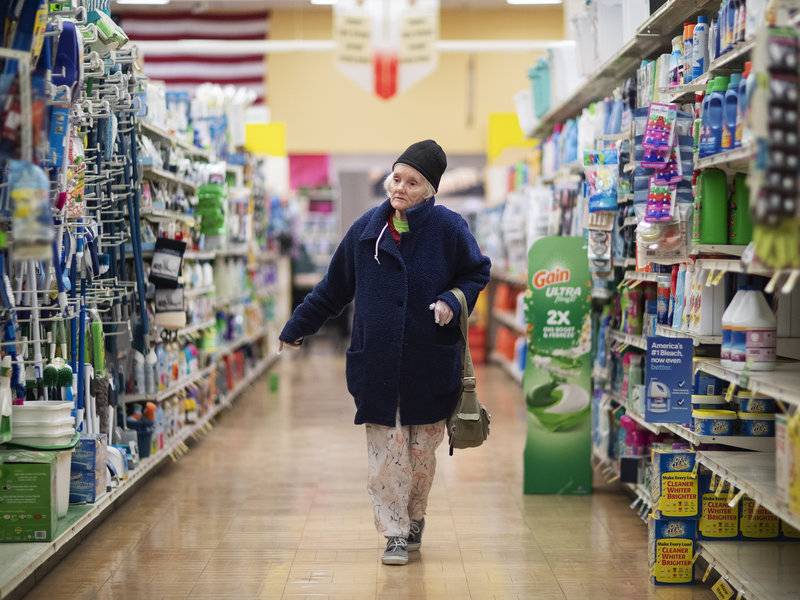
"format": "standard",
"disqusTitle": "Supermarkets Add 'Senior Hours' For Vulnerable Shoppers",
"title": "Supermarkets Add 'Senior Hours' For Vulnerable Shoppers",
"headTitle": "Bay Area Bites | KQED Food",
"content": "\u003cp>Special hours for seniors to shop are just one of the ways grocery stores across the U.S. are adjusting their operations during \u003ca href=\"https://www.npr.org/series/812054919/the-coronavirus-crisis\">the coronavirus pandemic\u003c/a>.\u003c/p>\n\u003cp>Supermarkets are restricting their opening hours to give workers time for cleaning and restocking. They're also limiting how many items people are allowed to buy. And they're adding special designated hours when only seniors and others most vulnerable to the coronavirus are invited to shop.\u003c/p>\n\u003cp>Health experts are still recommending against visiting public places unless absolutely necessary. Federal officials advise against gatherings of 10 or more people. None of the retailers specified plans to restrict the number of visitors to their stores.\u003c/p>\n\u003cp>[aside tag='coronavirus, covid-19' label='Get The Latest News on Coronavirus']\u003c/p>\n\u003cp>Below are the latest changes at some of the most prominent supermarket chains.\u003c/p>\n\u003cp>\u003cstrong>Target\u003c/strong>\u003c/p>\n\u003cp>All Target stores will reserve the first hour of shopping on Wednesdays for \"vulnerable guests — including elderly and those with underlying health concerns.\" The company \u003ca href=\"https://corporate.target.com/about/purpose-history/our-commitments/target-coronavirus-hub\">is encouraging\u003c/a> others to shop outside of that time.\u003c/p>\n\u003cp>The retailer is also cutting its opening hours, closing all stores at 9 p.m. local time and is enforcing limits on how many items of particularly high-demand products one shopper can buy.\u003c/p>\n\u003cp>\u003cstrong>Dollar General\u003c/strong>\u003c/p>\n\u003cp>The retailer is \"\u003ca href=\"https://newscenter.dollargeneral.com/news/dollar-general-announces-first-hour-of-operations-to-be-dedicated-to-senior-customers.htm\">strongly encouraging\u003c/a>\" shoppers who are not considered high-risk to avoid visiting stores during the first hour of opening, reserving that time for seniors. Dollar General also will close all stores an hour early every day for cleaning, restocking and to give workers a bit of a break.\u003c/p>\n\u003cp>\u003cstrong>Walmart\u003c/strong>\u003c/p>\n\u003cp>The largest U.S. retailer is adding a \"senior hour\" to every Tuesday from March 24 to April 28. This applies to customers 60 and older, who will have exclusive access to Walmart stores and pharmacies for an hour before official opening time, which in many cases will mean 6 a.m. to 7 a.m.\u003c/p>\n\u003cp>\u003ca href=\"https://corporate.walmart.com/newsroom/2020/03/18/latest-walmart-store-changes-to-support-associates-and-customers\">Walmart says \u003c/a>it's temporarily closing Auto Care Centers and imposing per-person restrictions on paper products, milk, eggs, cleaning supplies, hand sanitizer, water, diapers, wipes, formula and baby food.\u003c/p>\n\u003cp>\u003cstrong>Stop & Shop\u003c/strong>\u003c/p>\n\u003cp>The stores are opening early to allow people over 60 and with weakened immune systems to shop from 6 a.m. to 7:30 a.m. The supermarkets will have shorter hours, opening from 7:30 a.m. to 8 p.m. The company is also limiting per-person purchases of some cleaning and sanitizing products, \u003ca href=\"https://stopandshop.com/news-and-media/article-03-13-20/\">encouraging \u003c/a>shoppers to \"buy just what you need.\"\u003c/p>\n\u003cp>\u003cstrong>Safeway, Albertsons\u003c/strong>\u003c/p>\n\u003cp>The supermarkets \u003ca href=\"https://www.albertsonscompanies.com/newsroom/shopping-hours-for-vulnerable-customers.html\">owned by Albertsons \u003c/a>plan to reserve every Tuesday and Thursday from 7 a.m. to 9 a.m. for vulnerable shoppers, including seniors, pregnant women and people with compromised immune systems.\u003c/p>\n\u003cp>The company is also \"asking customers to respect quantity limits of select, high-demand items (like hand sanitizers and household cleaners) to help ensure more of our neighbors can find the products they need.\"\u003c/p>\n\u003cp>\u003cstrong>Whole Foods \u003c/strong>\u003c/p>\n\u003cp>Amazon's retail chain is offering the hour before each store's official opening time for people 60 and older. Whole Foods \u003ca href=\"https://media.wholefoodsmarket.com/news/how-whole-foods-market-is-responding-to-covid-19\">also says\u003c/a> its locations will close to shoppers \"up to two hours early,\" though they will remain open for pickup and Amazon Prime delivery.\u003c/p>\n\u003cp>\u003cstrong>Other stores\u003c/strong>\u003c/p>\n\u003cp>Many retailers and malls also are restricting their hours or temporarily closing. Trade publication \u003cem>Retail Dive\u003c/em> is keeping a handy \u003ca href=\"https://www.retaildive.com/news/tracking-retails-response-to-the-coronavirus/574216/\">running list here\u003c/a>.\u003c/p>\n\u003cdiv class=\"fullattribution\">Copyright 2020 \u003ca href=\"https://www.npr.org\">NPR\u003c/a>.\u003c/div>\n\u003cp>[ad fullwidth]\u003c/p>\n\u003cp>\u003c/p>\n",
"disqusIdentifier": "136495 https://ww2.kqed.org/bayareabites/?p=136495",
"disqusUrl": "https://ww2.kqed.org/bayareabites/2020/03/22/supermarkets-add-senior-hours-for-vulnerable-shoppers/",
"stats": {
"hasVideo": false,
"hasChartOrMap": false,
"hasAudio": false,
"hasPolis": false,
"wordCount": 559,
"hasGoogleForm": false,
"hasGallery": false,
"hasHearkenModule": false,
"iframeSrcs": [],
"paragraphCount": 24
},
"modified": 1584940820,
"excerpt": "Target, Safeway and others are restricting their opening hours, limiting purchases per each shopper and setting off time for seniors and other high-risk individuals to shop. ",
"headData": {
"twImgId": "",
"twTitle": "",
"ogTitle": "",
"ogImgId": "",
"twDescription": "",
"description": "Target, Safeway and others are restricting their opening hours, limiting purchases per each shopper and setting off time for seniors and other high-risk individuals to shop. ",
"title": "Supermarkets Add 'Senior Hours' For Vulnerable Shoppers | KQED",
"ogDescription": "",
"schema": {
"@context": "https://schema.org",
"@type": "Article",
"headline": "Supermarkets Add 'Senior Hours' For Vulnerable Shoppers",
"datePublished": "2020-03-22T22:20:20-07:00",
"dateModified": "2020-03-22T22:20:20-07:00",
"image": "https://cdn.kqed.org/wp-content/uploads/2020/02/KQED-OG-Image@1x.png"
}
},
"guestAuthors": [],
"slug": "supermarkets-add-senior-hours-for-vulnerable-shoppers",
"status": "publish",
"nprApiLink": "http://api.npr.org/query?id=818488098&apiKey=MDAxOTAwOTE4MDEyMTkxMDAzNjczZDljZA004",
"nprByline": "Alina Selyukh, NPR",
"nprStoryDate": "Thu, 19 Mar 2020 17:14:42 -0400",
"nprLastModifiedDate": "Thu, 19 Mar 2020 18:18:19 -0400",
"nprHtmlLink": "https://www.npr.org/sections/coronavirus-live-updates/2020/03/19/818488098/supermarkets-add-senior-hours-for-vulnerable-shoppers?ft=nprml&f=818488098",
"nprImageAgency": "AP",
"nprImageCredit": "David Goldman",
"nprStoryId": "818488098",
"nprRetrievedStory": "1",
"nprPubDate": "Thu, 19 Mar 2020 18:18:00 -0400",
"path": "/bayareabites/136495/supermarkets-add-senior-hours-for-vulnerable-shoppers",
"audioTrackLength": null,
"parsedContent": [
{
"type": "contentString",
"content": "\u003cdiv class=\"post-body\">\u003cp>\u003cp>Special hours for seniors to shop are just one of the ways grocery stores across the U.S. are adjusting their operations during \u003ca href=\"https://www.npr.org/series/812054919/the-coronavirus-crisis\">the coronavirus pandemic\u003c/a>.\u003c/p>\n\u003cp>Supermarkets are restricting their opening hours to give workers time for cleaning and restocking. They're also limiting how many items people are allowed to buy. And they're adding special designated hours when only seniors and others most vulnerable to the coronavirus are invited to shop.\u003c/p>\n\u003cp>Health experts are still recommending against visiting public places unless absolutely necessary. Federal officials advise against gatherings of 10 or more people. None of the retailers specified plans to restrict the number of visitors to their stores.\u003c/p>\n\u003cp>\u003c/p>\u003c/div>",
"attributes": {
"named": {},
"numeric": []
}
},
{
"type": "component",
"content": "",
"name": "aside",
"attributes": {
"named": {
"tag": "coronavirus, covid-19",
"label": "Get The Latest News on Coronavirus "
},
"numeric": []
}
},
{
"type": "contentString",
"content": "\u003cdiv class=\"post-body\">\u003cp>\u003c/p>\n\u003cp>Below are the latest changes at some of the most prominent supermarket chains.\u003c/p>\n\u003cp>\u003cstrong>Target\u003c/strong>\u003c/p>\n\u003cp>All Target stores will reserve the first hour of shopping on Wednesdays for \"vulnerable guests — including elderly and those with underlying health concerns.\" The company \u003ca href=\"https://corporate.target.com/about/purpose-history/our-commitments/target-coronavirus-hub\">is encouraging\u003c/a> others to shop outside of that time.\u003c/p>\n\u003cp>The retailer is also cutting its opening hours, closing all stores at 9 p.m. local time and is enforcing limits on how many items of particularly high-demand products one shopper can buy.\u003c/p>\n\u003cp>\u003cstrong>Dollar General\u003c/strong>\u003c/p>\n\u003cp>The retailer is \"\u003ca href=\"https://newscenter.dollargeneral.com/news/dollar-general-announces-first-hour-of-operations-to-be-dedicated-to-senior-customers.htm\">strongly encouraging\u003c/a>\" shoppers who are not considered high-risk to avoid visiting stores during the first hour of opening, reserving that time for seniors. Dollar General also will close all stores an hour early every day for cleaning, restocking and to give workers a bit of a break.\u003c/p>\n\u003cp>\u003cstrong>Walmart\u003c/strong>\u003c/p>\n\u003cp>The largest U.S. retailer is adding a \"senior hour\" to every Tuesday from March 24 to April 28. This applies to customers 60 and older, who will have exclusive access to Walmart stores and pharmacies for an hour before official opening time, which in many cases will mean 6 a.m. to 7 a.m.\u003c/p>\n\u003cp>\u003ca href=\"https://corporate.walmart.com/newsroom/2020/03/18/latest-walmart-store-changes-to-support-associates-and-customers\">Walmart says \u003c/a>it's temporarily closing Auto Care Centers and imposing per-person restrictions on paper products, milk, eggs, cleaning supplies, hand sanitizer, water, diapers, wipes, formula and baby food.\u003c/p>\n\u003cp>\u003cstrong>Stop & Shop\u003c/strong>\u003c/p>\n\u003cp>The stores are opening early to allow people over 60 and with weakened immune systems to shop from 6 a.m. to 7:30 a.m. The supermarkets will have shorter hours, opening from 7:30 a.m. to 8 p.m. The company is also limiting per-person purchases of some cleaning and sanitizing products, \u003ca href=\"https://stopandshop.com/news-and-media/article-03-13-20/\">encouraging \u003c/a>shoppers to \"buy just what you need.\"\u003c/p>\n\u003cp>\u003cstrong>Safeway, Albertsons\u003c/strong>\u003c/p>\n\u003cp>The supermarkets \u003ca href=\"https://www.albertsonscompanies.com/newsroom/shopping-hours-for-vulnerable-customers.html\">owned by Albertsons \u003c/a>plan to reserve every Tuesday and Thursday from 7 a.m. to 9 a.m. for vulnerable shoppers, including seniors, pregnant women and people with compromised immune systems.\u003c/p>\n\u003cp>The company is also \"asking customers to respect quantity limits of select, high-demand items (like hand sanitizers and household cleaners) to help ensure more of our neighbors can find the products they need.\"\u003c/p>\n\u003cp>\u003cstrong>Whole Foods \u003c/strong>\u003c/p>\n\u003cp>Amazon's retail chain is offering the hour before each store's official opening time for people 60 and older. Whole Foods \u003ca href=\"https://media.wholefoodsmarket.com/news/how-whole-foods-market-is-responding-to-covid-19\">also says\u003c/a> its locations will close to shoppers \"up to two hours early,\" though they will remain open for pickup and Amazon Prime delivery.\u003c/p>\n\u003cp>\u003cstrong>Other stores\u003c/strong>\u003c/p>\n\u003cp>Many retailers and malls also are restricting their hours or temporarily closing. Trade publication \u003cem>Retail Dive\u003c/em> is keeping a handy \u003ca href=\"https://www.retaildive.com/news/tracking-retails-response-to-the-coronavirus/574216/\">running list here\u003c/a>.\u003c/p>\n\u003cdiv class=\"fullattribution\">Copyright 2020 \u003ca href=\"https://www.npr.org\">NPR\u003c/a>.\u003c/div>\n\u003cp>\u003c/p>\u003c/div>",
"attributes": {
"named": {},
"numeric": []
}
},
{
"type": "component",
"content": "",
"name": "ad",
"attributes": {
"named": {
"label": "fullwidth"
},
"numeric": [
"fullwidth"
]
}
},
{
"type": "contentString",
"content": "\u003cdiv class=\"post-body\">\u003cp>\u003c/p>\n\u003cp>\u003c/p>\n\u003c/div>\u003c/p>",
"attributes": {
"named": {},
"numeric": []
}
}
],
"link": "/bayareabites/136495/supermarkets-add-senior-hours-for-vulnerable-shoppers",
"authors": [
"byline_bayareabites_136495"
],
"categories": [
"bayareabites_1245",
"bayareabites_10916"
],
"tags": [
"bayareabites_16549",
"bayareabites_16545",
"bayareabites_16554",
"bayareabites_16555",
"bayareabites_1270",
"bayareabites_16556",
"bayareabites_289",
"bayareabites_16528"
],
"featImg": "bayareabites_136498",
"label": "bayareabites"
},
"bayareabites_136399": {
"type": "posts",
"id": "bayareabites_136399",
"meta": {
"index": "posts_1716263798",
"site": "bayareabites",
"id": "136399",
"score": null,
"sort": [
1583368327000
]
},
"parent": 0,
"labelTerm": {},
"blocks": [],
"publishDate": 1583368327,
"format": "standard",
"disqusTitle": "Growers Of New, Pricey Strawberry Are Selling A Sweeter Experience",
"title": "Growers Of New, Pricey Strawberry Are Selling A Sweeter Experience",
"headTitle": "Bay Area Bites | KQED Food",
"content": "\u003cp>[aside tag='produce, farming' label='More Stories for You']\u003c/p>\n\u003cp>A new berry variety described as melt-in-your-mouth creamy is tingling taste buds in New York.\u003c/p>\n\u003cp>Chefs at high-end restaurants in Manhattan are dropping $50 on an eight-pack of the Japanese designer variety known as the \"Omakase berry.\" At $6.25 per berry, that's about 10 times more expensive than an average pack found at an American grocery store that contains at least twice as many berries.\u003c/p>\n\u003cp>Hiroki Koga, co-founder of the Oishii Farm in New Jersey — the only place in the U.S. where the variety is grown — says his buyers are paying for the quality.\u003c/p>\n\u003cp>The Japanese phrase \u003cem>omakase\u003c/em> translates as \"I leave it to the chef,\" Koga told NPR's \u003cem>Weekend All Things Considered\u003c/em>.\u003c/p>\n\u003cp>\"When you go to a restaurant and say '\u003cem>omakase\u003c/em> course,' you basically can't choose anything that day, and you'll have to let the chef give you what's in its best condition in that season.\"\u003c/p>\n\u003cp>Koga is originally from Japan, a country known for its tasty, luxury fruit, where a single pear can cost $10, or a melon can sell for $100.\u003c/p>\n\u003cp>So when Koga moved to the U.S. in 2015, he says he was disappointed with the quality of the produce.\u003c/p>\n\u003cp>\"I quickly learned it was because agriculture in this country is really optimized for yield and quantity as opposed to quality, which is very different from Japan, where quality comes before everything else,\" he said.\u003c/p>\n\u003cp>He was especially bothered by the taste of American strawberries.\u003c/p>\n\u003cp>\"It almost reminded me of cucumbers,\" he said. \"That was the moment I thought, OK, if I can find a way to grow Japanese variety strawberries somehow, I might be able to share the experience with people outside of my country.\"\u003c/p>\n\u003cp>He started that journey by returning to Japan to find the perfect strain of strawberry to bring to the U.S. He says he ate through some 50 different berries before he came across a particular variety, distinguished by its strong aroma and exceptional sweetness.\u003c/p>\n\u003cp>It has twice as much sugar content compared to the average American variety. The Omakases are bigger, and have an airier texture and unexposed seeds.\u003c/p>\n\u003cp>\"When you bite into it, the aroma just spreads into your mouth,\" Koga said. \"Our customers say when they leave a tray of our strawberry in their room, and they come back after two or three minutes, the entire room smells like strawberry.\"\u003c/p>\n\u003cp>But that strawberry strain thrives in the mountains of Japan — not so much in the New York metro area. So Koga, along with co-founder Brendan Somerville, spent six months building an indoor vertical farm that could replicate its natural growing conditions.\u003c/p>\n\u003cp>Getting it just to his liking was an arduous process. \"We were sleeping on the floor of the farm. It was very rough,\" he said. \"We had experts from Japan giving us insights on what kind of temp, humidity and levels of CO2 and wind speed we should be targeting inside the farm.\"\u003c/p>\n\u003cp>[aside tag='farming' label='More Stories for You']\u003c/p>\n\u003cp>Now, the Omakase berries are featured on the menus of several Michelin star restaurants in Manhattan. Yuki Minakawa, the beverage and service director for New York City's Sushi Ginza Onodera, says the strawberry is so unique and flavorful that chefs prefer to serve it on its own.\u003c/p>\n\u003cp>The new fruit has been well-received by customers too, she added. \"I've even seen a customer retrieving their seeds. And I believe that customer will be planting those seeds when they get home.\"\u003c/p>\n\u003cp>Hiroki Koga says company plans to eventually lower the berry price as it transitions to retail distribution. But for now, he says, the price tag reflects the unique product consumers are receiving, including hand-delivery, the story behind the berry and its consistent quality.\u003c/p>\n\u003cp>\"It's really not just the berry that we're selling, but the experience,\" he said.\u003c/p>\n\u003cp>With 1,000 people on Oishii's waitlist as of last month, it seems there are plenty of customers willing to pay for that experience.\u003c/p>\n\u003cdiv class=\"fullattribution\">Copyright 2020 \u003ca href=\"https://www.npr.org\">NPR\u003c/a>.\u003c/div>\n\u003cp> \u003c/p>\n\u003cp>[ad fullwidth]\u003c/p>\n\u003cp>\u003c/p>\n",
"disqusIdentifier": "136399 https://ww2.kqed.org/bayareabites/?p=136399",
"disqusUrl": "https://ww2.kqed.org/bayareabites/2020/03/04/growers-of-new-pricey-strawberry-are-selling-a-sweeter-experience/",
"stats": {
"hasVideo": false,
"hasChartOrMap": false,
"hasAudio": false,
"hasPolis": false,
"wordCount": 696,
"hasGoogleForm": false,
"hasGallery": false,
"hasHearkenModule": false,
"iframeSrcs": [],
"paragraphCount": 24
},
"modified": 1583368398,
"excerpt": "Hiroki Koga wasn't thrilled about the quality of American produce when he moved to the U.S. from Japan. So he cultivated a sweeter variety called the Omakase berry that costs $50 for an eight-pack.",
"headData": {
"twImgId": "",
"twTitle": "",
"ogTitle": "",
"ogImgId": "",
"twDescription": "",
"description": "Hiroki Koga wasn't thrilled about the quality of American produce when he moved to the U.S. from Japan. So he cultivated a sweeter variety called the Omakase berry that costs $50 for an eight-pack.",
"title": "Growers Of New, Pricey Strawberry Are Selling A Sweeter Experience | KQED",
"ogDescription": "",
"schema": {
"@context": "https://schema.org",
"@type": "Article",
"headline": "Growers Of New, Pricey Strawberry Are Selling A Sweeter Experience",
"datePublished": "2020-03-04T16:32:07-08:00",
"dateModified": "2020-03-04T16:33:18-08:00",
"image": "https://cdn.kqed.org/wp-content/uploads/2020/02/KQED-OG-Image@1x.png"
}
},
"guestAuthors": [],
"slug": "growers-of-new-pricey-strawberry-are-selling-a-sweeter-experience",
"status": "publish",
"nprApiLink": "http://api.npr.org/query?id=799585906&apiKey=MDAxOTAwOTE4MDEyMTkxMDAzNjczZDljZA004",
"nprByline": "Michel Martin, NPR",
"nprStoryDate": "Sat, 22 Feb 2020 19:46:00 -0500",
"nprLastModifiedDate": "Sat, 22 Feb 2020 20:44:18 -0500",
"nprHtmlLink": "https://www.npr.org/2020/02/22/799585906/growers-of-new-pricey-strawberry-are-selling-a-sweeter-experience?ft=nprml&f=799585906",
"nprImageAgency": "Courtesy of Oishii",
"source": "NPR",
"nprStoryId": "799585906",
"nprRetrievedStory": "1",
"nprPubDate": "Sat, 22 Feb 2020 20:04:00 -0500",
"path": "/bayareabites/136399/growers-of-new-pricey-strawberry-are-selling-a-sweeter-experience",
"audioTrackLength": null,
"parsedContent": [
{
"type": "contentString",
"content": "\u003cdiv class=\"post-body\">\u003cp>\u003cp>\u003c/p>\u003c/div>",
"attributes": {
"named": {},
"numeric": []
}
},
{
"type": "component",
"content": "",
"name": "aside",
"attributes": {
"named": {
"tag": "produce, farming",
"label": "More Stories for You "
},
"numeric": []
}
},
{
"type": "contentString",
"content": "\u003cdiv class=\"post-body\">\u003cp>\u003c/p>\n\u003cp>A new berry variety described as melt-in-your-mouth creamy is tingling taste buds in New York.\u003c/p>\n\u003cp>Chefs at high-end restaurants in Manhattan are dropping $50 on an eight-pack of the Japanese designer variety known as the \"Omakase berry.\" At $6.25 per berry, that's about 10 times more expensive than an average pack found at an American grocery store that contains at least twice as many berries.\u003c/p>\n\u003cp>Hiroki Koga, co-founder of the Oishii Farm in New Jersey — the only place in the U.S. where the variety is grown — says his buyers are paying for the quality.\u003c/p>\n\u003cp>The Japanese phrase \u003cem>omakase\u003c/em> translates as \"I leave it to the chef,\" Koga told NPR's \u003cem>Weekend All Things Considered\u003c/em>.\u003c/p>\n\u003cp>\"When you go to a restaurant and say '\u003cem>omakase\u003c/em> course,' you basically can't choose anything that day, and you'll have to let the chef give you what's in its best condition in that season.\"\u003c/p>\n\u003cp>Koga is originally from Japan, a country known for its tasty, luxury fruit, where a single pear can cost $10, or a melon can sell for $100.\u003c/p>\n\u003cp>So when Koga moved to the U.S. in 2015, he says he was disappointed with the quality of the produce.\u003c/p>\n\u003cp>\"I quickly learned it was because agriculture in this country is really optimized for yield and quantity as opposed to quality, which is very different from Japan, where quality comes before everything else,\" he said.\u003c/p>\n\u003cp>He was especially bothered by the taste of American strawberries.\u003c/p>\n\u003cp>\"It almost reminded me of cucumbers,\" he said. \"That was the moment I thought, OK, if I can find a way to grow Japanese variety strawberries somehow, I might be able to share the experience with people outside of my country.\"\u003c/p>\n\u003cp>He started that journey by returning to Japan to find the perfect strain of strawberry to bring to the U.S. He says he ate through some 50 different berries before he came across a particular variety, distinguished by its strong aroma and exceptional sweetness.\u003c/p>\n\u003cp>It has twice as much sugar content compared to the average American variety. The Omakases are bigger, and have an airier texture and unexposed seeds.\u003c/p>\n\u003cp>\"When you bite into it, the aroma just spreads into your mouth,\" Koga said. \"Our customers say when they leave a tray of our strawberry in their room, and they come back after two or three minutes, the entire room smells like strawberry.\"\u003c/p>\n\u003cp>But that strawberry strain thrives in the mountains of Japan — not so much in the New York metro area. So Koga, along with co-founder Brendan Somerville, spent six months building an indoor vertical farm that could replicate its natural growing conditions.\u003c/p>\n\u003cp>Getting it just to his liking was an arduous process. \"We were sleeping on the floor of the farm. It was very rough,\" he said. \"We had experts from Japan giving us insights on what kind of temp, humidity and levels of CO2 and wind speed we should be targeting inside the farm.\"\u003c/p>\n\u003cp>\u003c/p>\u003c/div>",
"attributes": {
"named": {},
"numeric": []
}
},
{
"type": "component",
"content": "",
"name": "aside",
"attributes": {
"named": {
"tag": "farming",
"label": "More Stories for You "
},
"numeric": []
}
},
{
"type": "contentString",
"content": "\u003cdiv class=\"post-body\">\u003cp>\u003c/p>\n\u003cp>Now, the Omakase berries are featured on the menus of several Michelin star restaurants in Manhattan. Yuki Minakawa, the beverage and service director for New York City's Sushi Ginza Onodera, says the strawberry is so unique and flavorful that chefs prefer to serve it on its own.\u003c/p>\n\u003cp>The new fruit has been well-received by customers too, she added. \"I've even seen a customer retrieving their seeds. And I believe that customer will be planting those seeds when they get home.\"\u003c/p>\n\u003cp>Hiroki Koga says company plans to eventually lower the berry price as it transitions to retail distribution. But for now, he says, the price tag reflects the unique product consumers are receiving, including hand-delivery, the story behind the berry and its consistent quality.\u003c/p>\n\u003cp>\"It's really not just the berry that we're selling, but the experience,\" he said.\u003c/p>\n\u003cp>With 1,000 people on Oishii's waitlist as of last month, it seems there are plenty of customers willing to pay for that experience.\u003c/p>\n\u003cdiv class=\"fullattribution\">Copyright 2020 \u003ca href=\"https://www.npr.org\">NPR\u003c/a>.\u003c/div>\n\u003cp> \u003c/p>\n\u003cp>\u003c/p>\u003c/div>",
"attributes": {
"named": {},
"numeric": []
}
},
{
"type": "component",
"content": "",
"name": "ad",
"attributes": {
"named": {
"label": "fullwidth"
},
"numeric": [
"fullwidth"
]
}
},
{
"type": "contentString",
"content": "\u003cdiv class=\"post-body\">\u003cp>\u003c/p>\n\u003cp>\u003c/p>\n\u003c/div>\u003c/p>",
"attributes": {
"named": {},
"numeric": []
}
}
],
"link": "/bayareabites/136399/growers-of-new-pricey-strawberry-are-selling-a-sweeter-experience",
"authors": [
"byline_bayareabites_136399"
],
"categories": [
"bayareabites_95",
"bayareabites_10028",
"bayareabites_10916"
],
"featImg": "bayareabites_136400",
"label": "source_bayareabites_136399"
},
"bayareabites_136311": {
"type": "posts",
"id": "bayareabites_136311",
"meta": {
"index": "posts_1716263798",
"site": "bayareabites",
"id": "136311",
"score": null,
"sort": [
1582073721000
]
},
"parent": 0,
"labelTerm": {
"site": "bayareabites"
},
"blocks": [],
"publishDate": 1582073721,
"format": "aside",
"disqusTitle": "The Modern Mocktail: 3 Distinctive Nonalcoholic Drink Recipes",
"title": "The Modern Mocktail: 3 Distinctive Nonalcoholic Drink Recipes",
"headTitle": "Bay Area Bites | KQED Food",
"content": "\u003cp>Just because you're not drinking alcohol doesn't mean you have to stick to seltzer water. However you describe them—mocktails, low-ABV, zero-proof—a well-crafted nonalcoholic drink can make a night out a lot more pleasant if you're abstaining from alcohol.\u003c/p>\n\u003cp>And if you're hosting a party, having an intriguing booze-free option is often welcome—both by drinkers and nondrinkers. We offer you three options in the video below.\u003c/p>\n\u003cp>After doing a deep dive on \u003ca href=\"https://www.npr.org/2020/01/02/781673495/6-ways-to-take-a-break-from-drinking\">how to take a break from drinking\u003c/a> for dry January, \u003cem>Life Kit\u003c/em> wanted to learn more about crafting beverages that can compete with traditional cocktails in complexity and taste.\u003c/p>\n\u003cp>We caught up with Nicole Hassoun and Thy Parra of \u003ca href=\"https://www.cocktailcurations.com/about\">Cocktail Curations\u003c/a>, a startup that creates and curates craft cocktails for events, offers training in mixology and operates as a flavor lab. They shared three of their zero-proof recipes (see them listed below) that demonstrate some basic tenants of mixology.\u003c/p>\n\u003cp>Plus, they showed us how to smoke a glass! (You'll have to watch the video for that.)\u003c/p>\n\u003cp>[ad fullwidth]\u003c/p>\n\u003cp>https://youtu.be/wck-j8kGvGM\u003c/p>\n\u003chr>\n\u003ch2>\u003cstrong>Mixology Takeaways \u003c/strong>\u003c/h2>\n\u003cp>1. Complexity is key — a drink should satisfy different taste buds: salty, sweet, sour and bitter.\u003c/p>\n\u003cp>2. Shake it like you mean it — this traps air in the drink, giving it a lighter body.\u003c/p>\n\u003cp>3. Bubbles add dimension — when bubbles pop on your tongue, your brain equates that feeling with the drink being cold.\u003c/p>\n\u003cp>4. Drinking begins with aroma — before you sip, you smell. So doing things to increase a beverage's aroma (like smoking the glass) can make the drink appeal to more of your senses.\u003c/p>\n\u003cp>5. Cold drinks feel more viscous — shaking a drink with ice or serving it on the rocks can actually make the liquid feel thicker when you're drinking it.\u003c/p>\n\u003chr>\n\u003ch2>Recipes\u003c/h2>\n\u003cp>\u003cimg class=\"aligncenter wp-image-136314 size-medium\" src=\"https://ww2.kqed.org/app/uploads/sites/24/2020/01/botanicalwatercollins1_wide-eb12467674ed2a7b92a954d2123a4cd33465ff6c-1-800x450.jpg\" alt=\"How to make a nonalcoholic version of a Tom Collins.\" width=\"800\" height=\"450\" srcset=\"https://ww2.kqed.org/app/uploads/sites/24/2020/01/botanicalwatercollins1_wide-eb12467674ed2a7b92a954d2123a4cd33465ff6c-1-800x450.jpg 800w, https://ww2.kqed.org/app/uploads/sites/24/2020/01/botanicalwatercollins1_wide-eb12467674ed2a7b92a954d2123a4cd33465ff6c-1-160x90.jpg 160w, https://ww2.kqed.org/app/uploads/sites/24/2020/01/botanicalwatercollins1_wide-eb12467674ed2a7b92a954d2123a4cd33465ff6c-1-768x432.jpg 768w, https://ww2.kqed.org/app/uploads/sites/24/2020/01/botanicalwatercollins1_wide-eb12467674ed2a7b92a954d2123a4cd33465ff6c-1-1020x574.jpg 1020w\" sizes=\"(max-width: 800px) 100vw, 800px\">\u003c/p>\n\u003ch3>\u003cstrong>Botanical Water Collins\u003c/strong>\u003c/h3>\n\u003cp>1.5 oz. botanical water*\u003c/p>\n\u003cp>1 oz. fresh lemon juice\u003c/p>\n\u003cp>1 oz. simple syrup (this can be regular simple or spiced up any way you choose!)\u003c/p>\n\u003cp>Pinch of sea salt\u003c/p>\n\u003cp>Sparkling water\u003c/p>\n\u003cp>*Botanical water: You can make a substitute for botanical water at home. Simply infuse filtered water with citrus, fresh herbs and botanicals in your fridge for at least eight hours, and then strain the solids out. This adds depth and complexity to any beverage.\u003c/p>\n\u003cp>In a shaker over ice, combine botanical water, lemon juice, simple syrup and salt. Shake until cold. Strain into a Collins glass over ice. Top with sparkling water.\u003c/p>\n\u003cp>If you want to finish off your drink with a garnish, thinly slice the fruit of your choice — pear and pineapple work well — brush the sliced fruit with simple syrup and bake on the lowest setting (usually 200 F) for 2-3 hours.\u003c/p>\n\u003chr>\n\u003ch6>\u003cimg class=\"aligncenter wp-image-136316 size-medium\" src=\"https://ww2.kqed.org/app/uploads/sites/24/2020/01/basil-fennel-tonic-water1_wide-be3020e629e9d122594f66ca700a542db97ad845-1-800x450.jpg\" alt=\"How to make basil fennel tonic water, a savory and complex tonic that works well in low-abv beverages.\" width=\"800\" height=\"450\" srcset=\"https://ww2.kqed.org/app/uploads/sites/24/2020/01/basil-fennel-tonic-water1_wide-be3020e629e9d122594f66ca700a542db97ad845-1-800x450.jpg 800w, https://ww2.kqed.org/app/uploads/sites/24/2020/01/basil-fennel-tonic-water1_wide-be3020e629e9d122594f66ca700a542db97ad845-1-160x90.jpg 160w, https://ww2.kqed.org/app/uploads/sites/24/2020/01/basil-fennel-tonic-water1_wide-be3020e629e9d122594f66ca700a542db97ad845-1-768x432.jpg 768w, https://ww2.kqed.org/app/uploads/sites/24/2020/01/basil-fennel-tonic-water1_wide-be3020e629e9d122594f66ca700a542db97ad845-1-1020x574.jpg 1020w\" sizes=\"(max-width: 800px) 100vw, 800px\">\u003c/h6>\n\u003ch3>\u003cstrong>Basil Fennel Tonic Water\u003c/strong>\u003c/h3>\n\u003cp>4 cups water\u003c/p>\n\u003cp>1/2 cup sugar\u003c/p>\n\u003cp>2 tsp. cinchona bark — Hassoun recommends buying organic \"cut and sifted\" cinchona bark online\u003c/p>\n\u003cp>1 tsp. citric acid\u003c/p>\n\u003cp>Pinch of salt\u003c/p>\n\u003cp>½ medium bulb fennel (chopped)\u003c/p>\n\u003cp>4-6 oz. fresh basil (leaves only)\u003c/p>\n\u003cp>Bring 4 cups of water to a boil. Add the citric acid, cinchona bark, sugar, salt and basil leaves in a pot and bring to a boil. Add the fennel and stir to combine. Continue to boil for 2 minutes and remove from heat. Allow to cool and strain using a fine mesh strainer. Store in a bottle of your choice in the fridge for up to two weeks.\u003c/p>\n\u003cp>A simple way to use this tonic:\u003c/p>\n\u003cp>Over ice, fill half of glass with tonic and top with sparkling water.\u003c/p>\n\u003chr>\n\u003ch6>\u003cimg class=\"aligncenter wp-image-136317 size-medium\" src=\"https://ww2.kqed.org/app/uploads/sites/24/2020/01/kombucha-cocktail-1_wide-439d746729002c6b20a3b472f6c5c54907081d61-1-800x450.jpg\" alt=\"How to make a kombucha-based cocktail, a refreshing and simple low-ABV beverage.\" width=\"800\" height=\"450\" srcset=\"https://ww2.kqed.org/app/uploads/sites/24/2020/01/kombucha-cocktail-1_wide-439d746729002c6b20a3b472f6c5c54907081d61-1-800x450.jpg 800w, https://ww2.kqed.org/app/uploads/sites/24/2020/01/kombucha-cocktail-1_wide-439d746729002c6b20a3b472f6c5c54907081d61-1-160x90.jpg 160w, https://ww2.kqed.org/app/uploads/sites/24/2020/01/kombucha-cocktail-1_wide-439d746729002c6b20a3b472f6c5c54907081d61-1-768x432.jpg 768w, https://ww2.kqed.org/app/uploads/sites/24/2020/01/kombucha-cocktail-1_wide-439d746729002c6b20a3b472f6c5c54907081d61-1-1020x574.jpg 1020w\" sizes=\"(max-width: 800px) 100vw, 800px\">\u003c/h6>\n\u003ch3>\u003cstrong>Kombucha cocktail\u003c/strong>\u003c/h3>\n\u003cp>2 oz. of your favorite kombucha (note that kombucha has trace amounts of alcohol; ginger beer makes a good substitute if you're completely avoiding alcohol.)\u003c/p>\n\u003cp>1 oz. fresh pineapple juice (or any fresh juice you want to explore. Don't hesitate to get funky.)\u003c/p>\n\u003cp>\u003c/p>\n\u003cp>Stir kombucha and juice together over ice and strain into your favorite glass. Garnish.\u003c/p>\n\u003chr>\n\u003cdiv class=\"fullattribution\">Copyright 2020 \u003ca href=\"//www.npr.org\">NPR\u003c/a>.\u003c/div>\n\n",
"disqusIdentifier": "136311 https://ww2.kqed.org/bayareabites/?p=136311",
"disqusUrl": "https://ww2.kqed.org/bayareabites/2020/02/18/the-modern-mocktail-3-distinctive-nonalcoholic-drink-recipes/",
"stats": {
"hasVideo": false,
"hasChartOrMap": false,
"hasAudio": false,
"hasPolis": false,
"wordCount": 664,
"hasGoogleForm": false,
"hasGallery": false,
"hasHearkenModule": false,
"iframeSrcs": [],
"paragraphCount": 34
},
"modified": 1582073721,
"excerpt": "How to make three nonalcoholic cocktails that will have your guests asking for another round. Also, learn some basic tenets of what makes a delicious mixed drink (with or without alcohol).",
"headData": {
"twImgId": "",
"twTitle": "",
"ogTitle": "",
"ogImgId": "",
"twDescription": "",
"description": "How to make three nonalcoholic cocktails that will have your guests asking for another round. Also, learn some basic tenets of what makes a delicious mixed drink (with or without alcohol).",
"title": "The Modern Mocktail: 3 Distinctive Nonalcoholic Drink Recipes | KQED",
"ogDescription": "",
"schema": {
"@context": "https://schema.org",
"@type": "Article",
"headline": "The Modern Mocktail: 3 Distinctive Nonalcoholic Drink Recipes",
"datePublished": "2020-02-18T16:55:21-08:00",
"dateModified": "2020-02-18T16:55:21-08:00",
"image": "https://cdn.kqed.org/wp-content/uploads/2020/02/KQED-OG-Image@1x.png"
}
},
"guestAuthors": [],
"slug": "the-modern-mocktail-3-distinctive-nonalcoholic-drink-recipes",
"status": "publish",
"nprApiLink": "http://api.npr.org/query?id=800949670&apiKey=MDAxOTAwOTE4MDEyMTkxMDAzNjczZDljZA004",
"nprByline": "Becky Harlan, NPR's The Salt",
"nprStoryDate": "Fri, 31 Jan 2020 06:02:29 -0500",
"nprLastModifiedDate": "Fri, 31 Jan 2020 12:07:50 -0500",
"nprHtmlLink": "https://www.npr.org/sections/thesalt/2020/01/31/800949670/the-modern-mocktail-three-distinctive-nonalcoholic-drink-recipes?ft=nprml&f=800949670",
"nprImageAgency": "CJ Riculan/NPR",
"nprStoryId": "800949670",
"nprRetrievedStory": "1",
"nprPubDate": "Fri, 31 Jan 2020 12:07:00 -0500",
"path": "/bayareabites/136311/the-modern-mocktail-3-distinctive-nonalcoholic-drink-recipes",
"audioTrackLength": null,
"parsedContent": [
{
"type": "contentString",
"content": "\u003cdiv class=\"post-body\">\u003cp>\u003cp>Just because you're not drinking alcohol doesn't mean you have to stick to seltzer water. However you describe them—mocktails, low-ABV, zero-proof—a well-crafted nonalcoholic drink can make a night out a lot more pleasant if you're abstaining from alcohol.\u003c/p>\n\u003cp>And if you're hosting a party, having an intriguing booze-free option is often welcome—both by drinkers and nondrinkers. We offer you three options in the video below.\u003c/p>\n\u003cp>After doing a deep dive on \u003ca href=\"https://www.npr.org/2020/01/02/781673495/6-ways-to-take-a-break-from-drinking\">how to take a break from drinking\u003c/a> for dry January, \u003cem>Life Kit\u003c/em> wanted to learn more about crafting beverages that can compete with traditional cocktails in complexity and taste.\u003c/p>\n\u003cp>We caught up with Nicole Hassoun and Thy Parra of \u003ca href=\"https://www.cocktailcurations.com/about\">Cocktail Curations\u003c/a>, a startup that creates and curates craft cocktails for events, offers training in mixology and operates as a flavor lab. They shared three of their zero-proof recipes (see them listed below) that demonstrate some basic tenants of mixology.\u003c/p>\n\u003cp>Plus, they showed us how to smoke a glass! (You'll have to watch the video for that.)\u003c/p>\n\u003cp>\u003c/p>\u003c/div>",
"attributes": {
"named": {},
"numeric": []
}
},
{
"type": "component",
"content": "",
"name": "ad",
"attributes": {
"named": {
"label": "fullwidth"
},
"numeric": [
"fullwidth"
]
}
},
{
"type": "contentString",
"content": "\u003cdiv class=\"post-body\">\u003cp>\u003c/p>\u003c/p>\u003cp>\u003cspan class='utils-parseShortcode-shortcodes-__youtubeShortcode__embedYoutube'>\n \u003cspan class='utils-parseShortcode-shortcodes-__youtubeShortcode__embedYoutubeInside'>\n \u003ciframe\n loading='lazy'\n class='utils-parseShortcode-shortcodes-__youtubeShortcode__youtubePlayer'\n type='text/html'\n src='//www.youtube.com/embed/wck-j8kGvGM'\n title='//www.youtube.com/embed/wck-j8kGvGM'\n allowfullscreen='true'\n style='border:0;'>\u003c/iframe>\n \u003c/span>\n \u003c/span>\u003c/p>\u003cp>\u003chr>\n\u003ch2>\u003cstrong>Mixology Takeaways \u003c/strong>\u003c/h2>\n\u003cp>1. Complexity is key — a drink should satisfy different taste buds: salty, sweet, sour and bitter.\u003c/p>\n\u003cp>2. Shake it like you mean it — this traps air in the drink, giving it a lighter body.\u003c/p>\n\u003cp>3. Bubbles add dimension — when bubbles pop on your tongue, your brain equates that feeling with the drink being cold.\u003c/p>\n\u003cp>4. Drinking begins with aroma — before you sip, you smell. So doing things to increase a beverage's aroma (like smoking the glass) can make the drink appeal to more of your senses.\u003c/p>\n\u003cp>5. Cold drinks feel more viscous — shaking a drink with ice or serving it on the rocks can actually make the liquid feel thicker when you're drinking it.\u003c/p>\n\u003chr>\n\u003ch2>Recipes\u003c/h2>\n\u003cp>\u003cimg class=\"aligncenter wp-image-136314 size-medium\" src=\"https://ww2.kqed.org/app/uploads/sites/24/2020/01/botanicalwatercollins1_wide-eb12467674ed2a7b92a954d2123a4cd33465ff6c-1-800x450.jpg\" alt=\"How to make a nonalcoholic version of a Tom Collins.\" width=\"800\" height=\"450\" srcset=\"https://ww2.kqed.org/app/uploads/sites/24/2020/01/botanicalwatercollins1_wide-eb12467674ed2a7b92a954d2123a4cd33465ff6c-1-800x450.jpg 800w, https://ww2.kqed.org/app/uploads/sites/24/2020/01/botanicalwatercollins1_wide-eb12467674ed2a7b92a954d2123a4cd33465ff6c-1-160x90.jpg 160w, https://ww2.kqed.org/app/uploads/sites/24/2020/01/botanicalwatercollins1_wide-eb12467674ed2a7b92a954d2123a4cd33465ff6c-1-768x432.jpg 768w, https://ww2.kqed.org/app/uploads/sites/24/2020/01/botanicalwatercollins1_wide-eb12467674ed2a7b92a954d2123a4cd33465ff6c-1-1020x574.jpg 1020w\" sizes=\"(max-width: 800px) 100vw, 800px\">\u003c/p>\n\u003ch3>\u003cstrong>Botanical Water Collins\u003c/strong>\u003c/h3>\n\u003cp>1.5 oz. botanical water*\u003c/p>\n\u003cp>1 oz. fresh lemon juice\u003c/p>\n\u003cp>1 oz. simple syrup (this can be regular simple or spiced up any way you choose!)\u003c/p>\n\u003cp>Pinch of sea salt\u003c/p>\n\u003cp>Sparkling water\u003c/p>\n\u003cp>*Botanical water: You can make a substitute for botanical water at home. Simply infuse filtered water with citrus, fresh herbs and botanicals in your fridge for at least eight hours, and then strain the solids out. This adds depth and complexity to any beverage.\u003c/p>\n\u003cp>In a shaker over ice, combine botanical water, lemon juice, simple syrup and salt. Shake until cold. Strain into a Collins glass over ice. Top with sparkling water.\u003c/p>\n\u003cp>If you want to finish off your drink with a garnish, thinly slice the fruit of your choice — pear and pineapple work well — brush the sliced fruit with simple syrup and bake on the lowest setting (usually 200 F) for 2-3 hours.\u003c/p>\n\u003chr>\n\u003ch6>\u003cimg class=\"aligncenter wp-image-136316 size-medium\" src=\"https://ww2.kqed.org/app/uploads/sites/24/2020/01/basil-fennel-tonic-water1_wide-be3020e629e9d122594f66ca700a542db97ad845-1-800x450.jpg\" alt=\"How to make basil fennel tonic water, a savory and complex tonic that works well in low-abv beverages.\" width=\"800\" height=\"450\" srcset=\"https://ww2.kqed.org/app/uploads/sites/24/2020/01/basil-fennel-tonic-water1_wide-be3020e629e9d122594f66ca700a542db97ad845-1-800x450.jpg 800w, https://ww2.kqed.org/app/uploads/sites/24/2020/01/basil-fennel-tonic-water1_wide-be3020e629e9d122594f66ca700a542db97ad845-1-160x90.jpg 160w, https://ww2.kqed.org/app/uploads/sites/24/2020/01/basil-fennel-tonic-water1_wide-be3020e629e9d122594f66ca700a542db97ad845-1-768x432.jpg 768w, https://ww2.kqed.org/app/uploads/sites/24/2020/01/basil-fennel-tonic-water1_wide-be3020e629e9d122594f66ca700a542db97ad845-1-1020x574.jpg 1020w\" sizes=\"(max-width: 800px) 100vw, 800px\">\u003c/h6>\n\u003ch3>\u003cstrong>Basil Fennel Tonic Water\u003c/strong>\u003c/h3>\n\u003cp>4 cups water\u003c/p>\n\u003cp>1/2 cup sugar\u003c/p>\n\u003cp>2 tsp. cinchona bark — Hassoun recommends buying organic \"cut and sifted\" cinchona bark online\u003c/p>\n\u003cp>1 tsp. citric acid\u003c/p>\n\u003cp>Pinch of salt\u003c/p>\n\u003cp>½ medium bulb fennel (chopped)\u003c/p>\n\u003cp>4-6 oz. fresh basil (leaves only)\u003c/p>\n\u003cp>Bring 4 cups of water to a boil. Add the citric acid, cinchona bark, sugar, salt and basil leaves in a pot and bring to a boil. Add the fennel and stir to combine. Continue to boil for 2 minutes and remove from heat. Allow to cool and strain using a fine mesh strainer. Store in a bottle of your choice in the fridge for up to two weeks.\u003c/p>\n\u003cp>A simple way to use this tonic:\u003c/p>\n\u003cp>Over ice, fill half of glass with tonic and top with sparkling water.\u003c/p>\n\u003chr>\n\u003ch6>\u003cimg class=\"aligncenter wp-image-136317 size-medium\" src=\"https://ww2.kqed.org/app/uploads/sites/24/2020/01/kombucha-cocktail-1_wide-439d746729002c6b20a3b472f6c5c54907081d61-1-800x450.jpg\" alt=\"How to make a kombucha-based cocktail, a refreshing and simple low-ABV beverage.\" width=\"800\" height=\"450\" srcset=\"https://ww2.kqed.org/app/uploads/sites/24/2020/01/kombucha-cocktail-1_wide-439d746729002c6b20a3b472f6c5c54907081d61-1-800x450.jpg 800w, https://ww2.kqed.org/app/uploads/sites/24/2020/01/kombucha-cocktail-1_wide-439d746729002c6b20a3b472f6c5c54907081d61-1-160x90.jpg 160w, https://ww2.kqed.org/app/uploads/sites/24/2020/01/kombucha-cocktail-1_wide-439d746729002c6b20a3b472f6c5c54907081d61-1-768x432.jpg 768w, https://ww2.kqed.org/app/uploads/sites/24/2020/01/kombucha-cocktail-1_wide-439d746729002c6b20a3b472f6c5c54907081d61-1-1020x574.jpg 1020w\" sizes=\"(max-width: 800px) 100vw, 800px\">\u003c/h6>\n\u003ch3>\u003cstrong>Kombucha cocktail\u003c/strong>\u003c/h3>\n\u003cp>2 oz. of your favorite kombucha (note that kombucha has trace amounts of alcohol; ginger beer makes a good substitute if you're completely avoiding alcohol.)\u003c/p>\n\u003cp>1 oz. fresh pineapple juice (or any fresh juice you want to explore. Don't hesitate to get funky.)\u003c/p>\n\u003cp>\u003c/p>\n\u003cp>Stir kombucha and juice together over ice and strain into your favorite glass. Garnish.\u003c/p>\n\u003chr>\n\u003cdiv class=\"fullattribution\">Copyright 2020 \u003ca href=\"//www.npr.org\">NPR\u003c/a>.\u003c/div>\n\n\u003c/div>\u003c/p>",
"attributes": {
"named": {},
"numeric": []
}
}
],
"link": "/bayareabites/136311/the-modern-mocktail-3-distinctive-nonalcoholic-drink-recipes",
"authors": [
"byline_bayareabites_136311"
],
"categories": [
"bayareabites_13306",
"bayareabites_1844",
"bayareabites_10916"
],
"tags": [
"bayareabites_16534",
"bayareabites_89",
"bayareabites_9710",
"bayareabites_16535",
"bayareabites_16533",
"bayareabites_392",
"bayareabites_14738",
"bayareabites_10921",
"bayareabites_12890"
],
"featImg": "bayareabites_136309",
"label": "bayareabites"
},
"bayareabites_136031": {
"type": "posts",
"id": "bayareabites_136031",
"meta": {
"index": "posts_1716263798",
"site": "bayareabites",
"id": "136031",
"score": null,
"sort": [
1576857718000
]
},
"parent": 0,
"labelTerm": {
"site": "bayareabites"
},
"blocks": [],
"publishDate": 1576857718,
"format": "standard",
"disqusTitle": "How Online Grocery Delivery Could Help Alleviate Food Deserts",
"title": "How Online Grocery Delivery Could Help Alleviate Food Deserts",
"headTitle": "Bay Area Bites | KQED Food",
"content": "\u003cp>For people who live in food deserts, getting groceries can be a real challenge.\u003c/p>\n\u003cp>According to a 2009 U.S. Department of Agriculture \u003ca href=\"https://www.ers.usda.gov/webdocs/publications/42711/12716_ap036_1_.pdf?v=41055\">report\u003c/a>, about 2.3 million people in the United States live more than a mile away from a supermarket and don't have reliable vehicle access. If they don't own a car, they have to find a ride, take public transit, walk or bike to the closest store. The trip takes time, money and energy — and can be especially taxing for people who are older or who have physical disabilities.\u003c/p>\n\u003cp>But a \u003ca href=\"https://jamanetwork.com/journals/jamanetworkopen/fullarticle/2756107\">new analysis\u003c/a> from researchers at Yale University suggests that one service already in place in many of these areas could help make it easier to access fresh, healthy food: online grocery delivery. And it lends support to expanding a \u003ca href=\"https://www.usda.gov/media/press-releases/2019/04/18/usda-launches-snap-online-purchasing-pilot\">pilot program\u003c/a> that lets people use their benefits from the Supplemental Nutrition Assistance Program — aka food stamps — to pay for those groceries.\u003c/p>\n\u003cp>\"For individuals using SNAP, there's been a lot of bad rap about the quality of food that they purchase, and there's not been a lot of focus on trying to support individuals getting better-quality diets that has been successful,\" says lead researcher \u003ca href=\"https://medicine.yale.edu/profile/eric_brandt/\">Eric J. Brandt\u003c/a>, national clinician scholar at Yale University's School of Medicine. \"So I really hope that this is part of that pathway towards better quality and better health.\"\u003c/p>\n\u003cp>The study, which was published by JAMA Network Open this month, looked at eight states in which SNAP recipients can \u003ca href=\"https://www.npr.org/2019/06/26/736181304/using-food-stamps-for-online-grocery-shopping-is-getting-easier\">use\u003c/a> their benefits to buy groceries online as part of the USDA pilot program: Alabama, Iowa, Maryland, Nebraska, New Jersey, New York, Oregon and Washington.\u003c/p>\n\u003cp>[ad fullwidth]\u003c/p>\n\u003cp>Within these states, the study found that nearly 93% of SNAP-eligible households in urban food deserts were located in areas that fully qualified for grocery delivery.\u003c/p>\n\u003cp>Brandt hopes the study is one step in finding more applicable solutions for people living in areas with high rates of food insecurity.\u003c/p>\n\u003cp>\"What is already in place as a potential mechanism to improve their access to quality foods? Delivery, definitely,\" he says.\u003c/p>\n\u003cp>For the study, Brandt looked at the \u003ca href=\"https://www.npr.org/sections/thesalt/2013/03/13/174112591/how-to-find-a-food-desert-near-you\">USDA's Food Access Research Atlas\u003c/a> to find census tracts for areas classified as food deserts. Then he compared these results with all the stores that accept SNAP and also deliver to those locations.\u003c/p>\n\u003cp>But while urban food deserts were overwhelmingly covered by delivery services offered through companies such as Instacart, Peapod and ShopRite, the results in rural areas were not nearly as promising.\u003c/p>\n\u003cp>Of the 59 rural census tracts analyzed, zero qualified for full grocery delivery. Thirty percent of them were partially deliverable to, and 69.5% of the tracts were not deliverable to at all.\u003c/p>\n\u003cp>The difference between partial and full delivery, Brandt explains, is a discrepancy in the two sets of data — while food deserts are measured by census tracts, delivery is determined by ZIP code.\u003c/p>\n\u003cp>\"They're mutually exclusive, and they don't define each other,\" he says. \"So that's why there's this middle category of partially deliverable, because some of the ZIP codes that were in the census tract for the food desert had delivery, but other ZIP codes in that same census tract did not.\"\u003c/p>\n\u003cp>There is also the challenge of paying for the delivery itself. As of now, SNAP benefits in participating states can be used to purchase food online but not to pay for delivery fees.\u003c/p>\n\u003cp>Julie Companey, the director of grocery marketing at \u003ca href=\"https://valassis.com/\">Valassis\u003c/a>, a firm that conducts market-specific research, says that ordering groceries through a service like Instacart could lead to a potential upmark in prices compared with the costs in stores. But for some SNAP recipients, the convenience of ordering online may still outweigh these hurdles.\u003c/p>\n\u003cp>Companey points to a 2017 \u003ca href=\"https://blog.fieldagent.net/food-stamps-users-surveyed-about-bopis-grocery-delivery\">survey\u003c/a> of SNAP recipients crowdsourced by Field Agent, a retail-auditing firm, in which 51% of respondents said they were \"completely likely\" to buy groceries online for pickup or delivery if given the option, even with additional delivery fees. The top three reasons respondents gave for choosing to order online were convenience, being able to pay for their groceries without other shoppers seeing they were using SNAP benefits and, for parents, not having to navigate the grocery store with their kids in tow.\u003c/p>\n\u003cp>Brandt says there's hope that these additional cost challenges, like delivery fees, can be addressed through the pilot program in the future. For now, he says the study is proof that maybe allowing more SNAP recipients to turn to online grocery delivery could mean an overall increase in the quality of food they're putting on the table.\u003c/p>\n\u003cp>The pilot program will run for two years, until April 2021, at which point it will undergo review to ensure that all online transactions are secure and run without technical difficulties. The USDA \u003ca href=\"https://www.fns.usda.gov/pressrelease/2017/fns-000117\">hopes\u003c/a> to eventually expand the program nationwide.\u003c/p>\n\u003cp>\u003c/p>\n\u003cp>\u003cem>Copyright 2019 NPR. To see more, visit \u003ca href=\"https://www.npr.org\" rel=\"noopener noreferrer\" target=\"_blank\">www.npr.org\u003c/a>.\u003c/em>\u003c/p>\n\n",
"disqusIdentifier": "136031 https://ww2.kqed.org/bayareabites/?p=136031",
"disqusUrl": "https://ww2.kqed.org/bayareabites/2019/12/20/how-online-grocery-delivery-could-help-alleviate-food-deserts/",
"stats": {
"hasVideo": false,
"hasChartOrMap": false,
"hasAudio": false,
"hasPolis": false,
"wordCount": 827,
"hasGoogleForm": false,
"hasGallery": false,
"hasHearkenModule": false,
"iframeSrcs": [],
"paragraphCount": 21
},
"modified": 1576857718,
"excerpt": "Delivery service could make it easier to access fresh, healthy food in these areas, a study finds. It lends support to a pilot program that lets people pay for these groceries with food stamps.",
"headData": {
"twImgId": "",
"twTitle": "",
"ogTitle": "",
"ogImgId": "",
"twDescription": "",
"description": "Delivery service could make it easier to access fresh, healthy food in these areas, a study finds. It lends support to a pilot program that lets people pay for these groceries with food stamps.",
"title": "How Online Grocery Delivery Could Help Alleviate Food Deserts | KQED",
"ogDescription": "",
"schema": {
"@context": "https://schema.org",
"@type": "Article",
"headline": "How Online Grocery Delivery Could Help Alleviate Food Deserts",
"datePublished": "2019-12-20T08:01:58-08:00",
"dateModified": "2019-12-20T08:01:58-08:00",
"image": "https://cdn.kqed.org/wp-content/uploads/2020/02/KQED-OG-Image@1x.png"
}
},
"guestAuthors": [],
"slug": "how-online-grocery-delivery-could-help-alleviate-food-deserts",
"status": "publish",
"nprApiLink": "http://api.npr.org/query?id=787465701&apiKey=MDAxOTAwOTE4MDEyMTkxMDAzNjczZDljZA004",
"nprByline": "Isabella Gomez Sarmiento, \u003ca href=\"https://www.npr.org/sections/thesalt/2019/12/19/787465701/how-online-grocery-delivery-could-help-alleviate-food-deserts\">NPR\u003c/a>",
"nprStoryDate": "Thu, 19 Dec 2019 07:00:18 -0500",
"nprLastModifiedDate": "Thu, 19 Dec 2019 09:33:51 -0500",
"nprHtmlLink": "https://www.npr.org/sections/thesalt/2019/12/19/787465701/how-online-grocery-delivery-could-help-alleviate-food-deserts?ft=nprml&f=787465701",
"nprImageAgency": "Getty Images",
"nprImageCredit": "svetikd",
"nprStoryId": "787465701",
"nprRetrievedStory": "1",
"nprPubDate": "Thu, 19 Dec 2019 09:33:00 -0500",
"path": "/bayareabites/136031/how-online-grocery-delivery-could-help-alleviate-food-deserts",
"audioTrackLength": null,
"parsedContent": [
{
"type": "contentString",
"content": "\u003cdiv class=\"post-body\">\u003cp>\u003cp>For people who live in food deserts, getting groceries can be a real challenge.\u003c/p>\n\u003cp>According to a 2009 U.S. Department of Agriculture \u003ca href=\"https://www.ers.usda.gov/webdocs/publications/42711/12716_ap036_1_.pdf?v=41055\">report\u003c/a>, about 2.3 million people in the United States live more than a mile away from a supermarket and don't have reliable vehicle access. If they don't own a car, they have to find a ride, take public transit, walk or bike to the closest store. The trip takes time, money and energy — and can be especially taxing for people who are older or who have physical disabilities.\u003c/p>\n\u003cp>But a \u003ca href=\"https://jamanetwork.com/journals/jamanetworkopen/fullarticle/2756107\">new analysis\u003c/a> from researchers at Yale University suggests that one service already in place in many of these areas could help make it easier to access fresh, healthy food: online grocery delivery. And it lends support to expanding a \u003ca href=\"https://www.usda.gov/media/press-releases/2019/04/18/usda-launches-snap-online-purchasing-pilot\">pilot program\u003c/a> that lets people use their benefits from the Supplemental Nutrition Assistance Program — aka food stamps — to pay for those groceries.\u003c/p>\n\u003cp>\"For individuals using SNAP, there's been a lot of bad rap about the quality of food that they purchase, and there's not been a lot of focus on trying to support individuals getting better-quality diets that has been successful,\" says lead researcher \u003ca href=\"https://medicine.yale.edu/profile/eric_brandt/\">Eric J. Brandt\u003c/a>, national clinician scholar at Yale University's School of Medicine. \"So I really hope that this is part of that pathway towards better quality and better health.\"\u003c/p>\n\u003cp>The study, which was published by JAMA Network Open this month, looked at eight states in which SNAP recipients can \u003ca href=\"https://www.npr.org/2019/06/26/736181304/using-food-stamps-for-online-grocery-shopping-is-getting-easier\">use\u003c/a> their benefits to buy groceries online as part of the USDA pilot program: Alabama, Iowa, Maryland, Nebraska, New Jersey, New York, Oregon and Washington.\u003c/p>\n\u003cp>\u003c/p>\u003c/div>",
"attributes": {
"named": {},
"numeric": []
}
},
{
"type": "component",
"content": "",
"name": "ad",
"attributes": {
"named": {
"label": "fullwidth"
},
"numeric": [
"fullwidth"
]
}
},
{
"type": "contentString",
"content": "\u003cdiv class=\"post-body\">\u003cp>\u003c/p>\n\u003cp>Within these states, the study found that nearly 93% of SNAP-eligible households in urban food deserts were located in areas that fully qualified for grocery delivery.\u003c/p>\n\u003cp>Brandt hopes the study is one step in finding more applicable solutions for people living in areas with high rates of food insecurity.\u003c/p>\n\u003cp>\"What is already in place as a potential mechanism to improve their access to quality foods? Delivery, definitely,\" he says.\u003c/p>\n\u003cp>For the study, Brandt looked at the \u003ca href=\"https://www.npr.org/sections/thesalt/2013/03/13/174112591/how-to-find-a-food-desert-near-you\">USDA's Food Access Research Atlas\u003c/a> to find census tracts for areas classified as food deserts. Then he compared these results with all the stores that accept SNAP and also deliver to those locations.\u003c/p>\n\u003cp>But while urban food deserts were overwhelmingly covered by delivery services offered through companies such as Instacart, Peapod and ShopRite, the results in rural areas were not nearly as promising.\u003c/p>\n\u003cp>Of the 59 rural census tracts analyzed, zero qualified for full grocery delivery. Thirty percent of them were partially deliverable to, and 69.5% of the tracts were not deliverable to at all.\u003c/p>\n\u003cp>The difference between partial and full delivery, Brandt explains, is a discrepancy in the two sets of data — while food deserts are measured by census tracts, delivery is determined by ZIP code.\u003c/p>\n\u003cp>\"They're mutually exclusive, and they don't define each other,\" he says. \"So that's why there's this middle category of partially deliverable, because some of the ZIP codes that were in the census tract for the food desert had delivery, but other ZIP codes in that same census tract did not.\"\u003c/p>\n\u003cp>There is also the challenge of paying for the delivery itself. As of now, SNAP benefits in participating states can be used to purchase food online but not to pay for delivery fees.\u003c/p>\n\u003cp>Julie Companey, the director of grocery marketing at \u003ca href=\"https://valassis.com/\">Valassis\u003c/a>, a firm that conducts market-specific research, says that ordering groceries through a service like Instacart could lead to a potential upmark in prices compared with the costs in stores. But for some SNAP recipients, the convenience of ordering online may still outweigh these hurdles.\u003c/p>\n\u003cp>Companey points to a 2017 \u003ca href=\"https://blog.fieldagent.net/food-stamps-users-surveyed-about-bopis-grocery-delivery\">survey\u003c/a> of SNAP recipients crowdsourced by Field Agent, a retail-auditing firm, in which 51% of respondents said they were \"completely likely\" to buy groceries online for pickup or delivery if given the option, even with additional delivery fees. The top three reasons respondents gave for choosing to order online were convenience, being able to pay for their groceries without other shoppers seeing they were using SNAP benefits and, for parents, not having to navigate the grocery store with their kids in tow.\u003c/p>\n\u003cp>Brandt says there's hope that these additional cost challenges, like delivery fees, can be addressed through the pilot program in the future. For now, he says the study is proof that maybe allowing more SNAP recipients to turn to online grocery delivery could mean an overall increase in the quality of food they're putting on the table.\u003c/p>\n\u003cp>The pilot program will run for two years, until April 2021, at which point it will undergo review to ensure that all online transactions are secure and run without technical difficulties. The USDA \u003ca href=\"https://www.fns.usda.gov/pressrelease/2017/fns-000117\">hopes\u003c/a> to eventually expand the program nationwide.\u003c/p>\n\u003cp>\u003c/p>\n\u003cp>\u003cem>Copyright 2019 NPR. To see more, visit \u003ca href=\"https://www.npr.org\" rel=\"noopener noreferrer\" target=\"_blank\">www.npr.org\u003c/a>.\u003c/em>\u003c/p>\n\n\u003c/div>\u003c/p>",
"attributes": {
"named": {},
"numeric": []
}
}
],
"link": "/bayareabites/136031/how-online-grocery-delivery-could-help-alleviate-food-deserts",
"authors": [
"byline_bayareabites_136031"
],
"categories": [
"bayareabites_1962",
"bayareabites_10028",
"bayareabites_4084",
"bayareabites_1245",
"bayareabites_10916",
"bayareabites_1927"
],
"tags": [
"bayareabites_9531",
"bayareabites_14158",
"bayareabites_11838"
],
"featImg": "bayareabites_136034",
"label": "bayareabites"
},
"bayareabites_135943": {
"type": "posts",
"id": "bayareabites_135943",
"meta": {
"index": "posts_1716263798",
"site": "bayareabites",
"id": "135943",
"score": null,
"sort": [
1576520720000
]
},
"parent": 0,
"labelTerm": {},
"blocks": [],
"publishDate": 1576520720,
"format": "standard",
"disqusTitle": "Obesity is Linked to Food Insecurity. SNAP Cuts May Make Both Worse.",
"title": "Obesity is Linked to Food Insecurity. SNAP Cuts May Make Both Worse.",
"headTitle": "Bay Area Bites | KQED Food",
"content": "\u003cp>\u003cem>This op-ed originally appeared on \u003ca href=\"https://www.npr.org/sections/thesalt/2019/12/16/787793287/opinion-obesity-is-linked-to-food-insecurity-cutting-snap-benefits-may-worsen-bo\">NPR Food\u003c/a>.\u003c/em>\u003c/p>\n\u003cp>\u003cem>Elsa Pearson, MPH, is a senior policy analyst at Boston University School of Public Health. She's on Twitter \u003ca href=\"https://twitter.com/epearsonbusph?lang=en\" rel=\"noopener noreferrer\" target=\"_blank\">@epearsonbusph\u003c/a>.\u003c/em>\u003c/p>\n\u003cp>The closest grocery store is a few miles away and your paycheck doesn't clear until Friday. You even skipped lunch. With no car, only a few dollars and kids at home, you decide dinner will have to, yet again, be the local fast food restaurant within walking distance. It's cost effective, but you're already bracing for the \"healthy weight\" conversation at the pediatrician's next month.\u003c/p>\n\u003cp>Over \u003ca href=\"https://www.ers.usda.gov/topics/food-nutrition-assistance/food-security-in-the-us/key-statistics-graphics.aspx#foodsecure\">11\u003c/a>% of all households in the United States are food insecure. They worry about running out of food and rationing what they do have. It is clear food insecurity leads to \u003ca href=\"https://www.healthaffairs.org/doi/full/10.1377/hlthaff.2015.0645\">poorer health\u003c/a>. Regardless of age, food insecure individuals are more likely to struggle with anxiety and depression. Children are at higher risk for asthma, malnutrition and cognitive problems. Non-elderly adults are more likely to have hypertension and diabetes, and seniors see limitations in their daily activities.\u003c/p>\n\u003cp>The connection between food insecurity and obesity may seem less obvious. New data from the Centers for Disease Control and Prevention show almost \u003ca href=\"https://www.cdc.gov/nchs/data/hus/hus18.pdf?utm_source=newsletter&utm_medium=email&utm_campaign=newsletter_axiosvitals&stream=top\">one in five kids\u003c/a> in America is obese, with rates rising in adults to two in five, and recent research suggests the link between the two may be stronger than we think.\u003c/p>\n\u003cp>[ad fullwidth]\u003c/p>\n\u003cp>[aside postID='news_11789923']For example, in a small study of \u003ca href=\"https://www.ncbi.nlm.nih.gov/pubmed/26377352\">2-to-8 year-old Hispanic children\u003c/a> and their mothers, being food insecure increased the chances the children would also be obese. A much bigger study including almost 10,000 \u003ca href=\"https://www.ncbi.nlm.nih.gov/pubmed/25737437\">6-to-11 year-old children\u003c/a> found a similar connection. In adults, food insecurity has been found to be associated with a higher risk of obesity in \u003ca href=\"https://www.sciencedirect.com/science/article/abs/pii/S0195666316310236?via%3Dihub\">white and Hispanic women\u003c/a>. (Interestingly, the researchers didn't find any link in men or black women.) Plus, after studying \u003ca href=\"https://www.huffingtonpost.ca/entry/first-nations-food-insecurity_ca_5dc32058e4b005513881f6ab\">Canada's First Nations population\u003c/a> for a decade, researchers linked higher rates of food insecurity to higher rates of obesity and diabetes when compared with the country's general population.\u003c/p>\n\u003cp>The connection now seems clear, but how does less food lead to more weight for some people?\u003c/p>\n\u003cp>One researcher suggests it's due to the \u003ca href=\"https://www.ncbi.nlm.nih.gov/pubmed/27126969\">scarcity hypothesis\u003c/a> — when food is hard to find, the body prepares by seeking calorie-dense food and storing up energy in fat tissue. Dr. Emily Dhurandhar from Texas Tech University argues that the overabundance of high-calorie food in a neighborhood isn't enough to magically cause obesity; there must also be a physiological signal to save energy.\u003c/p>\n\u003cp>Dr. Dhurandhar's theory may be hard to quantify or address through policy. However, certain neighborhood factors do increase an individual's likelihood of being food insecure and, it turns out, are also associated with a higher risk of obesity.\u003c/p>\n\u003cp>For example, living in a food desert can negatively impact your health, putting you at higher risk of becoming overweight or obese. \u003ca href=\"https://www.ers.usda.gov/amber-waves/2011/december/data-feature-mapping-food-deserts-in-the-us/\">Food deserts\u003c/a> are low-income communities where stores to buy fruits, vegetables and other whole foods are either too far away or don't exist at all. Even when controlling for individual and household factors, such as diet and exercise or household education level, living in a food desert is linked to a \u003ca href=\"https://www.ncbi.nlm.nih.gov/pubmed/26985622\">higher risk of obesity\u003c/a>.\u003c/p>\n\u003cp>Research has shown that not only does distance to the grocery store matter, but so do the store's prices. Lower prices have been associated with \u003ca href=\"https://www.ncbi.nlm.nih.gov/pubmed/22698052/\">higher rates of obesity\u003c/a>. That's because stores with higher prices place more emphasis on displaying and marketing healthy food, but their healthy food is then often unaffordable. Lower prices mean more affordable food — but also often lower quality and nutritional value.\u003c/p>\n\u003cp>Lastly, living in a food swamp can also increase your risk of obesity. What food deserts lack in healthy options, \u003ca href=\"https://www.theatlantic.com/health/archive/2017/12/food-swamps/549275/\">food swamps\u003c/a> make up for in fast food and junk food; what's available is high in calories, sodium and sugar. Research suggests food swamps may actually \u003ca href=\"https://www.ncbi.nlm.nih.gov/pubmed/29135909\">be better\u003c/a> at predicting local obesity patterns than food deserts.\u003c/p>\n\u003cp>If the link between food insecurity and obesity is as significant as it seems, what can we do to fix it?\u003c/p>\n\u003cp>First, we can improve the options available in food insecure neighborhoods, with an emphasis on fresh produce and whole foods. At the same time, we should work to lower the cost of healthy food and improve stores' marketing strategies. In fact, lowering prices may offer \u003ca href=\"https://www.ncbi.nlm.nih.gov/pubmed/25217097\">more relief\u003c/a> than simply adding more grocery stores.\u003c/p>\n\u003cp>On a broader level, federal policies can also alleviate individual barriers to good food. Food assistance programs, such as the Supplemental Nutrition Assistance Program (\u003ca href=\"https://theincidentaleconomist.com/wordpress/proposed-eligibility-changes-to-snap-may-be-harmful-to-your-health/\">SNAP\u003c/a>) and WIC (a similar assistance program for mothers and children), and even Medicaid all help. The relationship between SNAP benefits and food insecurity is \u003ca href=\"https://www.healthaffairs.org/doi/pdf/10.1377/hlthaff.2018.05265\">clear\u003c/a> — those who lose their benefits become more food insecure. Research suggests that gaining \u003ca href=\"https://ajph.aphapublications.org/doi/10.2105/AJPH.2019.305168\">Medicaid coverage\u003c/a> through the Affordable Care Act also improves food security by alleviating health care expenses that previously diverted family resources away from food.\u003c/p>\n\u003cp>In the past year, the Trump administration has \u003ca href=\"https://www.nytimes.com/2019/10/04/us/politics/trump-food-stamp-cuts.html\">proposed\u003c/a> cutting back food stamp eligibility three separate times to save money. One of those rule changes, scheduled to take effect next April, may \u003ca href=\"https://www.npr.org/2019/12/04/784732180/nearly-700-000-snap-recipients-could-lose-benefits-under-new-trump-rule\">kick nearly 700,000 people off SNAP\u003c/a>. Doing so may help the federal budget, but it may also increase rates of food insecurity and \u003ca href=\"https://www.marketwatch.com/story/how-the-trump-administrations-proposed-food-stamp-cutbacks-could-worsen-the-obesity-crisis-2019-10-14\">fuel\u003c/a> the current obesity epidemic. As these two issues threaten the health of our communities, federal policies and community-based interventions are significant players in our fight to reduce the rates of both.\u003c/p>\n\u003cp>\u003c/p>\n\u003cp>\u003cem>Copyright 2019 NPR. To see more, visit \u003ca href=\"https://www.npr.org\" rel=\"noopener noreferrer\" target=\"_blank\">www.npr.org\u003c/a>.\u003c/em>\u003c/p>\n\n",
"disqusIdentifier": "135943 https://ww2.kqed.org/bayareabites/?p=135943",
"disqusUrl": "https://ww2.kqed.org/bayareabites/2019/12/16/obesity-is-linked-to-food-insecurity-snap-cuts-may-make-both-worse/",
"stats": {
"hasVideo": false,
"hasChartOrMap": false,
"hasAudio": false,
"hasPolis": false,
"wordCount": 940,
"hasGoogleForm": false,
"hasGallery": false,
"hasHearkenModule": false,
"iframeSrcs": [],
"paragraphCount": 19
},
"modified": 1576532463,
"excerpt": "Over 11 % of U.S. households worry about running out of food and rationing what they have. Meanwhile, 2 in 5 adults is obese. Research suggests the links between the two are stronger than we think.",
"headData": {
"twImgId": "",
"twTitle": "",
"ogTitle": "",
"ogImgId": "",
"twDescription": "",
"description": "Over 11 % of U.S. households worry about running out of food and rationing what they have. Meanwhile, 2 in 5 adults is obese. Research suggests the links between the two are stronger than we think.",
"title": "Obesity is Linked to Food Insecurity. SNAP Cuts May Make Both Worse. | KQED",
"ogDescription": "",
"schema": {
"@context": "https://schema.org",
"@type": "Article",
"headline": "Obesity is Linked to Food Insecurity. SNAP Cuts May Make Both Worse.",
"datePublished": "2019-12-16T10:25:20-08:00",
"dateModified": "2019-12-16T13:41:03-08:00",
"image": "https://cdn.kqed.org/wp-content/uploads/2020/02/KQED-OG-Image@1x.png"
}
},
"guestAuthors": [],
"slug": "obesity-is-linked-to-food-insecurity-snap-cuts-may-make-both-worse",
"status": "publish",
"nprApiLink": "http://api.npr.org/query?id=787793287&apiKey=MDAxOTAwOTE4MDEyMTkxMDAzNjczZDljZA004",
"templateType": "standard",
"nprStoryDate": "Mon, 16 Dec 2019 08:15:48 -0500",
"nprLastModifiedDate": "Mon, 16 Dec 2019 11:20:38 -0500",
"featuredImageType": "standard",
"nprHtmlLink": "https://www.npr.org/sections/thesalt/2019/12/16/787793287/opinion-obesity-is-linked-to-food-insecurity-cutting-snap-benefits-may-worsen-bo?ft=nprml&f=787793287",
"nprImageAgency": "AP",
"source": "Commentary",
"nprStoryId": "787793287",
"nprByline": "Elsa Pearson",
"nprImageCredit": "Danny Moloshok/Los Angeles County Department of Public Health",
"nprRetrievedStory": "1",
"nprPubDate": "Mon, 16 Dec 2019 11:20:00 -0500",
"path": "/bayareabites/135943/obesity-is-linked-to-food-insecurity-snap-cuts-may-make-both-worse",
"audioTrackLength": null,
"parsedContent": [
{
"type": "contentString",
"content": "\u003cdiv class=\"post-body\">\u003cp>\u003cp>\u003cem>This op-ed originally appeared on \u003ca href=\"https://www.npr.org/sections/thesalt/2019/12/16/787793287/opinion-obesity-is-linked-to-food-insecurity-cutting-snap-benefits-may-worsen-bo\">NPR Food\u003c/a>.\u003c/em>\u003c/p>\n\u003cp>\u003cem>Elsa Pearson, MPH, is a senior policy analyst at Boston University School of Public Health. She's on Twitter \u003ca href=\"https://twitter.com/epearsonbusph?lang=en\" rel=\"noopener noreferrer\" target=\"_blank\">@epearsonbusph\u003c/a>.\u003c/em>\u003c/p>\n\u003cp>The closest grocery store is a few miles away and your paycheck doesn't clear until Friday. You even skipped lunch. With no car, only a few dollars and kids at home, you decide dinner will have to, yet again, be the local fast food restaurant within walking distance. It's cost effective, but you're already bracing for the \"healthy weight\" conversation at the pediatrician's next month.\u003c/p>\n\u003cp>Over \u003ca href=\"https://www.ers.usda.gov/topics/food-nutrition-assistance/food-security-in-the-us/key-statistics-graphics.aspx#foodsecure\">11\u003c/a>% of all households in the United States are food insecure. They worry about running out of food and rationing what they do have. It is clear food insecurity leads to \u003ca href=\"https://www.healthaffairs.org/doi/full/10.1377/hlthaff.2015.0645\">poorer health\u003c/a>. Regardless of age, food insecure individuals are more likely to struggle with anxiety and depression. Children are at higher risk for asthma, malnutrition and cognitive problems. Non-elderly adults are more likely to have hypertension and diabetes, and seniors see limitations in their daily activities.\u003c/p>\n\u003cp>The connection between food insecurity and obesity may seem less obvious. New data from the Centers for Disease Control and Prevention show almost \u003ca href=\"https://www.cdc.gov/nchs/data/hus/hus18.pdf?utm_source=newsletter&utm_medium=email&utm_campaign=newsletter_axiosvitals&stream=top\">one in five kids\u003c/a> in America is obese, with rates rising in adults to two in five, and recent research suggests the link between the two may be stronger than we think.\u003c/p>\n\u003cp>\u003c/p>\u003c/div>",
"attributes": {
"named": {},
"numeric": []
}
},
{
"type": "component",
"content": "",
"name": "ad",
"attributes": {
"named": {
"label": "fullwidth"
},
"numeric": [
"fullwidth"
]
}
},
{
"type": "contentString",
"content": "\u003cdiv class=\"post-body\">\u003cp>\u003c/p>\n\u003cp>\u003c/p>\u003c/div>",
"attributes": {
"named": {},
"numeric": []
}
},
{
"type": "component",
"content": "",
"name": "aside",
"attributes": {
"named": {
"postid": "news_11789923",
"label": ""
},
"numeric": []
}
},
{
"type": "contentString",
"content": "\u003cdiv class=\"post-body\">\u003cp>For example, in a small study of \u003ca href=\"https://www.ncbi.nlm.nih.gov/pubmed/26377352\">2-to-8 year-old Hispanic children\u003c/a> and their mothers, being food insecure increased the chances the children would also be obese. A much bigger study including almost 10,000 \u003ca href=\"https://www.ncbi.nlm.nih.gov/pubmed/25737437\">6-to-11 year-old children\u003c/a> found a similar connection. In adults, food insecurity has been found to be associated with a higher risk of obesity in \u003ca href=\"https://www.sciencedirect.com/science/article/abs/pii/S0195666316310236?via%3Dihub\">white and Hispanic women\u003c/a>. (Interestingly, the researchers didn't find any link in men or black women.) Plus, after studying \u003ca href=\"https://www.huffingtonpost.ca/entry/first-nations-food-insecurity_ca_5dc32058e4b005513881f6ab\">Canada's First Nations population\u003c/a> for a decade, researchers linked higher rates of food insecurity to higher rates of obesity and diabetes when compared with the country's general population.\u003c/p>\n\u003cp>The connection now seems clear, but how does less food lead to more weight for some people?\u003c/p>\n\u003cp>One researcher suggests it's due to the \u003ca href=\"https://www.ncbi.nlm.nih.gov/pubmed/27126969\">scarcity hypothesis\u003c/a> — when food is hard to find, the body prepares by seeking calorie-dense food and storing up energy in fat tissue. Dr. Emily Dhurandhar from Texas Tech University argues that the overabundance of high-calorie food in a neighborhood isn't enough to magically cause obesity; there must also be a physiological signal to save energy.\u003c/p>\n\u003cp>Dr. Dhurandhar's theory may be hard to quantify or address through policy. However, certain neighborhood factors do increase an individual's likelihood of being food insecure and, it turns out, are also associated with a higher risk of obesity.\u003c/p>\n\u003cp>For example, living in a food desert can negatively impact your health, putting you at higher risk of becoming overweight or obese. \u003ca href=\"https://www.ers.usda.gov/amber-waves/2011/december/data-feature-mapping-food-deserts-in-the-us/\">Food deserts\u003c/a> are low-income communities where stores to buy fruits, vegetables and other whole foods are either too far away or don't exist at all. Even when controlling for individual and household factors, such as diet and exercise or household education level, living in a food desert is linked to a \u003ca href=\"https://www.ncbi.nlm.nih.gov/pubmed/26985622\">higher risk of obesity\u003c/a>.\u003c/p>\n\u003cp>Research has shown that not only does distance to the grocery store matter, but so do the store's prices. Lower prices have been associated with \u003ca href=\"https://www.ncbi.nlm.nih.gov/pubmed/22698052/\">higher rates of obesity\u003c/a>. That's because stores with higher prices place more emphasis on displaying and marketing healthy food, but their healthy food is then often unaffordable. Lower prices mean more affordable food — but also often lower quality and nutritional value.\u003c/p>\n\u003cp>Lastly, living in a food swamp can also increase your risk of obesity. What food deserts lack in healthy options, \u003ca href=\"https://www.theatlantic.com/health/archive/2017/12/food-swamps/549275/\">food swamps\u003c/a> make up for in fast food and junk food; what's available is high in calories, sodium and sugar. Research suggests food swamps may actually \u003ca href=\"https://www.ncbi.nlm.nih.gov/pubmed/29135909\">be better\u003c/a> at predicting local obesity patterns than food deserts.\u003c/p>\n\u003cp>If the link between food insecurity and obesity is as significant as it seems, what can we do to fix it?\u003c/p>\n\u003cp>First, we can improve the options available in food insecure neighborhoods, with an emphasis on fresh produce and whole foods. At the same time, we should work to lower the cost of healthy food and improve stores' marketing strategies. In fact, lowering prices may offer \u003ca href=\"https://www.ncbi.nlm.nih.gov/pubmed/25217097\">more relief\u003c/a> than simply adding more grocery stores.\u003c/p>\n\u003cp>On a broader level, federal policies can also alleviate individual barriers to good food. Food assistance programs, such as the Supplemental Nutrition Assistance Program (\u003ca href=\"https://theincidentaleconomist.com/wordpress/proposed-eligibility-changes-to-snap-may-be-harmful-to-your-health/\">SNAP\u003c/a>) and WIC (a similar assistance program for mothers and children), and even Medicaid all help. The relationship between SNAP benefits and food insecurity is \u003ca href=\"https://www.healthaffairs.org/doi/pdf/10.1377/hlthaff.2018.05265\">clear\u003c/a> — those who lose their benefits become more food insecure. Research suggests that gaining \u003ca href=\"https://ajph.aphapublications.org/doi/10.2105/AJPH.2019.305168\">Medicaid coverage\u003c/a> through the Affordable Care Act also improves food security by alleviating health care expenses that previously diverted family resources away from food.\u003c/p>\n\u003cp>In the past year, the Trump administration has \u003ca href=\"https://www.nytimes.com/2019/10/04/us/politics/trump-food-stamp-cuts.html\">proposed\u003c/a> cutting back food stamp eligibility three separate times to save money. One of those rule changes, scheduled to take effect next April, may \u003ca href=\"https://www.npr.org/2019/12/04/784732180/nearly-700-000-snap-recipients-could-lose-benefits-under-new-trump-rule\">kick nearly 700,000 people off SNAP\u003c/a>. Doing so may help the federal budget, but it may also increase rates of food insecurity and \u003ca href=\"https://www.marketwatch.com/story/how-the-trump-administrations-proposed-food-stamp-cutbacks-could-worsen-the-obesity-crisis-2019-10-14\">fuel\u003c/a> the current obesity epidemic. As these two issues threaten the health of our communities, federal policies and community-based interventions are significant players in our fight to reduce the rates of both.\u003c/p>\n\u003cp>\u003c/p>\n\u003cp>\u003cem>Copyright 2019 NPR. To see more, visit \u003ca href=\"https://www.npr.org\" rel=\"noopener noreferrer\" target=\"_blank\">www.npr.org\u003c/a>.\u003c/em>\u003c/p>\n\n\u003c/div>\u003c/p>",
"attributes": {
"named": {},
"numeric": []
}
}
],
"link": "/bayareabites/135943/obesity-is-linked-to-food-insecurity-snap-cuts-may-make-both-worse",
"authors": [
"byline_bayareabites_135943"
],
"categories": [
"bayareabites_1962",
"bayareabites_10028",
"bayareabites_1245",
"bayareabites_10916",
"bayareabites_2035",
"bayareabites_181"
],
"tags": [
"bayareabites_13313",
"bayareabites_2613",
"bayareabites_11838"
],
"featImg": "bayareabites_135949",
"label": "source_bayareabites_135943"
},
"bayareabites_135793": {
"type": "posts",
"id": "bayareabites_135793",
"meta": {
"index": "posts_1716263798",
"site": "bayareabites",
"id": "135793",
"score": null,
"sort": [
1575583407000
]
},
"parent": 0,
"labelTerm": {
"site": "bayareabites"
},
"blocks": [],
"publishDate": 1575583407,
"format": "standard",
"disqusTitle": "Delivery Only: The Rise Of Restaurants With No Diners As Apps Take Orders",
"title": "Delivery Only: The Rise Of Restaurants With No Diners As Apps Take Orders",
"headTitle": "Bay Area Bites | KQED Food",
"content": "\u003cp>Inside a bright red building in Redwood City, just south of San Francisco, cooks plunge baskets of french fries into hot oil, make chicken sandwiches and wrap falafel in pita bread.\u003cbr>\n[aside postID='bayareabites_134310' target=_]\u003cbr>\nIf you've been in a restaurant kitchen, it's a familiar scene. But what's missing here are waiters and customers. Every dish is placed in a to-go box or bag.\u003c/p>\n\u003cp>Delivery drivers line up in a waiting area ready for the name on their order to be called.\u003c/p>\n\u003cp>Behind the counter, racks of metal shelves hold bags of food. Each bag sports a round, red sticker with the logo of DoorDash, America's \u003ca href=\"https://www.cnbc.com/2019/11/21/doordash-continues-to-lead-in-the-food-delivery-wars.html\">biggest food delivery app\u003c/a>.\u003c/p>\n\u003cp>DoorDash manages this building, the drivers, the counter staff — everything but the food, which is made by five restaurants that are renting kitchens here.\u003c/p>\n\u003cp>\"Rather than having to build a physical brick-and-mortar store, we do that on their behalf. And then they move into our DoorDash kitchen and then overnight they're live on the DoorDash platform,\" said Fuad Hannon, DoorDash's head of new business verticals. He oversees the new kitchen venture.\u003c/p>\n\u003cp>[ad fullwidth]\u003c/p>\n\u003cp>Not long ago, food delivery in many places was limited to pizza and Chinese takeout.\u003c/p>\n\u003cp>But now, thanks to apps like DoorDash, Grubhub and Postmates, customers can summon their favorite dish with a tap on a smartphone screen, whether they live in a city or the far-flung suburbs.\u003c/p>\n\u003cp>\"Your customer is just like, at their living room, watching Netflix,\" said Min Park, an investor in DoorDash tenant Rooster & Rice, a chicken chain with six locations in the Bay Area.\u003c/p>\n\u003cp>U.S. diners spent almost $27 billion last year ordering food for delivery by app, website or text message, according to the NPD Group, a market researcher. Online delivery is still a small slice of the $800 billion restaurant industry, but it's growing fast.\u003c/p>\n\u003cfigure id=\"attachment_135795\" class=\"wp-caption aligncenter\" style=\"max-width: 1920px\">\u003cimg src=\"https://ww2.kqed.org/app/uploads/sites/24/2019/12/img_0068-25c542f8b286c2cb2aa316258ac50380d386984f-e1575583148800.jpg\" alt=\"\" width=\"1920\" height=\"1440\" class=\"size-full wp-image-135795\">\u003cfigcaption class=\"wp-caption-text\">A driver picks up a Chick-fil-A order at the DoorDash kitchen in Redwood City, Calif. DoorDash's tenants include national chains as well as Bay Area brands. \u003ccite>(Shannon Bond/NPR)\u003c/cite>\u003c/figcaption>\u003c/figure>\n\u003cp>And money is pouring into delivery-only kitchens. They go by a variety of names, including ghost kitchens, virtual kitchens and dark kitchens.\u003c/p>\n\u003cp>Kitchen United, based in Pasadena, Calif., has raised $50 million from investors including Google.\u003c/p>\n\u003cp>Uber co-founder Travis Kalanick has reportedly raised hundreds of millions of dollars from Saudi Arabia for his new business, CloudKitchens.\u003c/p>\n\u003cp>DoorDash's tenants include national chains, including Chick-fil-A, as well as Bay Area brands, such as the diner Nation's Giant Hamburgers.\u003cbr>\n[aside postID='news_11772467' align='left' target=_]\u003cbr>\nNone of them have actual restaurants or stores nearby, but the DoorDash facility allows them to deliver to Redwood City and neighboring towns.\u003c/p>\n\u003cp>This lets Rooster & Rice test new neighborhoods without committing a lot of money to a new restaurant and hiring waiters and other staff, Park said.\u003c/p>\n\u003cp>\"In San Francisco, it could easily cost about $750,000 to $1 million for a medium-sized space,\" he said. \"The commissary kitchen model\" can generate similar revenue \"at a fraction of the cost,\" Park said.\u003c/p>\n\u003cp>Other restaurants are trying a different approach: creating \u003ca href=\"https://www.npr.org/sections/thesalt/2018/10/23/658436657/ubers-online-only-restaurants-the-future-or-the-end-of-dining-out\">separate menus\u003c/a> just for smartphone apps.\u003c/p>\n\u003cp>Uber Eats is one of the fastest-growing parts of Uber. It knows exactly what food its customers are searching for, and it knows when those searches don't turn up results.\u003c/p>\n\u003cp>Uber advises some restaurants to use their existing kitchens to offer a whole new menu, under a different name — and only available through the app.\u003c/p>\n\u003cp>That could mean a bakery that starts making burgers for delivery \"because that neighborhood didn't have enough burger restaurants,\" said Janelle Sallenave, head of Uber Eats in North America.\u003c/p>\n\u003cp>There are more than 4,000 of these \"virtual restaurants\" on Uber Eats.\u003c/p>\n\u003cp>DoorDash similarly looks at the millions of orders it receives to suggest where restaurants should expand delivery and menu items.\u003c/p>\n\u003cp>The app companies say the restaurants they partner with get a boost from delivery. Restaurants such as Rooster & Rice say those additional sales make up for the costs associated with delivery.\u003c/p>\n\u003cp>But the restaurant industry has never been easy, and the apps take a big cut from those delivery orders.\u003c/p>\n\u003cp>Ken Ray knows how that works. He opened Alacarte Delivery in Miami in 2017. He set up a ghost kitchen and began creating menus for the apps.\u003c/p>\n\u003cp>\"Over a 10-month period, we essentially developed 15 different restaurant brands,\" he said, including Mott Street Pizza, Fresco Mexicano and Whichicken, a rotisserie chicken restaurant.\u003c/p>\n\u003cp>But without name recognition, it was hard to find customers. On top of that, Ray said the 30% commission most apps charged him for each order they delivered made it impossible for his business to cover its expenses.\u003c/p>\n\u003cp>\"For restaurants, it's tough to give away that 30%. A lot of these guys — the Ubers, the Postmates, the Grubhubs — they've essentially built an amazing business, but they built it off the back of the restaurateur,\" he said.\u003c/p>\n\u003cp>He closed Alacarte Delivery in July.\u003c/p>\n\u003cp>Ray still believes that people have a big appetite for delivery — but it needs to be palatable for restaurants, too. \u003c/p>\n\u003cp>\u003c/p>\n\u003cp>\u003ci>Copyright 2019 NPR. To see more, visit \u003ca href=\"https://www.npr.org/2019/12/05/783164944/delivery-only-the-rise-of-restaurants-with-no-diners-as-apps-take-orders\">NPR.org\u003c/a>.\u003c/i>\u003c/p>\n\n",
"disqusIdentifier": "135793 https://ww2.kqed.org/bayareabites/?p=135793",
"disqusUrl": "https://ww2.kqed.org/bayareabites/2019/12/05/delivery-only-the-rise-of-restaurants-with-no-diners-as-apps-take-orders/",
"stats": {
"hasVideo": false,
"hasChartOrMap": false,
"hasAudio": false,
"hasPolis": false,
"wordCount": 881,
"hasGoogleForm": false,
"hasGallery": false,
"hasHearkenModule": false,
"iframeSrcs": [],
"paragraphCount": 32
},
"modified": 1575583407,
"excerpt": "Restaurants without diners are popping up all over the place. \"Ghost kitchens\" and menus that exist solely in smartphone apps such as DoorDash and Uber Eats seek to feed diners' appetite for delivery.",
"headData": {
"twImgId": "",
"twTitle": "",
"ogTitle": "",
"ogImgId": "",
"twDescription": "",
"description": "Restaurants without diners are popping up all over the place. "Ghost kitchens" and menus that exist solely in smartphone apps such as DoorDash and Uber Eats seek to feed diners' appetite for delivery.",
"title": "Delivery Only: The Rise Of Restaurants With No Diners As Apps Take Orders | KQED",
"ogDescription": "",
"schema": {
"@context": "https://schema.org",
"@type": "Article",
"headline": "Delivery Only: The Rise Of Restaurants With No Diners As Apps Take Orders",
"datePublished": "2019-12-05T14:03:27-08:00",
"dateModified": "2019-12-05T14:03:27-08:00",
"image": "https://cdn.kqed.org/wp-content/uploads/2020/02/KQED-OG-Image@1x.png"
}
},
"guestAuthors": [],
"slug": "delivery-only-the-rise-of-restaurants-with-no-diners-as-apps-take-orders",
"status": "publish",
"nprApiLink": "http://api.npr.org/query?id=783164944&apiKey=MDAxOTAwOTE4MDEyMTkxMDAzNjczZDljZA004",
"nprByline": "Shannon Bond, NPR Food",
"nprStoryDate": "Thu, 05 Dec 2019 05:01:02 -0500",
"nprLastModifiedDate": "Thu, 05 Dec 2019 11:02:11 -0500",
"nprHtmlLink": "https://www.npr.org/2019/12/05/783164944/delivery-only-the-rise-of-restaurants-with-no-diners-as-apps-take-orders?ft=nprml&f=783164944",
"nprImageAgency": "NPR",
"nprImageCredit": "Shannon Bond",
"nprStoryId": "783164944",
"nprRetrievedStory": "1",
"nprPubDate": "Thu, 05 Dec 2019 11:02:00 -0500",
"path": "/bayareabites/135793/delivery-only-the-rise-of-restaurants-with-no-diners-as-apps-take-orders",
"audioTrackLength": null,
"parsedContent": [
{
"type": "contentString",
"content": "\u003cdiv class=\"post-body\">\u003cp>\u003cp>Inside a bright red building in Redwood City, just south of San Francisco, cooks plunge baskets of french fries into hot oil, make chicken sandwiches and wrap falafel in pita bread.\u003cbr>\n\u003c/p>\u003c/div>",
"attributes": {
"named": {},
"numeric": []
}
},
{
"type": "component",
"content": "",
"name": "aside",
"attributes": {
"named": {
"postid": "bayareabites_134310",
"target": "_",
"label": ""
},
"numeric": []
}
},
{
"type": "contentString",
"content": "\u003cdiv class=\"post-body\">\u003cp>\u003cbr>\nIf you've been in a restaurant kitchen, it's a familiar scene. But what's missing here are waiters and customers. Every dish is placed in a to-go box or bag.\u003c/p>\n\u003cp>Delivery drivers line up in a waiting area ready for the name on their order to be called.\u003c/p>\n\u003cp>Behind the counter, racks of metal shelves hold bags of food. Each bag sports a round, red sticker with the logo of DoorDash, America's \u003ca href=\"https://www.cnbc.com/2019/11/21/doordash-continues-to-lead-in-the-food-delivery-wars.html\">biggest food delivery app\u003c/a>.\u003c/p>\n\u003cp>DoorDash manages this building, the drivers, the counter staff — everything but the food, which is made by five restaurants that are renting kitchens here.\u003c/p>\n\u003cp>\"Rather than having to build a physical brick-and-mortar store, we do that on their behalf. And then they move into our DoorDash kitchen and then overnight they're live on the DoorDash platform,\" said Fuad Hannon, DoorDash's head of new business verticals. He oversees the new kitchen venture.\u003c/p>\n\u003cp>\u003c/p>\u003c/div>",
"attributes": {
"named": {},
"numeric": []
}
},
{
"type": "component",
"content": "",
"name": "ad",
"attributes": {
"named": {
"label": "fullwidth"
},
"numeric": [
"fullwidth"
]
}
},
{
"type": "contentString",
"content": "\u003cdiv class=\"post-body\">\u003cp>\u003c/p>\n\u003cp>Not long ago, food delivery in many places was limited to pizza and Chinese takeout.\u003c/p>\n\u003cp>But now, thanks to apps like DoorDash, Grubhub and Postmates, customers can summon their favorite dish with a tap on a smartphone screen, whether they live in a city or the far-flung suburbs.\u003c/p>\n\u003cp>\"Your customer is just like, at their living room, watching Netflix,\" said Min Park, an investor in DoorDash tenant Rooster & Rice, a chicken chain with six locations in the Bay Area.\u003c/p>\n\u003cp>U.S. diners spent almost $27 billion last year ordering food for delivery by app, website or text message, according to the NPD Group, a market researcher. Online delivery is still a small slice of the $800 billion restaurant industry, but it's growing fast.\u003c/p>\n\u003cfigure id=\"attachment_135795\" class=\"wp-caption aligncenter\" style=\"max-width: 1920px\">\u003cimg src=\"https://ww2.kqed.org/app/uploads/sites/24/2019/12/img_0068-25c542f8b286c2cb2aa316258ac50380d386984f-e1575583148800.jpg\" alt=\"\" width=\"1920\" height=\"1440\" class=\"size-full wp-image-135795\">\u003cfigcaption class=\"wp-caption-text\">A driver picks up a Chick-fil-A order at the DoorDash kitchen in Redwood City, Calif. DoorDash's tenants include national chains as well as Bay Area brands. \u003ccite>(Shannon Bond/NPR)\u003c/cite>\u003c/figcaption>\u003c/figure>\n\u003cp>And money is pouring into delivery-only kitchens. They go by a variety of names, including ghost kitchens, virtual kitchens and dark kitchens.\u003c/p>\n\u003cp>Kitchen United, based in Pasadena, Calif., has raised $50 million from investors including Google.\u003c/p>\n\u003cp>Uber co-founder Travis Kalanick has reportedly raised hundreds of millions of dollars from Saudi Arabia for his new business, CloudKitchens.\u003c/p>\n\u003cp>DoorDash's tenants include national chains, including Chick-fil-A, as well as Bay Area brands, such as the diner Nation's Giant Hamburgers.\u003cbr>\n\u003c/p>\u003c/div>",
"attributes": {
"named": {},
"numeric": []
}
},
{
"type": "component",
"content": "",
"name": "aside",
"attributes": {
"named": {
"postid": "news_11772467",
"align": "left",
"target": "_",
"label": ""
},
"numeric": []
}
},
{
"type": "contentString",
"content": "\u003cdiv class=\"post-body\">\u003cp>\u003cbr>\nNone of them have actual restaurants or stores nearby, but the DoorDash facility allows them to deliver to Redwood City and neighboring towns.\u003c/p>\n\u003cp>This lets Rooster & Rice test new neighborhoods without committing a lot of money to a new restaurant and hiring waiters and other staff, Park said.\u003c/p>\n\u003cp>\"In San Francisco, it could easily cost about $750,000 to $1 million for a medium-sized space,\" he said. \"The commissary kitchen model\" can generate similar revenue \"at a fraction of the cost,\" Park said.\u003c/p>\n\u003cp>Other restaurants are trying a different approach: creating \u003ca href=\"https://www.npr.org/sections/thesalt/2018/10/23/658436657/ubers-online-only-restaurants-the-future-or-the-end-of-dining-out\">separate menus\u003c/a> just for smartphone apps.\u003c/p>\n\u003cp>Uber Eats is one of the fastest-growing parts of Uber. It knows exactly what food its customers are searching for, and it knows when those searches don't turn up results.\u003c/p>\n\u003cp>Uber advises some restaurants to use their existing kitchens to offer a whole new menu, under a different name — and only available through the app.\u003c/p>\n\u003cp>That could mean a bakery that starts making burgers for delivery \"because that neighborhood didn't have enough burger restaurants,\" said Janelle Sallenave, head of Uber Eats in North America.\u003c/p>\n\u003cp>There are more than 4,000 of these \"virtual restaurants\" on Uber Eats.\u003c/p>\n\u003cp>DoorDash similarly looks at the millions of orders it receives to suggest where restaurants should expand delivery and menu items.\u003c/p>\n\u003cp>The app companies say the restaurants they partner with get a boost from delivery. Restaurants such as Rooster & Rice say those additional sales make up for the costs associated with delivery.\u003c/p>\n\u003cp>But the restaurant industry has never been easy, and the apps take a big cut from those delivery orders.\u003c/p>\n\u003cp>Ken Ray knows how that works. He opened Alacarte Delivery in Miami in 2017. He set up a ghost kitchen and began creating menus for the apps.\u003c/p>\n\u003cp>\"Over a 10-month period, we essentially developed 15 different restaurant brands,\" he said, including Mott Street Pizza, Fresco Mexicano and Whichicken, a rotisserie chicken restaurant.\u003c/p>\n\u003cp>But without name recognition, it was hard to find customers. On top of that, Ray said the 30% commission most apps charged him for each order they delivered made it impossible for his business to cover its expenses.\u003c/p>\n\u003cp>\"For restaurants, it's tough to give away that 30%. A lot of these guys — the Ubers, the Postmates, the Grubhubs — they've essentially built an amazing business, but they built it off the back of the restaurateur,\" he said.\u003c/p>\n\u003cp>He closed Alacarte Delivery in July.\u003c/p>\n\u003cp>Ray still believes that people have a big appetite for delivery — but it needs to be palatable for restaurants, too. \u003c/p>\n\u003cp>\u003c/p>\n\u003cp>\u003ci>Copyright 2019 NPR. To see more, visit \u003ca href=\"https://www.npr.org/2019/12/05/783164944/delivery-only-the-rise-of-restaurants-with-no-diners-as-apps-take-orders\">NPR.org\u003c/a>.\u003c/i>\u003c/p>\n\n\u003c/div>\u003c/p>",
"attributes": {
"named": {},
"numeric": []
}
}
],
"link": "/bayareabites/135793/delivery-only-the-rise-of-restaurants-with-no-diners-as-apps-take-orders",
"authors": [
"byline_bayareabites_135793"
],
"categories": [
"bayareabites_1962",
"bayareabites_10028",
"bayareabites_4084",
"bayareabites_10916",
"bayareabites_1807",
"bayareabites_91"
],
"tags": [
"bayareabites_14381",
"bayareabites_16272",
"bayareabites_16265"
],
"featImg": "bayareabites_135794",
"label": "bayareabites"
},
"bayareabites_135733": {
"type": "posts",
"id": "bayareabites_135733",
"meta": {
"index": "posts_1716263798",
"site": "bayareabites",
"id": "135733",
"score": null,
"sort": [
1574881374000
]
},
"parent": 0,
"labelTerm": {
"site": "bayareabites"
},
"blocks": [],
"publishDate": 1574881374,
"format": "standard",
"disqusTitle": "Confusion In The Kitchen? Thanksgiving Help Lines Are Just A Call Away",
"title": "Confusion In The Kitchen? Thanksgiving Help Lines Are Just A Call Away",
"headTitle": "Bay Area Bites | KQED Food",
"content": "\u003cp>Turkeys frozen solid, ovens filling with smoke, and refrigerators stacked to the brim: For many, Thanksgiving meal prep means a kitchen in chaos. Luckily, several major food companies are throwing cooks across the country a lifeline — or, more specifically, a help line.\u003cbr>\n[aside postID='bayareabites_131638' target=_]\u003cbr>\nBasters and bakers can call a number of different hotlines for their turkey, dessert, and even cranberry needs. Many of these services also offer help through online chats, text messaging, email, and smart speakers such as Amazon Alexa. \u003c/p>\n\u003cp>Experts at the \u003ca href=\"https://www.butterball.com/about-us/turkey-talk-line\">Butterball Turkey Talk Line\u003c/a> have been solving poultry-related problems in kitchens across the U.S. and Canada for nearly four decades. \u003c/p>\n\u003cp>\"When it first started 39 years ago ... there was just a mere five home economists, all female at that time, [and] they housed all their information on an old school rolodex,\" said Nicole Johnson, the director of the Butterball Turkey Talk Line. \"And certainly we've evolved with technology and trends and now we're 50 strong, men and women answering the phone.\" \u003c/p>\n\u003cp>Johnson has been with Butterball for 18 years and works full-time, year-round. Fifty seasonal staffers from across the food industry join her in November and December. They answer calls, emails, and social media queries from an office in Naperville, Ill., about an hour outside of Chicago. \u003c/p>\n\u003cp>The line is officially open Nov. 1 through Christmas Eve, and is also operational on Canadian Thanksgiving in October. The rest of the year, it connects to the consumer affairs department, which can address off-season questions about things like ground turkey and turkey bacon. \u003c/p>\n\u003cp>[ad fullwidth]\u003c/p>\n\u003cp>The team also does preseason work in the test kitchen, Johnson said, and consolidates all of its information in an online reference binder. For example, they researched and experimented with air fryers over the summer after seeing an increased interest in that method among millennials. \u003c/p>\n\u003cp>\"There's really a lot of ways you can prepare your turkey, and we have it all here in our computer system,\" Johnson said. She always emphasizes using a meat thermometer, no matter how the turkey is being prepared (it should register 170 degrees Fahrenheit in the breast and 180 degrees in the thigh for best eating quality). \u003c/p>\n\u003cp>The most common question they get is about the best way to thaw turkeys (Johnson says refrigeration if they have the time, cold water bath if they're in a crunch). She said staffers also tackle a lot of turkey-adjacent topics, such as which wines pair best and how many slow cookers home chefs can plug in at once. \u003c/p>\n\u003cfigure id=\"attachment_135735\" class=\"wp-caption aligncenter\" style=\"max-width: 1920px\">\u003cimg src=\"https://ww2.kqed.org/app/uploads/sites/24/2019/11/ap_344107979370-cf8455c141bc22dfa702641720c6538d1cebcc67-e1574881032863.jpg\" alt=\"\" width=\"1920\" height=\"1440\" class=\"size-full wp-image-135735\">\u003cfigcaption class=\"wp-caption-text\">King Arthur Flour Co. has a bakery and cafe at its flagship location in Norwich, Vt., which is also home to the more than one dozen baker support specialists who staff its Baker's Hotline. \u003ccite>(Toby Talbot/AP)\u003c/cite>\u003c/figcaption>\u003c/figure>\n\u003cp>Groups of family members often call in to settle debates over turkey preparations, and first-time hosts may reach out from the grocery store and have hotline operators walk them through what to buy, Johnson said.\u003c/p>\n\u003cp>\"They're so grateful that we're here, and that human connection on the other side says a lot as well,\" she added. \u003c/p>\n\u003cp>Butterball may be the most high-profile of the seasonal help lines, but it is far from the only such service.\u003cbr>\n[aside postID='bayareabites_134764' align='left' target=_]\u003cbr>\nOcean Spray offers a \u003ca href=\"https://www.oceanspray.com/Contact-Us\">year-round hotline\u003c/a>, answering cranberry questions by phone and over social media. It gets roughly 150 calls a day in the off-season, and approximately 400 each day between Thanksgiving and Christmas, according to a hotline operator named Kristy who said company policy prohibited her from providing her last name. \u003c/p>\n\u003cp>Eight employees work at her office outside of Charlotte, N.C. She said they mostly answer questions about how to use and then store sauces after opening (she says refrigerate them in an airtight container for up to two weeks). Once, someone asked her if they could stuff a turkey with cranberry sauce before cooking it. \u003c/p>\n\u003cp>\"The answer was no,\" she said. \u003c/p>\n\u003cp>And for those on dessert duty, help is just a phone call away. \u003c/p>\n\u003cp>For five years, Betty Crocker has offered an \"\u003ca href=\"https://www.bettycrocker.com/how-to/ask-betty\">Ask Betty\" service \u003c/a>through which users can submit kitchen questions online and receive expert responses within 48 hours. General Mills spokesperson Jamie Bastian wrote in an email to NPR that the company receives more than triple the number of inquiries between mid-November and Christmas than during the rest of the year. \u003c/p>\n\u003cp>Questions are usually about cooking and baking tips and substitutions, she said, and not necessarily related to Betty Crocker products or recipes. \u003c/p>\n\u003cp>\"Around Thanksgiving we also see consumers ask panic questions about how to avoid lumpy gravy or how to prevent burnt edges on pumpkin pie,\" Bastian wrote. \u003c/p>\n\u003cp>King Arthur Flour, based in Norwich, Vt.,\u003ca href=\"https://www.kingarthurflour.com/bakers-hotline\"> operates a Baker's Hotline\u003c/a> all year, staffed by over a dozen baker support specialists with varying areas of expertise. \u003c/p>\n\u003cp>According to Tara Mitchell, a customer experience supervisor who answered baking hotline calls for many years, the line averages 300 to 350 calls a day, and their LiveChat feature receives between 30 and 70 messages per day. \u003c/p>\n\u003cp>This time of year, she says, the overall call volume is between 10 and 12 calls an hour for each specialist, with conversation lengths averaging out to about three minutes. \u003c/p>\n\u003cfigure id=\"attachment_135736\" class=\"wp-caption aligncenter\" style=\"max-width: 1920px\">\u003cimg src=\"https://ww2.kqed.org/app/uploads/sites/24/2019/11/gettyimages-fd004432-4ea62abeafba320bd029a2716c3de5a4e6d7720d-e1574881069899.jpg\" alt=\"\" width=\"1920\" height=\"1440\" class=\"size-full wp-image-135736\">\u003cfigcaption class=\"wp-caption-text\">People who are struggling with their holiday meal can get cooking and baking tips from various hotlines. \u003ccite>(Janis Christie/Getty Images)\u003c/cite>\u003c/figcaption>\u003c/figure>\n\u003cp>Baker support specialist Maggie Perry said most questions fall into one of two categories: pies and dinner rolls. Some of her most memorable calls are from people looking to recreate a treasured recipe a family member used to make. \u003c/p>\n\u003cp>\"Usually that person has passed on and so there's nobody to ask, and those [conversations] can be really uplifting and powerful but also a little bit sad as well,\" Perry said.\u003cbr>\n[aside postID='bayareabites_123879' target=_]\u003cbr>\nSometimes questions have nothing to do with baked goods. That very morning, Perry said she had \"chatted with a gentleman about meatloaf.\" And Mitchell said they get so many people calling with turkey-related questions in the fall that they keep the Butterball Talk Line number posted on their desks for reference. \u003c/p>\n\u003cp>Perry has observed that hotline callers tend to be either older people who don't use the Internet often or younger bakers in their 20s and 30s who are looking for help beyond a specific searchable question. She says the company talks a lot about reaching out to the next generation, and has a team dedicated to social media and digital engagement. \u003c/p>\n\u003cp>These help lines have expanded across platforms, giving cooks options beyond a single toll-free number. Company websites offer how-to videos and live chat, social media teams answer questions over Facebook and Twitter, and additional phone numbers make it possible to text with experts. Last year, Butterball added a callback feature that allows callers to leave their numbers with the operators rather than wait on hold. \u003c/p>\n\u003cp>Several of these services have also started providing hands-free help to users with an Amazon Alexa device. \u003c/p>\n\u003cp>The Betty Crocker skill for Alexa is voice-activated to answer cooking and baking questions, and as of recently, all of Betty's recipes can be displayed on Google Home and Alexa devices with screens, Bastian said. Butterball identified the top 20 questions consumers ask each year and had three turkey experts answer them and download them into the Alexa skill set, Johnson said.\u003c/p>\n\u003cp>\"So not only are you going to get that information in your very own kitchen, but it could be Marge's or Beth's or Christopher's voice delivering that information,\" she said, excited about hearing her coworkers' voices through the devices. \u003c/p>\n\u003cp>Johnson said she and her colleagues will be in the office from 6 a.m. to 6 p.m. ET on Thanksgiving, and if previous years are any indication, their voices will be a little bit hoarse by the end of the day. \u003c/p>\n\u003cp>\"It's kind of like a wedding, where you have all this prep throughout the whole year for this one big day,\" she said. \u003c/p>\n\u003cp>The team will eat in shifts and have their own Thanksgiving lunch, which will consist of soup and pasta. \u003c/p>\n\u003cp>But there's no need to worry that the Butterball experts aren't getting enough turkey. They've had catered meals each day of the week leading up to Thursday, featuring the meat in dishes like sandwiches, soup, salad and chili. And after talking turkey all day every day, Johnson said, she's decided to change things up a bit. \u003c/p>\n\u003cp>\u003cem>Rachel Treisman\u003c/em> \u003cem>is an intern on NPR's National Desk. \u003c/em> \u003c/p>\n\u003cp>[ad floatright]\u003c/p>\n\u003cp>Copyright 2019 NPR. To see more, visit \u003ca href=\"https://www.npr.org/2019/11/27/783126777/confusion-in-the-kitchen-thanksgiving-helplines-are-just-a-call-away\">NPR.org\u003c/a>.\u003c/p>\n\n",
"disqusIdentifier": "135733 https://ww2.kqed.org/bayareabites/?p=135733",
"disqusUrl": "https://ww2.kqed.org/bayareabites/2019/11/27/confusion-in-the-kitchen-thanksgiving-help-lines-are-just-a-call-away/",
"stats": {
"hasVideo": false,
"hasChartOrMap": false,
"hasAudio": false,
"hasPolis": false,
"wordCount": 1457,
"hasGoogleForm": false,
"hasGallery": false,
"hasHearkenModule": false,
"iframeSrcs": [],
"paragraphCount": 35
},
"modified": 1574881615,
"excerpt": "Expert-staffed hotlines by companies including Butterball, Ocean Spray and Betty Crocker help thousands of home cooks each holiday season. ",
"headData": {
"twImgId": "",
"twTitle": "",
"ogTitle": "",
"ogImgId": "",
"twDescription": "",
"description": "Expert-staffed hotlines by companies including Butterball, Ocean Spray and Betty Crocker help thousands of home cooks each holiday season. ",
"title": "Confusion In The Kitchen? Thanksgiving Help Lines Are Just A Call Away | KQED",
"ogDescription": "",
"schema": {
"@context": "https://schema.org",
"@type": "Article",
"headline": "Confusion In The Kitchen? Thanksgiving Help Lines Are Just A Call Away",
"datePublished": "2019-11-27T11:02:54-08:00",
"dateModified": "2019-11-27T11:06:55-08:00",
"image": "https://cdn.kqed.org/wp-content/uploads/2020/02/KQED-OG-Image@1x.png"
}
},
"guestAuthors": [],
"slug": "confusion-in-the-kitchen-thanksgiving-help-lines-are-just-a-call-away",
"status": "publish",
"nprApiLink": "http://api.npr.org/query?id=783126777&apiKey=MDAxOTAwOTE4MDEyMTkxMDAzNjczZDljZA004",
"nprByline": "Rachel Treisman, NPR Food",
"nprStoryDate": "Wed, 27 Nov 2019 05:01:14 -0500",
"nprLastModifiedDate": "Wed, 27 Nov 2019 09:36:39 -0500",
"nprHtmlLink": "https://www.npr.org/2019/11/27/783126777/confusion-in-the-kitchen-thanksgiving-helplines-are-just-a-call-away?ft=nprml&f=783126777",
"nprImageAgency": "Getty Images",
"nprImageCredit": "Diana Haronis ",
"nprStoryId": "783126777",
"nprRetrievedStory": "1",
"nprPubDate": "Wed, 27 Nov 2019 09:36:00 -0500",
"path": "/bayareabites/135733/confusion-in-the-kitchen-thanksgiving-help-lines-are-just-a-call-away",
"audioTrackLength": null,
"parsedContent": [
{
"type": "contentString",
"content": "\u003cdiv class=\"post-body\">\u003cp>\u003cp>Turkeys frozen solid, ovens filling with smoke, and refrigerators stacked to the brim: For many, Thanksgiving meal prep means a kitchen in chaos. Luckily, several major food companies are throwing cooks across the country a lifeline — or, more specifically, a help line.\u003cbr>\n\u003c/p>\u003c/div>",
"attributes": {
"named": {},
"numeric": []
}
},
{
"type": "component",
"content": "",
"name": "aside",
"attributes": {
"named": {
"postid": "bayareabites_131638",
"target": "_",
"label": ""
},
"numeric": []
}
},
{
"type": "contentString",
"content": "\u003cdiv class=\"post-body\">\u003cp>\u003cbr>\nBasters and bakers can call a number of different hotlines for their turkey, dessert, and even cranberry needs. Many of these services also offer help through online chats, text messaging, email, and smart speakers such as Amazon Alexa. \u003c/p>\n\u003cp>Experts at the \u003ca href=\"https://www.butterball.com/about-us/turkey-talk-line\">Butterball Turkey Talk Line\u003c/a> have been solving poultry-related problems in kitchens across the U.S. and Canada for nearly four decades. \u003c/p>\n\u003cp>\"When it first started 39 years ago ... there was just a mere five home economists, all female at that time, [and] they housed all their information on an old school rolodex,\" said Nicole Johnson, the director of the Butterball Turkey Talk Line. \"And certainly we've evolved with technology and trends and now we're 50 strong, men and women answering the phone.\" \u003c/p>\n\u003cp>Johnson has been with Butterball for 18 years and works full-time, year-round. Fifty seasonal staffers from across the food industry join her in November and December. They answer calls, emails, and social media queries from an office in Naperville, Ill., about an hour outside of Chicago. \u003c/p>\n\u003cp>The line is officially open Nov. 1 through Christmas Eve, and is also operational on Canadian Thanksgiving in October. The rest of the year, it connects to the consumer affairs department, which can address off-season questions about things like ground turkey and turkey bacon. \u003c/p>\n\u003cp>\u003c/p>\u003c/div>",
"attributes": {
"named": {},
"numeric": []
}
},
{
"type": "component",
"content": "",
"name": "ad",
"attributes": {
"named": {
"label": "fullwidth"
},
"numeric": [
"fullwidth"
]
}
},
{
"type": "contentString",
"content": "\u003cdiv class=\"post-body\">\u003cp>\u003c/p>\n\u003cp>The team also does preseason work in the test kitchen, Johnson said, and consolidates all of its information in an online reference binder. For example, they researched and experimented with air fryers over the summer after seeing an increased interest in that method among millennials. \u003c/p>\n\u003cp>\"There's really a lot of ways you can prepare your turkey, and we have it all here in our computer system,\" Johnson said. She always emphasizes using a meat thermometer, no matter how the turkey is being prepared (it should register 170 degrees Fahrenheit in the breast and 180 degrees in the thigh for best eating quality). \u003c/p>\n\u003cp>The most common question they get is about the best way to thaw turkeys (Johnson says refrigeration if they have the time, cold water bath if they're in a crunch). She said staffers also tackle a lot of turkey-adjacent topics, such as which wines pair best and how many slow cookers home chefs can plug in at once. \u003c/p>\n\u003cfigure id=\"attachment_135735\" class=\"wp-caption aligncenter\" style=\"max-width: 1920px\">\u003cimg src=\"https://ww2.kqed.org/app/uploads/sites/24/2019/11/ap_344107979370-cf8455c141bc22dfa702641720c6538d1cebcc67-e1574881032863.jpg\" alt=\"\" width=\"1920\" height=\"1440\" class=\"size-full wp-image-135735\">\u003cfigcaption class=\"wp-caption-text\">King Arthur Flour Co. has a bakery and cafe at its flagship location in Norwich, Vt., which is also home to the more than one dozen baker support specialists who staff its Baker's Hotline. \u003ccite>(Toby Talbot/AP)\u003c/cite>\u003c/figcaption>\u003c/figure>\n\u003cp>Groups of family members often call in to settle debates over turkey preparations, and first-time hosts may reach out from the grocery store and have hotline operators walk them through what to buy, Johnson said.\u003c/p>\n\u003cp>\"They're so grateful that we're here, and that human connection on the other side says a lot as well,\" she added. \u003c/p>\n\u003cp>Butterball may be the most high-profile of the seasonal help lines, but it is far from the only such service.\u003cbr>\n\u003c/p>\u003c/div>",
"attributes": {
"named": {},
"numeric": []
}
},
{
"type": "component",
"content": "",
"name": "aside",
"attributes": {
"named": {
"postid": "bayareabites_134764",
"align": "left",
"target": "_",
"label": ""
},
"numeric": []
}
},
{
"type": "contentString",
"content": "\u003cdiv class=\"post-body\">\u003cp>\u003cbr>\nOcean Spray offers a \u003ca href=\"https://www.oceanspray.com/Contact-Us\">year-round hotline\u003c/a>, answering cranberry questions by phone and over social media. It gets roughly 150 calls a day in the off-season, and approximately 400 each day between Thanksgiving and Christmas, according to a hotline operator named Kristy who said company policy prohibited her from providing her last name. \u003c/p>\n\u003cp>Eight employees work at her office outside of Charlotte, N.C. She said they mostly answer questions about how to use and then store sauces after opening (she says refrigerate them in an airtight container for up to two weeks). Once, someone asked her if they could stuff a turkey with cranberry sauce before cooking it. \u003c/p>\n\u003cp>\"The answer was no,\" she said. \u003c/p>\n\u003cp>And for those on dessert duty, help is just a phone call away. \u003c/p>\n\u003cp>For five years, Betty Crocker has offered an \"\u003ca href=\"https://www.bettycrocker.com/how-to/ask-betty\">Ask Betty\" service \u003c/a>through which users can submit kitchen questions online and receive expert responses within 48 hours. General Mills spokesperson Jamie Bastian wrote in an email to NPR that the company receives more than triple the number of inquiries between mid-November and Christmas than during the rest of the year. \u003c/p>\n\u003cp>Questions are usually about cooking and baking tips and substitutions, she said, and not necessarily related to Betty Crocker products or recipes. \u003c/p>\n\u003cp>\"Around Thanksgiving we also see consumers ask panic questions about how to avoid lumpy gravy or how to prevent burnt edges on pumpkin pie,\" Bastian wrote. \u003c/p>\n\u003cp>King Arthur Flour, based in Norwich, Vt.,\u003ca href=\"https://www.kingarthurflour.com/bakers-hotline\"> operates a Baker's Hotline\u003c/a> all year, staffed by over a dozen baker support specialists with varying areas of expertise. \u003c/p>\n\u003cp>According to Tara Mitchell, a customer experience supervisor who answered baking hotline calls for many years, the line averages 300 to 350 calls a day, and their LiveChat feature receives between 30 and 70 messages per day. \u003c/p>\n\u003cp>This time of year, she says, the overall call volume is between 10 and 12 calls an hour for each specialist, with conversation lengths averaging out to about three minutes. \u003c/p>\n\u003cfigure id=\"attachment_135736\" class=\"wp-caption aligncenter\" style=\"max-width: 1920px\">\u003cimg src=\"https://ww2.kqed.org/app/uploads/sites/24/2019/11/gettyimages-fd004432-4ea62abeafba320bd029a2716c3de5a4e6d7720d-e1574881069899.jpg\" alt=\"\" width=\"1920\" height=\"1440\" class=\"size-full wp-image-135736\">\u003cfigcaption class=\"wp-caption-text\">People who are struggling with their holiday meal can get cooking and baking tips from various hotlines. \u003ccite>(Janis Christie/Getty Images)\u003c/cite>\u003c/figcaption>\u003c/figure>\n\u003cp>Baker support specialist Maggie Perry said most questions fall into one of two categories: pies and dinner rolls. Some of her most memorable calls are from people looking to recreate a treasured recipe a family member used to make. \u003c/p>\n\u003cp>\"Usually that person has passed on and so there's nobody to ask, and those [conversations] can be really uplifting and powerful but also a little bit sad as well,\" Perry said.\u003cbr>\n\u003c/p>\u003c/div>",
"attributes": {
"named": {},
"numeric": []
}
},
{
"type": "component",
"content": "",
"name": "aside",
"attributes": {
"named": {
"postid": "bayareabites_123879",
"target": "_",
"label": ""
},
"numeric": []
}
},
{
"type": "contentString",
"content": "\u003cdiv class=\"post-body\">\u003cp>\u003cbr>\nSometimes questions have nothing to do with baked goods. That very morning, Perry said she had \"chatted with a gentleman about meatloaf.\" And Mitchell said they get so many people calling with turkey-related questions in the fall that they keep the Butterball Talk Line number posted on their desks for reference. \u003c/p>\n\u003cp>Perry has observed that hotline callers tend to be either older people who don't use the Internet often or younger bakers in their 20s and 30s who are looking for help beyond a specific searchable question. She says the company talks a lot about reaching out to the next generation, and has a team dedicated to social media and digital engagement. \u003c/p>\n\u003cp>These help lines have expanded across platforms, giving cooks options beyond a single toll-free number. Company websites offer how-to videos and live chat, social media teams answer questions over Facebook and Twitter, and additional phone numbers make it possible to text with experts. Last year, Butterball added a callback feature that allows callers to leave their numbers with the operators rather than wait on hold. \u003c/p>\n\u003cp>Several of these services have also started providing hands-free help to users with an Amazon Alexa device. \u003c/p>\n\u003cp>The Betty Crocker skill for Alexa is voice-activated to answer cooking and baking questions, and as of recently, all of Betty's recipes can be displayed on Google Home and Alexa devices with screens, Bastian said. Butterball identified the top 20 questions consumers ask each year and had three turkey experts answer them and download them into the Alexa skill set, Johnson said.\u003c/p>\n\u003cp>\"So not only are you going to get that information in your very own kitchen, but it could be Marge's or Beth's or Christopher's voice delivering that information,\" she said, excited about hearing her coworkers' voices through the devices. \u003c/p>\n\u003cp>Johnson said she and her colleagues will be in the office from 6 a.m. to 6 p.m. ET on Thanksgiving, and if previous years are any indication, their voices will be a little bit hoarse by the end of the day. \u003c/p>\n\u003cp>\"It's kind of like a wedding, where you have all this prep throughout the whole year for this one big day,\" she said. \u003c/p>\n\u003cp>The team will eat in shifts and have their own Thanksgiving lunch, which will consist of soup and pasta. \u003c/p>\n\u003cp>But there's no need to worry that the Butterball experts aren't getting enough turkey. They've had catered meals each day of the week leading up to Thursday, featuring the meat in dishes like sandwiches, soup, salad and chili. And after talking turkey all day every day, Johnson said, she's decided to change things up a bit. \u003c/p>\n\u003cp>\u003cem>Rachel Treisman\u003c/em> \u003cem>is an intern on NPR's National Desk. \u003c/em> \u003c/p>\n\u003cp>\u003c/p>\u003c/div>",
"attributes": {
"named": {},
"numeric": []
}
},
{
"type": "component",
"content": "",
"name": "ad",
"attributes": {
"named": {
"label": "floatright"
},
"numeric": [
"floatright"
]
}
},
{
"type": "contentString",
"content": "\u003cdiv class=\"post-body\">\u003cp>\u003c/p>\n\u003cp>Copyright 2019 NPR. To see more, visit \u003ca href=\"https://www.npr.org/2019/11/27/783126777/confusion-in-the-kitchen-thanksgiving-helplines-are-just-a-call-away\">NPR.org\u003c/a>.\u003c/p>\n\n\u003c/div>\u003c/p>",
"attributes": {
"named": {},
"numeric": []
}
}
],
"link": "/bayareabites/135733/confusion-in-the-kitchen-thanksgiving-help-lines-are-just-a-call-away",
"authors": [
"byline_bayareabites_135733"
],
"categories": [
"bayareabites_1516",
"bayareabites_2695",
"bayareabites_10028",
"bayareabites_1763",
"bayareabites_1146",
"bayareabites_10916"
],
"tags": [
"bayareabites_16227",
"bayareabites_16272",
"bayareabites_530"
],
"featImg": "bayareabites_135738",
"label": "bayareabites"
},
"bayareabites_135723": {
"type": "posts",
"id": "bayareabites_135723",
"meta": {
"index": "posts_1716263798",
"site": "bayareabites",
"id": "135723",
"score": null,
"sort": [
1574875719000
]
},
"parent": 0,
"labelTerm": {
"site": "bayareabites"
},
"blocks": [],
"publishDate": 1574875719,
"format": "standard",
"disqusTitle": "After WWII, Mutton Fell Out Of Favor In The U.S. Can It Make A Comeback?",
"title": "After WWII, Mutton Fell Out Of Favor In The U.S. Can It Make A Comeback?",
"headTitle": "Bay Area Bites | KQED Food",
"content": "\u003cp>When D'Abruzzo opened its first food kiosk in New York City's Bryant Park a few years ago, I dashed over to taste the Italian mountainous region's trademark mutton arrosticini and capture photographic proof of its existence in America, as this is not a dish often seen on our shores.\u003cbr>\n[aside tag='npr-food' num='2' label='More NPR Stories on KQED']\u003cbr>\nThanks to D'Abruzzo, hundreds, maybe thousands, of Americans would be able to sample the region's savory, salted, grilled sheep-meat-on-a-stick that is cooked with passion in Abruzzo, on its own specialized grill, called \u003cem>la furnacell\u003c/em>.\u003c/p>\n\u003cp>Moments after posting photos of D'Abruzzo's arrosticini and its menu on Facebook, responses from Abruzzese friends and family came flooding in. They were excited. Proud.\u003c/p>\n\u003cp>\u003cem>One of us — in Manhattan!\u003c/em>\u003c/p>\n\u003cp>They were also uniformly thrown into a state of irascibility over one unforgivable sin.\u003c/p>\n\u003cp>\"They use lamb, not mutton!\" venomously typed my Abruzzese friend, Ugo Budani, from 4,000 miles away. \"There can be no substitute!\"\u003c/p>\n\u003cp>[ad fullwidth]\u003c/p>\n\u003cp>I should note that D'Abruzzo's lamb arrosticini tastes like heaven on a stick. But that's beside the point: On this side of the Atlantic, \u003cem>not \u003c/em>having a substitute for mutton in eateries could be professional suicide — because sheep meat never got a fighting chance in the United States.\u003c/p>\n\u003cp>\"It is close to impossible to even find mutton in the U.S.,\" says Ken Albala, professor of history at California's University of the Pacific. \"It costs more to raise sheep for longer periods of time, and the decline in wool production in the U.S. is directly related to the decline in mutton as a culinary delicacy.\"\u003c/p>\n\u003cp>That wasn't always the case. Old restaurant menus from the New York Public Library archives tell a different tale about mutton's desirability. A 1915 menu from Fraunces Tavern in New York City offered broiled English mutton chops with baked potatoes for $1.50 — 25 cents more than the price of its roast spring lamb. First-class passengers on the \u003cem>RMS Titanic\u003c/em> were served grilled mutton chops, while spring lamb was reserved for second class. And, at Keens Chophouse in NYC in 1941, the English mutton chop, kidney, sausage and bacon cost $1.61, just 60 cents less than its pricey filet mignon.\u003c/p>\n\u003cp>\"In the early 1900s there were 237 menus with mutton,\" says Keens Steakhouse manager Bonnie Jenkins. \"But after World War II, people were celebrating. They were forced to eat mutton during war time and they wanted to get away from it. You don't see it on menus in the 1950s and '60s.\"\u003c/p>\n\u003ch3>\u003cstrong>Mutton: a casualty of war\u003c/strong>\u003c/h3>\n\u003cp>Few foods suffered quite the same public relations calamity as a result of war.\u003c/p>\n\u003cp>\"U.S. GI's were fed canned Australian mutton, which by all accounts was just awful,\" says Bob Kennard, author of \u003ca href=\"http://www.muchadoaboutmutton.com/\">Much Ado About Mutton\u003c/a>. Wherever he travels, the Welsh mutton expert says he hears a similar story: \"I am told that someone's uncle or father came home from the war and wouldn't allow sheep meat in the house — they never wanted to see it again. It just went completely out of fashion.\"\u003cbr>\n[aside postID='news_11788566' align='left']\u003cbr>\nThe fact that mutton ever even rose to the ranks of high culinary fashion in the U.S. is nothing short of a miracle. The infamous sheep and cattle wars that took place in Western states like Texas, Arizona, Colorado and Wyoming between 1870 and 1920 threatened to bring the sheep industry to its knees. Shepherds, who were generally Native American or Latin American, required a free range and plenty of grass, which often left cattle subsiding on weeds and fighting for the same territory. Cattle farmers, who benefited from the support of government officials, viewed sheep as invaders. Armed conflicts ensued, leading to the slaughter of sheep — and men.\u003c/p>\n\u003cp>Thanks to the 1934 Taylor Grazing Act that regulated grazing on public land, shepherds and cattlemen could peacefully co-exist. But the fact that burgers — and not mutton chops — are served at every diner in America tells you all you need to know about who won the war.\u003c/p>\n\u003cp>The development of railroads and refrigerated railroad cars also meant that beef could be shipped all over the country, says Sarah Wassberg Johnson, a \u003ca href=\"http://www.thefoodhistorian.com/\">food historian\u003c/a>. \"Once livestock husbandry began to become more and more specialized in the United States and people were no longer subsistence producers, mutton was relegated to more regional status — the purview of shepherds culling stock, rather than John Doe consumers in Chicago or New York City buying from the butcher,\" she says.\u003c/p>\n\u003cfigure id=\"attachment_135732\" class=\"wp-caption aligncenter\" style=\"max-width: 800px\">\u003cimg class=\"wp-image-135732 size-medium\" src=\"https://ww2.kqed.org/app/uploads/sites/24/2019/11/mutton1_wide-beba25933c16ea876de444e3218f4eeb4b178dc4-s1100-c15-800x449.jpg\" alt=\"\" width=\"800\" height=\"449\" srcset=\"https://ww2.kqed.org/app/uploads/sites/24/2019/11/mutton1_wide-beba25933c16ea876de444e3218f4eeb4b178dc4-s1100-c15-800x449.jpg 800w, https://ww2.kqed.org/app/uploads/sites/24/2019/11/mutton1_wide-beba25933c16ea876de444e3218f4eeb4b178dc4-s1100-c15-160x90.jpg 160w, https://ww2.kqed.org/app/uploads/sites/24/2019/11/mutton1_wide-beba25933c16ea876de444e3218f4eeb4b178dc4-s1100-c15-768x431.jpg 768w, https://ww2.kqed.org/app/uploads/sites/24/2019/11/mutton1_wide-beba25933c16ea876de444e3218f4eeb4b178dc4-s1100-c15-1020x573.jpg 1020w, https://ww2.kqed.org/app/uploads/sites/24/2019/11/mutton1_wide-beba25933c16ea876de444e3218f4eeb4b178dc4-s1100-c15.jpg 1100w\" sizes=\"(max-width: 800px) 100vw, 800px\">\u003cfigcaption class=\"wp-caption-text\">Millennials and more experimental diners might be open to eating mutton. \u003ccite>(Robert Nickelsberg/Getty Images)\u003c/cite>\u003c/figcaption>\u003c/figure>\n\u003ch3>\u003cstrong>Slow meat in a fast-paced world\u003c/strong>\u003c/h3>\n\u003cp>Even if sheep had come out as victors, our faster paced post-war lifestyle — a shift from butcher shops to grocery stores, wool clothing to polyester blends, and an increase in women leaving kitchens and entering workplaces — may not have supported mutton.\u003c/p>\n\u003cp>Mutton is a high-maintenance meat.\u003c/p>\n\u003cp>\"You've got to cook mutton long and slow, which makes it less tough,\" Kennard says. \"A leg of mutton takes 25 minutes a pound to cook.\"\u003c/p>\n\u003cp>And that's assuming you can even find mutton.\u003c/p>\n\u003cp>In countries like the U.K., lamb meat comes from sheep aged up to 1 year, hogget from animals 1 to 2 years old, and true mutton from those 2 years and older. It's worth noting that Kennard says these categories are purely unofficial, but are what are generally accepted. There is no legal definition, apart from that of lamb. But the U.S. is limited in its categories and the majority of sheep butchered is what the U.K. would consider hogget — the U.S. doesn't recognize the difference between hogget and mutton, according to Eugenie McGuire, who breeds Black Welsh Mountain sheep at \u003ca href=\"http://desertweyr.com/\">Desert Weyr\u003c/a> ranch in Colorado.\u003cbr>\n[aside postID='bayareabites_134870']\u003cbr>\nKeens Steakhouse (formerly known as Keens Chophouse), one of the few traditional restaurants that serves what they refer to as a mutton chop, purchases older lambs aged 10 months to one year, and usually a bit older, says Jenkins. While not considered mutton by U.K. standards, the taste of a 10-month-old lamb is still very different than that of a 6- to 8-month-old spring lamb.\u003c/p>\n\u003cp>The quest to score actual mutton is tricky. The meat is popular among Navajo and Pueblo peoples, is often used in Pakistani, South African and Indian curry dishes, and can be found at small suppliers like Apple Creek Farm in Maine, which sells rosemary mutton sausage.\u003c/p>\n\u003ch3>\u003cstrong>A hard find\u003c/strong>\u003c/h3>\n\u003cp>Outside of farms and niche markets, mutton still poses unique challenges. To create a tender meat, it needs to be hung in a cold room that allows its enzymes to break down. When supermarkets took over meat production, they weren't eager to hang meat because it's money in the fridge, Kennard says.\u003c/p>\n\u003cp>McGuire, who owns a modest farm, says she pays more than $150 per sheep just to have it processed, and that a severe lack of infrastructure to support sheep farming is to blame for why the meat is so expensive to maintain and ship. A local brewery buys her mutton to make a sausage dish affectionately called Baahwurst, but a local upscale chef, also a buyer, labels his \"lamb\"on menus. Despite the popularity of the dish, McGuire says customers can't get past the label \"mutton.\"\u003c/p>\n\u003cp>Millennials and more experimental diners on both coasts might be open to eating mutton, McGuire says, but when one high-end restaurant in New York City purchased her USDA-inspected mutton, it \"cost a bloody fortune to ship — three times the cost of other meat.\" Mutton must be shipped overnight and packed in dry ice, and the additional costs, McGuire explains, include a Hazmat charge on top of an overnight shipping charge.\u003c/p>\n\u003ch3>\u003cstrong>A mutton revival on the horizon?\u003c/strong>\u003c/h3>\n\u003cp>Still, McGuire, Kennard and other champions for mutton say the meat has a lot to offer and that rebranding, re-education and investment in small processing plants are needed to create new buzz around the industry. In the U.K., where the Mutton Renaissance Campaign was founded by Prince Charles, those efforts include a push to categorize mutton by location and breed. In the U.S., farmers like McGuire are also eager to differentiate between breeds and diet (grass-fed mutton is tastier, according to experts), while celebrity butchers like \u003ca href=\"https://www.instagram.com/adam_danforth/?hl=en\">Adam Danforth\u003c/a> are using social media to impart knowledge on the delicious benefits of dry-aging sheep.\u003c/p>\n\u003cp>According to Danforth, Americans have been informed, told, reminded and marketed by a commercial industry that tenderness is the ultimate characteristic of good meat, and he calls it a ploy that plays into their model — because tenderness comes from the opposite conditions that flavor does. Mutton is neither tough nor gamey, he argues, and is a superior eating experience to lamb. \"In fact, lamb these days is more and more being developed to taste less like the species of sheep and more like beef to better appeal to the mainstream,\" Danforth says.\u003c/p>\n\u003cp>Mutton's best days may actually be ahead of us.\u003c/p>\n\u003cp>\"Good mutton is like the best steak you've ever had,\" McGuire says. \"The biggest problem is getting people to try it.\"\u003c/p>\n\u003chr>\n\u003cp>\u003cem>Lisa Fogarty is a freelance writer from New York who covers food, health and culture. \u003c/em>\u003c/p>\n\u003cp>[ad floatright]\u003c/p>\n\u003cp>Copyright 2019 NPR. To see more, visit \u003ca href=\"https://www.npr.org/sections/thesalt/2019/11/26/781652195/after-wwii-mutton-fell-out-of-favor-in-the-u-s-can-it-make-a-comeback\">NPR.org\u003c/a>.\u003c/p>\n\n",
"disqusIdentifier": "135723 https://ww2.kqed.org/bayareabites/?p=135723",
"disqusUrl": "https://ww2.kqed.org/bayareabites/2019/11/27/after-wwii-mutton-fell-out-of-favor-in-the-u-s-can-it-make-a-comeback/",
"stats": {
"hasVideo": false,
"hasChartOrMap": false,
"hasAudio": false,
"hasPolis": false,
"wordCount": 1604,
"hasGoogleForm": false,
"hasGallery": false,
"hasHearkenModule": false,
"iframeSrcs": [],
"paragraphCount": 30
},
"modified": 1585418046,
"excerpt": " Once the stuff of high-end cuisine, mutton consumption tanked thanks to competition from the cattle industry and GIs fed up with rations. Fans say it's time to re-embrace this underappreciated meat. ",
"headData": {
"twImgId": "",
"twTitle": "",
"ogTitle": "",
"ogImgId": "",
"twDescription": "",
"description": " Once the stuff of high-end cuisine, mutton consumption tanked thanks to competition from the cattle industry and GIs fed up with rations. Fans say it's time to re-embrace this underappreciated meat. ",
"title": "After WWII, Mutton Fell Out Of Favor In The U.S. Can It Make A Comeback? | KQED",
"ogDescription": "",
"schema": {
"@context": "https://schema.org",
"@type": "Article",
"headline": "After WWII, Mutton Fell Out Of Favor In The U.S. Can It Make A Comeback?",
"datePublished": "2019-11-27T09:28:39-08:00",
"dateModified": "2020-03-28T10:54:06-07:00",
"image": "https://cdn.kqed.org/wp-content/uploads/2020/02/KQED-OG-Image@1x.png"
}
},
"guestAuthors": [],
"slug": "after-wwii-mutton-fell-out-of-favor-in-the-u-s-can-it-make-a-comeback",
"status": "publish",
"nprApiLink": "http://api.npr.org/query?id=781652195&apiKey=MDAxOTAwOTE4MDEyMTkxMDAzNjczZDljZA004",
"nprByline": "Lisa Fogarty, NPR Food",
"nprStoryDate": "Tue, 26 Nov 2019 10:35:05 -0500",
"nprLastModifiedDate": "Tue, 26 Nov 2019 10:37:58 -0500",
"nprHtmlLink": "https://www.npr.org/sections/thesalt/2019/11/26/781652195/after-wwii-mutton-fell-out-of-favor-in-the-u-s-can-it-make-a-comeback?ft=nprml&f=781652195",
"nprImageAgency": "Getty Images",
"nprImageCredit": "Robert Nickelsberg",
"nprStoryId": "781652195",
"nprRetrievedStory": "1",
"nprPubDate": "Tue, 26 Nov 2019 10:37:00 -0500",
"path": "/bayareabites/135723/after-wwii-mutton-fell-out-of-favor-in-the-u-s-can-it-make-a-comeback",
"audioTrackLength": null,
"parsedContent": [
{
"type": "contentString",
"content": "\u003cdiv class=\"post-body\">\u003cp>\u003cp>When D'Abruzzo opened its first food kiosk in New York City's Bryant Park a few years ago, I dashed over to taste the Italian mountainous region's trademark mutton arrosticini and capture photographic proof of its existence in America, as this is not a dish often seen on our shores.\u003cbr>\n\u003c/p>\u003c/div>",
"attributes": {
"named": {},
"numeric": []
}
},
{
"type": "component",
"content": "",
"name": "aside",
"attributes": {
"named": {
"tag": "npr-food",
"num": "2",
"label": "More NPR Stories on KQED "
},
"numeric": []
}
},
{
"type": "contentString",
"content": "\u003cdiv class=\"post-body\">\u003cp>\u003cbr>\nThanks to D'Abruzzo, hundreds, maybe thousands, of Americans would be able to sample the region's savory, salted, grilled sheep-meat-on-a-stick that is cooked with passion in Abruzzo, on its own specialized grill, called \u003cem>la furnacell\u003c/em>.\u003c/p>\n\u003cp>Moments after posting photos of D'Abruzzo's arrosticini and its menu on Facebook, responses from Abruzzese friends and family came flooding in. They were excited. Proud.\u003c/p>\n\u003cp>\u003cem>One of us — in Manhattan!\u003c/em>\u003c/p>\n\u003cp>They were also uniformly thrown into a state of irascibility over one unforgivable sin.\u003c/p>\n\u003cp>\"They use lamb, not mutton!\" venomously typed my Abruzzese friend, Ugo Budani, from 4,000 miles away. \"There can be no substitute!\"\u003c/p>\n\u003cp>\u003c/p>\u003c/div>",
"attributes": {
"named": {},
"numeric": []
}
},
{
"type": "component",
"content": "",
"name": "ad",
"attributes": {
"named": {
"label": "fullwidth"
},
"numeric": [
"fullwidth"
]
}
},
{
"type": "contentString",
"content": "\u003cdiv class=\"post-body\">\u003cp>\u003c/p>\n\u003cp>I should note that D'Abruzzo's lamb arrosticini tastes like heaven on a stick. But that's beside the point: On this side of the Atlantic, \u003cem>not \u003c/em>having a substitute for mutton in eateries could be professional suicide — because sheep meat never got a fighting chance in the United States.\u003c/p>\n\u003cp>\"It is close to impossible to even find mutton in the U.S.,\" says Ken Albala, professor of history at California's University of the Pacific. \"It costs more to raise sheep for longer periods of time, and the decline in wool production in the U.S. is directly related to the decline in mutton as a culinary delicacy.\"\u003c/p>\n\u003cp>That wasn't always the case. Old restaurant menus from the New York Public Library archives tell a different tale about mutton's desirability. A 1915 menu from Fraunces Tavern in New York City offered broiled English mutton chops with baked potatoes for $1.50 — 25 cents more than the price of its roast spring lamb. First-class passengers on the \u003cem>RMS Titanic\u003c/em> were served grilled mutton chops, while spring lamb was reserved for second class. And, at Keens Chophouse in NYC in 1941, the English mutton chop, kidney, sausage and bacon cost $1.61, just 60 cents less than its pricey filet mignon.\u003c/p>\n\u003cp>\"In the early 1900s there were 237 menus with mutton,\" says Keens Steakhouse manager Bonnie Jenkins. \"But after World War II, people were celebrating. They were forced to eat mutton during war time and they wanted to get away from it. You don't see it on menus in the 1950s and '60s.\"\u003c/p>\n\u003ch3>\u003cstrong>Mutton: a casualty of war\u003c/strong>\u003c/h3>\n\u003cp>Few foods suffered quite the same public relations calamity as a result of war.\u003c/p>\n\u003cp>\"U.S. GI's were fed canned Australian mutton, which by all accounts was just awful,\" says Bob Kennard, author of \u003ca href=\"http://www.muchadoaboutmutton.com/\">Much Ado About Mutton\u003c/a>. Wherever he travels, the Welsh mutton expert says he hears a similar story: \"I am told that someone's uncle or father came home from the war and wouldn't allow sheep meat in the house — they never wanted to see it again. It just went completely out of fashion.\"\u003cbr>\n\u003c/p>\u003c/div>",
"attributes": {
"named": {},
"numeric": []
}
},
{
"type": "component",
"content": "",
"name": "aside",
"attributes": {
"named": {
"postid": "news_11788566",
"align": "left",
"label": ""
},
"numeric": []
}
},
{
"type": "contentString",
"content": "\u003cdiv class=\"post-body\">\u003cp>\u003cbr>\nThe fact that mutton ever even rose to the ranks of high culinary fashion in the U.S. is nothing short of a miracle. The infamous sheep and cattle wars that took place in Western states like Texas, Arizona, Colorado and Wyoming between 1870 and 1920 threatened to bring the sheep industry to its knees. Shepherds, who were generally Native American or Latin American, required a free range and plenty of grass, which often left cattle subsiding on weeds and fighting for the same territory. Cattle farmers, who benefited from the support of government officials, viewed sheep as invaders. Armed conflicts ensued, leading to the slaughter of sheep — and men.\u003c/p>\n\u003cp>Thanks to the 1934 Taylor Grazing Act that regulated grazing on public land, shepherds and cattlemen could peacefully co-exist. But the fact that burgers — and not mutton chops — are served at every diner in America tells you all you need to know about who won the war.\u003c/p>\n\u003cp>The development of railroads and refrigerated railroad cars also meant that beef could be shipped all over the country, says Sarah Wassberg Johnson, a \u003ca href=\"http://www.thefoodhistorian.com/\">food historian\u003c/a>. \"Once livestock husbandry began to become more and more specialized in the United States and people were no longer subsistence producers, mutton was relegated to more regional status — the purview of shepherds culling stock, rather than John Doe consumers in Chicago or New York City buying from the butcher,\" she says.\u003c/p>\n\u003cfigure id=\"attachment_135732\" class=\"wp-caption aligncenter\" style=\"max-width: 800px\">\u003cimg class=\"wp-image-135732 size-medium\" src=\"https://ww2.kqed.org/app/uploads/sites/24/2019/11/mutton1_wide-beba25933c16ea876de444e3218f4eeb4b178dc4-s1100-c15-800x449.jpg\" alt=\"\" width=\"800\" height=\"449\" srcset=\"https://ww2.kqed.org/app/uploads/sites/24/2019/11/mutton1_wide-beba25933c16ea876de444e3218f4eeb4b178dc4-s1100-c15-800x449.jpg 800w, https://ww2.kqed.org/app/uploads/sites/24/2019/11/mutton1_wide-beba25933c16ea876de444e3218f4eeb4b178dc4-s1100-c15-160x90.jpg 160w, https://ww2.kqed.org/app/uploads/sites/24/2019/11/mutton1_wide-beba25933c16ea876de444e3218f4eeb4b178dc4-s1100-c15-768x431.jpg 768w, https://ww2.kqed.org/app/uploads/sites/24/2019/11/mutton1_wide-beba25933c16ea876de444e3218f4eeb4b178dc4-s1100-c15-1020x573.jpg 1020w, https://ww2.kqed.org/app/uploads/sites/24/2019/11/mutton1_wide-beba25933c16ea876de444e3218f4eeb4b178dc4-s1100-c15.jpg 1100w\" sizes=\"(max-width: 800px) 100vw, 800px\">\u003cfigcaption class=\"wp-caption-text\">Millennials and more experimental diners might be open to eating mutton. \u003ccite>(Robert Nickelsberg/Getty Images)\u003c/cite>\u003c/figcaption>\u003c/figure>\n\u003ch3>\u003cstrong>Slow meat in a fast-paced world\u003c/strong>\u003c/h3>\n\u003cp>Even if sheep had come out as victors, our faster paced post-war lifestyle — a shift from butcher shops to grocery stores, wool clothing to polyester blends, and an increase in women leaving kitchens and entering workplaces — may not have supported mutton.\u003c/p>\n\u003cp>Mutton is a high-maintenance meat.\u003c/p>\n\u003cp>\"You've got to cook mutton long and slow, which makes it less tough,\" Kennard says. \"A leg of mutton takes 25 minutes a pound to cook.\"\u003c/p>\n\u003cp>And that's assuming you can even find mutton.\u003c/p>\n\u003cp>In countries like the U.K., lamb meat comes from sheep aged up to 1 year, hogget from animals 1 to 2 years old, and true mutton from those 2 years and older. It's worth noting that Kennard says these categories are purely unofficial, but are what are generally accepted. There is no legal definition, apart from that of lamb. But the U.S. is limited in its categories and the majority of sheep butchered is what the U.K. would consider hogget — the U.S. doesn't recognize the difference between hogget and mutton, according to Eugenie McGuire, who breeds Black Welsh Mountain sheep at \u003ca href=\"http://desertweyr.com/\">Desert Weyr\u003c/a> ranch in Colorado.\u003cbr>\n\u003c/p>\u003c/div>",
"attributes": {
"named": {},
"numeric": []
}
},
{
"type": "component",
"content": "",
"name": "aside",
"attributes": {
"named": {
"postid": "bayareabites_134870",
"label": ""
},
"numeric": []
}
},
{
"type": "contentString",
"content": "\u003cdiv class=\"post-body\">\u003cp>\u003cbr>\nKeens Steakhouse (formerly known as Keens Chophouse), one of the few traditional restaurants that serves what they refer to as a mutton chop, purchases older lambs aged 10 months to one year, and usually a bit older, says Jenkins. While not considered mutton by U.K. standards, the taste of a 10-month-old lamb is still very different than that of a 6- to 8-month-old spring lamb.\u003c/p>\n\u003cp>The quest to score actual mutton is tricky. The meat is popular among Navajo and Pueblo peoples, is often used in Pakistani, South African and Indian curry dishes, and can be found at small suppliers like Apple Creek Farm in Maine, which sells rosemary mutton sausage.\u003c/p>\n\u003ch3>\u003cstrong>A hard find\u003c/strong>\u003c/h3>\n\u003cp>Outside of farms and niche markets, mutton still poses unique challenges. To create a tender meat, it needs to be hung in a cold room that allows its enzymes to break down. When supermarkets took over meat production, they weren't eager to hang meat because it's money in the fridge, Kennard says.\u003c/p>\n\u003cp>McGuire, who owns a modest farm, says she pays more than $150 per sheep just to have it processed, and that a severe lack of infrastructure to support sheep farming is to blame for why the meat is so expensive to maintain and ship. A local brewery buys her mutton to make a sausage dish affectionately called Baahwurst, but a local upscale chef, also a buyer, labels his \"lamb\"on menus. Despite the popularity of the dish, McGuire says customers can't get past the label \"mutton.\"\u003c/p>\n\u003cp>Millennials and more experimental diners on both coasts might be open to eating mutton, McGuire says, but when one high-end restaurant in New York City purchased her USDA-inspected mutton, it \"cost a bloody fortune to ship — three times the cost of other meat.\" Mutton must be shipped overnight and packed in dry ice, and the additional costs, McGuire explains, include a Hazmat charge on top of an overnight shipping charge.\u003c/p>\n\u003ch3>\u003cstrong>A mutton revival on the horizon?\u003c/strong>\u003c/h3>\n\u003cp>Still, McGuire, Kennard and other champions for mutton say the meat has a lot to offer and that rebranding, re-education and investment in small processing plants are needed to create new buzz around the industry. In the U.K., where the Mutton Renaissance Campaign was founded by Prince Charles, those efforts include a push to categorize mutton by location and breed. In the U.S., farmers like McGuire are also eager to differentiate between breeds and diet (grass-fed mutton is tastier, according to experts), while celebrity butchers like \u003ca href=\"https://www.instagram.com/adam_danforth/?hl=en\">Adam Danforth\u003c/a> are using social media to impart knowledge on the delicious benefits of dry-aging sheep.\u003c/p>\n\u003cp>According to Danforth, Americans have been informed, told, reminded and marketed by a commercial industry that tenderness is the ultimate characteristic of good meat, and he calls it a ploy that plays into their model — because tenderness comes from the opposite conditions that flavor does. Mutton is neither tough nor gamey, he argues, and is a superior eating experience to lamb. \"In fact, lamb these days is more and more being developed to taste less like the species of sheep and more like beef to better appeal to the mainstream,\" Danforth says.\u003c/p>\n\u003cp>Mutton's best days may actually be ahead of us.\u003c/p>\n\u003cp>\"Good mutton is like the best steak you've ever had,\" McGuire says. \"The biggest problem is getting people to try it.\"\u003c/p>\n\u003chr>\n\u003cp>\u003cem>Lisa Fogarty is a freelance writer from New York who covers food, health and culture. \u003c/em>\u003c/p>\n\u003cp>\u003c/p>\u003c/div>",
"attributes": {
"named": {},
"numeric": []
}
},
{
"type": "component",
"content": "",
"name": "ad",
"attributes": {
"named": {
"label": "floatright"
},
"numeric": [
"floatright"
]
}
},
{
"type": "contentString",
"content": "\u003cdiv class=\"post-body\">\u003cp>\u003c/p>\n\u003cp>Copyright 2019 NPR. To see more, visit \u003ca href=\"https://www.npr.org/sections/thesalt/2019/11/26/781652195/after-wwii-mutton-fell-out-of-favor-in-the-u-s-can-it-make-a-comeback\">NPR.org\u003c/a>.\u003c/p>\n\n\u003c/div>\u003c/p>",
"attributes": {
"named": {},
"numeric": []
}
}
],
"link": "/bayareabites/135723/after-wwii-mutton-fell-out-of-favor-in-the-u-s-can-it-make-a-comeback",
"authors": [
"byline_bayareabites_135723"
],
"categories": [
"bayareabites_1962",
"bayareabites_2090",
"bayareabites_10916"
],
"tags": [
"bayareabites_1608",
"bayareabites_16507",
"bayareabites_16272"
],
"featImg": "bayareabites_136577",
"label": "bayareabites"
},
"bayareabites_135660": {
"type": "posts",
"id": "bayareabites_135660",
"meta": {
"index": "posts_1716263798",
"site": "bayareabites",
"id": "135660",
"score": null,
"sort": [
1574716851000
]
},
"parent": 0,
"labelTerm": {
"site": "bayareabites"
},
"blocks": [],
"publishDate": 1574716851,
"format": "standard",
"disqusTitle": "At The Mercy Of An App: Workers Feel The Instacart Squeeze",
"title": "At The Mercy Of An App: Workers Feel The Instacart Squeeze",
"headTitle": "Bay Area Bites | KQED Food",
"content": "\u003cp>[aside tag='instacart' label='More on Instacart']\u003cbr>\nWorking for Instacart — buying and delivering groceries to strangers — at first felt like Michaellita Fortier's childhood dream of starring on the speed-shopping TV show \u003cem>Supermarket Sweep\u003c/em>.\u003c/p>\n\u003cp>\"It was fun in the beginning,\" Fortier says. She felt like she was helping people in need, while making as much as $16 or $20 per delivery. \u003c/p>\n\u003cp>But then, the app inundated her with orders worth half that, $7 or $9 per delivery. For that money, she was expected to go to the store, shop, fill a cart and deliver an order, sometimes driving 10 or 15 miles.\u003c/p>\n\u003cp>\"I thought, now listen, this is less than minimum wage you want me to drive [for],\" Fortier says. After seven months of working for Instacart in West Michigan, she quit the gig in October.\u003c/p>\n\u003cp>Millions of Americans like Fortier have counted on platforms like Instacart, DoorDash, Uber or Lyft not just as a service, but as a job. Quickly, they find themselves at the mercy of an algorithm — ever-changing pay structures, no assurance of a minimum wage, the smallest tweak of the app capable of upending their livelihoods. \u003c/p>\n\u003cfigure id=\"attachment_135662\" class=\"wp-caption aligncenter\" style=\"max-width: 1920px\">\u003cimg src=\"https://ww2.kqed.org/app/uploads/sites/24/2019/11/gettyimages-1153149270_custom-ead631dafa708c3092ff9131fe8b4ccfbd02ea27-e1574716602860.jpg\" alt=\"\" width=\"1920\" height=\"1279\" class=\"size-full wp-image-135662\">\u003cfigcaption class=\"wp-caption-text\">At the heart of Instacart workers' frustration are the constant and murky changes to how the company assigns work and determines its value. \u003ccite>(Rafael Henrique/SOPA Images/LightRocket via Getty)\u003c/cite>\u003c/figcaption>\u003c/figure>\n\u003cp>In recent months, Instacart — the most popular grocery-delivery app — has faced a new wave of discontent and even \u003ca href=\"https://slate.com/business/2019/11/instacart-workers-striking-app-user-interface-dark-pattern-design.html\">a strike over pay\u003c/a>. The company relies on more than 130,000 people to log on and help strangers with their groceries. As NPR first \u003ca href=\"https://www.npr.org/2019/05/25/722811953/why-suburban-moms-are-delivering-your-groceries\">reported in May\u003c/a>, the majority of them are women. All are independent contractors — and their grievances are extensive.\u003c/p>\n\u003cp>[ad fullwidth]\u003c/p>\n\u003cp>NPR spoke or exchanged messages with more than 40 current and former Instacart workers. At the heart of their frustration are the constant and murky changes to how the company assigns work and determines its value. \u003c/p>\n\u003cp>\"It was extremely clear before how much you would be paid per item, how much you would be paid per order,\" says Liz Temkin, 63, who's worked for Instacart in Los Angeles for over four years. \"And then they came up with a completely different what we call a black box algorithm.\"\u003c/p>\n\u003cp>\u003cstrong>Value of work\u003c/strong>\u003c/p>\n\u003cp>An Instacart representative declined to speak on the record, but pointed out that in February, the company did commit to a guaranteed minimum pay: $7 to $10 per job. \u003c/p>\n\u003cp>This one job can vary from a quick grocery run to a big stock-up at Costco. Or it might mean multiple orders compiled together — delivering several payments to Instacart, and one to the worker. Though Instacart says its pay does account for the size, weight, distance and other factors of all the included orders. \u003c/p>\n\u003cp>\"We used to get $10 to go to the store, and 40 cents an item. Now, no matter how many items and how many units we get, they pay us $7 — maybe there's a tip, maybe there's not,\" says Mercedes Maltese, 42, who joined Instacart in 2017 in a suburb of Detroit, after losing full- and part-time jobs in succession. \u003c/p>\n\u003cfigure id=\"attachment_135663\" class=\"wp-caption aligncenter\" style=\"max-width: 1920px\">\u003cimg src=\"https://ww2.kqed.org/app/uploads/sites/24/2019/11/0111919nprinstacart0005_custom-f5b8a5e4fbe34fab62484f8569a7da18273cbcb4-e1574716637454.jpg\" alt=\"\" width=\"1920\" height=\"1279\" class=\"size-full wp-image-135663\">\u003cfigcaption class=\"wp-caption-text\">NPR connected with more than 40 current and former Instacart contractors. They say being a faster, nicer or more experienced worker for the app did not guarantee better pay. \u003ccite>(Allison V. Smith for NPR)\u003c/cite>\u003c/figcaption>\u003c/figure>\n\u003cp>Maltese says her options are other minimum-wage jobs, and with Instacart she can at least try to work as many hours as possible. However, Instacart also does not pay for the drive \u003cem>to \u003c/em>the store — only from the store to the customer — and so Maltese spends much of her workday sitting in her car, unpaid, waiting for a decent order.\u003c/p>\n\u003cp>\"I work ... seven days a week,\" she says, her voice swelling with tears. \"I just have to work and live in my car like a homeless person, in some kind of hopes of scraping up some kind of money in order to pay my bills.\"\u003c/p>\n\u003cp>In interviews, Instacart CEO Apoorva Mehta often brings up the difficulty of constantly matching the supply and demand of grocery orders to workers. His company, expected to go public as soon as next year, is valued at nearly $8 billion. In May, Mehta \u003ca href=\"https://www.cnbc.com/2019/05/15/instacart-ceo-apoorva-mehta-were-ready-for-split-from-whole-foods.html\">told CNBC\u003c/a> that Instacart is profitable on every delivery. \u003c/p>\n\u003cp>Like Uber in ride-sharing, Instacart grew nationwide thanks to algorithms assigning and putting value on work — and to a virtually unlimited pool of workers giving the app a try. In August, Instacart said its worker ranks almost tripled in one year.\u003c/p>\n\u003cp>\u003cstrong>Algorithmic control\u003c/strong>\u003c/p>\n\u003cp>\"Algorithmic despotism\" was the term that sociologists applied to Instacart in \u003ca href=\"https://journals.sagepub.com/doi/full/10.1177/2378023119870041\">an August paper\u003c/a>. The researchers found that the company stood out among competing apps for just how much it pushed workers to commit long hours and accept unattractive gigs.\u003c/p>\n\u003cp>\"Instacart, we found in particular, really did control the labor process, or control workers' experiences and limited their autonomy over their time and over the work they could do, in a significant way,\" lead author Kathleen Griesbach of Columbia University told NPR. \u003c/p>\n\u003cfigure id=\"attachment_135664\" class=\"wp-caption aligncenter\" style=\"max-width: 1920px\">\u003cimg src=\"https://ww2.kqed.org/app/uploads/sites/24/2019/11/0111919nprinstacart0001_custom-42c30a4503f2aba8fd2b50bf22f4ea3b9dddd3d9-e1574716658286.jpg\" alt=\"\" width=\"1920\" height=\"1279\" class=\"size-full wp-image-135664\">\u003cfigcaption class=\"wp-caption-text\">Teri Smith knits a pair of socks in a Kroger parking lot in Arlington, Texas, while she waits for Instacart to offer her a new grocery order. She signs up for shifts with Instacart five or six days a week. \u003ccite>(Allison V. Smith for NPR)\u003c/cite>\u003c/figcaption>\u003c/figure>\n\u003cp>The research, which received some funding from the United Food and Commercial Workers union, studied algorithmic control of food-delivery workers by surveying 995 people who gigged for DoorDash, Postmates, Grubhub and other apps. \u003c/p>\n\u003cp>Instacart dismissed the study, arguing that it relied on an outdated understanding of the app's workflow. A company spokesperson did not address the research on the record, but pointed out that its contractors now can work more flexibly \"on demand\" — grabbing assignments whenever, as orders come in — in addition to signing up for two-hour shifts featured in the study.\u003c/p>\n\u003cp>The majority of the 40-some workers who spoke to NPR said they worked both the old way and the new way — and either way, being faster, nicer or more experienced did not guarantee better pay.\u003c/p>\n\u003cp>The shift system has various rules for getting or \u003ca href=\"https://www.bloomberg.com/news/articles/2019-07-15/instacart-hounds-workers-to-take-jobs-that-aren-t-worth-it\">even rejecting\u003c/a> work. Many who rely on Instacart for full-time work scramble every week to sign up for enough hours. \u003c/p>\n\u003cp>\"I live and die by my 9:20 Sunday morning alarm,\" says Teri Smith, 46, who's worked for Instacart in Arlington, Texas, for over a year. Once the hours are available at 9:30, \"it's a frantic tap to get all the hours before they're all gone — and then by 9:31 everything is gone.\"\u003c/p>\n\u003cfigure id=\"attachment_135665\" class=\"wp-caption aligncenter\" style=\"max-width: 1920px\">\u003cimg src=\"https://ww2.kqed.org/app/uploads/sites/24/2019/11/0111919nprinstacart0011_custom-74f5d3dc6037f06ce116793a07d83649207776ea-e1574716692676.jpg\" alt=\"\" width=\"1920\" height=\"1279\" class=\"size-full wp-image-135665\">\u003cfigcaption class=\"wp-caption-text\">In a matter of a year, Smith says she noticed Instacart's pay declining for each order she shops and delivers: \"I was making the same amount of money in 40 hours that I'm making in 50 now.\" \u003ccite>(Allison V. Smith for NPR)\u003c/cite>\u003c/figcaption>\u003c/figure>\n\u003cp>The new on-demand structure leaves many workers glued to their phone screens. They rush against each other to snatch up orders, with little time to thoroughly calculate whether shopping and delivering is worth time, gas and extra miles on their cars.\u003c/p>\n\u003cp>\"Trying to quickly analyze and make an educated decision ... is next to impossible,\" says Cynthia Phillips, 58, who's been shopping for Instacart in southern California for almost two years. Instacart \"gets to pay less and less for services knowing that someone will end up taking the batch.\"\u003c/p>\n\u003cp>\u003cstrong>Opaque changes\u003c/strong>\u003c/p>\n\u003cp>Instacart workers' \u003ca href=\"https://sf.eater.com/2019/11/4/20947832/instacart-shoppers-strike\">latest strike\u003c/a> this month was over changes to tipping, which workers say is still a hefty chunk of their income. Instacart used to set a default tip of 10% per order, but now, it's half that. Meanwhile, the tip is in addition to a \"delivery\" fee and a \"service\" fee that both go to Instacart.\u003c/p>\n\u003cp>The subject of tipping is particularly sensitive for Instacart workers. In February, the company had to \u003ca href=\"https://www.buzzfeednews.com/article/carolineodonovan/after-scrutiny-instacart-will-end-its-controversial-tipping\">refund workers\u003c/a> after they noticed that Instacart was using their tips to subsidize the minimum payment it promised.\u003c/p>\n\u003cfigure id=\"attachment_135666\" class=\"wp-caption aligncenter\" style=\"max-width: 1920px\">\u003cimg src=\"https://ww2.kqed.org/app/uploads/sites/24/2019/11/0111919nprinstacart0021_custom-85c34d8ca64bdbbca70304a1425a3f7604c82ff5-e1574716724730.jpg\" alt=\"\" width=\"1920\" height=\"1279\" class=\"size-full wp-image-135666\">\u003cfigcaption class=\"wp-caption-text\">Smith loads a Instacart customer's groceries in the back of her van. \"I actually love grocery shopping,\" she says, \"the only thing I'm asking for is to be paid fairly.\" \u003ccite>(Allison V. Smith for NPR)\u003c/cite>\u003c/figcaption>\u003c/figure>\n\u003cp>Right after the strike, Instacart made yet another change: It stopped paying the $3 quality bonus that rewarded each five-star review from a customer. Workers point out that for many of them, this bonus had already been a downgrade from Instacart's previous scheme, which rewarded the best-rated workers with $100 for the week.\u003c/p>\n\u003cp>Strikers have accused Instacart of retaliation. The company told NPR the timing was coincidental and the $3 quality bonus had been a test that did not meaningfully improve the quality of work.\u003c/p>\n\u003cp>\"I could usually count on getting that bonus about 30% of my time. [That's] 10 orders a week, so now I'm $30 down,\" says Smith, who picked up Instacart as her primary income in August 2018, after her family struggled to run a toy store they'd opened in a Dallas suburb. \u003c/p>\n\u003cp>In a matter of a year, Smith says she's noticed Instacart's pay declining for each order: \"I was making the same amount of money in 40 hours that I'm making in 50 now,\" she says. Asked whether she makes minimum wage, Smith says: \"Oh, heck no.\" Not after expenses, she says, like gas for her 12-year-old car.\u003c/p>\n\u003cp>Grocery delivery \"is a service that's definitely needed for people ... and I love doing it,\" she says. \"The only thing I'm asking for is to be paid fairly.\" \u003c/p>\n\u003cp>[ad floatright]\u003c/p>\n\u003cp>\u003ci>Copyright 2019 NPR. To see more, visit \u003ca href=\"https://www.npr.org/2019/11/25/778546287/at-the-mercy-of-an-app-workers-feel-the-instacart-squeeze\">NPR.org\u003c/a>.\u003c/i>\u003c/p>\n\n",
"disqusIdentifier": "135660 https://ww2.kqed.org/bayareabites/?p=135660",
"disqusUrl": "https://ww2.kqed.org/bayareabites/2019/11/25/at-the-mercy-of-an-app-workers-feel-the-instacart-squeeze/",
"stats": {
"hasVideo": false,
"hasChartOrMap": false,
"hasAudio": false,
"hasPolis": false,
"wordCount": 1632,
"hasGoogleForm": false,
"hasGallery": false,
"hasHearkenModule": false,
"iframeSrcs": [],
"paragraphCount": 37
},
"modified": 1574716851,
"excerpt": "The grocery-delivery app faces a new wave of discontent. Working for an algorithm means tweaks can upend a livelihood — and being a faster, nicer, more experienced worker doesn't guarantee better pay.",
"headData": {
"twImgId": "",
"twTitle": "",
"ogTitle": "",
"ogImgId": "",
"twDescription": "",
"description": "The grocery-delivery app faces a new wave of discontent. Working for an algorithm means tweaks can upend a livelihood — and being a faster, nicer, more experienced worker doesn't guarantee better pay.",
"title": "At The Mercy Of An App: Workers Feel The Instacart Squeeze | KQED",
"ogDescription": "",
"schema": {
"@context": "https://schema.org",
"@type": "Article",
"headline": "At The Mercy Of An App: Workers Feel The Instacart Squeeze",
"datePublished": "2019-11-25T13:20:51-08:00",
"dateModified": "2019-11-25T13:20:51-08:00",
"image": "https://cdn.kqed.org/wp-content/uploads/2020/02/KQED-OG-Image@1x.png"
}
},
"guestAuthors": [],
"slug": "at-the-mercy-of-an-app-workers-feel-the-instacart-squeeze",
"status": "publish",
"nprApiLink": "http://api.npr.org/query?id=778546287&apiKey=MDAxOTAwOTE4MDEyMTkxMDAzNjczZDljZA004",
"nprByline": "Alina Selyukh, NPR Food",
"nprStoryDate": "Mon, 25 Nov 2019 09:51:08 -0500",
"nprLastModifiedDate": "Mon, 25 Nov 2019 09:51:08 -0500",
"nprHtmlLink": "https://www.npr.org/2019/11/25/778546287/at-the-mercy-of-an-app-workers-feel-the-instacart-squeeze?ft=nprml&f=778546287",
"nprImageAgency": "Allison V. Smith for NPR",
"nprStoryId": "778546287",
"nprRetrievedStory": "1",
"nprPubDate": "Mon, 25 Nov 2019 09:51:00 -0500",
"path": "/bayareabites/135660/at-the-mercy-of-an-app-workers-feel-the-instacart-squeeze",
"audioTrackLength": null,
"parsedContent": [
{
"type": "contentString",
"content": "\u003cdiv class=\"post-body\">\u003cp>\u003cp>\u003c/p>\u003c/div>",
"attributes": {
"named": {},
"numeric": []
}
},
{
"type": "component",
"content": "",
"name": "aside",
"attributes": {
"named": {
"tag": "instacart",
"label": "More on Instacart "
},
"numeric": []
}
},
{
"type": "contentString",
"content": "\u003cdiv class=\"post-body\">\u003cp>\u003cbr>\nWorking for Instacart — buying and delivering groceries to strangers — at first felt like Michaellita Fortier's childhood dream of starring on the speed-shopping TV show \u003cem>Supermarket Sweep\u003c/em>.\u003c/p>\n\u003cp>\"It was fun in the beginning,\" Fortier says. She felt like she was helping people in need, while making as much as $16 or $20 per delivery. \u003c/p>\n\u003cp>But then, the app inundated her with orders worth half that, $7 or $9 per delivery. For that money, she was expected to go to the store, shop, fill a cart and deliver an order, sometimes driving 10 or 15 miles.\u003c/p>\n\u003cp>\"I thought, now listen, this is less than minimum wage you want me to drive [for],\" Fortier says. After seven months of working for Instacart in West Michigan, she quit the gig in October.\u003c/p>\n\u003cp>Millions of Americans like Fortier have counted on platforms like Instacart, DoorDash, Uber or Lyft not just as a service, but as a job. Quickly, they find themselves at the mercy of an algorithm — ever-changing pay structures, no assurance of a minimum wage, the smallest tweak of the app capable of upending their livelihoods. \u003c/p>\n\u003cfigure id=\"attachment_135662\" class=\"wp-caption aligncenter\" style=\"max-width: 1920px\">\u003cimg src=\"https://ww2.kqed.org/app/uploads/sites/24/2019/11/gettyimages-1153149270_custom-ead631dafa708c3092ff9131fe8b4ccfbd02ea27-e1574716602860.jpg\" alt=\"\" width=\"1920\" height=\"1279\" class=\"size-full wp-image-135662\">\u003cfigcaption class=\"wp-caption-text\">At the heart of Instacart workers' frustration are the constant and murky changes to how the company assigns work and determines its value. \u003ccite>(Rafael Henrique/SOPA Images/LightRocket via Getty)\u003c/cite>\u003c/figcaption>\u003c/figure>\n\u003cp>In recent months, Instacart — the most popular grocery-delivery app — has faced a new wave of discontent and even \u003ca href=\"https://slate.com/business/2019/11/instacart-workers-striking-app-user-interface-dark-pattern-design.html\">a strike over pay\u003c/a>. The company relies on more than 130,000 people to log on and help strangers with their groceries. As NPR first \u003ca href=\"https://www.npr.org/2019/05/25/722811953/why-suburban-moms-are-delivering-your-groceries\">reported in May\u003c/a>, the majority of them are women. All are independent contractors — and their grievances are extensive.\u003c/p>\n\u003cp>\u003c/p>\u003c/div>",
"attributes": {
"named": {},
"numeric": []
}
},
{
"type": "component",
"content": "",
"name": "ad",
"attributes": {
"named": {
"label": "fullwidth"
},
"numeric": [
"fullwidth"
]
}
},
{
"type": "contentString",
"content": "\u003cdiv class=\"post-body\">\u003cp>\u003c/p>\n\u003cp>NPR spoke or exchanged messages with more than 40 current and former Instacart workers. At the heart of their frustration are the constant and murky changes to how the company assigns work and determines its value. \u003c/p>\n\u003cp>\"It was extremely clear before how much you would be paid per item, how much you would be paid per order,\" says Liz Temkin, 63, who's worked for Instacart in Los Angeles for over four years. \"And then they came up with a completely different what we call a black box algorithm.\"\u003c/p>\n\u003cp>\u003cstrong>Value of work\u003c/strong>\u003c/p>\n\u003cp>An Instacart representative declined to speak on the record, but pointed out that in February, the company did commit to a guaranteed minimum pay: $7 to $10 per job. \u003c/p>\n\u003cp>This one job can vary from a quick grocery run to a big stock-up at Costco. Or it might mean multiple orders compiled together — delivering several payments to Instacart, and one to the worker. Though Instacart says its pay does account for the size, weight, distance and other factors of all the included orders. \u003c/p>\n\u003cp>\"We used to get $10 to go to the store, and 40 cents an item. Now, no matter how many items and how many units we get, they pay us $7 — maybe there's a tip, maybe there's not,\" says Mercedes Maltese, 42, who joined Instacart in 2017 in a suburb of Detroit, after losing full- and part-time jobs in succession. \u003c/p>\n\u003cfigure id=\"attachment_135663\" class=\"wp-caption aligncenter\" style=\"max-width: 1920px\">\u003cimg src=\"https://ww2.kqed.org/app/uploads/sites/24/2019/11/0111919nprinstacart0005_custom-f5b8a5e4fbe34fab62484f8569a7da18273cbcb4-e1574716637454.jpg\" alt=\"\" width=\"1920\" height=\"1279\" class=\"size-full wp-image-135663\">\u003cfigcaption class=\"wp-caption-text\">NPR connected with more than 40 current and former Instacart contractors. They say being a faster, nicer or more experienced worker for the app did not guarantee better pay. \u003ccite>(Allison V. Smith for NPR)\u003c/cite>\u003c/figcaption>\u003c/figure>\n\u003cp>Maltese says her options are other minimum-wage jobs, and with Instacart she can at least try to work as many hours as possible. However, Instacart also does not pay for the drive \u003cem>to \u003c/em>the store — only from the store to the customer — and so Maltese spends much of her workday sitting in her car, unpaid, waiting for a decent order.\u003c/p>\n\u003cp>\"I work ... seven days a week,\" she says, her voice swelling with tears. \"I just have to work and live in my car like a homeless person, in some kind of hopes of scraping up some kind of money in order to pay my bills.\"\u003c/p>\n\u003cp>In interviews, Instacart CEO Apoorva Mehta often brings up the difficulty of constantly matching the supply and demand of grocery orders to workers. His company, expected to go public as soon as next year, is valued at nearly $8 billion. In May, Mehta \u003ca href=\"https://www.cnbc.com/2019/05/15/instacart-ceo-apoorva-mehta-were-ready-for-split-from-whole-foods.html\">told CNBC\u003c/a> that Instacart is profitable on every delivery. \u003c/p>\n\u003cp>Like Uber in ride-sharing, Instacart grew nationwide thanks to algorithms assigning and putting value on work — and to a virtually unlimited pool of workers giving the app a try. In August, Instacart said its worker ranks almost tripled in one year.\u003c/p>\n\u003cp>\u003cstrong>Algorithmic control\u003c/strong>\u003c/p>\n\u003cp>\"Algorithmic despotism\" was the term that sociologists applied to Instacart in \u003ca href=\"https://journals.sagepub.com/doi/full/10.1177/2378023119870041\">an August paper\u003c/a>. The researchers found that the company stood out among competing apps for just how much it pushed workers to commit long hours and accept unattractive gigs.\u003c/p>\n\u003cp>\"Instacart, we found in particular, really did control the labor process, or control workers' experiences and limited their autonomy over their time and over the work they could do, in a significant way,\" lead author Kathleen Griesbach of Columbia University told NPR. \u003c/p>\n\u003cfigure id=\"attachment_135664\" class=\"wp-caption aligncenter\" style=\"max-width: 1920px\">\u003cimg src=\"https://ww2.kqed.org/app/uploads/sites/24/2019/11/0111919nprinstacart0001_custom-42c30a4503f2aba8fd2b50bf22f4ea3b9dddd3d9-e1574716658286.jpg\" alt=\"\" width=\"1920\" height=\"1279\" class=\"size-full wp-image-135664\">\u003cfigcaption class=\"wp-caption-text\">Teri Smith knits a pair of socks in a Kroger parking lot in Arlington, Texas, while she waits for Instacart to offer her a new grocery order. She signs up for shifts with Instacart five or six days a week. \u003ccite>(Allison V. Smith for NPR)\u003c/cite>\u003c/figcaption>\u003c/figure>\n\u003cp>The research, which received some funding from the United Food and Commercial Workers union, studied algorithmic control of food-delivery workers by surveying 995 people who gigged for DoorDash, Postmates, Grubhub and other apps. \u003c/p>\n\u003cp>Instacart dismissed the study, arguing that it relied on an outdated understanding of the app's workflow. A company spokesperson did not address the research on the record, but pointed out that its contractors now can work more flexibly \"on demand\" — grabbing assignments whenever, as orders come in — in addition to signing up for two-hour shifts featured in the study.\u003c/p>\n\u003cp>The majority of the 40-some workers who spoke to NPR said they worked both the old way and the new way — and either way, being faster, nicer or more experienced did not guarantee better pay.\u003c/p>\n\u003cp>The shift system has various rules for getting or \u003ca href=\"https://www.bloomberg.com/news/articles/2019-07-15/instacart-hounds-workers-to-take-jobs-that-aren-t-worth-it\">even rejecting\u003c/a> work. Many who rely on Instacart for full-time work scramble every week to sign up for enough hours. \u003c/p>\n\u003cp>\"I live and die by my 9:20 Sunday morning alarm,\" says Teri Smith, 46, who's worked for Instacart in Arlington, Texas, for over a year. Once the hours are available at 9:30, \"it's a frantic tap to get all the hours before they're all gone — and then by 9:31 everything is gone.\"\u003c/p>\n\u003cfigure id=\"attachment_135665\" class=\"wp-caption aligncenter\" style=\"max-width: 1920px\">\u003cimg src=\"https://ww2.kqed.org/app/uploads/sites/24/2019/11/0111919nprinstacart0011_custom-74f5d3dc6037f06ce116793a07d83649207776ea-e1574716692676.jpg\" alt=\"\" width=\"1920\" height=\"1279\" class=\"size-full wp-image-135665\">\u003cfigcaption class=\"wp-caption-text\">In a matter of a year, Smith says she noticed Instacart's pay declining for each order she shops and delivers: \"I was making the same amount of money in 40 hours that I'm making in 50 now.\" \u003ccite>(Allison V. Smith for NPR)\u003c/cite>\u003c/figcaption>\u003c/figure>\n\u003cp>The new on-demand structure leaves many workers glued to their phone screens. They rush against each other to snatch up orders, with little time to thoroughly calculate whether shopping and delivering is worth time, gas and extra miles on their cars.\u003c/p>\n\u003cp>\"Trying to quickly analyze and make an educated decision ... is next to impossible,\" says Cynthia Phillips, 58, who's been shopping for Instacart in southern California for almost two years. Instacart \"gets to pay less and less for services knowing that someone will end up taking the batch.\"\u003c/p>\n\u003cp>\u003cstrong>Opaque changes\u003c/strong>\u003c/p>\n\u003cp>Instacart workers' \u003ca href=\"https://sf.eater.com/2019/11/4/20947832/instacart-shoppers-strike\">latest strike\u003c/a> this month was over changes to tipping, which workers say is still a hefty chunk of their income. Instacart used to set a default tip of 10% per order, but now, it's half that. Meanwhile, the tip is in addition to a \"delivery\" fee and a \"service\" fee that both go to Instacart.\u003c/p>\n\u003cp>The subject of tipping is particularly sensitive for Instacart workers. In February, the company had to \u003ca href=\"https://www.buzzfeednews.com/article/carolineodonovan/after-scrutiny-instacart-will-end-its-controversial-tipping\">refund workers\u003c/a> after they noticed that Instacart was using their tips to subsidize the minimum payment it promised.\u003c/p>\n\u003cfigure id=\"attachment_135666\" class=\"wp-caption aligncenter\" style=\"max-width: 1920px\">\u003cimg src=\"https://ww2.kqed.org/app/uploads/sites/24/2019/11/0111919nprinstacart0021_custom-85c34d8ca64bdbbca70304a1425a3f7604c82ff5-e1574716724730.jpg\" alt=\"\" width=\"1920\" height=\"1279\" class=\"size-full wp-image-135666\">\u003cfigcaption class=\"wp-caption-text\">Smith loads a Instacart customer's groceries in the back of her van. \"I actually love grocery shopping,\" she says, \"the only thing I'm asking for is to be paid fairly.\" \u003ccite>(Allison V. Smith for NPR)\u003c/cite>\u003c/figcaption>\u003c/figure>\n\u003cp>Right after the strike, Instacart made yet another change: It stopped paying the $3 quality bonus that rewarded each five-star review from a customer. Workers point out that for many of them, this bonus had already been a downgrade from Instacart's previous scheme, which rewarded the best-rated workers with $100 for the week.\u003c/p>\n\u003cp>Strikers have accused Instacart of retaliation. The company told NPR the timing was coincidental and the $3 quality bonus had been a test that did not meaningfully improve the quality of work.\u003c/p>\n\u003cp>\"I could usually count on getting that bonus about 30% of my time. [That's] 10 orders a week, so now I'm $30 down,\" says Smith, who picked up Instacart as her primary income in August 2018, after her family struggled to run a toy store they'd opened in a Dallas suburb. \u003c/p>\n\u003cp>In a matter of a year, Smith says she's noticed Instacart's pay declining for each order: \"I was making the same amount of money in 40 hours that I'm making in 50 now,\" she says. Asked whether she makes minimum wage, Smith says: \"Oh, heck no.\" Not after expenses, she says, like gas for her 12-year-old car.\u003c/p>\n\u003cp>Grocery delivery \"is a service that's definitely needed for people ... and I love doing it,\" she says. \"The only thing I'm asking for is to be paid fairly.\" \u003c/p>\n\u003cp>\u003c/p>\u003c/div>",
"attributes": {
"named": {},
"numeric": []
}
},
{
"type": "component",
"content": "",
"name": "ad",
"attributes": {
"named": {
"label": "floatright"
},
"numeric": [
"floatright"
]
}
},
{
"type": "contentString",
"content": "\u003cdiv class=\"post-body\">\u003cp>\u003c/p>\n\u003cp>\u003ci>Copyright 2019 NPR. To see more, visit \u003ca href=\"https://www.npr.org/2019/11/25/778546287/at-the-mercy-of-an-app-workers-feel-the-instacart-squeeze\">NPR.org\u003c/a>.\u003c/i>\u003c/p>\n\n\u003c/div>\u003c/p>",
"attributes": {
"named": {},
"numeric": []
}
}
],
"link": "/bayareabites/135660/at-the-mercy-of-an-app-workers-feel-the-instacart-squeeze",
"authors": [
"byline_bayareabites_135660"
],
"categories": [
"bayareabites_1962",
"bayareabites_10028",
"bayareabites_10916",
"bayareabites_1927"
],
"tags": [
"bayareabites_16502",
"bayareabites_16272",
"bayareabites_14745",
"bayareabites_2322"
],
"featImg": "bayareabites_135661",
"label": "bayareabites"
},
"bayareabites_135513": {
"type": "posts",
"id": "bayareabites_135513",
"meta": {
"index": "posts_1716263798",
"site": "bayareabites",
"id": "135513",
"score": null,
"sort": [
1574111040000
]
},
"parent": 0,
"labelTerm": {
"site": "bayareabites"
},
"blocks": [],
"publishDate": 1574111040,
"format": "standard",
"disqusTitle": "Wine Moguls Destroy Land And Pay Small Fines As Cost Of Business, Say Activists",
"title": "Wine Moguls Destroy Land And Pay Small Fines As Cost Of Business, Say Activists",
"headTitle": "Bay Area Bites | KQED Food",
"content": "\u003cp>After California wine industry mogul Hugh Reimers illegally destroyed at least 140 acres of forest, meadow and stream in part to make way for new vineyards sometime last winter, according to a \u003ca href=\"https://documentcloud.adobe.com/link/review?uri=urn%3Aaaid%3Ascds%3AUS%3Af30591d5-ec62-48a1-a096-9070c545db3c\">report\u003c/a> from state investigators, state officials \u003ca href=\"https://www.waterboards.ca.gov/northcoast/board_decisions/adopted_orders/pdf/2019/19_0045_Hugh%20Reimers%20Krasilsa%20Pacific%20Farms%20LLC_CAO.pdf\">ordered\u003c/a> the former executive of Jackson Family Wines to repair and mitigate the damage where possible. Sonoma County officials also suggested a $131,060 fine.\u003c/p>\n\u003cp>But for environmental activists watching the investigation, fines and restoration attempts aren't going to cut it; they want Reimers — an experienced captain of industry whom they say knew better — to face a criminal prosecution, which could lead to a jail sentence.\u003c/p>\n\u003cp>\"We want him to be an example of what you can't do here,\" says Anna Ransome, founder of a small organization called Friends of Atascadero Wetlands. In August, the group sent a letter to Sonoma County District Attorney Jill Ravich, asking that she prosecute Reimers.\u003c/p>\n\u003cp>\"If winemakers can figure into their budget paying fines and doing minimal restoration work, then what's to stop the next guy from doing the same thing?\" Ransome says.\u003c/p>\n\u003cp>The D.A.'s office did not return requests for comment.\u003cstrong> \u003c/strong>Multiple efforts to reach Reimers for comment were unsuccessful. On Nov. 13, a sign posted outside of an address listed for him that appears to be a residence read \"Media Keep Out.\"\u003c/p>\n\u003cp>[ad fullwidth]\u003c/p>\n\u003cp>The Sonoma County Winegrowers, an industry organization that promotes sustainability, also declined to comment.\u003c/p>\n\u003cp>Ransome's concerns have been echoed by other environmental and community activists in Northern California who decry a pattern of winemakers violating environmental laws, paying relatively meager fines for their actions, and eventually proceeding with their projects.\u003cstrong> \u003c/strong>\u003c/p>\n\u003cp>For example, high-society winemaker Paul Hobbs now grows grapes on at least one small Sonoma County parcel that he cleared of trees in 2011 without proper permits. Though his actions on several locations where he removed trees caused community uproar, officials fined Hobbs $100,000 and allowed him to carry on with his business. Paul Hobbs Winery is listed by the Sonoma County Winegrowers website as certified sustainable.\u003c/p>\n\u003cp>In another case, multiple agencies \u003ca href=\"https://www.waterboards.ca.gov/press_room/press_releases/2019/pr08022019_rhys_vineyard_enforcement.pdf\">issued a $3.7 million fine\u003c/a> against Silicon Valley entrepreneur and vintner Kevin Harvey after those agencies concluded that he illegally destroyed a Mendocino County wetland and buried a small creek with excavated dirt as he made way for a new grid of grapevines. The wealthy venture capitalist paid the penalty and was allowed to keep the vineyard, which, \u003ca href=\"https://www.waterboards.ca.gov/waterrights/board_decisions/adopted_orders/orders/2019/wro_2019-0053_with_set_n_atts.pdf\">according\u003c/a> to state authorities, Harvey \"insisted on retaining.\" This concluded the investigation — as officials determined that the destruction Harvey caused was so thorough and complete that asking him to restore the land to its natural state was futile.\u003c/p>\n\u003cp>David Keller, with the group \u003ca href=\"https://eelriver.org/\">Friends of the Eel River\u003c/a> — representing a Northern California watershed that has been impacted by logging and land development — says this type of behavior, combined with agency leniency, renders laws meant to protect forests and watersheds meaningless.\u003c/p>\n\u003cp>\"As long as there is no jail time, these vineyardists are happy to go ahead and do whatever they want, and the fines are just a write-off — they're a part of doing business for these people,\" Keller says.\u003c/p>\n\u003cp>In Napa County, adjacent to Sonoma and\u003cstrong> \u003c/strong>the source of perhaps the most expensive cabernet sauvignon outside of Bordeaux, activists are pushing back against a steady conversion of woodland into new vineyards. Kellie Anderson, an independent watchdog who has harried local officials for years to step up enforcement of environmental laws, says the county's planning department has ignored numerous violations by grape growers.\u003c/p>\n\u003cp>Anderson says she has watched wealthy winemakers near her home break land preservation agreements, denude streams through illegal tree cutting, cause mudslides after failing to protect cleared slopes against erosion, illegally install deer fencing, which makes habitat inaccessible to animals, and commit other violations of environmental laws.\u003c/p>\n\u003cp>\"There are now so many violators in these hills that the county is unable to enforce the rules,\" Anderson says. \"Whether it's lack of will or wherewithal, they aren't doing it.\"\u003c/p>\n\u003cp>But David Morrison, director of Napa County's Planning, Building, and Environmental Services Department, says county officials often enforce laws and penalize violators, in part by issuing fines.\u003c/p>\n\u003cp>\"We've probably collected about a million dollars in fines in the past five years,\" he says.\u003c/p>\n\u003cp>Morrison notes that the legal landscape of Napa County, especially as it pertains to wine production, is very complex, and he says it's easy for rules to be broken without immediate resolution.\u003c/p>\n\u003cp>\"The more rules you have, the easier it is to violate them,\" he says.\u003c/p>\n\u003cp>But activists insist that Napa County is too charitable to an industry they think is harming the environment. In fact, as a gesture of diplomacy, Napa County recently invited winery and vineyard owners who have violated their operating permits, often by exceeding wine production, customer visitation or employee limits, to submit requests for upgraded permits – part of the county's \u003ca href=\"https://www.countyofnapa.org/2496/Napa-County-Code-Compliance-Program\">Code Compliance Program\u003c/a>.\u003c/p>\n\u003cp>\"They break the law, and instead of the laws being enforced, they're retroactively approving these projects,\" says Geoff Ellsworth, the mayor of the small wine country town of St. Helena, in Napa County.\u003c/p>\n\u003cp>Ellsworth says many of the violations being considered through the Code Compliance Program can directly cause aggravated traffic and air pollution, and that excessive wine production places demands on growers for more grapes. Ultimately, he says, the county's stance on winery violations could lead to more deforestation and water use.\u003c/p>\n\u003cp>Morrison says the Code Compliance Program is intended to smooth out violations in a diplomatic way.\u003c/p>\n\u003cp>\"The county wants to encourage compliance, not be punitive,\" he says.\u003c/p>\n\u003cp>As for general objections against the wine industry's encroachment into woodlands, Morrison says that even though Napa County's vineyard acreage is growing, their collective footprint on the landscape still remains well within limits set years ago by county planners.\u003c/p>\n\u003cp>In the ongoing Reimers case, the North Coast Regional Water Quality Control Board issued Reimers, the manager of Krasilsa Pacific Farms, a \"cleanup and abatement\" \u003ca href=\"https://www.waterboards.ca.gov/northcoast/board_decisions/adopted_orders/pdf/2019/19_0045_Hugh%20Reimers%20Krasilsa%20Pacific%20Farms%20LLC_CAO.pdf\">order\u003c/a> requiring that he attempt to minimize erosion of sediment that could bury the gravel beds used by spawning salmon and steelhead trout in the Russian River watershed.\u003c/p>\n\u003cp>Josh Curtis, assistant executive officer with the water board, says an experienced vineyard manager should know about the various permits required for the type of work Reimers conducted. He also says that, had Reimers applied for permits, his agency is unlikely to have approved some of the destructive land alterations that Reimers made, which have already caused heavy erosion into creeks feeding the Russian River.\u003c/p>\n\u003cp>According to the \u003ca href=\"https://www.waterboards.ca.gov/northcoast/board_decisions/adopted_orders/pdf/2019/190606_BF_er_Krasilsa_NOV.pdf\">notice of violation\u003c/a> that the water board issued to Reimers in June, the wine baron, who has served as president of both Jackson Family Wines and Foley Family Wines, violated section 1311 of the federal Clean Water Act. Knowingly doing so is punishable, according to a \u003ca href=\"https://www.law.cornell.edu/uscode/text/33/1319\">clause within that law\u003c/a>, \"by a fine of not less than $5,000 nor more than $50,000 per day of violation, or by imprisonment of not more than 3 years, or by both.\"\u003c/p>\n\u003cp>In their \u003ca href=\"https://www.npr.org/documents/2019/november/reimers-recommended-fine.pdf\">March 21 report,\u003c/a> the Sonoma County Department of Agriculture's investigators wrote that Reimers \"is well aware of the permit requirements for vineyard development in Sonoma County.\"\u003c/p>\n\u003cp>But the fine they recommended for Reimers — $131,060 — doesn't match the crime, says Ross Middlemiss, a staff attorney for the Center for Biological Diversity. He says the fine is \"a drop in the bucket\" compared to the value of the property, which is 2,278 acres and worth many millions of dollars.\u003c/p>\n\u003cp>The Center for Biological Diversity sent a letter early this month encouraging the Sonoma\u003cstrong> \u003c/strong>district attorney to pursue the most aggressive punitive action possible.\u003c/p>\n\u003cp>\"If civil penalties and fines aren't enough to deter these bad actors, something more severe needs to be put upon these people who knowingly violate the law,\" Middlemiss says. \"We're hoping to avert another example of a winemaker who bulldozes first, then asks for forgiveness, and gets their permit after the fact.\"\u003c/p>\n\u003cp>\u003cem>Alastair Bland is a freelance writer based in Sebastopol, Calif., who covers food, agriculture and the environment.\u003c/em>\u003c/p>\n\u003cp>[ad floatright]\u003c/p>\n\u003cp>\u003ci>Copyright 2019 NPR. To see more, visit \u003ca href=\"https://www.npr.org/sections/thesalt/2019/11/18/774859696/wine-moguls-destroy-land-and-pay-small-fines-as-cost-of-business-say-activists\">NPR.org\u003c/a>.\u003c/i>\u003c/p>\n\n",
"disqusIdentifier": "135513 https://ww2.kqed.org/bayareabites/?p=135513",
"disqusUrl": "https://ww2.kqed.org/bayareabites/2019/11/18/wine-moguls-destroy-land-and-pay-small-fines-as-cost-of-business-say-activists/",
"stats": {
"hasVideo": false,
"hasChartOrMap": false,
"hasAudio": false,
"hasPolis": false,
"wordCount": 1380,
"hasGoogleForm": false,
"hasGallery": false,
"hasHearkenModule": false,
"iframeSrcs": [],
"paragraphCount": 35
},
"modified": 1574111040,
"excerpt": "In California, fines are being levied against winemakers who violate environmental laws, but activists say they are a drop in the bucket compared to the damage.",
"headData": {
"twImgId": "",
"twTitle": "",
"ogTitle": "",
"ogImgId": "",
"twDescription": "",
"description": "In California, fines are being levied against winemakers who violate environmental laws, but activists say they are a drop in the bucket compared to the damage.",
"title": "Wine Moguls Destroy Land And Pay Small Fines As Cost Of Business, Say Activists | KQED",
"ogDescription": "",
"schema": {
"@context": "https://schema.org",
"@type": "Article",
"headline": "Wine Moguls Destroy Land And Pay Small Fines As Cost Of Business, Say Activists",
"datePublished": "2019-11-18T13:04:00-08:00",
"dateModified": "2019-11-18T13:04:00-08:00",
"image": "https://cdn.kqed.org/wp-content/uploads/2020/02/KQED-OG-Image@1x.png"
}
},
"guestAuthors": [],
"slug": "wine-moguls-destroy-land-and-pay-small-fines-as-cost-of-business-say-activists",
"status": "publish",
"nprApiLink": "http://api.npr.org/query?id=774859696&apiKey=MDAxOTAwOTE4MDEyMTkxMDAzNjczZDljZA004",
"nprByline": "Alastair Bland, NPR Food",
"nprStoryDate": "Mon, 18 Nov 2019 07:00:00 -0500",
"nprLastModifiedDate": "Mon, 18 Nov 2019 13:09:51 -0500",
"nprHtmlLink": "https://www.npr.org/sections/thesalt/2019/11/18/774859696/wine-moguls-destroy-land-and-pay-small-fines-as-cost-of-business-say-activists?ft=nprml&f=774859696",
"nprImageAgency": "Getty Images",
"nprImageCredit": "George Rose",
"nprStoryId": "774859696",
"nprRetrievedStory": "1",
"nprPubDate": "Mon, 18 Nov 2019 13:09:00 -0500",
"path": "/bayareabites/135513/wine-moguls-destroy-land-and-pay-small-fines-as-cost-of-business-say-activists",
"audioTrackLength": null,
"parsedContent": [
{
"type": "contentString",
"content": "\u003cdiv class=\"post-body\">\u003cp>\u003cp>After California wine industry mogul Hugh Reimers illegally destroyed at least 140 acres of forest, meadow and stream in part to make way for new vineyards sometime last winter, according to a \u003ca href=\"https://documentcloud.adobe.com/link/review?uri=urn%3Aaaid%3Ascds%3AUS%3Af30591d5-ec62-48a1-a096-9070c545db3c\">report\u003c/a> from state investigators, state officials \u003ca href=\"https://www.waterboards.ca.gov/northcoast/board_decisions/adopted_orders/pdf/2019/19_0045_Hugh%20Reimers%20Krasilsa%20Pacific%20Farms%20LLC_CAO.pdf\">ordered\u003c/a> the former executive of Jackson Family Wines to repair and mitigate the damage where possible. Sonoma County officials also suggested a $131,060 fine.\u003c/p>\n\u003cp>But for environmental activists watching the investigation, fines and restoration attempts aren't going to cut it; they want Reimers — an experienced captain of industry whom they say knew better — to face a criminal prosecution, which could lead to a jail sentence.\u003c/p>\n\u003cp>\"We want him to be an example of what you can't do here,\" says Anna Ransome, founder of a small organization called Friends of Atascadero Wetlands. In August, the group sent a letter to Sonoma County District Attorney Jill Ravich, asking that she prosecute Reimers.\u003c/p>\n\u003cp>\"If winemakers can figure into their budget paying fines and doing minimal restoration work, then what's to stop the next guy from doing the same thing?\" Ransome says.\u003c/p>\n\u003cp>The D.A.'s office did not return requests for comment.\u003cstrong> \u003c/strong>Multiple efforts to reach Reimers for comment were unsuccessful. On Nov. 13, a sign posted outside of an address listed for him that appears to be a residence read \"Media Keep Out.\"\u003c/p>\n\u003cp>\u003c/p>\u003c/div>",
"attributes": {
"named": {},
"numeric": []
}
},
{
"type": "component",
"content": "",
"name": "ad",
"attributes": {
"named": {
"label": "fullwidth"
},
"numeric": [
"fullwidth"
]
}
},
{
"type": "contentString",
"content": "\u003cdiv class=\"post-body\">\u003cp>\u003c/p>\n\u003cp>The Sonoma County Winegrowers, an industry organization that promotes sustainability, also declined to comment.\u003c/p>\n\u003cp>Ransome's concerns have been echoed by other environmental and community activists in Northern California who decry a pattern of winemakers violating environmental laws, paying relatively meager fines for their actions, and eventually proceeding with their projects.\u003cstrong> \u003c/strong>\u003c/p>\n\u003cp>For example, high-society winemaker Paul Hobbs now grows grapes on at least one small Sonoma County parcel that he cleared of trees in 2011 without proper permits. Though his actions on several locations where he removed trees caused community uproar, officials fined Hobbs $100,000 and allowed him to carry on with his business. Paul Hobbs Winery is listed by the Sonoma County Winegrowers website as certified sustainable.\u003c/p>\n\u003cp>In another case, multiple agencies \u003ca href=\"https://www.waterboards.ca.gov/press_room/press_releases/2019/pr08022019_rhys_vineyard_enforcement.pdf\">issued a $3.7 million fine\u003c/a> against Silicon Valley entrepreneur and vintner Kevin Harvey after those agencies concluded that he illegally destroyed a Mendocino County wetland and buried a small creek with excavated dirt as he made way for a new grid of grapevines. The wealthy venture capitalist paid the penalty and was allowed to keep the vineyard, which, \u003ca href=\"https://www.waterboards.ca.gov/waterrights/board_decisions/adopted_orders/orders/2019/wro_2019-0053_with_set_n_atts.pdf\">according\u003c/a> to state authorities, Harvey \"insisted on retaining.\" This concluded the investigation — as officials determined that the destruction Harvey caused was so thorough and complete that asking him to restore the land to its natural state was futile.\u003c/p>\n\u003cp>David Keller, with the group \u003ca href=\"https://eelriver.org/\">Friends of the Eel River\u003c/a> — representing a Northern California watershed that has been impacted by logging and land development — says this type of behavior, combined with agency leniency, renders laws meant to protect forests and watersheds meaningless.\u003c/p>\n\u003cp>\"As long as there is no jail time, these vineyardists are happy to go ahead and do whatever they want, and the fines are just a write-off — they're a part of doing business for these people,\" Keller says.\u003c/p>\n\u003cp>In Napa County, adjacent to Sonoma and\u003cstrong> \u003c/strong>the source of perhaps the most expensive cabernet sauvignon outside of Bordeaux, activists are pushing back against a steady conversion of woodland into new vineyards. Kellie Anderson, an independent watchdog who has harried local officials for years to step up enforcement of environmental laws, says the county's planning department has ignored numerous violations by grape growers.\u003c/p>\n\u003cp>Anderson says she has watched wealthy winemakers near her home break land preservation agreements, denude streams through illegal tree cutting, cause mudslides after failing to protect cleared slopes against erosion, illegally install deer fencing, which makes habitat inaccessible to animals, and commit other violations of environmental laws.\u003c/p>\n\u003cp>\"There are now so many violators in these hills that the county is unable to enforce the rules,\" Anderson says. \"Whether it's lack of will or wherewithal, they aren't doing it.\"\u003c/p>\n\u003cp>But David Morrison, director of Napa County's Planning, Building, and Environmental Services Department, says county officials often enforce laws and penalize violators, in part by issuing fines.\u003c/p>\n\u003cp>\"We've probably collected about a million dollars in fines in the past five years,\" he says.\u003c/p>\n\u003cp>Morrison notes that the legal landscape of Napa County, especially as it pertains to wine production, is very complex, and he says it's easy for rules to be broken without immediate resolution.\u003c/p>\n\u003cp>\"The more rules you have, the easier it is to violate them,\" he says.\u003c/p>\n\u003cp>But activists insist that Napa County is too charitable to an industry they think is harming the environment. In fact, as a gesture of diplomacy, Napa County recently invited winery and vineyard owners who have violated their operating permits, often by exceeding wine production, customer visitation or employee limits, to submit requests for upgraded permits – part of the county's \u003ca href=\"https://www.countyofnapa.org/2496/Napa-County-Code-Compliance-Program\">Code Compliance Program\u003c/a>.\u003c/p>\n\u003cp>\"They break the law, and instead of the laws being enforced, they're retroactively approving these projects,\" says Geoff Ellsworth, the mayor of the small wine country town of St. Helena, in Napa County.\u003c/p>\n\u003cp>Ellsworth says many of the violations being considered through the Code Compliance Program can directly cause aggravated traffic and air pollution, and that excessive wine production places demands on growers for more grapes. Ultimately, he says, the county's stance on winery violations could lead to more deforestation and water use.\u003c/p>\n\u003cp>Morrison says the Code Compliance Program is intended to smooth out violations in a diplomatic way.\u003c/p>\n\u003cp>\"The county wants to encourage compliance, not be punitive,\" he says.\u003c/p>\n\u003cp>As for general objections against the wine industry's encroachment into woodlands, Morrison says that even though Napa County's vineyard acreage is growing, their collective footprint on the landscape still remains well within limits set years ago by county planners.\u003c/p>\n\u003cp>In the ongoing Reimers case, the North Coast Regional Water Quality Control Board issued Reimers, the manager of Krasilsa Pacific Farms, a \"cleanup and abatement\" \u003ca href=\"https://www.waterboards.ca.gov/northcoast/board_decisions/adopted_orders/pdf/2019/19_0045_Hugh%20Reimers%20Krasilsa%20Pacific%20Farms%20LLC_CAO.pdf\">order\u003c/a> requiring that he attempt to minimize erosion of sediment that could bury the gravel beds used by spawning salmon and steelhead trout in the Russian River watershed.\u003c/p>\n\u003cp>Josh Curtis, assistant executive officer with the water board, says an experienced vineyard manager should know about the various permits required for the type of work Reimers conducted. He also says that, had Reimers applied for permits, his agency is unlikely to have approved some of the destructive land alterations that Reimers made, which have already caused heavy erosion into creeks feeding the Russian River.\u003c/p>\n\u003cp>According to the \u003ca href=\"https://www.waterboards.ca.gov/northcoast/board_decisions/adopted_orders/pdf/2019/190606_BF_er_Krasilsa_NOV.pdf\">notice of violation\u003c/a> that the water board issued to Reimers in June, the wine baron, who has served as president of both Jackson Family Wines and Foley Family Wines, violated section 1311 of the federal Clean Water Act. Knowingly doing so is punishable, according to a \u003ca href=\"https://www.law.cornell.edu/uscode/text/33/1319\">clause within that law\u003c/a>, \"by a fine of not less than $5,000 nor more than $50,000 per day of violation, or by imprisonment of not more than 3 years, or by both.\"\u003c/p>\n\u003cp>In their \u003ca href=\"https://www.npr.org/documents/2019/november/reimers-recommended-fine.pdf\">March 21 report,\u003c/a> the Sonoma County Department of Agriculture's investigators wrote that Reimers \"is well aware of the permit requirements for vineyard development in Sonoma County.\"\u003c/p>\n\u003cp>But the fine they recommended for Reimers — $131,060 — doesn't match the crime, says Ross Middlemiss, a staff attorney for the Center for Biological Diversity. He says the fine is \"a drop in the bucket\" compared to the value of the property, which is 2,278 acres and worth many millions of dollars.\u003c/p>\n\u003cp>The Center for Biological Diversity sent a letter early this month encouraging the Sonoma\u003cstrong> \u003c/strong>district attorney to pursue the most aggressive punitive action possible.\u003c/p>\n\u003cp>\"If civil penalties and fines aren't enough to deter these bad actors, something more severe needs to be put upon these people who knowingly violate the law,\" Middlemiss says. \"We're hoping to avert another example of a winemaker who bulldozes first, then asks for forgiveness, and gets their permit after the fact.\"\u003c/p>\n\u003cp>\u003cem>Alastair Bland is a freelance writer based in Sebastopol, Calif., who covers food, agriculture and the environment.\u003c/em>\u003c/p>\n\u003cp>\u003c/p>\u003c/div>",
"attributes": {
"named": {},
"numeric": []
}
},
{
"type": "component",
"content": "",
"name": "ad",
"attributes": {
"named": {
"label": "floatright"
},
"numeric": [
"floatright"
]
}
},
{
"type": "contentString",
"content": "\u003cdiv class=\"post-body\">\u003cp>\u003c/p>\n\u003cp>\u003ci>Copyright 2019 NPR. To see more, visit \u003ca href=\"https://www.npr.org/sections/thesalt/2019/11/18/774859696/wine-moguls-destroy-land-and-pay-small-fines-as-cost-of-business-say-activists\">NPR.org\u003c/a>.\u003c/i>\u003c/p>\n\n\u003c/div>\u003c/p>",
"attributes": {
"named": {},
"numeric": []
}
}
],
"link": "/bayareabites/135513/wine-moguls-destroy-land-and-pay-small-fines-as-cost-of-business-say-activists",
"authors": [
"byline_bayareabites_135513"
],
"categories": [
"bayareabites_1874",
"bayareabites_10028",
"bayareabites_15155",
"bayareabites_10916",
"bayareabites_119"
],
"tags": [
"bayareabites_187",
"bayareabites_16272",
"bayareabites_2243",
"bayareabites_356",
"bayareabites_14748"
],
"featImg": "bayareabites_135514",
"label": "bayareabites"
},
"bayareabites_135282": {
"type": "posts",
"id": "bayareabites_135282",
"meta": {
"index": "posts_1716263798",
"site": "bayareabites",
"id": "135282",
"score": null,
"sort": [
1572642684000
]
},
"parent": 0,
"labelTerm": {
"site": "bayareabites"
},
"blocks": [],
"publishDate": 1572642684,
"format": "standard",
"disqusTitle": "Not So Sweet: Nestlé Issues Recall Due To Possible Rubber In Cookie Dough",
"title": "Not So Sweet: Nestlé Issues Recall Due To Possible Rubber In Cookie Dough",
"headTitle": "Bay Area Bites | KQED Food",
"content": "\u003cp>[aside postID='news_11677876' label='More Nestlé News on KQED']\u003cbr>\nNestlé, the maker of cereals, coffee, ice cream and delicious treats, announced some not-to-sweet news: The company is recalling some of its signature ready-to-bake Toll House Cookie Dough products \"due to the potential presence of food-grade rubber pieces,\" according to a company \u003ca href=\"https://www.nestleusa.com/media/pressreleases/allpressreleases/nestle-usa-announces-voluntary-recall-of-nestle-toll-house-and-mms-cookie-dough-products\">press release\u003c/a>. \u003c/p>\n\u003cp>Nestlé USA says the recall is voluntary and only impacts products distributed throughout the U.S. and Puerto Rico. \u003c/p>\n\u003cp>The 26 recalled products include, bars, tubs and \"chubs\" — the packages shaped like tubes — and include Holiday Chocolate Chip Tree Sprinkle, Ultimate Chocolate Chip Lovers, Pinch of Grinch Cookie Dough and Monster Munch varieties. \u003c/p>\n\u003cp>\"This recall is limited only to ready-to-bake refrigerated products below, with batch codes that begin with 9189 through batch codes that begin with 9295,\" Nestlé USA said. \u003c/p>\n\u003cp>The company adds that the four-digit batch code can be found after the \"use or freeze by\" date and following the number 5753 on the packaging. A full list of impacted batches can be \u003ca href=\"https://www.nestleusa.com/sites/g/files/pydnoa536/files/2019-10/Cookie-Dough-Recall-Full-Product-List.pdf\">found here\u003c/a>. \u003c/p>\n\u003cp>[ad fullwidth]\u003c/p>\n\u003cp>Nestlé said it has not received any reports of consumers falling ill or becoming injured. \u003c/p>\n\u003cp>Nestlé USA advises those who have purchased products on the its list of potentially contaminated packages \"should not prepare or consume them but should instead discard the product.\"\u003c/p>\n\u003cp>The company adds that it's working with the Food and Drug Administration on the matter. \u003c/p>\n\u003cp>\u003c/p>\n\u003cp>\u003ci>Copyright 2019 NPR. To see more, visit \u003ca href=\"https://www.npr.org/2019/11/01/775465043/not-so-sweet-nestl-issues-recall-due-to-possible-rubber-in-cookie-dough\">NPR.org\u003c/a>.\u003c/i>\u003c/p>\n\n",
"disqusIdentifier": "135282 https://ww2.kqed.org/bayareabites/?p=135282",
"disqusUrl": "https://ww2.kqed.org/bayareabites/2019/11/01/not-so-sweet-nestle-issues-recall-due-to-possible-rubber-in-cookie-dough/",
"stats": {
"hasVideo": false,
"hasChartOrMap": false,
"hasAudio": false,
"hasPolis": false,
"wordCount": 255,
"hasGoogleForm": false,
"hasGallery": false,
"hasHearkenModule": false,
"iframeSrcs": [],
"paragraphCount": 11
},
"modified": 1572642684,
"excerpt": "Nestlé USA listed 26 products that may have \"food-grade rubber pieces\" in it. They include \"ready-to-bake refrigerated Nestlé Toll House Cookie Dough bars, tubs and tube-shaped 'chubs.' \" ",
"headData": {
"twImgId": "",
"twTitle": "",
"ogTitle": "",
"ogImgId": "",
"twDescription": "",
"description": "Nestlé USA listed 26 products that may have "food-grade rubber pieces" in it. They include "ready-to-bake refrigerated Nestlé Toll House Cookie Dough bars, tubs and tube-shaped 'chubs.' " ",
"title": "Not So Sweet: Nestlé Issues Recall Due To Possible Rubber In Cookie Dough | KQED",
"ogDescription": "",
"schema": {
"@context": "https://schema.org",
"@type": "Article",
"headline": "Not So Sweet: Nestlé Issues Recall Due To Possible Rubber In Cookie Dough",
"datePublished": "2019-11-01T14:11:24-07:00",
"dateModified": "2019-11-01T14:11:24-07:00",
"image": "https://cdn.kqed.org/wp-content/uploads/2020/02/KQED-OG-Image@1x.png"
}
},
"guestAuthors": [],
"slug": "not-so-sweet-nestle-issues-recall-due-to-possible-rubber-in-cookie-dough",
"status": "publish",
"nprApiLink": "http://api.npr.org/query?id=775465043&apiKey=MDAxOTAwOTE4MDEyMTkxMDAzNjczZDljZA004",
"nprByline": "Brakkton Booker, NPR Food",
"nprStoryDate": "Fri, 01 Nov 2019 14:55:34 -0400",
"nprLastModifiedDate": "Fri, 01 Nov 2019 14:55:34 -0400",
"nprHtmlLink": "https://www.npr.org/2019/11/01/775465043/not-so-sweet-nestl-issues-recall-due-to-possible-rubber-in-cookie-dough?ft=nprml&f=775465043",
"nprImageAgency": "Tribune News Service via Getty I",
"nprImageCredit": "Sacramento Bee",
"nprStoryId": "775465043",
"nprRetrievedStory": "1",
"nprPubDate": "Fri, 01 Nov 2019 14:55:00 -0400",
"path": "/bayareabites/135282/not-so-sweet-nestle-issues-recall-due-to-possible-rubber-in-cookie-dough",
"audioTrackLength": null,
"parsedContent": [
{
"type": "contentString",
"content": "\u003cdiv class=\"post-body\">\u003cp>\u003cp>\u003c/p>\u003c/div>",
"attributes": {
"named": {},
"numeric": []
}
},
{
"type": "component",
"content": "",
"name": "aside",
"attributes": {
"named": {
"postid": "news_11677876",
"label": "More Nestlé News on KQED "
},
"numeric": []
}
},
{
"type": "contentString",
"content": "\u003cdiv class=\"post-body\">\u003cp>\u003cbr>\nNestlé, the maker of cereals, coffee, ice cream and delicious treats, announced some not-to-sweet news: The company is recalling some of its signature ready-to-bake Toll House Cookie Dough products \"due to the potential presence of food-grade rubber pieces,\" according to a company \u003ca href=\"https://www.nestleusa.com/media/pressreleases/allpressreleases/nestle-usa-announces-voluntary-recall-of-nestle-toll-house-and-mms-cookie-dough-products\">press release\u003c/a>. \u003c/p>\n\u003cp>Nestlé USA says the recall is voluntary and only impacts products distributed throughout the U.S. and Puerto Rico. \u003c/p>\n\u003cp>The 26 recalled products include, bars, tubs and \"chubs\" — the packages shaped like tubes — and include Holiday Chocolate Chip Tree Sprinkle, Ultimate Chocolate Chip Lovers, Pinch of Grinch Cookie Dough and Monster Munch varieties. \u003c/p>\n\u003cp>\"This recall is limited only to ready-to-bake refrigerated products below, with batch codes that begin with 9189 through batch codes that begin with 9295,\" Nestlé USA said. \u003c/p>\n\u003cp>The company adds that the four-digit batch code can be found after the \"use or freeze by\" date and following the number 5753 on the packaging. A full list of impacted batches can be \u003ca href=\"https://www.nestleusa.com/sites/g/files/pydnoa536/files/2019-10/Cookie-Dough-Recall-Full-Product-List.pdf\">found here\u003c/a>. \u003c/p>\n\u003cp>\u003c/p>\u003c/div>",
"attributes": {
"named": {},
"numeric": []
}
},
{
"type": "component",
"content": "",
"name": "ad",
"attributes": {
"named": {
"label": "fullwidth"
},
"numeric": [
"fullwidth"
]
}
},
{
"type": "contentString",
"content": "\u003cdiv class=\"post-body\">\u003cp>\u003c/p>\n\u003cp>Nestlé said it has not received any reports of consumers falling ill or becoming injured. \u003c/p>\n\u003cp>Nestlé USA advises those who have purchased products on the its list of potentially contaminated packages \"should not prepare or consume them but should instead discard the product.\"\u003c/p>\n\u003cp>The company adds that it's working with the Food and Drug Administration on the matter. \u003c/p>\n\u003cp>\u003c/p>\n\u003cp>\u003ci>Copyright 2019 NPR. To see more, visit \u003ca href=\"https://www.npr.org/2019/11/01/775465043/not-so-sweet-nestl-issues-recall-due-to-possible-rubber-in-cookie-dough\">NPR.org\u003c/a>.\u003c/i>\u003c/p>\n\n\u003c/div>\u003c/p>",
"attributes": {
"named": {},
"numeric": []
}
}
],
"link": "/bayareabites/135282/not-so-sweet-nestle-issues-recall-due-to-possible-rubber-in-cookie-dough",
"authors": [
"byline_bayareabites_135282"
],
"categories": [
"bayareabites_1516",
"bayareabites_10028",
"bayareabites_1245",
"bayareabites_10916"
],
"tags": [
"bayareabites_14775",
"bayareabites_1412",
"bayareabites_11272"
],
"featImg": "bayareabites_135283",
"label": "bayareabites"
},
"bayareabites_135089": {
"type": "posts",
"id": "bayareabites_135089",
"meta": {
"index": "posts_1716263798",
"site": "bayareabites",
"id": "135089",
"score": null,
"sort": [
1571761209000
]
},
"parent": 0,
"labelTerm": {
"site": "bayareabites"
},
"blocks": [],
"publishDate": 1571761209,
"format": "standard",
"disqusTitle": "In Male-Dominated Pizza Circles, Women Are Grabbing A Bigger Slice Of The Pie",
"title": "In Male-Dominated Pizza Circles, Women Are Grabbing A Bigger Slice Of The Pie",
"headTitle": "Bay Area Bites | KQED Food",
"content": "\u003cp>[aside tag='pizza' label='Bay Area Pizza Spots' target=_]\u003cbr>\nWhen Laura Meyer won the World Pizza Championship for pan pizza in Parma, Italy, the Italian judges called her the male word for champion. Despite her first-place victory, she was the only winner who didn't get a trophy that day. Hers was mailed a year later.\u003c/p>\n\u003cp>\"They basically refused to acknowledge that a woman had won,\" she said, recently recalling the snub. She was the first woman to win — and the first American. That was 2013.\u003c/p>\n\u003cp>The next year, competing as the only woman, she won best non-traditional pizza at the International Pizza Expo in Las Vegas with a triple-infused rosemary dough (rosemary water, rosemary-infused olive oil, and chopped rosemary). And last month, Meyer's simple pepperoni pizza won the first-ever \u003ca href=\"https://www.npr.org/2019/07/04/738791486/a-look-at-the-history-of-pizza-in-america\">American pizza\u003c/a> division of the Caputo Cup, a pizza-making contest in Naples, Italy, the \u003ca href=\"https://www.npr.org/sections/thetwo-way/2017/12/07/569141920/cant-be-topped-neapolitan-style-pizza-making-wins-unesco-heritage-status\">birthplace\u003c/a> of modern pizza, and placed third for traditional pizza at a September contest in Atlantic City, N.J.\u003c/p>\n\u003cp>\u003cstrong> \u003c/strong>Meyer is a pizza powerhouse, any way you slice it. But to many in and out of her profession, she's just a woman.\u003c/p>\n\u003cp>\u003cstrong> \u003c/strong>\"Women have always been part of pizza, but it's very macho. It has a macho problem, like most of \u003ca href=\"https://www.npr.org/podcasts/615851215/battle-tactics-for-your-sexist-workplace\">the job world\u003c/a>,\" she said from \u003ca href=\"https://hoodline.com/2019/08/as-tony-s-pizza-napoletana-turns-10-owner-reflects-on-changing-north-beach\">Tony's\u003c/a>, the prestigious pizza parlor in San Francisco where she is owner Tony Gemignani's right hand and runs its International School of Pizza. \"Guys stare at my chest. They think I don't see. Guess what? I see. My very first day of work, a coworker just watched me do my job like I was a show, entertainment, an ooh-la-la toy. So many people think I could only be as high up as I am because I'm Tony's wife. I'm not his wife. I'm his talent.\"\u003c/p>\n\u003cp>[ad fullwidth]\u003c/p>\n\u003cp>Broadly and frequently, male chauvinism is baked into pizza at every step: from the presumption that pizza delivery people are men to the dearth of female \u003ca href=\"https://www.pinterest.com/pin/195695546280848571/\">pizza-maker statues\u003c/a>. \"Pizza making is a profession where men tell you that you belong in a kitchen, but not as a career,\" said Meyer. \"They celebrate \u003ca href=\"https://www.bonappetit.com/restaurants-travel/article/find-grandma-pie\">grandma slices\u003c/a> but not the actual grandmas.\"\u003c/p>\n\u003cp>She is trying to change that.\u003c/p>\n\u003cp>Meyer is a \u003ca href=\"https://www.eater.com/2016/6/28/12033514/laura-meyer-tonys-pizza-sf\">star\u003c/a> in a recent surge of prominent female \u003cem>pizzaiole\u003c/em> across the country: \u003ca href=\"https://www.saveur.com/unique-pizza-ideas/\">Sarah Minnick\u003c/a> at Lovely's Fifty-Fifty in Portland, Ore.; septuagenarian \u003ca href=\"https://lancasteronline.com/features/food/norma-knepp-makes-the-country-s-best-new-york-style/article_fe343cd4-e1db-11e8-bbc9-0f226880d2fc.html\">Norma Knepp\u003c/a> in Pennsylvania Amish Country; \u003ca href=\"https://www.seriouseats.com/recipes/2011/10/nancy-silvertons-pizza-dough-recipe.html\">Nancy Silverton\u003c/a> at Osteria Mozza in Los Angeles; \u003ca href=\"https://www.5280.com/2016/04/boulder-eats-audrey-janes-pizza-garage/\">Audrey Kelly\u003c/a> of Audrey Jane's Pizza Garage in Boulder, Colo.; and this year's \u003ca href=\"https://twincities.eater.com/2019/5/6/18534798/ann-kim-james-beard-awards-2019-best-chef-midwest\">best chef\u003c/a> in the Midwest, according to the James Beard Foundation: \u003ca href=\"https://www.nytimes.com/2019/09/10/dining/ann-kim-chef-minneapolis.html\">Ann Kim\u003c/a>, a pizza maker in Minneapolis.\u003c/p>\n\u003cp>In New York, where a pizza slice is quintessential to local identity, \u003ca href=\"https://blog.scottspizzatours.com/post/172104072849/nicole-russell-of-last-dragon-pizza-in-rockaway\">Nicole Russell\u003c/a> serves pickup-only Last Dragon Pizza out of her home in Queens. At the \u003ca href=\"https://nycpizzafestival.com/\">New York Pizza Festival\u003c/a> this month, which included pizza makers from Naples and across the U.S., spectators recorded Russell making her tandoori chicken pizza — unofficially the best in show, lifted by a lingering seduction of spices including ginger and mustard oil. One stranger nudged another with a tourist's stage whisper: \"She made that! I just saw her do it!\"\u003c/p>\n\u003cp>Later, Russell shrugged. \"As a black woman, I'm used to people underestimating me,\" she said. \"But I have a proven customer base and a following. I've had tourists from Texas who came to New York with my pizza on their bucket list. We're not just those women over there. Women aren't just coming up in the pizza game. We're winning up in the pizza game.\"\u003cbr>\n[aside postID='bayareabites_134173,bayareabites_129667' align='left' label='More Pizza News' target=_]\u003cbr>\nWith pizza makers finally and firmly having \u003ca href=\"https://www.pizzatoday.com/departments/features/fast-casual-pizza-boom/\">wrestled\u003c/a> the national consciousness about pizza away from cheap mega-chains like Domino's, Little Caesars, Papa John's and Pizza Hut, their pies have been released into a \u003ca href=\"https://www.1843magazine.com/food/the-neapolitan-renaissance\">renaissance\u003c/a> of artisanal styles — \u003ca href=\"https://www.bonappetit.com/entertaining-style/trends-news/article/bar-pizza\">bar\u003c/a>, \u003ca href=\"https://www.npr.org/sections/thesalt/2019/06/17/732726329/naples-rolls-out-a-fine-tuned-dough-and-the-new-cloud-pizza-is-born\">cloud\u003c/a>, \u003ca href=\"https://www.seriouseats.com/2017/02/how-to-make-detroit-style-pizza.html\">Detroit\u003c/a>, \u003ca href=\"https://www.eater.com/2018/5/9/17315154/best-new-pizza-rome\">Roman\u003c/a>, \u003ca href=\"https://pizzaneed.com/sicilian-pizza/\">Sicilian\u003c/a> — and \u003ca href=\"https://www.eater.com/2019/8/26/20833096/deep-fried-bbq-quesadilla-pizza-pizzadilla-viral-video\">unorthodox\u003c/a> cultural mashups, including \u003ca href=\"https://www.saveur.com/buenos-aires-pizza-guide/\">Argentine\u003c/a>, \u003ca href=\"https://explorepartsunknown.com/korea/korean-pizza/\">Korean\u003c/a>, \u003ca href=\"https://www.eater.com/2017/2/21/14670944/best-pizza-tokyo-guide\">Japanese\u003c/a> and \u003ca href=\"https://www.ladbible.com/news/food-swedish-people-put-some-seriously-weird-st-on-their-pizza-20181111\">Swedish\u003c/a>. That openness has created a welcoming culture. Yet pizza's association with fast food still impugns it among foodie snobs, to the point that no pizzeria in the United States — or on the planet — has a Michelin star, even though the prize has been given to a \u003ca href=\"https://www.greatbigstory.com/amp/a-michelin-star-meal-for-1-50\">$1.50 noodle stall\u003c/a> in Singapore, a \u003ca href=\"https://guide.michelin.com/en/hong-kong-region/hong-kong/restaurant/tim-ho-wan-sham-shui-po\">cheap dim sum chain\u003c/a> in Hong Kong, and a crab omelet \u003ca href=\"https://www.npr.org/sections/thesalt/2019/06/26/732529154/meet-the-74-year-old-queen-of-bangkok-street-food-who-netted-a-michelin-star\">street food shop\u003c/a> in Bangkok.\u003c/p>\n\u003cp>The off-radar nature of pizza makers has given them stealth potency — if not for \u003ca href=\"https://www.businessinsider.com/zume-pizza-robot-expansion-2017-6\">seismic change\u003c/a>, then at least for visibility. It sounds, well, cheesy, but in Naples the menu at Sorbillo's, arguably the standard bearer of Neapolitan pizza, now offers a special pie — pink ricotta (blended with tomato), mozzarella fior di latte, extra virgin olive oil and fresh basil — in \u003ca href=\"http://www.napolitoday.it/blog/l_oro-di-napoli/barbie-pizzaiola-pizzeria-sorbillo.html\">partnership with Barbie\u003c/a>, which last year debuted a pizza-making doll. (Gino Sorbillo's young daughter, Ludovica, is an aspiring pizza maker.)\u003c/p>\n\u003cp>\"Women can make progress in pizza that is harder in the \u003ca href=\"https://www.newyorker.com/culture/annals-of-gastronomy/a-harvey-weinstein-moment-for-the-restaurant-industry\">macho restaurant world\u003c/a>,\" said Kim, the Minneapolis pizza maker. \"I love that because that world can be limiting. It has finite goals of money and awards. I prefer the infinite reach of intention and purpose. The most-popular item on my menu is a Korean barbecue pizza that, for some people, is their first taste of Korean food. It's all the things we say we want food to be.\"\u003c/p>\n\u003cp>Pizza-making also doesn't have fine dining's militaristic brigade setup — chef du cuisine, sous chef, saucier, pâtissier, etc. — or its penchant for \u003ca href=\"https://www.foodandwine.com/chefs/communal-table-restaurant-bullying\">bullying\u003c/a> (and \u003ca href=\"https://www.thecut.com/2017/12/mario-batali-spotted-pig-rape-room.html\">worse\u003c/a>); it's far more collaborative and flexible, casual and supportive even at its upper echelons. Though its ethos is often \u003ca href=\"http://www.grubstreet.com/2015/12/pizza-hut-sexist-swag.html\">far from feminist\u003c/a>, pizza making can be a very feminine craft in the way that it doesn't cling to the rules of a male-dominated kitchen. \u003c/p>\n\u003cp>When Kelly opened her Colorado pizzeria in 2015, after earning a degree from Le Cordon Bleu, her father urged her to include her name in the title. He and her mother have run a local chain of bagel shops for decades, but they're widely seen as \"his.\" He wanted better for his daughter.\u003c/p>\n\u003cp>At first, Kelly's kitchen was all men (and her). Now it's 50-50, and some days is all women. \"I think of gender equality as craft, as rewarding balance,\" she said. \"We've had men who haven't worked out because they don't want to listen to a woman, which I know because they'd listen if my husband told them the same thing I did.\"\u003c/p>\n\u003cp>Now some of these women are banding together — including Kelly, Meyer, and Russell — to make Women In Pizza a movement like \u003ca href=\"https://www.wbur.org/onpoint/2019/02/04/girls-who-code-reshma-saujani-brave-not-perfect\">Girls Who Code\u003c/a> or \u003ca href=\"https://www.whitecoatsblackdoctors.org/\">White Coats Black Doctors\u003c/a>. A formal alliance debuted in September: \u003ca href=\"http://www.womeninpizza.com/\">www.womeninpizza.com\u003c/a>. And this year the \u003ca href=\"https://www.worldpizzachampions.com/\">World Pizza Champions\u003c/a>, a kind of industry Justice League, increased its female members from 3 to 5 (out of 39 active members).\u003c/p>\n\u003cp>\"Is it lame to say I do it just because it's fun?\" said Tara Hattan, who said she is the only female pizza maker in her town of Broken Arrow, Okla. \"Girls come just to see me do my \u003ca href=\"https://youtu.be/cbC8ZUo975I\">pizza acrobatics\u003c/a>. I get to be the inspiration or role model or just example I wish I had when I was younger. That's why I bring my \u003ca href=\"http://www.prodoughusa.com/\">ProDough\u003c/a> everywhere, out to bars or parties. I want everyone to know women can do this, because they've seen so with their own eyes.\"\u003c/p>\n\u003cp>Women in pizza still have frustrations, of course, but flagrant sexism is abating. \"Ugh,\" Meyer groaned in Naples last month, readjusting her trophy for a moment as an Italian television crew scampered over to interview her about her victory. \"I'm going to have to wear my hair down.\"\u003c/p>\n\u003cp>\u003ca href=\"http://charmandrigor.com/\">\u003cem>Richard Morgan\u003c/em>\u003c/a>\u003cem>, a freelance writer in New York, is the author of \u003c/em>\u003ca href=\"https://www.amazon.com/Bedlam-Kindle-Single-Richard-Morgan-ebook/dp/B00WH0F2QS\">\u003cem>Born in Bedlam\u003c/em>\u003c/a>\u003cem>, a memoir. \u003c/em> \u003c/p>\n\u003cp>[ad floatright]\u003c/p>\n\u003cp>Copyright 2019 NPR. To see more, visit \u003ca href=\"https://www.npr.org/sections/thesalt/2019/10/22/771037027/in-male-dominated-pizza-circles-women-are-grabbing-a-bigger-slice-of-the-pie\">NPR.org\u003c/a>.\u003c/p>\n\n",
"disqusIdentifier": "135089 https://ww2.kqed.org/bayareabites/?p=135089",
"disqusUrl": "https://ww2.kqed.org/bayareabites/2019/10/22/in-male-dominated-pizza-circles-women-are-grabbing-a-bigger-slice-of-the-pie/",
"stats": {
"hasVideo": false,
"hasChartOrMap": false,
"hasAudio": false,
"hasPolis": false,
"wordCount": 1364,
"hasGoogleForm": false,
"hasGallery": false,
"hasHearkenModule": false,
"iframeSrcs": [],
"paragraphCount": 22
},
"modified": 1571761209,
"excerpt": "Men have long commanded the pizza-making scene, creating what one female champ calls a \"macho problem.\" But that's starting to change as more women open pizzerias and gain recognition in the field.",
"headData": {
"twImgId": "",
"twTitle": "",
"ogTitle": "",
"ogImgId": "",
"twDescription": "",
"description": "Men have long commanded the pizza-making scene, creating what one female champ calls a "macho problem." But that's starting to change as more women open pizzerias and gain recognition in the field.",
"title": "In Male-Dominated Pizza Circles, Women Are Grabbing A Bigger Slice Of The Pie | KQED",
"ogDescription": "",
"schema": {
"@context": "https://schema.org",
"@type": "Article",
"headline": "In Male-Dominated Pizza Circles, Women Are Grabbing A Bigger Slice Of The Pie",
"datePublished": "2019-10-22T09:20:09-07:00",
"dateModified": "2019-10-22T09:20:09-07:00",
"image": "https://cdn.kqed.org/wp-content/uploads/2020/02/KQED-OG-Image@1x.png"
}
},
"guestAuthors": [],
"slug": "in-male-dominated-pizza-circles-women-are-grabbing-a-bigger-slice-of-the-pie",
"status": "publish",
"nprApiLink": "http://api.npr.org/query?id=771037027&apiKey=MDAxOTAwOTE4MDEyMTkxMDAzNjczZDljZA004",
"nprByline": "Richard Morgan",
"nprStoryDate": "Tue, 22 Oct 2019 07:00:12 -0400",
"nprLastModifiedDate": "Tue, 22 Oct 2019 10:34:25 -0400",
"nprHtmlLink": "https://www.npr.org/sections/thesalt/2019/10/22/771037027/in-male-dominated-pizza-circles-women-are-grabbing-a-bigger-slice-of-the-pie?ft=nprml&f=771037027",
"nprImageAgency": "Star Tribune via Getty Images",
"nprImageCredit": "Bruce Bisping",
"nprStoryId": "771037027",
"nprRetrievedStory": "1",
"nprPubDate": "Tue, 22 Oct 2019 10:34:00 -0400",
"path": "/bayareabites/135089/in-male-dominated-pizza-circles-women-are-grabbing-a-bigger-slice-of-the-pie",
"audioTrackLength": null,
"parsedContent": [
{
"type": "contentString",
"content": "\u003cdiv class=\"post-body\">\u003cp>\u003cp>\u003c/p>\u003c/div>",
"attributes": {
"named": {},
"numeric": []
}
},
{
"type": "component",
"content": "",
"name": "aside",
"attributes": {
"named": {
"tag": "pizza",
"label": "Bay Area Pizza Spots ",
"target": "_"
},
"numeric": []
}
},
{
"type": "contentString",
"content": "\u003cdiv class=\"post-body\">\u003cp>\u003cbr>\nWhen Laura Meyer won the World Pizza Championship for pan pizza in Parma, Italy, the Italian judges called her the male word for champion. Despite her first-place victory, she was the only winner who didn't get a trophy that day. Hers was mailed a year later.\u003c/p>\n\u003cp>\"They basically refused to acknowledge that a woman had won,\" she said, recently recalling the snub. She was the first woman to win — and the first American. That was 2013.\u003c/p>\n\u003cp>The next year, competing as the only woman, she won best non-traditional pizza at the International Pizza Expo in Las Vegas with a triple-infused rosemary dough (rosemary water, rosemary-infused olive oil, and chopped rosemary). And last month, Meyer's simple pepperoni pizza won the first-ever \u003ca href=\"https://www.npr.org/2019/07/04/738791486/a-look-at-the-history-of-pizza-in-america\">American pizza\u003c/a> division of the Caputo Cup, a pizza-making contest in Naples, Italy, the \u003ca href=\"https://www.npr.org/sections/thetwo-way/2017/12/07/569141920/cant-be-topped-neapolitan-style-pizza-making-wins-unesco-heritage-status\">birthplace\u003c/a> of modern pizza, and placed third for traditional pizza at a September contest in Atlantic City, N.J.\u003c/p>\n\u003cp>\u003cstrong> \u003c/strong>Meyer is a pizza powerhouse, any way you slice it. But to many in and out of her profession, she's just a woman.\u003c/p>\n\u003cp>\u003cstrong> \u003c/strong>\"Women have always been part of pizza, but it's very macho. It has a macho problem, like most of \u003ca href=\"https://www.npr.org/podcasts/615851215/battle-tactics-for-your-sexist-workplace\">the job world\u003c/a>,\" she said from \u003ca href=\"https://hoodline.com/2019/08/as-tony-s-pizza-napoletana-turns-10-owner-reflects-on-changing-north-beach\">Tony's\u003c/a>, the prestigious pizza parlor in San Francisco where she is owner Tony Gemignani's right hand and runs its International School of Pizza. \"Guys stare at my chest. They think I don't see. Guess what? I see. My very first day of work, a coworker just watched me do my job like I was a show, entertainment, an ooh-la-la toy. So many people think I could only be as high up as I am because I'm Tony's wife. I'm not his wife. I'm his talent.\"\u003c/p>\n\u003cp>\u003c/p>\u003c/div>",
"attributes": {
"named": {},
"numeric": []
}
},
{
"type": "component",
"content": "",
"name": "ad",
"attributes": {
"named": {
"label": "fullwidth"
},
"numeric": [
"fullwidth"
]
}
},
{
"type": "contentString",
"content": "\u003cdiv class=\"post-body\">\u003cp>\u003c/p>\n\u003cp>Broadly and frequently, male chauvinism is baked into pizza at every step: from the presumption that pizza delivery people are men to the dearth of female \u003ca href=\"https://www.pinterest.com/pin/195695546280848571/\">pizza-maker statues\u003c/a>. \"Pizza making is a profession where men tell you that you belong in a kitchen, but not as a career,\" said Meyer. \"They celebrate \u003ca href=\"https://www.bonappetit.com/restaurants-travel/article/find-grandma-pie\">grandma slices\u003c/a> but not the actual grandmas.\"\u003c/p>\n\u003cp>She is trying to change that.\u003c/p>\n\u003cp>Meyer is a \u003ca href=\"https://www.eater.com/2016/6/28/12033514/laura-meyer-tonys-pizza-sf\">star\u003c/a> in a recent surge of prominent female \u003cem>pizzaiole\u003c/em> across the country: \u003ca href=\"https://www.saveur.com/unique-pizza-ideas/\">Sarah Minnick\u003c/a> at Lovely's Fifty-Fifty in Portland, Ore.; septuagenarian \u003ca href=\"https://lancasteronline.com/features/food/norma-knepp-makes-the-country-s-best-new-york-style/article_fe343cd4-e1db-11e8-bbc9-0f226880d2fc.html\">Norma Knepp\u003c/a> in Pennsylvania Amish Country; \u003ca href=\"https://www.seriouseats.com/recipes/2011/10/nancy-silvertons-pizza-dough-recipe.html\">Nancy Silverton\u003c/a> at Osteria Mozza in Los Angeles; \u003ca href=\"https://www.5280.com/2016/04/boulder-eats-audrey-janes-pizza-garage/\">Audrey Kelly\u003c/a> of Audrey Jane's Pizza Garage in Boulder, Colo.; and this year's \u003ca href=\"https://twincities.eater.com/2019/5/6/18534798/ann-kim-james-beard-awards-2019-best-chef-midwest\">best chef\u003c/a> in the Midwest, according to the James Beard Foundation: \u003ca href=\"https://www.nytimes.com/2019/09/10/dining/ann-kim-chef-minneapolis.html\">Ann Kim\u003c/a>, a pizza maker in Minneapolis.\u003c/p>\n\u003cp>In New York, where a pizza slice is quintessential to local identity, \u003ca href=\"https://blog.scottspizzatours.com/post/172104072849/nicole-russell-of-last-dragon-pizza-in-rockaway\">Nicole Russell\u003c/a> serves pickup-only Last Dragon Pizza out of her home in Queens. At the \u003ca href=\"https://nycpizzafestival.com/\">New York Pizza Festival\u003c/a> this month, which included pizza makers from Naples and across the U.S., spectators recorded Russell making her tandoori chicken pizza — unofficially the best in show, lifted by a lingering seduction of spices including ginger and mustard oil. One stranger nudged another with a tourist's stage whisper: \"She made that! I just saw her do it!\"\u003c/p>\n\u003cp>Later, Russell shrugged. \"As a black woman, I'm used to people underestimating me,\" she said. \"But I have a proven customer base and a following. I've had tourists from Texas who came to New York with my pizza on their bucket list. We're not just those women over there. Women aren't just coming up in the pizza game. We're winning up in the pizza game.\"\u003cbr>\n\u003c/p>\u003c/div>",
"attributes": {
"named": {},
"numeric": []
}
},
{
"type": "component",
"content": "",
"name": "aside",
"attributes": {
"named": {
"postid": "bayareabites_134173,bayareabites_129667",
"align": "left",
"label": "More Pizza News ",
"target": "_"
},
"numeric": []
}
},
{
"type": "contentString",
"content": "\u003cdiv class=\"post-body\">\u003cp>\u003cbr>\nWith pizza makers finally and firmly having \u003ca href=\"https://www.pizzatoday.com/departments/features/fast-casual-pizza-boom/\">wrestled\u003c/a> the national consciousness about pizza away from cheap mega-chains like Domino's, Little Caesars, Papa John's and Pizza Hut, their pies have been released into a \u003ca href=\"https://www.1843magazine.com/food/the-neapolitan-renaissance\">renaissance\u003c/a> of artisanal styles — \u003ca href=\"https://www.bonappetit.com/entertaining-style/trends-news/article/bar-pizza\">bar\u003c/a>, \u003ca href=\"https://www.npr.org/sections/thesalt/2019/06/17/732726329/naples-rolls-out-a-fine-tuned-dough-and-the-new-cloud-pizza-is-born\">cloud\u003c/a>, \u003ca href=\"https://www.seriouseats.com/2017/02/how-to-make-detroit-style-pizza.html\">Detroit\u003c/a>, \u003ca href=\"https://www.eater.com/2018/5/9/17315154/best-new-pizza-rome\">Roman\u003c/a>, \u003ca href=\"https://pizzaneed.com/sicilian-pizza/\">Sicilian\u003c/a> — and \u003ca href=\"https://www.eater.com/2019/8/26/20833096/deep-fried-bbq-quesadilla-pizza-pizzadilla-viral-video\">unorthodox\u003c/a> cultural mashups, including \u003ca href=\"https://www.saveur.com/buenos-aires-pizza-guide/\">Argentine\u003c/a>, \u003ca href=\"https://explorepartsunknown.com/korea/korean-pizza/\">Korean\u003c/a>, \u003ca href=\"https://www.eater.com/2017/2/21/14670944/best-pizza-tokyo-guide\">Japanese\u003c/a> and \u003ca href=\"https://www.ladbible.com/news/food-swedish-people-put-some-seriously-weird-st-on-their-pizza-20181111\">Swedish\u003c/a>. That openness has created a welcoming culture. Yet pizza's association with fast food still impugns it among foodie snobs, to the point that no pizzeria in the United States — or on the planet — has a Michelin star, even though the prize has been given to a \u003ca href=\"https://www.greatbigstory.com/amp/a-michelin-star-meal-for-1-50\">$1.50 noodle stall\u003c/a> in Singapore, a \u003ca href=\"https://guide.michelin.com/en/hong-kong-region/hong-kong/restaurant/tim-ho-wan-sham-shui-po\">cheap dim sum chain\u003c/a> in Hong Kong, and a crab omelet \u003ca href=\"https://www.npr.org/sections/thesalt/2019/06/26/732529154/meet-the-74-year-old-queen-of-bangkok-street-food-who-netted-a-michelin-star\">street food shop\u003c/a> in Bangkok.\u003c/p>\n\u003cp>The off-radar nature of pizza makers has given them stealth potency — if not for \u003ca href=\"https://www.businessinsider.com/zume-pizza-robot-expansion-2017-6\">seismic change\u003c/a>, then at least for visibility. It sounds, well, cheesy, but in Naples the menu at Sorbillo's, arguably the standard bearer of Neapolitan pizza, now offers a special pie — pink ricotta (blended with tomato), mozzarella fior di latte, extra virgin olive oil and fresh basil — in \u003ca href=\"http://www.napolitoday.it/blog/l_oro-di-napoli/barbie-pizzaiola-pizzeria-sorbillo.html\">partnership with Barbie\u003c/a>, which last year debuted a pizza-making doll. (Gino Sorbillo's young daughter, Ludovica, is an aspiring pizza maker.)\u003c/p>\n\u003cp>\"Women can make progress in pizza that is harder in the \u003ca href=\"https://www.newyorker.com/culture/annals-of-gastronomy/a-harvey-weinstein-moment-for-the-restaurant-industry\">macho restaurant world\u003c/a>,\" said Kim, the Minneapolis pizza maker. \"I love that because that world can be limiting. It has finite goals of money and awards. I prefer the infinite reach of intention and purpose. The most-popular item on my menu is a Korean barbecue pizza that, for some people, is their first taste of Korean food. It's all the things we say we want food to be.\"\u003c/p>\n\u003cp>Pizza-making also doesn't have fine dining's militaristic brigade setup — chef du cuisine, sous chef, saucier, pâtissier, etc. — or its penchant for \u003ca href=\"https://www.foodandwine.com/chefs/communal-table-restaurant-bullying\">bullying\u003c/a> (and \u003ca href=\"https://www.thecut.com/2017/12/mario-batali-spotted-pig-rape-room.html\">worse\u003c/a>); it's far more collaborative and flexible, casual and supportive even at its upper echelons. Though its ethos is often \u003ca href=\"http://www.grubstreet.com/2015/12/pizza-hut-sexist-swag.html\">far from feminist\u003c/a>, pizza making can be a very feminine craft in the way that it doesn't cling to the rules of a male-dominated kitchen. \u003c/p>\n\u003cp>When Kelly opened her Colorado pizzeria in 2015, after earning a degree from Le Cordon Bleu, her father urged her to include her name in the title. He and her mother have run a local chain of bagel shops for decades, but they're widely seen as \"his.\" He wanted better for his daughter.\u003c/p>\n\u003cp>At first, Kelly's kitchen was all men (and her). Now it's 50-50, and some days is all women. \"I think of gender equality as craft, as rewarding balance,\" she said. \"We've had men who haven't worked out because they don't want to listen to a woman, which I know because they'd listen if my husband told them the same thing I did.\"\u003c/p>\n\u003cp>Now some of these women are banding together — including Kelly, Meyer, and Russell — to make Women In Pizza a movement like \u003ca href=\"https://www.wbur.org/onpoint/2019/02/04/girls-who-code-reshma-saujani-brave-not-perfect\">Girls Who Code\u003c/a> or \u003ca href=\"https://www.whitecoatsblackdoctors.org/\">White Coats Black Doctors\u003c/a>. A formal alliance debuted in September: \u003ca href=\"http://www.womeninpizza.com/\">www.womeninpizza.com\u003c/a>. And this year the \u003ca href=\"https://www.worldpizzachampions.com/\">World Pizza Champions\u003c/a>, a kind of industry Justice League, increased its female members from 3 to 5 (out of 39 active members).\u003c/p>\n\u003cp>\"Is it lame to say I do it just because it's fun?\" said Tara Hattan, who said she is the only female pizza maker in her town of Broken Arrow, Okla. \"Girls come just to see me do my \u003ca href=\"https://youtu.be/cbC8ZUo975I\">pizza acrobatics\u003c/a>. I get to be the inspiration or role model or just example I wish I had when I was younger. That's why I bring my \u003ca href=\"http://www.prodoughusa.com/\">ProDough\u003c/a> everywhere, out to bars or parties. I want everyone to know women can do this, because they've seen so with their own eyes.\"\u003c/p>\n\u003cp>Women in pizza still have frustrations, of course, but flagrant sexism is abating. \"Ugh,\" Meyer groaned in Naples last month, readjusting her trophy for a moment as an Italian television crew scampered over to interview her about her victory. \"I'm going to have to wear my hair down.\"\u003c/p>\n\u003cp>\u003ca href=\"http://charmandrigor.com/\">\u003cem>Richard Morgan\u003c/em>\u003c/a>\u003cem>, a freelance writer in New York, is the author of \u003c/em>\u003ca href=\"https://www.amazon.com/Bedlam-Kindle-Single-Richard-Morgan-ebook/dp/B00WH0F2QS\">\u003cem>Born in Bedlam\u003c/em>\u003c/a>\u003cem>, a memoir. \u003c/em> \u003c/p>\n\u003cp>\u003c/p>\u003c/div>",
"attributes": {
"named": {},
"numeric": []
}
},
{
"type": "component",
"content": "",
"name": "ad",
"attributes": {
"named": {
"label": "floatright"
},
"numeric": [
"floatright"
]
}
},
{
"type": "contentString",
"content": "\u003cdiv class=\"post-body\">\u003cp>\u003c/p>\n\u003cp>Copyright 2019 NPR. To see more, visit \u003ca href=\"https://www.npr.org/sections/thesalt/2019/10/22/771037027/in-male-dominated-pizza-circles-women-are-grabbing-a-bigger-slice-of-the-pie\">NPR.org\u003c/a>.\u003c/p>\n\n\u003c/div>\u003c/p>",
"attributes": {
"named": {},
"numeric": []
}
}
],
"link": "/bayareabites/135089/in-male-dominated-pizza-circles-women-are-grabbing-a-bigger-slice-of-the-pie",
"authors": [
"byline_bayareabites_135089"
],
"categories": [
"bayareabites_63",
"bayareabites_10028",
"bayareabites_10916",
"bayareabites_2035",
"bayareabites_1807",
"bayareabites_90"
],
"tags": [
"bayareabites_15045",
"bayareabites_443"
],
"featImg": "bayareabites_135090",
"label": "bayareabites"
}
},
"podcastsReducer": {
"isFetching": false,
"fetchFailed": false,
"hasFetched": false,
"podcasts": {}
},
"radioProgramsReducer": {
"isFetching": false,
"fetchFailed": false,
"hasFetched": false,
"radioPrograms": {}
},
"radioSearchSegmentsReducer": {},
"programsReducer": {
"all-things-considered": {
"id": "all-things-considered",
"title": "All Things Considered",
"info": "Every weekday, \u003cem>All Things Considered\u003c/em> hosts Robert Siegel, Audie Cornish, Ari Shapiro, and Kelly McEvers present the program's trademark mix of news, interviews, commentaries, reviews, and offbeat features. Michel Martin hosts on the weekends.",
"airtime": "MON-FRI 1pm-2pm, 4:30pm-6:30pm\u003cbr />SAT-SUN 5pm-6pm",
"imageSrc": "https://cdn.kqed.org/wp-content/uploads/2024/04/All-Things-Considered-Podcast-Tile-360x360-1.jpg",
"officialWebsiteLink": "https://www.npr.org/programs/all-things-considered/",
"meta": {
"site": "news",
"source": "npr"
},
"link": "/radio/program/all-things-considered"
},
"american-suburb-podcast": {
"id": "american-suburb-podcast",
"title": "American Suburb: The Podcast",
"tagline": "The flip side of gentrification, told through one town",
"info": "Gentrification is changing cities across America, forcing people from neighborhoods they have long called home. Call them the displaced. Now those priced out of the Bay Area are looking for a better life in an unlikely place. American Suburb follows this migration to one California town along the Delta, 45 miles from San Francisco. But is this once sleepy suburb ready for them?",
"imageSrc": "https://cdn.kqed.org/wp-content/uploads/2024/04/American-Suburb-Podcast-Tile-703x703-1.jpg",
"officialWebsiteLink": "/news/series/american-suburb-podcast",
"meta": {
"site": "news",
"source": "kqed",
"order": 19
},
"link": "/news/series/american-suburb-podcast/",
"subscribe": {
"npr": "https://rpb3r.app.goo.gl/RBrW",
"apple": "https://itunes.apple.com/WebObjects/MZStore.woa/wa/viewPodcast?mt=2&id=1287748328",
"tuneIn": "https://tunein.com/radio/American-Suburb-p1086805/",
"rss": "https://ww2.kqed.org/news/series/american-suburb-podcast/feed/podcast",
"google": "https://podcasts.google.com/feed/aHR0cHM6Ly9mZWVkcy5tZWdhcGhvbmUuZm0vS1FJTkMzMDExODgxNjA5"
}
},
"baycurious": {
"id": "baycurious",
"title": "Bay Curious",
"tagline": "Exploring the Bay Area, one question at a time",
"info": "KQED’s new podcast, Bay Curious, gets to the bottom of the mysteries — both profound and peculiar — that give the Bay Area its unique identity. And we’ll do it with your help! You ask the questions. You decide what Bay Curious investigates. And you join us on the journey to find the answers.",
"imageSrc": "https://cdn.kqed.org/wp-content/uploads/2024/04/Bay-Curious-Podcast-Tile-703x703-1.jpg",
"imageAlt": "KQED Bay Curious",
"officialWebsiteLink": "/news/series/baycurious",
"meta": {
"site": "news",
"source": "kqed",
"order": 3
},
"link": "/podcasts/baycurious",
"subscribe": {
"apple": "https://podcasts.apple.com/us/podcast/bay-curious/id1172473406",
"npr": "https://www.npr.org/podcasts/500557090/bay-curious",
"rss": "https://ww2.kqed.org/news/category/bay-curious-podcast/feed/podcast",
"amazon": "https://music.amazon.com/podcasts/9a90d476-aa04-455d-9a4c-0871ed6216d4/bay-curious",
"stitcher": "https://www.stitcher.com/podcast/kqed/bay-curious",
"spotify": "https://open.spotify.com/show/6O76IdmhixfijmhTZLIJ8k"
}
},
"bbc-world-service": {
"id": "bbc-world-service",
"title": "BBC World Service",
"info": "The day's top stories from BBC News compiled twice daily in the week, once at weekends.",
"airtime": "MON-FRI 9pm-10pm, TUE-FRI 1am-2am",
"imageSrc": "https://cdn.kqed.org/wp-content/uploads/2024/04/BBC-World-Service-Podcast-Tile-360x360-1.jpg",
"officialWebsiteLink": "https://www.bbc.co.uk/sounds/play/live:bbc_world_service",
"meta": {
"site": "news",
"source": "BBC World Service"
},
"link": "/radio/program/bbc-world-service",
"subscribe": {
"apple": "https://itunes.apple.com/us/podcast/global-news-podcast/id135067274?mt=2",
"tuneIn": "https://tunein.com/radio/BBC-World-Service-p455581/",
"rss": "https://podcasts.files.bbci.co.uk/p02nq0gn.rss"
}
},
"californiareport": {
"id": "californiareport",
"title": "The California Report",
"tagline": "California, day by day",
"info": "KQED’s statewide radio news program providing daily coverage of issues, trends and public policy decisions.",
"imageSrc": "https://cdn.kqed.org/wp-content/uploads/2024/04/The-California-Report-Podcast-Tile-703x703-1.jpg",
"imageAlt": "KQED The California Report",
"officialWebsiteLink": "/californiareport",
"meta": {
"site": "news",
"source": "kqed",
"order": 8
},
"link": "/californiareport",
"subscribe": {
"apple": "https://podcasts.apple.com/us/podcast/kqeds-the-california-report/id79681292",
"amazon": "https://music.amazon.com/podcasts/26099305-72af-4542-9dde-ac1807fe36d5/kqed-s-the-california-report",
"npr": "https://www.npr.org/podcasts/432285393/the-california-report",
"stitcher": "https://www.stitcher.com/podcast/kqedfm-kqeds-the-california-report-podcast-8838",
"rss": "https://ww2.kqed.org/news/tag/tcram/feed/podcast"
}
},
"californiareportmagazine": {
"id": "californiareportmagazine",
"title": "The California Report Magazine",
"tagline": "Your state, your stories",
"info": "Every week, The California Report Magazine takes you on a road trip for the ears: to visit the places and meet the people who make California unique. The in-depth storytelling podcast from the California Report.",
"airtime": "FRI 4:30pm-5pm, 6:30pm-7pm, 11pm-11:30pm",
"imageSrc": "https://cdn.kqed.org/wp-content/uploads/2024/04/The-California-Report-Magazine-Podcast-Tile-703x703-1.jpg",
"imageAlt": "KQED The California Report Magazine",
"officialWebsiteLink": "/californiareportmagazine",
"meta": {
"site": "news",
"source": "kqed",
"order": 10
},
"link": "/californiareportmagazine",
"subscribe": {
"apple": "https://podcasts.apple.com/us/podcast/the-california-report-magazine/id1314750545",
"google": "https://podcasts.google.com/feed/aHR0cHM6Ly9mZWVkcy5tZWdhcGhvbmUuZm0vS1FJTkM3NjkwNjk1OTAz",
"npr": "https://www.npr.org/podcasts/564733126/the-california-report-magazine",
"stitcher": "https://www.stitcher.com/podcast/kqed/the-california-report-magazine",
"rss": "https://ww2.kqed.org/news/tag/tcrmag/feed/podcast"
}
},
"city-arts": {
"id": "city-arts",
"title": "City Arts & Lectures",
"info": "A one-hour radio program to hear celebrated writers, artists and thinkers address contemporary ideas and values, often discussing the creative process. Please note: tapes or transcripts are not available",
"imageSrc": "https://ww2.kqed.org/radio/wp-content/uploads/sites/50/2018/05/cityartsandlecture-300x300.jpg",
"officialWebsiteLink": "https://www.cityarts.net/",
"airtime": "SUN 1pm-2pm, TUE 10pm, WED 1am",
"meta": {
"site": "news",
"source": "City Arts & Lectures"
},
"link": "https://www.cityarts.net",
"subscribe": {
"tuneIn": "https://tunein.com/radio/City-Arts-and-Lectures-p692/",
"rss": "https://www.cityarts.net/feed/"
}
},
"closealltabs": {
"id": "closealltabs",
"title": "Close All Tabs",
"tagline": "Your irreverent guide to the trends redefining our world",
"info": "Close All Tabs breaks down how digital culture shapes our world through thoughtful insights and irreverent humor.",
"imageSrc": "https://cdn.kqed.org/wp-content/uploads/2025/02/CAT_2_Tile-scaled.jpg",
"imageAlt": "KQED Close All Tabs",
"officialWebsiteLink": "/podcasts/closealltabs",
"meta": {
"site": "news",
"source": "kqed",
"order": 1
},
"link": "/podcasts/closealltabs",
"subscribe": {
"apple": "https://podcasts.apple.com/us/podcast/close-all-tabs/id214663465",
"rss": "https://feeds.megaphone.fm/KQINC6993880386",
"amazon": "https://music.amazon.com/podcasts/92d9d4ac-67a3-4eed-b10a-fb45d45b1ef2/close-all-tabs",
"spotify": "https://open.spotify.com/show/6LAJFHnGK1pYXYzv6SIol6?si=deb0cae19813417c"
}
},
"code-switch-life-kit": {
"id": "code-switch-life-kit",
"title": "Code Switch / Life Kit",
"info": "\u003cem>Code Switch\u003c/em>, which listeners will hear in the first part of the hour, has fearless and much-needed conversations about race. Hosted by journalists of color, the show tackles the subject of race head-on, exploring how it impacts every part of society — from politics and pop culture to history, sports and more.\u003cbr />\u003cbr />\u003cem>Life Kit\u003c/em>, which will be in the second part of the hour, guides you through spaces and feelings no one prepares you for — from finances to mental health, from workplace microaggressions to imposter syndrome, from relationships to parenting. The show features experts with real world experience and shares their knowledge. Because everyone needs a little help being human.\u003cbr />\u003cbr />\u003ca href=\"https://www.npr.org/podcasts/510312/codeswitch\">\u003cem>Code Switch\u003c/em> offical site and podcast\u003c/a>\u003cbr />\u003ca href=\"https://www.npr.org/lifekit\">\u003cem>Life Kit\u003c/em> offical site and podcast\u003c/a>\u003cbr />",
"airtime": "SUN 9pm-10pm",
"imageSrc": "https://cdn.kqed.org/wp-content/uploads/2024/04/Code-Switch-Life-Kit-Podcast-Tile-360x360-1.jpg",
"meta": {
"site": "radio",
"source": "npr"
},
"link": "/radio/program/code-switch-life-kit",
"subscribe": {
"apple": "https://podcasts.apple.com/podcast/1112190608?mt=2&at=11l79Y&ct=nprdirectory",
"google": "https://podcasts.google.com/feed/aHR0cHM6Ly93d3cubnByLm9yZy9yc3MvcG9kY2FzdC5waHA_aWQ9NTEwMzEy",
"spotify": "https://open.spotify.com/show/3bExJ9JQpkwNhoHvaIIuyV",
"rss": "https://feeds.npr.org/510312/podcast.xml"
}
},
"commonwealth-club": {
"id": "commonwealth-club",
"title": "Commonwealth Club of California Podcast",
"info": "The Commonwealth Club of California is the nation's oldest and largest public affairs forum. As a non-partisan forum, The Club brings to the public airwaves diverse viewpoints on important topics. The Club's weekly radio broadcast - the oldest in the U.S., dating back to 1924 - is carried across the nation on public radio stations and is now podcasting. Our website archive features audio of our recent programs, as well as selected speeches from our long and distinguished history. This podcast feed is usually updated twice a week and is always un-edited.",
"airtime": "THU 10pm, FRI 1am",
"imageSrc": "https://cdn.kqed.org/wp-content/uploads/2024/04/Commonwealth-Club-Podcast-Tile-360x360-1.jpg",
"officialWebsiteLink": "https://www.commonwealthclub.org/podcasts",
"meta": {
"site": "news",
"source": "Commonwealth Club of California"
},
"link": "/radio/program/commonwealth-club",
"subscribe": {
"apple": "https://itunes.apple.com/us/podcast/commonwealth-club-of-california-podcast/id976334034?mt=2",
"google": "https://podcasts.google.com/feed/aHR0cDovL3d3dy5jb21tb253ZWFsdGhjbHViLm9yZy9hdWRpby9wb2RjYXN0L3dlZWtseS54bWw",
"tuneIn": "https://tunein.com/radio/Commonwealth-Club-of-California-p1060/"
}
},
"forum": {
"id": "forum",
"title": "Forum",
"tagline": "The conversation starts here",
"info": "KQED’s live call-in program discussing local, state, national and international issues, as well as in-depth interviews.",
"airtime": "MON-FRI 9am-11am, 10pm-11pm",
"imageSrc": "https://cdn.kqed.org/wp-content/uploads/2024/04/Forum-Podcast-Tile-703x703-1.jpg",
"imageAlt": "KQED Forum with Mina Kim and Alexis Madrigal",
"officialWebsiteLink": "/forum",
"meta": {
"site": "news",
"source": "kqed",
"order": 9
},
"link": "/forum",
"subscribe": {
"apple": "https://podcasts.apple.com/us/podcast/kqeds-forum/id73329719",
"google": "https://podcasts.google.com/feed/aHR0cHM6Ly9mZWVkcy5tZWdhcGhvbmUuZm0vS1FJTkM5NTU3MzgxNjMz",
"npr": "https://www.npr.org/podcasts/432307980/forum",
"stitcher": "https://www.stitcher.com/podcast/kqedfm-kqeds-forum-podcast",
"rss": "https://feeds.megaphone.fm/KQINC9557381633"
}
},
"freakonomics-radio": {
"id": "freakonomics-radio",
"title": "Freakonomics Radio",
"info": "Freakonomics Radio is a one-hour award-winning podcast and public-radio project hosted by Stephen Dubner, with co-author Steve Levitt as a regular guest. It is produced in partnership with WNYC.",
"imageSrc": "https://ww2.kqed.org/news/wp-content/uploads/sites/10/2018/05/freakonomicsRadio.png",
"officialWebsiteLink": "http://freakonomics.com/",
"airtime": "SUN 1am-2am, SAT 3pm-4pm",
"meta": {
"site": "radio",
"source": "WNYC"
},
"link": "/radio/program/freakonomics-radio",
"subscribe": {
"npr": "https://rpb3r.app.goo.gl/4s8b",
"apple": "https://itunes.apple.com/us/podcast/freakonomics-radio/id354668519",
"tuneIn": "https://tunein.com/podcasts/WNYC-Podcasts/Freakonomics-Radio-p272293/",
"rss": "https://feeds.feedburner.com/freakonomicsradio"
}
},
"fresh-air": {
"id": "fresh-air",
"title": "Fresh Air",
"info": "Hosted by Terry Gross, \u003cem>Fresh Air from WHYY\u003c/em> is the Peabody Award-winning weekday magazine of contemporary arts and issues. One of public radio's most popular programs, Fresh Air features intimate conversations with today's biggest luminaries.",
"airtime": "MON-FRI 7pm-8pm",
"imageSrc": "https://cdn.kqed.org/wp-content/uploads/2024/04/Fresh-Air-Podcast-Tile-360x360-1.jpg",
"officialWebsiteLink": "https://www.npr.org/programs/fresh-air/",
"meta": {
"site": "radio",
"source": "npr"
},
"link": "/radio/program/fresh-air",
"subscribe": {
"npr": "https://rpb3r.app.goo.gl/4s8b",
"apple": "https://itunes.apple.com/WebObjects/MZStore.woa/wa/viewPodcast?s=143441&mt=2&id=214089682&at=11l79Y&ct=nprdirectory",
"tuneIn": "https://tunein.com/radio/Fresh-Air-p17/",
"rss": "https://feeds.npr.org/381444908/podcast.xml"
}
},
"here-and-now": {
"id": "here-and-now",
"title": "Here & Now",
"info": "A live production of NPR and WBUR Boston, in collaboration with stations across the country, Here & Now reflects the fluid world of news as it's happening in the middle of the day, with timely, in-depth news, interviews and conversation. Hosted by Robin Young, Jeremy Hobson and Tonya Mosley.",
"airtime": "MON-THU 11am-12pm",
"imageSrc": "https://cdn.kqed.org/wp-content/uploads/2024/04/Here-And-Now-Podcast-Tile-360x360-1.jpg",
"officialWebsiteLink": "http://www.wbur.org/hereandnow",
"meta": {
"site": "news",
"source": "npr"
},
"link": "/radio/program/here-and-now",
"subsdcribe": {
"apple": "https://itunes.apple.com/WebObjects/MZStore.woa/wa/viewPodcast?mt=2&id=426698661",
"tuneIn": "https://tunein.com/radio/Here--Now-p211/",
"rss": "https://feeds.npr.org/510051/podcast.xml"
}
},
"hidden-brain": {
"id": "hidden-brain",
"title": "Hidden Brain",
"info": "Shankar Vedantam uses science and storytelling to reveal the unconscious patterns that drive human behavior, shape our choices and direct our relationships.",
"imageSrc": "https://ww2.kqed.org/radio/wp-content/uploads/sites/50/2018/05/hiddenbrain.jpg",
"officialWebsiteLink": "https://www.npr.org/series/423302056/hidden-brain",
"airtime": "SUN 7pm-8pm",
"meta": {
"site": "news",
"source": "NPR"
},
"link": "/radio/program/hidden-brain",
"subscribe": {
"apple": "https://itunes.apple.com/us/podcast/hidden-brain/id1028908750?mt=2",
"tuneIn": "https://tunein.com/podcasts/Science-Podcasts/Hidden-Brain-p787503/",
"rss": "https://feeds.npr.org/510308/podcast.xml"
}
},
"how-i-built-this": {
"id": "how-i-built-this",
"title": "How I Built This with Guy Raz",
"info": "Guy Raz dives into the stories behind some of the world's best known companies. How I Built This weaves a narrative journey about innovators, entrepreneurs and idealists—and the movements they built.",
"imageSrc": "https://ww2.kqed.org/news/wp-content/uploads/sites/10/2018/05/howIBuiltThis.png",
"officialWebsiteLink": "https://www.npr.org/podcasts/510313/how-i-built-this",
"airtime": "SUN 7:30pm-8pm",
"meta": {
"site": "news",
"source": "npr"
},
"link": "/radio/program/how-i-built-this",
"subscribe": {
"npr": "https://rpb3r.app.goo.gl/3zxy",
"apple": "https://itunes.apple.com/us/podcast/how-i-built-this-with-guy-raz/id1150510297?mt=2",
"tuneIn": "https://tunein.com/podcasts/Arts--Culture-Podcasts/How-I-Built-This-p910896/",
"rss": "https://feeds.npr.org/510313/podcast.xml"
}
},
"hyphenacion": {
"id": "hyphenacion",
"title": "Hyphenación",
"tagline": "Where conversation and cultura meet",
"info": "What kind of no sabo word is Hyphenación? For us, it’s about living within a hyphenation. Like being a third-gen Mexican-American from the Texas border now living that Bay Area Chicano life. Like Xorje! Each week we bring together a couple of hyphenated Latinos to talk all about personal life choices: family, careers, relationships, belonging … everything is on the table. ",
"imageSrc": "https://cdn.kqed.org/wp-content/uploads/2025/03/Hyphenacion_FinalAssets_PodcastTile.png",
"imageAlt": "KQED Hyphenación",
"officialWebsiteLink": "/podcasts/hyphenacion",
"meta": {
"site": "news",
"source": "kqed",
"order": 15
},
"link": "/podcasts/hyphenacion",
"subscribe": {
"apple": "https://podcasts.apple.com/us/podcast/hyphenaci%C3%B3n/id1191591838",
"spotify": "https://open.spotify.com/show/2p3Fifq96nw9BPcmFdIq0o?si=39209f7b25774f38",
"youtube": "https://www.youtube.com/c/kqedarts",
"amazon": "https://music.amazon.com/podcasts/6c3dd23c-93fb-4aab-97ba-1725fa6315f1/hyphenaci%C3%B3n",
"rss": "https://feeds.megaphone.fm/KQINC2275451163"
}
},
"jerrybrown": {
"id": "jerrybrown",
"title": "The Political Mind of Jerry Brown",
"tagline": "Lessons from a lifetime in politics",
"info": "The Political Mind of Jerry Brown brings listeners the wisdom of the former Governor, Mayor, and presidential candidate. Scott Shafer interviewed Brown for more than 40 hours, covering the former governor's life and half-century in the political game – and Brown has some lessons he'd like to share. ",
"imageSrc": "https://cdn.kqed.org/wp-content/uploads/2024/04/The-Political-Mind-of-Jerry-Brown-Podcast-Tile-703x703-1.jpg",
"imageAlt": "KQED The Political Mind of Jerry Brown",
"officialWebsiteLink": "/podcasts/jerrybrown",
"meta": {
"site": "news",
"source": "kqed",
"order": 18
},
"link": "/podcasts/jerrybrown",
"subscribe": {
"npr": "https://www.npr.org/podcasts/790253322/the-political-mind-of-jerry-brown",
"apple": "https://itunes.apple.com/us/podcast/id1492194549",
"rss": "https://ww2.kqed.org/news/series/jerrybrown/feed/podcast/",
"tuneIn": "http://tun.in/pjGcK",
"stitcher": "https://www.stitcher.com/podcast/kqed/the-political-mind-of-jerry-brown",
"spotify": "https://open.spotify.com/show/54C1dmuyFyKMFttY6X2j6r?si=K8SgRCoISNK6ZbjpXrX5-w",
"amazon": "https://music.amazon.com/podcasts/44420f75-3b0e-4301-ab3b-16da6b09e543/the-political-mind-of-jerry-brown"
}
},
"latino-usa": {
"id": "latino-usa",
"title": "Latino USA",
"airtime": "MON 1am-2am, SUN 6pm-7pm",
"info": "Latino USA, the radio journal of news and culture, is the only national, English-language radio program produced from a Latino perspective.",
"imageSrc": "https://ww2.kqed.org/radio/wp-content/uploads/sites/50/2018/04/latinoUsa.jpg",
"officialWebsiteLink": "http://latinousa.org/",
"meta": {
"site": "news",
"source": "npr"
},
"link": "/radio/program/latino-usa",
"subscribe": {
"npr": "https://rpb3r.app.goo.gl/xtTd",
"apple": "https://itunes.apple.com/WebObjects/MZStore.woa/wa/viewPodcast?s=143441&mt=2&id=79681317&at=11l79Y&ct=nprdirectory",
"tuneIn": "https://tunein.com/radio/Latino-USA-p621/",
"rss": "https://feeds.npr.org/510016/podcast.xml"
}
},
"marketplace": {
"id": "marketplace",
"title": "Marketplace",
"info": "Our flagship program, helmed by Kai Ryssdal, examines what the day in money delivered, through stories, conversations, newsworthy numbers and more. Updated Monday through Friday at about 3:30 p.m. PT.",
"airtime": "MON-FRI 4pm-4:30pm, MON-WED 6:30pm-7pm",
"imageSrc": "https://cdn.kqed.org/wp-content/uploads/2024/04/Marketplace-Podcast-Tile-360x360-1.jpg",
"officialWebsiteLink": "https://www.marketplace.org/",
"meta": {
"site": "news",
"source": "American Public Media"
},
"link": "/radio/program/marketplace",
"subscribe": {
"apple": "https://itunes.apple.com/WebObjects/MZStore.woa/wa/viewPodcast?s=143441&mt=2&id=201853034&at=11l79Y&ct=nprdirectory",
"tuneIn": "https://tunein.com/radio/APM-Marketplace-p88/",
"rss": "https://feeds.publicradio.org/public_feeds/marketplace-pm/rss/rss"
}
},
"masters-of-scale": {
"id": "masters-of-scale",
"title": "Masters of Scale",
"info": "Masters of Scale is an original podcast in which LinkedIn co-founder and Greylock Partner Reid Hoffman sets out to describe and prove theories that explain how great entrepreneurs take their companies from zero to a gazillion in ingenious fashion.",
"airtime": "Every other Wednesday June 12 through October 16 at 8pm (repeats Thursdays at 2am)",
"imageSrc": "https://cdn.kqed.org/wp-content/uploads/2024/04/Masters-of-Scale-Podcast-Tile-360x360-1.jpg",
"officialWebsiteLink": "https://mastersofscale.com/",
"meta": {
"site": "radio",
"source": "WaitWhat"
},
"link": "/radio/program/masters-of-scale",
"subscribe": {
"apple": "http://mastersofscale.app.link/",
"rss": "https://rss.art19.com/masters-of-scale"
}
},
"mindshift": {
"id": "mindshift",
"title": "MindShift",
"tagline": "A podcast about the future of learning and how we raise our kids",
"info": "The MindShift podcast explores the innovations in education that are shaping how kids learn. Hosts Ki Sung and Katrina Schwartz introduce listeners to educators, researchers, parents and students who are developing effective ways to improve how kids learn. We cover topics like how fed-up administrators are developing surprising tactics to deal with classroom disruptions; how listening to podcasts are helping kids develop reading skills; the consequences of overparenting; and why interdisciplinary learning can engage students on all ends of the traditional achievement spectrum. This podcast is part of the MindShift education site, a division of KQED News. KQED is an NPR/PBS member station based in San Francisco. You can also visit the MindShift website for episodes and supplemental blog posts or tweet us \u003ca href=\"https://twitter.com/MindShiftKQED\">@MindShiftKQED\u003c/a> or visit us at \u003ca href=\"/mindshift\">MindShift.KQED.org\u003c/a>",
"imageSrc": "https://cdn.kqed.org/wp-content/uploads/2024/04/Mindshift-Podcast-Tile-703x703-1.jpg",
"imageAlt": "KQED MindShift: How We Will Learn",
"officialWebsiteLink": "/mindshift/",
"meta": {
"site": "news",
"source": "kqed",
"order": 12
},
"link": "/podcasts/mindshift",
"subscribe": {
"apple": "https://podcasts.apple.com/us/podcast/mindshift-podcast/id1078765985",
"google": "https://podcasts.google.com/feed/aHR0cHM6Ly9mZWVkcy5tZWdhcGhvbmUuZm0vS1FJTkM1NzY0NjAwNDI5",
"npr": "https://www.npr.org/podcasts/464615685/mind-shift-podcast",
"stitcher": "https://www.stitcher.com/podcast/kqed/stories-teachers-share",
"spotify": "https://open.spotify.com/show/0MxSpNYZKNprFLCl7eEtyx"
}
},
"morning-edition": {
"id": "morning-edition",
"title": "Morning Edition",
"info": "\u003cem>Morning Edition\u003c/em> takes listeners around the country and the world with multi-faceted stories and commentaries every weekday. Hosts Steve Inskeep, David Greene and Rachel Martin bring you the latest breaking news and features to prepare you for the day.",
"airtime": "MON-FRI 3am-9am",
"imageSrc": "https://cdn.kqed.org/wp-content/uploads/2024/04/Morning-Edition-Podcast-Tile-360x360-1.jpg",
"officialWebsiteLink": "https://www.npr.org/programs/morning-edition/",
"meta": {
"site": "news",
"source": "npr"
},
"link": "/radio/program/morning-edition"
},
"onourwatch": {
"id": "onourwatch",
"title": "On Our Watch",
"tagline": "Deeply-reported investigative journalism",
"info": "For decades, the process for how police police themselves has been inconsistent – if not opaque. In some states, like California, these proceedings were completely hidden. After a new police transparency law unsealed scores of internal affairs files, our reporters set out to examine these cases and the shadow world of police discipline. On Our Watch brings listeners into the rooms where officers are questioned and witnesses are interrogated to find out who this system is really protecting. Is it the officers, or the public they've sworn to serve?",
"imageSrc": "https://cdn.kqed.org/wp-content/uploads/2024/04/On-Our-Watch-Podcast-Tile-703x703-1.jpg",
"imageAlt": "On Our Watch from NPR and KQED",
"officialWebsiteLink": "/podcasts/onourwatch",
"meta": {
"site": "news",
"source": "kqed",
"order": 11
},
"link": "/podcasts/onourwatch",
"subscribe": {
"apple": "https://podcasts.apple.com/podcast/id1567098962",
"google": "https://podcasts.google.com/feed/aHR0cHM6Ly9mZWVkcy5ucHIub3JnLzUxMDM2MC9wb2RjYXN0LnhtbD9zYz1nb29nbGVwb2RjYXN0cw",
"npr": "https://rpb3r.app.goo.gl/onourwatch",
"spotify": "https://open.spotify.com/show/0OLWoyizopu6tY1XiuX70x",
"tuneIn": "https://tunein.com/radio/On-Our-Watch-p1436229/",
"stitcher": "https://www.stitcher.com/show/on-our-watch",
"rss": "https://feeds.npr.org/510360/podcast.xml"
}
},
"on-the-media": {
"id": "on-the-media",
"title": "On The Media",
"info": "Our weekly podcast explores how the media 'sausage' is made, casts an incisive eye on fluctuations in the marketplace of ideas, and examines threats to the freedom of information and expression in America and abroad. For one hour a week, the show tries to lift the veil from the process of \"making media,\" especially news media, because it's through that lens that we see the world and the world sees us",
"airtime": "SUN 2pm-3pm, MON 12am-1am",
"imageSrc": "https://ww2.kqed.org/radio/wp-content/uploads/sites/50/2018/04/onTheMedia.png",
"officialWebsiteLink": "https://www.wnycstudios.org/shows/otm",
"meta": {
"site": "news",
"source": "wnyc"
},
"link": "/radio/program/on-the-media",
"subscribe": {
"apple": "https://itunes.apple.com/us/podcast/on-the-media/id73330715?mt=2",
"tuneIn": "https://tunein.com/radio/On-the-Media-p69/",
"rss": "http://feeds.wnyc.org/onthemedia"
}
},
"pbs-newshour": {
"id": "pbs-newshour",
"title": "PBS NewsHour",
"info": "Analysis, background reports and updates from the PBS NewsHour putting today's news in context.",
"airtime": "MON-FRI 3pm-4pm",
"imageSrc": "https://cdn.kqed.org/wp-content/uploads/2024/04/PBS-News-Hour-Podcast-Tile-360x360-1.jpg",
"officialWebsiteLink": "https://www.pbs.org/newshour/",
"meta": {
"site": "news",
"source": "pbs"
},
"link": "/radio/program/pbs-newshour",
"subscribe": {
"apple": "https://itunes.apple.com/us/podcast/pbs-newshour-full-show/id394432287?mt=2",
"tuneIn": "https://tunein.com/radio/PBS-NewsHour---Full-Show-p425698/",
"rss": "https://www.pbs.org/newshour/feeds/rss/podcasts/show"
}
},
"perspectives": {
"id": "perspectives",
"title": "Perspectives",
"tagline": "KQED's series of daily listener commentaries since 1991",
"info": "KQED's series of daily listener commentaries since 1991.",
"imageSrc": "https://cdn.kqed.org/wp-content/uploads/2025/01/Perspectives_Tile_Final.jpg",
"imageAlt": "KQED Perspectives",
"officialWebsiteLink": "/perspectives/",
"meta": {
"site": "radio",
"source": "kqed",
"order": 14
},
"link": "/perspectives",
"subscribe": {
"apple": "https://podcasts.apple.com/us/podcast/id73801135",
"npr": "https://www.npr.org/podcasts/432309616/perspectives",
"rss": "https://ww2.kqed.org/perspectives/category/perspectives/feed/",
"google": "https://podcasts.google.com/feed/aHR0cHM6Ly93dzIua3FlZC5vcmcvcGVyc3BlY3RpdmVzL2NhdGVnb3J5L3BlcnNwZWN0aXZlcy9mZWVkLw"
}
},
"planet-money": {
"id": "planet-money",
"title": "Planet Money",
"info": "The economy explained. Imagine you could call up a friend and say, Meet me at the bar and tell me what's going on with the economy. Now imagine that's actually a fun evening.",
"airtime": "SUN 3pm-4pm",
"imageSrc": "https://ww2.kqed.org/radio/wp-content/uploads/sites/50/2018/04/planetmoney.jpg",
"officialWebsiteLink": "https://www.npr.org/sections/money/",
"meta": {
"site": "news",
"source": "npr"
},
"link": "/radio/program/planet-money",
"subscribe": {
"npr": "https://rpb3r.app.goo.gl/M4f5",
"apple": "https://itunes.apple.com/us/podcast/planet-money/id290783428?mt=2",
"tuneIn": "https://tunein.com/podcasts/Business--Economics-Podcasts/Planet-Money-p164680/",
"rss": "https://feeds.npr.org/510289/podcast.xml"
}
},
"politicalbreakdown": {
"id": "politicalbreakdown",
"title": "Political Breakdown",
"tagline": "Politics from a personal perspective",
"info": "Political Breakdown is a new series that explores the political intersection of California and the nation. Each week hosts Scott Shafer and Marisa Lagos are joined with a new special guest to unpack politics -- with personality — and offer an insider’s glimpse at how politics happens.",
"airtime": "THU 6:30pm-7pm",
"imageSrc": "https://cdn.kqed.org/wp-content/uploads/2024/04/Political-Breakdown-2024-Podcast-Tile-703x703-1.jpg",
"imageAlt": "KQED Political Breakdown",
"officialWebsiteLink": "/podcasts/politicalbreakdown",
"meta": {
"site": "radio",
"source": "kqed",
"order": 5
},
"link": "/podcasts/politicalbreakdown",
"subscribe": {
"apple": "https://podcasts.apple.com/us/podcast/political-breakdown/id1327641087",
"amazon": "https://music.amazon.com/podcasts/e0c2d153-ad36-4c8d-901d-f1da6a724824/political-breakdown",
"npr": "https://www.npr.org/podcasts/572155894/political-breakdown",
"stitcher": "https://www.stitcher.com/podcast/kqed/political-breakdown",
"spotify": "https://open.spotify.com/show/07RVyIjIdk2WDuVehvBMoN",
"rss": "https://ww2.kqed.org/news/tag/political-breakdown/feed/podcast"
}
},
"possible": {
"id": "possible",
"title": "Possible",
"info": "Possible is hosted by entrepreneur Reid Hoffman and writer Aria Finger. Together in Possible, Hoffman and Finger lead enlightening discussions about building a brighter collective future. The show features interviews with visionary guests like Trevor Noah, Sam Altman and Janette Sadik-Khan. Possible paints an optimistic portrait of the world we can create through science, policy, business, art and our shared humanity. It asks: What if everything goes right for once? How can we get there? Each episode also includes a short fiction story generated by advanced AI GPT-4, serving as a thought-provoking springboard to speculate how humanity could leverage technology for good.",
"airtime": "SUN 2pm",
"imageSrc": "https://cdn.kqed.org/wp-content/uploads/2024/04/Possible-Podcast-Tile-360x360-1.jpg",
"officialWebsiteLink": "https://www.possible.fm/",
"meta": {
"site": "news",
"source": "Possible"
},
"link": "/radio/program/possible",
"subscribe": {
"apple": "https://podcasts.apple.com/us/podcast/possible/id1677184070",
"spotify": "https://open.spotify.com/show/730YpdUSNlMyPQwNnyjp4k"
}
},
"pri-the-world": {
"id": "pri-the-world",
"title": "PRI's The World: Latest Edition",
"info": "Each weekday, host Marco Werman and his team of producers bring you the world's most interesting stories in an hour of radio that reminds us just how small our planet really is.",
"airtime": "MON-FRI 2pm-3pm",
"imageSrc": "https://cdn.kqed.org/wp-content/uploads/2024/04/The-World-Podcast-Tile-360x360-1.jpg",
"officialWebsiteLink": "https://www.pri.org/programs/the-world",
"meta": {
"site": "news",
"source": "PRI"
},
"link": "/radio/program/pri-the-world",
"subscribe": {
"apple": "https://itunes.apple.com/us/podcast/pris-the-world-latest-edition/id278196007?mt=2",
"tuneIn": "https://tunein.com/podcasts/News--Politics-Podcasts/PRIs-The-World-p24/",
"rss": "http://feeds.feedburner.com/pri/theworld"
}
},
"radiolab": {
"id": "radiolab",
"title": "Radiolab",
"info": "A two-time Peabody Award-winner, Radiolab is an investigation told through sounds and stories, and centered around one big idea. In the Radiolab world, information sounds like music and science and culture collide. Hosted by Jad Abumrad and Robert Krulwich, the show is designed for listeners who demand skepticism, but appreciate wonder. WNYC Studios is the producer of other leading podcasts including Freakonomics Radio, Death, Sex & Money, On the Media and many more.",
"airtime": "SUN 12am-1am, SAT 2pm-3pm",
"imageSrc": "https://ww2.kqed.org/radio/wp-content/uploads/sites/50/2018/04/radiolab1400.png",
"officialWebsiteLink": "https://www.wnycstudios.org/shows/radiolab/",
"meta": {
"site": "science",
"source": "WNYC"
},
"link": "/radio/program/radiolab",
"subscribe": {
"apple": "https://itunes.apple.com/us/podcast/radiolab/id152249110?mt=2",
"tuneIn": "https://tunein.com/radio/RadioLab-p68032/",
"rss": "https://feeds.wnyc.org/radiolab"
}
},
"reveal": {
"id": "reveal",
"title": "Reveal",
"info": "Created by The Center for Investigative Reporting and PRX, Reveal is public radios first one-hour weekly radio show and podcast dedicated to investigative reporting. Credible, fact based and without a partisan agenda, Reveal combines the power and artistry of driveway moment storytelling with data-rich reporting on critically important issues. The result is stories that inform and inspire, arming our listeners with information to right injustices, hold the powerful accountable and improve lives.Reveal is hosted by Al Letson and showcases the award-winning work of CIR and newsrooms large and small across the nation. In a radio and podcast market crowded with choices, Reveal focuses on important and often surprising stories that illuminate the world for our listeners.",
"airtime": "SAT 4pm-5pm",
"imageSrc": "https://ww2.kqed.org/radio/wp-content/uploads/sites/50/2018/04/reveal300px.png",
"officialWebsiteLink": "https://www.revealnews.org/episodes/",
"meta": {
"site": "news",
"source": "npr"
},
"link": "/radio/program/reveal",
"subscribe": {
"apple": "https://itunes.apple.com/us/podcast/reveal/id886009669",
"tuneIn": "https://tunein.com/radio/Reveal-p679597/",
"rss": "http://feeds.revealradio.org/revealpodcast"
}
},
"rightnowish": {
"id": "rightnowish",
"title": "Rightnowish",
"tagline": "Art is where you find it",
"info": "Rightnowish digs into life in the Bay Area right now… ish. Journalist Pendarvis Harshaw takes us to galleries painted on the sides of liquor stores in West Oakland. We'll dance in warehouses in the Bayview, make smoothies with kids in South Berkeley, and listen to classical music in a 1984 Cutlass Supreme in Richmond. Every week, Pen talks to movers and shakers about how the Bay Area shapes what they create, and how they shape the place we call home.",
"imageSrc": "https://cdn.kqed.org/wp-content/uploads/2024/04/Rightnowish-Podcast-Tile-500x500-1.jpg",
"imageAlt": "KQED Rightnowish with Pendarvis Harshaw",
"officialWebsiteLink": "/podcasts/rightnowish",
"meta": {
"site": "arts",
"source": "kqed",
"order": 16
},
"link": "/podcasts/rightnowish",
"subscribe": {
"npr": "https://www.npr.org/podcasts/721590300/rightnowish",
"rss": "https://ww2.kqed.org/arts/programs/rightnowish/feed/podcast",
"apple": "https://podcasts.apple.com/us/podcast/rightnowish/id1482187648",
"stitcher": "https://www.stitcher.com/podcast/kqed/rightnowish",
"google": "https://podcasts.google.com/feed/aHR0cHM6Ly9mZWVkcy5tZWdhcGhvbmUuZm0vS1FJTkMxMjU5MTY3NDc4",
"spotify": "https://open.spotify.com/show/7kEJuafTzTVan7B78ttz1I"
}
},
"science-friday": {
"id": "science-friday",
"title": "Science Friday",
"info": "Science Friday is a weekly science talk show, broadcast live over public radio stations nationwide. Each week, the show focuses on science topics that are in the news and tries to bring an educated, balanced discussion to bear on the scientific issues at hand. Panels of expert guests join host Ira Flatow, a veteran science journalist, to discuss science and to take questions from listeners during the call-in portion of the program.",
"airtime": "FRI 11am-1pm",
"imageSrc": "https://cdn.kqed.org/wp-content/uploads/2024/04/Science-Friday-Podcast-Tile-360x360-1.jpg",
"officialWebsiteLink": "https://www.wnycstudios.org/shows/science-friday",
"meta": {
"site": "news",
"source": "npr"
},
"link": "/radio/program/science-friday",
"subscribe": {
"apple": "https://itunes.apple.com/WebObjects/MZStore.woa/wa/viewPodcast?s=143441&mt=2&id=73329284&at=11l79Y&ct=nprdirectory",
"tuneIn": "https://tunein.com/radio/Science-Friday-p394/",
"rss": "http://feeds.wnyc.org/science-friday"
}
},
"snap-judgment": {
"id": "snap-judgment",
"title": "Snap Judgment",
"tagline": "Real stories with killer beats",
"info": "The Snap Judgment radio show and podcast mixes real stories with killer beats to produce cinematic, dramatic radio. Snap's musical brand of storytelling dares listeners to see the world through the eyes of another. This is storytelling... with a BEAT!! Snap first aired on public radio stations nationwide in July 2010. Today, Snap Judgment airs on over 450 public radio stations and is brought to the airwaves by KQED & PRX.",
"airtime": "SAT 1pm-2pm, 9pm-10pm",
"imageSrc": "https://cdn.kqed.org/wp-content/uploads/2024/05/Snap-Judgment-Podcast-Tile-703x703-1.jpg",
"imageAlt": "KQED Snap Judgment",
"officialWebsiteLink": "https://snapjudgment.org",
"meta": {
"site": "arts",
"source": "kqed",
"order": 4
},
"link": "https://snapjudgment.org",
"subscribe": {
"apple": "https://podcasts.apple.com/us/podcast/snap-judgment/id283657561",
"npr": "https://www.npr.org/podcasts/449018144/snap-judgment",
"stitcher": "https://www.pandora.com/podcast/snap-judgment/PC:241?source=stitcher-sunset",
"spotify": "https://open.spotify.com/show/3Cct7ZWmxHNAtLgBTqjC5v",
"rss": "https://snap.feed.snapjudgment.org/"
}
},
"soldout": {
"id": "soldout",
"title": "SOLD OUT: Rethinking Housing in America",
"tagline": "A new future for housing",
"info": "Sold Out: Rethinking Housing in America",
"imageSrc": "https://cdn.kqed.org/wp-content/uploads/2024/04/Sold-Out-Podcast-Tile-703x703-1.jpg",
"imageAlt": "KQED Sold Out: Rethinking Housing in America",
"officialWebsiteLink": "/podcasts/soldout",
"meta": {
"site": "news",
"source": "kqed",
"order": 13
},
"link": "/podcasts/soldout",
"subscribe": {
"npr": "https://www.npr.org/podcasts/911586047/s-o-l-d-o-u-t-a-new-future-for-housing",
"apple": "https://podcasts.apple.com/us/podcast/introducing-sold-out-rethinking-housing-in-america/id1531354937",
"rss": "https://feeds.megaphone.fm/soldout",
"spotify": "https://open.spotify.com/show/38dTBSk2ISFoPiyYNoKn1X",
"stitcher": "https://www.stitcher.com/podcast/kqed/sold-out-rethinking-housing-in-america",
"tunein": "https://tunein.com/radio/SOLD-OUT-Rethinking-Housing-in-America-p1365871/"
}
},
"spooked": {
"id": "spooked",
"title": "Spooked",
"tagline": "True-life supernatural stories",
"info": "",
"imageSrc": "https://cdn.kqed.org/wp-content/uploads/2024/10/Spooked-Podcast-Tile-703x703-1.jpg",
"imageAlt": "KQED Spooked",
"officialWebsiteLink": "https://spookedpodcast.org/",
"meta": {
"site": "news",
"source": "kqed",
"order": 7
},
"link": "https://spookedpodcast.org/",
"subscribe": {
"apple": "https://podcasts.apple.com/us/podcast/spooked/id1279361017",
"npr": "https://www.npr.org/podcasts/549547848/snap-judgment-presents-spooked",
"spotify": "https://open.spotify.com/show/76571Rfl3m7PLJQZKQIGCT",
"rss": "https://feeds.simplecast.com/TBotaapn"
}
},
"tech-nation": {
"id": "tech-nation",
"title": "Tech Nation Radio Podcast",
"info": "Tech Nation is a weekly public radio program, hosted by Dr. Moira Gunn. Founded in 1993, it has grown from a simple interview show to a multi-faceted production, featuring conversations with noted technology and science leaders, and a weekly science and technology-related commentary.",
"airtime": "FRI 10pm",
"imageSrc": "https://cdn.kqed.org/wp-content/uploads/2024/04/Tech-Nation-Radio-Podcast-Tile-360x360-1.jpg",
"officialWebsiteLink": "http://technation.podomatic.com/",
"meta": {
"site": "science",
"source": "Tech Nation Media"
},
"link": "/radio/program/tech-nation",
"subscribe": {
"rss": "https://technation.podomatic.com/rss2.xml"
}
},
"ted-radio-hour": {
"id": "ted-radio-hour",
"title": "TED Radio Hour",
"info": "The TED Radio Hour is a journey through fascinating ideas, astonishing inventions, fresh approaches to old problems, and new ways to think and create.",
"airtime": "SUN 3pm-4pm, SAT 10pm-11pm",
"imageSrc": "https://ww2.kqed.org/radio/wp-content/uploads/sites/50/2018/04/tedRadioHour.jpg",
"officialWebsiteLink": "https://www.npr.org/programs/ted-radio-hour/?showDate=2018-06-22",
"meta": {
"site": "news",
"source": "npr"
},
"link": "/radio/program/ted-radio-hour",
"subscribe": {
"npr": "https://rpb3r.app.goo.gl/8vsS",
"apple": "https://itunes.apple.com/WebObjects/MZStore.woa/wa/viewPodcast?s=143441&mt=2&id=523121474&at=11l79Y&ct=nprdirectory",
"tuneIn": "https://tunein.com/radio/TED-Radio-Hour-p418021/",
"rss": "https://feeds.npr.org/510298/podcast.xml"
}
},
"thebay": {
"id": "thebay",
"title": "The Bay",
"tagline": "Local news to keep you rooted",
"info": "Host Devin Katayama walks you through the biggest story of the day with reporters and newsmakers.",
"imageSrc": "https://cdn.kqed.org/wp-content/uploads/2024/04/The-Bay-Podcast-Tile-703x703-1.jpg",
"imageAlt": "KQED The Bay",
"officialWebsiteLink": "/podcasts/thebay",
"meta": {
"site": "radio",
"source": "kqed",
"order": 2
},
"link": "/podcasts/thebay",
"subscribe": {
"apple": "https://podcasts.apple.com/us/podcast/the-bay/id1350043452",
"amazon": "https://music.amazon.com/podcasts/d800ea4c-7a2c-42f2-b861-edaf78a5db0b/the-bay",
"npr": "https://www.npr.org/podcasts/586725995/the-bay",
"stitcher": "https://www.stitcher.com/podcast/kqed/the-bay",
"spotify": "https://open.spotify.com/show/4BIKBKIujizLHlIlBNaAqQ",
"rss": "https://feeds.megaphone.fm/KQINC8259786327"
}
},
"thelatest": {
"id": "thelatest",
"title": "The Latest",
"tagline": "Trusted local news in real time",
"info": "",
"imageSrc": "https://cdn.kqed.org/wp-content/uploads/2025/05/The-Latest-2025-Podcast-Tile-703x703-1.jpg",
"imageAlt": "KQED The Latest",
"officialWebsiteLink": "/thelatest",
"meta": {
"site": "news",
"source": "kqed",
"order": 6
},
"link": "/thelatest",
"subscribe": {
"apple": "https://podcasts.apple.com/us/podcast/the-latest-from-kqed/id1197721799",
"npr": "https://www.npr.org/podcasts/1257949365/the-latest-from-k-q-e-d",
"spotify": "https://open.spotify.com/show/5KIIXMgM9GTi5AepwOYvIZ?si=bd3053fec7244dba",
"rss": "https://feeds.megaphone.fm/KQINC9137121918"
}
},
"theleap": {
"id": "theleap",
"title": "The Leap",
"tagline": "What if you closed your eyes, and jumped?",
"info": "Stories about people making dramatic, risky changes, told by award-winning public radio reporter Judy Campbell.",
"imageSrc": "https://cdn.kqed.org/wp-content/uploads/2024/04/The-Leap-Podcast-Tile-703x703-1.jpg",
"imageAlt": "KQED The Leap",
"officialWebsiteLink": "/podcasts/theleap",
"meta": {
"site": "news",
"source": "kqed",
"order": 17
},
"link": "/podcasts/theleap",
"subscribe": {
"apple": "https://podcasts.apple.com/us/podcast/the-leap/id1046668171",
"npr": "https://www.npr.org/podcasts/447248267/the-leap",
"stitcher": "https://www.stitcher.com/podcast/kqed/the-leap",
"spotify": "https://open.spotify.com/show/3sSlVHHzU0ytLwuGs1SD1U",
"rss": "https://ww2.kqed.org/news/programs/the-leap/feed/podcast"
}
},
"the-moth-radio-hour": {
"id": "the-moth-radio-hour",
"title": "The Moth Radio Hour",
"info": "Since its launch in 1997, The Moth has presented thousands of true stories, told live and without notes, to standing-room-only crowds worldwide. Moth storytellers stand alone, under a spotlight, with only a microphone and a roomful of strangers. The storyteller and the audience embark on a high-wire act of shared experience which is both terrifying and exhilarating. Since 2008, The Moth podcast has featured many of our favorite stories told live on Moth stages around the country. For information on all of our programs and live events, visit themoth.org.",
"airtime": "SAT 8pm-9pm and SUN 11am-12pm",
"imageSrc": "https://ww2.kqed.org/radio/wp-content/uploads/sites/50/2018/04/theMoth.jpg",
"officialWebsiteLink": "https://themoth.org/",
"meta": {
"site": "arts",
"source": "prx"
},
"link": "/radio/program/the-moth-radio-hour",
"subscribe": {
"apple": "https://itunes.apple.com/us/podcast/the-moth-podcast/id275699983?mt=2",
"tuneIn": "https://tunein.com/radio/The-Moth-p273888/",
"rss": "http://feeds.themoth.org/themothpodcast"
}
},
"the-new-yorker-radio-hour": {
"id": "the-new-yorker-radio-hour",
"title": "The New Yorker Radio Hour",
"info": "The New Yorker Radio Hour is a weekly program presented by the magazine's editor, David Remnick, and produced by WNYC Studios and The New Yorker. Each episode features a diverse mix of interviews, profiles, storytelling, and an occasional burst of humor inspired by the magazine, and shaped by its writers, artists, and editors. This isn't a radio version of a magazine, but something all its own, reflecting the rich possibilities of audio storytelling and conversation. Theme music for the show was composed and performed by Merrill Garbus of tUnE-YArDs.",
"airtime": "SAT 10am-11am",
"imageSrc": "https://cdn.kqed.org/wp-content/uploads/2024/04/The-New-Yorker-Podcast-Tile-360x360-1.jpg",
"officialWebsiteLink": "https://www.wnycstudios.org/shows/tnyradiohour",
"meta": {
"site": "arts",
"source": "WNYC"
},
"link": "/radio/program/the-new-yorker-radio-hour",
"subscribe": {
"apple": "https://itunes.apple.com/us/podcast/id1050430296",
"tuneIn": "https://tunein.com/podcasts/WNYC-Podcasts/New-Yorker-Radio-Hour-p803804/",
"rss": "https://feeds.feedburner.com/newyorkerradiohour"
}
},
"the-sam-sanders-show": {
"id": "the-sam-sanders-show",
"title": "The Sam Sanders Show",
"info": "One of public radio's most dynamic voices, Sam Sanders helped launch The NPR Politics Podcast and hosted NPR's hit show It's Been A Minute. Now, the award-winning host returns with something brand new, The Sam Sanders Show. Every week, Sam Sanders and friends dig into the culture that shapes our lives: what's driving the biggest trends, how artists really think, and even the memes you can't stop scrolling past. Sam is beloved for his way of unpacking the world and bringing you up close to fresh currents and engaging conversations. The Sam Sanders Show is smart, funny and always a good time.",
"airtime": "FRI 12-1pm AND SAT 11am-12pm",
"imageSrc": "https://cdn.kqed.org/wp-content/uploads/2025/11/The-Sam-Sanders-Show-Podcast-Tile-400x400-1.jpg",
"officialWebsiteLink": "https://www.kcrw.com/shows/the-sam-sanders-show/latest",
"meta": {
"site": "arts",
"source": "KCRW"
},
"link": "https://www.kcrw.com/shows/the-sam-sanders-show/latest",
"subscribe": {
"rss": "https://feed.cdnstream1.com/zjb/feed/download/ac/28/59/ac28594c-e1d0-4231-8728-61865cdc80e8.xml"
}
},
"the-splendid-table": {
"id": "the-splendid-table",
"title": "The Splendid Table",
"info": "\u003cem>The Splendid Table\u003c/em> hosts our nation's conversations about cooking, sustainability and food culture.",
"imageSrc": "https://cdn.kqed.org/wp-content/uploads/2024/04/The-Splendid-Table-Podcast-Tile-360x360-1.jpg",
"officialWebsiteLink": "https://www.splendidtable.org/",
"airtime": "SUN 10-11 pm",
"meta": {
"site": "radio",
"source": "npr"
},
"link": "/radio/program/the-splendid-table"
},
"this-american-life": {
"id": "this-american-life",
"title": "This American Life",
"info": "This American Life is a weekly public radio show, heard by 2.2 million people on more than 500 stations. Another 2.5 million people download the weekly podcast. It is hosted by Ira Glass, produced in collaboration with Chicago Public Media, delivered to stations by PRX The Public Radio Exchange, and has won all of the major broadcasting awards.",
"airtime": "SAT 12pm-1pm, 7pm-8pm",
"imageSrc": "https://ww2.kqed.org/radio/wp-content/uploads/sites/50/2018/04/thisAmericanLife.png",
"officialWebsiteLink": "https://www.thisamericanlife.org/",
"meta": {
"site": "news",
"source": "wbez"
},
"link": "/radio/program/this-american-life",
"subscribe": {
"apple": "https://itunes.apple.com/WebObjects/MZStore.woa/wa/viewPodcast?s=143441&mt=2&id=201671138&at=11l79Y&ct=nprdirectory",
"rss": "https://www.thisamericanlife.org/podcast/rss.xml"
}
},
"tinydeskradio": {
"id": "tinydeskradio",
"title": "Tiny Desk Radio",
"info": "We're bringing the best of Tiny Desk to the airwaves, only on public radio.",
"airtime": "SUN 8pm and SAT 9pm",
"imageSrc": "https://cdn.kqed.org/wp-content/uploads/2025/04/300x300-For-Member-Station-Logo-Tiny-Desk-Radio-@2x.png",
"officialWebsiteLink": "https://www.npr.org/series/g-s1-52030/tiny-desk-radio",
"meta": {
"site": "news",
"source": "npr"
},
"link": "/radio/program/tinydeskradio",
"subscribe": {
"rss": "https://feeds.npr.org/g-s1-52030/rss.xml"
}
},
"wait-wait-dont-tell-me": {
"id": "wait-wait-dont-tell-me",
"title": "Wait Wait... Don't Tell Me!",
"info": "Peter Sagal and Bill Kurtis host the weekly NPR News quiz show alongside some of the best and brightest news and entertainment personalities.",
"airtime": "SUN 10am-11am, SAT 11am-12pm, SAT 6pm-7pm",
"imageSrc": "https://cdn.kqed.org/wp-content/uploads/2024/04/Wait-Wait-Podcast-Tile-300x300-1.jpg",
"officialWebsiteLink": "https://www.npr.org/programs/wait-wait-dont-tell-me/",
"meta": {
"site": "news",
"source": "npr"
},
"link": "/radio/program/wait-wait-dont-tell-me",
"subscribe": {
"npr": "https://rpb3r.app.goo.gl/Xogv",
"apple": "https://itunes.apple.com/WebObjects/MZStore.woa/wa/viewPodcast?s=143441&mt=2&id=121493804&at=11l79Y&ct=nprdirectory",
"tuneIn": "https://tunein.com/radio/Wait-Wait-Dont-Tell-Me-p46/",
"rss": "https://feeds.npr.org/344098539/podcast.xml"
}
},
"weekend-edition-saturday": {
"id": "weekend-edition-saturday",
"title": "Weekend Edition Saturday",
"info": "Weekend Edition Saturday wraps up the week's news and offers a mix of analysis and features on a wide range of topics, including arts, sports, entertainment, and human interest stories. The two-hour program is hosted by NPR's Peabody Award-winning Scott Simon.",
"airtime": "SAT 5am-10am",
"imageSrc": "https://cdn.kqed.org/wp-content/uploads/2024/04/Weekend-Edition-Podcast-Tile-360x360-1.jpg",
"officialWebsiteLink": "https://www.npr.org/programs/weekend-edition-saturday/",
"meta": {
"site": "news",
"source": "npr"
},
"link": "/radio/program/weekend-edition-saturday"
},
"weekend-edition-sunday": {
"id": "weekend-edition-sunday",
"title": "Weekend Edition Sunday",
"info": "Weekend Edition Sunday features interviews with newsmakers, artists, scientists, politicians, musicians, writers, theologians and historians. The program has covered news events from Nelson Mandela's 1990 release from a South African prison to the capture of Saddam Hussein.",
"airtime": "SUN 5am-10am",
"imageSrc": "https://cdn.kqed.org/wp-content/uploads/2024/04/Weekend-Edition-Podcast-Tile-360x360-1.jpg",
"officialWebsiteLink": "https://www.npr.org/programs/weekend-edition-sunday/",
"meta": {
"site": "news",
"source": "npr"
},
"link": "/radio/program/weekend-edition-sunday"
}
},
"racesReducer": {},
"racesGenElectionReducer": {},
"racesGenElection2026Reducer": {},
"racesGenElection2026PresidentialReducer": {},
"radioSchedulesReducer": {},
"listsReducer": {
"posts/bayareabites?category=npr-food": {
"isFetching": false,
"latestQuery": {
"from": 12,
"size": 12
},
"vitalsOnly": false,
"totalRequested": 12,
"isLoading": false,
"isLoadingMore": true,
"total": {
"value": 1108,
"relation": "eq"
},
"items": [
"bayareabites_136495",
"bayareabites_136399",
"bayareabites_136311",
"bayareabites_136031",
"bayareabites_135943",
"bayareabites_135793",
"bayareabites_135733",
"bayareabites_135723",
"bayareabites_135660",
"bayareabites_135513",
"bayareabites_135282",
"bayareabites_135089"
],
"complete": true
}
},
"recallGuideReducer": {
"intros": {},
"policy": {},
"candidates": {}
},
"savedArticleReducer": {
"articles": [],
"status": {}
},
"newslettersReducer": {
"isFetching": false,
"fetchFailed": false,
"hasFetched": false,
"newsletters": {},
"isSubscribing": false,
"isUnsubscribing": false,
"subscribedNewsletters": {}
},
"termsReducer": {
"about": {
"name": "About",
"type": "terms",
"id": "about",
"slug": "about",
"link": "/about",
"taxonomy": "site"
},
"arts": {
"name": "Arts & Culture",
"grouping": [
"arts",
"pop",
"trulyca"
],
"description": "KQED Arts provides daily in-depth coverage of the Bay Area's music, art, film, performing arts, literature and arts news, as well as cultural commentary and criticism.",
"type": "terms",
"id": "arts",
"slug": "arts",
"link": "/arts",
"taxonomy": "site"
},
"artschool": {
"name": "Art School",
"parent": "arts",
"type": "terms",
"id": "artschool",
"slug": "artschool",
"link": "/artschool",
"taxonomy": "site"
},
"bayareabites": {
"name": "KQED food",
"grouping": [
"food",
"bayareabites",
"checkplease"
],
"parent": "food",
"type": "terms",
"id": "bayareabites",
"slug": "bayareabites",
"link": "/food",
"taxonomy": "site"
},
"bayareahiphop": {
"name": "Bay Area Hiphop",
"type": "terms",
"id": "bayareahiphop",
"slug": "bayareahiphop",
"link": "/bayareahiphop",
"taxonomy": "site"
},
"campaign21": {
"name": "Campaign 21",
"type": "terms",
"id": "campaign21",
"slug": "campaign21",
"link": "/campaign21",
"taxonomy": "site"
},
"careers": {
"name": "Careers",
"type": "terms",
"id": "careers",
"slug": "careers",
"link": "/careers",
"taxonomy": "site"
},
"checkplease": {
"name": "KQED food",
"grouping": [
"food",
"bayareabites",
"checkplease"
],
"parent": "food",
"type": "terms",
"id": "checkplease",
"slug": "checkplease",
"link": "/food",
"taxonomy": "site"
},
"education": {
"name": "Education",
"grouping": [
"education"
],
"type": "terms",
"id": "education",
"slug": "education",
"link": "/education",
"taxonomy": "site"
},
"elections": {
"name": "Elections",
"type": "terms",
"id": "elections",
"slug": "elections",
"link": "/elections",
"taxonomy": "site"
},
"events": {
"name": "Events",
"type": "terms",
"id": "events",
"slug": "events",
"link": "/events",
"taxonomy": "site"
},
"event": {
"name": "Event",
"alias": "events",
"type": "terms",
"id": "event",
"slug": "event",
"link": "/event",
"taxonomy": "site"
},
"filmschoolshorts": {
"name": "Film School Shorts",
"type": "terms",
"id": "filmschoolshorts",
"slug": "filmschoolshorts",
"link": "/filmschoolshorts",
"taxonomy": "site"
},
"food": {
"name": "KQED food",
"grouping": [
"food",
"bayareabites",
"checkplease"
],
"type": "terms",
"id": "food",
"slug": "food",
"link": "/food",
"taxonomy": "site"
},
"forum": {
"name": "Forum",
"relatedContentQuery": "posts/forum?",
"parent": "news",
"type": "terms",
"id": "forum",
"slug": "forum",
"link": "/forum",
"taxonomy": "site"
},
"futureofyou": {
"name": "Future of You",
"grouping": [
"science",
"futureofyou"
],
"parent": "science",
"type": "terms",
"id": "futureofyou",
"slug": "futureofyou",
"link": "/futureofyou",
"taxonomy": "site"
},
"jpepinheart": {
"name": "KQED food",
"relatedContentQuery": "posts/food,bayareabites,checkplease",
"parent": "food",
"type": "terms",
"id": "jpepinheart",
"slug": "jpepinheart",
"link": "/food",
"taxonomy": "site"
},
"liveblog": {
"name": "Live Blog",
"type": "terms",
"id": "liveblog",
"slug": "liveblog",
"link": "/liveblog",
"taxonomy": "site"
},
"livetv": {
"name": "Live TV",
"parent": "tv",
"type": "terms",
"id": "livetv",
"slug": "livetv",
"link": "/livetv",
"taxonomy": "site"
},
"lowdown": {
"name": "The Lowdown",
"relatedContentQuery": "posts/lowdown?",
"parent": "news",
"type": "terms",
"id": "lowdown",
"slug": "lowdown",
"link": "/lowdown",
"taxonomy": "site"
},
"mindshift": {
"name": "Mindshift",
"parent": "news",
"description": "MindShift explores the future of education by highlighting the innovative – and sometimes counterintuitive – ways educators and parents are helping all children succeed.",
"type": "terms",
"id": "mindshift",
"slug": "mindshift",
"link": "/mindshift",
"taxonomy": "site"
},
"news": {
"name": "News",
"grouping": [
"news",
"forum"
],
"type": "terms",
"id": "news",
"slug": "news",
"link": "/news",
"taxonomy": "site"
},
"newsletters": {
"name": "newsletters",
"type": "terms",
"id": "newsletters",
"slug": "newsletters",
"link": "/newsletters",
"taxonomy": "site"
},
"perspectives": {
"name": "Perspectives",
"parent": "radio",
"type": "terms",
"id": "perspectives",
"slug": "perspectives",
"link": "/perspectives",
"taxonomy": "site"
},
"podcasts": {
"name": "Podcasts",
"type": "terms",
"id": "podcasts",
"slug": "podcasts",
"link": "/podcasts",
"taxonomy": "site"
},
"pop": {
"name": "Pop",
"parent": "arts",
"type": "terms",
"id": "pop",
"slug": "pop",
"link": "/pop",
"taxonomy": "site"
},
"pressroom": {
"name": "Pressroom",
"type": "terms",
"id": "pressroom",
"slug": "pressroom",
"link": "/pressroom",
"taxonomy": "site"
},
"quest": {
"name": "Quest",
"parent": "science",
"type": "terms",
"id": "quest",
"slug": "quest",
"link": "/quest",
"taxonomy": "site"
},
"radio": {
"name": "Radio",
"grouping": [
"forum",
"perspectives"
],
"description": "Listen to KQED Public Radio – home of Forum and The California Report – on 88.5 FM in San Francisco, 89.3 FM in Sacramento, 88.3 FM in Santa Rosa and 88.1 FM in Martinez.",
"type": "terms",
"id": "radio",
"slug": "radio",
"link": "/radio",
"taxonomy": "site"
},
"root": {
"name": "KQED",
"image": "https://ww2.kqed.org/app/uploads/2020/02/KQED-OG-Image@1x.png",
"imageWidth": 1200,
"imageHeight": 630,
"headData": {
"title": "KQED | News, Radio, Podcasts, TV | Public Media for Northern California",
"description": "KQED provides public radio, television, and independent reporting on issues that matter to the Bay Area. We’re the NPR and PBS member station for Northern California."
},
"type": "terms",
"id": "root",
"slug": "root",
"link": "/root",
"taxonomy": "site"
},
"science": {
"name": "Science",
"grouping": [
"science",
"futureofyou"
],
"description": "KQED Science brings you award-winning science and environment coverage from the Bay Area and beyond.",
"type": "terms",
"id": "science",
"slug": "science",
"link": "/science",
"taxonomy": "site"
},
"stateofhealth": {
"name": "State of Health",
"parent": "science",
"type": "terms",
"id": "stateofhealth",
"slug": "stateofhealth",
"link": "/stateofhealth",
"taxonomy": "site"
},
"support": {
"name": "Support",
"type": "terms",
"id": "support",
"slug": "support",
"link": "/support",
"taxonomy": "site"
},
"thedolist": {
"name": "The Do List",
"parent": "arts",
"type": "terms",
"id": "thedolist",
"slug": "thedolist",
"link": "/thedolist",
"taxonomy": "site"
},
"trulyca": {
"name": "Truly CA",
"grouping": [
"arts",
"pop",
"trulyca"
],
"parent": "arts",
"type": "terms",
"id": "trulyca",
"slug": "trulyca",
"link": "/trulyca",
"taxonomy": "site"
},
"tv": {
"name": "TV",
"type": "terms",
"id": "tv",
"slug": "tv",
"link": "/tv",
"taxonomy": "site"
},
"voterguide": {
"name": "Voter Guide",
"parent": "elections",
"alias": "elections",
"type": "terms",
"id": "voterguide",
"slug": "voterguide",
"link": "/voterguide",
"taxonomy": "site"
},
"guiaelectoral": {
"name": "Guia Electoral",
"parent": "elections",
"alias": "elections",
"type": "terms",
"id": "guiaelectoral",
"slug": "guiaelectoral",
"link": "/guiaelectoral",
"taxonomy": "site"
},
"bayareabites_category_npr-food": {
"isLoading": true
},
"bayareabites_10916": {
"type": "terms",
"id": "bayareabites_10916",
"meta": {
"index": "terms_1716263798",
"site": "bayareabites",
"id": "10916",
"found": true
},
"relationships": {},
"featImg": null,
"name": "NPR food",
"description": null,
"taxonomy": "category",
"headData": {
"twImgId": null,
"twTitle": null,
"ogTitle": null,
"ogImgId": null,
"twDescription": null,
"description": null,
"title": "NPR food Archives | KQED Bay Area Bites",
"ogDescription": null
},
"ttid": 5375,
"slug": "npr-food",
"isLoading": false,
"link": "/bayareabites/category/npr-food"
},
"source_bayareabites_136399": {
"type": "terms",
"id": "source_bayareabites_136399",
"meta": {
"override": true
},
"name": "NPR",
"isLoading": false
},
"source_bayareabites_135943": {
"type": "terms",
"id": "source_bayareabites_135943",
"meta": {
"override": true
},
"name": "Commentary",
"isLoading": false
},
"bayareabites_1245": {
"type": "terms",
"id": "bayareabites_1245",
"meta": {
"index": "terms_1716263798",
"site": "bayareabites",
"id": "1245",
"found": true
},
"relationships": {},
"featImg": null,
"name": "health and nutrition",
"description": null,
"taxonomy": "category",
"headData": {
"twImgId": null,
"twTitle": null,
"ogTitle": null,
"ogImgId": null,
"twDescription": null,
"description": null,
"title": "health and nutrition Archives | KQED Bay Area Bites",
"ogDescription": null
},
"ttid": 1078,
"slug": "health-and-nutrition",
"isLoading": false,
"link": "/bayareabites/category/health-and-nutrition"
},
"bayareabites_16549": {
"type": "terms",
"id": "bayareabites_16549",
"meta": {
"index": "terms_1716263798",
"site": "bayareabites",
"id": "16549",
"found": true
},
"relationships": {},
"featImg": null,
"name": "coronavirus",
"description": null,
"taxonomy": "tag",
"headData": {
"twImgId": null,
"twTitle": null,
"ogTitle": null,
"ogImgId": null,
"twDescription": null,
"description": null,
"title": "coronavirus Archives | KQED Bay Area Bites",
"ogDescription": null
},
"ttid": 100879,
"slug": "coronavirus",
"isLoading": false,
"link": "/bayareabites/tag/coronavirus"
},
"bayareabites_16545": {
"type": "terms",
"id": "bayareabites_16545",
"meta": {
"index": "terms_1716263798",
"site": "bayareabites",
"id": "16545",
"found": true
},
"relationships": {},
"featImg": null,
"name": "covid-19",
"description": null,
"taxonomy": "tag",
"headData": {
"twImgId": null,
"twTitle": null,
"ogTitle": null,
"ogImgId": null,
"twDescription": null,
"description": null,
"title": "covid-19 Archives | KQED Bay Area Bites",
"ogDescription": null
},
"ttid": 100875,
"slug": "covid-19",
"isLoading": false,
"link": "/bayareabites/tag/covid-19"
},
"bayareabites_16554": {
"type": "terms",
"id": "bayareabites_16554",
"meta": {
"index": "terms_1716263798",
"site": "bayareabites",
"id": "16554",
"found": true
},
"relationships": {},
"featImg": null,
"name": "covid19",
"description": null,
"taxonomy": "tag",
"headData": {
"twImgId": null,
"twTitle": null,
"ogTitle": null,
"ogImgId": null,
"twDescription": null,
"description": null,
"title": "covid19 Archives | KQED Bay Area Bites",
"ogDescription": null
},
"ttid": 100884,
"slug": "covid19",
"isLoading": false,
"link": "/bayareabites/tag/covid19"
},
"bayareabites_16555": {
"type": "terms",
"id": "bayareabites_16555",
"meta": {
"index": "terms_1716263798",
"site": "bayareabites",
"id": "16555",
"found": true
},
"relationships": {},
"featImg": null,
"name": "elders",
"description": null,
"taxonomy": "tag",
"headData": {
"twImgId": null,
"twTitle": null,
"ogTitle": null,
"ogImgId": null,
"twDescription": null,
"description": null,
"title": "elders Archives | KQED Bay Area Bites",
"ogDescription": null
},
"ttid": 100885,
"slug": "elders",
"isLoading": false,
"link": "/bayareabites/tag/elders"
},
"bayareabites_1270": {
"type": "terms",
"id": "bayareabites_1270",
"meta": {
"index": "terms_1716263798",
"site": "bayareabites",
"id": "1270",
"found": true
},
"relationships": {},
"featImg": null,
"name": "health",
"description": null,
"taxonomy": "tag",
"headData": {
"twImgId": null,
"twTitle": null,
"ogTitle": null,
"ogImgId": null,
"twDescription": null,
"description": null,
"title": "health Archives | KQED Bay Area Bites",
"ogDescription": null
},
"ttid": 1113,
"slug": "health",
"isLoading": false,
"link": "/bayareabites/tag/health"
},
"bayareabites_16556": {
"type": "terms",
"id": "bayareabites_16556",
"meta": {
"index": "terms_1716263798",
"site": "bayareabites",
"id": "16556",
"found": true
},
"relationships": {},
"featImg": null,
"name": "national",
"description": null,
"taxonomy": "tag",
"headData": {
"twImgId": null,
"twTitle": null,
"ogTitle": null,
"ogImgId": null,
"twDescription": null,
"description": null,
"title": "national Archives | KQED Bay Area Bites",
"ogDescription": null
},
"ttid": 100886,
"slug": "national",
"isLoading": false,
"link": "/bayareabites/tag/national"
},
"bayareabites_289": {
"type": "terms",
"id": "bayareabites_289",
"meta": {
"index": "terms_1716263798",
"site": "bayareabites",
"id": "289",
"found": true
},
"relationships": {},
"featImg": null,
"name": "news",
"description": null,
"taxonomy": "tag",
"headData": {
"twImgId": null,
"twTitle": null,
"ogTitle": null,
"ogImgId": null,
"twDescription": null,
"description": null,
"title": "news Archives | KQED Bay Area Bites",
"ogDescription": null
},
"ttid": 254,
"slug": "news",
"isLoading": false,
"link": "/bayareabites/tag/news"
},
"bayareabites_16528": {
"type": "terms",
"id": "bayareabites_16528",
"meta": {
"index": "terms_1716263798",
"site": "bayareabites",
"id": "16528",
"found": true
},
"relationships": {},
"featImg": null,
"name": "senior",
"description": null,
"taxonomy": "tag",
"headData": {
"twImgId": null,
"twTitle": null,
"ogTitle": null,
"ogImgId": null,
"twDescription": null,
"description": null,
"title": "senior Archives | KQED Bay Area Bites",
"ogDescription": null
},
"ttid": 100858,
"slug": "senior",
"isLoading": false,
"link": "/bayareabites/tag/senior"
},
"bayareabites_95": {
"type": "terms",
"id": "bayareabites_95",
"meta": {
"index": "terms_1716263798",
"site": "bayareabites",
"id": "95",
"found": true
},
"relationships": {},
"featImg": null,
"name": "farmers markets",
"description": null,
"taxonomy": "category",
"headData": {
"twImgId": null,
"twTitle": null,
"ogTitle": null,
"ogImgId": null,
"twDescription": null,
"description": null,
"title": "farmers markets Archives | KQED Bay Area Bites",
"ogDescription": null
},
"ttid": 59,
"slug": "farmers-markets",
"isLoading": false,
"link": "/bayareabites/category/farmers-markets"
},
"bayareabites_10028": {
"type": "terms",
"id": "bayareabites_10028",
"meta": {
"index": "terms_1716263798",
"site": "bayareabites",
"id": "10028",
"found": true
},
"relationships": {},
"featImg": null,
"name": "food news",
"description": null,
"taxonomy": "category",
"headData": {
"twImgId": null,
"twTitle": null,
"ogTitle": null,
"ogImgId": null,
"twDescription": null,
"description": null,
"title": "food news Archives | KQED Bay Area Bites",
"ogDescription": null
},
"ttid": 8301,
"slug": "food-news",
"isLoading": false,
"link": "/bayareabites/category/food-news"
},
"bayareabites_13306": {
"type": "terms",
"id": "bayareabites_13306",
"meta": {
"index": "terms_1716263798",
"site": "bayareabites",
"id": "13306",
"found": true
},
"relationships": {},
"featImg": null,
"name": "beverages",
"description": null,
"taxonomy": "category",
"headData": {
"twImgId": null,
"twTitle": null,
"ogTitle": null,
"ogImgId": null,
"twDescription": null,
"description": null,
"title": "beverages Archives | KQED Bay Area Bites",
"ogDescription": null
},
"ttid": 7773,
"slug": "beverages",
"isLoading": false,
"link": "/bayareabites/category/beverages"
},
"bayareabites_1844": {
"type": "terms",
"id": "bayareabites_1844",
"meta": {
"index": "terms_1716263798",
"site": "bayareabites",
"id": "1844",
"found": true
},
"relationships": {},
"featImg": null,
"name": "mocktails",
"description": null,
"taxonomy": "category",
"headData": {
"twImgId": null,
"twTitle": null,
"ogTitle": null,
"ogImgId": null,
"twDescription": null,
"description": null,
"title": "mocktails Archives | KQED Bay Area Bites",
"ogDescription": null
},
"ttid": 1432,
"slug": "mocktails",
"isLoading": false,
"link": "/bayareabites/category/mocktails"
},
"bayareabites_16534": {
"type": "terms",
"id": "bayareabites_16534",
"meta": {
"index": "terms_1716263798",
"site": "bayareabites",
"id": "16534",
"found": true
},
"relationships": {},
"featImg": null,
"name": "alchol free",
"description": null,
"taxonomy": "tag",
"headData": {
"twImgId": null,
"twTitle": null,
"ogTitle": null,
"ogImgId": null,
"twDescription": null,
"description": null,
"title": "alchol free Archives | KQED Bay Area Bites",
"ogDescription": null
},
"ttid": 100864,
"slug": "alchol-free",
"isLoading": false,
"link": "/bayareabites/tag/alchol-free"
},
"bayareabites_89": {
"type": "terms",
"id": "bayareabites_89",
"meta": {
"index": "terms_1716263798",
"site": "bayareabites",
"id": "89",
"found": true
},
"relationships": {},
"featImg": null,
"name": "Cocktails",
"description": null,
"taxonomy": "tag",
"headData": {
"twImgId": null,
"twTitle": null,
"ogTitle": null,
"ogImgId": null,
"twDescription": null,
"description": null,
"title": "Cocktails Archives | KQED Bay Area Bites",
"ogDescription": null
},
"ttid": 1514,
"slug": "cocktails",
"isLoading": false,
"link": "/bayareabites/tag/cocktails"
},
"bayareabites_9710": {
"type": "terms",
"id": "bayareabites_9710",
"meta": {
"index": "terms_1716263798",
"site": "bayareabites",
"id": "9710",
"found": true
},
"relationships": {},
"featImg": null,
"name": "featured",
"description": null,
"taxonomy": "tag",
"headData": {
"twImgId": null,
"twTitle": null,
"ogTitle": null,
"ogImgId": null,
"twDescription": null,
"description": null,
"title": "featured Archives | KQED Bay Area Bites",
"ogDescription": null
},
"ttid": 4164,
"slug": "featured",
"isLoading": false,
"link": "/bayareabites/tag/featured"
},
"bayareabites_16535": {
"type": "terms",
"id": "bayareabites_16535",
"meta": {
"index": "terms_1716263798",
"site": "bayareabites",
"id": "16535",
"found": true
},
"relationships": {},
"featImg": null,
"name": "life kit",
"description": null,
"taxonomy": "tag",
"headData": {
"twImgId": null,
"twTitle": null,
"ogTitle": null,
"ogImgId": null,
"twDescription": null,
"description": null,
"title": "life kit Archives | KQED Bay Area Bites",
"ogDescription": null
},
"ttid": 100865,
"slug": "life-kit",
"isLoading": false,
"link": "/bayareabites/tag/life-kit"
},
"bayareabites_16533": {
"type": "terms",
"id": "bayareabites_16533",
"meta": {
"index": "terms_1716263798",
"site": "bayareabites",
"id": "16533",
"found": true
},
"relationships": {},
"featImg": null,
"name": "mocktails",
"description": null,
"taxonomy": "tag",
"headData": {
"twImgId": null,
"twTitle": null,
"ogTitle": null,
"ogImgId": null,
"twDescription": null,
"description": null,
"title": "mocktails Archives | KQED Bay Area Bites",
"ogDescription": null
},
"ttid": 100863,
"slug": "mocktails",
"isLoading": false,
"link": "/bayareabites/tag/mocktails"
},
"bayareabites_392": {
"type": "terms",
"id": "bayareabites_392",
"meta": {
"index": "terms_1716263798",
"site": "bayareabites",
"id": "392",
"found": true
},
"relationships": {},
"featImg": null,
"name": "npr",
"description": null,
"taxonomy": "tag",
"headData": {
"twImgId": null,
"twTitle": null,
"ogTitle": null,
"ogImgId": null,
"twDescription": null,
"description": null,
"title": "npr Archives | KQED Bay Area Bites",
"ogDescription": null
},
"ttid": 357,
"slug": "npr",
"isLoading": false,
"link": "/bayareabites/tag/npr"
},
"bayareabites_14738": {
"type": "terms",
"id": "bayareabites_14738",
"meta": {
"index": "terms_1716263798",
"site": "bayareabites",
"id": "14738",
"found": true
},
"relationships": {},
"featImg": null,
"name": "recipes",
"description": null,
"taxonomy": "tag",
"headData": {
"twImgId": null,
"twTitle": null,
"ogTitle": null,
"ogImgId": null,
"twDescription": null,
"description": null,
"title": "recipes Archives | KQED Bay Area Bites",
"ogDescription": null
},
"ttid": 831,
"slug": "recipes",
"isLoading": false,
"link": "/bayareabites/tag/recipes"
},
"bayareabites_10921": {
"type": "terms",
"id": "bayareabites_10921",
"meta": {
"index": "terms_1716263798",
"site": "bayareabites",
"id": "10921",
"found": true
},
"relationships": {},
"featImg": null,
"name": "the salt",
"description": null,
"taxonomy": "tag",
"headData": {
"twImgId": null,
"twTitle": null,
"ogTitle": null,
"ogImgId": null,
"twDescription": null,
"description": null,
"title": "the salt Archives | KQED Bay Area Bites",
"ogDescription": null
},
"ttid": 5380,
"slug": "the-salt",
"isLoading": false,
"link": "/bayareabites/tag/the-salt"
},
"bayareabites_12890": {
"type": "terms",
"id": "bayareabites_12890",
"meta": {
"index": "terms_1716263798",
"site": "bayareabites",
"id": "12890",
"found": true
},
"relationships": {},
"featImg": null,
"name": "Velveeta. the salt",
"description": null,
"taxonomy": "tag",
"headData": {
"twImgId": null,
"twTitle": null,
"ogTitle": null,
"ogImgId": null,
"twDescription": null,
"description": null,
"title": "Velveeta. the salt Archives | KQED Bay Area Bites",
"ogDescription": null
},
"ttid": 7353,
"slug": "velveeta-the-salt",
"isLoading": false,
"link": "/bayareabites/tag/velveeta-the-salt"
},
"bayareabites_1962": {
"type": "terms",
"id": "bayareabites_1962",
"meta": {
"index": "terms_1716263798",
"site": "bayareabites",
"id": "1962",
"found": true
},
"relationships": {},
"featImg": null,
"name": "economy and food costs",
"description": null,
"taxonomy": "category",
"headData": {
"twImgId": null,
"twTitle": null,
"ogTitle": null,
"ogImgId": null,
"twDescription": null,
"description": null,
"title": "economy and food costs Archives | KQED Bay Area Bites",
"ogDescription": null
},
"ttid": 1488,
"slug": "economy-and-food-costs",
"isLoading": false,
"link": "/bayareabites/category/economy-and-food-costs"
},
"bayareabites_4084": {
"type": "terms",
"id": "bayareabites_4084",
"meta": {
"index": "terms_1716263798",
"site": "bayareabites",
"id": "4084",
"found": true
},
"relationships": {},
"featImg": null,
"name": "food trends and technology",
"description": null,
"taxonomy": "category",
"headData": {
"twImgId": null,
"twTitle": null,
"ogTitle": null,
"ogImgId": null,
"twDescription": null,
"description": null,
"title": "food trends and technology Archives | KQED Bay Area Bites",
"ogDescription": null
},
"ttid": 2573,
"slug": "food-and-technology",
"isLoading": false,
"link": "/bayareabites/category/food-and-technology"
},
"bayareabites_1927": {
"type": "terms",
"id": "bayareabites_1927",
"meta": {
"index": "terms_1716263798",
"site": "bayareabites",
"id": "1927",
"found": true
},
"relationships": {},
"featImg": null,
"name": "online marketplaces and food sites",
"description": null,
"taxonomy": "category",
"headData": {
"twImgId": null,
"twTitle": null,
"ogTitle": null,
"ogImgId": null,
"twDescription": null,
"description": null,
"title": "online marketplaces and food sites Archives | KQED Bay Area Bites",
"ogDescription": null
},
"ttid": 1472,
"slug": "online-marketplaces-and-food-sites",
"isLoading": false,
"link": "/bayareabites/category/online-marketplaces-and-food-sites"
},
"bayareabites_9531": {
"type": "terms",
"id": "bayareabites_9531",
"meta": {
"index": "terms_1716263798",
"site": "bayareabites",
"id": "9531",
"found": true
},
"relationships": {},
"featImg": null,
"name": "food deserts",
"description": null,
"taxonomy": "tag",
"headData": {
"twImgId": null,
"twTitle": null,
"ogTitle": null,
"ogImgId": null,
"twDescription": null,
"description": null,
"title": "food deserts Archives | KQED Bay Area Bites",
"ogDescription": null
},
"ttid": 3985,
"slug": "food-deserts",
"isLoading": false,
"link": "/bayareabites/tag/food-deserts"
},
"bayareabites_14158": {
"type": "terms",
"id": "bayareabites_14158",
"meta": {
"index": "terms_1716263798",
"site": "bayareabites",
"id": "14158",
"found": true
},
"relationships": {},
"featImg": null,
"name": "online grocery delivery",
"description": null,
"taxonomy": "tag",
"headData": {
"twImgId": null,
"twTitle": null,
"ogTitle": null,
"ogImgId": null,
"twDescription": null,
"description": null,
"title": "online grocery delivery Archives | KQED Bay Area Bites",
"ogDescription": null
},
"ttid": 8634,
"slug": "online-grocery-delivery",
"isLoading": false,
"link": "/bayareabites/tag/online-grocery-delivery"
},
"bayareabites_11838": {
"type": "terms",
"id": "bayareabites_11838",
"meta": {
"index": "terms_1716263798",
"site": "bayareabites",
"id": "11838",
"found": true
},
"relationships": {},
"featImg": null,
"name": "SNAP",
"description": null,
"taxonomy": "tag",
"headData": {
"twImgId": null,
"twTitle": null,
"ogTitle": null,
"ogImgId": null,
"twDescription": null,
"description": null,
"title": "SNAP Archives | KQED Bay Area Bites",
"ogDescription": null
},
"ttid": 6300,
"slug": "snap",
"isLoading": false,
"link": "/bayareabites/tag/snap"
},
"bayareabites_2035": {
"type": "terms",
"id": "bayareabites_2035",
"meta": {
"index": "terms_1716263798",
"site": "bayareabites",
"id": "2035",
"found": true
},
"relationships": {},
"featImg": null,
"name": "politics, activism, food safety",
"description": null,
"taxonomy": "category",
"headData": {
"twImgId": null,
"twTitle": null,
"ogTitle": null,
"ogImgId": null,
"twDescription": null,
"description": null,
"title": "politics, activism, food safety Archives | KQED Bay Area Bites",
"ogDescription": null
},
"ttid": 943,
"slug": "politics-activism-food-safety",
"isLoading": false,
"link": "/bayareabites/category/politics-activism-food-safety"
},
"bayareabites_181": {
"type": "terms",
"id": "bayareabites_181",
"meta": {
"index": "terms_1716263798",
"site": "bayareabites",
"id": "181",
"found": true
},
"relationships": {},
"featImg": null,
"name": "street food and fast food",
"description": null,
"taxonomy": "category",
"headData": {
"twImgId": null,
"twTitle": null,
"ogTitle": null,
"ogImgId": null,
"twDescription": null,
"description": null,
"title": "street food and fast food Archives | KQED Bay Area Bites",
"ogDescription": null
},
"ttid": 1872,
"slug": "street-food",
"isLoading": false,
"link": "/bayareabites/category/street-food"
},
"bayareabites_13313": {
"type": "terms",
"id": "bayareabites_13313",
"meta": {
"index": "terms_1716263798",
"site": "bayareabites",
"id": "13313",
"found": true
},
"relationships": {},
"featImg": null,
"name": "food insecurity",
"description": null,
"taxonomy": "tag",
"headData": {
"twImgId": null,
"twTitle": null,
"ogTitle": null,
"ogImgId": null,
"twDescription": null,
"description": null,
"title": "food insecurity Archives | KQED Bay Area Bites",
"ogDescription": null
},
"ttid": 7781,
"slug": "food-insecurity",
"isLoading": false,
"link": "/bayareabites/tag/food-insecurity"
},
"bayareabites_2613": {
"type": "terms",
"id": "bayareabites_2613",
"meta": {
"index": "terms_1716263798",
"site": "bayareabites",
"id": "2613",
"found": true
},
"relationships": {},
"featImg": null,
"name": "obesity",
"description": null,
"taxonomy": "tag",
"headData": {
"twImgId": null,
"twTitle": null,
"ogTitle": null,
"ogImgId": null,
"twDescription": null,
"description": null,
"title": "obesity Archives | KQED Bay Area Bites",
"ogDescription": null
},
"ttid": 1907,
"slug": "obesity",
"isLoading": false,
"link": "/bayareabites/tag/obesity"
},
"bayareabites_1807": {
"type": "terms",
"id": "bayareabites_1807",
"meta": {
"index": "terms_1716263798",
"site": "bayareabites",
"id": "1807",
"found": true
},
"relationships": {},
"featImg": null,
"name": "restaurants, bars, cafes, pop-ups",
"description": null,
"taxonomy": "category",
"headData": {
"twImgId": null,
"twTitle": null,
"ogTitle": null,
"ogImgId": null,
"twDescription": null,
"description": null,
"title": "restaurants, bars, cafes, pop-ups Archives | KQED Bay Area Bites",
"ogDescription": null
},
"ttid": 56,
"slug": "restaurants-and-bars",
"isLoading": false,
"link": "/bayareabites/category/restaurants-and-bars"
},
"bayareabites_91": {
"type": "terms",
"id": "bayareabites_91",
"meta": {
"index": "terms_1716263798",
"site": "bayareabites",
"id": "91",
"found": true
},
"relationships": {},
"featImg": null,
"name": "south bay",
"description": null,
"taxonomy": "category",
"headData": {
"twImgId": null,
"twTitle": null,
"ogTitle": null,
"ogImgId": null,
"twDescription": null,
"description": null,
"title": "south bay Archives | KQED Bay Area Bites",
"ogDescription": null
},
"ttid": 8157,
"slug": "south-bay",
"isLoading": false,
"link": "/bayareabites/category/south-bay"
},
"bayareabites_14381": {
"type": "terms",
"id": "bayareabites_14381",
"meta": {
"index": "terms_1716263798",
"site": "bayareabites",
"id": "14381",
"found": true
},
"relationships": {},
"featImg": null,
"name": "food delivery",
"description": null,
"taxonomy": "tag",
"headData": {
"twImgId": null,
"twTitle": null,
"ogTitle": null,
"ogImgId": null,
"twDescription": null,
"description": null,
"title": "food delivery Archives | KQED Bay Area Bites",
"ogDescription": null
},
"ttid": 98757,
"slug": "food-delivery",
"isLoading": false,
"link": "/bayareabites/tag/food-delivery"
},
"bayareabites_16272": {
"type": "terms",
"id": "bayareabites_16272",
"meta": {
"index": "terms_1716263798",
"site": "bayareabites",
"id": "16272",
"found": true
},
"relationships": {},
"featImg": null,
"name": "npr food",
"description": null,
"taxonomy": "tag",
"headData": {
"twImgId": null,
"twTitle": null,
"ogTitle": null,
"ogImgId": null,
"twDescription": null,
"description": null,
"title": "npr food Archives | KQED Bay Area Bites",
"ogDescription": null
},
"ttid": 100602,
"slug": "npr-food",
"isLoading": false,
"link": "/bayareabites/tag/npr-food"
},
"bayareabites_16265": {
"type": "terms",
"id": "bayareabites_16265",
"meta": {
"index": "terms_1716263798",
"site": "bayareabites",
"id": "16265",
"found": true
},
"relationships": {},
"featImg": null,
"name": "tech",
"description": null,
"taxonomy": "tag",
"headData": {
"twImgId": null,
"twTitle": null,
"ogTitle": null,
"ogImgId": null,
"twDescription": null,
"description": null,
"title": "tech Archives | KQED Bay Area Bites",
"ogDescription": null
},
"ttid": 100595,
"slug": "tech",
"isLoading": false,
"link": "/bayareabites/tag/tech"
},
"bayareabites_1516": {
"type": "terms",
"id": "bayareabites_1516",
"meta": {
"index": "terms_1716263798",
"site": "bayareabites",
"id": "1516",
"found": true
},
"relationships": {},
"featImg": null,
"name": "baking and bakeries",
"description": null,
"taxonomy": "category",
"headData": {
"twImgId": null,
"twTitle": null,
"ogTitle": null,
"ogImgId": null,
"twDescription": null,
"description": null,
"title": "baking and bakeries Archives | KQED Bay Area Bites",
"ogDescription": null
},
"ttid": 1253,
"slug": "baking-and-bakeries",
"isLoading": false,
"link": "/bayareabites/category/baking-and-bakeries"
},
"bayareabites_2695": {
"type": "terms",
"id": "bayareabites_2695",
"meta": {
"index": "terms_1716263798",
"site": "bayareabites",
"id": "2695",
"found": true
},
"relationships": {},
"featImg": null,
"name": "cooking techniques and tips",
"description": null,
"taxonomy": "category",
"headData": {
"twImgId": null,
"twTitle": null,
"ogTitle": null,
"ogImgId": null,
"twDescription": null,
"description": null,
"title": "cooking techniques and tips Archives | KQED Bay Area Bites",
"ogDescription": null
},
"ttid": 1905,
"slug": "cooking-techniques-and-tips",
"isLoading": false,
"link": "/bayareabites/category/cooking-techniques-and-tips"
},
"bayareabites_1763": {
"type": "terms",
"id": "bayareabites_1763",
"meta": {
"index": "terms_1716263798",
"site": "bayareabites",
"id": "1763",
"found": true
},
"relationships": {},
"featImg": null,
"name": "holidays and traditions",
"description": null,
"taxonomy": "category",
"headData": {
"twImgId": null,
"twTitle": null,
"ogTitle": null,
"ogImgId": null,
"twDescription": null,
"description": null,
"title": "holidays and traditions Archives | KQED Bay Area Bites",
"ogDescription": null
},
"ttid": 1254,
"slug": "holidays-and-traditions",
"isLoading": false,
"link": "/bayareabites/category/holidays-and-traditions"
},
"bayareabites_1146": {
"type": "terms",
"id": "bayareabites_1146",
"meta": {
"index": "terms_1716263798",
"site": "bayareabites",
"id": "1146",
"found": true
},
"relationships": {},
"featImg": null,
"name": "hospitality",
"description": null,
"taxonomy": "category",
"headData": {
"twImgId": null,
"twTitle": null,
"ogTitle": null,
"ogImgId": null,
"twDescription": null,
"description": null,
"title": "hospitality Archives | KQED Bay Area Bites",
"ogDescription": null
},
"ttid": 1460,
"slug": "hospitality",
"isLoading": false,
"link": "/bayareabites/category/hospitality"
},
"bayareabites_16227": {
"type": "terms",
"id": "bayareabites_16227",
"meta": {
"index": "terms_1716263798",
"site": "bayareabites",
"id": "16227",
"found": true
},
"relationships": {},
"featImg": null,
"name": "cooking tips",
"description": null,
"taxonomy": "tag",
"headData": {
"twImgId": null,
"twTitle": null,
"ogTitle": null,
"ogImgId": null,
"twDescription": null,
"description": null,
"title": "cooking tips Archives | KQED Bay Area Bites",
"ogDescription": null
},
"ttid": 100557,
"slug": "cooking-tips",
"isLoading": false,
"link": "/bayareabites/tag/cooking-tips"
},
"bayareabites_530": {
"type": "terms",
"id": "bayareabites_530",
"meta": {
"index": "terms_1716263798",
"site": "bayareabites",
"id": "530",
"found": true
},
"relationships": {},
"featImg": null,
"name": "thanksgiving",
"description": null,
"taxonomy": "tag",
"headData": {
"twImgId": null,
"twTitle": null,
"ogTitle": null,
"ogImgId": null,
"twDescription": null,
"description": null,
"title": "thanksgiving Archives | KQED Bay Area Bites",
"ogDescription": null
},
"ttid": 495,
"slug": "thanksgiving",
"isLoading": false,
"link": "/bayareabites/tag/thanksgiving"
},
"bayareabites_2090": {
"type": "terms",
"id": "bayareabites_2090",
"meta": {
"index": "terms_1716263798",
"site": "bayareabites",
"id": "2090",
"found": true
},
"relationships": {},
"featImg": null,
"name": "food history and celebrities",
"description": null,
"taxonomy": "category",
"headData": {
"twImgId": null,
"twTitle": null,
"ogTitle": null,
"ogImgId": null,
"twDescription": null,
"description": null,
"title": "food history and celebrities Archives | KQED Bay Area Bites",
"ogDescription": null
},
"ttid": 1561,
"slug": "food-history-and-celebrities",
"isLoading": false,
"link": "/bayareabites/category/food-history-and-celebrities"
},
"bayareabites_1608": {
"type": "terms",
"id": "bayareabites_1608",
"meta": {
"index": "terms_1716263798",
"site": "bayareabites",
"id": "1608",
"found": true
},
"relationships": {},
"featImg": null,
"name": "food history",
"description": null,
"taxonomy": "tag",
"headData": {
"twImgId": null,
"twTitle": null,
"ogTitle": null,
"ogImgId": null,
"twDescription": null,
"description": null,
"title": "food history Archives | KQED Bay Area Bites",
"ogDescription": null
},
"ttid": 1310,
"slug": "food-history",
"isLoading": false,
"link": "/bayareabites/tag/food-history"
},
"bayareabites_16507": {
"type": "terms",
"id": "bayareabites_16507",
"meta": {
"index": "terms_1716263798",
"site": "bayareabites",
"id": "16507",
"found": true
},
"relationships": {},
"featImg": null,
"name": "mutton",
"description": null,
"taxonomy": "tag",
"headData": {
"twImgId": null,
"twTitle": null,
"ogTitle": null,
"ogImgId": null,
"twDescription": null,
"description": null,
"title": "mutton Archives | KQED Bay Area Bites",
"ogDescription": null
},
"ttid": 100837,
"slug": "mutton",
"isLoading": false,
"link": "/bayareabites/tag/mutton"
},
"bayareabites_16502": {
"type": "terms",
"id": "bayareabites_16502",
"meta": {
"index": "terms_1716263798",
"site": "bayareabites",
"id": "16502",
"found": true
},
"relationships": {},
"featImg": null,
"name": "instacart",
"description": null,
"taxonomy": "tag",
"headData": {
"twImgId": null,
"twTitle": null,
"ogTitle": null,
"ogImgId": null,
"twDescription": null,
"description": null,
"title": "instacart Archives | KQED Bay Area Bites",
"ogDescription": null
},
"ttid": 100832,
"slug": "instacart",
"isLoading": false,
"link": "/bayareabites/tag/instacart"
},
"bayareabites_14745": {
"type": "terms",
"id": "bayareabites_14745",
"meta": {
"index": "terms_1716263798",
"site": "bayareabites",
"id": "14745",
"found": true
},
"relationships": {},
"featImg": null,
"name": "san francisco",
"description": null,
"taxonomy": "tag",
"headData": {
"twImgId": null,
"twTitle": null,
"ogTitle": null,
"ogImgId": null,
"twDescription": null,
"description": null,
"title": "san francisco Archives | KQED Bay Area Bites",
"ogDescription": null
},
"ttid": 817,
"slug": "san-francisco",
"isLoading": false,
"link": "/bayareabites/tag/san-francisco"
},
"bayareabites_2322": {
"type": "terms",
"id": "bayareabites_2322",
"meta": {
"index": "terms_1716263798",
"site": "bayareabites",
"id": "2322",
"found": true
},
"relationships": {},
"featImg": null,
"name": "technology",
"description": null,
"taxonomy": "tag",
"headData": {
"twImgId": null,
"twTitle": null,
"ogTitle": null,
"ogImgId": null,
"twDescription": null,
"description": null,
"title": "technology Archives | KQED Bay Area Bites",
"ogDescription": null
},
"ttid": 2567,
"slug": "technology",
"isLoading": false,
"link": "/bayareabites/tag/technology"
},
"bayareabites_1874": {
"type": "terms",
"id": "bayareabites_1874",
"meta": {
"index": "terms_1716263798",
"site": "bayareabites",
"id": "1874",
"found": true
},
"relationships": {},
"featImg": null,
"name": "farmers and farms",
"description": null,
"taxonomy": "category",
"headData": {
"twImgId": null,
"twTitle": null,
"ogTitle": null,
"ogImgId": null,
"twDescription": null,
"description": null,
"title": "farmers and farms Archives | KQED Bay Area Bites",
"ogDescription": null
},
"ttid": 1452,
"slug": "farmers-farmers-markets",
"isLoading": false,
"link": "/bayareabites/category/farmers-farmers-markets"
},
"bayareabites_15155": {
"type": "terms",
"id": "bayareabites_15155",
"meta": {
"index": "terms_1716263798",
"site": "bayareabites",
"id": "15155",
"found": true
},
"relationships": {},
"featImg": null,
"name": "north bay",
"description": null,
"taxonomy": "category",
"headData": {
"twImgId": null,
"twTitle": null,
"ogTitle": null,
"ogImgId": null,
"twDescription": null,
"description": null,
"title": "north bay Archives | KQED Bay Area Bites",
"ogDescription": null
},
"ttid": 99485,
"slug": "north-bay",
"isLoading": false,
"link": "/bayareabites/category/north-bay"
},
"bayareabites_119": {
"type": "terms",
"id": "bayareabites_119",
"meta": {
"index": "terms_1716263798",
"site": "bayareabites",
"id": "119",
"found": true
},
"relationships": {},
"featImg": null,
"name": "wine",
"description": null,
"taxonomy": "category",
"headData": {
"twImgId": null,
"twTitle": null,
"ogTitle": null,
"ogImgId": null,
"twDescription": null,
"description": null,
"title": "wine Archives | KQED Bay Area Bites",
"ogDescription": null
},
"ttid": 83,
"slug": "wine",
"isLoading": false,
"link": "/bayareabites/category/wine"
},
"bayareabites_187": {
"type": "terms",
"id": "bayareabites_187",
"meta": {
"index": "terms_1716263798",
"site": "bayareabites",
"id": "187",
"found": true
},
"relationships": {},
"featImg": null,
"name": "Napa",
"description": null,
"taxonomy": "tag",
"headData": {
"twImgId": null,
"twTitle": null,
"ogTitle": null,
"ogImgId": null,
"twDescription": null,
"description": null,
"title": "Napa Archives | KQED Bay Area Bites",
"ogDescription": null
},
"ttid": 152,
"slug": "napa",
"isLoading": false,
"link": "/bayareabites/tag/napa"
},
"bayareabites_2243": {
"type": "terms",
"id": "bayareabites_2243",
"meta": {
"index": "terms_1716263798",
"site": "bayareabites",
"id": "2243",
"found": true
},
"relationships": {},
"featImg": null,
"name": "politics",
"description": null,
"taxonomy": "tag",
"headData": {
"twImgId": null,
"twTitle": null,
"ogTitle": null,
"ogImgId": null,
"twDescription": null,
"description": null,
"title": "politics Archives | KQED Bay Area Bites",
"ogDescription": null
},
"ttid": 1668,
"slug": "politics",
"isLoading": false,
"link": "/bayareabites/tag/politics"
},
"bayareabites_356": {
"type": "terms",
"id": "bayareabites_356",
"meta": {
"index": "terms_1716263798",
"site": "bayareabites",
"id": "356",
"found": true
},
"relationships": {},
"featImg": null,
"name": "sonoma",
"description": null,
"taxonomy": "tag",
"headData": {
"twImgId": null,
"twTitle": null,
"ogTitle": null,
"ogImgId": null,
"twDescription": null,
"description": null,
"title": "sonoma Archives | KQED Bay Area Bites",
"ogDescription": null
},
"ttid": 321,
"slug": "sonoma",
"isLoading": false,
"link": "/bayareabites/tag/sonoma"
},
"bayareabites_14748": {
"type": "terms",
"id": "bayareabites_14748",
"meta": {
"index": "terms_1716263798",
"site": "bayareabites",
"id": "14748",
"found": true
},
"relationships": {},
"featImg": null,
"name": "wine",
"description": null,
"taxonomy": "tag",
"headData": {
"twImgId": null,
"twTitle": null,
"ogTitle": null,
"ogImgId": null,
"twDescription": null,
"description": null,
"title": "wine Archives | KQED Bay Area Bites",
"ogDescription": null
},
"ttid": 930,
"slug": "wine",
"isLoading": false,
"link": "/bayareabites/tag/wine"
},
"bayareabites_14775": {
"type": "terms",
"id": "bayareabites_14775",
"meta": {
"index": "terms_1716263798",
"site": "bayareabites",
"id": "14775",
"found": true
},
"relationships": {},
"featImg": null,
"name": "food news",
"description": null,
"taxonomy": "tag",
"headData": {
"twImgId": null,
"twTitle": null,
"ogTitle": null,
"ogImgId": null,
"twDescription": null,
"description": null,
"title": "food news Archives | KQED Bay Area Bites",
"ogDescription": null
},
"ttid": 4482,
"slug": "food-news",
"isLoading": false,
"link": "/bayareabites/tag/food-news"
},
"bayareabites_1412": {
"type": "terms",
"id": "bayareabites_1412",
"meta": {
"index": "terms_1716263798",
"site": "bayareabites",
"id": "1412",
"found": true
},
"relationships": {},
"featImg": null,
"name": "food safety",
"description": null,
"taxonomy": "tag",
"headData": {
"twImgId": null,
"twTitle": null,
"ogTitle": null,
"ogImgId": null,
"twDescription": null,
"description": null,
"title": "food safety Archives | KQED Bay Area Bites",
"ogDescription": null
},
"ttid": 1205,
"slug": "food-safety",
"isLoading": false,
"link": "/bayareabites/tag/food-safety"
},
"bayareabites_11272": {
"type": "terms",
"id": "bayareabites_11272",
"meta": {
"index": "terms_1716263798",
"site": "bayareabites",
"id": "11272",
"found": true
},
"relationships": {},
"featImg": null,
"name": "nestle",
"description": null,
"taxonomy": "tag",
"headData": {
"twImgId": null,
"twTitle": null,
"ogTitle": null,
"ogImgId": null,
"twDescription": null,
"description": null,
"title": "nestle Archives | KQED Bay Area Bites",
"ogDescription": null
},
"ttid": 5731,
"slug": "nestle",
"isLoading": false,
"link": "/bayareabites/tag/nestle"
},
"bayareabites_63": {
"type": "terms",
"id": "bayareabites_63",
"meta": {
"index": "terms_1716263798",
"site": "bayareabites",
"id": "63",
"found": true
},
"relationships": {},
"featImg": null,
"name": "chefs",
"description": null,
"taxonomy": "category",
"headData": {
"twImgId": null,
"twTitle": null,
"ogTitle": null,
"ogImgId": null,
"twDescription": null,
"description": null,
"title": "chefs Archives | KQED Bay Area Bites",
"ogDescription": null
},
"ttid": 27,
"slug": "chefs",
"isLoading": false,
"link": "/bayareabites/category/chefs"
},
"bayareabites_90": {
"type": "terms",
"id": "bayareabites_90",
"meta": {
"index": "terms_1716263798",
"site": "bayareabites",
"id": "90",
"found": true
},
"relationships": {},
"featImg": null,
"name": "san francisco",
"description": null,
"taxonomy": "category",
"headData": {
"twImgId": null,
"twTitle": null,
"ogTitle": null,
"ogImgId": null,
"twDescription": null,
"description": null,
"title": "san francisco Archives | KQED Bay Area Bites",
"ogDescription": null
},
"ttid": 54,
"slug": "san-francisco",
"isLoading": false,
"link": "/bayareabites/category/san-francisco"
},
"bayareabites_15045": {
"type": "terms",
"id": "bayareabites_15045",
"meta": {
"index": "terms_1716263798",
"site": "bayareabites",
"id": "15045",
"found": true
},
"relationships": {},
"featImg": null,
"name": "feminism",
"description": null,
"taxonomy": "tag",
"headData": {
"twImgId": null,
"twTitle": null,
"ogTitle": null,
"ogImgId": null,
"twDescription": null,
"description": null,
"title": "feminism Archives | KQED Bay Area Bites",
"ogDescription": null
},
"ttid": 99375,
"slug": "feminism",
"isLoading": false,
"link": "/bayareabites/tag/feminism"
},
"bayareabites_443": {
"type": "terms",
"id": "bayareabites_443",
"meta": {
"index": "terms_1716263798",
"site": "bayareabites",
"id": "443",
"found": true
},
"relationships": {},
"featImg": null,
"name": "pizza",
"description": null,
"taxonomy": "tag",
"headData": {
"twImgId": null,
"twTitle": null,
"ogTitle": null,
"ogImgId": null,
"twDescription": null,
"description": null,
"title": "pizza Archives | KQED Bay Area Bites",
"ogDescription": null
},
"ttid": 408,
"slug": "pizza",
"isLoading": false,
"link": "/bayareabites/tag/pizza"
}
},
"userPermissionsReducer": {
"wpLoggedIn": false
},
"eventsReducer": {},
"fssReducer": {},
"tvDailyScheduleReducer": {},
"tvWeeklyScheduleReducer": {},
"tvPrimetimeScheduleReducer": {},
"tvMonthlyScheduleReducer": {},
"userAccountReducer": {
"user": {
"email": null,
"emailStatus": "EMAIL_UNVALIDATED",
"loggedStatus": "LOGGED_OUT",
"loggingChecked": false,
"articles": [],
"firstName": null,
"lastName": null,
"phoneNumber": null,
"fetchingMembership": false,
"membershipError": false,
"memberships": [
{
"id": null,
"startDate": null,
"firstName": null,
"lastName": null,
"familyNumber": null,
"memberNumber": null,
"memberSince": null,
"expirationDate": null,
"pfsEligible": false,
"isSustaining": false,
"membershipLevel": "Prospect",
"membershipStatus": "Non Member",
"lastGiftDate": null,
"renewalDate": null,
"lastDonationAmount": null
}
]
},
"authModal": {
"isOpen": false,
"view": "LANDING_VIEW"
},
"error": null
},
"youthMediaReducer": {},
"checkPleaseReducer": {
"filterData": {
"region": {
"key": "Restaurant Region",
"filters": [
"Any Region"
]
},
"cuisine": {
"key": "Restaurant Cuisine",
"filters": [
"Any Cuisine"
]
}
},
"restaurantDataById": {},
"restaurantIdsSorted": [],
"error": null
},
"userAgentReducer": {
"userAgent": "Mozilla/5.0 AppleWebKit/537.36 (KHTML, like Gecko; compatible; ClaudeBot/1.0; +claudebot@anthropic.com)",
"isBot": true
},
"requestOutcomesReducer": {
"notFound": []
},
"navPromosReducer": {
"isFetching": false,
"fetchFailed": false,
"hasFetched": true,
"promos": {
"news": {
"name": "2026 Voter Guide",
"link": "/voterguide",
"imageURL": "https://cdn.kqed.org/wp-content/uploads/2026/10/Nav-News-Nov2026ElectionCoverage@2x-7bd4aad4.png",
"description": "Get informed in minutes with our Voter Guide for California’s November 3 election."
},
"podcasts-radio": {},
"video-tv": {},
"events": {},
"support": {}
}
}
}