window.__IS_SSR__=true
window.__INITIAL_STATE__={
"attachmentsReducer": {
"audio_0": {
"type": "attachments",
"id": "audio_0",
"imgSizes": {
"kqedFullSize": {
"file": "https://ww2.kqed.org/news/wp-content/themes/KQED-unified/img/audio_bgs/background0.jpg"
}
}
},
"audio_1": {
"type": "attachments",
"id": "audio_1",
"imgSizes": {
"kqedFullSize": {
"file": "https://ww2.kqed.org/news/wp-content/themes/KQED-unified/img/audio_bgs/background1.jpg"
}
}
},
"audio_2": {
"type": "attachments",
"id": "audio_2",
"imgSizes": {
"kqedFullSize": {
"file": "https://ww2.kqed.org/news/wp-content/themes/KQED-unified/img/audio_bgs/background2.jpg"
}
}
},
"audio_3": {
"type": "attachments",
"id": "audio_3",
"imgSizes": {
"kqedFullSize": {
"file": "https://ww2.kqed.org/news/wp-content/themes/KQED-unified/img/audio_bgs/background3.jpg"
}
}
},
"audio_4": {
"type": "attachments",
"id": "audio_4",
"imgSizes": {
"kqedFullSize": {
"file": "https://ww2.kqed.org/news/wp-content/themes/KQED-unified/img/audio_bgs/background4.jpg"
}
}
},
"placeholder": {
"type": "attachments",
"id": "placeholder",
"imgSizes": {
"thumbnail": {
"file": "https://cdn.kqed.org/wp-content/uploads/2024/12/KQED-Default-Image-816638274-2000x1333-1-160x107.jpg",
"width": 160,
"height": 107,
"mimeType": "image/jpeg"
},
"medium": {
"file": "https://cdn.kqed.org/wp-content/uploads/2024/12/KQED-Default-Image-816638274-2000x1333-1-800x533.jpg",
"width": 800,
"height": 533,
"mimeType": "image/jpeg"
},
"medium_large": {
"file": "https://cdn.kqed.org/wp-content/uploads/2024/12/KQED-Default-Image-816638274-2000x1333-1-768x512.jpg",
"width": 768,
"height": 512,
"mimeType": "image/jpeg"
},
"large": {
"file": "https://cdn.kqed.org/wp-content/uploads/2024/12/KQED-Default-Image-816638274-2000x1333-1-1020x680.jpg",
"width": 1020,
"height": 680,
"mimeType": "image/jpeg"
},
"1536x1536": {
"file": "https://cdn.kqed.org/wp-content/uploads/2024/12/KQED-Default-Image-816638274-2000x1333-1-1536x1024.jpg",
"width": 1536,
"height": 1024,
"mimeType": "image/jpeg"
},
"fd-lrg": {
"file": "https://cdn.kqed.org/wp-content/uploads/2024/12/KQED-Default-Image-816638274-2000x1333-1-1536x1024.jpg",
"width": 1536,
"height": 1024,
"mimeType": "image/jpeg"
},
"fd-med": {
"file": "https://cdn.kqed.org/wp-content/uploads/2024/12/KQED-Default-Image-816638274-2000x1333-1-1020x680.jpg",
"width": 1020,
"height": 680,
"mimeType": "image/jpeg"
},
"fd-sm": {
"file": "https://cdn.kqed.org/wp-content/uploads/2024/12/KQED-Default-Image-816638274-2000x1333-1-800x533.jpg",
"width": 800,
"height": 533,
"mimeType": "image/jpeg"
},
"post-thumbnail": {
"file": "https://cdn.kqed.org/wp-content/uploads/2024/12/KQED-Default-Image-816638274-2000x1333-1-672x372.jpg",
"width": 672,
"height": 372,
"mimeType": "image/jpeg"
},
"twentyfourteen-full-width": {
"file": "https://cdn.kqed.org/wp-content/uploads/2024/12/KQED-Default-Image-816638274-2000x1333-1-1038x576.jpg",
"width": 1038,
"height": 576,
"mimeType": "image/jpeg"
},
"xxsmall": {
"file": "https://cdn.kqed.org/wp-content/uploads/2024/12/KQED-Default-Image-816638274-2000x1333-1-160x107.jpg",
"width": 160,
"height": 107,
"mimeType": "image/jpeg"
},
"xsmall": {
"file": "https://cdn.kqed.org/wp-content/uploads/2024/12/KQED-Default-Image-816638274-2000x1333-1-672x372.jpg",
"width": 672,
"height": 372,
"mimeType": "image/jpeg"
},
"small": {
"file": "https://cdn.kqed.org/wp-content/uploads/2024/12/KQED-Default-Image-816638274-2000x1333-1-672x372.jpg",
"width": 672,
"height": 372,
"mimeType": "image/jpeg"
},
"xlarge": {
"file": "https://cdn.kqed.org/wp-content/uploads/2024/12/KQED-Default-Image-816638274-2000x1333-1-1020x680.jpg",
"width": 1020,
"height": 680,
"mimeType": "image/jpeg"
},
"full-width": {
"file": "https://cdn.kqed.org/wp-content/uploads/2024/12/KQED-Default-Image-816638274-2000x1333-1-1920x1280.jpg",
"width": 1920,
"height": 1280,
"mimeType": "image/jpeg"
},
"guest-author-32": {
"file": "https://cdn.kqed.org/wp-content/uploads/2025/01/KQED-Default-Image-816638274-1333x1333-1-160x160.jpg",
"width": 32,
"height": 32,
"mimeType": "image/jpeg"
},
"guest-author-50": {
"file": "https://cdn.kqed.org/wp-content/uploads/2025/01/KQED-Default-Image-816638274-1333x1333-1-160x160.jpg",
"width": 50,
"height": 50,
"mimeType": "image/jpeg"
},
"guest-author-64": {
"file": "https://cdn.kqed.org/wp-content/uploads/2025/01/KQED-Default-Image-816638274-1333x1333-1-160x160.jpg",
"width": 64,
"height": 64,
"mimeType": "image/jpeg"
},
"guest-author-96": {
"file": "https://cdn.kqed.org/wp-content/uploads/2025/01/KQED-Default-Image-816638274-1333x1333-1-160x160.jpg",
"width": 96,
"height": 96,
"mimeType": "image/jpeg"
},
"guest-author-128": {
"file": "https://cdn.kqed.org/wp-content/uploads/2025/01/KQED-Default-Image-816638274-1333x1333-1-160x160.jpg",
"width": 128,
"height": 128,
"mimeType": "image/jpeg"
},
"detail": {
"file": "https://cdn.kqed.org/wp-content/uploads/2025/01/KQED-Default-Image-816638274-1333x1333-1-160x160.jpg",
"width": 160,
"height": 160,
"mimeType": "image/jpeg"
},
"kqedFullSize": {
"file": "https://cdn.kqed.org/wp-content/uploads/2024/12/KQED-Default-Image-816638274-2000x1333-1.jpg",
"width": 2000,
"height": 1333
}
}
},
"arts_13955501": {
"type": "attachments",
"id": "arts_13955501",
"meta": {
"index": "attachments_1716263798",
"site": "arts",
"id": "13955501",
"found": true
},
"parent": 0,
"imgSizes": {
"twentyfourteen-full-width": {
"file": "https://cdn.kqed.org/wp-content/uploads/sites/2/2024/04/240404-JONATHANCARVERMOORE-034-BL-KQED-1038x576.jpg",
"width": 1038,
"mimeType": "image/jpeg",
"height": 576
},
"thumbnail": {
"file": "https://cdn.kqed.org/wp-content/uploads/sites/2/2024/04/240404-JONATHANCARVERMOORE-034-BL-KQED-160x107.jpg",
"width": 160,
"mimeType": "image/jpeg",
"height": 107
},
"post-thumbnail": {
"file": "https://cdn.kqed.org/wp-content/uploads/sites/2/2024/04/240404-JONATHANCARVERMOORE-034-BL-KQED-672x372.jpg",
"width": 672,
"mimeType": "image/jpeg",
"height": 372
},
"kqedFullSize": {
"file": "https://cdn.kqed.org/wp-content/uploads/sites/2/2024/04/240404-JONATHANCARVERMOORE-034-BL-KQED.jpg",
"width": 2000,
"height": 1333
},
"large": {
"file": "https://cdn.kqed.org/wp-content/uploads/sites/2/2024/04/240404-JONATHANCARVERMOORE-034-BL-KQED-1020x680.jpg",
"width": 1020,
"mimeType": "image/jpeg",
"height": 680
},
"1536x1536": {
"file": "https://cdn.kqed.org/wp-content/uploads/sites/2/2024/04/240404-JONATHANCARVERMOORE-034-BL-KQED-1536x1024.jpg",
"width": 1536,
"mimeType": "image/jpeg",
"height": 1024
},
"full-width": {
"file": "https://cdn.kqed.org/wp-content/uploads/sites/2/2024/04/240404-JONATHANCARVERMOORE-034-BL-KQED-1920x1280.jpg",
"width": 1920,
"mimeType": "image/jpeg",
"height": 1280
},
"medium": {
"file": "https://cdn.kqed.org/wp-content/uploads/sites/2/2024/04/240404-JONATHANCARVERMOORE-034-BL-KQED-800x533.jpg",
"width": 800,
"mimeType": "image/jpeg",
"height": 533
},
"medium_large": {
"file": "https://cdn.kqed.org/wp-content/uploads/sites/2/2024/04/240404-JONATHANCARVERMOORE-034-BL-KQED-768x512.jpg",
"width": 768,
"mimeType": "image/jpeg",
"height": 512
}
},
"publishDate": 1712271115,
"modified": 1713291135,
"caption": "Jonathan Carver Moore poses for a portrait at his eponymous gallery on Market Street in San Francisco on April 4, 2024. 'BOLD,' a solo show by artist Aplerh-Doku Borlabi, is on view behind him.",
"description": null,
"title": "240404-JONATHANCARVERMOORE-034-BL-KQED",
"credit": "Beth LaBerge/KQED",
"status": "inherit",
"altTag": "Black man stands with hands in pockets smiling in gallery space, two large paintings behind",
"isLoading": false,
"fetchFailed": false
},
"arts_13954767": {
"type": "attachments",
"id": "arts_13954767",
"meta": {
"index": "attachments_1716263798",
"site": "arts",
"id": "13954767",
"found": true
},
"parent": 13954766,
"imgSizes": {
"twentyfourteen-full-width": {
"file": "https://cdn.kqed.org/wp-content/uploads/sites/2/2024/03/418799190_241307629011087_1178658261652047605_n-1038x576.jpg",
"width": 1038,
"mimeType": "image/jpeg",
"height": 576
},
"thumbnail": {
"file": "https://cdn.kqed.org/wp-content/uploads/sites/2/2024/03/418799190_241307629011087_1178658261652047605_n-160x106.jpg",
"width": 160,
"mimeType": "image/jpeg",
"height": 106
},
"post-thumbnail": {
"file": "https://cdn.kqed.org/wp-content/uploads/sites/2/2024/03/418799190_241307629011087_1178658261652047605_n-672x372.jpg",
"width": 672,
"mimeType": "image/jpeg",
"height": 372
},
"kqedFullSize": {
"file": "https://cdn.kqed.org/wp-content/uploads/sites/2/2024/03/418799190_241307629011087_1178658261652047605_n.jpg",
"width": 1080,
"height": 717
},
"large": {
"file": "https://cdn.kqed.org/wp-content/uploads/sites/2/2024/03/418799190_241307629011087_1178658261652047605_n-1020x677.jpg",
"width": 1020,
"mimeType": "image/jpeg",
"height": 677
},
"medium": {
"file": "https://cdn.kqed.org/wp-content/uploads/sites/2/2024/03/418799190_241307629011087_1178658261652047605_n-800x531.jpg",
"width": 800,
"mimeType": "image/jpeg",
"height": 531
},
"medium_large": {
"file": "https://cdn.kqed.org/wp-content/uploads/sites/2/2024/03/418799190_241307629011087_1178658261652047605_n-768x510.jpg",
"width": 768,
"mimeType": "image/jpeg",
"height": 510
}
},
"publishDate": 1711487875,
"modified": 1711488129,
"caption": "A photograph by Al Barna of 'The Palace' sign on the roof of the Palace Hotel, before work began to replace the neon with LED lighting.",
"description": null,
"title": "418799190_241307629011087_1178658261652047605_n",
"credit": "Al Barna/SF Neon",
"status": "inherit",
"altTag": "White illuminated letters of 'THE PALACE' on a rooftop",
"isLoading": false,
"fetchFailed": false
},
"arts_13952832": {
"type": "attachments",
"id": "arts_13952832",
"meta": {
"index": "attachments_1716263798",
"site": "arts",
"id": "13952832",
"found": true
},
"parent": 13952823,
"imgSizes": {
"twentyfourteen-full-width": {
"file": "https://cdn.kqed.org/wp-content/uploads/sites/2/2024/02/zzan-crop-1038x576.jpg",
"width": 1038,
"mimeType": "image/jpeg",
"height": 576
},
"thumbnail": {
"file": "https://cdn.kqed.org/wp-content/uploads/sites/2/2024/02/zzan-crop-160x90.jpg",
"width": 160,
"mimeType": "image/jpeg",
"height": 90
},
"post-thumbnail": {
"file": "https://cdn.kqed.org/wp-content/uploads/sites/2/2024/02/zzan-crop-672x372.jpg",
"width": 672,
"mimeType": "image/jpeg",
"height": 372
},
"kqedFullSize": {
"file": "https://cdn.kqed.org/wp-content/uploads/sites/2/2024/02/zzan-crop.jpg",
"width": 1920,
"height": 1080
},
"large": {
"file": "https://cdn.kqed.org/wp-content/uploads/sites/2/2024/02/zzan-crop-1020x574.jpg",
"width": 1020,
"mimeType": "image/jpeg",
"height": 574
},
"1536x1536": {
"file": "https://cdn.kqed.org/wp-content/uploads/sites/2/2024/02/zzan-crop-1536x864.jpg",
"width": 1536,
"mimeType": "image/jpeg",
"height": 864
},
"medium": {
"file": "https://cdn.kqed.org/wp-content/uploads/sites/2/2024/02/zzan-crop-800x450.jpg",
"width": 800,
"mimeType": "image/jpeg",
"height": 450
},
"medium_large": {
"file": "https://cdn.kqed.org/wp-content/uploads/sites/2/2024/02/zzan-crop-768x432.jpg",
"width": 768,
"mimeType": "image/jpeg",
"height": 432
}
},
"publishDate": 1708636229,
"modified": 1708636608,
"caption": "Zzan's piping-hot Korean fried chicken wings and other bar snacks are among the best late-night options in San Francisco. ",
"description": null,
"title": "zzan crop",
"credit": "Thien Pham",
"status": "inherit",
"altTag": "Illustration of a spread of Korean food, including fried chicken wings, kimchi stew, rice cakes in cream sauce, and bowls of white rice.",
"isLoading": false,
"fetchFailed": false
},
"arts_13936205": {
"type": "attachments",
"id": "arts_13936205",
"meta": {
"index": "attachments_1716263798",
"site": "arts",
"id": "13936205",
"found": true
},
"parent": 13936204,
"imgSizes": {
"twentyfourteen-full-width": {
"file": "https://ww2.kqed.org/app/uploads/sites/2/2023/10/Dave-Glass-e1696983063898-1038x576.jpg",
"width": 1038,
"mimeType": "image/jpeg",
"height": 576
},
"thumbnail": {
"file": "https://ww2.kqed.org/app/uploads/sites/2/2023/10/Dave-Glass-e1696983063898-160x109.jpg",
"width": 160,
"mimeType": "image/jpeg",
"height": 109
},
"post-thumbnail": {
"file": "https://ww2.kqed.org/app/uploads/sites/2/2023/10/Dave-Glass-e1696983063898-672x372.jpg",
"width": 672,
"mimeType": "image/jpeg",
"height": 372
},
"kqedFullSize": {
"file": "https://ww2.kqed.org/app/uploads/sites/2/2023/10/Dave-Glass-e1696983063898.jpg",
"width": 1920,
"height": 1309
},
"2048x2048": {
"file": "https://ww2.kqed.org/app/uploads/sites/2/2023/10/Dave-Glass-2048x1397.jpg",
"width": 2048,
"mimeType": "image/jpeg",
"height": 1397
},
"large": {
"file": "https://ww2.kqed.org/app/uploads/sites/2/2023/10/Dave-Glass-e1696983063898-1020x695.jpg",
"width": 1020,
"mimeType": "image/jpeg",
"height": 695
},
"1536x1536": {
"file": "https://ww2.kqed.org/app/uploads/sites/2/2023/10/Dave-Glass-e1696983063898-1536x1047.jpg",
"width": 1536,
"mimeType": "image/jpeg",
"height": 1047
},
"full-width": {
"file": "https://ww2.kqed.org/app/uploads/sites/2/2023/10/Dave-Glass-1920x1309.jpg",
"width": 1920,
"mimeType": "image/jpeg",
"height": 1309
},
"medium": {
"file": "https://ww2.kqed.org/app/uploads/sites/2/2023/10/Dave-Glass-e1696983063898-800x545.jpg",
"width": 800,
"mimeType": "image/jpeg",
"height": 545
},
"medium_large": {
"file": "https://ww2.kqed.org/app/uploads/sites/2/2023/10/Dave-Glass-e1696983063898-768x524.jpg",
"width": 768,
"mimeType": "image/jpeg",
"height": 524
}
},
"publishDate": 1696982706,
"modified": 1697049015,
"caption": "A moment caught at Market and 6th St. in San Francisco, circa 1991.",
"description": null,
"title": "A moment caught at Market and 6th in San Francisco, circa 1991.",
"credit": "Dave Glass/ Courtesy of the Tenderloin Museum",
"status": "inherit",
"altTag": "A young Black woman wearing a gold chain, dangling earrings and casual sweater, gestures, putting her right arm at an angle next to her. Behind her on the right stands a grinning, young Latino man wearing a leather jacket and a baseball cap with an X on it. Behind her on the left is a young Black man wearing a work shirt buttoned all the way up, with a baseball cap and sunglasses. Behind them all is a Black person of undetermined gender wearing white sunglasses and backcombed hair.",
"isLoading": false,
"fetchFailed": false
},
"arts_13936004": {
"type": "attachments",
"id": "arts_13936004",
"meta": {
"index": "attachments_1716263798",
"site": "arts",
"id": "13936004",
"found": true
},
"parent": 13935933,
"imgSizes": {
"twentyfourteen-full-width": {
"file": "https://ww2.kqed.org/app/uploads/sites/2/2023/10/Cornelius-1038x576.jpg",
"width": 1038,
"mimeType": "image/jpeg",
"height": 576
},
"thumbnail": {
"file": "https://ww2.kqed.org/app/uploads/sites/2/2023/10/Cornelius-160x90.jpg",
"width": 160,
"mimeType": "image/jpeg",
"height": 90
},
"post-thumbnail": {
"file": "https://ww2.kqed.org/app/uploads/sites/2/2023/10/Cornelius-672x372.jpg",
"width": 672,
"mimeType": "image/jpeg",
"height": 372
},
"kqedFullSize": {
"file": "https://ww2.kqed.org/app/uploads/sites/2/2023/10/Cornelius.jpg",
"width": 1288,
"height": 725
},
"large": {
"file": "https://ww2.kqed.org/app/uploads/sites/2/2023/10/Cornelius-1020x574.jpg",
"width": 1020,
"mimeType": "image/jpeg",
"height": 574
},
"medium": {
"file": "https://ww2.kqed.org/app/uploads/sites/2/2023/10/Cornelius-800x450.jpg",
"width": 800,
"mimeType": "image/jpeg",
"height": 450
},
"medium_large": {
"file": "https://ww2.kqed.org/app/uploads/sites/2/2023/10/Cornelius-768x432.jpg",
"width": 768,
"mimeType": "image/jpeg",
"height": 432
}
},
"publishDate": 1696628860,
"modified": 1696629025,
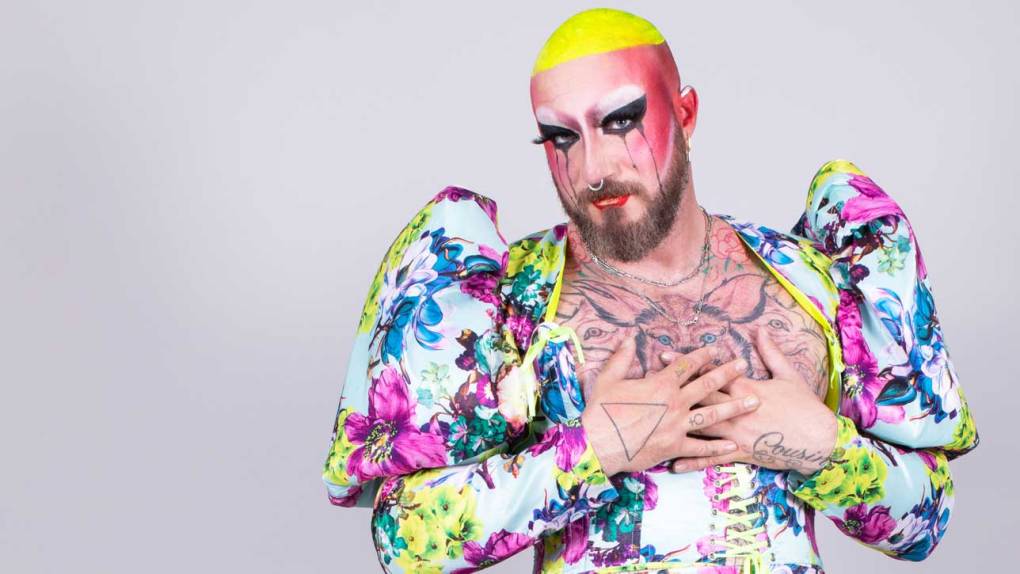
"caption": "VivvyAnne ForeverMORE!, whose drag extravaganza 'The Show' is part of this year's CounterPulse Festival. ",
"description": null,
"title": "Cornelius",
"credit": "Marcel Pardo Ariza",
"status": "inherit",
"altTag": null,
"isLoading": false,
"fetchFailed": false
},
"arts_13932820": {
"type": "attachments",
"id": "arts_13932820",
"meta": {
"index": "attachments_1716263798",
"site": "arts",
"id": "13932820",
"found": true
},
"parent": 13932789,
"imgSizes": {
"twentyfourteen-full-width": {
"file": "https://ww2.kqed.org/app/uploads/sites/2/2023/08/HIAH_ProRes422_230209__19_106349-1038x576.jpg",
"width": 1038,
"mimeType": "image/jpeg",
"height": 576
},
"thumbnail": {
"file": "https://ww2.kqed.org/app/uploads/sites/2/2023/08/HIAH_ProRes422_230209__19_106349-160x90.jpg",
"width": 160,
"mimeType": "image/jpeg",
"height": 90
},
"post-thumbnail": {
"file": "https://ww2.kqed.org/app/uploads/sites/2/2023/08/HIAH_ProRes422_230209__19_106349-672x372.jpg",
"width": 672,
"mimeType": "image/jpeg",
"height": 372
},
"kqedFullSize": {
"file": "https://ww2.kqed.org/app/uploads/sites/2/2023/08/HIAH_ProRes422_230209__19_106349-scaled.jpg",
"width": 2560,
"height": 1440
},
"2048x2048": {
"file": "https://ww2.kqed.org/app/uploads/sites/2/2023/08/HIAH_ProRes422_230209__19_106349-2048x1152.jpg",
"width": 2048,
"mimeType": "image/jpeg",
"height": 1152
},
"large": {
"file": "https://ww2.kqed.org/app/uploads/sites/2/2023/08/HIAH_ProRes422_230209__19_106349-1020x574.jpg",
"width": 1020,
"mimeType": "image/jpeg",
"height": 574
},
"1536x1536": {
"file": "https://ww2.kqed.org/app/uploads/sites/2/2023/08/HIAH_ProRes422_230209__19_106349-1536x864.jpg",
"width": 1536,
"mimeType": "image/jpeg",
"height": 864
},
"full-width": {
"file": "https://ww2.kqed.org/app/uploads/sites/2/2023/08/HIAH_ProRes422_230209__19_106349-1920x1080.jpg",
"width": 1920,
"mimeType": "image/jpeg",
"height": 1080
},
"medium": {
"file": "https://ww2.kqed.org/app/uploads/sites/2/2023/08/HIAH_ProRes422_230209__19_106349-800x450.jpg",
"width": 800,
"mimeType": "image/jpeg",
"height": 450
},
"medium_large": {
"file": "https://ww2.kqed.org/app/uploads/sites/2/2023/08/HIAH_ProRes422_230209__19_106349-768x432.jpg",
"width": 768,
"mimeType": "image/jpeg",
"height": 432
}
},
"publishDate": 1691534795,
"modified": 1691534892,
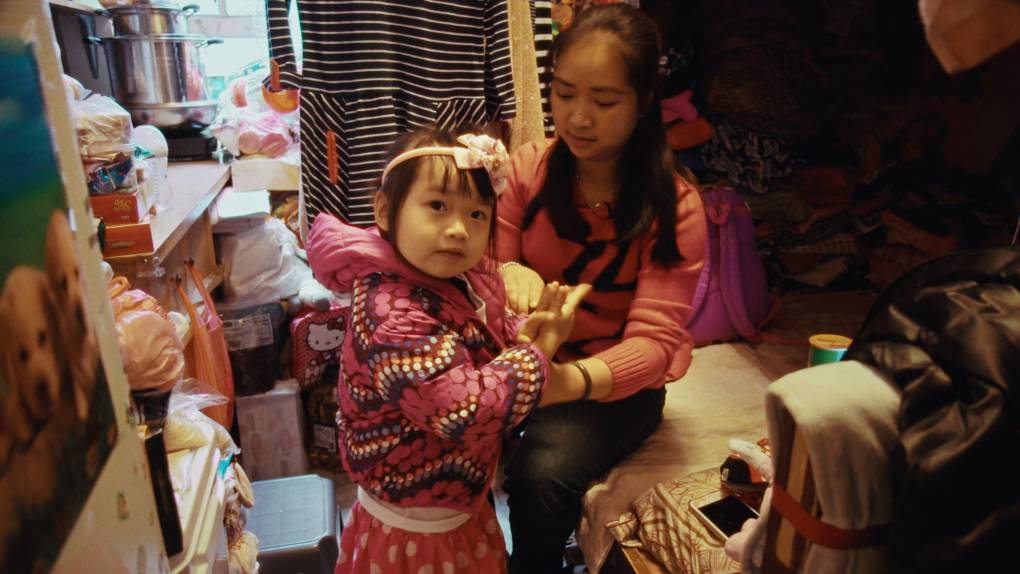
"caption": "Christina and her daughter Shirley in a still from 'Home Is a Hotel,' in their room at an SRO hotel in Chinatown.",
"description": null,
"title": "HIAH_ProRes422_230209__19_106349",
"credit": "Courtesy of Home Is a Hotel",
"status": "inherit",
"altTag": "a young Chinese American girl in pink clothes and her mother, a Chinese woman, in a crowded room",
"isLoading": false,
"fetchFailed": false
},
"arts_13930342": {
"type": "attachments",
"id": "arts_13930342",
"meta": {
"index": "attachments_1716263798",
"site": "arts",
"id": "13930342",
"found": true
},
"parent": 13930323,
"imgSizes": {
"twentyfourteen-full-width": {
"file": "https://ww2.kqed.org/app/uploads/sites/2/2023/06/ramrod-1038x576.jpg",
"width": 1038,
"mimeType": "image/jpeg",
"height": 576
},
"thumbnail": {
"file": "https://ww2.kqed.org/app/uploads/sites/2/2023/06/ramrod-160x97.jpg",
"width": 160,
"mimeType": "image/jpeg",
"height": 97
},
"post-thumbnail": {
"file": "https://ww2.kqed.org/app/uploads/sites/2/2023/06/ramrod-672x372.jpg",
"width": 672,
"mimeType": "image/jpeg",
"height": 372
},
"kqedFullSize": {
"file": "https://ww2.kqed.org/app/uploads/sites/2/2023/06/ramrod.jpg",
"width": 1882,
"height": 1144
},
"large": {
"file": "https://ww2.kqed.org/app/uploads/sites/2/2023/06/ramrod-1020x620.jpg",
"width": 1020,
"mimeType": "image/jpeg",
"height": 620
},
"1536x1536": {
"file": "https://ww2.kqed.org/app/uploads/sites/2/2023/06/ramrod-1536x934.jpg",
"width": 1536,
"mimeType": "image/jpeg",
"height": 934
},
"medium": {
"file": "https://ww2.kqed.org/app/uploads/sites/2/2023/06/ramrod-800x486.jpg",
"width": 800,
"mimeType": "image/jpeg",
"height": 486
},
"medium_large": {
"file": "https://ww2.kqed.org/app/uploads/sites/2/2023/06/ramrod-768x467.jpg",
"width": 768,
"mimeType": "image/jpeg",
"height": 467
}
},
"publishDate": 1686268037,
"modified": 1686268556,
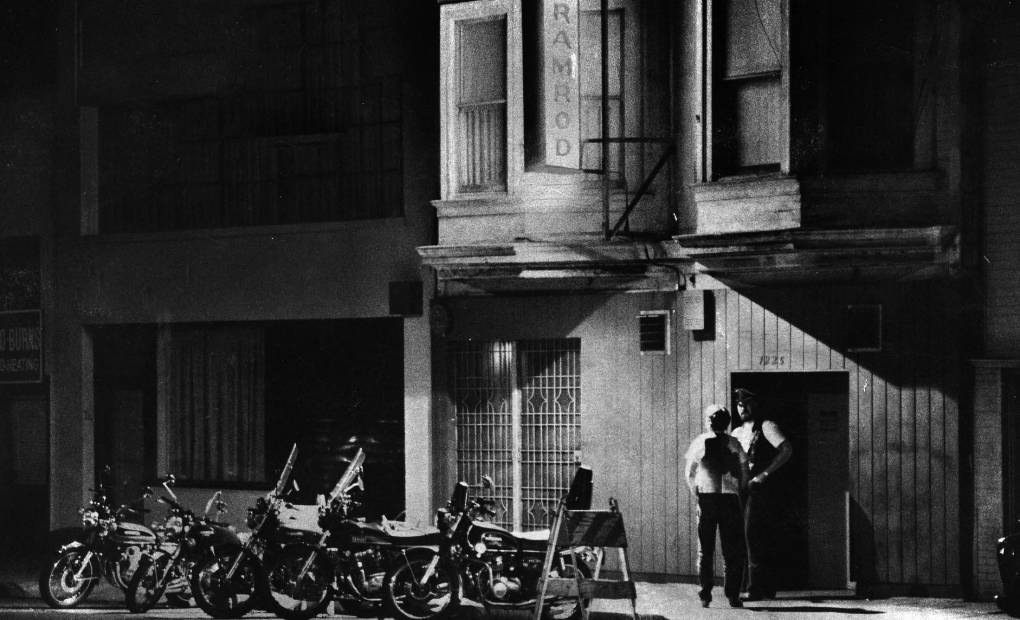
"caption": "A 1972 image taken of the Ramrod — a leather bar at 1225 Folsom St. (between 8th and 9th). It opened in 1967 and was immortalized in ‘The Laughing Policeman,’ a movie starring Walter Matthau and Bruce Dern.",
"description": "The Ramrod was a leather bar at 1225 Folsom St. (between 8th and 9th). It opened in 1967 by George Wilburn (retired film editor from Hollywood) and Paul Bentley. Taken on a Sunday afternoon, this photo postcard was made for the 5th anniversary by Henri Leleu, and shows its enormous popularity at the time. Filming took place in this bar for the 1973 film ",
"title": "A 1972 image taken of the Ramrod — a leather bar at 1225 Folsom St. (between 8th and 9th). It opened in 1967 and was immortalized in ‘The Laughing Policeman,’ a movie starring Walter Matthau and Bruce Dern.",
"credit": "Gary Fong/ San Francisco Chronicle via Getty Images",
"status": "inherit",
"altTag": null,
"isLoading": false,
"fetchFailed": false
},
"arts_13919470": {
"type": "attachments",
"id": "arts_13919470",
"meta": {
"index": "attachments_1716263798",
"site": "arts",
"id": "13919470",
"found": true
},
"parent": 13919459,
"imgSizes": {
"twentyfourteen-full-width": {
"file": "https://ww2.kqed.org/app/uploads/sites/2/2022/09/macbitch-by-the-breadbox-2-by-alandra-hileman-_1_-960x576.jpg",
"width": 960,
"mimeType": "image/jpeg",
"height": 576
},
"thumbnail": {
"file": "https://ww2.kqed.org/app/uploads/sites/2/2022/09/macbitch-by-the-breadbox-2-by-alandra-hileman-_1_-160x106.jpg",
"width": 160,
"mimeType": "image/jpeg",
"height": 106
},
"post-thumbnail": {
"file": "https://ww2.kqed.org/app/uploads/sites/2/2022/09/macbitch-by-the-breadbox-2-by-alandra-hileman-_1_-672x372.jpg",
"width": 672,
"mimeType": "image/jpeg",
"height": 372
},
"kqedFullSize": {
"file": "https://ww2.kqed.org/app/uploads/sites/2/2022/09/macbitch-by-the-breadbox-2-by-alandra-hileman-_1_.jpg",
"width": 960,
"height": 637
},
"medium": {
"file": "https://ww2.kqed.org/app/uploads/sites/2/2022/09/macbitch-by-the-breadbox-2-by-alandra-hileman-_1_-800x531.jpg",
"width": 800,
"mimeType": "image/jpeg",
"height": 531
},
"medium_large": {
"file": "https://ww2.kqed.org/app/uploads/sites/2/2022/09/macbitch-by-the-breadbox-2-by-alandra-hileman-_1_-768x510.jpg",
"width": 768,
"mimeType": "image/jpeg",
"height": 510
}
},
"publishDate": 1663819350,
"modified": 1663819447,
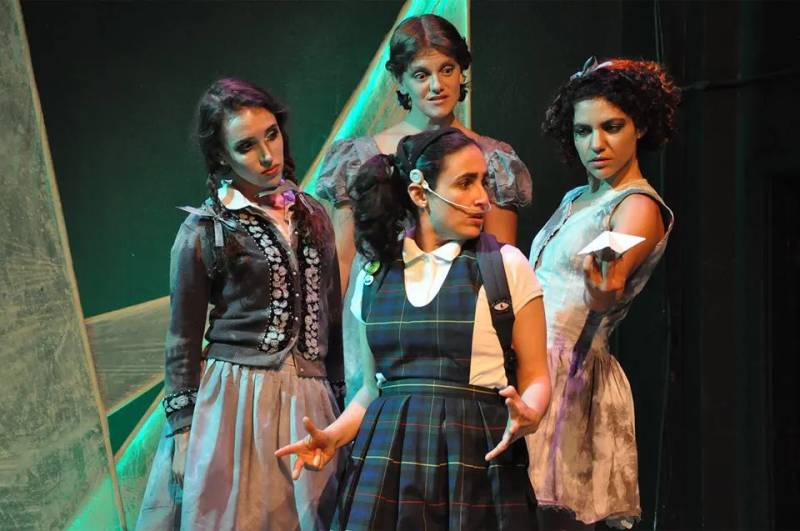
"caption": "Ladybird (María Ascensión Leigh, center) and the Witches (L-R: Jessica Waldman, Mikka Bonel, Carla Pauli) in 'MacBitch' by The Breadbox at EXIT Theatre in 2017.",
"description": null,
"title": "macbitch-by-the-breadbox-2-by-alandra-hileman-_1_",
"credit": "Alandra Hileman",
"status": "inherit",
"altTag": "four women on stage in schoolgirl costumes in a play",
"isLoading": false,
"fetchFailed": false
},
"arts_13916802": {
"type": "attachments",
"id": "arts_13916802",
"meta": {
"index": "attachments_1716263798",
"site": "arts",
"id": "13916802",
"found": true
},
"parent": 13916794,
"imgSizes": {
"twentyfourteen-full-width": {
"file": "https://ww2.kqed.org/app/uploads/sites/2/2022/07/Roti-Tempek-credit-Jane-Sim_-1038x576.jpg",
"width": 1038,
"mimeType": "image/jpeg",
"height": 576
},
"thumbnail": {
"file": "https://ww2.kqed.org/app/uploads/sites/2/2022/07/Roti-Tempek-credit-Jane-Sim_-160x100.jpg",
"width": 160,
"mimeType": "image/jpeg",
"height": 100
},
"post-thumbnail": {
"file": "https://ww2.kqed.org/app/uploads/sites/2/2022/07/Roti-Tempek-credit-Jane-Sim_-672x372.jpg",
"width": 672,
"mimeType": "image/jpeg",
"height": 372
},
"kqedFullSize": {
"file": "https://ww2.kqed.org/app/uploads/sites/2/2022/07/Roti-Tempek-credit-Jane-Sim_.jpg",
"width": 1920,
"height": 1200
},
"large": {
"file": "https://ww2.kqed.org/app/uploads/sites/2/2022/07/Roti-Tempek-credit-Jane-Sim_-1020x638.jpg",
"width": 1020,
"mimeType": "image/jpeg",
"height": 638
},
"1536x1536": {
"file": "https://ww2.kqed.org/app/uploads/sites/2/2022/07/Roti-Tempek-credit-Jane-Sim_-1536x960.jpg",
"width": 1536,
"mimeType": "image/jpeg",
"height": 960
},
"medium": {
"file": "https://ww2.kqed.org/app/uploads/sites/2/2022/07/Roti-Tempek-credit-Jane-Sim_-800x500.jpg",
"width": 800,
"mimeType": "image/jpeg",
"height": 500
},
"medium_large": {
"file": "https://ww2.kqed.org/app/uploads/sites/2/2022/07/Roti-Tempek-credit-Jane-Sim_-768x480.jpg",
"width": 768,
"mimeType": "image/jpeg",
"height": 480
}
},
"publishDate": 1659118068,
"modified": 1659118171,
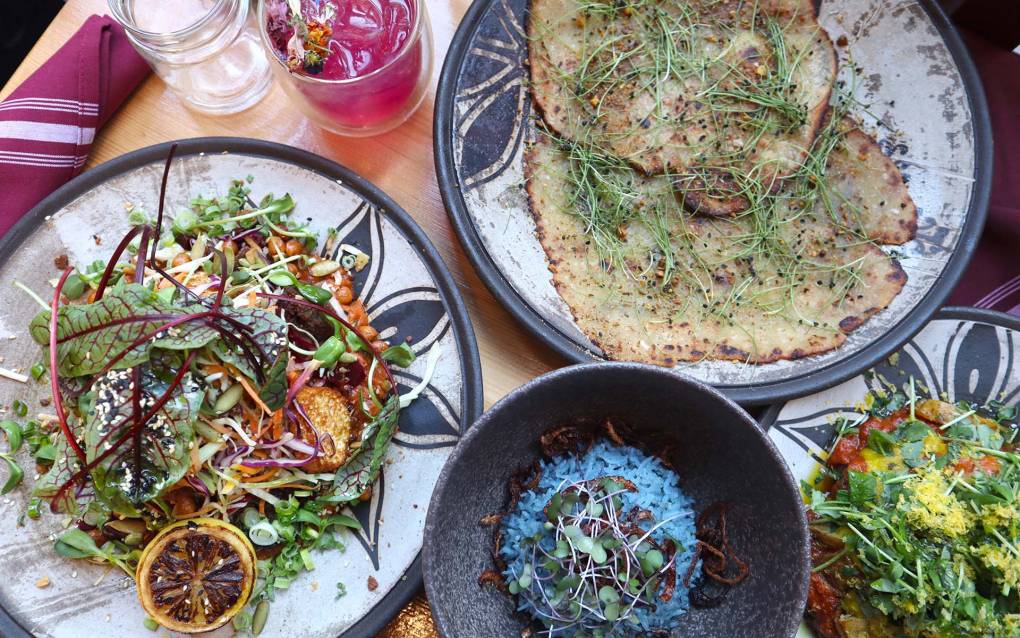
"caption": "A spread of dishes from Azalina's, including roti tempek and blue pea rice.",
"description": null,
"title": "Roti Tempek credit Jane Sim_",
"credit": "Jane Sim",
"status": "inherit",
"altTag": "Overhead view of a spread of dishes from Azalina's, including roti tempek and blue pea rice.",
"isLoading": false,
"fetchFailed": false
},
"arts_13915529": {
"type": "attachments",
"id": "arts_13915529",
"meta": {
"index": "attachments_1716263798",
"site": "arts",
"id": "13915529",
"found": true
},
"parent": 13915486,
"imgSizes": {
"twentyfourteen-full-width": {
"file": "https://ww2.kqed.org/app/uploads/sites/2/2022/06/SDforWP-1038x576.jpg",
"width": 1038,
"mimeType": "image/jpeg",
"height": 576
},
"thumbnail": {
"file": "https://ww2.kqed.org/app/uploads/sites/2/2022/06/SDforWP-160x90.jpg",
"width": 160,
"mimeType": "image/jpeg",
"height": 90
},
"post-thumbnail": {
"file": "https://ww2.kqed.org/app/uploads/sites/2/2022/06/SDforWP-672x372.jpg",
"width": 672,
"mimeType": "image/jpeg",
"height": 372
},
"kqedFullSize": {
"file": "https://ww2.kqed.org/app/uploads/sites/2/2022/06/SDforWP.jpg",
"width": 1920,
"height": 1080
},
"large": {
"file": "https://ww2.kqed.org/app/uploads/sites/2/2022/06/SDforWP-1020x574.jpg",
"width": 1020,
"mimeType": "image/jpeg",
"height": 574
},
"1536x1536": {
"file": "https://ww2.kqed.org/app/uploads/sites/2/2022/06/SDforWP-1536x864.jpg",
"width": 1536,
"mimeType": "image/jpeg",
"height": 864
},
"medium": {
"file": "https://ww2.kqed.org/app/uploads/sites/2/2022/06/SDforWP-800x450.jpg",
"width": 800,
"mimeType": "image/jpeg",
"height": 450
},
"medium_large": {
"file": "https://ww2.kqed.org/app/uploads/sites/2/2022/06/SDforWP-768x432.jpg",
"width": 768,
"mimeType": "image/jpeg",
"height": 432
}
},
"publishDate": 1656530676,
"modified": 1656530785,
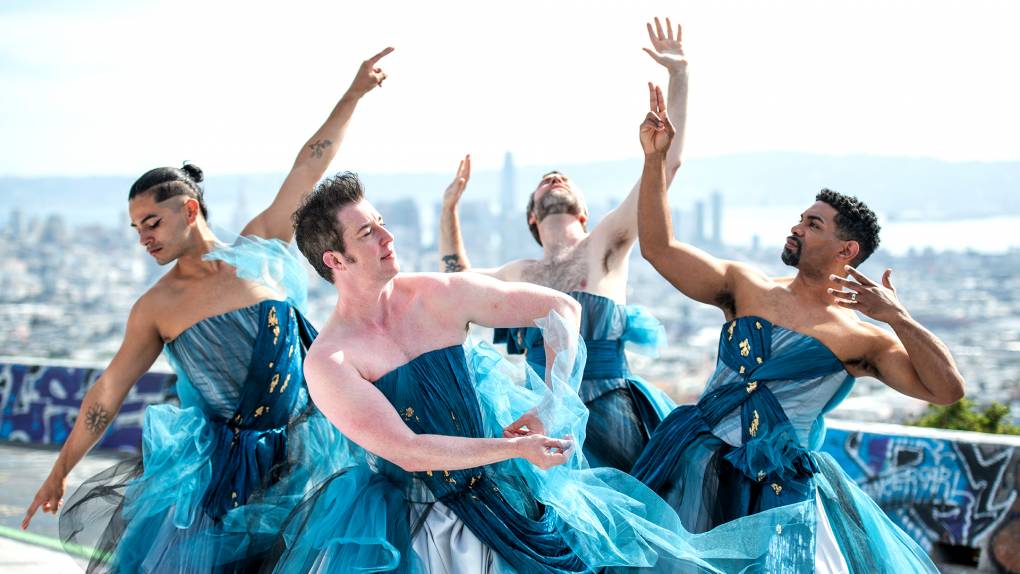
"caption": "Sean Dorsey Dance (from left to right): Héctor Jaime, Sean Dorsey, Nol Simonse, Will Woodward",
"description": "Sean Dorsey Dance (from left to right): Héctor Jaime, Sean Dorsey, Nol Simonse, Will Woodward",
"title": "SDforWP",
"credit": "Beth LaBerge",
"status": "inherit",
"altTag": "Four dancers in blue gowns are posing against a wide shot of San Franciso's skyline",
"isLoading": false,
"fetchFailed": false
},
"arts_13913206": {
"type": "attachments",
"id": "arts_13913206",
"meta": {
"index": "attachments_1716263798",
"site": "arts",
"id": "13913206",
"found": true
},
"parent": 13913188,
"imgSizes": {
"twentyfourteen-full-width": {
"file": "https://ww2.kqed.org/app/uploads/sites/2/2022/05/20220510_154817-1038x576.jpg",
"width": 1038,
"mimeType": "image/jpeg",
"height": 576
},
"thumbnail": {
"file": "https://ww2.kqed.org/app/uploads/sites/2/2022/05/20220510_154817-160x120.jpg",
"width": 160,
"mimeType": "image/jpeg",
"height": 120
},
"post-thumbnail": {
"file": "https://ww2.kqed.org/app/uploads/sites/2/2022/05/20220510_154817-672x372.jpg",
"width": 672,
"mimeType": "image/jpeg",
"height": 372
},
"kqedFullSize": {
"file": "https://ww2.kqed.org/app/uploads/sites/2/2022/05/20220510_154817-scaled-e1652302507360.jpg",
"width": 1920,
"height": 1440
},
"2048x2048": {
"file": "https://ww2.kqed.org/app/uploads/sites/2/2022/05/20220510_154817-2048x1536.jpg",
"width": 2048,
"mimeType": "image/jpeg",
"height": 1536
},
"large": {
"file": "https://ww2.kqed.org/app/uploads/sites/2/2022/05/20220510_154817-1020x765.jpg",
"width": 1020,
"mimeType": "image/jpeg",
"height": 765
},
"1536x1536": {
"file": "https://ww2.kqed.org/app/uploads/sites/2/2022/05/20220510_154817-1536x1152.jpg",
"width": 1536,
"mimeType": "image/jpeg",
"height": 1152
},
"full-width": {
"file": "https://ww2.kqed.org/app/uploads/sites/2/2022/05/20220510_154817-1920x1440.jpg",
"width": 1920,
"mimeType": "image/jpeg",
"height": 1440
},
"medium": {
"file": "https://ww2.kqed.org/app/uploads/sites/2/2022/05/20220510_154817-800x600.jpg",
"width": 800,
"mimeType": "image/jpeg",
"height": 600
},
"medium_large": {
"file": "https://ww2.kqed.org/app/uploads/sites/2/2022/05/20220510_154817-768x576.jpg",
"width": 768,
"mimeType": "image/jpeg",
"height": 576
}
},
"publishDate": 1652302368,
"modified": 1652302690,
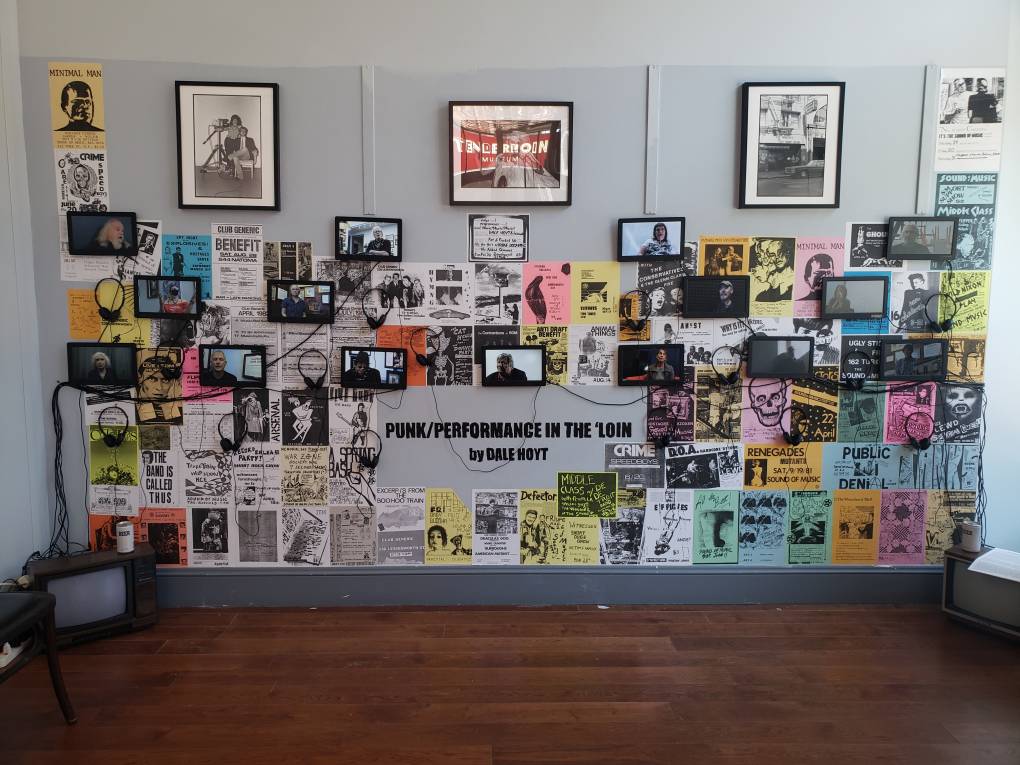
"caption": "'Punk/Performance in the 'Loin' by Dale Hoyt offers glimpses of San Francisco's punk rock history told by 15 subjects who lived it.",
"description": null,
"title": "'Punk/Performance in the 'Loin' by Dale Hoyt offers glimpses of San Francisco's punk rock history told by 15 subjects who lived it.",
"credit": "Rae Alexandra",
"status": "inherit",
"altTag": "A chaotic looking museum wall, covered in scattered flyers, three large portraits and 15 small TV screens with attached headphones.",
"isLoading": false,
"fetchFailed": false
},
"arts_13913011": {
"type": "attachments",
"id": "arts_13913011",
"meta": {
"index": "attachments_1716263798",
"site": "arts",
"id": "13913011",
"found": true
},
"parent": 13913008,
"imgSizes": {
"twentyfourteen-full-width": {
"file": "https://ww2.kqed.org/app/uploads/sites/2/2022/05/eid_featured-1038x576.jpg",
"width": 1038,
"mimeType": "image/jpeg",
"height": 576
},
"thumbnail": {
"file": "https://ww2.kqed.org/app/uploads/sites/2/2022/05/eid_featured-160x90.jpg",
"width": 160,
"mimeType": "image/jpeg",
"height": 90
},
"post-thumbnail": {
"file": "https://ww2.kqed.org/app/uploads/sites/2/2022/05/eid_featured-672x372.jpg",
"width": 672,
"mimeType": "image/jpeg",
"height": 372
},
"kqedFullSize": {
"file": "https://ww2.kqed.org/app/uploads/sites/2/2022/05/eid_featured.jpg",
"width": 2048,
"height": 1152
},
"large": {
"file": "https://ww2.kqed.org/app/uploads/sites/2/2022/05/eid_featured-1020x574.jpg",
"width": 1020,
"mimeType": "image/jpeg",
"height": 574
},
"1536x1536": {
"file": "https://ww2.kqed.org/app/uploads/sites/2/2022/05/eid_featured-1536x864.jpg",
"width": 1536,
"mimeType": "image/jpeg",
"height": 864
},
"full-width": {
"file": "https://ww2.kqed.org/app/uploads/sites/2/2022/05/eid_featured-1920x1080.jpg",
"width": 1920,
"mimeType": "image/jpeg",
"height": 1080
},
"medium": {
"file": "https://ww2.kqed.org/app/uploads/sites/2/2022/05/eid_featured-800x450.jpg",
"width": 800,
"mimeType": "image/jpeg",
"height": 450
},
"medium_large": {
"file": "https://ww2.kqed.org/app/uploads/sites/2/2022/05/eid_featured-768x432.jpg",
"width": 768,
"mimeType": "image/jpeg",
"height": 432
}
},
"publishDate": 1651854693,
"modified": 1651854819,
"caption": "This year's Eid celebration just so happens to coincide with Mother's Day.",
"description": null,
"title": "eid_featured",
"credit": "Photo by Brooke Anderson Photography / courtesy of AROC",
"status": "inherit",
"altTag": "A line of Arab Americans cross a tree-lined street while smiling and holding hands.",
"isLoading": false,
"fetchFailed": false
}
},
"audioPlayerReducer": {
"postId": "stream_live",
"isPaused": true,
"isPlaying": false,
"pfsActive": false,
"pledgeModalIsOpen": true,
"playerDrawerIsOpen": false,
"liveAudioPlayStartedAt": 0,
"liveAudioPlayContext": ""
},
"authorsReducer": {
"byline_arts_13955879": {
"type": "authors",
"id": "byline_arts_13955879",
"meta": {
"override": true
},
"slug": "byline_arts_13955879",
"name": "Emily Wilson",
"isLoading": false
},
"byline_arts_13919459": {
"type": "authors",
"id": "byline_arts_13919459",
"meta": {
"override": true
},
"slug": "byline_arts_13919459",
"name": "Charles Lewis III",
"isLoading": false
},
"byline_arts_13915486": {
"type": "authors",
"id": "byline_arts_13915486",
"meta": {
"override": true
},
"slug": "byline_arts_13915486",
"name": "Lindsay Gauthier",
"isLoading": false
},
"shotchkiss": {
"type": "authors",
"id": "61",
"meta": {
"index": "authors_1716337520",
"id": "61",
"found": true
},
"name": "Sarah Hotchkiss",
"firstName": "Sarah",
"lastName": "Hotchkiss",
"slug": "shotchkiss",
"email": "shotchkiss@kqed.org",
"display_author_email": true,
"staff_mastheads": [
"arts"
],
"title": "Senior Editor",
"bio": "Sarah Hotchkiss is a San Francisco \u003ca href=\"http://www.sarahhotchkiss.com\">artist\u003c/a> and arts writer. In 2019, she received the Dorothea & Leo Rabkin Foundation grant for visual art journalism and in 2020 she received a Society of Professional Journalists, Northern California award for excellence in arts and culture reporting.",
"avatar": "https://secure.gravatar.com/avatar/bc662df144b3d27fd8b1b6f1c2a420d34e91e53154d411bb7ad353cc8b6cea8d?s=600&d=blank&r=g",
"twitter": null,
"bluesky": null,
"facebook": null,
"instagram": null,
"linkedin": null,
"sites": [
{
"site": "",
"roles": [
"editor"
]
},
{
"site": "arts",
"roles": [
"Contributor",
"administrator"
]
},
{
"site": "artschool",
"roles": [
"administrator"
]
},
{
"site": "news",
"roles": [
"editor"
]
},
{
"site": "pop",
"roles": [
"administrator"
]
},
{
"site": "bayareabites",
"roles": [
"editor"
]
},
{
"site": "spark",
"roles": [
"editor"
]
},
{
"site": "checkplease",
"roles": [
"editor"
]
}
],
"headData": {
"title": "Sarah Hotchkiss | KQED",
"description": "Senior Editor",
"ogImgSrc": "https://secure.gravatar.com/avatar/bc662df144b3d27fd8b1b6f1c2a420d34e91e53154d411bb7ad353cc8b6cea8d?s=600&d=blank&r=g",
"twImgSrc": "https://secure.gravatar.com/avatar/bc662df144b3d27fd8b1b6f1c2a420d34e91e53154d411bb7ad353cc8b6cea8d?s=600&d=blank&r=g"
},
"isLoading": false,
"link": "/author/shotchkiss"
},
"esilvers": {
"type": "authors",
"id": "7237",
"meta": {
"index": "authors_1716337520",
"id": "7237",
"found": true
},
"name": "Emma Silvers",
"firstName": "Emma",
"lastName": "Silvers",
"slug": "esilvers",
"email": "esilvers@kqed.org",
"display_author_email": false,
"staff_mastheads": [],
"title": "KQED Contributor",
"bio": "Emma Silvers is an editor at KQED Arts and a former digital producer at KQED News. Born and raised in the Bay Area, she has previously been an arts and entertainment editor at the \u003cem>San Francisco Chronicle\u003c/em>, \u003cem>SF Weekly\u003c/em> and the \u003cem>San Francisco Bay Guardian.\u003c/em> \u003ca href=\"https://www.emmasilvers.com\">Her work\u003c/a> has also appeared in \u003cem>Rolling Stone\u003c/em>, Pitchfork and \u003cem>Mother Jones\u003c/em>. In 2017 she was the recipient of the Society of Professional Journalists-Northern California's award for arts and culture reporting. In 1993 she \u003ca href=\"https://www.kqed.org/pop/16759/wait-what-my-coworker-was-a-voice-over-hyperventilator-for-jurassic-park\">hyperventilated in \u003cem>Jurassic Park\u003c/em>\u003c/a>.",
"avatar": "https://secure.gravatar.com/avatar/247beada39b88ea5759db1f51dba05cf?s=600&d=blank&r=g",
"twitter": "emmaruthless",
"facebook": null,
"instagram": null,
"linkedin": null,
"sites": [
{
"site": "arts",
"roles": [
"editor"
]
},
{
"site": "news",
"roles": [
"editor"
]
},
{
"site": "pop",
"roles": [
"contributor"
]
},
{
"site": "bayareabites",
"roles": [
"editor"
]
},
{
"site": "food",
"roles": [
"contributor"
]
},
{
"site": "liveblog",
"roles": [
"editor"
]
}
],
"headData": {
"title": "Emma Silvers | KQED",
"description": "KQED Contributor",
"ogImgSrc": "https://secure.gravatar.com/avatar/247beada39b88ea5759db1f51dba05cf?s=600&d=blank&r=g",
"twImgSrc": "https://secure.gravatar.com/avatar/247beada39b88ea5759db1f51dba05cf?s=600&d=blank&r=g"
},
"isLoading": false,
"link": "/author/esilvers"
},
"ralexandra": {
"type": "authors",
"id": "11242",
"meta": {
"index": "authors_1716337520",
"id": "11242",
"found": true
},
"name": "Rae Alexandra",
"firstName": "Rae",
"lastName": "Alexandra",
"slug": "ralexandra",
"email": "ralexandra@kqed.org",
"display_author_email": true,
"staff_mastheads": [],
"title": "Reporter/Producer",
"bio": "Rae Alexandra is a Reporter/Producer for KQED Arts & Culture, and the creator/author of the \u003ca href=\"https://www.kqed.org/arts/program/rebel-girls-from-bay-area-history\">Rebel Girls From Bay Area History\u003c/a> and \u003ca href=\"https://www.kqed.org/bizarrebayarea\">Bizarre Bay Area\u003c/a> series. Her debut book, \u003ca href=\"https://citylights.com/politics-current-events-history/unsung-heroines35-women-who-changed/\">Unsung Heroines: 35 Women Who Changed the Bay Area\u003c/a> was published by City Lights in March 2026. In 2023, Rae was awarded an SPJ Excellence in Journalism Award for Arts & Culture. Rae was born and raised in Wales and subsequently — even after two decades in Northern California — still uses phrases that regularly baffle her coworkers.",
"avatar": "https://secure.gravatar.com/avatar/edfee8176c80cc0a382b051190f5341997df378a934a5774dcb0977732dfd401?s=600&d=blank&r=g",
"twitter": null,
"bluesky": null,
"facebook": null,
"instagram": null,
"linkedin": null,
"sites": [
{
"site": "arts",
"roles": [
"subscriber"
]
},
{
"site": "news",
"roles": [
"subscriber"
]
},
{
"site": "pop",
"roles": [
"subscriber"
]
},
{
"site": "bayareabites",
"roles": [
"subscriber"
]
},
{
"site": "science",
"roles": [
"subscriber"
]
}
],
"headData": {
"title": "Rae Alexandra | KQED",
"description": "Reporter/Producer",
"ogImgSrc": "https://secure.gravatar.com/avatar/edfee8176c80cc0a382b051190f5341997df378a934a5774dcb0977732dfd401?s=600&d=blank&r=g",
"twImgSrc": "https://secure.gravatar.com/avatar/edfee8176c80cc0a382b051190f5341997df378a934a5774dcb0977732dfd401?s=600&d=blank&r=g"
},
"isLoading": false,
"link": "/author/ralexandra"
},
"nvoynovskaya": {
"type": "authors",
"id": "11387",
"meta": {
"index": "authors_1716337520",
"id": "11387",
"found": true
},
"name": "Nastia Voynovskaya",
"firstName": "Nastia",
"lastName": "Voynovskaya",
"slug": "nvoynovskaya",
"email": "nvoynovskaya@kqed.org",
"display_author_email": false,
"staff_mastheads": [
"arts"
],
"title": "Editor and reporter",
"bio": "Nastia Voynovskaya is a reporter, editor and host at KQED Arts & Culture. She's been covering the arts in the Bay Area for over a decade, with a focus on music, queer culture, labor issues and grassroots organizing. She has edited KQED story series such as Trans Bay: A History of San Francisco's Gender-Diverse Community, and co-created KQED's Bay Area hip-hop history project, That's My Word. Nastia's work has been recognized by the Society of Professional Journalists and San Francisco Press Club. She regularly appears on podcasts and radio programs, including NPR's All Songs Considered, and hosts live events where music, culture and conversation meet.",
"avatar": "https://secure.gravatar.com/avatar/5025ee460e5a85d69ca20ea6c6f2f80d7e17795c828f61ea3aecfcd924e9042e?s=600&d=blank&r=g",
"twitter": null,
"bluesky": null,
"facebook": null,
"instagram": "https://www.instagram.com/nananastia/",
"linkedin": null,
"sites": [
{
"site": "",
"roles": [
"editor"
]
},
{
"site": "arts",
"roles": [
"administrator"
]
},
{
"site": "news",
"roles": [
"editor"
]
},
{
"site": "pop",
"roles": [
"administrator"
]
},
{
"site": "bayareabites",
"roles": [
"editor"
]
},
{
"site": "podcasts",
"roles": [
"editor"
]
},
{
"site": "hiphop",
"roles": [
"editor"
]
}
],
"headData": {
"title": "Nastia Voynovskaya | KQED",
"description": "Editor and reporter",
"ogImgSrc": "https://secure.gravatar.com/avatar/5025ee460e5a85d69ca20ea6c6f2f80d7e17795c828f61ea3aecfcd924e9042e?s=600&d=blank&r=g",
"twImgSrc": "https://secure.gravatar.com/avatar/5025ee460e5a85d69ca20ea6c6f2f80d7e17795c828f61ea3aecfcd924e9042e?s=600&d=blank&r=g"
},
"isLoading": false,
"link": "/author/nvoynovskaya"
},
"ltsai": {
"type": "authors",
"id": "11743",
"meta": {
"index": "authors_1716337520",
"id": "11743",
"found": true
},
"name": "Luke Tsai",
"firstName": "Luke",
"lastName": "Tsai",
"slug": "ltsai",
"email": "ltsai@kqed.org",
"display_author_email": true,
"staff_mastheads": [
"arts"
],
"title": "Food Editor",
"bio": "Luke Tsai is KQED's food editor and resident stinky tofu connoisseur. Prior to KQED, he was an editor at Eater SF, \u003cem>San Francisco \u003c/em>magazine, and the \u003cem>East Bay Express\u003c/em>, and his work has also appeared in TASTE, the \u003cem>San Francisco Chronicle\u003c/em>, and the \u003cem>Best Food Writing\u003c/em> anthology. When he isn't writing or editing, you'll find him eating most everything he can get his hands on.",
"avatar": "https://secure.gravatar.com/avatar/1e59b45bf191526e7339d6ba46e33a57b2030d25c27660ecc64ea3cb863e34f7?s=600&d=blank&r=g",
"twitter": "theluketsai",
"bluesky": null,
"facebook": null,
"instagram": null,
"linkedin": null,
"sites": [
{
"site": "",
"roles": [
"editor"
]
},
{
"site": "arts",
"roles": [
"administrator"
]
},
{
"site": "news",
"roles": [
"editor",
"contributor"
]
},
{
"site": "bayareabites",
"roles": [
"editor"
]
},
{
"site": "food",
"roles": [
"editor"
]
}
],
"headData": {
"title": "Luke Tsai | KQED",
"description": "Food Editor",
"ogImgSrc": "https://secure.gravatar.com/avatar/1e59b45bf191526e7339d6ba46e33a57b2030d25c27660ecc64ea3cb863e34f7?s=600&d=blank&r=g",
"twImgSrc": "https://secure.gravatar.com/avatar/1e59b45bf191526e7339d6ba46e33a57b2030d25c27660ecc64ea3cb863e34f7?s=600&d=blank&r=g"
},
"isLoading": false,
"link": "/author/ltsai"
},
"tpham": {
"type": "authors",
"id": "11753",
"meta": {
"index": "authors_1716337520",
"id": "11753",
"found": true
},
"name": "Thien Pham",
"firstName": "Thien",
"lastName": "Pham",
"slug": "tpham",
"email": "thiendog@gmail.com",
"display_author_email": false,
"staff_mastheads": [],
"title": "KQED Contributor",
"bio": null,
"avatar": "https://secure.gravatar.com/avatar/a5b4729969ad46d88e7b9ec9dd4f3fa6af84dd0fa8fa91f01d8d9481694999bc?s=600&d=blank&r=g",
"twitter": null,
"bluesky": null,
"facebook": null,
"instagram": null,
"linkedin": null,
"sites": [
{
"site": "arts",
"roles": [
"contributor"
]
}
],
"headData": {
"title": "Thien Pham | KQED",
"description": "KQED Contributor",
"ogImgSrc": "https://secure.gravatar.com/avatar/a5b4729969ad46d88e7b9ec9dd4f3fa6af84dd0fa8fa91f01d8d9481694999bc?s=600&d=blank&r=g",
"twImgSrc": "https://secure.gravatar.com/avatar/a5b4729969ad46d88e7b9ec9dd4f3fa6af84dd0fa8fa91f01d8d9481694999bc?s=600&d=blank&r=g"
},
"isLoading": false,
"link": "/author/tpham"
},
"jebrahemi": {
"type": "authors",
"id": "11771",
"meta": {
"index": "authors_1716337520",
"id": "11771",
"found": true
},
"name": "Justin Ebrahemi",
"firstName": "Justin",
"lastName": "Ebrahemi",
"slug": "jebrahemi",
"email": "jebrahemi@kqed.org",
"display_author_email": true,
"staff_mastheads": [],
"title": "Digital Engagement Manager",
"bio": "Justin Ebrahemi is a San Francisco-based writer and poet. As the Digital Engagement Manager he helps bring KQED Arts' work into local communities both in the Bay and nationally. Previously, Justin worked for the SF performing arts organization, CounterPulse, and his writing has been published in Dancers Group, SFMOMA's Open Space, and various arts zines. Catch Justin biking through the city or baking vegan treats on the weekend.",
"avatar": "https://secure.gravatar.com/avatar/86cbbf64bf8c82d2a74d305c1760c365?s=600&d=blank&r=g",
"twitter": "JustinEbrahemi",
"facebook": null,
"instagram": null,
"linkedin": null,
"sites": [
{
"site": "arts",
"roles": [
"subscriber"
]
}
],
"headData": {
"title": "Justin Ebrahemi | KQED",
"description": "Digital Engagement Manager",
"ogImgSrc": "https://secure.gravatar.com/avatar/86cbbf64bf8c82d2a74d305c1760c365?s=600&d=blank&r=g",
"twImgSrc": "https://secure.gravatar.com/avatar/86cbbf64bf8c82d2a74d305c1760c365?s=600&d=blank&r=g"
},
"isLoading": false,
"link": "/author/jebrahemi"
}
},
"pagesReducer": {
"arts_tag_tenderloin": {
"type": "terms",
"id": "arts_1020",
"meta": {
"index": "terms_1716263798",
"site": "arts",
"id": "1020",
"score": 9.104777
},
"featImg": null,
"name": "Tenderloin",
"description": null,
"taxonomy": "tag",
"headData": {
"twImgId": null,
"twTitle": null,
"ogTitle": null,
"ogImgId": null,
"twDescription": null,
"description": null,
"title": "Tenderloin Archives | KQED Arts",
"ogDescription": null
},
"ttid": 1037,
"slug": "tenderloin",
"isLoading": false,
"title": "Tenderloin",
"pageMeta": {
"site": "arts",
"WpPageTemplate": "page-topic-editorial",
"currentPage": 2
},
"blocks": [
{
"blockName": "kqed/post-list",
"attrs": {
"layout": "cardArticle2",
"query": "posts/arts?tag=tenderloin",
"seeMore": false,
"paginated": true,
"page": 2
}
},
{
"blockName": "kqed/ad"
}
]
}
},
"pfsSessionReducer": {},
"postsReducer": {
"stream_live": {
"type": "live",
"id": "stream_live",
"audioUrl": "https://streams.kqed.org/kqedradio",
"title": "Live Stream",
"excerpt": "Live Stream information currently unavailable.",
"link": "/radio",
"featImg": "",
"label": {
"name": "KQED Live",
"link": "/"
}
},
"stream_kqedNewscast": {
"type": "posts",
"id": "stream_kqedNewscast",
"audioUrl": "https://www.kqed.org/.stream/anon/radio/RDnews/newscast.mp3?_=1",
"title": "KQED Newscast",
"featImg": "",
"label": {
"name": "88.5 FM",
"link": "/"
}
},
"arts_13955879": {
"type": "posts",
"id": "arts_13955879",
"meta": {
"index": "posts_1716263798",
"site": "arts",
"id": "13955879",
"score": null,
"sort": [
1713292416000
]
},
"parent": 0,
"labelTerm": {
"site": "arts"
},
"blocks": [],
"publishDate": 1713292416,
"format": "standard",
"title": "A Gallery Owner With a ‘Let’s-Do-This Attitude’ Launches a Residency on Market Street",
"headTitle": "A Gallery Owner With a ‘Let’s-Do-This Attitude’ Launches a Residency on Market Street | KQED",
"content": "\u003cp>Jonathan Carver Moore is not one to rest on his laurels. Less than a year after opening his \u003ca href=\"https://www.jonathancarvermoore.com/\">eponymous gallery\u003c/a> on Market Street, he has launched a residency program in the empty 2,600-square-foot retail space next door. Now, Aplerh-Doku Borlabi’s \u003cem>\u003ca href=\"https://www.jonathancarvermoore.com/exhibitions/13-bold-solo-presentation-from-aplerh-doku-borlabi/installation_shots/\">BOLD\u003c/a>\u003c/em>, on view through June 8, is Moore’s inaugural artist-in-residency exhibition. The \u003ca href=\"https://www.instagram.com/dokuborlabi/\">Ghanaian artist\u003c/a> created all the work for the show — large-scale portraits using coconut sheafs to depict skin — during the seven weeks he spent in San Francisco. \u003c/p>\n\u003cp>[aside postID='arts_13952117']Since he opened the gallery in March 2023, Moore has brought the work of several international artists into the space, including South African photographer \u003ca href=\"https://www.kqed.org/arts/13952117/zanele-muholi-sfmoma-eye-me-queer-south-african-photography\">Zanele Muholi\u003c/a> and their Cape Town students, Nigerian painter \u003ca href=\"https://www.instagram.com/odinakachi_okoroafor/?hl=en\">Odinakachi Okoroafor\u003c/a> and Cameroonian artist \u003ca href=\"https://www.instagram.com/sesseelangwe/?hl=en\">Sesse Elangwe\u003c/a>. \u003c/p>\n\u003cp>Alongside this international roster, Moore has shown work by a textile artist from Atlanta, a Los Angeles photographer and an Oaklander who now lives in Detroit. He hopes this mingling of local, national and international artists will create a network of its own, with relationships forming that might bring American artists out-of-country opportunities, in turn.\u003c/p>\n\u003cfigure id=\"attachment_13955499\" class=\"wp-caption aligncenter\" style=\"max-width: 2000px\">\u003cimg loading=\"lazy\" decoding=\"async\" src=\"https://cdn.kqed.org/wp-content/uploads/sites/2/2024/04/240404-JONATHANCARVERMOORE-010-BL-KQED.jpg\" alt=\"Person shifting an artwork on bare drywall in large street-facing space\" width=\"2000\" height=\"1333\" class=\"size-full wp-image-13955499\" srcset=\"https://cdn.kqed.org/wp-content/uploads/sites/2/2024/04/240404-JONATHANCARVERMOORE-010-BL-KQED.jpg 2000w, https://cdn.kqed.org/wp-content/uploads/sites/2/2024/04/240404-JONATHANCARVERMOORE-010-BL-KQED-800x533.jpg 800w, https://cdn.kqed.org/wp-content/uploads/sites/2/2024/04/240404-JONATHANCARVERMOORE-010-BL-KQED-1020x680.jpg 1020w, https://cdn.kqed.org/wp-content/uploads/sites/2/2024/04/240404-JONATHANCARVERMOORE-010-BL-KQED-160x107.jpg 160w, https://cdn.kqed.org/wp-content/uploads/sites/2/2024/04/240404-JONATHANCARVERMOORE-010-BL-KQED-768x512.jpg 768w, https://cdn.kqed.org/wp-content/uploads/sites/2/2024/04/240404-JONATHANCARVERMOORE-010-BL-KQED-1536x1024.jpg 1536w, https://cdn.kqed.org/wp-content/uploads/sites/2/2024/04/240404-JONATHANCARVERMOORE-010-BL-KQED-1920x1280.jpg 1920w\" sizes=\"(max-width: 2000px) 100vw, 2000px\">\u003cfigcaption class=\"wp-caption-text\">Moore adjusts Aplerh-Doku Borlabi’s artwork in the residency’s studio space next door to his gallery. \u003ccite>(Beth LaBerge/KQED)\u003c/cite>\u003c/figcaption>\u003c/figure>\n\u003cp>It was only a few months after opening the gallery that Moore started thinking about running a residency. He wanted to give some of those more far-flung artists the experience of working in a different space, and to give Bay Area audiences the chance to see what and how they created. (Moving forward, he plans to invite local artists to the residency as well.) \u003c/p>\n\u003cp>“I wasn’t sure how it was all going to come together, but I think that sometimes, when you support the community, the community in turn supports you,” he says. “It took a couple of minds coming together to make this happen.”\u003c/p>\n\u003cp>[ad fullwidth]\u003c/p>\n\u003cp>One of those minds belongs to Joy Ou, a designer, developer and landlord of 960 Market St., the building that houses the gallery and residency. Another belongs to Michelle Mansour, the director of nearby \u003ca href=\"https://rootdivision.org/\">Root Division\u003c/a> (where Moore is on the board), who recently announced \u003ca href=\"https://rootdivision.org/apply/executive-director/\">she’s leaving the arts nonprofit\u003c/a> after 20 years. \u003c/p>\n\u003cp>With all the hype around San Francisco’s “doom loop,” you might think people wouldn’t be interested in heading to mid-Market to see art. But Ou saw that Moore could pack the gallery.\u003c/p>\n\u003cfigure id=\"attachment_13955502\" class=\"wp-caption aligncenter\" style=\"max-width: 2000px\">\u003cimg loading=\"lazy\" decoding=\"async\" src=\"https://cdn.kqed.org/wp-content/uploads/sites/2/2024/04/240404-JONATHANCARVERMOORE-042-BL-KQED.jpg\" alt=\"Black man leans against doorframe, windows facing street, red-painted gallery walls behind\" width=\"2000\" height=\"1333\" class=\"size-full wp-image-13955502\" srcset=\"https://cdn.kqed.org/wp-content/uploads/sites/2/2024/04/240404-JONATHANCARVERMOORE-042-BL-KQED.jpg 2000w, https://cdn.kqed.org/wp-content/uploads/sites/2/2024/04/240404-JONATHANCARVERMOORE-042-BL-KQED-800x533.jpg 800w, https://cdn.kqed.org/wp-content/uploads/sites/2/2024/04/240404-JONATHANCARVERMOORE-042-BL-KQED-1020x680.jpg 1020w, https://cdn.kqed.org/wp-content/uploads/sites/2/2024/04/240404-JONATHANCARVERMOORE-042-BL-KQED-160x107.jpg 160w, https://cdn.kqed.org/wp-content/uploads/sites/2/2024/04/240404-JONATHANCARVERMOORE-042-BL-KQED-768x512.jpg 768w, https://cdn.kqed.org/wp-content/uploads/sites/2/2024/04/240404-JONATHANCARVERMOORE-042-BL-KQED-1536x1024.jpg 1536w, https://cdn.kqed.org/wp-content/uploads/sites/2/2024/04/240404-JONATHANCARVERMOORE-042-BL-KQED-1920x1280.jpg 1920w\" sizes=\"(max-width: 2000px) 100vw, 2000px\">\u003cfigcaption class=\"wp-caption-text\">Moore stands in the doorway of his Market Street gallery. \u003ccite>(Beth LaBerge/KQED)\u003c/cite>\u003c/figcaption>\u003c/figure>\n\u003cp>“When he had his opening, he had a line down the block,” she says. “I was like, ‘Who is this guy that he can have this kind of draw?’”\u003c/p>\n\u003cp>Moore, Ou and Mansour had dinner last summer to talk about the neighborhood and what they could create together. \u003c/p>\n\u003cp>[pullquote size='medium' align='right' citation='Michelle Mansour, Root Division']‘You can also just do the things, and Jonathan is very much that kind of person.’[/pullquote]“Then fast forward to January, and I was like, ‘Hey, what’s happening with this space next door?’” Moore remembers asking Ou. “She said, ‘It’s vacant. What are you seeing happen?’ And the three of us got on the Zoom, and I swear, within an hour, we had a plan.”\u003c/p>\n\u003cp>Mansour helped Moore put together a budget, factoring in art materials, travel from Ghana and a $5,000 stipend. Ou donated the space for the artist’s ground-floor studio, as well as an apartment upstairs for the residency. Moore called Borlabi to confirm timing and bought the artist a plane ticket. \u003c/p>\n\u003cp>Like Ou, Mansour appreciates Moore’s focus and determination. \u003c/p>\n\u003cp>“The idea of just making something happen, a let’s-do-this attitude, as opposed to, ‘We could talk about it or set up meetings to talk about what we’re going to talk about in the next meeting,’” Mansour says. “You can also just do the things, and Jonathan is very much that kind of person.”\u003c/p>\n\u003cfigure id=\"attachment_13955500\" class=\"wp-caption aligncenter\" style=\"max-width: 2000px\">\u003cimg loading=\"lazy\" decoding=\"async\" src=\"https://cdn.kqed.org/wp-content/uploads/sites/2/2024/04/240404-JONATHANCARVERMOORE-028-BL-KQED.jpg\" alt=\"Small figure looks at large-scale portrait paintings in gallery space\" width=\"2000\" height=\"1333\" class=\"size-full wp-image-13955500\" srcset=\"https://cdn.kqed.org/wp-content/uploads/sites/2/2024/04/240404-JONATHANCARVERMOORE-028-BL-KQED.jpg 2000w, https://cdn.kqed.org/wp-content/uploads/sites/2/2024/04/240404-JONATHANCARVERMOORE-028-BL-KQED-800x533.jpg 800w, https://cdn.kqed.org/wp-content/uploads/sites/2/2024/04/240404-JONATHANCARVERMOORE-028-BL-KQED-1020x680.jpg 1020w, https://cdn.kqed.org/wp-content/uploads/sites/2/2024/04/240404-JONATHANCARVERMOORE-028-BL-KQED-160x107.jpg 160w, https://cdn.kqed.org/wp-content/uploads/sites/2/2024/04/240404-JONATHANCARVERMOORE-028-BL-KQED-768x512.jpg 768w, https://cdn.kqed.org/wp-content/uploads/sites/2/2024/04/240404-JONATHANCARVERMOORE-028-BL-KQED-1536x1024.jpg 1536w, https://cdn.kqed.org/wp-content/uploads/sites/2/2024/04/240404-JONATHANCARVERMOORE-028-BL-KQED-1920x1280.jpg 1920w\" sizes=\"(max-width: 2000px) 100vw, 2000px\">\u003cfigcaption class=\"wp-caption-text\">Aplerh-Doku Borlabi’s exhibition ‘BOLD’ is on view at Jonathan Carver Moore Gallery through June 8, 2024. \u003ccite>(Beth LaBerge/KQED)\u003c/cite>\u003c/figcaption>\u003c/figure>\n\u003cp>Moore, who has a master’s in public relations from George Washington University, reached out to organizations in the Tenderloin and beyond to bolster Borlabi’s residency. He hired a photographer and a videographer to document the artist in the studio and hosted several events in both spaces, including the gallery’s one-year anniversary party and the opening of \u003cem>BOLD\u003c/em>. Grants from the \u003ca href=\"https://www.nclfinc.org/\">New Community Leadership Foundation\u003c/a> and \u003ca href=\"https://www.marketstreetarts.org/\">Market Street Arts\u003c/a> helped pay for those events. \u003c/p>\n\u003cp>Pamela Hornik, a Bay Area arts supporter and collector of Borlabi’s work, also organized a breakfast at the gallery. Hornik says artists working in empty spaces brings vitality to the area, but organizing that activity requires follow-through.\u003c/p>\n\u003cp>“It seems like such a simple idea, but nothing is easy. You can’t just use spaces because you have to be able to turn on the heat and turn on the lights,” Hornik says. “The fact that they were able to make this happen is pretty amazing, but Jonathan just makes things happen.”\u003c/p>\n\u003cfigure id=\"attachment_13956066\" class=\"wp-caption aligncenter\" style=\"max-width: 1920px\">\u003cimg loading=\"lazy\" decoding=\"async\" src=\"https://cdn.kqed.org/wp-content/uploads/sites/2/2024/04/240404-JonathanCarverMoore-001-BL_qut.jpg\" alt=\"\" width=\"1920\" height=\"1280\" class=\"size-full wp-image-13956066\" srcset=\"https://cdn.kqed.org/wp-content/uploads/sites/2/2024/04/240404-JonathanCarverMoore-001-BL_qut.jpg 1920w, https://cdn.kqed.org/wp-content/uploads/sites/2/2024/04/240404-JonathanCarverMoore-001-BL_qut-800x533.jpg 800w, https://cdn.kqed.org/wp-content/uploads/sites/2/2024/04/240404-JonathanCarverMoore-001-BL_qut-1020x680.jpg 1020w, https://cdn.kqed.org/wp-content/uploads/sites/2/2024/04/240404-JonathanCarverMoore-001-BL_qut-160x107.jpg 160w, https://cdn.kqed.org/wp-content/uploads/sites/2/2024/04/240404-JonathanCarverMoore-001-BL_qut-768x512.jpg 768w, https://cdn.kqed.org/wp-content/uploads/sites/2/2024/04/240404-JonathanCarverMoore-001-BL_qut-1536x1024.jpg 1536w\" sizes=\"(max-width: 1920px) 100vw, 1920px\">\u003cfigcaption class=\"wp-caption-text\">Moore carries a ladder through the 2,600-square-foot space he’s annexed as a studio for artists in residence. \u003ccite>(Beth LaBerge/KQED)\u003c/cite>\u003c/figcaption>\u003c/figure>\n\u003cp>In the fall, Moore plans to bring in Sesse Elangwe who, like Borlabi, was one of six men from throughout the African diaspora featured in Moore’s second exhibition, \u003ci>\u003ca href=\"https://www.jonathancarvermoore.com/exhibitions/7-black-as-an-experience-not-as-a-color-a-group-exhibition/overview/\">Black as an Experience, Not as a Color\u003c/a>\u003c/i>. Coming up, Moore plans to host a local LGBTQ+ artist in the residency, with the goal of having their work on view when the Pride Parade goes down Market Street in late June. \u003c/p>\n\u003cp>He says with Borlabi, he saw the difference a residency can make for an artists. \u003c/p>\n\u003cp>“I think Doku told me that his studio that he works out of and shares with Amoako Boafo is maybe a half the size of the gallery,” Moore says. “So, to have almost 3,000 square feet just for him meant he was able to spread out and just let his mind wander and create.”\u003c/p>\n\u003chr>\n\u003cp>[ad floatright]\u003c/p>\n\u003cp>\u003ci>‘BOLD’ is on view at \u003ca href=\"https://www.jonathancarvermoore.com/\">Jonathan Carver Moore\u003c/a> (966 Market St., San Francisco) through June 8, 2024.\u003c/i>\u003c/p>\n\n",
"stats": {
"hasVideo": false,
"hasChartOrMap": false,
"hasAudio": false,
"hasPolis": false,
"wordCount": 1101,
"hasGoogleForm": false,
"hasGallery": false,
"hasHearkenModule": false,
"iframeSrcs": [],
"paragraphCount": 22
},
"modified": 1713292416,
"excerpt": "Less than a year after he opened his gallery, Jonathan Carver Moore has expanded to host visiting artists.",
"headData": {
"twImgId": "",
"twTitle": "A Gallery Owner With a ‘Let’s-Do-This Attitude’ Launches a Residency on Market Street",
"socialTitle": "Jonathan Carver Moore Adds a Residency Program to His Gallery %%page%% %%sep%% KQED",
"ogTitle": "A Gallery Owner With a ‘Let’s-Do-This Attitude’ Launches a Residency on Market Street",
"ogImgId": "",
"twDescription": "",
"description": "Less than a year after he opened his gallery, Jonathan Carver Moore has expanded to host visiting artists.",
"title": "Jonathan Carver Moore Adds a Residency Program to His Gallery | KQED",
"ogDescription": "",
"schema": {
"@context": "https://schema.org",
"@type": "Article",
"headline": "A Gallery Owner With a ‘Let’s-Do-This Attitude’ Launches a Residency on Market Street",
"datePublished": "2024-04-16T11:33:36-07:00",
"dateModified": "2024-04-16T11:33:36-07:00",
"image": "https://cdn.kqed.org/wp-content/uploads/2020/02/KQED-OG-Image@1x.png"
}
},
"guestAuthors": [],
"slug": "jonathan-carver-moore-gallery-residency-market-street",
"status": "publish",
"templateType": "standard",
"nprByline": "Emily Wilson",
"excludeFromSiteSearch": "Include",
"featuredImageType": "standard",
"sticky": false,
"showOnAuthorArchivePages": "No",
"articleAge": "0",
"path": "/arts/13955879/jonathan-carver-moore-gallery-residency-market-street",
"audioTrackLength": null,
"parsedContent": [
{
"type": "contentString",
"content": "\u003cdiv class=\"post-body\">\u003cp>\u003cp>Jonathan Carver Moore is not one to rest on his laurels. Less than a year after opening his \u003ca href=\"https://www.jonathancarvermoore.com/\">eponymous gallery\u003c/a> on Market Street, he has launched a residency program in the empty 2,600-square-foot retail space next door. Now, Aplerh-Doku Borlabi’s \u003cem>\u003ca href=\"https://www.jonathancarvermoore.com/exhibitions/13-bold-solo-presentation-from-aplerh-doku-borlabi/installation_shots/\">BOLD\u003c/a>\u003c/em>, on view through June 8, is Moore’s inaugural artist-in-residency exhibition. The \u003ca href=\"https://www.instagram.com/dokuborlabi/\">Ghanaian artist\u003c/a> created all the work for the show — large-scale portraits using coconut sheafs to depict skin — during the seven weeks he spent in San Francisco. \u003c/p>\n\u003cp>\u003c/p>\u003c/div>",
"attributes": {
"named": {},
"numeric": []
}
},
{
"type": "component",
"content": "",
"name": "aside",
"attributes": {
"named": {
"postid": "arts_13952117",
"label": ""
},
"numeric": []
}
},
{
"type": "contentString",
"content": "\u003cdiv class=\"post-body\">\u003cp>Since he opened the gallery in March 2023, Moore has brought the work of several international artists into the space, including South African photographer \u003ca href=\"https://www.kqed.org/arts/13952117/zanele-muholi-sfmoma-eye-me-queer-south-african-photography\">Zanele Muholi\u003c/a> and their Cape Town students, Nigerian painter \u003ca href=\"https://www.instagram.com/odinakachi_okoroafor/?hl=en\">Odinakachi Okoroafor\u003c/a> and Cameroonian artist \u003ca href=\"https://www.instagram.com/sesseelangwe/?hl=en\">Sesse Elangwe\u003c/a>. \u003c/p>\n\u003cp>Alongside this international roster, Moore has shown work by a textile artist from Atlanta, a Los Angeles photographer and an Oaklander who now lives in Detroit. He hopes this mingling of local, national and international artists will create a network of its own, with relationships forming that might bring American artists out-of-country opportunities, in turn.\u003c/p>\n\u003cfigure id=\"attachment_13955499\" class=\"wp-caption aligncenter\" style=\"max-width: 2000px\">\u003cimg loading=\"lazy\" decoding=\"async\" src=\"https://cdn.kqed.org/wp-content/uploads/sites/2/2024/04/240404-JONATHANCARVERMOORE-010-BL-KQED.jpg\" alt=\"Person shifting an artwork on bare drywall in large street-facing space\" width=\"2000\" height=\"1333\" class=\"size-full wp-image-13955499\" srcset=\"https://cdn.kqed.org/wp-content/uploads/sites/2/2024/04/240404-JONATHANCARVERMOORE-010-BL-KQED.jpg 2000w, https://cdn.kqed.org/wp-content/uploads/sites/2/2024/04/240404-JONATHANCARVERMOORE-010-BL-KQED-800x533.jpg 800w, https://cdn.kqed.org/wp-content/uploads/sites/2/2024/04/240404-JONATHANCARVERMOORE-010-BL-KQED-1020x680.jpg 1020w, https://cdn.kqed.org/wp-content/uploads/sites/2/2024/04/240404-JONATHANCARVERMOORE-010-BL-KQED-160x107.jpg 160w, https://cdn.kqed.org/wp-content/uploads/sites/2/2024/04/240404-JONATHANCARVERMOORE-010-BL-KQED-768x512.jpg 768w, https://cdn.kqed.org/wp-content/uploads/sites/2/2024/04/240404-JONATHANCARVERMOORE-010-BL-KQED-1536x1024.jpg 1536w, https://cdn.kqed.org/wp-content/uploads/sites/2/2024/04/240404-JONATHANCARVERMOORE-010-BL-KQED-1920x1280.jpg 1920w\" sizes=\"(max-width: 2000px) 100vw, 2000px\">\u003cfigcaption class=\"wp-caption-text\">Moore adjusts Aplerh-Doku Borlabi’s artwork in the residency’s studio space next door to his gallery. \u003ccite>(Beth LaBerge/KQED)\u003c/cite>\u003c/figcaption>\u003c/figure>\n\u003cp>It was only a few months after opening the gallery that Moore started thinking about running a residency. He wanted to give some of those more far-flung artists the experience of working in a different space, and to give Bay Area audiences the chance to see what and how they created. (Moving forward, he plans to invite local artists to the residency as well.) \u003c/p>\n\u003cp>“I wasn’t sure how it was all going to come together, but I think that sometimes, when you support the community, the community in turn supports you,” he says. “It took a couple of minds coming together to make this happen.”\u003c/p>\n\u003cp>\u003c/p>\u003c/div>",
"attributes": {
"named": {},
"numeric": []
}
},
{
"type": "component",
"content": "",
"name": "ad",
"attributes": {
"named": {
"label": "fullwidth"
},
"numeric": [
"fullwidth"
]
}
},
{
"type": "contentString",
"content": "\u003cdiv class=\"post-body\">\u003cp>\u003c/p>\n\u003cp>One of those minds belongs to Joy Ou, a designer, developer and landlord of 960 Market St., the building that houses the gallery and residency. Another belongs to Michelle Mansour, the director of nearby \u003ca href=\"https://rootdivision.org/\">Root Division\u003c/a> (where Moore is on the board), who recently announced \u003ca href=\"https://rootdivision.org/apply/executive-director/\">she’s leaving the arts nonprofit\u003c/a> after 20 years. \u003c/p>\n\u003cp>With all the hype around San Francisco’s “doom loop,” you might think people wouldn’t be interested in heading to mid-Market to see art. But Ou saw that Moore could pack the gallery.\u003c/p>\n\u003cfigure id=\"attachment_13955502\" class=\"wp-caption aligncenter\" style=\"max-width: 2000px\">\u003cimg loading=\"lazy\" decoding=\"async\" src=\"https://cdn.kqed.org/wp-content/uploads/sites/2/2024/04/240404-JONATHANCARVERMOORE-042-BL-KQED.jpg\" alt=\"Black man leans against doorframe, windows facing street, red-painted gallery walls behind\" width=\"2000\" height=\"1333\" class=\"size-full wp-image-13955502\" srcset=\"https://cdn.kqed.org/wp-content/uploads/sites/2/2024/04/240404-JONATHANCARVERMOORE-042-BL-KQED.jpg 2000w, https://cdn.kqed.org/wp-content/uploads/sites/2/2024/04/240404-JONATHANCARVERMOORE-042-BL-KQED-800x533.jpg 800w, https://cdn.kqed.org/wp-content/uploads/sites/2/2024/04/240404-JONATHANCARVERMOORE-042-BL-KQED-1020x680.jpg 1020w, https://cdn.kqed.org/wp-content/uploads/sites/2/2024/04/240404-JONATHANCARVERMOORE-042-BL-KQED-160x107.jpg 160w, https://cdn.kqed.org/wp-content/uploads/sites/2/2024/04/240404-JONATHANCARVERMOORE-042-BL-KQED-768x512.jpg 768w, https://cdn.kqed.org/wp-content/uploads/sites/2/2024/04/240404-JONATHANCARVERMOORE-042-BL-KQED-1536x1024.jpg 1536w, https://cdn.kqed.org/wp-content/uploads/sites/2/2024/04/240404-JONATHANCARVERMOORE-042-BL-KQED-1920x1280.jpg 1920w\" sizes=\"(max-width: 2000px) 100vw, 2000px\">\u003cfigcaption class=\"wp-caption-text\">Moore stands in the doorway of his Market Street gallery. \u003ccite>(Beth LaBerge/KQED)\u003c/cite>\u003c/figcaption>\u003c/figure>\n\u003cp>“When he had his opening, he had a line down the block,” she says. “I was like, ‘Who is this guy that he can have this kind of draw?’”\u003c/p>\n\u003cp>Moore, Ou and Mansour had dinner last summer to talk about the neighborhood and what they could create together. \u003c/p>\n\u003cp>\u003c/p>\u003c/div>",
"attributes": {
"named": {},
"numeric": []
}
},
{
"type": "component",
"content": "‘You can also just do the things, and Jonathan is very much that kind of person.’",
"name": "pullquote",
"attributes": {
"named": {
"size": "medium",
"align": "right",
"citation": "Michelle Mansour, Root Division",
"label": ""
},
"numeric": []
}
},
{
"type": "contentString",
"content": "\u003cdiv class=\"post-body\">\u003cp>“Then fast forward to January, and I was like, ‘Hey, what’s happening with this space next door?’” Moore remembers asking Ou. “She said, ‘It’s vacant. What are you seeing happen?’ And the three of us got on the Zoom, and I swear, within an hour, we had a plan.”\u003c/p>\n\u003cp>Mansour helped Moore put together a budget, factoring in art materials, travel from Ghana and a $5,000 stipend. Ou donated the space for the artist’s ground-floor studio, as well as an apartment upstairs for the residency. Moore called Borlabi to confirm timing and bought the artist a plane ticket. \u003c/p>\n\u003cp>Like Ou, Mansour appreciates Moore’s focus and determination. \u003c/p>\n\u003cp>“The idea of just making something happen, a let’s-do-this attitude, as opposed to, ‘We could talk about it or set up meetings to talk about what we’re going to talk about in the next meeting,’” Mansour says. “You can also just do the things, and Jonathan is very much that kind of person.”\u003c/p>\n\u003cfigure id=\"attachment_13955500\" class=\"wp-caption aligncenter\" style=\"max-width: 2000px\">\u003cimg loading=\"lazy\" decoding=\"async\" src=\"https://cdn.kqed.org/wp-content/uploads/sites/2/2024/04/240404-JONATHANCARVERMOORE-028-BL-KQED.jpg\" alt=\"Small figure looks at large-scale portrait paintings in gallery space\" width=\"2000\" height=\"1333\" class=\"size-full wp-image-13955500\" srcset=\"https://cdn.kqed.org/wp-content/uploads/sites/2/2024/04/240404-JONATHANCARVERMOORE-028-BL-KQED.jpg 2000w, https://cdn.kqed.org/wp-content/uploads/sites/2/2024/04/240404-JONATHANCARVERMOORE-028-BL-KQED-800x533.jpg 800w, https://cdn.kqed.org/wp-content/uploads/sites/2/2024/04/240404-JONATHANCARVERMOORE-028-BL-KQED-1020x680.jpg 1020w, https://cdn.kqed.org/wp-content/uploads/sites/2/2024/04/240404-JONATHANCARVERMOORE-028-BL-KQED-160x107.jpg 160w, https://cdn.kqed.org/wp-content/uploads/sites/2/2024/04/240404-JONATHANCARVERMOORE-028-BL-KQED-768x512.jpg 768w, https://cdn.kqed.org/wp-content/uploads/sites/2/2024/04/240404-JONATHANCARVERMOORE-028-BL-KQED-1536x1024.jpg 1536w, https://cdn.kqed.org/wp-content/uploads/sites/2/2024/04/240404-JONATHANCARVERMOORE-028-BL-KQED-1920x1280.jpg 1920w\" sizes=\"(max-width: 2000px) 100vw, 2000px\">\u003cfigcaption class=\"wp-caption-text\">Aplerh-Doku Borlabi’s exhibition ‘BOLD’ is on view at Jonathan Carver Moore Gallery through June 8, 2024. \u003ccite>(Beth LaBerge/KQED)\u003c/cite>\u003c/figcaption>\u003c/figure>\n\u003cp>Moore, who has a master’s in public relations from George Washington University, reached out to organizations in the Tenderloin and beyond to bolster Borlabi’s residency. He hired a photographer and a videographer to document the artist in the studio and hosted several events in both spaces, including the gallery’s one-year anniversary party and the opening of \u003cem>BOLD\u003c/em>. Grants from the \u003ca href=\"https://www.nclfinc.org/\">New Community Leadership Foundation\u003c/a> and \u003ca href=\"https://www.marketstreetarts.org/\">Market Street Arts\u003c/a> helped pay for those events. \u003c/p>\n\u003cp>Pamela Hornik, a Bay Area arts supporter and collector of Borlabi’s work, also organized a breakfast at the gallery. Hornik says artists working in empty spaces brings vitality to the area, but organizing that activity requires follow-through.\u003c/p>\n\u003cp>“It seems like such a simple idea, but nothing is easy. You can’t just use spaces because you have to be able to turn on the heat and turn on the lights,” Hornik says. “The fact that they were able to make this happen is pretty amazing, but Jonathan just makes things happen.”\u003c/p>\n\u003cfigure id=\"attachment_13956066\" class=\"wp-caption aligncenter\" style=\"max-width: 1920px\">\u003cimg loading=\"lazy\" decoding=\"async\" src=\"https://cdn.kqed.org/wp-content/uploads/sites/2/2024/04/240404-JonathanCarverMoore-001-BL_qut.jpg\" alt=\"\" width=\"1920\" height=\"1280\" class=\"size-full wp-image-13956066\" srcset=\"https://cdn.kqed.org/wp-content/uploads/sites/2/2024/04/240404-JonathanCarverMoore-001-BL_qut.jpg 1920w, https://cdn.kqed.org/wp-content/uploads/sites/2/2024/04/240404-JonathanCarverMoore-001-BL_qut-800x533.jpg 800w, https://cdn.kqed.org/wp-content/uploads/sites/2/2024/04/240404-JonathanCarverMoore-001-BL_qut-1020x680.jpg 1020w, https://cdn.kqed.org/wp-content/uploads/sites/2/2024/04/240404-JonathanCarverMoore-001-BL_qut-160x107.jpg 160w, https://cdn.kqed.org/wp-content/uploads/sites/2/2024/04/240404-JonathanCarverMoore-001-BL_qut-768x512.jpg 768w, https://cdn.kqed.org/wp-content/uploads/sites/2/2024/04/240404-JonathanCarverMoore-001-BL_qut-1536x1024.jpg 1536w\" sizes=\"(max-width: 1920px) 100vw, 1920px\">\u003cfigcaption class=\"wp-caption-text\">Moore carries a ladder through the 2,600-square-foot space he’s annexed as a studio for artists in residence. \u003ccite>(Beth LaBerge/KQED)\u003c/cite>\u003c/figcaption>\u003c/figure>\n\u003cp>In the fall, Moore plans to bring in Sesse Elangwe who, like Borlabi, was one of six men from throughout the African diaspora featured in Moore’s second exhibition, \u003ci>\u003ca href=\"https://www.jonathancarvermoore.com/exhibitions/7-black-as-an-experience-not-as-a-color-a-group-exhibition/overview/\">Black as an Experience, Not as a Color\u003c/a>\u003c/i>. Coming up, Moore plans to host a local LGBTQ+ artist in the residency, with the goal of having their work on view when the Pride Parade goes down Market Street in late June. \u003c/p>\n\u003cp>He says with Borlabi, he saw the difference a residency can make for an artists. \u003c/p>\n\u003cp>“I think Doku told me that his studio that he works out of and shares with Amoako Boafo is maybe a half the size of the gallery,” Moore says. “So, to have almost 3,000 square feet just for him meant he was able to spread out and just let his mind wander and create.”\u003c/p>\n\u003chr>\n\u003cp>\u003c/p>\u003c/div>",
"attributes": {
"named": {},
"numeric": []
}
},
{
"type": "component",
"content": "",
"name": "ad",
"attributes": {
"named": {
"label": "floatright"
},
"numeric": [
"floatright"
]
}
},
{
"type": "contentString",
"content": "\u003cdiv class=\"post-body\">\u003cp>\u003c/p>\n\u003cp>\u003ci>‘BOLD’ is on view at \u003ca href=\"https://www.jonathancarvermoore.com/\">Jonathan Carver Moore\u003c/a> (966 Market St., San Francisco) through June 8, 2024.\u003c/i>\u003c/p>\n\n\u003c/div>\u003c/p>",
"attributes": {
"named": {},
"numeric": []
}
}
],
"link": "/arts/13955879/jonathan-carver-moore-gallery-residency-market-street",
"authors": [
"byline_arts_13955879"
],
"categories": [
"arts_1",
"arts_70"
],
"tags": [
"arts_10278",
"arts_1020",
"arts_901"
],
"featImg": "arts_13955501",
"label": "arts"
},
"arts_13954766": {
"type": "posts",
"id": "arts_13954766",
"meta": {
"index": "posts_1716263798",
"site": "arts",
"id": "13954766",
"score": null,
"sort": [
1711491761000
]
},
"parent": 0,
"labelTerm": {
"site": "arts"
},
"blocks": [],
"publishDate": 1711491761,
"format": "standard",
"title": "SF Historic Preservation Commission to Vote on Palace Hotel’s Neon Signs",
"headTitle": "SF Historic Preservation Commission to Vote on Palace Hotel’s Neon Signs | KQED",
"content": "\u003cp>After arguing their case at the end of a marathon five-hour hearing on March 20, neon aficionados will have to wait until April 3 for San Francisco’s Historic Preservation Commission to vote on the future of the Palace Hotel’s iconic neon signs. \u003c/p>\n\u003cp>The hotel received approval in November 2023 to replace the glass tubes of its two “The Palace” signs with “simulated neon” LED lighting, \u003ca href=\"https://www.sfchronicle.com/sf/article/palace-hotel-sign-18601434.php\">as noted in January\u003c/a> by \u003ci>San Francisco Chronicle\u003c/i> urban design critic John Knight. But Randall Ann Homan and Al Barna of \u003ca href=\"https://sfneon.org/\">San Francisco Neon\u003c/a>, a nonprofit that leads neon walking tours, questioned why the building’s owner had seemingly received an over-the-counter permit without a hearing.\u003c/p>\n\u003cp>They raised the point with Supervisor Aaron Peskin, and on March 20, the matter came before the Historic Preservation Commission, along with 211 letters from the public urging the city to prevent the removal of the sign’s neon elements. Barna and four others spoke at the hearing against the LED replacements.\u003c/p>\n\u003cp>The commission did not hear any in-person comment or receive any letters in favor of the proposed LED lighting. With time running short, the vote was delayed until the next meeting. \u003c/p>\n\u003cp>“It’s not only San Franciscans,” Barna says. “We know that people wrote in from Chicago and Denver, Los Angeles, New York City. If you’re interested in neon, this has made national news.”\u003c/p>\n\u003cfigure id=\"attachment_13954789\" class=\"wp-caption aligncenter\" style=\"max-width: 1950px\">\u003cimg loading=\"lazy\" decoding=\"async\" src=\"https://cdn.kqed.org/wp-content/uploads/sites/2/2024/03/Palace-Hotel_Before-After.jpeg\" alt=\"Glowing lettering against sky and scaffolding covering lettering\" width=\"1950\" height=\"960\" class=\"size-full wp-image-13954789\" srcset=\"https://cdn.kqed.org/wp-content/uploads/sites/2/2024/03/Palace-Hotel_Before-After.jpeg 1950w, https://cdn.kqed.org/wp-content/uploads/sites/2/2024/03/Palace-Hotel_Before-After-800x394.jpeg 800w, https://cdn.kqed.org/wp-content/uploads/sites/2/2024/03/Palace-Hotel_Before-After-1020x502.jpeg 1020w, https://cdn.kqed.org/wp-content/uploads/sites/2/2024/03/Palace-Hotel_Before-After-160x79.jpeg 160w, https://cdn.kqed.org/wp-content/uploads/sites/2/2024/03/Palace-Hotel_Before-After-768x378.jpeg 768w, https://cdn.kqed.org/wp-content/uploads/sites/2/2024/03/Palace-Hotel_Before-After-1536x756.jpeg 1536w, https://cdn.kqed.org/wp-content/uploads/sites/2/2024/03/Palace-Hotel_Before-After-1920x945.jpeg 1920w\" sizes=\"(max-width: 1950px) 100vw, 1950px\">\u003cfigcaption class=\"wp-caption-text\">The Palace Hotel’s signs before and after work began to replace the neon tubes with LED lighting. \u003ccite>(Al Barna/SF Neon)\u003c/cite>\u003c/figcaption>\u003c/figure>\n\u003cp>The hotel sits outside the \u003ca href=\"https://sfplanning.s3.amazonaws.com/default/files/publications_reports/Tenderloin+Neon+Signs+Standards.pdf\">Tenderloin Neon Special Sign District\u003c/a>, which was established in 2022 to make it easier to erect new neon signs and repair existing ones. Appreciation of the value of historical signs seems to be on the rise — \u003ca href=\"https://blockclubchicago.org/2023/07/20/chicagos-vintage-signs-have-stronger-protections-under-new-city-ordinance/\">Chicago passed an ordinance\u003c/a> last summer to help preserve signs and murals that are at least 30 years old.\u003c/p>\n\u003cp>[ad fullwidth]\u003c/p>\n\u003cp>“What was so disconcerting in the presentation by the sign company, is they were saying that at that height, you can’t tell the difference,” Homan says. “Why are other building materials considered historic and neon isn’t?”\u003c/p>\n\u003cp>Neon’s glass tubes are bent by hand, she points out, and made of recyclable materials, unlike the plastic in LEDs.\u003c/p>\n\u003cp>The hotel, built in 1878 and rebuilt after the 1906 earthquake and fire, stands at the corner of Market and New Montgomery Streets. Barna says the neon signs, which once read “Sheraton Palace,” have been on top of the seven-story building since 1954. \u003c/p>\n\u003cp>Homan calls the six-foot-tall porcelain enamel letters “the Cadillac of signs.” \u003c/p>\n\u003cp>“LED has its uses, definitely replacing incandescent bulbs, because it is lower-cost,” she says. “But the [electric] draw of the neon sign is much closer to LED.”\u003c/p>\n\u003cp>\u003c/p>\n\u003cp>And LED lighting is, Barna adds, “aesthetically, nowhere near as pleasing.”\u003c/p>\n\n",
"stats": {
"hasVideo": false,
"hasChartOrMap": false,
"hasAudio": false,
"hasPolis": false,
"wordCount": 506,
"hasGoogleForm": false,
"hasGallery": false,
"hasHearkenModule": false,
"iframeSrcs": [],
"paragraphCount": 14
},
"modified": 1711500697,
"excerpt": "The city will decide on April 3 whether the Palace may replace its neon tubes with LED lighting.",
"headData": {
"twImgId": "",
"twTitle": "",
"ogTitle": "",
"ogImgId": "",
"twDescription": "",
"description": "The city will decide on April 3 whether the Palace may replace its neon tubes with LED lighting.",
"title": "SF Historic Preservation Commission to Vote on Palace Hotel’s Neon Signs | KQED",
"ogDescription": "",
"schema": {
"@context": "https://schema.org",
"@type": "Article",
"headline": "SF Historic Preservation Commission to Vote on Palace Hotel’s Neon Signs",
"datePublished": "2024-03-26T15:22:41-07:00",
"dateModified": "2024-03-26T17:51:37-07:00",
"image": "https://cdn.kqed.org/wp-content/uploads/2020/02/KQED-OG-Image@1x.png"
}
},
"guestAuthors": [],
"slug": "palace-hotel-neon-sign-leds-historic-commission",
"status": "publish",
"templateType": "standard",
"excludeFromSiteSearch": "Include",
"featuredImageType": "standard",
"sticky": false,
"articleAge": "0",
"path": "/arts/13954766/palace-hotel-neon-sign-leds-historic-commission",
"audioTrackLength": null,
"parsedContent": [
{
"type": "contentString",
"content": "\u003cdiv class=\"post-body\">\u003cp>\u003cp>After arguing their case at the end of a marathon five-hour hearing on March 20, neon aficionados will have to wait until April 3 for San Francisco’s Historic Preservation Commission to vote on the future of the Palace Hotel’s iconic neon signs. \u003c/p>\n\u003cp>The hotel received approval in November 2023 to replace the glass tubes of its two “The Palace” signs with “simulated neon” LED lighting, \u003ca href=\"https://www.sfchronicle.com/sf/article/palace-hotel-sign-18601434.php\">as noted in January\u003c/a> by \u003ci>San Francisco Chronicle\u003c/i> urban design critic John Knight. But Randall Ann Homan and Al Barna of \u003ca href=\"https://sfneon.org/\">San Francisco Neon\u003c/a>, a nonprofit that leads neon walking tours, questioned why the building’s owner had seemingly received an over-the-counter permit without a hearing.\u003c/p>\n\u003cp>They raised the point with Supervisor Aaron Peskin, and on March 20, the matter came before the Historic Preservation Commission, along with 211 letters from the public urging the city to prevent the removal of the sign’s neon elements. Barna and four others spoke at the hearing against the LED replacements.\u003c/p>\n\u003cp>The commission did not hear any in-person comment or receive any letters in favor of the proposed LED lighting. With time running short, the vote was delayed until the next meeting. \u003c/p>\n\u003cp>“It’s not only San Franciscans,” Barna says. “We know that people wrote in from Chicago and Denver, Los Angeles, New York City. If you’re interested in neon, this has made national news.”\u003c/p>\n\u003cfigure id=\"attachment_13954789\" class=\"wp-caption aligncenter\" style=\"max-width: 1950px\">\u003cimg loading=\"lazy\" decoding=\"async\" src=\"https://cdn.kqed.org/wp-content/uploads/sites/2/2024/03/Palace-Hotel_Before-After.jpeg\" alt=\"Glowing lettering against sky and scaffolding covering lettering\" width=\"1950\" height=\"960\" class=\"size-full wp-image-13954789\" srcset=\"https://cdn.kqed.org/wp-content/uploads/sites/2/2024/03/Palace-Hotel_Before-After.jpeg 1950w, https://cdn.kqed.org/wp-content/uploads/sites/2/2024/03/Palace-Hotel_Before-After-800x394.jpeg 800w, https://cdn.kqed.org/wp-content/uploads/sites/2/2024/03/Palace-Hotel_Before-After-1020x502.jpeg 1020w, https://cdn.kqed.org/wp-content/uploads/sites/2/2024/03/Palace-Hotel_Before-After-160x79.jpeg 160w, https://cdn.kqed.org/wp-content/uploads/sites/2/2024/03/Palace-Hotel_Before-After-768x378.jpeg 768w, https://cdn.kqed.org/wp-content/uploads/sites/2/2024/03/Palace-Hotel_Before-After-1536x756.jpeg 1536w, https://cdn.kqed.org/wp-content/uploads/sites/2/2024/03/Palace-Hotel_Before-After-1920x945.jpeg 1920w\" sizes=\"(max-width: 1950px) 100vw, 1950px\">\u003cfigcaption class=\"wp-caption-text\">The Palace Hotel’s signs before and after work began to replace the neon tubes with LED lighting. \u003ccite>(Al Barna/SF Neon)\u003c/cite>\u003c/figcaption>\u003c/figure>\n\u003cp>The hotel sits outside the \u003ca href=\"https://sfplanning.s3.amazonaws.com/default/files/publications_reports/Tenderloin+Neon+Signs+Standards.pdf\">Tenderloin Neon Special Sign District\u003c/a>, which was established in 2022 to make it easier to erect new neon signs and repair existing ones. Appreciation of the value of historical signs seems to be on the rise — \u003ca href=\"https://blockclubchicago.org/2023/07/20/chicagos-vintage-signs-have-stronger-protections-under-new-city-ordinance/\">Chicago passed an ordinance\u003c/a> last summer to help preserve signs and murals that are at least 30 years old.\u003c/p>\n\u003cp>\u003c/p>\u003c/div>",
"attributes": {
"named": {},
"numeric": []
}
},
{
"type": "component",
"content": "",
"name": "ad",
"attributes": {
"named": {
"label": "fullwidth"
},
"numeric": [
"fullwidth"
]
}
},
{
"type": "contentString",
"content": "\u003cdiv class=\"post-body\">\u003cp>\u003c/p>\n\u003cp>“What was so disconcerting in the presentation by the sign company, is they were saying that at that height, you can’t tell the difference,” Homan says. “Why are other building materials considered historic and neon isn’t?”\u003c/p>\n\u003cp>Neon’s glass tubes are bent by hand, she points out, and made of recyclable materials, unlike the plastic in LEDs.\u003c/p>\n\u003cp>The hotel, built in 1878 and rebuilt after the 1906 earthquake and fire, stands at the corner of Market and New Montgomery Streets. Barna says the neon signs, which once read “Sheraton Palace,” have been on top of the seven-story building since 1954. \u003c/p>\n\u003cp>Homan calls the six-foot-tall porcelain enamel letters “the Cadillac of signs.” \u003c/p>\n\u003cp>“LED has its uses, definitely replacing incandescent bulbs, because it is lower-cost,” she says. “But the [electric] draw of the neon sign is much closer to LED.”\u003c/p>\n\u003cp>\u003c/p>\n\u003cp>And LED lighting is, Barna adds, “aesthetically, nowhere near as pleasing.”\u003c/p>\n\n\u003c/div>\u003c/p>",
"attributes": {
"named": {},
"numeric": []
}
}
],
"link": "/arts/13954766/palace-hotel-neon-sign-leds-historic-commission",
"authors": [
"61"
],
"categories": [
"arts_1",
"arts_7862",
"arts_235"
],
"tags": [
"arts_22042",
"arts_1146",
"arts_1020"
],
"featImg": "arts_13954767",
"label": "arts"
},
"arts_13952823": {
"type": "posts",
"id": "arts_13952823",
"meta": {
"index": "posts_1716263798",
"site": "arts",
"id": "13952823",
"score": null,
"sort": [
1708645960000
]
},
"parent": 0,
"labelTerm": {},
"blocks": [],
"publishDate": 1708645960,
"format": "aside",
"title": "Korean Fried Chicken Is the Perfect Late-Night Bar Snack",
"headTitle": "Korean Fried Chicken Is the Perfect Late-Night Bar Snack | KQED",
"content": "\u003cfigure id=\"attachment_13952836\" class=\"wp-caption alignnone\" style=\"max-width: 1920px\">\u003cimg loading=\"lazy\" decoding=\"async\" class=\"size-full wp-image-13952836\" src=\"https://cdn.kqed.org/wp-content/uploads/sites/2/2024/02/Untitled_Artwork-2-2.jpg\" alt=\"Illustration of a man eating Korean chicken wings in a restaurant. He's blowing air out of his mouth because the chicken is too hot.\" width=\"1920\" height=\"1920\" srcset=\"https://cdn.kqed.org/wp-content/uploads/sites/2/2024/02/Untitled_Artwork-2-2.jpg 1920w, https://cdn.kqed.org/wp-content/uploads/sites/2/2024/02/Untitled_Artwork-2-2-800x800.jpg 800w, https://cdn.kqed.org/wp-content/uploads/sites/2/2024/02/Untitled_Artwork-2-2-1020x1020.jpg 1020w, https://cdn.kqed.org/wp-content/uploads/sites/2/2024/02/Untitled_Artwork-2-2-160x160.jpg 160w, https://cdn.kqed.org/wp-content/uploads/sites/2/2024/02/Untitled_Artwork-2-2-768x768.jpg 768w, https://cdn.kqed.org/wp-content/uploads/sites/2/2024/02/Untitled_Artwork-2-2-1536x1536.jpg 1536w\" sizes=\"(max-width: 1920px) 100vw, 1920px\">\u003cfigcaption class=\"wp-caption-text\">Zzan’s piping-hot Korean fried chicken wings and other bar snacks are among the best late-night options in San Francisco. \u003ccite>(Thien Pham)\u003c/cite>\u003c/figcaption>\u003c/figure>\n\u003cp>\u003ca href=\"https://www.kqed.org/arts/tag/the-midnight-diners\">\u003ci>The Midnight Diners\u003c/i>\u003c/a>\u003ci> is a regular collaboration between KQED food editor Luke Tsai and artist Thien Pham. Follow them each week as they explore the hot pot restaurants, taco carts and 24-hour casino buffets that make up the Bay Area’s after-hours dining scene.\u003c/i>\u003c/p>\n\u003cp>Korean food isn’t necessarily San Francisco’s strong suit — not compared to what you can find on Telegraph Avenue in Oakland or in Santa Clara’s sprawling, suburban Koreatown, where the options are vast and better by several orders of magnitude.\u003c/p>\n\u003cp>\u003cspan style=\"color: #2b2b2b;font-weight: 400\">\u003cb>\u003cstrong>\u003cspan style=\"font-weight: 400\">[aside postID='arts_13952384,arts_13950866,arts_13951914']\u003c/span>\u003c/strong>\u003c/b>\u003c/span>But if you find yourself hungry in San Francisco after 10 o’clock on a weeknight, Korean might be your very best bet. That’s thanks to the slew of soju bangs, or Korean pubs, that are sprinkled all over the western part of the city, and in and around the Tenderloin. As a rule, these spots blast K-pop, sell large quantities of cold beer and soju, and serve spicy bar snacks and some of the best fried chicken around. If it’s late enough at night, they might be the only place in the neighborhood that’s still open.\u003c/p>\n\u003cp>That’s how we found ourselves in \u003ca href=\"https://www.instagram.com/zzan_sf/\">Zzan\u003c/a>, a low-key, slightly industrial-looking pub on Post Street, right on the edge of the Tenderloin. (It’s part of a little hub of late-night restaurants, with both Pinecrest Diner and Cocobang, another late-night Korean fried chicken specialist, right around the corner.) There’s a big white screen on the wall where they project K-pop and Korean hip-hop videos, but at least during our visit, the vibe was more chill than rambunctious — less big groups of salarymen getting hammered, more VC bro lecturing his date on international banking. (Diagonal mouth emoji.)\u003c/p>\n\u003cfigure id=\"attachment_13952917\" class=\"wp-caption alignnone\" style=\"max-width: 1920px\">\u003cimg loading=\"lazy\" decoding=\"async\" class=\"size-full wp-image-13952917\" src=\"https://cdn.kqed.org/wp-content/uploads/sites/2/2024/02/ZZAN.jpg\" alt='Illustration of the yellow-gold exterior of a restaurant, lit up at night. The sign reads, \"ZZAN.\"' width=\"1920\" height=\"1920\" srcset=\"https://cdn.kqed.org/wp-content/uploads/sites/2/2024/02/ZZAN.jpg 1920w, https://cdn.kqed.org/wp-content/uploads/sites/2/2024/02/ZZAN-800x800.jpg 800w, https://cdn.kqed.org/wp-content/uploads/sites/2/2024/02/ZZAN-1020x1020.jpg 1020w, https://cdn.kqed.org/wp-content/uploads/sites/2/2024/02/ZZAN-160x160.jpg 160w, https://cdn.kqed.org/wp-content/uploads/sites/2/2024/02/ZZAN-768x768.jpg 768w, https://cdn.kqed.org/wp-content/uploads/sites/2/2024/02/ZZAN-1536x1536.jpg 1536w\" sizes=\"(max-width: 1920px) 100vw, 1920px\">\u003cfigcaption class=\"wp-caption-text\">Located on the edge of the Tenderloin, Zzan is part of a small hub of restaurants in the neighborhood that are open late every night. \u003ccite>(Thien Pham)\u003c/cite>\u003c/figcaption>\u003c/figure>\n\u003cp>Zzan’s main virtues are its fried chicken wings and more-fun-than-average selection of pub snacks, from cheese corn and giant cheese omelets to Spam omurice and fancified instant ramyun. My favorite of these are the creamy rice cakes, a carbonara-like dish that includes bacon, a hard-boiled egg, tubular rice cakes and a velvety, mildly spicy-sweet cream sauce that’s nearly impossible to stop eating — the overall effect falls somewhere between penne alla vodka and lobster bisque. That orange-pink sauce is delicious with the extra-chewy rice cakes; or ladled over white rice, with the egg yolk mashed in for extra richness; or simply spooned directly into your mouth.\u003c/p>\n\u003cp>[ad fullwidth]\u003c/p>\n\u003cp>As for the fried chicken, just know that it arrives at the table literally too hot to eat — burn-your-mouth hot. But once it’s cooled a little bit, it has the kind of impeccably crunchy skin and plump, juicy flesh that hits the spot at any time of day, but especially at midnight, after you’ve had a couple of drinks. If you order your garlic soy sauce on the side, as we did, know that those perfectly fried wings come almost entirely unseasoned, so you really do want to dunk it in that sauce — which wasn’t overly gloppy or sweet, as we’d feared it might be. It was just right.\u003c/p>\n\u003cp>Look, Zzan might not be in the drive-all-the-way-to-Santa-Clara-on-a-whim tier of Korean food. But late on a Thursday night in the city, it was exactly the meal we needed.\u003c/p>\n\u003cp>\u003cimg loading=\"lazy\" decoding=\"async\" class=\"alignnone size-full wp-image-12127869\" src=\"https://cdn.kqed.org/wp-content/uploads/sites/2/2016/09/Q.Logo_.Break_.jpg\" alt=\"\" width=\"800\" height=\"78\" srcset=\"https://cdn.kqed.org/wp-content/uploads/sites/2/2016/09/Q.Logo_.Break_.jpg 800w, https://cdn.kqed.org/wp-content/uploads/sites/2/2016/09/Q.Logo_.Break_-400x39.jpg 400w, https://cdn.kqed.org/wp-content/uploads/sites/2/2016/09/Q.Logo_.Break_-768x75.jpg 768w\" sizes=\"(max-width: 800px) 100vw, 800px\">\u003c/p>\n\u003cp>\u003c/p>\n\u003cp>\u003ci>Zzan is open 4 p.m. to 1 a.m. daily at 643 Post St., San Francisco.\u003c/i>\u003c/p>\n\n",
"stats": {
"hasVideo": false,
"hasChartOrMap": false,
"hasAudio": false,
"hasPolis": false,
"wordCount": 658,
"hasGoogleForm": false,
"hasGallery": false,
"hasHearkenModule": false,
"iframeSrcs": [],
"paragraphCount": 11
},
"modified": 1708717754,
"excerpt": "Zzan’s creative K-pub food in San Francisco is a winner.",
"headData": {
"twImgId": "",
"twTitle": "Korean Fried Chicken Is the Perfect Late-Night Bar Snack",
"socialTitle": "Late-Night Korean Fried Chicken in San Francisco %%page%% %%sep%% KQED",
"ogTitle": "Korean Fried Chicken Is the Perfect Late-Night Bar Snack",
"ogImgId": "",
"twDescription": "",
"description": "Zzan’s creative K-pub food in San Francisco is a winner.",
"title": "Late-Night Korean Fried Chicken in San Francisco | KQED",
"ogDescription": "",
"schema": {
"@context": "https://schema.org",
"@type": "Article",
"headline": "Korean Fried Chicken Is the Perfect Late-Night Bar Snack",
"datePublished": "2024-02-22T15:52:40-08:00",
"dateModified": "2024-02-23T11:49:14-08:00",
"image": "https://cdn.kqed.org/wp-content/uploads/2020/02/KQED-OG-Image@1x.png"
}
},
"guestAuthors": [],
"slug": "zzan-korean-fried-chicken-late-night-san-francisco",
"status": "publish",
"sourceUrl": "https://www.kqed.org/arts/tag/the-midnight-diners",
"templateType": "standard",
"excludeFromSiteSearch": "Include",
"featuredImageType": "standard",
"sticky": false,
"source": "The Midnight Diners",
"articleAge": "0",
"path": "/arts/13952823/zzan-korean-fried-chicken-late-night-san-francisco",
"audioTrackLength": null,
"parsedContent": [
{
"type": "contentString",
"content": "\u003cdiv class=\"post-body\">\u003cp>\u003cfigure id=\"attachment_13952836\" class=\"wp-caption alignnone\" style=\"max-width: 1920px\">\u003cimg loading=\"lazy\" decoding=\"async\" class=\"size-full wp-image-13952836\" src=\"https://cdn.kqed.org/wp-content/uploads/sites/2/2024/02/Untitled_Artwork-2-2.jpg\" alt=\"Illustration of a man eating Korean chicken wings in a restaurant. He's blowing air out of his mouth because the chicken is too hot.\" width=\"1920\" height=\"1920\" srcset=\"https://cdn.kqed.org/wp-content/uploads/sites/2/2024/02/Untitled_Artwork-2-2.jpg 1920w, https://cdn.kqed.org/wp-content/uploads/sites/2/2024/02/Untitled_Artwork-2-2-800x800.jpg 800w, https://cdn.kqed.org/wp-content/uploads/sites/2/2024/02/Untitled_Artwork-2-2-1020x1020.jpg 1020w, https://cdn.kqed.org/wp-content/uploads/sites/2/2024/02/Untitled_Artwork-2-2-160x160.jpg 160w, https://cdn.kqed.org/wp-content/uploads/sites/2/2024/02/Untitled_Artwork-2-2-768x768.jpg 768w, https://cdn.kqed.org/wp-content/uploads/sites/2/2024/02/Untitled_Artwork-2-2-1536x1536.jpg 1536w\" sizes=\"(max-width: 1920px) 100vw, 1920px\">\u003cfigcaption class=\"wp-caption-text\">Zzan’s piping-hot Korean fried chicken wings and other bar snacks are among the best late-night options in San Francisco. \u003ccite>(Thien Pham)\u003c/cite>\u003c/figcaption>\u003c/figure>\n\u003cp>\u003ca href=\"https://www.kqed.org/arts/tag/the-midnight-diners\">\u003ci>The Midnight Diners\u003c/i>\u003c/a>\u003ci> is a regular collaboration between KQED food editor Luke Tsai and artist Thien Pham. Follow them each week as they explore the hot pot restaurants, taco carts and 24-hour casino buffets that make up the Bay Area’s after-hours dining scene.\u003c/i>\u003c/p>\n\u003cp>Korean food isn’t necessarily San Francisco’s strong suit — not compared to what you can find on Telegraph Avenue in Oakland or in Santa Clara’s sprawling, suburban Koreatown, where the options are vast and better by several orders of magnitude.\u003c/p>\n\u003cp>\u003cspan style=\"color: #2b2b2b;font-weight: 400\">\u003cb>\u003cstrong>\u003cspan style=\"font-weight: 400\">\u003c/p>\u003c/div>",
"attributes": {
"named": {},
"numeric": []
}
},
{
"type": "component",
"content": "",
"name": "aside",
"attributes": {
"named": {
"postid": "arts_13952384,arts_13950866,arts_13951914",
"label": ""
},
"numeric": []
}
},
{
"type": "contentString",
"content": "\u003cdiv class=\"post-body\">\u003cp>\u003c/span>\u003c/strong>\u003c/b>\u003c/span>But if you find yourself hungry in San Francisco after 10 o’clock on a weeknight, Korean might be your very best bet. That’s thanks to the slew of soju bangs, or Korean pubs, that are sprinkled all over the western part of the city, and in and around the Tenderloin. As a rule, these spots blast K-pop, sell large quantities of cold beer and soju, and serve spicy bar snacks and some of the best fried chicken around. If it’s late enough at night, they might be the only place in the neighborhood that’s still open.\u003c/p>\n\u003cp>That’s how we found ourselves in \u003ca href=\"https://www.instagram.com/zzan_sf/\">Zzan\u003c/a>, a low-key, slightly industrial-looking pub on Post Street, right on the edge of the Tenderloin. (It’s part of a little hub of late-night restaurants, with both Pinecrest Diner and Cocobang, another late-night Korean fried chicken specialist, right around the corner.) There’s a big white screen on the wall where they project K-pop and Korean hip-hop videos, but at least during our visit, the vibe was more chill than rambunctious — less big groups of salarymen getting hammered, more VC bro lecturing his date on international banking. (Diagonal mouth emoji.)\u003c/p>\n\u003cfigure id=\"attachment_13952917\" class=\"wp-caption alignnone\" style=\"max-width: 1920px\">\u003cimg loading=\"lazy\" decoding=\"async\" class=\"size-full wp-image-13952917\" src=\"https://cdn.kqed.org/wp-content/uploads/sites/2/2024/02/ZZAN.jpg\" alt='Illustration of the yellow-gold exterior of a restaurant, lit up at night. The sign reads, \"ZZAN.\"' width=\"1920\" height=\"1920\" srcset=\"https://cdn.kqed.org/wp-content/uploads/sites/2/2024/02/ZZAN.jpg 1920w, https://cdn.kqed.org/wp-content/uploads/sites/2/2024/02/ZZAN-800x800.jpg 800w, https://cdn.kqed.org/wp-content/uploads/sites/2/2024/02/ZZAN-1020x1020.jpg 1020w, https://cdn.kqed.org/wp-content/uploads/sites/2/2024/02/ZZAN-160x160.jpg 160w, https://cdn.kqed.org/wp-content/uploads/sites/2/2024/02/ZZAN-768x768.jpg 768w, https://cdn.kqed.org/wp-content/uploads/sites/2/2024/02/ZZAN-1536x1536.jpg 1536w\" sizes=\"(max-width: 1920px) 100vw, 1920px\">\u003cfigcaption class=\"wp-caption-text\">Located on the edge of the Tenderloin, Zzan is part of a small hub of restaurants in the neighborhood that are open late every night. \u003ccite>(Thien Pham)\u003c/cite>\u003c/figcaption>\u003c/figure>\n\u003cp>Zzan’s main virtues are its fried chicken wings and more-fun-than-average selection of pub snacks, from cheese corn and giant cheese omelets to Spam omurice and fancified instant ramyun. My favorite of these are the creamy rice cakes, a carbonara-like dish that includes bacon, a hard-boiled egg, tubular rice cakes and a velvety, mildly spicy-sweet cream sauce that’s nearly impossible to stop eating — the overall effect falls somewhere between penne alla vodka and lobster bisque. That orange-pink sauce is delicious with the extra-chewy rice cakes; or ladled over white rice, with the egg yolk mashed in for extra richness; or simply spooned directly into your mouth.\u003c/p>\n\u003cp>\u003c/p>\u003c/div>",
"attributes": {
"named": {},
"numeric": []
}
},
{
"type": "component",
"content": "",
"name": "ad",
"attributes": {
"named": {
"label": "fullwidth"
},
"numeric": [
"fullwidth"
]
}
},
{
"type": "contentString",
"content": "\u003cdiv class=\"post-body\">\u003cp>\u003c/p>\n\u003cp>As for the fried chicken, just know that it arrives at the table literally too hot to eat — burn-your-mouth hot. But once it’s cooled a little bit, it has the kind of impeccably crunchy skin and plump, juicy flesh that hits the spot at any time of day, but especially at midnight, after you’ve had a couple of drinks. If you order your garlic soy sauce on the side, as we did, know that those perfectly fried wings come almost entirely unseasoned, so you really do want to dunk it in that sauce — which wasn’t overly gloppy or sweet, as we’d feared it might be. It was just right.\u003c/p>\n\u003cp>Look, Zzan might not be in the drive-all-the-way-to-Santa-Clara-on-a-whim tier of Korean food. But late on a Thursday night in the city, it was exactly the meal we needed.\u003c/p>\n\u003cp>\u003cimg loading=\"lazy\" decoding=\"async\" class=\"alignnone size-full wp-image-12127869\" src=\"https://cdn.kqed.org/wp-content/uploads/sites/2/2016/09/Q.Logo_.Break_.jpg\" alt=\"\" width=\"800\" height=\"78\" srcset=\"https://cdn.kqed.org/wp-content/uploads/sites/2/2016/09/Q.Logo_.Break_.jpg 800w, https://cdn.kqed.org/wp-content/uploads/sites/2/2016/09/Q.Logo_.Break_-400x39.jpg 400w, https://cdn.kqed.org/wp-content/uploads/sites/2/2016/09/Q.Logo_.Break_-768x75.jpg 768w\" sizes=\"(max-width: 800px) 100vw, 800px\">\u003c/p>\n\u003cp>\u003c/p>\n\u003cp>\u003ci>Zzan is open 4 p.m. to 1 a.m. daily at 643 Post St., San Francisco.\u003c/i>\u003c/p>\n\n\u003c/div>\u003c/p>",
"attributes": {
"named": {},
"numeric": []
}
}
],
"link": "/arts/13952823/zzan-korean-fried-chicken-late-night-san-francisco",
"authors": [
"11743",
"11753"
],
"categories": [
"arts_1",
"arts_12276"
],
"tags": [
"arts_10278",
"arts_1297",
"arts_15803",
"arts_8805",
"arts_1146",
"arts_1020",
"arts_21928"
],
"featImg": "arts_13952832",
"label": "source_arts_13952823"
},
"arts_13936204": {
"type": "posts",
"id": "arts_13936204",
"meta": {
"index": "posts_1716263798",
"site": "arts",
"id": "13936204",
"score": null,
"sort": [
1697049023000
]
},
"guestAuthors": [],
"slug": "dave-glass-tenderloin-museum-san-franciso-street-photography",
"title": "A Love Letter to the Tenderloin, In Photographs",
"publishDate": 1697049023,
"format": "standard",
"headTitle": "A Love Letter to the Tenderloin, In Photographs | KQED",
"labelTerm": {
"term": 140,
"site": "arts"
},
"content": "\u003cp>Descriptions of the Tenderloin have long been seeped in negativity. This was happening long before the past couple years, when Fox News has reported streets full of “zombies roaming” and the \u003cem>Daily Mail\u003c/em> blamed the TL and Civic Center for making San Francisco “a byword for \u003ca href=\"https://www.kqed.org/news/11952285/from-the-vault-when-the-tenderloins-addiction-crisis-goes-viral\">drug taking\u003c/a> … and associated crime.” Even back in 1977, San Francisco’s own\u003cem> Examiner \u003c/em>newspaper had an entire series that described the Tenderloin as “hell at your doorstep.” That same publication referred to the neighborhood as “the shady part of town” all the way back in 1897.\u003c/p>\n\u003cp>[aside postid='arts_13935330']For the people that regularly frequent, live in and/or still love the Tenderloin and mid-Market neighborhoods, these widely distributed, one-note perceptions of the area are frustrating and frequently worthy of an eye-roll. Outsiders are all too often willing to focus on the worst rather than appreciate the Tenderloin’s small businesses, \u003ca href=\"https://www.kqed.org/arts/13916794/azalina-malaysian-restaurant-reopening-tenderloin\">tasty restaurants\u003c/a>, fun bars, \u003ca href=\"https://www.kqed.org/pop/103422/rebel-girls-from-bay-area-history-ruth-brinker-aids-activist\">long-standing charitable organizations\u003c/a> and interesting \u003ca href=\"https://www.kqed.org/arts/13935933/counterpulse-vivvyanne-forevermore-drag-the-show\">local characters\u003c/a>.\u003c/p>\n\u003cfigure id=\"attachment_13936209\" class=\"wp-caption aligncenter\" style=\"max-width: 1920px\">\u003cimg loading=\"lazy\" decoding=\"async\" class=\"size-full wp-image-13936209\" src=\"https://ww2.kqed.org/app/uploads/sites/2/2023/10/Aunt-Charlies-Tenderloin-SF-2016--scaled-e1697003424447.jpg\" alt=\"A senior man with white hair and receding hairline pours a drink from behind a small, old-fashioned bar. He is wearing a white short-sleeved shirt and black pants. The bar is full of Christmas lights and lined with mirrors. There are three or four patrons seated at the bar.\" width=\"1920\" height=\"1316\" srcset=\"https://cdn.kqed.org/wp-content/uploads/sites/2/2023/10/Aunt-Charlies-Tenderloin-SF-2016--scaled-e1697003424447.jpg 1920w, https://cdn.kqed.org/wp-content/uploads/sites/2/2023/10/Aunt-Charlies-Tenderloin-SF-2016--scaled-e1697003424447-800x548.jpg 800w, https://cdn.kqed.org/wp-content/uploads/sites/2/2023/10/Aunt-Charlies-Tenderloin-SF-2016--scaled-e1697003424447-1020x699.jpg 1020w, https://cdn.kqed.org/wp-content/uploads/sites/2/2023/10/Aunt-Charlies-Tenderloin-SF-2016--scaled-e1697003424447-160x110.jpg 160w, https://cdn.kqed.org/wp-content/uploads/sites/2/2023/10/Aunt-Charlies-Tenderloin-SF-2016--scaled-e1697003424447-768x526.jpg 768w, https://cdn.kqed.org/wp-content/uploads/sites/2/2023/10/Aunt-Charlies-Tenderloin-SF-2016--scaled-e1697003424447-1536x1053.jpg 1536w\" sizes=\"(max-width: 1920px) 100vw, 1920px\">\u003cfigcaption class=\"wp-caption-text\">‘Aunt Charlie’s Lounge, Turk Street, Tenderloin District, San Francisco 2016’ by Dave Glass. \u003ccite>(Courtesy of the Tenderloin Museum)\u003c/cite>\u003c/figcaption>\u003c/figure>\n\u003cp>Enter photographic hero \u003ca href=\"https://www.flickr.com/photos/daveglass/albums\">Dave Glass.\u003c/a> He’s a San Francisco local that has long documented neighborhoods — and, crucially, the mix of people within them — across the city. Glass had the good sense to spend decades documenting the Tenderloin and Civic Center, and his new exhibition, \u003cem>Central City 1960-2016, \u003c/em>reflects an appreciation for those neighborhoods right when it’s needed most. Right when, let’s be frank, so many people have nothing good to say about the area at all.\u003c/p>\n\u003cp>In the exhibition, on view at the \u003ca href=\"http://www.tenderloinmuseum.org/\">Tenderloin Museum\u003c/a> through the end of the year, Glass only has 14 images on display — nine in black and white, five in color. But each is potent, and the collection is carefully curated to reflect the broad swath of life that has always existed in the neighborhood. Cool kids on street corners, anti-war protesters, a smiling baby in a Volvo driver’s seat, a stoic Polk Street watch repairman. They all exist alongside old neighborhood bars and their patrons, liquor store foot traffic, and cops lined up on Market near Sixth.\u003c/p>\n\u003cfigure id=\"attachment_13936208\" class=\"wp-caption aligncenter\" style=\"max-width: 1842px\">\u003cimg loading=\"lazy\" decoding=\"async\" class=\"size-full wp-image-13936208\" src=\"https://ww2.kqed.org/app/uploads/sites/2/2023/10/Screen-Shot-2023-10-10-at-5.22.47-PM.png\" alt=\"A line of motorcycle cops block off the entire street. Barricades hold back crowds on the sidewalk behind them. A cinema promises LIVE NUDE GIRLS from its marquee.\" width=\"1842\" height=\"1228\" srcset=\"https://cdn.kqed.org/wp-content/uploads/sites/2/2023/10/Screen-Shot-2023-10-10-at-5.22.47-PM.png 1842w, https://cdn.kqed.org/wp-content/uploads/sites/2/2023/10/Screen-Shot-2023-10-10-at-5.22.47-PM-800x533.png 800w, https://cdn.kqed.org/wp-content/uploads/sites/2/2023/10/Screen-Shot-2023-10-10-at-5.22.47-PM-1020x680.png 1020w, https://cdn.kqed.org/wp-content/uploads/sites/2/2023/10/Screen-Shot-2023-10-10-at-5.22.47-PM-160x107.png 160w, https://cdn.kqed.org/wp-content/uploads/sites/2/2023/10/Screen-Shot-2023-10-10-at-5.22.47-PM-768x512.png 768w, https://cdn.kqed.org/wp-content/uploads/sites/2/2023/10/Screen-Shot-2023-10-10-at-5.22.47-PM-1536x1024.png 1536w\" sizes=\"(max-width: 1842px) 100vw, 1842px\">\u003cfigcaption class=\"wp-caption-text\">‘Market Street Cinema 1985’ by Dave Glass. \u003ccite>(Courtesy of the Tenderloin Museum)\u003c/cite>\u003c/figcaption>\u003c/figure>\n\u003cp>Though small, \u003cem>Central City\u003c/em> is a fuller — and fairer — picture of the Tenderloin and mid-Market than most of the country is afforded right now. Glass’ black and white images are the most striking, too, in part because, at a glance, they all appear to be from the same era — despite them spanning 45 years of street life.\u003c/p>\n\u003cp>Through Glass’ lens, the Tenderloin and its surrounding streets become timeless. There is something undeniably beautiful about that — especially while so much of the country is still talking smack about them.\u003c/p>\n\u003cp>\u003cimg loading=\"lazy\" decoding=\"async\" class=\"aligncenter size-medium wp-image-12127869\" src=\"https://ww2.kqed.org/arts/wp-content/uploads/sites/2/2016/09/Q.Logo_.Break_-800x78.jpg\" alt=\"\" width=\"800\" height=\"78\" srcset=\"https://cdn.kqed.org/wp-content/uploads/sites/2/2016/09/Q.Logo_.Break_.jpg 800w, https://cdn.kqed.org/wp-content/uploads/sites/2/2016/09/Q.Logo_.Break_-400x39.jpg 400w, https://cdn.kqed.org/wp-content/uploads/sites/2/2016/09/Q.Logo_.Break_-768x75.jpg 768w\" sizes=\"(max-width: 800px) 100vw, 800px\">\u003c/p>\n\u003cp>\u003cem>‘\u003ca href=\"https://www.tenderloinmuseum.org/dave-glass-central-city-1970-2016\">Dave Glass: Central City 1970-2016\u003c/a>’ is on view at the Tenderloin Museum (398 Eddy St.) until Dec. 30, 2023. Glass will appear in conversation at the museum with \u003ca href=\"http://www.adrianmrtnz.com/\">Adrian Martinez\u003c/a> and \u003ca href=\"https://www.austinleong.com/\">Austin Leong\u003c/a> on at 5:30 p.m. on Dec. 7 .\u003c/em>\u003c/p>\n\u003cp>[ad fullwidth]\u003c/p>\n\u003cp>\u003c/p>\n",
"blocks": [],
"excerpt": "A small but mighty exhibition from Dave Glass captures a broad swath of life in the oft-misunderstood neighborhood.",
"status": "publish",
"parent": 0,
"modified": 1726771064,
"stats": {
"hasAudio": false,
"hasVideo": false,
"hasChartOrMap": false,
"iframeSrcs": [],
"hasGoogleForm": false,
"hasGallery": false,
"hasHearkenModule": false,
"hasPolis": false,
"paragraphCount": 10,
"wordCount": 539
},
"headData": {
"title": "A Love Letter to the Tenderloin, In Photographs | KQED",
"description": "A small but mighty exhibition from Dave Glass captures a broad swath of life in the oft-misunderstood neighborhood.",
"ogTitle": "",
"ogDescription": "",
"ogImgId": "",
"twTitle": "",
"twDescription": "",
"twImgId": "",
"schema": {
"@context": "https://schema.org",
"@type": "Article",
"headline": "A Love Letter to the Tenderloin, In Photographs",
"datePublished": "2023-10-11T11:30:23-07:00",
"dateModified": "2024-09-19T11:37:44-07:00",
"image": "https://cdn.kqed.org/wp-content/uploads/2020/02/KQED-OG-Image@1x.png"
}
},
"sticky": false,
"templateType": "standard",
"featuredImageType": "standard",
"excludeFromSiteSearch": "Include",
"articleAge": "0",
"path": "/arts/13936204/dave-glass-tenderloin-museum-san-franciso-street-photography",
"audioTrackLength": null,
"parsedContent": [
{
"type": "contentString",
"content": "\u003cdiv class=\"post-body\">\u003cp>\u003cp>Descriptions of the Tenderloin have long been seeped in negativity. This was happening long before the past couple years, when Fox News has reported streets full of “zombies roaming” and the \u003cem>Daily Mail\u003c/em> blamed the TL and Civic Center for making San Francisco “a byword for \u003ca href=\"https://www.kqed.org/news/11952285/from-the-vault-when-the-tenderloins-addiction-crisis-goes-viral\">drug taking\u003c/a> … and associated crime.” Even back in 1977, San Francisco’s own\u003cem> Examiner \u003c/em>newspaper had an entire series that described the Tenderloin as “hell at your doorstep.” That same publication referred to the neighborhood as “the shady part of town” all the way back in 1897.\u003c/p>\n\u003cp>\u003c/p>\u003c/div>",
"attributes": {
"named": {},
"numeric": []
}
},
{
"type": "component",
"content": "",
"name": "aside",
"attributes": {
"named": {
"postid": "arts_13935330",
"label": ""
},
"numeric": []
}
},
{
"type": "contentString",
"content": "\u003cdiv class=\"post-body\">\u003cp>For the people that regularly frequent, live in and/or still love the Tenderloin and mid-Market neighborhoods, these widely distributed, one-note perceptions of the area are frustrating and frequently worthy of an eye-roll. Outsiders are all too often willing to focus on the worst rather than appreciate the Tenderloin’s small businesses, \u003ca href=\"https://www.kqed.org/arts/13916794/azalina-malaysian-restaurant-reopening-tenderloin\">tasty restaurants\u003c/a>, fun bars, \u003ca href=\"https://www.kqed.org/pop/103422/rebel-girls-from-bay-area-history-ruth-brinker-aids-activist\">long-standing charitable organizations\u003c/a> and interesting \u003ca href=\"https://www.kqed.org/arts/13935933/counterpulse-vivvyanne-forevermore-drag-the-show\">local characters\u003c/a>.\u003c/p>\n\u003cfigure id=\"attachment_13936209\" class=\"wp-caption aligncenter\" style=\"max-width: 1920px\">\u003cimg loading=\"lazy\" decoding=\"async\" class=\"size-full wp-image-13936209\" src=\"https://ww2.kqed.org/app/uploads/sites/2/2023/10/Aunt-Charlies-Tenderloin-SF-2016--scaled-e1697003424447.jpg\" alt=\"A senior man with white hair and receding hairline pours a drink from behind a small, old-fashioned bar. He is wearing a white short-sleeved shirt and black pants. The bar is full of Christmas lights and lined with mirrors. There are three or four patrons seated at the bar.\" width=\"1920\" height=\"1316\" srcset=\"https://cdn.kqed.org/wp-content/uploads/sites/2/2023/10/Aunt-Charlies-Tenderloin-SF-2016--scaled-e1697003424447.jpg 1920w, https://cdn.kqed.org/wp-content/uploads/sites/2/2023/10/Aunt-Charlies-Tenderloin-SF-2016--scaled-e1697003424447-800x548.jpg 800w, https://cdn.kqed.org/wp-content/uploads/sites/2/2023/10/Aunt-Charlies-Tenderloin-SF-2016--scaled-e1697003424447-1020x699.jpg 1020w, https://cdn.kqed.org/wp-content/uploads/sites/2/2023/10/Aunt-Charlies-Tenderloin-SF-2016--scaled-e1697003424447-160x110.jpg 160w, https://cdn.kqed.org/wp-content/uploads/sites/2/2023/10/Aunt-Charlies-Tenderloin-SF-2016--scaled-e1697003424447-768x526.jpg 768w, https://cdn.kqed.org/wp-content/uploads/sites/2/2023/10/Aunt-Charlies-Tenderloin-SF-2016--scaled-e1697003424447-1536x1053.jpg 1536w\" sizes=\"(max-width: 1920px) 100vw, 1920px\">\u003cfigcaption class=\"wp-caption-text\">‘Aunt Charlie’s Lounge, Turk Street, Tenderloin District, San Francisco 2016’ by Dave Glass. \u003ccite>(Courtesy of the Tenderloin Museum)\u003c/cite>\u003c/figcaption>\u003c/figure>\n\u003cp>Enter photographic hero \u003ca href=\"https://www.flickr.com/photos/daveglass/albums\">Dave Glass.\u003c/a> He’s a San Francisco local that has long documented neighborhoods — and, crucially, the mix of people within them — across the city. Glass had the good sense to spend decades documenting the Tenderloin and Civic Center, and his new exhibition, \u003cem>Central City 1960-2016, \u003c/em>reflects an appreciation for those neighborhoods right when it’s needed most. Right when, let’s be frank, so many people have nothing good to say about the area at all.\u003c/p>\n\u003cp>In the exhibition, on view at the \u003ca href=\"http://www.tenderloinmuseum.org/\">Tenderloin Museum\u003c/a> through the end of the year, Glass only has 14 images on display — nine in black and white, five in color. But each is potent, and the collection is carefully curated to reflect the broad swath of life that has always existed in the neighborhood. Cool kids on street corners, anti-war protesters, a smiling baby in a Volvo driver’s seat, a stoic Polk Street watch repairman. They all exist alongside old neighborhood bars and their patrons, liquor store foot traffic, and cops lined up on Market near Sixth.\u003c/p>\n\u003cfigure id=\"attachment_13936208\" class=\"wp-caption aligncenter\" style=\"max-width: 1842px\">\u003cimg loading=\"lazy\" decoding=\"async\" class=\"size-full wp-image-13936208\" src=\"https://ww2.kqed.org/app/uploads/sites/2/2023/10/Screen-Shot-2023-10-10-at-5.22.47-PM.png\" alt=\"A line of motorcycle cops block off the entire street. Barricades hold back crowds on the sidewalk behind them. A cinema promises LIVE NUDE GIRLS from its marquee.\" width=\"1842\" height=\"1228\" srcset=\"https://cdn.kqed.org/wp-content/uploads/sites/2/2023/10/Screen-Shot-2023-10-10-at-5.22.47-PM.png 1842w, https://cdn.kqed.org/wp-content/uploads/sites/2/2023/10/Screen-Shot-2023-10-10-at-5.22.47-PM-800x533.png 800w, https://cdn.kqed.org/wp-content/uploads/sites/2/2023/10/Screen-Shot-2023-10-10-at-5.22.47-PM-1020x680.png 1020w, https://cdn.kqed.org/wp-content/uploads/sites/2/2023/10/Screen-Shot-2023-10-10-at-5.22.47-PM-160x107.png 160w, https://cdn.kqed.org/wp-content/uploads/sites/2/2023/10/Screen-Shot-2023-10-10-at-5.22.47-PM-768x512.png 768w, https://cdn.kqed.org/wp-content/uploads/sites/2/2023/10/Screen-Shot-2023-10-10-at-5.22.47-PM-1536x1024.png 1536w\" sizes=\"(max-width: 1842px) 100vw, 1842px\">\u003cfigcaption class=\"wp-caption-text\">‘Market Street Cinema 1985’ by Dave Glass. \u003ccite>(Courtesy of the Tenderloin Museum)\u003c/cite>\u003c/figcaption>\u003c/figure>\n\u003cp>Though small, \u003cem>Central City\u003c/em> is a fuller — and fairer — picture of the Tenderloin and mid-Market than most of the country is afforded right now. Glass’ black and white images are the most striking, too, in part because, at a glance, they all appear to be from the same era — despite them spanning 45 years of street life.\u003c/p>\n\u003cp>Through Glass’ lens, the Tenderloin and its surrounding streets become timeless. There is something undeniably beautiful about that — especially while so much of the country is still talking smack about them.\u003c/p>\n\u003cp>\u003cimg loading=\"lazy\" decoding=\"async\" class=\"aligncenter size-medium wp-image-12127869\" src=\"https://ww2.kqed.org/arts/wp-content/uploads/sites/2/2016/09/Q.Logo_.Break_-800x78.jpg\" alt=\"\" width=\"800\" height=\"78\" srcset=\"https://cdn.kqed.org/wp-content/uploads/sites/2/2016/09/Q.Logo_.Break_.jpg 800w, https://cdn.kqed.org/wp-content/uploads/sites/2/2016/09/Q.Logo_.Break_-400x39.jpg 400w, https://cdn.kqed.org/wp-content/uploads/sites/2/2016/09/Q.Logo_.Break_-768x75.jpg 768w\" sizes=\"(max-width: 800px) 100vw, 800px\">\u003c/p>\n\u003cp>\u003cem>‘\u003ca href=\"https://www.tenderloinmuseum.org/dave-glass-central-city-1970-2016\">Dave Glass: Central City 1970-2016\u003c/a>’ is on view at the Tenderloin Museum (398 Eddy St.) until Dec. 30, 2023. Glass will appear in conversation at the museum with \u003ca href=\"http://www.adrianmrtnz.com/\">Adrian Martinez\u003c/a> and \u003ca href=\"https://www.austinleong.com/\">Austin Leong\u003c/a> on at 5:30 p.m. on Dec. 7 .\u003c/em>\u003c/p>\n\u003cp>\u003c/p>\u003c/div>",
"attributes": {
"named": {},
"numeric": []
}
},
{
"type": "component",
"content": "",
"name": "ad",
"attributes": {
"named": {
"label": "fullwidth"
},
"numeric": [
"fullwidth"
]
}
},
{
"type": "contentString",
"content": "\u003cdiv class=\"post-body\">\u003cp>\u003c/p>\n\u003cp>\u003c/p>\n\u003c/div>\u003c/p>",
"attributes": {
"named": {},
"numeric": []
}
}
],
"link": "/arts/13936204/dave-glass-tenderloin-museum-san-franciso-street-photography",
"authors": [
"11242"
],
"programs": [
"arts_140"
],
"categories": [
"arts_1",
"arts_7862",
"arts_75"
],
"tags": [
"arts_10342",
"arts_822",
"arts_769",
"arts_1020",
"arts_5066",
"arts_585"
],
"featImg": "arts_13936205",
"label": "arts_140"
},
"arts_13935933": {
"type": "posts",
"id": "arts_13935933",
"meta": {
"index": "posts_1716263798",
"site": "arts",
"id": "13935933",
"score": null,
"sort": [
1696629163000
]
},
"guestAuthors": [],
"slug": "counterpulse-vivvyanne-forevermore-drag-the-show",
"title": "At CounterPulse Festival, VivvyAnne ForeverMORE!’s Drag Extravaganza Sparkles",
"publishDate": 1696629163,
"format": "aside",
"headTitle": "At CounterPulse Festival, VivvyAnne ForeverMORE!’s Drag Extravaganza Sparkles | KQED",
"labelTerm": {
"term": 140,
"site": "arts"
},
"content": "\u003cfigure id=\"attachment_13936003\" class=\"wp-caption aligncenter\" style=\"max-width: 1667px\">\u003cimg loading=\"lazy\" decoding=\"async\" src=\"https://ww2.kqed.org/app/uploads/sites/2/2023/10/Cornelius.SQ_.jpg\" alt=\"\" width=\"1667\" height=\"1667\" class=\"size-full wp-image-13936003\" srcset=\"https://cdn.kqed.org/wp-content/uploads/sites/2/2023/10/Cornelius.SQ_.jpg 1667w, https://cdn.kqed.org/wp-content/uploads/sites/2/2023/10/Cornelius.SQ_-800x800.jpg 800w, https://cdn.kqed.org/wp-content/uploads/sites/2/2023/10/Cornelius.SQ_-1020x1020.jpg 1020w, https://cdn.kqed.org/wp-content/uploads/sites/2/2023/10/Cornelius.SQ_-160x160.jpg 160w, https://cdn.kqed.org/wp-content/uploads/sites/2/2023/10/Cornelius.SQ_-768x768.jpg 768w, https://cdn.kqed.org/wp-content/uploads/sites/2/2023/10/Cornelius.SQ_-1536x1536.jpg 1536w\" sizes=\"(max-width: 1667px) 100vw, 1667px\">\u003cfigcaption class=\"wp-caption-text\">VivvyAnne ForeverMORE!, whose drag extravaganza ‘The Show’ is part of this year’s CounterPulse Festival. \u003ccite>(Marcel Pardo Ariza)\u003c/cite>\u003c/figcaption>\u003c/figure>\n\u003cp>As a young drag queen, \u003ca href=\"https://www.vivvys.com/\">VivvyAnne ForeverMORE!\u003c/a> spent many a night backstage, listening to her drag elders gossip and cackle under the glow of dressing room lights. Now, as a drag mother herself, she’s passed down wisdom to younger artists while gluing eyelashes and rhinestones.\u003c/p>\n\u003cp>This form of queer oral history — rarely documented or seen by the general public — is part of her upcoming drag extravaganza simply titled \u003ca href=\"https://www.theshow.rocks/\">\u003ci>The Show\u003c/i>\u003c/a>. The multi-venue event takes place on Oct. 14 as part of San Francisco’s CounterPulse Festival, and features an array of performances that invite audiences to partake in the otherwise private, behind-the-scenes rituals that make drag not just a form of entertainment, but a way to foster community and chosen family.\u003c/p>\n\u003cp>ForeverMORE! says that she and co-producer Julie Phelps, executive director of CounterPulse!, had the word “epic” in mind while designing the programming, which takes place in and around the Tenderloin, much of it free and outdoors. “I want these incidental moments of drag art on the street to be these moments of potential beauty for people,” says ForeverMORE!\u003c/p>\n\u003cp>Festivities kick off from 1–5 p.m. with “The Peepshow,” where 16 drag artists — including leading disability justice advocate Glamputee and Lisa Frankenstein, co-host of Oasis’ popular drag party Princess — take turns lip syncing behind the glass of CounterPulse’s lobby.\u003c/p>\n\u003cfigure id=\"attachment_13935934\" class=\"wp-caption aligncenter\" style=\"max-width: 1920px\">\u003cimg loading=\"lazy\" decoding=\"async\" class=\"size-full wp-image-13935934\" src=\"https://ww2.kqed.org/app/uploads/sites/2/2023/10/Clutch-the-Pearls-event-at-KQED-Headquarters-on-Thursday-June-8-2023.-Estefany-Gonzalez-055.jpg\" alt=\"A drag artist on crutches swings their ponytail. \" width=\"1920\" height=\"1280\" srcset=\"https://cdn.kqed.org/wp-content/uploads/sites/2/2023/10/Clutch-the-Pearls-event-at-KQED-Headquarters-on-Thursday-June-8-2023.-Estefany-Gonzalez-055.jpg 1920w, https://cdn.kqed.org/wp-content/uploads/sites/2/2023/10/Clutch-the-Pearls-event-at-KQED-Headquarters-on-Thursday-June-8-2023.-Estefany-Gonzalez-055-800x533.jpg 800w, https://cdn.kqed.org/wp-content/uploads/sites/2/2023/10/Clutch-the-Pearls-event-at-KQED-Headquarters-on-Thursday-June-8-2023.-Estefany-Gonzalez-055-1020x680.jpg 1020w, https://cdn.kqed.org/wp-content/uploads/sites/2/2023/10/Clutch-the-Pearls-event-at-KQED-Headquarters-on-Thursday-June-8-2023.-Estefany-Gonzalez-055-160x107.jpg 160w, https://cdn.kqed.org/wp-content/uploads/sites/2/2023/10/Clutch-the-Pearls-event-at-KQED-Headquarters-on-Thursday-June-8-2023.-Estefany-Gonzalez-055-768x512.jpg 768w, https://cdn.kqed.org/wp-content/uploads/sites/2/2023/10/Clutch-the-Pearls-event-at-KQED-Headquarters-on-Thursday-June-8-2023.-Estefany-Gonzalez-055-1536x1024.jpg 1536w\" sizes=\"(max-width: 1920px) 100vw, 1920px\">\u003cfigcaption class=\"wp-caption-text\">Glamputee performs at KQED for a Clutch the Pearls showcase on June 8, 2023. \u003ccite>(Estefany Gonzalez)\u003c/cite>\u003c/figcaption>\u003c/figure>\n\u003cp>“The audience is literally on Turk Street, which is a very active area,” ForeverMORE! says, noting the neighborhood’s poignant history: CounterPulse is just blocks from the former site of Compton’s Cafeteria, an all-night diner where trans women and drag queens rioted against police brutality in 1966.\u003c/p>\n\u003cp>[ad fullwidth]\u003c/p>\n\u003cp>For ForeverMORE!, the history of how LGBTQ+ identity was criminalized adds weight to \u003ci>The Show\u003c/i>’s glamorous and theatrical displays. “We didn’t just exist at nighttime, but we weren’t allowed to gather in public,” she says.\u003c/p>\n\u003cp>Celebrating gender-nonconformity in daylight is a core theme that runs through \u003ci>The Show\u003c/i> — and an important one as \u003ca href=\"https://www.kqed.org/arts/13927432/drag-up-fight-back-protest-san-francisco-trans-lgbtq\">anti-trans laws\u003c/a> continue to sweep the nation.\u003c/p>\n\u003cfigure id=\"attachment_13899332\" class=\"wp-caption aligncenter\" style=\"max-width: 1440px\">\u003cimg loading=\"lazy\" decoding=\"async\" class=\"size-full wp-image-13899332\" src=\"https://ww2.kqed.org/app/uploads/sites/2/2021/06/NickiJizz_COVER.jpg\" alt=\"\" width=\"1440\" height=\"810\" srcset=\"https://cdn.kqed.org/wp-content/uploads/sites/2/2021/06/NickiJizz_COVER.jpg 1440w, https://cdn.kqed.org/wp-content/uploads/sites/2/2021/06/NickiJizz_COVER-800x450.jpg 800w, https://cdn.kqed.org/wp-content/uploads/sites/2/2021/06/NickiJizz_COVER-1020x574.jpg 1020w, https://cdn.kqed.org/wp-content/uploads/sites/2/2021/06/NickiJizz_COVER-160x90.jpg 160w, https://cdn.kqed.org/wp-content/uploads/sites/2/2021/06/NickiJizz_COVER-768x432.jpg 768w\" sizes=\"(max-width: 1440px) 100vw, 1440px\">\u003cfigcaption class=\"wp-caption-text\">Drag queen Nicki Jizz hosts Reparations, a night of all-Black performers at Oasis. \u003ccite>(Courtesy of Nicki Jizz)\u003c/cite>\u003c/figcaption>\u003c/figure>\n\u003cp>From 2–5 p.m. at The Strand Theater (a short walk from CounterPulse), eight drag artists will partake in one-on-one conversations on stage. Meant to replicate those aforementioned backstage kikis, “The Talks” pair \u003ca href=\"https://www.kqed.org/arts/tag/nicki-jizz\">Nicki Jizz\u003c/a>, creator of San Francisco’s only all-Black drag show \u003ci>Reparations\u003c/i>, for a conversation with KING LOTUS BOY, the 2023 San Francisco Drag King Contest winner and another formidable disability justice activist. Glamamore — VivvyAnne ForeverMORE!’s drag mother and \u003ca href=\"https://www.kqed.org/arts/13919897/san-francisco-arts-commission-juanita-more-30-years\">couture designer to the drag stars\u003c/a> — will be in conversation with drag artist, choreographer and author Fauxnique.\u003c/p>\n\u003cp>“I love backstage, not because it’s VIP, but because it’s funny and hilarious and full of jokes, you know?” ForeverMORE! says.\u003c/p>\n\u003cfigure id=\"attachment_13935941\" class=\"wp-caption aligncenter\" style=\"max-width: 1920px\">\u003cimg loading=\"lazy\" decoding=\"async\" class=\"size-full wp-image-13935941\" src=\"https://ww2.kqed.org/app/uploads/sites/2/2023/10/Clutch-the-Pearls-event-at-KQED-Headquarters-on-Thursday-June-8-2023.-Estefany-Gonzalez-009-1.jpg\" alt=\"\" width=\"1920\" height=\"1280\" srcset=\"https://cdn.kqed.org/wp-content/uploads/sites/2/2023/10/Clutch-the-Pearls-event-at-KQED-Headquarters-on-Thursday-June-8-2023.-Estefany-Gonzalez-009-1.jpg 1920w, https://cdn.kqed.org/wp-content/uploads/sites/2/2023/10/Clutch-the-Pearls-event-at-KQED-Headquarters-on-Thursday-June-8-2023.-Estefany-Gonzalez-009-1-800x533.jpg 800w, https://cdn.kqed.org/wp-content/uploads/sites/2/2023/10/Clutch-the-Pearls-event-at-KQED-Headquarters-on-Thursday-June-8-2023.-Estefany-Gonzalez-009-1-1020x680.jpg 1020w, https://cdn.kqed.org/wp-content/uploads/sites/2/2023/10/Clutch-the-Pearls-event-at-KQED-Headquarters-on-Thursday-June-8-2023.-Estefany-Gonzalez-009-1-160x107.jpg 160w, https://cdn.kqed.org/wp-content/uploads/sites/2/2023/10/Clutch-the-Pearls-event-at-KQED-Headquarters-on-Thursday-June-8-2023.-Estefany-Gonzalez-009-1-768x512.jpg 768w, https://cdn.kqed.org/wp-content/uploads/sites/2/2023/10/Clutch-the-Pearls-event-at-KQED-Headquarters-on-Thursday-June-8-2023.-Estefany-Gonzalez-009-1-1536x1024.jpg 1536w\" sizes=\"(max-width: 1920px) 100vw, 1920px\">\u003cfigcaption class=\"wp-caption-text\">Churro Nomi performs at KQED for a Clutch the Pearls showcase on June 8, 2023. \u003ccite>(Estefany Gonzalez)\u003c/cite>\u003c/figcaption>\u003c/figure>\n\u003cp>Just a high-heeled hop and skip away from The Strand at Civic Center UN Plaza, “The Photoshoot” will feature street performances from VERA, Newonce, HELIXIR, Bindi Masala, Venus Superstar Bizarre, Mary Vice and Yves Saint Croissant. DJ aunteejoan will spin while Butter Rugged and Marcel Pardo Ariza snap pictures.\u003c/p>\n\u003cp>“Then we have drag artists walking to Civic Center from where they parked or from BART or whatever,” says ForeverMORE! of the atmosphere she hopes to cultivate. “Like maybe you’re visiting San Francisco and you just happened to be walking down Market and you pass by Newonce and you’re like, ‘Why is there a drag queen at 4 p.m.?’” [aside postid='arts_13934286']\u003c/p>\n\u003cp>All of the events are free except for “The Finale” and a VIP reception with food and drinks at the Line Hotel, where ForeverMORE! will announce a new arts initiative with her collaborators at the Stud Collective, the group of workers who plan to reopen their historic LGBTQ+ venue in a new location in 2024. And finally, \u003cem>The Show\u003c/em> will wrap with a performance at CounterPulse that includes live vocals and aerial dance, starring Dulce De Leche, Militia Scunt, Gina LaDivina, Pseuda, Churro Nomi and Major Hammy.\u003c/p>\n\u003cp>ForeverMORE! says she dreamt up \u003ci>The Show\u003c/i> to celebrate the dedicated drag artists who — through ingenuity, sacrifice and resourcefulness — created an intergenerational community that helps each other find the courage to flourish. “One of the coolest parts, particularly about Bay Area drag, is you can start here,” she says. “You can start off here and be encouraged pretty quickly. People will embrace you and pull you in and offer support.”\u003c/p>\n\u003cp>\u003cimg loading=\"lazy\" decoding=\"async\" class=\"aligncenter size-full wp-image-13835025\" src=\"https://ww2.kqed.org/app/uploads/sites/2/2018/06/Compact_Logo_Break.jpg\" alt=\"\" width=\"800\" height=\"78\" srcset=\"https://cdn.kqed.org/wp-content/uploads/sites/2/2018/06/Compact_Logo_Break.jpg 800w, https://cdn.kqed.org/wp-content/uploads/sites/2/2018/06/Compact_Logo_Break-160x16.jpg 160w, https://cdn.kqed.org/wp-content/uploads/sites/2/2018/06/Compact_Logo_Break-768x75.jpg 768w, https://cdn.kqed.org/wp-content/uploads/sites/2/2018/06/Compact_Logo_Break-240x23.jpg 240w, https://cdn.kqed.org/wp-content/uploads/sites/2/2018/06/Compact_Logo_Break-375x37.jpg 375w, https://cdn.kqed.org/wp-content/uploads/sites/2/2018/06/Compact_Logo_Break-520x51.jpg 520w\" sizes=\"(max-width: 800px) 100vw, 800px\">\u003c/p>\n\u003cp>\u003c/p>\n\u003cp>\u003cem>‘The Show’ takes place at CounterPulse and other San Francisco locations Oct. 14 1–8:30 p.m. “The Peepshow” will stream on \u003ca href=\"https://www.twitch.tv/counterpulsesf\">CounterPulse’s Twitch channel\u003c/a>, and “The Peepshow,” “The Talks” and “The Finale” offer ASL interpretation. \u003ca href=\"https://www.theshow.rocks/\">Details and tickets here\u003c/a>. \u003c/em>\u003c/p>\n\n",
"blocks": [],
"excerpt": "‘The Show’ takes place Oct. 14, 1–8:30 p.m. as part of San Francisco’s CounterPulse Festival.",
"status": "publish",
"parent": 0,
"modified": 1726757727,
"stats": {
"hasAudio": false,
"hasVideo": false,
"hasChartOrMap": false,
"iframeSrcs": [],
"hasGoogleForm": false,
"hasGallery": false,
"hasHearkenModule": false,
"hasPolis": false,
"paragraphCount": 17,
"wordCount": 913
},
"headData": {
"title": "At CounterPulse Festival, VivvyAnne ForeverMORE!’s Drag Extravaganza Sparkles | KQED",
"description": "‘The Show’ takes place Oct. 14, 1–8:30 p.m. as part of San Francisco’s CounterPulse Festival.",
"ogTitle": "",
"ogDescription": "",
"ogImgId": "",
"twTitle": "",
"twDescription": "",
"twImgId": "",
"schema": {
"@context": "https://schema.org",
"@type": "Article",
"headline": "At CounterPulse Festival, VivvyAnne ForeverMORE!’s Drag Extravaganza Sparkles",
"datePublished": "2023-10-06T14:52:43-07:00",
"dateModified": "2024-09-19T07:55:27-07:00",
"image": "https://cdn.kqed.org/wp-content/uploads/2020/02/KQED-OG-Image@1x.png"
}
},
"sticky": false,
"templateType": "standard",
"featuredImageType": "standard",
"excludeFromSiteSearch": "Include",
"articleAge": "0",
"path": "/arts/13935933/counterpulse-vivvyanne-forevermore-drag-the-show",
"audioTrackLength": null,
"parsedContent": [
{
"type": "contentString",
"content": "\u003cdiv class=\"post-body\">\u003cp>\u003cfigure id=\"attachment_13936003\" class=\"wp-caption aligncenter\" style=\"max-width: 1667px\">\u003cimg loading=\"lazy\" decoding=\"async\" src=\"https://ww2.kqed.org/app/uploads/sites/2/2023/10/Cornelius.SQ_.jpg\" alt=\"\" width=\"1667\" height=\"1667\" class=\"size-full wp-image-13936003\" srcset=\"https://cdn.kqed.org/wp-content/uploads/sites/2/2023/10/Cornelius.SQ_.jpg 1667w, https://cdn.kqed.org/wp-content/uploads/sites/2/2023/10/Cornelius.SQ_-800x800.jpg 800w, https://cdn.kqed.org/wp-content/uploads/sites/2/2023/10/Cornelius.SQ_-1020x1020.jpg 1020w, https://cdn.kqed.org/wp-content/uploads/sites/2/2023/10/Cornelius.SQ_-160x160.jpg 160w, https://cdn.kqed.org/wp-content/uploads/sites/2/2023/10/Cornelius.SQ_-768x768.jpg 768w, https://cdn.kqed.org/wp-content/uploads/sites/2/2023/10/Cornelius.SQ_-1536x1536.jpg 1536w\" sizes=\"(max-width: 1667px) 100vw, 1667px\">\u003cfigcaption class=\"wp-caption-text\">VivvyAnne ForeverMORE!, whose drag extravaganza ‘The Show’ is part of this year’s CounterPulse Festival. \u003ccite>(Marcel Pardo Ariza)\u003c/cite>\u003c/figcaption>\u003c/figure>\n\u003cp>As a young drag queen, \u003ca href=\"https://www.vivvys.com/\">VivvyAnne ForeverMORE!\u003c/a> spent many a night backstage, listening to her drag elders gossip and cackle under the glow of dressing room lights. Now, as a drag mother herself, she’s passed down wisdom to younger artists while gluing eyelashes and rhinestones.\u003c/p>\n\u003cp>This form of queer oral history — rarely documented or seen by the general public — is part of her upcoming drag extravaganza simply titled \u003ca href=\"https://www.theshow.rocks/\">\u003ci>The Show\u003c/i>\u003c/a>. The multi-venue event takes place on Oct. 14 as part of San Francisco’s CounterPulse Festival, and features an array of performances that invite audiences to partake in the otherwise private, behind-the-scenes rituals that make drag not just a form of entertainment, but a way to foster community and chosen family.\u003c/p>\n\u003cp>ForeverMORE! says that she and co-producer Julie Phelps, executive director of CounterPulse!, had the word “epic” in mind while designing the programming, which takes place in and around the Tenderloin, much of it free and outdoors. “I want these incidental moments of drag art on the street to be these moments of potential beauty for people,” says ForeverMORE!\u003c/p>\n\u003cp>Festivities kick off from 1–5 p.m. with “The Peepshow,” where 16 drag artists — including leading disability justice advocate Glamputee and Lisa Frankenstein, co-host of Oasis’ popular drag party Princess — take turns lip syncing behind the glass of CounterPulse’s lobby.\u003c/p>\n\u003cfigure id=\"attachment_13935934\" class=\"wp-caption aligncenter\" style=\"max-width: 1920px\">\u003cimg loading=\"lazy\" decoding=\"async\" class=\"size-full wp-image-13935934\" src=\"https://ww2.kqed.org/app/uploads/sites/2/2023/10/Clutch-the-Pearls-event-at-KQED-Headquarters-on-Thursday-June-8-2023.-Estefany-Gonzalez-055.jpg\" alt=\"A drag artist on crutches swings their ponytail. \" width=\"1920\" height=\"1280\" srcset=\"https://cdn.kqed.org/wp-content/uploads/sites/2/2023/10/Clutch-the-Pearls-event-at-KQED-Headquarters-on-Thursday-June-8-2023.-Estefany-Gonzalez-055.jpg 1920w, https://cdn.kqed.org/wp-content/uploads/sites/2/2023/10/Clutch-the-Pearls-event-at-KQED-Headquarters-on-Thursday-June-8-2023.-Estefany-Gonzalez-055-800x533.jpg 800w, https://cdn.kqed.org/wp-content/uploads/sites/2/2023/10/Clutch-the-Pearls-event-at-KQED-Headquarters-on-Thursday-June-8-2023.-Estefany-Gonzalez-055-1020x680.jpg 1020w, https://cdn.kqed.org/wp-content/uploads/sites/2/2023/10/Clutch-the-Pearls-event-at-KQED-Headquarters-on-Thursday-June-8-2023.-Estefany-Gonzalez-055-160x107.jpg 160w, https://cdn.kqed.org/wp-content/uploads/sites/2/2023/10/Clutch-the-Pearls-event-at-KQED-Headquarters-on-Thursday-June-8-2023.-Estefany-Gonzalez-055-768x512.jpg 768w, https://cdn.kqed.org/wp-content/uploads/sites/2/2023/10/Clutch-the-Pearls-event-at-KQED-Headquarters-on-Thursday-June-8-2023.-Estefany-Gonzalez-055-1536x1024.jpg 1536w\" sizes=\"(max-width: 1920px) 100vw, 1920px\">\u003cfigcaption class=\"wp-caption-text\">Glamputee performs at KQED for a Clutch the Pearls showcase on June 8, 2023. \u003ccite>(Estefany Gonzalez)\u003c/cite>\u003c/figcaption>\u003c/figure>\n\u003cp>“The audience is literally on Turk Street, which is a very active area,” ForeverMORE! says, noting the neighborhood’s poignant history: CounterPulse is just blocks from the former site of Compton’s Cafeteria, an all-night diner where trans women and drag queens rioted against police brutality in 1966.\u003c/p>\n\u003cp>\u003c/p>\u003c/div>",
"attributes": {
"named": {},
"numeric": []
}
},
{
"type": "component",
"content": "",
"name": "ad",
"attributes": {
"named": {
"label": "fullwidth"
},
"numeric": [
"fullwidth"
]
}
},
{
"type": "contentString",
"content": "\u003cdiv class=\"post-body\">\u003cp>\u003c/p>\n\u003cp>For ForeverMORE!, the history of how LGBTQ+ identity was criminalized adds weight to \u003ci>The Show\u003c/i>’s glamorous and theatrical displays. “We didn’t just exist at nighttime, but we weren’t allowed to gather in public,” she says.\u003c/p>\n\u003cp>Celebrating gender-nonconformity in daylight is a core theme that runs through \u003ci>The Show\u003c/i> — and an important one as \u003ca href=\"https://www.kqed.org/arts/13927432/drag-up-fight-back-protest-san-francisco-trans-lgbtq\">anti-trans laws\u003c/a> continue to sweep the nation.\u003c/p>\n\u003cfigure id=\"attachment_13899332\" class=\"wp-caption aligncenter\" style=\"max-width: 1440px\">\u003cimg loading=\"lazy\" decoding=\"async\" class=\"size-full wp-image-13899332\" src=\"https://ww2.kqed.org/app/uploads/sites/2/2021/06/NickiJizz_COVER.jpg\" alt=\"\" width=\"1440\" height=\"810\" srcset=\"https://cdn.kqed.org/wp-content/uploads/sites/2/2021/06/NickiJizz_COVER.jpg 1440w, https://cdn.kqed.org/wp-content/uploads/sites/2/2021/06/NickiJizz_COVER-800x450.jpg 800w, https://cdn.kqed.org/wp-content/uploads/sites/2/2021/06/NickiJizz_COVER-1020x574.jpg 1020w, https://cdn.kqed.org/wp-content/uploads/sites/2/2021/06/NickiJizz_COVER-160x90.jpg 160w, https://cdn.kqed.org/wp-content/uploads/sites/2/2021/06/NickiJizz_COVER-768x432.jpg 768w\" sizes=\"(max-width: 1440px) 100vw, 1440px\">\u003cfigcaption class=\"wp-caption-text\">Drag queen Nicki Jizz hosts Reparations, a night of all-Black performers at Oasis. \u003ccite>(Courtesy of Nicki Jizz)\u003c/cite>\u003c/figcaption>\u003c/figure>\n\u003cp>From 2–5 p.m. at The Strand Theater (a short walk from CounterPulse), eight drag artists will partake in one-on-one conversations on stage. Meant to replicate those aforementioned backstage kikis, “The Talks” pair \u003ca href=\"https://www.kqed.org/arts/tag/nicki-jizz\">Nicki Jizz\u003c/a>, creator of San Francisco’s only all-Black drag show \u003ci>Reparations\u003c/i>, for a conversation with KING LOTUS BOY, the 2023 San Francisco Drag King Contest winner and another formidable disability justice activist. Glamamore — VivvyAnne ForeverMORE!’s drag mother and \u003ca href=\"https://www.kqed.org/arts/13919897/san-francisco-arts-commission-juanita-more-30-years\">couture designer to the drag stars\u003c/a> — will be in conversation with drag artist, choreographer and author Fauxnique.\u003c/p>\n\u003cp>“I love backstage, not because it’s VIP, but because it’s funny and hilarious and full of jokes, you know?” ForeverMORE! says.\u003c/p>\n\u003cfigure id=\"attachment_13935941\" class=\"wp-caption aligncenter\" style=\"max-width: 1920px\">\u003cimg loading=\"lazy\" decoding=\"async\" class=\"size-full wp-image-13935941\" src=\"https://ww2.kqed.org/app/uploads/sites/2/2023/10/Clutch-the-Pearls-event-at-KQED-Headquarters-on-Thursday-June-8-2023.-Estefany-Gonzalez-009-1.jpg\" alt=\"\" width=\"1920\" height=\"1280\" srcset=\"https://cdn.kqed.org/wp-content/uploads/sites/2/2023/10/Clutch-the-Pearls-event-at-KQED-Headquarters-on-Thursday-June-8-2023.-Estefany-Gonzalez-009-1.jpg 1920w, https://cdn.kqed.org/wp-content/uploads/sites/2/2023/10/Clutch-the-Pearls-event-at-KQED-Headquarters-on-Thursday-June-8-2023.-Estefany-Gonzalez-009-1-800x533.jpg 800w, https://cdn.kqed.org/wp-content/uploads/sites/2/2023/10/Clutch-the-Pearls-event-at-KQED-Headquarters-on-Thursday-June-8-2023.-Estefany-Gonzalez-009-1-1020x680.jpg 1020w, https://cdn.kqed.org/wp-content/uploads/sites/2/2023/10/Clutch-the-Pearls-event-at-KQED-Headquarters-on-Thursday-June-8-2023.-Estefany-Gonzalez-009-1-160x107.jpg 160w, https://cdn.kqed.org/wp-content/uploads/sites/2/2023/10/Clutch-the-Pearls-event-at-KQED-Headquarters-on-Thursday-June-8-2023.-Estefany-Gonzalez-009-1-768x512.jpg 768w, https://cdn.kqed.org/wp-content/uploads/sites/2/2023/10/Clutch-the-Pearls-event-at-KQED-Headquarters-on-Thursday-June-8-2023.-Estefany-Gonzalez-009-1-1536x1024.jpg 1536w\" sizes=\"(max-width: 1920px) 100vw, 1920px\">\u003cfigcaption class=\"wp-caption-text\">Churro Nomi performs at KQED for a Clutch the Pearls showcase on June 8, 2023. \u003ccite>(Estefany Gonzalez)\u003c/cite>\u003c/figcaption>\u003c/figure>\n\u003cp>Just a high-heeled hop and skip away from The Strand at Civic Center UN Plaza, “The Photoshoot” will feature street performances from VERA, Newonce, HELIXIR, Bindi Masala, Venus Superstar Bizarre, Mary Vice and Yves Saint Croissant. DJ aunteejoan will spin while Butter Rugged and Marcel Pardo Ariza snap pictures.\u003c/p>\n\u003cp>“Then we have drag artists walking to Civic Center from where they parked or from BART or whatever,” says ForeverMORE! of the atmosphere she hopes to cultivate. “Like maybe you’re visiting San Francisco and you just happened to be walking down Market and you pass by Newonce and you’re like, ‘Why is there a drag queen at 4 p.m.?’” \u003c/p>\u003c/div>",
"attributes": {
"named": {},
"numeric": []
}
},
{
"type": "component",
"content": "",
"name": "aside",
"attributes": {
"named": {
"postid": "arts_13934286",
"label": ""
},
"numeric": []
}
},
{
"type": "contentString",
"content": "\u003cdiv class=\"post-body\">\u003cp>\u003c/p>\n\u003cp>All of the events are free except for “The Finale” and a VIP reception with food and drinks at the Line Hotel, where ForeverMORE! will announce a new arts initiative with her collaborators at the Stud Collective, the group of workers who plan to reopen their historic LGBTQ+ venue in a new location in 2024. And finally, \u003cem>The Show\u003c/em> will wrap with a performance at CounterPulse that includes live vocals and aerial dance, starring Dulce De Leche, Militia Scunt, Gina LaDivina, Pseuda, Churro Nomi and Major Hammy.\u003c/p>\n\u003cp>ForeverMORE! says she dreamt up \u003ci>The Show\u003c/i> to celebrate the dedicated drag artists who — through ingenuity, sacrifice and resourcefulness — created an intergenerational community that helps each other find the courage to flourish. “One of the coolest parts, particularly about Bay Area drag, is you can start here,” she says. “You can start off here and be encouraged pretty quickly. People will embrace you and pull you in and offer support.”\u003c/p>\n\u003cp>\u003cimg loading=\"lazy\" decoding=\"async\" class=\"aligncenter size-full wp-image-13835025\" src=\"https://ww2.kqed.org/app/uploads/sites/2/2018/06/Compact_Logo_Break.jpg\" alt=\"\" width=\"800\" height=\"78\" srcset=\"https://cdn.kqed.org/wp-content/uploads/sites/2/2018/06/Compact_Logo_Break.jpg 800w, https://cdn.kqed.org/wp-content/uploads/sites/2/2018/06/Compact_Logo_Break-160x16.jpg 160w, https://cdn.kqed.org/wp-content/uploads/sites/2/2018/06/Compact_Logo_Break-768x75.jpg 768w, https://cdn.kqed.org/wp-content/uploads/sites/2/2018/06/Compact_Logo_Break-240x23.jpg 240w, https://cdn.kqed.org/wp-content/uploads/sites/2/2018/06/Compact_Logo_Break-375x37.jpg 375w, https://cdn.kqed.org/wp-content/uploads/sites/2/2018/06/Compact_Logo_Break-520x51.jpg 520w\" sizes=\"(max-width: 800px) 100vw, 800px\">\u003c/p>\n\u003cp>\u003c/p>\n\u003cp>\u003cem>‘The Show’ takes place at CounterPulse and other San Francisco locations Oct. 14 1–8:30 p.m. “The Peepshow” will stream on \u003ca href=\"https://www.twitch.tv/counterpulsesf\">CounterPulse’s Twitch channel\u003c/a>, and “The Peepshow,” “The Talks” and “The Finale” offer ASL interpretation. \u003ca href=\"https://www.theshow.rocks/\">Details and tickets here\u003c/a>. \u003c/em>\u003c/p>\n\n\u003c/div>\u003c/p>",
"attributes": {
"named": {},
"numeric": []
}
}
],
"link": "/arts/13935933/counterpulse-vivvyanne-forevermore-drag-the-show",
"authors": [
"11387"
],
"programs": [
"arts_140"
],
"categories": [
"arts_1"
],
"tags": [
"arts_1018",
"arts_1556",
"arts_1146",
"arts_1020",
"arts_585"
],
"featImg": "arts_13936004",
"label": "arts_140"
},
"arts_13932789": {
"type": "posts",
"id": "arts_13932789",
"meta": {
"index": "posts_1716263798",
"site": "arts",
"id": "13932789",
"score": null,
"sort": [
1691589625000
]
},
"parent": 0,
"labelTerm": {
"site": "arts",
"term": 140
},
"blocks": [],
"publishDate": 1691589625,
"format": "standard",
"title": "A Gripping View of Life in San Francisco’s SROs",
"headTitle": "A Gripping View of Life in San Francisco’s SROs | KQED",
"content": "\u003cp>“Before coming here from China, I thought that American homes were large, beautiful and luxurious, from the television,” says Christina, a mother who’s newly single after leaving her abusive husband.\u003c/p>\n\u003cp>She’s crouched on the floor, helping her young daughter get dressed for the day inside their single-room home in San Francisco’s Chinatown. In the 80-square-foot room, piles of folded clothes crowd against a mattress, jammed next to a shelf stacked with toys, boxes, a cooking pot. The bathroom is shared, down the hall.\u003c/p>\n\u003cp>[aside postid='forum_2010101889042']“Had I known the living conditions here,” she says in Cantonese, “I wouldn’t have decided to come to the U.S.”\u003c/p>\n\u003cp>Christina and her daughter are just two of the more than 20,000 people who currently live in San Francisco’s single-room occupancy hotels, commonly referred to as SROs. Theirs is one of five households at the heart of \u003ca href=\"https://www.homeisahotel.com/\" target=\"_blank\" rel=\"noopener\">\u003cem>Home Is a Hotel\u003c/em>\u003c/a>, a poignant, powerful documentary about SRO residents from Bay Area filmmaker Kevin Duncan Wong, with co-directors/producers Kar Yin Tham and Todd Sills. Following the film’s premiere at the San Francisco International Film Festival — where it won both the juried Documentary Feature Award and the Audience Award — it makes its non-festival debut at the \u003ca href=\"https://roxie.com/film/home-is-a-hotel/\" target=\"_blank\" rel=\"noopener\">Roxie Theater on Aug. 17. \u003c/a>A second screening at the Roxie is scheduled for \u003ca href=\"https://roxie.com/film/home-is-a-hotel/\" target=\"_blank\" rel=\"noopener\">Aug. 28\u003c/a>.\u003c/p>\n\u003cfigure id=\"attachment_13932822\" class=\"wp-caption aligncenter\" style=\"max-width: 800px\">\u003ca href=\"https://ww2.kqed.org/app/uploads/sites/2/2023/08/HIAH_ProRes422_230209__28_127804-scaled.jpg\">\u003cimg loading=\"lazy\" decoding=\"async\" class=\"size-medium wp-image-13932822\" src=\"https://ww2.kqed.org/app/uploads/sites/2/2023/08/HIAH_ProRes422_230209__28_127804-800x450.jpg\" alt=\"a Black woman with braids combs her toddler son's hair\" width=\"800\" height=\"450\" srcset=\"https://cdn.kqed.org/wp-content/uploads/sites/2/2023/08/HIAH_ProRes422_230209__28_127804-800x450.jpg 800w, https://cdn.kqed.org/wp-content/uploads/sites/2/2023/08/HIAH_ProRes422_230209__28_127804-1020x574.jpg 1020w, https://cdn.kqed.org/wp-content/uploads/sites/2/2023/08/HIAH_ProRes422_230209__28_127804-160x90.jpg 160w, https://cdn.kqed.org/wp-content/uploads/sites/2/2023/08/HIAH_ProRes422_230209__28_127804-768x432.jpg 768w, https://cdn.kqed.org/wp-content/uploads/sites/2/2023/08/HIAH_ProRes422_230209__28_127804-1536x864.jpg 1536w, https://cdn.kqed.org/wp-content/uploads/sites/2/2023/08/HIAH_ProRes422_230209__28_127804-2048x1152.jpg 2048w, https://cdn.kqed.org/wp-content/uploads/sites/2/2023/08/HIAH_ProRes422_230209__28_127804-1920x1080.jpg 1920w\" sizes=\"(max-width: 800px) 100vw, 800px\">\u003c/a>\u003cfigcaption class=\"wp-caption-text\">Jacque and her son Zallah at home. \u003ccite>(Courtesy of 'Home Is a Hotel')\u003c/cite>\u003c/figcaption>\u003c/figure>\n\u003cp>Shot in and around its subjects’ living spaces in Chinatown, the Mission and the Tenderloin, the character-driven documentary is predicated on a deep, obvious trust between the filmmakers and their housing-insecure subjects. That’s the result, says Wong, of shooting over more than five years.\u003c/p>\n\u003cp>“Part of the challenge, the reason a film like this is hard to make, is it really does require that you spend years getting to know folks and them getting to know you,” says Wong. “You can’t make this kind of film if you’re just parachuting in.”\u003c/p>\n\u003cp>While the viewer gets a basic history of SROs in San Francisco via title cards — they were first introduced here in the ’80s, intended as a temporary way to get people off the street while their names sat on affordable housing waitlists — the filmmakers otherwise let the documentary’s subjects narrate their own stories. Which is smart, because the people in \u003cem>Home Is a Hotel\u003c/em> are compelling, complicated, endearing, tragic, funny and relatable, despite having been dealt some incredibly rough hands.\u003c/p>\n\u003cfigure id=\"attachment_13932823\" class=\"wp-caption aligncenter\" style=\"max-width: 800px\">\u003ca href=\"https://ww2.kqed.org/app/uploads/sites/2/2023/08/HIAH_ProRes422_230209__8_100444-scaled.jpg\">\u003cimg loading=\"lazy\" decoding=\"async\" class=\"size-medium wp-image-13932823\" src=\"https://ww2.kqed.org/app/uploads/sites/2/2023/08/HIAH_ProRes422_230209__8_100444-800x450.jpg\" alt=\"three white people sit on the floor of a small room with a dog\" width=\"800\" height=\"450\" srcset=\"https://cdn.kqed.org/wp-content/uploads/sites/2/2023/08/HIAH_ProRes422_230209__8_100444-800x450.jpg 800w, https://cdn.kqed.org/wp-content/uploads/sites/2/2023/08/HIAH_ProRes422_230209__8_100444-1020x574.jpg 1020w, https://cdn.kqed.org/wp-content/uploads/sites/2/2023/08/HIAH_ProRes422_230209__8_100444-160x90.jpg 160w, https://cdn.kqed.org/wp-content/uploads/sites/2/2023/08/HIAH_ProRes422_230209__8_100444-768x432.jpg 768w, https://cdn.kqed.org/wp-content/uploads/sites/2/2023/08/HIAH_ProRes422_230209__8_100444-1536x864.jpg 1536w, https://cdn.kqed.org/wp-content/uploads/sites/2/2023/08/HIAH_ProRes422_230209__8_100444-2048x1152.jpg 2048w, https://cdn.kqed.org/wp-content/uploads/sites/2/2023/08/HIAH_ProRes422_230209__8_100444-1920x1080.jpg 1920w\" sizes=\"(max-width: 800px) 100vw, 800px\">\u003c/a>\u003cfigcaption class=\"wp-caption-text\">Sunbear and Amy with their son Marley inside their SRO. \u003ccite>(Courtesy of 'Home Is a Hotel')\u003c/cite>\u003c/figcaption>\u003c/figure>\n\u003cp>There’s Jacque, who’s balancing a job and raising a toddler son while searching the city for her older daughter, a teenager who has run away from her foster home. Sylvester, a soft-spoken painter with PTSD, is under house arrest as he awaits a trial for killing a neighbor in self-defense. Esther is an elderly, blind librettist who’s facing eviction. Sunbear and Amy, a former couple in recovery, are trying to do right by their 6-year-old while staying sober, and dealing with a microwave so riddled with cockroaches it’s unusable — not to mention sharing an 80-square-foot home with an ex.\u003c/p>\n\u003cp>“In some ways the entire purpose of the film is about being able to cut through certain things and really reach people at an emotional level,” says Tham, of the filmmakers’ light touch. The severe lack of affordable housing isn’t a political talking point here; it’s the reason a kid is going to school with bedbug bites on his arms.\u003c/p>\n\u003cp>https://www.youtube.com/watch?v=dicNcmt10DU\u003c/p>\n\u003cp>\u003cspan style=\"color: #ffffff\">p\u003c/span>\u003cbr>\nIn between these intimate, often painful stories, tenderly framed shots of San Francisco provide a moment for the viewer to take a breath — as well as commentary on the staggering inequality that’s come to characterize the city over the last decade. “I really wanted the film to feel like what it feels like to be in San Francisco,” says Wong.\u003c/p>\n\u003cp>That means showing both the beauty and the blight: The city skyline glowing under golden hour sunlight. People dining inside a high-end restaurant while others sleep on the sidewalk outside. Jacque, who is Black, walking the neighborhood with “missing” signs for her daughter, whom she believes is with a child abuser and drug dealer, and noting that “the police don’t seem to give a shit.” Moments later, news blares from a bar TV, reporting that the reward for a missing white woman at the University of Iowa has climbed to $172,000.\u003c/p>\n\u003cp>By the film’s end — again, the narratives span five years — some of the subjects have finally gotten off the Section 8 housing waitlist and into their own homes, modest spaces that feel palatial and triumphant to the viewer after even an hour of watching scenes in SROs. Other subjects are more or less right where we left them. And everyone’s lives have been permanently altered by the pandemic.\u003c/p>\n\u003cfigure id=\"attachment_13932828\" class=\"wp-caption aligncenter\" style=\"max-width: 800px\">\u003ca href=\"https://ww2.kqed.org/app/uploads/sites/2/2023/08/Armstrong_Wong_Tham_Sills_byTommyLau_01.jpg\">\u003cimg loading=\"lazy\" decoding=\"async\" class=\"size-medium wp-image-13932828\" src=\"https://ww2.kqed.org/app/uploads/sites/2/2023/08/Armstrong_Wong_Tham_Sills_byTommyLau_01-800x533.jpg\" alt=\"four people on a stage at a film festival in front of a packed theater\" width=\"800\" height=\"533\" srcset=\"https://cdn.kqed.org/wp-content/uploads/sites/2/2023/08/Armstrong_Wong_Tham_Sills_byTommyLau_01-800x533.jpg 800w, https://cdn.kqed.org/wp-content/uploads/sites/2/2023/08/Armstrong_Wong_Tham_Sills_byTommyLau_01-1020x680.jpg 1020w, https://cdn.kqed.org/wp-content/uploads/sites/2/2023/08/Armstrong_Wong_Tham_Sills_byTommyLau_01-160x107.jpg 160w, https://cdn.kqed.org/wp-content/uploads/sites/2/2023/08/Armstrong_Wong_Tham_Sills_byTommyLau_01-768x512.jpg 768w, https://cdn.kqed.org/wp-content/uploads/sites/2/2023/08/Armstrong_Wong_Tham_Sills_byTommyLau_01-1536x1024.jpg 1536w, https://cdn.kqed.org/wp-content/uploads/sites/2/2023/08/Armstrong_Wong_Tham_Sills_byTommyLau_01-2048x1365.jpg 2048w, https://cdn.kqed.org/wp-content/uploads/sites/2/2023/08/Armstrong_Wong_Tham_Sills_byTommyLau_01-1920x1280.jpg 1920w\" sizes=\"(max-width: 800px) 100vw, 800px\">\u003c/a>\u003cfigcaption class=\"wp-caption-text\">Filmmakers Kevin Duncan Wong, Kar Yin Tham and Todd Sills spoke with Rod Armstrong, SFFILM’s associate director of programming, at the film festival in April. ‘Home Is a Hotel’ won both the Documentary Feature Award and the Audience Award. \u003ccite>(Tommy Lau, courtesy of SFFILM)\u003c/cite>\u003c/figcaption>\u003c/figure>\n\u003cp>They have also been altered in a positive way, the filmmakers hope, by participating in the documentary. Most of the subjects attended the SFFILM premiere in April, and they seemed “touched, and shocked in a good way” by the rapturous applause, says Wong.\u003c/p>\n\u003cp>“Part of the point [of the film] is that this is a population that isn’t listened to very often,” says the director. “So that was probably the most meaningful thing for us, was them being able to feel the audience response, and see how people were responding to their stories.”\u003c/p>\n\u003cp>“It actually gave me more optimism around San Francisco and where we’re headed,” adds Tham. “Because it felt like people really got it, and maybe they left thinking ‘We can do better.’ We can be a different kind of city, you know?”\u003c/p>\n\u003cp>\u003cimg loading=\"lazy\" decoding=\"async\" class=\"aligncenter size-full wp-image-12127869\" src=\"https://ww2.kqed.org/app/uploads/sites/2/2016/09/Q.Logo_.Break_.jpg\" alt=\"\" width=\"800\" height=\"78\" srcset=\"https://cdn.kqed.org/wp-content/uploads/sites/2/2016/09/Q.Logo_.Break_.jpg 800w, https://cdn.kqed.org/wp-content/uploads/sites/2/2016/09/Q.Logo_.Break_-400x39.jpg 400w, https://cdn.kqed.org/wp-content/uploads/sites/2/2016/09/Q.Logo_.Break_-768x75.jpg 768w\" sizes=\"(max-width: 800px) 100vw, 800px\">\u003c/p>\n\u003cp>\u003cem>\u003cspan style=\"font-weight: 400\">‘\u003c/span>Home Is a Hotel\u003cspan style=\"font-weight: 400\">’\u003c/span> screens at 6:30 p.m. on Aug. 17 at the Roxie Theater in San Francisco\u003c/em>. \u003cem>The filmmakers and some documentary participants will be in attendance for a post-screening Q&A. A second screening is scheduled for 6:30 p.m. on Aug. 28. \u003ca href=\"https://roxie.com/film/home-is-a-hotel/\" target=\"_blank\" rel=\"noopener\">Tickets and more info here\u003c/a>. \u003c/em>\u003c/p>\n\u003cp>[ad fullwidth]\u003c/p>\n\u003cp>[ad floatright]\u003c/p>\n",
"stats": {
"hasVideo": true,
"hasChartOrMap": false,
"hasAudio": false,
"hasPolis": false,
"wordCount": 1150,
"hasGoogleForm": false,
"hasGallery": false,
"hasHearkenModule": false,
"iframeSrcs": [],
"paragraphCount": 19
},
"modified": 1705005175,
"excerpt": "The poignant, award-winning documentary ‘Home Is a Hotel’ screens Aug. 17 at the Roxie Theater. ",
"headData": {
"twImgId": "",
"twTitle": "",
"ogTitle": "",
"ogImgId": "",
"twDescription": "",
"description": "The poignant, award-winning documentary ‘Home Is a Hotel’ screens Aug. 17 at the Roxie Theater. ",
"title": "A Gripping View of Life in San Francisco’s SROs | KQED",
"ogDescription": "",
"schema": {
"@context": "https://schema.org",
"@type": "Article",
"headline": "A Gripping View of Life in San Francisco’s SROs",
"datePublished": "2023-08-09T07:00:25-07:00",
"dateModified": "2024-01-11T12:32:55-08:00",
"image": "https://cdn.kqed.org/wp-content/uploads/2020/02/KQED-OG-Image@1x.png"
}
},
"guestAuthors": [],
"slug": "a-gripping-view-of-life-in-san-franciscos-sros",
"status": "publish",
"templateType": "standard",
"excludeFromSiteSearch": "Include",
"featuredImageType": "standard",
"sticky": false,
"articleAge": "0",
"path": "/arts/13932789/a-gripping-view-of-life-in-san-franciscos-sros",
"audioTrackLength": null,
"parsedContent": [
{
"type": "contentString",
"content": "\u003cdiv class=\"post-body\">\u003cp>\u003cp>“Before coming here from China, I thought that American homes were large, beautiful and luxurious, from the television,” says Christina, a mother who’s newly single after leaving her abusive husband.\u003c/p>\n\u003cp>She’s crouched on the floor, helping her young daughter get dressed for the day inside their single-room home in San Francisco’s Chinatown. In the 80-square-foot room, piles of folded clothes crowd against a mattress, jammed next to a shelf stacked with toys, boxes, a cooking pot. The bathroom is shared, down the hall.\u003c/p>\n\u003cp>\u003c/p>\u003c/div>",
"attributes": {
"named": {},
"numeric": []
}
},
{
"type": "component",
"content": "",
"name": "aside",
"attributes": {
"named": {
"postid": "forum_2010101889042",
"label": ""
},
"numeric": []
}
},
{
"type": "contentString",
"content": "\u003cdiv class=\"post-body\">\u003cp>“Had I known the living conditions here,” she says in Cantonese, “I wouldn’t have decided to come to the U.S.”\u003c/p>\n\u003cp>Christina and her daughter are just two of the more than 20,000 people who currently live in San Francisco’s single-room occupancy hotels, commonly referred to as SROs. Theirs is one of five households at the heart of \u003ca href=\"https://www.homeisahotel.com/\" target=\"_blank\" rel=\"noopener\">\u003cem>Home Is a Hotel\u003c/em>\u003c/a>, a poignant, powerful documentary about SRO residents from Bay Area filmmaker Kevin Duncan Wong, with co-directors/producers Kar Yin Tham and Todd Sills. Following the film’s premiere at the San Francisco International Film Festival — where it won both the juried Documentary Feature Award and the Audience Award — it makes its non-festival debut at the \u003ca href=\"https://roxie.com/film/home-is-a-hotel/\" target=\"_blank\" rel=\"noopener\">Roxie Theater on Aug. 17. \u003c/a>A second screening at the Roxie is scheduled for \u003ca href=\"https://roxie.com/film/home-is-a-hotel/\" target=\"_blank\" rel=\"noopener\">Aug. 28\u003c/a>.\u003c/p>\n\u003cfigure id=\"attachment_13932822\" class=\"wp-caption aligncenter\" style=\"max-width: 800px\">\u003ca href=\"https://ww2.kqed.org/app/uploads/sites/2/2023/08/HIAH_ProRes422_230209__28_127804-scaled.jpg\">\u003cimg loading=\"lazy\" decoding=\"async\" class=\"size-medium wp-image-13932822\" src=\"https://ww2.kqed.org/app/uploads/sites/2/2023/08/HIAH_ProRes422_230209__28_127804-800x450.jpg\" alt=\"a Black woman with braids combs her toddler son's hair\" width=\"800\" height=\"450\" srcset=\"https://cdn.kqed.org/wp-content/uploads/sites/2/2023/08/HIAH_ProRes422_230209__28_127804-800x450.jpg 800w, https://cdn.kqed.org/wp-content/uploads/sites/2/2023/08/HIAH_ProRes422_230209__28_127804-1020x574.jpg 1020w, https://cdn.kqed.org/wp-content/uploads/sites/2/2023/08/HIAH_ProRes422_230209__28_127804-160x90.jpg 160w, https://cdn.kqed.org/wp-content/uploads/sites/2/2023/08/HIAH_ProRes422_230209__28_127804-768x432.jpg 768w, https://cdn.kqed.org/wp-content/uploads/sites/2/2023/08/HIAH_ProRes422_230209__28_127804-1536x864.jpg 1536w, https://cdn.kqed.org/wp-content/uploads/sites/2/2023/08/HIAH_ProRes422_230209__28_127804-2048x1152.jpg 2048w, https://cdn.kqed.org/wp-content/uploads/sites/2/2023/08/HIAH_ProRes422_230209__28_127804-1920x1080.jpg 1920w\" sizes=\"(max-width: 800px) 100vw, 800px\">\u003c/a>\u003cfigcaption class=\"wp-caption-text\">Jacque and her son Zallah at home. \u003ccite>(Courtesy of 'Home Is a Hotel')\u003c/cite>\u003c/figcaption>\u003c/figure>\n\u003cp>Shot in and around its subjects’ living spaces in Chinatown, the Mission and the Tenderloin, the character-driven documentary is predicated on a deep, obvious trust between the filmmakers and their housing-insecure subjects. That’s the result, says Wong, of shooting over more than five years.\u003c/p>\n\u003cp>“Part of the challenge, the reason a film like this is hard to make, is it really does require that you spend years getting to know folks and them getting to know you,” says Wong. “You can’t make this kind of film if you’re just parachuting in.”\u003c/p>\n\u003cp>While the viewer gets a basic history of SROs in San Francisco via title cards — they were first introduced here in the ’80s, intended as a temporary way to get people off the street while their names sat on affordable housing waitlists — the filmmakers otherwise let the documentary’s subjects narrate their own stories. Which is smart, because the people in \u003cem>Home Is a Hotel\u003c/em> are compelling, complicated, endearing, tragic, funny and relatable, despite having been dealt some incredibly rough hands.\u003c/p>\n\u003cfigure id=\"attachment_13932823\" class=\"wp-caption aligncenter\" style=\"max-width: 800px\">\u003ca href=\"https://ww2.kqed.org/app/uploads/sites/2/2023/08/HIAH_ProRes422_230209__8_100444-scaled.jpg\">\u003cimg loading=\"lazy\" decoding=\"async\" class=\"size-medium wp-image-13932823\" src=\"https://ww2.kqed.org/app/uploads/sites/2/2023/08/HIAH_ProRes422_230209__8_100444-800x450.jpg\" alt=\"three white people sit on the floor of a small room with a dog\" width=\"800\" height=\"450\" srcset=\"https://cdn.kqed.org/wp-content/uploads/sites/2/2023/08/HIAH_ProRes422_230209__8_100444-800x450.jpg 800w, https://cdn.kqed.org/wp-content/uploads/sites/2/2023/08/HIAH_ProRes422_230209__8_100444-1020x574.jpg 1020w, https://cdn.kqed.org/wp-content/uploads/sites/2/2023/08/HIAH_ProRes422_230209__8_100444-160x90.jpg 160w, https://cdn.kqed.org/wp-content/uploads/sites/2/2023/08/HIAH_ProRes422_230209__8_100444-768x432.jpg 768w, https://cdn.kqed.org/wp-content/uploads/sites/2/2023/08/HIAH_ProRes422_230209__8_100444-1536x864.jpg 1536w, https://cdn.kqed.org/wp-content/uploads/sites/2/2023/08/HIAH_ProRes422_230209__8_100444-2048x1152.jpg 2048w, https://cdn.kqed.org/wp-content/uploads/sites/2/2023/08/HIAH_ProRes422_230209__8_100444-1920x1080.jpg 1920w\" sizes=\"(max-width: 800px) 100vw, 800px\">\u003c/a>\u003cfigcaption class=\"wp-caption-text\">Sunbear and Amy with their son Marley inside their SRO. \u003ccite>(Courtesy of 'Home Is a Hotel')\u003c/cite>\u003c/figcaption>\u003c/figure>\n\u003cp>There’s Jacque, who’s balancing a job and raising a toddler son while searching the city for her older daughter, a teenager who has run away from her foster home. Sylvester, a soft-spoken painter with PTSD, is under house arrest as he awaits a trial for killing a neighbor in self-defense. Esther is an elderly, blind librettist who’s facing eviction. Sunbear and Amy, a former couple in recovery, are trying to do right by their 6-year-old while staying sober, and dealing with a microwave so riddled with cockroaches it’s unusable — not to mention sharing an 80-square-foot home with an ex.\u003c/p>\n\u003cp>“In some ways the entire purpose of the film is about being able to cut through certain things and really reach people at an emotional level,” says Tham, of the filmmakers’ light touch. The severe lack of affordable housing isn’t a political talking point here; it’s the reason a kid is going to school with bedbug bites on his arms.\u003c/p>\u003c/p>\u003cp>\u003cspan class='utils-parseShortcode-shortcodes-__youtubeShortcode__embedYoutube'>\n \u003cspan class='utils-parseShortcode-shortcodes-__youtubeShortcode__embedYoutubeInside'>\n \u003ciframe\n loading='lazy'\n class='utils-parseShortcode-shortcodes-__youtubeShortcode__youtubePlayer'\n type='text/html'\n src='//www.youtube.com/embed/dicNcmt10DU'\n title='//www.youtube.com/embed/dicNcmt10DU'\n allowfullscreen='true'\n style='border:0;'>\u003c/iframe>\n \u003c/span>\n \u003c/span>\u003c/p>\u003cp>\u003cp>\u003cspan style=\"color: #ffffff\">p\u003c/span>\u003cbr>\nIn between these intimate, often painful stories, tenderly framed shots of San Francisco provide a moment for the viewer to take a breath — as well as commentary on the staggering inequality that’s come to characterize the city over the last decade. “I really wanted the film to feel like what it feels like to be in San Francisco,” says Wong.\u003c/p>\n\u003cp>That means showing both the beauty and the blight: The city skyline glowing under golden hour sunlight. People dining inside a high-end restaurant while others sleep on the sidewalk outside. Jacque, who is Black, walking the neighborhood with “missing” signs for her daughter, whom she believes is with a child abuser and drug dealer, and noting that “the police don’t seem to give a shit.” Moments later, news blares from a bar TV, reporting that the reward for a missing white woman at the University of Iowa has climbed to $172,000.\u003c/p>\n\u003cp>By the film’s end — again, the narratives span five years — some of the subjects have finally gotten off the Section 8 housing waitlist and into their own homes, modest spaces that feel palatial and triumphant to the viewer after even an hour of watching scenes in SROs. Other subjects are more or less right where we left them. And everyone’s lives have been permanently altered by the pandemic.\u003c/p>\n\u003cfigure id=\"attachment_13932828\" class=\"wp-caption aligncenter\" style=\"max-width: 800px\">\u003ca href=\"https://ww2.kqed.org/app/uploads/sites/2/2023/08/Armstrong_Wong_Tham_Sills_byTommyLau_01.jpg\">\u003cimg loading=\"lazy\" decoding=\"async\" class=\"size-medium wp-image-13932828\" src=\"https://ww2.kqed.org/app/uploads/sites/2/2023/08/Armstrong_Wong_Tham_Sills_byTommyLau_01-800x533.jpg\" alt=\"four people on a stage at a film festival in front of a packed theater\" width=\"800\" height=\"533\" srcset=\"https://cdn.kqed.org/wp-content/uploads/sites/2/2023/08/Armstrong_Wong_Tham_Sills_byTommyLau_01-800x533.jpg 800w, https://cdn.kqed.org/wp-content/uploads/sites/2/2023/08/Armstrong_Wong_Tham_Sills_byTommyLau_01-1020x680.jpg 1020w, https://cdn.kqed.org/wp-content/uploads/sites/2/2023/08/Armstrong_Wong_Tham_Sills_byTommyLau_01-160x107.jpg 160w, https://cdn.kqed.org/wp-content/uploads/sites/2/2023/08/Armstrong_Wong_Tham_Sills_byTommyLau_01-768x512.jpg 768w, https://cdn.kqed.org/wp-content/uploads/sites/2/2023/08/Armstrong_Wong_Tham_Sills_byTommyLau_01-1536x1024.jpg 1536w, https://cdn.kqed.org/wp-content/uploads/sites/2/2023/08/Armstrong_Wong_Tham_Sills_byTommyLau_01-2048x1365.jpg 2048w, https://cdn.kqed.org/wp-content/uploads/sites/2/2023/08/Armstrong_Wong_Tham_Sills_byTommyLau_01-1920x1280.jpg 1920w\" sizes=\"(max-width: 800px) 100vw, 800px\">\u003c/a>\u003cfigcaption class=\"wp-caption-text\">Filmmakers Kevin Duncan Wong, Kar Yin Tham and Todd Sills spoke with Rod Armstrong, SFFILM’s associate director of programming, at the film festival in April. ‘Home Is a Hotel’ won both the Documentary Feature Award and the Audience Award. \u003ccite>(Tommy Lau, courtesy of SFFILM)\u003c/cite>\u003c/figcaption>\u003c/figure>\n\u003cp>They have also been altered in a positive way, the filmmakers hope, by participating in the documentary. Most of the subjects attended the SFFILM premiere in April, and they seemed “touched, and shocked in a good way” by the rapturous applause, says Wong.\u003c/p>\n\u003cp>“Part of the point [of the film] is that this is a population that isn’t listened to very often,” says the director. “So that was probably the most meaningful thing for us, was them being able to feel the audience response, and see how people were responding to their stories.”\u003c/p>\n\u003cp>“It actually gave me more optimism around San Francisco and where we’re headed,” adds Tham. “Because it felt like people really got it, and maybe they left thinking ‘We can do better.’ We can be a different kind of city, you know?”\u003c/p>\n\u003cp>\u003cimg loading=\"lazy\" decoding=\"async\" class=\"aligncenter size-full wp-image-12127869\" src=\"https://ww2.kqed.org/app/uploads/sites/2/2016/09/Q.Logo_.Break_.jpg\" alt=\"\" width=\"800\" height=\"78\" srcset=\"https://cdn.kqed.org/wp-content/uploads/sites/2/2016/09/Q.Logo_.Break_.jpg 800w, https://cdn.kqed.org/wp-content/uploads/sites/2/2016/09/Q.Logo_.Break_-400x39.jpg 400w, https://cdn.kqed.org/wp-content/uploads/sites/2/2016/09/Q.Logo_.Break_-768x75.jpg 768w\" sizes=\"(max-width: 800px) 100vw, 800px\">\u003c/p>\n\u003cp>\u003cem>\u003cspan style=\"font-weight: 400\">‘\u003c/span>Home Is a Hotel\u003cspan style=\"font-weight: 400\">’\u003c/span> screens at 6:30 p.m. on Aug. 17 at the Roxie Theater in San Francisco\u003c/em>. \u003cem>The filmmakers and some documentary participants will be in attendance for a post-screening Q&A. A second screening is scheduled for 6:30 p.m. on Aug. 28. \u003ca href=\"https://roxie.com/film/home-is-a-hotel/\" target=\"_blank\" rel=\"noopener\">Tickets and more info here\u003c/a>. \u003c/em>\u003c/p>\n\u003cp>\u003c/p>\u003c/div>",
"attributes": {
"named": {},
"numeric": []
}
},
{
"type": "component",
"content": "",
"name": "ad",
"attributes": {
"named": {
"label": "fullwidth"
},
"numeric": [
"fullwidth"
]
}
},
{
"type": "contentString",
"content": "\u003cdiv class=\"post-body\">\u003cp>\u003c/p>\n\u003cp>\u003c/p>\u003c/div>",
"attributes": {
"named": {},
"numeric": []
}
},
{
"type": "component",
"content": "",
"name": "ad",
"attributes": {
"named": {
"label": "floatright"
},
"numeric": [
"floatright"
]
}
},
{
"type": "contentString",
"content": "\u003cdiv class=\"post-body\">\u003cp>\u003c/p>\n\u003c/div>\u003c/p>",
"attributes": {
"named": {},
"numeric": []
}
}
],
"link": "/arts/13932789/a-gripping-view-of-life-in-san-franciscos-sros",
"authors": [
"7237"
],
"programs": [
"arts_140"
],
"categories": [
"arts_1",
"arts_74"
],
"tags": [
"arts_11374",
"arts_2654",
"arts_13672",
"arts_10278",
"arts_7321",
"arts_17882",
"arts_3163",
"arts_3772",
"arts_1020",
"arts_585"
],
"featImg": "arts_13932820",
"label": "arts_140"
},
"arts_13930323": {
"type": "posts",
"id": "arts_13930323",
"meta": {
"index": "posts_1716263798",
"site": "arts",
"id": "13930323",
"score": null,
"sort": [
1687115335000
]
},
"guestAuthors": [],
"slug": "san-francisco-gay-bars-history-silver-rail-febes-black-cat",
"title": "5 Historic San Francisco Gay Bars We Wish Still Existed",
"publishDate": 1687115335,
"format": "standard",
"headTitle": "5 Historic San Francisco Gay Bars We Wish Still Existed | KQED",
"labelTerm": {
"site": "arts"
},
"content": "\u003cp>For a lot of us in the Bay Area, \u003ca href=\"https://www.kqed.org/arts/13930587/drag-dance-and-liberation-5-parties-for-your-2023-sf-pride-weekend\">where to party for Pride\u003c/a> is an annual debate. As we sit down this year to figure out where to dance the weekend away, let’s take a moment to remember the San Francisco gay bars of yore — the foundations on which our current venues were built, and the places that went to battle with the city so future generations wouldn’t have to.\u003c/p>\n\u003cp>Here are five of the most crucial.\u003c/p>\n\u003ch2>Sailor Boy Tavern\u003c/h2>\n\u003cfigure id=\"attachment_13930268\" class=\"wp-caption aligncenter\" style=\"max-width: 800px\">\u003cimg loading=\"lazy\" decoding=\"async\" class=\"size-medium wp-image-13930268\" src=\"https://ww2.kqed.org/app/uploads/sites/2/2023/06/opensfhistory_wnp14.2717-800x601.jpg\" alt=\"The front of a pier building in San Francisco next to a large, anonymous two-story building.\" width=\"800\" height=\"601\" srcset=\"https://cdn.kqed.org/wp-content/uploads/sites/2/2023/06/opensfhistory_wnp14.2717-800x601.jpg 800w, https://cdn.kqed.org/wp-content/uploads/sites/2/2023/06/opensfhistory_wnp14.2717-160x120.jpg 160w, https://cdn.kqed.org/wp-content/uploads/sites/2/2023/06/opensfhistory_wnp14.2717-768x577.jpg 768w, https://cdn.kqed.org/wp-content/uploads/sites/2/2023/06/opensfhistory_wnp14.2717.jpg 1000w\" sizes=\"auto, (max-width: 800px) 100vw, 800px\">\u003cfigcaption class=\"wp-caption-text\">The Sailor Boy Tavern was housed in the unassuming building on the left, positioned directly next to Pier 16. \u003ccite>(OpenSFHistory / wnp14.2717)\u003c/cite>\u003c/figcaption>\u003c/figure>\n\u003cp>One of the first leather bars in San Francisco, this joint at 24 Howard St. stayed open between 1936 and 1953, though its ownership changed hands in 1938. In its earliest days, the tavern garnered a reputation for entertaining naval men who were on leave and looking for a good (and very gay!) time in San Francisco. Later, it was also frequented by residents of the nearby Army Navy YMCA on Steuart St. — a hotbed of gay socializing.\u003c/p>\n\u003cp>[aside postid='arts_13929998']In Justin Spring’s \u003cem>\u003ca href=\"https://www.amazon.com/Secret-Historian-Steward-Professor-Renegade/dp/0374533024\">Secret Historian, The Life and Times of Samuel Steward, Professor, Tattoo Artist and Sexual Renegade\u003c/a>, \u003c/em>Steward’s diary describes the scene at the time. “Saw a fantastic thing down by the piers,” he wrote. “Two sailors standing watch for passersby while a third went down on a fourth.”\u003c/p>\n\u003cp>Pier 16 was demolished in the early 1970s and today, there’s no sign of the building that once housed Sailor Boy. Its influence and spirit, however, live on in SoMa, with the plethora of leather bars that followed Sailor Boy’s lead.\u003c/p>\n\u003ch2>The Silver Rail\u003c/h2>\n\u003cp>By the time the Silver Rail opened on June 18, 1941, the area around 974 Market St. was, on a nightly basis, awash with gay men looking to party. The cruising and hustling that had been happening in the streets for at least a decade started moving inside when the first gay bars — the College Inn and the Pirates’ Cave —arrived in 1933 with the end of prohibition.\u003c/p>\n\u003cp>[ad fullwidth]\u003c/p>\n\u003cp>Despite being a relative latecomer to the downtown gay scene (which was nicknamed “the Meat Rack,” incidentally), the Silver Rail was a notorious dive from day one. It was a far cry from how one newspaper ad described the bar right before it first opened, claiming that the Silver Rail would “add new lustre to the town’s old traditions of the finest in foods, drinks and merriment … and a sparkling atmosphere to match.”\u003c/p>\n\u003cp>What the Silver Rail actually excelled at was providing a dark, fun place for men to pick each other up. Handily, it was also designed specifically to try and keep them safe from police intervention — the bar had entry doors on both Market and Turk to give customers escape routes in the event of a raid.\u003c/p>\n\u003cfigure id=\"attachment_13930605\" class=\"wp-caption aligncenter\" style=\"max-width: 800px\">\u003cimg loading=\"lazy\" decoding=\"async\" class=\"size-medium wp-image-13930605\" src=\"https://ww2.kqed.org/app/uploads/sites/2/2023/06/silver-rail-final-800x495.jpg\" alt=\"Newspaper clippings advertising a bar named The Silver Rail.\" width=\"800\" height=\"495\" srcset=\"https://cdn.kqed.org/wp-content/uploads/sites/2/2023/06/silver-rail-final-800x495.jpg 800w, https://cdn.kqed.org/wp-content/uploads/sites/2/2023/06/silver-rail-final-1020x631.jpg 1020w, https://cdn.kqed.org/wp-content/uploads/sites/2/2023/06/silver-rail-final-160x99.jpg 160w, https://cdn.kqed.org/wp-content/uploads/sites/2/2023/06/silver-rail-final-768x475.jpg 768w, https://cdn.kqed.org/wp-content/uploads/sites/2/2023/06/silver-rail-final-1536x951.jpg 1536w, https://cdn.kqed.org/wp-content/uploads/sites/2/2023/06/silver-rail-final-2048x1267.jpg 2048w, https://cdn.kqed.org/wp-content/uploads/sites/2/2023/06/silver-rail-final-1920x1188.jpg 1920w\" sizes=\"auto, (max-width: 800px) 100vw, 800px\">\u003cfigcaption class=\"wp-caption-text\">(L) A newspaper ad for the Silver Rail’s opening night, promising ‘fine food’ and ‘a sparkling atmosphere.’ (R) A newspaper ad for the Silver Rail from several years later, promising cheap drinks and ‘two entrances.’ \u003ccite>(Newpapers.com)\u003c/cite>\u003c/figcaption>\u003c/figure>\n\u003cp>In 1949, the Silver Rail was officially classed by local authorities as a “disorderly premises.” At that point, one of the bar’s three owners, Louis E. Wolcher, filed for dissolution of partnership because his partners, Sidney Wolfe and Jack Rushin, were allowing “unlawful practices to be indulged in on the premises to such an extent that the military and naval authorities have denounced the manner in which the business was conducted.”\u003c/p>\n\u003cp>Every time legal action was taken against the Silver Rail, “venereal disease” was mentioned as the reason for the clampdown — but the bar had all sorts of other problems. In 1950, the Silver Rail burned down, causing $35,000 worth of damage (almost $400,000 in 2023 money). In 1952, a man named Jimmie Tarantino successfully extorted money from the bar manager in exchange for not reporting the rampant homosexual activity taking place in the joint. In 1953, it was raided at 3:30 a.m. and 14 people were arrested. (Bartender Charles Smith was charged with selling liquor to a minor, 10 customers were taken in on charges relating to drunkenness, and three others were taken in for apparent draft card violation.)\u003c/p>\n\u003cp>That was the same year the Silver Rail finally went out of business. But boy, oh boy, what glorious, hedonistic chaos it brought to the city in its time here.\u003c/p>\n\u003ch2>Fe-Be’s Bar\u003c/h2>\n\u003cfigure id=\"attachment_13959430\" class=\"wp-caption aligncenter\" style=\"max-width: 1576px\">\u003cimg loading=\"lazy\" decoding=\"async\" class=\"size-full wp-image-13959430\" src=\"https://cdn.kqed.org/wp-content/uploads/sites/2/2023/06/Mr-Fe-Be22s-scaled.jpg\" alt=\"A white marble statue depicting a shirtless biker, with his hand hooked in one pocket.\" width=\"1576\" height=\"2560\" srcset=\"https://cdn.kqed.org/wp-content/uploads/sites/2/2023/06/Mr-Fe-Be22s-scaled.jpg 1576w, https://cdn.kqed.org/wp-content/uploads/sites/2/2023/06/Mr-Fe-Be22s-800x1300.jpg 800w, https://cdn.kqed.org/wp-content/uploads/sites/2/2023/06/Mr-Fe-Be22s-1020x1657.jpg 1020w, https://cdn.kqed.org/wp-content/uploads/sites/2/2023/06/Mr-Fe-Be22s-160x260.jpg 160w, https://cdn.kqed.org/wp-content/uploads/sites/2/2023/06/Mr-Fe-Be22s-768x1248.jpg 768w, https://cdn.kqed.org/wp-content/uploads/sites/2/2023/06/Mr-Fe-Be22s-945x1536.jpg 945w, https://cdn.kqed.org/wp-content/uploads/sites/2/2023/06/Mr-Fe-Be22s-1261x2048.jpg 1261w, https://cdn.kqed.org/wp-content/uploads/sites/2/2023/06/Mr-Fe-Be22s-1920x3119.jpg 1920w\" sizes=\"auto, (max-width: 1576px) 100vw, 1576px\">\u003cfigcaption class=\"wp-caption-text\">Mike Caffee’s Leather David statue was designed specifically to be displayed in Fe-Be’s. It has lived on long after the bar. Today, this one resides in San Francisco’s GLBT Historical Society. \u003ccite>(Rae Alexandra)\u003c/cite>\u003c/figcaption>\u003c/figure>\n\u003cp>Folsom St.’s first-ever leather bar opened on July 26, 1966, courtesy of owners Don Geist and John Kissinger, a couple who had met while serving in the Navy in the 1940s. The city would come to realize that, in many ways, Geist and Kissinger were nightlife visionaries.\u003c/p>\n\u003cp>First, the duo garnered a faithful crowd by frequenting biker gang meetings and handing out free drink tickets. Second, Geist and Kissinger were consistently involved with the\u003ca href=\"https://www.sfimperialcouncil.org/\"> Imperial Council of San Francisco\u003c/a> — the oldest LGBTQ+ non-profit in the world — thereby making themselves part of the wider community. (The couple is also said to have donated \u003cem>a lot\u003c/em> of money to charity.) Third, the couple incorporated A Taste of Leather into Fe-Be’s — an on-site fetish store, run by a man named Nick O’Demus, that was situated upstairs from the bar. There, patrons could fulfill all their leather- and poppers-related needs on the spot. Fourth, Geist and Kissinger started “Mr. Fe-Be’s” — an annual leather daddy contest that brought in crowds of non-regulars.\u003c/p>\n\u003cp>[aside postid='arts_13859162']Needless to say, it didn’t take long for authorities to start surveilling goings on at Fe-Be’s. Starting in 1967, the Department of Alcoholic Beverage Control (ABC) held multiple meetings about the activities of staff and patrons at Fe-Be’s. In 1969, the ABC accused the bar of “behavior contrary to public morals,” including close physical contact amongst men, below the waist. At another hearing, when accused of having sex toys on the premises, Geist (somewhat comedically) claimed that they were merely being used as novelty drink stirrers.\u003c/p>\n\u003cp>In 1970, when the bar was closed down for a year, the community that Geist and Kissinger had so lovingly built rallied around Fe-Be’s, with fellow venues holding fundraisers and offering vocal support. In December 1971, the bar roared back to life and stayed put until 1986. In the end, it wasn’t legal scrutiny that put an end to Fe-Be’s; it was the toll of the AIDs epidemic on San Francisco’s gay community. Kissinger died in 1988, Geist in 1998.\u003c/p>\n\u003cp>Fe-Be’s lives on today via the \u003ca href=\"https://www.queerarthistory.com/uncategorized/mike-caffee-fe-bes-leather-david-1966/\">Leather David\u003c/a>. When Geist and Kissinger first opened the bar, they hired artist Mike Caffee to make them a version of Michaelangelo’s famous sculpture, transformed into a gay biker. Caffee’s vision went on to adorn a range of merch. When Fe-Be’s closed down and the Paradise Lounge moved in, Leather David stayed behind. Versions of Caffee’s kitsch masterpiece sit in bars today as far away as Melbourne, Australia.\u003c/p>\n\u003ch2>Black Cat Café\u003c/h2>\n\u003cfigure id=\"attachment_13930327\" class=\"wp-caption aligncenter\" style=\"max-width: 800px\">\u003cimg loading=\"lazy\" decoding=\"async\" class=\"size-medium wp-image-13930327\" src=\"https://ww2.kqed.org/app/uploads/sites/2/2023/06/GettyImages-1298804949-scaled-e1686869423456-800x533.jpg\" alt=\"A close up image of a black and white illustration featuring two cats wearing suits and walking together in the street light, arm in arm.\" width=\"800\" height=\"533\" srcset=\"https://cdn.kqed.org/wp-content/uploads/sites/2/2023/06/GettyImages-1298804949-scaled-e1686869423456-800x533.jpg 800w, https://cdn.kqed.org/wp-content/uploads/sites/2/2023/06/GettyImages-1298804949-scaled-e1686869423456-1020x680.jpg 1020w, https://cdn.kqed.org/wp-content/uploads/sites/2/2023/06/GettyImages-1298804949-scaled-e1686869423456-160x107.jpg 160w, https://cdn.kqed.org/wp-content/uploads/sites/2/2023/06/GettyImages-1298804949-scaled-e1686869423456-768x512.jpg 768w, https://cdn.kqed.org/wp-content/uploads/sites/2/2023/06/GettyImages-1298804949-scaled-e1686869423456-1536x1024.jpg 1536w, https://cdn.kqed.org/wp-content/uploads/sites/2/2023/06/GettyImages-1298804949-scaled-e1686869423456.jpg 1920w\" sizes=\"auto, (max-width: 800px) 100vw, 800px\">\u003cfigcaption class=\"wp-caption-text\">A brochure from Black Cat Café, a historic bar at 710 Montgomery that existed between 1933 and 1963. \u003ccite>(Leah Millis/San Francisco Chronicle via Getty Images)\u003c/cite>\u003c/figcaption>\u003c/figure>\n\u003cp>Once described by Allen Ginsberg as the “greatest gay bar in America,” the Black Cat Café started life in 1933 as a hangout for bohemians, just doors away from where the Transamerica Pyramid currently stands.\u003c/p>\n\u003cp>In the early ’40s, when the venue was taken over by Sol Stouman, the Black Cat began fearlessly embracing all things gay. Stouman was a straight man who understood the importance of safe spaces. That was something the already subversive crowd in the bar wholeheartedly embraced. Ginsberg once commented: “It was totally open … Everybody went there, heterosexual and homosexual … All the gay screaming queens would come, the heterosexual gray flannel suit types, longshoremen. All the poets went there.”\u003c/p>\n\u003cp>No one was under any illusions about the ethos of the Black Cat and those that frequented it. Legendary LGBTQ+ rights activist \u003ca href=\"https://en.wikipedia.org/wiki/Jos%C3%A9_Sarria\">José Sarria\u003c/a> regularly performed in drag there in his younger years, having started out as a Black Cat waiter. Sarria was fond of belting out a rendition of “God Save the Queen” with revised lyrics — he sang “God save us nellie queens” instead. He also performed a version of the opera \u003cem>Carmen\u003c/em>, in which he outran pursuing cops.\u003c/p>\n\u003cp>Like the Silver Rail, the Black Cat was subject to major legal scrutiny starting in the late 1940s, and was labeled “disorderly.” When Stouman had his liquor license indefinitely revoked in 1949 because “\u003ca href=\"https://casetext.com/case/stoumen-v-reilly\">persons of known homosexual tendencies patronized said premises and used said premises as a meeting place\u003c/a>,” Stouman fought back — all the way to California’s Supreme Court. And in 1951, he won.\u003c/p>\n\u003cp>The court concluded:\u003c/p>\n\u003cblockquote>\u003cp>A number of people were arrested [at the Black Cat], some for vagrancy and some because they ‘demonstrated homosexual actions,’ but there was no showing that any of those arrested were convicted. There was no evidence of any illegal or immoral conduct on the premises … The patronage of a public restaurant and bar by homosexuals … without proof of the commission of illegal or immoral acts on the premises … is not sufficient to show a violation.\u003c/p>\u003c/blockquote>\n\u003cp>The Black Cat Café stayed in operation for another decade, though harassment by local police remained a problem for the venue for the rest of its days.\u003c/p>\n\u003ch2>The Gangway\u003c/h2>\n\u003cp>If ever there was a gay bar that should have lived forever, it’s the Gangway, first founded in 1910. What was, until 2018, San Francisco’s oldest continuously surviving gay bar had made it through Prohibition, anti-LGBTQ+ legislation and the AIDs crisis — an astonishing run that ended unceremoniously after \u003ca href=\"https://www.sfweekly.com/dining/the-gangway-s-f-s-oldest-lgbt-bar-has-closed-after-57-years/article_96057518-3360-548c-96f5-b7769c2e07be.html\">a simple liquor license transfer\u003c/a>.\u003c/p>\n\u003cp>[aside postid='arts_13859570']The nautical bar at 841 Larkin St. made it through an entire century by being both a magnificent Tenderloin watering hole, a wedding venue before marriage equality was the law and an LGBTQ+ museum. (The bar was equipped with a history wall, historic gay ephemera and an entryway that paid tribute to 1969’s \u003ca href=\"https://www.kqed.org/arts/13859570/friday-purple-hand-gay-liberation-1969\">Friday of the Purple Hand\u003c/a> protest.)\u003c/p>\n\u003cp>Beyond that, the Gangway also acted as a sort of community center. Starting in the 1970s, it consistently raised money for LGBTQ+ charities, whether through auctions, a charitable bar crawl known as Bar Wars, or other means. The Gangway kept itself concerned with giving back to both its own community and those that lived around the venue. (During Thanksgiving 1977, the bar gave cash and turkeys to local seniors in need.)\u003c/p>\n\u003cp>[ad floatright]\u003c/p>\n\u003cp>No wonder Harvey Milk was a regular.\u003c/p>\n\n",
"blocks": [],
"excerpt": "As you carefully pick your venue for this year's Pride celebrations, a minute to remember some foundational SF gay bars.",
"status": "publish",
"parent": 0,
"modified": 1742946681,
"stats": {
"hasAudio": false,
"hasVideo": false,
"hasChartOrMap": false,
"iframeSrcs": [],
"hasGoogleForm": false,
"hasGallery": false,
"hasHearkenModule": false,
"hasPolis": false,
"paragraphCount": 29,
"wordCount": 1917
},
"headData": {
"title": "Amazing San Francisco Gay Bars From History | KQED",
"description": "As you carefully pick your venue for this year's Pride celebrations, a minute to remember some foundational SF gay bars.",
"ogTitle": "5 Historic San Francisco Gay Bars We Wish Still Existed",
"ogDescription": "",
"ogImgId": "",
"twTitle": "5 Historic San Francisco Gay Bars We Wish Still Existed",
"twDescription": "",
"twImgId": "",
"socialTitle": "Amazing San Francisco Gay Bars From History %%page%% %%sep%% KQED",
"schema": {
"@context": "https://schema.org",
"@type": "Article",
"headline": "5 Historic San Francisco Gay Bars We Wish Still Existed",
"datePublished": "2023-06-18T12:08:55-07:00",
"dateModified": "2025-03-25T16:51:21-07:00",
"image": "https://cdn.kqed.org/wp-content/uploads/2020/02/KQED-OG-Image@1x.png"
}
},
"audioUrl": "https://traffic.omny.fm/d/clips/0af137ef-751e-4b19-a055-aaef00d2d578/ffca7e9f-6831-4[…]f-aaef00f5a073/b1b475a8-2749-491f-b5ff-b02901707a27/audio.mp3",
"sticky": false,
"templateType": "standard",
"featuredImageType": "standard",
"excludeFromSiteSearch": "Include",
"articleAge": "0",
"path": "/arts/13930323/san-francisco-gay-bars-history-silver-rail-febes-black-cat",
"audioTrackLength": null,
"parsedContent": [
{
"type": "contentString",
"content": "\u003cdiv class=\"post-body\">\u003cp>\u003cp>For a lot of us in the Bay Area, \u003ca href=\"https://www.kqed.org/arts/13930587/drag-dance-and-liberation-5-parties-for-your-2023-sf-pride-weekend\">where to party for Pride\u003c/a> is an annual debate. As we sit down this year to figure out where to dance the weekend away, let’s take a moment to remember the San Francisco gay bars of yore — the foundations on which our current venues were built, and the places that went to battle with the city so future generations wouldn’t have to.\u003c/p>\n\u003cp>Here are five of the most crucial.\u003c/p>\n\u003ch2>Sailor Boy Tavern\u003c/h2>\n\u003cfigure id=\"attachment_13930268\" class=\"wp-caption aligncenter\" style=\"max-width: 800px\">\u003cimg loading=\"lazy\" decoding=\"async\" class=\"size-medium wp-image-13930268\" src=\"https://ww2.kqed.org/app/uploads/sites/2/2023/06/opensfhistory_wnp14.2717-800x601.jpg\" alt=\"The front of a pier building in San Francisco next to a large, anonymous two-story building.\" width=\"800\" height=\"601\" srcset=\"https://cdn.kqed.org/wp-content/uploads/sites/2/2023/06/opensfhistory_wnp14.2717-800x601.jpg 800w, https://cdn.kqed.org/wp-content/uploads/sites/2/2023/06/opensfhistory_wnp14.2717-160x120.jpg 160w, https://cdn.kqed.org/wp-content/uploads/sites/2/2023/06/opensfhistory_wnp14.2717-768x577.jpg 768w, https://cdn.kqed.org/wp-content/uploads/sites/2/2023/06/opensfhistory_wnp14.2717.jpg 1000w\" sizes=\"auto, (max-width: 800px) 100vw, 800px\">\u003cfigcaption class=\"wp-caption-text\">The Sailor Boy Tavern was housed in the unassuming building on the left, positioned directly next to Pier 16. \u003ccite>(OpenSFHistory / wnp14.2717)\u003c/cite>\u003c/figcaption>\u003c/figure>\n\u003cp>One of the first leather bars in San Francisco, this joint at 24 Howard St. stayed open between 1936 and 1953, though its ownership changed hands in 1938. In its earliest days, the tavern garnered a reputation for entertaining naval men who were on leave and looking for a good (and very gay!) time in San Francisco. Later, it was also frequented by residents of the nearby Army Navy YMCA on Steuart St. — a hotbed of gay socializing.\u003c/p>\n\u003cp>\u003c/p>\u003c/div>",
"attributes": {
"named": {},
"numeric": []
}
},
{
"type": "component",
"content": "",
"name": "aside",
"attributes": {
"named": {
"postid": "arts_13929998",
"label": ""
},
"numeric": []
}
},
{
"type": "contentString",
"content": "\u003cdiv class=\"post-body\">\u003cp>In Justin Spring’s \u003cem>\u003ca href=\"https://www.amazon.com/Secret-Historian-Steward-Professor-Renegade/dp/0374533024\">Secret Historian, The Life and Times of Samuel Steward, Professor, Tattoo Artist and Sexual Renegade\u003c/a>, \u003c/em>Steward’s diary describes the scene at the time. “Saw a fantastic thing down by the piers,” he wrote. “Two sailors standing watch for passersby while a third went down on a fourth.”\u003c/p>\n\u003cp>Pier 16 was demolished in the early 1970s and today, there’s no sign of the building that once housed Sailor Boy. Its influence and spirit, however, live on in SoMa, with the plethora of leather bars that followed Sailor Boy’s lead.\u003c/p>\n\u003ch2>The Silver Rail\u003c/h2>\n\u003cp>By the time the Silver Rail opened on June 18, 1941, the area around 974 Market St. was, on a nightly basis, awash with gay men looking to party. The cruising and hustling that had been happening in the streets for at least a decade started moving inside when the first gay bars — the College Inn and the Pirates’ Cave —arrived in 1933 with the end of prohibition.\u003c/p>\n\u003cp>\u003c/p>\u003c/div>",
"attributes": {
"named": {},
"numeric": []
}
},
{
"type": "component",
"content": "",
"name": "ad",
"attributes": {
"named": {
"label": "fullwidth"
},
"numeric": [
"fullwidth"
]
}
},
{
"type": "contentString",
"content": "\u003cdiv class=\"post-body\">\u003cp>\u003c/p>\n\u003cp>Despite being a relative latecomer to the downtown gay scene (which was nicknamed “the Meat Rack,” incidentally), the Silver Rail was a notorious dive from day one. It was a far cry from how one newspaper ad described the bar right before it first opened, claiming that the Silver Rail would “add new lustre to the town’s old traditions of the finest in foods, drinks and merriment … and a sparkling atmosphere to match.”\u003c/p>\n\u003cp>What the Silver Rail actually excelled at was providing a dark, fun place for men to pick each other up. Handily, it was also designed specifically to try and keep them safe from police intervention — the bar had entry doors on both Market and Turk to give customers escape routes in the event of a raid.\u003c/p>\n\u003cfigure id=\"attachment_13930605\" class=\"wp-caption aligncenter\" style=\"max-width: 800px\">\u003cimg loading=\"lazy\" decoding=\"async\" class=\"size-medium wp-image-13930605\" src=\"https://ww2.kqed.org/app/uploads/sites/2/2023/06/silver-rail-final-800x495.jpg\" alt=\"Newspaper clippings advertising a bar named The Silver Rail.\" width=\"800\" height=\"495\" srcset=\"https://cdn.kqed.org/wp-content/uploads/sites/2/2023/06/silver-rail-final-800x495.jpg 800w, https://cdn.kqed.org/wp-content/uploads/sites/2/2023/06/silver-rail-final-1020x631.jpg 1020w, https://cdn.kqed.org/wp-content/uploads/sites/2/2023/06/silver-rail-final-160x99.jpg 160w, https://cdn.kqed.org/wp-content/uploads/sites/2/2023/06/silver-rail-final-768x475.jpg 768w, https://cdn.kqed.org/wp-content/uploads/sites/2/2023/06/silver-rail-final-1536x951.jpg 1536w, https://cdn.kqed.org/wp-content/uploads/sites/2/2023/06/silver-rail-final-2048x1267.jpg 2048w, https://cdn.kqed.org/wp-content/uploads/sites/2/2023/06/silver-rail-final-1920x1188.jpg 1920w\" sizes=\"auto, (max-width: 800px) 100vw, 800px\">\u003cfigcaption class=\"wp-caption-text\">(L) A newspaper ad for the Silver Rail’s opening night, promising ‘fine food’ and ‘a sparkling atmosphere.’ (R) A newspaper ad for the Silver Rail from several years later, promising cheap drinks and ‘two entrances.’ \u003ccite>(Newpapers.com)\u003c/cite>\u003c/figcaption>\u003c/figure>\n\u003cp>In 1949, the Silver Rail was officially classed by local authorities as a “disorderly premises.” At that point, one of the bar’s three owners, Louis E. Wolcher, filed for dissolution of partnership because his partners, Sidney Wolfe and Jack Rushin, were allowing “unlawful practices to be indulged in on the premises to such an extent that the military and naval authorities have denounced the manner in which the business was conducted.”\u003c/p>\n\u003cp>Every time legal action was taken against the Silver Rail, “venereal disease” was mentioned as the reason for the clampdown — but the bar had all sorts of other problems. In 1950, the Silver Rail burned down, causing $35,000 worth of damage (almost $400,000 in 2023 money). In 1952, a man named Jimmie Tarantino successfully extorted money from the bar manager in exchange for not reporting the rampant homosexual activity taking place in the joint. In 1953, it was raided at 3:30 a.m. and 14 people were arrested. (Bartender Charles Smith was charged with selling liquor to a minor, 10 customers were taken in on charges relating to drunkenness, and three others were taken in for apparent draft card violation.)\u003c/p>\n\u003cp>That was the same year the Silver Rail finally went out of business. But boy, oh boy, what glorious, hedonistic chaos it brought to the city in its time here.\u003c/p>\n\u003ch2>Fe-Be’s Bar\u003c/h2>\n\u003cfigure id=\"attachment_13959430\" class=\"wp-caption aligncenter\" style=\"max-width: 1576px\">\u003cimg loading=\"lazy\" decoding=\"async\" class=\"size-full wp-image-13959430\" src=\"https://cdn.kqed.org/wp-content/uploads/sites/2/2023/06/Mr-Fe-Be22s-scaled.jpg\" alt=\"A white marble statue depicting a shirtless biker, with his hand hooked in one pocket.\" width=\"1576\" height=\"2560\" srcset=\"https://cdn.kqed.org/wp-content/uploads/sites/2/2023/06/Mr-Fe-Be22s-scaled.jpg 1576w, https://cdn.kqed.org/wp-content/uploads/sites/2/2023/06/Mr-Fe-Be22s-800x1300.jpg 800w, https://cdn.kqed.org/wp-content/uploads/sites/2/2023/06/Mr-Fe-Be22s-1020x1657.jpg 1020w, https://cdn.kqed.org/wp-content/uploads/sites/2/2023/06/Mr-Fe-Be22s-160x260.jpg 160w, https://cdn.kqed.org/wp-content/uploads/sites/2/2023/06/Mr-Fe-Be22s-768x1248.jpg 768w, https://cdn.kqed.org/wp-content/uploads/sites/2/2023/06/Mr-Fe-Be22s-945x1536.jpg 945w, https://cdn.kqed.org/wp-content/uploads/sites/2/2023/06/Mr-Fe-Be22s-1261x2048.jpg 1261w, https://cdn.kqed.org/wp-content/uploads/sites/2/2023/06/Mr-Fe-Be22s-1920x3119.jpg 1920w\" sizes=\"auto, (max-width: 1576px) 100vw, 1576px\">\u003cfigcaption class=\"wp-caption-text\">Mike Caffee’s Leather David statue was designed specifically to be displayed in Fe-Be’s. It has lived on long after the bar. Today, this one resides in San Francisco’s GLBT Historical Society. \u003ccite>(Rae Alexandra)\u003c/cite>\u003c/figcaption>\u003c/figure>\n\u003cp>Folsom St.’s first-ever leather bar opened on July 26, 1966, courtesy of owners Don Geist and John Kissinger, a couple who had met while serving in the Navy in the 1940s. The city would come to realize that, in many ways, Geist and Kissinger were nightlife visionaries.\u003c/p>\n\u003cp>First, the duo garnered a faithful crowd by frequenting biker gang meetings and handing out free drink tickets. Second, Geist and Kissinger were consistently involved with the\u003ca href=\"https://www.sfimperialcouncil.org/\"> Imperial Council of San Francisco\u003c/a> — the oldest LGBTQ+ non-profit in the world — thereby making themselves part of the wider community. (The couple is also said to have donated \u003cem>a lot\u003c/em> of money to charity.) Third, the couple incorporated A Taste of Leather into Fe-Be’s — an on-site fetish store, run by a man named Nick O’Demus, that was situated upstairs from the bar. There, patrons could fulfill all their leather- and poppers-related needs on the spot. Fourth, Geist and Kissinger started “Mr. Fe-Be’s” — an annual leather daddy contest that brought in crowds of non-regulars.\u003c/p>\n\u003cp>\u003c/p>\u003c/div>",
"attributes": {
"named": {},
"numeric": []
}
},
{
"type": "component",
"content": "",
"name": "aside",
"attributes": {
"named": {
"postid": "arts_13859162",
"label": ""
},
"numeric": []
}
},
{
"type": "contentString",
"content": "\u003cdiv class=\"post-body\">\u003cp>Needless to say, it didn’t take long for authorities to start surveilling goings on at Fe-Be’s. Starting in 1967, the Department of Alcoholic Beverage Control (ABC) held multiple meetings about the activities of staff and patrons at Fe-Be’s. In 1969, the ABC accused the bar of “behavior contrary to public morals,” including close physical contact amongst men, below the waist. At another hearing, when accused of having sex toys on the premises, Geist (somewhat comedically) claimed that they were merely being used as novelty drink stirrers.\u003c/p>\n\u003cp>In 1970, when the bar was closed down for a year, the community that Geist and Kissinger had so lovingly built rallied around Fe-Be’s, with fellow venues holding fundraisers and offering vocal support. In December 1971, the bar roared back to life and stayed put until 1986. In the end, it wasn’t legal scrutiny that put an end to Fe-Be’s; it was the toll of the AIDs epidemic on San Francisco’s gay community. Kissinger died in 1988, Geist in 1998.\u003c/p>\n\u003cp>Fe-Be’s lives on today via the \u003ca href=\"https://www.queerarthistory.com/uncategorized/mike-caffee-fe-bes-leather-david-1966/\">Leather David\u003c/a>. When Geist and Kissinger first opened the bar, they hired artist Mike Caffee to make them a version of Michaelangelo’s famous sculpture, transformed into a gay biker. Caffee’s vision went on to adorn a range of merch. When Fe-Be’s closed down and the Paradise Lounge moved in, Leather David stayed behind. Versions of Caffee’s kitsch masterpiece sit in bars today as far away as Melbourne, Australia.\u003c/p>\n\u003ch2>Black Cat Café\u003c/h2>\n\u003cfigure id=\"attachment_13930327\" class=\"wp-caption aligncenter\" style=\"max-width: 800px\">\u003cimg loading=\"lazy\" decoding=\"async\" class=\"size-medium wp-image-13930327\" src=\"https://ww2.kqed.org/app/uploads/sites/2/2023/06/GettyImages-1298804949-scaled-e1686869423456-800x533.jpg\" alt=\"A close up image of a black and white illustration featuring two cats wearing suits and walking together in the street light, arm in arm.\" width=\"800\" height=\"533\" srcset=\"https://cdn.kqed.org/wp-content/uploads/sites/2/2023/06/GettyImages-1298804949-scaled-e1686869423456-800x533.jpg 800w, https://cdn.kqed.org/wp-content/uploads/sites/2/2023/06/GettyImages-1298804949-scaled-e1686869423456-1020x680.jpg 1020w, https://cdn.kqed.org/wp-content/uploads/sites/2/2023/06/GettyImages-1298804949-scaled-e1686869423456-160x107.jpg 160w, https://cdn.kqed.org/wp-content/uploads/sites/2/2023/06/GettyImages-1298804949-scaled-e1686869423456-768x512.jpg 768w, https://cdn.kqed.org/wp-content/uploads/sites/2/2023/06/GettyImages-1298804949-scaled-e1686869423456-1536x1024.jpg 1536w, https://cdn.kqed.org/wp-content/uploads/sites/2/2023/06/GettyImages-1298804949-scaled-e1686869423456.jpg 1920w\" sizes=\"auto, (max-width: 800px) 100vw, 800px\">\u003cfigcaption class=\"wp-caption-text\">A brochure from Black Cat Café, a historic bar at 710 Montgomery that existed between 1933 and 1963. \u003ccite>(Leah Millis/San Francisco Chronicle via Getty Images)\u003c/cite>\u003c/figcaption>\u003c/figure>\n\u003cp>Once described by Allen Ginsberg as the “greatest gay bar in America,” the Black Cat Café started life in 1933 as a hangout for bohemians, just doors away from where the Transamerica Pyramid currently stands.\u003c/p>\n\u003cp>In the early ’40s, when the venue was taken over by Sol Stouman, the Black Cat began fearlessly embracing all things gay. Stouman was a straight man who understood the importance of safe spaces. That was something the already subversive crowd in the bar wholeheartedly embraced. Ginsberg once commented: “It was totally open … Everybody went there, heterosexual and homosexual … All the gay screaming queens would come, the heterosexual gray flannel suit types, longshoremen. All the poets went there.”\u003c/p>\n\u003cp>No one was under any illusions about the ethos of the Black Cat and those that frequented it. Legendary LGBTQ+ rights activist \u003ca href=\"https://en.wikipedia.org/wiki/Jos%C3%A9_Sarria\">José Sarria\u003c/a> regularly performed in drag there in his younger years, having started out as a Black Cat waiter. Sarria was fond of belting out a rendition of “God Save the Queen” with revised lyrics — he sang “God save us nellie queens” instead. He also performed a version of the opera \u003cem>Carmen\u003c/em>, in which he outran pursuing cops.\u003c/p>\n\u003cp>Like the Silver Rail, the Black Cat was subject to major legal scrutiny starting in the late 1940s, and was labeled “disorderly.” When Stouman had his liquor license indefinitely revoked in 1949 because “\u003ca href=\"https://casetext.com/case/stoumen-v-reilly\">persons of known homosexual tendencies patronized said premises and used said premises as a meeting place\u003c/a>,” Stouman fought back — all the way to California’s Supreme Court. And in 1951, he won.\u003c/p>\n\u003cp>The court concluded:\u003c/p>\n\u003cblockquote>\u003cp>A number of people were arrested [at the Black Cat], some for vagrancy and some because they ‘demonstrated homosexual actions,’ but there was no showing that any of those arrested were convicted. There was no evidence of any illegal or immoral conduct on the premises … The patronage of a public restaurant and bar by homosexuals … without proof of the commission of illegal or immoral acts on the premises … is not sufficient to show a violation.\u003c/p>\u003c/blockquote>\n\u003cp>The Black Cat Café stayed in operation for another decade, though harassment by local police remained a problem for the venue for the rest of its days.\u003c/p>\n\u003ch2>The Gangway\u003c/h2>\n\u003cp>If ever there was a gay bar that should have lived forever, it’s the Gangway, first founded in 1910. What was, until 2018, San Francisco’s oldest continuously surviving gay bar had made it through Prohibition, anti-LGBTQ+ legislation and the AIDs crisis — an astonishing run that ended unceremoniously after \u003ca href=\"https://www.sfweekly.com/dining/the-gangway-s-f-s-oldest-lgbt-bar-has-closed-after-57-years/article_96057518-3360-548c-96f5-b7769c2e07be.html\">a simple liquor license transfer\u003c/a>.\u003c/p>\n\u003cp>\u003c/p>\u003c/div>",
"attributes": {
"named": {},
"numeric": []
}
},
{
"type": "component",
"content": "",
"name": "aside",
"attributes": {
"named": {
"postid": "arts_13859570",
"label": ""
},
"numeric": []
}
},
{
"type": "contentString",
"content": "\u003cdiv class=\"post-body\">\u003cp>The nautical bar at 841 Larkin St. made it through an entire century by being both a magnificent Tenderloin watering hole, a wedding venue before marriage equality was the law and an LGBTQ+ museum. (The bar was equipped with a history wall, historic gay ephemera and an entryway that paid tribute to 1969’s \u003ca href=\"https://www.kqed.org/arts/13859570/friday-purple-hand-gay-liberation-1969\">Friday of the Purple Hand\u003c/a> protest.)\u003c/p>\n\u003cp>Beyond that, the Gangway also acted as a sort of community center. Starting in the 1970s, it consistently raised money for LGBTQ+ charities, whether through auctions, a charitable bar crawl known as Bar Wars, or other means. The Gangway kept itself concerned with giving back to both its own community and those that lived around the venue. (During Thanksgiving 1977, the bar gave cash and turkeys to local seniors in need.)\u003c/p>\n\u003cp>\u003c/p>\u003c/div>",
"attributes": {
"named": {},
"numeric": []
}
},
{
"type": "component",
"content": "",
"name": "ad",
"attributes": {
"named": {
"label": "floatright"
},
"numeric": [
"floatright"
]
}
},
{
"type": "contentString",
"content": "\u003cdiv class=\"post-body\">\u003cp>\u003c/p>\n\u003cp>No wonder Harvey Milk was a regular.\u003c/p>\n\n\u003c/div>\u003c/p>",
"attributes": {
"named": {},
"numeric": []
}
}
],
"link": "/arts/13930323/san-francisco-gay-bars-history-silver-rail-febes-black-cat",
"authors": [
"11242"
],
"categories": [
"arts_1",
"arts_7862"
],
"tags": [
"arts_6660",
"arts_10278",
"arts_21529",
"arts_3226",
"arts_5732",
"arts_5158",
"arts_4903",
"arts_1020"
],
"featImg": "arts_13930342",
"label": "arts"
},
"arts_13919459": {
"type": "posts",
"id": "arts_13919459",
"meta": {
"index": "posts_1716263798",
"site": "arts",
"id": "13919459",
"score": null,
"sort": [
1663872126000
]
},
"parent": 0,
"labelTerm": {
"site": "arts"
},
"blocks": [],
"publishDate": 1663872126,
"format": "standard",
"title": "San Francisco’s Beloved EXIT Theatre Takes a Final Bow",
"headTitle": "San Francisco’s Beloved EXIT Theatre Takes a Final Bow | KQED",
"content": "\u003cp>My first offhand memory of EXIT Theatre doesn’t even take place there. It was at the Potrero Stage in 2018, when I was there to review a show, and I was approached by EXIT Theatre’s publicist. She’d read my reviews—something that always surprises me—and wanted to add me to EXIT’s press list. Having spent the last eight years frequenting the Tenderloin venue, I wasn’t about to refuse. To say the least, I was happy.\u003c/p>\n\u003cp>I had the exact opposite emotion last month, when I learned that EXIT founder Christina Augello is \u003ca href=\"https://datebook.sfchronicle.com/theater/s-f-s-exit-theatre-to-close-ending-40-years-of-small-weird-events-on-eddy-street\">closing the Eddy Street venue for good\u003c/a>. I know that it’s neither the first nor last San Francisco business to close during this still-ongoing pandemic, but for frequent EXIT performers and patrons (I’ve been both), the news was an absolute gut-punch.\u003c/p>\n\u003cp>We all knew EXIT’s origins, and how Augello started performing in the lobby of a Tenderloin residential hotel in 1983. We journalists who reported on the venue knew to \u003ca href=\"https://web.archive.org/web/20191228190326/http:/theexit.org:80/press-room/\" target=\"_blank\" rel=\"noopener noreferrer\">always call it\u003c/a> “EXIT Theatre,” no “the.” We knew that the firefighter’s hat above the cafe was temporarily taken down when a firefighter took offense (it was put back up a month or two later). And, of course, we knew it was the one and only home of the San Francisco Fringe Festival.\u003c/p>\n\u003cfigure id=\"attachment_13807994\" class=\"wp-caption aligncenter\" style=\"max-width: 800px\">\u003ca href=\"https://ww2.kqed.org/app/uploads/sites/2/2017/09/Youfuckingearnedit-e1504938744570.jpg\">\u003cimg loading=\"lazy\" decoding=\"async\" class=\"size-medium wp-image-13807994\" src=\"https://ww2.kqed.org/app/uploads/sites/2/2017/09/Youfuckingearnedit-e1504938744570-800x454.jpg\" alt='(L to R) Sabrina Wenske and Cara McClendon in \"You Fuckin Earned It\" at the SF Fringe Festival.' width=\"800\" height=\"454\" srcset=\"https://cdn.kqed.org/wp-content/uploads/sites/2/2017/09/Youfuckingearnedit-e1504938744570-800x454.jpg 800w, https://cdn.kqed.org/wp-content/uploads/sites/2/2017/09/Youfuckingearnedit-e1504938744570-160x91.jpg 160w, https://cdn.kqed.org/wp-content/uploads/sites/2/2017/09/Youfuckingearnedit-e1504938744570-768x436.jpg 768w, https://cdn.kqed.org/wp-content/uploads/sites/2/2017/09/Youfuckingearnedit-e1504938744570-1020x579.jpg 1020w, https://cdn.kqed.org/wp-content/uploads/sites/2/2017/09/Youfuckingearnedit-e1504938744570-960x545.jpg 960w, https://cdn.kqed.org/wp-content/uploads/sites/2/2017/09/Youfuckingearnedit-e1504938744570-240x136.jpg 240w, https://cdn.kqed.org/wp-content/uploads/sites/2/2017/09/Youfuckingearnedit-e1504938744570-375x213.jpg 375w, https://cdn.kqed.org/wp-content/uploads/sites/2/2017/09/Youfuckingearnedit-e1504938744570-520x295.jpg 520w, https://cdn.kqed.org/wp-content/uploads/sites/2/2017/09/Youfuckingearnedit-e1504938744570.jpg 1049w\" sizes=\"(max-width: 800px) 100vw, 800px\">\u003c/a>\u003cfigcaption class=\"wp-caption-text\">(L to R) Sabrina Wenske and Cara McClendon in ‘You Fuckin Earned It’ at the San Francisco Fringe Festival at EXIT Theatre. \u003ccite>(Courtesy Shoot That Clown)\u003c/cite>\u003c/figcaption>\u003c/figure>\n\u003cp>What few outsiders knew was exactly why we regulars referred to it as “the heart of San Francisco’s indie theater scene.”\u003c/p>\n\u003cp>Its Eddy Street location puts EXIT just two blocks south of what’s considered the proper heart of San Francisco’s theater district, home to the Curran and Geary Theaters. That’s where you’ll find all the Geary Boulevard tourist traps: countless restaurants; an abundance of art galleries; and who knows how many hotels—all within walking distance of Union Square. It’s where people expect to see world-renowned shows and take a lot of photos.\u003c/p>\n\u003cp>[ad fullwidth]\u003c/p>\n\u003cp>EXIT, by contrast, is the place where I, as an actor, would hear about critics not seeing my show because they wouldn’t travel through the “gauntlet” of the Tenderloin. (EXIT’s the place where I once arrived for a show, left briefly to get a bite, and returned to find the front display window smashed.)\u003c/p>\n\u003cp>Keeping out the wealthy riff-raff was always part of its appeal. Everyone at EXIT was someone who wanted to be there.\u003c/p>\n\u003cfigure id=\"attachment_13919468\" class=\"wp-caption aligncenter\" style=\"max-width: 600px\">\u003ca href=\"https://ww2.kqed.org/app/uploads/sites/2/2022/09/50816373361_687d568ee7_k.jpg\">\u003cimg loading=\"lazy\" decoding=\"async\" class=\"size-medium wp-image-13919468\" src=\"https://ww2.kqed.org/app/uploads/sites/2/2022/09/50816373361_687d568ee7_k-800x858.jpg\" alt=\"a shuttered venue with a sign that reads 'EXIT Theatre'\" width=\"600\" height=\"643\" srcset=\"https://cdn.kqed.org/wp-content/uploads/sites/2/2022/09/50816373361_687d568ee7_k-800x858.jpg 800w, https://cdn.kqed.org/wp-content/uploads/sites/2/2022/09/50816373361_687d568ee7_k-1020x1094.jpg 1020w, https://cdn.kqed.org/wp-content/uploads/sites/2/2022/09/50816373361_687d568ee7_k-160x172.jpg 160w, https://cdn.kqed.org/wp-content/uploads/sites/2/2022/09/50816373361_687d568ee7_k-768x824.jpg 768w, https://cdn.kqed.org/wp-content/uploads/sites/2/2022/09/50816373361_687d568ee7_k.jpg 1146w\" sizes=\"(max-width: 600px) 100vw, 600px\">\u003c/a>\u003cfigcaption class=\"wp-caption-text\">The humble exterior of EXIT Theatre, seen shuttered in 2021. The venue’s location in the Tenderloin was part of what kept its spirit intact. \u003ccite>(Charles Lewis III)\u003c/cite>\u003c/figcaption>\u003c/figure>\n\u003cp>Its four stages—the main stage, the black box EXIT Stage Left, the smaller EXIT Studio, and EXIT Cafe cabaret stage—welcomed all the eccentrics and iconoclasts who had almost no chance of appearing on one of those fancier stages a few blocks north. A single night could feature a hard-hitting racial drama, a drag show, a magic act and “DIVA or Die” Burlesque, all under the same roof. Located within walking distance of the Powell BART station and boasting \u003ca href=\"https://web.archive.org/web/20200117065208/http:/www.theexit.org/rental-info/\">reasonably priced stage rentals\u003c/a>, it’s no mystery why broke artists flocked to the storefront fourplex, where paying audiences could absorb our work while consuming microwaved taquitos and sake cocktails, both often served by the wonderful Donna Fujita.\u003c/p>\n\u003cp>Eventually, one wound up at EXIT so frequently that they started working there in some capacity. Artistically, I’ve been there as an actor, producer, writer, director, set builder, and lighting operator. As a volunteer, I’ve been door greeter (with four stages, you soon find that patrons get lost even when you specify) and stage cleaner. And I did, well, \u003ca href=\"https://thethinkingmansidiot.wordpress.com/2014/09/22/theater-around-the-bay-first-time-a-fringin/\">whatever I could\u003c/a> at SF Fringe. While I remain critical of the “paying in experience” cliché, the sense of community inside that building was an experience that couldn’t be bought or found anywhere else, even in a city renowned for off-the-wall art.\u003c/p>\n\u003cfigure id=\"attachment_12471535\" class=\"wp-caption aligncenter\" style=\"max-width: 800px\">\u003ca href=\"https://ww2.kqed.org/app/uploads/sites/2/2016/12/Paradise-Street-2-e1481529663220.jpg\">\u003cimg loading=\"lazy\" decoding=\"async\" class=\"size-medium wp-image-12471535\" src=\"https://ww2.kqed.org/app/uploads/sites/2/2016/12/Paradise-Street-2-e1481529663220-800x450.jpg\" alt=\"Quinn (Lyle McReddie) and Caroline (Jeunée Simon) contemplate some strange events in the Exit Theater's production of 'Paradise Street' by Clive Barker.\" width=\"800\" height=\"450\" srcset=\"https://cdn.kqed.org/wp-content/uploads/sites/2/2016/12/Paradise-Street-2-e1481529663220-800x450.jpg 800w, https://cdn.kqed.org/wp-content/uploads/sites/2/2016/12/Paradise-Street-2-e1481529663220-160x90.jpg 160w, https://cdn.kqed.org/wp-content/uploads/sites/2/2016/12/Paradise-Street-2-e1481529663220-768x432.jpg 768w, https://cdn.kqed.org/wp-content/uploads/sites/2/2016/12/Paradise-Street-2-e1481529663220-1020x574.jpg 1020w, https://cdn.kqed.org/wp-content/uploads/sites/2/2016/12/Paradise-Street-2-e1481529663220-1920x1080.jpg 1920w, https://cdn.kqed.org/wp-content/uploads/sites/2/2016/12/Paradise-Street-2-e1481529663220-1180x664.jpg 1180w, https://cdn.kqed.org/wp-content/uploads/sites/2/2016/12/Paradise-Street-2-e1481529663220-960x540.jpg 960w, https://cdn.kqed.org/wp-content/uploads/sites/2/2016/12/Paradise-Street-2-e1481529663220-240x135.jpg 240w, https://cdn.kqed.org/wp-content/uploads/sites/2/2016/12/Paradise-Street-2-e1481529663220-375x211.jpg 375w, https://cdn.kqed.org/wp-content/uploads/sites/2/2016/12/Paradise-Street-2-e1481529663220-520x293.jpg 520w, https://cdn.kqed.org/wp-content/uploads/sites/2/2016/12/Paradise-Street-2-e1481529663220.jpg 2048w\" sizes=\"(max-width: 800px) 100vw, 800px\">\u003c/a>\u003cfigcaption class=\"wp-caption-text\">Quinn (Lyle McReddie) and Caroline (Jeunée Simon) contemplate some strange events in EXIT Theatre’s production of ‘Paradise Street’ by Clive Barker in 2016. \u003ccite>(Jay Yamada)\u003c/cite>\u003c/figcaption>\u003c/figure>\n\u003cp>I’m sorry to say that I haven’t been inside the venue since the pandemic started. (Even though I’m COVID-cautious, I regret missing the final Fringe.) When \u003ca href=\"https://localnewsmatters.org/2020/09/30/the-price-of-survival-whats-the-future-of-san-franciscos-indie-performance-spaces/\">I interviewed Christina in late 2020\u003c/a>, while all theaters were closed, I was inspired by her statement that theater would soon “rise from the ashes,” bringing back the sense of community we’d lost to cancellations and closures. Yet I wound up \u003ca href=\"https://localnewsmatters.org/2021/08/18/berkeley-rep-exit-and-other-theaters-halt-reopening-plans-in-response-to-covid-surge/\">reporting about more EXIT shutdowns\u003c/a>.\u003c/p>\n\u003cp>This one is the last. And it hurts.\u003c/p>\n\u003cp>Yes, Christina suggests EXIT (with a satellite venue in Arcata) will continue as a “\u003ca href=\"https://datebook.sfchronicle.com/theater/s-f-s-exit-theatre-to-close-ending-40-years-of-small-weird-events-on-eddy-street\">nomadic\u003c/a>” company, but that’s little comfort for those of us who always knew where to go. Companies like Lorraine Hansberry Theatre, Impact Theatre, Ubuntu Theatre (now Oakland Theater Project) and Ragged Wing Ensemble all vacated their longtime venues when prices got too high. Sure, it’s great to see PianoFight and CounterPulse trying to buy their buildings, but that doesn’t make the loss of EXIT hurt any less. In an increasingly expensive Bay Area, it’s one less go-to venue for eccentric and non-conforming art.\u003c/p>\n\u003cp>\u003c/p>\n\u003cp>I’m hopeful EXIT Theatre will rise from the ashes in a new location. I just hate not knowing where—or if—it’ll be.\u003c/p>\n\n",
"stats": {
"hasVideo": false,
"hasChartOrMap": false,
"hasAudio": false,
"hasPolis": false,
"wordCount": 988,
"hasGoogleForm": false,
"hasGallery": false,
"hasHearkenModule": false,
"iframeSrcs": [],
"paragraphCount": 15
},
"modified": 1705006350,
"excerpt": "With four stages and a stubbornly DIY spirit, the Tenderloin venue was more than home to the Fringe Festival—it was the heart of the city's indie theater scene, writes actor-director Charles Lewis III.",
"headData": {
"twImgId": "",
"twTitle": "What EXIT Theatre's Closure Means for SF's Cultural Landscape",
"socialTitle": "What EXIT Theatre's Closure Means for SF's Cultural Landscape %%page%% %%sep%% KQED",
"ogTitle": "What EXIT Theatre's Closure Means for SF's Cultural Landscape",
"ogImgId": "",
"twDescription": "",
"description": "With four stages and a stubbornly DIY spirit, the Tenderloin venue was more than home to the Fringe Festival—it was the heart of the city's indie theater scene, writes actor-director Charles Lewis III.",
"title": "What EXIT Theatre's Closure Means for SF's Cultural Landscape | KQED",
"ogDescription": "",
"schema": {
"@context": "https://schema.org",
"@type": "Article",
"headline": "San Francisco’s Beloved EXIT Theatre Takes a Final Bow",
"datePublished": "2022-09-22T11:42:06-07:00",
"dateModified": "2024-01-11T12:52:30-08:00",
"image": "https://cdn.kqed.org/wp-content/uploads/2020/02/KQED-OG-Image@1x.png"
}
},
"guestAuthors": [],
"slug": "exit-theatre-closed-tenderloin-san-francisco",
"status": "publish",
"templateType": "standard",
"nprByline": "Charles Lewis III",
"excludeFromSiteSearch": "Include",
"featuredImageType": "standard",
"sticky": false,
"showOnAuthorArchivePages": "No",
"path": "/arts/13919459/exit-theatre-closed-tenderloin-san-francisco",
"audioTrackLength": null,
"parsedContent": [
{
"type": "contentString",
"content": "\u003cdiv class=\"post-body\">\u003cp>\u003cp>My first offhand memory of EXIT Theatre doesn’t even take place there. It was at the Potrero Stage in 2018, when I was there to review a show, and I was approached by EXIT Theatre’s publicist. She’d read my reviews—something that always surprises me—and wanted to add me to EXIT’s press list. Having spent the last eight years frequenting the Tenderloin venue, I wasn’t about to refuse. To say the least, I was happy.\u003c/p>\n\u003cp>I had the exact opposite emotion last month, when I learned that EXIT founder Christina Augello is \u003ca href=\"https://datebook.sfchronicle.com/theater/s-f-s-exit-theatre-to-close-ending-40-years-of-small-weird-events-on-eddy-street\">closing the Eddy Street venue for good\u003c/a>. I know that it’s neither the first nor last San Francisco business to close during this still-ongoing pandemic, but for frequent EXIT performers and patrons (I’ve been both), the news was an absolute gut-punch.\u003c/p>\n\u003cp>We all knew EXIT’s origins, and how Augello started performing in the lobby of a Tenderloin residential hotel in 1983. We journalists who reported on the venue knew to \u003ca href=\"https://web.archive.org/web/20191228190326/http:/theexit.org:80/press-room/\" target=\"_blank\" rel=\"noopener noreferrer\">always call it\u003c/a> “EXIT Theatre,” no “the.” We knew that the firefighter’s hat above the cafe was temporarily taken down when a firefighter took offense (it was put back up a month or two later). And, of course, we knew it was the one and only home of the San Francisco Fringe Festival.\u003c/p>\n\u003cfigure id=\"attachment_13807994\" class=\"wp-caption aligncenter\" style=\"max-width: 800px\">\u003ca href=\"https://ww2.kqed.org/app/uploads/sites/2/2017/09/Youfuckingearnedit-e1504938744570.jpg\">\u003cimg loading=\"lazy\" decoding=\"async\" class=\"size-medium wp-image-13807994\" src=\"https://ww2.kqed.org/app/uploads/sites/2/2017/09/Youfuckingearnedit-e1504938744570-800x454.jpg\" alt='(L to R) Sabrina Wenske and Cara McClendon in \"You Fuckin Earned It\" at the SF Fringe Festival.' width=\"800\" height=\"454\" srcset=\"https://cdn.kqed.org/wp-content/uploads/sites/2/2017/09/Youfuckingearnedit-e1504938744570-800x454.jpg 800w, https://cdn.kqed.org/wp-content/uploads/sites/2/2017/09/Youfuckingearnedit-e1504938744570-160x91.jpg 160w, https://cdn.kqed.org/wp-content/uploads/sites/2/2017/09/Youfuckingearnedit-e1504938744570-768x436.jpg 768w, https://cdn.kqed.org/wp-content/uploads/sites/2/2017/09/Youfuckingearnedit-e1504938744570-1020x579.jpg 1020w, https://cdn.kqed.org/wp-content/uploads/sites/2/2017/09/Youfuckingearnedit-e1504938744570-960x545.jpg 960w, https://cdn.kqed.org/wp-content/uploads/sites/2/2017/09/Youfuckingearnedit-e1504938744570-240x136.jpg 240w, https://cdn.kqed.org/wp-content/uploads/sites/2/2017/09/Youfuckingearnedit-e1504938744570-375x213.jpg 375w, https://cdn.kqed.org/wp-content/uploads/sites/2/2017/09/Youfuckingearnedit-e1504938744570-520x295.jpg 520w, https://cdn.kqed.org/wp-content/uploads/sites/2/2017/09/Youfuckingearnedit-e1504938744570.jpg 1049w\" sizes=\"(max-width: 800px) 100vw, 800px\">\u003c/a>\u003cfigcaption class=\"wp-caption-text\">(L to R) Sabrina Wenske and Cara McClendon in ‘You Fuckin Earned It’ at the San Francisco Fringe Festival at EXIT Theatre. \u003ccite>(Courtesy Shoot That Clown)\u003c/cite>\u003c/figcaption>\u003c/figure>\n\u003cp>What few outsiders knew was exactly why we regulars referred to it as “the heart of San Francisco’s indie theater scene.”\u003c/p>\n\u003cp>Its Eddy Street location puts EXIT just two blocks south of what’s considered the proper heart of San Francisco’s theater district, home to the Curran and Geary Theaters. That’s where you’ll find all the Geary Boulevard tourist traps: countless restaurants; an abundance of art galleries; and who knows how many hotels—all within walking distance of Union Square. It’s where people expect to see world-renowned shows and take a lot of photos.\u003c/p>\n\u003cp>\u003c/p>\u003c/div>",
"attributes": {
"named": {},
"numeric": []
}
},
{
"type": "component",
"content": "",
"name": "ad",
"attributes": {
"named": {
"label": "fullwidth"
},
"numeric": [
"fullwidth"
]
}
},
{
"type": "contentString",
"content": "\u003cdiv class=\"post-body\">\u003cp>\u003c/p>\n\u003cp>EXIT, by contrast, is the place where I, as an actor, would hear about critics not seeing my show because they wouldn’t travel through the “gauntlet” of the Tenderloin. (EXIT’s the place where I once arrived for a show, left briefly to get a bite, and returned to find the front display window smashed.)\u003c/p>\n\u003cp>Keeping out the wealthy riff-raff was always part of its appeal. Everyone at EXIT was someone who wanted to be there.\u003c/p>\n\u003cfigure id=\"attachment_13919468\" class=\"wp-caption aligncenter\" style=\"max-width: 600px\">\u003ca href=\"https://ww2.kqed.org/app/uploads/sites/2/2022/09/50816373361_687d568ee7_k.jpg\">\u003cimg loading=\"lazy\" decoding=\"async\" class=\"size-medium wp-image-13919468\" src=\"https://ww2.kqed.org/app/uploads/sites/2/2022/09/50816373361_687d568ee7_k-800x858.jpg\" alt=\"a shuttered venue with a sign that reads 'EXIT Theatre'\" width=\"600\" height=\"643\" srcset=\"https://cdn.kqed.org/wp-content/uploads/sites/2/2022/09/50816373361_687d568ee7_k-800x858.jpg 800w, https://cdn.kqed.org/wp-content/uploads/sites/2/2022/09/50816373361_687d568ee7_k-1020x1094.jpg 1020w, https://cdn.kqed.org/wp-content/uploads/sites/2/2022/09/50816373361_687d568ee7_k-160x172.jpg 160w, https://cdn.kqed.org/wp-content/uploads/sites/2/2022/09/50816373361_687d568ee7_k-768x824.jpg 768w, https://cdn.kqed.org/wp-content/uploads/sites/2/2022/09/50816373361_687d568ee7_k.jpg 1146w\" sizes=\"(max-width: 600px) 100vw, 600px\">\u003c/a>\u003cfigcaption class=\"wp-caption-text\">The humble exterior of EXIT Theatre, seen shuttered in 2021. The venue’s location in the Tenderloin was part of what kept its spirit intact. \u003ccite>(Charles Lewis III)\u003c/cite>\u003c/figcaption>\u003c/figure>\n\u003cp>Its four stages—the main stage, the black box EXIT Stage Left, the smaller EXIT Studio, and EXIT Cafe cabaret stage—welcomed all the eccentrics and iconoclasts who had almost no chance of appearing on one of those fancier stages a few blocks north. A single night could feature a hard-hitting racial drama, a drag show, a magic act and “DIVA or Die” Burlesque, all under the same roof. Located within walking distance of the Powell BART station and boasting \u003ca href=\"https://web.archive.org/web/20200117065208/http:/www.theexit.org/rental-info/\">reasonably priced stage rentals\u003c/a>, it’s no mystery why broke artists flocked to the storefront fourplex, where paying audiences could absorb our work while consuming microwaved taquitos and sake cocktails, both often served by the wonderful Donna Fujita.\u003c/p>\n\u003cp>Eventually, one wound up at EXIT so frequently that they started working there in some capacity. Artistically, I’ve been there as an actor, producer, writer, director, set builder, and lighting operator. As a volunteer, I’ve been door greeter (with four stages, you soon find that patrons get lost even when you specify) and stage cleaner. And I did, well, \u003ca href=\"https://thethinkingmansidiot.wordpress.com/2014/09/22/theater-around-the-bay-first-time-a-fringin/\">whatever I could\u003c/a> at SF Fringe. While I remain critical of the “paying in experience” cliché, the sense of community inside that building was an experience that couldn’t be bought or found anywhere else, even in a city renowned for off-the-wall art.\u003c/p>\n\u003cfigure id=\"attachment_12471535\" class=\"wp-caption aligncenter\" style=\"max-width: 800px\">\u003ca href=\"https://ww2.kqed.org/app/uploads/sites/2/2016/12/Paradise-Street-2-e1481529663220.jpg\">\u003cimg loading=\"lazy\" decoding=\"async\" class=\"size-medium wp-image-12471535\" src=\"https://ww2.kqed.org/app/uploads/sites/2/2016/12/Paradise-Street-2-e1481529663220-800x450.jpg\" alt=\"Quinn (Lyle McReddie) and Caroline (Jeunée Simon) contemplate some strange events in the Exit Theater's production of 'Paradise Street' by Clive Barker.\" width=\"800\" height=\"450\" srcset=\"https://cdn.kqed.org/wp-content/uploads/sites/2/2016/12/Paradise-Street-2-e1481529663220-800x450.jpg 800w, https://cdn.kqed.org/wp-content/uploads/sites/2/2016/12/Paradise-Street-2-e1481529663220-160x90.jpg 160w, https://cdn.kqed.org/wp-content/uploads/sites/2/2016/12/Paradise-Street-2-e1481529663220-768x432.jpg 768w, https://cdn.kqed.org/wp-content/uploads/sites/2/2016/12/Paradise-Street-2-e1481529663220-1020x574.jpg 1020w, https://cdn.kqed.org/wp-content/uploads/sites/2/2016/12/Paradise-Street-2-e1481529663220-1920x1080.jpg 1920w, https://cdn.kqed.org/wp-content/uploads/sites/2/2016/12/Paradise-Street-2-e1481529663220-1180x664.jpg 1180w, https://cdn.kqed.org/wp-content/uploads/sites/2/2016/12/Paradise-Street-2-e1481529663220-960x540.jpg 960w, https://cdn.kqed.org/wp-content/uploads/sites/2/2016/12/Paradise-Street-2-e1481529663220-240x135.jpg 240w, https://cdn.kqed.org/wp-content/uploads/sites/2/2016/12/Paradise-Street-2-e1481529663220-375x211.jpg 375w, https://cdn.kqed.org/wp-content/uploads/sites/2/2016/12/Paradise-Street-2-e1481529663220-520x293.jpg 520w, https://cdn.kqed.org/wp-content/uploads/sites/2/2016/12/Paradise-Street-2-e1481529663220.jpg 2048w\" sizes=\"(max-width: 800px) 100vw, 800px\">\u003c/a>\u003cfigcaption class=\"wp-caption-text\">Quinn (Lyle McReddie) and Caroline (Jeunée Simon) contemplate some strange events in EXIT Theatre’s production of ‘Paradise Street’ by Clive Barker in 2016. \u003ccite>(Jay Yamada)\u003c/cite>\u003c/figcaption>\u003c/figure>\n\u003cp>I’m sorry to say that I haven’t been inside the venue since the pandemic started. (Even though I’m COVID-cautious, I regret missing the final Fringe.) When \u003ca href=\"https://localnewsmatters.org/2020/09/30/the-price-of-survival-whats-the-future-of-san-franciscos-indie-performance-spaces/\">I interviewed Christina in late 2020\u003c/a>, while all theaters were closed, I was inspired by her statement that theater would soon “rise from the ashes,” bringing back the sense of community we’d lost to cancellations and closures. Yet I wound up \u003ca href=\"https://localnewsmatters.org/2021/08/18/berkeley-rep-exit-and-other-theaters-halt-reopening-plans-in-response-to-covid-surge/\">reporting about more EXIT shutdowns\u003c/a>.\u003c/p>\n\u003cp>This one is the last. And it hurts.\u003c/p>\n\u003cp>Yes, Christina suggests EXIT (with a satellite venue in Arcata) will continue as a “\u003ca href=\"https://datebook.sfchronicle.com/theater/s-f-s-exit-theatre-to-close-ending-40-years-of-small-weird-events-on-eddy-street\">nomadic\u003c/a>” company, but that’s little comfort for those of us who always knew where to go. Companies like Lorraine Hansberry Theatre, Impact Theatre, Ubuntu Theatre (now Oakland Theater Project) and Ragged Wing Ensemble all vacated their longtime venues when prices got too high. Sure, it’s great to see PianoFight and CounterPulse trying to buy their buildings, but that doesn’t make the loss of EXIT hurt any less. In an increasingly expensive Bay Area, it’s one less go-to venue for eccentric and non-conforming art.\u003c/p>\n\u003cp>\u003c/p>\n\u003cp>I’m hopeful EXIT Theatre will rise from the ashes in a new location. I just hate not knowing where—or if—it’ll be.\u003c/p>\n\n\u003c/div>\u003c/p>",
"attributes": {
"named": {},
"numeric": []
}
}
],
"link": "/arts/13919459/exit-theatre-closed-tenderloin-san-francisco",
"authors": [
"byline_arts_13919459"
],
"categories": [
"arts_1",
"arts_967"
],
"tags": [
"arts_10331",
"arts_1018",
"arts_10278",
"arts_1020",
"arts_1072"
],
"featImg": "arts_13919470",
"label": "arts"
},
"arts_13916794": {
"type": "posts",
"id": "arts_13916794",
"meta": {
"index": "posts_1716263798",
"site": "arts",
"id": "13916794",
"score": null,
"sort": [
1659119602000
]
},
"guestAuthors": [],
"slug": "azalina-malaysian-restaurant-reopening-tenderloin",
"title": "The Return of Azalina’s: The Groundbreaking Malaysian Restaurant Is Reborn in the Tenderloin",
"publishDate": 1659119602,
"format": "standard",
"headTitle": "The Return of Azalina’s: The Groundbreaking Malaysian Restaurant Is Reborn in the Tenderloin | KQED",
"labelTerm": {},
"content": "\u003cp>\u003cspan style=\"font-weight: 400\">Azalina Eusope fought the good fight. As probably the Bay Area’s most famous Malaysian chef, she kept her two San Francisco restaurants open for as long as she could, \u003c/span>\u003ca href=\"https://sf.eater.com/21559441/sf-indoor-dining-shutdown-coronavirus-chef-reactions-mahila-benu-nari-eight-tables\">\u003cspan style=\"font-weight: 400\">burning through her personal savings to avoid layoffs\u003c/span>\u003c/a>\u003cspan style=\"font-weight: 400\"> during the roughest stretches of the pandemic. \u003c/span>\u003c/p>\n\u003cp>\u003cspan style=\"font-weight: 400\">It wasn’t enough: Last March, Eusope \u003c/span>\u003ca href=\"https://www.sfchronicle.com/food/article/Inventive-Malaysian-restaurant-Mahila-permanently-16012250.php\">\u003cspan style=\"font-weight: 400\">closed Mahila\u003c/span>\u003c/a>\u003cspan style=\"font-weight: 400\">, her love letter to Mamak street food—the food of her people, Muslim Malysians who speak Tamil and have roots in India. She also shut down Azalina’s Malaysian, her more casual food stall in the Twitter building. It was a heartbreaking end of a chapter for a business that Eusope had built up over the course of a decade, one bowl of noodles and jar of fiery sambal at a time.\u003c/span>\u003c/p>\n\u003cp>\u003cspan style=\"font-weight: 400\">But now, Eusope, who describes herself as a fifth-generation street vendor, is ready to give it another go. In a little over a month, she’ll open a new incarnation of \u003c/span>\u003ca href=\"https://www.azalinas.com/\">\u003cspan style=\"font-weight: 400\">Azalina’s\u003c/span>\u003c/a>\u003cspan style=\"font-weight: 400\"> at 499 Ellis St. in the Tenderloin. The first day of service is tentatively slated for September 1.\u003c/span>\u003c/p>\n\u003cp>\u003cspan style=\"font-weight: 400\">For fans of Eusope’s bold-flavored food, Azalina’s 2.0 will be a reintroduction to many of the chef’s most popular dishes: smoky, wok-charred hokkien mee; coconut-filled sweet potato dumplings; and nests of steamed rice noodles known as rice hoppers. These are dishes you’d be hard-pressed to find at any other Malaysian restaurant in the Bay.\u003c/span>\u003c/p>\n\u003cfigure id=\"attachment_13916803\" class=\"wp-caption alignnone\" style=\"max-width: 2038px\">\u003cimg loading=\"lazy\" decoding=\"async\" class=\"size-full wp-image-13916803\" src=\"https://ww2.kqed.org/app/uploads/sites/2/2022/07/Mee-Mamak-credit-Jane-Sim-scaled.jpg\" alt=\"In the foreground, a bowl of turmeric noodles topped with greens, scallions, a charred lemon, and a fried egg.\" width=\"2038\" height=\"2560\" srcset=\"https://cdn.kqed.org/wp-content/uploads/sites/2/2022/07/Mee-Mamak-credit-Jane-Sim-scaled.jpg 2038w, https://cdn.kqed.org/wp-content/uploads/sites/2/2022/07/Mee-Mamak-credit-Jane-Sim-800x1005.jpg 800w, https://cdn.kqed.org/wp-content/uploads/sites/2/2022/07/Mee-Mamak-credit-Jane-Sim-1020x1281.jpg 1020w, https://cdn.kqed.org/wp-content/uploads/sites/2/2022/07/Mee-Mamak-credit-Jane-Sim-160x201.jpg 160w, https://cdn.kqed.org/wp-content/uploads/sites/2/2022/07/Mee-Mamak-credit-Jane-Sim-768x965.jpg 768w, https://cdn.kqed.org/wp-content/uploads/sites/2/2022/07/Mee-Mamak-credit-Jane-Sim-1223x1536.jpg 1223w, https://cdn.kqed.org/wp-content/uploads/sites/2/2022/07/Mee-Mamak-credit-Jane-Sim-1630x2048.jpg 1630w, https://cdn.kqed.org/wp-content/uploads/sites/2/2022/07/Mee-Mamak-credit-Jane-Sim-1920x2412.jpg 1920w\" sizes=\"(max-width: 2038px) 100vw, 2038px\">\u003cfigcaption class=\"wp-caption-text\">Azalina Eusope’s mee mamak, one of her signature dishes at Mahila, will occasionally show up on the menu at the new Tenderloin location of Azalina’s. \u003ccite>(Jane Sim)\u003c/cite>\u003c/figcaption>\u003c/figure>\n\u003cp>\u003cspan style=\"font-weight: 400\">“There are 16 states in Malaysia. There are 30 million people,” Eusope says. But despite the amazing diversity of food in her home country, she says most Malaysian restaurants in the U.S. all serve the same 10 dishes. The new Azalina’s won’t be as tightly focused on Mamak dishes, specifically, but Eusope says her overarching goal will be the same: to expand the way that most Americans think about Malaysian food. \u003c/span>\u003c/p>\n\u003cp>[ad fullwidth]\u003c/p>\n\u003cp>\u003cspan style=\"font-weight: 400\">“We’re not going to make another laksa. We’re not going to make another satay,” she says. “There are thousands of Malaysian dishes that people don’t know about.”\u003c/span>\u003c/p>\n\u003cp>\u003cspan style=\"font-weight: 400\">At least to start, Eusope’s plan is to keep things simple. The new Azalina’s will be open for dinner Thursday through Sunday, with a prix-fixe tasting menu only—about five courses, with drink pairings included, for $100 a person. \u003c/span>\u003c/p>\n\u003cp>\u003cspan style=\"font-weight: 400\">The Tenderloin restaurant only seats about 35 people, so the idea is to create an intimate dining experience. “Imagine you’re walking in the evening in the streets of Penang,” where, as Eusope explains, life doesn’t really start until nighttime. The dining room will be lit up with string lights, so diners feel like they’re sitting outside at one of the island’s open-air markets. And dinner will consist of the kinds of dishes you’d eat while wandering from food stall to food stall.\u003c/span>\u003c/p>\n\u003cfigure id=\"attachment_13916804\" class=\"wp-caption alignnone\" style=\"max-width: 1186px\">\u003cimg loading=\"lazy\" decoding=\"async\" class=\"size-full wp-image-13916804\" src=\"https://cdn.kqed.org/wp-content/uploads/sites/2/2022/07/Rendered-Floor-Plan-5-copy.jpg\" alt=\"A color sketch of one section of the new Azalina's dining room. Text reads "Perspective of East Wall."\" width=\"1186\" height=\"821\" srcset=\"https://cdn.kqed.org/wp-content/uploads/sites/2/2022/07/Rendered-Floor-Plan-5-copy.jpg 1186w, https://cdn.kqed.org/wp-content/uploads/sites/2/2022/07/Rendered-Floor-Plan-5-copy-800x554.jpg 800w, https://cdn.kqed.org/wp-content/uploads/sites/2/2022/07/Rendered-Floor-Plan-5-copy-1020x706.jpg 1020w, https://cdn.kqed.org/wp-content/uploads/sites/2/2022/07/Rendered-Floor-Plan-5-copy-160x111.jpg 160w, https://cdn.kqed.org/wp-content/uploads/sites/2/2022/07/Rendered-Floor-Plan-5-copy-768x532.jpg 768w\" sizes=\"(max-width: 1186px) 100vw, 1186px\">\u003cfigcaption class=\"wp-caption-text\">A sketch of one section of the new Azalina’s dining room. \u003ccite>(Sketch by Lisa Klien; design created by Academy of Art students Patricia Hernandez, Lisa Klien, Jayden Lu and Krinal Patel with guidance from Tom Collom)\u003c/cite>\u003c/figcaption>\u003c/figure>\n\u003cp>\u003cspan style=\"font-weight: 400\">Dinner might include a plate of char kway teow, a sizzling stir-fried noodle dish. It might include Eusope’s wildly popular \u003c/span>\u003ca href=\"https://www.kqed.org/bayareabites/137174/check-please-bay-area-presents-mahilas-mamak-fried-chicken\">\u003cspan style=\"font-weight: 400\">Mamak-style fried chicken\u003c/span>\u003c/a>\u003cspan style=\"font-weight: 400\"> or rice hoppers served with curry. There might be yong tau foo—fish paste stuffed inside of tofu and all kinds of different vegetables. There will probably be some kind of soup. \u003c/span>\u003c/p>\n\u003cp>\u003cspan style=\"font-weight: 400\">Every dish will be paired with a drink, and Eusope plans to switch up the menu every two weeks or so. “We want to make it really fun,” she says. \u003c/span>\u003c/p>\n\u003cp>\u003cspan style=\"font-weight: 400\">Originally, Eusope had planned to open a kopitiam, or Malaysian-Chinese coffee shop, called \u003c/span>\u003ca href=\"https://sf.eater.com/2020/8/10/21361781/azalina-eusope-uncle-sok-hee-malaysian-chinese-coffee-kopitiam-tenderloin-laksa-kaya-toast\">\u003cspan style=\"font-weight: 400\">Uncle Sok Hee\u003c/span>\u003c/a>\u003cspan style=\"font-weight: 400\"> at the Tenderloin location. The restaurant was meant to be a tribute to her father, a Penang street vendor who spent much of his life selling noodles in front of these coffee shops. Eusope remembers accompanying him as a kid, helping her father sell lottery tickets to the kopitiam customers. \u003c/span>\u003c/p>\n\u003cp>\u003cspan style=\"font-weight: 400\">Eusope won’t rule out the possibility of a stand-alone kopitiam at some point in the future, but she says the pandemic taught her to really treasure time with her family. She’s not sure if she’ll ever have the bandwidth again to run multiple restaurants at one time. (Eusope’s two children, now ages 20 and 22, both help out with the family business whenever they can.) \u003c/span>\u003c/p>\n\u003cfigure id=\"attachment_13916805\" class=\"wp-caption alignnone\" style=\"max-width: 1706px\">\u003cimg loading=\"lazy\" decoding=\"async\" class=\"size-full wp-image-13916805\" src=\"https://ww2.kqed.org/app/uploads/sites/2/2022/07/bethaniehines-32-scaled.jpg\" alt=\"Chef Azalina Eusope poses for a portrait wearing a blue shirt and pink pants.\" width=\"1706\" height=\"2560\" srcset=\"https://cdn.kqed.org/wp-content/uploads/sites/2/2022/07/bethaniehines-32-scaled.jpg 1706w, https://cdn.kqed.org/wp-content/uploads/sites/2/2022/07/bethaniehines-32-800x1200.jpg 800w, https://cdn.kqed.org/wp-content/uploads/sites/2/2022/07/bethaniehines-32-1020x1530.jpg 1020w, https://cdn.kqed.org/wp-content/uploads/sites/2/2022/07/bethaniehines-32-160x240.jpg 160w, https://cdn.kqed.org/wp-content/uploads/sites/2/2022/07/bethaniehines-32-768x1152.jpg 768w, https://cdn.kqed.org/wp-content/uploads/sites/2/2022/07/bethaniehines-32-1024x1536.jpg 1024w, https://cdn.kqed.org/wp-content/uploads/sites/2/2022/07/bethaniehines-32-1365x2048.jpg 1365w\" sizes=\"(max-width: 1706px) 100vw, 1706px\">\u003cfigcaption class=\"wp-caption-text\">Azalina Eusope describes herself as a fifth-generation Mamak street food vendor. \u003ccite>(Bethanie Hines)\u003c/cite>\u003c/figcaption>\u003c/figure>\n\u003cp>\u003cspan style=\"font-weight: 400\">[aside postID='arts_13908798,checkplease_20669']Still, she says the idea behind Uncle Sok Hee will live on at the new Azalina’s, where many of the dishes will be the kinds of things that you would find served at a kopitiam in Malaysia. That will be especially true when the restaurant starts weekend brunch service, when the $50 prix-fixe will include things like kaya toast cooked on a charcoal grill, hokkien mee and Malaysian-style coffee and tea brewed tableside. \u003c/span>\u003c/p>\n\u003cp>\u003cspan style=\"font-weight: 400\">“My goal has always been the same—to honor every single aspect of my experience growing up,” Eusope says. “Food is very emotional, right? I feel it whenever someone’s eating something, even the smell of it. It somehow triggers some kind of thing in our soul.”\u003c/span>\u003c/p>\n\u003cp>\u003cimg loading=\"lazy\" decoding=\"async\" class=\"aligncenter size-full wp-image-12904247\" src=\"https://ww2.kqed.org/app/uploads/sites/2/2017/03/Q.Logo_.Break_-400x39.jpg\" alt=\"\" width=\"400\" height=\"39\" srcset=\"https://cdn.kqed.org/wp-content/uploads/sites/2/2017/03/Q.Logo_.Break_-400x39.jpg 400w, https://cdn.kqed.org/wp-content/uploads/sites/2/2017/03/Q.Logo_.Break_-400x39-160x16.jpg 160w, https://cdn.kqed.org/wp-content/uploads/sites/2/2017/03/Q.Logo_.Break_-400x39-240x23.jpg 240w, https://cdn.kqed.org/wp-content/uploads/sites/2/2017/03/Q.Logo_.Break_-400x39-375x37.jpg 375w\" sizes=\"(max-width: 400px) 100vw, 400px\">\u003c/p>\n\u003cp>\u003c/p>\n\u003cp>\u003ci>\u003cspan style=\"font-weight: 400\">Azalina’s is located at 499 Ellis St. in San Francisco. The restaurant is tentatively slated to open on September 1. Reservations, available via Resy, will be required.\u003c/span>\u003c/i>\u003c/p>\n\n",
"blocks": [],
"excerpt": "Azalina Eusope will serve rice hoppers and kaya toast in the space where she’d planned to open a Malaysian coffee shop.\r\n",
"status": "publish",
"parent": 0,
"modified": 1728410276,
"stats": {
"hasAudio": false,
"hasVideo": false,
"hasChartOrMap": false,
"iframeSrcs": [],
"hasGoogleForm": false,
"hasGallery": false,
"hasHearkenModule": false,
"hasPolis": false,
"paragraphCount": 18,
"wordCount": 994
},
"headData": {
"title": "The Return of Azalina’s: The Groundbreaking Malaysian Restaurant Is Reborn in the Tenderloin | KQED",
"description": "Azalina Eusope will serve rice hoppers and kaya toast in the space where she’d planned to open a Malaysian coffee shop.\r\n",
"ogTitle": "",
"ogDescription": "",
"ogImgId": "",
"twTitle": "",
"twDescription": "",
"twImgId": "",
"schema": {
"@context": "https://schema.org",
"@type": "Article",
"headline": "The Return of Azalina’s: The Groundbreaking Malaysian Restaurant Is Reborn in the Tenderloin",
"datePublished": "2022-07-29T11:33:22-07:00",
"dateModified": "2024-10-08T10:57:56-07:00",
"image": "https://cdn.kqed.org/wp-content/uploads/2020/02/KQED-OG-Image@1x.png"
}
},
"source": "Food",
"sourceUrl": "https://www.kqed.org/food",
"sticky": false,
"excludeFromSiteSearch": "Include",
"articleAge": "0",
"path": "/arts/13916794/azalina-malaysian-restaurant-reopening-tenderloin",
"audioTrackLength": null,
"parsedContent": [
{
"type": "contentString",
"content": "\u003cdiv class=\"post-body\">\u003cp>\u003cp>\u003cspan style=\"font-weight: 400\">Azalina Eusope fought the good fight. As probably the Bay Area’s most famous Malaysian chef, she kept her two San Francisco restaurants open for as long as she could, \u003c/span>\u003ca href=\"https://sf.eater.com/21559441/sf-indoor-dining-shutdown-coronavirus-chef-reactions-mahila-benu-nari-eight-tables\">\u003cspan style=\"font-weight: 400\">burning through her personal savings to avoid layoffs\u003c/span>\u003c/a>\u003cspan style=\"font-weight: 400\"> during the roughest stretches of the pandemic. \u003c/span>\u003c/p>\n\u003cp>\u003cspan style=\"font-weight: 400\">It wasn’t enough: Last March, Eusope \u003c/span>\u003ca href=\"https://www.sfchronicle.com/food/article/Inventive-Malaysian-restaurant-Mahila-permanently-16012250.php\">\u003cspan style=\"font-weight: 400\">closed Mahila\u003c/span>\u003c/a>\u003cspan style=\"font-weight: 400\">, her love letter to Mamak street food—the food of her people, Muslim Malysians who speak Tamil and have roots in India. She also shut down Azalina’s Malaysian, her more casual food stall in the Twitter building. It was a heartbreaking end of a chapter for a business that Eusope had built up over the course of a decade, one bowl of noodles and jar of fiery sambal at a time.\u003c/span>\u003c/p>\n\u003cp>\u003cspan style=\"font-weight: 400\">But now, Eusope, who describes herself as a fifth-generation street vendor, is ready to give it another go. In a little over a month, she’ll open a new incarnation of \u003c/span>\u003ca href=\"https://www.azalinas.com/\">\u003cspan style=\"font-weight: 400\">Azalina’s\u003c/span>\u003c/a>\u003cspan style=\"font-weight: 400\"> at 499 Ellis St. in the Tenderloin. The first day of service is tentatively slated for September 1.\u003c/span>\u003c/p>\n\u003cp>\u003cspan style=\"font-weight: 400\">For fans of Eusope’s bold-flavored food, Azalina’s 2.0 will be a reintroduction to many of the chef’s most popular dishes: smoky, wok-charred hokkien mee; coconut-filled sweet potato dumplings; and nests of steamed rice noodles known as rice hoppers. These are dishes you’d be hard-pressed to find at any other Malaysian restaurant in the Bay.\u003c/span>\u003c/p>\n\u003cfigure id=\"attachment_13916803\" class=\"wp-caption alignnone\" style=\"max-width: 2038px\">\u003cimg loading=\"lazy\" decoding=\"async\" class=\"size-full wp-image-13916803\" src=\"https://ww2.kqed.org/app/uploads/sites/2/2022/07/Mee-Mamak-credit-Jane-Sim-scaled.jpg\" alt=\"In the foreground, a bowl of turmeric noodles topped with greens, scallions, a charred lemon, and a fried egg.\" width=\"2038\" height=\"2560\" srcset=\"https://cdn.kqed.org/wp-content/uploads/sites/2/2022/07/Mee-Mamak-credit-Jane-Sim-scaled.jpg 2038w, https://cdn.kqed.org/wp-content/uploads/sites/2/2022/07/Mee-Mamak-credit-Jane-Sim-800x1005.jpg 800w, https://cdn.kqed.org/wp-content/uploads/sites/2/2022/07/Mee-Mamak-credit-Jane-Sim-1020x1281.jpg 1020w, https://cdn.kqed.org/wp-content/uploads/sites/2/2022/07/Mee-Mamak-credit-Jane-Sim-160x201.jpg 160w, https://cdn.kqed.org/wp-content/uploads/sites/2/2022/07/Mee-Mamak-credit-Jane-Sim-768x965.jpg 768w, https://cdn.kqed.org/wp-content/uploads/sites/2/2022/07/Mee-Mamak-credit-Jane-Sim-1223x1536.jpg 1223w, https://cdn.kqed.org/wp-content/uploads/sites/2/2022/07/Mee-Mamak-credit-Jane-Sim-1630x2048.jpg 1630w, https://cdn.kqed.org/wp-content/uploads/sites/2/2022/07/Mee-Mamak-credit-Jane-Sim-1920x2412.jpg 1920w\" sizes=\"(max-width: 2038px) 100vw, 2038px\">\u003cfigcaption class=\"wp-caption-text\">Azalina Eusope’s mee mamak, one of her signature dishes at Mahila, will occasionally show up on the menu at the new Tenderloin location of Azalina’s. \u003ccite>(Jane Sim)\u003c/cite>\u003c/figcaption>\u003c/figure>\n\u003cp>\u003cspan style=\"font-weight: 400\">“There are 16 states in Malaysia. There are 30 million people,” Eusope says. But despite the amazing diversity of food in her home country, she says most Malaysian restaurants in the U.S. all serve the same 10 dishes. The new Azalina’s won’t be as tightly focused on Mamak dishes, specifically, but Eusope says her overarching goal will be the same: to expand the way that most Americans think about Malaysian food. \u003c/span>\u003c/p>\n\u003cp>\u003c/p>\u003c/div>",
"attributes": {
"named": {},
"numeric": []
}
},
{
"type": "component",
"content": "",
"name": "ad",
"attributes": {
"named": {
"label": "fullwidth"
},
"numeric": [
"fullwidth"
]
}
},
{
"type": "contentString",
"content": "\u003cdiv class=\"post-body\">\u003cp>\u003c/p>\n\u003cp>\u003cspan style=\"font-weight: 400\">“We’re not going to make another laksa. We’re not going to make another satay,” she says. “There are thousands of Malaysian dishes that people don’t know about.”\u003c/span>\u003c/p>\n\u003cp>\u003cspan style=\"font-weight: 400\">At least to start, Eusope’s plan is to keep things simple. The new Azalina’s will be open for dinner Thursday through Sunday, with a prix-fixe tasting menu only—about five courses, with drink pairings included, for $100 a person. \u003c/span>\u003c/p>\n\u003cp>\u003cspan style=\"font-weight: 400\">The Tenderloin restaurant only seats about 35 people, so the idea is to create an intimate dining experience. “Imagine you’re walking in the evening in the streets of Penang,” where, as Eusope explains, life doesn’t really start until nighttime. The dining room will be lit up with string lights, so diners feel like they’re sitting outside at one of the island’s open-air markets. And dinner will consist of the kinds of dishes you’d eat while wandering from food stall to food stall.\u003c/span>\u003c/p>\n\u003cfigure id=\"attachment_13916804\" class=\"wp-caption alignnone\" style=\"max-width: 1186px\">\u003cimg loading=\"lazy\" decoding=\"async\" class=\"size-full wp-image-13916804\" src=\"https://cdn.kqed.org/wp-content/uploads/sites/2/2022/07/Rendered-Floor-Plan-5-copy.jpg\" alt=\"A color sketch of one section of the new Azalina's dining room. Text reads "Perspective of East Wall."\" width=\"1186\" height=\"821\" srcset=\"https://cdn.kqed.org/wp-content/uploads/sites/2/2022/07/Rendered-Floor-Plan-5-copy.jpg 1186w, https://cdn.kqed.org/wp-content/uploads/sites/2/2022/07/Rendered-Floor-Plan-5-copy-800x554.jpg 800w, https://cdn.kqed.org/wp-content/uploads/sites/2/2022/07/Rendered-Floor-Plan-5-copy-1020x706.jpg 1020w, https://cdn.kqed.org/wp-content/uploads/sites/2/2022/07/Rendered-Floor-Plan-5-copy-160x111.jpg 160w, https://cdn.kqed.org/wp-content/uploads/sites/2/2022/07/Rendered-Floor-Plan-5-copy-768x532.jpg 768w\" sizes=\"(max-width: 1186px) 100vw, 1186px\">\u003cfigcaption class=\"wp-caption-text\">A sketch of one section of the new Azalina’s dining room. \u003ccite>(Sketch by Lisa Klien; design created by Academy of Art students Patricia Hernandez, Lisa Klien, Jayden Lu and Krinal Patel with guidance from Tom Collom)\u003c/cite>\u003c/figcaption>\u003c/figure>\n\u003cp>\u003cspan style=\"font-weight: 400\">Dinner might include a plate of char kway teow, a sizzling stir-fried noodle dish. It might include Eusope’s wildly popular \u003c/span>\u003ca href=\"https://www.kqed.org/bayareabites/137174/check-please-bay-area-presents-mahilas-mamak-fried-chicken\">\u003cspan style=\"font-weight: 400\">Mamak-style fried chicken\u003c/span>\u003c/a>\u003cspan style=\"font-weight: 400\"> or rice hoppers served with curry. There might be yong tau foo—fish paste stuffed inside of tofu and all kinds of different vegetables. There will probably be some kind of soup. \u003c/span>\u003c/p>\n\u003cp>\u003cspan style=\"font-weight: 400\">Every dish will be paired with a drink, and Eusope plans to switch up the menu every two weeks or so. “We want to make it really fun,” she says. \u003c/span>\u003c/p>\n\u003cp>\u003cspan style=\"font-weight: 400\">Originally, Eusope had planned to open a kopitiam, or Malaysian-Chinese coffee shop, called \u003c/span>\u003ca href=\"https://sf.eater.com/2020/8/10/21361781/azalina-eusope-uncle-sok-hee-malaysian-chinese-coffee-kopitiam-tenderloin-laksa-kaya-toast\">\u003cspan style=\"font-weight: 400\">Uncle Sok Hee\u003c/span>\u003c/a>\u003cspan style=\"font-weight: 400\"> at the Tenderloin location. The restaurant was meant to be a tribute to her father, a Penang street vendor who spent much of his life selling noodles in front of these coffee shops. Eusope remembers accompanying him as a kid, helping her father sell lottery tickets to the kopitiam customers. \u003c/span>\u003c/p>\n\u003cp>\u003cspan style=\"font-weight: 400\">Eusope won’t rule out the possibility of a stand-alone kopitiam at some point in the future, but she says the pandemic taught her to really treasure time with her family. She’s not sure if she’ll ever have the bandwidth again to run multiple restaurants at one time. (Eusope’s two children, now ages 20 and 22, both help out with the family business whenever they can.) \u003c/span>\u003c/p>\n\u003cfigure id=\"attachment_13916805\" class=\"wp-caption alignnone\" style=\"max-width: 1706px\">\u003cimg loading=\"lazy\" decoding=\"async\" class=\"size-full wp-image-13916805\" src=\"https://ww2.kqed.org/app/uploads/sites/2/2022/07/bethaniehines-32-scaled.jpg\" alt=\"Chef Azalina Eusope poses for a portrait wearing a blue shirt and pink pants.\" width=\"1706\" height=\"2560\" srcset=\"https://cdn.kqed.org/wp-content/uploads/sites/2/2022/07/bethaniehines-32-scaled.jpg 1706w, https://cdn.kqed.org/wp-content/uploads/sites/2/2022/07/bethaniehines-32-800x1200.jpg 800w, https://cdn.kqed.org/wp-content/uploads/sites/2/2022/07/bethaniehines-32-1020x1530.jpg 1020w, https://cdn.kqed.org/wp-content/uploads/sites/2/2022/07/bethaniehines-32-160x240.jpg 160w, https://cdn.kqed.org/wp-content/uploads/sites/2/2022/07/bethaniehines-32-768x1152.jpg 768w, https://cdn.kqed.org/wp-content/uploads/sites/2/2022/07/bethaniehines-32-1024x1536.jpg 1024w, https://cdn.kqed.org/wp-content/uploads/sites/2/2022/07/bethaniehines-32-1365x2048.jpg 1365w\" sizes=\"(max-width: 1706px) 100vw, 1706px\">\u003cfigcaption class=\"wp-caption-text\">Azalina Eusope describes herself as a fifth-generation Mamak street food vendor. \u003ccite>(Bethanie Hines)\u003c/cite>\u003c/figcaption>\u003c/figure>\n\u003cp>\u003cspan style=\"font-weight: 400\">\u003c/p>\u003c/div>",
"attributes": {
"named": {},
"numeric": []
}
},
{
"type": "component",
"content": "",
"name": "aside",
"attributes": {
"named": {
"postid": "arts_13908798,checkplease_20669",
"label": ""
},
"numeric": []
}
},
{
"type": "contentString",
"content": "\u003cdiv class=\"post-body\">\u003cp>Still, she says the idea behind Uncle Sok Hee will live on at the new Azalina’s, where many of the dishes will be the kinds of things that you would find served at a kopitiam in Malaysia. That will be especially true when the restaurant starts weekend brunch service, when the $50 prix-fixe will include things like kaya toast cooked on a charcoal grill, hokkien mee and Malaysian-style coffee and tea brewed tableside. \u003c/span>\u003c/p>\n\u003cp>\u003cspan style=\"font-weight: 400\">“My goal has always been the same—to honor every single aspect of my experience growing up,” Eusope says. “Food is very emotional, right? I feel it whenever someone’s eating something, even the smell of it. It somehow triggers some kind of thing in our soul.”\u003c/span>\u003c/p>\n\u003cp>\u003cimg loading=\"lazy\" decoding=\"async\" class=\"aligncenter size-full wp-image-12904247\" src=\"https://ww2.kqed.org/app/uploads/sites/2/2017/03/Q.Logo_.Break_-400x39.jpg\" alt=\"\" width=\"400\" height=\"39\" srcset=\"https://cdn.kqed.org/wp-content/uploads/sites/2/2017/03/Q.Logo_.Break_-400x39.jpg 400w, https://cdn.kqed.org/wp-content/uploads/sites/2/2017/03/Q.Logo_.Break_-400x39-160x16.jpg 160w, https://cdn.kqed.org/wp-content/uploads/sites/2/2017/03/Q.Logo_.Break_-400x39-240x23.jpg 240w, https://cdn.kqed.org/wp-content/uploads/sites/2/2017/03/Q.Logo_.Break_-400x39-375x37.jpg 375w\" sizes=\"(max-width: 400px) 100vw, 400px\">\u003c/p>\n\u003cp>\u003c/p>\n\u003cp>\u003ci>\u003cspan style=\"font-weight: 400\">Azalina’s is located at 499 Ellis St. in San Francisco. The restaurant is tentatively slated to open on September 1. Reservations, available via Resy, will be required.\u003c/span>\u003c/i>\u003c/p>\n\n\u003c/div>\u003c/p>",
"attributes": {
"named": {},
"numeric": []
}
}
],
"link": "/arts/13916794/azalina-malaysian-restaurant-reopening-tenderloin",
"authors": [
"11743"
],
"categories": [
"arts_1",
"arts_12276"
],
"tags": [
"arts_10278",
"arts_1297",
"arts_1020"
],
"featImg": "arts_13916802",
"label": "source_arts_13916794"
},
"arts_13915486": {
"type": "posts",
"id": "arts_13915486",
"meta": {
"index": "posts_1716263798",
"site": "arts",
"id": "13915486",
"score": null,
"sort": [
1656531968000
]
},
"guestAuthors": [],
"slug": "seandorseydance",
"title": "Transgender Dancer Sean Dorsey Dreams of a Limitless Future for Trans and Queer Communities",
"publishDate": 1656531968,
"format": "video",
"headTitle": "Transgender Dancer Sean Dorsey Dreams of a Limitless Future for Trans and Queer Communities | KQED",
"labelTerm": {
"term": 4422,
"site": "arts"
},
"content": "\u003cp>\u003cem>\u003ca href=\"https://youtube.com/playlist?list=PLeGdTT0--8KhbKEVbBBpeaZd9fAznBzz9\" target=\"_blank\" rel=\"noopener noreferrer\">If Cities Could Dance\u003c/a> is KQED Arts and Culture’s award-winning video series featuring dancers across the country who represent their city’s signature moves. \u003ca href=\"https://www.youtube.com/user/KQEDart\" target=\"_blank\" rel=\"noopener noreferrer\">Subscribe to our YouTube Channel\u003c/a> to never miss a new episode.\u003c/em>\u003c/p>\n\u003cp>As a choreographer and as a trans person, Sean Dorsey felt irresistibly drawn to San Francisco. “It was this deep gut calling,” he says. “For so many trans and queer folks, San Francisco is the only place that we can live.” And yet, the city he moved to in the early 2000s was not the city he had envisioned.\u003c/p>\n\u003cp>“I thought, ‘This is it, I’m finally going to live in this city and meet the hundreds of other \u003cspan style=\"font-weight: 400\">transgender modern dance choreographers \u003c/span>\u003cspan style=\"font-weight: 400\">who must be living here,’” he recalls. “And there were none. There were trans hip-hop artists, visual artists, musicians, playwrights and writers. But when it came to trans modern dance choreographers or dancers, it was like crickets. And nobody was putting trans artists onstage.”\u003c/span>\u003c/p>\n\u003cfigure id=\"attachment_13915530\" class=\"wp-caption aligncenter\" style=\"max-width: 800px\">\u003cimg loading=\"lazy\" decoding=\"async\" class=\"size-medium wp-image-13915530\" src=\"https://ww2.kqed.org/app/uploads/sites/2/2022/06/KQED_SDD_2022-766-800x533.jpg\" alt=\"Four dancers in magenta gowns perform modern dance choreography against pillars at a cliff overlooking the Pacific ocean in San Francisco, CA\" width=\"800\" height=\"533\" srcset=\"https://cdn.kqed.org/wp-content/uploads/sites/2/2022/06/KQED_SDD_2022-766-800x533.jpg 800w, https://cdn.kqed.org/wp-content/uploads/sites/2/2022/06/KQED_SDD_2022-766-1020x680.jpg 1020w, https://cdn.kqed.org/wp-content/uploads/sites/2/2022/06/KQED_SDD_2022-766-160x107.jpg 160w, https://cdn.kqed.org/wp-content/uploads/sites/2/2022/06/KQED_SDD_2022-766-768x512.jpg 768w, https://cdn.kqed.org/wp-content/uploads/sites/2/2022/06/KQED_SDD_2022-766-1536x1024.jpg 1536w, https://cdn.kqed.org/wp-content/uploads/sites/2/2022/06/KQED_SDD_2022-766-2048x1365.jpg 2048w, https://cdn.kqed.org/wp-content/uploads/sites/2/2022/06/KQED_SDD_2022-766-1920x1280.jpg 1920w\" sizes=\"auto, (max-width: 800px) 100vw, 800px\">\u003cfigcaption class=\"wp-caption-text\">Sean Dorsey Dance (from left to right): Sean Dorsey, Héctor Jaime, Will Woodward, Nol Simonse \u003ccite>(Lydia Daniller)\u003c/cite>\u003c/figcaption>\u003c/figure>\n\u003cp>Dorsey spent the next two decades championing trans and queer performing arts in the city, hand in hand with his life partner, the musician, filmmaker and transgender activist Shawna Virago. Their \u003ca href=\"https://www.freshmeatfest.com\" target=\"_blank\" rel=\"noopener noreferrer\">Fresh Meat Festival\u003c/a> is in its 21st season of showcasing trans and queer performance; Sean Dorsey Dance has toured innovative modern dance to more than 30 cities in the U.S. and abroad; and accolades have arrived in the form of prestigious national awards, commissions and grants.\u003c/p>\n\u003cp>And while San Francisco has offered Dorsey fertile ground for artmaking, and a community hungry to see itself represented onstage, he has returned the favor by enriching the city’s awareness of itself. “San Francisco is this incredible epicenter of trans and queer history of resistance,” he says. New York City’s Stonewall gets all the glory, but it was in the Tenderloin at \u003ca href=\"https://www.youtube.com/watch?v=G-WASW9dRBU\" target=\"_blank\" rel=\"noopener noreferrer\">Compton’s Cafeteria \u003c/a>where drag queens and trans women of color first resisted police harassment and rioted for their rights, in August 1966—nearly three years before Stonewall.\u003c/p>\n\u003cp>[ad fullwidth]\u003c/p>\n\u003cp>Dorsey unearthed the city’s deep, rich, influential legacy of trans and queer lives in an epic dance-theater trilogy of \u003ci>\u003cspan style=\"font-weight: 400\">Uncovered: The Diary Project\u003c/span>\u003c/i>\u003cspan style=\"font-weight: 400\">, \u003c/span>\u003ci>\u003cspan style=\"font-weight: 400\">The Secret History of Love\u003c/span>\u003c/i>\u003cspan style=\"font-weight: 400\"> and \u003c/span>\u003ci>\u003cspan style=\"font-weight: 400\">The Missing Generation\u003c/span>\u003c/i>\u003cspan style=\"font-weight: 400\">. Theatrical, humorous, deeply compassionate and beautifully danced, those works made space for people of all identities to gather and truly see each other. “My goal is to make dances that people can relate to deeply and are transformed by in some way,” he says. “I want all of us to be breathing together, dreaming together, sharing compassion and story and embodiment.”\u003c/span>\u003c/p>\n\u003cp>That sense of hope is at the heart of Dorsey’s new work, \u003ca href=\"https://seandorseydance.com/works/the-lost-art-of-dreaming/\" target=\"_blank\" rel=\"noopener noreferrer\">\u003ci>\u003cspan style=\"font-weight: 400\">The Lost Art of Dreaming\u003c/span>\u003c/i>\u003c/a>\u003cspan style=\"font-weight: 400\">. It’s also the impetus for a new, forward-looking phase of Dorsey’s artistic life, focused on encouraging trans and nonbinary people to claim their right to a life they love. “So many trans people are told that we won’t have a future,” Dorsey says. “So many of us are discouraged from dreaming, are discouraged from imagining, finding love, finding community. \u003c/span>\u003ci>\u003cspan style=\"font-weight: 400\">Dreaming\u003c/span>\u003c/i>\u003cspan style=\"font-weight: 400\"> invites us all to imagine expansive futures that are joyful and liberated, and in which we lift each other up with love.”\u003c/span>\u003c/p>\n\u003cfigure id=\"attachment_13915524\" class=\"wp-caption aligncenter\" style=\"max-width: 800px\">\u003cimg loading=\"lazy\" decoding=\"async\" class=\"size-medium wp-image-13915524\" src=\"https://ww2.kqed.org/app/uploads/sites/2/2022/06/KQED_SDD_2022-169-800x533.jpg\" alt=\"Four dancers in blue and white gowns pose on a concrete sculpture resembling a bed on a grassy lawn situated near the San Francisco Bay\" width=\"800\" height=\"533\" srcset=\"https://cdn.kqed.org/wp-content/uploads/sites/2/2022/06/KQED_SDD_2022-169-800x533.jpg 800w, https://cdn.kqed.org/wp-content/uploads/sites/2/2022/06/KQED_SDD_2022-169-1020x680.jpg 1020w, https://cdn.kqed.org/wp-content/uploads/sites/2/2022/06/KQED_SDD_2022-169-160x107.jpg 160w, https://cdn.kqed.org/wp-content/uploads/sites/2/2022/06/KQED_SDD_2022-169-768x512.jpg 768w, https://cdn.kqed.org/wp-content/uploads/sites/2/2022/06/KQED_SDD_2022-169-1536x1024.jpg 1536w, https://cdn.kqed.org/wp-content/uploads/sites/2/2022/06/KQED_SDD_2022-169-2048x1365.jpg 2048w, https://cdn.kqed.org/wp-content/uploads/sites/2/2022/06/KQED_SDD_2022-169-1920x1280.jpg 1920w\" sizes=\"auto, (max-width: 800px) 100vw, 800px\">\u003cfigcaption class=\"wp-caption-text\">Sean Dorsey Dance (from left to right): Sean Dorsey, Héctor Jaime, Will Woodward, Nol SImonse \u003ccite>(Lydia Daniller)\u003c/cite>\u003c/figcaption>\u003c/figure>\n\u003cp>\u003ci>\u003cem>The Lost Art of\u003c/em> Dreaming\u003c/i>\u003cspan style=\"font-weight: 400\"> proposes a new paradigm through the embodied, kinesthetic art of dance. Dorsey’s modern choreography melds with the expressive dancers, spectacular couture costumes and an uninhibited, enthusiastic embrace of joy. Watching, you can sense the connection among the artists and between them and the city itself. “San Francisco is like a magical sanctuary,” Dorsey says. “It whispers to us from all across the country and around the world. Sean Dorsey Dance is by, of and for San Francisco. In this city, I stand on the shoulders of my Transcestors.”\u003c/span>\u003c/p>\n\u003cfigure id=\"attachment_13915541\" class=\"wp-caption aligncenter\" style=\"max-width: 800px\">\u003cimg loading=\"lazy\" decoding=\"async\" class=\"size-medium wp-image-13915541\" src=\"https://ww2.kqed.org/app/uploads/sites/2/2022/06/083_KQEDArts_IfCitiesCouldDance_05122022-Beth-LaBerge-800x533.jpg\" alt=\"Four members of Sean Dorsey Dance are smiling and posing with filmmaker Lindsay Gauthier at the top of Twin Peaks with San Francisco's skyline behind them\" width=\"800\" height=\"533\" srcset=\"https://cdn.kqed.org/wp-content/uploads/sites/2/2022/06/083_KQEDArts_IfCitiesCouldDance_05122022-Beth-LaBerge-800x533.jpg 800w, https://cdn.kqed.org/wp-content/uploads/sites/2/2022/06/083_KQEDArts_IfCitiesCouldDance_05122022-Beth-LaBerge-1020x679.jpg 1020w, https://cdn.kqed.org/wp-content/uploads/sites/2/2022/06/083_KQEDArts_IfCitiesCouldDance_05122022-Beth-LaBerge-160x107.jpg 160w, https://cdn.kqed.org/wp-content/uploads/sites/2/2022/06/083_KQEDArts_IfCitiesCouldDance_05122022-Beth-LaBerge-768x511.jpg 768w, https://cdn.kqed.org/wp-content/uploads/sites/2/2022/06/083_KQEDArts_IfCitiesCouldDance_05122022-Beth-LaBerge-1536x1022.jpg 1536w, https://cdn.kqed.org/wp-content/uploads/sites/2/2022/06/083_KQEDArts_IfCitiesCouldDance_05122022-Beth-LaBerge-2048x1363.jpg 2048w, https://cdn.kqed.org/wp-content/uploads/sites/2/2022/06/083_KQEDArts_IfCitiesCouldDance_05122022-Beth-LaBerge-1920x1278.jpg 1920w\" sizes=\"auto, (max-width: 800px) 100vw, 800px\">\u003cfigcaption class=\"wp-caption-text\">Sean Dorsey and his dance company pose with filmmaker Lindsay Gauthier at Twin Peaks in San Francisco on May 12, 2022. \u003ccite>(Beth LaBerge)\u003c/cite>\u003c/figcaption>\u003c/figure>\n\u003cp>\u003c/p>\n\u003cp>Experience Dorsey and members of Sean Dorsey Dance perform excerpts from \u003ci>\u003cspan style=\"font-weight: 400\">The Lost Art of Dreaming\u003c/span>\u003c/i>\u003cspan style=\"font-weight: 400\"> in some of San Francisco’s most inspiring settings—\u003c/span>\u003cspan style=\"font-weight: 400\">Twin Peaks, Hillpoint Park, and the Cliff House above Ocean Beach– \u003c/span>\u003cspan style=\"font-weight: 400\">then go see them in person! \u003c/span>\u003ci>\u003cspan style=\"font-weight: 400\">The Lost Art of Dreaming\u003c/span>\u003c/i> \u003ca href=\"https://seandorseydance.com/calendar/upcoming-events/\">\u003cspan style=\"font-weight: 400\">premieres\u003c/span>\u003c/a>\u003cspan style=\"font-weight: 400\"> November 17–20 at Z Space. \u003cem>– Written by Claudia Bauer\u003c/em>\u003cbr>\n\u003c/span>\u003c/p>\n\n",
"blocks": [],
"excerpt": "As anti-trans attacks escalate, an audacious dance work encourages LGBTQ+ people to claim their right to a life they love.",
"status": "publish",
"parent": 0,
"modified": 1741366450,
"stats": {
"hasAudio": false,
"hasVideo": false,
"hasChartOrMap": false,
"iframeSrcs": [],
"hasGoogleForm": false,
"hasGallery": false,
"hasHearkenModule": false,
"hasPolis": false,
"paragraphCount": 11,
"wordCount": 792
},
"headData": {
"title": "Transgender Dancer Sean Dorsey Dreams of a Limitless Future for Trans and Queer Communities | KQED",
"description": "Sean Dorsey has spent the last two decades championing trans and queer performing arts in San Francisco, with the Fresh Meat Festival he founded, showcasing trans and queer performance. And he has toured his own innovative modern dance to more than 30 cities in the U.S. and abroad.",
"ogTitle": "",
"ogDescription": "",
"ogImgId": "",
"twTitle": "",
"twDescription": "",
"twImgId": "",
"socialDescription": "Sean Dorsey has spent the last two decades championing trans and queer performing arts in San Francisco, with the Fresh Meat Festival he founded, showcasing trans and queer performance. And he has toured his own innovative modern dance to more than 30 cities in the U.S. and abroad.",
"schema": {
"@context": "https://schema.org",
"@type": "Article",
"headline": "Transgender Dancer Sean Dorsey Dreams of a Limitless Future for Trans and Queer Communities",
"datePublished": "2022-06-29T12:46:08-07:00",
"dateModified": "2025-03-07T08:54:10-08:00",
"image": "https://cdn.kqed.org/wp-content/uploads/2020/02/KQED-OG-Image@1x.png"
}
},
"videoEmbed": "https://youtu.be/HnP2yjqrZDg",
"pbsMediaId": "3071277360",
"sticky": false,
"nprByline": "Lindsay Gauthier",
"templateType": "standard",
"featuredImageType": "standard",
"excludeFromSiteSearch": "Include",
"showOnAuthorArchivePages": "No",
"articleAge": "0",
"path": "/arts/13915486/seandorseydance",
"audioTrackLength": null,
"parsedContent": [
{
"type": "contentString",
"content": "\u003cdiv class=\"post-body\">\u003cp>\u003cp>\u003cem>\u003ca href=\"https://youtube.com/playlist?list=PLeGdTT0--8KhbKEVbBBpeaZd9fAznBzz9\" target=\"_blank\" rel=\"noopener noreferrer\">If Cities Could Dance\u003c/a> is KQED Arts and Culture’s award-winning video series featuring dancers across the country who represent their city’s signature moves. \u003ca href=\"https://www.youtube.com/user/KQEDart\" target=\"_blank\" rel=\"noopener noreferrer\">Subscribe to our YouTube Channel\u003c/a> to never miss a new episode.\u003c/em>\u003c/p>\n\u003cp>As a choreographer and as a trans person, Sean Dorsey felt irresistibly drawn to San Francisco. “It was this deep gut calling,” he says. “For so many trans and queer folks, San Francisco is the only place that we can live.” And yet, the city he moved to in the early 2000s was not the city he had envisioned.\u003c/p>\n\u003cp>“I thought, ‘This is it, I’m finally going to live in this city and meet the hundreds of other \u003cspan style=\"font-weight: 400\">transgender modern dance choreographers \u003c/span>\u003cspan style=\"font-weight: 400\">who must be living here,’” he recalls. “And there were none. There were trans hip-hop artists, visual artists, musicians, playwrights and writers. But when it came to trans modern dance choreographers or dancers, it was like crickets. And nobody was putting trans artists onstage.”\u003c/span>\u003c/p>\n\u003cfigure id=\"attachment_13915530\" class=\"wp-caption aligncenter\" style=\"max-width: 800px\">\u003cimg loading=\"lazy\" decoding=\"async\" class=\"size-medium wp-image-13915530\" src=\"https://ww2.kqed.org/app/uploads/sites/2/2022/06/KQED_SDD_2022-766-800x533.jpg\" alt=\"Four dancers in magenta gowns perform modern dance choreography against pillars at a cliff overlooking the Pacific ocean in San Francisco, CA\" width=\"800\" height=\"533\" srcset=\"https://cdn.kqed.org/wp-content/uploads/sites/2/2022/06/KQED_SDD_2022-766-800x533.jpg 800w, https://cdn.kqed.org/wp-content/uploads/sites/2/2022/06/KQED_SDD_2022-766-1020x680.jpg 1020w, https://cdn.kqed.org/wp-content/uploads/sites/2/2022/06/KQED_SDD_2022-766-160x107.jpg 160w, https://cdn.kqed.org/wp-content/uploads/sites/2/2022/06/KQED_SDD_2022-766-768x512.jpg 768w, https://cdn.kqed.org/wp-content/uploads/sites/2/2022/06/KQED_SDD_2022-766-1536x1024.jpg 1536w, https://cdn.kqed.org/wp-content/uploads/sites/2/2022/06/KQED_SDD_2022-766-2048x1365.jpg 2048w, https://cdn.kqed.org/wp-content/uploads/sites/2/2022/06/KQED_SDD_2022-766-1920x1280.jpg 1920w\" sizes=\"auto, (max-width: 800px) 100vw, 800px\">\u003cfigcaption class=\"wp-caption-text\">Sean Dorsey Dance (from left to right): Sean Dorsey, Héctor Jaime, Will Woodward, Nol Simonse \u003ccite>(Lydia Daniller)\u003c/cite>\u003c/figcaption>\u003c/figure>\n\u003cp>Dorsey spent the next two decades championing trans and queer performing arts in the city, hand in hand with his life partner, the musician, filmmaker and transgender activist Shawna Virago. Their \u003ca href=\"https://www.freshmeatfest.com\" target=\"_blank\" rel=\"noopener noreferrer\">Fresh Meat Festival\u003c/a> is in its 21st season of showcasing trans and queer performance; Sean Dorsey Dance has toured innovative modern dance to more than 30 cities in the U.S. and abroad; and accolades have arrived in the form of prestigious national awards, commissions and grants.\u003c/p>\n\u003cp>And while San Francisco has offered Dorsey fertile ground for artmaking, and a community hungry to see itself represented onstage, he has returned the favor by enriching the city’s awareness of itself. “San Francisco is this incredible epicenter of trans and queer history of resistance,” he says. New York City’s Stonewall gets all the glory, but it was in the Tenderloin at \u003ca href=\"https://www.youtube.com/watch?v=G-WASW9dRBU\" target=\"_blank\" rel=\"noopener noreferrer\">Compton’s Cafeteria \u003c/a>where drag queens and trans women of color first resisted police harassment and rioted for their rights, in August 1966—nearly three years before Stonewall.\u003c/p>\n\u003cp>\u003c/p>\u003c/div>",
"attributes": {
"named": {},
"numeric": []
}
},
{
"type": "component",
"content": "",
"name": "ad",
"attributes": {
"named": {
"label": "fullwidth"
},
"numeric": [
"fullwidth"
]
}
},
{
"type": "contentString",
"content": "\u003cdiv class=\"post-body\">\u003cp>\u003c/p>\n\u003cp>Dorsey unearthed the city’s deep, rich, influential legacy of trans and queer lives in an epic dance-theater trilogy of \u003ci>\u003cspan style=\"font-weight: 400\">Uncovered: The Diary Project\u003c/span>\u003c/i>\u003cspan style=\"font-weight: 400\">, \u003c/span>\u003ci>\u003cspan style=\"font-weight: 400\">The Secret History of Love\u003c/span>\u003c/i>\u003cspan style=\"font-weight: 400\"> and \u003c/span>\u003ci>\u003cspan style=\"font-weight: 400\">The Missing Generation\u003c/span>\u003c/i>\u003cspan style=\"font-weight: 400\">. Theatrical, humorous, deeply compassionate and beautifully danced, those works made space for people of all identities to gather and truly see each other. “My goal is to make dances that people can relate to deeply and are transformed by in some way,” he says. “I want all of us to be breathing together, dreaming together, sharing compassion and story and embodiment.”\u003c/span>\u003c/p>\n\u003cp>That sense of hope is at the heart of Dorsey’s new work, \u003ca href=\"https://seandorseydance.com/works/the-lost-art-of-dreaming/\" target=\"_blank\" rel=\"noopener noreferrer\">\u003ci>\u003cspan style=\"font-weight: 400\">The Lost Art of Dreaming\u003c/span>\u003c/i>\u003c/a>\u003cspan style=\"font-weight: 400\">. It’s also the impetus for a new, forward-looking phase of Dorsey’s artistic life, focused on encouraging trans and nonbinary people to claim their right to a life they love. “So many trans people are told that we won’t have a future,” Dorsey says. “So many of us are discouraged from dreaming, are discouraged from imagining, finding love, finding community. \u003c/span>\u003ci>\u003cspan style=\"font-weight: 400\">Dreaming\u003c/span>\u003c/i>\u003cspan style=\"font-weight: 400\"> invites us all to imagine expansive futures that are joyful and liberated, and in which we lift each other up with love.”\u003c/span>\u003c/p>\n\u003cfigure id=\"attachment_13915524\" class=\"wp-caption aligncenter\" style=\"max-width: 800px\">\u003cimg loading=\"lazy\" decoding=\"async\" class=\"size-medium wp-image-13915524\" src=\"https://ww2.kqed.org/app/uploads/sites/2/2022/06/KQED_SDD_2022-169-800x533.jpg\" alt=\"Four dancers in blue and white gowns pose on a concrete sculpture resembling a bed on a grassy lawn situated near the San Francisco Bay\" width=\"800\" height=\"533\" srcset=\"https://cdn.kqed.org/wp-content/uploads/sites/2/2022/06/KQED_SDD_2022-169-800x533.jpg 800w, https://cdn.kqed.org/wp-content/uploads/sites/2/2022/06/KQED_SDD_2022-169-1020x680.jpg 1020w, https://cdn.kqed.org/wp-content/uploads/sites/2/2022/06/KQED_SDD_2022-169-160x107.jpg 160w, https://cdn.kqed.org/wp-content/uploads/sites/2/2022/06/KQED_SDD_2022-169-768x512.jpg 768w, https://cdn.kqed.org/wp-content/uploads/sites/2/2022/06/KQED_SDD_2022-169-1536x1024.jpg 1536w, https://cdn.kqed.org/wp-content/uploads/sites/2/2022/06/KQED_SDD_2022-169-2048x1365.jpg 2048w, https://cdn.kqed.org/wp-content/uploads/sites/2/2022/06/KQED_SDD_2022-169-1920x1280.jpg 1920w\" sizes=\"auto, (max-width: 800px) 100vw, 800px\">\u003cfigcaption class=\"wp-caption-text\">Sean Dorsey Dance (from left to right): Sean Dorsey, Héctor Jaime, Will Woodward, Nol SImonse \u003ccite>(Lydia Daniller)\u003c/cite>\u003c/figcaption>\u003c/figure>\n\u003cp>\u003ci>\u003cem>The Lost Art of\u003c/em> Dreaming\u003c/i>\u003cspan style=\"font-weight: 400\"> proposes a new paradigm through the embodied, kinesthetic art of dance. Dorsey’s modern choreography melds with the expressive dancers, spectacular couture costumes and an uninhibited, enthusiastic embrace of joy. Watching, you can sense the connection among the artists and between them and the city itself. “San Francisco is like a magical sanctuary,” Dorsey says. “It whispers to us from all across the country and around the world. Sean Dorsey Dance is by, of and for San Francisco. In this city, I stand on the shoulders of my Transcestors.”\u003c/span>\u003c/p>\n\u003cfigure id=\"attachment_13915541\" class=\"wp-caption aligncenter\" style=\"max-width: 800px\">\u003cimg loading=\"lazy\" decoding=\"async\" class=\"size-medium wp-image-13915541\" src=\"https://ww2.kqed.org/app/uploads/sites/2/2022/06/083_KQEDArts_IfCitiesCouldDance_05122022-Beth-LaBerge-800x533.jpg\" alt=\"Four members of Sean Dorsey Dance are smiling and posing with filmmaker Lindsay Gauthier at the top of Twin Peaks with San Francisco's skyline behind them\" width=\"800\" height=\"533\" srcset=\"https://cdn.kqed.org/wp-content/uploads/sites/2/2022/06/083_KQEDArts_IfCitiesCouldDance_05122022-Beth-LaBerge-800x533.jpg 800w, https://cdn.kqed.org/wp-content/uploads/sites/2/2022/06/083_KQEDArts_IfCitiesCouldDance_05122022-Beth-LaBerge-1020x679.jpg 1020w, https://cdn.kqed.org/wp-content/uploads/sites/2/2022/06/083_KQEDArts_IfCitiesCouldDance_05122022-Beth-LaBerge-160x107.jpg 160w, https://cdn.kqed.org/wp-content/uploads/sites/2/2022/06/083_KQEDArts_IfCitiesCouldDance_05122022-Beth-LaBerge-768x511.jpg 768w, https://cdn.kqed.org/wp-content/uploads/sites/2/2022/06/083_KQEDArts_IfCitiesCouldDance_05122022-Beth-LaBerge-1536x1022.jpg 1536w, https://cdn.kqed.org/wp-content/uploads/sites/2/2022/06/083_KQEDArts_IfCitiesCouldDance_05122022-Beth-LaBerge-2048x1363.jpg 2048w, https://cdn.kqed.org/wp-content/uploads/sites/2/2022/06/083_KQEDArts_IfCitiesCouldDance_05122022-Beth-LaBerge-1920x1278.jpg 1920w\" sizes=\"auto, (max-width: 800px) 100vw, 800px\">\u003cfigcaption class=\"wp-caption-text\">Sean Dorsey and his dance company pose with filmmaker Lindsay Gauthier at Twin Peaks in San Francisco on May 12, 2022. \u003ccite>(Beth LaBerge)\u003c/cite>\u003c/figcaption>\u003c/figure>\n\u003cp>\u003c/p>\n\u003cp>Experience Dorsey and members of Sean Dorsey Dance perform excerpts from \u003ci>\u003cspan style=\"font-weight: 400\">The Lost Art of Dreaming\u003c/span>\u003c/i>\u003cspan style=\"font-weight: 400\"> in some of San Francisco’s most inspiring settings—\u003c/span>\u003cspan style=\"font-weight: 400\">Twin Peaks, Hillpoint Park, and the Cliff House above Ocean Beach– \u003c/span>\u003cspan style=\"font-weight: 400\">then go see them in person! \u003c/span>\u003ci>\u003cspan style=\"font-weight: 400\">The Lost Art of Dreaming\u003c/span>\u003c/i> \u003ca href=\"https://seandorseydance.com/calendar/upcoming-events/\">\u003cspan style=\"font-weight: 400\">premieres\u003c/span>\u003c/a>\u003cspan style=\"font-weight: 400\"> November 17–20 at Z Space. \u003cem>– Written by Claudia Bauer\u003c/em>\u003cbr>\n\u003c/span>\u003c/p>\n\n\u003c/div>\u003c/p>",
"attributes": {
"named": {},
"numeric": []
}
}
],
"link": "/arts/13915486/seandorseydance",
"authors": [
"byline_arts_13915486"
],
"series": [
"arts_4422"
],
"categories": [
"arts_1",
"arts_22189"
],
"tags": [
"arts_11374",
"arts_2944",
"arts_7409",
"arts_5142",
"arts_879",
"arts_11238",
"arts_10278",
"arts_13515",
"arts_2640",
"arts_4522",
"arts_4524",
"arts_3226",
"arts_7408",
"arts_5158",
"arts_12080",
"arts_1146",
"arts_1020",
"arts_4204",
"arts_702",
"arts_1007"
],
"featImg": "arts_13915529",
"label": "arts_4422"
},
"arts_13913188": {
"type": "posts",
"id": "arts_13913188",
"meta": {
"index": "posts_1716263798",
"site": "arts",
"id": "13913188",
"score": null,
"sort": [
1652316133000
]
},
"guestAuthors": [],
"slug": "tenderloin-museum-dale-hoyt-punk-performance-in-the-loin-80s-scene",
"title": "‘Punk/Performance in the ’Loin’ is as Chaotic as the Scene it Seeks to Document",
"publishDate": 1652316133,
"format": "standard",
"headTitle": "‘Punk/Performance in the ’Loin’ is as Chaotic as the Scene it Seeks to Document | KQED",
"labelTerm": {
"term": 140,
"site": "arts"
},
"content": "\u003cp>The \u003cem>Punk/Performance in the ’Loin\u003c/em> exhibit carries the unusual trait of being simultaneously far too much and not nearly enough.\u003c/p>\n\u003cp>Not nearly enough, because, aside from a small collection of flyers and three (wonderful as usual) \u003ca href=\"https://www.jeannemhansen.com/\" target=\"_blank\" rel=\"noopener noreferrer\">Jeanne Hansen\u003c/a> photos, there’s not much to look at. (Four screens playing experimental clips on a loop are alluring for only a matter of minutes.)\u003c/p>\n\u003cp>[aside postid='arts_13902953']Far too much because the core of the show is 13 hours of uncut video interviews, which would be a challenge to watch even from the comfort of one’s own living room. In the Tenderloin Museum, that task is even more herculean due to the format: small wall-mounted screens attached to very basic headphones with fairly short cords. The couple of chairs made available to viewers are as uninviting as the headwear.\u003c/p>\n\u003cp>That’s not to say that these interviews—all conducted by videographer Dale Hoyt—aren’t worth your time. Subjects include 15 musicians and rabble-rousers from San Francisco’s often overlooked ’80s underground punk scene. Each one is a character. All have anecdotes of the grime and danger and joy and rebellion they witnessed in the city during the period.\u003c/p>\n\u003cp>Interested parties might be tempted to expedite their visit by focusing on only one or two subjects—Ted Falcone from Flipper, say, or Connie Champagne from The Mutants. Winston Tong from Tuxedomoon perhaps. But honestly, some of the most compelling content comes from the lesser-known interviewees.\u003c/p>\n\u003cfigure id=\"attachment_13913219\" class=\"wp-caption aligncenter\" style=\"max-width: 800px\">\u003cimg loading=\"lazy\" decoding=\"async\" class=\"size-medium wp-image-13913219\" src=\"https://ww2.kqed.org/app/uploads/sites/2/2022/05/20220510_154521-scaled-e1652306163659-800x1067.jpg\" alt=\"Three small flat screens mounted on a wall covered haphazardly with old punk flyers. Wires dangle from the screens.\" width=\"800\" height=\"1067\" srcset=\"https://cdn.kqed.org/wp-content/uploads/sites/2/2022/05/20220510_154521-scaled-e1652306163659-800x1067.jpg 800w, https://cdn.kqed.org/wp-content/uploads/sites/2/2022/05/20220510_154521-scaled-e1652306163659-1020x1360.jpg 1020w, https://cdn.kqed.org/wp-content/uploads/sites/2/2022/05/20220510_154521-scaled-e1652306163659-160x213.jpg 160w, https://cdn.kqed.org/wp-content/uploads/sites/2/2022/05/20220510_154521-scaled-e1652306163659-768x1024.jpg 768w, https://cdn.kqed.org/wp-content/uploads/sites/2/2022/05/20220510_154521-scaled-e1652306163659-1152x1536.jpg 1152w, https://cdn.kqed.org/wp-content/uploads/sites/2/2022/05/20220510_154521-scaled-e1652306163659-1536x2048.jpg 1536w, https://cdn.kqed.org/wp-content/uploads/sites/2/2022/05/20220510_154521-scaled-e1652306163659.jpg 1920w\" sizes=\"(max-width: 800px) 100vw, 800px\">\u003cfigcaption class=\"wp-caption-text\">(Top) Ted Falcone of Flipper, (Middle) Connie Champagne of the Mutants, (Bottom) Dave ‘Dog’ Swan of Longshoremen all appear on separate small screens at ‘Punk/Performance in the ‘Loin’ at the Tenderloin Museum. \u003ccite>(Rae Alexandra)\u003c/cite>\u003c/figcaption>\u003c/figure>\n\u003cp>Record producer John Coon shares tales of filth from the DNA Lounge. Frightwig’s Mia d’Bruzzi talks poignantly about addiction in the punk scene, and how she grappled with her own. Dominique Leslie from Animal Things shares her great love of the Tenderloin—back in the day and now. (Leslie’s anecdotes about lovable oddballs in the neighborhood are a reminder of what still makes the TL special.)\u003c/p>\n\u003cp>[ad fullwidth]\u003c/p>\n\u003cp>In the end, the best approach to \u003cem>Punk/Performance in the ’Loin\u003c/em> is to treat the video interviews as you would eavesdropping at a party. You’re never going to understand every element of the conversation you’re dipping into, and not everyone is going to hold your interest. But now and again, you’ll strike gold and pick up a conversational thread at just the right time. Luck out, and you’ll find yourself enthralled.\u003c/p>\n\u003cp>[aside postid='arts_13894169']Does the formatting of these videos sound unfinished? It is. Dale Hoyt—who himself is the subject of one of the videos in the exhibit—fell terminally ill very soon after completing all the interviews for \u003cem>Punk/Performance in the ’Loin\u003c/em>. Not well enough to give them the editing treatment himself, he asked that the interviews be presented in their raw, unedited form. The Tenderloin Museum is honoring that last wish. Hoyt died just three weeks before the exhibit went up, and its opening reception more closely resembled a celebration of life than an art show.\u003c/p>\n\u003cp>If hearing each interview in its entirety feels like a necessity—or the best way to remember Hoyt—sit tight. Each of them will be available after the exhibit, on the Tenderloin Museum’s \u003ca href=\"https://www.youtube.com/channel/UCAXQnYBYED9UxY8A_VMZGmA\" target=\"_blank\" rel=\"noopener noreferrer\">YouTube page\u003c/a>. In the meantime, try and enjoy \u003cem>Punk/Performance in the ’Loin\u003c/em> as a reflection of San Francisco’s ’80s punk scene as it was—chaotic, messy, and a labor of love for everyone involved.\u003c/p>\n\u003cp>\u003cimg loading=\"lazy\" decoding=\"async\" class=\"aligncenter size-medium wp-image-12127869\" src=\"https://ww2.kqed.org/arts/wp-content/uploads/sites/2/2016/09/Q.Logo_.Break_-800x78.jpg\" alt=\"\" width=\"800\" height=\"78\" srcset=\"https://cdn.kqed.org/wp-content/uploads/sites/2/2016/09/Q.Logo_.Break_.jpg 800w, https://cdn.kqed.org/wp-content/uploads/sites/2/2016/09/Q.Logo_.Break_-400x39.jpg 400w, https://cdn.kqed.org/wp-content/uploads/sites/2/2016/09/Q.Logo_.Break_-768x75.jpg 768w\" sizes=\"(max-width: 800px) 100vw, 800px\">\u003cem>‘Punk/Performance in the ’Loin’ is on display at the Tenderloin Museum through July 2. \u003ca href=\"http://www.tenderloinmuseum.org/tlm-art-gallery-on-view\" target=\"_blank\" rel=\"noopener noreferrer\">Exhibition details here\u003c/a>. \u003c/em>\u003c/p>\n\u003cp>\u003cem>In collaboration with the exhibit, Flipper, The Mutants and Longshoremen are performing at Great American Music Hall on Thursday, May 26 at 8pm. \u003ca href=\"https://wl.seetickets.us/event/Flipper-withFletcherofTheGarden/471968?afflky=GreatAmericanMusicHall\" target=\"_blank\" rel=\"noopener noreferrer\">Concert details here\u003c/a>.\u003c/em>\u003c/p>\n\u003cp>\u003c/p>\n\u003cp>\u003cem>The Tenderloin Museum is also holding a screening of Dale Hoyt’s work, titled ‘Once Upon a Time in the TL: Punk/Performance on Screen’ on Thursday, June 23, starting at 6:30pm. \u003ca href=\"http://www.tenderloinmuseum.org/public-programs-2022-1/2022/6/23/once-upon-a-time-sfcinematheque\" target=\"_blank\" rel=\"noopener noreferrer\">Screening details here\u003c/a>.\u003c/em>\u003c/p>\n\n",
"blocks": [],
"excerpt": "Dale Hoyt’s final project—15 long-form interviews with ’80s punk rock characters—is on display at the Tenderloin Museum.",
"status": "publish",
"parent": 0,
"modified": 1726771205,
"stats": {
"hasAudio": false,
"hasVideo": false,
"hasChartOrMap": false,
"iframeSrcs": [],
"hasGoogleForm": false,
"hasGallery": false,
"hasHearkenModule": false,
"hasPolis": false,
"paragraphCount": 14,
"wordCount": 721
},
"headData": {
"title": "‘Punk/Performance in the ’Loin’ is as Chaotic as the Scene it Seeks to Document | KQED",
"description": "Dale Hoyt’s final project—15 long-form interviews with ’80s punk rock characters—is on display at the Tenderloin Museum.",
"ogTitle": "",
"ogDescription": "",
"ogImgId": "",
"twTitle": "",
"twDescription": "",
"twImgId": "",
"schema": {
"@context": "https://schema.org",
"@type": "Article",
"headline": "‘Punk/Performance in the ’Loin’ is as Chaotic as the Scene it Seeks to Document",
"datePublished": "2022-05-11T17:42:13-07:00",
"dateModified": "2024-09-19T11:40:05-07:00",
"image": "https://cdn.kqed.org/wp-content/uploads/2020/02/KQED-OG-Image@1x.png"
}
},
"sticky": false,
"templateType": "standard",
"featuredImageType": "standard",
"excludeFromSiteSearch": "Include",
"path": "/arts/13913188/tenderloin-museum-dale-hoyt-punk-performance-in-the-loin-80s-scene",
"audioTrackLength": null,
"parsedContent": [
{
"type": "contentString",
"content": "\u003cdiv class=\"post-body\">\u003cp>\u003cp>The \u003cem>Punk/Performance in the ’Loin\u003c/em> exhibit carries the unusual trait of being simultaneously far too much and not nearly enough.\u003c/p>\n\u003cp>Not nearly enough, because, aside from a small collection of flyers and three (wonderful as usual) \u003ca href=\"https://www.jeannemhansen.com/\" target=\"_blank\" rel=\"noopener noreferrer\">Jeanne Hansen\u003c/a> photos, there’s not much to look at. (Four screens playing experimental clips on a loop are alluring for only a matter of minutes.)\u003c/p>\n\u003cp>\u003c/p>\u003c/div>",
"attributes": {
"named": {},
"numeric": []
}
},
{
"type": "component",
"content": "",
"name": "aside",
"attributes": {
"named": {
"postid": "arts_13902953",
"label": ""
},
"numeric": []
}
},
{
"type": "contentString",
"content": "\u003cdiv class=\"post-body\">\u003cp>Far too much because the core of the show is 13 hours of uncut video interviews, which would be a challenge to watch even from the comfort of one’s own living room. In the Tenderloin Museum, that task is even more herculean due to the format: small wall-mounted screens attached to very basic headphones with fairly short cords. The couple of chairs made available to viewers are as uninviting as the headwear.\u003c/p>\n\u003cp>That’s not to say that these interviews—all conducted by videographer Dale Hoyt—aren’t worth your time. Subjects include 15 musicians and rabble-rousers from San Francisco’s often overlooked ’80s underground punk scene. Each one is a character. All have anecdotes of the grime and danger and joy and rebellion they witnessed in the city during the period.\u003c/p>\n\u003cp>Interested parties might be tempted to expedite their visit by focusing on only one or two subjects—Ted Falcone from Flipper, say, or Connie Champagne from The Mutants. Winston Tong from Tuxedomoon perhaps. But honestly, some of the most compelling content comes from the lesser-known interviewees.\u003c/p>\n\u003cfigure id=\"attachment_13913219\" class=\"wp-caption aligncenter\" style=\"max-width: 800px\">\u003cimg loading=\"lazy\" decoding=\"async\" class=\"size-medium wp-image-13913219\" src=\"https://ww2.kqed.org/app/uploads/sites/2/2022/05/20220510_154521-scaled-e1652306163659-800x1067.jpg\" alt=\"Three small flat screens mounted on a wall covered haphazardly with old punk flyers. Wires dangle from the screens.\" width=\"800\" height=\"1067\" srcset=\"https://cdn.kqed.org/wp-content/uploads/sites/2/2022/05/20220510_154521-scaled-e1652306163659-800x1067.jpg 800w, https://cdn.kqed.org/wp-content/uploads/sites/2/2022/05/20220510_154521-scaled-e1652306163659-1020x1360.jpg 1020w, https://cdn.kqed.org/wp-content/uploads/sites/2/2022/05/20220510_154521-scaled-e1652306163659-160x213.jpg 160w, https://cdn.kqed.org/wp-content/uploads/sites/2/2022/05/20220510_154521-scaled-e1652306163659-768x1024.jpg 768w, https://cdn.kqed.org/wp-content/uploads/sites/2/2022/05/20220510_154521-scaled-e1652306163659-1152x1536.jpg 1152w, https://cdn.kqed.org/wp-content/uploads/sites/2/2022/05/20220510_154521-scaled-e1652306163659-1536x2048.jpg 1536w, https://cdn.kqed.org/wp-content/uploads/sites/2/2022/05/20220510_154521-scaled-e1652306163659.jpg 1920w\" sizes=\"(max-width: 800px) 100vw, 800px\">\u003cfigcaption class=\"wp-caption-text\">(Top) Ted Falcone of Flipper, (Middle) Connie Champagne of the Mutants, (Bottom) Dave ‘Dog’ Swan of Longshoremen all appear on separate small screens at ‘Punk/Performance in the ‘Loin’ at the Tenderloin Museum. \u003ccite>(Rae Alexandra)\u003c/cite>\u003c/figcaption>\u003c/figure>\n\u003cp>Record producer John Coon shares tales of filth from the DNA Lounge. Frightwig’s Mia d’Bruzzi talks poignantly about addiction in the punk scene, and how she grappled with her own. Dominique Leslie from Animal Things shares her great love of the Tenderloin—back in the day and now. (Leslie’s anecdotes about lovable oddballs in the neighborhood are a reminder of what still makes the TL special.)\u003c/p>\n\u003cp>\u003c/p>\u003c/div>",
"attributes": {
"named": {},
"numeric": []
}
},
{
"type": "component",
"content": "",
"name": "ad",
"attributes": {
"named": {
"label": "fullwidth"
},
"numeric": [
"fullwidth"
]
}
},
{
"type": "contentString",
"content": "\u003cdiv class=\"post-body\">\u003cp>\u003c/p>\n\u003cp>In the end, the best approach to \u003cem>Punk/Performance in the ’Loin\u003c/em> is to treat the video interviews as you would eavesdropping at a party. You’re never going to understand every element of the conversation you’re dipping into, and not everyone is going to hold your interest. But now and again, you’ll strike gold and pick up a conversational thread at just the right time. Luck out, and you’ll find yourself enthralled.\u003c/p>\n\u003cp>\u003c/p>\u003c/div>",
"attributes": {
"named": {},
"numeric": []
}
},
{
"type": "component",
"content": "",
"name": "aside",
"attributes": {
"named": {
"postid": "arts_13894169",
"label": ""
},
"numeric": []
}
},
{
"type": "contentString",
"content": "\u003cdiv class=\"post-body\">\u003cp>Does the formatting of these videos sound unfinished? It is. Dale Hoyt—who himself is the subject of one of the videos in the exhibit—fell terminally ill very soon after completing all the interviews for \u003cem>Punk/Performance in the ’Loin\u003c/em>. Not well enough to give them the editing treatment himself, he asked that the interviews be presented in their raw, unedited form. The Tenderloin Museum is honoring that last wish. Hoyt died just three weeks before the exhibit went up, and its opening reception more closely resembled a celebration of life than an art show.\u003c/p>\n\u003cp>If hearing each interview in its entirety feels like a necessity—or the best way to remember Hoyt—sit tight. Each of them will be available after the exhibit, on the Tenderloin Museum’s \u003ca href=\"https://www.youtube.com/channel/UCAXQnYBYED9UxY8A_VMZGmA\" target=\"_blank\" rel=\"noopener noreferrer\">YouTube page\u003c/a>. In the meantime, try and enjoy \u003cem>Punk/Performance in the ’Loin\u003c/em> as a reflection of San Francisco’s ’80s punk scene as it was—chaotic, messy, and a labor of love for everyone involved.\u003c/p>\n\u003cp>\u003cimg loading=\"lazy\" decoding=\"async\" class=\"aligncenter size-medium wp-image-12127869\" src=\"https://ww2.kqed.org/arts/wp-content/uploads/sites/2/2016/09/Q.Logo_.Break_-800x78.jpg\" alt=\"\" width=\"800\" height=\"78\" srcset=\"https://cdn.kqed.org/wp-content/uploads/sites/2/2016/09/Q.Logo_.Break_.jpg 800w, https://cdn.kqed.org/wp-content/uploads/sites/2/2016/09/Q.Logo_.Break_-400x39.jpg 400w, https://cdn.kqed.org/wp-content/uploads/sites/2/2016/09/Q.Logo_.Break_-768x75.jpg 768w\" sizes=\"(max-width: 800px) 100vw, 800px\">\u003cem>‘Punk/Performance in the ’Loin’ is on display at the Tenderloin Museum through July 2. \u003ca href=\"http://www.tenderloinmuseum.org/tlm-art-gallery-on-view\" target=\"_blank\" rel=\"noopener noreferrer\">Exhibition details here\u003c/a>. \u003c/em>\u003c/p>\n\u003cp>\u003cem>In collaboration with the exhibit, Flipper, The Mutants and Longshoremen are performing at Great American Music Hall on Thursday, May 26 at 8pm. \u003ca href=\"https://wl.seetickets.us/event/Flipper-withFletcherofTheGarden/471968?afflky=GreatAmericanMusicHall\" target=\"_blank\" rel=\"noopener noreferrer\">Concert details here\u003c/a>.\u003c/em>\u003c/p>\n\u003cp>\u003c/p>\n\u003cp>\u003cem>The Tenderloin Museum is also holding a screening of Dale Hoyt’s work, titled ‘Once Upon a Time in the TL: Punk/Performance on Screen’ on Thursday, June 23, starting at 6:30pm. \u003ca href=\"http://www.tenderloinmuseum.org/public-programs-2022-1/2022/6/23/once-upon-a-time-sfcinematheque\" target=\"_blank\" rel=\"noopener noreferrer\">Screening details here\u003c/a>.\u003c/em>\u003c/p>\n\n\u003c/div>\u003c/p>",
"attributes": {
"named": {},
"numeric": []
}
}
],
"link": "/arts/13913188/tenderloin-museum-dale-hoyt-punk-performance-in-the-loin-80s-scene",
"authors": [
"11242"
],
"programs": [
"arts_140"
],
"categories": [
"arts_1",
"arts_69"
],
"tags": [
"arts_10493",
"arts_9964",
"arts_913",
"arts_1146",
"arts_1020",
"arts_5066",
"arts_585"
],
"featImg": "arts_13913206",
"label": "arts_140"
},
"arts_13913008": {
"type": "posts",
"id": "arts_13913008",
"meta": {
"index": "posts_1716263798",
"site": "arts",
"id": "13913008",
"score": null,
"sort": [
1651858232000
]
},
"parent": 0,
"labelTerm": {
"site": "arts",
"term": 140
},
"blocks": [],
"publishDate": 1651858232,
"format": "standard",
"title": "This Year's SF Eid Celebration Puts the Spotlight on Moms",
"headTitle": "This Year’s SF Eid Celebration Puts the Spotlight on Moms | KQED",
"content": "\u003cp>\u003cspan style=\"font-weight: 400\">Eid al-Fitr marks the end of Ramadan, when Muslims around the world break a month-long dawn-to-sunset fast with prayer, \u003c/span>\u003ca href=\"https://www.kqed.org/arts/13912784/for-many-arab-muslims-celebrating-the-end-of-ramadan-its-not-eid-without-maamoul\">\u003cspan style=\"font-weight: 400\">sumptuous foods\u003c/span>\u003c/a>\u003cspan style=\"font-weight: 400\"> and illustrious decor. Following the lunar calendar, the holy month floats in a different season each year, beginning and ending with the appearance of the crescent moon. \u003c/span>\u003cspan style=\"font-weight: 400\">\u003cbr>\n\u003c/span>\u003cspan style=\"font-weight: 400\">\u003cbr>\n\u003c/span>\u003cspan style=\"font-weight: 400\">This year, the end of Ramadan just so happens to coincide with Mother’s Day. So, San Francisco-based organization \u003c/span>\u003ca href=\"https://araborganizing.org/\">\u003cspan style=\"font-weight: 400\">AROC\u003c/span>\u003c/a>\u003cspan style=\"font-weight: 400\"> (Arab Resource and Organizing Center) is celebrating both holidays with a free public festival on Saturday, May 7.\u003c/span>\u003cspan style=\"font-weight: 400\">\u003cbr>\n\u003c/span>\u003cspan style=\"font-weight: 400\">\u003cbr>\n\u003c/span>\u003cspan style=\"font-weight: 400\">The San Francisco Eid Celebration will include a feast catered by \u003c/span>\u003ca href=\"https://oasisgrill.com/\">\u003cspan style=\"font-weight: 400\">Oasis Grill\u003c/span>\u003c/a>\u003cspan style=\"font-weight: 400\">. It will also bring to the Tenderloin an afternoon of family-friendly activities, live music and community offerings with a Mother’s Day focus—such as the distribution of gift cards to neighborhood mothers. “Moms are the cornerstone of our communities, the cornerstone of our families and the cornerstone of Ramadan,” says Wassim Hage, AROC case manager and outreach manager. “We thought it would be nice to honor them.”\u003c/span>\u003cspan style=\"font-weight: 400\">\u003cbr>\n\u003c/span>\u003cspan style=\"font-weight: 400\">\u003cbr>\n\u003c/span>\u003cspan style=\"font-weight: 400\">AROC provides free legal services for Arab and Muslim populations across the Bay Area while advocating for Arab liberation from surveillance, Zionism and militarism locally and worldwide. Currently, the organization is advocating for Eid to be recognized as an official holiday by the San Francisco Unified School District. \u003c/span>\u003cspan style=\"font-weight: 400\">\u003cbr>\n\u003c/span>\u003cspan style=\"font-weight: 400\">\u003cbr>\n\u003c/span>\u003cspan style=\"font-weight: 400\">At Saturday’s festival, guests can learn more about AROC’s community work while celebrating mothers and wishing Eid Mubarak\u003c/span> \u003cspan style=\"font-weight: 400\">to their Muslim friends and family.\u003c/span>\u003c/p>\n\u003cp>\u003cspan style=\"font-weight: 400\">\u003cimg loading=\"lazy\" decoding=\"async\" class=\"aligncenter size-full wp-image-12904247\" src=\"https://ww2.kqed.org/app/uploads/sites/2/2017/03/Q.Logo_.Break_-400x39.jpg\" alt=\"\" width=\"400\" height=\"39\" srcset=\"https://cdn.kqed.org/wp-content/uploads/sites/2/2017/03/Q.Logo_.Break_-400x39.jpg 400w, https://cdn.kqed.org/wp-content/uploads/sites/2/2017/03/Q.Logo_.Break_-400x39-160x16.jpg 160w, https://cdn.kqed.org/wp-content/uploads/sites/2/2017/03/Q.Logo_.Break_-400x39-240x23.jpg 240w, https://cdn.kqed.org/wp-content/uploads/sites/2/2017/03/Q.Logo_.Break_-400x39-375x37.jpg 375w\" sizes=\"(max-width: 400px) 100vw, 400px\">\u003c/span>\u003ci>\u003cspan style=\"font-weight: 400\">The San Francisco Eid Celebration is on Sat. May 7, from 12–5 pm at 570 Ellis St. in San Francisco. Learn more at the \u003c/span>\u003c/i>\u003ca href=\"https://araborganizing.org/\">\u003ci>\u003cspan style=\"font-weight: 400\">AROC website\u003c/span>\u003c/i>\u003c/a>\u003ci>\u003cspan style=\"font-weight: 400\">.\u003c/span>\u003c/i>\u003c/p>\n\u003cp>[ad fullwidth]\u003c/p>\u003cp>\u003c/p>\n",
"stats": {
"hasVideo": false,
"hasChartOrMap": false,
"hasAudio": false,
"hasPolis": false,
"wordCount": 286,
"hasGoogleForm": false,
"hasGallery": false,
"hasHearkenModule": false,
"iframeSrcs": [],
"paragraphCount": 4
},
"modified": 1705006885,
"excerpt": "The San Francisco Eid Celebration brings an afternoon of mom-centric activities to the Tenderloin.",
"headData": {
"twImgId": "",
"twTitle": "This Year's SF Eid Celebration Puts the Spotlight on Moms",
"socialTitle": "San Francisco's Eid Festival Is Also a Celebration of Mother's Day %%page%% %%sep%% KQED",
"ogTitle": "This Year's SF Eid Celebration Puts the Spotlight on Moms",
"ogImgId": "",
"twDescription": "",
"description": "The San Francisco Eid Celebration brings an afternoon of mom-centric activities to the Tenderloin.",
"title": "San Francisco's Eid Festival Is Also a Celebration of Mother's Day | KQED",
"ogDescription": "",
"schema": {
"@context": "https://schema.org",
"@type": "Article",
"headline": "This Year's SF Eid Celebration Puts the Spotlight on Moms",
"datePublished": "2022-05-06T10:30:32-07:00",
"dateModified": "2024-01-11T13:01:25-08:00",
"image": "https://cdn.kqed.org/wp-content/uploads/2020/02/KQED-OG-Image@1x.png"
}
},
"guestAuthors": [],
"slug": "this-years-sf-eid-celebration-puts-the-spotlight-on-moms",
"status": "publish",
"excludeFromSiteSearch": "Include",
"sticky": false,
"path": "/arts/13913008/this-years-sf-eid-celebration-puts-the-spotlight-on-moms",
"audioTrackLength": null,
"parsedContent": [
{
"type": "contentString",
"content": "\u003cdiv class=\"post-body\">\u003cp>\u003cp>\u003cspan style=\"font-weight: 400\">Eid al-Fitr marks the end of Ramadan, when Muslims around the world break a month-long dawn-to-sunset fast with prayer, \u003c/span>\u003ca href=\"https://www.kqed.org/arts/13912784/for-many-arab-muslims-celebrating-the-end-of-ramadan-its-not-eid-without-maamoul\">\u003cspan style=\"font-weight: 400\">sumptuous foods\u003c/span>\u003c/a>\u003cspan style=\"font-weight: 400\"> and illustrious decor. Following the lunar calendar, the holy month floats in a different season each year, beginning and ending with the appearance of the crescent moon. \u003c/span>\u003cspan style=\"font-weight: 400\">\u003cbr>\n\u003c/span>\u003cspan style=\"font-weight: 400\">\u003cbr>\n\u003c/span>\u003cspan style=\"font-weight: 400\">This year, the end of Ramadan just so happens to coincide with Mother’s Day. So, San Francisco-based organization \u003c/span>\u003ca href=\"https://araborganizing.org/\">\u003cspan style=\"font-weight: 400\">AROC\u003c/span>\u003c/a>\u003cspan style=\"font-weight: 400\"> (Arab Resource and Organizing Center) is celebrating both holidays with a free public festival on Saturday, May 7.\u003c/span>\u003cspan style=\"font-weight: 400\">\u003cbr>\n\u003c/span>\u003cspan style=\"font-weight: 400\">\u003cbr>\n\u003c/span>\u003cspan style=\"font-weight: 400\">The San Francisco Eid Celebration will include a feast catered by \u003c/span>\u003ca href=\"https://oasisgrill.com/\">\u003cspan style=\"font-weight: 400\">Oasis Grill\u003c/span>\u003c/a>\u003cspan style=\"font-weight: 400\">. It will also bring to the Tenderloin an afternoon of family-friendly activities, live music and community offerings with a Mother’s Day focus—such as the distribution of gift cards to neighborhood mothers. “Moms are the cornerstone of our communities, the cornerstone of our families and the cornerstone of Ramadan,” says Wassim Hage, AROC case manager and outreach manager. “We thought it would be nice to honor them.”\u003c/span>\u003cspan style=\"font-weight: 400\">\u003cbr>\n\u003c/span>\u003cspan style=\"font-weight: 400\">\u003cbr>\n\u003c/span>\u003cspan style=\"font-weight: 400\">AROC provides free legal services for Arab and Muslim populations across the Bay Area while advocating for Arab liberation from surveillance, Zionism and militarism locally and worldwide. Currently, the organization is advocating for Eid to be recognized as an official holiday by the San Francisco Unified School District. \u003c/span>\u003cspan style=\"font-weight: 400\">\u003cbr>\n\u003c/span>\u003cspan style=\"font-weight: 400\">\u003cbr>\n\u003c/span>\u003cspan style=\"font-weight: 400\">At Saturday’s festival, guests can learn more about AROC’s community work while celebrating mothers and wishing Eid Mubarak\u003c/span> \u003cspan style=\"font-weight: 400\">to their Muslim friends and family.\u003c/span>\u003c/p>\n\u003cp>\u003cspan style=\"font-weight: 400\">\u003cimg loading=\"lazy\" decoding=\"async\" class=\"aligncenter size-full wp-image-12904247\" src=\"https://ww2.kqed.org/app/uploads/sites/2/2017/03/Q.Logo_.Break_-400x39.jpg\" alt=\"\" width=\"400\" height=\"39\" srcset=\"https://cdn.kqed.org/wp-content/uploads/sites/2/2017/03/Q.Logo_.Break_-400x39.jpg 400w, https://cdn.kqed.org/wp-content/uploads/sites/2/2017/03/Q.Logo_.Break_-400x39-160x16.jpg 160w, https://cdn.kqed.org/wp-content/uploads/sites/2/2017/03/Q.Logo_.Break_-400x39-240x23.jpg 240w, https://cdn.kqed.org/wp-content/uploads/sites/2/2017/03/Q.Logo_.Break_-400x39-375x37.jpg 375w\" sizes=\"(max-width: 400px) 100vw, 400px\">\u003c/span>\u003ci>\u003cspan style=\"font-weight: 400\">The San Francisco Eid Celebration is on Sat. May 7, from 12–5 pm at 570 Ellis St. in San Francisco. Learn more at the \u003c/span>\u003c/i>\u003ca href=\"https://araborganizing.org/\">\u003ci>\u003cspan style=\"font-weight: 400\">AROC website\u003c/span>\u003c/i>\u003c/a>\u003ci>\u003cspan style=\"font-weight: 400\">.\u003c/span>\u003c/i>\u003c/p>\n\u003cp>\u003c/p>\u003c/div>",
"attributes": {
"named": {},
"numeric": []
}
},
{
"type": "component",
"content": "",
"name": "ad",
"attributes": {
"named": {
"label": "fullwidth"
},
"numeric": [
"fullwidth"
]
}
},
{
"type": "contentString",
"content": "\u003cdiv class=\"post-body\">\u003cp>\u003c/p>\u003cp>\u003c/p>\n\u003c/div>\u003c/p>",
"attributes": {
"named": {},
"numeric": []
}
}
],
"link": "/arts/13913008/this-years-sf-eid-celebration-puts-the-spotlight-on-moms",
"authors": [
"11771"
],
"programs": [
"arts_140"
],
"categories": [
"arts_1"
],
"tags": [
"arts_4813",
"arts_8501",
"arts_1146",
"arts_1020",
"arts_585"
],
"featImg": "arts_13913011",
"label": "arts_140"
}
},
"podcastsReducer": {
"isFetching": false,
"fetchFailed": false,
"hasFetched": false,
"podcasts": {}
},
"radioProgramsReducer": {
"isFetching": false,
"fetchFailed": false,
"hasFetched": false,
"radioPrograms": {}
},
"radioSearchSegmentsReducer": {},
"programsReducer": {
"all-things-considered": {
"id": "all-things-considered",
"title": "All Things Considered",
"info": "Every weekday, \u003cem>All Things Considered\u003c/em> hosts Robert Siegel, Audie Cornish, Ari Shapiro, and Kelly McEvers present the program's trademark mix of news, interviews, commentaries, reviews, and offbeat features. Michel Martin hosts on the weekends.",
"airtime": "MON-FRI 1pm-2pm, 4:30pm-6:30pm\u003cbr />SAT-SUN 5pm-6pm",
"imageSrc": "https://cdn.kqed.org/wp-content/uploads/2024/04/All-Things-Considered-Podcast-Tile-360x360-1.jpg",
"officialWebsiteLink": "https://www.npr.org/programs/all-things-considered/",
"meta": {
"site": "news",
"source": "npr"
},
"link": "/radio/program/all-things-considered"
},
"american-suburb-podcast": {
"id": "american-suburb-podcast",
"title": "American Suburb: The Podcast",
"tagline": "The flip side of gentrification, told through one town",
"info": "Gentrification is changing cities across America, forcing people from neighborhoods they have long called home. Call them the displaced. Now those priced out of the Bay Area are looking for a better life in an unlikely place. American Suburb follows this migration to one California town along the Delta, 45 miles from San Francisco. But is this once sleepy suburb ready for them?",
"imageSrc": "https://cdn.kqed.org/wp-content/uploads/2024/04/American-Suburb-Podcast-Tile-703x703-1.jpg",
"officialWebsiteLink": "/news/series/american-suburb-podcast",
"meta": {
"site": "news",
"source": "kqed",
"order": 19
},
"link": "/news/series/american-suburb-podcast/",
"subscribe": {
"npr": "https://rpb3r.app.goo.gl/RBrW",
"apple": "https://itunes.apple.com/WebObjects/MZStore.woa/wa/viewPodcast?mt=2&id=1287748328",
"tuneIn": "https://tunein.com/radio/American-Suburb-p1086805/",
"rss": "https://ww2.kqed.org/news/series/american-suburb-podcast/feed/podcast",
"google": "https://podcasts.google.com/feed/aHR0cHM6Ly9mZWVkcy5tZWdhcGhvbmUuZm0vS1FJTkMzMDExODgxNjA5"
}
},
"baycurious": {
"id": "baycurious",
"title": "Bay Curious",
"tagline": "Exploring the Bay Area, one question at a time",
"info": "KQED’s new podcast, Bay Curious, gets to the bottom of the mysteries — both profound and peculiar — that give the Bay Area its unique identity. And we’ll do it with your help! You ask the questions. You decide what Bay Curious investigates. And you join us on the journey to find the answers.",
"imageSrc": "https://cdn.kqed.org/wp-content/uploads/2024/04/Bay-Curious-Podcast-Tile-703x703-1.jpg",
"imageAlt": "KQED Bay Curious",
"officialWebsiteLink": "/news/series/baycurious",
"meta": {
"site": "news",
"source": "kqed",
"order": 3
},
"link": "/podcasts/baycurious",
"subscribe": {
"apple": "https://podcasts.apple.com/us/podcast/bay-curious/id1172473406",
"npr": "https://www.npr.org/podcasts/500557090/bay-curious",
"rss": "https://ww2.kqed.org/news/category/bay-curious-podcast/feed/podcast",
"amazon": "https://music.amazon.com/podcasts/9a90d476-aa04-455d-9a4c-0871ed6216d4/bay-curious",
"stitcher": "https://www.stitcher.com/podcast/kqed/bay-curious",
"spotify": "https://open.spotify.com/show/6O76IdmhixfijmhTZLIJ8k"
}
},
"bbc-world-service": {
"id": "bbc-world-service",
"title": "BBC World Service",
"info": "The day's top stories from BBC News compiled twice daily in the week, once at weekends.",
"airtime": "MON-FRI 9pm-10pm, TUE-FRI 1am-2am",
"imageSrc": "https://cdn.kqed.org/wp-content/uploads/2024/04/BBC-World-Service-Podcast-Tile-360x360-1.jpg",
"officialWebsiteLink": "https://www.bbc.co.uk/sounds/play/live:bbc_world_service",
"meta": {
"site": "news",
"source": "BBC World Service"
},
"link": "/radio/program/bbc-world-service",
"subscribe": {
"apple": "https://itunes.apple.com/us/podcast/global-news-podcast/id135067274?mt=2",
"tuneIn": "https://tunein.com/radio/BBC-World-Service-p455581/",
"rss": "https://podcasts.files.bbci.co.uk/p02nq0gn.rss"
}
},
"californiareport": {
"id": "californiareport",
"title": "The California Report",
"tagline": "California, day by day",
"info": "KQED’s statewide radio news program providing daily coverage of issues, trends and public policy decisions.",
"imageSrc": "https://cdn.kqed.org/wp-content/uploads/2024/04/The-California-Report-Podcast-Tile-703x703-1.jpg",
"imageAlt": "KQED The California Report",
"officialWebsiteLink": "/californiareport",
"meta": {
"site": "news",
"source": "kqed",
"order": 8
},
"link": "/californiareport",
"subscribe": {
"apple": "https://podcasts.apple.com/us/podcast/kqeds-the-california-report/id79681292",
"amazon": "https://music.amazon.com/podcasts/26099305-72af-4542-9dde-ac1807fe36d5/kqed-s-the-california-report",
"npr": "https://www.npr.org/podcasts/432285393/the-california-report",
"stitcher": "https://www.stitcher.com/podcast/kqedfm-kqeds-the-california-report-podcast-8838",
"rss": "https://ww2.kqed.org/news/tag/tcram/feed/podcast"
}
},
"californiareportmagazine": {
"id": "californiareportmagazine",
"title": "The California Report Magazine",
"tagline": "Your state, your stories",
"info": "Every week, The California Report Magazine takes you on a road trip for the ears: to visit the places and meet the people who make California unique. The in-depth storytelling podcast from the California Report.",
"airtime": "FRI 4:30pm-5pm, 6:30pm-7pm, 11pm-11:30pm",
"imageSrc": "https://cdn.kqed.org/wp-content/uploads/2024/04/The-California-Report-Magazine-Podcast-Tile-703x703-1.jpg",
"imageAlt": "KQED The California Report Magazine",
"officialWebsiteLink": "/californiareportmagazine",
"meta": {
"site": "news",
"source": "kqed",
"order": 10
},
"link": "/californiareportmagazine",
"subscribe": {
"apple": "https://podcasts.apple.com/us/podcast/the-california-report-magazine/id1314750545",
"google": "https://podcasts.google.com/feed/aHR0cHM6Ly9mZWVkcy5tZWdhcGhvbmUuZm0vS1FJTkM3NjkwNjk1OTAz",
"npr": "https://www.npr.org/podcasts/564733126/the-california-report-magazine",
"stitcher": "https://www.stitcher.com/podcast/kqed/the-california-report-magazine",
"rss": "https://ww2.kqed.org/news/tag/tcrmag/feed/podcast"
}
},
"city-arts": {
"id": "city-arts",
"title": "City Arts & Lectures",
"info": "A one-hour radio program to hear celebrated writers, artists and thinkers address contemporary ideas and values, often discussing the creative process. Please note: tapes or transcripts are not available",
"imageSrc": "https://ww2.kqed.org/radio/wp-content/uploads/sites/50/2018/05/cityartsandlecture-300x300.jpg",
"officialWebsiteLink": "https://www.cityarts.net/",
"airtime": "SUN 1pm-2pm, TUE 10pm, WED 1am",
"meta": {
"site": "news",
"source": "City Arts & Lectures"
},
"link": "https://www.cityarts.net",
"subscribe": {
"tuneIn": "https://tunein.com/radio/City-Arts-and-Lectures-p692/",
"rss": "https://www.cityarts.net/feed/"
}
},
"closealltabs": {
"id": "closealltabs",
"title": "Close All Tabs",
"tagline": "Your irreverent guide to the trends redefining our world",
"info": "Close All Tabs breaks down how digital culture shapes our world through thoughtful insights and irreverent humor.",
"imageSrc": "https://cdn.kqed.org/wp-content/uploads/2025/02/CAT_2_Tile-scaled.jpg",
"imageAlt": "KQED Close All Tabs",
"officialWebsiteLink": "/podcasts/closealltabs",
"meta": {
"site": "news",
"source": "kqed",
"order": 1
},
"link": "/podcasts/closealltabs",
"subscribe": {
"apple": "https://podcasts.apple.com/us/podcast/close-all-tabs/id214663465",
"rss": "https://feeds.megaphone.fm/KQINC6993880386",
"amazon": "https://music.amazon.com/podcasts/92d9d4ac-67a3-4eed-b10a-fb45d45b1ef2/close-all-tabs",
"spotify": "https://open.spotify.com/show/6LAJFHnGK1pYXYzv6SIol6?si=deb0cae19813417c"
}
},
"code-switch-life-kit": {
"id": "code-switch-life-kit",
"title": "Code Switch / Life Kit",
"info": "\u003cem>Code Switch\u003c/em>, which listeners will hear in the first part of the hour, has fearless and much-needed conversations about race. Hosted by journalists of color, the show tackles the subject of race head-on, exploring how it impacts every part of society — from politics and pop culture to history, sports and more.\u003cbr />\u003cbr />\u003cem>Life Kit\u003c/em>, which will be in the second part of the hour, guides you through spaces and feelings no one prepares you for — from finances to mental health, from workplace microaggressions to imposter syndrome, from relationships to parenting. The show features experts with real world experience and shares their knowledge. Because everyone needs a little help being human.\u003cbr />\u003cbr />\u003ca href=\"https://www.npr.org/podcasts/510312/codeswitch\">\u003cem>Code Switch\u003c/em> offical site and podcast\u003c/a>\u003cbr />\u003ca href=\"https://www.npr.org/lifekit\">\u003cem>Life Kit\u003c/em> offical site and podcast\u003c/a>\u003cbr />",
"airtime": "SUN 9pm-10pm",
"imageSrc": "https://cdn.kqed.org/wp-content/uploads/2024/04/Code-Switch-Life-Kit-Podcast-Tile-360x360-1.jpg",
"meta": {
"site": "radio",
"source": "npr"
},
"link": "/radio/program/code-switch-life-kit",
"subscribe": {
"apple": "https://podcasts.apple.com/podcast/1112190608?mt=2&at=11l79Y&ct=nprdirectory",
"google": "https://podcasts.google.com/feed/aHR0cHM6Ly93d3cubnByLm9yZy9yc3MvcG9kY2FzdC5waHA_aWQ9NTEwMzEy",
"spotify": "https://open.spotify.com/show/3bExJ9JQpkwNhoHvaIIuyV",
"rss": "https://feeds.npr.org/510312/podcast.xml"
}
},
"commonwealth-club": {
"id": "commonwealth-club",
"title": "Commonwealth Club of California Podcast",
"info": "The Commonwealth Club of California is the nation's oldest and largest public affairs forum. As a non-partisan forum, The Club brings to the public airwaves diverse viewpoints on important topics. The Club's weekly radio broadcast - the oldest in the U.S., dating back to 1924 - is carried across the nation on public radio stations and is now podcasting. Our website archive features audio of our recent programs, as well as selected speeches from our long and distinguished history. This podcast feed is usually updated twice a week and is always un-edited.",
"airtime": "THU 10pm, FRI 1am",
"imageSrc": "https://cdn.kqed.org/wp-content/uploads/2024/04/Commonwealth-Club-Podcast-Tile-360x360-1.jpg",
"officialWebsiteLink": "https://www.commonwealthclub.org/podcasts",
"meta": {
"site": "news",
"source": "Commonwealth Club of California"
},
"link": "/radio/program/commonwealth-club",
"subscribe": {
"apple": "https://itunes.apple.com/us/podcast/commonwealth-club-of-california-podcast/id976334034?mt=2",
"google": "https://podcasts.google.com/feed/aHR0cDovL3d3dy5jb21tb253ZWFsdGhjbHViLm9yZy9hdWRpby9wb2RjYXN0L3dlZWtseS54bWw",
"tuneIn": "https://tunein.com/radio/Commonwealth-Club-of-California-p1060/"
}
},
"forum": {
"id": "forum",
"title": "Forum",
"tagline": "The conversation starts here",
"info": "KQED’s live call-in program discussing local, state, national and international issues, as well as in-depth interviews.",
"airtime": "MON-FRI 9am-11am, 10pm-11pm",
"imageSrc": "https://cdn.kqed.org/wp-content/uploads/2024/04/Forum-Podcast-Tile-703x703-1.jpg",
"imageAlt": "KQED Forum with Mina Kim and Alexis Madrigal",
"officialWebsiteLink": "/forum",
"meta": {
"site": "news",
"source": "kqed",
"order": 9
},
"link": "/forum",
"subscribe": {
"apple": "https://podcasts.apple.com/us/podcast/kqeds-forum/id73329719",
"google": "https://podcasts.google.com/feed/aHR0cHM6Ly9mZWVkcy5tZWdhcGhvbmUuZm0vS1FJTkM5NTU3MzgxNjMz",
"npr": "https://www.npr.org/podcasts/432307980/forum",
"stitcher": "https://www.stitcher.com/podcast/kqedfm-kqeds-forum-podcast",
"rss": "https://feeds.megaphone.fm/KQINC9557381633"
}
},
"freakonomics-radio": {
"id": "freakonomics-radio",
"title": "Freakonomics Radio",
"info": "Freakonomics Radio is a one-hour award-winning podcast and public-radio project hosted by Stephen Dubner, with co-author Steve Levitt as a regular guest. It is produced in partnership with WNYC.",
"imageSrc": "https://ww2.kqed.org/news/wp-content/uploads/sites/10/2018/05/freakonomicsRadio.png",
"officialWebsiteLink": "http://freakonomics.com/",
"airtime": "SUN 1am-2am, SAT 3pm-4pm",
"meta": {
"site": "radio",
"source": "WNYC"
},
"link": "/radio/program/freakonomics-radio",
"subscribe": {
"npr": "https://rpb3r.app.goo.gl/4s8b",
"apple": "https://itunes.apple.com/us/podcast/freakonomics-radio/id354668519",
"tuneIn": "https://tunein.com/podcasts/WNYC-Podcasts/Freakonomics-Radio-p272293/",
"rss": "https://feeds.feedburner.com/freakonomicsradio"
}
},
"fresh-air": {
"id": "fresh-air",
"title": "Fresh Air",
"info": "Hosted by Terry Gross, \u003cem>Fresh Air from WHYY\u003c/em> is the Peabody Award-winning weekday magazine of contemporary arts and issues. One of public radio's most popular programs, Fresh Air features intimate conversations with today's biggest luminaries.",
"airtime": "MON-FRI 7pm-8pm",
"imageSrc": "https://cdn.kqed.org/wp-content/uploads/2024/04/Fresh-Air-Podcast-Tile-360x360-1.jpg",
"officialWebsiteLink": "https://www.npr.org/programs/fresh-air/",
"meta": {
"site": "radio",
"source": "npr"
},
"link": "/radio/program/fresh-air",
"subscribe": {
"npr": "https://rpb3r.app.goo.gl/4s8b",
"apple": "https://itunes.apple.com/WebObjects/MZStore.woa/wa/viewPodcast?s=143441&mt=2&id=214089682&at=11l79Y&ct=nprdirectory",
"tuneIn": "https://tunein.com/radio/Fresh-Air-p17/",
"rss": "https://feeds.npr.org/381444908/podcast.xml"
}
},
"here-and-now": {
"id": "here-and-now",
"title": "Here & Now",
"info": "A live production of NPR and WBUR Boston, in collaboration with stations across the country, Here & Now reflects the fluid world of news as it's happening in the middle of the day, with timely, in-depth news, interviews and conversation. Hosted by Robin Young, Jeremy Hobson and Tonya Mosley.",
"airtime": "MON-THU 11am-12pm",
"imageSrc": "https://cdn.kqed.org/wp-content/uploads/2024/04/Here-And-Now-Podcast-Tile-360x360-1.jpg",
"officialWebsiteLink": "http://www.wbur.org/hereandnow",
"meta": {
"site": "news",
"source": "npr"
},
"link": "/radio/program/here-and-now",
"subsdcribe": {
"apple": "https://itunes.apple.com/WebObjects/MZStore.woa/wa/viewPodcast?mt=2&id=426698661",
"tuneIn": "https://tunein.com/radio/Here--Now-p211/",
"rss": "https://feeds.npr.org/510051/podcast.xml"
}
},
"hidden-brain": {
"id": "hidden-brain",
"title": "Hidden Brain",
"info": "Shankar Vedantam uses science and storytelling to reveal the unconscious patterns that drive human behavior, shape our choices and direct our relationships.",
"imageSrc": "https://ww2.kqed.org/radio/wp-content/uploads/sites/50/2018/05/hiddenbrain.jpg",
"officialWebsiteLink": "https://www.npr.org/series/423302056/hidden-brain",
"airtime": "SUN 7pm-8pm",
"meta": {
"site": "news",
"source": "NPR"
},
"link": "/radio/program/hidden-brain",
"subscribe": {
"apple": "https://itunes.apple.com/us/podcast/hidden-brain/id1028908750?mt=2",
"tuneIn": "https://tunein.com/podcasts/Science-Podcasts/Hidden-Brain-p787503/",
"rss": "https://feeds.npr.org/510308/podcast.xml"
}
},
"how-i-built-this": {
"id": "how-i-built-this",
"title": "How I Built This with Guy Raz",
"info": "Guy Raz dives into the stories behind some of the world's best known companies. How I Built This weaves a narrative journey about innovators, entrepreneurs and idealists—and the movements they built.",
"imageSrc": "https://ww2.kqed.org/news/wp-content/uploads/sites/10/2018/05/howIBuiltThis.png",
"officialWebsiteLink": "https://www.npr.org/podcasts/510313/how-i-built-this",
"airtime": "SUN 7:30pm-8pm",
"meta": {
"site": "news",
"source": "npr"
},
"link": "/radio/program/how-i-built-this",
"subscribe": {
"npr": "https://rpb3r.app.goo.gl/3zxy",
"apple": "https://itunes.apple.com/us/podcast/how-i-built-this-with-guy-raz/id1150510297?mt=2",
"tuneIn": "https://tunein.com/podcasts/Arts--Culture-Podcasts/How-I-Built-This-p910896/",
"rss": "https://feeds.npr.org/510313/podcast.xml"
}
},
"hyphenacion": {
"id": "hyphenacion",
"title": "Hyphenación",
"tagline": "Where conversation and cultura meet",
"info": "What kind of no sabo word is Hyphenación? For us, it’s about living within a hyphenation. Like being a third-gen Mexican-American from the Texas border now living that Bay Area Chicano life. Like Xorje! Each week we bring together a couple of hyphenated Latinos to talk all about personal life choices: family, careers, relationships, belonging … everything is on the table. ",
"imageSrc": "https://cdn.kqed.org/wp-content/uploads/2025/03/Hyphenacion_FinalAssets_PodcastTile.png",
"imageAlt": "KQED Hyphenación",
"officialWebsiteLink": "/podcasts/hyphenacion",
"meta": {
"site": "news",
"source": "kqed",
"order": 15
},
"link": "/podcasts/hyphenacion",
"subscribe": {
"apple": "https://podcasts.apple.com/us/podcast/hyphenaci%C3%B3n/id1191591838",
"spotify": "https://open.spotify.com/show/2p3Fifq96nw9BPcmFdIq0o?si=39209f7b25774f38",
"youtube": "https://www.youtube.com/c/kqedarts",
"amazon": "https://music.amazon.com/podcasts/6c3dd23c-93fb-4aab-97ba-1725fa6315f1/hyphenaci%C3%B3n",
"rss": "https://feeds.megaphone.fm/KQINC2275451163"
}
},
"jerrybrown": {
"id": "jerrybrown",
"title": "The Political Mind of Jerry Brown",
"tagline": "Lessons from a lifetime in politics",
"info": "The Political Mind of Jerry Brown brings listeners the wisdom of the former Governor, Mayor, and presidential candidate. Scott Shafer interviewed Brown for more than 40 hours, covering the former governor's life and half-century in the political game – and Brown has some lessons he'd like to share. ",
"imageSrc": "https://cdn.kqed.org/wp-content/uploads/2024/04/The-Political-Mind-of-Jerry-Brown-Podcast-Tile-703x703-1.jpg",
"imageAlt": "KQED The Political Mind of Jerry Brown",
"officialWebsiteLink": "/podcasts/jerrybrown",
"meta": {
"site": "news",
"source": "kqed",
"order": 18
},
"link": "/podcasts/jerrybrown",
"subscribe": {
"npr": "https://www.npr.org/podcasts/790253322/the-political-mind-of-jerry-brown",
"apple": "https://itunes.apple.com/us/podcast/id1492194549",
"rss": "https://ww2.kqed.org/news/series/jerrybrown/feed/podcast/",
"tuneIn": "http://tun.in/pjGcK",
"stitcher": "https://www.stitcher.com/podcast/kqed/the-political-mind-of-jerry-brown",
"spotify": "https://open.spotify.com/show/54C1dmuyFyKMFttY6X2j6r?si=K8SgRCoISNK6ZbjpXrX5-w",
"amazon": "https://music.amazon.com/podcasts/44420f75-3b0e-4301-ab3b-16da6b09e543/the-political-mind-of-jerry-brown"
}
},
"latino-usa": {
"id": "latino-usa",
"title": "Latino USA",
"airtime": "MON 1am-2am, SUN 6pm-7pm",
"info": "Latino USA, the radio journal of news and culture, is the only national, English-language radio program produced from a Latino perspective.",
"imageSrc": "https://ww2.kqed.org/radio/wp-content/uploads/sites/50/2018/04/latinoUsa.jpg",
"officialWebsiteLink": "http://latinousa.org/",
"meta": {
"site": "news",
"source": "npr"
},
"link": "/radio/program/latino-usa",
"subscribe": {
"npr": "https://rpb3r.app.goo.gl/xtTd",
"apple": "https://itunes.apple.com/WebObjects/MZStore.woa/wa/viewPodcast?s=143441&mt=2&id=79681317&at=11l79Y&ct=nprdirectory",
"tuneIn": "https://tunein.com/radio/Latino-USA-p621/",
"rss": "https://feeds.npr.org/510016/podcast.xml"
}
},
"marketplace": {
"id": "marketplace",
"title": "Marketplace",
"info": "Our flagship program, helmed by Kai Ryssdal, examines what the day in money delivered, through stories, conversations, newsworthy numbers and more. Updated Monday through Friday at about 3:30 p.m. PT.",
"airtime": "MON-FRI 4pm-4:30pm, MON-WED 6:30pm-7pm",
"imageSrc": "https://cdn.kqed.org/wp-content/uploads/2024/04/Marketplace-Podcast-Tile-360x360-1.jpg",
"officialWebsiteLink": "https://www.marketplace.org/",
"meta": {
"site": "news",
"source": "American Public Media"
},
"link": "/radio/program/marketplace",
"subscribe": {
"apple": "https://itunes.apple.com/WebObjects/MZStore.woa/wa/viewPodcast?s=143441&mt=2&id=201853034&at=11l79Y&ct=nprdirectory",
"tuneIn": "https://tunein.com/radio/APM-Marketplace-p88/",
"rss": "https://feeds.publicradio.org/public_feeds/marketplace-pm/rss/rss"
}
},
"masters-of-scale": {
"id": "masters-of-scale",
"title": "Masters of Scale",
"info": "Masters of Scale is an original podcast in which LinkedIn co-founder and Greylock Partner Reid Hoffman sets out to describe and prove theories that explain how great entrepreneurs take their companies from zero to a gazillion in ingenious fashion.",
"airtime": "Every other Wednesday June 12 through October 16 at 8pm (repeats Thursdays at 2am)",
"imageSrc": "https://cdn.kqed.org/wp-content/uploads/2024/04/Masters-of-Scale-Podcast-Tile-360x360-1.jpg",
"officialWebsiteLink": "https://mastersofscale.com/",
"meta": {
"site": "radio",
"source": "WaitWhat"
},
"link": "/radio/program/masters-of-scale",
"subscribe": {
"apple": "http://mastersofscale.app.link/",
"rss": "https://rss.art19.com/masters-of-scale"
}
},
"mindshift": {
"id": "mindshift",
"title": "MindShift",
"tagline": "A podcast about the future of learning and how we raise our kids",
"info": "The MindShift podcast explores the innovations in education that are shaping how kids learn. Hosts Ki Sung and Katrina Schwartz introduce listeners to educators, researchers, parents and students who are developing effective ways to improve how kids learn. We cover topics like how fed-up administrators are developing surprising tactics to deal with classroom disruptions; how listening to podcasts are helping kids develop reading skills; the consequences of overparenting; and why interdisciplinary learning can engage students on all ends of the traditional achievement spectrum. This podcast is part of the MindShift education site, a division of KQED News. KQED is an NPR/PBS member station based in San Francisco. You can also visit the MindShift website for episodes and supplemental blog posts or tweet us \u003ca href=\"https://twitter.com/MindShiftKQED\">@MindShiftKQED\u003c/a> or visit us at \u003ca href=\"/mindshift\">MindShift.KQED.org\u003c/a>",
"imageSrc": "https://cdn.kqed.org/wp-content/uploads/2024/04/Mindshift-Podcast-Tile-703x703-1.jpg",
"imageAlt": "KQED MindShift: How We Will Learn",
"officialWebsiteLink": "/mindshift/",
"meta": {
"site": "news",
"source": "kqed",
"order": 12
},
"link": "/podcasts/mindshift",
"subscribe": {
"apple": "https://podcasts.apple.com/us/podcast/mindshift-podcast/id1078765985",
"google": "https://podcasts.google.com/feed/aHR0cHM6Ly9mZWVkcy5tZWdhcGhvbmUuZm0vS1FJTkM1NzY0NjAwNDI5",
"npr": "https://www.npr.org/podcasts/464615685/mind-shift-podcast",
"stitcher": "https://www.stitcher.com/podcast/kqed/stories-teachers-share",
"spotify": "https://open.spotify.com/show/0MxSpNYZKNprFLCl7eEtyx"
}
},
"morning-edition": {
"id": "morning-edition",
"title": "Morning Edition",
"info": "\u003cem>Morning Edition\u003c/em> takes listeners around the country and the world with multi-faceted stories and commentaries every weekday. Hosts Steve Inskeep, David Greene and Rachel Martin bring you the latest breaking news and features to prepare you for the day.",
"airtime": "MON-FRI 3am-9am",
"imageSrc": "https://cdn.kqed.org/wp-content/uploads/2024/04/Morning-Edition-Podcast-Tile-360x360-1.jpg",
"officialWebsiteLink": "https://www.npr.org/programs/morning-edition/",
"meta": {
"site": "news",
"source": "npr"
},
"link": "/radio/program/morning-edition"
},
"onourwatch": {
"id": "onourwatch",
"title": "On Our Watch",
"tagline": "Deeply-reported investigative journalism",
"info": "For decades, the process for how police police themselves has been inconsistent – if not opaque. In some states, like California, these proceedings were completely hidden. After a new police transparency law unsealed scores of internal affairs files, our reporters set out to examine these cases and the shadow world of police discipline. On Our Watch brings listeners into the rooms where officers are questioned and witnesses are interrogated to find out who this system is really protecting. Is it the officers, or the public they've sworn to serve?",
"imageSrc": "https://cdn.kqed.org/wp-content/uploads/2024/04/On-Our-Watch-Podcast-Tile-703x703-1.jpg",
"imageAlt": "On Our Watch from NPR and KQED",
"officialWebsiteLink": "/podcasts/onourwatch",
"meta": {
"site": "news",
"source": "kqed",
"order": 11
},
"link": "/podcasts/onourwatch",
"subscribe": {
"apple": "https://podcasts.apple.com/podcast/id1567098962",
"google": "https://podcasts.google.com/feed/aHR0cHM6Ly9mZWVkcy5ucHIub3JnLzUxMDM2MC9wb2RjYXN0LnhtbD9zYz1nb29nbGVwb2RjYXN0cw",
"npr": "https://rpb3r.app.goo.gl/onourwatch",
"spotify": "https://open.spotify.com/show/0OLWoyizopu6tY1XiuX70x",
"tuneIn": "https://tunein.com/radio/On-Our-Watch-p1436229/",
"stitcher": "https://www.stitcher.com/show/on-our-watch",
"rss": "https://feeds.npr.org/510360/podcast.xml"
}
},
"on-the-media": {
"id": "on-the-media",
"title": "On The Media",
"info": "Our weekly podcast explores how the media 'sausage' is made, casts an incisive eye on fluctuations in the marketplace of ideas, and examines threats to the freedom of information and expression in America and abroad. For one hour a week, the show tries to lift the veil from the process of \"making media,\" especially news media, because it's through that lens that we see the world and the world sees us",
"airtime": "SUN 2pm-3pm, MON 12am-1am",
"imageSrc": "https://ww2.kqed.org/radio/wp-content/uploads/sites/50/2018/04/onTheMedia.png",
"officialWebsiteLink": "https://www.wnycstudios.org/shows/otm",
"meta": {
"site": "news",
"source": "wnyc"
},
"link": "/radio/program/on-the-media",
"subscribe": {
"apple": "https://itunes.apple.com/us/podcast/on-the-media/id73330715?mt=2",
"tuneIn": "https://tunein.com/radio/On-the-Media-p69/",
"rss": "http://feeds.wnyc.org/onthemedia"
}
},
"pbs-newshour": {
"id": "pbs-newshour",
"title": "PBS NewsHour",
"info": "Analysis, background reports and updates from the PBS NewsHour putting today's news in context.",
"airtime": "MON-FRI 3pm-4pm",
"imageSrc": "https://cdn.kqed.org/wp-content/uploads/2024/04/PBS-News-Hour-Podcast-Tile-360x360-1.jpg",
"officialWebsiteLink": "https://www.pbs.org/newshour/",
"meta": {
"site": "news",
"source": "pbs"
},
"link": "/radio/program/pbs-newshour",
"subscribe": {
"apple": "https://itunes.apple.com/us/podcast/pbs-newshour-full-show/id394432287?mt=2",
"tuneIn": "https://tunein.com/radio/PBS-NewsHour---Full-Show-p425698/",
"rss": "https://www.pbs.org/newshour/feeds/rss/podcasts/show"
}
},
"perspectives": {
"id": "perspectives",
"title": "Perspectives",
"tagline": "KQED's series of daily listener commentaries since 1991",
"info": "KQED's series of daily listener commentaries since 1991.",
"imageSrc": "https://cdn.kqed.org/wp-content/uploads/2025/01/Perspectives_Tile_Final.jpg",
"imageAlt": "KQED Perspectives",
"officialWebsiteLink": "/perspectives/",
"meta": {
"site": "radio",
"source": "kqed",
"order": 14
},
"link": "/perspectives",
"subscribe": {
"apple": "https://podcasts.apple.com/us/podcast/id73801135",
"npr": "https://www.npr.org/podcasts/432309616/perspectives",
"rss": "https://ww2.kqed.org/perspectives/category/perspectives/feed/",
"google": "https://podcasts.google.com/feed/aHR0cHM6Ly93dzIua3FlZC5vcmcvcGVyc3BlY3RpdmVzL2NhdGVnb3J5L3BlcnNwZWN0aXZlcy9mZWVkLw"
}
},
"planet-money": {
"id": "planet-money",
"title": "Planet Money",
"info": "The economy explained. Imagine you could call up a friend and say, Meet me at the bar and tell me what's going on with the economy. Now imagine that's actually a fun evening.",
"airtime": "SUN 3pm-4pm",
"imageSrc": "https://ww2.kqed.org/radio/wp-content/uploads/sites/50/2018/04/planetmoney.jpg",
"officialWebsiteLink": "https://www.npr.org/sections/money/",
"meta": {
"site": "news",
"source": "npr"
},
"link": "/radio/program/planet-money",
"subscribe": {
"npr": "https://rpb3r.app.goo.gl/M4f5",
"apple": "https://itunes.apple.com/us/podcast/planet-money/id290783428?mt=2",
"tuneIn": "https://tunein.com/podcasts/Business--Economics-Podcasts/Planet-Money-p164680/",
"rss": "https://feeds.npr.org/510289/podcast.xml"
}
},
"politicalbreakdown": {
"id": "politicalbreakdown",
"title": "Political Breakdown",
"tagline": "Politics from a personal perspective",
"info": "Political Breakdown is a new series that explores the political intersection of California and the nation. Each week hosts Scott Shafer and Marisa Lagos are joined with a new special guest to unpack politics -- with personality — and offer an insider’s glimpse at how politics happens.",
"airtime": "THU 6:30pm-7pm",
"imageSrc": "https://cdn.kqed.org/wp-content/uploads/2024/04/Political-Breakdown-2024-Podcast-Tile-703x703-1.jpg",
"imageAlt": "KQED Political Breakdown",
"officialWebsiteLink": "/podcasts/politicalbreakdown",
"meta": {
"site": "radio",
"source": "kqed",
"order": 5
},
"link": "/podcasts/politicalbreakdown",
"subscribe": {
"apple": "https://podcasts.apple.com/us/podcast/political-breakdown/id1327641087",
"amazon": "https://music.amazon.com/podcasts/e0c2d153-ad36-4c8d-901d-f1da6a724824/political-breakdown",
"npr": "https://www.npr.org/podcasts/572155894/political-breakdown",
"stitcher": "https://www.stitcher.com/podcast/kqed/political-breakdown",
"spotify": "https://open.spotify.com/show/07RVyIjIdk2WDuVehvBMoN",
"rss": "https://ww2.kqed.org/news/tag/political-breakdown/feed/podcast"
}
},
"possible": {
"id": "possible",
"title": "Possible",
"info": "Possible is hosted by entrepreneur Reid Hoffman and writer Aria Finger. Together in Possible, Hoffman and Finger lead enlightening discussions about building a brighter collective future. The show features interviews with visionary guests like Trevor Noah, Sam Altman and Janette Sadik-Khan. Possible paints an optimistic portrait of the world we can create through science, policy, business, art and our shared humanity. It asks: What if everything goes right for once? How can we get there? Each episode also includes a short fiction story generated by advanced AI GPT-4, serving as a thought-provoking springboard to speculate how humanity could leverage technology for good.",
"airtime": "SUN 2pm",
"imageSrc": "https://cdn.kqed.org/wp-content/uploads/2024/04/Possible-Podcast-Tile-360x360-1.jpg",
"officialWebsiteLink": "https://www.possible.fm/",
"meta": {
"site": "news",
"source": "Possible"
},
"link": "/radio/program/possible",
"subscribe": {
"apple": "https://podcasts.apple.com/us/podcast/possible/id1677184070",
"spotify": "https://open.spotify.com/show/730YpdUSNlMyPQwNnyjp4k"
}
},
"pri-the-world": {
"id": "pri-the-world",
"title": "PRI's The World: Latest Edition",
"info": "Each weekday, host Marco Werman and his team of producers bring you the world's most interesting stories in an hour of radio that reminds us just how small our planet really is.",
"airtime": "MON-FRI 2pm-3pm",
"imageSrc": "https://cdn.kqed.org/wp-content/uploads/2024/04/The-World-Podcast-Tile-360x360-1.jpg",
"officialWebsiteLink": "https://www.pri.org/programs/the-world",
"meta": {
"site": "news",
"source": "PRI"
},
"link": "/radio/program/pri-the-world",
"subscribe": {
"apple": "https://itunes.apple.com/us/podcast/pris-the-world-latest-edition/id278196007?mt=2",
"tuneIn": "https://tunein.com/podcasts/News--Politics-Podcasts/PRIs-The-World-p24/",
"rss": "http://feeds.feedburner.com/pri/theworld"
}
},
"radiolab": {
"id": "radiolab",
"title": "Radiolab",
"info": "A two-time Peabody Award-winner, Radiolab is an investigation told through sounds and stories, and centered around one big idea. In the Radiolab world, information sounds like music and science and culture collide. Hosted by Jad Abumrad and Robert Krulwich, the show is designed for listeners who demand skepticism, but appreciate wonder. WNYC Studios is the producer of other leading podcasts including Freakonomics Radio, Death, Sex & Money, On the Media and many more.",
"airtime": "SUN 12am-1am, SAT 2pm-3pm",
"imageSrc": "https://ww2.kqed.org/radio/wp-content/uploads/sites/50/2018/04/radiolab1400.png",
"officialWebsiteLink": "https://www.wnycstudios.org/shows/radiolab/",
"meta": {
"site": "science",
"source": "WNYC"
},
"link": "/radio/program/radiolab",
"subscribe": {
"apple": "https://itunes.apple.com/us/podcast/radiolab/id152249110?mt=2",
"tuneIn": "https://tunein.com/radio/RadioLab-p68032/",
"rss": "https://feeds.wnyc.org/radiolab"
}
},
"reveal": {
"id": "reveal",
"title": "Reveal",
"info": "Created by The Center for Investigative Reporting and PRX, Reveal is public radios first one-hour weekly radio show and podcast dedicated to investigative reporting. Credible, fact based and without a partisan agenda, Reveal combines the power and artistry of driveway moment storytelling with data-rich reporting on critically important issues. The result is stories that inform and inspire, arming our listeners with information to right injustices, hold the powerful accountable and improve lives.Reveal is hosted by Al Letson and showcases the award-winning work of CIR and newsrooms large and small across the nation. In a radio and podcast market crowded with choices, Reveal focuses on important and often surprising stories that illuminate the world for our listeners.",
"airtime": "SAT 4pm-5pm",
"imageSrc": "https://ww2.kqed.org/radio/wp-content/uploads/sites/50/2018/04/reveal300px.png",
"officialWebsiteLink": "https://www.revealnews.org/episodes/",
"meta": {
"site": "news",
"source": "npr"
},
"link": "/radio/program/reveal",
"subscribe": {
"apple": "https://itunes.apple.com/us/podcast/reveal/id886009669",
"tuneIn": "https://tunein.com/radio/Reveal-p679597/",
"rss": "http://feeds.revealradio.org/revealpodcast"
}
},
"rightnowish": {
"id": "rightnowish",
"title": "Rightnowish",
"tagline": "Art is where you find it",
"info": "Rightnowish digs into life in the Bay Area right now… ish. Journalist Pendarvis Harshaw takes us to galleries painted on the sides of liquor stores in West Oakland. We'll dance in warehouses in the Bayview, make smoothies with kids in South Berkeley, and listen to classical music in a 1984 Cutlass Supreme in Richmond. Every week, Pen talks to movers and shakers about how the Bay Area shapes what they create, and how they shape the place we call home.",
"imageSrc": "https://cdn.kqed.org/wp-content/uploads/2024/04/Rightnowish-Podcast-Tile-500x500-1.jpg",
"imageAlt": "KQED Rightnowish with Pendarvis Harshaw",
"officialWebsiteLink": "/podcasts/rightnowish",
"meta": {
"site": "arts",
"source": "kqed",
"order": 16
},
"link": "/podcasts/rightnowish",
"subscribe": {
"npr": "https://www.npr.org/podcasts/721590300/rightnowish",
"rss": "https://ww2.kqed.org/arts/programs/rightnowish/feed/podcast",
"apple": "https://podcasts.apple.com/us/podcast/rightnowish/id1482187648",
"stitcher": "https://www.stitcher.com/podcast/kqed/rightnowish",
"google": "https://podcasts.google.com/feed/aHR0cHM6Ly9mZWVkcy5tZWdhcGhvbmUuZm0vS1FJTkMxMjU5MTY3NDc4",
"spotify": "https://open.spotify.com/show/7kEJuafTzTVan7B78ttz1I"
}
},
"science-friday": {
"id": "science-friday",
"title": "Science Friday",
"info": "Science Friday is a weekly science talk show, broadcast live over public radio stations nationwide. Each week, the show focuses on science topics that are in the news and tries to bring an educated, balanced discussion to bear on the scientific issues at hand. Panels of expert guests join host Ira Flatow, a veteran science journalist, to discuss science and to take questions from listeners during the call-in portion of the program.",
"airtime": "FRI 11am-1pm",
"imageSrc": "https://cdn.kqed.org/wp-content/uploads/2024/04/Science-Friday-Podcast-Tile-360x360-1.jpg",
"officialWebsiteLink": "https://www.wnycstudios.org/shows/science-friday",
"meta": {
"site": "news",
"source": "npr"
},
"link": "/radio/program/science-friday",
"subscribe": {
"apple": "https://itunes.apple.com/WebObjects/MZStore.woa/wa/viewPodcast?s=143441&mt=2&id=73329284&at=11l79Y&ct=nprdirectory",
"tuneIn": "https://tunein.com/radio/Science-Friday-p394/",
"rss": "http://feeds.wnyc.org/science-friday"
}
},
"snap-judgment": {
"id": "snap-judgment",
"title": "Snap Judgment",
"tagline": "Real stories with killer beats",
"info": "The Snap Judgment radio show and podcast mixes real stories with killer beats to produce cinematic, dramatic radio. Snap's musical brand of storytelling dares listeners to see the world through the eyes of another. This is storytelling... with a BEAT!! Snap first aired on public radio stations nationwide in July 2010. Today, Snap Judgment airs on over 450 public radio stations and is brought to the airwaves by KQED & PRX.",
"airtime": "SAT 1pm-2pm, 9pm-10pm",
"imageSrc": "https://cdn.kqed.org/wp-content/uploads/2024/05/Snap-Judgment-Podcast-Tile-703x703-1.jpg",
"imageAlt": "KQED Snap Judgment",
"officialWebsiteLink": "https://snapjudgment.org",
"meta": {
"site": "arts",
"source": "kqed",
"order": 4
},
"link": "https://snapjudgment.org",
"subscribe": {
"apple": "https://podcasts.apple.com/us/podcast/snap-judgment/id283657561",
"npr": "https://www.npr.org/podcasts/449018144/snap-judgment",
"stitcher": "https://www.pandora.com/podcast/snap-judgment/PC:241?source=stitcher-sunset",
"spotify": "https://open.spotify.com/show/3Cct7ZWmxHNAtLgBTqjC5v",
"rss": "https://snap.feed.snapjudgment.org/"
}
},
"soldout": {
"id": "soldout",
"title": "SOLD OUT: Rethinking Housing in America",
"tagline": "A new future for housing",
"info": "Sold Out: Rethinking Housing in America",
"imageSrc": "https://cdn.kqed.org/wp-content/uploads/2024/04/Sold-Out-Podcast-Tile-703x703-1.jpg",
"imageAlt": "KQED Sold Out: Rethinking Housing in America",
"officialWebsiteLink": "/podcasts/soldout",
"meta": {
"site": "news",
"source": "kqed",
"order": 13
},
"link": "/podcasts/soldout",
"subscribe": {
"npr": "https://www.npr.org/podcasts/911586047/s-o-l-d-o-u-t-a-new-future-for-housing",
"apple": "https://podcasts.apple.com/us/podcast/introducing-sold-out-rethinking-housing-in-america/id1531354937",
"rss": "https://feeds.megaphone.fm/soldout",
"spotify": "https://open.spotify.com/show/38dTBSk2ISFoPiyYNoKn1X",
"stitcher": "https://www.stitcher.com/podcast/kqed/sold-out-rethinking-housing-in-america",
"tunein": "https://tunein.com/radio/SOLD-OUT-Rethinking-Housing-in-America-p1365871/"
}
},
"spooked": {
"id": "spooked",
"title": "Spooked",
"tagline": "True-life supernatural stories",
"info": "",
"imageSrc": "https://cdn.kqed.org/wp-content/uploads/2024/10/Spooked-Podcast-Tile-703x703-1.jpg",
"imageAlt": "KQED Spooked",
"officialWebsiteLink": "https://spookedpodcast.org/",
"meta": {
"site": "news",
"source": "kqed",
"order": 7
},
"link": "https://spookedpodcast.org/",
"subscribe": {
"apple": "https://podcasts.apple.com/us/podcast/spooked/id1279361017",
"npr": "https://www.npr.org/podcasts/549547848/snap-judgment-presents-spooked",
"spotify": "https://open.spotify.com/show/76571Rfl3m7PLJQZKQIGCT",
"rss": "https://feeds.simplecast.com/TBotaapn"
}
},
"tech-nation": {
"id": "tech-nation",
"title": "Tech Nation Radio Podcast",
"info": "Tech Nation is a weekly public radio program, hosted by Dr. Moira Gunn. Founded in 1993, it has grown from a simple interview show to a multi-faceted production, featuring conversations with noted technology and science leaders, and a weekly science and technology-related commentary.",
"airtime": "FRI 10pm",
"imageSrc": "https://cdn.kqed.org/wp-content/uploads/2024/04/Tech-Nation-Radio-Podcast-Tile-360x360-1.jpg",
"officialWebsiteLink": "http://technation.podomatic.com/",
"meta": {
"site": "science",
"source": "Tech Nation Media"
},
"link": "/radio/program/tech-nation",
"subscribe": {
"rss": "https://technation.podomatic.com/rss2.xml"
}
},
"ted-radio-hour": {
"id": "ted-radio-hour",
"title": "TED Radio Hour",
"info": "The TED Radio Hour is a journey through fascinating ideas, astonishing inventions, fresh approaches to old problems, and new ways to think and create.",
"airtime": "SUN 3pm-4pm, SAT 10pm-11pm",
"imageSrc": "https://ww2.kqed.org/radio/wp-content/uploads/sites/50/2018/04/tedRadioHour.jpg",
"officialWebsiteLink": "https://www.npr.org/programs/ted-radio-hour/?showDate=2018-06-22",
"meta": {
"site": "news",
"source": "npr"
},
"link": "/radio/program/ted-radio-hour",
"subscribe": {
"npr": "https://rpb3r.app.goo.gl/8vsS",
"apple": "https://itunes.apple.com/WebObjects/MZStore.woa/wa/viewPodcast?s=143441&mt=2&id=523121474&at=11l79Y&ct=nprdirectory",
"tuneIn": "https://tunein.com/radio/TED-Radio-Hour-p418021/",
"rss": "https://feeds.npr.org/510298/podcast.xml"
}
},
"thebay": {
"id": "thebay",
"title": "The Bay",
"tagline": "Local news to keep you rooted",
"info": "Host Devin Katayama walks you through the biggest story of the day with reporters and newsmakers.",
"imageSrc": "https://cdn.kqed.org/wp-content/uploads/2024/04/The-Bay-Podcast-Tile-703x703-1.jpg",
"imageAlt": "KQED The Bay",
"officialWebsiteLink": "/podcasts/thebay",
"meta": {
"site": "radio",
"source": "kqed",
"order": 2
},
"link": "/podcasts/thebay",
"subscribe": {
"apple": "https://podcasts.apple.com/us/podcast/the-bay/id1350043452",
"amazon": "https://music.amazon.com/podcasts/d800ea4c-7a2c-42f2-b861-edaf78a5db0b/the-bay",
"npr": "https://www.npr.org/podcasts/586725995/the-bay",
"stitcher": "https://www.stitcher.com/podcast/kqed/the-bay",
"spotify": "https://open.spotify.com/show/4BIKBKIujizLHlIlBNaAqQ",
"rss": "https://feeds.megaphone.fm/KQINC8259786327"
}
},
"thelatest": {
"id": "thelatest",
"title": "The Latest",
"tagline": "Trusted local news in real time",
"info": "",
"imageSrc": "https://cdn.kqed.org/wp-content/uploads/2025/05/The-Latest-2025-Podcast-Tile-703x703-1.jpg",
"imageAlt": "KQED The Latest",
"officialWebsiteLink": "/thelatest",
"meta": {
"site": "news",
"source": "kqed",
"order": 6
},
"link": "/thelatest",
"subscribe": {
"apple": "https://podcasts.apple.com/us/podcast/the-latest-from-kqed/id1197721799",
"npr": "https://www.npr.org/podcasts/1257949365/the-latest-from-k-q-e-d",
"spotify": "https://open.spotify.com/show/5KIIXMgM9GTi5AepwOYvIZ?si=bd3053fec7244dba",
"rss": "https://feeds.megaphone.fm/KQINC9137121918"
}
},
"theleap": {
"id": "theleap",
"title": "The Leap",
"tagline": "What if you closed your eyes, and jumped?",
"info": "Stories about people making dramatic, risky changes, told by award-winning public radio reporter Judy Campbell.",
"imageSrc": "https://cdn.kqed.org/wp-content/uploads/2024/04/The-Leap-Podcast-Tile-703x703-1.jpg",
"imageAlt": "KQED The Leap",
"officialWebsiteLink": "/podcasts/theleap",
"meta": {
"site": "news",
"source": "kqed",
"order": 17
},
"link": "/podcasts/theleap",
"subscribe": {
"apple": "https://podcasts.apple.com/us/podcast/the-leap/id1046668171",
"npr": "https://www.npr.org/podcasts/447248267/the-leap",
"stitcher": "https://www.stitcher.com/podcast/kqed/the-leap",
"spotify": "https://open.spotify.com/show/3sSlVHHzU0ytLwuGs1SD1U",
"rss": "https://ww2.kqed.org/news/programs/the-leap/feed/podcast"
}
},
"the-moth-radio-hour": {
"id": "the-moth-radio-hour",
"title": "The Moth Radio Hour",
"info": "Since its launch in 1997, The Moth has presented thousands of true stories, told live and without notes, to standing-room-only crowds worldwide. Moth storytellers stand alone, under a spotlight, with only a microphone and a roomful of strangers. The storyteller and the audience embark on a high-wire act of shared experience which is both terrifying and exhilarating. Since 2008, The Moth podcast has featured many of our favorite stories told live on Moth stages around the country. For information on all of our programs and live events, visit themoth.org.",
"airtime": "SAT 8pm-9pm and SUN 11am-12pm",
"imageSrc": "https://ww2.kqed.org/radio/wp-content/uploads/sites/50/2018/04/theMoth.jpg",
"officialWebsiteLink": "https://themoth.org/",
"meta": {
"site": "arts",
"source": "prx"
},
"link": "/radio/program/the-moth-radio-hour",
"subscribe": {
"apple": "https://itunes.apple.com/us/podcast/the-moth-podcast/id275699983?mt=2",
"tuneIn": "https://tunein.com/radio/The-Moth-p273888/",
"rss": "http://feeds.themoth.org/themothpodcast"
}
},
"the-new-yorker-radio-hour": {
"id": "the-new-yorker-radio-hour",
"title": "The New Yorker Radio Hour",
"info": "The New Yorker Radio Hour is a weekly program presented by the magazine's editor, David Remnick, and produced by WNYC Studios and The New Yorker. Each episode features a diverse mix of interviews, profiles, storytelling, and an occasional burst of humor inspired by the magazine, and shaped by its writers, artists, and editors. This isn't a radio version of a magazine, but something all its own, reflecting the rich possibilities of audio storytelling and conversation. Theme music for the show was composed and performed by Merrill Garbus of tUnE-YArDs.",
"airtime": "SAT 10am-11am",
"imageSrc": "https://cdn.kqed.org/wp-content/uploads/2024/04/The-New-Yorker-Podcast-Tile-360x360-1.jpg",
"officialWebsiteLink": "https://www.wnycstudios.org/shows/tnyradiohour",
"meta": {
"site": "arts",
"source": "WNYC"
},
"link": "/radio/program/the-new-yorker-radio-hour",
"subscribe": {
"apple": "https://itunes.apple.com/us/podcast/id1050430296",
"tuneIn": "https://tunein.com/podcasts/WNYC-Podcasts/New-Yorker-Radio-Hour-p803804/",
"rss": "https://feeds.feedburner.com/newyorkerradiohour"
}
},
"the-sam-sanders-show": {
"id": "the-sam-sanders-show",
"title": "The Sam Sanders Show",
"info": "One of public radio's most dynamic voices, Sam Sanders helped launch The NPR Politics Podcast and hosted NPR's hit show It's Been A Minute. Now, the award-winning host returns with something brand new, The Sam Sanders Show. Every week, Sam Sanders and friends dig into the culture that shapes our lives: what's driving the biggest trends, how artists really think, and even the memes you can't stop scrolling past. Sam is beloved for his way of unpacking the world and bringing you up close to fresh currents and engaging conversations. The Sam Sanders Show is smart, funny and always a good time.",
"airtime": "FRI 12-1pm AND SAT 11am-12pm",
"imageSrc": "https://cdn.kqed.org/wp-content/uploads/2025/11/The-Sam-Sanders-Show-Podcast-Tile-400x400-1.jpg",
"officialWebsiteLink": "https://www.kcrw.com/shows/the-sam-sanders-show/latest",
"meta": {
"site": "arts",
"source": "KCRW"
},
"link": "https://www.kcrw.com/shows/the-sam-sanders-show/latest",
"subscribe": {
"rss": "https://feed.cdnstream1.com/zjb/feed/download/ac/28/59/ac28594c-e1d0-4231-8728-61865cdc80e8.xml"
}
},
"the-splendid-table": {
"id": "the-splendid-table",
"title": "The Splendid Table",
"info": "\u003cem>The Splendid Table\u003c/em> hosts our nation's conversations about cooking, sustainability and food culture.",
"imageSrc": "https://cdn.kqed.org/wp-content/uploads/2024/04/The-Splendid-Table-Podcast-Tile-360x360-1.jpg",
"officialWebsiteLink": "https://www.splendidtable.org/",
"airtime": "SUN 10-11 pm",
"meta": {
"site": "radio",
"source": "npr"
},
"link": "/radio/program/the-splendid-table"
},
"this-american-life": {
"id": "this-american-life",
"title": "This American Life",
"info": "This American Life is a weekly public radio show, heard by 2.2 million people on more than 500 stations. Another 2.5 million people download the weekly podcast. It is hosted by Ira Glass, produced in collaboration with Chicago Public Media, delivered to stations by PRX The Public Radio Exchange, and has won all of the major broadcasting awards.",
"airtime": "SAT 12pm-1pm, 7pm-8pm",
"imageSrc": "https://ww2.kqed.org/radio/wp-content/uploads/sites/50/2018/04/thisAmericanLife.png",
"officialWebsiteLink": "https://www.thisamericanlife.org/",
"meta": {
"site": "news",
"source": "wbez"
},
"link": "/radio/program/this-american-life",
"subscribe": {
"apple": "https://itunes.apple.com/WebObjects/MZStore.woa/wa/viewPodcast?s=143441&mt=2&id=201671138&at=11l79Y&ct=nprdirectory",
"rss": "https://www.thisamericanlife.org/podcast/rss.xml"
}
},
"tinydeskradio": {
"id": "tinydeskradio",
"title": "Tiny Desk Radio",
"info": "We're bringing the best of Tiny Desk to the airwaves, only on public radio.",
"airtime": "SUN 8pm and SAT 9pm",
"imageSrc": "https://cdn.kqed.org/wp-content/uploads/2025/04/300x300-For-Member-Station-Logo-Tiny-Desk-Radio-@2x.png",
"officialWebsiteLink": "https://www.npr.org/series/g-s1-52030/tiny-desk-radio",
"meta": {
"site": "news",
"source": "npr"
},
"link": "/radio/program/tinydeskradio",
"subscribe": {
"rss": "https://feeds.npr.org/g-s1-52030/rss.xml"
}
},
"wait-wait-dont-tell-me": {
"id": "wait-wait-dont-tell-me",
"title": "Wait Wait... Don't Tell Me!",
"info": "Peter Sagal and Bill Kurtis host the weekly NPR News quiz show alongside some of the best and brightest news and entertainment personalities.",
"airtime": "SUN 10am-11am, SAT 11am-12pm, SAT 6pm-7pm",
"imageSrc": "https://cdn.kqed.org/wp-content/uploads/2024/04/Wait-Wait-Podcast-Tile-300x300-1.jpg",
"officialWebsiteLink": "https://www.npr.org/programs/wait-wait-dont-tell-me/",
"meta": {
"site": "news",
"source": "npr"
},
"link": "/radio/program/wait-wait-dont-tell-me",
"subscribe": {
"npr": "https://rpb3r.app.goo.gl/Xogv",
"apple": "https://itunes.apple.com/WebObjects/MZStore.woa/wa/viewPodcast?s=143441&mt=2&id=121493804&at=11l79Y&ct=nprdirectory",
"tuneIn": "https://tunein.com/radio/Wait-Wait-Dont-Tell-Me-p46/",
"rss": "https://feeds.npr.org/344098539/podcast.xml"
}
},
"weekend-edition-saturday": {
"id": "weekend-edition-saturday",
"title": "Weekend Edition Saturday",
"info": "Weekend Edition Saturday wraps up the week's news and offers a mix of analysis and features on a wide range of topics, including arts, sports, entertainment, and human interest stories. The two-hour program is hosted by NPR's Peabody Award-winning Scott Simon.",
"airtime": "SAT 5am-10am",
"imageSrc": "https://cdn.kqed.org/wp-content/uploads/2024/04/Weekend-Edition-Podcast-Tile-360x360-1.jpg",
"officialWebsiteLink": "https://www.npr.org/programs/weekend-edition-saturday/",
"meta": {
"site": "news",
"source": "npr"
},
"link": "/radio/program/weekend-edition-saturday"
},
"weekend-edition-sunday": {
"id": "weekend-edition-sunday",
"title": "Weekend Edition Sunday",
"info": "Weekend Edition Sunday features interviews with newsmakers, artists, scientists, politicians, musicians, writers, theologians and historians. The program has covered news events from Nelson Mandela's 1990 release from a South African prison to the capture of Saddam Hussein.",
"airtime": "SUN 5am-10am",
"imageSrc": "https://cdn.kqed.org/wp-content/uploads/2024/04/Weekend-Edition-Podcast-Tile-360x360-1.jpg",
"officialWebsiteLink": "https://www.npr.org/programs/weekend-edition-sunday/",
"meta": {
"site": "news",
"source": "npr"
},
"link": "/radio/program/weekend-edition-sunday"
}
},
"racesReducer": {},
"racesGenElectionReducer": {},
"racesGenElection2026Reducer": {},
"radioSchedulesReducer": {},
"listsReducer": {
"posts/arts?tag=tenderloin": {
"isFetching": false,
"latestQuery": {
"from": 12,
"size": 12
},
"vitalsOnly": false,
"totalRequested": 12,
"isLoading": false,
"isLoadingMore": true,
"total": {
"value": 38,
"relation": "eq"
},
"items": [
"arts_13955879",
"arts_13954766",
"arts_13952823",
"arts_13936204",
"arts_13935933",
"arts_13932789",
"arts_13930323",
"arts_13919459",
"arts_13916794",
"arts_13915486",
"arts_13913188",
"arts_13913008"
],
"complete": true
}
},
"recallGuideReducer": {
"intros": {},
"policy": {},
"candidates": {}
},
"savedArticleReducer": {
"articles": [],
"status": {}
},
"newslettersReducer": {
"isFetching": false,
"fetchFailed": false,
"hasFetched": false,
"newsletters": {},
"isSubscribing": false,
"isUnsubscribing": false,
"subscribedNewsletters": {}
},
"termsReducer": {
"about": {
"name": "About",
"type": "terms",
"id": "about",
"slug": "about",
"link": "/about",
"taxonomy": "site"
},
"arts": {
"name": "Arts & Culture",
"grouping": [
"arts",
"pop",
"trulyca"
],
"description": "KQED Arts provides daily in-depth coverage of the Bay Area's music, art, film, performing arts, literature and arts news, as well as cultural commentary and criticism.",
"type": "terms",
"id": "arts",
"slug": "arts",
"link": "/arts",
"taxonomy": "site"
},
"artschool": {
"name": "Art School",
"parent": "arts",
"type": "terms",
"id": "artschool",
"slug": "artschool",
"link": "/artschool",
"taxonomy": "site"
},
"bayareabites": {
"name": "KQED food",
"grouping": [
"food",
"bayareabites",
"checkplease"
],
"parent": "food",
"type": "terms",
"id": "bayareabites",
"slug": "bayareabites",
"link": "/food",
"taxonomy": "site"
},
"bayareahiphop": {
"name": "Bay Area Hiphop",
"type": "terms",
"id": "bayareahiphop",
"slug": "bayareahiphop",
"link": "/bayareahiphop",
"taxonomy": "site"
},
"campaign21": {
"name": "Campaign 21",
"type": "terms",
"id": "campaign21",
"slug": "campaign21",
"link": "/campaign21",
"taxonomy": "site"
},
"careers": {
"name": "Careers",
"type": "terms",
"id": "careers",
"slug": "careers",
"link": "/careers",
"taxonomy": "site"
},
"checkplease": {
"name": "KQED food",
"grouping": [
"food",
"bayareabites",
"checkplease"
],
"parent": "food",
"type": "terms",
"id": "checkplease",
"slug": "checkplease",
"link": "/food",
"taxonomy": "site"
},
"education": {
"name": "Education",
"grouping": [
"education"
],
"type": "terms",
"id": "education",
"slug": "education",
"link": "/education",
"taxonomy": "site"
},
"elections": {
"name": "Elections",
"type": "terms",
"id": "elections",
"slug": "elections",
"link": "/elections",
"taxonomy": "site"
},
"events": {
"name": "Events",
"type": "terms",
"id": "events",
"slug": "events",
"link": "/events",
"taxonomy": "site"
},
"event": {
"name": "Event",
"alias": "events",
"type": "terms",
"id": "event",
"slug": "event",
"link": "/event",
"taxonomy": "site"
},
"filmschoolshorts": {
"name": "Film School Shorts",
"type": "terms",
"id": "filmschoolshorts",
"slug": "filmschoolshorts",
"link": "/filmschoolshorts",
"taxonomy": "site"
},
"food": {
"name": "KQED food",
"grouping": [
"food",
"bayareabites",
"checkplease"
],
"type": "terms",
"id": "food",
"slug": "food",
"link": "/food",
"taxonomy": "site"
},
"forum": {
"name": "Forum",
"relatedContentQuery": "posts/forum?",
"parent": "news",
"type": "terms",
"id": "forum",
"slug": "forum",
"link": "/forum",
"taxonomy": "site"
},
"futureofyou": {
"name": "Future of You",
"grouping": [
"science",
"futureofyou"
],
"parent": "science",
"type": "terms",
"id": "futureofyou",
"slug": "futureofyou",
"link": "/futureofyou",
"taxonomy": "site"
},
"jpepinheart": {
"name": "KQED food",
"relatedContentQuery": "posts/food,bayareabites,checkplease",
"parent": "food",
"type": "terms",
"id": "jpepinheart",
"slug": "jpepinheart",
"link": "/food",
"taxonomy": "site"
},
"liveblog": {
"name": "Live Blog",
"type": "terms",
"id": "liveblog",
"slug": "liveblog",
"link": "/liveblog",
"taxonomy": "site"
},
"livetv": {
"name": "Live TV",
"parent": "tv",
"type": "terms",
"id": "livetv",
"slug": "livetv",
"link": "/livetv",
"taxonomy": "site"
},
"lowdown": {
"name": "The Lowdown",
"relatedContentQuery": "posts/lowdown?",
"parent": "news",
"type": "terms",
"id": "lowdown",
"slug": "lowdown",
"link": "/lowdown",
"taxonomy": "site"
},
"mindshift": {
"name": "Mindshift",
"parent": "news",
"description": "MindShift explores the future of education by highlighting the innovative – and sometimes counterintuitive – ways educators and parents are helping all children succeed.",
"type": "terms",
"id": "mindshift",
"slug": "mindshift",
"link": "/mindshift",
"taxonomy": "site"
},
"news": {
"name": "News",
"grouping": [
"news",
"forum"
],
"type": "terms",
"id": "news",
"slug": "news",
"link": "/news",
"taxonomy": "site"
},
"newsletters": {
"name": "newsletters",
"type": "terms",
"id": "newsletters",
"slug": "newsletters",
"link": "/newsletters",
"taxonomy": "site"
},
"perspectives": {
"name": "Perspectives",
"parent": "radio",
"type": "terms",
"id": "perspectives",
"slug": "perspectives",
"link": "/perspectives",
"taxonomy": "site"
},
"podcasts": {
"name": "Podcasts",
"type": "terms",
"id": "podcasts",
"slug": "podcasts",
"link": "/podcasts",
"taxonomy": "site"
},
"pop": {
"name": "Pop",
"parent": "arts",
"type": "terms",
"id": "pop",
"slug": "pop",
"link": "/pop",
"taxonomy": "site"
},
"pressroom": {
"name": "Pressroom",
"type": "terms",
"id": "pressroom",
"slug": "pressroom",
"link": "/pressroom",
"taxonomy": "site"
},
"quest": {
"name": "Quest",
"parent": "science",
"type": "terms",
"id": "quest",
"slug": "quest",
"link": "/quest",
"taxonomy": "site"
},
"radio": {
"name": "Radio",
"grouping": [
"forum",
"perspectives"
],
"description": "Listen to KQED Public Radio – home of Forum and The California Report – on 88.5 FM in San Francisco, 89.3 FM in Sacramento, 88.3 FM in Santa Rosa and 88.1 FM in Martinez.",
"type": "terms",
"id": "radio",
"slug": "radio",
"link": "/radio",
"taxonomy": "site"
},
"root": {
"name": "KQED",
"image": "https://ww2.kqed.org/app/uploads/2020/02/KQED-OG-Image@1x.png",
"imageWidth": 1200,
"imageHeight": 630,
"headData": {
"title": "KQED | News, Radio, Podcasts, TV | Public Media for Northern California",
"description": "KQED provides public radio, television, and independent reporting on issues that matter to the Bay Area. We’re the NPR and PBS member station for Northern California."
},
"type": "terms",
"id": "root",
"slug": "root",
"link": "/root",
"taxonomy": "site"
},
"science": {
"name": "Science",
"grouping": [
"science",
"futureofyou"
],
"description": "KQED Science brings you award-winning science and environment coverage from the Bay Area and beyond.",
"type": "terms",
"id": "science",
"slug": "science",
"link": "/science",
"taxonomy": "site"
},
"stateofhealth": {
"name": "State of Health",
"parent": "science",
"type": "terms",
"id": "stateofhealth",
"slug": "stateofhealth",
"link": "/stateofhealth",
"taxonomy": "site"
},
"support": {
"name": "Support",
"type": "terms",
"id": "support",
"slug": "support",
"link": "/support",
"taxonomy": "site"
},
"thedolist": {
"name": "The Do List",
"parent": "arts",
"type": "terms",
"id": "thedolist",
"slug": "thedolist",
"link": "/thedolist",
"taxonomy": "site"
},
"trulyca": {
"name": "Truly CA",
"grouping": [
"arts",
"pop",
"trulyca"
],
"parent": "arts",
"type": "terms",
"id": "trulyca",
"slug": "trulyca",
"link": "/trulyca",
"taxonomy": "site"
},
"tv": {
"name": "TV",
"type": "terms",
"id": "tv",
"slug": "tv",
"link": "/tv",
"taxonomy": "site"
},
"voterguide": {
"name": "Voter Guide",
"parent": "elections",
"alias": "elections",
"type": "terms",
"id": "voterguide",
"slug": "voterguide",
"link": "/voterguide",
"taxonomy": "site"
},
"guiaelectoral": {
"name": "Guia Electoral",
"parent": "elections",
"alias": "elections",
"type": "terms",
"id": "guiaelectoral",
"slug": "guiaelectoral",
"link": "/guiaelectoral",
"taxonomy": "site"
},
"arts_tag_tenderloin": {
"isLoading": true
},
"arts_1020": {
"type": "terms",
"id": "arts_1020",
"meta": {
"index": "terms_1716263798",
"site": "arts",
"id": "1020",
"found": true
},
"relationships": {},
"featImg": null,
"name": "Tenderloin",
"description": null,
"taxonomy": "tag",
"headData": {
"twImgId": null,
"twTitle": null,
"ogTitle": null,
"ogImgId": null,
"twDescription": null,
"description": null,
"title": "Tenderloin Archives | KQED Arts",
"ogDescription": null
},
"ttid": 1037,
"slug": "tenderloin",
"isLoading": false,
"link": "/arts/tag/tenderloin"
},
"source_arts_13952823": {
"type": "terms",
"id": "source_arts_13952823",
"meta": {
"override": true
},
"name": "The Midnight Diners",
"link": "https://www.kqed.org/arts/tag/the-midnight-diners",
"isLoading": false
},
"source_arts_13916794": {
"type": "terms",
"id": "source_arts_13916794",
"meta": {
"override": true
},
"name": "Food",
"link": "https://www.kqed.org/food",
"isLoading": false
},
"arts_1": {
"type": "terms",
"id": "arts_1",
"meta": {
"index": "terms_1716263798",
"site": "arts",
"id": "1",
"found": true
},
"relationships": {},
"featImg": null,
"name": "Arts",
"description": null,
"taxonomy": "category",
"headData": {
"twImgId": null,
"twTitle": null,
"ogTitle": null,
"ogImgId": null,
"twDescription": null,
"description": null,
"title": "Arts Archives | KQED Arts",
"ogDescription": null
},
"ttid": 1,
"slug": "arts",
"isLoading": false,
"link": "/arts/category/arts"
},
"arts_70": {
"type": "terms",
"id": "arts_70",
"meta": {
"index": "terms_1716263798",
"site": "arts",
"id": "70",
"found": true
},
"relationships": {},
"featImg": null,
"name": "Visual Arts",
"description": null,
"taxonomy": "category",
"headData": {
"twImgId": null,
"twTitle": null,
"ogTitle": null,
"ogImgId": null,
"twDescription": null,
"description": null,
"title": "Visual Arts Archives | KQED Arts",
"ogDescription": null
},
"ttid": 71,
"slug": "visualarts",
"isLoading": false,
"link": "/arts/category/visualarts"
},
"arts_10278": {
"type": "terms",
"id": "arts_10278",
"meta": {
"index": "terms_1716263798",
"site": "arts",
"id": "10278",
"found": true
},
"relationships": {},
"featImg": null,
"name": "featured-arts",
"description": null,
"taxonomy": "tag",
"headData": {
"twImgId": null,
"twTitle": null,
"ogTitle": null,
"ogImgId": null,
"twDescription": null,
"description": null,
"title": "featured-arts Archives | KQED Arts",
"ogDescription": null
},
"ttid": 10290,
"slug": "featured-arts",
"isLoading": false,
"link": "/arts/tag/featured-arts"
},
"arts_901": {
"type": "terms",
"id": "arts_901",
"meta": {
"index": "terms_1716263798",
"site": "arts",
"id": "901",
"found": true
},
"relationships": {},
"featImg": null,
"name": "visual art",
"description": null,
"taxonomy": "tag",
"headData": {
"twImgId": null,
"twTitle": null,
"ogTitle": null,
"ogImgId": null,
"twDescription": null,
"description": null,
"title": "visual art Archives | KQED Arts",
"ogDescription": null
},
"ttid": 919,
"slug": "visual-art",
"isLoading": false,
"link": "/arts/tag/visual-art"
},
"arts_21866": {
"type": "terms",
"id": "arts_21866",
"meta": {
"index": "terms_1716263798",
"site": "arts",
"id": "21866",
"found": true
},
"relationships": {},
"featImg": null,
"name": "Arts and Culture",
"description": null,
"taxonomy": "interest",
"headData": {
"twImgId": null,
"twTitle": null,
"ogTitle": null,
"ogImgId": null,
"twDescription": null,
"description": null,
"title": "Arts and Culture Archives | KQED Arts",
"ogDescription": null
},
"ttid": 21878,
"slug": "arts-and-culture",
"isLoading": false,
"link": "/arts/interest/arts-and-culture"
},
"arts_21859": {
"type": "terms",
"id": "arts_21859",
"meta": {
"index": "terms_1716263798",
"site": "arts",
"id": "21859",
"found": true
},
"relationships": {},
"featImg": null,
"name": "San Francisco",
"description": null,
"taxonomy": "interest",
"headData": {
"twImgId": null,
"twTitle": null,
"ogTitle": null,
"ogImgId": null,
"twDescription": null,
"description": null,
"title": "San Francisco Archives | KQED Arts",
"ogDescription": null
},
"ttid": 21871,
"slug": "san-francisco",
"isLoading": false,
"link": "/arts/interest/san-francisco"
},
"arts_7862": {
"type": "terms",
"id": "arts_7862",
"meta": {
"index": "terms_1716263798",
"site": "arts",
"id": "7862",
"found": true
},
"relationships": {},
"featImg": null,
"name": "History",
"description": null,
"taxonomy": "category",
"headData": {
"twImgId": null,
"twTitle": null,
"ogTitle": null,
"ogImgId": null,
"twDescription": null,
"description": null,
"title": "History Archives | KQED Arts",
"ogDescription": null
},
"ttid": 7874,
"slug": "history",
"isLoading": false,
"link": "/arts/category/history"
},
"arts_235": {
"type": "terms",
"id": "arts_235",
"meta": {
"index": "terms_1716263798",
"site": "arts",
"id": "235",
"found": true
},
"relationships": {},
"featImg": null,
"name": "News",
"description": null,
"taxonomy": "category",
"headData": {
"twImgId": null,
"twTitle": null,
"ogTitle": null,
"ogImgId": null,
"twDescription": null,
"description": null,
"title": "News Archives | KQED Arts",
"ogDescription": null
},
"ttid": 236,
"slug": "news",
"isLoading": false,
"link": "/arts/category/news"
},
"arts_22042": {
"type": "terms",
"id": "arts_22042",
"meta": {
"index": "terms_1716263798",
"site": "arts",
"id": "22042",
"found": true
},
"relationships": {},
"featImg": null,
"name": "neon",
"description": null,
"taxonomy": "tag",
"headData": {
"twImgId": null,
"twTitle": null,
"ogTitle": null,
"ogImgId": null,
"twDescription": null,
"description": null,
"title": "neon Archives | KQED Arts",
"ogDescription": null
},
"ttid": 22054,
"slug": "neon",
"isLoading": false,
"link": "/arts/tag/neon"
},
"arts_1146": {
"type": "terms",
"id": "arts_1146",
"meta": {
"index": "terms_1716263798",
"site": "arts",
"id": "1146",
"found": true
},
"relationships": {},
"featImg": null,
"name": "San Francisco",
"description": null,
"taxonomy": "tag",
"headData": {
"twImgId": null,
"twTitle": null,
"ogTitle": null,
"ogImgId": null,
"twDescription": null,
"description": null,
"title": "San Francisco Archives | KQED Arts",
"ogDescription": null
},
"ttid": 701,
"slug": "san-francisco",
"isLoading": false,
"link": "/arts/tag/san-francisco"
},
"arts_21863": {
"type": "terms",
"id": "arts_21863",
"meta": {
"index": "terms_1716263798",
"site": "arts",
"id": "21863",
"found": true
},
"relationships": {},
"featImg": null,
"name": "News",
"description": null,
"taxonomy": "interest",
"headData": {
"twImgId": null,
"twTitle": null,
"ogTitle": null,
"ogImgId": null,
"twDescription": null,
"description": null,
"title": "News Archives | KQED Arts",
"ogDescription": null
},
"ttid": 21875,
"slug": "news",
"isLoading": false,
"link": "/arts/interest/news"
},
"arts_12276": {
"type": "terms",
"id": "arts_12276",
"meta": {
"index": "terms_1716263798",
"site": "arts",
"id": "12276",
"found": true
},
"relationships": {},
"featImg": null,
"name": "Food",
"description": null,
"taxonomy": "category",
"headData": {
"twImgId": null,
"twTitle": null,
"ogTitle": null,
"ogImgId": null,
"twDescription": null,
"description": "Explore the Bay Area culinary scene through KQED's food stories, recipes, dining experiences, and stories from the diverse tastemakers that define the Bay's cuisines.",
"title": "Bay Area Food Archives, Articles, News, and Reviews | KQED",
"ogDescription": null
},
"ttid": 12288,
"slug": "food",
"isLoading": false,
"link": "/arts/category/food"
},
"arts_1297": {
"type": "terms",
"id": "arts_1297",
"meta": {
"index": "terms_1716263798",
"site": "arts",
"id": "1297",
"found": true
},
"relationships": {},
"featImg": null,
"name": "food",
"description": null,
"taxonomy": "tag",
"headData": {
"twImgId": null,
"twTitle": null,
"ogTitle": null,
"ogImgId": null,
"twDescription": null,
"description": null,
"title": "food Archives | KQED Arts",
"ogDescription": null
},
"ttid": 1309,
"slug": "food",
"isLoading": false,
"link": "/arts/tag/food"
},
"arts_15803": {
"type": "terms",
"id": "arts_15803",
"meta": {
"index": "terms_1716263798",
"site": "arts",
"id": "15803",
"found": true
},
"relationships": {},
"featImg": null,
"name": "korean food",
"description": null,
"taxonomy": "tag",
"headData": {
"twImgId": null,
"twTitle": null,
"ogTitle": null,
"ogImgId": null,
"twDescription": null,
"description": null,
"title": "korean food Archives | KQED Arts",
"ogDescription": null
},
"ttid": 15815,
"slug": "korean-food",
"isLoading": false,
"link": "/arts/tag/korean-food"
},
"arts_8805": {
"type": "terms",
"id": "arts_8805",
"meta": {
"index": "terms_1716263798",
"site": "arts",
"id": "8805",
"found": true
},
"relationships": {},
"featImg": null,
"name": "late night",
"description": null,
"taxonomy": "tag",
"headData": {
"twImgId": null,
"twTitle": null,
"ogTitle": null,
"ogImgId": null,
"twDescription": null,
"description": null,
"title": "late night Archives | KQED Arts",
"ogDescription": null
},
"ttid": 8817,
"slug": "late-night",
"isLoading": false,
"link": "/arts/tag/late-night"
},
"arts_21928": {
"type": "terms",
"id": "arts_21928",
"meta": {
"index": "terms_1716263798",
"site": "arts",
"id": "21928",
"found": true
},
"relationships": {},
"featImg": null,
"name": "The Midnight Diners",
"description": "The Midnight Diners is a regular collaboration between KQED food editor Luke Tsai and artist Thien Pham. Follow them each week as they explore the hot pot restaurants, taco carts and 24-hour casino buffets that make up the Bay Area’s after-hours dining scene.",
"taxonomy": "tag",
"headData": {
"twImgId": null,
"twTitle": null,
"ogTitle": null,
"ogImgId": null,
"twDescription": null,
"description": "The Midnight Diners is a regular collaboration between KQED food editor Luke Tsai and artist Thien Pham. Follow them each week as they explore the hot pot restaurants, taco carts and 24-hour casino buffets that make up the Bay Area’s after-hours dining scene.",
"title": "The Midnight Diners Archives | KQED Arts",
"ogDescription": null
},
"ttid": 21940,
"slug": "the-midnight-diners",
"isLoading": false,
"link": "/arts/tag/the-midnight-diners"
},
"arts_140": {
"type": "terms",
"id": "arts_140",
"meta": {
"index": "terms_1716263798",
"site": "arts",
"id": "140",
"found": true
},
"relationships": {},
"name": "The Do List",
"slug": "the-do-list",
"taxonomy": "program",
"description": null,
"featImg": "https://cdn.kqed.org/wp-content/uploads/sites/2/2015/11/The-Do-LIst-logo-2014-horizontal-015.png",
"headData": {
"title": "The Do List Archives | KQED Arts",
"description": null,
"ogTitle": null,
"ogDescription": null,
"ogImgId": null,
"twTitle": null,
"twDescription": null,
"twImgId": null
},
"ttid": 141,
"isLoading": false,
"link": "/arts/program/the-do-list"
},
"arts_75": {
"type": "terms",
"id": "arts_75",
"meta": {
"index": "terms_1716263798",
"site": "arts",
"id": "75",
"found": true
},
"relationships": {},
"featImg": null,
"name": "Pop Culture",
"description": null,
"taxonomy": "category",
"headData": {
"twImgId": null,
"twTitle": null,
"ogTitle": null,
"ogImgId": null,
"twDescription": null,
"description": null,
"title": "Pop Culture Archives | KQED Arts",
"ogDescription": null
},
"ttid": 76,
"slug": "popculture",
"isLoading": false,
"link": "/arts/category/popculture"
},
"arts_10342": {
"type": "terms",
"id": "arts_10342",
"meta": {
"index": "terms_1716263798",
"site": "arts",
"id": "10342",
"found": true
},
"relationships": {},
"featImg": null,
"name": "editorspick",
"description": null,
"taxonomy": "tag",
"headData": {
"twImgId": null,
"twTitle": null,
"ogTitle": null,
"ogImgId": null,
"twDescription": null,
"description": null,
"title": "editorspick Archives | KQED Arts",
"ogDescription": null
},
"ttid": 10354,
"slug": "editorspick",
"isLoading": false,
"link": "/arts/tag/editorspick"
},
"arts_822": {
"type": "terms",
"id": "arts_822",
"meta": {
"index": "terms_1716263798",
"site": "arts",
"id": "822",
"found": true
},
"relationships": {},
"featImg": null,
"name": "photography",
"description": null,
"taxonomy": "tag",
"headData": {
"twImgId": null,
"twTitle": null,
"ogTitle": null,
"ogImgId": null,
"twDescription": null,
"description": null,
"title": "photography Archives | KQED Arts",
"ogDescription": null
},
"ttid": 840,
"slug": "photography",
"isLoading": false,
"link": "/arts/tag/photography"
},
"arts_769": {
"type": "terms",
"id": "arts_769",
"meta": {
"index": "terms_1716263798",
"site": "arts",
"id": "769",
"found": true
},
"relationships": {},
"featImg": null,
"name": "review",
"description": null,
"taxonomy": "tag",
"headData": {
"twImgId": null,
"twTitle": null,
"ogTitle": null,
"ogImgId": null,
"twDescription": null,
"description": null,
"title": "review Archives | KQED Arts",
"ogDescription": null
},
"ttid": 787,
"slug": "review",
"isLoading": false,
"link": "/arts/tag/review"
},
"arts_5066": {
"type": "terms",
"id": "arts_5066",
"meta": {
"index": "terms_1716263798",
"site": "arts",
"id": "5066",
"found": true
},
"relationships": {},
"featImg": null,
"name": "Tenderloin Museum",
"description": null,
"taxonomy": "tag",
"headData": {
"twImgId": null,
"twTitle": null,
"ogTitle": null,
"ogImgId": null,
"twDescription": null,
"description": null,
"title": "Tenderloin Museum Archives | KQED Arts",
"ogDescription": null
},
"ttid": 5078,
"slug": "tenderloin-museum",
"isLoading": false,
"link": "/arts/tag/tenderloin-museum"
},
"arts_585": {
"type": "terms",
"id": "arts_585",
"meta": {
"index": "terms_1716263798",
"site": "arts",
"id": "585",
"found": true
},
"relationships": {},
"featImg": null,
"name": "thedolist",
"description": null,
"taxonomy": "tag",
"headData": {
"twImgId": null,
"twTitle": null,
"ogTitle": null,
"ogImgId": null,
"twDescription": null,
"description": null,
"title": "thedolist Archives | KQED Arts",
"ogDescription": null
},
"ttid": 590,
"slug": "thedolist",
"isLoading": false,
"link": "/arts/tag/thedolist"
},
"arts_1018": {
"type": "terms",
"id": "arts_1018",
"meta": {
"index": "terms_1716263798",
"site": "arts",
"id": "1018",
"found": true
},
"relationships": {},
"featImg": null,
"name": "Counterpulse",
"description": null,
"taxonomy": "tag",
"headData": {
"twImgId": null,
"twTitle": null,
"ogTitle": null,
"ogImgId": null,
"twDescription": null,
"description": null,
"title": "Counterpulse Archives | KQED Arts",
"ogDescription": null
},
"ttid": 1035,
"slug": "counterpulse",
"isLoading": false,
"link": "/arts/tag/counterpulse"
},
"arts_1556": {
"type": "terms",
"id": "arts_1556",
"meta": {
"index": "terms_1716263798",
"site": "arts",
"id": "1556",
"found": true
},
"relationships": {},
"featImg": null,
"name": "drag",
"description": null,
"taxonomy": "tag",
"headData": {
"twImgId": null,
"twTitle": null,
"ogTitle": null,
"ogImgId": null,
"twDescription": null,
"description": null,
"title": "drag Archives | KQED Arts",
"ogDescription": null
},
"ttid": 1568,
"slug": "drag",
"isLoading": false,
"link": "/arts/tag/drag"
},
"arts_74": {
"type": "terms",
"id": "arts_74",
"meta": {
"index": "terms_1716263798",
"site": "arts",
"id": "74",
"found": true
},
"relationships": {},
"featImg": null,
"name": "Movies",
"description": null,
"taxonomy": "category",
"headData": {
"twImgId": null,
"twTitle": null,
"ogTitle": null,
"ogImgId": null,
"twDescription": null,
"description": null,
"title": "Movies Archives | KQED Arts",
"ogDescription": null
},
"ttid": 75,
"slug": "movies",
"isLoading": false,
"link": "/arts/category/movies"
},
"arts_11374": {
"type": "terms",
"id": "arts_11374",
"meta": {
"index": "terms_1716263798",
"site": "arts",
"id": "11374",
"found": true
},
"relationships": {},
"featImg": null,
"name": "arts-featured",
"description": null,
"taxonomy": "tag",
"headData": {
"twImgId": null,
"twTitle": null,
"ogTitle": null,
"ogImgId": null,
"twDescription": null,
"description": null,
"title": "arts-featured Archives | KQED Arts",
"ogDescription": null
},
"ttid": 11386,
"slug": "arts-featured",
"isLoading": false,
"link": "/arts/tag/arts-featured"
},
"arts_2654": {
"type": "terms",
"id": "arts_2654",
"meta": {
"index": "terms_1716263798",
"site": "arts",
"id": "2654",
"found": true
},
"relationships": {},
"featImg": null,
"name": "chinatown",
"description": null,
"taxonomy": "tag",
"headData": {
"twImgId": null,
"twTitle": null,
"ogTitle": null,
"ogImgId": null,
"twDescription": null,
"description": null,
"title": "chinatown Archives | KQED Arts",
"ogDescription": null
},
"ttid": 2666,
"slug": "chinatown",
"isLoading": false,
"link": "/arts/tag/chinatown"
},
"arts_13672": {
"type": "terms",
"id": "arts_13672",
"meta": {
"index": "terms_1716263798",
"site": "arts",
"id": "13672",
"found": true
},
"relationships": {},
"name": "Documentaries",
"slug": "documentaries",
"taxonomy": "tag",
"description": null,
"featImg": null,
"headData": {
"title": "Documentaries | KQED Arts",
"description": null,
"ogTitle": null,
"ogDescription": null,
"ogImgId": null,
"twTitle": null,
"twDescription": null,
"twImgId": null
},
"ttid": 13684,
"isLoading": false,
"link": "/arts/tag/documentaries"
},
"arts_7321": {
"type": "terms",
"id": "arts_7321",
"meta": {
"index": "terms_1716263798",
"site": "arts",
"id": "7321",
"found": true
},
"relationships": {},
"featImg": null,
"name": "housing crisis",
"description": null,
"taxonomy": "tag",
"headData": {
"twImgId": null,
"twTitle": null,
"ogTitle": null,
"ogImgId": null,
"twDescription": null,
"description": null,
"title": "housing crisis Archives | KQED Arts",
"ogDescription": null
},
"ttid": 7333,
"slug": "housing-crisis",
"isLoading": false,
"link": "/arts/tag/housing-crisis"
},
"arts_17882": {
"type": "terms",
"id": "arts_17882",
"meta": {
"index": "terms_1716263798",
"site": "arts",
"id": "17882",
"found": true
},
"relationships": {},
"featImg": null,
"name": "Kar Yin Tham",
"description": null,
"taxonomy": "tag",
"headData": {
"twImgId": null,
"twTitle": null,
"ogTitle": null,
"ogImgId": null,
"twDescription": null,
"description": null,
"title": "Kar Yin Tham Archives | KQED Arts",
"ogDescription": null
},
"ttid": 17894,
"slug": "kar-yin-tham",
"isLoading": false,
"link": "/arts/tag/kar-yin-tham"
},
"arts_3163": {
"type": "terms",
"id": "arts_3163",
"meta": {
"index": "terms_1716263798",
"site": "arts",
"id": "3163",
"found": true
},
"relationships": {},
"featImg": null,
"name": "Roxie Theater",
"description": null,
"taxonomy": "tag",
"headData": {
"twImgId": null,
"twTitle": null,
"ogTitle": null,
"ogImgId": null,
"twDescription": null,
"description": null,
"title": "Roxie Theater Archives | KQED Arts",
"ogDescription": null
},
"ttid": 3175,
"slug": "roxie-theater",
"isLoading": false,
"link": "/arts/tag/roxie-theater"
},
"arts_3772": {
"type": "terms",
"id": "arts_3772",
"meta": {
"index": "terms_1716263798",
"site": "arts",
"id": "3772",
"found": true
},
"relationships": {},
"name": "SFFILM",
"slug": "sffilm",
"taxonomy": "tag",
"description": null,
"featImg": null,
"headData": {
"title": "SFFILM | KQED Arts",
"description": null,
"ogTitle": null,
"ogDescription": null,
"ogImgId": null,
"twTitle": null,
"twDescription": null,
"twImgId": null
},
"ttid": 3784,
"isLoading": false,
"link": "/arts/tag/sffilm"
},
"arts_6660": {
"type": "terms",
"id": "arts_6660",
"meta": {
"index": "terms_1716263798",
"site": "arts",
"id": "6660",
"found": true
},
"relationships": {},
"featImg": null,
"name": "bay area history",
"description": null,
"taxonomy": "tag",
"headData": {
"twImgId": null,
"twTitle": null,
"ogTitle": null,
"ogImgId": null,
"twDescription": null,
"description": null,
"title": "bay area history Archives | KQED Arts",
"ogDescription": null
},
"ttid": 6672,
"slug": "bay-area-history",
"isLoading": false,
"link": "/arts/tag/bay-area-history"
},
"arts_21529": {
"type": "terms",
"id": "arts_21529",
"meta": {
"index": "terms_1716263798",
"site": "arts",
"id": "21529",
"found": true
},
"relationships": {},
"featImg": null,
"name": "historic bay area bars",
"description": null,
"taxonomy": "tag",
"headData": {
"twImgId": null,
"twTitle": null,
"ogTitle": null,
"ogImgId": null,
"twDescription": null,
"description": null,
"title": "historic bay area bars Archives | KQED Arts",
"ogDescription": null
},
"ttid": 21541,
"slug": "historic-bay-area-bars",
"isLoading": false,
"link": "/arts/tag/historic-bay-area-bars"
},
"arts_3226": {
"type": "terms",
"id": "arts_3226",
"meta": {
"index": "terms_1716263798",
"site": "arts",
"id": "3226",
"found": true
},
"relationships": {},
"name": "LGBTQ+",
"slug": "lgbtq",
"taxonomy": "tag",
"description": null,
"featImg": null,
"headData": {
"title": "LGBTQ+ | KQED Arts",
"description": null,
"ogTitle": null,
"ogDescription": null,
"ogImgId": null,
"twTitle": null,
"twDescription": null,
"twImgId": null
},
"ttid": 3238,
"isLoading": false,
"link": "/arts/tag/lgbtq"
},
"arts_5732": {
"type": "terms",
"id": "arts_5732",
"meta": {
"index": "terms_1716263798",
"site": "arts",
"id": "5732",
"found": true
},
"relationships": {},
"featImg": null,
"name": "north beach",
"description": null,
"taxonomy": "tag",
"headData": {
"twImgId": null,
"twTitle": null,
"ogTitle": null,
"ogImgId": null,
"twDescription": null,
"description": null,
"title": "north beach Archives | KQED Arts",
"ogDescription": null
},
"ttid": 5744,
"slug": "north-beach",
"isLoading": false,
"link": "/arts/tag/north-beach"
},
"arts_5158": {
"type": "terms",
"id": "arts_5158",
"meta": {
"index": "terms_1716263798",
"site": "arts",
"id": "5158",
"found": true
},
"relationships": {},
"name": "Pride",
"slug": "pride",
"taxonomy": "tag",
"description": null,
"featImg": null,
"headData": {
"title": "Pride | KQED Arts",
"description": null,
"ogTitle": null,
"ogDescription": null,
"ogImgId": null,
"twTitle": null,
"twDescription": null,
"twImgId": null
},
"ttid": 5170,
"isLoading": false,
"link": "/arts/tag/pride"
},
"arts_4903": {
"type": "terms",
"id": "arts_4903",
"meta": {
"index": "terms_1716263798",
"site": "arts",
"id": "4903",
"found": true
},
"relationships": {},
"featImg": null,
"name": "soma",
"description": null,
"taxonomy": "tag",
"headData": {
"twImgId": null,
"twTitle": null,
"ogTitle": null,
"ogImgId": null,
"twDescription": null,
"description": null,
"title": "soma Archives | KQED Arts",
"ogDescription": null
},
"ttid": 4915,
"slug": "soma",
"isLoading": false,
"link": "/arts/tag/soma"
},
"arts_967": {
"type": "terms",
"id": "arts_967",
"meta": {
"index": "terms_1716263798",
"site": "arts",
"id": "967",
"found": true
},
"relationships": {},
"featImg": null,
"name": "Theater",
"description": null,
"taxonomy": "category",
"headData": {
"twImgId": null,
"twTitle": null,
"ogTitle": null,
"ogImgId": null,
"twDescription": null,
"description": null,
"title": "Theater Archives | KQED Arts",
"ogDescription": null
},
"ttid": 985,
"slug": "theater",
"isLoading": false,
"link": "/arts/category/theater"
},
"arts_10331": {
"type": "terms",
"id": "arts_10331",
"meta": {
"index": "terms_1716263798",
"site": "arts",
"id": "10331",
"found": true
},
"relationships": {},
"featImg": null,
"name": "closures",
"description": null,
"taxonomy": "tag",
"headData": {
"twImgId": null,
"twTitle": null,
"ogTitle": null,
"ogImgId": null,
"twDescription": null,
"description": null,
"title": "closures Archives | KQED Arts",
"ogDescription": null
},
"ttid": 10343,
"slug": "closures",
"isLoading": false,
"link": "/arts/tag/closures"
},
"arts_1072": {
"type": "terms",
"id": "arts_1072",
"meta": {
"index": "terms_1716263798",
"site": "arts",
"id": "1072",
"found": true
},
"relationships": {},
"featImg": null,
"name": "theater",
"description": null,
"taxonomy": "tag",
"headData": {
"twImgId": null,
"twTitle": null,
"ogTitle": null,
"ogImgId": null,
"twDescription": null,
"description": null,
"title": "theater Archives | KQED Arts",
"ogDescription": null
},
"ttid": 1089,
"slug": "theater",
"isLoading": false,
"link": "/arts/tag/theater"
},
"arts_4422": {
"type": "terms",
"id": "arts_4422",
"meta": {
"index": "terms_1716263798",
"site": "arts",
"id": "4422",
"found": true
},
"relationships": {},
"featImg": null,
"name": "If Cities Could Dance: A Video Series",
"description": null,
"taxonomy": "series",
"headData": {
"twImgId": null,
"twTitle": null,
"ogTitle": null,
"ogImgId": null,
"twDescription": null,
"description": null,
"title": "If Cities Could Dance: A Video Series Archives | KQED Arts",
"ogDescription": null
},
"ttid": 4434,
"slug": "ifcitiescoulddance",
"isLoading": false,
"link": "/arts/series/ifcitiescoulddance"
},
"arts_22189": {
"type": "terms",
"id": "arts_22189",
"meta": {
"index": "terms_1716263798",
"site": "arts",
"id": "22189",
"found": true
},
"relationships": {},
"name": "Video",
"slug": "video",
"taxonomy": "category",
"description": null,
"featImg": null,
"headData": {
"title": "Video Archives | KQED Arts",
"description": null,
"ogTitle": null,
"ogDescription": null,
"ogImgId": null,
"twTitle": null,
"twDescription": null,
"twImgId": null
},
"ttid": 22201,
"isLoading": false,
"link": "/arts/category/video"
},
"arts_2944": {
"type": "terms",
"id": "arts_2944",
"meta": {
"index": "terms_1716263798",
"site": "arts",
"id": "2944",
"found": true
},
"relationships": {},
"featImg": null,
"name": "arts-video",
"description": null,
"taxonomy": "tag",
"headData": {
"twImgId": null,
"twTitle": null,
"ogTitle": null,
"ogImgId": null,
"twDescription": null,
"description": null,
"title": "arts-video Archives | KQED Arts",
"ogDescription": null
},
"ttid": 2956,
"slug": "arts-video",
"isLoading": false,
"link": "/arts/tag/arts-video"
},
"arts_7409": {
"type": "terms",
"id": "arts_7409",
"meta": {
"index": "terms_1716263798",
"site": "arts",
"id": "7409",
"found": true
},
"relationships": {},
"featImg": null,
"name": "choreography",
"description": null,
"taxonomy": "tag",
"headData": {
"twImgId": null,
"twTitle": null,
"ogTitle": null,
"ogImgId": null,
"twDescription": null,
"description": null,
"title": "choreography Archives | KQED Arts",
"ogDescription": null
},
"ttid": 7421,
"slug": "choreography",
"isLoading": false,
"link": "/arts/tag/choreography"
},
"arts_5142": {
"type": "terms",
"id": "arts_5142",
"meta": {
"index": "terms_1716263798",
"site": "arts",
"id": "5142",
"found": true
},
"relationships": {},
"featImg": null,
"name": "compton's cafeteria riot",
"description": null,
"taxonomy": "tag",
"headData": {
"twImgId": null,
"twTitle": null,
"ogTitle": null,
"ogImgId": null,
"twDescription": null,
"description": null,
"title": "compton's cafeteria riot Archives | KQED Arts",
"ogDescription": null
},
"ttid": 5154,
"slug": "comptons-cafeteria-riot",
"isLoading": false,
"link": "/arts/tag/comptons-cafeteria-riot"
},
"arts_879": {
"type": "terms",
"id": "arts_879",
"meta": {
"index": "terms_1716263798",
"site": "arts",
"id": "879",
"found": true
},
"relationships": {},
"featImg": null,
"name": "dance",
"description": "Covering dance events in the Bay Area and more.",
"taxonomy": "tag",
"headData": {
"twImgId": null,
"twTitle": null,
"ogTitle": null,
"ogImgId": null,
"twDescription": null,
"description": "Covering dance events in the Bay Area and more.",
"title": "dance Archives | KQED Arts",
"ogDescription": null
},
"ttid": 897,
"slug": "dance",
"isLoading": false,
"link": "/arts/tag/dance"
},
"arts_11238": {
"type": "terms",
"id": "arts_11238",
"meta": {
"index": "terms_1716263798",
"site": "arts",
"id": "11238",
"found": true
},
"relationships": {},
"featImg": null,
"name": "dance video",
"description": null,
"taxonomy": "tag",
"headData": {
"twImgId": null,
"twTitle": null,
"ogTitle": null,
"ogImgId": null,
"twDescription": null,
"description": null,
"title": "dance video Archives | KQED Arts",
"ogDescription": null
},
"ttid": 11250,
"slug": "dance-video",
"isLoading": false,
"link": "/arts/tag/dance-video"
},
"arts_13515": {
"type": "terms",
"id": "arts_13515",
"meta": {
"index": "terms_1716263798",
"site": "arts",
"id": "13515",
"found": true
},
"relationships": {},
"featImg": null,
"name": "Gender Nonconforming",
"description": null,
"taxonomy": "tag",
"headData": {
"twImgId": null,
"twTitle": null,
"ogTitle": null,
"ogImgId": null,
"twDescription": null,
"description": null,
"title": "Gender Nonconforming Archives | KQED Arts",
"ogDescription": null
},
"ttid": 13527,
"slug": "gender-nonconforming",
"isLoading": false,
"link": "/arts/tag/gender-nonconforming"
},
"arts_2640": {
"type": "terms",
"id": "arts_2640",
"meta": {
"index": "terms_1716263798",
"site": "arts",
"id": "2640",
"found": true
},
"relationships": {},
"featImg": null,
"name": "history",
"description": null,
"taxonomy": "tag",
"headData": {
"twImgId": null,
"twTitle": null,
"ogTitle": null,
"ogImgId": null,
"twDescription": null,
"description": null,
"title": "history Archives | KQED Arts",
"ogDescription": null
},
"ttid": 2652,
"slug": "history",
"isLoading": false,
"link": "/arts/tag/history"
},
"arts_4522": {
"type": "terms",
"id": "arts_4522",
"meta": {
"index": "terms_1716263798",
"site": "arts",
"id": "4522",
"found": true
},
"relationships": {},
"featImg": null,
"name": "if cities could dance",
"description": null,
"taxonomy": "tag",
"headData": {
"twImgId": null,
"twTitle": null,
"ogTitle": null,
"ogImgId": null,
"twDescription": null,
"description": null,
"title": "if cities could dance Archives | KQED Arts",
"ogDescription": null
},
"ttid": 4534,
"slug": "if-cities-could-dance",
"isLoading": false,
"link": "/arts/tag/if-cities-could-dance"
},
"arts_4524": {
"type": "terms",
"id": "arts_4524",
"meta": {
"index": "terms_1716263798",
"site": "arts",
"id": "4524",
"found": true
},
"relationships": {},
"featImg": null,
"name": "if-cities-could-dance-featured",
"description": null,
"taxonomy": "tag",
"headData": {
"twImgId": null,
"twTitle": null,
"ogTitle": null,
"ogImgId": null,
"twDescription": null,
"description": null,
"title": "if-cities-could-dance-featured Archives | KQED Arts",
"ogDescription": null
},
"ttid": 4536,
"slug": "if-cities-could-dance-featured",
"isLoading": false,
"link": "/arts/tag/if-cities-could-dance-featured"
},
"arts_7408": {
"type": "terms",
"id": "arts_7408",
"meta": {
"index": "terms_1716263798",
"site": "arts",
"id": "7408",
"found": true
},
"relationships": {},
"featImg": null,
"name": "modern dance",
"description": null,
"taxonomy": "tag",
"headData": {
"twImgId": null,
"twTitle": null,
"ogTitle": null,
"ogImgId": null,
"twDescription": null,
"description": null,
"title": "modern dance Archives | KQED Arts",
"ogDescription": null
},
"ttid": 7420,
"slug": "modern-dance",
"isLoading": false,
"link": "/arts/tag/modern-dance"
},
"arts_12080": {
"type": "terms",
"id": "arts_12080",
"meta": {
"index": "terms_1716263798",
"site": "arts",
"id": "12080",
"found": true
},
"relationships": {},
"featImg": null,
"name": "queer culture",
"description": null,
"taxonomy": "tag",
"headData": {
"twImgId": null,
"twTitle": null,
"ogTitle": null,
"ogImgId": null,
"twDescription": null,
"description": null,
"title": "queer culture Archives | KQED Arts",
"ogDescription": null
},
"ttid": 12092,
"slug": "queer-culture",
"isLoading": false,
"link": "/arts/tag/queer-culture"
},
"arts_4204": {
"type": "terms",
"id": "arts_4204",
"meta": {
"index": "terms_1716263798",
"site": "arts",
"id": "4204",
"found": true
},
"relationships": {},
"featImg": null,
"name": "top video",
"description": null,
"taxonomy": "tag",
"headData": {
"twImgId": null,
"twTitle": null,
"ogTitle": null,
"ogImgId": null,
"twDescription": null,
"description": null,
"title": "top video Archives | KQED Arts",
"ogDescription": null
},
"ttid": 4216,
"slug": "top-video",
"isLoading": false,
"link": "/arts/tag/top-video"
},
"arts_702": {
"type": "terms",
"id": "arts_702",
"meta": {
"index": "terms_1716263798",
"site": "arts",
"id": "702",
"found": true
},
"relationships": {},
"featImg": null,
"name": "transgender",
"description": null,
"taxonomy": "tag",
"headData": {
"twImgId": null,
"twTitle": null,
"ogTitle": null,
"ogImgId": null,
"twDescription": null,
"description": null,
"title": "transgender Archives | KQED Arts",
"ogDescription": null
},
"ttid": 713,
"slug": "transgender",
"isLoading": false,
"link": "/arts/tag/transgender"
},
"arts_1007": {
"type": "terms",
"id": "arts_1007",
"meta": {
"index": "terms_1716263798",
"site": "arts",
"id": "1007",
"found": true
},
"relationships": {},
"featImg": null,
"name": "video",
"description": null,
"taxonomy": "tag",
"headData": {
"twImgId": null,
"twTitle": null,
"ogTitle": null,
"ogImgId": null,
"twDescription": null,
"description": null,
"title": "video Archives | KQED Arts",
"ogDescription": null
},
"ttid": 1024,
"slug": "video",
"isLoading": false,
"link": "/arts/tag/video"
},
"arts_69": {
"type": "terms",
"id": "arts_69",
"meta": {
"index": "terms_1716263798",
"site": "arts",
"id": "69",
"found": true
},
"relationships": {},
"featImg": null,
"name": "Music",
"description": null,
"taxonomy": "category",
"headData": {
"twImgId": null,
"twTitle": null,
"ogTitle": null,
"ogImgId": null,
"twDescription": null,
"description": null,
"title": "Music Archives | KQED Arts",
"ogDescription": null
},
"ttid": 70,
"slug": "music",
"isLoading": false,
"link": "/arts/category/music"
},
"arts_10493": {
"type": "terms",
"id": "arts_10493",
"meta": {
"index": "terms_1716263798",
"site": "arts",
"id": "10493",
"found": true
},
"relationships": {},
"featImg": null,
"name": "1980s",
"description": null,
"taxonomy": "tag",
"headData": {
"twImgId": null,
"twTitle": null,
"ogTitle": null,
"ogImgId": null,
"twDescription": null,
"description": null,
"title": "1980s Archives | KQED Arts",
"ogDescription": null
},
"ttid": 10505,
"slug": "1980s",
"isLoading": false,
"link": "/arts/tag/1980s"
},
"arts_9964": {
"type": "terms",
"id": "arts_9964",
"meta": {
"index": "terms_1716263798",
"site": "arts",
"id": "9964",
"found": true
},
"relationships": {},
"featImg": null,
"name": "bay area punk",
"description": null,
"taxonomy": "tag",
"headData": {
"twImgId": null,
"twTitle": null,
"ogTitle": null,
"ogImgId": null,
"twDescription": null,
"description": null,
"title": "bay area punk Archives | KQED Arts",
"ogDescription": null
},
"ttid": 9976,
"slug": "bay-area-punk",
"isLoading": false,
"link": "/arts/tag/bay-area-punk"
},
"arts_913": {
"type": "terms",
"id": "arts_913",
"meta": {
"index": "terms_1716263798",
"site": "arts",
"id": "913",
"found": true
},
"relationships": {},
"featImg": null,
"name": "punk",
"description": null,
"taxonomy": "tag",
"headData": {
"twImgId": null,
"twTitle": null,
"ogTitle": null,
"ogImgId": null,
"twDescription": null,
"description": null,
"title": "punk Archives | KQED Arts",
"ogDescription": null
},
"ttid": 931,
"slug": "punk",
"isLoading": false,
"link": "/arts/tag/punk"
},
"arts_4813": {
"type": "terms",
"id": "arts_4813",
"meta": {
"index": "terms_1716263798",
"site": "arts",
"id": "4813",
"found": true
},
"relationships": {},
"featImg": null,
"name": "mothers day",
"description": null,
"taxonomy": "tag",
"headData": {
"twImgId": null,
"twTitle": null,
"ogTitle": null,
"ogImgId": null,
"twDescription": null,
"description": null,
"title": "mothers day Archives | KQED Arts",
"ogDescription": null
},
"ttid": 4825,
"slug": "mothers-day",
"isLoading": false,
"link": "/arts/tag/mothers-day"
},
"arts_8501": {
"type": "terms",
"id": "arts_8501",
"meta": {
"index": "terms_1716263798",
"site": "arts",
"id": "8501",
"found": true
},
"relationships": {},
"featImg": null,
"name": "religion",
"description": null,
"taxonomy": "tag",
"headData": {
"twImgId": null,
"twTitle": null,
"ogTitle": null,
"ogImgId": null,
"twDescription": null,
"description": null,
"title": "religion Archives | KQED Arts",
"ogDescription": null
},
"ttid": 8513,
"slug": "religion",
"isLoading": false,
"link": "/arts/tag/religion"
}
},
"userPermissionsReducer": {
"wpLoggedIn": false
},
"eventsReducer": {},
"fssReducer": {},
"tvDailyScheduleReducer": {},
"tvWeeklyScheduleReducer": {},
"tvPrimetimeScheduleReducer": {},
"tvMonthlyScheduleReducer": {},
"userAccountReducer": {
"user": {
"email": null,
"emailStatus": "EMAIL_UNVALIDATED",
"loggedStatus": "LOGGED_OUT",
"loggingChecked": false,
"articles": [],
"firstName": null,
"lastName": null,
"phoneNumber": null,
"fetchingMembership": false,
"membershipError": false,
"memberships": [
{
"id": null,
"startDate": null,
"firstName": null,
"lastName": null,
"familyNumber": null,
"memberNumber": null,
"memberSince": null,
"expirationDate": null,
"pfsEligible": false,
"isSustaining": false,
"membershipLevel": "Prospect",
"membershipStatus": "Non Member",
"lastGiftDate": null,
"renewalDate": null,
"lastDonationAmount": null
}
]
},
"authModal": {
"isOpen": false,
"view": "LANDING_VIEW"
},
"error": null
},
"youthMediaReducer": {},
"checkPleaseReducer": {
"filterData": {
"region": {
"key": "Restaurant Region",
"filters": [
"Any Region"
]
},
"cuisine": {
"key": "Restaurant Cuisine",
"filters": [
"Any Cuisine"
]
}
},
"restaurantDataById": {},
"restaurantIdsSorted": [],
"error": null
},
"userAgentReducer": {
"userAgent": "Mozilla/5.0 AppleWebKit/537.36 (KHTML, like Gecko; compatible; ClaudeBot/1.0; +claudebot@anthropic.com)",
"isBot": true
},
"requestOutcomesReducer": {
"notFound": []
}
}