window.__IS_SSR__=true
window.__INITIAL_STATE__={
"attachmentsReducer": {
"audio_0": {
"type": "attachments",
"id": "audio_0",
"imgSizes": {
"kqedFullSize": {
"file": "https://ww2.kqed.org/news/wp-content/themes/KQED-unified/img/audio_bgs/background0.jpg"
}
}
},
"audio_1": {
"type": "attachments",
"id": "audio_1",
"imgSizes": {
"kqedFullSize": {
"file": "https://ww2.kqed.org/news/wp-content/themes/KQED-unified/img/audio_bgs/background1.jpg"
}
}
},
"audio_2": {
"type": "attachments",
"id": "audio_2",
"imgSizes": {
"kqedFullSize": {
"file": "https://ww2.kqed.org/news/wp-content/themes/KQED-unified/img/audio_bgs/background2.jpg"
}
}
},
"audio_3": {
"type": "attachments",
"id": "audio_3",
"imgSizes": {
"kqedFullSize": {
"file": "https://ww2.kqed.org/news/wp-content/themes/KQED-unified/img/audio_bgs/background3.jpg"
}
}
},
"audio_4": {
"type": "attachments",
"id": "audio_4",
"imgSizes": {
"kqedFullSize": {
"file": "https://ww2.kqed.org/news/wp-content/themes/KQED-unified/img/audio_bgs/background4.jpg"
}
}
},
"placeholder": {
"type": "attachments",
"id": "placeholder",
"imgSizes": {
"thumbnail": {
"file": "https://cdn.kqed.org/wp-content/uploads/2024/12/KQED-Default-Image-816638274-2000x1333-1-160x107.jpg",
"width": 160,
"height": 107,
"mimeType": "image/jpeg"
},
"medium": {
"file": "https://cdn.kqed.org/wp-content/uploads/2024/12/KQED-Default-Image-816638274-2000x1333-1-800x533.jpg",
"width": 800,
"height": 533,
"mimeType": "image/jpeg"
},
"medium_large": {
"file": "https://cdn.kqed.org/wp-content/uploads/2024/12/KQED-Default-Image-816638274-2000x1333-1-768x512.jpg",
"width": 768,
"height": 512,
"mimeType": "image/jpeg"
},
"large": {
"file": "https://cdn.kqed.org/wp-content/uploads/2024/12/KQED-Default-Image-816638274-2000x1333-1-1020x680.jpg",
"width": 1020,
"height": 680,
"mimeType": "image/jpeg"
},
"1536x1536": {
"file": "https://cdn.kqed.org/wp-content/uploads/2024/12/KQED-Default-Image-816638274-2000x1333-1-1536x1024.jpg",
"width": 1536,
"height": 1024,
"mimeType": "image/jpeg"
},
"fd-lrg": {
"file": "https://cdn.kqed.org/wp-content/uploads/2024/12/KQED-Default-Image-816638274-2000x1333-1-1536x1024.jpg",
"width": 1536,
"height": 1024,
"mimeType": "image/jpeg"
},
"fd-med": {
"file": "https://cdn.kqed.org/wp-content/uploads/2024/12/KQED-Default-Image-816638274-2000x1333-1-1020x680.jpg",
"width": 1020,
"height": 680,
"mimeType": "image/jpeg"
},
"fd-sm": {
"file": "https://cdn.kqed.org/wp-content/uploads/2024/12/KQED-Default-Image-816638274-2000x1333-1-800x533.jpg",
"width": 800,
"height": 533,
"mimeType": "image/jpeg"
},
"post-thumbnail": {
"file": "https://cdn.kqed.org/wp-content/uploads/2024/12/KQED-Default-Image-816638274-2000x1333-1-672x372.jpg",
"width": 672,
"height": 372,
"mimeType": "image/jpeg"
},
"twentyfourteen-full-width": {
"file": "https://cdn.kqed.org/wp-content/uploads/2024/12/KQED-Default-Image-816638274-2000x1333-1-1038x576.jpg",
"width": 1038,
"height": 576,
"mimeType": "image/jpeg"
},
"xxsmall": {
"file": "https://cdn.kqed.org/wp-content/uploads/2024/12/KQED-Default-Image-816638274-2000x1333-1-160x107.jpg",
"width": 160,
"height": 107,
"mimeType": "image/jpeg"
},
"xsmall": {
"file": "https://cdn.kqed.org/wp-content/uploads/2024/12/KQED-Default-Image-816638274-2000x1333-1-672x372.jpg",
"width": 672,
"height": 372,
"mimeType": "image/jpeg"
},
"small": {
"file": "https://cdn.kqed.org/wp-content/uploads/2024/12/KQED-Default-Image-816638274-2000x1333-1-672x372.jpg",
"width": 672,
"height": 372,
"mimeType": "image/jpeg"
},
"xlarge": {
"file": "https://cdn.kqed.org/wp-content/uploads/2024/12/KQED-Default-Image-816638274-2000x1333-1-1020x680.jpg",
"width": 1020,
"height": 680,
"mimeType": "image/jpeg"
},
"full-width": {
"file": "https://cdn.kqed.org/wp-content/uploads/2024/12/KQED-Default-Image-816638274-2000x1333-1-1920x1280.jpg",
"width": 1920,
"height": 1280,
"mimeType": "image/jpeg"
},
"guest-author-32": {
"file": "https://cdn.kqed.org/wp-content/uploads/2025/01/KQED-Default-Image-816638274-1333x1333-1-160x160.jpg",
"width": 32,
"height": 32,
"mimeType": "image/jpeg"
},
"guest-author-50": {
"file": "https://cdn.kqed.org/wp-content/uploads/2025/01/KQED-Default-Image-816638274-1333x1333-1-160x160.jpg",
"width": 50,
"height": 50,
"mimeType": "image/jpeg"
},
"guest-author-64": {
"file": "https://cdn.kqed.org/wp-content/uploads/2025/01/KQED-Default-Image-816638274-1333x1333-1-160x160.jpg",
"width": 64,
"height": 64,
"mimeType": "image/jpeg"
},
"guest-author-96": {
"file": "https://cdn.kqed.org/wp-content/uploads/2025/01/KQED-Default-Image-816638274-1333x1333-1-160x160.jpg",
"width": 96,
"height": 96,
"mimeType": "image/jpeg"
},
"guest-author-128": {
"file": "https://cdn.kqed.org/wp-content/uploads/2025/01/KQED-Default-Image-816638274-1333x1333-1-160x160.jpg",
"width": 128,
"height": 128,
"mimeType": "image/jpeg"
},
"detail": {
"file": "https://cdn.kqed.org/wp-content/uploads/2025/01/KQED-Default-Image-816638274-1333x1333-1-160x160.jpg",
"width": 160,
"height": 160,
"mimeType": "image/jpeg"
},
"kqedFullSize": {
"file": "https://cdn.kqed.org/wp-content/uploads/2024/12/KQED-Default-Image-816638274-2000x1333-1.jpg",
"width": 2000,
"height": 1333
}
}
},
"arts_13900299": {
"type": "attachments",
"id": "arts_13900299",
"meta": {
"index": "attachments_1716263798",
"site": "arts",
"id": "13900299",
"found": true
},
"parent": 13900292,
"imgSizes": {
"twentyfourteen-full-width": {
"file": "https://ww2.kqed.org/app/uploads/sites/2/2021/07/PianoFightSF_Party_photocredit_PianoFight-1038x576.jpg",
"width": 1038,
"mimeType": "image/jpeg",
"height": 576
},
"thumbnail": {
"file": "https://ww2.kqed.org/app/uploads/sites/2/2021/07/PianoFightSF_Party_photocredit_PianoFight-160x107.jpg",
"width": 160,
"mimeType": "image/jpeg",
"height": 107
},
"post-thumbnail": {
"file": "https://ww2.kqed.org/app/uploads/sites/2/2021/07/PianoFightSF_Party_photocredit_PianoFight-672x372.jpg",
"width": 672,
"mimeType": "image/jpeg",
"height": 372
},
"kqedFullSize": {
"file": "https://ww2.kqed.org/app/uploads/sites/2/2021/07/PianoFightSF_Party_photocredit_PianoFight.jpg",
"width": 2000,
"height": 1333
},
"large": {
"file": "https://ww2.kqed.org/app/uploads/sites/2/2021/07/PianoFightSF_Party_photocredit_PianoFight-1020x680.jpg",
"width": 1020,
"mimeType": "image/jpeg",
"height": 680
},
"1536x1536": {
"file": "https://ww2.kqed.org/app/uploads/sites/2/2021/07/PianoFightSF_Party_photocredit_PianoFight-1536x1024.jpg",
"width": 1536,
"mimeType": "image/jpeg",
"height": 1024
},
"full-width": {
"file": "https://ww2.kqed.org/app/uploads/sites/2/2021/07/PianoFightSF_Party_photocredit_PianoFight-1920x1280.jpg",
"width": 1920,
"mimeType": "image/jpeg",
"height": 1280
},
"medium": {
"file": "https://ww2.kqed.org/app/uploads/sites/2/2021/07/PianoFightSF_Party_photocredit_PianoFight-800x533.jpg",
"width": 800,
"mimeType": "image/jpeg",
"height": 533
},
"medium_large": {
"file": "https://ww2.kqed.org/app/uploads/sites/2/2021/07/PianoFightSF_Party_photocredit_PianoFight-768x512.jpg",
"width": 768,
"mimeType": "image/jpeg",
"height": 512
}
},
"publishDate": 1627331952,
"modified": 1674680011,
"caption": "Party-goers revel at PianoFight in San Francisco, with co-founder and artistic director Rob Ready presiding onstage. The venue announced its permanent closure this week. ",
"description": "Party-goers revel at PianoFight in San Francisco, with Rob Ready presiding onstage",
"title": "PianoFightSF_Party_photocredit_PianoFight",
"credit": "courtesy of PianoFight",
"status": "inherit",
"altTag": "a white man speaks into a microphone on stage in a darkly lit room while the audience cheers, lit by pink light",
"isLoading": false,
"fetchFailed": false
},
"arts_13895089": {
"type": "attachments",
"id": "arts_13895089",
"meta": {
"index": "attachments_1716263798",
"site": "arts",
"id": "13895089",
"found": true
},
"parent": 13895067,
"imgSizes": {
"twentyfourteen-full-width": {
"file": "https://ww2.kqed.org/app/uploads/sites/2/2021/04/Kayma_spread-1038x576.jpg",
"width": 1038,
"mimeType": "image/jpeg",
"height": 576
},
"thumbnail": {
"file": "https://ww2.kqed.org/app/uploads/sites/2/2021/04/Kayma_spread-160x90.jpg",
"width": 160,
"mimeType": "image/jpeg",
"height": 90
},
"post-thumbnail": {
"file": "https://ww2.kqed.org/app/uploads/sites/2/2021/04/Kayma_spread-672x372.jpg",
"width": 672,
"mimeType": "image/jpeg",
"height": 372
},
"kqedFullSize": {
"file": "https://ww2.kqed.org/app/uploads/sites/2/2021/04/Kayma_spread.jpg",
"width": 1080,
"height": 608
},
"large": {
"file": "https://ww2.kqed.org/app/uploads/sites/2/2021/04/Kayma_spread-1020x574.jpg",
"width": 1020,
"mimeType": "image/jpeg",
"height": 574
},
"medium": {
"file": "https://ww2.kqed.org/app/uploads/sites/2/2021/04/Kayma_spread-800x450.jpg",
"width": 800,
"mimeType": "image/jpeg",
"height": 450
},
"medium_large": {
"file": "https://ww2.kqed.org/app/uploads/sites/2/2021/04/Kayma_spread-768x432.jpg",
"width": 768,
"mimeType": "image/jpeg",
"height": 432
}
},
"publishDate": 1617352772,
"modified": 1617352923,
"caption": "A spread of dishes from Kayma, an Algerian kiosk in the new La Cocina Municipal Marketplace.",
"description": "A spread of dishes from Kayma, an Algerian kiosk in the new La Cocina Municipal Marketplace.",
"title": "Kayma_spread",
"credit": "Lorena Masso",
"status": "inherit",
"altTag": "A spread of Algerian dishes on a table.",
"isLoading": false,
"fetchFailed": false
},
"arts_13894852": {
"type": "attachments",
"id": "arts_13894852",
"meta": {
"index": "attachments_1716263798",
"site": "arts",
"id": "13894852",
"found": true
},
"parent": 0,
"imgSizes": {
"twentyfourteen-full-width": {
"file": "https://ww2.kqed.org/app/uploads/sites/2/2021/03/Mensho_main-1038x576.jpg",
"width": 1038,
"mimeType": "image/jpeg",
"height": 576
},
"thumbnail": {
"file": "https://ww2.kqed.org/app/uploads/sites/2/2021/03/Mensho_main-160x100.jpg",
"width": 160,
"mimeType": "image/jpeg",
"height": 100
},
"post-thumbnail": {
"file": "https://ww2.kqed.org/app/uploads/sites/2/2021/03/Mensho_main-672x372.jpg",
"width": 672,
"mimeType": "image/jpeg",
"height": 372
},
"kqedFullSize": {
"file": "https://ww2.kqed.org/app/uploads/sites/2/2021/03/Mensho_main.jpg",
"width": 1920,
"height": 1200
},
"large": {
"file": "https://ww2.kqed.org/app/uploads/sites/2/2021/03/Mensho_main-1020x638.jpg",
"width": 1020,
"mimeType": "image/jpeg",
"height": 638
},
"1536x1536": {
"file": "https://ww2.kqed.org/app/uploads/sites/2/2021/03/Mensho_main-1536x960.jpg",
"width": 1536,
"mimeType": "image/jpeg",
"height": 960
},
"medium": {
"file": "https://ww2.kqed.org/app/uploads/sites/2/2021/03/Mensho_main-800x500.jpg",
"width": 800,
"mimeType": "image/jpeg",
"height": 500
},
"medium_large": {
"file": "https://ww2.kqed.org/app/uploads/sites/2/2021/03/Mensho_main-768x480.jpg",
"width": 768,
"mimeType": "image/jpeg",
"height": 480
}
},
"publishDate": 1617144677,
"modified": 1617145006,
"caption": "Mensho Tokyo's creamy, rich tori paitan ramen is its signature dish",
"description": "Mensho Tokyo's creamy, rich tori paitan ramen is its signature dish",
"title": "Mensho_main",
"credit": "Abram Plaut",
"status": "inherit",
"altTag": "Overhead view of a bowl of Mensho Tokyo's tori paitan ramen, topped with chashu",
"isLoading": false,
"fetchFailed": false
},
"arts_13893064": {
"type": "attachments",
"id": "arts_13893064",
"meta": {
"index": "attachments_1716263798",
"site": "arts",
"id": "13893064",
"found": true
},
"parent": 13893062,
"imgSizes": {
"twentyfourteen-full-width": {
"file": "https://ww2.kqed.org/app/uploads/sites/2/2021/02/CounterPulse_credit_ScottFin-1038x576.jpg",
"width": 1038,
"mimeType": "image/jpeg",
"height": 576
},
"thumbnail": {
"file": "https://ww2.kqed.org/app/uploads/sites/2/2021/02/CounterPulse_credit_ScottFin-160x107.jpg",
"width": 160,
"mimeType": "image/jpeg",
"height": 107
},
"post-thumbnail": {
"file": "https://ww2.kqed.org/app/uploads/sites/2/2021/02/CounterPulse_credit_ScottFin-672x372.jpg",
"width": 672,
"mimeType": "image/jpeg",
"height": 372
},
"kqedFullSize": {
"file": "https://ww2.kqed.org/app/uploads/sites/2/2021/02/CounterPulse_credit_ScottFin.jpg",
"width": 2048,
"height": 1366
},
"large": {
"file": "https://ww2.kqed.org/app/uploads/sites/2/2021/02/CounterPulse_credit_ScottFin-1020x680.jpg",
"width": 1020,
"mimeType": "image/jpeg",
"height": 680
},
"1536x1536": {
"file": "https://ww2.kqed.org/app/uploads/sites/2/2021/02/CounterPulse_credit_ScottFin-1536x1025.jpg",
"width": 1536,
"mimeType": "image/jpeg",
"height": 1025
},
"full-width": {
"file": "https://ww2.kqed.org/app/uploads/sites/2/2021/02/CounterPulse_credit_ScottFin-1920x1281.jpg",
"width": 1920,
"mimeType": "image/jpeg",
"height": 1281
},
"medium": {
"file": "https://ww2.kqed.org/app/uploads/sites/2/2021/02/CounterPulse_credit_ScottFin-800x534.jpg",
"width": 800,
"mimeType": "image/jpeg",
"height": 534
},
"medium_large": {
"file": "https://ww2.kqed.org/app/uploads/sites/2/2021/02/CounterPulse_credit_ScottFin-768x512.jpg",
"width": 768,
"mimeType": "image/jpeg",
"height": 512
}
},
"publishDate": 1614016563,
"modified": 1614017027,
"caption": "CounterPulse in non-pandemic times.",
"description": "CounterPulse in non-pandemic times.",
"title": "CounterPulse_credit_ScottFin",
"credit": "Scott Fin",
"status": "inherit",
"altTag": null,
"isLoading": false,
"fetchFailed": false
},
"arts_13891382": {
"type": "attachments",
"id": "arts_13891382",
"meta": {
"index": "attachments_1716263798",
"site": "arts",
"id": "13891382",
"found": true
},
"parent": 13891380,
"imgSizes": {
"twentyfourteen-full-width": {
"file": "https://ww2.kqed.org/app/uploads/sites/2/2021/01/TongoEisenMartin-1038x576.jpg",
"width": 1038,
"mimeType": "image/jpeg",
"height": 576
},
"thumbnail": {
"file": "https://ww2.kqed.org/app/uploads/sites/2/2021/01/TongoEisenMartin-160x100.jpg",
"width": 160,
"mimeType": "image/jpeg",
"height": 100
},
"post-thumbnail": {
"file": "https://ww2.kqed.org/app/uploads/sites/2/2021/01/TongoEisenMartin-672x372.jpg",
"width": 672,
"mimeType": "image/jpeg",
"height": 372
},
"kqedFullSize": {
"file": "https://ww2.kqed.org/app/uploads/sites/2/2021/01/TongoEisenMartin.jpg",
"width": 1920,
"height": 1200
},
"large": {
"file": "https://ww2.kqed.org/app/uploads/sites/2/2021/01/TongoEisenMartin-1020x638.jpg",
"width": 1020,
"mimeType": "image/jpeg",
"height": 638
},
"1536x1536": {
"file": "https://ww2.kqed.org/app/uploads/sites/2/2021/01/TongoEisenMartin-1536x960.jpg",
"width": 1536,
"mimeType": "image/jpeg",
"height": 960
},
"medium": {
"file": "https://ww2.kqed.org/app/uploads/sites/2/2021/01/TongoEisenMartin-800x500.jpg",
"width": 800,
"mimeType": "image/jpeg",
"height": 500
},
"medium_large": {
"file": "https://ww2.kqed.org/app/uploads/sites/2/2021/01/TongoEisenMartin-768x480.jpg",
"width": 768,
"mimeType": "image/jpeg",
"height": 480
}
},
"publishDate": 1610755377,
"modified": 1610755448,
"caption": "Tongo Eisen-Martin has been named San Francisco's eighth Poet Laureate. ",
"description": "Tongo Eisen-Martin has been named San Francisco's eighth Poet Laureate. ",
"title": "TongoEisenMartin",
"credit": "Courtesy Photo",
"status": "inherit",
"altTag": "Tongo Eisen-Martin has been named San Francisco's eighth Poet Laureate.",
"isLoading": false,
"fetchFailed": false
},
"arts_13885214": {
"type": "attachments",
"id": "arts_13885214",
"meta": {
"index": "attachments_1716263798",
"site": "arts",
"id": "13885214",
"found": true
},
"parent": 13885082,
"imgSizes": {
"twentyfourteen-full-width": {
"file": "https://ww2.kqed.org/app/uploads/sites/2/2020/08/HasegawaCover-1038x576.jpg",
"width": 1038,
"mimeType": "image/jpeg",
"height": 576
},
"thumbnail": {
"file": "https://ww2.kqed.org/app/uploads/sites/2/2020/08/HasegawaCover-160x107.jpg",
"width": 160,
"mimeType": "image/jpeg",
"height": 107
},
"post-thumbnail": {
"file": "https://ww2.kqed.org/app/uploads/sites/2/2020/08/HasegawaCover-672x372.jpg",
"width": 672,
"mimeType": "image/jpeg",
"height": 372
},
"kqedFullSize": {
"file": "https://ww2.kqed.org/app/uploads/sites/2/2020/08/HasegawaCover.jpg",
"width": 1920,
"height": 1283
},
"large": {
"file": "https://ww2.kqed.org/app/uploads/sites/2/2020/08/HasegawaCover-1020x682.jpg",
"width": 1020,
"mimeType": "image/jpeg",
"height": 682
},
"1536x1536": {
"file": "https://ww2.kqed.org/app/uploads/sites/2/2020/08/HasegawaCover-1536x1026.jpg",
"width": 1536,
"mimeType": "image/jpeg",
"height": 1026
},
"medium": {
"file": "https://ww2.kqed.org/app/uploads/sites/2/2020/08/HasegawaCover-800x535.jpg",
"width": 800,
"mimeType": "image/jpeg",
"height": 535
},
"medium_large": {
"file": "https://ww2.kqed.org/app/uploads/sites/2/2020/08/HasegawaCover-768x513.jpg",
"width": 768,
"mimeType": "image/jpeg",
"height": 513
}
},
"publishDate": 1598293217,
"modified": 1598293469,
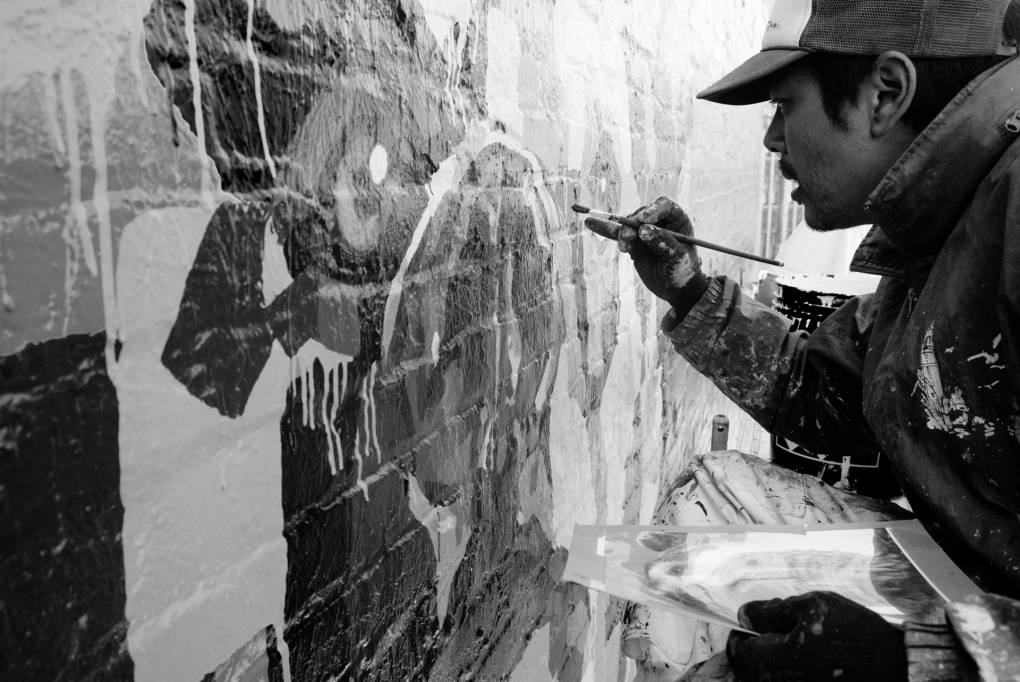
"caption": "Chad Hasegawa painting 'Kachusha the American,' 2020 above Blessings Ministries. ",
"description": "Chad Hasegawa painting 'Kachusha the American,' 2020 above Blessings Ministries.",
"title": "HasegawaCover",
"credit": "Barrett Moore",
"status": "inherit",
"isLoading": false,
"fetchFailed": false
},
"arts_13866950": {
"type": "attachments",
"id": "arts_13866950",
"meta": {
"index": "attachments_1716263798",
"site": "arts",
"id": "13866950",
"found": true
},
"parent": 13866807,
"imgSizes": {
"twentyfourteen-full-width": {
"file": "https://ww2.kqed.org/app/uploads/sites/2/2019/09/MarissaLeitman.MAIN_-1038x576.jpg",
"width": 1038,
"mimeType": "image/jpeg",
"height": 576
},
"thumbnail": {
"file": "https://ww2.kqed.org/app/uploads/sites/2/2019/09/MarissaLeitman.MAIN_-160x90.jpg",
"width": 160,
"mimeType": "image/jpeg",
"height": 90
},
"post-thumbnail": {
"file": "https://ww2.kqed.org/app/uploads/sites/2/2019/09/MarissaLeitman.MAIN_-672x372.jpg",
"width": 672,
"mimeType": "image/jpeg",
"height": 372
},
"kqedFullSize": {
"file": "https://ww2.kqed.org/app/uploads/sites/2/2019/09/MarissaLeitman.MAIN_.jpg",
"width": 1920,
"height": 1080
},
"large": {
"file": "https://ww2.kqed.org/app/uploads/sites/2/2019/09/MarissaLeitman.MAIN_-1020x574.jpg",
"width": 1020,
"mimeType": "image/jpeg",
"height": 574
},
"complete_open_graph": {
"file": "https://ww2.kqed.org/app/uploads/sites/2/2019/09/MarissaLeitman.MAIN_-1200x675.jpg",
"width": 1200,
"mimeType": "image/jpeg",
"height": 675
},
"full-width": {
"file": "https://ww2.kqed.org/app/uploads/sites/2/2019/09/MarissaLeitman.MAIN_-1920x1080.jpg",
"width": 1920,
"mimeType": "image/jpeg",
"height": 1080
},
"medium": {
"file": "https://ww2.kqed.org/app/uploads/sites/2/2019/09/MarissaLeitman.MAIN_-800x450.jpg",
"width": 800,
"mimeType": "image/jpeg",
"height": 450
},
"medium_large": {
"file": "https://ww2.kqed.org/app/uploads/sites/2/2019/09/MarissaLeitman.MAIN_-768x432.jpg",
"width": 768,
"mimeType": "image/jpeg",
"height": 432
}
},
"publishDate": 1569267929,
"modified": 1569268111,
"caption": "Gabby Camboa and Lauren Geiger at the final High Fantasy, the Tuesday night event at Aunt Charlie's in the the Tenderloin.",
"description": "Gabby Camboa and Lauren Geiger at the final High Fantasy, the Tuesday night event at Aunt Charlie's in the the Tenderloin.",
"title": "MarissaLeitman.MAIN",
"credit": "Marissa Leitman",
"status": "inherit",
"isLoading": false,
"fetchFailed": false
},
"arts_13859206": {
"type": "attachments",
"id": "arts_13859206",
"meta": {
"index": "attachments_1716263798",
"site": "arts",
"id": "13859206",
"found": true
},
"parent": 13859190,
"imgSizes": {
"twentyfourteen-full-width": {
"file": "https://ww2.kqed.org/app/uploads/sites/2/2019/06/IMG_4549-1038x576.jpeg",
"width": 1038,
"mimeType": "image/jpeg",
"height": 576
},
"thumbnail": {
"file": "https://ww2.kqed.org/app/uploads/sites/2/2019/06/IMG_4549-160x120.jpeg",
"width": 160,
"mimeType": "image/jpeg",
"height": 120
},
"post-thumbnail": {
"file": "https://ww2.kqed.org/app/uploads/sites/2/2019/06/IMG_4549-672x372.jpeg",
"width": 672,
"mimeType": "image/jpeg",
"height": 372
},
"kqedFullSize": {
"file": "https://ww2.kqed.org/app/uploads/sites/2/2019/06/IMG_4549.jpeg",
"width": 2048,
"height": 1536
},
"large": {
"file": "https://ww2.kqed.org/app/uploads/sites/2/2019/06/IMG_4549-1020x765.jpeg",
"width": 1020,
"mimeType": "image/jpeg",
"height": 765
},
"complete_open_graph": {
"file": "https://ww2.kqed.org/app/uploads/sites/2/2019/06/IMG_4549-1200x900.jpeg",
"width": 1200,
"mimeType": "image/jpeg",
"height": 900
},
"full-width": {
"file": "https://ww2.kqed.org/app/uploads/sites/2/2019/06/IMG_4549-1920x1440.jpeg",
"width": 1920,
"mimeType": "image/jpeg",
"height": 1440
},
"medium": {
"file": "https://ww2.kqed.org/app/uploads/sites/2/2019/06/IMG_4549-800x600.jpeg",
"width": 800,
"mimeType": "image/jpeg",
"height": 600
},
"medium_large": {
"file": "https://ww2.kqed.org/app/uploads/sites/2/2019/06/IMG_4549-768x576.jpeg",
"width": 768,
"mimeType": "image/jpeg",
"height": 576
}
},
"publishDate": 1559921103,
"modified": 1559921331,
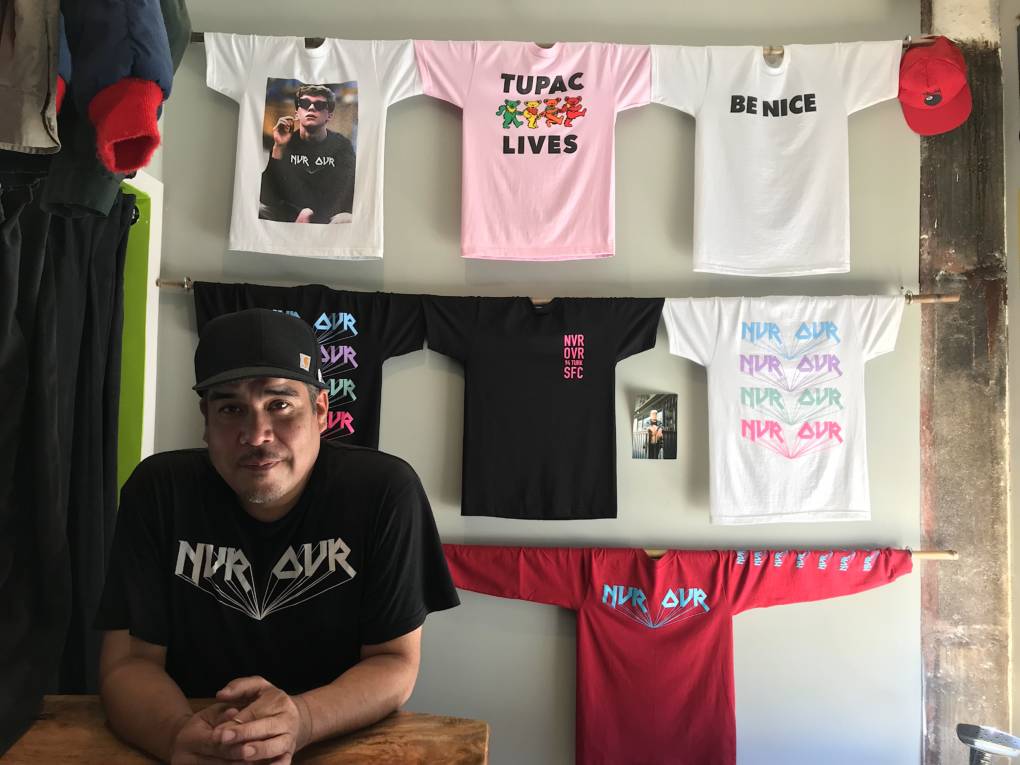
"caption": "Marty Aranaydo, DJ Willie Maze, at his store in SF. ",
"description": "Marty Aranaydo, DJ Willie Maze, at his store in SF. ",
"title": "Marty Aranaydo, DJ Willie Maze, at his store in SF.",
"credit": "Pendarvis Harshaw",
"status": "inherit",
"isLoading": false,
"fetchFailed": false
},
"arts_13842871": {
"type": "attachments",
"id": "arts_13842871",
"meta": {
"index": "attachments_1716263798",
"site": "arts",
"id": "13842871",
"found": true
},
"parent": 13842866,
"imgSizes": {
"small": {
"file": "https://ww2.kqed.org/app/uploads/sites/2/2018/10/At-Least-You-KNow_02_COVER-520x292.jpg",
"width": 520,
"mimeType": "image/jpeg",
"height": 292
},
"thumbnail": {
"file": "https://ww2.kqed.org/app/uploads/sites/2/2018/10/At-Least-You-KNow_02_COVER-160x90.jpg",
"width": 160,
"mimeType": "image/jpeg",
"height": 90
},
"post-thumbnail": {
"file": "https://ww2.kqed.org/app/uploads/sites/2/2018/10/At-Least-You-KNow_02_COVER-672x372.jpg",
"width": 672,
"mimeType": "image/jpeg",
"height": 372
},
"xsmall": {
"file": "https://ww2.kqed.org/app/uploads/sites/2/2018/10/At-Least-You-KNow_02_COVER-375x211.jpg",
"width": 375,
"mimeType": "image/jpeg",
"height": 211
},
"kqedFullSize": {
"file": "https://ww2.kqed.org/app/uploads/sites/2/2018/10/At-Least-You-KNow_02_COVER.jpg",
"width": 850,
"height": 478
},
"guest-author-50": {
"file": "https://ww2.kqed.org/app/uploads/sites/2/2018/10/At-Least-You-KNow_02_COVER-50x50.jpg",
"width": 50,
"mimeType": "image/jpeg",
"height": 50
},
"guest-author-96": {
"file": "https://ww2.kqed.org/app/uploads/sites/2/2018/10/At-Least-You-KNow_02_COVER-96x96.jpg",
"width": 96,
"mimeType": "image/jpeg",
"height": 96
},
"medium": {
"file": "https://ww2.kqed.org/app/uploads/sites/2/2018/10/At-Least-You-KNow_02_COVER-800x450.jpg",
"width": 800,
"mimeType": "image/jpeg",
"height": 450
},
"guest-author-64": {
"file": "https://ww2.kqed.org/app/uploads/sites/2/2018/10/At-Least-You-KNow_02_COVER-64x64.jpg",
"width": 64,
"mimeType": "image/jpeg",
"height": 64
},
"guest-author-32": {
"file": "https://ww2.kqed.org/app/uploads/sites/2/2018/10/At-Least-You-KNow_02_COVER-32x32.jpg",
"width": 32,
"mimeType": "image/jpeg",
"height": 32
},
"detail": {
"file": "https://ww2.kqed.org/app/uploads/sites/2/2018/10/At-Least-You-KNow_02_COVER-150x150.jpg",
"width": 150,
"mimeType": "image/jpeg",
"height": 150
},
"medium_large": {
"file": "https://ww2.kqed.org/app/uploads/sites/2/2018/10/At-Least-You-KNow_02_COVER-768x432.jpg",
"width": 768,
"mimeType": "image/jpeg",
"height": 432
},
"guest-author-128": {
"file": "https://ww2.kqed.org/app/uploads/sites/2/2018/10/At-Least-You-KNow_02_COVER-128x128.jpg",
"width": 128,
"mimeType": "image/jpeg",
"height": 128
},
"xxsmall": {
"file": "https://ww2.kqed.org/app/uploads/sites/2/2018/10/At-Least-You-KNow_02_COVER-240x135.jpg",
"width": 240,
"mimeType": "image/jpeg",
"height": 135
}
},
"publishDate": 1539629310,
"modified": 1539629385,
"caption": "Zackary Drucker, Still from 'At Least You Know You Exist,' 2011.",
"description": "Zackary Drucker, Still from 'At Least You Know You Exist,' 2011.",
"title": "At Least You KNow_02_COVER",
"credit": "Courtesy of SF Cinematheque",
"status": "inherit",
"isLoading": false,
"fetchFailed": false
},
"arts_13834566": {
"type": "attachments",
"id": "arts_13834566",
"meta": {
"index": "attachments_1716263798",
"site": "arts",
"id": "13834566",
"found": true
},
"parent": 13833709,
"imgSizes": {
"small": {
"file": "https://ww2.kqed.org/app/uploads/sites/2/2018/06/000025910019-520x345.jpg",
"width": 520,
"mimeType": "image/jpeg",
"height": 345
},
"twentyfourteen-full-width": {
"file": "https://ww2.kqed.org/app/uploads/sites/2/2018/06/000025910019-1038x576.jpg",
"width": 1038,
"mimeType": "image/jpeg",
"height": 576
},
"thumbnail": {
"file": "https://ww2.kqed.org/app/uploads/sites/2/2018/06/000025910019-160x106.jpg",
"width": 160,
"mimeType": "image/jpeg",
"height": 106
},
"fd-sm": {
"file": "https://ww2.kqed.org/app/uploads/sites/2/2018/06/000025910019-960x636.jpg",
"width": 960,
"mimeType": "image/jpeg",
"height": 636
},
"post-thumbnail": {
"file": "https://ww2.kqed.org/app/uploads/sites/2/2018/06/000025910019-672x372.jpg",
"width": 672,
"mimeType": "image/jpeg",
"height": 372
},
"xsmall": {
"file": "https://ww2.kqed.org/app/uploads/sites/2/2018/06/000025910019-375x249.jpg",
"width": 375,
"mimeType": "image/jpeg",
"height": 249
},
"kqedFullSize": {
"file": "https://ww2.kqed.org/app/uploads/sites/2/2018/06/000025910019.jpg",
"width": 1545,
"height": 1024
},
"large": {
"file": "https://ww2.kqed.org/app/uploads/sites/2/2018/06/000025910019-1020x676.jpg",
"width": 1020,
"mimeType": "image/jpeg",
"height": 676
},
"xlarge": {
"file": "https://ww2.kqed.org/app/uploads/sites/2/2018/06/000025910019-1180x782.jpg",
"width": 1180,
"mimeType": "image/jpeg",
"height": 782
},
"complete_open_graph": {
"file": "https://ww2.kqed.org/app/uploads/sites/2/2018/06/000025910019-1200x795.jpg",
"width": 1200,
"mimeType": "image/jpeg",
"height": 795
},
"guest-author-50": {
"file": "https://ww2.kqed.org/app/uploads/sites/2/2018/06/000025910019-50x50.jpg",
"width": 50,
"mimeType": "image/jpeg",
"height": 50
},
"guest-author-96": {
"file": "https://ww2.kqed.org/app/uploads/sites/2/2018/06/000025910019-96x96.jpg",
"width": 96,
"mimeType": "image/jpeg",
"height": 96
},
"medium": {
"file": "https://ww2.kqed.org/app/uploads/sites/2/2018/06/000025910019-800x530.jpg",
"width": 800,
"mimeType": "image/jpeg",
"height": 530
},
"guest-author-64": {
"file": "https://ww2.kqed.org/app/uploads/sites/2/2018/06/000025910019-64x64.jpg",
"width": 64,
"mimeType": "image/jpeg",
"height": 64
},
"guest-author-32": {
"file": "https://ww2.kqed.org/app/uploads/sites/2/2018/06/000025910019-32x32.jpg",
"width": 32,
"mimeType": "image/jpeg",
"height": 32
},
"fd-med": {
"file": "https://ww2.kqed.org/app/uploads/sites/2/2018/06/000025910019-1180x782.jpg",
"width": 1180,
"mimeType": "image/jpeg",
"height": 782
},
"detail": {
"file": "https://ww2.kqed.org/app/uploads/sites/2/2018/06/000025910019-150x150.jpg",
"width": 150,
"mimeType": "image/jpeg",
"height": 150
},
"medium_large": {
"file": "https://ww2.kqed.org/app/uploads/sites/2/2018/06/000025910019-768x509.jpg",
"width": 768,
"mimeType": "image/jpeg",
"height": 509
},
"guest-author-128": {
"file": "https://ww2.kqed.org/app/uploads/sites/2/2018/06/000025910019-128x128.jpg",
"width": 128,
"mimeType": "image/jpeg",
"height": 128
},
"xxsmall": {
"file": "https://ww2.kqed.org/app/uploads/sites/2/2018/06/000025910019-240x159.jpg",
"width": 240,
"mimeType": "image/jpeg",
"height": 159
}
},
"publishDate": 1528338795,
"modified": 1540323510,
"caption": "Jeff Marshall, Tenderloin resident and kite maker, flies one of his creations at Civic Center Plaza. ",
"description": "Jeff Marshall, Tenderloin resident and kite maker, flies one of his creations at Civic Center Plaza. ",
"title": "000025910019",
"credit": "Samantha Shanahan/KQED",
"status": "inherit",
"isLoading": false,
"fetchFailed": false
},
"arts_13823209": {
"type": "attachments",
"id": "arts_13823209",
"meta": {
"index": "attachments_1716263798",
"site": "arts",
"id": "13823209",
"found": true
},
"parent": 13823151,
"imgSizes": {
"small": {
"file": "https://ww2.kqed.org/app/uploads/sites/2/2018/01/Tiffany.Emily_.MAIN_-520x293.jpg",
"width": 520,
"mimeType": "image/jpeg",
"height": 293
},
"twentyfourteen-full-width": {
"file": "https://ww2.kqed.org/app/uploads/sites/2/2018/01/Tiffany.Emily_.MAIN_-1038x576.jpg",
"width": 1038,
"mimeType": "image/jpeg",
"height": 576
},
"thumbnail": {
"file": "https://ww2.kqed.org/app/uploads/sites/2/2018/01/Tiffany.Emily_.MAIN_-160x90.jpg",
"width": 160,
"mimeType": "image/jpeg",
"height": 90
},
"fd-sm": {
"file": "https://ww2.kqed.org/app/uploads/sites/2/2018/01/Tiffany.Emily_.MAIN_-960x540.jpg",
"width": 960,
"mimeType": "image/jpeg",
"height": 540
},
"post-thumbnail": {
"file": "https://ww2.kqed.org/app/uploads/sites/2/2018/01/Tiffany.Emily_.MAIN_-672x372.jpg",
"width": 672,
"mimeType": "image/jpeg",
"height": 372
},
"xsmall": {
"file": "https://ww2.kqed.org/app/uploads/sites/2/2018/01/Tiffany.Emily_.MAIN_-375x211.jpg",
"width": 375,
"mimeType": "image/jpeg",
"height": 211
},
"kqedFullSize": {
"file": "https://ww2.kqed.org/app/uploads/sites/2/2018/01/Tiffany.Emily_.MAIN_.jpg",
"width": 1920,
"height": 1080
},
"large": {
"file": "https://ww2.kqed.org/app/uploads/sites/2/2018/01/Tiffany.Emily_.MAIN_-1020x574.jpg",
"width": 1020,
"mimeType": "image/jpeg",
"height": 574
},
"xlarge": {
"file": "https://ww2.kqed.org/app/uploads/sites/2/2018/01/Tiffany.Emily_.MAIN_-1180x664.jpg",
"width": 1180,
"mimeType": "image/jpeg",
"height": 664
},
"guest-author-50": {
"file": "https://ww2.kqed.org/app/uploads/sites/2/2018/01/Tiffany.Emily_.MAIN_-50x50.jpg",
"width": 50,
"mimeType": "image/jpeg",
"height": 50
},
"guest-author-96": {
"file": "https://ww2.kqed.org/app/uploads/sites/2/2018/01/Tiffany.Emily_.MAIN_-96x96.jpg",
"width": 96,
"mimeType": "image/jpeg",
"height": 96
},
"medium": {
"file": "https://ww2.kqed.org/app/uploads/sites/2/2018/01/Tiffany.Emily_.MAIN_-800x450.jpg",
"width": 800,
"mimeType": "image/jpeg",
"height": 450
},
"guest-author-64": {
"file": "https://ww2.kqed.org/app/uploads/sites/2/2018/01/Tiffany.Emily_.MAIN_-64x64.jpg",
"width": 64,
"mimeType": "image/jpeg",
"height": 64
},
"guest-author-32": {
"file": "https://ww2.kqed.org/app/uploads/sites/2/2018/01/Tiffany.Emily_.MAIN_-32x32.jpg",
"width": 32,
"mimeType": "image/jpeg",
"height": 32
},
"fd-lrg": {
"file": "https://ww2.kqed.org/app/uploads/sites/2/2018/01/Tiffany.Emily_.MAIN_-1920x1080.jpg",
"width": 1920,
"mimeType": "image/jpeg",
"height": 1080
},
"fd-med": {
"file": "https://ww2.kqed.org/app/uploads/sites/2/2018/01/Tiffany.Emily_.MAIN_-1180x664.jpg",
"width": 1180,
"mimeType": "image/jpeg",
"height": 664
},
"full-width": {
"file": "https://ww2.kqed.org/app/uploads/sites/2/2018/01/Tiffany.Emily_.MAIN_-1920x1080.jpg",
"width": 1920,
"mimeType": "image/jpeg",
"height": 1080
},
"detail": {
"file": "https://ww2.kqed.org/app/uploads/sites/2/2018/01/Tiffany.Emily_.MAIN_-150x150.jpg",
"width": 150,
"mimeType": "image/jpeg",
"height": 150
},
"medium_large": {
"file": "https://ww2.kqed.org/app/uploads/sites/2/2018/01/Tiffany.Emily_.MAIN_-768x432.jpg",
"width": 768,
"mimeType": "image/jpeg",
"height": 432
},
"guest-author-128": {
"file": "https://ww2.kqed.org/app/uploads/sites/2/2018/01/Tiffany.Emily_.MAIN_-128x128.jpg",
"width": 128,
"mimeType": "image/jpeg",
"height": 128
},
"xxsmall": {
"file": "https://ww2.kqed.org/app/uploads/sites/2/2018/01/Tiffany.Emily_.MAIN_-240x135.jpg",
"width": 240,
"mimeType": "image/jpeg",
"height": 135
}
},
"publishDate": 1517364366,
"modified": 1517364450,
"caption": "Tiffany McClendon, right, with daughter Emily in the documentary 'Tender Souls.'",
"description": "Tiffany McClendon, right, with daughter Emily in the documentary 'Tender Souls.'",
"title": "Tiffany.Emily.MAIN",
"credit": "Brenton Gieser",
"status": "inherit",
"isLoading": false,
"fetchFailed": false
},
"arts_13816066": {
"type": "attachments",
"id": "arts_13816066",
"meta": {
"index": "attachments_1716263798",
"site": "arts",
"id": "13816066",
"found": true
},
"parent": 13816061,
"imgSizes": {
"small": {
"file": "https://ww2.kqed.org/app/uploads/sites/2/2017/11/Joe-Landini.-Photo-by-Robbie-Sweeny-e1511994384807-520x291.jpg",
"width": 520,
"mimeType": "image/jpeg",
"height": 291
},
"twentyfourteen-full-width": {
"file": "https://ww2.kqed.org/app/uploads/sites/2/2017/11/Joe-Landini.-Photo-by-Robbie-Sweeny-e1511994384807-1038x576.jpg",
"width": 1038,
"mimeType": "image/jpeg",
"height": 576
},
"thumbnail": {
"file": "https://ww2.kqed.org/app/uploads/sites/2/2017/11/Joe-Landini.-Photo-by-Robbie-Sweeny-e1511994384807-160x90.jpg",
"width": 160,
"mimeType": "image/jpeg",
"height": 90
},
"fd-sm": {
"file": "https://ww2.kqed.org/app/uploads/sites/2/2017/11/Joe-Landini.-Photo-by-Robbie-Sweeny-e1511994384807-960x538.jpg",
"width": 960,
"mimeType": "image/jpeg",
"height": 538
},
"post-thumbnail": {
"file": "https://ww2.kqed.org/app/uploads/sites/2/2017/11/Joe-Landini.-Photo-by-Robbie-Sweeny-e1511994384807-672x372.jpg",
"width": 672,
"mimeType": "image/jpeg",
"height": 372
},
"xsmall": {
"file": "https://ww2.kqed.org/app/uploads/sites/2/2017/11/Joe-Landini.-Photo-by-Robbie-Sweeny-e1511994384807-375x210.jpg",
"width": 375,
"mimeType": "image/jpeg",
"height": 210
},
"kqedFullSize": {
"file": "https://ww2.kqed.org/app/uploads/sites/2/2017/11/Joe-Landini.-Photo-by-Robbie-Sweeny-e1511994384807.jpg",
"width": 4459,
"height": 2497
},
"large": {
"file": "https://ww2.kqed.org/app/uploads/sites/2/2017/11/Joe-Landini.-Photo-by-Robbie-Sweeny-e1511994384807-1020x571.jpg",
"width": 1020,
"mimeType": "image/jpeg",
"height": 571
},
"xlarge": {
"file": "https://ww2.kqed.org/app/uploads/sites/2/2017/11/Joe-Landini.-Photo-by-Robbie-Sweeny-e1511994384807-1180x661.jpg",
"width": 1180,
"mimeType": "image/jpeg",
"height": 661
},
"guest-author-50": {
"file": "https://ww2.kqed.org/app/uploads/sites/2/2017/11/Joe-Landini.-Photo-by-Robbie-Sweeny-e1511994384807-50x50.jpg",
"width": 50,
"mimeType": "image/jpeg",
"height": 50
},
"guest-author-96": {
"file": "https://ww2.kqed.org/app/uploads/sites/2/2017/11/Joe-Landini.-Photo-by-Robbie-Sweeny-e1511994384807-96x96.jpg",
"width": 96,
"mimeType": "image/jpeg",
"height": 96
},
"medium": {
"file": "https://ww2.kqed.org/app/uploads/sites/2/2017/11/Joe-Landini.-Photo-by-Robbie-Sweeny-e1511994384807-800x448.jpg",
"width": 800,
"mimeType": "image/jpeg",
"height": 448
},
"guest-author-64": {
"file": "https://ww2.kqed.org/app/uploads/sites/2/2017/11/Joe-Landini.-Photo-by-Robbie-Sweeny-e1511994384807-64x64.jpg",
"width": 64,
"mimeType": "image/jpeg",
"height": 64
},
"guest-author-32": {
"file": "https://ww2.kqed.org/app/uploads/sites/2/2017/11/Joe-Landini.-Photo-by-Robbie-Sweeny-e1511994384807-32x32.jpg",
"width": 32,
"mimeType": "image/jpeg",
"height": 32
},
"fd-lrg": {
"file": "https://ww2.kqed.org/app/uploads/sites/2/2017/11/Joe-Landini.-Photo-by-Robbie-Sweeny-e1511994384807-1920x1075.jpg",
"width": 1920,
"mimeType": "image/jpeg",
"height": 1075
},
"fd-med": {
"file": "https://ww2.kqed.org/app/uploads/sites/2/2017/11/Joe-Landini.-Photo-by-Robbie-Sweeny-e1511994384807-1180x661.jpg",
"width": 1180,
"mimeType": "image/jpeg",
"height": 661
},
"full-width": {
"file": "https://ww2.kqed.org/app/uploads/sites/2/2017/11/Joe-Landini.-Photo-by-Robbie-Sweeny-e1511994384807-1920x1075.jpg",
"width": 1920,
"mimeType": "image/jpeg",
"height": 1075
},
"detail": {
"file": "https://ww2.kqed.org/app/uploads/sites/2/2017/11/Joe-Landini.-Photo-by-Robbie-Sweeny-e1511994384807-150x150.jpg",
"width": 150,
"mimeType": "image/jpeg",
"height": 150
},
"medium_large": {
"file": "https://ww2.kqed.org/app/uploads/sites/2/2017/11/Joe-Landini.-Photo-by-Robbie-Sweeny-e1511994384807-768x430.jpg",
"width": 768,
"mimeType": "image/jpeg",
"height": 430
},
"guest-author-128": {
"file": "https://ww2.kqed.org/app/uploads/sites/2/2017/11/Joe-Landini.-Photo-by-Robbie-Sweeny-e1511994384807-128x128.jpg",
"width": 128,
"mimeType": "image/jpeg",
"height": 128
},
"xxsmall": {
"file": "https://ww2.kqed.org/app/uploads/sites/2/2017/11/Joe-Landini.-Photo-by-Robbie-Sweeny-e1511994384807-240x134.jpg",
"width": 240,
"mimeType": "image/jpeg",
"height": 134
}
},
"publishDate": 1511994194,
"modified": 1512010432,
"caption": "Joe Landini celebrates 25 years of dance making and a new home for his dance studio Safehouse.",
"description": "Joe Landini celebrates 25 years of dance making and a new home for his dance studio Safehouse",
"title": "Joe Landini celebrates 25 years of dance making and a new home for his dance studio Safehouse",
"credit": "Photo: Robbie Sweeny/Safehouse",
"status": "inherit",
"isLoading": false,
"fetchFailed": false
}
},
"audioPlayerReducer": {
"postId": "stream_live",
"isPaused": true,
"isPlaying": false,
"pfsActive": false,
"pledgeModalIsOpen": true,
"playerDrawerIsOpen": false,
"liveAudioPlayStartedAt": 0,
"liveAudioPlayContext": ""
},
"authorsReducer": {
"mfox": {
"type": "authors",
"id": "22",
"meta": {
"index": "authors_1716337520",
"id": "22",
"found": true
},
"name": "Michael Fox",
"firstName": "Michael",
"lastName": "Fox",
"slug": "mfox",
"email": "foxonfilm@yahoo.com",
"display_author_email": false,
"staff_mastheads": [],
"title": "KQED Contributor",
"bio": "Michael Fox has written about film for dozens of publications since 1987. He is a founding member of the San Francisco Bay Area Film Critics Circle.",
"avatar": "https://secure.gravatar.com/avatar/d9849d6c659c41414795c471d907bb97b396e2a32b88e20e6ff66f65fbdd6dcd?s=600&d=blank&r=g",
"twitter": null,
"bluesky": null,
"facebook": null,
"instagram": null,
"linkedin": null,
"sites": [
{
"site": "arts",
"roles": [
"Contributor",
"contributor"
]
}
],
"headData": {
"title": "Michael Fox | KQED",
"description": "KQED Contributor",
"ogImgSrc": "https://secure.gravatar.com/avatar/d9849d6c659c41414795c471d907bb97b396e2a32b88e20e6ff66f65fbdd6dcd?s=600&d=blank&r=g",
"twImgSrc": "https://secure.gravatar.com/avatar/d9849d6c659c41414795c471d907bb97b396e2a32b88e20e6ff66f65fbdd6dcd?s=600&d=blank&r=g"
},
"isLoading": false,
"link": "/author/mfox"
},
"cmusiker": {
"type": "authors",
"id": "32",
"meta": {
"index": "authors_1716337520",
"id": "32",
"found": true
},
"name": "Cy Musiker",
"firstName": "Cy",
"lastName": "Musiker",
"slug": "cmusiker",
"email": "cmusiker@kqed.org",
"display_author_email": false,
"staff_mastheads": [],
"title": "KQED Contributor",
"bio": "Cy Musiker is a former co-host of The Do List and a former reporter covering the arts for KQED News and The California Report. He loves live performance, especially great theater, jazz, roots music, anything by Mahler. Cy has an MJ from UC Berkeley's School of Journalism, and got his BA from Hampshire College. His work has been recognized by the Society for Professional Journalists with their Sigma Delta Chi Award for Public Service in Journalism. When he can, Cy likes to swim in Tomales Bay, run with his dog in the East Bay Hills, and hike the Sierra.",
"avatar": "https://secure.gravatar.com/avatar/05eaba5c5696ce8f062e4ea2df428a43?s=600&d=blank&r=g",
"twitter": null,
"facebook": null,
"instagram": null,
"linkedin": null,
"sites": [
{
"site": "arts",
"roles": [
"Contributor",
"subscriber"
]
},
{
"site": "news",
"roles": [
"author"
]
},
{
"site": "bayareabites",
"roles": [
"contributor"
]
}
],
"headData": {
"title": "Cy Musiker | KQED",
"description": "KQED Contributor",
"ogImgSrc": "https://secure.gravatar.com/avatar/05eaba5c5696ce8f062e4ea2df428a43?s=600&d=blank&r=g",
"twImgSrc": "https://secure.gravatar.com/avatar/05eaba5c5696ce8f062e4ea2df428a43?s=600&d=blank&r=g"
},
"isLoading": false,
"link": "/author/cmusiker"
},
"slefebvre": {
"type": "authors",
"id": "11091",
"meta": {
"index": "authors_1716337520",
"id": "11091",
"found": true
},
"name": "Sam Lefebvre",
"firstName": "Sam",
"lastName": "Lefebvre",
"slug": "slefebvre",
"email": "sdlefebvre@gmail.com",
"display_author_email": false,
"staff_mastheads": [],
"title": "KQED Contributor",
"bio": "Sam Lefebvre is an award-winning reporter at KQED Arts. He has worked as an editor and columnist at the \u003cem>East Bay Express\u003c/em>, \u003cem>SF Weekly \u003c/em>and Impose Magazine, and his journalism and criticism has appeared in \u003cem>The New York Times\u003c/em>, the Guardian and Pitchfork.",
"avatar": "https://secure.gravatar.com/avatar/49d39b42930b77fb13784ddd9fa63fe780666b71bf289368509dba576b64e69b?s=600&d=blank&r=g",
"twitter": "Lefebvre_Sam",
"bluesky": null,
"facebook": null,
"instagram": null,
"linkedin": null,
"sites": [
{
"site": "arts",
"roles": [
"subscriber"
]
},
{
"site": "news",
"roles": [
"author"
]
}
],
"headData": {
"title": "Sam Lefebvre | KQED",
"description": "KQED Contributor",
"ogImgSrc": "https://secure.gravatar.com/avatar/49d39b42930b77fb13784ddd9fa63fe780666b71bf289368509dba576b64e69b?s=600&d=blank&r=g",
"twImgSrc": "https://secure.gravatar.com/avatar/49d39b42930b77fb13784ddd9fa63fe780666b71bf289368509dba576b64e69b?s=600&d=blank&r=g"
},
"isLoading": false,
"link": "/author/slefebvre"
},
"sshanahan": {
"type": "authors",
"id": "11409",
"meta": {
"index": "authors_1716337520",
"id": "11409",
"found": true
},
"name": "Samantha Shanahan",
"firstName": "Samantha",
"lastName": "Shanahan",
"slug": "sshanahan",
"email": "sshanahan@kqed.org",
"display_author_email": false,
"staff_mastheads": [],
"title": "KQED Contributor",
"bio": null,
"avatar": "https://secure.gravatar.com/avatar/fa52d5af105ea4981f8e7d8f922740a1?s=600&d=blank&r=g",
"twitter": null,
"facebook": null,
"instagram": null,
"linkedin": null,
"sites": [
{
"site": "arts",
"roles": [
"author"
]
},
{
"site": "news",
"roles": [
"create_posts",
"read_private_posts",
"author"
]
}
],
"headData": {
"title": "Samantha Shanahan | KQED",
"description": "KQED Contributor",
"ogImgSrc": "https://secure.gravatar.com/avatar/fa52d5af105ea4981f8e7d8f922740a1?s=600&d=blank&r=g",
"twImgSrc": "https://secure.gravatar.com/avatar/fa52d5af105ea4981f8e7d8f922740a1?s=600&d=blank&r=g"
},
"isLoading": false,
"link": "/author/sshanahan"
},
"ogpenn": {
"type": "authors",
"id": "11491",
"meta": {
"index": "authors_1716337520",
"id": "11491",
"found": true
},
"name": "Pendarvis Harshaw",
"firstName": "Pendarvis",
"lastName": "Harshaw",
"slug": "ogpenn",
"email": "ogpenn@gmail.com",
"display_author_email": false,
"staff_mastheads": [
"arts"
],
"title": "Community Engagement Reporter",
"bio": "Pendarvis Harshaw is an educator, host and writer with KQED Arts.",
"avatar": "https://secure.gravatar.com/avatar/972b77ee8e3f346ae2b00622661187fbfabd059b5693bbdc1475ea7a722fd4cd?s=600&d=blank&r=g",
"twitter": null,
"bluesky": null,
"facebook": null,
"instagram": "ogpenn",
"linkedin": null,
"sites": [
{
"site": "arts",
"roles": [
"administrator"
]
},
{
"site": "news",
"roles": [
"editor"
]
},
{
"site": "bayareabites",
"roles": [
"author"
]
},
{
"site": "hiphop",
"roles": [
"editor"
]
}
],
"headData": {
"title": "Pendarvis Harshaw | KQED",
"description": "Community Engagement Reporter",
"ogImgSrc": "https://secure.gravatar.com/avatar/972b77ee8e3f346ae2b00622661187fbfabd059b5693bbdc1475ea7a722fd4cd?s=600&d=blank&r=g",
"twImgSrc": "https://secure.gravatar.com/avatar/972b77ee8e3f346ae2b00622661187fbfabd059b5693bbdc1475ea7a722fd4cd?s=600&d=blank&r=g"
},
"isLoading": false,
"link": "/author/ogpenn"
},
"ngluckstern": {
"type": "authors",
"id": "11497",
"meta": {
"index": "authors_1716337520",
"id": "11497",
"found": true
},
"name": "Nicole Gluckstern",
"firstName": "Nicole",
"lastName": "Gluckstern",
"slug": "ngluckstern",
"email": "gluckstern.nicole@gmail.com",
"display_author_email": false,
"staff_mastheads": [],
"title": "KQED Contributor",
"bio": null,
"avatar": "https://secure.gravatar.com/avatar/2c3d593194017bfe811a998ad03140909de330b22abebf4889e1a564ce5b3495?s=600&d=blank&r=g",
"twitter": null,
"bluesky": null,
"facebook": null,
"instagram": null,
"linkedin": null,
"sites": [
{
"site": "arts",
"roles": [
"contributor"
]
}
],
"headData": {
"title": "Nicole Gluckstern | KQED",
"description": "KQED Contributor",
"ogImgSrc": "https://secure.gravatar.com/avatar/2c3d593194017bfe811a998ad03140909de330b22abebf4889e1a564ce5b3495?s=600&d=blank&r=g",
"twImgSrc": "https://secure.gravatar.com/avatar/2c3d593194017bfe811a998ad03140909de330b22abebf4889e1a564ce5b3495?s=600&d=blank&r=g"
},
"isLoading": false,
"link": "/author/ngluckstern"
},
"twalsh": {
"type": "authors",
"id": "11696",
"meta": {
"index": "authors_1716337520",
"id": "11696",
"found": true
},
"name": "Theadora Walsh",
"firstName": "Theadora",
"lastName": "Walsh",
"slug": "twalsh",
"email": "theadora.walsh@gmail.com",
"display_author_email": false,
"staff_mastheads": [],
"title": "KQED Contributor",
"bio": "Theadora Walsh is a writer and digital artist. She has contributed criticism to Art Papers, SFMOMA's Open Space, BOMB, Hyperallergic, and elsewhere.",
"avatar": "https://secure.gravatar.com/avatar/f933ebf68ddf31c7a828c5671bd7af03?s=600&d=blank&r=g",
"twitter": "theadora_tm",
"facebook": null,
"instagram": null,
"linkedin": null,
"sites": [
{
"site": "arts",
"roles": [
"contributor"
]
}
],
"headData": {
"title": "Theadora Walsh | KQED",
"description": "KQED Contributor",
"ogImgSrc": "https://secure.gravatar.com/avatar/f933ebf68ddf31c7a828c5671bd7af03?s=600&d=blank&r=g",
"twImgSrc": "https://secure.gravatar.com/avatar/f933ebf68ddf31c7a828c5671bd7af03?s=600&d=blank&r=g"
},
"isLoading": false,
"link": "/author/twalsh"
},
"sgetachew": {
"type": "authors",
"id": "11734",
"meta": {
"index": "authors_1716337520",
"id": "11734",
"found": true
},
"name": "Samuel Getachew",
"firstName": "Samuel",
"lastName": "Getachew",
"slug": "sgetachew",
"email": "sgetachew@kqed.org",
"display_author_email": false,
"staff_mastheads": [],
"title": "KQED Contributor",
"bio": "\u003cspan style=\"font-weight: 400;\">Samuel Getachew is an 18-year-old poet and writer from Oakland, California. He is the 2019 Oakland Youth Poet Laureate, a 2020 Finalist for National Youth Poet Laureate, and a 4-time YoungArts Winner. His writing has been published in Teen Vogue, the New York Times, the Washington Post, and more. He will attend Yale University in the fall of 2021.\u003c/span>",
"avatar": "https://secure.gravatar.com/avatar/ebad3dcf2295975cfe77698fa670a089?s=600&d=blank&r=g",
"twitter": null,
"facebook": null,
"instagram": null,
"linkedin": null,
"sites": [
{
"site": "arts",
"roles": [
"subscriber"
]
}
],
"headData": {
"title": "Samuel Getachew | KQED",
"description": "KQED Contributor",
"ogImgSrc": "https://secure.gravatar.com/avatar/ebad3dcf2295975cfe77698fa670a089?s=600&d=blank&r=g",
"twImgSrc": "https://secure.gravatar.com/avatar/ebad3dcf2295975cfe77698fa670a089?s=600&d=blank&r=g"
},
"isLoading": false,
"link": "/author/sgetachew"
},
"ltsai": {
"type": "authors",
"id": "11743",
"meta": {
"index": "authors_1716337520",
"id": "11743",
"found": true
},
"name": "Luke Tsai",
"firstName": "Luke",
"lastName": "Tsai",
"slug": "ltsai",
"email": "ltsai@kqed.org",
"display_author_email": true,
"staff_mastheads": [
"arts"
],
"title": "Food Editor",
"bio": "Luke Tsai is KQED's food editor and resident stinky tofu connoisseur. Prior to KQED, he was an editor at Eater SF, \u003cem>San Francisco \u003c/em>magazine, and the \u003cem>East Bay Express\u003c/em>, and his work has also appeared in TASTE, the \u003cem>San Francisco Chronicle\u003c/em>, and the \u003cem>Best Food Writing\u003c/em> anthology. When he isn't writing or editing, you'll find him eating most everything he can get his hands on.",
"avatar": "https://secure.gravatar.com/avatar/1e59b45bf191526e7339d6ba46e33a57b2030d25c27660ecc64ea3cb863e34f7?s=600&d=blank&r=g",
"twitter": "theluketsai",
"bluesky": null,
"facebook": null,
"instagram": null,
"linkedin": null,
"sites": [
{
"site": "",
"roles": [
"editor"
]
},
{
"site": "arts",
"roles": [
"administrator"
]
},
{
"site": "news",
"roles": [
"editor",
"contributor"
]
},
{
"site": "bayareabites",
"roles": [
"editor"
]
},
{
"site": "food",
"roles": [
"editor"
]
}
],
"headData": {
"title": "Luke Tsai | KQED",
"description": "Food Editor",
"ogImgSrc": "https://secure.gravatar.com/avatar/1e59b45bf191526e7339d6ba46e33a57b2030d25c27660ecc64ea3cb863e34f7?s=600&d=blank&r=g",
"twImgSrc": "https://secure.gravatar.com/avatar/1e59b45bf191526e7339d6ba46e33a57b2030d25c27660ecc64ea3cb863e34f7?s=600&d=blank&r=g"
},
"isLoading": false,
"link": "/author/ltsai"
}
},
"pagesReducer": {
"arts_tag_tenderloin": {
"type": "terms",
"id": "arts_1020",
"meta": {
"index": "terms_1716263798",
"site": "arts",
"id": "1020",
"score": 9.104777
},
"featImg": null,
"name": "Tenderloin",
"description": null,
"taxonomy": "tag",
"headData": {
"twImgId": null,
"twTitle": null,
"ogTitle": null,
"ogImgId": null,
"twDescription": null,
"description": null,
"title": "Tenderloin Archives | KQED Arts",
"ogDescription": null
},
"ttid": 1037,
"slug": "tenderloin",
"isLoading": false,
"title": "Tenderloin",
"pageMeta": {
"site": "arts",
"WpPageTemplate": "page-topic-editorial",
"currentPage": 3
},
"blocks": [
{
"blockName": "kqed/post-list",
"attrs": {
"layout": "cardArticle2",
"query": "posts/arts?tag=tenderloin",
"seeMore": false,
"paginated": true,
"page": 3
}
},
{
"blockName": "kqed/ad"
}
]
}
},
"pfsSessionReducer": {},
"postsReducer": {
"stream_live": {
"type": "live",
"id": "stream_live",
"audioUrl": "https://streams.kqed.org/kqedradio",
"title": "Live Stream",
"excerpt": "Live Stream information currently unavailable.",
"link": "/radio",
"featImg": "",
"label": {
"name": "KQED Live",
"link": "/"
}
},
"stream_kqedNewscast": {
"type": "posts",
"id": "stream_kqedNewscast",
"audioUrl": "https://www.kqed.org/.stream/anon/radio/RDnews/newscast.mp3?_=1",
"title": "KQED Newscast",
"featImg": "",
"label": {
"name": "88.5 FM",
"link": "/"
}
},
"arts_13900292": {
"type": "posts",
"id": "arts_13900292",
"meta": {
"index": "posts_1716263798",
"site": "arts",
"id": "13900292",
"score": null,
"sort": [
1627494088000
]
},
"parent": 0,
"labelTerm": {
"site": "arts"
},
"blocks": [],
"publishDate": 1627494088,
"format": "standard",
"title": "In the Tenderloin, PianoFight Plans Simultaneous Caution, Expansion",
"headTitle": "In the Tenderloin, PianoFight Plans Simultaneous Caution, Expansion | KQED",
"content": "\u003cp>If there’s one thing that the past year and a half has taught arts organizations, it’s that maximum flexibility will be a key component of producing events for months, perhaps years, to come.\u003c/p>\n\u003cp>Take, for example, PianoFight, the hybrid performing arts space/restaurant/bar located on Taylor Street in San Francisco’s Tenderloin district. After months of planning a highly anticipated welcome-back series of performances by favorite resident acts such as the San Francisco Neo-Futurists, Awesome Theatre, Chardonnay, Killing My Lobster, and jazz pianist Max Chanowitz, PianoFight was forced to pull the plug the day before the show opened, after multiple people tested positive for COVID-19 following a private party held in the space.\u003c/p>\n\u003cp>“We don’t feel like we have protocols that can protect peoples’ health well enough,” PianoFight co-founder Rob Ready says about the last-minute cancellation. Despite requiring proof of vaccination from all patrons and staff, assigning “pod” seating, and enforcing a limited capacity, PianoFight has discovered—as other venues would be wise to note—that there may not yet be a risk-free option for indoor performance.\u003c/p>\n\u003cp>It’s not a decision any company wants to have to admit. But it’s likely to be a familiar one in the coming months.\u003c/p>\n\u003cfigure id=\"attachment_13900297\" class=\"wp-caption aligncenter\" style=\"max-width: 800px\">\u003cimg loading=\"lazy\" decoding=\"async\" class=\"size-medium wp-image-13900297\" src=\"https://ww2.kqed.org/app/uploads/sites/2/2021/07/PianoFightSF_AfterHours_PhotoCredit_DuncanWold-800x533.jpg\" alt=\"\" width=\"800\" height=\"533\" srcset=\"https://cdn.kqed.org/wp-content/uploads/sites/2/2021/07/PianoFightSF_AfterHours_PhotoCredit_DuncanWold-800x533.jpg 800w, https://cdn.kqed.org/wp-content/uploads/sites/2/2021/07/PianoFightSF_AfterHours_PhotoCredit_DuncanWold-1020x680.jpg 1020w, https://cdn.kqed.org/wp-content/uploads/sites/2/2021/07/PianoFightSF_AfterHours_PhotoCredit_DuncanWold-160x107.jpg 160w, https://cdn.kqed.org/wp-content/uploads/sites/2/2021/07/PianoFightSF_AfterHours_PhotoCredit_DuncanWold-768x512.jpg 768w, https://cdn.kqed.org/wp-content/uploads/sites/2/2021/07/PianoFightSF_AfterHours_PhotoCredit_DuncanWold-1536x1024.jpg 1536w, https://cdn.kqed.org/wp-content/uploads/sites/2/2021/07/PianoFightSF_AfterHours_PhotoCredit_DuncanWold-1920x1280.jpg 1920w, https://cdn.kqed.org/wp-content/uploads/sites/2/2021/07/PianoFightSF_AfterHours_PhotoCredit_DuncanWold.jpg 2000w\" sizes=\"(max-width: 800px) 100vw, 800px\">\u003cfigcaption class=\"wp-caption-text\">An empty PianoFight bar in SF awaits the return of in-person performances. \u003ccite>(Duncan Wold)\u003c/cite>\u003c/figcaption>\u003c/figure>\n\u003ch2>Expanding to Oakland\u003c/h2>\n\u003cp>Despite the myriad challenges of operating a performing arts venue during a pandemic, PianoFight has not only weathered the financial storms of running one venue—they’ve actually expanded.\u003c/p>\n\u003cp>[ad fullwidth]\u003c/p>\n\u003cp>When shutdowns arrived in March of 2020, Pianofight had already been in negotiations to take over the lease of Oakland venue the Flight Deck. Founded and operated by Ragged Wing in 2014, the Flight Deck has been an artistic home and host for numerous East Bay companies in an area short on black box theaters but large in talent. When Ragged Wing announced in late 2019 an intention to give up the lease, Ready immediately forwarded the announcement to his business partners, and they threw their collective hat into the ring of contenders. It was the beginning of what Ready describes as “a long process”—even before the pandemic made the process even longer.\u003c/p>\n\u003cp>A couple of financial assists made their proposal viable—even though, as a for-profit LLC, PianoFight was “once again signing our personal names to some very heavy documents,” a daunting detail during a protracted shutdown without a clear ending. The first was a successful fundraising campaign at the beginning of the pandemic that garnered over $100,000, money that helped their San Francisco space survive, particularly before they were able to receive federal and city assistance. The second was being able to garner grant funding—through the fiscal sponsorship of Independent Arts & Media—enough to pay for their first year of operating in Oakland.\u003c/p>\n\u003cp>By early June in 2020, the lease was theirs. The venue was still shut to public performance, but thanks to substantial support from Ragged Wing, PianoFight was able to immediately open the lobby during the height of the George Floyd demonstrations—part of a nationwide movement of arts venues offering refuge and essentials to protesters.\u003c/p>\n\u003cfigure id=\"attachment_13900295\" class=\"wp-caption aligncenter\" style=\"max-width: 800px\">\u003cimg loading=\"lazy\" decoding=\"async\" class=\"size-medium wp-image-13900295\" src=\"https://ww2.kqed.org/app/uploads/sites/2/2021/07/PianoFightOakland_NewSign_Staff_PhotoCredit_RobReady-800x600.jpg\" alt=\"\" width=\"800\" height=\"600\" srcset=\"https://cdn.kqed.org/wp-content/uploads/sites/2/2021/07/PianoFightOakland_NewSign_Staff_PhotoCredit_RobReady-800x600.jpg 800w, https://cdn.kqed.org/wp-content/uploads/sites/2/2021/07/PianoFightOakland_NewSign_Staff_PhotoCredit_RobReady-1020x765.jpg 1020w, https://cdn.kqed.org/wp-content/uploads/sites/2/2021/07/PianoFightOakland_NewSign_Staff_PhotoCredit_RobReady-160x120.jpg 160w, https://cdn.kqed.org/wp-content/uploads/sites/2/2021/07/PianoFightOakland_NewSign_Staff_PhotoCredit_RobReady-768x576.jpg 768w, https://cdn.kqed.org/wp-content/uploads/sites/2/2021/07/PianoFightOakland_NewSign_Staff_PhotoCredit_RobReady-1536x1152.jpg 1536w, https://cdn.kqed.org/wp-content/uploads/sites/2/2021/07/PianoFightOakland_NewSign_Staff_PhotoCredit_RobReady-1920x1440.jpg 1920w, https://cdn.kqed.org/wp-content/uploads/sites/2/2021/07/PianoFightOakland_NewSign_Staff_PhotoCredit_RobReady.jpg 2000w\" sizes=\"(max-width: 800px) 100vw, 800px\">\u003cfigcaption class=\"wp-caption-text\">Entrance to PianoFight Oakland and staff. \u003ccite>(Rob Ready)\u003c/cite>\u003c/figcaption>\u003c/figure>\n\u003cp>Since that time, PianoFight Oakland, like San Francisco, has been mostly closed. Recently, a few community organizations and companies have staged work there in limited capacities—including the \u003ca href=\"https://fippp.org\">Formerly Incarcerated Peoples Performance Project\u003c/a> and \u003ca href=\"https://www.alloutcomedytheater.com\">All Out Comedy Theater\u003c/a>. And while Ready promises that a grand opening bash is in the works, the first priority is to get PianoFight in San Francisco back up and running.\u003c/p>\n\u003cp>Which, ostensibly, was to happen this past weekend. Until it wasn’t.\u003c/p>\n\u003ch2>A Cautious Reopening Plan\u003c/h2>\n\u003cp>With the Delta variant spreading, venues around the Bay Area and the country now face similar decisions and contingency plans as they dance towards the tantalizing prospect of fully reopening. Focused for the past 16-plus months on sheer survival, they must now weigh the continuously shifting public health protocols put in place by their respective cities, counties, states, and unions, while also taking into account the comfort levels and safety of their resident artists and audiences. Should masks be required for all audience and staff? Proof of vaccination? Socially-distanced seating options? What does enforcement look like? But also, how would it look and feel to throw open the doors and welcome people back into the communal spaces that they’ve been missing, while still mitigating the risks of indoor gathering?\u003c/p>\n\u003cfigure id=\"attachment_13900296\" class=\"wp-caption aligncenter\" style=\"max-width: 800px\">\u003cimg loading=\"lazy\" decoding=\"async\" class=\"size-medium wp-image-13900296\" src=\"https://ww2.kqed.org/app/uploads/sites/2/2021/07/PianoFightSF_spaceprom_PhotoCredit_PianoFight-800x533.jpg\" alt=\"\" width=\"800\" height=\"533\" srcset=\"https://cdn.kqed.org/wp-content/uploads/sites/2/2021/07/PianoFightSF_spaceprom_PhotoCredit_PianoFight-800x533.jpg 800w, https://cdn.kqed.org/wp-content/uploads/sites/2/2021/07/PianoFightSF_spaceprom_PhotoCredit_PianoFight-1020x680.jpg 1020w, https://cdn.kqed.org/wp-content/uploads/sites/2/2021/07/PianoFightSF_spaceprom_PhotoCredit_PianoFight-160x107.jpg 160w, https://cdn.kqed.org/wp-content/uploads/sites/2/2021/07/PianoFightSF_spaceprom_PhotoCredit_PianoFight-768x512.jpg 768w, https://cdn.kqed.org/wp-content/uploads/sites/2/2021/07/PianoFightSF_spaceprom_PhotoCredit_PianoFight-1536x1024.jpg 1536w, https://cdn.kqed.org/wp-content/uploads/sites/2/2021/07/PianoFightSF_spaceprom_PhotoCredit_PianoFight-1920x1280.jpg 1920w, https://cdn.kqed.org/wp-content/uploads/sites/2/2021/07/PianoFightSF_spaceprom_PhotoCredit_PianoFight.jpg 2000w\" sizes=\"(max-width: 800px) 100vw, 800px\">\u003cfigcaption class=\"wp-caption-text\">Doesn’t this Space Prom at PianoFight SF look like fun? \u003ccite>(Courtesy of PianoFight)\u003c/cite>\u003c/figcaption>\u003c/figure>\n\u003cp>Still, plans have to be made, even if they wind up changing. That’s why PianoFight—along with a cohort of around 30 fellow members of the Independent Venue Alliance and the San Francisco Venue Coalition—are planning a joint festival for the Fall they’re tentatively calling “SF Rising: Get Up to Get Down.” Participating venues will range in size and scope from the Bill Graham Civic Auditorium to Amado’s—a rare collaborative effort borne in part from their work over the course of the pandemic \u003ca href=\"https://www.kqed.org/arts/13892620/san-franciscos-music-and-entertainment-venue-recovery-fund-is-now-official\">organizing on behalf of their shuttered industry\u003c/a> for government funds.\u003c/p>\n\u003cp>For Ready, personally, what will make the long and unpredictable path towards reopening worthwhile? The moment he gets to go onstage at PianoFight on Taylor Street, he says, and welcome everyone back into the room, in person.\u003c/p>\n\u003cp>“I’m a performer at heart,” Ready confesses. “(So) I really keep imagining that moment… I don’t know what is going to happen after that. But I just know, in that moment, on that first step, it’s gonna feel real real good.”\u003c/p>\n\u003cp>\u003cimg loading=\"lazy\" decoding=\"async\" src=\"https://ww2.kqed.org/app/uploads/sites/2/2016/09/Q.Logo_.Break_-800x78.jpg\" alt=\"\" width=\"800\" height=\"78\" class=\"aligncenter size-medium wp-image-12127869\" srcset=\"https://cdn.kqed.org/wp-content/uploads/sites/2/2016/09/Q.Logo_.Break_.jpg 800w, https://cdn.kqed.org/wp-content/uploads/sites/2/2016/09/Q.Logo_.Break_-400x39.jpg 400w, https://cdn.kqed.org/wp-content/uploads/sites/2/2016/09/Q.Logo_.Break_-768x75.jpg 768w\" sizes=\"(max-width: 800px) 100vw, 800px\">\u003c/p>\n\u003cp>\u003c/p>\n\u003cp>\u003cem>Watch for updates on PianoFight’s reopening and “SF Rising: Get Up to Get Down” \u003ca href=\"https://www.pianofight.com\">here\u003c/a>.\u003c/em>\u003c/p>\n\n",
"stats": {
"hasVideo": false,
"hasChartOrMap": false,
"hasAudio": false,
"hasPolis": false,
"wordCount": 1013,
"hasGoogleForm": false,
"hasGallery": false,
"hasHearkenModule": false,
"iframeSrcs": [],
"paragraphCount": 18
},
"modified": 1705008053,
"excerpt": "As performing arts venues struggle to reopen to the public, PianoFight is both a model and a cautionary tale.",
"headData": {
"twImgId": "",
"twTitle": "",
"ogTitle": "",
"ogImgId": "",
"twDescription": "",
"description": "As performing arts venues struggle to reopen to the public, PianoFight is both a model and a cautionary tale.",
"title": "In the Tenderloin, PianoFight Plans Simultaneous Caution, Expansion | KQED",
"ogDescription": "",
"schema": {
"@context": "https://schema.org",
"@type": "Article",
"headline": "In the Tenderloin, PianoFight Plans Simultaneous Caution, Expansion",
"datePublished": "2021-07-28T10:41:28-07:00",
"dateModified": "2024-01-11T13:20:53-08:00",
"image": "https://cdn.kqed.org/wp-content/uploads/2020/02/KQED-OG-Image@1x.png"
}
},
"guestAuthors": [],
"slug": "in-the-tenderloin-pianofight-plans-simultaneous-caution-expansion",
"status": "publish",
"templateType": "standard",
"featuredImageType": "standard",
"sticky": false,
"path": "/arts/13900292/in-the-tenderloin-pianofight-plans-simultaneous-caution-expansion",
"audioTrackLength": null,
"parsedContent": [
{
"type": "contentString",
"content": "\u003cdiv class=\"post-body\">\u003cp>\u003cp>If there’s one thing that the past year and a half has taught arts organizations, it’s that maximum flexibility will be a key component of producing events for months, perhaps years, to come.\u003c/p>\n\u003cp>Take, for example, PianoFight, the hybrid performing arts space/restaurant/bar located on Taylor Street in San Francisco’s Tenderloin district. After months of planning a highly anticipated welcome-back series of performances by favorite resident acts such as the San Francisco Neo-Futurists, Awesome Theatre, Chardonnay, Killing My Lobster, and jazz pianist Max Chanowitz, PianoFight was forced to pull the plug the day before the show opened, after multiple people tested positive for COVID-19 following a private party held in the space.\u003c/p>\n\u003cp>“We don’t feel like we have protocols that can protect peoples’ health well enough,” PianoFight co-founder Rob Ready says about the last-minute cancellation. Despite requiring proof of vaccination from all patrons and staff, assigning “pod” seating, and enforcing a limited capacity, PianoFight has discovered—as other venues would be wise to note—that there may not yet be a risk-free option for indoor performance.\u003c/p>\n\u003cp>It’s not a decision any company wants to have to admit. But it’s likely to be a familiar one in the coming months.\u003c/p>\n\u003cfigure id=\"attachment_13900297\" class=\"wp-caption aligncenter\" style=\"max-width: 800px\">\u003cimg loading=\"lazy\" decoding=\"async\" class=\"size-medium wp-image-13900297\" src=\"https://ww2.kqed.org/app/uploads/sites/2/2021/07/PianoFightSF_AfterHours_PhotoCredit_DuncanWold-800x533.jpg\" alt=\"\" width=\"800\" height=\"533\" srcset=\"https://cdn.kqed.org/wp-content/uploads/sites/2/2021/07/PianoFightSF_AfterHours_PhotoCredit_DuncanWold-800x533.jpg 800w, https://cdn.kqed.org/wp-content/uploads/sites/2/2021/07/PianoFightSF_AfterHours_PhotoCredit_DuncanWold-1020x680.jpg 1020w, https://cdn.kqed.org/wp-content/uploads/sites/2/2021/07/PianoFightSF_AfterHours_PhotoCredit_DuncanWold-160x107.jpg 160w, https://cdn.kqed.org/wp-content/uploads/sites/2/2021/07/PianoFightSF_AfterHours_PhotoCredit_DuncanWold-768x512.jpg 768w, https://cdn.kqed.org/wp-content/uploads/sites/2/2021/07/PianoFightSF_AfterHours_PhotoCredit_DuncanWold-1536x1024.jpg 1536w, https://cdn.kqed.org/wp-content/uploads/sites/2/2021/07/PianoFightSF_AfterHours_PhotoCredit_DuncanWold-1920x1280.jpg 1920w, https://cdn.kqed.org/wp-content/uploads/sites/2/2021/07/PianoFightSF_AfterHours_PhotoCredit_DuncanWold.jpg 2000w\" sizes=\"(max-width: 800px) 100vw, 800px\">\u003cfigcaption class=\"wp-caption-text\">An empty PianoFight bar in SF awaits the return of in-person performances. \u003ccite>(Duncan Wold)\u003c/cite>\u003c/figcaption>\u003c/figure>\n\u003ch2>Expanding to Oakland\u003c/h2>\n\u003cp>Despite the myriad challenges of operating a performing arts venue during a pandemic, PianoFight has not only weathered the financial storms of running one venue—they’ve actually expanded.\u003c/p>\n\u003cp>\u003c/p>\u003c/div>",
"attributes": {
"named": {},
"numeric": []
}
},
{
"type": "component",
"content": "",
"name": "ad",
"attributes": {
"named": {
"label": "fullwidth"
},
"numeric": [
"fullwidth"
]
}
},
{
"type": "contentString",
"content": "\u003cdiv class=\"post-body\">\u003cp>\u003c/p>\n\u003cp>When shutdowns arrived in March of 2020, Pianofight had already been in negotiations to take over the lease of Oakland venue the Flight Deck. Founded and operated by Ragged Wing in 2014, the Flight Deck has been an artistic home and host for numerous East Bay companies in an area short on black box theaters but large in talent. When Ragged Wing announced in late 2019 an intention to give up the lease, Ready immediately forwarded the announcement to his business partners, and they threw their collective hat into the ring of contenders. It was the beginning of what Ready describes as “a long process”—even before the pandemic made the process even longer.\u003c/p>\n\u003cp>A couple of financial assists made their proposal viable—even though, as a for-profit LLC, PianoFight was “once again signing our personal names to some very heavy documents,” a daunting detail during a protracted shutdown without a clear ending. The first was a successful fundraising campaign at the beginning of the pandemic that garnered over $100,000, money that helped their San Francisco space survive, particularly before they were able to receive federal and city assistance. The second was being able to garner grant funding—through the fiscal sponsorship of Independent Arts & Media—enough to pay for their first year of operating in Oakland.\u003c/p>\n\u003cp>By early June in 2020, the lease was theirs. The venue was still shut to public performance, but thanks to substantial support from Ragged Wing, PianoFight was able to immediately open the lobby during the height of the George Floyd demonstrations—part of a nationwide movement of arts venues offering refuge and essentials to protesters.\u003c/p>\n\u003cfigure id=\"attachment_13900295\" class=\"wp-caption aligncenter\" style=\"max-width: 800px\">\u003cimg loading=\"lazy\" decoding=\"async\" class=\"size-medium wp-image-13900295\" src=\"https://ww2.kqed.org/app/uploads/sites/2/2021/07/PianoFightOakland_NewSign_Staff_PhotoCredit_RobReady-800x600.jpg\" alt=\"\" width=\"800\" height=\"600\" srcset=\"https://cdn.kqed.org/wp-content/uploads/sites/2/2021/07/PianoFightOakland_NewSign_Staff_PhotoCredit_RobReady-800x600.jpg 800w, https://cdn.kqed.org/wp-content/uploads/sites/2/2021/07/PianoFightOakland_NewSign_Staff_PhotoCredit_RobReady-1020x765.jpg 1020w, https://cdn.kqed.org/wp-content/uploads/sites/2/2021/07/PianoFightOakland_NewSign_Staff_PhotoCredit_RobReady-160x120.jpg 160w, https://cdn.kqed.org/wp-content/uploads/sites/2/2021/07/PianoFightOakland_NewSign_Staff_PhotoCredit_RobReady-768x576.jpg 768w, https://cdn.kqed.org/wp-content/uploads/sites/2/2021/07/PianoFightOakland_NewSign_Staff_PhotoCredit_RobReady-1536x1152.jpg 1536w, https://cdn.kqed.org/wp-content/uploads/sites/2/2021/07/PianoFightOakland_NewSign_Staff_PhotoCredit_RobReady-1920x1440.jpg 1920w, https://cdn.kqed.org/wp-content/uploads/sites/2/2021/07/PianoFightOakland_NewSign_Staff_PhotoCredit_RobReady.jpg 2000w\" sizes=\"(max-width: 800px) 100vw, 800px\">\u003cfigcaption class=\"wp-caption-text\">Entrance to PianoFight Oakland and staff. \u003ccite>(Rob Ready)\u003c/cite>\u003c/figcaption>\u003c/figure>\n\u003cp>Since that time, PianoFight Oakland, like San Francisco, has been mostly closed. Recently, a few community organizations and companies have staged work there in limited capacities—including the \u003ca href=\"https://fippp.org\">Formerly Incarcerated Peoples Performance Project\u003c/a> and \u003ca href=\"https://www.alloutcomedytheater.com\">All Out Comedy Theater\u003c/a>. And while Ready promises that a grand opening bash is in the works, the first priority is to get PianoFight in San Francisco back up and running.\u003c/p>\n\u003cp>Which, ostensibly, was to happen this past weekend. Until it wasn’t.\u003c/p>\n\u003ch2>A Cautious Reopening Plan\u003c/h2>\n\u003cp>With the Delta variant spreading, venues around the Bay Area and the country now face similar decisions and contingency plans as they dance towards the tantalizing prospect of fully reopening. Focused for the past 16-plus months on sheer survival, they must now weigh the continuously shifting public health protocols put in place by their respective cities, counties, states, and unions, while also taking into account the comfort levels and safety of their resident artists and audiences. Should masks be required for all audience and staff? Proof of vaccination? Socially-distanced seating options? What does enforcement look like? But also, how would it look and feel to throw open the doors and welcome people back into the communal spaces that they’ve been missing, while still mitigating the risks of indoor gathering?\u003c/p>\n\u003cfigure id=\"attachment_13900296\" class=\"wp-caption aligncenter\" style=\"max-width: 800px\">\u003cimg loading=\"lazy\" decoding=\"async\" class=\"size-medium wp-image-13900296\" src=\"https://ww2.kqed.org/app/uploads/sites/2/2021/07/PianoFightSF_spaceprom_PhotoCredit_PianoFight-800x533.jpg\" alt=\"\" width=\"800\" height=\"533\" srcset=\"https://cdn.kqed.org/wp-content/uploads/sites/2/2021/07/PianoFightSF_spaceprom_PhotoCredit_PianoFight-800x533.jpg 800w, https://cdn.kqed.org/wp-content/uploads/sites/2/2021/07/PianoFightSF_spaceprom_PhotoCredit_PianoFight-1020x680.jpg 1020w, https://cdn.kqed.org/wp-content/uploads/sites/2/2021/07/PianoFightSF_spaceprom_PhotoCredit_PianoFight-160x107.jpg 160w, https://cdn.kqed.org/wp-content/uploads/sites/2/2021/07/PianoFightSF_spaceprom_PhotoCredit_PianoFight-768x512.jpg 768w, https://cdn.kqed.org/wp-content/uploads/sites/2/2021/07/PianoFightSF_spaceprom_PhotoCredit_PianoFight-1536x1024.jpg 1536w, https://cdn.kqed.org/wp-content/uploads/sites/2/2021/07/PianoFightSF_spaceprom_PhotoCredit_PianoFight-1920x1280.jpg 1920w, https://cdn.kqed.org/wp-content/uploads/sites/2/2021/07/PianoFightSF_spaceprom_PhotoCredit_PianoFight.jpg 2000w\" sizes=\"(max-width: 800px) 100vw, 800px\">\u003cfigcaption class=\"wp-caption-text\">Doesn’t this Space Prom at PianoFight SF look like fun? \u003ccite>(Courtesy of PianoFight)\u003c/cite>\u003c/figcaption>\u003c/figure>\n\u003cp>Still, plans have to be made, even if they wind up changing. That’s why PianoFight—along with a cohort of around 30 fellow members of the Independent Venue Alliance and the San Francisco Venue Coalition—are planning a joint festival for the Fall they’re tentatively calling “SF Rising: Get Up to Get Down.” Participating venues will range in size and scope from the Bill Graham Civic Auditorium to Amado’s—a rare collaborative effort borne in part from their work over the course of the pandemic \u003ca href=\"https://www.kqed.org/arts/13892620/san-franciscos-music-and-entertainment-venue-recovery-fund-is-now-official\">organizing on behalf of their shuttered industry\u003c/a> for government funds.\u003c/p>\n\u003cp>For Ready, personally, what will make the long and unpredictable path towards reopening worthwhile? The moment he gets to go onstage at PianoFight on Taylor Street, he says, and welcome everyone back into the room, in person.\u003c/p>\n\u003cp>“I’m a performer at heart,” Ready confesses. “(So) I really keep imagining that moment… I don’t know what is going to happen after that. But I just know, in that moment, on that first step, it’s gonna feel real real good.”\u003c/p>\n\u003cp>\u003cimg loading=\"lazy\" decoding=\"async\" src=\"https://ww2.kqed.org/app/uploads/sites/2/2016/09/Q.Logo_.Break_-800x78.jpg\" alt=\"\" width=\"800\" height=\"78\" class=\"aligncenter size-medium wp-image-12127869\" srcset=\"https://cdn.kqed.org/wp-content/uploads/sites/2/2016/09/Q.Logo_.Break_.jpg 800w, https://cdn.kqed.org/wp-content/uploads/sites/2/2016/09/Q.Logo_.Break_-400x39.jpg 400w, https://cdn.kqed.org/wp-content/uploads/sites/2/2016/09/Q.Logo_.Break_-768x75.jpg 768w\" sizes=\"(max-width: 800px) 100vw, 800px\">\u003c/p>\n\u003cp>\u003c/p>\n\u003cp>\u003cem>Watch for updates on PianoFight’s reopening and “SF Rising: Get Up to Get Down” \u003ca href=\"https://www.pianofight.com\">here\u003c/a>.\u003c/em>\u003c/p>\n\n\u003c/div>\u003c/p>",
"attributes": {
"named": {},
"numeric": []
}
}
],
"link": "/arts/13900292/in-the-tenderloin-pianofight-plans-simultaneous-caution-expansion",
"authors": [
"11497"
],
"categories": [
"arts_1",
"arts_235",
"arts_967"
],
"tags": [
"arts_1143",
"arts_10902",
"arts_1146",
"arts_1020",
"arts_1072"
],
"featImg": "arts_13900299",
"label": "arts"
},
"arts_13895067": {
"type": "posts",
"id": "arts_13895067",
"meta": {
"index": "posts_1716263798",
"site": "arts",
"id": "13895067",
"score": null,
"sort": [
1617384440000
]
},
"parent": 0,
"labelTerm": {},
"blocks": [],
"publishDate": 1617384440,
"format": "standard",
"title": "Jerk Chicken Tacos, Algerian Couscous Arrive in the Tenderloin's New Women-Led Food Hall",
"headTitle": "Jerk Chicken Tacos, Algerian Couscous Arrive in the Tenderloin’s New Women-Led Food Hall | KQED",
"content": "\u003cp>\u003cspan style=\"font-weight: 400\">[dropcap]A[/dropcap]lmost five years have passed since \u003c/span>\u003ca href=\"https://lacocinasf.org/\">\u003cspan style=\"font-weight: 400\">La Cocina\u003c/span>\u003c/a>, a\u003cspan style=\"font-weight: 400\"> nonprofit kitchen incubator, announced plans for a massive, first-of-its-kind food hall in the Tenderloin—the first in the country entirely \u003c/span>\u003ca href=\"https://sf.eater.com/2020/2/13/21135611/la-cocina-marketplace-week-of-women-in-food-chefs\">\u003cspan style=\"font-weight: 400\">led by, and centered on, women of color\u003c/span>\u003c/a>\u003cspan style=\"font-weight: 400\">. And nearly a year has gone by since the COVID-19 crisis \u003c/span>\u003ca href=\"https://sf.eater.com/21272713/food-halls-sf-la-cocina-oakland-assembly-coronavirus\">\u003cspan style=\"font-weight: 400\">derailed the project’s plans to open last summer\u003c/span>\u003c/a>\u003cspan style=\"font-weight: 400\">. \u003c/span>\u003c/p>\n\u003cp>\u003cspan style=\"font-weight: 400\">But now the moment has finally come: On Monday, the 7,000-square-foot \u003c/span>\u003ca href=\"https://lacocinamarketplace.com/\">\u003cspan style=\"font-weight: 400\">La Cocina Municipal Marketplace\u003c/span>\u003c/a>\u003cspan style=\"font-weight: 400\"> will open its doors for thrillingly diverse lunchtime takeout service: pupusas, tacos de guisado, Algerian-style couscous and California-Creole jerk chicken tacos.\u003c/span>\u003c/p>\n\u003cp>\u003cspan style=\"font-weight: 400\">La Cocina conceived of the food hall as a new platform for its women- and immigrant-focused incubator program. The chefs for the six kiosks that are opening on Monday are all women of color who graduated from that program. For several of the businesses, the food hall represents their first physical storefront. And beyond that, the 101 Hyde Street project is also meant to serve as a model for community-led development—to be an economic engine and a spark of revitalization for \u003ca href=\"https://www.ktvu.com/news/troubled-tenderloin-corner-aims-to-become-temporary-foodie-destination\">one of the more troubled blocks in the Tenderloin\u003c/a>.\u003c/span>\u003c/p>\n\u003cfigure id=\"attachment_13895088\" class=\"wp-caption aligncenter\" style=\"max-width: 800px\">\u003cimg loading=\"lazy\" decoding=\"async\" class=\"size-medium wp-image-13895088\" src=\"https://ww2.kqed.org/app/uploads/sites/2/2021/04/La-Cocina-Marketplace_Main_ERIN-NG-800x450.jpg\" alt=\"Interior of the La Cocina Municipal Marketplace, with decorative pots and pans hanging on the wall.\" width=\"800\" height=\"450\" srcset=\"https://cdn.kqed.org/wp-content/uploads/sites/2/2021/04/La-Cocina-Marketplace_Main_ERIN-NG-800x450.jpg 800w, https://cdn.kqed.org/wp-content/uploads/sites/2/2021/04/La-Cocina-Marketplace_Main_ERIN-NG-1020x574.jpg 1020w, https://cdn.kqed.org/wp-content/uploads/sites/2/2021/04/La-Cocina-Marketplace_Main_ERIN-NG-160x90.jpg 160w, https://cdn.kqed.org/wp-content/uploads/sites/2/2021/04/La-Cocina-Marketplace_Main_ERIN-NG-768x432.jpg 768w, https://cdn.kqed.org/wp-content/uploads/sites/2/2021/04/La-Cocina-Marketplace_Main_ERIN-NG.jpg 1296w\" sizes=\"(max-width: 800px) 100vw, 800px\">\u003cfigcaption class=\"wp-caption-text\">The La Cocina Municipal Marketplace is only open for takeout for now. \u003ccite>(Erin Ng)\u003c/cite>\u003c/figcaption>\u003c/figure>\n\u003cp>\u003cspan style=\"font-weight: 400\">The lineup of restaurants includes \u003c/span>\u003ca href=\"https://lacocinamarketplace.menu/bougcali/\">\u003cspan style=\"font-weight: 400\">Boug Cali\u003c/span>\u003c/a>\u003cspan style=\"font-weight: 400\"> (California Creole), \u003c/span>\u003ca href=\"https://lacocinamarketplace.menu/estrellitasnacks/\">\u003cspan style=\"font-weight: 400\">Estrellita’s Snacks\u003c/span>\u003c/a>\u003cspan style=\"font-weight: 400\"> (Salvadoran), \u003c/span>\u003ca href=\"https://lacocinamarketplace.menu/kayma/\">\u003cspan style=\"font-weight: 400\">Kayma\u003c/span>\u003c/a>\u003cspan style=\"font-weight: 400\"> (Algerian), \u003c/span>\u003ca href=\"https://lacocinamarketplace.menu/loscilantros/\">\u003cspan style=\"font-weight: 400\">Los Cilantros\u003c/span>\u003c/a>\u003cspan style=\"font-weight: 400\"> (Mexican), \u003c/span>\u003ca href=\"https://lacocinamarketplace.menu/mimorena/\">\u003cspan style=\"font-weight: 400\">Mi Morena\u003c/span>\u003c/a>\u003cspan style=\"font-weight: 400\"> (Mexican) and \u003c/span>\u003ca href=\"https://lacocinamarketplace.menu/teranga/\">\u003cspan style=\"font-weight: 400\">Terenga\u003c/span>\u003c/a>\u003cspan style=\"font-weight: 400\"> (Senegalese). When indoor service launches—probably at some point during the summer—a seventh kiosk, the Nepalese momo specialist \u003c/span>\u003ca href=\"https://biniskitchen.com/\">\u003cspan style=\"font-weight: 400\">Bini’s Kitchen\u003c/span>\u003c/a>\u003cspan style=\"font-weight: 400\">, will open, along with a cocktail bar called La Paloma. Taken all together, the food hall spans a wide range of cuisines and cultures, including several that have been largely underrepresented in the Bay Area restaurant scene.\u003c/span>\u003c/p>\n\u003cp>\u003cspan style=\"font-weight: 400\">[dropcap]W[/dropcap]afa Bahloul, who runs Kayma along with her husband Mounir, tells KQED that she was working as a cook at Navi Kitchen, Preeti Mistry’s Indian pizza restaurant in Emeryville, when Mistry encouraged her to sign up for the incubator program. (Mistry, for her part, calls Bahloul a “rockstar,” and credits her with perfecting the restaurant’s popular pork-based breakfast burger—despite not eating pork herself.) \u003c/span>\u003c/p>\n\u003cfigure id=\"attachment_13895092\" class=\"wp-caption aligncenter\" style=\"max-width: 800px\">\u003cimg loading=\"lazy\" decoding=\"async\" class=\"size-medium wp-image-13895092\" src=\"https://ww2.kqed.org/app/uploads/sites/2/2021/04/LCMM_Wafa-Mounir-Bahloul-800x1000.jpg\" alt=\"Wafa (left) and Mounir Bahloul pose inside the La Cocina Municipal Marketplace\" width=\"800\" height=\"1000\" srcset=\"https://cdn.kqed.org/wp-content/uploads/sites/2/2021/04/LCMM_Wafa-Mounir-Bahloul-800x1000.jpg 800w, https://cdn.kqed.org/wp-content/uploads/sites/2/2021/04/LCMM_Wafa-Mounir-Bahloul-160x200.jpg 160w, https://cdn.kqed.org/wp-content/uploads/sites/2/2021/04/LCMM_Wafa-Mounir-Bahloul-768x960.jpg 768w, https://cdn.kqed.org/wp-content/uploads/sites/2/2021/04/LCMM_Wafa-Mounir-Bahloul.jpg 816w\" sizes=\"(max-width: 800px) 100vw, 800px\">\u003cfigcaption class=\"wp-caption-text\">Wafa (left) and Mounir Bahloul started Kayma to introduce the Bay Area to traditional Algerian cuisine. \u003ccite>(Erin Ng)\u003c/cite>\u003c/figcaption>\u003c/figure>\n\u003cp>\u003cspan style=\"font-weight: 400\">Her new business, Kayma, serves very traditional Algerian food, from the family-style way that they serve their couscous to the ras el hanout spice mix that Bahloul assembles using 30 different spices. There are a few California touches too, like the Dutch crunch bread she uses for her saucy merguez sausage sandwich.\u003c/span>\u003c/p>\n\u003cp>[ad fullwidth]\u003c/p>\n\u003cp>\u003cspan style=\"font-weight: 400\">Last March, the Bahlouls had just decided to launch a new food trailer at the same time as the Marketplace kiosk, and wound up scuttling those plans when the pandemic hit. In some sense, they were lucky: The shutdown happened before they spent the money they’d planned to invest in those projects. Still, Bahloul says, the past year has been incredibly stressful: “For me, the most scary thing is I don’t have a family here. It’s just me and my husband and our two daughters. If I get sick, who will take care of them?” \u003c/span>\u003c/p>\n\u003cp>\u003cspan style=\"font-weight: 400\">For Boug Cali’s Tiffany Carter, the delay was a mixed blessing. She says she was able to use the last year to really slow down and perfect her menu—which, Carter says, largely consisted of freeing herself of any expectation that her California Creole style of cooking needed to conform to the type of food you’d find in, say, Louisiana. Now, she’s serving jerk chicken tacos on flour tortillas and adding California flourishes to almost everything on the menu. “I’m probably making ‘inauthentic’ po’boys. I’m a proud San Franciscan,” Carter says. “I don’t think you will find a Golden State Po’boy [with avocado in it] in Louisiana.”\u003c/span>\u003c/p>\n\u003cfigure id=\"attachment_13895095\" class=\"wp-caption aligncenter\" style=\"max-width: 800px\">\u003cimg loading=\"lazy\" decoding=\"async\" class=\"size-medium wp-image-13895095\" src=\"https://ww2.kqed.org/app/uploads/sites/2/2021/04/Jerky-taco_1-800x640.jpg\" alt=\"Overhead view of a jerk chicken taco on a plate, with a wedge of lime on the side\" width=\"800\" height=\"640\" srcset=\"https://cdn.kqed.org/wp-content/uploads/sites/2/2021/04/Jerky-taco_1-800x640.jpg 800w, https://cdn.kqed.org/wp-content/uploads/sites/2/2021/04/Jerky-taco_1-1020x816.jpg 1020w, https://cdn.kqed.org/wp-content/uploads/sites/2/2021/04/Jerky-taco_1-160x128.jpg 160w, https://cdn.kqed.org/wp-content/uploads/sites/2/2021/04/Jerky-taco_1-768x614.jpg 768w, https://cdn.kqed.org/wp-content/uploads/sites/2/2021/04/Jerky-taco_1.jpg 1080w\" sizes=\"(max-width: 800px) 100vw, 800px\">\u003cfigcaption class=\"wp-caption-text\">The jerk chicken taco is one of Boug Cali’s newest creations. \u003ccite>(Lorena Masso)\u003c/cite>\u003c/figcaption>\u003c/figure>\n\u003cp>\u003cspan style=\"font-weight: 400\">A San Francisco native who’s lived all over the city, Carter says she’s long wanted to open a restaurant in the Tenderloin. “The Tenderloin deserves something good, too, to have,” she says. “It’s rough around the edges, but I like that.”\u003c/span>\u003c/p>\n\u003cp>\u003cspan style=\"font-weight: 400\">[dropcap]I[/dropcap]ndeed, there’s no talking about La Cocina’s food hall without noting its location right in the heart of the Tenderloin, a neighborhood that has been the epicenter of the city’s \u003c/span>\u003ca href=\"https://www.kqed.org/news/11793607/californias-homelessness-crisis-and-possible-solutions-explained\">\u003cspan style=\"font-weight: 400\">homelessness crisis\u003c/span>\u003c/a>\u003cspan style=\"font-weight: 400\"> and \u003c/span>\u003ca href=\"https://www.kqed.org/news/11839787/a-recycled-approach-some-sf-leaders-activists-bristle-at-plan-to-ban-dealers-from-tenderloin\">\u003cspan style=\"font-weight: 400\">opioid epidemic\u003c/span>\u003c/a>—all aspects of the neighborhood that are front and center on the specific block where the food hall sits\u003cspan style=\"font-weight: 400\">. And while other high-profile restaurants have opened in the Tenderloin in recent years, few have embraced the neighborhood in the same way as the La Cocina Municipal Marketplace.\u003c/span>\u003c/p>\n\u003cp>\u003cspan style=\"font-weight: 400\">During a trial run last week, cooks were largely cordoned off in their own stations, assembling sandwiches and packing grain bowls into plastic takeout containers. Customers won’t be allowed inside the space for the time being. But the idea is for the Marketplace to eventually serve as a colorful, bustling community gathering place for the neighborhood, with free internet access and books for kids. \u003c/span>\u003c/p>\n\u003cfigure id=\"attachment_13895091\" class=\"wp-caption aligncenter\" style=\"max-width: 800px\">\u003cimg loading=\"lazy\" decoding=\"async\" class=\"size-medium wp-image-13895091\" src=\"https://ww2.kqed.org/app/uploads/sites/2/2021/04/LCMM_Communal-Corner-800x450.jpg\" alt=\"A community gathering area, colorfully decorated with curved banquette seating and a photo collage on the wall. \" width=\"800\" height=\"450\" srcset=\"https://cdn.kqed.org/wp-content/uploads/sites/2/2021/04/LCMM_Communal-Corner-800x450.jpg 800w, https://cdn.kqed.org/wp-content/uploads/sites/2/2021/04/LCMM_Communal-Corner-1020x574.jpg 1020w, https://cdn.kqed.org/wp-content/uploads/sites/2/2021/04/LCMM_Communal-Corner-160x90.jpg 160w, https://cdn.kqed.org/wp-content/uploads/sites/2/2021/04/LCMM_Communal-Corner-768x432.jpg 768w, https://cdn.kqed.org/wp-content/uploads/sites/2/2021/04/LCMM_Communal-Corner.jpg 1137w\" sizes=\"(max-width: 800px) 100vw, 800px\">\u003cfigcaption class=\"wp-caption-text\">Part of the food hall will function as a communal gathering space. \u003ccite>(Erin Ng)\u003c/cite>\u003c/figcaption>\u003c/figure>\n\u003cp>\u003cspan style=\"font-weight: 400\">The idea is not to cloister the food hall’s businesses away from the realities of the neighborhood, says Jay Foster, who manages the Marketplace. Foster is probably best known as the chef-owner of the soul food restaurant Farmerbrown, which had a 13-year run in the Tenderloin before it closed in 2018. \u003c/span>\u003c/p>\n\u003cp>\u003cspan style=\"font-weight: 400\">For Foster, La Cocina’s emphasis on helping revitalize the Tenderloin was a big part of what attracted him to the project, which has community outreach built into its business model. That includes hiring people from the neighborhood and partnering with nearby nonprofits to help feed residents who are experiencing food insecurity. Every day, the food hall will offer a $5 meal special, and most dishes on the various kiosks’ menus are in the ballpark of $10. \u003c/span>\u003c/p>\n\u003cp>\u003cspan style=\"font-weight: 400\">“Changing the community is not pushing everybody out of the community so we can have rich people be comfortable,” Foster says. \u003c/span>\u003c/p>\n\u003cfigure id=\"attachment_13895099\" class=\"wp-caption aligncenter\" style=\"max-width: 800px\">\u003cimg loading=\"lazy\" decoding=\"async\" class=\"size-medium wp-image-13895099\" src=\"https://ww2.kqed.org/app/uploads/sites/2/2021/04/LCMM-Portraits_Jay-Foster-800x1000.jpg\" alt=\"Jay Foster poses in the La Cocina Municipal Marketplace, arms crossed.\" width=\"800\" height=\"1000\" srcset=\"https://cdn.kqed.org/wp-content/uploads/sites/2/2021/04/LCMM-Portraits_Jay-Foster-800x1000.jpg 800w, https://cdn.kqed.org/wp-content/uploads/sites/2/2021/04/LCMM-Portraits_Jay-Foster-160x200.jpg 160w, https://cdn.kqed.org/wp-content/uploads/sites/2/2021/04/LCMM-Portraits_Jay-Foster-768x960.jpg 768w, https://cdn.kqed.org/wp-content/uploads/sites/2/2021/04/LCMM-Portraits_Jay-Foster.jpg 816w\" sizes=\"(max-width: 800px) 100vw, 800px\">\u003cfigcaption class=\"wp-caption-text\">Jay Foster, the manager of the La Cocina Municipal Marketplace, has deep roots in the Tenderloin. \u003ccite>(Erin Ng)\u003c/cite>\u003c/figcaption>\u003c/figure>\n\u003cp>\u003cspan style=\"font-weight: 400\">Of course, La Cocina’s other top priority is helping its fledgling food entrepreneurs get their businesses off the ground in a sustainable way. Bahloul and Carter both say La Cocina’s support—which includes distributing nearly a million dollars in \u003c/span>\u003ca href=\"https://lacocinasf.org/relief-fund\">\u003cspan style=\"font-weight: 400\">emergency cash relief\u003c/span>\u003c/a>\u003cspan style=\"font-weight: 400\"> to its members—has been invaluable during the pandemic. None of the businesses opening in the Municipal Marketplace have had to pay rent over the course of the long delay, and, while no final decision has been made, Foster says the rent-free arrangement is likely to continue through the end of the 2021 fiscal year. \u003c/span>\u003c/p>\n\u003cp>\u003cspan style=\"font-weight: 400\">“We don’t really feel that charging entrepreneurs rent is going to be sustainable for them,” Foster says. “It’s going to be really tough for a while.”\u003c/span>\u003c/p>\n\u003cp>\u003cspan style=\"font-weight: 400\">[dropcap]E[/dropcap]ven when the kiosks do start having to pay full rent, the rates will be shockingly low by San Francisco standards—about $500 a month, Foster says. All of which to say: During a time when small businesses are particularly vulnerable, La Cocina isn’t your typical landlord. \u003c/span>\u003c/p>\n\u003cp>\u003cspan style=\"font-weight: 400\">Those terms are made possible by the unique arrangement that La Cocina has with the city of San Francisco, which owns the 101 Hyde Street building and is leasing it to La Cocina at a steeply discounted rate. What that also means, however, is that the food hall project has a fixed end date from the very start: In December of 2025, the city will begin constructing affordable housing on the site. \u003c/span>\u003c/p>\n\u003cp>\u003cspan style=\"font-weight: 400\">“The goal is not to be there forever,” Foster says. “The goal is to create a business model and to be able to demonstrate how to offset the price of gentrification.”\u003c/span>\u003c/p>\n\u003cp>\u003cspan style=\"font-weight: 400\">La Cocina’s biggest hope, Foster says, is that other city governments will view La Cocina’s collaboration with San Francisco as a model that they can replicate, setting up similar food halls in vacant buildings to help revitalize struggling neighborhoods. \u003c/span>\u003c/p>\n\u003cp>\u003cspan style=\"font-weight: 400\">“Instead of giving all this money away in terms of tax breaks to the tech companies, invest in your local community—in your local small business owner,” Foster says. “By creating marketplaces like this, not only can you help people create vibrant businesses, but you can maintain your culture and you can change the community from the ground up.”\u003c/span>\u003c/p>\n\u003cp>\u003cspan style=\"font-weight: 400\">Meanwhile, entrepreneurs like Kayma’s Bahloul say they’re just grateful to finally be able to open after all those months of waiting—to finally see a light at the end of the tunnel. “La Cocina did everything for me,” she says. “They opened the golden gate for me; they gave me the golden key to open the door. Now it’s time for me to do my part.”\u003c/span>\u003c/p>\n\u003cp>\u003cimg loading=\"lazy\" decoding=\"async\" class=\"aligncenter size-full wp-image-12904247\" src=\"https://ww2.kqed.org/app/uploads/sites/2/2017/03/Q.Logo_.Break_-400x39.jpg\" alt=\"\" width=\"400\" height=\"39\" srcset=\"https://cdn.kqed.org/wp-content/uploads/sites/2/2017/03/Q.Logo_.Break_-400x39.jpg 400w, https://cdn.kqed.org/wp-content/uploads/sites/2/2017/03/Q.Logo_.Break_-400x39-160x16.jpg 160w, https://cdn.kqed.org/wp-content/uploads/sites/2/2017/03/Q.Logo_.Break_-400x39-240x23.jpg 240w, https://cdn.kqed.org/wp-content/uploads/sites/2/2017/03/Q.Logo_.Break_-400x39-375x37.jpg 375w\" sizes=\"(max-width: 400px) 100vw, 400px\">\u003c/p>\n\u003cp>[ad floatright]\u003c/p>\n\u003cp>\u003ci>\u003cspan style=\"font-weight: 400\">Starting on April 5, the La Cocina Municipal Marketplace will be open for takeout only Monday through Friday, 11 a.m.–2:30 p.m. Customers can order via the Marketplace \u003c/span>\u003c/i>\u003ca href=\"https://lacocinamarketplace.com/\">\u003ci>\u003cspan style=\"font-weight: 400\">website\u003c/span>\u003c/i>\u003c/a>\u003ci>\u003cspan style=\"font-weight: 400\">, and pick up their food at the food hall’s side entrance, at 332 Golden Gate Avenue.\u003c/span>\u003c/i>\u003c/p>\n\n",
"stats": {
"hasVideo": false,
"hasChartOrMap": false,
"hasAudio": false,
"hasPolis": false,
"wordCount": 1644,
"hasGoogleForm": false,
"hasGallery": false,
"hasHearkenModule": false,
"iframeSrcs": [],
"paragraphCount": 26
},
"modified": 1705019229,
"excerpt": "After a yearlong delay, the La Cocina incubator kitchen's multicultural food hall opens on April 5 with a focus on revitalizing the Tenderloin.",
"headData": {
"twImgId": "",
"twTitle": "",
"ogTitle": "",
"ogImgId": "",
"twDescription": "",
"description": "After a yearlong delay, the La Cocina incubator kitchen's multicultural food hall opens on April 5 with a focus on revitalizing the Tenderloin.",
"title": "Jerk Chicken Tacos, Algerian Couscous Arrive in the Tenderloin's New Women-Led Food Hall | KQED",
"ogDescription": "",
"schema": {
"@context": "https://schema.org",
"@type": "Article",
"headline": "Jerk Chicken Tacos, Algerian Couscous Arrive in the Tenderloin's New Women-Led Food Hall",
"datePublished": "2021-04-02T10:27:20-07:00",
"dateModified": "2024-01-11T16:27:09-08:00",
"image": "https://cdn.kqed.org/wp-content/uploads/2020/02/KQED-OG-Image@1x.png"
}
},
"guestAuthors": [],
"slug": "la-cocina-municipal-marketplace-food-hall-opening-tenderloin",
"status": "publish",
"sourceUrl": "https://www.kqed.org/arts/category/food",
"templateType": "standard",
"featuredImageType": "standard",
"sticky": false,
"source": "Food",
"path": "/arts/13895067/la-cocina-municipal-marketplace-food-hall-opening-tenderloin",
"audioTrackLength": null,
"parsedContent": [
{
"type": "contentString",
"content": "\u003cdiv class=\"post-body\">\u003cp>\u003cp>\u003cspan style=\"font-weight: 400\">\u003c/p>\u003cp>\u003cspan class=\"utils-parseShortcode-shortcodes-__dropcapShortcode__dropcap\">A\u003c/span>\u003c/p>\u003cp>lmost five years have passed since \u003c/span>\u003ca href=\"https://lacocinasf.org/\">\u003cspan style=\"font-weight: 400\">La Cocina\u003c/span>\u003c/a>, a\u003cspan style=\"font-weight: 400\"> nonprofit kitchen incubator, announced plans for a massive, first-of-its-kind food hall in the Tenderloin—the first in the country entirely \u003c/span>\u003ca href=\"https://sf.eater.com/2020/2/13/21135611/la-cocina-marketplace-week-of-women-in-food-chefs\">\u003cspan style=\"font-weight: 400\">led by, and centered on, women of color\u003c/span>\u003c/a>\u003cspan style=\"font-weight: 400\">. And nearly a year has gone by since the COVID-19 crisis \u003c/span>\u003ca href=\"https://sf.eater.com/21272713/food-halls-sf-la-cocina-oakland-assembly-coronavirus\">\u003cspan style=\"font-weight: 400\">derailed the project’s plans to open last summer\u003c/span>\u003c/a>\u003cspan style=\"font-weight: 400\">. \u003c/span>\u003c/p>\n\u003cp>\u003cspan style=\"font-weight: 400\">But now the moment has finally come: On Monday, the 7,000-square-foot \u003c/span>\u003ca href=\"https://lacocinamarketplace.com/\">\u003cspan style=\"font-weight: 400\">La Cocina Municipal Marketplace\u003c/span>\u003c/a>\u003cspan style=\"font-weight: 400\"> will open its doors for thrillingly diverse lunchtime takeout service: pupusas, tacos de guisado, Algerian-style couscous and California-Creole jerk chicken tacos.\u003c/span>\u003c/p>\n\u003cp>\u003cspan style=\"font-weight: 400\">La Cocina conceived of the food hall as a new platform for its women- and immigrant-focused incubator program. The chefs for the six kiosks that are opening on Monday are all women of color who graduated from that program. For several of the businesses, the food hall represents their first physical storefront. And beyond that, the 101 Hyde Street project is also meant to serve as a model for community-led development—to be an economic engine and a spark of revitalization for \u003ca href=\"https://www.ktvu.com/news/troubled-tenderloin-corner-aims-to-become-temporary-foodie-destination\">one of the more troubled blocks in the Tenderloin\u003c/a>.\u003c/span>\u003c/p>\n\u003cfigure id=\"attachment_13895088\" class=\"wp-caption aligncenter\" style=\"max-width: 800px\">\u003cimg loading=\"lazy\" decoding=\"async\" class=\"size-medium wp-image-13895088\" src=\"https://ww2.kqed.org/app/uploads/sites/2/2021/04/La-Cocina-Marketplace_Main_ERIN-NG-800x450.jpg\" alt=\"Interior of the La Cocina Municipal Marketplace, with decorative pots and pans hanging on the wall.\" width=\"800\" height=\"450\" srcset=\"https://cdn.kqed.org/wp-content/uploads/sites/2/2021/04/La-Cocina-Marketplace_Main_ERIN-NG-800x450.jpg 800w, https://cdn.kqed.org/wp-content/uploads/sites/2/2021/04/La-Cocina-Marketplace_Main_ERIN-NG-1020x574.jpg 1020w, https://cdn.kqed.org/wp-content/uploads/sites/2/2021/04/La-Cocina-Marketplace_Main_ERIN-NG-160x90.jpg 160w, https://cdn.kqed.org/wp-content/uploads/sites/2/2021/04/La-Cocina-Marketplace_Main_ERIN-NG-768x432.jpg 768w, https://cdn.kqed.org/wp-content/uploads/sites/2/2021/04/La-Cocina-Marketplace_Main_ERIN-NG.jpg 1296w\" sizes=\"(max-width: 800px) 100vw, 800px\">\u003cfigcaption class=\"wp-caption-text\">The La Cocina Municipal Marketplace is only open for takeout for now. \u003ccite>(Erin Ng)\u003c/cite>\u003c/figcaption>\u003c/figure>\n\u003cp>\u003cspan style=\"font-weight: 400\">The lineup of restaurants includes \u003c/span>\u003ca href=\"https://lacocinamarketplace.menu/bougcali/\">\u003cspan style=\"font-weight: 400\">Boug Cali\u003c/span>\u003c/a>\u003cspan style=\"font-weight: 400\"> (California Creole), \u003c/span>\u003ca href=\"https://lacocinamarketplace.menu/estrellitasnacks/\">\u003cspan style=\"font-weight: 400\">Estrellita’s Snacks\u003c/span>\u003c/a>\u003cspan style=\"font-weight: 400\"> (Salvadoran), \u003c/span>\u003ca href=\"https://lacocinamarketplace.menu/kayma/\">\u003cspan style=\"font-weight: 400\">Kayma\u003c/span>\u003c/a>\u003cspan style=\"font-weight: 400\"> (Algerian), \u003c/span>\u003ca href=\"https://lacocinamarketplace.menu/loscilantros/\">\u003cspan style=\"font-weight: 400\">Los Cilantros\u003c/span>\u003c/a>\u003cspan style=\"font-weight: 400\"> (Mexican), \u003c/span>\u003ca href=\"https://lacocinamarketplace.menu/mimorena/\">\u003cspan style=\"font-weight: 400\">Mi Morena\u003c/span>\u003c/a>\u003cspan style=\"font-weight: 400\"> (Mexican) and \u003c/span>\u003ca href=\"https://lacocinamarketplace.menu/teranga/\">\u003cspan style=\"font-weight: 400\">Terenga\u003c/span>\u003c/a>\u003cspan style=\"font-weight: 400\"> (Senegalese). When indoor service launches—probably at some point during the summer—a seventh kiosk, the Nepalese momo specialist \u003c/span>\u003ca href=\"https://biniskitchen.com/\">\u003cspan style=\"font-weight: 400\">Bini’s Kitchen\u003c/span>\u003c/a>\u003cspan style=\"font-weight: 400\">, will open, along with a cocktail bar called La Paloma. Taken all together, the food hall spans a wide range of cuisines and cultures, including several that have been largely underrepresented in the Bay Area restaurant scene.\u003c/span>\u003c/p>\n\u003cp>\u003cspan style=\"font-weight: 400\">\u003c/p>\u003cp>\u003cspan class=\"utils-parseShortcode-shortcodes-__dropcapShortcode__dropcap\">W\u003c/span>\u003c/p>\u003cp>afa Bahloul, who runs Kayma along with her husband Mounir, tells KQED that she was working as a cook at Navi Kitchen, Preeti Mistry’s Indian pizza restaurant in Emeryville, when Mistry encouraged her to sign up for the incubator program. (Mistry, for her part, calls Bahloul a “rockstar,” and credits her with perfecting the restaurant’s popular pork-based breakfast burger—despite not eating pork herself.) \u003c/span>\u003c/p>\n\u003cfigure id=\"attachment_13895092\" class=\"wp-caption aligncenter\" style=\"max-width: 800px\">\u003cimg loading=\"lazy\" decoding=\"async\" class=\"size-medium wp-image-13895092\" src=\"https://ww2.kqed.org/app/uploads/sites/2/2021/04/LCMM_Wafa-Mounir-Bahloul-800x1000.jpg\" alt=\"Wafa (left) and Mounir Bahloul pose inside the La Cocina Municipal Marketplace\" width=\"800\" height=\"1000\" srcset=\"https://cdn.kqed.org/wp-content/uploads/sites/2/2021/04/LCMM_Wafa-Mounir-Bahloul-800x1000.jpg 800w, https://cdn.kqed.org/wp-content/uploads/sites/2/2021/04/LCMM_Wafa-Mounir-Bahloul-160x200.jpg 160w, https://cdn.kqed.org/wp-content/uploads/sites/2/2021/04/LCMM_Wafa-Mounir-Bahloul-768x960.jpg 768w, https://cdn.kqed.org/wp-content/uploads/sites/2/2021/04/LCMM_Wafa-Mounir-Bahloul.jpg 816w\" sizes=\"(max-width: 800px) 100vw, 800px\">\u003cfigcaption class=\"wp-caption-text\">Wafa (left) and Mounir Bahloul started Kayma to introduce the Bay Area to traditional Algerian cuisine. \u003ccite>(Erin Ng)\u003c/cite>\u003c/figcaption>\u003c/figure>\n\u003cp>\u003cspan style=\"font-weight: 400\">Her new business, Kayma, serves very traditional Algerian food, from the family-style way that they serve their couscous to the ras el hanout spice mix that Bahloul assembles using 30 different spices. There are a few California touches too, like the Dutch crunch bread she uses for her saucy merguez sausage sandwich.\u003c/span>\u003c/p>\n\u003cp>\u003c/p>\u003c/div>",
"attributes": {
"named": {},
"numeric": []
}
},
{
"type": "component",
"content": "",
"name": "ad",
"attributes": {
"named": {
"label": "fullwidth"
},
"numeric": [
"fullwidth"
]
}
},
{
"type": "contentString",
"content": "\u003cdiv class=\"post-body\">\u003cp>\u003c/p>\n\u003cp>\u003cspan style=\"font-weight: 400\">Last March, the Bahlouls had just decided to launch a new food trailer at the same time as the Marketplace kiosk, and wound up scuttling those plans when the pandemic hit. In some sense, they were lucky: The shutdown happened before they spent the money they’d planned to invest in those projects. Still, Bahloul says, the past year has been incredibly stressful: “For me, the most scary thing is I don’t have a family here. It’s just me and my husband and our two daughters. If I get sick, who will take care of them?” \u003c/span>\u003c/p>\n\u003cp>\u003cspan style=\"font-weight: 400\">For Boug Cali’s Tiffany Carter, the delay was a mixed blessing. She says she was able to use the last year to really slow down and perfect her menu—which, Carter says, largely consisted of freeing herself of any expectation that her California Creole style of cooking needed to conform to the type of food you’d find in, say, Louisiana. Now, she’s serving jerk chicken tacos on flour tortillas and adding California flourishes to almost everything on the menu. “I’m probably making ‘inauthentic’ po’boys. I’m a proud San Franciscan,” Carter says. “I don’t think you will find a Golden State Po’boy [with avocado in it] in Louisiana.”\u003c/span>\u003c/p>\n\u003cfigure id=\"attachment_13895095\" class=\"wp-caption aligncenter\" style=\"max-width: 800px\">\u003cimg loading=\"lazy\" decoding=\"async\" class=\"size-medium wp-image-13895095\" src=\"https://ww2.kqed.org/app/uploads/sites/2/2021/04/Jerky-taco_1-800x640.jpg\" alt=\"Overhead view of a jerk chicken taco on a plate, with a wedge of lime on the side\" width=\"800\" height=\"640\" srcset=\"https://cdn.kqed.org/wp-content/uploads/sites/2/2021/04/Jerky-taco_1-800x640.jpg 800w, https://cdn.kqed.org/wp-content/uploads/sites/2/2021/04/Jerky-taco_1-1020x816.jpg 1020w, https://cdn.kqed.org/wp-content/uploads/sites/2/2021/04/Jerky-taco_1-160x128.jpg 160w, https://cdn.kqed.org/wp-content/uploads/sites/2/2021/04/Jerky-taco_1-768x614.jpg 768w, https://cdn.kqed.org/wp-content/uploads/sites/2/2021/04/Jerky-taco_1.jpg 1080w\" sizes=\"(max-width: 800px) 100vw, 800px\">\u003cfigcaption class=\"wp-caption-text\">The jerk chicken taco is one of Boug Cali’s newest creations. \u003ccite>(Lorena Masso)\u003c/cite>\u003c/figcaption>\u003c/figure>\n\u003cp>\u003cspan style=\"font-weight: 400\">A San Francisco native who’s lived all over the city, Carter says she’s long wanted to open a restaurant in the Tenderloin. “The Tenderloin deserves something good, too, to have,” she says. “It’s rough around the edges, but I like that.”\u003c/span>\u003c/p>\n\u003cp>\u003cspan style=\"font-weight: 400\">\u003c/p>\u003cp>\u003cspan class=\"utils-parseShortcode-shortcodes-__dropcapShortcode__dropcap\">I\u003c/span>\u003c/p>\u003cp>ndeed, there’s no talking about La Cocina’s food hall without noting its location right in the heart of the Tenderloin, a neighborhood that has been the epicenter of the city’s \u003c/span>\u003ca href=\"https://www.kqed.org/news/11793607/californias-homelessness-crisis-and-possible-solutions-explained\">\u003cspan style=\"font-weight: 400\">homelessness crisis\u003c/span>\u003c/a>\u003cspan style=\"font-weight: 400\"> and \u003c/span>\u003ca href=\"https://www.kqed.org/news/11839787/a-recycled-approach-some-sf-leaders-activists-bristle-at-plan-to-ban-dealers-from-tenderloin\">\u003cspan style=\"font-weight: 400\">opioid epidemic\u003c/span>\u003c/a>—all aspects of the neighborhood that are front and center on the specific block where the food hall sits\u003cspan style=\"font-weight: 400\">. And while other high-profile restaurants have opened in the Tenderloin in recent years, few have embraced the neighborhood in the same way as the La Cocina Municipal Marketplace.\u003c/span>\u003c/p>\n\u003cp>\u003cspan style=\"font-weight: 400\">During a trial run last week, cooks were largely cordoned off in their own stations, assembling sandwiches and packing grain bowls into plastic takeout containers. Customers won’t be allowed inside the space for the time being. But the idea is for the Marketplace to eventually serve as a colorful, bustling community gathering place for the neighborhood, with free internet access and books for kids. \u003c/span>\u003c/p>\n\u003cfigure id=\"attachment_13895091\" class=\"wp-caption aligncenter\" style=\"max-width: 800px\">\u003cimg loading=\"lazy\" decoding=\"async\" class=\"size-medium wp-image-13895091\" src=\"https://ww2.kqed.org/app/uploads/sites/2/2021/04/LCMM_Communal-Corner-800x450.jpg\" alt=\"A community gathering area, colorfully decorated with curved banquette seating and a photo collage on the wall. \" width=\"800\" height=\"450\" srcset=\"https://cdn.kqed.org/wp-content/uploads/sites/2/2021/04/LCMM_Communal-Corner-800x450.jpg 800w, https://cdn.kqed.org/wp-content/uploads/sites/2/2021/04/LCMM_Communal-Corner-1020x574.jpg 1020w, https://cdn.kqed.org/wp-content/uploads/sites/2/2021/04/LCMM_Communal-Corner-160x90.jpg 160w, https://cdn.kqed.org/wp-content/uploads/sites/2/2021/04/LCMM_Communal-Corner-768x432.jpg 768w, https://cdn.kqed.org/wp-content/uploads/sites/2/2021/04/LCMM_Communal-Corner.jpg 1137w\" sizes=\"(max-width: 800px) 100vw, 800px\">\u003cfigcaption class=\"wp-caption-text\">Part of the food hall will function as a communal gathering space. \u003ccite>(Erin Ng)\u003c/cite>\u003c/figcaption>\u003c/figure>\n\u003cp>\u003cspan style=\"font-weight: 400\">The idea is not to cloister the food hall’s businesses away from the realities of the neighborhood, says Jay Foster, who manages the Marketplace. Foster is probably best known as the chef-owner of the soul food restaurant Farmerbrown, which had a 13-year run in the Tenderloin before it closed in 2018. \u003c/span>\u003c/p>\n\u003cp>\u003cspan style=\"font-weight: 400\">For Foster, La Cocina’s emphasis on helping revitalize the Tenderloin was a big part of what attracted him to the project, which has community outreach built into its business model. That includes hiring people from the neighborhood and partnering with nearby nonprofits to help feed residents who are experiencing food insecurity. Every day, the food hall will offer a $5 meal special, and most dishes on the various kiosks’ menus are in the ballpark of $10. \u003c/span>\u003c/p>\n\u003cp>\u003cspan style=\"font-weight: 400\">“Changing the community is not pushing everybody out of the community so we can have rich people be comfortable,” Foster says. \u003c/span>\u003c/p>\n\u003cfigure id=\"attachment_13895099\" class=\"wp-caption aligncenter\" style=\"max-width: 800px\">\u003cimg loading=\"lazy\" decoding=\"async\" class=\"size-medium wp-image-13895099\" src=\"https://ww2.kqed.org/app/uploads/sites/2/2021/04/LCMM-Portraits_Jay-Foster-800x1000.jpg\" alt=\"Jay Foster poses in the La Cocina Municipal Marketplace, arms crossed.\" width=\"800\" height=\"1000\" srcset=\"https://cdn.kqed.org/wp-content/uploads/sites/2/2021/04/LCMM-Portraits_Jay-Foster-800x1000.jpg 800w, https://cdn.kqed.org/wp-content/uploads/sites/2/2021/04/LCMM-Portraits_Jay-Foster-160x200.jpg 160w, https://cdn.kqed.org/wp-content/uploads/sites/2/2021/04/LCMM-Portraits_Jay-Foster-768x960.jpg 768w, https://cdn.kqed.org/wp-content/uploads/sites/2/2021/04/LCMM-Portraits_Jay-Foster.jpg 816w\" sizes=\"(max-width: 800px) 100vw, 800px\">\u003cfigcaption class=\"wp-caption-text\">Jay Foster, the manager of the La Cocina Municipal Marketplace, has deep roots in the Tenderloin. \u003ccite>(Erin Ng)\u003c/cite>\u003c/figcaption>\u003c/figure>\n\u003cp>\u003cspan style=\"font-weight: 400\">Of course, La Cocina’s other top priority is helping its fledgling food entrepreneurs get their businesses off the ground in a sustainable way. Bahloul and Carter both say La Cocina’s support—which includes distributing nearly a million dollars in \u003c/span>\u003ca href=\"https://lacocinasf.org/relief-fund\">\u003cspan style=\"font-weight: 400\">emergency cash relief\u003c/span>\u003c/a>\u003cspan style=\"font-weight: 400\"> to its members—has been invaluable during the pandemic. None of the businesses opening in the Municipal Marketplace have had to pay rent over the course of the long delay, and, while no final decision has been made, Foster says the rent-free arrangement is likely to continue through the end of the 2021 fiscal year. \u003c/span>\u003c/p>\n\u003cp>\u003cspan style=\"font-weight: 400\">“We don’t really feel that charging entrepreneurs rent is going to be sustainable for them,” Foster says. “It’s going to be really tough for a while.”\u003c/span>\u003c/p>\n\u003cp>\u003cspan style=\"font-weight: 400\">\u003c/p>\u003cp>\u003cspan class=\"utils-parseShortcode-shortcodes-__dropcapShortcode__dropcap\">E\u003c/span>\u003c/p>\u003cp>ven when the kiosks do start having to pay full rent, the rates will be shockingly low by San Francisco standards—about $500 a month, Foster says. All of which to say: During a time when small businesses are particularly vulnerable, La Cocina isn’t your typical landlord. \u003c/span>\u003c/p>\n\u003cp>\u003cspan style=\"font-weight: 400\">Those terms are made possible by the unique arrangement that La Cocina has with the city of San Francisco, which owns the 101 Hyde Street building and is leasing it to La Cocina at a steeply discounted rate. What that also means, however, is that the food hall project has a fixed end date from the very start: In December of 2025, the city will begin constructing affordable housing on the site. \u003c/span>\u003c/p>\n\u003cp>\u003cspan style=\"font-weight: 400\">“The goal is not to be there forever,” Foster says. “The goal is to create a business model and to be able to demonstrate how to offset the price of gentrification.”\u003c/span>\u003c/p>\n\u003cp>\u003cspan style=\"font-weight: 400\">La Cocina’s biggest hope, Foster says, is that other city governments will view La Cocina’s collaboration with San Francisco as a model that they can replicate, setting up similar food halls in vacant buildings to help revitalize struggling neighborhoods. \u003c/span>\u003c/p>\n\u003cp>\u003cspan style=\"font-weight: 400\">“Instead of giving all this money away in terms of tax breaks to the tech companies, invest in your local community—in your local small business owner,” Foster says. “By creating marketplaces like this, not only can you help people create vibrant businesses, but you can maintain your culture and you can change the community from the ground up.”\u003c/span>\u003c/p>\n\u003cp>\u003cspan style=\"font-weight: 400\">Meanwhile, entrepreneurs like Kayma’s Bahloul say they’re just grateful to finally be able to open after all those months of waiting—to finally see a light at the end of the tunnel. “La Cocina did everything for me,” she says. “They opened the golden gate for me; they gave me the golden key to open the door. Now it’s time for me to do my part.”\u003c/span>\u003c/p>\n\u003cp>\u003cimg loading=\"lazy\" decoding=\"async\" class=\"aligncenter size-full wp-image-12904247\" src=\"https://ww2.kqed.org/app/uploads/sites/2/2017/03/Q.Logo_.Break_-400x39.jpg\" alt=\"\" width=\"400\" height=\"39\" srcset=\"https://cdn.kqed.org/wp-content/uploads/sites/2/2017/03/Q.Logo_.Break_-400x39.jpg 400w, https://cdn.kqed.org/wp-content/uploads/sites/2/2017/03/Q.Logo_.Break_-400x39-160x16.jpg 160w, https://cdn.kqed.org/wp-content/uploads/sites/2/2017/03/Q.Logo_.Break_-400x39-240x23.jpg 240w, https://cdn.kqed.org/wp-content/uploads/sites/2/2017/03/Q.Logo_.Break_-400x39-375x37.jpg 375w\" sizes=\"(max-width: 400px) 100vw, 400px\">\u003c/p>\n\u003cp>\u003c/p>\u003c/div>",
"attributes": {
"named": {},
"numeric": []
}
},
{
"type": "component",
"content": "",
"name": "ad",
"attributes": {
"named": {
"label": "floatright"
},
"numeric": [
"floatright"
]
}
},
{
"type": "contentString",
"content": "\u003cdiv class=\"post-body\">\u003cp>\u003c/p>\n\u003cp>\u003ci>\u003cspan style=\"font-weight: 400\">Starting on April 5, the La Cocina Municipal Marketplace will be open for takeout only Monday through Friday, 11 a.m.–2:30 p.m. Customers can order via the Marketplace \u003c/span>\u003c/i>\u003ca href=\"https://lacocinamarketplace.com/\">\u003ci>\u003cspan style=\"font-weight: 400\">website\u003c/span>\u003c/i>\u003c/a>\u003ci>\u003cspan style=\"font-weight: 400\">, and pick up their food at the food hall’s side entrance, at 332 Golden Gate Avenue.\u003c/span>\u003c/i>\u003c/p>\n\n\u003c/div>\u003c/p>",
"attributes": {
"named": {},
"numeric": []
}
}
],
"link": "/arts/13895067/la-cocina-municipal-marketplace-food-hall-opening-tenderloin",
"authors": [
"11743"
],
"categories": [
"arts_1",
"arts_12276"
],
"tags": [
"arts_1297",
"arts_9430",
"arts_1020"
],
"featImg": "arts_13895089",
"label": "source_arts_13895067"
},
"arts_13894844": {
"type": "posts",
"id": "arts_13894844",
"meta": {
"index": "posts_1716263798",
"site": "arts",
"id": "13894844",
"score": null,
"sort": [
1617145632000
]
},
"parent": 0,
"labelTerm": {},
"blocks": [],
"publishDate": 1617145632,
"format": "standard",
"title": "One of SF’s Most Popular Ramen Shops Reopens After an Eight-Month Hiatus",
"headTitle": "One of SF’s Most Popular Ramen Shops Reopens After an Eight-Month Hiatus | KQED",
"content": "\u003cp>\u003cspan style=\"font-weight: 400\">Back in the before times, prior to the pandemic, \u003c/span>\u003ca href=\"https://www.mensho.tokyo/\">\u003cspan style=\"font-weight: 400\">Mensho Tokyo\u003c/span>\u003c/a>\u003cspan style=\"font-weight: 400\"> was best known for having some of the longest lines in San Francisco, and for good reason: It was a legit ramen shop from a legit ramen master, Tomoharu Shono, who’d already made a name for himself in Tokyo. Its signature dish was probably the richest—and, arguably, the most delicious—tori paitan style ramen in the Bay Area, featuring a creamy-white, chicken-based broth so thick with fat and collagen that it almost drank more like a gravy than a soup. \u003c/span>\u003c/p>\n\u003cp>\u003cspan style=\"font-weight: 400\">For the past eight months, however, Mensho Tokyo has been fully closed, with its windows boarded up. Until this past weekend, that is, when the Tenderloin restaurant \u003c/span>\u003ca href=\"https://www.instagram.com/p/CMsKTf2g_Hv/\">\u003cspan style=\"font-weight: 400\">quietly reopened\u003c/span>\u003c/a>\u003cspan style=\"font-weight: 400\"> as a “secret temporary pop-up” called “Ura Mensho,” serving just 30 bowls of ramen a night to start out. For the time being, it’s seating dine-in customers only, Wednesday through Sunday from 5–9 p.m.\u003c/span>\u003c/p>\n\u003cp>\u003cspan style=\"font-weight: 400\">Shono, who flew in from Japan a few weeks ago to gear up for the reopening, doesn’t plan on stopping there. Within the next month, he’ll also open the \u003c/span>\u003ca href=\"https://www.facebook.com/menyashonosr/posts/118359730070501\">\u003cspan style=\"font-weight: 400\">first U.S. outpost of Menya Shono\u003c/span>\u003c/a>\u003cspan style=\"font-weight: 400\">, his flagship ramen restaurant in Tokyo, in San Rafael—the company’s first North Bay offshoot. Then, as early as this summer, its \u003c/span>\u003ca href=\"https://sf.eater.com/2019/12/16/21024778/mid-market-food-hall-twitter-building-mensho-tokyo-hot-bird\">\u003cspan style=\"font-weight: 400\">long-awaited kiosk in the new Twitter building food hall\u003c/span>\u003c/a>\u003cspan style=\"font-weight: 400\"> at 1355 Market Street is expected to open.\u003c/span>\u003c/p>\n\u003cfigure id=\"attachment_13894853\" class=\"wp-caption aligncenter\" style=\"max-width: 800px\">\u003cimg loading=\"lazy\" decoding=\"async\" class=\"size-medium wp-image-13894853\" src=\"https://ww2.kqed.org/app/uploads/sites/2/2021/03/mensho_line-800x600.jpg\" alt=\"Chef and co-owner Tomoharu Shono (right) talks to customers waiting in line to eat at Mensho Tokyo.\" width=\"800\" height=\"600\" srcset=\"https://cdn.kqed.org/wp-content/uploads/sites/2/2021/03/mensho_line-800x600.jpg 800w, https://cdn.kqed.org/wp-content/uploads/sites/2/2021/03/mensho_line-1020x765.jpg 1020w, https://cdn.kqed.org/wp-content/uploads/sites/2/2021/03/mensho_line-160x120.jpg 160w, https://cdn.kqed.org/wp-content/uploads/sites/2/2021/03/mensho_line-768x576.jpg 768w, https://cdn.kqed.org/wp-content/uploads/sites/2/2021/03/mensho_line-1536x1152.jpg 1536w, https://cdn.kqed.org/wp-content/uploads/sites/2/2021/03/mensho_line.jpg 1920w\" sizes=\"(max-width: 800px) 100vw, 800px\">\u003cfigcaption class=\"wp-caption-text\">Chef and co-owner Tomoharu Shono (right) talks to customers lined up to eat at his newly reopened restaurant \u003ccite>(Abram Plaut)\u003c/cite>\u003c/figcaption>\u003c/figure>\n\u003cp>\u003cspan style=\"font-weight: 400\">Co-owner Abram Plaut, a longtime \u003c/span>\u003ca href=\"https://www.vice.com/en/article/ype4x7/how-two-us-noodle-fiends-infiltrated-the-inner-circle-of-tokyo-ramen\">\u003cspan style=\"font-weight: 400\">Tokyo-based ramen critic\u003c/span>\u003c/a>\u003cspan style=\"font-weight: 400\"> (and Bay Area native) who partnered with Shono to open the SF outpost of Mensho Tokyo in 2016, says part of the reason they decided not to stay open through the pandemic was because the restaurant’s manager at the time had to return to Japan due to a family emergency. But the broader issue, Plaut says, is that ramen just isn’t a dish that’s very conducive to takeout. Yes, you can pack the soup separately from the toppings and noodles, but a proper bowl of ramen is such a precise orchestration of multiple components—the soup, tare (concentrated sauce), noodles, toppings, and fat—all of which need to be served at just the right temperature. “If you even let a bowl of ramen sit for 10 minutes, the noodles start to become soggy and soft; the fat starts to solidify and separate from the soup,” Plaut says. “It’s like you lose that magic.”\u003c/span>\u003c/p>\n\u003cp>\u003cspan style=\"font-weight: 400\">As a result, during the brief one- or two-month period when Mensho did offer takeout ramen kits, they came with so many different components for customers to reheat that it was almost like they were cooking the meal themselves. But while Mensho Tokyo won’t do takeout in its initial batch of offerings, Plaut says Shono has spent the better part of the past year working on developing more takeout- and delivery-friendly ramen, which the restaurant will unveil in the coming weeks. In part, that means experimenting with different kinds of noodles that better retain their texture.\u003c/span>\u003c/p>\n\u003cp>[ad fullwidth]\u003c/p>\n\u003cp>\u003cspan style=\"font-weight: 400\">“It would be easy to put the same ramen we serve at the store in paper containers and hand it over to customers, but we don’t do that,” Shono said in an email, via a translator. “Our mission is to keep the quality high and spread genuine ramen, thus we are developing noodles that can maintain their deliciousness over longer periods of time.”\u003c/span>\u003c/p>\n\u003cfigure id=\"attachment_13894854\" class=\"wp-caption aligncenter\" style=\"max-width: 800px\">\u003cimg loading=\"lazy\" decoding=\"async\" class=\"size-medium wp-image-13894854\" src=\"https://ww2.kqed.org/app/uploads/sites/2/2021/03/mensho_mazesoba-800x474.jpg\" alt=\"The different ingredients that go into Mensho Tokyo's vegan mazusoba (soupless ramen) arranged in the bowl before mixing.\" width=\"800\" height=\"474\" srcset=\"https://cdn.kqed.org/wp-content/uploads/sites/2/2021/03/mensho_mazesoba-800x474.jpg 800w, https://cdn.kqed.org/wp-content/uploads/sites/2/2021/03/mensho_mazesoba-1020x605.jpg 1020w, https://cdn.kqed.org/wp-content/uploads/sites/2/2021/03/mensho_mazesoba-160x95.jpg 160w, https://cdn.kqed.org/wp-content/uploads/sites/2/2021/03/mensho_mazesoba-768x455.jpg 768w, https://cdn.kqed.org/wp-content/uploads/sites/2/2021/03/mensho_mazesoba-1536x910.jpg 1536w, https://cdn.kqed.org/wp-content/uploads/sites/2/2021/03/mensho_mazesoba.jpg 1920w\" sizes=\"(max-width: 800px) 100vw, 800px\">\u003cfigcaption class=\"wp-caption-text\">The vegan mazesoba, or soupless ramen, features fried enoki mushroom “chashu.”\u003c/figcaption>\u003c/figure>\n\u003cp>\u003cspan style=\"font-weight: 400\">“Ura,” in Japanese, refers to something that’s secret or on the “reverse side,” Plaut says, noting that the advantage of reopening with the new “Ura Mensho” brand name for now is that it gives the restaurant license to experiment with new dishes. In part, that’s meant the addition of a number of new vegan options, including a vegan tantanmen and a vegan mazesoba—or soupless ramen—that features a take on “chashu” that’s made with the thickly sliced base of a stalk of enoki mushrooms. Even the classic tori paitan ramen has been tweaked.\u003c/span>\u003c/p>\n\u003cp>\u003cspan style=\"font-weight: 400\">The reopening has not come without its share of challenges. Every day, Plaut says, DoorDash drivers have arrived during lunchtime to pick up orders from a now-nonexistent menu that only ran for a month near the start of the pandemic—even though Mensho Tokyo never asked to reactivate its DoorDash account, and despite the restaurant having otherwise been a dine-in and dinner-only restaurant for the entirety of its existence. \u003c/span>\u003c/p>\n\u003cp>\u003cspan style=\"font-weight: 400\">Even accounting for the necessary social distancing measures, which will cap the restaurant’s indoor capacity at 15 diners, Plaut says the idea is to stay true to Mensho Tokyo’s original mission, which was to create a ramen experience that was as close as possible to what you’d find in Japan. In part, that means no preordering and no reservations—and yes, the long lines that come with that approach. \u003c/span>\u003c/p>\n\u003cp>\u003cspan style=\"font-weight: 400\">The restaurant has also applied for permission to add outdoor seating, and while Plaut says they aren’t sure yet if they’ll go ahead with the plan, Shono has been tinkering with the idea of setting up an outside \u003c/span>\u003ca href=\"https://worldarchitecture.org/architecture-news/epccg/in-japan-yatai-foodcart-is-enjoying-its-revival.html\">\u003cspan style=\"font-weight: 400\">Japanese-style yatai, or street cart\u003c/span>\u003c/a>\u003cspan style=\"font-weight: 400\">, to serve ramen the way it was traditionally served in its earliest days in Japan.\u003c/span>\u003c/p>\n\u003cp>\u003cspan style=\"font-weight: 400\">Meanwhile, Mensho Tokyo is gearing up for a significant Bay Area expansion. The opening of its long-awaited Twitter building location is dependent on when the food hall itself is ready to open, but Plaut says that it should happen sometime this year—perhaps as early as June. And Menya Shono, the first U.S. franchise location for Shono’s flagship restaurant in Tokyo, should be ready to open at 908 4th Street in downtown San Rafael in the next three weeks. Instead of the tori paitan style, the focus at the new restaurant will be on soups made with pork bones, with prices a little bit more affordable than they are at Mensho Tokyo.\u003c/span>\u003c/p>\n\u003cp>\u003cimg loading=\"lazy\" decoding=\"async\" class=\"aligncenter size-full wp-image-12904247\" src=\"https://ww2.kqed.org/app/uploads/sites/2/2017/03/Q.Logo_.Break_-400x39.jpg\" alt=\"\" width=\"400\" height=\"39\" srcset=\"https://cdn.kqed.org/wp-content/uploads/sites/2/2017/03/Q.Logo_.Break_-400x39.jpg 400w, https://cdn.kqed.org/wp-content/uploads/sites/2/2017/03/Q.Logo_.Break_-400x39-160x16.jpg 160w, https://cdn.kqed.org/wp-content/uploads/sites/2/2017/03/Q.Logo_.Break_-400x39-240x23.jpg 240w, https://cdn.kqed.org/wp-content/uploads/sites/2/2017/03/Q.Logo_.Break_-400x39-375x37.jpg 375w\" sizes=\"(max-width: 400px) 100vw, 400px\">\u003c/p>\n\u003cp>[ad floatright]\u003c/p>\n\u003cp>\u003ci>\u003cspan style=\"font-weight: 400\">Mensho Tokyo is located at 672 Geary Street in San Francisco. Its current hours are Wednesday through Sunday, 5–9 p.m., indoor dine-in service only. For current updates, follow chef Tomoharu Shono on \u003c/span>\u003c/i>\u003ca href=\"https://www.instagram.com/menya_shono/?hl=en\">\u003ci>\u003cspan style=\"font-weight: 400\">Instagram\u003c/span>\u003c/i>\u003c/a>\u003ci>\u003cspan style=\"font-weight: 400\">.\u003c/span>\u003c/i>\u003c/p>\n\n",
"stats": {
"hasVideo": false,
"hasChartOrMap": false,
"hasAudio": false,
"hasPolis": false,
"wordCount": 1118,
"hasGoogleForm": false,
"hasGallery": false,
"hasHearkenModule": false,
"iframeSrcs": [],
"paragraphCount": 15
},
"modified": 1705019254,
"excerpt": "Mensho Tokyo's owners are also gearing up to open a new location in San Rafael, as well as an outpost in the new Twitter building food hall.",
"headData": {
"twImgId": "",
"twTitle": "",
"socialTitle": "Mensho Tokyo Brings Its Wildly Popular Ramen Back to SF After an Eight-Month Hiatus %%page%% %%sep%% KQED",
"ogTitle": "",
"ogImgId": "",
"twDescription": "",
"description": "Mensho Tokyo's owners are also gearing up to open a new location in San Rafael, as well as an outpost in the new Twitter building food hall.",
"title": "Mensho Tokyo Brings Its Wildly Popular Ramen Back to SF After an Eight-Month Hiatus | KQED",
"ogDescription": "",
"schema": {
"@context": "https://schema.org",
"@type": "Article",
"headline": "One of SF’s Most Popular Ramen Shops Reopens After an Eight-Month Hiatus",
"datePublished": "2021-03-30T16:07:12-07:00",
"dateModified": "2024-01-11T16:27:34-08:00",
"image": "https://cdn.kqed.org/wp-content/uploads/2020/02/KQED-OG-Image@1x.png"
}
},
"guestAuthors": [],
"slug": "mensho-tokyo-ramen-sf-tenderloin-reopening-menya-shono-san-rafael",
"status": "publish",
"sourceUrl": "https://www.kqed.org/arts/category/food",
"templateType": "standard",
"excludeFromSiteSearch": "Include",
"featuredImageType": "standard",
"sticky": false,
"source": "Food",
"articleAge": "0",
"path": "/arts/13894844/mensho-tokyo-ramen-sf-tenderloin-reopening-menya-shono-san-rafael",
"audioTrackLength": null,
"parsedContent": [
{
"type": "contentString",
"content": "\u003cdiv class=\"post-body\">\u003cp>\u003cp>\u003cspan style=\"font-weight: 400\">Back in the before times, prior to the pandemic, \u003c/span>\u003ca href=\"https://www.mensho.tokyo/\">\u003cspan style=\"font-weight: 400\">Mensho Tokyo\u003c/span>\u003c/a>\u003cspan style=\"font-weight: 400\"> was best known for having some of the longest lines in San Francisco, and for good reason: It was a legit ramen shop from a legit ramen master, Tomoharu Shono, who’d already made a name for himself in Tokyo. Its signature dish was probably the richest—and, arguably, the most delicious—tori paitan style ramen in the Bay Area, featuring a creamy-white, chicken-based broth so thick with fat and collagen that it almost drank more like a gravy than a soup. \u003c/span>\u003c/p>\n\u003cp>\u003cspan style=\"font-weight: 400\">For the past eight months, however, Mensho Tokyo has been fully closed, with its windows boarded up. Until this past weekend, that is, when the Tenderloin restaurant \u003c/span>\u003ca href=\"https://www.instagram.com/p/CMsKTf2g_Hv/\">\u003cspan style=\"font-weight: 400\">quietly reopened\u003c/span>\u003c/a>\u003cspan style=\"font-weight: 400\"> as a “secret temporary pop-up” called “Ura Mensho,” serving just 30 bowls of ramen a night to start out. For the time being, it’s seating dine-in customers only, Wednesday through Sunday from 5–9 p.m.\u003c/span>\u003c/p>\n\u003cp>\u003cspan style=\"font-weight: 400\">Shono, who flew in from Japan a few weeks ago to gear up for the reopening, doesn’t plan on stopping there. Within the next month, he’ll also open the \u003c/span>\u003ca href=\"https://www.facebook.com/menyashonosr/posts/118359730070501\">\u003cspan style=\"font-weight: 400\">first U.S. outpost of Menya Shono\u003c/span>\u003c/a>\u003cspan style=\"font-weight: 400\">, his flagship ramen restaurant in Tokyo, in San Rafael—the company’s first North Bay offshoot. Then, as early as this summer, its \u003c/span>\u003ca href=\"https://sf.eater.com/2019/12/16/21024778/mid-market-food-hall-twitter-building-mensho-tokyo-hot-bird\">\u003cspan style=\"font-weight: 400\">long-awaited kiosk in the new Twitter building food hall\u003c/span>\u003c/a>\u003cspan style=\"font-weight: 400\"> at 1355 Market Street is expected to open.\u003c/span>\u003c/p>\n\u003cfigure id=\"attachment_13894853\" class=\"wp-caption aligncenter\" style=\"max-width: 800px\">\u003cimg loading=\"lazy\" decoding=\"async\" class=\"size-medium wp-image-13894853\" src=\"https://ww2.kqed.org/app/uploads/sites/2/2021/03/mensho_line-800x600.jpg\" alt=\"Chef and co-owner Tomoharu Shono (right) talks to customers waiting in line to eat at Mensho Tokyo.\" width=\"800\" height=\"600\" srcset=\"https://cdn.kqed.org/wp-content/uploads/sites/2/2021/03/mensho_line-800x600.jpg 800w, https://cdn.kqed.org/wp-content/uploads/sites/2/2021/03/mensho_line-1020x765.jpg 1020w, https://cdn.kqed.org/wp-content/uploads/sites/2/2021/03/mensho_line-160x120.jpg 160w, https://cdn.kqed.org/wp-content/uploads/sites/2/2021/03/mensho_line-768x576.jpg 768w, https://cdn.kqed.org/wp-content/uploads/sites/2/2021/03/mensho_line-1536x1152.jpg 1536w, https://cdn.kqed.org/wp-content/uploads/sites/2/2021/03/mensho_line.jpg 1920w\" sizes=\"(max-width: 800px) 100vw, 800px\">\u003cfigcaption class=\"wp-caption-text\">Chef and co-owner Tomoharu Shono (right) talks to customers lined up to eat at his newly reopened restaurant \u003ccite>(Abram Plaut)\u003c/cite>\u003c/figcaption>\u003c/figure>\n\u003cp>\u003cspan style=\"font-weight: 400\">Co-owner Abram Plaut, a longtime \u003c/span>\u003ca href=\"https://www.vice.com/en/article/ype4x7/how-two-us-noodle-fiends-infiltrated-the-inner-circle-of-tokyo-ramen\">\u003cspan style=\"font-weight: 400\">Tokyo-based ramen critic\u003c/span>\u003c/a>\u003cspan style=\"font-weight: 400\"> (and Bay Area native) who partnered with Shono to open the SF outpost of Mensho Tokyo in 2016, says part of the reason they decided not to stay open through the pandemic was because the restaurant’s manager at the time had to return to Japan due to a family emergency. But the broader issue, Plaut says, is that ramen just isn’t a dish that’s very conducive to takeout. Yes, you can pack the soup separately from the toppings and noodles, but a proper bowl of ramen is such a precise orchestration of multiple components—the soup, tare (concentrated sauce), noodles, toppings, and fat—all of which need to be served at just the right temperature. “If you even let a bowl of ramen sit for 10 minutes, the noodles start to become soggy and soft; the fat starts to solidify and separate from the soup,” Plaut says. “It’s like you lose that magic.”\u003c/span>\u003c/p>\n\u003cp>\u003cspan style=\"font-weight: 400\">As a result, during the brief one- or two-month period when Mensho did offer takeout ramen kits, they came with so many different components for customers to reheat that it was almost like they were cooking the meal themselves. But while Mensho Tokyo won’t do takeout in its initial batch of offerings, Plaut says Shono has spent the better part of the past year working on developing more takeout- and delivery-friendly ramen, which the restaurant will unveil in the coming weeks. In part, that means experimenting with different kinds of noodles that better retain their texture.\u003c/span>\u003c/p>\n\u003cp>\u003c/p>\u003c/div>",
"attributes": {
"named": {},
"numeric": []
}
},
{
"type": "component",
"content": "",
"name": "ad",
"attributes": {
"named": {
"label": "fullwidth"
},
"numeric": [
"fullwidth"
]
}
},
{
"type": "contentString",
"content": "\u003cdiv class=\"post-body\">\u003cp>\u003c/p>\n\u003cp>\u003cspan style=\"font-weight: 400\">“It would be easy to put the same ramen we serve at the store in paper containers and hand it over to customers, but we don’t do that,” Shono said in an email, via a translator. “Our mission is to keep the quality high and spread genuine ramen, thus we are developing noodles that can maintain their deliciousness over longer periods of time.”\u003c/span>\u003c/p>\n\u003cfigure id=\"attachment_13894854\" class=\"wp-caption aligncenter\" style=\"max-width: 800px\">\u003cimg loading=\"lazy\" decoding=\"async\" class=\"size-medium wp-image-13894854\" src=\"https://ww2.kqed.org/app/uploads/sites/2/2021/03/mensho_mazesoba-800x474.jpg\" alt=\"The different ingredients that go into Mensho Tokyo's vegan mazusoba (soupless ramen) arranged in the bowl before mixing.\" width=\"800\" height=\"474\" srcset=\"https://cdn.kqed.org/wp-content/uploads/sites/2/2021/03/mensho_mazesoba-800x474.jpg 800w, https://cdn.kqed.org/wp-content/uploads/sites/2/2021/03/mensho_mazesoba-1020x605.jpg 1020w, https://cdn.kqed.org/wp-content/uploads/sites/2/2021/03/mensho_mazesoba-160x95.jpg 160w, https://cdn.kqed.org/wp-content/uploads/sites/2/2021/03/mensho_mazesoba-768x455.jpg 768w, https://cdn.kqed.org/wp-content/uploads/sites/2/2021/03/mensho_mazesoba-1536x910.jpg 1536w, https://cdn.kqed.org/wp-content/uploads/sites/2/2021/03/mensho_mazesoba.jpg 1920w\" sizes=\"(max-width: 800px) 100vw, 800px\">\u003cfigcaption class=\"wp-caption-text\">The vegan mazesoba, or soupless ramen, features fried enoki mushroom “chashu.”\u003c/figcaption>\u003c/figure>\n\u003cp>\u003cspan style=\"font-weight: 400\">“Ura,” in Japanese, refers to something that’s secret or on the “reverse side,” Plaut says, noting that the advantage of reopening with the new “Ura Mensho” brand name for now is that it gives the restaurant license to experiment with new dishes. In part, that’s meant the addition of a number of new vegan options, including a vegan tantanmen and a vegan mazesoba—or soupless ramen—that features a take on “chashu” that’s made with the thickly sliced base of a stalk of enoki mushrooms. Even the classic tori paitan ramen has been tweaked.\u003c/span>\u003c/p>\n\u003cp>\u003cspan style=\"font-weight: 400\">The reopening has not come without its share of challenges. Every day, Plaut says, DoorDash drivers have arrived during lunchtime to pick up orders from a now-nonexistent menu that only ran for a month near the start of the pandemic—even though Mensho Tokyo never asked to reactivate its DoorDash account, and despite the restaurant having otherwise been a dine-in and dinner-only restaurant for the entirety of its existence. \u003c/span>\u003c/p>\n\u003cp>\u003cspan style=\"font-weight: 400\">Even accounting for the necessary social distancing measures, which will cap the restaurant’s indoor capacity at 15 diners, Plaut says the idea is to stay true to Mensho Tokyo’s original mission, which was to create a ramen experience that was as close as possible to what you’d find in Japan. In part, that means no preordering and no reservations—and yes, the long lines that come with that approach. \u003c/span>\u003c/p>\n\u003cp>\u003cspan style=\"font-weight: 400\">The restaurant has also applied for permission to add outdoor seating, and while Plaut says they aren’t sure yet if they’ll go ahead with the plan, Shono has been tinkering with the idea of setting up an outside \u003c/span>\u003ca href=\"https://worldarchitecture.org/architecture-news/epccg/in-japan-yatai-foodcart-is-enjoying-its-revival.html\">\u003cspan style=\"font-weight: 400\">Japanese-style yatai, or street cart\u003c/span>\u003c/a>\u003cspan style=\"font-weight: 400\">, to serve ramen the way it was traditionally served in its earliest days in Japan.\u003c/span>\u003c/p>\n\u003cp>\u003cspan style=\"font-weight: 400\">Meanwhile, Mensho Tokyo is gearing up for a significant Bay Area expansion. The opening of its long-awaited Twitter building location is dependent on when the food hall itself is ready to open, but Plaut says that it should happen sometime this year—perhaps as early as June. And Menya Shono, the first U.S. franchise location for Shono’s flagship restaurant in Tokyo, should be ready to open at 908 4th Street in downtown San Rafael in the next three weeks. Instead of the tori paitan style, the focus at the new restaurant will be on soups made with pork bones, with prices a little bit more affordable than they are at Mensho Tokyo.\u003c/span>\u003c/p>\n\u003cp>\u003cimg loading=\"lazy\" decoding=\"async\" class=\"aligncenter size-full wp-image-12904247\" src=\"https://ww2.kqed.org/app/uploads/sites/2/2017/03/Q.Logo_.Break_-400x39.jpg\" alt=\"\" width=\"400\" height=\"39\" srcset=\"https://cdn.kqed.org/wp-content/uploads/sites/2/2017/03/Q.Logo_.Break_-400x39.jpg 400w, https://cdn.kqed.org/wp-content/uploads/sites/2/2017/03/Q.Logo_.Break_-400x39-160x16.jpg 160w, https://cdn.kqed.org/wp-content/uploads/sites/2/2017/03/Q.Logo_.Break_-400x39-240x23.jpg 240w, https://cdn.kqed.org/wp-content/uploads/sites/2/2017/03/Q.Logo_.Break_-400x39-375x37.jpg 375w\" sizes=\"(max-width: 400px) 100vw, 400px\">\u003c/p>\n\u003cp>\u003c/p>\u003c/div>",
"attributes": {
"named": {},
"numeric": []
}
},
{
"type": "component",
"content": "",
"name": "ad",
"attributes": {
"named": {
"label": "floatright"
},
"numeric": [
"floatright"
]
}
},
{
"type": "contentString",
"content": "\u003cdiv class=\"post-body\">\u003cp>\u003c/p>\n\u003cp>\u003ci>\u003cspan style=\"font-weight: 400\">Mensho Tokyo is located at 672 Geary Street in San Francisco. Its current hours are Wednesday through Sunday, 5–9 p.m., indoor dine-in service only. For current updates, follow chef Tomoharu Shono on \u003c/span>\u003c/i>\u003ca href=\"https://www.instagram.com/menya_shono/?hl=en\">\u003ci>\u003cspan style=\"font-weight: 400\">Instagram\u003c/span>\u003c/i>\u003c/a>\u003ci>\u003cspan style=\"font-weight: 400\">.\u003c/span>\u003c/i>\u003c/p>\n\n\u003c/div>\u003c/p>",
"attributes": {
"named": {},
"numeric": []
}
}
],
"link": "/arts/13894844/mensho-tokyo-ramen-sf-tenderloin-reopening-menya-shono-san-rafael",
"authors": [
"11743"
],
"categories": [
"arts_1",
"arts_12276"
],
"tags": [
"arts_10278",
"arts_21732",
"arts_13915",
"arts_3595",
"arts_1020"
],
"featImg": "arts_13894852",
"label": "source_arts_13894844"
},
"arts_13893062": {
"type": "posts",
"id": "arts_13893062",
"meta": {
"index": "posts_1716263798",
"site": "arts",
"id": "13893062",
"score": null,
"sort": [
1614038247000
]
},
"parent": 0,
"labelTerm": {
"site": "arts"
},
"blocks": [],
"publishDate": 1614038247,
"format": "standard",
"title": "Celebrating 30 Years, CounterPulse Continues to Shine in the Tenderloin",
"headTitle": "Celebrating 30 Years, CounterPulse Continues to Shine in the Tenderloin | KQED",
"content": "\u003cp>In 1991, three friends—Keith Hennessey, Michael “Med-O” Whitson, and Todd Eugene—co-founded an underground performance venue on Divisadero Street known as 848 Community Space. A hub for body-based art and activism, including dance, pagan sex rituals, and performance art, 848 was a place where queer and sex-positive San Francisco could gather, perform, and create among allies. Born during a time when AIDS was still a full-blown public health crisis—a portent of pandemics to come—848 provided a safe haven of radical access and acceptance to its artists and audiences alike.\u003c/p>\n\u003cp>“One of the powerful aspects of 848 was that people lived there,” recalls Rick Darnell, CounterPulse’s current Associate Director of Neighborhood Arts, who performed at 848 in the early years with his own dance company—the High Risk Group. “People waking, making art, sleeping, and loving there really blessed the space…truly epic, authentic, vision-grade stuff.”\u003c/p>\n\u003cp>Now, 30 years, three spaces, and a name change later, CounterPulse may have lost some of its original outsider shine, but it’s gained an expansive constellation of resident artists, fiscal sponsees and co-presenters whose points of inquiry remain both the body and transformative experiences. Now located in the heart of the Tenderloin’s \u003ca href=\"https://en.wikipedia.org/wiki/Compton%27s_Transgender_Cultural_District\" target=\"_blank\" rel=\"noopener noreferrer\">Compton’s Transgender Cultural District\u003c/a>, CounterPulse continues to expand its vision even as COVID-19 has contracted its in-person programming.\u003c/p>\n\u003cfigure id=\"attachment_13893067\" class=\"wp-caption aligncenter\" style=\"max-width: 800px\">\u003cimg loading=\"lazy\" decoding=\"async\" class=\"size-medium wp-image-13893067\" src=\"https://ww2.kqed.org/app/uploads/sites/2/2021/02/BeyondGravity_ChibuezeCrouch_credit_CounterPulse-800x533.jpg\" alt=\"\" width=\"800\" height=\"533\" srcset=\"https://cdn.kqed.org/wp-content/uploads/sites/2/2021/02/BeyondGravity_ChibuezeCrouch_credit_CounterPulse-800x533.jpg 800w, https://cdn.kqed.org/wp-content/uploads/sites/2/2021/02/BeyondGravity_ChibuezeCrouch_credit_CounterPulse-1020x680.jpg 1020w, https://cdn.kqed.org/wp-content/uploads/sites/2/2021/02/BeyondGravity_ChibuezeCrouch_credit_CounterPulse-160x107.jpg 160w, https://cdn.kqed.org/wp-content/uploads/sites/2/2021/02/BeyondGravity_ChibuezeCrouch_credit_CounterPulse-768x512.jpg 768w, https://cdn.kqed.org/wp-content/uploads/sites/2/2021/02/BeyondGravity_ChibuezeCrouch_credit_CounterPulse-1536x1024.jpg 1536w, https://cdn.kqed.org/wp-content/uploads/sites/2/2021/02/BeyondGravity_ChibuezeCrouch_credit_CounterPulse-1920x1280.jpg 1920w, https://cdn.kqed.org/wp-content/uploads/sites/2/2021/02/BeyondGravity_ChibuezeCrouch_credit_CounterPulse.jpg 2048w\" sizes=\"(max-width: 800px) 100vw, 800px\">\u003cfigcaption class=\"wp-caption-text\">Beyond Gravity and Performing Diaspora performer Chibueze Crouch on the streets of the Tenderloin. \u003ccite>(courtesy of CounterPulse)\u003c/cite>\u003c/figcaption>\u003c/figure>\n\u003cp>While planning any season comes with myriad challenges, planning an anniversary season in the middle of a global pandemic is definitely next-level hard. Hedging their bets, CounterPulse—like many other performing arts companies around the Bay—released their Spring season schedule just weeks ago, mostly without set dates. This precaution, Artistic and Executive Director Julie Phelps points out, was prescient, as several announced presentations, including their Spring Festival, have already been quietly withdrawn and pushed to the fall.\u003c/p>\n\u003cp>“Postponement has become a whole new feature of programming, and it feels less like ‘postponed’ and more like we’re ‘ongoing trying to find a place to situate this thing that we’re going to do,’” Phelps says. “When they made the announcement about the potential that the entire Bay Area would be vaccinated potentially as soon as August… I don’t know if we can have hope in that…or how we can expect that to change audience behavior, or what staff will feel comfortable with.” (Indeed, just days after we spoke, CounterPulse announced that this month’s Gravity Dance performance, scheduled as a virtual presentation, had also been postponed.)\u003c/p>\n\u003cfigure id=\"attachment_13893068\" class=\"wp-caption aligncenter\" style=\"max-width: 800px\">\u003cimg loading=\"lazy\" decoding=\"async\" class=\"size-medium wp-image-13893068\" src=\"https://ww2.kqed.org/app/uploads/sites/2/2021/02/BeyondGravity_IndiaSkyDavis_credit_KaliMaJulien-800x533.jpg\" alt=\"\" width=\"800\" height=\"533\" srcset=\"https://cdn.kqed.org/wp-content/uploads/sites/2/2021/02/BeyondGravity_IndiaSkyDavis_credit_KaliMaJulien-800x533.jpg 800w, https://cdn.kqed.org/wp-content/uploads/sites/2/2021/02/BeyondGravity_IndiaSkyDavis_credit_KaliMaJulien-1020x680.jpg 1020w, https://cdn.kqed.org/wp-content/uploads/sites/2/2021/02/BeyondGravity_IndiaSkyDavis_credit_KaliMaJulien-160x107.jpg 160w, https://cdn.kqed.org/wp-content/uploads/sites/2/2021/02/BeyondGravity_IndiaSkyDavis_credit_KaliMaJulien-768x512.jpg 768w, https://cdn.kqed.org/wp-content/uploads/sites/2/2021/02/BeyondGravity_IndiaSkyDavis_credit_KaliMaJulien-1536x1024.jpg 1536w, https://cdn.kqed.org/wp-content/uploads/sites/2/2021/02/BeyondGravity_IndiaSkyDavis_credit_KaliMaJulien.jpg 1890w\" sizes=\"(max-width: 800px) 100vw, 800px\">\u003cfigcaption class=\"wp-caption-text\">Beyond Gravity performer and founder of Topsy-Turvy Queer Circus India Sky Davis in ‘Wavelength.’ \u003ccite>(Kali Ma Julien)\u003c/cite>\u003c/figcaption>\u003c/figure>\n\u003cp>One performance that’s still scheduled to go on as planned—though the granular details of the presentation format are in ongoing conversation—is April’s Combustible residency, with StratoFyzika and Pseuda. Rescheduled from 2020, this double bill features two companies devising at the intersections of dance and technology. For their piece \u003cem>Human/ID,\u003c/em> Europe’s StratoFyzika draws inspiration from the laws of physics and the inner workings of the human mind, and the Bay Area’s Pseuda presents work combining the immersive qualities of an installation piece with the isolating effects of screens and “rapidly evolving” technologies. The aspect of isolation is leavened somewhat, creator Nicholas Navarro adds, by the evolving realization that in the pandemic, virtual connection also provides “beauty and importance and power…in terms of visibility, representation, community and mobilizing people.”\u003c/p>\n\u003cfigure id=\"attachment_13893063\" class=\"wp-caption aligncenter\" style=\"max-width: 800px\">\u003cimg loading=\"lazy\" decoding=\"async\" class=\"wp-image-13893063 size-medium\" src=\"https://ww2.kqed.org/app/uploads/sites/2/2021/02/Pseuda_rehearsal_KimIp_TaurinBarerra_credit_NicholasNavarro-800x600.jpg\" alt=\"\" width=\"800\" height=\"600\" srcset=\"https://cdn.kqed.org/wp-content/uploads/sites/2/2021/02/Pseuda_rehearsal_KimIp_TaurinBarerra_credit_NicholasNavarro-800x600.jpg 800w, https://cdn.kqed.org/wp-content/uploads/sites/2/2021/02/Pseuda_rehearsal_KimIp_TaurinBarerra_credit_NicholasNavarro-1020x765.jpg 1020w, https://cdn.kqed.org/wp-content/uploads/sites/2/2021/02/Pseuda_rehearsal_KimIp_TaurinBarerra_credit_NicholasNavarro-160x120.jpg 160w, https://cdn.kqed.org/wp-content/uploads/sites/2/2021/02/Pseuda_rehearsal_KimIp_TaurinBarerra_credit_NicholasNavarro-768x576.jpg 768w, https://cdn.kqed.org/wp-content/uploads/sites/2/2021/02/Pseuda_rehearsal_KimIp_TaurinBarerra_credit_NicholasNavarro-1536x1152.jpg 1536w, https://cdn.kqed.org/wp-content/uploads/sites/2/2021/02/Pseuda_rehearsal_KimIp_TaurinBarerra_credit_NicholasNavarro.jpg 1800w\" sizes=\"(max-width: 800px) 100vw, 800px\">\u003cfigcaption class=\"wp-caption-text\">Pseuda rehearsal on CounterPulse mainstage with Kim Ip and Taurin Barrera. \u003ccite>(Nicholas Navarro)\u003c/cite>\u003c/figcaption>\u003c/figure>\n\u003cp>“The pandemic started out as a speed bump in our path to enjoying in-person dance rehearsals and viewing our process through the lens of IRL rehearsal,” Navarro’s collaborator and choreographer Kim Ip reflects. “(But) once Nick and I realized our piece pertains to the social dilemma of socializing on screens, we understood that rehearsing online was the safest and most apropos—to the concept—option.” Now meeting and filming in small groups at CounterPulse in anticipation of their presentation, they look forward to sharing the results.\u003c/p>\n\u003cp>[ad fullwidth]\u003c/p>\n\u003cp>The evolving role of technology has also manifested in CounterPulse’s neighborhood arts programming facilitated by Darnell, though with its own unique set of challenges. Designed to engage directly with the Tenderloin neighborhood—of which Darnell is a resident—TenderArts has included block parties, mural painting, workshops, skill-shares, open mics and other in-person performance opportunities. By partnering with community-based service organizations and inviting SRO residents and other Tenderloin-dwellers to participate in creative work, TenderArts had grown into a highly visible component of the CounterPulse calendar.\u003c/p>\n\u003cp>“The Tenderloin has really allowed CounterPulse to stretch our social justice muscle in ways that are authentic, loving, and community-centered,” Darnell asserts. Some of that has been through computer donations to low-income SRO residents in the neighborhood, and offering stipends to participants for upcoming workshops. But, Darnell readily admits, it’s impossible to keep the engagement with his neighborhood with the same frequency virtually as in-person.\u003c/p>\n\u003cp>“It’s actually painful to not be engaged in activities at the level of we were at…We’ll get back to the level of engagement we once enjoyed in about another year, I think.”\u003c/p>\n\u003cfigure id=\"attachment_13893065\" class=\"wp-caption aligncenter\" style=\"max-width: 800px\">\u003cimg loading=\"lazy\" decoding=\"async\" class=\"size-medium wp-image-13893065\" src=\"https://ww2.kqed.org/app/uploads/sites/2/2021/02/TenderArts_Plants_credit_CounterPulse-800x600.jpg\" alt=\"\" width=\"800\" height=\"600\" srcset=\"https://cdn.kqed.org/wp-content/uploads/sites/2/2021/02/TenderArts_Plants_credit_CounterPulse-800x600.jpg 800w, https://cdn.kqed.org/wp-content/uploads/sites/2/2021/02/TenderArts_Plants_credit_CounterPulse-1020x765.jpg 1020w, https://cdn.kqed.org/wp-content/uploads/sites/2/2021/02/TenderArts_Plants_credit_CounterPulse-160x120.jpg 160w, https://cdn.kqed.org/wp-content/uploads/sites/2/2021/02/TenderArts_Plants_credit_CounterPulse-768x576.jpg 768w, https://cdn.kqed.org/wp-content/uploads/sites/2/2021/02/TenderArts_Plants_credit_CounterPulse-1536x1152.jpg 1536w, https://cdn.kqed.org/wp-content/uploads/sites/2/2021/02/TenderArts_Plants_credit_CounterPulse-1920x1440.jpg 1920w, https://cdn.kqed.org/wp-content/uploads/sites/2/2021/02/TenderArts_Plants_credit_CounterPulse.jpg 2048w\" sizes=\"(max-width: 800px) 100vw, 800px\">\u003cfigcaption class=\"wp-caption-text\">TenderArts workshop at CounterPulse on planting seedlings hosted by Associate Director of Neighborhood Arts, Rick Darnell. \u003ccite>(courtesy of CounterPulse)\u003c/cite>\u003c/figcaption>\u003c/figure>\n\u003cp>Despite the challenges, an event currently in the works is TenderFest (scheduled for March 11), a large-scale collaboration with Larkin Street Youth Services, the Tenderloin Museum and Skywatchers, a Tenderloin-based performance company. Focused on devised works and own voices, Skywatchers has performed several times at CounterPulse, and their shared commitments to the Tenderloin arts scene makes them ideal collaborators. In fact, Malia Byrne, Skywatchers’ Associate co-Artistic Director, mentions, the idea for TenderFest happened early on in the pandemic: a conversation between arts organizations working together to support each other and share their creative resources.\u003c/p>\n\u003cp>“Art is \u003cem>thriving\u003c/em> in the Tenderloin,” emphasizes Byrne. “and…coming together and sharing is what provides abundance. That’s something that Skywatchers’ work really centers around and…that is sort of what we’re sort of centralizing this event around.” By foregrounding a creative response to the pandemic year, Skywatchers’ festival offering will be video-oriented, with clips of past works and footage of Zoom rehearsals—an inquiry and a document of a unique time in history.\u003c/p>\n\u003cfigure id=\"attachment_13893093\" class=\"wp-caption aligncenter\" style=\"max-width: 800px\">\u003cimg loading=\"lazy\" decoding=\"async\" class=\"size-medium wp-image-13893093\" src=\"https://ww2.kqed.org/app/uploads/sites/2/2021/02/Skywatchers_CameHereToLive_LawannaBracy_JoelYates_ShavonneAllen_credit_DeirdreVisser-800x533.jpg\" alt=\"Lawanna Bracy, Joel Yates, and Shavonne Allen in Skywatchers' 'Came Here to Live' at CounterPulse (2019).\" width=\"800\" height=\"533\" srcset=\"https://cdn.kqed.org/wp-content/uploads/sites/2/2021/02/Skywatchers_CameHereToLive_LawannaBracy_JoelYates_ShavonneAllen_credit_DeirdreVisser-800x533.jpg 800w, https://cdn.kqed.org/wp-content/uploads/sites/2/2021/02/Skywatchers_CameHereToLive_LawannaBracy_JoelYates_ShavonneAllen_credit_DeirdreVisser-1020x680.jpg 1020w, https://cdn.kqed.org/wp-content/uploads/sites/2/2021/02/Skywatchers_CameHereToLive_LawannaBracy_JoelYates_ShavonneAllen_credit_DeirdreVisser-160x107.jpg 160w, https://cdn.kqed.org/wp-content/uploads/sites/2/2021/02/Skywatchers_CameHereToLive_LawannaBracy_JoelYates_ShavonneAllen_credit_DeirdreVisser-768x512.jpg 768w, https://cdn.kqed.org/wp-content/uploads/sites/2/2021/02/Skywatchers_CameHereToLive_LawannaBracy_JoelYates_ShavonneAllen_credit_DeirdreVisser-1536x1024.jpg 1536w, https://cdn.kqed.org/wp-content/uploads/sites/2/2021/02/Skywatchers_CameHereToLive_LawannaBracy_JoelYates_ShavonneAllen_credit_DeirdreVisser-1920x1280.jpg 1920w, https://cdn.kqed.org/wp-content/uploads/sites/2/2021/02/Skywatchers_CameHereToLive_LawannaBracy_JoelYates_ShavonneAllen_credit_DeirdreVisser.jpg 2000w\" sizes=\"(max-width: 800px) 100vw, 800px\">\u003cfigcaption class=\"wp-caption-text\">Lawanna Bracy, Joel Yates, and Shavonne Allen in Skywatchers’ ‘Came Here to Live’ at CounterPulse (2019). \u003ccite>(Dierdre Visser)\u003c/cite>\u003c/figcaption>\u003c/figure>\n\u003cp>While working remotely has been a much slower process than creating together in a room might be, according to Skywatchers ensemble member Shavonne Allen, it’s still been a generative one. Through facilitated two-hour Zoom meetings where ideas are brainstormed and workshopped, and time spent alone developing the ideas into moments of movement, music, and spoken text, Skywatchers continues to create together from a physical—but not a social—distance.\u003c/p>\n\u003cp>Sometimes the work even takes the form of visual art, such as the ongoing Opulence project, a collaborative series of portraits of Tenderloin residents channeling their inner power, which will hopefully live in the kiosks along Market Street sometime in the next year.\u003c/p>\n\u003cp>“The idea is to envision yourself as your highest self,” explains Allen. “Something that you want to own and possess something within you. The idea is to claim the heroes that we see in our community and to post them up so that we can have an opportunity to see each other. And also for the rest of the city, our neighbors, to see us…in a different light.”\u003c/p>\n\u003cp>By helping to amplify that light, CounterPulse continues to be a safe haven in a dark time, while building towards a still-emergent future.\u003c/p>\n\u003cp>\u003cimg loading=\"lazy\" decoding=\"async\" class=\"aligncenter size-full wp-image-12127869\" src=\"https://ww2.kqed.org/app/uploads/sites/2/2016/09/Q.Logo_.Break_.jpg\" alt=\"\" width=\"800\" height=\"78\" srcset=\"https://cdn.kqed.org/wp-content/uploads/sites/2/2016/09/Q.Logo_.Break_.jpg 800w, https://cdn.kqed.org/wp-content/uploads/sites/2/2016/09/Q.Logo_.Break_-400x39.jpg 400w, https://cdn.kqed.org/wp-content/uploads/sites/2/2016/09/Q.Logo_.Break_-768x75.jpg 768w\" sizes=\"(max-width: 800px) 100vw, 800px\">\u003c/p>\n\u003cp>[ad floatright]\u003c/p>\n\u003cp>Watch for CounterPulse’s 30-year Anniversary programming all year\u003ca href=\"https://www.counterpulse.org\"> here\u003c/a>.\u003c/p>\n\n",
"stats": {
"hasVideo": false,
"hasChartOrMap": false,
"hasAudio": false,
"hasPolis": false,
"wordCount": 1406,
"hasGoogleForm": false,
"hasGallery": false,
"hasHearkenModule": false,
"iframeSrcs": [],
"paragraphCount": 20
},
"modified": 1705019443,
"excerpt": "CounterPulse's programming—with transformative experiences at its core—is rooted in the neighborhood.",
"headData": {
"twImgId": "",
"twTitle": "",
"ogTitle": "",
"ogImgId": "",
"twDescription": "",
"description": "CounterPulse's programming—with transformative experiences at its core—is rooted in the neighborhood.",
"title": "Celebrating 30 Years, CounterPulse Continues to Shine in the Tenderloin | KQED",
"ogDescription": "",
"schema": {
"@context": "https://schema.org",
"@type": "Article",
"headline": "Celebrating 30 Years, CounterPulse Continues to Shine in the Tenderloin",
"datePublished": "2021-02-22T15:57:27-08:00",
"dateModified": "2024-01-11T16:30:43-08:00",
"image": "https://cdn.kqed.org/wp-content/uploads/2020/02/KQED-OG-Image@1x.png"
}
},
"guestAuthors": [],
"slug": "celebrating-30-years-counterpulse-continues-to-shine-in-the-tenderloin",
"status": "publish",
"templateType": "standard",
"featuredImageType": "standard",
"sticky": false,
"path": "/arts/13893062/celebrating-30-years-counterpulse-continues-to-shine-in-the-tenderloin",
"audioTrackLength": null,
"parsedContent": [
{
"type": "contentString",
"content": "\u003cdiv class=\"post-body\">\u003cp>\u003cp>In 1991, three friends—Keith Hennessey, Michael “Med-O” Whitson, and Todd Eugene—co-founded an underground performance venue on Divisadero Street known as 848 Community Space. A hub for body-based art and activism, including dance, pagan sex rituals, and performance art, 848 was a place where queer and sex-positive San Francisco could gather, perform, and create among allies. Born during a time when AIDS was still a full-blown public health crisis—a portent of pandemics to come—848 provided a safe haven of radical access and acceptance to its artists and audiences alike.\u003c/p>\n\u003cp>“One of the powerful aspects of 848 was that people lived there,” recalls Rick Darnell, CounterPulse’s current Associate Director of Neighborhood Arts, who performed at 848 in the early years with his own dance company—the High Risk Group. “People waking, making art, sleeping, and loving there really blessed the space…truly epic, authentic, vision-grade stuff.”\u003c/p>\n\u003cp>Now, 30 years, three spaces, and a name change later, CounterPulse may have lost some of its original outsider shine, but it’s gained an expansive constellation of resident artists, fiscal sponsees and co-presenters whose points of inquiry remain both the body and transformative experiences. Now located in the heart of the Tenderloin’s \u003ca href=\"https://en.wikipedia.org/wiki/Compton%27s_Transgender_Cultural_District\" target=\"_blank\" rel=\"noopener noreferrer\">Compton’s Transgender Cultural District\u003c/a>, CounterPulse continues to expand its vision even as COVID-19 has contracted its in-person programming.\u003c/p>\n\u003cfigure id=\"attachment_13893067\" class=\"wp-caption aligncenter\" style=\"max-width: 800px\">\u003cimg loading=\"lazy\" decoding=\"async\" class=\"size-medium wp-image-13893067\" src=\"https://ww2.kqed.org/app/uploads/sites/2/2021/02/BeyondGravity_ChibuezeCrouch_credit_CounterPulse-800x533.jpg\" alt=\"\" width=\"800\" height=\"533\" srcset=\"https://cdn.kqed.org/wp-content/uploads/sites/2/2021/02/BeyondGravity_ChibuezeCrouch_credit_CounterPulse-800x533.jpg 800w, https://cdn.kqed.org/wp-content/uploads/sites/2/2021/02/BeyondGravity_ChibuezeCrouch_credit_CounterPulse-1020x680.jpg 1020w, https://cdn.kqed.org/wp-content/uploads/sites/2/2021/02/BeyondGravity_ChibuezeCrouch_credit_CounterPulse-160x107.jpg 160w, https://cdn.kqed.org/wp-content/uploads/sites/2/2021/02/BeyondGravity_ChibuezeCrouch_credit_CounterPulse-768x512.jpg 768w, https://cdn.kqed.org/wp-content/uploads/sites/2/2021/02/BeyondGravity_ChibuezeCrouch_credit_CounterPulse-1536x1024.jpg 1536w, https://cdn.kqed.org/wp-content/uploads/sites/2/2021/02/BeyondGravity_ChibuezeCrouch_credit_CounterPulse-1920x1280.jpg 1920w, https://cdn.kqed.org/wp-content/uploads/sites/2/2021/02/BeyondGravity_ChibuezeCrouch_credit_CounterPulse.jpg 2048w\" sizes=\"(max-width: 800px) 100vw, 800px\">\u003cfigcaption class=\"wp-caption-text\">Beyond Gravity and Performing Diaspora performer Chibueze Crouch on the streets of the Tenderloin. \u003ccite>(courtesy of CounterPulse)\u003c/cite>\u003c/figcaption>\u003c/figure>\n\u003cp>While planning any season comes with myriad challenges, planning an anniversary season in the middle of a global pandemic is definitely next-level hard. Hedging their bets, CounterPulse—like many other performing arts companies around the Bay—released their Spring season schedule just weeks ago, mostly without set dates. This precaution, Artistic and Executive Director Julie Phelps points out, was prescient, as several announced presentations, including their Spring Festival, have already been quietly withdrawn and pushed to the fall.\u003c/p>\n\u003cp>“Postponement has become a whole new feature of programming, and it feels less like ‘postponed’ and more like we’re ‘ongoing trying to find a place to situate this thing that we’re going to do,’” Phelps says. “When they made the announcement about the potential that the entire Bay Area would be vaccinated potentially as soon as August… I don’t know if we can have hope in that…or how we can expect that to change audience behavior, or what staff will feel comfortable with.” (Indeed, just days after we spoke, CounterPulse announced that this month’s Gravity Dance performance, scheduled as a virtual presentation, had also been postponed.)\u003c/p>\n\u003cfigure id=\"attachment_13893068\" class=\"wp-caption aligncenter\" style=\"max-width: 800px\">\u003cimg loading=\"lazy\" decoding=\"async\" class=\"size-medium wp-image-13893068\" src=\"https://ww2.kqed.org/app/uploads/sites/2/2021/02/BeyondGravity_IndiaSkyDavis_credit_KaliMaJulien-800x533.jpg\" alt=\"\" width=\"800\" height=\"533\" srcset=\"https://cdn.kqed.org/wp-content/uploads/sites/2/2021/02/BeyondGravity_IndiaSkyDavis_credit_KaliMaJulien-800x533.jpg 800w, https://cdn.kqed.org/wp-content/uploads/sites/2/2021/02/BeyondGravity_IndiaSkyDavis_credit_KaliMaJulien-1020x680.jpg 1020w, https://cdn.kqed.org/wp-content/uploads/sites/2/2021/02/BeyondGravity_IndiaSkyDavis_credit_KaliMaJulien-160x107.jpg 160w, https://cdn.kqed.org/wp-content/uploads/sites/2/2021/02/BeyondGravity_IndiaSkyDavis_credit_KaliMaJulien-768x512.jpg 768w, https://cdn.kqed.org/wp-content/uploads/sites/2/2021/02/BeyondGravity_IndiaSkyDavis_credit_KaliMaJulien-1536x1024.jpg 1536w, https://cdn.kqed.org/wp-content/uploads/sites/2/2021/02/BeyondGravity_IndiaSkyDavis_credit_KaliMaJulien.jpg 1890w\" sizes=\"(max-width: 800px) 100vw, 800px\">\u003cfigcaption class=\"wp-caption-text\">Beyond Gravity performer and founder of Topsy-Turvy Queer Circus India Sky Davis in ‘Wavelength.’ \u003ccite>(Kali Ma Julien)\u003c/cite>\u003c/figcaption>\u003c/figure>\n\u003cp>One performance that’s still scheduled to go on as planned—though the granular details of the presentation format are in ongoing conversation—is April’s Combustible residency, with StratoFyzika and Pseuda. Rescheduled from 2020, this double bill features two companies devising at the intersections of dance and technology. For their piece \u003cem>Human/ID,\u003c/em> Europe’s StratoFyzika draws inspiration from the laws of physics and the inner workings of the human mind, and the Bay Area’s Pseuda presents work combining the immersive qualities of an installation piece with the isolating effects of screens and “rapidly evolving” technologies. The aspect of isolation is leavened somewhat, creator Nicholas Navarro adds, by the evolving realization that in the pandemic, virtual connection also provides “beauty and importance and power…in terms of visibility, representation, community and mobilizing people.”\u003c/p>\n\u003cfigure id=\"attachment_13893063\" class=\"wp-caption aligncenter\" style=\"max-width: 800px\">\u003cimg loading=\"lazy\" decoding=\"async\" class=\"wp-image-13893063 size-medium\" src=\"https://ww2.kqed.org/app/uploads/sites/2/2021/02/Pseuda_rehearsal_KimIp_TaurinBarerra_credit_NicholasNavarro-800x600.jpg\" alt=\"\" width=\"800\" height=\"600\" srcset=\"https://cdn.kqed.org/wp-content/uploads/sites/2/2021/02/Pseuda_rehearsal_KimIp_TaurinBarerra_credit_NicholasNavarro-800x600.jpg 800w, https://cdn.kqed.org/wp-content/uploads/sites/2/2021/02/Pseuda_rehearsal_KimIp_TaurinBarerra_credit_NicholasNavarro-1020x765.jpg 1020w, https://cdn.kqed.org/wp-content/uploads/sites/2/2021/02/Pseuda_rehearsal_KimIp_TaurinBarerra_credit_NicholasNavarro-160x120.jpg 160w, https://cdn.kqed.org/wp-content/uploads/sites/2/2021/02/Pseuda_rehearsal_KimIp_TaurinBarerra_credit_NicholasNavarro-768x576.jpg 768w, https://cdn.kqed.org/wp-content/uploads/sites/2/2021/02/Pseuda_rehearsal_KimIp_TaurinBarerra_credit_NicholasNavarro-1536x1152.jpg 1536w, https://cdn.kqed.org/wp-content/uploads/sites/2/2021/02/Pseuda_rehearsal_KimIp_TaurinBarerra_credit_NicholasNavarro.jpg 1800w\" sizes=\"(max-width: 800px) 100vw, 800px\">\u003cfigcaption class=\"wp-caption-text\">Pseuda rehearsal on CounterPulse mainstage with Kim Ip and Taurin Barrera. \u003ccite>(Nicholas Navarro)\u003c/cite>\u003c/figcaption>\u003c/figure>\n\u003cp>“The pandemic started out as a speed bump in our path to enjoying in-person dance rehearsals and viewing our process through the lens of IRL rehearsal,” Navarro’s collaborator and choreographer Kim Ip reflects. “(But) once Nick and I realized our piece pertains to the social dilemma of socializing on screens, we understood that rehearsing online was the safest and most apropos—to the concept—option.” Now meeting and filming in small groups at CounterPulse in anticipation of their presentation, they look forward to sharing the results.\u003c/p>\n\u003cp>\u003c/p>\u003c/div>",
"attributes": {
"named": {},
"numeric": []
}
},
{
"type": "component",
"content": "",
"name": "ad",
"attributes": {
"named": {
"label": "fullwidth"
},
"numeric": [
"fullwidth"
]
}
},
{
"type": "contentString",
"content": "\u003cdiv class=\"post-body\">\u003cp>\u003c/p>\n\u003cp>The evolving role of technology has also manifested in CounterPulse’s neighborhood arts programming facilitated by Darnell, though with its own unique set of challenges. Designed to engage directly with the Tenderloin neighborhood—of which Darnell is a resident—TenderArts has included block parties, mural painting, workshops, skill-shares, open mics and other in-person performance opportunities. By partnering with community-based service organizations and inviting SRO residents and other Tenderloin-dwellers to participate in creative work, TenderArts had grown into a highly visible component of the CounterPulse calendar.\u003c/p>\n\u003cp>“The Tenderloin has really allowed CounterPulse to stretch our social justice muscle in ways that are authentic, loving, and community-centered,” Darnell asserts. Some of that has been through computer donations to low-income SRO residents in the neighborhood, and offering stipends to participants for upcoming workshops. But, Darnell readily admits, it’s impossible to keep the engagement with his neighborhood with the same frequency virtually as in-person.\u003c/p>\n\u003cp>“It’s actually painful to not be engaged in activities at the level of we were at…We’ll get back to the level of engagement we once enjoyed in about another year, I think.”\u003c/p>\n\u003cfigure id=\"attachment_13893065\" class=\"wp-caption aligncenter\" style=\"max-width: 800px\">\u003cimg loading=\"lazy\" decoding=\"async\" class=\"size-medium wp-image-13893065\" src=\"https://ww2.kqed.org/app/uploads/sites/2/2021/02/TenderArts_Plants_credit_CounterPulse-800x600.jpg\" alt=\"\" width=\"800\" height=\"600\" srcset=\"https://cdn.kqed.org/wp-content/uploads/sites/2/2021/02/TenderArts_Plants_credit_CounterPulse-800x600.jpg 800w, https://cdn.kqed.org/wp-content/uploads/sites/2/2021/02/TenderArts_Plants_credit_CounterPulse-1020x765.jpg 1020w, https://cdn.kqed.org/wp-content/uploads/sites/2/2021/02/TenderArts_Plants_credit_CounterPulse-160x120.jpg 160w, https://cdn.kqed.org/wp-content/uploads/sites/2/2021/02/TenderArts_Plants_credit_CounterPulse-768x576.jpg 768w, https://cdn.kqed.org/wp-content/uploads/sites/2/2021/02/TenderArts_Plants_credit_CounterPulse-1536x1152.jpg 1536w, https://cdn.kqed.org/wp-content/uploads/sites/2/2021/02/TenderArts_Plants_credit_CounterPulse-1920x1440.jpg 1920w, https://cdn.kqed.org/wp-content/uploads/sites/2/2021/02/TenderArts_Plants_credit_CounterPulse.jpg 2048w\" sizes=\"(max-width: 800px) 100vw, 800px\">\u003cfigcaption class=\"wp-caption-text\">TenderArts workshop at CounterPulse on planting seedlings hosted by Associate Director of Neighborhood Arts, Rick Darnell. \u003ccite>(courtesy of CounterPulse)\u003c/cite>\u003c/figcaption>\u003c/figure>\n\u003cp>Despite the challenges, an event currently in the works is TenderFest (scheduled for March 11), a large-scale collaboration with Larkin Street Youth Services, the Tenderloin Museum and Skywatchers, a Tenderloin-based performance company. Focused on devised works and own voices, Skywatchers has performed several times at CounterPulse, and their shared commitments to the Tenderloin arts scene makes them ideal collaborators. In fact, Malia Byrne, Skywatchers’ Associate co-Artistic Director, mentions, the idea for TenderFest happened early on in the pandemic: a conversation between arts organizations working together to support each other and share their creative resources.\u003c/p>\n\u003cp>“Art is \u003cem>thriving\u003c/em> in the Tenderloin,” emphasizes Byrne. “and…coming together and sharing is what provides abundance. That’s something that Skywatchers’ work really centers around and…that is sort of what we’re sort of centralizing this event around.” By foregrounding a creative response to the pandemic year, Skywatchers’ festival offering will be video-oriented, with clips of past works and footage of Zoom rehearsals—an inquiry and a document of a unique time in history.\u003c/p>\n\u003cfigure id=\"attachment_13893093\" class=\"wp-caption aligncenter\" style=\"max-width: 800px\">\u003cimg loading=\"lazy\" decoding=\"async\" class=\"size-medium wp-image-13893093\" src=\"https://ww2.kqed.org/app/uploads/sites/2/2021/02/Skywatchers_CameHereToLive_LawannaBracy_JoelYates_ShavonneAllen_credit_DeirdreVisser-800x533.jpg\" alt=\"Lawanna Bracy, Joel Yates, and Shavonne Allen in Skywatchers' 'Came Here to Live' at CounterPulse (2019).\" width=\"800\" height=\"533\" srcset=\"https://cdn.kqed.org/wp-content/uploads/sites/2/2021/02/Skywatchers_CameHereToLive_LawannaBracy_JoelYates_ShavonneAllen_credit_DeirdreVisser-800x533.jpg 800w, https://cdn.kqed.org/wp-content/uploads/sites/2/2021/02/Skywatchers_CameHereToLive_LawannaBracy_JoelYates_ShavonneAllen_credit_DeirdreVisser-1020x680.jpg 1020w, https://cdn.kqed.org/wp-content/uploads/sites/2/2021/02/Skywatchers_CameHereToLive_LawannaBracy_JoelYates_ShavonneAllen_credit_DeirdreVisser-160x107.jpg 160w, https://cdn.kqed.org/wp-content/uploads/sites/2/2021/02/Skywatchers_CameHereToLive_LawannaBracy_JoelYates_ShavonneAllen_credit_DeirdreVisser-768x512.jpg 768w, https://cdn.kqed.org/wp-content/uploads/sites/2/2021/02/Skywatchers_CameHereToLive_LawannaBracy_JoelYates_ShavonneAllen_credit_DeirdreVisser-1536x1024.jpg 1536w, https://cdn.kqed.org/wp-content/uploads/sites/2/2021/02/Skywatchers_CameHereToLive_LawannaBracy_JoelYates_ShavonneAllen_credit_DeirdreVisser-1920x1280.jpg 1920w, https://cdn.kqed.org/wp-content/uploads/sites/2/2021/02/Skywatchers_CameHereToLive_LawannaBracy_JoelYates_ShavonneAllen_credit_DeirdreVisser.jpg 2000w\" sizes=\"(max-width: 800px) 100vw, 800px\">\u003cfigcaption class=\"wp-caption-text\">Lawanna Bracy, Joel Yates, and Shavonne Allen in Skywatchers’ ‘Came Here to Live’ at CounterPulse (2019). \u003ccite>(Dierdre Visser)\u003c/cite>\u003c/figcaption>\u003c/figure>\n\u003cp>While working remotely has been a much slower process than creating together in a room might be, according to Skywatchers ensemble member Shavonne Allen, it’s still been a generative one. Through facilitated two-hour Zoom meetings where ideas are brainstormed and workshopped, and time spent alone developing the ideas into moments of movement, music, and spoken text, Skywatchers continues to create together from a physical—but not a social—distance.\u003c/p>\n\u003cp>Sometimes the work even takes the form of visual art, such as the ongoing Opulence project, a collaborative series of portraits of Tenderloin residents channeling their inner power, which will hopefully live in the kiosks along Market Street sometime in the next year.\u003c/p>\n\u003cp>“The idea is to envision yourself as your highest self,” explains Allen. “Something that you want to own and possess something within you. The idea is to claim the heroes that we see in our community and to post them up so that we can have an opportunity to see each other. And also for the rest of the city, our neighbors, to see us…in a different light.”\u003c/p>\n\u003cp>By helping to amplify that light, CounterPulse continues to be a safe haven in a dark time, while building towards a still-emergent future.\u003c/p>\n\u003cp>\u003cimg loading=\"lazy\" decoding=\"async\" class=\"aligncenter size-full wp-image-12127869\" src=\"https://ww2.kqed.org/app/uploads/sites/2/2016/09/Q.Logo_.Break_.jpg\" alt=\"\" width=\"800\" height=\"78\" srcset=\"https://cdn.kqed.org/wp-content/uploads/sites/2/2016/09/Q.Logo_.Break_.jpg 800w, https://cdn.kqed.org/wp-content/uploads/sites/2/2016/09/Q.Logo_.Break_-400x39.jpg 400w, https://cdn.kqed.org/wp-content/uploads/sites/2/2016/09/Q.Logo_.Break_-768x75.jpg 768w\" sizes=\"(max-width: 800px) 100vw, 800px\">\u003c/p>\n\u003cp>\u003c/p>\u003c/div>",
"attributes": {
"named": {},
"numeric": []
}
},
{
"type": "component",
"content": "",
"name": "ad",
"attributes": {
"named": {
"label": "floatright"
},
"numeric": [
"floatright"
]
}
},
{
"type": "contentString",
"content": "\u003cdiv class=\"post-body\">\u003cp>\u003c/p>\n\u003cp>Watch for CounterPulse’s 30-year Anniversary programming all year\u003ca href=\"https://www.counterpulse.org\"> here\u003c/a>.\u003c/p>\n\n\u003c/div>\u003c/p>",
"attributes": {
"named": {},
"numeric": []
}
}
],
"link": "/arts/13893062/celebrating-30-years-counterpulse-continues-to-shine-in-the-tenderloin",
"authors": [
"11497"
],
"categories": [
"arts_1",
"arts_967"
],
"tags": [
"arts_11374",
"arts_1018",
"arts_10342",
"arts_3226",
"arts_1020"
],
"featImg": "arts_13893064",
"label": "arts"
},
"arts_13891380": {
"type": "posts",
"id": "arts_13891380",
"meta": {
"index": "posts_1716263798",
"site": "arts",
"id": "13891380",
"score": null,
"sort": [
1610755934000
]
},
"parent": 0,
"labelTerm": {
"site": "arts"
},
"blocks": [],
"publishDate": 1610755934,
"format": "standard",
"title": "Tongo Eisen-Martin Selected as San Francisco's Poet Laureate",
"headTitle": "Tongo Eisen-Martin Selected as San Francisco’s Poet Laureate | KQED",
"content": "\u003cp>Tongo Eisen-Martin has been chosen as the eighth San Francisco Poet Laureate, Mayor London Breed announced Friday. Nominated by a selection committee made up of nine city officials, prior Poets Laureate, and members of the Bay Area literary community, Eisen-Martin will succeed Kim Shuck in the position. \u003c/p>\n\u003cp>In her announcement on Friday morning, Mayor Breed highlighted not only Eisen-Martin’s literary talents but his long history of giving back to San Francisco’s young people. “I’ve had the pleasure of working with Tongo when he was a teaching artist at the African American Arts and Culture complex, and I’ve seen his remarkable ability to spur creativity in youth and inspire them to find their own voice,” said Mayor Breed. “His work on racial justice and equity, along with his commitment to promoting social and cultural change, comes at such a critical time for our city and our country.”\u003c/p>\n\u003cp>Born and raised in San Francisco, Eisen-Martin is the founder of Black Freighter Press. His 2017 book \u003cem>\u003ca href=\"http://www.citylights.com/book/?GCOI=87286100115800&fa=reviews\" rel=\"noopener noreferrer\" target=\"_blank\">Heaven Is All Goodbyes\u003c/a>\u003c/em> (City Lights) received the 2018 California Book Award for poetry, a 2018 American Book Award, and was shortlisted for the Griffin Poetry Prize. (In \u003ca href=\"https://www.kqed.org/arts/13806398/poems-for-the-end-of-the-world\" rel=\"noopener noreferrer\" target=\"_blank\">a review\u003c/a> of \u003cem>Heaven is All Goodbyes\u003c/em> in 2017, KQED hailed Eisen-Martin’s cadences as “polyphonic, gritty, and unexpectedly fragile, like jazz.”)[aside postID='arts_13806398']\u003c/p>\n\u003cp>“San Francisco has legends too fearless for me to count myself as one of them, but I am from this collection of thousands and thousands of participants in revolutionary history and culture,” Eisen-Martin said in his inaugural address. “What the people here taught me is that unity is the only thing, and that individualism as it is practiced, codified, and romanticized… at its core is about selective humanization.” \u003c/p>\n\u003cp>Tongo Eisen-Martin described himself and his work as “an absolute product of every nook and cranny of San Francisco,” adding that “as deep into the various communities of the city as our poets have already brought the craft, I want to push even further into places where poetry has not yet permeated.” \u003c/p>\n\u003cp>[ad fullwidth]\u003c/p>\n\u003cp>Eisen-Martin has certainly pushed the boundaries of that permeation throughout his career, utilizing art and poetry in his education and movement work. His curriculum on the extrajudicial killing of Black people, \u003cem>We Charge Genocide Again!\u003c/em> at the Institute for Research in African American Studies at Columbia University, has been taught across the nation, and he has taught at various detention centers throughout the United States.\u003c/p>\n\u003cp>In his time as Poet Laureate, Eisen-Martin intends to organize poetry reading circles in Sunnydale, Bayview-Hunters Point, and the Tenderloin, as well as seek out and foster San Francisco artists from marginalized communities.\u003c/p>\n\u003cp>\u003c/p>\n\u003cp>Eisen-Martin’s as-yet-titled second book in the City Lights Pocket Poet series will be released in the fall of 2021.\u003c/p>\n\n",
"stats": {
"hasVideo": false,
"hasChartOrMap": false,
"hasAudio": false,
"hasPolis": false,
"wordCount": 494,
"hasGoogleForm": false,
"hasGallery": false,
"hasHearkenModule": false,
"iframeSrcs": [],
"paragraphCount": 10
},
"modified": 1705019633,
"excerpt": "The poet aims to bring poetry into Bayview-Hunters Point, the Tenderloin, and other marginalized communities.",
"headData": {
"twImgId": "",
"twTitle": "",
"ogTitle": "",
"ogImgId": "",
"twDescription": "",
"description": "The poet aims to bring poetry into Bayview-Hunters Point, the Tenderloin, and other marginalized communities.",
"title": "Tongo Eisen-Martin Selected as San Francisco's Poet Laureate | KQED",
"ogDescription": "",
"schema": {
"@context": "https://schema.org",
"@type": "Article",
"headline": "Tongo Eisen-Martin Selected as San Francisco's Poet Laureate",
"datePublished": "2021-01-15T16:12:14-08:00",
"dateModified": "2024-01-11T16:33:53-08:00",
"image": "https://cdn.kqed.org/wp-content/uploads/2020/02/KQED-OG-Image@1x.png"
}
},
"guestAuthors": [],
"slug": "tongo-eisen-martin-selected-as-san-franciscos-poet-laureate",
"status": "publish",
"templateType": "standard",
"featuredImageType": "standard",
"sticky": false,
"path": "/arts/13891380/tongo-eisen-martin-selected-as-san-franciscos-poet-laureate",
"audioTrackLength": null,
"parsedContent": [
{
"type": "contentString",
"content": "\u003cdiv class=\"post-body\">\u003cp>\u003cp>Tongo Eisen-Martin has been chosen as the eighth San Francisco Poet Laureate, Mayor London Breed announced Friday. Nominated by a selection committee made up of nine city officials, prior Poets Laureate, and members of the Bay Area literary community, Eisen-Martin will succeed Kim Shuck in the position. \u003c/p>\n\u003cp>In her announcement on Friday morning, Mayor Breed highlighted not only Eisen-Martin’s literary talents but his long history of giving back to San Francisco’s young people. “I’ve had the pleasure of working with Tongo when he was a teaching artist at the African American Arts and Culture complex, and I’ve seen his remarkable ability to spur creativity in youth and inspire them to find their own voice,” said Mayor Breed. “His work on racial justice and equity, along with his commitment to promoting social and cultural change, comes at such a critical time for our city and our country.”\u003c/p>\n\u003cp>Born and raised in San Francisco, Eisen-Martin is the founder of Black Freighter Press. His 2017 book \u003cem>\u003ca href=\"http://www.citylights.com/book/?GCOI=87286100115800&fa=reviews\" rel=\"noopener noreferrer\" target=\"_blank\">Heaven Is All Goodbyes\u003c/a>\u003c/em> (City Lights) received the 2018 California Book Award for poetry, a 2018 American Book Award, and was shortlisted for the Griffin Poetry Prize. (In \u003ca href=\"https://www.kqed.org/arts/13806398/poems-for-the-end-of-the-world\" rel=\"noopener noreferrer\" target=\"_blank\">a review\u003c/a> of \u003cem>Heaven is All Goodbyes\u003c/em> in 2017, KQED hailed Eisen-Martin’s cadences as “polyphonic, gritty, and unexpectedly fragile, like jazz.”)\u003c/p>\u003c/div>",
"attributes": {
"named": {},
"numeric": []
}
},
{
"type": "component",
"content": "",
"name": "aside",
"attributes": {
"named": {
"postid": "arts_13806398",
"label": ""
},
"numeric": []
}
},
{
"type": "contentString",
"content": "\u003cdiv class=\"post-body\">\u003cp>\u003c/p>\n\u003cp>“San Francisco has legends too fearless for me to count myself as one of them, but I am from this collection of thousands and thousands of participants in revolutionary history and culture,” Eisen-Martin said in his inaugural address. “What the people here taught me is that unity is the only thing, and that individualism as it is practiced, codified, and romanticized… at its core is about selective humanization.” \u003c/p>\n\u003cp>Tongo Eisen-Martin described himself and his work as “an absolute product of every nook and cranny of San Francisco,” adding that “as deep into the various communities of the city as our poets have already brought the craft, I want to push even further into places where poetry has not yet permeated.” \u003c/p>\n\u003cp>\u003c/p>\u003c/div>",
"attributes": {
"named": {},
"numeric": []
}
},
{
"type": "component",
"content": "",
"name": "ad",
"attributes": {
"named": {
"label": "fullwidth"
},
"numeric": [
"fullwidth"
]
}
},
{
"type": "contentString",
"content": "\u003cdiv class=\"post-body\">\u003cp>\u003c/p>\n\u003cp>Eisen-Martin has certainly pushed the boundaries of that permeation throughout his career, utilizing art and poetry in his education and movement work. His curriculum on the extrajudicial killing of Black people, \u003cem>We Charge Genocide Again!\u003c/em> at the Institute for Research in African American Studies at Columbia University, has been taught across the nation, and he has taught at various detention centers throughout the United States.\u003c/p>\n\u003cp>In his time as Poet Laureate, Eisen-Martin intends to organize poetry reading circles in Sunnydale, Bayview-Hunters Point, and the Tenderloin, as well as seek out and foster San Francisco artists from marginalized communities.\u003c/p>\n\u003cp>\u003c/p>\n\u003cp>Eisen-Martin’s as-yet-titled second book in the City Lights Pocket Poet series will be released in the fall of 2021.\u003c/p>\n\n\u003c/div>\u003c/p>",
"attributes": {
"named": {},
"numeric": []
}
}
],
"link": "/arts/13891380/tongo-eisen-martin-selected-as-san-franciscos-poet-laureate",
"authors": [
"11734"
],
"categories": [
"arts_1",
"arts_73",
"arts_235"
],
"tags": [
"arts_4018",
"arts_2208",
"arts_4953",
"arts_7669",
"arts_1496",
"arts_1020",
"arts_2209"
],
"featImg": "arts_13891382",
"label": "arts"
},
"arts_13885082": {
"type": "posts",
"id": "arts_13885082",
"meta": {
"index": "posts_1716263798",
"site": "arts",
"id": "13885082",
"score": null,
"sort": [
1598296897000
]
},
"parent": 0,
"labelTerm": {
"site": "arts"
},
"blocks": [],
"publishDate": 1598296897,
"format": "image",
"title": "Tenderloin Murals Meet their Audience at Street Level",
"headTitle": "Tenderloin Murals Meet their Audience at Street Level | KQED",
"content": "\u003cp>Chad Hasegawa’s new mural, finished Aug. 1, is painted above Blessings Ministry, a medical marijuana dispensary with a star of David over the door. It’s right down the block from the historic Hibernia Bank Building. Across the street on McAllister, a man wearing shades and a sports coat has a lawn chair laid out. He’s playing Rhianna from a vintage speaker—loud, and he’s singing. The streets are full of people. \u003c/p>\n\u003cp>“People were sitting out every day watching me paint,” Hasegawa remembers, “I had fans. Well, there was nothing else they could do during the pandemic.” \u003c/p>\n\u003cp>[aside postID=\"artschool_826\"]Hasegawa’s mural, spread across two walls, pairs a patchworked brown bear on one section with two minimal spheres on the other. The bear, which he reasons is a symbol of California, was chosen rather arbitrarily. “Basically,” Hasegawa explains, “I started out painting all these animals, but then people wanted me to paint their pug or like a tiger and I didn’t want to be a pet portraitist so I decided to only do the bear.” \u003c/p>\n\u003cp>Thinking about the spectrum of browns that coalesce in the bear’s appearance, Hasegawa drew out two predominant hues that articulate different shades, red and blue. The colors illuminate extremes and the effect is radiant. “I wanted the colors to turn each other on,” Hasegawa says of \u003ca href=\"https://www.instagram.com/chadhasegawa/\" rel=\"noopener noreferrer\" target=\"_blank\">his work\u003c/a>. “As if there are energies in them.”\u003c/p>\n\u003cp>The panel opposite the bear features two interlocking spheres which the artist made painstakingly, with a meticulous tape stencil. It’s minimal and perfect, more like a printed image than a painting. But, Hasegawa assures, if you look closely you can see the brushstrokes.\u003c/p>\n\u003cfigure id=\"attachment_13885217\" class=\"wp-caption aligncenter\" style=\"max-width: 1200px\">\u003cimg loading=\"lazy\" decoding=\"async\" src=\"https://ww2.kqed.org/app/uploads/sites/2/2020/08/HasegawaMurals_1200.jpg\" alt=\"\" width=\"1200\" height=\"1600\" class=\"size-full wp-image-13885217\" srcset=\"https://cdn.kqed.org/wp-content/uploads/sites/2/2020/08/HasegawaMurals_1200.jpg 1200w, https://cdn.kqed.org/wp-content/uploads/sites/2/2020/08/HasegawaMurals_1200-800x1067.jpg 800w, https://cdn.kqed.org/wp-content/uploads/sites/2/2020/08/HasegawaMurals_1200-1020x1360.jpg 1020w, https://cdn.kqed.org/wp-content/uploads/sites/2/2020/08/HasegawaMurals_1200-160x213.jpg 160w, https://cdn.kqed.org/wp-content/uploads/sites/2/2020/08/HasegawaMurals_1200-768x1024.jpg 768w, https://cdn.kqed.org/wp-content/uploads/sites/2/2020/08/HasegawaMurals_1200-1152x1536.jpg 1152w\" sizes=\"(max-width: 1200px) 100vw, 1200px\">\u003cfigcaption class=\"wp-caption-text\">Chad Hasegawa’s recently completed ‘Kachusha the American,’ 2020. \u003ccite>(Darryl Smith)\u003c/cite>\u003c/figcaption>\u003c/figure>\n\u003cp>[pullquote size='medium' align='right' citation='Darryl Smith, The Luggage Store']I still see the importance of well-curated exhibitions but I love tearing down fences and putting art out there.[/pullquote]The mural, on 83 McAllister, is the latest in a series of large-scale public works commissioned in the Tenderloin and Mid-Market neighborhoods by The Luggage Store gallery and funded primarily by Someland Foundation. So far three other murals have been completed, the first was \u003ca href=\"https://anglimgilbertgallery.com/clare-rojas/#ms-7880\" rel=\"noopener noreferrer\" target=\"_blank\">Clare Rojas\u003c/a>’ \u003cem>PROMISE\u003c/em> on the Warfield; then in 2018, \u003ca href=\"http://www.jackhanley.com/artists/alicia-mccarthy\" rel=\"noopener noreferrer\" target=\"_blank\">Alicia McCarthy\u003c/a>’s \u003cem>Untitled\u003c/em> went up at 7th and Market; and in 2019 \u003ca href=\"https://www.taubaauerbach.com/\" rel=\"noopener noreferrer\" target=\"_blank\">Tauba Auerbach\u003c/a> painted the colossal \u003cem>2020\u003c/em> on 455 Eddy. A new mural is planned for October by the artist \u003ca href=\"https://monacaron.com/street/mona-caron-artist\" rel=\"noopener noreferrer\" target=\"_blank\">Mona Caron\u003c/a>.\u003c/p>\n\u003cp>“These projects,” explains Luggage Store co-founder Darryl Smith, “are about giving people access to art at the highest level. I still see the importance of well-curated exhibitions but I love tearing down fences and putting art out there—it seems to me a more interesting way to reach many cultures and people.”\u003c/p>\n\u003cp>Hasegawa has painted murals in San Francisco, his home of over 20 years, for almost as long as he’s lived in the city. Before he works on a mural he always spends time scoping out the area. “The first bear I did was right down the street from The Stud. I thought since there was a big bear scene in the gay community there, they’d like it. And they did.” \u003c/p>\n\u003cp>With museums and galleries shuttered during the pandemic, it is, at the risk of sounding corny, a beautiful thing to see art in the company of others. Especially in a community as strong and interlinked as the Tenderloin, where everyone seems to know each other’s name. This proliferation of public murals is an antidote to the staleness of art museums, providing a lively context, formed by an engaged scene on the streets, that knocks high art out of its rarified, and often apolitical, frame. \u003c/p>\n\u003cfigure id=\"attachment_13885213\" class=\"wp-caption aligncenter\" style=\"max-width: 1200px\">\u003cimg loading=\"lazy\" decoding=\"async\" src=\"https://ww2.kqed.org/app/uploads/sites/2/2020/08/DarrylSmith_1200.jpg\" alt=\"\" width=\"1200\" height=\"801\" class=\"size-full wp-image-13885213\" srcset=\"https://cdn.kqed.org/wp-content/uploads/sites/2/2020/08/DarrylSmith_1200.jpg 1200w, https://cdn.kqed.org/wp-content/uploads/sites/2/2020/08/DarrylSmith_1200-800x534.jpg 800w, https://cdn.kqed.org/wp-content/uploads/sites/2/2020/08/DarrylSmith_1200-1020x681.jpg 1020w, https://cdn.kqed.org/wp-content/uploads/sites/2/2020/08/DarrylSmith_1200-160x107.jpg 160w, https://cdn.kqed.org/wp-content/uploads/sites/2/2020/08/DarrylSmith_1200-768x513.jpg 768w\" sizes=\"(max-width: 1200px) 100vw, 1200px\">\u003cfigcaption class=\"wp-caption-text\">Luggage Store co-founder Darryl Smith with Alicia McCarthy’s mural in the background. \u003ccite>(Barrett Moore)\u003c/cite>\u003c/figcaption>\u003c/figure>\n\u003cp>“People really like them,” says Smith, who is constantly greeting people on Eddy. “Just being on the street, walking through the neighborhood, I encounter people who thank me for the murals. Some even talk to me about other walls that could use one.” \u003c/p>\n\u003cp>A longtime resident of the Tenderloin, Hasegawa wanted to honor McAllister’s strategic location as a protest route. “That’s why I had the bear throw its hand up, as a sign of hope,” he says. “Like keep going people, we still have to scream at City Hall, it’s not over yet.” \u003c/p>\n\u003cp>He painted the Pan-African flag in his mural as a sign of respect to the Black Lives Matter movement; he figured it was something the Black community that spends time on the block would appreciate, “even if they weren’t about the art.” The mural itself is titled \u003cem>Kachusha the American\u003c/em>, in honor of a friend of Hasegawa’s who was attacked by the police in the Mission after acting as a witness to their harassment of a family. According to Hasegawa, while defending himself from the violent officers, Kachusha screamed, “I can’t breathe. I’m an American.” \u003c/p>\n\u003cp>“He kept saying that,” says Hasegawa, “because he felt like he was caught in a war.”\u003c/p>\n\u003cfigure id=\"attachment_13885215\" class=\"wp-caption aligncenter\" style=\"max-width: 768px\">\u003cimg loading=\"lazy\" decoding=\"async\" src=\"https://ww2.kqed.org/app/uploads/sites/2/2020/08/P1142229-adj-ver-05-clr-cntrst-ok-768x1050-1.jpg\" alt=\"\" width=\"768\" height=\"1050\" class=\"size-full wp-image-13885215\" srcset=\"https://cdn.kqed.org/wp-content/uploads/sites/2/2020/08/P1142229-adj-ver-05-clr-cntrst-ok-768x1050-1.jpg 768w, https://cdn.kqed.org/wp-content/uploads/sites/2/2020/08/P1142229-adj-ver-05-clr-cntrst-ok-768x1050-1-160x219.jpg 160w\" sizes=\"(max-width: 768px) 100vw, 768px\">\u003cfigcaption class=\"wp-caption-text\">Tauba Auerbach’s ‘2020,’ 2019 on Mosser Towers. \u003ccite>(Jay Jones)\u003c/cite>\u003c/figcaption>\u003c/figure>\n\u003ch2>Color and Form on an Epic Scale\u003c/h2>\n\u003cp>A girl with “Elon Musk” written on her arm in thick black marker is marveling at 2020, Auerbach’s hypnotic black and white mural. She has a pile of high heels in front of her and is modeling a particularly nice pair of red pumps. Gliding back and forth impressively, lightly encouraging people to buy them off her feet, she engages someone about the mural. She says she thinks it’s beautiful, then, softly, and only to herself, she whispers, “Best art ever.”\u003c/p>\n\u003cp>Auerbach’s mural depicts what looks like a rectangular piece of glass being dipped into inky milk. Adroit painted shadows falling from the glass give the mural a disconcerting trompe l’oeil effect and from a distance it’s as if the building is caught in a perpetual collision. \u003c/p>\n\u003cp>The largest work Auerbach has ever done, the mural was made with the assistance of a two-person crew from \u003ca href=\"https://www.newbohemiasigns.com/\" rel=\"noopener noreferrer\" target=\"_blank\">New Bohemia Signs\u003c/a>, where Auerbach worked early in her career. The geometric precision and dedication to work by hand for which Auerbach is known wrap around the building with staggering care. \u003c/p>\n\u003cp>A few blocks away sits Alicia McCarthy’s 100-by-100-foot untitled mural. Made with foot-long rollers acting as stand-ins for brushes, it’s a net of interlocking stripes painted line by line. Each color in the painting is unique, mixed by the artist. Following a line horizontally or vertically lends the mural a visual undulation; each color is constantly re-contextualized by its intersections. McCarthy, who worked with a crew of artists to put up the mural, notes the pure pleasure of watching colors interact with one another.\u003c/p>\n\u003cp>“I’m not trying to illustrate anything,” says Oakland-born McCarthy. “It is just color and lines and you see exactly what goes into it. There is no manipulation. My work is just about adaptation and context.”\u003c/p>\n\u003cp>[ad fullwidth]\u003c/p>\n\u003ch2>Street Art and the Battle for the City’s Soul\u003c/h2>\n\u003cp>The Tenderloin and Mid-Market murals are funded by Sara Williams and her foundation \u003ca href=\"https://projects.propublica.org/nonprofits/organizations/453438376\" rel=\"noopener noreferrer\" target=\"_blank\">Someland\u003c/a>, which she started with her husband Evan Williams, a co-founder of Twitter. While political justice and education seem to be the primary recipients of Someland’s donations, they’ve supported the arts in San Francisco by contributing to 826 Valencia and the FOR-SITE foundations’s \u003cem>\u003ca href=\"https://www.for-site.org/project/home-land-security/\" rel=\"noopener noreferrer\" target=\"_blank\">Home Land Security\u003c/a>\u003c/em>. \u003c/p>\n\u003cp>As the area has long been a site of discontent, where new money meets a resilient community, there is an inherent tension between tech companies and the shrinking viability of small DIY and nonprofit organizations. On top of that, street art has recently become a kind of code for “gentrifying neighborhood” in the vernacular of start-ups like Airbnb or Tripadvisor. \u003c/p>\n\u003cp>[pullquote size='medium' align='right' citation='Alicia McCarthy']It means a lot to work on this with Darryl and Laurie. Luggage Store is family.[/pullquote]Someland’s decision to directly support a steward of the community like Luggage Store—and in turn, the people they serve—marks an unusual and somewhat optimistic moment. By working with artists who have deep roots in San Francisco, and are politically attuned to the responsibilities of making public work, Smith is helping restore the Mission School’s long history of painting artwork on city walls, for free and for everyone.\u003c/p>\n\u003cp>“We look at Mid-Market and the Tenderloin where there is a strong African American community and we are proud that a number of murals have been done by Black people, people of color and women,” Smith says. \u003c/p>\n\u003cp>The artists he’s curated have taken care to be politically conscious, weighing a number of factors before committing to a mural—and its location. The luxury hotel Proper that hosts Alicia McCarthy’s mural used to be an SRO. “That was a difficult decision for me,” McCarthy says of taking the commission. “I did it on the condition that half my artist fee be donated to a nonprofit.” Ultimately, she reasoned she could trust the The Luggage Store, where she has shown and viewed art for decades.\u003c/p>\n\u003cp>“I’m not in the field for any professional reasons, but it means a lot to work on this with Darryl and Laurie,” McCarthy says of the co-founders. “Luggage Store is family. They are one of my core influences, I don’t think anyone could do what they do the way they do.” \u003c/p>\n\u003cfigure id=\"attachment_13885216\" class=\"wp-caption aligncenter\" style=\"max-width: 1024px\">\u003cimg loading=\"lazy\" decoding=\"async\" src=\"https://ww2.kqed.org/app/uploads/sites/2/2020/08/P1142250-adj-ver-06-trns-cntrst-clr-OK-1024x1007-1.jpg\" alt=\"\" width=\"1024\" height=\"1007\" class=\"size-full wp-image-13885216\" srcset=\"https://cdn.kqed.org/wp-content/uploads/sites/2/2020/08/P1142250-adj-ver-06-trns-cntrst-clr-OK-1024x1007-1.jpg 1024w, https://cdn.kqed.org/wp-content/uploads/sites/2/2020/08/P1142250-adj-ver-06-trns-cntrst-clr-OK-1024x1007-1-800x787.jpg 800w, https://cdn.kqed.org/wp-content/uploads/sites/2/2020/08/P1142250-adj-ver-06-trns-cntrst-clr-OK-1024x1007-1-1020x1003.jpg 1020w, https://cdn.kqed.org/wp-content/uploads/sites/2/2020/08/P1142250-adj-ver-06-trns-cntrst-clr-OK-1024x1007-1-160x157.jpg 160w, https://cdn.kqed.org/wp-content/uploads/sites/2/2020/08/P1142250-adj-ver-06-trns-cntrst-clr-OK-1024x1007-1-768x755.jpg 768w\" sizes=\"(max-width: 1024px) 100vw, 1024px\">\u003cfigcaption class=\"wp-caption-text\">Alicia McCarthy’s ‘Untitled,’ 2018 on the Proper Hotel. \u003ccite>(Jay Jones )\u003c/cite>\u003c/figcaption>\u003c/figure>\n\u003ch2>Art and Access\u003c/h2>\n\u003cp>The term “art market” has always struck me as strange. It’s as if art is a naturally occurring resource like oil or corn. As if it can be mined, processed and commodified, and isn’t the result of deeply personal and political expression. \u003c/p>\n\u003cp>The Luggage Store is committed, in its own way, to protecting the Tenderloin from gentrification and the looming recession while bringing art to its neighbors. In this mural project, public art is not a stepping stone towards gentrification, but a way of improving the daily lives of the people who are already there.\u003c/p>\n\u003cp>The pandemic has irrefutably highlighted the link between wealth and access to art, as works become further entombed within galleries open only by appointment and museums, still closed. But in the streets of the Tenderloin, there is a vitality to these freely accessible murals—curated with extreme care and hand-painted by artists who love San Francisco—that no economic crisis or pandemic could extinguish. \u003c/p>\n\u003cp>[ad floatright]\u003c/p>\n",
"stats": {
"hasVideo": false,
"hasChartOrMap": false,
"hasAudio": false,
"hasPolis": false,
"wordCount": 1885,
"hasGoogleForm": false,
"hasGallery": false,
"hasHearkenModule": false,
"iframeSrcs": [],
"paragraphCount": 29
},
"modified": 1705020238,
"excerpt": "The Luggage Store-organized murals break down barriers of access, commissioning artists with local ties to create art for an often-overlooked community.",
"headData": {
"twImgId": "",
"twTitle": "",
"ogTitle": "",
"ogImgId": "",
"twDescription": "",
"description": "The Luggage Store-organized murals break down barriers of access, commissioning artists with local ties to create art for an often-overlooked community.",
"title": "Tenderloin Murals Meet their Audience at Street Level | KQED",
"ogDescription": "",
"schema": {
"@context": "https://schema.org",
"@type": "Article",
"headline": "Tenderloin Murals Meet their Audience at Street Level",
"datePublished": "2020-08-24T12:21:37-07:00",
"dateModified": "2024-01-11T16:43:58-08:00",
"image": "https://cdn.kqed.org/wp-content/uploads/2020/02/KQED-OG-Image@1x.png"
}
},
"guestAuthors": [],
"slug": "tenderloin-murals-meet-their-audience-at-street-level",
"status": "publish",
"templateType": "standard",
"featuredImageType": "standard",
"sticky": false,
"path": "/arts/13885082/tenderloin-murals-meet-their-audience-at-street-level",
"audioTrackLength": null,
"parsedContent": [
{
"type": "contentString",
"content": "\u003cdiv class=\"post-body\">\u003cp>\u003cp>Chad Hasegawa’s new mural, finished Aug. 1, is painted above Blessings Ministry, a medical marijuana dispensary with a star of David over the door. It’s right down the block from the historic Hibernia Bank Building. Across the street on McAllister, a man wearing shades and a sports coat has a lawn chair laid out. He’s playing Rhianna from a vintage speaker—loud, and he’s singing. The streets are full of people. \u003c/p>\n\u003cp>“People were sitting out every day watching me paint,” Hasegawa remembers, “I had fans. Well, there was nothing else they could do during the pandemic.” \u003c/p>\n\u003cp>\u003c/p>\u003c/div>",
"attributes": {
"named": {},
"numeric": []
}
},
{
"type": "component",
"content": "",
"name": "aside",
"attributes": {
"named": {
"postid": "artschool_826",
"label": ""
},
"numeric": []
}
},
{
"type": "contentString",
"content": "\u003cdiv class=\"post-body\">\u003cp>Hasegawa’s mural, spread across two walls, pairs a patchworked brown bear on one section with two minimal spheres on the other. The bear, which he reasons is a symbol of California, was chosen rather arbitrarily. “Basically,” Hasegawa explains, “I started out painting all these animals, but then people wanted me to paint their pug or like a tiger and I didn’t want to be a pet portraitist so I decided to only do the bear.” \u003c/p>\n\u003cp>Thinking about the spectrum of browns that coalesce in the bear’s appearance, Hasegawa drew out two predominant hues that articulate different shades, red and blue. The colors illuminate extremes and the effect is radiant. “I wanted the colors to turn each other on,” Hasegawa says of \u003ca href=\"https://www.instagram.com/chadhasegawa/\" rel=\"noopener noreferrer\" target=\"_blank\">his work\u003c/a>. “As if there are energies in them.”\u003c/p>\n\u003cp>The panel opposite the bear features two interlocking spheres which the artist made painstakingly, with a meticulous tape stencil. It’s minimal and perfect, more like a printed image than a painting. But, Hasegawa assures, if you look closely you can see the brushstrokes.\u003c/p>\n\u003cfigure id=\"attachment_13885217\" class=\"wp-caption aligncenter\" style=\"max-width: 1200px\">\u003cimg loading=\"lazy\" decoding=\"async\" src=\"https://ww2.kqed.org/app/uploads/sites/2/2020/08/HasegawaMurals_1200.jpg\" alt=\"\" width=\"1200\" height=\"1600\" class=\"size-full wp-image-13885217\" srcset=\"https://cdn.kqed.org/wp-content/uploads/sites/2/2020/08/HasegawaMurals_1200.jpg 1200w, https://cdn.kqed.org/wp-content/uploads/sites/2/2020/08/HasegawaMurals_1200-800x1067.jpg 800w, https://cdn.kqed.org/wp-content/uploads/sites/2/2020/08/HasegawaMurals_1200-1020x1360.jpg 1020w, https://cdn.kqed.org/wp-content/uploads/sites/2/2020/08/HasegawaMurals_1200-160x213.jpg 160w, https://cdn.kqed.org/wp-content/uploads/sites/2/2020/08/HasegawaMurals_1200-768x1024.jpg 768w, https://cdn.kqed.org/wp-content/uploads/sites/2/2020/08/HasegawaMurals_1200-1152x1536.jpg 1152w\" sizes=\"(max-width: 1200px) 100vw, 1200px\">\u003cfigcaption class=\"wp-caption-text\">Chad Hasegawa’s recently completed ‘Kachusha the American,’ 2020. \u003ccite>(Darryl Smith)\u003c/cite>\u003c/figcaption>\u003c/figure>\n\u003cp>\u003c/p>\u003c/div>",
"attributes": {
"named": {},
"numeric": []
}
},
{
"type": "component",
"content": "I still see the importance of well-curated exhibitions but I love tearing down fences and putting art out there.",
"name": "pullquote",
"attributes": {
"named": {
"size": "medium",
"align": "right",
"citation": "Darryl Smith, The Luggage Store",
"label": ""
},
"numeric": []
}
},
{
"type": "contentString",
"content": "\u003cdiv class=\"post-body\">\u003cp>The mural, on 83 McAllister, is the latest in a series of large-scale public works commissioned in the Tenderloin and Mid-Market neighborhoods by The Luggage Store gallery and funded primarily by Someland Foundation. So far three other murals have been completed, the first was \u003ca href=\"https://anglimgilbertgallery.com/clare-rojas/#ms-7880\" rel=\"noopener noreferrer\" target=\"_blank\">Clare Rojas\u003c/a>’ \u003cem>PROMISE\u003c/em> on the Warfield; then in 2018, \u003ca href=\"http://www.jackhanley.com/artists/alicia-mccarthy\" rel=\"noopener noreferrer\" target=\"_blank\">Alicia McCarthy\u003c/a>’s \u003cem>Untitled\u003c/em> went up at 7th and Market; and in 2019 \u003ca href=\"https://www.taubaauerbach.com/\" rel=\"noopener noreferrer\" target=\"_blank\">Tauba Auerbach\u003c/a> painted the colossal \u003cem>2020\u003c/em> on 455 Eddy. A new mural is planned for October by the artist \u003ca href=\"https://monacaron.com/street/mona-caron-artist\" rel=\"noopener noreferrer\" target=\"_blank\">Mona Caron\u003c/a>.\u003c/p>\n\u003cp>“These projects,” explains Luggage Store co-founder Darryl Smith, “are about giving people access to art at the highest level. I still see the importance of well-curated exhibitions but I love tearing down fences and putting art out there—it seems to me a more interesting way to reach many cultures and people.”\u003c/p>\n\u003cp>Hasegawa has painted murals in San Francisco, his home of over 20 years, for almost as long as he’s lived in the city. Before he works on a mural he always spends time scoping out the area. “The first bear I did was right down the street from The Stud. I thought since there was a big bear scene in the gay community there, they’d like it. And they did.” \u003c/p>\n\u003cp>With museums and galleries shuttered during the pandemic, it is, at the risk of sounding corny, a beautiful thing to see art in the company of others. Especially in a community as strong and interlinked as the Tenderloin, where everyone seems to know each other’s name. This proliferation of public murals is an antidote to the staleness of art museums, providing a lively context, formed by an engaged scene on the streets, that knocks high art out of its rarified, and often apolitical, frame. \u003c/p>\n\u003cfigure id=\"attachment_13885213\" class=\"wp-caption aligncenter\" style=\"max-width: 1200px\">\u003cimg loading=\"lazy\" decoding=\"async\" src=\"https://ww2.kqed.org/app/uploads/sites/2/2020/08/DarrylSmith_1200.jpg\" alt=\"\" width=\"1200\" height=\"801\" class=\"size-full wp-image-13885213\" srcset=\"https://cdn.kqed.org/wp-content/uploads/sites/2/2020/08/DarrylSmith_1200.jpg 1200w, https://cdn.kqed.org/wp-content/uploads/sites/2/2020/08/DarrylSmith_1200-800x534.jpg 800w, https://cdn.kqed.org/wp-content/uploads/sites/2/2020/08/DarrylSmith_1200-1020x681.jpg 1020w, https://cdn.kqed.org/wp-content/uploads/sites/2/2020/08/DarrylSmith_1200-160x107.jpg 160w, https://cdn.kqed.org/wp-content/uploads/sites/2/2020/08/DarrylSmith_1200-768x513.jpg 768w\" sizes=\"(max-width: 1200px) 100vw, 1200px\">\u003cfigcaption class=\"wp-caption-text\">Luggage Store co-founder Darryl Smith with Alicia McCarthy’s mural in the background. \u003ccite>(Barrett Moore)\u003c/cite>\u003c/figcaption>\u003c/figure>\n\u003cp>“People really like them,” says Smith, who is constantly greeting people on Eddy. “Just being on the street, walking through the neighborhood, I encounter people who thank me for the murals. Some even talk to me about other walls that could use one.” \u003c/p>\n\u003cp>A longtime resident of the Tenderloin, Hasegawa wanted to honor McAllister’s strategic location as a protest route. “That’s why I had the bear throw its hand up, as a sign of hope,” he says. “Like keep going people, we still have to scream at City Hall, it’s not over yet.” \u003c/p>\n\u003cp>He painted the Pan-African flag in his mural as a sign of respect to the Black Lives Matter movement; he figured it was something the Black community that spends time on the block would appreciate, “even if they weren’t about the art.” The mural itself is titled \u003cem>Kachusha the American\u003c/em>, in honor of a friend of Hasegawa’s who was attacked by the police in the Mission after acting as a witness to their harassment of a family. According to Hasegawa, while defending himself from the violent officers, Kachusha screamed, “I can’t breathe. I’m an American.” \u003c/p>\n\u003cp>“He kept saying that,” says Hasegawa, “because he felt like he was caught in a war.”\u003c/p>\n\u003cfigure id=\"attachment_13885215\" class=\"wp-caption aligncenter\" style=\"max-width: 768px\">\u003cimg loading=\"lazy\" decoding=\"async\" src=\"https://ww2.kqed.org/app/uploads/sites/2/2020/08/P1142229-adj-ver-05-clr-cntrst-ok-768x1050-1.jpg\" alt=\"\" width=\"768\" height=\"1050\" class=\"size-full wp-image-13885215\" srcset=\"https://cdn.kqed.org/wp-content/uploads/sites/2/2020/08/P1142229-adj-ver-05-clr-cntrst-ok-768x1050-1.jpg 768w, https://cdn.kqed.org/wp-content/uploads/sites/2/2020/08/P1142229-adj-ver-05-clr-cntrst-ok-768x1050-1-160x219.jpg 160w\" sizes=\"(max-width: 768px) 100vw, 768px\">\u003cfigcaption class=\"wp-caption-text\">Tauba Auerbach’s ‘2020,’ 2019 on Mosser Towers. \u003ccite>(Jay Jones)\u003c/cite>\u003c/figcaption>\u003c/figure>\n\u003ch2>Color and Form on an Epic Scale\u003c/h2>\n\u003cp>A girl with “Elon Musk” written on her arm in thick black marker is marveling at 2020, Auerbach’s hypnotic black and white mural. She has a pile of high heels in front of her and is modeling a particularly nice pair of red pumps. Gliding back and forth impressively, lightly encouraging people to buy them off her feet, she engages someone about the mural. She says she thinks it’s beautiful, then, softly, and only to herself, she whispers, “Best art ever.”\u003c/p>\n\u003cp>Auerbach’s mural depicts what looks like a rectangular piece of glass being dipped into inky milk. Adroit painted shadows falling from the glass give the mural a disconcerting trompe l’oeil effect and from a distance it’s as if the building is caught in a perpetual collision. \u003c/p>\n\u003cp>The largest work Auerbach has ever done, the mural was made with the assistance of a two-person crew from \u003ca href=\"https://www.newbohemiasigns.com/\" rel=\"noopener noreferrer\" target=\"_blank\">New Bohemia Signs\u003c/a>, where Auerbach worked early in her career. The geometric precision and dedication to work by hand for which Auerbach is known wrap around the building with staggering care. \u003c/p>\n\u003cp>A few blocks away sits Alicia McCarthy’s 100-by-100-foot untitled mural. Made with foot-long rollers acting as stand-ins for brushes, it’s a net of interlocking stripes painted line by line. Each color in the painting is unique, mixed by the artist. Following a line horizontally or vertically lends the mural a visual undulation; each color is constantly re-contextualized by its intersections. McCarthy, who worked with a crew of artists to put up the mural, notes the pure pleasure of watching colors interact with one another.\u003c/p>\n\u003cp>“I’m not trying to illustrate anything,” says Oakland-born McCarthy. “It is just color and lines and you see exactly what goes into it. There is no manipulation. My work is just about adaptation and context.”\u003c/p>\n\u003cp>\u003c/p>\u003c/div>",
"attributes": {
"named": {},
"numeric": []
}
},
{
"type": "component",
"content": "",
"name": "ad",
"attributes": {
"named": {
"label": "fullwidth"
},
"numeric": [
"fullwidth"
]
}
},
{
"type": "contentString",
"content": "\u003cdiv class=\"post-body\">\u003cp>\u003c/p>\n\u003ch2>Street Art and the Battle for the City’s Soul\u003c/h2>\n\u003cp>The Tenderloin and Mid-Market murals are funded by Sara Williams and her foundation \u003ca href=\"https://projects.propublica.org/nonprofits/organizations/453438376\" rel=\"noopener noreferrer\" target=\"_blank\">Someland\u003c/a>, which she started with her husband Evan Williams, a co-founder of Twitter. While political justice and education seem to be the primary recipients of Someland’s donations, they’ve supported the arts in San Francisco by contributing to 826 Valencia and the FOR-SITE foundations’s \u003cem>\u003ca href=\"https://www.for-site.org/project/home-land-security/\" rel=\"noopener noreferrer\" target=\"_blank\">Home Land Security\u003c/a>\u003c/em>. \u003c/p>\n\u003cp>As the area has long been a site of discontent, where new money meets a resilient community, there is an inherent tension between tech companies and the shrinking viability of small DIY and nonprofit organizations. On top of that, street art has recently become a kind of code for “gentrifying neighborhood” in the vernacular of start-ups like Airbnb or Tripadvisor. \u003c/p>\n\u003cp>\u003c/p>\u003c/div>",
"attributes": {
"named": {},
"numeric": []
}
},
{
"type": "component",
"content": "It means a lot to work on this with Darryl and Laurie. Luggage Store is family.",
"name": "pullquote",
"attributes": {
"named": {
"size": "medium",
"align": "right",
"citation": "Alicia McCarthy",
"label": ""
},
"numeric": []
}
},
{
"type": "contentString",
"content": "\u003cdiv class=\"post-body\">\u003cp>Someland’s decision to directly support a steward of the community like Luggage Store—and in turn, the people they serve—marks an unusual and somewhat optimistic moment. By working with artists who have deep roots in San Francisco, and are politically attuned to the responsibilities of making public work, Smith is helping restore the Mission School’s long history of painting artwork on city walls, for free and for everyone.\u003c/p>\n\u003cp>“We look at Mid-Market and the Tenderloin where there is a strong African American community and we are proud that a number of murals have been done by Black people, people of color and women,” Smith says. \u003c/p>\n\u003cp>The artists he’s curated have taken care to be politically conscious, weighing a number of factors before committing to a mural—and its location. The luxury hotel Proper that hosts Alicia McCarthy’s mural used to be an SRO. “That was a difficult decision for me,” McCarthy says of taking the commission. “I did it on the condition that half my artist fee be donated to a nonprofit.” Ultimately, she reasoned she could trust the The Luggage Store, where she has shown and viewed art for decades.\u003c/p>\n\u003cp>“I’m not in the field for any professional reasons, but it means a lot to work on this with Darryl and Laurie,” McCarthy says of the co-founders. “Luggage Store is family. They are one of my core influences, I don’t think anyone could do what they do the way they do.” \u003c/p>\n\u003cfigure id=\"attachment_13885216\" class=\"wp-caption aligncenter\" style=\"max-width: 1024px\">\u003cimg loading=\"lazy\" decoding=\"async\" src=\"https://ww2.kqed.org/app/uploads/sites/2/2020/08/P1142250-adj-ver-06-trns-cntrst-clr-OK-1024x1007-1.jpg\" alt=\"\" width=\"1024\" height=\"1007\" class=\"size-full wp-image-13885216\" srcset=\"https://cdn.kqed.org/wp-content/uploads/sites/2/2020/08/P1142250-adj-ver-06-trns-cntrst-clr-OK-1024x1007-1.jpg 1024w, https://cdn.kqed.org/wp-content/uploads/sites/2/2020/08/P1142250-adj-ver-06-trns-cntrst-clr-OK-1024x1007-1-800x787.jpg 800w, https://cdn.kqed.org/wp-content/uploads/sites/2/2020/08/P1142250-adj-ver-06-trns-cntrst-clr-OK-1024x1007-1-1020x1003.jpg 1020w, https://cdn.kqed.org/wp-content/uploads/sites/2/2020/08/P1142250-adj-ver-06-trns-cntrst-clr-OK-1024x1007-1-160x157.jpg 160w, https://cdn.kqed.org/wp-content/uploads/sites/2/2020/08/P1142250-adj-ver-06-trns-cntrst-clr-OK-1024x1007-1-768x755.jpg 768w\" sizes=\"(max-width: 1024px) 100vw, 1024px\">\u003cfigcaption class=\"wp-caption-text\">Alicia McCarthy’s ‘Untitled,’ 2018 on the Proper Hotel. \u003ccite>(Jay Jones )\u003c/cite>\u003c/figcaption>\u003c/figure>\n\u003ch2>Art and Access\u003c/h2>\n\u003cp>The term “art market” has always struck me as strange. It’s as if art is a naturally occurring resource like oil or corn. As if it can be mined, processed and commodified, and isn’t the result of deeply personal and political expression. \u003c/p>\n\u003cp>The Luggage Store is committed, in its own way, to protecting the Tenderloin from gentrification and the looming recession while bringing art to its neighbors. In this mural project, public art is not a stepping stone towards gentrification, but a way of improving the daily lives of the people who are already there.\u003c/p>\n\u003cp>The pandemic has irrefutably highlighted the link between wealth and access to art, as works become further entombed within galleries open only by appointment and museums, still closed. But in the streets of the Tenderloin, there is a vitality to these freely accessible murals—curated with extreme care and hand-painted by artists who love San Francisco—that no economic crisis or pandemic could extinguish. \u003c/p>\n\u003cp>\u003c/p>\u003c/div>",
"attributes": {
"named": {},
"numeric": []
}
},
{
"type": "component",
"content": "",
"name": "ad",
"attributes": {
"named": {
"label": "floatright"
},
"numeric": [
"floatright"
]
}
},
{
"type": "contentString",
"content": "\u003cdiv class=\"post-body\">\u003cp>\u003c/p>\n\u003c/div>\u003c/p>",
"attributes": {
"named": {},
"numeric": []
}
}
],
"link": "/arts/13885082/tenderloin-murals-meet-their-audience-at-street-level",
"authors": [
"11696"
],
"categories": [
"arts_1",
"arts_70"
],
"tags": [
"arts_10278",
"arts_903",
"arts_1737",
"arts_1020"
],
"featImg": "arts_13885214",
"label": "arts"
},
"arts_13866807": {
"type": "posts",
"id": "arts_13866807",
"meta": {
"index": "posts_1716263798",
"site": "arts",
"id": "13866807",
"score": null,
"sort": [
1569524423000
]
},
"guestAuthors": [],
"slug": "i-could-die-here-photographer-marissa-leitman-on-self-discovery-at-aunt-charlies",
"title": "‘I Could Die Here’: Photographer Marissa Leitman on Self-Discovery at Aunt Charlie’s",
"publishDate": 1569524423,
"format": "image",
"headTitle": "‘I Could Die Here’: Photographer Marissa Leitman on Self-Discovery at Aunt Charlie’s | KQED",
"labelTerm": {
"site": "arts"
},
"content": "\u003cp>In 2012 \u003ca href=\"http://www.marissapatriceleitman.com/\">Marissa Patrice Leitman\u003c/a> started going to Aunt Charlie’s, a narrow hallway of a bar in the Tenderloin district, for High Fantasy, the lawless, now-defunct Tuesday drag night, with a hulking film camera and a long flash cord. Her documentation of the neighborhood’s last working-class gay bar in the years since shows intimate, sustained attention to a site of revelry and tenderness, release and hurt. The freelance photographer and cofounding director of artist-run performance space Hit Gallery developed a style in tandem with her deepening relationship to the bar’s community, showing how the boundaries between audience and performer eroded in riotous and sometimes subtle collective acts of self-discovery.\u003c/p>\n\u003cp>The pictures, some of which recently appeared in a \u003ca href=\"https://www.nightedlife.com/shop/everything\">book\u003c/a> published by Nighted Life, compose \u003cem>There Will Always Be Roses in San Francisco\u003c/em>, the latest in a series of Aunt Charlie’s-themed exhibitions at the \u003ca href=\"http://www.tenderloinmuseum.org/\">Tenderloin Museum\u003c/a>. Ahead of the show, which opens Thursday, Oct. 3 and runs through Sunday, Nov. 3, Leitman reflected on photographing the High Fantasy drag scene, and how it changed her own life. The conversation has been edited for concision and clarity. \u003c/p>\n\u003cfigure id=\"attachment_13866946\" class=\"wp-caption aligncenter\" style=\"max-width: 800px\">\u003cimg loading=\"lazy\" decoding=\"async\" src=\"https://ww2.kqed.org/arts/wp-content/uploads/sites/2/2019/09/316053010007-copy-copy-800x778.jpg\" alt=\"Brittany Newell performs at High Fantasy, at Aunt Charlie's in the Tenderloin.\" width=\"800\" height=\"778\" class=\"size-medium wp-image-13866946\" srcset=\"https://cdn.kqed.org/wp-content/uploads/sites/2/2019/09/316053010007-copy-copy-800x778.jpg 800w, https://cdn.kqed.org/wp-content/uploads/sites/2/2019/09/316053010007-copy-copy-160x156.jpg 160w, https://cdn.kqed.org/wp-content/uploads/sites/2/2019/09/316053010007-copy-copy-768x747.jpg 768w, https://cdn.kqed.org/wp-content/uploads/sites/2/2019/09/316053010007-copy-copy-1020x992.jpg 1020w, https://cdn.kqed.org/wp-content/uploads/sites/2/2019/09/316053010007-copy-copy-1200x1168.jpg 1200w, https://cdn.kqed.org/wp-content/uploads/sites/2/2019/09/316053010007-copy-copy.jpg 1920w\" sizes=\"(max-width: 800px) 100vw, 800px\">\u003cfigcaption class=\"wp-caption-text\">Brittany Newell performs at High Fantasy, at Aunt Charlie’s in the Tenderloin. \u003ccite>(Marissa Leitman)\u003c/cite>\u003c/figcaption>\u003c/figure>\n\u003cp>\u003cstrong>Can you tell me about your introduction to Aunt Charlie’s?\u003c/strong>\u003c/p>\n\u003cp>It was in a stalker way: I knew about it before I moved to San Francisco from musicians and drag performers. On my first night, Colin Self performed. Sometimes it’s dead-ass empty, only old regulars. Other times people are slammed against the railing—it was one of those nights.\u003c/p>\n\u003cp>\u003cstrong>How did your first impression live up to your preconceived notion of the place?\u003c/strong>\u003c/p>\n\u003cp>It was ten times smaller than I thought, but it met the rest of my expectations. I was totally mystified. It had this esteem, my idea was of a cool, beautiful, glamorous place, and it is that. \u003c/p>\n\u003cp>\u003cstrong>You didn’t start going for a photography project. What attracted you to the community?\u003c/strong>\u003c/p>\n\u003cp>At first it was the façade, everybody acted like a celebrity. Whether or not they had much materially to show, they had the attitude. Later I liked how they would also just let you be. As glamorous and grandiose as it might be, it also has a familial, humble vibe. That comes from the bar historically—it’s the oldest gay bar in the Tenderloin, people there lived through AIDS. \u003c/p>\n\u003cp>High Fantasy specifically has traditional, older queens and also younger queens. There’s shade and arguments but not much judgment about whether one generation is better. And there’s drag kings and women who perform as drag queens. There’s no rules and everybody’s interacting. … At the last one, I thought, “If there was an earthquake that’d be fine, I could die here.” \u003c/p>\n\u003cfigure id=\"attachment_13866948\" class=\"wp-caption aligncenter\" style=\"max-width: 800px\">\u003cimg loading=\"lazy\" decoding=\"async\" src=\"https://ww2.kqed.org/arts/wp-content/uploads/sites/2/2019/09/316053010008-copy-800x785.jpg\" alt=\"Matia Emsellem at High Fantasy, at Aunt Charlie's in the Tenderloin.\" width=\"800\" height=\"785\" class=\"size-medium wp-image-13866948\" srcset=\"https://cdn.kqed.org/wp-content/uploads/sites/2/2019/09/316053010008-copy-800x785.jpg 800w, https://cdn.kqed.org/wp-content/uploads/sites/2/2019/09/316053010008-copy-160x157.jpg 160w, https://cdn.kqed.org/wp-content/uploads/sites/2/2019/09/316053010008-copy-768x754.jpg 768w, https://cdn.kqed.org/wp-content/uploads/sites/2/2019/09/316053010008-copy-1020x1001.jpg 1020w, https://cdn.kqed.org/wp-content/uploads/sites/2/2019/09/316053010008-copy-1200x1178.jpg 1200w, https://cdn.kqed.org/wp-content/uploads/sites/2/2019/09/316053010008-copy.jpg 1920w\" sizes=\"(max-width: 800px) 100vw, 800px\">\u003cfigcaption class=\"wp-caption-text\">Matia Emsellem at High Fantasy, at Aunt Charlie’s in the Tenderloin. \u003ccite>(Marissa Leitman)\u003c/cite>\u003c/figcaption>\u003c/figure>\n\u003cp>\u003cstrong>How did you earn the trust of the people you photographed?\u003c/strong>\u003c/p>\n\u003cp>I have photography ethics that drive me crazy—I won’t take pictures of people I don’t know. I went to a drag show last night in L.A. to see my friend, and I was getting stink-eye from people who thought I was being pretentious by refusing to take their picture. I’m trying to break some of these rules. I take pictures out of admiration—determining or admitting what I’m attracted to.\u003c/p>\n\u003cp>\u003cstrong>You have a conspicuous camera.\u003c/strong> \u003c/p>\n\u003cp>I purposefully use really big cameras. It’s a Mamiya C330 that makes me look like a steampunk or some kind of Victorian fetishist. It has an extended flash cord, like 20 feet long. I’m not very graceful with it either. I’m stumbling around with this giant cord wrapped around my neck.\u003c/p>\n\u003cp>\u003cstrong>In this setting some people are excited by the camera, right?\u003c/strong>\u003c/p>\n\u003cp>It’s a drag bar so there’s no shortage of vanity, and over time people become comfortable with the object, it has more presence than a point-and-shoot, a ritualistic way of presenting itself.\u003c/p>\n\u003cp>[ad fullwidth]\u003c/p>\n\u003cfigure id=\"attachment_13867108\" class=\"wp-caption aligncenter\" style=\"max-width: 800px\">\u003cimg loading=\"lazy\" decoding=\"async\" src=\"https://ww2.kqed.org/arts/wp-content/uploads/sites/2/2019/09/MarissaLeitman-800x788.jpg\" alt=\"Marissa Leitman, self-portrait. \" width=\"800\" height=\"788\" class=\"size-medium wp-image-13867108\" srcset=\"https://cdn.kqed.org/wp-content/uploads/sites/2/2019/09/MarissaLeitman-800x788.jpg 800w, https://cdn.kqed.org/wp-content/uploads/sites/2/2019/09/MarissaLeitman-160x158.jpg 160w, https://cdn.kqed.org/wp-content/uploads/sites/2/2019/09/MarissaLeitman-768x757.jpg 768w, https://cdn.kqed.org/wp-content/uploads/sites/2/2019/09/MarissaLeitman-1020x1005.jpg 1020w, https://cdn.kqed.org/wp-content/uploads/sites/2/2019/09/MarissaLeitman.jpg 1039w\" sizes=\"(max-width: 800px) 100vw, 800px\">\u003cfigcaption class=\"wp-caption-text\">Marissa Leitman, self-portrait. \u003ccite>(Marissa Leitman)\u003c/cite>\u003c/figcaption>\u003c/figure>\n\u003cp>\u003cstrong>You mentioned your practice being about determining your attractions. How so?\u003c/strong>\u003c/p>\n\u003cp>I wonder how much it’s been sexually, I want it to be more. I have taken 50 pictures of someone I later realized I’m in love with. I’m honest but heavily in denial. Or I’m really emotional, but not good at admitting vulnerability and affections. I struggle to make eye contact even though I’m loud. It’s definitely a romantic thing, it helps me admit romance that’s sexual or not.\u003c/p>\n\u003cp>\u003cstrong>So you’ve learned a lot about yourself through Aunt Charlie’s, it sounds like.\u003c/strong>\u003c/p>\n\u003cp>I think everything. It’s a social boot camp. It’s small yet really glamorous, you have to interact with everybody, and everyone’s performing and expecting you to perform. That coupled with you’re next to the Tenderloin working-class community so there’s a genuine roughness. … Like you asked me earlier, sometimes I do look at photos and realize sexual attractions. But also you begin to understand how the presentation of sexy or sexuality happens—I do photos about that. \u003c/p>\n\u003cp>\u003cstrong>When you say “perform,” you don’t mean doing a set, right?\u003c/strong>\u003c/p>\n\u003cp>Yeah, in the way socializing is performing. There’s no real distinction between the performance that happens in the show and the performance that happens when you’re outside having a cigarette. It’s a queer thing: The performance is how you figure out who you are.\u003c/p>\n\u003cfigure id=\"attachment_13866986\" class=\"wp-caption aligncenter\" style=\"max-width: 800px\">\u003cimg loading=\"lazy\" decoding=\"async\" src=\"https://ww2.kqed.org/arts/wp-content/uploads/sites/2/2019/09/MandyCOC-800x788.jpg\" alt=\"Mandy Coco on Election Night 2016, at Aunt Charlie's in the Tenderloin.\" width=\"800\" height=\"788\" class=\"size-medium wp-image-13866986\" srcset=\"https://cdn.kqed.org/wp-content/uploads/sites/2/2019/09/MandyCOC-800x788.jpg 800w, https://cdn.kqed.org/wp-content/uploads/sites/2/2019/09/MandyCOC-160x158.jpg 160w, https://cdn.kqed.org/wp-content/uploads/sites/2/2019/09/MandyCOC-768x757.jpg 768w, https://cdn.kqed.org/wp-content/uploads/sites/2/2019/09/MandyCOC-1020x1005.jpg 1020w, https://cdn.kqed.org/wp-content/uploads/sites/2/2019/09/MandyCOC.jpg 1100w\" sizes=\"(max-width: 800px) 100vw, 800px\">\u003cfigcaption class=\"wp-caption-text\">Mandy Coco on Election Night 2016, at Aunt Charlie’s in the Tenderloin. \u003ccite>(Marissa Leitman)\u003c/cite>\u003c/figcaption>\u003c/figure>\n\u003cp>\u003cstrong>You were at Aunt Charlie’s on election night in 2016. What was that like?\u003c/strong>\u003c/p>\n\u003cp>We showed up early and started drinking out of dread. Everyone was drinking in a quiet, tense way—the room was full of ghosts. It was announced on TV before the show, which was designed like Hillary Clinton won, so it was sort of making fun of us. The picture I took of Mandy Coco holding the flag, she was performing “The Winner Takes it All” by ABBA as Hillary Clinton.\u003c/p>\n\u003cp>I told Barry [Duey, a bartender who died in 2017] I hoped Trump would get shot, saying it’ll be fine, someone will kill him. Barry said we’d get Pence, who’s worse. I had this understanding that this would be his last president. A girl outside was screaming. Older people were terrified in a dull, bitter way. It became a game: Pointing fingers at people who weren’t visibly upset.\u003c/p>\n\u003cp>\u003cstrong>In the picture Mandy’s screaming, mouth impossibly agape, and holding the flag like it’s a corpse. How do you know when to pull the shutter in the middle of a performance?\u003c/strong>\u003c/p>\n\u003cp>It’s luck. I’ve taken a lot of bad performance shots. That’s the only one I’ve ever really liked. I avoid them. I’m in a book club with a lot of people from Aunt Charlie’s, and we were talking one day about how drag history is always, like, the pictures are generally of the performance. Drag is more than that; it’s about how you pay attention to the culture—how you make fun of it, celebrate it, how you dress in context, exist in these places, and it’s extremely communal. \u003c/p>\n\u003cp>\u003cstrong>There’s a lot of flash in these photos, you’re using a square, medium format, and you reuse some approaches to situating bodies in the frame. How did you develop this style?\u003c/strong>\u003c/p>\n\u003cp>At first it was more messy. The shooting component is best when it’s as subconscious as possible. I noticed a few years ago that I was starting to think about shooting in terms of a style, which is never good because you feel restricted. Instead it should be about getting more access to things; looking at the world in new ways should come first, and then the art. So now a lot of the style kind of comes out in the selection process, you know, because I shoot a lot.\u003c/p>\n\u003cfigure id=\"attachment_13866947\" class=\"wp-caption aligncenter\" style=\"max-width: 800px\">\u003cimg loading=\"lazy\" decoding=\"async\" src=\"https://ww2.kqed.org/arts/wp-content/uploads/sites/2/2019/09/316053010009-copy-800x785.jpg\" alt=\"Pepto Dismal at High Fantasy, at Aunt Charlie's in the Tenderloin.\" width=\"800\" height=\"785\" class=\"size-medium wp-image-13866947\" srcset=\"https://cdn.kqed.org/wp-content/uploads/sites/2/2019/09/316053010009-copy-800x785.jpg 800w, https://cdn.kqed.org/wp-content/uploads/sites/2/2019/09/316053010009-copy-160x157.jpg 160w, https://cdn.kqed.org/wp-content/uploads/sites/2/2019/09/316053010009-copy-768x753.jpg 768w, https://cdn.kqed.org/wp-content/uploads/sites/2/2019/09/316053010009-copy-1020x1000.jpg 1020w, https://cdn.kqed.org/wp-content/uploads/sites/2/2019/09/316053010009-copy-1200x1177.jpg 1200w, https://cdn.kqed.org/wp-content/uploads/sites/2/2019/09/316053010009-copy.jpg 1920w\" sizes=\"(max-width: 800px) 100vw, 800px\">\u003cfigcaption class=\"wp-caption-text\">Pepto Dismal at High Fantasy, at Aunt Charlie’s in the Tenderloin. \u003ccite>(Marissa Leitman)\u003c/cite>\u003c/figcaption>\u003c/figure>\n\u003cp>\u003cstrong>Another picture I really like has a drag queen with “For Rent” and “For Sale” signs slung around her neck—accessorizing with market speculation paraphernalia in this gesture of refusal.\u003c/strong>\u003c/p>\n\u003cp>That queen, Pepto, she went to [California College of the Arts], so her interaction with drag has been very camp, pretty punk. … I remember once in college where one of the criticisms I got went like, ‘Why don’t you take pictures of drag queens in the daytime?’ They wanted a serious portrait of a drag queen staring straight at the camera. They wanted an easy explanation. \u003c/p>\n\u003cp>\u003cstrong>What do you mean by ‘easy explanation?’\u003c/strong>\u003c/p>\n\u003cp>They wanted this serious after-hours, under-the-covers thing which, to me, a lot of these photos are in a way. But they wanted a backstage pass in a way that felt like bullshit, or not my job.\u003c/p>\n\u003cp>\u003cstrong>Do you mean they wanted to be shown how drag queens are also regular people or something?\u003c/strong>\u003c/p>\n\u003cp>They wanted me to normalize it. To me it’s best when it’s not. It’s not normal, it’s better. I was like, you want the pictures to be a reason not to go. You want to know everything before you get there. At the end you wanted your grand finale, your period, when that doesn’t really happen.\u003c/p>\n\u003cfigure id=\"attachment_13866949\" class=\"wp-caption aligncenter\" style=\"max-width: 800px\">\u003cimg loading=\"lazy\" decoding=\"async\" src=\"https://ww2.kqed.org/arts/wp-content/uploads/sites/2/2019/09/316053010005-copy-800x794.jpg\" alt=\"Mandy Coco dressed as Myles Cooper cleaning up glasses on a busy night at High Fantasy, at Aunt Charlie's in the Tenderloin.\" width=\"800\" height=\"794\" class=\"size-medium wp-image-13866949\" srcset=\"https://cdn.kqed.org/wp-content/uploads/sites/2/2019/09/316053010005-copy-800x794.jpg 800w, https://cdn.kqed.org/wp-content/uploads/sites/2/2019/09/316053010005-copy-160x159.jpg 160w, https://cdn.kqed.org/wp-content/uploads/sites/2/2019/09/316053010005-copy-768x762.jpg 768w, https://cdn.kqed.org/wp-content/uploads/sites/2/2019/09/316053010005-copy-1020x1013.jpg 1020w, https://cdn.kqed.org/wp-content/uploads/sites/2/2019/09/316053010005-copy-1200x1191.jpg 1200w, https://cdn.kqed.org/wp-content/uploads/sites/2/2019/09/316053010005-copy.jpg 1920w\" sizes=\"(max-width: 800px) 100vw, 800px\">\u003cfigcaption class=\"wp-caption-text\">Mandy Coco dressed as Myles Cooper cleaning up glasses on a busy night at High Fantasy, at Aunt Charlie’s in the Tenderloin. \u003ccite>(Marissa Leitman)\u003c/cite>\u003c/figcaption>\u003c/figure>\n\u003cp>\u003cstrong>You mentioned Barry earlier. He’s one of the only people in multiple photos here. Who was he?\u003c/strong>\u003c/p>\n\u003cp>He was my best friend, still is. He bartended on Tuesdays for decades, and he looked like a truck driver. At the end of his shift he’d have a vodka cranberry juice and watch TV, telling stories about this ’70s cult, some love-related sex hippie cult where he learned he was gay. He had two major lovers later, why am I forgetting their names? I have the list on some napkins. \u003c/p>\n\u003cp>\u003cstrong>You have Barry’s lovers written on bar napkins?\u003c/strong>\u003c/p>\n\u003cp>Yeah, it was the night we became concrete friends. Sharon, Pindar from the cult, a Mormon from Salt Lake City, pencil-dick Paul—then it gets to the end, his last two lovers. One of them died of a drug overdose. Barry was madly in love with him, but he was a nightmare. Barry was impressed that he could take care of plants, but one day he goes on the patio and there’s like seven dead plants. He realized that the guy bought a new plant whenever one died—on Barry’s credit cards. Apparently one time he stole a bus with Barry’s drag queen roommate, Colette.\u003c/p>\n\u003cp>\u003cstrong>Why is the show called \u003cem>There Will Always Be Roses in San Francisco\u003c/em>?\u003c/strong>\u003c/p>\n\u003cp>Aunt Charlie’s had this old, disgusting carpet forever until they changed it to a brown carpet with roses on it. It felt like the biggest luxury, everyone felt so regal on the squishy, rose carpet. My friend Brittany ended up in a K-hole on the ground stroking the floor, with her long, stringy fingers and going, ‘There’ll always be roses in San Francisco.’ It stuck with me as a weird, elegant and also crazy debaucherous moment that sits with the mentality of the bar.\u003c/p>\n\u003cp>[ad floatright]\u003c/p>\n",
"blocks": [],
"excerpt": "'There Will Always Be Roses in San Francisco' is the latest Tenderloin Museum exhibition themed around working-class gay bar Aunt Charlie’s. ",
"status": "publish",
"parent": 0,
"modified": 1726766141,
"stats": {
"hasAudio": false,
"hasVideo": false,
"hasChartOrMap": false,
"iframeSrcs": [],
"hasGoogleForm": false,
"hasGallery": false,
"hasHearkenModule": false,
"hasPolis": false,
"paragraphCount": 42,
"wordCount": 2038
},
"headData": {
"title": "‘I Could Die Here’: Photographer Marissa Leitman on Self-Discovery at Aunt Charlie’s | KQED",
"description": "'There Will Always Be Roses in San Francisco' is the latest Tenderloin Museum exhibition themed around working-class gay bar Aunt Charlie’s. ",
"ogTitle": "",
"ogDescription": "",
"ogImgId": "",
"twTitle": "",
"twDescription": "",
"twImgId": "",
"schema": {
"@context": "https://schema.org",
"@type": "Article",
"headline": "‘I Could Die Here’: Photographer Marissa Leitman on Self-Discovery at Aunt Charlie’s",
"datePublished": "2019-09-26T12:00:23-07:00",
"dateModified": "2024-09-19T10:15:41-07:00",
"image": "https://cdn.kqed.org/wp-content/uploads/2020/02/KQED-OG-Image@1x.png"
}
},
"sticky": false,
"templateType": "standard",
"featuredImageType": "standard",
"path": "/arts/13866807/i-could-die-here-photographer-marissa-leitman-on-self-discovery-at-aunt-charlies",
"audioTrackLength": null,
"parsedContent": [
{
"type": "contentString",
"content": "\u003cdiv class=\"post-body\">\u003cp>\u003cp>In 2012 \u003ca href=\"http://www.marissapatriceleitman.com/\">Marissa Patrice Leitman\u003c/a> started going to Aunt Charlie’s, a narrow hallway of a bar in the Tenderloin district, for High Fantasy, the lawless, now-defunct Tuesday drag night, with a hulking film camera and a long flash cord. Her documentation of the neighborhood’s last working-class gay bar in the years since shows intimate, sustained attention to a site of revelry and tenderness, release and hurt. The freelance photographer and cofounding director of artist-run performance space Hit Gallery developed a style in tandem with her deepening relationship to the bar’s community, showing how the boundaries between audience and performer eroded in riotous and sometimes subtle collective acts of self-discovery.\u003c/p>\n\u003cp>The pictures, some of which recently appeared in a \u003ca href=\"https://www.nightedlife.com/shop/everything\">book\u003c/a> published by Nighted Life, compose \u003cem>There Will Always Be Roses in San Francisco\u003c/em>, the latest in a series of Aunt Charlie’s-themed exhibitions at the \u003ca href=\"http://www.tenderloinmuseum.org/\">Tenderloin Museum\u003c/a>. Ahead of the show, which opens Thursday, Oct. 3 and runs through Sunday, Nov. 3, Leitman reflected on photographing the High Fantasy drag scene, and how it changed her own life. The conversation has been edited for concision and clarity. \u003c/p>\n\u003cfigure id=\"attachment_13866946\" class=\"wp-caption aligncenter\" style=\"max-width: 800px\">\u003cimg loading=\"lazy\" decoding=\"async\" src=\"https://ww2.kqed.org/arts/wp-content/uploads/sites/2/2019/09/316053010007-copy-copy-800x778.jpg\" alt=\"Brittany Newell performs at High Fantasy, at Aunt Charlie's in the Tenderloin.\" width=\"800\" height=\"778\" class=\"size-medium wp-image-13866946\" srcset=\"https://cdn.kqed.org/wp-content/uploads/sites/2/2019/09/316053010007-copy-copy-800x778.jpg 800w, https://cdn.kqed.org/wp-content/uploads/sites/2/2019/09/316053010007-copy-copy-160x156.jpg 160w, https://cdn.kqed.org/wp-content/uploads/sites/2/2019/09/316053010007-copy-copy-768x747.jpg 768w, https://cdn.kqed.org/wp-content/uploads/sites/2/2019/09/316053010007-copy-copy-1020x992.jpg 1020w, https://cdn.kqed.org/wp-content/uploads/sites/2/2019/09/316053010007-copy-copy-1200x1168.jpg 1200w, https://cdn.kqed.org/wp-content/uploads/sites/2/2019/09/316053010007-copy-copy.jpg 1920w\" sizes=\"(max-width: 800px) 100vw, 800px\">\u003cfigcaption class=\"wp-caption-text\">Brittany Newell performs at High Fantasy, at Aunt Charlie’s in the Tenderloin. \u003ccite>(Marissa Leitman)\u003c/cite>\u003c/figcaption>\u003c/figure>\n\u003cp>\u003cstrong>Can you tell me about your introduction to Aunt Charlie’s?\u003c/strong>\u003c/p>\n\u003cp>It was in a stalker way: I knew about it before I moved to San Francisco from musicians and drag performers. On my first night, Colin Self performed. Sometimes it’s dead-ass empty, only old regulars. Other times people are slammed against the railing—it was one of those nights.\u003c/p>\n\u003cp>\u003cstrong>How did your first impression live up to your preconceived notion of the place?\u003c/strong>\u003c/p>\n\u003cp>It was ten times smaller than I thought, but it met the rest of my expectations. I was totally mystified. It had this esteem, my idea was of a cool, beautiful, glamorous place, and it is that. \u003c/p>\n\u003cp>\u003cstrong>You didn’t start going for a photography project. What attracted you to the community?\u003c/strong>\u003c/p>\n\u003cp>At first it was the façade, everybody acted like a celebrity. Whether or not they had much materially to show, they had the attitude. Later I liked how they would also just let you be. As glamorous and grandiose as it might be, it also has a familial, humble vibe. That comes from the bar historically—it’s the oldest gay bar in the Tenderloin, people there lived through AIDS. \u003c/p>\n\u003cp>High Fantasy specifically has traditional, older queens and also younger queens. There’s shade and arguments but not much judgment about whether one generation is better. And there’s drag kings and women who perform as drag queens. There’s no rules and everybody’s interacting. … At the last one, I thought, “If there was an earthquake that’d be fine, I could die here.” \u003c/p>\n\u003cfigure id=\"attachment_13866948\" class=\"wp-caption aligncenter\" style=\"max-width: 800px\">\u003cimg loading=\"lazy\" decoding=\"async\" src=\"https://ww2.kqed.org/arts/wp-content/uploads/sites/2/2019/09/316053010008-copy-800x785.jpg\" alt=\"Matia Emsellem at High Fantasy, at Aunt Charlie's in the Tenderloin.\" width=\"800\" height=\"785\" class=\"size-medium wp-image-13866948\" srcset=\"https://cdn.kqed.org/wp-content/uploads/sites/2/2019/09/316053010008-copy-800x785.jpg 800w, https://cdn.kqed.org/wp-content/uploads/sites/2/2019/09/316053010008-copy-160x157.jpg 160w, https://cdn.kqed.org/wp-content/uploads/sites/2/2019/09/316053010008-copy-768x754.jpg 768w, https://cdn.kqed.org/wp-content/uploads/sites/2/2019/09/316053010008-copy-1020x1001.jpg 1020w, https://cdn.kqed.org/wp-content/uploads/sites/2/2019/09/316053010008-copy-1200x1178.jpg 1200w, https://cdn.kqed.org/wp-content/uploads/sites/2/2019/09/316053010008-copy.jpg 1920w\" sizes=\"(max-width: 800px) 100vw, 800px\">\u003cfigcaption class=\"wp-caption-text\">Matia Emsellem at High Fantasy, at Aunt Charlie’s in the Tenderloin. \u003ccite>(Marissa Leitman)\u003c/cite>\u003c/figcaption>\u003c/figure>\n\u003cp>\u003cstrong>How did you earn the trust of the people you photographed?\u003c/strong>\u003c/p>\n\u003cp>I have photography ethics that drive me crazy—I won’t take pictures of people I don’t know. I went to a drag show last night in L.A. to see my friend, and I was getting stink-eye from people who thought I was being pretentious by refusing to take their picture. I’m trying to break some of these rules. I take pictures out of admiration—determining or admitting what I’m attracted to.\u003c/p>\n\u003cp>\u003cstrong>You have a conspicuous camera.\u003c/strong> \u003c/p>\n\u003cp>I purposefully use really big cameras. It’s a Mamiya C330 that makes me look like a steampunk or some kind of Victorian fetishist. It has an extended flash cord, like 20 feet long. I’m not very graceful with it either. I’m stumbling around with this giant cord wrapped around my neck.\u003c/p>\n\u003cp>\u003cstrong>In this setting some people are excited by the camera, right?\u003c/strong>\u003c/p>\n\u003cp>It’s a drag bar so there’s no shortage of vanity, and over time people become comfortable with the object, it has more presence than a point-and-shoot, a ritualistic way of presenting itself.\u003c/p>\n\u003cp>\u003c/p>\u003c/div>",
"attributes": {
"named": {},
"numeric": []
}
},
{
"type": "component",
"content": "",
"name": "ad",
"attributes": {
"named": {
"label": "fullwidth"
},
"numeric": [
"fullwidth"
]
}
},
{
"type": "contentString",
"content": "\u003cdiv class=\"post-body\">\u003cp>\u003c/p>\n\u003cfigure id=\"attachment_13867108\" class=\"wp-caption aligncenter\" style=\"max-width: 800px\">\u003cimg loading=\"lazy\" decoding=\"async\" src=\"https://ww2.kqed.org/arts/wp-content/uploads/sites/2/2019/09/MarissaLeitman-800x788.jpg\" alt=\"Marissa Leitman, self-portrait. \" width=\"800\" height=\"788\" class=\"size-medium wp-image-13867108\" srcset=\"https://cdn.kqed.org/wp-content/uploads/sites/2/2019/09/MarissaLeitman-800x788.jpg 800w, https://cdn.kqed.org/wp-content/uploads/sites/2/2019/09/MarissaLeitman-160x158.jpg 160w, https://cdn.kqed.org/wp-content/uploads/sites/2/2019/09/MarissaLeitman-768x757.jpg 768w, https://cdn.kqed.org/wp-content/uploads/sites/2/2019/09/MarissaLeitman-1020x1005.jpg 1020w, https://cdn.kqed.org/wp-content/uploads/sites/2/2019/09/MarissaLeitman.jpg 1039w\" sizes=\"(max-width: 800px) 100vw, 800px\">\u003cfigcaption class=\"wp-caption-text\">Marissa Leitman, self-portrait. \u003ccite>(Marissa Leitman)\u003c/cite>\u003c/figcaption>\u003c/figure>\n\u003cp>\u003cstrong>You mentioned your practice being about determining your attractions. How so?\u003c/strong>\u003c/p>\n\u003cp>I wonder how much it’s been sexually, I want it to be more. I have taken 50 pictures of someone I later realized I’m in love with. I’m honest but heavily in denial. Or I’m really emotional, but not good at admitting vulnerability and affections. I struggle to make eye contact even though I’m loud. It’s definitely a romantic thing, it helps me admit romance that’s sexual or not.\u003c/p>\n\u003cp>\u003cstrong>So you’ve learned a lot about yourself through Aunt Charlie’s, it sounds like.\u003c/strong>\u003c/p>\n\u003cp>I think everything. It’s a social boot camp. It’s small yet really glamorous, you have to interact with everybody, and everyone’s performing and expecting you to perform. That coupled with you’re next to the Tenderloin working-class community so there’s a genuine roughness. … Like you asked me earlier, sometimes I do look at photos and realize sexual attractions. But also you begin to understand how the presentation of sexy or sexuality happens—I do photos about that. \u003c/p>\n\u003cp>\u003cstrong>When you say “perform,” you don’t mean doing a set, right?\u003c/strong>\u003c/p>\n\u003cp>Yeah, in the way socializing is performing. There’s no real distinction between the performance that happens in the show and the performance that happens when you’re outside having a cigarette. It’s a queer thing: The performance is how you figure out who you are.\u003c/p>\n\u003cfigure id=\"attachment_13866986\" class=\"wp-caption aligncenter\" style=\"max-width: 800px\">\u003cimg loading=\"lazy\" decoding=\"async\" src=\"https://ww2.kqed.org/arts/wp-content/uploads/sites/2/2019/09/MandyCOC-800x788.jpg\" alt=\"Mandy Coco on Election Night 2016, at Aunt Charlie's in the Tenderloin.\" width=\"800\" height=\"788\" class=\"size-medium wp-image-13866986\" srcset=\"https://cdn.kqed.org/wp-content/uploads/sites/2/2019/09/MandyCOC-800x788.jpg 800w, https://cdn.kqed.org/wp-content/uploads/sites/2/2019/09/MandyCOC-160x158.jpg 160w, https://cdn.kqed.org/wp-content/uploads/sites/2/2019/09/MandyCOC-768x757.jpg 768w, https://cdn.kqed.org/wp-content/uploads/sites/2/2019/09/MandyCOC-1020x1005.jpg 1020w, https://cdn.kqed.org/wp-content/uploads/sites/2/2019/09/MandyCOC.jpg 1100w\" sizes=\"(max-width: 800px) 100vw, 800px\">\u003cfigcaption class=\"wp-caption-text\">Mandy Coco on Election Night 2016, at Aunt Charlie’s in the Tenderloin. \u003ccite>(Marissa Leitman)\u003c/cite>\u003c/figcaption>\u003c/figure>\n\u003cp>\u003cstrong>You were at Aunt Charlie’s on election night in 2016. What was that like?\u003c/strong>\u003c/p>\n\u003cp>We showed up early and started drinking out of dread. Everyone was drinking in a quiet, tense way—the room was full of ghosts. It was announced on TV before the show, which was designed like Hillary Clinton won, so it was sort of making fun of us. The picture I took of Mandy Coco holding the flag, she was performing “The Winner Takes it All” by ABBA as Hillary Clinton.\u003c/p>\n\u003cp>I told Barry [Duey, a bartender who died in 2017] I hoped Trump would get shot, saying it’ll be fine, someone will kill him. Barry said we’d get Pence, who’s worse. I had this understanding that this would be his last president. A girl outside was screaming. Older people were terrified in a dull, bitter way. It became a game: Pointing fingers at people who weren’t visibly upset.\u003c/p>\n\u003cp>\u003cstrong>In the picture Mandy’s screaming, mouth impossibly agape, and holding the flag like it’s a corpse. How do you know when to pull the shutter in the middle of a performance?\u003c/strong>\u003c/p>\n\u003cp>It’s luck. I’ve taken a lot of bad performance shots. That’s the only one I’ve ever really liked. I avoid them. I’m in a book club with a lot of people from Aunt Charlie’s, and we were talking one day about how drag history is always, like, the pictures are generally of the performance. Drag is more than that; it’s about how you pay attention to the culture—how you make fun of it, celebrate it, how you dress in context, exist in these places, and it’s extremely communal. \u003c/p>\n\u003cp>\u003cstrong>There’s a lot of flash in these photos, you’re using a square, medium format, and you reuse some approaches to situating bodies in the frame. How did you develop this style?\u003c/strong>\u003c/p>\n\u003cp>At first it was more messy. The shooting component is best when it’s as subconscious as possible. I noticed a few years ago that I was starting to think about shooting in terms of a style, which is never good because you feel restricted. Instead it should be about getting more access to things; looking at the world in new ways should come first, and then the art. So now a lot of the style kind of comes out in the selection process, you know, because I shoot a lot.\u003c/p>\n\u003cfigure id=\"attachment_13866947\" class=\"wp-caption aligncenter\" style=\"max-width: 800px\">\u003cimg loading=\"lazy\" decoding=\"async\" src=\"https://ww2.kqed.org/arts/wp-content/uploads/sites/2/2019/09/316053010009-copy-800x785.jpg\" alt=\"Pepto Dismal at High Fantasy, at Aunt Charlie's in the Tenderloin.\" width=\"800\" height=\"785\" class=\"size-medium wp-image-13866947\" srcset=\"https://cdn.kqed.org/wp-content/uploads/sites/2/2019/09/316053010009-copy-800x785.jpg 800w, https://cdn.kqed.org/wp-content/uploads/sites/2/2019/09/316053010009-copy-160x157.jpg 160w, https://cdn.kqed.org/wp-content/uploads/sites/2/2019/09/316053010009-copy-768x753.jpg 768w, https://cdn.kqed.org/wp-content/uploads/sites/2/2019/09/316053010009-copy-1020x1000.jpg 1020w, https://cdn.kqed.org/wp-content/uploads/sites/2/2019/09/316053010009-copy-1200x1177.jpg 1200w, https://cdn.kqed.org/wp-content/uploads/sites/2/2019/09/316053010009-copy.jpg 1920w\" sizes=\"(max-width: 800px) 100vw, 800px\">\u003cfigcaption class=\"wp-caption-text\">Pepto Dismal at High Fantasy, at Aunt Charlie’s in the Tenderloin. \u003ccite>(Marissa Leitman)\u003c/cite>\u003c/figcaption>\u003c/figure>\n\u003cp>\u003cstrong>Another picture I really like has a drag queen with “For Rent” and “For Sale” signs slung around her neck—accessorizing with market speculation paraphernalia in this gesture of refusal.\u003c/strong>\u003c/p>\n\u003cp>That queen, Pepto, she went to [California College of the Arts], so her interaction with drag has been very camp, pretty punk. … I remember once in college where one of the criticisms I got went like, ‘Why don’t you take pictures of drag queens in the daytime?’ They wanted a serious portrait of a drag queen staring straight at the camera. They wanted an easy explanation. \u003c/p>\n\u003cp>\u003cstrong>What do you mean by ‘easy explanation?’\u003c/strong>\u003c/p>\n\u003cp>They wanted this serious after-hours, under-the-covers thing which, to me, a lot of these photos are in a way. But they wanted a backstage pass in a way that felt like bullshit, or not my job.\u003c/p>\n\u003cp>\u003cstrong>Do you mean they wanted to be shown how drag queens are also regular people or something?\u003c/strong>\u003c/p>\n\u003cp>They wanted me to normalize it. To me it’s best when it’s not. It’s not normal, it’s better. I was like, you want the pictures to be a reason not to go. You want to know everything before you get there. At the end you wanted your grand finale, your period, when that doesn’t really happen.\u003c/p>\n\u003cfigure id=\"attachment_13866949\" class=\"wp-caption aligncenter\" style=\"max-width: 800px\">\u003cimg loading=\"lazy\" decoding=\"async\" src=\"https://ww2.kqed.org/arts/wp-content/uploads/sites/2/2019/09/316053010005-copy-800x794.jpg\" alt=\"Mandy Coco dressed as Myles Cooper cleaning up glasses on a busy night at High Fantasy, at Aunt Charlie's in the Tenderloin.\" width=\"800\" height=\"794\" class=\"size-medium wp-image-13866949\" srcset=\"https://cdn.kqed.org/wp-content/uploads/sites/2/2019/09/316053010005-copy-800x794.jpg 800w, https://cdn.kqed.org/wp-content/uploads/sites/2/2019/09/316053010005-copy-160x159.jpg 160w, https://cdn.kqed.org/wp-content/uploads/sites/2/2019/09/316053010005-copy-768x762.jpg 768w, https://cdn.kqed.org/wp-content/uploads/sites/2/2019/09/316053010005-copy-1020x1013.jpg 1020w, https://cdn.kqed.org/wp-content/uploads/sites/2/2019/09/316053010005-copy-1200x1191.jpg 1200w, https://cdn.kqed.org/wp-content/uploads/sites/2/2019/09/316053010005-copy.jpg 1920w\" sizes=\"(max-width: 800px) 100vw, 800px\">\u003cfigcaption class=\"wp-caption-text\">Mandy Coco dressed as Myles Cooper cleaning up glasses on a busy night at High Fantasy, at Aunt Charlie’s in the Tenderloin. \u003ccite>(Marissa Leitman)\u003c/cite>\u003c/figcaption>\u003c/figure>\n\u003cp>\u003cstrong>You mentioned Barry earlier. He’s one of the only people in multiple photos here. Who was he?\u003c/strong>\u003c/p>\n\u003cp>He was my best friend, still is. He bartended on Tuesdays for decades, and he looked like a truck driver. At the end of his shift he’d have a vodka cranberry juice and watch TV, telling stories about this ’70s cult, some love-related sex hippie cult where he learned he was gay. He had two major lovers later, why am I forgetting their names? I have the list on some napkins. \u003c/p>\n\u003cp>\u003cstrong>You have Barry’s lovers written on bar napkins?\u003c/strong>\u003c/p>\n\u003cp>Yeah, it was the night we became concrete friends. Sharon, Pindar from the cult, a Mormon from Salt Lake City, pencil-dick Paul—then it gets to the end, his last two lovers. One of them died of a drug overdose. Barry was madly in love with him, but he was a nightmare. Barry was impressed that he could take care of plants, but one day he goes on the patio and there’s like seven dead plants. He realized that the guy bought a new plant whenever one died—on Barry’s credit cards. Apparently one time he stole a bus with Barry’s drag queen roommate, Colette.\u003c/p>\n\u003cp>\u003cstrong>Why is the show called \u003cem>There Will Always Be Roses in San Francisco\u003c/em>?\u003c/strong>\u003c/p>\n\u003cp>Aunt Charlie’s had this old, disgusting carpet forever until they changed it to a brown carpet with roses on it. It felt like the biggest luxury, everyone felt so regal on the squishy, rose carpet. My friend Brittany ended up in a K-hole on the ground stroking the floor, with her long, stringy fingers and going, ‘There’ll always be roses in San Francisco.’ It stuck with me as a weird, elegant and also crazy debaucherous moment that sits with the mentality of the bar.\u003c/p>\n\u003cp>\u003c/p>\u003c/div>",
"attributes": {
"named": {},
"numeric": []
}
},
{
"type": "component",
"content": "",
"name": "ad",
"attributes": {
"named": {
"label": "floatright"
},
"numeric": [
"floatright"
]
}
},
{
"type": "contentString",
"content": "\u003cdiv class=\"post-body\">\u003cp>\u003c/p>\n\u003c/div>\u003c/p>",
"attributes": {
"named": {},
"numeric": []
}
}
],
"link": "/arts/13866807/i-could-die-here-photographer-marissa-leitman-on-self-discovery-at-aunt-charlies",
"authors": [
"11091"
],
"categories": [
"arts_1"
],
"tags": [
"arts_1556",
"arts_1118",
"arts_596",
"arts_822",
"arts_1020",
"arts_5066"
],
"featImg": "arts_13866950",
"label": "arts"
},
"arts_13859190": {
"type": "posts",
"id": "arts_13859190",
"meta": {
"index": "posts_1716263798",
"site": "arts",
"id": "13859190",
"score": null,
"sort": [
1559938607000
]
},
"guestAuthors": [],
"slug": "rightnowish-marty-aranaydo-puts-on-for-small-businesses-in-the-tenderloin",
"title": "Rightnowish: Marty Aranaydo Puts On for Small Businesses in the Tenderloin",
"publishDate": 1559938607,
"format": "audio",
"headTitle": "Rightnowish: Marty Aranaydo Puts On for Small Businesses in the Tenderloin | KQED",
"labelTerm": {
"term": 8720,
"site": "arts"
},
"content": "\u003cp>I finally got a chance to interview Marty Aranaydo. I mean, it wouldn’t feel right to have a show called \u003cem>Rightnowish\u003c/em>—highlighting arts and culture currently happening in the Bay—without talking to him.\u003c/p>\n\u003cp>Marty is a stakeholder in this terrain. Since the late ’90s, Marty has been a key player in the Bay Area scene through his DJing, graffiti writing, activism and events. He’s put in work in the fashion world with his brand \u003ca href=\"https://nvrovr.com/\" target=\"_blank\" rel=\"noopener\">NVR OVR\u003c/a>, which is also the name of his monthly dance party at the Layover in Oakland.\u003c/p>\n\u003cp>I recently grabbed a round of drinks with Marty at the Rumpus Room, not too far from his storefront in the Tenderloin. Of all of the things we discussed, one of Marty’s upcoming projects stood out: it’s a zine that will document and promote many of the small businesses in the Tenderloin, an important venture for the mom-and-pop stores surviving in the shadows of tech giants.\u003c/p>\n\u003cp>To hear all about Marty and his work, click the link.\u003c/p>\n\u003cp>[ad fullwidth]\u003c/p>\u003cp>\u003c/p>\n",
"blocks": [],
"excerpt": "DJ and activist Marty Aranaydo is becoming a mover and shaker in the Tenderloin's small business community. ",
"status": "publish",
"parent": 0,
"modified": 1726766831,
"stats": {
"hasAudio": false,
"hasVideo": false,
"hasChartOrMap": false,
"iframeSrcs": [],
"hasGoogleForm": false,
"hasGallery": false,
"hasHearkenModule": false,
"hasPolis": false,
"paragraphCount": 6,
"wordCount": 185
},
"headData": {
"title": "Rightnowish: Marty Aranaydo Puts On for Small Businesses in the Tenderloin | KQED",
"description": "DJ and activist Marty Aranaydo is becoming a mover and shaker in the Tenderloin's small business community. ",
"ogTitle": "",
"ogDescription": "",
"ogImgId": "",
"twTitle": "",
"twDescription": "",
"twImgId": "",
"schema": {
"@context": "https://schema.org",
"@type": "Article",
"headline": "Rightnowish: Marty Aranaydo Puts On for Small Businesses in the Tenderloin",
"datePublished": "2019-06-07T13:16:47-07:00",
"dateModified": "2024-09-19T10:27:11-07:00",
"image": "https://cdn.kqed.org/wp-content/uploads/2020/02/KQED-OG-Image@1x.png"
}
},
"sticky": false,
"audioTrackLength": 249,
"path": "/arts/13859190/rightnowish-marty-aranaydo-puts-on-for-small-businesses-in-the-tenderloin",
"parsedContent": [
{
"type": "contentString",
"content": "\u003cdiv class=\"post-body\">\u003cp>\u003cp>I finally got a chance to interview Marty Aranaydo. I mean, it wouldn’t feel right to have a show called \u003cem>Rightnowish\u003c/em>—highlighting arts and culture currently happening in the Bay—without talking to him.\u003c/p>\n\u003cp>Marty is a stakeholder in this terrain. Since the late ’90s, Marty has been a key player in the Bay Area scene through his DJing, graffiti writing, activism and events. He’s put in work in the fashion world with his brand \u003ca href=\"https://nvrovr.com/\" target=\"_blank\" rel=\"noopener\">NVR OVR\u003c/a>, which is also the name of his monthly dance party at the Layover in Oakland.\u003c/p>\n\u003cp>I recently grabbed a round of drinks with Marty at the Rumpus Room, not too far from his storefront in the Tenderloin. Of all of the things we discussed, one of Marty’s upcoming projects stood out: it’s a zine that will document and promote many of the small businesses in the Tenderloin, an important venture for the mom-and-pop stores surviving in the shadows of tech giants.\u003c/p>\n\u003cp>To hear all about Marty and his work, click the link.\u003c/p>\n\u003cp>\u003c/p>\u003c/div>",
"attributes": {
"named": {},
"numeric": []
}
},
{
"type": "component",
"content": "",
"name": "ad",
"attributes": {
"named": {
"label": "fullwidth"
},
"numeric": [
"fullwidth"
]
}
},
{
"type": "contentString",
"content": "\u003cdiv class=\"post-body\">\u003cp>\u003c/p>\u003cp>\u003c/p>\n\u003c/div>\u003c/p>",
"attributes": {
"named": {},
"numeric": []
}
}
],
"link": "/arts/13859190/rightnowish-marty-aranaydo-puts-on-for-small-businesses-in-the-tenderloin",
"authors": [
"11491"
],
"programs": [
"arts_8720"
],
"categories": [
"arts_21759"
],
"tags": [
"arts_1118",
"arts_6764",
"arts_2908",
"arts_1020",
"arts_914"
],
"featImg": "arts_13859206",
"label": "arts_8720"
},
"arts_13842866": {
"type": "posts",
"id": "arts_13842866",
"meta": {
"index": "posts_1716263798",
"site": "arts",
"id": "13842866",
"score": null,
"sort": [
1539630030000
]
},
"parent": 0,
"labelTerm": {
"site": "arts",
"term": 140
},
"blocks": [],
"publishDate": 1539630030,
"format": "standard",
"title": "Now Playing! SF Cinematheque Salutes the Tenderloin’s Transgender History",
"headTitle": "Now Playing! SF Cinematheque Salutes the Tenderloin’s Transgender History | KQED",
"content": "\u003cp>Urban history is both concrete and fleeting, as we know firsthand from the breakneck pace of development in the Mission, SOMA and Dogpatch neighborhoods. In early 2017, local opposition to a proposed mid-Market residential and hotel complex compelled Supervisor Jane Kim to introduce legislation establishing the Compton’s Transgender, Lesbian, Gay and Bisexual District. Her bill represented a deal whereby the developer of 950-974 Market—which was wiping out some old-line gay bars in the Tenderloin—funded a venture to preserve the area’s cultural and historical legacy.\u003c/p>\n\u003cp>Whence the name? Victor Silverman and Susan Stryker’s dramatic 2005 documentary, \u003cem>Screaming Queens: The Riot at Compton’s Cafeteria\u003c/em>, unearthed the largely forgotten story of the transgender women and drag queens who got fed up with systemic police harassment in 1966 at the titular establishment at Turk and Taylor (three years before the Stonewall riots, which receive most of the credit for jumpstarting the gay rights movement).\u003c/p>\n\u003cfigure id=\"attachment_13842872\" class=\"wp-caption aligncenter\" style=\"max-width: 1280px\">\u003cimg loading=\"lazy\" decoding=\"async\" src=\"https://ww2.kqed.org/arts/wp-content/uploads/sites/2/2018/10/Things-We-Both-Know.jpg\" alt=\"Finn Paul & Roy Perez, Still from 'Things We Both Know (Not Our Real Names).'\" width=\"1280\" height=\"720\" class=\"size-full wp-image-13842872\" srcset=\"https://cdn.kqed.org/wp-content/uploads/sites/2/2018/10/Things-We-Both-Know.jpg 1280w, https://cdn.kqed.org/wp-content/uploads/sites/2/2018/10/Things-We-Both-Know-160x90.jpg 160w, https://cdn.kqed.org/wp-content/uploads/sites/2/2018/10/Things-We-Both-Know-800x450.jpg 800w, https://cdn.kqed.org/wp-content/uploads/sites/2/2018/10/Things-We-Both-Know-768x432.jpg 768w, https://cdn.kqed.org/wp-content/uploads/sites/2/2018/10/Things-We-Both-Know-1020x574.jpg 1020w, https://cdn.kqed.org/wp-content/uploads/sites/2/2018/10/Things-We-Both-Know-1200x675.jpg 1200w, https://cdn.kqed.org/wp-content/uploads/sites/2/2018/10/Things-We-Both-Know-1180x664.jpg 1180w, https://cdn.kqed.org/wp-content/uploads/sites/2/2018/10/Things-We-Both-Know-960x540.jpg 960w, https://cdn.kqed.org/wp-content/uploads/sites/2/2018/10/Things-We-Both-Know-240x135.jpg 240w, https://cdn.kqed.org/wp-content/uploads/sites/2/2018/10/Things-We-Both-Know-375x211.jpg 375w, https://cdn.kqed.org/wp-content/uploads/sites/2/2018/10/Things-We-Both-Know-520x293.jpg 520w\" sizes=\"(max-width: 1280px) 100vw, 1280px\">\u003cfigcaption class=\"wp-caption-text\">Finn Paul & Roy Perez, Still from ‘Things We Both Know (Not Our Real Names).’ \u003ccite>(Courtesy of SF Cinematheque)\u003c/cite>\u003c/figcaption>\u003c/figure>\n\u003cp>San Francisco Cinematheque, the city’s stalwart exhibitor of experimental film, tapped guest programmer Malic Amalya to assemble \u003ca href=\"http://www.sfcinematheque.org/screenings/infrared/\" rel=\"noopener\" target=\"_blank\">Infrared—In Celebration of the Compton Transgender District\u003c/a>, four programs exploring private and public sexuality, identity and activism. The collection of personal portraits in “Dislocation of Existence” (Tuesday, Oct. 16 at CounterPulse, 80 Turk St.), Amalya writes, “offer ephemeral glimpses into what’s possible and pulverizing flashes of what’s been stolen.” The Oct. 30 program, “Slow/Sheltering/Shattering,” positions individual experiences and actions as catalysts for larger social movements. \u003c/p>\n\u003cp>Infrared concludes with Jeff Preiss’ ambitious personal doc \u003cem>Stop\u003c/em> (Nov. 6), which depicts his son’s coming of age over 16 years as well as the myriad changes in the physical world around him. The notion of the present slipping into history (urban and otherwise) is poignant territory for an astute filmmaker.\u003c/p>\n\u003cp>[ad fullwidth]\u003c/p>\u003cp>\u003c/p>\n",
"stats": {
"hasVideo": false,
"hasChartOrMap": false,
"hasAudio": false,
"hasPolis": false,
"wordCount": 340,
"hasGoogleForm": false,
"hasGallery": false,
"hasHearkenModule": false,
"iframeSrcs": [],
"paragraphCount": 6
},
"modified": 1705027134,
"excerpt": "The personal and the political are intertwined in this experimental-film homage to the Compton’s Transgender, Lesbian, Gay and Bisexual District.",
"headData": {
"twImgId": "",
"twTitle": "",
"ogTitle": "",
"ogImgId": "",
"twDescription": "",
"description": "The personal and the political are intertwined in this experimental-film homage to the Compton’s Transgender, Lesbian, Gay and Bisexual District.",
"title": "Now Playing! SF Cinematheque Salutes the Tenderloin’s Transgender History | KQED",
"ogDescription": "",
"schema": {
"@context": "https://schema.org",
"@type": "Article",
"headline": "Now Playing! SF Cinematheque Salutes the Tenderloin’s Transgender History",
"datePublished": "2018-10-15T12:00:30-07:00",
"dateModified": "2024-01-11T18:38:54-08:00",
"image": "https://cdn.kqed.org/wp-content/uploads/2020/02/KQED-OG-Image@1x.png"
}
},
"guestAuthors": [],
"slug": "now-playing-sf-cinematheque-salutes-the-tenderloins-transgender-history",
"status": "publish",
"sticky": false,
"path": "/arts/13842866/now-playing-sf-cinematheque-salutes-the-tenderloins-transgender-history",
"audioTrackLength": null,
"parsedContent": [
{
"type": "contentString",
"content": "\u003cdiv class=\"post-body\">\u003cp>\u003cp>Urban history is both concrete and fleeting, as we know firsthand from the breakneck pace of development in the Mission, SOMA and Dogpatch neighborhoods. In early 2017, local opposition to a proposed mid-Market residential and hotel complex compelled Supervisor Jane Kim to introduce legislation establishing the Compton’s Transgender, Lesbian, Gay and Bisexual District. Her bill represented a deal whereby the developer of 950-974 Market—which was wiping out some old-line gay bars in the Tenderloin—funded a venture to preserve the area’s cultural and historical legacy.\u003c/p>\n\u003cp>Whence the name? Victor Silverman and Susan Stryker’s dramatic 2005 documentary, \u003cem>Screaming Queens: The Riot at Compton’s Cafeteria\u003c/em>, unearthed the largely forgotten story of the transgender women and drag queens who got fed up with systemic police harassment in 1966 at the titular establishment at Turk and Taylor (three years before the Stonewall riots, which receive most of the credit for jumpstarting the gay rights movement).\u003c/p>\n\u003cfigure id=\"attachment_13842872\" class=\"wp-caption aligncenter\" style=\"max-width: 1280px\">\u003cimg loading=\"lazy\" decoding=\"async\" src=\"https://ww2.kqed.org/arts/wp-content/uploads/sites/2/2018/10/Things-We-Both-Know.jpg\" alt=\"Finn Paul & Roy Perez, Still from 'Things We Both Know (Not Our Real Names).'\" width=\"1280\" height=\"720\" class=\"size-full wp-image-13842872\" srcset=\"https://cdn.kqed.org/wp-content/uploads/sites/2/2018/10/Things-We-Both-Know.jpg 1280w, https://cdn.kqed.org/wp-content/uploads/sites/2/2018/10/Things-We-Both-Know-160x90.jpg 160w, https://cdn.kqed.org/wp-content/uploads/sites/2/2018/10/Things-We-Both-Know-800x450.jpg 800w, https://cdn.kqed.org/wp-content/uploads/sites/2/2018/10/Things-We-Both-Know-768x432.jpg 768w, https://cdn.kqed.org/wp-content/uploads/sites/2/2018/10/Things-We-Both-Know-1020x574.jpg 1020w, https://cdn.kqed.org/wp-content/uploads/sites/2/2018/10/Things-We-Both-Know-1200x675.jpg 1200w, https://cdn.kqed.org/wp-content/uploads/sites/2/2018/10/Things-We-Both-Know-1180x664.jpg 1180w, https://cdn.kqed.org/wp-content/uploads/sites/2/2018/10/Things-We-Both-Know-960x540.jpg 960w, https://cdn.kqed.org/wp-content/uploads/sites/2/2018/10/Things-We-Both-Know-240x135.jpg 240w, https://cdn.kqed.org/wp-content/uploads/sites/2/2018/10/Things-We-Both-Know-375x211.jpg 375w, https://cdn.kqed.org/wp-content/uploads/sites/2/2018/10/Things-We-Both-Know-520x293.jpg 520w\" sizes=\"(max-width: 1280px) 100vw, 1280px\">\u003cfigcaption class=\"wp-caption-text\">Finn Paul & Roy Perez, Still from ‘Things We Both Know (Not Our Real Names).’ \u003ccite>(Courtesy of SF Cinematheque)\u003c/cite>\u003c/figcaption>\u003c/figure>\n\u003cp>San Francisco Cinematheque, the city’s stalwart exhibitor of experimental film, tapped guest programmer Malic Amalya to assemble \u003ca href=\"http://www.sfcinematheque.org/screenings/infrared/\" rel=\"noopener\" target=\"_blank\">Infrared—In Celebration of the Compton Transgender District\u003c/a>, four programs exploring private and public sexuality, identity and activism. The collection of personal portraits in “Dislocation of Existence” (Tuesday, Oct. 16 at CounterPulse, 80 Turk St.), Amalya writes, “offer ephemeral glimpses into what’s possible and pulverizing flashes of what’s been stolen.” The Oct. 30 program, “Slow/Sheltering/Shattering,” positions individual experiences and actions as catalysts for larger social movements. \u003c/p>\n\u003cp>Infrared concludes with Jeff Preiss’ ambitious personal doc \u003cem>Stop\u003c/em> (Nov. 6), which depicts his son’s coming of age over 16 years as well as the myriad changes in the physical world around him. The notion of the present slipping into history (urban and otherwise) is poignant territory for an astute filmmaker.\u003c/p>\n\u003cp>\u003c/p>\u003c/div>",
"attributes": {
"named": {},
"numeric": []
}
},
{
"type": "component",
"content": "",
"name": "ad",
"attributes": {
"named": {
"label": "fullwidth"
},
"numeric": [
"fullwidth"
]
}
},
{
"type": "contentString",
"content": "\u003cdiv class=\"post-body\">\u003cp>\u003c/p>\u003cp>\u003c/p>\n\u003c/div>\u003c/p>",
"attributes": {
"named": {},
"numeric": []
}
}
],
"link": "/arts/13842866/now-playing-sf-cinematheque-salutes-the-tenderloins-transgender-history",
"authors": [
"22"
],
"programs": [
"arts_140"
],
"categories": [
"arts_74"
],
"tags": [
"arts_5142",
"arts_1118",
"arts_1006",
"arts_5052",
"arts_1020",
"arts_1334"
],
"featImg": "arts_13842871",
"label": "arts_140"
},
"arts_13833709": {
"type": "posts",
"id": "arts_13833709",
"meta": {
"index": "posts_1716263798",
"site": "arts",
"id": "13833709",
"score": null,
"sort": [
1528729216000
]
},
"guestAuthors": [],
"slug": "jeff-marshall-tenderloin-painter-kite-maker",
"title": "Meet Jeff Marshall, the Kite Maker of the Tenderloin",
"publishDate": 1528729216,
"format": "image",
"headTitle": "Meet Jeff Marshall, the Kite Maker of the Tenderloin | KQED",
"labelTerm": {
"site": "arts"
},
"content": "\u003cp>It was 1993 when Jeff Marshall, a 35-year-old born and raised Houstonian, had enough of the Texas heat. So he hitched up his motorcycle and headed for Seattle.\u003c/p>\n\u003cp>Except he never quite got there. Twenty-five years later, Jeff is an irreplaceable member of his Tenderloin community, a painter with a contagious passion for kites. When his creative impulses get bigger than his one-room apartment, he takes to the streets and flies his paintings across the San Francisco skies, proving art can thrive in even the most improbable places.\u003c/p>\n\u003cp>Initially, San Francisco offered a momentary break from his long-ago journey to the Northeast. “I was a little rattled by the time I got this far—I figured I’d find a redwood tree to take a nap under.” He found a job at the now-defunct Fox Photo lab, and never left. “That was a long time ago. But it was how San Francisco kind of sucked me in.”\u003c/p>\n\u003cfigure id=\"attachment_13833711\" class=\"wp-caption aligncenter\" style=\"max-width: 1836px\">\u003cimg loading=\"lazy\" decoding=\"async\" class=\"size-full wp-image-13833711\" src=\"https://ww2.kqed.org/arts/wp-content/uploads/sites/2/2018/05/Screen-Shot-2018-05-29-at-9.56.30-AM.png\" alt=\"\" width=\"1836\" height=\"1388\" srcset=\"https://cdn.kqed.org/wp-content/uploads/sites/2/2018/05/Screen-Shot-2018-05-29-at-9.56.30-AM.png 1836w, https://cdn.kqed.org/wp-content/uploads/sites/2/2018/05/Screen-Shot-2018-05-29-at-9.56.30-AM-160x121.png 160w, https://cdn.kqed.org/wp-content/uploads/sites/2/2018/05/Screen-Shot-2018-05-29-at-9.56.30-AM-800x605.png 800w, https://cdn.kqed.org/wp-content/uploads/sites/2/2018/05/Screen-Shot-2018-05-29-at-9.56.30-AM-768x581.png 768w, https://cdn.kqed.org/wp-content/uploads/sites/2/2018/05/Screen-Shot-2018-05-29-at-9.56.30-AM-1020x771.png 1020w, https://cdn.kqed.org/wp-content/uploads/sites/2/2018/05/Screen-Shot-2018-05-29-at-9.56.30-AM-1200x907.png 1200w, https://cdn.kqed.org/wp-content/uploads/sites/2/2018/05/Screen-Shot-2018-05-29-at-9.56.30-AM-1180x892.png 1180w, https://cdn.kqed.org/wp-content/uploads/sites/2/2018/05/Screen-Shot-2018-05-29-at-9.56.30-AM-960x726.png 960w, https://cdn.kqed.org/wp-content/uploads/sites/2/2018/05/Screen-Shot-2018-05-29-at-9.56.30-AM-240x181.png 240w, https://cdn.kqed.org/wp-content/uploads/sites/2/2018/05/Screen-Shot-2018-05-29-at-9.56.30-AM-375x283.png 375w, https://cdn.kqed.org/wp-content/uploads/sites/2/2018/05/Screen-Shot-2018-05-29-at-9.56.30-AM-520x393.png 520w\" sizes=\"(max-width: 1836px) 100vw, 1836px\">\u003cfigcaption class=\"wp-caption-text\">(Samantha Shanahan/KQED)\u003c/figcaption>\u003c/figure>\n\u003cp>In the city, Jeff found inspiration for his work. And as he painted, his artistic vision transformed, shifting away from the technological demands of photography to more free-form paintings, informed by whatever catches his eye.\u003c/p>\n\u003cp>For Jeff, art is a compulsion, not a choice. “I continuously think of a different path to take,” he says. “I make more art than is very smart. It is part of my M.O.—to just keep creating.”\u003c/p>\n\u003cp>[ad fullwidth]\u003c/p>\n\u003cp>Over the years, Jeff watched the city’s artistic character change. Even in 1993, San Francisco wasn’t cheap, but thanks to the current tech boom and sky-rocketing rents, it’s ever-harder for artists to make ends meet. As high-rise apartments and new restaurants move in, \u003ca href=\"https://www.kqed.org/arts/series/pricedout\" target=\"_blank\" rel=\"noopener\">artists are steadily priced out\u003c/a>.\u003c/p>\n\u003cfigure id=\"attachment_13834478\" class=\"wp-caption aligncenter\" style=\"max-width: 2048px\">\u003cimg loading=\"lazy\" decoding=\"async\" class=\"size-full wp-image-13834478\" src=\"https://ww2.kqed.org/arts/wp-content/uploads/sites/2/2018/06/JM-8.jpg\" alt=\"\" width=\"2048\" height=\"1365\" srcset=\"https://cdn.kqed.org/wp-content/uploads/sites/2/2018/06/JM-8.jpg 2048w, https://cdn.kqed.org/wp-content/uploads/sites/2/2018/06/JM-8-160x107.jpg 160w, https://cdn.kqed.org/wp-content/uploads/sites/2/2018/06/JM-8-800x533.jpg 800w, https://cdn.kqed.org/wp-content/uploads/sites/2/2018/06/JM-8-768x512.jpg 768w, https://cdn.kqed.org/wp-content/uploads/sites/2/2018/06/JM-8-1020x680.jpg 1020w, https://cdn.kqed.org/wp-content/uploads/sites/2/2018/06/JM-8-1200x800.jpg 1200w, https://cdn.kqed.org/wp-content/uploads/sites/2/2018/06/JM-8-1920x1280.jpg 1920w, https://cdn.kqed.org/wp-content/uploads/sites/2/2018/06/JM-8-1180x787.jpg 1180w, https://cdn.kqed.org/wp-content/uploads/sites/2/2018/06/JM-8-960x640.jpg 960w, https://cdn.kqed.org/wp-content/uploads/sites/2/2018/06/JM-8-240x160.jpg 240w, https://cdn.kqed.org/wp-content/uploads/sites/2/2018/06/JM-8-375x250.jpg 375w, https://cdn.kqed.org/wp-content/uploads/sites/2/2018/06/JM-8-520x347.jpg 520w\" sizes=\"(max-width: 2048px) 100vw, 2048px\">\u003cfigcaption class=\"wp-caption-text\">(Samantha Shanahan/KQED)\u003c/figcaption>\u003c/figure>\n\u003cp>Jeff bounced around the city, renting $400-per-month office spaces and living in his studio until he finally found a home in the Tenderloin, one of San Francisco’s densest neighborhoods. Despite its reputation for crime, the Tenderloin has a rich history—entertainment and the arts are woven deeply into its cultural fabric. This, coupled with its low-cost housing options, allows the neighborhood to \u003ca href=\"https://www.kqed.org/news/11665527/why-hasnt-the-tenderloin-gentrified-like-the-rest-of-san-francisco\" target=\"_blank\" rel=\"noopener\">resist the gentrification\u003c/a> seen throughout the rest of San Francisco.\u003c/p>\n\u003cp>Jeff now lives in the Boyd Hotel, a single occupancy resident hotel, or an SRO. Such repurposed hotels make up a large portion of the Tenderloin’s housing stock; nonprofit housing programs and zoning laws keep rents below market rate and a viable option for artists like Jeff.\u003c/p>\n\u003cp>For many members of the city’s low-income communities, such as the formerly homeless, recovering addicts and disabled veterans, SROs are a vital affordable housing solution. As Jeff says, “All of the people who live in this building… they’re not here for no reason.”\u003c/p>\n\u003cfigure id=\"attachment_13834463\" class=\"wp-caption aligncenter\" style=\"max-width: 2048px\">\u003cimg loading=\"lazy\" decoding=\"async\" class=\"size-full wp-image-13834463\" src=\"https://ww2.kqed.org/arts/wp-content/uploads/sites/2/2018/06/JM-55.jpg\" alt=\"\" width=\"2048\" height=\"1365\" srcset=\"https://cdn.kqed.org/wp-content/uploads/sites/2/2018/06/JM-55.jpg 2048w, https://cdn.kqed.org/wp-content/uploads/sites/2/2018/06/JM-55-160x107.jpg 160w, https://cdn.kqed.org/wp-content/uploads/sites/2/2018/06/JM-55-800x533.jpg 800w, https://cdn.kqed.org/wp-content/uploads/sites/2/2018/06/JM-55-768x512.jpg 768w, https://cdn.kqed.org/wp-content/uploads/sites/2/2018/06/JM-55-1020x680.jpg 1020w, https://cdn.kqed.org/wp-content/uploads/sites/2/2018/06/JM-55-1200x800.jpg 1200w, https://cdn.kqed.org/wp-content/uploads/sites/2/2018/06/JM-55-1920x1280.jpg 1920w, https://cdn.kqed.org/wp-content/uploads/sites/2/2018/06/JM-55-1180x787.jpg 1180w, https://cdn.kqed.org/wp-content/uploads/sites/2/2018/06/JM-55-960x640.jpg 960w, https://cdn.kqed.org/wp-content/uploads/sites/2/2018/06/JM-55-240x160.jpg 240w, https://cdn.kqed.org/wp-content/uploads/sites/2/2018/06/JM-55-375x250.jpg 375w, https://cdn.kqed.org/wp-content/uploads/sites/2/2018/06/JM-55-520x347.jpg 520w\" sizes=\"(max-width: 2048px) 100vw, 2048px\">\u003cfigcaption class=\"wp-caption-text\">(Samantha Shanahan/KQED) \u003ccite>((Samantha Shanahan/KQED))\u003c/cite>\u003c/figcaption>\u003c/figure>\n\u003cp>SRO rooms are like a standard dorm room: a single bed, a sink and a desk. The Boyd has 79 units with a communal bathroom on each floor and a laundry facility to serve its residents.\u003c/p>\n\u003cp>Living at the Boyd was never supposed to be a long-term solution. “I was under the impression when I moved in here that this was interim housing, a step before public housing,” Jeff says. “But I haven’t got there yet.”\u003c/p>\n\u003cp>Even securing a room in an SRO is a long, tedious process. Obtaining a larger unit, like Section 8 public housing, takes even longer. Jeff has been on the San Francisco’s Housing Authority’s list for 13 years—since he first moved into the Boyd.\u003c/p>\n\u003cfigure id=\"attachment_13834568\" class=\"wp-caption aligncenter\" style=\"max-width: 2048px\">\u003cimg loading=\"lazy\" decoding=\"async\" class=\"size-full wp-image-13834568\" src=\"https://ww2.kqed.org/arts/wp-content/uploads/sites/2/2018/06/JM-57.jpg\" alt=\"\" width=\"2048\" height=\"1365\" srcset=\"https://cdn.kqed.org/wp-content/uploads/sites/2/2018/06/JM-57.jpg 2048w, https://cdn.kqed.org/wp-content/uploads/sites/2/2018/06/JM-57-160x107.jpg 160w, https://cdn.kqed.org/wp-content/uploads/sites/2/2018/06/JM-57-800x533.jpg 800w, https://cdn.kqed.org/wp-content/uploads/sites/2/2018/06/JM-57-768x512.jpg 768w, https://cdn.kqed.org/wp-content/uploads/sites/2/2018/06/JM-57-1020x680.jpg 1020w, https://cdn.kqed.org/wp-content/uploads/sites/2/2018/06/JM-57-1200x800.jpg 1200w, https://cdn.kqed.org/wp-content/uploads/sites/2/2018/06/JM-57-1920x1280.jpg 1920w, https://cdn.kqed.org/wp-content/uploads/sites/2/2018/06/JM-57-1180x787.jpg 1180w, https://cdn.kqed.org/wp-content/uploads/sites/2/2018/06/JM-57-960x640.jpg 960w, https://cdn.kqed.org/wp-content/uploads/sites/2/2018/06/JM-57-240x160.jpg 240w, https://cdn.kqed.org/wp-content/uploads/sites/2/2018/06/JM-57-375x250.jpg 375w, https://cdn.kqed.org/wp-content/uploads/sites/2/2018/06/JM-57-520x347.jpg 520w\" sizes=\"(max-width: 2048px) 100vw, 2048px\">\u003cfigcaption class=\"wp-caption-text\">(Samantha Shanahan/KQED)\u003c/figcaption>\u003c/figure>\n\u003cfigure id=\"attachment_13833713\" class=\"wp-caption aligncenter\" style=\"max-width: 2048px\">\u003cimg loading=\"lazy\" decoding=\"async\" class=\"size-full wp-image-13833713\" src=\"https://ww2.kqed.org/arts/wp-content/uploads/sites/2/2018/05/JM-4.jpg\" alt=\"\" width=\"2048\" height=\"1365\" srcset=\"https://cdn.kqed.org/wp-content/uploads/sites/2/2018/05/JM-4.jpg 2048w, https://cdn.kqed.org/wp-content/uploads/sites/2/2018/05/JM-4-160x107.jpg 160w, https://cdn.kqed.org/wp-content/uploads/sites/2/2018/05/JM-4-800x533.jpg 800w, https://cdn.kqed.org/wp-content/uploads/sites/2/2018/05/JM-4-768x512.jpg 768w, https://cdn.kqed.org/wp-content/uploads/sites/2/2018/05/JM-4-1020x680.jpg 1020w, https://cdn.kqed.org/wp-content/uploads/sites/2/2018/05/JM-4-1200x800.jpg 1200w, https://cdn.kqed.org/wp-content/uploads/sites/2/2018/05/JM-4-1920x1280.jpg 1920w, https://cdn.kqed.org/wp-content/uploads/sites/2/2018/05/JM-4-1180x787.jpg 1180w, https://cdn.kqed.org/wp-content/uploads/sites/2/2018/05/JM-4-960x640.jpg 960w, https://cdn.kqed.org/wp-content/uploads/sites/2/2018/05/JM-4-240x160.jpg 240w, https://cdn.kqed.org/wp-content/uploads/sites/2/2018/05/JM-4-375x250.jpg 375w, https://cdn.kqed.org/wp-content/uploads/sites/2/2018/05/JM-4-520x347.jpg 520w\" sizes=\"(max-width: 2048px) 100vw, 2048px\">\u003cfigcaption class=\"wp-caption-text\">(Samantha Shanahan/KQED)\u003c/figcaption>\u003c/figure>\n\u003cp>But space limitations don’t quell his urge to create. Jeff’s walls are plastered with artwork: cartoon-like portraits of William Burroughs and Jimi Hendrix, abstract canvases of repeating number nines, and next to his single window, a burlesque-style portrait of two men, posing in lingerie.\u003c/p>\n\u003cp>“That’s Vladimir Putin and Erdogan; he’s the prime minister of Turkey. I saw that on Google Images.”\u003c/p>\n\u003cp>His small space also led him to get outside into nearby parks and revive a favorite childhood activity: kite flying.\u003c/p>\n\u003cfigure id=\"attachment_13833716\" class=\"wp-caption aligncenter\" style=\"max-width: 2048px\">\u003cimg loading=\"lazy\" decoding=\"async\" class=\"size-full wp-image-13833716\" src=\"https://ww2.kqed.org/arts/wp-content/uploads/sites/2/2018/05/JM-13.jpg\" alt=\"\" width=\"2048\" height=\"1365\" srcset=\"https://cdn.kqed.org/wp-content/uploads/sites/2/2018/05/JM-13.jpg 2048w, https://cdn.kqed.org/wp-content/uploads/sites/2/2018/05/JM-13-160x107.jpg 160w, https://cdn.kqed.org/wp-content/uploads/sites/2/2018/05/JM-13-800x533.jpg 800w, https://cdn.kqed.org/wp-content/uploads/sites/2/2018/05/JM-13-768x512.jpg 768w, https://cdn.kqed.org/wp-content/uploads/sites/2/2018/05/JM-13-1020x680.jpg 1020w, https://cdn.kqed.org/wp-content/uploads/sites/2/2018/05/JM-13-1200x800.jpg 1200w, https://cdn.kqed.org/wp-content/uploads/sites/2/2018/05/JM-13-1920x1280.jpg 1920w, https://cdn.kqed.org/wp-content/uploads/sites/2/2018/05/JM-13-1180x787.jpg 1180w, https://cdn.kqed.org/wp-content/uploads/sites/2/2018/05/JM-13-960x640.jpg 960w, https://cdn.kqed.org/wp-content/uploads/sites/2/2018/05/JM-13-240x160.jpg 240w, https://cdn.kqed.org/wp-content/uploads/sites/2/2018/05/JM-13-375x250.jpg 375w, https://cdn.kqed.org/wp-content/uploads/sites/2/2018/05/JM-13-520x347.jpg 520w\" sizes=\"(max-width: 2048px) 100vw, 2048px\">\u003cfigcaption class=\"wp-caption-text\">(Samantha Shanahan/KQED)\u003c/figcaption>\u003c/figure>\n\u003cfigure id=\"attachment_13833717\" class=\"wp-caption aligncenter\" style=\"max-width: 1545px\">\u003cimg loading=\"lazy\" decoding=\"async\" class=\"size-full wp-image-13833717\" src=\"https://ww2.kqed.org/arts/wp-content/uploads/sites/2/2018/05/000025910023.jpg\" alt=\"\" width=\"1545\" height=\"1024\" srcset=\"https://cdn.kqed.org/wp-content/uploads/sites/2/2018/05/000025910023.jpg 1545w, https://cdn.kqed.org/wp-content/uploads/sites/2/2018/05/000025910023-160x106.jpg 160w, https://cdn.kqed.org/wp-content/uploads/sites/2/2018/05/000025910023-800x530.jpg 800w, https://cdn.kqed.org/wp-content/uploads/sites/2/2018/05/000025910023-768x509.jpg 768w, https://cdn.kqed.org/wp-content/uploads/sites/2/2018/05/000025910023-1020x676.jpg 1020w, https://cdn.kqed.org/wp-content/uploads/sites/2/2018/05/000025910023-1200x795.jpg 1200w, https://cdn.kqed.org/wp-content/uploads/sites/2/2018/05/000025910023-1180x782.jpg 1180w, https://cdn.kqed.org/wp-content/uploads/sites/2/2018/05/000025910023-960x636.jpg 960w, https://cdn.kqed.org/wp-content/uploads/sites/2/2018/05/000025910023-240x159.jpg 240w, https://cdn.kqed.org/wp-content/uploads/sites/2/2018/05/000025910023-375x249.jpg 375w, https://cdn.kqed.org/wp-content/uploads/sites/2/2018/05/000025910023-520x345.jpg 520w\" sizes=\"(max-width: 1545px) 100vw, 1545px\">\u003cfigcaption class=\"wp-caption-text\">(Samantha Shanahan/KQED)\u003c/figcaption>\u003c/figure>\n\u003cp>“When I was a kid, I had to beg my dad for 50 cents. It cost 25 cents for string and 25 cents for kites. There was a company called Kite Flyer, out of Boulder, Colorado,” he says. “I remember the specific kites, diamond-shaped ones like this. And I would get hours of fun out them.”\u003c/p>\n\u003cp>In American culture, a diamond shaped kite, an “Eddy” kite, is the most iconic and recognizable style. These are also the quickest and easiest to create—Jeff can whip up an Eddy in less than 10 minutes. But after researching kite flying around the world, he realized the rectangular-shaped format of Chinese kites was the perfect surface for a piece of art.\u003c/p>\n\u003cp>Experimenting with bamboo sticks and tape, Jeff taught himself how to make rectangular kites. The format allows Jeff to combine his two passions, painting everyday objects and notable figures (like Barack Obama) on the three-dimensional “canvas” and flying them across San Francisco. But he didn’t stop there.\u003c/p>\n\u003cp>\u003cimg loading=\"lazy\" decoding=\"async\" class=\"aligncenter size-full wp-image-13833722\" src=\"https://ww2.kqed.org/arts/wp-content/uploads/sites/2/2018/05/KiteMakingStrip.png\" alt=\"\" width=\"1920\" height=\"427\" srcset=\"https://cdn.kqed.org/wp-content/uploads/sites/2/2018/05/KiteMakingStrip.png 1920w, https://cdn.kqed.org/wp-content/uploads/sites/2/2018/05/KiteMakingStrip-160x36.png 160w, https://cdn.kqed.org/wp-content/uploads/sites/2/2018/05/KiteMakingStrip-800x178.png 800w, https://cdn.kqed.org/wp-content/uploads/sites/2/2018/05/KiteMakingStrip-768x171.png 768w, https://cdn.kqed.org/wp-content/uploads/sites/2/2018/05/KiteMakingStrip-1020x227.png 1020w, https://cdn.kqed.org/wp-content/uploads/sites/2/2018/05/KiteMakingStrip-1200x267.png 1200w, https://cdn.kqed.org/wp-content/uploads/sites/2/2018/05/KiteMakingStrip-1180x262.png 1180w, https://cdn.kqed.org/wp-content/uploads/sites/2/2018/05/KiteMakingStrip-960x214.png 960w, https://cdn.kqed.org/wp-content/uploads/sites/2/2018/05/KiteMakingStrip-240x53.png 240w, https://cdn.kqed.org/wp-content/uploads/sites/2/2018/05/KiteMakingStrip-375x83.png 375w, https://cdn.kqed.org/wp-content/uploads/sites/2/2018/05/KiteMakingStrip-520x116.png 520w\" sizes=\"(max-width: 1920px) 100vw, 1920px\">\u003c/p>\n\u003cfigure id=\"attachment_13833723\" class=\"wp-caption aligncenter\" style=\"max-width: 2048px\">\u003cimg loading=\"lazy\" decoding=\"async\" class=\"size-full wp-image-13833723\" src=\"https://ww2.kqed.org/arts/wp-content/uploads/sites/2/2018/05/JM-11.jpg\" alt=\"\" width=\"2048\" height=\"1365\" srcset=\"https://cdn.kqed.org/wp-content/uploads/sites/2/2018/05/JM-11.jpg 2048w, https://cdn.kqed.org/wp-content/uploads/sites/2/2018/05/JM-11-160x107.jpg 160w, https://cdn.kqed.org/wp-content/uploads/sites/2/2018/05/JM-11-800x533.jpg 800w, https://cdn.kqed.org/wp-content/uploads/sites/2/2018/05/JM-11-768x512.jpg 768w, https://cdn.kqed.org/wp-content/uploads/sites/2/2018/05/JM-11-1020x680.jpg 1020w, https://cdn.kqed.org/wp-content/uploads/sites/2/2018/05/JM-11-1200x800.jpg 1200w, https://cdn.kqed.org/wp-content/uploads/sites/2/2018/05/JM-11-1920x1280.jpg 1920w, https://cdn.kqed.org/wp-content/uploads/sites/2/2018/05/JM-11-1180x787.jpg 1180w, https://cdn.kqed.org/wp-content/uploads/sites/2/2018/05/JM-11-960x640.jpg 960w, https://cdn.kqed.org/wp-content/uploads/sites/2/2018/05/JM-11-240x160.jpg 240w, https://cdn.kqed.org/wp-content/uploads/sites/2/2018/05/JM-11-375x250.jpg 375w, https://cdn.kqed.org/wp-content/uploads/sites/2/2018/05/JM-11-520x347.jpg 520w\" sizes=\"(max-width: 2048px) 100vw, 2048px\">\u003cfigcaption class=\"wp-caption-text\">(Samantha Shanahan/KQED)\u003c/figcaption>\u003c/figure>\n\u003cp>“I discovered, in Japan, they have this giant kite-flying contest yearly,” he says. “These kites were two and three stories, ya know, huge. Fifty people pull on the end of the string with someone to direct them which way to go. So I thought ‘Wow, this makes my kites look puny!’”\u003c/p>\n\u003cp>Jeff realized the rectangular shape also enabled him to build and paint larger works, so he stepped up his game. His biggest kite to date is an 8-by-14-foot portrait of Harvey Milk, exhibited at the de Young during one of the museum’s community nights.\u003c/p>\n\u003cp>Jeff’s kite flying has earned him near-celebrity status in the Tenderloin. Rick Darnell, community arts manager at \u003ca href=\"https://www.counterpulse.org/\" target=\"_blank\" rel=\"noopener\">CounterPulse\u003c/a> and a long-time neighborhood resident, refers to Jeff as a “Tenderloin Treasure.” Eager to share his childhood joy of kite flying with others, Jeff hosts kite-making workshops at \u003ca href=\"http://hospitalityhouse.org/\" target=\"_blank\" rel=\"noopener\">Hospitality House\u003c/a>, a free community arts center in the Tenderloin.\u003c/p>\n\u003cp>Jeff’s favorite spot to fly? Just a few blocks away from the Tenderloin, right in front of San Francisco’s City Hall. “People always ask, “Why don’t you go to the beach? But I don’t want to go to the beach,” Jeff says. “This is my neighborhood.”\u003c/p>\n\u003cfigure id=\"attachment_13833726\" class=\"wp-caption aligncenter\" style=\"max-width: 2048px\">\u003cimg loading=\"lazy\" decoding=\"async\" class=\"size-full wp-image-13833726\" src=\"https://ww2.kqed.org/arts/wp-content/uploads/sites/2/2018/05/JM-9.jpg\" alt=\"\" width=\"2048\" height=\"1365\" srcset=\"https://cdn.kqed.org/wp-content/uploads/sites/2/2018/05/JM-9.jpg 2048w, https://cdn.kqed.org/wp-content/uploads/sites/2/2018/05/JM-9-160x107.jpg 160w, https://cdn.kqed.org/wp-content/uploads/sites/2/2018/05/JM-9-800x533.jpg 800w, https://cdn.kqed.org/wp-content/uploads/sites/2/2018/05/JM-9-768x512.jpg 768w, https://cdn.kqed.org/wp-content/uploads/sites/2/2018/05/JM-9-1020x680.jpg 1020w, https://cdn.kqed.org/wp-content/uploads/sites/2/2018/05/JM-9-1200x800.jpg 1200w, https://cdn.kqed.org/wp-content/uploads/sites/2/2018/05/JM-9-1920x1280.jpg 1920w, https://cdn.kqed.org/wp-content/uploads/sites/2/2018/05/JM-9-1180x787.jpg 1180w, https://cdn.kqed.org/wp-content/uploads/sites/2/2018/05/JM-9-960x640.jpg 960w, https://cdn.kqed.org/wp-content/uploads/sites/2/2018/05/JM-9-240x160.jpg 240w, https://cdn.kqed.org/wp-content/uploads/sites/2/2018/05/JM-9-375x250.jpg 375w, https://cdn.kqed.org/wp-content/uploads/sites/2/2018/05/JM-9-520x347.jpg 520w\" sizes=\"(max-width: 2048px) 100vw, 2048px\">\u003cfigcaption class=\"wp-caption-text\">(Samantha Shanahan/KQED)\u003c/figcaption>\u003c/figure>\n\u003cfigure id=\"attachment_13833734\" class=\"wp-caption aligncenter\" style=\"max-width: 1545px\">\u003cimg loading=\"lazy\" decoding=\"async\" class=\"size-full wp-image-13833734\" src=\"https://ww2.kqed.org/arts/wp-content/uploads/sites/2/2018/05/000025910020.jpg\" alt=\"\" width=\"1545\" height=\"1024\" srcset=\"https://cdn.kqed.org/wp-content/uploads/sites/2/2018/05/000025910020.jpg 1545w, https://cdn.kqed.org/wp-content/uploads/sites/2/2018/05/000025910020-160x106.jpg 160w, https://cdn.kqed.org/wp-content/uploads/sites/2/2018/05/000025910020-800x530.jpg 800w, https://cdn.kqed.org/wp-content/uploads/sites/2/2018/05/000025910020-768x509.jpg 768w, https://cdn.kqed.org/wp-content/uploads/sites/2/2018/05/000025910020-1020x676.jpg 1020w, https://cdn.kqed.org/wp-content/uploads/sites/2/2018/05/000025910020-1200x795.jpg 1200w, https://cdn.kqed.org/wp-content/uploads/sites/2/2018/05/000025910020-1180x782.jpg 1180w, https://cdn.kqed.org/wp-content/uploads/sites/2/2018/05/000025910020-960x636.jpg 960w, https://cdn.kqed.org/wp-content/uploads/sites/2/2018/05/000025910020-240x159.jpg 240w, https://cdn.kqed.org/wp-content/uploads/sites/2/2018/05/000025910020-375x249.jpg 375w, https://cdn.kqed.org/wp-content/uploads/sites/2/2018/05/000025910020-520x345.jpg 520w\" sizes=\"(max-width: 1545px) 100vw, 1545px\">\u003cfigcaption class=\"wp-caption-text\">(Samantha Shanahan/KQED)\u003c/figcaption>\u003c/figure>\n\u003cfigure id=\"attachment_13833731\" class=\"wp-caption aligncenter\" style=\"max-width: 1545px\">\u003cimg loading=\"lazy\" decoding=\"async\" class=\"wp-image-13833731 size-full\" src=\"https://ww2.kqed.org/arts/wp-content/uploads/sites/2/2018/05/000025910025.jpg\" alt=\"\" width=\"1545\" height=\"1024\" srcset=\"https://cdn.kqed.org/wp-content/uploads/sites/2/2018/05/000025910025.jpg 1545w, https://cdn.kqed.org/wp-content/uploads/sites/2/2018/05/000025910025-160x106.jpg 160w, https://cdn.kqed.org/wp-content/uploads/sites/2/2018/05/000025910025-800x530.jpg 800w, https://cdn.kqed.org/wp-content/uploads/sites/2/2018/05/000025910025-768x509.jpg 768w, https://cdn.kqed.org/wp-content/uploads/sites/2/2018/05/000025910025-1020x676.jpg 1020w, https://cdn.kqed.org/wp-content/uploads/sites/2/2018/05/000025910025-1200x795.jpg 1200w, https://cdn.kqed.org/wp-content/uploads/sites/2/2018/05/000025910025-1180x782.jpg 1180w, https://cdn.kqed.org/wp-content/uploads/sites/2/2018/05/000025910025-960x636.jpg 960w, https://cdn.kqed.org/wp-content/uploads/sites/2/2018/05/000025910025-240x159.jpg 240w, https://cdn.kqed.org/wp-content/uploads/sites/2/2018/05/000025910025-375x249.jpg 375w, https://cdn.kqed.org/wp-content/uploads/sites/2/2018/05/000025910025-520x345.jpg 520w\" sizes=\"(max-width: 1545px) 100vw, 1545px\">\u003cfigcaption class=\"wp-caption-text\">(Samantha Shanahan/KQED)\u003c/figcaption>\u003c/figure>\n\u003cp>[ad floatright]\u003c/p>\n\u003cp> \u003c/p>\n\u003cfigure id=\"attachment_13833732\" class=\"wp-caption aligncenter\" style=\"max-width: 1024px\">\u003cimg loading=\"lazy\" decoding=\"async\" class=\"wp-image-13833732 size-full\" src=\"https://ww2.kqed.org/arts/wp-content/uploads/sites/2/2018/05/000025910034.jpg\" alt=\"\" width=\"1024\" height=\"1545\" srcset=\"https://cdn.kqed.org/wp-content/uploads/sites/2/2018/05/000025910034.jpg 1024w, https://cdn.kqed.org/wp-content/uploads/sites/2/2018/05/000025910034-160x241.jpg 160w, https://cdn.kqed.org/wp-content/uploads/sites/2/2018/05/000025910034-800x1207.jpg 800w, https://cdn.kqed.org/wp-content/uploads/sites/2/2018/05/000025910034-768x1159.jpg 768w, https://cdn.kqed.org/wp-content/uploads/sites/2/2018/05/000025910034-1020x1539.jpg 1020w, https://cdn.kqed.org/wp-content/uploads/sites/2/2018/05/000025910034-795x1200.jpg 795w, https://cdn.kqed.org/wp-content/uploads/sites/2/2018/05/000025910034-960x1448.jpg 960w, https://cdn.kqed.org/wp-content/uploads/sites/2/2018/05/000025910034-240x362.jpg 240w, https://cdn.kqed.org/wp-content/uploads/sites/2/2018/05/000025910034-375x566.jpg 375w, https://cdn.kqed.org/wp-content/uploads/sites/2/2018/05/000025910034-520x785.jpg 520w\" sizes=\"(max-width: 1024px) 100vw, 1024px\">\u003cfigcaption class=\"wp-caption-text\">(Samantha Shanahan/KQED)\u003c/figcaption>\u003c/figure>\n\u003cfigure id=\"attachment_13834567\" class=\"wp-caption aligncenter\" style=\"max-width: 1439px\">\u003cimg loading=\"lazy\" decoding=\"async\" class=\"size-full wp-image-13834567\" src=\"https://ww2.kqed.org/arts/wp-content/uploads/sites/2/2018/06/000025910018.jpg\" alt=\"\" width=\"1439\" height=\"934\" srcset=\"https://cdn.kqed.org/wp-content/uploads/sites/2/2018/06/000025910018.jpg 1439w, https://cdn.kqed.org/wp-content/uploads/sites/2/2018/06/000025910018-160x104.jpg 160w, https://cdn.kqed.org/wp-content/uploads/sites/2/2018/06/000025910018-800x519.jpg 800w, https://cdn.kqed.org/wp-content/uploads/sites/2/2018/06/000025910018-768x498.jpg 768w, https://cdn.kqed.org/wp-content/uploads/sites/2/2018/06/000025910018-1020x662.jpg 1020w, https://cdn.kqed.org/wp-content/uploads/sites/2/2018/06/000025910018-1200x779.jpg 1200w, https://cdn.kqed.org/wp-content/uploads/sites/2/2018/06/000025910018-1180x766.jpg 1180w, https://cdn.kqed.org/wp-content/uploads/sites/2/2018/06/000025910018-960x623.jpg 960w, https://cdn.kqed.org/wp-content/uploads/sites/2/2018/06/000025910018-240x156.jpg 240w, https://cdn.kqed.org/wp-content/uploads/sites/2/2018/06/000025910018-375x243.jpg 375w, https://cdn.kqed.org/wp-content/uploads/sites/2/2018/06/000025910018-520x338.jpg 520w\" sizes=\"(max-width: 1439px) 100vw, 1439px\">\u003cfigcaption class=\"wp-caption-text\">(Samantha Shanahan/KQED)\u003c/figcaption>\u003c/figure>\n\n",
"blocks": [],
"excerpt": "Jeff Marshall doesn't let the small size of his SRO apartment constrain his desire to create.",
"status": "publish",
"parent": 0,
"modified": 1726771093,
"stats": {
"hasAudio": false,
"hasVideo": false,
"hasChartOrMap": false,
"iframeSrcs": [],
"hasGoogleForm": false,
"hasGallery": false,
"hasHearkenModule": false,
"hasPolis": false,
"paragraphCount": 25,
"wordCount": 1166
},
"headData": {
"title": "Meet Jeff Marshall, the Kite Maker of the Tenderloin | KQED",
"description": "Jeff Marshall doesn't let the small size of his SRO apartment constrain his desire to create.",
"ogTitle": "",
"ogDescription": "",
"ogImgId": "",
"twTitle": "",
"twDescription": "",
"twImgId": "",
"schema": {
"@context": "https://schema.org",
"@type": "Article",
"headline": "Meet Jeff Marshall, the Kite Maker of the Tenderloin",
"datePublished": "2018-06-11T08:00:16-07:00",
"dateModified": "2024-09-19T11:38:13-07:00",
"image": "https://cdn.kqed.org/wp-content/uploads/2020/02/KQED-OG-Image@1x.png"
}
},
"sticky": false,
"path": "/arts/13833709/jeff-marshall-tenderloin-painter-kite-maker",
"audioTrackLength": null,
"parsedContent": [
{
"type": "contentString",
"content": "\u003cdiv class=\"post-body\">\u003cp>\u003cp>It was 1993 when Jeff Marshall, a 35-year-old born and raised Houstonian, had enough of the Texas heat. So he hitched up his motorcycle and headed for Seattle.\u003c/p>\n\u003cp>Except he never quite got there. Twenty-five years later, Jeff is an irreplaceable member of his Tenderloin community, a painter with a contagious passion for kites. When his creative impulses get bigger than his one-room apartment, he takes to the streets and flies his paintings across the San Francisco skies, proving art can thrive in even the most improbable places.\u003c/p>\n\u003cp>Initially, San Francisco offered a momentary break from his long-ago journey to the Northeast. “I was a little rattled by the time I got this far—I figured I’d find a redwood tree to take a nap under.” He found a job at the now-defunct Fox Photo lab, and never left. “That was a long time ago. But it was how San Francisco kind of sucked me in.”\u003c/p>\n\u003cfigure id=\"attachment_13833711\" class=\"wp-caption aligncenter\" style=\"max-width: 1836px\">\u003cimg loading=\"lazy\" decoding=\"async\" class=\"size-full wp-image-13833711\" src=\"https://ww2.kqed.org/arts/wp-content/uploads/sites/2/2018/05/Screen-Shot-2018-05-29-at-9.56.30-AM.png\" alt=\"\" width=\"1836\" height=\"1388\" srcset=\"https://cdn.kqed.org/wp-content/uploads/sites/2/2018/05/Screen-Shot-2018-05-29-at-9.56.30-AM.png 1836w, https://cdn.kqed.org/wp-content/uploads/sites/2/2018/05/Screen-Shot-2018-05-29-at-9.56.30-AM-160x121.png 160w, https://cdn.kqed.org/wp-content/uploads/sites/2/2018/05/Screen-Shot-2018-05-29-at-9.56.30-AM-800x605.png 800w, https://cdn.kqed.org/wp-content/uploads/sites/2/2018/05/Screen-Shot-2018-05-29-at-9.56.30-AM-768x581.png 768w, https://cdn.kqed.org/wp-content/uploads/sites/2/2018/05/Screen-Shot-2018-05-29-at-9.56.30-AM-1020x771.png 1020w, https://cdn.kqed.org/wp-content/uploads/sites/2/2018/05/Screen-Shot-2018-05-29-at-9.56.30-AM-1200x907.png 1200w, https://cdn.kqed.org/wp-content/uploads/sites/2/2018/05/Screen-Shot-2018-05-29-at-9.56.30-AM-1180x892.png 1180w, https://cdn.kqed.org/wp-content/uploads/sites/2/2018/05/Screen-Shot-2018-05-29-at-9.56.30-AM-960x726.png 960w, https://cdn.kqed.org/wp-content/uploads/sites/2/2018/05/Screen-Shot-2018-05-29-at-9.56.30-AM-240x181.png 240w, https://cdn.kqed.org/wp-content/uploads/sites/2/2018/05/Screen-Shot-2018-05-29-at-9.56.30-AM-375x283.png 375w, https://cdn.kqed.org/wp-content/uploads/sites/2/2018/05/Screen-Shot-2018-05-29-at-9.56.30-AM-520x393.png 520w\" sizes=\"(max-width: 1836px) 100vw, 1836px\">\u003cfigcaption class=\"wp-caption-text\">(Samantha Shanahan/KQED)\u003c/figcaption>\u003c/figure>\n\u003cp>In the city, Jeff found inspiration for his work. And as he painted, his artistic vision transformed, shifting away from the technological demands of photography to more free-form paintings, informed by whatever catches his eye.\u003c/p>\n\u003cp>For Jeff, art is a compulsion, not a choice. “I continuously think of a different path to take,” he says. “I make more art than is very smart. It is part of my M.O.—to just keep creating.”\u003c/p>\n\u003cp>\u003c/p>\u003c/div>",
"attributes": {
"named": {},
"numeric": []
}
},
{
"type": "component",
"content": "",
"name": "ad",
"attributes": {
"named": {
"label": "fullwidth"
},
"numeric": [
"fullwidth"
]
}
},
{
"type": "contentString",
"content": "\u003cdiv class=\"post-body\">\u003cp>\u003c/p>\n\u003cp>Over the years, Jeff watched the city’s artistic character change. Even in 1993, San Francisco wasn’t cheap, but thanks to the current tech boom and sky-rocketing rents, it’s ever-harder for artists to make ends meet. As high-rise apartments and new restaurants move in, \u003ca href=\"https://www.kqed.org/arts/series/pricedout\" target=\"_blank\" rel=\"noopener\">artists are steadily priced out\u003c/a>.\u003c/p>\n\u003cfigure id=\"attachment_13834478\" class=\"wp-caption aligncenter\" style=\"max-width: 2048px\">\u003cimg loading=\"lazy\" decoding=\"async\" class=\"size-full wp-image-13834478\" src=\"https://ww2.kqed.org/arts/wp-content/uploads/sites/2/2018/06/JM-8.jpg\" alt=\"\" width=\"2048\" height=\"1365\" srcset=\"https://cdn.kqed.org/wp-content/uploads/sites/2/2018/06/JM-8.jpg 2048w, https://cdn.kqed.org/wp-content/uploads/sites/2/2018/06/JM-8-160x107.jpg 160w, https://cdn.kqed.org/wp-content/uploads/sites/2/2018/06/JM-8-800x533.jpg 800w, https://cdn.kqed.org/wp-content/uploads/sites/2/2018/06/JM-8-768x512.jpg 768w, https://cdn.kqed.org/wp-content/uploads/sites/2/2018/06/JM-8-1020x680.jpg 1020w, https://cdn.kqed.org/wp-content/uploads/sites/2/2018/06/JM-8-1200x800.jpg 1200w, https://cdn.kqed.org/wp-content/uploads/sites/2/2018/06/JM-8-1920x1280.jpg 1920w, https://cdn.kqed.org/wp-content/uploads/sites/2/2018/06/JM-8-1180x787.jpg 1180w, https://cdn.kqed.org/wp-content/uploads/sites/2/2018/06/JM-8-960x640.jpg 960w, https://cdn.kqed.org/wp-content/uploads/sites/2/2018/06/JM-8-240x160.jpg 240w, https://cdn.kqed.org/wp-content/uploads/sites/2/2018/06/JM-8-375x250.jpg 375w, https://cdn.kqed.org/wp-content/uploads/sites/2/2018/06/JM-8-520x347.jpg 520w\" sizes=\"(max-width: 2048px) 100vw, 2048px\">\u003cfigcaption class=\"wp-caption-text\">(Samantha Shanahan/KQED)\u003c/figcaption>\u003c/figure>\n\u003cp>Jeff bounced around the city, renting $400-per-month office spaces and living in his studio until he finally found a home in the Tenderloin, one of San Francisco’s densest neighborhoods. Despite its reputation for crime, the Tenderloin has a rich history—entertainment and the arts are woven deeply into its cultural fabric. This, coupled with its low-cost housing options, allows the neighborhood to \u003ca href=\"https://www.kqed.org/news/11665527/why-hasnt-the-tenderloin-gentrified-like-the-rest-of-san-francisco\" target=\"_blank\" rel=\"noopener\">resist the gentrification\u003c/a> seen throughout the rest of San Francisco.\u003c/p>\n\u003cp>Jeff now lives in the Boyd Hotel, a single occupancy resident hotel, or an SRO. Such repurposed hotels make up a large portion of the Tenderloin’s housing stock; nonprofit housing programs and zoning laws keep rents below market rate and a viable option for artists like Jeff.\u003c/p>\n\u003cp>For many members of the city’s low-income communities, such as the formerly homeless, recovering addicts and disabled veterans, SROs are a vital affordable housing solution. As Jeff says, “All of the people who live in this building… they’re not here for no reason.”\u003c/p>\n\u003cfigure id=\"attachment_13834463\" class=\"wp-caption aligncenter\" style=\"max-width: 2048px\">\u003cimg loading=\"lazy\" decoding=\"async\" class=\"size-full wp-image-13834463\" src=\"https://ww2.kqed.org/arts/wp-content/uploads/sites/2/2018/06/JM-55.jpg\" alt=\"\" width=\"2048\" height=\"1365\" srcset=\"https://cdn.kqed.org/wp-content/uploads/sites/2/2018/06/JM-55.jpg 2048w, https://cdn.kqed.org/wp-content/uploads/sites/2/2018/06/JM-55-160x107.jpg 160w, https://cdn.kqed.org/wp-content/uploads/sites/2/2018/06/JM-55-800x533.jpg 800w, https://cdn.kqed.org/wp-content/uploads/sites/2/2018/06/JM-55-768x512.jpg 768w, https://cdn.kqed.org/wp-content/uploads/sites/2/2018/06/JM-55-1020x680.jpg 1020w, https://cdn.kqed.org/wp-content/uploads/sites/2/2018/06/JM-55-1200x800.jpg 1200w, https://cdn.kqed.org/wp-content/uploads/sites/2/2018/06/JM-55-1920x1280.jpg 1920w, https://cdn.kqed.org/wp-content/uploads/sites/2/2018/06/JM-55-1180x787.jpg 1180w, https://cdn.kqed.org/wp-content/uploads/sites/2/2018/06/JM-55-960x640.jpg 960w, https://cdn.kqed.org/wp-content/uploads/sites/2/2018/06/JM-55-240x160.jpg 240w, https://cdn.kqed.org/wp-content/uploads/sites/2/2018/06/JM-55-375x250.jpg 375w, https://cdn.kqed.org/wp-content/uploads/sites/2/2018/06/JM-55-520x347.jpg 520w\" sizes=\"(max-width: 2048px) 100vw, 2048px\">\u003cfigcaption class=\"wp-caption-text\">(Samantha Shanahan/KQED) \u003ccite>((Samantha Shanahan/KQED))\u003c/cite>\u003c/figcaption>\u003c/figure>\n\u003cp>SRO rooms are like a standard dorm room: a single bed, a sink and a desk. The Boyd has 79 units with a communal bathroom on each floor and a laundry facility to serve its residents.\u003c/p>\n\u003cp>Living at the Boyd was never supposed to be a long-term solution. “I was under the impression when I moved in here that this was interim housing, a step before public housing,” Jeff says. “But I haven’t got there yet.”\u003c/p>\n\u003cp>Even securing a room in an SRO is a long, tedious process. Obtaining a larger unit, like Section 8 public housing, takes even longer. Jeff has been on the San Francisco’s Housing Authority’s list for 13 years—since he first moved into the Boyd.\u003c/p>\n\u003cfigure id=\"attachment_13834568\" class=\"wp-caption aligncenter\" style=\"max-width: 2048px\">\u003cimg loading=\"lazy\" decoding=\"async\" class=\"size-full wp-image-13834568\" src=\"https://ww2.kqed.org/arts/wp-content/uploads/sites/2/2018/06/JM-57.jpg\" alt=\"\" width=\"2048\" height=\"1365\" srcset=\"https://cdn.kqed.org/wp-content/uploads/sites/2/2018/06/JM-57.jpg 2048w, https://cdn.kqed.org/wp-content/uploads/sites/2/2018/06/JM-57-160x107.jpg 160w, https://cdn.kqed.org/wp-content/uploads/sites/2/2018/06/JM-57-800x533.jpg 800w, https://cdn.kqed.org/wp-content/uploads/sites/2/2018/06/JM-57-768x512.jpg 768w, https://cdn.kqed.org/wp-content/uploads/sites/2/2018/06/JM-57-1020x680.jpg 1020w, https://cdn.kqed.org/wp-content/uploads/sites/2/2018/06/JM-57-1200x800.jpg 1200w, https://cdn.kqed.org/wp-content/uploads/sites/2/2018/06/JM-57-1920x1280.jpg 1920w, https://cdn.kqed.org/wp-content/uploads/sites/2/2018/06/JM-57-1180x787.jpg 1180w, https://cdn.kqed.org/wp-content/uploads/sites/2/2018/06/JM-57-960x640.jpg 960w, https://cdn.kqed.org/wp-content/uploads/sites/2/2018/06/JM-57-240x160.jpg 240w, https://cdn.kqed.org/wp-content/uploads/sites/2/2018/06/JM-57-375x250.jpg 375w, https://cdn.kqed.org/wp-content/uploads/sites/2/2018/06/JM-57-520x347.jpg 520w\" sizes=\"(max-width: 2048px) 100vw, 2048px\">\u003cfigcaption class=\"wp-caption-text\">(Samantha Shanahan/KQED)\u003c/figcaption>\u003c/figure>\n\u003cfigure id=\"attachment_13833713\" class=\"wp-caption aligncenter\" style=\"max-width: 2048px\">\u003cimg loading=\"lazy\" decoding=\"async\" class=\"size-full wp-image-13833713\" src=\"https://ww2.kqed.org/arts/wp-content/uploads/sites/2/2018/05/JM-4.jpg\" alt=\"\" width=\"2048\" height=\"1365\" srcset=\"https://cdn.kqed.org/wp-content/uploads/sites/2/2018/05/JM-4.jpg 2048w, https://cdn.kqed.org/wp-content/uploads/sites/2/2018/05/JM-4-160x107.jpg 160w, https://cdn.kqed.org/wp-content/uploads/sites/2/2018/05/JM-4-800x533.jpg 800w, https://cdn.kqed.org/wp-content/uploads/sites/2/2018/05/JM-4-768x512.jpg 768w, https://cdn.kqed.org/wp-content/uploads/sites/2/2018/05/JM-4-1020x680.jpg 1020w, https://cdn.kqed.org/wp-content/uploads/sites/2/2018/05/JM-4-1200x800.jpg 1200w, https://cdn.kqed.org/wp-content/uploads/sites/2/2018/05/JM-4-1920x1280.jpg 1920w, https://cdn.kqed.org/wp-content/uploads/sites/2/2018/05/JM-4-1180x787.jpg 1180w, https://cdn.kqed.org/wp-content/uploads/sites/2/2018/05/JM-4-960x640.jpg 960w, https://cdn.kqed.org/wp-content/uploads/sites/2/2018/05/JM-4-240x160.jpg 240w, https://cdn.kqed.org/wp-content/uploads/sites/2/2018/05/JM-4-375x250.jpg 375w, https://cdn.kqed.org/wp-content/uploads/sites/2/2018/05/JM-4-520x347.jpg 520w\" sizes=\"(max-width: 2048px) 100vw, 2048px\">\u003cfigcaption class=\"wp-caption-text\">(Samantha Shanahan/KQED)\u003c/figcaption>\u003c/figure>\n\u003cp>But space limitations don’t quell his urge to create. Jeff’s walls are plastered with artwork: cartoon-like portraits of William Burroughs and Jimi Hendrix, abstract canvases of repeating number nines, and next to his single window, a burlesque-style portrait of two men, posing in lingerie.\u003c/p>\n\u003cp>“That’s Vladimir Putin and Erdogan; he’s the prime minister of Turkey. I saw that on Google Images.”\u003c/p>\n\u003cp>His small space also led him to get outside into nearby parks and revive a favorite childhood activity: kite flying.\u003c/p>\n\u003cfigure id=\"attachment_13833716\" class=\"wp-caption aligncenter\" style=\"max-width: 2048px\">\u003cimg loading=\"lazy\" decoding=\"async\" class=\"size-full wp-image-13833716\" src=\"https://ww2.kqed.org/arts/wp-content/uploads/sites/2/2018/05/JM-13.jpg\" alt=\"\" width=\"2048\" height=\"1365\" srcset=\"https://cdn.kqed.org/wp-content/uploads/sites/2/2018/05/JM-13.jpg 2048w, https://cdn.kqed.org/wp-content/uploads/sites/2/2018/05/JM-13-160x107.jpg 160w, https://cdn.kqed.org/wp-content/uploads/sites/2/2018/05/JM-13-800x533.jpg 800w, https://cdn.kqed.org/wp-content/uploads/sites/2/2018/05/JM-13-768x512.jpg 768w, https://cdn.kqed.org/wp-content/uploads/sites/2/2018/05/JM-13-1020x680.jpg 1020w, https://cdn.kqed.org/wp-content/uploads/sites/2/2018/05/JM-13-1200x800.jpg 1200w, https://cdn.kqed.org/wp-content/uploads/sites/2/2018/05/JM-13-1920x1280.jpg 1920w, https://cdn.kqed.org/wp-content/uploads/sites/2/2018/05/JM-13-1180x787.jpg 1180w, https://cdn.kqed.org/wp-content/uploads/sites/2/2018/05/JM-13-960x640.jpg 960w, https://cdn.kqed.org/wp-content/uploads/sites/2/2018/05/JM-13-240x160.jpg 240w, https://cdn.kqed.org/wp-content/uploads/sites/2/2018/05/JM-13-375x250.jpg 375w, https://cdn.kqed.org/wp-content/uploads/sites/2/2018/05/JM-13-520x347.jpg 520w\" sizes=\"(max-width: 2048px) 100vw, 2048px\">\u003cfigcaption class=\"wp-caption-text\">(Samantha Shanahan/KQED)\u003c/figcaption>\u003c/figure>\n\u003cfigure id=\"attachment_13833717\" class=\"wp-caption aligncenter\" style=\"max-width: 1545px\">\u003cimg loading=\"lazy\" decoding=\"async\" class=\"size-full wp-image-13833717\" src=\"https://ww2.kqed.org/arts/wp-content/uploads/sites/2/2018/05/000025910023.jpg\" alt=\"\" width=\"1545\" height=\"1024\" srcset=\"https://cdn.kqed.org/wp-content/uploads/sites/2/2018/05/000025910023.jpg 1545w, https://cdn.kqed.org/wp-content/uploads/sites/2/2018/05/000025910023-160x106.jpg 160w, https://cdn.kqed.org/wp-content/uploads/sites/2/2018/05/000025910023-800x530.jpg 800w, https://cdn.kqed.org/wp-content/uploads/sites/2/2018/05/000025910023-768x509.jpg 768w, https://cdn.kqed.org/wp-content/uploads/sites/2/2018/05/000025910023-1020x676.jpg 1020w, https://cdn.kqed.org/wp-content/uploads/sites/2/2018/05/000025910023-1200x795.jpg 1200w, https://cdn.kqed.org/wp-content/uploads/sites/2/2018/05/000025910023-1180x782.jpg 1180w, https://cdn.kqed.org/wp-content/uploads/sites/2/2018/05/000025910023-960x636.jpg 960w, https://cdn.kqed.org/wp-content/uploads/sites/2/2018/05/000025910023-240x159.jpg 240w, https://cdn.kqed.org/wp-content/uploads/sites/2/2018/05/000025910023-375x249.jpg 375w, https://cdn.kqed.org/wp-content/uploads/sites/2/2018/05/000025910023-520x345.jpg 520w\" sizes=\"(max-width: 1545px) 100vw, 1545px\">\u003cfigcaption class=\"wp-caption-text\">(Samantha Shanahan/KQED)\u003c/figcaption>\u003c/figure>\n\u003cp>“When I was a kid, I had to beg my dad for 50 cents. It cost 25 cents for string and 25 cents for kites. There was a company called Kite Flyer, out of Boulder, Colorado,” he says. “I remember the specific kites, diamond-shaped ones like this. And I would get hours of fun out them.”\u003c/p>\n\u003cp>In American culture, a diamond shaped kite, an “Eddy” kite, is the most iconic and recognizable style. These are also the quickest and easiest to create—Jeff can whip up an Eddy in less than 10 minutes. But after researching kite flying around the world, he realized the rectangular-shaped format of Chinese kites was the perfect surface for a piece of art.\u003c/p>\n\u003cp>Experimenting with bamboo sticks and tape, Jeff taught himself how to make rectangular kites. The format allows Jeff to combine his two passions, painting everyday objects and notable figures (like Barack Obama) on the three-dimensional “canvas” and flying them across San Francisco. But he didn’t stop there.\u003c/p>\n\u003cp>\u003cimg loading=\"lazy\" decoding=\"async\" class=\"aligncenter size-full wp-image-13833722\" src=\"https://ww2.kqed.org/arts/wp-content/uploads/sites/2/2018/05/KiteMakingStrip.png\" alt=\"\" width=\"1920\" height=\"427\" srcset=\"https://cdn.kqed.org/wp-content/uploads/sites/2/2018/05/KiteMakingStrip.png 1920w, https://cdn.kqed.org/wp-content/uploads/sites/2/2018/05/KiteMakingStrip-160x36.png 160w, https://cdn.kqed.org/wp-content/uploads/sites/2/2018/05/KiteMakingStrip-800x178.png 800w, https://cdn.kqed.org/wp-content/uploads/sites/2/2018/05/KiteMakingStrip-768x171.png 768w, https://cdn.kqed.org/wp-content/uploads/sites/2/2018/05/KiteMakingStrip-1020x227.png 1020w, https://cdn.kqed.org/wp-content/uploads/sites/2/2018/05/KiteMakingStrip-1200x267.png 1200w, https://cdn.kqed.org/wp-content/uploads/sites/2/2018/05/KiteMakingStrip-1180x262.png 1180w, https://cdn.kqed.org/wp-content/uploads/sites/2/2018/05/KiteMakingStrip-960x214.png 960w, https://cdn.kqed.org/wp-content/uploads/sites/2/2018/05/KiteMakingStrip-240x53.png 240w, https://cdn.kqed.org/wp-content/uploads/sites/2/2018/05/KiteMakingStrip-375x83.png 375w, https://cdn.kqed.org/wp-content/uploads/sites/2/2018/05/KiteMakingStrip-520x116.png 520w\" sizes=\"(max-width: 1920px) 100vw, 1920px\">\u003c/p>\n\u003cfigure id=\"attachment_13833723\" class=\"wp-caption aligncenter\" style=\"max-width: 2048px\">\u003cimg loading=\"lazy\" decoding=\"async\" class=\"size-full wp-image-13833723\" src=\"https://ww2.kqed.org/arts/wp-content/uploads/sites/2/2018/05/JM-11.jpg\" alt=\"\" width=\"2048\" height=\"1365\" srcset=\"https://cdn.kqed.org/wp-content/uploads/sites/2/2018/05/JM-11.jpg 2048w, https://cdn.kqed.org/wp-content/uploads/sites/2/2018/05/JM-11-160x107.jpg 160w, https://cdn.kqed.org/wp-content/uploads/sites/2/2018/05/JM-11-800x533.jpg 800w, https://cdn.kqed.org/wp-content/uploads/sites/2/2018/05/JM-11-768x512.jpg 768w, https://cdn.kqed.org/wp-content/uploads/sites/2/2018/05/JM-11-1020x680.jpg 1020w, https://cdn.kqed.org/wp-content/uploads/sites/2/2018/05/JM-11-1200x800.jpg 1200w, https://cdn.kqed.org/wp-content/uploads/sites/2/2018/05/JM-11-1920x1280.jpg 1920w, https://cdn.kqed.org/wp-content/uploads/sites/2/2018/05/JM-11-1180x787.jpg 1180w, https://cdn.kqed.org/wp-content/uploads/sites/2/2018/05/JM-11-960x640.jpg 960w, https://cdn.kqed.org/wp-content/uploads/sites/2/2018/05/JM-11-240x160.jpg 240w, https://cdn.kqed.org/wp-content/uploads/sites/2/2018/05/JM-11-375x250.jpg 375w, https://cdn.kqed.org/wp-content/uploads/sites/2/2018/05/JM-11-520x347.jpg 520w\" sizes=\"(max-width: 2048px) 100vw, 2048px\">\u003cfigcaption class=\"wp-caption-text\">(Samantha Shanahan/KQED)\u003c/figcaption>\u003c/figure>\n\u003cp>“I discovered, in Japan, they have this giant kite-flying contest yearly,” he says. “These kites were two and three stories, ya know, huge. Fifty people pull on the end of the string with someone to direct them which way to go. So I thought ‘Wow, this makes my kites look puny!’”\u003c/p>\n\u003cp>Jeff realized the rectangular shape also enabled him to build and paint larger works, so he stepped up his game. His biggest kite to date is an 8-by-14-foot portrait of Harvey Milk, exhibited at the de Young during one of the museum’s community nights.\u003c/p>\n\u003cp>Jeff’s kite flying has earned him near-celebrity status in the Tenderloin. Rick Darnell, community arts manager at \u003ca href=\"https://www.counterpulse.org/\" target=\"_blank\" rel=\"noopener\">CounterPulse\u003c/a> and a long-time neighborhood resident, refers to Jeff as a “Tenderloin Treasure.” Eager to share his childhood joy of kite flying with others, Jeff hosts kite-making workshops at \u003ca href=\"http://hospitalityhouse.org/\" target=\"_blank\" rel=\"noopener\">Hospitality House\u003c/a>, a free community arts center in the Tenderloin.\u003c/p>\n\u003cp>Jeff’s favorite spot to fly? Just a few blocks away from the Tenderloin, right in front of San Francisco’s City Hall. “People always ask, “Why don’t you go to the beach? But I don’t want to go to the beach,” Jeff says. “This is my neighborhood.”\u003c/p>\n\u003cfigure id=\"attachment_13833726\" class=\"wp-caption aligncenter\" style=\"max-width: 2048px\">\u003cimg loading=\"lazy\" decoding=\"async\" class=\"size-full wp-image-13833726\" src=\"https://ww2.kqed.org/arts/wp-content/uploads/sites/2/2018/05/JM-9.jpg\" alt=\"\" width=\"2048\" height=\"1365\" srcset=\"https://cdn.kqed.org/wp-content/uploads/sites/2/2018/05/JM-9.jpg 2048w, https://cdn.kqed.org/wp-content/uploads/sites/2/2018/05/JM-9-160x107.jpg 160w, https://cdn.kqed.org/wp-content/uploads/sites/2/2018/05/JM-9-800x533.jpg 800w, https://cdn.kqed.org/wp-content/uploads/sites/2/2018/05/JM-9-768x512.jpg 768w, https://cdn.kqed.org/wp-content/uploads/sites/2/2018/05/JM-9-1020x680.jpg 1020w, https://cdn.kqed.org/wp-content/uploads/sites/2/2018/05/JM-9-1200x800.jpg 1200w, https://cdn.kqed.org/wp-content/uploads/sites/2/2018/05/JM-9-1920x1280.jpg 1920w, https://cdn.kqed.org/wp-content/uploads/sites/2/2018/05/JM-9-1180x787.jpg 1180w, https://cdn.kqed.org/wp-content/uploads/sites/2/2018/05/JM-9-960x640.jpg 960w, https://cdn.kqed.org/wp-content/uploads/sites/2/2018/05/JM-9-240x160.jpg 240w, https://cdn.kqed.org/wp-content/uploads/sites/2/2018/05/JM-9-375x250.jpg 375w, https://cdn.kqed.org/wp-content/uploads/sites/2/2018/05/JM-9-520x347.jpg 520w\" sizes=\"(max-width: 2048px) 100vw, 2048px\">\u003cfigcaption class=\"wp-caption-text\">(Samantha Shanahan/KQED)\u003c/figcaption>\u003c/figure>\n\u003cfigure id=\"attachment_13833734\" class=\"wp-caption aligncenter\" style=\"max-width: 1545px\">\u003cimg loading=\"lazy\" decoding=\"async\" class=\"size-full wp-image-13833734\" src=\"https://ww2.kqed.org/arts/wp-content/uploads/sites/2/2018/05/000025910020.jpg\" alt=\"\" width=\"1545\" height=\"1024\" srcset=\"https://cdn.kqed.org/wp-content/uploads/sites/2/2018/05/000025910020.jpg 1545w, https://cdn.kqed.org/wp-content/uploads/sites/2/2018/05/000025910020-160x106.jpg 160w, https://cdn.kqed.org/wp-content/uploads/sites/2/2018/05/000025910020-800x530.jpg 800w, https://cdn.kqed.org/wp-content/uploads/sites/2/2018/05/000025910020-768x509.jpg 768w, https://cdn.kqed.org/wp-content/uploads/sites/2/2018/05/000025910020-1020x676.jpg 1020w, https://cdn.kqed.org/wp-content/uploads/sites/2/2018/05/000025910020-1200x795.jpg 1200w, https://cdn.kqed.org/wp-content/uploads/sites/2/2018/05/000025910020-1180x782.jpg 1180w, https://cdn.kqed.org/wp-content/uploads/sites/2/2018/05/000025910020-960x636.jpg 960w, https://cdn.kqed.org/wp-content/uploads/sites/2/2018/05/000025910020-240x159.jpg 240w, https://cdn.kqed.org/wp-content/uploads/sites/2/2018/05/000025910020-375x249.jpg 375w, https://cdn.kqed.org/wp-content/uploads/sites/2/2018/05/000025910020-520x345.jpg 520w\" sizes=\"(max-width: 1545px) 100vw, 1545px\">\u003cfigcaption class=\"wp-caption-text\">(Samantha Shanahan/KQED)\u003c/figcaption>\u003c/figure>\n\u003cfigure id=\"attachment_13833731\" class=\"wp-caption aligncenter\" style=\"max-width: 1545px\">\u003cimg loading=\"lazy\" decoding=\"async\" class=\"wp-image-13833731 size-full\" src=\"https://ww2.kqed.org/arts/wp-content/uploads/sites/2/2018/05/000025910025.jpg\" alt=\"\" width=\"1545\" height=\"1024\" srcset=\"https://cdn.kqed.org/wp-content/uploads/sites/2/2018/05/000025910025.jpg 1545w, https://cdn.kqed.org/wp-content/uploads/sites/2/2018/05/000025910025-160x106.jpg 160w, https://cdn.kqed.org/wp-content/uploads/sites/2/2018/05/000025910025-800x530.jpg 800w, https://cdn.kqed.org/wp-content/uploads/sites/2/2018/05/000025910025-768x509.jpg 768w, https://cdn.kqed.org/wp-content/uploads/sites/2/2018/05/000025910025-1020x676.jpg 1020w, https://cdn.kqed.org/wp-content/uploads/sites/2/2018/05/000025910025-1200x795.jpg 1200w, https://cdn.kqed.org/wp-content/uploads/sites/2/2018/05/000025910025-1180x782.jpg 1180w, https://cdn.kqed.org/wp-content/uploads/sites/2/2018/05/000025910025-960x636.jpg 960w, https://cdn.kqed.org/wp-content/uploads/sites/2/2018/05/000025910025-240x159.jpg 240w, https://cdn.kqed.org/wp-content/uploads/sites/2/2018/05/000025910025-375x249.jpg 375w, https://cdn.kqed.org/wp-content/uploads/sites/2/2018/05/000025910025-520x345.jpg 520w\" sizes=\"(max-width: 1545px) 100vw, 1545px\">\u003cfigcaption class=\"wp-caption-text\">(Samantha Shanahan/KQED)\u003c/figcaption>\u003c/figure>\n\u003cp>\u003c/p>\u003c/div>",
"attributes": {
"named": {},
"numeric": []
}
},
{
"type": "component",
"content": "",
"name": "ad",
"attributes": {
"named": {
"label": "floatright"
},
"numeric": [
"floatright"
]
}
},
{
"type": "contentString",
"content": "\u003cdiv class=\"post-body\">\u003cp>\u003c/p>\n\u003cp> \u003c/p>\n\u003cfigure id=\"attachment_13833732\" class=\"wp-caption aligncenter\" style=\"max-width: 1024px\">\u003cimg loading=\"lazy\" decoding=\"async\" class=\"wp-image-13833732 size-full\" src=\"https://ww2.kqed.org/arts/wp-content/uploads/sites/2/2018/05/000025910034.jpg\" alt=\"\" width=\"1024\" height=\"1545\" srcset=\"https://cdn.kqed.org/wp-content/uploads/sites/2/2018/05/000025910034.jpg 1024w, https://cdn.kqed.org/wp-content/uploads/sites/2/2018/05/000025910034-160x241.jpg 160w, https://cdn.kqed.org/wp-content/uploads/sites/2/2018/05/000025910034-800x1207.jpg 800w, https://cdn.kqed.org/wp-content/uploads/sites/2/2018/05/000025910034-768x1159.jpg 768w, https://cdn.kqed.org/wp-content/uploads/sites/2/2018/05/000025910034-1020x1539.jpg 1020w, https://cdn.kqed.org/wp-content/uploads/sites/2/2018/05/000025910034-795x1200.jpg 795w, https://cdn.kqed.org/wp-content/uploads/sites/2/2018/05/000025910034-960x1448.jpg 960w, https://cdn.kqed.org/wp-content/uploads/sites/2/2018/05/000025910034-240x362.jpg 240w, https://cdn.kqed.org/wp-content/uploads/sites/2/2018/05/000025910034-375x566.jpg 375w, https://cdn.kqed.org/wp-content/uploads/sites/2/2018/05/000025910034-520x785.jpg 520w\" sizes=\"(max-width: 1024px) 100vw, 1024px\">\u003cfigcaption class=\"wp-caption-text\">(Samantha Shanahan/KQED)\u003c/figcaption>\u003c/figure>\n\u003cfigure id=\"attachment_13834567\" class=\"wp-caption aligncenter\" style=\"max-width: 1439px\">\u003cimg loading=\"lazy\" decoding=\"async\" class=\"size-full wp-image-13834567\" src=\"https://ww2.kqed.org/arts/wp-content/uploads/sites/2/2018/06/000025910018.jpg\" alt=\"\" width=\"1439\" height=\"934\" srcset=\"https://cdn.kqed.org/wp-content/uploads/sites/2/2018/06/000025910018.jpg 1439w, https://cdn.kqed.org/wp-content/uploads/sites/2/2018/06/000025910018-160x104.jpg 160w, https://cdn.kqed.org/wp-content/uploads/sites/2/2018/06/000025910018-800x519.jpg 800w, https://cdn.kqed.org/wp-content/uploads/sites/2/2018/06/000025910018-768x498.jpg 768w, https://cdn.kqed.org/wp-content/uploads/sites/2/2018/06/000025910018-1020x662.jpg 1020w, https://cdn.kqed.org/wp-content/uploads/sites/2/2018/06/000025910018-1200x779.jpg 1200w, https://cdn.kqed.org/wp-content/uploads/sites/2/2018/06/000025910018-1180x766.jpg 1180w, https://cdn.kqed.org/wp-content/uploads/sites/2/2018/06/000025910018-960x623.jpg 960w, https://cdn.kqed.org/wp-content/uploads/sites/2/2018/06/000025910018-240x156.jpg 240w, https://cdn.kqed.org/wp-content/uploads/sites/2/2018/06/000025910018-375x243.jpg 375w, https://cdn.kqed.org/wp-content/uploads/sites/2/2018/06/000025910018-520x338.jpg 520w\" sizes=\"(max-width: 1439px) 100vw, 1439px\">\u003cfigcaption class=\"wp-caption-text\">(Samantha Shanahan/KQED)\u003c/figcaption>\u003c/figure>\n\n\u003c/div>\u003c/p>",
"attributes": {
"named": {},
"numeric": []
}
}
],
"link": "/arts/13833709/jeff-marshall-tenderloin-painter-kite-maker",
"authors": [
"11409"
],
"categories": [
"arts_70"
],
"tags": [
"arts_1119",
"arts_1118",
"arts_5849",
"arts_596",
"arts_1020"
],
"featImg": "arts_13834566",
"label": "arts"
},
"arts_13823151": {
"type": "posts",
"id": "arts_13823151",
"meta": {
"index": "posts_1716263798",
"site": "arts",
"id": "13823151",
"score": null,
"sort": [
1517365293000
]
},
"parent": 0,
"labelTerm": {
"site": "arts"
},
"blocks": [],
"publishDate": 1517365293,
"format": "image",
"title": "The Rough Stories Behind the Tender Souls",
"headTitle": "The Rough Stories Behind the Tender Souls | KQED",
"content": "\u003cp>\u003cspan style=\"font-size: 4.6875em;float: left;line-height: 0.733em;padding: 0.05em 0.1em 0 0;font-family: times, serif, georgia\">T\u003c/span>here’s a scene in Brenton Gieser’s documentary film \u003cem>\u003ca href=\"https://vimeo.com/238410662\" target=\"_blank\" rel=\"noopener noreferrer\">Tender Souls\u003c/a>\u003c/em> in which a young girl named Emily walks down the street, with her mother at her side, as she celebrates her third birthday.\u003c/p>\n\u003cp>\u003cimg loading=\"lazy\" decoding=\"async\" class=\"alignright size-thumbnail wp-image-13833985\" src=\"https://ww2.kqed.org/arts/wp-content/uploads/sites/2/2018/05/OGPenn.Cap_-160x184.jpg\" alt=\"\" width=\"160\" height=\"184\" srcset=\"https://cdn.kqed.org/wp-content/uploads/sites/2/2018/05/OGPenn.Cap_-160x184.jpg 160w, https://cdn.kqed.org/wp-content/uploads/sites/2/2018/05/OGPenn.Cap_.jpg 180w\" sizes=\"(max-width: 160px) 100vw, 160px\">\u003c/p>\n\u003cp>The duo ventures through San Francisco’s notoriously rough Tenderloin neighborhood, holding colorful celebratory bags, toward a crowd of people posted on a corner. The crowd gives warning the little girl is coming. Not so they can cue up a sing-along to “Happy Birthday” (although one man does eventually sing to her), but to make sure that all the drugs are put away and the corner is a kid-friendly environment — if only for a moment.\u003c/p>\n\u003cp>This scene is symbolic of the film as a whole. It shows kindness in the middle of this “rough” community. It shows people taking time to understand and respect the presence of this little girl. And most importantly, it shows the significance of understanding someone’s life story, even if only for a few moments on their third birthday.\u003c/p>\n\u003cfigure id=\"attachment_13823206\" class=\"wp-caption aligncenter\" style=\"max-width: 1100px\">\u003cimg loading=\"lazy\" decoding=\"async\" class=\"size-full wp-image-13823206\" src=\"https://ww2.kqed.org/arts/wp-content/uploads/sites/2/2018/01/CoreyJackson.jpg\" alt=\"Corey Jackson in the documentary 'Tender Souls.'\" width=\"1100\" height=\"619\" srcset=\"https://cdn.kqed.org/wp-content/uploads/sites/2/2018/01/CoreyJackson.jpg 1100w, https://cdn.kqed.org/wp-content/uploads/sites/2/2018/01/CoreyJackson-160x90.jpg 160w, https://cdn.kqed.org/wp-content/uploads/sites/2/2018/01/CoreyJackson-800x450.jpg 800w, https://cdn.kqed.org/wp-content/uploads/sites/2/2018/01/CoreyJackson-768x432.jpg 768w, https://cdn.kqed.org/wp-content/uploads/sites/2/2018/01/CoreyJackson-1020x574.jpg 1020w, https://cdn.kqed.org/wp-content/uploads/sites/2/2018/01/CoreyJackson-960x540.jpg 960w, https://cdn.kqed.org/wp-content/uploads/sites/2/2018/01/CoreyJackson-240x135.jpg 240w, https://cdn.kqed.org/wp-content/uploads/sites/2/2018/01/CoreyJackson-375x211.jpg 375w, https://cdn.kqed.org/wp-content/uploads/sites/2/2018/01/CoreyJackson-520x293.jpg 520w\" sizes=\"(max-width: 1100px) 100vw, 1100px\">\u003cfigcaption class=\"wp-caption-text\">Corey Jackson in the documentary ‘Tender Souls.’ \u003ccite>(Brenton Gieser)\u003c/cite>\u003c/figcaption>\u003c/figure>\n\u003cp>\u003cspan style=\"font-size: 4.6875em;float: left;line-height: 0.733em;padding: 0.05em 0.1em 0 0;font-family: times, serif, georgia\">S\u003c/span>ociety has developed a number of ways to assist people living in “rough” neighborhoods, in the margins of society, in the shadows of Silicon Valley and on the streets of San Francisco. There are outreach and intake programs, mental health offices and drug addiction clinics, halfway houses and houses of the lord.\u003c/p>\n\u003cp>[ad fullwidth]\u003c/p>\n\u003cp>There are short-term remedies: In Oakland, there are people \u003ca href=\"http://sanfrancisco.cbslocal.com/2017/11/29/oakland-tuff-sheds-homeless/\" target=\"_blank\" rel=\"noopener noreferrer\">living in Tuff Sheds\u003c/a>. In San Jose, people are \u003ca href=\"https://ww2.kqed.org/news/2017/07/19/on-peninsula-and-in-south-bay-rvs-have-become-symbol-of-homelessness/\" target=\"_blank\" rel=\"noopener noreferrer\">living in RVs and trailers\u003c/a>. In San Diego, hundreds of people are \u003ca href=\"http://www.sandiegouniontribune.com/news/homelessness/sd-me-tent-opening-20171130-story.html\" target=\"_blank\" rel=\"noopener noreferrer\">living in one big-ass tent\u003c/a>.\u003c/p>\n\u003caside class=\"pullquote alignright\">It makes absolutely no sense why the disparity in wealth is so geographically close.\u003c/aside>\n\u003cp>There are legislators, both on a local and statewide level, who seem to care. But last week, during his State of the State speech, Governor Jerry Brown failed to mention rising homelessness in California, completely avoiding one of the biggest issues in the state. That same week, Leilani Farha, the United Nations’ special rapporteur on the right to housing, visited Oakland and San Francisco. She was \u003ca href=\"https://www.eastbayexpress.com/SevenDays/archives/2018/01/21/united-nations-expert-describes-oakland-and-californias-homeless-crisis-as-cruel\" target=\"_blank\" rel=\"noopener noreferrer\">appalled at the way people were living\u003c/a>.\u003c/p>\n\u003cp>To her credit, Farha didn’t just drive by and shake her head at the shantytown-like compounds of tents and other makeshift structures, cropping up with increasing regularity in the Bay Area. Instead, she spoke to the people living in them, and got an understanding of their stories.\u003c/p>\n\u003cp>And that’s what \u003cem>Tender Souls\u003c/em> does: seeks understanding in order to puts these stories in context.\u003c/p>\n\u003cfigure id=\"attachment_13823211\" class=\"wp-caption alignright\" style=\"max-width: 478px\">\u003cimg loading=\"lazy\" decoding=\"async\" class=\"size-full wp-image-13823211\" src=\"https://ww2.kqed.org/arts/wp-content/uploads/sites/2/2018/01/unnamed-1.jpg\" alt=\"Brenton Gieser, director of 'Tender Souls.'\" width=\"478\" height=\"623\" srcset=\"https://cdn.kqed.org/wp-content/uploads/sites/2/2018/01/unnamed-1.jpg 478w, https://cdn.kqed.org/wp-content/uploads/sites/2/2018/01/unnamed-1-160x209.jpg 160w, https://cdn.kqed.org/wp-content/uploads/sites/2/2018/01/unnamed-1-240x313.jpg 240w, https://cdn.kqed.org/wp-content/uploads/sites/2/2018/01/unnamed-1-375x489.jpg 375w\" sizes=\"(max-width: 478px) 100vw, 478px\">\u003cfigcaption class=\"wp-caption-text\">Brenton Gieser, director of ‘Tender Souls.’ \u003ccite>(Courtesy Brenton Gieser)\u003c/cite>\u003c/figcaption>\u003c/figure>\n\u003cp>Filmmaker and photographer Brenton Gieser uses the analogy of a funnel to describe the process of addressing the needs of those living in poor housing situations. “The movement toward change starts with stories,” Gieser says. He believes that understanding the background of someone’s life story is imperative to assisting them. “And then, you get more narrow, where the actual change happens.”\u003c/p>\n\u003cp>He knows that it’s not just a matter of hearing someone’s story and then, \u003cem>voilà!\u003c/em>, problem solved. “I think soulful change is a multifaceted thing,” says Gieser. “It can’t just be ‘hey, make a nice film’ and that’s it. ”\u003c/p>\n\u003cp>Gieser, 32, has been working as a documentarian in the Tenderloin for two and a half years. He’s also behind the \u003ca href=\"https://www.tendersoulsproject.com/about\" target=\"_blank\" rel=\"noopener noreferrer\">Tender Souls photo project\u003c/a> with collaborator Felix Uribe, and has represented the younger generation on a special committee at Glide Memorial Church.\u003c/p>\n\u003cp>With the help of \u003ca href=\"https://www.citychurchsf.org/City-Hope-Home\" target=\"_blank\" rel=\"noopener noreferrer\">City Hope\u003c/a> as executive producers, Gieser and his team made \u003cem>Tender Souls\u003c/em> on a shoestring budget, shot it just over a week, and although he’s had multiple screenings and has accumulated \u003ca href=\"https://vimeo.com/238410662\" target=\"_blank\" rel=\"noopener noreferrer\">over 35,000 views on Vimeo\u003c/a>, he has made no money off the film.\u003c/p>\n\u003cp>And yet through making “a nice film,” he has the chance to reach audiences who might have the resources to assist — you know, the people who just drive/bus/rideshare past the shantytown-like villages under freeway overpasses on their way to their well-paying jobs.\u003c/p>\n\u003cfigure id=\"attachment_13823208\" class=\"wp-caption aligncenter\" style=\"max-width: 1100px\">\u003cimg loading=\"lazy\" decoding=\"async\" class=\"size-full wp-image-13823208\" src=\"https://ww2.kqed.org/arts/wp-content/uploads/sites/2/2018/01/CurtisBradford.jpg\" alt=\"Curtis Bradford in the documentary 'Tender Souls,' about life on the margins in the Tenderloin.\" width=\"1100\" height=\"619\" srcset=\"https://cdn.kqed.org/wp-content/uploads/sites/2/2018/01/CurtisBradford.jpg 1100w, https://cdn.kqed.org/wp-content/uploads/sites/2/2018/01/CurtisBradford-160x90.jpg 160w, https://cdn.kqed.org/wp-content/uploads/sites/2/2018/01/CurtisBradford-800x450.jpg 800w, https://cdn.kqed.org/wp-content/uploads/sites/2/2018/01/CurtisBradford-768x432.jpg 768w, https://cdn.kqed.org/wp-content/uploads/sites/2/2018/01/CurtisBradford-1020x574.jpg 1020w, https://cdn.kqed.org/wp-content/uploads/sites/2/2018/01/CurtisBradford-960x540.jpg 960w, https://cdn.kqed.org/wp-content/uploads/sites/2/2018/01/CurtisBradford-240x135.jpg 240w, https://cdn.kqed.org/wp-content/uploads/sites/2/2018/01/CurtisBradford-375x211.jpg 375w, https://cdn.kqed.org/wp-content/uploads/sites/2/2018/01/CurtisBradford-520x293.jpg 520w\" sizes=\"(max-width: 1100px) 100vw, 1100px\">\u003cfigcaption class=\"wp-caption-text\">Curtis Bradford in the documentary ‘Tender Souls,’ about life on the margins in the Tenderloin. \u003ccite>(Brenton Gieser)\u003c/cite>\u003c/figcaption>\u003c/figure>\n\u003cp>\u003cspan style=\"font-size: 4.6875em;float: left;line-height: 0.733em;padding: 0.05em 0.1em 0 0;font-family: times, serif, georgia\">A\u003c/span> person could stand in the heart of the Tenderloin and throw a crack rock to the doorstep of some of the wealthiest businesses in the world. It makes absolutely no sense why the disparity in wealth is so geographically close. Gieser wants to change that. “With tech being the pervasive culture, we’re seeing the polarization of different cultures between the haves and have nots. It’s important to capture the attention of the people who \u003cem>aren’t\u003c/em> walking through the Tenderloin.”\u003c/p>\n\u003cp>Gieser is just one of the many individuals and organizations who do this work. In San Francisco, \u003ca href=\"https://www.glide.org/\" target=\"_blank\" rel=\"noopener noreferrer\">Glide Memorial\u003c/a> has been a cornerstone for eons. On my side of the Bay, in Oakland, the work of organizations such as \u003ca href=\"https://www.facebook.com/The-Village-in-Oakland-feedthepeople-731643677003021/?fref=mentions&pnref=story.unseen-section\" target=\"_blank\" rel=\"noopener noreferrer\">The Village\u003c/a> in Oakland, the \u003ca href=\"https://www.facebook.com/groups/eastoakcollective/\" target=\"_blank\" rel=\"noopener noreferrer\">East Oakland Collective\u003c/a> and the \u003ca href=\"https://shadowproof.com/2017/09/12/inspired-black-panthers-peoples-breakfast-oakland-helps-neglected-government/\" target=\"_blank\" rel=\"noopener noreferrer\">People’s Breakfast Oakland\u003c/a> is more than necessary. As Gieser said, it’s going to take a multifaceted effort. It’s going to take legislation and healthcare. It’s going to take organized religion and random individuals. And it’s going to take understanding and compassion.\u003c/p>\n\u003cfigure id=\"attachment_13823210\" class=\"wp-caption aligncenter\" style=\"max-width: 1100px\">\u003cimg loading=\"lazy\" decoding=\"async\" class=\"size-full wp-image-13823210\" src=\"https://ww2.kqed.org/arts/wp-content/uploads/sites/2/2018/01/Tiffeny.Emily_.Embed_.jpg\" alt=\"Tiffany McClendon and daughter Emily in the documentary 'Tender Souls.'\" width=\"1100\" height=\"619\" srcset=\"https://cdn.kqed.org/wp-content/uploads/sites/2/2018/01/Tiffeny.Emily_.Embed_.jpg 1100w, https://cdn.kqed.org/wp-content/uploads/sites/2/2018/01/Tiffeny.Emily_.Embed_-160x90.jpg 160w, https://cdn.kqed.org/wp-content/uploads/sites/2/2018/01/Tiffeny.Emily_.Embed_-800x450.jpg 800w, https://cdn.kqed.org/wp-content/uploads/sites/2/2018/01/Tiffeny.Emily_.Embed_-768x432.jpg 768w, https://cdn.kqed.org/wp-content/uploads/sites/2/2018/01/Tiffeny.Emily_.Embed_-1020x574.jpg 1020w, https://cdn.kqed.org/wp-content/uploads/sites/2/2018/01/Tiffeny.Emily_.Embed_-960x540.jpg 960w, https://cdn.kqed.org/wp-content/uploads/sites/2/2018/01/Tiffeny.Emily_.Embed_-240x135.jpg 240w, https://cdn.kqed.org/wp-content/uploads/sites/2/2018/01/Tiffeny.Emily_.Embed_-375x211.jpg 375w, https://cdn.kqed.org/wp-content/uploads/sites/2/2018/01/Tiffeny.Emily_.Embed_-520x293.jpg 520w\" sizes=\"(max-width: 1100px) 100vw, 1100px\">\u003cfigcaption class=\"wp-caption-text\">Tiffany McClendon and daughter Emily in the documentary ‘Tender Souls.’ \u003ccite>(Brenton Gieser)\u003c/cite>\u003c/figcaption>\u003c/figure>\n\u003cp>But before all that, at the wider end of the funnel, Gieser remains a firm believer that the power of empathy can alter the situation. To that end, he’ll continue to screen his film and work in the neighborhood.\u003c/p>\n\u003cp>“Stories have the power to not only educate,” he says, “but to open hearts, and to break hearts.”\u003c/p>\n\u003cp>\u003cimg loading=\"lazy\" decoding=\"async\" class=\"aligncenter size-medium wp-image-12127869\" src=\"https://ww2.kqed.org/arts/wp-content/uploads/sites/2/2016/09/Q.Logo_.Break_-800x78.jpg\" alt=\"\" width=\"800\" height=\"78\" srcset=\"https://cdn.kqed.org/wp-content/uploads/sites/2/2016/09/Q.Logo_.Break_.jpg 800w, https://cdn.kqed.org/wp-content/uploads/sites/2/2016/09/Q.Logo_.Break_-400x39.jpg 400w, https://cdn.kqed.org/wp-content/uploads/sites/2/2016/09/Q.Logo_.Break_-768x75.jpg 768w\" sizes=\"(max-width: 800px) 100vw, 800px\">\u003c/p>\n\u003cp>\u003c/p>\n\u003cp>\u003cem>Pendarvis Harshaw is the author of ‘\u003ca href=\"http://www.latimes.com/local/abcarian/la-me-abcarian-og-harshaw-20170409-story.html\" target=\"_blank\" rel=\"noopener noreferrer\">OG Told Me\u003c/a>,’ a memoir about growing up in Oakland. Find him on Twitter \u003ca href=\"https://twitter.com/ogpenn\" target=\"_blank\" rel=\"noopener noreferrer\">here\u003c/a>.\u003c/em>\u003c/p>\n\n",
"stats": {
"hasVideo": false,
"hasChartOrMap": false,
"hasAudio": false,
"hasPolis": false,
"wordCount": 1025,
"hasGoogleForm": false,
"hasGallery": false,
"hasHearkenModule": false,
"iframeSrcs": [],
"paragraphCount": 22
},
"modified": 1705028644,
"excerpt": "In Brenton Gieser's documentary of life in the Tenderloin, the human spirit persists against rising inequity in the Bay Area.",
"headData": {
"twImgId": "",
"twTitle": "",
"ogTitle": "",
"ogImgId": "",
"twDescription": "",
"description": "In Brenton Gieser's documentary of life in the Tenderloin, the human spirit persists against rising inequity in the Bay Area.",
"title": "The Rough Stories Behind the Tender Souls | KQED",
"ogDescription": "",
"schema": {
"@context": "https://schema.org",
"@type": "Article",
"headline": "The Rough Stories Behind the Tender Souls",
"datePublished": "2018-01-30T18:21:33-08:00",
"dateModified": "2024-01-11T19:04:04-08:00",
"image": "https://cdn.kqed.org/wp-content/uploads/2020/02/KQED-OG-Image@1x.png"
}
},
"guestAuthors": [],
"slug": "the-rough-stories-behind-the-tender-souls",
"status": "publish",
"excludeFromSiteSearch": "Include",
"sticky": false,
"articleAge": "0",
"path": "/arts/13823151/the-rough-stories-behind-the-tender-souls",
"audioTrackLength": null,
"parsedContent": [
{
"type": "contentString",
"content": "\u003cdiv class=\"post-body\">\u003cp>\u003cp>\u003cspan style=\"font-size: 4.6875em;float: left;line-height: 0.733em;padding: 0.05em 0.1em 0 0;font-family: times, serif, georgia\">T\u003c/span>here’s a scene in Brenton Gieser’s documentary film \u003cem>\u003ca href=\"https://vimeo.com/238410662\" target=\"_blank\" rel=\"noopener noreferrer\">Tender Souls\u003c/a>\u003c/em> in which a young girl named Emily walks down the street, with her mother at her side, as she celebrates her third birthday.\u003c/p>\n\u003cp>\u003cimg loading=\"lazy\" decoding=\"async\" class=\"alignright size-thumbnail wp-image-13833985\" src=\"https://ww2.kqed.org/arts/wp-content/uploads/sites/2/2018/05/OGPenn.Cap_-160x184.jpg\" alt=\"\" width=\"160\" height=\"184\" srcset=\"https://cdn.kqed.org/wp-content/uploads/sites/2/2018/05/OGPenn.Cap_-160x184.jpg 160w, https://cdn.kqed.org/wp-content/uploads/sites/2/2018/05/OGPenn.Cap_.jpg 180w\" sizes=\"(max-width: 160px) 100vw, 160px\">\u003c/p>\n\u003cp>The duo ventures through San Francisco’s notoriously rough Tenderloin neighborhood, holding colorful celebratory bags, toward a crowd of people posted on a corner. The crowd gives warning the little girl is coming. Not so they can cue up a sing-along to “Happy Birthday” (although one man does eventually sing to her), but to make sure that all the drugs are put away and the corner is a kid-friendly environment — if only for a moment.\u003c/p>\n\u003cp>This scene is symbolic of the film as a whole. It shows kindness in the middle of this “rough” community. It shows people taking time to understand and respect the presence of this little girl. And most importantly, it shows the significance of understanding someone’s life story, even if only for a few moments on their third birthday.\u003c/p>\n\u003cfigure id=\"attachment_13823206\" class=\"wp-caption aligncenter\" style=\"max-width: 1100px\">\u003cimg loading=\"lazy\" decoding=\"async\" class=\"size-full wp-image-13823206\" src=\"https://ww2.kqed.org/arts/wp-content/uploads/sites/2/2018/01/CoreyJackson.jpg\" alt=\"Corey Jackson in the documentary 'Tender Souls.'\" width=\"1100\" height=\"619\" srcset=\"https://cdn.kqed.org/wp-content/uploads/sites/2/2018/01/CoreyJackson.jpg 1100w, https://cdn.kqed.org/wp-content/uploads/sites/2/2018/01/CoreyJackson-160x90.jpg 160w, https://cdn.kqed.org/wp-content/uploads/sites/2/2018/01/CoreyJackson-800x450.jpg 800w, https://cdn.kqed.org/wp-content/uploads/sites/2/2018/01/CoreyJackson-768x432.jpg 768w, https://cdn.kqed.org/wp-content/uploads/sites/2/2018/01/CoreyJackson-1020x574.jpg 1020w, https://cdn.kqed.org/wp-content/uploads/sites/2/2018/01/CoreyJackson-960x540.jpg 960w, https://cdn.kqed.org/wp-content/uploads/sites/2/2018/01/CoreyJackson-240x135.jpg 240w, https://cdn.kqed.org/wp-content/uploads/sites/2/2018/01/CoreyJackson-375x211.jpg 375w, https://cdn.kqed.org/wp-content/uploads/sites/2/2018/01/CoreyJackson-520x293.jpg 520w\" sizes=\"(max-width: 1100px) 100vw, 1100px\">\u003cfigcaption class=\"wp-caption-text\">Corey Jackson in the documentary ‘Tender Souls.’ \u003ccite>(Brenton Gieser)\u003c/cite>\u003c/figcaption>\u003c/figure>\n\u003cp>\u003cspan style=\"font-size: 4.6875em;float: left;line-height: 0.733em;padding: 0.05em 0.1em 0 0;font-family: times, serif, georgia\">S\u003c/span>ociety has developed a number of ways to assist people living in “rough” neighborhoods, in the margins of society, in the shadows of Silicon Valley and on the streets of San Francisco. There are outreach and intake programs, mental health offices and drug addiction clinics, halfway houses and houses of the lord.\u003c/p>\n\u003cp>\u003c/p>\u003c/div>",
"attributes": {
"named": {},
"numeric": []
}
},
{
"type": "component",
"content": "",
"name": "ad",
"attributes": {
"named": {
"label": "fullwidth"
},
"numeric": [
"fullwidth"
]
}
},
{
"type": "contentString",
"content": "\u003cdiv class=\"post-body\">\u003cp>\u003c/p>\n\u003cp>There are short-term remedies: In Oakland, there are people \u003ca href=\"http://sanfrancisco.cbslocal.com/2017/11/29/oakland-tuff-sheds-homeless/\" target=\"_blank\" rel=\"noopener noreferrer\">living in Tuff Sheds\u003c/a>. In San Jose, people are \u003ca href=\"https://ww2.kqed.org/news/2017/07/19/on-peninsula-and-in-south-bay-rvs-have-become-symbol-of-homelessness/\" target=\"_blank\" rel=\"noopener noreferrer\">living in RVs and trailers\u003c/a>. In San Diego, hundreds of people are \u003ca href=\"http://www.sandiegouniontribune.com/news/homelessness/sd-me-tent-opening-20171130-story.html\" target=\"_blank\" rel=\"noopener noreferrer\">living in one big-ass tent\u003c/a>.\u003c/p>\n\u003caside class=\"pullquote alignright\">It makes absolutely no sense why the disparity in wealth is so geographically close.\u003c/aside>\n\u003cp>There are legislators, both on a local and statewide level, who seem to care. But last week, during his State of the State speech, Governor Jerry Brown failed to mention rising homelessness in California, completely avoiding one of the biggest issues in the state. That same week, Leilani Farha, the United Nations’ special rapporteur on the right to housing, visited Oakland and San Francisco. She was \u003ca href=\"https://www.eastbayexpress.com/SevenDays/archives/2018/01/21/united-nations-expert-describes-oakland-and-californias-homeless-crisis-as-cruel\" target=\"_blank\" rel=\"noopener noreferrer\">appalled at the way people were living\u003c/a>.\u003c/p>\n\u003cp>To her credit, Farha didn’t just drive by and shake her head at the shantytown-like compounds of tents and other makeshift structures, cropping up with increasing regularity in the Bay Area. Instead, she spoke to the people living in them, and got an understanding of their stories.\u003c/p>\n\u003cp>And that’s what \u003cem>Tender Souls\u003c/em> does: seeks understanding in order to puts these stories in context.\u003c/p>\n\u003cfigure id=\"attachment_13823211\" class=\"wp-caption alignright\" style=\"max-width: 478px\">\u003cimg loading=\"lazy\" decoding=\"async\" class=\"size-full wp-image-13823211\" src=\"https://ww2.kqed.org/arts/wp-content/uploads/sites/2/2018/01/unnamed-1.jpg\" alt=\"Brenton Gieser, director of 'Tender Souls.'\" width=\"478\" height=\"623\" srcset=\"https://cdn.kqed.org/wp-content/uploads/sites/2/2018/01/unnamed-1.jpg 478w, https://cdn.kqed.org/wp-content/uploads/sites/2/2018/01/unnamed-1-160x209.jpg 160w, https://cdn.kqed.org/wp-content/uploads/sites/2/2018/01/unnamed-1-240x313.jpg 240w, https://cdn.kqed.org/wp-content/uploads/sites/2/2018/01/unnamed-1-375x489.jpg 375w\" sizes=\"(max-width: 478px) 100vw, 478px\">\u003cfigcaption class=\"wp-caption-text\">Brenton Gieser, director of ‘Tender Souls.’ \u003ccite>(Courtesy Brenton Gieser)\u003c/cite>\u003c/figcaption>\u003c/figure>\n\u003cp>Filmmaker and photographer Brenton Gieser uses the analogy of a funnel to describe the process of addressing the needs of those living in poor housing situations. “The movement toward change starts with stories,” Gieser says. He believes that understanding the background of someone’s life story is imperative to assisting them. “And then, you get more narrow, where the actual change happens.”\u003c/p>\n\u003cp>He knows that it’s not just a matter of hearing someone’s story and then, \u003cem>voilà!\u003c/em>, problem solved. “I think soulful change is a multifaceted thing,” says Gieser. “It can’t just be ‘hey, make a nice film’ and that’s it. ”\u003c/p>\n\u003cp>Gieser, 32, has been working as a documentarian in the Tenderloin for two and a half years. He’s also behind the \u003ca href=\"https://www.tendersoulsproject.com/about\" target=\"_blank\" rel=\"noopener noreferrer\">Tender Souls photo project\u003c/a> with collaborator Felix Uribe, and has represented the younger generation on a special committee at Glide Memorial Church.\u003c/p>\n\u003cp>With the help of \u003ca href=\"https://www.citychurchsf.org/City-Hope-Home\" target=\"_blank\" rel=\"noopener noreferrer\">City Hope\u003c/a> as executive producers, Gieser and his team made \u003cem>Tender Souls\u003c/em> on a shoestring budget, shot it just over a week, and although he’s had multiple screenings and has accumulated \u003ca href=\"https://vimeo.com/238410662\" target=\"_blank\" rel=\"noopener noreferrer\">over 35,000 views on Vimeo\u003c/a>, he has made no money off the film.\u003c/p>\n\u003cp>And yet through making “a nice film,” he has the chance to reach audiences who might have the resources to assist — you know, the people who just drive/bus/rideshare past the shantytown-like villages under freeway overpasses on their way to their well-paying jobs.\u003c/p>\n\u003cfigure id=\"attachment_13823208\" class=\"wp-caption aligncenter\" style=\"max-width: 1100px\">\u003cimg loading=\"lazy\" decoding=\"async\" class=\"size-full wp-image-13823208\" src=\"https://ww2.kqed.org/arts/wp-content/uploads/sites/2/2018/01/CurtisBradford.jpg\" alt=\"Curtis Bradford in the documentary 'Tender Souls,' about life on the margins in the Tenderloin.\" width=\"1100\" height=\"619\" srcset=\"https://cdn.kqed.org/wp-content/uploads/sites/2/2018/01/CurtisBradford.jpg 1100w, https://cdn.kqed.org/wp-content/uploads/sites/2/2018/01/CurtisBradford-160x90.jpg 160w, https://cdn.kqed.org/wp-content/uploads/sites/2/2018/01/CurtisBradford-800x450.jpg 800w, https://cdn.kqed.org/wp-content/uploads/sites/2/2018/01/CurtisBradford-768x432.jpg 768w, https://cdn.kqed.org/wp-content/uploads/sites/2/2018/01/CurtisBradford-1020x574.jpg 1020w, https://cdn.kqed.org/wp-content/uploads/sites/2/2018/01/CurtisBradford-960x540.jpg 960w, https://cdn.kqed.org/wp-content/uploads/sites/2/2018/01/CurtisBradford-240x135.jpg 240w, https://cdn.kqed.org/wp-content/uploads/sites/2/2018/01/CurtisBradford-375x211.jpg 375w, https://cdn.kqed.org/wp-content/uploads/sites/2/2018/01/CurtisBradford-520x293.jpg 520w\" sizes=\"(max-width: 1100px) 100vw, 1100px\">\u003cfigcaption class=\"wp-caption-text\">Curtis Bradford in the documentary ‘Tender Souls,’ about life on the margins in the Tenderloin. \u003ccite>(Brenton Gieser)\u003c/cite>\u003c/figcaption>\u003c/figure>\n\u003cp>\u003cspan style=\"font-size: 4.6875em;float: left;line-height: 0.733em;padding: 0.05em 0.1em 0 0;font-family: times, serif, georgia\">A\u003c/span> person could stand in the heart of the Tenderloin and throw a crack rock to the doorstep of some of the wealthiest businesses in the world. It makes absolutely no sense why the disparity in wealth is so geographically close. Gieser wants to change that. “With tech being the pervasive culture, we’re seeing the polarization of different cultures between the haves and have nots. It’s important to capture the attention of the people who \u003cem>aren’t\u003c/em> walking through the Tenderloin.”\u003c/p>\n\u003cp>Gieser is just one of the many individuals and organizations who do this work. In San Francisco, \u003ca href=\"https://www.glide.org/\" target=\"_blank\" rel=\"noopener noreferrer\">Glide Memorial\u003c/a> has been a cornerstone for eons. On my side of the Bay, in Oakland, the work of organizations such as \u003ca href=\"https://www.facebook.com/The-Village-in-Oakland-feedthepeople-731643677003021/?fref=mentions&pnref=story.unseen-section\" target=\"_blank\" rel=\"noopener noreferrer\">The Village\u003c/a> in Oakland, the \u003ca href=\"https://www.facebook.com/groups/eastoakcollective/\" target=\"_blank\" rel=\"noopener noreferrer\">East Oakland Collective\u003c/a> and the \u003ca href=\"https://shadowproof.com/2017/09/12/inspired-black-panthers-peoples-breakfast-oakland-helps-neglected-government/\" target=\"_blank\" rel=\"noopener noreferrer\">People’s Breakfast Oakland\u003c/a> is more than necessary. As Gieser said, it’s going to take a multifaceted effort. It’s going to take legislation and healthcare. It’s going to take organized religion and random individuals. And it’s going to take understanding and compassion.\u003c/p>\n\u003cfigure id=\"attachment_13823210\" class=\"wp-caption aligncenter\" style=\"max-width: 1100px\">\u003cimg loading=\"lazy\" decoding=\"async\" class=\"size-full wp-image-13823210\" src=\"https://ww2.kqed.org/arts/wp-content/uploads/sites/2/2018/01/Tiffeny.Emily_.Embed_.jpg\" alt=\"Tiffany McClendon and daughter Emily in the documentary 'Tender Souls.'\" width=\"1100\" height=\"619\" srcset=\"https://cdn.kqed.org/wp-content/uploads/sites/2/2018/01/Tiffeny.Emily_.Embed_.jpg 1100w, https://cdn.kqed.org/wp-content/uploads/sites/2/2018/01/Tiffeny.Emily_.Embed_-160x90.jpg 160w, https://cdn.kqed.org/wp-content/uploads/sites/2/2018/01/Tiffeny.Emily_.Embed_-800x450.jpg 800w, https://cdn.kqed.org/wp-content/uploads/sites/2/2018/01/Tiffeny.Emily_.Embed_-768x432.jpg 768w, https://cdn.kqed.org/wp-content/uploads/sites/2/2018/01/Tiffeny.Emily_.Embed_-1020x574.jpg 1020w, https://cdn.kqed.org/wp-content/uploads/sites/2/2018/01/Tiffeny.Emily_.Embed_-960x540.jpg 960w, https://cdn.kqed.org/wp-content/uploads/sites/2/2018/01/Tiffeny.Emily_.Embed_-240x135.jpg 240w, https://cdn.kqed.org/wp-content/uploads/sites/2/2018/01/Tiffeny.Emily_.Embed_-375x211.jpg 375w, https://cdn.kqed.org/wp-content/uploads/sites/2/2018/01/Tiffeny.Emily_.Embed_-520x293.jpg 520w\" sizes=\"(max-width: 1100px) 100vw, 1100px\">\u003cfigcaption class=\"wp-caption-text\">Tiffany McClendon and daughter Emily in the documentary ‘Tender Souls.’ \u003ccite>(Brenton Gieser)\u003c/cite>\u003c/figcaption>\u003c/figure>\n\u003cp>But before all that, at the wider end of the funnel, Gieser remains a firm believer that the power of empathy can alter the situation. To that end, he’ll continue to screen his film and work in the neighborhood.\u003c/p>\n\u003cp>“Stories have the power to not only educate,” he says, “but to open hearts, and to break hearts.”\u003c/p>\n\u003cp>\u003cimg loading=\"lazy\" decoding=\"async\" class=\"aligncenter size-medium wp-image-12127869\" src=\"https://ww2.kqed.org/arts/wp-content/uploads/sites/2/2016/09/Q.Logo_.Break_-800x78.jpg\" alt=\"\" width=\"800\" height=\"78\" srcset=\"https://cdn.kqed.org/wp-content/uploads/sites/2/2016/09/Q.Logo_.Break_.jpg 800w, https://cdn.kqed.org/wp-content/uploads/sites/2/2016/09/Q.Logo_.Break_-400x39.jpg 400w, https://cdn.kqed.org/wp-content/uploads/sites/2/2016/09/Q.Logo_.Break_-768x75.jpg 768w\" sizes=\"(max-width: 800px) 100vw, 800px\">\u003c/p>\n\u003cp>\u003c/p>\n\u003cp>\u003cem>Pendarvis Harshaw is the author of ‘\u003ca href=\"http://www.latimes.com/local/abcarian/la-me-abcarian-og-harshaw-20170409-story.html\" target=\"_blank\" rel=\"noopener noreferrer\">OG Told Me\u003c/a>,’ a memoir about growing up in Oakland. Find him on Twitter \u003ca href=\"https://twitter.com/ogpenn\" target=\"_blank\" rel=\"noopener noreferrer\">here\u003c/a>.\u003c/em>\u003c/p>\n\n\u003c/div>\u003c/p>",
"attributes": {
"named": {},
"numeric": []
}
}
],
"link": "/arts/13823151/the-rough-stories-behind-the-tender-souls",
"authors": [
"11491"
],
"categories": [
"arts_2303"
],
"tags": [
"arts_2767",
"arts_13672",
"arts_1118",
"arts_1355",
"arts_596",
"arts_1020"
],
"featImg": "arts_13823209",
"label": "arts"
},
"arts_13816061": {
"type": "posts",
"id": "arts_13816061",
"meta": {
"index": "posts_1716263798",
"site": "arts",
"id": "13816061",
"score": null,
"sort": [
1512010642000
]
},
"parent": 0,
"labelTerm": {
"site": "arts",
"term": 140
},
"blocks": [],
"publishDate": 1512010642,
"format": "standard",
"title": "Joe Landini Celebrates 25 Years of Making Dance",
"headTitle": "Joe Landini Celebrates 25 Years of Making Dance | KQED",
"content": "\u003cp>Choreographer and dancer Joe Landini is celebrating a career spanning 25 years — not an easy thing in the dance world, where bodies take a beating. Landini’s work has always been cutting-edge, and so it’s just as impressive that Landini has signed a long-term lease in the Tenderloin for his studio, Safehouse, where he’ll continue inviting choreographers to create and stage their work for cheap. Landini is staging a mini-festival for the occasion(s), titled \u003cem>5 on 25. \u003c/em>It’s a kind of ‘This is Your Life, Joe Landini,’ with a new work by Landini, plus premieres by longtime collaborators Alma Esperanza Cunningham, Nina Haft, Ronja Ver, and an encore presentation of his collaboration with Amy Lewis called \u003cem>SoMa Now and Then. \u003c/em>\u003ca href=\"http://www.safehousearts.org/event/a8f278a839df36773acccb7855ce073e/5-on-25-Landini-Anniversary\" target=\"_blank\" rel=\"noopener\">Details here.\u003c/a>\u003c/p>\n\u003cp>https://www.youtube.com/watch?v=8bkqUtDCoos\u003c/p>\n\u003cp>[ad fullwidth]\u003c/p>\u003cp>\u003c/p>\n",
"stats": {
"hasVideo": true,
"hasChartOrMap": false,
"hasAudio": false,
"hasPolis": false,
"wordCount": 149,
"hasGoogleForm": false,
"hasGallery": false,
"hasHearkenModule": false,
"iframeSrcs": [],
"paragraphCount": 3
},
"modified": 1705029015,
"excerpt": "Joe Landini celebrates 25 years of dance — and a new home in the Tenderloin for his dance studio.",
"headData": {
"twImgId": "",
"twTitle": "",
"ogTitle": "",
"ogImgId": "",
"twDescription": "",
"description": "Joe Landini celebrates 25 years of dance — and a new home in the Tenderloin for his dance studio.",
"title": "Joe Landini Celebrates 25 Years of Making Dance | KQED",
"ogDescription": "",
"schema": {
"@context": "https://schema.org",
"@type": "Article",
"headline": "Joe Landini Celebrates 25 Years of Making Dance",
"datePublished": "2017-11-29T18:57:22-08:00",
"dateModified": "2024-01-11T19:10:15-08:00",
"image": "https://cdn.kqed.org/wp-content/uploads/2020/02/KQED-OG-Image@1x.png"
}
},
"guestAuthors": [],
"slug": "joe-landini-celebrates-25-years-of-making-dance",
"status": "publish",
"sticky": false,
"path": "/arts/13816061/joe-landini-celebrates-25-years-of-making-dance",
"audioTrackLength": null,
"parsedContent": [
{
"type": "contentString",
"content": "\u003cdiv class=\"post-body\">\u003cp>\u003cp>Choreographer and dancer Joe Landini is celebrating a career spanning 25 years — not an easy thing in the dance world, where bodies take a beating. Landini’s work has always been cutting-edge, and so it’s just as impressive that Landini has signed a long-term lease in the Tenderloin for his studio, Safehouse, where he’ll continue inviting choreographers to create and stage their work for cheap. Landini is staging a mini-festival for the occasion(s), titled \u003cem>5 on 25. \u003c/em>It’s a kind of ‘This is Your Life, Joe Landini,’ with a new work by Landini, plus premieres by longtime collaborators Alma Esperanza Cunningham, Nina Haft, Ronja Ver, and an encore presentation of his collaboration with Amy Lewis called \u003cem>SoMa Now and Then. \u003c/em>\u003ca href=\"http://www.safehousearts.org/event/a8f278a839df36773acccb7855ce073e/5-on-25-Landini-Anniversary\" target=\"_blank\" rel=\"noopener\">Details here.\u003c/a>\u003c/p>\u003c/p>\u003cp>\u003cspan class='utils-parseShortcode-shortcodes-__youtubeShortcode__embedYoutube'>\n \u003cspan class='utils-parseShortcode-shortcodes-__youtubeShortcode__embedYoutubeInside'>\n \u003ciframe\n loading='lazy'\n class='utils-parseShortcode-shortcodes-__youtubeShortcode__youtubePlayer'\n type='text/html'\n src='//www.youtube.com/embed/8bkqUtDCoos'\n title='//www.youtube.com/embed/8bkqUtDCoos'\n allowfullscreen='true'\n style='border:0;'>\u003c/iframe>\n \u003c/span>\n \u003c/span>\u003c/p>\u003cp>\u003cp>\u003c/p>\u003c/div>",
"attributes": {
"named": {},
"numeric": []
}
},
{
"type": "component",
"content": "",
"name": "ad",
"attributes": {
"named": {
"label": "fullwidth"
},
"numeric": [
"fullwidth"
]
}
},
{
"type": "contentString",
"content": "\u003cdiv class=\"post-body\">\u003cp>\u003c/p>\u003cp>\u003c/p>\n\u003c/div>\u003c/p>",
"attributes": {
"named": {},
"numeric": []
}
}
],
"link": "/arts/13816061/joe-landini-celebrates-25-years-of-making-dance",
"authors": [
"32"
],
"programs": [
"arts_140"
],
"categories": [
"arts_966"
],
"tags": [
"arts_596",
"arts_1020"
],
"featImg": "arts_13816066",
"label": "arts_140"
}
},
"podcastsReducer": {
"isFetching": false,
"fetchFailed": false,
"hasFetched": false,
"podcasts": {}
},
"radioProgramsReducer": {
"isFetching": false,
"fetchFailed": false,
"hasFetched": false,
"radioPrograms": {}
},
"radioSearchSegmentsReducer": {},
"programsReducer": {
"all-things-considered": {
"id": "all-things-considered",
"title": "All Things Considered",
"info": "Every weekday, \u003cem>All Things Considered\u003c/em> hosts Robert Siegel, Audie Cornish, Ari Shapiro, and Kelly McEvers present the program's trademark mix of news, interviews, commentaries, reviews, and offbeat features. Michel Martin hosts on the weekends.",
"airtime": "MON-FRI 1pm-2pm, 4:30pm-6:30pm\u003cbr />SAT-SUN 5pm-6pm",
"imageSrc": "https://cdn.kqed.org/wp-content/uploads/2024/04/All-Things-Considered-Podcast-Tile-360x360-1.jpg",
"officialWebsiteLink": "https://www.npr.org/programs/all-things-considered/",
"meta": {
"site": "news",
"source": "npr"
},
"link": "/radio/program/all-things-considered"
},
"american-suburb-podcast": {
"id": "american-suburb-podcast",
"title": "American Suburb: The Podcast",
"tagline": "The flip side of gentrification, told through one town",
"info": "Gentrification is changing cities across America, forcing people from neighborhoods they have long called home. Call them the displaced. Now those priced out of the Bay Area are looking for a better life in an unlikely place. American Suburb follows this migration to one California town along the Delta, 45 miles from San Francisco. But is this once sleepy suburb ready for them?",
"imageSrc": "https://cdn.kqed.org/wp-content/uploads/2024/04/American-Suburb-Podcast-Tile-703x703-1.jpg",
"officialWebsiteLink": "/news/series/american-suburb-podcast",
"meta": {
"site": "news",
"source": "kqed",
"order": 19
},
"link": "/news/series/american-suburb-podcast/",
"subscribe": {
"npr": "https://rpb3r.app.goo.gl/RBrW",
"apple": "https://itunes.apple.com/WebObjects/MZStore.woa/wa/viewPodcast?mt=2&id=1287748328",
"tuneIn": "https://tunein.com/radio/American-Suburb-p1086805/",
"rss": "https://ww2.kqed.org/news/series/american-suburb-podcast/feed/podcast",
"google": "https://podcasts.google.com/feed/aHR0cHM6Ly9mZWVkcy5tZWdhcGhvbmUuZm0vS1FJTkMzMDExODgxNjA5"
}
},
"baycurious": {
"id": "baycurious",
"title": "Bay Curious",
"tagline": "Exploring the Bay Area, one question at a time",
"info": "KQED’s new podcast, Bay Curious, gets to the bottom of the mysteries — both profound and peculiar — that give the Bay Area its unique identity. And we’ll do it with your help! You ask the questions. You decide what Bay Curious investigates. And you join us on the journey to find the answers.",
"imageSrc": "https://cdn.kqed.org/wp-content/uploads/2024/04/Bay-Curious-Podcast-Tile-703x703-1.jpg",
"imageAlt": "KQED Bay Curious",
"officialWebsiteLink": "/news/series/baycurious",
"meta": {
"site": "news",
"source": "kqed",
"order": 3
},
"link": "/podcasts/baycurious",
"subscribe": {
"apple": "https://podcasts.apple.com/us/podcast/bay-curious/id1172473406",
"npr": "https://www.npr.org/podcasts/500557090/bay-curious",
"rss": "https://ww2.kqed.org/news/category/bay-curious-podcast/feed/podcast",
"amazon": "https://music.amazon.com/podcasts/9a90d476-aa04-455d-9a4c-0871ed6216d4/bay-curious",
"stitcher": "https://www.stitcher.com/podcast/kqed/bay-curious",
"spotify": "https://open.spotify.com/show/6O76IdmhixfijmhTZLIJ8k"
}
},
"bbc-world-service": {
"id": "bbc-world-service",
"title": "BBC World Service",
"info": "The day's top stories from BBC News compiled twice daily in the week, once at weekends.",
"airtime": "MON-FRI 9pm-10pm, TUE-FRI 1am-2am",
"imageSrc": "https://cdn.kqed.org/wp-content/uploads/2024/04/BBC-World-Service-Podcast-Tile-360x360-1.jpg",
"officialWebsiteLink": "https://www.bbc.co.uk/sounds/play/live:bbc_world_service",
"meta": {
"site": "news",
"source": "BBC World Service"
},
"link": "/radio/program/bbc-world-service",
"subscribe": {
"apple": "https://itunes.apple.com/us/podcast/global-news-podcast/id135067274?mt=2",
"tuneIn": "https://tunein.com/radio/BBC-World-Service-p455581/",
"rss": "https://podcasts.files.bbci.co.uk/p02nq0gn.rss"
}
},
"californiareport": {
"id": "californiareport",
"title": "The California Report",
"tagline": "California, day by day",
"info": "KQED’s statewide radio news program providing daily coverage of issues, trends and public policy decisions.",
"imageSrc": "https://cdn.kqed.org/wp-content/uploads/2024/04/The-California-Report-Podcast-Tile-703x703-1.jpg",
"imageAlt": "KQED The California Report",
"officialWebsiteLink": "/californiareport",
"meta": {
"site": "news",
"source": "kqed",
"order": 8
},
"link": "/californiareport",
"subscribe": {
"apple": "https://podcasts.apple.com/us/podcast/kqeds-the-california-report/id79681292",
"amazon": "https://music.amazon.com/podcasts/26099305-72af-4542-9dde-ac1807fe36d5/kqed-s-the-california-report",
"npr": "https://www.npr.org/podcasts/432285393/the-california-report",
"stitcher": "https://www.stitcher.com/podcast/kqedfm-kqeds-the-california-report-podcast-8838",
"rss": "https://ww2.kqed.org/news/tag/tcram/feed/podcast"
}
},
"californiareportmagazine": {
"id": "californiareportmagazine",
"title": "The California Report Magazine",
"tagline": "Your state, your stories",
"info": "Every week, The California Report Magazine takes you on a road trip for the ears: to visit the places and meet the people who make California unique. The in-depth storytelling podcast from the California Report.",
"airtime": "FRI 4:30pm-5pm, 6:30pm-7pm, 11pm-11:30pm",
"imageSrc": "https://cdn.kqed.org/wp-content/uploads/2024/04/The-California-Report-Magazine-Podcast-Tile-703x703-1.jpg",
"imageAlt": "KQED The California Report Magazine",
"officialWebsiteLink": "/californiareportmagazine",
"meta": {
"site": "news",
"source": "kqed",
"order": 10
},
"link": "/californiareportmagazine",
"subscribe": {
"apple": "https://podcasts.apple.com/us/podcast/the-california-report-magazine/id1314750545",
"google": "https://podcasts.google.com/feed/aHR0cHM6Ly9mZWVkcy5tZWdhcGhvbmUuZm0vS1FJTkM3NjkwNjk1OTAz",
"npr": "https://www.npr.org/podcasts/564733126/the-california-report-magazine",
"stitcher": "https://www.stitcher.com/podcast/kqed/the-california-report-magazine",
"rss": "https://ww2.kqed.org/news/tag/tcrmag/feed/podcast"
}
},
"city-arts": {
"id": "city-arts",
"title": "City Arts & Lectures",
"info": "A one-hour radio program to hear celebrated writers, artists and thinkers address contemporary ideas and values, often discussing the creative process. Please note: tapes or transcripts are not available",
"imageSrc": "https://ww2.kqed.org/radio/wp-content/uploads/sites/50/2018/05/cityartsandlecture-300x300.jpg",
"officialWebsiteLink": "https://www.cityarts.net/",
"airtime": "SUN 1pm-2pm, TUE 10pm, WED 1am",
"meta": {
"site": "news",
"source": "City Arts & Lectures"
},
"link": "https://www.cityarts.net",
"subscribe": {
"tuneIn": "https://tunein.com/radio/City-Arts-and-Lectures-p692/",
"rss": "https://www.cityarts.net/feed/"
}
},
"closealltabs": {
"id": "closealltabs",
"title": "Close All Tabs",
"tagline": "Your irreverent guide to the trends redefining our world",
"info": "Close All Tabs breaks down how digital culture shapes our world through thoughtful insights and irreverent humor.",
"imageSrc": "https://cdn.kqed.org/wp-content/uploads/2025/02/CAT_2_Tile-scaled.jpg",
"imageAlt": "KQED Close All Tabs",
"officialWebsiteLink": "/podcasts/closealltabs",
"meta": {
"site": "news",
"source": "kqed",
"order": 1
},
"link": "/podcasts/closealltabs",
"subscribe": {
"apple": "https://podcasts.apple.com/us/podcast/close-all-tabs/id214663465",
"rss": "https://feeds.megaphone.fm/KQINC6993880386",
"amazon": "https://music.amazon.com/podcasts/92d9d4ac-67a3-4eed-b10a-fb45d45b1ef2/close-all-tabs",
"spotify": "https://open.spotify.com/show/6LAJFHnGK1pYXYzv6SIol6?si=deb0cae19813417c"
}
},
"code-switch-life-kit": {
"id": "code-switch-life-kit",
"title": "Code Switch / Life Kit",
"info": "\u003cem>Code Switch\u003c/em>, which listeners will hear in the first part of the hour, has fearless and much-needed conversations about race. Hosted by journalists of color, the show tackles the subject of race head-on, exploring how it impacts every part of society — from politics and pop culture to history, sports and more.\u003cbr />\u003cbr />\u003cem>Life Kit\u003c/em>, which will be in the second part of the hour, guides you through spaces and feelings no one prepares you for — from finances to mental health, from workplace microaggressions to imposter syndrome, from relationships to parenting. The show features experts with real world experience and shares their knowledge. Because everyone needs a little help being human.\u003cbr />\u003cbr />\u003ca href=\"https://www.npr.org/podcasts/510312/codeswitch\">\u003cem>Code Switch\u003c/em> offical site and podcast\u003c/a>\u003cbr />\u003ca href=\"https://www.npr.org/lifekit\">\u003cem>Life Kit\u003c/em> offical site and podcast\u003c/a>\u003cbr />",
"airtime": "SUN 9pm-10pm",
"imageSrc": "https://cdn.kqed.org/wp-content/uploads/2024/04/Code-Switch-Life-Kit-Podcast-Tile-360x360-1.jpg",
"meta": {
"site": "radio",
"source": "npr"
},
"link": "/radio/program/code-switch-life-kit",
"subscribe": {
"apple": "https://podcasts.apple.com/podcast/1112190608?mt=2&at=11l79Y&ct=nprdirectory",
"google": "https://podcasts.google.com/feed/aHR0cHM6Ly93d3cubnByLm9yZy9yc3MvcG9kY2FzdC5waHA_aWQ9NTEwMzEy",
"spotify": "https://open.spotify.com/show/3bExJ9JQpkwNhoHvaIIuyV",
"rss": "https://feeds.npr.org/510312/podcast.xml"
}
},
"commonwealth-club": {
"id": "commonwealth-club",
"title": "Commonwealth Club of California Podcast",
"info": "The Commonwealth Club of California is the nation's oldest and largest public affairs forum. As a non-partisan forum, The Club brings to the public airwaves diverse viewpoints on important topics. The Club's weekly radio broadcast - the oldest in the U.S., dating back to 1924 - is carried across the nation on public radio stations and is now podcasting. Our website archive features audio of our recent programs, as well as selected speeches from our long and distinguished history. This podcast feed is usually updated twice a week and is always un-edited.",
"airtime": "THU 10pm, FRI 1am",
"imageSrc": "https://cdn.kqed.org/wp-content/uploads/2024/04/Commonwealth-Club-Podcast-Tile-360x360-1.jpg",
"officialWebsiteLink": "https://www.commonwealthclub.org/podcasts",
"meta": {
"site": "news",
"source": "Commonwealth Club of California"
},
"link": "/radio/program/commonwealth-club",
"subscribe": {
"apple": "https://itunes.apple.com/us/podcast/commonwealth-club-of-california-podcast/id976334034?mt=2",
"google": "https://podcasts.google.com/feed/aHR0cDovL3d3dy5jb21tb253ZWFsdGhjbHViLm9yZy9hdWRpby9wb2RjYXN0L3dlZWtseS54bWw",
"tuneIn": "https://tunein.com/radio/Commonwealth-Club-of-California-p1060/"
}
},
"forum": {
"id": "forum",
"title": "Forum",
"tagline": "The conversation starts here",
"info": "KQED’s live call-in program discussing local, state, national and international issues, as well as in-depth interviews.",
"airtime": "MON-FRI 9am-11am, 10pm-11pm",
"imageSrc": "https://cdn.kqed.org/wp-content/uploads/2024/04/Forum-Podcast-Tile-703x703-1.jpg",
"imageAlt": "KQED Forum with Mina Kim and Alexis Madrigal",
"officialWebsiteLink": "/forum",
"meta": {
"site": "news",
"source": "kqed",
"order": 9
},
"link": "/forum",
"subscribe": {
"apple": "https://podcasts.apple.com/us/podcast/kqeds-forum/id73329719",
"google": "https://podcasts.google.com/feed/aHR0cHM6Ly9mZWVkcy5tZWdhcGhvbmUuZm0vS1FJTkM5NTU3MzgxNjMz",
"npr": "https://www.npr.org/podcasts/432307980/forum",
"stitcher": "https://www.stitcher.com/podcast/kqedfm-kqeds-forum-podcast",
"rss": "https://feeds.megaphone.fm/KQINC9557381633"
}
},
"freakonomics-radio": {
"id": "freakonomics-radio",
"title": "Freakonomics Radio",
"info": "Freakonomics Radio is a one-hour award-winning podcast and public-radio project hosted by Stephen Dubner, with co-author Steve Levitt as a regular guest. It is produced in partnership with WNYC.",
"imageSrc": "https://ww2.kqed.org/news/wp-content/uploads/sites/10/2018/05/freakonomicsRadio.png",
"officialWebsiteLink": "http://freakonomics.com/",
"airtime": "SUN 1am-2am, SAT 3pm-4pm",
"meta": {
"site": "radio",
"source": "WNYC"
},
"link": "/radio/program/freakonomics-radio",
"subscribe": {
"npr": "https://rpb3r.app.goo.gl/4s8b",
"apple": "https://itunes.apple.com/us/podcast/freakonomics-radio/id354668519",
"tuneIn": "https://tunein.com/podcasts/WNYC-Podcasts/Freakonomics-Radio-p272293/",
"rss": "https://feeds.feedburner.com/freakonomicsradio"
}
},
"fresh-air": {
"id": "fresh-air",
"title": "Fresh Air",
"info": "Hosted by Terry Gross, \u003cem>Fresh Air from WHYY\u003c/em> is the Peabody Award-winning weekday magazine of contemporary arts and issues. One of public radio's most popular programs, Fresh Air features intimate conversations with today's biggest luminaries.",
"airtime": "MON-FRI 7pm-8pm",
"imageSrc": "https://cdn.kqed.org/wp-content/uploads/2024/04/Fresh-Air-Podcast-Tile-360x360-1.jpg",
"officialWebsiteLink": "https://www.npr.org/programs/fresh-air/",
"meta": {
"site": "radio",
"source": "npr"
},
"link": "/radio/program/fresh-air",
"subscribe": {
"npr": "https://rpb3r.app.goo.gl/4s8b",
"apple": "https://itunes.apple.com/WebObjects/MZStore.woa/wa/viewPodcast?s=143441&mt=2&id=214089682&at=11l79Y&ct=nprdirectory",
"tuneIn": "https://tunein.com/radio/Fresh-Air-p17/",
"rss": "https://feeds.npr.org/381444908/podcast.xml"
}
},
"here-and-now": {
"id": "here-and-now",
"title": "Here & Now",
"info": "A live production of NPR and WBUR Boston, in collaboration with stations across the country, Here & Now reflects the fluid world of news as it's happening in the middle of the day, with timely, in-depth news, interviews and conversation. Hosted by Robin Young, Jeremy Hobson and Tonya Mosley.",
"airtime": "MON-THU 11am-12pm",
"imageSrc": "https://cdn.kqed.org/wp-content/uploads/2024/04/Here-And-Now-Podcast-Tile-360x360-1.jpg",
"officialWebsiteLink": "http://www.wbur.org/hereandnow",
"meta": {
"site": "news",
"source": "npr"
},
"link": "/radio/program/here-and-now",
"subsdcribe": {
"apple": "https://itunes.apple.com/WebObjects/MZStore.woa/wa/viewPodcast?mt=2&id=426698661",
"tuneIn": "https://tunein.com/radio/Here--Now-p211/",
"rss": "https://feeds.npr.org/510051/podcast.xml"
}
},
"hidden-brain": {
"id": "hidden-brain",
"title": "Hidden Brain",
"info": "Shankar Vedantam uses science and storytelling to reveal the unconscious patterns that drive human behavior, shape our choices and direct our relationships.",
"imageSrc": "https://ww2.kqed.org/radio/wp-content/uploads/sites/50/2018/05/hiddenbrain.jpg",
"officialWebsiteLink": "https://www.npr.org/series/423302056/hidden-brain",
"airtime": "SUN 7pm-8pm",
"meta": {
"site": "news",
"source": "NPR"
},
"link": "/radio/program/hidden-brain",
"subscribe": {
"apple": "https://itunes.apple.com/us/podcast/hidden-brain/id1028908750?mt=2",
"tuneIn": "https://tunein.com/podcasts/Science-Podcasts/Hidden-Brain-p787503/",
"rss": "https://feeds.npr.org/510308/podcast.xml"
}
},
"how-i-built-this": {
"id": "how-i-built-this",
"title": "How I Built This with Guy Raz",
"info": "Guy Raz dives into the stories behind some of the world's best known companies. How I Built This weaves a narrative journey about innovators, entrepreneurs and idealists—and the movements they built.",
"imageSrc": "https://ww2.kqed.org/news/wp-content/uploads/sites/10/2018/05/howIBuiltThis.png",
"officialWebsiteLink": "https://www.npr.org/podcasts/510313/how-i-built-this",
"airtime": "SUN 7:30pm-8pm",
"meta": {
"site": "news",
"source": "npr"
},
"link": "/radio/program/how-i-built-this",
"subscribe": {
"npr": "https://rpb3r.app.goo.gl/3zxy",
"apple": "https://itunes.apple.com/us/podcast/how-i-built-this-with-guy-raz/id1150510297?mt=2",
"tuneIn": "https://tunein.com/podcasts/Arts--Culture-Podcasts/How-I-Built-This-p910896/",
"rss": "https://feeds.npr.org/510313/podcast.xml"
}
},
"hyphenacion": {
"id": "hyphenacion",
"title": "Hyphenación",
"tagline": "Where conversation and cultura meet",
"info": "What kind of no sabo word is Hyphenación? For us, it’s about living within a hyphenation. Like being a third-gen Mexican-American from the Texas border now living that Bay Area Chicano life. Like Xorje! Each week we bring together a couple of hyphenated Latinos to talk all about personal life choices: family, careers, relationships, belonging … everything is on the table. ",
"imageSrc": "https://cdn.kqed.org/wp-content/uploads/2025/03/Hyphenacion_FinalAssets_PodcastTile.png",
"imageAlt": "KQED Hyphenación",
"officialWebsiteLink": "/podcasts/hyphenacion",
"meta": {
"site": "news",
"source": "kqed",
"order": 15
},
"link": "/podcasts/hyphenacion",
"subscribe": {
"apple": "https://podcasts.apple.com/us/podcast/hyphenaci%C3%B3n/id1191591838",
"spotify": "https://open.spotify.com/show/2p3Fifq96nw9BPcmFdIq0o?si=39209f7b25774f38",
"youtube": "https://www.youtube.com/c/kqedarts",
"amazon": "https://music.amazon.com/podcasts/6c3dd23c-93fb-4aab-97ba-1725fa6315f1/hyphenaci%C3%B3n",
"rss": "https://feeds.megaphone.fm/KQINC2275451163"
}
},
"jerrybrown": {
"id": "jerrybrown",
"title": "The Political Mind of Jerry Brown",
"tagline": "Lessons from a lifetime in politics",
"info": "The Political Mind of Jerry Brown brings listeners the wisdom of the former Governor, Mayor, and presidential candidate. Scott Shafer interviewed Brown for more than 40 hours, covering the former governor's life and half-century in the political game – and Brown has some lessons he'd like to share. ",
"imageSrc": "https://cdn.kqed.org/wp-content/uploads/2024/04/The-Political-Mind-of-Jerry-Brown-Podcast-Tile-703x703-1.jpg",
"imageAlt": "KQED The Political Mind of Jerry Brown",
"officialWebsiteLink": "/podcasts/jerrybrown",
"meta": {
"site": "news",
"source": "kqed",
"order": 18
},
"link": "/podcasts/jerrybrown",
"subscribe": {
"npr": "https://www.npr.org/podcasts/790253322/the-political-mind-of-jerry-brown",
"apple": "https://itunes.apple.com/us/podcast/id1492194549",
"rss": "https://ww2.kqed.org/news/series/jerrybrown/feed/podcast/",
"tuneIn": "http://tun.in/pjGcK",
"stitcher": "https://www.stitcher.com/podcast/kqed/the-political-mind-of-jerry-brown",
"spotify": "https://open.spotify.com/show/54C1dmuyFyKMFttY6X2j6r?si=K8SgRCoISNK6ZbjpXrX5-w",
"amazon": "https://music.amazon.com/podcasts/44420f75-3b0e-4301-ab3b-16da6b09e543/the-political-mind-of-jerry-brown"
}
},
"latino-usa": {
"id": "latino-usa",
"title": "Latino USA",
"airtime": "MON 1am-2am, SUN 6pm-7pm",
"info": "Latino USA, the radio journal of news and culture, is the only national, English-language radio program produced from a Latino perspective.",
"imageSrc": "https://ww2.kqed.org/radio/wp-content/uploads/sites/50/2018/04/latinoUsa.jpg",
"officialWebsiteLink": "http://latinousa.org/",
"meta": {
"site": "news",
"source": "npr"
},
"link": "/radio/program/latino-usa",
"subscribe": {
"npr": "https://rpb3r.app.goo.gl/xtTd",
"apple": "https://itunes.apple.com/WebObjects/MZStore.woa/wa/viewPodcast?s=143441&mt=2&id=79681317&at=11l79Y&ct=nprdirectory",
"tuneIn": "https://tunein.com/radio/Latino-USA-p621/",
"rss": "https://feeds.npr.org/510016/podcast.xml"
}
},
"marketplace": {
"id": "marketplace",
"title": "Marketplace",
"info": "Our flagship program, helmed by Kai Ryssdal, examines what the day in money delivered, through stories, conversations, newsworthy numbers and more. Updated Monday through Friday at about 3:30 p.m. PT.",
"airtime": "MON-FRI 4pm-4:30pm, MON-WED 6:30pm-7pm",
"imageSrc": "https://cdn.kqed.org/wp-content/uploads/2024/04/Marketplace-Podcast-Tile-360x360-1.jpg",
"officialWebsiteLink": "https://www.marketplace.org/",
"meta": {
"site": "news",
"source": "American Public Media"
},
"link": "/radio/program/marketplace",
"subscribe": {
"apple": "https://itunes.apple.com/WebObjects/MZStore.woa/wa/viewPodcast?s=143441&mt=2&id=201853034&at=11l79Y&ct=nprdirectory",
"tuneIn": "https://tunein.com/radio/APM-Marketplace-p88/",
"rss": "https://feeds.publicradio.org/public_feeds/marketplace-pm/rss/rss"
}
},
"masters-of-scale": {
"id": "masters-of-scale",
"title": "Masters of Scale",
"info": "Masters of Scale is an original podcast in which LinkedIn co-founder and Greylock Partner Reid Hoffman sets out to describe and prove theories that explain how great entrepreneurs take their companies from zero to a gazillion in ingenious fashion.",
"airtime": "Every other Wednesday June 12 through October 16 at 8pm (repeats Thursdays at 2am)",
"imageSrc": "https://cdn.kqed.org/wp-content/uploads/2024/04/Masters-of-Scale-Podcast-Tile-360x360-1.jpg",
"officialWebsiteLink": "https://mastersofscale.com/",
"meta": {
"site": "radio",
"source": "WaitWhat"
},
"link": "/radio/program/masters-of-scale",
"subscribe": {
"apple": "http://mastersofscale.app.link/",
"rss": "https://rss.art19.com/masters-of-scale"
}
},
"mindshift": {
"id": "mindshift",
"title": "MindShift",
"tagline": "A podcast about the future of learning and how we raise our kids",
"info": "The MindShift podcast explores the innovations in education that are shaping how kids learn. Hosts Ki Sung and Katrina Schwartz introduce listeners to educators, researchers, parents and students who are developing effective ways to improve how kids learn. We cover topics like how fed-up administrators are developing surprising tactics to deal with classroom disruptions; how listening to podcasts are helping kids develop reading skills; the consequences of overparenting; and why interdisciplinary learning can engage students on all ends of the traditional achievement spectrum. This podcast is part of the MindShift education site, a division of KQED News. KQED is an NPR/PBS member station based in San Francisco. You can also visit the MindShift website for episodes and supplemental blog posts or tweet us \u003ca href=\"https://twitter.com/MindShiftKQED\">@MindShiftKQED\u003c/a> or visit us at \u003ca href=\"/mindshift\">MindShift.KQED.org\u003c/a>",
"imageSrc": "https://cdn.kqed.org/wp-content/uploads/2024/04/Mindshift-Podcast-Tile-703x703-1.jpg",
"imageAlt": "KQED MindShift: How We Will Learn",
"officialWebsiteLink": "/mindshift/",
"meta": {
"site": "news",
"source": "kqed",
"order": 12
},
"link": "/podcasts/mindshift",
"subscribe": {
"apple": "https://podcasts.apple.com/us/podcast/mindshift-podcast/id1078765985",
"google": "https://podcasts.google.com/feed/aHR0cHM6Ly9mZWVkcy5tZWdhcGhvbmUuZm0vS1FJTkM1NzY0NjAwNDI5",
"npr": "https://www.npr.org/podcasts/464615685/mind-shift-podcast",
"stitcher": "https://www.stitcher.com/podcast/kqed/stories-teachers-share",
"spotify": "https://open.spotify.com/show/0MxSpNYZKNprFLCl7eEtyx"
}
},
"morning-edition": {
"id": "morning-edition",
"title": "Morning Edition",
"info": "\u003cem>Morning Edition\u003c/em> takes listeners around the country and the world with multi-faceted stories and commentaries every weekday. Hosts Steve Inskeep, David Greene and Rachel Martin bring you the latest breaking news and features to prepare you for the day.",
"airtime": "MON-FRI 3am-9am",
"imageSrc": "https://cdn.kqed.org/wp-content/uploads/2024/04/Morning-Edition-Podcast-Tile-360x360-1.jpg",
"officialWebsiteLink": "https://www.npr.org/programs/morning-edition/",
"meta": {
"site": "news",
"source": "npr"
},
"link": "/radio/program/morning-edition"
},
"onourwatch": {
"id": "onourwatch",
"title": "On Our Watch",
"tagline": "Deeply-reported investigative journalism",
"info": "For decades, the process for how police police themselves has been inconsistent – if not opaque. In some states, like California, these proceedings were completely hidden. After a new police transparency law unsealed scores of internal affairs files, our reporters set out to examine these cases and the shadow world of police discipline. On Our Watch brings listeners into the rooms where officers are questioned and witnesses are interrogated to find out who this system is really protecting. Is it the officers, or the public they've sworn to serve?",
"imageSrc": "https://cdn.kqed.org/wp-content/uploads/2024/04/On-Our-Watch-Podcast-Tile-703x703-1.jpg",
"imageAlt": "On Our Watch from NPR and KQED",
"officialWebsiteLink": "/podcasts/onourwatch",
"meta": {
"site": "news",
"source": "kqed",
"order": 11
},
"link": "/podcasts/onourwatch",
"subscribe": {
"apple": "https://podcasts.apple.com/podcast/id1567098962",
"google": "https://podcasts.google.com/feed/aHR0cHM6Ly9mZWVkcy5ucHIub3JnLzUxMDM2MC9wb2RjYXN0LnhtbD9zYz1nb29nbGVwb2RjYXN0cw",
"npr": "https://rpb3r.app.goo.gl/onourwatch",
"spotify": "https://open.spotify.com/show/0OLWoyizopu6tY1XiuX70x",
"tuneIn": "https://tunein.com/radio/On-Our-Watch-p1436229/",
"stitcher": "https://www.stitcher.com/show/on-our-watch",
"rss": "https://feeds.npr.org/510360/podcast.xml"
}
},
"on-the-media": {
"id": "on-the-media",
"title": "On The Media",
"info": "Our weekly podcast explores how the media 'sausage' is made, casts an incisive eye on fluctuations in the marketplace of ideas, and examines threats to the freedom of information and expression in America and abroad. For one hour a week, the show tries to lift the veil from the process of \"making media,\" especially news media, because it's through that lens that we see the world and the world sees us",
"airtime": "SUN 2pm-3pm, MON 12am-1am",
"imageSrc": "https://ww2.kqed.org/radio/wp-content/uploads/sites/50/2018/04/onTheMedia.png",
"officialWebsiteLink": "https://www.wnycstudios.org/shows/otm",
"meta": {
"site": "news",
"source": "wnyc"
},
"link": "/radio/program/on-the-media",
"subscribe": {
"apple": "https://itunes.apple.com/us/podcast/on-the-media/id73330715?mt=2",
"tuneIn": "https://tunein.com/radio/On-the-Media-p69/",
"rss": "http://feeds.wnyc.org/onthemedia"
}
},
"pbs-newshour": {
"id": "pbs-newshour",
"title": "PBS NewsHour",
"info": "Analysis, background reports and updates from the PBS NewsHour putting today's news in context.",
"airtime": "MON-FRI 3pm-4pm",
"imageSrc": "https://cdn.kqed.org/wp-content/uploads/2024/04/PBS-News-Hour-Podcast-Tile-360x360-1.jpg",
"officialWebsiteLink": "https://www.pbs.org/newshour/",
"meta": {
"site": "news",
"source": "pbs"
},
"link": "/radio/program/pbs-newshour",
"subscribe": {
"apple": "https://itunes.apple.com/us/podcast/pbs-newshour-full-show/id394432287?mt=2",
"tuneIn": "https://tunein.com/radio/PBS-NewsHour---Full-Show-p425698/",
"rss": "https://www.pbs.org/newshour/feeds/rss/podcasts/show"
}
},
"perspectives": {
"id": "perspectives",
"title": "Perspectives",
"tagline": "KQED's series of daily listener commentaries since 1991",
"info": "KQED's series of daily listener commentaries since 1991.",
"imageSrc": "https://cdn.kqed.org/wp-content/uploads/2025/01/Perspectives_Tile_Final.jpg",
"imageAlt": "KQED Perspectives",
"officialWebsiteLink": "/perspectives/",
"meta": {
"site": "radio",
"source": "kqed",
"order": 14
},
"link": "/perspectives",
"subscribe": {
"apple": "https://podcasts.apple.com/us/podcast/id73801135",
"npr": "https://www.npr.org/podcasts/432309616/perspectives",
"rss": "https://ww2.kqed.org/perspectives/category/perspectives/feed/",
"google": "https://podcasts.google.com/feed/aHR0cHM6Ly93dzIua3FlZC5vcmcvcGVyc3BlY3RpdmVzL2NhdGVnb3J5L3BlcnNwZWN0aXZlcy9mZWVkLw"
}
},
"planet-money": {
"id": "planet-money",
"title": "Planet Money",
"info": "The economy explained. Imagine you could call up a friend and say, Meet me at the bar and tell me what's going on with the economy. Now imagine that's actually a fun evening.",
"airtime": "SUN 3pm-4pm",
"imageSrc": "https://ww2.kqed.org/radio/wp-content/uploads/sites/50/2018/04/planetmoney.jpg",
"officialWebsiteLink": "https://www.npr.org/sections/money/",
"meta": {
"site": "news",
"source": "npr"
},
"link": "/radio/program/planet-money",
"subscribe": {
"npr": "https://rpb3r.app.goo.gl/M4f5",
"apple": "https://itunes.apple.com/us/podcast/planet-money/id290783428?mt=2",
"tuneIn": "https://tunein.com/podcasts/Business--Economics-Podcasts/Planet-Money-p164680/",
"rss": "https://feeds.npr.org/510289/podcast.xml"
}
},
"politicalbreakdown": {
"id": "politicalbreakdown",
"title": "Political Breakdown",
"tagline": "Politics from a personal perspective",
"info": "Political Breakdown is a new series that explores the political intersection of California and the nation. Each week hosts Scott Shafer and Marisa Lagos are joined with a new special guest to unpack politics -- with personality — and offer an insider’s glimpse at how politics happens.",
"airtime": "THU 6:30pm-7pm",
"imageSrc": "https://cdn.kqed.org/wp-content/uploads/2024/04/Political-Breakdown-2024-Podcast-Tile-703x703-1.jpg",
"imageAlt": "KQED Political Breakdown",
"officialWebsiteLink": "/podcasts/politicalbreakdown",
"meta": {
"site": "radio",
"source": "kqed",
"order": 5
},
"link": "/podcasts/politicalbreakdown",
"subscribe": {
"apple": "https://podcasts.apple.com/us/podcast/political-breakdown/id1327641087",
"amazon": "https://music.amazon.com/podcasts/e0c2d153-ad36-4c8d-901d-f1da6a724824/political-breakdown",
"npr": "https://www.npr.org/podcasts/572155894/political-breakdown",
"stitcher": "https://www.stitcher.com/podcast/kqed/political-breakdown",
"spotify": "https://open.spotify.com/show/07RVyIjIdk2WDuVehvBMoN",
"rss": "https://ww2.kqed.org/news/tag/political-breakdown/feed/podcast"
}
},
"possible": {
"id": "possible",
"title": "Possible",
"info": "Possible is hosted by entrepreneur Reid Hoffman and writer Aria Finger. Together in Possible, Hoffman and Finger lead enlightening discussions about building a brighter collective future. The show features interviews with visionary guests like Trevor Noah, Sam Altman and Janette Sadik-Khan. Possible paints an optimistic portrait of the world we can create through science, policy, business, art and our shared humanity. It asks: What if everything goes right for once? How can we get there? Each episode also includes a short fiction story generated by advanced AI GPT-4, serving as a thought-provoking springboard to speculate how humanity could leverage technology for good.",
"airtime": "SUN 2pm",
"imageSrc": "https://cdn.kqed.org/wp-content/uploads/2024/04/Possible-Podcast-Tile-360x360-1.jpg",
"officialWebsiteLink": "https://www.possible.fm/",
"meta": {
"site": "news",
"source": "Possible"
},
"link": "/radio/program/possible",
"subscribe": {
"apple": "https://podcasts.apple.com/us/podcast/possible/id1677184070",
"spotify": "https://open.spotify.com/show/730YpdUSNlMyPQwNnyjp4k"
}
},
"pri-the-world": {
"id": "pri-the-world",
"title": "PRI's The World: Latest Edition",
"info": "Each weekday, host Marco Werman and his team of producers bring you the world's most interesting stories in an hour of radio that reminds us just how small our planet really is.",
"airtime": "MON-FRI 2pm-3pm",
"imageSrc": "https://cdn.kqed.org/wp-content/uploads/2024/04/The-World-Podcast-Tile-360x360-1.jpg",
"officialWebsiteLink": "https://www.pri.org/programs/the-world",
"meta": {
"site": "news",
"source": "PRI"
},
"link": "/radio/program/pri-the-world",
"subscribe": {
"apple": "https://itunes.apple.com/us/podcast/pris-the-world-latest-edition/id278196007?mt=2",
"tuneIn": "https://tunein.com/podcasts/News--Politics-Podcasts/PRIs-The-World-p24/",
"rss": "http://feeds.feedburner.com/pri/theworld"
}
},
"radiolab": {
"id": "radiolab",
"title": "Radiolab",
"info": "A two-time Peabody Award-winner, Radiolab is an investigation told through sounds and stories, and centered around one big idea. In the Radiolab world, information sounds like music and science and culture collide. Hosted by Jad Abumrad and Robert Krulwich, the show is designed for listeners who demand skepticism, but appreciate wonder. WNYC Studios is the producer of other leading podcasts including Freakonomics Radio, Death, Sex & Money, On the Media and many more.",
"airtime": "SUN 12am-1am, SAT 2pm-3pm",
"imageSrc": "https://ww2.kqed.org/radio/wp-content/uploads/sites/50/2018/04/radiolab1400.png",
"officialWebsiteLink": "https://www.wnycstudios.org/shows/radiolab/",
"meta": {
"site": "science",
"source": "WNYC"
},
"link": "/radio/program/radiolab",
"subscribe": {
"apple": "https://itunes.apple.com/us/podcast/radiolab/id152249110?mt=2",
"tuneIn": "https://tunein.com/radio/RadioLab-p68032/",
"rss": "https://feeds.wnyc.org/radiolab"
}
},
"reveal": {
"id": "reveal",
"title": "Reveal",
"info": "Created by The Center for Investigative Reporting and PRX, Reveal is public radios first one-hour weekly radio show and podcast dedicated to investigative reporting. Credible, fact based and without a partisan agenda, Reveal combines the power and artistry of driveway moment storytelling with data-rich reporting on critically important issues. The result is stories that inform and inspire, arming our listeners with information to right injustices, hold the powerful accountable and improve lives.Reveal is hosted by Al Letson and showcases the award-winning work of CIR and newsrooms large and small across the nation. In a radio and podcast market crowded with choices, Reveal focuses on important and often surprising stories that illuminate the world for our listeners.",
"airtime": "SAT 4pm-5pm",
"imageSrc": "https://ww2.kqed.org/radio/wp-content/uploads/sites/50/2018/04/reveal300px.png",
"officialWebsiteLink": "https://www.revealnews.org/episodes/",
"meta": {
"site": "news",
"source": "npr"
},
"link": "/radio/program/reveal",
"subscribe": {
"apple": "https://itunes.apple.com/us/podcast/reveal/id886009669",
"tuneIn": "https://tunein.com/radio/Reveal-p679597/",
"rss": "http://feeds.revealradio.org/revealpodcast"
}
},
"rightnowish": {
"id": "rightnowish",
"title": "Rightnowish",
"tagline": "Art is where you find it",
"info": "Rightnowish digs into life in the Bay Area right now… ish. Journalist Pendarvis Harshaw takes us to galleries painted on the sides of liquor stores in West Oakland. We'll dance in warehouses in the Bayview, make smoothies with kids in South Berkeley, and listen to classical music in a 1984 Cutlass Supreme in Richmond. Every week, Pen talks to movers and shakers about how the Bay Area shapes what they create, and how they shape the place we call home.",
"imageSrc": "https://cdn.kqed.org/wp-content/uploads/2024/04/Rightnowish-Podcast-Tile-500x500-1.jpg",
"imageAlt": "KQED Rightnowish with Pendarvis Harshaw",
"officialWebsiteLink": "/podcasts/rightnowish",
"meta": {
"site": "arts",
"source": "kqed",
"order": 16
},
"link": "/podcasts/rightnowish",
"subscribe": {
"npr": "https://www.npr.org/podcasts/721590300/rightnowish",
"rss": "https://ww2.kqed.org/arts/programs/rightnowish/feed/podcast",
"apple": "https://podcasts.apple.com/us/podcast/rightnowish/id1482187648",
"stitcher": "https://www.stitcher.com/podcast/kqed/rightnowish",
"google": "https://podcasts.google.com/feed/aHR0cHM6Ly9mZWVkcy5tZWdhcGhvbmUuZm0vS1FJTkMxMjU5MTY3NDc4",
"spotify": "https://open.spotify.com/show/7kEJuafTzTVan7B78ttz1I"
}
},
"science-friday": {
"id": "science-friday",
"title": "Science Friday",
"info": "Science Friday is a weekly science talk show, broadcast live over public radio stations nationwide. Each week, the show focuses on science topics that are in the news and tries to bring an educated, balanced discussion to bear on the scientific issues at hand. Panels of expert guests join host Ira Flatow, a veteran science journalist, to discuss science and to take questions from listeners during the call-in portion of the program.",
"airtime": "FRI 11am-1pm",
"imageSrc": "https://cdn.kqed.org/wp-content/uploads/2024/04/Science-Friday-Podcast-Tile-360x360-1.jpg",
"officialWebsiteLink": "https://www.wnycstudios.org/shows/science-friday",
"meta": {
"site": "news",
"source": "npr"
},
"link": "/radio/program/science-friday",
"subscribe": {
"apple": "https://itunes.apple.com/WebObjects/MZStore.woa/wa/viewPodcast?s=143441&mt=2&id=73329284&at=11l79Y&ct=nprdirectory",
"tuneIn": "https://tunein.com/radio/Science-Friday-p394/",
"rss": "http://feeds.wnyc.org/science-friday"
}
},
"snap-judgment": {
"id": "snap-judgment",
"title": "Snap Judgment",
"tagline": "Real stories with killer beats",
"info": "The Snap Judgment radio show and podcast mixes real stories with killer beats to produce cinematic, dramatic radio. Snap's musical brand of storytelling dares listeners to see the world through the eyes of another. This is storytelling... with a BEAT!! Snap first aired on public radio stations nationwide in July 2010. Today, Snap Judgment airs on over 450 public radio stations and is brought to the airwaves by KQED & PRX.",
"airtime": "SAT 1pm-2pm, 9pm-10pm",
"imageSrc": "https://cdn.kqed.org/wp-content/uploads/2024/05/Snap-Judgment-Podcast-Tile-703x703-1.jpg",
"imageAlt": "KQED Snap Judgment",
"officialWebsiteLink": "https://snapjudgment.org",
"meta": {
"site": "arts",
"source": "kqed",
"order": 4
},
"link": "https://snapjudgment.org",
"subscribe": {
"apple": "https://podcasts.apple.com/us/podcast/snap-judgment/id283657561",
"npr": "https://www.npr.org/podcasts/449018144/snap-judgment",
"stitcher": "https://www.pandora.com/podcast/snap-judgment/PC:241?source=stitcher-sunset",
"spotify": "https://open.spotify.com/show/3Cct7ZWmxHNAtLgBTqjC5v",
"rss": "https://snap.feed.snapjudgment.org/"
}
},
"soldout": {
"id": "soldout",
"title": "SOLD OUT: Rethinking Housing in America",
"tagline": "A new future for housing",
"info": "Sold Out: Rethinking Housing in America",
"imageSrc": "https://cdn.kqed.org/wp-content/uploads/2024/04/Sold-Out-Podcast-Tile-703x703-1.jpg",
"imageAlt": "KQED Sold Out: Rethinking Housing in America",
"officialWebsiteLink": "/podcasts/soldout",
"meta": {
"site": "news",
"source": "kqed",
"order": 13
},
"link": "/podcasts/soldout",
"subscribe": {
"npr": "https://www.npr.org/podcasts/911586047/s-o-l-d-o-u-t-a-new-future-for-housing",
"apple": "https://podcasts.apple.com/us/podcast/introducing-sold-out-rethinking-housing-in-america/id1531354937",
"rss": "https://feeds.megaphone.fm/soldout",
"spotify": "https://open.spotify.com/show/38dTBSk2ISFoPiyYNoKn1X",
"stitcher": "https://www.stitcher.com/podcast/kqed/sold-out-rethinking-housing-in-america",
"tunein": "https://tunein.com/radio/SOLD-OUT-Rethinking-Housing-in-America-p1365871/"
}
},
"spooked": {
"id": "spooked",
"title": "Spooked",
"tagline": "True-life supernatural stories",
"info": "",
"imageSrc": "https://cdn.kqed.org/wp-content/uploads/2024/10/Spooked-Podcast-Tile-703x703-1.jpg",
"imageAlt": "KQED Spooked",
"officialWebsiteLink": "https://spookedpodcast.org/",
"meta": {
"site": "news",
"source": "kqed",
"order": 7
},
"link": "https://spookedpodcast.org/",
"subscribe": {
"apple": "https://podcasts.apple.com/us/podcast/spooked/id1279361017",
"npr": "https://www.npr.org/podcasts/549547848/snap-judgment-presents-spooked",
"spotify": "https://open.spotify.com/show/76571Rfl3m7PLJQZKQIGCT",
"rss": "https://feeds.simplecast.com/TBotaapn"
}
},
"tech-nation": {
"id": "tech-nation",
"title": "Tech Nation Radio Podcast",
"info": "Tech Nation is a weekly public radio program, hosted by Dr. Moira Gunn. Founded in 1993, it has grown from a simple interview show to a multi-faceted production, featuring conversations with noted technology and science leaders, and a weekly science and technology-related commentary.",
"airtime": "FRI 10pm",
"imageSrc": "https://cdn.kqed.org/wp-content/uploads/2024/04/Tech-Nation-Radio-Podcast-Tile-360x360-1.jpg",
"officialWebsiteLink": "http://technation.podomatic.com/",
"meta": {
"site": "science",
"source": "Tech Nation Media"
},
"link": "/radio/program/tech-nation",
"subscribe": {
"rss": "https://technation.podomatic.com/rss2.xml"
}
},
"ted-radio-hour": {
"id": "ted-radio-hour",
"title": "TED Radio Hour",
"info": "The TED Radio Hour is a journey through fascinating ideas, astonishing inventions, fresh approaches to old problems, and new ways to think and create.",
"airtime": "SUN 3pm-4pm, SAT 10pm-11pm",
"imageSrc": "https://ww2.kqed.org/radio/wp-content/uploads/sites/50/2018/04/tedRadioHour.jpg",
"officialWebsiteLink": "https://www.npr.org/programs/ted-radio-hour/?showDate=2018-06-22",
"meta": {
"site": "news",
"source": "npr"
},
"link": "/radio/program/ted-radio-hour",
"subscribe": {
"npr": "https://rpb3r.app.goo.gl/8vsS",
"apple": "https://itunes.apple.com/WebObjects/MZStore.woa/wa/viewPodcast?s=143441&mt=2&id=523121474&at=11l79Y&ct=nprdirectory",
"tuneIn": "https://tunein.com/radio/TED-Radio-Hour-p418021/",
"rss": "https://feeds.npr.org/510298/podcast.xml"
}
},
"thebay": {
"id": "thebay",
"title": "The Bay",
"tagline": "Local news to keep you rooted",
"info": "Host Devin Katayama walks you through the biggest story of the day with reporters and newsmakers.",
"imageSrc": "https://cdn.kqed.org/wp-content/uploads/2024/04/The-Bay-Podcast-Tile-703x703-1.jpg",
"imageAlt": "KQED The Bay",
"officialWebsiteLink": "/podcasts/thebay",
"meta": {
"site": "radio",
"source": "kqed",
"order": 2
},
"link": "/podcasts/thebay",
"subscribe": {
"apple": "https://podcasts.apple.com/us/podcast/the-bay/id1350043452",
"amazon": "https://music.amazon.com/podcasts/d800ea4c-7a2c-42f2-b861-edaf78a5db0b/the-bay",
"npr": "https://www.npr.org/podcasts/586725995/the-bay",
"stitcher": "https://www.stitcher.com/podcast/kqed/the-bay",
"spotify": "https://open.spotify.com/show/4BIKBKIujizLHlIlBNaAqQ",
"rss": "https://feeds.megaphone.fm/KQINC8259786327"
}
},
"thelatest": {
"id": "thelatest",
"title": "The Latest",
"tagline": "Trusted local news in real time",
"info": "",
"imageSrc": "https://cdn.kqed.org/wp-content/uploads/2025/05/The-Latest-2025-Podcast-Tile-703x703-1.jpg",
"imageAlt": "KQED The Latest",
"officialWebsiteLink": "/thelatest",
"meta": {
"site": "news",
"source": "kqed",
"order": 6
},
"link": "/thelatest",
"subscribe": {
"apple": "https://podcasts.apple.com/us/podcast/the-latest-from-kqed/id1197721799",
"npr": "https://www.npr.org/podcasts/1257949365/the-latest-from-k-q-e-d",
"spotify": "https://open.spotify.com/show/5KIIXMgM9GTi5AepwOYvIZ?si=bd3053fec7244dba",
"rss": "https://feeds.megaphone.fm/KQINC9137121918"
}
},
"theleap": {
"id": "theleap",
"title": "The Leap",
"tagline": "What if you closed your eyes, and jumped?",
"info": "Stories about people making dramatic, risky changes, told by award-winning public radio reporter Judy Campbell.",
"imageSrc": "https://cdn.kqed.org/wp-content/uploads/2024/04/The-Leap-Podcast-Tile-703x703-1.jpg",
"imageAlt": "KQED The Leap",
"officialWebsiteLink": "/podcasts/theleap",
"meta": {
"site": "news",
"source": "kqed",
"order": 17
},
"link": "/podcasts/theleap",
"subscribe": {
"apple": "https://podcasts.apple.com/us/podcast/the-leap/id1046668171",
"npr": "https://www.npr.org/podcasts/447248267/the-leap",
"stitcher": "https://www.stitcher.com/podcast/kqed/the-leap",
"spotify": "https://open.spotify.com/show/3sSlVHHzU0ytLwuGs1SD1U",
"rss": "https://ww2.kqed.org/news/programs/the-leap/feed/podcast"
}
},
"the-moth-radio-hour": {
"id": "the-moth-radio-hour",
"title": "The Moth Radio Hour",
"info": "Since its launch in 1997, The Moth has presented thousands of true stories, told live and without notes, to standing-room-only crowds worldwide. Moth storytellers stand alone, under a spotlight, with only a microphone and a roomful of strangers. The storyteller and the audience embark on a high-wire act of shared experience which is both terrifying and exhilarating. Since 2008, The Moth podcast has featured many of our favorite stories told live on Moth stages around the country. For information on all of our programs and live events, visit themoth.org.",
"airtime": "SAT 8pm-9pm and SUN 11am-12pm",
"imageSrc": "https://ww2.kqed.org/radio/wp-content/uploads/sites/50/2018/04/theMoth.jpg",
"officialWebsiteLink": "https://themoth.org/",
"meta": {
"site": "arts",
"source": "prx"
},
"link": "/radio/program/the-moth-radio-hour",
"subscribe": {
"apple": "https://itunes.apple.com/us/podcast/the-moth-podcast/id275699983?mt=2",
"tuneIn": "https://tunein.com/radio/The-Moth-p273888/",
"rss": "http://feeds.themoth.org/themothpodcast"
}
},
"the-new-yorker-radio-hour": {
"id": "the-new-yorker-radio-hour",
"title": "The New Yorker Radio Hour",
"info": "The New Yorker Radio Hour is a weekly program presented by the magazine's editor, David Remnick, and produced by WNYC Studios and The New Yorker. Each episode features a diverse mix of interviews, profiles, storytelling, and an occasional burst of humor inspired by the magazine, and shaped by its writers, artists, and editors. This isn't a radio version of a magazine, but something all its own, reflecting the rich possibilities of audio storytelling and conversation. Theme music for the show was composed and performed by Merrill Garbus of tUnE-YArDs.",
"airtime": "SAT 10am-11am",
"imageSrc": "https://cdn.kqed.org/wp-content/uploads/2024/04/The-New-Yorker-Podcast-Tile-360x360-1.jpg",
"officialWebsiteLink": "https://www.wnycstudios.org/shows/tnyradiohour",
"meta": {
"site": "arts",
"source": "WNYC"
},
"link": "/radio/program/the-new-yorker-radio-hour",
"subscribe": {
"apple": "https://itunes.apple.com/us/podcast/id1050430296",
"tuneIn": "https://tunein.com/podcasts/WNYC-Podcasts/New-Yorker-Radio-Hour-p803804/",
"rss": "https://feeds.feedburner.com/newyorkerradiohour"
}
},
"the-sam-sanders-show": {
"id": "the-sam-sanders-show",
"title": "The Sam Sanders Show",
"info": "One of public radio's most dynamic voices, Sam Sanders helped launch The NPR Politics Podcast and hosted NPR's hit show It's Been A Minute. Now, the award-winning host returns with something brand new, The Sam Sanders Show. Every week, Sam Sanders and friends dig into the culture that shapes our lives: what's driving the biggest trends, how artists really think, and even the memes you can't stop scrolling past. Sam is beloved for his way of unpacking the world and bringing you up close to fresh currents and engaging conversations. The Sam Sanders Show is smart, funny and always a good time.",
"airtime": "FRI 12-1pm AND SAT 11am-12pm",
"imageSrc": "https://cdn.kqed.org/wp-content/uploads/2025/11/The-Sam-Sanders-Show-Podcast-Tile-400x400-1.jpg",
"officialWebsiteLink": "https://www.kcrw.com/shows/the-sam-sanders-show/latest",
"meta": {
"site": "arts",
"source": "KCRW"
},
"link": "https://www.kcrw.com/shows/the-sam-sanders-show/latest",
"subscribe": {
"rss": "https://feed.cdnstream1.com/zjb/feed/download/ac/28/59/ac28594c-e1d0-4231-8728-61865cdc80e8.xml"
}
},
"the-splendid-table": {
"id": "the-splendid-table",
"title": "The Splendid Table",
"info": "\u003cem>The Splendid Table\u003c/em> hosts our nation's conversations about cooking, sustainability and food culture.",
"imageSrc": "https://cdn.kqed.org/wp-content/uploads/2024/04/The-Splendid-Table-Podcast-Tile-360x360-1.jpg",
"officialWebsiteLink": "https://www.splendidtable.org/",
"airtime": "SUN 10-11 pm",
"meta": {
"site": "radio",
"source": "npr"
},
"link": "/radio/program/the-splendid-table"
},
"this-american-life": {
"id": "this-american-life",
"title": "This American Life",
"info": "This American Life is a weekly public radio show, heard by 2.2 million people on more than 500 stations. Another 2.5 million people download the weekly podcast. It is hosted by Ira Glass, produced in collaboration with Chicago Public Media, delivered to stations by PRX The Public Radio Exchange, and has won all of the major broadcasting awards.",
"airtime": "SAT 12pm-1pm, 7pm-8pm",
"imageSrc": "https://ww2.kqed.org/radio/wp-content/uploads/sites/50/2018/04/thisAmericanLife.png",
"officialWebsiteLink": "https://www.thisamericanlife.org/",
"meta": {
"site": "news",
"source": "wbez"
},
"link": "/radio/program/this-american-life",
"subscribe": {
"apple": "https://itunes.apple.com/WebObjects/MZStore.woa/wa/viewPodcast?s=143441&mt=2&id=201671138&at=11l79Y&ct=nprdirectory",
"rss": "https://www.thisamericanlife.org/podcast/rss.xml"
}
},
"tinydeskradio": {
"id": "tinydeskradio",
"title": "Tiny Desk Radio",
"info": "We're bringing the best of Tiny Desk to the airwaves, only on public radio.",
"airtime": "SUN 8pm and SAT 9pm",
"imageSrc": "https://cdn.kqed.org/wp-content/uploads/2025/04/300x300-For-Member-Station-Logo-Tiny-Desk-Radio-@2x.png",
"officialWebsiteLink": "https://www.npr.org/series/g-s1-52030/tiny-desk-radio",
"meta": {
"site": "news",
"source": "npr"
},
"link": "/radio/program/tinydeskradio",
"subscribe": {
"rss": "https://feeds.npr.org/g-s1-52030/rss.xml"
}
},
"wait-wait-dont-tell-me": {
"id": "wait-wait-dont-tell-me",
"title": "Wait Wait... Don't Tell Me!",
"info": "Peter Sagal and Bill Kurtis host the weekly NPR News quiz show alongside some of the best and brightest news and entertainment personalities.",
"airtime": "SUN 10am-11am, SAT 11am-12pm, SAT 6pm-7pm",
"imageSrc": "https://cdn.kqed.org/wp-content/uploads/2024/04/Wait-Wait-Podcast-Tile-300x300-1.jpg",
"officialWebsiteLink": "https://www.npr.org/programs/wait-wait-dont-tell-me/",
"meta": {
"site": "news",
"source": "npr"
},
"link": "/radio/program/wait-wait-dont-tell-me",
"subscribe": {
"npr": "https://rpb3r.app.goo.gl/Xogv",
"apple": "https://itunes.apple.com/WebObjects/MZStore.woa/wa/viewPodcast?s=143441&mt=2&id=121493804&at=11l79Y&ct=nprdirectory",
"tuneIn": "https://tunein.com/radio/Wait-Wait-Dont-Tell-Me-p46/",
"rss": "https://feeds.npr.org/344098539/podcast.xml"
}
},
"weekend-edition-saturday": {
"id": "weekend-edition-saturday",
"title": "Weekend Edition Saturday",
"info": "Weekend Edition Saturday wraps up the week's news and offers a mix of analysis and features on a wide range of topics, including arts, sports, entertainment, and human interest stories. The two-hour program is hosted by NPR's Peabody Award-winning Scott Simon.",
"airtime": "SAT 5am-10am",
"imageSrc": "https://cdn.kqed.org/wp-content/uploads/2024/04/Weekend-Edition-Podcast-Tile-360x360-1.jpg",
"officialWebsiteLink": "https://www.npr.org/programs/weekend-edition-saturday/",
"meta": {
"site": "news",
"source": "npr"
},
"link": "/radio/program/weekend-edition-saturday"
},
"weekend-edition-sunday": {
"id": "weekend-edition-sunday",
"title": "Weekend Edition Sunday",
"info": "Weekend Edition Sunday features interviews with newsmakers, artists, scientists, politicians, musicians, writers, theologians and historians. The program has covered news events from Nelson Mandela's 1990 release from a South African prison to the capture of Saddam Hussein.",
"airtime": "SUN 5am-10am",
"imageSrc": "https://cdn.kqed.org/wp-content/uploads/2024/04/Weekend-Edition-Podcast-Tile-360x360-1.jpg",
"officialWebsiteLink": "https://www.npr.org/programs/weekend-edition-sunday/",
"meta": {
"site": "news",
"source": "npr"
},
"link": "/radio/program/weekend-edition-sunday"
}
},
"racesReducer": {},
"racesGenElectionReducer": {},
"racesGenElection2026Reducer": {},
"radioSchedulesReducer": {},
"listsReducer": {
"posts/arts?tag=tenderloin": {
"isFetching": false,
"latestQuery": {
"from": 24,
"size": 12
},
"vitalsOnly": false,
"totalRequested": 12,
"isLoading": false,
"isLoadingMore": true,
"total": {
"value": 38,
"relation": "eq"
},
"items": [
"arts_13900292",
"arts_13895067",
"arts_13894844",
"arts_13893062",
"arts_13891380",
"arts_13885082",
"arts_13866807",
"arts_13859190",
"arts_13842866",
"arts_13833709",
"arts_13823151",
"arts_13816061"
],
"complete": true
}
},
"recallGuideReducer": {
"intros": {},
"policy": {},
"candidates": {}
},
"savedArticleReducer": {
"articles": [],
"status": {}
},
"newslettersReducer": {
"isFetching": false,
"fetchFailed": false,
"hasFetched": false,
"newsletters": {},
"isSubscribing": false,
"isUnsubscribing": false,
"subscribedNewsletters": {}
},
"termsReducer": {
"about": {
"name": "About",
"type": "terms",
"id": "about",
"slug": "about",
"link": "/about",
"taxonomy": "site"
},
"arts": {
"name": "Arts & Culture",
"grouping": [
"arts",
"pop",
"trulyca"
],
"description": "KQED Arts provides daily in-depth coverage of the Bay Area's music, art, film, performing arts, literature and arts news, as well as cultural commentary and criticism.",
"type": "terms",
"id": "arts",
"slug": "arts",
"link": "/arts",
"taxonomy": "site"
},
"artschool": {
"name": "Art School",
"parent": "arts",
"type": "terms",
"id": "artschool",
"slug": "artschool",
"link": "/artschool",
"taxonomy": "site"
},
"bayareabites": {
"name": "KQED food",
"grouping": [
"food",
"bayareabites",
"checkplease"
],
"parent": "food",
"type": "terms",
"id": "bayareabites",
"slug": "bayareabites",
"link": "/food",
"taxonomy": "site"
},
"bayareahiphop": {
"name": "Bay Area Hiphop",
"type": "terms",
"id": "bayareahiphop",
"slug": "bayareahiphop",
"link": "/bayareahiphop",
"taxonomy": "site"
},
"campaign21": {
"name": "Campaign 21",
"type": "terms",
"id": "campaign21",
"slug": "campaign21",
"link": "/campaign21",
"taxonomy": "site"
},
"careers": {
"name": "Careers",
"type": "terms",
"id": "careers",
"slug": "careers",
"link": "/careers",
"taxonomy": "site"
},
"checkplease": {
"name": "KQED food",
"grouping": [
"food",
"bayareabites",
"checkplease"
],
"parent": "food",
"type": "terms",
"id": "checkplease",
"slug": "checkplease",
"link": "/food",
"taxonomy": "site"
},
"education": {
"name": "Education",
"grouping": [
"education"
],
"type": "terms",
"id": "education",
"slug": "education",
"link": "/education",
"taxonomy": "site"
},
"elections": {
"name": "Elections",
"type": "terms",
"id": "elections",
"slug": "elections",
"link": "/elections",
"taxonomy": "site"
},
"events": {
"name": "Events",
"type": "terms",
"id": "events",
"slug": "events",
"link": "/events",
"taxonomy": "site"
},
"event": {
"name": "Event",
"alias": "events",
"type": "terms",
"id": "event",
"slug": "event",
"link": "/event",
"taxonomy": "site"
},
"filmschoolshorts": {
"name": "Film School Shorts",
"type": "terms",
"id": "filmschoolshorts",
"slug": "filmschoolshorts",
"link": "/filmschoolshorts",
"taxonomy": "site"
},
"food": {
"name": "KQED food",
"grouping": [
"food",
"bayareabites",
"checkplease"
],
"type": "terms",
"id": "food",
"slug": "food",
"link": "/food",
"taxonomy": "site"
},
"forum": {
"name": "Forum",
"relatedContentQuery": "posts/forum?",
"parent": "news",
"type": "terms",
"id": "forum",
"slug": "forum",
"link": "/forum",
"taxonomy": "site"
},
"futureofyou": {
"name": "Future of You",
"grouping": [
"science",
"futureofyou"
],
"parent": "science",
"type": "terms",
"id": "futureofyou",
"slug": "futureofyou",
"link": "/futureofyou",
"taxonomy": "site"
},
"jpepinheart": {
"name": "KQED food",
"relatedContentQuery": "posts/food,bayareabites,checkplease",
"parent": "food",
"type": "terms",
"id": "jpepinheart",
"slug": "jpepinheart",
"link": "/food",
"taxonomy": "site"
},
"liveblog": {
"name": "Live Blog",
"type": "terms",
"id": "liveblog",
"slug": "liveblog",
"link": "/liveblog",
"taxonomy": "site"
},
"livetv": {
"name": "Live TV",
"parent": "tv",
"type": "terms",
"id": "livetv",
"slug": "livetv",
"link": "/livetv",
"taxonomy": "site"
},
"lowdown": {
"name": "The Lowdown",
"relatedContentQuery": "posts/lowdown?",
"parent": "news",
"type": "terms",
"id": "lowdown",
"slug": "lowdown",
"link": "/lowdown",
"taxonomy": "site"
},
"mindshift": {
"name": "Mindshift",
"parent": "news",
"description": "MindShift explores the future of education by highlighting the innovative – and sometimes counterintuitive – ways educators and parents are helping all children succeed.",
"type": "terms",
"id": "mindshift",
"slug": "mindshift",
"link": "/mindshift",
"taxonomy": "site"
},
"news": {
"name": "News",
"grouping": [
"news",
"forum"
],
"type": "terms",
"id": "news",
"slug": "news",
"link": "/news",
"taxonomy": "site"
},
"newsletters": {
"name": "newsletters",
"type": "terms",
"id": "newsletters",
"slug": "newsletters",
"link": "/newsletters",
"taxonomy": "site"
},
"perspectives": {
"name": "Perspectives",
"parent": "radio",
"type": "terms",
"id": "perspectives",
"slug": "perspectives",
"link": "/perspectives",
"taxonomy": "site"
},
"podcasts": {
"name": "Podcasts",
"type": "terms",
"id": "podcasts",
"slug": "podcasts",
"link": "/podcasts",
"taxonomy": "site"
},
"pop": {
"name": "Pop",
"parent": "arts",
"type": "terms",
"id": "pop",
"slug": "pop",
"link": "/pop",
"taxonomy": "site"
},
"pressroom": {
"name": "Pressroom",
"type": "terms",
"id": "pressroom",
"slug": "pressroom",
"link": "/pressroom",
"taxonomy": "site"
},
"quest": {
"name": "Quest",
"parent": "science",
"type": "terms",
"id": "quest",
"slug": "quest",
"link": "/quest",
"taxonomy": "site"
},
"radio": {
"name": "Radio",
"grouping": [
"forum",
"perspectives"
],
"description": "Listen to KQED Public Radio – home of Forum and The California Report – on 88.5 FM in San Francisco, 89.3 FM in Sacramento, 88.3 FM in Santa Rosa and 88.1 FM in Martinez.",
"type": "terms",
"id": "radio",
"slug": "radio",
"link": "/radio",
"taxonomy": "site"
},
"root": {
"name": "KQED",
"image": "https://ww2.kqed.org/app/uploads/2020/02/KQED-OG-Image@1x.png",
"imageWidth": 1200,
"imageHeight": 630,
"headData": {
"title": "KQED | News, Radio, Podcasts, TV | Public Media for Northern California",
"description": "KQED provides public radio, television, and independent reporting on issues that matter to the Bay Area. We’re the NPR and PBS member station for Northern California."
},
"type": "terms",
"id": "root",
"slug": "root",
"link": "/root",
"taxonomy": "site"
},
"science": {
"name": "Science",
"grouping": [
"science",
"futureofyou"
],
"description": "KQED Science brings you award-winning science and environment coverage from the Bay Area and beyond.",
"type": "terms",
"id": "science",
"slug": "science",
"link": "/science",
"taxonomy": "site"
},
"stateofhealth": {
"name": "State of Health",
"parent": "science",
"type": "terms",
"id": "stateofhealth",
"slug": "stateofhealth",
"link": "/stateofhealth",
"taxonomy": "site"
},
"support": {
"name": "Support",
"type": "terms",
"id": "support",
"slug": "support",
"link": "/support",
"taxonomy": "site"
},
"thedolist": {
"name": "The Do List",
"parent": "arts",
"type": "terms",
"id": "thedolist",
"slug": "thedolist",
"link": "/thedolist",
"taxonomy": "site"
},
"trulyca": {
"name": "Truly CA",
"grouping": [
"arts",
"pop",
"trulyca"
],
"parent": "arts",
"type": "terms",
"id": "trulyca",
"slug": "trulyca",
"link": "/trulyca",
"taxonomy": "site"
},
"tv": {
"name": "TV",
"type": "terms",
"id": "tv",
"slug": "tv",
"link": "/tv",
"taxonomy": "site"
},
"voterguide": {
"name": "Voter Guide",
"parent": "elections",
"alias": "elections",
"type": "terms",
"id": "voterguide",
"slug": "voterguide",
"link": "/voterguide",
"taxonomy": "site"
},
"guiaelectoral": {
"name": "Guia Electoral",
"parent": "elections",
"alias": "elections",
"type": "terms",
"id": "guiaelectoral",
"slug": "guiaelectoral",
"link": "/guiaelectoral",
"taxonomy": "site"
},
"arts_tag_tenderloin": {
"isLoading": true
},
"arts_1020": {
"type": "terms",
"id": "arts_1020",
"meta": {
"index": "terms_1716263798",
"site": "arts",
"id": "1020",
"found": true
},
"relationships": {},
"featImg": null,
"name": "Tenderloin",
"description": null,
"taxonomy": "tag",
"headData": {
"twImgId": null,
"twTitle": null,
"ogTitle": null,
"ogImgId": null,
"twDescription": null,
"description": null,
"title": "Tenderloin Archives | KQED Arts",
"ogDescription": null
},
"ttid": 1037,
"slug": "tenderloin",
"isLoading": false,
"link": "/arts/tag/tenderloin"
},
"source_arts_13895067": {
"type": "terms",
"id": "source_arts_13895067",
"meta": {
"override": true
},
"name": "Food",
"link": "https://www.kqed.org/arts/category/food",
"isLoading": false
},
"source_arts_13894844": {
"type": "terms",
"id": "source_arts_13894844",
"meta": {
"override": true
},
"name": "Food",
"link": "https://www.kqed.org/arts/category/food",
"isLoading": false
},
"arts_1": {
"type": "terms",
"id": "arts_1",
"meta": {
"index": "terms_1716263798",
"site": "arts",
"id": "1",
"found": true
},
"relationships": {},
"featImg": null,
"name": "Arts",
"description": null,
"taxonomy": "category",
"headData": {
"twImgId": null,
"twTitle": null,
"ogTitle": null,
"ogImgId": null,
"twDescription": null,
"description": null,
"title": "Arts Archives | KQED Arts",
"ogDescription": null
},
"ttid": 1,
"slug": "arts",
"isLoading": false,
"link": "/arts/category/arts"
},
"arts_235": {
"type": "terms",
"id": "arts_235",
"meta": {
"index": "terms_1716263798",
"site": "arts",
"id": "235",
"found": true
},
"relationships": {},
"featImg": null,
"name": "News",
"description": null,
"taxonomy": "category",
"headData": {
"twImgId": null,
"twTitle": null,
"ogTitle": null,
"ogImgId": null,
"twDescription": null,
"description": null,
"title": "News Archives | KQED Arts",
"ogDescription": null
},
"ttid": 236,
"slug": "news",
"isLoading": false,
"link": "/arts/category/news"
},
"arts_967": {
"type": "terms",
"id": "arts_967",
"meta": {
"index": "terms_1716263798",
"site": "arts",
"id": "967",
"found": true
},
"relationships": {},
"featImg": null,
"name": "Theater",
"description": null,
"taxonomy": "category",
"headData": {
"twImgId": null,
"twTitle": null,
"ogTitle": null,
"ogImgId": null,
"twDescription": null,
"description": null,
"title": "Theater Archives | KQED Arts",
"ogDescription": null
},
"ttid": 985,
"slug": "theater",
"isLoading": false,
"link": "/arts/category/theater"
},
"arts_1143": {
"type": "terms",
"id": "arts_1143",
"meta": {
"index": "terms_1716263798",
"site": "arts",
"id": "1143",
"found": true
},
"relationships": {},
"featImg": null,
"name": "Oakland",
"description": null,
"taxonomy": "tag",
"headData": {
"twImgId": null,
"twTitle": null,
"ogTitle": null,
"ogImgId": null,
"twDescription": null,
"description": null,
"title": "Oakland Archives | KQED Arts",
"ogDescription": null
},
"ttid": 692,
"slug": "oakland",
"isLoading": false,
"link": "/arts/tag/oakland"
},
"arts_10902": {
"type": "terms",
"id": "arts_10902",
"meta": {
"index": "terms_1716263798",
"site": "arts",
"id": "10902",
"found": true
},
"relationships": {},
"featImg": null,
"name": "reopening",
"description": null,
"taxonomy": "tag",
"headData": {
"twImgId": null,
"twTitle": null,
"ogTitle": null,
"ogImgId": null,
"twDescription": null,
"description": null,
"title": "reopening Archives | KQED Arts",
"ogDescription": null
},
"ttid": 10914,
"slug": "reopening",
"isLoading": false,
"link": "/arts/tag/reopening"
},
"arts_1146": {
"type": "terms",
"id": "arts_1146",
"meta": {
"index": "terms_1716263798",
"site": "arts",
"id": "1146",
"found": true
},
"relationships": {},
"featImg": null,
"name": "San Francisco",
"description": null,
"taxonomy": "tag",
"headData": {
"twImgId": null,
"twTitle": null,
"ogTitle": null,
"ogImgId": null,
"twDescription": null,
"description": null,
"title": "San Francisco Archives | KQED Arts",
"ogDescription": null
},
"ttid": 701,
"slug": "san-francisco",
"isLoading": false,
"link": "/arts/tag/san-francisco"
},
"arts_1072": {
"type": "terms",
"id": "arts_1072",
"meta": {
"index": "terms_1716263798",
"site": "arts",
"id": "1072",
"found": true
},
"relationships": {},
"featImg": null,
"name": "theater",
"description": null,
"taxonomy": "tag",
"headData": {
"twImgId": null,
"twTitle": null,
"ogTitle": null,
"ogImgId": null,
"twDescription": null,
"description": null,
"title": "theater Archives | KQED Arts",
"ogDescription": null
},
"ttid": 1089,
"slug": "theater",
"isLoading": false,
"link": "/arts/tag/theater"
},
"arts_12276": {
"type": "terms",
"id": "arts_12276",
"meta": {
"index": "terms_1716263798",
"site": "arts",
"id": "12276",
"found": true
},
"relationships": {},
"featImg": null,
"name": "Food",
"description": null,
"taxonomy": "category",
"headData": {
"twImgId": null,
"twTitle": null,
"ogTitle": null,
"ogImgId": null,
"twDescription": null,
"description": "Explore the Bay Area culinary scene through KQED's food stories, recipes, dining experiences, and stories from the diverse tastemakers that define the Bay's cuisines.",
"title": "Bay Area Food Archives, Articles, News, and Reviews | KQED",
"ogDescription": null
},
"ttid": 12288,
"slug": "food",
"isLoading": false,
"link": "/arts/category/food"
},
"arts_1297": {
"type": "terms",
"id": "arts_1297",
"meta": {
"index": "terms_1716263798",
"site": "arts",
"id": "1297",
"found": true
},
"relationships": {},
"featImg": null,
"name": "food",
"description": null,
"taxonomy": "tag",
"headData": {
"twImgId": null,
"twTitle": null,
"ogTitle": null,
"ogImgId": null,
"twDescription": null,
"description": null,
"title": "food Archives | KQED Arts",
"ogDescription": null
},
"ttid": 1309,
"slug": "food",
"isLoading": false,
"link": "/arts/tag/food"
},
"arts_9430": {
"type": "terms",
"id": "arts_9430",
"meta": {
"index": "terms_1716263798",
"site": "arts",
"id": "9430",
"found": true
},
"relationships": {},
"featImg": null,
"name": "la cocina",
"description": null,
"taxonomy": "tag",
"headData": {
"twImgId": null,
"twTitle": null,
"ogTitle": null,
"ogImgId": null,
"twDescription": null,
"description": null,
"title": "la cocina Archives | KQED Arts",
"ogDescription": null
},
"ttid": 9442,
"slug": "la-cocina",
"isLoading": false,
"link": "/arts/tag/la-cocina"
},
"arts_10278": {
"type": "terms",
"id": "arts_10278",
"meta": {
"index": "terms_1716263798",
"site": "arts",
"id": "10278",
"found": true
},
"relationships": {},
"featImg": null,
"name": "featured-arts",
"description": null,
"taxonomy": "tag",
"headData": {
"twImgId": null,
"twTitle": null,
"ogTitle": null,
"ogImgId": null,
"twDescription": null,
"description": null,
"title": "featured-arts Archives | KQED Arts",
"ogDescription": null
},
"ttid": 10290,
"slug": "featured-arts",
"isLoading": false,
"link": "/arts/tag/featured-arts"
},
"arts_21732": {
"type": "terms",
"id": "arts_21732",
"meta": {
"index": "terms_1716263798",
"site": "arts",
"id": "21732",
"found": true
},
"relationships": {},
"featImg": null,
"name": "japanese food",
"description": null,
"taxonomy": "tag",
"headData": {
"twImgId": null,
"twTitle": null,
"ogTitle": null,
"ogImgId": null,
"twDescription": null,
"description": null,
"title": "japanese food Archives | KQED Arts",
"ogDescription": null
},
"ttid": 21744,
"slug": "japanese-food",
"isLoading": false,
"link": "/arts/tag/japanese-food"
},
"arts_13915": {
"type": "terms",
"id": "arts_13915",
"meta": {
"index": "terms_1716263798",
"site": "arts",
"id": "13915",
"found": true
},
"relationships": {},
"featImg": null,
"name": "ramen",
"description": null,
"taxonomy": "tag",
"headData": {
"twImgId": null,
"twTitle": null,
"ogTitle": null,
"ogImgId": null,
"twDescription": null,
"description": null,
"title": "ramen Archives | KQED Arts",
"ogDescription": null
},
"ttid": 13927,
"slug": "ramen",
"isLoading": false,
"link": "/arts/tag/ramen"
},
"arts_3595": {
"type": "terms",
"id": "arts_3595",
"meta": {
"index": "terms_1716263798",
"site": "arts",
"id": "3595",
"found": true
},
"relationships": {},
"featImg": null,
"name": "san rafael",
"description": null,
"taxonomy": "tag",
"headData": {
"twImgId": null,
"twTitle": null,
"ogTitle": null,
"ogImgId": null,
"twDescription": null,
"description": null,
"title": "san rafael Archives | KQED Arts",
"ogDescription": null
},
"ttid": 3607,
"slug": "san-rafael",
"isLoading": false,
"link": "/arts/tag/san-rafael"
},
"arts_11374": {
"type": "terms",
"id": "arts_11374",
"meta": {
"index": "terms_1716263798",
"site": "arts",
"id": "11374",
"found": true
},
"relationships": {},
"featImg": null,
"name": "arts-featured",
"description": null,
"taxonomy": "tag",
"headData": {
"twImgId": null,
"twTitle": null,
"ogTitle": null,
"ogImgId": null,
"twDescription": null,
"description": null,
"title": "arts-featured Archives | KQED Arts",
"ogDescription": null
},
"ttid": 11386,
"slug": "arts-featured",
"isLoading": false,
"link": "/arts/tag/arts-featured"
},
"arts_1018": {
"type": "terms",
"id": "arts_1018",
"meta": {
"index": "terms_1716263798",
"site": "arts",
"id": "1018",
"found": true
},
"relationships": {},
"featImg": null,
"name": "Counterpulse",
"description": null,
"taxonomy": "tag",
"headData": {
"twImgId": null,
"twTitle": null,
"ogTitle": null,
"ogImgId": null,
"twDescription": null,
"description": null,
"title": "Counterpulse Archives | KQED Arts",
"ogDescription": null
},
"ttid": 1035,
"slug": "counterpulse",
"isLoading": false,
"link": "/arts/tag/counterpulse"
},
"arts_10342": {
"type": "terms",
"id": "arts_10342",
"meta": {
"index": "terms_1716263798",
"site": "arts",
"id": "10342",
"found": true
},
"relationships": {},
"featImg": null,
"name": "editorspick",
"description": null,
"taxonomy": "tag",
"headData": {
"twImgId": null,
"twTitle": null,
"ogTitle": null,
"ogImgId": null,
"twDescription": null,
"description": null,
"title": "editorspick Archives | KQED Arts",
"ogDescription": null
},
"ttid": 10354,
"slug": "editorspick",
"isLoading": false,
"link": "/arts/tag/editorspick"
},
"arts_3226": {
"type": "terms",
"id": "arts_3226",
"meta": {
"index": "terms_1716263798",
"site": "arts",
"id": "3226",
"found": true
},
"relationships": {},
"name": "LGBTQ+",
"slug": "lgbtq",
"taxonomy": "tag",
"description": null,
"featImg": null,
"headData": {
"title": "LGBTQ+ | KQED Arts",
"description": null,
"ogTitle": null,
"ogDescription": null,
"ogImgId": null,
"twTitle": null,
"twDescription": null,
"twImgId": null
},
"ttid": 3238,
"isLoading": false,
"link": "/arts/tag/lgbtq"
},
"arts_73": {
"type": "terms",
"id": "arts_73",
"meta": {
"index": "terms_1716263798",
"site": "arts",
"id": "73",
"found": true
},
"relationships": {},
"featImg": null,
"name": "Books",
"description": null,
"taxonomy": "category",
"headData": {
"twImgId": null,
"twTitle": null,
"ogTitle": null,
"ogImgId": null,
"twDescription": null,
"description": null,
"title": "Books Archives | KQED Arts",
"ogDescription": null
},
"ttid": 74,
"slug": "literature",
"isLoading": false,
"link": "/arts/category/literature"
},
"arts_4018": {
"type": "terms",
"id": "arts_4018",
"meta": {
"index": "terms_1716263798",
"site": "arts",
"id": "4018",
"found": true
},
"relationships": {},
"featImg": null,
"name": "bayview",
"description": null,
"taxonomy": "tag",
"headData": {
"twImgId": null,
"twTitle": null,
"ogTitle": null,
"ogImgId": null,
"twDescription": null,
"description": null,
"title": "bayview Archives | KQED Arts",
"ogDescription": null
},
"ttid": 4030,
"slug": "bayview",
"isLoading": false,
"link": "/arts/tag/bayview"
},
"arts_2208": {
"type": "terms",
"id": "arts_2208",
"meta": {
"index": "terms_1716263798",
"site": "arts",
"id": "2208",
"found": true
},
"relationships": {},
"featImg": null,
"name": "city lights",
"description": null,
"taxonomy": "tag",
"headData": {
"twImgId": null,
"twTitle": null,
"ogTitle": null,
"ogImgId": null,
"twDescription": null,
"description": null,
"title": "city lights Archives | KQED Arts",
"ogDescription": null
},
"ttid": 2220,
"slug": "city-lights",
"isLoading": false,
"link": "/arts/tag/city-lights"
},
"arts_4953": {
"type": "terms",
"id": "arts_4953",
"meta": {
"index": "terms_1716263798",
"site": "arts",
"id": "4953",
"found": true
},
"relationships": {},
"featImg": null,
"name": "london breed",
"description": null,
"taxonomy": "tag",
"headData": {
"twImgId": null,
"twTitle": null,
"ogTitle": null,
"ogImgId": null,
"twDescription": null,
"description": null,
"title": "london breed Archives | KQED Arts",
"ogDescription": null
},
"ttid": 4965,
"slug": "london-breed",
"isLoading": false,
"link": "/arts/tag/london-breed"
},
"arts_7669": {
"type": "terms",
"id": "arts_7669",
"meta": {
"index": "terms_1716263798",
"site": "arts",
"id": "7669",
"found": true
},
"relationships": {},
"featImg": null,
"name": "poet laureate",
"description": null,
"taxonomy": "tag",
"headData": {
"twImgId": null,
"twTitle": null,
"ogTitle": null,
"ogImgId": null,
"twDescription": null,
"description": null,
"title": "poet laureate Archives | KQED Arts",
"ogDescription": null
},
"ttid": 7681,
"slug": "poet-laureate",
"isLoading": false,
"link": "/arts/tag/poet-laureate"
},
"arts_1496": {
"type": "terms",
"id": "arts_1496",
"meta": {
"index": "terms_1716263798",
"site": "arts",
"id": "1496",
"found": true
},
"relationships": {},
"featImg": null,
"name": "Poetry",
"description": null,
"taxonomy": "tag",
"headData": {
"twImgId": null,
"twTitle": null,
"ogTitle": null,
"ogImgId": null,
"twDescription": null,
"description": null,
"title": "Poetry Archives | KQED Arts",
"ogDescription": null
},
"ttid": 1508,
"slug": "poetry",
"isLoading": false,
"link": "/arts/tag/poetry"
},
"arts_2209": {
"type": "terms",
"id": "arts_2209",
"meta": {
"index": "terms_1716263798",
"site": "arts",
"id": "2209",
"found": true
},
"relationships": {},
"featImg": null,
"name": "Tongo Eisen-Martin",
"description": null,
"taxonomy": "tag",
"headData": {
"twImgId": null,
"twTitle": null,
"ogTitle": null,
"ogImgId": null,
"twDescription": null,
"description": null,
"title": "Tongo Eisen-Martin Archives | KQED Arts",
"ogDescription": null
},
"ttid": 2221,
"slug": "tongo-eisen-martin",
"isLoading": false,
"link": "/arts/tag/tongo-eisen-martin"
},
"arts_70": {
"type": "terms",
"id": "arts_70",
"meta": {
"index": "terms_1716263798",
"site": "arts",
"id": "70",
"found": true
},
"relationships": {},
"featImg": null,
"name": "Visual Arts",
"description": null,
"taxonomy": "category",
"headData": {
"twImgId": null,
"twTitle": null,
"ogTitle": null,
"ogImgId": null,
"twDescription": null,
"description": null,
"title": "Visual Arts Archives | KQED Arts",
"ogDescription": null
},
"ttid": 71,
"slug": "visualarts",
"isLoading": false,
"link": "/arts/category/visualarts"
},
"arts_903": {
"type": "terms",
"id": "arts_903",
"meta": {
"index": "terms_1716263798",
"site": "arts",
"id": "903",
"found": true
},
"relationships": {},
"featImg": null,
"name": "graffiti",
"description": null,
"taxonomy": "tag",
"headData": {
"twImgId": null,
"twTitle": null,
"ogTitle": null,
"ogImgId": null,
"twDescription": null,
"description": null,
"title": "graffiti Archives | KQED Arts",
"ogDescription": null
},
"ttid": 921,
"slug": "graffiti",
"isLoading": false,
"link": "/arts/tag/graffiti"
},
"arts_1737": {
"type": "terms",
"id": "arts_1737",
"meta": {
"index": "terms_1716263798",
"site": "arts",
"id": "1737",
"found": true
},
"relationships": {},
"featImg": null,
"name": "murals",
"description": null,
"taxonomy": "tag",
"headData": {
"twImgId": null,
"twTitle": null,
"ogTitle": null,
"ogImgId": null,
"twDescription": null,
"description": null,
"title": "murals Archives | KQED Arts",
"ogDescription": null
},
"ttid": 1749,
"slug": "murals",
"isLoading": false,
"link": "/arts/tag/murals"
},
"arts_1556": {
"type": "terms",
"id": "arts_1556",
"meta": {
"index": "terms_1716263798",
"site": "arts",
"id": "1556",
"found": true
},
"relationships": {},
"featImg": null,
"name": "drag",
"description": null,
"taxonomy": "tag",
"headData": {
"twImgId": null,
"twTitle": null,
"ogTitle": null,
"ogImgId": null,
"twDescription": null,
"description": null,
"title": "drag Archives | KQED Arts",
"ogDescription": null
},
"ttid": 1568,
"slug": "drag",
"isLoading": false,
"link": "/arts/tag/drag"
},
"arts_1118": {
"type": "terms",
"id": "arts_1118",
"meta": {
"index": "terms_1716263798",
"site": "arts",
"id": "1118",
"found": true
},
"relationships": {},
"featImg": null,
"name": "featured",
"description": null,
"taxonomy": "tag",
"headData": {
"twImgId": null,
"twTitle": null,
"ogTitle": null,
"ogImgId": null,
"twDescription": null,
"description": null,
"title": "featured Archives | KQED Arts",
"ogDescription": null
},
"ttid": 1135,
"slug": "featured",
"isLoading": false,
"link": "/arts/tag/featured"
},
"arts_596": {
"type": "terms",
"id": "arts_596",
"meta": {
"index": "terms_1716263798",
"site": "arts",
"id": "596",
"found": true
},
"relationships": {},
"featImg": null,
"name": "ntv",
"description": null,
"taxonomy": "tag",
"headData": {
"twImgId": null,
"twTitle": null,
"ogTitle": null,
"ogImgId": null,
"twDescription": null,
"description": null,
"title": "ntv Archives | KQED Arts",
"ogDescription": null
},
"ttid": 602,
"slug": "ntv",
"isLoading": false,
"link": "/arts/tag/ntv"
},
"arts_822": {
"type": "terms",
"id": "arts_822",
"meta": {
"index": "terms_1716263798",
"site": "arts",
"id": "822",
"found": true
},
"relationships": {},
"featImg": null,
"name": "photography",
"description": null,
"taxonomy": "tag",
"headData": {
"twImgId": null,
"twTitle": null,
"ogTitle": null,
"ogImgId": null,
"twDescription": null,
"description": null,
"title": "photography Archives | KQED Arts",
"ogDescription": null
},
"ttid": 840,
"slug": "photography",
"isLoading": false,
"link": "/arts/tag/photography"
},
"arts_5066": {
"type": "terms",
"id": "arts_5066",
"meta": {
"index": "terms_1716263798",
"site": "arts",
"id": "5066",
"found": true
},
"relationships": {},
"featImg": null,
"name": "Tenderloin Museum",
"description": null,
"taxonomy": "tag",
"headData": {
"twImgId": null,
"twTitle": null,
"ogTitle": null,
"ogImgId": null,
"twDescription": null,
"description": null,
"title": "Tenderloin Museum Archives | KQED Arts",
"ogDescription": null
},
"ttid": 5078,
"slug": "tenderloin-museum",
"isLoading": false,
"link": "/arts/tag/tenderloin-museum"
},
"arts_8720": {
"type": "terms",
"id": "arts_8720",
"meta": {
"index": "terms_1716263798",
"site": "arts",
"id": "8720",
"found": true
},
"relationships": {},
"featImg": null,
"name": "Rightnowish",
"description": null,
"taxonomy": "program",
"headData": {
"twImgId": null,
"twTitle": null,
"ogTitle": null,
"ogImgId": null,
"twDescription": null,
"description": null,
"title": "Rightnowish Archives | KQED Arts",
"ogDescription": null
},
"ttid": 8732,
"slug": "rightnowish",
"isLoading": false,
"link": "/arts/program/rightnowish"
},
"arts_21759": {
"type": "terms",
"id": "arts_21759",
"meta": {
"index": "terms_1716263798",
"site": "arts",
"id": "21759",
"found": true
},
"relationships": {},
"featImg": null,
"name": "Podcast",
"description": null,
"taxonomy": "category",
"headData": {
"twImgId": null,
"twTitle": null,
"ogTitle": null,
"ogImgId": null,
"twDescription": null,
"description": null,
"title": "Podcast Archives | KQED Arts",
"ogDescription": null
},
"ttid": 21771,
"slug": "podcast",
"isLoading": false,
"link": "/arts/category/podcast"
},
"arts_6764": {
"type": "terms",
"id": "arts_6764",
"meta": {
"index": "terms_1716263798",
"site": "arts",
"id": "6764",
"found": true
},
"relationships": {},
"featImg": "https://ww2.kqed.org/app/uploads/sites/2/2019/02/Rightnowish-Link-for-Social.jpg",
"name": "Rightnowish",
"description": "Art is where you find it. Each week, follow lifelong Oaklander, Pendarvis Harshaw, on a brief but memorable trip through the Bay Area’s creative hubs. ",
"taxonomy": "tag",
"headData": {
"twImgId": null,
"twTitle": null,
"ogTitle": null,
"ogImgId": null,
"twDescription": null,
"description": "Art is where you find it. Each week, follow lifelong Oaklander, Pendarvis Harshaw, on a brief but memorable trip through the Bay Area’s creative hubs.",
"title": "Rightnowish Archives | KQED Arts",
"ogDescription": null
},
"ttid": 6776,
"slug": "rightnowish",
"isLoading": false,
"link": "/arts/tag/rightnowish"
},
"arts_2908": {
"type": "terms",
"id": "arts_2908",
"meta": {
"index": "terms_1716263798",
"site": "arts",
"id": "2908",
"found": true
},
"relationships": {},
"featImg": null,
"name": "TDK",
"description": null,
"taxonomy": "tag",
"headData": {
"twImgId": null,
"twTitle": null,
"ogTitle": null,
"ogImgId": null,
"twDescription": null,
"description": null,
"title": "TDK Archives | KQED Arts",
"ogDescription": null
},
"ttid": 2920,
"slug": "tdk",
"isLoading": false,
"link": "/arts/tag/tdk"
},
"arts_914": {
"type": "terms",
"id": "arts_914",
"meta": {
"index": "terms_1716263798",
"site": "arts",
"id": "914",
"found": true
},
"relationships": {},
"featImg": null,
"name": "zines",
"description": null,
"taxonomy": "tag",
"headData": {
"twImgId": null,
"twTitle": null,
"ogTitle": null,
"ogImgId": null,
"twDescription": null,
"description": null,
"title": "zines Archives | KQED Arts",
"ogDescription": null
},
"ttid": 932,
"slug": "zines",
"isLoading": false,
"link": "/arts/tag/zines"
},
"arts_140": {
"type": "terms",
"id": "arts_140",
"meta": {
"index": "terms_1716263798",
"site": "arts",
"id": "140",
"found": true
},
"relationships": {},
"name": "The Do List",
"slug": "the-do-list",
"taxonomy": "program",
"description": null,
"featImg": "https://cdn.kqed.org/wp-content/uploads/sites/2/2015/11/The-Do-LIst-logo-2014-horizontal-015.png",
"headData": {
"title": "The Do List Archives | KQED Arts",
"description": null,
"ogTitle": null,
"ogDescription": null,
"ogImgId": null,
"twTitle": null,
"twDescription": null,
"twImgId": null
},
"ttid": 141,
"isLoading": false,
"link": "/arts/program/the-do-list"
},
"arts_74": {
"type": "terms",
"id": "arts_74",
"meta": {
"index": "terms_1716263798",
"site": "arts",
"id": "74",
"found": true
},
"relationships": {},
"featImg": null,
"name": "Movies",
"description": null,
"taxonomy": "category",
"headData": {
"twImgId": null,
"twTitle": null,
"ogTitle": null,
"ogImgId": null,
"twDescription": null,
"description": null,
"title": "Movies Archives | KQED Arts",
"ogDescription": null
},
"ttid": 75,
"slug": "movies",
"isLoading": false,
"link": "/arts/category/movies"
},
"arts_5142": {
"type": "terms",
"id": "arts_5142",
"meta": {
"index": "terms_1716263798",
"site": "arts",
"id": "5142",
"found": true
},
"relationships": {},
"featImg": null,
"name": "compton's cafeteria riot",
"description": null,
"taxonomy": "tag",
"headData": {
"twImgId": null,
"twTitle": null,
"ogTitle": null,
"ogImgId": null,
"twDescription": null,
"description": null,
"title": "compton's cafeteria riot Archives | KQED Arts",
"ogDescription": null
},
"ttid": 5154,
"slug": "comptons-cafeteria-riot",
"isLoading": false,
"link": "/arts/tag/comptons-cafeteria-riot"
},
"arts_1006": {
"type": "terms",
"id": "arts_1006",
"meta": {
"index": "terms_1716263798",
"site": "arts",
"id": "1006",
"found": true
},
"relationships": {},
"featImg": null,
"name": "guide",
"description": null,
"taxonomy": "tag",
"headData": {
"twImgId": null,
"twTitle": null,
"ogTitle": null,
"ogImgId": null,
"twDescription": null,
"description": null,
"title": "guide Archives | KQED Arts",
"ogDescription": null
},
"ttid": 1023,
"slug": "guide",
"isLoading": false,
"link": "/arts/tag/guide"
},
"arts_5052": {
"type": "terms",
"id": "arts_5052",
"meta": {
"index": "terms_1716263798",
"site": "arts",
"id": "5052",
"found": true
},
"relationships": {},
"featImg": null,
"name": "sf cinematheque",
"description": null,
"taxonomy": "tag",
"headData": {
"twImgId": null,
"twTitle": null,
"ogTitle": null,
"ogImgId": null,
"twDescription": null,
"description": null,
"title": "sf cinematheque Archives | KQED Arts",
"ogDescription": null
},
"ttid": 5064,
"slug": "sf-cinematheque",
"isLoading": false,
"link": "/arts/tag/sf-cinematheque"
},
"arts_1334": {
"type": "terms",
"id": "arts_1334",
"meta": {
"index": "terms_1716263798",
"site": "arts",
"id": "1334",
"found": true
},
"relationships": {},
"featImg": null,
"name": "the do list",
"description": null,
"taxonomy": "tag",
"headData": {
"twImgId": null,
"twTitle": null,
"ogTitle": null,
"ogImgId": null,
"twDescription": null,
"description": null,
"title": "the do list Archives | KQED Arts",
"ogDescription": null
},
"ttid": 1346,
"slug": "the-do-list",
"isLoading": false,
"link": "/arts/tag/the-do-list"
},
"arts_1119": {
"type": "terms",
"id": "arts_1119",
"meta": {
"index": "terms_1716263798",
"site": "arts",
"id": "1119",
"found": true
},
"relationships": {},
"featImg": null,
"name": "feature",
"description": null,
"taxonomy": "tag",
"headData": {
"twImgId": null,
"twTitle": null,
"ogTitle": null,
"ogImgId": null,
"twDescription": null,
"description": null,
"title": "feature Archives | KQED Arts",
"ogDescription": null
},
"ttid": 1136,
"slug": "feature",
"isLoading": false,
"link": "/arts/tag/feature"
},
"arts_5849": {
"type": "terms",
"id": "arts_5849",
"meta": {
"index": "terms_1716263798",
"site": "arts",
"id": "5849",
"found": true
},
"relationships": {},
"featImg": null,
"name": "long",
"description": null,
"taxonomy": "tag",
"headData": {
"twImgId": null,
"twTitle": null,
"ogTitle": null,
"ogImgId": null,
"twDescription": null,
"description": null,
"title": "long Archives | KQED Arts",
"ogDescription": null
},
"ttid": 5861,
"slug": "long",
"isLoading": false,
"link": "/arts/tag/long"
},
"arts_2303": {
"type": "terms",
"id": "arts_2303",
"meta": {
"index": "terms_1716263798",
"site": "arts",
"id": "2303",
"found": true
},
"relationships": {},
"featImg": null,
"name": "Commentary",
"description": null,
"taxonomy": "category",
"headData": {
"twImgId": null,
"twTitle": null,
"ogTitle": null,
"ogImgId": null,
"twDescription": null,
"description": null,
"title": "Commentary Archives | KQED Arts",
"ogDescription": null
},
"ttid": 2315,
"slug": "commentary",
"isLoading": false,
"link": "/arts/category/commentary"
},
"arts_2767": {
"type": "terms",
"id": "arts_2767",
"meta": {
"index": "terms_1716263798",
"site": "arts",
"id": "2767",
"found": true
},
"relationships": {},
"featImg": null,
"name": "commentary",
"description": null,
"taxonomy": "tag",
"headData": {
"twImgId": null,
"twTitle": null,
"ogTitle": null,
"ogImgId": null,
"twDescription": null,
"description": null,
"title": "commentary Archives | KQED Arts",
"ogDescription": null
},
"ttid": 2779,
"slug": "commentary",
"isLoading": false,
"link": "/arts/tag/commentary"
},
"arts_13672": {
"type": "terms",
"id": "arts_13672",
"meta": {
"index": "terms_1716263798",
"site": "arts",
"id": "13672",
"found": true
},
"relationships": {},
"name": "Documentaries",
"slug": "documentaries",
"taxonomy": "tag",
"description": null,
"featImg": null,
"headData": {
"title": "Documentaries | KQED Arts",
"description": null,
"ogTitle": null,
"ogDescription": null,
"ogImgId": null,
"twTitle": null,
"twDescription": null,
"twImgId": null
},
"ttid": 13684,
"isLoading": false,
"link": "/arts/tag/documentaries"
},
"arts_1355": {
"type": "terms",
"id": "arts_1355",
"meta": {
"index": "terms_1716263798",
"site": "arts",
"id": "1355",
"found": true
},
"relationships": {},
"featImg": null,
"name": "homelessness",
"description": null,
"taxonomy": "tag",
"headData": {
"twImgId": null,
"twTitle": null,
"ogTitle": null,
"ogImgId": null,
"twDescription": null,
"description": null,
"title": "homelessness Archives | KQED Arts",
"ogDescription": null
},
"ttid": 1367,
"slug": "homelessness",
"isLoading": false,
"link": "/arts/tag/homelessness"
},
"arts_966": {
"type": "terms",
"id": "arts_966",
"meta": {
"index": "terms_1716263798",
"site": "arts",
"id": "966",
"found": true
},
"relationships": {},
"featImg": null,
"name": "Dance",
"description": null,
"taxonomy": "category",
"headData": {
"twImgId": null,
"twTitle": null,
"ogTitle": null,
"ogImgId": null,
"twDescription": null,
"description": null,
"title": "Dance Archives | KQED Arts",
"ogDescription": null
},
"ttid": 984,
"slug": "dance",
"isLoading": false,
"link": "/arts/category/dance"
}
},
"userPermissionsReducer": {
"wpLoggedIn": false
},
"eventsReducer": {},
"fssReducer": {},
"tvDailyScheduleReducer": {},
"tvWeeklyScheduleReducer": {},
"tvPrimetimeScheduleReducer": {},
"tvMonthlyScheduleReducer": {},
"userAccountReducer": {
"user": {
"email": null,
"emailStatus": "EMAIL_UNVALIDATED",
"loggedStatus": "LOGGED_OUT",
"loggingChecked": false,
"articles": [],
"firstName": null,
"lastName": null,
"phoneNumber": null,
"fetchingMembership": false,
"membershipError": false,
"memberships": [
{
"id": null,
"startDate": null,
"firstName": null,
"lastName": null,
"familyNumber": null,
"memberNumber": null,
"memberSince": null,
"expirationDate": null,
"pfsEligible": false,
"isSustaining": false,
"membershipLevel": "Prospect",
"membershipStatus": "Non Member",
"lastGiftDate": null,
"renewalDate": null,
"lastDonationAmount": null
}
]
},
"authModal": {
"isOpen": false,
"view": "LANDING_VIEW"
},
"error": null
},
"youthMediaReducer": {},
"checkPleaseReducer": {
"filterData": {
"region": {
"key": "Restaurant Region",
"filters": [
"Any Region"
]
},
"cuisine": {
"key": "Restaurant Cuisine",
"filters": [
"Any Cuisine"
]
}
},
"restaurantDataById": {},
"restaurantIdsSorted": [],
"error": null
},
"userAgentReducer": {
"userAgent": "Mozilla/5.0 AppleWebKit/537.36 (KHTML, like Gecko; compatible; ClaudeBot/1.0; +claudebot@anthropic.com)",
"isBot": true
},
"requestOutcomesReducer": {
"notFound": []
}
}