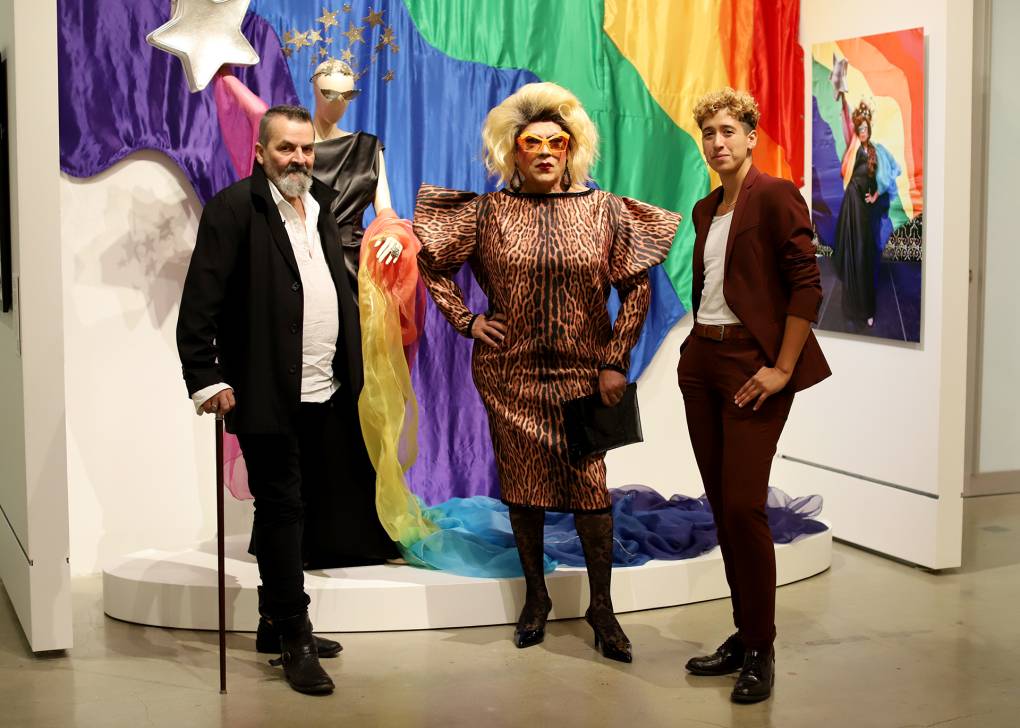
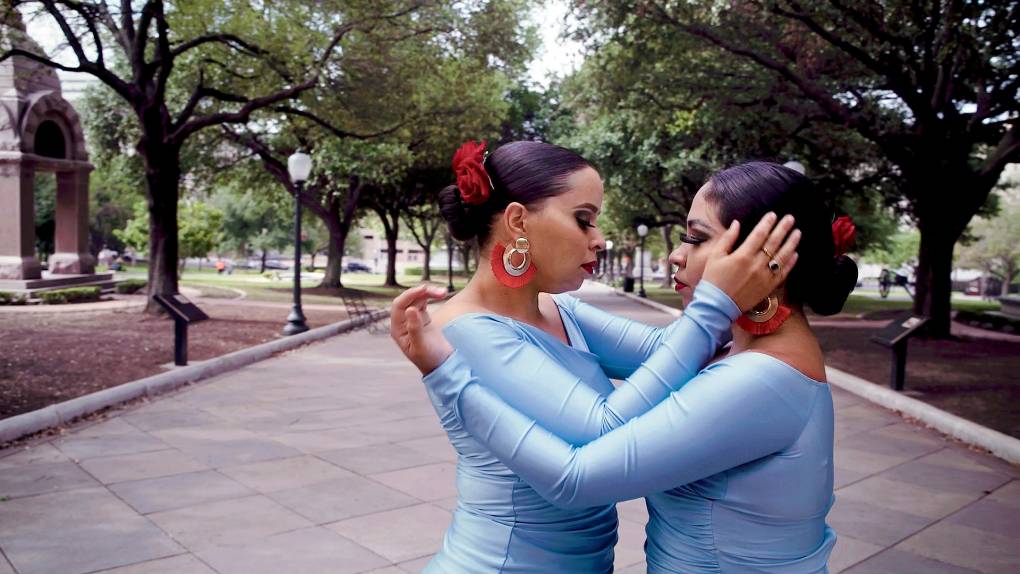
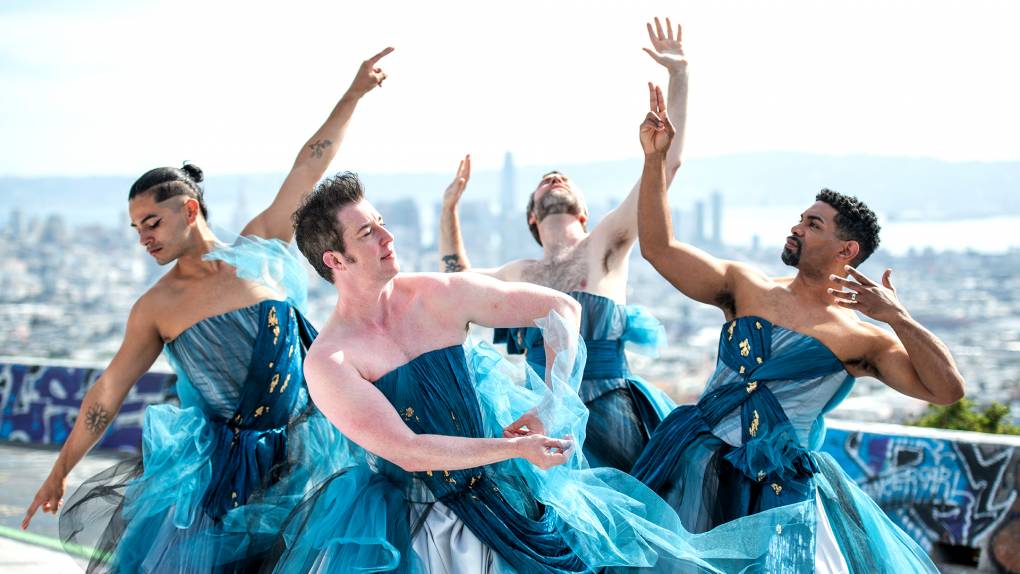
window.__IS_SSR__=true
window.__INITIAL_STATE__={
"attachmentsReducer": {
"audio_0": {
"type": "attachments",
"id": "audio_0",
"imgSizes": {
"kqedFullSize": {
"file": "https://ww2.kqed.org/news/wp-content/themes/KQED-unified/img/audio_bgs/background0.jpg"
}
}
},
"audio_1": {
"type": "attachments",
"id": "audio_1",
"imgSizes": {
"kqedFullSize": {
"file": "https://ww2.kqed.org/news/wp-content/themes/KQED-unified/img/audio_bgs/background1.jpg"
}
}
},
"audio_2": {
"type": "attachments",
"id": "audio_2",
"imgSizes": {
"kqedFullSize": {
"file": "https://ww2.kqed.org/news/wp-content/themes/KQED-unified/img/audio_bgs/background2.jpg"
}
}
},
"audio_3": {
"type": "attachments",
"id": "audio_3",
"imgSizes": {
"kqedFullSize": {
"file": "https://ww2.kqed.org/news/wp-content/themes/KQED-unified/img/audio_bgs/background3.jpg"
}
}
},
"audio_4": {
"type": "attachments",
"id": "audio_4",
"imgSizes": {
"kqedFullSize": {
"file": "https://ww2.kqed.org/news/wp-content/themes/KQED-unified/img/audio_bgs/background4.jpg"
}
}
},
"placeholder": {
"type": "attachments",
"id": "placeholder",
"imgSizes": {
"thumbnail": {
"file": "https://cdn.kqed.org/wp-content/uploads/2024/12/KQED-Default-Image-816638274-2000x1333-1-160x107.jpg",
"width": 160,
"height": 107,
"mimeType": "image/jpeg"
},
"medium": {
"file": "https://cdn.kqed.org/wp-content/uploads/2024/12/KQED-Default-Image-816638274-2000x1333-1-800x533.jpg",
"width": 800,
"height": 533,
"mimeType": "image/jpeg"
},
"medium_large": {
"file": "https://cdn.kqed.org/wp-content/uploads/2024/12/KQED-Default-Image-816638274-2000x1333-1-768x512.jpg",
"width": 768,
"height": 512,
"mimeType": "image/jpeg"
},
"large": {
"file": "https://cdn.kqed.org/wp-content/uploads/2024/12/KQED-Default-Image-816638274-2000x1333-1-1020x680.jpg",
"width": 1020,
"height": 680,
"mimeType": "image/jpeg"
},
"1536x1536": {
"file": "https://cdn.kqed.org/wp-content/uploads/2024/12/KQED-Default-Image-816638274-2000x1333-1-1536x1024.jpg",
"width": 1536,
"height": 1024,
"mimeType": "image/jpeg"
},
"fd-lrg": {
"file": "https://cdn.kqed.org/wp-content/uploads/2024/12/KQED-Default-Image-816638274-2000x1333-1-1536x1024.jpg",
"width": 1536,
"height": 1024,
"mimeType": "image/jpeg"
},
"fd-med": {
"file": "https://cdn.kqed.org/wp-content/uploads/2024/12/KQED-Default-Image-816638274-2000x1333-1-1020x680.jpg",
"width": 1020,
"height": 680,
"mimeType": "image/jpeg"
},
"fd-sm": {
"file": "https://cdn.kqed.org/wp-content/uploads/2024/12/KQED-Default-Image-816638274-2000x1333-1-800x533.jpg",
"width": 800,
"height": 533,
"mimeType": "image/jpeg"
},
"post-thumbnail": {
"file": "https://cdn.kqed.org/wp-content/uploads/2024/12/KQED-Default-Image-816638274-2000x1333-1-672x372.jpg",
"width": 672,
"height": 372,
"mimeType": "image/jpeg"
},
"twentyfourteen-full-width": {
"file": "https://cdn.kqed.org/wp-content/uploads/2024/12/KQED-Default-Image-816638274-2000x1333-1-1038x576.jpg",
"width": 1038,
"height": 576,
"mimeType": "image/jpeg"
},
"xxsmall": {
"file": "https://cdn.kqed.org/wp-content/uploads/2024/12/KQED-Default-Image-816638274-2000x1333-1-160x107.jpg",
"width": 160,
"height": 107,
"mimeType": "image/jpeg"
},
"xsmall": {
"file": "https://cdn.kqed.org/wp-content/uploads/2024/12/KQED-Default-Image-816638274-2000x1333-1-672x372.jpg",
"width": 672,
"height": 372,
"mimeType": "image/jpeg"
},
"small": {
"file": "https://cdn.kqed.org/wp-content/uploads/2024/12/KQED-Default-Image-816638274-2000x1333-1-672x372.jpg",
"width": 672,
"height": 372,
"mimeType": "image/jpeg"
},
"xlarge": {
"file": "https://cdn.kqed.org/wp-content/uploads/2024/12/KQED-Default-Image-816638274-2000x1333-1-1020x680.jpg",
"width": 1020,
"height": 680,
"mimeType": "image/jpeg"
},
"full-width": {
"file": "https://cdn.kqed.org/wp-content/uploads/2024/12/KQED-Default-Image-816638274-2000x1333-1-1920x1280.jpg",
"width": 1920,
"height": 1280,
"mimeType": "image/jpeg"
},
"guest-author-32": {
"file": "https://cdn.kqed.org/wp-content/uploads/2025/01/KQED-Default-Image-816638274-1333x1333-1-160x160.jpg",
"width": 32,
"height": 32,
"mimeType": "image/jpeg"
},
"guest-author-50": {
"file": "https://cdn.kqed.org/wp-content/uploads/2025/01/KQED-Default-Image-816638274-1333x1333-1-160x160.jpg",
"width": 50,
"height": 50,
"mimeType": "image/jpeg"
},
"guest-author-64": {
"file": "https://cdn.kqed.org/wp-content/uploads/2025/01/KQED-Default-Image-816638274-1333x1333-1-160x160.jpg",
"width": 64,
"height": 64,
"mimeType": "image/jpeg"
},
"guest-author-96": {
"file": "https://cdn.kqed.org/wp-content/uploads/2025/01/KQED-Default-Image-816638274-1333x1333-1-160x160.jpg",
"width": 96,
"height": 96,
"mimeType": "image/jpeg"
},
"guest-author-128": {
"file": "https://cdn.kqed.org/wp-content/uploads/2025/01/KQED-Default-Image-816638274-1333x1333-1-160x160.jpg",
"width": 128,
"height": 128,
"mimeType": "image/jpeg"
},
"detail": {
"file": "https://cdn.kqed.org/wp-content/uploads/2025/01/KQED-Default-Image-816638274-1333x1333-1-160x160.jpg",
"width": 160,
"height": 160,
"mimeType": "image/jpeg"
},
"kqedFullSize": {
"file": "https://cdn.kqed.org/wp-content/uploads/2024/12/KQED-Default-Image-816638274-2000x1333-1.jpg",
"width": 2000,
"height": 1333
}
}
},
"arts_13919910": {
"type": "attachments",
"id": "arts_13919910",
"meta": {
"index": "attachments_1716263798",
"site": "arts",
"id": "13919910",
"found": true
},
"parent": 13919897,
"imgSizes": {
"twentyfourteen-full-width": {
"file": "https://ww2.kqed.org/app/uploads/sites/2/2022/09/juanitamore1-1038x576.jpg",
"width": 1038,
"mimeType": "image/jpeg",
"height": 576
},
"thumbnail": {
"file": "https://ww2.kqed.org/app/uploads/sites/2/2022/09/juanitamore1-160x114.jpg",
"width": 160,
"mimeType": "image/jpeg",
"height": 114
},
"post-thumbnail": {
"file": "https://ww2.kqed.org/app/uploads/sites/2/2022/09/juanitamore1-672x372.jpg",
"width": 672,
"mimeType": "image/jpeg",
"height": 372
},
"kqedFullSize": {
"file": "https://ww2.kqed.org/app/uploads/sites/2/2022/09/juanitamore1.jpg",
"width": 1920,
"height": 1370
},
"large": {
"file": "https://ww2.kqed.org/app/uploads/sites/2/2022/09/juanitamore1-1020x728.jpg",
"width": 1020,
"mimeType": "image/jpeg",
"height": 728
},
"1536x1536": {
"file": "https://ww2.kqed.org/app/uploads/sites/2/2022/09/juanitamore1-1536x1096.jpg",
"width": 1536,
"mimeType": "image/jpeg",
"height": 1096
},
"medium": {
"file": "https://ww2.kqed.org/app/uploads/sites/2/2022/09/juanitamore1-800x571.jpg",
"width": 800,
"mimeType": "image/jpeg",
"height": 571
},
"medium_large": {
"file": "https://ww2.kqed.org/app/uploads/sites/2/2022/09/juanitamore1-768x548.jpg",
"width": 768,
"mimeType": "image/jpeg",
"height": 548
}
},
"publishDate": 1664561413,
"modified": 1664576589,
"caption": "'Juanita: 30 Years of MORE!' at SFAC celebrates Juanita MORE!'s (center) career in drag, philanthropy and activism. The show was curated by Marcel Pardo Ariza (right) and features custom couture designed by Juanita MORE!'s drag mother and friend, Mr. David Glamamore (left). ",
"description": null,
"title": "juanitamore1",
"credit": "Nastia Voynovskaya/KQED",
"status": "inherit",
"altTag": null,
"isLoading": false,
"fetchFailed": false
},
"arts_13918897": {
"type": "attachments",
"id": "arts_13918897",
"meta": {
"index": "attachments_1716263798",
"site": "arts",
"id": "13918897",
"found": true
},
"parent": 13918872,
"imgSizes": {
"twentyfourteen-full-width": {
"file": "https://ww2.kqed.org/app/uploads/sites/2/2022/09/Thumbnail-Sophia-1038x576.png",
"width": 1038,
"mimeType": "image/png",
"height": 576
},
"thumbnail": {
"file": "https://ww2.kqed.org/app/uploads/sites/2/2022/09/Thumbnail-Sophia-160x90.png",
"width": 160,
"mimeType": "image/png",
"height": 90
},
"post-thumbnail": {
"file": "https://ww2.kqed.org/app/uploads/sites/2/2022/09/Thumbnail-Sophia-672x372.png",
"width": 672,
"mimeType": "image/png",
"height": 372
},
"kqedFullSize": {
"file": "https://ww2.kqed.org/app/uploads/sites/2/2022/09/Thumbnail-Sophia.png",
"width": 1920,
"height": 1080
},
"large": {
"file": "https://ww2.kqed.org/app/uploads/sites/2/2022/09/Thumbnail-Sophia-1020x574.png",
"width": 1020,
"mimeType": "image/png",
"height": 574
},
"1536x1536": {
"file": "https://ww2.kqed.org/app/uploads/sites/2/2022/09/Thumbnail-Sophia-1536x864.png",
"width": 1536,
"mimeType": "image/png",
"height": 864
},
"medium": {
"file": "https://ww2.kqed.org/app/uploads/sites/2/2022/09/Thumbnail-Sophia-800x450.png",
"width": 800,
"mimeType": "image/png",
"height": 450
},
"medium_large": {
"file": "https://ww2.kqed.org/app/uploads/sites/2/2022/09/Thumbnail-Sophia-768x432.png",
"width": 768,
"mimeType": "image/png",
"height": 432
}
},
"publishDate": 1662674249,
"modified": 1662680958,
"caption": "Sophia Blum, a.k.a Pio Poke. ",
"description": null,
"title": "Thumbnail Sophia",
"credit": "Photo by Beth LeBarge, Design by Becca Kao/KQED",
"status": "inherit",
"altTag": null,
"isLoading": false,
"fetchFailed": false
},
"arts_13918552": {
"type": "attachments",
"id": "arts_13918552",
"meta": {
"index": "attachments_1716263798",
"site": "arts",
"id": "13918552",
"found": true
},
"parent": 13918551,
"imgSizes": {
"twentyfourteen-full-width": {
"file": "https://ww2.kqed.org/app/uploads/sites/2/2022/08/gettyimages-1239594047-07f65733a06aa3d0ae43ff5af8bb8ca5c3b682cb-1038x576.jpg",
"width": 1038,
"mimeType": "image/jpeg",
"height": 576
},
"thumbnail": {
"file": "https://ww2.kqed.org/app/uploads/sites/2/2022/08/gettyimages-1239594047-07f65733a06aa3d0ae43ff5af8bb8ca5c3b682cb-160x120.jpg",
"width": 160,
"mimeType": "image/jpeg",
"height": 120
},
"post-thumbnail": {
"file": "https://ww2.kqed.org/app/uploads/sites/2/2022/08/gettyimages-1239594047-07f65733a06aa3d0ae43ff5af8bb8ca5c3b682cb-672x372.jpg",
"width": 672,
"mimeType": "image/jpeg",
"height": 372
},
"kqedFullSize": {
"file": "https://ww2.kqed.org/app/uploads/sites/2/2022/08/gettyimages-1239594047-07f65733a06aa3d0ae43ff5af8bb8ca5c3b682cb-scaled-e1662061455752.jpg",
"width": 1920,
"height": 1440
},
"2048x2048": {
"file": "https://ww2.kqed.org/app/uploads/sites/2/2022/08/gettyimages-1239594047-07f65733a06aa3d0ae43ff5af8bb8ca5c3b682cb-2048x1536.jpg",
"width": 2048,
"mimeType": "image/jpeg",
"height": 1536
},
"large": {
"file": "https://ww2.kqed.org/app/uploads/sites/2/2022/08/gettyimages-1239594047-07f65733a06aa3d0ae43ff5af8bb8ca5c3b682cb-1020x765.jpg",
"width": 1020,
"mimeType": "image/jpeg",
"height": 765
},
"1536x1536": {
"file": "https://ww2.kqed.org/app/uploads/sites/2/2022/08/gettyimages-1239594047-07f65733a06aa3d0ae43ff5af8bb8ca5c3b682cb-1536x1152.jpg",
"width": 1536,
"mimeType": "image/jpeg",
"height": 1152
},
"full-width": {
"file": "https://ww2.kqed.org/app/uploads/sites/2/2022/08/gettyimages-1239594047-07f65733a06aa3d0ae43ff5af8bb8ca5c3b682cb-1920x1440.jpg",
"width": 1920,
"mimeType": "image/jpeg",
"height": 1440
},
"medium": {
"file": "https://ww2.kqed.org/app/uploads/sites/2/2022/08/gettyimages-1239594047-07f65733a06aa3d0ae43ff5af8bb8ca5c3b682cb-800x600.jpg",
"width": 800,
"mimeType": "image/jpeg",
"height": 600
},
"medium_large": {
"file": "https://ww2.kqed.org/app/uploads/sites/2/2022/08/gettyimages-1239594047-07f65733a06aa3d0ae43ff5af8bb8ca5c3b682cb-768x576.jpg",
"width": 768,
"mimeType": "image/jpeg",
"height": 576
}
},
"publishDate": 1662058961,
"modified": 1662061560,
"caption": "J.K Rowling has said publicly that her new book was not based on her own life, even though some of the events that take place in the story did in fact happen to her as she was writing it.",
"description": null,
"title": "J.K Rowling has said publicly that her new book was not based on her own life, even though some of the events that take place in the story did in fact happen to her as she was writing it.",
"credit": "TOLGA AKMEN/AFP via Getty Images",
"status": "inherit",
"altTag": "A middle aged white woman with red hair pulled back stands on a red carpet wearing glamorous diamond earrings and a gown with sheer sleeves.",
"isLoading": false,
"fetchFailed": false
},
"arts_13916450": {
"type": "attachments",
"id": "arts_13916450",
"meta": {
"index": "attachments_1716263798",
"site": "arts",
"id": "13916450",
"found": true
},
"parent": 13916333,
"imgSizes": {
"twentyfourteen-full-width": {
"file": "https://ww2.kqed.org/app/uploads/sites/2/2022/07/AngieAudreyWP-1038x576.jpg",
"width": 1038,
"mimeType": "image/jpeg",
"height": 576
},
"thumbnail": {
"file": "https://ww2.kqed.org/app/uploads/sites/2/2022/07/AngieAudreyWP-160x90.jpg",
"width": 160,
"mimeType": "image/jpeg",
"height": 90
},
"post-thumbnail": {
"file": "https://ww2.kqed.org/app/uploads/sites/2/2022/07/AngieAudreyWP-672x372.jpg",
"width": 672,
"mimeType": "image/jpeg",
"height": 372
},
"kqedFullSize": {
"file": "https://ww2.kqed.org/app/uploads/sites/2/2022/07/AngieAudreyWP.jpg",
"width": 1920,
"height": 1080
},
"large": {
"file": "https://ww2.kqed.org/app/uploads/sites/2/2022/07/AngieAudreyWP-1020x574.jpg",
"width": 1020,
"mimeType": "image/jpeg",
"height": 574
},
"1536x1536": {
"file": "https://ww2.kqed.org/app/uploads/sites/2/2022/07/AngieAudreyWP-1536x864.jpg",
"width": 1536,
"mimeType": "image/jpeg",
"height": 864
},
"medium": {
"file": "https://ww2.kqed.org/app/uploads/sites/2/2022/07/AngieAudreyWP-800x450.jpg",
"width": 800,
"mimeType": "image/jpeg",
"height": 450
},
"medium_large": {
"file": "https://ww2.kqed.org/app/uploads/sites/2/2022/07/AngieAudreyWP-768x432.jpg",
"width": 768,
"mimeType": "image/jpeg",
"height": 432
}
},
"publishDate": 1658435758,
"modified": 1658435789,
"caption": "Salsa dancers Audrey Guerrero and Agie Egea embrace while dancing near the Capitol Building in Austin.",
"description": "Salsa dancers Audrey Guerrero and Agie Egea embrace while dancing near the Capitol Building in Austin.",
"title": "AngieAudreyWP",
"credit": "Oliver Vo",
"status": "inherit",
"altTag": "two dancers in light blue bodysuits embrace in the middle of a dance on an outdoor plaza",
"isLoading": false,
"fetchFailed": false
},
"arts_13916206": {
"type": "attachments",
"id": "arts_13916206",
"meta": {
"index": "attachments_1716263798",
"site": "arts",
"id": "13916206",
"found": true
},
"parent": 13916204,
"imgSizes": {
"twentyfourteen-full-width": {
"file": "https://ww2.kqed.org/app/uploads/sites/2/2022/07/azuah_noise_pop_nldeveyra-1-1038x576.png",
"width": 1038,
"mimeType": "image/png",
"height": 576
},
"thumbnail": {
"file": "https://ww2.kqed.org/app/uploads/sites/2/2022/07/azuah_noise_pop_nldeveyra-1-160x120.png",
"width": 160,
"mimeType": "image/png",
"height": 120
},
"post-thumbnail": {
"file": "https://ww2.kqed.org/app/uploads/sites/2/2022/07/azuah_noise_pop_nldeveyra-1-672x372.png",
"width": 672,
"mimeType": "image/png",
"height": 372
},
"kqedFullSize": {
"file": "https://ww2.kqed.org/app/uploads/sites/2/2022/07/azuah_noise_pop_nldeveyra-1.png",
"width": 1440,
"height": 1080
},
"large": {
"file": "https://ww2.kqed.org/app/uploads/sites/2/2022/07/azuah_noise_pop_nldeveyra-1-1020x765.png",
"width": 1020,
"mimeType": "image/png",
"height": 765
},
"medium": {
"file": "https://ww2.kqed.org/app/uploads/sites/2/2022/07/azuah_noise_pop_nldeveyra-1-800x600.png",
"width": 800,
"mimeType": "image/png",
"height": 600
},
"medium_large": {
"file": "https://ww2.kqed.org/app/uploads/sites/2/2022/07/azuah_noise_pop_nldeveyra-1-768x576.png",
"width": 768,
"mimeType": "image/png",
"height": 576
}
},
"publishDate": 1658166694,
"modified": 1658176489,
"caption": "Azuah is one of the queer and trans musicians who've performed at the San Francisco LGBT Center's Queer Vibes program, which has its first in-person performance showcase on July 29.",
"description": null,
"title": "azuah_noise_pop_nldeveyra-1",
"credit": "Courtesy of Azuah",
"status": "inherit",
"altTag": "Person with curly black hair sings into microphone while playing electric guitar",
"isLoading": false,
"fetchFailed": false
},
"arts_13915642": {
"type": "attachments",
"id": "arts_13915642",
"meta": {
"index": "attachments_1716263798",
"site": "arts",
"id": "13915642",
"found": true
},
"parent": 13915614,
"imgSizes": {
"twentyfourteen-full-width": {
"file": "https://ww2.kqed.org/app/uploads/sites/2/2022/06/IMG_5814-1038x576.jpg",
"width": 1038,
"mimeType": "image/jpeg",
"height": 576
},
"thumbnail": {
"file": "https://ww2.kqed.org/app/uploads/sites/2/2022/06/IMG_5814-160x90.jpg",
"width": 160,
"mimeType": "image/jpeg",
"height": 90
},
"post-thumbnail": {
"file": "https://ww2.kqed.org/app/uploads/sites/2/2022/06/IMG_5814-672x372.jpg",
"width": 672,
"mimeType": "image/jpeg",
"height": 372
},
"kqedFullSize": {
"file": "https://ww2.kqed.org/app/uploads/sites/2/2022/06/IMG_5814.jpg",
"width": 1920,
"height": 1080
},
"large": {
"file": "https://ww2.kqed.org/app/uploads/sites/2/2022/06/IMG_5814-1020x574.jpg",
"width": 1020,
"mimeType": "image/jpeg",
"height": 574
},
"1536x1536": {
"file": "https://ww2.kqed.org/app/uploads/sites/2/2022/06/IMG_5814-1536x864.jpg",
"width": 1536,
"mimeType": "image/jpeg",
"height": 864
},
"medium": {
"file": "https://ww2.kqed.org/app/uploads/sites/2/2022/06/IMG_5814-800x450.jpg",
"width": 800,
"mimeType": "image/jpeg",
"height": 450
},
"medium_large": {
"file": "https://ww2.kqed.org/app/uploads/sites/2/2022/06/IMG_5814-768x432.jpg",
"width": 768,
"mimeType": "image/jpeg",
"height": 432
}
},
"publishDate": 1656623544,
"modified": 1656769296,
"caption": "Black rolls through the San Francisco Pride Parade on her float on June 26, 2022. She was named Community Grand Marshal for her 30 years of work as a DJ, queer party organizer and mentor. ",
"description": null,
"title": "IMG_5814",
"credit": "Katia Ten",
"status": "inherit",
"altTag": null,
"isLoading": false,
"fetchFailed": false
},
"arts_13915529": {
"type": "attachments",
"id": "arts_13915529",
"meta": {
"index": "attachments_1716263798",
"site": "arts",
"id": "13915529",
"found": true
},
"parent": 13915486,
"imgSizes": {
"twentyfourteen-full-width": {
"file": "https://ww2.kqed.org/app/uploads/sites/2/2022/06/SDforWP-1038x576.jpg",
"width": 1038,
"mimeType": "image/jpeg",
"height": 576
},
"thumbnail": {
"file": "https://ww2.kqed.org/app/uploads/sites/2/2022/06/SDforWP-160x90.jpg",
"width": 160,
"mimeType": "image/jpeg",
"height": 90
},
"post-thumbnail": {
"file": "https://ww2.kqed.org/app/uploads/sites/2/2022/06/SDforWP-672x372.jpg",
"width": 672,
"mimeType": "image/jpeg",
"height": 372
},
"kqedFullSize": {
"file": "https://ww2.kqed.org/app/uploads/sites/2/2022/06/SDforWP.jpg",
"width": 1920,
"height": 1080
},
"large": {
"file": "https://ww2.kqed.org/app/uploads/sites/2/2022/06/SDforWP-1020x574.jpg",
"width": 1020,
"mimeType": "image/jpeg",
"height": 574
},
"1536x1536": {
"file": "https://ww2.kqed.org/app/uploads/sites/2/2022/06/SDforWP-1536x864.jpg",
"width": 1536,
"mimeType": "image/jpeg",
"height": 864
},
"medium": {
"file": "https://ww2.kqed.org/app/uploads/sites/2/2022/06/SDforWP-800x450.jpg",
"width": 800,
"mimeType": "image/jpeg",
"height": 450
},
"medium_large": {
"file": "https://ww2.kqed.org/app/uploads/sites/2/2022/06/SDforWP-768x432.jpg",
"width": 768,
"mimeType": "image/jpeg",
"height": 432
}
},
"publishDate": 1656530676,
"modified": 1656530785,
"caption": "Sean Dorsey Dance (from left to right): Héctor Jaime, Sean Dorsey, Nol Simonse, Will Woodward",
"description": "Sean Dorsey Dance (from left to right): Héctor Jaime, Sean Dorsey, Nol Simonse, Will Woodward",
"title": "SDforWP",
"credit": "Beth LaBerge",
"status": "inherit",
"altTag": "Four dancers in blue gowns are posing against a wide shot of San Franciso's skyline",
"isLoading": false,
"fetchFailed": false
},
"arts_13915367": {
"type": "attachments",
"id": "arts_13915367",
"meta": {
"index": "attachments_1716263798",
"site": "arts",
"id": "13915367",
"found": true
},
"parent": 13915178,
"imgSizes": {
"twentyfourteen-full-width": {
"file": "https://ww2.kqed.org/app/uploads/sites/2/2022/06/Javier-Reyes-YBCAGIP-4-1038x576.jpg",
"width": 1038,
"mimeType": "image/jpeg",
"height": 576
},
"thumbnail": {
"file": "https://ww2.kqed.org/app/uploads/sites/2/2022/06/Javier-Reyes-YBCAGIP-4-160x107.jpg",
"width": 160,
"mimeType": "image/jpeg",
"height": 107
},
"post-thumbnail": {
"file": "https://ww2.kqed.org/app/uploads/sites/2/2022/06/Javier-Reyes-YBCAGIP-4-672x372.jpg",
"width": 672,
"mimeType": "image/jpeg",
"height": 372
},
"kqedFullSize": {
"file": "https://ww2.kqed.org/app/uploads/sites/2/2022/06/Javier-Reyes-YBCAGIP-4.jpg",
"width": 1920,
"height": 1280
},
"large": {
"file": "https://ww2.kqed.org/app/uploads/sites/2/2022/06/Javier-Reyes-YBCAGIP-4-1020x680.jpg",
"width": 1020,
"mimeType": "image/jpeg",
"height": 680
},
"1536x1536": {
"file": "https://ww2.kqed.org/app/uploads/sites/2/2022/06/Javier-Reyes-YBCAGIP-4-1536x1024.jpg",
"width": 1536,
"mimeType": "image/jpeg",
"height": 1024
},
"medium": {
"file": "https://ww2.kqed.org/app/uploads/sites/2/2022/06/Javier-Reyes-YBCAGIP-4-800x533.jpg",
"width": 800,
"mimeType": "image/jpeg",
"height": 533
},
"medium_large": {
"file": "https://ww2.kqed.org/app/uploads/sites/2/2022/06/Javier-Reyes-YBCAGIP-4-768x512.jpg",
"width": 768,
"mimeType": "image/jpeg",
"height": 512
}
},
"publishDate": 1656433760,
"modified": 1656434215,
"caption": "The San Francisco Guaranteed Income Pilot for Artists has given Javier Reyes more flexibility to work on a youth development project at City Life Church.",
"description": null,
"title": "Javier-Reyes-YBCAGIP-4",
"credit": "Alexa Trevino",
"status": "inherit",
"altTag": "Javier Reyes sits on the stage of a church while a youth band plays behind him.",
"isLoading": false,
"fetchFailed": false
},
"arts_13915259": {
"type": "attachments",
"id": "arts_13915259",
"meta": {
"index": "attachments_1716263798",
"site": "arts",
"id": "13915259",
"found": true
},
"parent": 13915237,
"imgSizes": {
"twentyfourteen-full-width": {
"file": "https://ww2.kqed.org/app/uploads/sites/2/2022/06/RS56885_016_KQED_SFPrideParade_06262022-qut-1038x576.jpg",
"width": 1038,
"mimeType": "image/jpeg",
"height": 576
},
"thumbnail": {
"file": "https://ww2.kqed.org/app/uploads/sites/2/2022/06/RS56885_016_KQED_SFPrideParade_06262022-qut-160x107.jpg",
"width": 160,
"mimeType": "image/jpeg",
"height": 107
},
"post-thumbnail": {
"file": "https://ww2.kqed.org/app/uploads/sites/2/2022/06/RS56885_016_KQED_SFPrideParade_06262022-qut-672x372.jpg",
"width": 672,
"mimeType": "image/jpeg",
"height": 372
},
"kqedFullSize": {
"file": "https://ww2.kqed.org/app/uploads/sites/2/2022/06/RS56885_016_KQED_SFPrideParade_06262022-qut.jpg",
"width": 1920,
"height": 1280
},
"large": {
"file": "https://ww2.kqed.org/app/uploads/sites/2/2022/06/RS56885_016_KQED_SFPrideParade_06262022-qut-1020x680.jpg",
"width": 1020,
"mimeType": "image/jpeg",
"height": 680
},
"1536x1536": {
"file": "https://ww2.kqed.org/app/uploads/sites/2/2022/06/RS56885_016_KQED_SFPrideParade_06262022-qut-1536x1024.jpg",
"width": 1536,
"mimeType": "image/jpeg",
"height": 1024
},
"medium": {
"file": "https://ww2.kqed.org/app/uploads/sites/2/2022/06/RS56885_016_KQED_SFPrideParade_06262022-qut-800x533.jpg",
"width": 800,
"mimeType": "image/jpeg",
"height": 533
},
"medium_large": {
"file": "https://ww2.kqed.org/app/uploads/sites/2/2022/06/RS56885_016_KQED_SFPrideParade_06262022-qut-768x512.jpg",
"width": 768,
"mimeType": "image/jpeg",
"height": 512
}
},
"publishDate": 1656345169,
"modified": 1656347620,
"caption": "Drag queen Snaxx holds a sign that reads 'Abortion is Healthcare' on the SF Oasis float during the San Francisco Pride Parade on June 26, 2022.",
"description": null,
"title": "RS56885_016_KQED_SFPrideParade_06262022-qut",
"credit": "Beth LaBerge/KQED",
"status": "inherit",
"altTag": null,
"isLoading": false,
"fetchFailed": false
},
"arts_13915201": {
"type": "attachments",
"id": "arts_13915201",
"meta": {
"index": "attachments_1716263798",
"site": "arts",
"id": "13915201",
"found": true
},
"parent": 13915069,
"imgSizes": {
"twentyfourteen-full-width": {
"file": "https://ww2.kqed.org/app/uploads/sites/2/2022/06/Rightnowish-Series-Banners-10-1038x576.png",
"width": 1038,
"mimeType": "image/png",
"height": 576
},
"thumbnail": {
"file": "https://ww2.kqed.org/app/uploads/sites/2/2022/06/Rightnowish-Series-Banners-10-160x90.png",
"width": 160,
"mimeType": "image/png",
"height": 90
},
"post-thumbnail": {
"file": "https://ww2.kqed.org/app/uploads/sites/2/2022/06/Rightnowish-Series-Banners-10-672x372.png",
"width": 672,
"mimeType": "image/png",
"height": 372
},
"kqedFullSize": {
"file": "https://ww2.kqed.org/app/uploads/sites/2/2022/06/Rightnowish-Series-Banners-10.png",
"width": 1920,
"height": 1080
},
"large": {
"file": "https://ww2.kqed.org/app/uploads/sites/2/2022/06/Rightnowish-Series-Banners-10-1020x574.png",
"width": 1020,
"mimeType": "image/png",
"height": 574
},
"1536x1536": {
"file": "https://ww2.kqed.org/app/uploads/sites/2/2022/06/Rightnowish-Series-Banners-10-1536x864.png",
"width": 1536,
"mimeType": "image/png",
"height": 864
},
"medium": {
"file": "https://ww2.kqed.org/app/uploads/sites/2/2022/06/Rightnowish-Series-Banners-10-800x450.png",
"width": 800,
"mimeType": "image/png",
"height": 450
},
"medium_large": {
"file": "https://ww2.kqed.org/app/uploads/sites/2/2022/06/Rightnowish-Series-Banners-10-768x432.png",
"width": 768,
"mimeType": "image/png",
"height": 432
}
},
"publishDate": 1656029236,
"modified": 1656029254,
"caption": "Nenna Joiner, owner of Feelmore Adult Gallery and the upcoming Feelmore Social Club in Downtown Oakland. ",
"description": null,
"title": "Rightnowish Series Banners (10)",
"credit": "Courtesy of Nenna Joiner",
"status": "inherit",
"altTag": null,
"isLoading": false,
"fetchFailed": false
},
"arts_13915157": {
"type": "attachments",
"id": "arts_13915157",
"meta": {
"index": "attachments_1716263798",
"site": "arts",
"id": "13915157",
"found": true
},
"parent": 13915152,
"imgSizes": {
"twentyfourteen-full-width": {
"file": "https://ww2.kqed.org/app/uploads/sites/2/2022/06/GettyImages-515047968-1038x576.jpg",
"width": 1038,
"mimeType": "image/jpeg",
"height": 576
},
"thumbnail": {
"file": "https://ww2.kqed.org/app/uploads/sites/2/2022/06/GettyImages-515047968-160x107.jpg",
"width": 160,
"mimeType": "image/jpeg",
"height": 107
},
"post-thumbnail": {
"file": "https://ww2.kqed.org/app/uploads/sites/2/2022/06/GettyImages-515047968-672x372.jpg",
"width": 672,
"mimeType": "image/jpeg",
"height": 372
},
"kqedFullSize": {
"file": "https://ww2.kqed.org/app/uploads/sites/2/2022/06/GettyImages-515047968-scaled-e1656010013776.jpg",
"width": 1920,
"height": 1282
},
"2048x2048": {
"file": "https://ww2.kqed.org/app/uploads/sites/2/2022/06/GettyImages-515047968-2048x1367.jpg",
"width": 2048,
"mimeType": "image/jpeg",
"height": 1367
},
"large": {
"file": "https://ww2.kqed.org/app/uploads/sites/2/2022/06/GettyImages-515047968-1020x681.jpg",
"width": 1020,
"mimeType": "image/jpeg",
"height": 681
},
"1536x1536": {
"file": "https://ww2.kqed.org/app/uploads/sites/2/2022/06/GettyImages-515047968-1536x1025.jpg",
"width": 1536,
"mimeType": "image/jpeg",
"height": 1025
},
"full-width": {
"file": "https://ww2.kqed.org/app/uploads/sites/2/2022/06/GettyImages-515047968-1920x1282.jpg",
"width": 1920,
"mimeType": "image/jpeg",
"height": 1282
},
"medium": {
"file": "https://ww2.kqed.org/app/uploads/sites/2/2022/06/GettyImages-515047968-800x534.jpg",
"width": 800,
"mimeType": "image/jpeg",
"height": 534
},
"medium_large": {
"file": "https://ww2.kqed.org/app/uploads/sites/2/2022/06/GettyImages-515047968-768x513.jpg",
"width": 768,
"mimeType": "image/jpeg",
"height": 513
}
},
"publishDate": 1656009808,
"modified": 1656010032,
"caption": "Parents march in at a Pride parade in New York City, 30th June 1974. On the right is lawyer Dick Ashworth marching with a sign that reads 'I'm Proud of My Gay Son'. He later became one of the founding members of PFLAG.",
"description": null,
"title": "Parents march in at a Pride parade in New York City, 30th June 1974. On the right is lawyer Dick Ashworth marching with a sign that reads 'I'm Proud of My Gay Son'. He later became one of the founding members of PFLAG.",
"credit": "Bettmann via Getty Images",
"status": "inherit",
"altTag": null,
"isLoading": false,
"fetchFailed": false
},
"arts_13915085": {
"type": "attachments",
"id": "arts_13915085",
"meta": {
"index": "attachments_1716263798",
"site": "arts",
"id": "13915085",
"found": true
},
"parent": 13915084,
"imgSizes": {
"twentyfourteen-full-width": {
"file": "https://ww2.kqed.org/app/uploads/sites/2/2022/06/Screen-Shot-2022-06-21-at-2.40.35-PM-1038x576.png",
"width": 1038,
"mimeType": "image/png",
"height": 576
},
"thumbnail": {
"file": "https://ww2.kqed.org/app/uploads/sites/2/2022/06/Screen-Shot-2022-06-21-at-2.40.35-PM-160x96.png",
"width": 160,
"mimeType": "image/png",
"height": 96
},
"post-thumbnail": {
"file": "https://ww2.kqed.org/app/uploads/sites/2/2022/06/Screen-Shot-2022-06-21-at-2.40.35-PM-672x372.png",
"width": 672,
"mimeType": "image/png",
"height": 372
},
"kqedFullSize": {
"file": "https://ww2.kqed.org/app/uploads/sites/2/2022/06/Screen-Shot-2022-06-21-at-2.40.35-PM.png",
"width": 1594,
"height": 952
},
"large": {
"file": "https://ww2.kqed.org/app/uploads/sites/2/2022/06/Screen-Shot-2022-06-21-at-2.40.35-PM-1020x609.png",
"width": 1020,
"mimeType": "image/png",
"height": 609
},
"1536x1536": {
"file": "https://ww2.kqed.org/app/uploads/sites/2/2022/06/Screen-Shot-2022-06-21-at-2.40.35-PM-1536x917.png",
"width": 1536,
"mimeType": "image/png",
"height": 917
},
"medium": {
"file": "https://ww2.kqed.org/app/uploads/sites/2/2022/06/Screen-Shot-2022-06-21-at-2.40.35-PM-800x478.png",
"width": 800,
"mimeType": "image/png",
"height": 478
},
"medium_large": {
"file": "https://ww2.kqed.org/app/uploads/sites/2/2022/06/Screen-Shot-2022-06-21-at-2.40.35-PM-768x459.png",
"width": 768,
"mimeType": "image/png",
"height": 459
}
},
"publishDate": 1655847663,
"modified": 1655854171,
"caption": "Chloe Sherman, 'View from the backseat,' 1997.",
"description": null,
"title": "View from the backseat, 1997.",
"credit": "Courtesy the artist",
"status": "inherit",
"altTag": "A person with braided chin hair looks into the back seat of a vintage car.",
"isLoading": false,
"fetchFailed": false
}
},
"audioPlayerReducer": {
"postId": "stream_live",
"isPaused": true,
"isPlaying": false,
"pfsActive": false,
"pledgeModalIsOpen": true,
"playerDrawerIsOpen": false,
"liveAudioPlayStartedAt": 0,
"liveAudioPlayContext": ""
},
"authorsReducer": {
"byline_arts_13918551": {
"type": "authors",
"id": "byline_arts_13918551",
"meta": {
"override": true
},
"slug": "byline_arts_13918551",
"name": "Rachel Treisman",
"isLoading": false
},
"byline_arts_13916333": {
"type": "authors",
"id": "byline_arts_13916333",
"meta": {
"override": true
},
"slug": "byline_arts_13916333",
"name": "Christina Ramirez and Manjula Varghese",
"isLoading": false
},
"byline_arts_13915486": {
"type": "authors",
"id": "byline_arts_13915486",
"meta": {
"override": true
},
"slug": "byline_arts_13915486",
"name": "Lindsay Gauthier",
"isLoading": false
},
"byline_arts_13915152": {
"type": "authors",
"id": "byline_arts_13915152",
"meta": {
"override": true
},
"slug": "byline_arts_13915152",
"name": "Neda Ulaby",
"isLoading": false
},
"ralexandra": {
"type": "authors",
"id": "11242",
"meta": {
"index": "authors_1716337520",
"id": "11242",
"found": true
},
"name": "Rae Alexandra",
"firstName": "Rae",
"lastName": "Alexandra",
"slug": "ralexandra",
"email": "ralexandra@kqed.org",
"display_author_email": true,
"staff_mastheads": [],
"title": "Reporter/Producer",
"bio": "Rae Alexandra is a Reporter/Producer for KQED Arts & Culture, and the creator/author of the \u003ca href=\"https://www.kqed.org/arts/program/rebel-girls-from-bay-area-history\">Rebel Girls From Bay Area History\u003c/a> and \u003ca href=\"https://www.kqed.org/bizarrebayarea\">Bizarre Bay Area\u003c/a> series. Her debut book, \u003ca href=\"https://citylights.com/politics-current-events-history/unsung-heroines35-women-who-changed/\">Unsung Heroines: 35 Women Who Changed the Bay Area\u003c/a> was published by City Lights in March 2026. In 2023, Rae was awarded an SPJ Excellence in Journalism Award for Arts & Culture. Rae was born and raised in Wales and subsequently — even after two decades in Northern California — still uses phrases that regularly baffle her coworkers.",
"avatar": "https://secure.gravatar.com/avatar/edfee8176c80cc0a382b051190f5341997df378a934a5774dcb0977732dfd401?s=600&d=blank&r=g",
"twitter": null,
"bluesky": null,
"facebook": null,
"instagram": null,
"linkedin": null,
"sites": [
{
"site": "arts",
"roles": [
"subscriber"
]
},
{
"site": "news",
"roles": [
"subscriber"
]
},
{
"site": "pop",
"roles": [
"subscriber"
]
},
{
"site": "bayareabites",
"roles": [
"subscriber"
]
},
{
"site": "science",
"roles": [
"subscriber"
]
}
],
"headData": {
"title": "Rae Alexandra | KQED",
"description": "Reporter/Producer",
"ogImgSrc": "https://secure.gravatar.com/avatar/edfee8176c80cc0a382b051190f5341997df378a934a5774dcb0977732dfd401?s=600&d=blank&r=g",
"twImgSrc": "https://secure.gravatar.com/avatar/edfee8176c80cc0a382b051190f5341997df378a934a5774dcb0977732dfd401?s=600&d=blank&r=g"
},
"isLoading": false,
"link": "/author/ralexandra"
},
"nvoynovskaya": {
"type": "authors",
"id": "11387",
"meta": {
"index": "authors_1716337520",
"id": "11387",
"found": true
},
"name": "Nastia Voynovskaya",
"firstName": "Nastia",
"lastName": "Voynovskaya",
"slug": "nvoynovskaya",
"email": "nvoynovskaya@kqed.org",
"display_author_email": false,
"staff_mastheads": [
"arts"
],
"title": "Editor and reporter",
"bio": "Nastia Voynovskaya is a reporter, editor and host at KQED Arts & Culture. She's been covering the arts in the Bay Area for over a decade, with a focus on music, queer culture, labor issues and grassroots organizing. She has edited KQED story series such as Trans Bay: A History of San Francisco's Gender-Diverse Community, and co-created KQED's Bay Area hip-hop history project, That's My Word. Nastia's work has been recognized by the Society of Professional Journalists and San Francisco Press Club. She regularly appears on podcasts and radio programs, including NPR's All Songs Considered, and hosts live events where music, culture and conversation meet.",
"avatar": "https://secure.gravatar.com/avatar/5025ee460e5a85d69ca20ea6c6f2f80d7e17795c828f61ea3aecfcd924e9042e?s=600&d=blank&r=g",
"twitter": null,
"bluesky": null,
"facebook": null,
"instagram": "https://www.instagram.com/nananastia/",
"linkedin": null,
"sites": [
{
"site": "",
"roles": [
"editor"
]
},
{
"site": "arts",
"roles": [
"administrator"
]
},
{
"site": "news",
"roles": [
"editor"
]
},
{
"site": "pop",
"roles": [
"administrator"
]
},
{
"site": "bayareabites",
"roles": [
"editor"
]
},
{
"site": "podcasts",
"roles": [
"editor"
]
},
{
"site": "hiphop",
"roles": [
"editor"
]
}
],
"headData": {
"title": "Nastia Voynovskaya | KQED",
"description": "Editor and reporter",
"ogImgSrc": "https://secure.gravatar.com/avatar/5025ee460e5a85d69ca20ea6c6f2f80d7e17795c828f61ea3aecfcd924e9042e?s=600&d=blank&r=g",
"twImgSrc": "https://secure.gravatar.com/avatar/5025ee460e5a85d69ca20ea6c6f2f80d7e17795c828f61ea3aecfcd924e9042e?s=600&d=blank&r=g"
},
"isLoading": false,
"link": "/author/nvoynovskaya"
},
"ogpenn": {
"type": "authors",
"id": "11491",
"meta": {
"index": "authors_1716337520",
"id": "11491",
"found": true
},
"name": "Pendarvis Harshaw",
"firstName": "Pendarvis",
"lastName": "Harshaw",
"slug": "ogpenn",
"email": "ogpenn@gmail.com",
"display_author_email": false,
"staff_mastheads": [
"arts"
],
"title": "Community Engagement Reporter",
"bio": "Pendarvis Harshaw is an educator, host and writer with KQED Arts.",
"avatar": "https://secure.gravatar.com/avatar/972b77ee8e3f346ae2b00622661187fbfabd059b5693bbdc1475ea7a722fd4cd?s=600&d=blank&r=g",
"twitter": null,
"bluesky": null,
"facebook": null,
"instagram": "ogpenn",
"linkedin": null,
"sites": [
{
"site": "arts",
"roles": [
"administrator"
]
},
{
"site": "news",
"roles": [
"editor"
]
},
{
"site": "bayareabites",
"roles": [
"author"
]
},
{
"site": "hiphop",
"roles": [
"editor"
]
}
],
"headData": {
"title": "Pendarvis Harshaw | KQED",
"description": "Community Engagement Reporter",
"ogImgSrc": "https://secure.gravatar.com/avatar/972b77ee8e3f346ae2b00622661187fbfabd059b5693bbdc1475ea7a722fd4cd?s=600&d=blank&r=g",
"twImgSrc": "https://secure.gravatar.com/avatar/972b77ee8e3f346ae2b00622661187fbfabd059b5693bbdc1475ea7a722fd4cd?s=600&d=blank&r=g"
},
"isLoading": false,
"link": "/author/ogpenn"
},
"mmedina": {
"type": "authors",
"id": "11528",
"meta": {
"index": "authors_1716337520",
"id": "11528",
"found": true
},
"name": "Marisol Medina-Cadena",
"firstName": "Marisol",
"lastName": "Medina-Cadena",
"slug": "mmedina",
"email": "mmedina@KQED.org",
"display_author_email": true,
"staff_mastheads": [],
"title": "Producer, Rightnowish Podcast",
"bio": "Marisol Medina-Cadena is a radio reporter and podcast producer. Before working at KQED, she produced for PBS member station, KCET, in Los Angeles. In 2017, Marisol won an Emmy Award for her work on the televised documentary, \u003cem>City Rising\u003c/em>, examining California's affordable housing crisis and the historical roots of gentrification.",
"avatar": "https://secure.gravatar.com/avatar/6c3db46a1cabb5e1fe9a365b5f4e681e?s=600&d=blank&r=g",
"twitter": "marisolreports",
"facebook": null,
"instagram": null,
"linkedin": null,
"sites": [
{
"site": "arts",
"roles": []
},
{
"site": "news",
"roles": [
"edit_others_posts"
]
}
],
"headData": {
"title": "Marisol Medina-Cadena | KQED",
"description": "Producer, Rightnowish Podcast",
"ogImgSrc": "https://secure.gravatar.com/avatar/6c3db46a1cabb5e1fe9a365b5f4e681e?s=600&d=blank&r=g",
"twImgSrc": "https://secure.gravatar.com/avatar/6c3db46a1cabb5e1fe9a365b5f4e681e?s=600&d=blank&r=g"
},
"isLoading": false,
"link": "/author/mmedina"
},
"jebrahemi": {
"type": "authors",
"id": "11771",
"meta": {
"index": "authors_1716337520",
"id": "11771",
"found": true
},
"name": "Justin Ebrahemi",
"firstName": "Justin",
"lastName": "Ebrahemi",
"slug": "jebrahemi",
"email": "jebrahemi@kqed.org",
"display_author_email": true,
"staff_mastheads": [],
"title": "Digital Engagement Manager",
"bio": "Justin Ebrahemi is a San Francisco-based writer and poet. As the Digital Engagement Manager he helps bring KQED Arts' work into local communities both in the Bay and nationally. Previously, Justin worked for the SF performing arts organization, CounterPulse, and his writing has been published in Dancers Group, SFMOMA's Open Space, and various arts zines. Catch Justin biking through the city or baking vegan treats on the weekend.",
"avatar": "https://secure.gravatar.com/avatar/86cbbf64bf8c82d2a74d305c1760c365?s=600&d=blank&r=g",
"twitter": "JustinEbrahemi",
"facebook": null,
"instagram": null,
"linkedin": null,
"sites": [
{
"site": "arts",
"roles": [
"subscriber"
]
}
],
"headData": {
"title": "Justin Ebrahemi | KQED",
"description": "Digital Engagement Manager",
"ogImgSrc": "https://secure.gravatar.com/avatar/86cbbf64bf8c82d2a74d305c1760c365?s=600&d=blank&r=g",
"twImgSrc": "https://secure.gravatar.com/avatar/86cbbf64bf8c82d2a74d305c1760c365?s=600&d=blank&r=g"
},
"isLoading": false,
"link": "/author/jebrahemi"
},
"crose": {
"type": "authors",
"id": "11808",
"meta": {
"index": "authors_1716337520",
"id": "11808",
"found": true
},
"name": "Corey Antonio Rose",
"firstName": "Corey Antonio",
"lastName": "Rose",
"slug": "crose",
"email": "crose@kqed.org",
"display_author_email": false,
"staff_mastheads": [],
"title": "KQED Contributor",
"bio": "Corey Antonio Rose (he/him/his) is an audio producer, reporter, and storyteller from Jacksonville, Florida. His work explores the intersections of Public Health, Culture, Education, and Race/Gender Justice. He’s produced content for KQED, The Poynter Institute, University of California Berkeley, and the Commonwealth Club of California.\r\n@CoreyARose",
"avatar": "https://secure.gravatar.com/avatar/83cdeb0866f12c5eb609d6283e9cc8da?s=600&d=blank&r=g",
"twitter": "CoreyARose",
"facebook": null,
"instagram": null,
"linkedin": null,
"sites": [
{
"site": "arts",
"roles": []
}
],
"headData": {
"title": "Corey Antonio Rose | KQED",
"description": "KQED Contributor",
"ogImgSrc": "https://secure.gravatar.com/avatar/83cdeb0866f12c5eb609d6283e9cc8da?s=600&d=blank&r=g",
"twImgSrc": "https://secure.gravatar.com/avatar/83cdeb0866f12c5eb609d6283e9cc8da?s=600&d=blank&r=g"
},
"isLoading": false,
"link": "/author/crose"
}
},
"pagesReducer": {
"arts_tag_lgbtq": {
"type": "terms",
"id": "arts_3226",
"meta": {
"index": "terms_1716263798",
"site": "arts",
"id": "3226",
"score": 8.28315
},
"name": "LGBTQ+",
"slug": "lgbtq",
"taxonomy": "tag",
"description": null,
"featImg": null,
"headData": {
"title": "LGBTQ+ | KQED Arts",
"description": null,
"ogTitle": null,
"ogDescription": null,
"ogImgId": null,
"twTitle": null,
"twDescription": null,
"twImgId": null
},
"ttid": 3238,
"isLoading": false,
"title": "LGBTQ+",
"pageMeta": {
"site": "arts",
"WpPageTemplate": "page-topic-editorial",
"currentPage": 14
},
"blocks": [
{
"blockName": "kqed/post-list",
"attrs": {
"layout": "cardArticle2",
"query": "posts/arts?tag=lgbtq",
"seeMore": false,
"paginated": true,
"page": 14
}
},
{
"blockName": "kqed/ad"
}
]
}
},
"pfsSessionReducer": {},
"postsReducer": {
"stream_live": {
"type": "live",
"id": "stream_live",
"audioUrl": "https://streams.kqed.org/kqedradio",
"title": "Live Stream",
"excerpt": "Live Stream information currently unavailable.",
"link": "/radio",
"featImg": "",
"label": {
"name": "KQED Live",
"link": "/"
}
},
"stream_kqedNewscast": {
"type": "posts",
"id": "stream_kqedNewscast",
"audioUrl": "https://www.kqed.org/.stream/anon/radio/RDnews/newscast.mp3?_=1",
"title": "KQED Newscast",
"featImg": "",
"label": {
"name": "88.5 FM",
"link": "/"
}
},
"arts_13919897": {
"type": "posts",
"id": "arts_13919897",
"meta": {
"index": "posts_1716263798",
"site": "arts",
"id": "13919897",
"score": null,
"sort": [
1664564303000
]
},
"parent": 0,
"labelTerm": {
"site": "arts",
"term": 140
},
"blocks": [],
"publishDate": 1664564303,
"format": "audio",
"title": "A New SFAC Exhibit Celebrates Juanita MORE!’s Dazzling 30 Years in Drag",
"headTitle": "A New SFAC Exhibit Celebrates Juanita MORE!’s Dazzling 30 Years in Drag | KQED",
"content": "\u003cp>There are fashion queens, sex-positive entertainers and political provocateurs, but few drag performers embody all the dimensions of the artform as seamlessly and with as much panache as \u003ca href=\"https://juanitamore.com/\" target=\"_blank\" rel=\"noopener noreferrer\">Juanita MORE!\u003c/a>.\u003c/p>\n\u003cp>A true San Francisco icon, she’s been practicing the art of drag for 30 years, and her impact extends far beyond her glamor. Over the past three decades, she’s raised over $1 million for queer housing and healthcare, campaigned for political causes and thrown too many parties to count. To celebrate, the San Francisco Arts Commission (SFAC) Main Gallery has a new exhibition dedicated to her life and work called \u003ca href=\"https://www.sfartscommission.org/our-role-impact/press-room/press-release/juanita-30-years-more-new-exhibition-celebrating-30th\" target=\"_blank\" rel=\"noopener noreferrer\">\u003ci>Juanita: 30 Years of MORE!\u003c/i>\u003c/a>, on view Sept. 30-Nov. 12.\u003c/p>\n\u003cp>“Often we don’t see a lot of exhibitions about key figures in the queer and trans communities while they’re still alive, while they’re still doing the work,” says curator Marcel Pardo Ariza. “It’s important that we find the space to highlight folks who are gathering people together through art, though dancing, through meals together in a way that we find incredibly nurturing.” [aside postid='food_1337260']\u003c/p>\n\u003cp>For the exhibition, MORE! opened her treasure troves of gowns, her personal archives and her art collection, and worked with Pardo Ariza to tell a story—her autobiography, but also a story of queer San Francisco.\u003c/p>\n\u003cp>That story begins on Halloween 1992, when MORE!’s drag mother, Glamamore, dressed her in leopard print and sent her out on the town. That first night in drag, MORE! had such a ball that she wanted to do it again. “I ran around and partied my ass off that first year and just had fun,” she says.\u003c/p>\n\u003cp>[ad fullwidth]\u003c/p>\n\u003cp>She could lip sync and entertain on par with the top divas in the city, and soon, her impact grew beyond the bar and club scene. “Something clicked and I said, ‘Oh, I need to use this energy that’s coming at me and give back for something good,” MORE! says.\u003c/p>\n\u003cp>The AIDS epidemic had ravaged the LGBTQ+ community in the ’80s, and although treatment became available in the ’90s, the deadly crisis persisted. MORE! threw her first benefit for TARC, the \u003ca href=\"https://www.poz.com/article/Tenderloin-HIV-Closes-21753-2492\" target=\"_blank\" rel=\"noopener noreferrer\">Tenderloin AIDS Resource Center\u003c/a>. And in the 30 years since, she has thrown dozens of events that raised funds for organizations such as the \u003ca href=\"https://theqfoundation.org/\" target=\"_blank\" rel=\"noopener noreferrer\">Q Foundation\u003c/a>, which provides housing support for people living with HIV/AIDS; the \u003ca href=\"https://transgenderlawcenter.org/\" target=\"_blank\" rel=\"noopener noreferrer\">Transgender Law Center\u003c/a>, a trans-led legal organization; and \u003ca href=\"https://www.queerlifespace.org/our-mission\" target=\"_blank\" rel=\"noopener noreferrer\">Queer LifeSpace\u003c/a>, an affordable mental health counseling center.\u003c/p>\n\u003cfigure id=\"attachment_13919913\" class=\"wp-caption aligncenter\" style=\"max-width: 800px\">\u003cimg loading=\"lazy\" decoding=\"async\" class=\"size-medium wp-image-13919913\" src=\"https://ww2.kqed.org/app/uploads/sites/2/2022/09/juanitamore3-800x533.jpg\" alt=\"Juanita MORE! wears a leopard gown with big shoulders and a blond wig in front of a large, colorful poster with tropical designs and a multicolored, layered silk gown.\" width=\"800\" height=\"533\" srcset=\"https://cdn.kqed.org/wp-content/uploads/sites/2/2022/09/juanitamore3-800x533.jpg 800w, https://cdn.kqed.org/wp-content/uploads/sites/2/2022/09/juanitamore3-1020x680.jpg 1020w, https://cdn.kqed.org/wp-content/uploads/sites/2/2022/09/juanitamore3-160x107.jpg 160w, https://cdn.kqed.org/wp-content/uploads/sites/2/2022/09/juanitamore3-768x512.jpg 768w, https://cdn.kqed.org/wp-content/uploads/sites/2/2022/09/juanitamore3-1536x1024.jpg 1536w, https://cdn.kqed.org/wp-content/uploads/sites/2/2022/09/juanitamore3.jpg 1920w\" sizes=\"(max-width: 800px) 100vw, 800px\">\u003cfigcaption class=\"wp-caption-text\">Juanita MORE! poses with her San Francisco Pride 2022 poster and Mr. David Couture gown, on display at the SFAC Main Gallery. \u003ccite>(Nastia Voynovskaya/KQED)\u003c/cite>\u003c/figcaption>\u003c/figure>\n\u003cp>Glitzy parties—like her annual Pride celebration—are often how MORE! inspires people to give to good causes, but her activism doesn’t stop there. She can be seen rallying for political issues (recently, she spoke out against the recall of progressive District Attorney Chesa Boudin). And her personal website has basically become a one-stop shop for Bay Area residents who want to become more civically engaged. She authors her own \u003ca href=\"https://juanitamore.com/vote\" target=\"_blank\" rel=\"noopener noreferrer\">voter guides\u003c/a> (the 2022 midterm edition is coming soon), rounds up \u003ca href=\"https://juanitamore.com/events\" target=\"_blank\" rel=\"noopener noreferrer\">queer events\u003c/a> and publishes lists of \u003ca href=\"https://juanitamore.com/mentalhealthresources\" target=\"_blank\" rel=\"noopener noreferrer\">LGBTQ+ mental health resources\u003c/a> and \u003ca href=\"https://juanitamore.com/queer-bizness\" target=\"_blank\" rel=\"noopener noreferrer\">small businesses\u003c/a>.\u003c/p>\n\u003cfigure id=\"attachment_13919916\" class=\"wp-caption aligncenter\" style=\"max-width: 800px\">\u003cimg loading=\"lazy\" decoding=\"async\" class=\"size-medium wp-image-13919916\" src=\"https://ww2.kqed.org/app/uploads/sites/2/2022/09/juanitamore6-800x507.jpg\" alt=\"\" width=\"800\" height=\"507\" srcset=\"https://cdn.kqed.org/wp-content/uploads/sites/2/2022/09/juanitamore6-800x507.jpg 800w, https://cdn.kqed.org/wp-content/uploads/sites/2/2022/09/juanitamore6-1020x646.jpg 1020w, https://cdn.kqed.org/wp-content/uploads/sites/2/2022/09/juanitamore6-160x101.jpg 160w, https://cdn.kqed.org/wp-content/uploads/sites/2/2022/09/juanitamore6-768x486.jpg 768w, https://cdn.kqed.org/wp-content/uploads/sites/2/2022/09/juanitamore6-1536x973.jpg 1536w, https://cdn.kqed.org/wp-content/uploads/sites/2/2022/09/juanitamore6.jpg 1920w\" sizes=\"(max-width: 800px) 100vw, 800px\">\u003cfigcaption class=\"wp-caption-text\">The entryway of ‘Juanita: 30 Years of MORE!’ features dozens of portraits of MORE! from various eras and by different artists. \u003ccite>(Nastia Voynovskaya/KQED)\u003c/cite>\u003c/figcaption>\u003c/figure>\n\u003cp>Even with MORE!’s hectic schedule of campaigning and entertaining, impeccable attention to detail—from the coif of her wig to the last rhinestone on her heel—has been a defining feature of her brand. Glamamore, known as \u003ca href=\"https://www.instagram.com/mr.davidglamamore/?hl=en\" target=\"_blank\" rel=\"noopener noreferrer\">Mr. David\u003c/a> when not in drag, has been MORE!’s \u003ca href=\"https://48hills.org/2016/05/mr-david-gives-us-definitive-sf-style/\" target=\"_blank\" rel=\"noopener noreferrer\">principal fashion designer\u003c/a> for her entire career. She’s never worn anything other than custom garments made specially for her.\u003c/p>\n\u003cp>The sumptuous couture Mr. David created for MORE! over the past 30 years—sometimes on a tight budget, but always with Paris Fashion Week-worthy skill—makes for a mesmerizing display inside the SFAC gallery, which also features event posters, awards, portraits of MORE! and her own original (and often erotic) photography.\u003c/p>\n\u003cfigure id=\"attachment_13919914\" class=\"wp-caption aligncenter\" style=\"max-width: 800px\">\u003cimg loading=\"lazy\" decoding=\"async\" class=\"size-medium wp-image-13919914\" src=\"https://ww2.kqed.org/app/uploads/sites/2/2022/09/juanitamore5-800x549.jpg\" alt=\"Colorful hats feature silk bunny ears, turquoise feathers, translucent veils and more.\" width=\"800\" height=\"549\" srcset=\"https://cdn.kqed.org/wp-content/uploads/sites/2/2022/09/juanitamore5-800x549.jpg 800w, https://cdn.kqed.org/wp-content/uploads/sites/2/2022/09/juanitamore5-1020x700.jpg 1020w, https://cdn.kqed.org/wp-content/uploads/sites/2/2022/09/juanitamore5-160x110.jpg 160w, https://cdn.kqed.org/wp-content/uploads/sites/2/2022/09/juanitamore5-768x527.jpg 768w, https://cdn.kqed.org/wp-content/uploads/sites/2/2022/09/juanitamore5-1536x1054.jpg 1536w, https://cdn.kqed.org/wp-content/uploads/sites/2/2022/09/juanitamore5.jpg 1920w\" sizes=\"(max-width: 800px) 100vw, 800px\">\u003cfigcaption class=\"wp-caption-text\">A display of Juanita MORE!’s many hats, designed by Mr. David Couture. \u003ccite>(Nastia Voynovskaya/KQED)\u003c/cite>\u003c/figcaption>\u003c/figure>\n\u003cp>“What I really enjoy is we can do anything—she can wear anything, she can pull off any look,” Mr. David says at the exhibition preview, standing next to the regal, balloon-sleeved gown, cape and headdress he made for MORE! for SF Pride 2019. He’s made clothing for stars like Cher and Deee-Lite’s Lady Miss Kier, but it’s his collaboration with MORE! that’s been the most rewarding. “It’s this constant challenge. ‘We have $30, let’s make a ball gown.’ It’s not expensive things, but how do we make what we have look very extravagant? It’s enticing, our whole dynamic. I inspire her, she inspires me. We’re on this spiral together.”\u003c/p>\n\u003cp>That collaborative spirit extended to how MORE! approached the exhibition at SFAC. For her and curator Pardo Ariza, preserving history is part of a higher purpose to leave a legacy for the next generation of queer and trans youth, and to pay homage to the intergenerational community of artists who’ve made Juanita MORE! so original.\u003c/p>\n\u003cp>“I think the thing that I love the most is that I’ve never claimed to be the one who created Juanita by myself,” MORE! says. “I was the vehicle that brought it to life. But there were a lot of people collaborating to make this thing that we created as fun or crazy or pretty as possible. … I’m a big champion of artists and have collaborated with so many artists, and that’s just always brought me so much joy.”\u003cimg loading=\"lazy\" decoding=\"async\" class=\"aligncenter size-medium wp-image-13835025\" src=\"https://ww2.kqed.org/app/uploads/sites/2/2018/06/Compact_Logo_Break-800x78.jpg\" alt=\"\" width=\"800\" height=\"78\" srcset=\"https://cdn.kqed.org/wp-content/uploads/sites/2/2018/06/Compact_Logo_Break.jpg 800w, https://cdn.kqed.org/wp-content/uploads/sites/2/2018/06/Compact_Logo_Break-160x16.jpg 160w, https://cdn.kqed.org/wp-content/uploads/sites/2/2018/06/Compact_Logo_Break-768x75.jpg 768w, https://cdn.kqed.org/wp-content/uploads/sites/2/2018/06/Compact_Logo_Break-240x23.jpg 240w, https://cdn.kqed.org/wp-content/uploads/sites/2/2018/06/Compact_Logo_Break-375x37.jpg 375w, https://cdn.kqed.org/wp-content/uploads/sites/2/2018/06/Compact_Logo_Break-520x51.jpg 520w\" sizes=\"(max-width: 800px) 100vw, 800px\">\u003c/p>\n\u003cp>\u003c/p>\n\u003cp>\u003ca href=\"https://www.sfartscommission.org/our-role-impact/press-room/press-release/juanita-30-years-more-new-exhibition-celebrating-30th\" target=\"_blank\" rel=\"noopener noreferrer\">Juanita: 30 Years of MORE!\u003c/a> \u003cem>is on view in the SFAC Main Gallery in the War Memorial Veterans Building Sept. 30-Nov. 12, with an opening reception on Sept. 30 at 6pm. Events will continue throughout the run of the show, with a \u003ca href=\"https://sfartscommission.org/calendar/more-imposters\" target=\"_blank\" rel=\"noopener noreferrer\">drag performance on Oct. 6\u003c/a>, a \u003ca href=\"https://sfartscommission.org/calendar/naked-dinner-life-drawing-class\" target=\"_blank\" rel=\"noopener noreferrer\">nude figure drawing class on Oct. 12\u003c/a> and \u003ca href=\"https://sfartscommission.org/calendar/juanita-more-birthday-bash\" target=\"_blank\" rel=\"noopener noreferrer\">Juanita MORE!’s birthday bash on Oct. 28\u003c/a>.\u003c/em>\u003c/p>\n\n",
"stats": {
"hasVideo": false,
"hasChartOrMap": false,
"hasAudio": false,
"hasPolis": false,
"wordCount": 1079,
"hasGoogleForm": false,
"hasGallery": false,
"hasHearkenModule": false,
"iframeSrcs": [],
"paragraphCount": 16
},
"modified": 1705006313,
"excerpt": "The impeccably dressed SF icon has raised over $1 million for queer housing, healthcare and other causes.",
"headData": {
"twImgId": "",
"twTitle": "",
"ogTitle": "",
"ogImgId": "",
"twDescription": "",
"description": "The impeccably dressed SF icon has raised over $1 million for queer housing, healthcare and other causes.",
"title": "A New SFAC Exhibit Celebrates Juanita MORE!’s Dazzling 30 Years in Drag | KQED",
"ogDescription": "",
"schema": {
"@context": "https://schema.org",
"@type": "Article",
"headline": "A New SFAC Exhibit Celebrates Juanita MORE!’s Dazzling 30 Years in Drag",
"datePublished": "2022-09-30T11:58:23-07:00",
"dateModified": "2024-01-11T12:51:53-08:00",
"image": "https://cdn.kqed.org/wp-content/uploads/2020/02/KQED-OG-Image@1x.png"
}
},
"guestAuthors": [],
"slug": "san-francisco-arts-commission-juanita-more-30-years",
"status": "publish",
"templateType": "standard",
"audioUrl": "https://traffic.omny.fm/d/clips/0af137ef-751e-4b19-a055-aaef00d2d578/ffca7e9f-6831-41c5-bcaf-aaef00f5a073/2bfd5fb7-6cfa-4714-abe2-af4001490845/audio.mp3",
"excludeFromSiteSearch": "Include",
"featuredImageType": "standard",
"sticky": false,
"path": "/arts/13919897/san-francisco-arts-commission-juanita-more-30-years",
"audioTrackLength": null,
"parsedContent": [
{
"type": "contentString",
"content": "\u003cdiv class=\"post-body\">\u003cp>\u003cp>There are fashion queens, sex-positive entertainers and political provocateurs, but few drag performers embody all the dimensions of the artform as seamlessly and with as much panache as \u003ca href=\"https://juanitamore.com/\" target=\"_blank\" rel=\"noopener noreferrer\">Juanita MORE!\u003c/a>.\u003c/p>\n\u003cp>A true San Francisco icon, she’s been practicing the art of drag for 30 years, and her impact extends far beyond her glamor. Over the past three decades, she’s raised over $1 million for queer housing and healthcare, campaigned for political causes and thrown too many parties to count. To celebrate, the San Francisco Arts Commission (SFAC) Main Gallery has a new exhibition dedicated to her life and work called \u003ca href=\"https://www.sfartscommission.org/our-role-impact/press-room/press-release/juanita-30-years-more-new-exhibition-celebrating-30th\" target=\"_blank\" rel=\"noopener noreferrer\">\u003ci>Juanita: 30 Years of MORE!\u003c/i>\u003c/a>, on view Sept. 30-Nov. 12.\u003c/p>\n\u003cp>“Often we don’t see a lot of exhibitions about key figures in the queer and trans communities while they’re still alive, while they’re still doing the work,” says curator Marcel Pardo Ariza. “It’s important that we find the space to highlight folks who are gathering people together through art, though dancing, through meals together in a way that we find incredibly nurturing.” \u003c/p>\u003c/div>",
"attributes": {
"named": {},
"numeric": []
}
},
{
"type": "component",
"content": "",
"name": "aside",
"attributes": {
"named": {
"postid": "food_1337260",
"label": ""
},
"numeric": []
}
},
{
"type": "contentString",
"content": "\u003cdiv class=\"post-body\">\u003cp>\u003c/p>\n\u003cp>For the exhibition, MORE! opened her treasure troves of gowns, her personal archives and her art collection, and worked with Pardo Ariza to tell a story—her autobiography, but also a story of queer San Francisco.\u003c/p>\n\u003cp>That story begins on Halloween 1992, when MORE!’s drag mother, Glamamore, dressed her in leopard print and sent her out on the town. That first night in drag, MORE! had such a ball that she wanted to do it again. “I ran around and partied my ass off that first year and just had fun,” she says.\u003c/p>\n\u003cp>\u003c/p>\u003c/div>",
"attributes": {
"named": {},
"numeric": []
}
},
{
"type": "component",
"content": "",
"name": "ad",
"attributes": {
"named": {
"label": "fullwidth"
},
"numeric": [
"fullwidth"
]
}
},
{
"type": "contentString",
"content": "\u003cdiv class=\"post-body\">\u003cp>\u003c/p>\n\u003cp>She could lip sync and entertain on par with the top divas in the city, and soon, her impact grew beyond the bar and club scene. “Something clicked and I said, ‘Oh, I need to use this energy that’s coming at me and give back for something good,” MORE! says.\u003c/p>\n\u003cp>The AIDS epidemic had ravaged the LGBTQ+ community in the ’80s, and although treatment became available in the ’90s, the deadly crisis persisted. MORE! threw her first benefit for TARC, the \u003ca href=\"https://www.poz.com/article/Tenderloin-HIV-Closes-21753-2492\" target=\"_blank\" rel=\"noopener noreferrer\">Tenderloin AIDS Resource Center\u003c/a>. And in the 30 years since, she has thrown dozens of events that raised funds for organizations such as the \u003ca href=\"https://theqfoundation.org/\" target=\"_blank\" rel=\"noopener noreferrer\">Q Foundation\u003c/a>, which provides housing support for people living with HIV/AIDS; the \u003ca href=\"https://transgenderlawcenter.org/\" target=\"_blank\" rel=\"noopener noreferrer\">Transgender Law Center\u003c/a>, a trans-led legal organization; and \u003ca href=\"https://www.queerlifespace.org/our-mission\" target=\"_blank\" rel=\"noopener noreferrer\">Queer LifeSpace\u003c/a>, an affordable mental health counseling center.\u003c/p>\n\u003cfigure id=\"attachment_13919913\" class=\"wp-caption aligncenter\" style=\"max-width: 800px\">\u003cimg loading=\"lazy\" decoding=\"async\" class=\"size-medium wp-image-13919913\" src=\"https://ww2.kqed.org/app/uploads/sites/2/2022/09/juanitamore3-800x533.jpg\" alt=\"Juanita MORE! wears a leopard gown with big shoulders and a blond wig in front of a large, colorful poster with tropical designs and a multicolored, layered silk gown.\" width=\"800\" height=\"533\" srcset=\"https://cdn.kqed.org/wp-content/uploads/sites/2/2022/09/juanitamore3-800x533.jpg 800w, https://cdn.kqed.org/wp-content/uploads/sites/2/2022/09/juanitamore3-1020x680.jpg 1020w, https://cdn.kqed.org/wp-content/uploads/sites/2/2022/09/juanitamore3-160x107.jpg 160w, https://cdn.kqed.org/wp-content/uploads/sites/2/2022/09/juanitamore3-768x512.jpg 768w, https://cdn.kqed.org/wp-content/uploads/sites/2/2022/09/juanitamore3-1536x1024.jpg 1536w, https://cdn.kqed.org/wp-content/uploads/sites/2/2022/09/juanitamore3.jpg 1920w\" sizes=\"(max-width: 800px) 100vw, 800px\">\u003cfigcaption class=\"wp-caption-text\">Juanita MORE! poses with her San Francisco Pride 2022 poster and Mr. David Couture gown, on display at the SFAC Main Gallery. \u003ccite>(Nastia Voynovskaya/KQED)\u003c/cite>\u003c/figcaption>\u003c/figure>\n\u003cp>Glitzy parties—like her annual Pride celebration—are often how MORE! inspires people to give to good causes, but her activism doesn’t stop there. She can be seen rallying for political issues (recently, she spoke out against the recall of progressive District Attorney Chesa Boudin). And her personal website has basically become a one-stop shop for Bay Area residents who want to become more civically engaged. She authors her own \u003ca href=\"https://juanitamore.com/vote\" target=\"_blank\" rel=\"noopener noreferrer\">voter guides\u003c/a> (the 2022 midterm edition is coming soon), rounds up \u003ca href=\"https://juanitamore.com/events\" target=\"_blank\" rel=\"noopener noreferrer\">queer events\u003c/a> and publishes lists of \u003ca href=\"https://juanitamore.com/mentalhealthresources\" target=\"_blank\" rel=\"noopener noreferrer\">LGBTQ+ mental health resources\u003c/a> and \u003ca href=\"https://juanitamore.com/queer-bizness\" target=\"_blank\" rel=\"noopener noreferrer\">small businesses\u003c/a>.\u003c/p>\n\u003cfigure id=\"attachment_13919916\" class=\"wp-caption aligncenter\" style=\"max-width: 800px\">\u003cimg loading=\"lazy\" decoding=\"async\" class=\"size-medium wp-image-13919916\" src=\"https://ww2.kqed.org/app/uploads/sites/2/2022/09/juanitamore6-800x507.jpg\" alt=\"\" width=\"800\" height=\"507\" srcset=\"https://cdn.kqed.org/wp-content/uploads/sites/2/2022/09/juanitamore6-800x507.jpg 800w, https://cdn.kqed.org/wp-content/uploads/sites/2/2022/09/juanitamore6-1020x646.jpg 1020w, https://cdn.kqed.org/wp-content/uploads/sites/2/2022/09/juanitamore6-160x101.jpg 160w, https://cdn.kqed.org/wp-content/uploads/sites/2/2022/09/juanitamore6-768x486.jpg 768w, https://cdn.kqed.org/wp-content/uploads/sites/2/2022/09/juanitamore6-1536x973.jpg 1536w, https://cdn.kqed.org/wp-content/uploads/sites/2/2022/09/juanitamore6.jpg 1920w\" sizes=\"(max-width: 800px) 100vw, 800px\">\u003cfigcaption class=\"wp-caption-text\">The entryway of ‘Juanita: 30 Years of MORE!’ features dozens of portraits of MORE! from various eras and by different artists. \u003ccite>(Nastia Voynovskaya/KQED)\u003c/cite>\u003c/figcaption>\u003c/figure>\n\u003cp>Even with MORE!’s hectic schedule of campaigning and entertaining, impeccable attention to detail—from the coif of her wig to the last rhinestone on her heel—has been a defining feature of her brand. Glamamore, known as \u003ca href=\"https://www.instagram.com/mr.davidglamamore/?hl=en\" target=\"_blank\" rel=\"noopener noreferrer\">Mr. David\u003c/a> when not in drag, has been MORE!’s \u003ca href=\"https://48hills.org/2016/05/mr-david-gives-us-definitive-sf-style/\" target=\"_blank\" rel=\"noopener noreferrer\">principal fashion designer\u003c/a> for her entire career. She’s never worn anything other than custom garments made specially for her.\u003c/p>\n\u003cp>The sumptuous couture Mr. David created for MORE! over the past 30 years—sometimes on a tight budget, but always with Paris Fashion Week-worthy skill—makes for a mesmerizing display inside the SFAC gallery, which also features event posters, awards, portraits of MORE! and her own original (and often erotic) photography.\u003c/p>\n\u003cfigure id=\"attachment_13919914\" class=\"wp-caption aligncenter\" style=\"max-width: 800px\">\u003cimg loading=\"lazy\" decoding=\"async\" class=\"size-medium wp-image-13919914\" src=\"https://ww2.kqed.org/app/uploads/sites/2/2022/09/juanitamore5-800x549.jpg\" alt=\"Colorful hats feature silk bunny ears, turquoise feathers, translucent veils and more.\" width=\"800\" height=\"549\" srcset=\"https://cdn.kqed.org/wp-content/uploads/sites/2/2022/09/juanitamore5-800x549.jpg 800w, https://cdn.kqed.org/wp-content/uploads/sites/2/2022/09/juanitamore5-1020x700.jpg 1020w, https://cdn.kqed.org/wp-content/uploads/sites/2/2022/09/juanitamore5-160x110.jpg 160w, https://cdn.kqed.org/wp-content/uploads/sites/2/2022/09/juanitamore5-768x527.jpg 768w, https://cdn.kqed.org/wp-content/uploads/sites/2/2022/09/juanitamore5-1536x1054.jpg 1536w, https://cdn.kqed.org/wp-content/uploads/sites/2/2022/09/juanitamore5.jpg 1920w\" sizes=\"(max-width: 800px) 100vw, 800px\">\u003cfigcaption class=\"wp-caption-text\">A display of Juanita MORE!’s many hats, designed by Mr. David Couture. \u003ccite>(Nastia Voynovskaya/KQED)\u003c/cite>\u003c/figcaption>\u003c/figure>\n\u003cp>“What I really enjoy is we can do anything—she can wear anything, she can pull off any look,” Mr. David says at the exhibition preview, standing next to the regal, balloon-sleeved gown, cape and headdress he made for MORE! for SF Pride 2019. He’s made clothing for stars like Cher and Deee-Lite’s Lady Miss Kier, but it’s his collaboration with MORE! that’s been the most rewarding. “It’s this constant challenge. ‘We have $30, let’s make a ball gown.’ It’s not expensive things, but how do we make what we have look very extravagant? It’s enticing, our whole dynamic. I inspire her, she inspires me. We’re on this spiral together.”\u003c/p>\n\u003cp>That collaborative spirit extended to how MORE! approached the exhibition at SFAC. For her and curator Pardo Ariza, preserving history is part of a higher purpose to leave a legacy for the next generation of queer and trans youth, and to pay homage to the intergenerational community of artists who’ve made Juanita MORE! so original.\u003c/p>\n\u003cp>“I think the thing that I love the most is that I’ve never claimed to be the one who created Juanita by myself,” MORE! says. “I was the vehicle that brought it to life. But there were a lot of people collaborating to make this thing that we created as fun or crazy or pretty as possible. … I’m a big champion of artists and have collaborated with so many artists, and that’s just always brought me so much joy.”\u003cimg loading=\"lazy\" decoding=\"async\" class=\"aligncenter size-medium wp-image-13835025\" src=\"https://ww2.kqed.org/app/uploads/sites/2/2018/06/Compact_Logo_Break-800x78.jpg\" alt=\"\" width=\"800\" height=\"78\" srcset=\"https://cdn.kqed.org/wp-content/uploads/sites/2/2018/06/Compact_Logo_Break.jpg 800w, https://cdn.kqed.org/wp-content/uploads/sites/2/2018/06/Compact_Logo_Break-160x16.jpg 160w, https://cdn.kqed.org/wp-content/uploads/sites/2/2018/06/Compact_Logo_Break-768x75.jpg 768w, https://cdn.kqed.org/wp-content/uploads/sites/2/2018/06/Compact_Logo_Break-240x23.jpg 240w, https://cdn.kqed.org/wp-content/uploads/sites/2/2018/06/Compact_Logo_Break-375x37.jpg 375w, https://cdn.kqed.org/wp-content/uploads/sites/2/2018/06/Compact_Logo_Break-520x51.jpg 520w\" sizes=\"(max-width: 800px) 100vw, 800px\">\u003c/p>\n\u003cp>\u003c/p>\n\u003cp>\u003ca href=\"https://www.sfartscommission.org/our-role-impact/press-room/press-release/juanita-30-years-more-new-exhibition-celebrating-30th\" target=\"_blank\" rel=\"noopener noreferrer\">Juanita: 30 Years of MORE!\u003c/a> \u003cem>is on view in the SFAC Main Gallery in the War Memorial Veterans Building Sept. 30-Nov. 12, with an opening reception on Sept. 30 at 6pm. Events will continue throughout the run of the show, with a \u003ca href=\"https://sfartscommission.org/calendar/more-imposters\" target=\"_blank\" rel=\"noopener noreferrer\">drag performance on Oct. 6\u003c/a>, a \u003ca href=\"https://sfartscommission.org/calendar/naked-dinner-life-drawing-class\" target=\"_blank\" rel=\"noopener noreferrer\">nude figure drawing class on Oct. 12\u003c/a> and \u003ca href=\"https://sfartscommission.org/calendar/juanita-more-birthday-bash\" target=\"_blank\" rel=\"noopener noreferrer\">Juanita MORE!’s birthday bash on Oct. 28\u003c/a>.\u003c/em>\u003c/p>\n\n\u003c/div>\u003c/p>",
"attributes": {
"named": {},
"numeric": []
}
}
],
"link": "/arts/13919897/san-francisco-arts-commission-juanita-more-30-years",
"authors": [
"11387"
],
"programs": [
"arts_140"
],
"categories": [
"arts_1"
],
"tags": [
"arts_1556",
"arts_10278",
"arts_2215",
"arts_3226",
"arts_18754",
"arts_4640",
"arts_1300",
"arts_585"
],
"featImg": "arts_13919910",
"label": "arts_140"
},
"arts_13918872": {
"type": "posts",
"id": "arts_13918872",
"meta": {
"index": "posts_1716263798",
"site": "arts",
"id": "13918872",
"score": null,
"sort": [
1662717651000
]
},
"parent": 0,
"labelTerm": {
"site": "arts",
"term": 8720
},
"blocks": [],
"publishDate": 1662717651,
"format": "audio",
"title": "Permanent Behavior: Collective Ownership + Bodily Autonomy Through Stick-and-Poke",
"headTitle": "Permanent Behavior: Collective Ownership + Bodily Autonomy Through Stick-and-Poke | KQED",
"content": "\u003cp>\u003cem>\u003cstrong>“Permanent Behavior: Getting Tatted in the Bay,” is our\u003ca href=\"https://www.kqed.org/arts/13918368/rightnowish-presents-permanent-behavior-getting-tatted-in-the-bay\"> four-part series\u003c/a>, about local tattoo artists. In these stories, we dive into the permanence of ink as it resides on impermanent beings.\u003c/strong>\u003c/em>\u003c/p>\n\u003cp>Sophia Blum, also known as \u003ca href=\"https://www.instagram.com/pio.poke/\" target=\"_blank\" rel=\"noopener noreferrer\">Pio Poke, \u003c/a>is a master of the stick-and-poke (or hand poke) method of tattooing. With a handheld needle, she creates detailed textile designs and images of feathers, arrows, birds and botanicals.\u003c/p>\n\u003cp>[aside postid='arts_13935864']Her designs are a nod to her Berkley roots, where she grew up with an affinity for flowers. Her personal stick-and-poke style stems from her family roots.\u003c/p>\n\u003cp>“My family is Mennonite,” she says, “and so they do a lot of hand stitching, hand sewing stuff.”\u003c/p>\n\u003cp>It’s amazing what she can do with thin, black lines of permanent ink.\u003c/p>\n\u003cfigure id=\"attachment_13918876\" class=\"wp-caption aligncenter\" style=\"max-width: 800px\">\u003cimg loading=\"lazy\" decoding=\"async\" class=\"wp-image-13918876 size-medium\" src=\"https://ww2.kqed.org/app/uploads/sites/2/2022/09/7EqF2nX4-800x533.jpg\" alt=\"Pio Poke at work!\" width=\"800\" height=\"533\" srcset=\"https://cdn.kqed.org/wp-content/uploads/sites/2/2022/09/7EqF2nX4-800x533.jpg 800w, https://cdn.kqed.org/wp-content/uploads/sites/2/2022/09/7EqF2nX4-1020x680.jpg 1020w, https://cdn.kqed.org/wp-content/uploads/sites/2/2022/09/7EqF2nX4-160x107.jpg 160w, https://cdn.kqed.org/wp-content/uploads/sites/2/2022/09/7EqF2nX4-768x512.jpg 768w, https://cdn.kqed.org/wp-content/uploads/sites/2/2022/09/7EqF2nX4-1536x1024.jpg 1536w, https://cdn.kqed.org/wp-content/uploads/sites/2/2022/09/7EqF2nX4.jpg 1920w\" sizes=\"(max-width: 800px) 100vw, 800px\">\u003cfigcaption class=\"wp-caption-text\">Sophia Blum, also known as Pio Poke, at work tattooing a client at Thorns Tattoo, Berkeley. \u003ccite>(Beth LaBerge)\u003c/cite>\u003c/figcaption>\u003c/figure>\n\u003cp>On top of being a skilled artist, she’s in the business of changing the industry — after recognizing unfair labor practices within traditional tattoo parlors, where owners get the lion’s share of the the revenue and workers make a small percentage, Blum organized with other artists and formed \u003ca href=\"https://www.instagram.com/thorns.tattoo/\" target=\"_blank\" rel=\"noopener noreferrer\">Thorns Tattoo\u003c/a>, a worker-owned studio.\u003c/p>\n\u003cp>It’s deeper than aesthetics too. Blume has used her craft to support social justice causes by organizing tattoo fundraisers donating the proceeds to folks on the front lines.\u003c/p>\n\u003cfigure id=\"attachment_13918877\" class=\"wp-caption aligncenter\" style=\"max-width: 800px\">\u003cimg loading=\"lazy\" decoding=\"async\" class=\"wp-image-13918877 size-medium\" src=\"https://ww2.kqed.org/app/uploads/sites/2/2022/09/8Sj5o4jA-800x533.jpg\" alt=\"Pamphlets and periodicals at Thorns Tattoo in Berkeley\" width=\"800\" height=\"533\" srcset=\"https://cdn.kqed.org/wp-content/uploads/sites/2/2022/09/8Sj5o4jA-800x533.jpg 800w, https://cdn.kqed.org/wp-content/uploads/sites/2/2022/09/8Sj5o4jA-1020x680.jpg 1020w, https://cdn.kqed.org/wp-content/uploads/sites/2/2022/09/8Sj5o4jA-160x107.jpg 160w, https://cdn.kqed.org/wp-content/uploads/sites/2/2022/09/8Sj5o4jA-768x512.jpg 768w, https://cdn.kqed.org/wp-content/uploads/sites/2/2022/09/8Sj5o4jA-1536x1024.jpg 1536w, https://cdn.kqed.org/wp-content/uploads/sites/2/2022/09/8Sj5o4jA.jpg 1920w\" sizes=\"(max-width: 800px) 100vw, 800px\">\u003cfigcaption class=\"wp-caption-text\">Pamphlets and periodicals at Thorns Tattoo in Berkeley. \u003ccite>(Beth LaBerge)\u003c/cite>\u003c/figcaption>\u003c/figure>\n\u003cp>For our second episode of ‘Permanent Behavior: Getting Tatted In The Bay’ we talk to Sophia Blum a.k.a. Pio Poke about \u003cem>manually\u003c/em> making her mark, as well as the importance of workers’ rights and bodily autonomy.\u003c/p>\n\u003ch5 id=\"embed-code\" class=\"inconsolata\">\u003cstrong>\u003cbr>\n\u003c!-- iframe plugin v.4.3 wordpress.org/plugins/iframe/ -->\u003cbr>\n\u003ciframe loading=\"lazy\" frameborder=\"0\" height=\"200\" scrolling=\"no\" src=\"https://playlist.megaphone.fm?e=KQINC6346815878&light=true\" width=\"100%\" class=\"iframe-class\">\u003c/iframe>\u003cbr>\n\u003c/strong>\u003c/h5>\n\u003cp> \u003c/p>\n\u003cp>\u003cem>Read the episode transcript \u003ca href=\"https://bit.ly/3BsJ1zk\" target=\"_blank\" rel=\"noopener noreferrer\">here.\u003c/a> \u003c/em>\u003c/p>\n\u003cp>\u003cstrong>Below are lightly edited excerpts of my conversation with Sophia Blum a.k.a. Pio Poke. \u003c/strong>\u003c/p>\n\u003cp>\u003cem>Sophia Blum:\u003c/em> \u003cspan style=\"font-weight: 400\">The origins of tattooing is pretty, pretty far back. Stick-and-poke feels like more of a modern iteration, but non-mechanical or non-machine tattoos have been around for as long as like humans have been wanting to mark their bodies. \u003c/span>\u003c/p>\n\u003cp>\u003cem>Pendarvis Harshaw: \u003cspan style=\"font-weight: 400\">Hand poke or stick-and-poke, that style, in my head is tied to prison tatts or even punk tatts… \u003c/span>\u003c/em>\u003c/p>\n\u003cp>\u003cem>Sophia:\u003c/em> \u003cspan style=\"font-weight: 400\">Sure, sure \u003c/span>\u003cb>\u003c/b>\u003c/p>\n\u003cp>\u003cem>Pen: \u003cspan style=\"font-weight: 400\">You know, like, am I wrong for having that assumption or connection?\u003c/span>\u003c/em>\u003c/p>\n\u003cfigure id=\"attachment_13918918\" class=\"wp-caption aligncenter\" style=\"max-width: 800px\">\u003cimg loading=\"lazy\" decoding=\"async\" class=\"size-medium wp-image-13918918\" src=\"https://ww2.kqed.org/app/uploads/sites/2/2022/09/008_KQEDArts_TattooArtistSophiaBlum_09012022-800x533.jpg\" alt=\"A hand in a black medical gloves uses a needle to poke ink to a client's shoulder.\" width=\"800\" height=\"533\" srcset=\"https://cdn.kqed.org/wp-content/uploads/sites/2/2022/09/008_KQEDArts_TattooArtistSophiaBlum_09012022-800x533.jpg 800w, https://cdn.kqed.org/wp-content/uploads/sites/2/2022/09/008_KQEDArts_TattooArtistSophiaBlum_09012022-1020x680.jpg 1020w, https://cdn.kqed.org/wp-content/uploads/sites/2/2022/09/008_KQEDArts_TattooArtistSophiaBlum_09012022-160x107.jpg 160w, https://cdn.kqed.org/wp-content/uploads/sites/2/2022/09/008_KQEDArts_TattooArtistSophiaBlum_09012022-768x512.jpg 768w, https://cdn.kqed.org/wp-content/uploads/sites/2/2022/09/008_KQEDArts_TattooArtistSophiaBlum_09012022-1536x1024.jpg 1536w, https://cdn.kqed.org/wp-content/uploads/sites/2/2022/09/008_KQEDArts_TattooArtistSophiaBlum_09012022.jpg 1920w\" sizes=\"(max-width: 800px) 100vw, 800px\">\u003cfigcaption class=\"wp-caption-text\">Sophia Blum specializes in hand poke tattoos. \u003ccite>(Beth LaBerge/KQED)\u003c/cite>\u003c/figcaption>\u003c/figure>\n\u003cp>\u003cspan style=\"font-weight: 400\">\u003cem>Sophia:\u003c/em> That’s definitely true. I mean, it’s like the simplest form, you know? So it’s just accessible. You know, all you need is like a needle or something pointy and some ink. \u003c/span>\u003cb>\u003c/b>\u003cspan style=\"font-weight: 400\">T\u003c/span>\u003cspan style=\"font-weight: 400\">he first tattoos that I ever made were, you know, like a BIC pen and a sewing needle. But that was like when I was like 14 before I knew what I was doing at all\u003c/span>\u003c/p>\n\u003cp>\u003cem>\u003cspan style=\"font-weight: 400\">Pen: \u003c/span>\u003c/em>\u003cem>\u003cspan style=\"font-weight: 400\">Ahh. That sounds aggressive! \u003c/span>\u003c/em>\u003c/p>\n\u003cp>\u003cem>\u003cspan style=\"font-weight: 400\">Sophia:\u003c/span>\u003c/em>\u003cspan style=\"font-weight: 400\">\u003cem> \u003c/em>It’s not something I would recommend for anybody to do. But I feel like that, you know, like the prison tattoo or the punk tattoo, it’s just kind of what you have. \u003c/span>\u003cspan style=\"font-weight: 400\">It’s a DIY kind of experience. But there’s also just so many simple ways you can make a machine too. I think that simplicity is kind of a part of all of that. But in terms of indigenous tattooing, practices like those have been around so much longer and there’s like a wide range of tools and specific practices that go into that. \u003c/span>\u003c/p>\n\u003cfigure id=\"attachment_13918916\" class=\"wp-caption aligncenter\" style=\"max-width: 800px\">\u003cimg loading=\"lazy\" decoding=\"async\" class=\"size-medium wp-image-13918916\" src=\"https://ww2.kqed.org/app/uploads/sites/2/2022/09/005_KQEDArts_TattooArtistSophiaBlum_09072022-800x533.jpg\" alt=\"\" width=\"800\" height=\"533\" srcset=\"https://cdn.kqed.org/wp-content/uploads/sites/2/2022/09/005_KQEDArts_TattooArtistSophiaBlum_09072022-800x533.jpg 800w, https://cdn.kqed.org/wp-content/uploads/sites/2/2022/09/005_KQEDArts_TattooArtistSophiaBlum_09072022-1020x680.jpg 1020w, https://cdn.kqed.org/wp-content/uploads/sites/2/2022/09/005_KQEDArts_TattooArtistSophiaBlum_09072022-160x107.jpg 160w, https://cdn.kqed.org/wp-content/uploads/sites/2/2022/09/005_KQEDArts_TattooArtistSophiaBlum_09072022-768x512.jpg 768w, https://cdn.kqed.org/wp-content/uploads/sites/2/2022/09/005_KQEDArts_TattooArtistSophiaBlum_09072022-1536x1024.jpg 1536w, https://cdn.kqed.org/wp-content/uploads/sites/2/2022/09/005_KQEDArts_TattooArtistSophiaBlum_09072022.jpg 1920w\" sizes=\"(max-width: 800px) 100vw, 800px\">\u003cfigcaption class=\"wp-caption-text\">Sophia Blum at Thorns Tattoo Studio in Berkeley. \u003ccite>(Beth LaBerge/KQED)\u003c/cite>\u003c/figcaption>\u003c/figure>\n\u003cp>\u003cem>Pen:\u003cspan style=\"font-weight: 400\"> Perusing your Instagram, I see that you have a lot of influence from like, nature. What’s your connection to flowers?\u003c/span>\u003c/em>\u003c/p>\n\u003cp>\u003cem>\u003cspan style=\"font-weight: 400\">Sophia\u003c/span>: \u003c/em>\u003cspan style=\"font-weight: 400\">I’ve been a florist for ten years now. Nope! Twelve years. Oh, time is a wild thing!\u003c/span>\u003cspan style=\"font-weight: 400\"> I just have an affinity for plants and flowers and I’m from the Bay — I grew up like hiking, backpacking all around California.\u003c/span>\u003c/p>\n\u003cp>\u003cspan style=\"font-weight: 400\">I get all my color work done with the flower side of things, so I don’t really bring it into like tattoos or like my art. \u003c/span>\u003cspan style=\"font-weight: 400\">Working with flowers has taught me everything that I know about design and composition. It’s just sculptural, but it’s also ephemeral. Like, it doesn’t last. You’re working with something that is temporary, and I’ll draw that parallel with tattoos pretty often.\u003c/span>\u003c/p>\n\u003cfigure id=\"attachment_13918899\" class=\"wp-caption aligncenter\" style=\"max-width: 800px\">\u003cimg loading=\"lazy\" decoding=\"async\" class=\"wp-image-13918899 size-medium\" src=\"https://ww2.kqed.org/app/uploads/sites/2/2022/09/016_KQEDArts_TattooArtistSophiaBlum_09012022-800x533.jpg\" alt=\"\" width=\"800\" height=\"533\" srcset=\"https://cdn.kqed.org/wp-content/uploads/sites/2/2022/09/016_KQEDArts_TattooArtistSophiaBlum_09012022-800x533.jpg 800w, https://cdn.kqed.org/wp-content/uploads/sites/2/2022/09/016_KQEDArts_TattooArtistSophiaBlum_09012022-1020x680.jpg 1020w, https://cdn.kqed.org/wp-content/uploads/sites/2/2022/09/016_KQEDArts_TattooArtistSophiaBlum_09012022-160x107.jpg 160w, https://cdn.kqed.org/wp-content/uploads/sites/2/2022/09/016_KQEDArts_TattooArtistSophiaBlum_09012022-768x512.jpg 768w, https://cdn.kqed.org/wp-content/uploads/sites/2/2022/09/016_KQEDArts_TattooArtistSophiaBlum_09012022-1536x1024.jpg 1536w, https://cdn.kqed.org/wp-content/uploads/sites/2/2022/09/016_KQEDArts_TattooArtistSophiaBlum_09012022.jpg 1920w\" sizes=\"(max-width: 800px) 100vw, 800px\">\u003cfigcaption class=\"wp-caption-text\">Sophia Blum, also known as Pio Poke, tattoos a client at Thorns Tattoo Studio in Berkeley on September 1, 2022. \u003ccite>(Beth LaBerge/KQED)\u003c/cite>\u003c/figcaption>\u003c/figure>\n\u003cp>\u003cem>\u003cspan style=\"font-weight: 400\">Pen\u003c/span>\u003cb>: \u003c/b>\u003cspan style=\"font-weight: 400\">You said something that stuck with me: Tattoos essentially don’t last forever. When I think of tattoos, I think like, that’s probably the most permanent form of art that I can think of — what lasts longer than tattoos, you know? And so why? Why are they impermanent?\u003c/span>\u003c/em>\u003c/p>\n\u003cp>\u003cem>\u003cspan style=\"font-weight: 400\">Sophia\u003c/span>:\u003c/em>\u003cspan style=\"font-weight: 400\"> To me, I think of it in the opposite sense. Most art lasts so much longer than your body does. Like a painting lasts for hundreds of years. A piece of sculpture will last way longer than the artist itself will last. \u003c/span>\u003cspan style=\"font-weight: 400\">A photograph lasts for a really long time. But you only last as long as you last. Tattooing is essentially just like decorating your vessel, and that can end at any moment. So to me, tattooing is one of the most temporary art forms. \u003c/span>\u003c/p>\n\u003cp>\u003cimg loading=\"lazy\" decoding=\"async\" class=\"aligncenter size-full wp-image-12127869\" src=\"https://ww2.kqed.org/app/uploads/sites/2/2016/09/Q.Logo_.Break_.jpg\" alt=\"\" width=\"800\" height=\"78\" srcset=\"https://cdn.kqed.org/wp-content/uploads/sites/2/2016/09/Q.Logo_.Break_.jpg 800w, https://cdn.kqed.org/wp-content/uploads/sites/2/2016/09/Q.Logo_.Break_-400x39.jpg 400w, https://cdn.kqed.org/wp-content/uploads/sites/2/2016/09/Q.Logo_.Break_-768x75.jpg 768w\" sizes=\"(max-width: 800px) 100vw, 800px\">\u003cstrong>\u003cem>Rightnowish is an arts and culture podcast produced at KQED. Listen to it wherever you get your podcasts or click the play button at the top of this page and subscribe to the show on \u003ca href=\"https://www.npr.org/podcasts/721590300/rightnowish\">NPR One\u003c/a>, \u003ca href=\"https://open.spotify.com/show/7kEJuafTzTVan7B78ttz1I\">Spotify\u003c/a>, \u003ca href=\"https://podcasts.apple.com/us/podcast/rightnowish/id1482187648\">Apple Podcasts\u003c/a>, \u003ca href=\"https://tunein.com/podcasts/Arts--Culture-Podcasts/Rightnowish-p1258245/\">TuneIn\u003c/a>, \u003ca href=\"https://www.stitcher.com/podcast/kqed/rightnowish\">Stitcher\u003c/a> or wherever you get your podcasts.\u003c/em>\u003c/strong>\u003c/p>\n\u003cp>[ad fullwidth]\u003c/p>\n\u003cp>\u003c/p>\n",
"stats": {
"hasVideo": false,
"hasChartOrMap": false,
"hasAudio": true,
"hasPolis": false,
"wordCount": 983,
"hasGoogleForm": false,
"hasGallery": false,
"hasHearkenModule": false,
"iframeSrcs": [],
"paragraphCount": 25
},
"modified": 1705006399,
"excerpt": "Sophia Blum, also known as Pio Poke, is a master of the stick-and-poke (or hand poke) method of tattooing.",
"headData": {
"twImgId": "",
"twTitle": "",
"ogTitle": "",
"ogImgId": "",
"twDescription": "",
"description": "Sophia Blum, also known as Pio Poke, is a master of the stick-and-poke (or hand poke) method of tattooing.",
"title": "Permanent Behavior: Collective Ownership + Bodily Autonomy Through Stick-and-Poke | KQED",
"ogDescription": "",
"schema": {
"@context": "https://schema.org",
"@type": "Article",
"headline": "Permanent Behavior: Collective Ownership + Bodily Autonomy Through Stick-and-Poke",
"datePublished": "2022-09-09T03:00:51-07:00",
"dateModified": "2024-01-11T12:53:19-08:00",
"image": "https://cdn.kqed.org/wp-content/uploads/2020/02/KQED-OG-Image@1x.png"
}
},
"guestAuthors": [],
"slug": "permanent-behavior-collective-ownership-bodily-autonomy-through-stick-and-poke",
"status": "publish",
"templateType": "standard",
"audioUrl": "https://www.podtrac.com/pts/redirect.mp3/traffic.megaphone.fm/KQINC6346815878.mp3?updated=1662682155",
"excludeFromSiteSearch": "Include",
"featuredImageType": "standard",
"sticky": false,
"articleAge": "0",
"path": "/arts/13918872/permanent-behavior-collective-ownership-bodily-autonomy-through-stick-and-poke",
"audioTrackLength": null,
"parsedContent": [
{
"type": "contentString",
"content": "\u003cdiv class=\"post-body\">\u003cp>\u003cp>\u003cem>\u003cstrong>“Permanent Behavior: Getting Tatted in the Bay,” is our\u003ca href=\"https://www.kqed.org/arts/13918368/rightnowish-presents-permanent-behavior-getting-tatted-in-the-bay\"> four-part series\u003c/a>, about local tattoo artists. In these stories, we dive into the permanence of ink as it resides on impermanent beings.\u003c/strong>\u003c/em>\u003c/p>\n\u003cp>Sophia Blum, also known as \u003ca href=\"https://www.instagram.com/pio.poke/\" target=\"_blank\" rel=\"noopener noreferrer\">Pio Poke, \u003c/a>is a master of the stick-and-poke (or hand poke) method of tattooing. With a handheld needle, she creates detailed textile designs and images of feathers, arrows, birds and botanicals.\u003c/p>\n\u003cp>\u003c/p>\u003c/div>",
"attributes": {
"named": {},
"numeric": []
}
},
{
"type": "component",
"content": "",
"name": "aside",
"attributes": {
"named": {
"postid": "arts_13935864",
"label": ""
},
"numeric": []
}
},
{
"type": "contentString",
"content": "\u003cdiv class=\"post-body\">\u003cp>Her designs are a nod to her Berkley roots, where she grew up with an affinity for flowers. Her personal stick-and-poke style stems from her family roots.\u003c/p>\n\u003cp>“My family is Mennonite,” she says, “and so they do a lot of hand stitching, hand sewing stuff.”\u003c/p>\n\u003cp>It’s amazing what she can do with thin, black lines of permanent ink.\u003c/p>\n\u003cfigure id=\"attachment_13918876\" class=\"wp-caption aligncenter\" style=\"max-width: 800px\">\u003cimg loading=\"lazy\" decoding=\"async\" class=\"wp-image-13918876 size-medium\" src=\"https://ww2.kqed.org/app/uploads/sites/2/2022/09/7EqF2nX4-800x533.jpg\" alt=\"Pio Poke at work!\" width=\"800\" height=\"533\" srcset=\"https://cdn.kqed.org/wp-content/uploads/sites/2/2022/09/7EqF2nX4-800x533.jpg 800w, https://cdn.kqed.org/wp-content/uploads/sites/2/2022/09/7EqF2nX4-1020x680.jpg 1020w, https://cdn.kqed.org/wp-content/uploads/sites/2/2022/09/7EqF2nX4-160x107.jpg 160w, https://cdn.kqed.org/wp-content/uploads/sites/2/2022/09/7EqF2nX4-768x512.jpg 768w, https://cdn.kqed.org/wp-content/uploads/sites/2/2022/09/7EqF2nX4-1536x1024.jpg 1536w, https://cdn.kqed.org/wp-content/uploads/sites/2/2022/09/7EqF2nX4.jpg 1920w\" sizes=\"(max-width: 800px) 100vw, 800px\">\u003cfigcaption class=\"wp-caption-text\">Sophia Blum, also known as Pio Poke, at work tattooing a client at Thorns Tattoo, Berkeley. \u003ccite>(Beth LaBerge)\u003c/cite>\u003c/figcaption>\u003c/figure>\n\u003cp>On top of being a skilled artist, she’s in the business of changing the industry — after recognizing unfair labor practices within traditional tattoo parlors, where owners get the lion’s share of the the revenue and workers make a small percentage, Blum organized with other artists and formed \u003ca href=\"https://www.instagram.com/thorns.tattoo/\" target=\"_blank\" rel=\"noopener noreferrer\">Thorns Tattoo\u003c/a>, a worker-owned studio.\u003c/p>\n\u003cp>It’s deeper than aesthetics too. Blume has used her craft to support social justice causes by organizing tattoo fundraisers donating the proceeds to folks on the front lines.\u003c/p>\n\u003cfigure id=\"attachment_13918877\" class=\"wp-caption aligncenter\" style=\"max-width: 800px\">\u003cimg loading=\"lazy\" decoding=\"async\" class=\"wp-image-13918877 size-medium\" src=\"https://ww2.kqed.org/app/uploads/sites/2/2022/09/8Sj5o4jA-800x533.jpg\" alt=\"Pamphlets and periodicals at Thorns Tattoo in Berkeley\" width=\"800\" height=\"533\" srcset=\"https://cdn.kqed.org/wp-content/uploads/sites/2/2022/09/8Sj5o4jA-800x533.jpg 800w, https://cdn.kqed.org/wp-content/uploads/sites/2/2022/09/8Sj5o4jA-1020x680.jpg 1020w, https://cdn.kqed.org/wp-content/uploads/sites/2/2022/09/8Sj5o4jA-160x107.jpg 160w, https://cdn.kqed.org/wp-content/uploads/sites/2/2022/09/8Sj5o4jA-768x512.jpg 768w, https://cdn.kqed.org/wp-content/uploads/sites/2/2022/09/8Sj5o4jA-1536x1024.jpg 1536w, https://cdn.kqed.org/wp-content/uploads/sites/2/2022/09/8Sj5o4jA.jpg 1920w\" sizes=\"(max-width: 800px) 100vw, 800px\">\u003cfigcaption class=\"wp-caption-text\">Pamphlets and periodicals at Thorns Tattoo in Berkeley. \u003ccite>(Beth LaBerge)\u003c/cite>\u003c/figcaption>\u003c/figure>\n\u003cp>For our second episode of ‘Permanent Behavior: Getting Tatted In The Bay’ we talk to Sophia Blum a.k.a. Pio Poke about \u003cem>manually\u003c/em> making her mark, as well as the importance of workers’ rights and bodily autonomy.\u003c/p>\n\u003ch5 id=\"embed-code\" class=\"inconsolata\">\u003cstrong>\u003cbr>\n\u003c!-- iframe plugin v.4.3 wordpress.org/plugins/iframe/ -->\u003cbr>\n\u003ciframe loading=\"lazy\" frameborder=\"0\" height=\"200\" scrolling=\"no\" src=\"https://playlist.megaphone.fm?e=KQINC6346815878&light=true\" width=\"100%\" class=\"iframe-class\">\u003c/iframe>\u003cbr>\n\u003c/strong>\u003c/h5>\n\u003cp> \u003c/p>\n\u003cp>\u003cem>Read the episode transcript \u003ca href=\"https://bit.ly/3BsJ1zk\" target=\"_blank\" rel=\"noopener noreferrer\">here.\u003c/a> \u003c/em>\u003c/p>\n\u003cp>\u003cstrong>Below are lightly edited excerpts of my conversation with Sophia Blum a.k.a. Pio Poke. \u003c/strong>\u003c/p>\n\u003cp>\u003cem>Sophia Blum:\u003c/em> \u003cspan style=\"font-weight: 400\">The origins of tattooing is pretty, pretty far back. Stick-and-poke feels like more of a modern iteration, but non-mechanical or non-machine tattoos have been around for as long as like humans have been wanting to mark their bodies. \u003c/span>\u003c/p>\n\u003cp>\u003cem>Pendarvis Harshaw: \u003cspan style=\"font-weight: 400\">Hand poke or stick-and-poke, that style, in my head is tied to prison tatts or even punk tatts… \u003c/span>\u003c/em>\u003c/p>\n\u003cp>\u003cem>Sophia:\u003c/em> \u003cspan style=\"font-weight: 400\">Sure, sure \u003c/span>\u003cb>\u003c/b>\u003c/p>\n\u003cp>\u003cem>Pen: \u003cspan style=\"font-weight: 400\">You know, like, am I wrong for having that assumption or connection?\u003c/span>\u003c/em>\u003c/p>\n\u003cfigure id=\"attachment_13918918\" class=\"wp-caption aligncenter\" style=\"max-width: 800px\">\u003cimg loading=\"lazy\" decoding=\"async\" class=\"size-medium wp-image-13918918\" src=\"https://ww2.kqed.org/app/uploads/sites/2/2022/09/008_KQEDArts_TattooArtistSophiaBlum_09012022-800x533.jpg\" alt=\"A hand in a black medical gloves uses a needle to poke ink to a client's shoulder.\" width=\"800\" height=\"533\" srcset=\"https://cdn.kqed.org/wp-content/uploads/sites/2/2022/09/008_KQEDArts_TattooArtistSophiaBlum_09012022-800x533.jpg 800w, https://cdn.kqed.org/wp-content/uploads/sites/2/2022/09/008_KQEDArts_TattooArtistSophiaBlum_09012022-1020x680.jpg 1020w, https://cdn.kqed.org/wp-content/uploads/sites/2/2022/09/008_KQEDArts_TattooArtistSophiaBlum_09012022-160x107.jpg 160w, https://cdn.kqed.org/wp-content/uploads/sites/2/2022/09/008_KQEDArts_TattooArtistSophiaBlum_09012022-768x512.jpg 768w, https://cdn.kqed.org/wp-content/uploads/sites/2/2022/09/008_KQEDArts_TattooArtistSophiaBlum_09012022-1536x1024.jpg 1536w, https://cdn.kqed.org/wp-content/uploads/sites/2/2022/09/008_KQEDArts_TattooArtistSophiaBlum_09012022.jpg 1920w\" sizes=\"(max-width: 800px) 100vw, 800px\">\u003cfigcaption class=\"wp-caption-text\">Sophia Blum specializes in hand poke tattoos. \u003ccite>(Beth LaBerge/KQED)\u003c/cite>\u003c/figcaption>\u003c/figure>\n\u003cp>\u003cspan style=\"font-weight: 400\">\u003cem>Sophia:\u003c/em> That’s definitely true. I mean, it’s like the simplest form, you know? So it’s just accessible. You know, all you need is like a needle or something pointy and some ink. \u003c/span>\u003cb>\u003c/b>\u003cspan style=\"font-weight: 400\">T\u003c/span>\u003cspan style=\"font-weight: 400\">he first tattoos that I ever made were, you know, like a BIC pen and a sewing needle. But that was like when I was like 14 before I knew what I was doing at all\u003c/span>\u003c/p>\n\u003cp>\u003cem>\u003cspan style=\"font-weight: 400\">Pen: \u003c/span>\u003c/em>\u003cem>\u003cspan style=\"font-weight: 400\">Ahh. That sounds aggressive! \u003c/span>\u003c/em>\u003c/p>\n\u003cp>\u003cem>\u003cspan style=\"font-weight: 400\">Sophia:\u003c/span>\u003c/em>\u003cspan style=\"font-weight: 400\">\u003cem> \u003c/em>It’s not something I would recommend for anybody to do. But I feel like that, you know, like the prison tattoo or the punk tattoo, it’s just kind of what you have. \u003c/span>\u003cspan style=\"font-weight: 400\">It’s a DIY kind of experience. But there’s also just so many simple ways you can make a machine too. I think that simplicity is kind of a part of all of that. But in terms of indigenous tattooing, practices like those have been around so much longer and there’s like a wide range of tools and specific practices that go into that. \u003c/span>\u003c/p>\n\u003cfigure id=\"attachment_13918916\" class=\"wp-caption aligncenter\" style=\"max-width: 800px\">\u003cimg loading=\"lazy\" decoding=\"async\" class=\"size-medium wp-image-13918916\" src=\"https://ww2.kqed.org/app/uploads/sites/2/2022/09/005_KQEDArts_TattooArtistSophiaBlum_09072022-800x533.jpg\" alt=\"\" width=\"800\" height=\"533\" srcset=\"https://cdn.kqed.org/wp-content/uploads/sites/2/2022/09/005_KQEDArts_TattooArtistSophiaBlum_09072022-800x533.jpg 800w, https://cdn.kqed.org/wp-content/uploads/sites/2/2022/09/005_KQEDArts_TattooArtistSophiaBlum_09072022-1020x680.jpg 1020w, https://cdn.kqed.org/wp-content/uploads/sites/2/2022/09/005_KQEDArts_TattooArtistSophiaBlum_09072022-160x107.jpg 160w, https://cdn.kqed.org/wp-content/uploads/sites/2/2022/09/005_KQEDArts_TattooArtistSophiaBlum_09072022-768x512.jpg 768w, https://cdn.kqed.org/wp-content/uploads/sites/2/2022/09/005_KQEDArts_TattooArtistSophiaBlum_09072022-1536x1024.jpg 1536w, https://cdn.kqed.org/wp-content/uploads/sites/2/2022/09/005_KQEDArts_TattooArtistSophiaBlum_09072022.jpg 1920w\" sizes=\"(max-width: 800px) 100vw, 800px\">\u003cfigcaption class=\"wp-caption-text\">Sophia Blum at Thorns Tattoo Studio in Berkeley. \u003ccite>(Beth LaBerge/KQED)\u003c/cite>\u003c/figcaption>\u003c/figure>\n\u003cp>\u003cem>Pen:\u003cspan style=\"font-weight: 400\"> Perusing your Instagram, I see that you have a lot of influence from like, nature. What’s your connection to flowers?\u003c/span>\u003c/em>\u003c/p>\n\u003cp>\u003cem>\u003cspan style=\"font-weight: 400\">Sophia\u003c/span>: \u003c/em>\u003cspan style=\"font-weight: 400\">I’ve been a florist for ten years now. Nope! Twelve years. Oh, time is a wild thing!\u003c/span>\u003cspan style=\"font-weight: 400\"> I just have an affinity for plants and flowers and I’m from the Bay — I grew up like hiking, backpacking all around California.\u003c/span>\u003c/p>\n\u003cp>\u003cspan style=\"font-weight: 400\">I get all my color work done with the flower side of things, so I don’t really bring it into like tattoos or like my art. \u003c/span>\u003cspan style=\"font-weight: 400\">Working with flowers has taught me everything that I know about design and composition. It’s just sculptural, but it’s also ephemeral. Like, it doesn’t last. You’re working with something that is temporary, and I’ll draw that parallel with tattoos pretty often.\u003c/span>\u003c/p>\n\u003cfigure id=\"attachment_13918899\" class=\"wp-caption aligncenter\" style=\"max-width: 800px\">\u003cimg loading=\"lazy\" decoding=\"async\" class=\"wp-image-13918899 size-medium\" src=\"https://ww2.kqed.org/app/uploads/sites/2/2022/09/016_KQEDArts_TattooArtistSophiaBlum_09012022-800x533.jpg\" alt=\"\" width=\"800\" height=\"533\" srcset=\"https://cdn.kqed.org/wp-content/uploads/sites/2/2022/09/016_KQEDArts_TattooArtistSophiaBlum_09012022-800x533.jpg 800w, https://cdn.kqed.org/wp-content/uploads/sites/2/2022/09/016_KQEDArts_TattooArtistSophiaBlum_09012022-1020x680.jpg 1020w, https://cdn.kqed.org/wp-content/uploads/sites/2/2022/09/016_KQEDArts_TattooArtistSophiaBlum_09012022-160x107.jpg 160w, https://cdn.kqed.org/wp-content/uploads/sites/2/2022/09/016_KQEDArts_TattooArtistSophiaBlum_09012022-768x512.jpg 768w, https://cdn.kqed.org/wp-content/uploads/sites/2/2022/09/016_KQEDArts_TattooArtistSophiaBlum_09012022-1536x1024.jpg 1536w, https://cdn.kqed.org/wp-content/uploads/sites/2/2022/09/016_KQEDArts_TattooArtistSophiaBlum_09012022.jpg 1920w\" sizes=\"(max-width: 800px) 100vw, 800px\">\u003cfigcaption class=\"wp-caption-text\">Sophia Blum, also known as Pio Poke, tattoos a client at Thorns Tattoo Studio in Berkeley on September 1, 2022. \u003ccite>(Beth LaBerge/KQED)\u003c/cite>\u003c/figcaption>\u003c/figure>\n\u003cp>\u003cem>\u003cspan style=\"font-weight: 400\">Pen\u003c/span>\u003cb>: \u003c/b>\u003cspan style=\"font-weight: 400\">You said something that stuck with me: Tattoos essentially don’t last forever. When I think of tattoos, I think like, that’s probably the most permanent form of art that I can think of — what lasts longer than tattoos, you know? And so why? Why are they impermanent?\u003c/span>\u003c/em>\u003c/p>\n\u003cp>\u003cem>\u003cspan style=\"font-weight: 400\">Sophia\u003c/span>:\u003c/em>\u003cspan style=\"font-weight: 400\"> To me, I think of it in the opposite sense. Most art lasts so much longer than your body does. Like a painting lasts for hundreds of years. A piece of sculpture will last way longer than the artist itself will last. \u003c/span>\u003cspan style=\"font-weight: 400\">A photograph lasts for a really long time. But you only last as long as you last. Tattooing is essentially just like decorating your vessel, and that can end at any moment. So to me, tattooing is one of the most temporary art forms. \u003c/span>\u003c/p>\n\u003cp>\u003cimg loading=\"lazy\" decoding=\"async\" class=\"aligncenter size-full wp-image-12127869\" src=\"https://ww2.kqed.org/app/uploads/sites/2/2016/09/Q.Logo_.Break_.jpg\" alt=\"\" width=\"800\" height=\"78\" srcset=\"https://cdn.kqed.org/wp-content/uploads/sites/2/2016/09/Q.Logo_.Break_.jpg 800w, https://cdn.kqed.org/wp-content/uploads/sites/2/2016/09/Q.Logo_.Break_-400x39.jpg 400w, https://cdn.kqed.org/wp-content/uploads/sites/2/2016/09/Q.Logo_.Break_-768x75.jpg 768w\" sizes=\"(max-width: 800px) 100vw, 800px\">\u003cstrong>\u003cem>Rightnowish is an arts and culture podcast produced at KQED. Listen to it wherever you get your podcasts or click the play button at the top of this page and subscribe to the show on \u003ca href=\"https://www.npr.org/podcasts/721590300/rightnowish\">NPR One\u003c/a>, \u003ca href=\"https://open.spotify.com/show/7kEJuafTzTVan7B78ttz1I\">Spotify\u003c/a>, \u003ca href=\"https://podcasts.apple.com/us/podcast/rightnowish/id1482187648\">Apple Podcasts\u003c/a>, \u003ca href=\"https://tunein.com/podcasts/Arts--Culture-Podcasts/Rightnowish-p1258245/\">TuneIn\u003c/a>, \u003ca href=\"https://www.stitcher.com/podcast/kqed/rightnowish\">Stitcher\u003c/a> or wherever you get your podcasts.\u003c/em>\u003c/strong>\u003c/p>\n\u003cp>\u003c/p>\u003c/div>",
"attributes": {
"named": {},
"numeric": []
}
},
{
"type": "component",
"content": "",
"name": "ad",
"attributes": {
"named": {
"label": "fullwidth"
},
"numeric": [
"fullwidth"
]
}
},
{
"type": "contentString",
"content": "\u003cdiv class=\"post-body\">\u003cp>\u003c/p>\n\u003cp>\u003c/p>\n\u003c/div>\u003c/p>",
"attributes": {
"named": {},
"numeric": []
}
}
],
"link": "/arts/13918872/permanent-behavior-collective-ownership-bodily-autonomy-through-stick-and-poke",
"authors": [
"11491",
"11528"
],
"programs": [
"arts_8720"
],
"categories": [
"arts_1",
"arts_21759"
],
"tags": [
"arts_1270",
"arts_10278",
"arts_2639",
"arts_3226",
"arts_18522",
"arts_4640",
"arts_6764",
"arts_5265",
"arts_3224"
],
"featImg": "arts_13918897",
"label": "arts_8720"
},
"arts_13918551": {
"type": "posts",
"id": "arts_13918551",
"meta": {
"index": "posts_1716263798",
"site": "arts",
"id": "13918551",
"score": null,
"sort": [
1662061651000
]
},
"parent": 0,
"labelTerm": {
"site": "arts",
"term": 137
},
"blocks": [],
"publishDate": 1662061651,
"format": "standard",
"title": "J.K. Rowling's New Book, About a Transphobe Who Faces Wrath Online, Raises Eyebrows",
"headTitle": "J.K. Rowling’s New Book, About a Transphobe Who Faces Wrath Online, Raises Eyebrows | KQED",
"content": "\u003cp>J.K. Rowling, who rose to fame as the author of the \u003cem>Harry Potter\u003c/em> series, is known for writing about magical subjects and fantasy worlds. But her latest book bears more than a passing resemblance to reality—and, critics say, not in a good way.\u003c/p>\n\u003cp>\u003cem>The Ink Black Heart\u003c/em> is the sixth installment of Rowling’s thriller series \u003cem>Cormoran Strike\u003c/em>, which she penned under the pseudonym Robert Galbraith. The 1,024-page tome started raising eyebrows as soon as it hit stores on Tuesday.\u003c/p>\n\u003cp>[aside postid='arts_13881738']Observers noted that the plot appears to mirror Rowling’s own experience of taking heat and losing fans for \u003ca href=\"https://www.npr.org/2020/06/10/873472683/harry-potters-magic-fades-when-his-creator-tweets\" target=\"_blank\" rel=\"noopener noreferrer\">expressing transphobic views\u003c/a> in recent years. Rowling has said publicly that the book was not based on her own life, even though some of the events that take place in the story did in fact happen to her as she was writing it.\u003c/p>\n\u003cp>“Although I have to say when it did happen to me, those who had already read the book in manuscript form were [like]—are you clairvoyant?” Rowling wrote \u003ca href=\"https://robert-galbraith.com/the-ink-black-heart-q-and-a/\" target=\"_blank\" rel=\"noopener noreferrer\">in a Q&A on Galbraith’s website\u003c/a>. “I wasn’t clairvoyant, I just—yeah, it was just one of those weird twists. Sometimes life imitates art more than one would like.”\u003c/p>\n\u003ch3>In the book, a popular artist gets harassed for her opinions\u003c/h3>\n\u003cp>The book centers the story of Edie Ledwell, a popular cartoonist who, according to the \u003ca href=\"https://www.mulhollandbooks.com/titles/robert-galbraith/the-ink-black-heart/9780316413237/\" target=\"_blank\" rel=\"noopener noreferrer\">official description\u003c/a>, is “persecuted by a mysterious online figure”—and ultimately found dead—after her cartoon was criticized for being racist, ableist and transphobic (at least partly over a bit involving “a hermaphrodite worm,” \u003ca href=\"https://www.rollingstone.com/culture/culture-news/j-k-rowlings-latest-book-ink-black-heart-transphobic-views-1234582911/\" target=\"_blank\" rel=\"noopener noreferrer\">\u003cem>Rolling Stone reports\u003c/em>\u003c/a>).\u003c/p>\n\u003cp>[ad fullwidth]\u003c/p>\n\u003cp>“The book takes a clear aim at ‘social justice warriors’ and suggests that Ledwell was a victim of a masterfully plotted, politically fueled hate campaign against her,” the magazine continues, adding that the character gets doxxed—with “photos of her home plastered on the Internet”—and faces threats of rape and death because of her opinions.\u003c/p>\n\u003ch3>Parts of the story seem to mirror Rowling’s experience\u003c/h3>\n\u003cp>Rowling has made her own opinions known, particularly in regards to the transgender community, \u003ca href=\"https://www.glamour.com/story/a-complete-breakdown-of-the-jk-rowling-transgender-comments-controversy\" target=\"_blank\" rel=\"noopener noreferrer\">over the last several years\u003c/a>.\u003c/p>\n\u003cp>She \u003ca href=\"https://www.npr.org/2019/12/20/790319846/why-author-j-k-rowling-is-facing-backlash-from-lgbtq-activists\" target=\"_blank\" rel=\"noopener noreferrer\">faced backlash\u003c/a> in 2019 for \u003ca href=\"https://twitter.com/jk_rowling/status/1207646162813100033?s=20&t=dZoBn60cZc0_6RRV5RFafQ\" target=\"_blank\" rel=\"noopener noreferrer\">publicly supporting\u003c/a> Maya Forstater, a researcher who had lost her job over transphobic tweets. The following year, Rowling posted several controversial tweets, including one opinion piece that mocked the term “people who menstruate” (“I’m sure there used to be a word for those people,” \u003ca href=\"https://twitter.com/jk_rowling/status/1269382518362509313?s=20&t=CQ7kK6JUiB-bxW4KGkx7wQ\">she tweeted\u003c/a>. “Wumben? Wimpund? Woomud?”), and \u003ca href=\"https://www.jkrowling.com/opinions/j-k-rowling-writes-about-her-reasons-for-speaking-out-on-sex-and-gender-issues/\" target=\"_blank\" rel=\"noopener noreferrer\">published a long statement\u003c/a> expressing her concerns with “the consequences of the current trans activism.”\u003c/p>\n\u003cp>https://twitter.com/jk_rowling/status/1269382518362509313?s=20&t=CQ7kK6JUiB-bxW4KGkx7wQ\u003c/p>\n\u003cp>Rowling said in November that she’s received death threats. She \u003ca href=\"https://www.forbes.com/sites/dawnstaceyennis/2021/11/22/jk-rowling-slams-activist-actors-who-doxxed-her-during-trans-rights-protest/?sh=3c4cf501409e\" target=\"_blank\" rel=\"noopener noreferrer\">also publicly accused three activists of doxxing her\u003c/a> when they posted photos of themselves holding pro-trans rights signs outside of her house in Scotland, “carefully positioning themselves to ensure that our address was visible,” she said.\u003c/p>\n\u003cp>The activists, who had been demonstrating in honor of International Transgender Day of Remembrance, later deleted the photo and deactivated their accounts because of the amount of transphobic backlash they had received online. Scottish police later investigated the so-called doxxing and determined no crimes had been committed (notably, Rowling’s home is a popular tourist attraction, \u003ca href=\"https://www.them.us/story/jk-rowling-doxxing-no-criminality-scotland-police\" target=\"_blank\" rel=\"noopener noreferrer\">as \u003cem>Them\u003c/em> points out\u003c/a>).\u003c/p>\n\u003ch3>Critics say the book is self-serving and “beyond parody”\u003c/h3>\n\u003cp>News of Rowling’s book release has taken Twitter by storm, even prompting dueling hashtags—\u003ca href=\"https://twitter.com/search?q=%23IStandWithJKRowling&src=typeahead_click\" target=\"_blank\" rel=\"noopener noreferrer\">#IStandWithJKRowling\u003c/a> and \u003ca href=\"https://twitter.com/search?q=%23ICantStandJKRowling&src=typeahead_click&f=top\" target=\"_blank\" rel=\"noopener noreferrer\">#ICantStandJKRowling\u003c/a>.\u003c/p>\n\u003cp>Critics have decried the book as “hilariously self-persecuting” and “\u003ca href=\"https://twitter.com/zachsilberberg/status/1564660824232415232?s=20&t=qqmjy6ywoMCXAmi3aFiI3A\" target=\"_blank\" rel=\"noopener noreferrer\">beyond parody\u003c/a>,” with some \u003ca href=\"https://twitter.com/AidanCTweets/status/1564879803999813638?s=20&t=qqmjy6ywoMCXAmi3aFiI3A\" target=\"_blank\" rel=\"noopener noreferrer\">drawing attention to the real-world problems\u003c/a> facing transgender people, deriding its length (“500 pages longer than \u003cem>Dune\u003c/em>, 300 pages longer than \u003cem>Infinite Jest\u003c/em> and 100 pages longer than the Bible,” \u003ca href=\"https://twitter.com/cheer_wine/status/1564662338044588035?s=20&t=qqmjy6ywoMCXAmi3aFiI3A\">wrote one\u003c/a>) and calling for people to boycott her work.\u003c/p>\n\u003cp>https://twitter.com/lindzamer/status/1564671268569456652\u003c/p>\n\u003cp>Lark Malakai Grey, co-host of the queer \u003cem>Harry Potter\u003c/em> podcast \u003ca href=\"http://hashtagruthless.com\" target=\"_blank\" rel=\"noopener noreferrer\">“The Gayly Prophet”\u003c/a> told NPR over email that he finds the situation “deeply embarrassing” for Rowling.\u003c/p>\n\u003cp>“She has published a 1,000-page self-insert fanfiction where she’s the victim—it’s the kind of behavior that you’d expect from a petulant teenager, not a grown adult with immense wealth and power,” he added. “I have no idea what she expected, but seeing the internet fill with jokes about the book has been an absolute joy after all the harm she has caused my community over the past several years.”\u003c/p>\n\u003ch3>Rowling’s transphobic comments have lost her many fans\u003c/h3>\n\u003cp>Rowling’s stance has alienated many in her fanbase—which includes a large number of LGBTQ people—as well as a slew of prominent \u003cem>Harry Potter\u003c/em> cast members: Actors Daniel Radcliffe, Emma Watson and Rupert Grint \u003ca href=\"https://www.scmp.com/magazines/style/celebrity/article/3160435/inside-jk-rowlings-relationship-harry-potter-cast-her\" target=\"_blank\" rel=\"noopener noreferrer\">are among those\u003c/a> who have condemned her comments and expressed their support for the trans community.\u003c/p>\n\u003cp>[aside postid='arts_13858877']Rowling was noticeably \u003ca href=\"https://www.kqed.org/arts/13906284/the-cast-of-the-harry-potter-films-is-reuniting-but-without-j-k-rowling\" target=\"_blank\" rel=\"noopener noreferrer\">absent from the \u003cem>Harry Potter \u003c/em>20th anniversary special\u003c/a>, a de facto reunion for much of the franchise’s cast and crew that aired on New Year’s Day 2022. She told Graham Norton’s \u003ca href=\"https://www.youtube.com/watch?v=HdKPOwCR_sg\">\u003cem>Radio Show\u003c/em> podcast\u003c/a> on Saturday that she was invited to participate in the special but chose not to come because she saw it as “about the films more than the books.”\u003c/p>\n\u003cp>In that same interview, she stressed that she had written her new book before the events of the past year.\u003c/p>\n\u003cp>\u003c/p>\n\u003cp>“I said to my husband, ‘I think everyone is going to see this as a response to what happened to me,’ but it genuinely wasn’t,” she said. “The first draft of the book was finished at the point certain things happened.”\u003c/p>\n\u003cdiv class=\"fullattribution\">\u003cem>Copyright 2022 NPR. To see more, \u003ca href=\"https://www.npr.org\" target=\"_blank\" rel=\"noopener noreferrer\">visit NPR\u003c/a>.\u003cimg decoding=\"async\" src=\"https://www.google-analytics.com/__utm.gif?utmac=UA-5828686-4&utmdt=J.K.+Rowling%27s+new+book%2C+about+a+transphobe+who+faces+wrath+online%2C+raises+eyebrows&utme=8(APIKey)9(MDAxOTAwOTE4MDEyMTkxMDAzNjczZDljZA004)\">\u003c/em>\u003c/div>\n\n",
"stats": {
"hasVideo": false,
"hasChartOrMap": false,
"hasAudio": false,
"hasPolis": false,
"wordCount": 1024,
"hasGoogleForm": false,
"hasGallery": false,
"hasHearkenModule": false,
"iframeSrcs": [],
"paragraphCount": 20
},
"modified": 1705006424,
"excerpt": "In 'The Ink Black Heart,' a popular cartoonist is harassed and killed after her work is criticized as transphobic.",
"headData": {
"twImgId": "",
"twTitle": "",
"ogTitle": "",
"ogImgId": "",
"twDescription": "",
"description": "In 'The Ink Black Heart,' a popular cartoonist is harassed and killed after her work is criticized as transphobic.",
"title": "J.K. Rowling's New Book, About a Transphobe Who Faces Wrath Online, Raises Eyebrows | KQED",
"ogDescription": "",
"schema": {
"@context": "https://schema.org",
"@type": "Article",
"headline": "J.K. Rowling's New Book, About a Transphobe Who Faces Wrath Online, Raises Eyebrows",
"datePublished": "2022-09-01T12:47:31-07:00",
"dateModified": "2024-01-11T12:53:44-08:00",
"image": "https://cdn.kqed.org/wp-content/uploads/2020/02/KQED-OG-Image@1x.png"
}
},
"guestAuthors": [],
"slug": "j-k-rowlings-new-book-about-a-transphobe-who-faces-wrath-online-raises-eyebrows",
"status": "publish",
"nprApiLink": "http://api.npr.org/query?id=1120299781&apiKey=MDAxOTAwOTE4MDEyMTkxMDAzNjczZDljZA004",
"templateType": "standard",
"nprStoryDate": "Wed, 31 Aug 2022 17:24:30 -0400",
"excludeFromSiteSearch": "Include",
"nprLastModifiedDate": "Thu, 01 Sep 2022 13:21:38 -0400",
"featuredImageType": "standard",
"nprHtmlLink": "https://www.npr.org/2022/08/31/1120299781/jk-rowling-new-book-the-ink-black-heart?ft=nprml&f=1120299781",
"nprImageAgency": "AFP via Getty Images",
"nprStoryId": "1120299781",
"nprByline": "Rachel Treisman",
"sticky": false,
"nprImageCredit": "Tolga Akmen",
"showOnAuthorArchivePages": "No",
"nprRetrievedStory": "1",
"nprPubDate": "Thu, 01 Sep 2022 13:21:00 -0400",
"path": "/arts/13918551/j-k-rowlings-new-book-about-a-transphobe-who-faces-wrath-online-raises-eyebrows",
"audioTrackLength": null,
"parsedContent": [
{
"type": "contentString",
"content": "\u003cdiv class=\"post-body\">\u003cp>\u003cp>J.K. Rowling, who rose to fame as the author of the \u003cem>Harry Potter\u003c/em> series, is known for writing about magical subjects and fantasy worlds. But her latest book bears more than a passing resemblance to reality—and, critics say, not in a good way.\u003c/p>\n\u003cp>\u003cem>The Ink Black Heart\u003c/em> is the sixth installment of Rowling’s thriller series \u003cem>Cormoran Strike\u003c/em>, which she penned under the pseudonym Robert Galbraith. The 1,024-page tome started raising eyebrows as soon as it hit stores on Tuesday.\u003c/p>\n\u003cp>\u003c/p>\u003c/div>",
"attributes": {
"named": {},
"numeric": []
}
},
{
"type": "component",
"content": "",
"name": "aside",
"attributes": {
"named": {
"postid": "arts_13881738",
"label": ""
},
"numeric": []
}
},
{
"type": "contentString",
"content": "\u003cdiv class=\"post-body\">\u003cp>Observers noted that the plot appears to mirror Rowling’s own experience of taking heat and losing fans for \u003ca href=\"https://www.npr.org/2020/06/10/873472683/harry-potters-magic-fades-when-his-creator-tweets\" target=\"_blank\" rel=\"noopener noreferrer\">expressing transphobic views\u003c/a> in recent years. Rowling has said publicly that the book was not based on her own life, even though some of the events that take place in the story did in fact happen to her as she was writing it.\u003c/p>\n\u003cp>“Although I have to say when it did happen to me, those who had already read the book in manuscript form were [like]—are you clairvoyant?” Rowling wrote \u003ca href=\"https://robert-galbraith.com/the-ink-black-heart-q-and-a/\" target=\"_blank\" rel=\"noopener noreferrer\">in a Q&A on Galbraith’s website\u003c/a>. “I wasn’t clairvoyant, I just—yeah, it was just one of those weird twists. Sometimes life imitates art more than one would like.”\u003c/p>\n\u003ch3>In the book, a popular artist gets harassed for her opinions\u003c/h3>\n\u003cp>The book centers the story of Edie Ledwell, a popular cartoonist who, according to the \u003ca href=\"https://www.mulhollandbooks.com/titles/robert-galbraith/the-ink-black-heart/9780316413237/\" target=\"_blank\" rel=\"noopener noreferrer\">official description\u003c/a>, is “persecuted by a mysterious online figure”—and ultimately found dead—after her cartoon was criticized for being racist, ableist and transphobic (at least partly over a bit involving “a hermaphrodite worm,” \u003ca href=\"https://www.rollingstone.com/culture/culture-news/j-k-rowlings-latest-book-ink-black-heart-transphobic-views-1234582911/\" target=\"_blank\" rel=\"noopener noreferrer\">\u003cem>Rolling Stone reports\u003c/em>\u003c/a>).\u003c/p>\n\u003cp>\u003c/p>\u003c/div>",
"attributes": {
"named": {},
"numeric": []
}
},
{
"type": "component",
"content": "",
"name": "ad",
"attributes": {
"named": {
"label": "fullwidth"
},
"numeric": [
"fullwidth"
]
}
},
{
"type": "contentString",
"content": "\u003cdiv class=\"post-body\">\u003cp>\u003c/p>\n\u003cp>“The book takes a clear aim at ‘social justice warriors’ and suggests that Ledwell was a victim of a masterfully plotted, politically fueled hate campaign against her,” the magazine continues, adding that the character gets doxxed—with “photos of her home plastered on the Internet”—and faces threats of rape and death because of her opinions.\u003c/p>\n\u003ch3>Parts of the story seem to mirror Rowling’s experience\u003c/h3>\n\u003cp>Rowling has made her own opinions known, particularly in regards to the transgender community, \u003ca href=\"https://www.glamour.com/story/a-complete-breakdown-of-the-jk-rowling-transgender-comments-controversy\" target=\"_blank\" rel=\"noopener noreferrer\">over the last several years\u003c/a>.\u003c/p>\n\u003cp>She \u003ca href=\"https://www.npr.org/2019/12/20/790319846/why-author-j-k-rowling-is-facing-backlash-from-lgbtq-activists\" target=\"_blank\" rel=\"noopener noreferrer\">faced backlash\u003c/a> in 2019 for \u003ca href=\"https://twitter.com/jk_rowling/status/1207646162813100033?s=20&t=dZoBn60cZc0_6RRV5RFafQ\" target=\"_blank\" rel=\"noopener noreferrer\">publicly supporting\u003c/a> Maya Forstater, a researcher who had lost her job over transphobic tweets. The following year, Rowling posted several controversial tweets, including one opinion piece that mocked the term “people who menstruate” (“I’m sure there used to be a word for those people,” \u003ca href=\"https://twitter.com/jk_rowling/status/1269382518362509313?s=20&t=CQ7kK6JUiB-bxW4KGkx7wQ\">she tweeted\u003c/a>. “Wumben? Wimpund? Woomud?”), and \u003ca href=\"https://www.jkrowling.com/opinions/j-k-rowling-writes-about-her-reasons-for-speaking-out-on-sex-and-gender-issues/\" target=\"_blank\" rel=\"noopener noreferrer\">published a long statement\u003c/a> expressing her concerns with “the consequences of the current trans activism.”\u003c/p>\u003c/p>\u003c/div>",
"attributes": {
"named": {},
"numeric": []
}
},
{
"type": "component",
"content": "",
"name": "singleTwitterStatus",
"attributes": {
"named": {
"id": "1269382518362509313"
},
"numeric": []
}
},
{
"type": "contentString",
"content": "\u003cdiv class=\"post-body\">\u003cp>\n\u003cp>Rowling said in November that she’s received death threats. She \u003ca href=\"https://www.forbes.com/sites/dawnstaceyennis/2021/11/22/jk-rowling-slams-activist-actors-who-doxxed-her-during-trans-rights-protest/?sh=3c4cf501409e\" target=\"_blank\" rel=\"noopener noreferrer\">also publicly accused three activists of doxxing her\u003c/a> when they posted photos of themselves holding pro-trans rights signs outside of her house in Scotland, “carefully positioning themselves to ensure that our address was visible,” she said.\u003c/p>\n\u003cp>The activists, who had been demonstrating in honor of International Transgender Day of Remembrance, later deleted the photo and deactivated their accounts because of the amount of transphobic backlash they had received online. Scottish police later investigated the so-called doxxing and determined no crimes had been committed (notably, Rowling’s home is a popular tourist attraction, \u003ca href=\"https://www.them.us/story/jk-rowling-doxxing-no-criminality-scotland-police\" target=\"_blank\" rel=\"noopener noreferrer\">as \u003cem>Them\u003c/em> points out\u003c/a>).\u003c/p>\n\u003ch3>Critics say the book is self-serving and “beyond parody”\u003c/h3>\n\u003cp>News of Rowling’s book release has taken Twitter by storm, even prompting dueling hashtags—\u003ca href=\"https://twitter.com/search?q=%23IStandWithJKRowling&src=typeahead_click\" target=\"_blank\" rel=\"noopener noreferrer\">#IStandWithJKRowling\u003c/a> and \u003ca href=\"https://twitter.com/search?q=%23ICantStandJKRowling&src=typeahead_click&f=top\" target=\"_blank\" rel=\"noopener noreferrer\">#ICantStandJKRowling\u003c/a>.\u003c/p>\n\u003cp>Critics have decried the book as “hilariously self-persecuting” and “\u003ca href=\"https://twitter.com/zachsilberberg/status/1564660824232415232?s=20&t=qqmjy6ywoMCXAmi3aFiI3A\" target=\"_blank\" rel=\"noopener noreferrer\">beyond parody\u003c/a>,” with some \u003ca href=\"https://twitter.com/AidanCTweets/status/1564879803999813638?s=20&t=qqmjy6ywoMCXAmi3aFiI3A\" target=\"_blank\" rel=\"noopener noreferrer\">drawing attention to the real-world problems\u003c/a> facing transgender people, deriding its length (“500 pages longer than \u003cem>Dune\u003c/em>, 300 pages longer than \u003cem>Infinite Jest\u003c/em> and 100 pages longer than the Bible,” \u003ca href=\"https://twitter.com/cheer_wine/status/1564662338044588035?s=20&t=qqmjy6ywoMCXAmi3aFiI3A\">wrote one\u003c/a>) and calling for people to boycott her work.\u003c/p>\u003c/p>\u003c/div>",
"attributes": {
"named": {},
"numeric": []
}
},
{
"type": "component",
"content": "",
"name": "singleTwitterStatus",
"attributes": {
"named": {
"id": "1564671268569456652"
},
"numeric": []
}
},
{
"type": "contentString",
"content": "\u003cdiv class=\"post-body\">\u003cp>\n\u003cp>Lark Malakai Grey, co-host of the queer \u003cem>Harry Potter\u003c/em> podcast \u003ca href=\"http://hashtagruthless.com\" target=\"_blank\" rel=\"noopener noreferrer\">“The Gayly Prophet”\u003c/a> told NPR over email that he finds the situation “deeply embarrassing” for Rowling.\u003c/p>\n\u003cp>“She has published a 1,000-page self-insert fanfiction where she’s the victim—it’s the kind of behavior that you’d expect from a petulant teenager, not a grown adult with immense wealth and power,” he added. “I have no idea what she expected, but seeing the internet fill with jokes about the book has been an absolute joy after all the harm she has caused my community over the past several years.”\u003c/p>\n\u003ch3>Rowling’s transphobic comments have lost her many fans\u003c/h3>\n\u003cp>Rowling’s stance has alienated many in her fanbase—which includes a large number of LGBTQ people—as well as a slew of prominent \u003cem>Harry Potter\u003c/em> cast members: Actors Daniel Radcliffe, Emma Watson and Rupert Grint \u003ca href=\"https://www.scmp.com/magazines/style/celebrity/article/3160435/inside-jk-rowlings-relationship-harry-potter-cast-her\" target=\"_blank\" rel=\"noopener noreferrer\">are among those\u003c/a> who have condemned her comments and expressed their support for the trans community.\u003c/p>\n\u003cp>\u003c/p>\u003c/div>",
"attributes": {
"named": {},
"numeric": []
}
},
{
"type": "component",
"content": "",
"name": "aside",
"attributes": {
"named": {
"postid": "arts_13858877",
"label": ""
},
"numeric": []
}
},
{
"type": "contentString",
"content": "\u003cdiv class=\"post-body\">\u003cp>Rowling was noticeably \u003ca href=\"https://www.kqed.org/arts/13906284/the-cast-of-the-harry-potter-films-is-reuniting-but-without-j-k-rowling\" target=\"_blank\" rel=\"noopener noreferrer\">absent from the \u003cem>Harry Potter \u003c/em>20th anniversary special\u003c/a>, a de facto reunion for much of the franchise’s cast and crew that aired on New Year’s Day 2022. She told Graham Norton’s \u003ca href=\"https://www.youtube.com/watch?v=HdKPOwCR_sg\">\u003cem>Radio Show\u003c/em> podcast\u003c/a> on Saturday that she was invited to participate in the special but chose not to come because she saw it as “about the films more than the books.”\u003c/p>\n\u003cp>In that same interview, she stressed that she had written her new book before the events of the past year.\u003c/p>\n\u003cp>\u003c/p>\n\u003cp>“I said to my husband, ‘I think everyone is going to see this as a response to what happened to me,’ but it genuinely wasn’t,” she said. “The first draft of the book was finished at the point certain things happened.”\u003c/p>\n\u003cdiv class=\"fullattribution\">\u003cem>Copyright 2022 NPR. To see more, \u003ca href=\"https://www.npr.org\" target=\"_blank\" rel=\"noopener noreferrer\">visit NPR\u003c/a>.\u003cimg decoding=\"async\" src=\"https://www.google-analytics.com/__utm.gif?utmac=UA-5828686-4&utmdt=J.K.+Rowling%27s+new+book%2C+about+a+transphobe+who+faces+wrath+online%2C+raises+eyebrows&utme=8(APIKey)9(MDAxOTAwOTE4MDEyMTkxMDAzNjczZDljZA004)\">\u003c/em>\u003c/div>\n\n\u003c/div>\u003c/p>",
"attributes": {
"named": {},
"numeric": []
}
}
],
"link": "/arts/13918551/j-k-rowlings-new-book-about-a-transphobe-who-faces-wrath-online-raises-eyebrows",
"authors": [
"byline_arts_13918551"
],
"categories": [
"arts_1",
"arts_73"
],
"tags": [
"arts_928",
"arts_3226"
],
"affiliates": [
"arts_137"
],
"featImg": "arts_13918552",
"label": "arts_137"
},
"arts_13916333": {
"type": "posts",
"id": "arts_13916333",
"meta": {
"index": "posts_1716263798",
"site": "arts",
"id": "13916333",
"score": null,
"sort": [
1658340038000
]
},
"guestAuthors": [],
"slug": "if-cities-could-dance-austin-salsa",
"title": "A Queer Dance Love Story: How This Non-Binary Couple Leads—and Follows—in Salsa",
"publishDate": 1658340038,
"format": "video",
"headTitle": "A Queer Dance Love Story: How This Non-Binary Couple Leads—and Follows—in Salsa | KQED",
"labelTerm": {
"term": 4422,
"site": "arts"
},
"content": "\u003cp>\u003ca href=\"https://www.youtube.com/playlist?list=PLeGdTT0--8KhbKEVbBBpeaZd9fAznBzz9\" target=\"_blank\" rel=\"noopener noreferrer\">\u003cem>If Cities Could Dance\u003c/em>\u003c/a> \u003cem>is KQED Arts and Culture’s award-winning video series featuring dancers across the country who represent their city’s signature moves. \u003ca href=\"https://www.youtube.com/user/KQEDart\" target=\"_blank\" rel=\"noopener noreferrer\">Subscribe to our YouTube Channel\u003c/a> to never miss a new episode.\u003c/em>\u003c/p>\n\u003cp>When salsa dancers Audrey Guerrero and Angie Egea first got together, their love opened up new expressions and possibilities both on the dance floor and off. “I probably wouldn’t be out if I hadn’t met my wife,” says Guerrero, who married Egea in 2019.\u003c/p>\n\u003cp>For Egea, creating art together gives the couple power and strength to “step into who we really are.”\u003c/p>\n\u003cp>Part of a new generation of dancers embracing fluidity of gender roles in salsa dancing, the non-binary couple performs and teaches classes in Austin, Texas. They are known in the dance community as \u003ca href=\"https://www.instagram.com/angieandaudrey/?hl=en\" target=\"_blank\" rel=\"noopener noreferrer\">Angie & Audrey\u003c/a>, a.k.a. “The Kueen & Queen of Non-Binary Afro Latin Dance.”\u003c/p>\n\u003cp>The couple take turns leading and following, and often switch roles within a dance. “There is this connection that you have to build with your partner, you have to be vulnerable, open to connecting,” says Egea. “It almost creates this bubble of energy, and that’s exhilarating.”\u003c/p>\n\u003cfigure id=\"attachment_13916375\" class=\"wp-caption aligncenter\" style=\"max-width: 800px\">\u003ca href=\"https://ww2.kqed.org/app/uploads/sites/2/2022/07/image00001-scaled.jpeg\">\u003cimg loading=\"lazy\" decoding=\"async\" class=\"size-medium wp-image-13916375\" src=\"https://ww2.kqed.org/app/uploads/sites/2/2022/07/image00001-800x1067.jpeg\" alt=\"two salsa dancers perform in light clothes on a bridge against the backdrop of Austin, Texas, while a videographer films\" width=\"800\" height=\"1067\" srcset=\"https://cdn.kqed.org/wp-content/uploads/sites/2/2022/07/image00001-800x1067.jpeg 800w, https://cdn.kqed.org/wp-content/uploads/sites/2/2022/07/image00001-1020x1360.jpeg 1020w, https://cdn.kqed.org/wp-content/uploads/sites/2/2022/07/image00001-160x213.jpeg 160w, https://cdn.kqed.org/wp-content/uploads/sites/2/2022/07/image00001-768x1024.jpeg 768w, https://cdn.kqed.org/wp-content/uploads/sites/2/2022/07/image00001-1152x1536.jpeg 1152w, https://cdn.kqed.org/wp-content/uploads/sites/2/2022/07/image00001-1536x2048.jpeg 1536w, https://cdn.kqed.org/wp-content/uploads/sites/2/2022/07/image00001-scaled.jpeg 1920w\" sizes=\"auto, (max-width: 800px) 100vw, 800px\">\u003c/a>\u003cfigcaption class=\"wp-caption-text\">Salsa dancers Audrey Guerrero and Angie Egea dance on the Congress Avenue Bridge in Austin while Chafic Saad films. \u003ccite>(Rayna Stackhouse)\u003c/cite>\u003c/figcaption>\u003c/figure>\n\u003cp>In 2008, Egea emigrated from Colombia to Boston to pursue a professional dance career, and started out dancing with a male partner; she wasn’t out about her queer identity in dance circles. But when she met Guerrero—who had emigrated there from the Dominican Republic—the couple decided to incorporate their queer identities on the dance floor. Initially, they say, they were met with resistance from members of the dance community.\u003c/p>\n\u003cp>[ad fullwidth]\u003c/p>\n\u003cp>That wasn’t too surprising, says Egea, given the machismo and the heteronormative ideology of the scene: it’s still deeply entrenched in salsa that a man leads and a woman follows. “People really just want to protect the idea that salsa is binary,” adds Guerrero. “Traditionally, it has been portrayed that way for hundreds and hundreds of years.”\u003c/p>\n\u003cp>Eager to build a queer dance community, the couple moved to Austin, Texas, in 2021, where they connected with local dance leaders like Monica Caivano, founder of the dance studio \u003ca href=\"https://www.esquinatango.org/\" target=\"_blank\" rel=\"noopener noreferrer\">Esquina Tango Austin\u003c/a>. “It’s a goal of ours to break down stereotypes and make an all-inclusive space,” says Caivano, who provided studio space for Angie and Audrey to teach workshops.\u003c/p>\n\u003cp>So far, the couple has performed together in six salsa congresses, multi-day events that offer workshops, performances and competitions. “When you go to the salsa congresses, you always see the standard routines,” adds Caivano. “The women are going to have all the sexy dresses and the men are going to have the pants; it’s going to be your standard routine. So it’s good that they are going out there and mixing it up.”\u003c/p>\n\u003cfigure id=\"attachment_13916450\" class=\"wp-caption aligncenter\" style=\"max-width: 800px\">\u003cimg loading=\"lazy\" decoding=\"async\" class=\"wp-image-13916450 size-medium\" src=\"https://ww2.kqed.org/app/uploads/sites/2/2022/07/AngieAudreyWP-800x450.jpg\" alt=\"two dancers in light blue bodysuits embrace in the middle of a dance on an outdoor plaza\" width=\"800\" height=\"450\" srcset=\"https://cdn.kqed.org/wp-content/uploads/sites/2/2022/07/AngieAudreyWP-800x450.jpg 800w, https://cdn.kqed.org/wp-content/uploads/sites/2/2022/07/AngieAudreyWP-1020x574.jpg 1020w, https://cdn.kqed.org/wp-content/uploads/sites/2/2022/07/AngieAudreyWP-160x90.jpg 160w, https://cdn.kqed.org/wp-content/uploads/sites/2/2022/07/AngieAudreyWP-768x432.jpg 768w, https://cdn.kqed.org/wp-content/uploads/sites/2/2022/07/AngieAudreyWP-1536x864.jpg 1536w, https://cdn.kqed.org/wp-content/uploads/sites/2/2022/07/AngieAudreyWP.jpg 1920w\" sizes=\"auto, (max-width: 800px) 100vw, 800px\">\u003cfigcaption class=\"wp-caption-text\">Salsa dancers Audrey Guerrero and Angie Egea embrace while dancing near the Capitol Building in Austin. \u003ccite>(Oliver Vo)\u003c/cite>\u003c/figcaption>\u003c/figure>\n\u003cp>\u003ca href=\"https://www.thumbtack.com/tx/austin/dance-lessons/robbie-sky/service/299616997076566149\" target=\"_blank\" rel=\"noopener noreferrer\">Robbie Sky\u003c/a>, who has been teaching Latin dance in Austin since 2011, met the couple at a retreat in 2015. Sky says the classes they teach provide lessons that go beyond the dance floor. “I think it’s really important to have classes where people are making choices on the role they want to have, not only in dance but in their life,” says Sky.\u003c/p>\n\u003cp>At the end of every Audrey and Angie performance, the two dancers end not just with a bow, but also a kiss. “We want to create a community and a space where people feel like they don’t have to fit into a box to be a dancer—[where] they feel accepted, seen, and they can express themselves, regardless of politics,” says Guerrero.\u003c/p>\n\u003cp>Watch Audrey and Angie dance in front of iconic Austin sites like the Capitol Building, locally beloved murals, the Love-Hate sculpture and on the Congress Avenue Bridge. \u003cem>— Text by Manjula Varghese and Kelly Whalen\u003c/em>\u003c/p>\n\u003cp>\u003c/p>\n\u003cp> \u003c/p>\n\n",
"blocks": [],
"excerpt": "Austin dancers Angie and Audrey are challenging the 'machismo' in traditional Afro-Latin dance.",
"status": "publish",
"parent": 0,
"modified": 1741366776,
"stats": {
"hasAudio": false,
"hasVideo": false,
"hasChartOrMap": false,
"iframeSrcs": [],
"hasGoogleForm": false,
"hasGallery": false,
"hasHearkenModule": false,
"hasPolis": false,
"paragraphCount": 14,
"wordCount": 713
},
"headData": {
"title": "A Queer Dance Love Story: How This Non-Binary Couple Leads—and Follows—in Salsa | KQED",
"description": "Austin dancers Angie and Audrey are challenging the 'machismo' in traditional Afro-Latin dance.",
"ogTitle": "",
"ogDescription": "",
"ogImgId": "",
"twTitle": "",
"twDescription": "",
"twImgId": "",
"schema": {
"@context": "https://schema.org",
"@type": "Article",
"headline": "A Queer Dance Love Story: How This Non-Binary Couple Leads—and Follows—in Salsa",
"datePublished": "2022-07-20T11:00:38-07:00",
"dateModified": "2025-03-07T08:59:36-08:00",
"image": "https://cdn.kqed.org/wp-content/uploads/2020/02/KQED-OG-Image@1x.png"
}
},
"videoEmbed": "https://www.youtube.com/watch?v=_tFMmU9SFGI",
"pbsMediaId": "3071273582",
"sticky": false,
"WpOldSlug": "a-queer-dance-love-story-how-this-non-binary-couple-leads-and-follows-in-salsa",
"nprByline": "Christina Ramirez and Manjula Varghese",
"templateType": "standard",
"featuredImageType": "standard",
"excludeFromSiteSearch": "Include",
"showOnAuthorArchivePages": "Yes",
"articleAge": "0",
"path": "/arts/13916333/if-cities-could-dance-austin-salsa",
"audioTrackLength": null,
"parsedContent": [
{
"type": "contentString",
"content": "\u003cdiv class=\"post-body\">\u003cp>\u003cp>\u003ca href=\"https://www.youtube.com/playlist?list=PLeGdTT0--8KhbKEVbBBpeaZd9fAznBzz9\" target=\"_blank\" rel=\"noopener noreferrer\">\u003cem>If Cities Could Dance\u003c/em>\u003c/a> \u003cem>is KQED Arts and Culture’s award-winning video series featuring dancers across the country who represent their city’s signature moves. \u003ca href=\"https://www.youtube.com/user/KQEDart\" target=\"_blank\" rel=\"noopener noreferrer\">Subscribe to our YouTube Channel\u003c/a> to never miss a new episode.\u003c/em>\u003c/p>\n\u003cp>When salsa dancers Audrey Guerrero and Angie Egea first got together, their love opened up new expressions and possibilities both on the dance floor and off. “I probably wouldn’t be out if I hadn’t met my wife,” says Guerrero, who married Egea in 2019.\u003c/p>\n\u003cp>For Egea, creating art together gives the couple power and strength to “step into who we really are.”\u003c/p>\n\u003cp>Part of a new generation of dancers embracing fluidity of gender roles in salsa dancing, the non-binary couple performs and teaches classes in Austin, Texas. They are known in the dance community as \u003ca href=\"https://www.instagram.com/angieandaudrey/?hl=en\" target=\"_blank\" rel=\"noopener noreferrer\">Angie & Audrey\u003c/a>, a.k.a. “The Kueen & Queen of Non-Binary Afro Latin Dance.”\u003c/p>\n\u003cp>The couple take turns leading and following, and often switch roles within a dance. “There is this connection that you have to build with your partner, you have to be vulnerable, open to connecting,” says Egea. “It almost creates this bubble of energy, and that’s exhilarating.”\u003c/p>\n\u003cfigure id=\"attachment_13916375\" class=\"wp-caption aligncenter\" style=\"max-width: 800px\">\u003ca href=\"https://ww2.kqed.org/app/uploads/sites/2/2022/07/image00001-scaled.jpeg\">\u003cimg loading=\"lazy\" decoding=\"async\" class=\"size-medium wp-image-13916375\" src=\"https://ww2.kqed.org/app/uploads/sites/2/2022/07/image00001-800x1067.jpeg\" alt=\"two salsa dancers perform in light clothes on a bridge against the backdrop of Austin, Texas, while a videographer films\" width=\"800\" height=\"1067\" srcset=\"https://cdn.kqed.org/wp-content/uploads/sites/2/2022/07/image00001-800x1067.jpeg 800w, https://cdn.kqed.org/wp-content/uploads/sites/2/2022/07/image00001-1020x1360.jpeg 1020w, https://cdn.kqed.org/wp-content/uploads/sites/2/2022/07/image00001-160x213.jpeg 160w, https://cdn.kqed.org/wp-content/uploads/sites/2/2022/07/image00001-768x1024.jpeg 768w, https://cdn.kqed.org/wp-content/uploads/sites/2/2022/07/image00001-1152x1536.jpeg 1152w, https://cdn.kqed.org/wp-content/uploads/sites/2/2022/07/image00001-1536x2048.jpeg 1536w, https://cdn.kqed.org/wp-content/uploads/sites/2/2022/07/image00001-scaled.jpeg 1920w\" sizes=\"auto, (max-width: 800px) 100vw, 800px\">\u003c/a>\u003cfigcaption class=\"wp-caption-text\">Salsa dancers Audrey Guerrero and Angie Egea dance on the Congress Avenue Bridge in Austin while Chafic Saad films. \u003ccite>(Rayna Stackhouse)\u003c/cite>\u003c/figcaption>\u003c/figure>\n\u003cp>In 2008, Egea emigrated from Colombia to Boston to pursue a professional dance career, and started out dancing with a male partner; she wasn’t out about her queer identity in dance circles. But when she met Guerrero—who had emigrated there from the Dominican Republic—the couple decided to incorporate their queer identities on the dance floor. Initially, they say, they were met with resistance from members of the dance community.\u003c/p>\n\u003cp>\u003c/p>\u003c/div>",
"attributes": {
"named": {},
"numeric": []
}
},
{
"type": "component",
"content": "",
"name": "ad",
"attributes": {
"named": {
"label": "fullwidth"
},
"numeric": [
"fullwidth"
]
}
},
{
"type": "contentString",
"content": "\u003cdiv class=\"post-body\">\u003cp>\u003c/p>\n\u003cp>That wasn’t too surprising, says Egea, given the machismo and the heteronormative ideology of the scene: it’s still deeply entrenched in salsa that a man leads and a woman follows. “People really just want to protect the idea that salsa is binary,” adds Guerrero. “Traditionally, it has been portrayed that way for hundreds and hundreds of years.”\u003c/p>\n\u003cp>Eager to build a queer dance community, the couple moved to Austin, Texas, in 2021, where they connected with local dance leaders like Monica Caivano, founder of the dance studio \u003ca href=\"https://www.esquinatango.org/\" target=\"_blank\" rel=\"noopener noreferrer\">Esquina Tango Austin\u003c/a>. “It’s a goal of ours to break down stereotypes and make an all-inclusive space,” says Caivano, who provided studio space for Angie and Audrey to teach workshops.\u003c/p>\n\u003cp>So far, the couple has performed together in six salsa congresses, multi-day events that offer workshops, performances and competitions. “When you go to the salsa congresses, you always see the standard routines,” adds Caivano. “The women are going to have all the sexy dresses and the men are going to have the pants; it’s going to be your standard routine. So it’s good that they are going out there and mixing it up.”\u003c/p>\n\u003cfigure id=\"attachment_13916450\" class=\"wp-caption aligncenter\" style=\"max-width: 800px\">\u003cimg loading=\"lazy\" decoding=\"async\" class=\"wp-image-13916450 size-medium\" src=\"https://ww2.kqed.org/app/uploads/sites/2/2022/07/AngieAudreyWP-800x450.jpg\" alt=\"two dancers in light blue bodysuits embrace in the middle of a dance on an outdoor plaza\" width=\"800\" height=\"450\" srcset=\"https://cdn.kqed.org/wp-content/uploads/sites/2/2022/07/AngieAudreyWP-800x450.jpg 800w, https://cdn.kqed.org/wp-content/uploads/sites/2/2022/07/AngieAudreyWP-1020x574.jpg 1020w, https://cdn.kqed.org/wp-content/uploads/sites/2/2022/07/AngieAudreyWP-160x90.jpg 160w, https://cdn.kqed.org/wp-content/uploads/sites/2/2022/07/AngieAudreyWP-768x432.jpg 768w, https://cdn.kqed.org/wp-content/uploads/sites/2/2022/07/AngieAudreyWP-1536x864.jpg 1536w, https://cdn.kqed.org/wp-content/uploads/sites/2/2022/07/AngieAudreyWP.jpg 1920w\" sizes=\"auto, (max-width: 800px) 100vw, 800px\">\u003cfigcaption class=\"wp-caption-text\">Salsa dancers Audrey Guerrero and Angie Egea embrace while dancing near the Capitol Building in Austin. \u003ccite>(Oliver Vo)\u003c/cite>\u003c/figcaption>\u003c/figure>\n\u003cp>\u003ca href=\"https://www.thumbtack.com/tx/austin/dance-lessons/robbie-sky/service/299616997076566149\" target=\"_blank\" rel=\"noopener noreferrer\">Robbie Sky\u003c/a>, who has been teaching Latin dance in Austin since 2011, met the couple at a retreat in 2015. Sky says the classes they teach provide lessons that go beyond the dance floor. “I think it’s really important to have classes where people are making choices on the role they want to have, not only in dance but in their life,” says Sky.\u003c/p>\n\u003cp>At the end of every Audrey and Angie performance, the two dancers end not just with a bow, but also a kiss. “We want to create a community and a space where people feel like they don’t have to fit into a box to be a dancer—[where] they feel accepted, seen, and they can express themselves, regardless of politics,” says Guerrero.\u003c/p>\n\u003cp>Watch Audrey and Angie dance in front of iconic Austin sites like the Capitol Building, locally beloved murals, the Love-Hate sculpture and on the Congress Avenue Bridge. \u003cem>— Text by Manjula Varghese and Kelly Whalen\u003c/em>\u003c/p>\n\u003cp>\u003c/p>\n\u003cp> \u003c/p>\n\n\u003c/div>\u003c/p>",
"attributes": {
"named": {},
"numeric": []
}
}
],
"link": "/arts/13916333/if-cities-could-dance-austin-salsa",
"authors": [
"byline_arts_13916333"
],
"series": [
"arts_4422"
],
"categories": [
"arts_1",
"arts_966",
"arts_22189"
],
"tags": [
"arts_879",
"arts_10278",
"arts_4522",
"arts_4524",
"arts_3226"
],
"featImg": "arts_13916450",
"label": "arts_4422"
},
"arts_13916204": {
"type": "posts",
"id": "arts_13916204",
"meta": {
"index": "posts_1716263798",
"site": "arts",
"id": "13916204",
"score": null,
"sort": [
1658178954000
]
},
"parent": 0,
"labelTerm": {
"site": "arts",
"term": 140
},
"blocks": [],
"publishDate": 1658178954,
"format": "standard",
"title": "SF LGBT Center’s Queer Vibes Gears Up for Its First In-Person Concert",
"headTitle": "SF LGBT Center’s Queer Vibes Gears Up for Its First In-Person Concert | KQED",
"content": "\u003cp>“Baby boo, why are you so blue?” So begins Azuah’s intimate performance filmed in 2021 at the \u003ca href=\"https://www.sfcenter.org/\" target=\"_blank\" rel=\"noopener noreferrer\">San Francisco LGBT Center\u003c/a>. The soulful singer and guitarist brought a three-piece band to accompany them with jazz-inspired instrumentation on a rainbow stage decorated with house plants.\u003c/p>\n\u003cp>Azuah’s set is part of the San Francisco LGBT Center’s \u003ca href=\"https://www.sfcenter.org/program/arts-culture/\" target=\"_blank\" rel=\"noopener noreferrer\">Queer Vibes program\u003c/a>, inspired by the successful pandemic-era pivot of NPR Music’s \u003ca href=\"https://www.npr.org/series/820178308/tiny-desk-home-concerts\" target=\"_blank\" rel=\"noopener noreferrer\">Tiny Desk (Home) Concerts\u003c/a>. In 2021, community programs manager Timothy Hampton noticed that many local queer (and mostly Black) artists needed support to put on virtual shows. He found queer lighting and sound designers and a videographer, and created a performance stage at the organization’s Castro location. [aside postID='arts_13913821']\u003c/p>\n\u003cp>Queer Vibes is an important platform for rising artists like \u003ca href=\"https://soundcloud.com/azuah\" target=\"_blank\" rel=\"noopener noreferrer\">Azuah\u003c/a>, \u003cspan style=\"font-weight: 400\">who grew a local following prior to the pandemic after performing at venues like El Rio and supporting Oakland-based artist collective\u003ca href=\"https://www.kqed.org/arts/13911657/smartbomb-oaklands-favorite-experimental-hip-hop-party-continues-its-perpetual-reinvention\" target=\"_blank\" rel=\"noopener noreferrer\"> Smartbomb\u003c/a>. They were set to launch their music platform and go on tour, then—well, you know what happened in March 2020. \u003c/span>\u003c/p>\n\u003cp>\u003cspan style=\"font-weight: 400\">Like many artists, Azuah looked to the internet to share their work. But they were deliberate about who they shared it with. “I’m more intentional in wanting to play for queer people,” they say.\u003c/span>\u003c/p>\n\u003cp>https://youtu.be/xMvx6UA_Sqo\u003c/p>\n\u003cp>[ad fullwidth]\u003c/p>\n\u003cp>\u003cspan style=\"font-weight: 400\">That’s where Hampton came in. “I love Tiny Desk,” Hampton says. “I love what they created. Just to see an artist in the moment showing their gift… I think that’s not only what the community needs but what the artist needs.” \u003c/span>\u003c/p>\n\u003cp>\u003cspan style=\"font-weight: 400\">“And it’s not that Tiny Desk doesn’t have queer artists, but it feels good to say that we have our own space,” he adds. \u003c/span>\u003c/p>\n\u003cp>\u003cspan style=\"font-weight: 400\">On July 29, the SF LGBT Center is hosting \u003c/span>\u003ca href=\"https://www.eventbrite.com/e/queer-vibes-the-a-list-lounge-tickets-376893377237\">\u003cspan style=\"font-weight: 400\">The A-List Lounge\u003c/span>\u003c/a>\u003cspan style=\"font-weight: 400\">, their first Queer Vibes event with a live audience. Azuah will perform alongside singer ASTU and musician/filmmaker AroMa. [aside postid='arts_13915237']\u003c/span>\u003c/p>\n\u003cp>\u003cspan style=\"font-weight: 400\">Since 2021, Queer Vibes has assisted artists with career development in addition to offering them space to perform. Hampton and his team work with one artist each month-long “season” to produce their set, which is then uploaded to YouTube and promoted on social media platforms.\u003c/span>\u003c/p>\n\u003cp>\u003cspan style=\"font-weight: 400\">“Timothy has been really supportive and I’ve been so grateful to have a Black queer elder take me under his wing,” says Azuah. “It’s been wonderful to celebrate Black queer art.”\u003c/span>\u003c/p>\n\u003cp>\u003cspan style=\"font-weight: 400\">Hampton refers to the filmed sets as a “resume,” providing artists with a work sample that can lead to other opportunities. Indeed, after Azuah’s Queer Vibes performance was posted in April of this year, they were invited to perform at \u003c/span>\u003ca href=\"https://www.youtube.com/watch?v=bk69Sw8XZts\">\u003cspan style=\"font-weight: 400\">San Francisco’s Trans March\u003c/span>\u003c/a>\u003cspan style=\"font-weight: 400\"> in June. Fellow Queer Vibes artist \u003ca href=\"https://www.youtube.com/watch?v=skdWOJyFiD0\" target=\"_blank\" rel=\"noopener noreferrer\">Tory Teasley\u003c/a> sang at a San Francisco Giants game in the same month. \u003c/span>\u003c/p>\n\u003cfigure id=\"attachment_13916208\" class=\"wp-caption alignnone\" style=\"max-width: 800px\">\u003cimg loading=\"lazy\" decoding=\"async\" class=\"size-medium wp-image-13916208\" src=\"https://ww2.kqed.org/app/uploads/sites/2/2022/07/BTS3-800x1067.jpg\" alt=\"Three artists pose standing up in music performance set with rainbow flag rug, with one person kneeling and crossing arms in front of them. Musical instruments and house plants are present in the background\" width=\"800\" height=\"1067\" srcset=\"https://cdn.kqed.org/wp-content/uploads/sites/2/2022/07/BTS3-800x1067.jpg 800w, https://cdn.kqed.org/wp-content/uploads/sites/2/2022/07/BTS3-1020x1360.jpg 1020w, https://cdn.kqed.org/wp-content/uploads/sites/2/2022/07/BTS3-160x213.jpg 160w, https://cdn.kqed.org/wp-content/uploads/sites/2/2022/07/BTS3-768x1024.jpg 768w, https://cdn.kqed.org/wp-content/uploads/sites/2/2022/07/BTS3-1152x1536.jpg 1152w, https://cdn.kqed.org/wp-content/uploads/sites/2/2022/07/BTS3-1536x2048.jpg 1536w, https://cdn.kqed.org/wp-content/uploads/sites/2/2022/07/BTS3-scaled.jpg 1920w\" sizes=\"(max-width: 800px) 100vw, 800px\">\u003cfigcaption class=\"wp-caption-text\">Queer Vibes artist Tory Teasley alongside bandmates Kristina Lee and Ryan Schaeffer and Queer Vibes creator Timothy Hampton \u003ccite>(courtesy of San Francisco LGBT Center)\u003c/cite>\u003c/figcaption>\u003c/figure>\n\u003cp>\u003cspan style=\"font-weight: 400\">Hampton is excited for Queer Vibes’ impact to expand. He wants it to evolve into an outdoor summer concert series that uplifts LGBTQ+ BIPOC artists. “I think people now are ready to experience the vibe live,” he says. \u003c/span>\u003c/p>\n\u003cp>\u003cspan style=\"font-weight: 400\">As for the first Queer Vibes event with a live audience? “I feel like everyone is going to be completely floored,” says Azuah.\u003c/span>\u003c/p>\n\u003cp>\u003c/p>\n\u003cp>\u003cspan style=\"font-weight: 400\">\u003cimg loading=\"lazy\" decoding=\"async\" class=\"aligncenter size-medium wp-image-12127869\" src=\"https://ww2.kqed.org/app/uploads/sites/2/2016/09/Q.Logo_.Break_-800x78.jpg\" alt=\"\" width=\"800\" height=\"78\" srcset=\"https://cdn.kqed.org/wp-content/uploads/sites/2/2016/09/Q.Logo_.Break_.jpg 800w, https://cdn.kqed.org/wp-content/uploads/sites/2/2016/09/Q.Logo_.Break_-400x39.jpg 400w, https://cdn.kqed.org/wp-content/uploads/sites/2/2016/09/Q.Logo_.Break_-768x75.jpg 768w\" sizes=\"(max-width: 800px) 100vw, 800px\">\u003cbr>\n\u003c/span>\u003cspan style=\"font-weight: 400\">\u003cbr>\n\u003c/span>\u003ci>\u003cspan style=\"font-weight: 400\">Queer Vibes: The A-List Lounge takes place on July 29 at the SF LGBT Center. \u003ca href=\"https://www.eventbrite.com/e/queer-vibes-the-a-list-lounge-tickets-376893377237\" target=\"_blank\" rel=\"noopener noreferrer\">Free with RSVP\u003c/a>. \u003c/span>\u003c/i>\u003c/p>\n\n",
"stats": {
"hasVideo": false,
"hasChartOrMap": false,
"hasAudio": false,
"hasPolis": false,
"wordCount": 619,
"hasGoogleForm": false,
"hasGallery": false,
"hasHearkenModule": false,
"iframeSrcs": [],
"paragraphCount": 15
},
"modified": 1705006603,
"excerpt": "The queer and trans performance showcase was inspired by NPR Music's Tiny Desk Concerts. ",
"headData": {
"twImgId": "",
"twTitle": "",
"ogTitle": "",
"ogImgId": "",
"twDescription": "",
"description": "The queer and trans performance showcase was inspired by NPR Music's Tiny Desk Concerts. ",
"title": "SF LGBT Center’s Queer Vibes Gears Up for Its First In-Person Concert | KQED",
"ogDescription": "",
"schema": {
"@context": "https://schema.org",
"@type": "Article",
"headline": "SF LGBT Center’s Queer Vibes Gears Up for Its First In-Person Concert",
"datePublished": "2022-07-18T14:15:54-07:00",
"dateModified": "2024-01-11T12:56:43-08:00",
"image": "https://cdn.kqed.org/wp-content/uploads/2020/02/KQED-OG-Image@1x.png"
}
},
"guestAuthors": [],
"slug": "sf-lgbt-center-queer-vibes-a-list-lounge-lgbtq-musicians",
"status": "publish",
"templateType": "standard",
"excludeFromSiteSearch": "Include",
"featuredImageType": "standard",
"sticky": false,
"path": "/arts/13916204/sf-lgbt-center-queer-vibes-a-list-lounge-lgbtq-musicians",
"audioTrackLength": null,
"parsedContent": [
{
"type": "contentString",
"content": "\u003cdiv class=\"post-body\">\u003cp>\u003cp>“Baby boo, why are you so blue?” So begins Azuah’s intimate performance filmed in 2021 at the \u003ca href=\"https://www.sfcenter.org/\" target=\"_blank\" rel=\"noopener noreferrer\">San Francisco LGBT Center\u003c/a>. The soulful singer and guitarist brought a three-piece band to accompany them with jazz-inspired instrumentation on a rainbow stage decorated with house plants.\u003c/p>\n\u003cp>Azuah’s set is part of the San Francisco LGBT Center’s \u003ca href=\"https://www.sfcenter.org/program/arts-culture/\" target=\"_blank\" rel=\"noopener noreferrer\">Queer Vibes program\u003c/a>, inspired by the successful pandemic-era pivot of NPR Music’s \u003ca href=\"https://www.npr.org/series/820178308/tiny-desk-home-concerts\" target=\"_blank\" rel=\"noopener noreferrer\">Tiny Desk (Home) Concerts\u003c/a>. In 2021, community programs manager Timothy Hampton noticed that many local queer (and mostly Black) artists needed support to put on virtual shows. He found queer lighting and sound designers and a videographer, and created a performance stage at the organization’s Castro location. \u003c/p>\u003c/div>",
"attributes": {
"named": {},
"numeric": []
}
},
{
"type": "component",
"content": "",
"name": "aside",
"attributes": {
"named": {
"postid": "arts_13913821",
"label": ""
},
"numeric": []
}
},
{
"type": "contentString",
"content": "\u003cdiv class=\"post-body\">\u003cp>\u003c/p>\n\u003cp>Queer Vibes is an important platform for rising artists like \u003ca href=\"https://soundcloud.com/azuah\" target=\"_blank\" rel=\"noopener noreferrer\">Azuah\u003c/a>, \u003cspan style=\"font-weight: 400\">who grew a local following prior to the pandemic after performing at venues like El Rio and supporting Oakland-based artist collective\u003ca href=\"https://www.kqed.org/arts/13911657/smartbomb-oaklands-favorite-experimental-hip-hop-party-continues-its-perpetual-reinvention\" target=\"_blank\" rel=\"noopener noreferrer\"> Smartbomb\u003c/a>. They were set to launch their music platform and go on tour, then—well, you know what happened in March 2020. \u003c/span>\u003c/p>\n\u003cp>\u003cspan style=\"font-weight: 400\">Like many artists, Azuah looked to the internet to share their work. But they were deliberate about who they shared it with. “I’m more intentional in wanting to play for queer people,” they say.\u003c/span>\u003c/p>\u003c/p>\u003cp>\u003cspan class='utils-parseShortcode-shortcodes-__youtubeShortcode__embedYoutube'>\n \u003cspan class='utils-parseShortcode-shortcodes-__youtubeShortcode__embedYoutubeInside'>\n \u003ciframe\n loading='lazy'\n class='utils-parseShortcode-shortcodes-__youtubeShortcode__youtubePlayer'\n type='text/html'\n src='//www.youtube.com/embed/xMvx6UA_Sqo'\n title='//www.youtube.com/embed/xMvx6UA_Sqo'\n allowfullscreen='true'\n style='border:0;'>\u003c/iframe>\n \u003c/span>\n \u003c/span>\u003c/p>\u003cp>\u003cp>\u003c/p>\u003c/div>",
"attributes": {
"named": {},
"numeric": []
}
},
{
"type": "component",
"content": "",
"name": "ad",
"attributes": {
"named": {
"label": "fullwidth"
},
"numeric": [
"fullwidth"
]
}
},
{
"type": "contentString",
"content": "\u003cdiv class=\"post-body\">\u003cp>\u003c/p>\n\u003cp>\u003cspan style=\"font-weight: 400\">That’s where Hampton came in. “I love Tiny Desk,” Hampton says. “I love what they created. Just to see an artist in the moment showing their gift… I think that’s not only what the community needs but what the artist needs.” \u003c/span>\u003c/p>\n\u003cp>\u003cspan style=\"font-weight: 400\">“And it’s not that Tiny Desk doesn’t have queer artists, but it feels good to say that we have our own space,” he adds. \u003c/span>\u003c/p>\n\u003cp>\u003cspan style=\"font-weight: 400\">On July 29, the SF LGBT Center is hosting \u003c/span>\u003ca href=\"https://www.eventbrite.com/e/queer-vibes-the-a-list-lounge-tickets-376893377237\">\u003cspan style=\"font-weight: 400\">The A-List Lounge\u003c/span>\u003c/a>\u003cspan style=\"font-weight: 400\">, their first Queer Vibes event with a live audience. Azuah will perform alongside singer ASTU and musician/filmmaker AroMa. \u003c/p>\u003c/div>",
"attributes": {
"named": {},
"numeric": []
}
},
{
"type": "component",
"content": "",
"name": "aside",
"attributes": {
"named": {
"postid": "arts_13915237",
"label": ""
},
"numeric": []
}
},
{
"type": "contentString",
"content": "\u003cdiv class=\"post-body\">\u003cp>\u003c/span>\u003c/p>\n\u003cp>\u003cspan style=\"font-weight: 400\">Since 2021, Queer Vibes has assisted artists with career development in addition to offering them space to perform. Hampton and his team work with one artist each month-long “season” to produce their set, which is then uploaded to YouTube and promoted on social media platforms.\u003c/span>\u003c/p>\n\u003cp>\u003cspan style=\"font-weight: 400\">“Timothy has been really supportive and I’ve been so grateful to have a Black queer elder take me under his wing,” says Azuah. “It’s been wonderful to celebrate Black queer art.”\u003c/span>\u003c/p>\n\u003cp>\u003cspan style=\"font-weight: 400\">Hampton refers to the filmed sets as a “resume,” providing artists with a work sample that can lead to other opportunities. Indeed, after Azuah’s Queer Vibes performance was posted in April of this year, they were invited to perform at \u003c/span>\u003ca href=\"https://www.youtube.com/watch?v=bk69Sw8XZts\">\u003cspan style=\"font-weight: 400\">San Francisco’s Trans March\u003c/span>\u003c/a>\u003cspan style=\"font-weight: 400\"> in June. Fellow Queer Vibes artist \u003ca href=\"https://www.youtube.com/watch?v=skdWOJyFiD0\" target=\"_blank\" rel=\"noopener noreferrer\">Tory Teasley\u003c/a> sang at a San Francisco Giants game in the same month. \u003c/span>\u003c/p>\n\u003cfigure id=\"attachment_13916208\" class=\"wp-caption alignnone\" style=\"max-width: 800px\">\u003cimg loading=\"lazy\" decoding=\"async\" class=\"size-medium wp-image-13916208\" src=\"https://ww2.kqed.org/app/uploads/sites/2/2022/07/BTS3-800x1067.jpg\" alt=\"Three artists pose standing up in music performance set with rainbow flag rug, with one person kneeling and crossing arms in front of them. Musical instruments and house plants are present in the background\" width=\"800\" height=\"1067\" srcset=\"https://cdn.kqed.org/wp-content/uploads/sites/2/2022/07/BTS3-800x1067.jpg 800w, https://cdn.kqed.org/wp-content/uploads/sites/2/2022/07/BTS3-1020x1360.jpg 1020w, https://cdn.kqed.org/wp-content/uploads/sites/2/2022/07/BTS3-160x213.jpg 160w, https://cdn.kqed.org/wp-content/uploads/sites/2/2022/07/BTS3-768x1024.jpg 768w, https://cdn.kqed.org/wp-content/uploads/sites/2/2022/07/BTS3-1152x1536.jpg 1152w, https://cdn.kqed.org/wp-content/uploads/sites/2/2022/07/BTS3-1536x2048.jpg 1536w, https://cdn.kqed.org/wp-content/uploads/sites/2/2022/07/BTS3-scaled.jpg 1920w\" sizes=\"(max-width: 800px) 100vw, 800px\">\u003cfigcaption class=\"wp-caption-text\">Queer Vibes artist Tory Teasley alongside bandmates Kristina Lee and Ryan Schaeffer and Queer Vibes creator Timothy Hampton \u003ccite>(courtesy of San Francisco LGBT Center)\u003c/cite>\u003c/figcaption>\u003c/figure>\n\u003cp>\u003cspan style=\"font-weight: 400\">Hampton is excited for Queer Vibes’ impact to expand. He wants it to evolve into an outdoor summer concert series that uplifts LGBTQ+ BIPOC artists. “I think people now are ready to experience the vibe live,” he says. \u003c/span>\u003c/p>\n\u003cp>\u003cspan style=\"font-weight: 400\">As for the first Queer Vibes event with a live audience? “I feel like everyone is going to be completely floored,” says Azuah.\u003c/span>\u003c/p>\n\u003cp>\u003c/p>\n\u003cp>\u003cspan style=\"font-weight: 400\">\u003cimg loading=\"lazy\" decoding=\"async\" class=\"aligncenter size-medium wp-image-12127869\" src=\"https://ww2.kqed.org/app/uploads/sites/2/2016/09/Q.Logo_.Break_-800x78.jpg\" alt=\"\" width=\"800\" height=\"78\" srcset=\"https://cdn.kqed.org/wp-content/uploads/sites/2/2016/09/Q.Logo_.Break_.jpg 800w, https://cdn.kqed.org/wp-content/uploads/sites/2/2016/09/Q.Logo_.Break_-400x39.jpg 400w, https://cdn.kqed.org/wp-content/uploads/sites/2/2016/09/Q.Logo_.Break_-768x75.jpg 768w\" sizes=\"(max-width: 800px) 100vw, 800px\">\u003cbr>\n\u003c/span>\u003cspan style=\"font-weight: 400\">\u003cbr>\n\u003c/span>\u003ci>\u003cspan style=\"font-weight: 400\">Queer Vibes: The A-List Lounge takes place on July 29 at the SF LGBT Center. \u003ca href=\"https://www.eventbrite.com/e/queer-vibes-the-a-list-lounge-tickets-376893377237\" target=\"_blank\" rel=\"noopener noreferrer\">Free with RSVP\u003c/a>. \u003c/span>\u003c/i>\u003c/p>\n\n\u003c/div>\u003c/p>",
"attributes": {
"named": {},
"numeric": []
}
}
],
"link": "/arts/13916204/sf-lgbt-center-queer-vibes-a-list-lounge-lgbtq-musicians",
"authors": [
"11771"
],
"programs": [
"arts_140"
],
"categories": [
"arts_1",
"arts_69"
],
"tags": [
"arts_4435",
"arts_10278",
"arts_3226",
"arts_1377",
"arts_4591",
"arts_924",
"arts_1334",
"arts_585",
"arts_6554",
"arts_702"
],
"featImg": "arts_13916206",
"label": "arts_140"
},
"arts_13915614": {
"type": "posts",
"id": "arts_13915614",
"meta": {
"index": "posts_1716263798",
"site": "arts",
"id": "13915614",
"score": null,
"sort": [
1656626779000
]
},
"guestAuthors": [],
"slug": "black-the-bay-areas-mother-of-djs-is-getting-the-recognition-she-deserves",
"title": "Black, the Bay Area’s ‘Mother of DJs,’ is Getting the Recognition She Deserves",
"publishDate": 1656626779,
"format": "standard",
"headTitle": "Black, the Bay Area’s ‘Mother of DJs,’ is Getting the Recognition She Deserves | KQED",
"labelTerm": {
"site": "arts"
},
"content": "\u003cp>[dropcap]I[/dropcap]n the early ’90s, when \u003ca href=\"https://www.instagram.com/blackismusic/\" target=\"_blank\" rel=\"noopener noreferrer\">Black\u003c/a> was just getting started as a DJ, she and her friends didn’t have a lot of women to look up to in the Bay Area’s growing hip-hop scene. But there was a beacon: \u003ca href=\"https://www.kqed.org/arts/13818092/pam-the-funkstress-pioneering-bay-area-dj-passes-away\" target=\"_blank\" rel=\"noopener noreferrer\">Pam the Funkstress\u003c/a>, the cool, calm turntablist from Boots Riley’s political rap group The Coup. Pam could scratch with the best of them.\u003c/p>\n\u003cp>Black, who was in her early 20s, showed up to a TV studio in San Francisco where host Dominique DiPrima was interviewing Pam for the KRON-TV youth culture show \u003ci>Home Turf\u003c/i>. When it was time for audience questions, Black got on the mic to ask about how to get started as a DJ. “I got so nervous,” she recalls. “I was like, ‘Can you do this?’” She remembers Pam telling her, “This is not a male-driven thing. If you like music and you get out there and practice enough, you can be part of the scene. You can be part of the San Francisco nightlife.”\u003c/p>\n\u003cp>Black took those words to heart. Over the past 30 years, she’s made a major impact on music and LGBTQ+ nightlife in the Bay Area as a DJ, a party producer and a mentor who’s taught her craft to over a dozen DJs, mostly women. And this Pride month, she’s getting the recognition she deserves: at the SF Pride Parade last weekend, she served as \u003ca href=\"https://sfpride.org/grand-marshals\" target=\"_blank\" rel=\"noopener noreferrer\">Community Grand Marshal\u003c/a>—or, as Black calls it, Grand Marsha, in honor of the influential trans activist \u003ca href=\"https://ucnj.org/mpj/about-marsha-p-johnson/\" target=\"_blank\" rel=\"noopener noreferrer\">Marsha P. Johnson\u003c/a>. On June 28, Black also received a Black LGBTQ+ Champion Recognition Award from the \u003ca href=\"https://www.ulbayarea.org/event-details/2nd-annual-black-lgbtq-champion-recognition-awards\" target=\"_blank\" rel=\"noopener noreferrer\">Urban League of Greater San Francisco Bay Area\u003c/a>.\u003c/p>\n\u003cp>[\u003cem>\u003cstrong>Watch:\u003c/strong> For KQED Live, DJs Black, David Harness and Steve Fabus and activist/entertainer Tita Aida discuss the history of queer nightlife in the Bay Area with host Nastia Voynovskaya.\u003c/em>]\u003c/p>\n\u003cp>https://youtu.be/yh6rnMO_kxI\u003c/p>\n\u003cp>[ad fullwidth]\u003c/p>\n\u003cp>Although appreciative of these honors, Black isn’t focused on herself: while she has the mic, she’s using her new platforms to talk about unity and solidarity between all women as the Supreme Court and Republican Party attack reproductive rights and access to trans healthcare. “We need allies for what’s happening around women[’s issues] right now,” she says.\u003c/p>\n\u003cp>[aside postid='arts_13915237']At Pride, her float was a welcome disruption. Amid the benign, corporate-sponsored rainbow displays on Market Street, Black could be found behind the decks in the bed of a truck full of women partying and holding protest signs like “Abort the Court” and “Housing for Everyone.”\u003c/p>\n\u003cp>“Riding down that street, I was seeing how many people are happy that we’re back,” she says of the first in-person SF Pride celebration in two years. “They’re happy we’re having human touch.”\u003c/p>\n\u003cp>https://www.instagram.com/p/CfZ8a-KjeRC/\u003c/p>\n\u003cp>[dropcap]B[/dropcap]lack hasn’t always felt so embraced. When she moved from Houston to San Francisco in the early ’90s to find a gay mecca, not everything was as she expected. She found that mainstream gay spaces in the Castro catered to white men, and lesbian parties prioritized white women. Clubs would often ask Black people for multiple forms of ID, she says, or ignore them for bar service.\u003c/p>\n\u003cp>[aside postid='arts_13914457']“That’s one of the reasons why I named myself Black, you know, because I wanted them to say it,” she says. “I don’t know what the problem is, but you need to say it,” she’d respond when people got uncomfortable.\u003c/p>\n\u003cp>Black sought out safe spaces like Eagle Creek Tavern, San Francisco’s first Black-owned gay bar that opened in 1990, where she’d spin classic house records like Inner City’s “Big Fun.” In those days, she also DJed at the popular party Lift with David Harness, who helped popularize house music in the Bay Area with his show Your Momma’s House on KMEL.\u003c/p>\n\u003cfigure id=\"attachment_13915644\" class=\"wp-caption aligncenter\" style=\"max-width: 414px\">\u003cimg loading=\"lazy\" decoding=\"async\" class=\"size-full wp-image-13915644\" src=\"https://ww2.kqed.org/app/uploads/sites/2/2022/06/herstory.jpg\" alt=\"\" width=\"414\" height=\"414\" srcset=\"https://cdn.kqed.org/wp-content/uploads/sites/2/2022/06/herstory.jpg 414w, https://cdn.kqed.org/wp-content/uploads/sites/2/2022/06/herstory-160x160.jpg 160w\" sizes=\"auto, (max-width: 414px) 100vw, 414px\">\u003cfigcaption class=\"wp-caption-text\">The HERstory crew, circa 2002. Top row, left to right: Shanta, Aza, Hobbs, Samantha (Sister Squid), Black, Dovanna, Boyuyaka, Amalia. Bottom row: Jessica, Loushana Rosa, Sandra, Leema, Tiffany, Aima the Dreamer. \u003ccite>(Courtesy of Black)\u003c/cite>\u003c/figcaption>\u003c/figure>\n\u003cp>These spaces were more inclusive, but Black still found herself searching for parties that centered like-minded women. So over a stoned conversation one night, Black and her friends came up with a concept that would leave a mark on the Bay Area party scene for years to come. Along with fellow DJs Nadeeah, Saun Toy, Tei, Lauren, RaheNi and Ananda, she started the party A.B.L.U.N.T., which stood for Asians, Black and Latins Uniting New Tribes. It was one of the first parties—if not \u003ci>the\u003c/i> first—that centered queer women of color in the Bay Area.\u003c/p>\n\u003cp>“We need to be around each other just to hold ourselves up, just to know that we’re in the same plight,” Black says.\u003c/p>\n\u003cp>Because of the aforementioned discrimination at nightclubs, a lot of the A.B.L.U.N.T. parties happened at underground warehouses. “We were gonna play the stuff nobody wanted to play,” she continues. “They were banning hip-hop from clubs, at least from girl clubs and definitely from the queer scene.”\u003c/p>\n\u003cp>In the late ’90s, Black also became part of the HERstory Crew, a multicultural, interdisciplinary artist collective of DJs, musicians, spoken word poets and visual and culinary artists. Her HERStory sisters helped her get bigger gigs, and she shared stages with Erykah Badu and The Roots.\u003c/p>\n\u003cp>“We were a collective of women artists supporting artistry, and we’re still like that with each other to this day. We’re still friends,” Black says.\u003c/p>\n\u003cfigure id=\"attachment_13915645\" class=\"wp-caption aligncenter\" style=\"max-width: 414px\">\u003cimg loading=\"lazy\" decoding=\"async\" class=\"size-full wp-image-13915645\" src=\"https://ww2.kqed.org/app/uploads/sites/2/2022/06/black-and-pam.jpg\" alt=\"\" width=\"414\" height=\"414\" srcset=\"https://cdn.kqed.org/wp-content/uploads/sites/2/2022/06/black-and-pam.jpg 414w, https://cdn.kqed.org/wp-content/uploads/sites/2/2022/06/black-and-pam-160x160.jpg 160w\" sizes=\"auto, (max-width: 414px) 100vw, 414px\">\u003cfigcaption class=\"wp-caption-text\">Pam the Funkstress and Black (left to right) circa 2008. \u003ccite>(Courtesy of Black)\u003c/cite>\u003c/figcaption>\u003c/figure>\n\u003cp>[dropcap]T[/dropcap]hat support was energizing for Black, and she decided to keep the cycle going. In the 2000s, she helped produce the popular queer parties Hella Gay and Ships in the Night. And over the years, she mentored around 15 DJs, helping them master the turntables, CDJs and controllers as digital technology emerged.\u003c/p>\n\u003cp>\u003ca href=\"https://www.djemancipation.com/\" target=\"_blank\" rel=\"noopener noreferrer\">DJ Emancipation\u003c/a> recalls how Black pulled her and her friend, Rosa La Rumorosa, aside at a party in the early 2000s. They were playing songs off CDs, and Black offered to teach them how to use turntables. “She taught me how to mix using old-school house on vinyl, and I’ll never forget that experience,” she says.\u003c/p>\n\u003cp>“She was one of the main promoters at the time for the queer scene, and she would book us for her parties,” Emancipation continues. “So not only did she mentor us, but she provided a platform for our craft—she was so dedicated to us. It’s so rare to find a connection like that with mentorship nowadays.”\u003c/p>\n\u003cp>[aside postid='arts_13913584']Emancipation’s party \u003ca href=\"https://www.instagram.com/wearesoulovely/\" target=\"_blank\" rel=\"noopener noreferrer\">Soulovely\u003c/a> with DJ Lady Ryan (another of Black’s mentees) and MC Aima the Dreamer (a HERstory member) has been going strong for 10 years now. DJ and activist Guerrilla Pump, who considers Black a mentor even though she didn’t teach him to spin, is helping lead a ballroom culture resurgence in Oakland with his Oakland to All events.\u003c/p>\n\u003cp>While there weren’t many spaces that centered—or were even inclusive of—queer women of color when Black started out, she planted the seeds for a community that’s flourishing 30 years later.\u003c/p>\n\u003cp>“I’m proud of all of them,” Black says of her mentees. “They all learned the basics and then took their music and did it.”\u003c/p>\n\u003cp>\u003cimg loading=\"lazy\" decoding=\"async\" class=\"aligncenter size-medium wp-image-12127869\" src=\"https://ww2.kqed.org/app/uploads/sites/2/2016/09/Q.Logo_.Break_-800x78.jpg\" alt=\"\" width=\"800\" height=\"78\" srcset=\"https://cdn.kqed.org/wp-content/uploads/sites/2/2016/09/Q.Logo_.Break_.jpg 800w, https://cdn.kqed.org/wp-content/uploads/sites/2/2016/09/Q.Logo_.Break_-400x39.jpg 400w, https://cdn.kqed.org/wp-content/uploads/sites/2/2016/09/Q.Logo_.Break_-768x75.jpg 768w\" sizes=\"auto, (max-width: 800px) 100vw, 800px\">\u003c/p>\n\u003cp>[ad floatright]\u003c/p>\n\u003cp>\u003cem>Black DJs every second Friday at 7th West in Oakland for her party, All Spice. \u003c/em>\u003c/p>\n\n",
"blocks": [],
"excerpt": "Black produced parties for queer women of color when there weren't any, and taught over a dozen women to DJ. ",
"status": "publish",
"parent": 0,
"modified": 1741366875,
"stats": {
"hasAudio": false,
"hasVideo": false,
"hasChartOrMap": false,
"iframeSrcs": [],
"hasGoogleForm": false,
"hasGallery": false,
"hasHearkenModule": false,
"hasPolis": false,
"paragraphCount": 25,
"wordCount": 1354
},
"headData": {
"title": "Black, the Bay Area’s ‘Mother of DJs,’ is Getting the Recognition She Deserves | KQED",
"description": "Black produced parties for queer women of color when there weren't any, and taught over a dozen women to DJ. ",
"ogTitle": "",
"ogDescription": "",
"ogImgId": "",
"twTitle": "",
"twDescription": "",
"twImgId": "",
"schema": {
"@context": "https://schema.org",
"@type": "Article",
"headline": "Black, the Bay Area’s ‘Mother of DJs,’ is Getting the Recognition She Deserves",
"datePublished": "2022-06-30T15:06:19-07:00",
"dateModified": "2025-03-07T09:01:15-08:00",
"image": "https://cdn.kqed.org/wp-content/uploads/2020/02/KQED-OG-Image@1x.png"
}
},
"sticky": false,
"templateType": "standard",
"featuredImageType": "standard",
"excludeFromSiteSearch": "Include",
"path": "/arts/13915614/black-the-bay-areas-mother-of-djs-is-getting-the-recognition-she-deserves",
"audioTrackLength": null,
"parsedContent": [
{
"type": "contentString",
"content": "\u003cdiv class=\"post-body\">\u003cp>\u003cp>\u003c/p>\u003cp>\u003cspan class=\"utils-parseShortcode-shortcodes-__dropcapShortcode__dropcap\">I\u003c/span>\u003c/p>\u003cp>n the early ’90s, when \u003ca href=\"https://www.instagram.com/blackismusic/\" target=\"_blank\" rel=\"noopener noreferrer\">Black\u003c/a> was just getting started as a DJ, she and her friends didn’t have a lot of women to look up to in the Bay Area’s growing hip-hop scene. But there was a beacon: \u003ca href=\"https://www.kqed.org/arts/13818092/pam-the-funkstress-pioneering-bay-area-dj-passes-away\" target=\"_blank\" rel=\"noopener noreferrer\">Pam the Funkstress\u003c/a>, the cool, calm turntablist from Boots Riley’s political rap group The Coup. Pam could scratch with the best of them.\u003c/p>\n\u003cp>Black, who was in her early 20s, showed up to a TV studio in San Francisco where host Dominique DiPrima was interviewing Pam for the KRON-TV youth culture show \u003ci>Home Turf\u003c/i>. When it was time for audience questions, Black got on the mic to ask about how to get started as a DJ. “I got so nervous,” she recalls. “I was like, ‘Can you do this?’” She remembers Pam telling her, “This is not a male-driven thing. If you like music and you get out there and practice enough, you can be part of the scene. You can be part of the San Francisco nightlife.”\u003c/p>\n\u003cp>Black took those words to heart. Over the past 30 years, she’s made a major impact on music and LGBTQ+ nightlife in the Bay Area as a DJ, a party producer and a mentor who’s taught her craft to over a dozen DJs, mostly women. And this Pride month, she’s getting the recognition she deserves: at the SF Pride Parade last weekend, she served as \u003ca href=\"https://sfpride.org/grand-marshals\" target=\"_blank\" rel=\"noopener noreferrer\">Community Grand Marshal\u003c/a>—or, as Black calls it, Grand Marsha, in honor of the influential trans activist \u003ca href=\"https://ucnj.org/mpj/about-marsha-p-johnson/\" target=\"_blank\" rel=\"noopener noreferrer\">Marsha P. Johnson\u003c/a>. On June 28, Black also received a Black LGBTQ+ Champion Recognition Award from the \u003ca href=\"https://www.ulbayarea.org/event-details/2nd-annual-black-lgbtq-champion-recognition-awards\" target=\"_blank\" rel=\"noopener noreferrer\">Urban League of Greater San Francisco Bay Area\u003c/a>.\u003c/p>\n\u003cp>[\u003cem>\u003cstrong>Watch:\u003c/strong> For KQED Live, DJs Black, David Harness and Steve Fabus and activist/entertainer Tita Aida discuss the history of queer nightlife in the Bay Area with host Nastia Voynovskaya.\u003c/em>]\u003c/p>\u003c/p>\u003cp>\u003cspan class='utils-parseShortcode-shortcodes-__youtubeShortcode__embedYoutube'>\n \u003cspan class='utils-parseShortcode-shortcodes-__youtubeShortcode__embedYoutubeInside'>\n \u003ciframe\n loading='lazy'\n class='utils-parseShortcode-shortcodes-__youtubeShortcode__youtubePlayer'\n type='text/html'\n src='//www.youtube.com/embed/yh6rnMO_kxI'\n title='//www.youtube.com/embed/yh6rnMO_kxI'\n allowfullscreen='true'\n style='border:0;'>\u003c/iframe>\n \u003c/span>\n \u003c/span>\u003c/p>\u003cp>\u003cp>\u003c/p>\u003c/div>",
"attributes": {
"named": {},
"numeric": []
}
},
{
"type": "component",
"content": "",
"name": "ad",
"attributes": {
"named": {
"label": "fullwidth"
},
"numeric": [
"fullwidth"
]
}
},
{
"type": "contentString",
"content": "\u003cdiv class=\"post-body\">\u003cp>\u003c/p>\n\u003cp>Although appreciative of these honors, Black isn’t focused on herself: while she has the mic, she’s using her new platforms to talk about unity and solidarity between all women as the Supreme Court and Republican Party attack reproductive rights and access to trans healthcare. “We need allies for what’s happening around women[’s issues] right now,” she says.\u003c/p>\n\u003cp>\u003c/p>\u003c/div>",
"attributes": {
"named": {},
"numeric": []
}
},
{
"type": "component",
"content": "",
"name": "aside",
"attributes": {
"named": {
"postid": "arts_13915237",
"label": ""
},
"numeric": []
}
},
{
"type": "contentString",
"content": "\u003cdiv class=\"post-body\">\u003cp>At Pride, her float was a welcome disruption. Amid the benign, corporate-sponsored rainbow displays on Market Street, Black could be found behind the decks in the bed of a truck full of women partying and holding protest signs like “Abort the Court” and “Housing for Everyone.”\u003c/p>\n\u003cp>“Riding down that street, I was seeing how many people are happy that we’re back,” she says of the first in-person SF Pride celebration in two years. “They’re happy we’re having human touch.”\u003c/p>\u003c/p>\u003c/div>",
"attributes": {
"named": {},
"numeric": []
}
},
{
"type": "component",
"content": "",
"name": "instagramLink",
"attributes": {
"named": {
"instagramUrl": "https://www.instagram.com/p/CfZ8a-KjeRC/"
},
"numeric": []
}
},
{
"type": "contentString",
"content": "\u003cdiv class=\"post-body\">\u003cp>\u003cp>\u003c/p>\u003cp>\u003cspan class=\"utils-parseShortcode-shortcodes-__dropcapShortcode__dropcap\">B\u003c/span>\u003c/p>\u003cp>lack hasn’t always felt so embraced. When she moved from Houston to San Francisco in the early ’90s to find a gay mecca, not everything was as she expected. She found that mainstream gay spaces in the Castro catered to white men, and lesbian parties prioritized white women. Clubs would often ask Black people for multiple forms of ID, she says, or ignore them for bar service.\u003c/p>\n\u003cp>\u003c/p>\u003c/div>",
"attributes": {
"named": {},
"numeric": []
}
},
{
"type": "component",
"content": "",
"name": "aside",
"attributes": {
"named": {
"postid": "arts_13914457",
"label": ""
},
"numeric": []
}
},
{
"type": "contentString",
"content": "\u003cdiv class=\"post-body\">\u003cp>“That’s one of the reasons why I named myself Black, you know, because I wanted them to say it,” she says. “I don’t know what the problem is, but you need to say it,” she’d respond when people got uncomfortable.\u003c/p>\n\u003cp>Black sought out safe spaces like Eagle Creek Tavern, San Francisco’s first Black-owned gay bar that opened in 1990, where she’d spin classic house records like Inner City’s “Big Fun.” In those days, she also DJed at the popular party Lift with David Harness, who helped popularize house music in the Bay Area with his show Your Momma’s House on KMEL.\u003c/p>\n\u003cfigure id=\"attachment_13915644\" class=\"wp-caption aligncenter\" style=\"max-width: 414px\">\u003cimg loading=\"lazy\" decoding=\"async\" class=\"size-full wp-image-13915644\" src=\"https://ww2.kqed.org/app/uploads/sites/2/2022/06/herstory.jpg\" alt=\"\" width=\"414\" height=\"414\" srcset=\"https://cdn.kqed.org/wp-content/uploads/sites/2/2022/06/herstory.jpg 414w, https://cdn.kqed.org/wp-content/uploads/sites/2/2022/06/herstory-160x160.jpg 160w\" sizes=\"auto, (max-width: 414px) 100vw, 414px\">\u003cfigcaption class=\"wp-caption-text\">The HERstory crew, circa 2002. Top row, left to right: Shanta, Aza, Hobbs, Samantha (Sister Squid), Black, Dovanna, Boyuyaka, Amalia. Bottom row: Jessica, Loushana Rosa, Sandra, Leema, Tiffany, Aima the Dreamer. \u003ccite>(Courtesy of Black)\u003c/cite>\u003c/figcaption>\u003c/figure>\n\u003cp>These spaces were more inclusive, but Black still found herself searching for parties that centered like-minded women. So over a stoned conversation one night, Black and her friends came up with a concept that would leave a mark on the Bay Area party scene for years to come. Along with fellow DJs Nadeeah, Saun Toy, Tei, Lauren, RaheNi and Ananda, she started the party A.B.L.U.N.T., which stood for Asians, Black and Latins Uniting New Tribes. It was one of the first parties—if not \u003ci>the\u003c/i> first—that centered queer women of color in the Bay Area.\u003c/p>\n\u003cp>“We need to be around each other just to hold ourselves up, just to know that we’re in the same plight,” Black says.\u003c/p>\n\u003cp>Because of the aforementioned discrimination at nightclubs, a lot of the A.B.L.U.N.T. parties happened at underground warehouses. “We were gonna play the stuff nobody wanted to play,” she continues. “They were banning hip-hop from clubs, at least from girl clubs and definitely from the queer scene.”\u003c/p>\n\u003cp>In the late ’90s, Black also became part of the HERstory Crew, a multicultural, interdisciplinary artist collective of DJs, musicians, spoken word poets and visual and culinary artists. Her HERStory sisters helped her get bigger gigs, and she shared stages with Erykah Badu and The Roots.\u003c/p>\n\u003cp>“We were a collective of women artists supporting artistry, and we’re still like that with each other to this day. We’re still friends,” Black says.\u003c/p>\n\u003cfigure id=\"attachment_13915645\" class=\"wp-caption aligncenter\" style=\"max-width: 414px\">\u003cimg loading=\"lazy\" decoding=\"async\" class=\"size-full wp-image-13915645\" src=\"https://ww2.kqed.org/app/uploads/sites/2/2022/06/black-and-pam.jpg\" alt=\"\" width=\"414\" height=\"414\" srcset=\"https://cdn.kqed.org/wp-content/uploads/sites/2/2022/06/black-and-pam.jpg 414w, https://cdn.kqed.org/wp-content/uploads/sites/2/2022/06/black-and-pam-160x160.jpg 160w\" sizes=\"auto, (max-width: 414px) 100vw, 414px\">\u003cfigcaption class=\"wp-caption-text\">Pam the Funkstress and Black (left to right) circa 2008. \u003ccite>(Courtesy of Black)\u003c/cite>\u003c/figcaption>\u003c/figure>\n\u003cp>\u003c/p>\u003cp>\u003cspan class=\"utils-parseShortcode-shortcodes-__dropcapShortcode__dropcap\">T\u003c/span>\u003c/p>\u003cp>hat support was energizing for Black, and she decided to keep the cycle going. In the 2000s, she helped produce the popular queer parties Hella Gay and Ships in the Night. And over the years, she mentored around 15 DJs, helping them master the turntables, CDJs and controllers as digital technology emerged.\u003c/p>\n\u003cp>\u003ca href=\"https://www.djemancipation.com/\" target=\"_blank\" rel=\"noopener noreferrer\">DJ Emancipation\u003c/a> recalls how Black pulled her and her friend, Rosa La Rumorosa, aside at a party in the early 2000s. They were playing songs off CDs, and Black offered to teach them how to use turntables. “She taught me how to mix using old-school house on vinyl, and I’ll never forget that experience,” she says.\u003c/p>\n\u003cp>“She was one of the main promoters at the time for the queer scene, and she would book us for her parties,” Emancipation continues. “So not only did she mentor us, but she provided a platform for our craft—she was so dedicated to us. It’s so rare to find a connection like that with mentorship nowadays.”\u003c/p>\n\u003cp>\u003c/p>\u003c/div>",
"attributes": {
"named": {},
"numeric": []
}
},
{
"type": "component",
"content": "",
"name": "aside",
"attributes": {
"named": {
"postid": "arts_13913584",
"label": ""
},
"numeric": []
}
},
{
"type": "contentString",
"content": "\u003cdiv class=\"post-body\">\u003cp>Emancipation’s party \u003ca href=\"https://www.instagram.com/wearesoulovely/\" target=\"_blank\" rel=\"noopener noreferrer\">Soulovely\u003c/a> with DJ Lady Ryan (another of Black’s mentees) and MC Aima the Dreamer (a HERstory member) has been going strong for 10 years now. DJ and activist Guerrilla Pump, who considers Black a mentor even though she didn’t teach him to spin, is helping lead a ballroom culture resurgence in Oakland with his Oakland to All events.\u003c/p>\n\u003cp>While there weren’t many spaces that centered—or were even inclusive of—queer women of color when Black started out, she planted the seeds for a community that’s flourishing 30 years later.\u003c/p>\n\u003cp>“I’m proud of all of them,” Black says of her mentees. “They all learned the basics and then took their music and did it.”\u003c/p>\n\u003cp>\u003cimg loading=\"lazy\" decoding=\"async\" class=\"aligncenter size-medium wp-image-12127869\" src=\"https://ww2.kqed.org/app/uploads/sites/2/2016/09/Q.Logo_.Break_-800x78.jpg\" alt=\"\" width=\"800\" height=\"78\" srcset=\"https://cdn.kqed.org/wp-content/uploads/sites/2/2016/09/Q.Logo_.Break_.jpg 800w, https://cdn.kqed.org/wp-content/uploads/sites/2/2016/09/Q.Logo_.Break_-400x39.jpg 400w, https://cdn.kqed.org/wp-content/uploads/sites/2/2016/09/Q.Logo_.Break_-768x75.jpg 768w\" sizes=\"auto, (max-width: 800px) 100vw, 800px\">\u003c/p>\n\u003cp>\u003c/p>\u003c/div>",
"attributes": {
"named": {},
"numeric": []
}
},
{
"type": "component",
"content": "",
"name": "ad",
"attributes": {
"named": {
"label": "floatright"
},
"numeric": [
"floatright"
]
}
},
{
"type": "contentString",
"content": "\u003cdiv class=\"post-body\">\u003cp>\u003c/p>\n\u003cp>\u003cem>Black DJs every second Friday at 7th West in Oakland for her party, All Spice. \u003c/em>\u003c/p>\n\n\u003c/div>\u003c/p>",
"attributes": {
"named": {},
"numeric": []
}
}
],
"link": "/arts/13915614/black-the-bay-areas-mother-of-djs-is-getting-the-recognition-she-deserves",
"authors": [
"11387"
],
"categories": [
"arts_1",
"arts_69"
],
"tags": [
"arts_17949",
"arts_10342",
"arts_10278",
"arts_3226",
"arts_7564"
],
"featImg": "arts_13915642",
"label": "arts"
},
"arts_13915486": {
"type": "posts",
"id": "arts_13915486",
"meta": {
"index": "posts_1716263798",
"site": "arts",
"id": "13915486",
"score": null,
"sort": [
1656531968000
]
},
"guestAuthors": [],
"slug": "seandorseydance",
"title": "Transgender Dancer Sean Dorsey Dreams of a Limitless Future for Trans and Queer Communities",
"publishDate": 1656531968,
"format": "video",
"headTitle": "Transgender Dancer Sean Dorsey Dreams of a Limitless Future for Trans and Queer Communities | KQED",
"labelTerm": {
"term": 4422,
"site": "arts"
},
"content": "\u003cp>\u003cem>\u003ca href=\"https://youtube.com/playlist?list=PLeGdTT0--8KhbKEVbBBpeaZd9fAznBzz9\" target=\"_blank\" rel=\"noopener noreferrer\">If Cities Could Dance\u003c/a> is KQED Arts and Culture’s award-winning video series featuring dancers across the country who represent their city’s signature moves. \u003ca href=\"https://www.youtube.com/user/KQEDart\" target=\"_blank\" rel=\"noopener noreferrer\">Subscribe to our YouTube Channel\u003c/a> to never miss a new episode.\u003c/em>\u003c/p>\n\u003cp>As a choreographer and as a trans person, Sean Dorsey felt irresistibly drawn to San Francisco. “It was this deep gut calling,” he says. “For so many trans and queer folks, San Francisco is the only place that we can live.” And yet, the city he moved to in the early 2000s was not the city he had envisioned.\u003c/p>\n\u003cp>“I thought, ‘This is it, I’m finally going to live in this city and meet the hundreds of other \u003cspan style=\"font-weight: 400\">transgender modern dance choreographers \u003c/span>\u003cspan style=\"font-weight: 400\">who must be living here,’” he recalls. “And there were none. There were trans hip-hop artists, visual artists, musicians, playwrights and writers. But when it came to trans modern dance choreographers or dancers, it was like crickets. And nobody was putting trans artists onstage.”\u003c/span>\u003c/p>\n\u003cfigure id=\"attachment_13915530\" class=\"wp-caption aligncenter\" style=\"max-width: 800px\">\u003cimg loading=\"lazy\" decoding=\"async\" class=\"size-medium wp-image-13915530\" src=\"https://ww2.kqed.org/app/uploads/sites/2/2022/06/KQED_SDD_2022-766-800x533.jpg\" alt=\"Four dancers in magenta gowns perform modern dance choreography against pillars at a cliff overlooking the Pacific ocean in San Francisco, CA\" width=\"800\" height=\"533\" srcset=\"https://cdn.kqed.org/wp-content/uploads/sites/2/2022/06/KQED_SDD_2022-766-800x533.jpg 800w, https://cdn.kqed.org/wp-content/uploads/sites/2/2022/06/KQED_SDD_2022-766-1020x680.jpg 1020w, https://cdn.kqed.org/wp-content/uploads/sites/2/2022/06/KQED_SDD_2022-766-160x107.jpg 160w, https://cdn.kqed.org/wp-content/uploads/sites/2/2022/06/KQED_SDD_2022-766-768x512.jpg 768w, https://cdn.kqed.org/wp-content/uploads/sites/2/2022/06/KQED_SDD_2022-766-1536x1024.jpg 1536w, https://cdn.kqed.org/wp-content/uploads/sites/2/2022/06/KQED_SDD_2022-766-2048x1365.jpg 2048w, https://cdn.kqed.org/wp-content/uploads/sites/2/2022/06/KQED_SDD_2022-766-1920x1280.jpg 1920w\" sizes=\"auto, (max-width: 800px) 100vw, 800px\">\u003cfigcaption class=\"wp-caption-text\">Sean Dorsey Dance (from left to right): Sean Dorsey, Héctor Jaime, Will Woodward, Nol Simonse \u003ccite>(Lydia Daniller)\u003c/cite>\u003c/figcaption>\u003c/figure>\n\u003cp>Dorsey spent the next two decades championing trans and queer performing arts in the city, hand in hand with his life partner, the musician, filmmaker and transgender activist Shawna Virago. Their \u003ca href=\"https://www.freshmeatfest.com\" target=\"_blank\" rel=\"noopener noreferrer\">Fresh Meat Festival\u003c/a> is in its 21st season of showcasing trans and queer performance; Sean Dorsey Dance has toured innovative modern dance to more than 30 cities in the U.S. and abroad; and accolades have arrived in the form of prestigious national awards, commissions and grants.\u003c/p>\n\u003cp>And while San Francisco has offered Dorsey fertile ground for artmaking, and a community hungry to see itself represented onstage, he has returned the favor by enriching the city’s awareness of itself. “San Francisco is this incredible epicenter of trans and queer history of resistance,” he says. New York City’s Stonewall gets all the glory, but it was in the Tenderloin at \u003ca href=\"https://www.youtube.com/watch?v=G-WASW9dRBU\" target=\"_blank\" rel=\"noopener noreferrer\">Compton’s Cafeteria \u003c/a>where drag queens and trans women of color first resisted police harassment and rioted for their rights, in August 1966—nearly three years before Stonewall.\u003c/p>\n\u003cp>[ad fullwidth]\u003c/p>\n\u003cp>Dorsey unearthed the city’s deep, rich, influential legacy of trans and queer lives in an epic dance-theater trilogy of \u003ci>\u003cspan style=\"font-weight: 400\">Uncovered: The Diary Project\u003c/span>\u003c/i>\u003cspan style=\"font-weight: 400\">, \u003c/span>\u003ci>\u003cspan style=\"font-weight: 400\">The Secret History of Love\u003c/span>\u003c/i>\u003cspan style=\"font-weight: 400\"> and \u003c/span>\u003ci>\u003cspan style=\"font-weight: 400\">The Missing Generation\u003c/span>\u003c/i>\u003cspan style=\"font-weight: 400\">. Theatrical, humorous, deeply compassionate and beautifully danced, those works made space for people of all identities to gather and truly see each other. “My goal is to make dances that people can relate to deeply and are transformed by in some way,” he says. “I want all of us to be breathing together, dreaming together, sharing compassion and story and embodiment.”\u003c/span>\u003c/p>\n\u003cp>That sense of hope is at the heart of Dorsey’s new work, \u003ca href=\"https://seandorseydance.com/works/the-lost-art-of-dreaming/\" target=\"_blank\" rel=\"noopener noreferrer\">\u003ci>\u003cspan style=\"font-weight: 400\">The Lost Art of Dreaming\u003c/span>\u003c/i>\u003c/a>\u003cspan style=\"font-weight: 400\">. It’s also the impetus for a new, forward-looking phase of Dorsey’s artistic life, focused on encouraging trans and nonbinary people to claim their right to a life they love. “So many trans people are told that we won’t have a future,” Dorsey says. “So many of us are discouraged from dreaming, are discouraged from imagining, finding love, finding community. \u003c/span>\u003ci>\u003cspan style=\"font-weight: 400\">Dreaming\u003c/span>\u003c/i>\u003cspan style=\"font-weight: 400\"> invites us all to imagine expansive futures that are joyful and liberated, and in which we lift each other up with love.”\u003c/span>\u003c/p>\n\u003cfigure id=\"attachment_13915524\" class=\"wp-caption aligncenter\" style=\"max-width: 800px\">\u003cimg loading=\"lazy\" decoding=\"async\" class=\"size-medium wp-image-13915524\" src=\"https://ww2.kqed.org/app/uploads/sites/2/2022/06/KQED_SDD_2022-169-800x533.jpg\" alt=\"Four dancers in blue and white gowns pose on a concrete sculpture resembling a bed on a grassy lawn situated near the San Francisco Bay\" width=\"800\" height=\"533\" srcset=\"https://cdn.kqed.org/wp-content/uploads/sites/2/2022/06/KQED_SDD_2022-169-800x533.jpg 800w, https://cdn.kqed.org/wp-content/uploads/sites/2/2022/06/KQED_SDD_2022-169-1020x680.jpg 1020w, https://cdn.kqed.org/wp-content/uploads/sites/2/2022/06/KQED_SDD_2022-169-160x107.jpg 160w, https://cdn.kqed.org/wp-content/uploads/sites/2/2022/06/KQED_SDD_2022-169-768x512.jpg 768w, https://cdn.kqed.org/wp-content/uploads/sites/2/2022/06/KQED_SDD_2022-169-1536x1024.jpg 1536w, https://cdn.kqed.org/wp-content/uploads/sites/2/2022/06/KQED_SDD_2022-169-2048x1365.jpg 2048w, https://cdn.kqed.org/wp-content/uploads/sites/2/2022/06/KQED_SDD_2022-169-1920x1280.jpg 1920w\" sizes=\"auto, (max-width: 800px) 100vw, 800px\">\u003cfigcaption class=\"wp-caption-text\">Sean Dorsey Dance (from left to right): Sean Dorsey, Héctor Jaime, Will Woodward, Nol SImonse \u003ccite>(Lydia Daniller)\u003c/cite>\u003c/figcaption>\u003c/figure>\n\u003cp>\u003ci>\u003cem>The Lost Art of\u003c/em> Dreaming\u003c/i>\u003cspan style=\"font-weight: 400\"> proposes a new paradigm through the embodied, kinesthetic art of dance. Dorsey’s modern choreography melds with the expressive dancers, spectacular couture costumes and an uninhibited, enthusiastic embrace of joy. Watching, you can sense the connection among the artists and between them and the city itself. “San Francisco is like a magical sanctuary,” Dorsey says. “It whispers to us from all across the country and around the world. Sean Dorsey Dance is by, of and for San Francisco. In this city, I stand on the shoulders of my Transcestors.”\u003c/span>\u003c/p>\n\u003cfigure id=\"attachment_13915541\" class=\"wp-caption aligncenter\" style=\"max-width: 800px\">\u003cimg loading=\"lazy\" decoding=\"async\" class=\"size-medium wp-image-13915541\" src=\"https://ww2.kqed.org/app/uploads/sites/2/2022/06/083_KQEDArts_IfCitiesCouldDance_05122022-Beth-LaBerge-800x533.jpg\" alt=\"Four members of Sean Dorsey Dance are smiling and posing with filmmaker Lindsay Gauthier at the top of Twin Peaks with San Francisco's skyline behind them\" width=\"800\" height=\"533\" srcset=\"https://cdn.kqed.org/wp-content/uploads/sites/2/2022/06/083_KQEDArts_IfCitiesCouldDance_05122022-Beth-LaBerge-800x533.jpg 800w, https://cdn.kqed.org/wp-content/uploads/sites/2/2022/06/083_KQEDArts_IfCitiesCouldDance_05122022-Beth-LaBerge-1020x679.jpg 1020w, https://cdn.kqed.org/wp-content/uploads/sites/2/2022/06/083_KQEDArts_IfCitiesCouldDance_05122022-Beth-LaBerge-160x107.jpg 160w, https://cdn.kqed.org/wp-content/uploads/sites/2/2022/06/083_KQEDArts_IfCitiesCouldDance_05122022-Beth-LaBerge-768x511.jpg 768w, https://cdn.kqed.org/wp-content/uploads/sites/2/2022/06/083_KQEDArts_IfCitiesCouldDance_05122022-Beth-LaBerge-1536x1022.jpg 1536w, https://cdn.kqed.org/wp-content/uploads/sites/2/2022/06/083_KQEDArts_IfCitiesCouldDance_05122022-Beth-LaBerge-2048x1363.jpg 2048w, https://cdn.kqed.org/wp-content/uploads/sites/2/2022/06/083_KQEDArts_IfCitiesCouldDance_05122022-Beth-LaBerge-1920x1278.jpg 1920w\" sizes=\"auto, (max-width: 800px) 100vw, 800px\">\u003cfigcaption class=\"wp-caption-text\">Sean Dorsey and his dance company pose with filmmaker Lindsay Gauthier at Twin Peaks in San Francisco on May 12, 2022. \u003ccite>(Beth LaBerge)\u003c/cite>\u003c/figcaption>\u003c/figure>\n\u003cp>\u003c/p>\n\u003cp>Experience Dorsey and members of Sean Dorsey Dance perform excerpts from \u003ci>\u003cspan style=\"font-weight: 400\">The Lost Art of Dreaming\u003c/span>\u003c/i>\u003cspan style=\"font-weight: 400\"> in some of San Francisco’s most inspiring settings—\u003c/span>\u003cspan style=\"font-weight: 400\">Twin Peaks, Hillpoint Park, and the Cliff House above Ocean Beach– \u003c/span>\u003cspan style=\"font-weight: 400\">then go see them in person! \u003c/span>\u003ci>\u003cspan style=\"font-weight: 400\">The Lost Art of Dreaming\u003c/span>\u003c/i> \u003ca href=\"https://seandorseydance.com/calendar/upcoming-events/\">\u003cspan style=\"font-weight: 400\">premieres\u003c/span>\u003c/a>\u003cspan style=\"font-weight: 400\"> November 17–20 at Z Space. \u003cem>– Written by Claudia Bauer\u003c/em>\u003cbr>\n\u003c/span>\u003c/p>\n\n",
"blocks": [],
"excerpt": "As anti-trans attacks escalate, an audacious dance work encourages LGBTQ+ people to claim their right to a life they love.",
"status": "publish",
"parent": 0,
"modified": 1741366450,
"stats": {
"hasAudio": false,
"hasVideo": false,
"hasChartOrMap": false,
"iframeSrcs": [],
"hasGoogleForm": false,
"hasGallery": false,
"hasHearkenModule": false,
"hasPolis": false,
"paragraphCount": 11,
"wordCount": 792
},
"headData": {
"title": "Transgender Dancer Sean Dorsey Dreams of a Limitless Future for Trans and Queer Communities | KQED",
"description": "Sean Dorsey has spent the last two decades championing trans and queer performing arts in San Francisco, with the Fresh Meat Festival he founded, showcasing trans and queer performance. And he has toured his own innovative modern dance to more than 30 cities in the U.S. and abroad.",
"ogTitle": "",
"ogDescription": "",
"ogImgId": "",
"twTitle": "",
"twDescription": "",
"twImgId": "",
"socialDescription": "Sean Dorsey has spent the last two decades championing trans and queer performing arts in San Francisco, with the Fresh Meat Festival he founded, showcasing trans and queer performance. And he has toured his own innovative modern dance to more than 30 cities in the U.S. and abroad.",
"schema": {
"@context": "https://schema.org",
"@type": "Article",
"headline": "Transgender Dancer Sean Dorsey Dreams of a Limitless Future for Trans and Queer Communities",
"datePublished": "2022-06-29T12:46:08-07:00",
"dateModified": "2025-03-07T08:54:10-08:00",
"image": "https://cdn.kqed.org/wp-content/uploads/2020/02/KQED-OG-Image@1x.png"
}
},
"videoEmbed": "https://youtu.be/HnP2yjqrZDg",
"pbsMediaId": "3071277360",
"sticky": false,
"nprByline": "Lindsay Gauthier",
"templateType": "standard",
"featuredImageType": "standard",
"excludeFromSiteSearch": "Include",
"showOnAuthorArchivePages": "No",
"articleAge": "0",
"path": "/arts/13915486/seandorseydance",
"audioTrackLength": null,
"parsedContent": [
{
"type": "contentString",
"content": "\u003cdiv class=\"post-body\">\u003cp>\u003cp>\u003cem>\u003ca href=\"https://youtube.com/playlist?list=PLeGdTT0--8KhbKEVbBBpeaZd9fAznBzz9\" target=\"_blank\" rel=\"noopener noreferrer\">If Cities Could Dance\u003c/a> is KQED Arts and Culture’s award-winning video series featuring dancers across the country who represent their city’s signature moves. \u003ca href=\"https://www.youtube.com/user/KQEDart\" target=\"_blank\" rel=\"noopener noreferrer\">Subscribe to our YouTube Channel\u003c/a> to never miss a new episode.\u003c/em>\u003c/p>\n\u003cp>As a choreographer and as a trans person, Sean Dorsey felt irresistibly drawn to San Francisco. “It was this deep gut calling,” he says. “For so many trans and queer folks, San Francisco is the only place that we can live.” And yet, the city he moved to in the early 2000s was not the city he had envisioned.\u003c/p>\n\u003cp>“I thought, ‘This is it, I’m finally going to live in this city and meet the hundreds of other \u003cspan style=\"font-weight: 400\">transgender modern dance choreographers \u003c/span>\u003cspan style=\"font-weight: 400\">who must be living here,’” he recalls. “And there were none. There were trans hip-hop artists, visual artists, musicians, playwrights and writers. But when it came to trans modern dance choreographers or dancers, it was like crickets. And nobody was putting trans artists onstage.”\u003c/span>\u003c/p>\n\u003cfigure id=\"attachment_13915530\" class=\"wp-caption aligncenter\" style=\"max-width: 800px\">\u003cimg loading=\"lazy\" decoding=\"async\" class=\"size-medium wp-image-13915530\" src=\"https://ww2.kqed.org/app/uploads/sites/2/2022/06/KQED_SDD_2022-766-800x533.jpg\" alt=\"Four dancers in magenta gowns perform modern dance choreography against pillars at a cliff overlooking the Pacific ocean in San Francisco, CA\" width=\"800\" height=\"533\" srcset=\"https://cdn.kqed.org/wp-content/uploads/sites/2/2022/06/KQED_SDD_2022-766-800x533.jpg 800w, https://cdn.kqed.org/wp-content/uploads/sites/2/2022/06/KQED_SDD_2022-766-1020x680.jpg 1020w, https://cdn.kqed.org/wp-content/uploads/sites/2/2022/06/KQED_SDD_2022-766-160x107.jpg 160w, https://cdn.kqed.org/wp-content/uploads/sites/2/2022/06/KQED_SDD_2022-766-768x512.jpg 768w, https://cdn.kqed.org/wp-content/uploads/sites/2/2022/06/KQED_SDD_2022-766-1536x1024.jpg 1536w, https://cdn.kqed.org/wp-content/uploads/sites/2/2022/06/KQED_SDD_2022-766-2048x1365.jpg 2048w, https://cdn.kqed.org/wp-content/uploads/sites/2/2022/06/KQED_SDD_2022-766-1920x1280.jpg 1920w\" sizes=\"auto, (max-width: 800px) 100vw, 800px\">\u003cfigcaption class=\"wp-caption-text\">Sean Dorsey Dance (from left to right): Sean Dorsey, Héctor Jaime, Will Woodward, Nol Simonse \u003ccite>(Lydia Daniller)\u003c/cite>\u003c/figcaption>\u003c/figure>\n\u003cp>Dorsey spent the next two decades championing trans and queer performing arts in the city, hand in hand with his life partner, the musician, filmmaker and transgender activist Shawna Virago. Their \u003ca href=\"https://www.freshmeatfest.com\" target=\"_blank\" rel=\"noopener noreferrer\">Fresh Meat Festival\u003c/a> is in its 21st season of showcasing trans and queer performance; Sean Dorsey Dance has toured innovative modern dance to more than 30 cities in the U.S. and abroad; and accolades have arrived in the form of prestigious national awards, commissions and grants.\u003c/p>\n\u003cp>And while San Francisco has offered Dorsey fertile ground for artmaking, and a community hungry to see itself represented onstage, he has returned the favor by enriching the city’s awareness of itself. “San Francisco is this incredible epicenter of trans and queer history of resistance,” he says. New York City’s Stonewall gets all the glory, but it was in the Tenderloin at \u003ca href=\"https://www.youtube.com/watch?v=G-WASW9dRBU\" target=\"_blank\" rel=\"noopener noreferrer\">Compton’s Cafeteria \u003c/a>where drag queens and trans women of color first resisted police harassment and rioted for their rights, in August 1966—nearly three years before Stonewall.\u003c/p>\n\u003cp>\u003c/p>\u003c/div>",
"attributes": {
"named": {},
"numeric": []
}
},
{
"type": "component",
"content": "",
"name": "ad",
"attributes": {
"named": {
"label": "fullwidth"
},
"numeric": [
"fullwidth"
]
}
},
{
"type": "contentString",
"content": "\u003cdiv class=\"post-body\">\u003cp>\u003c/p>\n\u003cp>Dorsey unearthed the city’s deep, rich, influential legacy of trans and queer lives in an epic dance-theater trilogy of \u003ci>\u003cspan style=\"font-weight: 400\">Uncovered: The Diary Project\u003c/span>\u003c/i>\u003cspan style=\"font-weight: 400\">, \u003c/span>\u003ci>\u003cspan style=\"font-weight: 400\">The Secret History of Love\u003c/span>\u003c/i>\u003cspan style=\"font-weight: 400\"> and \u003c/span>\u003ci>\u003cspan style=\"font-weight: 400\">The Missing Generation\u003c/span>\u003c/i>\u003cspan style=\"font-weight: 400\">. Theatrical, humorous, deeply compassionate and beautifully danced, those works made space for people of all identities to gather and truly see each other. “My goal is to make dances that people can relate to deeply and are transformed by in some way,” he says. “I want all of us to be breathing together, dreaming together, sharing compassion and story and embodiment.”\u003c/span>\u003c/p>\n\u003cp>That sense of hope is at the heart of Dorsey’s new work, \u003ca href=\"https://seandorseydance.com/works/the-lost-art-of-dreaming/\" target=\"_blank\" rel=\"noopener noreferrer\">\u003ci>\u003cspan style=\"font-weight: 400\">The Lost Art of Dreaming\u003c/span>\u003c/i>\u003c/a>\u003cspan style=\"font-weight: 400\">. It’s also the impetus for a new, forward-looking phase of Dorsey’s artistic life, focused on encouraging trans and nonbinary people to claim their right to a life they love. “So many trans people are told that we won’t have a future,” Dorsey says. “So many of us are discouraged from dreaming, are discouraged from imagining, finding love, finding community. \u003c/span>\u003ci>\u003cspan style=\"font-weight: 400\">Dreaming\u003c/span>\u003c/i>\u003cspan style=\"font-weight: 400\"> invites us all to imagine expansive futures that are joyful and liberated, and in which we lift each other up with love.”\u003c/span>\u003c/p>\n\u003cfigure id=\"attachment_13915524\" class=\"wp-caption aligncenter\" style=\"max-width: 800px\">\u003cimg loading=\"lazy\" decoding=\"async\" class=\"size-medium wp-image-13915524\" src=\"https://ww2.kqed.org/app/uploads/sites/2/2022/06/KQED_SDD_2022-169-800x533.jpg\" alt=\"Four dancers in blue and white gowns pose on a concrete sculpture resembling a bed on a grassy lawn situated near the San Francisco Bay\" width=\"800\" height=\"533\" srcset=\"https://cdn.kqed.org/wp-content/uploads/sites/2/2022/06/KQED_SDD_2022-169-800x533.jpg 800w, https://cdn.kqed.org/wp-content/uploads/sites/2/2022/06/KQED_SDD_2022-169-1020x680.jpg 1020w, https://cdn.kqed.org/wp-content/uploads/sites/2/2022/06/KQED_SDD_2022-169-160x107.jpg 160w, https://cdn.kqed.org/wp-content/uploads/sites/2/2022/06/KQED_SDD_2022-169-768x512.jpg 768w, https://cdn.kqed.org/wp-content/uploads/sites/2/2022/06/KQED_SDD_2022-169-1536x1024.jpg 1536w, https://cdn.kqed.org/wp-content/uploads/sites/2/2022/06/KQED_SDD_2022-169-2048x1365.jpg 2048w, https://cdn.kqed.org/wp-content/uploads/sites/2/2022/06/KQED_SDD_2022-169-1920x1280.jpg 1920w\" sizes=\"auto, (max-width: 800px) 100vw, 800px\">\u003cfigcaption class=\"wp-caption-text\">Sean Dorsey Dance (from left to right): Sean Dorsey, Héctor Jaime, Will Woodward, Nol SImonse \u003ccite>(Lydia Daniller)\u003c/cite>\u003c/figcaption>\u003c/figure>\n\u003cp>\u003ci>\u003cem>The Lost Art of\u003c/em> Dreaming\u003c/i>\u003cspan style=\"font-weight: 400\"> proposes a new paradigm through the embodied, kinesthetic art of dance. Dorsey’s modern choreography melds with the expressive dancers, spectacular couture costumes and an uninhibited, enthusiastic embrace of joy. Watching, you can sense the connection among the artists and between them and the city itself. “San Francisco is like a magical sanctuary,” Dorsey says. “It whispers to us from all across the country and around the world. Sean Dorsey Dance is by, of and for San Francisco. In this city, I stand on the shoulders of my Transcestors.”\u003c/span>\u003c/p>\n\u003cfigure id=\"attachment_13915541\" class=\"wp-caption aligncenter\" style=\"max-width: 800px\">\u003cimg loading=\"lazy\" decoding=\"async\" class=\"size-medium wp-image-13915541\" src=\"https://ww2.kqed.org/app/uploads/sites/2/2022/06/083_KQEDArts_IfCitiesCouldDance_05122022-Beth-LaBerge-800x533.jpg\" alt=\"Four members of Sean Dorsey Dance are smiling and posing with filmmaker Lindsay Gauthier at the top of Twin Peaks with San Francisco's skyline behind them\" width=\"800\" height=\"533\" srcset=\"https://cdn.kqed.org/wp-content/uploads/sites/2/2022/06/083_KQEDArts_IfCitiesCouldDance_05122022-Beth-LaBerge-800x533.jpg 800w, https://cdn.kqed.org/wp-content/uploads/sites/2/2022/06/083_KQEDArts_IfCitiesCouldDance_05122022-Beth-LaBerge-1020x679.jpg 1020w, https://cdn.kqed.org/wp-content/uploads/sites/2/2022/06/083_KQEDArts_IfCitiesCouldDance_05122022-Beth-LaBerge-160x107.jpg 160w, https://cdn.kqed.org/wp-content/uploads/sites/2/2022/06/083_KQEDArts_IfCitiesCouldDance_05122022-Beth-LaBerge-768x511.jpg 768w, https://cdn.kqed.org/wp-content/uploads/sites/2/2022/06/083_KQEDArts_IfCitiesCouldDance_05122022-Beth-LaBerge-1536x1022.jpg 1536w, https://cdn.kqed.org/wp-content/uploads/sites/2/2022/06/083_KQEDArts_IfCitiesCouldDance_05122022-Beth-LaBerge-2048x1363.jpg 2048w, https://cdn.kqed.org/wp-content/uploads/sites/2/2022/06/083_KQEDArts_IfCitiesCouldDance_05122022-Beth-LaBerge-1920x1278.jpg 1920w\" sizes=\"auto, (max-width: 800px) 100vw, 800px\">\u003cfigcaption class=\"wp-caption-text\">Sean Dorsey and his dance company pose with filmmaker Lindsay Gauthier at Twin Peaks in San Francisco on May 12, 2022. \u003ccite>(Beth LaBerge)\u003c/cite>\u003c/figcaption>\u003c/figure>\n\u003cp>\u003c/p>\n\u003cp>Experience Dorsey and members of Sean Dorsey Dance perform excerpts from \u003ci>\u003cspan style=\"font-weight: 400\">The Lost Art of Dreaming\u003c/span>\u003c/i>\u003cspan style=\"font-weight: 400\"> in some of San Francisco’s most inspiring settings—\u003c/span>\u003cspan style=\"font-weight: 400\">Twin Peaks, Hillpoint Park, and the Cliff House above Ocean Beach– \u003c/span>\u003cspan style=\"font-weight: 400\">then go see them in person! \u003c/span>\u003ci>\u003cspan style=\"font-weight: 400\">The Lost Art of Dreaming\u003c/span>\u003c/i> \u003ca href=\"https://seandorseydance.com/calendar/upcoming-events/\">\u003cspan style=\"font-weight: 400\">premieres\u003c/span>\u003c/a>\u003cspan style=\"font-weight: 400\"> November 17–20 at Z Space. \u003cem>– Written by Claudia Bauer\u003c/em>\u003cbr>\n\u003c/span>\u003c/p>\n\n\u003c/div>\u003c/p>",
"attributes": {
"named": {},
"numeric": []
}
}
],
"link": "/arts/13915486/seandorseydance",
"authors": [
"byline_arts_13915486"
],
"series": [
"arts_4422"
],
"categories": [
"arts_1",
"arts_22189"
],
"tags": [
"arts_11374",
"arts_2944",
"arts_7409",
"arts_5142",
"arts_879",
"arts_11238",
"arts_10278",
"arts_13515",
"arts_2640",
"arts_4522",
"arts_4524",
"arts_3226",
"arts_7408",
"arts_5158",
"arts_12080",
"arts_1146",
"arts_1020",
"arts_4204",
"arts_702",
"arts_1007"
],
"featImg": "arts_13915529",
"label": "arts_4422"
},
"arts_13915178": {
"type": "posts",
"id": "arts_13915178",
"meta": {
"index": "posts_1716263798",
"site": "arts",
"id": "13915178",
"score": null,
"sort": [
1656436573000
]
},
"guestAuthors": [],
"slug": "ybca-sf-gipa-guaranteed-income-artists-phase-two",
"title": "60 More San Francisco Artists Receive Guaranteed Income Payments Through YBCA",
"publishDate": 1656436573,
"format": "standard",
"headTitle": "60 More San Francisco Artists Receive Guaranteed Income Payments Through YBCA | KQED",
"labelTerm": {
"site": "arts"
},
"content": "\u003cp>For the poets, musicians and visual artists receiving its $1,000 direct deposits every month, the \u003ca href=\"https://www.guaranteedinc.org/\" target=\"_blank\" rel=\"noopener noreferrer\">San Francisco Guaranteed Income Pilot for Artists (SF-GIPA)\u003c/a> has been a lifeline in one of the most expensive cities in the world.\u003c/p>\n\u003cp>But not everyone was pleased with the way SF-GIPA was rolled out in May 2021. \u003ca href=\"https://www.kqed.org/arts/13897576/sf-sends-1000-in-monthly-relief-to-artists-critics-say-process-inequitable\" target=\"_blank\" rel=\"noopener noreferrer\">Critics argued\u003c/a> that the Mayor’s Office should have selected an organization embedded in communities of color to administer the program—instead of the large, white-led institution Yerba Buena Center for the Arts (YBCA). And some took issue with YBCA narrowing down the final pool of 1,409 eligible applicants to 130 recipients using a randomization tool (essentially, a lottery system) rather than determining which artists faced the biggest financial hardships.\u003c/p>\n\u003cp>YBCA sought to remedy some of these issues in the selection process for SF-GIPA’s second cohort, which the organization is publicly announcing today. Thanks to funding from \u003ca href=\"https://startsmall.llc/\" target=\"_blank\" rel=\"noopener noreferrer\">Jack Dorsey’s #StartSmall\u003c/a> foundation and a donation from billionaire \u003ca href=\"https://www.nytimes.com/2022/04/10/business/mackenzie-scott-charity.html\" target=\"_blank\" rel=\"noopener noreferrer\">McKenzie Scott\u003c/a>, which supplanted the city’s initial investment with $3.5 million, 60 additional artists began receiving monthly $1,000 payments between October 2021 and February 2022—funding which will continue for a total of 18 months.\u003c/p>\n\u003cp>While the first SF-GIPA cohort was selected through a public application process—the restrictions for which included an income cap and specific zip codes hit hardest by COVID-19—the second cohort was nominated by six partnering organizations, with years of grassroots work in their communities, that YBCA is calling the Creative Communities Coalition for Guaranteed Income.\u003c/p>\n\u003cp>“The organizations that we’re partnered with in this program were organizations that are cultural, spiritual, political leaders and anchors of their communities,” says Stephanie Imah, senior manager of artist investments at YBCA.\u003c/p>\n\u003cp>[ad fullwidth]\u003c/p>\n\u003cp>Those organizations include \u003ca href=\"http://www.galeriadelaraza.org/\" target=\"_blank\" rel=\"noopener noreferrer\">Galería De La Raza\u003c/a> and the \u003ca href=\"https://www.cccsf.us/\" target=\"_blank\" rel=\"noopener noreferrer\">Chinese Culture Center of San Francisco\u003c/a>, both social justice arts spaces open since the 1970s; \u003ca href=\"https://www.blackfreighterpress.com/\" target=\"_blank\" rel=\"noopener noreferrer\">Black Freighter Press\u003c/a>, the publishing house co-founded by San Francisco Poet Laureate \u003ca href=\"https://www.kqed.org/arts/13893308/tongo-eisen-martin-on-a-poets-role-in-a-protest\" target=\"_blank\" rel=\"noopener noreferrer\">Tongo Eisen-Martin\u003c/a> and writer Alie Jones; \u003ca href=\"https://dancemissiontheater.org/\" target=\"_blank\" rel=\"noopener noreferrer\">Dance Mission Theater\u003c/a> and \u003ca href=\"https://www.sfbatco.org/\" target=\"_blank\" rel=\"noopener noreferrer\">San Francisco Bay Area Theatre Company\u003c/a>, both performing arts organizations that center artists of color; and the \u003ca href=\"https://www.transgenderdistrictsf.com/\" target=\"_blank\" rel=\"noopener noreferrer\">Transgender District\u003c/a>, which formed in 2017 and offers career development and housing assistance programs for trans and gender-nonconforming people. [aside postid='arts_13913890']\u003c/p>\n\u003cp>Imah says YBCA let each of the six organizations choose 10 artists based on their own criteria. With so much need among San Francisco artists, YBCA wanted to avoid creating an “oppression Olympics” dynamic where artists must put their trauma on display to compete for funding. “For us working with these partners, it was really trust-based,” Imah says. “It was really leaning on this ethos that you are rooted in your communities, you are the best deciders of what your community needs and you are the closest to the issues.”\u003c/p>\n\u003cfigure id=\"attachment_13915184\" class=\"wp-caption aligncenter\" style=\"max-width: 800px\">\u003cimg loading=\"lazy\" decoding=\"async\" class=\"size-medium wp-image-13915184\" src=\"https://ww2.kqed.org/app/uploads/sites/2/2022/06/GIP-IRL-35-800x450.jpg\" alt=\"\" width=\"800\" height=\"450\" srcset=\"https://cdn.kqed.org/wp-content/uploads/sites/2/2022/06/GIP-IRL-35-800x450.jpg 800w, https://cdn.kqed.org/wp-content/uploads/sites/2/2022/06/GIP-IRL-35-1020x574.jpg 1020w, https://cdn.kqed.org/wp-content/uploads/sites/2/2022/06/GIP-IRL-35-160x90.jpg 160w, https://cdn.kqed.org/wp-content/uploads/sites/2/2022/06/GIP-IRL-35-768x432.jpg 768w, https://cdn.kqed.org/wp-content/uploads/sites/2/2022/06/GIP-IRL-35-1536x864.jpg 1536w, https://cdn.kqed.org/wp-content/uploads/sites/2/2022/06/GIP-IRL-35.jpg 1689w\" sizes=\"auto, (max-width: 800px) 100vw, 800px\">\u003cfigcaption class=\"wp-caption-text\">YBCA partnered with six community organizations to nominate 60 additional artists for the San Francisco Guaranteed Income Pilot for Artists. From left to right: Ani Rivera of Galeria de la Raza, Jenny Leung of Chinese Culture Center, Rodney Jackson of SFBATCO (seated), Jiatian Wu of Chinese Culture Center, Ivette Diaz of Galeria de la Raza, Christian Medina Beltz of YBCA, Stella Adelman of Dance Mission Theater, Stephanie Imah of YBCA and Aisa Villarosa of YBCA. \u003ccite>(Alexa Trevino)\u003c/cite>\u003c/figcaption>\u003c/figure>\n\u003cp>Imah says YBCA chose the partnering organizations not only for their connections to artists of color and LGBTQ+ artists, but because they’re trusted by people who aren’t the typical audience for a capital-A Art institution like YBCA: immigrants and refugees who aren’t fluent English speakers, sex workers and people who’ve experienced homelessness. Many of the selected artists are involved in community organizing, often without pay. And all of them were hit hard with financial losses during the pandemic.\u003c/p>\n\u003cp>“This went to artists who were the heartbeat of the city, and who give so much to the city,” Imah says.\u003c/p>\n\u003ch2>Giving artists room to flourish\u003c/h2>\n\u003cp>\u003ca href=\"https://www.instagram.com/improvjav/?hl=en\" target=\"_blank\" rel=\"noopener noreferrer\">Javier Reyes\u003c/a> is a perfect example of the type of artist YBCA wanted to reach. A poet nominated for SF-GIPA through Black Freighter Press, Reyes is a Christian faith leader and youth mentor born and raised in San Francisco. He connected with Black Freighter when he hosted a free writing workshop during the early part of the pandemic.\u003c/p>\n\u003cfigure id=\"attachment_13915366\" class=\"wp-caption aligncenter\" style=\"max-width: 800px\">\u003cimg loading=\"lazy\" decoding=\"async\" class=\"size-medium wp-image-13915366\" src=\"https://ww2.kqed.org/app/uploads/sites/2/2022/06/Javier-Reyes-YBCAGIP-6-800x533.jpg\" alt=\"\" width=\"800\" height=\"533\" srcset=\"https://cdn.kqed.org/wp-content/uploads/sites/2/2022/06/Javier-Reyes-YBCAGIP-6-800x533.jpg 800w, https://cdn.kqed.org/wp-content/uploads/sites/2/2022/06/Javier-Reyes-YBCAGIP-6-1020x680.jpg 1020w, https://cdn.kqed.org/wp-content/uploads/sites/2/2022/06/Javier-Reyes-YBCAGIP-6-160x107.jpg 160w, https://cdn.kqed.org/wp-content/uploads/sites/2/2022/06/Javier-Reyes-YBCAGIP-6-768x512.jpg 768w, https://cdn.kqed.org/wp-content/uploads/sites/2/2022/06/Javier-Reyes-YBCAGIP-6-1536x1024.jpg 1536w, https://cdn.kqed.org/wp-content/uploads/sites/2/2022/06/Javier-Reyes-YBCAGIP-6.jpg 1920w\" sizes=\"auto, (max-width: 800px) 100vw, 800px\">\u003cfigcaption class=\"wp-caption-text\">Javier Reyes does youth ministry work at City Life Church. \u003ccite>(Alexa Trevino)\u003c/cite>\u003c/figcaption>\u003c/figure>\n\u003cp>Reyes is used to working 10-hour days. Now, thanks to the Guaranteed Income payments, he can afford to take the summer off from his job at 100% College Prep to focus on building an e-sports lounge for teens at City Life Church in the Bayview. (Reyes says he got a $10,000 grant to pay youth to set up the facility; he’s not making money from it himself.)\u003c/p>\n\u003cp>“I thought it would be a good opportunity to get kids into college to think about the industry of video gaming and entertainment,” Reyes says.\u003c/p>\n\u003cp>Reyes considers himself a bridge-builder between the arts, San Francisco’s Black and Brown youth and the philanthropists who have the ability to fund much-needed community projects. Cultivating those relationships is often unpaid work. But guaranteed income gives him more freedom to focus on that, and the ability to turn down underpaying gigs.\u003c/p>\n\u003cp>“As artists, we just don’t use our money for us. We give back to our community,” Reyes says.\u003c/p>\n\u003cfigure id=\"attachment_13915365\" class=\"wp-caption aligncenter\" style=\"max-width: 800px\">\u003cimg loading=\"lazy\" decoding=\"async\" class=\"size-medium wp-image-13915365\" src=\"https://ww2.kqed.org/app/uploads/sites/2/2022/06/Javier-Reyes-YBCAGIP-21-800x533.jpg\" alt=\"\" width=\"800\" height=\"533\" srcset=\"https://cdn.kqed.org/wp-content/uploads/sites/2/2022/06/Javier-Reyes-YBCAGIP-21-800x533.jpg 800w, https://cdn.kqed.org/wp-content/uploads/sites/2/2022/06/Javier-Reyes-YBCAGIP-21-1020x680.jpg 1020w, https://cdn.kqed.org/wp-content/uploads/sites/2/2022/06/Javier-Reyes-YBCAGIP-21-160x107.jpg 160w, https://cdn.kqed.org/wp-content/uploads/sites/2/2022/06/Javier-Reyes-YBCAGIP-21-768x512.jpg 768w, https://cdn.kqed.org/wp-content/uploads/sites/2/2022/06/Javier-Reyes-YBCAGIP-21-1536x1024.jpg 1536w, https://cdn.kqed.org/wp-content/uploads/sites/2/2022/06/Javier-Reyes-YBCAGIP-21.jpg 1920w\" sizes=\"auto, (max-width: 800px) 100vw, 800px\">\u003cfigcaption class=\"wp-caption-text\">The e-sports lounge in progress at City Life Church. \u003ccite>(Alexa Trevino)\u003c/cite>\u003c/figcaption>\u003c/figure>\n\u003cp>For another SF-GIPA recipient nominated by the Chinese Culture Center, \u003ca href=\"https://www.homeisahotel.com/home/the-team\" target=\"_blank\" rel=\"noopener noreferrer\">Kar Yin Tham\u003c/a>, the guaranteed $1,000 per month allows her to focus on a film project years in the making: the documentary \u003ca href=\"https://www.homeisahotel.com/\" target=\"_blank\" rel=\"noopener noreferrer\">\u003ci>Home is a Hotel\u003c/i>\u003c/a>, which she’s co-directing and producing. \u003ci>Home is a Hotel\u003c/i> follows several residents of SROs, or single room occupancy hotels, as they attempt to rebuild their lives after facing incarceration and addiction or arriving to the United States as immigrants.\u003c/p>\n\u003cp>https://youtu.be/AGMXdl9Rjq0\u003c/p>\n\u003cp>Getting the SF-GIPA funding every month means Tham doesn’t need to take on as many corporate video gigs to make ends meet. “A lot of the commercial work that I had worked on is basically profiling these big companies and whatever products they’re trying to do,” she says. “And what I care about is social justice, what I care about is our communities.”\u003c/p>\n\u003cp>She says guaranteed income is an important way to support projects like \u003ci>Home is a Hotel\u003c/i>, which centers the most vulnerable members of society—the kind of story that typically doesn’t get funded in Hollywood. “A lot of times the investments are made into either an already-famous director or properties they consider to be easy to make profit,” says Tham.\u003c/p>\n\u003cfigure id=\"attachment_13915369\" class=\"wp-caption aligncenter\" style=\"max-width: 800px\">\u003cimg loading=\"lazy\" decoding=\"async\" class=\"size-medium wp-image-13915369\" src=\"https://ww2.kqed.org/app/uploads/sites/2/2022/06/Kar-Yin-YBCAGIP-2-800x533.jpg\" alt=\"\" width=\"800\" height=\"533\" srcset=\"https://cdn.kqed.org/wp-content/uploads/sites/2/2022/06/Kar-Yin-YBCAGIP-2-800x533.jpg 800w, https://cdn.kqed.org/wp-content/uploads/sites/2/2022/06/Kar-Yin-YBCAGIP-2-1020x680.jpg 1020w, https://cdn.kqed.org/wp-content/uploads/sites/2/2022/06/Kar-Yin-YBCAGIP-2-160x107.jpg 160w, https://cdn.kqed.org/wp-content/uploads/sites/2/2022/06/Kar-Yin-YBCAGIP-2-768x512.jpg 768w, https://cdn.kqed.org/wp-content/uploads/sites/2/2022/06/Kar-Yin-YBCAGIP-2-1536x1024.jpg 1536w, https://cdn.kqed.org/wp-content/uploads/sites/2/2022/06/Kar-Yin-YBCAGIP-2.jpg 1920w\" sizes=\"auto, (max-width: 800px) 100vw, 800px\">\u003cfigcaption class=\"wp-caption-text\">Kar Yin Tham films b-roll in Chinatown. The San Francisco Guaranteed Income for Artists has allowed her to focus on her documentary about SRO residents, ‘Home is a Hotel.’ \u003ccite>(Alexa Trevino)\u003c/cite>\u003c/figcaption>\u003c/figure>\n\u003cp>“The kinds of stories I’m interested in are not usually what’s considered—how shall we say—‘worthy’ in mainstream media,” she says.\u003c/p>\n\u003cp>Arron Ritschell, a program associate at the Transgender District, observed a similar kind of flourishing in the artists their organization nominated for SF-GIPA. Ritschell says the Transgender District sought out people who were dealing with housing and job instability but didn’t qualify for pandemic unemployment. “We also wanted to prioritize transgender people of color and, specifically, Black transgender artists,” Ritschell says. [aside postid='arts_13914743']\u003c/p>\n\u003cp>Since the Transgender District’s 10 artists began receiving their $1,000 monthly payments in October, Ritschell and their team have checked in with participants in optional focus groups every few months. One artist shared that they’re using the funds to support a film project. Another was able to afford the tradeoff of taking a lower-paid, entry-level job in order to learn new skills, which they hope will set them up to apply for better paying work in the future. And a third artist used the money to buy video equipment and start a YouTube channel, which helped them build a resumé and get a well-paying job in social media marketing.\u003c/p>\n\u003cp>“That was amazing just to hear that they went from being denied for unemployment and having to rely on sex work and couch surfing,” says Ritschell, noting that they don’t see sex work as a bad thing, but are glad the participants can focus on their art. “Now they’re making the type of income where they’re able to not panic about where the rent money is coming in.”\u003c/p>\n\u003cfigure id=\"attachment_13915211\" class=\"wp-caption alignright\" style=\"max-width: 800px\">\u003cimg loading=\"lazy\" decoding=\"async\" class=\"size-medium wp-image-13915211\" src=\"https://ww2.kqed.org/app/uploads/sites/2/2022/06/arron-ritschell-headshot-800x1067.jpg\" alt=\"\" width=\"800\" height=\"1067\">\u003cfigcaption class=\"wp-caption-text\">Arron Ritschell, program associate at the Transgender District, says Guaranteed Income has helped some trans artists out of precarious financial situations. \u003ccite>(Courtesy of Arron Ritschell)\u003c/cite>\u003c/figcaption>\u003c/figure>\n\u003ch2>YBCA seeks to rebuild community trust\u003c/h2>\n\u003cp>“There’s a community of us that’s really just supporting each other and rooting for each other,” YBCA’s Imah says. “And I think that is probably one of the most beautiful things, especially when you compound that with gentrification, displacement and inability to fund for your basic needs and seeing individuals in other spaces like tech thriving.”\u003c/p>\n\u003cp>Along with YBCA’s announcement of the Creative Communities Coalition for Guaranteed Income, the organization also published an \u003ca href=\"https://ybca.org/learnings-on-equity-solidarity/\" target=\"_blank\" rel=\"noopener noreferrer\">accountability statement\u003c/a> that acknowledges previous criticism of how the program was rolled out in May 2021. “We heard from many community leaders, activists, and organizations the ways in which our outreach and engagement efforts for SF-GIPA fell short. Pivotal conversation that followed affirmed that the pilot design process diminished authentic community input and created barriers around the application process most hurtful to BIPOC artists,” the statement reads in part.\u003c/p>\n\u003cp>Imah explained that some of YBCA’s advisors, including some leaders of the six Creative Communities Coalition organizations, were critical of the program’s rollout at first. “Now they’re working with us to build [the second phase] in the way that is truly in line with what they believe should have been done in the first place,” she says. “I think for me, that is a healing. That is a healing and an accountability that is rarely seen as a story of an institution, not only being accountable to themselves, being accountable to the community, and then doing the work to make it right.”\u003c/p>\n\u003cfigure id=\"attachment_13915368\" class=\"wp-caption aligncenter\" style=\"max-width: 800px\">\u003cimg loading=\"lazy\" decoding=\"async\" class=\"size-medium wp-image-13915368\" src=\"https://ww2.kqed.org/app/uploads/sites/2/2022/06/Kar-Yin-YBCAGIP-3-800x533.jpg\" alt=\"\" width=\"800\" height=\"533\" srcset=\"https://cdn.kqed.org/wp-content/uploads/sites/2/2022/06/Kar-Yin-YBCAGIP-3-800x533.jpg 800w, https://cdn.kqed.org/wp-content/uploads/sites/2/2022/06/Kar-Yin-YBCAGIP-3-1020x680.jpg 1020w, https://cdn.kqed.org/wp-content/uploads/sites/2/2022/06/Kar-Yin-YBCAGIP-3-160x107.jpg 160w, https://cdn.kqed.org/wp-content/uploads/sites/2/2022/06/Kar-Yin-YBCAGIP-3-768x512.jpg 768w, https://cdn.kqed.org/wp-content/uploads/sites/2/2022/06/Kar-Yin-YBCAGIP-3-1536x1024.jpg 1536w, https://cdn.kqed.org/wp-content/uploads/sites/2/2022/06/Kar-Yin-YBCAGIP-3.jpg 1920w\" sizes=\"auto, (max-width: 800px) 100vw, 800px\">\u003cfigcaption class=\"wp-caption-text\">Kar Yin Tham in Chinatown. \u003ccite>(Alexa Trevino )\u003c/cite>\u003c/figcaption>\u003c/figure>\n\u003cp>Imah acknowledges that implementing SF-GIPA was an imperfect process. Even though artists have received payments since at least February, it took until now to announce the existence of the second cohort, she says, due to a combination of \u003ca href=\"https://ybca.org/ybca-celebrates-deborah-cullinan/\" target=\"_blank\" rel=\"noopener noreferrer\">leadership changes at YBCA\u003c/a>, a small, stretched-thin SF-GIPA team and changes within the Creative Communities Coalition organizations themselves. Furthermore, the coalition strived for a consensus-based approach, and hit some delays due to COVID illness within the participating group, Imah explains.\u003c/p>\n\u003cp>In a city like San Francisco, there’s far greater need than a pilot like this one could ever satisfy. Imah hopes SF-GIPA will become a permanent solution to fund the arts as the cost of housing and basic needs remains out of reach for many.\u003c/p>\n\u003cp>[ad floatright]\u003c/p>\n\u003cp>“This is why we need guaranteed income from the city, and on the federal and on the state level,” she says. “This can’t be the burden of small organizations to [put] a Band-Aid on what is a systemic issue.”\u003c/p>\n\n",
"blocks": [],
"excerpt": "Galería de la Raza, the Chinese Culture Center and four other organizations selected artists integral to their communities.",
"status": "publish",
"parent": 0,
"modified": 1777324302,
"stats": {
"hasAudio": false,
"hasVideo": false,
"hasChartOrMap": false,
"iframeSrcs": [],
"hasGoogleForm": false,
"hasGallery": false,
"hasHearkenModule": false,
"hasPolis": false,
"paragraphCount": 29,
"wordCount": 1985
},
"headData": {
"title": "60 More San Francisco Artists Receive Guaranteed Income Payments Through YBCA | KQED",
"description": "Galería de la Raza, the Chinese Culture Center and four other organizations selected artists integral to their communities.",
"ogTitle": "",
"ogDescription": "",
"ogImgId": "",
"twTitle": "",
"twDescription": "",
"twImgId": "",
"schema": {
"@context": "https://schema.org",
"@type": "Article",
"headline": "60 More San Francisco Artists Receive Guaranteed Income Payments Through YBCA",
"datePublished": "2022-06-28T10:16:13-07:00",
"dateModified": "2026-04-27T14:11:42-07:00",
"image": "https://cdn.kqed.org/wp-content/uploads/2020/02/KQED-OG-Image@1x.png"
}
},
"primaryCategory": {
"termId": 1,
"slug": "arts",
"name": "Arts"
},
"sticky": false,
"templateType": "standard",
"featuredImageType": "standard",
"excludeFromSiteSearch": "Include",
"path": "/arts/13915178/ybca-sf-gipa-guaranteed-income-artists-phase-two",
"audioTrackLength": null,
"parsedContent": [
{
"type": "contentString",
"content": "\u003cdiv class=\"post-body\">\u003cp>\u003cp>For the poets, musicians and visual artists receiving its $1,000 direct deposits every month, the \u003ca href=\"https://www.guaranteedinc.org/\" target=\"_blank\" rel=\"noopener noreferrer\">San Francisco Guaranteed Income Pilot for Artists (SF-GIPA)\u003c/a> has been a lifeline in one of the most expensive cities in the world.\u003c/p>\n\u003cp>But not everyone was pleased with the way SF-GIPA was rolled out in May 2021. \u003ca href=\"https://www.kqed.org/arts/13897576/sf-sends-1000-in-monthly-relief-to-artists-critics-say-process-inequitable\" target=\"_blank\" rel=\"noopener noreferrer\">Critics argued\u003c/a> that the Mayor’s Office should have selected an organization embedded in communities of color to administer the program—instead of the large, white-led institution Yerba Buena Center for the Arts (YBCA). And some took issue with YBCA narrowing down the final pool of 1,409 eligible applicants to 130 recipients using a randomization tool (essentially, a lottery system) rather than determining which artists faced the biggest financial hardships.\u003c/p>\n\u003cp>YBCA sought to remedy some of these issues in the selection process for SF-GIPA’s second cohort, which the organization is publicly announcing today. Thanks to funding from \u003ca href=\"https://startsmall.llc/\" target=\"_blank\" rel=\"noopener noreferrer\">Jack Dorsey’s #StartSmall\u003c/a> foundation and a donation from billionaire \u003ca href=\"https://www.nytimes.com/2022/04/10/business/mackenzie-scott-charity.html\" target=\"_blank\" rel=\"noopener noreferrer\">McKenzie Scott\u003c/a>, which supplanted the city’s initial investment with $3.5 million, 60 additional artists began receiving monthly $1,000 payments between October 2021 and February 2022—funding which will continue for a total of 18 months.\u003c/p>\n\u003cp>While the first SF-GIPA cohort was selected through a public application process—the restrictions for which included an income cap and specific zip codes hit hardest by COVID-19—the second cohort was nominated by six partnering organizations, with years of grassroots work in their communities, that YBCA is calling the Creative Communities Coalition for Guaranteed Income.\u003c/p>\n\u003cp>“The organizations that we’re partnered with in this program were organizations that are cultural, spiritual, political leaders and anchors of their communities,” says Stephanie Imah, senior manager of artist investments at YBCA.\u003c/p>\n\u003cp>\u003c/p>\u003c/div>",
"attributes": {
"named": {},
"numeric": []
}
},
{
"type": "component",
"content": "",
"name": "ad",
"attributes": {
"named": {
"label": "fullwidth"
},
"numeric": [
"fullwidth"
]
}
},
{
"type": "contentString",
"content": "\u003cdiv class=\"post-body\">\u003cp>\u003c/p>\n\u003cp>Those organizations include \u003ca href=\"http://www.galeriadelaraza.org/\" target=\"_blank\" rel=\"noopener noreferrer\">Galería De La Raza\u003c/a> and the \u003ca href=\"https://www.cccsf.us/\" target=\"_blank\" rel=\"noopener noreferrer\">Chinese Culture Center of San Francisco\u003c/a>, both social justice arts spaces open since the 1970s; \u003ca href=\"https://www.blackfreighterpress.com/\" target=\"_blank\" rel=\"noopener noreferrer\">Black Freighter Press\u003c/a>, the publishing house co-founded by San Francisco Poet Laureate \u003ca href=\"https://www.kqed.org/arts/13893308/tongo-eisen-martin-on-a-poets-role-in-a-protest\" target=\"_blank\" rel=\"noopener noreferrer\">Tongo Eisen-Martin\u003c/a> and writer Alie Jones; \u003ca href=\"https://dancemissiontheater.org/\" target=\"_blank\" rel=\"noopener noreferrer\">Dance Mission Theater\u003c/a> and \u003ca href=\"https://www.sfbatco.org/\" target=\"_blank\" rel=\"noopener noreferrer\">San Francisco Bay Area Theatre Company\u003c/a>, both performing arts organizations that center artists of color; and the \u003ca href=\"https://www.transgenderdistrictsf.com/\" target=\"_blank\" rel=\"noopener noreferrer\">Transgender District\u003c/a>, which formed in 2017 and offers career development and housing assistance programs for trans and gender-nonconforming people. \u003c/p>\u003c/div>",
"attributes": {
"named": {},
"numeric": []
}
},
{
"type": "component",
"content": "",
"name": "aside",
"attributes": {
"named": {
"postid": "arts_13913890",
"label": ""
},
"numeric": []
}
},
{
"type": "contentString",
"content": "\u003cdiv class=\"post-body\">\u003cp>\u003c/p>\n\u003cp>Imah says YBCA let each of the six organizations choose 10 artists based on their own criteria. With so much need among San Francisco artists, YBCA wanted to avoid creating an “oppression Olympics” dynamic where artists must put their trauma on display to compete for funding. “For us working with these partners, it was really trust-based,” Imah says. “It was really leaning on this ethos that you are rooted in your communities, you are the best deciders of what your community needs and you are the closest to the issues.”\u003c/p>\n\u003cfigure id=\"attachment_13915184\" class=\"wp-caption aligncenter\" style=\"max-width: 800px\">\u003cimg loading=\"lazy\" decoding=\"async\" class=\"size-medium wp-image-13915184\" src=\"https://ww2.kqed.org/app/uploads/sites/2/2022/06/GIP-IRL-35-800x450.jpg\" alt=\"\" width=\"800\" height=\"450\" srcset=\"https://cdn.kqed.org/wp-content/uploads/sites/2/2022/06/GIP-IRL-35-800x450.jpg 800w, https://cdn.kqed.org/wp-content/uploads/sites/2/2022/06/GIP-IRL-35-1020x574.jpg 1020w, https://cdn.kqed.org/wp-content/uploads/sites/2/2022/06/GIP-IRL-35-160x90.jpg 160w, https://cdn.kqed.org/wp-content/uploads/sites/2/2022/06/GIP-IRL-35-768x432.jpg 768w, https://cdn.kqed.org/wp-content/uploads/sites/2/2022/06/GIP-IRL-35-1536x864.jpg 1536w, https://cdn.kqed.org/wp-content/uploads/sites/2/2022/06/GIP-IRL-35.jpg 1689w\" sizes=\"auto, (max-width: 800px) 100vw, 800px\">\u003cfigcaption class=\"wp-caption-text\">YBCA partnered with six community organizations to nominate 60 additional artists for the San Francisco Guaranteed Income Pilot for Artists. From left to right: Ani Rivera of Galeria de la Raza, Jenny Leung of Chinese Culture Center, Rodney Jackson of SFBATCO (seated), Jiatian Wu of Chinese Culture Center, Ivette Diaz of Galeria de la Raza, Christian Medina Beltz of YBCA, Stella Adelman of Dance Mission Theater, Stephanie Imah of YBCA and Aisa Villarosa of YBCA. \u003ccite>(Alexa Trevino)\u003c/cite>\u003c/figcaption>\u003c/figure>\n\u003cp>Imah says YBCA chose the partnering organizations not only for their connections to artists of color and LGBTQ+ artists, but because they’re trusted by people who aren’t the typical audience for a capital-A Art institution like YBCA: immigrants and refugees who aren’t fluent English speakers, sex workers and people who’ve experienced homelessness. Many of the selected artists are involved in community organizing, often without pay. And all of them were hit hard with financial losses during the pandemic.\u003c/p>\n\u003cp>“This went to artists who were the heartbeat of the city, and who give so much to the city,” Imah says.\u003c/p>\n\u003ch2>Giving artists room to flourish\u003c/h2>\n\u003cp>\u003ca href=\"https://www.instagram.com/improvjav/?hl=en\" target=\"_blank\" rel=\"noopener noreferrer\">Javier Reyes\u003c/a> is a perfect example of the type of artist YBCA wanted to reach. A poet nominated for SF-GIPA through Black Freighter Press, Reyes is a Christian faith leader and youth mentor born and raised in San Francisco. He connected with Black Freighter when he hosted a free writing workshop during the early part of the pandemic.\u003c/p>\n\u003cfigure id=\"attachment_13915366\" class=\"wp-caption aligncenter\" style=\"max-width: 800px\">\u003cimg loading=\"lazy\" decoding=\"async\" class=\"size-medium wp-image-13915366\" src=\"https://ww2.kqed.org/app/uploads/sites/2/2022/06/Javier-Reyes-YBCAGIP-6-800x533.jpg\" alt=\"\" width=\"800\" height=\"533\" srcset=\"https://cdn.kqed.org/wp-content/uploads/sites/2/2022/06/Javier-Reyes-YBCAGIP-6-800x533.jpg 800w, https://cdn.kqed.org/wp-content/uploads/sites/2/2022/06/Javier-Reyes-YBCAGIP-6-1020x680.jpg 1020w, https://cdn.kqed.org/wp-content/uploads/sites/2/2022/06/Javier-Reyes-YBCAGIP-6-160x107.jpg 160w, https://cdn.kqed.org/wp-content/uploads/sites/2/2022/06/Javier-Reyes-YBCAGIP-6-768x512.jpg 768w, https://cdn.kqed.org/wp-content/uploads/sites/2/2022/06/Javier-Reyes-YBCAGIP-6-1536x1024.jpg 1536w, https://cdn.kqed.org/wp-content/uploads/sites/2/2022/06/Javier-Reyes-YBCAGIP-6.jpg 1920w\" sizes=\"auto, (max-width: 800px) 100vw, 800px\">\u003cfigcaption class=\"wp-caption-text\">Javier Reyes does youth ministry work at City Life Church. \u003ccite>(Alexa Trevino)\u003c/cite>\u003c/figcaption>\u003c/figure>\n\u003cp>Reyes is used to working 10-hour days. Now, thanks to the Guaranteed Income payments, he can afford to take the summer off from his job at 100% College Prep to focus on building an e-sports lounge for teens at City Life Church in the Bayview. (Reyes says he got a $10,000 grant to pay youth to set up the facility; he’s not making money from it himself.)\u003c/p>\n\u003cp>“I thought it would be a good opportunity to get kids into college to think about the industry of video gaming and entertainment,” Reyes says.\u003c/p>\n\u003cp>Reyes considers himself a bridge-builder between the arts, San Francisco’s Black and Brown youth and the philanthropists who have the ability to fund much-needed community projects. Cultivating those relationships is often unpaid work. But guaranteed income gives him more freedom to focus on that, and the ability to turn down underpaying gigs.\u003c/p>\n\u003cp>“As artists, we just don’t use our money for us. We give back to our community,” Reyes says.\u003c/p>\n\u003cfigure id=\"attachment_13915365\" class=\"wp-caption aligncenter\" style=\"max-width: 800px\">\u003cimg loading=\"lazy\" decoding=\"async\" class=\"size-medium wp-image-13915365\" src=\"https://ww2.kqed.org/app/uploads/sites/2/2022/06/Javier-Reyes-YBCAGIP-21-800x533.jpg\" alt=\"\" width=\"800\" height=\"533\" srcset=\"https://cdn.kqed.org/wp-content/uploads/sites/2/2022/06/Javier-Reyes-YBCAGIP-21-800x533.jpg 800w, https://cdn.kqed.org/wp-content/uploads/sites/2/2022/06/Javier-Reyes-YBCAGIP-21-1020x680.jpg 1020w, https://cdn.kqed.org/wp-content/uploads/sites/2/2022/06/Javier-Reyes-YBCAGIP-21-160x107.jpg 160w, https://cdn.kqed.org/wp-content/uploads/sites/2/2022/06/Javier-Reyes-YBCAGIP-21-768x512.jpg 768w, https://cdn.kqed.org/wp-content/uploads/sites/2/2022/06/Javier-Reyes-YBCAGIP-21-1536x1024.jpg 1536w, https://cdn.kqed.org/wp-content/uploads/sites/2/2022/06/Javier-Reyes-YBCAGIP-21.jpg 1920w\" sizes=\"auto, (max-width: 800px) 100vw, 800px\">\u003cfigcaption class=\"wp-caption-text\">The e-sports lounge in progress at City Life Church. \u003ccite>(Alexa Trevino)\u003c/cite>\u003c/figcaption>\u003c/figure>\n\u003cp>For another SF-GIPA recipient nominated by the Chinese Culture Center, \u003ca href=\"https://www.homeisahotel.com/home/the-team\" target=\"_blank\" rel=\"noopener noreferrer\">Kar Yin Tham\u003c/a>, the guaranteed $1,000 per month allows her to focus on a film project years in the making: the documentary \u003ca href=\"https://www.homeisahotel.com/\" target=\"_blank\" rel=\"noopener noreferrer\">\u003ci>Home is a Hotel\u003c/i>\u003c/a>, which she’s co-directing and producing. \u003ci>Home is a Hotel\u003c/i> follows several residents of SROs, or single room occupancy hotels, as they attempt to rebuild their lives after facing incarceration and addiction or arriving to the United States as immigrants.\u003c/p>\u003c/p>\u003cp>\u003cspan class='utils-parseShortcode-shortcodes-__youtubeShortcode__embedYoutube'>\n \u003cspan class='utils-parseShortcode-shortcodes-__youtubeShortcode__embedYoutubeInside'>\n \u003ciframe\n loading='lazy'\n class='utils-parseShortcode-shortcodes-__youtubeShortcode__youtubePlayer'\n type='text/html'\n src='//www.youtube.com/embed/AGMXdl9Rjq0'\n title='//www.youtube.com/embed/AGMXdl9Rjq0'\n allowfullscreen='true'\n style='border:0;'>\u003c/iframe>\n \u003c/span>\n \u003c/span>\u003c/p>\u003cp>\u003cp>Getting the SF-GIPA funding every month means Tham doesn’t need to take on as many corporate video gigs to make ends meet. “A lot of the commercial work that I had worked on is basically profiling these big companies and whatever products they’re trying to do,” she says. “And what I care about is social justice, what I care about is our communities.”\u003c/p>\n\u003cp>She says guaranteed income is an important way to support projects like \u003ci>Home is a Hotel\u003c/i>, which centers the most vulnerable members of society—the kind of story that typically doesn’t get funded in Hollywood. “A lot of times the investments are made into either an already-famous director or properties they consider to be easy to make profit,” says Tham.\u003c/p>\n\u003cfigure id=\"attachment_13915369\" class=\"wp-caption aligncenter\" style=\"max-width: 800px\">\u003cimg loading=\"lazy\" decoding=\"async\" class=\"size-medium wp-image-13915369\" src=\"https://ww2.kqed.org/app/uploads/sites/2/2022/06/Kar-Yin-YBCAGIP-2-800x533.jpg\" alt=\"\" width=\"800\" height=\"533\" srcset=\"https://cdn.kqed.org/wp-content/uploads/sites/2/2022/06/Kar-Yin-YBCAGIP-2-800x533.jpg 800w, https://cdn.kqed.org/wp-content/uploads/sites/2/2022/06/Kar-Yin-YBCAGIP-2-1020x680.jpg 1020w, https://cdn.kqed.org/wp-content/uploads/sites/2/2022/06/Kar-Yin-YBCAGIP-2-160x107.jpg 160w, https://cdn.kqed.org/wp-content/uploads/sites/2/2022/06/Kar-Yin-YBCAGIP-2-768x512.jpg 768w, https://cdn.kqed.org/wp-content/uploads/sites/2/2022/06/Kar-Yin-YBCAGIP-2-1536x1024.jpg 1536w, https://cdn.kqed.org/wp-content/uploads/sites/2/2022/06/Kar-Yin-YBCAGIP-2.jpg 1920w\" sizes=\"auto, (max-width: 800px) 100vw, 800px\">\u003cfigcaption class=\"wp-caption-text\">Kar Yin Tham films b-roll in Chinatown. The San Francisco Guaranteed Income for Artists has allowed her to focus on her documentary about SRO residents, ‘Home is a Hotel.’ \u003ccite>(Alexa Trevino)\u003c/cite>\u003c/figcaption>\u003c/figure>\n\u003cp>“The kinds of stories I’m interested in are not usually what’s considered—how shall we say—‘worthy’ in mainstream media,” she says.\u003c/p>\n\u003cp>Arron Ritschell, a program associate at the Transgender District, observed a similar kind of flourishing in the artists their organization nominated for SF-GIPA. Ritschell says the Transgender District sought out people who were dealing with housing and job instability but didn’t qualify for pandemic unemployment. “We also wanted to prioritize transgender people of color and, specifically, Black transgender artists,” Ritschell says. \u003c/p>\u003c/div>",
"attributes": {
"named": {},
"numeric": []
}
},
{
"type": "component",
"content": "",
"name": "aside",
"attributes": {
"named": {
"postid": "arts_13914743",
"label": ""
},
"numeric": []
}
},
{
"type": "contentString",
"content": "\u003cdiv class=\"post-body\">\u003cp>\u003c/p>\n\u003cp>Since the Transgender District’s 10 artists began receiving their $1,000 monthly payments in October, Ritschell and their team have checked in with participants in optional focus groups every few months. One artist shared that they’re using the funds to support a film project. Another was able to afford the tradeoff of taking a lower-paid, entry-level job in order to learn new skills, which they hope will set them up to apply for better paying work in the future. And a third artist used the money to buy video equipment and start a YouTube channel, which helped them build a resumé and get a well-paying job in social media marketing.\u003c/p>\n\u003cp>“That was amazing just to hear that they went from being denied for unemployment and having to rely on sex work and couch surfing,” says Ritschell, noting that they don’t see sex work as a bad thing, but are glad the participants can focus on their art. “Now they’re making the type of income where they’re able to not panic about where the rent money is coming in.”\u003c/p>\n\u003cfigure id=\"attachment_13915211\" class=\"wp-caption alignright\" style=\"max-width: 800px\">\u003cimg loading=\"lazy\" decoding=\"async\" class=\"size-medium wp-image-13915211\" src=\"https://ww2.kqed.org/app/uploads/sites/2/2022/06/arron-ritschell-headshot-800x1067.jpg\" alt=\"\" width=\"800\" height=\"1067\">\u003cfigcaption class=\"wp-caption-text\">Arron Ritschell, program associate at the Transgender District, says Guaranteed Income has helped some trans artists out of precarious financial situations. \u003ccite>(Courtesy of Arron Ritschell)\u003c/cite>\u003c/figcaption>\u003c/figure>\n\u003ch2>YBCA seeks to rebuild community trust\u003c/h2>\n\u003cp>“There’s a community of us that’s really just supporting each other and rooting for each other,” YBCA’s Imah says. “And I think that is probably one of the most beautiful things, especially when you compound that with gentrification, displacement and inability to fund for your basic needs and seeing individuals in other spaces like tech thriving.”\u003c/p>\n\u003cp>Along with YBCA’s announcement of the Creative Communities Coalition for Guaranteed Income, the organization also published an \u003ca href=\"https://ybca.org/learnings-on-equity-solidarity/\" target=\"_blank\" rel=\"noopener noreferrer\">accountability statement\u003c/a> that acknowledges previous criticism of how the program was rolled out in May 2021. “We heard from many community leaders, activists, and organizations the ways in which our outreach and engagement efforts for SF-GIPA fell short. Pivotal conversation that followed affirmed that the pilot design process diminished authentic community input and created barriers around the application process most hurtful to BIPOC artists,” the statement reads in part.\u003c/p>\n\u003cp>Imah explained that some of YBCA’s advisors, including some leaders of the six Creative Communities Coalition organizations, were critical of the program’s rollout at first. “Now they’re working with us to build [the second phase] in the way that is truly in line with what they believe should have been done in the first place,” she says. “I think for me, that is a healing. That is a healing and an accountability that is rarely seen as a story of an institution, not only being accountable to themselves, being accountable to the community, and then doing the work to make it right.”\u003c/p>\n\u003cfigure id=\"attachment_13915368\" class=\"wp-caption aligncenter\" style=\"max-width: 800px\">\u003cimg loading=\"lazy\" decoding=\"async\" class=\"size-medium wp-image-13915368\" src=\"https://ww2.kqed.org/app/uploads/sites/2/2022/06/Kar-Yin-YBCAGIP-3-800x533.jpg\" alt=\"\" width=\"800\" height=\"533\" srcset=\"https://cdn.kqed.org/wp-content/uploads/sites/2/2022/06/Kar-Yin-YBCAGIP-3-800x533.jpg 800w, https://cdn.kqed.org/wp-content/uploads/sites/2/2022/06/Kar-Yin-YBCAGIP-3-1020x680.jpg 1020w, https://cdn.kqed.org/wp-content/uploads/sites/2/2022/06/Kar-Yin-YBCAGIP-3-160x107.jpg 160w, https://cdn.kqed.org/wp-content/uploads/sites/2/2022/06/Kar-Yin-YBCAGIP-3-768x512.jpg 768w, https://cdn.kqed.org/wp-content/uploads/sites/2/2022/06/Kar-Yin-YBCAGIP-3-1536x1024.jpg 1536w, https://cdn.kqed.org/wp-content/uploads/sites/2/2022/06/Kar-Yin-YBCAGIP-3.jpg 1920w\" sizes=\"auto, (max-width: 800px) 100vw, 800px\">\u003cfigcaption class=\"wp-caption-text\">Kar Yin Tham in Chinatown. \u003ccite>(Alexa Trevino )\u003c/cite>\u003c/figcaption>\u003c/figure>\n\u003cp>Imah acknowledges that implementing SF-GIPA was an imperfect process. Even though artists have received payments since at least February, it took until now to announce the existence of the second cohort, she says, due to a combination of \u003ca href=\"https://ybca.org/ybca-celebrates-deborah-cullinan/\" target=\"_blank\" rel=\"noopener noreferrer\">leadership changes at YBCA\u003c/a>, a small, stretched-thin SF-GIPA team and changes within the Creative Communities Coalition organizations themselves. Furthermore, the coalition strived for a consensus-based approach, and hit some delays due to COVID illness within the participating group, Imah explains.\u003c/p>\n\u003cp>In a city like San Francisco, there’s far greater need than a pilot like this one could ever satisfy. Imah hopes SF-GIPA will become a permanent solution to fund the arts as the cost of housing and basic needs remains out of reach for many.\u003c/p>\n\u003cp>\u003c/p>\u003c/div>",
"attributes": {
"named": {},
"numeric": []
}
},
{
"type": "component",
"content": "",
"name": "ad",
"attributes": {
"named": {
"label": "floatright"
},
"numeric": [
"floatright"
]
}
},
{
"type": "contentString",
"content": "\u003cdiv class=\"post-body\">\u003cp>\u003c/p>\n\u003cp>“This is why we need guaranteed income from the city, and on the federal and on the state level,” she says. “This can’t be the burden of small organizations to [put] a Band-Aid on what is a systemic issue.”\u003c/p>\n\n\u003c/div>\u003c/p>",
"attributes": {
"named": {},
"numeric": []
}
}
],
"link": "/arts/13915178/ybca-sf-gipa-guaranteed-income-artists-phase-two",
"authors": [
"11387"
],
"categories": [
"arts_1",
"arts_235"
],
"tags": [
"arts_3835",
"arts_879",
"arts_3447",
"arts_17882",
"arts_3226",
"arts_2209",
"arts_1040",
"arts_1955"
],
"featImg": "arts_13915367",
"label": "arts"
},
"arts_13915237": {
"type": "posts",
"id": "arts_13915237",
"meta": {
"index": "posts_1716263798",
"site": "arts",
"id": "13915237",
"score": null,
"sort": [
1656349659000
]
},
"parent": 0,
"labelTerm": {
"site": "arts"
},
"blocks": [],
"publishDate": 1656349659,
"format": "standard",
"title": "SF Pride Celebrates in Defiance of Attacks on Reproductive, Trans Rights",
"headTitle": "SF Pride Celebrates in Defiance of Attacks on Reproductive, Trans Rights | KQED",
"content": "\u003cp>Although it became clear that the Supreme Court would overturn \u003cem>Roe v. Wade\u003c/em> when its draft opinion leaked in May, the advance notice didn’t make it easier to accept when the decision landed. We’ve entered a new, less free reality: Abortion is \u003ca href=\"https://www.washingtonpost.com/politics/2022/06/24/abortion-state-laws-criminalization-roe/\" target=\"_blank\" rel=\"noopener noreferrer\">now banned in 10 states\u003c/a>, and five more will ban it within the month. Furthermore, a section in the Supreme Court’s majority opinion \u003ca href=\"https://www.nytimes.com/2022/06/24/us/clarence-thomas-roe-griswold-lawrence-obergefell.html#:~:text=Justice%20Clarence%20Thomas%2C%20in%20his,overturn%20cases%20establishing%20rights%20to\" target=\"_blank\" rel=\"noopener noreferrer\">prompted fears about the rollback of other civil rights\u003c/a>, including marriage equality.\u003c/p>\n\u003cp>Palpable grief and anger swept the Bay Area on Friday as San Francisco headed into Pride weekend. But LGBTQ+ people didn’t cower in fear—they celebrated in defiance.\u003c/p>\n\u003cfigure id=\"attachment_13915264\" class=\"wp-caption aligncenter\" style=\"max-width: 800px\">\u003cimg loading=\"lazy\" decoding=\"async\" class=\"size-medium wp-image-13915264\" src=\"https://ww2.kqed.org/app/uploads/sites/2/2022/06/RS56895_013_KQED_SFDykeMarch_06252022-qut-800x533.jpg\" alt=\"\" width=\"800\" height=\"533\" srcset=\"https://cdn.kqed.org/wp-content/uploads/sites/2/2022/06/RS56895_013_KQED_SFDykeMarch_06252022-qut-800x533.jpg 800w, https://cdn.kqed.org/wp-content/uploads/sites/2/2022/06/RS56895_013_KQED_SFDykeMarch_06252022-qut-1020x680.jpg 1020w, https://cdn.kqed.org/wp-content/uploads/sites/2/2022/06/RS56895_013_KQED_SFDykeMarch_06252022-qut-160x107.jpg 160w, https://cdn.kqed.org/wp-content/uploads/sites/2/2022/06/RS56895_013_KQED_SFDykeMarch_06252022-qut-768x512.jpg 768w, https://cdn.kqed.org/wp-content/uploads/sites/2/2022/06/RS56895_013_KQED_SFDykeMarch_06252022-qut-1536x1024.jpg 1536w, https://cdn.kqed.org/wp-content/uploads/sites/2/2022/06/RS56895_013_KQED_SFDykeMarch_06252022-qut.jpg 1920w\" sizes=\"(max-width: 800px) 100vw, 800px\">\u003cfigcaption class=\"wp-caption-text\">Participants in the San Francisco Dyke March holds a sign that says, ‘Give us our Voices, Bodies, Rights Back’ on June 25, 2022. \u003ccite>(Beth LaBerge/KQED)\u003c/cite>\u003c/figcaption>\u003c/figure>\n\u003cfigure id=\"attachment_13915277\" class=\"wp-caption aligncenter\" style=\"max-width: 800px\">\u003cimg loading=\"lazy\" decoding=\"async\" class=\"size-medium wp-image-13915277\" src=\"https://ww2.kqed.org/app/uploads/sites/2/2022/06/RS56916_013_KQED_SFTransMarch_06242022-qut-800x533.jpg\" alt=\"\" width=\"800\" height=\"533\" srcset=\"https://cdn.kqed.org/wp-content/uploads/sites/2/2022/06/RS56916_013_KQED_SFTransMarch_06242022-qut-800x533.jpg 800w, https://cdn.kqed.org/wp-content/uploads/sites/2/2022/06/RS56916_013_KQED_SFTransMarch_06242022-qut-1020x679.jpg 1020w, https://cdn.kqed.org/wp-content/uploads/sites/2/2022/06/RS56916_013_KQED_SFTransMarch_06242022-qut-160x107.jpg 160w, https://cdn.kqed.org/wp-content/uploads/sites/2/2022/06/RS56916_013_KQED_SFTransMarch_06242022-qut-768x511.jpg 768w, https://cdn.kqed.org/wp-content/uploads/sites/2/2022/06/RS56916_013_KQED_SFTransMarch_06242022-qut-1536x1022.jpg 1536w, https://cdn.kqed.org/wp-content/uploads/sites/2/2022/06/RS56916_013_KQED_SFTransMarch_06242022-qut.jpg 1920w\" sizes=\"(max-width: 800px) 100vw, 800px\">\u003cfigcaption class=\"wp-caption-text\">The Trans March makes its way along Market Street to a rally on Turk and Taylor in San Francisco on June 24, 2022. \u003ccite>(Beth LaBerge/KQED)\u003c/cite>\u003c/figcaption>\u003c/figure>\n\u003cp>As thousands of people joined the Trans March at Dolores Park on June 24, the day the ruling came down, a queer and trans drum ensemble kept a steady beat while the crowd chanted, “When our community is under attack, what do we do / Rise up, fight back!” Though \u003ci>Roe\u003c/i> is technically dead, and numerous states are \u003ca href=\"https://www.aclu.org/legislation-affecting-lgbtq-rights-across-country\" target=\"_blank\" rel=\"noopener noreferrer\">legislating against trans healthcare and other rights\u003c/a>, the Trans March didn’t feel like a funeral procession. Instead, it became a ritual transmuting rage into collective power and offering a prayer for the next generation.\u003c/p>\n\u003cp>As the march made its way downtown on Market Street, a girl who looked no older than 10 led a chant of “Hey hey, ho ho, transphobia has got to go.” As the Trans March converged with several abortion rights protests happening at the same time, there was a groundswell of energy as people chanted, “\u003ca href=\"https://twitter.com/nananastia/status/1540519789012996096\" target=\"_blank\" rel=\"noopener noreferrer\">Reproductive and trans rights / One struggle, one fight!\u003c/a>”\u003c/p>\n\u003cfigure id=\"attachment_13915274\" class=\"wp-caption aligncenter\" style=\"max-width: 800px\">\u003cimg loading=\"lazy\" decoding=\"async\" class=\"size-medium wp-image-13915274\" src=\"https://ww2.kqed.org/app/uploads/sites/2/2022/06/RS56913_009_KQED_SFTransMarch_06242022-qut-800x533.jpg\" alt=\"Drummers amp up protesters during the Trans March.\" width=\"800\" height=\"533\" srcset=\"https://cdn.kqed.org/wp-content/uploads/sites/2/2022/06/RS56913_009_KQED_SFTransMarch_06242022-qut-800x533.jpg 800w, https://cdn.kqed.org/wp-content/uploads/sites/2/2022/06/RS56913_009_KQED_SFTransMarch_06242022-qut-1020x680.jpg 1020w, https://cdn.kqed.org/wp-content/uploads/sites/2/2022/06/RS56913_009_KQED_SFTransMarch_06242022-qut-160x107.jpg 160w, https://cdn.kqed.org/wp-content/uploads/sites/2/2022/06/RS56913_009_KQED_SFTransMarch_06242022-qut-768x512.jpg 768w, https://cdn.kqed.org/wp-content/uploads/sites/2/2022/06/RS56913_009_KQED_SFTransMarch_06242022-qut-1536x1024.jpg 1536w, https://cdn.kqed.org/wp-content/uploads/sites/2/2022/06/RS56913_009_KQED_SFTransMarch_06242022-qut.jpg 1920w\" sizes=\"(max-width: 800px) 100vw, 800px\">\u003cfigcaption class=\"wp-caption-text\">The Trans March makes its way along Market Street to a rally on Turk and Taylor in San Francisco on June 24, 2022. \u003ccite>(Beth LaBerge/KQED)\u003c/cite>\u003c/figcaption>\u003c/figure>\n\u003cfigure id=\"attachment_13915273\" class=\"wp-caption aligncenter\" style=\"max-width: 800px\">\u003cimg loading=\"lazy\" decoding=\"async\" class=\"size-medium wp-image-13915273\" src=\"https://ww2.kqed.org/app/uploads/sites/2/2022/06/RS56912_008_KQED_SFTransMarch_06242022-qut-800x533.jpg\" alt=\"A young girl leads a chant at the Trans March.\" width=\"800\" height=\"533\" srcset=\"https://cdn.kqed.org/wp-content/uploads/sites/2/2022/06/RS56912_008_KQED_SFTransMarch_06242022-qut-800x533.jpg 800w, https://cdn.kqed.org/wp-content/uploads/sites/2/2022/06/RS56912_008_KQED_SFTransMarch_06242022-qut-1020x680.jpg 1020w, https://cdn.kqed.org/wp-content/uploads/sites/2/2022/06/RS56912_008_KQED_SFTransMarch_06242022-qut-160x107.jpg 160w, https://cdn.kqed.org/wp-content/uploads/sites/2/2022/06/RS56912_008_KQED_SFTransMarch_06242022-qut-768x512.jpg 768w, https://cdn.kqed.org/wp-content/uploads/sites/2/2022/06/RS56912_008_KQED_SFTransMarch_06242022-qut-1536x1024.jpg 1536w, https://cdn.kqed.org/wp-content/uploads/sites/2/2022/06/RS56912_008_KQED_SFTransMarch_06242022-qut.jpg 1920w\" sizes=\"(max-width: 800px) 100vw, 800px\">\u003cfigcaption class=\"wp-caption-text\">The Trans March makes its way along Market Street to a rally on Turk and Taylor in San Francisco on June 24, 2022. \u003ccite>(Beth LaBerge/KQED)\u003c/cite>\u003c/figcaption>\u003c/figure>\n\u003cp>The march landed on the corner of Turk and Taylor Streets, arguably the birthplace of radical queer resistance in the Bay Area. Here, in 1966, trans women and drag queens rioted against police brutality at the now infamous \u003ca href=\"https://www.kqed.org/arts/13835520/a-new-generation-gathers-strength-from-the-courageous-queens-of-the-comptons-cafeteria-riot\" target=\"_blank\" rel=\"noopener noreferrer\">Compton’s Cafeteria\u003c/a>—three years before Sylvia Rivera, Marsha P. Johnson and others did the same at the Stonewall Inn in New York City, kicking off the modern-day gay rights movement in 1969.\u003c/p>\n\u003cp>[ad fullwidth]\u003c/p>\n\u003cp>At Turk and Taylor, DJs played from a sound system aboard a school bus, and speakers included sex workers and socialist organizers. Everywhere you looked were baby pink and baby blue, the trans colors; and black, yellow and purple, the colors of the nonbinary flag. People of different gender expressions, ethnicities, class backgrounds and ages danced together to house music. By simply showing up as themselves, attendees affirmed that there’s no single, correct way to be trans—or any gender identity.\u003c/p>\n\u003cfigure id=\"attachment_13915272\" class=\"wp-caption aligncenter\" style=\"max-width: 800px\">\u003cimg loading=\"lazy\" decoding=\"async\" class=\"size-medium wp-image-13915272\" src=\"https://ww2.kqed.org/app/uploads/sites/2/2022/06/RS56908_005_KQED_SFTransMarch_06242022-qut-800x533.jpg\" alt=\"\" width=\"800\" height=\"533\" srcset=\"https://cdn.kqed.org/wp-content/uploads/sites/2/2022/06/RS56908_005_KQED_SFTransMarch_06242022-qut-800x533.jpg 800w, https://cdn.kqed.org/wp-content/uploads/sites/2/2022/06/RS56908_005_KQED_SFTransMarch_06242022-qut-1020x680.jpg 1020w, https://cdn.kqed.org/wp-content/uploads/sites/2/2022/06/RS56908_005_KQED_SFTransMarch_06242022-qut-160x107.jpg 160w, https://cdn.kqed.org/wp-content/uploads/sites/2/2022/06/RS56908_005_KQED_SFTransMarch_06242022-qut-768x512.jpg 768w, https://cdn.kqed.org/wp-content/uploads/sites/2/2022/06/RS56908_005_KQED_SFTransMarch_06242022-qut-1536x1024.jpg 1536w, https://cdn.kqed.org/wp-content/uploads/sites/2/2022/06/RS56908_005_KQED_SFTransMarch_06242022-qut.jpg 1920w\" sizes=\"(max-width: 800px) 100vw, 800px\">\u003cfigcaption class=\"wp-caption-text\">Jupiter Peraza from the Transgender District and Honey Mahogany speak during the Trans March in San Francisco on June 24, 2022. \u003ccite>(Beth LaBerge/KQED)\u003c/cite>\u003c/figcaption>\u003c/figure>\n\u003cfigure id=\"attachment_13915270\" class=\"wp-caption aligncenter\" style=\"max-width: 800px\">\u003cimg loading=\"lazy\" decoding=\"async\" class=\"size-medium wp-image-13915270\" src=\"https://ww2.kqed.org/app/uploads/sites/2/2022/06/RS56905_001_KQED_SFTransMarch_06242022-qut-800x533.jpg\" alt=\"\" width=\"800\" height=\"533\" srcset=\"https://cdn.kqed.org/wp-content/uploads/sites/2/2022/06/RS56905_001_KQED_SFTransMarch_06242022-qut-800x533.jpg 800w, https://cdn.kqed.org/wp-content/uploads/sites/2/2022/06/RS56905_001_KQED_SFTransMarch_06242022-qut-1020x679.jpg 1020w, https://cdn.kqed.org/wp-content/uploads/sites/2/2022/06/RS56905_001_KQED_SFTransMarch_06242022-qut-160x107.jpg 160w, https://cdn.kqed.org/wp-content/uploads/sites/2/2022/06/RS56905_001_KQED_SFTransMarch_06242022-qut-768x511.jpg 768w, https://cdn.kqed.org/wp-content/uploads/sites/2/2022/06/RS56905_001_KQED_SFTransMarch_06242022-qut-1536x1022.jpg 1536w, https://cdn.kqed.org/wp-content/uploads/sites/2/2022/06/RS56905_001_KQED_SFTransMarch_06242022-qut.jpg 1920w\" sizes=\"(max-width: 800px) 100vw, 800px\">\u003cfigcaption class=\"wp-caption-text\">Participants in the Trans March fill Market Street in San Francisco on June 24, 2022. \u003ccite>(Beth LaBerge/KQED)\u003c/cite>\u003c/figcaption>\u003c/figure>\n\u003cp>While every few people at the trans march held protest signs, the Dyke March—which also took off from Dolores Park on Saturday, June 25—mostly made a political statement by way of joy, and making people feel seen and heard.\u003c/p>\n\u003cp>“Being together helps us heal,” an attendee told me as the march made its way back from the Castro. The women of the Dyke March cheered and waved to the people partying on their porches and playing disco in their front yards. After the march ended, everyone dispersed into Dolores Park, where hundreds of LGBTQ+ friend groups picnicked, drank and danced.\u003c/p>\n\u003cfigure id=\"attachment_13915261\" class=\"wp-caption aligncenter\" style=\"max-width: 800px\">\u003cimg loading=\"lazy\" decoding=\"async\" class=\"size-medium wp-image-13915261\" src=\"https://ww2.kqed.org/app/uploads/sites/2/2022/06/RS56886_001_KQED_SFDykeMarch_06252022-qut-800x533.jpg\" alt=\"\" width=\"800\" height=\"533\" srcset=\"https://cdn.kqed.org/wp-content/uploads/sites/2/2022/06/RS56886_001_KQED_SFDykeMarch_06252022-qut-800x533.jpg 800w, https://cdn.kqed.org/wp-content/uploads/sites/2/2022/06/RS56886_001_KQED_SFDykeMarch_06252022-qut-1020x679.jpg 1020w, https://cdn.kqed.org/wp-content/uploads/sites/2/2022/06/RS56886_001_KQED_SFDykeMarch_06252022-qut-160x107.jpg 160w, https://cdn.kqed.org/wp-content/uploads/sites/2/2022/06/RS56886_001_KQED_SFDykeMarch_06252022-qut-768x511.jpg 768w, https://cdn.kqed.org/wp-content/uploads/sites/2/2022/06/RS56886_001_KQED_SFDykeMarch_06252022-qut-1536x1022.jpg 1536w, https://cdn.kqed.org/wp-content/uploads/sites/2/2022/06/RS56886_001_KQED_SFDykeMarch_06252022-qut.jpg 1920w\" sizes=\"(max-width: 800px) 100vw, 800px\">\u003cfigcaption class=\"wp-caption-text\">Participants in the San Francisco Dyke March make their way through the Mission District on June 25, 2022. \u003ccite>(Beth LaBerge/KQED)\u003c/cite>\u003c/figcaption>\u003c/figure>\n\u003cfigure id=\"attachment_13915268\" class=\"wp-caption aligncenter\" style=\"max-width: 800px\">\u003cimg loading=\"lazy\" decoding=\"async\" class=\"size-medium wp-image-13915268\" src=\"https://ww2.kqed.org/app/uploads/sites/2/2022/06/RS56904_017_KQED_SFDykeMarch_06252022-qut-800x533.jpg\" alt=\"\" width=\"800\" height=\"533\" srcset=\"https://cdn.kqed.org/wp-content/uploads/sites/2/2022/06/RS56904_017_KQED_SFDykeMarch_06252022-qut-800x533.jpg 800w, https://cdn.kqed.org/wp-content/uploads/sites/2/2022/06/RS56904_017_KQED_SFDykeMarch_06252022-qut-1020x680.jpg 1020w, https://cdn.kqed.org/wp-content/uploads/sites/2/2022/06/RS56904_017_KQED_SFDykeMarch_06252022-qut-160x107.jpg 160w, https://cdn.kqed.org/wp-content/uploads/sites/2/2022/06/RS56904_017_KQED_SFDykeMarch_06252022-qut-768x512.jpg 768w, https://cdn.kqed.org/wp-content/uploads/sites/2/2022/06/RS56904_017_KQED_SFDykeMarch_06252022-qut-1536x1024.jpg 1536w, https://cdn.kqed.org/wp-content/uploads/sites/2/2022/06/RS56904_017_KQED_SFDykeMarch_06252022-qut.jpg 1920w\" sizes=\"(max-width: 800px) 100vw, 800px\">\u003cfigcaption class=\"wp-caption-text\">The San Francisco Dyke March fills Castro Street on June 25, 2022. \u003ccite>(Beth LaBerge/KQED)\u003c/cite>\u003c/figcaption>\u003c/figure>\n\u003cfigure id=\"attachment_13915267\" class=\"wp-caption aligncenter\" style=\"max-width: 800px\">\u003cimg loading=\"lazy\" decoding=\"async\" class=\"size-medium wp-image-13915267\" src=\"https://ww2.kqed.org/app/uploads/sites/2/2022/06/RS56902_018_KQED_SFDykeMarch_06252022-qut-800x533.jpg\" alt=\"\" width=\"800\" height=\"533\" srcset=\"https://cdn.kqed.org/wp-content/uploads/sites/2/2022/06/RS56902_018_KQED_SFDykeMarch_06252022-qut-800x533.jpg 800w, https://cdn.kqed.org/wp-content/uploads/sites/2/2022/06/RS56902_018_KQED_SFDykeMarch_06252022-qut-1020x680.jpg 1020w, https://cdn.kqed.org/wp-content/uploads/sites/2/2022/06/RS56902_018_KQED_SFDykeMarch_06252022-qut-160x107.jpg 160w, https://cdn.kqed.org/wp-content/uploads/sites/2/2022/06/RS56902_018_KQED_SFDykeMarch_06252022-qut-768x512.jpg 768w, https://cdn.kqed.org/wp-content/uploads/sites/2/2022/06/RS56902_018_KQED_SFDykeMarch_06252022-qut-1536x1024.jpg 1536w, https://cdn.kqed.org/wp-content/uploads/sites/2/2022/06/RS56902_018_KQED_SFDykeMarch_06252022-qut.jpg 1920w\" sizes=\"(max-width: 800px) 100vw, 800px\">\u003cfigcaption class=\"wp-caption-text\">Stacy Poulos rides her Harley with Emily Burton on the back during the San Francisco Dyke March on June 25, 2022. \u003ccite>(Beth LaBerge/KQED)\u003c/cite>\u003c/figcaption>\u003c/figure>\n\u003cp>At the big SF Pride parade on Sunday, June 26, social justice messages bubbled up amid the corporate-sponsored floats, politicians in convertibles, and typical characters like nudists and furries. Although the Pride organization \u003ca href=\"https://www.kqed.org/news/11917710/sfpd-officers-to-march-in-pride-amid-complicated-feelings-uniform-compromise\" target=\"_blank\" rel=\"noopener noreferrer\">agreed to have uniformed police officers march\u003c/a> (after initially banning them from the parade due to the history of police abuse against LGTBQ+ people), people marching alongside the San Francisco Public Defender’s office carried signs with abolitionist slogans. And DJ Black, one of the community Grand Marshals—or as she calls it, Grand Marshas—pulled up in a truck with signs like “Abort the Court” and “Housing for All.” [aside postid='arts_13912860']\u003c/p>\n\u003cp>At the celebration at Civic Center afterwards, San Francisco singer La Doña led the crowd in a chant of “fuck the court,” and the audience happily obliged while dancing to cumbia, hyphy and salsa music.\u003c/p>\n\u003cp>[ad floatright]\u003c/p>\n\u003cp>There’s a long fight ahead for those who believe in gender equality, bodily autonomy and reproductive rights. Pride provided a much-needed collective exhale, a gathering of strength through fun and community, as this new battle begins.\u003c/p>\n\u003cfigure id=\"attachment_13915265\" class=\"wp-caption aligncenter\" style=\"max-width: 800px\">\u003cimg loading=\"lazy\" decoding=\"async\" class=\"size-medium wp-image-13915265\" src=\"https://ww2.kqed.org/app/uploads/sites/2/2022/06/RS56897_011_KQED_SFDykeMarch_06252022-qut-800x533.jpg\" alt=\"\" width=\"800\" height=\"533\" srcset=\"https://cdn.kqed.org/wp-content/uploads/sites/2/2022/06/RS56897_011_KQED_SFDykeMarch_06252022-qut-800x533.jpg 800w, https://cdn.kqed.org/wp-content/uploads/sites/2/2022/06/RS56897_011_KQED_SFDykeMarch_06252022-qut-1020x680.jpg 1020w, https://cdn.kqed.org/wp-content/uploads/sites/2/2022/06/RS56897_011_KQED_SFDykeMarch_06252022-qut-160x107.jpg 160w, https://cdn.kqed.org/wp-content/uploads/sites/2/2022/06/RS56897_011_KQED_SFDykeMarch_06252022-qut-768x512.jpg 768w, https://cdn.kqed.org/wp-content/uploads/sites/2/2022/06/RS56897_011_KQED_SFDykeMarch_06252022-qut-1536x1024.jpg 1536w, https://cdn.kqed.org/wp-content/uploads/sites/2/2022/06/RS56897_011_KQED_SFDykeMarch_06252022-qut.jpg 1920w\" sizes=\"(max-width: 800px) 100vw, 800px\">\u003cfigcaption class=\"wp-caption-text\">The San Francisco Dyke March makes its way through the Mission to the Castro District on June 25, 2022. \u003ccite>(Beth LaBerge/KQED)\u003c/cite>\u003c/figcaption>\u003c/figure>\n\u003cfigure id=\"attachment_13915280\" class=\"wp-caption aligncenter\" style=\"max-width: 800px\">\u003cimg loading=\"lazy\" decoding=\"async\" class=\"size-medium wp-image-13915280\" src=\"https://ww2.kqed.org/app/uploads/sites/2/2022/06/RS56928_021_KQED_SFTransMarch_06242022-qut-800x533.jpg\" alt='A woman holds a protest sign that reads \"Separation of church and state.\"' width=\"800\" height=\"533\" srcset=\"https://cdn.kqed.org/wp-content/uploads/sites/2/2022/06/RS56928_021_KQED_SFTransMarch_06242022-qut-800x533.jpg 800w, https://cdn.kqed.org/wp-content/uploads/sites/2/2022/06/RS56928_021_KQED_SFTransMarch_06242022-qut-1020x680.jpg 1020w, https://cdn.kqed.org/wp-content/uploads/sites/2/2022/06/RS56928_021_KQED_SFTransMarch_06242022-qut-160x107.jpg 160w, https://cdn.kqed.org/wp-content/uploads/sites/2/2022/06/RS56928_021_KQED_SFTransMarch_06242022-qut-768x512.jpg 768w, https://cdn.kqed.org/wp-content/uploads/sites/2/2022/06/RS56928_021_KQED_SFTransMarch_06242022-qut-1536x1024.jpg 1536w, https://cdn.kqed.org/wp-content/uploads/sites/2/2022/06/RS56928_021_KQED_SFTransMarch_06242022-qut.jpg 1920w\" sizes=\"(max-width: 800px) 100vw, 800px\">\u003cfigcaption class=\"wp-caption-text\">The Trans March merged with an abortion rights rally in San Francisco on June 24, 2022. \u003ccite>(Beth LaBerge/KQED)\u003c/cite>\u003c/figcaption>\u003c/figure>\n\u003cfigure id=\"attachment_13915256\" class=\"wp-caption aligncenter\" style=\"max-width: 800px\">\u003cimg loading=\"lazy\" decoding=\"async\" class=\"size-medium wp-image-13915256\" src=\"https://ww2.kqed.org/app/uploads/sites/2/2022/06/RS56881_014_KQED_SFPrideParade_06262022-qut-800x533.jpg\" alt=\"\" width=\"800\" height=\"533\" srcset=\"https://cdn.kqed.org/wp-content/uploads/sites/2/2022/06/RS56881_014_KQED_SFPrideParade_06262022-qut-800x533.jpg 800w, https://cdn.kqed.org/wp-content/uploads/sites/2/2022/06/RS56881_014_KQED_SFPrideParade_06262022-qut-1020x680.jpg 1020w, https://cdn.kqed.org/wp-content/uploads/sites/2/2022/06/RS56881_014_KQED_SFPrideParade_06262022-qut-160x107.jpg 160w, https://cdn.kqed.org/wp-content/uploads/sites/2/2022/06/RS56881_014_KQED_SFPrideParade_06262022-qut-768x512.jpg 768w, https://cdn.kqed.org/wp-content/uploads/sites/2/2022/06/RS56881_014_KQED_SFPrideParade_06262022-qut-1536x1024.jpg 1536w, https://cdn.kqed.org/wp-content/uploads/sites/2/2022/06/RS56881_014_KQED_SFPrideParade_06262022-qut.jpg 1920w\" sizes=\"(max-width: 800px) 100vw, 800px\">\u003cfigcaption class=\"wp-caption-text\">Members of the Righteously Outrageous Twiring Corps perform during the San Francisco Pride Parade on June 26, 2022. \u003ccite>(Beth LaBerge/KQED)\u003c/cite>\u003c/figcaption>\u003c/figure>\n\u003cfigure id=\"attachment_13915266\" class=\"wp-caption aligncenter\" style=\"max-width: 800px\">\u003cimg loading=\"lazy\" decoding=\"async\" class=\"size-medium wp-image-13915266\" src=\"https://ww2.kqed.org/app/uploads/sites/2/2022/06/RS56898_012_KQED_SFDykeMarch_06252022-qut-800x533.jpg\" alt=\"\" width=\"800\" height=\"533\" srcset=\"https://cdn.kqed.org/wp-content/uploads/sites/2/2022/06/RS56898_012_KQED_SFDykeMarch_06252022-qut-800x533.jpg 800w, https://cdn.kqed.org/wp-content/uploads/sites/2/2022/06/RS56898_012_KQED_SFDykeMarch_06252022-qut-1020x680.jpg 1020w, https://cdn.kqed.org/wp-content/uploads/sites/2/2022/06/RS56898_012_KQED_SFDykeMarch_06252022-qut-160x107.jpg 160w, https://cdn.kqed.org/wp-content/uploads/sites/2/2022/06/RS56898_012_KQED_SFDykeMarch_06252022-qut-768x512.jpg 768w, https://cdn.kqed.org/wp-content/uploads/sites/2/2022/06/RS56898_012_KQED_SFDykeMarch_06252022-qut-1536x1024.jpg 1536w, https://cdn.kqed.org/wp-content/uploads/sites/2/2022/06/RS56898_012_KQED_SFDykeMarch_06252022-qut.jpg 1920w\" sizes=\"(max-width: 800px) 100vw, 800px\">\u003cfigcaption class=\"wp-caption-text\">Anna Sopko waves from a window as the San Francisco Dyke March passes by on June 25, 2022. \u003ccite>(Beth LaBerge/KQED)\u003c/cite>\u003c/figcaption>\u003c/figure>\n\u003cfigure id=\"attachment_13915257\" class=\"wp-caption aligncenter\" style=\"max-width: 800px\">\u003cimg loading=\"lazy\" decoding=\"async\" class=\"size-medium wp-image-13915257\" src=\"https://ww2.kqed.org/app/uploads/sites/2/2022/06/RS56883_017_KQED_SFPrideParade_06262022-qut-800x533.jpg\" alt=\"\" width=\"800\" height=\"533\" srcset=\"https://cdn.kqed.org/wp-content/uploads/sites/2/2022/06/RS56883_017_KQED_SFPrideParade_06262022-qut-800x533.jpg 800w, https://cdn.kqed.org/wp-content/uploads/sites/2/2022/06/RS56883_017_KQED_SFPrideParade_06262022-qut-1020x680.jpg 1020w, https://cdn.kqed.org/wp-content/uploads/sites/2/2022/06/RS56883_017_KQED_SFPrideParade_06262022-qut-160x107.jpg 160w, https://cdn.kqed.org/wp-content/uploads/sites/2/2022/06/RS56883_017_KQED_SFPrideParade_06262022-qut-768x512.jpg 768w, https://cdn.kqed.org/wp-content/uploads/sites/2/2022/06/RS56883_017_KQED_SFPrideParade_06262022-qut-1536x1024.jpg 1536w, https://cdn.kqed.org/wp-content/uploads/sites/2/2022/06/RS56883_017_KQED_SFPrideParade_06262022-qut.jpg 1920w\" sizes=\"(max-width: 800px) 100vw, 800px\">\u003cfigcaption class=\"wp-caption-text\">Drag queens Nicki Jizz, Heaven on Earth and Snaxx dance on the Oasis SF float during the San Francisco Pride Parade on June 26, 2022. \u003ccite>(Beth LaBerge/KQED)\u003c/cite>\u003c/figcaption>\u003c/figure>\n\u003cfigure id=\"attachment_13915255\" class=\"wp-caption aligncenter\" style=\"max-width: 800px\">\u003cimg loading=\"lazy\" decoding=\"async\" class=\"size-medium wp-image-13915255\" src=\"https://ww2.kqed.org/app/uploads/sites/2/2022/06/RS56877_013_KQED_SFPrideParade_06262022-qut-800x533.jpg\" alt=\"\" width=\"800\" height=\"533\" srcset=\"https://cdn.kqed.org/wp-content/uploads/sites/2/2022/06/RS56877_013_KQED_SFPrideParade_06262022-qut-800x533.jpg 800w, https://cdn.kqed.org/wp-content/uploads/sites/2/2022/06/RS56877_013_KQED_SFPrideParade_06262022-qut-1020x679.jpg 1020w, https://cdn.kqed.org/wp-content/uploads/sites/2/2022/06/RS56877_013_KQED_SFPrideParade_06262022-qut-160x107.jpg 160w, https://cdn.kqed.org/wp-content/uploads/sites/2/2022/06/RS56877_013_KQED_SFPrideParade_06262022-qut-768x511.jpg 768w, https://cdn.kqed.org/wp-content/uploads/sites/2/2022/06/RS56877_013_KQED_SFPrideParade_06262022-qut-1536x1022.jpg 1536w, https://cdn.kqed.org/wp-content/uploads/sites/2/2022/06/RS56877_013_KQED_SFPrideParade_06262022-qut.jpg 1920w\" sizes=\"(max-width: 800px) 100vw, 800px\">\u003cfigcaption class=\"wp-caption-text\">Participants fill Market Street during the San Francisco Pride Parade on June 26, 2022. \u003ccite>(Beth LaBerge/KQED)\u003c/cite>\u003c/figcaption>\u003c/figure>\n\u003cfigure id=\"attachment_13915254\" class=\"wp-caption aligncenter\" style=\"max-width: 800px\">\u003cimg loading=\"lazy\" decoding=\"async\" class=\"size-medium wp-image-13915254\" src=\"https://ww2.kqed.org/app/uploads/sites/2/2022/06/RS56872_002_KQED_SFPrideParade_06262022-qut-800x533.jpg\" alt=\"\" width=\"800\" height=\"533\" srcset=\"https://cdn.kqed.org/wp-content/uploads/sites/2/2022/06/RS56872_002_KQED_SFPrideParade_06262022-qut-800x533.jpg 800w, https://cdn.kqed.org/wp-content/uploads/sites/2/2022/06/RS56872_002_KQED_SFPrideParade_06262022-qut-1020x680.jpg 1020w, https://cdn.kqed.org/wp-content/uploads/sites/2/2022/06/RS56872_002_KQED_SFPrideParade_06262022-qut-160x107.jpg 160w, https://cdn.kqed.org/wp-content/uploads/sites/2/2022/06/RS56872_002_KQED_SFPrideParade_06262022-qut-768x512.jpg 768w, https://cdn.kqed.org/wp-content/uploads/sites/2/2022/06/RS56872_002_KQED_SFPrideParade_06262022-qut-1536x1024.jpg 1536w, https://cdn.kqed.org/wp-content/uploads/sites/2/2022/06/RS56872_002_KQED_SFPrideParade_06262022-qut.jpg 1920w\" sizes=\"(max-width: 800px) 100vw, 800px\">\u003cfigcaption class=\"wp-caption-text\">Kai’lee Luckey (left) and Kaleonna Vang, both visiting from Sacramento, watch the San Francisco Pride Parade on June 26, 2022. \u003ccite>(Beth LaBerge/KQED)\u003c/cite>\u003c/figcaption>\u003c/figure>\n\u003cfigure id=\"attachment_13915282\" class=\"wp-caption aligncenter\" style=\"max-width: 800px\">\u003cimg loading=\"lazy\" decoding=\"async\" class=\"size-medium wp-image-13915282\" src=\"https://ww2.kqed.org/app/uploads/sites/2/2022/06/RS56876_010_KQED_SFPrideParade_06262022-qut-800x533.jpg\" alt=\"\" width=\"800\" height=\"533\" srcset=\"https://cdn.kqed.org/wp-content/uploads/sites/2/2022/06/RS56876_010_KQED_SFPrideParade_06262022-qut-800x533.jpg 800w, https://cdn.kqed.org/wp-content/uploads/sites/2/2022/06/RS56876_010_KQED_SFPrideParade_06262022-qut-1020x680.jpg 1020w, https://cdn.kqed.org/wp-content/uploads/sites/2/2022/06/RS56876_010_KQED_SFPrideParade_06262022-qut-160x107.jpg 160w, https://cdn.kqed.org/wp-content/uploads/sites/2/2022/06/RS56876_010_KQED_SFPrideParade_06262022-qut-768x512.jpg 768w, https://cdn.kqed.org/wp-content/uploads/sites/2/2022/06/RS56876_010_KQED_SFPrideParade_06262022-qut-1536x1024.jpg 1536w, https://cdn.kqed.org/wp-content/uploads/sites/2/2022/06/RS56876_010_KQED_SFPrideParade_06262022-qut.jpg 1920w\" sizes=\"(max-width: 800px) 100vw, 800px\">\u003cfigcaption class=\"wp-caption-text\">Spectators line Market Street while cheering on participants at the San Francisco Pride Parade on June 26, 2022. \u003ccite>(Beth LaBerge/KQED)\u003c/cite>\u003c/figcaption>\u003c/figure>\n\u003cfigure id=\"attachment_13915283\" class=\"wp-caption aligncenter\" style=\"max-width: 800px\">\u003cimg loading=\"lazy\" decoding=\"async\" class=\"size-medium wp-image-13915283\" src=\"https://ww2.kqed.org/app/uploads/sites/2/2022/06/RS56878_008_KQED_SFPrideParade_06262022-qut-800x533.jpg\" alt=\"\" width=\"800\" height=\"533\" srcset=\"https://cdn.kqed.org/wp-content/uploads/sites/2/2022/06/RS56878_008_KQED_SFPrideParade_06262022-qut-800x533.jpg 800w, https://cdn.kqed.org/wp-content/uploads/sites/2/2022/06/RS56878_008_KQED_SFPrideParade_06262022-qut-1020x680.jpg 1020w, https://cdn.kqed.org/wp-content/uploads/sites/2/2022/06/RS56878_008_KQED_SFPrideParade_06262022-qut-160x107.jpg 160w, https://cdn.kqed.org/wp-content/uploads/sites/2/2022/06/RS56878_008_KQED_SFPrideParade_06262022-qut-768x512.jpg 768w, https://cdn.kqed.org/wp-content/uploads/sites/2/2022/06/RS56878_008_KQED_SFPrideParade_06262022-qut-1536x1024.jpg 1536w, https://cdn.kqed.org/wp-content/uploads/sites/2/2022/06/RS56878_008_KQED_SFPrideParade_06262022-qut.jpg 1920w\" sizes=\"(max-width: 800px) 100vw, 800px\">\u003cfigcaption class=\"wp-caption-text\">Members of the University of California, Berkeley contingent cheer during the San Francisco Pride Parade on June 26, 2022. \u003ccite>(Beth LaBerge/KQED)\u003c/cite>\u003c/figcaption>\u003c/figure>\n\u003cfigure id=\"attachment_13915284\" class=\"wp-caption aligncenter\" style=\"max-width: 800px\">\u003cimg loading=\"lazy\" decoding=\"async\" class=\"size-medium wp-image-13915284\" src=\"https://ww2.kqed.org/app/uploads/sites/2/2022/06/RS56879_012_KQED_SFPrideParade_06262022-qut-800x533.jpg\" alt=\"\" width=\"800\" height=\"533\" srcset=\"https://cdn.kqed.org/wp-content/uploads/sites/2/2022/06/RS56879_012_KQED_SFPrideParade_06262022-qut-800x533.jpg 800w, https://cdn.kqed.org/wp-content/uploads/sites/2/2022/06/RS56879_012_KQED_SFPrideParade_06262022-qut-1020x680.jpg 1020w, https://cdn.kqed.org/wp-content/uploads/sites/2/2022/06/RS56879_012_KQED_SFPrideParade_06262022-qut-160x107.jpg 160w, https://cdn.kqed.org/wp-content/uploads/sites/2/2022/06/RS56879_012_KQED_SFPrideParade_06262022-qut-768x512.jpg 768w, https://cdn.kqed.org/wp-content/uploads/sites/2/2022/06/RS56879_012_KQED_SFPrideParade_06262022-qut-1536x1024.jpg 1536w, https://cdn.kqed.org/wp-content/uploads/sites/2/2022/06/RS56879_012_KQED_SFPrideParade_06262022-qut.jpg 1920w\" sizes=\"(max-width: 800px) 100vw, 800px\">\u003cfigcaption class=\"wp-caption-text\">A group of samba dancers and drummers participate in the Pride Parade on Market Street in San Francisco on June 26, 2022. \u003ccite>(Beth LaBerge/KQED)\u003c/cite>\u003c/figcaption>\u003c/figure>\n\n",
"stats": {
"hasVideo": false,
"hasChartOrMap": false,
"hasAudio": false,
"hasPolis": false,
"wordCount": 1165,
"hasGoogleForm": false,
"hasGallery": false,
"hasHearkenModule": false,
"iframeSrcs": [],
"paragraphCount": 13
},
"modified": 1705006684,
"excerpt": "Though the Supreme Court's ruling prompted grief and anger, Pride weekend sent a message of solidarity.",
"headData": {
"twImgId": "",
"twTitle": "",
"ogTitle": "",
"ogImgId": "",
"twDescription": "",
"description": "Though the Supreme Court's ruling prompted grief and anger, Pride weekend sent a message of solidarity.",
"title": "SF Pride Celebrates in Defiance of Attacks on Reproductive, Trans Rights | KQED",
"ogDescription": "",
"schema": {
"@context": "https://schema.org",
"@type": "Article",
"headline": "SF Pride Celebrates in Defiance of Attacks on Reproductive, Trans Rights",
"datePublished": "2022-06-27T10:07:39-07:00",
"dateModified": "2024-01-11T12:58:04-08:00",
"image": "https://cdn.kqed.org/wp-content/uploads/2020/02/KQED-OG-Image@1x.png"
}
},
"guestAuthors": [],
"slug": "san-francisco-pride-parade-2022-dyke-trans-march",
"status": "publish",
"templateType": "standard",
"excludeFromSiteSearch": "Include",
"featuredImageType": "standard",
"sticky": false,
"path": "/arts/13915237/san-francisco-pride-parade-2022-dyke-trans-march",
"audioTrackLength": null,
"parsedContent": [
{
"type": "contentString",
"content": "\u003cdiv class=\"post-body\">\u003cp>\u003cp>Although it became clear that the Supreme Court would overturn \u003cem>Roe v. Wade\u003c/em> when its draft opinion leaked in May, the advance notice didn’t make it easier to accept when the decision landed. We’ve entered a new, less free reality: Abortion is \u003ca href=\"https://www.washingtonpost.com/politics/2022/06/24/abortion-state-laws-criminalization-roe/\" target=\"_blank\" rel=\"noopener noreferrer\">now banned in 10 states\u003c/a>, and five more will ban it within the month. Furthermore, a section in the Supreme Court’s majority opinion \u003ca href=\"https://www.nytimes.com/2022/06/24/us/clarence-thomas-roe-griswold-lawrence-obergefell.html#:~:text=Justice%20Clarence%20Thomas%2C%20in%20his,overturn%20cases%20establishing%20rights%20to\" target=\"_blank\" rel=\"noopener noreferrer\">prompted fears about the rollback of other civil rights\u003c/a>, including marriage equality.\u003c/p>\n\u003cp>Palpable grief and anger swept the Bay Area on Friday as San Francisco headed into Pride weekend. But LGBTQ+ people didn’t cower in fear—they celebrated in defiance.\u003c/p>\n\u003cfigure id=\"attachment_13915264\" class=\"wp-caption aligncenter\" style=\"max-width: 800px\">\u003cimg loading=\"lazy\" decoding=\"async\" class=\"size-medium wp-image-13915264\" src=\"https://ww2.kqed.org/app/uploads/sites/2/2022/06/RS56895_013_KQED_SFDykeMarch_06252022-qut-800x533.jpg\" alt=\"\" width=\"800\" height=\"533\" srcset=\"https://cdn.kqed.org/wp-content/uploads/sites/2/2022/06/RS56895_013_KQED_SFDykeMarch_06252022-qut-800x533.jpg 800w, https://cdn.kqed.org/wp-content/uploads/sites/2/2022/06/RS56895_013_KQED_SFDykeMarch_06252022-qut-1020x680.jpg 1020w, https://cdn.kqed.org/wp-content/uploads/sites/2/2022/06/RS56895_013_KQED_SFDykeMarch_06252022-qut-160x107.jpg 160w, https://cdn.kqed.org/wp-content/uploads/sites/2/2022/06/RS56895_013_KQED_SFDykeMarch_06252022-qut-768x512.jpg 768w, https://cdn.kqed.org/wp-content/uploads/sites/2/2022/06/RS56895_013_KQED_SFDykeMarch_06252022-qut-1536x1024.jpg 1536w, https://cdn.kqed.org/wp-content/uploads/sites/2/2022/06/RS56895_013_KQED_SFDykeMarch_06252022-qut.jpg 1920w\" sizes=\"(max-width: 800px) 100vw, 800px\">\u003cfigcaption class=\"wp-caption-text\">Participants in the San Francisco Dyke March holds a sign that says, ‘Give us our Voices, Bodies, Rights Back’ on June 25, 2022. \u003ccite>(Beth LaBerge/KQED)\u003c/cite>\u003c/figcaption>\u003c/figure>\n\u003cfigure id=\"attachment_13915277\" class=\"wp-caption aligncenter\" style=\"max-width: 800px\">\u003cimg loading=\"lazy\" decoding=\"async\" class=\"size-medium wp-image-13915277\" src=\"https://ww2.kqed.org/app/uploads/sites/2/2022/06/RS56916_013_KQED_SFTransMarch_06242022-qut-800x533.jpg\" alt=\"\" width=\"800\" height=\"533\" srcset=\"https://cdn.kqed.org/wp-content/uploads/sites/2/2022/06/RS56916_013_KQED_SFTransMarch_06242022-qut-800x533.jpg 800w, https://cdn.kqed.org/wp-content/uploads/sites/2/2022/06/RS56916_013_KQED_SFTransMarch_06242022-qut-1020x679.jpg 1020w, https://cdn.kqed.org/wp-content/uploads/sites/2/2022/06/RS56916_013_KQED_SFTransMarch_06242022-qut-160x107.jpg 160w, https://cdn.kqed.org/wp-content/uploads/sites/2/2022/06/RS56916_013_KQED_SFTransMarch_06242022-qut-768x511.jpg 768w, https://cdn.kqed.org/wp-content/uploads/sites/2/2022/06/RS56916_013_KQED_SFTransMarch_06242022-qut-1536x1022.jpg 1536w, https://cdn.kqed.org/wp-content/uploads/sites/2/2022/06/RS56916_013_KQED_SFTransMarch_06242022-qut.jpg 1920w\" sizes=\"(max-width: 800px) 100vw, 800px\">\u003cfigcaption class=\"wp-caption-text\">The Trans March makes its way along Market Street to a rally on Turk and Taylor in San Francisco on June 24, 2022. \u003ccite>(Beth LaBerge/KQED)\u003c/cite>\u003c/figcaption>\u003c/figure>\n\u003cp>As thousands of people joined the Trans March at Dolores Park on June 24, the day the ruling came down, a queer and trans drum ensemble kept a steady beat while the crowd chanted, “When our community is under attack, what do we do / Rise up, fight back!” Though \u003ci>Roe\u003c/i> is technically dead, and numerous states are \u003ca href=\"https://www.aclu.org/legislation-affecting-lgbtq-rights-across-country\" target=\"_blank\" rel=\"noopener noreferrer\">legislating against trans healthcare and other rights\u003c/a>, the Trans March didn’t feel like a funeral procession. Instead, it became a ritual transmuting rage into collective power and offering a prayer for the next generation.\u003c/p>\n\u003cp>As the march made its way downtown on Market Street, a girl who looked no older than 10 led a chant of “Hey hey, ho ho, transphobia has got to go.” As the Trans March converged with several abortion rights protests happening at the same time, there was a groundswell of energy as people chanted, “\u003ca href=\"https://twitter.com/nananastia/status/1540519789012996096\" target=\"_blank\" rel=\"noopener noreferrer\">Reproductive and trans rights / One struggle, one fight!\u003c/a>”\u003c/p>\n\u003cfigure id=\"attachment_13915274\" class=\"wp-caption aligncenter\" style=\"max-width: 800px\">\u003cimg loading=\"lazy\" decoding=\"async\" class=\"size-medium wp-image-13915274\" src=\"https://ww2.kqed.org/app/uploads/sites/2/2022/06/RS56913_009_KQED_SFTransMarch_06242022-qut-800x533.jpg\" alt=\"Drummers amp up protesters during the Trans March.\" width=\"800\" height=\"533\" srcset=\"https://cdn.kqed.org/wp-content/uploads/sites/2/2022/06/RS56913_009_KQED_SFTransMarch_06242022-qut-800x533.jpg 800w, https://cdn.kqed.org/wp-content/uploads/sites/2/2022/06/RS56913_009_KQED_SFTransMarch_06242022-qut-1020x680.jpg 1020w, https://cdn.kqed.org/wp-content/uploads/sites/2/2022/06/RS56913_009_KQED_SFTransMarch_06242022-qut-160x107.jpg 160w, https://cdn.kqed.org/wp-content/uploads/sites/2/2022/06/RS56913_009_KQED_SFTransMarch_06242022-qut-768x512.jpg 768w, https://cdn.kqed.org/wp-content/uploads/sites/2/2022/06/RS56913_009_KQED_SFTransMarch_06242022-qut-1536x1024.jpg 1536w, https://cdn.kqed.org/wp-content/uploads/sites/2/2022/06/RS56913_009_KQED_SFTransMarch_06242022-qut.jpg 1920w\" sizes=\"(max-width: 800px) 100vw, 800px\">\u003cfigcaption class=\"wp-caption-text\">The Trans March makes its way along Market Street to a rally on Turk and Taylor in San Francisco on June 24, 2022. \u003ccite>(Beth LaBerge/KQED)\u003c/cite>\u003c/figcaption>\u003c/figure>\n\u003cfigure id=\"attachment_13915273\" class=\"wp-caption aligncenter\" style=\"max-width: 800px\">\u003cimg loading=\"lazy\" decoding=\"async\" class=\"size-medium wp-image-13915273\" src=\"https://ww2.kqed.org/app/uploads/sites/2/2022/06/RS56912_008_KQED_SFTransMarch_06242022-qut-800x533.jpg\" alt=\"A young girl leads a chant at the Trans March.\" width=\"800\" height=\"533\" srcset=\"https://cdn.kqed.org/wp-content/uploads/sites/2/2022/06/RS56912_008_KQED_SFTransMarch_06242022-qut-800x533.jpg 800w, https://cdn.kqed.org/wp-content/uploads/sites/2/2022/06/RS56912_008_KQED_SFTransMarch_06242022-qut-1020x680.jpg 1020w, https://cdn.kqed.org/wp-content/uploads/sites/2/2022/06/RS56912_008_KQED_SFTransMarch_06242022-qut-160x107.jpg 160w, https://cdn.kqed.org/wp-content/uploads/sites/2/2022/06/RS56912_008_KQED_SFTransMarch_06242022-qut-768x512.jpg 768w, https://cdn.kqed.org/wp-content/uploads/sites/2/2022/06/RS56912_008_KQED_SFTransMarch_06242022-qut-1536x1024.jpg 1536w, https://cdn.kqed.org/wp-content/uploads/sites/2/2022/06/RS56912_008_KQED_SFTransMarch_06242022-qut.jpg 1920w\" sizes=\"(max-width: 800px) 100vw, 800px\">\u003cfigcaption class=\"wp-caption-text\">The Trans March makes its way along Market Street to a rally on Turk and Taylor in San Francisco on June 24, 2022. \u003ccite>(Beth LaBerge/KQED)\u003c/cite>\u003c/figcaption>\u003c/figure>\n\u003cp>The march landed on the corner of Turk and Taylor Streets, arguably the birthplace of radical queer resistance in the Bay Area. Here, in 1966, trans women and drag queens rioted against police brutality at the now infamous \u003ca href=\"https://www.kqed.org/arts/13835520/a-new-generation-gathers-strength-from-the-courageous-queens-of-the-comptons-cafeteria-riot\" target=\"_blank\" rel=\"noopener noreferrer\">Compton’s Cafeteria\u003c/a>—three years before Sylvia Rivera, Marsha P. Johnson and others did the same at the Stonewall Inn in New York City, kicking off the modern-day gay rights movement in 1969.\u003c/p>\n\u003cp>\u003c/p>\u003c/div>",
"attributes": {
"named": {},
"numeric": []
}
},
{
"type": "component",
"content": "",
"name": "ad",
"attributes": {
"named": {
"label": "fullwidth"
},
"numeric": [
"fullwidth"
]
}
},
{
"type": "contentString",
"content": "\u003cdiv class=\"post-body\">\u003cp>\u003c/p>\n\u003cp>At Turk and Taylor, DJs played from a sound system aboard a school bus, and speakers included sex workers and socialist organizers. Everywhere you looked were baby pink and baby blue, the trans colors; and black, yellow and purple, the colors of the nonbinary flag. People of different gender expressions, ethnicities, class backgrounds and ages danced together to house music. By simply showing up as themselves, attendees affirmed that there’s no single, correct way to be trans—or any gender identity.\u003c/p>\n\u003cfigure id=\"attachment_13915272\" class=\"wp-caption aligncenter\" style=\"max-width: 800px\">\u003cimg loading=\"lazy\" decoding=\"async\" class=\"size-medium wp-image-13915272\" src=\"https://ww2.kqed.org/app/uploads/sites/2/2022/06/RS56908_005_KQED_SFTransMarch_06242022-qut-800x533.jpg\" alt=\"\" width=\"800\" height=\"533\" srcset=\"https://cdn.kqed.org/wp-content/uploads/sites/2/2022/06/RS56908_005_KQED_SFTransMarch_06242022-qut-800x533.jpg 800w, https://cdn.kqed.org/wp-content/uploads/sites/2/2022/06/RS56908_005_KQED_SFTransMarch_06242022-qut-1020x680.jpg 1020w, https://cdn.kqed.org/wp-content/uploads/sites/2/2022/06/RS56908_005_KQED_SFTransMarch_06242022-qut-160x107.jpg 160w, https://cdn.kqed.org/wp-content/uploads/sites/2/2022/06/RS56908_005_KQED_SFTransMarch_06242022-qut-768x512.jpg 768w, https://cdn.kqed.org/wp-content/uploads/sites/2/2022/06/RS56908_005_KQED_SFTransMarch_06242022-qut-1536x1024.jpg 1536w, https://cdn.kqed.org/wp-content/uploads/sites/2/2022/06/RS56908_005_KQED_SFTransMarch_06242022-qut.jpg 1920w\" sizes=\"(max-width: 800px) 100vw, 800px\">\u003cfigcaption class=\"wp-caption-text\">Jupiter Peraza from the Transgender District and Honey Mahogany speak during the Trans March in San Francisco on June 24, 2022. \u003ccite>(Beth LaBerge/KQED)\u003c/cite>\u003c/figcaption>\u003c/figure>\n\u003cfigure id=\"attachment_13915270\" class=\"wp-caption aligncenter\" style=\"max-width: 800px\">\u003cimg loading=\"lazy\" decoding=\"async\" class=\"size-medium wp-image-13915270\" src=\"https://ww2.kqed.org/app/uploads/sites/2/2022/06/RS56905_001_KQED_SFTransMarch_06242022-qut-800x533.jpg\" alt=\"\" width=\"800\" height=\"533\" srcset=\"https://cdn.kqed.org/wp-content/uploads/sites/2/2022/06/RS56905_001_KQED_SFTransMarch_06242022-qut-800x533.jpg 800w, https://cdn.kqed.org/wp-content/uploads/sites/2/2022/06/RS56905_001_KQED_SFTransMarch_06242022-qut-1020x679.jpg 1020w, https://cdn.kqed.org/wp-content/uploads/sites/2/2022/06/RS56905_001_KQED_SFTransMarch_06242022-qut-160x107.jpg 160w, https://cdn.kqed.org/wp-content/uploads/sites/2/2022/06/RS56905_001_KQED_SFTransMarch_06242022-qut-768x511.jpg 768w, https://cdn.kqed.org/wp-content/uploads/sites/2/2022/06/RS56905_001_KQED_SFTransMarch_06242022-qut-1536x1022.jpg 1536w, https://cdn.kqed.org/wp-content/uploads/sites/2/2022/06/RS56905_001_KQED_SFTransMarch_06242022-qut.jpg 1920w\" sizes=\"(max-width: 800px) 100vw, 800px\">\u003cfigcaption class=\"wp-caption-text\">Participants in the Trans March fill Market Street in San Francisco on June 24, 2022. \u003ccite>(Beth LaBerge/KQED)\u003c/cite>\u003c/figcaption>\u003c/figure>\n\u003cp>While every few people at the trans march held protest signs, the Dyke March—which also took off from Dolores Park on Saturday, June 25—mostly made a political statement by way of joy, and making people feel seen and heard.\u003c/p>\n\u003cp>“Being together helps us heal,” an attendee told me as the march made its way back from the Castro. The women of the Dyke March cheered and waved to the people partying on their porches and playing disco in their front yards. After the march ended, everyone dispersed into Dolores Park, where hundreds of LGBTQ+ friend groups picnicked, drank and danced.\u003c/p>\n\u003cfigure id=\"attachment_13915261\" class=\"wp-caption aligncenter\" style=\"max-width: 800px\">\u003cimg loading=\"lazy\" decoding=\"async\" class=\"size-medium wp-image-13915261\" src=\"https://ww2.kqed.org/app/uploads/sites/2/2022/06/RS56886_001_KQED_SFDykeMarch_06252022-qut-800x533.jpg\" alt=\"\" width=\"800\" height=\"533\" srcset=\"https://cdn.kqed.org/wp-content/uploads/sites/2/2022/06/RS56886_001_KQED_SFDykeMarch_06252022-qut-800x533.jpg 800w, https://cdn.kqed.org/wp-content/uploads/sites/2/2022/06/RS56886_001_KQED_SFDykeMarch_06252022-qut-1020x679.jpg 1020w, https://cdn.kqed.org/wp-content/uploads/sites/2/2022/06/RS56886_001_KQED_SFDykeMarch_06252022-qut-160x107.jpg 160w, https://cdn.kqed.org/wp-content/uploads/sites/2/2022/06/RS56886_001_KQED_SFDykeMarch_06252022-qut-768x511.jpg 768w, https://cdn.kqed.org/wp-content/uploads/sites/2/2022/06/RS56886_001_KQED_SFDykeMarch_06252022-qut-1536x1022.jpg 1536w, https://cdn.kqed.org/wp-content/uploads/sites/2/2022/06/RS56886_001_KQED_SFDykeMarch_06252022-qut.jpg 1920w\" sizes=\"(max-width: 800px) 100vw, 800px\">\u003cfigcaption class=\"wp-caption-text\">Participants in the San Francisco Dyke March make their way through the Mission District on June 25, 2022. \u003ccite>(Beth LaBerge/KQED)\u003c/cite>\u003c/figcaption>\u003c/figure>\n\u003cfigure id=\"attachment_13915268\" class=\"wp-caption aligncenter\" style=\"max-width: 800px\">\u003cimg loading=\"lazy\" decoding=\"async\" class=\"size-medium wp-image-13915268\" src=\"https://ww2.kqed.org/app/uploads/sites/2/2022/06/RS56904_017_KQED_SFDykeMarch_06252022-qut-800x533.jpg\" alt=\"\" width=\"800\" height=\"533\" srcset=\"https://cdn.kqed.org/wp-content/uploads/sites/2/2022/06/RS56904_017_KQED_SFDykeMarch_06252022-qut-800x533.jpg 800w, https://cdn.kqed.org/wp-content/uploads/sites/2/2022/06/RS56904_017_KQED_SFDykeMarch_06252022-qut-1020x680.jpg 1020w, https://cdn.kqed.org/wp-content/uploads/sites/2/2022/06/RS56904_017_KQED_SFDykeMarch_06252022-qut-160x107.jpg 160w, https://cdn.kqed.org/wp-content/uploads/sites/2/2022/06/RS56904_017_KQED_SFDykeMarch_06252022-qut-768x512.jpg 768w, https://cdn.kqed.org/wp-content/uploads/sites/2/2022/06/RS56904_017_KQED_SFDykeMarch_06252022-qut-1536x1024.jpg 1536w, https://cdn.kqed.org/wp-content/uploads/sites/2/2022/06/RS56904_017_KQED_SFDykeMarch_06252022-qut.jpg 1920w\" sizes=\"(max-width: 800px) 100vw, 800px\">\u003cfigcaption class=\"wp-caption-text\">The San Francisco Dyke March fills Castro Street on June 25, 2022. \u003ccite>(Beth LaBerge/KQED)\u003c/cite>\u003c/figcaption>\u003c/figure>\n\u003cfigure id=\"attachment_13915267\" class=\"wp-caption aligncenter\" style=\"max-width: 800px\">\u003cimg loading=\"lazy\" decoding=\"async\" class=\"size-medium wp-image-13915267\" src=\"https://ww2.kqed.org/app/uploads/sites/2/2022/06/RS56902_018_KQED_SFDykeMarch_06252022-qut-800x533.jpg\" alt=\"\" width=\"800\" height=\"533\" srcset=\"https://cdn.kqed.org/wp-content/uploads/sites/2/2022/06/RS56902_018_KQED_SFDykeMarch_06252022-qut-800x533.jpg 800w, https://cdn.kqed.org/wp-content/uploads/sites/2/2022/06/RS56902_018_KQED_SFDykeMarch_06252022-qut-1020x680.jpg 1020w, https://cdn.kqed.org/wp-content/uploads/sites/2/2022/06/RS56902_018_KQED_SFDykeMarch_06252022-qut-160x107.jpg 160w, https://cdn.kqed.org/wp-content/uploads/sites/2/2022/06/RS56902_018_KQED_SFDykeMarch_06252022-qut-768x512.jpg 768w, https://cdn.kqed.org/wp-content/uploads/sites/2/2022/06/RS56902_018_KQED_SFDykeMarch_06252022-qut-1536x1024.jpg 1536w, https://cdn.kqed.org/wp-content/uploads/sites/2/2022/06/RS56902_018_KQED_SFDykeMarch_06252022-qut.jpg 1920w\" sizes=\"(max-width: 800px) 100vw, 800px\">\u003cfigcaption class=\"wp-caption-text\">Stacy Poulos rides her Harley with Emily Burton on the back during the San Francisco Dyke March on June 25, 2022. \u003ccite>(Beth LaBerge/KQED)\u003c/cite>\u003c/figcaption>\u003c/figure>\n\u003cp>At the big SF Pride parade on Sunday, June 26, social justice messages bubbled up amid the corporate-sponsored floats, politicians in convertibles, and typical characters like nudists and furries. Although the Pride organization \u003ca href=\"https://www.kqed.org/news/11917710/sfpd-officers-to-march-in-pride-amid-complicated-feelings-uniform-compromise\" target=\"_blank\" rel=\"noopener noreferrer\">agreed to have uniformed police officers march\u003c/a> (after initially banning them from the parade due to the history of police abuse against LGTBQ+ people), people marching alongside the San Francisco Public Defender’s office carried signs with abolitionist slogans. And DJ Black, one of the community Grand Marshals—or as she calls it, Grand Marshas—pulled up in a truck with signs like “Abort the Court” and “Housing for All.” \u003c/p>\u003c/div>",
"attributes": {
"named": {},
"numeric": []
}
},
{
"type": "component",
"content": "",
"name": "aside",
"attributes": {
"named": {
"postid": "arts_13912860",
"label": ""
},
"numeric": []
}
},
{
"type": "contentString",
"content": "\u003cdiv class=\"post-body\">\u003cp>\u003c/p>\n\u003cp>At the celebration at Civic Center afterwards, San Francisco singer La Doña led the crowd in a chant of “fuck the court,” and the audience happily obliged while dancing to cumbia, hyphy and salsa music.\u003c/p>\n\u003cp>\u003c/p>\u003c/div>",
"attributes": {
"named": {},
"numeric": []
}
},
{
"type": "component",
"content": "",
"name": "ad",
"attributes": {
"named": {
"label": "floatright"
},
"numeric": [
"floatright"
]
}
},
{
"type": "contentString",
"content": "\u003cdiv class=\"post-body\">\u003cp>\u003c/p>\n\u003cp>There’s a long fight ahead for those who believe in gender equality, bodily autonomy and reproductive rights. Pride provided a much-needed collective exhale, a gathering of strength through fun and community, as this new battle begins.\u003c/p>\n\u003cfigure id=\"attachment_13915265\" class=\"wp-caption aligncenter\" style=\"max-width: 800px\">\u003cimg loading=\"lazy\" decoding=\"async\" class=\"size-medium wp-image-13915265\" src=\"https://ww2.kqed.org/app/uploads/sites/2/2022/06/RS56897_011_KQED_SFDykeMarch_06252022-qut-800x533.jpg\" alt=\"\" width=\"800\" height=\"533\" srcset=\"https://cdn.kqed.org/wp-content/uploads/sites/2/2022/06/RS56897_011_KQED_SFDykeMarch_06252022-qut-800x533.jpg 800w, https://cdn.kqed.org/wp-content/uploads/sites/2/2022/06/RS56897_011_KQED_SFDykeMarch_06252022-qut-1020x680.jpg 1020w, https://cdn.kqed.org/wp-content/uploads/sites/2/2022/06/RS56897_011_KQED_SFDykeMarch_06252022-qut-160x107.jpg 160w, https://cdn.kqed.org/wp-content/uploads/sites/2/2022/06/RS56897_011_KQED_SFDykeMarch_06252022-qut-768x512.jpg 768w, https://cdn.kqed.org/wp-content/uploads/sites/2/2022/06/RS56897_011_KQED_SFDykeMarch_06252022-qut-1536x1024.jpg 1536w, https://cdn.kqed.org/wp-content/uploads/sites/2/2022/06/RS56897_011_KQED_SFDykeMarch_06252022-qut.jpg 1920w\" sizes=\"(max-width: 800px) 100vw, 800px\">\u003cfigcaption class=\"wp-caption-text\">The San Francisco Dyke March makes its way through the Mission to the Castro District on June 25, 2022. \u003ccite>(Beth LaBerge/KQED)\u003c/cite>\u003c/figcaption>\u003c/figure>\n\u003cfigure id=\"attachment_13915280\" class=\"wp-caption aligncenter\" style=\"max-width: 800px\">\u003cimg loading=\"lazy\" decoding=\"async\" class=\"size-medium wp-image-13915280\" src=\"https://ww2.kqed.org/app/uploads/sites/2/2022/06/RS56928_021_KQED_SFTransMarch_06242022-qut-800x533.jpg\" alt='A woman holds a protest sign that reads \"Separation of church and state.\"' width=\"800\" height=\"533\" srcset=\"https://cdn.kqed.org/wp-content/uploads/sites/2/2022/06/RS56928_021_KQED_SFTransMarch_06242022-qut-800x533.jpg 800w, https://cdn.kqed.org/wp-content/uploads/sites/2/2022/06/RS56928_021_KQED_SFTransMarch_06242022-qut-1020x680.jpg 1020w, https://cdn.kqed.org/wp-content/uploads/sites/2/2022/06/RS56928_021_KQED_SFTransMarch_06242022-qut-160x107.jpg 160w, https://cdn.kqed.org/wp-content/uploads/sites/2/2022/06/RS56928_021_KQED_SFTransMarch_06242022-qut-768x512.jpg 768w, https://cdn.kqed.org/wp-content/uploads/sites/2/2022/06/RS56928_021_KQED_SFTransMarch_06242022-qut-1536x1024.jpg 1536w, https://cdn.kqed.org/wp-content/uploads/sites/2/2022/06/RS56928_021_KQED_SFTransMarch_06242022-qut.jpg 1920w\" sizes=\"(max-width: 800px) 100vw, 800px\">\u003cfigcaption class=\"wp-caption-text\">The Trans March merged with an abortion rights rally in San Francisco on June 24, 2022. \u003ccite>(Beth LaBerge/KQED)\u003c/cite>\u003c/figcaption>\u003c/figure>\n\u003cfigure id=\"attachment_13915256\" class=\"wp-caption aligncenter\" style=\"max-width: 800px\">\u003cimg loading=\"lazy\" decoding=\"async\" class=\"size-medium wp-image-13915256\" src=\"https://ww2.kqed.org/app/uploads/sites/2/2022/06/RS56881_014_KQED_SFPrideParade_06262022-qut-800x533.jpg\" alt=\"\" width=\"800\" height=\"533\" srcset=\"https://cdn.kqed.org/wp-content/uploads/sites/2/2022/06/RS56881_014_KQED_SFPrideParade_06262022-qut-800x533.jpg 800w, https://cdn.kqed.org/wp-content/uploads/sites/2/2022/06/RS56881_014_KQED_SFPrideParade_06262022-qut-1020x680.jpg 1020w, https://cdn.kqed.org/wp-content/uploads/sites/2/2022/06/RS56881_014_KQED_SFPrideParade_06262022-qut-160x107.jpg 160w, https://cdn.kqed.org/wp-content/uploads/sites/2/2022/06/RS56881_014_KQED_SFPrideParade_06262022-qut-768x512.jpg 768w, https://cdn.kqed.org/wp-content/uploads/sites/2/2022/06/RS56881_014_KQED_SFPrideParade_06262022-qut-1536x1024.jpg 1536w, https://cdn.kqed.org/wp-content/uploads/sites/2/2022/06/RS56881_014_KQED_SFPrideParade_06262022-qut.jpg 1920w\" sizes=\"(max-width: 800px) 100vw, 800px\">\u003cfigcaption class=\"wp-caption-text\">Members of the Righteously Outrageous Twiring Corps perform during the San Francisco Pride Parade on June 26, 2022. \u003ccite>(Beth LaBerge/KQED)\u003c/cite>\u003c/figcaption>\u003c/figure>\n\u003cfigure id=\"attachment_13915266\" class=\"wp-caption aligncenter\" style=\"max-width: 800px\">\u003cimg loading=\"lazy\" decoding=\"async\" class=\"size-medium wp-image-13915266\" src=\"https://ww2.kqed.org/app/uploads/sites/2/2022/06/RS56898_012_KQED_SFDykeMarch_06252022-qut-800x533.jpg\" alt=\"\" width=\"800\" height=\"533\" srcset=\"https://cdn.kqed.org/wp-content/uploads/sites/2/2022/06/RS56898_012_KQED_SFDykeMarch_06252022-qut-800x533.jpg 800w, https://cdn.kqed.org/wp-content/uploads/sites/2/2022/06/RS56898_012_KQED_SFDykeMarch_06252022-qut-1020x680.jpg 1020w, https://cdn.kqed.org/wp-content/uploads/sites/2/2022/06/RS56898_012_KQED_SFDykeMarch_06252022-qut-160x107.jpg 160w, https://cdn.kqed.org/wp-content/uploads/sites/2/2022/06/RS56898_012_KQED_SFDykeMarch_06252022-qut-768x512.jpg 768w, https://cdn.kqed.org/wp-content/uploads/sites/2/2022/06/RS56898_012_KQED_SFDykeMarch_06252022-qut-1536x1024.jpg 1536w, https://cdn.kqed.org/wp-content/uploads/sites/2/2022/06/RS56898_012_KQED_SFDykeMarch_06252022-qut.jpg 1920w\" sizes=\"(max-width: 800px) 100vw, 800px\">\u003cfigcaption class=\"wp-caption-text\">Anna Sopko waves from a window as the San Francisco Dyke March passes by on June 25, 2022. \u003ccite>(Beth LaBerge/KQED)\u003c/cite>\u003c/figcaption>\u003c/figure>\n\u003cfigure id=\"attachment_13915257\" class=\"wp-caption aligncenter\" style=\"max-width: 800px\">\u003cimg loading=\"lazy\" decoding=\"async\" class=\"size-medium wp-image-13915257\" src=\"https://ww2.kqed.org/app/uploads/sites/2/2022/06/RS56883_017_KQED_SFPrideParade_06262022-qut-800x533.jpg\" alt=\"\" width=\"800\" height=\"533\" srcset=\"https://cdn.kqed.org/wp-content/uploads/sites/2/2022/06/RS56883_017_KQED_SFPrideParade_06262022-qut-800x533.jpg 800w, https://cdn.kqed.org/wp-content/uploads/sites/2/2022/06/RS56883_017_KQED_SFPrideParade_06262022-qut-1020x680.jpg 1020w, https://cdn.kqed.org/wp-content/uploads/sites/2/2022/06/RS56883_017_KQED_SFPrideParade_06262022-qut-160x107.jpg 160w, https://cdn.kqed.org/wp-content/uploads/sites/2/2022/06/RS56883_017_KQED_SFPrideParade_06262022-qut-768x512.jpg 768w, https://cdn.kqed.org/wp-content/uploads/sites/2/2022/06/RS56883_017_KQED_SFPrideParade_06262022-qut-1536x1024.jpg 1536w, https://cdn.kqed.org/wp-content/uploads/sites/2/2022/06/RS56883_017_KQED_SFPrideParade_06262022-qut.jpg 1920w\" sizes=\"(max-width: 800px) 100vw, 800px\">\u003cfigcaption class=\"wp-caption-text\">Drag queens Nicki Jizz, Heaven on Earth and Snaxx dance on the Oasis SF float during the San Francisco Pride Parade on June 26, 2022. \u003ccite>(Beth LaBerge/KQED)\u003c/cite>\u003c/figcaption>\u003c/figure>\n\u003cfigure id=\"attachment_13915255\" class=\"wp-caption aligncenter\" style=\"max-width: 800px\">\u003cimg loading=\"lazy\" decoding=\"async\" class=\"size-medium wp-image-13915255\" src=\"https://ww2.kqed.org/app/uploads/sites/2/2022/06/RS56877_013_KQED_SFPrideParade_06262022-qut-800x533.jpg\" alt=\"\" width=\"800\" height=\"533\" srcset=\"https://cdn.kqed.org/wp-content/uploads/sites/2/2022/06/RS56877_013_KQED_SFPrideParade_06262022-qut-800x533.jpg 800w, https://cdn.kqed.org/wp-content/uploads/sites/2/2022/06/RS56877_013_KQED_SFPrideParade_06262022-qut-1020x679.jpg 1020w, https://cdn.kqed.org/wp-content/uploads/sites/2/2022/06/RS56877_013_KQED_SFPrideParade_06262022-qut-160x107.jpg 160w, https://cdn.kqed.org/wp-content/uploads/sites/2/2022/06/RS56877_013_KQED_SFPrideParade_06262022-qut-768x511.jpg 768w, https://cdn.kqed.org/wp-content/uploads/sites/2/2022/06/RS56877_013_KQED_SFPrideParade_06262022-qut-1536x1022.jpg 1536w, https://cdn.kqed.org/wp-content/uploads/sites/2/2022/06/RS56877_013_KQED_SFPrideParade_06262022-qut.jpg 1920w\" sizes=\"(max-width: 800px) 100vw, 800px\">\u003cfigcaption class=\"wp-caption-text\">Participants fill Market Street during the San Francisco Pride Parade on June 26, 2022. \u003ccite>(Beth LaBerge/KQED)\u003c/cite>\u003c/figcaption>\u003c/figure>\n\u003cfigure id=\"attachment_13915254\" class=\"wp-caption aligncenter\" style=\"max-width: 800px\">\u003cimg loading=\"lazy\" decoding=\"async\" class=\"size-medium wp-image-13915254\" src=\"https://ww2.kqed.org/app/uploads/sites/2/2022/06/RS56872_002_KQED_SFPrideParade_06262022-qut-800x533.jpg\" alt=\"\" width=\"800\" height=\"533\" srcset=\"https://cdn.kqed.org/wp-content/uploads/sites/2/2022/06/RS56872_002_KQED_SFPrideParade_06262022-qut-800x533.jpg 800w, https://cdn.kqed.org/wp-content/uploads/sites/2/2022/06/RS56872_002_KQED_SFPrideParade_06262022-qut-1020x680.jpg 1020w, https://cdn.kqed.org/wp-content/uploads/sites/2/2022/06/RS56872_002_KQED_SFPrideParade_06262022-qut-160x107.jpg 160w, https://cdn.kqed.org/wp-content/uploads/sites/2/2022/06/RS56872_002_KQED_SFPrideParade_06262022-qut-768x512.jpg 768w, https://cdn.kqed.org/wp-content/uploads/sites/2/2022/06/RS56872_002_KQED_SFPrideParade_06262022-qut-1536x1024.jpg 1536w, https://cdn.kqed.org/wp-content/uploads/sites/2/2022/06/RS56872_002_KQED_SFPrideParade_06262022-qut.jpg 1920w\" sizes=\"(max-width: 800px) 100vw, 800px\">\u003cfigcaption class=\"wp-caption-text\">Kai’lee Luckey (left) and Kaleonna Vang, both visiting from Sacramento, watch the San Francisco Pride Parade on June 26, 2022. \u003ccite>(Beth LaBerge/KQED)\u003c/cite>\u003c/figcaption>\u003c/figure>\n\u003cfigure id=\"attachment_13915282\" class=\"wp-caption aligncenter\" style=\"max-width: 800px\">\u003cimg loading=\"lazy\" decoding=\"async\" class=\"size-medium wp-image-13915282\" src=\"https://ww2.kqed.org/app/uploads/sites/2/2022/06/RS56876_010_KQED_SFPrideParade_06262022-qut-800x533.jpg\" alt=\"\" width=\"800\" height=\"533\" srcset=\"https://cdn.kqed.org/wp-content/uploads/sites/2/2022/06/RS56876_010_KQED_SFPrideParade_06262022-qut-800x533.jpg 800w, https://cdn.kqed.org/wp-content/uploads/sites/2/2022/06/RS56876_010_KQED_SFPrideParade_06262022-qut-1020x680.jpg 1020w, https://cdn.kqed.org/wp-content/uploads/sites/2/2022/06/RS56876_010_KQED_SFPrideParade_06262022-qut-160x107.jpg 160w, https://cdn.kqed.org/wp-content/uploads/sites/2/2022/06/RS56876_010_KQED_SFPrideParade_06262022-qut-768x512.jpg 768w, https://cdn.kqed.org/wp-content/uploads/sites/2/2022/06/RS56876_010_KQED_SFPrideParade_06262022-qut-1536x1024.jpg 1536w, https://cdn.kqed.org/wp-content/uploads/sites/2/2022/06/RS56876_010_KQED_SFPrideParade_06262022-qut.jpg 1920w\" sizes=\"(max-width: 800px) 100vw, 800px\">\u003cfigcaption class=\"wp-caption-text\">Spectators line Market Street while cheering on participants at the San Francisco Pride Parade on June 26, 2022. \u003ccite>(Beth LaBerge/KQED)\u003c/cite>\u003c/figcaption>\u003c/figure>\n\u003cfigure id=\"attachment_13915283\" class=\"wp-caption aligncenter\" style=\"max-width: 800px\">\u003cimg loading=\"lazy\" decoding=\"async\" class=\"size-medium wp-image-13915283\" src=\"https://ww2.kqed.org/app/uploads/sites/2/2022/06/RS56878_008_KQED_SFPrideParade_06262022-qut-800x533.jpg\" alt=\"\" width=\"800\" height=\"533\" srcset=\"https://cdn.kqed.org/wp-content/uploads/sites/2/2022/06/RS56878_008_KQED_SFPrideParade_06262022-qut-800x533.jpg 800w, https://cdn.kqed.org/wp-content/uploads/sites/2/2022/06/RS56878_008_KQED_SFPrideParade_06262022-qut-1020x680.jpg 1020w, https://cdn.kqed.org/wp-content/uploads/sites/2/2022/06/RS56878_008_KQED_SFPrideParade_06262022-qut-160x107.jpg 160w, https://cdn.kqed.org/wp-content/uploads/sites/2/2022/06/RS56878_008_KQED_SFPrideParade_06262022-qut-768x512.jpg 768w, https://cdn.kqed.org/wp-content/uploads/sites/2/2022/06/RS56878_008_KQED_SFPrideParade_06262022-qut-1536x1024.jpg 1536w, https://cdn.kqed.org/wp-content/uploads/sites/2/2022/06/RS56878_008_KQED_SFPrideParade_06262022-qut.jpg 1920w\" sizes=\"(max-width: 800px) 100vw, 800px\">\u003cfigcaption class=\"wp-caption-text\">Members of the University of California, Berkeley contingent cheer during the San Francisco Pride Parade on June 26, 2022. \u003ccite>(Beth LaBerge/KQED)\u003c/cite>\u003c/figcaption>\u003c/figure>\n\u003cfigure id=\"attachment_13915284\" class=\"wp-caption aligncenter\" style=\"max-width: 800px\">\u003cimg loading=\"lazy\" decoding=\"async\" class=\"size-medium wp-image-13915284\" src=\"https://ww2.kqed.org/app/uploads/sites/2/2022/06/RS56879_012_KQED_SFPrideParade_06262022-qut-800x533.jpg\" alt=\"\" width=\"800\" height=\"533\" srcset=\"https://cdn.kqed.org/wp-content/uploads/sites/2/2022/06/RS56879_012_KQED_SFPrideParade_06262022-qut-800x533.jpg 800w, https://cdn.kqed.org/wp-content/uploads/sites/2/2022/06/RS56879_012_KQED_SFPrideParade_06262022-qut-1020x680.jpg 1020w, https://cdn.kqed.org/wp-content/uploads/sites/2/2022/06/RS56879_012_KQED_SFPrideParade_06262022-qut-160x107.jpg 160w, https://cdn.kqed.org/wp-content/uploads/sites/2/2022/06/RS56879_012_KQED_SFPrideParade_06262022-qut-768x512.jpg 768w, https://cdn.kqed.org/wp-content/uploads/sites/2/2022/06/RS56879_012_KQED_SFPrideParade_06262022-qut-1536x1024.jpg 1536w, https://cdn.kqed.org/wp-content/uploads/sites/2/2022/06/RS56879_012_KQED_SFPrideParade_06262022-qut.jpg 1920w\" sizes=\"(max-width: 800px) 100vw, 800px\">\u003cfigcaption class=\"wp-caption-text\">A group of samba dancers and drummers participate in the Pride Parade on Market Street in San Francisco on June 26, 2022. \u003ccite>(Beth LaBerge/KQED)\u003c/cite>\u003c/figcaption>\u003c/figure>\n\n\u003c/div>\u003c/p>",
"attributes": {
"named": {},
"numeric": []
}
}
],
"link": "/arts/13915237/san-francisco-pride-parade-2022-dyke-trans-march",
"authors": [
"11387"
],
"categories": [
"arts_1",
"arts_235"
],
"tags": [
"arts_9324",
"arts_10342",
"arts_10278",
"arts_10422",
"arts_3226",
"arts_5158",
"arts_13671",
"arts_1674",
"arts_7564",
"arts_6470"
],
"featImg": "arts_13915259",
"label": "arts"
},
"arts_13915069": {
"type": "posts",
"id": "arts_13915069",
"meta": {
"index": "posts_1716263798",
"site": "arts",
"id": "13915069",
"score": null,
"sort": [
1656064853000
]
},
"parent": 0,
"labelTerm": {},
"blocks": [],
"publishDate": 1656064853,
"format": "standard",
"title": "Searching For A Kiki: The Next Generation of Black and Queer Bars",
"headTitle": "Searching For A Kiki: The Next Generation of Black and Queer Bars | KQED",
"content": "\u003cp>Nenna Joiner owns Feelmore, a queer-friendly sex toy shop with locations in Berkeley and Oakland. Noticing the lack of Black queer spaces beyond the monthly “RnB nights” at many local clubs, they decided to open the Feelmore Social Club in Downtown Oakland, a bar slated to open in 2022. “This energy that they feel in Feelmore is akin to the energy that they’re going to feel here,” Joiner assures, “We want to be open a long time.”\u003c/p>\n\u003cp>In the final episode of “Searching for a Kiki”, Joiner speaks about re-imagining the Black queer space, and the role of the Black queer dollar in the community.\u003c/p>\n\u003cp>\u003c!-- iframe plugin v.4.3 wordpress.org/plugins/iframe/ -->\u003cbr>\n\u003ciframe loading=\"lazy\" frameborder=\"0\" height=\"200\" scrolling=\"no\" src=\"https://playlist.megaphone.fm?e=KQINC1281318740\" width=\"100%\" class=\"iframe-class\">\u003c/iframe>\u003c/p>\n\u003cp>\u003cstrong>Below are some lightly edited excerpts of the episode with Nenna Joiner. \u003c/strong>\u003c/p>\n\u003cp>\u003cem>\u003cstrong>Corey Antonio Rose:\u003c/strong> So you came [to the Bay Area in 1994], what were you looking for when you came here?\u003c/em>\u003c/p>\n\u003cp>\u003cstrong>Nenna Joiner:\u003c/strong> I was looking for people and culture. Las Vegas didn’t have it at the time, but Oakland definitely had it. The stories that came out of here with rap music, with the Black Panthers, just with everything was going on, even HIV and AIDS actually… to hear their officials responding to this national crisis.\u003c/p>\n\u003cp>\u003cem>\u003cstrong>Corey Antonio:\u003c/strong> And so once you moved here and you started to discover the Bay Area nightlife… what did you find? What did you experience?\u003c/em>\u003c/p>\n\u003cp>\u003cstrong>Nenna:\u003c/strong> Well, I started riding the AC transit and I went into places they told you not to go. Because in Vegas, I lived in those places that they told us not to go. And so I was like, ‘Oh, that’s nothing!’… Finding the queer spaces, which were at the time Bellas and Cables Reef… You could go to San Francisco and get the the white queer crowds, or you can go to Oakland and you can get all the Black that you wanted to. It was just beautiful.\u003c/p>\n\u003cp>\u003cem>\u003cstrong>Corey Antonio:\u003c/strong> I’m hurting. I moved to the Bay in August, and I have not gotten yet to experience a Black queer-owned bar, but there is a difference.\u003c/em>\u003c/p>\n\u003cp>\u003cstrong>Nenna:\u003c/strong> Mm-Hmm.\u003c/p>\n\u003cp>\u003cem>\u003cstrong>Corey Antonio:\u003c/strong> And you feel that difference. What does it feel like once you’re in a space and you know that you are centered in the experience?\u003c/em>\u003c/p>\n\u003cp>\u003cstrong>Nenna:\u003c/strong> I didn’t have to watch my back. You know, my feelings were protected. Everyone was there to have fun, to live the next day to celebrate life. And a lot of those people in those clubs, because they were much older than me, lost a lot of people because of AIDS… so really celebrating life was key, like it was like night and day. You can go in the club, come out the club, and feel a different way.\u003c/p>\n\u003cp>It started to change when downtown Oakland started to change. When they started to rename the neighborhoods, when they started to bring different businesses in and you were able to call the police and say, ‘Hey, there’s a commotion, end their liquor license’. Or they would have a stain against them with the city, which would ultimately lead them to fight to keep their business open, versus the stories of other businesses that didn’t have to go through that same experience.\u003c/p>\n\u003cp>\u003cem>\u003cstrong>Corey Antonio (narration):\u003c/strong> Bars and lounges that held the community down for years — Club 21, Diva’s, Club BnB, Este Noche and so many others were forced to close their doors for good. Gentrification wasn’t the only thing stacked against these bars. As tech forced Black queer people away from the city, they turned to apps to find each other. This meant the bars were no longer the oases they’d once been — you don’t need to go to a bar if you can order a man online — which brings us to today. Where you’re hard pressed to find a queer bar owned by a Black person. No tea no shade, there are a few gay bars in Oakland. I can count them on one hand, but that’s not a lot of options.\u003c/em>\u003c/p>\n\u003cp>\u003cstrong>Nenna:\u003c/strong> Oakland. Oakland ain’t got no gay clubs, you know what I mean? You know that queer people ain’t gonna go spend all the money. You know lesbians, as soon as we get in a relationship, we ain’t going nowhere. We staying home, and that’s just in the first week after we met at the club. And so you don’t want to pigeonhole yourself and to say that this is a gay club because the dollars that come along with that are very few, then saying we’re very accepting of everyone. But being a queer business owner, I do key in ways to encourage those that look like me: being brown and being queer.\u003c/p>\n\u003cp>\u003cem>\u003cstrong>Corey Antonio:\u003c/strong> You already had the Feelmore in Berkeley and Oakland? What made you want to open a bar during the pandemic?\u003c/em>\u003c/p>\n\u003cp>\u003cstrong>Nenna:\u003c/strong> Honey, let me tell you — it was lonely selling sex toys in downtown Oakland. Not many things were open. Not anything was open. Maybe the bodega across the street, but nothing else. I can remember a couple of times that I cried outside. I wasn’t crying because I didn’t have customers, that wasn’t the problem, I was crying because there is a culture that comes with protection when you have more than one business that’s open on the street. You want to make sure that you have this shared reason to keep your door open, that you’re open at the same hours. And that wasn’t happening. Bars were closing and not just closing their doors for the meantime, they were closing for the long term.\u003c/p>\n\u003cp>And I said, I think it’s time that we take this opportunity to turn it into something because someone else is going to come into that space. Why not us? And I think in a bar space, just as we’ve done with the sex shop, we’ve been very intentional and respectful in supporting people. [Because] we want to be open for a long time.\u003c/p>\n\u003cp>\u003cem>\u003cstrong>Corey Antonio:\u003c/strong> I wanted to explore the role of sobriety within the queer community. How do you see your responsibility as a bar owner?\u003c/em>\u003c/p>\n\u003cp>\u003cstrong>Nenna:\u003c/strong> That’s what it’s about: Making sure that people don’t have to go to another room to experience life. That they can experience life with everyone. It’s also about people who want to be at a bar experience without having to be forced upon, ‘Oh, why aren’t you drinking?’ Like, no, I get to have the same kind of fun. You’re having just less alcohol or no alcohol.\u003c/p>\n\u003cp>\u003cem>\u003cstrong>Corey Antonio: \u003c/strong>How does the experience of opening the Feelmore Social club compare to when you started your first business?\u003c/em>\u003c/p>\n\u003cp>\u003cstrong>Nenna:\u003c/strong> I started at the Ashby Bart station, selling out the trunk of my car on the street corners. I wanted to start this business. And I was going to use the rap music I listened to when I first started learning about Oakland to infuse in me that you can start this out in the trunk of your car. Like, look at all these rappers like E-40. I’ve never met him. But he started out the trunk of his car in Vallejo. Now look at him. We can do this with the little bit of what we have.\u003c/p>\n\u003cp>When I first started Feelmore, I started with my own money. I would call all these places and look for someone to rent to me. I got about 50 no’s, and a woman picked up the phone one day, she was like, ‘Don’t you know who I am?’ ‘I don’t know who you are. Like you a white lady.’ And she says, ‘Well, I’m Joani Blank. I actually started good vibrations.’ And so she and I became friends. That was somebody who said, “I’ll invest in you.” She invested in Feelmore.\u003c/p>\n\u003cp>Getting money is not easy. Not on your first business. Especially if you’re brown and queer. What does that mean? Do you get met with that every day? No, you don’t get met with that challenge. But the historical nature of it is that people will look at you as “not bankable.” [You’re fighting the stereotypes of] what kind of business can brown people do? They can do hair. They can clean up somebody’s home. You have to be very adamant about what you want to do — you’re going to have to show that you’ve done it in your own life with little bit of money. I won’t say my bank’s name, but I’ve had to like, lay in and be like, ‘Look, I feel that you’re not respecting me. You’re not taking me seriously’ like having to go to history lessons with banks like? I’ve had to do that because I’m fighting. I’m fighting against knowing that you just gave a million dollars to someone else, knowing that you just showed up at the planning commission to support another client. But you can’t even show up for me, and I’ve been with you for over 13 years. And reminding them.\u003c/p>\n\u003cp>But also what has been in my favor is the same people who were at the bank when I started, are the same people who are at the bank now. Those relationships really matter. So I tell any entrepreneur out there, do not go big, don’t go to Wells Fargo. Don’t go to Chase — unless you don’t SBA loan — go to small businesses, small banks who have been there and also find out how long their people have been there. It’s people who actually push that pen and push that paper and get you to the finish line.\u003c/p>\n\u003cp>\u003cem>\u003cstrong>Corey Antonio:\u003c/strong> Where do you draw your inspiration from and how do you make sure that history is not lost as you move forward?\u003c/em>\u003c/p>\n\u003cp>\u003cstrong>Nenna: \u003c/strong>What I’m giving is making sure that my nieces and nephews who couldn’t come in the store for 13 years, get an opportunity to be a part of my business. But also, when I die, because we all die, when I die, they can go to the internet and click a button and they’re going to see my name everywhere on there. And when I have talks like this, they’re documented. That’s a way for those in the future to know that I did my work. I did. I understood the assignment. You know what I’m saying?\u003c/p>\n\u003cp>\u003cstrong>Corey Antonio:\u003c/strong> You understood the assignment.\u003c/p>\n\u003cp>\u003cimg loading=\"lazy\" decoding=\"async\" class=\"aligncenter size-full wp-image-12127869\" src=\"https://ww2.kqed.org/app/uploads/sites/2/2016/09/Q.Logo_.Break_.jpg\" alt=\"\" width=\"800\" height=\"78\" srcset=\"https://cdn.kqed.org/wp-content/uploads/sites/2/2016/09/Q.Logo_.Break_.jpg 800w, https://cdn.kqed.org/wp-content/uploads/sites/2/2016/09/Q.Logo_.Break_-400x39.jpg 400w, https://cdn.kqed.org/wp-content/uploads/sites/2/2016/09/Q.Logo_.Break_-768x75.jpg 768w\" sizes=\"(max-width: 800px) 100vw, 800px\">\u003c/p>\n\u003cp>\u003cstrong>\u003cem>Rightnowish is an arts and culture podcast produced at KQED. Listen to it wherever you get your podcasts or click the play button at the top of this page and subscribe to the show on \u003ca href=\"https://www.npr.org/podcasts/721590300/rightnowish\">NPR One\u003c/a>, \u003ca href=\"https://open.spotify.com/show/7kEJuafTzTVan7B78ttz1I\">Spotify\u003c/a>, \u003ca href=\"https://podcasts.apple.com/us/podcast/rightnowish/id1482187648\">Apple Podcasts\u003c/a>, \u003ca href=\"https://tunein.com/podcasts/Arts--Culture-Podcasts/Rightnowish-p1258245/\">TuneIn\u003c/a>, \u003ca href=\"https://www.stitcher.com/podcast/kqed/rightnowish\">Stitcher\u003c/a> or wherever you get your podcasts. \u003c/em>\u003c/strong>\u003c/p>\n\u003cp>[ad fullwidth]\u003c/p>\n\u003cp>[ad floatright]\u003c/p>\n",
"stats": {
"hasVideo": false,
"hasChartOrMap": false,
"hasAudio": true,
"hasPolis": false,
"wordCount": 1942,
"hasGoogleForm": false,
"hasGallery": false,
"hasHearkenModule": false,
"iframeSrcs": [],
"paragraphCount": 32
},
"modified": 1705006689,
"excerpt": null,
"headData": {
"twImgId": "",
"twTitle": "",
"ogTitle": "",
"ogImgId": "",
"twDescription": "",
"description": "Nenna Joiner owns Feelmore, a queer-friendly sex toy shop with locations in Berkeley and Oakland. Noticing the lack of Black queer spaces beyond the monthly “RnB nights” at many local clubs, they decided to open the Feelmore Social Club in Downtown Oakland, a bar slated to open in 2022. “This energy that they feel in",
"title": "Searching For A Kiki: The Next Generation of Black and Queer Bars | KQED",
"ogDescription": "",
"schema": {
"@context": "https://schema.org",
"@type": "Article",
"headline": "Searching For A Kiki: The Next Generation of Black and Queer Bars",
"datePublished": "2022-06-24T03:00:53-07:00",
"dateModified": "2024-01-11T12:58:09-08:00",
"image": "https://cdn.kqed.org/wp-content/uploads/2020/02/KQED-OG-Image@1x.png"
}
},
"guestAuthors": [],
"slug": "searching-for-a-kiki-the-next-generation-of-black-and-queer-bars",
"status": "publish",
"sourceUrl": "/food/",
"templateType": "standard",
"audioUrl": "https://www.podtrac.com/pts/redirect.mp3/traffic.megaphone.fm/KQINC1281318740.mp3?updated=1656027416",
"excludeFromSiteSearch": "Include",
"featuredImageType": "standard",
"sticky": false,
"source": "Food",
"path": "/arts/13915069/searching-for-a-kiki-the-next-generation-of-black-and-queer-bars",
"audioTrackLength": null,
"parsedContent": [
{
"type": "contentString",
"content": "\u003cdiv class=\"post-body\">\u003cp>\u003cp>Nenna Joiner owns Feelmore, a queer-friendly sex toy shop with locations in Berkeley and Oakland. Noticing the lack of Black queer spaces beyond the monthly “RnB nights” at many local clubs, they decided to open the Feelmore Social Club in Downtown Oakland, a bar slated to open in 2022. “This energy that they feel in Feelmore is akin to the energy that they’re going to feel here,” Joiner assures, “We want to be open a long time.”\u003c/p>\n\u003cp>In the final episode of “Searching for a Kiki”, Joiner speaks about re-imagining the Black queer space, and the role of the Black queer dollar in the community.\u003c/p>\n\u003cp>\u003c!-- iframe plugin v.4.3 wordpress.org/plugins/iframe/ -->\u003cbr>\n\u003ciframe loading=\"lazy\" frameborder=\"0\" height=\"200\" scrolling=\"no\" src=\"https://playlist.megaphone.fm?e=KQINC1281318740\" width=\"100%\" class=\"iframe-class\">\u003c/iframe>\u003c/p>\n\u003cp>\u003cstrong>Below are some lightly edited excerpts of the episode with Nenna Joiner. \u003c/strong>\u003c/p>\n\u003cp>\u003cem>\u003cstrong>Corey Antonio Rose:\u003c/strong> So you came [to the Bay Area in 1994], what were you looking for when you came here?\u003c/em>\u003c/p>\n\u003cp>\u003cstrong>Nenna Joiner:\u003c/strong> I was looking for people and culture. Las Vegas didn’t have it at the time, but Oakland definitely had it. The stories that came out of here with rap music, with the Black Panthers, just with everything was going on, even HIV and AIDS actually… to hear their officials responding to this national crisis.\u003c/p>\n\u003cp>\u003cem>\u003cstrong>Corey Antonio:\u003c/strong> And so once you moved here and you started to discover the Bay Area nightlife… what did you find? What did you experience?\u003c/em>\u003c/p>\n\u003cp>\u003cstrong>Nenna:\u003c/strong> Well, I started riding the AC transit and I went into places they told you not to go. Because in Vegas, I lived in those places that they told us not to go. And so I was like, ‘Oh, that’s nothing!’… Finding the queer spaces, which were at the time Bellas and Cables Reef… You could go to San Francisco and get the the white queer crowds, or you can go to Oakland and you can get all the Black that you wanted to. It was just beautiful.\u003c/p>\n\u003cp>\u003cem>\u003cstrong>Corey Antonio:\u003c/strong> I’m hurting. I moved to the Bay in August, and I have not gotten yet to experience a Black queer-owned bar, but there is a difference.\u003c/em>\u003c/p>\n\u003cp>\u003cstrong>Nenna:\u003c/strong> Mm-Hmm.\u003c/p>\n\u003cp>\u003cem>\u003cstrong>Corey Antonio:\u003c/strong> And you feel that difference. What does it feel like once you’re in a space and you know that you are centered in the experience?\u003c/em>\u003c/p>\n\u003cp>\u003cstrong>Nenna:\u003c/strong> I didn’t have to watch my back. You know, my feelings were protected. Everyone was there to have fun, to live the next day to celebrate life. And a lot of those people in those clubs, because they were much older than me, lost a lot of people because of AIDS… so really celebrating life was key, like it was like night and day. You can go in the club, come out the club, and feel a different way.\u003c/p>\n\u003cp>It started to change when downtown Oakland started to change. When they started to rename the neighborhoods, when they started to bring different businesses in and you were able to call the police and say, ‘Hey, there’s a commotion, end their liquor license’. Or they would have a stain against them with the city, which would ultimately lead them to fight to keep their business open, versus the stories of other businesses that didn’t have to go through that same experience.\u003c/p>\n\u003cp>\u003cem>\u003cstrong>Corey Antonio (narration):\u003c/strong> Bars and lounges that held the community down for years — Club 21, Diva’s, Club BnB, Este Noche and so many others were forced to close their doors for good. Gentrification wasn’t the only thing stacked against these bars. As tech forced Black queer people away from the city, they turned to apps to find each other. This meant the bars were no longer the oases they’d once been — you don’t need to go to a bar if you can order a man online — which brings us to today. Where you’re hard pressed to find a queer bar owned by a Black person. No tea no shade, there are a few gay bars in Oakland. I can count them on one hand, but that’s not a lot of options.\u003c/em>\u003c/p>\n\u003cp>\u003cstrong>Nenna:\u003c/strong> Oakland. Oakland ain’t got no gay clubs, you know what I mean? You know that queer people ain’t gonna go spend all the money. You know lesbians, as soon as we get in a relationship, we ain’t going nowhere. We staying home, and that’s just in the first week after we met at the club. And so you don’t want to pigeonhole yourself and to say that this is a gay club because the dollars that come along with that are very few, then saying we’re very accepting of everyone. But being a queer business owner, I do key in ways to encourage those that look like me: being brown and being queer.\u003c/p>\n\u003cp>\u003cem>\u003cstrong>Corey Antonio:\u003c/strong> You already had the Feelmore in Berkeley and Oakland? What made you want to open a bar during the pandemic?\u003c/em>\u003c/p>\n\u003cp>\u003cstrong>Nenna:\u003c/strong> Honey, let me tell you — it was lonely selling sex toys in downtown Oakland. Not many things were open. Not anything was open. Maybe the bodega across the street, but nothing else. I can remember a couple of times that I cried outside. I wasn’t crying because I didn’t have customers, that wasn’t the problem, I was crying because there is a culture that comes with protection when you have more than one business that’s open on the street. You want to make sure that you have this shared reason to keep your door open, that you’re open at the same hours. And that wasn’t happening. Bars were closing and not just closing their doors for the meantime, they were closing for the long term.\u003c/p>\n\u003cp>And I said, I think it’s time that we take this opportunity to turn it into something because someone else is going to come into that space. Why not us? And I think in a bar space, just as we’ve done with the sex shop, we’ve been very intentional and respectful in supporting people. [Because] we want to be open for a long time.\u003c/p>\n\u003cp>\u003cem>\u003cstrong>Corey Antonio:\u003c/strong> I wanted to explore the role of sobriety within the queer community. How do you see your responsibility as a bar owner?\u003c/em>\u003c/p>\n\u003cp>\u003cstrong>Nenna:\u003c/strong> That’s what it’s about: Making sure that people don’t have to go to another room to experience life. That they can experience life with everyone. It’s also about people who want to be at a bar experience without having to be forced upon, ‘Oh, why aren’t you drinking?’ Like, no, I get to have the same kind of fun. You’re having just less alcohol or no alcohol.\u003c/p>\n\u003cp>\u003cem>\u003cstrong>Corey Antonio: \u003c/strong>How does the experience of opening the Feelmore Social club compare to when you started your first business?\u003c/em>\u003c/p>\n\u003cp>\u003cstrong>Nenna:\u003c/strong> I started at the Ashby Bart station, selling out the trunk of my car on the street corners. I wanted to start this business. And I was going to use the rap music I listened to when I first started learning about Oakland to infuse in me that you can start this out in the trunk of your car. Like, look at all these rappers like E-40. I’ve never met him. But he started out the trunk of his car in Vallejo. Now look at him. We can do this with the little bit of what we have.\u003c/p>\n\u003cp>When I first started Feelmore, I started with my own money. I would call all these places and look for someone to rent to me. I got about 50 no’s, and a woman picked up the phone one day, she was like, ‘Don’t you know who I am?’ ‘I don’t know who you are. Like you a white lady.’ And she says, ‘Well, I’m Joani Blank. I actually started good vibrations.’ And so she and I became friends. That was somebody who said, “I’ll invest in you.” She invested in Feelmore.\u003c/p>\n\u003cp>Getting money is not easy. Not on your first business. Especially if you’re brown and queer. What does that mean? Do you get met with that every day? No, you don’t get met with that challenge. But the historical nature of it is that people will look at you as “not bankable.” [You’re fighting the stereotypes of] what kind of business can brown people do? They can do hair. They can clean up somebody’s home. You have to be very adamant about what you want to do — you’re going to have to show that you’ve done it in your own life with little bit of money. I won’t say my bank’s name, but I’ve had to like, lay in and be like, ‘Look, I feel that you’re not respecting me. You’re not taking me seriously’ like having to go to history lessons with banks like? I’ve had to do that because I’m fighting. I’m fighting against knowing that you just gave a million dollars to someone else, knowing that you just showed up at the planning commission to support another client. But you can’t even show up for me, and I’ve been with you for over 13 years. And reminding them.\u003c/p>\n\u003cp>But also what has been in my favor is the same people who were at the bank when I started, are the same people who are at the bank now. Those relationships really matter. So I tell any entrepreneur out there, do not go big, don’t go to Wells Fargo. Don’t go to Chase — unless you don’t SBA loan — go to small businesses, small banks who have been there and also find out how long their people have been there. It’s people who actually push that pen and push that paper and get you to the finish line.\u003c/p>\n\u003cp>\u003cem>\u003cstrong>Corey Antonio:\u003c/strong> Where do you draw your inspiration from and how do you make sure that history is not lost as you move forward?\u003c/em>\u003c/p>\n\u003cp>\u003cstrong>Nenna: \u003c/strong>What I’m giving is making sure that my nieces and nephews who couldn’t come in the store for 13 years, get an opportunity to be a part of my business. But also, when I die, because we all die, when I die, they can go to the internet and click a button and they’re going to see my name everywhere on there. And when I have talks like this, they’re documented. That’s a way for those in the future to know that I did my work. I did. I understood the assignment. You know what I’m saying?\u003c/p>\n\u003cp>\u003cstrong>Corey Antonio:\u003c/strong> You understood the assignment.\u003c/p>\n\u003cp>\u003cimg loading=\"lazy\" decoding=\"async\" class=\"aligncenter size-full wp-image-12127869\" src=\"https://ww2.kqed.org/app/uploads/sites/2/2016/09/Q.Logo_.Break_.jpg\" alt=\"\" width=\"800\" height=\"78\" srcset=\"https://cdn.kqed.org/wp-content/uploads/sites/2/2016/09/Q.Logo_.Break_.jpg 800w, https://cdn.kqed.org/wp-content/uploads/sites/2/2016/09/Q.Logo_.Break_-400x39.jpg 400w, https://cdn.kqed.org/wp-content/uploads/sites/2/2016/09/Q.Logo_.Break_-768x75.jpg 768w\" sizes=\"(max-width: 800px) 100vw, 800px\">\u003c/p>\n\u003cp>\u003cstrong>\u003cem>Rightnowish is an arts and culture podcast produced at KQED. Listen to it wherever you get your podcasts or click the play button at the top of this page and subscribe to the show on \u003ca href=\"https://www.npr.org/podcasts/721590300/rightnowish\">NPR One\u003c/a>, \u003ca href=\"https://open.spotify.com/show/7kEJuafTzTVan7B78ttz1I\">Spotify\u003c/a>, \u003ca href=\"https://podcasts.apple.com/us/podcast/rightnowish/id1482187648\">Apple Podcasts\u003c/a>, \u003ca href=\"https://tunein.com/podcasts/Arts--Culture-Podcasts/Rightnowish-p1258245/\">TuneIn\u003c/a>, \u003ca href=\"https://www.stitcher.com/podcast/kqed/rightnowish\">Stitcher\u003c/a> or wherever you get your podcasts. \u003c/em>\u003c/strong>\u003c/p>\n\u003cp>\u003c/p>\u003c/div>",
"attributes": {
"named": {},
"numeric": []
}
},
{
"type": "component",
"content": "",
"name": "ad",
"attributes": {
"named": {
"label": "fullwidth"
},
"numeric": [
"fullwidth"
]
}
},
{
"type": "contentString",
"content": "\u003cdiv class=\"post-body\">\u003cp>\u003c/p>\n\u003cp>\u003c/p>\u003c/div>",
"attributes": {
"named": {},
"numeric": []
}
},
{
"type": "component",
"content": "",
"name": "ad",
"attributes": {
"named": {
"label": "floatright"
},
"numeric": [
"floatright"
]
}
},
{
"type": "contentString",
"content": "\u003cdiv class=\"post-body\">\u003cp>\u003c/p>\n\u003c/div>\u003c/p>",
"attributes": {
"named": {},
"numeric": []
}
}
],
"link": "/arts/13915069/searching-for-a-kiki-the-next-generation-of-black-and-queer-bars",
"authors": [
"11808"
],
"programs": [
"arts_8720"
],
"categories": [
"arts_1",
"arts_21759"
],
"tags": [
"arts_1331",
"arts_10278",
"arts_2696",
"arts_3226",
"arts_7520",
"arts_1143",
"arts_4640",
"arts_6764",
"arts_1146"
],
"featImg": "arts_13915201",
"label": "source_arts_13915069"
},
"arts_13915152": {
"type": "posts",
"id": "arts_13915152",
"meta": {
"index": "posts_1716263798",
"site": "arts",
"id": "13915152",
"score": null,
"sort": [
1656010363000
]
},
"guestAuthors": [],
"slug": "50-years-ago-pflags-founder-marched-with-her-gay-son-hows-it-keeping-up-in-2022",
"title": "50 Years Ago, PFLAG's Founder Marched With Her Gay Son. How's it Keeping Up in 2022?",
"publishDate": 1656010363,
"format": "standard",
"headTitle": "50 Years Ago, PFLAG’s Founder Marched With Her Gay Son. How’s it Keeping Up in 2022? | KQED",
"labelTerm": {
"term": 137,
"site": "arts"
},
"content": "\u003cp>Jeanne Manford made headlines 50 years ago when she marched with her openly gay son at the Christopher Street Liberation Day Parade—\u003ca href=\"http://web-static.nypl.org/exhibitions/1969/christopher.html\" target=\"_blank\" rel=\"noopener noreferrer\">an early Pride event in New York City\u003c/a>. Such behavior from a straight mom was unheard of at the time.\u003c/p>\n\u003cp>The following year, Manford founded an organization for people like herself—\u003ca href=\"https://pflagsf.org/\" target=\"_blank\" rel=\"noopener noreferrer\">PFLAG,\u003c/a> which originally stood for Parents and Friends of Lesbians And Gays.\u003c/p>\n\u003cp>Over time, PFLAG became a leader in the fight for gay rights. It was a cherished source of support for thousands of families, especially throughout the AIDS epidemic in the 1980s. These days, Pride is a family event and PFLAG serves every member of the LGBTQIA community.\u003c/p>\n\u003cfigure id=\"attachment_13915154\" class=\"wp-caption aligncenter\" style=\"max-width: 800px\">\u003cimg loading=\"lazy\" decoding=\"async\" class=\"size-medium wp-image-13915154\" src=\"https://ww2.kqed.org/app/uploads/sites/2/2022/06/jeanne-manford_christopher-street-liberation-day-march-062572_photo-credit-c.pflag-national-0ef4f9d12c869fcd3963d9fadcdcb9ac55a5d3a7-800x600.jpg\" alt=' A bespectacled woman dressed in conservative 1970s clothes smiles, as she walks through the street carrying a sign that says \"Parents of gays unite in support for our children.\" Behind her is a group of other men and women walking in formation.' width=\"800\" height=\"600\" srcset=\"https://cdn.kqed.org/wp-content/uploads/sites/2/2022/06/jeanne-manford_christopher-street-liberation-day-march-062572_photo-credit-c.pflag-national-0ef4f9d12c869fcd3963d9fadcdcb9ac55a5d3a7-800x600.jpg 800w, https://cdn.kqed.org/wp-content/uploads/sites/2/2022/06/jeanne-manford_christopher-street-liberation-day-march-062572_photo-credit-c.pflag-national-0ef4f9d12c869fcd3963d9fadcdcb9ac55a5d3a7-1020x764.jpg 1020w, https://cdn.kqed.org/wp-content/uploads/sites/2/2022/06/jeanne-manford_christopher-street-liberation-day-march-062572_photo-credit-c.pflag-national-0ef4f9d12c869fcd3963d9fadcdcb9ac55a5d3a7-160x120.jpg 160w, https://cdn.kqed.org/wp-content/uploads/sites/2/2022/06/jeanne-manford_christopher-street-liberation-day-march-062572_photo-credit-c.pflag-national-0ef4f9d12c869fcd3963d9fadcdcb9ac55a5d3a7-768x576.jpg 768w, https://cdn.kqed.org/wp-content/uploads/sites/2/2022/06/jeanne-manford_christopher-street-liberation-day-march-062572_photo-credit-c.pflag-national-0ef4f9d12c869fcd3963d9fadcdcb9ac55a5d3a7-1536x1151.jpg 1536w, https://cdn.kqed.org/wp-content/uploads/sites/2/2022/06/jeanne-manford_christopher-street-liberation-day-march-062572_photo-credit-c.pflag-national-0ef4f9d12c869fcd3963d9fadcdcb9ac55a5d3a7.jpg 1704w\" sizes=\"auto, (max-width: 800px) 100vw, 800px\">\u003cfigcaption class=\"wp-caption-text\">Jeanne Manford marching in support of her son 50 years ago, at the Christopher Street Liberation Day Parade in 1972. \u003ccite>(PFLAG National)\u003c/cite>\u003c/figcaption>\u003c/figure>\n\u003cp>The culture has changed in immeasurable ways, says PFLAG board member Kay Holladay. She remembers how in the early 1980s when her son came out to her, she did not know any gay people.\u003c/p>\n\u003cp>“I think my choir director at church probably was,” she says dryly. Her Southern Baptist church in Norman, Okla. did not accept LGBTQ members. “We had nobody to talk to. We had no other families. We had no resources.”\u003c/p>\n\u003cp>[ad fullwidth]\u003c/p>\n\u003cp>Holladay and her husband felt lost and isolated. They went to the public library to educate themselves but found nothing of use. However, they read about PFLAG in the syndicated advice column \u003ca href=\"https://www.npr.org/2013/01/17/169627080/dear-reader-yes-theres-a-reason-people-asked-dear-abby-for-advice\" target=\"_blank\" rel=\"noopener noreferrer\">Dear Abby\u003c/a> and that inspired them to co-found a local chapter. This year, they were grand marshals of \u003ca href=\"https://www.normanokpride.org/\" target=\"_blank\" rel=\"noopener noreferrer\">Norman’s Pride parade.\u003c/a>\u003c/p>\n\u003cp>PFLAG was shaped by people like the Holladays for others like themselves—a largely white demographic who desperately needed support in the days before Ellen DeGeneres and Anderson Cooper helped make the very idea of LGBTQ families mainstream. These days, coming out has become relatively painless for many kids from families like theirs. But it was not easy for Devin Green, a child of immigrants who grew up in Charlotte, N.C.\u003c/p>\n\u003cp>[aside postID='arts_13859570,arts_13859216,arts_13859162']“It was very nerve-racking,” the 19-year-old says of telling his parents he was trans. “Being Jamaican and having a relatively conservative upbringing, I just didn’t know what to expect.”\u003c/p>\n\u003cp>Green’s family attended a Southern Baptist church that taught a literal interpretation of the Bible. When he came out in ninth grade, Green’s mom was less than thrilled. Now, she is open and candid about her family’s journey. After all, says Claudette Green, \u003ca href=\"https://www.npr.org/templates/story/story.php?storyId=204550149\" target=\"_blank\" rel=\"noopener noreferrer\">it started for her at home in Jamaica\u003c/a>, where she grew up hearing homophobic messages in church, on the news and in popular music.\u003c/p>\n\u003cp>“There were songs that glorified killing LGBTQ members,” she recalls. “There were actually laws on the books in Jamaica that you could go to jail if you were a member of the LGBTQ community.”\u003c/p>\n\u003cp>After Devin Green persuaded his mom to go to therapy, she was talked into attending a PFLAG meeting. “It was difficult for me because when I got there, I met families who were more accepting of their children and so I felt like a terrible parent,” she says. But Green was the opposite of a terrible parent. She and her kid talked. And most importantly, she listened. “Devin was an excellent teacher and I was a very good student,” she says.\u003c/p>\n\u003cp>And when the head of the local PFLAG chapter invited her out for coffee, she went. “She met me where I was,” Green says. “Going to PFLAG and seeing the love, it helped me dismantle some of the things I believed.”\u003c/p>\n\u003cp>Five years later, Green proudly marches in Pride parades. She’s changed her nursing career to focus on helping LGBTQ youth and she and her husband have supported other Caribbean families adjusting to LGBTQ kids. They’ve moved to a more affirming church and Green has just accepted a position on PFLAG’s Charlotte board.\u003c/p>\n\u003cfigure id=\"attachment_13915155\" class=\"wp-caption aligncenter\" style=\"max-width: 800px\">\u003cimg loading=\"lazy\" decoding=\"async\" class=\"size-medium wp-image-13915155\" src=\"https://ww2.kqed.org/app/uploads/sites/2/2022/06/pflag-san-gabriel-valley-api-chapter_photo-credit-to-chapter-056a9bb43f4540f57cf1c97a47441c2b9a8ac7e0-800x600.jpg\" alt=\"A group of smiling and waving people in matching blue t-shirts lead a celebratory march through sunny streets. Rainbow flags are held aloft in the background.\" width=\"800\" height=\"600\" srcset=\"https://cdn.kqed.org/wp-content/uploads/sites/2/2022/06/pflag-san-gabriel-valley-api-chapter_photo-credit-to-chapter-056a9bb43f4540f57cf1c97a47441c2b9a8ac7e0-800x600.jpg 800w, https://cdn.kqed.org/wp-content/uploads/sites/2/2022/06/pflag-san-gabriel-valley-api-chapter_photo-credit-to-chapter-056a9bb43f4540f57cf1c97a47441c2b9a8ac7e0-160x120.jpg 160w, https://cdn.kqed.org/wp-content/uploads/sites/2/2022/06/pflag-san-gabriel-valley-api-chapter_photo-credit-to-chapter-056a9bb43f4540f57cf1c97a47441c2b9a8ac7e0-768x576.jpg 768w, https://cdn.kqed.org/wp-content/uploads/sites/2/2022/06/pflag-san-gabriel-valley-api-chapter_photo-credit-to-chapter-056a9bb43f4540f57cf1c97a47441c2b9a8ac7e0.jpg 994w\" sizes=\"auto, (max-width: 800px) 100vw, 800px\">\u003cfigcaption class=\"wp-caption-text\">San Gabriel Valley’s Asian Pacific Islander chapter of PFLAG marches in support of LGBTQ friends and family at a recent Pride parade. \u003ccite>(PFLAG San Gabriel Valley API Chapter)\u003c/cite>\u003c/figcaption>\u003c/figure>\n\u003cp>Still, PFLAG’s executive director, \u003ca href=\"https://pflag.org/bio/brian-k-bond\" target=\"_blank\" rel=\"noopener noreferrer\">Brian Bond\u003c/a>, says his organization has a long way to go.\u003c/p>\n\u003cp>“It’s predominantly white,” he says. But PFLAG is trying he says, with bilingual literature and developing spaces where people with similar backgrounds and cultural competencies can support each other online. He is haunted, however, by the people PFLAG does not reach.\u003c/p>\n\u003cp>[aside postid='arts_13859408']Bond keeps a receipt in his wallet, he told NPR. It’s for the funeral of a 13-year-old trans kid who died by suicide a year and a half ago. His family had never heard of PFLAG. The organization paid for the child’s funeral anonymously.\u003c/p>\n\u003cp>“Interestingly enough, it was a state trooper that reached out to us,” Bond says. “And it’s not our job, but it’s what we needed to do in the moment. And making sure no family has to do that should be our ultimate goal.”\u003c/p>\n\u003cp>\u003c/p>\n\u003cp>Times have changed but in some ways, they haven’t. PFLAG has new battles to fight. For the first time, \u003ca href=\"https://pflag.org/press-releases/PFLAGvAbbott\" target=\"_blank\" rel=\"noopener noreferrer\">it’s become the plaintiff in a lawsuit\u003c/a>, against the state of Texas to protect trans kids and their parents fighting for affirmative health care.\u003c/p>\n\u003cdiv class=\"fullattribution\">\u003cem>Copyright 2022 NPR. To see more, \u003ca href=\"https://www.npr.org\" target=\"_blank\" rel=\"noopener noreferrer\">visit NPR\u003c/a>.\u003cimg decoding=\"async\" src=\"https://www.google-analytics.com/__utm.gif?utmac=UA-5828686-4&utmdt=50+years+ago%2C+PFLAG%27s+founder+marched+with+her+gay+son.+How%27s+it+keeping+up+in+2022%3F&utme=8(APIKey)9(MDAxOTAwOTE4MDEyMTkxMDAzNjczZDljZA004)\">\u003c/em>\u003c/div>\n\n",
"blocks": [],
"excerpt": "PFLAG was started when LGBTQ people and their families were stigmatized. The organization is still finding new ways to help.",
"status": "publish",
"parent": 0,
"modified": 1741366928,
"stats": {
"hasAudio": false,
"hasVideo": false,
"hasChartOrMap": false,
"iframeSrcs": [],
"hasGoogleForm": false,
"hasGallery": false,
"hasHearkenModule": false,
"hasPolis": false,
"paragraphCount": 20,
"wordCount": 937
},
"headData": {
"title": "50 Years Ago, PFLAG's Founder Marched With Her Gay Son. How's it Keeping Up in 2022? | KQED",
"description": "PFLAG was started when LGBTQ people and their families were stigmatized. The organization is still finding new ways to help.",
"ogTitle": "",
"ogDescription": "",
"ogImgId": "",
"twTitle": "",
"twDescription": "",
"twImgId": "",
"schema": {
"@context": "https://schema.org",
"@type": "Article",
"headline": "50 Years Ago, PFLAG's Founder Marched With Her Gay Son. How's it Keeping Up in 2022?",
"datePublished": "2022-06-23T11:52:43-07:00",
"dateModified": "2025-03-07T09:02:08-08:00",
"image": "https://cdn.kqed.org/wp-content/uploads/2020/02/KQED-OG-Image@1x.png"
}
},
"sticky": false,
"nprByline": "Neda Ulaby",
"nprImageAgency": "PFLAG",
"nprStoryId": "1104474636",
"nprApiLink": "http://api.npr.org/query?id=1104474636&apiKey=MDAxOTAwOTE4MDEyMTkxMDAzNjczZDljZA004",
"nprHtmlLink": "https://www.npr.org/2022/06/23/1104474636/pride-has-embraced-diversity-and-pflag-is-following-its-lead?ft=nprml&f=1104474636",
"nprRetrievedStory": "1",
"nprPubDate": "Thu, 23 Jun 2022 10:06:00 -0400",
"nprStoryDate": "Thu, 23 Jun 2022 05:01:17 -0400",
"nprLastModifiedDate": "Thu, 23 Jun 2022 10:06:10 -0400",
"templateType": "standard",
"featuredImageType": "standard",
"excludeFromSiteSearch": "Include",
"showOnAuthorArchivePages": "No",
"path": "/arts/13915152/50-years-ago-pflags-founder-marched-with-her-gay-son-hows-it-keeping-up-in-2022",
"audioTrackLength": null,
"parsedContent": [
{
"type": "contentString",
"content": "\u003cdiv class=\"post-body\">\u003cp>\u003cp>Jeanne Manford made headlines 50 years ago when she marched with her openly gay son at the Christopher Street Liberation Day Parade—\u003ca href=\"http://web-static.nypl.org/exhibitions/1969/christopher.html\" target=\"_blank\" rel=\"noopener noreferrer\">an early Pride event in New York City\u003c/a>. Such behavior from a straight mom was unheard of at the time.\u003c/p>\n\u003cp>The following year, Manford founded an organization for people like herself—\u003ca href=\"https://pflagsf.org/\" target=\"_blank\" rel=\"noopener noreferrer\">PFLAG,\u003c/a> which originally stood for Parents and Friends of Lesbians And Gays.\u003c/p>\n\u003cp>Over time, PFLAG became a leader in the fight for gay rights. It was a cherished source of support for thousands of families, especially throughout the AIDS epidemic in the 1980s. These days, Pride is a family event and PFLAG serves every member of the LGBTQIA community.\u003c/p>\n\u003cfigure id=\"attachment_13915154\" class=\"wp-caption aligncenter\" style=\"max-width: 800px\">\u003cimg loading=\"lazy\" decoding=\"async\" class=\"size-medium wp-image-13915154\" src=\"https://ww2.kqed.org/app/uploads/sites/2/2022/06/jeanne-manford_christopher-street-liberation-day-march-062572_photo-credit-c.pflag-national-0ef4f9d12c869fcd3963d9fadcdcb9ac55a5d3a7-800x600.jpg\" alt=' A bespectacled woman dressed in conservative 1970s clothes smiles, as she walks through the street carrying a sign that says \"Parents of gays unite in support for our children.\" Behind her is a group of other men and women walking in formation.' width=\"800\" height=\"600\" srcset=\"https://cdn.kqed.org/wp-content/uploads/sites/2/2022/06/jeanne-manford_christopher-street-liberation-day-march-062572_photo-credit-c.pflag-national-0ef4f9d12c869fcd3963d9fadcdcb9ac55a5d3a7-800x600.jpg 800w, https://cdn.kqed.org/wp-content/uploads/sites/2/2022/06/jeanne-manford_christopher-street-liberation-day-march-062572_photo-credit-c.pflag-national-0ef4f9d12c869fcd3963d9fadcdcb9ac55a5d3a7-1020x764.jpg 1020w, https://cdn.kqed.org/wp-content/uploads/sites/2/2022/06/jeanne-manford_christopher-street-liberation-day-march-062572_photo-credit-c.pflag-national-0ef4f9d12c869fcd3963d9fadcdcb9ac55a5d3a7-160x120.jpg 160w, https://cdn.kqed.org/wp-content/uploads/sites/2/2022/06/jeanne-manford_christopher-street-liberation-day-march-062572_photo-credit-c.pflag-national-0ef4f9d12c869fcd3963d9fadcdcb9ac55a5d3a7-768x576.jpg 768w, https://cdn.kqed.org/wp-content/uploads/sites/2/2022/06/jeanne-manford_christopher-street-liberation-day-march-062572_photo-credit-c.pflag-national-0ef4f9d12c869fcd3963d9fadcdcb9ac55a5d3a7-1536x1151.jpg 1536w, https://cdn.kqed.org/wp-content/uploads/sites/2/2022/06/jeanne-manford_christopher-street-liberation-day-march-062572_photo-credit-c.pflag-national-0ef4f9d12c869fcd3963d9fadcdcb9ac55a5d3a7.jpg 1704w\" sizes=\"auto, (max-width: 800px) 100vw, 800px\">\u003cfigcaption class=\"wp-caption-text\">Jeanne Manford marching in support of her son 50 years ago, at the Christopher Street Liberation Day Parade in 1972. \u003ccite>(PFLAG National)\u003c/cite>\u003c/figcaption>\u003c/figure>\n\u003cp>The culture has changed in immeasurable ways, says PFLAG board member Kay Holladay. She remembers how in the early 1980s when her son came out to her, she did not know any gay people.\u003c/p>\n\u003cp>“I think my choir director at church probably was,” she says dryly. Her Southern Baptist church in Norman, Okla. did not accept LGBTQ members. “We had nobody to talk to. We had no other families. We had no resources.”\u003c/p>\n\u003cp>\u003c/p>\u003c/div>",
"attributes": {
"named": {},
"numeric": []
}
},
{
"type": "component",
"content": "",
"name": "ad",
"attributes": {
"named": {
"label": "fullwidth"
},
"numeric": [
"fullwidth"
]
}
},
{
"type": "contentString",
"content": "\u003cdiv class=\"post-body\">\u003cp>\u003c/p>\n\u003cp>Holladay and her husband felt lost and isolated. They went to the public library to educate themselves but found nothing of use. However, they read about PFLAG in the syndicated advice column \u003ca href=\"https://www.npr.org/2013/01/17/169627080/dear-reader-yes-theres-a-reason-people-asked-dear-abby-for-advice\" target=\"_blank\" rel=\"noopener noreferrer\">Dear Abby\u003c/a> and that inspired them to co-found a local chapter. This year, they were grand marshals of \u003ca href=\"https://www.normanokpride.org/\" target=\"_blank\" rel=\"noopener noreferrer\">Norman’s Pride parade.\u003c/a>\u003c/p>\n\u003cp>PFLAG was shaped by people like the Holladays for others like themselves—a largely white demographic who desperately needed support in the days before Ellen DeGeneres and Anderson Cooper helped make the very idea of LGBTQ families mainstream. These days, coming out has become relatively painless for many kids from families like theirs. But it was not easy for Devin Green, a child of immigrants who grew up in Charlotte, N.C.\u003c/p>\n\u003cp>\u003c/p>\u003c/div>",
"attributes": {
"named": {},
"numeric": []
}
},
{
"type": "component",
"content": "",
"name": "aside",
"attributes": {
"named": {
"postid": "arts_13859570,arts_13859216,arts_13859162",
"label": ""
},
"numeric": []
}
},
{
"type": "contentString",
"content": "\u003cdiv class=\"post-body\">\u003cp>“It was very nerve-racking,” the 19-year-old says of telling his parents he was trans. “Being Jamaican and having a relatively conservative upbringing, I just didn’t know what to expect.”\u003c/p>\n\u003cp>Green’s family attended a Southern Baptist church that taught a literal interpretation of the Bible. When he came out in ninth grade, Green’s mom was less than thrilled. Now, she is open and candid about her family’s journey. After all, says Claudette Green, \u003ca href=\"https://www.npr.org/templates/story/story.php?storyId=204550149\" target=\"_blank\" rel=\"noopener noreferrer\">it started for her at home in Jamaica\u003c/a>, where she grew up hearing homophobic messages in church, on the news and in popular music.\u003c/p>\n\u003cp>“There were songs that glorified killing LGBTQ members,” she recalls. “There were actually laws on the books in Jamaica that you could go to jail if you were a member of the LGBTQ community.”\u003c/p>\n\u003cp>After Devin Green persuaded his mom to go to therapy, she was talked into attending a PFLAG meeting. “It was difficult for me because when I got there, I met families who were more accepting of their children and so I felt like a terrible parent,” she says. But Green was the opposite of a terrible parent. She and her kid talked. And most importantly, she listened. “Devin was an excellent teacher and I was a very good student,” she says.\u003c/p>\n\u003cp>And when the head of the local PFLAG chapter invited her out for coffee, she went. “She met me where I was,” Green says. “Going to PFLAG and seeing the love, it helped me dismantle some of the things I believed.”\u003c/p>\n\u003cp>Five years later, Green proudly marches in Pride parades. She’s changed her nursing career to focus on helping LGBTQ youth and she and her husband have supported other Caribbean families adjusting to LGBTQ kids. They’ve moved to a more affirming church and Green has just accepted a position on PFLAG’s Charlotte board.\u003c/p>\n\u003cfigure id=\"attachment_13915155\" class=\"wp-caption aligncenter\" style=\"max-width: 800px\">\u003cimg loading=\"lazy\" decoding=\"async\" class=\"size-medium wp-image-13915155\" src=\"https://ww2.kqed.org/app/uploads/sites/2/2022/06/pflag-san-gabriel-valley-api-chapter_photo-credit-to-chapter-056a9bb43f4540f57cf1c97a47441c2b9a8ac7e0-800x600.jpg\" alt=\"A group of smiling and waving people in matching blue t-shirts lead a celebratory march through sunny streets. Rainbow flags are held aloft in the background.\" width=\"800\" height=\"600\" srcset=\"https://cdn.kqed.org/wp-content/uploads/sites/2/2022/06/pflag-san-gabriel-valley-api-chapter_photo-credit-to-chapter-056a9bb43f4540f57cf1c97a47441c2b9a8ac7e0-800x600.jpg 800w, https://cdn.kqed.org/wp-content/uploads/sites/2/2022/06/pflag-san-gabriel-valley-api-chapter_photo-credit-to-chapter-056a9bb43f4540f57cf1c97a47441c2b9a8ac7e0-160x120.jpg 160w, https://cdn.kqed.org/wp-content/uploads/sites/2/2022/06/pflag-san-gabriel-valley-api-chapter_photo-credit-to-chapter-056a9bb43f4540f57cf1c97a47441c2b9a8ac7e0-768x576.jpg 768w, https://cdn.kqed.org/wp-content/uploads/sites/2/2022/06/pflag-san-gabriel-valley-api-chapter_photo-credit-to-chapter-056a9bb43f4540f57cf1c97a47441c2b9a8ac7e0.jpg 994w\" sizes=\"auto, (max-width: 800px) 100vw, 800px\">\u003cfigcaption class=\"wp-caption-text\">San Gabriel Valley’s Asian Pacific Islander chapter of PFLAG marches in support of LGBTQ friends and family at a recent Pride parade. \u003ccite>(PFLAG San Gabriel Valley API Chapter)\u003c/cite>\u003c/figcaption>\u003c/figure>\n\u003cp>Still, PFLAG’s executive director, \u003ca href=\"https://pflag.org/bio/brian-k-bond\" target=\"_blank\" rel=\"noopener noreferrer\">Brian Bond\u003c/a>, says his organization has a long way to go.\u003c/p>\n\u003cp>“It’s predominantly white,” he says. But PFLAG is trying he says, with bilingual literature and developing spaces where people with similar backgrounds and cultural competencies can support each other online. He is haunted, however, by the people PFLAG does not reach.\u003c/p>\n\u003cp>\u003c/p>\u003c/div>",
"attributes": {
"named": {},
"numeric": []
}
},
{
"type": "component",
"content": "",
"name": "aside",
"attributes": {
"named": {
"postid": "arts_13859408",
"label": ""
},
"numeric": []
}
},
{
"type": "contentString",
"content": "\u003cdiv class=\"post-body\">\u003cp>Bond keeps a receipt in his wallet, he told NPR. It’s for the funeral of a 13-year-old trans kid who died by suicide a year and a half ago. His family had never heard of PFLAG. The organization paid for the child’s funeral anonymously.\u003c/p>\n\u003cp>“Interestingly enough, it was a state trooper that reached out to us,” Bond says. “And it’s not our job, but it’s what we needed to do in the moment. And making sure no family has to do that should be our ultimate goal.”\u003c/p>\n\u003cp>\u003c/p>\n\u003cp>Times have changed but in some ways, they haven’t. PFLAG has new battles to fight. For the first time, \u003ca href=\"https://pflag.org/press-releases/PFLAGvAbbott\" target=\"_blank\" rel=\"noopener noreferrer\">it’s become the plaintiff in a lawsuit\u003c/a>, against the state of Texas to protect trans kids and their parents fighting for affirmative health care.\u003c/p>\n\u003cdiv class=\"fullattribution\">\u003cem>Copyright 2022 NPR. To see more, \u003ca href=\"https://www.npr.org\" target=\"_blank\" rel=\"noopener noreferrer\">visit NPR\u003c/a>.\u003cimg decoding=\"async\" src=\"https://www.google-analytics.com/__utm.gif?utmac=UA-5828686-4&utmdt=50+years+ago%2C+PFLAG%27s+founder+marched+with+her+gay+son.+How%27s+it+keeping+up+in+2022%3F&utme=8(APIKey)9(MDAxOTAwOTE4MDEyMTkxMDAzNjczZDljZA004)\">\u003c/em>\u003c/div>\n\n\u003c/div>\u003c/p>",
"attributes": {
"named": {},
"numeric": []
}
}
],
"link": "/arts/13915152/50-years-ago-pflags-founder-marched-with-her-gay-son-hows-it-keeping-up-in-2022",
"authors": [
"byline_arts_13915152"
],
"categories": [
"arts_1",
"arts_7862"
],
"tags": [
"arts_3226",
"arts_5158"
],
"affiliates": [
"arts_137"
],
"featImg": "arts_13915157",
"label": "arts_137"
},
"arts_13915084": {
"type": "posts",
"id": "arts_13915084",
"meta": {
"index": "posts_1716263798",
"site": "arts",
"id": "13915084",
"score": null,
"sort": [
1655854491000
]
},
"guestAuthors": [],
"slug": "chloe-sherman-renegade-san-francisco-1990s-schlomer-haus",
"title": "Chloe Sherman’s ‘Renegade’ Photography Captures ’90s Queer Culture in SF",
"publishDate": 1655854491,
"format": "standard",
"headTitle": "Chloe Sherman’s ‘Renegade’ Photography Captures ’90s Queer Culture in SF | KQED",
"labelTerm": {
"term": 140,
"site": "arts"
},
"content": "\u003cp>Thirty years ago, San Francisco was a place where people who were misfits everywhere else—queers, punks and artists alike—could come and find their chosen families regardless of how much money they had. \u003ca href=\"https://www.chloeshermanphotography.com/\" target=\"_blank\" rel=\"noopener noreferrer\">Chloe Sherman\u003c/a>’s new exhibit at Schlomer Haus Gallery, \u003cem>Renegade San Francisco: The 1990s\u003c/em>, is a vibrant snapshot of what happened after they got here.\u003c/p>\n\u003cp>With her camera’s lens focused primarily on the lesbian community, Sherman captured the sticky dive bars, messy bedrooms and freewheeling couples of the era who lived unapologetically on their own terms.\u003c/p>\n\u003cfigure id=\"attachment_13915086\" class=\"wp-caption aligncenter\" style=\"max-width: 800px\">\u003cimg loading=\"lazy\" decoding=\"async\" class=\"size-medium wp-image-13915086\" src=\"https://ww2.kqed.org/app/uploads/sites/2/2022/06/Screen-Shot-2022-06-21-at-2.44.34-PM-800x532.png\" alt=\"Five butch women with short hair and leather accessories stand at a lunch counter, casually waiting to be served.\" width=\"800\" height=\"532\" srcset=\"https://cdn.kqed.org/wp-content/uploads/sites/2/2022/06/Screen-Shot-2022-06-21-at-2.44.34-PM-800x532.png 800w, https://cdn.kqed.org/wp-content/uploads/sites/2/2022/06/Screen-Shot-2022-06-21-at-2.44.34-PM-1020x679.png 1020w, https://cdn.kqed.org/wp-content/uploads/sites/2/2022/06/Screen-Shot-2022-06-21-at-2.44.34-PM-160x106.png 160w, https://cdn.kqed.org/wp-content/uploads/sites/2/2022/06/Screen-Shot-2022-06-21-at-2.44.34-PM-768x511.png 768w, https://cdn.kqed.org/wp-content/uploads/sites/2/2022/06/Screen-Shot-2022-06-21-at-2.44.34-PM-1536x1022.png 1536w, https://cdn.kqed.org/wp-content/uploads/sites/2/2022/06/Screen-Shot-2022-06-21-at-2.44.34-PM.png 1590w\" sizes=\"(max-width: 800px) 100vw, 800px\">\u003cfigcaption class=\"wp-caption-text\">Chloe Sherman, ‘Folsom St Fair,’ 1994. \u003ccite>(Courtesy the artist)\u003c/cite>\u003c/figcaption>\u003c/figure>\n\u003cp>The freedom \u003cem>Renegade\u003c/em>’s photos capture is still a joy to behold. It’s a journey through the Mission District, Castro and SoMa; through parties, street corner hangouts and car rides. The locations—the Lexington, Hole in the Wall and Folsom Street Fair included—remain secondary, however, to the characters on show and the tight-knit community they represented.\u003c/p>\n\u003cp>Whether they were lounging at home in silk gowns or donning duct tape bustiers to hit the town, these butch and femme rebels were clearly having the time of their lives. Their closeness and casual elation in that feeling of community is palpable throughout. And the things that were incidental to them at the time—talking on landlines, smoking cigarettes indoors and embodying a relentlessly thrifty fashion sensibility—are a delight to look back on.\u003c/p>\n\u003cfigure id=\"attachment_13915096\" class=\"wp-caption aligncenter\" style=\"max-width: 800px\">\u003cimg loading=\"lazy\" decoding=\"async\" class=\"size-medium wp-image-13915096\" src=\"https://ww2.kqed.org/app/uploads/sites/2/2022/06/Screen-Shot-2022-06-21-at-3.07.38-PM-800x532.png\" alt=\"A woman in a red halter neck maxi dress sweeps her long hair behind her neck, while standing next to an old red car in San Francisco. In front of the woman stands a butch person in a black and red cowboy shirt. A friend crouches next to them on the sidewalk, almost out of shot. \" width=\"800\" height=\"532\" srcset=\"https://cdn.kqed.org/wp-content/uploads/sites/2/2022/06/Screen-Shot-2022-06-21-at-3.07.38-PM-800x532.png 800w, https://cdn.kqed.org/wp-content/uploads/sites/2/2022/06/Screen-Shot-2022-06-21-at-3.07.38-PM-1020x678.png 1020w, https://cdn.kqed.org/wp-content/uploads/sites/2/2022/06/Screen-Shot-2022-06-21-at-3.07.38-PM-160x106.png 160w, https://cdn.kqed.org/wp-content/uploads/sites/2/2022/06/Screen-Shot-2022-06-21-at-3.07.38-PM-768x511.png 768w, https://cdn.kqed.org/wp-content/uploads/sites/2/2022/06/Screen-Shot-2022-06-21-at-3.07.38-PM-1536x1021.png 1536w, https://cdn.kqed.org/wp-content/uploads/sites/2/2022/06/Screen-Shot-2022-06-21-at-3.07.38-PM.png 1594w\" sizes=\"(max-width: 800px) 100vw, 800px\">\u003cfigcaption class=\"wp-caption-text\">Chloe Sherman, ‘The Heist,’ 1996. \u003ccite>(Courtesy the artist)\u003c/cite>\u003c/figcaption>\u003c/figure>\n\u003cp>Chloe Sherman first moved to the city in 1991, before studying fine art photography at the \u003ca href=\"https://www.kqed.org/arts/13892120/the-san-francisco-art-institute-that-could-have-been\" target=\"_blank\" rel=\"noopener noreferrer\">San Francisco Art Institute\u003c/a>. That she had the foresight to document her community at the time is fortunate. That she’s sharing those images with the world now is a gift.\u003c/p>\n\u003cp>[ad fullwidth]\u003c/p>\n\u003cp>\u003cimg loading=\"lazy\" decoding=\"async\" class=\"aligncenter size-medium wp-image-12127869\" src=\"https://ww2.kqed.org/arts/wp-content/uploads/sites/2/2016/09/Q.Logo_.Break_-800x78.jpg\" alt=\"\" width=\"800\" height=\"78\" srcset=\"https://cdn.kqed.org/wp-content/uploads/sites/2/2016/09/Q.Logo_.Break_.jpg 800w, https://cdn.kqed.org/wp-content/uploads/sites/2/2016/09/Q.Logo_.Break_-400x39.jpg 400w, https://cdn.kqed.org/wp-content/uploads/sites/2/2016/09/Q.Logo_.Break_-768x75.jpg 768w\" sizes=\"(max-width: 800px) 100vw, 800px\">\u003c/p>\n\u003cp>\u003c/p>\n\u003cp>\u003cem>Chloe Sherman’s ‘Renegade San Francisco: The 1990s’ is on view at Schlomer Haus Gallery (2128 Market St., San Francisco) through July 30, 2022. \u003ca href=\"https://schlomerhaus.com/chloe-sherman\" target=\"_blank\" rel=\"noopener noreferrer\">Exhibition details here\u003c/a>.\u003c/em>\u003c/p>\n\n",
"blocks": [],
"excerpt": "Thirty years ago, Chloe Sherman photographed queer nightlife. A new exhibit shares what she saw. ",
"status": "publish",
"parent": 0,
"modified": 1726771195,
"stats": {
"hasAudio": false,
"hasVideo": false,
"hasChartOrMap": false,
"iframeSrcs": [],
"hasGoogleForm": false,
"hasGallery": false,
"hasHearkenModule": false,
"hasPolis": false,
"paragraphCount": 9,
"wordCount": 336
},
"headData": {
"title": "‘Renegade’: Chloe Sherman Photographed Queer SF in the ’90s | KQED",
"description": "Thirty years ago, Chloe Sherman photographed queer nightlife. A new exhibit shares what she saw. ",
"ogTitle": "Chloe Sherman’s ‘Renegade’ Photography Captures ’90s Queer Culture in SF",
"ogDescription": "",
"ogImgId": "",
"twTitle": "Chloe Sherman’s ‘Renegade’ Photography Captures ’90s Queer Culture in SF",
"twDescription": "",
"twImgId": "",
"socialTitle": "‘Renegade’: Chloe Sherman Photographed Queer SF in the ’90s %%page%% %%sep%% KQED",
"schema": {
"@context": "https://schema.org",
"@type": "Article",
"headline": "Chloe Sherman’s ‘Renegade’ Photography Captures ’90s Queer Culture in SF",
"datePublished": "2022-06-21T16:34:51-07:00",
"dateModified": "2024-09-19T11:39:55-07:00",
"image": "https://cdn.kqed.org/wp-content/uploads/2020/02/KQED-OG-Image@1x.png"
}
},
"sticky": false,
"templateType": "standard",
"featuredImageType": "standard",
"excludeFromSiteSearch": "Include",
"articleAge": "0",
"path": "/arts/13915084/chloe-sherman-renegade-san-francisco-1990s-schlomer-haus",
"audioTrackLength": null,
"parsedContent": [
{
"type": "contentString",
"content": "\u003cdiv class=\"post-body\">\u003cp>\u003cp>Thirty years ago, San Francisco was a place where people who were misfits everywhere else—queers, punks and artists alike—could come and find their chosen families regardless of how much money they had. \u003ca href=\"https://www.chloeshermanphotography.com/\" target=\"_blank\" rel=\"noopener noreferrer\">Chloe Sherman\u003c/a>’s new exhibit at Schlomer Haus Gallery, \u003cem>Renegade San Francisco: The 1990s\u003c/em>, is a vibrant snapshot of what happened after they got here.\u003c/p>\n\u003cp>With her camera’s lens focused primarily on the lesbian community, Sherman captured the sticky dive bars, messy bedrooms and freewheeling couples of the era who lived unapologetically on their own terms.\u003c/p>\n\u003cfigure id=\"attachment_13915086\" class=\"wp-caption aligncenter\" style=\"max-width: 800px\">\u003cimg loading=\"lazy\" decoding=\"async\" class=\"size-medium wp-image-13915086\" src=\"https://ww2.kqed.org/app/uploads/sites/2/2022/06/Screen-Shot-2022-06-21-at-2.44.34-PM-800x532.png\" alt=\"Five butch women with short hair and leather accessories stand at a lunch counter, casually waiting to be served.\" width=\"800\" height=\"532\" srcset=\"https://cdn.kqed.org/wp-content/uploads/sites/2/2022/06/Screen-Shot-2022-06-21-at-2.44.34-PM-800x532.png 800w, https://cdn.kqed.org/wp-content/uploads/sites/2/2022/06/Screen-Shot-2022-06-21-at-2.44.34-PM-1020x679.png 1020w, https://cdn.kqed.org/wp-content/uploads/sites/2/2022/06/Screen-Shot-2022-06-21-at-2.44.34-PM-160x106.png 160w, https://cdn.kqed.org/wp-content/uploads/sites/2/2022/06/Screen-Shot-2022-06-21-at-2.44.34-PM-768x511.png 768w, https://cdn.kqed.org/wp-content/uploads/sites/2/2022/06/Screen-Shot-2022-06-21-at-2.44.34-PM-1536x1022.png 1536w, https://cdn.kqed.org/wp-content/uploads/sites/2/2022/06/Screen-Shot-2022-06-21-at-2.44.34-PM.png 1590w\" sizes=\"(max-width: 800px) 100vw, 800px\">\u003cfigcaption class=\"wp-caption-text\">Chloe Sherman, ‘Folsom St Fair,’ 1994. \u003ccite>(Courtesy the artist)\u003c/cite>\u003c/figcaption>\u003c/figure>\n\u003cp>The freedom \u003cem>Renegade\u003c/em>’s photos capture is still a joy to behold. It’s a journey through the Mission District, Castro and SoMa; through parties, street corner hangouts and car rides. The locations—the Lexington, Hole in the Wall and Folsom Street Fair included—remain secondary, however, to the characters on show and the tight-knit community they represented.\u003c/p>\n\u003cp>Whether they were lounging at home in silk gowns or donning duct tape bustiers to hit the town, these butch and femme rebels were clearly having the time of their lives. Their closeness and casual elation in that feeling of community is palpable throughout. And the things that were incidental to them at the time—talking on landlines, smoking cigarettes indoors and embodying a relentlessly thrifty fashion sensibility—are a delight to look back on.\u003c/p>\n\u003cfigure id=\"attachment_13915096\" class=\"wp-caption aligncenter\" style=\"max-width: 800px\">\u003cimg loading=\"lazy\" decoding=\"async\" class=\"size-medium wp-image-13915096\" src=\"https://ww2.kqed.org/app/uploads/sites/2/2022/06/Screen-Shot-2022-06-21-at-3.07.38-PM-800x532.png\" alt=\"A woman in a red halter neck maxi dress sweeps her long hair behind her neck, while standing next to an old red car in San Francisco. In front of the woman stands a butch person in a black and red cowboy shirt. A friend crouches next to them on the sidewalk, almost out of shot. \" width=\"800\" height=\"532\" srcset=\"https://cdn.kqed.org/wp-content/uploads/sites/2/2022/06/Screen-Shot-2022-06-21-at-3.07.38-PM-800x532.png 800w, https://cdn.kqed.org/wp-content/uploads/sites/2/2022/06/Screen-Shot-2022-06-21-at-3.07.38-PM-1020x678.png 1020w, https://cdn.kqed.org/wp-content/uploads/sites/2/2022/06/Screen-Shot-2022-06-21-at-3.07.38-PM-160x106.png 160w, https://cdn.kqed.org/wp-content/uploads/sites/2/2022/06/Screen-Shot-2022-06-21-at-3.07.38-PM-768x511.png 768w, https://cdn.kqed.org/wp-content/uploads/sites/2/2022/06/Screen-Shot-2022-06-21-at-3.07.38-PM-1536x1021.png 1536w, https://cdn.kqed.org/wp-content/uploads/sites/2/2022/06/Screen-Shot-2022-06-21-at-3.07.38-PM.png 1594w\" sizes=\"(max-width: 800px) 100vw, 800px\">\u003cfigcaption class=\"wp-caption-text\">Chloe Sherman, ‘The Heist,’ 1996. \u003ccite>(Courtesy the artist)\u003c/cite>\u003c/figcaption>\u003c/figure>\n\u003cp>Chloe Sherman first moved to the city in 1991, before studying fine art photography at the \u003ca href=\"https://www.kqed.org/arts/13892120/the-san-francisco-art-institute-that-could-have-been\" target=\"_blank\" rel=\"noopener noreferrer\">San Francisco Art Institute\u003c/a>. That she had the foresight to document her community at the time is fortunate. That she’s sharing those images with the world now is a gift.\u003c/p>\n\u003cp>\u003c/p>\u003c/div>",
"attributes": {
"named": {},
"numeric": []
}
},
{
"type": "component",
"content": "",
"name": "ad",
"attributes": {
"named": {
"label": "fullwidth"
},
"numeric": [
"fullwidth"
]
}
},
{
"type": "contentString",
"content": "\u003cdiv class=\"post-body\">\u003cp>\u003c/p>\n\u003cp>\u003cimg loading=\"lazy\" decoding=\"async\" class=\"aligncenter size-medium wp-image-12127869\" src=\"https://ww2.kqed.org/arts/wp-content/uploads/sites/2/2016/09/Q.Logo_.Break_-800x78.jpg\" alt=\"\" width=\"800\" height=\"78\" srcset=\"https://cdn.kqed.org/wp-content/uploads/sites/2/2016/09/Q.Logo_.Break_.jpg 800w, https://cdn.kqed.org/wp-content/uploads/sites/2/2016/09/Q.Logo_.Break_-400x39.jpg 400w, https://cdn.kqed.org/wp-content/uploads/sites/2/2016/09/Q.Logo_.Break_-768x75.jpg 768w\" sizes=\"(max-width: 800px) 100vw, 800px\">\u003c/p>\n\u003cp>\u003c/p>\n\u003cp>\u003cem>Chloe Sherman’s ‘Renegade San Francisco: The 1990s’ is on view at Schlomer Haus Gallery (2128 Market St., San Francisco) through July 30, 2022. \u003ca href=\"https://schlomerhaus.com/chloe-sherman\" target=\"_blank\" rel=\"noopener noreferrer\">Exhibition details here\u003c/a>.\u003c/em>\u003c/p>\n\n\u003c/div>\u003c/p>",
"attributes": {
"named": {},
"numeric": []
}
}
],
"link": "/arts/13915084/chloe-sherman-renegade-san-francisco-1990s-schlomer-haus",
"authors": [
"11242"
],
"programs": [
"arts_140"
],
"categories": [
"arts_1"
],
"tags": [
"arts_8054",
"arts_6222",
"arts_17868",
"arts_10278",
"arts_3226",
"arts_822",
"arts_1146",
"arts_8291",
"arts_585"
],
"featImg": "arts_13915085",
"label": "arts_140"
}
},
"podcastsReducer": {
"isFetching": false,
"fetchFailed": false,
"hasFetched": false,
"podcasts": {}
},
"radioProgramsReducer": {
"isFetching": false,
"fetchFailed": false,
"hasFetched": false,
"radioPrograms": {}
},
"radioSearchSegmentsReducer": {},
"programsReducer": {
"all-things-considered": {
"id": "all-things-considered",
"title": "All Things Considered",
"info": "Every weekday, \u003cem>All Things Considered\u003c/em> hosts Robert Siegel, Audie Cornish, Ari Shapiro, and Kelly McEvers present the program's trademark mix of news, interviews, commentaries, reviews, and offbeat features. Michel Martin hosts on the weekends.",
"airtime": "MON-FRI 1pm-2pm, 4:30pm-6:30pm\u003cbr />SAT-SUN 5pm-6pm",
"imageSrc": "https://cdn.kqed.org/wp-content/uploads/2024/04/All-Things-Considered-Podcast-Tile-360x360-1.jpg",
"officialWebsiteLink": "https://www.npr.org/programs/all-things-considered/",
"meta": {
"site": "news",
"source": "npr"
},
"link": "/radio/program/all-things-considered"
},
"american-suburb-podcast": {
"id": "american-suburb-podcast",
"title": "American Suburb: The Podcast",
"tagline": "The flip side of gentrification, told through one town",
"info": "Gentrification is changing cities across America, forcing people from neighborhoods they have long called home. Call them the displaced. Now those priced out of the Bay Area are looking for a better life in an unlikely place. American Suburb follows this migration to one California town along the Delta, 45 miles from San Francisco. But is this once sleepy suburb ready for them?",
"imageSrc": "https://cdn.kqed.org/wp-content/uploads/2024/04/American-Suburb-Podcast-Tile-703x703-1.jpg",
"officialWebsiteLink": "/news/series/american-suburb-podcast",
"meta": {
"site": "news",
"source": "kqed",
"order": 19
},
"link": "/news/series/american-suburb-podcast/",
"subscribe": {
"npr": "https://rpb3r.app.goo.gl/RBrW",
"apple": "https://itunes.apple.com/WebObjects/MZStore.woa/wa/viewPodcast?mt=2&id=1287748328",
"tuneIn": "https://tunein.com/radio/American-Suburb-p1086805/",
"rss": "https://ww2.kqed.org/news/series/american-suburb-podcast/feed/podcast",
"google": "https://podcasts.google.com/feed/aHR0cHM6Ly9mZWVkcy5tZWdhcGhvbmUuZm0vS1FJTkMzMDExODgxNjA5"
}
},
"baycurious": {
"id": "baycurious",
"title": "Bay Curious",
"tagline": "Exploring the Bay Area, one question at a time",
"info": "KQED’s new podcast, Bay Curious, gets to the bottom of the mysteries — both profound and peculiar — that give the Bay Area its unique identity. And we’ll do it with your help! You ask the questions. You decide what Bay Curious investigates. And you join us on the journey to find the answers.",
"imageSrc": "https://cdn.kqed.org/wp-content/uploads/2024/04/Bay-Curious-Podcast-Tile-703x703-1.jpg",
"imageAlt": "KQED Bay Curious",
"officialWebsiteLink": "/news/series/baycurious",
"meta": {
"site": "news",
"source": "kqed",
"order": 3
},
"link": "/podcasts/baycurious",
"subscribe": {
"apple": "https://podcasts.apple.com/us/podcast/bay-curious/id1172473406",
"npr": "https://www.npr.org/podcasts/500557090/bay-curious",
"rss": "https://ww2.kqed.org/news/category/bay-curious-podcast/feed/podcast",
"amazon": "https://music.amazon.com/podcasts/9a90d476-aa04-455d-9a4c-0871ed6216d4/bay-curious",
"stitcher": "https://www.stitcher.com/podcast/kqed/bay-curious",
"spotify": "https://open.spotify.com/show/6O76IdmhixfijmhTZLIJ8k"
}
},
"bbc-world-service": {
"id": "bbc-world-service",
"title": "BBC World Service",
"info": "The day's top stories from BBC News compiled twice daily in the week, once at weekends.",
"airtime": "MON-FRI 9pm-10pm, TUE-FRI 1am-2am",
"imageSrc": "https://cdn.kqed.org/wp-content/uploads/2024/04/BBC-World-Service-Podcast-Tile-360x360-1.jpg",
"officialWebsiteLink": "https://www.bbc.co.uk/sounds/play/live:bbc_world_service",
"meta": {
"site": "news",
"source": "BBC World Service"
},
"link": "/radio/program/bbc-world-service",
"subscribe": {
"apple": "https://itunes.apple.com/us/podcast/global-news-podcast/id135067274?mt=2",
"tuneIn": "https://tunein.com/radio/BBC-World-Service-p455581/",
"rss": "https://podcasts.files.bbci.co.uk/p02nq0gn.rss"
}
},
"californiareport": {
"id": "californiareport",
"title": "The California Report",
"tagline": "California, day by day",
"info": "KQED’s statewide radio news program providing daily coverage of issues, trends and public policy decisions.",
"imageSrc": "https://cdn.kqed.org/wp-content/uploads/2024/04/The-California-Report-Podcast-Tile-703x703-1.jpg",
"imageAlt": "KQED The California Report",
"officialWebsiteLink": "/californiareport",
"meta": {
"site": "news",
"source": "kqed",
"order": 8
},
"link": "/californiareport",
"subscribe": {
"apple": "https://podcasts.apple.com/us/podcast/kqeds-the-california-report/id79681292",
"amazon": "https://music.amazon.com/podcasts/26099305-72af-4542-9dde-ac1807fe36d5/kqed-s-the-california-report",
"npr": "https://www.npr.org/podcasts/432285393/the-california-report",
"stitcher": "https://www.stitcher.com/podcast/kqedfm-kqeds-the-california-report-podcast-8838",
"rss": "https://ww2.kqed.org/news/tag/tcram/feed/podcast"
}
},
"californiareportmagazine": {
"id": "californiareportmagazine",
"title": "The California Report Magazine",
"tagline": "Your state, your stories",
"info": "Every week, The California Report Magazine takes you on a road trip for the ears: to visit the places and meet the people who make California unique. The in-depth storytelling podcast from the California Report.",
"airtime": "FRI 4:30pm-5pm, 6:30pm-7pm, 11pm-11:30pm",
"imageSrc": "https://cdn.kqed.org/wp-content/uploads/2024/04/The-California-Report-Magazine-Podcast-Tile-703x703-1.jpg",
"imageAlt": "KQED The California Report Magazine",
"officialWebsiteLink": "/californiareportmagazine",
"meta": {
"site": "news",
"source": "kqed",
"order": 10
},
"link": "/californiareportmagazine",
"subscribe": {
"apple": "https://podcasts.apple.com/us/podcast/the-california-report-magazine/id1314750545",
"google": "https://podcasts.google.com/feed/aHR0cHM6Ly9mZWVkcy5tZWdhcGhvbmUuZm0vS1FJTkM3NjkwNjk1OTAz",
"npr": "https://www.npr.org/podcasts/564733126/the-california-report-magazine",
"stitcher": "https://www.stitcher.com/podcast/kqed/the-california-report-magazine",
"rss": "https://ww2.kqed.org/news/tag/tcrmag/feed/podcast"
}
},
"city-arts": {
"id": "city-arts",
"title": "City Arts & Lectures",
"info": "A one-hour radio program to hear celebrated writers, artists and thinkers address contemporary ideas and values, often discussing the creative process. Please note: tapes or transcripts are not available",
"imageSrc": "https://ww2.kqed.org/radio/wp-content/uploads/sites/50/2018/05/cityartsandlecture-300x300.jpg",
"officialWebsiteLink": "https://www.cityarts.net/",
"airtime": "SUN 1pm-2pm, TUE 10pm, WED 1am",
"meta": {
"site": "news",
"source": "City Arts & Lectures"
},
"link": "https://www.cityarts.net",
"subscribe": {
"tuneIn": "https://tunein.com/radio/City-Arts-and-Lectures-p692/",
"rss": "https://www.cityarts.net/feed/"
}
},
"closealltabs": {
"id": "closealltabs",
"title": "Close All Tabs",
"tagline": "Your irreverent guide to the trends redefining our world",
"info": "Close All Tabs breaks down how digital culture shapes our world through thoughtful insights and irreverent humor.",
"imageSrc": "https://cdn.kqed.org/wp-content/uploads/2025/02/CAT_2_Tile-scaled.jpg",
"imageAlt": "KQED Close All Tabs",
"officialWebsiteLink": "/podcasts/closealltabs",
"meta": {
"site": "news",
"source": "kqed",
"order": 1
},
"link": "/podcasts/closealltabs",
"subscribe": {
"apple": "https://podcasts.apple.com/us/podcast/close-all-tabs/id214663465",
"rss": "https://feeds.megaphone.fm/KQINC6993880386",
"amazon": "https://music.amazon.com/podcasts/92d9d4ac-67a3-4eed-b10a-fb45d45b1ef2/close-all-tabs",
"spotify": "https://open.spotify.com/show/6LAJFHnGK1pYXYzv6SIol6?si=deb0cae19813417c"
}
},
"code-switch-life-kit": {
"id": "code-switch-life-kit",
"title": "Code Switch / Life Kit",
"info": "\u003cem>Code Switch\u003c/em>, which listeners will hear in the first part of the hour, has fearless and much-needed conversations about race. Hosted by journalists of color, the show tackles the subject of race head-on, exploring how it impacts every part of society — from politics and pop culture to history, sports and more.\u003cbr />\u003cbr />\u003cem>Life Kit\u003c/em>, which will be in the second part of the hour, guides you through spaces and feelings no one prepares you for — from finances to mental health, from workplace microaggressions to imposter syndrome, from relationships to parenting. The show features experts with real world experience and shares their knowledge. Because everyone needs a little help being human.\u003cbr />\u003cbr />\u003ca href=\"https://www.npr.org/podcasts/510312/codeswitch\">\u003cem>Code Switch\u003c/em> offical site and podcast\u003c/a>\u003cbr />\u003ca href=\"https://www.npr.org/lifekit\">\u003cem>Life Kit\u003c/em> offical site and podcast\u003c/a>\u003cbr />",
"airtime": "SUN 9pm-10pm",
"imageSrc": "https://cdn.kqed.org/wp-content/uploads/2024/04/Code-Switch-Life-Kit-Podcast-Tile-360x360-1.jpg",
"meta": {
"site": "radio",
"source": "npr"
},
"link": "/radio/program/code-switch-life-kit",
"subscribe": {
"apple": "https://podcasts.apple.com/podcast/1112190608?mt=2&at=11l79Y&ct=nprdirectory",
"google": "https://podcasts.google.com/feed/aHR0cHM6Ly93d3cubnByLm9yZy9yc3MvcG9kY2FzdC5waHA_aWQ9NTEwMzEy",
"spotify": "https://open.spotify.com/show/3bExJ9JQpkwNhoHvaIIuyV",
"rss": "https://feeds.npr.org/510312/podcast.xml"
}
},
"commonwealth-club": {
"id": "commonwealth-club",
"title": "Commonwealth Club of California Podcast",
"info": "The Commonwealth Club of California is the nation's oldest and largest public affairs forum. As a non-partisan forum, The Club brings to the public airwaves diverse viewpoints on important topics. The Club's weekly radio broadcast - the oldest in the U.S., dating back to 1924 - is carried across the nation on public radio stations and is now podcasting. Our website archive features audio of our recent programs, as well as selected speeches from our long and distinguished history. This podcast feed is usually updated twice a week and is always un-edited.",
"airtime": "THU 10pm, FRI 1am",
"imageSrc": "https://cdn.kqed.org/wp-content/uploads/2024/04/Commonwealth-Club-Podcast-Tile-360x360-1.jpg",
"officialWebsiteLink": "https://www.commonwealthclub.org/podcasts",
"meta": {
"site": "news",
"source": "Commonwealth Club of California"
},
"link": "/radio/program/commonwealth-club",
"subscribe": {
"apple": "https://itunes.apple.com/us/podcast/commonwealth-club-of-california-podcast/id976334034?mt=2",
"google": "https://podcasts.google.com/feed/aHR0cDovL3d3dy5jb21tb253ZWFsdGhjbHViLm9yZy9hdWRpby9wb2RjYXN0L3dlZWtseS54bWw",
"tuneIn": "https://tunein.com/radio/Commonwealth-Club-of-California-p1060/"
}
},
"forum": {
"id": "forum",
"title": "Forum",
"tagline": "The conversation starts here",
"info": "KQED’s live call-in program discussing local, state, national and international issues, as well as in-depth interviews.",
"airtime": "MON-FRI 9am-11am, 10pm-11pm",
"imageSrc": "https://cdn.kqed.org/wp-content/uploads/2024/04/Forum-Podcast-Tile-703x703-1.jpg",
"imageAlt": "KQED Forum with Mina Kim and Alexis Madrigal",
"officialWebsiteLink": "/forum",
"meta": {
"site": "news",
"source": "kqed",
"order": 9
},
"link": "/forum",
"subscribe": {
"apple": "https://podcasts.apple.com/us/podcast/kqeds-forum/id73329719",
"google": "https://podcasts.google.com/feed/aHR0cHM6Ly9mZWVkcy5tZWdhcGhvbmUuZm0vS1FJTkM5NTU3MzgxNjMz",
"npr": "https://www.npr.org/podcasts/432307980/forum",
"stitcher": "https://www.stitcher.com/podcast/kqedfm-kqeds-forum-podcast",
"rss": "https://feeds.megaphone.fm/KQINC9557381633"
}
},
"freakonomics-radio": {
"id": "freakonomics-radio",
"title": "Freakonomics Radio",
"info": "Freakonomics Radio is a one-hour award-winning podcast and public-radio project hosted by Stephen Dubner, with co-author Steve Levitt as a regular guest. It is produced in partnership with WNYC.",
"imageSrc": "https://ww2.kqed.org/news/wp-content/uploads/sites/10/2018/05/freakonomicsRadio.png",
"officialWebsiteLink": "http://freakonomics.com/",
"airtime": "SUN 1am-2am, SAT 3pm-4pm",
"meta": {
"site": "radio",
"source": "WNYC"
},
"link": "/radio/program/freakonomics-radio",
"subscribe": {
"npr": "https://rpb3r.app.goo.gl/4s8b",
"apple": "https://itunes.apple.com/us/podcast/freakonomics-radio/id354668519",
"tuneIn": "https://tunein.com/podcasts/WNYC-Podcasts/Freakonomics-Radio-p272293/",
"rss": "https://feeds.feedburner.com/freakonomicsradio"
}
},
"fresh-air": {
"id": "fresh-air",
"title": "Fresh Air",
"info": "Hosted by Terry Gross, \u003cem>Fresh Air from WHYY\u003c/em> is the Peabody Award-winning weekday magazine of contemporary arts and issues. One of public radio's most popular programs, Fresh Air features intimate conversations with today's biggest luminaries.",
"airtime": "MON-FRI 7pm-8pm",
"imageSrc": "https://cdn.kqed.org/wp-content/uploads/2024/04/Fresh-Air-Podcast-Tile-360x360-1.jpg",
"officialWebsiteLink": "https://www.npr.org/programs/fresh-air/",
"meta": {
"site": "radio",
"source": "npr"
},
"link": "/radio/program/fresh-air",
"subscribe": {
"npr": "https://rpb3r.app.goo.gl/4s8b",
"apple": "https://itunes.apple.com/WebObjects/MZStore.woa/wa/viewPodcast?s=143441&mt=2&id=214089682&at=11l79Y&ct=nprdirectory",
"tuneIn": "https://tunein.com/radio/Fresh-Air-p17/",
"rss": "https://feeds.npr.org/381444908/podcast.xml"
}
},
"here-and-now": {
"id": "here-and-now",
"title": "Here & Now",
"info": "A live production of NPR and WBUR Boston, in collaboration with stations across the country, Here & Now reflects the fluid world of news as it's happening in the middle of the day, with timely, in-depth news, interviews and conversation. Hosted by Robin Young, Jeremy Hobson and Tonya Mosley.",
"airtime": "MON-THU 11am-12pm",
"imageSrc": "https://cdn.kqed.org/wp-content/uploads/2024/04/Here-And-Now-Podcast-Tile-360x360-1.jpg",
"officialWebsiteLink": "http://www.wbur.org/hereandnow",
"meta": {
"site": "news",
"source": "npr"
},
"link": "/radio/program/here-and-now",
"subsdcribe": {
"apple": "https://itunes.apple.com/WebObjects/MZStore.woa/wa/viewPodcast?mt=2&id=426698661",
"tuneIn": "https://tunein.com/radio/Here--Now-p211/",
"rss": "https://feeds.npr.org/510051/podcast.xml"
}
},
"hidden-brain": {
"id": "hidden-brain",
"title": "Hidden Brain",
"info": "Shankar Vedantam uses science and storytelling to reveal the unconscious patterns that drive human behavior, shape our choices and direct our relationships.",
"imageSrc": "https://ww2.kqed.org/radio/wp-content/uploads/sites/50/2018/05/hiddenbrain.jpg",
"officialWebsiteLink": "https://www.npr.org/series/423302056/hidden-brain",
"airtime": "SUN 7pm-8pm",
"meta": {
"site": "news",
"source": "NPR"
},
"link": "/radio/program/hidden-brain",
"subscribe": {
"apple": "https://itunes.apple.com/us/podcast/hidden-brain/id1028908750?mt=2",
"tuneIn": "https://tunein.com/podcasts/Science-Podcasts/Hidden-Brain-p787503/",
"rss": "https://feeds.npr.org/510308/podcast.xml"
}
},
"how-i-built-this": {
"id": "how-i-built-this",
"title": "How I Built This with Guy Raz",
"info": "Guy Raz dives into the stories behind some of the world's best known companies. How I Built This weaves a narrative journey about innovators, entrepreneurs and idealists—and the movements they built.",
"imageSrc": "https://ww2.kqed.org/news/wp-content/uploads/sites/10/2018/05/howIBuiltThis.png",
"officialWebsiteLink": "https://www.npr.org/podcasts/510313/how-i-built-this",
"airtime": "SUN 7:30pm-8pm",
"meta": {
"site": "news",
"source": "npr"
},
"link": "/radio/program/how-i-built-this",
"subscribe": {
"npr": "https://rpb3r.app.goo.gl/3zxy",
"apple": "https://itunes.apple.com/us/podcast/how-i-built-this-with-guy-raz/id1150510297?mt=2",
"tuneIn": "https://tunein.com/podcasts/Arts--Culture-Podcasts/How-I-Built-This-p910896/",
"rss": "https://feeds.npr.org/510313/podcast.xml"
}
},
"hyphenacion": {
"id": "hyphenacion",
"title": "Hyphenación",
"tagline": "Where conversation and cultura meet",
"info": "What kind of no sabo word is Hyphenación? For us, it’s about living within a hyphenation. Like being a third-gen Mexican-American from the Texas border now living that Bay Area Chicano life. Like Xorje! Each week we bring together a couple of hyphenated Latinos to talk all about personal life choices: family, careers, relationships, belonging … everything is on the table. ",
"imageSrc": "https://cdn.kqed.org/wp-content/uploads/2025/03/Hyphenacion_FinalAssets_PodcastTile.png",
"imageAlt": "KQED Hyphenación",
"officialWebsiteLink": "/podcasts/hyphenacion",
"meta": {
"site": "news",
"source": "kqed",
"order": 15
},
"link": "/podcasts/hyphenacion",
"subscribe": {
"apple": "https://podcasts.apple.com/us/podcast/hyphenaci%C3%B3n/id1191591838",
"spotify": "https://open.spotify.com/show/2p3Fifq96nw9BPcmFdIq0o?si=39209f7b25774f38",
"youtube": "https://www.youtube.com/c/kqedarts",
"amazon": "https://music.amazon.com/podcasts/6c3dd23c-93fb-4aab-97ba-1725fa6315f1/hyphenaci%C3%B3n",
"rss": "https://feeds.megaphone.fm/KQINC2275451163"
}
},
"jerrybrown": {
"id": "jerrybrown",
"title": "The Political Mind of Jerry Brown",
"tagline": "Lessons from a lifetime in politics",
"info": "The Political Mind of Jerry Brown brings listeners the wisdom of the former Governor, Mayor, and presidential candidate. Scott Shafer interviewed Brown for more than 40 hours, covering the former governor's life and half-century in the political game – and Brown has some lessons he'd like to share. ",
"imageSrc": "https://cdn.kqed.org/wp-content/uploads/2024/04/The-Political-Mind-of-Jerry-Brown-Podcast-Tile-703x703-1.jpg",
"imageAlt": "KQED The Political Mind of Jerry Brown",
"officialWebsiteLink": "/podcasts/jerrybrown",
"meta": {
"site": "news",
"source": "kqed",
"order": 18
},
"link": "/podcasts/jerrybrown",
"subscribe": {
"npr": "https://www.npr.org/podcasts/790253322/the-political-mind-of-jerry-brown",
"apple": "https://itunes.apple.com/us/podcast/id1492194549",
"rss": "https://ww2.kqed.org/news/series/jerrybrown/feed/podcast/",
"tuneIn": "http://tun.in/pjGcK",
"stitcher": "https://www.stitcher.com/podcast/kqed/the-political-mind-of-jerry-brown",
"spotify": "https://open.spotify.com/show/54C1dmuyFyKMFttY6X2j6r?si=K8SgRCoISNK6ZbjpXrX5-w",
"amazon": "https://music.amazon.com/podcasts/44420f75-3b0e-4301-ab3b-16da6b09e543/the-political-mind-of-jerry-brown"
}
},
"latino-usa": {
"id": "latino-usa",
"title": "Latino USA",
"airtime": "MON 1am-2am, SUN 6pm-7pm",
"info": "Latino USA, the radio journal of news and culture, is the only national, English-language radio program produced from a Latino perspective.",
"imageSrc": "https://ww2.kqed.org/radio/wp-content/uploads/sites/50/2018/04/latinoUsa.jpg",
"officialWebsiteLink": "http://latinousa.org/",
"meta": {
"site": "news",
"source": "npr"
},
"link": "/radio/program/latino-usa",
"subscribe": {
"npr": "https://rpb3r.app.goo.gl/xtTd",
"apple": "https://itunes.apple.com/WebObjects/MZStore.woa/wa/viewPodcast?s=143441&mt=2&id=79681317&at=11l79Y&ct=nprdirectory",
"tuneIn": "https://tunein.com/radio/Latino-USA-p621/",
"rss": "https://feeds.npr.org/510016/podcast.xml"
}
},
"marketplace": {
"id": "marketplace",
"title": "Marketplace",
"info": "Our flagship program, helmed by Kai Ryssdal, examines what the day in money delivered, through stories, conversations, newsworthy numbers and more. Updated Monday through Friday at about 3:30 p.m. PT.",
"airtime": "MON-FRI 4pm-4:30pm, MON-WED 6:30pm-7pm",
"imageSrc": "https://cdn.kqed.org/wp-content/uploads/2024/04/Marketplace-Podcast-Tile-360x360-1.jpg",
"officialWebsiteLink": "https://www.marketplace.org/",
"meta": {
"site": "news",
"source": "American Public Media"
},
"link": "/radio/program/marketplace",
"subscribe": {
"apple": "https://itunes.apple.com/WebObjects/MZStore.woa/wa/viewPodcast?s=143441&mt=2&id=201853034&at=11l79Y&ct=nprdirectory",
"tuneIn": "https://tunein.com/radio/APM-Marketplace-p88/",
"rss": "https://feeds.publicradio.org/public_feeds/marketplace-pm/rss/rss"
}
},
"masters-of-scale": {
"id": "masters-of-scale",
"title": "Masters of Scale",
"info": "Masters of Scale is an original podcast in which LinkedIn co-founder and Greylock Partner Reid Hoffman sets out to describe and prove theories that explain how great entrepreneurs take their companies from zero to a gazillion in ingenious fashion.",
"airtime": "Every other Wednesday June 12 through October 16 at 8pm (repeats Thursdays at 2am)",
"imageSrc": "https://cdn.kqed.org/wp-content/uploads/2024/04/Masters-of-Scale-Podcast-Tile-360x360-1.jpg",
"officialWebsiteLink": "https://mastersofscale.com/",
"meta": {
"site": "radio",
"source": "WaitWhat"
},
"link": "/radio/program/masters-of-scale",
"subscribe": {
"apple": "http://mastersofscale.app.link/",
"rss": "https://rss.art19.com/masters-of-scale"
}
},
"mindshift": {
"id": "mindshift",
"title": "MindShift",
"tagline": "A podcast about the future of learning and how we raise our kids",
"info": "The MindShift podcast explores the innovations in education that are shaping how kids learn. Hosts Ki Sung and Katrina Schwartz introduce listeners to educators, researchers, parents and students who are developing effective ways to improve how kids learn. We cover topics like how fed-up administrators are developing surprising tactics to deal with classroom disruptions; how listening to podcasts are helping kids develop reading skills; the consequences of overparenting; and why interdisciplinary learning can engage students on all ends of the traditional achievement spectrum. This podcast is part of the MindShift education site, a division of KQED News. KQED is an NPR/PBS member station based in San Francisco. You can also visit the MindShift website for episodes and supplemental blog posts or tweet us \u003ca href=\"https://twitter.com/MindShiftKQED\">@MindShiftKQED\u003c/a> or visit us at \u003ca href=\"/mindshift\">MindShift.KQED.org\u003c/a>",
"imageSrc": "https://cdn.kqed.org/wp-content/uploads/2024/04/Mindshift-Podcast-Tile-703x703-1.jpg",
"imageAlt": "KQED MindShift: How We Will Learn",
"officialWebsiteLink": "/mindshift/",
"meta": {
"site": "news",
"source": "kqed",
"order": 12
},
"link": "/podcasts/mindshift",
"subscribe": {
"apple": "https://podcasts.apple.com/us/podcast/mindshift-podcast/id1078765985",
"google": "https://podcasts.google.com/feed/aHR0cHM6Ly9mZWVkcy5tZWdhcGhvbmUuZm0vS1FJTkM1NzY0NjAwNDI5",
"npr": "https://www.npr.org/podcasts/464615685/mind-shift-podcast",
"stitcher": "https://www.stitcher.com/podcast/kqed/stories-teachers-share",
"spotify": "https://open.spotify.com/show/0MxSpNYZKNprFLCl7eEtyx"
}
},
"morning-edition": {
"id": "morning-edition",
"title": "Morning Edition",
"info": "\u003cem>Morning Edition\u003c/em> takes listeners around the country and the world with multi-faceted stories and commentaries every weekday. Hosts Steve Inskeep, David Greene and Rachel Martin bring you the latest breaking news and features to prepare you for the day.",
"airtime": "MON-FRI 3am-9am",
"imageSrc": "https://cdn.kqed.org/wp-content/uploads/2024/04/Morning-Edition-Podcast-Tile-360x360-1.jpg",
"officialWebsiteLink": "https://www.npr.org/programs/morning-edition/",
"meta": {
"site": "news",
"source": "npr"
},
"link": "/radio/program/morning-edition"
},
"onourwatch": {
"id": "onourwatch",
"title": "On Our Watch",
"tagline": "Deeply-reported investigative journalism",
"info": "For decades, the process for how police police themselves has been inconsistent – if not opaque. In some states, like California, these proceedings were completely hidden. After a new police transparency law unsealed scores of internal affairs files, our reporters set out to examine these cases and the shadow world of police discipline. On Our Watch brings listeners into the rooms where officers are questioned and witnesses are interrogated to find out who this system is really protecting. Is it the officers, or the public they've sworn to serve?",
"imageSrc": "https://cdn.kqed.org/wp-content/uploads/2024/04/On-Our-Watch-Podcast-Tile-703x703-1.jpg",
"imageAlt": "On Our Watch from NPR and KQED",
"officialWebsiteLink": "/podcasts/onourwatch",
"meta": {
"site": "news",
"source": "kqed",
"order": 11
},
"link": "/podcasts/onourwatch",
"subscribe": {
"apple": "https://podcasts.apple.com/podcast/id1567098962",
"google": "https://podcasts.google.com/feed/aHR0cHM6Ly9mZWVkcy5ucHIub3JnLzUxMDM2MC9wb2RjYXN0LnhtbD9zYz1nb29nbGVwb2RjYXN0cw",
"npr": "https://rpb3r.app.goo.gl/onourwatch",
"spotify": "https://open.spotify.com/show/0OLWoyizopu6tY1XiuX70x",
"tuneIn": "https://tunein.com/radio/On-Our-Watch-p1436229/",
"stitcher": "https://www.stitcher.com/show/on-our-watch",
"rss": "https://feeds.npr.org/510360/podcast.xml"
}
},
"on-the-media": {
"id": "on-the-media",
"title": "On The Media",
"info": "Our weekly podcast explores how the media 'sausage' is made, casts an incisive eye on fluctuations in the marketplace of ideas, and examines threats to the freedom of information and expression in America and abroad. For one hour a week, the show tries to lift the veil from the process of \"making media,\" especially news media, because it's through that lens that we see the world and the world sees us",
"airtime": "SUN 2pm-3pm, MON 12am-1am",
"imageSrc": "https://ww2.kqed.org/radio/wp-content/uploads/sites/50/2018/04/onTheMedia.png",
"officialWebsiteLink": "https://www.wnycstudios.org/shows/otm",
"meta": {
"site": "news",
"source": "wnyc"
},
"link": "/radio/program/on-the-media",
"subscribe": {
"apple": "https://itunes.apple.com/us/podcast/on-the-media/id73330715?mt=2",
"tuneIn": "https://tunein.com/radio/On-the-Media-p69/",
"rss": "http://feeds.wnyc.org/onthemedia"
}
},
"pbs-newshour": {
"id": "pbs-newshour",
"title": "PBS NewsHour",
"info": "Analysis, background reports and updates from the PBS NewsHour putting today's news in context.",
"airtime": "MON-FRI 3pm-4pm",
"imageSrc": "https://cdn.kqed.org/wp-content/uploads/2024/04/PBS-News-Hour-Podcast-Tile-360x360-1.jpg",
"officialWebsiteLink": "https://www.pbs.org/newshour/",
"meta": {
"site": "news",
"source": "pbs"
},
"link": "/radio/program/pbs-newshour",
"subscribe": {
"apple": "https://itunes.apple.com/us/podcast/pbs-newshour-full-show/id394432287?mt=2",
"tuneIn": "https://tunein.com/radio/PBS-NewsHour---Full-Show-p425698/",
"rss": "https://www.pbs.org/newshour/feeds/rss/podcasts/show"
}
},
"perspectives": {
"id": "perspectives",
"title": "Perspectives",
"tagline": "KQED's series of daily listener commentaries since 1991",
"info": "KQED's series of daily listener commentaries since 1991.",
"imageSrc": "https://cdn.kqed.org/wp-content/uploads/2025/01/Perspectives_Tile_Final.jpg",
"imageAlt": "KQED Perspectives",
"officialWebsiteLink": "/perspectives/",
"meta": {
"site": "radio",
"source": "kqed",
"order": 14
},
"link": "/perspectives",
"subscribe": {
"apple": "https://podcasts.apple.com/us/podcast/id73801135",
"npr": "https://www.npr.org/podcasts/432309616/perspectives",
"rss": "https://ww2.kqed.org/perspectives/category/perspectives/feed/",
"google": "https://podcasts.google.com/feed/aHR0cHM6Ly93dzIua3FlZC5vcmcvcGVyc3BlY3RpdmVzL2NhdGVnb3J5L3BlcnNwZWN0aXZlcy9mZWVkLw"
}
},
"planet-money": {
"id": "planet-money",
"title": "Planet Money",
"info": "The economy explained. Imagine you could call up a friend and say, Meet me at the bar and tell me what's going on with the economy. Now imagine that's actually a fun evening.",
"airtime": "SUN 3pm-4pm",
"imageSrc": "https://ww2.kqed.org/radio/wp-content/uploads/sites/50/2018/04/planetmoney.jpg",
"officialWebsiteLink": "https://www.npr.org/sections/money/",
"meta": {
"site": "news",
"source": "npr"
},
"link": "/radio/program/planet-money",
"subscribe": {
"npr": "https://rpb3r.app.goo.gl/M4f5",
"apple": "https://itunes.apple.com/us/podcast/planet-money/id290783428?mt=2",
"tuneIn": "https://tunein.com/podcasts/Business--Economics-Podcasts/Planet-Money-p164680/",
"rss": "https://feeds.npr.org/510289/podcast.xml"
}
},
"politicalbreakdown": {
"id": "politicalbreakdown",
"title": "Political Breakdown",
"tagline": "Politics from a personal perspective",
"info": "Political Breakdown is a new series that explores the political intersection of California and the nation. Each week hosts Scott Shafer and Marisa Lagos are joined with a new special guest to unpack politics -- with personality — and offer an insider’s glimpse at how politics happens.",
"airtime": "THU 6:30pm-7pm",
"imageSrc": "https://cdn.kqed.org/wp-content/uploads/2024/04/Political-Breakdown-2024-Podcast-Tile-703x703-1.jpg",
"imageAlt": "KQED Political Breakdown",
"officialWebsiteLink": "/podcasts/politicalbreakdown",
"meta": {
"site": "radio",
"source": "kqed",
"order": 5
},
"link": "/podcasts/politicalbreakdown",
"subscribe": {
"apple": "https://podcasts.apple.com/us/podcast/political-breakdown/id1327641087",
"amazon": "https://music.amazon.com/podcasts/e0c2d153-ad36-4c8d-901d-f1da6a724824/political-breakdown",
"npr": "https://www.npr.org/podcasts/572155894/political-breakdown",
"stitcher": "https://www.stitcher.com/podcast/kqed/political-breakdown",
"spotify": "https://open.spotify.com/show/07RVyIjIdk2WDuVehvBMoN",
"rss": "https://ww2.kqed.org/news/tag/political-breakdown/feed/podcast"
}
},
"possible": {
"id": "possible",
"title": "Possible",
"info": "Possible is hosted by entrepreneur Reid Hoffman and writer Aria Finger. Together in Possible, Hoffman and Finger lead enlightening discussions about building a brighter collective future. The show features interviews with visionary guests like Trevor Noah, Sam Altman and Janette Sadik-Khan. Possible paints an optimistic portrait of the world we can create through science, policy, business, art and our shared humanity. It asks: What if everything goes right for once? How can we get there? Each episode also includes a short fiction story generated by advanced AI GPT-4, serving as a thought-provoking springboard to speculate how humanity could leverage technology for good.",
"airtime": "SUN 2pm",
"imageSrc": "https://cdn.kqed.org/wp-content/uploads/2024/04/Possible-Podcast-Tile-360x360-1.jpg",
"officialWebsiteLink": "https://www.possible.fm/",
"meta": {
"site": "news",
"source": "Possible"
},
"link": "/radio/program/possible",
"subscribe": {
"apple": "https://podcasts.apple.com/us/podcast/possible/id1677184070",
"spotify": "https://open.spotify.com/show/730YpdUSNlMyPQwNnyjp4k"
}
},
"pri-the-world": {
"id": "pri-the-world",
"title": "PRI's The World: Latest Edition",
"info": "Each weekday, host Marco Werman and his team of producers bring you the world's most interesting stories in an hour of radio that reminds us just how small our planet really is.",
"airtime": "MON-FRI 2pm-3pm",
"imageSrc": "https://cdn.kqed.org/wp-content/uploads/2024/04/The-World-Podcast-Tile-360x360-1.jpg",
"officialWebsiteLink": "https://www.pri.org/programs/the-world",
"meta": {
"site": "news",
"source": "PRI"
},
"link": "/radio/program/pri-the-world",
"subscribe": {
"apple": "https://itunes.apple.com/us/podcast/pris-the-world-latest-edition/id278196007?mt=2",
"tuneIn": "https://tunein.com/podcasts/News--Politics-Podcasts/PRIs-The-World-p24/",
"rss": "http://feeds.feedburner.com/pri/theworld"
}
},
"radiolab": {
"id": "radiolab",
"title": "Radiolab",
"info": "A two-time Peabody Award-winner, Radiolab is an investigation told through sounds and stories, and centered around one big idea. In the Radiolab world, information sounds like music and science and culture collide. Hosted by Jad Abumrad and Robert Krulwich, the show is designed for listeners who demand skepticism, but appreciate wonder. WNYC Studios is the producer of other leading podcasts including Freakonomics Radio, Death, Sex & Money, On the Media and many more.",
"airtime": "SUN 12am-1am, SAT 2pm-3pm",
"imageSrc": "https://ww2.kqed.org/radio/wp-content/uploads/sites/50/2018/04/radiolab1400.png",
"officialWebsiteLink": "https://www.wnycstudios.org/shows/radiolab/",
"meta": {
"site": "science",
"source": "WNYC"
},
"link": "/radio/program/radiolab",
"subscribe": {
"apple": "https://itunes.apple.com/us/podcast/radiolab/id152249110?mt=2",
"tuneIn": "https://tunein.com/radio/RadioLab-p68032/",
"rss": "https://feeds.wnyc.org/radiolab"
}
},
"reveal": {
"id": "reveal",
"title": "Reveal",
"info": "Created by The Center for Investigative Reporting and PRX, Reveal is public radios first one-hour weekly radio show and podcast dedicated to investigative reporting. Credible, fact based and without a partisan agenda, Reveal combines the power and artistry of driveway moment storytelling with data-rich reporting on critically important issues. The result is stories that inform and inspire, arming our listeners with information to right injustices, hold the powerful accountable and improve lives.Reveal is hosted by Al Letson and showcases the award-winning work of CIR and newsrooms large and small across the nation. In a radio and podcast market crowded with choices, Reveal focuses on important and often surprising stories that illuminate the world for our listeners.",
"airtime": "SAT 4pm-5pm",
"imageSrc": "https://ww2.kqed.org/radio/wp-content/uploads/sites/50/2018/04/reveal300px.png",
"officialWebsiteLink": "https://www.revealnews.org/episodes/",
"meta": {
"site": "news",
"source": "npr"
},
"link": "/radio/program/reveal",
"subscribe": {
"apple": "https://itunes.apple.com/us/podcast/reveal/id886009669",
"tuneIn": "https://tunein.com/radio/Reveal-p679597/",
"rss": "http://feeds.revealradio.org/revealpodcast"
}
},
"rightnowish": {
"id": "rightnowish",
"title": "Rightnowish",
"tagline": "Art is where you find it",
"info": "Rightnowish digs into life in the Bay Area right now… ish. Journalist Pendarvis Harshaw takes us to galleries painted on the sides of liquor stores in West Oakland. We'll dance in warehouses in the Bayview, make smoothies with kids in South Berkeley, and listen to classical music in a 1984 Cutlass Supreme in Richmond. Every week, Pen talks to movers and shakers about how the Bay Area shapes what they create, and how they shape the place we call home.",
"imageSrc": "https://cdn.kqed.org/wp-content/uploads/2024/04/Rightnowish-Podcast-Tile-500x500-1.jpg",
"imageAlt": "KQED Rightnowish with Pendarvis Harshaw",
"officialWebsiteLink": "/podcasts/rightnowish",
"meta": {
"site": "arts",
"source": "kqed",
"order": 16
},
"link": "/podcasts/rightnowish",
"subscribe": {
"npr": "https://www.npr.org/podcasts/721590300/rightnowish",
"rss": "https://ww2.kqed.org/arts/programs/rightnowish/feed/podcast",
"apple": "https://podcasts.apple.com/us/podcast/rightnowish/id1482187648",
"stitcher": "https://www.stitcher.com/podcast/kqed/rightnowish",
"google": "https://podcasts.google.com/feed/aHR0cHM6Ly9mZWVkcy5tZWdhcGhvbmUuZm0vS1FJTkMxMjU5MTY3NDc4",
"spotify": "https://open.spotify.com/show/7kEJuafTzTVan7B78ttz1I"
}
},
"science-friday": {
"id": "science-friday",
"title": "Science Friday",
"info": "Science Friday is a weekly science talk show, broadcast live over public radio stations nationwide. Each week, the show focuses on science topics that are in the news and tries to bring an educated, balanced discussion to bear on the scientific issues at hand. Panels of expert guests join host Ira Flatow, a veteran science journalist, to discuss science and to take questions from listeners during the call-in portion of the program.",
"airtime": "FRI 11am-1pm",
"imageSrc": "https://cdn.kqed.org/wp-content/uploads/2024/04/Science-Friday-Podcast-Tile-360x360-1.jpg",
"officialWebsiteLink": "https://www.wnycstudios.org/shows/science-friday",
"meta": {
"site": "news",
"source": "npr"
},
"link": "/radio/program/science-friday",
"subscribe": {
"apple": "https://itunes.apple.com/WebObjects/MZStore.woa/wa/viewPodcast?s=143441&mt=2&id=73329284&at=11l79Y&ct=nprdirectory",
"tuneIn": "https://tunein.com/radio/Science-Friday-p394/",
"rss": "http://feeds.wnyc.org/science-friday"
}
},
"snap-judgment": {
"id": "snap-judgment",
"title": "Snap Judgment",
"tagline": "Real stories with killer beats",
"info": "The Snap Judgment radio show and podcast mixes real stories with killer beats to produce cinematic, dramatic radio. Snap's musical brand of storytelling dares listeners to see the world through the eyes of another. This is storytelling... with a BEAT!! Snap first aired on public radio stations nationwide in July 2010. Today, Snap Judgment airs on over 450 public radio stations and is brought to the airwaves by KQED & PRX.",
"airtime": "SAT 1pm-2pm, 9pm-10pm",
"imageSrc": "https://cdn.kqed.org/wp-content/uploads/2024/05/Snap-Judgment-Podcast-Tile-703x703-1.jpg",
"imageAlt": "KQED Snap Judgment",
"officialWebsiteLink": "https://snapjudgment.org",
"meta": {
"site": "arts",
"source": "kqed",
"order": 4
},
"link": "https://snapjudgment.org",
"subscribe": {
"apple": "https://podcasts.apple.com/us/podcast/snap-judgment/id283657561",
"npr": "https://www.npr.org/podcasts/449018144/snap-judgment",
"stitcher": "https://www.pandora.com/podcast/snap-judgment/PC:241?source=stitcher-sunset",
"spotify": "https://open.spotify.com/show/3Cct7ZWmxHNAtLgBTqjC5v",
"rss": "https://snap.feed.snapjudgment.org/"
}
},
"soldout": {
"id": "soldout",
"title": "SOLD OUT: Rethinking Housing in America",
"tagline": "A new future for housing",
"info": "Sold Out: Rethinking Housing in America",
"imageSrc": "https://cdn.kqed.org/wp-content/uploads/2024/04/Sold-Out-Podcast-Tile-703x703-1.jpg",
"imageAlt": "KQED Sold Out: Rethinking Housing in America",
"officialWebsiteLink": "/podcasts/soldout",
"meta": {
"site": "news",
"source": "kqed",
"order": 13
},
"link": "/podcasts/soldout",
"subscribe": {
"npr": "https://www.npr.org/podcasts/911586047/s-o-l-d-o-u-t-a-new-future-for-housing",
"apple": "https://podcasts.apple.com/us/podcast/introducing-sold-out-rethinking-housing-in-america/id1531354937",
"rss": "https://feeds.megaphone.fm/soldout",
"spotify": "https://open.spotify.com/show/38dTBSk2ISFoPiyYNoKn1X",
"stitcher": "https://www.stitcher.com/podcast/kqed/sold-out-rethinking-housing-in-america",
"tunein": "https://tunein.com/radio/SOLD-OUT-Rethinking-Housing-in-America-p1365871/"
}
},
"spooked": {
"id": "spooked",
"title": "Spooked",
"tagline": "True-life supernatural stories",
"info": "",
"imageSrc": "https://cdn.kqed.org/wp-content/uploads/2024/10/Spooked-Podcast-Tile-703x703-1.jpg",
"imageAlt": "KQED Spooked",
"officialWebsiteLink": "https://spookedpodcast.org/",
"meta": {
"site": "news",
"source": "kqed",
"order": 7
},
"link": "https://spookedpodcast.org/",
"subscribe": {
"apple": "https://podcasts.apple.com/us/podcast/spooked/id1279361017",
"npr": "https://www.npr.org/podcasts/549547848/snap-judgment-presents-spooked",
"spotify": "https://open.spotify.com/show/76571Rfl3m7PLJQZKQIGCT",
"rss": "https://feeds.simplecast.com/TBotaapn"
}
},
"tech-nation": {
"id": "tech-nation",
"title": "Tech Nation Radio Podcast",
"info": "Tech Nation is a weekly public radio program, hosted by Dr. Moira Gunn. Founded in 1993, it has grown from a simple interview show to a multi-faceted production, featuring conversations with noted technology and science leaders, and a weekly science and technology-related commentary.",
"airtime": "FRI 10pm",
"imageSrc": "https://cdn.kqed.org/wp-content/uploads/2024/04/Tech-Nation-Radio-Podcast-Tile-360x360-1.jpg",
"officialWebsiteLink": "http://technation.podomatic.com/",
"meta": {
"site": "science",
"source": "Tech Nation Media"
},
"link": "/radio/program/tech-nation",
"subscribe": {
"rss": "https://technation.podomatic.com/rss2.xml"
}
},
"ted-radio-hour": {
"id": "ted-radio-hour",
"title": "TED Radio Hour",
"info": "The TED Radio Hour is a journey through fascinating ideas, astonishing inventions, fresh approaches to old problems, and new ways to think and create.",
"airtime": "SUN 3pm-4pm, SAT 10pm-11pm",
"imageSrc": "https://ww2.kqed.org/radio/wp-content/uploads/sites/50/2018/04/tedRadioHour.jpg",
"officialWebsiteLink": "https://www.npr.org/programs/ted-radio-hour/?showDate=2018-06-22",
"meta": {
"site": "news",
"source": "npr"
},
"link": "/radio/program/ted-radio-hour",
"subscribe": {
"npr": "https://rpb3r.app.goo.gl/8vsS",
"apple": "https://itunes.apple.com/WebObjects/MZStore.woa/wa/viewPodcast?s=143441&mt=2&id=523121474&at=11l79Y&ct=nprdirectory",
"tuneIn": "https://tunein.com/radio/TED-Radio-Hour-p418021/",
"rss": "https://feeds.npr.org/510298/podcast.xml"
}
},
"thebay": {
"id": "thebay",
"title": "The Bay",
"tagline": "Local news to keep you rooted",
"info": "Host Devin Katayama walks you through the biggest story of the day with reporters and newsmakers.",
"imageSrc": "https://cdn.kqed.org/wp-content/uploads/2024/04/The-Bay-Podcast-Tile-703x703-1.jpg",
"imageAlt": "KQED The Bay",
"officialWebsiteLink": "/podcasts/thebay",
"meta": {
"site": "radio",
"source": "kqed",
"order": 2
},
"link": "/podcasts/thebay",
"subscribe": {
"apple": "https://podcasts.apple.com/us/podcast/the-bay/id1350043452",
"amazon": "https://music.amazon.com/podcasts/d800ea4c-7a2c-42f2-b861-edaf78a5db0b/the-bay",
"npr": "https://www.npr.org/podcasts/586725995/the-bay",
"stitcher": "https://www.stitcher.com/podcast/kqed/the-bay",
"spotify": "https://open.spotify.com/show/4BIKBKIujizLHlIlBNaAqQ",
"rss": "https://feeds.megaphone.fm/KQINC8259786327"
}
},
"thelatest": {
"id": "thelatest",
"title": "The Latest",
"tagline": "Trusted local news in real time",
"info": "",
"imageSrc": "https://cdn.kqed.org/wp-content/uploads/2025/05/The-Latest-2025-Podcast-Tile-703x703-1.jpg",
"imageAlt": "KQED The Latest",
"officialWebsiteLink": "/thelatest",
"meta": {
"site": "news",
"source": "kqed",
"order": 6
},
"link": "/thelatest",
"subscribe": {
"apple": "https://podcasts.apple.com/us/podcast/the-latest-from-kqed/id1197721799",
"npr": "https://www.npr.org/podcasts/1257949365/the-latest-from-k-q-e-d",
"spotify": "https://open.spotify.com/show/5KIIXMgM9GTi5AepwOYvIZ?si=bd3053fec7244dba",
"rss": "https://feeds.megaphone.fm/KQINC9137121918"
}
},
"theleap": {
"id": "theleap",
"title": "The Leap",
"tagline": "What if you closed your eyes, and jumped?",
"info": "Stories about people making dramatic, risky changes, told by award-winning public radio reporter Judy Campbell.",
"imageSrc": "https://cdn.kqed.org/wp-content/uploads/2024/04/The-Leap-Podcast-Tile-703x703-1.jpg",
"imageAlt": "KQED The Leap",
"officialWebsiteLink": "/podcasts/theleap",
"meta": {
"site": "news",
"source": "kqed",
"order": 17
},
"link": "/podcasts/theleap",
"subscribe": {
"apple": "https://podcasts.apple.com/us/podcast/the-leap/id1046668171",
"npr": "https://www.npr.org/podcasts/447248267/the-leap",
"stitcher": "https://www.stitcher.com/podcast/kqed/the-leap",
"spotify": "https://open.spotify.com/show/3sSlVHHzU0ytLwuGs1SD1U",
"rss": "https://ww2.kqed.org/news/programs/the-leap/feed/podcast"
}
},
"the-moth-radio-hour": {
"id": "the-moth-radio-hour",
"title": "The Moth Radio Hour",
"info": "Since its launch in 1997, The Moth has presented thousands of true stories, told live and without notes, to standing-room-only crowds worldwide. Moth storytellers stand alone, under a spotlight, with only a microphone and a roomful of strangers. The storyteller and the audience embark on a high-wire act of shared experience which is both terrifying and exhilarating. Since 2008, The Moth podcast has featured many of our favorite stories told live on Moth stages around the country. For information on all of our programs and live events, visit themoth.org.",
"airtime": "SAT 8pm-9pm and SUN 11am-12pm",
"imageSrc": "https://ww2.kqed.org/radio/wp-content/uploads/sites/50/2018/04/theMoth.jpg",
"officialWebsiteLink": "https://themoth.org/",
"meta": {
"site": "arts",
"source": "prx"
},
"link": "/radio/program/the-moth-radio-hour",
"subscribe": {
"apple": "https://itunes.apple.com/us/podcast/the-moth-podcast/id275699983?mt=2",
"tuneIn": "https://tunein.com/radio/The-Moth-p273888/",
"rss": "http://feeds.themoth.org/themothpodcast"
}
},
"the-new-yorker-radio-hour": {
"id": "the-new-yorker-radio-hour",
"title": "The New Yorker Radio Hour",
"info": "The New Yorker Radio Hour is a weekly program presented by the magazine's editor, David Remnick, and produced by WNYC Studios and The New Yorker. Each episode features a diverse mix of interviews, profiles, storytelling, and an occasional burst of humor inspired by the magazine, and shaped by its writers, artists, and editors. This isn't a radio version of a magazine, but something all its own, reflecting the rich possibilities of audio storytelling and conversation. Theme music for the show was composed and performed by Merrill Garbus of tUnE-YArDs.",
"airtime": "SAT 10am-11am",
"imageSrc": "https://cdn.kqed.org/wp-content/uploads/2024/04/The-New-Yorker-Podcast-Tile-360x360-1.jpg",
"officialWebsiteLink": "https://www.wnycstudios.org/shows/tnyradiohour",
"meta": {
"site": "arts",
"source": "WNYC"
},
"link": "/radio/program/the-new-yorker-radio-hour",
"subscribe": {
"apple": "https://itunes.apple.com/us/podcast/id1050430296",
"tuneIn": "https://tunein.com/podcasts/WNYC-Podcasts/New-Yorker-Radio-Hour-p803804/",
"rss": "https://feeds.feedburner.com/newyorkerradiohour"
}
},
"the-sam-sanders-show": {
"id": "the-sam-sanders-show",
"title": "The Sam Sanders Show",
"info": "One of public radio's most dynamic voices, Sam Sanders helped launch The NPR Politics Podcast and hosted NPR's hit show It's Been A Minute. Now, the award-winning host returns with something brand new, The Sam Sanders Show. Every week, Sam Sanders and friends dig into the culture that shapes our lives: what's driving the biggest trends, how artists really think, and even the memes you can't stop scrolling past. Sam is beloved for his way of unpacking the world and bringing you up close to fresh currents and engaging conversations. The Sam Sanders Show is smart, funny and always a good time.",
"airtime": "FRI 12-1pm AND SAT 11am-12pm",
"imageSrc": "https://cdn.kqed.org/wp-content/uploads/2025/11/The-Sam-Sanders-Show-Podcast-Tile-400x400-1.jpg",
"officialWebsiteLink": "https://www.kcrw.com/shows/the-sam-sanders-show/latest",
"meta": {
"site": "arts",
"source": "KCRW"
},
"link": "https://www.kcrw.com/shows/the-sam-sanders-show/latest",
"subscribe": {
"rss": "https://feed.cdnstream1.com/zjb/feed/download/ac/28/59/ac28594c-e1d0-4231-8728-61865cdc80e8.xml"
}
},
"the-splendid-table": {
"id": "the-splendid-table",
"title": "The Splendid Table",
"info": "\u003cem>The Splendid Table\u003c/em> hosts our nation's conversations about cooking, sustainability and food culture.",
"imageSrc": "https://cdn.kqed.org/wp-content/uploads/2024/04/The-Splendid-Table-Podcast-Tile-360x360-1.jpg",
"officialWebsiteLink": "https://www.splendidtable.org/",
"airtime": "SUN 10-11 pm",
"meta": {
"site": "radio",
"source": "npr"
},
"link": "/radio/program/the-splendid-table"
},
"this-american-life": {
"id": "this-american-life",
"title": "This American Life",
"info": "This American Life is a weekly public radio show, heard by 2.2 million people on more than 500 stations. Another 2.5 million people download the weekly podcast. It is hosted by Ira Glass, produced in collaboration with Chicago Public Media, delivered to stations by PRX The Public Radio Exchange, and has won all of the major broadcasting awards.",
"airtime": "SAT 12pm-1pm, 7pm-8pm",
"imageSrc": "https://ww2.kqed.org/radio/wp-content/uploads/sites/50/2018/04/thisAmericanLife.png",
"officialWebsiteLink": "https://www.thisamericanlife.org/",
"meta": {
"site": "news",
"source": "wbez"
},
"link": "/radio/program/this-american-life",
"subscribe": {
"apple": "https://itunes.apple.com/WebObjects/MZStore.woa/wa/viewPodcast?s=143441&mt=2&id=201671138&at=11l79Y&ct=nprdirectory",
"rss": "https://www.thisamericanlife.org/podcast/rss.xml"
}
},
"tinydeskradio": {
"id": "tinydeskradio",
"title": "Tiny Desk Radio",
"info": "We're bringing the best of Tiny Desk to the airwaves, only on public radio.",
"airtime": "SUN 8pm and SAT 9pm",
"imageSrc": "https://cdn.kqed.org/wp-content/uploads/2025/04/300x300-For-Member-Station-Logo-Tiny-Desk-Radio-@2x.png",
"officialWebsiteLink": "https://www.npr.org/series/g-s1-52030/tiny-desk-radio",
"meta": {
"site": "news",
"source": "npr"
},
"link": "/radio/program/tinydeskradio",
"subscribe": {
"rss": "https://feeds.npr.org/g-s1-52030/rss.xml"
}
},
"wait-wait-dont-tell-me": {
"id": "wait-wait-dont-tell-me",
"title": "Wait Wait... Don't Tell Me!",
"info": "Peter Sagal and Bill Kurtis host the weekly NPR News quiz show alongside some of the best and brightest news and entertainment personalities.",
"airtime": "SUN 10am-11am, SAT 11am-12pm, SAT 6pm-7pm",
"imageSrc": "https://cdn.kqed.org/wp-content/uploads/2024/04/Wait-Wait-Podcast-Tile-300x300-1.jpg",
"officialWebsiteLink": "https://www.npr.org/programs/wait-wait-dont-tell-me/",
"meta": {
"site": "news",
"source": "npr"
},
"link": "/radio/program/wait-wait-dont-tell-me",
"subscribe": {
"npr": "https://rpb3r.app.goo.gl/Xogv",
"apple": "https://itunes.apple.com/WebObjects/MZStore.woa/wa/viewPodcast?s=143441&mt=2&id=121493804&at=11l79Y&ct=nprdirectory",
"tuneIn": "https://tunein.com/radio/Wait-Wait-Dont-Tell-Me-p46/",
"rss": "https://feeds.npr.org/344098539/podcast.xml"
}
},
"weekend-edition-saturday": {
"id": "weekend-edition-saturday",
"title": "Weekend Edition Saturday",
"info": "Weekend Edition Saturday wraps up the week's news and offers a mix of analysis and features on a wide range of topics, including arts, sports, entertainment, and human interest stories. The two-hour program is hosted by NPR's Peabody Award-winning Scott Simon.",
"airtime": "SAT 5am-10am",
"imageSrc": "https://cdn.kqed.org/wp-content/uploads/2024/04/Weekend-Edition-Podcast-Tile-360x360-1.jpg",
"officialWebsiteLink": "https://www.npr.org/programs/weekend-edition-saturday/",
"meta": {
"site": "news",
"source": "npr"
},
"link": "/radio/program/weekend-edition-saturday"
},
"weekend-edition-sunday": {
"id": "weekend-edition-sunday",
"title": "Weekend Edition Sunday",
"info": "Weekend Edition Sunday features interviews with newsmakers, artists, scientists, politicians, musicians, writers, theologians and historians. The program has covered news events from Nelson Mandela's 1990 release from a South African prison to the capture of Saddam Hussein.",
"airtime": "SUN 5am-10am",
"imageSrc": "https://cdn.kqed.org/wp-content/uploads/2024/04/Weekend-Edition-Podcast-Tile-360x360-1.jpg",
"officialWebsiteLink": "https://www.npr.org/programs/weekend-edition-sunday/",
"meta": {
"site": "news",
"source": "npr"
},
"link": "/radio/program/weekend-edition-sunday"
}
},
"racesReducer": {},
"racesGenElectionReducer": {},
"racesGenElection2026Reducer": {},
"radioSchedulesReducer": {},
"listsReducer": {
"posts/arts?tag=lgbtq": {
"isFetching": false,
"latestQuery": {
"from": 156,
"size": 12
},
"vitalsOnly": false,
"totalRequested": 12,
"isLoading": false,
"isLoadingMore": true,
"total": {
"value": 307,
"relation": "eq"
},
"items": [
"arts_13919897",
"arts_13918872",
"arts_13918551",
"arts_13916333",
"arts_13916204",
"arts_13915614",
"arts_13915486",
"arts_13915178",
"arts_13915237",
"arts_13915069",
"arts_13915152",
"arts_13915084"
],
"complete": true
}
},
"recallGuideReducer": {
"intros": {},
"policy": {},
"candidates": {}
},
"savedArticleReducer": {
"articles": [],
"status": {}
},
"newslettersReducer": {
"isFetching": false,
"fetchFailed": false,
"hasFetched": false,
"newsletters": {},
"isSubscribing": false,
"isUnsubscribing": false,
"subscribedNewsletters": {}
},
"termsReducer": {
"about": {
"name": "About",
"type": "terms",
"id": "about",
"slug": "about",
"link": "/about",
"taxonomy": "site"
},
"arts": {
"name": "Arts & Culture",
"grouping": [
"arts",
"pop",
"trulyca"
],
"description": "KQED Arts provides daily in-depth coverage of the Bay Area's music, art, film, performing arts, literature and arts news, as well as cultural commentary and criticism.",
"type": "terms",
"id": "arts",
"slug": "arts",
"link": "/arts",
"taxonomy": "site"
},
"artschool": {
"name": "Art School",
"parent": "arts",
"type": "terms",
"id": "artschool",
"slug": "artschool",
"link": "/artschool",
"taxonomy": "site"
},
"bayareabites": {
"name": "KQED food",
"grouping": [
"food",
"bayareabites",
"checkplease"
],
"parent": "food",
"type": "terms",
"id": "bayareabites",
"slug": "bayareabites",
"link": "/food",
"taxonomy": "site"
},
"bayareahiphop": {
"name": "Bay Area Hiphop",
"type": "terms",
"id": "bayareahiphop",
"slug": "bayareahiphop",
"link": "/bayareahiphop",
"taxonomy": "site"
},
"campaign21": {
"name": "Campaign 21",
"type": "terms",
"id": "campaign21",
"slug": "campaign21",
"link": "/campaign21",
"taxonomy": "site"
},
"careers": {
"name": "Careers",
"type": "terms",
"id": "careers",
"slug": "careers",
"link": "/careers",
"taxonomy": "site"
},
"checkplease": {
"name": "KQED food",
"grouping": [
"food",
"bayareabites",
"checkplease"
],
"parent": "food",
"type": "terms",
"id": "checkplease",
"slug": "checkplease",
"link": "/food",
"taxonomy": "site"
},
"education": {
"name": "Education",
"grouping": [
"education"
],
"type": "terms",
"id": "education",
"slug": "education",
"link": "/education",
"taxonomy": "site"
},
"elections": {
"name": "Elections",
"type": "terms",
"id": "elections",
"slug": "elections",
"link": "/elections",
"taxonomy": "site"
},
"events": {
"name": "Events",
"type": "terms",
"id": "events",
"slug": "events",
"link": "/events",
"taxonomy": "site"
},
"event": {
"name": "Event",
"alias": "events",
"type": "terms",
"id": "event",
"slug": "event",
"link": "/event",
"taxonomy": "site"
},
"filmschoolshorts": {
"name": "Film School Shorts",
"type": "terms",
"id": "filmschoolshorts",
"slug": "filmschoolshorts",
"link": "/filmschoolshorts",
"taxonomy": "site"
},
"food": {
"name": "KQED food",
"grouping": [
"food",
"bayareabites",
"checkplease"
],
"type": "terms",
"id": "food",
"slug": "food",
"link": "/food",
"taxonomy": "site"
},
"forum": {
"name": "Forum",
"relatedContentQuery": "posts/forum?",
"parent": "news",
"type": "terms",
"id": "forum",
"slug": "forum",
"link": "/forum",
"taxonomy": "site"
},
"futureofyou": {
"name": "Future of You",
"grouping": [
"science",
"futureofyou"
],
"parent": "science",
"type": "terms",
"id": "futureofyou",
"slug": "futureofyou",
"link": "/futureofyou",
"taxonomy": "site"
},
"jpepinheart": {
"name": "KQED food",
"relatedContentQuery": "posts/food,bayareabites,checkplease",
"parent": "food",
"type": "terms",
"id": "jpepinheart",
"slug": "jpepinheart",
"link": "/food",
"taxonomy": "site"
},
"liveblog": {
"name": "Live Blog",
"type": "terms",
"id": "liveblog",
"slug": "liveblog",
"link": "/liveblog",
"taxonomy": "site"
},
"livetv": {
"name": "Live TV",
"parent": "tv",
"type": "terms",
"id": "livetv",
"slug": "livetv",
"link": "/livetv",
"taxonomy": "site"
},
"lowdown": {
"name": "The Lowdown",
"relatedContentQuery": "posts/lowdown?",
"parent": "news",
"type": "terms",
"id": "lowdown",
"slug": "lowdown",
"link": "/lowdown",
"taxonomy": "site"
},
"mindshift": {
"name": "Mindshift",
"parent": "news",
"description": "MindShift explores the future of education by highlighting the innovative – and sometimes counterintuitive – ways educators and parents are helping all children succeed.",
"type": "terms",
"id": "mindshift",
"slug": "mindshift",
"link": "/mindshift",
"taxonomy": "site"
},
"news": {
"name": "News",
"grouping": [
"news",
"forum"
],
"type": "terms",
"id": "news",
"slug": "news",
"link": "/news",
"taxonomy": "site"
},
"newsletters": {
"name": "newsletters",
"type": "terms",
"id": "newsletters",
"slug": "newsletters",
"link": "/newsletters",
"taxonomy": "site"
},
"perspectives": {
"name": "Perspectives",
"parent": "radio",
"type": "terms",
"id": "perspectives",
"slug": "perspectives",
"link": "/perspectives",
"taxonomy": "site"
},
"podcasts": {
"name": "Podcasts",
"type": "terms",
"id": "podcasts",
"slug": "podcasts",
"link": "/podcasts",
"taxonomy": "site"
},
"pop": {
"name": "Pop",
"parent": "arts",
"type": "terms",
"id": "pop",
"slug": "pop",
"link": "/pop",
"taxonomy": "site"
},
"pressroom": {
"name": "Pressroom",
"type": "terms",
"id": "pressroom",
"slug": "pressroom",
"link": "/pressroom",
"taxonomy": "site"
},
"quest": {
"name": "Quest",
"parent": "science",
"type": "terms",
"id": "quest",
"slug": "quest",
"link": "/quest",
"taxonomy": "site"
},
"radio": {
"name": "Radio",
"grouping": [
"forum",
"perspectives"
],
"description": "Listen to KQED Public Radio – home of Forum and The California Report – on 88.5 FM in San Francisco, 89.3 FM in Sacramento, 88.3 FM in Santa Rosa and 88.1 FM in Martinez.",
"type": "terms",
"id": "radio",
"slug": "radio",
"link": "/radio",
"taxonomy": "site"
},
"root": {
"name": "KQED",
"image": "https://ww2.kqed.org/app/uploads/2020/02/KQED-OG-Image@1x.png",
"imageWidth": 1200,
"imageHeight": 630,
"headData": {
"title": "KQED | News, Radio, Podcasts, TV | Public Media for Northern California",
"description": "KQED provides public radio, television, and independent reporting on issues that matter to the Bay Area. We’re the NPR and PBS member station for Northern California."
},
"type": "terms",
"id": "root",
"slug": "root",
"link": "/root",
"taxonomy": "site"
},
"science": {
"name": "Science",
"grouping": [
"science",
"futureofyou"
],
"description": "KQED Science brings you award-winning science and environment coverage from the Bay Area and beyond.",
"type": "terms",
"id": "science",
"slug": "science",
"link": "/science",
"taxonomy": "site"
},
"stateofhealth": {
"name": "State of Health",
"parent": "science",
"type": "terms",
"id": "stateofhealth",
"slug": "stateofhealth",
"link": "/stateofhealth",
"taxonomy": "site"
},
"support": {
"name": "Support",
"type": "terms",
"id": "support",
"slug": "support",
"link": "/support",
"taxonomy": "site"
},
"thedolist": {
"name": "The Do List",
"parent": "arts",
"type": "terms",
"id": "thedolist",
"slug": "thedolist",
"link": "/thedolist",
"taxonomy": "site"
},
"trulyca": {
"name": "Truly CA",
"grouping": [
"arts",
"pop",
"trulyca"
],
"parent": "arts",
"type": "terms",
"id": "trulyca",
"slug": "trulyca",
"link": "/trulyca",
"taxonomy": "site"
},
"tv": {
"name": "TV",
"type": "terms",
"id": "tv",
"slug": "tv",
"link": "/tv",
"taxonomy": "site"
},
"voterguide": {
"name": "Voter Guide",
"parent": "elections",
"alias": "elections",
"type": "terms",
"id": "voterguide",
"slug": "voterguide",
"link": "/voterguide",
"taxonomy": "site"
},
"guiaelectoral": {
"name": "Guia Electoral",
"parent": "elections",
"alias": "elections",
"type": "terms",
"id": "guiaelectoral",
"slug": "guiaelectoral",
"link": "/guiaelectoral",
"taxonomy": "site"
},
"arts_tag_lgbtq": {
"isLoading": true
},
"arts_3226": {
"type": "terms",
"id": "arts_3226",
"meta": {
"index": "terms_1716263798",
"site": "arts",
"id": "3226",
"found": true
},
"relationships": {},
"name": "LGBTQ+",
"slug": "lgbtq",
"taxonomy": "tag",
"description": null,
"featImg": null,
"headData": {
"title": "LGBTQ+ | KQED Arts",
"description": null,
"ogTitle": null,
"ogDescription": null,
"ogImgId": null,
"twTitle": null,
"twDescription": null,
"twImgId": null
},
"ttid": 3238,
"isLoading": false,
"link": "/arts/tag/lgbtq"
},
"source_arts_13915069": {
"type": "terms",
"id": "source_arts_13915069",
"meta": {
"override": true
},
"name": "Food",
"link": "/food/",
"isLoading": false
},
"arts_140": {
"type": "terms",
"id": "arts_140",
"meta": {
"index": "terms_1716263798",
"site": "arts",
"id": "140",
"found": true
},
"relationships": {},
"name": "The Do List",
"slug": "the-do-list",
"taxonomy": "program",
"description": null,
"featImg": "https://cdn.kqed.org/wp-content/uploads/sites/2/2015/11/The-Do-LIst-logo-2014-horizontal-015.png",
"headData": {
"title": "The Do List Archives | KQED Arts",
"description": null,
"ogTitle": null,
"ogDescription": null,
"ogImgId": null,
"twTitle": null,
"twDescription": null,
"twImgId": null
},
"ttid": 141,
"isLoading": false,
"link": "/arts/program/the-do-list"
},
"arts_1": {
"type": "terms",
"id": "arts_1",
"meta": {
"index": "terms_1716263798",
"site": "arts",
"id": "1",
"found": true
},
"relationships": {},
"featImg": null,
"name": "Arts",
"description": null,
"taxonomy": "category",
"headData": {
"twImgId": null,
"twTitle": null,
"ogTitle": null,
"ogImgId": null,
"twDescription": null,
"description": null,
"title": "Arts Archives | KQED Arts",
"ogDescription": null
},
"ttid": 1,
"slug": "arts",
"isLoading": false,
"link": "/arts/category/arts"
},
"arts_1556": {
"type": "terms",
"id": "arts_1556",
"meta": {
"index": "terms_1716263798",
"site": "arts",
"id": "1556",
"found": true
},
"relationships": {},
"featImg": null,
"name": "drag",
"description": null,
"taxonomy": "tag",
"headData": {
"twImgId": null,
"twTitle": null,
"ogTitle": null,
"ogImgId": null,
"twDescription": null,
"description": null,
"title": "drag Archives | KQED Arts",
"ogDescription": null
},
"ttid": 1568,
"slug": "drag",
"isLoading": false,
"link": "/arts/tag/drag"
},
"arts_10278": {
"type": "terms",
"id": "arts_10278",
"meta": {
"index": "terms_1716263798",
"site": "arts",
"id": "10278",
"found": true
},
"relationships": {},
"featImg": null,
"name": "featured-arts",
"description": null,
"taxonomy": "tag",
"headData": {
"twImgId": null,
"twTitle": null,
"ogTitle": null,
"ogImgId": null,
"twDescription": null,
"description": null,
"title": "featured-arts Archives | KQED Arts",
"ogDescription": null
},
"ttid": 10290,
"slug": "featured-arts",
"isLoading": false,
"link": "/arts/tag/featured-arts"
},
"arts_2215": {
"type": "terms",
"id": "arts_2215",
"meta": {
"index": "terms_1716263798",
"site": "arts",
"id": "2215",
"found": true
},
"relationships": {},
"featImg": null,
"name": "Juanita More",
"description": null,
"taxonomy": "tag",
"headData": {
"twImgId": null,
"twTitle": null,
"ogTitle": null,
"ogImgId": null,
"twDescription": null,
"description": null,
"title": "Juanita More Archives | KQED Arts",
"ogDescription": null
},
"ttid": 2227,
"slug": "juanita-more",
"isLoading": false,
"link": "/arts/tag/juanita-more"
},
"arts_18754": {
"type": "terms",
"id": "arts_18754",
"meta": {
"index": "terms_1716263798",
"site": "arts",
"id": "18754",
"found": true
},
"relationships": {},
"featImg": null,
"name": "Marcel Pardo Ariza",
"description": null,
"taxonomy": "tag",
"headData": {
"twImgId": null,
"twTitle": null,
"ogTitle": null,
"ogImgId": null,
"twDescription": null,
"description": null,
"title": "Marcel Pardo Ariza Archives | KQED Arts",
"ogDescription": null
},
"ttid": 18766,
"slug": "marcel-pardo-ariza",
"isLoading": false,
"link": "/arts/tag/marcel-pardo-ariza"
},
"arts_4640": {
"type": "terms",
"id": "arts_4640",
"meta": {
"index": "terms_1716263798",
"site": "arts",
"id": "4640",
"found": true
},
"relationships": {},
"featImg": null,
"name": "queer",
"description": null,
"taxonomy": "tag",
"headData": {
"twImgId": null,
"twTitle": null,
"ogTitle": null,
"ogImgId": null,
"twDescription": null,
"description": null,
"title": "queer Archives | KQED Arts",
"ogDescription": null
},
"ttid": 4652,
"slug": "queer",
"isLoading": false,
"link": "/arts/tag/queer"
},
"arts_1300": {
"type": "terms",
"id": "arts_1300",
"meta": {
"index": "terms_1716263798",
"site": "arts",
"id": "1300",
"found": true
},
"relationships": {},
"featImg": null,
"name": "San Francisco Arts Commission",
"description": null,
"taxonomy": "tag",
"headData": {
"twImgId": null,
"twTitle": null,
"ogTitle": null,
"ogImgId": null,
"twDescription": null,
"description": null,
"title": "San Francisco Arts Commission Archives | KQED Arts",
"ogDescription": null
},
"ttid": 1312,
"slug": "san-francisco-arts-commission",
"isLoading": false,
"link": "/arts/tag/san-francisco-arts-commission"
},
"arts_585": {
"type": "terms",
"id": "arts_585",
"meta": {
"index": "terms_1716263798",
"site": "arts",
"id": "585",
"found": true
},
"relationships": {},
"featImg": null,
"name": "thedolist",
"description": null,
"taxonomy": "tag",
"headData": {
"twImgId": null,
"twTitle": null,
"ogTitle": null,
"ogImgId": null,
"twDescription": null,
"description": null,
"title": "thedolist Archives | KQED Arts",
"ogDescription": null
},
"ttid": 590,
"slug": "thedolist",
"isLoading": false,
"link": "/arts/tag/thedolist"
},
"arts_8720": {
"type": "terms",
"id": "arts_8720",
"meta": {
"index": "terms_1716263798",
"site": "arts",
"id": "8720",
"found": true
},
"relationships": {},
"featImg": null,
"name": "Rightnowish",
"description": null,
"taxonomy": "program",
"headData": {
"twImgId": null,
"twTitle": null,
"ogTitle": null,
"ogImgId": null,
"twDescription": null,
"description": null,
"title": "Rightnowish Archives | KQED Arts",
"ogDescription": null
},
"ttid": 8732,
"slug": "rightnowish",
"isLoading": false,
"link": "/arts/program/rightnowish"
},
"arts_21759": {
"type": "terms",
"id": "arts_21759",
"meta": {
"index": "terms_1716263798",
"site": "arts",
"id": "21759",
"found": true
},
"relationships": {},
"featImg": null,
"name": "Podcast",
"description": null,
"taxonomy": "category",
"headData": {
"twImgId": null,
"twTitle": null,
"ogTitle": null,
"ogImgId": null,
"twDescription": null,
"description": null,
"title": "Podcast Archives | KQED Arts",
"ogDescription": null
},
"ttid": 21771,
"slug": "podcast",
"isLoading": false,
"link": "/arts/category/podcast"
},
"arts_1270": {
"type": "terms",
"id": "arts_1270",
"meta": {
"index": "terms_1716263798",
"site": "arts",
"id": "1270",
"found": true
},
"relationships": {},
"featImg": null,
"name": "Berkeley",
"description": null,
"taxonomy": "tag",
"headData": {
"twImgId": null,
"twTitle": null,
"ogTitle": null,
"ogImgId": null,
"twDescription": null,
"description": null,
"title": "Berkeley Archives | KQED Arts",
"ogDescription": null
},
"ttid": 1282,
"slug": "berkeley",
"isLoading": false,
"link": "/arts/tag/berkeley"
},
"arts_2639": {
"type": "terms",
"id": "arts_2639",
"meta": {
"index": "terms_1716263798",
"site": "arts",
"id": "2639",
"found": true
},
"relationships": {},
"featImg": null,
"name": "labor",
"description": null,
"taxonomy": "tag",
"headData": {
"twImgId": null,
"twTitle": null,
"ogTitle": null,
"ogImgId": null,
"twDescription": null,
"description": null,
"title": "labor Archives | KQED Arts",
"ogDescription": null
},
"ttid": 2651,
"slug": "labor",
"isLoading": false,
"link": "/arts/tag/labor"
},
"arts_18522": {
"type": "terms",
"id": "arts_18522",
"meta": {
"index": "terms_1716263798",
"site": "arts",
"id": "18522",
"found": true
},
"relationships": {},
"featImg": null,
"name": "Permanent Behavior",
"description": null,
"taxonomy": "tag",
"headData": {
"twImgId": null,
"twTitle": null,
"ogTitle": null,
"ogImgId": null,
"twDescription": null,
"description": null,
"title": "Permanent Behavior Archives | KQED Arts",
"ogDescription": null
},
"ttid": 18534,
"slug": "permanent-behavior",
"isLoading": false,
"link": "/arts/tag/permanent-behavior"
},
"arts_6764": {
"type": "terms",
"id": "arts_6764",
"meta": {
"index": "terms_1716263798",
"site": "arts",
"id": "6764",
"found": true
},
"relationships": {},
"featImg": "https://ww2.kqed.org/app/uploads/sites/2/2019/02/Rightnowish-Link-for-Social.jpg",
"name": "Rightnowish",
"description": "Art is where you find it. Each week, follow lifelong Oaklander, Pendarvis Harshaw, on a brief but memorable trip through the Bay Area’s creative hubs. ",
"taxonomy": "tag",
"headData": {
"twImgId": null,
"twTitle": null,
"ogTitle": null,
"ogImgId": null,
"twDescription": null,
"description": "Art is where you find it. Each week, follow lifelong Oaklander, Pendarvis Harshaw, on a brief but memorable trip through the Bay Area’s creative hubs.",
"title": "Rightnowish Archives | KQED Arts",
"ogDescription": null
},
"ttid": 6776,
"slug": "rightnowish",
"isLoading": false,
"link": "/arts/tag/rightnowish"
},
"arts_5265": {
"type": "terms",
"id": "arts_5265",
"meta": {
"index": "terms_1716263798",
"site": "arts",
"id": "5265",
"found": true
},
"relationships": {},
"featImg": null,
"name": "social justice",
"description": null,
"taxonomy": "tag",
"headData": {
"twImgId": null,
"twTitle": null,
"ogTitle": null,
"ogImgId": null,
"twDescription": null,
"description": null,
"title": "social justice Archives | KQED Arts",
"ogDescription": null
},
"ttid": 5277,
"slug": "social-justice",
"isLoading": false,
"link": "/arts/tag/social-justice"
},
"arts_3224": {
"type": "terms",
"id": "arts_3224",
"meta": {
"index": "terms_1716263798",
"site": "arts",
"id": "3224",
"found": true
},
"relationships": {},
"featImg": null,
"name": "tattoos",
"description": null,
"taxonomy": "tag",
"headData": {
"twImgId": null,
"twTitle": null,
"ogTitle": null,
"ogImgId": null,
"twDescription": null,
"description": null,
"title": "tattoos Archives | KQED Arts",
"ogDescription": null
},
"ttid": 3236,
"slug": "tattoos",
"isLoading": false,
"link": "/arts/tag/tattoos"
},
"arts_73": {
"type": "terms",
"id": "arts_73",
"meta": {
"index": "terms_1716263798",
"site": "arts",
"id": "73",
"found": true
},
"relationships": {},
"featImg": null,
"name": "Books",
"description": null,
"taxonomy": "category",
"headData": {
"twImgId": null,
"twTitle": null,
"ogTitle": null,
"ogImgId": null,
"twDescription": null,
"description": null,
"title": "Books Archives | KQED Arts",
"ogDescription": null
},
"ttid": 74,
"slug": "literature",
"isLoading": false,
"link": "/arts/category/literature"
},
"arts_928": {
"type": "terms",
"id": "arts_928",
"meta": {
"index": "terms_1716263798",
"site": "arts",
"id": "928",
"found": true
},
"relationships": {},
"featImg": null,
"name": "books",
"description": null,
"taxonomy": "tag",
"headData": {
"twImgId": null,
"twTitle": null,
"ogTitle": null,
"ogImgId": null,
"twDescription": null,
"description": null,
"title": "books Archives | KQED Arts",
"ogDescription": null
},
"ttid": 946,
"slug": "books",
"isLoading": false,
"link": "/arts/tag/books"
},
"arts_137": {
"type": "terms",
"id": "arts_137",
"meta": {
"index": "terms_1716263798",
"site": "arts",
"id": "137",
"found": true
},
"relationships": {},
"featImg": "https://ww2.kqed.org/app/uploads/sites/2/2014/04/logo-npr-lg1.png",
"name": "NPR",
"description": null,
"taxonomy": "affiliate",
"headData": {
"twImgId": null,
"twTitle": null,
"ogTitle": null,
"ogImgId": null,
"twDescription": null,
"description": null,
"title": "NPR Archives | KQED Arts",
"ogDescription": null
},
"ttid": 138,
"slug": "npr",
"isLoading": false,
"link": "/arts/affiliate/npr"
},
"arts_4422": {
"type": "terms",
"id": "arts_4422",
"meta": {
"index": "terms_1716263798",
"site": "arts",
"id": "4422",
"found": true
},
"relationships": {},
"featImg": null,
"name": "If Cities Could Dance: A Video Series",
"description": null,
"taxonomy": "series",
"headData": {
"twImgId": null,
"twTitle": null,
"ogTitle": null,
"ogImgId": null,
"twDescription": null,
"description": null,
"title": "If Cities Could Dance: A Video Series Archives | KQED Arts",
"ogDescription": null
},
"ttid": 4434,
"slug": "ifcitiescoulddance",
"isLoading": false,
"link": "/arts/series/ifcitiescoulddance"
},
"arts_966": {
"type": "terms",
"id": "arts_966",
"meta": {
"index": "terms_1716263798",
"site": "arts",
"id": "966",
"found": true
},
"relationships": {},
"featImg": null,
"name": "Dance",
"description": null,
"taxonomy": "category",
"headData": {
"twImgId": null,
"twTitle": null,
"ogTitle": null,
"ogImgId": null,
"twDescription": null,
"description": null,
"title": "Dance Archives | KQED Arts",
"ogDescription": null
},
"ttid": 984,
"slug": "dance",
"isLoading": false,
"link": "/arts/category/dance"
},
"arts_22189": {
"type": "terms",
"id": "arts_22189",
"meta": {
"index": "terms_1716263798",
"site": "arts",
"id": "22189",
"found": true
},
"relationships": {},
"name": "Video",
"slug": "video",
"taxonomy": "category",
"description": null,
"featImg": null,
"headData": {
"title": "Video Archives | KQED Arts",
"description": null,
"ogTitle": null,
"ogDescription": null,
"ogImgId": null,
"twTitle": null,
"twDescription": null,
"twImgId": null
},
"ttid": 22201,
"isLoading": false,
"link": "/arts/category/video"
},
"arts_879": {
"type": "terms",
"id": "arts_879",
"meta": {
"index": "terms_1716263798",
"site": "arts",
"id": "879",
"found": true
},
"relationships": {},
"featImg": null,
"name": "dance",
"description": "Covering dance events in the Bay Area and more.",
"taxonomy": "tag",
"headData": {
"twImgId": null,
"twTitle": null,
"ogTitle": null,
"ogImgId": null,
"twDescription": null,
"description": "Covering dance events in the Bay Area and more.",
"title": "dance Archives | KQED Arts",
"ogDescription": null
},
"ttid": 897,
"slug": "dance",
"isLoading": false,
"link": "/arts/tag/dance"
},
"arts_4522": {
"type": "terms",
"id": "arts_4522",
"meta": {
"index": "terms_1716263798",
"site": "arts",
"id": "4522",
"found": true
},
"relationships": {},
"featImg": null,
"name": "if cities could dance",
"description": null,
"taxonomy": "tag",
"headData": {
"twImgId": null,
"twTitle": null,
"ogTitle": null,
"ogImgId": null,
"twDescription": null,
"description": null,
"title": "if cities could dance Archives | KQED Arts",
"ogDescription": null
},
"ttid": 4534,
"slug": "if-cities-could-dance",
"isLoading": false,
"link": "/arts/tag/if-cities-could-dance"
},
"arts_4524": {
"type": "terms",
"id": "arts_4524",
"meta": {
"index": "terms_1716263798",
"site": "arts",
"id": "4524",
"found": true
},
"relationships": {},
"featImg": null,
"name": "if-cities-could-dance-featured",
"description": null,
"taxonomy": "tag",
"headData": {
"twImgId": null,
"twTitle": null,
"ogTitle": null,
"ogImgId": null,
"twDescription": null,
"description": null,
"title": "if-cities-could-dance-featured Archives | KQED Arts",
"ogDescription": null
},
"ttid": 4536,
"slug": "if-cities-could-dance-featured",
"isLoading": false,
"link": "/arts/tag/if-cities-could-dance-featured"
},
"arts_69": {
"type": "terms",
"id": "arts_69",
"meta": {
"index": "terms_1716263798",
"site": "arts",
"id": "69",
"found": true
},
"relationships": {},
"featImg": null,
"name": "Music",
"description": null,
"taxonomy": "category",
"headData": {
"twImgId": null,
"twTitle": null,
"ogTitle": null,
"ogImgId": null,
"twDescription": null,
"description": null,
"title": "Music Archives | KQED Arts",
"ogDescription": null
},
"ttid": 70,
"slug": "music",
"isLoading": false,
"link": "/arts/category/music"
},
"arts_4435": {
"type": "terms",
"id": "arts_4435",
"meta": {
"index": "terms_1716263798",
"site": "arts",
"id": "4435",
"found": true
},
"relationships": {},
"featImg": null,
"name": "Do List",
"description": null,
"taxonomy": "tag",
"headData": {
"twImgId": null,
"twTitle": null,
"ogTitle": null,
"ogImgId": null,
"twDescription": null,
"description": null,
"title": "Do List Archives | KQED Arts",
"ogDescription": null
},
"ttid": 4447,
"slug": "do-list",
"isLoading": false,
"link": "/arts/tag/do-list"
},
"arts_1377": {
"type": "terms",
"id": "arts_1377",
"meta": {
"index": "terms_1716263798",
"site": "arts",
"id": "1377",
"found": true
},
"relationships": {},
"featImg": null,
"name": "NPR",
"description": null,
"taxonomy": "tag",
"headData": {
"twImgId": null,
"twTitle": null,
"ogTitle": null,
"ogImgId": null,
"twDescription": null,
"description": null,
"title": "NPR Archives | KQED Arts",
"ogDescription": null
},
"ttid": 1389,
"slug": "npr",
"isLoading": false,
"link": "/arts/tag/npr"
},
"arts_4591": {
"type": "terms",
"id": "arts_4591",
"meta": {
"index": "terms_1716263798",
"site": "arts",
"id": "4591",
"found": true
},
"relationships": {},
"featImg": null,
"name": "npr music",
"description": null,
"taxonomy": "tag",
"headData": {
"twImgId": null,
"twTitle": null,
"ogTitle": null,
"ogImgId": null,
"twDescription": null,
"description": null,
"title": "npr music Archives | KQED Arts",
"ogDescription": null
},
"ttid": 4603,
"slug": "npr-music",
"isLoading": false,
"link": "/arts/tag/npr-music"
},
"arts_924": {
"type": "terms",
"id": "arts_924",
"meta": {
"index": "terms_1716263798",
"site": "arts",
"id": "924",
"found": true
},
"relationships": {},
"featImg": null,
"name": "R&B",
"description": null,
"taxonomy": "tag",
"headData": {
"twImgId": null,
"twTitle": null,
"ogTitle": null,
"ogImgId": null,
"twDescription": null,
"description": null,
"title": "R&B Archives | KQED Arts",
"ogDescription": null
},
"ttid": 942,
"slug": "rb",
"isLoading": false,
"link": "/arts/tag/rb"
},
"arts_1334": {
"type": "terms",
"id": "arts_1334",
"meta": {
"index": "terms_1716263798",
"site": "arts",
"id": "1334",
"found": true
},
"relationships": {},
"featImg": null,
"name": "the do list",
"description": null,
"taxonomy": "tag",
"headData": {
"twImgId": null,
"twTitle": null,
"ogTitle": null,
"ogImgId": null,
"twDescription": null,
"description": null,
"title": "the do list Archives | KQED Arts",
"ogDescription": null
},
"ttid": 1346,
"slug": "the-do-list",
"isLoading": false,
"link": "/arts/tag/the-do-list"
},
"arts_6554": {
"type": "terms",
"id": "arts_6554",
"meta": {
"index": "terms_1716263798",
"site": "arts",
"id": "6554",
"found": true
},
"relationships": {},
"featImg": null,
"name": "tiny desk",
"description": null,
"taxonomy": "tag",
"headData": {
"twImgId": null,
"twTitle": null,
"ogTitle": null,
"ogImgId": null,
"twDescription": null,
"description": null,
"title": "tiny desk Archives | KQED Arts",
"ogDescription": null
},
"ttid": 6566,
"slug": "tiny-desk",
"isLoading": false,
"link": "/arts/tag/tiny-desk"
},
"arts_702": {
"type": "terms",
"id": "arts_702",
"meta": {
"index": "terms_1716263798",
"site": "arts",
"id": "702",
"found": true
},
"relationships": {},
"featImg": null,
"name": "transgender",
"description": null,
"taxonomy": "tag",
"headData": {
"twImgId": null,
"twTitle": null,
"ogTitle": null,
"ogImgId": null,
"twDescription": null,
"description": null,
"title": "transgender Archives | KQED Arts",
"ogDescription": null
},
"ttid": 713,
"slug": "transgender",
"isLoading": false,
"link": "/arts/tag/transgender"
},
"arts_17949": {
"type": "terms",
"id": "arts_17949",
"meta": {
"index": "terms_1716263798",
"site": "arts",
"id": "17949",
"found": true
},
"relationships": {},
"featImg": null,
"name": "ABLUNT",
"description": null,
"taxonomy": "tag",
"headData": {
"twImgId": null,
"twTitle": null,
"ogTitle": null,
"ogImgId": null,
"twDescription": null,
"description": null,
"title": "ABLUNT Archives | KQED Arts",
"ogDescription": null
},
"ttid": 17961,
"slug": "ablunt",
"isLoading": false,
"link": "/arts/tag/ablunt"
},
"arts_10342": {
"type": "terms",
"id": "arts_10342",
"meta": {
"index": "terms_1716263798",
"site": "arts",
"id": "10342",
"found": true
},
"relationships": {},
"featImg": null,
"name": "editorspick",
"description": null,
"taxonomy": "tag",
"headData": {
"twImgId": null,
"twTitle": null,
"ogTitle": null,
"ogImgId": null,
"twDescription": null,
"description": null,
"title": "editorspick Archives | KQED Arts",
"ogDescription": null
},
"ttid": 10354,
"slug": "editorspick",
"isLoading": false,
"link": "/arts/tag/editorspick"
},
"arts_7564": {
"type": "terms",
"id": "arts_7564",
"meta": {
"index": "terms_1716263798",
"site": "arts",
"id": "7564",
"found": true
},
"relationships": {},
"name": "SF Pride",
"slug": "sf-pride",
"taxonomy": "tag",
"description": null,
"featImg": null,
"headData": {
"title": "SF Pride | KQED Arts",
"description": null,
"ogTitle": null,
"ogDescription": null,
"ogImgId": null,
"twTitle": null,
"twDescription": null,
"twImgId": null
},
"ttid": 7576,
"isLoading": false,
"link": "/arts/tag/sf-pride"
},
"arts_11374": {
"type": "terms",
"id": "arts_11374",
"meta": {
"index": "terms_1716263798",
"site": "arts",
"id": "11374",
"found": true
},
"relationships": {},
"featImg": null,
"name": "arts-featured",
"description": null,
"taxonomy": "tag",
"headData": {
"twImgId": null,
"twTitle": null,
"ogTitle": null,
"ogImgId": null,
"twDescription": null,
"description": null,
"title": "arts-featured Archives | KQED Arts",
"ogDescription": null
},
"ttid": 11386,
"slug": "arts-featured",
"isLoading": false,
"link": "/arts/tag/arts-featured"
},
"arts_2944": {
"type": "terms",
"id": "arts_2944",
"meta": {
"index": "terms_1716263798",
"site": "arts",
"id": "2944",
"found": true
},
"relationships": {},
"featImg": null,
"name": "arts-video",
"description": null,
"taxonomy": "tag",
"headData": {
"twImgId": null,
"twTitle": null,
"ogTitle": null,
"ogImgId": null,
"twDescription": null,
"description": null,
"title": "arts-video Archives | KQED Arts",
"ogDescription": null
},
"ttid": 2956,
"slug": "arts-video",
"isLoading": false,
"link": "/arts/tag/arts-video"
},
"arts_7409": {
"type": "terms",
"id": "arts_7409",
"meta": {
"index": "terms_1716263798",
"site": "arts",
"id": "7409",
"found": true
},
"relationships": {},
"featImg": null,
"name": "choreography",
"description": null,
"taxonomy": "tag",
"headData": {
"twImgId": null,
"twTitle": null,
"ogTitle": null,
"ogImgId": null,
"twDescription": null,
"description": null,
"title": "choreography Archives | KQED Arts",
"ogDescription": null
},
"ttid": 7421,
"slug": "choreography",
"isLoading": false,
"link": "/arts/tag/choreography"
},
"arts_5142": {
"type": "terms",
"id": "arts_5142",
"meta": {
"index": "terms_1716263798",
"site": "arts",
"id": "5142",
"found": true
},
"relationships": {},
"featImg": null,
"name": "compton's cafeteria riot",
"description": null,
"taxonomy": "tag",
"headData": {
"twImgId": null,
"twTitle": null,
"ogTitle": null,
"ogImgId": null,
"twDescription": null,
"description": null,
"title": "compton's cafeteria riot Archives | KQED Arts",
"ogDescription": null
},
"ttid": 5154,
"slug": "comptons-cafeteria-riot",
"isLoading": false,
"link": "/arts/tag/comptons-cafeteria-riot"
},
"arts_11238": {
"type": "terms",
"id": "arts_11238",
"meta": {
"index": "terms_1716263798",
"site": "arts",
"id": "11238",
"found": true
},
"relationships": {},
"featImg": null,
"name": "dance video",
"description": null,
"taxonomy": "tag",
"headData": {
"twImgId": null,
"twTitle": null,
"ogTitle": null,
"ogImgId": null,
"twDescription": null,
"description": null,
"title": "dance video Archives | KQED Arts",
"ogDescription": null
},
"ttid": 11250,
"slug": "dance-video",
"isLoading": false,
"link": "/arts/tag/dance-video"
},
"arts_13515": {
"type": "terms",
"id": "arts_13515",
"meta": {
"index": "terms_1716263798",
"site": "arts",
"id": "13515",
"found": true
},
"relationships": {},
"featImg": null,
"name": "Gender Nonconforming",
"description": null,
"taxonomy": "tag",
"headData": {
"twImgId": null,
"twTitle": null,
"ogTitle": null,
"ogImgId": null,
"twDescription": null,
"description": null,
"title": "Gender Nonconforming Archives | KQED Arts",
"ogDescription": null
},
"ttid": 13527,
"slug": "gender-nonconforming",
"isLoading": false,
"link": "/arts/tag/gender-nonconforming"
},
"arts_2640": {
"type": "terms",
"id": "arts_2640",
"meta": {
"index": "terms_1716263798",
"site": "arts",
"id": "2640",
"found": true
},
"relationships": {},
"featImg": null,
"name": "history",
"description": null,
"taxonomy": "tag",
"headData": {
"twImgId": null,
"twTitle": null,
"ogTitle": null,
"ogImgId": null,
"twDescription": null,
"description": null,
"title": "history Archives | KQED Arts",
"ogDescription": null
},
"ttid": 2652,
"slug": "history",
"isLoading": false,
"link": "/arts/tag/history"
},
"arts_7408": {
"type": "terms",
"id": "arts_7408",
"meta": {
"index": "terms_1716263798",
"site": "arts",
"id": "7408",
"found": true
},
"relationships": {},
"featImg": null,
"name": "modern dance",
"description": null,
"taxonomy": "tag",
"headData": {
"twImgId": null,
"twTitle": null,
"ogTitle": null,
"ogImgId": null,
"twDescription": null,
"description": null,
"title": "modern dance Archives | KQED Arts",
"ogDescription": null
},
"ttid": 7420,
"slug": "modern-dance",
"isLoading": false,
"link": "/arts/tag/modern-dance"
},
"arts_5158": {
"type": "terms",
"id": "arts_5158",
"meta": {
"index": "terms_1716263798",
"site": "arts",
"id": "5158",
"found": true
},
"relationships": {},
"name": "Pride",
"slug": "pride",
"taxonomy": "tag",
"description": null,
"featImg": null,
"headData": {
"title": "Pride | KQED Arts",
"description": null,
"ogTitle": null,
"ogDescription": null,
"ogImgId": null,
"twTitle": null,
"twDescription": null,
"twImgId": null
},
"ttid": 5170,
"isLoading": false,
"link": "/arts/tag/pride"
},
"arts_12080": {
"type": "terms",
"id": "arts_12080",
"meta": {
"index": "terms_1716263798",
"site": "arts",
"id": "12080",
"found": true
},
"relationships": {},
"featImg": null,
"name": "queer culture",
"description": null,
"taxonomy": "tag",
"headData": {
"twImgId": null,
"twTitle": null,
"ogTitle": null,
"ogImgId": null,
"twDescription": null,
"description": null,
"title": "queer culture Archives | KQED Arts",
"ogDescription": null
},
"ttid": 12092,
"slug": "queer-culture",
"isLoading": false,
"link": "/arts/tag/queer-culture"
},
"arts_1146": {
"type": "terms",
"id": "arts_1146",
"meta": {
"index": "terms_1716263798",
"site": "arts",
"id": "1146",
"found": true
},
"relationships": {},
"featImg": null,
"name": "San Francisco",
"description": null,
"taxonomy": "tag",
"headData": {
"twImgId": null,
"twTitle": null,
"ogTitle": null,
"ogImgId": null,
"twDescription": null,
"description": null,
"title": "San Francisco Archives | KQED Arts",
"ogDescription": null
},
"ttid": 701,
"slug": "san-francisco",
"isLoading": false,
"link": "/arts/tag/san-francisco"
},
"arts_1020": {
"type": "terms",
"id": "arts_1020",
"meta": {
"index": "terms_1716263798",
"site": "arts",
"id": "1020",
"found": true
},
"relationships": {},
"featImg": null,
"name": "Tenderloin",
"description": null,
"taxonomy": "tag",
"headData": {
"twImgId": null,
"twTitle": null,
"ogTitle": null,
"ogImgId": null,
"twDescription": null,
"description": null,
"title": "Tenderloin Archives | KQED Arts",
"ogDescription": null
},
"ttid": 1037,
"slug": "tenderloin",
"isLoading": false,
"link": "/arts/tag/tenderloin"
},
"arts_4204": {
"type": "terms",
"id": "arts_4204",
"meta": {
"index": "terms_1716263798",
"site": "arts",
"id": "4204",
"found": true
},
"relationships": {},
"featImg": null,
"name": "top video",
"description": null,
"taxonomy": "tag",
"headData": {
"twImgId": null,
"twTitle": null,
"ogTitle": null,
"ogImgId": null,
"twDescription": null,
"description": null,
"title": "top video Archives | KQED Arts",
"ogDescription": null
},
"ttid": 4216,
"slug": "top-video",
"isLoading": false,
"link": "/arts/tag/top-video"
},
"arts_1007": {
"type": "terms",
"id": "arts_1007",
"meta": {
"index": "terms_1716263798",
"site": "arts",
"id": "1007",
"found": true
},
"relationships": {},
"featImg": null,
"name": "video",
"description": null,
"taxonomy": "tag",
"headData": {
"twImgId": null,
"twTitle": null,
"ogTitle": null,
"ogImgId": null,
"twDescription": null,
"description": null,
"title": "video Archives | KQED Arts",
"ogDescription": null
},
"ttid": 1024,
"slug": "video",
"isLoading": false,
"link": "/arts/tag/video"
},
"arts_235": {
"type": "terms",
"id": "arts_235",
"meta": {
"index": "terms_1716263798",
"site": "arts",
"id": "235",
"found": true
},
"relationships": {},
"featImg": null,
"name": "News",
"description": null,
"taxonomy": "category",
"headData": {
"twImgId": null,
"twTitle": null,
"ogTitle": null,
"ogImgId": null,
"twDescription": null,
"description": null,
"title": "News Archives | KQED Arts",
"ogDescription": null
},
"ttid": 236,
"slug": "news",
"isLoading": false,
"link": "/arts/category/news"
},
"arts_3835": {
"type": "terms",
"id": "arts_3835",
"meta": {
"index": "terms_1716263798",
"site": "arts",
"id": "3835",
"found": true
},
"relationships": {},
"featImg": null,
"name": "chinese culture center",
"description": null,
"taxonomy": "tag",
"headData": {
"twImgId": null,
"twTitle": null,
"ogTitle": null,
"ogImgId": null,
"twDescription": null,
"description": null,
"title": "chinese culture center Archives | KQED Arts",
"ogDescription": null
},
"ttid": 3847,
"slug": "chinese-culture-center",
"isLoading": false,
"link": "/arts/tag/chinese-culture-center"
},
"arts_3447": {
"type": "terms",
"id": "arts_3447",
"meta": {
"index": "terms_1716263798",
"site": "arts",
"id": "3447",
"found": true
},
"relationships": {},
"featImg": null,
"name": "galeria de la raza",
"description": null,
"taxonomy": "tag",
"headData": {
"twImgId": null,
"twTitle": null,
"ogTitle": null,
"ogImgId": null,
"twDescription": null,
"description": null,
"title": "galeria de la raza Archives | KQED Arts",
"ogDescription": null
},
"ttid": 3459,
"slug": "galeria-de-la-raza",
"isLoading": false,
"link": "/arts/tag/galeria-de-la-raza"
},
"arts_17882": {
"type": "terms",
"id": "arts_17882",
"meta": {
"index": "terms_1716263798",
"site": "arts",
"id": "17882",
"found": true
},
"relationships": {},
"featImg": null,
"name": "Kar Yin Tham",
"description": null,
"taxonomy": "tag",
"headData": {
"twImgId": null,
"twTitle": null,
"ogTitle": null,
"ogImgId": null,
"twDescription": null,
"description": null,
"title": "Kar Yin Tham Archives | KQED Arts",
"ogDescription": null
},
"ttid": 17894,
"slug": "kar-yin-tham",
"isLoading": false,
"link": "/arts/tag/kar-yin-tham"
},
"arts_2209": {
"type": "terms",
"id": "arts_2209",
"meta": {
"index": "terms_1716263798",
"site": "arts",
"id": "2209",
"found": true
},
"relationships": {},
"featImg": null,
"name": "Tongo Eisen-Martin",
"description": null,
"taxonomy": "tag",
"headData": {
"twImgId": null,
"twTitle": null,
"ogTitle": null,
"ogImgId": null,
"twDescription": null,
"description": null,
"title": "Tongo Eisen-Martin Archives | KQED Arts",
"ogDescription": null
},
"ttid": 2221,
"slug": "tongo-eisen-martin",
"isLoading": false,
"link": "/arts/tag/tongo-eisen-martin"
},
"arts_1040": {
"type": "terms",
"id": "arts_1040",
"meta": {
"index": "terms_1716263798",
"site": "arts",
"id": "1040",
"found": true
},
"relationships": {},
"featImg": null,
"name": "YBCA",
"description": null,
"taxonomy": "tag",
"headData": {
"twImgId": null,
"twTitle": null,
"ogTitle": null,
"ogImgId": null,
"twDescription": null,
"description": null,
"title": "YBCA Archives | KQED Arts",
"ogDescription": null
},
"ttid": 1057,
"slug": "ybca",
"isLoading": false,
"link": "/arts/tag/ybca"
},
"arts_1955": {
"type": "terms",
"id": "arts_1955",
"meta": {
"index": "terms_1716263798",
"site": "arts",
"id": "1955",
"found": true
},
"relationships": {},
"featImg": null,
"name": "Yerba Buena Center for the Arts",
"description": null,
"taxonomy": "tag",
"headData": {
"twImgId": null,
"twTitle": null,
"ogTitle": null,
"ogImgId": null,
"twDescription": null,
"description": null,
"title": "Yerba Buena Center for the Arts Archives | KQED Arts",
"ogDescription": null
},
"ttid": 1967,
"slug": "yerba-buena-center-for-the-arts",
"isLoading": false,
"link": "/arts/tag/yerba-buena-center-for-the-arts"
},
"arts_9324": {
"type": "terms",
"id": "arts_9324",
"meta": {
"index": "terms_1716263798",
"site": "arts",
"id": "9324",
"found": true
},
"relationships": {},
"featImg": null,
"name": "abortion",
"description": null,
"taxonomy": "tag",
"headData": {
"twImgId": null,
"twTitle": null,
"ogTitle": null,
"ogImgId": null,
"twDescription": null,
"description": null,
"title": "abortion Archives | KQED Arts",
"ogDescription": null
},
"ttid": 9336,
"slug": "abortion",
"isLoading": false,
"link": "/arts/tag/abortion"
},
"arts_10422": {
"type": "terms",
"id": "arts_10422",
"meta": {
"index": "terms_1716263798",
"site": "arts",
"id": "10422",
"found": true
},
"relationships": {},
"featImg": null,
"name": "featured-news",
"description": null,
"taxonomy": "tag",
"headData": {
"twImgId": null,
"twTitle": null,
"ogTitle": null,
"ogImgId": null,
"twDescription": null,
"description": null,
"title": "featured-news Archives | KQED Arts",
"ogDescription": null
},
"ttid": 10434,
"slug": "featured-news",
"isLoading": false,
"link": "/arts/tag/featured-news"
},
"arts_13671": {
"type": "terms",
"id": "arts_13671",
"meta": {
"index": "terms_1716263798",
"site": "arts",
"id": "13671",
"found": true
},
"relationships": {},
"featImg": null,
"name": "Reproductive Rights",
"description": null,
"taxonomy": "tag",
"headData": {
"twImgId": null,
"twTitle": null,
"ogTitle": null,
"ogImgId": null,
"twDescription": null,
"description": null,
"title": "Reproductive Rights Archives | KQED Arts",
"ogDescription": null
},
"ttid": 13683,
"slug": "reproductive-rights",
"isLoading": false,
"link": "/arts/tag/reproductive-rights"
},
"arts_1674": {
"type": "terms",
"id": "arts_1674",
"meta": {
"index": "terms_1716263798",
"site": "arts",
"id": "1674",
"found": true
},
"relationships": {},
"featImg": null,
"name": "roe v. wade",
"description": null,
"taxonomy": "tag",
"headData": {
"twImgId": null,
"twTitle": null,
"ogTitle": null,
"ogImgId": null,
"twDescription": null,
"description": null,
"title": "roe v. wade Archives | KQED Arts",
"ogDescription": null
},
"ttid": 1686,
"slug": "roe-v-wade",
"isLoading": false,
"link": "/arts/tag/roe-v-wade"
},
"arts_6470": {
"type": "terms",
"id": "arts_6470",
"meta": {
"index": "terms_1716263798",
"site": "arts",
"id": "6470",
"found": true
},
"relationships": {},
"featImg": null,
"name": "supreme court",
"description": null,
"taxonomy": "tag",
"headData": {
"twImgId": null,
"twTitle": null,
"ogTitle": null,
"ogImgId": null,
"twDescription": null,
"description": null,
"title": "supreme court Archives | KQED Arts",
"ogDescription": null
},
"ttid": 6482,
"slug": "supreme-court",
"isLoading": false,
"link": "/arts/tag/supreme-court"
},
"arts_1331": {
"type": "terms",
"id": "arts_1331",
"meta": {
"index": "terms_1716263798",
"site": "arts",
"id": "1331",
"found": true
},
"relationships": {},
"featImg": null,
"name": "bay area",
"description": null,
"taxonomy": "tag",
"headData": {
"twImgId": null,
"twTitle": null,
"ogTitle": null,
"ogImgId": null,
"twDescription": null,
"description": null,
"title": "bay area Archives | KQED Arts",
"ogDescription": null
},
"ttid": 1343,
"slug": "bay-area",
"isLoading": false,
"link": "/arts/tag/bay-area"
},
"arts_2696": {
"type": "terms",
"id": "arts_2696",
"meta": {
"index": "terms_1716263798",
"site": "arts",
"id": "2696",
"found": true
},
"relationships": {},
"featImg": null,
"name": "KQED",
"description": null,
"taxonomy": "tag",
"headData": {
"twImgId": null,
"twTitle": null,
"ogTitle": null,
"ogImgId": null,
"twDescription": null,
"description": null,
"title": "KQED Archives | KQED Arts",
"ogDescription": null
},
"ttid": 2708,
"slug": "kqed",
"isLoading": false,
"link": "/arts/tag/kqed"
},
"arts_7520": {
"type": "terms",
"id": "arts_7520",
"meta": {
"index": "terms_1716263798",
"site": "arts",
"id": "7520",
"found": true
},
"relationships": {},
"featImg": null,
"name": "nenna joiner",
"description": null,
"taxonomy": "tag",
"headData": {
"twImgId": null,
"twTitle": null,
"ogTitle": null,
"ogImgId": null,
"twDescription": null,
"description": null,
"title": "nenna joiner Archives | KQED Arts",
"ogDescription": null
},
"ttid": 7532,
"slug": "nenna-joiner",
"isLoading": false,
"link": "/arts/tag/nenna-joiner"
},
"arts_1143": {
"type": "terms",
"id": "arts_1143",
"meta": {
"index": "terms_1716263798",
"site": "arts",
"id": "1143",
"found": true
},
"relationships": {},
"featImg": null,
"name": "Oakland",
"description": null,
"taxonomy": "tag",
"headData": {
"twImgId": null,
"twTitle": null,
"ogTitle": null,
"ogImgId": null,
"twDescription": null,
"description": null,
"title": "Oakland Archives | KQED Arts",
"ogDescription": null
},
"ttid": 692,
"slug": "oakland",
"isLoading": false,
"link": "/arts/tag/oakland"
},
"arts_7862": {
"type": "terms",
"id": "arts_7862",
"meta": {
"index": "terms_1716263798",
"site": "arts",
"id": "7862",
"found": true
},
"relationships": {},
"featImg": null,
"name": "History",
"description": null,
"taxonomy": "category",
"headData": {
"twImgId": null,
"twTitle": null,
"ogTitle": null,
"ogImgId": null,
"twDescription": null,
"description": null,
"title": "History Archives | KQED Arts",
"ogDescription": null
},
"ttid": 7874,
"slug": "history",
"isLoading": false,
"link": "/arts/category/history"
},
"arts_8054": {
"type": "terms",
"id": "arts_8054",
"meta": {
"index": "terms_1716263798",
"site": "arts",
"id": "8054",
"found": true
},
"relationships": {},
"featImg": null,
"name": "1990s",
"description": null,
"taxonomy": "tag",
"headData": {
"twImgId": null,
"twTitle": null,
"ogTitle": null,
"ogImgId": null,
"twDescription": null,
"description": null,
"title": "1990s Archives | KQED Arts",
"ogDescription": null
},
"ttid": 8066,
"slug": "1990s",
"isLoading": false,
"link": "/arts/tag/1990s"
},
"arts_6222": {
"type": "terms",
"id": "arts_6222",
"meta": {
"index": "terms_1716263798",
"site": "arts",
"id": "6222",
"found": true
},
"relationships": {},
"featImg": null,
"name": "90s",
"description": null,
"taxonomy": "tag",
"headData": {
"twImgId": null,
"twTitle": null,
"ogTitle": null,
"ogImgId": null,
"twDescription": null,
"description": null,
"title": "90s Archives | KQED Arts",
"ogDescription": null
},
"ttid": 6234,
"slug": "90s",
"isLoading": false,
"link": "/arts/tag/90s"
},
"arts_17868": {
"type": "terms",
"id": "arts_17868",
"meta": {
"index": "terms_1716263798",
"site": "arts",
"id": "17868",
"found": true
},
"relationships": {},
"featImg": null,
"name": "Chloe Sherman",
"description": null,
"taxonomy": "tag",
"headData": {
"twImgId": null,
"twTitle": null,
"ogTitle": null,
"ogImgId": null,
"twDescription": null,
"description": null,
"title": "Chloe Sherman Archives | KQED Arts",
"ogDescription": null
},
"ttid": 17880,
"slug": "chloe-sherman",
"isLoading": false,
"link": "/arts/tag/chloe-sherman"
},
"arts_822": {
"type": "terms",
"id": "arts_822",
"meta": {
"index": "terms_1716263798",
"site": "arts",
"id": "822",
"found": true
},
"relationships": {},
"featImg": null,
"name": "photography",
"description": null,
"taxonomy": "tag",
"headData": {
"twImgId": null,
"twTitle": null,
"ogTitle": null,
"ogImgId": null,
"twDescription": null,
"description": null,
"title": "photography Archives | KQED Arts",
"ogDescription": null
},
"ttid": 840,
"slug": "photography",
"isLoading": false,
"link": "/arts/tag/photography"
},
"arts_8291": {
"type": "terms",
"id": "arts_8291",
"meta": {
"index": "terms_1716263798",
"site": "arts",
"id": "8291",
"found": true
},
"relationships": {},
"featImg": null,
"name": "subculture",
"description": null,
"taxonomy": "tag",
"headData": {
"twImgId": null,
"twTitle": null,
"ogTitle": null,
"ogImgId": null,
"twDescription": null,
"description": null,
"title": "subculture Archives | KQED Arts",
"ogDescription": null
},
"ttid": 8303,
"slug": "subculture",
"isLoading": false,
"link": "/arts/tag/subculture"
}
},
"userPermissionsReducer": {
"wpLoggedIn": false
},
"eventsReducer": {},
"fssReducer": {},
"tvDailyScheduleReducer": {},
"tvWeeklyScheduleReducer": {},
"tvPrimetimeScheduleReducer": {},
"tvMonthlyScheduleReducer": {},
"userAccountReducer": {
"user": {
"email": null,
"emailStatus": "EMAIL_UNVALIDATED",
"loggedStatus": "LOGGED_OUT",
"loggingChecked": false,
"articles": [],
"firstName": null,
"lastName": null,
"phoneNumber": null,
"fetchingMembership": false,
"membershipError": false,
"memberships": [
{
"id": null,
"startDate": null,
"firstName": null,
"lastName": null,
"familyNumber": null,
"memberNumber": null,
"memberSince": null,
"expirationDate": null,
"pfsEligible": false,
"isSustaining": false,
"membershipLevel": "Prospect",
"membershipStatus": "Non Member",
"lastGiftDate": null,
"renewalDate": null,
"lastDonationAmount": null
}
]
},
"authModal": {
"isOpen": false,
"view": "LANDING_VIEW"
},
"error": null
},
"youthMediaReducer": {},
"checkPleaseReducer": {
"filterData": {
"region": {
"key": "Restaurant Region",
"filters": [
"Any Region"
]
},
"cuisine": {
"key": "Restaurant Cuisine",
"filters": [
"Any Cuisine"
]
}
},
"restaurantDataById": {},
"restaurantIdsSorted": [],
"error": null
},
"userAgentReducer": {
"userAgent": "Mozilla/5.0 AppleWebKit/537.36 (KHTML, like Gecko; compatible; ClaudeBot/1.0; +claudebot@anthropic.com)",
"isBot": true
},
"requestOutcomesReducer": {
"notFound": []
}
}