window.__IS_SSR__=true
window.__INITIAL_STATE__={
"attachmentsReducer": {
"audio_0": {
"type": "attachments",
"id": "audio_0",
"imgSizes": {
"kqedFullSize": {
"file": "https://ww2.kqed.org/news/wp-content/themes/KQED-unified/img/audio_bgs/background0.jpg"
}
}
},
"audio_1": {
"type": "attachments",
"id": "audio_1",
"imgSizes": {
"kqedFullSize": {
"file": "https://ww2.kqed.org/news/wp-content/themes/KQED-unified/img/audio_bgs/background1.jpg"
}
}
},
"audio_2": {
"type": "attachments",
"id": "audio_2",
"imgSizes": {
"kqedFullSize": {
"file": "https://ww2.kqed.org/news/wp-content/themes/KQED-unified/img/audio_bgs/background2.jpg"
}
}
},
"audio_3": {
"type": "attachments",
"id": "audio_3",
"imgSizes": {
"kqedFullSize": {
"file": "https://ww2.kqed.org/news/wp-content/themes/KQED-unified/img/audio_bgs/background3.jpg"
}
}
},
"audio_4": {
"type": "attachments",
"id": "audio_4",
"imgSizes": {
"kqedFullSize": {
"file": "https://ww2.kqed.org/news/wp-content/themes/KQED-unified/img/audio_bgs/background4.jpg"
}
}
},
"placeholder": {
"type": "attachments",
"id": "placeholder",
"imgSizes": {
"thumbnail": {
"file": "https://cdn.kqed.org/wp-content/uploads/2024/12/KQED-Default-Image-816638274-2000x1333-1-160x107.jpg",
"width": 160,
"height": 107,
"mimeType": "image/jpeg"
},
"medium": {
"file": "https://cdn.kqed.org/wp-content/uploads/2024/12/KQED-Default-Image-816638274-2000x1333-1-800x533.jpg",
"width": 800,
"height": 533,
"mimeType": "image/jpeg"
},
"medium_large": {
"file": "https://cdn.kqed.org/wp-content/uploads/2024/12/KQED-Default-Image-816638274-2000x1333-1-768x512.jpg",
"width": 768,
"height": 512,
"mimeType": "image/jpeg"
},
"large": {
"file": "https://cdn.kqed.org/wp-content/uploads/2024/12/KQED-Default-Image-816638274-2000x1333-1-1020x680.jpg",
"width": 1020,
"height": 680,
"mimeType": "image/jpeg"
},
"1536x1536": {
"file": "https://cdn.kqed.org/wp-content/uploads/2024/12/KQED-Default-Image-816638274-2000x1333-1-1536x1024.jpg",
"width": 1536,
"height": 1024,
"mimeType": "image/jpeg"
},
"fd-lrg": {
"file": "https://cdn.kqed.org/wp-content/uploads/2024/12/KQED-Default-Image-816638274-2000x1333-1-1536x1024.jpg",
"width": 1536,
"height": 1024,
"mimeType": "image/jpeg"
},
"fd-med": {
"file": "https://cdn.kqed.org/wp-content/uploads/2024/12/KQED-Default-Image-816638274-2000x1333-1-1020x680.jpg",
"width": 1020,
"height": 680,
"mimeType": "image/jpeg"
},
"fd-sm": {
"file": "https://cdn.kqed.org/wp-content/uploads/2024/12/KQED-Default-Image-816638274-2000x1333-1-800x533.jpg",
"width": 800,
"height": 533,
"mimeType": "image/jpeg"
},
"post-thumbnail": {
"file": "https://cdn.kqed.org/wp-content/uploads/2024/12/KQED-Default-Image-816638274-2000x1333-1-672x372.jpg",
"width": 672,
"height": 372,
"mimeType": "image/jpeg"
},
"twentyfourteen-full-width": {
"file": "https://cdn.kqed.org/wp-content/uploads/2024/12/KQED-Default-Image-816638274-2000x1333-1-1038x576.jpg",
"width": 1038,
"height": 576,
"mimeType": "image/jpeg"
},
"xxsmall": {
"file": "https://cdn.kqed.org/wp-content/uploads/2024/12/KQED-Default-Image-816638274-2000x1333-1-160x107.jpg",
"width": 160,
"height": 107,
"mimeType": "image/jpeg"
},
"xsmall": {
"file": "https://cdn.kqed.org/wp-content/uploads/2024/12/KQED-Default-Image-816638274-2000x1333-1-672x372.jpg",
"width": 672,
"height": 372,
"mimeType": "image/jpeg"
},
"small": {
"file": "https://cdn.kqed.org/wp-content/uploads/2024/12/KQED-Default-Image-816638274-2000x1333-1-672x372.jpg",
"width": 672,
"height": 372,
"mimeType": "image/jpeg"
},
"xlarge": {
"file": "https://cdn.kqed.org/wp-content/uploads/2024/12/KQED-Default-Image-816638274-2000x1333-1-1020x680.jpg",
"width": 1020,
"height": 680,
"mimeType": "image/jpeg"
},
"full-width": {
"file": "https://cdn.kqed.org/wp-content/uploads/2024/12/KQED-Default-Image-816638274-2000x1333-1-1920x1280.jpg",
"width": 1920,
"height": 1280,
"mimeType": "image/jpeg"
},
"guest-author-32": {
"file": "https://cdn.kqed.org/wp-content/uploads/2025/01/KQED-Default-Image-816638274-1333x1333-1-160x160.jpg",
"width": 32,
"height": 32,
"mimeType": "image/jpeg"
},
"guest-author-50": {
"file": "https://cdn.kqed.org/wp-content/uploads/2025/01/KQED-Default-Image-816638274-1333x1333-1-160x160.jpg",
"width": 50,
"height": 50,
"mimeType": "image/jpeg"
},
"guest-author-64": {
"file": "https://cdn.kqed.org/wp-content/uploads/2025/01/KQED-Default-Image-816638274-1333x1333-1-160x160.jpg",
"width": 64,
"height": 64,
"mimeType": "image/jpeg"
},
"guest-author-96": {
"file": "https://cdn.kqed.org/wp-content/uploads/2025/01/KQED-Default-Image-816638274-1333x1333-1-160x160.jpg",
"width": 96,
"height": 96,
"mimeType": "image/jpeg"
},
"guest-author-128": {
"file": "https://cdn.kqed.org/wp-content/uploads/2025/01/KQED-Default-Image-816638274-1333x1333-1-160x160.jpg",
"width": 128,
"height": 128,
"mimeType": "image/jpeg"
},
"detail": {
"file": "https://cdn.kqed.org/wp-content/uploads/2025/01/KQED-Default-Image-816638274-1333x1333-1-160x160.jpg",
"width": 160,
"height": 160,
"mimeType": "image/jpeg"
},
"kqedFullSize": {
"file": "https://cdn.kqed.org/wp-content/uploads/2024/12/KQED-Default-Image-816638274-2000x1333-1.jpg",
"width": 2000,
"height": 1333
}
}
},
"arts_13921087": {
"type": "attachments",
"id": "arts_13921087",
"meta": {
"index": "attachments_1716263798",
"site": "arts",
"id": "13921087",
"found": true
},
"parent": 13921086,
"imgSizes": {
"twentyfourteen-full-width": {
"file": "https://ww2.kqed.org/app/uploads/sites/2/2022/10/rlstein_npr_0068_custom-fe9d55dda651ca08fd719af6eea67a847f0a0d85-1038x576.jpg",
"width": 1038,
"mimeType": "image/jpeg",
"height": 576
},
"thumbnail": {
"file": "https://ww2.kqed.org/app/uploads/sites/2/2022/10/rlstein_npr_0068_custom-fe9d55dda651ca08fd719af6eea67a847f0a0d85-160x128.jpg",
"width": 160,
"mimeType": "image/jpeg",
"height": 128
},
"post-thumbnail": {
"file": "https://ww2.kqed.org/app/uploads/sites/2/2022/10/rlstein_npr_0068_custom-fe9d55dda651ca08fd719af6eea67a847f0a0d85-672x372.jpg",
"width": 672,
"mimeType": "image/jpeg",
"height": 372
},
"kqedFullSize": {
"file": "https://ww2.kqed.org/app/uploads/sites/2/2022/10/rlstein_npr_0068_custom-fe9d55dda651ca08fd719af6eea67a847f0a0d85-scaled-e1667240474914.jpg",
"width": 1920,
"height": 1535
},
"2048x2048": {
"file": "https://ww2.kqed.org/app/uploads/sites/2/2022/10/rlstein_npr_0068_custom-fe9d55dda651ca08fd719af6eea67a847f0a0d85-2048x1638.jpg",
"width": 2048,
"mimeType": "image/jpeg",
"height": 1638
},
"large": {
"file": "https://ww2.kqed.org/app/uploads/sites/2/2022/10/rlstein_npr_0068_custom-fe9d55dda651ca08fd719af6eea67a847f0a0d85-1020x816.jpg",
"width": 1020,
"mimeType": "image/jpeg",
"height": 816
},
"1536x1536": {
"file": "https://ww2.kqed.org/app/uploads/sites/2/2022/10/rlstein_npr_0068_custom-fe9d55dda651ca08fd719af6eea67a847f0a0d85-1536x1228.jpg",
"width": 1536,
"mimeType": "image/jpeg",
"height": 1228
},
"full-width": {
"file": "https://ww2.kqed.org/app/uploads/sites/2/2022/10/rlstein_npr_0068_custom-fe9d55dda651ca08fd719af6eea67a847f0a0d85-1920x1535.jpg",
"width": 1920,
"mimeType": "image/jpeg",
"height": 1535
},
"medium": {
"file": "https://ww2.kqed.org/app/uploads/sites/2/2022/10/rlstein_npr_0068_custom-fe9d55dda651ca08fd719af6eea67a847f0a0d85-800x640.jpg",
"width": 800,
"mimeType": "image/jpeg",
"height": 640
},
"medium_large": {
"file": "https://ww2.kqed.org/app/uploads/sites/2/2022/10/rlstein_npr_0068_custom-fe9d55dda651ca08fd719af6eea67a847f0a0d85-768x614.jpg",
"width": 768,
"mimeType": "image/jpeg",
"height": 614
}
},
"publishDate": 1667239913,
"modified": 1667240561,
"caption": "The 'Goosebumps' series continues to have its hooks, tentacles, or some other creepy tendrils around fans today.",
"description": null,
"title": "The 'Goosebumps' series continues to have its hooks, tentacles, or some other creepy tendrils around fans today.",
"credit": "Christopher Gregory-Rivera for NPR",
"status": "inherit",
"altTag": "A senior bespectacled man, dressed all in black, stands in a darkened room before an expansive bookcase. His figure is lit from underneath.",
"isLoading": false,
"fetchFailed": false
},
"arts_13916537": {
"type": "attachments",
"id": "arts_13916537",
"meta": {
"index": "attachments_1716263798",
"site": "arts",
"id": "13916537",
"found": true
},
"parent": 13916536,
"imgSizes": {
"twentyfourteen-full-width": {
"file": "https://ww2.kqed.org/app/uploads/sites/2/2022/07/nope-d442cec8d366562dd304d45b19fab41042d8a5e8-1038x576.jpg",
"width": 1038,
"mimeType": "image/jpeg",
"height": 576
},
"thumbnail": {
"file": "https://ww2.kqed.org/app/uploads/sites/2/2022/07/nope-d442cec8d366562dd304d45b19fab41042d8a5e8-160x120.jpg",
"width": 160,
"mimeType": "image/jpeg",
"height": 120
},
"post-thumbnail": {
"file": "https://ww2.kqed.org/app/uploads/sites/2/2022/07/nope-d442cec8d366562dd304d45b19fab41042d8a5e8-672x372.jpg",
"width": 672,
"mimeType": "image/jpeg",
"height": 372
},
"kqedFullSize": {
"file": "https://ww2.kqed.org/app/uploads/sites/2/2022/07/nope-d442cec8d366562dd304d45b19fab41042d8a5e8-e1658470566150.jpg",
"width": 1920,
"height": 1440
},
"large": {
"file": "https://ww2.kqed.org/app/uploads/sites/2/2022/07/nope-d442cec8d366562dd304d45b19fab41042d8a5e8-1020x765.jpg",
"width": 1020,
"mimeType": "image/jpeg",
"height": 765
},
"1536x1536": {
"file": "https://ww2.kqed.org/app/uploads/sites/2/2022/07/nope-d442cec8d366562dd304d45b19fab41042d8a5e8-1536x1152.jpg",
"width": 1536,
"mimeType": "image/jpeg",
"height": 1152
},
"full-width": {
"file": "https://ww2.kqed.org/app/uploads/sites/2/2022/07/nope-d442cec8d366562dd304d45b19fab41042d8a5e8-1920x1440.jpg",
"width": 1920,
"mimeType": "image/jpeg",
"height": 1440
},
"medium": {
"file": "https://ww2.kqed.org/app/uploads/sites/2/2022/07/nope-d442cec8d366562dd304d45b19fab41042d8a5e8-800x600.jpg",
"width": 800,
"mimeType": "image/jpeg",
"height": 600
},
"medium_large": {
"file": "https://ww2.kqed.org/app/uploads/sites/2/2022/07/nope-d442cec8d366562dd304d45b19fab41042d8a5e8-768x576.jpg",
"width": 768,
"mimeType": "image/jpeg",
"height": 576
}
},
"publishDate": 1658470105,
"modified": 1658470730,
"caption": "Daniel Kaluuya, Keke Palmer, and Brandon Perea in 'Nope.'",
"description": null,
"title": "Daniel Kaluuya, Keke Palmer, and Brandon Perea in 'Nope.'",
"credit": "Universal Studios",
"status": "inherit",
"altTag": "A slender Black woman with short hair wearing a sleeveless baseball shirt and high waisted blue jeans stands looking incredulous in the dessert. Behind her stand two men looking vaguely perplexed.",
"isLoading": false,
"fetchFailed": false
},
"arts_13904791": {
"type": "attachments",
"id": "arts_13904791",
"meta": {
"index": "attachments_1716263798",
"site": "arts",
"id": "13904791",
"found": true
},
"parent": 13904783,
"imgSizes": {
"twentyfourteen-full-width": {
"file": "https://ww2.kqed.org/app/uploads/sites/2/2021/10/Screen-Shot-2021-10-18-at-12.18.11-PM-1038x576.png",
"width": 1038,
"mimeType": "image/png",
"height": 576
},
"thumbnail": {
"file": "https://ww2.kqed.org/app/uploads/sites/2/2021/10/Screen-Shot-2021-10-18-at-12.18.11-PM-160x99.png",
"width": 160,
"mimeType": "image/png",
"height": 99
},
"post-thumbnail": {
"file": "https://ww2.kqed.org/app/uploads/sites/2/2021/10/Screen-Shot-2021-10-18-at-12.18.11-PM-672x372.png",
"width": 672,
"mimeType": "image/png",
"height": 372
},
"kqedFullSize": {
"file": "https://ww2.kqed.org/app/uploads/sites/2/2021/10/Screen-Shot-2021-10-18-at-12.18.11-PM.png",
"width": 1584,
"height": 976
},
"large": {
"file": "https://ww2.kqed.org/app/uploads/sites/2/2021/10/Screen-Shot-2021-10-18-at-12.18.11-PM-1020x628.png",
"width": 1020,
"mimeType": "image/png",
"height": 628
},
"1536x1536": {
"file": "https://ww2.kqed.org/app/uploads/sites/2/2021/10/Screen-Shot-2021-10-18-at-12.18.11-PM-1536x946.png",
"width": 1536,
"mimeType": "image/png",
"height": 946
},
"medium": {
"file": "https://ww2.kqed.org/app/uploads/sites/2/2021/10/Screen-Shot-2021-10-18-at-12.18.11-PM-800x493.png",
"width": 800,
"mimeType": "image/png",
"height": 493
},
"medium_large": {
"file": "https://ww2.kqed.org/app/uploads/sites/2/2021/10/Screen-Shot-2021-10-18-at-12.18.11-PM-768x473.png",
"width": 768,
"mimeType": "image/png",
"height": 473
}
},
"publishDate": 1634584709,
"modified": 1634584709,
"caption": null,
"description": null,
"title": "Screen Shot 2021-10-18 at 12.18.11 PM",
"credit": null,
"status": "inherit",
"altTag": null,
"isLoading": false,
"fetchFailed": false
},
"arts_13898331": {
"type": "attachments",
"id": "arts_13898331",
"meta": {
"index": "attachments_1716263798",
"site": "arts",
"id": "13898331",
"found": true
},
"parent": 13898330,
"imgSizes": {
"twentyfourteen-full-width": {
"file": "https://ww2.kqed.org/app/uploads/sites/2/2021/06/a-quiet-place-part-ii-aqp2-08875r_rgb_wide-e06a122c523603e505da09d61fd1a94f9f496dfd-1038x576.jpg",
"width": 1038,
"mimeType": "image/jpeg",
"height": 576
},
"thumbnail": {
"file": "https://ww2.kqed.org/app/uploads/sites/2/2021/06/a-quiet-place-part-ii-aqp2-08875r_rgb_wide-e06a122c523603e505da09d61fd1a94f9f496dfd-160x90.jpg",
"width": 160,
"mimeType": "image/jpeg",
"height": 90
},
"post-thumbnail": {
"file": "https://ww2.kqed.org/app/uploads/sites/2/2021/06/a-quiet-place-part-ii-aqp2-08875r_rgb_wide-e06a122c523603e505da09d61fd1a94f9f496dfd-672x372.jpg",
"width": 672,
"mimeType": "image/jpeg",
"height": 372
},
"kqedFullSize": {
"file": "https://ww2.kqed.org/app/uploads/sites/2/2021/06/a-quiet-place-part-ii-aqp2-08875r_rgb_wide-e06a122c523603e505da09d61fd1a94f9f496dfd-scaled-e1622832217537.jpg",
"width": 1920,
"height": 1080
},
"2048x2048": {
"file": "https://ww2.kqed.org/app/uploads/sites/2/2021/06/a-quiet-place-part-ii-aqp2-08875r_rgb_wide-e06a122c523603e505da09d61fd1a94f9f496dfd-2048x1152.jpg",
"width": 2048,
"mimeType": "image/jpeg",
"height": 1152
},
"large": {
"file": "https://ww2.kqed.org/app/uploads/sites/2/2021/06/a-quiet-place-part-ii-aqp2-08875r_rgb_wide-e06a122c523603e505da09d61fd1a94f9f496dfd-1020x574.jpg",
"width": 1020,
"mimeType": "image/jpeg",
"height": 574
},
"1536x1536": {
"file": "https://ww2.kqed.org/app/uploads/sites/2/2021/06/a-quiet-place-part-ii-aqp2-08875r_rgb_wide-e06a122c523603e505da09d61fd1a94f9f496dfd-1536x864.jpg",
"width": 1536,
"mimeType": "image/jpeg",
"height": 864
},
"full-width": {
"file": "https://ww2.kqed.org/app/uploads/sites/2/2021/06/a-quiet-place-part-ii-aqp2-08875r_rgb_wide-e06a122c523603e505da09d61fd1a94f9f496dfd-1920x1080.jpg",
"width": 1920,
"mimeType": "image/jpeg",
"height": 1080
},
"medium": {
"file": "https://ww2.kqed.org/app/uploads/sites/2/2021/06/a-quiet-place-part-ii-aqp2-08875r_rgb_wide-e06a122c523603e505da09d61fd1a94f9f496dfd-800x450.jpg",
"width": 800,
"mimeType": "image/jpeg",
"height": 450
},
"medium_large": {
"file": "https://ww2.kqed.org/app/uploads/sites/2/2021/06/a-quiet-place-part-ii-aqp2-08875r_rgb_wide-e06a122c523603e505da09d61fd1a94f9f496dfd-768x432.jpg",
"width": 768,
"mimeType": "image/jpeg",
"height": 432
}
},
"publishDate": 1622832162,
"modified": 1622832281,
"caption": "Marcus (Noah Jupe), Regan (Millicent Simmonds) and Evelyn (Emily Blunt) brave the unknown in 'A Quiet Place Part II.'",
"description": "Marcus (Noah Jupe), Regan (Millicent Simmonds) and Evelyn (Emily Blunt) brave the unknown in 'A Quiet Place Part II.'",
"title": "Marcus (Noah Jupe), Regan (Millicent Simmonds) and Evelyn (Emily Blunt) brave the unknown in 'A Quiet Place Part II.'",
"credit": "Jonny Cournoyer/Paramount Pictures",
"status": "inherit",
"altTag": "Marcus (Noah Jupe), Regan (Millicent Simmonds) and Evelyn (Emily Blunt) huddle together in an enclosed space in 'A Quiet Place Part II.'",
"isLoading": false,
"fetchFailed": false
},
"arts_13894831": {
"type": "attachments",
"id": "arts_13894831",
"meta": {
"index": "attachments_1716263798",
"site": "arts",
"id": "13894831",
"found": true
},
"parent": 13894830,
"imgSizes": {
"twentyfourteen-full-width": {
"file": "https://ww2.kqed.org/app/uploads/sites/2/2021/03/jurnee-smollett-jonathan-majors-courtney-b-vance-1-_wide-0ceb06585c5a6903ac5b91cd86a3b234f44098e2-1038x576.jpg",
"width": 1038,
"mimeType": "image/jpeg",
"height": 576
},
"thumbnail": {
"file": "https://ww2.kqed.org/app/uploads/sites/2/2021/03/jurnee-smollett-jonathan-majors-courtney-b-vance-1-_wide-0ceb06585c5a6903ac5b91cd86a3b234f44098e2-160x90.jpg",
"width": 160,
"mimeType": "image/jpeg",
"height": 90
},
"post-thumbnail": {
"file": "https://ww2.kqed.org/app/uploads/sites/2/2021/03/jurnee-smollett-jonathan-majors-courtney-b-vance-1-_wide-0ceb06585c5a6903ac5b91cd86a3b234f44098e2-672x372.jpg",
"width": 672,
"mimeType": "image/jpeg",
"height": 372
},
"kqedFullSize": {
"file": "https://ww2.kqed.org/app/uploads/sites/2/2021/03/jurnee-smollett-jonathan-majors-courtney-b-vance-1-_wide-0ceb06585c5a6903ac5b91cd86a3b234f44098e2.jpg",
"width": 1863,
"height": 1048
},
"large": {
"file": "https://ww2.kqed.org/app/uploads/sites/2/2021/03/jurnee-smollett-jonathan-majors-courtney-b-vance-1-_wide-0ceb06585c5a6903ac5b91cd86a3b234f44098e2-1020x574.jpg",
"width": 1020,
"mimeType": "image/jpeg",
"height": 574
},
"1536x1536": {
"file": "https://ww2.kqed.org/app/uploads/sites/2/2021/03/jurnee-smollett-jonathan-majors-courtney-b-vance-1-_wide-0ceb06585c5a6903ac5b91cd86a3b234f44098e2-1536x864.jpg",
"width": 1536,
"mimeType": "image/jpeg",
"height": 864
},
"medium": {
"file": "https://ww2.kqed.org/app/uploads/sites/2/2021/03/jurnee-smollett-jonathan-majors-courtney-b-vance-1-_wide-0ceb06585c5a6903ac5b91cd86a3b234f44098e2-800x450.jpg",
"width": 800,
"mimeType": "image/jpeg",
"height": 450
},
"medium_large": {
"file": "https://ww2.kqed.org/app/uploads/sites/2/2021/03/jurnee-smollett-jonathan-majors-courtney-b-vance-1-_wide-0ceb06585c5a6903ac5b91cd86a3b234f44098e2-768x432.jpg",
"width": 768,
"mimeType": "image/jpeg",
"height": 432
}
},
"publishDate": 1617127716,
"modified": 1617128731,
"caption": "Jurnee Smollett, Jonathan Majors and Courtney B. Vance star in HBO's 'Lovecraft Country.'",
"description": "Jurnee Smollett, Jonathan Majors and Courtney B. Vance star in HBO's 'Lovecraft Country.'",
"title": "Jurnee Smollett, Jonathan Majors and Courtney B. Vance star in HBO's 'Lovecraft Country.'",
"credit": "HBO",
"status": "inherit",
"altTag": "Jurnee Smollett, Jonathan Majors and Courtney B. Vance starring in HBO's 'Lovecraft Country.'",
"isLoading": false,
"fetchFailed": false
},
"arts_13883881": {
"type": "attachments",
"id": "arts_13883881",
"meta": {
"index": "attachments_1716263798",
"site": "arts",
"id": "13883881",
"found": true
},
"parent": 13883880,
"imgSizes": {
"twentyfourteen-full-width": {
"file": "https://ww2.kqed.org/app/uploads/sites/2/2020/07/1qxkrwsd_wide-8114431449ccf1b84c16c8f825c175f5133db5a8-1038x576.jpe",
"width": 1038,
"mimeType": "image/jpeg",
"height": 576
},
"thumbnail": {
"file": "https://ww2.kqed.org/app/uploads/sites/2/2020/07/1qxkrwsd_wide-8114431449ccf1b84c16c8f825c175f5133db5a8-160x90.jpe",
"width": 160,
"mimeType": "image/jpeg",
"height": 90
},
"post-thumbnail": {
"file": "https://ww2.kqed.org/app/uploads/sites/2/2020/07/1qxkrwsd_wide-8114431449ccf1b84c16c8f825c175f5133db5a8-672x372.jpe",
"width": 672,
"mimeType": "image/jpeg",
"height": 372
},
"kqedFullSize": {
"file": "https://ww2.kqed.org/app/uploads/sites/2/2020/07/1qxkrwsd_wide-8114431449ccf1b84c16c8f825c175f5133db5a8-scaled-e1595620683924.jpe",
"width": 1920,
"height": 1080
},
"2048x2048": {
"file": "https://ww2.kqed.org/app/uploads/sites/2/2020/07/1qxkrwsd_wide-8114431449ccf1b84c16c8f825c175f5133db5a8-2048x1152.jpe",
"width": 2048,
"mimeType": "image/jpeg",
"height": 1152
},
"large": {
"file": "https://ww2.kqed.org/app/uploads/sites/2/2020/07/1qxkrwsd_wide-8114431449ccf1b84c16c8f825c175f5133db5a8-1020x574.jpe",
"width": 1020,
"mimeType": "image/jpeg",
"height": 574
},
"1536x1536": {
"file": "https://ww2.kqed.org/app/uploads/sites/2/2020/07/1qxkrwsd_wide-8114431449ccf1b84c16c8f825c175f5133db5a8-1536x864.jpe",
"width": 1536,
"mimeType": "image/jpeg",
"height": 864
},
"full-width": {
"file": "https://ww2.kqed.org/app/uploads/sites/2/2020/07/1qxkrwsd_wide-8114431449ccf1b84c16c8f825c175f5133db5a8-1920x1080.jpe",
"width": 1920,
"mimeType": "image/jpeg",
"height": 1080
},
"medium": {
"file": "https://ww2.kqed.org/app/uploads/sites/2/2020/07/1qxkrwsd_wide-8114431449ccf1b84c16c8f825c175f5133db5a8-800x450.jpe",
"width": 800,
"mimeType": "image/jpeg",
"height": 450
},
"medium_large": {
"file": "https://ww2.kqed.org/app/uploads/sites/2/2020/07/1qxkrwsd_wide-8114431449ccf1b84c16c8f825c175f5133db5a8-768x432.jpe",
"width": 768,
"mimeType": "image/jpeg",
"height": 432
}
},
"publishDate": 1595619623,
"modified": 1595620726,
"caption": "A mischievous nun (Imelda Staunton) welcomes a stranger into a decrepit house in the supernatural thriller 'Amulet.'",
"description": "A mischievous nun (Imelda Staunton) welcomes a stranger into a decrepit house in the supernatural thriller 'Amulet.'",
"title": "A mischievous nun (Imelda Staunton) welcomes a stranger into a decrepit house in the supernatural thriller 'Amulet.'",
"credit": "Rob Baker Ashton/Magnet Releasing",
"status": "inherit",
"isLoading": false,
"fetchFailed": false
},
"arts_13879058": {
"type": "attachments",
"id": "arts_13879058",
"meta": {
"index": "attachments_1716263798",
"site": "arts",
"id": "13879058",
"found": true
},
"parent": 13879052,
"imgSizes": {
"twentyfourteen-full-width": {
"file": "https://ww2.kqed.org/app/uploads/sites/2/2020/04/monsters-1038x576.jpg",
"width": 1038,
"mimeType": "image/jpeg",
"height": 576
},
"thumbnail": {
"file": "https://ww2.kqed.org/app/uploads/sites/2/2020/04/monsters-160x99.jpg",
"width": 160,
"mimeType": "image/jpeg",
"height": 99
},
"post-thumbnail": {
"file": "https://ww2.kqed.org/app/uploads/sites/2/2020/04/monsters-672x372.jpg",
"width": 672,
"mimeType": "image/jpeg",
"height": 372
},
"kqedFullSize": {
"file": "https://ww2.kqed.org/app/uploads/sites/2/2020/04/monsters.jpg",
"width": 1800,
"height": 1114
},
"large": {
"file": "https://ww2.kqed.org/app/uploads/sites/2/2020/04/monsters-1020x631.jpg",
"width": 1020,
"mimeType": "image/jpeg",
"height": 631
},
"medium": {
"file": "https://ww2.kqed.org/app/uploads/sites/2/2020/04/monsters-800x495.jpg",
"width": 800,
"mimeType": "image/jpeg",
"height": 495
},
"medium_large": {
"file": "https://ww2.kqed.org/app/uploads/sites/2/2020/04/monsters-768x475.jpg",
"width": 768,
"mimeType": "image/jpeg",
"height": 475
}
},
"publishDate": 1587542692,
"modified": 1587542692,
"caption": null,
"description": null,
"title": "monsters",
"credit": null,
"status": "inherit",
"isLoading": false,
"fetchFailed": false
},
"arts_13874337": {
"type": "attachments",
"id": "arts_13874337",
"meta": {
"index": "attachments_1716263798",
"site": "arts",
"id": "13874337",
"found": true
},
"parent": 13874332,
"imgSizes": {
"twentyfourteen-full-width": {
"file": "https://ww2.kqed.org/app/uploads/sites/2/2020/02/jen-theodore-TbqfQFVUMkE-unsplash-1038x576.jpg",
"width": 1038,
"mimeType": "image/jpeg",
"height": 576
},
"thumbnail": {
"file": "https://ww2.kqed.org/app/uploads/sites/2/2020/02/jen-theodore-TbqfQFVUMkE-unsplash-160x107.jpg",
"width": 160,
"mimeType": "image/jpeg",
"height": 107
},
"post-thumbnail": {
"file": "https://ww2.kqed.org/app/uploads/sites/2/2020/02/jen-theodore-TbqfQFVUMkE-unsplash-672x372.jpg",
"width": 672,
"mimeType": "image/jpeg",
"height": 372
},
"kqedFullSize": {
"file": "https://ww2.kqed.org/app/uploads/sites/2/2020/02/jen-theodore-TbqfQFVUMkE-unsplash.jpg",
"width": 3744,
"height": 2496
},
"large": {
"file": "https://ww2.kqed.org/app/uploads/sites/2/2020/02/jen-theodore-TbqfQFVUMkE-unsplash-1020x680.jpg",
"width": 1020,
"mimeType": "image/jpeg",
"height": 680
},
"full-width": {
"file": "https://ww2.kqed.org/app/uploads/sites/2/2020/02/jen-theodore-TbqfQFVUMkE-unsplash-1920x1280.jpg",
"width": 1920,
"mimeType": "image/jpeg",
"height": 1280
},
"medium": {
"file": "https://ww2.kqed.org/app/uploads/sites/2/2020/02/jen-theodore-TbqfQFVUMkE-unsplash-800x533.jpg",
"width": 800,
"mimeType": "image/jpeg",
"height": 533
},
"medium_large": {
"file": "https://ww2.kqed.org/app/uploads/sites/2/2020/02/jen-theodore-TbqfQFVUMkE-unsplash-768x512.jpg",
"width": 768,
"mimeType": "image/jpeg",
"height": 512
}
},
"publishDate": 1580850955,
"modified": 1580850993,
"caption": null,
"description": null,
"title": "jen-theodore-TbqfQFVUMkE-unsplash",
"credit": "Jen Theodore/Unsplash",
"status": "inherit",
"isLoading": false,
"fetchFailed": false
},
"arts_13873023": {
"type": "attachments",
"id": "arts_13873023",
"meta": {
"index": "attachments_1716263798",
"site": "arts",
"id": "13873023",
"found": true
},
"parent": 13873021,
"imgSizes": {
"twentyfourteen-full-width": {
"file": "https://ww2.kqed.org/app/uploads/sites/2/2020/01/the-outsider-s01-ka-1920-1038x576.jpg",
"width": 1038,
"mimeType": "image/jpeg",
"height": 576
},
"thumbnail": {
"file": "https://ww2.kqed.org/app/uploads/sites/2/2020/01/the-outsider-s01-ka-1920-160x90.jpg",
"width": 160,
"mimeType": "image/jpeg",
"height": 90
},
"post-thumbnail": {
"file": "https://ww2.kqed.org/app/uploads/sites/2/2020/01/the-outsider-s01-ka-1920-672x372.jpg",
"width": 672,
"mimeType": "image/jpeg",
"height": 372
},
"kqedFullSize": {
"file": "https://ww2.kqed.org/app/uploads/sites/2/2020/01/the-outsider-s01-ka-1920.jpg",
"width": 1920,
"height": 1080
},
"large": {
"file": "https://ww2.kqed.org/app/uploads/sites/2/2020/01/the-outsider-s01-ka-1920-1020x574.jpg",
"width": 1020,
"mimeType": "image/jpeg",
"height": 574
},
"complete_open_graph": {
"file": "https://ww2.kqed.org/app/uploads/sites/2/2020/01/the-outsider-s01-ka-1920-1200x675.jpg",
"width": 1200,
"mimeType": "image/jpeg",
"height": 675
},
"full-width": {
"file": "https://ww2.kqed.org/app/uploads/sites/2/2020/01/the-outsider-s01-ka-1920-1920x1080.jpg",
"width": 1920,
"mimeType": "image/jpeg",
"height": 1080
},
"medium": {
"file": "https://ww2.kqed.org/app/uploads/sites/2/2020/01/the-outsider-s01-ka-1920-800x450.jpg",
"width": 800,
"mimeType": "image/jpeg",
"height": 450
},
"medium_large": {
"file": "https://ww2.kqed.org/app/uploads/sites/2/2020/01/the-outsider-s01-ka-1920-768x432.jpg",
"width": 768,
"mimeType": "image/jpeg",
"height": 432
}
},
"publishDate": 1578552434,
"modified": 1578552462,
"caption": "'The Outsider'",
"description": "'The Outsider'",
"title": "'The Outsider'",
"credit": "HBO",
"status": "inherit",
"isLoading": false,
"fetchFailed": false
},
"arts_13869019": {
"type": "attachments",
"id": "arts_13869019",
"meta": {
"index": "attachments_1716263798",
"site": "arts",
"id": "13869019",
"found": true
},
"parent": 13869018,
"imgSizes": {
"twentyfourteen-full-width": {
"file": "https://ww2.kqed.org/app/uploads/sites/2/2019/10/tricia-helfer-in-lydia-layne-s-better-half_wide-4346bbcdddebc06dc82b5b3e3e0f37adfd3b73a8-1038x576.jpg",
"width": 1038,
"mimeType": "image/jpeg",
"height": 576
},
"thumbnail": {
"file": "https://ww2.kqed.org/app/uploads/sites/2/2019/10/tricia-helfer-in-lydia-layne-s-better-half_wide-4346bbcdddebc06dc82b5b3e3e0f37adfd3b73a8-160x90.jpg",
"width": 160,
"mimeType": "image/jpeg",
"height": 90
},
"post-thumbnail": {
"file": "https://ww2.kqed.org/app/uploads/sites/2/2019/10/tricia-helfer-in-lydia-layne-s-better-half_wide-4346bbcdddebc06dc82b5b3e3e0f37adfd3b73a8-672x372.jpg",
"width": 672,
"mimeType": "image/jpeg",
"height": 372
},
"kqedFullSize": {
"file": "https://ww2.kqed.org/app/uploads/sites/2/2019/10/tricia-helfer-in-lydia-layne-s-better-half_wide-4346bbcdddebc06dc82b5b3e3e0f37adfd3b73a8.jpg",
"width": 1329,
"height": 747
},
"large": {
"file": "https://ww2.kqed.org/app/uploads/sites/2/2019/10/tricia-helfer-in-lydia-layne-s-better-half_wide-4346bbcdddebc06dc82b5b3e3e0f37adfd3b73a8-1020x573.jpg",
"width": 1020,
"mimeType": "image/jpeg",
"height": 573
},
"complete_open_graph": {
"file": "https://ww2.kqed.org/app/uploads/sites/2/2019/10/tricia-helfer-in-lydia-layne-s-better-half_wide-4346bbcdddebc06dc82b5b3e3e0f37adfd3b73a8-1200x674.jpg",
"width": 1200,
"mimeType": "image/jpeg",
"height": 674
},
"medium": {
"file": "https://ww2.kqed.org/app/uploads/sites/2/2019/10/tricia-helfer-in-lydia-layne-s-better-half_wide-4346bbcdddebc06dc82b5b3e3e0f37adfd3b73a8-800x450.jpg",
"width": 800,
"mimeType": "image/jpeg",
"height": 450
},
"medium_large": {
"file": "https://ww2.kqed.org/app/uploads/sites/2/2019/10/tricia-helfer-in-lydia-layne-s-better-half_wide-4346bbcdddebc06dc82b5b3e3e0f37adfd3b73a8-768x432.jpg",
"width": 768,
"mimeType": "image/jpeg",
"height": 432
}
},
"publishDate": 1572299564,
"modified": 1572300159,
"caption": "Tricia Helfer in \"Lydia Layne's Better Half,\" an episode of the Shudder original series 'Creepshow.'",
"description": "Tricia Helfer in \"Lydia Layne's Better Half,\" an episode of the Shudder original series 'Creepshow.'",
"title": "Tricia Helfer in \"Lydia Layne's Better Half,\" an episode of the Shudder original series 'Creepshow.'",
"credit": "Shudder",
"status": "inherit",
"isLoading": false,
"fetchFailed": false
},
"arts_13866693": {
"type": "attachments",
"id": "arts_13866693",
"meta": {
"index": "attachments_1716263798",
"site": "arts",
"id": "13866693",
"found": true
},
"parent": 13866690,
"imgSizes": {
"thumbnail": {
"file": "https://ww2.kqed.org/app/uploads/sites/2/2019/09/PeachesChrist.Axe_-160x90.jpg",
"width": 160,
"mimeType": "image/jpeg",
"height": 90
},
"post-thumbnail": {
"file": "https://ww2.kqed.org/app/uploads/sites/2/2019/09/PeachesChrist.Axe_-672x372.jpg",
"width": 672,
"mimeType": "image/jpeg",
"height": 372
},
"kqedFullSize": {
"file": "https://ww2.kqed.org/app/uploads/sites/2/2019/09/PeachesChrist.Axe_.jpg",
"width": 960,
"height": 540
},
"medium": {
"file": "https://ww2.kqed.org/app/uploads/sites/2/2019/09/PeachesChrist.Axe_-800x450.jpg",
"width": 800,
"mimeType": "image/jpeg",
"height": 450
},
"medium_large": {
"file": "https://ww2.kqed.org/app/uploads/sites/2/2019/09/PeachesChrist.Axe_-768x432.jpg",
"width": 768,
"mimeType": "image/jpeg",
"height": 432
}
},
"publishDate": 1568909829,
"modified": 1568909894,
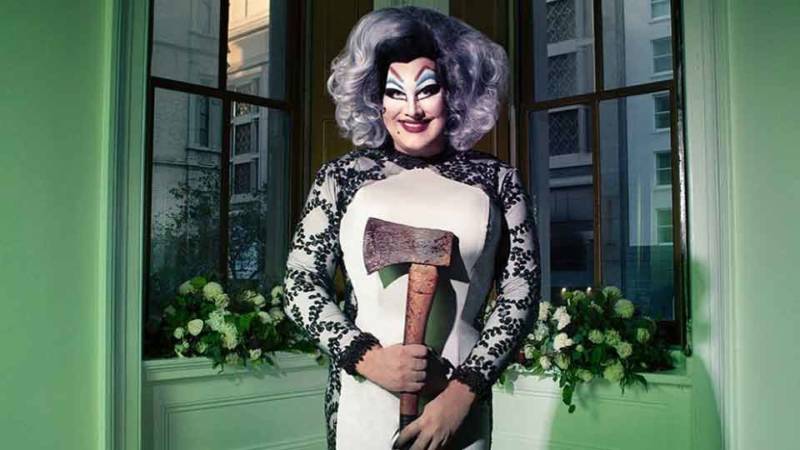
"caption": "Peaches Christ.",
"description": "Peaches Christ.",
"title": "PeachesChrist.Axe",
"credit": "Ash Danielsen",
"status": "inherit",
"isLoading": false,
"fetchFailed": false
},
"arts_13862628": {
"type": "attachments",
"id": "arts_13862628",
"meta": {
"index": "attachments_1716263798",
"site": "arts",
"id": "13862628",
"found": true
},
"parent": 13862625,
"imgSizes": {
"twentyfourteen-full-width": {
"file": "https://ww2.kqed.org/app/uploads/sites/2/2019/07/sixth_sense_hed-1038x576.jpg",
"width": 1038,
"mimeType": "image/jpeg",
"height": 576
},
"thumbnail": {
"file": "https://ww2.kqed.org/app/uploads/sites/2/2019/07/sixth_sense_hed-160x90.jpg",
"width": 160,
"mimeType": "image/jpeg",
"height": 90
},
"post-thumbnail": {
"file": "https://ww2.kqed.org/app/uploads/sites/2/2019/07/sixth_sense_hed-672x372.jpg",
"width": 672,
"mimeType": "image/jpeg",
"height": 372
},
"kqedFullSize": {
"file": "https://ww2.kqed.org/app/uploads/sites/2/2019/07/sixth_sense_hed.jpg",
"width": 1462,
"height": 822
},
"large": {
"file": "https://ww2.kqed.org/app/uploads/sites/2/2019/07/sixth_sense_hed-1020x573.jpg",
"width": 1020,
"mimeType": "image/jpeg",
"height": 573
},
"complete_open_graph": {
"file": "https://ww2.kqed.org/app/uploads/sites/2/2019/07/sixth_sense_hed-1200x675.jpg",
"width": 1200,
"mimeType": "image/jpeg",
"height": 675
},
"medium": {
"file": "https://ww2.kqed.org/app/uploads/sites/2/2019/07/sixth_sense_hed-800x450.jpg",
"width": 800,
"mimeType": "image/jpeg",
"height": 450
},
"medium_large": {
"file": "https://ww2.kqed.org/app/uploads/sites/2/2019/07/sixth_sense_hed-768x432.jpg",
"width": 768,
"mimeType": "image/jpeg",
"height": 432
}
},
"publishDate": 1564598477,
"modified": 1564600775,
"caption": "Cole (Hayley Joel Osment) confides in Malcolm (Bruce Willis) in 'The Sixth Sense' (1999).",
"description": "Cole (Hayley Joel Osment) confides in Malcolm (Bruce Willis) in 'The Sixth Sense' (1999).",
"title": "Cole (Hayley Joel Osment) confides in Malcolm (Bruce Willis) in 'The Sixth Sense' (1999).",
"credit": "Hollywood Pictures",
"status": "inherit",
"isLoading": false,
"fetchFailed": false
}
},
"audioPlayerReducer": {
"postId": "stream_live",
"isPaused": true,
"isPlaying": false,
"pfsActive": false,
"pledgeModalIsOpen": true,
"playerDrawerIsOpen": false,
"liveAudioPlayStartedAt": 0,
"liveAudioPlayContext": ""
},
"authorsReducer": {
"byline_arts_13921086": {
"type": "authors",
"id": "byline_arts_13921086",
"meta": {
"override": true
},
"slug": "byline_arts_13921086",
"name": "Andrew Limbong",
"isLoading": false
},
"byline_arts_13916536": {
"type": "authors",
"id": "byline_arts_13916536",
"meta": {
"override": true
},
"slug": "byline_arts_13916536",
"name": "Aisha Harris",
"isLoading": false
},
"byline_arts_13904783": {
"type": "authors",
"id": "byline_arts_13904783",
"meta": {
"override": true
},
"slug": "byline_arts_13904783",
"name": "Gabino Iglesias",
"isLoading": false
},
"byline_arts_13898330": {
"type": "authors",
"id": "byline_arts_13898330",
"meta": {
"override": true
},
"slug": "byline_arts_13898330",
"name": "Justin Chang",
"isLoading": false
},
"byline_arts_13894830": {
"type": "authors",
"id": "byline_arts_13894830",
"meta": {
"override": true
},
"slug": "byline_arts_13894830",
"name": "Sam Briger",
"isLoading": false
},
"byline_arts_13883880": {
"type": "authors",
"id": "byline_arts_13883880",
"meta": {
"override": true
},
"slug": "byline_arts_13883880",
"name": "Justin Chang",
"isLoading": false
},
"byline_arts_13869018": {
"type": "authors",
"id": "byline_arts_13869018",
"meta": {
"override": true
},
"slug": "byline_arts_13869018",
"name": "Neda Ulaby",
"isLoading": false
},
"ralexandra": {
"type": "authors",
"id": "11242",
"meta": {
"index": "authors_1716337520",
"id": "11242",
"found": true
},
"name": "Rae Alexandra",
"firstName": "Rae",
"lastName": "Alexandra",
"slug": "ralexandra",
"email": "ralexandra@kqed.org",
"display_author_email": true,
"staff_mastheads": [],
"title": "Reporter/Producer",
"bio": "Rae Alexandra is a Reporter/Producer for KQED Arts & Culture, and the creator/author of the \u003ca href=\"https://www.kqed.org/arts/program/rebel-girls-from-bay-area-history\">Rebel Girls From Bay Area History\u003c/a> and \u003ca href=\"https://www.kqed.org/bizarrebayarea\">Bizarre Bay Area\u003c/a> series. Her debut book, \u003ca href=\"https://citylights.com/politics-current-events-history/unsung-heroines35-women-who-changed/\">Unsung Heroines: 35 Women Who Changed the Bay Area\u003c/a> was published by City Lights in March 2026. In 2023, Rae was awarded an SPJ Excellence in Journalism Award for Arts & Culture. Rae was born and raised in Wales and subsequently — even after two decades in Northern California — still uses phrases that regularly baffle her coworkers.",
"avatar": "https://secure.gravatar.com/avatar/edfee8176c80cc0a382b051190f5341997df378a934a5774dcb0977732dfd401?s=600&d=blank&r=g",
"twitter": null,
"bluesky": null,
"facebook": null,
"instagram": null,
"linkedin": null,
"sites": [
{
"site": "arts",
"roles": [
"subscriber"
]
},
{
"site": "news",
"roles": [
"subscriber"
]
},
{
"site": "pop",
"roles": [
"subscriber"
]
},
{
"site": "bayareabites",
"roles": [
"subscriber"
]
},
{
"site": "science",
"roles": [
"subscriber"
]
}
],
"headData": {
"title": "Rae Alexandra | KQED",
"description": "Reporter/Producer",
"ogImgSrc": "https://secure.gravatar.com/avatar/edfee8176c80cc0a382b051190f5341997df378a934a5774dcb0977732dfd401?s=600&d=blank&r=g",
"twImgSrc": "https://secure.gravatar.com/avatar/edfee8176c80cc0a382b051190f5341997df378a934a5774dcb0977732dfd401?s=600&d=blank&r=g"
},
"isLoading": false,
"link": "/author/ralexandra"
},
"jhesig": {
"type": "authors",
"id": "11333",
"meta": {
"index": "authors_1716337520",
"id": "11333",
"found": true
},
"name": "Janelle Hessig",
"firstName": "Janelle",
"lastName": "Hessig",
"slug": "jhesig",
"email": "jhessig@kqed.org",
"display_author_email": false,
"staff_mastheads": [],
"title": "KQED Contributor",
"bio": null,
"avatar": "https://secure.gravatar.com/avatar/27dd6e3cd88f82541593bd6d8f2aec4a?s=600&d=mm&r=g",
"twitter": null,
"facebook": null,
"instagram": null,
"linkedin": null,
"sites": [
{
"site": "arts",
"roles": []
},
{
"site": "food",
"roles": []
},
{
"site": "filmschoolshorts",
"roles": [
"editor"
]
}
],
"headData": {
"title": "Janelle Hessig | KQED",
"description": "KQED Contributor",
"ogImgSrc": "https://secure.gravatar.com/avatar/27dd6e3cd88f82541593bd6d8f2aec4a?s=600&d=mm&r=g",
"twImgSrc": "https://secure.gravatar.com/avatar/27dd6e3cd88f82541593bd6d8f2aec4a?s=600&d=mm&r=g"
},
"isLoading": false,
"link": "/author/jhesig"
}
},
"pagesReducer": {
"arts_tag_horror": {
"type": "terms",
"id": "arts_5087",
"meta": {
"index": "terms_1716263798",
"site": "arts",
"id": "5087",
"score": 9.556763
},
"featImg": null,
"name": "horror",
"description": null,
"taxonomy": "tag",
"headData": {
"twImgId": null,
"twTitle": null,
"ogTitle": null,
"ogImgId": null,
"twDescription": null,
"description": null,
"title": "horror Archives | KQED Arts",
"ogDescription": null
},
"ttid": 5099,
"slug": "horror",
"isLoading": false,
"title": "horror",
"pageMeta": {
"site": "arts",
"WpPageTemplate": "page-topic-editorial",
"currentPage": 6
},
"blocks": [
{
"blockName": "kqed/post-list",
"attrs": {
"layout": "cardArticle2",
"query": "posts/arts?tag=horror",
"seeMore": false,
"paginated": true,
"page": 6
}
},
{
"blockName": "kqed/ad"
}
]
}
},
"pfsSessionReducer": {},
"postsReducer": {
"stream_live": {
"type": "live",
"id": "stream_live",
"audioUrl": "https://streams.kqed.org/kqedradio",
"title": "Live Stream",
"excerpt": "Live Stream information currently unavailable.",
"link": "/radio",
"featImg": "",
"label": {
"name": "KQED Live",
"link": "/"
}
},
"stream_kqedNewscast": {
"type": "posts",
"id": "stream_kqedNewscast",
"audioUrl": "https://www.kqed.org/.stream/anon/radio/RDnews/newscast.mp3?_=1",
"title": "KQED Newscast",
"featImg": "",
"label": {
"name": "88.5 FM",
"link": "/"
}
},
"arts_13921086": {
"type": "posts",
"id": "arts_13921086",
"meta": {
"index": "posts_1716263798",
"site": "arts",
"id": "13921086",
"score": null,
"sort": [
1667241382000
]
},
"parent": 0,
"labelTerm": {
"site": "arts",
"term": 137
},
"blocks": [],
"publishDate": 1667241382,
"format": "standard",
"title": "‘Goosebumps’ is Turning 30 — The Scariest Part is How Old That Makes You",
"headTitle": "‘Goosebumps’ is Turning 30 — The Scariest Part is How Old That Makes You | KQED",
"content": "\u003cp>There are plenty of cockroaches in New York City, but at R.L. Stine’s house, you’ll find a 3 foot one.\u003c/p>\n\u003cp>OK, not an actual roach. It was just one of the many horror-based knick knacks lying around his office, which was filled with \u003cem>Goosebumps\u003c/em> lunchboxes and dolls and, of course, books.\u003c/p>\n\u003cp>[aside postid='arts_13888122']Was that slight mis-direct about the roach kind of cheap? An easy way to (hopefully) hook a reader? Absolutely. But it’s the kind of thing that Stine has built his career on — cheap tricks and teases. “\u003cem>Goosebumps\u003c/em> is mostly teases,” he says.\u003c/p>\n\u003cp>“I don’t really want to terrify kids. It’s not what I really want. If I think a scene is getting too scary, too intense, I throw in something funny.”\u003c/p>\n\u003cp>Stine’s mega-popular kids book series \u003cem>Goosebumps\u003c/em> turns 30 this year. It’s a franchise that’s spawned TV shows, movies and even more books. And even if its popularity has waned in recent years (“I don’t have the same sales as the ‘90s. We \u003cem>love\u003c/em> the ‘90s,” he says), the series continues to have its hooks, tentacles, or some other creepy tendrils around fans today.\u003c/p>\n\u003ch3>Coming to terms with becoming nostalgia\u003c/h3>\n\u003cfigure id=\"attachment_13921089\" class=\"wp-caption aligncenter\" style=\"max-width: 800px\">\u003cimg loading=\"lazy\" decoding=\"async\" class=\"size-medium wp-image-13921089\" src=\"https://ww2.kqed.org/app/uploads/sites/2/2022/10/rlstein_npr_0129-988d40ff0578e23bcbd1d718385f8f16173c5071-800x600.jpg\" alt=\"\" width=\"800\" height=\"600\">\u003cfigcaption class=\"wp-caption-text\">Bookshelves are filled with ‘Goosebumps’ books and fun-filled knick knacks in Stine’s home. \u003ccite>(Christopher Gregory-Rivera for NPR)\u003c/cite>\u003c/figcaption>\u003c/figure>\n\u003cp>Stine is celebrating the anniversary with a \u003ca href=\"https://us.macmillan.com/books/9781250836267/stinetinglers\">couple of\u003c/a> \u003ca href=\"https://shop.scholastic.com/parent-ecommerce/books/goosebumps-slappy-beware-9781338847079.html\">new books\u003c/a> and a handful of appearances. When we met, he was fresh from an appearance at New York City Comic Con, meeting and greeting a hoard of fans, and he was getting ready to appear at the Library of Congress to take questions from children. In a way, Stine is in a sweet spot with his audience — his original fan base is now old enough to be sharing \u003cem>Goosebumps\u003c/em> with their own kids. “You get old. That’s a tough pill to swallow,” he says. “Terrible. But what a thrill. I get to scare a lot of generations, don’t I?”\u003c/p>\n\u003cp>[ad fullwidth]\u003c/p>\n\u003cp>Stine is originally from Ohio. He moved to New York with big dreams of becoming a writer — just not the type of writer he became. He started out as a humorist, editing a kids magazine at Scholastic. One day in the ‘80s, he was having lunch with his friend Jean Feiwel, who was also an editor at Scholastic. She was supposed to be working on a horror book for teens called \u003cem>Blind Date\u003c/em>, but the author had just dropped out. Desperate, she told Stine that \u003cem>he\u003c/em> could write a horror novel for teenagers.\u003c/p>\n\u003cp>“I didn’t know what she was talking about,” he says. “‘What’s a horror novel for teenagers?’”\u003c/p>\n\u003cp>“I was on a timeline,” recalls Feiwel. “I said ‘You know, like any blind date, it could turn horrific, so I’m sure you could find the horror in it. And the humor in it.’”\u003c/p>\n\u003cp>Stine ran to a nearby bookstore and picked up anyone who was writing teen horror — Christopher Pike, Lois Duncan. He was a quick study. Feiwel guesses that he got the book written in about a week: “And I said, ‘Oh my God, you’ve got a whole new career here.’”\u003c/p>\n\u003ch3>What the first ‘Goosebumps’ book got wrong\u003c/h3>\n\u003cfigure id=\"attachment_13921088\" class=\"wp-caption aligncenter\" style=\"max-width: 800px\">\u003cimg loading=\"lazy\" decoding=\"async\" class=\"size-medium wp-image-13921088\" src=\"https://ww2.kqed.org/app/uploads/sites/2/2022/10/rlstein_npr_0093_custom-a29d47b5ea29b5110b5fd9b30dc3dc2ec9ecaea9-800x599.jpg\" alt=\"A senior gentleman, dressed in all black and wearing spectacles, sits in an armchair next to a life-size skeleton. Behind him are packed bookshelves and a window.\" width=\"800\" height=\"599\">\u003cfigcaption class=\"wp-caption-text\">Horror author R.L. Stine sits next to a skeleton in his home in New York City. Stine’s mega-popular kids book series ‘Goosebumps’ turns 30 this year. \u003ccite>(Christopher Gregory-Rivera for NPR)\u003c/cite>\u003c/figcaption>\u003c/figure>\n\u003cp>While \u003cem>Blind Date\u003c/em> worked for teenagers, Stine shifted to writing a series for younger kids, at an age range book industry people call “middle grade.” The first \u003cem>Goosebumps\u003c/em> book\u003cem> Welcome to Dead House\u003c/em> was published in 1992. It’s about a family who moves into a creaky old house in a small town. Early on, Amanda has to go out looking for her brother, who’s gone missing. She finds him in a graveyard, of course.\u003c/p>\n\u003cblockquote>\u003cp>I stepped down from the car, took a few steps onto the grass and called to him. At first he didn’t react to my shouts. He seemed to be ducking and dodging through the tombstones. He would run in one direction, then cut to the side, then head in another direction.\u003c/p>\n\u003cp>Why was he doing that?\u003c/p>\n\u003cp>I took another few steps — and then stopped, gripped with fear.\u003c/p>\n\u003cp>I suddenly realized why Josh was darting and ducking like that, running so wildly through the tombstones. He was being chased.\u003c/p>\n\u003cp>Someone or — something — was after him.\u003c/p>\u003c/blockquote>\n\u003cp>Stine now says he thinks this book is actually too scary — he hadn’t quite nailed down the balance between funny and frightful — but it had an effect on lots of young readers, like India Hill Brown. “I remember reading it as a kid, it was so scary,” says Brown. “And I remember reading it as an adult, it was so scary,” she laughs.\u003c/p>\n\u003cp>Brown \u003ca href=\"https://indiahillbrown.com/\">is the author\u003c/a> of two horror books for kids — \u003cem>The Forgotten Girl\u003c/em> and \u003cem>The Girl in the Lake\u003c/em>. She’d actually returned to \u003cem>Welcome to Dead House\u003c/em> when working on her first book, during a rough patch of writer’s block. It helped her focus on “what made me love middle grade horror.”\u003c/p>\n\u003cp>[aside postid='arts_13901163']It’s an interesting age, before you’ve realized that growing up is kind of awful. You’re on the precipice of not wanting to be a kid anymore — which is why \u003cem>Goosebumps\u003c/em> protagonists tend to be 12 years old — just a little older than the target age range. You want to have a little independence, a touch of agency, but also feel safe. “My one rule for writing for 7 to 11 year olds is they can’t think it’s going to be real. They have to know it’s a fantasy. And then I can go pretty far with the scares,” says Stine.\u003c/p>\n\u003cp>It took a while for the \u003cem>Goosebumps\u003c/em> hype train to take off, but when it did, it hit big. It inspired a kids TV show, merch and — to a certain type of superfan — the books themselves became collectables.\u003c/p>\n\u003cp>“I remember scouring bookstores each month when the next \u003cem>Goosebumps\u003c/em> was supposed to come out,” superfan Brian Stelter tells me.\u003c/p>\n\u003cp>Stelter is best known for being the former chief media correspondent for CNN and host of the show \u003cem>Reliable Sources\u003c/em>, but in the world of \u003cem>Goosebumps\u003c/em> he’s famous for having created the fansite \u003ca href=\"https://web.archive.org/web/19980504145909/http://thebumps.com:80/\">The Bumps\u003c/a>. It wasn’t just any \u003cem>Goosebumps\u003c/em> fansite: Stelter, slightly biased, called it the “number one unofficial \u003cem>Goosebumps\u003c/em> website.” To Stelter, the fact that he had competition online shows the power and reach of Stine’s books. “There were all these websites, including my own, that were \u003cem>obsessed\u003c/em> with his creations and wanting to talk and share even more about them.”\u003c/p>\n\u003cp>Feiwel, the former Scholastic editor, said with \u003cem>Goosebumps\u003c/em>, Stine pulled off a spectacular feat. Nobody back then was writing horror for middle grade kids. And Stine got them — boys in particular — reading.\u003c/p>\n\u003ch3>When parents tried to ban ‘Goosebumps’\u003c/h3>\n\u003cfigure id=\"attachment_13921090\" class=\"wp-caption aligncenter\" style=\"max-width: 800px\">\u003cimg loading=\"lazy\" decoding=\"async\" class=\"size-medium wp-image-13921090\" src=\"https://ww2.kqed.org/app/uploads/sites/2/2022/10/gb-welcometodeadhouse_custom-7cbce1a4b868fe9f3205d288b3300ab3ee1e1cf1-800x1168.jpg\" alt=\"A pink and purple book cover decorated with a forboding haunted house.\" width=\"800\" height=\"1168\" srcset=\"https://cdn.kqed.org/wp-content/uploads/sites/2/2022/10/gb-welcometodeadhouse_custom-7cbce1a4b868fe9f3205d288b3300ab3ee1e1cf1-800x1168.jpg 800w, https://cdn.kqed.org/wp-content/uploads/sites/2/2022/10/gb-welcometodeadhouse_custom-7cbce1a4b868fe9f3205d288b3300ab3ee1e1cf1-160x234.jpg 160w, https://cdn.kqed.org/wp-content/uploads/sites/2/2022/10/gb-welcometodeadhouse_custom-7cbce1a4b868fe9f3205d288b3300ab3ee1e1cf1-768x1121.jpg 768w, https://cdn.kqed.org/wp-content/uploads/sites/2/2022/10/gb-welcometodeadhouse_custom-7cbce1a4b868fe9f3205d288b3300ab3ee1e1cf1.jpg 822w\" sizes=\"(max-width: 800px) 100vw, 800px\">\u003cfigcaption class=\"wp-caption-text\">The first ‘Goosebumps’ book, ‘Welcome to Dead House,’ was published in 1992. \u003ccite>(Scholastic)\u003c/cite>\u003c/figcaption>\u003c/figure>\n\u003cp>In 1997, a small group of parents in a Minneapolis suburb tried to get \u003ca href=\"https://archive.mpr.org/stories/1997/01/15/goosebumpshearing-whether-ban-scary-books\">\u003cem>Goosebumps\u003c/em> pulled from elementary school libraries\u003c/a>. They claimed that the series wasn’t fostering healthy values in children, and that it was too scary. Stine chalked that up to parents who were just frightened by the covers, and didn’t actually read the books. The push to restrict the books eventually failed.\u003c/p>\n\u003cp>[aside postid='arts_13918019']“We had so much support from teachers, librarians and reading teachers who saw that kids really went for them,” says Stine. “It really helped us a lot back then. They were always right behind \u003cem>Goosebumps\u003c/em>.”\u003c/p>\n\u003cp>Now would be the part of the profile where I tie something Stine said to a bigger story going on in the news — like the \u003ca href=\"https://www.npr.org/2022/09/19/1123156201/new-report-finds-a-coordinated-rise-in-attempted-book-bans\">recent rash of book bannings\u003c/a>. Or maybe land on a tidy summation of Stine’s work that points to a deeper meaning — like how ‘Goosebumps\u003cem>,’\u003c/em> like all good horror, actually plays off deeper, eternal fears: Do my friends like me? Are my parents acting weird?\u003c/p>\n\u003cp>[ad floatright]\u003c/p>\n\u003cp>But \u003cem>Goosebumps\u003c/em>, for the past 30 years, has consistently, stubbornly, avoided deeper meanings or bigger lessons. In a way, those parents had a point. Stine wasn’t interested in teaching kids healthy values. He’s never been interested in teaching kids anything. Other than: Keep reading to find out what happens next.\u003c/p>\n\u003cdiv class=\"fullattribution\">\u003cem>Copyright 2022 NPR. To see more, \u003ca href=\"https://www.npr.org\" target=\"_blank\" rel=\"noopener noreferrer\">visit NPR\u003c/a>.\u003cimg decoding=\"async\" src=\"https://www.google-analytics.com/__utm.gif?utmac=UA-5828686-4&utmdt=%27Goosebumps%27+is+turning+30+%E2%80%94+the+scariest+part+is+how+old+that+makes+you&utme=8(APIKey)9(MDAxOTAwOTE4MDEyMTkxMDAzNjczZDljZA004)\">\u003c/em>\u003c/div>\n\n",
"stats": {
"hasVideo": false,
"hasChartOrMap": false,
"hasAudio": false,
"hasPolis": false,
"wordCount": 1535,
"hasGoogleForm": false,
"hasGallery": false,
"hasHearkenModule": false,
"iframeSrcs": [],
"paragraphCount": 29
},
"modified": 1705006206,
"excerpt": "R.L. Stine's mega-popular series has spawned TV shows, movies and many, many books.",
"headData": {
"twImgId": "",
"twTitle": "",
"ogTitle": "",
"ogImgId": "",
"twDescription": "",
"description": "R.L. Stine's mega-popular series has spawned TV shows, movies and many, many books.",
"title": "‘Goosebumps’ is Turning 30 — The Scariest Part is How Old That Makes You | KQED",
"ogDescription": "",
"schema": {
"@context": "https://schema.org",
"@type": "Article",
"headline": "‘Goosebumps’ is Turning 30 — The Scariest Part is How Old That Makes You",
"datePublished": "2022-10-31T11:36:22-07:00",
"dateModified": "2024-01-11T12:50:06-08:00",
"image": "https://cdn.kqed.org/wp-content/uploads/2020/02/KQED-OG-Image@1x.png"
}
},
"guestAuthors": [],
"slug": "goosebumps-is-turning-30-the-scariest-part-is-how-old-that-makes-you",
"status": "publish",
"nprApiLink": "http://api.npr.org/query?id=1131442078&apiKey=MDAxOTAwOTE4MDEyMTkxMDAzNjczZDljZA004",
"templateType": "standard",
"nprStoryDate": "Mon, 31 Oct 2022 09:40:44 -0400",
"excludeFromSiteSearch": "Include",
"nprLastModifiedDate": "Mon, 31 Oct 2022 14:11:05 -0400",
"featuredImageType": "standard",
"nprHtmlLink": "https://www.npr.org/2022/10/31/1131442078/goosebumps-rl-stine-horror-books-kids?ft=nprml&f=1131442078",
"nprImageAgency": "Christopher Gregory-Rivera for NPR",
"nprStoryId": "1131442078",
"nprByline": "Andrew Limbong",
"sticky": false,
"showOnAuthorArchivePages": "No",
"nprRetrievedStory": "1",
"nprPubDate": "Mon, 31 Oct 2022 14:11:00 -0400",
"path": "/arts/13921086/goosebumps-is-turning-30-the-scariest-part-is-how-old-that-makes-you",
"audioTrackLength": null,
"parsedContent": [
{
"type": "contentString",
"content": "\u003cdiv class=\"post-body\">\u003cp>\u003cp>There are plenty of cockroaches in New York City, but at R.L. Stine’s house, you’ll find a 3 foot one.\u003c/p>\n\u003cp>OK, not an actual roach. It was just one of the many horror-based knick knacks lying around his office, which was filled with \u003cem>Goosebumps\u003c/em> lunchboxes and dolls and, of course, books.\u003c/p>\n\u003cp>\u003c/p>\u003c/div>",
"attributes": {
"named": {},
"numeric": []
}
},
{
"type": "component",
"content": "",
"name": "aside",
"attributes": {
"named": {
"postid": "arts_13888122",
"label": ""
},
"numeric": []
}
},
{
"type": "contentString",
"content": "\u003cdiv class=\"post-body\">\u003cp>Was that slight mis-direct about the roach kind of cheap? An easy way to (hopefully) hook a reader? Absolutely. But it’s the kind of thing that Stine has built his career on — cheap tricks and teases. “\u003cem>Goosebumps\u003c/em> is mostly teases,” he says.\u003c/p>\n\u003cp>“I don’t really want to terrify kids. It’s not what I really want. If I think a scene is getting too scary, too intense, I throw in something funny.”\u003c/p>\n\u003cp>Stine’s mega-popular kids book series \u003cem>Goosebumps\u003c/em> turns 30 this year. It’s a franchise that’s spawned TV shows, movies and even more books. And even if its popularity has waned in recent years (“I don’t have the same sales as the ‘90s. We \u003cem>love\u003c/em> the ‘90s,” he says), the series continues to have its hooks, tentacles, or some other creepy tendrils around fans today.\u003c/p>\n\u003ch3>Coming to terms with becoming nostalgia\u003c/h3>\n\u003cfigure id=\"attachment_13921089\" class=\"wp-caption aligncenter\" style=\"max-width: 800px\">\u003cimg loading=\"lazy\" decoding=\"async\" class=\"size-medium wp-image-13921089\" src=\"https://ww2.kqed.org/app/uploads/sites/2/2022/10/rlstein_npr_0129-988d40ff0578e23bcbd1d718385f8f16173c5071-800x600.jpg\" alt=\"\" width=\"800\" height=\"600\">\u003cfigcaption class=\"wp-caption-text\">Bookshelves are filled with ‘Goosebumps’ books and fun-filled knick knacks in Stine’s home. \u003ccite>(Christopher Gregory-Rivera for NPR)\u003c/cite>\u003c/figcaption>\u003c/figure>\n\u003cp>Stine is celebrating the anniversary with a \u003ca href=\"https://us.macmillan.com/books/9781250836267/stinetinglers\">couple of\u003c/a> \u003ca href=\"https://shop.scholastic.com/parent-ecommerce/books/goosebumps-slappy-beware-9781338847079.html\">new books\u003c/a> and a handful of appearances. When we met, he was fresh from an appearance at New York City Comic Con, meeting and greeting a hoard of fans, and he was getting ready to appear at the Library of Congress to take questions from children. In a way, Stine is in a sweet spot with his audience — his original fan base is now old enough to be sharing \u003cem>Goosebumps\u003c/em> with their own kids. “You get old. That’s a tough pill to swallow,” he says. “Terrible. But what a thrill. I get to scare a lot of generations, don’t I?”\u003c/p>\n\u003cp>\u003c/p>\u003c/div>",
"attributes": {
"named": {},
"numeric": []
}
},
{
"type": "component",
"content": "",
"name": "ad",
"attributes": {
"named": {
"label": "fullwidth"
},
"numeric": [
"fullwidth"
]
}
},
{
"type": "contentString",
"content": "\u003cdiv class=\"post-body\">\u003cp>\u003c/p>\n\u003cp>Stine is originally from Ohio. He moved to New York with big dreams of becoming a writer — just not the type of writer he became. He started out as a humorist, editing a kids magazine at Scholastic. One day in the ‘80s, he was having lunch with his friend Jean Feiwel, who was also an editor at Scholastic. She was supposed to be working on a horror book for teens called \u003cem>Blind Date\u003c/em>, but the author had just dropped out. Desperate, she told Stine that \u003cem>he\u003c/em> could write a horror novel for teenagers.\u003c/p>\n\u003cp>“I didn’t know what she was talking about,” he says. “‘What’s a horror novel for teenagers?’”\u003c/p>\n\u003cp>“I was on a timeline,” recalls Feiwel. “I said ‘You know, like any blind date, it could turn horrific, so I’m sure you could find the horror in it. And the humor in it.’”\u003c/p>\n\u003cp>Stine ran to a nearby bookstore and picked up anyone who was writing teen horror — Christopher Pike, Lois Duncan. He was a quick study. Feiwel guesses that he got the book written in about a week: “And I said, ‘Oh my God, you’ve got a whole new career here.’”\u003c/p>\n\u003ch3>What the first ‘Goosebumps’ book got wrong\u003c/h3>\n\u003cfigure id=\"attachment_13921088\" class=\"wp-caption aligncenter\" style=\"max-width: 800px\">\u003cimg loading=\"lazy\" decoding=\"async\" class=\"size-medium wp-image-13921088\" src=\"https://ww2.kqed.org/app/uploads/sites/2/2022/10/rlstein_npr_0093_custom-a29d47b5ea29b5110b5fd9b30dc3dc2ec9ecaea9-800x599.jpg\" alt=\"A senior gentleman, dressed in all black and wearing spectacles, sits in an armchair next to a life-size skeleton. Behind him are packed bookshelves and a window.\" width=\"800\" height=\"599\">\u003cfigcaption class=\"wp-caption-text\">Horror author R.L. Stine sits next to a skeleton in his home in New York City. Stine’s mega-popular kids book series ‘Goosebumps’ turns 30 this year. \u003ccite>(Christopher Gregory-Rivera for NPR)\u003c/cite>\u003c/figcaption>\u003c/figure>\n\u003cp>While \u003cem>Blind Date\u003c/em> worked for teenagers, Stine shifted to writing a series for younger kids, at an age range book industry people call “middle grade.” The first \u003cem>Goosebumps\u003c/em> book\u003cem> Welcome to Dead House\u003c/em> was published in 1992. It’s about a family who moves into a creaky old house in a small town. Early on, Amanda has to go out looking for her brother, who’s gone missing. She finds him in a graveyard, of course.\u003c/p>\n\u003cblockquote>\u003cp>I stepped down from the car, took a few steps onto the grass and called to him. At first he didn’t react to my shouts. He seemed to be ducking and dodging through the tombstones. He would run in one direction, then cut to the side, then head in another direction.\u003c/p>\n\u003cp>Why was he doing that?\u003c/p>\n\u003cp>I took another few steps — and then stopped, gripped with fear.\u003c/p>\n\u003cp>I suddenly realized why Josh was darting and ducking like that, running so wildly through the tombstones. He was being chased.\u003c/p>\n\u003cp>Someone or — something — was after him.\u003c/p>\u003c/blockquote>\n\u003cp>Stine now says he thinks this book is actually too scary — he hadn’t quite nailed down the balance between funny and frightful — but it had an effect on lots of young readers, like India Hill Brown. “I remember reading it as a kid, it was so scary,” says Brown. “And I remember reading it as an adult, it was so scary,” she laughs.\u003c/p>\n\u003cp>Brown \u003ca href=\"https://indiahillbrown.com/\">is the author\u003c/a> of two horror books for kids — \u003cem>The Forgotten Girl\u003c/em> and \u003cem>The Girl in the Lake\u003c/em>. She’d actually returned to \u003cem>Welcome to Dead House\u003c/em> when working on her first book, during a rough patch of writer’s block. It helped her focus on “what made me love middle grade horror.”\u003c/p>\n\u003cp>\u003c/p>\u003c/div>",
"attributes": {
"named": {},
"numeric": []
}
},
{
"type": "component",
"content": "",
"name": "aside",
"attributes": {
"named": {
"postid": "arts_13901163",
"label": ""
},
"numeric": []
}
},
{
"type": "contentString",
"content": "\u003cdiv class=\"post-body\">\u003cp>It’s an interesting age, before you’ve realized that growing up is kind of awful. You’re on the precipice of not wanting to be a kid anymore — which is why \u003cem>Goosebumps\u003c/em> protagonists tend to be 12 years old — just a little older than the target age range. You want to have a little independence, a touch of agency, but also feel safe. “My one rule for writing for 7 to 11 year olds is they can’t think it’s going to be real. They have to know it’s a fantasy. And then I can go pretty far with the scares,” says Stine.\u003c/p>\n\u003cp>It took a while for the \u003cem>Goosebumps\u003c/em> hype train to take off, but when it did, it hit big. It inspired a kids TV show, merch and — to a certain type of superfan — the books themselves became collectables.\u003c/p>\n\u003cp>“I remember scouring bookstores each month when the next \u003cem>Goosebumps\u003c/em> was supposed to come out,” superfan Brian Stelter tells me.\u003c/p>\n\u003cp>Stelter is best known for being the former chief media correspondent for CNN and host of the show \u003cem>Reliable Sources\u003c/em>, but in the world of \u003cem>Goosebumps\u003c/em> he’s famous for having created the fansite \u003ca href=\"https://web.archive.org/web/19980504145909/http://thebumps.com:80/\">The Bumps\u003c/a>. It wasn’t just any \u003cem>Goosebumps\u003c/em> fansite: Stelter, slightly biased, called it the “number one unofficial \u003cem>Goosebumps\u003c/em> website.” To Stelter, the fact that he had competition online shows the power and reach of Stine’s books. “There were all these websites, including my own, that were \u003cem>obsessed\u003c/em> with his creations and wanting to talk and share even more about them.”\u003c/p>\n\u003cp>Feiwel, the former Scholastic editor, said with \u003cem>Goosebumps\u003c/em>, Stine pulled off a spectacular feat. Nobody back then was writing horror for middle grade kids. And Stine got them — boys in particular — reading.\u003c/p>\n\u003ch3>When parents tried to ban ‘Goosebumps’\u003c/h3>\n\u003cfigure id=\"attachment_13921090\" class=\"wp-caption aligncenter\" style=\"max-width: 800px\">\u003cimg loading=\"lazy\" decoding=\"async\" class=\"size-medium wp-image-13921090\" src=\"https://ww2.kqed.org/app/uploads/sites/2/2022/10/gb-welcometodeadhouse_custom-7cbce1a4b868fe9f3205d288b3300ab3ee1e1cf1-800x1168.jpg\" alt=\"A pink and purple book cover decorated with a forboding haunted house.\" width=\"800\" height=\"1168\" srcset=\"https://cdn.kqed.org/wp-content/uploads/sites/2/2022/10/gb-welcometodeadhouse_custom-7cbce1a4b868fe9f3205d288b3300ab3ee1e1cf1-800x1168.jpg 800w, https://cdn.kqed.org/wp-content/uploads/sites/2/2022/10/gb-welcometodeadhouse_custom-7cbce1a4b868fe9f3205d288b3300ab3ee1e1cf1-160x234.jpg 160w, https://cdn.kqed.org/wp-content/uploads/sites/2/2022/10/gb-welcometodeadhouse_custom-7cbce1a4b868fe9f3205d288b3300ab3ee1e1cf1-768x1121.jpg 768w, https://cdn.kqed.org/wp-content/uploads/sites/2/2022/10/gb-welcometodeadhouse_custom-7cbce1a4b868fe9f3205d288b3300ab3ee1e1cf1.jpg 822w\" sizes=\"(max-width: 800px) 100vw, 800px\">\u003cfigcaption class=\"wp-caption-text\">The first ‘Goosebumps’ book, ‘Welcome to Dead House,’ was published in 1992. \u003ccite>(Scholastic)\u003c/cite>\u003c/figcaption>\u003c/figure>\n\u003cp>In 1997, a small group of parents in a Minneapolis suburb tried to get \u003ca href=\"https://archive.mpr.org/stories/1997/01/15/goosebumpshearing-whether-ban-scary-books\">\u003cem>Goosebumps\u003c/em> pulled from elementary school libraries\u003c/a>. They claimed that the series wasn’t fostering healthy values in children, and that it was too scary. Stine chalked that up to parents who were just frightened by the covers, and didn’t actually read the books. The push to restrict the books eventually failed.\u003c/p>\n\u003cp>\u003c/p>\u003c/div>",
"attributes": {
"named": {},
"numeric": []
}
},
{
"type": "component",
"content": "",
"name": "aside",
"attributes": {
"named": {
"postid": "arts_13918019",
"label": ""
},
"numeric": []
}
},
{
"type": "contentString",
"content": "\u003cdiv class=\"post-body\">\u003cp>“We had so much support from teachers, librarians and reading teachers who saw that kids really went for them,” says Stine. “It really helped us a lot back then. They were always right behind \u003cem>Goosebumps\u003c/em>.”\u003c/p>\n\u003cp>Now would be the part of the profile where I tie something Stine said to a bigger story going on in the news — like the \u003ca href=\"https://www.npr.org/2022/09/19/1123156201/new-report-finds-a-coordinated-rise-in-attempted-book-bans\">recent rash of book bannings\u003c/a>. Or maybe land on a tidy summation of Stine’s work that points to a deeper meaning — like how ‘Goosebumps\u003cem>,’\u003c/em> like all good horror, actually plays off deeper, eternal fears: Do my friends like me? Are my parents acting weird?\u003c/p>\n\u003cp>\u003c/p>\u003c/div>",
"attributes": {
"named": {},
"numeric": []
}
},
{
"type": "component",
"content": "",
"name": "ad",
"attributes": {
"named": {
"label": "floatright"
},
"numeric": [
"floatright"
]
}
},
{
"type": "contentString",
"content": "\u003cdiv class=\"post-body\">\u003cp>\u003c/p>\n\u003cp>But \u003cem>Goosebumps\u003c/em>, for the past 30 years, has consistently, stubbornly, avoided deeper meanings or bigger lessons. In a way, those parents had a point. Stine wasn’t interested in teaching kids healthy values. He’s never been interested in teaching kids anything. Other than: Keep reading to find out what happens next.\u003c/p>\n\u003cdiv class=\"fullattribution\">\u003cem>Copyright 2022 NPR. To see more, \u003ca href=\"https://www.npr.org\" target=\"_blank\" rel=\"noopener noreferrer\">visit NPR\u003c/a>.\u003cimg decoding=\"async\" src=\"https://www.google-analytics.com/__utm.gif?utmac=UA-5828686-4&utmdt=%27Goosebumps%27+is+turning+30+%E2%80%94+the+scariest+part+is+how+old+that+makes+you&utme=8(APIKey)9(MDAxOTAwOTE4MDEyMTkxMDAzNjczZDljZA004)\">\u003c/em>\u003c/div>\n\n\u003c/div>\u003c/p>",
"attributes": {
"named": {},
"numeric": []
}
}
],
"link": "/arts/13921086/goosebumps-is-turning-30-the-scariest-part-is-how-old-that-makes-you",
"authors": [
"byline_arts_13921086"
],
"categories": [
"arts_1",
"arts_73",
"arts_75"
],
"tags": [
"arts_1942",
"arts_10278",
"arts_5087",
"arts_10527"
],
"affiliates": [
"arts_137"
],
"featImg": "arts_13921087",
"label": "arts_137"
},
"arts_13916536": {
"type": "posts",
"id": "arts_13916536",
"meta": {
"index": "posts_1716263798",
"site": "arts",
"id": "13916536",
"score": null,
"sort": [
1658473351000
]
},
"parent": 0,
"labelTerm": {
"site": "arts",
"term": 137
},
"blocks": [],
"publishDate": 1658473351,
"format": "standard",
"title": "Jordan Peele Subverts Expectations (Again) With 'Nope'",
"headTitle": "Jordan Peele Subverts Expectations (Again) With ‘Nope’ | KQED",
"content": "\u003cp>When the \u003ca href=\"https://www.youtube.com/watch?v=In8fuzj3gck&feature=emb_title\" target=\"_blank\" rel=\"noopener noreferrer\">first trailer\u003c/a> for \u003cem>Nope \u003c/em>dropped, viewers almost immediately swarmed social media trying to interpret the opaque montage of shots—shots which revealed virtually nothing about the plot of the movie. This is partially of Jordan Peele’s own doing, because his first two feature films as a writer-director, \u003cem>Get Out \u003c/em>and \u003ca href=\"https://www.kqed.org/arts/13853443/in-jordan-peeles-us-the-enemy-within-is-an-inarticulate-zombie\" target=\"_blank\" rel=\"noopener noreferrer\">\u003cem>Us\u003c/em>\u003c/a>, set up high expectations for twisty, multilayered social commentary by way of popcorn thrills. Even more so it’s a product of the current cultural landscape, where seemingly every big movie or TV series is laden with twists and Easter eggs and spoiler-y cameos, lending itself to fervent Reddit threads breaking down the creator’s underlying meaning.\u003c/p>\n\u003cp>Peele surely knows by now what audiences anticipate from him and other filmmakers like him, which is probably why—once again—he’s managed to subvert our expectations. \u003cem>Nope \u003c/em>isn’t so much a plot-twisty experience to be meticulously deconstructed as it is a consistently surprising one. It’s a journey that’s less social commentary-forward than its predecessors, yet still stacked with plenty of meaning to tease out after you’ve left the theater.\u003c/p>\n\u003cp>https://www.youtube.com/watch?v=In8fuzj3gck\u003c/p>\n\u003cp>First and foremost, he wants us to be in awe. And on that front, he doesn’t disappoint.\u003c/p>\n\u003cp>The film opens by quoting a Bible verse from the book of Nahum: “I will cast abominable filth at you, make you vile, and make you a spectacle,” followed by a quiet, eerie scene involving an animal that’s best left unsaid for first-time viewers; the better to creep you out in the moment. Eventually, \u003cem>Nope \u003c/em>drops us into the world of OJ and Emerald Haywood (Daniel Kaluuya and Keke Palmer), a pair of siblings dealing with the loss of their father Otis, Sr. (Keith David) while trying to maintain the family business. Haywood Hollywood Horses is their company, a horse wrangling outfit that’s worked with TV and film productions for years and is based in the small California desert valley town of Agua Dulce.\u003c/p>\n\u003cp>[ad fullwidth]\u003c/p>\n\u003cp>Mysterious events and sightings from above begin to occur on the family’s ranch, and the hard-hustling Emerald sees an opportunity to make some extra cash by getting the perfect shot of a UFO to sell online. Soon, she and OJ have tricked their land out with camera gear with the help of Angel (Brandon Perea), a tech salesman and quirky supernatural enthusiast who has a plethora of time on his hands. (His actress girlfriend just broke up with him, much to his dismay.) But the UFO poses more of a threat than they initially realize, and soon the three find themselves on the offensive and enlist the help of an old-school filmmaker—the kind who still shoots on actual film—played by Michael Wincott.\u003c/p>\n\u003cp>[aside postid='arts_13847638']True to Peele’s sensibilities, \u003cem>Nope \u003c/em>seems to be borrowing from a plethora of cinematic references: Spielberg (particularly \u003cem>Jaws\u003c/em> and \u003cem>E.T.\u003c/em>), M. Night Shyamalan (\u003cem>Signs\u003c/em>), and\u003cem> Alien\u003c/em>, just to name a few. Kaluuya plays OJ almost like the strong, silent cowboy heroes of Old Hollywood westerns, a man of few words unless the occasion truly calls for it, and the kind of guy who keeps his feelings close to the vest. This contrasts nicely with Palmer’s fast-talking, looser Emerald; she’s the firecracker in this powder keg, injecting energy, wit, and comedic relief into a character whose ideas on how to keep the family’s legacy alive run up against her brother’s intentions.\u003c/p>\n\u003cp>As the movie trots along, the plot is always a couple steps ahead of where the mind may go, and—at least upon first viewing—not all of the threads necessarily hold together if you think about them for too long. (For instance, a storyline involving Steven Yeun as an amusement park owner and former child star is very effective in echoing the movie’s themes, but could also have been more developed.) I also suspect that, like \u003cem>Us\u003c/em>, this will stir up a lot of debate about what message Peele might be trying to impart to his audiences, though I’d argue there’s less \u003cem>there\u003c/em> there to debate over in this case. (On the other hand, maybe \u003cem>that\u003c/em> in itself is something to ponder.)\u003c/p>\n\u003cp>This is not to say \u003cem>Nope\u003c/em> is slight; with this movie, he’s contributing a new entry to the rich history of Black westerns (the Sidney Poitier-directed \u003cem>Buck and the Preacher \u003c/em>is visually referenced, for one) and tapping into themes about a cultural obsession with taming nature and profiting off of pageantry. It’s also significant to note how Peele playfully speaks to Black audiences and their frequent responses to horror movies through the clever title and OJ and Emerald’s actions—like Regina Hall’s ever-skeptical Brenda in the \u003cem>Scary Movie\u003c/em> franchise, these characters are wary and smart about situations that are obviously ominous. “Nope” isn’t just a phrase, it’s a way of survival.\u003c/p>\n\u003cp>[aside postid='arts_13914146']But the aims strongly prioritize thrills and mood-setting. Aesthetically, this is his most ambitious feature yet, with intensely crafted action sequences, breathtaking visuals courtesy of cinematographer Hoyte van Hoytema, and a superbly immersive sound design by Johnnie Burn. Peele seems to be having more fun with his audience than ever before as a feature filmmaker, and in turn, it makes for a fun watch.\u003c/p>\n\u003cp>\u003c/p>\n\u003cp>In an era of sequels, prequels, reboots, and franchises-within-franchises, it’s refreshing to see a filmmaker working in this mode, evoking familiarity while keeping viewers on their toes. \u003cem>Nope \u003c/em>has only solidified my anticipation for anything and everything Peele does next.\u003c/p>\n\u003cdiv class=\"fullattribution\">\u003cem>Copyright 2022 NPR. To see more, \u003ca href=\"https://www.npr.org\" target=\"_blank\" rel=\"noopener noreferrer\">visit NPR\u003c/a>.\u003cimg decoding=\"async\" src=\"https://www.google-analytics.com/__utm.gif?utmac=UA-5828686-4&utmdt=Jordan+Peele+subverts+expectations+%28again%29+with+%27Nope%27&utme=8(APIKey)9(MDAxOTAwOTE4MDEyMTkxMDAzNjczZDljZA004)\">\u003c/em>\u003c/div>\n\n",
"stats": {
"hasVideo": true,
"hasChartOrMap": false,
"hasAudio": false,
"hasPolis": false,
"wordCount": 994,
"hasGoogleForm": false,
"hasGallery": false,
"hasHearkenModule": false,
"iframeSrcs": [],
"paragraphCount": 12
},
"modified": 1705006582,
"excerpt": "If you think you know what to expect with 'Nope' based on the previews, you're wrong.",
"headData": {
"twImgId": "",
"twTitle": "Jordan Peele Subverts Expectations (Again) With 'Nope'",
"socialTitle": "Review: Jordan Peele's 'Nope' is Worthy of the Hype %%page%% %%sep%% KQED",
"ogTitle": "Jordan Peele Subverts Expectations (Again) With 'Nope'",
"ogImgId": "",
"twDescription": "",
"description": "If you think you know what to expect with 'Nope' based on the previews, you're wrong.",
"title": "Review: Jordan Peele's 'Nope' is Worthy of the Hype | KQED",
"ogDescription": "",
"schema": {
"@context": "https://schema.org",
"@type": "Article",
"headline": "Jordan Peele Subverts Expectations (Again) With 'Nope'",
"datePublished": "2022-07-22T00:02:31-07:00",
"dateModified": "2024-01-11T12:56:22-08:00",
"image": "https://cdn.kqed.org/wp-content/uploads/2020/02/KQED-OG-Image@1x.png"
}
},
"guestAuthors": [],
"slug": "jordan-peele-subverts-expectations-again-with-nope",
"status": "publish",
"nprApiLink": "http://api.npr.org/query?id=1112634101&apiKey=MDAxOTAwOTE4MDEyMTkxMDAzNjczZDljZA004",
"templateType": "standard",
"nprStoryDate": "Thu, 21 Jul 2022 21:30:12 -0400",
"excludeFromSiteSearch": "Include",
"nprLastModifiedDate": "Thu, 21 Jul 2022 21:30:12 -0400",
"featuredImageType": "standard",
"nprHtmlLink": "https://www.npr.org/2022/07/21/1112634101/jordan-peele-subverts-expectations-again-with-nope?ft=nprml&f=1112634101",
"nprImageAgency": "Universal Studios",
"nprStoryId": "1112634101",
"nprByline": "Aisha Harris",
"sticky": false,
"showOnAuthorArchivePages": "No",
"nprRetrievedStory": "1",
"nprPubDate": "Thu, 21 Jul 2022 21:30:00 -0400",
"path": "/arts/13916536/jordan-peele-subverts-expectations-again-with-nope",
"audioTrackLength": null,
"parsedContent": [
{
"type": "contentString",
"content": "\u003cdiv class=\"post-body\">\u003cp>\u003cp>When the \u003ca href=\"https://www.youtube.com/watch?v=In8fuzj3gck&feature=emb_title\" target=\"_blank\" rel=\"noopener noreferrer\">first trailer\u003c/a> for \u003cem>Nope \u003c/em>dropped, viewers almost immediately swarmed social media trying to interpret the opaque montage of shots—shots which revealed virtually nothing about the plot of the movie. This is partially of Jordan Peele’s own doing, because his first two feature films as a writer-director, \u003cem>Get Out \u003c/em>and \u003ca href=\"https://www.kqed.org/arts/13853443/in-jordan-peeles-us-the-enemy-within-is-an-inarticulate-zombie\" target=\"_blank\" rel=\"noopener noreferrer\">\u003cem>Us\u003c/em>\u003c/a>, set up high expectations for twisty, multilayered social commentary by way of popcorn thrills. Even more so it’s a product of the current cultural landscape, where seemingly every big movie or TV series is laden with twists and Easter eggs and spoiler-y cameos, lending itself to fervent Reddit threads breaking down the creator’s underlying meaning.\u003c/p>\n\u003cp>Peele surely knows by now what audiences anticipate from him and other filmmakers like him, which is probably why—once again—he’s managed to subvert our expectations. \u003cem>Nope \u003c/em>isn’t so much a plot-twisty experience to be meticulously deconstructed as it is a consistently surprising one. It’s a journey that’s less social commentary-forward than its predecessors, yet still stacked with plenty of meaning to tease out after you’ve left the theater.\u003c/p>\u003c/p>\u003cp>\u003cspan class='utils-parseShortcode-shortcodes-__youtubeShortcode__embedYoutube'>\n \u003cspan class='utils-parseShortcode-shortcodes-__youtubeShortcode__embedYoutubeInside'>\n \u003ciframe\n loading='lazy'\n class='utils-parseShortcode-shortcodes-__youtubeShortcode__youtubePlayer'\n type='text/html'\n src='//www.youtube.com/embed/In8fuzj3gck'\n title='//www.youtube.com/embed/In8fuzj3gck'\n allowfullscreen='true'\n style='border:0;'>\u003c/iframe>\n \u003c/span>\n \u003c/span>\u003c/p>\u003cp>\u003cp>First and foremost, he wants us to be in awe. And on that front, he doesn’t disappoint.\u003c/p>\n\u003cp>The film opens by quoting a Bible verse from the book of Nahum: “I will cast abominable filth at you, make you vile, and make you a spectacle,” followed by a quiet, eerie scene involving an animal that’s best left unsaid for first-time viewers; the better to creep you out in the moment. Eventually, \u003cem>Nope \u003c/em>drops us into the world of OJ and Emerald Haywood (Daniel Kaluuya and Keke Palmer), a pair of siblings dealing with the loss of their father Otis, Sr. (Keith David) while trying to maintain the family business. Haywood Hollywood Horses is their company, a horse wrangling outfit that’s worked with TV and film productions for years and is based in the small California desert valley town of Agua Dulce.\u003c/p>\n\u003cp>\u003c/p>\u003c/div>",
"attributes": {
"named": {},
"numeric": []
}
},
{
"type": "component",
"content": "",
"name": "ad",
"attributes": {
"named": {
"label": "fullwidth"
},
"numeric": [
"fullwidth"
]
}
},
{
"type": "contentString",
"content": "\u003cdiv class=\"post-body\">\u003cp>\u003c/p>\n\u003cp>Mysterious events and sightings from above begin to occur on the family’s ranch, and the hard-hustling Emerald sees an opportunity to make some extra cash by getting the perfect shot of a UFO to sell online. Soon, she and OJ have tricked their land out with camera gear with the help of Angel (Brandon Perea), a tech salesman and quirky supernatural enthusiast who has a plethora of time on his hands. (His actress girlfriend just broke up with him, much to his dismay.) But the UFO poses more of a threat than they initially realize, and soon the three find themselves on the offensive and enlist the help of an old-school filmmaker—the kind who still shoots on actual film—played by Michael Wincott.\u003c/p>\n\u003cp>\u003c/p>\u003c/div>",
"attributes": {
"named": {},
"numeric": []
}
},
{
"type": "component",
"content": "",
"name": "aside",
"attributes": {
"named": {
"postid": "arts_13847638",
"label": ""
},
"numeric": []
}
},
{
"type": "contentString",
"content": "\u003cdiv class=\"post-body\">\u003cp>True to Peele’s sensibilities, \u003cem>Nope \u003c/em>seems to be borrowing from a plethora of cinematic references: Spielberg (particularly \u003cem>Jaws\u003c/em> and \u003cem>E.T.\u003c/em>), M. Night Shyamalan (\u003cem>Signs\u003c/em>), and\u003cem> Alien\u003c/em>, just to name a few. Kaluuya plays OJ almost like the strong, silent cowboy heroes of Old Hollywood westerns, a man of few words unless the occasion truly calls for it, and the kind of guy who keeps his feelings close to the vest. This contrasts nicely with Palmer’s fast-talking, looser Emerald; she’s the firecracker in this powder keg, injecting energy, wit, and comedic relief into a character whose ideas on how to keep the family’s legacy alive run up against her brother’s intentions.\u003c/p>\n\u003cp>As the movie trots along, the plot is always a couple steps ahead of where the mind may go, and—at least upon first viewing—not all of the threads necessarily hold together if you think about them for too long. (For instance, a storyline involving Steven Yeun as an amusement park owner and former child star is very effective in echoing the movie’s themes, but could also have been more developed.) I also suspect that, like \u003cem>Us\u003c/em>, this will stir up a lot of debate about what message Peele might be trying to impart to his audiences, though I’d argue there’s less \u003cem>there\u003c/em> there to debate over in this case. (On the other hand, maybe \u003cem>that\u003c/em> in itself is something to ponder.)\u003c/p>\n\u003cp>This is not to say \u003cem>Nope\u003c/em> is slight; with this movie, he’s contributing a new entry to the rich history of Black westerns (the Sidney Poitier-directed \u003cem>Buck and the Preacher \u003c/em>is visually referenced, for one) and tapping into themes about a cultural obsession with taming nature and profiting off of pageantry. It’s also significant to note how Peele playfully speaks to Black audiences and their frequent responses to horror movies through the clever title and OJ and Emerald’s actions—like Regina Hall’s ever-skeptical Brenda in the \u003cem>Scary Movie\u003c/em> franchise, these characters are wary and smart about situations that are obviously ominous. “Nope” isn’t just a phrase, it’s a way of survival.\u003c/p>\n\u003cp>\u003c/p>\u003c/div>",
"attributes": {
"named": {},
"numeric": []
}
},
{
"type": "component",
"content": "",
"name": "aside",
"attributes": {
"named": {
"postid": "arts_13914146",
"label": ""
},
"numeric": []
}
},
{
"type": "contentString",
"content": "\u003cdiv class=\"post-body\">\u003cp>But the aims strongly prioritize thrills and mood-setting. Aesthetically, this is his most ambitious feature yet, with intensely crafted action sequences, breathtaking visuals courtesy of cinematographer Hoyte van Hoytema, and a superbly immersive sound design by Johnnie Burn. Peele seems to be having more fun with his audience than ever before as a feature filmmaker, and in turn, it makes for a fun watch.\u003c/p>\n\u003cp>\u003c/p>\n\u003cp>In an era of sequels, prequels, reboots, and franchises-within-franchises, it’s refreshing to see a filmmaker working in this mode, evoking familiarity while keeping viewers on their toes. \u003cem>Nope \u003c/em>has only solidified my anticipation for anything and everything Peele does next.\u003c/p>\n\u003cdiv class=\"fullattribution\">\u003cem>Copyright 2022 NPR. To see more, \u003ca href=\"https://www.npr.org\" target=\"_blank\" rel=\"noopener noreferrer\">visit NPR\u003c/a>.\u003cimg decoding=\"async\" src=\"https://www.google-analytics.com/__utm.gif?utmac=UA-5828686-4&utmdt=Jordan+Peele+subverts+expectations+%28again%29+with+%27Nope%27&utme=8(APIKey)9(MDAxOTAwOTE4MDEyMTkxMDAzNjczZDljZA004)\">\u003c/em>\u003c/div>\n\n\u003c/div>\u003c/p>",
"attributes": {
"named": {},
"numeric": []
}
}
],
"link": "/arts/13916536/jordan-peele-subverts-expectations-again-with-nope",
"authors": [
"byline_arts_13916536"
],
"categories": [
"arts_1",
"arts_74",
"arts_75"
],
"tags": [
"arts_977",
"arts_5087",
"arts_4161",
"arts_3797"
],
"affiliates": [
"arts_137"
],
"featImg": "arts_13916537",
"label": "arts_137"
},
"arts_13904783": {
"type": "posts",
"id": "arts_13904783",
"meta": {
"index": "posts_1716263798",
"site": "arts",
"id": "13904783",
"score": null,
"sort": [
1634585129000
]
},
"parent": 0,
"labelTerm": {
"site": "arts",
"term": 137
},
"blocks": [],
"publishDate": 1634585129,
"format": "standard",
"title": "'This Thing Between Us' Wants to Hurt You—and You Should Let it",
"headTitle": "‘This Thing Between Us’ Wants to Hurt You—and You Should Let it | KQED",
"content": "\u003cp>Gus Moreno’s \u003cem>This Thing Between Us\u003c/em> is the kind of horror novel that makes you uncomfortable in the best way possible. Some of the discomfort comes from the book’s unrelenting creepiness; apparitions, a resurrected dog, mysterious rituals, a mouth full of shattered teeth. But some of it comes from the way Moreno explores grief and how it can be so strong it changes the way we interpret reality.\u003c/p>\n\u003cp>[aside postid='pop_112213']Vera and Thiago move into a Chicago condo where strange things happen: They hear steps at night, experience cold spots throughout the house, and hear scratching on the walls. They take it all in stride, but when Vera buys a smart speaker, things get worse. Packages nobody ordered, containing everything from sex toys to industrial strength lye start showing up, and the speaker turns itself on at odd times, talks to someone who isn’t there, and plays random music.\u003c/p>\n\u003cp>It gets bad enough that they start looking into it—turns out a witch lived there before them, and performed some kind of terrible ritual when she was forced to move out. But before they can investigate more, a young man fleeing the scene of a crime he committed accidentally pushes Vera down some stairs, and she falls into a coma and dies. In the aftermath, a devastated Thiago escapes the political and media frenzy surrounding Vera’s death—the young man was undocumented—by using Vera’s life insurance money to leave Chicago and move to an isolated cabin in the cold Colorado wilderness. But he can’t escape: The thing that haunted their condo becomes more powerful as it feeds on Thiago’s pain and guilt, turning his life into a spiraling nightmare.\u003c/p>\n\u003cfigure id=\"attachment_13904784\" class=\"wp-caption aligncenter\" style=\"max-width: 800px\">\u003cimg loading=\"lazy\" decoding=\"async\" class=\"size-medium wp-image-13904784\" src=\"https://ww2.kqed.org/app/uploads/sites/2/2021/10/91go4uh7hcl_custom-f8b2a56584f7857c5e7b6360c4dcd260aaf14a4d-800x1200.jpg\" alt=\"\" width=\"800\" height=\"1200\" srcset=\"https://cdn.kqed.org/wp-content/uploads/sites/2/2021/10/91go4uh7hcl_custom-f8b2a56584f7857c5e7b6360c4dcd260aaf14a4d-800x1200.jpg 800w, https://cdn.kqed.org/wp-content/uploads/sites/2/2021/10/91go4uh7hcl_custom-f8b2a56584f7857c5e7b6360c4dcd260aaf14a4d-1020x1530.jpg 1020w, https://cdn.kqed.org/wp-content/uploads/sites/2/2021/10/91go4uh7hcl_custom-f8b2a56584f7857c5e7b6360c4dcd260aaf14a4d-160x240.jpg 160w, https://cdn.kqed.org/wp-content/uploads/sites/2/2021/10/91go4uh7hcl_custom-f8b2a56584f7857c5e7b6360c4dcd260aaf14a4d-768x1152.jpg 768w, https://cdn.kqed.org/wp-content/uploads/sites/2/2021/10/91go4uh7hcl_custom-f8b2a56584f7857c5e7b6360c4dcd260aaf14a4d-1024x1536.jpg 1024w, https://cdn.kqed.org/wp-content/uploads/sites/2/2021/10/91go4uh7hcl_custom-f8b2a56584f7857c5e7b6360c4dcd260aaf14a4d-1365x2048.jpg 1365w, https://cdn.kqed.org/wp-content/uploads/sites/2/2021/10/91go4uh7hcl_custom-f8b2a56584f7857c5e7b6360c4dcd260aaf14a4d.jpg 1500w\" sizes=\"(max-width: 800px) 100vw, 800px\">\u003cfigcaption class=\"wp-caption-text\">‘This Thing Between Us,’ by Gus Moreno. \u003ccite>(MCD x FSG Originals)\u003c/cite>\u003c/figcaption>\u003c/figure>\n\u003cp>\u003cem>This Thing Between Us \u003c/em>is more than a horror novel about loss and grief. This is a political book about culture, migration, and identity. Thiago struggles with his family’s history and his inability to speak Spanish with them; they had “slithered across the border” from Mexico, had no education, and for a while, Thiago’s father wouldn’t even recognize him as a son. That history follows him and affects his relationship with Vera’s mother, who thinks her daughter deserves better. Also, Vera’s death puts him in the epicenter of the ongoing discussion about undocumented migrants, which plays a huge role in making him want to vanish from society:\u003c/p>\n\u003cblockquote>\u003cp>I had to figure out how to deactivate my social media accounts because complete strangers were telling me either how sorry they felt or how angry they would be if it was their wife, and what the country should do about illegals, or how I shouldn’t blame an underrepresented population for a freak accident.\u003c/p>\u003c/blockquote>\n\u003cp>Sometimes you can see a kid’s parents in their face—but also see them as a unique person. The same happens here. \u003cem>This Thing Between Us\u003c/em> kicks things off by killing (pun intended) the Final Girl trope and then moves on to use some well-known genre clichés and tips of the hat. For example, the dog Thiago adopts in Colorado is a Saint Bernard. After he dies and Thiago buries him, the dog comes back and attacks him in the house and then outside in a car—shades of Stephen King’s \u003cem>Pet Sematary \u003c/em>and \u003cem>Cujo\u003c/em>, respectively\u003cem>.\u003c/em> Thiago also spends a lot of the last third of the novel in a series of dark dreams that feature a shape shifting cook he met on his drive to Colorado. The dreams are reminiscent of H.P. Lovecraft’s Dream Cycle and are tinged with the same dreadful cosmic horror:\u003c/p>\n\u003cblockquote>\u003cp>I was overcome with the knowledge that we were standing at the end of the universe. We were on the edge of everything known, the veil drawn thin here—even the light that flared over the horizon and met my eyes, its constituent particles barely held together.\u003c/p>\u003c/blockquote>\n\u003cp>Despite those echoes, \u003cem>This Thing Between Us \u003c/em>is not a pastiche of other horror novels; it’s a fresh take on the genre that celebrates and pays tribute to its elements, from the gore to the cerebral stuff. Moreno loves horror, and here, he proves he understands the genre’s DNA and how it can morph into new monsters from which recognizable features emerge.\u003c/p>\n\u003cp>[ad fullwidth]\u003c/p>\n\u003cp>While the scary parts are fun to read, the emotional grittiness of this novel is what makes a lasting impact. Thiago is overcome with remorse and heartache, and the narrative—written for Vera and constantly addressing her—drives that home on almost every page. Thiago’s descent into a nightmare where space isn’t real and time is meaningless is somehow understandable, because while his case is unique, death haunts us all.\u003c/p>\n\u003cp>[aside postid='pop_110691']\u003cem>This Thing Between Us \u003c/em>is a superb debut from an author who understands that horror fails in the absence of empathy. More than just scare us, Moreno wants to hurt readers with this book, and I strongly suggest you let him—even if you end up turning off your smart speaker forever.\u003c/p>\n\u003cp>\u003c/p>\n\u003cp>\u003cem>Gabino Iglesias is an author, book reviewer and professor living in Austin, Texas. Find him on Twitter at\u003c/em> \u003ca href=\"https://twitter.com/Gabino_Iglesias\">@Gabino_Iglesias\u003c/a>.\u003c/p>\n\u003cdiv class=\"fullattribution\">\u003cem>Copyright 2021 NPR. To see more, visit \u003ca href=\"https://www.npr.org\" target=\"_blank\" rel=\"noopener noreferrer\">NPR\u003c/a>.\u003cimg decoding=\"async\" src=\"https://www.google-analytics.com/__utm.gif?utmac=UA-5828686-4&utmdt=%27This+Thing+Between+Us%27+wants+to+hurt+you+%E2%80%94+and+you+should+let+it&utme=8(APIKey)9(MDAxOTAwOTE4MDEyMTkxMDAzNjczZDljZA004)\">\u003c/em>\u003c/div>\n\n",
"stats": {
"hasVideo": false,
"hasChartOrMap": false,
"hasAudio": false,
"hasPolis": false,
"wordCount": 918,
"hasGoogleForm": false,
"hasGallery": false,
"hasHearkenModule": false,
"iframeSrcs": [],
"paragraphCount": 13
},
"modified": 1705007597,
"excerpt": "A man who flees the city after his wife's death can't escape his grief—or the thing that haunted their apartment.",
"headData": {
"twImgId": "",
"twTitle": "",
"ogTitle": "",
"ogImgId": "",
"twDescription": "",
"description": "A man who flees the city after his wife's death can't escape his grief—or the thing that haunted their apartment.",
"title": "'This Thing Between Us' Wants to Hurt You—and You Should Let it | KQED",
"ogDescription": "",
"schema": {
"@context": "https://schema.org",
"@type": "Article",
"headline": "'This Thing Between Us' Wants to Hurt You—and You Should Let it",
"datePublished": "2021-10-18T12:25:29-07:00",
"dateModified": "2024-01-11T13:13:17-08:00",
"image": "https://cdn.kqed.org/wp-content/uploads/2020/02/KQED-OG-Image@1x.png"
}
},
"guestAuthors": [],
"slug": "this-thing-between-us-horror-novel-gus-moreno-grief-identity-dog",
"status": "publish",
"nprApiLink": "http://api.npr.org/query?id=1046394346&apiKey=MDAxOTAwOTE4MDEyMTkxMDAzNjczZDljZA004",
"templateType": "standard",
"nprStoryDate": "Sat, 16 Oct 2021 05:00:24 -0400",
"nprLastModifiedDate": "Sat, 16 Oct 2021 05:00:24 -0400",
"featuredImageType": "standard",
"nprHtmlLink": "https://www.npr.org/2021/10/16/1046394346/this-thing-between-us-gus-moreno-review?ft=nprml&f=1046394346",
"nprImageAgency": "MCD x FSG Originals",
"nprStoryId": "1046394346",
"nprByline": "Gabino Iglesias",
"sticky": false,
"WpOldSlug": "this-thing-between-us-wants-to-hurt-you-and-you-should-let-it",
"nprRetrievedStory": "1",
"nprPubDate": "Sat, 16 Oct 2021 05:00:00 -0400",
"path": "/arts/13904783/this-thing-between-us-horror-novel-gus-moreno-grief-identity-dog",
"audioTrackLength": null,
"parsedContent": [
{
"type": "contentString",
"content": "\u003cdiv class=\"post-body\">\u003cp>\u003cp>Gus Moreno’s \u003cem>This Thing Between Us\u003c/em> is the kind of horror novel that makes you uncomfortable in the best way possible. Some of the discomfort comes from the book’s unrelenting creepiness; apparitions, a resurrected dog, mysterious rituals, a mouth full of shattered teeth. But some of it comes from the way Moreno explores grief and how it can be so strong it changes the way we interpret reality.\u003c/p>\n\u003cp>\u003c/p>\u003c/div>",
"attributes": {
"named": {},
"numeric": []
}
},
{
"type": "component",
"content": "",
"name": "aside",
"attributes": {
"named": {
"postid": "pop_112213",
"label": ""
},
"numeric": []
}
},
{
"type": "contentString",
"content": "\u003cdiv class=\"post-body\">\u003cp>Vera and Thiago move into a Chicago condo where strange things happen: They hear steps at night, experience cold spots throughout the house, and hear scratching on the walls. They take it all in stride, but when Vera buys a smart speaker, things get worse. Packages nobody ordered, containing everything from sex toys to industrial strength lye start showing up, and the speaker turns itself on at odd times, talks to someone who isn’t there, and plays random music.\u003c/p>\n\u003cp>It gets bad enough that they start looking into it—turns out a witch lived there before them, and performed some kind of terrible ritual when she was forced to move out. But before they can investigate more, a young man fleeing the scene of a crime he committed accidentally pushes Vera down some stairs, and she falls into a coma and dies. In the aftermath, a devastated Thiago escapes the political and media frenzy surrounding Vera’s death—the young man was undocumented—by using Vera’s life insurance money to leave Chicago and move to an isolated cabin in the cold Colorado wilderness. But he can’t escape: The thing that haunted their condo becomes more powerful as it feeds on Thiago’s pain and guilt, turning his life into a spiraling nightmare.\u003c/p>\n\u003cfigure id=\"attachment_13904784\" class=\"wp-caption aligncenter\" style=\"max-width: 800px\">\u003cimg loading=\"lazy\" decoding=\"async\" class=\"size-medium wp-image-13904784\" src=\"https://ww2.kqed.org/app/uploads/sites/2/2021/10/91go4uh7hcl_custom-f8b2a56584f7857c5e7b6360c4dcd260aaf14a4d-800x1200.jpg\" alt=\"\" width=\"800\" height=\"1200\" srcset=\"https://cdn.kqed.org/wp-content/uploads/sites/2/2021/10/91go4uh7hcl_custom-f8b2a56584f7857c5e7b6360c4dcd260aaf14a4d-800x1200.jpg 800w, https://cdn.kqed.org/wp-content/uploads/sites/2/2021/10/91go4uh7hcl_custom-f8b2a56584f7857c5e7b6360c4dcd260aaf14a4d-1020x1530.jpg 1020w, https://cdn.kqed.org/wp-content/uploads/sites/2/2021/10/91go4uh7hcl_custom-f8b2a56584f7857c5e7b6360c4dcd260aaf14a4d-160x240.jpg 160w, https://cdn.kqed.org/wp-content/uploads/sites/2/2021/10/91go4uh7hcl_custom-f8b2a56584f7857c5e7b6360c4dcd260aaf14a4d-768x1152.jpg 768w, https://cdn.kqed.org/wp-content/uploads/sites/2/2021/10/91go4uh7hcl_custom-f8b2a56584f7857c5e7b6360c4dcd260aaf14a4d-1024x1536.jpg 1024w, https://cdn.kqed.org/wp-content/uploads/sites/2/2021/10/91go4uh7hcl_custom-f8b2a56584f7857c5e7b6360c4dcd260aaf14a4d-1365x2048.jpg 1365w, https://cdn.kqed.org/wp-content/uploads/sites/2/2021/10/91go4uh7hcl_custom-f8b2a56584f7857c5e7b6360c4dcd260aaf14a4d.jpg 1500w\" sizes=\"(max-width: 800px) 100vw, 800px\">\u003cfigcaption class=\"wp-caption-text\">‘This Thing Between Us,’ by Gus Moreno. \u003ccite>(MCD x FSG Originals)\u003c/cite>\u003c/figcaption>\u003c/figure>\n\u003cp>\u003cem>This Thing Between Us \u003c/em>is more than a horror novel about loss and grief. This is a political book about culture, migration, and identity. Thiago struggles with his family’s history and his inability to speak Spanish with them; they had “slithered across the border” from Mexico, had no education, and for a while, Thiago’s father wouldn’t even recognize him as a son. That history follows him and affects his relationship with Vera’s mother, who thinks her daughter deserves better. Also, Vera’s death puts him in the epicenter of the ongoing discussion about undocumented migrants, which plays a huge role in making him want to vanish from society:\u003c/p>\n\u003cblockquote>\u003cp>I had to figure out how to deactivate my social media accounts because complete strangers were telling me either how sorry they felt or how angry they would be if it was their wife, and what the country should do about illegals, or how I shouldn’t blame an underrepresented population for a freak accident.\u003c/p>\u003c/blockquote>\n\u003cp>Sometimes you can see a kid’s parents in their face—but also see them as a unique person. The same happens here. \u003cem>This Thing Between Us\u003c/em> kicks things off by killing (pun intended) the Final Girl trope and then moves on to use some well-known genre clichés and tips of the hat. For example, the dog Thiago adopts in Colorado is a Saint Bernard. After he dies and Thiago buries him, the dog comes back and attacks him in the house and then outside in a car—shades of Stephen King’s \u003cem>Pet Sematary \u003c/em>and \u003cem>Cujo\u003c/em>, respectively\u003cem>.\u003c/em> Thiago also spends a lot of the last third of the novel in a series of dark dreams that feature a shape shifting cook he met on his drive to Colorado. The dreams are reminiscent of H.P. Lovecraft’s Dream Cycle and are tinged with the same dreadful cosmic horror:\u003c/p>\n\u003cblockquote>\u003cp>I was overcome with the knowledge that we were standing at the end of the universe. We were on the edge of everything known, the veil drawn thin here—even the light that flared over the horizon and met my eyes, its constituent particles barely held together.\u003c/p>\u003c/blockquote>\n\u003cp>Despite those echoes, \u003cem>This Thing Between Us \u003c/em>is not a pastiche of other horror novels; it’s a fresh take on the genre that celebrates and pays tribute to its elements, from the gore to the cerebral stuff. Moreno loves horror, and here, he proves he understands the genre’s DNA and how it can morph into new monsters from which recognizable features emerge.\u003c/p>\n\u003cp>\u003c/p>\u003c/div>",
"attributes": {
"named": {},
"numeric": []
}
},
{
"type": "component",
"content": "",
"name": "ad",
"attributes": {
"named": {
"label": "fullwidth"
},
"numeric": [
"fullwidth"
]
}
},
{
"type": "contentString",
"content": "\u003cdiv class=\"post-body\">\u003cp>\u003c/p>\n\u003cp>While the scary parts are fun to read, the emotional grittiness of this novel is what makes a lasting impact. Thiago is overcome with remorse and heartache, and the narrative—written for Vera and constantly addressing her—drives that home on almost every page. Thiago’s descent into a nightmare where space isn’t real and time is meaningless is somehow understandable, because while his case is unique, death haunts us all.\u003c/p>\n\u003cp>\u003c/p>\u003c/div>",
"attributes": {
"named": {},
"numeric": []
}
},
{
"type": "component",
"content": "",
"name": "aside",
"attributes": {
"named": {
"postid": "pop_110691",
"label": ""
},
"numeric": []
}
},
{
"type": "contentString",
"content": "\u003cdiv class=\"post-body\">\u003cp>\u003cem>This Thing Between Us \u003c/em>is a superb debut from an author who understands that horror fails in the absence of empathy. More than just scare us, Moreno wants to hurt readers with this book, and I strongly suggest you let him—even if you end up turning off your smart speaker forever.\u003c/p>\n\u003cp>\u003c/p>\n\u003cp>\u003cem>Gabino Iglesias is an author, book reviewer and professor living in Austin, Texas. Find him on Twitter at\u003c/em> \u003ca href=\"https://twitter.com/Gabino_Iglesias\">@Gabino_Iglesias\u003c/a>.\u003c/p>\n\u003cdiv class=\"fullattribution\">\u003cem>Copyright 2021 NPR. To see more, visit \u003ca href=\"https://www.npr.org\" target=\"_blank\" rel=\"noopener noreferrer\">NPR\u003c/a>.\u003cimg decoding=\"async\" src=\"https://www.google-analytics.com/__utm.gif?utmac=UA-5828686-4&utmdt=%27This+Thing+Between+Us%27+wants+to+hurt+you+%E2%80%94+and+you+should+let+it&utme=8(APIKey)9(MDAxOTAwOTE4MDEyMTkxMDAzNjczZDljZA004)\">\u003c/em>\u003c/div>\n\n\u003c/div>\u003c/p>",
"attributes": {
"named": {},
"numeric": []
}
}
],
"link": "/arts/13904783/this-thing-between-us-horror-novel-gus-moreno-grief-identity-dog",
"authors": [
"byline_arts_13904783"
],
"categories": [
"arts_1",
"arts_73"
],
"tags": [
"arts_928",
"arts_5087",
"arts_11854"
],
"affiliates": [
"arts_137"
],
"featImg": "arts_13904791",
"label": "arts_137"
},
"arts_13898330": {
"type": "posts",
"id": "arts_13898330",
"meta": {
"index": "posts_1716263798",
"site": "arts",
"id": "13898330",
"score": null,
"sort": [
1622833198000
]
},
"parent": 0,
"labelTerm": {
"site": "arts",
"term": 137
},
"blocks": [],
"publishDate": 1622833198,
"format": "standard",
"title": "Listen Carefully: The Tense 'Quiet Place' Sequel Speaks to Our Present Time",
"headTitle": "Listen Carefully: The Tense ‘Quiet Place’ Sequel Speaks to Our Present Time | KQED",
"content": "\u003cp>In the sensational 2018 thriller \u003ca href=\"https://www.npr.org/2018/04/05/598796456/a-quiet-place-will-leave-you-shhhhhhaken\" target=\"_blank\" rel=\"noopener noreferrer\">\u003cem>A Quiet Place\u003c/em>\u003c/a>, humanity has been ravaged by hideous alien predators with extraordinary powers of hearing. The story follows the Abbotts, a family of survivors who must stay quiet at all times, unable to talk or sneeze or step on a creaky floorboard or they’ll likely be dead.\u003c/p>\n\u003cp>It was a killer word-of-mouth hook: Here was a movie you \u003cem>had\u003c/em> to watch in a theater in your own state of silence, with no slurping or popcorn crunching allowed.\u003c/p>\n\u003cp>\u003cem>A Quiet Place \u003c/em>became a huge success, and its filmmaker and star, John Krasinski, wrote and directed a sequel that was supposed to open in March 2020. But then the COVID-19 pandemic forced theaters to close, and the movie’s release was postponed.\u003c/p>\n\u003cp>[aside postid='pop_110691']Now, more than a year later, theaters have reopened, and \u003cem>A Quiet Place Part II \u003c/em>is drawing large audiences. Is it too soon to go back to theaters, with the pandemic not yet fully subsided? I wondered as much when I watched the film at a recent media screening. I felt pretty safe: I was wearing a mask in a nearly empty theater and had been fully vaccinated weeks earlier. But I also felt privileged to be seeing a film on a big screen with strict precautions in place.\u003c/p>\n\u003cp>Whether you go to see it now or wait until it begins streaming, \u003cem>A Quiet Place Part II \u003c/em>is likely to make you a little jumpy. It doesn’t have the same claustrophobic intensity as its predecessor, but it’s just as taut, suspenseful and beautifully made.\u003c/p>\n\u003cp>[ad fullwidth]\u003c/p>\n\u003cp>https://www.youtube.com/watch?v=BpdDN9d9Jio\u003c/p>\n\u003cp>As before, Krasinski doesn’t explain why the aliens are here in the first place. But he does give us an opening flashback to the terrible day they arrived, laying waste to the Abbotts’ small town in upstate New York—and other towns and cities all over the globe. Many people die, but the Abbotts survive, mainly because they’re quick to realize that the monsters hunt by sound.\u003c/p>\n\u003cp>Then the movie flashes forward many months, picking up right after the events of the first film. Krasinski’s character, Lee Abbott, has been tragically killed, leaving behind his wife, Evelyn, played by a fierce \u003ca href=\"https://www.npr.org/2014/12/21/372117734/desperate-to-speak-how-emily-blunt-found-her-voice\" target=\"_blank\" rel=\"noopener noreferrer\">Emily Blunt\u003c/a>, and their children. (Krasinski and Blunt are married in real life.)\u003c/p>\n\u003cp>The family is shaken but resilient: They’ve finally discovered the aliens’ fatal weakness, and they’re curious about making contact with other survivors. And so they set out from their farmhouse and make their way across an overgrown post-apocalyptic landscape where danger lurks around every corner.\u003c/p>\n\u003cp>The fact that the characters can’t speak out loud is one reason the \u003cem>Quiet Place\u003c/em> movies are so effective: Not being able to fall back on verbal exposition has forced Krasinski to become a ruthlessly efficient visual storyteller. It’s often said that Alfred Hitchcock’s movies are so sharply directed, you could turn the sound off and still follow the action—a truth that applies to these movies as well.\u003c/p>\n\u003cp>[aside postid='pop_6114']It helps that the Abbotts are fluent in American Sign Language since their oldest child, Regan, is deaf—as is the actor who plays her, the remarkable Millicent Simmonds. As in the first film, Regan emerges as the story’s truest hero: She’s tough, courageous and determined to help as many other people as she can. Less eager to take action is her traumatized younger brother, Marcus, heartbreakingly played by Noah Jupe.\u003c/p>\n\u003cp>Eventually the Abbotts take temporary shelter in an abandoned steel factory where they reunite with an old family friend, Emmett, played by a grave Cillian Murphy. Emmett is grieving the loss of his family and has become deeply cynical about humanity, at one point saying, “The people that are left … they’re not worth saving.” Regan disagrees; not only are people worth saving, she says, but if enough of them join forces, they might be able to fight back against the aliens.\u003c/p>\n\u003cp>The movie seems to think they both have a point. As Regan and Emmett embark on a perilous journey in search of survivors, they find themselves in situations that give rise to both hope and despair. Some of the people they meet are as predatory as the monsters; others are as brave and compassionate as Regan. That makes \u003cem>A Quiet Place Part II\u003c/em> an unexpectedly resonant film for the present moment as this country slowly emerges from a crisis that—while surely less terrifying than an alien apocalypse—has revealed humanity at its best and its worst.\u003c/p>\n\u003cp>\u003c/p>\n\u003cp>The movie ends on an inconclusive note, leaving the door open for another sequel, which is both frustrating and heartening. I’m already looking forward to finding out what happens next—hopefully in a dark theater, watching as quietly as I can.\u003c/p>\n\u003cdiv class=\"fullattribution\">\u003cem>Copyright 2021 Fresh Air. To see more, visit \u003ca href=\"http://www.npr.org/programs/fresh-air/\" target=\"_blank\" rel=\"noopener noreferrer\">Fresh Air\u003c/a>.\u003cimg decoding=\"async\" src=\"https://www.google-analytics.com/__utm.gif?utmac=UA-5828686-4&utmdt=Listen+Carefully%3A+The+Tense+%27Quiet+Place%27+Sequel+Speaks+To+Our+Present+Time&utme=8(APIKey)9(MDAxOTAwOTE4MDEyMTkxMDAzNjczZDljZA004)\">\u003c/em>\u003c/div>\n\n",
"stats": {
"hasVideo": true,
"hasChartOrMap": false,
"hasAudio": false,
"hasPolis": false,
"wordCount": 849,
"hasGoogleForm": false,
"hasGallery": false,
"hasHearkenModule": false,
"iframeSrcs": [],
"paragraphCount": 15
},
"modified": 1705008265,
"excerpt": "John Krasinski's thriller showcases humanity at its best and worst—and feels strikingly relevant as we emerge from the pandemic.",
"headData": {
"twImgId": "",
"twTitle": "",
"ogTitle": "",
"ogImgId": "",
"twDescription": "",
"description": "John Krasinski's thriller showcases humanity at its best and worst—and feels strikingly relevant as we emerge from the pandemic.",
"title": "Listen Carefully: The Tense 'Quiet Place' Sequel Speaks to Our Present Time | KQED",
"ogDescription": "",
"schema": {
"@context": "https://schema.org",
"@type": "Article",
"headline": "Listen Carefully: The Tense 'Quiet Place' Sequel Speaks to Our Present Time",
"datePublished": "2021-06-04T11:59:58-07:00",
"dateModified": "2024-01-11T13:24:25-08:00",
"image": "https://cdn.kqed.org/wp-content/uploads/2020/02/KQED-OG-Image@1x.png"
}
},
"guestAuthors": [],
"slug": "listen-carefully-the-tense-quiet-place-sequel-speaks-to-our-present-time",
"status": "publish",
"nprApiLink": "http://api.npr.org/query?id=1002871428&apiKey=MDAxOTAwOTE4MDEyMTkxMDAzNjczZDljZA004",
"templateType": "standard",
"nprStoryDate": "Fri, 04 Jun 2021 12:37:31 -0400",
"nprLastModifiedDate": "Fri, 04 Jun 2021 12:38:39 -0400",
"featuredImageType": "standard",
"nprHtmlLink": "https://www.npr.org/2021/06/04/1002871428/listen-carefully-the-tense-quiet-place-sequel-speaks-to-our-present-time?ft=nprml&f=1002871428",
"nprAudio": "https://ondemand.npr.org/anon.npr-mp3/npr/fa/2021/06/20210604_fa_02.mp3?orgId=427869011&topicId=4467349&d=386&p=13&story=1002871428&ft=nprml&f=1002871428",
"nprImageAgency": "Paramount Pictures",
"nprAudioM3u": "http://api.npr.org/m3u/11003320200-2c7e15.m3u?orgId=427869011&topicId=4467349&d=386&p=13&story=1002871428&ft=nprml&f=1002871428",
"nprStoryId": "1002871428",
"nprByline": "Justin Chang",
"sticky": false,
"nprImageCredit": "Jonny Cournoyer",
"nprRetrievedStory": "1",
"nprPubDate": "Fri, 04 Jun 2021 13:31:00 -0400",
"path": "/arts/13898330/listen-carefully-the-tense-quiet-place-sequel-speaks-to-our-present-time",
"audioUrl": "https://ondemand.npr.org/anon.npr-mp3/npr/fa/2021/06/20210604_fa_02.mp3?orgId=427869011&topicId=4467349&d=386&p=13&story=1002871428&ft=nprml&f=1002871428",
"audioTrackLength": null,
"parsedContent": [
{
"type": "contentString",
"content": "\u003cdiv class=\"post-body\">\u003cp>\u003cp>In the sensational 2018 thriller \u003ca href=\"https://www.npr.org/2018/04/05/598796456/a-quiet-place-will-leave-you-shhhhhhaken\" target=\"_blank\" rel=\"noopener noreferrer\">\u003cem>A Quiet Place\u003c/em>\u003c/a>, humanity has been ravaged by hideous alien predators with extraordinary powers of hearing. The story follows the Abbotts, a family of survivors who must stay quiet at all times, unable to talk or sneeze or step on a creaky floorboard or they’ll likely be dead.\u003c/p>\n\u003cp>It was a killer word-of-mouth hook: Here was a movie you \u003cem>had\u003c/em> to watch in a theater in your own state of silence, with no slurping or popcorn crunching allowed.\u003c/p>\n\u003cp>\u003cem>A Quiet Place \u003c/em>became a huge success, and its filmmaker and star, John Krasinski, wrote and directed a sequel that was supposed to open in March 2020. But then the COVID-19 pandemic forced theaters to close, and the movie’s release was postponed.\u003c/p>\n\u003cp>\u003c/p>\u003c/div>",
"attributes": {
"named": {},
"numeric": []
}
},
{
"type": "component",
"content": "",
"name": "aside",
"attributes": {
"named": {
"postid": "pop_110691",
"label": ""
},
"numeric": []
}
},
{
"type": "contentString",
"content": "\u003cdiv class=\"post-body\">\u003cp>Now, more than a year later, theaters have reopened, and \u003cem>A Quiet Place Part II \u003c/em>is drawing large audiences. Is it too soon to go back to theaters, with the pandemic not yet fully subsided? I wondered as much when I watched the film at a recent media screening. I felt pretty safe: I was wearing a mask in a nearly empty theater and had been fully vaccinated weeks earlier. But I also felt privileged to be seeing a film on a big screen with strict precautions in place.\u003c/p>\n\u003cp>Whether you go to see it now or wait until it begins streaming, \u003cem>A Quiet Place Part II \u003c/em>is likely to make you a little jumpy. It doesn’t have the same claustrophobic intensity as its predecessor, but it’s just as taut, suspenseful and beautifully made.\u003c/p>\n\u003cp>\u003c/p>\u003c/div>",
"attributes": {
"named": {},
"numeric": []
}
},
{
"type": "component",
"content": "",
"name": "ad",
"attributes": {
"named": {
"label": "fullwidth"
},
"numeric": [
"fullwidth"
]
}
},
{
"type": "contentString",
"content": "\u003cdiv class=\"post-body\">\u003cp>\u003c/p>\u003c/p>\u003cp>\u003cspan class='utils-parseShortcode-shortcodes-__youtubeShortcode__embedYoutube'>\n \u003cspan class='utils-parseShortcode-shortcodes-__youtubeShortcode__embedYoutubeInside'>\n \u003ciframe\n loading='lazy'\n class='utils-parseShortcode-shortcodes-__youtubeShortcode__youtubePlayer'\n type='text/html'\n src='//www.youtube.com/embed/BpdDN9d9Jio'\n title='//www.youtube.com/embed/BpdDN9d9Jio'\n allowfullscreen='true'\n style='border:0;'>\u003c/iframe>\n \u003c/span>\n \u003c/span>\u003c/p>\u003cp>\u003cp>As before, Krasinski doesn’t explain why the aliens are here in the first place. But he does give us an opening flashback to the terrible day they arrived, laying waste to the Abbotts’ small town in upstate New York—and other towns and cities all over the globe. Many people die, but the Abbotts survive, mainly because they’re quick to realize that the monsters hunt by sound.\u003c/p>\n\u003cp>Then the movie flashes forward many months, picking up right after the events of the first film. Krasinski’s character, Lee Abbott, has been tragically killed, leaving behind his wife, Evelyn, played by a fierce \u003ca href=\"https://www.npr.org/2014/12/21/372117734/desperate-to-speak-how-emily-blunt-found-her-voice\" target=\"_blank\" rel=\"noopener noreferrer\">Emily Blunt\u003c/a>, and their children. (Krasinski and Blunt are married in real life.)\u003c/p>\n\u003cp>The family is shaken but resilient: They’ve finally discovered the aliens’ fatal weakness, and they’re curious about making contact with other survivors. And so they set out from their farmhouse and make their way across an overgrown post-apocalyptic landscape where danger lurks around every corner.\u003c/p>\n\u003cp>The fact that the characters can’t speak out loud is one reason the \u003cem>Quiet Place\u003c/em> movies are so effective: Not being able to fall back on verbal exposition has forced Krasinski to become a ruthlessly efficient visual storyteller. It’s often said that Alfred Hitchcock’s movies are so sharply directed, you could turn the sound off and still follow the action—a truth that applies to these movies as well.\u003c/p>\n\u003cp>\u003c/p>\u003c/div>",
"attributes": {
"named": {},
"numeric": []
}
},
{
"type": "component",
"content": "",
"name": "aside",
"attributes": {
"named": {
"postid": "pop_6114",
"label": ""
},
"numeric": []
}
},
{
"type": "contentString",
"content": "\u003cdiv class=\"post-body\">\u003cp>It helps that the Abbotts are fluent in American Sign Language since their oldest child, Regan, is deaf—as is the actor who plays her, the remarkable Millicent Simmonds. As in the first film, Regan emerges as the story’s truest hero: She’s tough, courageous and determined to help as many other people as she can. Less eager to take action is her traumatized younger brother, Marcus, heartbreakingly played by Noah Jupe.\u003c/p>\n\u003cp>Eventually the Abbotts take temporary shelter in an abandoned steel factory where they reunite with an old family friend, Emmett, played by a grave Cillian Murphy. Emmett is grieving the loss of his family and has become deeply cynical about humanity, at one point saying, “The people that are left … they’re not worth saving.” Regan disagrees; not only are people worth saving, she says, but if enough of them join forces, they might be able to fight back against the aliens.\u003c/p>\n\u003cp>The movie seems to think they both have a point. As Regan and Emmett embark on a perilous journey in search of survivors, they find themselves in situations that give rise to both hope and despair. Some of the people they meet are as predatory as the monsters; others are as brave and compassionate as Regan. That makes \u003cem>A Quiet Place Part II\u003c/em> an unexpectedly resonant film for the present moment as this country slowly emerges from a crisis that—while surely less terrifying than an alien apocalypse—has revealed humanity at its best and its worst.\u003c/p>\n\u003cp>\u003c/p>\n\u003cp>The movie ends on an inconclusive note, leaving the door open for another sequel, which is both frustrating and heartening. I’m already looking forward to finding out what happens next—hopefully in a dark theater, watching as quietly as I can.\u003c/p>\n\u003cdiv class=\"fullattribution\">\u003cem>Copyright 2021 Fresh Air. To see more, visit \u003ca href=\"http://www.npr.org/programs/fresh-air/\" target=\"_blank\" rel=\"noopener noreferrer\">Fresh Air\u003c/a>.\u003cimg decoding=\"async\" src=\"https://www.google-analytics.com/__utm.gif?utmac=UA-5828686-4&utmdt=Listen+Carefully%3A+The+Tense+%27Quiet+Place%27+Sequel+Speaks+To+Our+Present+Time&utme=8(APIKey)9(MDAxOTAwOTE4MDEyMTkxMDAzNjczZDljZA004)\">\u003c/em>\u003c/div>\n\n\u003c/div>\u003c/p>",
"attributes": {
"named": {},
"numeric": []
}
}
],
"link": "/arts/13898330/listen-carefully-the-tense-quiet-place-sequel-speaks-to-our-present-time",
"authors": [
"byline_arts_13898330"
],
"categories": [
"arts_1",
"arts_74",
"arts_75"
],
"tags": [
"arts_14639",
"arts_977",
"arts_5087",
"arts_3797",
"arts_10416"
],
"affiliates": [
"arts_137"
],
"featImg": "arts_13898331",
"label": "arts_137"
},
"arts_13894830": {
"type": "posts",
"id": "arts_13894830",
"meta": {
"index": "posts_1716263798",
"site": "arts",
"id": "13894830",
"score": null,
"sort": [
1617128778000
]
},
"parent": 0,
"labelTerm": {
"site": "arts",
"term": 137
},
"blocks": [],
"publishDate": 1617128778,
"format": "standard",
"title": "'Lovecraft Country' Creator Aims to Reclaim the Horror Genre for People of Color",
"headTitle": "‘Lovecraft Country’ Creator Aims to Reclaim the Horror Genre for People of Color | KQED",
"content": "\u003cp>The HBO series \u003cem>Lovecraft Country\u003c/em> takes the real horrors of the Black experience in the 1950s and adds to it the supernatural terrors of the horror genre.\u003c/p>\n\u003cp>Series creator Misha Green says she sees the show—and the novel by Matt Ruff upon which it is based—as a chance to reclaim “the genre space for people of color and for people who had usually been left out of it.” [aside postid='arts_13884889']\u003c/p>\n\u003cp>“Horror, which is my favorite genre, works best for me when there’s a metaphor,” Green says. “One of my themes I keep coming back to is: What are people willing to do for metaphorical and physical survival? And that’s always the stuff that scares me.”\u003c/p>\n\u003cp>One episode explores the theme of white privilege through the lens of Ruby, a Black woman who becomes white after taking a potion. After some discussion of what Ruby would do as a white woman, the writers decided that she would enjoy a mundane day at the park.\u003c/p>\n\u003cp>“That is really what part of the privilege of being white is: You get to live your life uninterrupted,” Green says. “A person of color in America has so many moments daily where they’re interrupted because of their skin color.”\u003c/p>\n\u003cp>[ad fullwidth]\u003c/p>\n\u003cp>We don’t know yet if there will be a second season of \u003cem>Lovecraft Country\u003c/em>, but if there is, Green knows what she’d call it: “This would be the title of it—\u003cem>Lovecraft Country: Supremacy\u003c/em>.”\u003c/p>\n\u003cp>https://www.youtube.com/watch?v=eEvK1Zwi9XY\u003c/p>\n\u003chr>\n\u003ch3>\u003cstrong>Interview highlights \u003c/strong>\u003c/h3>\n\u003cp>\u003cstrong>On why she loves horror \u003c/strong>\u003c/p>\n\u003cp>I just like to be scared. I think it’s also one of the reasons I feel like we go to drama in the first place, to live vicariously through something. So you get to live your fears on screen and then you go, “OK, I can tackle that, maybe.” You get a little braver in life. … When I was a kid, like watching \u003cem>It,\u003c/em> watching \u003cem>Alien\u003c/em>, watching those kinds of movies, I was like, “OK, I’m terrified. But now I feel a little braver.” Afterwards, I feel like I can go and tackle the real horrors a little bit more.\u003c/p>\n\u003cp>\u003cstrong>On Black representation in genre fiction \u003c/strong>\u003c/p>\n\u003cp>I feel like one of my absolute favorites is the original \u003cem>Night of the Living Dead\u003c/em> and then \u003cem>The People Under the Stairs \u003c/em>[and]\u003cem> Candyman\u003c/em>. So there [were] spaces for Black horror, they just weren’t rampant. I feel like that’s all of Black art right now. People are like, “We’re in this huge renaissance!” and I’m like, “I remember in the ’90s I could go on TV and see more all-Black casts than I can see now.” So I feel like it’s always been there, but you have to seek it out. And the mainstream—definitely when it comes to horror, sci-fi and all of these genre fantasy spaces—are all white in a way. And so that was exciting to me, to have this kind of show that could jump to all the places and be like, “Yeah, we can be here and we don’t have to die first, guys.”\u003c/p>\n\u003cp>\u003cstrong>On developing the sound for \u003c/strong>\u003cem>\u003cstrong>Lovecraft Country,\u003c/strong>\u003c/em>\u003cstrong> which sources audio from different moments in culture, like a Nike Ad or the poem “Whitey on the Moon”\u003c/strong>\u003c/p>\n\u003cp>I wanted to do something different than I had done on \u003cem>Underground\u003c/em> with sound. We used contemporary music on [the WGN America show] \u003cem>Underground\u003c/em> [which Green co-created] and it was very successful in kind of bringing the past into the present and I wanted to build on that. I want to come in with an audio viewpoint on the show. [aside postid='arts_13853443']\u003c/p>\n\u003cp>One of the things that we were talking a lot about with the show was this idea of it being out of time, that they’re going and doing things, they’re going to space, they’re going back in the past, so how do we break that up? And then that idea of “scource” as we called it, which is source and score, came to me of using these pieces. I had been soaking in things like Beyoncé’s \u003ca href=\"https://www.npr.org/sections/therecord/2016/04/26/475629479/close-to-home-a-conversation-about-beyonc-s-lemonade\" target=\"_blank\" rel=\"noopener noreferrer\">\u003cem>Lemonade\u003c/em> \u003c/a>and \u003cem>I Am Not Your Negro\u003c/em>. And it was hearing those voices in those poems and [James] Baldwin’s voice. And I was going, “Oh, can we do that in \u003cem>Lovecraft Country\u003c/em>?” So that was kind of our big audio swing, was this idea of taking found footage audio and placing it wholesale over scenes and using it as [a] score.\u003c/p>\n\u003cp>\u003cstrong>On her priorities for developing her own writer’s room \u003c/strong>\u003c/p>\n\u003cp>Diversity and younger writers, I think that it was important to me. It’s one of the things that I said to HBO is that I don’t want upper-level writers. They were really pushing upper-level writers, which was understandable, because it’s a very big, ambitious show, an intricate show. But for me, I was like, I want new voices. Hollywood is the biggest storytelling machine there is and we all live our lives through stories, so it is giving us a story on how to live our lives, and right now it’s a monolith of white men. And I think it’s very important to change that. So when I had my own room, I knew that it was not going to look like the rooms I had been in before and that it was going to be a struggle, too, because I think in a lot of rooms, the minority voices are not there to actually be heard. So figuring out how to encourage everybody to be like, “You have a platform here, speak up! Speak up! Let’s talk. Let’s figure it out.” [That] was also an interesting new turn for me.\u003c/p>\n\u003cp>[ad floatright]\u003c/p>\n\u003cp>\u003cem>Heidi Saman and Kayla Lattimore produced and edited the audio of this interview. Bridget Bentz, Molly Seavy-Nesper and Meghan Sullivan adapted it for the Web.\u003c/em>\u003c/p>\n\u003cdiv class=\"fullattribution\">\u003cem>Copyright 2021 Fresh Air. To see more, visit \u003ca href=\"http://www.npr.org/programs/fresh-air/\" target=\"_blank\" rel=\"noopener noreferrer\">Fresh Air\u003c/a>.\u003cimg decoding=\"async\" src=\"https://www.google-analytics.com/__utm.gif?utmac=UA-5828686-4&utmdt=%27Lovecraft+Country%27+Creator+Aims+To+Reclaim+The+Horror+Genre+For+People+Of+Color+&utme=8(APIKey)9(MDAxOTAwOTE4MDEyMTkxMDAzNjczZDljZA004)\">\u003c/em>\u003c/div>\n\n",
"stats": {
"hasVideo": true,
"hasChartOrMap": false,
"hasAudio": false,
"hasPolis": false,
"wordCount": 1072,
"hasGoogleForm": false,
"hasGallery": false,
"hasHearkenModule": false,
"iframeSrcs": [],
"paragraphCount": 18
},
"modified": 1705019256,
"excerpt": "\"Horror, which is my favorite genre, works best for me when there's a metaphor,\" Misha Green says. ",
"headData": {
"twImgId": "",
"twTitle": "",
"ogTitle": "",
"ogImgId": "",
"twDescription": "",
"description": ""Horror, which is my favorite genre, works best for me when there's a metaphor," Misha Green says. ",
"title": "'Lovecraft Country' Creator Aims to Reclaim the Horror Genre for People of Color | KQED",
"ogDescription": "",
"schema": {
"@context": "https://schema.org",
"@type": "Article",
"headline": "'Lovecraft Country' Creator Aims to Reclaim the Horror Genre for People of Color",
"datePublished": "2021-03-30T11:26:18-07:00",
"dateModified": "2024-01-11T16:27:36-08:00",
"image": "https://cdn.kqed.org/wp-content/uploads/2020/02/KQED-OG-Image@1x.png"
}
},
"guestAuthors": [],
"slug": "lovecraft-country-creator-aims-to-reclaim-the-horror-genre-for-people-of-color",
"status": "publish",
"nprApiLink": "http://api.npr.org/query?id=982668346&apiKey=MDAxOTAwOTE4MDEyMTkxMDAzNjczZDljZA004",
"templateType": "standard",
"nprStoryDate": "Tue, 30 Mar 2021 13:58:43 -0400",
"nprLastModifiedDate": "Tue, 30 Mar 2021 13:58:43 -0400",
"featuredImageType": "standard",
"nprHtmlLink": "https://www.npr.org/2021/03/30/982668346/lovecraft-country-creator-aims-to-reclaim-the-horror-genre-for-people-of-color?ft=nprml&f=982668346",
"nprAudio": "https://ondemand.npr.org/anon.npr-mp3/npr/fa/2021/03/20210330_fa_01.mp3?orgId=427869011&topicId=1138&d=2225&p=13&story=982668346&ft=nprml&f=982668346",
"nprImageAgency": "HBO",
"nprAudioM3u": "http://api.npr.org/m3u/1982750956-a6e8eb.m3u?orgId=427869011&topicId=1138&d=2225&p=13&story=982668346&ft=nprml&f=982668346",
"nprStoryId": "982668346",
"nprByline": "Sam Briger",
"sticky": false,
"nprRetrievedStory": "1",
"nprPubDate": "Tue, 30 Mar 2021 13:58:00 -0400",
"path": "/arts/13894830/lovecraft-country-creator-aims-to-reclaim-the-horror-genre-for-people-of-color",
"audioUrl": "https://ondemand.npr.org/anon.npr-mp3/npr/fa/2021/03/20210330_fa_01.mp3?orgId=427869011&topicId=1138&d=2225&p=13&story=982668346&ft=nprml&f=982668346",
"audioTrackLength": null,
"parsedContent": [
{
"type": "contentString",
"content": "\u003cdiv class=\"post-body\">\u003cp>\u003cp>The HBO series \u003cem>Lovecraft Country\u003c/em> takes the real horrors of the Black experience in the 1950s and adds to it the supernatural terrors of the horror genre.\u003c/p>\n\u003cp>Series creator Misha Green says she sees the show—and the novel by Matt Ruff upon which it is based—as a chance to reclaim “the genre space for people of color and for people who had usually been left out of it.” \u003c/p>\u003c/div>",
"attributes": {
"named": {},
"numeric": []
}
},
{
"type": "component",
"content": "",
"name": "aside",
"attributes": {
"named": {
"postid": "arts_13884889",
"label": ""
},
"numeric": []
}
},
{
"type": "contentString",
"content": "\u003cdiv class=\"post-body\">\u003cp>\u003c/p>\n\u003cp>“Horror, which is my favorite genre, works best for me when there’s a metaphor,” Green says. “One of my themes I keep coming back to is: What are people willing to do for metaphorical and physical survival? And that’s always the stuff that scares me.”\u003c/p>\n\u003cp>One episode explores the theme of white privilege through the lens of Ruby, a Black woman who becomes white after taking a potion. After some discussion of what Ruby would do as a white woman, the writers decided that she would enjoy a mundane day at the park.\u003c/p>\n\u003cp>“That is really what part of the privilege of being white is: You get to live your life uninterrupted,” Green says. “A person of color in America has so many moments daily where they’re interrupted because of their skin color.”\u003c/p>\n\u003cp>\u003c/p>\u003c/div>",
"attributes": {
"named": {},
"numeric": []
}
},
{
"type": "component",
"content": "",
"name": "ad",
"attributes": {
"named": {
"label": "fullwidth"
},
"numeric": [
"fullwidth"
]
}
},
{
"type": "contentString",
"content": "\u003cdiv class=\"post-body\">\u003cp>\u003c/p>\n\u003cp>We don’t know yet if there will be a second season of \u003cem>Lovecraft Country\u003c/em>, but if there is, Green knows what she’d call it: “This would be the title of it—\u003cem>Lovecraft Country: Supremacy\u003c/em>.”\u003c/p>\u003c/p>\u003cp>\u003cspan class='utils-parseShortcode-shortcodes-__youtubeShortcode__embedYoutube'>\n \u003cspan class='utils-parseShortcode-shortcodes-__youtubeShortcode__embedYoutubeInside'>\n \u003ciframe\n loading='lazy'\n class='utils-parseShortcode-shortcodes-__youtubeShortcode__youtubePlayer'\n type='text/html'\n src='//www.youtube.com/embed/eEvK1Zwi9XY'\n title='//www.youtube.com/embed/eEvK1Zwi9XY'\n allowfullscreen='true'\n style='border:0;'>\u003c/iframe>\n \u003c/span>\n \u003c/span>\u003c/p>\u003cp>\u003chr>\n\u003ch3>\u003cstrong>Interview highlights \u003c/strong>\u003c/h3>\n\u003cp>\u003cstrong>On why she loves horror \u003c/strong>\u003c/p>\n\u003cp>I just like to be scared. I think it’s also one of the reasons I feel like we go to drama in the first place, to live vicariously through something. So you get to live your fears on screen and then you go, “OK, I can tackle that, maybe.” You get a little braver in life. … When I was a kid, like watching \u003cem>It,\u003c/em> watching \u003cem>Alien\u003c/em>, watching those kinds of movies, I was like, “OK, I’m terrified. But now I feel a little braver.” Afterwards, I feel like I can go and tackle the real horrors a little bit more.\u003c/p>\n\u003cp>\u003cstrong>On Black representation in genre fiction \u003c/strong>\u003c/p>\n\u003cp>I feel like one of my absolute favorites is the original \u003cem>Night of the Living Dead\u003c/em> and then \u003cem>The People Under the Stairs \u003c/em>[and]\u003cem> Candyman\u003c/em>. So there [were] spaces for Black horror, they just weren’t rampant. I feel like that’s all of Black art right now. People are like, “We’re in this huge renaissance!” and I’m like, “I remember in the ’90s I could go on TV and see more all-Black casts than I can see now.” So I feel like it’s always been there, but you have to seek it out. And the mainstream—definitely when it comes to horror, sci-fi and all of these genre fantasy spaces—are all white in a way. And so that was exciting to me, to have this kind of show that could jump to all the places and be like, “Yeah, we can be here and we don’t have to die first, guys.”\u003c/p>\n\u003cp>\u003cstrong>On developing the sound for \u003c/strong>\u003cem>\u003cstrong>Lovecraft Country,\u003c/strong>\u003c/em>\u003cstrong> which sources audio from different moments in culture, like a Nike Ad or the poem “Whitey on the Moon”\u003c/strong>\u003c/p>\n\u003cp>I wanted to do something different than I had done on \u003cem>Underground\u003c/em> with sound. We used contemporary music on [the WGN America show] \u003cem>Underground\u003c/em> [which Green co-created] and it was very successful in kind of bringing the past into the present and I wanted to build on that. I want to come in with an audio viewpoint on the show. \u003c/p>\u003c/div>",
"attributes": {
"named": {},
"numeric": []
}
},
{
"type": "component",
"content": "",
"name": "aside",
"attributes": {
"named": {
"postid": "arts_13853443",
"label": ""
},
"numeric": []
}
},
{
"type": "contentString",
"content": "\u003cdiv class=\"post-body\">\u003cp>\u003c/p>\n\u003cp>One of the things that we were talking a lot about with the show was this idea of it being out of time, that they’re going and doing things, they’re going to space, they’re going back in the past, so how do we break that up? And then that idea of “scource” as we called it, which is source and score, came to me of using these pieces. I had been soaking in things like Beyoncé’s \u003ca href=\"https://www.npr.org/sections/therecord/2016/04/26/475629479/close-to-home-a-conversation-about-beyonc-s-lemonade\" target=\"_blank\" rel=\"noopener noreferrer\">\u003cem>Lemonade\u003c/em> \u003c/a>and \u003cem>I Am Not Your Negro\u003c/em>. And it was hearing those voices in those poems and [James] Baldwin’s voice. And I was going, “Oh, can we do that in \u003cem>Lovecraft Country\u003c/em>?” So that was kind of our big audio swing, was this idea of taking found footage audio and placing it wholesale over scenes and using it as [a] score.\u003c/p>\n\u003cp>\u003cstrong>On her priorities for developing her own writer’s room \u003c/strong>\u003c/p>\n\u003cp>Diversity and younger writers, I think that it was important to me. It’s one of the things that I said to HBO is that I don’t want upper-level writers. They were really pushing upper-level writers, which was understandable, because it’s a very big, ambitious show, an intricate show. But for me, I was like, I want new voices. Hollywood is the biggest storytelling machine there is and we all live our lives through stories, so it is giving us a story on how to live our lives, and right now it’s a monolith of white men. And I think it’s very important to change that. So when I had my own room, I knew that it was not going to look like the rooms I had been in before and that it was going to be a struggle, too, because I think in a lot of rooms, the minority voices are not there to actually be heard. So figuring out how to encourage everybody to be like, “You have a platform here, speak up! Speak up! Let’s talk. Let’s figure it out.” [That] was also an interesting new turn for me.\u003c/p>\n\u003cp>\u003c/p>\u003c/div>",
"attributes": {
"named": {},
"numeric": []
}
},
{
"type": "component",
"content": "",
"name": "ad",
"attributes": {
"named": {
"label": "floatright"
},
"numeric": [
"floatright"
]
}
},
{
"type": "contentString",
"content": "\u003cdiv class=\"post-body\">\u003cp>\u003c/p>\n\u003cp>\u003cem>Heidi Saman and Kayla Lattimore produced and edited the audio of this interview. Bridget Bentz, Molly Seavy-Nesper and Meghan Sullivan adapted it for the Web.\u003c/em>\u003c/p>\n\u003cdiv class=\"fullattribution\">\u003cem>Copyright 2021 Fresh Air. To see more, visit \u003ca href=\"http://www.npr.org/programs/fresh-air/\" target=\"_blank\" rel=\"noopener noreferrer\">Fresh Air\u003c/a>.\u003cimg decoding=\"async\" src=\"https://www.google-analytics.com/__utm.gif?utmac=UA-5828686-4&utmdt=%27Lovecraft+Country%27+Creator+Aims+To+Reclaim+The+Horror+Genre+For+People+Of+Color+&utme=8(APIKey)9(MDAxOTAwOTE4MDEyMTkxMDAzNjczZDljZA004)\">\u003c/em>\u003c/div>\n\n\u003c/div>\u003c/p>",
"attributes": {
"named": {},
"numeric": []
}
}
],
"link": "/arts/13894830/lovecraft-country-creator-aims-to-reclaim-the-horror-genre-for-people-of-color",
"authors": [
"byline_arts_13894830"
],
"categories": [
"arts_1",
"arts_75",
"arts_990"
],
"tags": [
"arts_8350",
"arts_5087",
"arts_5422"
],
"affiliates": [
"arts_137"
],
"featImg": "arts_13894831",
"label": "arts_137"
},
"arts_13883880": {
"type": "posts",
"id": "arts_13883880",
"meta": {
"index": "posts_1716263798",
"site": "arts",
"id": "13883880",
"score": null,
"sort": [
1595624520000
]
},
"parent": 0,
"labelTerm": {
"site": "arts",
"term": 137
},
"blocks": [],
"publishDate": 1595624520,
"format": "standard",
"title": "Terrific New Thrillers 'Amulet' and 'Relic' Explore Terrors Lurking in the Home",
"headTitle": "Terrific New Thrillers ‘Amulet’ and ‘Relic’ Explore Terrors Lurking in the Home | KQED",
"content": "\u003cp>Given how much time some of us are spending at home these days, there might be something a little perverse about watching a movie that takes place in a haunted house. That’s especially true of two terrific thrillers, \u003cem>Amulet\u003c/em> and \u003cem>Relic\u003c/em>, in which the characters’ living spaces are infected with dark spirits and become inescapable prisons.\u003c/p>\n\u003cp>The wilder and crazier of the two is \u003cem>Amulet\u003c/em>, a strikingly assured writing and directing debut from the actress Romola Garai, known for her work in English period pieces like \u003cem>Atonement\u003c/em> and the BBC series \u003cem>Emma\u003c/em>. \u003cem>Amulet\u003c/em>, an intensely creepy supernatural freakout heavily influenced by the Italian horror master Dario Argento, is a rather less well-behaved affair. It stars the charismatic Romanian actor Alec Secareanu as Tomaz, a man from an unspecified European country who’s now living in London. Tomaz suffers from PTSD, and he spends his days doing construction jobs and his nights sleeping in a refugee shelter.\u003c/p>\n\u003cp>One day, a kind nun, Sister Claire (Imelda Staunton), offers to help Tomaz and leads him to the nearby home of a woman named Magda. The house is practically a ruin: The walls are decrepit, the rooms are filthy, and Tomaz can hear loud wailing—the sound of Magda’s mother—coming from upstairs.\u003c/p>\n\u003cp>Magda’s mother lives on the top floor of the house and isn’t long for this world. Magda is tasked with the sole responsibility of her care, but it’s a tremendous strain—especially as her mother doesn’t like Magda to socialize.\u003c/p>\n\u003cp>https://www.youtube.com/watch?v=uV_lUlOc4mQ\u003c/p>\n\u003cp>[ad fullwidth]\u003c/p>\n\u003cp>Imelda Staunton’s delightfully mischievous performance as Sister Claire is an immediate sign that all is not as it seems. But that’s true of Tomaz, too. Throughout the film, Garai keeps cutting back to troubling scenes from Tomaz’s past, specifically his time as a soldier in some distant conflict. She undermines our instinct to sympathize with him and assume that he’s the hero of this story.\u003c/p>\n\u003cp>Tomaz agrees to stay and help Magda with odd jobs around the house, in exchange for room and board. But some jobs turn out to be odder than others. It’s not long before Tomaz makes a ghastly discovery while cleaning out the bathroom, in perhaps the creepiest backed-up-toilet scene since \u003ca href=\"https://www.npr.org/2016/11/15/502250244/to-make-the-godfather-his-way-francis-ford-coppola-waged-a-studio-battle\" target=\"_blank\" rel=\"noopener noreferrer\">Francis Ford Coppola\u003c/a>‘s \u003cem>The Conversation\u003c/em>.\u003c/p>\n\u003cp>But \u003cem>Amulet\u003c/em> is more than the sum of its visual frights. Garai sets you up to expect one kind of movie, but she’s made something else entirely: a nightmarish story of male violence that becomes an immensely satisfying story of female retribution. \u003cem>Amulet\u003c/em> is hardly the first revenge thriller to come along in recent years, but it left me admiring its fantastical moral logic: Given the reality of the world we live in, it might take an act of supernatural will to bring about justice.\u003c/p>\n\u003cp>\u003cem>Relic\u003c/em> isn’t quite as ferocious as \u003cem>Amulet\u003c/em>, but its brooding restraint may be even more effective. The Japanese Australian director Natalie Erika James, who co-wrote the script with Christian White, has crafted a slow-burning story about three generations of women brought together under the same roof.\u003c/p>\n\u003cp>Emily Mortimer and Bella Heathcote play Kay and Sam, a mother and daughter traveling from Melbourne to the countryside home of Edna, Kay’s mother. Edna, who’s dealing with the onset of dementia, went mysteriously missing a few days ago. A police search is under way, and Kay and Sam are desperate to find her and make sure she’s okay.\u003c/p>\n\u003cp>The condition of the house suggests that she isn’t: The place is a mess and the walls are covered with a strange, dark mold. They find little notes that Edna has scribbled to herself, which suggest she’s being haunted by something far worse than memory loss. And things don’t get any better when Edna, played by Robyn Nevin, suddenly reappears, alive but far from well.\u003c/p>\n\u003cp>https://www.youtube.com/watch?v=XWhZDQkq0bw\u003c/p>\n\u003cp>There are no shocking twists or contrivances in store in \u003cem>Relic\u003c/em>, and not a lot of gore, either. James excels at mining dread and tension from ordinary conversation, and she uses thriller conventions to get at something simple but shattering: the horror of watching a parent slowly deteriorate. The occasional flickers of tenderness that Edna shows Kay and Sam quickly give way to deep, implacable anger, some but not all of it rooted in past arguments and resentments. More often it stems from the fact that Edna no longer recognizes her daughter and granddaughter.\u003c/p>\n\u003cp>In the movie’s scariest and most ingenious sequence, Kay and Sam find themselves trapped in an ever-shifting maze of corridors and hidden passageways, as the house itself seems to mirror Edna’s increasingly unstable grip on reality.\u003c/p>\n\u003cp>\u003c/p>\n\u003cp>But as impressed as I was by the craftiness of \u003cem>Relic\u003c/em>, I wasn’t prepared for how moving it would be. It’s not an easy thing for a director to pull off terror \u003cem>and\u003c/em> grief, to let these two emotional registers coexist rather than fighting each other. But that’s exactly what James does here. She’s made a disturbing and ultimately devastating movie about what it means to love someone unconditionally, even when they’ve lost the power to love you back.\u003c/p>\n\u003cdiv class=\"fullattribution\">\u003cem>Copyright 2020 Fresh Air. To see more, visit \u003ca href=\"http://www.npr.org/programs/fresh-air/\" target=\"_blank\" rel=\"noopener noreferrer\">Fresh Air\u003c/a>.\u003cimg decoding=\"async\" src=\"https://www.google-analytics.com/__utm.gif?utmac=UA-5828686-4&utmdt=Terrific+New+Thrillers+%27Amulet%27+And+%27Relic%27+Explore+Terrors+Lurking+Within+The+Home&utme=8(APIKey)9(MDAxOTAwOTE4MDEyMTkxMDAzNjczZDljZA004)\">\u003c/em>\u003c/div>\n\n",
"stats": {
"hasVideo": true,
"hasChartOrMap": false,
"hasAudio": false,
"hasPolis": false,
"wordCount": 924,
"hasGoogleForm": false,
"hasGallery": false,
"hasHearkenModule": false,
"iframeSrcs": [],
"paragraphCount": 15
},
"modified": 1705020376,
"excerpt": "Characters' living spaces are infected with dark spirits and become inescapable prisons in two new movies. ",
"headData": {
"twImgId": "",
"twTitle": "",
"ogTitle": "",
"ogImgId": "",
"twDescription": "",
"description": "Characters' living spaces are infected with dark spirits and become inescapable prisons in two new movies. ",
"title": "Terrific New Thrillers 'Amulet' and 'Relic' Explore Terrors Lurking in the Home | KQED",
"ogDescription": "",
"schema": {
"@context": "https://schema.org",
"@type": "Article",
"headline": "Terrific New Thrillers 'Amulet' and 'Relic' Explore Terrors Lurking in the Home",
"datePublished": "2020-07-24T14:02:00-07:00",
"dateModified": "2024-01-11T16:46:16-08:00",
"image": "https://cdn.kqed.org/wp-content/uploads/2020/02/KQED-OG-Image@1x.png"
}
},
"guestAuthors": [],
"slug": "terrific-new-thrillers-amulet-and-relic-explore-terrors-lurking-in-the-home",
"status": "publish",
"nprApiLink": "http://api.npr.org/query?id=894631636&apiKey=MDAxOTAwOTE4MDEyMTkxMDAzNjczZDljZA004",
"templateType": "standard",
"nprStoryDate": "Fri, 24 Jul 2020 10:43:06 -0400",
"nprLastModifiedDate": "Fri, 24 Jul 2020 11:25:39 -0400",
"featuredImageType": "standard",
"nprHtmlLink": "https://www.npr.org/2020/07/24/894631636/terrific-new-thrillers-amulet-and-relic-explore-terrors-lurking-within-the-home?ft=nprml&f=894631636",
"nprAudio": "https://ondemand.npr.org/anon.npr-mp3/npr/fa/2020/07/20200724_fa_02.mp3?orgId=427869011&topicId=4467349&d=380&p=13&story=894631636&ft=nprml&f=894631636",
"nprImageAgency": "Magnet Releasing",
"nprAudioM3u": "http://api.npr.org/m3u/1895134432-8daea0.m3u?orgId=427869011&topicId=4467349&d=380&p=13&story=894631636&ft=nprml&f=894631636",
"nprStoryId": "894631636",
"nprByline": "Justin Chang",
"sticky": false,
"nprImageCredit": "Rob Baker Ashton",
"nprRetrievedStory": "1",
"nprPubDate": "Fri, 24 Jul 2020 14:15:00 -0400",
"path": "/arts/13883880/terrific-new-thrillers-amulet-and-relic-explore-terrors-lurking-in-the-home",
"audioUrl": "https://ondemand.npr.org/anon.npr-mp3/npr/fa/2020/07/20200724_fa_02.mp3?orgId=427869011&topicId=4467349&d=380&p=13&story=894631636&ft=nprml&f=894631636",
"audioTrackLength": null,
"parsedContent": [
{
"type": "contentString",
"content": "\u003cdiv class=\"post-body\">\u003cp>\u003cp>Given how much time some of us are spending at home these days, there might be something a little perverse about watching a movie that takes place in a haunted house. That’s especially true of two terrific thrillers, \u003cem>Amulet\u003c/em> and \u003cem>Relic\u003c/em>, in which the characters’ living spaces are infected with dark spirits and become inescapable prisons.\u003c/p>\n\u003cp>The wilder and crazier of the two is \u003cem>Amulet\u003c/em>, a strikingly assured writing and directing debut from the actress Romola Garai, known for her work in English period pieces like \u003cem>Atonement\u003c/em> and the BBC series \u003cem>Emma\u003c/em>. \u003cem>Amulet\u003c/em>, an intensely creepy supernatural freakout heavily influenced by the Italian horror master Dario Argento, is a rather less well-behaved affair. It stars the charismatic Romanian actor Alec Secareanu as Tomaz, a man from an unspecified European country who’s now living in London. Tomaz suffers from PTSD, and he spends his days doing construction jobs and his nights sleeping in a refugee shelter.\u003c/p>\n\u003cp>One day, a kind nun, Sister Claire (Imelda Staunton), offers to help Tomaz and leads him to the nearby home of a woman named Magda. The house is practically a ruin: The walls are decrepit, the rooms are filthy, and Tomaz can hear loud wailing—the sound of Magda’s mother—coming from upstairs.\u003c/p>\n\u003cp>Magda’s mother lives on the top floor of the house and isn’t long for this world. Magda is tasked with the sole responsibility of her care, but it’s a tremendous strain—especially as her mother doesn’t like Magda to socialize.\u003c/p>\u003c/p>\u003cp>\u003cspan class='utils-parseShortcode-shortcodes-__youtubeShortcode__embedYoutube'>\n \u003cspan class='utils-parseShortcode-shortcodes-__youtubeShortcode__embedYoutubeInside'>\n \u003ciframe\n loading='lazy'\n class='utils-parseShortcode-shortcodes-__youtubeShortcode__youtubePlayer'\n type='text/html'\n src='//www.youtube.com/embed/uV_lUlOc4mQ'\n title='//www.youtube.com/embed/uV_lUlOc4mQ'\n allowfullscreen='true'\n style='border:0;'>\u003c/iframe>\n \u003c/span>\n \u003c/span>\u003c/p>\u003cp>\u003cp>\u003c/p>\u003c/div>",
"attributes": {
"named": {},
"numeric": []
}
},
{
"type": "component",
"content": "",
"name": "ad",
"attributes": {
"named": {
"label": "fullwidth"
},
"numeric": [
"fullwidth"
]
}
},
{
"type": "contentString",
"content": "\u003cdiv class=\"post-body\">\u003cp>\u003c/p>\n\u003cp>Imelda Staunton’s delightfully mischievous performance as Sister Claire is an immediate sign that all is not as it seems. But that’s true of Tomaz, too. Throughout the film, Garai keeps cutting back to troubling scenes from Tomaz’s past, specifically his time as a soldier in some distant conflict. She undermines our instinct to sympathize with him and assume that he’s the hero of this story.\u003c/p>\n\u003cp>Tomaz agrees to stay and help Magda with odd jobs around the house, in exchange for room and board. But some jobs turn out to be odder than others. It’s not long before Tomaz makes a ghastly discovery while cleaning out the bathroom, in perhaps the creepiest backed-up-toilet scene since \u003ca href=\"https://www.npr.org/2016/11/15/502250244/to-make-the-godfather-his-way-francis-ford-coppola-waged-a-studio-battle\" target=\"_blank\" rel=\"noopener noreferrer\">Francis Ford Coppola\u003c/a>‘s \u003cem>The Conversation\u003c/em>.\u003c/p>\n\u003cp>But \u003cem>Amulet\u003c/em> is more than the sum of its visual frights. Garai sets you up to expect one kind of movie, but she’s made something else entirely: a nightmarish story of male violence that becomes an immensely satisfying story of female retribution. \u003cem>Amulet\u003c/em> is hardly the first revenge thriller to come along in recent years, but it left me admiring its fantastical moral logic: Given the reality of the world we live in, it might take an act of supernatural will to bring about justice.\u003c/p>\n\u003cp>\u003cem>Relic\u003c/em> isn’t quite as ferocious as \u003cem>Amulet\u003c/em>, but its brooding restraint may be even more effective. The Japanese Australian director Natalie Erika James, who co-wrote the script with Christian White, has crafted a slow-burning story about three generations of women brought together under the same roof.\u003c/p>\n\u003cp>Emily Mortimer and Bella Heathcote play Kay and Sam, a mother and daughter traveling from Melbourne to the countryside home of Edna, Kay’s mother. Edna, who’s dealing with the onset of dementia, went mysteriously missing a few days ago. A police search is under way, and Kay and Sam are desperate to find her and make sure she’s okay.\u003c/p>\n\u003cp>The condition of the house suggests that she isn’t: The place is a mess and the walls are covered with a strange, dark mold. They find little notes that Edna has scribbled to herself, which suggest she’s being haunted by something far worse than memory loss. And things don’t get any better when Edna, played by Robyn Nevin, suddenly reappears, alive but far from well.\u003c/p>\u003c/p>\u003cp>\u003cspan class='utils-parseShortcode-shortcodes-__youtubeShortcode__embedYoutube'>\n \u003cspan class='utils-parseShortcode-shortcodes-__youtubeShortcode__embedYoutubeInside'>\n \u003ciframe\n loading='lazy'\n class='utils-parseShortcode-shortcodes-__youtubeShortcode__youtubePlayer'\n type='text/html'\n src='//www.youtube.com/embed/XWhZDQkq0bw'\n title='//www.youtube.com/embed/XWhZDQkq0bw'\n allowfullscreen='true'\n style='border:0;'>\u003c/iframe>\n \u003c/span>\n \u003c/span>\u003c/p>\u003cp>\u003cp>There are no shocking twists or contrivances in store in \u003cem>Relic\u003c/em>, and not a lot of gore, either. James excels at mining dread and tension from ordinary conversation, and she uses thriller conventions to get at something simple but shattering: the horror of watching a parent slowly deteriorate. The occasional flickers of tenderness that Edna shows Kay and Sam quickly give way to deep, implacable anger, some but not all of it rooted in past arguments and resentments. More often it stems from the fact that Edna no longer recognizes her daughter and granddaughter.\u003c/p>\n\u003cp>In the movie’s scariest and most ingenious sequence, Kay and Sam find themselves trapped in an ever-shifting maze of corridors and hidden passageways, as the house itself seems to mirror Edna’s increasingly unstable grip on reality.\u003c/p>\n\u003cp>\u003c/p>\n\u003cp>But as impressed as I was by the craftiness of \u003cem>Relic\u003c/em>, I wasn’t prepared for how moving it would be. It’s not an easy thing for a director to pull off terror \u003cem>and\u003c/em> grief, to let these two emotional registers coexist rather than fighting each other. But that’s exactly what James does here. She’s made a disturbing and ultimately devastating movie about what it means to love someone unconditionally, even when they’ve lost the power to love you back.\u003c/p>\n\u003cdiv class=\"fullattribution\">\u003cem>Copyright 2020 Fresh Air. To see more, visit \u003ca href=\"http://www.npr.org/programs/fresh-air/\" target=\"_blank\" rel=\"noopener noreferrer\">Fresh Air\u003c/a>.\u003cimg decoding=\"async\" src=\"https://www.google-analytics.com/__utm.gif?utmac=UA-5828686-4&utmdt=Terrific+New+Thrillers+%27Amulet%27+And+%27Relic%27+Explore+Terrors+Lurking+Within+The+Home&utme=8(APIKey)9(MDAxOTAwOTE4MDEyMTkxMDAzNjczZDljZA004)\">\u003c/em>\u003c/div>\n\n\u003c/div>\u003c/p>",
"attributes": {
"named": {},
"numeric": []
}
}
],
"link": "/arts/13883880/terrific-new-thrillers-amulet-and-relic-explore-terrors-lurking-in-the-home",
"authors": [
"byline_arts_13883880"
],
"categories": [
"arts_1",
"arts_74"
],
"tags": [
"arts_5087"
],
"affiliates": [
"arts_137"
],
"featImg": "arts_13883881",
"label": "arts_137"
},
"arts_13879052": {
"type": "posts",
"id": "arts_13879052",
"meta": {
"index": "posts_1716263798",
"site": "arts",
"id": "13879052",
"score": null,
"sort": [
1587740411000
]
},
"parent": 0,
"labelTerm": {
"site": "arts"
},
"blocks": [],
"publishDate": 1587740411,
"format": "standard",
"title": "Lockdown Movie Musts: 1950s B-Movies, Underwater Monster Edition",
"headTitle": "Lockdown Movie Musts: 1950s B-Movies, Underwater Monster Edition | KQED",
"content": "\u003cp>Welcome to week five of \u003ca href=\"https://www.kqed.org/arts/tag/lockdown-movie-musts\" target=\"_blank\" rel=\"noopener noreferrer\">Lockdown Movie Musts\u003c/a>! Featuring weird subgenres of yore that’ll take your mind off, well, (*smashes head on wall*) you know…\u003c/p>\n\u003cp>This week, we’re creepin’ and crawlin’ through swamps and a surprising amount of radiation to get better acquainted with the underwater creatures of 1950s B-movies. [aside postid='arts_13877955']\u003c/p>\n\u003cp>The rational place to start, of course, is with the most famous of them all: 1954’s\u003cem> \u003ca href=\"https://www.imdb.com/title/tt0046876/?ref_=fn_al_tt_1\" target=\"_blank\" rel=\"noopener noreferrer\">Creature From the Black Lagoon\u003c/a>\u003c/em>. It’s a movie that starts with lofty ideas (a depiction of the Big Bang!) and descends quickly into racist nonsense (why do all these indigenous people have hair like \u003ca href=\"http://www.americanmythology.net/gallery?lightbox=image_1x15\" target=\"_blank\" rel=\"noopener noreferrer\">Moe from the \u003cem>Three Stooges\u003c/em>\u003c/a>?). Then come a series of appearances by the aforementioned creature that revolve entirely around his webbed hand. (It reaches out of the water in a claw position! It touches the riverbank in slow motion for no reason! And, faced with the sight of a Moe haircut, it attacks!)\u003c/p>\n\u003cp>The plot involves a team of explorers who are hanging out in the Amazon investigating a fossilized version of The Webbed Hand that presumably came from the creature’s great-grandad. What follows is a gratuitous amount of scuba diving (presumably because it was only \u003ca href=\"https://blog.padi.com/2014/01/27/jacques-cousteau-the-father-of-scuba-diving/\" target=\"_blank\" rel=\"noopener noreferrer\">invented\u003c/a> 12 years before this movie came out) and human behavior that is increasingly hard to justify.\u003c/p>\n\u003cp>https://www.youtube.com/watch?v=ariuokNFhSw\u003c/p>\n\u003cp>[ad fullwidth]\u003c/p>\n\u003cp>There the creature is, just swimming around, trying to deal with his woeful inability to successfully grab women’s ankles. Meanwhile, the humans are casually tossing cigarette butts into his lagoon and wondering why their repeated attempts to hurt or trap him are making him angry. It’s impossible not to side with the creature on this one. The moral of the story is clear: humans are \u003cem>awful\u003c/em>. [aside postid='arts_13878444']\u003c/p>\n\u003cp>1957’s \u003ca href=\"https://www.imdb.com/title/tt0050147/\" target=\"_blank\" rel=\"noopener noreferrer\">\u003cem>Attack of the Crab Monsters\u003c/em>\u003c/a> makes for far less emotional viewing because it makes absolutely no sense. Sure, radiation has made a bunch of giant googly-eyed crabs. And sure, a team of humans wants to investigate. But get this! In this movie—and please bear with me—when a human gets eaten by a crab, the crab then magically absorbs the personality of the human and can suddenly transmit their voice and thoughts. Long-distance, sometimes!\u003c/p>\n\u003cp>Yeah.\u003c/p>\n\u003cp>At one point, an on-screen botanist tries to make sense of this by saying: “Once they were men, now they are land crabs.” Sure, bro, but what’s with the ghost-in-the-crustacean stuff?\u003c/p>\n\u003cp>https://www.youtube.com/watch?v=S68QJFheZaw\u003c/p>\n\u003cp>Also on the confusing front—and this is definitely a side-note—there is only one woman on the team of explorers here and her eyebrows appear to have been stolen from a ventriloquist’s dummy.\u003c/p>\n\u003cp>Who did this to you, \u003ca href=\"https://www.imdb.com/name/nm0242056/?ref_=fn_al_nm_1\" target=\"_blank\" rel=\"noopener noreferrer\">Pamela Duncan\u003c/a>?\u003c/p>\n\u003cfigure id=\"attachment_13879057\" class=\"wp-caption aligncenter\" style=\"max-width: 446px\">\u003cimg loading=\"lazy\" decoding=\"async\" class=\"size-full wp-image-13879057\" src=\"https://ww2.kqed.org/app/uploads/sites/2/2020/04/Screen-Shot-2020-04-22-at-12.01.52-AM.png\" alt=\"Martha stressing about her weird eyebrows (probably) in 'Attack of the Crab Monsters.'\" width=\"446\" height=\"301\" srcset=\"https://cdn.kqed.org/wp-content/uploads/sites/2/2020/04/Screen-Shot-2020-04-22-at-12.01.52-AM.png 446w, https://cdn.kqed.org/wp-content/uploads/sites/2/2020/04/Screen-Shot-2020-04-22-at-12.01.52-AM-160x108.png 160w\" sizes=\"(max-width: 446px) 100vw, 446px\">\u003cfigcaption class=\"wp-caption-text\">Martha stressing about her weird eyebrows (probably) in ‘Attack of the Crab Monsters.’\u003c/figcaption>\u003c/figure>\n\u003cp>Anyway, just like those eyebrows, \u003cem>Attack of the Crab Monsters\u003c/em> tries way, way too hard to justify itself. It could learn a thing or two from our next pick, a 1959 movie that answers the question: What would it look like if a man turned into an alligator, but still managed to keep his snazzy, high-waisted, 1950s pants on? It’s \u003cem>\u003ca href=\"https://www.imdb.com/title/tt0052549/\" target=\"_blank\" rel=\"noopener noreferrer\">The Alligator People\u003c/a>\u003c/em>!\u003c/p>\n\u003cp>It all begins with Joyce, a woman whose husband, Paul, ditches her literally an hour into their honeymoon. She responds to this by going on a cross-country hunt to track him down. (Have some pride, woman! Just get an annulment and put on some \u003ca href=\"https://www.youtube.com/watch?v=gl1aHhXnN1k\" target=\"_blank\" rel=\"noopener noreferrer\">Ariana Grande\u003c/a>, already!)\u003c/p>\n\u003cp>After arriving in the butt crack of Louisiana, Joyce casually jumps into the truck of a man with a hook hand who enjoys running over alligators and saying menacing things about swamps and quicksand.\u003c/p>\n\u003cp>(Can we just take a timeout here to talk about the fact that, if you were a child growing up anytime between 1920 and 1990, quicksand was presented in popular culture as a constant, imminent threat. Why don’t we ever hear about quicksand anymore? It used to be freakin’ \u003cem>everywhere\u003c/em>.)\u003c/p>\n\u003cp>After arriving totally unannounced at Paul’s family’s house (rude much, Joyce?), Joyce meets Paul’s mom, who has an accent that can’t make up its mind about whether it wants to be Southern, British or Mrs. Doubtfire. Also, Joyce finds a local doctor who dresses like Colonel Sanders and has been doing dodgy experiments on gravely injured people using radiation and alligator DNA. Turns out—*dun-dun-duuuuun!*—Paul is one of them! And now his face is falling off! Or getting scaley! Or both depending on the makeup that day!\u003c/p>\n\u003cp>I don’t want to spoil the ending, but \u003ca href=\"https://www.imdb.com/name/nm0307500/?ref_=tt_cl_t1\" target=\"_blank\" rel=\"noopener noreferrer\">Beverly Garland\u003c/a> has to do a surprising amount of stunt work with living, snapping alligators, and the alligator-man in the pants is a thing of majestic beauty that you’ll never forget.\u003c/p>\n\u003cp>https://www.youtube.com/watch?v=w-lv3OxnnG4\u003c/p>\n\u003cp>Until next week, stay safe and keep sheltering.\u003c/p>\n\u003cp>\u003cimg loading=\"lazy\" decoding=\"async\" class=\"aligncenter size-medium wp-image-12127869\" src=\"https://ww2.kqed.org/arts/wp-content/uploads/sites/2/2016/09/Q.Logo_.Break_-800x78.jpg\" alt=\"\" width=\"800\" height=\"78\" srcset=\"https://cdn.kqed.org/wp-content/uploads/sites/2/2016/09/Q.Logo_.Break_.jpg 800w, https://cdn.kqed.org/wp-content/uploads/sites/2/2016/09/Q.Logo_.Break_-400x39.jpg 400w, https://cdn.kqed.org/wp-content/uploads/sites/2/2016/09/Q.Logo_.Break_-768x75.jpg 768w\" sizes=\"(max-width: 800px) 100vw, 800px\">\u003c/p>\n\u003cp>\u003c/p>\n\u003cp>\u003cem>For other Lockdown Movie Musts, click \u003ca href=\"https://www.kqed.org/arts/tag/lockdown-movie-musts\" target=\"_blank\" rel=\"noopener noreferrer\">here\u003c/a>. \u003c/em>\u003c/p>\n\n",
"stats": {
"hasVideo": true,
"hasChartOrMap": false,
"hasAudio": false,
"hasPolis": false,
"wordCount": 873,
"hasGoogleForm": false,
"hasGallery": false,
"hasHearkenModule": false,
"iframeSrcs": [],
"paragraphCount": 21
},
"modified": 1705020851,
"excerpt": "This week's mental escape from shelter-in-place comes via alligator people, giant crabs and a very famous fish-man. ",
"headData": {
"twImgId": "",
"twTitle": "",
"ogTitle": "",
"ogImgId": "",
"twDescription": "",
"description": "This week's mental escape from shelter-in-place comes via alligator people, giant crabs and a very famous fish-man. ",
"title": "Lockdown Movie Musts: 1950s B-Movies, Underwater Monster Edition | KQED",
"ogDescription": "",
"schema": {
"@context": "https://schema.org",
"@type": "Article",
"headline": "Lockdown Movie Musts: 1950s B-Movies, Underwater Monster Edition",
"datePublished": "2020-04-24T08:00:11-07:00",
"dateModified": "2024-01-11T16:54:11-08:00",
"image": "https://cdn.kqed.org/wp-content/uploads/2020/02/KQED-OG-Image@1x.png"
}
},
"guestAuthors": [],
"slug": "lockdown-movie-musts-1950s-b-movies-underwater-monster-edition",
"status": "publish",
"templateType": "standard",
"featuredImageType": "standard",
"sticky": false,
"path": "/arts/13879052/lockdown-movie-musts-1950s-b-movies-underwater-monster-edition",
"audioTrackLength": null,
"parsedContent": [
{
"type": "contentString",
"content": "\u003cdiv class=\"post-body\">\u003cp>\u003cp>Welcome to week five of \u003ca href=\"https://www.kqed.org/arts/tag/lockdown-movie-musts\" target=\"_blank\" rel=\"noopener noreferrer\">Lockdown Movie Musts\u003c/a>! Featuring weird subgenres of yore that’ll take your mind off, well, (*smashes head on wall*) you know…\u003c/p>\n\u003cp>This week, we’re creepin’ and crawlin’ through swamps and a surprising amount of radiation to get better acquainted with the underwater creatures of 1950s B-movies. \u003c/p>\u003c/div>",
"attributes": {
"named": {},
"numeric": []
}
},
{
"type": "component",
"content": "",
"name": "aside",
"attributes": {
"named": {
"postid": "arts_13877955",
"label": ""
},
"numeric": []
}
},
{
"type": "contentString",
"content": "\u003cdiv class=\"post-body\">\u003cp>\u003c/p>\n\u003cp>The rational place to start, of course, is with the most famous of them all: 1954’s\u003cem> \u003ca href=\"https://www.imdb.com/title/tt0046876/?ref_=fn_al_tt_1\" target=\"_blank\" rel=\"noopener noreferrer\">Creature From the Black Lagoon\u003c/a>\u003c/em>. It’s a movie that starts with lofty ideas (a depiction of the Big Bang!) and descends quickly into racist nonsense (why do all these indigenous people have hair like \u003ca href=\"http://www.americanmythology.net/gallery?lightbox=image_1x15\" target=\"_blank\" rel=\"noopener noreferrer\">Moe from the \u003cem>Three Stooges\u003c/em>\u003c/a>?). Then come a series of appearances by the aforementioned creature that revolve entirely around his webbed hand. (It reaches out of the water in a claw position! It touches the riverbank in slow motion for no reason! And, faced with the sight of a Moe haircut, it attacks!)\u003c/p>\n\u003cp>The plot involves a team of explorers who are hanging out in the Amazon investigating a fossilized version of The Webbed Hand that presumably came from the creature’s great-grandad. What follows is a gratuitous amount of scuba diving (presumably because it was only \u003ca href=\"https://blog.padi.com/2014/01/27/jacques-cousteau-the-father-of-scuba-diving/\" target=\"_blank\" rel=\"noopener noreferrer\">invented\u003c/a> 12 years before this movie came out) and human behavior that is increasingly hard to justify.\u003c/p>\u003c/p>\u003cp>\u003cspan class='utils-parseShortcode-shortcodes-__youtubeShortcode__embedYoutube'>\n \u003cspan class='utils-parseShortcode-shortcodes-__youtubeShortcode__embedYoutubeInside'>\n \u003ciframe\n loading='lazy'\n class='utils-parseShortcode-shortcodes-__youtubeShortcode__youtubePlayer'\n type='text/html'\n src='//www.youtube.com/embed/ariuokNFhSw'\n title='//www.youtube.com/embed/ariuokNFhSw'\n allowfullscreen='true'\n style='border:0;'>\u003c/iframe>\n \u003c/span>\n \u003c/span>\u003c/p>\u003cp>\u003cp>\u003c/p>\u003c/div>",
"attributes": {
"named": {},
"numeric": []
}
},
{
"type": "component",
"content": "",
"name": "ad",
"attributes": {
"named": {
"label": "fullwidth"
},
"numeric": [
"fullwidth"
]
}
},
{
"type": "contentString",
"content": "\u003cdiv class=\"post-body\">\u003cp>\u003c/p>\n\u003cp>There the creature is, just swimming around, trying to deal with his woeful inability to successfully grab women’s ankles. Meanwhile, the humans are casually tossing cigarette butts into his lagoon and wondering why their repeated attempts to hurt or trap him are making him angry. It’s impossible not to side with the creature on this one. The moral of the story is clear: humans are \u003cem>awful\u003c/em>. \u003c/p>\u003c/div>",
"attributes": {
"named": {},
"numeric": []
}
},
{
"type": "component",
"content": "",
"name": "aside",
"attributes": {
"named": {
"postid": "arts_13878444",
"label": ""
},
"numeric": []
}
},
{
"type": "contentString",
"content": "\u003cdiv class=\"post-body\">\u003cp>\u003c/p>\n\u003cp>1957’s \u003ca href=\"https://www.imdb.com/title/tt0050147/\" target=\"_blank\" rel=\"noopener noreferrer\">\u003cem>Attack of the Crab Monsters\u003c/em>\u003c/a> makes for far less emotional viewing because it makes absolutely no sense. Sure, radiation has made a bunch of giant googly-eyed crabs. And sure, a team of humans wants to investigate. But get this! In this movie—and please bear with me—when a human gets eaten by a crab, the crab then magically absorbs the personality of the human and can suddenly transmit their voice and thoughts. Long-distance, sometimes!\u003c/p>\n\u003cp>Yeah.\u003c/p>\n\u003cp>At one point, an on-screen botanist tries to make sense of this by saying: “Once they were men, now they are land crabs.” Sure, bro, but what’s with the ghost-in-the-crustacean stuff?\u003c/p>\u003c/p>\u003cp>\u003cspan class='utils-parseShortcode-shortcodes-__youtubeShortcode__embedYoutube'>\n \u003cspan class='utils-parseShortcode-shortcodes-__youtubeShortcode__embedYoutubeInside'>\n \u003ciframe\n loading='lazy'\n class='utils-parseShortcode-shortcodes-__youtubeShortcode__youtubePlayer'\n type='text/html'\n src='//www.youtube.com/embed/S68QJFheZaw'\n title='//www.youtube.com/embed/S68QJFheZaw'\n allowfullscreen='true'\n style='border:0;'>\u003c/iframe>\n \u003c/span>\n \u003c/span>\u003c/p>\u003cp>\u003cp>Also on the confusing front—and this is definitely a side-note—there is only one woman on the team of explorers here and her eyebrows appear to have been stolen from a ventriloquist’s dummy.\u003c/p>\n\u003cp>Who did this to you, \u003ca href=\"https://www.imdb.com/name/nm0242056/?ref_=fn_al_nm_1\" target=\"_blank\" rel=\"noopener noreferrer\">Pamela Duncan\u003c/a>?\u003c/p>\n\u003cfigure id=\"attachment_13879057\" class=\"wp-caption aligncenter\" style=\"max-width: 446px\">\u003cimg loading=\"lazy\" decoding=\"async\" class=\"size-full wp-image-13879057\" src=\"https://ww2.kqed.org/app/uploads/sites/2/2020/04/Screen-Shot-2020-04-22-at-12.01.52-AM.png\" alt=\"Martha stressing about her weird eyebrows (probably) in 'Attack of the Crab Monsters.'\" width=\"446\" height=\"301\" srcset=\"https://cdn.kqed.org/wp-content/uploads/sites/2/2020/04/Screen-Shot-2020-04-22-at-12.01.52-AM.png 446w, https://cdn.kqed.org/wp-content/uploads/sites/2/2020/04/Screen-Shot-2020-04-22-at-12.01.52-AM-160x108.png 160w\" sizes=\"(max-width: 446px) 100vw, 446px\">\u003cfigcaption class=\"wp-caption-text\">Martha stressing about her weird eyebrows (probably) in ‘Attack of the Crab Monsters.’\u003c/figcaption>\u003c/figure>\n\u003cp>Anyway, just like those eyebrows, \u003cem>Attack of the Crab Monsters\u003c/em> tries way, way too hard to justify itself. It could learn a thing or two from our next pick, a 1959 movie that answers the question: What would it look like if a man turned into an alligator, but still managed to keep his snazzy, high-waisted, 1950s pants on? It’s \u003cem>\u003ca href=\"https://www.imdb.com/title/tt0052549/\" target=\"_blank\" rel=\"noopener noreferrer\">The Alligator People\u003c/a>\u003c/em>!\u003c/p>\n\u003cp>It all begins with Joyce, a woman whose husband, Paul, ditches her literally an hour into their honeymoon. She responds to this by going on a cross-country hunt to track him down. (Have some pride, woman! Just get an annulment and put on some \u003ca href=\"https://www.youtube.com/watch?v=gl1aHhXnN1k\" target=\"_blank\" rel=\"noopener noreferrer\">Ariana Grande\u003c/a>, already!)\u003c/p>\n\u003cp>After arriving in the butt crack of Louisiana, Joyce casually jumps into the truck of a man with a hook hand who enjoys running over alligators and saying menacing things about swamps and quicksand.\u003c/p>\n\u003cp>(Can we just take a timeout here to talk about the fact that, if you were a child growing up anytime between 1920 and 1990, quicksand was presented in popular culture as a constant, imminent threat. Why don’t we ever hear about quicksand anymore? It used to be freakin’ \u003cem>everywhere\u003c/em>.)\u003c/p>\n\u003cp>After arriving totally unannounced at Paul’s family’s house (rude much, Joyce?), Joyce meets Paul’s mom, who has an accent that can’t make up its mind about whether it wants to be Southern, British or Mrs. Doubtfire. Also, Joyce finds a local doctor who dresses like Colonel Sanders and has been doing dodgy experiments on gravely injured people using radiation and alligator DNA. Turns out—*dun-dun-duuuuun!*—Paul is one of them! And now his face is falling off! Or getting scaley! Or both depending on the makeup that day!\u003c/p>\n\u003cp>I don’t want to spoil the ending, but \u003ca href=\"https://www.imdb.com/name/nm0307500/?ref_=tt_cl_t1\" target=\"_blank\" rel=\"noopener noreferrer\">Beverly Garland\u003c/a> has to do a surprising amount of stunt work with living, snapping alligators, and the alligator-man in the pants is a thing of majestic beauty that you’ll never forget.\u003c/p>\u003c/p>\u003cp>\u003cspan class='utils-parseShortcode-shortcodes-__youtubeShortcode__embedYoutube'>\n \u003cspan class='utils-parseShortcode-shortcodes-__youtubeShortcode__embedYoutubeInside'>\n \u003ciframe\n loading='lazy'\n class='utils-parseShortcode-shortcodes-__youtubeShortcode__youtubePlayer'\n type='text/html'\n src='//www.youtube.com/embed/w-lv3OxnnG4'\n title='//www.youtube.com/embed/w-lv3OxnnG4'\n allowfullscreen='true'\n style='border:0;'>\u003c/iframe>\n \u003c/span>\n \u003c/span>\u003c/p>\u003cp>\u003cp>Until next week, stay safe and keep sheltering.\u003c/p>\n\u003cp>\u003cimg loading=\"lazy\" decoding=\"async\" class=\"aligncenter size-medium wp-image-12127869\" src=\"https://ww2.kqed.org/arts/wp-content/uploads/sites/2/2016/09/Q.Logo_.Break_-800x78.jpg\" alt=\"\" width=\"800\" height=\"78\" srcset=\"https://cdn.kqed.org/wp-content/uploads/sites/2/2016/09/Q.Logo_.Break_.jpg 800w, https://cdn.kqed.org/wp-content/uploads/sites/2/2016/09/Q.Logo_.Break_-400x39.jpg 400w, https://cdn.kqed.org/wp-content/uploads/sites/2/2016/09/Q.Logo_.Break_-768x75.jpg 768w\" sizes=\"(max-width: 800px) 100vw, 800px\">\u003c/p>\n\u003cp>\u003c/p>\n\u003cp>\u003cem>For other Lockdown Movie Musts, click \u003ca href=\"https://www.kqed.org/arts/tag/lockdown-movie-musts\" target=\"_blank\" rel=\"noopener noreferrer\">here\u003c/a>. \u003c/em>\u003c/p>\n\n\u003c/div>\u003c/p>",
"attributes": {
"named": {},
"numeric": []
}
}
],
"link": "/arts/13879052/lockdown-movie-musts-1950s-b-movies-underwater-monster-edition",
"authors": [
"11242"
],
"categories": [
"arts_1",
"arts_74",
"arts_75"
],
"tags": [
"arts_10772",
"arts_977",
"arts_5087",
"arts_10552",
"arts_10416",
"arts_585"
],
"featImg": "arts_13879058",
"label": "arts"
},
"arts_13874332": {
"type": "posts",
"id": "arts_13874332",
"meta": {
"index": "posts_1716263798",
"site": "arts",
"id": "13874332",
"score": null,
"sort": [
1580857820000
]
},
"parent": 0,
"labelTerm": {
"site": "arts",
"term": 140
},
"blocks": [],
"publishDate": 1580857820,
"format": "standard",
"title": "POSTPONED: Embrace the Creepy and the Kooky at the Oddities & Curiosities Expo",
"headTitle": "POSTPONED: Embrace the Creepy and the Kooky at the Oddities & Curiosities Expo | KQED",
"content": "\u003cp>\u003cstrong>\u003cem>NOTE: This show has been \u003ca href=\"https://odditiesandcuriositiesexpo.com/events\" rel=\"noopener noreferrer\" target=\"_blank\">postponed\u003c/a> to Oct. 31 due to coronavirus restrictions.\u003c/em>\u003c/strong>\u003c/p>\n\u003cp>Though you can undoubtedly let your freak flag fly year-round in San Francisco, it’s not every day there’s a collection of mysterious and spooky arts, crafts and antiques gathered under one roof in celebration of it.\u003c/p>\n\u003cp>Enter the Oddities & Curiosities Expo, a traveling circus of alternative vendors, collectors, taxidermists and artists who want to assist you in embracing everything weird and wonderful under the \u003cspan style=\"text-decoration: line-through\">sun\u003c/span> moon.\u003c/p>\n\u003cp>The Expo was born in Tulsa, Oklahoma in 2017, the brainchild of husband and wife team Michelle and Tony Cozzaglio. They took it to eight cities in 2018, 16 in 2019, and this year, they’ll hit 22. The “San Francisco” date (being held in San Mateo) currently has \u003ca href=\"https://www.facebook.com/events/506252336636085/\" target=\"_blank\" rel=\"noopener noreferrer\">138 confirmed vendors\u003c/a> and is expecting more.\u003c/p>\n\u003cp>For an extra $180 (on top of the $10 entry fee), visitors can take a four-hour \u003ca href=\"https://odditiesandcuriositiesexpo.com/classes\" target=\"_blank\" rel=\"noopener noreferrer\">taxidermy class\u003c/a> in which they’ll create their very own jackalope. (All materials and tools—including rabbit specimen and resin antlers—will be provided.)\u003c/p>\n\u003cp>[ad fullwidth]\u003c/p>\n\u003cp>\u003c/p>\n\u003cp>The Expo’s growing popularity lies in its ability to appeal to an all-ages crowd, across a spectrum of peculiarity. “We have the stuff for real oddities collectors so you can buy animal skulls and preserved specimens, human skulls, whatever, but not everybody is into that,” Michelle told \u003ca href=\"https://qcnerve.com/local-artists-join-traveling-expo-of-the-bizarre/\" target=\"_blank\" rel=\"noopener noreferrer\">\u003cem>Queen City Nerve\u003c/em>\u003c/a> last year. “Someone else can go and grab a really cool piece of original art or some jewelry that’s Halloween-themed. We really try to have a little something for everyone.” —\u003cem>Rae Alexandra\u003c/em>\u003c/p>\n\n",
"stats": {
"hasVideo": false,
"hasChartOrMap": false,
"hasAudio": false,
"hasPolis": false,
"wordCount": 284,
"hasGoogleForm": false,
"hasGallery": false,
"hasHearkenModule": false,
"iframeSrcs": [],
"paragraphCount": 8
},
"modified": 1705021359,
"excerpt": "In San Mateo, mysterious and spooky arts, crafts and antiques gather under one roof.",
"headData": {
"twImgId": "",
"twTitle": "",
"ogTitle": "",
"ogImgId": "",
"twDescription": "",
"description": "In San Mateo, mysterious and spooky arts, crafts and antiques gather under one roof.",
"title": "POSTPONED: Embrace the Creepy and the Kooky at the Oddities & Curiosities Expo | KQED",
"ogDescription": "",
"schema": {
"@context": "https://schema.org",
"@type": "Article",
"headline": "POSTPONED: Embrace the Creepy and the Kooky at the Oddities & Curiosities Expo",
"datePublished": "2020-02-04T15:10:20-08:00",
"dateModified": "2024-01-11T17:02:39-08:00",
"image": "https://cdn.kqed.org/wp-content/uploads/2020/02/KQED-OG-Image@1x.png"
}
},
"guestAuthors": [],
"slug": "embrace-the-creepy-and-the-kooky-at-the-oddities-curiosities-expo",
"status": "publish",
"templateType": "event",
"venueName": "San Mateo County Event Center",
"featuredImageType": "standard",
"sticky": false,
"startTime": 1584813600,
"endTime": 1584838800,
"startTimeString": "Saturday, Mar. 21, 11am-6pm",
"venueAddress": "1346 Saratoga Dr, San Mateo, CA 94403",
"eventLink": "https://odditiesandcuriositiesexpo.com/",
"path": "/arts/13874332/embrace-the-creepy-and-the-kooky-at-the-oddities-curiosities-expo",
"audioTrackLength": null,
"parsedContent": [
{
"type": "contentString",
"content": "\u003cdiv class=\"post-body\">\u003cp>\u003cp>\u003cstrong>\u003cem>NOTE: This show has been \u003ca href=\"https://odditiesandcuriositiesexpo.com/events\" rel=\"noopener noreferrer\" target=\"_blank\">postponed\u003c/a> to Oct. 31 due to coronavirus restrictions.\u003c/em>\u003c/strong>\u003c/p>\n\u003cp>Though you can undoubtedly let your freak flag fly year-round in San Francisco, it’s not every day there’s a collection of mysterious and spooky arts, crafts and antiques gathered under one roof in celebration of it.\u003c/p>\n\u003cp>Enter the Oddities & Curiosities Expo, a traveling circus of alternative vendors, collectors, taxidermists and artists who want to assist you in embracing everything weird and wonderful under the \u003cspan style=\"text-decoration: line-through\">sun\u003c/span> moon.\u003c/p>\n\u003cp>The Expo was born in Tulsa, Oklahoma in 2017, the brainchild of husband and wife team Michelle and Tony Cozzaglio. They took it to eight cities in 2018, 16 in 2019, and this year, they’ll hit 22. The “San Francisco” date (being held in San Mateo) currently has \u003ca href=\"https://www.facebook.com/events/506252336636085/\" target=\"_blank\" rel=\"noopener noreferrer\">138 confirmed vendors\u003c/a> and is expecting more.\u003c/p>\n\u003cp>For an extra $180 (on top of the $10 entry fee), visitors can take a four-hour \u003ca href=\"https://odditiesandcuriositiesexpo.com/classes\" target=\"_blank\" rel=\"noopener noreferrer\">taxidermy class\u003c/a> in which they’ll create their very own jackalope. (All materials and tools—including rabbit specimen and resin antlers—will be provided.)\u003c/p>\n\u003cp>\u003c/p>\u003c/div>",
"attributes": {
"named": {},
"numeric": []
}
},
{
"type": "component",
"content": "",
"name": "ad",
"attributes": {
"named": {
"label": "fullwidth"
},
"numeric": [
"fullwidth"
]
}
},
{
"type": "contentString",
"content": "\u003cdiv class=\"post-body\">\u003cp>\u003c/p>\n\u003cp>\u003c/p>\n\u003cp>The Expo’s growing popularity lies in its ability to appeal to an all-ages crowd, across a spectrum of peculiarity. “We have the stuff for real oddities collectors so you can buy animal skulls and preserved specimens, human skulls, whatever, but not everybody is into that,” Michelle told \u003ca href=\"https://qcnerve.com/local-artists-join-traveling-expo-of-the-bizarre/\" target=\"_blank\" rel=\"noopener noreferrer\">\u003cem>Queen City Nerve\u003c/em>\u003c/a> last year. “Someone else can go and grab a really cool piece of original art or some jewelry that’s Halloween-themed. We really try to have a little something for everyone.” —\u003cem>Rae Alexandra\u003c/em>\u003c/p>\n\n\u003c/div>\u003c/p>",
"attributes": {
"named": {},
"numeric": []
}
}
],
"link": "/arts/13874332/embrace-the-creepy-and-the-kooky-at-the-oddities-curiosities-expo",
"authors": [
"11242"
],
"programs": [
"arts_140"
],
"categories": [
"arts_1"
],
"tags": [
"arts_5684",
"arts_5087"
],
"featImg": "arts_13874337",
"label": "arts_140"
},
"arts_13873021": {
"type": "posts",
"id": "arts_13873021",
"meta": {
"index": "posts_1716263798",
"site": "arts",
"id": "13873021",
"score": null,
"sort": [
1578614436000
]
},
"parent": 0,
"labelTerm": {
"site": "arts"
},
"blocks": [],
"publishDate": 1578614436,
"format": "standard",
"title": "HBO's Adaptation of Stephen King's 'The Outsider' is Full of Frightening Promise",
"headTitle": "HBO’s Adaptation of Stephen King’s ‘The Outsider’ is Full of Frightening Promise | KQED",
"content": "\u003cp>The first thing you should know about HBO’s new limited series\u003cem> \u003c/em>is that it makes Jason Bateman’s role in \u003ca href=\"https://www.imdb.com/title/tt5071412/?ref_=nv_sr_srsg_0\" target=\"_blank\" rel=\"noopener noreferrer\">\u003cem>Ozark\u003c/em>\u003c/a> look like \u003cem>Peppa Pig\u003c/em>. It’s difficult to overstate the shock of seeing this clean-cut American treasure emerging from a forest, drenched in blood and holding a stare that could prompt hell to freeze over—but it does give you some idea of the unrelenting nature of \u003cem>The Outsider\u003c/em>.\u003c/p>\n\u003cp>The 10-part adaptation of Stephen King’s best-selling 2018 novel premieres Jan. 12. And judging from a press preview screening of the first two episodes, it’s seeped in all that makes King’s literature so beloved: small town wholesomeness rubbing up against a seedy underworld, mundane family life invaded by frightening forces and calm, rational adults trying to wrestle with deeply mysterious circumstances.\u003c/p>\n\u003cp>At the center of \u003cem>The Outsider\u003c/em> is the gruesome murder of a child, and a suspect standing next to a mountain of evidence that simultaneously exonerates him and confirms his guilt. Can someone be in two places at once? Do doppelgängers exist? Or is a supernatural third party involved? \u003cem>The Outsider\u003c/em> sets up these questions early on and leaves them hanging tantalizingly in the air.\u003c/p>\n\u003cp>https://www.youtube.com/watch?v=eNDKWr3Xmjk\u003c/p>\n\u003cp>Searing scenes from the two episodes further hammer home the King-ian dichotomies at play. A mom smashes up a table of quaint finger foods with a baseball bat; an average Joe dog-walker finds a scene of abject, bloody horror in the woods; a sweet-faced little girl stares into the corner of her empty room and insists a man is there. These kinds of juxtapositions set a tone that is both deeply unsettling and thoroughly compelling.\u003c/p>\n\u003cp>[ad fullwidth]\u003c/p>\n\u003cp>Further enhancing these visuals are classic themes, and nods to the original texts they came from. In the first two hours alone, as tragedy keeps begetting tragedy, it’s impossible not to think of \u003cem>Hamlet\u003c/em>. Lest we fail to notice the thematic resemblance, a character quotes the Shakespearean text directly. (“There are more things in heaven and Earth, Horatio, than are dreamt of in your philosophy,” District Attorney Bill Samuels tells Detective Ralph Anderson,)\u003c/p>\n\u003cp>There are also nods to 1955’s \u003ca href=\"https://en.wikipedia.org/wiki/The_Night_of_the_Hunter_(film)\" target=\"_blank\" rel=\"noopener noreferrer\">\u003cem>The Night of the Hunter\u003c/em>\u003c/a>, with its aggrieved widow, stalked children and mysterious, shadowy killer. The parallels between \u003cem>Night\u003c/em>‘s killer with his “Love” and “Hate” knuckle tattoos and \u003cem>The Outsider\u003c/em>‘s recovering addict with “Must” and “Can’t” tattooed on his knuckles doesn’t feel like a coincidence.\u003c/p>\n\u003cp>What remains to be seen is if HBO can maintain this exquisite momentum for the rest of the series. Hulu’s Stephen King series \u003cem>Castle Rock \u003c/em>started in similarly brilliant form, then promptly \u003ca href=\"https://www.kqed.org/pop/105585/the-castle-rock-finale-is-probably-going-to-disappoint-us-all\" target=\"_blank\" rel=\"noopener noreferrer\">fell apart in spectacular style\u003c/a> at the end of Season 1. \u003cem>Castle Rock\u003c/em> was focused on an outsider who prompted death and mayhem wherever he went, and\u003cem> The Outsider\u003c/em> has a hooded figure who appears to do the same.\u003c/p>\n\u003cp>With that in mind, viewers will have to hope against hope that HBO can provide a more satisfying explanation and ending to their King story than Hulu did in 2018. If \u003cem>The Outsider\u003c/em> can successfully maintain what it’s done in these two episodes, there’ll be no stopping it.\u003c/p>\n\u003cp>\u003c/p>\n\u003cp>\u003cem>HBO’s\u003c/em> The Outsider \u003cem>premieres Sunday, Jan. 12 at 9pm.\u003c/em>\u003c/p>\n\n",
"stats": {
"hasVideo": true,
"hasChartOrMap": false,
"hasAudio": false,
"hasPolis": false,
"wordCount": 582,
"hasGoogleForm": false,
"hasGallery": false,
"hasHearkenModule": false,
"iframeSrcs": [],
"paragraphCount": 11
},
"modified": 1705021531,
"excerpt": "KQED Arts watched the first two episodes of 'The Outsider' and—so far at least—it's everything fans could want from a Stephen King adaptation. ",
"headData": {
"twImgId": "",
"twTitle": "",
"ogTitle": "",
"ogImgId": "",
"twDescription": "",
"description": "KQED Arts watched the first two episodes of 'The Outsider' and—so far at least—it's everything fans could want from a Stephen King adaptation. ",
"title": "HBO's Adaptation of Stephen King's 'The Outsider' is Full of Frightening Promise | KQED",
"ogDescription": "",
"schema": {
"@context": "https://schema.org",
"@type": "Article",
"headline": "HBO's Adaptation of Stephen King's 'The Outsider' is Full of Frightening Promise",
"datePublished": "2020-01-09T16:00:36-08:00",
"dateModified": "2024-01-11T17:05:31-08:00",
"image": "https://cdn.kqed.org/wp-content/uploads/2020/02/KQED-OG-Image@1x.png"
}
},
"guestAuthors": [],
"slug": "hbos-adaptation-of-stephen-kings-the-outsider-is-full-of-frightening-promise",
"status": "publish",
"templateType": "standard",
"featuredImageType": "standard",
"sticky": false,
"path": "/arts/13873021/hbos-adaptation-of-stephen-kings-the-outsider-is-full-of-frightening-promise",
"audioTrackLength": null,
"parsedContent": [
{
"type": "contentString",
"content": "\u003cdiv class=\"post-body\">\u003cp>\u003cp>The first thing you should know about HBO’s new limited series\u003cem> \u003c/em>is that it makes Jason Bateman’s role in \u003ca href=\"https://www.imdb.com/title/tt5071412/?ref_=nv_sr_srsg_0\" target=\"_blank\" rel=\"noopener noreferrer\">\u003cem>Ozark\u003c/em>\u003c/a> look like \u003cem>Peppa Pig\u003c/em>. It’s difficult to overstate the shock of seeing this clean-cut American treasure emerging from a forest, drenched in blood and holding a stare that could prompt hell to freeze over—but it does give you some idea of the unrelenting nature of \u003cem>The Outsider\u003c/em>.\u003c/p>\n\u003cp>The 10-part adaptation of Stephen King’s best-selling 2018 novel premieres Jan. 12. And judging from a press preview screening of the first two episodes, it’s seeped in all that makes King’s literature so beloved: small town wholesomeness rubbing up against a seedy underworld, mundane family life invaded by frightening forces and calm, rational adults trying to wrestle with deeply mysterious circumstances.\u003c/p>\n\u003cp>At the center of \u003cem>The Outsider\u003c/em> is the gruesome murder of a child, and a suspect standing next to a mountain of evidence that simultaneously exonerates him and confirms his guilt. Can someone be in two places at once? Do doppelgängers exist? Or is a supernatural third party involved? \u003cem>The Outsider\u003c/em> sets up these questions early on and leaves them hanging tantalizingly in the air.\u003c/p>\u003c/p>\u003cp>\u003cspan class='utils-parseShortcode-shortcodes-__youtubeShortcode__embedYoutube'>\n \u003cspan class='utils-parseShortcode-shortcodes-__youtubeShortcode__embedYoutubeInside'>\n \u003ciframe\n loading='lazy'\n class='utils-parseShortcode-shortcodes-__youtubeShortcode__youtubePlayer'\n type='text/html'\n src='//www.youtube.com/embed/eNDKWr3Xmjk'\n title='//www.youtube.com/embed/eNDKWr3Xmjk'\n allowfullscreen='true'\n style='border:0;'>\u003c/iframe>\n \u003c/span>\n \u003c/span>\u003c/p>\u003cp>\u003cp>Searing scenes from the two episodes further hammer home the King-ian dichotomies at play. A mom smashes up a table of quaint finger foods with a baseball bat; an average Joe dog-walker finds a scene of abject, bloody horror in the woods; a sweet-faced little girl stares into the corner of her empty room and insists a man is there. These kinds of juxtapositions set a tone that is both deeply unsettling and thoroughly compelling.\u003c/p>\n\u003cp>\u003c/p>\u003c/div>",
"attributes": {
"named": {},
"numeric": []
}
},
{
"type": "component",
"content": "",
"name": "ad",
"attributes": {
"named": {
"label": "fullwidth"
},
"numeric": [
"fullwidth"
]
}
},
{
"type": "contentString",
"content": "\u003cdiv class=\"post-body\">\u003cp>\u003c/p>\n\u003cp>Further enhancing these visuals are classic themes, and nods to the original texts they came from. In the first two hours alone, as tragedy keeps begetting tragedy, it’s impossible not to think of \u003cem>Hamlet\u003c/em>. Lest we fail to notice the thematic resemblance, a character quotes the Shakespearean text directly. (“There are more things in heaven and Earth, Horatio, than are dreamt of in your philosophy,” District Attorney Bill Samuels tells Detective Ralph Anderson,)\u003c/p>\n\u003cp>There are also nods to 1955’s \u003ca href=\"https://en.wikipedia.org/wiki/The_Night_of_the_Hunter_(film)\" target=\"_blank\" rel=\"noopener noreferrer\">\u003cem>The Night of the Hunter\u003c/em>\u003c/a>, with its aggrieved widow, stalked children and mysterious, shadowy killer. The parallels between \u003cem>Night\u003c/em>‘s killer with his “Love” and “Hate” knuckle tattoos and \u003cem>The Outsider\u003c/em>‘s recovering addict with “Must” and “Can’t” tattooed on his knuckles doesn’t feel like a coincidence.\u003c/p>\n\u003cp>What remains to be seen is if HBO can maintain this exquisite momentum for the rest of the series. Hulu’s Stephen King series \u003cem>Castle Rock \u003c/em>started in similarly brilliant form, then promptly \u003ca href=\"https://www.kqed.org/pop/105585/the-castle-rock-finale-is-probably-going-to-disappoint-us-all\" target=\"_blank\" rel=\"noopener noreferrer\">fell apart in spectacular style\u003c/a> at the end of Season 1. \u003cem>Castle Rock\u003c/em> was focused on an outsider who prompted death and mayhem wherever he went, and\u003cem> The Outsider\u003c/em> has a hooded figure who appears to do the same.\u003c/p>\n\u003cp>With that in mind, viewers will have to hope against hope that HBO can provide a more satisfying explanation and ending to their King story than Hulu did in 2018. If \u003cem>The Outsider\u003c/em> can successfully maintain what it’s done in these two episodes, there’ll be no stopping it.\u003c/p>\n\u003cp>\u003c/p>\n\u003cp>\u003cem>HBO’s\u003c/em> The Outsider \u003cem>premieres Sunday, Jan. 12 at 9pm.\u003c/em>\u003c/p>\n\n\u003c/div>\u003c/p>",
"attributes": {
"named": {},
"numeric": []
}
}
],
"link": "/arts/13873021/hbos-adaptation-of-stephen-kings-the-outsider-is-full-of-frightening-promise",
"authors": [
"11242"
],
"categories": [
"arts_990"
],
"tags": [
"arts_928",
"arts_8350",
"arts_5087"
],
"featImg": "arts_13873023",
"label": "arts"
},
"arts_13869018": {
"type": "posts",
"id": "arts_13869018",
"meta": {
"index": "posts_1716263798",
"site": "arts",
"id": "13869018",
"score": null,
"sort": [
1572300290000
]
},
"parent": 0,
"labelTerm": {
"site": "arts",
"term": 137
},
"blocks": [],
"publishDate": 1572300290,
"format": "standard",
"title": "Shudder Puts the Screaming in Streaming Video",
"headTitle": "Shudder Puts the Screaming in Streaming Video | KQED",
"content": "\u003cp>How mainstream is horror today? Frighteningly mainstream. Let’s just look at some of the biggest smash hits recently on television and streaming video: Shows like \u003cem>Stranger Things\u003c/em>, \u003cem>American Horror Story\u003c/em> and \u003cem>The Walking Dead\u003c/em> all fit into to this once-maligned genre.\u003c/p>\n\u003cp>To feed this hunger for horror, AMC—the channel behind \u003cem>The Walking Dead\u003c/em>—decided to create a dedicated streaming service called Shudder, featuring horror movies, shows, even documentaries. Craig Engler is the general manager for Shudder, and he says the service is taking off because horror has lots of fans, it’s a bargain to make, and more people like it than they realize. “People think horror is just the \u003cem>Halloween\u003c/em> movies, or \u003cem>Friday the 13th\u003c/em>,” he says. And you will find those classics on Shudder—but also original programming like the wildly successful series C\u003cem>reepshow\u003c/em>, inspired by the stories of Stephen King.\u003c/p>\n\u003cp>https://www.youtube.com/watch?v=inzsKlVR_N8\u003c/p>\n\u003cp>Had AMC put \u003cem>Creepshow\u003c/em> on cable, it would’ve doubtless attracted thousands, if not millions, more eyeballs, but the idea was to lure viewers into the next evolution of media. Audiences are gravitating away from old-fashioned cable channels and towards streaming video—that’s why Disney, HBO, Apple and every other massive media company on the planet is adding or expanding streaming services right now. Over the past few years, AMC has launched several streaming services—including Shudder.\u003c/p>\n\u003cp>“One of the intentions with \u003cem>Creepshow\u003c/em> was to draw people to Shudder,” says Greg Nicotero, the executive producer of both \u003cem>Creepshow\u003c/em> and \u003cem>The Walking Dead\u003c/em>. Luring horror fans with a familiar and beloved Stephen King property was the first step, he says, towards convincing them to stick around for thousands of hours of smart, interestingly curated horror, ranging from an Indonesian box office hit called \u003cem>Satan’s Slaves\u003c/em> (“It was so crazy good, and I loved it so much!” he says) to a feminist rape-revenge movie by French filmmaker Coralie Fargeat called, well, \u003cem>Revenge\u003c/em>.\u003c/p>\n\u003cp>[ad fullwidth]\u003c/p>\n\u003cp>\u003cem>Revenge\u003c/em> is Fargeat’s first feature film. And even though Shudder’s a relatively small streaming service, she says it was in some ways a better place for her movie than Netflix. “You have so many movies and so many algorithms that make you appear or disappear,” she observes about Netflix—but Shudder’s movies appear in front of audiences invested in seeing them.\u003c/p>\n\u003cp>Shudder was founded in 2015. Four years later, the service has the top three best reviewed horror movies of the year so far, \u003ca href=\"https://editorial.rottentomatoes.com/guide/best-horror-movies-of-2019/\">according to Rotten Tomatoes\u003c/a>, and you can only watch them on Shudder. (One of them, \u003cem>Tigers Are Not Afraid\u003c/em>, was made by Issa López, another female director. Based in Mexico City, \u003ca href=\"https://www.npr.org/2019/08/25/753877130/in-tigers-are-not-afraid-a-dark-fantasy-amid-mexico-s-drug-war\">she spoke to NPR this summer\u003c/a> about her darkly thoughtful fairy tale of children orphaned—and literally haunted—by Mexican drug cartels.)\u003c/p>\n\u003cp>https://www.youtube.com/watch?v=KyoE0mSJXO8\u003c/p>\n\u003cp>“Horror travels super well,” says Shudder general manager Craig Engler. “The things we’re afraid of are universal.” Exactly how universal would be more clear if Shudder released its subscription information—but those numbers remain shrouded in mystery, per company policy. “Which is a shame,” Engler says, “because the metrics are awesome. We are growing by leaps and bounds. Almost every month, we set new records in terms of viewership, in terms of subscriber acquisition.”\u003c/p>\n\u003cp>That doesn’t surprise Laura Martin, a media analyst for Needham, “because,” she says, “the fans are so rabid.” Forget competing with giant services like Netflix, Martin says. It’s smarter to focus on enthusiastic fan bases that love relatively cheap content—and promoting it to each other. Martin points to another streaming service owned by AMC, \u003ca href=\"https://acorn.tv/\">Acorn TV\u003c/a>, which enjoys a similarly passionate group of fans. They’re always starving for their preferred content, and essentially advertise it via word of mouth. The difference? Acorn fans are into high-end British television, especially mysteries. “So I actually think this is sort of an inspired choice that AMC is pursuing here,” she says.\u003c/p>\n\u003cp>In the Venn diagram of British mystery-lovers and fans of horror movies there’s another surprising commonality, says Engler: “There’s a huge overlap between Shudder members and people who read books.” It’s a rare demographic admission that gives horror fans an eerily shared interest not only with British TV fans—but also NPR listeners.\u003c/p>\n\u003cp>\u003c/p>\n\u003cp>\u003cem>This story was edited for radio by Nina Gregory and adapted for the Web by Petra Mayer\u003c/em>\u003c/p>\n\u003cdiv class=\"fullattribution\">\u003cem>Copyright 2019 NPR. To see more, visit \u003ca href=\"https://www.npr.org\" target=\"_blank\" rel=\"noopener\">NPR.\u003c/a>\u003cimg decoding=\"async\" src=\"https://www.google-analytics.com/__utm.gif?utmac=UA-5828686-4&utmdt=Shudder+Puts+The+Screaming+In+Streaming+Video&utme=8(APIKey)9(MDAxOTAwOTE4MDEyMTkxMDAzNjczZDljZA004)\">\u003c/em>\u003c/div>\n\n",
"stats": {
"hasVideo": true,
"hasChartOrMap": false,
"hasAudio": false,
"hasPolis": false,
"wordCount": 798,
"hasGoogleForm": false,
"hasGallery": false,
"hasHearkenModule": false,
"iframeSrcs": [],
"paragraphCount": 12
},
"modified": 1705021899,
"excerpt": "Horror is enjoying a rise from the dead right now—particularly on TV. And as streaming TV services multiply, AMC's Shudder has found success with a menu of classic horror and original programming.",
"headData": {
"twImgId": "",
"twTitle": "",
"ogTitle": "",
"ogImgId": "",
"twDescription": "",
"description": "Horror is enjoying a rise from the dead right now—particularly on TV. And as streaming TV services multiply, AMC's Shudder has found success with a menu of classic horror and original programming.",
"title": "Shudder Puts the Screaming in Streaming Video | KQED",
"ogDescription": "",
"schema": {
"@context": "https://schema.org",
"@type": "Article",
"headline": "Shudder Puts the Screaming in Streaming Video",
"datePublished": "2019-10-28T15:04:50-07:00",
"dateModified": "2024-01-11T17:11:39-08:00",
"image": "https://cdn.kqed.org/wp-content/uploads/2020/02/KQED-OG-Image@1x.png"
}
},
"guestAuthors": [],
"slug": "shudder-puts-the-screaming-in-streaming-video",
"status": "publish",
"nprApiLink": "http://api.npr.org/query?id=774078893&apiKey=MDAxOTAwOTE4MDEyMTkxMDAzNjczZDljZA004",
"templateType": "standard",
"nprByline": "Neda Ulaby",
"nprStoryDate": "Mon, 28 Oct 2019 16:25:27 -0400",
"nprLastModifiedDate": "Mon, 28 Oct 2019 16:25:27 -0400",
"featuredImageType": "standard",
"sticky": false,
"nprHtmlLink": "https://www.npr.org/2019/10/28/774078893/shudder-puts-the-screaming-in-streaming-video?ft=nprml&f=774078893",
"nprImageAgency": "Shudder",
"nprStoryId": "774078893",
"nprRetrievedStory": "1",
"nprPubDate": "Mon, 28 Oct 2019 17:45:00 -0400",
"path": "/arts/13869018/shudder-puts-the-screaming-in-streaming-video",
"audioTrackLength": null,
"parsedContent": [
{
"type": "contentString",
"content": "\u003cdiv class=\"post-body\">\u003cp>\u003cp>How mainstream is horror today? Frighteningly mainstream. Let’s just look at some of the biggest smash hits recently on television and streaming video: Shows like \u003cem>Stranger Things\u003c/em>, \u003cem>American Horror Story\u003c/em> and \u003cem>The Walking Dead\u003c/em> all fit into to this once-maligned genre.\u003c/p>\n\u003cp>To feed this hunger for horror, AMC—the channel behind \u003cem>The Walking Dead\u003c/em>—decided to create a dedicated streaming service called Shudder, featuring horror movies, shows, even documentaries. Craig Engler is the general manager for Shudder, and he says the service is taking off because horror has lots of fans, it’s a bargain to make, and more people like it than they realize. “People think horror is just the \u003cem>Halloween\u003c/em> movies, or \u003cem>Friday the 13th\u003c/em>,” he says. And you will find those classics on Shudder—but also original programming like the wildly successful series C\u003cem>reepshow\u003c/em>, inspired by the stories of Stephen King.\u003c/p>\u003c/p>\u003cp>\u003cspan class='utils-parseShortcode-shortcodes-__youtubeShortcode__embedYoutube'>\n \u003cspan class='utils-parseShortcode-shortcodes-__youtubeShortcode__embedYoutubeInside'>\n \u003ciframe\n loading='lazy'\n class='utils-parseShortcode-shortcodes-__youtubeShortcode__youtubePlayer'\n type='text/html'\n src='//www.youtube.com/embed/inzsKlVR_N8'\n title='//www.youtube.com/embed/inzsKlVR_N8'\n allowfullscreen='true'\n style='border:0;'>\u003c/iframe>\n \u003c/span>\n \u003c/span>\u003c/p>\u003cp>\u003cp>Had AMC put \u003cem>Creepshow\u003c/em> on cable, it would’ve doubtless attracted thousands, if not millions, more eyeballs, but the idea was to lure viewers into the next evolution of media. Audiences are gravitating away from old-fashioned cable channels and towards streaming video—that’s why Disney, HBO, Apple and every other massive media company on the planet is adding or expanding streaming services right now. Over the past few years, AMC has launched several streaming services—including Shudder.\u003c/p>\n\u003cp>“One of the intentions with \u003cem>Creepshow\u003c/em> was to draw people to Shudder,” says Greg Nicotero, the executive producer of both \u003cem>Creepshow\u003c/em> and \u003cem>The Walking Dead\u003c/em>. Luring horror fans with a familiar and beloved Stephen King property was the first step, he says, towards convincing them to stick around for thousands of hours of smart, interestingly curated horror, ranging from an Indonesian box office hit called \u003cem>Satan’s Slaves\u003c/em> (“It was so crazy good, and I loved it so much!” he says) to a feminist rape-revenge movie by French filmmaker Coralie Fargeat called, well, \u003cem>Revenge\u003c/em>.\u003c/p>\n\u003cp>\u003c/p>\u003c/div>",
"attributes": {
"named": {},
"numeric": []
}
},
{
"type": "component",
"content": "",
"name": "ad",
"attributes": {
"named": {
"label": "fullwidth"
},
"numeric": [
"fullwidth"
]
}
},
{
"type": "contentString",
"content": "\u003cdiv class=\"post-body\">\u003cp>\u003c/p>\n\u003cp>\u003cem>Revenge\u003c/em> is Fargeat’s first feature film. And even though Shudder’s a relatively small streaming service, she says it was in some ways a better place for her movie than Netflix. “You have so many movies and so many algorithms that make you appear or disappear,” she observes about Netflix—but Shudder’s movies appear in front of audiences invested in seeing them.\u003c/p>\n\u003cp>Shudder was founded in 2015. Four years later, the service has the top three best reviewed horror movies of the year so far, \u003ca href=\"https://editorial.rottentomatoes.com/guide/best-horror-movies-of-2019/\">according to Rotten Tomatoes\u003c/a>, and you can only watch them on Shudder. (One of them, \u003cem>Tigers Are Not Afraid\u003c/em>, was made by Issa López, another female director. Based in Mexico City, \u003ca href=\"https://www.npr.org/2019/08/25/753877130/in-tigers-are-not-afraid-a-dark-fantasy-amid-mexico-s-drug-war\">she spoke to NPR this summer\u003c/a> about her darkly thoughtful fairy tale of children orphaned—and literally haunted—by Mexican drug cartels.)\u003c/p>\u003c/p>\u003cp>\u003cspan class='utils-parseShortcode-shortcodes-__youtubeShortcode__embedYoutube'>\n \u003cspan class='utils-parseShortcode-shortcodes-__youtubeShortcode__embedYoutubeInside'>\n \u003ciframe\n loading='lazy'\n class='utils-parseShortcode-shortcodes-__youtubeShortcode__youtubePlayer'\n type='text/html'\n src='//www.youtube.com/embed/KyoE0mSJXO8'\n title='//www.youtube.com/embed/KyoE0mSJXO8'\n allowfullscreen='true'\n style='border:0;'>\u003c/iframe>\n \u003c/span>\n \u003c/span>\u003c/p>\u003cp>\u003cp>“Horror travels super well,” says Shudder general manager Craig Engler. “The things we’re afraid of are universal.” Exactly how universal would be more clear if Shudder released its subscription information—but those numbers remain shrouded in mystery, per company policy. “Which is a shame,” Engler says, “because the metrics are awesome. We are growing by leaps and bounds. Almost every month, we set new records in terms of viewership, in terms of subscriber acquisition.”\u003c/p>\n\u003cp>That doesn’t surprise Laura Martin, a media analyst for Needham, “because,” she says, “the fans are so rabid.” Forget competing with giant services like Netflix, Martin says. It’s smarter to focus on enthusiastic fan bases that love relatively cheap content—and promoting it to each other. Martin points to another streaming service owned by AMC, \u003ca href=\"https://acorn.tv/\">Acorn TV\u003c/a>, which enjoys a similarly passionate group of fans. They’re always starving for their preferred content, and essentially advertise it via word of mouth. The difference? Acorn fans are into high-end British television, especially mysteries. “So I actually think this is sort of an inspired choice that AMC is pursuing here,” she says.\u003c/p>\n\u003cp>In the Venn diagram of British mystery-lovers and fans of horror movies there’s another surprising commonality, says Engler: “There’s a huge overlap between Shudder members and people who read books.” It’s a rare demographic admission that gives horror fans an eerily shared interest not only with British TV fans—but also NPR listeners.\u003c/p>\n\u003cp>\u003c/p>\n\u003cp>\u003cem>This story was edited for radio by Nina Gregory and adapted for the Web by Petra Mayer\u003c/em>\u003c/p>\n\u003cdiv class=\"fullattribution\">\u003cem>Copyright 2019 NPR. To see more, visit \u003ca href=\"https://www.npr.org\" target=\"_blank\" rel=\"noopener\">NPR.\u003c/a>\u003cimg decoding=\"async\" src=\"https://www.google-analytics.com/__utm.gif?utmac=UA-5828686-4&utmdt=Shudder+Puts+The+Screaming+In+Streaming+Video&utme=8(APIKey)9(MDAxOTAwOTE4MDEyMTkxMDAzNjczZDljZA004)\">\u003c/em>\u003c/div>\n\n\u003c/div>\u003c/p>",
"attributes": {
"named": {},
"numeric": []
}
}
],
"link": "/arts/13869018/shudder-puts-the-screaming-in-streaming-video",
"authors": [
"byline_arts_13869018"
],
"categories": [
"arts_74",
"arts_75",
"arts_990"
],
"tags": [
"arts_928",
"arts_977",
"arts_1206",
"arts_5087",
"arts_2792"
],
"affiliates": [
"arts_137"
],
"featImg": "arts_13869019",
"label": "arts_137"
},
"arts_13866690": {
"type": "posts",
"id": "arts_13866690",
"meta": {
"index": "posts_1716263798",
"site": "arts",
"id": "13866690",
"score": null,
"sort": [
1568910163000
]
},
"guestAuthors": [],
"slug": "is-there-anything-more-queer-than-classic-horror",
"title": "Is There Anything More Queer Than Classic Horror?",
"publishDate": 1568910163,
"format": "standard",
"headTitle": "Is There Anything More Queer Than Classic Horror? | KQED",
"labelTerm": {
"term": 140,
"site": "arts"
},
"content": "\u003cp>Capes, transformations, amazing entrances—is there anything more queer than classic horror?\u003c/p>\n\u003cp>How about when horror is presented in comics form, a medium with few boundaries and a long history of cultural subversion? Editors William O. Tyler and Justin Hall (\u003cem>No Straight Lines: Four Decades of Queer Comics\u003c/em>) have conjured a rogue’s gallery of queer cartoonists for a brand-new anthology called \u003cem>Theater of Terror: Revenge of the Queers\u003c/em>, celebrated in a launch party Sept. 25.\u003c/p>\n\u003cp>With a cover that recalls ’50s EC Comics like \u003cem>Tales From the Crypt\u003c/em>, the book weighs in at a hefty 272 pages full of gore and glamour. Art imitates life as San Francisco’s favorite midnight movie drag queen impresario Peaches Christ serves as the book’s ghoulish hostess, haunting a post-apocalyptic Castro Theatre where she forces uninvited guests to watch the stories unfold.\u003c/p>\n\u003cp>\u003cimg loading=\"lazy\" decoding=\"async\" src=\"https://ww2.kqed.org/arts/wp-content/uploads/sites/2/2019/09/TheaterofTerror-800x450.jpg\" alt=\"Art from "Sanguine," by Emeric Kennard, from 'Theater of Terror: Revenge of the Queers.'\" width=\"800\" height=\"450\" class=\"aligncenter size-medium wp-image-13866695\" srcset=\"https://cdn.kqed.org/wp-content/uploads/sites/2/2019/09/TheaterofTerror-800x450.jpg 800w, https://cdn.kqed.org/wp-content/uploads/sites/2/2019/09/TheaterofTerror-160x90.jpg 160w, https://cdn.kqed.org/wp-content/uploads/sites/2/2019/09/TheaterofTerror-768x432.jpg 768w, https://cdn.kqed.org/wp-content/uploads/sites/2/2019/09/TheaterofTerror.jpg 960w\" sizes=\"(max-width: 800px) 100vw, 800px\">\u003c/p>\n\u003cp>In \u003cem>Theater of Terror\u003c/em>, true-life LGBTQ horror, be it cultural oppression or just an especially gnarly date, are transformed into over 30 tales of demons, zombies, and monsters in the closet. Puppy play goes awry during the full moon, a transgender ghost haunts a senator’s estate, and a creepy advance is thwarted with assistance from a Lake Merritt mermaid.\u003c/p>\n\u003cp>[ad fullwidth]\u003c/p>\n\u003cp>Established and emerging cartoonists alike lend their talents: Howard Cruse (\u003cem>Gay Comix\u003c/em>) Lee Marrs (\u003cem>Wimmens Comix\u003c/em>), Mariko Tamaki (\u003cem>This One Summer\u003c/em>), Jennifer Camper (\u003cem>Juicy Mother\u003c/em>), Ed Luce (\u003cem>Wuvable Oaf\u003c/em>), Sina Grace (\u003cem>Self-Obsessed\u003c/em>), and dozens more.\u003c/p>\n\u003cp>For the Hump Day leading into Folsom Street Fair weekend, (the real) Peaches Christ hosts a free evening of author readings from \u003cem>Theater of Terror\u003c/em>, with a performance by drag king goth boy band Nine Inch Males.\u003c/p>\n\u003cp>\u003c/p>\n\u003cp>\u003cem>—Janelle Hessig\u003c/em>\u003c/p>\n\n",
"blocks": [],
"excerpt": "The new anthology 'Theater of Terror: Revenge of the Queers' is celebrated in the Castro.",
"status": "publish",
"parent": 0,
"modified": 1726766205,
"stats": {
"hasAudio": false,
"hasVideo": false,
"hasChartOrMap": false,
"iframeSrcs": [],
"hasGoogleForm": false,
"hasGallery": false,
"hasHearkenModule": false,
"hasPolis": false,
"paragraphCount": 10,
"wordCount": 287
},
"headData": {
"title": "Is There Anything More Queer Than Classic Horror? | KQED",
"description": "The new anthology 'Theater of Terror: Revenge of the Queers' is celebrated in the Castro.",
"ogTitle": "",
"ogDescription": "",
"ogImgId": "",
"twTitle": "",
"twDescription": "",
"twImgId": "",
"schema": {
"@context": "https://schema.org",
"@type": "Article",
"headline": "Is There Anything More Queer Than Classic Horror?",
"datePublished": "2019-09-19T09:22:43-07:00",
"dateModified": "2024-09-19T10:16:45-07:00",
"image": "https://cdn.kqed.org/wp-content/uploads/2020/02/KQED-OG-Image@1x.png"
}
},
"sticky": false,
"templateType": "event",
"featuredImageType": "standard",
"startTime": 1569394800,
"endTime": 1569481200,
"startTimeString": "Sept. 25",
"venueName": "The Strut",
"venueAddress": "470 Castro St., San Francisco",
"eventLink": "https://www.facebook.com/events/strut/theater-of-terror-revenge-of-the-queers-launch-party/223105691959182/",
"path": "/arts/13866690/is-there-anything-more-queer-than-classic-horror",
"audioTrackLength": null,
"parsedContent": [
{
"type": "contentString",
"content": "\u003cdiv class=\"post-body\">\u003cp>\u003cp>Capes, transformations, amazing entrances—is there anything more queer than classic horror?\u003c/p>\n\u003cp>How about when horror is presented in comics form, a medium with few boundaries and a long history of cultural subversion? Editors William O. Tyler and Justin Hall (\u003cem>No Straight Lines: Four Decades of Queer Comics\u003c/em>) have conjured a rogue’s gallery of queer cartoonists for a brand-new anthology called \u003cem>Theater of Terror: Revenge of the Queers\u003c/em>, celebrated in a launch party Sept. 25.\u003c/p>\n\u003cp>With a cover that recalls ’50s EC Comics like \u003cem>Tales From the Crypt\u003c/em>, the book weighs in at a hefty 272 pages full of gore and glamour. Art imitates life as San Francisco’s favorite midnight movie drag queen impresario Peaches Christ serves as the book’s ghoulish hostess, haunting a post-apocalyptic Castro Theatre where she forces uninvited guests to watch the stories unfold.\u003c/p>\n\u003cp>\u003cimg loading=\"lazy\" decoding=\"async\" src=\"https://ww2.kqed.org/arts/wp-content/uploads/sites/2/2019/09/TheaterofTerror-800x450.jpg\" alt=\"Art from "Sanguine," by Emeric Kennard, from 'Theater of Terror: Revenge of the Queers.'\" width=\"800\" height=\"450\" class=\"aligncenter size-medium wp-image-13866695\" srcset=\"https://cdn.kqed.org/wp-content/uploads/sites/2/2019/09/TheaterofTerror-800x450.jpg 800w, https://cdn.kqed.org/wp-content/uploads/sites/2/2019/09/TheaterofTerror-160x90.jpg 160w, https://cdn.kqed.org/wp-content/uploads/sites/2/2019/09/TheaterofTerror-768x432.jpg 768w, https://cdn.kqed.org/wp-content/uploads/sites/2/2019/09/TheaterofTerror.jpg 960w\" sizes=\"(max-width: 800px) 100vw, 800px\">\u003c/p>\n\u003cp>In \u003cem>Theater of Terror\u003c/em>, true-life LGBTQ horror, be it cultural oppression or just an especially gnarly date, are transformed into over 30 tales of demons, zombies, and monsters in the closet. Puppy play goes awry during the full moon, a transgender ghost haunts a senator’s estate, and a creepy advance is thwarted with assistance from a Lake Merritt mermaid.\u003c/p>\n\u003cp>\u003c/p>\u003c/div>",
"attributes": {
"named": {},
"numeric": []
}
},
{
"type": "component",
"content": "",
"name": "ad",
"attributes": {
"named": {
"label": "fullwidth"
},
"numeric": [
"fullwidth"
]
}
},
{
"type": "contentString",
"content": "\u003cdiv class=\"post-body\">\u003cp>\u003c/p>\n\u003cp>Established and emerging cartoonists alike lend their talents: Howard Cruse (\u003cem>Gay Comix\u003c/em>) Lee Marrs (\u003cem>Wimmens Comix\u003c/em>), Mariko Tamaki (\u003cem>This One Summer\u003c/em>), Jennifer Camper (\u003cem>Juicy Mother\u003c/em>), Ed Luce (\u003cem>Wuvable Oaf\u003c/em>), Sina Grace (\u003cem>Self-Obsessed\u003c/em>), and dozens more.\u003c/p>\n\u003cp>For the Hump Day leading into Folsom Street Fair weekend, (the real) Peaches Christ hosts a free evening of author readings from \u003cem>Theater of Terror\u003c/em>, with a performance by drag king goth boy band Nine Inch Males.\u003c/p>\n\u003cp>\u003c/p>\n\u003cp>\u003cem>—Janelle Hessig\u003c/em>\u003c/p>\n\n\u003c/div>\u003c/p>",
"attributes": {
"named": {},
"numeric": []
}
}
],
"link": "/arts/13866690/is-there-anything-more-queer-than-classic-horror",
"authors": [
"11333"
],
"programs": [
"arts_140"
],
"categories": [
"arts_73",
"arts_75",
"arts_967"
],
"tags": [
"arts_3547",
"arts_6476",
"arts_1942",
"arts_5087",
"arts_3226"
],
"featImg": "arts_13866693",
"label": "arts_140"
},
"arts_13862625": {
"type": "posts",
"id": "arts_13862625",
"meta": {
"index": "posts_1716263798",
"site": "arts",
"id": "13862625",
"score": null,
"sort": [
1565103655000
]
},
"parent": 0,
"labelTerm": {
"site": "arts"
},
"blocks": [],
"publishDate": 1565103655,
"format": "standard",
"title": "Why 'The Sixth Sense' Remains So Powerful, 20 Years After its Release",
"headTitle": "Why ‘The Sixth Sense’ Remains So Powerful, 20 Years After its Release | KQED",
"content": "\u003cp>Twenty years ago this week, a strange little movie about a strange little boy hit movie theaters and promptly exploded in a way that no one could have predicted. Despite \u003cem>The Sixth Sense\u003c/em>‘s inherently dark subject matter—child is tortured by ghosts; recently traumatized psychologist tries to help—its appeal proved oddly universal, sitting at the top of the box office for five weeks, grossing $672.8 million in the U.S. alone.\u003c/p>\n\u003cp>Some of the reasons for the movie’s mass appeal were obvious. The jawdropping twist ending was water-cooler fodder for weeks after the movie’s release; Bruce Willis and Haley Joel Osment’s performances were both so authentic, their roles as Dr. Malcolm and Cole Sear became iconic overnight; and the grief-related side-plots (Cole’s mom and Dr. Malcolm’s wife both suffer from recent losses) brought a heart and soul to the proceedings that horror movies sometimes lack. The marks \u003cem>The Sixth Sense\u003c/em> left on pop culture weren’t just immediate, they’ve since proved impossible to erase.\u003c/p>\n\u003cp>https://www.youtube.com/watch?v=lXO0he1WjYw\u003c/p>\n\u003cp>Against all the odds—and despite the \u003ca href=\"https://www.youtube.com/watch?v=-xKA27kJWmE\" target=\"_blank\" rel=\"noopener\">endless spoofs\u003c/a> it’s spawned over the last two decades—watching \u003cem>The Sixth Sense\u003c/em> today is just as affecting as it was in 1999. That timelessness is thanks in part to its universal themes around life and death, but ultimately the movie’s enduring watchability has far more to do with what Cole’s character really represents.\u003c/p>\n\u003cp>In the movie, Cole is a nine-year-old medium, isolated and bullied by peers because of a general inability to fit in. Cole isn’t picked on because other kids know he’s psychic, he’s picked on simply for being perceptibly different—a predicament painfully familiar to anyone who has suffered through a similarly miserable adolescence. Even when Cole tries his best—as when he recreates a magic trick shown to him by Dr. Malcolm for another child at a birthday party—he is out of step, through no fault of his own.\u003c/p>\n\u003cp>[ad fullwidth]\u003c/p>\n\u003cp>In its darkest moments, \u003cem>The Sixth Sense\u003c/em> allows Cole to represent not just misfits and minorities, but individuals in the process of surviving abuse. Though he has a loving mother (played stirringly by Toni Collette), Cole is dealing with abuse—both physical and mental—from disturbed spirits. Through his sixth sense he is also exposed to the horrors of domestic violence (\u003ca href=\"https://www.youtube.com/watch?v=7TLLJJllf_Q\" target=\"_blank\" rel=\"noopener\">the ghost\u003c/a> of a bruised and suicidal housewife appears in his kitchen), and the gory and tragic results of households that don’t keep their \u003ca href=\"https://www.youtube.com/watch?v=GK8CrMtyTdk\" target=\"_blank\" rel=\"noopener\">weapons and children separate\u003c/a>. Witnessing these scenes, Cole isn’t just one single kind of abuse survivor—he embodies all of them.\u003c/p>\n\u003cp>Forced to bear witness to these traumas, it’s impossible for him to interact on the same level as his unencumbered peers, and he suffers in silence, as so many real-life survivors do. In his second session with Dr. Malcolm, Cole confesses that after he drew a picture of a man attacking another man, his school held a meeting about it. “Mom started crying,” he says. “I don’t draw like that anymore … They don’t have meetings about rainbows.”\u003c/p>\n\u003cp>While Cole stays quiet to save his mother from getting hurt, to avoid causing disruption in school, and to prevent embarrassing personal scrutiny, he still has moments where the details can’t help but spill out. And he is often punished for this honesty. When he tells his mom he’s not the person who keeps moving a brooch that belonged to his grandmother, she shouts at him and sends him away from the dinner table. When he tells a teacher that their school, originally a courthouse, used to contain a gallows, his teacher tells him in no uncertain terms that it’s not true—despite the fact that Cole has seen otherwise with his own eyes.\u003c/p>\n\u003cp>In these scenes, \u003cem>The Sixth Sense\u003c/em> offers understanding to survivors who are hesitant to speak up, but much of the rest of the film is spent encouraging them to try anyway. Cole’s relationship with Dr. Malcolm—a symbol of rescue, redemption and recovery—is meticulously designed to demonstrate a specific message to abuse survivors: While not everyone will believe or understand what has happened to you, seeking assistance from outside sources remains worthwhile. One person who believes you, \u003cem>The Sixth Sense\u003c/em> tells us, is all it takes to get on the road to healing.\u003c/p>\n\u003cp>Remarkably, the movie also tells viewers, in explicit terms, to believe survivors—a concept that has only found mainstream, widespread acceptance in the age of #MeToo. (“How can you help me if you don’t believe me?” Cole asks at one point.) The tragic figure of Vincent Grey—the psychic man who shoots Dr. Malcolm and himself at the start of the movie—also acts as a stark warning about the damage wrought when survivors are not taken seriously.\u003c/p>\n\u003cp>\u003c/p>\n\u003cp>Ultimately, \u003cem>The Sixth Sense\u003c/em> is about gaining control and ownership over whatever hand you have been dealt. Dr. Malcolm finds personal healing while helping Cole, which, in turn, enables Cole to pay it forward. By accepting assistance, and learning to trust another person with his secrets, Cole stops running away from the things that scare him the most, and figures out how to turn them into a force for good. In the end, \u003cem>The Sixth Sense\u003c/em> is a guidebook on how to transform darkness into light, pain into healing, and trauma into love. Its impact was seismic in 1999, but, 20 years on, we need its lessons more than ever.\u003c/p>\n\n",
"stats": {
"hasVideo": true,
"hasChartOrMap": false,
"hasAudio": false,
"hasPolis": false,
"wordCount": 990,
"hasGoogleForm": false,
"hasGallery": false,
"hasHearkenModule": false,
"iframeSrcs": [],
"paragraphCount": 12
},
"modified": 1705022396,
"excerpt": "On the surface, M. Night Shyamalan's debut is a movie designed to comfort misfits everywhere. Go deeper though, and it's a guidebook on how to survive personal trauma and private abuse.",
"headData": {
"twImgId": "",
"twTitle": "",
"ogTitle": "",
"ogImgId": "",
"twDescription": "",
"description": "On the surface, M. Night Shyamalan's debut is a movie designed to comfort misfits everywhere. Go deeper though, and it's a guidebook on how to survive personal trauma and private abuse.",
"title": "Why 'The Sixth Sense' Remains So Powerful, 20 Years After its Release | KQED",
"ogDescription": "",
"schema": {
"@context": "https://schema.org",
"@type": "Article",
"headline": "Why 'The Sixth Sense' Remains So Powerful, 20 Years After its Release",
"datePublished": "2019-08-06T08:00:55-07:00",
"dateModified": "2024-01-11T17:19:56-08:00",
"image": "https://cdn.kqed.org/wp-content/uploads/2020/02/KQED-OG-Image@1x.png"
}
},
"guestAuthors": [],
"slug": "why-the-sixth-sense-remains-so-powerful-20-years-after-its-release",
"status": "publish",
"templateType": "standard",
"featuredImageType": "standard",
"sticky": false,
"path": "/arts/13862625/why-the-sixth-sense-remains-so-powerful-20-years-after-its-release",
"audioTrackLength": null,
"parsedContent": [
{
"type": "contentString",
"content": "\u003cdiv class=\"post-body\">\u003cp>\u003cp>Twenty years ago this week, a strange little movie about a strange little boy hit movie theaters and promptly exploded in a way that no one could have predicted. Despite \u003cem>The Sixth Sense\u003c/em>‘s inherently dark subject matter—child is tortured by ghosts; recently traumatized psychologist tries to help—its appeal proved oddly universal, sitting at the top of the box office for five weeks, grossing $672.8 million in the U.S. alone.\u003c/p>\n\u003cp>Some of the reasons for the movie’s mass appeal were obvious. The jawdropping twist ending was water-cooler fodder for weeks after the movie’s release; Bruce Willis and Haley Joel Osment’s performances were both so authentic, their roles as Dr. Malcolm and Cole Sear became iconic overnight; and the grief-related side-plots (Cole’s mom and Dr. Malcolm’s wife both suffer from recent losses) brought a heart and soul to the proceedings that horror movies sometimes lack. The marks \u003cem>The Sixth Sense\u003c/em> left on pop culture weren’t just immediate, they’ve since proved impossible to erase.\u003c/p>\u003c/p>\u003cp>\u003cspan class='utils-parseShortcode-shortcodes-__youtubeShortcode__embedYoutube'>\n \u003cspan class='utils-parseShortcode-shortcodes-__youtubeShortcode__embedYoutubeInside'>\n \u003ciframe\n loading='lazy'\n class='utils-parseShortcode-shortcodes-__youtubeShortcode__youtubePlayer'\n type='text/html'\n src='//www.youtube.com/embed/lXO0he1WjYw'\n title='//www.youtube.com/embed/lXO0he1WjYw'\n allowfullscreen='true'\n style='border:0;'>\u003c/iframe>\n \u003c/span>\n \u003c/span>\u003c/p>\u003cp>\u003cp>Against all the odds—and despite the \u003ca href=\"https://www.youtube.com/watch?v=-xKA27kJWmE\" target=\"_blank\" rel=\"noopener\">endless spoofs\u003c/a> it’s spawned over the last two decades—watching \u003cem>The Sixth Sense\u003c/em> today is just as affecting as it was in 1999. That timelessness is thanks in part to its universal themes around life and death, but ultimately the movie’s enduring watchability has far more to do with what Cole’s character really represents.\u003c/p>\n\u003cp>In the movie, Cole is a nine-year-old medium, isolated and bullied by peers because of a general inability to fit in. Cole isn’t picked on because other kids know he’s psychic, he’s picked on simply for being perceptibly different—a predicament painfully familiar to anyone who has suffered through a similarly miserable adolescence. Even when Cole tries his best—as when he recreates a magic trick shown to him by Dr. Malcolm for another child at a birthday party—he is out of step, through no fault of his own.\u003c/p>\n\u003cp>\u003c/p>\u003c/div>",
"attributes": {
"named": {},
"numeric": []
}
},
{
"type": "component",
"content": "",
"name": "ad",
"attributes": {
"named": {
"label": "fullwidth"
},
"numeric": [
"fullwidth"
]
}
},
{
"type": "contentString",
"content": "\u003cdiv class=\"post-body\">\u003cp>\u003c/p>\n\u003cp>In its darkest moments, \u003cem>The Sixth Sense\u003c/em> allows Cole to represent not just misfits and minorities, but individuals in the process of surviving abuse. Though he has a loving mother (played stirringly by Toni Collette), Cole is dealing with abuse—both physical and mental—from disturbed spirits. Through his sixth sense he is also exposed to the horrors of domestic violence (\u003ca href=\"https://www.youtube.com/watch?v=7TLLJJllf_Q\" target=\"_blank\" rel=\"noopener\">the ghost\u003c/a> of a bruised and suicidal housewife appears in his kitchen), and the gory and tragic results of households that don’t keep their \u003ca href=\"https://www.youtube.com/watch?v=GK8CrMtyTdk\" target=\"_blank\" rel=\"noopener\">weapons and children separate\u003c/a>. Witnessing these scenes, Cole isn’t just one single kind of abuse survivor—he embodies all of them.\u003c/p>\n\u003cp>Forced to bear witness to these traumas, it’s impossible for him to interact on the same level as his unencumbered peers, and he suffers in silence, as so many real-life survivors do. In his second session with Dr. Malcolm, Cole confesses that after he drew a picture of a man attacking another man, his school held a meeting about it. “Mom started crying,” he says. “I don’t draw like that anymore … They don’t have meetings about rainbows.”\u003c/p>\n\u003cp>While Cole stays quiet to save his mother from getting hurt, to avoid causing disruption in school, and to prevent embarrassing personal scrutiny, he still has moments where the details can’t help but spill out. And he is often punished for this honesty. When he tells his mom he’s not the person who keeps moving a brooch that belonged to his grandmother, she shouts at him and sends him away from the dinner table. When he tells a teacher that their school, originally a courthouse, used to contain a gallows, his teacher tells him in no uncertain terms that it’s not true—despite the fact that Cole has seen otherwise with his own eyes.\u003c/p>\n\u003cp>In these scenes, \u003cem>The Sixth Sense\u003c/em> offers understanding to survivors who are hesitant to speak up, but much of the rest of the film is spent encouraging them to try anyway. Cole’s relationship with Dr. Malcolm—a symbol of rescue, redemption and recovery—is meticulously designed to demonstrate a specific message to abuse survivors: While not everyone will believe or understand what has happened to you, seeking assistance from outside sources remains worthwhile. One person who believes you, \u003cem>The Sixth Sense\u003c/em> tells us, is all it takes to get on the road to healing.\u003c/p>\n\u003cp>Remarkably, the movie also tells viewers, in explicit terms, to believe survivors—a concept that has only found mainstream, widespread acceptance in the age of #MeToo. (“How can you help me if you don’t believe me?” Cole asks at one point.) The tragic figure of Vincent Grey—the psychic man who shoots Dr. Malcolm and himself at the start of the movie—also acts as a stark warning about the damage wrought when survivors are not taken seriously.\u003c/p>\n\u003cp>\u003c/p>\n\u003cp>Ultimately, \u003cem>The Sixth Sense\u003c/em> is about gaining control and ownership over whatever hand you have been dealt. Dr. Malcolm finds personal healing while helping Cole, which, in turn, enables Cole to pay it forward. By accepting assistance, and learning to trust another person with his secrets, Cole stops running away from the things that scare him the most, and figures out how to turn them into a force for good. In the end, \u003cem>The Sixth Sense\u003c/em> is a guidebook on how to transform darkness into light, pain into healing, and trauma into love. Its impact was seismic in 1999, but, 20 years on, we need its lessons more than ever.\u003c/p>\n\n\u003c/div>\u003c/p>",
"attributes": {
"named": {},
"numeric": []
}
}
],
"link": "/arts/13862625/why-the-sixth-sense-remains-so-powerful-20-years-after-its-release",
"authors": [
"11242"
],
"categories": [
"arts_74",
"arts_75"
],
"tags": [
"arts_8054",
"arts_6222",
"arts_1118",
"arts_977",
"arts_5087"
],
"featImg": "arts_13862628",
"label": "arts"
}
},
"podcastsReducer": {
"isFetching": false,
"fetchFailed": false,
"hasFetched": false,
"podcasts": {}
},
"radioProgramsReducer": {
"isFetching": false,
"fetchFailed": false,
"hasFetched": false,
"radioPrograms": {}
},
"radioSearchSegmentsReducer": {},
"programsReducer": {
"all-things-considered": {
"id": "all-things-considered",
"title": "All Things Considered",
"info": "Every weekday, \u003cem>All Things Considered\u003c/em> hosts Robert Siegel, Audie Cornish, Ari Shapiro, and Kelly McEvers present the program's trademark mix of news, interviews, commentaries, reviews, and offbeat features. Michel Martin hosts on the weekends.",
"airtime": "MON-FRI 1pm-2pm, 4:30pm-6:30pm\u003cbr />SAT-SUN 5pm-6pm",
"imageSrc": "https://cdn.kqed.org/wp-content/uploads/2024/04/All-Things-Considered-Podcast-Tile-360x360-1.jpg",
"officialWebsiteLink": "https://www.npr.org/programs/all-things-considered/",
"meta": {
"site": "news",
"source": "npr"
},
"link": "/radio/program/all-things-considered"
},
"american-suburb-podcast": {
"id": "american-suburb-podcast",
"title": "American Suburb: The Podcast",
"tagline": "The flip side of gentrification, told through one town",
"info": "Gentrification is changing cities across America, forcing people from neighborhoods they have long called home. Call them the displaced. Now those priced out of the Bay Area are looking for a better life in an unlikely place. American Suburb follows this migration to one California town along the Delta, 45 miles from San Francisco. But is this once sleepy suburb ready for them?",
"imageSrc": "https://cdn.kqed.org/wp-content/uploads/2024/04/American-Suburb-Podcast-Tile-703x703-1.jpg",
"officialWebsiteLink": "/news/series/american-suburb-podcast",
"meta": {
"site": "news",
"source": "kqed",
"order": 19
},
"link": "/news/series/american-suburb-podcast/",
"subscribe": {
"npr": "https://rpb3r.app.goo.gl/RBrW",
"apple": "https://itunes.apple.com/WebObjects/MZStore.woa/wa/viewPodcast?mt=2&id=1287748328",
"tuneIn": "https://tunein.com/radio/American-Suburb-p1086805/",
"rss": "https://ww2.kqed.org/news/series/american-suburb-podcast/feed/podcast",
"google": "https://podcasts.google.com/feed/aHR0cHM6Ly9mZWVkcy5tZWdhcGhvbmUuZm0vS1FJTkMzMDExODgxNjA5"
}
},
"baycurious": {
"id": "baycurious",
"title": "Bay Curious",
"tagline": "Exploring the Bay Area, one question at a time",
"info": "KQED’s new podcast, Bay Curious, gets to the bottom of the mysteries — both profound and peculiar — that give the Bay Area its unique identity. And we’ll do it with your help! You ask the questions. You decide what Bay Curious investigates. And you join us on the journey to find the answers.",
"imageSrc": "https://cdn.kqed.org/wp-content/uploads/2024/04/Bay-Curious-Podcast-Tile-703x703-1.jpg",
"imageAlt": "KQED Bay Curious",
"officialWebsiteLink": "/news/series/baycurious",
"meta": {
"site": "news",
"source": "kqed",
"order": 3
},
"link": "/podcasts/baycurious",
"subscribe": {
"apple": "https://podcasts.apple.com/us/podcast/bay-curious/id1172473406",
"npr": "https://www.npr.org/podcasts/500557090/bay-curious",
"rss": "https://ww2.kqed.org/news/category/bay-curious-podcast/feed/podcast",
"amazon": "https://music.amazon.com/podcasts/9a90d476-aa04-455d-9a4c-0871ed6216d4/bay-curious",
"stitcher": "https://www.stitcher.com/podcast/kqed/bay-curious",
"spotify": "https://open.spotify.com/show/6O76IdmhixfijmhTZLIJ8k"
}
},
"bbc-world-service": {
"id": "bbc-world-service",
"title": "BBC World Service",
"info": "The day's top stories from BBC News compiled twice daily in the week, once at weekends.",
"airtime": "MON-FRI 9pm-10pm, TUE-FRI 1am-2am",
"imageSrc": "https://cdn.kqed.org/wp-content/uploads/2024/04/BBC-World-Service-Podcast-Tile-360x360-1.jpg",
"officialWebsiteLink": "https://www.bbc.co.uk/sounds/play/live:bbc_world_service",
"meta": {
"site": "news",
"source": "BBC World Service"
},
"link": "/radio/program/bbc-world-service",
"subscribe": {
"apple": "https://itunes.apple.com/us/podcast/global-news-podcast/id135067274?mt=2",
"tuneIn": "https://tunein.com/radio/BBC-World-Service-p455581/",
"rss": "https://podcasts.files.bbci.co.uk/p02nq0gn.rss"
}
},
"californiareport": {
"id": "californiareport",
"title": "The California Report",
"tagline": "California, day by day",
"info": "KQED’s statewide radio news program providing daily coverage of issues, trends and public policy decisions.",
"imageSrc": "https://cdn.kqed.org/wp-content/uploads/2024/04/The-California-Report-Podcast-Tile-703x703-1.jpg",
"imageAlt": "KQED The California Report",
"officialWebsiteLink": "/californiareport",
"meta": {
"site": "news",
"source": "kqed",
"order": 8
},
"link": "/californiareport",
"subscribe": {
"apple": "https://podcasts.apple.com/us/podcast/kqeds-the-california-report/id79681292",
"amazon": "https://music.amazon.com/podcasts/26099305-72af-4542-9dde-ac1807fe36d5/kqed-s-the-california-report",
"npr": "https://www.npr.org/podcasts/432285393/the-california-report",
"stitcher": "https://www.stitcher.com/podcast/kqedfm-kqeds-the-california-report-podcast-8838",
"rss": "https://ww2.kqed.org/news/tag/tcram/feed/podcast"
}
},
"californiareportmagazine": {
"id": "californiareportmagazine",
"title": "The California Report Magazine",
"tagline": "Your state, your stories",
"info": "Every week, The California Report Magazine takes you on a road trip for the ears: to visit the places and meet the people who make California unique. The in-depth storytelling podcast from the California Report.",
"airtime": "FRI 4:30pm-5pm, 6:30pm-7pm, 11pm-11:30pm",
"imageSrc": "https://cdn.kqed.org/wp-content/uploads/2024/04/The-California-Report-Magazine-Podcast-Tile-703x703-1.jpg",
"imageAlt": "KQED The California Report Magazine",
"officialWebsiteLink": "/californiareportmagazine",
"meta": {
"site": "news",
"source": "kqed",
"order": 10
},
"link": "/californiareportmagazine",
"subscribe": {
"apple": "https://podcasts.apple.com/us/podcast/the-california-report-magazine/id1314750545",
"google": "https://podcasts.google.com/feed/aHR0cHM6Ly9mZWVkcy5tZWdhcGhvbmUuZm0vS1FJTkM3NjkwNjk1OTAz",
"npr": "https://www.npr.org/podcasts/564733126/the-california-report-magazine",
"stitcher": "https://www.stitcher.com/podcast/kqed/the-california-report-magazine",
"rss": "https://ww2.kqed.org/news/tag/tcrmag/feed/podcast"
}
},
"city-arts": {
"id": "city-arts",
"title": "City Arts & Lectures",
"info": "A one-hour radio program to hear celebrated writers, artists and thinkers address contemporary ideas and values, often discussing the creative process. Please note: tapes or transcripts are not available",
"imageSrc": "https://ww2.kqed.org/radio/wp-content/uploads/sites/50/2018/05/cityartsandlecture-300x300.jpg",
"officialWebsiteLink": "https://www.cityarts.net/",
"airtime": "SUN 1pm-2pm, TUE 10pm, WED 1am",
"meta": {
"site": "news",
"source": "City Arts & Lectures"
},
"link": "https://www.cityarts.net",
"subscribe": {
"tuneIn": "https://tunein.com/radio/City-Arts-and-Lectures-p692/",
"rss": "https://www.cityarts.net/feed/"
}
},
"closealltabs": {
"id": "closealltabs",
"title": "Close All Tabs",
"tagline": "Your irreverent guide to the trends redefining our world",
"info": "Close All Tabs breaks down how digital culture shapes our world through thoughtful insights and irreverent humor.",
"imageSrc": "https://cdn.kqed.org/wp-content/uploads/2025/02/CAT_2_Tile-scaled.jpg",
"imageAlt": "KQED Close All Tabs",
"officialWebsiteLink": "/podcasts/closealltabs",
"meta": {
"site": "news",
"source": "kqed",
"order": 1
},
"link": "/podcasts/closealltabs",
"subscribe": {
"apple": "https://podcasts.apple.com/us/podcast/close-all-tabs/id214663465",
"rss": "https://feeds.megaphone.fm/KQINC6993880386",
"amazon": "https://music.amazon.com/podcasts/92d9d4ac-67a3-4eed-b10a-fb45d45b1ef2/close-all-tabs",
"spotify": "https://open.spotify.com/show/6LAJFHnGK1pYXYzv6SIol6?si=deb0cae19813417c"
}
},
"code-switch-life-kit": {
"id": "code-switch-life-kit",
"title": "Code Switch / Life Kit",
"info": "\u003cem>Code Switch\u003c/em>, which listeners will hear in the first part of the hour, has fearless and much-needed conversations about race. Hosted by journalists of color, the show tackles the subject of race head-on, exploring how it impacts every part of society — from politics and pop culture to history, sports and more.\u003cbr />\u003cbr />\u003cem>Life Kit\u003c/em>, which will be in the second part of the hour, guides you through spaces and feelings no one prepares you for — from finances to mental health, from workplace microaggressions to imposter syndrome, from relationships to parenting. The show features experts with real world experience and shares their knowledge. Because everyone needs a little help being human.\u003cbr />\u003cbr />\u003ca href=\"https://www.npr.org/podcasts/510312/codeswitch\">\u003cem>Code Switch\u003c/em> offical site and podcast\u003c/a>\u003cbr />\u003ca href=\"https://www.npr.org/lifekit\">\u003cem>Life Kit\u003c/em> offical site and podcast\u003c/a>\u003cbr />",
"airtime": "SUN 9pm-10pm",
"imageSrc": "https://cdn.kqed.org/wp-content/uploads/2024/04/Code-Switch-Life-Kit-Podcast-Tile-360x360-1.jpg",
"meta": {
"site": "radio",
"source": "npr"
},
"link": "/radio/program/code-switch-life-kit",
"subscribe": {
"apple": "https://podcasts.apple.com/podcast/1112190608?mt=2&at=11l79Y&ct=nprdirectory",
"google": "https://podcasts.google.com/feed/aHR0cHM6Ly93d3cubnByLm9yZy9yc3MvcG9kY2FzdC5waHA_aWQ9NTEwMzEy",
"spotify": "https://open.spotify.com/show/3bExJ9JQpkwNhoHvaIIuyV",
"rss": "https://feeds.npr.org/510312/podcast.xml"
}
},
"commonwealth-club": {
"id": "commonwealth-club",
"title": "Commonwealth Club of California Podcast",
"info": "The Commonwealth Club of California is the nation's oldest and largest public affairs forum. As a non-partisan forum, The Club brings to the public airwaves diverse viewpoints on important topics. The Club's weekly radio broadcast - the oldest in the U.S., dating back to 1924 - is carried across the nation on public radio stations and is now podcasting. Our website archive features audio of our recent programs, as well as selected speeches from our long and distinguished history. This podcast feed is usually updated twice a week and is always un-edited.",
"airtime": "THU 10pm, FRI 1am",
"imageSrc": "https://cdn.kqed.org/wp-content/uploads/2024/04/Commonwealth-Club-Podcast-Tile-360x360-1.jpg",
"officialWebsiteLink": "https://www.commonwealthclub.org/podcasts",
"meta": {
"site": "news",
"source": "Commonwealth Club of California"
},
"link": "/radio/program/commonwealth-club",
"subscribe": {
"apple": "https://itunes.apple.com/us/podcast/commonwealth-club-of-california-podcast/id976334034?mt=2",
"google": "https://podcasts.google.com/feed/aHR0cDovL3d3dy5jb21tb253ZWFsdGhjbHViLm9yZy9hdWRpby9wb2RjYXN0L3dlZWtseS54bWw",
"tuneIn": "https://tunein.com/radio/Commonwealth-Club-of-California-p1060/"
}
},
"forum": {
"id": "forum",
"title": "Forum",
"tagline": "The conversation starts here",
"info": "KQED’s live call-in program discussing local, state, national and international issues, as well as in-depth interviews.",
"airtime": "MON-FRI 9am-11am, 10pm-11pm",
"imageSrc": "https://cdn.kqed.org/wp-content/uploads/2024/04/Forum-Podcast-Tile-703x703-1.jpg",
"imageAlt": "KQED Forum with Mina Kim and Alexis Madrigal",
"officialWebsiteLink": "/forum",
"meta": {
"site": "news",
"source": "kqed",
"order": 9
},
"link": "/forum",
"subscribe": {
"apple": "https://podcasts.apple.com/us/podcast/kqeds-forum/id73329719",
"google": "https://podcasts.google.com/feed/aHR0cHM6Ly9mZWVkcy5tZWdhcGhvbmUuZm0vS1FJTkM5NTU3MzgxNjMz",
"npr": "https://www.npr.org/podcasts/432307980/forum",
"stitcher": "https://www.stitcher.com/podcast/kqedfm-kqeds-forum-podcast",
"rss": "https://feeds.megaphone.fm/KQINC9557381633"
}
},
"freakonomics-radio": {
"id": "freakonomics-radio",
"title": "Freakonomics Radio",
"info": "Freakonomics Radio is a one-hour award-winning podcast and public-radio project hosted by Stephen Dubner, with co-author Steve Levitt as a regular guest. It is produced in partnership with WNYC.",
"imageSrc": "https://ww2.kqed.org/news/wp-content/uploads/sites/10/2018/05/freakonomicsRadio.png",
"officialWebsiteLink": "http://freakonomics.com/",
"airtime": "SUN 1am-2am, SAT 3pm-4pm",
"meta": {
"site": "radio",
"source": "WNYC"
},
"link": "/radio/program/freakonomics-radio",
"subscribe": {
"npr": "https://rpb3r.app.goo.gl/4s8b",
"apple": "https://itunes.apple.com/us/podcast/freakonomics-radio/id354668519",
"tuneIn": "https://tunein.com/podcasts/WNYC-Podcasts/Freakonomics-Radio-p272293/",
"rss": "https://feeds.feedburner.com/freakonomicsradio"
}
},
"fresh-air": {
"id": "fresh-air",
"title": "Fresh Air",
"info": "Hosted by Terry Gross, \u003cem>Fresh Air from WHYY\u003c/em> is the Peabody Award-winning weekday magazine of contemporary arts and issues. One of public radio's most popular programs, Fresh Air features intimate conversations with today's biggest luminaries.",
"airtime": "MON-FRI 7pm-8pm",
"imageSrc": "https://cdn.kqed.org/wp-content/uploads/2024/04/Fresh-Air-Podcast-Tile-360x360-1.jpg",
"officialWebsiteLink": "https://www.npr.org/programs/fresh-air/",
"meta": {
"site": "radio",
"source": "npr"
},
"link": "/radio/program/fresh-air",
"subscribe": {
"npr": "https://rpb3r.app.goo.gl/4s8b",
"apple": "https://itunes.apple.com/WebObjects/MZStore.woa/wa/viewPodcast?s=143441&mt=2&id=214089682&at=11l79Y&ct=nprdirectory",
"tuneIn": "https://tunein.com/radio/Fresh-Air-p17/",
"rss": "https://feeds.npr.org/381444908/podcast.xml"
}
},
"here-and-now": {
"id": "here-and-now",
"title": "Here & Now",
"info": "A live production of NPR and WBUR Boston, in collaboration with stations across the country, Here & Now reflects the fluid world of news as it's happening in the middle of the day, with timely, in-depth news, interviews and conversation. Hosted by Robin Young, Jeremy Hobson and Tonya Mosley.",
"airtime": "MON-THU 11am-12pm",
"imageSrc": "https://cdn.kqed.org/wp-content/uploads/2024/04/Here-And-Now-Podcast-Tile-360x360-1.jpg",
"officialWebsiteLink": "http://www.wbur.org/hereandnow",
"meta": {
"site": "news",
"source": "npr"
},
"link": "/radio/program/here-and-now",
"subsdcribe": {
"apple": "https://itunes.apple.com/WebObjects/MZStore.woa/wa/viewPodcast?mt=2&id=426698661",
"tuneIn": "https://tunein.com/radio/Here--Now-p211/",
"rss": "https://feeds.npr.org/510051/podcast.xml"
}
},
"hidden-brain": {
"id": "hidden-brain",
"title": "Hidden Brain",
"info": "Shankar Vedantam uses science and storytelling to reveal the unconscious patterns that drive human behavior, shape our choices and direct our relationships.",
"imageSrc": "https://ww2.kqed.org/radio/wp-content/uploads/sites/50/2018/05/hiddenbrain.jpg",
"officialWebsiteLink": "https://www.npr.org/series/423302056/hidden-brain",
"airtime": "SUN 7pm-8pm",
"meta": {
"site": "news",
"source": "NPR"
},
"link": "/radio/program/hidden-brain",
"subscribe": {
"apple": "https://itunes.apple.com/us/podcast/hidden-brain/id1028908750?mt=2",
"tuneIn": "https://tunein.com/podcasts/Science-Podcasts/Hidden-Brain-p787503/",
"rss": "https://feeds.npr.org/510308/podcast.xml"
}
},
"how-i-built-this": {
"id": "how-i-built-this",
"title": "How I Built This with Guy Raz",
"info": "Guy Raz dives into the stories behind some of the world's best known companies. How I Built This weaves a narrative journey about innovators, entrepreneurs and idealists—and the movements they built.",
"imageSrc": "https://ww2.kqed.org/news/wp-content/uploads/sites/10/2018/05/howIBuiltThis.png",
"officialWebsiteLink": "https://www.npr.org/podcasts/510313/how-i-built-this",
"airtime": "SUN 7:30pm-8pm",
"meta": {
"site": "news",
"source": "npr"
},
"link": "/radio/program/how-i-built-this",
"subscribe": {
"npr": "https://rpb3r.app.goo.gl/3zxy",
"apple": "https://itunes.apple.com/us/podcast/how-i-built-this-with-guy-raz/id1150510297?mt=2",
"tuneIn": "https://tunein.com/podcasts/Arts--Culture-Podcasts/How-I-Built-This-p910896/",
"rss": "https://feeds.npr.org/510313/podcast.xml"
}
},
"hyphenacion": {
"id": "hyphenacion",
"title": "Hyphenación",
"tagline": "Where conversation and cultura meet",
"info": "What kind of no sabo word is Hyphenación? For us, it’s about living within a hyphenation. Like being a third-gen Mexican-American from the Texas border now living that Bay Area Chicano life. Like Xorje! Each week we bring together a couple of hyphenated Latinos to talk all about personal life choices: family, careers, relationships, belonging … everything is on the table. ",
"imageSrc": "https://cdn.kqed.org/wp-content/uploads/2025/03/Hyphenacion_FinalAssets_PodcastTile.png",
"imageAlt": "KQED Hyphenación",
"officialWebsiteLink": "/podcasts/hyphenacion",
"meta": {
"site": "news",
"source": "kqed",
"order": 15
},
"link": "/podcasts/hyphenacion",
"subscribe": {
"apple": "https://podcasts.apple.com/us/podcast/hyphenaci%C3%B3n/id1191591838",
"spotify": "https://open.spotify.com/show/2p3Fifq96nw9BPcmFdIq0o?si=39209f7b25774f38",
"youtube": "https://www.youtube.com/c/kqedarts",
"amazon": "https://music.amazon.com/podcasts/6c3dd23c-93fb-4aab-97ba-1725fa6315f1/hyphenaci%C3%B3n",
"rss": "https://feeds.megaphone.fm/KQINC2275451163"
}
},
"jerrybrown": {
"id": "jerrybrown",
"title": "The Political Mind of Jerry Brown",
"tagline": "Lessons from a lifetime in politics",
"info": "The Political Mind of Jerry Brown brings listeners the wisdom of the former Governor, Mayor, and presidential candidate. Scott Shafer interviewed Brown for more than 40 hours, covering the former governor's life and half-century in the political game – and Brown has some lessons he'd like to share. ",
"imageSrc": "https://cdn.kqed.org/wp-content/uploads/2024/04/The-Political-Mind-of-Jerry-Brown-Podcast-Tile-703x703-1.jpg",
"imageAlt": "KQED The Political Mind of Jerry Brown",
"officialWebsiteLink": "/podcasts/jerrybrown",
"meta": {
"site": "news",
"source": "kqed",
"order": 18
},
"link": "/podcasts/jerrybrown",
"subscribe": {
"npr": "https://www.npr.org/podcasts/790253322/the-political-mind-of-jerry-brown",
"apple": "https://itunes.apple.com/us/podcast/id1492194549",
"rss": "https://ww2.kqed.org/news/series/jerrybrown/feed/podcast/",
"tuneIn": "http://tun.in/pjGcK",
"stitcher": "https://www.stitcher.com/podcast/kqed/the-political-mind-of-jerry-brown",
"spotify": "https://open.spotify.com/show/54C1dmuyFyKMFttY6X2j6r?si=K8SgRCoISNK6ZbjpXrX5-w",
"amazon": "https://music.amazon.com/podcasts/44420f75-3b0e-4301-ab3b-16da6b09e543/the-political-mind-of-jerry-brown"
}
},
"latino-usa": {
"id": "latino-usa",
"title": "Latino USA",
"airtime": "MON 1am-2am, SUN 6pm-7pm",
"info": "Latino USA, the radio journal of news and culture, is the only national, English-language radio program produced from a Latino perspective.",
"imageSrc": "https://ww2.kqed.org/radio/wp-content/uploads/sites/50/2018/04/latinoUsa.jpg",
"officialWebsiteLink": "http://latinousa.org/",
"meta": {
"site": "news",
"source": "npr"
},
"link": "/radio/program/latino-usa",
"subscribe": {
"npr": "https://rpb3r.app.goo.gl/xtTd",
"apple": "https://itunes.apple.com/WebObjects/MZStore.woa/wa/viewPodcast?s=143441&mt=2&id=79681317&at=11l79Y&ct=nprdirectory",
"tuneIn": "https://tunein.com/radio/Latino-USA-p621/",
"rss": "https://feeds.npr.org/510016/podcast.xml"
}
},
"marketplace": {
"id": "marketplace",
"title": "Marketplace",
"info": "Our flagship program, helmed by Kai Ryssdal, examines what the day in money delivered, through stories, conversations, newsworthy numbers and more. Updated Monday through Friday at about 3:30 p.m. PT.",
"airtime": "MON-FRI 4pm-4:30pm, MON-WED 6:30pm-7pm",
"imageSrc": "https://cdn.kqed.org/wp-content/uploads/2024/04/Marketplace-Podcast-Tile-360x360-1.jpg",
"officialWebsiteLink": "https://www.marketplace.org/",
"meta": {
"site": "news",
"source": "American Public Media"
},
"link": "/radio/program/marketplace",
"subscribe": {
"apple": "https://itunes.apple.com/WebObjects/MZStore.woa/wa/viewPodcast?s=143441&mt=2&id=201853034&at=11l79Y&ct=nprdirectory",
"tuneIn": "https://tunein.com/radio/APM-Marketplace-p88/",
"rss": "https://feeds.publicradio.org/public_feeds/marketplace-pm/rss/rss"
}
},
"masters-of-scale": {
"id": "masters-of-scale",
"title": "Masters of Scale",
"info": "Masters of Scale is an original podcast in which LinkedIn co-founder and Greylock Partner Reid Hoffman sets out to describe and prove theories that explain how great entrepreneurs take their companies from zero to a gazillion in ingenious fashion.",
"airtime": "Every other Wednesday June 12 through October 16 at 8pm (repeats Thursdays at 2am)",
"imageSrc": "https://cdn.kqed.org/wp-content/uploads/2024/04/Masters-of-Scale-Podcast-Tile-360x360-1.jpg",
"officialWebsiteLink": "https://mastersofscale.com/",
"meta": {
"site": "radio",
"source": "WaitWhat"
},
"link": "/radio/program/masters-of-scale",
"subscribe": {
"apple": "http://mastersofscale.app.link/",
"rss": "https://rss.art19.com/masters-of-scale"
}
},
"mindshift": {
"id": "mindshift",
"title": "MindShift",
"tagline": "A podcast about the future of learning and how we raise our kids",
"info": "The MindShift podcast explores the innovations in education that are shaping how kids learn. Hosts Ki Sung and Katrina Schwartz introduce listeners to educators, researchers, parents and students who are developing effective ways to improve how kids learn. We cover topics like how fed-up administrators are developing surprising tactics to deal with classroom disruptions; how listening to podcasts are helping kids develop reading skills; the consequences of overparenting; and why interdisciplinary learning can engage students on all ends of the traditional achievement spectrum. This podcast is part of the MindShift education site, a division of KQED News. KQED is an NPR/PBS member station based in San Francisco. You can also visit the MindShift website for episodes and supplemental blog posts or tweet us \u003ca href=\"https://twitter.com/MindShiftKQED\">@MindShiftKQED\u003c/a> or visit us at \u003ca href=\"/mindshift\">MindShift.KQED.org\u003c/a>",
"imageSrc": "https://cdn.kqed.org/wp-content/uploads/2024/04/Mindshift-Podcast-Tile-703x703-1.jpg",
"imageAlt": "KQED MindShift: How We Will Learn",
"officialWebsiteLink": "/mindshift/",
"meta": {
"site": "news",
"source": "kqed",
"order": 12
},
"link": "/podcasts/mindshift",
"subscribe": {
"apple": "https://podcasts.apple.com/us/podcast/mindshift-podcast/id1078765985",
"google": "https://podcasts.google.com/feed/aHR0cHM6Ly9mZWVkcy5tZWdhcGhvbmUuZm0vS1FJTkM1NzY0NjAwNDI5",
"npr": "https://www.npr.org/podcasts/464615685/mind-shift-podcast",
"stitcher": "https://www.stitcher.com/podcast/kqed/stories-teachers-share",
"spotify": "https://open.spotify.com/show/0MxSpNYZKNprFLCl7eEtyx"
}
},
"morning-edition": {
"id": "morning-edition",
"title": "Morning Edition",
"info": "\u003cem>Morning Edition\u003c/em> takes listeners around the country and the world with multi-faceted stories and commentaries every weekday. Hosts Steve Inskeep, David Greene and Rachel Martin bring you the latest breaking news and features to prepare you for the day.",
"airtime": "MON-FRI 3am-9am",
"imageSrc": "https://cdn.kqed.org/wp-content/uploads/2024/04/Morning-Edition-Podcast-Tile-360x360-1.jpg",
"officialWebsiteLink": "https://www.npr.org/programs/morning-edition/",
"meta": {
"site": "news",
"source": "npr"
},
"link": "/radio/program/morning-edition"
},
"onourwatch": {
"id": "onourwatch",
"title": "On Our Watch",
"tagline": "Deeply-reported investigative journalism",
"info": "For decades, the process for how police police themselves has been inconsistent – if not opaque. In some states, like California, these proceedings were completely hidden. After a new police transparency law unsealed scores of internal affairs files, our reporters set out to examine these cases and the shadow world of police discipline. On Our Watch brings listeners into the rooms where officers are questioned and witnesses are interrogated to find out who this system is really protecting. Is it the officers, or the public they've sworn to serve?",
"imageSrc": "https://cdn.kqed.org/wp-content/uploads/2024/04/On-Our-Watch-Podcast-Tile-703x703-1.jpg",
"imageAlt": "On Our Watch from NPR and KQED",
"officialWebsiteLink": "/podcasts/onourwatch",
"meta": {
"site": "news",
"source": "kqed",
"order": 11
},
"link": "/podcasts/onourwatch",
"subscribe": {
"apple": "https://podcasts.apple.com/podcast/id1567098962",
"google": "https://podcasts.google.com/feed/aHR0cHM6Ly9mZWVkcy5ucHIub3JnLzUxMDM2MC9wb2RjYXN0LnhtbD9zYz1nb29nbGVwb2RjYXN0cw",
"npr": "https://rpb3r.app.goo.gl/onourwatch",
"spotify": "https://open.spotify.com/show/0OLWoyizopu6tY1XiuX70x",
"tuneIn": "https://tunein.com/radio/On-Our-Watch-p1436229/",
"stitcher": "https://www.stitcher.com/show/on-our-watch",
"rss": "https://feeds.npr.org/510360/podcast.xml"
}
},
"on-the-media": {
"id": "on-the-media",
"title": "On The Media",
"info": "Our weekly podcast explores how the media 'sausage' is made, casts an incisive eye on fluctuations in the marketplace of ideas, and examines threats to the freedom of information and expression in America and abroad. For one hour a week, the show tries to lift the veil from the process of \"making media,\" especially news media, because it's through that lens that we see the world and the world sees us",
"airtime": "SUN 2pm-3pm, MON 12am-1am",
"imageSrc": "https://ww2.kqed.org/radio/wp-content/uploads/sites/50/2018/04/onTheMedia.png",
"officialWebsiteLink": "https://www.wnycstudios.org/shows/otm",
"meta": {
"site": "news",
"source": "wnyc"
},
"link": "/radio/program/on-the-media",
"subscribe": {
"apple": "https://itunes.apple.com/us/podcast/on-the-media/id73330715?mt=2",
"tuneIn": "https://tunein.com/radio/On-the-Media-p69/",
"rss": "http://feeds.wnyc.org/onthemedia"
}
},
"pbs-newshour": {
"id": "pbs-newshour",
"title": "PBS NewsHour",
"info": "Analysis, background reports and updates from the PBS NewsHour putting today's news in context.",
"airtime": "MON-FRI 3pm-4pm",
"imageSrc": "https://cdn.kqed.org/wp-content/uploads/2024/04/PBS-News-Hour-Podcast-Tile-360x360-1.jpg",
"officialWebsiteLink": "https://www.pbs.org/newshour/",
"meta": {
"site": "news",
"source": "pbs"
},
"link": "/radio/program/pbs-newshour",
"subscribe": {
"apple": "https://itunes.apple.com/us/podcast/pbs-newshour-full-show/id394432287?mt=2",
"tuneIn": "https://tunein.com/radio/PBS-NewsHour---Full-Show-p425698/",
"rss": "https://www.pbs.org/newshour/feeds/rss/podcasts/show"
}
},
"perspectives": {
"id": "perspectives",
"title": "Perspectives",
"tagline": "KQED's series of daily listener commentaries since 1991",
"info": "KQED's series of daily listener commentaries since 1991.",
"imageSrc": "https://cdn.kqed.org/wp-content/uploads/2025/01/Perspectives_Tile_Final.jpg",
"imageAlt": "KQED Perspectives",
"officialWebsiteLink": "/perspectives/",
"meta": {
"site": "radio",
"source": "kqed",
"order": 14
},
"link": "/perspectives",
"subscribe": {
"apple": "https://podcasts.apple.com/us/podcast/id73801135",
"npr": "https://www.npr.org/podcasts/432309616/perspectives",
"rss": "https://ww2.kqed.org/perspectives/category/perspectives/feed/",
"google": "https://podcasts.google.com/feed/aHR0cHM6Ly93dzIua3FlZC5vcmcvcGVyc3BlY3RpdmVzL2NhdGVnb3J5L3BlcnNwZWN0aXZlcy9mZWVkLw"
}
},
"planet-money": {
"id": "planet-money",
"title": "Planet Money",
"info": "The economy explained. Imagine you could call up a friend and say, Meet me at the bar and tell me what's going on with the economy. Now imagine that's actually a fun evening.",
"airtime": "SUN 3pm-4pm",
"imageSrc": "https://ww2.kqed.org/radio/wp-content/uploads/sites/50/2018/04/planetmoney.jpg",
"officialWebsiteLink": "https://www.npr.org/sections/money/",
"meta": {
"site": "news",
"source": "npr"
},
"link": "/radio/program/planet-money",
"subscribe": {
"npr": "https://rpb3r.app.goo.gl/M4f5",
"apple": "https://itunes.apple.com/us/podcast/planet-money/id290783428?mt=2",
"tuneIn": "https://tunein.com/podcasts/Business--Economics-Podcasts/Planet-Money-p164680/",
"rss": "https://feeds.npr.org/510289/podcast.xml"
}
},
"politicalbreakdown": {
"id": "politicalbreakdown",
"title": "Political Breakdown",
"tagline": "Politics from a personal perspective",
"info": "Political Breakdown is a new series that explores the political intersection of California and the nation. Each week hosts Scott Shafer and Marisa Lagos are joined with a new special guest to unpack politics -- with personality — and offer an insider’s glimpse at how politics happens.",
"airtime": "THU 6:30pm-7pm",
"imageSrc": "https://cdn.kqed.org/wp-content/uploads/2024/04/Political-Breakdown-2024-Podcast-Tile-703x703-1.jpg",
"imageAlt": "KQED Political Breakdown",
"officialWebsiteLink": "/podcasts/politicalbreakdown",
"meta": {
"site": "radio",
"source": "kqed",
"order": 5
},
"link": "/podcasts/politicalbreakdown",
"subscribe": {
"apple": "https://podcasts.apple.com/us/podcast/political-breakdown/id1327641087",
"amazon": "https://music.amazon.com/podcasts/e0c2d153-ad36-4c8d-901d-f1da6a724824/political-breakdown",
"npr": "https://www.npr.org/podcasts/572155894/political-breakdown",
"stitcher": "https://www.stitcher.com/podcast/kqed/political-breakdown",
"spotify": "https://open.spotify.com/show/07RVyIjIdk2WDuVehvBMoN",
"rss": "https://ww2.kqed.org/news/tag/political-breakdown/feed/podcast"
}
},
"possible": {
"id": "possible",
"title": "Possible",
"info": "Possible is hosted by entrepreneur Reid Hoffman and writer Aria Finger. Together in Possible, Hoffman and Finger lead enlightening discussions about building a brighter collective future. The show features interviews with visionary guests like Trevor Noah, Sam Altman and Janette Sadik-Khan. Possible paints an optimistic portrait of the world we can create through science, policy, business, art and our shared humanity. It asks: What if everything goes right for once? How can we get there? Each episode also includes a short fiction story generated by advanced AI GPT-4, serving as a thought-provoking springboard to speculate how humanity could leverage technology for good.",
"airtime": "SUN 2pm",
"imageSrc": "https://cdn.kqed.org/wp-content/uploads/2024/04/Possible-Podcast-Tile-360x360-1.jpg",
"officialWebsiteLink": "https://www.possible.fm/",
"meta": {
"site": "news",
"source": "Possible"
},
"link": "/radio/program/possible",
"subscribe": {
"apple": "https://podcasts.apple.com/us/podcast/possible/id1677184070",
"spotify": "https://open.spotify.com/show/730YpdUSNlMyPQwNnyjp4k"
}
},
"pri-the-world": {
"id": "pri-the-world",
"title": "PRI's The World: Latest Edition",
"info": "Each weekday, host Marco Werman and his team of producers bring you the world's most interesting stories in an hour of radio that reminds us just how small our planet really is.",
"airtime": "MON-FRI 2pm-3pm",
"imageSrc": "https://cdn.kqed.org/wp-content/uploads/2024/04/The-World-Podcast-Tile-360x360-1.jpg",
"officialWebsiteLink": "https://www.pri.org/programs/the-world",
"meta": {
"site": "news",
"source": "PRI"
},
"link": "/radio/program/pri-the-world",
"subscribe": {
"apple": "https://itunes.apple.com/us/podcast/pris-the-world-latest-edition/id278196007?mt=2",
"tuneIn": "https://tunein.com/podcasts/News--Politics-Podcasts/PRIs-The-World-p24/",
"rss": "http://feeds.feedburner.com/pri/theworld"
}
},
"radiolab": {
"id": "radiolab",
"title": "Radiolab",
"info": "A two-time Peabody Award-winner, Radiolab is an investigation told through sounds and stories, and centered around one big idea. In the Radiolab world, information sounds like music and science and culture collide. Hosted by Jad Abumrad and Robert Krulwich, the show is designed for listeners who demand skepticism, but appreciate wonder. WNYC Studios is the producer of other leading podcasts including Freakonomics Radio, Death, Sex & Money, On the Media and many more.",
"airtime": "SUN 12am-1am, SAT 2pm-3pm",
"imageSrc": "https://ww2.kqed.org/radio/wp-content/uploads/sites/50/2018/04/radiolab1400.png",
"officialWebsiteLink": "https://www.wnycstudios.org/shows/radiolab/",
"meta": {
"site": "science",
"source": "WNYC"
},
"link": "/radio/program/radiolab",
"subscribe": {
"apple": "https://itunes.apple.com/us/podcast/radiolab/id152249110?mt=2",
"tuneIn": "https://tunein.com/radio/RadioLab-p68032/",
"rss": "https://feeds.wnyc.org/radiolab"
}
},
"reveal": {
"id": "reveal",
"title": "Reveal",
"info": "Created by The Center for Investigative Reporting and PRX, Reveal is public radios first one-hour weekly radio show and podcast dedicated to investigative reporting. Credible, fact based and without a partisan agenda, Reveal combines the power and artistry of driveway moment storytelling with data-rich reporting on critically important issues. The result is stories that inform and inspire, arming our listeners with information to right injustices, hold the powerful accountable and improve lives.Reveal is hosted by Al Letson and showcases the award-winning work of CIR and newsrooms large and small across the nation. In a radio and podcast market crowded with choices, Reveal focuses on important and often surprising stories that illuminate the world for our listeners.",
"airtime": "SAT 4pm-5pm",
"imageSrc": "https://ww2.kqed.org/radio/wp-content/uploads/sites/50/2018/04/reveal300px.png",
"officialWebsiteLink": "https://www.revealnews.org/episodes/",
"meta": {
"site": "news",
"source": "npr"
},
"link": "/radio/program/reveal",
"subscribe": {
"apple": "https://itunes.apple.com/us/podcast/reveal/id886009669",
"tuneIn": "https://tunein.com/radio/Reveal-p679597/",
"rss": "http://feeds.revealradio.org/revealpodcast"
}
},
"rightnowish": {
"id": "rightnowish",
"title": "Rightnowish",
"tagline": "Art is where you find it",
"info": "Rightnowish digs into life in the Bay Area right now… ish. Journalist Pendarvis Harshaw takes us to galleries painted on the sides of liquor stores in West Oakland. We'll dance in warehouses in the Bayview, make smoothies with kids in South Berkeley, and listen to classical music in a 1984 Cutlass Supreme in Richmond. Every week, Pen talks to movers and shakers about how the Bay Area shapes what they create, and how they shape the place we call home.",
"imageSrc": "https://cdn.kqed.org/wp-content/uploads/2024/04/Rightnowish-Podcast-Tile-500x500-1.jpg",
"imageAlt": "KQED Rightnowish with Pendarvis Harshaw",
"officialWebsiteLink": "/podcasts/rightnowish",
"meta": {
"site": "arts",
"source": "kqed",
"order": 16
},
"link": "/podcasts/rightnowish",
"subscribe": {
"npr": "https://www.npr.org/podcasts/721590300/rightnowish",
"rss": "https://ww2.kqed.org/arts/programs/rightnowish/feed/podcast",
"apple": "https://podcasts.apple.com/us/podcast/rightnowish/id1482187648",
"stitcher": "https://www.stitcher.com/podcast/kqed/rightnowish",
"google": "https://podcasts.google.com/feed/aHR0cHM6Ly9mZWVkcy5tZWdhcGhvbmUuZm0vS1FJTkMxMjU5MTY3NDc4",
"spotify": "https://open.spotify.com/show/7kEJuafTzTVan7B78ttz1I"
}
},
"science-friday": {
"id": "science-friday",
"title": "Science Friday",
"info": "Science Friday is a weekly science talk show, broadcast live over public radio stations nationwide. Each week, the show focuses on science topics that are in the news and tries to bring an educated, balanced discussion to bear on the scientific issues at hand. Panels of expert guests join host Ira Flatow, a veteran science journalist, to discuss science and to take questions from listeners during the call-in portion of the program.",
"airtime": "FRI 11am-1pm",
"imageSrc": "https://cdn.kqed.org/wp-content/uploads/2024/04/Science-Friday-Podcast-Tile-360x360-1.jpg",
"officialWebsiteLink": "https://www.wnycstudios.org/shows/science-friday",
"meta": {
"site": "news",
"source": "npr"
},
"link": "/radio/program/science-friday",
"subscribe": {
"apple": "https://itunes.apple.com/WebObjects/MZStore.woa/wa/viewPodcast?s=143441&mt=2&id=73329284&at=11l79Y&ct=nprdirectory",
"tuneIn": "https://tunein.com/radio/Science-Friday-p394/",
"rss": "http://feeds.wnyc.org/science-friday"
}
},
"snap-judgment": {
"id": "snap-judgment",
"title": "Snap Judgment",
"tagline": "Real stories with killer beats",
"info": "The Snap Judgment radio show and podcast mixes real stories with killer beats to produce cinematic, dramatic radio. Snap's musical brand of storytelling dares listeners to see the world through the eyes of another. This is storytelling... with a BEAT!! Snap first aired on public radio stations nationwide in July 2010. Today, Snap Judgment airs on over 450 public radio stations and is brought to the airwaves by KQED & PRX.",
"airtime": "SAT 1pm-2pm, 9pm-10pm",
"imageSrc": "https://cdn.kqed.org/wp-content/uploads/2024/05/Snap-Judgment-Podcast-Tile-703x703-1.jpg",
"imageAlt": "KQED Snap Judgment",
"officialWebsiteLink": "https://snapjudgment.org",
"meta": {
"site": "arts",
"source": "kqed",
"order": 4
},
"link": "https://snapjudgment.org",
"subscribe": {
"apple": "https://podcasts.apple.com/us/podcast/snap-judgment/id283657561",
"npr": "https://www.npr.org/podcasts/449018144/snap-judgment",
"stitcher": "https://www.pandora.com/podcast/snap-judgment/PC:241?source=stitcher-sunset",
"spotify": "https://open.spotify.com/show/3Cct7ZWmxHNAtLgBTqjC5v",
"rss": "https://snap.feed.snapjudgment.org/"
}
},
"soldout": {
"id": "soldout",
"title": "SOLD OUT: Rethinking Housing in America",
"tagline": "A new future for housing",
"info": "Sold Out: Rethinking Housing in America",
"imageSrc": "https://cdn.kqed.org/wp-content/uploads/2024/04/Sold-Out-Podcast-Tile-703x703-1.jpg",
"imageAlt": "KQED Sold Out: Rethinking Housing in America",
"officialWebsiteLink": "/podcasts/soldout",
"meta": {
"site": "news",
"source": "kqed",
"order": 13
},
"link": "/podcasts/soldout",
"subscribe": {
"npr": "https://www.npr.org/podcasts/911586047/s-o-l-d-o-u-t-a-new-future-for-housing",
"apple": "https://podcasts.apple.com/us/podcast/introducing-sold-out-rethinking-housing-in-america/id1531354937",
"rss": "https://feeds.megaphone.fm/soldout",
"spotify": "https://open.spotify.com/show/38dTBSk2ISFoPiyYNoKn1X",
"stitcher": "https://www.stitcher.com/podcast/kqed/sold-out-rethinking-housing-in-america",
"tunein": "https://tunein.com/radio/SOLD-OUT-Rethinking-Housing-in-America-p1365871/"
}
},
"spooked": {
"id": "spooked",
"title": "Spooked",
"tagline": "True-life supernatural stories",
"info": "",
"imageSrc": "https://cdn.kqed.org/wp-content/uploads/2024/10/Spooked-Podcast-Tile-703x703-1.jpg",
"imageAlt": "KQED Spooked",
"officialWebsiteLink": "https://spookedpodcast.org/",
"meta": {
"site": "news",
"source": "kqed",
"order": 7
},
"link": "https://spookedpodcast.org/",
"subscribe": {
"apple": "https://podcasts.apple.com/us/podcast/spooked/id1279361017",
"npr": "https://www.npr.org/podcasts/549547848/snap-judgment-presents-spooked",
"spotify": "https://open.spotify.com/show/76571Rfl3m7PLJQZKQIGCT",
"rss": "https://feeds.simplecast.com/TBotaapn"
}
},
"tech-nation": {
"id": "tech-nation",
"title": "Tech Nation Radio Podcast",
"info": "Tech Nation is a weekly public radio program, hosted by Dr. Moira Gunn. Founded in 1993, it has grown from a simple interview show to a multi-faceted production, featuring conversations with noted technology and science leaders, and a weekly science and technology-related commentary.",
"airtime": "FRI 10pm",
"imageSrc": "https://cdn.kqed.org/wp-content/uploads/2024/04/Tech-Nation-Radio-Podcast-Tile-360x360-1.jpg",
"officialWebsiteLink": "http://technation.podomatic.com/",
"meta": {
"site": "science",
"source": "Tech Nation Media"
},
"link": "/radio/program/tech-nation",
"subscribe": {
"rss": "https://technation.podomatic.com/rss2.xml"
}
},
"ted-radio-hour": {
"id": "ted-radio-hour",
"title": "TED Radio Hour",
"info": "The TED Radio Hour is a journey through fascinating ideas, astonishing inventions, fresh approaches to old problems, and new ways to think and create.",
"airtime": "SUN 3pm-4pm, SAT 10pm-11pm",
"imageSrc": "https://ww2.kqed.org/radio/wp-content/uploads/sites/50/2018/04/tedRadioHour.jpg",
"officialWebsiteLink": "https://www.npr.org/programs/ted-radio-hour/?showDate=2018-06-22",
"meta": {
"site": "news",
"source": "npr"
},
"link": "/radio/program/ted-radio-hour",
"subscribe": {
"npr": "https://rpb3r.app.goo.gl/8vsS",
"apple": "https://itunes.apple.com/WebObjects/MZStore.woa/wa/viewPodcast?s=143441&mt=2&id=523121474&at=11l79Y&ct=nprdirectory",
"tuneIn": "https://tunein.com/radio/TED-Radio-Hour-p418021/",
"rss": "https://feeds.npr.org/510298/podcast.xml"
}
},
"thebay": {
"id": "thebay",
"title": "The Bay",
"tagline": "Local news to keep you rooted",
"info": "Host Devin Katayama walks you through the biggest story of the day with reporters and newsmakers.",
"imageSrc": "https://cdn.kqed.org/wp-content/uploads/2024/04/The-Bay-Podcast-Tile-703x703-1.jpg",
"imageAlt": "KQED The Bay",
"officialWebsiteLink": "/podcasts/thebay",
"meta": {
"site": "radio",
"source": "kqed",
"order": 2
},
"link": "/podcasts/thebay",
"subscribe": {
"apple": "https://podcasts.apple.com/us/podcast/the-bay/id1350043452",
"amazon": "https://music.amazon.com/podcasts/d800ea4c-7a2c-42f2-b861-edaf78a5db0b/the-bay",
"npr": "https://www.npr.org/podcasts/586725995/the-bay",
"stitcher": "https://www.stitcher.com/podcast/kqed/the-bay",
"spotify": "https://open.spotify.com/show/4BIKBKIujizLHlIlBNaAqQ",
"rss": "https://feeds.megaphone.fm/KQINC8259786327"
}
},
"thelatest": {
"id": "thelatest",
"title": "The Latest",
"tagline": "Trusted local news in real time",
"info": "",
"imageSrc": "https://cdn.kqed.org/wp-content/uploads/2025/05/The-Latest-2025-Podcast-Tile-703x703-1.jpg",
"imageAlt": "KQED The Latest",
"officialWebsiteLink": "/thelatest",
"meta": {
"site": "news",
"source": "kqed",
"order": 6
},
"link": "/thelatest",
"subscribe": {
"apple": "https://podcasts.apple.com/us/podcast/the-latest-from-kqed/id1197721799",
"npr": "https://www.npr.org/podcasts/1257949365/the-latest-from-k-q-e-d",
"spotify": "https://open.spotify.com/show/5KIIXMgM9GTi5AepwOYvIZ?si=bd3053fec7244dba",
"rss": "https://feeds.megaphone.fm/KQINC9137121918"
}
},
"theleap": {
"id": "theleap",
"title": "The Leap",
"tagline": "What if you closed your eyes, and jumped?",
"info": "Stories about people making dramatic, risky changes, told by award-winning public radio reporter Judy Campbell.",
"imageSrc": "https://cdn.kqed.org/wp-content/uploads/2024/04/The-Leap-Podcast-Tile-703x703-1.jpg",
"imageAlt": "KQED The Leap",
"officialWebsiteLink": "/podcasts/theleap",
"meta": {
"site": "news",
"source": "kqed",
"order": 17
},
"link": "/podcasts/theleap",
"subscribe": {
"apple": "https://podcasts.apple.com/us/podcast/the-leap/id1046668171",
"npr": "https://www.npr.org/podcasts/447248267/the-leap",
"stitcher": "https://www.stitcher.com/podcast/kqed/the-leap",
"spotify": "https://open.spotify.com/show/3sSlVHHzU0ytLwuGs1SD1U",
"rss": "https://ww2.kqed.org/news/programs/the-leap/feed/podcast"
}
},
"the-moth-radio-hour": {
"id": "the-moth-radio-hour",
"title": "The Moth Radio Hour",
"info": "Since its launch in 1997, The Moth has presented thousands of true stories, told live and without notes, to standing-room-only crowds worldwide. Moth storytellers stand alone, under a spotlight, with only a microphone and a roomful of strangers. The storyteller and the audience embark on a high-wire act of shared experience which is both terrifying and exhilarating. Since 2008, The Moth podcast has featured many of our favorite stories told live on Moth stages around the country. For information on all of our programs and live events, visit themoth.org.",
"airtime": "SAT 8pm-9pm and SUN 11am-12pm",
"imageSrc": "https://ww2.kqed.org/radio/wp-content/uploads/sites/50/2018/04/theMoth.jpg",
"officialWebsiteLink": "https://themoth.org/",
"meta": {
"site": "arts",
"source": "prx"
},
"link": "/radio/program/the-moth-radio-hour",
"subscribe": {
"apple": "https://itunes.apple.com/us/podcast/the-moth-podcast/id275699983?mt=2",
"tuneIn": "https://tunein.com/radio/The-Moth-p273888/",
"rss": "http://feeds.themoth.org/themothpodcast"
}
},
"the-new-yorker-radio-hour": {
"id": "the-new-yorker-radio-hour",
"title": "The New Yorker Radio Hour",
"info": "The New Yorker Radio Hour is a weekly program presented by the magazine's editor, David Remnick, and produced by WNYC Studios and The New Yorker. Each episode features a diverse mix of interviews, profiles, storytelling, and an occasional burst of humor inspired by the magazine, and shaped by its writers, artists, and editors. This isn't a radio version of a magazine, but something all its own, reflecting the rich possibilities of audio storytelling and conversation. Theme music for the show was composed and performed by Merrill Garbus of tUnE-YArDs.",
"airtime": "SAT 10am-11am",
"imageSrc": "https://cdn.kqed.org/wp-content/uploads/2024/04/The-New-Yorker-Podcast-Tile-360x360-1.jpg",
"officialWebsiteLink": "https://www.wnycstudios.org/shows/tnyradiohour",
"meta": {
"site": "arts",
"source": "WNYC"
},
"link": "/radio/program/the-new-yorker-radio-hour",
"subscribe": {
"apple": "https://itunes.apple.com/us/podcast/id1050430296",
"tuneIn": "https://tunein.com/podcasts/WNYC-Podcasts/New-Yorker-Radio-Hour-p803804/",
"rss": "https://feeds.feedburner.com/newyorkerradiohour"
}
},
"the-sam-sanders-show": {
"id": "the-sam-sanders-show",
"title": "The Sam Sanders Show",
"info": "One of public radio's most dynamic voices, Sam Sanders helped launch The NPR Politics Podcast and hosted NPR's hit show It's Been A Minute. Now, the award-winning host returns with something brand new, The Sam Sanders Show. Every week, Sam Sanders and friends dig into the culture that shapes our lives: what's driving the biggest trends, how artists really think, and even the memes you can't stop scrolling past. Sam is beloved for his way of unpacking the world and bringing you up close to fresh currents and engaging conversations. The Sam Sanders Show is smart, funny and always a good time.",
"airtime": "FRI 12-1pm AND SAT 11am-12pm",
"imageSrc": "https://cdn.kqed.org/wp-content/uploads/2025/11/The-Sam-Sanders-Show-Podcast-Tile-400x400-1.jpg",
"officialWebsiteLink": "https://www.kcrw.com/shows/the-sam-sanders-show/latest",
"meta": {
"site": "arts",
"source": "KCRW"
},
"link": "https://www.kcrw.com/shows/the-sam-sanders-show/latest",
"subscribe": {
"rss": "https://feed.cdnstream1.com/zjb/feed/download/ac/28/59/ac28594c-e1d0-4231-8728-61865cdc80e8.xml"
}
},
"the-splendid-table": {
"id": "the-splendid-table",
"title": "The Splendid Table",
"info": "\u003cem>The Splendid Table\u003c/em> hosts our nation's conversations about cooking, sustainability and food culture.",
"imageSrc": "https://cdn.kqed.org/wp-content/uploads/2024/04/The-Splendid-Table-Podcast-Tile-360x360-1.jpg",
"officialWebsiteLink": "https://www.splendidtable.org/",
"airtime": "SUN 10-11 pm",
"meta": {
"site": "radio",
"source": "npr"
},
"link": "/radio/program/the-splendid-table"
},
"this-american-life": {
"id": "this-american-life",
"title": "This American Life",
"info": "This American Life is a weekly public radio show, heard by 2.2 million people on more than 500 stations. Another 2.5 million people download the weekly podcast. It is hosted by Ira Glass, produced in collaboration with Chicago Public Media, delivered to stations by PRX The Public Radio Exchange, and has won all of the major broadcasting awards.",
"airtime": "SAT 12pm-1pm, 7pm-8pm",
"imageSrc": "https://ww2.kqed.org/radio/wp-content/uploads/sites/50/2018/04/thisAmericanLife.png",
"officialWebsiteLink": "https://www.thisamericanlife.org/",
"meta": {
"site": "news",
"source": "wbez"
},
"link": "/radio/program/this-american-life",
"subscribe": {
"apple": "https://itunes.apple.com/WebObjects/MZStore.woa/wa/viewPodcast?s=143441&mt=2&id=201671138&at=11l79Y&ct=nprdirectory",
"rss": "https://www.thisamericanlife.org/podcast/rss.xml"
}
},
"tinydeskradio": {
"id": "tinydeskradio",
"title": "Tiny Desk Radio",
"info": "We're bringing the best of Tiny Desk to the airwaves, only on public radio.",
"airtime": "SUN 8pm and SAT 9pm",
"imageSrc": "https://cdn.kqed.org/wp-content/uploads/2025/04/300x300-For-Member-Station-Logo-Tiny-Desk-Radio-@2x.png",
"officialWebsiteLink": "https://www.npr.org/series/g-s1-52030/tiny-desk-radio",
"meta": {
"site": "news",
"source": "npr"
},
"link": "/radio/program/tinydeskradio",
"subscribe": {
"rss": "https://feeds.npr.org/g-s1-52030/rss.xml"
}
},
"wait-wait-dont-tell-me": {
"id": "wait-wait-dont-tell-me",
"title": "Wait Wait... Don't Tell Me!",
"info": "Peter Sagal and Bill Kurtis host the weekly NPR News quiz show alongside some of the best and brightest news and entertainment personalities.",
"airtime": "SUN 10am-11am, SAT 11am-12pm, SAT 6pm-7pm",
"imageSrc": "https://cdn.kqed.org/wp-content/uploads/2024/04/Wait-Wait-Podcast-Tile-300x300-1.jpg",
"officialWebsiteLink": "https://www.npr.org/programs/wait-wait-dont-tell-me/",
"meta": {
"site": "news",
"source": "npr"
},
"link": "/radio/program/wait-wait-dont-tell-me",
"subscribe": {
"npr": "https://rpb3r.app.goo.gl/Xogv",
"apple": "https://itunes.apple.com/WebObjects/MZStore.woa/wa/viewPodcast?s=143441&mt=2&id=121493804&at=11l79Y&ct=nprdirectory",
"tuneIn": "https://tunein.com/radio/Wait-Wait-Dont-Tell-Me-p46/",
"rss": "https://feeds.npr.org/344098539/podcast.xml"
}
},
"weekend-edition-saturday": {
"id": "weekend-edition-saturday",
"title": "Weekend Edition Saturday",
"info": "Weekend Edition Saturday wraps up the week's news and offers a mix of analysis and features on a wide range of topics, including arts, sports, entertainment, and human interest stories. The two-hour program is hosted by NPR's Peabody Award-winning Scott Simon.",
"airtime": "SAT 5am-10am",
"imageSrc": "https://cdn.kqed.org/wp-content/uploads/2024/04/Weekend-Edition-Podcast-Tile-360x360-1.jpg",
"officialWebsiteLink": "https://www.npr.org/programs/weekend-edition-saturday/",
"meta": {
"site": "news",
"source": "npr"
},
"link": "/radio/program/weekend-edition-saturday"
},
"weekend-edition-sunday": {
"id": "weekend-edition-sunday",
"title": "Weekend Edition Sunday",
"info": "Weekend Edition Sunday features interviews with newsmakers, artists, scientists, politicians, musicians, writers, theologians and historians. The program has covered news events from Nelson Mandela's 1990 release from a South African prison to the capture of Saddam Hussein.",
"airtime": "SUN 5am-10am",
"imageSrc": "https://cdn.kqed.org/wp-content/uploads/2024/04/Weekend-Edition-Podcast-Tile-360x360-1.jpg",
"officialWebsiteLink": "https://www.npr.org/programs/weekend-edition-sunday/",
"meta": {
"site": "news",
"source": "npr"
},
"link": "/radio/program/weekend-edition-sunday"
}
},
"racesReducer": {},
"racesGenElectionReducer": {},
"racesGenElection2026Reducer": {},
"radioSchedulesReducer": {},
"listsReducer": {
"posts/arts?tag=horror": {
"isFetching": false,
"latestQuery": {
"from": 60,
"size": 12
},
"vitalsOnly": false,
"totalRequested": 12,
"isLoading": false,
"isLoadingMore": true,
"total": {
"value": 75,
"relation": "eq"
},
"items": [
"arts_13921086",
"arts_13916536",
"arts_13904783",
"arts_13898330",
"arts_13894830",
"arts_13883880",
"arts_13879052",
"arts_13874332",
"arts_13873021",
"arts_13869018",
"arts_13866690",
"arts_13862625"
],
"complete": true
}
},
"recallGuideReducer": {
"intros": {},
"policy": {},
"candidates": {}
},
"savedArticleReducer": {
"articles": [],
"status": {}
},
"newslettersReducer": {
"isFetching": false,
"fetchFailed": false,
"hasFetched": false,
"newsletters": {},
"isSubscribing": false,
"isUnsubscribing": false,
"subscribedNewsletters": {}
},
"termsReducer": {
"about": {
"name": "About",
"type": "terms",
"id": "about",
"slug": "about",
"link": "/about",
"taxonomy": "site"
},
"arts": {
"name": "Arts & Culture",
"grouping": [
"arts",
"pop",
"trulyca"
],
"description": "KQED Arts provides daily in-depth coverage of the Bay Area's music, art, film, performing arts, literature and arts news, as well as cultural commentary and criticism.",
"type": "terms",
"id": "arts",
"slug": "arts",
"link": "/arts",
"taxonomy": "site"
},
"artschool": {
"name": "Art School",
"parent": "arts",
"type": "terms",
"id": "artschool",
"slug": "artschool",
"link": "/artschool",
"taxonomy": "site"
},
"bayareabites": {
"name": "KQED food",
"grouping": [
"food",
"bayareabites",
"checkplease"
],
"parent": "food",
"type": "terms",
"id": "bayareabites",
"slug": "bayareabites",
"link": "/food",
"taxonomy": "site"
},
"bayareahiphop": {
"name": "Bay Area Hiphop",
"type": "terms",
"id": "bayareahiphop",
"slug": "bayareahiphop",
"link": "/bayareahiphop",
"taxonomy": "site"
},
"campaign21": {
"name": "Campaign 21",
"type": "terms",
"id": "campaign21",
"slug": "campaign21",
"link": "/campaign21",
"taxonomy": "site"
},
"careers": {
"name": "Careers",
"type": "terms",
"id": "careers",
"slug": "careers",
"link": "/careers",
"taxonomy": "site"
},
"checkplease": {
"name": "KQED food",
"grouping": [
"food",
"bayareabites",
"checkplease"
],
"parent": "food",
"type": "terms",
"id": "checkplease",
"slug": "checkplease",
"link": "/food",
"taxonomy": "site"
},
"education": {
"name": "Education",
"grouping": [
"education"
],
"type": "terms",
"id": "education",
"slug": "education",
"link": "/education",
"taxonomy": "site"
},
"elections": {
"name": "Elections",
"type": "terms",
"id": "elections",
"slug": "elections",
"link": "/elections",
"taxonomy": "site"
},
"events": {
"name": "Events",
"type": "terms",
"id": "events",
"slug": "events",
"link": "/events",
"taxonomy": "site"
},
"event": {
"name": "Event",
"alias": "events",
"type": "terms",
"id": "event",
"slug": "event",
"link": "/event",
"taxonomy": "site"
},
"filmschoolshorts": {
"name": "Film School Shorts",
"type": "terms",
"id": "filmschoolshorts",
"slug": "filmschoolshorts",
"link": "/filmschoolshorts",
"taxonomy": "site"
},
"food": {
"name": "KQED food",
"grouping": [
"food",
"bayareabites",
"checkplease"
],
"type": "terms",
"id": "food",
"slug": "food",
"link": "/food",
"taxonomy": "site"
},
"forum": {
"name": "Forum",
"relatedContentQuery": "posts/forum?",
"parent": "news",
"type": "terms",
"id": "forum",
"slug": "forum",
"link": "/forum",
"taxonomy": "site"
},
"futureofyou": {
"name": "Future of You",
"grouping": [
"science",
"futureofyou"
],
"parent": "science",
"type": "terms",
"id": "futureofyou",
"slug": "futureofyou",
"link": "/futureofyou",
"taxonomy": "site"
},
"jpepinheart": {
"name": "KQED food",
"relatedContentQuery": "posts/food,bayareabites,checkplease",
"parent": "food",
"type": "terms",
"id": "jpepinheart",
"slug": "jpepinheart",
"link": "/food",
"taxonomy": "site"
},
"liveblog": {
"name": "Live Blog",
"type": "terms",
"id": "liveblog",
"slug": "liveblog",
"link": "/liveblog",
"taxonomy": "site"
},
"livetv": {
"name": "Live TV",
"parent": "tv",
"type": "terms",
"id": "livetv",
"slug": "livetv",
"link": "/livetv",
"taxonomy": "site"
},
"lowdown": {
"name": "The Lowdown",
"relatedContentQuery": "posts/lowdown?",
"parent": "news",
"type": "terms",
"id": "lowdown",
"slug": "lowdown",
"link": "/lowdown",
"taxonomy": "site"
},
"mindshift": {
"name": "Mindshift",
"parent": "news",
"description": "MindShift explores the future of education by highlighting the innovative – and sometimes counterintuitive – ways educators and parents are helping all children succeed.",
"type": "terms",
"id": "mindshift",
"slug": "mindshift",
"link": "/mindshift",
"taxonomy": "site"
},
"news": {
"name": "News",
"grouping": [
"news",
"forum"
],
"type": "terms",
"id": "news",
"slug": "news",
"link": "/news",
"taxonomy": "site"
},
"newsletters": {
"name": "newsletters",
"type": "terms",
"id": "newsletters",
"slug": "newsletters",
"link": "/newsletters",
"taxonomy": "site"
},
"perspectives": {
"name": "Perspectives",
"parent": "radio",
"type": "terms",
"id": "perspectives",
"slug": "perspectives",
"link": "/perspectives",
"taxonomy": "site"
},
"podcasts": {
"name": "Podcasts",
"type": "terms",
"id": "podcasts",
"slug": "podcasts",
"link": "/podcasts",
"taxonomy": "site"
},
"pop": {
"name": "Pop",
"parent": "arts",
"type": "terms",
"id": "pop",
"slug": "pop",
"link": "/pop",
"taxonomy": "site"
},
"pressroom": {
"name": "Pressroom",
"type": "terms",
"id": "pressroom",
"slug": "pressroom",
"link": "/pressroom",
"taxonomy": "site"
},
"quest": {
"name": "Quest",
"parent": "science",
"type": "terms",
"id": "quest",
"slug": "quest",
"link": "/quest",
"taxonomy": "site"
},
"radio": {
"name": "Radio",
"grouping": [
"forum",
"perspectives"
],
"description": "Listen to KQED Public Radio – home of Forum and The California Report – on 88.5 FM in San Francisco, 89.3 FM in Sacramento, 88.3 FM in Santa Rosa and 88.1 FM in Martinez.",
"type": "terms",
"id": "radio",
"slug": "radio",
"link": "/radio",
"taxonomy": "site"
},
"root": {
"name": "KQED",
"image": "https://ww2.kqed.org/app/uploads/2020/02/KQED-OG-Image@1x.png",
"imageWidth": 1200,
"imageHeight": 630,
"headData": {
"title": "KQED | News, Radio, Podcasts, TV | Public Media for Northern California",
"description": "KQED provides public radio, television, and independent reporting on issues that matter to the Bay Area. We’re the NPR and PBS member station for Northern California."
},
"type": "terms",
"id": "root",
"slug": "root",
"link": "/root",
"taxonomy": "site"
},
"science": {
"name": "Science",
"grouping": [
"science",
"futureofyou"
],
"description": "KQED Science brings you award-winning science and environment coverage from the Bay Area and beyond.",
"type": "terms",
"id": "science",
"slug": "science",
"link": "/science",
"taxonomy": "site"
},
"stateofhealth": {
"name": "State of Health",
"parent": "science",
"type": "terms",
"id": "stateofhealth",
"slug": "stateofhealth",
"link": "/stateofhealth",
"taxonomy": "site"
},
"support": {
"name": "Support",
"type": "terms",
"id": "support",
"slug": "support",
"link": "/support",
"taxonomy": "site"
},
"thedolist": {
"name": "The Do List",
"parent": "arts",
"type": "terms",
"id": "thedolist",
"slug": "thedolist",
"link": "/thedolist",
"taxonomy": "site"
},
"trulyca": {
"name": "Truly CA",
"grouping": [
"arts",
"pop",
"trulyca"
],
"parent": "arts",
"type": "terms",
"id": "trulyca",
"slug": "trulyca",
"link": "/trulyca",
"taxonomy": "site"
},
"tv": {
"name": "TV",
"type": "terms",
"id": "tv",
"slug": "tv",
"link": "/tv",
"taxonomy": "site"
},
"voterguide": {
"name": "Voter Guide",
"parent": "elections",
"alias": "elections",
"type": "terms",
"id": "voterguide",
"slug": "voterguide",
"link": "/voterguide",
"taxonomy": "site"
},
"guiaelectoral": {
"name": "Guia Electoral",
"parent": "elections",
"alias": "elections",
"type": "terms",
"id": "guiaelectoral",
"slug": "guiaelectoral",
"link": "/guiaelectoral",
"taxonomy": "site"
},
"arts_tag_horror": {
"isLoading": true
},
"arts_5087": {
"type": "terms",
"id": "arts_5087",
"meta": {
"index": "terms_1716263798",
"site": "arts",
"id": "5087",
"found": true
},
"relationships": {},
"featImg": null,
"name": "horror",
"description": null,
"taxonomy": "tag",
"headData": {
"twImgId": null,
"twTitle": null,
"ogTitle": null,
"ogImgId": null,
"twDescription": null,
"description": null,
"title": "horror Archives | KQED Arts",
"ogDescription": null
},
"ttid": 5099,
"slug": "horror",
"isLoading": false,
"link": "/arts/tag/horror"
},
"arts_1": {
"type": "terms",
"id": "arts_1",
"meta": {
"index": "terms_1716263798",
"site": "arts",
"id": "1",
"found": true
},
"relationships": {},
"featImg": null,
"name": "Arts",
"description": null,
"taxonomy": "category",
"headData": {
"twImgId": null,
"twTitle": null,
"ogTitle": null,
"ogImgId": null,
"twDescription": null,
"description": null,
"title": "Arts Archives | KQED Arts",
"ogDescription": null
},
"ttid": 1,
"slug": "arts",
"isLoading": false,
"link": "/arts/category/arts"
},
"arts_73": {
"type": "terms",
"id": "arts_73",
"meta": {
"index": "terms_1716263798",
"site": "arts",
"id": "73",
"found": true
},
"relationships": {},
"featImg": null,
"name": "Books",
"description": null,
"taxonomy": "category",
"headData": {
"twImgId": null,
"twTitle": null,
"ogTitle": null,
"ogImgId": null,
"twDescription": null,
"description": null,
"title": "Books Archives | KQED Arts",
"ogDescription": null
},
"ttid": 74,
"slug": "literature",
"isLoading": false,
"link": "/arts/category/literature"
},
"arts_75": {
"type": "terms",
"id": "arts_75",
"meta": {
"index": "terms_1716263798",
"site": "arts",
"id": "75",
"found": true
},
"relationships": {},
"featImg": null,
"name": "Pop Culture",
"description": null,
"taxonomy": "category",
"headData": {
"twImgId": null,
"twTitle": null,
"ogTitle": null,
"ogImgId": null,
"twDescription": null,
"description": null,
"title": "Pop Culture Archives | KQED Arts",
"ogDescription": null
},
"ttid": 76,
"slug": "popculture",
"isLoading": false,
"link": "/arts/category/popculture"
},
"arts_1942": {
"type": "terms",
"id": "arts_1942",
"meta": {
"index": "terms_1716263798",
"site": "arts",
"id": "1942",
"found": true
},
"relationships": {},
"featImg": null,
"name": "comics",
"description": null,
"taxonomy": "tag",
"headData": {
"twImgId": null,
"twTitle": null,
"ogTitle": null,
"ogImgId": null,
"twDescription": null,
"description": null,
"title": "comics Archives | KQED Arts",
"ogDescription": null
},
"ttid": 1954,
"slug": "comics",
"isLoading": false,
"link": "/arts/tag/comics"
},
"arts_10278": {
"type": "terms",
"id": "arts_10278",
"meta": {
"index": "terms_1716263798",
"site": "arts",
"id": "10278",
"found": true
},
"relationships": {},
"featImg": null,
"name": "featured-arts",
"description": null,
"taxonomy": "tag",
"headData": {
"twImgId": null,
"twTitle": null,
"ogTitle": null,
"ogImgId": null,
"twDescription": null,
"description": null,
"title": "featured-arts Archives | KQED Arts",
"ogDescription": null
},
"ttid": 10290,
"slug": "featured-arts",
"isLoading": false,
"link": "/arts/tag/featured-arts"
},
"arts_10527": {
"type": "terms",
"id": "arts_10527",
"meta": {
"index": "terms_1716263798",
"site": "arts",
"id": "10527",
"found": true
},
"relationships": {},
"featImg": null,
"name": "kids books",
"description": null,
"taxonomy": "tag",
"headData": {
"twImgId": null,
"twTitle": null,
"ogTitle": null,
"ogImgId": null,
"twDescription": null,
"description": null,
"title": "kids books Archives | KQED Arts",
"ogDescription": null
},
"ttid": 10539,
"slug": "kids-books",
"isLoading": false,
"link": "/arts/tag/kids-books"
},
"arts_137": {
"type": "terms",
"id": "arts_137",
"meta": {
"index": "terms_1716263798",
"site": "arts",
"id": "137",
"found": true
},
"relationships": {},
"featImg": "https://ww2.kqed.org/app/uploads/sites/2/2014/04/logo-npr-lg1.png",
"name": "NPR",
"description": null,
"taxonomy": "affiliate",
"headData": {
"twImgId": null,
"twTitle": null,
"ogTitle": null,
"ogImgId": null,
"twDescription": null,
"description": null,
"title": "NPR Archives | KQED Arts",
"ogDescription": null
},
"ttid": 138,
"slug": "npr",
"isLoading": false,
"link": "/arts/affiliate/npr"
},
"arts_74": {
"type": "terms",
"id": "arts_74",
"meta": {
"index": "terms_1716263798",
"site": "arts",
"id": "74",
"found": true
},
"relationships": {},
"featImg": null,
"name": "Movies",
"description": null,
"taxonomy": "category",
"headData": {
"twImgId": null,
"twTitle": null,
"ogTitle": null,
"ogImgId": null,
"twDescription": null,
"description": null,
"title": "Movies Archives | KQED Arts",
"ogDescription": null
},
"ttid": 75,
"slug": "movies",
"isLoading": false,
"link": "/arts/category/movies"
},
"arts_977": {
"type": "terms",
"id": "arts_977",
"meta": {
"index": "terms_1716263798",
"site": "arts",
"id": "977",
"found": true
},
"relationships": {},
"name": "Film",
"slug": "film",
"taxonomy": "tag",
"description": null,
"featImg": null,
"headData": {
"title": "Film Archives | KQED Arts",
"description": null,
"ogTitle": null,
"ogDescription": null,
"ogImgId": null,
"twTitle": null,
"twDescription": null,
"twImgId": null
},
"ttid": 995,
"isLoading": false,
"link": "/arts/tag/film"
},
"arts_4161": {
"type": "terms",
"id": "arts_4161",
"meta": {
"index": "terms_1716263798",
"site": "arts",
"id": "4161",
"found": true
},
"relationships": {},
"featImg": null,
"name": "Jordan Peele",
"description": null,
"taxonomy": "tag",
"headData": {
"twImgId": null,
"twTitle": null,
"ogTitle": null,
"ogImgId": null,
"twDescription": null,
"description": null,
"title": "Jordan Peele Archives | KQED Arts",
"ogDescription": null
},
"ttid": 4173,
"slug": "jordan-peele",
"isLoading": false,
"link": "/arts/tag/jordan-peele"
},
"arts_3797": {
"type": "terms",
"id": "arts_3797",
"meta": {
"index": "terms_1716263798",
"site": "arts",
"id": "3797",
"found": true
},
"relationships": {},
"featImg": null,
"name": "sci-fi",
"description": null,
"taxonomy": "tag",
"headData": {
"twImgId": null,
"twTitle": null,
"ogTitle": null,
"ogImgId": null,
"twDescription": null,
"description": null,
"title": "sci-fi Archives | KQED Arts",
"ogDescription": null
},
"ttid": 3809,
"slug": "sci-fi",
"isLoading": false,
"link": "/arts/tag/sci-fi"
},
"arts_928": {
"type": "terms",
"id": "arts_928",
"meta": {
"index": "terms_1716263798",
"site": "arts",
"id": "928",
"found": true
},
"relationships": {},
"featImg": null,
"name": "books",
"description": null,
"taxonomy": "tag",
"headData": {
"twImgId": null,
"twTitle": null,
"ogTitle": null,
"ogImgId": null,
"twDescription": null,
"description": null,
"title": "books Archives | KQED Arts",
"ogDescription": null
},
"ttid": 946,
"slug": "books",
"isLoading": false,
"link": "/arts/tag/books"
},
"arts_11854": {
"type": "terms",
"id": "arts_11854",
"meta": {
"index": "terms_1716263798",
"site": "arts",
"id": "11854",
"found": true
},
"relationships": {},
"featImg": null,
"name": "HP Lovecraft",
"description": null,
"taxonomy": "tag",
"headData": {
"twImgId": null,
"twTitle": null,
"ogTitle": null,
"ogImgId": null,
"twDescription": null,
"description": null,
"title": "HP Lovecraft Archives | KQED Arts",
"ogDescription": null
},
"ttid": 11866,
"slug": "hp-lovecraft",
"isLoading": false,
"link": "/arts/tag/hp-lovecraft"
},
"arts_14639": {
"type": "terms",
"id": "arts_14639",
"meta": {
"index": "terms_1716263798",
"site": "arts",
"id": "14639",
"found": true
},
"relationships": {},
"featImg": null,
"name": "Cillian Murphy",
"description": null,
"taxonomy": "tag",
"headData": {
"twImgId": null,
"twTitle": null,
"ogTitle": null,
"ogImgId": null,
"twDescription": null,
"description": null,
"title": "Cillian Murphy Archives | KQED Arts",
"ogDescription": null
},
"ttid": 14651,
"slug": "cillian-murphy",
"isLoading": false,
"link": "/arts/tag/cillian-murphy"
},
"arts_10416": {
"type": "terms",
"id": "arts_10416",
"meta": {
"index": "terms_1716263798",
"site": "arts",
"id": "10416",
"found": true
},
"relationships": {},
"featImg": null,
"name": "shelter in place",
"description": null,
"taxonomy": "tag",
"headData": {
"twImgId": null,
"twTitle": null,
"ogTitle": null,
"ogImgId": null,
"twDescription": null,
"description": null,
"title": "shelter in place Archives | KQED Arts",
"ogDescription": null
},
"ttid": 10428,
"slug": "shelter-in-place",
"isLoading": false,
"link": "/arts/tag/shelter-in-place"
},
"arts_990": {
"type": "terms",
"id": "arts_990",
"meta": {
"index": "terms_1716263798",
"site": "arts",
"id": "990",
"found": true
},
"relationships": {},
"featImg": null,
"name": "TV",
"description": null,
"taxonomy": "category",
"headData": {
"twImgId": null,
"twTitle": null,
"ogTitle": null,
"ogImgId": null,
"twDescription": null,
"description": null,
"title": "TV Archives | KQED Arts",
"ogDescription": null
},
"ttid": 1008,
"slug": "tv",
"isLoading": false,
"link": "/arts/category/tv"
},
"arts_8350": {
"type": "terms",
"id": "arts_8350",
"meta": {
"index": "terms_1716263798",
"site": "arts",
"id": "8350",
"found": true
},
"relationships": {},
"featImg": null,
"name": "HBO",
"description": null,
"taxonomy": "tag",
"headData": {
"twImgId": null,
"twTitle": null,
"ogTitle": null,
"ogImgId": null,
"twDescription": null,
"description": null,
"title": "HBO Archives | KQED Arts",
"ogDescription": null
},
"ttid": 8362,
"slug": "hbo",
"isLoading": false,
"link": "/arts/tag/hbo"
},
"arts_5422": {
"type": "terms",
"id": "arts_5422",
"meta": {
"index": "terms_1716263798",
"site": "arts",
"id": "5422",
"found": true
},
"relationships": {},
"featImg": null,
"name": "television",
"description": null,
"taxonomy": "tag",
"headData": {
"twImgId": null,
"twTitle": null,
"ogTitle": null,
"ogImgId": null,
"twDescription": null,
"description": null,
"title": "television Archives | KQED Arts",
"ogDescription": null
},
"ttid": 5434,
"slug": "television",
"isLoading": false,
"link": "/arts/tag/television"
},
"arts_10772": {
"type": "terms",
"id": "arts_10772",
"meta": {
"index": "terms_1716263798",
"site": "arts",
"id": "10772",
"found": true
},
"relationships": {},
"name": "1950s",
"slug": "1950s",
"taxonomy": "tag",
"description": null,
"featImg": null,
"headData": {
"title": "1950s | KQED Arts",
"description": null,
"ogTitle": null,
"ogDescription": null,
"ogImgId": null,
"twTitle": null,
"twDescription": null,
"twImgId": null
},
"ttid": 10784,
"isLoading": false,
"link": "/arts/tag/1950s"
},
"arts_10552": {
"type": "terms",
"id": "arts_10552",
"meta": {
"index": "terms_1716263798",
"site": "arts",
"id": "10552",
"found": true
},
"relationships": {},
"featImg": null,
"name": "Lockdown Movie Musts",
"description": null,
"taxonomy": "tag",
"headData": {
"twImgId": null,
"twTitle": null,
"ogTitle": null,
"ogImgId": null,
"twDescription": null,
"description": null,
"title": "Lockdown Movie Musts Archives | KQED Arts",
"ogDescription": null
},
"ttid": 10564,
"slug": "lockdown-movie-musts",
"isLoading": false,
"link": "/arts/tag/lockdown-movie-musts"
},
"arts_585": {
"type": "terms",
"id": "arts_585",
"meta": {
"index": "terms_1716263798",
"site": "arts",
"id": "585",
"found": true
},
"relationships": {},
"featImg": null,
"name": "thedolist",
"description": null,
"taxonomy": "tag",
"headData": {
"twImgId": null,
"twTitle": null,
"ogTitle": null,
"ogImgId": null,
"twDescription": null,
"description": null,
"title": "thedolist Archives | KQED Arts",
"ogDescription": null
},
"ttid": 590,
"slug": "thedolist",
"isLoading": false,
"link": "/arts/tag/thedolist"
},
"arts_140": {
"type": "terms",
"id": "arts_140",
"meta": {
"index": "terms_1716263798",
"site": "arts",
"id": "140",
"found": true
},
"relationships": {},
"name": "The Do List",
"slug": "the-do-list",
"taxonomy": "program",
"description": null,
"featImg": "https://cdn.kqed.org/wp-content/uploads/sites/2/2015/11/The-Do-LIst-logo-2014-horizontal-015.png",
"headData": {
"title": "The Do List Archives | KQED Arts",
"description": null,
"ogTitle": null,
"ogDescription": null,
"ogImgId": null,
"twTitle": null,
"twDescription": null,
"twImgId": null
},
"ttid": 141,
"isLoading": false,
"link": "/arts/program/the-do-list"
},
"arts_5684": {
"type": "terms",
"id": "arts_5684",
"meta": {
"index": "terms_1716263798",
"site": "arts",
"id": "5684",
"found": true
},
"relationships": {},
"featImg": null,
"name": "craft",
"description": null,
"taxonomy": "tag",
"headData": {
"twImgId": null,
"twTitle": null,
"ogTitle": null,
"ogImgId": null,
"twDescription": null,
"description": null,
"title": "craft Archives | KQED Arts",
"ogDescription": null
},
"ttid": 5696,
"slug": "craft",
"isLoading": false,
"link": "/arts/tag/craft"
},
"arts_1206": {
"type": "terms",
"id": "arts_1206",
"meta": {
"index": "terms_1716263798",
"site": "arts",
"id": "1206",
"found": true
},
"relationships": {},
"featImg": null,
"name": "halloween",
"description": null,
"taxonomy": "tag",
"headData": {
"twImgId": null,
"twTitle": null,
"ogTitle": null,
"ogImgId": null,
"twDescription": null,
"description": null,
"title": "halloween Archives | KQED Arts",
"ogDescription": null
},
"ttid": 1218,
"slug": "halloween",
"isLoading": false,
"link": "/arts/tag/halloween"
},
"arts_2792": {
"type": "terms",
"id": "arts_2792",
"meta": {
"index": "terms_1716263798",
"site": "arts",
"id": "2792",
"found": true
},
"relationships": {},
"featImg": null,
"name": "tv",
"description": null,
"taxonomy": "tag",
"headData": {
"twImgId": null,
"twTitle": null,
"ogTitle": null,
"ogImgId": null,
"twDescription": null,
"description": null,
"title": "tv Archives | KQED Arts",
"ogDescription": null
},
"ttid": 2804,
"slug": "tv",
"isLoading": false,
"link": "/arts/tag/tv"
},
"arts_967": {
"type": "terms",
"id": "arts_967",
"meta": {
"index": "terms_1716263798",
"site": "arts",
"id": "967",
"found": true
},
"relationships": {},
"featImg": null,
"name": "Theater",
"description": null,
"taxonomy": "category",
"headData": {
"twImgId": null,
"twTitle": null,
"ogTitle": null,
"ogImgId": null,
"twDescription": null,
"description": null,
"title": "Theater Archives | KQED Arts",
"ogDescription": null
},
"ttid": 985,
"slug": "theater",
"isLoading": false,
"link": "/arts/category/theater"
},
"arts_3547": {
"type": "terms",
"id": "arts_3547",
"meta": {
"index": "terms_1716263798",
"site": "arts",
"id": "3547",
"found": true
},
"relationships": {},
"featImg": null,
"name": "castro",
"description": null,
"taxonomy": "tag",
"headData": {
"twImgId": null,
"twTitle": null,
"ogTitle": null,
"ogImgId": null,
"twDescription": null,
"description": null,
"title": "castro Archives | KQED Arts",
"ogDescription": null
},
"ttid": 3559,
"slug": "castro",
"isLoading": false,
"link": "/arts/tag/castro"
},
"arts_6476": {
"type": "terms",
"id": "arts_6476",
"meta": {
"index": "terms_1716263798",
"site": "arts",
"id": "6476",
"found": true
},
"relationships": {},
"featImg": null,
"name": "castro theatre",
"description": null,
"taxonomy": "tag",
"headData": {
"twImgId": null,
"twTitle": null,
"ogTitle": null,
"ogImgId": null,
"twDescription": null,
"description": null,
"title": "castro theatre Archives | KQED Arts",
"ogDescription": null
},
"ttid": 6488,
"slug": "castro-theatre",
"isLoading": false,
"link": "/arts/tag/castro-theatre"
},
"arts_3226": {
"type": "terms",
"id": "arts_3226",
"meta": {
"index": "terms_1716263798",
"site": "arts",
"id": "3226",
"found": true
},
"relationships": {},
"name": "LGBTQ+",
"slug": "lgbtq",
"taxonomy": "tag",
"description": null,
"featImg": null,
"headData": {
"title": "LGBTQ+ | KQED Arts",
"description": null,
"ogTitle": null,
"ogDescription": null,
"ogImgId": null,
"twTitle": null,
"twDescription": null,
"twImgId": null
},
"ttid": 3238,
"isLoading": false,
"link": "/arts/tag/lgbtq"
},
"arts_8054": {
"type": "terms",
"id": "arts_8054",
"meta": {
"index": "terms_1716263798",
"site": "arts",
"id": "8054",
"found": true
},
"relationships": {},
"featImg": null,
"name": "1990s",
"description": null,
"taxonomy": "tag",
"headData": {
"twImgId": null,
"twTitle": null,
"ogTitle": null,
"ogImgId": null,
"twDescription": null,
"description": null,
"title": "1990s Archives | KQED Arts",
"ogDescription": null
},
"ttid": 8066,
"slug": "1990s",
"isLoading": false,
"link": "/arts/tag/1990s"
},
"arts_6222": {
"type": "terms",
"id": "arts_6222",
"meta": {
"index": "terms_1716263798",
"site": "arts",
"id": "6222",
"found": true
},
"relationships": {},
"featImg": null,
"name": "90s",
"description": null,
"taxonomy": "tag",
"headData": {
"twImgId": null,
"twTitle": null,
"ogTitle": null,
"ogImgId": null,
"twDescription": null,
"description": null,
"title": "90s Archives | KQED Arts",
"ogDescription": null
},
"ttid": 6234,
"slug": "90s",
"isLoading": false,
"link": "/arts/tag/90s"
},
"arts_1118": {
"type": "terms",
"id": "arts_1118",
"meta": {
"index": "terms_1716263798",
"site": "arts",
"id": "1118",
"found": true
},
"relationships": {},
"featImg": null,
"name": "featured",
"description": null,
"taxonomy": "tag",
"headData": {
"twImgId": null,
"twTitle": null,
"ogTitle": null,
"ogImgId": null,
"twDescription": null,
"description": null,
"title": "featured Archives | KQED Arts",
"ogDescription": null
},
"ttid": 1135,
"slug": "featured",
"isLoading": false,
"link": "/arts/tag/featured"
}
},
"userPermissionsReducer": {
"wpLoggedIn": false
},
"eventsReducer": {},
"fssReducer": {},
"tvDailyScheduleReducer": {},
"tvWeeklyScheduleReducer": {},
"tvPrimetimeScheduleReducer": {},
"tvMonthlyScheduleReducer": {},
"userAccountReducer": {
"user": {
"email": null,
"emailStatus": "EMAIL_UNVALIDATED",
"loggedStatus": "LOGGED_OUT",
"loggingChecked": false,
"articles": [],
"firstName": null,
"lastName": null,
"phoneNumber": null,
"fetchingMembership": false,
"membershipError": false,
"memberships": [
{
"id": null,
"startDate": null,
"firstName": null,
"lastName": null,
"familyNumber": null,
"memberNumber": null,
"memberSince": null,
"expirationDate": null,
"pfsEligible": false,
"isSustaining": false,
"membershipLevel": "Prospect",
"membershipStatus": "Non Member",
"lastGiftDate": null,
"renewalDate": null,
"lastDonationAmount": null
}
]
},
"authModal": {
"isOpen": false,
"view": "LANDING_VIEW"
},
"error": null
},
"youthMediaReducer": {},
"checkPleaseReducer": {
"filterData": {
"region": {
"key": "Restaurant Region",
"filters": [
"Any Region"
]
},
"cuisine": {
"key": "Restaurant Cuisine",
"filters": [
"Any Cuisine"
]
}
},
"restaurantDataById": {},
"restaurantIdsSorted": [],
"error": null
},
"userAgentReducer": {
"userAgent": "Mozilla/5.0 AppleWebKit/537.36 (KHTML, like Gecko; compatible; ClaudeBot/1.0; +claudebot@anthropic.com)",
"isBot": true
},
"requestOutcomesReducer": {
"notFound": []
}
}