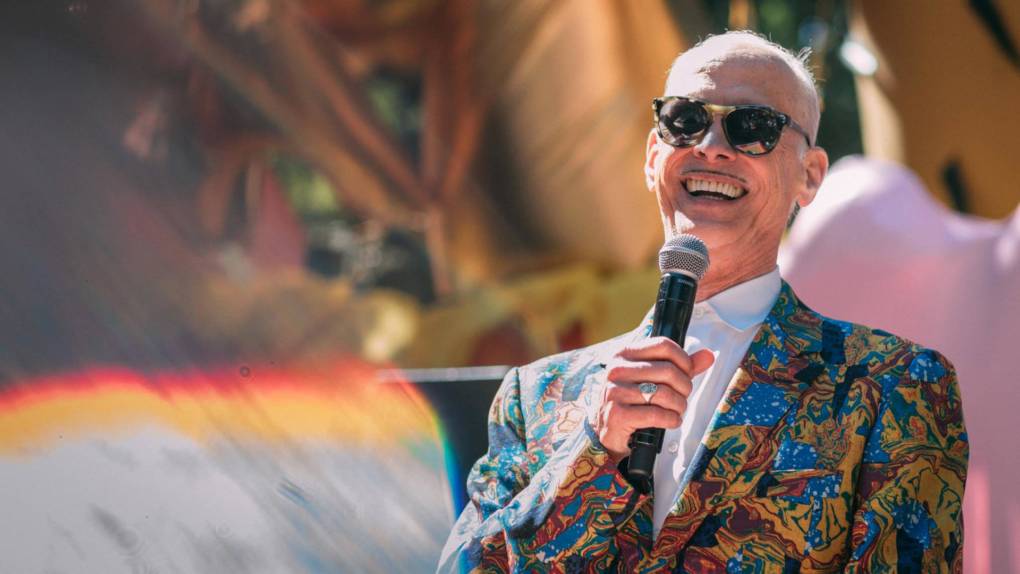
window.__IS_SSR__=true
window.__INITIAL_STATE__={
"attachmentsReducer": {
"audio_0": {
"type": "attachments",
"id": "audio_0",
"imgSizes": {
"kqedFullSize": {
"file": "https://ww2.kqed.org/news/wp-content/themes/KQED-unified/img/audio_bgs/background0.jpg"
}
}
},
"audio_1": {
"type": "attachments",
"id": "audio_1",
"imgSizes": {
"kqedFullSize": {
"file": "https://ww2.kqed.org/news/wp-content/themes/KQED-unified/img/audio_bgs/background1.jpg"
}
}
},
"audio_2": {
"type": "attachments",
"id": "audio_2",
"imgSizes": {
"kqedFullSize": {
"file": "https://ww2.kqed.org/news/wp-content/themes/KQED-unified/img/audio_bgs/background2.jpg"
}
}
},
"audio_3": {
"type": "attachments",
"id": "audio_3",
"imgSizes": {
"kqedFullSize": {
"file": "https://ww2.kqed.org/news/wp-content/themes/KQED-unified/img/audio_bgs/background3.jpg"
}
}
},
"audio_4": {
"type": "attachments",
"id": "audio_4",
"imgSizes": {
"kqedFullSize": {
"file": "https://ww2.kqed.org/news/wp-content/themes/KQED-unified/img/audio_bgs/background4.jpg"
}
}
},
"placeholder": {
"type": "attachments",
"id": "placeholder",
"imgSizes": {
"thumbnail": {
"file": "https://cdn.kqed.org/wp-content/uploads/2024/12/KQED-Default-Image-816638274-2000x1333-1-160x107.jpg",
"width": 160,
"height": 107,
"mimeType": "image/jpeg"
},
"medium": {
"file": "https://cdn.kqed.org/wp-content/uploads/2024/12/KQED-Default-Image-816638274-2000x1333-1-800x533.jpg",
"width": 800,
"height": 533,
"mimeType": "image/jpeg"
},
"medium_large": {
"file": "https://cdn.kqed.org/wp-content/uploads/2024/12/KQED-Default-Image-816638274-2000x1333-1-768x512.jpg",
"width": 768,
"height": 512,
"mimeType": "image/jpeg"
},
"large": {
"file": "https://cdn.kqed.org/wp-content/uploads/2024/12/KQED-Default-Image-816638274-2000x1333-1-1020x680.jpg",
"width": 1020,
"height": 680,
"mimeType": "image/jpeg"
},
"1536x1536": {
"file": "https://cdn.kqed.org/wp-content/uploads/2024/12/KQED-Default-Image-816638274-2000x1333-1-1536x1024.jpg",
"width": 1536,
"height": 1024,
"mimeType": "image/jpeg"
},
"fd-lrg": {
"file": "https://cdn.kqed.org/wp-content/uploads/2024/12/KQED-Default-Image-816638274-2000x1333-1-1536x1024.jpg",
"width": 1536,
"height": 1024,
"mimeType": "image/jpeg"
},
"fd-med": {
"file": "https://cdn.kqed.org/wp-content/uploads/2024/12/KQED-Default-Image-816638274-2000x1333-1-1020x680.jpg",
"width": 1020,
"height": 680,
"mimeType": "image/jpeg"
},
"fd-sm": {
"file": "https://cdn.kqed.org/wp-content/uploads/2024/12/KQED-Default-Image-816638274-2000x1333-1-800x533.jpg",
"width": 800,
"height": 533,
"mimeType": "image/jpeg"
},
"post-thumbnail": {
"file": "https://cdn.kqed.org/wp-content/uploads/2024/12/KQED-Default-Image-816638274-2000x1333-1-672x372.jpg",
"width": 672,
"height": 372,
"mimeType": "image/jpeg"
},
"twentyfourteen-full-width": {
"file": "https://cdn.kqed.org/wp-content/uploads/2024/12/KQED-Default-Image-816638274-2000x1333-1-1038x576.jpg",
"width": 1038,
"height": 576,
"mimeType": "image/jpeg"
},
"xxsmall": {
"file": "https://cdn.kqed.org/wp-content/uploads/2024/12/KQED-Default-Image-816638274-2000x1333-1-160x107.jpg",
"width": 160,
"height": 107,
"mimeType": "image/jpeg"
},
"xsmall": {
"file": "https://cdn.kqed.org/wp-content/uploads/2024/12/KQED-Default-Image-816638274-2000x1333-1-672x372.jpg",
"width": 672,
"height": 372,
"mimeType": "image/jpeg"
},
"small": {
"file": "https://cdn.kqed.org/wp-content/uploads/2024/12/KQED-Default-Image-816638274-2000x1333-1-672x372.jpg",
"width": 672,
"height": 372,
"mimeType": "image/jpeg"
},
"xlarge": {
"file": "https://cdn.kqed.org/wp-content/uploads/2024/12/KQED-Default-Image-816638274-2000x1333-1-1020x680.jpg",
"width": 1020,
"height": 680,
"mimeType": "image/jpeg"
},
"full-width": {
"file": "https://cdn.kqed.org/wp-content/uploads/2024/12/KQED-Default-Image-816638274-2000x1333-1-1920x1280.jpg",
"width": 1920,
"height": 1280,
"mimeType": "image/jpeg"
},
"guest-author-32": {
"file": "https://cdn.kqed.org/wp-content/uploads/2025/01/KQED-Default-Image-816638274-1333x1333-1-160x160.jpg",
"width": 32,
"height": 32,
"mimeType": "image/jpeg"
},
"guest-author-50": {
"file": "https://cdn.kqed.org/wp-content/uploads/2025/01/KQED-Default-Image-816638274-1333x1333-1-160x160.jpg",
"width": 50,
"height": 50,
"mimeType": "image/jpeg"
},
"guest-author-64": {
"file": "https://cdn.kqed.org/wp-content/uploads/2025/01/KQED-Default-Image-816638274-1333x1333-1-160x160.jpg",
"width": 64,
"height": 64,
"mimeType": "image/jpeg"
},
"guest-author-96": {
"file": "https://cdn.kqed.org/wp-content/uploads/2025/01/KQED-Default-Image-816638274-1333x1333-1-160x160.jpg",
"width": 96,
"height": 96,
"mimeType": "image/jpeg"
},
"guest-author-128": {
"file": "https://cdn.kqed.org/wp-content/uploads/2025/01/KQED-Default-Image-816638274-1333x1333-1-160x160.jpg",
"width": 128,
"height": 128,
"mimeType": "image/jpeg"
},
"detail": {
"file": "https://cdn.kqed.org/wp-content/uploads/2025/01/KQED-Default-Image-816638274-1333x1333-1-160x160.jpg",
"width": 160,
"height": 160,
"mimeType": "image/jpeg"
},
"kqedFullSize": {
"file": "https://cdn.kqed.org/wp-content/uploads/2024/12/KQED-Default-Image-816638274-2000x1333-1.jpg",
"width": 2000,
"height": 1333
}
}
},
"arts_13906516": {
"type": "attachments",
"id": "arts_13906516",
"meta": {
"index": "attachments_1716263798",
"site": "arts",
"id": "13906516",
"found": true
},
"parent": 13906384,
"imgSizes": {
"thumbnail": {
"file": "https://ww2.kqed.org/app/uploads/sites/2/2021/11/Reggie.MAIN_-160x90.jpg",
"width": 160,
"mimeType": "image/jpeg",
"height": 90
},
"post-thumbnail": {
"file": "https://ww2.kqed.org/app/uploads/sites/2/2021/11/Reggie.MAIN_-672x372.jpg",
"width": 672,
"mimeType": "image/jpeg",
"height": 372
},
"kqedFullSize": {
"file": "https://ww2.kqed.org/app/uploads/sites/2/2021/11/Reggie.MAIN_.jpg",
"width": 1020,
"height": 574
},
"medium": {
"file": "https://ww2.kqed.org/app/uploads/sites/2/2021/11/Reggie.MAIN_-800x450.jpg",
"width": 800,
"mimeType": "image/jpeg",
"height": 450
},
"medium_large": {
"file": "https://ww2.kqed.org/app/uploads/sites/2/2021/11/Reggie.MAIN_-768x432.jpg",
"width": 768,
"mimeType": "image/jpeg",
"height": 432
}
},
"publishDate": 1637782075,
"modified": 1637782103,
"caption": null,
"description": null,
"title": "Reggie.MAIN",
"credit": "Pendarvis Harshaw",
"status": "inherit",
"altTag": "A young man stacks rocks in a riverbed",
"isLoading": false,
"fetchFailed": false
},
"arts_13899629": {
"type": "attachments",
"id": "arts_13899629",
"meta": {
"index": "attachments_1716263798",
"site": "arts",
"id": "13899629",
"found": true
},
"parent": 13899625,
"imgSizes": {
"twentyfourteen-full-width": {
"file": "https://ww2.kqed.org/app/uploads/sites/2/2021/06/Jay1-1038x576.jpeg",
"width": 1038,
"mimeType": "image/jpeg",
"height": 576
},
"thumbnail": {
"file": "https://ww2.kqed.org/app/uploads/sites/2/2021/06/Jay1-160x107.jpeg",
"width": 160,
"mimeType": "image/jpeg",
"height": 107
},
"post-thumbnail": {
"file": "https://ww2.kqed.org/app/uploads/sites/2/2021/06/Jay1-672x372.jpeg",
"width": 672,
"mimeType": "image/jpeg",
"height": 372
},
"kqedFullSize": {
"file": "https://ww2.kqed.org/app/uploads/sites/2/2021/06/Jay1-scaled.jpeg",
"width": 2560,
"height": 1707
},
"2048x2048": {
"file": "https://ww2.kqed.org/app/uploads/sites/2/2021/06/Jay1-2048x1365.jpeg",
"width": 2048,
"mimeType": "image/jpeg",
"height": 1365
},
"large": {
"file": "https://ww2.kqed.org/app/uploads/sites/2/2021/06/Jay1-1020x680.jpeg",
"width": 1020,
"mimeType": "image/jpeg",
"height": 680
},
"1536x1536": {
"file": "https://ww2.kqed.org/app/uploads/sites/2/2021/06/Jay1-1536x1024.jpeg",
"width": 1536,
"mimeType": "image/jpeg",
"height": 1024
},
"full-width": {
"file": "https://ww2.kqed.org/app/uploads/sites/2/2021/06/Jay1-1920x1280.jpeg",
"width": 1920,
"mimeType": "image/jpeg",
"height": 1280
},
"medium": {
"file": "https://ww2.kqed.org/app/uploads/sites/2/2021/06/Jay1-800x533.jpeg",
"width": 800,
"mimeType": "image/jpeg",
"height": 533
},
"medium_large": {
"file": "https://ww2.kqed.org/app/uploads/sites/2/2021/06/Jay1-768x512.jpeg",
"width": 768,
"mimeType": "image/jpeg",
"height": 512
}
},
"publishDate": 1625071972,
"modified": 1625072963,
"caption": "Jay Young wears a black hoodie while posing for a photo, as they sit in a park in San Francisco.",
"description": "Jay Young wears a black hoodie while posing for a photo, as they sit in a park in San Francisco.",
"title": "Jay Young wears a black hoodie while posing for a photo, as they sit in a park in San Francisco.",
"credit": "Beth LaBerge",
"status": "inherit",
"altTag": "Jay Young wears a black hoodie while posing for a photo, as they sit in a park in San Francisco.",
"isLoading": false,
"fetchFailed": false
},
"arts_13899021": {
"type": "attachments",
"id": "arts_13899021",
"meta": {
"index": "attachments_1716263798",
"site": "arts",
"id": "13899021",
"found": true
},
"parent": 13898345,
"imgSizes": {
"twentyfourteen-full-width": {
"file": "https://ww2.kqed.org/app/uploads/sites/2/2021/06/mary_kelly_option2-1038x576.jpg",
"width": 1038,
"mimeType": "image/jpeg",
"height": 576
},
"thumbnail": {
"file": "https://ww2.kqed.org/app/uploads/sites/2/2021/06/mary_kelly_option2-160x90.jpg",
"width": 160,
"mimeType": "image/jpeg",
"height": 90
},
"post-thumbnail": {
"file": "https://ww2.kqed.org/app/uploads/sites/2/2021/06/mary_kelly_option2-672x372.jpg",
"width": 672,
"mimeType": "image/jpeg",
"height": 372
},
"kqedFullSize": {
"file": "https://ww2.kqed.org/app/uploads/sites/2/2021/06/mary_kelly_option2.jpg",
"width": 1920,
"height": 1080
},
"large": {
"file": "https://ww2.kqed.org/app/uploads/sites/2/2021/06/mary_kelly_option2-1020x574.jpg",
"width": 1020,
"mimeType": "image/jpeg",
"height": 574
},
"1536x1536": {
"file": "https://ww2.kqed.org/app/uploads/sites/2/2021/06/mary_kelly_option2-1536x864.jpg",
"width": 1536,
"mimeType": "image/jpeg",
"height": 864
},
"medium": {
"file": "https://ww2.kqed.org/app/uploads/sites/2/2021/06/mary_kelly_option2-800x450.jpg",
"width": 800,
"mimeType": "image/jpeg",
"height": 450
},
"medium_large": {
"file": "https://ww2.kqed.org/app/uploads/sites/2/2021/06/mary_kelly_option2-768x432.jpg",
"width": 768,
"mimeType": "image/jpeg",
"height": 432
}
},
"publishDate": 1623972739,
"modified": 1636502497,
"caption": null,
"description": null,
"title": "mary_kelly_option2",
"credit": null,
"status": "inherit",
"altTag": "A grainy photograph lifted from a newspaper in 1907 shows Mary Kelly, frowning slightly, wearing round spectacles, hair pulled back roughly, and holding a small American flag.",
"isLoading": false,
"fetchFailed": false
},
"arts_13898501": {
"type": "attachments",
"id": "arts_13898501",
"meta": {
"index": "attachments_1716263798",
"site": "arts",
"id": "13898501",
"found": true
},
"parent": 13898453,
"imgSizes": {
"twentyfourteen-full-width": {
"file": "https://ww2.kqed.org/app/uploads/sites/2/2021/06/iStock-1060748862-1038x576.jpg",
"width": 1038,
"mimeType": "image/jpeg",
"height": 576
},
"thumbnail": {
"file": "https://ww2.kqed.org/app/uploads/sites/2/2021/06/iStock-1060748862-160x113.jpg",
"width": 160,
"mimeType": "image/jpeg",
"height": 113
},
"post-thumbnail": {
"file": "https://ww2.kqed.org/app/uploads/sites/2/2021/06/iStock-1060748862-672x372.jpg",
"width": 672,
"mimeType": "image/jpeg",
"height": 372
},
"kqedFullSize": {
"file": "https://ww2.kqed.org/app/uploads/sites/2/2021/06/iStock-1060748862.jpg",
"width": 1218,
"height": 861
},
"large": {
"file": "https://ww2.kqed.org/app/uploads/sites/2/2021/06/iStock-1060748862-1020x721.jpg",
"width": 1020,
"mimeType": "image/jpeg",
"height": 721
},
"medium": {
"file": "https://ww2.kqed.org/app/uploads/sites/2/2021/06/iStock-1060748862-800x566.jpg",
"width": 800,
"mimeType": "image/jpeg",
"height": 566
},
"medium_large": {
"file": "https://ww2.kqed.org/app/uploads/sites/2/2021/06/iStock-1060748862-768x543.jpg",
"width": 768,
"mimeType": "image/jpeg",
"height": 543
}
},
"publishDate": 1623195357,
"modified": 1623195476,
"caption": "Artists are raising money for Larkin Street Youth Services, Houseless Aid SF and Hotels Not Hospitals.",
"description": "Artists are raising money for Larkin Street Youth Services, Houseless Aid SF and Hotels Not Hospitals.",
"title": "Raised hands volunteering",
"credit": "siraanamwong/iStock",
"status": "inherit",
"altTag": null,
"isLoading": false,
"fetchFailed": false
},
"arts_13873364": {
"type": "attachments",
"id": "arts_13873364",
"meta": {
"index": "attachments_1716263798",
"site": "arts",
"id": "13873364",
"found": true
},
"parent": 13873317,
"imgSizes": {
"twentyfourteen-full-width": {
"file": "https://ww2.kqed.org/app/uploads/sites/2/2020/01/Moms4Housing.mics_-1024x576.jpg",
"width": 1024,
"mimeType": "image/jpeg",
"height": 576
},
"thumbnail": {
"file": "https://ww2.kqed.org/app/uploads/sites/2/2020/01/Moms4Housing.mics_-160x100.jpg",
"width": 160,
"mimeType": "image/jpeg",
"height": 100
},
"post-thumbnail": {
"file": "https://ww2.kqed.org/app/uploads/sites/2/2020/01/Moms4Housing.mics_-672x372.jpg",
"width": 672,
"mimeType": "image/jpeg",
"height": 372
},
"kqedFullSize": {
"file": "https://ww2.kqed.org/app/uploads/sites/2/2020/01/Moms4Housing.mics_.jpg",
"width": 1024,
"height": 640
},
"large": {
"file": "https://ww2.kqed.org/app/uploads/sites/2/2020/01/Moms4Housing.mics_-1020x638.jpg",
"width": 1020,
"mimeType": "image/jpeg",
"height": 638
},
"medium": {
"file": "https://ww2.kqed.org/app/uploads/sites/2/2020/01/Moms4Housing.mics_-800x500.jpg",
"width": 800,
"mimeType": "image/jpeg",
"height": 500
},
"medium_large": {
"file": "https://ww2.kqed.org/app/uploads/sites/2/2020/01/Moms4Housing.mics_-768x480.jpg",
"width": 768,
"mimeType": "image/jpeg",
"height": 480
}
},
"publishDate": 1579126708,
"modified": 1579127012,
"caption": "Dominique Walker of Moms 4 Housing speaks to the media after being evicted from a house she and her group occupied in Oakland.",
"description": "Dominique Walker of Moms 4 Housing speaks to the media after being evicted from a house she and her group occupied in Oakland.",
"title": "Moms4Housing.mics",
"credit": "Molly Solomon/KQED",
"status": "inherit",
"isLoading": false,
"fetchFailed": false
},
"arts_13836464": {
"type": "attachments",
"id": "arts_13836464",
"meta": {
"index": "attachments_1716263798",
"site": "arts",
"id": "13836464",
"found": true
},
"parent": 13836455,
"imgSizes": {
"small": {
"file": "https://ww2.kqed.org/app/uploads/sites/2/2018/07/SorryToBotherYou.TessaLakei-520x346.jpg",
"width": 520,
"mimeType": "image/jpeg",
"height": 346
},
"thumbnail": {
"file": "https://ww2.kqed.org/app/uploads/sites/2/2018/07/SorryToBotherYou.TessaLakei-160x107.jpg",
"width": 160,
"mimeType": "image/jpeg",
"height": 107
},
"post-thumbnail": {
"file": "https://ww2.kqed.org/app/uploads/sites/2/2018/07/SorryToBotherYou.TessaLakei-672x372.jpg",
"width": 672,
"mimeType": "image/jpeg",
"height": 372
},
"xsmall": {
"file": "https://ww2.kqed.org/app/uploads/sites/2/2018/07/SorryToBotherYou.TessaLakei-375x250.jpg",
"width": 375,
"mimeType": "image/jpeg",
"height": 250
},
"kqedFullSize": {
"file": "https://ww2.kqed.org/app/uploads/sites/2/2018/07/SorryToBotherYou.TessaLakei.jpg",
"width": 800,
"height": 533
},
"guest-author-50": {
"file": "https://ww2.kqed.org/app/uploads/sites/2/2018/07/SorryToBotherYou.TessaLakei-50x50.jpg",
"width": 50,
"mimeType": "image/jpeg",
"height": 50
},
"guest-author-96": {
"file": "https://ww2.kqed.org/app/uploads/sites/2/2018/07/SorryToBotherYou.TessaLakei-96x96.jpg",
"width": 96,
"mimeType": "image/jpeg",
"height": 96
},
"medium": {
"file": "https://ww2.kqed.org/app/uploads/sites/2/2018/07/SorryToBotherYou.TessaLakei-800x533.jpg",
"width": 800,
"mimeType": "image/jpeg",
"height": 533
},
"guest-author-64": {
"file": "https://ww2.kqed.org/app/uploads/sites/2/2018/07/SorryToBotherYou.TessaLakei-64x64.jpg",
"width": 64,
"mimeType": "image/jpeg",
"height": 64
},
"guest-author-32": {
"file": "https://ww2.kqed.org/app/uploads/sites/2/2018/07/SorryToBotherYou.TessaLakei-32x32.jpg",
"width": 32,
"mimeType": "image/jpeg",
"height": 32
},
"detail": {
"file": "https://ww2.kqed.org/app/uploads/sites/2/2018/07/SorryToBotherYou.TessaLakei-150x150.jpg",
"width": 150,
"mimeType": "image/jpeg",
"height": 150
},
"medium_large": {
"file": "https://ww2.kqed.org/app/uploads/sites/2/2018/07/SorryToBotherYou.TessaLakei-768x512.jpg",
"width": 768,
"mimeType": "image/jpeg",
"height": 512
},
"guest-author-128": {
"file": "https://ww2.kqed.org/app/uploads/sites/2/2018/07/SorryToBotherYou.TessaLakei-128x128.jpg",
"width": 128,
"mimeType": "image/jpeg",
"height": 128
},
"xxsmall": {
"file": "https://ww2.kqed.org/app/uploads/sites/2/2018/07/SorryToBotherYou.TessaLakei-240x160.jpg",
"width": 240,
"mimeType": "image/jpeg",
"height": 160
}
},
"publishDate": 1530774379,
"modified": 1574901641,
"caption": "Tessa Thompson and Lakeith Stanfield in 'Sorry to Bother You.'",
"description": "Tessa Thompson and Lakeith Stanfield in 'Sorry to Bother You.'",
"title": "SorryToBotherYou.TessaLakei",
"credit": "Courtesy Annapurna Pictures",
"status": "inherit",
"isLoading": false,
"fetchFailed": false
},
"arts_13872234": {
"type": "attachments",
"id": "arts_13872234",
"meta": {
"index": "attachments_1716263798",
"site": "arts",
"id": "13872234",
"found": true
},
"parent": 13870000,
"imgSizes": {
"thumbnail": {
"file": "https://ww2.kqed.org/app/uploads/sites/2/2019/11/Afrotech-160x120.jpg",
"width": 160,
"mimeType": "image/jpeg",
"height": 120
},
"post-thumbnail": {
"file": "https://ww2.kqed.org/app/uploads/sites/2/2019/11/Afrotech-672x372.jpg",
"width": 672,
"mimeType": "image/jpeg",
"height": 372
},
"kqedFullSize": {
"file": "https://ww2.kqed.org/app/uploads/sites/2/2019/11/Afrotech.jpg",
"width": 680,
"height": 510
}
},
"publishDate": 1577824444,
"modified": 1577824467,
"caption": "AfroTech weekend",
"description": "AfroTech weekend",
"title": "Afrotech",
"credit": "Pendarvis Harshaw",
"status": "inherit",
"isLoading": false,
"fetchFailed": false
},
"arts_13869413": {
"type": "attachments",
"id": "arts_13869413",
"meta": {
"index": "attachments_1716263798",
"site": "arts",
"id": "13869413",
"found": true
},
"parent": 13868691,
"imgSizes": {
"twentyfourteen-full-width": {
"file": "https://ww2.kqed.org/app/uploads/sites/2/2019/11/DSC00132-1038x576.jpg",
"width": 1038,
"mimeType": "image/jpeg",
"height": 576
},
"thumbnail": {
"file": "https://ww2.kqed.org/app/uploads/sites/2/2019/11/DSC00132-160x92.jpg",
"width": 160,
"mimeType": "image/jpeg",
"height": 92
},
"post-thumbnail": {
"file": "https://ww2.kqed.org/app/uploads/sites/2/2019/11/DSC00132-672x372.jpg",
"width": 672,
"mimeType": "image/jpeg",
"height": 372
},
"kqedFullSize": {
"file": "https://ww2.kqed.org/app/uploads/sites/2/2019/11/DSC00132.jpg",
"width": 1920,
"height": 1103
},
"large": {
"file": "https://ww2.kqed.org/app/uploads/sites/2/2019/11/DSC00132-1020x586.jpg",
"width": 1020,
"mimeType": "image/jpeg",
"height": 586
},
"complete_open_graph": {
"file": "https://ww2.kqed.org/app/uploads/sites/2/2019/11/DSC00132-1200x689.jpg",
"width": 1200,
"mimeType": "image/jpeg",
"height": 689
},
"full-width": {
"file": "https://ww2.kqed.org/app/uploads/sites/2/2019/11/DSC00132-1920x1103.jpg",
"width": 1920,
"mimeType": "image/jpeg",
"height": 1103
},
"medium": {
"file": "https://ww2.kqed.org/app/uploads/sites/2/2019/11/DSC00132-800x460.jpg",
"width": 800,
"mimeType": "image/jpeg",
"height": 460
},
"medium_large": {
"file": "https://ww2.kqed.org/app/uploads/sites/2/2019/11/DSC00132-768x441.jpg",
"width": 768,
"mimeType": "image/jpeg",
"height": 441
}
},
"publishDate": 1572917987,
"modified": 1572918065,
"caption": "Two new musical releases, 'Blanket the Homeless' and 'Homeless Oakland Heart,' raise money for organizations that provide unhoused people with supplies and advocate for their rights.",
"description": "Two new musical releases, 'Blanket the Homeless' and 'Homeless Oakland Heart,' raise money for organizations that provide unhoused people with supplies and advocate for their rights.",
"title": "DSC00132",
"credit": "Ian Brennan",
"status": "inherit",
"isLoading": false,
"fetchFailed": false
},
"arts_11453051": {
"type": "attachments",
"id": "arts_11453051",
"meta": {
"index": "attachments_1716263798",
"site": "arts",
"id": "11453051",
"found": true
},
"parent": 11449791,
"imgSizes": {
"thumbnail": {
"file": "https://ww2.kqed.org/app/uploads/sites/2/2016/03/Dogtown4000-400x225.jpg",
"width": 400,
"mimeType": "image/jpeg",
"height": 225
},
"kqedFullSize": {
"file": "https://ww2.kqed.org/app/uploads/sites/2/2016/03/Dogtown4000.jpg",
"width": 400,
"height": 225
},
"guest-author-96": {
"file": "https://ww2.kqed.org/app/uploads/sites/2/2016/03/Dogtown4000-96x96.jpg",
"width": 96,
"mimeType": "image/jpeg",
"height": 96
},
"guest-author-64": {
"file": "https://ww2.kqed.org/app/uploads/sites/2/2016/03/Dogtown4000-64x64.jpg",
"width": 64,
"mimeType": "image/jpeg",
"height": 64
},
"detail": {
"file": "https://ww2.kqed.org/app/uploads/sites/2/2016/03/Dogtown4000-75x75.jpg",
"width": 75,
"mimeType": "image/jpeg",
"height": 75
},
"guest-author-32": {
"file": "https://ww2.kqed.org/app/uploads/sites/2/2016/03/Dogtown4000-32x32.jpg",
"width": 32,
"mimeType": "image/jpeg",
"height": 32
},
"guest-author-128": {
"file": "https://ww2.kqed.org/app/uploads/sites/2/2016/03/Dogtown4000-128x128.jpg",
"width": 128,
"mimeType": "image/jpeg",
"height": 128
}
},
"publishDate": 1459447973,
"modified": 1568237524,
"caption": "A still from 'Dogtown Redemption' shoting Jason Witt and his partner Heather Holloman.\n",
"description": "A still from 'Dogtown Redemption' shoting Jason Witt and his partner Heather Holloman.\n",
"title": "Dogtown4000",
"credit": "Chihiro Wimbush/Courtesy 'Dogtown Redemption'",
"status": "inherit",
"isLoading": false,
"fetchFailed": false
},
"arts_13863001": {
"type": "attachments",
"id": "arts_13863001",
"meta": {
"index": "attachments_1716263798",
"site": "arts",
"id": "13863001",
"found": true
},
"parent": 13866026,
"imgSizes": {
"twentyfourteen-full-width": {
"file": "https://ww2.kqed.org/app/uploads/sites/2/2019/08/13th-Street-1038x576.jpg",
"width": 1038,
"mimeType": "image/jpeg",
"height": 576
},
"thumbnail": {
"file": "https://ww2.kqed.org/app/uploads/sites/2/2019/08/13th-Street-160x90.jpg",
"width": 160,
"mimeType": "image/jpeg",
"height": 90
},
"post-thumbnail": {
"file": "https://ww2.kqed.org/app/uploads/sites/2/2019/08/13th-Street-672x372.jpg",
"width": 672,
"mimeType": "image/jpeg",
"height": 372
},
"kqedFullSize": {
"file": "https://ww2.kqed.org/app/uploads/sites/2/2019/08/13th-Street.jpg",
"width": 1920,
"height": 1080
},
"large": {
"file": "https://ww2.kqed.org/app/uploads/sites/2/2019/08/13th-Street-1020x574.jpg",
"width": 1020,
"mimeType": "image/jpeg",
"height": 574
},
"complete_open_graph": {
"file": "https://ww2.kqed.org/app/uploads/sites/2/2019/08/13th-Street-1200x675.jpg",
"width": 1200,
"mimeType": "image/jpeg",
"height": 675
},
"full-width": {
"file": "https://ww2.kqed.org/app/uploads/sites/2/2019/08/13th-Street-1920x1080.jpg",
"width": 1920,
"mimeType": "image/jpeg",
"height": 1080
},
"medium": {
"file": "https://ww2.kqed.org/app/uploads/sites/2/2019/08/13th-Street-800x450.jpg",
"width": 800,
"mimeType": "image/jpeg",
"height": 450
},
"medium_large": {
"file": "https://ww2.kqed.org/app/uploads/sites/2/2019/08/13th-Street-768x432.jpg",
"width": 768,
"mimeType": "image/jpeg",
"height": 432
}
},
"publishDate": 1565029710,
"modified": 1568062918,
"caption": "The 13th Street Commons project shows the extraordinary power of Business Improvement District organizations to shape, and police, public space.",
"description": "The 13th Street Commons project shows the extraordinary power of Business Improvement District organizations to shape, and police, public space.",
"title": "The 13th Street Commons project shows the extraordinary power of Business Improvement District organizations to shape, and police, public space.",
"credit": "Sam Lefebvre/KQED",
"status": "inherit",
"isLoading": false,
"fetchFailed": false
},
"arts_13860397": {
"type": "attachments",
"id": "arts_13860397",
"meta": {
"index": "attachments_1716263798",
"site": "arts",
"id": "13860397",
"found": true
},
"title": "John-Waters-by-Tiger-Lily-1",
"publishDate": 1561661019,
"status": "inherit",
"parent": 13860384,
"modified": 1752687134,
"caption": "John Waters has hosted the Burger Boogaloo music festival in Oakland every year since 2015. ",
"credit": "Tiger Lily",
"altTag": "John Waters has hosted the Burger Boogaloo music festival in Oakland every year since 2015.",
"description": "John Waters has hosted the Burger Boogaloo music festival in Oakland every year since 2015. ",
"imgSizes": {
"thumbnail": {
"file": "https://cdn.kqed.org/wp-content/uploads/sites/2/2019/06/John-Waters-by-Tiger-Lily-1-160x90.jpg",
"width": 160,
"height": 90,
"mimeType": "image/jpeg"
},
"medium": {
"file": "https://cdn.kqed.org/wp-content/uploads/sites/2/2019/06/John-Waters-by-Tiger-Lily-1-800x450.jpg",
"width": 800,
"height": 450,
"mimeType": "image/jpeg"
},
"medium_large": {
"file": "https://cdn.kqed.org/wp-content/uploads/sites/2/2019/06/John-Waters-by-Tiger-Lily-1-768x432.jpg",
"width": 768,
"height": 432,
"mimeType": "image/jpeg"
},
"large": {
"file": "https://cdn.kqed.org/wp-content/uploads/sites/2/2019/06/John-Waters-by-Tiger-Lily-1-1020x574.jpg",
"width": 1020,
"height": 574,
"mimeType": "image/jpeg"
},
"complete_open_graph": {
"file": "https://cdn.kqed.org/wp-content/uploads/sites/2/2019/06/John-Waters-by-Tiger-Lily-1-1200x675.jpg",
"width": 1200,
"height": 675,
"mimeType": "image/jpeg"
},
"post-thumbnail": {
"file": "https://cdn.kqed.org/wp-content/uploads/sites/2/2019/06/John-Waters-by-Tiger-Lily-1-672x372.jpg",
"width": 672,
"height": 372,
"mimeType": "image/jpeg"
},
"twentyfourteen-full-width": {
"file": "https://cdn.kqed.org/wp-content/uploads/sites/2/2019/06/John-Waters-by-Tiger-Lily-1-1038x576.jpg",
"width": 1038,
"height": 576,
"mimeType": "image/jpeg"
},
"full-width": {
"file": "https://cdn.kqed.org/wp-content/uploads/sites/2/2019/06/John-Waters-by-Tiger-Lily-1-1920x1080.jpg",
"width": 1920,
"height": 1080,
"mimeType": "image/jpeg"
},
"kqedFullSize": {
"file": "https://cdn.kqed.org/wp-content/uploads/sites/2/2019/06/John-Waters-by-Tiger-Lily-1.jpg",
"width": 1920,
"height": 1080
}
},
"isLoading": false,
"fetchFailed": false
},
"arts_13856462": {
"type": "attachments",
"id": "arts_13856462",
"meta": {
"index": "attachments_1716263798",
"site": "arts",
"id": "13856462",
"found": true
},
"parent": 13856349,
"imgSizes": {
"twentyfourteen-full-width": {
"file": "https://ww2.kqed.org/app/uploads/sites/2/2019/05/gwendolyn-kuhlmann-Last-Fiv-1038x576.jpg",
"width": 1038,
"mimeType": "image/jpeg",
"height": 576
},
"thumbnail": {
"file": "https://ww2.kqed.org/app/uploads/sites/2/2019/05/gwendolyn-kuhlmann-Last-Fiv-160x100.jpg",
"width": 160,
"mimeType": "image/jpeg",
"height": 100
},
"post-thumbnail": {
"file": "https://ww2.kqed.org/app/uploads/sites/2/2019/05/gwendolyn-kuhlmann-Last-Fiv-672x372.jpg",
"width": 672,
"mimeType": "image/jpeg",
"height": 372
},
"kqedFullSize": {
"file": "https://ww2.kqed.org/app/uploads/sites/2/2019/05/gwendolyn-kuhlmann-Last-Fiv.jpg",
"width": 1920,
"height": 1200
},
"large": {
"file": "https://ww2.kqed.org/app/uploads/sites/2/2019/05/gwendolyn-kuhlmann-Last-Fiv-1020x638.jpg",
"width": 1020,
"mimeType": "image/jpeg",
"height": 638
},
"complete_open_graph": {
"file": "https://ww2.kqed.org/app/uploads/sites/2/2019/05/gwendolyn-kuhlmann-Last-Fiv-1200x750.jpg",
"width": 1200,
"mimeType": "image/jpeg",
"height": 750
},
"full-width": {
"file": "https://ww2.kqed.org/app/uploads/sites/2/2019/05/gwendolyn-kuhlmann-Last-Fiv-1920x1200.jpg",
"width": 1920,
"mimeType": "image/jpeg",
"height": 1200
},
"medium": {
"file": "https://ww2.kqed.org/app/uploads/sites/2/2019/05/gwendolyn-kuhlmann-Last-Fiv-800x500.jpg",
"width": 800,
"mimeType": "image/jpeg",
"height": 500
},
"medium_large": {
"file": "https://ww2.kqed.org/app/uploads/sites/2/2019/05/gwendolyn-kuhlmann-Last-Fiv-768x480.jpg",
"width": 768,
"mimeType": "image/jpeg",
"height": 480
}
},
"publishDate": 1556834337,
"modified": 1556834354,
"caption": "Gwendolyn Kuhlmann performing in 'Last Five Years' at Theater O-TonArt in Berlin.",
"description": "Gwendolyn Kuhlmann performing in 'Last Five Years' at Theater O-TonArt in Berlin.",
"title": "gwendolyn-kuhlmann-Last-Fiv",
"credit": "Frank Wesner",
"status": "inherit",
"isLoading": false,
"fetchFailed": false
}
},
"audioPlayerReducer": {
"postId": "stream_live",
"isPaused": true,
"isPlaying": false,
"pfsActive": false,
"pledgeModalIsOpen": true,
"playerDrawerIsOpen": false,
"liveAudioPlayStartedAt": 0,
"liveAudioPlayContext": ""
},
"authorsReducer": {
"byline_arts_13898453": {
"type": "authors",
"id": "byline_arts_13898453",
"meta": {
"override": true
},
"slug": "byline_arts_13898453",
"name": "Audrey Schmidt",
"isLoading": false
},
"slefebvre": {
"type": "authors",
"id": "11091",
"meta": {
"index": "authors_1716337520",
"id": "11091",
"found": true
},
"name": "Sam Lefebvre",
"firstName": "Sam",
"lastName": "Lefebvre",
"slug": "slefebvre",
"email": "sdlefebvre@gmail.com",
"display_author_email": false,
"staff_mastheads": [],
"title": "KQED Contributor",
"bio": "Sam Lefebvre is an award-winning reporter at KQED Arts. He has worked as an editor and columnist at the \u003cem>East Bay Express\u003c/em>, \u003cem>SF Weekly \u003c/em>and Impose Magazine, and his journalism and criticism has appeared in \u003cem>The New York Times\u003c/em>, the Guardian and Pitchfork.",
"avatar": "https://secure.gravatar.com/avatar/49d39b42930b77fb13784ddd9fa63fe780666b71bf289368509dba576b64e69b?s=600&d=blank&r=g",
"twitter": "Lefebvre_Sam",
"bluesky": null,
"facebook": null,
"instagram": null,
"linkedin": null,
"sites": [
{
"site": "arts",
"roles": [
"subscriber"
]
},
{
"site": "news",
"roles": [
"author"
]
}
],
"headData": {
"title": "Sam Lefebvre | KQED",
"description": "KQED Contributor",
"ogImgSrc": "https://secure.gravatar.com/avatar/49d39b42930b77fb13784ddd9fa63fe780666b71bf289368509dba576b64e69b?s=600&d=blank&r=g",
"twImgSrc": "https://secure.gravatar.com/avatar/49d39b42930b77fb13784ddd9fa63fe780666b71bf289368509dba576b64e69b?s=600&d=blank&r=g"
},
"isLoading": false,
"link": "/author/slefebvre"
},
"ralexandra": {
"type": "authors",
"id": "11242",
"meta": {
"index": "authors_1716337520",
"id": "11242",
"found": true
},
"name": "Rae Alexandra",
"firstName": "Rae",
"lastName": "Alexandra",
"slug": "ralexandra",
"email": "ralexandra@kqed.org",
"display_author_email": true,
"staff_mastheads": [],
"title": "Reporter/Producer",
"bio": "Rae Alexandra is a Reporter/Producer for KQED Arts & Culture, and the creator/author of the \u003ca href=\"https://www.kqed.org/arts/program/rebel-girls-from-bay-area-history\">Rebel Girls From Bay Area History\u003c/a> and \u003ca href=\"https://www.kqed.org/bizarrebayarea\">Bizarre Bay Area\u003c/a> series. Her debut book, \u003ca href=\"https://citylights.com/politics-current-events-history/unsung-heroines35-women-who-changed/\">Unsung Heroines: 35 Women Who Changed the Bay Area\u003c/a> was published by City Lights in March 2026. In 2023, Rae was awarded an SPJ Excellence in Journalism Award for Arts & Culture. Rae was born and raised in Wales and subsequently — even after two decades in Northern California — still uses phrases that regularly baffle her coworkers.",
"avatar": "https://secure.gravatar.com/avatar/edfee8176c80cc0a382b051190f5341997df378a934a5774dcb0977732dfd401?s=600&d=blank&r=g",
"twitter": null,
"bluesky": null,
"facebook": null,
"instagram": null,
"linkedin": null,
"sites": [
{
"site": "arts",
"roles": [
"subscriber"
]
},
{
"site": "news",
"roles": [
"subscriber"
]
},
{
"site": "pop",
"roles": [
"subscriber"
]
},
{
"site": "bayareabites",
"roles": [
"subscriber"
]
},
{
"site": "science",
"roles": [
"subscriber"
]
}
],
"headData": {
"title": "Rae Alexandra | KQED",
"description": "Reporter/Producer",
"ogImgSrc": "https://secure.gravatar.com/avatar/edfee8176c80cc0a382b051190f5341997df378a934a5774dcb0977732dfd401?s=600&d=blank&r=g",
"twImgSrc": "https://secure.gravatar.com/avatar/edfee8176c80cc0a382b051190f5341997df378a934a5774dcb0977732dfd401?s=600&d=blank&r=g"
},
"isLoading": false,
"link": "/author/ralexandra"
},
"nvoynovskaya": {
"type": "authors",
"id": "11387",
"meta": {
"index": "authors_1716337520",
"id": "11387",
"found": true
},
"name": "Nastia Voynovskaya",
"firstName": "Nastia",
"lastName": "Voynovskaya",
"slug": "nvoynovskaya",
"email": "nvoynovskaya@kqed.org",
"display_author_email": false,
"staff_mastheads": [
"arts"
],
"title": "Editor and reporter",
"bio": "Nastia Voynovskaya is a reporter, editor and host at KQED Arts & Culture. She's been covering the arts in the Bay Area for over a decade, with a focus on music, queer culture, labor issues and grassroots organizing. She has edited KQED story series such as Trans Bay: A History of San Francisco's Gender-Diverse Community, and co-created KQED's Bay Area hip-hop history project, That's My Word. Nastia's work has been recognized by the Society of Professional Journalists and San Francisco Press Club. She regularly appears on podcasts and radio programs, including NPR's All Songs Considered, and hosts live events where music, culture and conversation meet.",
"avatar": "https://secure.gravatar.com/avatar/5025ee460e5a85d69ca20ea6c6f2f80d7e17795c828f61ea3aecfcd924e9042e?s=600&d=blank&r=g",
"twitter": null,
"bluesky": null,
"facebook": null,
"instagram": "https://www.instagram.com/nananastia/",
"linkedin": null,
"sites": [
{
"site": "",
"roles": [
"editor"
]
},
{
"site": "arts",
"roles": [
"administrator"
]
},
{
"site": "news",
"roles": [
"editor"
]
},
{
"site": "pop",
"roles": [
"administrator"
]
},
{
"site": "bayareabites",
"roles": [
"editor"
]
},
{
"site": "podcasts",
"roles": [
"editor"
]
},
{
"site": "hiphop",
"roles": [
"editor"
]
}
],
"headData": {
"title": "Nastia Voynovskaya | KQED",
"description": "Editor and reporter",
"ogImgSrc": "https://secure.gravatar.com/avatar/5025ee460e5a85d69ca20ea6c6f2f80d7e17795c828f61ea3aecfcd924e9042e?s=600&d=blank&r=g",
"twImgSrc": "https://secure.gravatar.com/avatar/5025ee460e5a85d69ca20ea6c6f2f80d7e17795c828f61ea3aecfcd924e9042e?s=600&d=blank&r=g"
},
"isLoading": false,
"link": "/author/nvoynovskaya"
},
"ogpenn": {
"type": "authors",
"id": "11491",
"meta": {
"index": "authors_1716337520",
"id": "11491",
"found": true
},
"name": "Pendarvis Harshaw",
"firstName": "Pendarvis",
"lastName": "Harshaw",
"slug": "ogpenn",
"email": "ogpenn@gmail.com",
"display_author_email": false,
"staff_mastheads": [
"arts"
],
"title": "Community Engagement Reporter",
"bio": "Pendarvis Harshaw is an educator, host and writer with KQED Arts.",
"avatar": "https://secure.gravatar.com/avatar/972b77ee8e3f346ae2b00622661187fbfabd059b5693bbdc1475ea7a722fd4cd?s=600&d=blank&r=g",
"twitter": null,
"bluesky": null,
"facebook": null,
"instagram": "ogpenn",
"linkedin": null,
"sites": [
{
"site": "arts",
"roles": [
"administrator"
]
},
{
"site": "news",
"roles": [
"editor"
]
},
{
"site": "bayareabites",
"roles": [
"author"
]
},
{
"site": "hiphop",
"roles": [
"editor"
]
}
],
"headData": {
"title": "Pendarvis Harshaw | KQED",
"description": "Community Engagement Reporter",
"ogImgSrc": "https://secure.gravatar.com/avatar/972b77ee8e3f346ae2b00622661187fbfabd059b5693bbdc1475ea7a722fd4cd?s=600&d=blank&r=g",
"twImgSrc": "https://secure.gravatar.com/avatar/972b77ee8e3f346ae2b00622661187fbfabd059b5693bbdc1475ea7a722fd4cd?s=600&d=blank&r=g"
},
"isLoading": false,
"link": "/author/ogpenn"
}
},
"pagesReducer": {
"arts_tag_homelessness": {
"type": "terms",
"id": "arts_1355",
"meta": {
"index": "terms_1716263798",
"site": "arts",
"id": "1355",
"score": 8.557992
},
"featImg": null,
"name": "homelessness",
"description": null,
"taxonomy": "tag",
"headData": {
"twImgId": null,
"twTitle": null,
"ogTitle": null,
"ogImgId": null,
"twDescription": null,
"description": null,
"title": "homelessness Archives | KQED Arts",
"ogDescription": null
},
"ttid": 1367,
"slug": "homelessness",
"isLoading": false,
"title": "homelessness",
"pageMeta": {
"site": "arts",
"WpPageTemplate": "page-topic-editorial",
"currentPage": 2
},
"blocks": [
{
"blockName": "kqed/post-list",
"attrs": {
"layout": "cardArticle2",
"query": "posts/arts?tag=homelessness",
"seeMore": false,
"paginated": true,
"page": 2
}
},
{
"blockName": "kqed/ad"
}
]
}
},
"pfsSessionReducer": {},
"postsReducer": {
"stream_live": {
"type": "live",
"id": "stream_live",
"audioUrl": "https://streams.kqed.org/kqedradio",
"title": "Live Stream",
"excerpt": "Live Stream information currently unavailable.",
"link": "/radio",
"featImg": "",
"label": {
"name": "KQED Live",
"link": "/"
}
},
"stream_kqedNewscast": {
"type": "posts",
"id": "stream_kqedNewscast",
"audioUrl": "https://www.kqed.org/.stream/anon/radio/RDnews/newscast.mp3?_=1",
"title": "KQED Newscast",
"featImg": "",
"label": {
"name": "88.5 FM",
"link": "/"
}
},
"arts_13906384": {
"type": "posts",
"id": "arts_13906384",
"meta": {
"index": "posts_1716263798",
"site": "arts",
"id": "13906384",
"score": null,
"sort": [
1637782241000
]
},
"parent": 0,
"labelTerm": {},
"blocks": [],
"publishDate": 1637782241,
"format": "aside",
"title": "Understanding My Nephew's Generation—Or Trying To",
"headTitle": "Understanding My Nephew’s Generation—Or Trying To | KQED",
"content": "\u003cfigure id=\"attachment_13906504\" class=\"wp-caption aligncenter\" style=\"max-width: 800px\">\u003cimg loading=\"lazy\" decoding=\"async\" class=\"size-medium wp-image-13906504\" src=\"https://ww2.kqed.org/app/uploads/sites/2/2021/11/7BF815C4-7B0E-46C8-8A94-F82A096555B3-800x601.jpg\" alt=\"A young man stacks rocks in a riverbed\" width=\"800\" height=\"601\" srcset=\"https://cdn.kqed.org/wp-content/uploads/sites/2/2021/11/7BF815C4-7B0E-46C8-8A94-F82A096555B3-800x601.jpg 800w, https://cdn.kqed.org/wp-content/uploads/sites/2/2021/11/7BF815C4-7B0E-46C8-8A94-F82A096555B3-1020x766.jpg 1020w, https://cdn.kqed.org/wp-content/uploads/sites/2/2021/11/7BF815C4-7B0E-46C8-8A94-F82A096555B3-160x120.jpg 160w, https://cdn.kqed.org/wp-content/uploads/sites/2/2021/11/7BF815C4-7B0E-46C8-8A94-F82A096555B3-768x577.jpg 768w, https://cdn.kqed.org/wp-content/uploads/sites/2/2021/11/7BF815C4-7B0E-46C8-8A94-F82A096555B3.jpg 1440w\" sizes=\"(max-width: 800px) 100vw, 800px\">\u003cfigcaption class=\"wp-caption-text\">My nephew, Reggie Cole, stacking stones in a dry riverbed near Auburn, CA. \u003ccite>(Pendarvis Harshaw)\u003c/cite>\u003c/figcaption>\u003c/figure>\n\u003cp>\u003cspan style=\"font-size: 4.6875em;float: left;line-height: 0.733em;padding: 0.05em 0.1em 0 0;font-family: times, serif, georgia\">A\u003c/span>fter I enter my debit card information into my nephew’s phone, confirming the purchase of a Sacramento-to-Oakland Greyhound ticket so he can attend the funeral of a friend who’d passed from fentanyl poisoning, I hand the phone back, asking if this was the first close friend he’s lost.\u003c/p>\n\u003cp>\u003cimg loading=\"lazy\" decoding=\"async\" class=\"alignright size-thumbnail wp-image-13833985\" src=\"https://ww2.kqed.org/arts/wp-content/uploads/sites/2/2018/05/OGPenn.Cap_-160x184.jpg\" alt=\"\" width=\"160\" height=\"184\" srcset=\"https://cdn.kqed.org/wp-content/uploads/sites/2/2018/05/OGPenn.Cap_-160x184.jpg 160w, https://cdn.kqed.org/wp-content/uploads/sites/2/2018/05/OGPenn.Cap_.jpg 180w\" sizes=\"(max-width: 160px) 100vw, 160px\">\u003c/p>\n\u003cp>No, he replies—another buddy of his died at the start of the pandemic. COVID-19 related. Damn. I offer my condolences, and really didn’t know what else to say.\u003c/p>\n\u003cp>At 18 years old, my nephew Reggie is a struggling high school super-senior who has dreams of being a mechanic—and even bigger dreams of racing the Le Mans in France. But right now, he’s staying on my couch, trying to figure out life.\u003c/p>\n\u003cp>I place myself in his shoes: At 18, I was working multiple jobs and was headed to college. But a number of my close friends who weren’t going to college were dying of gunshots, losing their minds while popping pills, and/or being hit with charges that would start them on a path of living in and out of incarceration.\u003c/p>\n\u003cfigure id=\"attachment_13906505\" class=\"wp-caption alignnone\" style=\"max-width: 800px\">\u003cimg loading=\"lazy\" decoding=\"async\" class=\"size-medium wp-image-13906505\" src=\"https://ww2.kqed.org/app/uploads/sites/2/2021/11/IMG_4697-800x600.jpg\" alt=\"Reggie at the SFMoMA, posing in front of a sculpture of stacked fake human brains. \" width=\"800\" height=\"600\" srcset=\"https://cdn.kqed.org/wp-content/uploads/sites/2/2021/11/IMG_4697-800x600.jpg 800w, https://cdn.kqed.org/wp-content/uploads/sites/2/2021/11/IMG_4697-1020x765.jpg 1020w, https://cdn.kqed.org/wp-content/uploads/sites/2/2021/11/IMG_4697-160x120.jpg 160w, https://cdn.kqed.org/wp-content/uploads/sites/2/2021/11/IMG_4697-768x576.jpg 768w, https://cdn.kqed.org/wp-content/uploads/sites/2/2021/11/IMG_4697-1536x1152.jpg 1536w, https://cdn.kqed.org/wp-content/uploads/sites/2/2021/11/IMG_4697-2048x1536.jpg 2048w, https://cdn.kqed.org/wp-content/uploads/sites/2/2021/11/IMG_4697-1920x1440.jpg 1920w\" sizes=\"(max-width: 800px) 100vw, 800px\">\u003cfigcaption class=\"wp-caption-text\">Reggie at SFMOMA, posing in front of a sculpture of stacked fake human brains. \u003ccite>(Pendarvis Harshaw)\u003c/cite>\u003c/figcaption>\u003c/figure>\n\u003cp>I can help my nephew understand gun violence and mass incarceration. But I don’t know what it’s like to deal with deaths from fentanyl and COVID. I don’t know what it’s like to be 18 right now.\u003c/p>\n\u003cp>[ad fullwidth]\u003c/p>\n\u003cp>The morning after our convo we grab breakfast, I pass him a few bucks, and drop him at the Greyhound. Then I sit down for work, opening my phone to read an Associated Press story about overdoses reaching a record high.\u003c/p>\n\u003cp>My nephew’s friend is one of \u003ca href=\"https://apnews.com/article/overdodse-deaths-fentanayl-health-f34b022d75a1eb9776e27903ab40670f\">the estimated 100,000\u003c/a> people who’ve died of an overdose in the past 12 months.\u003c/p>\n\u003cp>\u003cspan style=\"font-size: 4.6875em;float: left;line-height: 0.733em;padding: 0.05em 0.1em 0 0;font-family: times, serif, georgia\">M\u003c/span>y nephew represents the story of so many young people right now. Trying to figure it all out from a couch, a cot, a passenger seat in a car or a park bench. And the worst part: the guidance of older folks, such as myself, doesn’t quite fit what they’re experiencing.\u003c/p>\n\u003cp>They’re dealing with a school system that was dysfunctional pre-pandemic, and was all but obliterated when learning became “distanced.” They’re looking for a job in a market where employers are reportedly seeking workers, but it gets tricky if you don’t have a GED or a driver’s license; the latter is basically a necessity for joining the gig economy. And a number of development resources, like trade schools, are either shuttered or aren’t accepting new students. I know, I’ve called.\u003c/p>\n\u003cp>The way the cost of housing has impacted Reggie’s generation, I’m happy he isn’t living in his car, like some of his peers. But by definition, he is functionally “homeless.” Despite floating from couch to couch, he wouldn’t be counted on the \u003ca href=\"https://www.huduser.gov/portal/sites/default/files/pdf/2020-AHAR-Part-1.pdf\" target=\"_blank\" rel=\"noopener noreferrer\">official government homeless assessment report\u003c/a>. And to think: African Americans already make up a disproportionate amount of homelessness in this country. I wonder how steep of an undercount that is?\u003c/p>\n\u003cp>Then there’s the issue of increasing \u003ca href=\"https://inequality.org/great-divide/updates-billionaire-pandemic/\" target=\"_blank\" rel=\"noopener noreferrer\">wealth inequality\u003c/a>. California, the land of economic disparities, is the place where the food that feeds the world is grown, but people who pick it are paid pennies. There are a multitude of millionaires and a heap of homelessness homies. What’s to become of an undereducated, informally skilled young Black man?\u003c/p>\n\u003cp>I’m a student of this stuff—you know, this whole “Black man in America” thing. During my late teens and early 20s, I worked as a resident assistant in Howard University’s largest freshmen male dormitory, and as a teacher in Oakland’s African Male Achievement program. I’ve read and written more pieces on the topic than I can count. Plus, shit, I’m a Black man in America. I live this too.\u003c/p>\n\u003cp>But you don’t have to be Black, a man or even America to know that your late teens and early 20s are an extremely important period in life. It’s when a simple decision, or a set of them, can affect the rest of your life, and possibly even generations of your family.\u003c/p>\n\u003cfigure id=\"attachment_13906509\" class=\"wp-caption alignnone\" style=\"max-width: 800px\">\u003cimg loading=\"lazy\" decoding=\"async\" class=\"size-medium wp-image-13906509\" src=\"https://ww2.kqed.org/app/uploads/sites/2/2021/11/IMG_5820-800x600.jpg\" alt=\"Artist Dana King and my nephew Reggie met and instantly clicked on their shared love of racing.\" width=\"800\" height=\"600\" srcset=\"https://cdn.kqed.org/wp-content/uploads/sites/2/2021/11/IMG_5820-800x600.jpg 800w, https://cdn.kqed.org/wp-content/uploads/sites/2/2021/11/IMG_5820-1020x765.jpg 1020w, https://cdn.kqed.org/wp-content/uploads/sites/2/2021/11/IMG_5820-160x120.jpg 160w, https://cdn.kqed.org/wp-content/uploads/sites/2/2021/11/IMG_5820-768x576.jpg 768w, https://cdn.kqed.org/wp-content/uploads/sites/2/2021/11/IMG_5820-1536x1152.jpg 1536w, https://cdn.kqed.org/wp-content/uploads/sites/2/2021/11/IMG_5820-2048x1536.jpg 2048w, https://cdn.kqed.org/wp-content/uploads/sites/2/2021/11/IMG_5820-1920x1440.jpg 1920w\" sizes=\"(max-width: 800px) 100vw, 800px\">\u003cfigcaption class=\"wp-caption-text\">Artist Dana King and my nephew Reggie met and instantly clicked on their shared love of racing. \u003ccite>(Pendarvis Harshaw)\u003c/cite>\u003c/figcaption>\u003c/figure>\n\u003cp>So I’m stressing him. Not just about finding a job, gaining skills and finishing school. But starting with making handwritten to-do lists that include the simple things. Because the failures he’s faced in life have left his self-esteem depleted, and now it’s on him to build himself back up through seeing his own incremental successes. Because that’s what I did.\u003c/p>\n\u003cp>I encourage visiting the library and spending time in cafes, taking time to read books, because that mediative period is needed, even if it’s just a few minutes. Because that’s what I did.\u003c/p>\n\u003cp>I push him to exercise and eat well, because we’ve been miseducated about the importance of a healthy diet, and need to make a drastic change. Because, again, that’s what I did.\u003c/p>\n\u003cp>He dismisses my sermon about how Red Hot burritos and Cup O’ Noodles aren’t sufficient, and knocks me off my fake-vegan hill by telling me that I cook like a woke white man.\u003c/p>\n\u003cp>He’s comedic. Sincere. A lil’ hard headed and forgetful. But he has potential.\u003c/p>\n\u003cp>\u003cspan style=\"font-size: 4.6875em;float: left;line-height: 0.733em;padding: 0.05em 0.1em 0 0;font-family: times, serif, georgia\">I\u003c/span> regularly talk to groups of students who are Reggie’s age and younger. In the past couple of weeks, I’ve led virtual discussions with students at Rudsdale High School about the importance of their worldview and telling their stories through photos, and I’ve talked to students at Madison Park Academy Elementary School about the importance of simply showing up.\u003c/p>\n\u003cp>This past Friday, I was underdressed as I sat on a panel about fatherhood at Contra Costa College’s African American Male Symposium. We answered questions about the metamorphosis that occurred when we found out we were having children, and our favorite thing to do with our kids. My five year-old daughter sat in the front row, spacing out on her tablet. My nephew sat next to her, and was surprisingly paying attention. He even asked a question: “How do you not repeat the mistakes of your father?”\u003c/p>\n\u003cp>It was funny, because the whole time I’m up there talking to this room full of over 100 high schoolers, I just wanted to blurt out that we adults don’t have it together either. We don’t have \u003cem>the answers.\u003c/em> With crumbling infrastructure, failing public schools, an unjust criminal justice system and an ongoing housing crisis, I’m sorry, but this generation, like the generation before mine, has failed my nephew and his peers. I have absolutely no idea how they’re going to deal with it.\u003c/p>\n\u003cfigure id=\"attachment_13906510\" class=\"wp-caption alignnone\" style=\"max-width: 800px\">\u003cimg loading=\"lazy\" decoding=\"async\" class=\"size-medium wp-image-13906510\" src=\"https://ww2.kqed.org/app/uploads/sites/2/2021/11/IMG_0400-800x600.jpg\" alt=\"Aside from racing cars, Reggie loves fishing. In fact, he's taught me more about fishing than anyone. \" width=\"800\" height=\"600\" srcset=\"https://cdn.kqed.org/wp-content/uploads/sites/2/2021/11/IMG_0400-800x600.jpg 800w, https://cdn.kqed.org/wp-content/uploads/sites/2/2021/11/IMG_0400-1020x765.jpg 1020w, https://cdn.kqed.org/wp-content/uploads/sites/2/2021/11/IMG_0400-160x120.jpg 160w, https://cdn.kqed.org/wp-content/uploads/sites/2/2021/11/IMG_0400-768x576.jpg 768w, https://cdn.kqed.org/wp-content/uploads/sites/2/2021/11/IMG_0400-1536x1152.jpg 1536w, https://cdn.kqed.org/wp-content/uploads/sites/2/2021/11/IMG_0400-2048x1536.jpg 2048w, https://cdn.kqed.org/wp-content/uploads/sites/2/2021/11/IMG_0400-1920x1440.jpg 1920w\" sizes=\"(max-width: 800px) 100vw, 800px\">\u003cfigcaption class=\"wp-caption-text\">Aside from racing cars, Reggie loves fishing. In fact, he’s taught me more about fishing than anyone. \u003ccite>(Pendarvis Harshaw)\u003c/cite>\u003c/figcaption>\u003c/figure>\n\u003cp>Yesterday, lightweight frustrated that my advice wasn’t helping much, I had a timely learning experience in the DMV parking lot.\u003c/p>\n\u003cp>My nephew is inside, taking a written driver’s license test—you know, so he can enter the gig economy and stop taking the bus back and forth to Oakland. Outside the building, another young Black man is in the parking lot, smoking a Black & Mild near the popped hood of a Honda. The young man calls me “OG” and asks for a jump. We try it, but my hybrid isn’t built for that shit, or maybe his car just isn’t receptive. Whatever the case, it doesn’t work.\u003c/p>\n\u003cp>He calls a tow truck as I look up the nearest auto parts store; we talk the whole time. Well, he talks. I listen. He tells me about his automobile blunders, what music he listens to on his battery-draining sound system, and how badly he has to get to work.\u003c/p>\n\u003cp>The tow truck comes, the young man thanks me and gives me a fist bump through my driver’s side window before leaving. Not long after, my nephew comes back from his test. I ask him how it went.\u003c/p>\n\u003cp>He didn’t pass.\u003c/p>\n\u003cp>[ad floatright]\u003c/p>\n\u003cp>During our ride home, we don’t listen to music—instead, I keep asking questions, and listen to him.\u003c/p>\n\n",
"stats": {
"hasVideo": false,
"hasChartOrMap": false,
"hasAudio": false,
"hasPolis": false,
"wordCount": 1503,
"hasGoogleForm": false,
"hasGallery": false,
"hasHearkenModule": false,
"iframeSrcs": [],
"paragraphCount": 30
},
"modified": 1705007449,
"excerpt": "Like his peers, my 18-year-old nephew faces unprecedented challenges in the world. ",
"headData": {
"twImgId": "",
"twTitle": "",
"ogTitle": "",
"ogImgId": "",
"twDescription": "",
"description": "Like his peers, my 18-year-old nephew faces unprecedented challenges in the world. ",
"title": "Understanding My Nephew's Generation—Or Trying To | KQED",
"ogDescription": "",
"schema": {
"@context": "https://schema.org",
"@type": "Article",
"headline": "Understanding My Nephew's Generation—Or Trying To",
"datePublished": "2021-11-24T11:30:41-08:00",
"dateModified": "2024-01-11T13:10:49-08:00",
"image": "https://cdn.kqed.org/wp-content/uploads/2020/02/KQED-OG-Image@1x.png"
}
},
"guestAuthors": [],
"slug": "understanding-my-nephews-generation-or-trying-to",
"status": "publish",
"sourceUrl": "https://www.kqed.org/artscommentary",
"templateType": "standard",
"excludeFromSiteSearch": "Include",
"featuredImageType": "standard",
"sticky": false,
"source": "Commentary ",
"path": "/arts/13906384/understanding-my-nephews-generation-or-trying-to",
"audioTrackLength": null,
"parsedContent": [
{
"type": "contentString",
"content": "\u003cdiv class=\"post-body\">\u003cp>\u003cfigure id=\"attachment_13906504\" class=\"wp-caption aligncenter\" style=\"max-width: 800px\">\u003cimg loading=\"lazy\" decoding=\"async\" class=\"size-medium wp-image-13906504\" src=\"https://ww2.kqed.org/app/uploads/sites/2/2021/11/7BF815C4-7B0E-46C8-8A94-F82A096555B3-800x601.jpg\" alt=\"A young man stacks rocks in a riverbed\" width=\"800\" height=\"601\" srcset=\"https://cdn.kqed.org/wp-content/uploads/sites/2/2021/11/7BF815C4-7B0E-46C8-8A94-F82A096555B3-800x601.jpg 800w, https://cdn.kqed.org/wp-content/uploads/sites/2/2021/11/7BF815C4-7B0E-46C8-8A94-F82A096555B3-1020x766.jpg 1020w, https://cdn.kqed.org/wp-content/uploads/sites/2/2021/11/7BF815C4-7B0E-46C8-8A94-F82A096555B3-160x120.jpg 160w, https://cdn.kqed.org/wp-content/uploads/sites/2/2021/11/7BF815C4-7B0E-46C8-8A94-F82A096555B3-768x577.jpg 768w, https://cdn.kqed.org/wp-content/uploads/sites/2/2021/11/7BF815C4-7B0E-46C8-8A94-F82A096555B3.jpg 1440w\" sizes=\"(max-width: 800px) 100vw, 800px\">\u003cfigcaption class=\"wp-caption-text\">My nephew, Reggie Cole, stacking stones in a dry riverbed near Auburn, CA. \u003ccite>(Pendarvis Harshaw)\u003c/cite>\u003c/figcaption>\u003c/figure>\n\u003cp>\u003cspan style=\"font-size: 4.6875em;float: left;line-height: 0.733em;padding: 0.05em 0.1em 0 0;font-family: times, serif, georgia\">A\u003c/span>fter I enter my debit card information into my nephew’s phone, confirming the purchase of a Sacramento-to-Oakland Greyhound ticket so he can attend the funeral of a friend who’d passed from fentanyl poisoning, I hand the phone back, asking if this was the first close friend he’s lost.\u003c/p>\n\u003cp>\u003cimg loading=\"lazy\" decoding=\"async\" class=\"alignright size-thumbnail wp-image-13833985\" src=\"https://ww2.kqed.org/arts/wp-content/uploads/sites/2/2018/05/OGPenn.Cap_-160x184.jpg\" alt=\"\" width=\"160\" height=\"184\" srcset=\"https://cdn.kqed.org/wp-content/uploads/sites/2/2018/05/OGPenn.Cap_-160x184.jpg 160w, https://cdn.kqed.org/wp-content/uploads/sites/2/2018/05/OGPenn.Cap_.jpg 180w\" sizes=\"(max-width: 160px) 100vw, 160px\">\u003c/p>\n\u003cp>No, he replies—another buddy of his died at the start of the pandemic. COVID-19 related. Damn. I offer my condolences, and really didn’t know what else to say.\u003c/p>\n\u003cp>At 18 years old, my nephew Reggie is a struggling high school super-senior who has dreams of being a mechanic—and even bigger dreams of racing the Le Mans in France. But right now, he’s staying on my couch, trying to figure out life.\u003c/p>\n\u003cp>I place myself in his shoes: At 18, I was working multiple jobs and was headed to college. But a number of my close friends who weren’t going to college were dying of gunshots, losing their minds while popping pills, and/or being hit with charges that would start them on a path of living in and out of incarceration.\u003c/p>\n\u003cfigure id=\"attachment_13906505\" class=\"wp-caption alignnone\" style=\"max-width: 800px\">\u003cimg loading=\"lazy\" decoding=\"async\" class=\"size-medium wp-image-13906505\" src=\"https://ww2.kqed.org/app/uploads/sites/2/2021/11/IMG_4697-800x600.jpg\" alt=\"Reggie at the SFMoMA, posing in front of a sculpture of stacked fake human brains. \" width=\"800\" height=\"600\" srcset=\"https://cdn.kqed.org/wp-content/uploads/sites/2/2021/11/IMG_4697-800x600.jpg 800w, https://cdn.kqed.org/wp-content/uploads/sites/2/2021/11/IMG_4697-1020x765.jpg 1020w, https://cdn.kqed.org/wp-content/uploads/sites/2/2021/11/IMG_4697-160x120.jpg 160w, https://cdn.kqed.org/wp-content/uploads/sites/2/2021/11/IMG_4697-768x576.jpg 768w, https://cdn.kqed.org/wp-content/uploads/sites/2/2021/11/IMG_4697-1536x1152.jpg 1536w, https://cdn.kqed.org/wp-content/uploads/sites/2/2021/11/IMG_4697-2048x1536.jpg 2048w, https://cdn.kqed.org/wp-content/uploads/sites/2/2021/11/IMG_4697-1920x1440.jpg 1920w\" sizes=\"(max-width: 800px) 100vw, 800px\">\u003cfigcaption class=\"wp-caption-text\">Reggie at SFMOMA, posing in front of a sculpture of stacked fake human brains. \u003ccite>(Pendarvis Harshaw)\u003c/cite>\u003c/figcaption>\u003c/figure>\n\u003cp>I can help my nephew understand gun violence and mass incarceration. But I don’t know what it’s like to deal with deaths from fentanyl and COVID. I don’t know what it’s like to be 18 right now.\u003c/p>\n\u003cp>\u003c/p>\u003c/div>",
"attributes": {
"named": {},
"numeric": []
}
},
{
"type": "component",
"content": "",
"name": "ad",
"attributes": {
"named": {
"label": "fullwidth"
},
"numeric": [
"fullwidth"
]
}
},
{
"type": "contentString",
"content": "\u003cdiv class=\"post-body\">\u003cp>\u003c/p>\n\u003cp>The morning after our convo we grab breakfast, I pass him a few bucks, and drop him at the Greyhound. Then I sit down for work, opening my phone to read an Associated Press story about overdoses reaching a record high.\u003c/p>\n\u003cp>My nephew’s friend is one of \u003ca href=\"https://apnews.com/article/overdodse-deaths-fentanayl-health-f34b022d75a1eb9776e27903ab40670f\">the estimated 100,000\u003c/a> people who’ve died of an overdose in the past 12 months.\u003c/p>\n\u003cp>\u003cspan style=\"font-size: 4.6875em;float: left;line-height: 0.733em;padding: 0.05em 0.1em 0 0;font-family: times, serif, georgia\">M\u003c/span>y nephew represents the story of so many young people right now. Trying to figure it all out from a couch, a cot, a passenger seat in a car or a park bench. And the worst part: the guidance of older folks, such as myself, doesn’t quite fit what they’re experiencing.\u003c/p>\n\u003cp>They’re dealing with a school system that was dysfunctional pre-pandemic, and was all but obliterated when learning became “distanced.” They’re looking for a job in a market where employers are reportedly seeking workers, but it gets tricky if you don’t have a GED or a driver’s license; the latter is basically a necessity for joining the gig economy. And a number of development resources, like trade schools, are either shuttered or aren’t accepting new students. I know, I’ve called.\u003c/p>\n\u003cp>The way the cost of housing has impacted Reggie’s generation, I’m happy he isn’t living in his car, like some of his peers. But by definition, he is functionally “homeless.” Despite floating from couch to couch, he wouldn’t be counted on the \u003ca href=\"https://www.huduser.gov/portal/sites/default/files/pdf/2020-AHAR-Part-1.pdf\" target=\"_blank\" rel=\"noopener noreferrer\">official government homeless assessment report\u003c/a>. And to think: African Americans already make up a disproportionate amount of homelessness in this country. I wonder how steep of an undercount that is?\u003c/p>\n\u003cp>Then there’s the issue of increasing \u003ca href=\"https://inequality.org/great-divide/updates-billionaire-pandemic/\" target=\"_blank\" rel=\"noopener noreferrer\">wealth inequality\u003c/a>. California, the land of economic disparities, is the place where the food that feeds the world is grown, but people who pick it are paid pennies. There are a multitude of millionaires and a heap of homelessness homies. What’s to become of an undereducated, informally skilled young Black man?\u003c/p>\n\u003cp>I’m a student of this stuff—you know, this whole “Black man in America” thing. During my late teens and early 20s, I worked as a resident assistant in Howard University’s largest freshmen male dormitory, and as a teacher in Oakland’s African Male Achievement program. I’ve read and written more pieces on the topic than I can count. Plus, shit, I’m a Black man in America. I live this too.\u003c/p>\n\u003cp>But you don’t have to be Black, a man or even America to know that your late teens and early 20s are an extremely important period in life. It’s when a simple decision, or a set of them, can affect the rest of your life, and possibly even generations of your family.\u003c/p>\n\u003cfigure id=\"attachment_13906509\" class=\"wp-caption alignnone\" style=\"max-width: 800px\">\u003cimg loading=\"lazy\" decoding=\"async\" class=\"size-medium wp-image-13906509\" src=\"https://ww2.kqed.org/app/uploads/sites/2/2021/11/IMG_5820-800x600.jpg\" alt=\"Artist Dana King and my nephew Reggie met and instantly clicked on their shared love of racing.\" width=\"800\" height=\"600\" srcset=\"https://cdn.kqed.org/wp-content/uploads/sites/2/2021/11/IMG_5820-800x600.jpg 800w, https://cdn.kqed.org/wp-content/uploads/sites/2/2021/11/IMG_5820-1020x765.jpg 1020w, https://cdn.kqed.org/wp-content/uploads/sites/2/2021/11/IMG_5820-160x120.jpg 160w, https://cdn.kqed.org/wp-content/uploads/sites/2/2021/11/IMG_5820-768x576.jpg 768w, https://cdn.kqed.org/wp-content/uploads/sites/2/2021/11/IMG_5820-1536x1152.jpg 1536w, https://cdn.kqed.org/wp-content/uploads/sites/2/2021/11/IMG_5820-2048x1536.jpg 2048w, https://cdn.kqed.org/wp-content/uploads/sites/2/2021/11/IMG_5820-1920x1440.jpg 1920w\" sizes=\"(max-width: 800px) 100vw, 800px\">\u003cfigcaption class=\"wp-caption-text\">Artist Dana King and my nephew Reggie met and instantly clicked on their shared love of racing. \u003ccite>(Pendarvis Harshaw)\u003c/cite>\u003c/figcaption>\u003c/figure>\n\u003cp>So I’m stressing him. Not just about finding a job, gaining skills and finishing school. But starting with making handwritten to-do lists that include the simple things. Because the failures he’s faced in life have left his self-esteem depleted, and now it’s on him to build himself back up through seeing his own incremental successes. Because that’s what I did.\u003c/p>\n\u003cp>I encourage visiting the library and spending time in cafes, taking time to read books, because that mediative period is needed, even if it’s just a few minutes. Because that’s what I did.\u003c/p>\n\u003cp>I push him to exercise and eat well, because we’ve been miseducated about the importance of a healthy diet, and need to make a drastic change. Because, again, that’s what I did.\u003c/p>\n\u003cp>He dismisses my sermon about how Red Hot burritos and Cup O’ Noodles aren’t sufficient, and knocks me off my fake-vegan hill by telling me that I cook like a woke white man.\u003c/p>\n\u003cp>He’s comedic. Sincere. A lil’ hard headed and forgetful. But he has potential.\u003c/p>\n\u003cp>\u003cspan style=\"font-size: 4.6875em;float: left;line-height: 0.733em;padding: 0.05em 0.1em 0 0;font-family: times, serif, georgia\">I\u003c/span> regularly talk to groups of students who are Reggie’s age and younger. In the past couple of weeks, I’ve led virtual discussions with students at Rudsdale High School about the importance of their worldview and telling their stories through photos, and I’ve talked to students at Madison Park Academy Elementary School about the importance of simply showing up.\u003c/p>\n\u003cp>This past Friday, I was underdressed as I sat on a panel about fatherhood at Contra Costa College’s African American Male Symposium. We answered questions about the metamorphosis that occurred when we found out we were having children, and our favorite thing to do with our kids. My five year-old daughter sat in the front row, spacing out on her tablet. My nephew sat next to her, and was surprisingly paying attention. He even asked a question: “How do you not repeat the mistakes of your father?”\u003c/p>\n\u003cp>It was funny, because the whole time I’m up there talking to this room full of over 100 high schoolers, I just wanted to blurt out that we adults don’t have it together either. We don’t have \u003cem>the answers.\u003c/em> With crumbling infrastructure, failing public schools, an unjust criminal justice system and an ongoing housing crisis, I’m sorry, but this generation, like the generation before mine, has failed my nephew and his peers. I have absolutely no idea how they’re going to deal with it.\u003c/p>\n\u003cfigure id=\"attachment_13906510\" class=\"wp-caption alignnone\" style=\"max-width: 800px\">\u003cimg loading=\"lazy\" decoding=\"async\" class=\"size-medium wp-image-13906510\" src=\"https://ww2.kqed.org/app/uploads/sites/2/2021/11/IMG_0400-800x600.jpg\" alt=\"Aside from racing cars, Reggie loves fishing. In fact, he's taught me more about fishing than anyone. \" width=\"800\" height=\"600\" srcset=\"https://cdn.kqed.org/wp-content/uploads/sites/2/2021/11/IMG_0400-800x600.jpg 800w, https://cdn.kqed.org/wp-content/uploads/sites/2/2021/11/IMG_0400-1020x765.jpg 1020w, https://cdn.kqed.org/wp-content/uploads/sites/2/2021/11/IMG_0400-160x120.jpg 160w, https://cdn.kqed.org/wp-content/uploads/sites/2/2021/11/IMG_0400-768x576.jpg 768w, https://cdn.kqed.org/wp-content/uploads/sites/2/2021/11/IMG_0400-1536x1152.jpg 1536w, https://cdn.kqed.org/wp-content/uploads/sites/2/2021/11/IMG_0400-2048x1536.jpg 2048w, https://cdn.kqed.org/wp-content/uploads/sites/2/2021/11/IMG_0400-1920x1440.jpg 1920w\" sizes=\"(max-width: 800px) 100vw, 800px\">\u003cfigcaption class=\"wp-caption-text\">Aside from racing cars, Reggie loves fishing. In fact, he’s taught me more about fishing than anyone. \u003ccite>(Pendarvis Harshaw)\u003c/cite>\u003c/figcaption>\u003c/figure>\n\u003cp>Yesterday, lightweight frustrated that my advice wasn’t helping much, I had a timely learning experience in the DMV parking lot.\u003c/p>\n\u003cp>My nephew is inside, taking a written driver’s license test—you know, so he can enter the gig economy and stop taking the bus back and forth to Oakland. Outside the building, another young Black man is in the parking lot, smoking a Black & Mild near the popped hood of a Honda. The young man calls me “OG” and asks for a jump. We try it, but my hybrid isn’t built for that shit, or maybe his car just isn’t receptive. Whatever the case, it doesn’t work.\u003c/p>\n\u003cp>He calls a tow truck as I look up the nearest auto parts store; we talk the whole time. Well, he talks. I listen. He tells me about his automobile blunders, what music he listens to on his battery-draining sound system, and how badly he has to get to work.\u003c/p>\n\u003cp>The tow truck comes, the young man thanks me and gives me a fist bump through my driver’s side window before leaving. Not long after, my nephew comes back from his test. I ask him how it went.\u003c/p>\n\u003cp>He didn’t pass.\u003c/p>\n\u003cp>\u003c/p>\u003c/div>",
"attributes": {
"named": {},
"numeric": []
}
},
{
"type": "component",
"content": "",
"name": "ad",
"attributes": {
"named": {
"label": "floatright"
},
"numeric": [
"floatright"
]
}
},
{
"type": "contentString",
"content": "\u003cdiv class=\"post-body\">\u003cp>\u003c/p>\n\u003cp>During our ride home, we don’t listen to music—instead, I keep asking questions, and listen to him.\u003c/p>\n\n\u003c/div>\u003c/p>",
"attributes": {
"named": {},
"numeric": []
}
}
],
"link": "/arts/13906384/understanding-my-nephews-generation-or-trying-to",
"authors": [
"11491"
],
"categories": [
"arts_1",
"arts_2303"
],
"tags": [
"arts_11374",
"arts_14452",
"arts_2767",
"arts_3788",
"arts_10342",
"arts_12735",
"arts_1355",
"arts_4544",
"arts_16176",
"arts_1526"
],
"featImg": "arts_13906516",
"label": "source_arts_13906384"
},
"arts_13899625": {
"type": "posts",
"id": "arts_13899625",
"meta": {
"index": "posts_1716263798",
"site": "arts",
"id": "13899625",
"score": null,
"sort": [
1625257578000
]
},
"guestAuthors": [],
"slug": "for-unhoused-lgbtq-youth-in-san-francisco-a-spare-room-becomes-a-lifeline",
"title": "For Unhoused LGBTQ Youth in San Francisco, a Spare Room Becomes a Lifeline",
"publishDate": 1625257578,
"format": "standard",
"headTitle": "For Unhoused LGBTQ Youth in San Francisco, a Spare Room Becomes a Lifeline | KQED",
"labelTerm": {
"site": "arts"
},
"content": "\u003cp>\u003cspan style=\"font-size: 4.6875em;float: left;line-height: 0.733em;padding: 0.05em 0.1em 0 0;font-family: times, serif, georgia\">“E\u003c/span>very single day, Pendarvis, we get emails from young people, we get referrals, we get people that walk-in, all looking for housing,” Karessa Irvin, the Program Manager at the San Francisco LGBT Center stresses to me over the phone. “But unfortunately we’re not always able to meet their need because of the lack of available hosts right now.”\u003c/p>\n\u003cp>\u003cimg loading=\"lazy\" decoding=\"async\" src=\"https://ww2.kqed.org/arts/wp-content/uploads/sites/2/2018/05/OGPenn.Cap_-160x184.jpg\" alt=\"\" width=\"160\" height=\"184\" class=\"alignright size-thumbnail wp-image-13833985\" srcset=\"https://cdn.kqed.org/wp-content/uploads/sites/2/2018/05/OGPenn.Cap_-160x184.jpg 160w, https://cdn.kqed.org/wp-content/uploads/sites/2/2018/05/OGPenn.Cap_.jpg 180w\" sizes=\"(max-width: 160px) 100vw, 160px\">\u003c/p>\n\u003cp>\u003cspan style=\"font-weight: 400\">Irvin is the head of the Center’s \u003ca href=\"https://www.sfcenter.org/host-homes/\" target=\"_blank\" rel=\"noopener noreferrer\">Host Homes program\u003c/a>, an initiative aimed at curbing homelessness by pairing people age 18-24 who don’t have stable housing and identify as LGBTQ with hosts who have vacant room in their houses.\u003c/span>\u003c/p>\n\u003cp>\u003cspan style=\"font-weight: 400\"> The program originally started in the UK over three decades ago, and is currently operating in cities around the United States, including Los Angeles, San Jose and Sacramento. \u003c/span>\u003c/p>\n\u003cp>\u003cspan style=\"font-weight: 400\">But\u003c/span>\u003cspan style=\"font-weight: 400\"> in San Francisco, where the federally funded program was implemented in 2019, the program takes on some unique circumstances, given the cost of living and price of housing. \u003c/span>\u003c/p>\n\u003cp>[ad fullwidth]\u003c/p>\n\u003cp>Nationally, it’s been estimated that up to \u003ca href=\"https://lesley.edu/article/the-cost-of-coming-out-lgbt-youth-homelessness\" rel=\"noopener noreferrer\" target=\"_blank\">40% of unsheltered people under the age of 25\u003c/a> identify as LGBT, and in San Francisco that count is nearly 50%, according to \u003ca href=\"https://hsh.sfgov.org/wp-content/uploads/2017/06/2017-SF-Youth-PIT-Report-FINAL.pdf\" target=\"_blank\" rel=\"noopener noreferrer\">a 2017 report\u003c/a> from San Francisco’s Homeless Unique Youth Count and Survey.\u003c/p>\n\u003cp>The SF LGBT Center is one of about \u003ca href=\"https://sf.gov/information/transgender-housing\" target=\"_blank\" rel=\"noopener noreferrer\">a dozen organizations\u003c/a> listed on the City’s website working on the issue. And while elected officials and community groups have taken action, everyday residents can get involved with Host Homes and have some agency in the situation as well. \u003cspan style=\"font-weight: 400\"> \u003c/span>\u003c/p>\n\u003cfigure id=\"attachment_13899632\" class=\"wp-caption alignnone\" style=\"max-width: 800px\">\u003cimg loading=\"lazy\" decoding=\"async\" class=\"size-medium wp-image-13899632\" src=\"https://ww2.kqed.org/app/uploads/sites/2/2021/06/Lynn1-800x533.jpeg\" alt=\"Lynn Painter, one of the hosts in the Host Homes program, stands in front of her house in San Francisco.\" width=\"800\" height=\"533\" srcset=\"https://cdn.kqed.org/wp-content/uploads/sites/2/2021/06/Lynn1-800x533.jpeg 800w, https://cdn.kqed.org/wp-content/uploads/sites/2/2021/06/Lynn1-1020x680.jpeg 1020w, https://cdn.kqed.org/wp-content/uploads/sites/2/2021/06/Lynn1-160x107.jpeg 160w, https://cdn.kqed.org/wp-content/uploads/sites/2/2021/06/Lynn1-768x512.jpeg 768w, https://cdn.kqed.org/wp-content/uploads/sites/2/2021/06/Lynn1-1536x1024.jpeg 1536w, https://cdn.kqed.org/wp-content/uploads/sites/2/2021/06/Lynn1-1920x1280.jpeg 1920w, https://cdn.kqed.org/wp-content/uploads/sites/2/2021/06/Lynn1.jpeg 2048w\" sizes=\"(max-width: 800px) 100vw, 800px\">\u003cfigcaption class=\"wp-caption-text\">Lynne Painter, one of the hosts in the Host Homes program, stands in front of her house in San Francisco. \u003ccite>(Beth LaBerge)\u003c/cite>\u003c/figcaption>\u003c/figure>\n\u003cp>“I f\u003cspan style=\"font-weight: 400\">ound out about the program through a \u003ca href=\"https://www.sfchronicle.com/bayarea/heatherknight/article/Would-you-take-in-a-homeless-person-San-14862291.php\" target=\"_blank\" rel=\"noopener noreferrer\">\u003cem>San Francisco Chronicle\u003c/em> article\u003c/a>,” Lynne Painter tells me, adding that she\u003c/span>\u003cspan style=\"font-weight: 400\"> had also read about \u003ca href=\"https://www.kqed.org/news/11737198/overnight-parking-for-homeless-college-students-lawmakers-consider-it\">City College students sleeping in their cars\u003c/a>.\u003c/span>\u003c/p>\n\u003cp>\u003cspan style=\"font-weight: 400\">“It kind of broke my heart thinking about that,” says Painter, who recalled some of the “crazy places” she lived during college, including a soy bean farm in South Carolina. “I had been lucky finding things like that, and I just wanted to help someone else.”\u003c/span>\u003c/p>\n\u003cp>\u003cspan style=\"font-weight: 400\">With no children or young people in her life, Painter opened up the doors of her two-bedroom condo to a young person who has since come and gone, and is now living stably in housing of their own.\u003c/span>\u003c/p>\n\u003cp>\u003cspan style=\"font-weight: 400\">“The idea of the program isn’t to house them forever in our homes,” Painter says, matter-of-factly. “The idea of the program is to help them stabilize their situations.” \u003c/span>\u003c/p>\n\u003cp>\u003cspan style=\"font-weight: 400\">Even after they’re stable, they might come back, as Painter’s former resident did—to help Painter celebrate a birthday earlier this year. \u003c/span>\u003cspan style=\"font-weight: 400\">“I have new friends that are young people, and they didn’t have to worry about safety. It all worked out great,” says Painter.\u003c/span>\u003c/p>\n\u003cfigure id=\"attachment_13899805\" class=\"wp-caption alignnone\" style=\"max-width: 800px\">\u003cimg loading=\"lazy\" decoding=\"async\" class=\"size-medium wp-image-13899805\" src=\"https://ww2.kqed.org/app/uploads/sites/2/2021/07/Eric-and-Ron2-800x533.jpeg\" alt=\"Ron (left) and Erik (right) hold each other, sitting on a couch in their home while posing for a photo.\" width=\"800\" height=\"533\" srcset=\"https://cdn.kqed.org/wp-content/uploads/sites/2/2021/07/Eric-and-Ron2-800x533.jpeg 800w, https://cdn.kqed.org/wp-content/uploads/sites/2/2021/07/Eric-and-Ron2-1020x680.jpeg 1020w, https://cdn.kqed.org/wp-content/uploads/sites/2/2021/07/Eric-and-Ron2-160x107.jpeg 160w, https://cdn.kqed.org/wp-content/uploads/sites/2/2021/07/Eric-and-Ron2-768x512.jpeg 768w, https://cdn.kqed.org/wp-content/uploads/sites/2/2021/07/Eric-and-Ron2-1536x1024.jpeg 1536w, https://cdn.kqed.org/wp-content/uploads/sites/2/2021/07/Eric-and-Ron2-2048x1365.jpeg 2048w, https://cdn.kqed.org/wp-content/uploads/sites/2/2021/07/Eric-and-Ron2-1920x1280.jpeg 1920w\" sizes=\"(max-width: 800px) 100vw, 800px\">\u003cfigcaption class=\"wp-caption-text\">Ron (left) and Erik (right) hold each other, sitting on a couch in their home while posing for a photo. \u003ccite>(Beth LaBerge)\u003c/cite>\u003c/figcaption>\u003c/figure>\n\u003cp>\u003cspan style=\"font-size: 4.6875em;float: left;line-height: 0.733em;padding: 0.05em 0.1em 0 0;font-family: times, serif, georgia\">“R\u003c/span>on and I, as a gay couple, had been thinking about starting a family,” Erik Green tells me during a chat a few weeks back. “And it’s a little more complicated for gay folks than it is for straight folks, or it can be, let’s say.”\u003c/p>\n\u003cp>So before taking that leap to adopt a child, Ron Frost and Erik Green thought it’d be wise to see how a family dynamic would play out in the short term—and, at the same time, utilize the extra space in their house and “\u003cspan style=\"font-weight: 400\">help a LGBT youth get grounded and have secure housing while they look for something more permanent,” says Green. \u003c/span>\u003c/p>\n\u003cp>They were the first hosts in the program to officially have a young person placed in their residence, and it happened just one month prior to 2020’s COVID-19 related shelter-in-place mandate came down from the state.\u003c/p>\n\u003cp>Their new resident moved in and instantly crashed, sleeping for almost 18 hours, Green recalls. He posed the rhetorical question: What’s a better sign of feeling safe than falling into a deep sleep?\u003c/p>\n\u003cp>“L\u003cspan style=\"font-weight: 400\">ater that week,” Frost says, “when they came out of the cave, we all sat down, we cooked together and had a meal.” The transition into being a functional household started with “figuring out who is who and what is what.”\u003c/span>\u003c/p>\n\u003cfigure id=\"attachment_13899807\" class=\"wp-caption alignnone\" style=\"max-width: 800px\">\u003cimg loading=\"lazy\" decoding=\"async\" class=\"size-medium wp-image-13899807\" src=\"https://ww2.kqed.org/app/uploads/sites/2/2021/07/Eric-and-Ron1-800x533.jpeg\" alt=\"Erik Green (left) and Ron Frost share a moment on the couch. \" width=\"800\" height=\"533\" srcset=\"https://cdn.kqed.org/wp-content/uploads/sites/2/2021/07/Eric-and-Ron1-800x533.jpeg 800w, https://cdn.kqed.org/wp-content/uploads/sites/2/2021/07/Eric-and-Ron1-1020x680.jpeg 1020w, https://cdn.kqed.org/wp-content/uploads/sites/2/2021/07/Eric-and-Ron1-160x107.jpeg 160w, https://cdn.kqed.org/wp-content/uploads/sites/2/2021/07/Eric-and-Ron1-768x512.jpeg 768w, https://cdn.kqed.org/wp-content/uploads/sites/2/2021/07/Eric-and-Ron1-1536x1024.jpeg 1536w, https://cdn.kqed.org/wp-content/uploads/sites/2/2021/07/Eric-and-Ron1-2048x1365.jpeg 2048w, https://cdn.kqed.org/wp-content/uploads/sites/2/2021/07/Eric-and-Ron1-1920x1280.jpeg 1920w\" sizes=\"(max-width: 800px) 100vw, 800px\">\u003cfigcaption class=\"wp-caption-text\">Erik Green (left) and Ron Frost share a moment on the couch. \u003ccite>(Beth LaBerge)\u003c/cite>\u003c/figcaption>\u003c/figure>\n\u003cp>There were hurdles, like the young person having to gather their stuff from all around town, including a beloved guitar. There were a few days, during the unnerving start of the pandemic, where the young resident had to stay with a close friend.\u003c/p>\n\u003cp>\u003cspan style=\"font-weight: 400\">Also, Frost tells me, “because our youth is not a U.S. citizen, they’re on an eduction visa, and because there was no in-person class, there was there really big question of will they be able to stay in this country or will they be deported?”\u003c/span>\u003c/p>\n\u003cp>Luckily, Green, an educator at City College, connected the young person to the proper resources to get everything straightened out.\u003c/p>\n\u003cp>Throughout the stay their young resident was supported with gift cards from the SF LGBT Center and check-ins from a case manager. Green and Frost received support for their utilities and were engaged in meetings as well.\u003c/p>\n\u003cp>After the six-month period was up, the young person transitioned into a stable housing situation with a roommate who was immunocompromised, causing the young person to keep a distance from Green and Frost.\u003c/p>\n\u003cp>“W\u003cspan style=\"font-weight: 400\">e had a final dinner on Zoom,” Green tells me, mentioning that they still stay in contact to this day. “T\u003c/span>\u003cspan style=\"font-weight: 400\">hey keep saying, ‘When this is all over I’m going to have you over, I’m going to cook dinner for you, I’m going to show you my place.'”\u003c/span>\u003c/p>\n\u003cp>\u003cspan style=\"font-weight: 400\">Reflecting on their experience, Frost says, “It’s so easy, in San Francisco, to look out at all of the homeless population and feel a real sense of despair and helplessness.” But he says the program \u003c/span>\u003cspan style=\"font-weight: 400\">gave he and his partner a tangible way of helping one person, “and sometimes all you can do is help one other person.”\u003c/span>\u003c/p>\n\u003cp>\u003cspan style=\"font-weight: 400\">Green dispels any notion of a savior mentality. But it reminds him of the parable about two people seeing thousands of starfish washed ashore, and one person picking one up and throwing it back into its ocean home. “Why are you bothering? It’s not going to make any difference, there’s so many,” the other person says.\u003c/span>\u003c/p>\n\u003cp>Green tells this story, before answering, “It’ll make a difference for \u003cem>that\u003c/em> one.”\u003c/p>\n\u003cfigure id=\"attachment_13899806\" class=\"wp-caption alignnone\" style=\"max-width: 800px\">\u003cimg loading=\"lazy\" decoding=\"async\" class=\"size-medium wp-image-13899806\" src=\"https://ww2.kqed.org/app/uploads/sites/2/2021/07/Jay2-800x533.jpeg\" alt=\"Jay Young sitting on their skateboard on a park in San Francisco.\" width=\"800\" height=\"533\" srcset=\"https://cdn.kqed.org/wp-content/uploads/sites/2/2021/07/Jay2-800x533.jpeg 800w, https://cdn.kqed.org/wp-content/uploads/sites/2/2021/07/Jay2-1020x680.jpeg 1020w, https://cdn.kqed.org/wp-content/uploads/sites/2/2021/07/Jay2-160x107.jpeg 160w, https://cdn.kqed.org/wp-content/uploads/sites/2/2021/07/Jay2-768x512.jpeg 768w, https://cdn.kqed.org/wp-content/uploads/sites/2/2021/07/Jay2-1536x1024.jpeg 1536w, https://cdn.kqed.org/wp-content/uploads/sites/2/2021/07/Jay2-2048x1365.jpeg 2048w, https://cdn.kqed.org/wp-content/uploads/sites/2/2021/07/Jay2-1920x1280.jpeg 1920w\" sizes=\"(max-width: 800px) 100vw, 800px\">\u003cfigcaption class=\"wp-caption-text\">Jay Young sits on their skateboard in a park in San Francisco. \u003ccite>(Beth LaBerge)\u003c/cite>\u003c/figcaption>\u003c/figure>\n\u003cp>\u003cspan style=\"font-size: 4.6875em;float: left;line-height: 0.733em;padding: 0.05em 0.1em 0 0;font-family: times, serif, georgia\">T\u003c/span>hat one starfish is a young person like Jay Young.\u003c/p>\n\u003cp>\u003cspan style=\"font-weight: 400\">When asked where they’d be without this program, Young tells me, “Probably back in a mental hospital.” And then they say, “Nah, for real, I don’t think I could’ve handled the pandemic nearly as well as I did.”\u003c/span>\u003c/p>\n\u003cp>\u003cspan style=\"font-weight: 400\">Young’s hosts were \u003ca href=\"https://www.youtube.com/watch?v=77e7rVeYkUk\" target=\"_blank\" rel=\"noopener noreferrer\">Adam and Decima\u003c/a>, and their three children. After befriending the youngest one, Young says, the older kids eventually came around. \u003c/span>\u003cspan style=\"font-weight: 400\">“It’s a trip to think about,” says Young. “The whole year went by, and those were like my best friends.”\u003c/span>\u003c/p>\n\u003cp>Young says they spent time with Adam and Decima too, running errands, cooking or going to the park as a family. The experience overall gave Young a new perspective on what’s possible.\u003c/p>\n\u003cp>\u003cspan style=\"font-weight: 400\">“I just felt so stressed at the time I moved in,” says Young. “Just feeling like, how am I ever going to be financially ok? In San Francisco, how am I going to find good roommates? Find good anything? And take care of myself without getting super overwhelmed? And it ended up happening.”\u003c/span>\u003c/p>\n\u003cp>\u003cspan style=\"font-weight: 400\">Young says they now live in a “cool queer house” in Oakland, and are better suited for change. “I’m not super overwhelmed the way I was before,” adds Young, who \u003c/span>\u003cspan style=\"font-weight: 400\">moved out the night of the oldest kid’s birthday dinner. \u003c/span>\u003c/p>\n\u003cp>\u003cspan style=\"font-weight: 400\">They had a shared celebration; Karessa Irvin and Young’s mother were even in attendance. “The biggest thing for me,” says Young, “was for the kids to understand that it’s a ‘goodbye,’ but it’s not like ‘Jay is gone.’ It’s just going to be different.”\u003c/span>\u003c/p>\n\u003cp>Karessa Irvin says more hosts are needed for Host Homes, and urges people who are interested in contributing to the effort to end homelessness to \u003ca href=\"https://www.eventbrite.com/e/host-homes-information-session-tickets-146666931741\" target=\"_blank\" rel=\"noopener noreferrer\">apply\u003c/a>. In doing the work of connecting resources, people and places, she tells me there’s a saying she often thinks about: “\u003cspan>Homelessness doesn’t start when people run out of money, it starts when people run out of relationships.” \u003c/span>\u003c/p>\n\u003cp>[ad floatright]\u003c/p>\n\u003cp>It’s only the second full year of the pilot program at the SF LGBT Center, and only three people have so far completed the process. But the program, and the stories of those involved, show all of the work and resources that it takes to make a difference: government funding, a community center that’s actually ingrained in the community, and individuals stepping up to make a change. All of that energy just throw one starfish back into the ocean. But it makes a big difference for that one starfish.\u003c/p>\n\n",
"blocks": [],
"excerpt": "The Host Homes program connects LGBTQ youth living on the streets to hosts who want to help.",
"status": "publish",
"parent": 0,
"modified": 1726759881,
"stats": {
"hasAudio": false,
"hasVideo": false,
"hasChartOrMap": false,
"iframeSrcs": [],
"hasGoogleForm": false,
"hasGallery": false,
"hasHearkenModule": false,
"hasPolis": false,
"paragraphCount": 37,
"wordCount": 1657
},
"headData": {
"title": "For Unhoused LGBTQ Youth in San Francisco, a Spare Room Becomes a Lifeline | KQED",
"description": "The Host Homes program connects LGBTQ youth living on the streets to hosts who want to help.",
"ogTitle": "",
"ogDescription": "",
"ogImgId": "",
"twTitle": "",
"twDescription": "",
"twImgId": "",
"schema": {
"@context": "https://schema.org",
"@type": "Article",
"headline": "For Unhoused LGBTQ Youth in San Francisco, a Spare Room Becomes a Lifeline",
"datePublished": "2021-07-02T13:26:18-07:00",
"dateModified": "2024-09-19T08:31:21-07:00",
"image": "https://cdn.kqed.org/wp-content/uploads/2020/02/KQED-OG-Image@1x.png"
}
},
"sticky": false,
"templateType": "standard",
"featuredImageType": "standard",
"path": "/arts/13899625/for-unhoused-lgbtq-youth-in-san-francisco-a-spare-room-becomes-a-lifeline",
"audioTrackLength": null,
"parsedContent": [
{
"type": "contentString",
"content": "\u003cdiv class=\"post-body\">\u003cp>\u003cp>\u003cspan style=\"font-size: 4.6875em;float: left;line-height: 0.733em;padding: 0.05em 0.1em 0 0;font-family: times, serif, georgia\">“E\u003c/span>very single day, Pendarvis, we get emails from young people, we get referrals, we get people that walk-in, all looking for housing,” Karessa Irvin, the Program Manager at the San Francisco LGBT Center stresses to me over the phone. “But unfortunately we’re not always able to meet their need because of the lack of available hosts right now.”\u003c/p>\n\u003cp>\u003cimg loading=\"lazy\" decoding=\"async\" src=\"https://ww2.kqed.org/arts/wp-content/uploads/sites/2/2018/05/OGPenn.Cap_-160x184.jpg\" alt=\"\" width=\"160\" height=\"184\" class=\"alignright size-thumbnail wp-image-13833985\" srcset=\"https://cdn.kqed.org/wp-content/uploads/sites/2/2018/05/OGPenn.Cap_-160x184.jpg 160w, https://cdn.kqed.org/wp-content/uploads/sites/2/2018/05/OGPenn.Cap_.jpg 180w\" sizes=\"(max-width: 160px) 100vw, 160px\">\u003c/p>\n\u003cp>\u003cspan style=\"font-weight: 400\">Irvin is the head of the Center’s \u003ca href=\"https://www.sfcenter.org/host-homes/\" target=\"_blank\" rel=\"noopener noreferrer\">Host Homes program\u003c/a>, an initiative aimed at curbing homelessness by pairing people age 18-24 who don’t have stable housing and identify as LGBTQ with hosts who have vacant room in their houses.\u003c/span>\u003c/p>\n\u003cp>\u003cspan style=\"font-weight: 400\"> The program originally started in the UK over three decades ago, and is currently operating in cities around the United States, including Los Angeles, San Jose and Sacramento. \u003c/span>\u003c/p>\n\u003cp>\u003cspan style=\"font-weight: 400\">But\u003c/span>\u003cspan style=\"font-weight: 400\"> in San Francisco, where the federally funded program was implemented in 2019, the program takes on some unique circumstances, given the cost of living and price of housing. \u003c/span>\u003c/p>\n\u003cp>\u003c/p>\u003c/div>",
"attributes": {
"named": {},
"numeric": []
}
},
{
"type": "component",
"content": "",
"name": "ad",
"attributes": {
"named": {
"label": "fullwidth"
},
"numeric": [
"fullwidth"
]
}
},
{
"type": "contentString",
"content": "\u003cdiv class=\"post-body\">\u003cp>\u003c/p>\n\u003cp>Nationally, it’s been estimated that up to \u003ca href=\"https://lesley.edu/article/the-cost-of-coming-out-lgbt-youth-homelessness\" rel=\"noopener noreferrer\" target=\"_blank\">40% of unsheltered people under the age of 25\u003c/a> identify as LGBT, and in San Francisco that count is nearly 50%, according to \u003ca href=\"https://hsh.sfgov.org/wp-content/uploads/2017/06/2017-SF-Youth-PIT-Report-FINAL.pdf\" target=\"_blank\" rel=\"noopener noreferrer\">a 2017 report\u003c/a> from San Francisco’s Homeless Unique Youth Count and Survey.\u003c/p>\n\u003cp>The SF LGBT Center is one of about \u003ca href=\"https://sf.gov/information/transgender-housing\" target=\"_blank\" rel=\"noopener noreferrer\">a dozen organizations\u003c/a> listed on the City’s website working on the issue. And while elected officials and community groups have taken action, everyday residents can get involved with Host Homes and have some agency in the situation as well. \u003cspan style=\"font-weight: 400\"> \u003c/span>\u003c/p>\n\u003cfigure id=\"attachment_13899632\" class=\"wp-caption alignnone\" style=\"max-width: 800px\">\u003cimg loading=\"lazy\" decoding=\"async\" class=\"size-medium wp-image-13899632\" src=\"https://ww2.kqed.org/app/uploads/sites/2/2021/06/Lynn1-800x533.jpeg\" alt=\"Lynn Painter, one of the hosts in the Host Homes program, stands in front of her house in San Francisco.\" width=\"800\" height=\"533\" srcset=\"https://cdn.kqed.org/wp-content/uploads/sites/2/2021/06/Lynn1-800x533.jpeg 800w, https://cdn.kqed.org/wp-content/uploads/sites/2/2021/06/Lynn1-1020x680.jpeg 1020w, https://cdn.kqed.org/wp-content/uploads/sites/2/2021/06/Lynn1-160x107.jpeg 160w, https://cdn.kqed.org/wp-content/uploads/sites/2/2021/06/Lynn1-768x512.jpeg 768w, https://cdn.kqed.org/wp-content/uploads/sites/2/2021/06/Lynn1-1536x1024.jpeg 1536w, https://cdn.kqed.org/wp-content/uploads/sites/2/2021/06/Lynn1-1920x1280.jpeg 1920w, https://cdn.kqed.org/wp-content/uploads/sites/2/2021/06/Lynn1.jpeg 2048w\" sizes=\"(max-width: 800px) 100vw, 800px\">\u003cfigcaption class=\"wp-caption-text\">Lynne Painter, one of the hosts in the Host Homes program, stands in front of her house in San Francisco. \u003ccite>(Beth LaBerge)\u003c/cite>\u003c/figcaption>\u003c/figure>\n\u003cp>“I f\u003cspan style=\"font-weight: 400\">ound out about the program through a \u003ca href=\"https://www.sfchronicle.com/bayarea/heatherknight/article/Would-you-take-in-a-homeless-person-San-14862291.php\" target=\"_blank\" rel=\"noopener noreferrer\">\u003cem>San Francisco Chronicle\u003c/em> article\u003c/a>,” Lynne Painter tells me, adding that she\u003c/span>\u003cspan style=\"font-weight: 400\"> had also read about \u003ca href=\"https://www.kqed.org/news/11737198/overnight-parking-for-homeless-college-students-lawmakers-consider-it\">City College students sleeping in their cars\u003c/a>.\u003c/span>\u003c/p>\n\u003cp>\u003cspan style=\"font-weight: 400\">“It kind of broke my heart thinking about that,” says Painter, who recalled some of the “crazy places” she lived during college, including a soy bean farm in South Carolina. “I had been lucky finding things like that, and I just wanted to help someone else.”\u003c/span>\u003c/p>\n\u003cp>\u003cspan style=\"font-weight: 400\">With no children or young people in her life, Painter opened up the doors of her two-bedroom condo to a young person who has since come and gone, and is now living stably in housing of their own.\u003c/span>\u003c/p>\n\u003cp>\u003cspan style=\"font-weight: 400\">“The idea of the program isn’t to house them forever in our homes,” Painter says, matter-of-factly. “The idea of the program is to help them stabilize their situations.” \u003c/span>\u003c/p>\n\u003cp>\u003cspan style=\"font-weight: 400\">Even after they’re stable, they might come back, as Painter’s former resident did—to help Painter celebrate a birthday earlier this year. \u003c/span>\u003cspan style=\"font-weight: 400\">“I have new friends that are young people, and they didn’t have to worry about safety. It all worked out great,” says Painter.\u003c/span>\u003c/p>\n\u003cfigure id=\"attachment_13899805\" class=\"wp-caption alignnone\" style=\"max-width: 800px\">\u003cimg loading=\"lazy\" decoding=\"async\" class=\"size-medium wp-image-13899805\" src=\"https://ww2.kqed.org/app/uploads/sites/2/2021/07/Eric-and-Ron2-800x533.jpeg\" alt=\"Ron (left) and Erik (right) hold each other, sitting on a couch in their home while posing for a photo.\" width=\"800\" height=\"533\" srcset=\"https://cdn.kqed.org/wp-content/uploads/sites/2/2021/07/Eric-and-Ron2-800x533.jpeg 800w, https://cdn.kqed.org/wp-content/uploads/sites/2/2021/07/Eric-and-Ron2-1020x680.jpeg 1020w, https://cdn.kqed.org/wp-content/uploads/sites/2/2021/07/Eric-and-Ron2-160x107.jpeg 160w, https://cdn.kqed.org/wp-content/uploads/sites/2/2021/07/Eric-and-Ron2-768x512.jpeg 768w, https://cdn.kqed.org/wp-content/uploads/sites/2/2021/07/Eric-and-Ron2-1536x1024.jpeg 1536w, https://cdn.kqed.org/wp-content/uploads/sites/2/2021/07/Eric-and-Ron2-2048x1365.jpeg 2048w, https://cdn.kqed.org/wp-content/uploads/sites/2/2021/07/Eric-and-Ron2-1920x1280.jpeg 1920w\" sizes=\"(max-width: 800px) 100vw, 800px\">\u003cfigcaption class=\"wp-caption-text\">Ron (left) and Erik (right) hold each other, sitting on a couch in their home while posing for a photo. \u003ccite>(Beth LaBerge)\u003c/cite>\u003c/figcaption>\u003c/figure>\n\u003cp>\u003cspan style=\"font-size: 4.6875em;float: left;line-height: 0.733em;padding: 0.05em 0.1em 0 0;font-family: times, serif, georgia\">“R\u003c/span>on and I, as a gay couple, had been thinking about starting a family,” Erik Green tells me during a chat a few weeks back. “And it’s a little more complicated for gay folks than it is for straight folks, or it can be, let’s say.”\u003c/p>\n\u003cp>So before taking that leap to adopt a child, Ron Frost and Erik Green thought it’d be wise to see how a family dynamic would play out in the short term—and, at the same time, utilize the extra space in their house and “\u003cspan style=\"font-weight: 400\">help a LGBT youth get grounded and have secure housing while they look for something more permanent,” says Green. \u003c/span>\u003c/p>\n\u003cp>They were the first hosts in the program to officially have a young person placed in their residence, and it happened just one month prior to 2020’s COVID-19 related shelter-in-place mandate came down from the state.\u003c/p>\n\u003cp>Their new resident moved in and instantly crashed, sleeping for almost 18 hours, Green recalls. He posed the rhetorical question: What’s a better sign of feeling safe than falling into a deep sleep?\u003c/p>\n\u003cp>“L\u003cspan style=\"font-weight: 400\">ater that week,” Frost says, “when they came out of the cave, we all sat down, we cooked together and had a meal.” The transition into being a functional household started with “figuring out who is who and what is what.”\u003c/span>\u003c/p>\n\u003cfigure id=\"attachment_13899807\" class=\"wp-caption alignnone\" style=\"max-width: 800px\">\u003cimg loading=\"lazy\" decoding=\"async\" class=\"size-medium wp-image-13899807\" src=\"https://ww2.kqed.org/app/uploads/sites/2/2021/07/Eric-and-Ron1-800x533.jpeg\" alt=\"Erik Green (left) and Ron Frost share a moment on the couch. \" width=\"800\" height=\"533\" srcset=\"https://cdn.kqed.org/wp-content/uploads/sites/2/2021/07/Eric-and-Ron1-800x533.jpeg 800w, https://cdn.kqed.org/wp-content/uploads/sites/2/2021/07/Eric-and-Ron1-1020x680.jpeg 1020w, https://cdn.kqed.org/wp-content/uploads/sites/2/2021/07/Eric-and-Ron1-160x107.jpeg 160w, https://cdn.kqed.org/wp-content/uploads/sites/2/2021/07/Eric-and-Ron1-768x512.jpeg 768w, https://cdn.kqed.org/wp-content/uploads/sites/2/2021/07/Eric-and-Ron1-1536x1024.jpeg 1536w, https://cdn.kqed.org/wp-content/uploads/sites/2/2021/07/Eric-and-Ron1-2048x1365.jpeg 2048w, https://cdn.kqed.org/wp-content/uploads/sites/2/2021/07/Eric-and-Ron1-1920x1280.jpeg 1920w\" sizes=\"(max-width: 800px) 100vw, 800px\">\u003cfigcaption class=\"wp-caption-text\">Erik Green (left) and Ron Frost share a moment on the couch. \u003ccite>(Beth LaBerge)\u003c/cite>\u003c/figcaption>\u003c/figure>\n\u003cp>There were hurdles, like the young person having to gather their stuff from all around town, including a beloved guitar. There were a few days, during the unnerving start of the pandemic, where the young resident had to stay with a close friend.\u003c/p>\n\u003cp>\u003cspan style=\"font-weight: 400\">Also, Frost tells me, “because our youth is not a U.S. citizen, they’re on an eduction visa, and because there was no in-person class, there was there really big question of will they be able to stay in this country or will they be deported?”\u003c/span>\u003c/p>\n\u003cp>Luckily, Green, an educator at City College, connected the young person to the proper resources to get everything straightened out.\u003c/p>\n\u003cp>Throughout the stay their young resident was supported with gift cards from the SF LGBT Center and check-ins from a case manager. Green and Frost received support for their utilities and were engaged in meetings as well.\u003c/p>\n\u003cp>After the six-month period was up, the young person transitioned into a stable housing situation with a roommate who was immunocompromised, causing the young person to keep a distance from Green and Frost.\u003c/p>\n\u003cp>“W\u003cspan style=\"font-weight: 400\">e had a final dinner on Zoom,” Green tells me, mentioning that they still stay in contact to this day. “T\u003c/span>\u003cspan style=\"font-weight: 400\">hey keep saying, ‘When this is all over I’m going to have you over, I’m going to cook dinner for you, I’m going to show you my place.'”\u003c/span>\u003c/p>\n\u003cp>\u003cspan style=\"font-weight: 400\">Reflecting on their experience, Frost says, “It’s so easy, in San Francisco, to look out at all of the homeless population and feel a real sense of despair and helplessness.” But he says the program \u003c/span>\u003cspan style=\"font-weight: 400\">gave he and his partner a tangible way of helping one person, “and sometimes all you can do is help one other person.”\u003c/span>\u003c/p>\n\u003cp>\u003cspan style=\"font-weight: 400\">Green dispels any notion of a savior mentality. But it reminds him of the parable about two people seeing thousands of starfish washed ashore, and one person picking one up and throwing it back into its ocean home. “Why are you bothering? It’s not going to make any difference, there’s so many,” the other person says.\u003c/span>\u003c/p>\n\u003cp>Green tells this story, before answering, “It’ll make a difference for \u003cem>that\u003c/em> one.”\u003c/p>\n\u003cfigure id=\"attachment_13899806\" class=\"wp-caption alignnone\" style=\"max-width: 800px\">\u003cimg loading=\"lazy\" decoding=\"async\" class=\"size-medium wp-image-13899806\" src=\"https://ww2.kqed.org/app/uploads/sites/2/2021/07/Jay2-800x533.jpeg\" alt=\"Jay Young sitting on their skateboard on a park in San Francisco.\" width=\"800\" height=\"533\" srcset=\"https://cdn.kqed.org/wp-content/uploads/sites/2/2021/07/Jay2-800x533.jpeg 800w, https://cdn.kqed.org/wp-content/uploads/sites/2/2021/07/Jay2-1020x680.jpeg 1020w, https://cdn.kqed.org/wp-content/uploads/sites/2/2021/07/Jay2-160x107.jpeg 160w, https://cdn.kqed.org/wp-content/uploads/sites/2/2021/07/Jay2-768x512.jpeg 768w, https://cdn.kqed.org/wp-content/uploads/sites/2/2021/07/Jay2-1536x1024.jpeg 1536w, https://cdn.kqed.org/wp-content/uploads/sites/2/2021/07/Jay2-2048x1365.jpeg 2048w, https://cdn.kqed.org/wp-content/uploads/sites/2/2021/07/Jay2-1920x1280.jpeg 1920w\" sizes=\"(max-width: 800px) 100vw, 800px\">\u003cfigcaption class=\"wp-caption-text\">Jay Young sits on their skateboard in a park in San Francisco. \u003ccite>(Beth LaBerge)\u003c/cite>\u003c/figcaption>\u003c/figure>\n\u003cp>\u003cspan style=\"font-size: 4.6875em;float: left;line-height: 0.733em;padding: 0.05em 0.1em 0 0;font-family: times, serif, georgia\">T\u003c/span>hat one starfish is a young person like Jay Young.\u003c/p>\n\u003cp>\u003cspan style=\"font-weight: 400\">When asked where they’d be without this program, Young tells me, “Probably back in a mental hospital.” And then they say, “Nah, for real, I don’t think I could’ve handled the pandemic nearly as well as I did.”\u003c/span>\u003c/p>\n\u003cp>\u003cspan style=\"font-weight: 400\">Young’s hosts were \u003ca href=\"https://www.youtube.com/watch?v=77e7rVeYkUk\" target=\"_blank\" rel=\"noopener noreferrer\">Adam and Decima\u003c/a>, and their three children. After befriending the youngest one, Young says, the older kids eventually came around. \u003c/span>\u003cspan style=\"font-weight: 400\">“It’s a trip to think about,” says Young. “The whole year went by, and those were like my best friends.”\u003c/span>\u003c/p>\n\u003cp>Young says they spent time with Adam and Decima too, running errands, cooking or going to the park as a family. The experience overall gave Young a new perspective on what’s possible.\u003c/p>\n\u003cp>\u003cspan style=\"font-weight: 400\">“I just felt so stressed at the time I moved in,” says Young. “Just feeling like, how am I ever going to be financially ok? In San Francisco, how am I going to find good roommates? Find good anything? And take care of myself without getting super overwhelmed? And it ended up happening.”\u003c/span>\u003c/p>\n\u003cp>\u003cspan style=\"font-weight: 400\">Young says they now live in a “cool queer house” in Oakland, and are better suited for change. “I’m not super overwhelmed the way I was before,” adds Young, who \u003c/span>\u003cspan style=\"font-weight: 400\">moved out the night of the oldest kid’s birthday dinner. \u003c/span>\u003c/p>\n\u003cp>\u003cspan style=\"font-weight: 400\">They had a shared celebration; Karessa Irvin and Young’s mother were even in attendance. “The biggest thing for me,” says Young, “was for the kids to understand that it’s a ‘goodbye,’ but it’s not like ‘Jay is gone.’ It’s just going to be different.”\u003c/span>\u003c/p>\n\u003cp>Karessa Irvin says more hosts are needed for Host Homes, and urges people who are interested in contributing to the effort to end homelessness to \u003ca href=\"https://www.eventbrite.com/e/host-homes-information-session-tickets-146666931741\" target=\"_blank\" rel=\"noopener noreferrer\">apply\u003c/a>. In doing the work of connecting resources, people and places, she tells me there’s a saying she often thinks about: “\u003cspan>Homelessness doesn’t start when people run out of money, it starts when people run out of relationships.” \u003c/span>\u003c/p>\n\u003cp>\u003c/p>\u003c/div>",
"attributes": {
"named": {},
"numeric": []
}
},
{
"type": "component",
"content": "",
"name": "ad",
"attributes": {
"named": {
"label": "floatright"
},
"numeric": [
"floatright"
]
}
},
{
"type": "contentString",
"content": "\u003cdiv class=\"post-body\">\u003cp>\u003c/p>\n\u003cp>It’s only the second full year of the pilot program at the SF LGBT Center, and only three people have so far completed the process. But the program, and the stories of those involved, show all of the work and resources that it takes to make a difference: government funding, a community center that’s actually ingrained in the community, and individuals stepping up to make a change. All of that energy just throw one starfish back into the ocean. But it makes a big difference for that one starfish.\u003c/p>\n\n\u003c/div>\u003c/p>",
"attributes": {
"named": {},
"numeric": []
}
}
],
"link": "/arts/13899625/for-unhoused-lgbtq-youth-in-san-francisco-a-spare-room-becomes-a-lifeline",
"authors": [
"11491"
],
"categories": [
"arts_1"
],
"tags": [
"arts_1398",
"arts_10342",
"arts_10278",
"arts_1355",
"arts_3226",
"arts_1146"
],
"featImg": "arts_13899629",
"label": "arts"
},
"arts_13898345": {
"type": "posts",
"id": "arts_13898345",
"meta": {
"index": "posts_1716263798",
"site": "arts",
"id": "13898345",
"score": null,
"sort": [
1624914435000
]
},
"guestAuthors": [],
"slug": "the-1906-earthquake-survivor-who-fought-for-san-franciscos-homeless-population",
"title": "The 1906 Earthquake Survivor Who Fought For San Francisco’s Homeless Population",
"publishDate": 1624914435,
"format": "standard",
"headTitle": "The 1906 Earthquake Survivor Who Fought For San Francisco’s Homeless Population | KQED",
"labelTerm": {},
"content": "\u003cp>On Nov. 3, 1906, San Francisco residents, still busy rebuilding the city after April’s earthquake and fire, were startled by a truly bizarre sight. It was a four-horse truck hauling a refugee “cottage” through the city streets, from Fillmore’s Jefferson Square Park all the way down to Ingleside. Hanging out of one of the structure’s windows was an agitated, gray-haired woman in her late forties clutching two placards. They read, “We demand a share of the Relief Fund,” and “We demand a distribution of food and supplies.”\u003c/p>\n\u003cp>The defiant protester in the window was Mary Kelly, a cleaning woman by trade whose family had been residing in a camp in Jefferson Square since they lost their home and worldly belongings in the earthquake. After months of surviving in cold, leaky tents with her invalid husband William, Kelly had begun squatting in the cottage—a small uninsulated shack with no sanitary provisions—out of sheer desperation. Heads of the city’s Relief Corporation—the organization set up to distribute supplies and donations to refugees—ordered Kelly’s removal on the truck after a month of her refusing to move out or pay rent. As they hauled her away, she is said to have shouted, “I’ll stay with this house if they take it to the end of the Earth!”\u003c/p>\n\u003cfigure id=\"attachment_13899282\" class=\"wp-caption alignnone\" style=\"max-width: 800px\">\u003cimg loading=\"lazy\" decoding=\"async\" class=\"size-medium wp-image-13899282\" src=\"https://ww2.kqed.org/app/uploads/sites/2/2021/06/Mary-Kelly-Cottage-Protest-800x390.png\" alt=\"Mary Kelly, as seen in the 'San Francisco Call' newspaper on Nov. 4, 1906, after getting removed inside her temporary house, by city officials.\" width=\"800\" height=\"390\">\u003cfigcaption class=\"wp-caption-text\">Mary Kelly, as seen in the ‘San Francisco Call’ newspaper on Nov. 4, 1906, after getting removed inside her temporary house, by city officials.\u003c/figcaption>\u003c/figure>\n\u003cp>What was happening to Kelly was by no means standard practice for the Relief Corporation. It was an unusually harsh and public punishment doled out against an individual who had spent seven months loudly and persistently demanding dignity for those who lost their homes in the April 18 disaster. In that time, Kelly had transformed herself from a private, hard-working wife and mother into one of the most tenacious activists in the city. Her efforts made her a leader in her community, but a sharp thorn in the side of city officials and the Relief Corporation.\u003c/p>\n\u003cp>[aside postid='arts_13895374']Once delivered to Ingleside, for three whole days, Kelly stayed inside her cottage, “firmly roped to the truck,” the \u003cem>San Francisco Call\u003c/em> noted. She later reported that she was subjected to daily harassment and verbal abuse from Relief Corporation employees that would “turn the crowd of thugs in a tenderloin saloon, let alone a respectable woman.”\u003c/p>\n\u003cp>On her third day on the truck, the Relief Corporation roughly dismantled the cottage with Kelly still inside. “There seemed about ten men with axes and crowbars and hatchets getting on the roof and ripping off the shingles,” Kelly later wrote in a pamphlet titled \u003cem>Shame of the Relief\u003c/em>. This despite the fact that Kelly was, according to the \u003cem>San Francisco Call\u003c/em>, “worn and feeble” due to “a fast developing case of grip or pneumonia sapping her energy.”\u003c/p>\n\u003cp>[ad fullwidth]\u003c/p>\n\u003cp>“I had a perfect legal right to the cottage,” Kelly wrote in April 1908, “as it was built out of the money which had been sent here to San Francisco to rehabilitate the suffering and destitute refugees … The cottage was built on public ground, and it was not right to pay six dollars or any other sum per month for rent of these cottages.”\u003c/p>\n\u003cp>So what exactly had Kelly done that spurred the Relief Corporation into taking such cruel and unusual action towards her? It started almost immediately after the earthquake and fire.\u003c/p>\n\u003cfigure id=\"attachment_13898767\" class=\"wp-caption alignnone\" style=\"max-width: 800px\">\u003cimg loading=\"lazy\" decoding=\"async\" class=\"size-medium wp-image-13898767\" src=\"https://ww2.kqed.org/app/uploads/sites/2/2021/06/Screen-Shot-2021-06-11-at-12.25.34-PM-800x561.png\" alt=\"Earthquake refugees gather at Jefferson Square as smoke still billows from the 1906 fires.\" width=\"800\" height=\"561\" srcset=\"https://cdn.kqed.org/wp-content/uploads/sites/2/2021/06/Screen-Shot-2021-06-11-at-12.25.34-PM-800x561.png 800w, https://cdn.kqed.org/wp-content/uploads/sites/2/2021/06/Screen-Shot-2021-06-11-at-12.25.34-PM-1020x715.png 1020w, https://cdn.kqed.org/wp-content/uploads/sites/2/2021/06/Screen-Shot-2021-06-11-at-12.25.34-PM-160x112.png 160w, https://cdn.kqed.org/wp-content/uploads/sites/2/2021/06/Screen-Shot-2021-06-11-at-12.25.34-PM-768x538.png 768w, https://cdn.kqed.org/wp-content/uploads/sites/2/2021/06/Screen-Shot-2021-06-11-at-12.25.34-PM-1536x1077.png 1536w, https://cdn.kqed.org/wp-content/uploads/sites/2/2021/06/Screen-Shot-2021-06-11-at-12.25.34-PM-1920x1346.png 1920w, https://cdn.kqed.org/wp-content/uploads/sites/2/2021/06/Screen-Shot-2021-06-11-at-12.25.34-PM.png 1980w\" sizes=\"auto, (max-width: 800px) 100vw, 800px\">\u003cfigcaption class=\"wp-caption-text\">Earthquake refugees gather at Jefferson Square as smoke still billows from the 1906 fires. \u003ccite>(OpenSFHistory / wnp37.00042)\u003c/cite>\u003c/figcaption>\u003c/figure>\n\u003cp>When city officials encouraged camp residents to leave the parks, she was one of the loudest objectors. The rents in San Francisco were inflated after the fire—they doubled in the unburned Western Addition, for example—and many locals had lost their places of work. The working poor simply couldn’t afford to move into new homes.\u003c/p>\n\u003cp>When city officials encouraged camp residents to leave the city for towns with cheaper rent, Kelly publicly spoke out about the financial impracticality of doing so. The money she would have to come up with for her own, and her family’s, daily commutes to San Francisco for work, were entirely unfeasible.\u003c/p>\n\u003cfigure id=\"attachment_13898764\" class=\"wp-caption alignnone\" style=\"max-width: 800px\">\u003cimg loading=\"lazy\" decoding=\"async\" class=\"size-medium wp-image-13898764\" src=\"https://ww2.kqed.org/app/uploads/sites/2/2021/06/Screen-Shot-2021-06-11-at-12.16.41-PM-800x567.png\" alt=\"The Jefferson Square camp, viewed north from Turk St.\" width=\"800\" height=\"567\" srcset=\"https://cdn.kqed.org/wp-content/uploads/sites/2/2021/06/Screen-Shot-2021-06-11-at-12.16.41-PM-800x567.png 800w, https://cdn.kqed.org/wp-content/uploads/sites/2/2021/06/Screen-Shot-2021-06-11-at-12.16.41-PM-1020x723.png 1020w, https://cdn.kqed.org/wp-content/uploads/sites/2/2021/06/Screen-Shot-2021-06-11-at-12.16.41-PM-160x113.png 160w, https://cdn.kqed.org/wp-content/uploads/sites/2/2021/06/Screen-Shot-2021-06-11-at-12.16.41-PM-768x544.png 768w, https://cdn.kqed.org/wp-content/uploads/sites/2/2021/06/Screen-Shot-2021-06-11-at-12.16.41-PM-1536x1089.png 1536w, https://cdn.kqed.org/wp-content/uploads/sites/2/2021/06/Screen-Shot-2021-06-11-at-12.16.41-PM-1920x1361.png 1920w, https://cdn.kqed.org/wp-content/uploads/sites/2/2021/06/Screen-Shot-2021-06-11-at-12.16.41-PM.png 1984w\" sizes=\"auto, (max-width: 800px) 100vw, 800px\">\u003cfigcaption class=\"wp-caption-text\">The Jefferson Square camp, viewed north from Turk St. \u003ccite>(OpenSFHistory / wnp59.00056)\u003c/cite>\u003c/figcaption>\u003c/figure>\n\u003cp>Soon, Kelly was leading marches and making speeches on behalf of her community—in her words, a “steady, honest, hard-working class of people who never asked for charity from anyone and always paid their own way.” She demanded cash grants be distributed directly to the refugees. She publicly criticized camp administrators, city officials, and the Relief Corporation.\u003c/p>\n\u003cp>Kelly didn’t just go after the slow-moving bureaucracy that prevented the refugees from receiving their due, she went after the men at the head of the organizations. At one point, she accused “nearly every man that held any prominent position at the Relief Headquarters” of using relief money to buy expensive cars for their own personal use. At another, she led and made speeches in front of 3,000 protestors outside a banquet attended by city officials. “Let the whole world know,” their banners read, “that while we are starving, they are feasting.”\u003c/p>\n\u003cp>Kelly had no qualms about calling out these individuals and publicly portraying them as sniveling, self-serving cowards. Of the attendees at that particular banquet, Kelly later wrote, “Fearing that we might force an entrance and partake of their fine menu, they very quietly sneaked out of the back entrance of the hotel and rode away in their autos, not to again return to finish their banquet until after the poor, suffering refugees had returned to their cold and dreary tents.”\u003c/p>\n\u003cp>Though Mary’s delivery sometimes erred on the side of the dramatic, her keen sense of injustice was not without cause. Funds and provisions to assist earthquake survivors were woefully mishandled at times, and in ways that served to reinforce the pre-earthquake class structure. Financial assistance from the Relief Corporation, for example, was distributed on a tier system that benefited property owners, business owners and the well-connected first. The poorest, most hungry and least able to find work were often left to languish the longest.\u003c/p>\n\u003cfigure id=\"attachment_13898774\" class=\"wp-caption aligncenter\" style=\"max-width: 800px\">\u003cimg loading=\"lazy\" decoding=\"async\" class=\"size-medium wp-image-13898774\" src=\"https://ww2.kqed.org/app/uploads/sites/2/2021/06/Screen-Shot-2021-06-11-at-12.46.38-PM-800x504.png\" alt=\"Officers distributing flour near Moscone Playground (then Lobos Square).\" width=\"800\" height=\"504\" srcset=\"https://cdn.kqed.org/wp-content/uploads/sites/2/2021/06/Screen-Shot-2021-06-11-at-12.46.38-PM-800x504.png 800w, https://cdn.kqed.org/wp-content/uploads/sites/2/2021/06/Screen-Shot-2021-06-11-at-12.46.38-PM-1020x642.png 1020w, https://cdn.kqed.org/wp-content/uploads/sites/2/2021/06/Screen-Shot-2021-06-11-at-12.46.38-PM-160x101.png 160w, https://cdn.kqed.org/wp-content/uploads/sites/2/2021/06/Screen-Shot-2021-06-11-at-12.46.38-PM-768x484.png 768w, https://cdn.kqed.org/wp-content/uploads/sites/2/2021/06/Screen-Shot-2021-06-11-at-12.46.38-PM-1536x967.png 1536w, https://cdn.kqed.org/wp-content/uploads/sites/2/2021/06/Screen-Shot-2021-06-11-at-12.46.38-PM-1920x1209.png 1920w, https://cdn.kqed.org/wp-content/uploads/sites/2/2021/06/Screen-Shot-2021-06-11-at-12.46.38-PM.png 1988w\" sizes=\"auto, (max-width: 800px) 100vw, 800px\">\u003cfigcaption class=\"wp-caption-text\">Officers distributing flour near Moscone Playground (then Lobos Square). \u003ccite>(OpenSFHistory / wnp15.1682)\u003c/cite>\u003c/figcaption>\u003c/figure>\n\u003cp>One particularly egregious example of this occurred after the Relief Corporation attempted to sell some of the flour sent from Minneapolis to distribute to hungry refugees. When donors heard of the corporation’s intent to sell, they objected. The corporation responded by dumping multiple barrels of the flour into the Bay. This kind of spiteful mismanagement is what prompted Kelly, along with about a hundred other women, to storm the city’s main relief warehouse on July 6, 1906 and walk out with 2,000 pounds of flour. “The women declared that the flour had been sent here for them,” the \u003cem>San Francisco Chronicle\u003c/em> reported, “and they were going to take it.” The incident was characterized by the local press as a “riot” by “irate” women who “would not listen to reason.”\u003c/p>\n\u003cp>[aside postid='arts_13894842']The war between Kelly and city officials was granted a brief reprieve only after tragedy struck. In January 1907, two of Kelly’s daughters were tragically murdered by their sister’s husband. Joseph Rabley targeted the entire Kelly family after his wife, Mary Jr. left him after suffering beatings at home. After Rabley gunned down Elizabeth Kelly, 16, and Martha Krueger, 28, near the intersection of McAllister and Octavia, he turned the gun on himself, “tearing off the top of his skull,” the \u003ca href=\"https://chroniclingamerica.loc.gov/lccn/sn85066387/1907-01-07/ed-1/seq-1/\" target=\"_blank\" rel=\"noopener noreferrer\">\u003cem>San Francisco Call\u003c/em> reported\u003c/a>.\u003c/p>\n\u003cp>Just two months after they had paraded her through the streets and destroyed the cottage she claimed, the Relief Corporation finally granted Kelly and her husband a similar shelter at Dolores Park. The respite, born out of sympathy for the loss of Kelly’s daughters, lasted only eight months. That August, the city demanded refugees relocate their cottages out of the park. Unable to come up with the money to do so—on average, it cost $71 to move the structures—Kelly and her husband stayed put as long as they could. On Sept. 28, 1907, their cottage was torn down, leaving the couple to sleep entirely unsheltered.\u003c/p>\n\u003cfigure id=\"attachment_13898771\" class=\"wp-caption aligncenter\" style=\"max-width: 800px\">\u003cimg loading=\"lazy\" decoding=\"async\" class=\"size-medium wp-image-13898771\" src=\"https://ww2.kqed.org/app/uploads/sites/2/2021/06/Screen-Shot-2021-06-11-at-12.33.32-PM-800x786.png\" alt=\"A woman using a makeshift stove in the Jefferson Square refugee camp. City Hall's dome can be seen in the distance. \" width=\"800\" height=\"786\" srcset=\"https://cdn.kqed.org/wp-content/uploads/sites/2/2021/06/Screen-Shot-2021-06-11-at-12.33.32-PM-800x786.png 800w, https://cdn.kqed.org/wp-content/uploads/sites/2/2021/06/Screen-Shot-2021-06-11-at-12.33.32-PM-1020x1003.png 1020w, https://cdn.kqed.org/wp-content/uploads/sites/2/2021/06/Screen-Shot-2021-06-11-at-12.33.32-PM-160x157.png 160w, https://cdn.kqed.org/wp-content/uploads/sites/2/2021/06/Screen-Shot-2021-06-11-at-12.33.32-PM-768x755.png 768w, https://cdn.kqed.org/wp-content/uploads/sites/2/2021/06/Screen-Shot-2021-06-11-at-12.33.32-PM-1536x1510.png 1536w, https://cdn.kqed.org/wp-content/uploads/sites/2/2021/06/Screen-Shot-2021-06-11-at-12.33.32-PM.png 1644w\" sizes=\"auto, (max-width: 800px) 100vw, 800px\">\u003cfigcaption class=\"wp-caption-text\">A woman using a makeshift stove in the Jefferson Square refugee camp. City Hall’s dome can be seen in the distance. \u003ccite>(OpenSFHistory/wnp37.01528)\u003c/cite>\u003c/figcaption>\u003c/figure>\n\u003cp>It’s unknown how and when exactly Kelly’s war with the city ceased. But her own ending was not an unhappy one. On Oct. 18, 1911, the \u003cem>Chronicle\u003c/em> reported that Mary Isabella Kelly was among the first wave of women who registered to vote in California. She was, at that time, living at 47 Julia Street, near City Hall, and had not returned to cleaning houses. Rather, she now listed her occupation as “a nurse and labor unionist.”\u003c/p>\n\u003cp>In the end, Kelly’s tireless fighting for those who were left with the least in 1906 changed her life permanently. It politicized her, it made her a leader, and it taught city officials a thing or two about respect. In the latter half of her life, Kelly tirelessly demanded fairness and equality, and never backed down from a fight, even against people and organizations far more powerful than herself. She would have undoubtedly appreciated the description the \u003cem>Chronicle\u003c/em> once gave her. And it’s probably how we should remember her now: “The arch agitator of the refugees.”\u003c/p>\n\u003cp>\u003cimg loading=\"lazy\" decoding=\"async\" class=\"aligncenter size-medium wp-image-12127869\" style=\"font-style: italic;background-color: transparent\" src=\"https://ww2.kqed.org/arts/wp-content/uploads/sites/2/2016/09/Q.Logo_.Break_-800x78.jpg\" alt=\"\" width=\"800\" height=\"78\" srcset=\"https://cdn.kqed.org/wp-content/uploads/sites/2/2016/09/Q.Logo_.Break_.jpg 800w, https://cdn.kqed.org/wp-content/uploads/sites/2/2016/09/Q.Logo_.Break_-400x39.jpg 400w, https://cdn.kqed.org/wp-content/uploads/sites/2/2016/09/Q.Logo_.Break_-768x75.jpg 768w\" sizes=\"auto, (max-width: 800px) 100vw, 800px\">\u003c/p>\n\u003cp>\u003cem>To learn about other Rebel Girls from Bay Area History, visit the \u003ca href=\"https://www.kqed.org/rebelgirls\" target=\"_blank\" rel=\"noopener noreferrer\">Rebel Girls homepage\u003c/a>.\u003c/em>\u003c/p>\n\u003cp>[ad floatright]\u003c/p>\n\u003cp>\u003cem>A book celebrating women from the Rebel Girls series, \u003ca href=\"https://citylights.com/politics-current-events-history/unsung-heroines35-women-who-changed/\">‘Unsung Heroines: 35 Women Who Changed the Bay Area,’\u003c/a> is available now from City Lights.\u003c/em>\u003c/p>\n\n",
"blocks": [],
"excerpt": "After losing her home in the fire, Mary Kelly was transformed from a working-class mother to “the arch agitator of the refugees.” ",
"status": "publish",
"parent": 0,
"modified": 1769720340,
"stats": {
"hasAudio": false,
"hasVideo": false,
"hasChartOrMap": false,
"iframeSrcs": [],
"hasGoogleForm": false,
"hasGallery": false,
"hasHearkenModule": false,
"hasPolis": false,
"paragraphCount": 23,
"wordCount": 1704
},
"headData": {
"title": "The 1906 Earthquake Survivor Who Fought For San Francisco’s Homeless Population | KQED",
"description": "After losing her home in the fire, Mary Kelly was transformed from a working-class mother to “the arch agitator of the refugees.” ",
"ogTitle": "",
"ogDescription": "",
"ogImgId": "",
"twTitle": "",
"twDescription": "",
"twImgId": "",
"schema": {
"@context": "https://schema.org",
"@type": "Article",
"headline": "The 1906 Earthquake Survivor Who Fought For San Francisco’s Homeless Population",
"datePublished": "2021-06-28T14:07:15-07:00",
"dateModified": "2026-01-29T12:59:00-08:00",
"image": "https://cdn.kqed.org/wp-content/uploads/2020/02/KQED-OG-Image@1x.png"
}
},
"primaryCategory": {
"termId": 7862,
"slug": "history",
"name": "History"
},
"source": "Rebel Girls",
"sourceUrl": "https://www.kqed.org/rebelgirls",
"audioUrl": "https://traffic.omny.fm/d/clips/0af137ef-751e-4b19-a055-aaef00d2d578/ffca7e9f-6831-4[…]f-aaef00f5a073/1a5055de-c455-4cc8-8370-ad5e016a9f3a/audio.mp3",
"sticky": false,
"templateType": "standard",
"featuredImageType": "standard",
"excludeFromSiteSearch": "Include",
"articleAge": "0",
"path": "/arts/13898345/the-1906-earthquake-survivor-who-fought-for-san-franciscos-homeless-population",
"audioTrackLength": null,
"parsedContent": [
{
"type": "contentString",
"content": "\u003cdiv class=\"post-body\">\u003cp>\u003cp>On Nov. 3, 1906, San Francisco residents, still busy rebuilding the city after April’s earthquake and fire, were startled by a truly bizarre sight. It was a four-horse truck hauling a refugee “cottage” through the city streets, from Fillmore’s Jefferson Square Park all the way down to Ingleside. Hanging out of one of the structure’s windows was an agitated, gray-haired woman in her late forties clutching two placards. They read, “We demand a share of the Relief Fund,” and “We demand a distribution of food and supplies.”\u003c/p>\n\u003cp>The defiant protester in the window was Mary Kelly, a cleaning woman by trade whose family had been residing in a camp in Jefferson Square since they lost their home and worldly belongings in the earthquake. After months of surviving in cold, leaky tents with her invalid husband William, Kelly had begun squatting in the cottage—a small uninsulated shack with no sanitary provisions—out of sheer desperation. Heads of the city’s Relief Corporation—the organization set up to distribute supplies and donations to refugees—ordered Kelly’s removal on the truck after a month of her refusing to move out or pay rent. As they hauled her away, she is said to have shouted, “I’ll stay with this house if they take it to the end of the Earth!”\u003c/p>\n\u003cfigure id=\"attachment_13899282\" class=\"wp-caption alignnone\" style=\"max-width: 800px\">\u003cimg loading=\"lazy\" decoding=\"async\" class=\"size-medium wp-image-13899282\" src=\"https://ww2.kqed.org/app/uploads/sites/2/2021/06/Mary-Kelly-Cottage-Protest-800x390.png\" alt=\"Mary Kelly, as seen in the 'San Francisco Call' newspaper on Nov. 4, 1906, after getting removed inside her temporary house, by city officials.\" width=\"800\" height=\"390\">\u003cfigcaption class=\"wp-caption-text\">Mary Kelly, as seen in the ‘San Francisco Call’ newspaper on Nov. 4, 1906, after getting removed inside her temporary house, by city officials.\u003c/figcaption>\u003c/figure>\n\u003cp>What was happening to Kelly was by no means standard practice for the Relief Corporation. It was an unusually harsh and public punishment doled out against an individual who had spent seven months loudly and persistently demanding dignity for those who lost their homes in the April 18 disaster. In that time, Kelly had transformed herself from a private, hard-working wife and mother into one of the most tenacious activists in the city. Her efforts made her a leader in her community, but a sharp thorn in the side of city officials and the Relief Corporation.\u003c/p>\n\u003cp>\u003c/p>\u003c/div>",
"attributes": {
"named": {},
"numeric": []
}
},
{
"type": "component",
"content": "",
"name": "aside",
"attributes": {
"named": {
"postid": "arts_13895374",
"label": ""
},
"numeric": []
}
},
{
"type": "contentString",
"content": "\u003cdiv class=\"post-body\">\u003cp>Once delivered to Ingleside, for three whole days, Kelly stayed inside her cottage, “firmly roped to the truck,” the \u003cem>San Francisco Call\u003c/em> noted. She later reported that she was subjected to daily harassment and verbal abuse from Relief Corporation employees that would “turn the crowd of thugs in a tenderloin saloon, let alone a respectable woman.”\u003c/p>\n\u003cp>On her third day on the truck, the Relief Corporation roughly dismantled the cottage with Kelly still inside. “There seemed about ten men with axes and crowbars and hatchets getting on the roof and ripping off the shingles,” Kelly later wrote in a pamphlet titled \u003cem>Shame of the Relief\u003c/em>. This despite the fact that Kelly was, according to the \u003cem>San Francisco Call\u003c/em>, “worn and feeble” due to “a fast developing case of grip or pneumonia sapping her energy.”\u003c/p>\n\u003cp>\u003c/p>\u003c/div>",
"attributes": {
"named": {},
"numeric": []
}
},
{
"type": "component",
"content": "",
"name": "ad",
"attributes": {
"named": {
"label": "fullwidth"
},
"numeric": [
"fullwidth"
]
}
},
{
"type": "contentString",
"content": "\u003cdiv class=\"post-body\">\u003cp>\u003c/p>\n\u003cp>“I had a perfect legal right to the cottage,” Kelly wrote in April 1908, “as it was built out of the money which had been sent here to San Francisco to rehabilitate the suffering and destitute refugees … The cottage was built on public ground, and it was not right to pay six dollars or any other sum per month for rent of these cottages.”\u003c/p>\n\u003cp>So what exactly had Kelly done that spurred the Relief Corporation into taking such cruel and unusual action towards her? It started almost immediately after the earthquake and fire.\u003c/p>\n\u003cfigure id=\"attachment_13898767\" class=\"wp-caption alignnone\" style=\"max-width: 800px\">\u003cimg loading=\"lazy\" decoding=\"async\" class=\"size-medium wp-image-13898767\" src=\"https://ww2.kqed.org/app/uploads/sites/2/2021/06/Screen-Shot-2021-06-11-at-12.25.34-PM-800x561.png\" alt=\"Earthquake refugees gather at Jefferson Square as smoke still billows from the 1906 fires.\" width=\"800\" height=\"561\" srcset=\"https://cdn.kqed.org/wp-content/uploads/sites/2/2021/06/Screen-Shot-2021-06-11-at-12.25.34-PM-800x561.png 800w, https://cdn.kqed.org/wp-content/uploads/sites/2/2021/06/Screen-Shot-2021-06-11-at-12.25.34-PM-1020x715.png 1020w, https://cdn.kqed.org/wp-content/uploads/sites/2/2021/06/Screen-Shot-2021-06-11-at-12.25.34-PM-160x112.png 160w, https://cdn.kqed.org/wp-content/uploads/sites/2/2021/06/Screen-Shot-2021-06-11-at-12.25.34-PM-768x538.png 768w, https://cdn.kqed.org/wp-content/uploads/sites/2/2021/06/Screen-Shot-2021-06-11-at-12.25.34-PM-1536x1077.png 1536w, https://cdn.kqed.org/wp-content/uploads/sites/2/2021/06/Screen-Shot-2021-06-11-at-12.25.34-PM-1920x1346.png 1920w, https://cdn.kqed.org/wp-content/uploads/sites/2/2021/06/Screen-Shot-2021-06-11-at-12.25.34-PM.png 1980w\" sizes=\"auto, (max-width: 800px) 100vw, 800px\">\u003cfigcaption class=\"wp-caption-text\">Earthquake refugees gather at Jefferson Square as smoke still billows from the 1906 fires. \u003ccite>(OpenSFHistory / wnp37.00042)\u003c/cite>\u003c/figcaption>\u003c/figure>\n\u003cp>When city officials encouraged camp residents to leave the parks, she was one of the loudest objectors. The rents in San Francisco were inflated after the fire—they doubled in the unburned Western Addition, for example—and many locals had lost their places of work. The working poor simply couldn’t afford to move into new homes.\u003c/p>\n\u003cp>When city officials encouraged camp residents to leave the city for towns with cheaper rent, Kelly publicly spoke out about the financial impracticality of doing so. The money she would have to come up with for her own, and her family’s, daily commutes to San Francisco for work, were entirely unfeasible.\u003c/p>\n\u003cfigure id=\"attachment_13898764\" class=\"wp-caption alignnone\" style=\"max-width: 800px\">\u003cimg loading=\"lazy\" decoding=\"async\" class=\"size-medium wp-image-13898764\" src=\"https://ww2.kqed.org/app/uploads/sites/2/2021/06/Screen-Shot-2021-06-11-at-12.16.41-PM-800x567.png\" alt=\"The Jefferson Square camp, viewed north from Turk St.\" width=\"800\" height=\"567\" srcset=\"https://cdn.kqed.org/wp-content/uploads/sites/2/2021/06/Screen-Shot-2021-06-11-at-12.16.41-PM-800x567.png 800w, https://cdn.kqed.org/wp-content/uploads/sites/2/2021/06/Screen-Shot-2021-06-11-at-12.16.41-PM-1020x723.png 1020w, https://cdn.kqed.org/wp-content/uploads/sites/2/2021/06/Screen-Shot-2021-06-11-at-12.16.41-PM-160x113.png 160w, https://cdn.kqed.org/wp-content/uploads/sites/2/2021/06/Screen-Shot-2021-06-11-at-12.16.41-PM-768x544.png 768w, https://cdn.kqed.org/wp-content/uploads/sites/2/2021/06/Screen-Shot-2021-06-11-at-12.16.41-PM-1536x1089.png 1536w, https://cdn.kqed.org/wp-content/uploads/sites/2/2021/06/Screen-Shot-2021-06-11-at-12.16.41-PM-1920x1361.png 1920w, https://cdn.kqed.org/wp-content/uploads/sites/2/2021/06/Screen-Shot-2021-06-11-at-12.16.41-PM.png 1984w\" sizes=\"auto, (max-width: 800px) 100vw, 800px\">\u003cfigcaption class=\"wp-caption-text\">The Jefferson Square camp, viewed north from Turk St. \u003ccite>(OpenSFHistory / wnp59.00056)\u003c/cite>\u003c/figcaption>\u003c/figure>\n\u003cp>Soon, Kelly was leading marches and making speeches on behalf of her community—in her words, a “steady, honest, hard-working class of people who never asked for charity from anyone and always paid their own way.” She demanded cash grants be distributed directly to the refugees. She publicly criticized camp administrators, city officials, and the Relief Corporation.\u003c/p>\n\u003cp>Kelly didn’t just go after the slow-moving bureaucracy that prevented the refugees from receiving their due, she went after the men at the head of the organizations. At one point, she accused “nearly every man that held any prominent position at the Relief Headquarters” of using relief money to buy expensive cars for their own personal use. At another, she led and made speeches in front of 3,000 protestors outside a banquet attended by city officials. “Let the whole world know,” their banners read, “that while we are starving, they are feasting.”\u003c/p>\n\u003cp>Kelly had no qualms about calling out these individuals and publicly portraying them as sniveling, self-serving cowards. Of the attendees at that particular banquet, Kelly later wrote, “Fearing that we might force an entrance and partake of their fine menu, they very quietly sneaked out of the back entrance of the hotel and rode away in their autos, not to again return to finish their banquet until after the poor, suffering refugees had returned to their cold and dreary tents.”\u003c/p>\n\u003cp>Though Mary’s delivery sometimes erred on the side of the dramatic, her keen sense of injustice was not without cause. Funds and provisions to assist earthquake survivors were woefully mishandled at times, and in ways that served to reinforce the pre-earthquake class structure. Financial assistance from the Relief Corporation, for example, was distributed on a tier system that benefited property owners, business owners and the well-connected first. The poorest, most hungry and least able to find work were often left to languish the longest.\u003c/p>\n\u003cfigure id=\"attachment_13898774\" class=\"wp-caption aligncenter\" style=\"max-width: 800px\">\u003cimg loading=\"lazy\" decoding=\"async\" class=\"size-medium wp-image-13898774\" src=\"https://ww2.kqed.org/app/uploads/sites/2/2021/06/Screen-Shot-2021-06-11-at-12.46.38-PM-800x504.png\" alt=\"Officers distributing flour near Moscone Playground (then Lobos Square).\" width=\"800\" height=\"504\" srcset=\"https://cdn.kqed.org/wp-content/uploads/sites/2/2021/06/Screen-Shot-2021-06-11-at-12.46.38-PM-800x504.png 800w, https://cdn.kqed.org/wp-content/uploads/sites/2/2021/06/Screen-Shot-2021-06-11-at-12.46.38-PM-1020x642.png 1020w, https://cdn.kqed.org/wp-content/uploads/sites/2/2021/06/Screen-Shot-2021-06-11-at-12.46.38-PM-160x101.png 160w, https://cdn.kqed.org/wp-content/uploads/sites/2/2021/06/Screen-Shot-2021-06-11-at-12.46.38-PM-768x484.png 768w, https://cdn.kqed.org/wp-content/uploads/sites/2/2021/06/Screen-Shot-2021-06-11-at-12.46.38-PM-1536x967.png 1536w, https://cdn.kqed.org/wp-content/uploads/sites/2/2021/06/Screen-Shot-2021-06-11-at-12.46.38-PM-1920x1209.png 1920w, https://cdn.kqed.org/wp-content/uploads/sites/2/2021/06/Screen-Shot-2021-06-11-at-12.46.38-PM.png 1988w\" sizes=\"auto, (max-width: 800px) 100vw, 800px\">\u003cfigcaption class=\"wp-caption-text\">Officers distributing flour near Moscone Playground (then Lobos Square). \u003ccite>(OpenSFHistory / wnp15.1682)\u003c/cite>\u003c/figcaption>\u003c/figure>\n\u003cp>One particularly egregious example of this occurred after the Relief Corporation attempted to sell some of the flour sent from Minneapolis to distribute to hungry refugees. When donors heard of the corporation’s intent to sell, they objected. The corporation responded by dumping multiple barrels of the flour into the Bay. This kind of spiteful mismanagement is what prompted Kelly, along with about a hundred other women, to storm the city’s main relief warehouse on July 6, 1906 and walk out with 2,000 pounds of flour. “The women declared that the flour had been sent here for them,” the \u003cem>San Francisco Chronicle\u003c/em> reported, “and they were going to take it.” The incident was characterized by the local press as a “riot” by “irate” women who “would not listen to reason.”\u003c/p>\n\u003cp>\u003c/p>\u003c/div>",
"attributes": {
"named": {},
"numeric": []
}
},
{
"type": "component",
"content": "",
"name": "aside",
"attributes": {
"named": {
"postid": "arts_13894842",
"label": ""
},
"numeric": []
}
},
{
"type": "contentString",
"content": "\u003cdiv class=\"post-body\">\u003cp>The war between Kelly and city officials was granted a brief reprieve only after tragedy struck. In January 1907, two of Kelly’s daughters were tragically murdered by their sister’s husband. Joseph Rabley targeted the entire Kelly family after his wife, Mary Jr. left him after suffering beatings at home. After Rabley gunned down Elizabeth Kelly, 16, and Martha Krueger, 28, near the intersection of McAllister and Octavia, he turned the gun on himself, “tearing off the top of his skull,” the \u003ca href=\"https://chroniclingamerica.loc.gov/lccn/sn85066387/1907-01-07/ed-1/seq-1/\" target=\"_blank\" rel=\"noopener noreferrer\">\u003cem>San Francisco Call\u003c/em> reported\u003c/a>.\u003c/p>\n\u003cp>Just two months after they had paraded her through the streets and destroyed the cottage she claimed, the Relief Corporation finally granted Kelly and her husband a similar shelter at Dolores Park. The respite, born out of sympathy for the loss of Kelly’s daughters, lasted only eight months. That August, the city demanded refugees relocate their cottages out of the park. Unable to come up with the money to do so—on average, it cost $71 to move the structures—Kelly and her husband stayed put as long as they could. On Sept. 28, 1907, their cottage was torn down, leaving the couple to sleep entirely unsheltered.\u003c/p>\n\u003cfigure id=\"attachment_13898771\" class=\"wp-caption aligncenter\" style=\"max-width: 800px\">\u003cimg loading=\"lazy\" decoding=\"async\" class=\"size-medium wp-image-13898771\" src=\"https://ww2.kqed.org/app/uploads/sites/2/2021/06/Screen-Shot-2021-06-11-at-12.33.32-PM-800x786.png\" alt=\"A woman using a makeshift stove in the Jefferson Square refugee camp. City Hall's dome can be seen in the distance. \" width=\"800\" height=\"786\" srcset=\"https://cdn.kqed.org/wp-content/uploads/sites/2/2021/06/Screen-Shot-2021-06-11-at-12.33.32-PM-800x786.png 800w, https://cdn.kqed.org/wp-content/uploads/sites/2/2021/06/Screen-Shot-2021-06-11-at-12.33.32-PM-1020x1003.png 1020w, https://cdn.kqed.org/wp-content/uploads/sites/2/2021/06/Screen-Shot-2021-06-11-at-12.33.32-PM-160x157.png 160w, https://cdn.kqed.org/wp-content/uploads/sites/2/2021/06/Screen-Shot-2021-06-11-at-12.33.32-PM-768x755.png 768w, https://cdn.kqed.org/wp-content/uploads/sites/2/2021/06/Screen-Shot-2021-06-11-at-12.33.32-PM-1536x1510.png 1536w, https://cdn.kqed.org/wp-content/uploads/sites/2/2021/06/Screen-Shot-2021-06-11-at-12.33.32-PM.png 1644w\" sizes=\"auto, (max-width: 800px) 100vw, 800px\">\u003cfigcaption class=\"wp-caption-text\">A woman using a makeshift stove in the Jefferson Square refugee camp. City Hall’s dome can be seen in the distance. \u003ccite>(OpenSFHistory/wnp37.01528)\u003c/cite>\u003c/figcaption>\u003c/figure>\n\u003cp>It’s unknown how and when exactly Kelly’s war with the city ceased. But her own ending was not an unhappy one. On Oct. 18, 1911, the \u003cem>Chronicle\u003c/em> reported that Mary Isabella Kelly was among the first wave of women who registered to vote in California. She was, at that time, living at 47 Julia Street, near City Hall, and had not returned to cleaning houses. Rather, she now listed her occupation as “a nurse and labor unionist.”\u003c/p>\n\u003cp>In the end, Kelly’s tireless fighting for those who were left with the least in 1906 changed her life permanently. It politicized her, it made her a leader, and it taught city officials a thing or two about respect. In the latter half of her life, Kelly tirelessly demanded fairness and equality, and never backed down from a fight, even against people and organizations far more powerful than herself. She would have undoubtedly appreciated the description the \u003cem>Chronicle\u003c/em> once gave her. And it’s probably how we should remember her now: “The arch agitator of the refugees.”\u003c/p>\n\u003cp>\u003cimg loading=\"lazy\" decoding=\"async\" class=\"aligncenter size-medium wp-image-12127869\" style=\"font-style: italic;background-color: transparent\" src=\"https://ww2.kqed.org/arts/wp-content/uploads/sites/2/2016/09/Q.Logo_.Break_-800x78.jpg\" alt=\"\" width=\"800\" height=\"78\" srcset=\"https://cdn.kqed.org/wp-content/uploads/sites/2/2016/09/Q.Logo_.Break_.jpg 800w, https://cdn.kqed.org/wp-content/uploads/sites/2/2016/09/Q.Logo_.Break_-400x39.jpg 400w, https://cdn.kqed.org/wp-content/uploads/sites/2/2016/09/Q.Logo_.Break_-768x75.jpg 768w\" sizes=\"auto, (max-width: 800px) 100vw, 800px\">\u003c/p>\n\u003cp>\u003cem>To learn about other Rebel Girls from Bay Area History, visit the \u003ca href=\"https://www.kqed.org/rebelgirls\" target=\"_blank\" rel=\"noopener noreferrer\">Rebel Girls homepage\u003c/a>.\u003c/em>\u003c/p>\n\u003cp>\u003c/p>\u003c/div>",
"attributes": {
"named": {},
"numeric": []
}
},
{
"type": "component",
"content": "",
"name": "ad",
"attributes": {
"named": {
"label": "floatright"
},
"numeric": [
"floatright"
]
}
},
{
"type": "contentString",
"content": "\u003cdiv class=\"post-body\">\u003cp>\u003c/p>\n\u003cp>\u003cem>A book celebrating women from the Rebel Girls series, \u003ca href=\"https://citylights.com/politics-current-events-history/unsung-heroines35-women-who-changed/\">‘Unsung Heroines: 35 Women Who Changed the Bay Area,’\u003c/a> is available now from City Lights.\u003c/em>\u003c/p>\n\n\u003c/div>\u003c/p>",
"attributes": {
"named": {},
"numeric": []
}
}
],
"link": "/arts/13898345/the-1906-earthquake-survivor-who-fought-for-san-franciscos-homeless-population",
"authors": [
"11242"
],
"series": [
"arts_22303"
],
"categories": [
"arts_1",
"arts_7862"
],
"tags": [
"arts_10278",
"arts_5209",
"arts_1355",
"arts_21841",
"arts_1146"
],
"featImg": "arts_13899021",
"label": "source_arts_13898345"
},
"arts_13898453": {
"type": "posts",
"id": "arts_13898453",
"meta": {
"index": "posts_1716263798",
"site": "arts",
"id": "13898453",
"score": null,
"sort": [
1623196042000
]
},
"parent": 0,
"labelTerm": {
"site": "arts",
"term": 140
},
"blocks": [],
"publishDate": 1623196042,
"format": "standard",
"title": "Tenderloin Art Festival Raises Funds for Unhoused Neighbors, Mutual Aid",
"headTitle": "Tenderloin Art Festival Raises Funds for Unhoused Neighbors, Mutual Aid | KQED",
"content": "\u003cp>\u003cspan style=\"font-weight: 400\">As California reopens and in-person events slowly begin popping up, it’s more important than ever to look to our communities and assess where help and healing are needed. It’s crucial that the work is done to lift one another up in order to reimagine the kind of world we want to see moving forward.\u003c/span>\u003c/p>\n\u003cp>\u003cspan style=\"font-weight: 400\">On Saturday, June 12, \u003ca href=\"https://www.instagram.com/houseless_aid_sf/\" target=\"_blank\" rel=\"noopener noreferrer\">Houseless Aid SF\u003c/a> and \u003ca href=\"https://www.instagram.com/communitymakes/\" target=\"_blank\" rel=\"noopener noreferrer\">Community Makes\u003c/a> are putting on an art fundraiser to raise money for mutual aid funds that help people experiencing homelessness. These organizations have been taking donations for specific people who are in need, largely through social media, but now they’re taking the next step and hosting an event in San Francisco. \u003c/span>\u003c/p>\n\u003cp>https://www.instagram.com/p/CPuWEzXJy3O/\u003c/p>\n\u003cp>\u003cspan style=\"font-weight: 400\">From 12-6pm on Larkin Street between Eddy and O’Farrell Streets, dozens of local artists will set up their booths and displays filled with original artwork, jewelry, clothes and more. The event aims to highlight Black, Indigenous, Asian American, Pacific Islander, queer and trans artists in particular. Visual artist and muralist \u003ca href=\"https://www.instagram.com/ettyalberto/?hl=en\" target=\"_blank\" rel=\"noopener noreferrer\">Etty Alberto\u003c/a> will be showing her work; the brand \u003ca href=\"https://www.instagram.com/chinese_grandpa/?hl=en\" target=\"_blank\" rel=\"noopener noreferrer\">Chinese Grandpa\u003c/a> will sell crocheted hats and purses; and \u003ca href=\"https://www.instagram.com/dogmanprintco/?hl=en\" target=\"_blank\" rel=\"noopener noreferrer\">Dogman Print Co.\u003c/a> will be offering hand-printed shirts with custom designs. (Full disclosure: I will also be selling my artwork at the event.) Each artist will donate 25-50% of their profits to Houseless Aid SF and Community Makes, which will direct funds to the nonprofits \u003ca href=\"https://larkinstreetyouth.org/\" target=\"_blank\" rel=\"noopener noreferrer\">Larkin Street Youth Services\u003c/a> and \u003ca href=\"https://www.hotelsnothospitals.org/\" target=\"_blank\" rel=\"noopener noreferrer\">Hotels Not Hospitals\u003c/a>.\u003c/span>\u003c/p>\n\u003cp>\u003cspan style=\"font-weight: 400\">In addition, the event will allow artists to meet other like-minded creatives and rebuild community after over a year in isolation. Attendees of the festival will enjoy live music by the band \u003ca href=\"https://unclechris.bandcamp.com/\" target=\"_blank\" rel=\"noopener noreferrer\">Uncle Chris\u003c/a> while browsing dozens of tables filled with unique finds. This festival is one of the first to come to fruition in light of recent openings, but it’s only the beginning of a bounty of events seeking to make change in the Bay Area. \u003c/span>\u003c/p>\n\u003cp>[ad fullwidth]\u003c/p>\u003cp>\u003c/p>\n",
"stats": {
"hasVideo": false,
"hasChartOrMap": false,
"hasAudio": false,
"hasPolis": false,
"wordCount": 336,
"hasGoogleForm": false,
"hasGallery": false,
"hasHearkenModule": false,
"iframeSrcs": [],
"paragraphCount": 6
},
"modified": 1705008247,
"excerpt": "Artists and musicians are teaming up for a benefit for Larkin Street Youth Services, Hotels Not Hospitals and Houseless Aid SF. ",
"headData": {
"twImgId": "",
"twTitle": "",
"ogTitle": "",
"ogImgId": "",
"twDescription": "",
"description": "Artists and musicians are teaming up for a benefit for Larkin Street Youth Services, Hotels Not Hospitals and Houseless Aid SF. ",
"title": "Tenderloin Art Festival Raises Funds for Unhoused Neighbors, Mutual Aid | KQED",
"ogDescription": "",
"schema": {
"@context": "https://schema.org",
"@type": "Article",
"headline": "Tenderloin Art Festival Raises Funds for Unhoused Neighbors, Mutual Aid",
"datePublished": "2021-06-08T16:47:22-07:00",
"dateModified": "2024-01-11T13:24:07-08:00",
"image": "https://cdn.kqed.org/wp-content/uploads/2020/02/KQED-OG-Image@1x.png"
}
},
"guestAuthors": [],
"slug": "tenderloin-art-festival-raises-funds-for-unhoused-neighbors-mutual-aid",
"status": "publish",
"templateType": "standard",
"nprByline": "Audrey Schmidt",
"featuredImageType": "standard",
"sticky": false,
"path": "/arts/13898453/tenderloin-art-festival-raises-funds-for-unhoused-neighbors-mutual-aid",
"audioTrackLength": null,
"parsedContent": [
{
"type": "contentString",
"content": "\u003cdiv class=\"post-body\">\u003cp>\u003cp>\u003cspan style=\"font-weight: 400\">As California reopens and in-person events slowly begin popping up, it’s more important than ever to look to our communities and assess where help and healing are needed. It’s crucial that the work is done to lift one another up in order to reimagine the kind of world we want to see moving forward.\u003c/span>\u003c/p>\n\u003cp>\u003cspan style=\"font-weight: 400\">On Saturday, June 12, \u003ca href=\"https://www.instagram.com/houseless_aid_sf/\" target=\"_blank\" rel=\"noopener noreferrer\">Houseless Aid SF\u003c/a> and \u003ca href=\"https://www.instagram.com/communitymakes/\" target=\"_blank\" rel=\"noopener noreferrer\">Community Makes\u003c/a> are putting on an art fundraiser to raise money for mutual aid funds that help people experiencing homelessness. These organizations have been taking donations for specific people who are in need, largely through social media, but now they’re taking the next step and hosting an event in San Francisco. \u003c/span>\u003c/p>\u003c/p>\u003c/div>",
"attributes": {
"named": {},
"numeric": []
}
},
{
"type": "component",
"content": "",
"name": "instagramLink",
"attributes": {
"named": {
"instagramUrl": "https://www.instagram.com/p/CPuWEzXJy3O/"
},
"numeric": []
}
},
{
"type": "contentString",
"content": "\u003cdiv class=\"post-body\">\u003cp>\u003cp>\u003cspan style=\"font-weight: 400\">From 12-6pm on Larkin Street between Eddy and O’Farrell Streets, dozens of local artists will set up their booths and displays filled with original artwork, jewelry, clothes and more. The event aims to highlight Black, Indigenous, Asian American, Pacific Islander, queer and trans artists in particular. Visual artist and muralist \u003ca href=\"https://www.instagram.com/ettyalberto/?hl=en\" target=\"_blank\" rel=\"noopener noreferrer\">Etty Alberto\u003c/a> will be showing her work; the brand \u003ca href=\"https://www.instagram.com/chinese_grandpa/?hl=en\" target=\"_blank\" rel=\"noopener noreferrer\">Chinese Grandpa\u003c/a> will sell crocheted hats and purses; and \u003ca href=\"https://www.instagram.com/dogmanprintco/?hl=en\" target=\"_blank\" rel=\"noopener noreferrer\">Dogman Print Co.\u003c/a> will be offering hand-printed shirts with custom designs. (Full disclosure: I will also be selling my artwork at the event.) Each artist will donate 25-50% of their profits to Houseless Aid SF and Community Makes, which will direct funds to the nonprofits \u003ca href=\"https://larkinstreetyouth.org/\" target=\"_blank\" rel=\"noopener noreferrer\">Larkin Street Youth Services\u003c/a> and \u003ca href=\"https://www.hotelsnothospitals.org/\" target=\"_blank\" rel=\"noopener noreferrer\">Hotels Not Hospitals\u003c/a>.\u003c/span>\u003c/p>\n\u003cp>\u003cspan style=\"font-weight: 400\">In addition, the event will allow artists to meet other like-minded creatives and rebuild community after over a year in isolation. Attendees of the festival will enjoy live music by the band \u003ca href=\"https://unclechris.bandcamp.com/\" target=\"_blank\" rel=\"noopener noreferrer\">Uncle Chris\u003c/a> while browsing dozens of tables filled with unique finds. This festival is one of the first to come to fruition in light of recent openings, but it’s only the beginning of a bounty of events seeking to make change in the Bay Area. \u003c/span>\u003c/p>\n\u003cp>\u003c/p>\u003c/div>",
"attributes": {
"named": {},
"numeric": []
}
},
{
"type": "component",
"content": "",
"name": "ad",
"attributes": {
"named": {
"label": "fullwidth"
},
"numeric": [
"fullwidth"
]
}
},
{
"type": "contentString",
"content": "\u003cdiv class=\"post-body\">\u003cp>\u003c/p>\u003cp>\u003c/p>\n\u003c/div>\u003c/p>",
"attributes": {
"named": {},
"numeric": []
}
}
],
"link": "/arts/13898453/tenderloin-art-festival-raises-funds-for-unhoused-neighbors-mutual-aid",
"authors": [
"byline_arts_13898453"
],
"programs": [
"arts_140"
],
"categories": [
"arts_1"
],
"tags": [
"arts_10278",
"arts_1355",
"arts_10785",
"arts_585"
],
"featImg": "arts_13898501",
"label": "arts_140"
},
"arts_13873317": {
"type": "posts",
"id": "arts_13873317",
"meta": {
"index": "posts_1716263798",
"site": "arts",
"id": "13873317",
"score": null,
"sort": [
1579132456000
]
},
"guestAuthors": [],
"slug": "red-light",
"title": "Moms 4 Housing and MLK's Case for Running 'Red Lights'",
"publishDate": 1579132456,
"format": "standard",
"headTitle": "Moms 4 Housing and MLK’s Case for Running ‘Red Lights’ | KQED",
"labelTerm": {},
"content": "\u003cp>\u003cspan style=\"font-size: 4.6875em;float: left;line-height: 0.733em;padding: 0.05em 0.1em 0 0;font-family: times, serif, georgia\">R\u003c/span>ight before Dr. Martin Luther King, Jr. was assassinated in 1968, he worked for over a year on something called the Poor People’s Campaign. The plan, in short, was to organize economically disenfranchised folks of all races, from all across the nation, and have them set up camp on Washington DC’s National Mall. King’s hope was that the visible public encampment would show the need for “radical wealth redistribution,” since economic inequality in America was, and still is, a national emergency.\u003c/p>\n\u003cp>\u003cimg loading=\"lazy\" decoding=\"async\" class=\"alignright size-thumbnail wp-image-13833985\" src=\"https://ww2.kqed.org/arts/wp-content/uploads/sites/2/2018/05/OGPenn.Cap_-160x184.jpg\" alt=\"\" width=\"160\" height=\"184\" srcset=\"https://cdn.kqed.org/wp-content/uploads/sites/2/2018/05/OGPenn.Cap_-160x184.jpg 160w, https://cdn.kqed.org/wp-content/uploads/sites/2/2018/05/OGPenn.Cap_.jpg 180w\" sizes=\"(max-width: 160px) 100vw, 160px\">\u003c/p>\n\u003cp>“There is nothing wrong with the traffic law which says you have to stop for the red light,” King said, during \u003ca href=\"https://www.youtube.com/watch?v=WWcD4xt7Mnk\" target=\"_blank\" rel=\"noopener noreferrer\">a radio broadcast\u003c/a> prior to the launch of the campaign. However, King added, “when a fire is raging, the fire truck goes right through that red light, and normal traffic had better get out of its way.” He explained that oppressive conditions had created “a fire raging now for the Negroes and the poor of this society,” and subsequently, the country would “need brigades of ambulance drivers that will ignore the red lights of the present system, until the emergency is solved.”\u003c/p>\n\u003cp>The current housing system in California, and especially the Bay Area, is a red light. Housing insecurity continues to spread like wildfire. It’s time to disregard the stop signs and send in all the fire trucks and ambulances we can muster.\u003c/p>\n\u003cfigure id=\"attachment_13873362\" class=\"wp-caption aligncenter\" style=\"max-width: 800px\">\u003cimg loading=\"lazy\" decoding=\"async\" class=\"size-medium wp-image-13873362\" src=\"https://ww2.kqed.org/app/uploads/sites/2/2020/01/Resurrection_City-800x534.jpg\" alt=\"Resurrection City in 1968, on the National Mall in Washington D.C.\" width=\"800\" height=\"534\" srcset=\"https://cdn.kqed.org/wp-content/uploads/sites/2/2020/01/Resurrection_City-800x534.jpg 800w, https://cdn.kqed.org/wp-content/uploads/sites/2/2020/01/Resurrection_City-160x107.jpg 160w, https://cdn.kqed.org/wp-content/uploads/sites/2/2020/01/Resurrection_City-768x512.jpg 768w, https://cdn.kqed.org/wp-content/uploads/sites/2/2020/01/Resurrection_City-1020x681.jpg 1020w, https://cdn.kqed.org/wp-content/uploads/sites/2/2020/01/Resurrection_City.jpg 1136w\" sizes=\"(max-width: 800px) 100vw, 800px\">\u003cfigcaption class=\"wp-caption-text\">Resurrection City in 1968, on the National Mall in Washington D.C. \u003ccite>(Henry Zbyszynski / CC 2.0)\u003c/cite>\u003c/figcaption>\u003c/figure>\n\u003cp>\u003cspan style=\"font-size: 4.6875em;float: left;line-height: 0.733em;padding: 0.05em 0.1em 0 0;font-family: times, serif, georgia\">A\u003c/span>s we’ve seen in near-daily headlines, the alarms have been ringing for some time now. The sprawling tent cities alone are a wailing siren.\u003c/p>\n\u003cp>In Oakland, Mayor Libby Schaaf responded by housing people in Tuff Sheds, small buildings originally designed for storage and garden tools. In September of last year, President Trump threatened sanctions by the Environmental Protection Agency against San Francisco, saying, “They have to clean it up. We can’t have our cities going to hell.” A year earlier, a similar sentiment was shared by an official from the \u003ca href=\"https://www.kqed.org/news/11700750/after-scathing-un-report-on-homelessness-advocates-demand-oakland-stop-sidewalk-sweeps\">United Nations\u003c/a>, calling conditions in the Bay Area “cruel and inhuman.”\u003c/p>\n\u003cp>Last month, \u003ca href=\"https://www.nytimes.com/interactive/2019/12/17/us/oakland-california-homeless-camp.html\">two New York Times\u003c/a> reporters compared and contrasted conditions in the Bay Area versus those of a slum in Central America. They found two advantages to living in a “shanty village” outside of Mexico City over being homeless on High Street in East Oakland: stability and running water.\u003c/p>\n\u003cp>As if those signs of distress aren’t loud enough, just last week Governor Gavin Newsom signed \u003ca href=\"https://www.gov.ca.gov/2020/01/08/governor-newsom-previews-1-billion-in-budget-proposal-to-jump-start-new-homeless-fund-and-provide-behavioral-health-services-signs-order-to-accelerate-state-action-to-fight-homelessness/\" target=\"_blank\" rel=\"noopener noreferrer\">an executive order\u003c/a> that “requires state agencies to take urgent and immediate action” to find space on state property where shelters can be built; the deadline is Jan. 31, and the order is supported by over $1 billion in funding. According to Governor Newsom, “the State of California is treating (homelessness) as a real emergency—because it is one.”\u003c/p>\n\u003cfigure id=\"attachment_13873365\" class=\"wp-caption aligncenter\" style=\"max-width: 800px\">\u003cimg loading=\"lazy\" decoding=\"async\" class=\"size-medium wp-image-13873365\" src=\"https://ww2.kqed.org/app/uploads/sites/2/2020/01/Moms4Housing-800x500.jpg\" alt=\"Members of the group Moms 4 Housing — Sharena Thomas, left, Carroll Fife, center, Dominique Walker, second from right, and Tolani KIng, right — outside a formerly vacant house on Magnolia Street in West Oakland, which they've occupied since November, despite an eviction order. \" width=\"800\" height=\"500\" srcset=\"https://cdn.kqed.org/wp-content/uploads/sites/2/2020/01/Moms4Housing-800x500.jpg 800w, https://cdn.kqed.org/wp-content/uploads/sites/2/2020/01/Moms4Housing-160x100.jpg 160w, https://cdn.kqed.org/wp-content/uploads/sites/2/2020/01/Moms4Housing-768x480.jpg 768w, https://cdn.kqed.org/wp-content/uploads/sites/2/2020/01/Moms4Housing.jpg 1020w\" sizes=\"(max-width: 800px) 100vw, 800px\">\u003cfigcaption class=\"wp-caption-text\">Members of the group Moms 4 Housing — Sharena Thomas, left, Carroll Fife, center, Dominique Walker, second from right, and Tolani KIng, right — outside a formerly vacant house on Magnolia Street in West Oakland. \u003ccite>(Kate Wolffe/KQED)\u003c/cite>\u003c/figcaption>\u003c/figure>\n\u003cp>\u003cspan style=\"font-size: 4.6875em;float: left;line-height: 0.733em;padding: 0.05em 0.1em 0 0;font-family: times, serif, georgia\">S\u003c/span>o on Nov. 18, when Dominique Walker, Sameerah Karim and the Moms 4 Housing collective \u003ca href=\"https://www.kqed.org/news/11793299/moms-4-housing-in-oakland-vow-to-fight-potential-eviction\" target=\"_blank\" rel=\"noopener noreferrer\">took up residency in a vacant two-story house\u003c/a> on the 2900 block of Magnolia Street in West Oakland, they constituted, in essence, an emergency response vehicle racing toward a burning fire.\u003c/p>\n\u003cp>Their assertion that “\u003ca href=\"https://www.kqed.org/news/11793704/west-oakland-housing-human-right-moms4housing\" target=\"_blank\" rel=\"noopener noreferrer\">housing is a human right\u003c/a>” was driven by morality, while their occupation of the house completely disregarded the red light of the legal housing system.\u003c/p>\n\u003cp>They stayed in the house for nearly two months before being legally evicted last week and \u003ca href=\"https://www.kqed.org/news/11795944/moms-4-housing-members-evicted-from-oakland-home-4-arrested\" target=\"_blank\" rel=\"noopener noreferrer\">forcibly removed\u003c/a> this week. Although it appears they’ve lost the battle to live in the home that’s legally owned by Wedgewood, the country’s biggest “\u003ca href=\"https://www.huffpost.com/entry/a-working-class-family-co_b_9551862?guccounter=1\" target=\"_blank\" rel=\"noopener noreferrer\">fix and flip\u003c/a>” investment company, their action brought awareness to a major component of the housing emergency: the fact that it’s sometimes more profitable for property owners to keep a house empty than to rent it.\u003c/p>\n\u003cp>[ad fullwidth]\u003c/p>\n\u003cp>As of last year, \u003ca href=\"https://www.kqed.org/news/11787750/two-homeless-moms-occupy-vacant-house-to-protest-oakland-housing-crisis\" target=\"_blank\" rel=\"noopener noreferrer\">there were 4,071 unhoused people in Oakland, and 4,366 vacant homes\u003c/a>.\u003c/p>\n\u003cp>Combine that with the fact that in 2019, the average rent for an apartment in Oakland rose to \u003ca href=\"https://www.rentcafe.com/average-rent-market-trends/us/ca/oakland/\" target=\"_blank\" rel=\"noopener noreferrer\">$2,905\u003c/a>, a 7% increase from the previous year. Meanwhile, on Jan. 1, 2020, Oakland’s minimum wage rose only slightly, from $13.80 to $14.14.\u003c/p>\n\u003cp>Add on the context that Oakland’s homeless population rose \u003ca href=\"https://www.kqed.org/forum/2010101872510/oakland-homelessness-increases-47-in-two-years\" target=\"_blank\" rel=\"noopener noreferrer\">47%\u003c/a> between 2017 and 2019, just for flavor.\u003c/p>\n\u003cp>And then add the not-so-secret ingredient: the fact that \u003ca href=\"https://www.oaklandhomelessresponse.com/the-problem\" target=\"_blank\" rel=\"noopener noreferrer\">70%\u003c/a> of the unhoused population in Oakland is African American, while the city’s total population is around 25% African American, and declining.\u003c/p>\n\u003cp>You see why there’s a big-ass emergency cake in the oven. But Oakland isn’t the only bakery that’s on fire.\u003c/p>\n\u003cp>In California as a whole, black folks account for only \u003ca href=\"https://calmatters.org/explainers/californias-homelessness-crisis-explained/\" target=\"_blank\" rel=\"noopener noreferrer\">6.5%\u003c/a> of the total population in this state, but roughly 30% of unhoused people. And nationally, African Americans account for only \u003ca href=\"https://endhomelessness.org/homelessness-in-america/what-causes-homelessness/inequality/\" target=\"_blank\" rel=\"noopener noreferrer\">13%\u003c/a> of the total population, but account for 40% of unhoused individuals in the United States.\u003c/p>\n\u003cp>I look at those numbers, and I think about the other stories I’ve read, like how the City of Detroit, America’s largest majority African American city, erroneously \u003ca href=\"https://www.revealnews.org/episodes/the-lost-homes-of-detroit/\" target=\"_blank\" rel=\"noopener noreferrer\">over-taxed its homeowners\u003c/a>. And the story of \u003ca href=\"https://www.theatlantic.com/magazine/archive/2019/09/this-land-was-our-land/594742/\">black farmers in the Mississippi delta\u003c/a> being duped out of the deeds to their land. How “\u003ca href=\"https://features.propublica.org/black-land-loss/heirs-property-rights-why-black-families-lose-land-south/\" target=\"_blank\" rel=\"noopener noreferrer\">heirs property\u003c/a>” clauses conned folks of color in the Carolinas. The history of redlining and the subprime mortgage crisis. And how last July, \u003ca href=\"https://www.curbed.com/2018/3/13/17101142/black-homeownership-fair-housing-act\">home ownership among African Americans\u003c/a> fell to roughly the same rate it was when President Johnson signed the Fair Housing Act, not long after MLK’s assassination.\u003c/p>\n\u003cp>https://www.youtube.com/watch?v=WWcD4xt7Mnk\u003c/p>\n\u003cp>\u003cspan style=\"font-size: 4.6875em;float: left;line-height: 0.733em;padding: 0.05em 0.1em 0 0;font-family: times, serif, georgia\">D\u003c/span>r. King never got to see the Poor People’s Campaign come to fruition. But after his death, the action was carried out under the guidance of Southern Christian Leadership Conference’s new president, Ralph Abernathy. The first people to occupy the space known as Resurrection City were a caravan of women’s groups, \u003ca href=\"https://kinginstitute.stanford.edu/encyclopedia/poor-peoples-campaign\" target=\"_blank\" rel=\"noopener noreferrer\">led by Coretta Scott King\u003c/a>.\u003c/p>\n\u003cp>King \u003ca href=\"https://www.theatlantic.com/magazine/archive/2018/02/coretta-scott-king/552557/\" target=\"_blank\" rel=\"noopener noreferrer\">reportedly\u003c/a> started her trek to the capital after rallying people while standing on the very balcony where her husband was assassinated, telling the crowd that she wanted an America “where not some but all of God’s children have food, where not some but all of God’s children have decent housing, where not some but all of God’s children have a guaranteed annual income in keeping with the principles of liberty and grace.”\u003c/p>\n\u003cp>That sure sounds like an obvious precursor to the moral argument presented by Moms 4 Housing.\u003c/p>\n\u003cp>In the 50-plus years since Martin Luther King, Jr. made his ambulance analogy, homelessness, inequality and class division have proven to be, as they say, \u003cem>as American as apple pie.\u003c/em> Or rather, as American as the electric stoplight, which was actually invented here.\u003c/p>\n\u003cp>[ad floatright]\u003c/p>\n",
"blocks": [],
"excerpt": "The words of Martin Luther King, Jr. echo across the Bay Area's housing crisis.",
"status": "publish",
"parent": 0,
"modified": 1726764447,
"stats": {
"hasAudio": false,
"hasVideo": true,
"hasChartOrMap": false,
"iframeSrcs": [],
"hasGoogleForm": false,
"hasGallery": false,
"hasHearkenModule": false,
"hasPolis": false,
"paragraphCount": 24,
"wordCount": 1219
},
"headData": {
"title": "Moms 4 Housing and MLK's Case for Running 'Red Lights' | KQED",
"description": "The words of Martin Luther King, Jr. echo across the Bay Area's housing crisis.",
"ogTitle": "",
"ogDescription": "",
"ogImgId": "",
"twTitle": "",
"twDescription": "",
"twImgId": "",
"schema": {
"@context": "https://schema.org",
"@type": "Article",
"headline": "Moms 4 Housing and MLK's Case for Running 'Red Lights'",
"datePublished": "2020-01-15T15:54:16-08:00",
"dateModified": "2024-09-19T09:47:27-07:00",
"image": "https://cdn.kqed.org/wp-content/uploads/2020/02/KQED-OG-Image@1x.png"
}
},
"source": "Commentary",
"sticky": false,
"templateType": "standard",
"featuredImageType": "standard",
"path": "/arts/13873317/red-light",
"audioTrackLength": null,
"parsedContent": [
{
"type": "contentString",
"content": "\u003cdiv class=\"post-body\">\u003cp>\u003cp>\u003cspan style=\"font-size: 4.6875em;float: left;line-height: 0.733em;padding: 0.05em 0.1em 0 0;font-family: times, serif, georgia\">R\u003c/span>ight before Dr. Martin Luther King, Jr. was assassinated in 1968, he worked for over a year on something called the Poor People’s Campaign. The plan, in short, was to organize economically disenfranchised folks of all races, from all across the nation, and have them set up camp on Washington DC’s National Mall. King’s hope was that the visible public encampment would show the need for “radical wealth redistribution,” since economic inequality in America was, and still is, a national emergency.\u003c/p>\n\u003cp>\u003cimg loading=\"lazy\" decoding=\"async\" class=\"alignright size-thumbnail wp-image-13833985\" src=\"https://ww2.kqed.org/arts/wp-content/uploads/sites/2/2018/05/OGPenn.Cap_-160x184.jpg\" alt=\"\" width=\"160\" height=\"184\" srcset=\"https://cdn.kqed.org/wp-content/uploads/sites/2/2018/05/OGPenn.Cap_-160x184.jpg 160w, https://cdn.kqed.org/wp-content/uploads/sites/2/2018/05/OGPenn.Cap_.jpg 180w\" sizes=\"(max-width: 160px) 100vw, 160px\">\u003c/p>\n\u003cp>“There is nothing wrong with the traffic law which says you have to stop for the red light,” King said, during \u003ca href=\"https://www.youtube.com/watch?v=WWcD4xt7Mnk\" target=\"_blank\" rel=\"noopener noreferrer\">a radio broadcast\u003c/a> prior to the launch of the campaign. However, King added, “when a fire is raging, the fire truck goes right through that red light, and normal traffic had better get out of its way.” He explained that oppressive conditions had created “a fire raging now for the Negroes and the poor of this society,” and subsequently, the country would “need brigades of ambulance drivers that will ignore the red lights of the present system, until the emergency is solved.”\u003c/p>\n\u003cp>The current housing system in California, and especially the Bay Area, is a red light. Housing insecurity continues to spread like wildfire. It’s time to disregard the stop signs and send in all the fire trucks and ambulances we can muster.\u003c/p>\n\u003cfigure id=\"attachment_13873362\" class=\"wp-caption aligncenter\" style=\"max-width: 800px\">\u003cimg loading=\"lazy\" decoding=\"async\" class=\"size-medium wp-image-13873362\" src=\"https://ww2.kqed.org/app/uploads/sites/2/2020/01/Resurrection_City-800x534.jpg\" alt=\"Resurrection City in 1968, on the National Mall in Washington D.C.\" width=\"800\" height=\"534\" srcset=\"https://cdn.kqed.org/wp-content/uploads/sites/2/2020/01/Resurrection_City-800x534.jpg 800w, https://cdn.kqed.org/wp-content/uploads/sites/2/2020/01/Resurrection_City-160x107.jpg 160w, https://cdn.kqed.org/wp-content/uploads/sites/2/2020/01/Resurrection_City-768x512.jpg 768w, https://cdn.kqed.org/wp-content/uploads/sites/2/2020/01/Resurrection_City-1020x681.jpg 1020w, https://cdn.kqed.org/wp-content/uploads/sites/2/2020/01/Resurrection_City.jpg 1136w\" sizes=\"(max-width: 800px) 100vw, 800px\">\u003cfigcaption class=\"wp-caption-text\">Resurrection City in 1968, on the National Mall in Washington D.C. \u003ccite>(Henry Zbyszynski / CC 2.0)\u003c/cite>\u003c/figcaption>\u003c/figure>\n\u003cp>\u003cspan style=\"font-size: 4.6875em;float: left;line-height: 0.733em;padding: 0.05em 0.1em 0 0;font-family: times, serif, georgia\">A\u003c/span>s we’ve seen in near-daily headlines, the alarms have been ringing for some time now. The sprawling tent cities alone are a wailing siren.\u003c/p>\n\u003cp>In Oakland, Mayor Libby Schaaf responded by housing people in Tuff Sheds, small buildings originally designed for storage and garden tools. In September of last year, President Trump threatened sanctions by the Environmental Protection Agency against San Francisco, saying, “They have to clean it up. We can’t have our cities going to hell.” A year earlier, a similar sentiment was shared by an official from the \u003ca href=\"https://www.kqed.org/news/11700750/after-scathing-un-report-on-homelessness-advocates-demand-oakland-stop-sidewalk-sweeps\">United Nations\u003c/a>, calling conditions in the Bay Area “cruel and inhuman.”\u003c/p>\n\u003cp>Last month, \u003ca href=\"https://www.nytimes.com/interactive/2019/12/17/us/oakland-california-homeless-camp.html\">two New York Times\u003c/a> reporters compared and contrasted conditions in the Bay Area versus those of a slum in Central America. They found two advantages to living in a “shanty village” outside of Mexico City over being homeless on High Street in East Oakland: stability and running water.\u003c/p>\n\u003cp>As if those signs of distress aren’t loud enough, just last week Governor Gavin Newsom signed \u003ca href=\"https://www.gov.ca.gov/2020/01/08/governor-newsom-previews-1-billion-in-budget-proposal-to-jump-start-new-homeless-fund-and-provide-behavioral-health-services-signs-order-to-accelerate-state-action-to-fight-homelessness/\" target=\"_blank\" rel=\"noopener noreferrer\">an executive order\u003c/a> that “requires state agencies to take urgent and immediate action” to find space on state property where shelters can be built; the deadline is Jan. 31, and the order is supported by over $1 billion in funding. According to Governor Newsom, “the State of California is treating (homelessness) as a real emergency—because it is one.”\u003c/p>\n\u003cfigure id=\"attachment_13873365\" class=\"wp-caption aligncenter\" style=\"max-width: 800px\">\u003cimg loading=\"lazy\" decoding=\"async\" class=\"size-medium wp-image-13873365\" src=\"https://ww2.kqed.org/app/uploads/sites/2/2020/01/Moms4Housing-800x500.jpg\" alt=\"Members of the group Moms 4 Housing — Sharena Thomas, left, Carroll Fife, center, Dominique Walker, second from right, and Tolani KIng, right — outside a formerly vacant house on Magnolia Street in West Oakland, which they've occupied since November, despite an eviction order. \" width=\"800\" height=\"500\" srcset=\"https://cdn.kqed.org/wp-content/uploads/sites/2/2020/01/Moms4Housing-800x500.jpg 800w, https://cdn.kqed.org/wp-content/uploads/sites/2/2020/01/Moms4Housing-160x100.jpg 160w, https://cdn.kqed.org/wp-content/uploads/sites/2/2020/01/Moms4Housing-768x480.jpg 768w, https://cdn.kqed.org/wp-content/uploads/sites/2/2020/01/Moms4Housing.jpg 1020w\" sizes=\"(max-width: 800px) 100vw, 800px\">\u003cfigcaption class=\"wp-caption-text\">Members of the group Moms 4 Housing — Sharena Thomas, left, Carroll Fife, center, Dominique Walker, second from right, and Tolani KIng, right — outside a formerly vacant house on Magnolia Street in West Oakland. \u003ccite>(Kate Wolffe/KQED)\u003c/cite>\u003c/figcaption>\u003c/figure>\n\u003cp>\u003cspan style=\"font-size: 4.6875em;float: left;line-height: 0.733em;padding: 0.05em 0.1em 0 0;font-family: times, serif, georgia\">S\u003c/span>o on Nov. 18, when Dominique Walker, Sameerah Karim and the Moms 4 Housing collective \u003ca href=\"https://www.kqed.org/news/11793299/moms-4-housing-in-oakland-vow-to-fight-potential-eviction\" target=\"_blank\" rel=\"noopener noreferrer\">took up residency in a vacant two-story house\u003c/a> on the 2900 block of Magnolia Street in West Oakland, they constituted, in essence, an emergency response vehicle racing toward a burning fire.\u003c/p>\n\u003cp>Their assertion that “\u003ca href=\"https://www.kqed.org/news/11793704/west-oakland-housing-human-right-moms4housing\" target=\"_blank\" rel=\"noopener noreferrer\">housing is a human right\u003c/a>” was driven by morality, while their occupation of the house completely disregarded the red light of the legal housing system.\u003c/p>\n\u003cp>They stayed in the house for nearly two months before being legally evicted last week and \u003ca href=\"https://www.kqed.org/news/11795944/moms-4-housing-members-evicted-from-oakland-home-4-arrested\" target=\"_blank\" rel=\"noopener noreferrer\">forcibly removed\u003c/a> this week. Although it appears they’ve lost the battle to live in the home that’s legally owned by Wedgewood, the country’s biggest “\u003ca href=\"https://www.huffpost.com/entry/a-working-class-family-co_b_9551862?guccounter=1\" target=\"_blank\" rel=\"noopener noreferrer\">fix and flip\u003c/a>” investment company, their action brought awareness to a major component of the housing emergency: the fact that it’s sometimes more profitable for property owners to keep a house empty than to rent it.\u003c/p>\n\u003cp>\u003c/p>\u003c/div>",
"attributes": {
"named": {},
"numeric": []
}
},
{
"type": "component",
"content": "",
"name": "ad",
"attributes": {
"named": {
"label": "fullwidth"
},
"numeric": [
"fullwidth"
]
}
},
{
"type": "contentString",
"content": "\u003cdiv class=\"post-body\">\u003cp>\u003c/p>\n\u003cp>As of last year, \u003ca href=\"https://www.kqed.org/news/11787750/two-homeless-moms-occupy-vacant-house-to-protest-oakland-housing-crisis\" target=\"_blank\" rel=\"noopener noreferrer\">there were 4,071 unhoused people in Oakland, and 4,366 vacant homes\u003c/a>.\u003c/p>\n\u003cp>Combine that with the fact that in 2019, the average rent for an apartment in Oakland rose to \u003ca href=\"https://www.rentcafe.com/average-rent-market-trends/us/ca/oakland/\" target=\"_blank\" rel=\"noopener noreferrer\">$2,905\u003c/a>, a 7% increase from the previous year. Meanwhile, on Jan. 1, 2020, Oakland’s minimum wage rose only slightly, from $13.80 to $14.14.\u003c/p>\n\u003cp>Add on the context that Oakland’s homeless population rose \u003ca href=\"https://www.kqed.org/forum/2010101872510/oakland-homelessness-increases-47-in-two-years\" target=\"_blank\" rel=\"noopener noreferrer\">47%\u003c/a> between 2017 and 2019, just for flavor.\u003c/p>\n\u003cp>And then add the not-so-secret ingredient: the fact that \u003ca href=\"https://www.oaklandhomelessresponse.com/the-problem\" target=\"_blank\" rel=\"noopener noreferrer\">70%\u003c/a> of the unhoused population in Oakland is African American, while the city’s total population is around 25% African American, and declining.\u003c/p>\n\u003cp>You see why there’s a big-ass emergency cake in the oven. But Oakland isn’t the only bakery that’s on fire.\u003c/p>\n\u003cp>In California as a whole, black folks account for only \u003ca href=\"https://calmatters.org/explainers/californias-homelessness-crisis-explained/\" target=\"_blank\" rel=\"noopener noreferrer\">6.5%\u003c/a> of the total population in this state, but roughly 30% of unhoused people. And nationally, African Americans account for only \u003ca href=\"https://endhomelessness.org/homelessness-in-america/what-causes-homelessness/inequality/\" target=\"_blank\" rel=\"noopener noreferrer\">13%\u003c/a> of the total population, but account for 40% of unhoused individuals in the United States.\u003c/p>\n\u003cp>I look at those numbers, and I think about the other stories I’ve read, like how the City of Detroit, America’s largest majority African American city, erroneously \u003ca href=\"https://www.revealnews.org/episodes/the-lost-homes-of-detroit/\" target=\"_blank\" rel=\"noopener noreferrer\">over-taxed its homeowners\u003c/a>. And the story of \u003ca href=\"https://www.theatlantic.com/magazine/archive/2019/09/this-land-was-our-land/594742/\">black farmers in the Mississippi delta\u003c/a> being duped out of the deeds to their land. How “\u003ca href=\"https://features.propublica.org/black-land-loss/heirs-property-rights-why-black-families-lose-land-south/\" target=\"_blank\" rel=\"noopener noreferrer\">heirs property\u003c/a>” clauses conned folks of color in the Carolinas. The history of redlining and the subprime mortgage crisis. And how last July, \u003ca href=\"https://www.curbed.com/2018/3/13/17101142/black-homeownership-fair-housing-act\">home ownership among African Americans\u003c/a> fell to roughly the same rate it was when President Johnson signed the Fair Housing Act, not long after MLK’s assassination.\u003c/p>\u003c/p>\u003cp>\u003cspan class='utils-parseShortcode-shortcodes-__youtubeShortcode__embedYoutube'>\n \u003cspan class='utils-parseShortcode-shortcodes-__youtubeShortcode__embedYoutubeInside'>\n \u003ciframe\n loading='lazy'\n class='utils-parseShortcode-shortcodes-__youtubeShortcode__youtubePlayer'\n type='text/html'\n src='//www.youtube.com/embed/WWcD4xt7Mnk'\n title='//www.youtube.com/embed/WWcD4xt7Mnk'\n allowfullscreen='true'\n style='border:0;'>\u003c/iframe>\n \u003c/span>\n \u003c/span>\u003c/p>\u003cp>\u003cp>\u003cspan style=\"font-size: 4.6875em;float: left;line-height: 0.733em;padding: 0.05em 0.1em 0 0;font-family: times, serif, georgia\">D\u003c/span>r. King never got to see the Poor People’s Campaign come to fruition. But after his death, the action was carried out under the guidance of Southern Christian Leadership Conference’s new president, Ralph Abernathy. The first people to occupy the space known as Resurrection City were a caravan of women’s groups, \u003ca href=\"https://kinginstitute.stanford.edu/encyclopedia/poor-peoples-campaign\" target=\"_blank\" rel=\"noopener noreferrer\">led by Coretta Scott King\u003c/a>.\u003c/p>\n\u003cp>King \u003ca href=\"https://www.theatlantic.com/magazine/archive/2018/02/coretta-scott-king/552557/\" target=\"_blank\" rel=\"noopener noreferrer\">reportedly\u003c/a> started her trek to the capital after rallying people while standing on the very balcony where her husband was assassinated, telling the crowd that she wanted an America “where not some but all of God’s children have food, where not some but all of God’s children have decent housing, where not some but all of God’s children have a guaranteed annual income in keeping with the principles of liberty and grace.”\u003c/p>\n\u003cp>That sure sounds like an obvious precursor to the moral argument presented by Moms 4 Housing.\u003c/p>\n\u003cp>In the 50-plus years since Martin Luther King, Jr. made his ambulance analogy, homelessness, inequality and class division have proven to be, as they say, \u003cem>as American as apple pie.\u003c/em> Or rather, as American as the electric stoplight, which was actually invented here.\u003c/p>\n\u003cp>\u003c/p>\u003c/div>",
"attributes": {
"named": {},
"numeric": []
}
},
{
"type": "component",
"content": "",
"name": "ad",
"attributes": {
"named": {
"label": "floatright"
},
"numeric": [
"floatright"
]
}
},
{
"type": "contentString",
"content": "\u003cdiv class=\"post-body\">\u003cp>\u003c/p>\n\u003c/div>\u003c/p>",
"attributes": {
"named": {},
"numeric": []
}
}
],
"link": "/arts/13873317/red-light",
"authors": [
"11491"
],
"categories": [
"arts_2303"
],
"tags": [
"arts_2767",
"arts_5209",
"arts_1355",
"arts_4544",
"arts_7321",
"arts_2123",
"arts_1143"
],
"featImg": "arts_13873364",
"label": "source_arts_13873317"
},
"arts_13870522": {
"type": "posts",
"id": "arts_13870522",
"meta": {
"index": "posts_1716263798",
"site": "arts",
"id": "13870522",
"score": null,
"sort": [
1574956836000
]
},
"parent": 0,
"labelTerm": {
"site": "arts",
"term": 140
},
"blocks": [],
"publishDate": 1574956836,
"format": "standard",
"title": "‘Sorry to Bother You’ Listening Party Benefits Homeless Activists",
"headTitle": "‘Sorry to Bother You’ Listening Party Benefits Homeless Activists | KQED",
"content": "\u003cp>\u003ca href=\"https://www.barshiru.com/\">Bar Shiru\u003c/a> opened earlier this year in Oakland as the Bay Area’s first Japanese-style hi-fi bar, an acoustically treated space with a top-notch analog sound system, and on Sunday, Dec. 1 it’s the site of a listening party for the score to \u003cem>Sorry to Bother You\u003c/em>, Boots Riley’s madcap, near-future film following an Oakland telemarketer’s sordid discoveries in the C-suite. The score, by local indie-rock group Tune-Yards and recently released on vinyl, will play in its entirety at Bar Shiru, along with DJ selections by members of the group and Riley himself. Keeping with Riley’s lifelong activism, and the pronounced political themes of his film and music, the listening party benefits Moms 4 Housing. The \u003ca href=\"https://www.kqed.org/news/11787750/two-homeless-moms-occupy-vacant-house-to-protest-oakland-housing-crisis\">collective of largely homeless mothers\u003c/a> recently announced its un-permitted occupation of an empty, investor-owned property in West Oakland to protest the housing crisis. The listening party runs 2-10pm and there’s a $20 minimum suggested donation. \u003cem>—Sam Lefebvre\u003c/em>\u003c/p>\n\u003cp>[ad fullwidth]\u003c/p>\u003cp>\u003c/p>\n",
"stats": {
"hasVideo": false,
"hasChartOrMap": false,
"hasAudio": false,
"hasPolis": false,
"wordCount": 177,
"hasGoogleForm": false,
"hasGallery": false,
"hasHearkenModule": false,
"iframeSrcs": [],
"paragraphCount": 3
},
"modified": 1705021760,
"excerpt": "Tune-Yards’ score for the 2018 film was recently released on vinyl. ",
"headData": {
"twImgId": "",
"twTitle": "",
"ogTitle": "",
"ogImgId": "",
"twDescription": "",
"description": "Tune-Yards’ score for the 2018 film was recently released on vinyl. ",
"title": "‘Sorry to Bother You’ Listening Party Benefits Homeless Activists | KQED",
"ogDescription": "",
"schema": {
"@context": "https://schema.org",
"@type": "Article",
"headline": "‘Sorry to Bother You’ Listening Party Benefits Homeless Activists",
"datePublished": "2019-11-28T08:00:36-08:00",
"dateModified": "2024-01-11T17:09:20-08:00",
"image": "https://cdn.kqed.org/wp-content/uploads/2020/02/KQED-OG-Image@1x.png"
}
},
"guestAuthors": [],
"slug": "sorry-to-bother-you-listening-party-benefits-homeless-activists",
"status": "publish",
"templateType": "event",
"venueName": "Bar Shiru",
"featuredImageType": "standard",
"sticky": false,
"startTime": 1575237600,
"endTime": 1575270000,
"startTimeString": "Sunday, Dec. 1",
"venueAddress": "1611 Telegraph Avenue, Oakland",
"eventLink": "https://www.facebook.com/events/1218671348330181/",
"path": "/arts/13870522/sorry-to-bother-you-listening-party-benefits-homeless-activists",
"audioTrackLength": null,
"parsedContent": [
{
"type": "contentString",
"content": "\u003cdiv class=\"post-body\">\u003cp>\u003cp>\u003ca href=\"https://www.barshiru.com/\">Bar Shiru\u003c/a> opened earlier this year in Oakland as the Bay Area’s first Japanese-style hi-fi bar, an acoustically treated space with a top-notch analog sound system, and on Sunday, Dec. 1 it’s the site of a listening party for the score to \u003cem>Sorry to Bother You\u003c/em>, Boots Riley’s madcap, near-future film following an Oakland telemarketer’s sordid discoveries in the C-suite. The score, by local indie-rock group Tune-Yards and recently released on vinyl, will play in its entirety at Bar Shiru, along with DJ selections by members of the group and Riley himself. Keeping with Riley’s lifelong activism, and the pronounced political themes of his film and music, the listening party benefits Moms 4 Housing. The \u003ca href=\"https://www.kqed.org/news/11787750/two-homeless-moms-occupy-vacant-house-to-protest-oakland-housing-crisis\">collective of largely homeless mothers\u003c/a> recently announced its un-permitted occupation of an empty, investor-owned property in West Oakland to protest the housing crisis. The listening party runs 2-10pm and there’s a $20 minimum suggested donation. \u003cem>—Sam Lefebvre\u003c/em>\u003c/p>\n\u003cp>\u003c/p>\u003c/div>",
"attributes": {
"named": {},
"numeric": []
}
},
{
"type": "component",
"content": "",
"name": "ad",
"attributes": {
"named": {
"label": "fullwidth"
},
"numeric": [
"fullwidth"
]
}
},
{
"type": "contentString",
"content": "\u003cdiv class=\"post-body\">\u003cp>\u003c/p>\u003cp>\u003c/p>\n\u003c/div>\u003c/p>",
"attributes": {
"named": {},
"numeric": []
}
}
],
"link": "/arts/13870522/sorry-to-bother-you-listening-party-benefits-homeless-activists",
"authors": [
"11091"
],
"programs": [
"arts_140"
],
"categories": [
"arts_1",
"arts_69"
],
"tags": [
"arts_4459",
"arts_1998",
"arts_1118",
"arts_1355",
"arts_4544",
"arts_596",
"arts_1999",
"arts_1584"
],
"featImg": "arts_13836464",
"label": "arts_140"
},
"arts_13870000": {
"type": "posts",
"id": "arts_13870000",
"meta": {
"index": "posts_1716263798",
"site": "arts",
"id": "13870000",
"score": null,
"sort": [
1574280055000
]
},
"guestAuthors": [],
"slug": "afrotech-where-black-excellence-meets-oaklands-unsheltered",
"title": "AfroTech, Where Black Excellence Meets Oakland's Unsheltered",
"publishDate": 1574280055,
"format": "standard",
"headTitle": "AfroTech, Where Black Excellence Meets Oakland’s Unsheltered | KQED",
"labelTerm": {
"site": "arts"
},
"content": "\u003cp>It’s been two weeks since AfroTech has come and gone in Oakland, and I’m still hearing things about it—some good, and some not so good.\u003c/p>\n\u003cp>In fact, on \u003ca href=\"https://www.facebook.com/events/571621730266616/\">Thursday, Nov. 21\u003c/a>, The Town Experience hosts an open forum from 5:30pm–7:30pm at the Uptown in Oakland for people to share their experiences. Charlese Banks of The Town Experience is the lead organizer of the upcoming forum, which AfroTech management says they’ll use to inform next year’s conference.\u003c/p>\n\u003cp>“The demand for something like this was high,” says Banks. “So we’re going to have a constructive feedback session.”\u003c/p>\n\u003cp>That’s good, because for the past few days, the conversation has been living rent-free inside of my head.\u003c/p>\n\u003cp>The conference, which aims to connect the black community with the tech industry, was a beautiful gathering with thousands of people in attendance. \u003ca href=\"https://www.sfchronicle.com/bayarea/otisrtaylorjr/article/He-s-working-to-diversify-the-tech-industry-14833097.php\" target=\"_blank\" rel=\"noopener noreferrer\">Students from local schools\u003c/a> were represented, Congresswoman Barbara Lee was honored for her work and \u003ca href=\"https://www.kqed.org/forum/2010101874437/bernard-tyson-ceo-of-kaiser-permanente-dies-at-60\" target=\"_blank\" rel=\"noopener noreferrer\">Bernard J. Tyson\u003c/a>, the first African American chief executive officer of Kaiser Permanente, spoke just hours before he passed in his sleep.\u003c/p>\n\u003cp>[ad fullwidth]\u003c/p>\n\u003cp>On the streets just outside of the conference, brown-skinned women in yellow blazers with long curly locs walked past dark-skinned men in collard shirts with deep waves. I hadn’t seen that many black folks concentrated at one spot in Oakland since \u003ca href=\"https://www.kqed.org/arts/13832886/were-still-here-bbqn-while-black-draws-out-oaklanders-in-force\">BBQ’n While Black\u003c/a>. Walking around at night, I saw groups of black folks trickling into a private event at Plank in Jack London Square, packed house-party-style inside of Miss Ollies in Old Oakland and circled-up at the bar inside of 7th West.\u003c/p>\n\u003cfigure id=\"attachment_13870003\" class=\"wp-caption alignnone\" style=\"max-width: 800px\">\u003cimg loading=\"lazy\" decoding=\"async\" class=\"size-medium wp-image-13870003\" src=\"https://ww2.kqed.org/app/uploads/sites/2/2019/11/EI0N485U8AAf6cZ-800x600.jpg\" alt=\"At the West Oakland Youth Center, young people making video games with assistance from the Hidden Genius Project and The David Glover Digital Technology Center.\" width=\"800\" height=\"600\" srcset=\"https://cdn.kqed.org/wp-content/uploads/sites/2/2019/11/EI0N485U8AAf6cZ-800x600.jpg 800w, https://cdn.kqed.org/wp-content/uploads/sites/2/2019/11/EI0N485U8AAf6cZ-160x120.jpg 160w, https://cdn.kqed.org/wp-content/uploads/sites/2/2019/11/EI0N485U8AAf6cZ-768x576.jpg 768w, https://cdn.kqed.org/wp-content/uploads/sites/2/2019/11/EI0N485U8AAf6cZ-1020x765.jpg 1020w, https://cdn.kqed.org/wp-content/uploads/sites/2/2019/11/EI0N485U8AAf6cZ.jpg 1200w\" sizes=\"(max-width: 800px) 100vw, 800px\">\u003cfigcaption class=\"wp-caption-text\">At the West Oakland Youth Center, young people making video games with assistance from the The Hidden Genius Project and The David Glover Digital Technology Center. \u003ccite>(Pendarvis Harshaw)\u003c/cite>\u003c/figcaption>\u003c/figure>\n\u003cp>On Thursday, before the official start of the conference, I stopped by the West Oakland Youth Center, where folks from the \u003ca href=\"https://www.degetc.org/\">David Glover Emerging Technology Center\u003c/a> and \u003ca href=\"http://www.hiddengeniusproject.org/\" target=\"_blank\" rel=\"noopener noreferrer\">The Hidden Genius Project\u003c/a> had teamed up with the\u003ca href=\"https://www.fam1stfamilyfoundation.org/\"> Fam1st Family Foundation\u003c/a> to hold a coding workshop for a bouncy group of preteen boys and girls, all of them African American.\u003c/p>\n\u003cp>“We’re here doing this all the time,” said Akeem Brown, Program Director with The Hidden Genius Project. They meet there regularly, every Tuesday and Thursday, AfroTech or not.\u003c/p>\n\u003cp>It was like a sitcom the way he finished his sentence and not even a minute later, a guy named Tony walked in the youth center—black luggage bag on wheels in tow—fresh off the airplane from Los Angeles. He said he was in town for the conference, and wanted to apply for a job with The Hidden Genius Project.\u003c/p>\n\u003cp>And so the conference was a job fair, technical workshop and family reunion all in one. As The Hidden Genius Project’s Executive Director Brandon Nicholson told me, “It’s just like Howard Homecoming.”\u003c/p>\n\u003cp>I could see that.\u003c/p>\n\u003cp>The black working class and middle class, coming together to strive for further upward mobility and simultaneously celebrate black excellence… all while some disenfranchised locals feel overlooked. That’s how it was when I was at Howard University. That’s how some felt about AfroTech.\u003c/p>\n\u003cp>Despite the free community stage and open workshops, it was the closed sessions, private clubs and $450 conference ticket price that left a number of people feeling like it wasn’t for them.\u003c/p>\n\u003cp>A few people told me in person, while others left comments on chat boards. And then there was this thread attached to\u003ca href=\"https://twitter.com/OGpenn/status/1192926822771478528?s=20\" target=\"_blank\" rel=\"noopener noreferrer\"> a tweet\u003c/a> I posted during the conference.\u003c/p>\n\u003cp>Right before I left AfroTech in Old Oakland on Friday, I talked to a guy named Ron, an unsheltered guy who lives on the corner of Eighth & Clay Streets with his partner. I simply asked him if he’d seen any changes in the way he’s been treated this weekend, given there was a conference celebrating black excellence in the extremely lucrative field of technology, right there in his backyard. “Na, they step over me just like everyone else,” Ron told me.\u003c/p>\n\u003cp>I tweeted the interaction out. It ruffled a few feathers, for better or worse.\u003c/p>\n\u003cfigure id=\"attachment_13870017\" class=\"wp-caption alignnone\" style=\"max-width: 800px\">\u003cimg loading=\"lazy\" decoding=\"async\" class=\"size-medium wp-image-13870017\" src=\"https://ww2.kqed.org/app/uploads/sites/2/2019/11/Screen-Shot-2019-11-18-at-12.58.43-PM-800x570.png\" alt=\"A sound response. \" width=\"800\" height=\"570\" srcset=\"https://cdn.kqed.org/wp-content/uploads/sites/2/2019/11/Screen-Shot-2019-11-18-at-12.58.43-PM-800x570.png 800w, https://cdn.kqed.org/wp-content/uploads/sites/2/2019/11/Screen-Shot-2019-11-18-at-12.58.43-PM-160x114.png 160w, https://cdn.kqed.org/wp-content/uploads/sites/2/2019/11/Screen-Shot-2019-11-18-at-12.58.43-PM-768x547.png 768w, https://cdn.kqed.org/wp-content/uploads/sites/2/2019/11/Screen-Shot-2019-11-18-at-12.58.43-PM-1020x726.png 1020w, https://cdn.kqed.org/wp-content/uploads/sites/2/2019/11/Screen-Shot-2019-11-18-at-12.58.43-PM.png 1194w\" sizes=\"(max-width: 800px) 100vw, 800px\">\u003cfigcaption class=\"wp-caption-text\">A sound response.\u003c/figcaption>\u003c/figure>\n\u003cp>It wasn’t a shot at AfroTech, or even a commentary on the attendees. It was just an observation; a note about the conflicting juxtaposition I’d just witnessed.\u003c/p>\n\u003cp>I mean, on one hand, you’ve got people talking about how \u003ca href=\"https://twitter.com/awholecatfish/status/1192915445801635840?s=20\">AfroTech had downtown Oakland looking like Wakanda\u003c/a>.\u003c/p>\n\u003cp>And on the other hand, here’s Ron, a homeless African American man. In a place where \u003ca href=\"https://www.oaklandhomelessresponse.com/the-problem\" target=\"_blank\" rel=\"noopener noreferrer\">70% of the unsheltered people are African American\u003c/a>. A place that’s currently going through a homeless crisis that the \u003ca href=\"https://www.kqed.org/news/11700750/after-scathing-un-report-on-homelessness-advocates-demand-oakland-stop-sidewalk-sweeps\">United Nations\u003c/a> has called “cruel and inhuman.”\u003c/p>\n\u003cp>A place where, literally as AfroTech was going on, a group of unsheltered people were \u003ca href=\"https://www.sfchronicle.com/bayarea/otisrtaylorjr/article/Longtime-Oakland-residents-now-homeless-14815555.php\">evicted from an encampment\u003c/a>—many of them African American Oakland natives.\u003c/p>\n\u003cp>And days later, as I type this, Dominique Walker and Sameerah Karim, two African American mothers associated with the group \u003ca href=\"https://twitter.com/moms4housing\" target=\"_blank\" rel=\"noopener noreferrer\">Moms 4 Housing\u003c/a>, have commandeered a vacant house in West Oakland that was foreclosed on and then purchased by \u003ca href=\"https://protect-us.mimecast.com/s/qw-mCADmygF91V0nh8YBoy?domain=wedgewood-inc.com\" target=\"_blank\" rel=\"noopener noreferrer\">Wedgewood Properties.\u003c/a>\u003c/p>\n\u003cp>It’s drastic times in the town right now when it comes to black folks and housing. And I can’t stop thinking about it. Reading about it. Researching.\u003c/p>\n\u003cp>A further illustration of the point about race and class: between 2008-2017, the median annual household income of black residents moving into the Bay Area was approximately 42% higher than that of black residents moving out of the Bay Area, according to Issi Romem, founder and director of \u003ca href=\"https://www.metrosight.com/\" target=\"_blank\" rel=\"noopener noreferrer\">MetroSight\u003c/a>, a consulting firm which provides research and analysis into city data.\u003c/p>\n\u003cp>Meanwhile, over that same 10-year period, the Bay Area had more black residents leave (about 149,000) than arrive (about 109,000).\u003c/p>\n\u003cp>In other words, there’s more black folks going than coming. And those who are coming to the Bay Area have deeper pockets.\u003c/p>\n\u003cp>What can be done?\u003c/p>\n\u003cp>I in no way think homelessness is a byproduct of AfroTech. Nor is it the immediate responsibility of the attendees. But there’s a clear opportunity for something to be done, something that bridges the overwhelming amount of unsheltered black folks on the streets of the Bay Area and African Americans in tech—an industry that’s exacerbated the cost of living in the Bay Area, and one of the many driving forces, along with lack of government oversight and greedy developers, pushing gentrification in this region.\u003c/p>\n\u003cp>[ad floatright]\u003c/p>\n\u003cp>People in the Bay Area are working every day to solve this problem. Hopefully before next year’s AfroTech, something significant can be done. Because bruh, I don’t recall seeing any unsheltered folks being stepped over in Wakanda.\u003c/p>\n\n",
"blocks": [],
"excerpt": "While black entrepreneurship was on full display in Oakland, so was the town's inequity.",
"status": "publish",
"parent": 0,
"modified": 1726764859,
"stats": {
"hasAudio": false,
"hasVideo": false,
"hasChartOrMap": false,
"iframeSrcs": [],
"hasGoogleForm": false,
"hasGallery": false,
"hasHearkenModule": false,
"hasPolis": false,
"paragraphCount": 30,
"wordCount": 1176
},
"headData": {
"title": "AfroTech, Where Black Excellence Meets Oakland's Unsheltered | KQED",
"description": "While black entrepreneurship was on full display in Oakland, so was the town's inequity.",
"ogTitle": "",
"ogDescription": "",
"ogImgId": "",
"twTitle": "",
"twDescription": "",
"twImgId": "",
"schema": {
"@context": "https://schema.org",
"@type": "Article",
"headline": "AfroTech, Where Black Excellence Meets Oakland's Unsheltered",
"datePublished": "2019-11-20T12:00:55-08:00",
"dateModified": "2024-09-19T09:54:19-07:00",
"image": "https://cdn.kqed.org/wp-content/uploads/2020/02/KQED-OG-Image@1x.png"
}
},
"sticky": false,
"templateType": "standard",
"featuredImageType": "standard",
"excludeFromSiteSearch": "Include",
"articleAge": "0",
"path": "/arts/13870000/afrotech-where-black-excellence-meets-oaklands-unsheltered",
"audioTrackLength": null,
"parsedContent": [
{
"type": "contentString",
"content": "\u003cdiv class=\"post-body\">\u003cp>\u003cp>It’s been two weeks since AfroTech has come and gone in Oakland, and I’m still hearing things about it—some good, and some not so good.\u003c/p>\n\u003cp>In fact, on \u003ca href=\"https://www.facebook.com/events/571621730266616/\">Thursday, Nov. 21\u003c/a>, The Town Experience hosts an open forum from 5:30pm–7:30pm at the Uptown in Oakland for people to share their experiences. Charlese Banks of The Town Experience is the lead organizer of the upcoming forum, which AfroTech management says they’ll use to inform next year’s conference.\u003c/p>\n\u003cp>“The demand for something like this was high,” says Banks. “So we’re going to have a constructive feedback session.”\u003c/p>\n\u003cp>That’s good, because for the past few days, the conversation has been living rent-free inside of my head.\u003c/p>\n\u003cp>The conference, which aims to connect the black community with the tech industry, was a beautiful gathering with thousands of people in attendance. \u003ca href=\"https://www.sfchronicle.com/bayarea/otisrtaylorjr/article/He-s-working-to-diversify-the-tech-industry-14833097.php\" target=\"_blank\" rel=\"noopener noreferrer\">Students from local schools\u003c/a> were represented, Congresswoman Barbara Lee was honored for her work and \u003ca href=\"https://www.kqed.org/forum/2010101874437/bernard-tyson-ceo-of-kaiser-permanente-dies-at-60\" target=\"_blank\" rel=\"noopener noreferrer\">Bernard J. Tyson\u003c/a>, the first African American chief executive officer of Kaiser Permanente, spoke just hours before he passed in his sleep.\u003c/p>\n\u003cp>\u003c/p>\u003c/div>",
"attributes": {
"named": {},
"numeric": []
}
},
{
"type": "component",
"content": "",
"name": "ad",
"attributes": {
"named": {
"label": "fullwidth"
},
"numeric": [
"fullwidth"
]
}
},
{
"type": "contentString",
"content": "\u003cdiv class=\"post-body\">\u003cp>\u003c/p>\n\u003cp>On the streets just outside of the conference, brown-skinned women in yellow blazers with long curly locs walked past dark-skinned men in collard shirts with deep waves. I hadn’t seen that many black folks concentrated at one spot in Oakland since \u003ca href=\"https://www.kqed.org/arts/13832886/were-still-here-bbqn-while-black-draws-out-oaklanders-in-force\">BBQ’n While Black\u003c/a>. Walking around at night, I saw groups of black folks trickling into a private event at Plank in Jack London Square, packed house-party-style inside of Miss Ollies in Old Oakland and circled-up at the bar inside of 7th West.\u003c/p>\n\u003cfigure id=\"attachment_13870003\" class=\"wp-caption alignnone\" style=\"max-width: 800px\">\u003cimg loading=\"lazy\" decoding=\"async\" class=\"size-medium wp-image-13870003\" src=\"https://ww2.kqed.org/app/uploads/sites/2/2019/11/EI0N485U8AAf6cZ-800x600.jpg\" alt=\"At the West Oakland Youth Center, young people making video games with assistance from the Hidden Genius Project and The David Glover Digital Technology Center.\" width=\"800\" height=\"600\" srcset=\"https://cdn.kqed.org/wp-content/uploads/sites/2/2019/11/EI0N485U8AAf6cZ-800x600.jpg 800w, https://cdn.kqed.org/wp-content/uploads/sites/2/2019/11/EI0N485U8AAf6cZ-160x120.jpg 160w, https://cdn.kqed.org/wp-content/uploads/sites/2/2019/11/EI0N485U8AAf6cZ-768x576.jpg 768w, https://cdn.kqed.org/wp-content/uploads/sites/2/2019/11/EI0N485U8AAf6cZ-1020x765.jpg 1020w, https://cdn.kqed.org/wp-content/uploads/sites/2/2019/11/EI0N485U8AAf6cZ.jpg 1200w\" sizes=\"(max-width: 800px) 100vw, 800px\">\u003cfigcaption class=\"wp-caption-text\">At the West Oakland Youth Center, young people making video games with assistance from the The Hidden Genius Project and The David Glover Digital Technology Center. \u003ccite>(Pendarvis Harshaw)\u003c/cite>\u003c/figcaption>\u003c/figure>\n\u003cp>On Thursday, before the official start of the conference, I stopped by the West Oakland Youth Center, where folks from the \u003ca href=\"https://www.degetc.org/\">David Glover Emerging Technology Center\u003c/a> and \u003ca href=\"http://www.hiddengeniusproject.org/\" target=\"_blank\" rel=\"noopener noreferrer\">The Hidden Genius Project\u003c/a> had teamed up with the\u003ca href=\"https://www.fam1stfamilyfoundation.org/\"> Fam1st Family Foundation\u003c/a> to hold a coding workshop for a bouncy group of preteen boys and girls, all of them African American.\u003c/p>\n\u003cp>“We’re here doing this all the time,” said Akeem Brown, Program Director with The Hidden Genius Project. They meet there regularly, every Tuesday and Thursday, AfroTech or not.\u003c/p>\n\u003cp>It was like a sitcom the way he finished his sentence and not even a minute later, a guy named Tony walked in the youth center—black luggage bag on wheels in tow—fresh off the airplane from Los Angeles. He said he was in town for the conference, and wanted to apply for a job with The Hidden Genius Project.\u003c/p>\n\u003cp>And so the conference was a job fair, technical workshop and family reunion all in one. As The Hidden Genius Project’s Executive Director Brandon Nicholson told me, “It’s just like Howard Homecoming.”\u003c/p>\n\u003cp>I could see that.\u003c/p>\n\u003cp>The black working class and middle class, coming together to strive for further upward mobility and simultaneously celebrate black excellence… all while some disenfranchised locals feel overlooked. That’s how it was when I was at Howard University. That’s how some felt about AfroTech.\u003c/p>\n\u003cp>Despite the free community stage and open workshops, it was the closed sessions, private clubs and $450 conference ticket price that left a number of people feeling like it wasn’t for them.\u003c/p>\n\u003cp>A few people told me in person, while others left comments on chat boards. And then there was this thread attached to\u003ca href=\"https://twitter.com/OGpenn/status/1192926822771478528?s=20\" target=\"_blank\" rel=\"noopener noreferrer\"> a tweet\u003c/a> I posted during the conference.\u003c/p>\n\u003cp>Right before I left AfroTech in Old Oakland on Friday, I talked to a guy named Ron, an unsheltered guy who lives on the corner of Eighth & Clay Streets with his partner. I simply asked him if he’d seen any changes in the way he’s been treated this weekend, given there was a conference celebrating black excellence in the extremely lucrative field of technology, right there in his backyard. “Na, they step over me just like everyone else,” Ron told me.\u003c/p>\n\u003cp>I tweeted the interaction out. It ruffled a few feathers, for better or worse.\u003c/p>\n\u003cfigure id=\"attachment_13870017\" class=\"wp-caption alignnone\" style=\"max-width: 800px\">\u003cimg loading=\"lazy\" decoding=\"async\" class=\"size-medium wp-image-13870017\" src=\"https://ww2.kqed.org/app/uploads/sites/2/2019/11/Screen-Shot-2019-11-18-at-12.58.43-PM-800x570.png\" alt=\"A sound response. \" width=\"800\" height=\"570\" srcset=\"https://cdn.kqed.org/wp-content/uploads/sites/2/2019/11/Screen-Shot-2019-11-18-at-12.58.43-PM-800x570.png 800w, https://cdn.kqed.org/wp-content/uploads/sites/2/2019/11/Screen-Shot-2019-11-18-at-12.58.43-PM-160x114.png 160w, https://cdn.kqed.org/wp-content/uploads/sites/2/2019/11/Screen-Shot-2019-11-18-at-12.58.43-PM-768x547.png 768w, https://cdn.kqed.org/wp-content/uploads/sites/2/2019/11/Screen-Shot-2019-11-18-at-12.58.43-PM-1020x726.png 1020w, https://cdn.kqed.org/wp-content/uploads/sites/2/2019/11/Screen-Shot-2019-11-18-at-12.58.43-PM.png 1194w\" sizes=\"(max-width: 800px) 100vw, 800px\">\u003cfigcaption class=\"wp-caption-text\">A sound response.\u003c/figcaption>\u003c/figure>\n\u003cp>It wasn’t a shot at AfroTech, or even a commentary on the attendees. It was just an observation; a note about the conflicting juxtaposition I’d just witnessed.\u003c/p>\n\u003cp>I mean, on one hand, you’ve got people talking about how \u003ca href=\"https://twitter.com/awholecatfish/status/1192915445801635840?s=20\">AfroTech had downtown Oakland looking like Wakanda\u003c/a>.\u003c/p>\n\u003cp>And on the other hand, here’s Ron, a homeless African American man. In a place where \u003ca href=\"https://www.oaklandhomelessresponse.com/the-problem\" target=\"_blank\" rel=\"noopener noreferrer\">70% of the unsheltered people are African American\u003c/a>. A place that’s currently going through a homeless crisis that the \u003ca href=\"https://www.kqed.org/news/11700750/after-scathing-un-report-on-homelessness-advocates-demand-oakland-stop-sidewalk-sweeps\">United Nations\u003c/a> has called “cruel and inhuman.”\u003c/p>\n\u003cp>A place where, literally as AfroTech was going on, a group of unsheltered people were \u003ca href=\"https://www.sfchronicle.com/bayarea/otisrtaylorjr/article/Longtime-Oakland-residents-now-homeless-14815555.php\">evicted from an encampment\u003c/a>—many of them African American Oakland natives.\u003c/p>\n\u003cp>And days later, as I type this, Dominique Walker and Sameerah Karim, two African American mothers associated with the group \u003ca href=\"https://twitter.com/moms4housing\" target=\"_blank\" rel=\"noopener noreferrer\">Moms 4 Housing\u003c/a>, have commandeered a vacant house in West Oakland that was foreclosed on and then purchased by \u003ca href=\"https://protect-us.mimecast.com/s/qw-mCADmygF91V0nh8YBoy?domain=wedgewood-inc.com\" target=\"_blank\" rel=\"noopener noreferrer\">Wedgewood Properties.\u003c/a>\u003c/p>\n\u003cp>It’s drastic times in the town right now when it comes to black folks and housing. And I can’t stop thinking about it. Reading about it. Researching.\u003c/p>\n\u003cp>A further illustration of the point about race and class: between 2008-2017, the median annual household income of black residents moving into the Bay Area was approximately 42% higher than that of black residents moving out of the Bay Area, according to Issi Romem, founder and director of \u003ca href=\"https://www.metrosight.com/\" target=\"_blank\" rel=\"noopener noreferrer\">MetroSight\u003c/a>, a consulting firm which provides research and analysis into city data.\u003c/p>\n\u003cp>Meanwhile, over that same 10-year period, the Bay Area had more black residents leave (about 149,000) than arrive (about 109,000).\u003c/p>\n\u003cp>In other words, there’s more black folks going than coming. And those who are coming to the Bay Area have deeper pockets.\u003c/p>\n\u003cp>What can be done?\u003c/p>\n\u003cp>I in no way think homelessness is a byproduct of AfroTech. Nor is it the immediate responsibility of the attendees. But there’s a clear opportunity for something to be done, something that bridges the overwhelming amount of unsheltered black folks on the streets of the Bay Area and African Americans in tech—an industry that’s exacerbated the cost of living in the Bay Area, and one of the many driving forces, along with lack of government oversight and greedy developers, pushing gentrification in this region.\u003c/p>\n\u003cp>\u003c/p>\u003c/div>",
"attributes": {
"named": {},
"numeric": []
}
},
{
"type": "component",
"content": "",
"name": "ad",
"attributes": {
"named": {
"label": "floatright"
},
"numeric": [
"floatright"
]
}
},
{
"type": "contentString",
"content": "\u003cdiv class=\"post-body\">\u003cp>\u003c/p>\n\u003cp>People in the Bay Area are working every day to solve this problem. Hopefully before next year’s AfroTech, something significant can be done. Because bruh, I don’t recall seeing any unsheltered folks being stepped over in Wakanda.\u003c/p>\n\n\u003c/div>\u003c/p>",
"attributes": {
"named": {},
"numeric": []
}
}
],
"link": "/arts/13870000/afrotech-where-black-excellence-meets-oaklands-unsheltered",
"authors": [
"11491"
],
"categories": [
"arts_2303"
],
"tags": [
"arts_2767",
"arts_977",
"arts_5209",
"arts_1355",
"arts_1143",
"arts_2356",
"arts_1935"
],
"featImg": "arts_13872234",
"label": "arts"
},
"arts_13868691": {
"type": "posts",
"id": "arts_13868691",
"meta": {
"index": "posts_1716263798",
"site": "arts",
"id": "13868691",
"score": null,
"sort": [
1572989159000
]
},
"parent": 0,
"labelTerm": {
"site": "arts"
},
"blocks": [],
"publishDate": 1572989159,
"format": "standard",
"title": "Homelessness Crisis Impossible to Ignore for Bay Area Musicians",
"headTitle": "Homelessness Crisis Impossible to Ignore for Bay Area Musicians | KQED",
"content": "\u003cp>With pothole-filled roads snaking around tent encampments and new, luxury apartment buildings, the blocks surrounding \u003ca href=\"https://fantasticnegrito.com/\" target=\"_blank\" rel=\"noopener\">Fantastic Negrito\u003c/a>‘s West Oakland music studio are a microcosm of a growing wealth inequality problem in the Bay Area and nationwide.\u003c/p>\n\u003cp>“You can see the people that have nothing and are living in the ground and sleeping outside, using the bathroom on the ground, and living the way a human being should not live in a country that calls itself the greatest in the world,” says the Grammy-winning singer-songwriter. “And then you can also see the new bars and hip coffee shops, and you can see all the tech people that are here.” [aside postid='arts_13828811']\u003c/p>\n\u003cp>This fractured landscape inspired Fantastic Negrito’s song “Working Poor,” an amped-up blues-rock meditation on Oakland’s class divide, with lyrics that invoke real-life headlines of newcomers \u003ca href=\"https://www.sfgate.com/bayarea/article/Oakland-threatens-to-fine-a-church-for-loud-music-6573360.php\" target=\"_blank\" rel=\"noopener\">calling the cops on black churches\u003c/a> for singing too loudly, and the\u003ca href=\"https://abc7news.com/society/survey-44-percent-of-bay-area-residents-are-considering-moving/5216758/\" target=\"_blank\" rel=\"noopener\"> exodus of longtime Oakland residents\u003c/a> to Stockton and other more affordable parts of the state.\u003c/p>\n\u003cp>Originally released on Fantastic Negrito’s album \u003cem>The Last Days of Oakland\u003c/em>, “Working Poor” is featured on a new compilation from Bay Area producer Scott Mickelson called \u003cem>Blanket the Homeless\u003c/em>, due out on Nov. 8. The album and its \u003ca href=\"https://www.theindependentsf.com/event/9941025/-blanket-the-homeless-record-release-benefit-concert/\" target=\"_blank\" rel=\"noopener\">release show at the Independent on Nov. 7\u003c/a> raise money for an eponymous organization that gives out survival supplies to unsheltered people in the Bay Area.\u003c/p>\n\u003cp>Entrepreneur \u003ca href=\"https://www.kennewmanmusic.com/\" target=\"_blank\" rel=\"noopener\">Ken Newman\u003c/a> founded \u003ca href=\"http://blanketthehomeless.org/\" target=\"_blank\" rel=\"noopener\">Blanket the Homeless\u003c/a> after getting back into performing live music after years of running a successful events company. Newman didn’t need the money he was earning from gigs, so he used it to make care packages for unhoused people that include hygiene products, blankets, socks, energy bars, phone numbers for resources and other supplies.\u003c/p>\n\u003cp>[ad fullwidth]\u003c/p>\n\u003cp>At his shows, Newman began handing out care packages to his audiences and asking them to pass them along to the unsheltered people they saw on their way home. As Blanket the Homeless gained traction over the last four years, he’s given out over 4,000 care packages to those in need through a partnership with the St. Vincent de Paul Society and help from countless volunteers. Meanwhile, in the years since Newman founded the organization, the United Nations decried the Bay Area’s homelessness crisis as a \u003ca href=\"https://www.kqed.org/news/11700750/after-scathing-un-report-on-homelessness-advocates-demand-oakland-stop-sidewalk-sweeps\" target=\"_blank\" rel=\"noopener\">human rights violation\u003c/a>. \u003ca href=\"https://sf.curbed.com/2019/7/22/20704224/bay-area-point-in-time-homless-count-2019\" target=\"_blank\" rel=\"noopener\">Homeless populations\u003c/a> grew in all nine Bay Area counties, and in Alameda County, the number of people living on the street nearly doubled from what it was in 2015.\u003c/p>\n\u003cp>“The notion of blanketing the homeless and giving out these packages is, ‘I can’t fix the problem on a large scale, but I can give you something that will make your life more comfortable just for tonight,'” Newman says.\u003c/p>\n\u003cfigure id=\"attachment_13828846\" class=\"wp-caption aligncenter\" style=\"max-width: 800px\">\u003cimg loading=\"lazy\" decoding=\"async\" class=\"size-medium wp-image-13828846\" src=\"https://ww2.kqed.org/arts/wp-content/uploads/sites/2/2018/04/Image-uploaded-from-iOS-1-800x600.jpg\" alt=\"A temporary shelter near a creek at a homeless encampment in East Oakland.\" width=\"800\" height=\"600\" srcset=\"https://cdn.kqed.org/wp-content/uploads/sites/2/2018/04/Image-uploaded-from-iOS-1-800x600.jpg 800w, https://cdn.kqed.org/wp-content/uploads/sites/2/2018/04/Image-uploaded-from-iOS-1-160x120.jpg 160w, https://cdn.kqed.org/wp-content/uploads/sites/2/2018/04/Image-uploaded-from-iOS-1-768x576.jpg 768w, https://cdn.kqed.org/wp-content/uploads/sites/2/2018/04/Image-uploaded-from-iOS-1-1020x765.jpg 1020w, https://cdn.kqed.org/wp-content/uploads/sites/2/2018/04/Image-uploaded-from-iOS-1.jpg 1920w, https://cdn.kqed.org/wp-content/uploads/sites/2/2018/04/Image-uploaded-from-iOS-1-1180x885.jpg 1180w, https://cdn.kqed.org/wp-content/uploads/sites/2/2018/04/Image-uploaded-from-iOS-1-960x720.jpg 960w, https://cdn.kqed.org/wp-content/uploads/sites/2/2018/04/Image-uploaded-from-iOS-1-240x180.jpg 240w, https://cdn.kqed.org/wp-content/uploads/sites/2/2018/04/Image-uploaded-from-iOS-1-375x281.jpg 375w, https://cdn.kqed.org/wp-content/uploads/sites/2/2018/04/Image-uploaded-from-iOS-1-520x390.jpg 520w\" sizes=\"(max-width: 800px) 100vw, 800px\">\u003cfigcaption class=\"wp-caption-text\">A temporary shelter near a creek at a homeless encampment in East Oakland. \u003ccite>(Pendarvis Harshaw )\u003c/cite>\u003c/figcaption>\u003c/figure>\n\u003cp>When Newman came to producer \u003ca href=\"http://www.mickelsonmusic.com/\" target=\"_blank\" rel=\"noopener\">Scott Mickelson\u003c/a>‘s studio to work on his album, the two of them decided to team up to record a benefit compilation to raise money and awareness for Newman’s charity. They recruited bands like indie rockers \u003ca href=\"https://www.thestonefoxes.com/\" target=\"_blank\" rel=\"noopener\">The Stone Foxes\u003c/a>, folk and bluegrass groups \u003ca href=\"http://www.thebrotherscomatose.com/\" target=\"_blank\" rel=\"noopener\">The Brothers Comatose\u003c/a> and \u003ca href=\"https://www.rainbowgirlsmusic.com/\" target=\"_blank\" rel=\"noopener\">Rainbow Girls\u003c/a>, and Seattle singer-songwriter \u003ca href=\"https://www.tobiastheowl.com/\" target=\"_blank\" rel=\"noopener\">Tobias the Owl\u003c/a> to contribute tracks. (Fantastic Negrito’s “Working Poor” is the only song on the project that was previously released on another album.)\u003c/p>\n\u003cp>“I think everyone is aware, if you live in the Bay Area, that there’s more and more money coming in, and more and more homeless people on the streets,” Mickelson says. “It’s really hard to make money in music and even to afford to live in San Francisco anymore. I think [that’s why] everybody was on board.”\u003c/p>\n\u003cp>https://youtu.be/W66D31klLCk\u003c/p>\n\u003cp>The project was highly personal for Tobias the Owl, who spent his teenage years on the streets. His track, “Out of Place,” is about the ways being homeless can make one feel alienated, looked down upon and invisible. “Sometimes we can depersonalize the homeless, or de-realize them, or dramatize them, and I think all of those different techniques of looking at the homeless population tend to contribute to their dehumanization in different ways,” he says. “It’s about that kind of phenomenon and what it feels like to be on the other side of alienation from everyone else.”\u003c/p>\n\u003cp>Now a successful radiologist and a professor at the University of Washington in addition to his music career, Tobias the Owl doesn’t often talk about the trauma he experienced when he didn’t have housing. He says writing and recording “Out of Place” was an empowering experience that helped him process painful emotions he had shut away in order to cope. “A lot of bad stuff happened to me in that period,” he says. “I realized to some degree, I had compartmentalized part of my experience. … Being a part of this compilation made me realize there were parts of my experiences that I hadn’t yet dealt with.”\u003c/p>\n\u003cp>\u003cem>Blanket the Homeless \u003c/em>is just one of the latest examples of the Bay Area music scene organizing around the homelessness crisis. Last month, a Janelle Monae and Roots concert at Oakland’s Fox Theater raised a million dollars for the foundation \u003ca href=\"https://tippingpoint.org/\" target=\"_blank\" rel=\"noopener\">Tipping Point\u003c/a>, which directed the funds to organizations like the \u003ca href=\"http://www.homelessprenatal.org/\" target=\"_blank\" rel=\"noopener\">Homeless Prenatal Program\u003c/a> and \u003ca href=\"https://www.compass-sf.org/\" target=\"_blank\" rel=\"noopener\">Compass Family Services\u003c/a>, among others.\u003c/p>\n\u003cp>Recently, Grammy-winning producer Ian Brennan, who is from the East Bay and currently resides in Italy, recently released an album called \u003cem>Homeless Oakland Heart\u003c/em>, which he recorded outdoors while wandering the streets of West Oakland with a microphone. He captured unsheltered people singing, rapping, reciting spoken-word poetry and playing instruments—including a broken, nylon-string guitar one man had in his tent. Brennan paid them stipends for their contributions, and proceeds from the album go to \u003ca href=\"https://www.cohsf.org/\" target=\"_blank\" rel=\"noopener\">Coalition on Homelessness\u003c/a>, a San Francisco organization that advocates for homeless people’s rights and publishes the \u003cem>Street Sheet\u003c/em> newspaper.\u003c/p>\n\u003cp>\u003c!-- iframe plugin v.4.3 wordpress.org/plugins/iframe/ -->\u003cbr>\n\u003ciframe loading=\"lazy\" style=\"border: 0; width: 100%; height: 120px;\" src=\"https://bandcamp.com/EmbeddedPlayer/album=3795850470/size=large/bgcol=ffffff/linkcol=0687f5/tracklist=false/artwork=small/transparent=true/\" width=\"100%\" height=\"500\" scrolling=\"yes\" class=\"iframe-class\" frameborder=\"0\">\u003c/iframe>\u003c/p>\n\u003cp>Taking cue from its subject matter, the music on \u003cem>Homeless Oakland Heart \u003c/em>feels fraught, with Brennan’s distorted edits adding a disorienting, paranoid layer to the confessions of unnamed houseless people. (Because many of the people Brennan recorded exhibited symptoms of mental illnesses, he decided not to list them on the album by name.) Some lament the loss of family members, others express their fears of going back to prison. In one particularly poignant track, one man reflects on how passersby think homeless people want drugs when they actually just want food.\u003c/p>\n\u003cp>“There’s the idea of wanting to be heard as individuals, and the fear, really,” says Brennan of the recordings he captured. “They’re in jeopardy, they’re on the street, they’re not being listened to.”\u003c/p>\n\u003cp>[ad floatright]\u003c/p>\n\u003cp>The homelessness crisis is vast and complex, compounded by a lack of mental health resources, criminalization of poverty and shortage of low-income housing. And with \u003cem>Homeless Oakland Heart\u003c/em> and \u003cem>Blanket the Homeless\u003c/em>, it’s clear that many in the local music community aren’t content to sit by as it progresses any longer.\u003c/p>\n\n",
"stats": {
"hasVideo": false,
"hasChartOrMap": true,
"hasAudio": false,
"hasPolis": false,
"wordCount": 1240,
"hasGoogleForm": false,
"hasGallery": false,
"hasHearkenModule": false,
"iframeSrcs": [
"https://bandcamp.com/EmbeddedPlayer/album=3795850470/size=large/bgcol=ffffff/linkcol=0687f5/tracklist=false/artwork=small/transparent=true/"
],
"paragraphCount": 19
},
"modified": 1705021861,
"excerpt": "New projects from Fantastic Negrito, Ian Brennan and others raise money and awareness for the epidemic.",
"headData": {
"twImgId": "",
"twTitle": "",
"ogTitle": "",
"ogImgId": "",
"twDescription": "",
"description": "New projects from Fantastic Negrito, Ian Brennan and others raise money and awareness for the epidemic.",
"title": "Homelessness Crisis Impossible to Ignore for Bay Area Musicians | KQED",
"ogDescription": "",
"schema": {
"@context": "https://schema.org",
"@type": "Article",
"headline": "Homelessness Crisis Impossible to Ignore for Bay Area Musicians",
"datePublished": "2019-11-05T13:25:59-08:00",
"dateModified": "2024-01-11T17:11:01-08:00",
"image": "https://cdn.kqed.org/wp-content/uploads/2020/02/KQED-OG-Image@1x.png"
}
},
"guestAuthors": [],
"slug": "homelessness-crisis-impossible-to-ignore-for-bay-area-musicians",
"status": "publish",
"templateType": "standard",
"featuredImageType": "standard",
"sticky": false,
"path": "/arts/13868691/homelessness-crisis-impossible-to-ignore-for-bay-area-musicians",
"audioTrackLength": null,
"parsedContent": [
{
"type": "contentString",
"content": "\u003cdiv class=\"post-body\">\u003cp>\u003cp>With pothole-filled roads snaking around tent encampments and new, luxury apartment buildings, the blocks surrounding \u003ca href=\"https://fantasticnegrito.com/\" target=\"_blank\" rel=\"noopener\">Fantastic Negrito\u003c/a>‘s West Oakland music studio are a microcosm of a growing wealth inequality problem in the Bay Area and nationwide.\u003c/p>\n\u003cp>“You can see the people that have nothing and are living in the ground and sleeping outside, using the bathroom on the ground, and living the way a human being should not live in a country that calls itself the greatest in the world,” says the Grammy-winning singer-songwriter. “And then you can also see the new bars and hip coffee shops, and you can see all the tech people that are here.” \u003c/p>\u003c/div>",
"attributes": {
"named": {},
"numeric": []
}
},
{
"type": "component",
"content": "",
"name": "aside",
"attributes": {
"named": {
"postid": "arts_13828811",
"label": ""
},
"numeric": []
}
},
{
"type": "contentString",
"content": "\u003cdiv class=\"post-body\">\u003cp>\u003c/p>\n\u003cp>This fractured landscape inspired Fantastic Negrito’s song “Working Poor,” an amped-up blues-rock meditation on Oakland’s class divide, with lyrics that invoke real-life headlines of newcomers \u003ca href=\"https://www.sfgate.com/bayarea/article/Oakland-threatens-to-fine-a-church-for-loud-music-6573360.php\" target=\"_blank\" rel=\"noopener\">calling the cops on black churches\u003c/a> for singing too loudly, and the\u003ca href=\"https://abc7news.com/society/survey-44-percent-of-bay-area-residents-are-considering-moving/5216758/\" target=\"_blank\" rel=\"noopener\"> exodus of longtime Oakland residents\u003c/a> to Stockton and other more affordable parts of the state.\u003c/p>\n\u003cp>Originally released on Fantastic Negrito’s album \u003cem>The Last Days of Oakland\u003c/em>, “Working Poor” is featured on a new compilation from Bay Area producer Scott Mickelson called \u003cem>Blanket the Homeless\u003c/em>, due out on Nov. 8. The album and its \u003ca href=\"https://www.theindependentsf.com/event/9941025/-blanket-the-homeless-record-release-benefit-concert/\" target=\"_blank\" rel=\"noopener\">release show at the Independent on Nov. 7\u003c/a> raise money for an eponymous organization that gives out survival supplies to unsheltered people in the Bay Area.\u003c/p>\n\u003cp>Entrepreneur \u003ca href=\"https://www.kennewmanmusic.com/\" target=\"_blank\" rel=\"noopener\">Ken Newman\u003c/a> founded \u003ca href=\"http://blanketthehomeless.org/\" target=\"_blank\" rel=\"noopener\">Blanket the Homeless\u003c/a> after getting back into performing live music after years of running a successful events company. Newman didn’t need the money he was earning from gigs, so he used it to make care packages for unhoused people that include hygiene products, blankets, socks, energy bars, phone numbers for resources and other supplies.\u003c/p>\n\u003cp>\u003c/p>\u003c/div>",
"attributes": {
"named": {},
"numeric": []
}
},
{
"type": "component",
"content": "",
"name": "ad",
"attributes": {
"named": {
"label": "fullwidth"
},
"numeric": [
"fullwidth"
]
}
},
{
"type": "contentString",
"content": "\u003cdiv class=\"post-body\">\u003cp>\u003c/p>\n\u003cp>At his shows, Newman began handing out care packages to his audiences and asking them to pass them along to the unsheltered people they saw on their way home. As Blanket the Homeless gained traction over the last four years, he’s given out over 4,000 care packages to those in need through a partnership with the St. Vincent de Paul Society and help from countless volunteers. Meanwhile, in the years since Newman founded the organization, the United Nations decried the Bay Area’s homelessness crisis as a \u003ca href=\"https://www.kqed.org/news/11700750/after-scathing-un-report-on-homelessness-advocates-demand-oakland-stop-sidewalk-sweeps\" target=\"_blank\" rel=\"noopener\">human rights violation\u003c/a>. \u003ca href=\"https://sf.curbed.com/2019/7/22/20704224/bay-area-point-in-time-homless-count-2019\" target=\"_blank\" rel=\"noopener\">Homeless populations\u003c/a> grew in all nine Bay Area counties, and in Alameda County, the number of people living on the street nearly doubled from what it was in 2015.\u003c/p>\n\u003cp>“The notion of blanketing the homeless and giving out these packages is, ‘I can’t fix the problem on a large scale, but I can give you something that will make your life more comfortable just for tonight,'” Newman says.\u003c/p>\n\u003cfigure id=\"attachment_13828846\" class=\"wp-caption aligncenter\" style=\"max-width: 800px\">\u003cimg loading=\"lazy\" decoding=\"async\" class=\"size-medium wp-image-13828846\" src=\"https://ww2.kqed.org/arts/wp-content/uploads/sites/2/2018/04/Image-uploaded-from-iOS-1-800x600.jpg\" alt=\"A temporary shelter near a creek at a homeless encampment in East Oakland.\" width=\"800\" height=\"600\" srcset=\"https://cdn.kqed.org/wp-content/uploads/sites/2/2018/04/Image-uploaded-from-iOS-1-800x600.jpg 800w, https://cdn.kqed.org/wp-content/uploads/sites/2/2018/04/Image-uploaded-from-iOS-1-160x120.jpg 160w, https://cdn.kqed.org/wp-content/uploads/sites/2/2018/04/Image-uploaded-from-iOS-1-768x576.jpg 768w, https://cdn.kqed.org/wp-content/uploads/sites/2/2018/04/Image-uploaded-from-iOS-1-1020x765.jpg 1020w, https://cdn.kqed.org/wp-content/uploads/sites/2/2018/04/Image-uploaded-from-iOS-1.jpg 1920w, https://cdn.kqed.org/wp-content/uploads/sites/2/2018/04/Image-uploaded-from-iOS-1-1180x885.jpg 1180w, https://cdn.kqed.org/wp-content/uploads/sites/2/2018/04/Image-uploaded-from-iOS-1-960x720.jpg 960w, https://cdn.kqed.org/wp-content/uploads/sites/2/2018/04/Image-uploaded-from-iOS-1-240x180.jpg 240w, https://cdn.kqed.org/wp-content/uploads/sites/2/2018/04/Image-uploaded-from-iOS-1-375x281.jpg 375w, https://cdn.kqed.org/wp-content/uploads/sites/2/2018/04/Image-uploaded-from-iOS-1-520x390.jpg 520w\" sizes=\"(max-width: 800px) 100vw, 800px\">\u003cfigcaption class=\"wp-caption-text\">A temporary shelter near a creek at a homeless encampment in East Oakland. \u003ccite>(Pendarvis Harshaw )\u003c/cite>\u003c/figcaption>\u003c/figure>\n\u003cp>When Newman came to producer \u003ca href=\"http://www.mickelsonmusic.com/\" target=\"_blank\" rel=\"noopener\">Scott Mickelson\u003c/a>‘s studio to work on his album, the two of them decided to team up to record a benefit compilation to raise money and awareness for Newman’s charity. They recruited bands like indie rockers \u003ca href=\"https://www.thestonefoxes.com/\" target=\"_blank\" rel=\"noopener\">The Stone Foxes\u003c/a>, folk and bluegrass groups \u003ca href=\"http://www.thebrotherscomatose.com/\" target=\"_blank\" rel=\"noopener\">The Brothers Comatose\u003c/a> and \u003ca href=\"https://www.rainbowgirlsmusic.com/\" target=\"_blank\" rel=\"noopener\">Rainbow Girls\u003c/a>, and Seattle singer-songwriter \u003ca href=\"https://www.tobiastheowl.com/\" target=\"_blank\" rel=\"noopener\">Tobias the Owl\u003c/a> to contribute tracks. (Fantastic Negrito’s “Working Poor” is the only song on the project that was previously released on another album.)\u003c/p>\n\u003cp>“I think everyone is aware, if you live in the Bay Area, that there’s more and more money coming in, and more and more homeless people on the streets,” Mickelson says. “It’s really hard to make money in music and even to afford to live in San Francisco anymore. I think [that’s why] everybody was on board.”\u003c/p>\u003c/p>\u003cp>\u003cspan class='utils-parseShortcode-shortcodes-__youtubeShortcode__embedYoutube'>\n \u003cspan class='utils-parseShortcode-shortcodes-__youtubeShortcode__embedYoutubeInside'>\n \u003ciframe\n loading='lazy'\n class='utils-parseShortcode-shortcodes-__youtubeShortcode__youtubePlayer'\n type='text/html'\n src='//www.youtube.com/embed/W66D31klLCk'\n title='//www.youtube.com/embed/W66D31klLCk'\n allowfullscreen='true'\n style='border:0;'>\u003c/iframe>\n \u003c/span>\n \u003c/span>\u003c/p>\u003cp>\u003cp>The project was highly personal for Tobias the Owl, who spent his teenage years on the streets. His track, “Out of Place,” is about the ways being homeless can make one feel alienated, looked down upon and invisible. “Sometimes we can depersonalize the homeless, or de-realize them, or dramatize them, and I think all of those different techniques of looking at the homeless population tend to contribute to their dehumanization in different ways,” he says. “It’s about that kind of phenomenon and what it feels like to be on the other side of alienation from everyone else.”\u003c/p>\n\u003cp>Now a successful radiologist and a professor at the University of Washington in addition to his music career, Tobias the Owl doesn’t often talk about the trauma he experienced when he didn’t have housing. He says writing and recording “Out of Place” was an empowering experience that helped him process painful emotions he had shut away in order to cope. “A lot of bad stuff happened to me in that period,” he says. “I realized to some degree, I had compartmentalized part of my experience. … Being a part of this compilation made me realize there were parts of my experiences that I hadn’t yet dealt with.”\u003c/p>\n\u003cp>\u003cem>Blanket the Homeless \u003c/em>is just one of the latest examples of the Bay Area music scene organizing around the homelessness crisis. Last month, a Janelle Monae and Roots concert at Oakland’s Fox Theater raised a million dollars for the foundation \u003ca href=\"https://tippingpoint.org/\" target=\"_blank\" rel=\"noopener\">Tipping Point\u003c/a>, which directed the funds to organizations like the \u003ca href=\"http://www.homelessprenatal.org/\" target=\"_blank\" rel=\"noopener\">Homeless Prenatal Program\u003c/a> and \u003ca href=\"https://www.compass-sf.org/\" target=\"_blank\" rel=\"noopener\">Compass Family Services\u003c/a>, among others.\u003c/p>\n\u003cp>Recently, Grammy-winning producer Ian Brennan, who is from the East Bay and currently resides in Italy, recently released an album called \u003cem>Homeless Oakland Heart\u003c/em>, which he recorded outdoors while wandering the streets of West Oakland with a microphone. He captured unsheltered people singing, rapping, reciting spoken-word poetry and playing instruments—including a broken, nylon-string guitar one man had in his tent. Brennan paid them stipends for their contributions, and proceeds from the album go to \u003ca href=\"https://www.cohsf.org/\" target=\"_blank\" rel=\"noopener\">Coalition on Homelessness\u003c/a>, a San Francisco organization that advocates for homeless people’s rights and publishes the \u003cem>Street Sheet\u003c/em> newspaper.\u003c/p>\n\u003cp>\u003c!-- iframe plugin v.4.3 wordpress.org/plugins/iframe/ -->\u003cbr>\n\u003ciframe loading=\"lazy\" style=\"border: 0; width: 100%; height: 120px;\" src=\"https://bandcamp.com/EmbeddedPlayer/album=3795850470/size=large/bgcol=ffffff/linkcol=0687f5/tracklist=false/artwork=small/transparent=true/\" width=\"100%\" height=\"500\" scrolling=\"yes\" class=\"iframe-class\" frameborder=\"0\">\u003c/iframe>\u003c/p>\n\u003cp>Taking cue from its subject matter, the music on \u003cem>Homeless Oakland Heart \u003c/em>feels fraught, with Brennan’s distorted edits adding a disorienting, paranoid layer to the confessions of unnamed houseless people. (Because many of the people Brennan recorded exhibited symptoms of mental illnesses, he decided not to list them on the album by name.) Some lament the loss of family members, others express their fears of going back to prison. In one particularly poignant track, one man reflects on how passersby think homeless people want drugs when they actually just want food.\u003c/p>\n\u003cp>“There’s the idea of wanting to be heard as individuals, and the fear, really,” says Brennan of the recordings he captured. “They’re in jeopardy, they’re on the street, they’re not being listened to.”\u003c/p>\n\u003cp>\u003c/p>\u003c/div>",
"attributes": {
"named": {},
"numeric": []
}
},
{
"type": "component",
"content": "",
"name": "ad",
"attributes": {
"named": {
"label": "floatright"
},
"numeric": [
"floatright"
]
}
},
{
"type": "contentString",
"content": "\u003cdiv class=\"post-body\">\u003cp>\u003c/p>\n\u003cp>The homelessness crisis is vast and complex, compounded by a lack of mental health resources, criminalization of poverty and shortage of low-income housing. And with \u003cem>Homeless Oakland Heart\u003c/em> and \u003cem>Blanket the Homeless\u003c/em>, it’s clear that many in the local music community aren’t content to sit by as it progresses any longer.\u003c/p>\n\n\u003c/div>\u003c/p>",
"attributes": {
"named": {},
"numeric": []
}
}
],
"link": "/arts/13868691/homelessness-crisis-impossible-to-ignore-for-bay-area-musicians",
"authors": [
"11387"
],
"categories": [
"arts_69",
"arts_235"
],
"tags": [
"arts_1588",
"arts_1118",
"arts_1355",
"arts_7321"
],
"featImg": "arts_13869413",
"label": "arts"
},
"arts_13866224": {
"type": "posts",
"id": "arts_13866224",
"meta": {
"index": "posts_1716263798",
"site": "arts",
"id": "13866224",
"score": null,
"sort": [
1568300454000
]
},
"parent": 0,
"labelTerm": {
"site": "arts",
"term": 140
},
"blocks": [],
"publishDate": 1568300454,
"format": "standard",
"title": "'Dogtown Redemption,' a Portrait of West Oakland Recyclers, Screens at BAMPFA",
"headTitle": "‘Dogtown Redemption,’ a Portrait of West Oakland Recyclers, Screens at BAMPFA | KQED",
"content": "\u003cp>Alliance Metals, a recycling center in the Dogtown neighborhood of West Oakland, collected bottles and cans from hundreds of walk-up clients daily, providing meager but steady sums to the homeless and poor, until the City of Oakland strongarmed the business to close in 2016. \u003c/p>\n\u003cp>Amir Soltani’s 2015 documentary \u003cem>Dogtown Redemption\u003c/em> offered a sympathetic portrait of recyclers orbiting Alliance including the methodical Jason Witt, former minister Landon Goodwin and former underground musician Hayok Kay (who suffered a fatal assault after production). It also covered tension between recyclers and other West Oakland residents whose complaints of Alliance encouraging blight and petty crime led to its closure soon after the feature’s release. \u003c/p>\n\u003cp>The documentary—screening Sunday, Sept. 22 at the Berkeley Art Museum and Pacific Film Archive as a part of a \u003ca href=\"https://bampfa.org/program/berkeley-film-foundation-celebrating-ten-years-local-filmmaking\">fall program\u003c/a> spotlighting the Berkeley Film Foundation—remains a stirring, emotionally textured picture of poverty amid gentrification. After five years, it’s also a reminder of how little punitive measures pursued against recyclers did to alleviate homelessness and its symptoms in West Oakland, which have only grown more pronounced.\u003c/p>\n\u003cp>[ad fullwidth]\u003c/p>\u003cp>\u003c/p>\n",
"stats": {
"hasVideo": false,
"hasChartOrMap": false,
"hasAudio": false,
"hasPolis": false,
"wordCount": 188,
"hasGoogleForm": false,
"hasGallery": false,
"hasHearkenModule": false,
"iframeSrcs": [],
"paragraphCount": 5
},
"modified": 1705022166,
"excerpt": "The recycling center depicted in the film closed under pressure from the city in 2016. ",
"headData": {
"twImgId": "",
"twTitle": "",
"ogTitle": "",
"ogImgId": "",
"twDescription": "",
"description": "The recycling center depicted in the film closed under pressure from the city in 2016. ",
"title": "'Dogtown Redemption,' a Portrait of West Oakland Recyclers, Screens at BAMPFA | KQED",
"ogDescription": "",
"schema": {
"@context": "https://schema.org",
"@type": "Article",
"headline": "'Dogtown Redemption,' a Portrait of West Oakland Recyclers, Screens at BAMPFA",
"datePublished": "2019-09-12T08:00:54-07:00",
"dateModified": "2024-01-11T17:16:06-08:00",
"image": "https://cdn.kqed.org/wp-content/uploads/2020/02/KQED-OG-Image@1x.png"
}
},
"guestAuthors": [],
"slug": "dogtown-redemption-a-portrait-of-west-oakland-recyclers-screens-at-bampfa",
"status": "publish",
"templateType": "event",
"venueName": "Berkeley Art Museum and Pacific Film Archive",
"featuredImageType": "standard",
"sticky": false,
"startTime": 1569182400,
"endTime": 1569218400,
"startTimeString": "Sunday, Sept. 22, 1 p.m.",
"venueAddress": "2155 Center Street, Berkeley 94074",
"eventLink": "https://bampfa.org/event/dogtown-redemption",
"path": "/arts/13866224/dogtown-redemption-a-portrait-of-west-oakland-recyclers-screens-at-bampfa",
"audioTrackLength": null,
"parsedContent": [
{
"type": "contentString",
"content": "\u003cdiv class=\"post-body\">\u003cp>\u003cp>Alliance Metals, a recycling center in the Dogtown neighborhood of West Oakland, collected bottles and cans from hundreds of walk-up clients daily, providing meager but steady sums to the homeless and poor, until the City of Oakland strongarmed the business to close in 2016. \u003c/p>\n\u003cp>Amir Soltani’s 2015 documentary \u003cem>Dogtown Redemption\u003c/em> offered a sympathetic portrait of recyclers orbiting Alliance including the methodical Jason Witt, former minister Landon Goodwin and former underground musician Hayok Kay (who suffered a fatal assault after production). It also covered tension between recyclers and other West Oakland residents whose complaints of Alliance encouraging blight and petty crime led to its closure soon after the feature’s release. \u003c/p>\n\u003cp>The documentary—screening Sunday, Sept. 22 at the Berkeley Art Museum and Pacific Film Archive as a part of a \u003ca href=\"https://bampfa.org/program/berkeley-film-foundation-celebrating-ten-years-local-filmmaking\">fall program\u003c/a> spotlighting the Berkeley Film Foundation—remains a stirring, emotionally textured picture of poverty amid gentrification. After five years, it’s also a reminder of how little punitive measures pursued against recyclers did to alleviate homelessness and its symptoms in West Oakland, which have only grown more pronounced.\u003c/p>\n\u003cp>\u003c/p>\u003c/div>",
"attributes": {
"named": {},
"numeric": []
}
},
{
"type": "component",
"content": "",
"name": "ad",
"attributes": {
"named": {
"label": "fullwidth"
},
"numeric": [
"fullwidth"
]
}
},
{
"type": "contentString",
"content": "\u003cdiv class=\"post-body\">\u003cp>\u003c/p>\u003cp>\u003c/p>\n\u003c/div>\u003c/p>",
"attributes": {
"named": {},
"numeric": []
}
}
],
"link": "/arts/13866224/dogtown-redemption-a-portrait-of-west-oakland-recyclers-screens-at-bampfa",
"authors": [
"11091"
],
"programs": [
"arts_140"
],
"categories": [
"arts_1",
"arts_74"
],
"tags": [
"arts_2227",
"arts_1118",
"arts_1355",
"arts_596",
"arts_1143"
],
"featImg": "arts_11453051",
"label": "arts_140"
},
"arts_13862998": {
"type": "posts",
"id": "arts_13862998",
"meta": {
"index": "posts_1716263798",
"site": "arts",
"id": "13862998",
"score": null,
"sort": [
1565128845000
]
},
"guestAuthors": [],
"slug": "to-reduce-loitering-a-plaza-downtown-oakland-landlords-plan-to-annex-a-street",
"title": "To ‘Reduce Loitering,’ a Plaza? Downtown Oakland Landlords Plan To Annex a Street",
"publishDate": 1565128845,
"format": "standard",
"headTitle": "To ‘Reduce Loitering,’ a Plaza? Downtown Oakland Landlords Plan To Annex a Street | KQED",
"labelTerm": {
"site": "arts"
},
"content": "\u003cp>\u003cem>Updated Friday, 12: 30 p.m.\u003c/em>\u003c/p>\n\u003cp>In May, Oakland City Council approved a plan to dramatically transform 13th Street immediately east of Broadway. Four lanes will become one, with furniture and landscaping extending the block’s sidewalk into the street to make a sprawling plaza dotted with parklets. Programming, such as live music and yoga, will then “activate” the newly-dubbed “13th Street Commons.”\u003c/p>\n\u003cp>But what looks like an ambitious public infrastructure project led by the City of Oakland was in fact sponsored and proposed by the Downtown Oakland Association (DOA), a consortium of area landlords and realtors, and it will be patrolled by the organization’s private security guards. The association expects the three-year pilot project to break ground by the end of the year.\u003c/p>\n\u003cp>The \u003ca href=\"https://downtownoakland.org/\">Downtown Oakland Association\u003c/a> is subsidized by taxpayers, but it operates independently of city government; councilmembers approved the street-wide overhaul without public discussion. Now its plaza stands to benefit association leadership while threatening some small businesses. And for a “Pavement to Parks” initiative professing to improve the commons, association documents show a seemingly counter-intuitive goal: “Reduce loitering.”\u003c/p>\n\u003cfigure id=\"attachment_13863003\" class=\"wp-caption aligncenter\" style=\"max-width: 800px\">\u003cimg loading=\"lazy\" decoding=\"async\" class=\"wp-image-13863003 size-medium\" src=\"https://ww2.kqed.org/arts/wp-content/uploads/sites/2/2019/08/13th-St-rendering-courtesy-DOA-800x450.jpg\" alt=\"Four lanes will become one, with furniture and landscaping extending the block’s sidewalk into the street to make a sprawling plaza dotted with parklets.\" width=\"800\" height=\"450\" srcset=\"https://cdn.kqed.org/wp-content/uploads/sites/2/2019/08/13th-St-rendering-courtesy-DOA-800x450.jpg 800w, https://cdn.kqed.org/wp-content/uploads/sites/2/2019/08/13th-St-rendering-courtesy-DOA-160x90.jpg 160w, https://cdn.kqed.org/wp-content/uploads/sites/2/2019/08/13th-St-rendering-courtesy-DOA-768x432.jpg 768w, https://cdn.kqed.org/wp-content/uploads/sites/2/2019/08/13th-St-rendering-courtesy-DOA-1020x574.jpg 1020w, https://cdn.kqed.org/wp-content/uploads/sites/2/2019/08/13th-St-rendering-courtesy-DOA-1200x675.jpg 1200w, https://cdn.kqed.org/wp-content/uploads/sites/2/2019/08/13th-St-rendering-courtesy-DOA.jpg 1920w\" sizes=\"(max-width: 800px) 100vw, 800px\">\u003cfigcaption class=\"wp-caption-text\">Four lanes will become one, with furniture and landscaping extending the block’s sidewalk into the street to make a sprawling plaza dotted with parklets. \u003ccite>(Community Design + Architecture)\u003c/cite>\u003c/figcaption>\u003c/figure>\n\u003cp>The association’s description of the incoming parklets being “for merchants and cafes to use for seating” would seem to contradict the city’s requirement that parklets “remain publicly accessible” and include signs to this effect. But according to an Oakland public information officer, the 13th Street Commons project is not part of the city’s official parklet program and not subject to its rules.\u003c/p>\n\u003cp>[ad fullwidth]\u003c/p>\n\u003cp>“A park that reduces loitering—how ironic,” said Paul Boden of \u003ca href=\"https://wraphome.org/\">Western Regional Advocacy Project\u003c/a>, which sponsored a recent UC Berkeley study exploring how Business Improvement District (BID) organizations including the DOA criminalize homelessness. “It’s about removing the homeless and poor from what the downtown BID wants to be a mall hallway.”\u003c/p>\n\u003cp>The Downtown Oakland Association argues the plaza is needed to deter crime, and some small businesses agree. Critics, however, see a ploy to discourage the homeless and young people who’ve long congregated near Oakland City Center. Regardless the project shows the extraordinary power of the association and other Business Improvement District organizations to shape and police public space with little oversight, even to annex a right-of-way.\u003c/p>\n\u003cfigure id=\"attachment_13863006\" class=\"wp-caption aligncenter\" style=\"max-width: 800px\">\u003cimg loading=\"lazy\" decoding=\"async\" class=\"size-medium wp-image-13863006\" src=\"https://ww2.kqed.org/arts/wp-content/uploads/sites/2/2019/08/Goodwill-gone-800x450.jpg\" alt=\"Burger King and Goodwill recently shuttered on 13th & Broadway.\" width=\"800\" height=\"450\" srcset=\"https://cdn.kqed.org/wp-content/uploads/sites/2/2019/08/Goodwill-gone-800x450.jpg 800w, https://cdn.kqed.org/wp-content/uploads/sites/2/2019/08/Goodwill-gone-160x90.jpg 160w, https://cdn.kqed.org/wp-content/uploads/sites/2/2019/08/Goodwill-gone-768x432.jpg 768w, https://cdn.kqed.org/wp-content/uploads/sites/2/2019/08/Goodwill-gone-1020x574.jpg 1020w, https://cdn.kqed.org/wp-content/uploads/sites/2/2019/08/Goodwill-gone-1200x675.jpg 1200w, https://cdn.kqed.org/wp-content/uploads/sites/2/2019/08/Goodwill-gone.jpg 1920w\" sizes=\"(max-width: 800px) 100vw, 800px\">\u003cfigcaption class=\"wp-caption-text\">Burger King and Goodwill recently shuttered on 13th & Broadway. \u003ccite>(Sam Lefebvre/KQED)\u003c/cite>\u003c/figcaption>\u003c/figure>\n\u003cp>\u003cstrong>‘Homeless Exclusion Districts’\u003c/strong>\u003c/p>\n\u003cp>The Downtown Oakland Association, like dozens of other organizations contracted with municipalities to run Business Improvement Districts in the Bay Area, is funded by property tax levies on real-estate within its boundaries. The city collects the funds on behalf of the BID, including on government-owned property such as Oakland City Hall. Oakland’s budget earmarks more than $260,000 annually for BIDs, a sizable public subsidy for organizations generally led by wealthy property owners.\u003c/p>\n\u003cp>The Downtown Oakland Association describes its role as marketing and maintaining the district to improve property values, and it organizes events such as live music at Latham Square Plaza. But the association’s most recent annual report shows the bulk of its $1.2 million budget in 2017 went to “security ambassadors” via a contract with Nashville company Block by Block. The private security guards, coordinating with Oakland police, have tasks including providing hospitality, buffing graffiti and “removal of transients,” according to association documents.\u003c/p>\n\u003cp>In a recent example of this work, an association safety report from March boasts of its “biggest victory for 2019 thus far”—serving a three year restraining order to prohibit Melvin Jones, a homeless man, from entering Franklin Square. Jones’ behavior during mental health crises prompted a large proportion of the district’s calls for service. The restraining order seems to undermine the DOA’s claim that its security guards connect homeless people with services.\u003c/p>\n\u003cp>“We are uncertain where Melvin will end up,” reads the report, before worrying aloud that he will return: “Will it be in the district?”\u003c/p>\n\u003cfigure id=\"attachment_13863007\" class=\"wp-caption aligncenter\" style=\"max-width: 800px\">\u003cimg loading=\"lazy\" decoding=\"async\" class=\"size-medium wp-image-13863007\" src=\"https://ww2.kqed.org/arts/wp-content/uploads/sites/2/2019/08/Wolfman-exterior-800x450.jpg\" alt=\"Justin Carder of E.M. Wolfman General Interest Small Bookstore is among the 13th Street merchants skeptical of the incoming plaza.\" width=\"800\" height=\"450\" srcset=\"https://cdn.kqed.org/wp-content/uploads/sites/2/2019/08/Wolfman-exterior-800x450.jpg 800w, https://cdn.kqed.org/wp-content/uploads/sites/2/2019/08/Wolfman-exterior-160x90.jpg 160w, https://cdn.kqed.org/wp-content/uploads/sites/2/2019/08/Wolfman-exterior-768x432.jpg 768w, https://cdn.kqed.org/wp-content/uploads/sites/2/2019/08/Wolfman-exterior-1020x574.jpg 1020w, https://cdn.kqed.org/wp-content/uploads/sites/2/2019/08/Wolfman-exterior-1200x675.jpg 1200w, https://cdn.kqed.org/wp-content/uploads/sites/2/2019/08/Wolfman-exterior.jpg 1920w\" sizes=\"(max-width: 800px) 100vw, 800px\">\u003cfigcaption class=\"wp-caption-text\">Justin Carder of E.M. Wolfman General Interest Small Bookstore is among the 13th Street merchants skeptical of the incoming plaza. \u003ccite>(Sam Lefebvre/KQED)\u003c/cite>\u003c/figcaption>\u003c/figure>\n\u003cp>The 2018 UC Berkeley study “\u003ca href=\"https://papers.ssrn.com/sol3/papers.cfm?abstract_id=3221446\">Homeless Exclusion Districts\u003c/a>” surveyed 189 BID organizations in 69 California cities, including Oakland, San Francisco and Berkeley, and found they impose an “additional form of policing, surveillance and harassment” on unsheltered people. The organizations’ policing practices, the study argues, is increasingly based on homeless people’s status rather than behavior.\u003c/p>\n\u003cp>Despite their nonprofit designation, which limits lobbying activities, the study also found BIDs actively advocate for anti-homeless laws. For example, they have expended significant resources supporting ordinances that prohibit sitting or lying on sidewalks, which have been criticized for being selectively enforced against the homeless.\u003c/p>\n\u003cp>Boden of Western Regional Advocacy Project, a coalition of homeless advocacy organizations, said the 13th Street Commons project is a troubling expansion of the Downtown Oakland Association’s territory that connects to a trend of BIDs encompassing city parks. Last year City Council voted to expand the renamed Downtown Oakland Community Benefit District, boosting the DOA’s annual budget to $2 million. \u003c/p>\n\u003cp>“Who else can close a street and call it a park that discourages loitering?” Boden said. “This is public money, public space, but it benefits private property owners, mostly big corporations.”\u003c/p>\n\u003cp>Steve Snider, executive director of the Downtown Oakland Association, called the UC Berkeley study “flawed.” He said the 13th Street Commons will deter what he called worsening downtown crime that authorities are unable to address without help, arguing it will also improve nearby Frank Ogawa Plaza in front of City Hall.\u003c/p>\n\u003cp>“The way to do it is to encourage more hanging out, but with positive things and not all of the prostitution and drug-dealing,” he said. Referring to a January shooting at 13th & Broadway, Snider claimed downtown employers such as Clorox have threatened to leave due to violence. (A Clorox spokesperson denied this: “We are committed to Oakland.”) “It’s not advisable to walk by at night,” Snider said. “People avoid getting off BART at 12th Street.”\u003c/p>\n\u003cfigure id=\"attachment_13863002\" class=\"wp-caption aligncenter\" style=\"max-width: 800px\">\u003cimg loading=\"lazy\" decoding=\"async\" class=\"size-medium wp-image-13863002\" src=\"https://ww2.kqed.org/arts/wp-content/uploads/sites/2/2019/08/13th-street-empty-800x450.jpg\" alt=\"Downtown Oakland Association leadership says the plaza will deter drug-dealing and prostitution downtown.\" width=\"800\" height=\"450\" srcset=\"https://cdn.kqed.org/wp-content/uploads/sites/2/2019/08/13th-street-empty-800x450.jpg 800w, https://cdn.kqed.org/wp-content/uploads/sites/2/2019/08/13th-street-empty-160x90.jpg 160w, https://cdn.kqed.org/wp-content/uploads/sites/2/2019/08/13th-street-empty-768x432.jpg 768w, https://cdn.kqed.org/wp-content/uploads/sites/2/2019/08/13th-street-empty-1020x574.jpg 1020w, https://cdn.kqed.org/wp-content/uploads/sites/2/2019/08/13th-street-empty-1200x675.jpg 1200w, https://cdn.kqed.org/wp-content/uploads/sites/2/2019/08/13th-street-empty.jpg 1920w\" sizes=\"(max-width: 800px) 100vw, 800px\">\u003cfigcaption class=\"wp-caption-text\">Downtown Oakland Association leadership says the plaza will deter drug-dealing and prostitution downtown. \u003ccite>(Sam Lefebvre/KQED)\u003c/cite>\u003c/figcaption>\u003c/figure>\n\u003cp>\u003cstrong>‘Targeted for Removal’\u003c/strong>\u003c/p>\n\u003cp>On the afternoons and evenings this reporter visited recently, the people at 13th & Broadway appeared to be homeless or waiting for the bus. Once, a handful of people were shooting dice.\u003c/p>\n\u003cp>On one corner is an office building recently acquired by Goldman Sachs. Burger King and Goodwill stand shuttered across the street; a Goodwill spokesperson said the businesses’ leases were recently terminated. A cashier next door at Buongiorno Gourmet Express said the sandwich shop is now on a month to month lease.\u003c/p>\n\u003cp>The plaza is a boon to Downtown Oakland Association leadership. Marketing materials for Burger King and Goodwill’s former units prominently feature the 13th Street Commons; they’re listed by Jamie Flaherty-Evans, a Colliers International realtor who sits on the association’s board. Similarly the plaza sits between the 12th St. BART entrance and an incoming residential tower by Carmel Partners, a developer represented on the DOA board by executive Greg Pasquali.\u003c/p>\n\u003cp>The plaza project also stands to directly benefit Snider, the DOA executive director, because the event programming, he told KQED, will be handled by his own company, Oakland Venue Management. Snider’s company is the Downtown Oakland Association’s second largest contractor (after Block by Block), receiving more than $1 million since 2012, federal tax records show.\u003c/p>\n\u003cfigure id=\"attachment_13863005\" class=\"wp-caption aligncenter\" style=\"max-width: 800px\">\u003cimg loading=\"lazy\" decoding=\"async\" class=\"size-medium wp-image-13863005\" src=\"https://ww2.kqed.org/arts/wp-content/uploads/sites/2/2019/08/Colliers-realty-sign-800x450.jpg\" alt=\"The plaza project is a boon to Downtown Oakland Association leadership.\" width=\"800\" height=\"450\" srcset=\"https://cdn.kqed.org/wp-content/uploads/sites/2/2019/08/Colliers-realty-sign-800x450.jpg 800w, https://cdn.kqed.org/wp-content/uploads/sites/2/2019/08/Colliers-realty-sign-160x90.jpg 160w, https://cdn.kqed.org/wp-content/uploads/sites/2/2019/08/Colliers-realty-sign-768x432.jpg 768w, https://cdn.kqed.org/wp-content/uploads/sites/2/2019/08/Colliers-realty-sign-1020x574.jpg 1020w, https://cdn.kqed.org/wp-content/uploads/sites/2/2019/08/Colliers-realty-sign-1200x675.jpg 1200w, https://cdn.kqed.org/wp-content/uploads/sites/2/2019/08/Colliers-realty-sign.jpg 1920w\" sizes=\"(max-width: 800px) 100vw, 800px\">\u003cfigcaption class=\"wp-caption-text\">The plaza project is a boon to Downtown Oakland Association leadership. \u003ccite>(Sam Lefebvre/KQED)\u003c/cite>\u003c/figcaption>\u003c/figure>\n\u003cp>When City Council approved the 13th Street Commons, the staff report claimed “100 percent” of the block’s merchants, property owners, employers and community members support the project. Some businesses on the block welcome the change—Greg Archer of Archer Bicycles called Burger King a “crime magnet,” and Melissa Axelrod of Mockingbird is excited by the possibility of outdoor seating—but others are concerned it will hasten more establishments’ displacement.\u003c/p>\n\u003cp>Justin Carder opened E.M. Wolfman General Interest Small Bookstore across the street from Tribune Tower in 2013. The adjoining storefronts were empty, but the neighborhood wasn’t. “People hanging out on the corner have always come in to use the bathroom,” Carder said. “We’re down with that.” Over time, Good Mother Gallery opened next door and Unity, a queer skateboarding collective, moved into the loft above the bookshop. Now, it’s not unusual for Wolfman to host a poetry reading while an art show opens at Good Mother, filling the sidewalks.\u003c/p>\n\u003cp>Carder believes the 13th Street Commons is part of sanitizing the area between BART and the Carmel development. People made the block their own when it was perceived as derelict, and now they’re “targeted for removal,” Carder said. “And they have no voice in this process.” Behind the DOA’s vision of a 13th St. free of loitering is an assumption, he believes, that anyone who isn’t a customer is a criminal. “That’s a really shortsighted idea of what makes cities great.”\u003c/p>\n\u003cp>[ad floatright]\u003c/p>\n\u003cp>Carder said he wasn’t consulted about 13th Street Commons, and he’s concerned about the programming disrupting readings at Wolfman, an important local literary hub. He’s also worried about what it means for his store’s longevity overall. “Our landlord has been firm about keeping our leases month to month,” Carder said. “Now I feel like our future is on even shakier footing.”\u003c/p>\n\n",
"blocks": [],
"excerpt": "The incoming 13th Street Commons shows the extraordinary power of Business Improvement District organizations to shape and police public space—with little oversight. ",
"status": "publish",
"parent": 0,
"modified": 1726766482,
"stats": {
"hasAudio": false,
"hasVideo": false,
"hasChartOrMap": false,
"iframeSrcs": [],
"hasGoogleForm": false,
"hasGallery": false,
"hasHearkenModule": false,
"hasPolis": false,
"paragraphCount": 29,
"wordCount": 1696
},
"headData": {
"title": "To ‘Reduce Loitering,’ a Plaza? Downtown Oakland Landlords Plan To Annex a Street | KQED",
"description": "The incoming 13th Street Commons shows the extraordinary power of Business Improvement District organizations to shape and police public space—with little oversight. ",
"ogTitle": "",
"ogDescription": "",
"ogImgId": "",
"twTitle": "",
"twDescription": "",
"twImgId": "",
"schema": {
"@context": "https://schema.org",
"@type": "Article",
"headline": "To ‘Reduce Loitering,’ a Plaza? Downtown Oakland Landlords Plan To Annex a Street",
"datePublished": "2019-08-06T15:00:45-07:00",
"dateModified": "2024-09-19T10:21:22-07:00",
"image": "https://cdn.kqed.org/wp-content/uploads/2020/02/KQED-OG-Image@1x.png"
}
},
"sticky": false,
"templateType": "standard",
"featuredImageType": "standard",
"path": "/arts/13862998/to-reduce-loitering-a-plaza-downtown-oakland-landlords-plan-to-annex-a-street",
"audioTrackLength": null,
"parsedContent": [
{
"type": "contentString",
"content": "\u003cdiv class=\"post-body\">\u003cp>\u003cp>\u003cem>Updated Friday, 12: 30 p.m.\u003c/em>\u003c/p>\n\u003cp>In May, Oakland City Council approved a plan to dramatically transform 13th Street immediately east of Broadway. Four lanes will become one, with furniture and landscaping extending the block’s sidewalk into the street to make a sprawling plaza dotted with parklets. Programming, such as live music and yoga, will then “activate” the newly-dubbed “13th Street Commons.”\u003c/p>\n\u003cp>But what looks like an ambitious public infrastructure project led by the City of Oakland was in fact sponsored and proposed by the Downtown Oakland Association (DOA), a consortium of area landlords and realtors, and it will be patrolled by the organization’s private security guards. The association expects the three-year pilot project to break ground by the end of the year.\u003c/p>\n\u003cp>The \u003ca href=\"https://downtownoakland.org/\">Downtown Oakland Association\u003c/a> is subsidized by taxpayers, but it operates independently of city government; councilmembers approved the street-wide overhaul without public discussion. Now its plaza stands to benefit association leadership while threatening some small businesses. And for a “Pavement to Parks” initiative professing to improve the commons, association documents show a seemingly counter-intuitive goal: “Reduce loitering.”\u003c/p>\n\u003cfigure id=\"attachment_13863003\" class=\"wp-caption aligncenter\" style=\"max-width: 800px\">\u003cimg loading=\"lazy\" decoding=\"async\" class=\"wp-image-13863003 size-medium\" src=\"https://ww2.kqed.org/arts/wp-content/uploads/sites/2/2019/08/13th-St-rendering-courtesy-DOA-800x450.jpg\" alt=\"Four lanes will become one, with furniture and landscaping extending the block’s sidewalk into the street to make a sprawling plaza dotted with parklets.\" width=\"800\" height=\"450\" srcset=\"https://cdn.kqed.org/wp-content/uploads/sites/2/2019/08/13th-St-rendering-courtesy-DOA-800x450.jpg 800w, https://cdn.kqed.org/wp-content/uploads/sites/2/2019/08/13th-St-rendering-courtesy-DOA-160x90.jpg 160w, https://cdn.kqed.org/wp-content/uploads/sites/2/2019/08/13th-St-rendering-courtesy-DOA-768x432.jpg 768w, https://cdn.kqed.org/wp-content/uploads/sites/2/2019/08/13th-St-rendering-courtesy-DOA-1020x574.jpg 1020w, https://cdn.kqed.org/wp-content/uploads/sites/2/2019/08/13th-St-rendering-courtesy-DOA-1200x675.jpg 1200w, https://cdn.kqed.org/wp-content/uploads/sites/2/2019/08/13th-St-rendering-courtesy-DOA.jpg 1920w\" sizes=\"(max-width: 800px) 100vw, 800px\">\u003cfigcaption class=\"wp-caption-text\">Four lanes will become one, with furniture and landscaping extending the block’s sidewalk into the street to make a sprawling plaza dotted with parklets. \u003ccite>(Community Design + Architecture)\u003c/cite>\u003c/figcaption>\u003c/figure>\n\u003cp>The association’s description of the incoming parklets being “for merchants and cafes to use for seating” would seem to contradict the city’s requirement that parklets “remain publicly accessible” and include signs to this effect. But according to an Oakland public information officer, the 13th Street Commons project is not part of the city’s official parklet program and not subject to its rules.\u003c/p>\n\u003cp>\u003c/p>\u003c/div>",
"attributes": {
"named": {},
"numeric": []
}
},
{
"type": "component",
"content": "",
"name": "ad",
"attributes": {
"named": {
"label": "fullwidth"
},
"numeric": [
"fullwidth"
]
}
},
{
"type": "contentString",
"content": "\u003cdiv class=\"post-body\">\u003cp>\u003c/p>\n\u003cp>“A park that reduces loitering—how ironic,” said Paul Boden of \u003ca href=\"https://wraphome.org/\">Western Regional Advocacy Project\u003c/a>, which sponsored a recent UC Berkeley study exploring how Business Improvement District (BID) organizations including the DOA criminalize homelessness. “It’s about removing the homeless and poor from what the downtown BID wants to be a mall hallway.”\u003c/p>\n\u003cp>The Downtown Oakland Association argues the plaza is needed to deter crime, and some small businesses agree. Critics, however, see a ploy to discourage the homeless and young people who’ve long congregated near Oakland City Center. Regardless the project shows the extraordinary power of the association and other Business Improvement District organizations to shape and police public space with little oversight, even to annex a right-of-way.\u003c/p>\n\u003cfigure id=\"attachment_13863006\" class=\"wp-caption aligncenter\" style=\"max-width: 800px\">\u003cimg loading=\"lazy\" decoding=\"async\" class=\"size-medium wp-image-13863006\" src=\"https://ww2.kqed.org/arts/wp-content/uploads/sites/2/2019/08/Goodwill-gone-800x450.jpg\" alt=\"Burger King and Goodwill recently shuttered on 13th & Broadway.\" width=\"800\" height=\"450\" srcset=\"https://cdn.kqed.org/wp-content/uploads/sites/2/2019/08/Goodwill-gone-800x450.jpg 800w, https://cdn.kqed.org/wp-content/uploads/sites/2/2019/08/Goodwill-gone-160x90.jpg 160w, https://cdn.kqed.org/wp-content/uploads/sites/2/2019/08/Goodwill-gone-768x432.jpg 768w, https://cdn.kqed.org/wp-content/uploads/sites/2/2019/08/Goodwill-gone-1020x574.jpg 1020w, https://cdn.kqed.org/wp-content/uploads/sites/2/2019/08/Goodwill-gone-1200x675.jpg 1200w, https://cdn.kqed.org/wp-content/uploads/sites/2/2019/08/Goodwill-gone.jpg 1920w\" sizes=\"(max-width: 800px) 100vw, 800px\">\u003cfigcaption class=\"wp-caption-text\">Burger King and Goodwill recently shuttered on 13th & Broadway. \u003ccite>(Sam Lefebvre/KQED)\u003c/cite>\u003c/figcaption>\u003c/figure>\n\u003cp>\u003cstrong>‘Homeless Exclusion Districts’\u003c/strong>\u003c/p>\n\u003cp>The Downtown Oakland Association, like dozens of other organizations contracted with municipalities to run Business Improvement Districts in the Bay Area, is funded by property tax levies on real-estate within its boundaries. The city collects the funds on behalf of the BID, including on government-owned property such as Oakland City Hall. Oakland’s budget earmarks more than $260,000 annually for BIDs, a sizable public subsidy for organizations generally led by wealthy property owners.\u003c/p>\n\u003cp>The Downtown Oakland Association describes its role as marketing and maintaining the district to improve property values, and it organizes events such as live music at Latham Square Plaza. But the association’s most recent annual report shows the bulk of its $1.2 million budget in 2017 went to “security ambassadors” via a contract with Nashville company Block by Block. The private security guards, coordinating with Oakland police, have tasks including providing hospitality, buffing graffiti and “removal of transients,” according to association documents.\u003c/p>\n\u003cp>In a recent example of this work, an association safety report from March boasts of its “biggest victory for 2019 thus far”—serving a three year restraining order to prohibit Melvin Jones, a homeless man, from entering Franklin Square. Jones’ behavior during mental health crises prompted a large proportion of the district’s calls for service. The restraining order seems to undermine the DOA’s claim that its security guards connect homeless people with services.\u003c/p>\n\u003cp>“We are uncertain where Melvin will end up,” reads the report, before worrying aloud that he will return: “Will it be in the district?”\u003c/p>\n\u003cfigure id=\"attachment_13863007\" class=\"wp-caption aligncenter\" style=\"max-width: 800px\">\u003cimg loading=\"lazy\" decoding=\"async\" class=\"size-medium wp-image-13863007\" src=\"https://ww2.kqed.org/arts/wp-content/uploads/sites/2/2019/08/Wolfman-exterior-800x450.jpg\" alt=\"Justin Carder of E.M. Wolfman General Interest Small Bookstore is among the 13th Street merchants skeptical of the incoming plaza.\" width=\"800\" height=\"450\" srcset=\"https://cdn.kqed.org/wp-content/uploads/sites/2/2019/08/Wolfman-exterior-800x450.jpg 800w, https://cdn.kqed.org/wp-content/uploads/sites/2/2019/08/Wolfman-exterior-160x90.jpg 160w, https://cdn.kqed.org/wp-content/uploads/sites/2/2019/08/Wolfman-exterior-768x432.jpg 768w, https://cdn.kqed.org/wp-content/uploads/sites/2/2019/08/Wolfman-exterior-1020x574.jpg 1020w, https://cdn.kqed.org/wp-content/uploads/sites/2/2019/08/Wolfman-exterior-1200x675.jpg 1200w, https://cdn.kqed.org/wp-content/uploads/sites/2/2019/08/Wolfman-exterior.jpg 1920w\" sizes=\"(max-width: 800px) 100vw, 800px\">\u003cfigcaption class=\"wp-caption-text\">Justin Carder of E.M. Wolfman General Interest Small Bookstore is among the 13th Street merchants skeptical of the incoming plaza. \u003ccite>(Sam Lefebvre/KQED)\u003c/cite>\u003c/figcaption>\u003c/figure>\n\u003cp>The 2018 UC Berkeley study “\u003ca href=\"https://papers.ssrn.com/sol3/papers.cfm?abstract_id=3221446\">Homeless Exclusion Districts\u003c/a>” surveyed 189 BID organizations in 69 California cities, including Oakland, San Francisco and Berkeley, and found they impose an “additional form of policing, surveillance and harassment” on unsheltered people. The organizations’ policing practices, the study argues, is increasingly based on homeless people’s status rather than behavior.\u003c/p>\n\u003cp>Despite their nonprofit designation, which limits lobbying activities, the study also found BIDs actively advocate for anti-homeless laws. For example, they have expended significant resources supporting ordinances that prohibit sitting or lying on sidewalks, which have been criticized for being selectively enforced against the homeless.\u003c/p>\n\u003cp>Boden of Western Regional Advocacy Project, a coalition of homeless advocacy organizations, said the 13th Street Commons project is a troubling expansion of the Downtown Oakland Association’s territory that connects to a trend of BIDs encompassing city parks. Last year City Council voted to expand the renamed Downtown Oakland Community Benefit District, boosting the DOA’s annual budget to $2 million. \u003c/p>\n\u003cp>“Who else can close a street and call it a park that discourages loitering?” Boden said. “This is public money, public space, but it benefits private property owners, mostly big corporations.”\u003c/p>\n\u003cp>Steve Snider, executive director of the Downtown Oakland Association, called the UC Berkeley study “flawed.” He said the 13th Street Commons will deter what he called worsening downtown crime that authorities are unable to address without help, arguing it will also improve nearby Frank Ogawa Plaza in front of City Hall.\u003c/p>\n\u003cp>“The way to do it is to encourage more hanging out, but with positive things and not all of the prostitution and drug-dealing,” he said. Referring to a January shooting at 13th & Broadway, Snider claimed downtown employers such as Clorox have threatened to leave due to violence. (A Clorox spokesperson denied this: “We are committed to Oakland.”) “It’s not advisable to walk by at night,” Snider said. “People avoid getting off BART at 12th Street.”\u003c/p>\n\u003cfigure id=\"attachment_13863002\" class=\"wp-caption aligncenter\" style=\"max-width: 800px\">\u003cimg loading=\"lazy\" decoding=\"async\" class=\"size-medium wp-image-13863002\" src=\"https://ww2.kqed.org/arts/wp-content/uploads/sites/2/2019/08/13th-street-empty-800x450.jpg\" alt=\"Downtown Oakland Association leadership says the plaza will deter drug-dealing and prostitution downtown.\" width=\"800\" height=\"450\" srcset=\"https://cdn.kqed.org/wp-content/uploads/sites/2/2019/08/13th-street-empty-800x450.jpg 800w, https://cdn.kqed.org/wp-content/uploads/sites/2/2019/08/13th-street-empty-160x90.jpg 160w, https://cdn.kqed.org/wp-content/uploads/sites/2/2019/08/13th-street-empty-768x432.jpg 768w, https://cdn.kqed.org/wp-content/uploads/sites/2/2019/08/13th-street-empty-1020x574.jpg 1020w, https://cdn.kqed.org/wp-content/uploads/sites/2/2019/08/13th-street-empty-1200x675.jpg 1200w, https://cdn.kqed.org/wp-content/uploads/sites/2/2019/08/13th-street-empty.jpg 1920w\" sizes=\"(max-width: 800px) 100vw, 800px\">\u003cfigcaption class=\"wp-caption-text\">Downtown Oakland Association leadership says the plaza will deter drug-dealing and prostitution downtown. \u003ccite>(Sam Lefebvre/KQED)\u003c/cite>\u003c/figcaption>\u003c/figure>\n\u003cp>\u003cstrong>‘Targeted for Removal’\u003c/strong>\u003c/p>\n\u003cp>On the afternoons and evenings this reporter visited recently, the people at 13th & Broadway appeared to be homeless or waiting for the bus. Once, a handful of people were shooting dice.\u003c/p>\n\u003cp>On one corner is an office building recently acquired by Goldman Sachs. Burger King and Goodwill stand shuttered across the street; a Goodwill spokesperson said the businesses’ leases were recently terminated. A cashier next door at Buongiorno Gourmet Express said the sandwich shop is now on a month to month lease.\u003c/p>\n\u003cp>The plaza is a boon to Downtown Oakland Association leadership. Marketing materials for Burger King and Goodwill’s former units prominently feature the 13th Street Commons; they’re listed by Jamie Flaherty-Evans, a Colliers International realtor who sits on the association’s board. Similarly the plaza sits between the 12th St. BART entrance and an incoming residential tower by Carmel Partners, a developer represented on the DOA board by executive Greg Pasquali.\u003c/p>\n\u003cp>The plaza project also stands to directly benefit Snider, the DOA executive director, because the event programming, he told KQED, will be handled by his own company, Oakland Venue Management. Snider’s company is the Downtown Oakland Association’s second largest contractor (after Block by Block), receiving more than $1 million since 2012, federal tax records show.\u003c/p>\n\u003cfigure id=\"attachment_13863005\" class=\"wp-caption aligncenter\" style=\"max-width: 800px\">\u003cimg loading=\"lazy\" decoding=\"async\" class=\"size-medium wp-image-13863005\" src=\"https://ww2.kqed.org/arts/wp-content/uploads/sites/2/2019/08/Colliers-realty-sign-800x450.jpg\" alt=\"The plaza project is a boon to Downtown Oakland Association leadership.\" width=\"800\" height=\"450\" srcset=\"https://cdn.kqed.org/wp-content/uploads/sites/2/2019/08/Colliers-realty-sign-800x450.jpg 800w, https://cdn.kqed.org/wp-content/uploads/sites/2/2019/08/Colliers-realty-sign-160x90.jpg 160w, https://cdn.kqed.org/wp-content/uploads/sites/2/2019/08/Colliers-realty-sign-768x432.jpg 768w, https://cdn.kqed.org/wp-content/uploads/sites/2/2019/08/Colliers-realty-sign-1020x574.jpg 1020w, https://cdn.kqed.org/wp-content/uploads/sites/2/2019/08/Colliers-realty-sign-1200x675.jpg 1200w, https://cdn.kqed.org/wp-content/uploads/sites/2/2019/08/Colliers-realty-sign.jpg 1920w\" sizes=\"(max-width: 800px) 100vw, 800px\">\u003cfigcaption class=\"wp-caption-text\">The plaza project is a boon to Downtown Oakland Association leadership. \u003ccite>(Sam Lefebvre/KQED)\u003c/cite>\u003c/figcaption>\u003c/figure>\n\u003cp>When City Council approved the 13th Street Commons, the staff report claimed “100 percent” of the block’s merchants, property owners, employers and community members support the project. Some businesses on the block welcome the change—Greg Archer of Archer Bicycles called Burger King a “crime magnet,” and Melissa Axelrod of Mockingbird is excited by the possibility of outdoor seating—but others are concerned it will hasten more establishments’ displacement.\u003c/p>\n\u003cp>Justin Carder opened E.M. Wolfman General Interest Small Bookstore across the street from Tribune Tower in 2013. The adjoining storefronts were empty, but the neighborhood wasn’t. “People hanging out on the corner have always come in to use the bathroom,” Carder said. “We’re down with that.” Over time, Good Mother Gallery opened next door and Unity, a queer skateboarding collective, moved into the loft above the bookshop. Now, it’s not unusual for Wolfman to host a poetry reading while an art show opens at Good Mother, filling the sidewalks.\u003c/p>\n\u003cp>Carder believes the 13th Street Commons is part of sanitizing the area between BART and the Carmel development. People made the block their own when it was perceived as derelict, and now they’re “targeted for removal,” Carder said. “And they have no voice in this process.” Behind the DOA’s vision of a 13th St. free of loitering is an assumption, he believes, that anyone who isn’t a customer is a criminal. “That’s a really shortsighted idea of what makes cities great.”\u003c/p>\n\u003cp>\u003c/p>\u003c/div>",
"attributes": {
"named": {},
"numeric": []
}
},
{
"type": "component",
"content": "",
"name": "ad",
"attributes": {
"named": {
"label": "floatright"
},
"numeric": [
"floatright"
]
}
},
{
"type": "contentString",
"content": "\u003cdiv class=\"post-body\">\u003cp>\u003c/p>\n\u003cp>Carder said he wasn’t consulted about 13th Street Commons, and he’s concerned about the programming disrupting readings at Wolfman, an important local literary hub. He’s also worried about what it means for his store’s longevity overall. “Our landlord has been firm about keeping our leases month to month,” Carder said. “Now I feel like our future is on even shakier footing.”\u003c/p>\n\n\u003c/div>\u003c/p>",
"attributes": {
"named": {},
"numeric": []
}
}
],
"link": "/arts/13862998/to-reduce-loitering-a-plaza-downtown-oakland-landlords-plan-to-annex-a-street",
"authors": [
"11091"
],
"categories": [
"arts_1",
"arts_235"
],
"tags": [
"arts_1118",
"arts_1355",
"arts_746",
"arts_596",
"arts_1143",
"arts_1442"
],
"featImg": "arts_13863001",
"label": "arts"
},
"arts_13860384": {
"type": "posts",
"id": "arts_13860384",
"meta": {
"index": "posts_1716263798",
"site": "arts",
"id": "13860384",
"score": null,
"sort": [
1561662868000
]
},
"parent": 0,
"labelTerm": {
"site": "arts"
},
"blocks": [],
"publishDate": 1561662868,
"format": "standard",
"title": "John Waters Talks Microdosing, Homelessness, and Cops in Pride Before Burger Boogaloo",
"headTitle": "John Waters Talks Microdosing, Homelessness, and Cops in Pride Before Burger Boogaloo | KQED",
"content": "\u003cp>The filmmaker and writer John Waters has since 2008 kept a home in San Francisco, but he reserves comparisons to his beloved Baltimore for the city that calls itself the town—Oakland. \u003c/p>\n\u003cp>Every year since 2015, Waters has hosted \u003ca href=\"http://burgerboogaloo.com/\">Burger Boogaloo\u003c/a>, an Oakland punk and garage rock festival serving a scene that regards him, the sultan of sleaze, as a sort of patron saint. His cult filmography with “Dreamlanders” Divine, Mink Stole and Edith Massey brought the delectable camp of the \u003ca href=\"https://youtu.be/TDHmgGHzDW0\" rel=\"noopener\" target=\"_blank\">Cockettes\u003c/a> into settings and storylines worthy of the most sordid paperback pulp, modeling a style of queer provocation with abiding underground and pop culture resonance. [aside postID=arts_13848767]\u003c/p>\n\u003cp>Waters, with his impish smile and pencil moustache, is as much a draw of the Boogaloo as this year’s headliners Jesus & Mary Chain, Scientists and the Dead Boys. Rounding out the festival, running Saturday, July 6 and Sunday, July 7 in Mosswood Park, are budget-rock legends Phantom Surfers and contemporary acts including Shannon & the Clams and Sheer Mag. \u003c/p>\n\u003cp>In the interview below, edited for clarity and concision, Waters discusses dropping acid as a senior citizen—an experience described in his most recent book, \u003cem>Mr. Know-It-All: The Tarnished Wisdom of a Filth Elder\u003c/em>—as well as his impressions of homelessness in the Bay Area and controversy surrounding cops in San Francisco Pride. \u003c/p>\n\u003cp>\u003cem>[\u003cstrong>Ed. Note\u003c/strong>: This is John Waters, y’all—you know what you’re getting. Obscenity, drugs, and references to sex acts follow.]\u003c/em>\u003c/p>\n\u003cp>[ad fullwidth]\u003c/p>\n\u003cp>\u003cstrong>Acid is big in Silicon Valley among the tech set. Are they doing it right? \u003c/strong>\u003c/p>\n\u003cp>Oh, but you’re talking about pussy little microdoses. I think that’s cowardly. If you’re going to trip, let’s trip. I wanted a full blown trip like I remember from 50 years ago, and I got one. But I’m not telling young people what to do. I’m telling old people that had good experiences with it to do it with some old friends you did it with back then as like a sort of high school reunion.\u003c/p>\n\u003cp>\u003cstrong>So you’re not recommending anyone dose at Burger Boogaloo?\u003c/strong>\u003c/p>\n\u003cp>No, I’m not telling anyone to take it at Burger Boogaloo, but God knows, I don’t have to tell anybody what to do at Burger Boogaloo. I’m their host, not their moral guardian. I was a drug enthusiast, I never had a drug problem. Each person has a different experience with drugs—some people instantly become junkies. But I haven’t had a bad trip in my life! \u003c/p>\n\u003cp>\u003cstrong>Would you say punk or garage rock lends itself to the psychedelic experience? \u003c/strong>\u003c/p>\n\u003cp>Not especially. When I tripped, I listed to Dionne Warwick and the soundtrack to \u003cem>Born Free\u003c/em>, and Fellini albums, so not exactly new wave.\u003c/p>\n\u003cp>\u003cstrong>In your previous book you hitchhiked across the country, and in this book you dropped acid. What’s next, joining a cult? Hare Krishna? \u003c/strong>\u003c/p>\n\u003cp>God no, I had enough experiences with a friend in a cult to make me never, ever want to join one. Hare Krishna, I did that material in \u003cem>Female Trouble\u003c/em>: Divine’s daughter goes Hare Krishna, so she kills her. Are there still Hare Krishnas? I don’t see them bothering people in airports.\u003c/p>\n\u003cfigure id=\"attachment_13860389\" class=\"wp-caption aligncenter\" style=\"max-width: 800px\">\u003cimg loading=\"lazy\" decoding=\"async\" src=\"https://ww2.kqed.org/arts/wp-content/uploads/sites/2/2019/06/John-Waters-by-Lily-Chou-800x533.jpg\" alt=\"John Waters is patron saint of the scenes represented at Burger Boogaloo\" width=\"800\" height=\"533\" class=\"size-medium wp-image-13860389\" srcset=\"https://cdn.kqed.org/wp-content/uploads/sites/2/2019/06/John-Waters-by-Lily-Chou-800x533.jpg 800w, https://cdn.kqed.org/wp-content/uploads/sites/2/2019/06/John-Waters-by-Lily-Chou-160x107.jpg 160w, https://cdn.kqed.org/wp-content/uploads/sites/2/2019/06/John-Waters-by-Lily-Chou-768x512.jpg 768w, https://cdn.kqed.org/wp-content/uploads/sites/2/2019/06/John-Waters-by-Lily-Chou-1020x680.jpg 1020w, https://cdn.kqed.org/wp-content/uploads/sites/2/2019/06/John-Waters-by-Lily-Chou-1200x800.jpg 1200w, https://cdn.kqed.org/wp-content/uploads/sites/2/2019/06/John-Waters-by-Lily-Chou-1920x1280.jpg 1920w, https://cdn.kqed.org/wp-content/uploads/sites/2/2019/06/John-Waters-by-Lily-Chou.jpg 2048w\" sizes=\"(max-width: 800px) 100vw, 800px\">\u003cfigcaption class=\"wp-caption-text\">John Waters is patron saint of the scenes represented at Burger Boogaloo. \u003ccite>(Lily Chou/Courtesy Burger Boogaloo)\u003c/cite>\u003c/figcaption>\u003c/figure>\n\u003cp>\u003cstrong>It’s 2019 and you’re hosting a festival with the Dead Boys.\u003c/strong>\u003c/p>\n\u003cp>I know, it’s very strange—the only Dead Boy I really knew is dead. Stiv [Bators] was a friend, and he was \u003ca href=\"https://www.youtube.com/watch?v=fZpxb5BIiig\">great in \u003cem>Polyester\u003c/em>\u003c/a>, which is being re-released again, by Criterion. I just saw the cover. I haven’t seen Cheetah [Chrome] since CBGB in the ’70s. I’m looking forward to it. I love meeting all of the bands. One I’m really interested in seeing is Amyl and the Sniffers. \u003c/p>\n\u003cp>\u003cstrong>We have Pride right now in San Francisco, and there’s some \u003ca href=\"https://www.kqed.org/arts/13857994/activists-demand-a-police-free-pride-as-sfpd-ramps-up-its-gay-friendly-image\">controversy\u003c/a> about whether or not cops should have floats and march in the parade. What do you think? \u003c/strong>\u003c/p>\n\u003cp>Yes, of course they should. First of all, I haven’t been to the gay parade in San Francisco for a while, but the one in New York feels like it’s mostly straight people. I don’t mind the cops in parades. Why wouldn’t they be? I mean, not all cops are homophobic. \u003c/p>\n\u003cp>\u003cstrong>I think it’s because of the legacy of cops repressing queer and transgender people.\u003c/strong>\u003c/p>\n\u003cp>I don’t know. I’m sure there are incidents of homophobic cops. I’m not saying that doesn’t happen, but I’ve also seen police guarding people fist-fucking at the Folsom Street Fair! \u003c/p>\n\u003cfigure id=\"attachment_13860390\" class=\"wp-caption alignright\" style=\"max-width: 219px\">\u003cimg loading=\"lazy\" decoding=\"async\" src=\"https://ww2.kqed.org/arts/wp-content/uploads/sites/2/2019/06/John-Waters.jpg\" alt=\"John Waters has kept a home in San Francisco since 2008, but Oakland reminds him of his beloved Baltimore.\" width=\"219\" height=\"300\" class=\"size-full wp-image-13860390\" srcset=\"https://cdn.kqed.org/wp-content/uploads/sites/2/2019/06/John-Waters.jpg 219w, https://cdn.kqed.org/wp-content/uploads/sites/2/2019/06/John-Waters-160x219.jpg 160w\" sizes=\"(max-width: 219px) 100vw, 219px\">\u003cfigcaption class=\"wp-caption-text\">John Waters has kept a home in San Francisco since 2008, but Oakland reminds him of his beloved Baltimore. \u003ccite>(Courtesy Burger Boogaloo)\u003c/cite>\u003c/figcaption>\u003c/figure>\n\u003cp>\u003cstrong>Speaking of controversies, last year Burger Boogaloo was \u003ca href=\"https://www.kqed.org/arts/13836097/homeless-cleared-from-mosswood-park-ahead-of-burger-boogaloo\">criticized\u003c/a> after Oakland cops had cleared the park of homeless people. Do you think the festival could have handled that better?\u003c/strong>\u003c/p>\n\u003cp>Well, I think [festival organizer] Marc [Ribak] has been very sensitive to people’s opinions. This year I know we have one stage, because we’re actually sharing the park with the homeless. \u003c/p>\n\u003cp>\u003cstrong>You’ve had a place in San Francisco for years, so you’ve noticed the uptick in people living on the streets. What does it say about the Bay Area?\u003c/strong>\u003c/p>\n\u003cp>Every city now is just rich people and very poor people. There’s no middle left, except Baltimore. What’s different about San Francisco is it’s so visible. In L.A., it’s worse, but most people never see. I was shocked the first time I saw Skid Row. Here you see someone nude in the street, shooting up in the middle of the day and think, wow, it’s so liberal here. They allow that? \u003c/p>\n\u003cp>\u003cstrong>What do you say to people who want these folks swept up and shipped off or in jail? \u003c/strong>\u003c/p>\n\u003cp>Does anybody in San Francisco want to put the homeless in jail? I never heard anybody be that right-wing.\u003c/p>\n\u003cp>\u003cstrong>I’m thinking about the controversy around navigation centers—a lot of people don’t want the homeless shelters and services in their neighborhoods. \u003c/strong>\u003c/p>\n\u003cp>Well I’m not going to be a hypocrite, if they opened one next to my house, I wouldn’t be happy about it either. It’s becoming like Mortville. That’s what I think it’s going to be like at Mosswood Park this year, kind of like Mortville in my movie \u003cem>Desperate Living\u003c/em>.\u003c/p>\n\u003cp>\u003cem>Burger Boogaloo takes place June 6–7, 2019, at Mosswood Park in Oakland. \u003ca href=\"http://burgerboogaloo.com/\" rel=\"noopener\" target=\"_blank\">Details here\u003c/a>.\u003c/em>\u003c/p>\n\u003cp>[ad floatright]\u003c/p>\n",
"stats": {
"hasVideo": false,
"hasChartOrMap": false,
"hasAudio": false,
"hasPolis": false,
"wordCount": 1170,
"hasGoogleForm": false,
"hasGallery": false,
"hasHearkenModule": false,
"iframeSrcs": [],
"paragraphCount": 30
},
"modified": 1705022602,
"excerpt": "The filmmaker and writer this year hosts Burger Boogaloo music festival in Oakland’s Mosswood Park. ",
"headData": {
"twImgId": "",
"twTitle": "",
"ogTitle": "",
"ogImgId": "",
"twDescription": "",
"description": "The filmmaker and writer this year hosts Burger Boogaloo music festival in Oakland’s Mosswood Park. ",
"title": "John Waters Talks Microdosing, Homelessness, and Cops in Pride Before Burger Boogaloo | KQED",
"ogDescription": "",
"schema": {
"@context": "https://schema.org",
"@type": "Article",
"headline": "John Waters Talks Microdosing, Homelessness, and Cops in Pride Before Burger Boogaloo",
"datePublished": "2019-06-27T12:14:28-07:00",
"dateModified": "2024-01-11T17:23:22-08:00",
"image": "https://cdn.kqed.org/wp-content/uploads/2020/02/KQED-OG-Image@1x.png"
}
},
"guestAuthors": [],
"slug": "john-waters-talks-microdosing-homelessness-and-cops-in-pride-before-burger-boogaloo",
"status": "publish",
"sticky": false,
"path": "/arts/13860384/john-waters-talks-microdosing-homelessness-and-cops-in-pride-before-burger-boogaloo",
"audioTrackLength": null,
"parsedContent": [
{
"type": "contentString",
"content": "\u003cdiv class=\"post-body\">\u003cp>\u003cp>The filmmaker and writer John Waters has since 2008 kept a home in San Francisco, but he reserves comparisons to his beloved Baltimore for the city that calls itself the town—Oakland. \u003c/p>\n\u003cp>Every year since 2015, Waters has hosted \u003ca href=\"http://burgerboogaloo.com/\">Burger Boogaloo\u003c/a>, an Oakland punk and garage rock festival serving a scene that regards him, the sultan of sleaze, as a sort of patron saint. His cult filmography with “Dreamlanders” Divine, Mink Stole and Edith Massey brought the delectable camp of the \u003ca href=\"https://youtu.be/TDHmgGHzDW0\" rel=\"noopener\" target=\"_blank\">Cockettes\u003c/a> into settings and storylines worthy of the most sordid paperback pulp, modeling a style of queer provocation with abiding underground and pop culture resonance. \u003c/p>\u003c/div>",
"attributes": {
"named": {},
"numeric": []
}
},
{
"type": "component",
"content": "",
"name": "aside",
"attributes": {
"named": {
"postid": "arts_13848767",
"label": ""
},
"numeric": []
}
},
{
"type": "contentString",
"content": "\u003cdiv class=\"post-body\">\u003cp>\u003c/p>\n\u003cp>Waters, with his impish smile and pencil moustache, is as much a draw of the Boogaloo as this year’s headliners Jesus & Mary Chain, Scientists and the Dead Boys. Rounding out the festival, running Saturday, July 6 and Sunday, July 7 in Mosswood Park, are budget-rock legends Phantom Surfers and contemporary acts including Shannon & the Clams and Sheer Mag. \u003c/p>\n\u003cp>In the interview below, edited for clarity and concision, Waters discusses dropping acid as a senior citizen—an experience described in his most recent book, \u003cem>Mr. Know-It-All: The Tarnished Wisdom of a Filth Elder\u003c/em>—as well as his impressions of homelessness in the Bay Area and controversy surrounding cops in San Francisco Pride. \u003c/p>\n\u003cp>\u003cem>[\u003cstrong>Ed. Note\u003c/strong>: This is John Waters, y’all—you know what you’re getting. Obscenity, drugs, and references to sex acts follow.]\u003c/em>\u003c/p>\n\u003cp>\u003c/p>\u003c/div>",
"attributes": {
"named": {},
"numeric": []
}
},
{
"type": "component",
"content": "",
"name": "ad",
"attributes": {
"named": {
"label": "fullwidth"
},
"numeric": [
"fullwidth"
]
}
},
{
"type": "contentString",
"content": "\u003cdiv class=\"post-body\">\u003cp>\u003c/p>\n\u003cp>\u003cstrong>Acid is big in Silicon Valley among the tech set. Are they doing it right? \u003c/strong>\u003c/p>\n\u003cp>Oh, but you’re talking about pussy little microdoses. I think that’s cowardly. If you’re going to trip, let’s trip. I wanted a full blown trip like I remember from 50 years ago, and I got one. But I’m not telling young people what to do. I’m telling old people that had good experiences with it to do it with some old friends you did it with back then as like a sort of high school reunion.\u003c/p>\n\u003cp>\u003cstrong>So you’re not recommending anyone dose at Burger Boogaloo?\u003c/strong>\u003c/p>\n\u003cp>No, I’m not telling anyone to take it at Burger Boogaloo, but God knows, I don’t have to tell anybody what to do at Burger Boogaloo. I’m their host, not their moral guardian. I was a drug enthusiast, I never had a drug problem. Each person has a different experience with drugs—some people instantly become junkies. But I haven’t had a bad trip in my life! \u003c/p>\n\u003cp>\u003cstrong>Would you say punk or garage rock lends itself to the psychedelic experience? \u003c/strong>\u003c/p>\n\u003cp>Not especially. When I tripped, I listed to Dionne Warwick and the soundtrack to \u003cem>Born Free\u003c/em>, and Fellini albums, so not exactly new wave.\u003c/p>\n\u003cp>\u003cstrong>In your previous book you hitchhiked across the country, and in this book you dropped acid. What’s next, joining a cult? Hare Krishna? \u003c/strong>\u003c/p>\n\u003cp>God no, I had enough experiences with a friend in a cult to make me never, ever want to join one. Hare Krishna, I did that material in \u003cem>Female Trouble\u003c/em>: Divine’s daughter goes Hare Krishna, so she kills her. Are there still Hare Krishnas? I don’t see them bothering people in airports.\u003c/p>\n\u003cfigure id=\"attachment_13860389\" class=\"wp-caption aligncenter\" style=\"max-width: 800px\">\u003cimg loading=\"lazy\" decoding=\"async\" src=\"https://ww2.kqed.org/arts/wp-content/uploads/sites/2/2019/06/John-Waters-by-Lily-Chou-800x533.jpg\" alt=\"John Waters is patron saint of the scenes represented at Burger Boogaloo\" width=\"800\" height=\"533\" class=\"size-medium wp-image-13860389\" srcset=\"https://cdn.kqed.org/wp-content/uploads/sites/2/2019/06/John-Waters-by-Lily-Chou-800x533.jpg 800w, https://cdn.kqed.org/wp-content/uploads/sites/2/2019/06/John-Waters-by-Lily-Chou-160x107.jpg 160w, https://cdn.kqed.org/wp-content/uploads/sites/2/2019/06/John-Waters-by-Lily-Chou-768x512.jpg 768w, https://cdn.kqed.org/wp-content/uploads/sites/2/2019/06/John-Waters-by-Lily-Chou-1020x680.jpg 1020w, https://cdn.kqed.org/wp-content/uploads/sites/2/2019/06/John-Waters-by-Lily-Chou-1200x800.jpg 1200w, https://cdn.kqed.org/wp-content/uploads/sites/2/2019/06/John-Waters-by-Lily-Chou-1920x1280.jpg 1920w, https://cdn.kqed.org/wp-content/uploads/sites/2/2019/06/John-Waters-by-Lily-Chou.jpg 2048w\" sizes=\"(max-width: 800px) 100vw, 800px\">\u003cfigcaption class=\"wp-caption-text\">John Waters is patron saint of the scenes represented at Burger Boogaloo. \u003ccite>(Lily Chou/Courtesy Burger Boogaloo)\u003c/cite>\u003c/figcaption>\u003c/figure>\n\u003cp>\u003cstrong>It’s 2019 and you’re hosting a festival with the Dead Boys.\u003c/strong>\u003c/p>\n\u003cp>I know, it’s very strange—the only Dead Boy I really knew is dead. Stiv [Bators] was a friend, and he was \u003ca href=\"https://www.youtube.com/watch?v=fZpxb5BIiig\">great in \u003cem>Polyester\u003c/em>\u003c/a>, which is being re-released again, by Criterion. I just saw the cover. I haven’t seen Cheetah [Chrome] since CBGB in the ’70s. I’m looking forward to it. I love meeting all of the bands. One I’m really interested in seeing is Amyl and the Sniffers. \u003c/p>\n\u003cp>\u003cstrong>We have Pride right now in San Francisco, and there’s some \u003ca href=\"https://www.kqed.org/arts/13857994/activists-demand-a-police-free-pride-as-sfpd-ramps-up-its-gay-friendly-image\">controversy\u003c/a> about whether or not cops should have floats and march in the parade. What do you think? \u003c/strong>\u003c/p>\n\u003cp>Yes, of course they should. First of all, I haven’t been to the gay parade in San Francisco for a while, but the one in New York feels like it’s mostly straight people. I don’t mind the cops in parades. Why wouldn’t they be? I mean, not all cops are homophobic. \u003c/p>\n\u003cp>\u003cstrong>I think it’s because of the legacy of cops repressing queer and transgender people.\u003c/strong>\u003c/p>\n\u003cp>I don’t know. I’m sure there are incidents of homophobic cops. I’m not saying that doesn’t happen, but I’ve also seen police guarding people fist-fucking at the Folsom Street Fair! \u003c/p>\n\u003cfigure id=\"attachment_13860390\" class=\"wp-caption alignright\" style=\"max-width: 219px\">\u003cimg loading=\"lazy\" decoding=\"async\" src=\"https://ww2.kqed.org/arts/wp-content/uploads/sites/2/2019/06/John-Waters.jpg\" alt=\"John Waters has kept a home in San Francisco since 2008, but Oakland reminds him of his beloved Baltimore.\" width=\"219\" height=\"300\" class=\"size-full wp-image-13860390\" srcset=\"https://cdn.kqed.org/wp-content/uploads/sites/2/2019/06/John-Waters.jpg 219w, https://cdn.kqed.org/wp-content/uploads/sites/2/2019/06/John-Waters-160x219.jpg 160w\" sizes=\"(max-width: 219px) 100vw, 219px\">\u003cfigcaption class=\"wp-caption-text\">John Waters has kept a home in San Francisco since 2008, but Oakland reminds him of his beloved Baltimore. \u003ccite>(Courtesy Burger Boogaloo)\u003c/cite>\u003c/figcaption>\u003c/figure>\n\u003cp>\u003cstrong>Speaking of controversies, last year Burger Boogaloo was \u003ca href=\"https://www.kqed.org/arts/13836097/homeless-cleared-from-mosswood-park-ahead-of-burger-boogaloo\">criticized\u003c/a> after Oakland cops had cleared the park of homeless people. Do you think the festival could have handled that better?\u003c/strong>\u003c/p>\n\u003cp>Well, I think [festival organizer] Marc [Ribak] has been very sensitive to people’s opinions. This year I know we have one stage, because we’re actually sharing the park with the homeless. \u003c/p>\n\u003cp>\u003cstrong>You’ve had a place in San Francisco for years, so you’ve noticed the uptick in people living on the streets. What does it say about the Bay Area?\u003c/strong>\u003c/p>\n\u003cp>Every city now is just rich people and very poor people. There’s no middle left, except Baltimore. What’s different about San Francisco is it’s so visible. In L.A., it’s worse, but most people never see. I was shocked the first time I saw Skid Row. Here you see someone nude in the street, shooting up in the middle of the day and think, wow, it’s so liberal here. They allow that? \u003c/p>\n\u003cp>\u003cstrong>What do you say to people who want these folks swept up and shipped off or in jail? \u003c/strong>\u003c/p>\n\u003cp>Does anybody in San Francisco want to put the homeless in jail? I never heard anybody be that right-wing.\u003c/p>\n\u003cp>\u003cstrong>I’m thinking about the controversy around navigation centers—a lot of people don’t want the homeless shelters and services in their neighborhoods. \u003c/strong>\u003c/p>\n\u003cp>Well I’m not going to be a hypocrite, if they opened one next to my house, I wouldn’t be happy about it either. It’s becoming like Mortville. That’s what I think it’s going to be like at Mosswood Park this year, kind of like Mortville in my movie \u003cem>Desperate Living\u003c/em>.\u003c/p>\n\u003cp>\u003cem>Burger Boogaloo takes place June 6–7, 2019, at Mosswood Park in Oakland. \u003ca href=\"http://burgerboogaloo.com/\" rel=\"noopener\" target=\"_blank\">Details here\u003c/a>.\u003c/em>\u003c/p>\n\u003cp>\u003c/p>\u003c/div>",
"attributes": {
"named": {},
"numeric": []
}
},
{
"type": "component",
"content": "",
"name": "ad",
"attributes": {
"named": {
"label": "floatright"
},
"numeric": [
"floatright"
]
}
},
{
"type": "contentString",
"content": "\u003cdiv class=\"post-body\">\u003cp>\u003c/p>\n\u003c/div>\u003c/p>",
"attributes": {
"named": {},
"numeric": []
}
}
],
"link": "/arts/13860384/john-waters-talks-microdosing-homelessness-and-cops-in-pride-before-burger-boogaloo",
"authors": [
"11091"
],
"categories": [
"arts_69"
],
"tags": [
"arts_1693",
"arts_1118",
"arts_977",
"arts_1355",
"arts_4165",
"arts_596",
"arts_1143",
"arts_5158"
],
"featImg": "arts_13860397",
"label": "arts"
},
"arts_13856349": {
"type": "posts",
"id": "arts_13856349",
"meta": {
"index": "posts_1716263798",
"site": "arts",
"id": "13856349",
"score": null,
"sort": [
1556835892000
]
},
"guestAuthors": [],
"slug": "meet-the-opera-singer-teaming-up-with-homeless-mothers-to-work-toward-housing-solutions",
"title": "Meet the Opera Singer Teaming Up with Homeless Mothers to Work Toward Housing Solutions",
"publishDate": 1556835892,
"format": "image",
"headTitle": "Meet the Opera Singer Teaming Up with Homeless Mothers to Work Toward Housing Solutions | KQED",
"labelTerm": {
"term": 140,
"site": "arts"
},
"content": "\u003cp>When American mezzo-soprano \u003ca href=\"http://www.gwendolynkuhlmann.de/biography\" target=\"_blank\" rel=\"noopener\">Gwendolyn Kuhlmann\u003c/a> returned to the United States after 10 years in Berlin, she found herself in a state of reverse culture shock.\u003c/p>\n\u003cp>She’d established a career in opera and married her husband in a country with extensive unemployment protections, federal family leave, universal healthcare and a robust programs for refugees. Newly settled in the Bay Area, however, she was appalled to find that such a wealthy region was home to thousands of unsheltered people living in sprawling, unsanitary tent encampments while luxury condos towered overhead—and that those who did have housing struggled to keep up with the rising cost of living.\u003c/p>\n\u003cp>Recognizing her relatively privileged position, Kuhlmann got to work. She began volunteering with a utility advocacy organization called Service Workers Project for Affordable Water and Utilities (SWPAWU), which helps people on the brink of having their water or power shut off navigate bureaucracy and manage payment plans. From there, she got involved with the \u003ca href=\"https://www.cohsf.org/\" target=\"_blank\" rel=\"noopener\">San Francisco Coalition on Homelessness\u003c/a>. [aside postid='forum_2010101870530']\u003c/p>\n\u003cp>Through activism and volunteering, Kuhlmann got to know another, less visible side of the housing crisis: homeless families living out of cars, RVs and relatives’ houses.\u003c/p>\n\u003cp>From the outside, one might not even realize that these families don’t have permanent housing: the children go to school and their parents are employed. One such mother Kuhlmann knows has been a full-time guidance counselor at the Berkeley Unified School District for 20 years. But difficult circumstances, such as medical expenses and exorbitant rent hikes, pushed them into housing instability.\u003c/p>\n\u003cp>[ad fullwidth]\u003c/p>\n\u003cp>Kuhlmann knew she wanted to devote her musical talents to a project addressing the homelessness crisis, but she wasn’t sure what approach to take, exactly, until her life took a turn. “The big turning point was telling my pianist I’m pregnant. She was like, ‘Are we going to do this?'” she recalls. [aside postid='news_11721460']\u003c/p>\n\u003cp>That’s when Kuhlmann and her pianist, \u003ca href=\"http://www.elenalevina.com/\" target=\"_blank\" rel=\"noopener\">Elena Levina\u003c/a>, decided to focus their upcoming recital of Schubert’s \u003cem>Winterreisse\u003c/em>, a sorrowful 19th-century song cycle about a homeless traveler in the dead of winter, on mothers facing housing instability. To bring \u003cem>Winterreisse\u003c/em> into the modern day, Kuhlmann interviewed five women she got to know through her advocacy work to accompany its songs. She calls the performance the \u003ca href=\"https://www.eventbrite.com/e/the-winters-journey-project-tickets-59721134521\" target=\"_blank\" rel=\"noopener\">Winter’s Journey Project\u003c/a>, which takes place Saturday, May 11 (during Mother’s Day weekend), at the \u003ca href=\"https://www.facebook.com/pages/Resurrection-Lutheran-Church/114480545242949\" target=\"_blank\" rel=\"noopener\">Resurrection Lutheran Church\u003c/a> in Oakland.\u003c/p>\n\u003cp>“I thought, I want to know from people who’ve faced adversity, how do you continue being a good mom to your kids? How do you explain this to your kids?” Kuhlmann says.\u003c/p>\n\u003cfigure id=\"attachment_13856445\" class=\"wp-caption aligncenter\" style=\"max-width: 800px\">\u003cimg loading=\"lazy\" decoding=\"async\" class=\"size-medium wp-image-13856445\" src=\"https://ww2.kqed.org/arts/wp-content/uploads/sites/2/2019/05/winters-journey-project-800x450.jpg\" alt=\"As Gwendolyn Kuhlmann got to know through her advocacy work, homeless families must always be ready to relocate. She shines a light on homeless mothers' struggles through her 'Winter's Journey Project.'\" width=\"800\" height=\"450\" srcset=\"https://cdn.kqed.org/wp-content/uploads/sites/2/2019/05/winters-journey-project-800x450.jpg 800w, https://cdn.kqed.org/wp-content/uploads/sites/2/2019/05/winters-journey-project-160x90.jpg 160w, https://cdn.kqed.org/wp-content/uploads/sites/2/2019/05/winters-journey-project-768x432.jpg 768w, https://cdn.kqed.org/wp-content/uploads/sites/2/2019/05/winters-journey-project-1020x574.jpg 1020w, https://cdn.kqed.org/wp-content/uploads/sites/2/2019/05/winters-journey-project-1200x675.jpg 1200w, https://cdn.kqed.org/wp-content/uploads/sites/2/2019/05/winters-journey-project.jpg 1920w\" sizes=\"(max-width: 800px) 100vw, 800px\">\u003cfigcaption class=\"wp-caption-text\">As Gwendolyn Kuhlmann got to know through her advocacy work, homeless families must always be ready to relocate. She shines a light on homeless mothers’ struggles through her ‘Winter’s Journey Project.’ \u003ccite>(Gwendolyn Kuhlmann)\u003c/cite>\u003c/figcaption>\u003c/figure>\n\u003cp>One mother that Kuhlmann got to know, Christine Hernandez, lived out of a U-Haul with her husband and four kids after losing the \u003ca href=\"https://www.motherjones.com/crime-justice/2018/04/retake-the-house/\" target=\"_blank\" rel=\"noopener\">abandoned house\u003c/a> where she and her family had been squatting. Kuhlmann and another advocate teamed up to help Hernandez navigate the social services system, which they quickly realized was a full-time job.\u003c/p>\n\u003cp>\u003cspan style=\"font-weight: 400\">“If you’re trying to keep your life going, and you’re doing your work or whatever, and you have kids, \u003c/span>\u003ci>\u003cspan style=\"font-weight: 400\">and \u003c/span>\u003c/i>\u003cspan style=\"font-weight: 400\">you’re having to navigate all this—even with a team of two people working as much as they could on it, it’s still insane,” she says. \u003c/span>\u003c/p>\n\u003cp>The mothers Kuhlmann interviewed spoke of predatory landlords, the struggle to create a sense of normalcy for their kids and the lack of pathways back to stable housing. [aside postid='arts_13828811']\u003c/p>\n\u003cp>“It’s something to have to choose between clean clothes and transportation, being a single mother of five kids,” one mother quoted in the project says.\u003c/p>\n\u003cp>Still, the mothers speak with pride about their resilience, their “hustle” mentality and the ways they’ve found power through activism.\u003c/p>\n\u003cp>The goal of the Winter’s Journey Project is to spark a dialogue about the homelessness crisis from a heartfelt place, and to move concertgoers to action. With no one turned away for lack of funds, Kuhlmann hopes housing-insecure people will attend the concert, as well as policymakers and classical music fans—who tend to be older, wealthy and white.\u003c/p>\n\u003cp>\u003cspan style=\"font-weight: 400\">“Maybe this is a really emotional way to open the door for people in my realm of classical music to have new ways of thinking about it,” Kuhlmann says.\u003c/span>\u003c/p>\n\u003cp>\u003cspan style=\"font-weight: 400\">“I think people don’t understand why it’s happening. Maybe people think it’s because you need to work hard, you need to be educated,” Levina adds. “I feel on a political level, some changes have to be made.” [aside postid='arts_13835668']\u003c/span>\u003c/p>\n\u003cp>The Winter’s Journey Project raises money for the Resurrection Lutheran Church’s forthcoming affordable housing project—which will develop an existing church-owned building to contain up to seven low-income units and, possibly, an affordable, non-religious daycare center.\u003c/p>\n\u003cp>“It’s very, very awful and very ungodly that here we are at church, and we have this building that’s just sitting there,” says Nancy Meginness, the office manager of the Resurrection Lutheran Church, adding that the congregation is in the process of approving a final plan for the building. “We’re going to see where this takes us as far as more involvement with the homeless and how we can take that on as a mission.”\u003c/p>\n\u003cp>While Kuhlmann is cautious about suggesting specific policy changes, she wants Winter’s Journey Project to inspire discussions about how people think of property ownership in the United States. With four vacant properties per homeless resident in Oakland, something isn’t adding up, she suggests. Last year, Oakland voters passed a ballot measure to fine the owners of vacant properties $6,000 annually if they don’t rent out their units. But many property owners opt to keep properties empty and pay the fine, anticipating a windfall of cash when they sell the property in months or years to come.\u003c/p>\n\u003cp>“We can build all we want, but if someone can buy it and do what they do with it, can we build ourselves out of this?” Kuhlmann questions.\u003c/p>\n\u003cp>“Let’s take it out from under the rug. Let’s Marie Kondo this shit. This is not bringing us joy. What do we have to let go of in our concept of how capitalism works and what ownership means?”\u003c/p>\n\u003cp>\u003cimg loading=\"lazy\" decoding=\"async\" class=\"aligncenter size-medium wp-image-12127869\" src=\"https://ww2.kqed.org/arts/wp-content/uploads/sites/2/2016/09/Q.Logo_.Break_-800x78.jpg\" alt=\"\" width=\"800\" height=\"78\" srcset=\"https://cdn.kqed.org/wp-content/uploads/sites/2/2016/09/Q.Logo_.Break_.jpg 800w, https://cdn.kqed.org/wp-content/uploads/sites/2/2016/09/Q.Logo_.Break_-400x39.jpg 400w, https://cdn.kqed.org/wp-content/uploads/sites/2/2016/09/Q.Logo_.Break_-768x75.jpg 768w\" sizes=\"(max-width: 800px) 100vw, 800px\">\u003c/p>\n\u003cp>[ad floatright]\u003c/p>\n\u003cp>\u003cem>The Winter’s Journey Project takes place Saturday, May 11, at the Resurrection Lutheran Church in Oakland. \u003ca href=\"https://www.eventbrite.com/e/the-winters-journey-project-tickets-59721134521\" target=\"_blank\" rel=\"noopener\">Details here\u003c/a>. \u003c/em>\u003c/p>\n\n",
"blocks": [],
"excerpt": "With her 'Winter's Journey Project,' singer and activist Gwendolyn Kuhlmann hopes to move audiences to action.",
"status": "publish",
"parent": 0,
"modified": 1726767038,
"stats": {
"hasAudio": false,
"hasVideo": false,
"hasChartOrMap": false,
"iframeSrcs": [],
"hasGoogleForm": false,
"hasGallery": false,
"hasHearkenModule": false,
"hasPolis": false,
"paragraphCount": 25,
"wordCount": 1169
},
"headData": {
"title": "Meet the Opera Singer Teaming Up with Homeless Mothers to Work Toward Housing Solutions | KQED",
"description": "With her 'Winter's Journey Project,' singer and activist Gwendolyn Kuhlmann hopes to move audiences to action.",
"ogTitle": "",
"ogDescription": "",
"ogImgId": "",
"twTitle": "",
"twDescription": "",
"twImgId": "",
"schema": {
"@context": "https://schema.org",
"@type": "Article",
"headline": "Meet the Opera Singer Teaming Up with Homeless Mothers to Work Toward Housing Solutions",
"datePublished": "2019-05-02T15:24:52-07:00",
"dateModified": "2024-09-19T10:30:38-07:00",
"image": "https://cdn.kqed.org/wp-content/uploads/2020/02/KQED-OG-Image@1x.png"
}
},
"sticky": false,
"path": "/arts/13856349/meet-the-opera-singer-teaming-up-with-homeless-mothers-to-work-toward-housing-solutions",
"audioTrackLength": null,
"parsedContent": [
{
"type": "contentString",
"content": "\u003cdiv class=\"post-body\">\u003cp>\u003cp>When American mezzo-soprano \u003ca href=\"http://www.gwendolynkuhlmann.de/biography\" target=\"_blank\" rel=\"noopener\">Gwendolyn Kuhlmann\u003c/a> returned to the United States after 10 years in Berlin, she found herself in a state of reverse culture shock.\u003c/p>\n\u003cp>She’d established a career in opera and married her husband in a country with extensive unemployment protections, federal family leave, universal healthcare and a robust programs for refugees. Newly settled in the Bay Area, however, she was appalled to find that such a wealthy region was home to thousands of unsheltered people living in sprawling, unsanitary tent encampments while luxury condos towered overhead—and that those who did have housing struggled to keep up with the rising cost of living.\u003c/p>\n\u003cp>Recognizing her relatively privileged position, Kuhlmann got to work. She began volunteering with a utility advocacy organization called Service Workers Project for Affordable Water and Utilities (SWPAWU), which helps people on the brink of having their water or power shut off navigate bureaucracy and manage payment plans. From there, she got involved with the \u003ca href=\"https://www.cohsf.org/\" target=\"_blank\" rel=\"noopener\">San Francisco Coalition on Homelessness\u003c/a>. \u003c/p>\u003c/div>",
"attributes": {
"named": {},
"numeric": []
}
},
{
"type": "component",
"content": "",
"name": "aside",
"attributes": {
"named": {
"postid": "forum_2010101870530",
"label": ""
},
"numeric": []
}
},
{
"type": "contentString",
"content": "\u003cdiv class=\"post-body\">\u003cp>\u003c/p>\n\u003cp>Through activism and volunteering, Kuhlmann got to know another, less visible side of the housing crisis: homeless families living out of cars, RVs and relatives’ houses.\u003c/p>\n\u003cp>From the outside, one might not even realize that these families don’t have permanent housing: the children go to school and their parents are employed. One such mother Kuhlmann knows has been a full-time guidance counselor at the Berkeley Unified School District for 20 years. But difficult circumstances, such as medical expenses and exorbitant rent hikes, pushed them into housing instability.\u003c/p>\n\u003cp>\u003c/p>\u003c/div>",
"attributes": {
"named": {},
"numeric": []
}
},
{
"type": "component",
"content": "",
"name": "ad",
"attributes": {
"named": {
"label": "fullwidth"
},
"numeric": [
"fullwidth"
]
}
},
{
"type": "contentString",
"content": "\u003cdiv class=\"post-body\">\u003cp>\u003c/p>\n\u003cp>Kuhlmann knew she wanted to devote her musical talents to a project addressing the homelessness crisis, but she wasn’t sure what approach to take, exactly, until her life took a turn. “The big turning point was telling my pianist I’m pregnant. She was like, ‘Are we going to do this?'” she recalls. \u003c/p>\u003c/div>",
"attributes": {
"named": {},
"numeric": []
}
},
{
"type": "component",
"content": "",
"name": "aside",
"attributes": {
"named": {
"postid": "news_11721460",
"label": ""
},
"numeric": []
}
},
{
"type": "contentString",
"content": "\u003cdiv class=\"post-body\">\u003cp>\u003c/p>\n\u003cp>That’s when Kuhlmann and her pianist, \u003ca href=\"http://www.elenalevina.com/\" target=\"_blank\" rel=\"noopener\">Elena Levina\u003c/a>, decided to focus their upcoming recital of Schubert’s \u003cem>Winterreisse\u003c/em>, a sorrowful 19th-century song cycle about a homeless traveler in the dead of winter, on mothers facing housing instability. To bring \u003cem>Winterreisse\u003c/em> into the modern day, Kuhlmann interviewed five women she got to know through her advocacy work to accompany its songs. She calls the performance the \u003ca href=\"https://www.eventbrite.com/e/the-winters-journey-project-tickets-59721134521\" target=\"_blank\" rel=\"noopener\">Winter’s Journey Project\u003c/a>, which takes place Saturday, May 11 (during Mother’s Day weekend), at the \u003ca href=\"https://www.facebook.com/pages/Resurrection-Lutheran-Church/114480545242949\" target=\"_blank\" rel=\"noopener\">Resurrection Lutheran Church\u003c/a> in Oakland.\u003c/p>\n\u003cp>“I thought, I want to know from people who’ve faced adversity, how do you continue being a good mom to your kids? How do you explain this to your kids?” Kuhlmann says.\u003c/p>\n\u003cfigure id=\"attachment_13856445\" class=\"wp-caption aligncenter\" style=\"max-width: 800px\">\u003cimg loading=\"lazy\" decoding=\"async\" class=\"size-medium wp-image-13856445\" src=\"https://ww2.kqed.org/arts/wp-content/uploads/sites/2/2019/05/winters-journey-project-800x450.jpg\" alt=\"As Gwendolyn Kuhlmann got to know through her advocacy work, homeless families must always be ready to relocate. She shines a light on homeless mothers' struggles through her 'Winter's Journey Project.'\" width=\"800\" height=\"450\" srcset=\"https://cdn.kqed.org/wp-content/uploads/sites/2/2019/05/winters-journey-project-800x450.jpg 800w, https://cdn.kqed.org/wp-content/uploads/sites/2/2019/05/winters-journey-project-160x90.jpg 160w, https://cdn.kqed.org/wp-content/uploads/sites/2/2019/05/winters-journey-project-768x432.jpg 768w, https://cdn.kqed.org/wp-content/uploads/sites/2/2019/05/winters-journey-project-1020x574.jpg 1020w, https://cdn.kqed.org/wp-content/uploads/sites/2/2019/05/winters-journey-project-1200x675.jpg 1200w, https://cdn.kqed.org/wp-content/uploads/sites/2/2019/05/winters-journey-project.jpg 1920w\" sizes=\"(max-width: 800px) 100vw, 800px\">\u003cfigcaption class=\"wp-caption-text\">As Gwendolyn Kuhlmann got to know through her advocacy work, homeless families must always be ready to relocate. She shines a light on homeless mothers’ struggles through her ‘Winter’s Journey Project.’ \u003ccite>(Gwendolyn Kuhlmann)\u003c/cite>\u003c/figcaption>\u003c/figure>\n\u003cp>One mother that Kuhlmann got to know, Christine Hernandez, lived out of a U-Haul with her husband and four kids after losing the \u003ca href=\"https://www.motherjones.com/crime-justice/2018/04/retake-the-house/\" target=\"_blank\" rel=\"noopener\">abandoned house\u003c/a> where she and her family had been squatting. Kuhlmann and another advocate teamed up to help Hernandez navigate the social services system, which they quickly realized was a full-time job.\u003c/p>\n\u003cp>\u003cspan style=\"font-weight: 400\">“If you’re trying to keep your life going, and you’re doing your work or whatever, and you have kids, \u003c/span>\u003ci>\u003cspan style=\"font-weight: 400\">and \u003c/span>\u003c/i>\u003cspan style=\"font-weight: 400\">you’re having to navigate all this—even with a team of two people working as much as they could on it, it’s still insane,” she says. \u003c/span>\u003c/p>\n\u003cp>The mothers Kuhlmann interviewed spoke of predatory landlords, the struggle to create a sense of normalcy for their kids and the lack of pathways back to stable housing. \u003c/p>\u003c/div>",
"attributes": {
"named": {},
"numeric": []
}
},
{
"type": "component",
"content": "",
"name": "aside",
"attributes": {
"named": {
"postid": "arts_13828811",
"label": ""
},
"numeric": []
}
},
{
"type": "contentString",
"content": "\u003cdiv class=\"post-body\">\u003cp>\u003c/p>\n\u003cp>“It’s something to have to choose between clean clothes and transportation, being a single mother of five kids,” one mother quoted in the project says.\u003c/p>\n\u003cp>Still, the mothers speak with pride about their resilience, their “hustle” mentality and the ways they’ve found power through activism.\u003c/p>\n\u003cp>The goal of the Winter’s Journey Project is to spark a dialogue about the homelessness crisis from a heartfelt place, and to move concertgoers to action. With no one turned away for lack of funds, Kuhlmann hopes housing-insecure people will attend the concert, as well as policymakers and classical music fans—who tend to be older, wealthy and white.\u003c/p>\n\u003cp>\u003cspan style=\"font-weight: 400\">“Maybe this is a really emotional way to open the door for people in my realm of classical music to have new ways of thinking about it,” Kuhlmann says.\u003c/span>\u003c/p>\n\u003cp>\u003cspan style=\"font-weight: 400\">“I think people don’t understand why it’s happening. Maybe people think it’s because you need to work hard, you need to be educated,” Levina adds. “I feel on a political level, some changes have to be made.” \u003c/p>\u003c/div>",
"attributes": {
"named": {},
"numeric": []
}
},
{
"type": "component",
"content": "",
"name": "aside",
"attributes": {
"named": {
"postid": "arts_13835668",
"label": ""
},
"numeric": []
}
},
{
"type": "contentString",
"content": "\u003cdiv class=\"post-body\">\u003cp>\u003c/span>\u003c/p>\n\u003cp>The Winter’s Journey Project raises money for the Resurrection Lutheran Church’s forthcoming affordable housing project—which will develop an existing church-owned building to contain up to seven low-income units and, possibly, an affordable, non-religious daycare center.\u003c/p>\n\u003cp>“It’s very, very awful and very ungodly that here we are at church, and we have this building that’s just sitting there,” says Nancy Meginness, the office manager of the Resurrection Lutheran Church, adding that the congregation is in the process of approving a final plan for the building. “We’re going to see where this takes us as far as more involvement with the homeless and how we can take that on as a mission.”\u003c/p>\n\u003cp>While Kuhlmann is cautious about suggesting specific policy changes, she wants Winter’s Journey Project to inspire discussions about how people think of property ownership in the United States. With four vacant properties per homeless resident in Oakland, something isn’t adding up, she suggests. Last year, Oakland voters passed a ballot measure to fine the owners of vacant properties $6,000 annually if they don’t rent out their units. But many property owners opt to keep properties empty and pay the fine, anticipating a windfall of cash when they sell the property in months or years to come.\u003c/p>\n\u003cp>“We can build all we want, but if someone can buy it and do what they do with it, can we build ourselves out of this?” Kuhlmann questions.\u003c/p>\n\u003cp>“Let’s take it out from under the rug. Let’s Marie Kondo this shit. This is not bringing us joy. What do we have to let go of in our concept of how capitalism works and what ownership means?”\u003c/p>\n\u003cp>\u003cimg loading=\"lazy\" decoding=\"async\" class=\"aligncenter size-medium wp-image-12127869\" src=\"https://ww2.kqed.org/arts/wp-content/uploads/sites/2/2016/09/Q.Logo_.Break_-800x78.jpg\" alt=\"\" width=\"800\" height=\"78\" srcset=\"https://cdn.kqed.org/wp-content/uploads/sites/2/2016/09/Q.Logo_.Break_.jpg 800w, https://cdn.kqed.org/wp-content/uploads/sites/2/2016/09/Q.Logo_.Break_-400x39.jpg 400w, https://cdn.kqed.org/wp-content/uploads/sites/2/2016/09/Q.Logo_.Break_-768x75.jpg 768w\" sizes=\"(max-width: 800px) 100vw, 800px\">\u003c/p>\n\u003cp>\u003c/p>\u003c/div>",
"attributes": {
"named": {},
"numeric": []
}
},
{
"type": "component",
"content": "",
"name": "ad",
"attributes": {
"named": {
"label": "floatright"
},
"numeric": [
"floatright"
]
}
},
{
"type": "contentString",
"content": "\u003cdiv class=\"post-body\">\u003cp>\u003c/p>\n\u003cp>\u003cem>The Winter’s Journey Project takes place Saturday, May 11, at the Resurrection Lutheran Church in Oakland. \u003ca href=\"https://www.eventbrite.com/e/the-winters-journey-project-tickets-59721134521\" target=\"_blank\" rel=\"noopener\">Details here\u003c/a>. \u003c/em>\u003c/p>\n\n\u003c/div>\u003c/p>",
"attributes": {
"named": {},
"numeric": []
}
}
],
"link": "/arts/13856349/meet-the-opera-singer-teaming-up-with-homeless-mothers-to-work-toward-housing-solutions",
"authors": [
"11387"
],
"programs": [
"arts_140"
],
"categories": [
"arts_69"
],
"tags": [
"arts_1118",
"arts_1355",
"arts_7321",
"arts_596",
"arts_763"
],
"featImg": "arts_13856462",
"label": "arts_140"
}
},
"podcastsReducer": {
"isFetching": false,
"fetchFailed": false,
"hasFetched": false,
"podcasts": {}
},
"radioProgramsReducer": {
"isFetching": false,
"fetchFailed": false,
"hasFetched": false,
"radioPrograms": {}
},
"radioSearchSegmentsReducer": {},
"programsReducer": {
"all-things-considered": {
"id": "all-things-considered",
"title": "All Things Considered",
"info": "Every weekday, \u003cem>All Things Considered\u003c/em> hosts Robert Siegel, Audie Cornish, Ari Shapiro, and Kelly McEvers present the program's trademark mix of news, interviews, commentaries, reviews, and offbeat features. Michel Martin hosts on the weekends.",
"airtime": "MON-FRI 1pm-2pm, 4:30pm-6:30pm\u003cbr />SAT-SUN 5pm-6pm",
"imageSrc": "https://cdn.kqed.org/wp-content/uploads/2024/04/All-Things-Considered-Podcast-Tile-360x360-1.jpg",
"officialWebsiteLink": "https://www.npr.org/programs/all-things-considered/",
"meta": {
"site": "news",
"source": "npr"
},
"link": "/radio/program/all-things-considered"
},
"american-suburb-podcast": {
"id": "american-suburb-podcast",
"title": "American Suburb: The Podcast",
"tagline": "The flip side of gentrification, told through one town",
"info": "Gentrification is changing cities across America, forcing people from neighborhoods they have long called home. Call them the displaced. Now those priced out of the Bay Area are looking for a better life in an unlikely place. American Suburb follows this migration to one California town along the Delta, 45 miles from San Francisco. But is this once sleepy suburb ready for them?",
"imageSrc": "https://cdn.kqed.org/wp-content/uploads/2024/04/American-Suburb-Podcast-Tile-703x703-1.jpg",
"officialWebsiteLink": "/news/series/american-suburb-podcast",
"meta": {
"site": "news",
"source": "kqed",
"order": 19
},
"link": "/news/series/american-suburb-podcast/",
"subscribe": {
"npr": "https://rpb3r.app.goo.gl/RBrW",
"apple": "https://itunes.apple.com/WebObjects/MZStore.woa/wa/viewPodcast?mt=2&id=1287748328",
"tuneIn": "https://tunein.com/radio/American-Suburb-p1086805/",
"rss": "https://ww2.kqed.org/news/series/american-suburb-podcast/feed/podcast",
"google": "https://podcasts.google.com/feed/aHR0cHM6Ly9mZWVkcy5tZWdhcGhvbmUuZm0vS1FJTkMzMDExODgxNjA5"
}
},
"baycurious": {
"id": "baycurious",
"title": "Bay Curious",
"tagline": "Exploring the Bay Area, one question at a time",
"info": "KQED’s new podcast, Bay Curious, gets to the bottom of the mysteries — both profound and peculiar — that give the Bay Area its unique identity. And we’ll do it with your help! You ask the questions. You decide what Bay Curious investigates. And you join us on the journey to find the answers.",
"imageSrc": "https://cdn.kqed.org/wp-content/uploads/2024/04/Bay-Curious-Podcast-Tile-703x703-1.jpg",
"imageAlt": "KQED Bay Curious",
"officialWebsiteLink": "/news/series/baycurious",
"meta": {
"site": "news",
"source": "kqed",
"order": 3
},
"link": "/podcasts/baycurious",
"subscribe": {
"apple": "https://podcasts.apple.com/us/podcast/bay-curious/id1172473406",
"npr": "https://www.npr.org/podcasts/500557090/bay-curious",
"rss": "https://ww2.kqed.org/news/category/bay-curious-podcast/feed/podcast",
"amazon": "https://music.amazon.com/podcasts/9a90d476-aa04-455d-9a4c-0871ed6216d4/bay-curious",
"stitcher": "https://www.stitcher.com/podcast/kqed/bay-curious",
"spotify": "https://open.spotify.com/show/6O76IdmhixfijmhTZLIJ8k"
}
},
"bbc-world-service": {
"id": "bbc-world-service",
"title": "BBC World Service",
"info": "The day's top stories from BBC News compiled twice daily in the week, once at weekends.",
"airtime": "MON-FRI 9pm-10pm, TUE-FRI 1am-2am",
"imageSrc": "https://cdn.kqed.org/wp-content/uploads/2024/04/BBC-World-Service-Podcast-Tile-360x360-1.jpg",
"officialWebsiteLink": "https://www.bbc.co.uk/sounds/play/live:bbc_world_service",
"meta": {
"site": "news",
"source": "BBC World Service"
},
"link": "/radio/program/bbc-world-service",
"subscribe": {
"apple": "https://itunes.apple.com/us/podcast/global-news-podcast/id135067274?mt=2",
"tuneIn": "https://tunein.com/radio/BBC-World-Service-p455581/",
"rss": "https://podcasts.files.bbci.co.uk/p02nq0gn.rss"
}
},
"californiareport": {
"id": "californiareport",
"title": "The California Report",
"tagline": "California, day by day",
"info": "KQED’s statewide radio news program providing daily coverage of issues, trends and public policy decisions.",
"imageSrc": "https://cdn.kqed.org/wp-content/uploads/2024/04/The-California-Report-Podcast-Tile-703x703-1.jpg",
"imageAlt": "KQED The California Report",
"officialWebsiteLink": "/californiareport",
"meta": {
"site": "news",
"source": "kqed",
"order": 8
},
"link": "/californiareport",
"subscribe": {
"apple": "https://podcasts.apple.com/us/podcast/kqeds-the-california-report/id79681292",
"amazon": "https://music.amazon.com/podcasts/26099305-72af-4542-9dde-ac1807fe36d5/kqed-s-the-california-report",
"npr": "https://www.npr.org/podcasts/432285393/the-california-report",
"stitcher": "https://www.stitcher.com/podcast/kqedfm-kqeds-the-california-report-podcast-8838",
"rss": "https://ww2.kqed.org/news/tag/tcram/feed/podcast"
}
},
"californiareportmagazine": {
"id": "californiareportmagazine",
"title": "The California Report Magazine",
"tagline": "Your state, your stories",
"info": "Every week, The California Report Magazine takes you on a road trip for the ears: to visit the places and meet the people who make California unique. The in-depth storytelling podcast from the California Report.",
"airtime": "FRI 4:30pm-5pm, 6:30pm-7pm, 11pm-11:30pm",
"imageSrc": "https://cdn.kqed.org/wp-content/uploads/2024/04/The-California-Report-Magazine-Podcast-Tile-703x703-1.jpg",
"imageAlt": "KQED The California Report Magazine",
"officialWebsiteLink": "/californiareportmagazine",
"meta": {
"site": "news",
"source": "kqed",
"order": 10
},
"link": "/californiareportmagazine",
"subscribe": {
"apple": "https://podcasts.apple.com/us/podcast/the-california-report-magazine/id1314750545",
"google": "https://podcasts.google.com/feed/aHR0cHM6Ly9mZWVkcy5tZWdhcGhvbmUuZm0vS1FJTkM3NjkwNjk1OTAz",
"npr": "https://www.npr.org/podcasts/564733126/the-california-report-magazine",
"stitcher": "https://www.stitcher.com/podcast/kqed/the-california-report-magazine",
"rss": "https://ww2.kqed.org/news/tag/tcrmag/feed/podcast"
}
},
"city-arts": {
"id": "city-arts",
"title": "City Arts & Lectures",
"info": "A one-hour radio program to hear celebrated writers, artists and thinkers address contemporary ideas and values, often discussing the creative process. Please note: tapes or transcripts are not available",
"imageSrc": "https://ww2.kqed.org/radio/wp-content/uploads/sites/50/2018/05/cityartsandlecture-300x300.jpg",
"officialWebsiteLink": "https://www.cityarts.net/",
"airtime": "SUN 1pm-2pm, TUE 10pm, WED 1am",
"meta": {
"site": "news",
"source": "City Arts & Lectures"
},
"link": "https://www.cityarts.net",
"subscribe": {
"tuneIn": "https://tunein.com/radio/City-Arts-and-Lectures-p692/",
"rss": "https://www.cityarts.net/feed/"
}
},
"closealltabs": {
"id": "closealltabs",
"title": "Close All Tabs",
"tagline": "Your irreverent guide to the trends redefining our world",
"info": "Close All Tabs breaks down how digital culture shapes our world through thoughtful insights and irreverent humor.",
"imageSrc": "https://cdn.kqed.org/wp-content/uploads/2025/02/CAT_2_Tile-scaled.jpg",
"imageAlt": "KQED Close All Tabs",
"officialWebsiteLink": "/podcasts/closealltabs",
"meta": {
"site": "news",
"source": "kqed",
"order": 1
},
"link": "/podcasts/closealltabs",
"subscribe": {
"apple": "https://podcasts.apple.com/us/podcast/close-all-tabs/id214663465",
"rss": "https://feeds.megaphone.fm/KQINC6993880386",
"amazon": "https://music.amazon.com/podcasts/92d9d4ac-67a3-4eed-b10a-fb45d45b1ef2/close-all-tabs",
"spotify": "https://open.spotify.com/show/6LAJFHnGK1pYXYzv6SIol6?si=deb0cae19813417c"
}
},
"code-switch-life-kit": {
"id": "code-switch-life-kit",
"title": "Code Switch / Life Kit",
"info": "\u003cem>Code Switch\u003c/em>, which listeners will hear in the first part of the hour, has fearless and much-needed conversations about race. Hosted by journalists of color, the show tackles the subject of race head-on, exploring how it impacts every part of society — from politics and pop culture to history, sports and more.\u003cbr />\u003cbr />\u003cem>Life Kit\u003c/em>, which will be in the second part of the hour, guides you through spaces and feelings no one prepares you for — from finances to mental health, from workplace microaggressions to imposter syndrome, from relationships to parenting. The show features experts with real world experience and shares their knowledge. Because everyone needs a little help being human.\u003cbr />\u003cbr />\u003ca href=\"https://www.npr.org/podcasts/510312/codeswitch\">\u003cem>Code Switch\u003c/em> offical site and podcast\u003c/a>\u003cbr />\u003ca href=\"https://www.npr.org/lifekit\">\u003cem>Life Kit\u003c/em> offical site and podcast\u003c/a>\u003cbr />",
"airtime": "SUN 9pm-10pm",
"imageSrc": "https://cdn.kqed.org/wp-content/uploads/2024/04/Code-Switch-Life-Kit-Podcast-Tile-360x360-1.jpg",
"meta": {
"site": "radio",
"source": "npr"
},
"link": "/radio/program/code-switch-life-kit",
"subscribe": {
"apple": "https://podcasts.apple.com/podcast/1112190608?mt=2&at=11l79Y&ct=nprdirectory",
"google": "https://podcasts.google.com/feed/aHR0cHM6Ly93d3cubnByLm9yZy9yc3MvcG9kY2FzdC5waHA_aWQ9NTEwMzEy",
"spotify": "https://open.spotify.com/show/3bExJ9JQpkwNhoHvaIIuyV",
"rss": "https://feeds.npr.org/510312/podcast.xml"
}
},
"commonwealth-club": {
"id": "commonwealth-club",
"title": "Commonwealth Club of California Podcast",
"info": "The Commonwealth Club of California is the nation's oldest and largest public affairs forum. As a non-partisan forum, The Club brings to the public airwaves diverse viewpoints on important topics. The Club's weekly radio broadcast - the oldest in the U.S., dating back to 1924 - is carried across the nation on public radio stations and is now podcasting. Our website archive features audio of our recent programs, as well as selected speeches from our long and distinguished history. This podcast feed is usually updated twice a week and is always un-edited.",
"airtime": "THU 10pm, FRI 1am",
"imageSrc": "https://cdn.kqed.org/wp-content/uploads/2024/04/Commonwealth-Club-Podcast-Tile-360x360-1.jpg",
"officialWebsiteLink": "https://www.commonwealthclub.org/podcasts",
"meta": {
"site": "news",
"source": "Commonwealth Club of California"
},
"link": "/radio/program/commonwealth-club",
"subscribe": {
"apple": "https://itunes.apple.com/us/podcast/commonwealth-club-of-california-podcast/id976334034?mt=2",
"google": "https://podcasts.google.com/feed/aHR0cDovL3d3dy5jb21tb253ZWFsdGhjbHViLm9yZy9hdWRpby9wb2RjYXN0L3dlZWtseS54bWw",
"tuneIn": "https://tunein.com/radio/Commonwealth-Club-of-California-p1060/"
}
},
"forum": {
"id": "forum",
"title": "Forum",
"tagline": "The conversation starts here",
"info": "KQED’s live call-in program discussing local, state, national and international issues, as well as in-depth interviews.",
"airtime": "MON-FRI 9am-11am, 10pm-11pm",
"imageSrc": "https://cdn.kqed.org/wp-content/uploads/2024/04/Forum-Podcast-Tile-703x703-1.jpg",
"imageAlt": "KQED Forum with Mina Kim and Alexis Madrigal",
"officialWebsiteLink": "/forum",
"meta": {
"site": "news",
"source": "kqed",
"order": 9
},
"link": "/forum",
"subscribe": {
"apple": "https://podcasts.apple.com/us/podcast/kqeds-forum/id73329719",
"google": "https://podcasts.google.com/feed/aHR0cHM6Ly9mZWVkcy5tZWdhcGhvbmUuZm0vS1FJTkM5NTU3MzgxNjMz",
"npr": "https://www.npr.org/podcasts/432307980/forum",
"stitcher": "https://www.stitcher.com/podcast/kqedfm-kqeds-forum-podcast",
"rss": "https://feeds.megaphone.fm/KQINC9557381633"
}
},
"freakonomics-radio": {
"id": "freakonomics-radio",
"title": "Freakonomics Radio",
"info": "Freakonomics Radio is a one-hour award-winning podcast and public-radio project hosted by Stephen Dubner, with co-author Steve Levitt as a regular guest. It is produced in partnership with WNYC.",
"imageSrc": "https://ww2.kqed.org/news/wp-content/uploads/sites/10/2018/05/freakonomicsRadio.png",
"officialWebsiteLink": "http://freakonomics.com/",
"airtime": "SUN 1am-2am, SAT 3pm-4pm",
"meta": {
"site": "radio",
"source": "WNYC"
},
"link": "/radio/program/freakonomics-radio",
"subscribe": {
"npr": "https://rpb3r.app.goo.gl/4s8b",
"apple": "https://itunes.apple.com/us/podcast/freakonomics-radio/id354668519",
"tuneIn": "https://tunein.com/podcasts/WNYC-Podcasts/Freakonomics-Radio-p272293/",
"rss": "https://feeds.feedburner.com/freakonomicsradio"
}
},
"fresh-air": {
"id": "fresh-air",
"title": "Fresh Air",
"info": "Hosted by Terry Gross, \u003cem>Fresh Air from WHYY\u003c/em> is the Peabody Award-winning weekday magazine of contemporary arts and issues. One of public radio's most popular programs, Fresh Air features intimate conversations with today's biggest luminaries.",
"airtime": "MON-FRI 7pm-8pm",
"imageSrc": "https://cdn.kqed.org/wp-content/uploads/2024/04/Fresh-Air-Podcast-Tile-360x360-1.jpg",
"officialWebsiteLink": "https://www.npr.org/programs/fresh-air/",
"meta": {
"site": "radio",
"source": "npr"
},
"link": "/radio/program/fresh-air",
"subscribe": {
"npr": "https://rpb3r.app.goo.gl/4s8b",
"apple": "https://itunes.apple.com/WebObjects/MZStore.woa/wa/viewPodcast?s=143441&mt=2&id=214089682&at=11l79Y&ct=nprdirectory",
"tuneIn": "https://tunein.com/radio/Fresh-Air-p17/",
"rss": "https://feeds.npr.org/381444908/podcast.xml"
}
},
"here-and-now": {
"id": "here-and-now",
"title": "Here & Now",
"info": "A live production of NPR and WBUR Boston, in collaboration with stations across the country, Here & Now reflects the fluid world of news as it's happening in the middle of the day, with timely, in-depth news, interviews and conversation. Hosted by Robin Young, Jeremy Hobson and Tonya Mosley.",
"airtime": "MON-THU 11am-12pm",
"imageSrc": "https://cdn.kqed.org/wp-content/uploads/2024/04/Here-And-Now-Podcast-Tile-360x360-1.jpg",
"officialWebsiteLink": "http://www.wbur.org/hereandnow",
"meta": {
"site": "news",
"source": "npr"
},
"link": "/radio/program/here-and-now",
"subsdcribe": {
"apple": "https://itunes.apple.com/WebObjects/MZStore.woa/wa/viewPodcast?mt=2&id=426698661",
"tuneIn": "https://tunein.com/radio/Here--Now-p211/",
"rss": "https://feeds.npr.org/510051/podcast.xml"
}
},
"hidden-brain": {
"id": "hidden-brain",
"title": "Hidden Brain",
"info": "Shankar Vedantam uses science and storytelling to reveal the unconscious patterns that drive human behavior, shape our choices and direct our relationships.",
"imageSrc": "https://ww2.kqed.org/radio/wp-content/uploads/sites/50/2018/05/hiddenbrain.jpg",
"officialWebsiteLink": "https://www.npr.org/series/423302056/hidden-brain",
"airtime": "SUN 7pm-8pm",
"meta": {
"site": "news",
"source": "NPR"
},
"link": "/radio/program/hidden-brain",
"subscribe": {
"apple": "https://itunes.apple.com/us/podcast/hidden-brain/id1028908750?mt=2",
"tuneIn": "https://tunein.com/podcasts/Science-Podcasts/Hidden-Brain-p787503/",
"rss": "https://feeds.npr.org/510308/podcast.xml"
}
},
"how-i-built-this": {
"id": "how-i-built-this",
"title": "How I Built This with Guy Raz",
"info": "Guy Raz dives into the stories behind some of the world's best known companies. How I Built This weaves a narrative journey about innovators, entrepreneurs and idealists—and the movements they built.",
"imageSrc": "https://ww2.kqed.org/news/wp-content/uploads/sites/10/2018/05/howIBuiltThis.png",
"officialWebsiteLink": "https://www.npr.org/podcasts/510313/how-i-built-this",
"airtime": "SUN 7:30pm-8pm",
"meta": {
"site": "news",
"source": "npr"
},
"link": "/radio/program/how-i-built-this",
"subscribe": {
"npr": "https://rpb3r.app.goo.gl/3zxy",
"apple": "https://itunes.apple.com/us/podcast/how-i-built-this-with-guy-raz/id1150510297?mt=2",
"tuneIn": "https://tunein.com/podcasts/Arts--Culture-Podcasts/How-I-Built-This-p910896/",
"rss": "https://feeds.npr.org/510313/podcast.xml"
}
},
"hyphenacion": {
"id": "hyphenacion",
"title": "Hyphenación",
"tagline": "Where conversation and cultura meet",
"info": "What kind of no sabo word is Hyphenación? For us, it’s about living within a hyphenation. Like being a third-gen Mexican-American from the Texas border now living that Bay Area Chicano life. Like Xorje! Each week we bring together a couple of hyphenated Latinos to talk all about personal life choices: family, careers, relationships, belonging … everything is on the table. ",
"imageSrc": "https://cdn.kqed.org/wp-content/uploads/2025/03/Hyphenacion_FinalAssets_PodcastTile.png",
"imageAlt": "KQED Hyphenación",
"officialWebsiteLink": "/podcasts/hyphenacion",
"meta": {
"site": "news",
"source": "kqed",
"order": 15
},
"link": "/podcasts/hyphenacion",
"subscribe": {
"apple": "https://podcasts.apple.com/us/podcast/hyphenaci%C3%B3n/id1191591838",
"spotify": "https://open.spotify.com/show/2p3Fifq96nw9BPcmFdIq0o?si=39209f7b25774f38",
"youtube": "https://www.youtube.com/c/kqedarts",
"amazon": "https://music.amazon.com/podcasts/6c3dd23c-93fb-4aab-97ba-1725fa6315f1/hyphenaci%C3%B3n",
"rss": "https://feeds.megaphone.fm/KQINC2275451163"
}
},
"jerrybrown": {
"id": "jerrybrown",
"title": "The Political Mind of Jerry Brown",
"tagline": "Lessons from a lifetime in politics",
"info": "The Political Mind of Jerry Brown brings listeners the wisdom of the former Governor, Mayor, and presidential candidate. Scott Shafer interviewed Brown for more than 40 hours, covering the former governor's life and half-century in the political game – and Brown has some lessons he'd like to share. ",
"imageSrc": "https://cdn.kqed.org/wp-content/uploads/2024/04/The-Political-Mind-of-Jerry-Brown-Podcast-Tile-703x703-1.jpg",
"imageAlt": "KQED The Political Mind of Jerry Brown",
"officialWebsiteLink": "/podcasts/jerrybrown",
"meta": {
"site": "news",
"source": "kqed",
"order": 18
},
"link": "/podcasts/jerrybrown",
"subscribe": {
"npr": "https://www.npr.org/podcasts/790253322/the-political-mind-of-jerry-brown",
"apple": "https://itunes.apple.com/us/podcast/id1492194549",
"rss": "https://ww2.kqed.org/news/series/jerrybrown/feed/podcast/",
"tuneIn": "http://tun.in/pjGcK",
"stitcher": "https://www.stitcher.com/podcast/kqed/the-political-mind-of-jerry-brown",
"spotify": "https://open.spotify.com/show/54C1dmuyFyKMFttY6X2j6r?si=K8SgRCoISNK6ZbjpXrX5-w",
"amazon": "https://music.amazon.com/podcasts/44420f75-3b0e-4301-ab3b-16da6b09e543/the-political-mind-of-jerry-brown"
}
},
"latino-usa": {
"id": "latino-usa",
"title": "Latino USA",
"airtime": "MON 1am-2am, SUN 6pm-7pm",
"info": "Latino USA, the radio journal of news and culture, is the only national, English-language radio program produced from a Latino perspective.",
"imageSrc": "https://ww2.kqed.org/radio/wp-content/uploads/sites/50/2018/04/latinoUsa.jpg",
"officialWebsiteLink": "http://latinousa.org/",
"meta": {
"site": "news",
"source": "npr"
},
"link": "/radio/program/latino-usa",
"subscribe": {
"npr": "https://rpb3r.app.goo.gl/xtTd",
"apple": "https://itunes.apple.com/WebObjects/MZStore.woa/wa/viewPodcast?s=143441&mt=2&id=79681317&at=11l79Y&ct=nprdirectory",
"tuneIn": "https://tunein.com/radio/Latino-USA-p621/",
"rss": "https://feeds.npr.org/510016/podcast.xml"
}
},
"marketplace": {
"id": "marketplace",
"title": "Marketplace",
"info": "Our flagship program, helmed by Kai Ryssdal, examines what the day in money delivered, through stories, conversations, newsworthy numbers and more. Updated Monday through Friday at about 3:30 p.m. PT.",
"airtime": "MON-FRI 4pm-4:30pm, MON-WED 6:30pm-7pm",
"imageSrc": "https://cdn.kqed.org/wp-content/uploads/2024/04/Marketplace-Podcast-Tile-360x360-1.jpg",
"officialWebsiteLink": "https://www.marketplace.org/",
"meta": {
"site": "news",
"source": "American Public Media"
},
"link": "/radio/program/marketplace",
"subscribe": {
"apple": "https://itunes.apple.com/WebObjects/MZStore.woa/wa/viewPodcast?s=143441&mt=2&id=201853034&at=11l79Y&ct=nprdirectory",
"tuneIn": "https://tunein.com/radio/APM-Marketplace-p88/",
"rss": "https://feeds.publicradio.org/public_feeds/marketplace-pm/rss/rss"
}
},
"masters-of-scale": {
"id": "masters-of-scale",
"title": "Masters of Scale",
"info": "Masters of Scale is an original podcast in which LinkedIn co-founder and Greylock Partner Reid Hoffman sets out to describe and prove theories that explain how great entrepreneurs take their companies from zero to a gazillion in ingenious fashion.",
"airtime": "Every other Wednesday June 12 through October 16 at 8pm (repeats Thursdays at 2am)",
"imageSrc": "https://cdn.kqed.org/wp-content/uploads/2024/04/Masters-of-Scale-Podcast-Tile-360x360-1.jpg",
"officialWebsiteLink": "https://mastersofscale.com/",
"meta": {
"site": "radio",
"source": "WaitWhat"
},
"link": "/radio/program/masters-of-scale",
"subscribe": {
"apple": "http://mastersofscale.app.link/",
"rss": "https://rss.art19.com/masters-of-scale"
}
},
"mindshift": {
"id": "mindshift",
"title": "MindShift",
"tagline": "A podcast about the future of learning and how we raise our kids",
"info": "The MindShift podcast explores the innovations in education that are shaping how kids learn. Hosts Ki Sung and Katrina Schwartz introduce listeners to educators, researchers, parents and students who are developing effective ways to improve how kids learn. We cover topics like how fed-up administrators are developing surprising tactics to deal with classroom disruptions; how listening to podcasts are helping kids develop reading skills; the consequences of overparenting; and why interdisciplinary learning can engage students on all ends of the traditional achievement spectrum. This podcast is part of the MindShift education site, a division of KQED News. KQED is an NPR/PBS member station based in San Francisco. You can also visit the MindShift website for episodes and supplemental blog posts or tweet us \u003ca href=\"https://twitter.com/MindShiftKQED\">@MindShiftKQED\u003c/a> or visit us at \u003ca href=\"/mindshift\">MindShift.KQED.org\u003c/a>",
"imageSrc": "https://cdn.kqed.org/wp-content/uploads/2024/04/Mindshift-Podcast-Tile-703x703-1.jpg",
"imageAlt": "KQED MindShift: How We Will Learn",
"officialWebsiteLink": "/mindshift/",
"meta": {
"site": "news",
"source": "kqed",
"order": 12
},
"link": "/podcasts/mindshift",
"subscribe": {
"apple": "https://podcasts.apple.com/us/podcast/mindshift-podcast/id1078765985",
"google": "https://podcasts.google.com/feed/aHR0cHM6Ly9mZWVkcy5tZWdhcGhvbmUuZm0vS1FJTkM1NzY0NjAwNDI5",
"npr": "https://www.npr.org/podcasts/464615685/mind-shift-podcast",
"stitcher": "https://www.stitcher.com/podcast/kqed/stories-teachers-share",
"spotify": "https://open.spotify.com/show/0MxSpNYZKNprFLCl7eEtyx"
}
},
"morning-edition": {
"id": "morning-edition",
"title": "Morning Edition",
"info": "\u003cem>Morning Edition\u003c/em> takes listeners around the country and the world with multi-faceted stories and commentaries every weekday. Hosts Steve Inskeep, David Greene and Rachel Martin bring you the latest breaking news and features to prepare you for the day.",
"airtime": "MON-FRI 3am-9am",
"imageSrc": "https://cdn.kqed.org/wp-content/uploads/2024/04/Morning-Edition-Podcast-Tile-360x360-1.jpg",
"officialWebsiteLink": "https://www.npr.org/programs/morning-edition/",
"meta": {
"site": "news",
"source": "npr"
},
"link": "/radio/program/morning-edition"
},
"onourwatch": {
"id": "onourwatch",
"title": "On Our Watch",
"tagline": "Deeply-reported investigative journalism",
"info": "For decades, the process for how police police themselves has been inconsistent – if not opaque. In some states, like California, these proceedings were completely hidden. After a new police transparency law unsealed scores of internal affairs files, our reporters set out to examine these cases and the shadow world of police discipline. On Our Watch brings listeners into the rooms where officers are questioned and witnesses are interrogated to find out who this system is really protecting. Is it the officers, or the public they've sworn to serve?",
"imageSrc": "https://cdn.kqed.org/wp-content/uploads/2024/04/On-Our-Watch-Podcast-Tile-703x703-1.jpg",
"imageAlt": "On Our Watch from NPR and KQED",
"officialWebsiteLink": "/podcasts/onourwatch",
"meta": {
"site": "news",
"source": "kqed",
"order": 11
},
"link": "/podcasts/onourwatch",
"subscribe": {
"apple": "https://podcasts.apple.com/podcast/id1567098962",
"google": "https://podcasts.google.com/feed/aHR0cHM6Ly9mZWVkcy5ucHIub3JnLzUxMDM2MC9wb2RjYXN0LnhtbD9zYz1nb29nbGVwb2RjYXN0cw",
"npr": "https://rpb3r.app.goo.gl/onourwatch",
"spotify": "https://open.spotify.com/show/0OLWoyizopu6tY1XiuX70x",
"tuneIn": "https://tunein.com/radio/On-Our-Watch-p1436229/",
"stitcher": "https://www.stitcher.com/show/on-our-watch",
"rss": "https://feeds.npr.org/510360/podcast.xml"
}
},
"on-the-media": {
"id": "on-the-media",
"title": "On The Media",
"info": "Our weekly podcast explores how the media 'sausage' is made, casts an incisive eye on fluctuations in the marketplace of ideas, and examines threats to the freedom of information and expression in America and abroad. For one hour a week, the show tries to lift the veil from the process of \"making media,\" especially news media, because it's through that lens that we see the world and the world sees us",
"airtime": "SUN 2pm-3pm, MON 12am-1am",
"imageSrc": "https://ww2.kqed.org/radio/wp-content/uploads/sites/50/2018/04/onTheMedia.png",
"officialWebsiteLink": "https://www.wnycstudios.org/shows/otm",
"meta": {
"site": "news",
"source": "wnyc"
},
"link": "/radio/program/on-the-media",
"subscribe": {
"apple": "https://itunes.apple.com/us/podcast/on-the-media/id73330715?mt=2",
"tuneIn": "https://tunein.com/radio/On-the-Media-p69/",
"rss": "http://feeds.wnyc.org/onthemedia"
}
},
"pbs-newshour": {
"id": "pbs-newshour",
"title": "PBS NewsHour",
"info": "Analysis, background reports and updates from the PBS NewsHour putting today's news in context.",
"airtime": "MON-FRI 3pm-4pm",
"imageSrc": "https://cdn.kqed.org/wp-content/uploads/2024/04/PBS-News-Hour-Podcast-Tile-360x360-1.jpg",
"officialWebsiteLink": "https://www.pbs.org/newshour/",
"meta": {
"site": "news",
"source": "pbs"
},
"link": "/radio/program/pbs-newshour",
"subscribe": {
"apple": "https://itunes.apple.com/us/podcast/pbs-newshour-full-show/id394432287?mt=2",
"tuneIn": "https://tunein.com/radio/PBS-NewsHour---Full-Show-p425698/",
"rss": "https://www.pbs.org/newshour/feeds/rss/podcasts/show"
}
},
"perspectives": {
"id": "perspectives",
"title": "Perspectives",
"tagline": "KQED's series of daily listener commentaries since 1991",
"info": "KQED's series of daily listener commentaries since 1991.",
"imageSrc": "https://cdn.kqed.org/wp-content/uploads/2025/01/Perspectives_Tile_Final.jpg",
"imageAlt": "KQED Perspectives",
"officialWebsiteLink": "/perspectives/",
"meta": {
"site": "radio",
"source": "kqed",
"order": 14
},
"link": "/perspectives",
"subscribe": {
"apple": "https://podcasts.apple.com/us/podcast/id73801135",
"npr": "https://www.npr.org/podcasts/432309616/perspectives",
"rss": "https://ww2.kqed.org/perspectives/category/perspectives/feed/",
"google": "https://podcasts.google.com/feed/aHR0cHM6Ly93dzIua3FlZC5vcmcvcGVyc3BlY3RpdmVzL2NhdGVnb3J5L3BlcnNwZWN0aXZlcy9mZWVkLw"
}
},
"planet-money": {
"id": "planet-money",
"title": "Planet Money",
"info": "The economy explained. Imagine you could call up a friend and say, Meet me at the bar and tell me what's going on with the economy. Now imagine that's actually a fun evening.",
"airtime": "SUN 3pm-4pm",
"imageSrc": "https://ww2.kqed.org/radio/wp-content/uploads/sites/50/2018/04/planetmoney.jpg",
"officialWebsiteLink": "https://www.npr.org/sections/money/",
"meta": {
"site": "news",
"source": "npr"
},
"link": "/radio/program/planet-money",
"subscribe": {
"npr": "https://rpb3r.app.goo.gl/M4f5",
"apple": "https://itunes.apple.com/us/podcast/planet-money/id290783428?mt=2",
"tuneIn": "https://tunein.com/podcasts/Business--Economics-Podcasts/Planet-Money-p164680/",
"rss": "https://feeds.npr.org/510289/podcast.xml"
}
},
"politicalbreakdown": {
"id": "politicalbreakdown",
"title": "Political Breakdown",
"tagline": "Politics from a personal perspective",
"info": "Political Breakdown is a new series that explores the political intersection of California and the nation. Each week hosts Scott Shafer and Marisa Lagos are joined with a new special guest to unpack politics -- with personality — and offer an insider’s glimpse at how politics happens.",
"airtime": "THU 6:30pm-7pm",
"imageSrc": "https://cdn.kqed.org/wp-content/uploads/2024/04/Political-Breakdown-2024-Podcast-Tile-703x703-1.jpg",
"imageAlt": "KQED Political Breakdown",
"officialWebsiteLink": "/podcasts/politicalbreakdown",
"meta": {
"site": "radio",
"source": "kqed",
"order": 5
},
"link": "/podcasts/politicalbreakdown",
"subscribe": {
"apple": "https://podcasts.apple.com/us/podcast/political-breakdown/id1327641087",
"amazon": "https://music.amazon.com/podcasts/e0c2d153-ad36-4c8d-901d-f1da6a724824/political-breakdown",
"npr": "https://www.npr.org/podcasts/572155894/political-breakdown",
"stitcher": "https://www.stitcher.com/podcast/kqed/political-breakdown",
"spotify": "https://open.spotify.com/show/07RVyIjIdk2WDuVehvBMoN",
"rss": "https://ww2.kqed.org/news/tag/political-breakdown/feed/podcast"
}
},
"possible": {
"id": "possible",
"title": "Possible",
"info": "Possible is hosted by entrepreneur Reid Hoffman and writer Aria Finger. Together in Possible, Hoffman and Finger lead enlightening discussions about building a brighter collective future. The show features interviews with visionary guests like Trevor Noah, Sam Altman and Janette Sadik-Khan. Possible paints an optimistic portrait of the world we can create through science, policy, business, art and our shared humanity. It asks: What if everything goes right for once? How can we get there? Each episode also includes a short fiction story generated by advanced AI GPT-4, serving as a thought-provoking springboard to speculate how humanity could leverage technology for good.",
"airtime": "SUN 2pm",
"imageSrc": "https://cdn.kqed.org/wp-content/uploads/2024/04/Possible-Podcast-Tile-360x360-1.jpg",
"officialWebsiteLink": "https://www.possible.fm/",
"meta": {
"site": "news",
"source": "Possible"
},
"link": "/radio/program/possible",
"subscribe": {
"apple": "https://podcasts.apple.com/us/podcast/possible/id1677184070",
"spotify": "https://open.spotify.com/show/730YpdUSNlMyPQwNnyjp4k"
}
},
"pri-the-world": {
"id": "pri-the-world",
"title": "PRI's The World: Latest Edition",
"info": "Each weekday, host Marco Werman and his team of producers bring you the world's most interesting stories in an hour of radio that reminds us just how small our planet really is.",
"airtime": "MON-FRI 2pm-3pm",
"imageSrc": "https://cdn.kqed.org/wp-content/uploads/2024/04/The-World-Podcast-Tile-360x360-1.jpg",
"officialWebsiteLink": "https://www.pri.org/programs/the-world",
"meta": {
"site": "news",
"source": "PRI"
},
"link": "/radio/program/pri-the-world",
"subscribe": {
"apple": "https://itunes.apple.com/us/podcast/pris-the-world-latest-edition/id278196007?mt=2",
"tuneIn": "https://tunein.com/podcasts/News--Politics-Podcasts/PRIs-The-World-p24/",
"rss": "http://feeds.feedburner.com/pri/theworld"
}
},
"radiolab": {
"id": "radiolab",
"title": "Radiolab",
"info": "A two-time Peabody Award-winner, Radiolab is an investigation told through sounds and stories, and centered around one big idea. In the Radiolab world, information sounds like music and science and culture collide. Hosted by Jad Abumrad and Robert Krulwich, the show is designed for listeners who demand skepticism, but appreciate wonder. WNYC Studios is the producer of other leading podcasts including Freakonomics Radio, Death, Sex & Money, On the Media and many more.",
"airtime": "SUN 12am-1am, SAT 2pm-3pm",
"imageSrc": "https://ww2.kqed.org/radio/wp-content/uploads/sites/50/2018/04/radiolab1400.png",
"officialWebsiteLink": "https://www.wnycstudios.org/shows/radiolab/",
"meta": {
"site": "science",
"source": "WNYC"
},
"link": "/radio/program/radiolab",
"subscribe": {
"apple": "https://itunes.apple.com/us/podcast/radiolab/id152249110?mt=2",
"tuneIn": "https://tunein.com/radio/RadioLab-p68032/",
"rss": "https://feeds.wnyc.org/radiolab"
}
},
"reveal": {
"id": "reveal",
"title": "Reveal",
"info": "Created by The Center for Investigative Reporting and PRX, Reveal is public radios first one-hour weekly radio show and podcast dedicated to investigative reporting. Credible, fact based and without a partisan agenda, Reveal combines the power and artistry of driveway moment storytelling with data-rich reporting on critically important issues. The result is stories that inform and inspire, arming our listeners with information to right injustices, hold the powerful accountable and improve lives.Reveal is hosted by Al Letson and showcases the award-winning work of CIR and newsrooms large and small across the nation. In a radio and podcast market crowded with choices, Reveal focuses on important and often surprising stories that illuminate the world for our listeners.",
"airtime": "SAT 4pm-5pm",
"imageSrc": "https://ww2.kqed.org/radio/wp-content/uploads/sites/50/2018/04/reveal300px.png",
"officialWebsiteLink": "https://www.revealnews.org/episodes/",
"meta": {
"site": "news",
"source": "npr"
},
"link": "/radio/program/reveal",
"subscribe": {
"apple": "https://itunes.apple.com/us/podcast/reveal/id886009669",
"tuneIn": "https://tunein.com/radio/Reveal-p679597/",
"rss": "http://feeds.revealradio.org/revealpodcast"
}
},
"rightnowish": {
"id": "rightnowish",
"title": "Rightnowish",
"tagline": "Art is where you find it",
"info": "Rightnowish digs into life in the Bay Area right now… ish. Journalist Pendarvis Harshaw takes us to galleries painted on the sides of liquor stores in West Oakland. We'll dance in warehouses in the Bayview, make smoothies with kids in South Berkeley, and listen to classical music in a 1984 Cutlass Supreme in Richmond. Every week, Pen talks to movers and shakers about how the Bay Area shapes what they create, and how they shape the place we call home.",
"imageSrc": "https://cdn.kqed.org/wp-content/uploads/2024/04/Rightnowish-Podcast-Tile-500x500-1.jpg",
"imageAlt": "KQED Rightnowish with Pendarvis Harshaw",
"officialWebsiteLink": "/podcasts/rightnowish",
"meta": {
"site": "arts",
"source": "kqed",
"order": 16
},
"link": "/podcasts/rightnowish",
"subscribe": {
"npr": "https://www.npr.org/podcasts/721590300/rightnowish",
"rss": "https://ww2.kqed.org/arts/programs/rightnowish/feed/podcast",
"apple": "https://podcasts.apple.com/us/podcast/rightnowish/id1482187648",
"stitcher": "https://www.stitcher.com/podcast/kqed/rightnowish",
"google": "https://podcasts.google.com/feed/aHR0cHM6Ly9mZWVkcy5tZWdhcGhvbmUuZm0vS1FJTkMxMjU5MTY3NDc4",
"spotify": "https://open.spotify.com/show/7kEJuafTzTVan7B78ttz1I"
}
},
"science-friday": {
"id": "science-friday",
"title": "Science Friday",
"info": "Science Friday is a weekly science talk show, broadcast live over public radio stations nationwide. Each week, the show focuses on science topics that are in the news and tries to bring an educated, balanced discussion to bear on the scientific issues at hand. Panels of expert guests join host Ira Flatow, a veteran science journalist, to discuss science and to take questions from listeners during the call-in portion of the program.",
"airtime": "FRI 11am-1pm",
"imageSrc": "https://cdn.kqed.org/wp-content/uploads/2024/04/Science-Friday-Podcast-Tile-360x360-1.jpg",
"officialWebsiteLink": "https://www.wnycstudios.org/shows/science-friday",
"meta": {
"site": "news",
"source": "npr"
},
"link": "/radio/program/science-friday",
"subscribe": {
"apple": "https://itunes.apple.com/WebObjects/MZStore.woa/wa/viewPodcast?s=143441&mt=2&id=73329284&at=11l79Y&ct=nprdirectory",
"tuneIn": "https://tunein.com/radio/Science-Friday-p394/",
"rss": "http://feeds.wnyc.org/science-friday"
}
},
"snap-judgment": {
"id": "snap-judgment",
"title": "Snap Judgment",
"tagline": "Real stories with killer beats",
"info": "The Snap Judgment radio show and podcast mixes real stories with killer beats to produce cinematic, dramatic radio. Snap's musical brand of storytelling dares listeners to see the world through the eyes of another. This is storytelling... with a BEAT!! Snap first aired on public radio stations nationwide in July 2010. Today, Snap Judgment airs on over 450 public radio stations and is brought to the airwaves by KQED & PRX.",
"airtime": "SAT 1pm-2pm, 9pm-10pm",
"imageSrc": "https://cdn.kqed.org/wp-content/uploads/2024/05/Snap-Judgment-Podcast-Tile-703x703-1.jpg",
"imageAlt": "KQED Snap Judgment",
"officialWebsiteLink": "https://snapjudgment.org",
"meta": {
"site": "arts",
"source": "kqed",
"order": 4
},
"link": "https://snapjudgment.org",
"subscribe": {
"apple": "https://podcasts.apple.com/us/podcast/snap-judgment/id283657561",
"npr": "https://www.npr.org/podcasts/449018144/snap-judgment",
"stitcher": "https://www.pandora.com/podcast/snap-judgment/PC:241?source=stitcher-sunset",
"spotify": "https://open.spotify.com/show/3Cct7ZWmxHNAtLgBTqjC5v",
"rss": "https://snap.feed.snapjudgment.org/"
}
},
"soldout": {
"id": "soldout",
"title": "SOLD OUT: Rethinking Housing in America",
"tagline": "A new future for housing",
"info": "Sold Out: Rethinking Housing in America",
"imageSrc": "https://cdn.kqed.org/wp-content/uploads/2024/04/Sold-Out-Podcast-Tile-703x703-1.jpg",
"imageAlt": "KQED Sold Out: Rethinking Housing in America",
"officialWebsiteLink": "/podcasts/soldout",
"meta": {
"site": "news",
"source": "kqed",
"order": 13
},
"link": "/podcasts/soldout",
"subscribe": {
"npr": "https://www.npr.org/podcasts/911586047/s-o-l-d-o-u-t-a-new-future-for-housing",
"apple": "https://podcasts.apple.com/us/podcast/introducing-sold-out-rethinking-housing-in-america/id1531354937",
"rss": "https://feeds.megaphone.fm/soldout",
"spotify": "https://open.spotify.com/show/38dTBSk2ISFoPiyYNoKn1X",
"stitcher": "https://www.stitcher.com/podcast/kqed/sold-out-rethinking-housing-in-america",
"tunein": "https://tunein.com/radio/SOLD-OUT-Rethinking-Housing-in-America-p1365871/"
}
},
"spooked": {
"id": "spooked",
"title": "Spooked",
"tagline": "True-life supernatural stories",
"info": "",
"imageSrc": "https://cdn.kqed.org/wp-content/uploads/2024/10/Spooked-Podcast-Tile-703x703-1.jpg",
"imageAlt": "KQED Spooked",
"officialWebsiteLink": "https://spookedpodcast.org/",
"meta": {
"site": "news",
"source": "kqed",
"order": 7
},
"link": "https://spookedpodcast.org/",
"subscribe": {
"apple": "https://podcasts.apple.com/us/podcast/spooked/id1279361017",
"npr": "https://www.npr.org/podcasts/549547848/snap-judgment-presents-spooked",
"spotify": "https://open.spotify.com/show/76571Rfl3m7PLJQZKQIGCT",
"rss": "https://feeds.simplecast.com/TBotaapn"
}
},
"tech-nation": {
"id": "tech-nation",
"title": "Tech Nation Radio Podcast",
"info": "Tech Nation is a weekly public radio program, hosted by Dr. Moira Gunn. Founded in 1993, it has grown from a simple interview show to a multi-faceted production, featuring conversations with noted technology and science leaders, and a weekly science and technology-related commentary.",
"airtime": "FRI 10pm",
"imageSrc": "https://cdn.kqed.org/wp-content/uploads/2024/04/Tech-Nation-Radio-Podcast-Tile-360x360-1.jpg",
"officialWebsiteLink": "http://technation.podomatic.com/",
"meta": {
"site": "science",
"source": "Tech Nation Media"
},
"link": "/radio/program/tech-nation",
"subscribe": {
"rss": "https://technation.podomatic.com/rss2.xml"
}
},
"ted-radio-hour": {
"id": "ted-radio-hour",
"title": "TED Radio Hour",
"info": "The TED Radio Hour is a journey through fascinating ideas, astonishing inventions, fresh approaches to old problems, and new ways to think and create.",
"airtime": "SUN 3pm-4pm, SAT 10pm-11pm",
"imageSrc": "https://ww2.kqed.org/radio/wp-content/uploads/sites/50/2018/04/tedRadioHour.jpg",
"officialWebsiteLink": "https://www.npr.org/programs/ted-radio-hour/?showDate=2018-06-22",
"meta": {
"site": "news",
"source": "npr"
},
"link": "/radio/program/ted-radio-hour",
"subscribe": {
"npr": "https://rpb3r.app.goo.gl/8vsS",
"apple": "https://itunes.apple.com/WebObjects/MZStore.woa/wa/viewPodcast?s=143441&mt=2&id=523121474&at=11l79Y&ct=nprdirectory",
"tuneIn": "https://tunein.com/radio/TED-Radio-Hour-p418021/",
"rss": "https://feeds.npr.org/510298/podcast.xml"
}
},
"thebay": {
"id": "thebay",
"title": "The Bay",
"tagline": "Local news to keep you rooted",
"info": "Host Devin Katayama walks you through the biggest story of the day with reporters and newsmakers.",
"imageSrc": "https://cdn.kqed.org/wp-content/uploads/2024/04/The-Bay-Podcast-Tile-703x703-1.jpg",
"imageAlt": "KQED The Bay",
"officialWebsiteLink": "/podcasts/thebay",
"meta": {
"site": "radio",
"source": "kqed",
"order": 2
},
"link": "/podcasts/thebay",
"subscribe": {
"apple": "https://podcasts.apple.com/us/podcast/the-bay/id1350043452",
"amazon": "https://music.amazon.com/podcasts/d800ea4c-7a2c-42f2-b861-edaf78a5db0b/the-bay",
"npr": "https://www.npr.org/podcasts/586725995/the-bay",
"stitcher": "https://www.stitcher.com/podcast/kqed/the-bay",
"spotify": "https://open.spotify.com/show/4BIKBKIujizLHlIlBNaAqQ",
"rss": "https://feeds.megaphone.fm/KQINC8259786327"
}
},
"thelatest": {
"id": "thelatest",
"title": "The Latest",
"tagline": "Trusted local news in real time",
"info": "",
"imageSrc": "https://cdn.kqed.org/wp-content/uploads/2025/05/The-Latest-2025-Podcast-Tile-703x703-1.jpg",
"imageAlt": "KQED The Latest",
"officialWebsiteLink": "/thelatest",
"meta": {
"site": "news",
"source": "kqed",
"order": 6
},
"link": "/thelatest",
"subscribe": {
"apple": "https://podcasts.apple.com/us/podcast/the-latest-from-kqed/id1197721799",
"npr": "https://www.npr.org/podcasts/1257949365/the-latest-from-k-q-e-d",
"spotify": "https://open.spotify.com/show/5KIIXMgM9GTi5AepwOYvIZ?si=bd3053fec7244dba",
"rss": "https://feeds.megaphone.fm/KQINC9137121918"
}
},
"theleap": {
"id": "theleap",
"title": "The Leap",
"tagline": "What if you closed your eyes, and jumped?",
"info": "Stories about people making dramatic, risky changes, told by award-winning public radio reporter Judy Campbell.",
"imageSrc": "https://cdn.kqed.org/wp-content/uploads/2024/04/The-Leap-Podcast-Tile-703x703-1.jpg",
"imageAlt": "KQED The Leap",
"officialWebsiteLink": "/podcasts/theleap",
"meta": {
"site": "news",
"source": "kqed",
"order": 17
},
"link": "/podcasts/theleap",
"subscribe": {
"apple": "https://podcasts.apple.com/us/podcast/the-leap/id1046668171",
"npr": "https://www.npr.org/podcasts/447248267/the-leap",
"stitcher": "https://www.stitcher.com/podcast/kqed/the-leap",
"spotify": "https://open.spotify.com/show/3sSlVHHzU0ytLwuGs1SD1U",
"rss": "https://ww2.kqed.org/news/programs/the-leap/feed/podcast"
}
},
"the-moth-radio-hour": {
"id": "the-moth-radio-hour",
"title": "The Moth Radio Hour",
"info": "Since its launch in 1997, The Moth has presented thousands of true stories, told live and without notes, to standing-room-only crowds worldwide. Moth storytellers stand alone, under a spotlight, with only a microphone and a roomful of strangers. The storyteller and the audience embark on a high-wire act of shared experience which is both terrifying and exhilarating. Since 2008, The Moth podcast has featured many of our favorite stories told live on Moth stages around the country. For information on all of our programs and live events, visit themoth.org.",
"airtime": "SAT 8pm-9pm and SUN 11am-12pm",
"imageSrc": "https://ww2.kqed.org/radio/wp-content/uploads/sites/50/2018/04/theMoth.jpg",
"officialWebsiteLink": "https://themoth.org/",
"meta": {
"site": "arts",
"source": "prx"
},
"link": "/radio/program/the-moth-radio-hour",
"subscribe": {
"apple": "https://itunes.apple.com/us/podcast/the-moth-podcast/id275699983?mt=2",
"tuneIn": "https://tunein.com/radio/The-Moth-p273888/",
"rss": "http://feeds.themoth.org/themothpodcast"
}
},
"the-new-yorker-radio-hour": {
"id": "the-new-yorker-radio-hour",
"title": "The New Yorker Radio Hour",
"info": "The New Yorker Radio Hour is a weekly program presented by the magazine's editor, David Remnick, and produced by WNYC Studios and The New Yorker. Each episode features a diverse mix of interviews, profiles, storytelling, and an occasional burst of humor inspired by the magazine, and shaped by its writers, artists, and editors. This isn't a radio version of a magazine, but something all its own, reflecting the rich possibilities of audio storytelling and conversation. Theme music for the show was composed and performed by Merrill Garbus of tUnE-YArDs.",
"airtime": "SAT 10am-11am",
"imageSrc": "https://cdn.kqed.org/wp-content/uploads/2024/04/The-New-Yorker-Podcast-Tile-360x360-1.jpg",
"officialWebsiteLink": "https://www.wnycstudios.org/shows/tnyradiohour",
"meta": {
"site": "arts",
"source": "WNYC"
},
"link": "/radio/program/the-new-yorker-radio-hour",
"subscribe": {
"apple": "https://itunes.apple.com/us/podcast/id1050430296",
"tuneIn": "https://tunein.com/podcasts/WNYC-Podcasts/New-Yorker-Radio-Hour-p803804/",
"rss": "https://feeds.feedburner.com/newyorkerradiohour"
}
},
"the-sam-sanders-show": {
"id": "the-sam-sanders-show",
"title": "The Sam Sanders Show",
"info": "One of public radio's most dynamic voices, Sam Sanders helped launch The NPR Politics Podcast and hosted NPR's hit show It's Been A Minute. Now, the award-winning host returns with something brand new, The Sam Sanders Show. Every week, Sam Sanders and friends dig into the culture that shapes our lives: what's driving the biggest trends, how artists really think, and even the memes you can't stop scrolling past. Sam is beloved for his way of unpacking the world and bringing you up close to fresh currents and engaging conversations. The Sam Sanders Show is smart, funny and always a good time.",
"airtime": "FRI 12-1pm AND SAT 11am-12pm",
"imageSrc": "https://cdn.kqed.org/wp-content/uploads/2025/11/The-Sam-Sanders-Show-Podcast-Tile-400x400-1.jpg",
"officialWebsiteLink": "https://www.kcrw.com/shows/the-sam-sanders-show/latest",
"meta": {
"site": "arts",
"source": "KCRW"
},
"link": "https://www.kcrw.com/shows/the-sam-sanders-show/latest",
"subscribe": {
"rss": "https://feed.cdnstream1.com/zjb/feed/download/ac/28/59/ac28594c-e1d0-4231-8728-61865cdc80e8.xml"
}
},
"the-splendid-table": {
"id": "the-splendid-table",
"title": "The Splendid Table",
"info": "\u003cem>The Splendid Table\u003c/em> hosts our nation's conversations about cooking, sustainability and food culture.",
"imageSrc": "https://cdn.kqed.org/wp-content/uploads/2024/04/The-Splendid-Table-Podcast-Tile-360x360-1.jpg",
"officialWebsiteLink": "https://www.splendidtable.org/",
"airtime": "SUN 10-11 pm",
"meta": {
"site": "radio",
"source": "npr"
},
"link": "/radio/program/the-splendid-table"
},
"this-american-life": {
"id": "this-american-life",
"title": "This American Life",
"info": "This American Life is a weekly public radio show, heard by 2.2 million people on more than 500 stations. Another 2.5 million people download the weekly podcast. It is hosted by Ira Glass, produced in collaboration with Chicago Public Media, delivered to stations by PRX The Public Radio Exchange, and has won all of the major broadcasting awards.",
"airtime": "SAT 12pm-1pm, 7pm-8pm",
"imageSrc": "https://ww2.kqed.org/radio/wp-content/uploads/sites/50/2018/04/thisAmericanLife.png",
"officialWebsiteLink": "https://www.thisamericanlife.org/",
"meta": {
"site": "news",
"source": "wbez"
},
"link": "/radio/program/this-american-life",
"subscribe": {
"apple": "https://itunes.apple.com/WebObjects/MZStore.woa/wa/viewPodcast?s=143441&mt=2&id=201671138&at=11l79Y&ct=nprdirectory",
"rss": "https://www.thisamericanlife.org/podcast/rss.xml"
}
},
"tinydeskradio": {
"id": "tinydeskradio",
"title": "Tiny Desk Radio",
"info": "We're bringing the best of Tiny Desk to the airwaves, only on public radio.",
"airtime": "SUN 8pm and SAT 9pm",
"imageSrc": "https://cdn.kqed.org/wp-content/uploads/2025/04/300x300-For-Member-Station-Logo-Tiny-Desk-Radio-@2x.png",
"officialWebsiteLink": "https://www.npr.org/series/g-s1-52030/tiny-desk-radio",
"meta": {
"site": "news",
"source": "npr"
},
"link": "/radio/program/tinydeskradio",
"subscribe": {
"rss": "https://feeds.npr.org/g-s1-52030/rss.xml"
}
},
"wait-wait-dont-tell-me": {
"id": "wait-wait-dont-tell-me",
"title": "Wait Wait... Don't Tell Me!",
"info": "Peter Sagal and Bill Kurtis host the weekly NPR News quiz show alongside some of the best and brightest news and entertainment personalities.",
"airtime": "SUN 10am-11am, SAT 11am-12pm, SAT 6pm-7pm",
"imageSrc": "https://cdn.kqed.org/wp-content/uploads/2024/04/Wait-Wait-Podcast-Tile-300x300-1.jpg",
"officialWebsiteLink": "https://www.npr.org/programs/wait-wait-dont-tell-me/",
"meta": {
"site": "news",
"source": "npr"
},
"link": "/radio/program/wait-wait-dont-tell-me",
"subscribe": {
"npr": "https://rpb3r.app.goo.gl/Xogv",
"apple": "https://itunes.apple.com/WebObjects/MZStore.woa/wa/viewPodcast?s=143441&mt=2&id=121493804&at=11l79Y&ct=nprdirectory",
"tuneIn": "https://tunein.com/radio/Wait-Wait-Dont-Tell-Me-p46/",
"rss": "https://feeds.npr.org/344098539/podcast.xml"
}
},
"weekend-edition-saturday": {
"id": "weekend-edition-saturday",
"title": "Weekend Edition Saturday",
"info": "Weekend Edition Saturday wraps up the week's news and offers a mix of analysis and features on a wide range of topics, including arts, sports, entertainment, and human interest stories. The two-hour program is hosted by NPR's Peabody Award-winning Scott Simon.",
"airtime": "SAT 5am-10am",
"imageSrc": "https://cdn.kqed.org/wp-content/uploads/2024/04/Weekend-Edition-Podcast-Tile-360x360-1.jpg",
"officialWebsiteLink": "https://www.npr.org/programs/weekend-edition-saturday/",
"meta": {
"site": "news",
"source": "npr"
},
"link": "/radio/program/weekend-edition-saturday"
},
"weekend-edition-sunday": {
"id": "weekend-edition-sunday",
"title": "Weekend Edition Sunday",
"info": "Weekend Edition Sunday features interviews with newsmakers, artists, scientists, politicians, musicians, writers, theologians and historians. The program has covered news events from Nelson Mandela's 1990 release from a South African prison to the capture of Saddam Hussein.",
"airtime": "SUN 5am-10am",
"imageSrc": "https://cdn.kqed.org/wp-content/uploads/2024/04/Weekend-Edition-Podcast-Tile-360x360-1.jpg",
"officialWebsiteLink": "https://www.npr.org/programs/weekend-edition-sunday/",
"meta": {
"site": "news",
"source": "npr"
},
"link": "/radio/program/weekend-edition-sunday"
}
},
"racesReducer": {},
"racesGenElectionReducer": {},
"racesGenElection2026Reducer": {},
"radioSchedulesReducer": {},
"listsReducer": {
"posts/arts?tag=homelessness": {
"isFetching": false,
"latestQuery": {
"from": 12,
"size": 12
},
"vitalsOnly": false,
"totalRequested": 12,
"isLoading": false,
"isLoadingMore": true,
"total": {
"value": 37,
"relation": "eq"
},
"items": [
"arts_13906384",
"arts_13899625",
"arts_13898345",
"arts_13898453",
"arts_13873317",
"arts_13870522",
"arts_13870000",
"arts_13868691",
"arts_13866224",
"arts_13862998",
"arts_13860384",
"arts_13856349"
],
"complete": true
}
},
"recallGuideReducer": {
"intros": {},
"policy": {},
"candidates": {}
},
"savedArticleReducer": {
"articles": [],
"status": {}
},
"newslettersReducer": {
"isFetching": false,
"fetchFailed": false,
"hasFetched": false,
"newsletters": {},
"isSubscribing": false,
"isUnsubscribing": false,
"subscribedNewsletters": {}
},
"termsReducer": {
"about": {
"name": "About",
"type": "terms",
"id": "about",
"slug": "about",
"link": "/about",
"taxonomy": "site"
},
"arts": {
"name": "Arts & Culture",
"grouping": [
"arts",
"pop",
"trulyca"
],
"description": "KQED Arts provides daily in-depth coverage of the Bay Area's music, art, film, performing arts, literature and arts news, as well as cultural commentary and criticism.",
"type": "terms",
"id": "arts",
"slug": "arts",
"link": "/arts",
"taxonomy": "site"
},
"artschool": {
"name": "Art School",
"parent": "arts",
"type": "terms",
"id": "artschool",
"slug": "artschool",
"link": "/artschool",
"taxonomy": "site"
},
"bayareabites": {
"name": "KQED food",
"grouping": [
"food",
"bayareabites",
"checkplease"
],
"parent": "food",
"type": "terms",
"id": "bayareabites",
"slug": "bayareabites",
"link": "/food",
"taxonomy": "site"
},
"bayareahiphop": {
"name": "Bay Area Hiphop",
"type": "terms",
"id": "bayareahiphop",
"slug": "bayareahiphop",
"link": "/bayareahiphop",
"taxonomy": "site"
},
"campaign21": {
"name": "Campaign 21",
"type": "terms",
"id": "campaign21",
"slug": "campaign21",
"link": "/campaign21",
"taxonomy": "site"
},
"careers": {
"name": "Careers",
"type": "terms",
"id": "careers",
"slug": "careers",
"link": "/careers",
"taxonomy": "site"
},
"checkplease": {
"name": "KQED food",
"grouping": [
"food",
"bayareabites",
"checkplease"
],
"parent": "food",
"type": "terms",
"id": "checkplease",
"slug": "checkplease",
"link": "/food",
"taxonomy": "site"
},
"education": {
"name": "Education",
"grouping": [
"education"
],
"type": "terms",
"id": "education",
"slug": "education",
"link": "/education",
"taxonomy": "site"
},
"elections": {
"name": "Elections",
"type": "terms",
"id": "elections",
"slug": "elections",
"link": "/elections",
"taxonomy": "site"
},
"events": {
"name": "Events",
"type": "terms",
"id": "events",
"slug": "events",
"link": "/events",
"taxonomy": "site"
},
"event": {
"name": "Event",
"alias": "events",
"type": "terms",
"id": "event",
"slug": "event",
"link": "/event",
"taxonomy": "site"
},
"filmschoolshorts": {
"name": "Film School Shorts",
"type": "terms",
"id": "filmschoolshorts",
"slug": "filmschoolshorts",
"link": "/filmschoolshorts",
"taxonomy": "site"
},
"food": {
"name": "KQED food",
"grouping": [
"food",
"bayareabites",
"checkplease"
],
"type": "terms",
"id": "food",
"slug": "food",
"link": "/food",
"taxonomy": "site"
},
"forum": {
"name": "Forum",
"relatedContentQuery": "posts/forum?",
"parent": "news",
"type": "terms",
"id": "forum",
"slug": "forum",
"link": "/forum",
"taxonomy": "site"
},
"futureofyou": {
"name": "Future of You",
"grouping": [
"science",
"futureofyou"
],
"parent": "science",
"type": "terms",
"id": "futureofyou",
"slug": "futureofyou",
"link": "/futureofyou",
"taxonomy": "site"
},
"jpepinheart": {
"name": "KQED food",
"relatedContentQuery": "posts/food,bayareabites,checkplease",
"parent": "food",
"type": "terms",
"id": "jpepinheart",
"slug": "jpepinheart",
"link": "/food",
"taxonomy": "site"
},
"liveblog": {
"name": "Live Blog",
"type": "terms",
"id": "liveblog",
"slug": "liveblog",
"link": "/liveblog",
"taxonomy": "site"
},
"livetv": {
"name": "Live TV",
"parent": "tv",
"type": "terms",
"id": "livetv",
"slug": "livetv",
"link": "/livetv",
"taxonomy": "site"
},
"lowdown": {
"name": "The Lowdown",
"relatedContentQuery": "posts/lowdown?",
"parent": "news",
"type": "terms",
"id": "lowdown",
"slug": "lowdown",
"link": "/lowdown",
"taxonomy": "site"
},
"mindshift": {
"name": "Mindshift",
"parent": "news",
"description": "MindShift explores the future of education by highlighting the innovative – and sometimes counterintuitive – ways educators and parents are helping all children succeed.",
"type": "terms",
"id": "mindshift",
"slug": "mindshift",
"link": "/mindshift",
"taxonomy": "site"
},
"news": {
"name": "News",
"grouping": [
"news",
"forum"
],
"type": "terms",
"id": "news",
"slug": "news",
"link": "/news",
"taxonomy": "site"
},
"newsletters": {
"name": "newsletters",
"type": "terms",
"id": "newsletters",
"slug": "newsletters",
"link": "/newsletters",
"taxonomy": "site"
},
"perspectives": {
"name": "Perspectives",
"parent": "radio",
"type": "terms",
"id": "perspectives",
"slug": "perspectives",
"link": "/perspectives",
"taxonomy": "site"
},
"podcasts": {
"name": "Podcasts",
"type": "terms",
"id": "podcasts",
"slug": "podcasts",
"link": "/podcasts",
"taxonomy": "site"
},
"pop": {
"name": "Pop",
"parent": "arts",
"type": "terms",
"id": "pop",
"slug": "pop",
"link": "/pop",
"taxonomy": "site"
},
"pressroom": {
"name": "Pressroom",
"type": "terms",
"id": "pressroom",
"slug": "pressroom",
"link": "/pressroom",
"taxonomy": "site"
},
"quest": {
"name": "Quest",
"parent": "science",
"type": "terms",
"id": "quest",
"slug": "quest",
"link": "/quest",
"taxonomy": "site"
},
"radio": {
"name": "Radio",
"grouping": [
"forum",
"perspectives"
],
"description": "Listen to KQED Public Radio – home of Forum and The California Report – on 88.5 FM in San Francisco, 89.3 FM in Sacramento, 88.3 FM in Santa Rosa and 88.1 FM in Martinez.",
"type": "terms",
"id": "radio",
"slug": "radio",
"link": "/radio",
"taxonomy": "site"
},
"root": {
"name": "KQED",
"image": "https://ww2.kqed.org/app/uploads/2020/02/KQED-OG-Image@1x.png",
"imageWidth": 1200,
"imageHeight": 630,
"headData": {
"title": "KQED | News, Radio, Podcasts, TV | Public Media for Northern California",
"description": "KQED provides public radio, television, and independent reporting on issues that matter to the Bay Area. We’re the NPR and PBS member station for Northern California."
},
"type": "terms",
"id": "root",
"slug": "root",
"link": "/root",
"taxonomy": "site"
},
"science": {
"name": "Science",
"grouping": [
"science",
"futureofyou"
],
"description": "KQED Science brings you award-winning science and environment coverage from the Bay Area and beyond.",
"type": "terms",
"id": "science",
"slug": "science",
"link": "/science",
"taxonomy": "site"
},
"stateofhealth": {
"name": "State of Health",
"parent": "science",
"type": "terms",
"id": "stateofhealth",
"slug": "stateofhealth",
"link": "/stateofhealth",
"taxonomy": "site"
},
"support": {
"name": "Support",
"type": "terms",
"id": "support",
"slug": "support",
"link": "/support",
"taxonomy": "site"
},
"thedolist": {
"name": "The Do List",
"parent": "arts",
"type": "terms",
"id": "thedolist",
"slug": "thedolist",
"link": "/thedolist",
"taxonomy": "site"
},
"trulyca": {
"name": "Truly CA",
"grouping": [
"arts",
"pop",
"trulyca"
],
"parent": "arts",
"type": "terms",
"id": "trulyca",
"slug": "trulyca",
"link": "/trulyca",
"taxonomy": "site"
},
"tv": {
"name": "TV",
"type": "terms",
"id": "tv",
"slug": "tv",
"link": "/tv",
"taxonomy": "site"
},
"voterguide": {
"name": "Voter Guide",
"parent": "elections",
"alias": "elections",
"type": "terms",
"id": "voterguide",
"slug": "voterguide",
"link": "/voterguide",
"taxonomy": "site"
},
"guiaelectoral": {
"name": "Guia Electoral",
"parent": "elections",
"alias": "elections",
"type": "terms",
"id": "guiaelectoral",
"slug": "guiaelectoral",
"link": "/guiaelectoral",
"taxonomy": "site"
},
"arts_tag_homelessness": {
"isLoading": true
},
"arts_1355": {
"type": "terms",
"id": "arts_1355",
"meta": {
"index": "terms_1716263798",
"site": "arts",
"id": "1355",
"found": true
},
"relationships": {},
"featImg": null,
"name": "homelessness",
"description": null,
"taxonomy": "tag",
"headData": {
"twImgId": null,
"twTitle": null,
"ogTitle": null,
"ogImgId": null,
"twDescription": null,
"description": null,
"title": "homelessness Archives | KQED Arts",
"ogDescription": null
},
"ttid": 1367,
"slug": "homelessness",
"isLoading": false,
"link": "/arts/tag/homelessness"
},
"source_arts_13906384": {
"type": "terms",
"id": "source_arts_13906384",
"meta": {
"override": true
},
"name": "Commentary ",
"link": "https://www.kqed.org/artscommentary",
"isLoading": false
},
"source_arts_13898345": {
"type": "terms",
"id": "source_arts_13898345",
"meta": {
"override": true
},
"name": "Rebel Girls",
"link": "https://www.kqed.org/rebelgirls",
"isLoading": false
},
"source_arts_13873317": {
"type": "terms",
"id": "source_arts_13873317",
"meta": {
"override": true
},
"name": "Commentary",
"isLoading": false
},
"arts_1": {
"type": "terms",
"id": "arts_1",
"meta": {
"index": "terms_1716263798",
"site": "arts",
"id": "1",
"found": true
},
"relationships": {},
"featImg": null,
"name": "Arts",
"description": null,
"taxonomy": "category",
"headData": {
"twImgId": null,
"twTitle": null,
"ogTitle": null,
"ogImgId": null,
"twDescription": null,
"description": null,
"title": "Arts Archives | KQED Arts",
"ogDescription": null
},
"ttid": 1,
"slug": "arts",
"isLoading": false,
"link": "/arts/category/arts"
},
"arts_2303": {
"type": "terms",
"id": "arts_2303",
"meta": {
"index": "terms_1716263798",
"site": "arts",
"id": "2303",
"found": true
},
"relationships": {},
"featImg": null,
"name": "Commentary",
"description": null,
"taxonomy": "category",
"headData": {
"twImgId": null,
"twTitle": null,
"ogTitle": null,
"ogImgId": null,
"twDescription": null,
"description": null,
"title": "Commentary Archives | KQED Arts",
"ogDescription": null
},
"ttid": 2315,
"slug": "commentary",
"isLoading": false,
"link": "/arts/category/commentary"
},
"arts_11374": {
"type": "terms",
"id": "arts_11374",
"meta": {
"index": "terms_1716263798",
"site": "arts",
"id": "11374",
"found": true
},
"relationships": {},
"featImg": null,
"name": "arts-featured",
"description": null,
"taxonomy": "tag",
"headData": {
"twImgId": null,
"twTitle": null,
"ogTitle": null,
"ogImgId": null,
"twDescription": null,
"description": null,
"title": "arts-featured Archives | KQED Arts",
"ogDescription": null
},
"ttid": 11386,
"slug": "arts-featured",
"isLoading": false,
"link": "/arts/tag/arts-featured"
},
"arts_14452": {
"type": "terms",
"id": "arts_14452",
"meta": {
"index": "terms_1716263798",
"site": "arts",
"id": "14452",
"found": true
},
"relationships": {},
"featImg": null,
"name": "artscommentary",
"description": null,
"taxonomy": "tag",
"headData": {
"twImgId": null,
"twTitle": null,
"ogTitle": null,
"ogImgId": null,
"twDescription": null,
"description": null,
"title": "artscommentary Archives | KQED Arts",
"ogDescription": null
},
"ttid": 14464,
"slug": "artscommentary",
"isLoading": false,
"link": "/arts/tag/artscommentary"
},
"arts_2767": {
"type": "terms",
"id": "arts_2767",
"meta": {
"index": "terms_1716263798",
"site": "arts",
"id": "2767",
"found": true
},
"relationships": {},
"featImg": null,
"name": "commentary",
"description": null,
"taxonomy": "tag",
"headData": {
"twImgId": null,
"twTitle": null,
"ogTitle": null,
"ogImgId": null,
"twDescription": null,
"description": null,
"title": "commentary Archives | KQED Arts",
"ogDescription": null
},
"ttid": 2779,
"slug": "commentary",
"isLoading": false,
"link": "/arts/tag/commentary"
},
"arts_3788": {
"type": "terms",
"id": "arts_3788",
"meta": {
"index": "terms_1716263798",
"site": "arts",
"id": "3788",
"found": true
},
"relationships": {},
"featImg": null,
"name": "drugs",
"description": null,
"taxonomy": "tag",
"headData": {
"twImgId": null,
"twTitle": null,
"ogTitle": null,
"ogImgId": null,
"twDescription": null,
"description": null,
"title": "drugs Archives | KQED Arts",
"ogDescription": null
},
"ttid": 3800,
"slug": "drugs",
"isLoading": false,
"link": "/arts/tag/drugs"
},
"arts_10342": {
"type": "terms",
"id": "arts_10342",
"meta": {
"index": "terms_1716263798",
"site": "arts",
"id": "10342",
"found": true
},
"relationships": {},
"featImg": null,
"name": "editorspick",
"description": null,
"taxonomy": "tag",
"headData": {
"twImgId": null,
"twTitle": null,
"ogTitle": null,
"ogImgId": null,
"twDescription": null,
"description": null,
"title": "editorspick Archives | KQED Arts",
"ogDescription": null
},
"ttid": 10354,
"slug": "editorspick",
"isLoading": false,
"link": "/arts/tag/editorspick"
},
"arts_12735": {
"type": "terms",
"id": "arts_12735",
"meta": {
"index": "terms_1716263798",
"site": "arts",
"id": "12735",
"found": true
},
"relationships": {},
"featImg": null,
"name": "Gen Z",
"description": null,
"taxonomy": "tag",
"headData": {
"twImgId": null,
"twTitle": null,
"ogTitle": null,
"ogImgId": null,
"twDescription": null,
"description": null,
"title": "Gen Z Archives | KQED Arts",
"ogDescription": null
},
"ttid": 12747,
"slug": "gen-z",
"isLoading": false,
"link": "/arts/tag/gen-z"
},
"arts_4544": {
"type": "terms",
"id": "arts_4544",
"meta": {
"index": "terms_1716263798",
"site": "arts",
"id": "4544",
"found": true
},
"relationships": {},
"featImg": null,
"name": "Housing",
"description": null,
"taxonomy": "tag",
"headData": {
"twImgId": null,
"twTitle": null,
"ogTitle": null,
"ogImgId": null,
"twDescription": null,
"description": null,
"title": "Housing Archives | KQED Arts",
"ogDescription": null
},
"ttid": 4556,
"slug": "housing",
"isLoading": false,
"link": "/arts/tag/housing"
},
"arts_16176": {
"type": "terms",
"id": "arts_16176",
"meta": {
"index": "terms_1716263798",
"site": "arts",
"id": "16176",
"found": true
},
"relationships": {},
"featImg": null,
"name": "income inequality",
"description": null,
"taxonomy": "tag",
"headData": {
"twImgId": null,
"twTitle": null,
"ogTitle": null,
"ogImgId": null,
"twDescription": null,
"description": null,
"title": "income inequality Archives | KQED Arts",
"ogDescription": null
},
"ttid": 16188,
"slug": "income-inequality",
"isLoading": false,
"link": "/arts/tag/income-inequality"
},
"arts_1526": {
"type": "terms",
"id": "arts_1526",
"meta": {
"index": "terms_1716263798",
"site": "arts",
"id": "1526",
"found": true
},
"relationships": {},
"featImg": null,
"name": "prison",
"description": null,
"taxonomy": "tag",
"headData": {
"twImgId": null,
"twTitle": null,
"ogTitle": null,
"ogImgId": null,
"twDescription": null,
"description": null,
"title": "prison Archives | KQED Arts",
"ogDescription": null
},
"ttid": 1538,
"slug": "prison",
"isLoading": false,
"link": "/arts/tag/prison"
},
"arts_1398": {
"type": "terms",
"id": "arts_1398",
"meta": {
"index": "terms_1716263798",
"site": "arts",
"id": "1398",
"found": true
},
"relationships": {},
"featImg": null,
"name": "California",
"description": null,
"taxonomy": "tag",
"headData": {
"twImgId": null,
"twTitle": null,
"ogTitle": null,
"ogImgId": null,
"twDescription": null,
"description": null,
"title": "California Archives | KQED Arts",
"ogDescription": null
},
"ttid": 1410,
"slug": "california",
"isLoading": false,
"link": "/arts/tag/california"
},
"arts_10278": {
"type": "terms",
"id": "arts_10278",
"meta": {
"index": "terms_1716263798",
"site": "arts",
"id": "10278",
"found": true
},
"relationships": {},
"featImg": null,
"name": "featured-arts",
"description": null,
"taxonomy": "tag",
"headData": {
"twImgId": null,
"twTitle": null,
"ogTitle": null,
"ogImgId": null,
"twDescription": null,
"description": null,
"title": "featured-arts Archives | KQED Arts",
"ogDescription": null
},
"ttid": 10290,
"slug": "featured-arts",
"isLoading": false,
"link": "/arts/tag/featured-arts"
},
"arts_3226": {
"type": "terms",
"id": "arts_3226",
"meta": {
"index": "terms_1716263798",
"site": "arts",
"id": "3226",
"found": true
},
"relationships": {},
"name": "LGBTQ+",
"slug": "lgbtq",
"taxonomy": "tag",
"description": null,
"featImg": null,
"headData": {
"title": "LGBTQ+ | KQED Arts",
"description": null,
"ogTitle": null,
"ogDescription": null,
"ogImgId": null,
"twTitle": null,
"twDescription": null,
"twImgId": null
},
"ttid": 3238,
"isLoading": false,
"link": "/arts/tag/lgbtq"
},
"arts_1146": {
"type": "terms",
"id": "arts_1146",
"meta": {
"index": "terms_1716263798",
"site": "arts",
"id": "1146",
"found": true
},
"relationships": {},
"featImg": null,
"name": "San Francisco",
"description": null,
"taxonomy": "tag",
"headData": {
"twImgId": null,
"twTitle": null,
"ogTitle": null,
"ogImgId": null,
"twDescription": null,
"description": null,
"title": "San Francisco Archives | KQED Arts",
"ogDescription": null
},
"ttid": 701,
"slug": "san-francisco",
"isLoading": false,
"link": "/arts/tag/san-francisco"
},
"arts_22303": {
"type": "terms",
"id": "arts_22303",
"meta": {
"index": "terms_1716263798",
"site": "arts",
"id": "22303",
"found": true
},
"relationships": {},
"name": "Rebel Girls from Bay Area History",
"slug": "rebelgirls",
"taxonomy": "series",
"description": null,
"featImg": null,
"headData": {
"title": "Rebel Girls from Bay Area History | KQED Arts",
"description": null,
"ogTitle": null,
"ogDescription": null,
"ogImgId": null,
"twTitle": null,
"twDescription": null,
"twImgId": null
},
"ttid": 22315,
"isLoading": false,
"link": "/arts/series/rebelgirls"
},
"arts_7862": {
"type": "terms",
"id": "arts_7862",
"meta": {
"index": "terms_1716263798",
"site": "arts",
"id": "7862",
"found": true
},
"relationships": {},
"featImg": null,
"name": "History",
"description": null,
"taxonomy": "category",
"headData": {
"twImgId": null,
"twTitle": null,
"ogTitle": null,
"ogImgId": null,
"twDescription": null,
"description": null,
"title": "History Archives | KQED Arts",
"ogDescription": null
},
"ttid": 7874,
"slug": "history",
"isLoading": false,
"link": "/arts/category/history"
},
"arts_5209": {
"type": "terms",
"id": "arts_5209",
"meta": {
"index": "terms_1716263798",
"site": "arts",
"id": "5209",
"found": true
},
"relationships": {},
"featImg": null,
"name": "homeless",
"description": null,
"taxonomy": "tag",
"headData": {
"twImgId": null,
"twTitle": null,
"ogTitle": null,
"ogImgId": null,
"twDescription": null,
"description": null,
"title": "homeless Archives | KQED Arts",
"ogDescription": null
},
"ttid": 5221,
"slug": "homeless",
"isLoading": false,
"link": "/arts/tag/homeless"
},
"arts_21841": {
"type": "terms",
"id": "arts_21841",
"meta": {
"index": "terms_1716263798",
"site": "arts",
"id": "21841",
"found": true
},
"relationships": {},
"featImg": null,
"name": "rebelgirls",
"description": null,
"taxonomy": "tag",
"headData": {
"twImgId": null,
"twTitle": null,
"ogTitle": null,
"ogImgId": null,
"twDescription": null,
"description": null,
"title": "rebelgirls Archives | KQED Arts",
"ogDescription": null
},
"ttid": 21853,
"slug": "rebelgirls",
"isLoading": false,
"link": "/arts/tag/rebelgirls"
},
"arts_140": {
"type": "terms",
"id": "arts_140",
"meta": {
"index": "terms_1716263798",
"site": "arts",
"id": "140",
"found": true
},
"relationships": {},
"name": "The Do List",
"slug": "the-do-list",
"taxonomy": "program",
"description": null,
"featImg": "https://cdn.kqed.org/wp-content/uploads/sites/2/2015/11/The-Do-LIst-logo-2014-horizontal-015.png",
"headData": {
"title": "The Do List Archives | KQED Arts",
"description": null,
"ogTitle": null,
"ogDescription": null,
"ogImgId": null,
"twTitle": null,
"twDescription": null,
"twImgId": null
},
"ttid": 141,
"isLoading": false,
"link": "/arts/program/the-do-list"
},
"arts_10785": {
"type": "terms",
"id": "arts_10785",
"meta": {
"index": "terms_1716263798",
"site": "arts",
"id": "10785",
"found": true
},
"relationships": {},
"featImg": null,
"name": "mutual aid",
"description": null,
"taxonomy": "tag",
"headData": {
"twImgId": null,
"twTitle": null,
"ogTitle": null,
"ogImgId": null,
"twDescription": null,
"description": null,
"title": "mutual aid Archives | KQED Arts",
"ogDescription": null
},
"ttid": 10797,
"slug": "mutual-aid",
"isLoading": false,
"link": "/arts/tag/mutual-aid"
},
"arts_585": {
"type": "terms",
"id": "arts_585",
"meta": {
"index": "terms_1716263798",
"site": "arts",
"id": "585",
"found": true
},
"relationships": {},
"featImg": null,
"name": "thedolist",
"description": null,
"taxonomy": "tag",
"headData": {
"twImgId": null,
"twTitle": null,
"ogTitle": null,
"ogImgId": null,
"twDescription": null,
"description": null,
"title": "thedolist Archives | KQED Arts",
"ogDescription": null
},
"ttid": 590,
"slug": "thedolist",
"isLoading": false,
"link": "/arts/tag/thedolist"
},
"arts_7321": {
"type": "terms",
"id": "arts_7321",
"meta": {
"index": "terms_1716263798",
"site": "arts",
"id": "7321",
"found": true
},
"relationships": {},
"featImg": null,
"name": "housing crisis",
"description": null,
"taxonomy": "tag",
"headData": {
"twImgId": null,
"twTitle": null,
"ogTitle": null,
"ogImgId": null,
"twDescription": null,
"description": null,
"title": "housing crisis Archives | KQED Arts",
"ogDescription": null
},
"ttid": 7333,
"slug": "housing-crisis",
"isLoading": false,
"link": "/arts/tag/housing-crisis"
},
"arts_2123": {
"type": "terms",
"id": "arts_2123",
"meta": {
"index": "terms_1716263798",
"site": "arts",
"id": "2123",
"found": true
},
"relationships": {},
"featImg": null,
"name": "martin luther king jr",
"description": null,
"taxonomy": "tag",
"headData": {
"twImgId": null,
"twTitle": null,
"ogTitle": null,
"ogImgId": null,
"twDescription": null,
"description": null,
"title": "martin luther king jr Archives | KQED Arts",
"ogDescription": null
},
"ttid": 2135,
"slug": "martin-luther-king-jr",
"isLoading": false,
"link": "/arts/tag/martin-luther-king-jr"
},
"arts_1143": {
"type": "terms",
"id": "arts_1143",
"meta": {
"index": "terms_1716263798",
"site": "arts",
"id": "1143",
"found": true
},
"relationships": {},
"featImg": null,
"name": "Oakland",
"description": null,
"taxonomy": "tag",
"headData": {
"twImgId": null,
"twTitle": null,
"ogTitle": null,
"ogImgId": null,
"twDescription": null,
"description": null,
"title": "Oakland Archives | KQED Arts",
"ogDescription": null
},
"ttid": 692,
"slug": "oakland",
"isLoading": false,
"link": "/arts/tag/oakland"
},
"arts_69": {
"type": "terms",
"id": "arts_69",
"meta": {
"index": "terms_1716263798",
"site": "arts",
"id": "69",
"found": true
},
"relationships": {},
"featImg": null,
"name": "Music",
"description": null,
"taxonomy": "category",
"headData": {
"twImgId": null,
"twTitle": null,
"ogTitle": null,
"ogImgId": null,
"twDescription": null,
"description": null,
"title": "Music Archives | KQED Arts",
"ogDescription": null
},
"ttid": 70,
"slug": "music",
"isLoading": false,
"link": "/arts/category/music"
},
"arts_4459": {
"type": "terms",
"id": "arts_4459",
"meta": {
"index": "terms_1716263798",
"site": "arts",
"id": "4459",
"found": true
},
"relationships": {},
"featImg": null,
"name": "activism",
"description": null,
"taxonomy": "tag",
"headData": {
"twImgId": null,
"twTitle": null,
"ogTitle": null,
"ogImgId": null,
"twDescription": null,
"description": null,
"title": "activism Archives | KQED Arts",
"ogDescription": null
},
"ttid": 4471,
"slug": "activism",
"isLoading": false,
"link": "/arts/tag/activism"
},
"arts_1998": {
"type": "terms",
"id": "arts_1998",
"meta": {
"index": "terms_1716263798",
"site": "arts",
"id": "1998",
"found": true
},
"relationships": {},
"featImg": null,
"name": "Boots Riley",
"description": null,
"taxonomy": "tag",
"headData": {
"twImgId": null,
"twTitle": null,
"ogTitle": null,
"ogImgId": null,
"twDescription": null,
"description": null,
"title": "Boots Riley Archives | KQED Arts",
"ogDescription": null
},
"ttid": 2010,
"slug": "boots-riley",
"isLoading": false,
"link": "/arts/tag/boots-riley"
},
"arts_1118": {
"type": "terms",
"id": "arts_1118",
"meta": {
"index": "terms_1716263798",
"site": "arts",
"id": "1118",
"found": true
},
"relationships": {},
"featImg": null,
"name": "featured",
"description": null,
"taxonomy": "tag",
"headData": {
"twImgId": null,
"twTitle": null,
"ogTitle": null,
"ogImgId": null,
"twDescription": null,
"description": null,
"title": "featured Archives | KQED Arts",
"ogDescription": null
},
"ttid": 1135,
"slug": "featured",
"isLoading": false,
"link": "/arts/tag/featured"
},
"arts_596": {
"type": "terms",
"id": "arts_596",
"meta": {
"index": "terms_1716263798",
"site": "arts",
"id": "596",
"found": true
},
"relationships": {},
"featImg": null,
"name": "ntv",
"description": null,
"taxonomy": "tag",
"headData": {
"twImgId": null,
"twTitle": null,
"ogTitle": null,
"ogImgId": null,
"twDescription": null,
"description": null,
"title": "ntv Archives | KQED Arts",
"ogDescription": null
},
"ttid": 602,
"slug": "ntv",
"isLoading": false,
"link": "/arts/tag/ntv"
},
"arts_1999": {
"type": "terms",
"id": "arts_1999",
"meta": {
"index": "terms_1716263798",
"site": "arts",
"id": "1999",
"found": true
},
"relationships": {},
"featImg": null,
"name": "Sorry to Bother You",
"description": null,
"taxonomy": "tag",
"headData": {
"twImgId": null,
"twTitle": null,
"ogTitle": null,
"ogImgId": null,
"twDescription": null,
"description": null,
"title": "Sorry to Bother You Archives | KQED Arts",
"ogDescription": null
},
"ttid": 2011,
"slug": "sorry-to-bother-you",
"isLoading": false,
"link": "/arts/tag/sorry-to-bother-you"
},
"arts_1584": {
"type": "terms",
"id": "arts_1584",
"meta": {
"index": "terms_1716263798",
"site": "arts",
"id": "1584",
"found": true
},
"relationships": {},
"featImg": null,
"name": "tune-yards",
"description": null,
"taxonomy": "tag",
"headData": {
"twImgId": null,
"twTitle": null,
"ogTitle": null,
"ogImgId": null,
"twDescription": null,
"description": null,
"title": "tune-yards Archives | KQED Arts",
"ogDescription": null
},
"ttid": 1596,
"slug": "tune-yards",
"isLoading": false,
"link": "/arts/tag/tune-yards"
},
"arts_977": {
"type": "terms",
"id": "arts_977",
"meta": {
"index": "terms_1716263798",
"site": "arts",
"id": "977",
"found": true
},
"relationships": {},
"name": "Film",
"slug": "film",
"taxonomy": "tag",
"description": null,
"featImg": null,
"headData": {
"title": "Film Archives | KQED Arts",
"description": null,
"ogTitle": null,
"ogDescription": null,
"ogImgId": null,
"twTitle": null,
"twDescription": null,
"twImgId": null
},
"ttid": 995,
"isLoading": false,
"link": "/arts/tag/film"
},
"arts_2356": {
"type": "terms",
"id": "arts_2356",
"meta": {
"index": "terms_1716263798",
"site": "arts",
"id": "2356",
"found": true
},
"relationships": {},
"featImg": null,
"name": "ogpenn",
"description": null,
"taxonomy": "tag",
"headData": {
"twImgId": null,
"twTitle": null,
"ogTitle": null,
"ogImgId": null,
"twDescription": null,
"description": null,
"title": "ogpenn Archives | KQED Arts",
"ogDescription": null
},
"ttid": 2368,
"slug": "ogpenn",
"isLoading": false,
"link": "/arts/tag/ogpenn"
},
"arts_1935": {
"type": "terms",
"id": "arts_1935",
"meta": {
"index": "terms_1716263798",
"site": "arts",
"id": "1935",
"found": true
},
"relationships": {},
"featImg": null,
"name": "tech",
"description": null,
"taxonomy": "tag",
"headData": {
"twImgId": null,
"twTitle": null,
"ogTitle": null,
"ogImgId": null,
"twDescription": null,
"description": null,
"title": "tech Archives | KQED Arts",
"ogDescription": null
},
"ttid": 1947,
"slug": "tech",
"isLoading": false,
"link": "/arts/tag/tech"
},
"arts_235": {
"type": "terms",
"id": "arts_235",
"meta": {
"index": "terms_1716263798",
"site": "arts",
"id": "235",
"found": true
},
"relationships": {},
"featImg": null,
"name": "News",
"description": null,
"taxonomy": "category",
"headData": {
"twImgId": null,
"twTitle": null,
"ogTitle": null,
"ogImgId": null,
"twDescription": null,
"description": null,
"title": "News Archives | KQED Arts",
"ogDescription": null
},
"ttid": 236,
"slug": "news",
"isLoading": false,
"link": "/arts/category/news"
},
"arts_1588": {
"type": "terms",
"id": "arts_1588",
"meta": {
"index": "terms_1716263798",
"site": "arts",
"id": "1588",
"found": true
},
"relationships": {},
"name": "Fantastic Negrito",
"slug": "fantastic-negrito",
"taxonomy": "tag",
"description": null,
"featImg": null,
"headData": {
"title": "Fantastic Negrito | KQED Arts",
"description": null,
"ogTitle": null,
"ogDescription": null,
"ogImgId": null,
"twTitle": null,
"twDescription": null,
"twImgId": null
},
"ttid": 1600,
"isLoading": false,
"link": "/arts/tag/fantastic-negrito"
},
"arts_74": {
"type": "terms",
"id": "arts_74",
"meta": {
"index": "terms_1716263798",
"site": "arts",
"id": "74",
"found": true
},
"relationships": {},
"featImg": null,
"name": "Movies",
"description": null,
"taxonomy": "category",
"headData": {
"twImgId": null,
"twTitle": null,
"ogTitle": null,
"ogImgId": null,
"twDescription": null,
"description": null,
"title": "Movies Archives | KQED Arts",
"ogDescription": null
},
"ttid": 75,
"slug": "movies",
"isLoading": false,
"link": "/arts/category/movies"
},
"arts_2227": {
"type": "terms",
"id": "arts_2227",
"meta": {
"index": "terms_1716263798",
"site": "arts",
"id": "2227",
"found": true
},
"relationships": {},
"featImg": null,
"name": "BAMPFA",
"description": null,
"taxonomy": "tag",
"headData": {
"twImgId": null,
"twTitle": null,
"ogTitle": null,
"ogImgId": null,
"twDescription": null,
"description": null,
"title": "BAMPFA Archives | KQED Arts",
"ogDescription": null
},
"ttid": 2239,
"slug": "bampfa",
"isLoading": false,
"link": "/arts/tag/bampfa"
},
"arts_746": {
"type": "terms",
"id": "arts_746",
"meta": {
"index": "terms_1716263798",
"site": "arts",
"id": "746",
"found": true
},
"relationships": {},
"featImg": null,
"name": "news",
"description": null,
"taxonomy": "tag",
"headData": {
"twImgId": null,
"twTitle": null,
"ogTitle": null,
"ogImgId": null,
"twDescription": null,
"description": null,
"title": "news Archives | KQED Arts",
"ogDescription": null
},
"ttid": 764,
"slug": "news-2",
"isLoading": false,
"link": "/arts/tag/news-2"
},
"arts_1442": {
"type": "terms",
"id": "arts_1442",
"meta": {
"index": "terms_1716263798",
"site": "arts",
"id": "1442",
"found": true
},
"relationships": {},
"featImg": null,
"name": "skateboarding",
"description": null,
"taxonomy": "tag",
"headData": {
"twImgId": null,
"twTitle": null,
"ogTitle": null,
"ogImgId": null,
"twDescription": null,
"description": null,
"title": "skateboarding Archives | KQED Arts",
"ogDescription": null
},
"ttid": 1454,
"slug": "skateboarding",
"isLoading": false,
"link": "/arts/tag/skateboarding"
},
"arts_1693": {
"type": "terms",
"id": "arts_1693",
"meta": {
"index": "terms_1716263798",
"site": "arts",
"id": "1693",
"found": true
},
"relationships": {},
"featImg": null,
"name": "burger boogaloo",
"description": null,
"taxonomy": "tag",
"headData": {
"twImgId": null,
"twTitle": null,
"ogTitle": null,
"ogImgId": null,
"twDescription": null,
"description": null,
"title": "burger boogaloo Archives | KQED Arts",
"ogDescription": null
},
"ttid": 1705,
"slug": "burger-boogaloo",
"isLoading": false,
"link": "/arts/tag/burger-boogaloo"
},
"arts_4165": {
"type": "terms",
"id": "arts_4165",
"meta": {
"index": "terms_1716263798",
"site": "arts",
"id": "4165",
"found": true
},
"relationships": {},
"featImg": null,
"name": "mosswood park",
"description": null,
"taxonomy": "tag",
"headData": {
"twImgId": null,
"twTitle": null,
"ogTitle": null,
"ogImgId": null,
"twDescription": null,
"description": null,
"title": "mosswood park Archives | KQED Arts",
"ogDescription": null
},
"ttid": 4177,
"slug": "mosswood-park",
"isLoading": false,
"link": "/arts/tag/mosswood-park"
},
"arts_5158": {
"type": "terms",
"id": "arts_5158",
"meta": {
"index": "terms_1716263798",
"site": "arts",
"id": "5158",
"found": true
},
"relationships": {},
"name": "Pride",
"slug": "pride",
"taxonomy": "tag",
"description": null,
"featImg": null,
"headData": {
"title": "Pride | KQED Arts",
"description": null,
"ogTitle": null,
"ogDescription": null,
"ogImgId": null,
"twTitle": null,
"twDescription": null,
"twImgId": null
},
"ttid": 5170,
"isLoading": false,
"link": "/arts/tag/pride"
},
"arts_763": {
"type": "terms",
"id": "arts_763",
"meta": {
"index": "terms_1716263798",
"site": "arts",
"id": "763",
"found": true
},
"relationships": {},
"featImg": null,
"name": "Opera",
"description": null,
"taxonomy": "tag",
"headData": {
"twImgId": null,
"twTitle": null,
"ogTitle": null,
"ogImgId": null,
"twDescription": null,
"description": null,
"title": "Opera Archives | KQED Arts",
"ogDescription": null
},
"ttid": 781,
"slug": "opera",
"isLoading": false,
"link": "/arts/tag/opera"
}
},
"userPermissionsReducer": {
"wpLoggedIn": false
},
"eventsReducer": {},
"fssReducer": {},
"tvDailyScheduleReducer": {},
"tvWeeklyScheduleReducer": {},
"tvPrimetimeScheduleReducer": {},
"tvMonthlyScheduleReducer": {},
"userAccountReducer": {
"user": {
"email": null,
"emailStatus": "EMAIL_UNVALIDATED",
"loggedStatus": "LOGGED_OUT",
"loggingChecked": false,
"articles": [],
"firstName": null,
"lastName": null,
"phoneNumber": null,
"fetchingMembership": false,
"membershipError": false,
"memberships": [
{
"id": null,
"startDate": null,
"firstName": null,
"lastName": null,
"familyNumber": null,
"memberNumber": null,
"memberSince": null,
"expirationDate": null,
"pfsEligible": false,
"isSustaining": false,
"membershipLevel": "Prospect",
"membershipStatus": "Non Member",
"lastGiftDate": null,
"renewalDate": null,
"lastDonationAmount": null
}
]
},
"authModal": {
"isOpen": false,
"view": "LANDING_VIEW"
},
"error": null
},
"youthMediaReducer": {},
"checkPleaseReducer": {
"filterData": {
"region": {
"key": "Restaurant Region",
"filters": [
"Any Region"
]
},
"cuisine": {
"key": "Restaurant Cuisine",
"filters": [
"Any Cuisine"
]
}
},
"restaurantDataById": {},
"restaurantIdsSorted": [],
"error": null
},
"userAgentReducer": {
"userAgent": "Mozilla/5.0 AppleWebKit/537.36 (KHTML, like Gecko; compatible; ClaudeBot/1.0; +claudebot@anthropic.com)",
"isBot": true
},
"requestOutcomesReducer": {
"notFound": []
}
}