window.__IS_SSR__=true
window.__INITIAL_STATE__={
"attachmentsReducer": {
"audio_0": {
"type": "attachments",
"id": "audio_0",
"imgSizes": {
"kqedFullSize": {
"file": "https://ww2.kqed.org/news/wp-content/themes/KQED-unified/img/audio_bgs/background0.jpg"
}
}
},
"audio_1": {
"type": "attachments",
"id": "audio_1",
"imgSizes": {
"kqedFullSize": {
"file": "https://ww2.kqed.org/news/wp-content/themes/KQED-unified/img/audio_bgs/background1.jpg"
}
}
},
"audio_2": {
"type": "attachments",
"id": "audio_2",
"imgSizes": {
"kqedFullSize": {
"file": "https://ww2.kqed.org/news/wp-content/themes/KQED-unified/img/audio_bgs/background2.jpg"
}
}
},
"audio_3": {
"type": "attachments",
"id": "audio_3",
"imgSizes": {
"kqedFullSize": {
"file": "https://ww2.kqed.org/news/wp-content/themes/KQED-unified/img/audio_bgs/background3.jpg"
}
}
},
"audio_4": {
"type": "attachments",
"id": "audio_4",
"imgSizes": {
"kqedFullSize": {
"file": "https://ww2.kqed.org/news/wp-content/themes/KQED-unified/img/audio_bgs/background4.jpg"
}
}
},
"placeholder": {
"type": "attachments",
"id": "placeholder",
"imgSizes": {
"thumbnail": {
"file": "https://cdn.kqed.org/wp-content/uploads/2024/12/KQED-Default-Image-816638274-2000x1333-1-160x107.jpg",
"width": 160,
"height": 107,
"mimeType": "image/jpeg"
},
"medium": {
"file": "https://cdn.kqed.org/wp-content/uploads/2024/12/KQED-Default-Image-816638274-2000x1333-1-800x533.jpg",
"width": 800,
"height": 533,
"mimeType": "image/jpeg"
},
"medium_large": {
"file": "https://cdn.kqed.org/wp-content/uploads/2024/12/KQED-Default-Image-816638274-2000x1333-1-768x512.jpg",
"width": 768,
"height": 512,
"mimeType": "image/jpeg"
},
"large": {
"file": "https://cdn.kqed.org/wp-content/uploads/2024/12/KQED-Default-Image-816638274-2000x1333-1-1020x680.jpg",
"width": 1020,
"height": 680,
"mimeType": "image/jpeg"
},
"1536x1536": {
"file": "https://cdn.kqed.org/wp-content/uploads/2024/12/KQED-Default-Image-816638274-2000x1333-1-1536x1024.jpg",
"width": 1536,
"height": 1024,
"mimeType": "image/jpeg"
},
"fd-lrg": {
"file": "https://cdn.kqed.org/wp-content/uploads/2024/12/KQED-Default-Image-816638274-2000x1333-1-1536x1024.jpg",
"width": 1536,
"height": 1024,
"mimeType": "image/jpeg"
},
"fd-med": {
"file": "https://cdn.kqed.org/wp-content/uploads/2024/12/KQED-Default-Image-816638274-2000x1333-1-1020x680.jpg",
"width": 1020,
"height": 680,
"mimeType": "image/jpeg"
},
"fd-sm": {
"file": "https://cdn.kqed.org/wp-content/uploads/2024/12/KQED-Default-Image-816638274-2000x1333-1-800x533.jpg",
"width": 800,
"height": 533,
"mimeType": "image/jpeg"
},
"post-thumbnail": {
"file": "https://cdn.kqed.org/wp-content/uploads/2024/12/KQED-Default-Image-816638274-2000x1333-1-672x372.jpg",
"width": 672,
"height": 372,
"mimeType": "image/jpeg"
},
"twentyfourteen-full-width": {
"file": "https://cdn.kqed.org/wp-content/uploads/2024/12/KQED-Default-Image-816638274-2000x1333-1-1038x576.jpg",
"width": 1038,
"height": 576,
"mimeType": "image/jpeg"
},
"xxsmall": {
"file": "https://cdn.kqed.org/wp-content/uploads/2024/12/KQED-Default-Image-816638274-2000x1333-1-160x107.jpg",
"width": 160,
"height": 107,
"mimeType": "image/jpeg"
},
"xsmall": {
"file": "https://cdn.kqed.org/wp-content/uploads/2024/12/KQED-Default-Image-816638274-2000x1333-1-672x372.jpg",
"width": 672,
"height": 372,
"mimeType": "image/jpeg"
},
"small": {
"file": "https://cdn.kqed.org/wp-content/uploads/2024/12/KQED-Default-Image-816638274-2000x1333-1-672x372.jpg",
"width": 672,
"height": 372,
"mimeType": "image/jpeg"
},
"xlarge": {
"file": "https://cdn.kqed.org/wp-content/uploads/2024/12/KQED-Default-Image-816638274-2000x1333-1-1020x680.jpg",
"width": 1020,
"height": 680,
"mimeType": "image/jpeg"
},
"full-width": {
"file": "https://cdn.kqed.org/wp-content/uploads/2024/12/KQED-Default-Image-816638274-2000x1333-1-1920x1280.jpg",
"width": 1920,
"height": 1280,
"mimeType": "image/jpeg"
},
"guest-author-32": {
"file": "https://cdn.kqed.org/wp-content/uploads/2025/01/KQED-Default-Image-816638274-1333x1333-1-160x160.jpg",
"width": 32,
"height": 32,
"mimeType": "image/jpeg"
},
"guest-author-50": {
"file": "https://cdn.kqed.org/wp-content/uploads/2025/01/KQED-Default-Image-816638274-1333x1333-1-160x160.jpg",
"width": 50,
"height": 50,
"mimeType": "image/jpeg"
},
"guest-author-64": {
"file": "https://cdn.kqed.org/wp-content/uploads/2025/01/KQED-Default-Image-816638274-1333x1333-1-160x160.jpg",
"width": 64,
"height": 64,
"mimeType": "image/jpeg"
},
"guest-author-96": {
"file": "https://cdn.kqed.org/wp-content/uploads/2025/01/KQED-Default-Image-816638274-1333x1333-1-160x160.jpg",
"width": 96,
"height": 96,
"mimeType": "image/jpeg"
},
"guest-author-128": {
"file": "https://cdn.kqed.org/wp-content/uploads/2025/01/KQED-Default-Image-816638274-1333x1333-1-160x160.jpg",
"width": 128,
"height": 128,
"mimeType": "image/jpeg"
},
"detail": {
"file": "https://cdn.kqed.org/wp-content/uploads/2025/01/KQED-Default-Image-816638274-1333x1333-1-160x160.jpg",
"width": 160,
"height": 160,
"mimeType": "image/jpeg"
},
"kqedFullSize": {
"file": "https://cdn.kqed.org/wp-content/uploads/2024/12/KQED-Default-Image-816638274-2000x1333-1.jpg",
"width": 2000,
"height": 1333
}
}
},
"arts_13924556": {
"type": "attachments",
"id": "arts_13924556",
"meta": {
"index": "attachments_1716263798",
"site": "arts",
"id": "13924556",
"found": true
},
"title": "MacDre.chez.featured",
"publishDate": 1675236609,
"status": "inherit",
"parent": 13924109,
"modified": 1730330549,
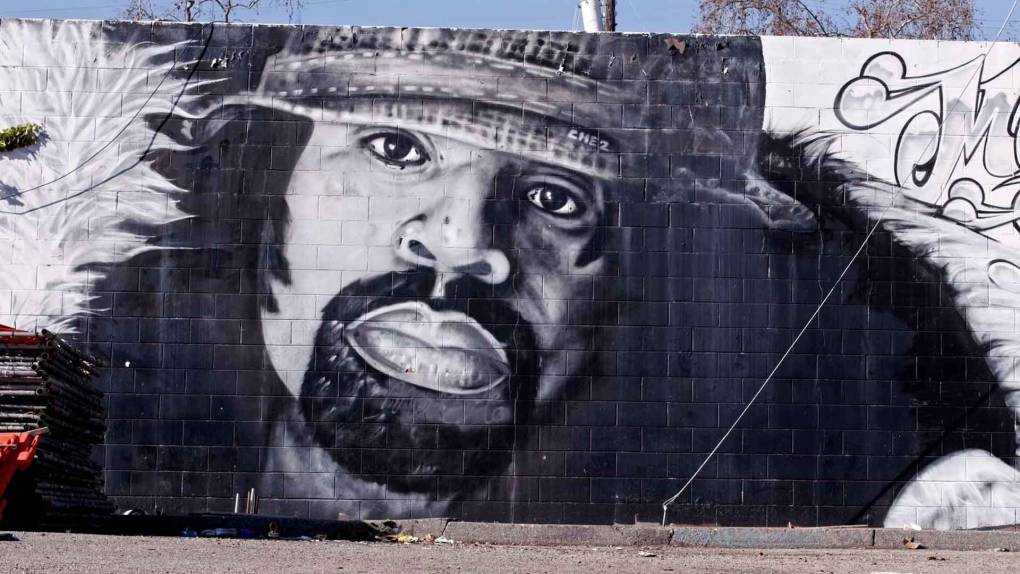
"caption": "A Mac Dre mural on Foothill Boulevard in Oakland by artist Chez.",
"credit": "Laurence Madrigal/We Were Hyphy",
"altTag": "a spraypainted mural of the rap artist mac dre",
"description": null,
"imgSizes": {
"medium": {
"file": "https://cdn.kqed.org/wp-content/uploads/sites/2/2023/01/MacDre.chez_.featured-800x450.jpg",
"width": 800,
"height": 450,
"mimeType": "image/jpeg"
},
"large": {
"file": "https://cdn.kqed.org/wp-content/uploads/sites/2/2023/01/MacDre.chez_.featured-1020x574.jpg",
"width": 1020,
"height": 574,
"mimeType": "image/jpeg"
},
"thumbnail": {
"file": "https://cdn.kqed.org/wp-content/uploads/sites/2/2023/01/MacDre.chez_.featured-160x90.jpg",
"width": 160,
"height": 90,
"mimeType": "image/jpeg"
},
"medium_large": {
"file": "https://cdn.kqed.org/wp-content/uploads/sites/2/2023/01/MacDre.chez_.featured-768x432.jpg",
"width": 768,
"height": 432,
"mimeType": "image/jpeg"
},
"1536x1536": {
"file": "https://cdn.kqed.org/wp-content/uploads/sites/2/2023/01/MacDre.chez_.featured-1536x864.jpg",
"width": 1536,
"height": 864,
"mimeType": "image/jpeg"
},
"post-thumbnail": {
"file": "https://cdn.kqed.org/wp-content/uploads/sites/2/2023/01/MacDre.chez_.featured-672x372.jpg",
"width": 672,
"height": 372,
"mimeType": "image/jpeg"
},
"twentyfourteen-full-width": {
"file": "https://cdn.kqed.org/wp-content/uploads/sites/2/2023/01/MacDre.chez_.featured-1038x576.jpg",
"width": 1038,
"height": 576,
"mimeType": "image/jpeg"
},
"kqedFullSize": {
"file": "https://cdn.kqed.org/wp-content/uploads/sites/2/2023/01/MacDre.chez_.featured.jpg",
"width": 1920,
"height": 1080
}
},
"isLoading": false,
"fetchFailed": false
},
"arts_13924169": {
"type": "attachments",
"id": "arts_13924169",
"meta": {
"index": "attachments_1716263798",
"site": "arts",
"id": "13924169",
"found": true
},
"parent": 13924167,
"imgSizes": {
"twentyfourteen-full-width": {
"file": "https://ww2.kqed.org/app/uploads/sites/2/2023/01/MacMall.SQ_-1038x576.jpg",
"width": 1038,
"mimeType": "image/jpeg",
"height": 576
},
"thumbnail": {
"file": "https://ww2.kqed.org/app/uploads/sites/2/2023/01/MacMall.SQ_-160x160.jpg",
"width": 160,
"mimeType": "image/jpeg",
"height": 160
},
"post-thumbnail": {
"file": "https://ww2.kqed.org/app/uploads/sites/2/2023/01/MacMall.SQ_-672x372.jpg",
"width": 672,
"mimeType": "image/jpeg",
"height": 372
},
"kqedFullSize": {
"file": "https://ww2.kqed.org/app/uploads/sites/2/2023/01/MacMall.SQ_.jpg",
"width": 1080,
"height": 1080
},
"large": {
"file": "https://ww2.kqed.org/app/uploads/sites/2/2023/01/MacMall.SQ_-1020x1020.jpg",
"width": 1020,
"mimeType": "image/jpeg",
"height": 1020
},
"medium": {
"file": "https://ww2.kqed.org/app/uploads/sites/2/2023/01/MacMall.SQ_-800x800.jpg",
"width": 800,
"mimeType": "image/jpeg",
"height": 800
},
"medium_large": {
"file": "https://ww2.kqed.org/app/uploads/sites/2/2023/01/MacMall.SQ_-768x768.jpg",
"width": 768,
"mimeType": "image/jpeg",
"height": 768
}
},
"publishDate": 1674624676,
"modified": 1674624721,
"caption": null,
"description": null,
"title": "MacMall.SQ",
"credit": "Young Black Brotha Records",
"status": "inherit",
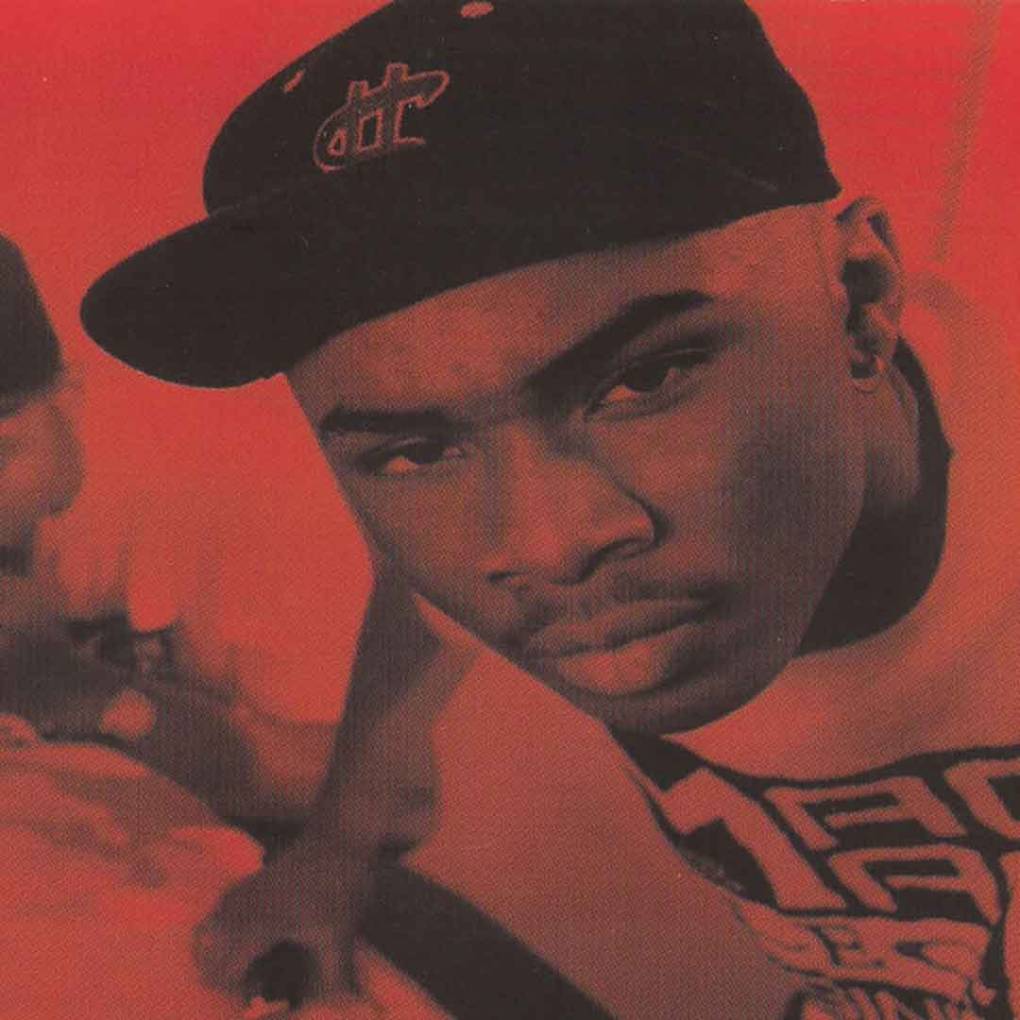
"altTag": "Mac Mall, pictured on the cover of his debut album Illegal Business",
"isLoading": false,
"fetchFailed": false
},
"arts_13924226": {
"type": "attachments",
"id": "arts_13924226",
"meta": {
"index": "attachments_1716263798",
"site": "arts",
"id": "13924226",
"found": true
},
"parent": 13924224,
"imgSizes": {
"twentyfourteen-full-width": {
"file": "https://ww2.kqed.org/app/uploads/sites/2/2023/01/PLAYLISTS.featuredimage-1038x576.jpg",
"width": 1038,
"mimeType": "image/jpeg",
"height": 576
},
"thumbnail": {
"file": "https://ww2.kqed.org/app/uploads/sites/2/2023/01/PLAYLISTS.featuredimage-160x90.jpg",
"width": 160,
"mimeType": "image/jpeg",
"height": 90
},
"post-thumbnail": {
"file": "https://ww2.kqed.org/app/uploads/sites/2/2023/01/PLAYLISTS.featuredimage-672x372.jpg",
"width": 672,
"mimeType": "image/jpeg",
"height": 372
},
"kqedFullSize": {
"file": "https://ww2.kqed.org/app/uploads/sites/2/2023/01/PLAYLISTS.featuredimage.jpg",
"width": 1920,
"height": 1080
},
"large": {
"file": "https://ww2.kqed.org/app/uploads/sites/2/2023/01/PLAYLISTS.featuredimage-1020x574.jpg",
"width": 1020,
"mimeType": "image/jpeg",
"height": 574
},
"1536x1536": {
"file": "https://ww2.kqed.org/app/uploads/sites/2/2023/01/PLAYLISTS.featuredimage-1536x864.jpg",
"width": 1536,
"mimeType": "image/jpeg",
"height": 864
},
"medium": {
"file": "https://ww2.kqed.org/app/uploads/sites/2/2023/01/PLAYLISTS.featuredimage-800x450.jpg",
"width": 800,
"mimeType": "image/jpeg",
"height": 450
},
"medium_large": {
"file": "https://ww2.kqed.org/app/uploads/sites/2/2023/01/PLAYLISTS.featuredimage-768x432.jpg",
"width": 768,
"mimeType": "image/jpeg",
"height": 432
}
},
"publishDate": 1674689944,
"modified": 1675234978,
"caption": null,
"description": null,
"title": "PLAYLISTS.featuredimage",
"credit": null,
"status": "inherit",
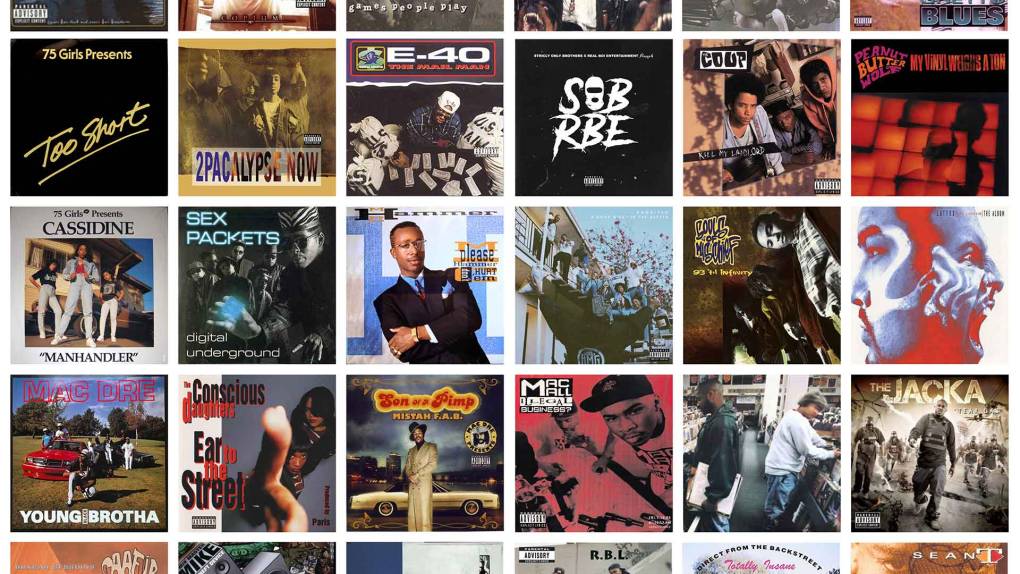
"altTag": "A grid of 18 album covers spanning bay area hip-hop history",
"isLoading": false,
"fetchFailed": false
},
"arts_13924401": {
"type": "attachments",
"id": "arts_13924401",
"meta": {
"index": "attachments_1716263798",
"site": "arts",
"id": "13924401",
"found": true
},
"parent": 13924170,
"imgSizes": {
"twentyfourteen-full-width": {
"file": "https://ww2.kqed.org/app/uploads/sites/2/2023/01/Saafir.Casual.H2H.SQ_-1038x576.jpg",
"width": 1038,
"mimeType": "image/jpeg",
"height": 576
},
"thumbnail": {
"file": "https://ww2.kqed.org/app/uploads/sites/2/2023/01/Saafir.Casual.H2H.SQ_-160x160.jpg",
"width": 160,
"mimeType": "image/jpeg",
"height": 160
},
"post-thumbnail": {
"file": "https://ww2.kqed.org/app/uploads/sites/2/2023/01/Saafir.Casual.H2H.SQ_-672x372.jpg",
"width": 672,
"mimeType": "image/jpeg",
"height": 372
},
"kqedFullSize": {
"file": "https://ww2.kqed.org/app/uploads/sites/2/2023/01/Saafir.Casual.H2H.SQ_.jpg",
"width": 1060,
"height": 1060
},
"large": {
"file": "https://ww2.kqed.org/app/uploads/sites/2/2023/01/Saafir.Casual.H2H.SQ_-1020x1020.jpg",
"width": 1020,
"mimeType": "image/jpeg",
"height": 1020
},
"medium": {
"file": "https://ww2.kqed.org/app/uploads/sites/2/2023/01/Saafir.Casual.H2H.SQ_-800x800.jpg",
"width": 800,
"mimeType": "image/jpeg",
"height": 800
},
"medium_large": {
"file": "https://ww2.kqed.org/app/uploads/sites/2/2023/01/Saafir.Casual.H2H.SQ_-768x768.jpg",
"width": 768,
"mimeType": "image/jpeg",
"height": 768
}
},
"publishDate": 1675020472,
"modified": 1675020548,
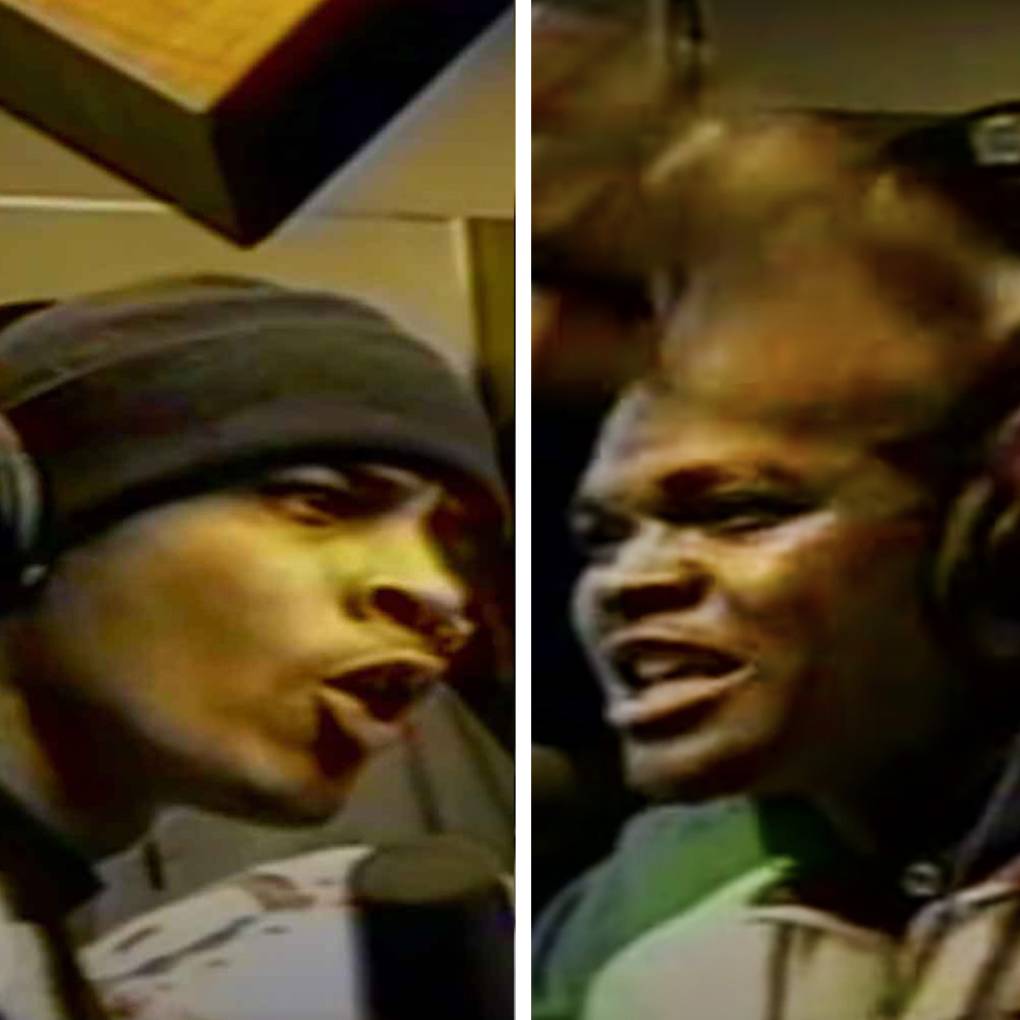
"caption": "Saafir and Casual (L–R) battled it out at KMEL studios in San Francisco, Nov. 18, 1994.",
"description": null,
"title": "Saafir.Casual.H2H.SQ",
"credit": "Alex Asher Daniel/Courtesy Skyfre Productions",
"status": "inherit",
"altTag": "A diptych of a man in a black beanie on the left and a man in a colorful jacket on the right, facing each other and both rapping into microphones",
"isLoading": false,
"fetchFailed": false
},
"arts_13924399": {
"type": "attachments",
"id": "arts_13924399",
"meta": {
"index": "attachments_1716263798",
"site": "arts",
"id": "13924399",
"found": true
},
"parent": 13924170,
"imgSizes": {
"twentyfourteen-full-width": {
"file": "https://ww2.kqed.org/app/uploads/sites/2/2023/01/Saafir.Casual.courtesy.ShomariSmith.2-1038x576.jpg",
"width": 1038,
"mimeType": "image/jpeg",
"height": 576
},
"thumbnail": {
"file": "https://ww2.kqed.org/app/uploads/sites/2/2023/01/Saafir.Casual.courtesy.ShomariSmith.2-160x90.jpg",
"width": 160,
"mimeType": "image/jpeg",
"height": 90
},
"post-thumbnail": {
"file": "https://ww2.kqed.org/app/uploads/sites/2/2023/01/Saafir.Casual.courtesy.ShomariSmith.2-672x372.jpg",
"width": 672,
"mimeType": "image/jpeg",
"height": 372
},
"kqedFullSize": {
"file": "https://ww2.kqed.org/app/uploads/sites/2/2023/01/Saafir.Casual.courtesy.ShomariSmith.2.jpg",
"width": 1884,
"height": 1060
},
"large": {
"file": "https://ww2.kqed.org/app/uploads/sites/2/2023/01/Saafir.Casual.courtesy.ShomariSmith.2-1020x574.jpg",
"width": 1020,
"mimeType": "image/jpeg",
"height": 574
},
"1536x1536": {
"file": "https://ww2.kqed.org/app/uploads/sites/2/2023/01/Saafir.Casual.courtesy.ShomariSmith.2-1536x864.jpg",
"width": 1536,
"mimeType": "image/jpeg",
"height": 864
},
"medium": {
"file": "https://ww2.kqed.org/app/uploads/sites/2/2023/01/Saafir.Casual.courtesy.ShomariSmith.2-800x450.jpg",
"width": 800,
"mimeType": "image/jpeg",
"height": 450
},
"medium_large": {
"file": "https://ww2.kqed.org/app/uploads/sites/2/2023/01/Saafir.Casual.courtesy.ShomariSmith.2-768x432.jpg",
"width": 768,
"mimeType": "image/jpeg",
"height": 432
}
},
"publishDate": 1675018969,
"modified": 1675019220,
"caption": "Saafir and Casual (L–R) battled it out at KMEL studios in San Francisco, Nov. 18, 1994.",
"description": null,
"title": "Saafir.Casual.courtesy.ShomariSmith.2",
"credit": "Alex Asher Daniel/Courtesy Skyfre Productions",
"status": "inherit",
"altTag": "A diptych of a man in a black beanie on the left and a man in a colorful jacket on the right, facing each other and both rapping into microphones",
"isLoading": false,
"fetchFailed": false
},
"arts_13924086": {
"type": "attachments",
"id": "arts_13924086",
"meta": {
"index": "attachments_1716263798",
"site": "arts",
"id": "13924086",
"found": true
},
"parent": 13924042,
"imgSizes": {
"twentyfourteen-full-width": {
"file": "https://ww2.kqed.org/app/uploads/sites/2/2023/01/c29a97dd-d8ee-4fa3-aa1a-cb0d4798fc62-929x576.jpg",
"width": 929,
"mimeType": "image/jpeg",
"height": 576
},
"thumbnail": {
"file": "https://ww2.kqed.org/app/uploads/sites/2/2023/01/c29a97dd-d8ee-4fa3-aa1a-cb0d4798fc62-160x160.jpg",
"width": 160,
"mimeType": "image/jpeg",
"height": 160
},
"post-thumbnail": {
"file": "https://ww2.kqed.org/app/uploads/sites/2/2023/01/c29a97dd-d8ee-4fa3-aa1a-cb0d4798fc62-672x372.jpg",
"width": 672,
"mimeType": "image/jpeg",
"height": 372
},
"kqedFullSize": {
"file": "https://ww2.kqed.org/app/uploads/sites/2/2023/01/c29a97dd-d8ee-4fa3-aa1a-cb0d4798fc62.jpg",
"width": 929,
"height": 929
},
"medium": {
"file": "https://ww2.kqed.org/app/uploads/sites/2/2023/01/c29a97dd-d8ee-4fa3-aa1a-cb0d4798fc62-800x800.jpg",
"width": 800,
"mimeType": "image/jpeg",
"height": 800
},
"medium_large": {
"file": "https://ww2.kqed.org/app/uploads/sites/2/2023/01/c29a97dd-d8ee-4fa3-aa1a-cb0d4798fc62-768x768.jpg",
"width": 768,
"mimeType": "image/jpeg",
"height": 768
}
},
"publishDate": 1674583331,
"modified": 1674583377,
"caption": "Before his hit \"I Gott Grapes,\" Nump had a major hand in the hyphy movement, engineering tracks by The Federation, E-40, Mac Dre and Messy Marv. ",
"description": null,
"title": "c29a97dd-d8ee-4fa3-aa1a-cb0d4798fc62",
"credit": "Courtesy of Nump",
"status": "inherit",
"altTag": null,
"isLoading": false,
"fetchFailed": false
},
"arts_13924559": {
"type": "attachments",
"id": "arts_13924559",
"meta": {
"index": "attachments_1716263798",
"site": "arts",
"id": "13924559",
"found": true
},
"parent": 13923978,
"imgSizes": {
"twentyfourteen-full-width": {
"file": "https://ww2.kqed.org/app/uploads/sites/2/2023/01/DaveyD.KALX_.sq_-1038x576.jpg",
"width": 1038,
"mimeType": "image/jpeg",
"height": 576
},
"thumbnail": {
"file": "https://ww2.kqed.org/app/uploads/sites/2/2023/01/DaveyD.KALX_.sq_-160x160.jpg",
"width": 160,
"mimeType": "image/jpeg",
"height": 160
},
"post-thumbnail": {
"file": "https://ww2.kqed.org/app/uploads/sites/2/2023/01/DaveyD.KALX_.sq_-672x372.jpg",
"width": 672,
"mimeType": "image/jpeg",
"height": 372
},
"kqedFullSize": {
"file": "https://ww2.kqed.org/app/uploads/sites/2/2023/01/DaveyD.KALX_.sq_.jpg",
"width": 1529,
"height": 1529
},
"large": {
"file": "https://ww2.kqed.org/app/uploads/sites/2/2023/01/DaveyD.KALX_.sq_-1020x1020.jpg",
"width": 1020,
"mimeType": "image/jpeg",
"height": 1020
},
"medium": {
"file": "https://ww2.kqed.org/app/uploads/sites/2/2023/01/DaveyD.KALX_.sq_-800x800.jpg",
"width": 800,
"mimeType": "image/jpeg",
"height": 800
},
"medium_large": {
"file": "https://ww2.kqed.org/app/uploads/sites/2/2023/01/DaveyD.KALX_.sq_-768x768.jpg",
"width": 768,
"mimeType": "image/jpeg",
"height": 768
}
},
"publishDate": 1675239814,
"modified": 1675239845,
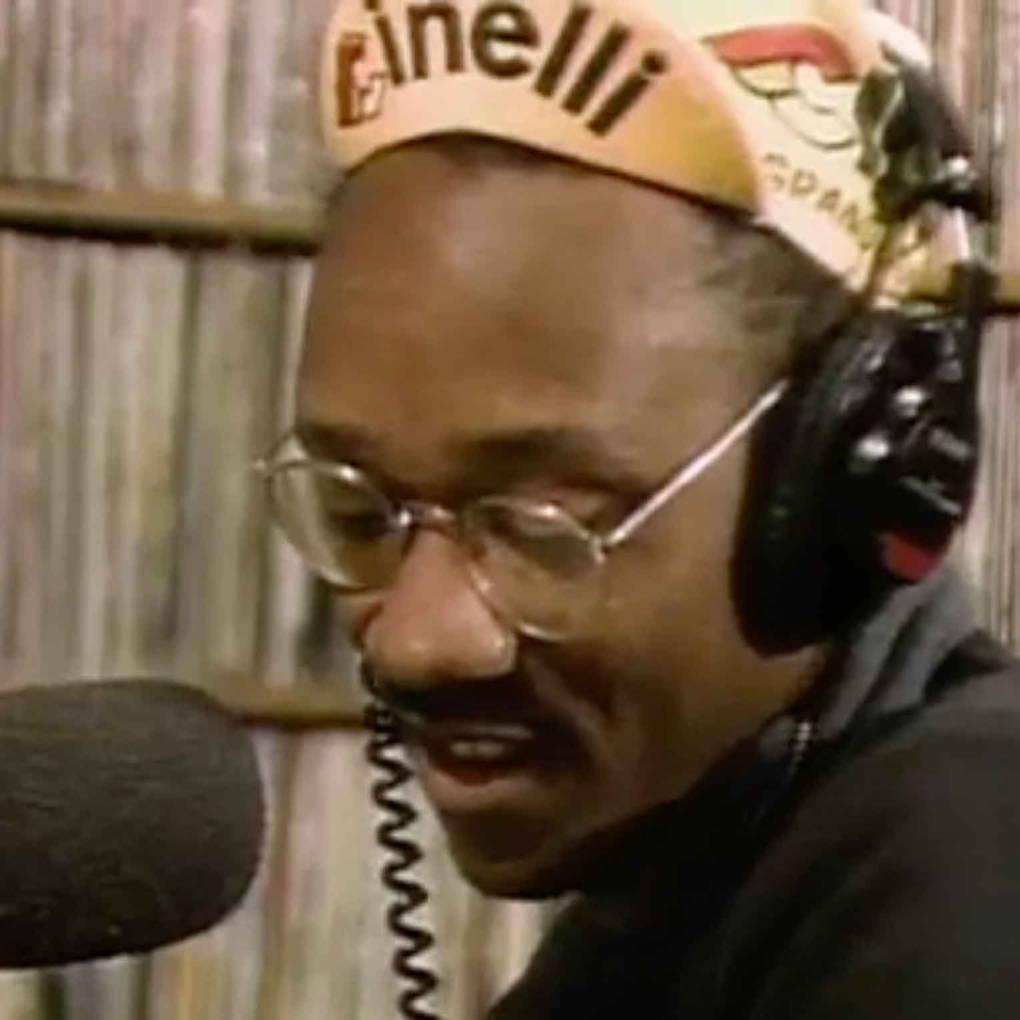
"caption": "Davey D is pictured here hosting his radio show on KALX in 1990. In the very early years of Bay Area hip-hop, Davey D says, the culture was still finding its place in society, and had yet to be defined.",
"description": null,
"title": "DaveyD.KALX.sq",
"credit": "KQED",
"status": "inherit",
"altTag": "A man in a yellow cycling cap talks into a microphone, with shelves of records in the background.",
"isLoading": false,
"fetchFailed": false
},
"arts_13924541": {
"type": "attachments",
"id": "arts_13924541",
"meta": {
"index": "attachments_1716263798",
"site": "arts",
"id": "13924541",
"found": true
},
"parent": 13923978,
"imgSizes": {
"twentyfourteen-full-width": {
"file": "https://ww2.kqed.org/app/uploads/sites/2/2023/01/DaveyD.KALX_.1990-1038x576.jpg",
"width": 1038,
"mimeType": "image/jpeg",
"height": 576
},
"thumbnail": {
"file": "https://ww2.kqed.org/app/uploads/sites/2/2023/01/DaveyD.KALX_.1990-160x104.jpg",
"width": 160,
"mimeType": "image/jpeg",
"height": 104
},
"post-thumbnail": {
"file": "https://ww2.kqed.org/app/uploads/sites/2/2023/01/DaveyD.KALX_.1990-672x372.jpg",
"width": 672,
"mimeType": "image/jpeg",
"height": 372
},
"kqedFullSize": {
"file": "https://ww2.kqed.org/app/uploads/sites/2/2023/01/DaveyD.KALX_.1990.jpg",
"width": 2350,
"height": 1529
},
"2048x2048": {
"file": "https://ww2.kqed.org/app/uploads/sites/2/2023/01/DaveyD.KALX_.1990-2048x1333.jpg",
"width": 2048,
"mimeType": "image/jpeg",
"height": 1333
},
"large": {
"file": "https://ww2.kqed.org/app/uploads/sites/2/2023/01/DaveyD.KALX_.1990-1020x664.jpg",
"width": 1020,
"mimeType": "image/jpeg",
"height": 664
},
"1536x1536": {
"file": "https://ww2.kqed.org/app/uploads/sites/2/2023/01/DaveyD.KALX_.1990-1536x999.jpg",
"width": 1536,
"mimeType": "image/jpeg",
"height": 999
},
"full-width": {
"file": "https://ww2.kqed.org/app/uploads/sites/2/2023/01/DaveyD.KALX_.1990-1920x1249.jpg",
"width": 1920,
"mimeType": "image/jpeg",
"height": 1249
},
"medium": {
"file": "https://ww2.kqed.org/app/uploads/sites/2/2023/01/DaveyD.KALX_.1990-800x521.jpg",
"width": 800,
"mimeType": "image/jpeg",
"height": 521
},
"medium_large": {
"file": "https://ww2.kqed.org/app/uploads/sites/2/2023/01/DaveyD.KALX_.1990-768x500.jpg",
"width": 768,
"mimeType": "image/jpeg",
"height": 500
}
},
"publishDate": 1675203539,
"modified": 1675203686,
"caption": "Davey D is pictured here hosting his radio show on KALX in 1990. In the very early years of Bay Area hip-hop, Davey D says, the culture was still finding its place in society, and had yet to be defined.",
"description": null,
"title": "DaveyD.KALX.1990",
"credit": "KQED",
"status": "inherit",
"altTag": "A man in a yellow cycling cap talks into a microphone, with shelves of records in the background.",
"isLoading": false,
"fetchFailed": false
},
"arts_13924049": {
"type": "attachments",
"id": "arts_13924049",
"meta": {
"index": "attachments_1716263798",
"site": "arts",
"id": "13924049",
"found": true
},
"parent": 13924014,
"imgSizes": {
"twentyfourteen-full-width": {
"file": "https://ww2.kqed.org/app/uploads/sites/2/2023/01/46-1038x576.png",
"width": 1038,
"mimeType": "image/png",
"height": 576
},
"thumbnail": {
"file": "https://ww2.kqed.org/app/uploads/sites/2/2023/01/46-160x90.png",
"width": 160,
"mimeType": "image/png",
"height": 90
},
"post-thumbnail": {
"file": "https://ww2.kqed.org/app/uploads/sites/2/2023/01/46-672x372.png",
"width": 672,
"mimeType": "image/png",
"height": 372
},
"kqedFullSize": {
"file": "https://ww2.kqed.org/app/uploads/sites/2/2023/01/46.png",
"width": 1920,
"height": 1080
},
"large": {
"file": "https://ww2.kqed.org/app/uploads/sites/2/2023/01/46-1020x574.png",
"width": 1020,
"mimeType": "image/png",
"height": 574
},
"1536x1536": {
"file": "https://ww2.kqed.org/app/uploads/sites/2/2023/01/46-1536x864.png",
"width": 1536,
"mimeType": "image/png",
"height": 864
},
"medium": {
"file": "https://ww2.kqed.org/app/uploads/sites/2/2023/01/46-800x450.png",
"width": 800,
"mimeType": "image/png",
"height": 450
},
"medium_large": {
"file": "https://ww2.kqed.org/app/uploads/sites/2/2023/01/46-768x432.png",
"width": 768,
"mimeType": "image/png",
"height": 432
}
},
"publishDate": 1674518887,
"modified": 1674519816,
"caption": "Seiji Oda is proud to represent a fusion of influences in his music.",
"description": null,
"title": "46",
"credit": "theclaydoe / Instagram",
"status": "inherit",
"altTag": "a young Asian-American presenting man in a yellow shirt and brown pants poses against a wall",
"isLoading": false,
"fetchFailed": false
},
"arts_13923984": {
"type": "attachments",
"id": "arts_13923984",
"meta": {
"index": "attachments_1716263798",
"site": "arts",
"id": "13923984",
"found": true
},
"parent": 13923980,
"imgSizes": {
"twentyfourteen-full-width": {
"file": "https://ww2.kqed.org/app/uploads/sites/2/2023/01/Screen-Shot-2023-01-23-at-10.37.16-AM-1038x576.png",
"width": 1038,
"mimeType": "image/png",
"height": 576
},
"thumbnail": {
"file": "https://ww2.kqed.org/app/uploads/sites/2/2023/01/Screen-Shot-2023-01-23-at-10.37.16-AM-160x104.png",
"width": 160,
"mimeType": "image/png",
"height": 104
},
"post-thumbnail": {
"file": "https://ww2.kqed.org/app/uploads/sites/2/2023/01/Screen-Shot-2023-01-23-at-10.37.16-AM-672x372.png",
"width": 672,
"mimeType": "image/png",
"height": 372
},
"kqedFullSize": {
"file": "https://ww2.kqed.org/app/uploads/sites/2/2023/01/Screen-Shot-2023-01-23-at-10.37.16-AM.png",
"width": 1932,
"height": 1252
},
"large": {
"file": "https://ww2.kqed.org/app/uploads/sites/2/2023/01/Screen-Shot-2023-01-23-at-10.37.16-AM-1020x661.png",
"width": 1020,
"mimeType": "image/png",
"height": 661
},
"1536x1536": {
"file": "https://ww2.kqed.org/app/uploads/sites/2/2023/01/Screen-Shot-2023-01-23-at-10.37.16-AM-1536x995.png",
"width": 1536,
"mimeType": "image/png",
"height": 995
},
"full-width": {
"file": "https://ww2.kqed.org/app/uploads/sites/2/2023/01/Screen-Shot-2023-01-23-at-10.37.16-AM-1920x1244.png",
"width": 1920,
"mimeType": "image/png",
"height": 1244
},
"medium": {
"file": "https://ww2.kqed.org/app/uploads/sites/2/2023/01/Screen-Shot-2023-01-23-at-10.37.16-AM-800x518.png",
"width": 800,
"mimeType": "image/png",
"height": 518
},
"medium_large": {
"file": "https://ww2.kqed.org/app/uploads/sites/2/2023/01/Screen-Shot-2023-01-23-at-10.37.16-AM-768x498.png",
"width": 768,
"mimeType": "image/png",
"height": 498
}
},
"publishDate": 1674499049,
"modified": 1674499185,
"caption": "Members of the Grant Avenue Follies, a senior cabaret dance troupe based in San Francisco’s Chinatown, collaborated with rapper Jason Chu on the Lunar New Year song “That Lunar Cheer.”",
"description": null,
"title": "Members of the Grant Avenue Follies, a senior cabaret dance troupe based in San Francisco’s Chinatown, collaborated with rapper Jason Chu on the Lunar New Year song “That Lunar Cheer.”",
"credit": "IW Group",
"status": "inherit",
"altTag": "A young Asian man crouches on the floor wearing track suit and red beanie, with a proud expression. Behind him three senior Asian women pose in red Adidas track suits.",
"isLoading": false,
"fetchFailed": false
},
"arts_13891524": {
"type": "attachments",
"id": "arts_13891524",
"meta": {
"index": "attachments_1716263798",
"site": "arts",
"id": "13891524",
"found": true
},
"parent": 13891520,
"imgSizes": {
"twentyfourteen-full-width": {
"file": "https://ww2.kqed.org/app/uploads/sites/2/2021/01/1Beat_2019_Nina-2-1038x576.jpg",
"width": 1038,
"mimeType": "image/jpeg",
"height": 576
},
"thumbnail": {
"file": "https://ww2.kqed.org/app/uploads/sites/2/2021/01/1Beat_2019_Nina-2-160x107.jpg",
"width": 160,
"mimeType": "image/jpeg",
"height": 107
},
"post-thumbnail": {
"file": "https://ww2.kqed.org/app/uploads/sites/2/2021/01/1Beat_2019_Nina-2-672x372.jpg",
"width": 672,
"mimeType": "image/jpeg",
"height": 372
},
"kqedFullSize": {
"file": "https://ww2.kqed.org/app/uploads/sites/2/2021/01/1Beat_2019_Nina-2.jpg",
"width": 1450,
"height": 967
},
"large": {
"file": "https://ww2.kqed.org/app/uploads/sites/2/2021/01/1Beat_2019_Nina-2-1020x680.jpg",
"width": 1020,
"mimeType": "image/jpeg",
"height": 680
},
"medium": {
"file": "https://ww2.kqed.org/app/uploads/sites/2/2021/01/1Beat_2019_Nina-2-800x534.jpg",
"width": 800,
"mimeType": "image/jpeg",
"height": 534
},
"medium_large": {
"file": "https://ww2.kqed.org/app/uploads/sites/2/2021/01/1Beat_2019_Nina-2-768x512.jpg",
"width": 768,
"mimeType": "image/jpeg",
"height": 512
}
},
"publishDate": 1611180348,
"modified": 1611272802,
"caption": "Nappy Nina ",
"description": "Nappy Nina smiles at the camera, it looks like she's leaping towards us. She wears a dark tshirt and a green baseball cap. She's in front of a white photo backdrop amidst a verdant and lush background full of palm leaves and tree branches.",
"title": "Nappy Nina",
"credit": "Alexia Webster",
"status": "inherit",
"altTag": "Nappy Nina smiles at the camera, it looks like she's leaping towards us. She wears a dark tshirt and a green baseball cap. She's in front of a white photo backdrop amidst a verdant and lush background full of palm leaves and tree branches.",
"isLoading": false,
"fetchFailed": false
},
"arts_13923029": {
"type": "attachments",
"id": "arts_13923029",
"meta": {
"index": "attachments_1716263798",
"site": "arts",
"id": "13923029",
"found": true
},
"parent": 13923028,
"imgSizes": {
"twentyfourteen-full-width": {
"file": "https://ww2.kqed.org/app/uploads/sites/2/2022/12/nprmusic_nbayoungboy_v3_221205_custom-e90fb5b72c472959c9492c4da76f7f20b795ef88-1038x576.jpg",
"width": 1038,
"mimeType": "image/jpeg",
"height": 576
},
"thumbnail": {
"file": "https://ww2.kqed.org/app/uploads/sites/2/2022/12/nprmusic_nbayoungboy_v3_221205_custom-e90fb5b72c472959c9492c4da76f7f20b795ef88-160x90.jpg",
"width": 160,
"mimeType": "image/jpeg",
"height": 90
},
"post-thumbnail": {
"file": "https://ww2.kqed.org/app/uploads/sites/2/2022/12/nprmusic_nbayoungboy_v3_221205_custom-e90fb5b72c472959c9492c4da76f7f20b795ef88-672x372.jpg",
"width": 672,
"mimeType": "image/jpeg",
"height": 372
},
"kqedFullSize": {
"file": "https://ww2.kqed.org/app/uploads/sites/2/2022/12/nprmusic_nbayoungboy_v3_221205_custom-e90fb5b72c472959c9492c4da76f7f20b795ef88-scaled.jpg",
"width": 2560,
"height": 1438
},
"2048x2048": {
"file": "https://ww2.kqed.org/app/uploads/sites/2/2022/12/nprmusic_nbayoungboy_v3_221205_custom-e90fb5b72c472959c9492c4da76f7f20b795ef88-2048x1150.jpg",
"width": 2048,
"mimeType": "image/jpeg",
"height": 1150
},
"large": {
"file": "https://ww2.kqed.org/app/uploads/sites/2/2022/12/nprmusic_nbayoungboy_v3_221205_custom-e90fb5b72c472959c9492c4da76f7f20b795ef88-1020x573.jpg",
"width": 1020,
"mimeType": "image/jpeg",
"height": 573
},
"1536x1536": {
"file": "https://ww2.kqed.org/app/uploads/sites/2/2022/12/nprmusic_nbayoungboy_v3_221205_custom-e90fb5b72c472959c9492c4da76f7f20b795ef88-1536x863.jpg",
"width": 1536,
"mimeType": "image/jpeg",
"height": 863
},
"full-width": {
"file": "https://ww2.kqed.org/app/uploads/sites/2/2022/12/nprmusic_nbayoungboy_v3_221205_custom-e90fb5b72c472959c9492c4da76f7f20b795ef88-1920x1078.jpg",
"width": 1920,
"mimeType": "image/jpeg",
"height": 1078
},
"medium": {
"file": "https://ww2.kqed.org/app/uploads/sites/2/2022/12/nprmusic_nbayoungboy_v3_221205_custom-e90fb5b72c472959c9492c4da76f7f20b795ef88-800x449.jpg",
"width": 800,
"mimeType": "image/jpeg",
"height": 449
},
"medium_large": {
"file": "https://ww2.kqed.org/app/uploads/sites/2/2022/12/nprmusic_nbayoungboy_v3_221205_custom-e90fb5b72c472959c9492c4da76f7f20b795ef88-768x431.jpg",
"width": 768,
"mimeType": "image/jpeg",
"height": 431
}
},
"publishDate": 1671641372,
"modified": 1671641458,
"caption": "YoungBoy Never Broke Again (aka NBA YoungBoy) is among a handful of rappers who achieved massive streaming numbers in 2022 while remaining nearly invisible to the pop establishment.",
"description": null,
"title": "YoungBoy Never Broke Again (aka NBA YoungBoy) is among a handful of rappers who achieved massive streaming numbers in 2022 while remaining nearly invisible to the pop establishment.",
"credit": "Simone Noronha for NPR",
"status": "inherit",
"altTag": null,
"isLoading": false,
"fetchFailed": false
},
"arts_13922622": {
"type": "attachments",
"id": "arts_13922622",
"meta": {
"index": "attachments_1716263798",
"site": "arts",
"id": "13922622",
"found": true
},
"parent": 13922616,
"imgSizes": {
"twentyfourteen-full-width": {
"file": "https://ww2.kqed.org/app/uploads/sites/2/2022/12/TooShort.LibbySchaaf-1032x576.jpg",
"width": 1032,
"mimeType": "image/jpeg",
"height": 576
},
"thumbnail": {
"file": "https://ww2.kqed.org/app/uploads/sites/2/2022/12/TooShort.LibbySchaaf-160x90.jpg",
"width": 160,
"mimeType": "image/jpeg",
"height": 90
},
"post-thumbnail": {
"file": "https://ww2.kqed.org/app/uploads/sites/2/2022/12/TooShort.LibbySchaaf-672x372.jpg",
"width": 672,
"mimeType": "image/jpeg",
"height": 372
},
"kqedFullSize": {
"file": "https://ww2.kqed.org/app/uploads/sites/2/2022/12/TooShort.LibbySchaaf.jpg",
"width": 1032,
"height": 581
},
"large": {
"file": "https://ww2.kqed.org/app/uploads/sites/2/2022/12/TooShort.LibbySchaaf-1020x574.jpg",
"width": 1020,
"mimeType": "image/jpeg",
"height": 574
},
"medium": {
"file": "https://ww2.kqed.org/app/uploads/sites/2/2022/12/TooShort.LibbySchaaf-800x450.jpg",
"width": 800,
"mimeType": "image/jpeg",
"height": 450
},
"medium_large": {
"file": "https://ww2.kqed.org/app/uploads/sites/2/2022/12/TooShort.LibbySchaaf-768x432.jpg",
"width": 768,
"mimeType": "image/jpeg",
"height": 432
}
},
"publishDate": 1670742549,
"modified": 1670742706,
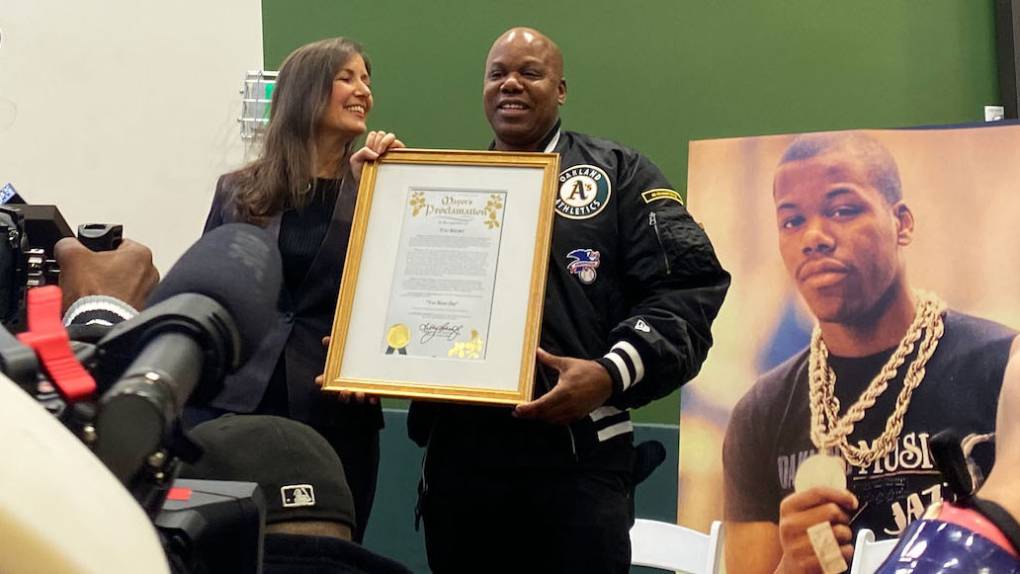
"caption": "Oakland Mayor Libby Schaaf (right) presents an official city proclamation to rapper Too $hort at Fremont High School in Oakland, Calif., on Dec. 10, 2022. The event formally renamed a portion of Foothill Boulevard to 'Too Short Way.'",
"description": null,
"title": "TooShort.LibbySchaaf",
"credit": "Kristie Song/KQED",
"status": "inherit",
"altTag": "A woman with long hair smiles at a man in an A's starter jacket, holding a framed proclamation from the city",
"isLoading": false,
"fetchFailed": false
},
"arts_13922538": {
"type": "attachments",
"id": "arts_13922538",
"meta": {
"index": "attachments_1716263798",
"site": "arts",
"id": "13922538",
"found": true
},
"parent": 13922511,
"imgSizes": {
"twentyfourteen-full-width": {
"file": "https://ww2.kqed.org/app/uploads/sites/2/2022/12/best-bay-area-albums-2022-1038x576.jpg",
"width": 1038,
"mimeType": "image/jpeg",
"height": 576
},
"thumbnail": {
"file": "https://ww2.kqed.org/app/uploads/sites/2/2022/12/best-bay-area-albums-2022-160x83.jpg",
"width": 160,
"mimeType": "image/jpeg",
"height": 83
},
"post-thumbnail": {
"file": "https://ww2.kqed.org/app/uploads/sites/2/2022/12/best-bay-area-albums-2022-672x372.jpg",
"width": 672,
"mimeType": "image/jpeg",
"height": 372
},
"kqedFullSize": {
"file": "https://ww2.kqed.org/app/uploads/sites/2/2022/12/best-bay-area-albums-2022.jpg",
"width": 1920,
"height": 1000
},
"large": {
"file": "https://ww2.kqed.org/app/uploads/sites/2/2022/12/best-bay-area-albums-2022-1020x531.jpg",
"width": 1020,
"mimeType": "image/jpeg",
"height": 531
},
"1536x1536": {
"file": "https://ww2.kqed.org/app/uploads/sites/2/2022/12/best-bay-area-albums-2022-1536x800.jpg",
"width": 1536,
"mimeType": "image/jpeg",
"height": 800
},
"medium": {
"file": "https://ww2.kqed.org/app/uploads/sites/2/2022/12/best-bay-area-albums-2022-800x417.jpg",
"width": 800,
"mimeType": "image/jpeg",
"height": 417
},
"medium_large": {
"file": "https://ww2.kqed.org/app/uploads/sites/2/2022/12/best-bay-area-albums-2022-768x400.jpg",
"width": 768,
"mimeType": "image/jpeg",
"height": 400
}
},
"publishDate": 1670539041,
"modified": 1670539214,
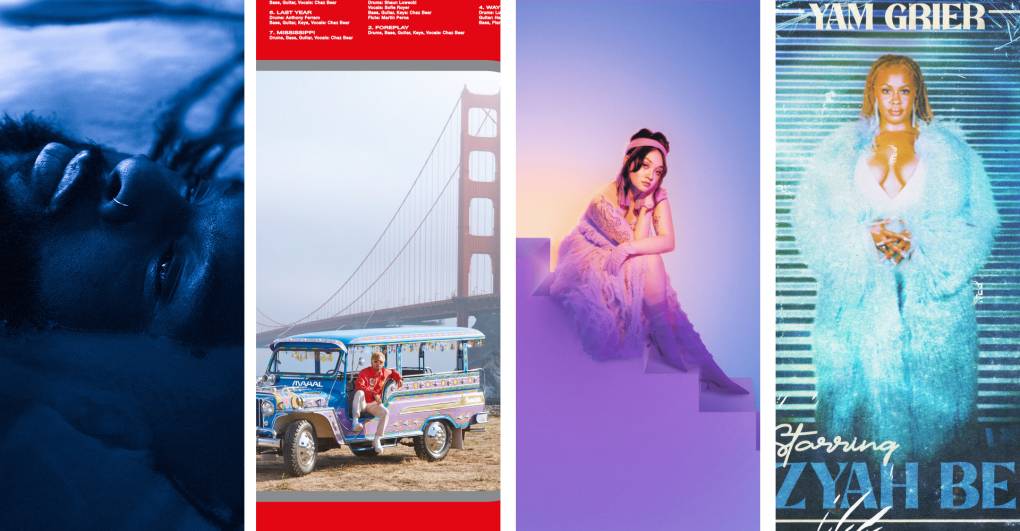
"caption": "Rexx Life Raj's 'The Blue Hour,' Toro Y Moi's 'MAHAL,' mxmtoon's 'rising' and Zyah Belle's 'Yam Grier' are four of our top 20 favorite Bay Area albums of the year.",
"description": null,
"title": "best bay area albums 2022",
"credit": "EMPIRE/Dead Oceans/AWAL Recordings America/Guin Records",
"status": "inherit",
"altTag": null,
"isLoading": false,
"fetchFailed": false
}
},
"audioPlayerReducer": {
"postId": "stream_live",
"isPaused": true,
"isPlaying": false,
"pfsActive": false,
"pledgeModalIsOpen": true,
"playerDrawerIsOpen": false,
"liveAudioPlayStartedAt": 0,
"liveAudioPlayContext": ""
},
"authorsReducer": {
"byline_arts_13924167": {
"type": "authors",
"id": "byline_arts_13924167",
"meta": {
"override": true
},
"slug": "byline_arts_13924167",
"name": "Mac Mall",
"isLoading": false
},
"byline_arts_13924224": {
"type": "authors",
"id": "byline_arts_13924224",
"meta": {
"override": true
},
"slug": "byline_arts_13924224",
"name": "That's My Word ",
"isLoading": false
},
"byline_arts_13923980": {
"type": "authors",
"id": "byline_arts_13923980",
"meta": {
"override": true
},
"slug": "byline_arts_13923980",
"name": "Chloe Veltman",
"isLoading": false
},
"byline_arts_13923028": {
"type": "authors",
"id": "byline_arts_13923028",
"meta": {
"override": true
},
"slug": "byline_arts_13923028",
"name": "Sheldon Pearce",
"isLoading": false
},
"byline_arts_13922511": {
"type": "authors",
"id": "byline_arts_13922511",
"meta": {
"override": true
},
"slug": "byline_arts_13922511",
"name": "KQED Arts & Culture",
"isLoading": false
},
"gmeline": {
"type": "authors",
"id": "185",
"meta": {
"index": "authors_1716337520",
"id": "185",
"found": true
},
"name": "Gabe Meline",
"firstName": "Gabe",
"lastName": "Meline",
"slug": "gmeline",
"email": "gmeline@kqed.org",
"display_author_email": true,
"staff_mastheads": [
"arts"
],
"title": "Senior Editor, KQED Arts & Culture",
"bio": "Gabe Meline entered journalism at age 15 making photocopied zines, and has since earned awards from the Edward R. Murrow Awards, the Society for Professional Journalists, the Online Journalism Awards, the Association of Alternative Newsweeklies and the California Newspaper Publishers Association. Prior to KQED, he was the editor of the \u003cem>North Bay Bohemian\u003c/em> and a touring musician. He lives with his wife and daughter in his hometown of Santa Rosa, CA.",
"avatar": "https://secure.gravatar.com/avatar/5bebe57be0d8bc2dd318934feb47299e2d2d10cba28d09d8d7afb389a2ce2bdd?s=600&d=blank&r=g",
"twitter": null,
"bluesky": null,
"facebook": null,
"instagram": null,
"linkedin": null,
"sites": [
{
"site": "",
"roles": [
"editor"
]
},
{
"site": "arts",
"roles": [
"administrator"
]
},
{
"site": "artschool",
"roles": [
"editor"
]
},
{
"site": "news",
"roles": [
"author"
]
},
{
"site": "pop",
"roles": [
"editor"
]
},
{
"site": "bayareabites",
"roles": [
"editor"
]
},
{
"site": "food",
"roles": [
"editor"
]
},
{
"site": "forum",
"roles": [
"administrator"
]
},
{
"site": "liveblog",
"roles": [
"editor"
]
},
{
"site": "hiphop",
"roles": [
"editor"
]
}
],
"headData": {
"title": "Gabe Meline | KQED",
"description": "Senior Editor, KQED Arts & Culture",
"ogImgSrc": "https://secure.gravatar.com/avatar/5bebe57be0d8bc2dd318934feb47299e2d2d10cba28d09d8d7afb389a2ce2bdd?s=600&d=blank&r=g",
"twImgSrc": "https://secure.gravatar.com/avatar/5bebe57be0d8bc2dd318934feb47299e2d2d10cba28d09d8d7afb389a2ce2bdd?s=600&d=blank&r=g"
},
"isLoading": false,
"link": "/author/gmeline"
},
"nvoynovskaya": {
"type": "authors",
"id": "11387",
"meta": {
"index": "authors_1716337520",
"id": "11387",
"found": true
},
"name": "Nastia Voynovskaya",
"firstName": "Nastia",
"lastName": "Voynovskaya",
"slug": "nvoynovskaya",
"email": "nvoynovskaya@kqed.org",
"display_author_email": false,
"staff_mastheads": [
"arts"
],
"title": "Editor and reporter",
"bio": "Nastia Voynovskaya is a reporter, editor and host at KQED Arts & Culture. She's been covering the arts in the Bay Area for over a decade, with a focus on music, queer culture, labor issues and grassroots organizing. She has edited KQED story series such as Trans Bay: A History of San Francisco's Gender-Diverse Community, and co-created KQED's Bay Area hip-hop history project, That's My Word. Nastia's work has been recognized by the Society of Professional Journalists and San Francisco Press Club. She regularly appears on podcasts and radio programs, including NPR's All Songs Considered, and hosts live events where music, culture and conversation meet.",
"avatar": "https://secure.gravatar.com/avatar/5025ee460e5a85d69ca20ea6c6f2f80d7e17795c828f61ea3aecfcd924e9042e?s=600&d=blank&r=g",
"twitter": null,
"bluesky": null,
"facebook": null,
"instagram": "https://www.instagram.com/nananastia/",
"linkedin": null,
"sites": [
{
"site": "",
"roles": [
"editor"
]
},
{
"site": "arts",
"roles": [
"administrator"
]
},
{
"site": "news",
"roles": [
"editor"
]
},
{
"site": "pop",
"roles": [
"administrator"
]
},
{
"site": "bayareabites",
"roles": [
"editor"
]
},
{
"site": "podcasts",
"roles": [
"editor"
]
},
{
"site": "hiphop",
"roles": [
"editor"
]
}
],
"headData": {
"title": "Nastia Voynovskaya | KQED",
"description": "Editor and reporter",
"ogImgSrc": "https://secure.gravatar.com/avatar/5025ee460e5a85d69ca20ea6c6f2f80d7e17795c828f61ea3aecfcd924e9042e?s=600&d=blank&r=g",
"twImgSrc": "https://secure.gravatar.com/avatar/5025ee460e5a85d69ca20ea6c6f2f80d7e17795c828f61ea3aecfcd924e9042e?s=600&d=blank&r=g"
},
"isLoading": false,
"link": "/author/nvoynovskaya"
},
"ogpenn": {
"type": "authors",
"id": "11491",
"meta": {
"index": "authors_1716337520",
"id": "11491",
"found": true
},
"name": "Pendarvis Harshaw",
"firstName": "Pendarvis",
"lastName": "Harshaw",
"slug": "ogpenn",
"email": "ogpenn@gmail.com",
"display_author_email": false,
"staff_mastheads": [
"arts"
],
"title": "Community Engagement Reporter",
"bio": "Pendarvis Harshaw is an educator, host and writer with KQED Arts.",
"avatar": "https://secure.gravatar.com/avatar/972b77ee8e3f346ae2b00622661187fbfabd059b5693bbdc1475ea7a722fd4cd?s=600&d=blank&r=g",
"twitter": null,
"bluesky": null,
"facebook": null,
"instagram": "ogpenn",
"linkedin": null,
"sites": [
{
"site": "arts",
"roles": [
"administrator"
]
},
{
"site": "news",
"roles": [
"editor"
]
},
{
"site": "bayareabites",
"roles": [
"author"
]
},
{
"site": "hiphop",
"roles": [
"editor"
]
}
],
"headData": {
"title": "Pendarvis Harshaw | KQED",
"description": "Community Engagement Reporter",
"ogImgSrc": "https://secure.gravatar.com/avatar/972b77ee8e3f346ae2b00622661187fbfabd059b5693bbdc1475ea7a722fd4cd?s=600&d=blank&r=g",
"twImgSrc": "https://secure.gravatar.com/avatar/972b77ee8e3f346ae2b00622661187fbfabd059b5693bbdc1475ea7a722fd4cd?s=600&d=blank&r=g"
},
"isLoading": false,
"link": "/author/ogpenn"
},
"mmedina": {
"type": "authors",
"id": "11528",
"meta": {
"index": "authors_1716337520",
"id": "11528",
"found": true
},
"name": "Marisol Medina-Cadena",
"firstName": "Marisol",
"lastName": "Medina-Cadena",
"slug": "mmedina",
"email": "mmedina@KQED.org",
"display_author_email": true,
"staff_mastheads": [],
"title": "Producer, Rightnowish Podcast",
"bio": "Marisol Medina-Cadena is a radio reporter and podcast producer. Before working at KQED, she produced for PBS member station, KCET, in Los Angeles. In 2017, Marisol won an Emmy Award for her work on the televised documentary, \u003cem>City Rising\u003c/em>, examining California's affordable housing crisis and the historical roots of gentrification.",
"avatar": "https://secure.gravatar.com/avatar/6c3db46a1cabb5e1fe9a365b5f4e681e?s=600&d=blank&r=g",
"twitter": "marisolreports",
"facebook": null,
"instagram": null,
"linkedin": null,
"sites": [
{
"site": "arts",
"roles": []
},
{
"site": "news",
"roles": [
"edit_others_posts"
]
}
],
"headData": {
"title": "Marisol Medina-Cadena | KQED",
"description": "Producer, Rightnowish Podcast",
"ogImgSrc": "https://secure.gravatar.com/avatar/6c3db46a1cabb5e1fe9a365b5f4e681e?s=600&d=blank&r=g",
"twImgSrc": "https://secure.gravatar.com/avatar/6c3db46a1cabb5e1fe9a365b5f4e681e?s=600&d=blank&r=g"
},
"isLoading": false,
"link": "/author/mmedina"
},
"achazaro": {
"type": "authors",
"id": "11748",
"meta": {
"index": "authors_1716337520",
"id": "11748",
"found": true
},
"name": "Alan Chazaro",
"firstName": "Alan",
"lastName": "Chazaro",
"slug": "achazaro",
"email": "agchazaro@gmail.com",
"display_author_email": true,
"staff_mastheads": [],
"title": "Food Writer and Reporter",
"bio": "Alan Chazaro is the author of \u003cem>This Is Not a Frank Ocean Cover Album\u003c/em> (Black Lawrence Press, 2019), \u003cem>Piñata Theory\u003c/em> (Black Lawrence Press, 2020), and \u003cem>Notes from the Eastern Span of the Bay Bridge\u003c/em> (Ghost City Press, 2021). He is a graduate of June Jordan’s Poetry for the People program at UC Berkeley and a former Lawrence Ferlinghetti Fellow at the University of San Francisco. He writes about sports, food, art, music, education, and culture while repping the Bay on \u003ca href=\"https://twitter.com/alan_chazaro\">Twitter\u003c/a> and \u003ca href=\"https://www.instagram.com/alan_chazaro/?hl=en\">Instagram\u003c/a> at @alan_chazaro.",
"avatar": "https://secure.gravatar.com/avatar/ea8b6dd970fc5c29e7a188e7d5861df7?s=600&d=blank&r=g",
"twitter": "alan_chazaro",
"facebook": null,
"instagram": null,
"linkedin": null,
"sites": [
{
"site": "arts",
"roles": [
"contributor"
]
},
{
"site": "news",
"roles": [
"editor"
]
}
],
"headData": {
"title": "Alan Chazaro | KQED",
"description": "Food Writer and Reporter",
"ogImgSrc": "https://secure.gravatar.com/avatar/ea8b6dd970fc5c29e7a188e7d5861df7?s=600&d=blank&r=g",
"twImgSrc": "https://secure.gravatar.com/avatar/ea8b6dd970fc5c29e7a188e7d5861df7?s=600&d=blank&r=g"
},
"isLoading": false,
"link": "/author/achazaro"
},
"ksong": {
"type": "authors",
"id": "11813",
"meta": {
"index": "authors_1716337520",
"id": "11813",
"found": true
},
"name": "Kristie Song",
"firstName": "Kristie",
"lastName": "Song",
"slug": "ksong",
"email": "ksong@kqed.org",
"display_author_email": false,
"staff_mastheads": [],
"title": "Editorial Intern ",
"bio": "Kristie Song is an Arts & Culture Intern at KQED. She is currently a graduate student at UC Berkeley, where she studies audio and multimedia journalism. Previously, she covered the local community for Oakland North, produced episodes for The Science of Happiness, and served as news director for KUCI, UC Irvine’s radio station. Outside of reporting, she likes drawing comics, listening to angsty rock, and practicing the guitar.",
"avatar": "https://secure.gravatar.com/avatar/c1149e78c3c44f92d4945a8ab0711af6?s=600&d=blank&r=g",
"twitter": null,
"facebook": null,
"instagram": null,
"linkedin": null,
"sites": [
{
"site": "arts",
"roles": [
"editor"
]
}
],
"headData": {
"title": "Kristie Song | KQED",
"description": "Editorial Intern ",
"ogImgSrc": "https://secure.gravatar.com/avatar/c1149e78c3c44f92d4945a8ab0711af6?s=600&d=blank&r=g",
"twImgSrc": "https://secure.gravatar.com/avatar/c1149e78c3c44f92d4945a8ab0711af6?s=600&d=blank&r=g"
},
"isLoading": false,
"link": "/author/ksong"
}
},
"pagesReducer": {
"arts_tag_hip-hop": {
"type": "terms",
"id": "arts_831",
"meta": {
"index": "terms_1716263798",
"site": "arts",
"id": "831",
"score": 8.794602
},
"featImg": null,
"name": "Hip Hop",
"description": null,
"taxonomy": "tag",
"headData": {
"twImgId": null,
"twTitle": null,
"socialTitle": "Fresh Off the Streets: Get Amped by the Bay's Hottest Hip-Hop Stories",
"ogTitle": null,
"ogImgId": null,
"twDescription": null,
"description": "Discover rising stars, hidden gems, and live events that'll keep your head nodding. Find your next favorite local hip hop artist right here.",
"metaRobotsNoIndex": "index",
"title": "Fresh Off the Streets: Get Amped by the Bay's Hottest Hip-Hop Stories",
"ogDescription": null
},
"ttid": 849,
"slug": "hip-hop",
"isLoading": false,
"title": "Hip Hop",
"pageMeta": {
"site": "arts",
"WpPageTemplate": "page-topic-editorial",
"currentPage": 15
},
"blocks": [
{
"blockName": "kqed/post-list",
"attrs": {
"layout": "cardArticle2",
"query": "posts/arts?tag=hip-hop",
"seeMore": false,
"paginated": true,
"page": 15
}
},
{
"blockName": "kqed/ad"
}
]
}
},
"pfsSessionReducer": {},
"postsReducer": {
"stream_live": {
"type": "live",
"id": "stream_live",
"audioUrl": "https://streams.kqed.org/kqedradio",
"title": "Live Stream",
"excerpt": "Live Stream information currently unavailable.",
"link": "/radio",
"featImg": "",
"label": {
"name": "KQED Live",
"link": "/"
}
},
"stream_kqedNewscast": {
"type": "posts",
"id": "stream_kqedNewscast",
"audioUrl": "https://www.kqed.org/.stream/anon/radio/RDnews/newscast.mp3?_=1",
"title": "KQED Newscast",
"featImg": "",
"label": {
"name": "88.5 FM",
"link": "/"
}
},
"arts_13924109": {
"type": "posts",
"id": "arts_13924109",
"meta": {
"index": "posts_1716263798",
"site": "arts",
"id": "13924109",
"score": null,
"sort": [
1675281895000
]
},
"guestAuthors": [],
"slug": "stream-we-were-hyphy-documentary",
"title": "Watch: ‘We Were Hyphy’ Celebrates the Bay’s Innovative 2000s Rap Subculture",
"publishDate": 1675281895,
"format": "video",
"headTitle": "Watch: ‘We Were Hyphy’ Celebrates the Bay’s Innovative 2000s Rap Subculture | KQED",
"labelTerm": {},
"content": "\u003cp>\u003cb>\u003ci>Editor’s note:\u003c/i>\u003c/b>\u003ci>\u003cspan style=\"font-weight: 400\"> This story is part of\u003c/span>\u003c/i>\u003ca href=\"http://kqed.org/bayareahiphop\"> \u003cspan style=\"font-weight: 400\">That’s My Word\u003c/span>\u003c/a>\u003ci>\u003cspan style=\"font-weight: 400\">, KQED’s year-long exploration of Bay Area hip-hop history, with new content dropping all throughout 2023.\u003c/span>\u003c/i>\u003c/p>\n\u003cp>The hyphy movement looms large in the Bay Area. Its trunk-rattling beats, high-energy dance moves and flamboyant fashion still sit at the core of local culture over a decade since its peak in the mid-2000s. But there’s a lot more to hyphy than going dumb. For a generation that came up in the aftermath of the crack epidemic and mass incarceration, the subculture’s wild expressions of joy also made room for catharsis, protest and liberation.\u003c/p>\n\u003cp>Laurence Madrigal’s feature documentary \u003ca href=\"https://www.wewerehyphy.com/\" target=\"_blank\" rel=\"noopener\">\u003ci>We Were Hyphy\u003c/i>\u003c/a> puts the movement in this larger social context. The director enlisted an expert team of executive producers: “I Gott Grapes” hitmaker \u003ca href=\"https://www.instagram.com/ceo_nump_beastmobile/\" target=\"_blank\" rel=\"noopener\">Nump\u003c/a>, Thizz Nation photographer \u003ca href=\"https://www.instagram.com/isawdray/\" target=\"_blank\" rel=\"noopener\">D-Ray\u003c/a>, \u003ca href=\"https://www.thizzler.com/\" target=\"_blank\" rel=\"noopener\">Thizzler\u003c/a> founder Matt Werner and \u003ca href=\"https://www.imdb.com/title/tt7242142/\" target=\"_blank\" rel=\"noopener\">\u003ci>Blindspotting\u003c/i>\u003c/a>’s Rafael Casal, all of whom except Werner appear as commentators in the film. [aside postid='arts_13924042']\u003c/p>\n\u003cp>\u003ci>We Were Hyphy\u003c/i> celebrates big hits like E-40’s “Tell Me When To Go,” but it doesn’t miss the deep cuts. We hear from artists like Mistah F.A.B. and Keak Da Sneak — the latter of whom introduced the word “hyphy” to the masses — as well as the turf dancers, independent label bosses and sideshow drivers at the heart of the grassroots subculture. Interviews with Sacramento State University’s Dr. Andrea Moore and \u003ca href=\"https://www.kqed.org/podcasts/rightnowish\" target=\"_blank\" rel=\"noopener\">KQED’s Pendarvis Harshaw\u003c/a> take the narrative a layer deeper, showing how creative innovation thrived in spite of oppressive circumstances. And testimonies from big-name artists raised on the hyphy movement, including G-Eazy and Kamaiyah, create a throughline to its enduring influence.\u003c/p>\n\u003cp>\u003ci>We Were Hyphy\u003c/i> is not the first hyphy film. In the 2000s, while the movement was ongoing, Mac Dre’s \u003ci>Treal TV\u003c/i> and the sideshow doc \u003ci>Go Dumb USA\u003c/i> captured the good times. Madrigal was a teenager in Antioch in those days, when hyphy made its way from inner cities to the suburbs, and onto the radio and MTV. Now, with the gift of hindsight, he and his collaborators evolve the conversation.\u003c/p>\n\u003cp>[ad fullwidth]\u003c/p>\n\u003cp>After making its premiere at Cinequest Film & Creativity Festival in San Jose in 2022, \u003ci>We Were Hyphy\u003c/i> is now available for streaming on KQED and the PBS app. It will also \u003ca href=\"https://www.kqed.org/tv/schedules/weekly?date=2023-02-05&channel=KQED-HD\" target=\"_blank\" rel=\"noopener\">broadcast on PBS stations\u003c/a> nationwide (Feb. 5 at 9 p.m. on KQED PLUS, and Feb. 7 at 9 p.m. for KQED Channel 9). As you watch it, don’t be surprised if you find yourself dancing in your seat one minute and wiping a tear the next. [aside postid='arts_13900205']\u003c/p>\n\u003cp>As Madrigal says, “Let’s just be wowed about how this community of people made something so beautiful out of nothing. It’s the classic story, [similar to] the birth of hip-hop.”\u003c/p>\n\u003cp>\u003c/p>\n\u003cp>\u003cimg loading=\"lazy\" decoding=\"async\" class=\"aligncenter size-medium wp-image-11687704\" src=\"https://ww2.kqed.org/app/uploads/sites/2/2016/06/Turntable.Break_-800x60.jpg\" alt=\"\" width=\"800\" height=\"60\" srcset=\"https://cdn.kqed.org/wp-content/uploads/sites/2/2016/06/Turntable.Break_.jpg 800w, https://cdn.kqed.org/wp-content/uploads/sites/2/2016/06/Turntable.Break_-400x30.jpg 400w, https://cdn.kqed.org/wp-content/uploads/sites/2/2016/06/Turntable.Break_-768x58.jpg 768w\" sizes=\"(max-width: 800px) 100vw, 800px\">\u003c/p>\n\n",
"blocks": [],
"excerpt": "The documentary, streaming on KQED, goes beyond stunna shades and sideshows to tell hyphy's deeper story.",
"status": "publish",
"parent": 0,
"modified": 1726791210,
"stats": {
"hasAudio": false,
"hasVideo": false,
"hasChartOrMap": false,
"iframeSrcs": [],
"hasGoogleForm": false,
"hasGallery": false,
"hasHearkenModule": false,
"hasPolis": false,
"paragraphCount": 10,
"wordCount": 503
},
"headData": {
"title": "Watch: ‘We Were Hyphy’ Celebrates the Bay’s Innovative 2000s Rap Subculture | KQED",
"description": "The documentary, streaming on KQED, goes beyond stunna shades and sideshows to tell hyphy's deeper story.",
"ogTitle": "",
"ogDescription": "",
"ogImgId": "",
"twTitle": "",
"twDescription": "",
"twImgId": "",
"schema": {
"@context": "https://schema.org",
"@type": "Article",
"headline": "Watch: ‘We Were Hyphy’ Celebrates the Bay’s Innovative 2000s Rap Subculture",
"datePublished": "2023-02-01T12:04:55-08:00",
"dateModified": "2024-09-19T17:13:30-07:00",
"image": "https://cdn.kqed.org/wp-content/uploads/2020/02/KQED-OG-Image@1x.png"
}
},
"pbsMediaId": "3076673253",
"source": "That's My Word",
"sourceUrl": "http://kqed.org/bayareahiphop",
"sticky": false,
"templateType": "standard",
"featuredImageType": "standard",
"excludeFromSiteSearch": "Include",
"articleAge": "0",
"path": "/arts/13924109/stream-we-were-hyphy-documentary",
"audioTrackLength": null,
"parsedContent": [
{
"type": "contentString",
"content": "\u003cdiv class=\"post-body\">\u003cp>\u003cp>\u003cb>\u003ci>Editor’s note:\u003c/i>\u003c/b>\u003ci>\u003cspan style=\"font-weight: 400\"> This story is part of\u003c/span>\u003c/i>\u003ca href=\"http://kqed.org/bayareahiphop\"> \u003cspan style=\"font-weight: 400\">That’s My Word\u003c/span>\u003c/a>\u003ci>\u003cspan style=\"font-weight: 400\">, KQED’s year-long exploration of Bay Area hip-hop history, with new content dropping all throughout 2023.\u003c/span>\u003c/i>\u003c/p>\n\u003cp>The hyphy movement looms large in the Bay Area. Its trunk-rattling beats, high-energy dance moves and flamboyant fashion still sit at the core of local culture over a decade since its peak in the mid-2000s. But there’s a lot more to hyphy than going dumb. For a generation that came up in the aftermath of the crack epidemic and mass incarceration, the subculture’s wild expressions of joy also made room for catharsis, protest and liberation.\u003c/p>\n\u003cp>Laurence Madrigal’s feature documentary \u003ca href=\"https://www.wewerehyphy.com/\" target=\"_blank\" rel=\"noopener\">\u003ci>We Were Hyphy\u003c/i>\u003c/a> puts the movement in this larger social context. The director enlisted an expert team of executive producers: “I Gott Grapes” hitmaker \u003ca href=\"https://www.instagram.com/ceo_nump_beastmobile/\" target=\"_blank\" rel=\"noopener\">Nump\u003c/a>, Thizz Nation photographer \u003ca href=\"https://www.instagram.com/isawdray/\" target=\"_blank\" rel=\"noopener\">D-Ray\u003c/a>, \u003ca href=\"https://www.thizzler.com/\" target=\"_blank\" rel=\"noopener\">Thizzler\u003c/a> founder Matt Werner and \u003ca href=\"https://www.imdb.com/title/tt7242142/\" target=\"_blank\" rel=\"noopener\">\u003ci>Blindspotting\u003c/i>\u003c/a>’s Rafael Casal, all of whom except Werner appear as commentators in the film. \u003c/p>\u003c/div>",
"attributes": {
"named": {},
"numeric": []
}
},
{
"type": "component",
"content": "",
"name": "aside",
"attributes": {
"named": {
"postid": "arts_13924042",
"label": ""
},
"numeric": []
}
},
{
"type": "contentString",
"content": "\u003cdiv class=\"post-body\">\u003cp>\u003c/p>\n\u003cp>\u003ci>We Were Hyphy\u003c/i> celebrates big hits like E-40’s “Tell Me When To Go,” but it doesn’t miss the deep cuts. We hear from artists like Mistah F.A.B. and Keak Da Sneak — the latter of whom introduced the word “hyphy” to the masses — as well as the turf dancers, independent label bosses and sideshow drivers at the heart of the grassroots subculture. Interviews with Sacramento State University’s Dr. Andrea Moore and \u003ca href=\"https://www.kqed.org/podcasts/rightnowish\" target=\"_blank\" rel=\"noopener\">KQED’s Pendarvis Harshaw\u003c/a> take the narrative a layer deeper, showing how creative innovation thrived in spite of oppressive circumstances. And testimonies from big-name artists raised on the hyphy movement, including G-Eazy and Kamaiyah, create a throughline to its enduring influence.\u003c/p>\n\u003cp>\u003ci>We Were Hyphy\u003c/i> is not the first hyphy film. In the 2000s, while the movement was ongoing, Mac Dre’s \u003ci>Treal TV\u003c/i> and the sideshow doc \u003ci>Go Dumb USA\u003c/i> captured the good times. Madrigal was a teenager in Antioch in those days, when hyphy made its way from inner cities to the suburbs, and onto the radio and MTV. Now, with the gift of hindsight, he and his collaborators evolve the conversation.\u003c/p>\n\u003cp>\u003c/p>\u003c/div>",
"attributes": {
"named": {},
"numeric": []
}
},
{
"type": "component",
"content": "",
"name": "ad",
"attributes": {
"named": {
"label": "fullwidth"
},
"numeric": [
"fullwidth"
]
}
},
{
"type": "contentString",
"content": "\u003cdiv class=\"post-body\">\u003cp>\u003c/p>\n\u003cp>After making its premiere at Cinequest Film & Creativity Festival in San Jose in 2022, \u003ci>We Were Hyphy\u003c/i> is now available for streaming on KQED and the PBS app. It will also \u003ca href=\"https://www.kqed.org/tv/schedules/weekly?date=2023-02-05&channel=KQED-HD\" target=\"_blank\" rel=\"noopener\">broadcast on PBS stations\u003c/a> nationwide (Feb. 5 at 9 p.m. on KQED PLUS, and Feb. 7 at 9 p.m. for KQED Channel 9). As you watch it, don’t be surprised if you find yourself dancing in your seat one minute and wiping a tear the next. \u003c/p>\u003c/div>",
"attributes": {
"named": {},
"numeric": []
}
},
{
"type": "component",
"content": "",
"name": "aside",
"attributes": {
"named": {
"postid": "arts_13900205",
"label": ""
},
"numeric": []
}
},
{
"type": "contentString",
"content": "\u003cdiv class=\"post-body\">\u003cp>\u003c/p>\n\u003cp>As Madrigal says, “Let’s just be wowed about how this community of people made something so beautiful out of nothing. It’s the classic story, [similar to] the birth of hip-hop.”\u003c/p>\n\u003cp>\u003c/p>\n\u003cp>\u003cimg loading=\"lazy\" decoding=\"async\" class=\"aligncenter size-medium wp-image-11687704\" src=\"https://ww2.kqed.org/app/uploads/sites/2/2016/06/Turntable.Break_-800x60.jpg\" alt=\"\" width=\"800\" height=\"60\" srcset=\"https://cdn.kqed.org/wp-content/uploads/sites/2/2016/06/Turntable.Break_.jpg 800w, https://cdn.kqed.org/wp-content/uploads/sites/2/2016/06/Turntable.Break_-400x30.jpg 400w, https://cdn.kqed.org/wp-content/uploads/sites/2/2016/06/Turntable.Break_-768x58.jpg 768w\" sizes=\"(max-width: 800px) 100vw, 800px\">\u003c/p>\n\n\u003c/div>\u003c/p>",
"attributes": {
"named": {},
"numeric": []
}
}
],
"link": "/arts/13924109/stream-we-were-hyphy-documentary",
"authors": [
"11387"
],
"series": [
"arts_22314"
],
"categories": [
"arts_1",
"arts_69"
],
"tags": [
"arts_19561",
"arts_831",
"arts_6975",
"arts_4814",
"arts_19347"
],
"featImg": "arts_13924556",
"label": "source_arts_13924109"
},
"arts_13924167": {
"type": "posts",
"id": "arts_13924167",
"meta": {
"index": "posts_1716263798",
"site": "arts",
"id": "13924167",
"score": null,
"sort": [
1675281760000
]
},
"guestAuthors": [],
"slug": "mac-mall-illegal-business-my-opinion-excerpt",
"title": "How I Made a Bay Area Classic at Age 15",
"publishDate": 1675281760,
"format": "standard",
"headTitle": "How I Made a Bay Area Classic at Age 15 | KQED",
"labelTerm": {},
"content": "\u003cp>\u003cem>\u003cstrong>Editor’s note:\u003c/strong> This story is part of \u003c/em>\u003ca href=\"http://kqed.org/bayareahiphop\">That’s My Word\u003c/a>\u003cem>, KQED’s year-long exploration of Bay Area hip-hop history, with new content dropping all throughout 2023.\u003c/em>\u003c/p>\n\u003cp>\u003cem>In this edited excerpt from his book \u003c/em>My Opinion\u003cem> (\u003ca href=\"https://www.amazon.com/My-Opinion-Mac-Mall/dp/0692456570/\">available here\u003c/a>), Vallejo legend Mac Mall recalls signing his first record deal and recording his classic debut album, \u003c/em>Illegal Business\u003cem>, at age 15.\u003c/em>\u003c/p>\n\u003cp>[dropcap]W[/dropcap]hen I heard that \u003ca href=\"https://www.discogs.com/artist/184149-Khayree\" target=\"_blank\" rel=\"noopener\">Khayree\u003c/a> wanted to holla at me about signing to a new label he was starting called Young Black Brotha Records, I had mixed emotions. On one hand, I was superjuiced, ’cause in my opinion, Khayree was and is a genius. His music is how the Crestside streets sound. I knew that if we hooked up, I would become a part of a legacy, but on the other hand, I was havin’ a run of some real buzzard luck. It seemed like nothing was going my way. I would get close enough to touch my goal, and the rug would get snatched from under me. A part of me thought this time would be no different.\u003c/p>\n\u003cp>Khayree was like a myth to me then. I never saw him hangin’ out; I just heard and felt the passion in his music. He definitely had his finger on the pulse of the Country Club and the whole Bay with the records he made for Strictly Business.\u003c/p>\n\u003cp>One of the things that eased my mind was Ceese telling me that it was real business. A Crestside OG and local DJ, Ceese was family; my mother used to babysit him way back when. He was always straight up and honest, so to me, his word was his bond. I got Khayree’s number from Ceese, went directly home, and called him. We talked two or three times, but they were only short conversations, because Khayree was as busy as a dope dealer on the first. Between his campaigning to free Mac Dre, who had been railroaded by the feds, and Ray Luv, who was signed to Strictly Business and dropped the Bay Area classic “\u003ca href=\"https://youtu.be/IVS-j8mGvqU\" target=\"_blank\" rel=\"noopener\">Get Ya Money On\u003c/a>,” Khayree didn’t have much time to chat on the phone. He told me he would come to the Crest to chop it up with me face to face and would probably bring some tracks, so I had to be ready to spit.\u003c/p>\n\u003cp>[ad fullwidth]\u003c/p>\n\u003cp>When the day arrived, a few cuddies and I were posted up in front of my house on Mark Avenue. Khayree pulled up in his dark blue BMW. We knew it was him, ’cause not too many cars like that came through the turf. My crew knew Khayree was in the ‘hood to talk business with me, so they left me there in front of my house. My first impression of Khayree was that he was taller than he looked on the record covers and TV, and he wasn’t mean muggin’; he was actually smiling. So I put my best cold-as-the-North-Pole face on and gave him some dap, and then he ran down his plans on how he was creating Young Black Brotha (YBB) Records. He really didn’t have to sell me on the idea, though, ’cause I was a jump, skip, and a hop from a cell block or a pine box, so I felt I had nothing to lose.\u003c/p>\n\u003cp>Khayree had heard me rap on the four-track demo tape Mac Dre had produced for me, but I guess he wanted to hear me flow live to find out if my skills were actual and factual. I think this is where the man upstairs who controls all game stepped in, ’cause the first piece of music he played for me was knockin’, and I must say, the rap I spit felt tailor made for the beat. The track and rap ended up being the title track to what would become my debut record \u003cem>Illegal Business\u003c/em>. After I spit a few raps to a couple different beats, I guess Khayree was convinced, so we agreed we would make Young Black Brotha Records a reality. The next step, though, would be a hard one. We would have to persuade my parents to let their 15-year-old son get involved with strangers in a business they knew little, if anything, about.\u003c/p>\n\u003cp>[aside label='From the Book' link1='https://www.amazon.com/My-Opinion-Mac-Mall/dp/0692456570/,My Opinion (133 pages; $20)' hero='https://ww2.kqed.org/app/uploads/sites/2/2023/01/MacMall.MyOpinion.jpg']My relationship with my pops wasn’t too cool at this time. We barely even spoke, so I felt he would be against it or wouldn’t care. My mom was under a lot of stress ’cause of the funk between me and my pops, and all she heard about the music business were horror stories of people getting strung out on drugs or dying broke because the record company robbed them. Plus, with the way I was livin’ at that time, she could have thought only the worst.\u003c/p>\n\u003cp>Ceese set up a meeting at my house with him, Khayree, my parents, and me to discuss my future in the record industry. You should have seen us: Ceese and Khayree were sitting on the couch looking like they just stepped out of a rap video, and my folks and I were on the other side of the couch looking like we just stepped out of an episode of \u003cem>Good Times\u003c/em>.\u003c/p>\n\u003cp>My parents asked the usual questions like how this would affect me in school, who would look out for me and make sure I wouldn’t fall victim to drugs, and what was up with the contract (who got what, how much, and when). Since I was a minor, a parent would have to sign along with me. For that reason, I was worried; if my pops told my mom not to sign out of spite, maybe mom wouldn’t sign just to keep things cool between them. If that went down, I was right back where I started: the bottom of the bottom.\u003c/p>\n\u003cp>After Khayree finished his presentation, Ceese assured my parents that he would look out for me as best as he could, acting as DJ/mentor. Like I said, Ceese was family. After Ceese and Khayree bounced, my parents let me know that they thought I shouldn’t risk my future on a dream and that I should concentrate on school. Then they informed me that if I disobeyed them and chose a music career, I would be doing so alone and without their support.\u003c/p>\n\u003cp>When they told me that, it really fucked me up. I mean, this was one of the biggest decisions in my life, and not having them have my back felt like they disowned me anyway. My mind was made up — matter of fact, it was a no-brainer.\u003c/p>\n\u003cp>My mom and pops wanted me to focus on school, but Hogan High School, which I was attending then, was just the minor leagues of the Crest against the rest of Vallejo funk. There, I focused only on fighting with the enemy and smoking weed with the cuddies, and getting a name for myself was more important than studying or homework. My parents didn’t want me to risk my future on a dream, but my life was at risk every day I woke up and went outside. I felt the music industry couldn’t be worse than growing up in the ‘hood.\u003c/p>\n\u003cp>Pops had washed his hands of the situation, so I was able to convince my mother to sign the contract. I had to promise her that I would finish school and stay out of trouble. I gave her my word, we both signed, and it was official: Mac Mall was the first artist signed to Young Black Brotha.\u003c/p>\n\u003cp>https://youtu.be/g8Bfxiq5Cos\u003c/p>\n\u003ch2>Writing Up a Storm for ‘Illegal Business’\u003c/h2>\n\u003cp>So Khayree started giving me tracks, and we began putting together what would become my first record, \u003cem>Illegal Business\u003c/em>. Leila Steinberg, who managed Ray and had managed Tupac before he got with Digital Underground, agreed to be my manager. With Dre in the feds, Ray took on a big cuddie role, letting me come along with him and perform at clubs and concerts. I felt like things were starting to happen — until Ray Luv caught a bullshit case and had to go to San Quentin for a ninety-day op.\u003c/p>\n\u003cp>Leila spent a lot of time trying to make sure he didn’t get washed in the legal system and catch some serious time. Khayree was still shooting me tracks for the records, and I was writing up a storm. In the Crestside, the streets were on fire; it was like cats stopped grinding and started robbing banks. Every neighborhood d-boy switched his pitch up and became a modern-day Jesse James. Cuddies were runnin’ up in every bank and credit union around. Some licks were so sweet, cats hit the same spot twice. This was the time some key members of my crew went down, mostly for robbery charges.\u003c/p>\n\u003cp>At first, the turf took the fed as a joke, but soon nobody would be laughin’. The ‘hood lost some real soldiers to the funk, which was getting deeper by the day. With all this shit jumpin’ off around me, it definitely influenced my rhymes.\u003c/p>\n\u003cp>My family had decided to take a vacation to Detroit that summer to go see my grandmother, Juanita Rocker. Juanita was a strong, strict, smart woman. She invested in real estate and owned property throughout Detroit. I spent a lot of summers in Motown helping repair houses and doing other business. I couldn’t see it then, but now I appreciate the knowledge I received while I was out there. [aside postid='arts_13923766' hero='https://ww2.kqed.org/app/uploads/sites/2/2023/01/RBL.Small_.GIF.gif']\u003c/p>\n\u003cp>But this summer in particular, I wasn’t trying to go out there. I had some Khayree beats to write to, the cuddies from the Strictly Ses (which we changed our name to) and I were putting it down in the town. I was right there in the middle of it. I wasn’t trying to miss any of the action. But after my mom made me go, the trip was actually cool. I got a chance to step back from my reality and put together some real raw material for my CD.\u003c/p>\n\u003cp>When I got back to the Crest, it was on. Khayree had the game plan made and was ready to execute. He decided we were gonna call the record \u003cem>Illegal Business\u003c/em>, since that was one of the first and tightest songs we made. We were gonna do a savage record cover, where I would be lookin’ like I was plotting a heist. When I heard that, I was with it, but the next thing he said threw me off. He told me he wanted to add another L to my name, ’cause he didn’t think people would get Mall from Mal. At first I didn’t want to do it, but trick it! I was getting in the game, so that’s all that mattered.\u003c/p>\n\u003cp>When I started my sophomore year at Hogan High, I was hyphy — I mean, I was experiencing stuff no teenager or most adults get a chance to. My mom made me promise that if I rapped, I would have to keep my grades up, so I did just enough to keep her off my back. When people started seeing that what I was doing was profitable, school became an obstacle for them. I would have fools tell me that I would be making more money than the principal, so I should concentrate on my flows instead of school. It sounded cool, but I made a promise to my mother to finish school, and that was what I was gonna do. I’m not gonna say that I was an angel or anything. I would cut class to do songs — even at lunch time — anything I had to do to make it happen.\u003c/p>\n\u003cp>https://www.youtube.com/watch?v=VYUNInmYtlI\u003c/p>\n\u003cp>When I finished the record, I knew it was good, but I really didn’t know what we had our hands on. I gave tapes to some cuddies, but I didn’t know how people outside the turf would take to it. Because of Ray Luv’s single “Get Ya Money On,” KMEL, the rap station in the Bay, gave us some love. I remember when I first heard my song “\u003ca href=\"https://youtu.be/CUm-vin3gR0\" target=\"_blank\" rel=\"noopener\">I Gots 2 Have It\u003c/a>” on the radio. A DJ named Theo Mizuhara, the most popular DJ at the time, played it. I was on Mark Avenue with the cuddie from the crew, just smoking blunts and drinking forties, when a cuddie of mine told me they were playin’ my song. I tell ya, I had an out-of-body experience. I couldn’t believe that was me on the radio for the whole Bay to hear. The cuddies were so juiced that we hopped in the cars and rolled all around the turf, dancing and yelling, telling everybody who would listen that I was on the radio.\u003c/p>\n\u003cp>When we dropped the record that summer, I could feel something was about to happen. We had a strong street buzz, and slowly but surely, the record picked up momentum. It was a great time for Bay Area music then.\u003c/p>\n\u003cp>There was JT & the Get Low Playaz, Dre Dog, Cougnut, and RBL getting down in Frisco; Dru Down, The Luniz, 3X Krazy, and Richie Rich out in Oakland; Lil Ric in Richmond; and Brotha Lynch and C-Bo out in Sac. Man, I tell you, it was a good time to be a rapper.\u003c/p>\n\u003cp>\u003c!-- iframe plugin v.4.3 wordpress.org/plugins/iframe/ -->\u003cbr>\n\u003ciframe style=\"border-radius:12px\" src=\"https://open.spotify.com/embed/playlist/0qR8qB6JbTVhK2HDodBv4b?utm_source=generator\" width=\"100%\" height=\"352\" frameborder=\"0\" allowfullscreen allow=\"autoplay; clipboard-write; encrypted-media; fullscreen; picture-in-picture\" loading=\"lazy\" scrolling=\"yes\" class=\"iframe-class\">\u003c/iframe>\u003c/p>\n\u003ch2>Hooking Up With Tupac, One of the Hardest to Ever Live\u003c/h2>\n\u003cp>With Mac Dre in the feds, E-40 became the king of Vallejo rap. If 40 was the king of Vallejo rap, then I was the prince. A lot of people don’t know this, but 40 and I are cousins, with our roots goin’ back to Louisiana. Actually, when I was younger, my mother and aunt wanted me to hook up with 40 and put out a record, since we were family. We chopped it up, but nothing ever came of it.\u003c/p>\n\u003cp>It was at E-40’s “Practice Lookin’ Hard” video that I met one of the hardest niggas to ever live: Tupac Amaru Shakur.\u003c/p>\n\u003cfigure id=\"attachment_13924484\" class=\"wp-caption aligncenter\" style=\"max-width: 640px\">\u003cimg loading=\"lazy\" decoding=\"async\" class=\"size-large wp-image-13924484\" src=\"https://ww2.kqed.org/app/uploads/sites/2/2023/01/Tupac.MacMall..RayLuv-1020x1224.jpg\" alt=\"Three young men, two of them sitting on car hoods, on a city street\" width=\"640\" height=\"768\" srcset=\"https://cdn.kqed.org/wp-content/uploads/sites/2/2023/01/Tupac.MacMall..RayLuv-1020x1224.jpg 1020w, https://cdn.kqed.org/wp-content/uploads/sites/2/2023/01/Tupac.MacMall..RayLuv-800x960.jpg 800w, https://cdn.kqed.org/wp-content/uploads/sites/2/2023/01/Tupac.MacMall..RayLuv-160x192.jpg 160w, https://cdn.kqed.org/wp-content/uploads/sites/2/2023/01/Tupac.MacMall..RayLuv-768x922.jpg 768w, https://cdn.kqed.org/wp-content/uploads/sites/2/2023/01/Tupac.MacMall..RayLuv.jpg 1240w\" sizes=\"(max-width: 640px) 100vw, 640px\">\u003cfigcaption class=\"wp-caption-text\">(L–R) Tupac Shakur, Mac Mall and Ray Luv on the set of Mac Mall’s music video, “Ghetto Theme,” directed by Tupac. \u003ccite>(Courtesy Mac Mall / 'My Opinion')\u003c/cite>\u003c/figcaption>\u003c/figure>\n\u003cp>My cousin Shanda had brought me to the video; it was cool, even though I don’t think I got in one scene. The thing that made it worth being there was when Pac showed up for his cameo. Pac was there with Mopreme, Stretch, Big Syke, and a couple of his folks from the Bay. He looked like success; at the time, he was on his way to becoming the biggest rap star alive, and the best thing about it was that he was from the Bay.\u003c/p>\n\u003cp>I remember back in the day when Pac ran with the Jungle, a turf in Marin. Mac Dre did a show out there, and our ‘hoods had funk. We basically had to fight and shoot our way out of the projects, but that was then, and this was now. I can’t front, I was starstruck. I always related to Tupac, not only ’cause he was from the Bay but because I felt that when he rapped, he spoke for every young Black man in America — shit, the world! He represented how far you could take it if you worked hard and kept it real. Pac was at the video chillin’ just like a regular person, only difference was that everybody was jockin’ him. I remember he was smoking some chocolate ty he had brought back from New York.\u003c/p>\n\u003cp>My cousin Shanda, who was talking shit as usual, had made a remark about his weed, and that’s when I took my chance to introduce myself. I walked up to him and said, “What’s up, Pac? My name is Mac Mall.” Then I gave him some dap.\u003c/p>\n\u003cp>When he heard my name, his eyes got big. Now, anybody who knew Pac knew how hyper he could get about shit. He was like, “You Mac Mall from Young Black Brotha? I love your shit, dog! Me and all my niggas is slammin’ that shit right now! I know your manager, Leila. I’m gonna call you up; we got to do something!”\u003c/p>\n\u003cp>When I heard this coming out of the mouth of one of my rap idols and the biggest rapper in the game, I felt validated and honored. I finally felt like I was on the right track. Shit, if the best said I was good, then I had to be doing something right!\u003c/p>\n\u003cp>When he told me “we had to do something,” I really didn’t trip; in the rap game, when somebody tells you that, it’s kind of like somebody in Hollywood telling you, “Hey, I’ll call you, and we’ll do lunch.”\u003c/p>\n\u003cp>https://youtu.be/EL3N3D5B0CA\u003c/p>\n\u003cp>But Tupac wasn’t Hollywood. He called Leila, whom he hadn’t spoken to in a while, and the next time he was in the Bay, he came through the YBB studio to check out our operation and do some tracks with me and Khayree. We had already shot the video for “Sic Wit Dis” a few months prior, and it was during this visit that Tupac told us that he wanted to direct a video for a song on my record called “Ghetto Theme.” I was floored! I couldn’t believe he would take time out of his busy schedule to direct and be in a video for little ol’ me. Tupac will forever be a friend in my eyes for that.\u003c/p>\n\u003cp>Even now, I think about how God brought Pac into my life. I mean Tupac was large; he didn’t even have to talk to me, let alone take me under his wing. I don’t know why God did it, but I’m happy he did. Here I was in the 11th grade with a CD in stores, doing shows around the country, starting to see a little paper, and having the biggest rapper as a big cuddie! It felt good; life was sweet!\u003c/p>\n\u003cp>But you can’t have the sweet without the bitter. The bitter came in the form of hate; it seemed like the better I did, the more some people hated on me. It didn’t bother me, ’cause I had my crew, but when some of them dudes started to hate, it really cut me deep. I had to come face to face with the fact that everybody wasn’t going to see my dream the way I saw it. It hurt that rap came between us, but this was bigger than me. This was destiny. I had to handle my business. Pac and I got close, and even though he was fighting cases, doing movies, and making music, I was still able to call him and ask him for advice or just to chop it up. [aside postid='arts_13924170' hero='https://ww2.kqed.org/app/uploads/sites/2/2023/01/Saafir.Battle.72dpi.jpg']\u003c/p>\n\u003cp>I remember when Pac wanted to take me to the Soul Train Awards that year. Since I was young, he decided he’d call my mom and ask her personally for permission rather than having his people do it. He couldn’t have called at a worse time, ’cause I wasn’t doing well in school. When he asked her, she straight-up told him no. I almost fainted. I had to explain to her that this was a once-in-a-lifetime opportunity, and I had to get out there. Luckily I was able to get my grades together and go.\u003c/p>\n\u003cp>Man, going to Hollywood for the Soul Train Awards with Tupac was major! It also was the first time Ray Luv and Tupac had spoken since the Strictly Dope days. Strictly Dope was a group Pac and Ray started back in the day. Pac left the group to join Digital Underground, so he and Ray weren’t on good terms. Once we hooked up with Pac, though, he and Ray went into a back room, chopped it up, and squashed whatever problem they had. When we got to the awards, I saw how the big dogs do it. It was superstars everywhere. Pac let me sit in the front next to him, while Ray and Thug Life had other seats in the back. Man, I was literally sitting next to Madonna, and Jamie Foxx, Dr. Dre, and Snoop were by us.\u003c/p>\n\u003cp>People I watched on TV were right in front of my face — not to mention, I was with the biggest rapper/ actor in the game. “Man, if the cuddies could see me now,” I thought.\u003c/p>\n\u003cp>[ad floatright]\u003c/p>\n\u003cp>\u003cimg loading=\"lazy\" decoding=\"async\" class=\"aligncenter size-full wp-image-11687704\" src=\"https://ww2.kqed.org/app/uploads/sites/2/2016/06/Turntable.Break_.jpg\" alt=\"\" width=\"800\" height=\"60\" srcset=\"https://cdn.kqed.org/wp-content/uploads/sites/2/2016/06/Turntable.Break_.jpg 800w, https://cdn.kqed.org/wp-content/uploads/sites/2/2016/06/Turntable.Break_-400x30.jpg 400w, https://cdn.kqed.org/wp-content/uploads/sites/2/2016/06/Turntable.Break_-768x58.jpg 768w\" sizes=\"(max-width: 800px) 100vw, 800px\">\u003c/p>\n\n",
"blocks": [],
"excerpt": "As mobb music exploded in the early '90s, Mac Mall balanced school and 'Illegal Business.'",
"status": "publish",
"parent": 0,
"modified": 1726791228,
"stats": {
"hasAudio": false,
"hasVideo": true,
"hasChartOrMap": false,
"iframeSrcs": [],
"hasGoogleForm": false,
"hasGallery": false,
"hasHearkenModule": false,
"hasPolis": false,
"paragraphCount": 42,
"wordCount": 3656
},
"headData": {
"title": "Mac Mall: How I Made a Bay Area Rap Classic at Age 15 | KQED",
"description": "As mobb music exploded in the early '90s, Mac Mall balanced school and 'Illegal Business.'",
"ogTitle": "How I Made a Bay Area Rap Classic at Age 15",
"ogDescription": "Mac Mall writes about balancing school and 'Illegal Business' as mobb music exploded in the early '90s.",
"ogImgId": "arts_13924169",
"twTitle": "How I Made a Bay Area Rap Classic at Age 15",
"twDescription": "Mac Mall writes about balancing school and 'Illegal Business' as mobb music exploded in the early '90s.",
"twImgId": "arts_13924169",
"socialTitle": "Mac Mall: How I Made a Bay Area Rap Classic at Age 15 %%page%% %%sep%% KQED",
"socialDescription": "As mobb music exploded in the early '90s, Mac Mall balanced school and 'Illegal Business.'",
"schema": {
"@context": "https://schema.org",
"@type": "Article",
"headline": "How I Made a Bay Area Classic at Age 15",
"datePublished": "2023-02-01T12:02:40-08:00",
"dateModified": "2024-09-19T17:13:48-07:00",
"image": "https://cdn.kqed.org/wp-content/uploads/2020/02/KQED-OG-Image@1x.png"
}
},
"source": "That's My Word",
"sourceUrl": "http://www.kqed.org/bayareahiphop",
"sticky": false,
"nprByline": "Mac Mall",
"templateType": "standard",
"featuredImageType": "standard",
"excludeFromSiteSearch": "Include",
"showOnAuthorArchivePages": "No",
"articleAge": "0",
"path": "/arts/13924167/mac-mall-illegal-business-my-opinion-excerpt",
"audioTrackLength": null,
"parsedContent": [
{
"type": "contentString",
"content": "\u003cdiv class=\"post-body\">\u003cp>\u003cp>\u003cem>\u003cstrong>Editor’s note:\u003c/strong> This story is part of \u003c/em>\u003ca href=\"http://kqed.org/bayareahiphop\">That’s My Word\u003c/a>\u003cem>, KQED’s year-long exploration of Bay Area hip-hop history, with new content dropping all throughout 2023.\u003c/em>\u003c/p>\n\u003cp>\u003cem>In this edited excerpt from his book \u003c/em>My Opinion\u003cem> (\u003ca href=\"https://www.amazon.com/My-Opinion-Mac-Mall/dp/0692456570/\">available here\u003c/a>), Vallejo legend Mac Mall recalls signing his first record deal and recording his classic debut album, \u003c/em>Illegal Business\u003cem>, at age 15.\u003c/em>\u003c/p>\n\u003cp>\u003c/p>\u003cp>\u003cspan class=\"utils-parseShortcode-shortcodes-__dropcapShortcode__dropcap\">W\u003c/span>\u003c/p>\u003cp>hen I heard that \u003ca href=\"https://www.discogs.com/artist/184149-Khayree\" target=\"_blank\" rel=\"noopener\">Khayree\u003c/a> wanted to holla at me about signing to a new label he was starting called Young Black Brotha Records, I had mixed emotions. On one hand, I was superjuiced, ’cause in my opinion, Khayree was and is a genius. His music is how the Crestside streets sound. I knew that if we hooked up, I would become a part of a legacy, but on the other hand, I was havin’ a run of some real buzzard luck. It seemed like nothing was going my way. I would get close enough to touch my goal, and the rug would get snatched from under me. A part of me thought this time would be no different.\u003c/p>\n\u003cp>Khayree was like a myth to me then. I never saw him hangin’ out; I just heard and felt the passion in his music. He definitely had his finger on the pulse of the Country Club and the whole Bay with the records he made for Strictly Business.\u003c/p>\n\u003cp>One of the things that eased my mind was Ceese telling me that it was real business. A Crestside OG and local DJ, Ceese was family; my mother used to babysit him way back when. He was always straight up and honest, so to me, his word was his bond. I got Khayree’s number from Ceese, went directly home, and called him. We talked two or three times, but they were only short conversations, because Khayree was as busy as a dope dealer on the first. Between his campaigning to free Mac Dre, who had been railroaded by the feds, and Ray Luv, who was signed to Strictly Business and dropped the Bay Area classic “\u003ca href=\"https://youtu.be/IVS-j8mGvqU\" target=\"_blank\" rel=\"noopener\">Get Ya Money On\u003c/a>,” Khayree didn’t have much time to chat on the phone. He told me he would come to the Crest to chop it up with me face to face and would probably bring some tracks, so I had to be ready to spit.\u003c/p>\n\u003cp>\u003c/p>\u003c/div>",
"attributes": {
"named": {},
"numeric": []
}
},
{
"type": "component",
"content": "",
"name": "ad",
"attributes": {
"named": {
"label": "fullwidth"
},
"numeric": [
"fullwidth"
]
}
},
{
"type": "contentString",
"content": "\u003cdiv class=\"post-body\">\u003cp>\u003c/p>\n\u003cp>When the day arrived, a few cuddies and I were posted up in front of my house on Mark Avenue. Khayree pulled up in his dark blue BMW. We knew it was him, ’cause not too many cars like that came through the turf. My crew knew Khayree was in the ‘hood to talk business with me, so they left me there in front of my house. My first impression of Khayree was that he was taller than he looked on the record covers and TV, and he wasn’t mean muggin’; he was actually smiling. So I put my best cold-as-the-North-Pole face on and gave him some dap, and then he ran down his plans on how he was creating Young Black Brotha (YBB) Records. He really didn’t have to sell me on the idea, though, ’cause I was a jump, skip, and a hop from a cell block or a pine box, so I felt I had nothing to lose.\u003c/p>\n\u003cp>Khayree had heard me rap on the four-track demo tape Mac Dre had produced for me, but I guess he wanted to hear me flow live to find out if my skills were actual and factual. I think this is where the man upstairs who controls all game stepped in, ’cause the first piece of music he played for me was knockin’, and I must say, the rap I spit felt tailor made for the beat. The track and rap ended up being the title track to what would become my debut record \u003cem>Illegal Business\u003c/em>. After I spit a few raps to a couple different beats, I guess Khayree was convinced, so we agreed we would make Young Black Brotha Records a reality. The next step, though, would be a hard one. We would have to persuade my parents to let their 15-year-old son get involved with strangers in a business they knew little, if anything, about.\u003c/p>\n\u003cp>\u003c/p>\u003c/div>",
"attributes": {
"named": {},
"numeric": []
}
},
{
"type": "component",
"content": "",
"name": "aside",
"attributes": {
"named": {
"label": "From the Book ",
"link1": "https://www.amazon.com/My-Opinion-Mac-Mall/dp/0692456570/,My Opinion (133 pages; $20)",
"hero": "https://ww2.kqed.org/app/uploads/sites/2/2023/01/MacMall.MyOpinion.jpg"
},
"numeric": []
}
},
{
"type": "contentString",
"content": "\u003cdiv class=\"post-body\">\u003cp>My relationship with my pops wasn’t too cool at this time. We barely even spoke, so I felt he would be against it or wouldn’t care. My mom was under a lot of stress ’cause of the funk between me and my pops, and all she heard about the music business were horror stories of people getting strung out on drugs or dying broke because the record company robbed them. Plus, with the way I was livin’ at that time, she could have thought only the worst.\u003c/p>\n\u003cp>Ceese set up a meeting at my house with him, Khayree, my parents, and me to discuss my future in the record industry. You should have seen us: Ceese and Khayree were sitting on the couch looking like they just stepped out of a rap video, and my folks and I were on the other side of the couch looking like we just stepped out of an episode of \u003cem>Good Times\u003c/em>.\u003c/p>\n\u003cp>My parents asked the usual questions like how this would affect me in school, who would look out for me and make sure I wouldn’t fall victim to drugs, and what was up with the contract (who got what, how much, and when). Since I was a minor, a parent would have to sign along with me. For that reason, I was worried; if my pops told my mom not to sign out of spite, maybe mom wouldn’t sign just to keep things cool between them. If that went down, I was right back where I started: the bottom of the bottom.\u003c/p>\n\u003cp>After Khayree finished his presentation, Ceese assured my parents that he would look out for me as best as he could, acting as DJ/mentor. Like I said, Ceese was family. After Ceese and Khayree bounced, my parents let me know that they thought I shouldn’t risk my future on a dream and that I should concentrate on school. Then they informed me that if I disobeyed them and chose a music career, I would be doing so alone and without their support.\u003c/p>\n\u003cp>When they told me that, it really fucked me up. I mean, this was one of the biggest decisions in my life, and not having them have my back felt like they disowned me anyway. My mind was made up — matter of fact, it was a no-brainer.\u003c/p>\n\u003cp>My mom and pops wanted me to focus on school, but Hogan High School, which I was attending then, was just the minor leagues of the Crest against the rest of Vallejo funk. There, I focused only on fighting with the enemy and smoking weed with the cuddies, and getting a name for myself was more important than studying or homework. My parents didn’t want me to risk my future on a dream, but my life was at risk every day I woke up and went outside. I felt the music industry couldn’t be worse than growing up in the ‘hood.\u003c/p>\n\u003cp>Pops had washed his hands of the situation, so I was able to convince my mother to sign the contract. I had to promise her that I would finish school and stay out of trouble. I gave her my word, we both signed, and it was official: Mac Mall was the first artist signed to Young Black Brotha.\u003c/p>\u003c/p>\u003cp>\u003cspan class='utils-parseShortcode-shortcodes-__youtubeShortcode__embedYoutube'>\n \u003cspan class='utils-parseShortcode-shortcodes-__youtubeShortcode__embedYoutubeInside'>\n \u003ciframe\n loading='lazy'\n class='utils-parseShortcode-shortcodes-__youtubeShortcode__youtubePlayer'\n type='text/html'\n src='//www.youtube.com/embed/g8Bfxiq5Cos'\n title='//www.youtube.com/embed/g8Bfxiq5Cos'\n allowfullscreen='true'\n style='border:0;'>\u003c/iframe>\n \u003c/span>\n \u003c/span>\u003c/p>\u003cp>\u003ch2>Writing Up a Storm for ‘Illegal Business’\u003c/h2>\n\u003cp>So Khayree started giving me tracks, and we began putting together what would become my first record, \u003cem>Illegal Business\u003c/em>. Leila Steinberg, who managed Ray and had managed Tupac before he got with Digital Underground, agreed to be my manager. With Dre in the feds, Ray took on a big cuddie role, letting me come along with him and perform at clubs and concerts. I felt like things were starting to happen — until Ray Luv caught a bullshit case and had to go to San Quentin for a ninety-day op.\u003c/p>\n\u003cp>Leila spent a lot of time trying to make sure he didn’t get washed in the legal system and catch some serious time. Khayree was still shooting me tracks for the records, and I was writing up a storm. In the Crestside, the streets were on fire; it was like cats stopped grinding and started robbing banks. Every neighborhood d-boy switched his pitch up and became a modern-day Jesse James. Cuddies were runnin’ up in every bank and credit union around. Some licks were so sweet, cats hit the same spot twice. This was the time some key members of my crew went down, mostly for robbery charges.\u003c/p>\n\u003cp>At first, the turf took the fed as a joke, but soon nobody would be laughin’. The ‘hood lost some real soldiers to the funk, which was getting deeper by the day. With all this shit jumpin’ off around me, it definitely influenced my rhymes.\u003c/p>\n\u003cp>My family had decided to take a vacation to Detroit that summer to go see my grandmother, Juanita Rocker. Juanita was a strong, strict, smart woman. She invested in real estate and owned property throughout Detroit. I spent a lot of summers in Motown helping repair houses and doing other business. I couldn’t see it then, but now I appreciate the knowledge I received while I was out there. \u003c/p>\u003c/div>",
"attributes": {
"named": {},
"numeric": []
}
},
{
"type": "component",
"content": "",
"name": "aside",
"attributes": {
"named": {
"postid": "arts_13923766",
"hero": "https://ww2.kqed.org/app/uploads/sites/2/2023/01/RBL.Small_.GIF.gif",
"label": ""
},
"numeric": []
}
},
{
"type": "contentString",
"content": "\u003cdiv class=\"post-body\">\u003cp>\u003c/p>\n\u003cp>But this summer in particular, I wasn’t trying to go out there. I had some Khayree beats to write to, the cuddies from the Strictly Ses (which we changed our name to) and I were putting it down in the town. I was right there in the middle of it. I wasn’t trying to miss any of the action. But after my mom made me go, the trip was actually cool. I got a chance to step back from my reality and put together some real raw material for my CD.\u003c/p>\n\u003cp>When I got back to the Crest, it was on. Khayree had the game plan made and was ready to execute. He decided we were gonna call the record \u003cem>Illegal Business\u003c/em>, since that was one of the first and tightest songs we made. We were gonna do a savage record cover, where I would be lookin’ like I was plotting a heist. When I heard that, I was with it, but the next thing he said threw me off. He told me he wanted to add another L to my name, ’cause he didn’t think people would get Mall from Mal. At first I didn’t want to do it, but trick it! I was getting in the game, so that’s all that mattered.\u003c/p>\n\u003cp>When I started my sophomore year at Hogan High, I was hyphy — I mean, I was experiencing stuff no teenager or most adults get a chance to. My mom made me promise that if I rapped, I would have to keep my grades up, so I did just enough to keep her off my back. When people started seeing that what I was doing was profitable, school became an obstacle for them. I would have fools tell me that I would be making more money than the principal, so I should concentrate on my flows instead of school. It sounded cool, but I made a promise to my mother to finish school, and that was what I was gonna do. I’m not gonna say that I was an angel or anything. I would cut class to do songs — even at lunch time — anything I had to do to make it happen.\u003c/p>\u003c/p>\u003cp>\u003cspan class='utils-parseShortcode-shortcodes-__youtubeShortcode__embedYoutube'>\n \u003cspan class='utils-parseShortcode-shortcodes-__youtubeShortcode__embedYoutubeInside'>\n \u003ciframe\n loading='lazy'\n class='utils-parseShortcode-shortcodes-__youtubeShortcode__youtubePlayer'\n type='text/html'\n src='//www.youtube.com/embed/VYUNInmYtlI'\n title='//www.youtube.com/embed/VYUNInmYtlI'\n allowfullscreen='true'\n style='border:0;'>\u003c/iframe>\n \u003c/span>\n \u003c/span>\u003c/p>\u003cp>\u003cp>When I finished the record, I knew it was good, but I really didn’t know what we had our hands on. I gave tapes to some cuddies, but I didn’t know how people outside the turf would take to it. Because of Ray Luv’s single “Get Ya Money On,” KMEL, the rap station in the Bay, gave us some love. I remember when I first heard my song “\u003ca href=\"https://youtu.be/CUm-vin3gR0\" target=\"_blank\" rel=\"noopener\">I Gots 2 Have It\u003c/a>” on the radio. A DJ named Theo Mizuhara, the most popular DJ at the time, played it. I was on Mark Avenue with the cuddie from the crew, just smoking blunts and drinking forties, when a cuddie of mine told me they were playin’ my song. I tell ya, I had an out-of-body experience. I couldn’t believe that was me on the radio for the whole Bay to hear. The cuddies were so juiced that we hopped in the cars and rolled all around the turf, dancing and yelling, telling everybody who would listen that I was on the radio.\u003c/p>\n\u003cp>When we dropped the record that summer, I could feel something was about to happen. We had a strong street buzz, and slowly but surely, the record picked up momentum. It was a great time for Bay Area music then.\u003c/p>\n\u003cp>There was JT & the Get Low Playaz, Dre Dog, Cougnut, and RBL getting down in Frisco; Dru Down, The Luniz, 3X Krazy, and Richie Rich out in Oakland; Lil Ric in Richmond; and Brotha Lynch and C-Bo out in Sac. Man, I tell you, it was a good time to be a rapper.\u003c/p>\n\u003cp>\u003c!-- iframe plugin v.4.3 wordpress.org/plugins/iframe/ -->\u003cbr>\n\u003ciframe style=\"border-radius:12px\" src=\"https://open.spotify.com/embed/playlist/0qR8qB6JbTVhK2HDodBv4b?utm_source=generator\" width=\"100%\" height=\"352\" frameborder=\"0\" allowfullscreen allow=\"autoplay; clipboard-write; encrypted-media; fullscreen; picture-in-picture\" loading=\"lazy\" scrolling=\"yes\" class=\"iframe-class\">\u003c/iframe>\u003c/p>\n\u003ch2>Hooking Up With Tupac, One of the Hardest to Ever Live\u003c/h2>\n\u003cp>With Mac Dre in the feds, E-40 became the king of Vallejo rap. If 40 was the king of Vallejo rap, then I was the prince. A lot of people don’t know this, but 40 and I are cousins, with our roots goin’ back to Louisiana. Actually, when I was younger, my mother and aunt wanted me to hook up with 40 and put out a record, since we were family. We chopped it up, but nothing ever came of it.\u003c/p>\n\u003cp>It was at E-40’s “Practice Lookin’ Hard” video that I met one of the hardest niggas to ever live: Tupac Amaru Shakur.\u003c/p>\n\u003cfigure id=\"attachment_13924484\" class=\"wp-caption aligncenter\" style=\"max-width: 640px\">\u003cimg loading=\"lazy\" decoding=\"async\" class=\"size-large wp-image-13924484\" src=\"https://ww2.kqed.org/app/uploads/sites/2/2023/01/Tupac.MacMall..RayLuv-1020x1224.jpg\" alt=\"Three young men, two of them sitting on car hoods, on a city street\" width=\"640\" height=\"768\" srcset=\"https://cdn.kqed.org/wp-content/uploads/sites/2/2023/01/Tupac.MacMall..RayLuv-1020x1224.jpg 1020w, https://cdn.kqed.org/wp-content/uploads/sites/2/2023/01/Tupac.MacMall..RayLuv-800x960.jpg 800w, https://cdn.kqed.org/wp-content/uploads/sites/2/2023/01/Tupac.MacMall..RayLuv-160x192.jpg 160w, https://cdn.kqed.org/wp-content/uploads/sites/2/2023/01/Tupac.MacMall..RayLuv-768x922.jpg 768w, https://cdn.kqed.org/wp-content/uploads/sites/2/2023/01/Tupac.MacMall..RayLuv.jpg 1240w\" sizes=\"(max-width: 640px) 100vw, 640px\">\u003cfigcaption class=\"wp-caption-text\">(L–R) Tupac Shakur, Mac Mall and Ray Luv on the set of Mac Mall’s music video, “Ghetto Theme,” directed by Tupac. \u003ccite>(Courtesy Mac Mall / 'My Opinion')\u003c/cite>\u003c/figcaption>\u003c/figure>\n\u003cp>My cousin Shanda had brought me to the video; it was cool, even though I don’t think I got in one scene. The thing that made it worth being there was when Pac showed up for his cameo. Pac was there with Mopreme, Stretch, Big Syke, and a couple of his folks from the Bay. He looked like success; at the time, he was on his way to becoming the biggest rap star alive, and the best thing about it was that he was from the Bay.\u003c/p>\n\u003cp>I remember back in the day when Pac ran with the Jungle, a turf in Marin. Mac Dre did a show out there, and our ‘hoods had funk. We basically had to fight and shoot our way out of the projects, but that was then, and this was now. I can’t front, I was starstruck. I always related to Tupac, not only ’cause he was from the Bay but because I felt that when he rapped, he spoke for every young Black man in America — shit, the world! He represented how far you could take it if you worked hard and kept it real. Pac was at the video chillin’ just like a regular person, only difference was that everybody was jockin’ him. I remember he was smoking some chocolate ty he had brought back from New York.\u003c/p>\n\u003cp>My cousin Shanda, who was talking shit as usual, had made a remark about his weed, and that’s when I took my chance to introduce myself. I walked up to him and said, “What’s up, Pac? My name is Mac Mall.” Then I gave him some dap.\u003c/p>\n\u003cp>When he heard my name, his eyes got big. Now, anybody who knew Pac knew how hyper he could get about shit. He was like, “You Mac Mall from Young Black Brotha? I love your shit, dog! Me and all my niggas is slammin’ that shit right now! I know your manager, Leila. I’m gonna call you up; we got to do something!”\u003c/p>\n\u003cp>When I heard this coming out of the mouth of one of my rap idols and the biggest rapper in the game, I felt validated and honored. I finally felt like I was on the right track. Shit, if the best said I was good, then I had to be doing something right!\u003c/p>\n\u003cp>When he told me “we had to do something,” I really didn’t trip; in the rap game, when somebody tells you that, it’s kind of like somebody in Hollywood telling you, “Hey, I’ll call you, and we’ll do lunch.”\u003c/p>\u003c/p>\u003cp>\u003cspan class='utils-parseShortcode-shortcodes-__youtubeShortcode__embedYoutube'>\n \u003cspan class='utils-parseShortcode-shortcodes-__youtubeShortcode__embedYoutubeInside'>\n \u003ciframe\n loading='lazy'\n class='utils-parseShortcode-shortcodes-__youtubeShortcode__youtubePlayer'\n type='text/html'\n src='//www.youtube.com/embed/EL3N3D5B0CA'\n title='//www.youtube.com/embed/EL3N3D5B0CA'\n allowfullscreen='true'\n style='border:0;'>\u003c/iframe>\n \u003c/span>\n \u003c/span>\u003c/p>\u003cp>\u003cp>But Tupac wasn’t Hollywood. He called Leila, whom he hadn’t spoken to in a while, and the next time he was in the Bay, he came through the YBB studio to check out our operation and do some tracks with me and Khayree. We had already shot the video for “Sic Wit Dis” a few months prior, and it was during this visit that Tupac told us that he wanted to direct a video for a song on my record called “Ghetto Theme.” I was floored! I couldn’t believe he would take time out of his busy schedule to direct and be in a video for little ol’ me. Tupac will forever be a friend in my eyes for that.\u003c/p>\n\u003cp>Even now, I think about how God brought Pac into my life. I mean Tupac was large; he didn’t even have to talk to me, let alone take me under his wing. I don’t know why God did it, but I’m happy he did. Here I was in the 11th grade with a CD in stores, doing shows around the country, starting to see a little paper, and having the biggest rapper as a big cuddie! It felt good; life was sweet!\u003c/p>\n\u003cp>But you can’t have the sweet without the bitter. The bitter came in the form of hate; it seemed like the better I did, the more some people hated on me. It didn’t bother me, ’cause I had my crew, but when some of them dudes started to hate, it really cut me deep. I had to come face to face with the fact that everybody wasn’t going to see my dream the way I saw it. It hurt that rap came between us, but this was bigger than me. This was destiny. I had to handle my business. Pac and I got close, and even though he was fighting cases, doing movies, and making music, I was still able to call him and ask him for advice or just to chop it up. \u003c/p>\u003c/div>",
"attributes": {
"named": {},
"numeric": []
}
},
{
"type": "component",
"content": "",
"name": "aside",
"attributes": {
"named": {
"postid": "arts_13924170",
"hero": "https://ww2.kqed.org/app/uploads/sites/2/2023/01/Saafir.Battle.72dpi.jpg",
"label": ""
},
"numeric": []
}
},
{
"type": "contentString",
"content": "\u003cdiv class=\"post-body\">\u003cp>\u003c/p>\n\u003cp>I remember when Pac wanted to take me to the Soul Train Awards that year. Since I was young, he decided he’d call my mom and ask her personally for permission rather than having his people do it. He couldn’t have called at a worse time, ’cause I wasn’t doing well in school. When he asked her, she straight-up told him no. I almost fainted. I had to explain to her that this was a once-in-a-lifetime opportunity, and I had to get out there. Luckily I was able to get my grades together and go.\u003c/p>\n\u003cp>Man, going to Hollywood for the Soul Train Awards with Tupac was major! It also was the first time Ray Luv and Tupac had spoken since the Strictly Dope days. Strictly Dope was a group Pac and Ray started back in the day. Pac left the group to join Digital Underground, so he and Ray weren’t on good terms. Once we hooked up with Pac, though, he and Ray went into a back room, chopped it up, and squashed whatever problem they had. When we got to the awards, I saw how the big dogs do it. It was superstars everywhere. Pac let me sit in the front next to him, while Ray and Thug Life had other seats in the back. Man, I was literally sitting next to Madonna, and Jamie Foxx, Dr. Dre, and Snoop were by us.\u003c/p>\n\u003cp>People I watched on TV were right in front of my face — not to mention, I was with the biggest rapper/ actor in the game. “Man, if the cuddies could see me now,” I thought.\u003c/p>\n\u003cp>\u003c/p>\u003c/div>",
"attributes": {
"named": {},
"numeric": []
}
},
{
"type": "component",
"content": "",
"name": "ad",
"attributes": {
"named": {
"label": "floatright"
},
"numeric": [
"floatright"
]
}
},
{
"type": "contentString",
"content": "\u003cdiv class=\"post-body\">\u003cp>\u003c/p>\n\u003cp>\u003cimg loading=\"lazy\" decoding=\"async\" class=\"aligncenter size-full wp-image-11687704\" src=\"https://ww2.kqed.org/app/uploads/sites/2/2016/06/Turntable.Break_.jpg\" alt=\"\" width=\"800\" height=\"60\" srcset=\"https://cdn.kqed.org/wp-content/uploads/sites/2/2016/06/Turntable.Break_.jpg 800w, https://cdn.kqed.org/wp-content/uploads/sites/2/2016/06/Turntable.Break_-400x30.jpg 400w, https://cdn.kqed.org/wp-content/uploads/sites/2/2016/06/Turntable.Break_-768x58.jpg 768w\" sizes=\"(max-width: 800px) 100vw, 800px\">\u003c/p>\n\n\u003c/div>\u003c/p>",
"attributes": {
"named": {},
"numeric": []
}
}
],
"link": "/arts/13924167/mac-mall-illegal-business-my-opinion-excerpt",
"authors": [
"byline_arts_13924167"
],
"series": [
"arts_22314"
],
"categories": [
"arts_1",
"arts_73",
"arts_69"
],
"tags": [
"arts_831",
"arts_19565",
"arts_17464",
"arts_19496",
"arts_19347",
"arts_4269",
"arts_3800"
],
"featImg": "arts_13924169",
"label": "source_arts_13924167"
},
"arts_13924224": {
"type": "posts",
"id": "arts_13924224",
"meta": {
"index": "posts_1716263798",
"site": "arts",
"id": "13924224",
"score": null,
"sort": [
1675281709000
]
},
"guestAuthors": [],
"slug": "playlists-bay-area-hip-hop",
"title": "Playlists: Dive Into Bay Area Hip-Hop Across the Decades",
"publishDate": 1675281709,
"format": "standard",
"headTitle": "Playlists: Dive Into Bay Area Hip-Hop Across the Decades | KQED",
"labelTerm": {},
"content": "\u003cp>As we kick off \u003ca href=\"http://kqed.org/bayareahiphop\">\u003cem>That’s My Word\u003c/em>\u003c/a>, a year-long exploration of Bay Area hip-hop history, it’s only right to include playlists of each decade’s music.\u003c/p>\n\u003ch2>1960s–1970s\u003c/h2>\n\u003cp>\u003c!-- iframe plugin v.4.3 wordpress.org/plugins/iframe/ -->\u003cbr>\n\u003ciframe style=\"border-radius:12px\" src=\"https://open.spotify.com/embed/playlist/6QO0SJgNdiPaDRpwHMPySi?utm_source=generator\" width=\"100%\" height=\"352\" frameborder=\"0\" allowfullscreen allow=\"autoplay; clipboard-write; encrypted-media; fullscreen; picture-in-picture\" loading=\"lazy\" scrolling=\"yes\" class=\"iframe-class\">\u003c/iframe>\u003c/p>\n\u003cp>The 1960s and ’70s are what one could call hip-hop’s “preschool” era — the era \u003cem>before\u003c/em> the old school. This was a time when the Black Panthers created a blueprint for hip-hop’s early ideology, and blaxploitation films like \u003ci>The Mack\u003c/i> fascinated America with larger-than-life heroes who later inspired rappers’ personas. Vallejo’s Sly Stone changed the sound and substance of Black music; Oakland’s Pointer Sisters made funky hits; and greats like Herbie Hancock and Betty Davis recorded in San Francisco. Hip-hop’s pioneers came of age during this dynamic era.\u003c/p>\n\u003cp>Listen on \u003ca href=\"https://open.spotify.com/playlist/6QO0SJgNdiPaDRpwHMPySi?si=879d429190394352\" target=\"_blank\" rel=\"noopener\">Spotify\u003c/a> and \u003ca href=\"https://youtube.com/playlist?list=PLeGdTT0--8KhFudHq4ubwy3biwplEwlfN\" target=\"_blank\" rel=\"noopener\">YouTube\u003c/a>.\u003c/p>\n\u003ch2>1980s\u003c/h2>\n\u003cp>\u003c!-- iframe plugin v.4.3 wordpress.org/plugins/iframe/ -->\u003cbr>\n\u003ciframe style=\"border-radius:12px\" src=\"https://open.spotify.com/embed/playlist/5Qh4JQ3yYUFhaC8t49NZnx?utm_source=generator\" width=\"100%\" height=\"352\" frameborder=\"0\" allowfullscreen allow=\"autoplay; clipboard-write; encrypted-media; fullscreen; picture-in-picture\" loading=\"lazy\" scrolling=\"yes\" class=\"iframe-class\">\u003c/iframe>\u003c/p>\n\u003cp>[ad fullwidth]\u003c/p>\n\u003cp>In the 1980s, Bay Area hip-hop grew from an underground youth subculture to a commercial force. A teenage Too Short, who began selling custom tapes out of his trunk, set a precedent for Bay Area rappers’ independent hustle and released his first major-label album by the end of the decade. MC Hammer went platinum and kicked off the career of hitmaking female rap group Oaktown 3.5.7. By 1989, a teenage Mac Dre, the multifaceted Digital Underground collective and the staunchly political rapper Paris all made their debuts. The ’80s show that Bay Area rap has never been just one thing — it has contained street, commercial, experimental and revolutionary elements from the beginning.\u003c/p>\n\u003cp>Listen on \u003ca href=\"https://open.spotify.com/playlist/5Qh4JQ3yYUFhaC8t49NZnx?si=60ee48b59ede433a\" target=\"_blank\" rel=\"noopener\">Spotify\u003c/a> and \u003ca href=\"https://youtube.com/playlist?list=PLeGdTT0--8Kj4L0_4wmYuJuxcu3cnriRk\" target=\"_blank\" rel=\"noopener\">YouTube\u003c/a>.\u003c/p>\n\u003ch2>1990s\u003c/h2>\n\u003cp>\u003c!-- iframe plugin v.4.3 wordpress.org/plugins/iframe/ -->\u003cbr>\n\u003ciframe style=\"border-radius:12px\" src=\"https://open.spotify.com/embed/playlist/0qR8qB6JbTVhK2HDodBv4b?utm_source=generator\" width=\"100%\" height=\"352\" frameborder=\"0\" allowfullscreen allow=\"autoplay; clipboard-write; encrypted-media; fullscreen; picture-in-picture\" loading=\"lazy\" scrolling=\"yes\" class=\"iframe-class\">\u003c/iframe>\u003c/p>\n\u003cp>Often referred to as the golden age of hip-hop, the 1990s saw the solo debuts of foundational Bay Area figures, including E-40, who has made hits in every decade since. Major labels took an interest in mobb music with artists like Spice 1 and Keak Da Sneak’s 3X Krazy. 2pac soaked up game from the Bay’s rap hustle and revolutionary politics. Conscious Daughters and Female Fonk paved the way for streetwise women who followed. And the Bay Area fostered a thriving alternative and conscious hip-hop scene that included The Coup, Hieroglyphics, Blackalicious and Mystik Journeymen.\u003c/p>\n\u003cp>Listen on \u003ca href=\"https://open.spotify.com/playlist/0qR8qB6JbTVhK2HDodBv4b?si=a45ebe28f4f34264\" target=\"_blank\" rel=\"noopener\">Spotify\u003c/a> and \u003ca href=\"https://youtube.com/playlist?list=PLeGdTT0--8KiylrEs49IVOGMDBAAxTyCj\" target=\"_blank\" rel=\"noopener\">YouTube\u003c/a>.\u003c/p>\n\u003ch2>2000s\u003c/h2>\n\u003cp>\u003c!-- iframe plugin v.4.3 wordpress.org/plugins/iframe/ -->\u003cbr>\n\u003ciframe style=\"border-radius:12px\" src=\"https://open.spotify.com/embed/playlist/24nGNva2CJnP8gBDYmJwXK?utm_source=generator\" width=\"100%\" height=\"352\" frameborder=\"0\" allowfullscreen allow=\"autoplay; clipboard-write; encrypted-media; fullscreen; picture-in-picture\" loading=\"lazy\" scrolling=\"yes\" class=\"iframe-class\">\u003c/iframe>\u003c/p>\n\u003cp>The first word that comes to mind to describe the 2000s in the Bay Area is “hyphy.” What began in the streets turned into a musical movement fueled by eccentric self-expression, rebelliousness and hard partying. Keak Da Sneak gave hyphy its name; Mac Dre encouraged people to embrace their inner weirdness; and E-40, Mistah F.A.B., the Pack, the Federation and many others made music to go dumb to. But the aughts were more than just hyphy — Mystic and Zion I put poetry to personal and societal struggles, Goapele and Keyshia Cole made R&B classics and Deep Dickollective unapologetically rhymed about their queer, Black experience.\u003c/p>\n\u003cp>Listen on \u003ca href=\"https://open.spotify.com/playlist/24nGNva2CJnP8gBDYmJwXK?si=06579db2baeb44e3\" target=\"_blank\" rel=\"noopener\">Spotify\u003c/a> and \u003ca href=\"https://youtube.com/playlist?list=PLeGdTT0--8KiyTww7LhwKGSiqsN40rJFf\" target=\"_blank\" rel=\"noopener\">YouTube\u003c/a>.\u003c/p>\n\u003ch2>2010s\u003c/h2>\n\u003cp>\u003c!-- iframe plugin v.4.3 wordpress.org/plugins/iframe/ -->\u003cbr>\n\u003ciframe style=\"border-radius:12px\" src=\"https://open.spotify.com/embed/playlist/5hVOob5M93yPwp8rVK257S?utm_source=generator\" width=\"100%\" height=\"352\" frameborder=\"0\" allowfullscreen allow=\"autoplay; clipboard-write; encrypted-media; fullscreen; picture-in-picture\" loading=\"lazy\" scrolling=\"yes\" class=\"iframe-class\">\u003c/iframe>\u003c/p>\n\u003cp>The beginning of the 2010s was sort of a comedown from the hyphy movement with hits like Clyde Carson’s “Slow Down” and D-Lo’s “No Hoe.” A new generation found its voice with the emergence of new artists like the party-centric HBK Gang, streetwise SOB x RBE, mobby Kamaiyah and thoughtful Rexx Life Raj. G-Eazy and Saweetie made big, hyphy-inspired commercial hits. And Kehlani, who got her start with HBK, emerged as a savvy R&B songwriter.\u003c/p>\n\u003cp>\u003c/p>\n\u003cp>Listen on \u003ca href=\"https://open.spotify.com/playlist/5hVOob5M93yPwp8rVK257S?si=566f406e8bce4c10\" target=\"_blank\" rel=\"noopener\">Spotify\u003c/a> and \u003ca href=\"https://youtube.com/playlist?list=PLeGdTT0--8Ki8-y0PrRxuFLm3smb496RO\" target=\"_blank\" rel=\"noopener\">YouTube\u003c/a>.\u003c/p>\n\n",
"blocks": [],
"excerpt": "Listen to the roots of Bay Area hip-hop, as well as old-school, golden era and hyphy classics. ",
"status": "publish",
"parent": 0,
"modified": 1726791230,
"stats": {
"hasAudio": false,
"hasVideo": false,
"hasChartOrMap": false,
"iframeSrcs": [],
"hasGoogleForm": false,
"hasGallery": false,
"hasHearkenModule": false,
"hasPolis": false,
"paragraphCount": 18,
"wordCount": 597
},
"headData": {
"title": "Playlists: Dive Into Bay Area Hip-Hop Across the Decades | KQED",
"description": "Listen to the roots of Bay Area hip-hop, as well as old-school, golden era and hyphy classics. ",
"ogTitle": "",
"ogDescription": "",
"ogImgId": "",
"twTitle": "",
"twDescription": "",
"twImgId": "",
"schema": {
"@context": "https://schema.org",
"@type": "Article",
"headline": "Playlists: Dive Into Bay Area Hip-Hop Across the Decades",
"datePublished": "2023-02-01T12:01:49-08:00",
"dateModified": "2024-09-19T17:13:50-07:00",
"image": "https://cdn.kqed.org/wp-content/uploads/2020/02/KQED-OG-Image@1x.png"
}
},
"source": "That's My Word",
"sourceUrl": "http://kqed.org/bayareahiphop",
"sticky": false,
"nprByline": "That's My Word ",
"templateType": "standard",
"featuredImageType": "standard",
"excludeFromSiteSearch": "Include",
"showOnAuthorArchivePages": "No",
"articleAge": "0",
"path": "/arts/13924224/playlists-bay-area-hip-hop",
"audioTrackLength": null,
"parsedContent": [
{
"type": "contentString",
"content": "\u003cdiv class=\"post-body\">\u003cp>\u003cp>As we kick off \u003ca href=\"http://kqed.org/bayareahiphop\">\u003cem>That’s My Word\u003c/em>\u003c/a>, a year-long exploration of Bay Area hip-hop history, it’s only right to include playlists of each decade’s music.\u003c/p>\n\u003ch2>1960s–1970s\u003c/h2>\n\u003cp>\u003c!-- iframe plugin v.4.3 wordpress.org/plugins/iframe/ -->\u003cbr>\n\u003ciframe style=\"border-radius:12px\" src=\"https://open.spotify.com/embed/playlist/6QO0SJgNdiPaDRpwHMPySi?utm_source=generator\" width=\"100%\" height=\"352\" frameborder=\"0\" allowfullscreen allow=\"autoplay; clipboard-write; encrypted-media; fullscreen; picture-in-picture\" loading=\"lazy\" scrolling=\"yes\" class=\"iframe-class\">\u003c/iframe>\u003c/p>\n\u003cp>The 1960s and ’70s are what one could call hip-hop’s “preschool” era — the era \u003cem>before\u003c/em> the old school. This was a time when the Black Panthers created a blueprint for hip-hop’s early ideology, and blaxploitation films like \u003ci>The Mack\u003c/i> fascinated America with larger-than-life heroes who later inspired rappers’ personas. Vallejo’s Sly Stone changed the sound and substance of Black music; Oakland’s Pointer Sisters made funky hits; and greats like Herbie Hancock and Betty Davis recorded in San Francisco. Hip-hop’s pioneers came of age during this dynamic era.\u003c/p>\n\u003cp>Listen on \u003ca href=\"https://open.spotify.com/playlist/6QO0SJgNdiPaDRpwHMPySi?si=879d429190394352\" target=\"_blank\" rel=\"noopener\">Spotify\u003c/a> and \u003ca href=\"https://youtube.com/playlist?list=PLeGdTT0--8KhFudHq4ubwy3biwplEwlfN\" target=\"_blank\" rel=\"noopener\">YouTube\u003c/a>.\u003c/p>\n\u003ch2>1980s\u003c/h2>\n\u003cp>\u003c!-- iframe plugin v.4.3 wordpress.org/plugins/iframe/ -->\u003cbr>\n\u003ciframe style=\"border-radius:12px\" src=\"https://open.spotify.com/embed/playlist/5Qh4JQ3yYUFhaC8t49NZnx?utm_source=generator\" width=\"100%\" height=\"352\" frameborder=\"0\" allowfullscreen allow=\"autoplay; clipboard-write; encrypted-media; fullscreen; picture-in-picture\" loading=\"lazy\" scrolling=\"yes\" class=\"iframe-class\">\u003c/iframe>\u003c/p>\n\u003cp>\u003c/p>\u003c/div>",
"attributes": {
"named": {},
"numeric": []
}
},
{
"type": "component",
"content": "",
"name": "ad",
"attributes": {
"named": {
"label": "fullwidth"
},
"numeric": [
"fullwidth"
]
}
},
{
"type": "contentString",
"content": "\u003cdiv class=\"post-body\">\u003cp>\u003c/p>\n\u003cp>In the 1980s, Bay Area hip-hop grew from an underground youth subculture to a commercial force. A teenage Too Short, who began selling custom tapes out of his trunk, set a precedent for Bay Area rappers’ independent hustle and released his first major-label album by the end of the decade. MC Hammer went platinum and kicked off the career of hitmaking female rap group Oaktown 3.5.7. By 1989, a teenage Mac Dre, the multifaceted Digital Underground collective and the staunchly political rapper Paris all made their debuts. The ’80s show that Bay Area rap has never been just one thing — it has contained street, commercial, experimental and revolutionary elements from the beginning.\u003c/p>\n\u003cp>Listen on \u003ca href=\"https://open.spotify.com/playlist/5Qh4JQ3yYUFhaC8t49NZnx?si=60ee48b59ede433a\" target=\"_blank\" rel=\"noopener\">Spotify\u003c/a> and \u003ca href=\"https://youtube.com/playlist?list=PLeGdTT0--8Kj4L0_4wmYuJuxcu3cnriRk\" target=\"_blank\" rel=\"noopener\">YouTube\u003c/a>.\u003c/p>\n\u003ch2>1990s\u003c/h2>\n\u003cp>\u003c!-- iframe plugin v.4.3 wordpress.org/plugins/iframe/ -->\u003cbr>\n\u003ciframe style=\"border-radius:12px\" src=\"https://open.spotify.com/embed/playlist/0qR8qB6JbTVhK2HDodBv4b?utm_source=generator\" width=\"100%\" height=\"352\" frameborder=\"0\" allowfullscreen allow=\"autoplay; clipboard-write; encrypted-media; fullscreen; picture-in-picture\" loading=\"lazy\" scrolling=\"yes\" class=\"iframe-class\">\u003c/iframe>\u003c/p>\n\u003cp>Often referred to as the golden age of hip-hop, the 1990s saw the solo debuts of foundational Bay Area figures, including E-40, who has made hits in every decade since. Major labels took an interest in mobb music with artists like Spice 1 and Keak Da Sneak’s 3X Krazy. 2pac soaked up game from the Bay’s rap hustle and revolutionary politics. Conscious Daughters and Female Fonk paved the way for streetwise women who followed. And the Bay Area fostered a thriving alternative and conscious hip-hop scene that included The Coup, Hieroglyphics, Blackalicious and Mystik Journeymen.\u003c/p>\n\u003cp>Listen on \u003ca href=\"https://open.spotify.com/playlist/0qR8qB6JbTVhK2HDodBv4b?si=a45ebe28f4f34264\" target=\"_blank\" rel=\"noopener\">Spotify\u003c/a> and \u003ca href=\"https://youtube.com/playlist?list=PLeGdTT0--8KiylrEs49IVOGMDBAAxTyCj\" target=\"_blank\" rel=\"noopener\">YouTube\u003c/a>.\u003c/p>\n\u003ch2>2000s\u003c/h2>\n\u003cp>\u003c!-- iframe plugin v.4.3 wordpress.org/plugins/iframe/ -->\u003cbr>\n\u003ciframe style=\"border-radius:12px\" src=\"https://open.spotify.com/embed/playlist/24nGNva2CJnP8gBDYmJwXK?utm_source=generator\" width=\"100%\" height=\"352\" frameborder=\"0\" allowfullscreen allow=\"autoplay; clipboard-write; encrypted-media; fullscreen; picture-in-picture\" loading=\"lazy\" scrolling=\"yes\" class=\"iframe-class\">\u003c/iframe>\u003c/p>\n\u003cp>The first word that comes to mind to describe the 2000s in the Bay Area is “hyphy.” What began in the streets turned into a musical movement fueled by eccentric self-expression, rebelliousness and hard partying. Keak Da Sneak gave hyphy its name; Mac Dre encouraged people to embrace their inner weirdness; and E-40, Mistah F.A.B., the Pack, the Federation and many others made music to go dumb to. But the aughts were more than just hyphy — Mystic and Zion I put poetry to personal and societal struggles, Goapele and Keyshia Cole made R&B classics and Deep Dickollective unapologetically rhymed about their queer, Black experience.\u003c/p>\n\u003cp>Listen on \u003ca href=\"https://open.spotify.com/playlist/24nGNva2CJnP8gBDYmJwXK?si=06579db2baeb44e3\" target=\"_blank\" rel=\"noopener\">Spotify\u003c/a> and \u003ca href=\"https://youtube.com/playlist?list=PLeGdTT0--8KiyTww7LhwKGSiqsN40rJFf\" target=\"_blank\" rel=\"noopener\">YouTube\u003c/a>.\u003c/p>\n\u003ch2>2010s\u003c/h2>\n\u003cp>\u003c!-- iframe plugin v.4.3 wordpress.org/plugins/iframe/ -->\u003cbr>\n\u003ciframe style=\"border-radius:12px\" src=\"https://open.spotify.com/embed/playlist/5hVOob5M93yPwp8rVK257S?utm_source=generator\" width=\"100%\" height=\"352\" frameborder=\"0\" allowfullscreen allow=\"autoplay; clipboard-write; encrypted-media; fullscreen; picture-in-picture\" loading=\"lazy\" scrolling=\"yes\" class=\"iframe-class\">\u003c/iframe>\u003c/p>\n\u003cp>The beginning of the 2010s was sort of a comedown from the hyphy movement with hits like Clyde Carson’s “Slow Down” and D-Lo’s “No Hoe.” A new generation found its voice with the emergence of new artists like the party-centric HBK Gang, streetwise SOB x RBE, mobby Kamaiyah and thoughtful Rexx Life Raj. G-Eazy and Saweetie made big, hyphy-inspired commercial hits. And Kehlani, who got her start with HBK, emerged as a savvy R&B songwriter.\u003c/p>\n\u003cp>\u003c/p>\n\u003cp>Listen on \u003ca href=\"https://open.spotify.com/playlist/5hVOob5M93yPwp8rVK257S?si=566f406e8bce4c10\" target=\"_blank\" rel=\"noopener\">Spotify\u003c/a> and \u003ca href=\"https://youtube.com/playlist?list=PLeGdTT0--8Ki8-y0PrRxuFLm3smb496RO\" target=\"_blank\" rel=\"noopener\">YouTube\u003c/a>.\u003c/p>\n\n\u003c/div>\u003c/p>",
"attributes": {
"named": {},
"numeric": []
}
}
],
"link": "/arts/13924224/playlists-bay-area-hip-hop",
"authors": [
"byline_arts_13924224"
],
"series": [
"arts_22314"
],
"categories": [
"arts_1",
"arts_69"
],
"tags": [
"arts_8505",
"arts_831",
"arts_6975",
"arts_19347"
],
"featImg": "arts_13924226",
"label": "source_arts_13924224"
},
"arts_13924170": {
"type": "posts",
"id": "arts_13924170",
"meta": {
"index": "posts_1716263798",
"site": "arts",
"id": "13924170",
"score": null,
"sort": [
1675281640000
]
},
"guestAuthors": [],
"slug": "hieroglyphics-hobo-junction-battle-documentary",
"title": "The Bay Area Rap Battle Heard 'Round the World",
"publishDate": 1675281640,
"format": "video",
"headTitle": "The Bay Area Rap Battle Heard ‘Round the World | KQED",
"labelTerm": {},
"content": "\u003cp>\u003cem>This story is part of \u003c/em>\u003ca href=\"http://kqed.org/bayareahiphop\">That’s My Word\u003c/a>\u003cem>, KQED’s year-long exploration of Bay Area hip-hop history, with new content dropping all throughout 2023.\u003c/em>\u003c/p>\n\u003cp>\u003cspan style=\"font-size: 4.6875em;float: left;line-height: 0.733em;padding: 0.05em 0.1em 0 0;font-family: times, serif, georgia\">B\u003c/span>efore \u003cem>8 Mile\u003c/em>, before Scribble Jam and WorldStar, and before MTV and BET developed freestyle shows, there was the Hiero-Hobo battle.\u003c/p>\n\u003cp>Pitting Saafir and his Hobo Junction crew against Casual and his Hieroglyphics crew, the 1994 rap battle held in KMEL’s San Francisco studios, broadcast live on the air, lasted more than 40 minutes. But its aftereffects lasted for decades.\u003c/p>\n\u003cp>“It was like an out-of-body experience, just watching it,” said KMEL host Sway. “It was the most amazing, beautiful conflict you could ever witness.”\u003c/p>\n\u003cp>Above, watch Shomari Smith’s 2021 short documentary \u003cem>The Battle\u003c/em>, which includes rare footage of the battle itself, and read below for some of the director’s reflections on this landmark meeting of Bay Area greats.\u003c/p>\n\u003cp>[ad fullwidth]\u003c/p>\n\u003cp>\u003cimg loading=\"lazy\" decoding=\"async\" class=\"aligncenter size-medium wp-image-13120075\" src=\"https://ww2.kqed.org/app/uploads/sites/2/2017/04/Microphone.Break_-800x97.jpg\" alt=\"\" width=\"400\" height=\"48\" srcset=\"https://cdn.kqed.org/wp-content/uploads/sites/2/2017/04/Microphone.Break_.jpg 800w, https://cdn.kqed.org/wp-content/uploads/sites/2/2017/04/Microphone.Break_-160x19.jpg 160w, https://cdn.kqed.org/wp-content/uploads/sites/2/2017/04/Microphone.Break_-768x93.jpg 768w, https://cdn.kqed.org/wp-content/uploads/sites/2/2017/04/Microphone.Break_-240x29.jpg 240w, https://cdn.kqed.org/wp-content/uploads/sites/2/2017/04/Microphone.Break_-375x45.jpg 375w, https://cdn.kqed.org/wp-content/uploads/sites/2/2017/04/Microphone.Break_-520x63.jpg 520w\" sizes=\"(max-width: 400px) 100vw, 400px\">\u003c/p>\n\u003cp>\u003cstrong>GABE MELINE: In the realm of Bay Area hip-hop history, in your own words, how important was this battle?\u003c/strong>\u003c/p>\n\u003cp>\u003cstrong>SHOMARI SMITH\u003c/strong>: This battle was one of \u003cem>the\u003c/em> most important, for sure, for West Coast MCs, especially during that time. There was a different style from New York that kind of spawned out of the West Coast, and it was great to see West Coast MCs just battling it out live on the radio. You don’t see that very often — I can’t think of another live battle that happened on the air, at all. It’s usually at a show, or on record. So yeah, it was unique, and very, very important.\u003c/p>\n\u003cp>[aside postid='arts_13923938']\u003cstrong>Freestyle battles weren’t as big a thing in the Bay as they were in New York, or Philly, or Cincinnati. Why do you think that is? \u003c/strong>\u003c/p>\n\u003cp>It’s interesting, because there \u003cem>was\u003c/em> a culture for it here. It was just smaller. You had to seek it out. A lot of it happened on street corners; you wouldn’t find it formally happening. And I believe it just had a lot to do with what was popularized here — Too Short, sort of spawning the culture, he had a totally different style. It wasn’t a battle-rap style. There was this subculture of MCs who liked to battle and meet up, but it was just a smaller community on the West Coast.\u003c/p>\n\u003cfigure id=\"attachment_13924171\" class=\"wp-caption aligncenter\" style=\"max-width: 800px\">\u003cimg loading=\"lazy\" decoding=\"async\" class=\"size-medium wp-image-13924171\" src=\"https://ww2.kqed.org/app/uploads/sites/2/2023/01/Saafir.Battle.72dpi-800x450.jpg\" alt=\"A man in a beanie and headphones raps assertively into a microphone in a radio station studio\" width=\"800\" height=\"450\" srcset=\"https://cdn.kqed.org/wp-content/uploads/sites/2/2023/01/Saafir.Battle.72dpi-800x450.jpg 800w, https://cdn.kqed.org/wp-content/uploads/sites/2/2023/01/Saafir.Battle.72dpi-1020x574.jpg 1020w, https://cdn.kqed.org/wp-content/uploads/sites/2/2023/01/Saafir.Battle.72dpi-160x90.jpg 160w, https://cdn.kqed.org/wp-content/uploads/sites/2/2023/01/Saafir.Battle.72dpi-768x432.jpg 768w, https://cdn.kqed.org/wp-content/uploads/sites/2/2023/01/Saafir.Battle.72dpi-1536x864.jpg 1536w, https://cdn.kqed.org/wp-content/uploads/sites/2/2023/01/Saafir.Battle.72dpi.jpg 1920w\" sizes=\"(max-width: 800px) 100vw, 800px\">\u003cfigcaption class=\"wp-caption-text\">Saafir takes aim at Casual during the Hieroglyphics / Hobo Junction rap battle at KMEL Studios, Nov. 18, 1994. \u003ccite>(Alex Asher Daniel / Courtesy Skyfre Productions)\u003c/cite>\u003c/figcaption>\u003c/figure>\n\u003cp>\u003cstrong>What ripple effects would you say the Hiero-Hobo battle had, for its participants but also in the culture at large?\u003c/strong>\u003c/p>\n\u003cp>The battle really spawned out of a personal dispute. And I think the biggest thing is that no one was physically hurt. So many times, you’ll see two rappers have a problem with each other, and then there’s a fight. Neither of these two guys ever got hurt over this battle, and there was a resolve on the mic.\u003c/p>\n\u003cp>But then also, as the tapes traveled, and now with \u003cem>The Battle\u003c/em> being available online, you hear this energy and spontaneity. It spread this understanding that, yes, there are rappers’ rappers here in the Bay Area that very early on were following in the tradition of some of the original elements of hip-hop. It really brought attention to the Bay Area in a way that we hadn’t seen before.\u003c/p>\n\u003cp>[aside postID='arts_13918720']\u003cstrong>When you first set out to do this documentary… were you worried at all about reigniting old disputes?\u003c/strong>\u003c/p>\n\u003cp>No. Making the \u003ca href=\"https://youtu.be/QVKJWlxpPy4\">Souls of Mischief documentary\u003c/a>, because they were a part of the battle, it was something that came up over and over again. At a certain point, I started making the battle a part of my line of questioning. And the last piece of it came when I ran into Saafir in Los Angeles, and I hadn’t seen him in a very, very long time, and he said so many nice things about the Souls. Right then and there, I knew this was something I could do.\u003c/p>\n\u003cp>Twenty years had passed. They had moved on. It seemed like they looked back on it finally like, “Oh, we were young guys, and I can’t believe we did that.” It was that energy.\u003c/p>\n\u003cp>\u003cstrong>One thing that really comes across is that, despite the passage of time, everybody remembers the events in that cramped studio really, really vividly.\u003c/strong>\u003c/p>\n\u003cp>It’s really incredible! Even 20 years later, the way they tell the story, like with the energy around it. A friend of mine, Alex Asher Daniel, who’s close with Hiero, also was in the room that night, and he brought a video camera to the battle. And Alex has had the tape this entire time, been watching it since the ’90s, but there’s no other tape that’s ever really surfaced of it. Everyone else who videotaped that night, I’m not sure what they did with their footage, or if it got lost, or it’s so far removed now, but nothing else has ever really surfaced.\u003c/p>\n\u003cp>I think the greatest element of the film is to actually see the footage of these guys in the studio facing off. It’s a special moment in hip-hop, and I think it deserved to be documented. We have to tell our own stories in our own way, and that’s why the way it’s told, the way I formed it, was very intentional. I didn’t have an angle in it, which was something Saafir really thanked me for, because he knows that I’m close with Hiero.\u003c/p>\n\u003cfigure id=\"attachment_13924404\" class=\"wp-caption aligncenter\" style=\"max-width: 800px\">\u003cimg loading=\"lazy\" decoding=\"async\" class=\"size-medium wp-image-13924404\" src=\"https://ww2.kqed.org/app/uploads/sites/2/2023/01/Casual.Battle.KMEL_-800x450.jpg\" alt=\"A man in a colorful jacket, rapping into a microphone, surrounded by supporters\" width=\"800\" height=\"450\" srcset=\"https://cdn.kqed.org/wp-content/uploads/sites/2/2023/01/Casual.Battle.KMEL_-800x450.jpg 800w, https://cdn.kqed.org/wp-content/uploads/sites/2/2023/01/Casual.Battle.KMEL_-1020x574.jpg 1020w, https://cdn.kqed.org/wp-content/uploads/sites/2/2023/01/Casual.Battle.KMEL_-160x90.jpg 160w, https://cdn.kqed.org/wp-content/uploads/sites/2/2023/01/Casual.Battle.KMEL_-768x432.jpg 768w, https://cdn.kqed.org/wp-content/uploads/sites/2/2023/01/Casual.Battle.KMEL_-1536x864.jpg 1536w, https://cdn.kqed.org/wp-content/uploads/sites/2/2023/01/Casual.Battle.KMEL_.jpg 1920w\" sizes=\"(max-width: 800px) 100vw, 800px\">\u003cfigcaption class=\"wp-caption-text\">Casual battles it out against Saafir at KMEL studios in San Francisco, Nov. 18, 1994. \u003ccite>(Alex Asher Daniel/Courtesy Skyfre Productions)\u003c/cite>\u003c/figcaption>\u003c/figure>\n\u003cp>\u003cstrong>So here’s the million-dollar question: Who do \u003cem>you\u003c/em> think won the battle?\u003c/strong>\u003c/p>\n\u003cp>Well, this is where my allegiance comes in. It’s Hiero, for sure. My whole thing was, if you’re only saying what is coming from your head at that moment, I think that’s pretty remarkable. Casual did not prepare at all, and that’s pretty incredible, to go live on the air with no rhymes written. I don’t know if there’s an MC that does that anymore. So yeah, my allegiance will always be with the Hiero crew, for sure. [aside postid='arts_13924167']\u003c/p>\n\u003cp>\u003cstrong>Is there anything else you want to add about the battle?\u003c/strong>\u003c/p>\n\u003cp>Like I was saying before, things spawned from the battle. Crews got involved. But no one died. This was a hip-hop conflict that was resolved in the right way, in the spirit of the culture. I really like to emphasize that because it seems like, more and more, people have trouble solving problems that don’t end up fatal. These guys have been able to go on and live their life, and finally talk about it later.\u003c/p>\n\u003cp>At the 20th anniversary of \u003cem>Fear Itself\u003c/em>, Casual had a show, and Saafir came. Casual brought him on stage. I was there for that moment, I put that in the film, and I think that’s the very essence of it. It’s like, “We were young, and we had some fun, and here we are now, 20 years later.” It’s pretty amazing for that to be the case, because so often it just isn’t.\u003c/p>\n\u003cp>[ad floatright]\u003c/p>\n\u003cp>\u003cimg loading=\"lazy\" decoding=\"async\" class=\"aligncenter size-medium wp-image-11687704\" src=\"https://ww2.kqed.org/app/uploads/sites/2/2016/06/Turntable.Break_-800x60.jpg\" alt=\"\" width=\"800\" height=\"60\" srcset=\"https://cdn.kqed.org/wp-content/uploads/sites/2/2016/06/Turntable.Break_.jpg 800w, https://cdn.kqed.org/wp-content/uploads/sites/2/2016/06/Turntable.Break_-400x30.jpg 400w, https://cdn.kqed.org/wp-content/uploads/sites/2/2016/06/Turntable.Break_-768x58.jpg 768w\" sizes=\"(max-width: 800px) 100vw, 800px\">\u003c/p>\n\n",
"blocks": [],
"excerpt": "Watch 'The Battle,' a short documentary about the 1994 Hieroglyphics / Hobo Junction freestyle battle.",
"status": "publish",
"parent": 0,
"modified": 1726791233,
"stats": {
"hasAudio": false,
"hasVideo": false,
"hasChartOrMap": false,
"iframeSrcs": [],
"hasGoogleForm": false,
"hasGallery": false,
"hasHearkenModule": false,
"hasPolis": false,
"paragraphCount": 27,
"wordCount": 1284
},
"headData": {
"title": "Watch: The Bay Area Rap Battle Heard 'Round the World | KQED",
"description": "Watch 'The Battle,' a short documentary about the 1994 Hieroglyphics / Hobo Junction freestyle battle.",
"ogTitle": "The Bay Area Rap Battle Heard 'Round the World",
"ogDescription": "Watch 'The Battle,' a short documentary about the 1994 Hieroglyphics / Hobo Junction freestyle battle.",
"ogImgId": "arts_13924399",
"twTitle": "The Bay Area Rap Battle Heard 'Round the World",
"twDescription": "Watch 'The Battle,' a short documentary about the 1994 Hieroglyphics / Hobo Junction freestyle battle.",
"twImgId": "arts_13924399",
"socialTitle": "Watch: The Bay Area Rap Battle Heard 'Round the World %%page%% %%sep%% KQED",
"schema": {
"@context": "https://schema.org",
"@type": "Article",
"headline": "The Bay Area Rap Battle Heard 'Round the World",
"datePublished": "2023-02-01T12:00:40-08:00",
"dateModified": "2024-09-19T17:13:53-07:00",
"image": "https://cdn.kqed.org/wp-content/uploads/2020/02/KQED-OG-Image@1x.png"
}
},
"videoEmbed": "https://www.youtube.com/watch?v=QC7OtfYxDaQ",
"source": "That's My Word",
"sourceUrl": "http://kqed.org/bayareahiphop",
"sticky": false,
"templateType": "standard",
"featuredImageType": "standard",
"excludeFromSiteSearch": "Include",
"articleAge": "0",
"path": "/arts/13924170/hieroglyphics-hobo-junction-battle-documentary",
"audioTrackLength": null,
"parsedContent": [
{
"type": "contentString",
"content": "\u003cdiv class=\"post-body\">\u003cp>\u003cp>\u003cem>This story is part of \u003c/em>\u003ca href=\"http://kqed.org/bayareahiphop\">That’s My Word\u003c/a>\u003cem>, KQED’s year-long exploration of Bay Area hip-hop history, with new content dropping all throughout 2023.\u003c/em>\u003c/p>\n\u003cp>\u003cspan style=\"font-size: 4.6875em;float: left;line-height: 0.733em;padding: 0.05em 0.1em 0 0;font-family: times, serif, georgia\">B\u003c/span>efore \u003cem>8 Mile\u003c/em>, before Scribble Jam and WorldStar, and before MTV and BET developed freestyle shows, there was the Hiero-Hobo battle.\u003c/p>\n\u003cp>Pitting Saafir and his Hobo Junction crew against Casual and his Hieroglyphics crew, the 1994 rap battle held in KMEL’s San Francisco studios, broadcast live on the air, lasted more than 40 minutes. But its aftereffects lasted for decades.\u003c/p>\n\u003cp>“It was like an out-of-body experience, just watching it,” said KMEL host Sway. “It was the most amazing, beautiful conflict you could ever witness.”\u003c/p>\n\u003cp>Above, watch Shomari Smith’s 2021 short documentary \u003cem>The Battle\u003c/em>, which includes rare footage of the battle itself, and read below for some of the director’s reflections on this landmark meeting of Bay Area greats.\u003c/p>\n\u003cp>\u003c/p>\u003c/div>",
"attributes": {
"named": {},
"numeric": []
}
},
{
"type": "component",
"content": "",
"name": "ad",
"attributes": {
"named": {
"label": "fullwidth"
},
"numeric": [
"fullwidth"
]
}
},
{
"type": "contentString",
"content": "\u003cdiv class=\"post-body\">\u003cp>\u003c/p>\n\u003cp>\u003cimg loading=\"lazy\" decoding=\"async\" class=\"aligncenter size-medium wp-image-13120075\" src=\"https://ww2.kqed.org/app/uploads/sites/2/2017/04/Microphone.Break_-800x97.jpg\" alt=\"\" width=\"400\" height=\"48\" srcset=\"https://cdn.kqed.org/wp-content/uploads/sites/2/2017/04/Microphone.Break_.jpg 800w, https://cdn.kqed.org/wp-content/uploads/sites/2/2017/04/Microphone.Break_-160x19.jpg 160w, https://cdn.kqed.org/wp-content/uploads/sites/2/2017/04/Microphone.Break_-768x93.jpg 768w, https://cdn.kqed.org/wp-content/uploads/sites/2/2017/04/Microphone.Break_-240x29.jpg 240w, https://cdn.kqed.org/wp-content/uploads/sites/2/2017/04/Microphone.Break_-375x45.jpg 375w, https://cdn.kqed.org/wp-content/uploads/sites/2/2017/04/Microphone.Break_-520x63.jpg 520w\" sizes=\"(max-width: 400px) 100vw, 400px\">\u003c/p>\n\u003cp>\u003cstrong>GABE MELINE: In the realm of Bay Area hip-hop history, in your own words, how important was this battle?\u003c/strong>\u003c/p>\n\u003cp>\u003cstrong>SHOMARI SMITH\u003c/strong>: This battle was one of \u003cem>the\u003c/em> most important, for sure, for West Coast MCs, especially during that time. There was a different style from New York that kind of spawned out of the West Coast, and it was great to see West Coast MCs just battling it out live on the radio. You don’t see that very often — I can’t think of another live battle that happened on the air, at all. It’s usually at a show, or on record. So yeah, it was unique, and very, very important.\u003c/p>\n\u003cp>\u003c/p>\u003c/div>",
"attributes": {
"named": {},
"numeric": []
}
},
{
"type": "component",
"content": "",
"name": "aside",
"attributes": {
"named": {
"postid": "arts_13923938",
"label": ""
},
"numeric": []
}
},
{
"type": "contentString",
"content": "\u003cdiv class=\"post-body\">\u003cp>\u003cstrong>Freestyle battles weren’t as big a thing in the Bay as they were in New York, or Philly, or Cincinnati. Why do you think that is? \u003c/strong>\u003c/p>\n\u003cp>It’s interesting, because there \u003cem>was\u003c/em> a culture for it here. It was just smaller. You had to seek it out. A lot of it happened on street corners; you wouldn’t find it formally happening. And I believe it just had a lot to do with what was popularized here — Too Short, sort of spawning the culture, he had a totally different style. It wasn’t a battle-rap style. There was this subculture of MCs who liked to battle and meet up, but it was just a smaller community on the West Coast.\u003c/p>\n\u003cfigure id=\"attachment_13924171\" class=\"wp-caption aligncenter\" style=\"max-width: 800px\">\u003cimg loading=\"lazy\" decoding=\"async\" class=\"size-medium wp-image-13924171\" src=\"https://ww2.kqed.org/app/uploads/sites/2/2023/01/Saafir.Battle.72dpi-800x450.jpg\" alt=\"A man in a beanie and headphones raps assertively into a microphone in a radio station studio\" width=\"800\" height=\"450\" srcset=\"https://cdn.kqed.org/wp-content/uploads/sites/2/2023/01/Saafir.Battle.72dpi-800x450.jpg 800w, https://cdn.kqed.org/wp-content/uploads/sites/2/2023/01/Saafir.Battle.72dpi-1020x574.jpg 1020w, https://cdn.kqed.org/wp-content/uploads/sites/2/2023/01/Saafir.Battle.72dpi-160x90.jpg 160w, https://cdn.kqed.org/wp-content/uploads/sites/2/2023/01/Saafir.Battle.72dpi-768x432.jpg 768w, https://cdn.kqed.org/wp-content/uploads/sites/2/2023/01/Saafir.Battle.72dpi-1536x864.jpg 1536w, https://cdn.kqed.org/wp-content/uploads/sites/2/2023/01/Saafir.Battle.72dpi.jpg 1920w\" sizes=\"(max-width: 800px) 100vw, 800px\">\u003cfigcaption class=\"wp-caption-text\">Saafir takes aim at Casual during the Hieroglyphics / Hobo Junction rap battle at KMEL Studios, Nov. 18, 1994. \u003ccite>(Alex Asher Daniel / Courtesy Skyfre Productions)\u003c/cite>\u003c/figcaption>\u003c/figure>\n\u003cp>\u003cstrong>What ripple effects would you say the Hiero-Hobo battle had, for its participants but also in the culture at large?\u003c/strong>\u003c/p>\n\u003cp>The battle really spawned out of a personal dispute. And I think the biggest thing is that no one was physically hurt. So many times, you’ll see two rappers have a problem with each other, and then there’s a fight. Neither of these two guys ever got hurt over this battle, and there was a resolve on the mic.\u003c/p>\n\u003cp>But then also, as the tapes traveled, and now with \u003cem>The Battle\u003c/em> being available online, you hear this energy and spontaneity. It spread this understanding that, yes, there are rappers’ rappers here in the Bay Area that very early on were following in the tradition of some of the original elements of hip-hop. It really brought attention to the Bay Area in a way that we hadn’t seen before.\u003c/p>\n\u003cp>\u003c/p>\u003c/div>",
"attributes": {
"named": {},
"numeric": []
}
},
{
"type": "component",
"content": "",
"name": "aside",
"attributes": {
"named": {
"postid": "arts_13918720",
"label": ""
},
"numeric": []
}
},
{
"type": "contentString",
"content": "\u003cdiv class=\"post-body\">\u003cp>\u003cstrong>When you first set out to do this documentary… were you worried at all about reigniting old disputes?\u003c/strong>\u003c/p>\n\u003cp>No. Making the \u003ca href=\"https://youtu.be/QVKJWlxpPy4\">Souls of Mischief documentary\u003c/a>, because they were a part of the battle, it was something that came up over and over again. At a certain point, I started making the battle a part of my line of questioning. And the last piece of it came when I ran into Saafir in Los Angeles, and I hadn’t seen him in a very, very long time, and he said so many nice things about the Souls. Right then and there, I knew this was something I could do.\u003c/p>\n\u003cp>Twenty years had passed. They had moved on. It seemed like they looked back on it finally like, “Oh, we were young guys, and I can’t believe we did that.” It was that energy.\u003c/p>\n\u003cp>\u003cstrong>One thing that really comes across is that, despite the passage of time, everybody remembers the events in that cramped studio really, really vividly.\u003c/strong>\u003c/p>\n\u003cp>It’s really incredible! Even 20 years later, the way they tell the story, like with the energy around it. A friend of mine, Alex Asher Daniel, who’s close with Hiero, also was in the room that night, and he brought a video camera to the battle. And Alex has had the tape this entire time, been watching it since the ’90s, but there’s no other tape that’s ever really surfaced of it. Everyone else who videotaped that night, I’m not sure what they did with their footage, or if it got lost, or it’s so far removed now, but nothing else has ever really surfaced.\u003c/p>\n\u003cp>I think the greatest element of the film is to actually see the footage of these guys in the studio facing off. It’s a special moment in hip-hop, and I think it deserved to be documented. We have to tell our own stories in our own way, and that’s why the way it’s told, the way I formed it, was very intentional. I didn’t have an angle in it, which was something Saafir really thanked me for, because he knows that I’m close with Hiero.\u003c/p>\n\u003cfigure id=\"attachment_13924404\" class=\"wp-caption aligncenter\" style=\"max-width: 800px\">\u003cimg loading=\"lazy\" decoding=\"async\" class=\"size-medium wp-image-13924404\" src=\"https://ww2.kqed.org/app/uploads/sites/2/2023/01/Casual.Battle.KMEL_-800x450.jpg\" alt=\"A man in a colorful jacket, rapping into a microphone, surrounded by supporters\" width=\"800\" height=\"450\" srcset=\"https://cdn.kqed.org/wp-content/uploads/sites/2/2023/01/Casual.Battle.KMEL_-800x450.jpg 800w, https://cdn.kqed.org/wp-content/uploads/sites/2/2023/01/Casual.Battle.KMEL_-1020x574.jpg 1020w, https://cdn.kqed.org/wp-content/uploads/sites/2/2023/01/Casual.Battle.KMEL_-160x90.jpg 160w, https://cdn.kqed.org/wp-content/uploads/sites/2/2023/01/Casual.Battle.KMEL_-768x432.jpg 768w, https://cdn.kqed.org/wp-content/uploads/sites/2/2023/01/Casual.Battle.KMEL_-1536x864.jpg 1536w, https://cdn.kqed.org/wp-content/uploads/sites/2/2023/01/Casual.Battle.KMEL_.jpg 1920w\" sizes=\"(max-width: 800px) 100vw, 800px\">\u003cfigcaption class=\"wp-caption-text\">Casual battles it out against Saafir at KMEL studios in San Francisco, Nov. 18, 1994. \u003ccite>(Alex Asher Daniel/Courtesy Skyfre Productions)\u003c/cite>\u003c/figcaption>\u003c/figure>\n\u003cp>\u003cstrong>So here’s the million-dollar question: Who do \u003cem>you\u003c/em> think won the battle?\u003c/strong>\u003c/p>\n\u003cp>Well, this is where my allegiance comes in. It’s Hiero, for sure. My whole thing was, if you’re only saying what is coming from your head at that moment, I think that’s pretty remarkable. Casual did not prepare at all, and that’s pretty incredible, to go live on the air with no rhymes written. I don’t know if there’s an MC that does that anymore. So yeah, my allegiance will always be with the Hiero crew, for sure. \u003c/p>\u003c/div>",
"attributes": {
"named": {},
"numeric": []
}
},
{
"type": "component",
"content": "",
"name": "aside",
"attributes": {
"named": {
"postid": "arts_13924167",
"label": ""
},
"numeric": []
}
},
{
"type": "contentString",
"content": "\u003cdiv class=\"post-body\">\u003cp>\u003c/p>\n\u003cp>\u003cstrong>Is there anything else you want to add about the battle?\u003c/strong>\u003c/p>\n\u003cp>Like I was saying before, things spawned from the battle. Crews got involved. But no one died. This was a hip-hop conflict that was resolved in the right way, in the spirit of the culture. I really like to emphasize that because it seems like, more and more, people have trouble solving problems that don’t end up fatal. These guys have been able to go on and live their life, and finally talk about it later.\u003c/p>\n\u003cp>At the 20th anniversary of \u003cem>Fear Itself\u003c/em>, Casual had a show, and Saafir came. Casual brought him on stage. I was there for that moment, I put that in the film, and I think that’s the very essence of it. It’s like, “We were young, and we had some fun, and here we are now, 20 years later.” It’s pretty amazing for that to be the case, because so often it just isn’t.\u003c/p>\n\u003cp>\u003c/p>\u003c/div>",
"attributes": {
"named": {},
"numeric": []
}
},
{
"type": "component",
"content": "",
"name": "ad",
"attributes": {
"named": {
"label": "floatright"
},
"numeric": [
"floatright"
]
}
},
{
"type": "contentString",
"content": "\u003cdiv class=\"post-body\">\u003cp>\u003c/p>\n\u003cp>\u003cimg loading=\"lazy\" decoding=\"async\" class=\"aligncenter size-medium wp-image-11687704\" src=\"https://ww2.kqed.org/app/uploads/sites/2/2016/06/Turntable.Break_-800x60.jpg\" alt=\"\" width=\"800\" height=\"60\" srcset=\"https://cdn.kqed.org/wp-content/uploads/sites/2/2016/06/Turntable.Break_.jpg 800w, https://cdn.kqed.org/wp-content/uploads/sites/2/2016/06/Turntable.Break_-400x30.jpg 400w, https://cdn.kqed.org/wp-content/uploads/sites/2/2016/06/Turntable.Break_-768x58.jpg 768w\" sizes=\"(max-width: 800px) 100vw, 800px\">\u003c/p>\n\n\u003c/div>\u003c/p>",
"attributes": {
"named": {},
"numeric": []
}
}
],
"link": "/arts/13924170/hieroglyphics-hobo-junction-battle-documentary",
"authors": [
"185"
],
"series": [
"arts_22314"
],
"categories": [
"arts_1",
"arts_7862",
"arts_74",
"arts_69"
],
"tags": [
"arts_2284",
"arts_831",
"arts_974",
"arts_19347"
],
"featImg": "arts_13924401",
"label": "source_arts_13924170"
},
"arts_13924042": {
"type": "posts",
"id": "arts_13924042",
"meta": {
"index": "posts_1716263798",
"site": "arts",
"id": "13924042",
"score": null,
"sort": [
1675281586000
]
},
"guestAuthors": [],
"slug": "nump-hyphy-i-gott-grapes-interview",
"title": "Before ‘I Gott Grapes,’ Nump Engineered Some of Hyphy’s Biggest Hits",
"publishDate": 1675281586,
"format": "standard",
"headTitle": "Before ‘I Gott Grapes,’ Nump Engineered Some of Hyphy’s Biggest Hits | KQED",
"labelTerm": {},
"content": "\u003cp>\u003ci>\u003cb>Editor’s note:\u003c/b> This story is part of \u003c/i>\u003ca href=\"http://kqed.org/bayareahiphop\" target=\"_blank\" rel=\"noopener noreferrer\">That’s My Word\u003c/a>\u003ci>, KQED’s year-long exploration of Bay Area hip-hop history, with new content dropping all throughout 2023.\u003c/i>\u003c/p>\n\u003cp>If you were into Bay Area hip-hop in the mid-2000s, you probably know the answer to the question, “Who got purple?” With “I Gott Grapes,” Nump made a hit that helped take the hyphy movement across the world.\u003c/p>\n\u003cp>Beyond his classic track, Nump has a solid body of work as a rapper and an audio engineer. But his journey in the music industry wasn’t easy. A true \u003ci>Student ov da Game\u003c/i>, as E-40 dubbed him on his 2009 sophomore album, he had to climb his way up — literally, as his first gig was “sniping” flyers onto telephone poles. [pullquote citation='Nump' align='right' size='medium']‘I’m still hyphy, and my kids is too. It ain’t just an era, it’s an expression.’[/pullquote]\u003c/p>\n\u003cp>After he graduated from the Conservatory of Recording Arts and Sciences in Arizona in the early 2000s, Nump hustled his way through unpaid internships, first at Green Day’s Studio 880 in Oakland’s Jingletown, where he alphabetized records for \u003ca href=\"https://www.kqed.org/arts/13899416/the-gift-of-gab-5-songs-to-know-by-the-blackalicious-legend\" target=\"_blank\" rel=\"noopener\">Blackalicious\u003c/a>’ Chief Xcel after hours. Later, at \u003ca href=\"https://www.discogs.com/artist/174134-Michael-Denten\" target=\"_blank\" rel=\"noopener\">Michael Denton\u003c/a>’s \u003ca href=\"https://www.infinitestudios.com/\" target=\"_blank\" rel=\"noopener\">Infinite Studios\u003c/a> in Nump’s hometown of Alameda, he ascended to house engineer. As the hyphy movement began to take off, Nump worked on some of the Bay Area’s most beloved songs, including Keak Da Sneak’s “White T-Shirt, Blue Jeans and Nikes” and The Federation’s “Hyphy.”\u003c/p>\n\u003cp>“That was my dream. And it all happened. Until I became Nump the touring artist, that was the best ‘the grit don’t quit’ story,” Nump says.\u003c/p>\n\u003cp>[ad fullwidth]\u003c/p>\n\u003cp>It was at Infinite Studios that Nump met E-40 — a relationship that would change his life forever. Nump has credits on some of E-40’s best-known albums, including \u003ca href=\"https://www.youtube.com/playlist?list=PL_UQr4mEaiZZMBHoFhb256C8mMhELh6yR\" target=\"_blank\" rel=\"noopener\">\u003ci>My Ghetto Report Card\u003c/i>\u003c/a>, and Forty Water equipped him with the connections and experience that turned “I Gott Grapes” into a hit. “Once E-40 met me, we had a bromance,” Nump says. “I showed him hard work ethic, and we got along great.”\u003c/p>\n\u003cp>https://youtu.be/1lV34zt_9Wk\u003c/p>\n\u003cp>When we meet for lunch in the East Bay suburbs on a recent rainy afternoon, Nump is in dad mode, with his three elementary school-aged children in tow. But a Sick Wid It Records forearm tattoo, iced-out chains and a neon-orange beanie embroidered with his \u003ca href=\"https://open.spotify.com/album/3aTLwvvyQUAipmwaWgrrEe\" target=\"_blank\" rel=\"noopener\">\u003ci>Lapu Lapu\u003c/i> album\u003c/a> signal that he’s still hyphy — just grown up.\u003c/p>\n\u003cp>Now, Nump is helping preserve the Bay Area’s hip-hop legacy for generations to come. In addition to his \u003ca href=\"https://eastbayexpress.com/its-easy-filipino-rapper-nump-enters-cannabis-delivery-service/\" target=\"_blank\" rel=\"noopener\">many entrepreneurial ventures\u003c/a>, he’s an executive producer of Laurence Madrigal’s documentary \u003ca href=\"https://www.wewerehyphy.com/\" target=\"_blank\" rel=\"noopener\">\u003ci>We Were Hyphy\u003c/i>\u003c/a>, which makes its \u003ca href=\"http://kqed.org/arts/13924109/stream-we-were-hyphy-documentary\">global streaming premiere today on KQED\u003c/a>. Here, he shares some incredible stories about the musical movement that came to define Bay Area rap in the aughts and beyond.\u003c/p>\n\u003cp>\u003ci>This conversation was edited for length and clarity.\u003c/i>\u003c/p>\n\u003cfigure id=\"attachment_13924087\" class=\"wp-caption aligncenter\" style=\"max-width: 800px\">\u003cimg loading=\"lazy\" decoding=\"async\" class=\"size-medium wp-image-13924087\" src=\"https://ww2.kqed.org/app/uploads/sites/2/2023/01/Nump-3-square-scaled-e1674583437718-800x800.jpg\" alt=\"\" width=\"800\" height=\"800\" srcset=\"https://cdn.kqed.org/wp-content/uploads/sites/2/2023/01/Nump-3-square-scaled-e1674583437718-800x800.jpg 800w, https://cdn.kqed.org/wp-content/uploads/sites/2/2023/01/Nump-3-square-scaled-e1674583437718-1020x1020.jpg 1020w, https://cdn.kqed.org/wp-content/uploads/sites/2/2023/01/Nump-3-square-scaled-e1674583437718-160x160.jpg 160w, https://cdn.kqed.org/wp-content/uploads/sites/2/2023/01/Nump-3-square-scaled-e1674583437718-768x768.jpg 768w, https://cdn.kqed.org/wp-content/uploads/sites/2/2023/01/Nump-3-square-scaled-e1674583437718-1536x1536.jpg 1536w, https://cdn.kqed.org/wp-content/uploads/sites/2/2023/01/Nump-3-square-scaled-e1674583437718.jpg 1920w\" sizes=\"(max-width: 800px) 100vw, 800px\">\u003cfigcaption class=\"wp-caption-text\">Nump with his family. \u003ccite>(Nastia Voynovskaya/KQED)\u003c/cite>\u003c/figcaption>\u003c/figure>\n\u003cp>\u003cb>NASTIA VOYNOVSKAYA: \u003c/b>Can you tell me about those \u003ci>My Ghetto Report Card\u003c/i> sessions with E-40? Those had to be legendary.\u003c/p>\n\u003cp>\u003cb>NUMP: \u003c/b>Are you ready for this? So, the song “\u003ca href=\"https://youtu.be/luzJj7eFPPY\" target=\"_blank\" rel=\"noopener\">Gouda\u003c/a>,” where he’s counting his money. He had just come up with the word “gouda.” We were recording this shit and he was like, “Five, ten, 15, gouda / 20, 25, 30, chalupa.” That wasn’t something he planned to say, he just ended up going off top. And that ended up being the hardest part of the hook.\u003c/p>\n\u003cp>I remember going to Atlanta to do some sessions with Lil Jon [who produced \u003cem>My Ghetto Report Card\u003c/em> with Rick Rock], and we go to the studio and Crime Mob pulls up, David Banner pulls up — all these South legends. My first time ever in the South, first time ever in Atlanta. And yeah, man, he was just making hit after hit. [aside postid='arts_13924109']\u003c/p>\n\u003cp>\u003cb>Were Rick Rock and Lil Jon in the studio together making beats?\u003c/b>\u003c/p>\n\u003cp>I don’t remember those sessions, but I worked a whole shit ton with Rick Rock. Not only helping him with the E-40 shit — I did the whole Federation project from head to toe, even the skits. We’re like this [\u003ci>crosses fingers\u003c/i>].\u003c/p>\n\u003cp>So that’s how I got Stresmatic and Doonie [of the Federation] on “I Gott Grapes.” We were hanging out so much, one day I was like, “Hey, I got the studio to myself.” Just using them opportunities. I told Mike [Denton], I’ll run all your studio sessions, but please let me just work after, and I’ll take care of your shit. That’s the reason why I’m here today. I always gotta show love to Mike Denton.\u003c/p>\n\u003cp>\u003c!-- iframe plugin v.4.3 wordpress.org/plugins/iframe/ -->\u003cbr>\n\u003ciframe style=\"border-radius:12px\" src=\"https://open.spotify.com/embed/playlist/24nGNva2CJnP8gBDYmJwXK?utm_source=generator\" width=\"100%\" height=\"352\" frameborder=\"0\" allowfullscreen allow=\"autoplay; clipboard-write; encrypted-media; fullscreen; picture-in-picture\" loading=\"lazy\" scrolling=\"yes\" class=\"iframe-class\">\u003c/iframe>\u003c/p>\n\u003cp>\u003cb>So that album you worked on with the Federation was what broke them — especially the song “Hyphy.”\u003c/b>\u003c/p>\n\u003cp>“\u003ca href=\"https://youtu.be/sfb6N9nSFpQ\" target=\"_blank\" rel=\"noopener\">Hyphy\u003c/a>” was crazy. I remember when they made that remix and they had San Quinn and Keak da Sneak on that shit, and they started adding the “White T-shirt, Blue Jeans and Nikes” beat behind Keak’s verse. I remember editing all that with them.\u003c/p>\n\u003cp>And working with Rick Rock off top — this fool is a genius. Maybe back in the day, like a Beethoven, you smell me? He could be on the MPC working on a slap, hear a sound, switch, turn that one off, go now make a whole new blap. The first song I got to work on [with him] was “White T-shirt, Blue Jeans and Nikes.” I sat in on that session and was like, “Oh my God, this that new Keak Da Sneak shit!” Imagine me, I’m a fan. I’m a Baydestrian. And now I’m behind the scenes doing what I love and engineering.\u003c/p>\n\u003cp>https://youtu.be/BcOzQ-SKlH0\u003c/p>\n\u003cp>Seeing how Rick Rock works actually evolved my style because I was blessed to be around these great motherfuckers. And when they would leave, I’m cleaning up, and now I’m messing around trying to make my own shit. I just saw Bruce Lee fight and train, but I saw what he did to do that high kick. Now he left the dojo — let me practice.\u003c/p>\n\u003cp>\u003cb>So tell me about how “I Gott Grapes” became a hit.\u003c/b>\u003c/p>\n\u003cp>We made the song that night. It was me, Doonie Baby and Stresmatic, [the producer] D1 and myself. So the song is done, and that night we’re all turnt. We go straight to the club — Ibiza in Oakland, it was hella poppin’ at the time. I give DJ E Rock the CD, he plays it, and it’s like a real-life movie scene. Everyone was singing the hook by the second time they heard it. He ran it back and played it again and they still wouldn’t stop. And that’s when we knew we made a banger.\u003c/p>\n\u003cp>That night I remember E Rock trying to take the CD from me, and I was like, “Nah, bruh, I can’t do it. It’s not done yet.” And he was like, “Nah, I already got it anyways.” But he was drunk, slippin’. I took the CD out of his backpack.\u003c/p>\n\u003cp>A lot of people really wanted to — not take my song, but at least use it because they knew it was so good. But I believed in it so much, like, “Nah, the only one who gonna put it out is me.”\u003c/p>\n\u003cp>So fast forward, I finally get an engineering session with E-40. It was probably five in the morning. We were probably on one or whatever, it’s been a long night. And I was like, “40, before we wrap it up, can I get you on this song? It’s already ready.”\u003c/p>\n\u003cp>So he did it. We’re recording it, you know, all he had to do was say, “I got grapes” like four, five, six times. I’m an engineer, so I’m layering this shit. And I’m hearing him go, “ough” or “yee.” He’s feeling himself. So I would take them little soundbites and I had it sprinkled all through the track. D1 did what he had to do with the beat, and that’s how we made “I Gott Grapes” featuring E-40 and the Federation.\u003c/p>\n\u003cfigure id=\"attachment_13924088\" class=\"wp-caption aligncenter\" style=\"max-width: 800px\">\u003cimg loading=\"lazy\" decoding=\"async\" class=\"size-medium wp-image-13924088\" src=\"https://ww2.kqed.org/app/uploads/sites/2/2023/01/b196f9d6-8ead-4914-9e3b-808ea08ba1b1-800x503.jpg\" alt=\"\" width=\"800\" height=\"503\" srcset=\"https://cdn.kqed.org/wp-content/uploads/sites/2/2023/01/b196f9d6-8ead-4914-9e3b-808ea08ba1b1-800x503.jpg 800w, https://cdn.kqed.org/wp-content/uploads/sites/2/2023/01/b196f9d6-8ead-4914-9e3b-808ea08ba1b1-1020x642.jpg 1020w, https://cdn.kqed.org/wp-content/uploads/sites/2/2023/01/b196f9d6-8ead-4914-9e3b-808ea08ba1b1-160x101.jpg 160w, https://cdn.kqed.org/wp-content/uploads/sites/2/2023/01/b196f9d6-8ead-4914-9e3b-808ea08ba1b1-768x483.jpg 768w, https://cdn.kqed.org/wp-content/uploads/sites/2/2023/01/b196f9d6-8ead-4914-9e3b-808ea08ba1b1.jpg 1125w\" sizes=\"(max-width: 800px) 100vw, 800px\">\u003cfigcaption class=\"wp-caption-text\">Nump looked up to E-40 growing up, and eventually became one of his go-to engineers during the hyphy movement. \u003ccite>(Courtesy of Nump)\u003c/cite>\u003c/figcaption>\u003c/figure>\n\u003cp>And then we would go to the club. At that time, E-40 had a nightclub called the Ambassador’s Lounge.\u003c/p>\n\u003cp>\u003cb>San Jose, right?\u003c/b>\u003c/p>\n\u003cp>San Jose, which was yankin’. Every Friday, there was a celebrity guest. Before Uber, 40 would call a limo, and if I’m the engineer, “Come on, you want to roll with me?” Katt Williams came with us one time. But the big memory was Nate Dogg. My patna was giggin’ — you know how they did it on \u003ci>Treal TV\u003c/i> — gig so hard your pants fall down. Nate Dogg was like, “What the fuck is this?” That’s how we dance out here, man. So RIP Nate Dogg. I’m just blessed to say I got to work with him and he was dope as fuck.\u003c/p>\n\u003cp>\u003cb>How did your life change after “I Gott Grapes”?\u003c/b>\u003c/p>\n\u003cp>Shout out to Big Von and Scotty Fox, they had \u003ci>On the Block\u003c/i> on KMEL. And at that time if you was a local Bay Area artist, that was the biggest platform to get your music heard. And they would always show me fuckin’ love.\u003c/p>\n\u003cp>After “I Gott Grapes” started poppin’ and I started doing shows, people were fuckin’ with me because of my energy. When I would do the concerts, they were like, “Bruh, this fool is lit. This fool is hyphy, going dumb, all that.” And I dressed the part too. I always had my stunna shades on, baggy clothes. I used to wear size 42 Girbauds, 4XL tall tees all the time.\u003c/p>\n\u003cp>https://youtu.be/jGoUezD5CxE\u003c/p>\n\u003cp>Then I got on MTV \u003ci>My Block\u003c/i>, Bay Area. And once that happened, my whole shit spiraled to the roof, to the moon, you feel me? I booked to go on DJ Shadow’s European tour with Mistah F.A.B. He wanted to show Europe how the hyphy movement was poppin’. We all bonded so well, we went to like eight countries. I mean, Lisbon, Portugal; Brussels, Belgium; Leeds; London; Barcelona, Spain and a couple of other ones.\u003c/p>\n\u003cp>And once I got back from Europe, I booked a Philippines and Asia tour. Then my shit kept going. I had my sophomore album \u003ca href=\"https://open.spotify.com/album/1PNXaz0wpnhYVi0qUMtIvR\" target=\"_blank\" rel=\"noopener\">\u003ci>Student ov da Game\u003c/i>\u003c/a>. The first single was called “Legalize My Medicine.”\u003c/p>\n\u003cp>\u003cb>With M.I.A.?\u003c/b>\u003c/p>\n\u003cp>Funny story about M.I.A. She hit us up. She liked the song “I Gott Grapes.” We finally connected. She talked to my brother D1, she talked to me. The next thing you know, the label calls. “Hey, we got your fuckin’ front-row tickets to go see M.I.A. It’s her last day on tour, she wants to meet y’all.” She’s playing at the Coliseum opening for Gwen Stefani, and this is when she dropped that “it’s bananas.” So we’re at this whole weird little youngster concert. M.I.A. is performing, it’s dope — I don’t know any of her music. But in the middle of her set she goes, “Hey, who got purple? I got grapes!” Swear to god. I wish I had IG back then or even a camera phone.\u003c/p>\n\u003cp>https://youtu.be/iMwM8EjebKY\u003c/p>\n\u003cp>We all hang out backstage. M.I.A. hangs out with us for a whole week and a half and basically stays in San Jose, works with D1 and they just make slaps. And it’s funny because we were at our aunty house doing the beat in the laundry room. When she got there, she’s like, “Where’s the studio?” We’re like, “This is the studio.” She’s like, “How do you listen to it? “Right here, put the headphones on.” She was like, “Oh, hell nah.” She went to Guitar Center and bought us speakers.\u003c/p>\n\u003cp>So after that happened, we built a cool little relationship.\u003c/p>\n\u003cp>\u003cb>You worked with Messy Marv pretty extensively too. Tell me about that.\u003c/b>\u003c/p>\n\u003cp>I really got a lot of respect for Messy Marv. He was the first person to call me Nump. When I met him, I was already a house engineer at Mike Denton’s, I was super excited. It was like right before [Messy Marv’s 2004] \u003ca href=\"https://open.spotify.com/album/6LWdXPpdVShQI8Sp6bryhW\" target=\"_blank\" rel=\"noopener\">\u003ci>Disobayish\u003c/i>\u003c/a> album — classic. I did that whole album from head to toe. No one would work like Mess. I was there when he was trying to shop a deal for Warner Brothers, when hyphy was at its peak, when all these labels was really looking at us.\u003c/p>\n\u003cfigure id=\"attachment_13924090\" class=\"wp-caption aligncenter\" style=\"max-width: 800px\">\u003cimg loading=\"lazy\" decoding=\"async\" class=\"size-medium wp-image-13924090\" src=\"https://ww2.kqed.org/app/uploads/sites/2/2023/01/1b391526-3797-4371-acff-a39092a7d871-800x756.jpg\" alt=\"\" width=\"800\" height=\"756\" srcset=\"https://cdn.kqed.org/wp-content/uploads/sites/2/2023/01/1b391526-3797-4371-acff-a39092a7d871-800x756.jpg 800w, https://cdn.kqed.org/wp-content/uploads/sites/2/2023/01/1b391526-3797-4371-acff-a39092a7d871-1020x964.jpg 1020w, https://cdn.kqed.org/wp-content/uploads/sites/2/2023/01/1b391526-3797-4371-acff-a39092a7d871-160x151.jpg 160w, https://cdn.kqed.org/wp-content/uploads/sites/2/2023/01/1b391526-3797-4371-acff-a39092a7d871-768x726.jpg 768w, https://cdn.kqed.org/wp-content/uploads/sites/2/2023/01/1b391526-3797-4371-acff-a39092a7d871.jpg 1125w\" sizes=\"(max-width: 800px) 100vw, 800px\">\u003cfigcaption class=\"wp-caption-text\">Nump with Messy Marv. \u003ccite>(Courtesy of Nump)\u003c/cite>\u003c/figcaption>\u003c/figure>\n\u003cp>\u003cb> What do you remember about working with Mac Dre?\u003c/b>\u003c/p>\n\u003cp>So Mac Dre came to the studio, shout out to Jonas [Teele]. He brings Mac Dre, and this is the time where \u003ca href=\"https://youtu.be/3SFLEJqzEJQ\" target=\"_blank\" rel=\"noopener\">\u003ci>Treal TV\u003c/i>\u003c/a> is the most popular DVD. We’re watching that DVD on loop every day, morning, noon and night. So this fool comes to the studio and I’m slightweight — I’m starstruck.\u003c/p>\n\u003cp>There’s a glass door right by the studio with a reflection, and he just giggin’ to the beat, looking at himself. And I’ll never forget, he had Vans on. Just real proper. He has some kind of Lacoste collared shirt on. He was business casual in my book.\u003c/p>\n\u003cp>So the rule at Infinite Studios is no smoking in the studio, and Mac Dre lit a Wood up. I was like, “Oh my God.” And I remembered in the DVD he was like, “Man, the engineer didn’t let me smoke in the studio, man. I had to take his top off, man.” And it showed him kneeing his head, right? So I’m like, “What do I do?” So my engineering brain starts troubleshooting. I open up all the doors, light hella incense. He’s in and out. Mac Dre could write his verse, lay it down and have it sound perfect in 30 minutes.\u003c/p>\n\u003cp>\u003cb>When you toured, what cities did you really see resonating with the hyphy movement?\u003c/b>\u003c/p>\n\u003cp>Hawaii loved the hyphy shit. Las Vegas. Seattle. A lot of the West Coast was really tapped in with the hyphy shit. But in the Philippines, they was really on me. They was on the \u003ci>Treal TV\u003c/i>, watching the shit. [aside postid='arts_13924126']\u003c/p>\n\u003cp>\u003cb>Was that your first time in the Philippines?\u003c/b>\u003c/p>\n\u003cp>It was my first time. I call it the motherland. It was a blessing because it showed me that I really need to be with my culture more. At that time, I really wasn’t tapped in how I should have been, even though I represented the \u003ca href=\"https://open.spotify.com/album/2zNP0qUityo240VXX1bN48\" target=\"_blank\" rel=\"noopener\">Gorillapino\u003c/a> side. They call us Fil-Am because we’re Filipino American. So what I learned from that was like, man, let me step it up. Let me learn this Tagalog, and from there [I started] learning the stories. And that’s what really got me excited about my culture, knowing that like a guy like \u003ca href=\"https://theculturetrip.com/asia/philippines/articles/the-story-of-lapu-lapu-the-legendary-filipino-hero/\" target=\"_blank\" rel=\"noopener\">Lapu Lapu\u003c/a> — Magellan tried to take over the Philippines, and Lapu Lapu was there ready to slice his head off. They had to run back to the boat and go with a plan B because they don’t expect us Filipinos to be savages like that. I teach it to the kids to this day.\u003c/p>\n\u003cp>That is actually one of my future goals in 2023, 2024, to curate and create more content for my Filipino people in the culture.\u003c/p>\n\u003cp>https://youtu.be/TdEaQwVvnNs\u003c/p>\n\u003cp>\u003cb>And there are a lot of \u003ca href=\"https://www.kqed.org/arts/13905208/a-new-generation-of-filipino-hip-hop-builds-on-a-deep-bay-area-legacy\" target=\"_blank\" rel=\"noopener\">influential Filipinos in Bay Area hip-hop\u003c/a>. Were you inspired by the ones who came before?\u003c/b>\u003c/p>\n\u003cp>Mine was KNT out of the City, they had the song with San Quinn, “Come See Us,” and they had that song “\u003ca href=\"https://youtu.be/m0-vvM0wJ2g\" target=\"_blank\" rel=\"noopener\">Cutty Bang\u003c/a>.” I was inspired by DJs, QBert and DJ Shortkut. It wasn’t a lot of us. But now, in 2023, from P-Lo to Guapdad to Ruby Ibarra to Saweetie to Bambu to H.E.R. It’s very inspiring. And it’s just dope to see H.E.R. on a fucking huge platform like Disney and my kids could see that and go, “She’s Filipino too.”\u003c/p>\n\u003cfigure id=\"attachment_13924091\" class=\"wp-caption aligncenter\" style=\"max-width: 800px\">\u003cimg loading=\"lazy\" decoding=\"async\" class=\"size-medium wp-image-13924091\" src=\"https://ww2.kqed.org/app/uploads/sites/2/2023/01/98f13f72-62e7-470f-847a-bf0255abdb05-800x589.jpg\" alt=\"\" width=\"800\" height=\"589\" srcset=\"https://cdn.kqed.org/wp-content/uploads/sites/2/2023/01/98f13f72-62e7-470f-847a-bf0255abdb05-800x589.jpg 800w, https://cdn.kqed.org/wp-content/uploads/sites/2/2023/01/98f13f72-62e7-470f-847a-bf0255abdb05-1020x751.jpg 1020w, https://cdn.kqed.org/wp-content/uploads/sites/2/2023/01/98f13f72-62e7-470f-847a-bf0255abdb05-160x118.jpg 160w, https://cdn.kqed.org/wp-content/uploads/sites/2/2023/01/98f13f72-62e7-470f-847a-bf0255abdb05-768x565.jpg 768w, https://cdn.kqed.org/wp-content/uploads/sites/2/2023/01/98f13f72-62e7-470f-847a-bf0255abdb05.jpg 1125w\" sizes=\"(max-width: 800px) 100vw, 800px\">\u003cfigcaption class=\"wp-caption-text\">Nump and Mike Dream’s friends, family and members of the TDK graffiti crew on the set of Nump’s ‘Be Like Mike Dream’ music video. \u003ccite>(Courtesy of Nump)\u003c/cite>\u003c/figcaption>\u003c/figure>\n\u003cp>\u003cb>You have a track dedicated to the graffiti artist \u003ca href=\"https://www.kqed.org/arts/10141391/dream-but-dont-sleep-remembering-mike-dream-francisco\" target=\"_blank\" rel=\"noopener\">Mike Dream\u003c/a>. Can you talk about why he’s important?\u003c/b>\u003c/p>\n\u003cp>Thank you for asking this question. My kids are heavily into graffiti, it’s a blessing. So the story is I was at Street Jam in San Jose, this Filipino festival. And I just remember that these fools were giving tattoos outside, and back then that was rare. So I was just watching what they doing, being curious, admiring it. I saw this literature they had, and it was all about “RIP Mike Dream.” And I just collected it all and saved it. I used to have a cubicle job — I put that up in my cubicle. That’s actually what paid for my school.\u003c/p>\n\u003cp>Fast forward, I made that song called “Be Like Mike Dream” — be like Mike, but not Michael Jordan. I was just so infatuated and inspired, and I had no clue. I just saw his style of graffiti, I really didn’t know no stories of how great he was for the community. Not until I met everybody. After I made the song, I was at Infinite Studios, and one of my brothers there, Jonas, was tapped in with Mike Dream[’s family]. So he brought the brother and a cousin through, and they all gave me my blessing. They all did my video shoot, and the rest is history. His son Akil is in there with my daughter, Trinity. Now they’re in their early 20s — back then, they’re like five. So that song meant more to me because, not just that I paid homage to a Filipino legend, but I also got to make a whole new family with that whole graffiti side, with the TDK crew and all them.\u003c/p>\n\u003cp>https://youtu.be/HDs0cvGS9Fs\u003c/p>\n\u003cp>\u003cb>OK, hyphy nostalgia lightning round. Where were some of your favorite places to perform in the Bay?\u003c/b>\u003c/p>\n\u003cp>Santa Cruz, the Catalyst. And in Petaluma, DJ Amen would do the “Super Hyphys” at Phoenix Theatre. I did a show there when “I Gott Grapes” was at its peak. I always used to do this fuckin’ skit, right? I’m an entertainer. I stop the record — “Hey, hold on, man. I want y’all to know real quick, we shootin’ the video for ‘I Gott Grapes.’ So if you see the camera, turn the fuck up.” And I’d do that everywhere. But at this particular time, it must have been the energy — these motherfuckers was going stuey.\u003c/p>\n\u003cp>And in the Town, On Broadway was the one, that was the spot. If you ever could perform over there or just pull up after the club was over, we would parking-lot all day over there, right across from Nation’s. And then San Jose, of course, the Ambassador’s Lounge.\u003c/p>\n\u003cp>But I used to do all the open mics, like every night of the week if I could — before I was even Nump and I was just trying to rap with my patnas, I would go to Club 510 in Fremont and all the San Jose open mics. And I always had my CDs, my merch and was always outside. And my friends were doing the same shit, until the point that we was outside at Berkeley, Rasputin’s, and we would all have some type of mixtape or album out. We were collecting our bread like a real job.\u003c/p>\n\u003cp>\u003cb>Do you remember your first sideshow?\u003c/b> [aside postid='arts_13924167']\u003c/p>\n\u003cp>Hell nah, that shit happened all the time. I just remember that shit be lit.\u003c/p>\n\u003cp>\u003cb>Do you remember your favorite tall tee?\u003c/b>\u003c/p>\n\u003cp>I had an “I Gott Grapes” one that I’d always wear. I had a Mac Dre airbrush one that I was really excited about, and I had one of Carlos Rossi Rhine. I used to always drink Carlos Rossi like E-40. I looked up to him so much, so whatever he did, I wanted to do just like him. And actually my patnas, we used to make our own tall tees until we met Prospect, the airbrush guy, and he was doing everything. Shout out to Filthy Dripped on Telegraph in Berkeley.\u003c/p>\n\u003cp>\u003cb>So what was it like when the hyphy movement started to end?\u003c/b>\u003c/p>\n\u003cp>Everything started sounding more like R&B radio style. Atlanta was kind of taking over with their sound. Nothing really changed with me. I was still dressing baggy, and I had to not get into a couple of clubs [because of dress code] and really start realizing, “Bro, I’ve got to transition. I gotta stop thinking that I’m in this era.” There were a few moments of that.\u003c/p>\n\u003cfigure id=\"attachment_13924089\" class=\"wp-caption aligncenter\" style=\"max-width: 800px\">\u003cimg loading=\"lazy\" decoding=\"async\" class=\"size-medium wp-image-13924089\" src=\"https://ww2.kqed.org/app/uploads/sites/2/2023/01/257fe056-0668-40b9-b124-40986b7a32ad-800x512.jpg\" alt=\"\" width=\"800\" height=\"512\" srcset=\"https://cdn.kqed.org/wp-content/uploads/sites/2/2023/01/257fe056-0668-40b9-b124-40986b7a32ad-800x512.jpg 800w, https://cdn.kqed.org/wp-content/uploads/sites/2/2023/01/257fe056-0668-40b9-b124-40986b7a32ad-160x102.jpg 160w, https://cdn.kqed.org/wp-content/uploads/sites/2/2023/01/257fe056-0668-40b9-b124-40986b7a32ad-768x492.jpg 768w, https://cdn.kqed.org/wp-content/uploads/sites/2/2023/01/257fe056-0668-40b9-b124-40986b7a32ad.jpg 946w\" sizes=\"(max-width: 800px) 100vw, 800px\">\u003cfigcaption class=\"wp-caption-text\">Nump and The Jacka. \u003ccite>(Courtesy of Nump)\u003c/cite>\u003c/figcaption>\u003c/figure>\n\u003cp>\u003cb>Now that we’re looking back on the hyphy movement as a piece of history, how do you want people to remember it?\u003c/b>\u003c/p>\n\u003cp>Positivity. Number one, bringing everybody together of all different cultures, all different colors, all different sizes, all different ages. Outside, just moving as one, ’cause the energy is there — no matter if you’re offbeat dancing, jumping around, going crazy or just laidback, bobbing your head, you could feel that hyphy spirit, and it’s still out there.\u003c/p>\n\u003cp>[ad floatright]\u003c/p>\n\u003cp>And I want to say, because everybody be online like, “Aw, why you call the movie \u003ci>We Were Hyphy\u003c/i>? I’m still hyphy.” No, fam, I’m not saying we \u003ci>aren’t\u003c/i> hyphy anymore. This is just an era when we were \u003ci>all\u003c/i> hyphy, and we’re trying to document it and show you guys what it was like. I’m still hyphy, and my kids is too. It ain’t just an era, it’s an expression.\u003c/p>\n\n",
"blocks": [],
"excerpt": "The artist shares incredible stories from studio sessions with Mac Dre, E-40, the Federation and M.I.A.",
"status": "publish",
"parent": 0,
"modified": 1726791235,
"stats": {
"hasAudio": false,
"hasVideo": false,
"hasChartOrMap": false,
"iframeSrcs": [],
"hasGoogleForm": false,
"hasGallery": false,
"hasHearkenModule": false,
"hasPolis": false,
"paragraphCount": 69,
"wordCount": 3990
},
"headData": {
"title": "Before ‘I Gott Grapes,’ Nump Engineered Some of Hyphy’s Biggest Hits | KQED",
"description": "The artist shares incredible stories from studio sessions with Mac Dre, E-40, the Federation and M.I.A.",
"ogTitle": "",
"ogDescription": "",
"ogImgId": "",
"twTitle": "",
"twDescription": "",
"twImgId": "",
"schema": {
"@context": "https://schema.org",
"@type": "Article",
"headline": "Before ‘I Gott Grapes,’ Nump Engineered Some of Hyphy’s Biggest Hits",
"datePublished": "2023-02-01T11:59:46-08:00",
"dateModified": "2024-09-19T17:13:55-07:00",
"image": "https://cdn.kqed.org/wp-content/uploads/2020/02/KQED-OG-Image@1x.png"
}
},
"source": "That's My Word",
"sourceUrl": "http://kqed.org/bayareahiphop",
"sticky": false,
"templateType": "standard",
"featuredImageType": "standard",
"excludeFromSiteSearch": "Include",
"articleAge": "0",
"path": "/arts/13924042/nump-hyphy-i-gott-grapes-interview",
"audioTrackLength": null,
"parsedContent": [
{
"type": "contentString",
"content": "\u003cdiv class=\"post-body\">\u003cp>\u003cp>\u003ci>\u003cb>Editor’s note:\u003c/b> This story is part of \u003c/i>\u003ca href=\"http://kqed.org/bayareahiphop\" target=\"_blank\" rel=\"noopener noreferrer\">That’s My Word\u003c/a>\u003ci>, KQED’s year-long exploration of Bay Area hip-hop history, with new content dropping all throughout 2023.\u003c/i>\u003c/p>\n\u003cp>If you were into Bay Area hip-hop in the mid-2000s, you probably know the answer to the question, “Who got purple?” With “I Gott Grapes,” Nump made a hit that helped take the hyphy movement across the world.\u003c/p>\n\u003cp>Beyond his classic track, Nump has a solid body of work as a rapper and an audio engineer. But his journey in the music industry wasn’t easy. A true \u003ci>Student ov da Game\u003c/i>, as E-40 dubbed him on his 2009 sophomore album, he had to climb his way up — literally, as his first gig was “sniping” flyers onto telephone poles. \u003c/p>\u003c/div>",
"attributes": {
"named": {},
"numeric": []
}
},
{
"type": "component",
"content": "‘I’m still hyphy, and my kids is too. It ain’t just an era, it’s an expression.’",
"name": "pullquote",
"attributes": {
"named": {
"citation": "Nump",
"align": "right",
"size": "medium",
"label": ""
},
"numeric": []
}
},
{
"type": "contentString",
"content": "\u003cdiv class=\"post-body\">\u003cp>\u003c/p>\n\u003cp>After he graduated from the Conservatory of Recording Arts and Sciences in Arizona in the early 2000s, Nump hustled his way through unpaid internships, first at Green Day’s Studio 880 in Oakland’s Jingletown, where he alphabetized records for \u003ca href=\"https://www.kqed.org/arts/13899416/the-gift-of-gab-5-songs-to-know-by-the-blackalicious-legend\" target=\"_blank\" rel=\"noopener\">Blackalicious\u003c/a>’ Chief Xcel after hours. Later, at \u003ca href=\"https://www.discogs.com/artist/174134-Michael-Denten\" target=\"_blank\" rel=\"noopener\">Michael Denton\u003c/a>’s \u003ca href=\"https://www.infinitestudios.com/\" target=\"_blank\" rel=\"noopener\">Infinite Studios\u003c/a> in Nump’s hometown of Alameda, he ascended to house engineer. As the hyphy movement began to take off, Nump worked on some of the Bay Area’s most beloved songs, including Keak Da Sneak’s “White T-Shirt, Blue Jeans and Nikes” and The Federation’s “Hyphy.”\u003c/p>\n\u003cp>“That was my dream. And it all happened. Until I became Nump the touring artist, that was the best ‘the grit don’t quit’ story,” Nump says.\u003c/p>\n\u003cp>\u003c/p>\u003c/div>",
"attributes": {
"named": {},
"numeric": []
}
},
{
"type": "component",
"content": "",
"name": "ad",
"attributes": {
"named": {
"label": "fullwidth"
},
"numeric": [
"fullwidth"
]
}
},
{
"type": "contentString",
"content": "\u003cdiv class=\"post-body\">\u003cp>\u003c/p>\n\u003cp>It was at Infinite Studios that Nump met E-40 — a relationship that would change his life forever. Nump has credits on some of E-40’s best-known albums, including \u003ca href=\"https://www.youtube.com/playlist?list=PL_UQr4mEaiZZMBHoFhb256C8mMhELh6yR\" target=\"_blank\" rel=\"noopener\">\u003ci>My Ghetto Report Card\u003c/i>\u003c/a>, and Forty Water equipped him with the connections and experience that turned “I Gott Grapes” into a hit. “Once E-40 met me, we had a bromance,” Nump says. “I showed him hard work ethic, and we got along great.”\u003c/p>\u003c/p>\u003cp>\u003cspan class='utils-parseShortcode-shortcodes-__youtubeShortcode__embedYoutube'>\n \u003cspan class='utils-parseShortcode-shortcodes-__youtubeShortcode__embedYoutubeInside'>\n \u003ciframe\n loading='lazy'\n class='utils-parseShortcode-shortcodes-__youtubeShortcode__youtubePlayer'\n type='text/html'\n src='//www.youtube.com/embed/1lV34zt_9Wk'\n title='//www.youtube.com/embed/1lV34zt_9Wk'\n allowfullscreen='true'\n style='border:0;'>\u003c/iframe>\n \u003c/span>\n \u003c/span>\u003c/p>\u003cp>\u003cp>When we meet for lunch in the East Bay suburbs on a recent rainy afternoon, Nump is in dad mode, with his three elementary school-aged children in tow. But a Sick Wid It Records forearm tattoo, iced-out chains and a neon-orange beanie embroidered with his \u003ca href=\"https://open.spotify.com/album/3aTLwvvyQUAipmwaWgrrEe\" target=\"_blank\" rel=\"noopener\">\u003ci>Lapu Lapu\u003c/i> album\u003c/a> signal that he’s still hyphy — just grown up.\u003c/p>\n\u003cp>Now, Nump is helping preserve the Bay Area’s hip-hop legacy for generations to come. In addition to his \u003ca href=\"https://eastbayexpress.com/its-easy-filipino-rapper-nump-enters-cannabis-delivery-service/\" target=\"_blank\" rel=\"noopener\">many entrepreneurial ventures\u003c/a>, he’s an executive producer of Laurence Madrigal’s documentary \u003ca href=\"https://www.wewerehyphy.com/\" target=\"_blank\" rel=\"noopener\">\u003ci>We Were Hyphy\u003c/i>\u003c/a>, which makes its \u003ca href=\"http://kqed.org/arts/13924109/stream-we-were-hyphy-documentary\">global streaming premiere today on KQED\u003c/a>. Here, he shares some incredible stories about the musical movement that came to define Bay Area rap in the aughts and beyond.\u003c/p>\n\u003cp>\u003ci>This conversation was edited for length and clarity.\u003c/i>\u003c/p>\n\u003cfigure id=\"attachment_13924087\" class=\"wp-caption aligncenter\" style=\"max-width: 800px\">\u003cimg loading=\"lazy\" decoding=\"async\" class=\"size-medium wp-image-13924087\" src=\"https://ww2.kqed.org/app/uploads/sites/2/2023/01/Nump-3-square-scaled-e1674583437718-800x800.jpg\" alt=\"\" width=\"800\" height=\"800\" srcset=\"https://cdn.kqed.org/wp-content/uploads/sites/2/2023/01/Nump-3-square-scaled-e1674583437718-800x800.jpg 800w, https://cdn.kqed.org/wp-content/uploads/sites/2/2023/01/Nump-3-square-scaled-e1674583437718-1020x1020.jpg 1020w, https://cdn.kqed.org/wp-content/uploads/sites/2/2023/01/Nump-3-square-scaled-e1674583437718-160x160.jpg 160w, https://cdn.kqed.org/wp-content/uploads/sites/2/2023/01/Nump-3-square-scaled-e1674583437718-768x768.jpg 768w, https://cdn.kqed.org/wp-content/uploads/sites/2/2023/01/Nump-3-square-scaled-e1674583437718-1536x1536.jpg 1536w, https://cdn.kqed.org/wp-content/uploads/sites/2/2023/01/Nump-3-square-scaled-e1674583437718.jpg 1920w\" sizes=\"(max-width: 800px) 100vw, 800px\">\u003cfigcaption class=\"wp-caption-text\">Nump with his family. \u003ccite>(Nastia Voynovskaya/KQED)\u003c/cite>\u003c/figcaption>\u003c/figure>\n\u003cp>\u003cb>NASTIA VOYNOVSKAYA: \u003c/b>Can you tell me about those \u003ci>My Ghetto Report Card\u003c/i> sessions with E-40? Those had to be legendary.\u003c/p>\n\u003cp>\u003cb>NUMP: \u003c/b>Are you ready for this? So, the song “\u003ca href=\"https://youtu.be/luzJj7eFPPY\" target=\"_blank\" rel=\"noopener\">Gouda\u003c/a>,” where he’s counting his money. He had just come up with the word “gouda.” We were recording this shit and he was like, “Five, ten, 15, gouda / 20, 25, 30, chalupa.” That wasn’t something he planned to say, he just ended up going off top. And that ended up being the hardest part of the hook.\u003c/p>\n\u003cp>I remember going to Atlanta to do some sessions with Lil Jon [who produced \u003cem>My Ghetto Report Card\u003c/em> with Rick Rock], and we go to the studio and Crime Mob pulls up, David Banner pulls up — all these South legends. My first time ever in the South, first time ever in Atlanta. And yeah, man, he was just making hit after hit. \u003c/p>\u003c/div>",
"attributes": {
"named": {},
"numeric": []
}
},
{
"type": "component",
"content": "",
"name": "aside",
"attributes": {
"named": {
"postid": "arts_13924109",
"label": ""
},
"numeric": []
}
},
{
"type": "contentString",
"content": "\u003cdiv class=\"post-body\">\u003cp>\u003c/p>\n\u003cp>\u003cb>Were Rick Rock and Lil Jon in the studio together making beats?\u003c/b>\u003c/p>\n\u003cp>I don’t remember those sessions, but I worked a whole shit ton with Rick Rock. Not only helping him with the E-40 shit — I did the whole Federation project from head to toe, even the skits. We’re like this [\u003ci>crosses fingers\u003c/i>].\u003c/p>\n\u003cp>So that’s how I got Stresmatic and Doonie [of the Federation] on “I Gott Grapes.” We were hanging out so much, one day I was like, “Hey, I got the studio to myself.” Just using them opportunities. I told Mike [Denton], I’ll run all your studio sessions, but please let me just work after, and I’ll take care of your shit. That’s the reason why I’m here today. I always gotta show love to Mike Denton.\u003c/p>\n\u003cp>\u003c!-- iframe plugin v.4.3 wordpress.org/plugins/iframe/ -->\u003cbr>\n\u003ciframe style=\"border-radius:12px\" src=\"https://open.spotify.com/embed/playlist/24nGNva2CJnP8gBDYmJwXK?utm_source=generator\" width=\"100%\" height=\"352\" frameborder=\"0\" allowfullscreen allow=\"autoplay; clipboard-write; encrypted-media; fullscreen; picture-in-picture\" loading=\"lazy\" scrolling=\"yes\" class=\"iframe-class\">\u003c/iframe>\u003c/p>\n\u003cp>\u003cb>So that album you worked on with the Federation was what broke them — especially the song “Hyphy.”\u003c/b>\u003c/p>\n\u003cp>“\u003ca href=\"https://youtu.be/sfb6N9nSFpQ\" target=\"_blank\" rel=\"noopener\">Hyphy\u003c/a>” was crazy. I remember when they made that remix and they had San Quinn and Keak da Sneak on that shit, and they started adding the “White T-shirt, Blue Jeans and Nikes” beat behind Keak’s verse. I remember editing all that with them.\u003c/p>\n\u003cp>And working with Rick Rock off top — this fool is a genius. Maybe back in the day, like a Beethoven, you smell me? He could be on the MPC working on a slap, hear a sound, switch, turn that one off, go now make a whole new blap. The first song I got to work on [with him] was “White T-shirt, Blue Jeans and Nikes.” I sat in on that session and was like, “Oh my God, this that new Keak Da Sneak shit!” Imagine me, I’m a fan. I’m a Baydestrian. And now I’m behind the scenes doing what I love and engineering.\u003c/p>\u003c/p>\u003cp>\u003cspan class='utils-parseShortcode-shortcodes-__youtubeShortcode__embedYoutube'>\n \u003cspan class='utils-parseShortcode-shortcodes-__youtubeShortcode__embedYoutubeInside'>\n \u003ciframe\n loading='lazy'\n class='utils-parseShortcode-shortcodes-__youtubeShortcode__youtubePlayer'\n type='text/html'\n src='//www.youtube.com/embed/BcOzQ-SKlH0'\n title='//www.youtube.com/embed/BcOzQ-SKlH0'\n allowfullscreen='true'\n style='border:0;'>\u003c/iframe>\n \u003c/span>\n \u003c/span>\u003c/p>\u003cp>\u003cp>Seeing how Rick Rock works actually evolved my style because I was blessed to be around these great motherfuckers. And when they would leave, I’m cleaning up, and now I’m messing around trying to make my own shit. I just saw Bruce Lee fight and train, but I saw what he did to do that high kick. Now he left the dojo — let me practice.\u003c/p>\n\u003cp>\u003cb>So tell me about how “I Gott Grapes” became a hit.\u003c/b>\u003c/p>\n\u003cp>We made the song that night. It was me, Doonie Baby and Stresmatic, [the producer] D1 and myself. So the song is done, and that night we’re all turnt. We go straight to the club — Ibiza in Oakland, it was hella poppin’ at the time. I give DJ E Rock the CD, he plays it, and it’s like a real-life movie scene. Everyone was singing the hook by the second time they heard it. He ran it back and played it again and they still wouldn’t stop. And that’s when we knew we made a banger.\u003c/p>\n\u003cp>That night I remember E Rock trying to take the CD from me, and I was like, “Nah, bruh, I can’t do it. It’s not done yet.” And he was like, “Nah, I already got it anyways.” But he was drunk, slippin’. I took the CD out of his backpack.\u003c/p>\n\u003cp>A lot of people really wanted to — not take my song, but at least use it because they knew it was so good. But I believed in it so much, like, “Nah, the only one who gonna put it out is me.”\u003c/p>\n\u003cp>So fast forward, I finally get an engineering session with E-40. It was probably five in the morning. We were probably on one or whatever, it’s been a long night. And I was like, “40, before we wrap it up, can I get you on this song? It’s already ready.”\u003c/p>\n\u003cp>So he did it. We’re recording it, you know, all he had to do was say, “I got grapes” like four, five, six times. I’m an engineer, so I’m layering this shit. And I’m hearing him go, “ough” or “yee.” He’s feeling himself. So I would take them little soundbites and I had it sprinkled all through the track. D1 did what he had to do with the beat, and that’s how we made “I Gott Grapes” featuring E-40 and the Federation.\u003c/p>\n\u003cfigure id=\"attachment_13924088\" class=\"wp-caption aligncenter\" style=\"max-width: 800px\">\u003cimg loading=\"lazy\" decoding=\"async\" class=\"size-medium wp-image-13924088\" src=\"https://ww2.kqed.org/app/uploads/sites/2/2023/01/b196f9d6-8ead-4914-9e3b-808ea08ba1b1-800x503.jpg\" alt=\"\" width=\"800\" height=\"503\" srcset=\"https://cdn.kqed.org/wp-content/uploads/sites/2/2023/01/b196f9d6-8ead-4914-9e3b-808ea08ba1b1-800x503.jpg 800w, https://cdn.kqed.org/wp-content/uploads/sites/2/2023/01/b196f9d6-8ead-4914-9e3b-808ea08ba1b1-1020x642.jpg 1020w, https://cdn.kqed.org/wp-content/uploads/sites/2/2023/01/b196f9d6-8ead-4914-9e3b-808ea08ba1b1-160x101.jpg 160w, https://cdn.kqed.org/wp-content/uploads/sites/2/2023/01/b196f9d6-8ead-4914-9e3b-808ea08ba1b1-768x483.jpg 768w, https://cdn.kqed.org/wp-content/uploads/sites/2/2023/01/b196f9d6-8ead-4914-9e3b-808ea08ba1b1.jpg 1125w\" sizes=\"(max-width: 800px) 100vw, 800px\">\u003cfigcaption class=\"wp-caption-text\">Nump looked up to E-40 growing up, and eventually became one of his go-to engineers during the hyphy movement. \u003ccite>(Courtesy of Nump)\u003c/cite>\u003c/figcaption>\u003c/figure>\n\u003cp>And then we would go to the club. At that time, E-40 had a nightclub called the Ambassador’s Lounge.\u003c/p>\n\u003cp>\u003cb>San Jose, right?\u003c/b>\u003c/p>\n\u003cp>San Jose, which was yankin’. Every Friday, there was a celebrity guest. Before Uber, 40 would call a limo, and if I’m the engineer, “Come on, you want to roll with me?” Katt Williams came with us one time. But the big memory was Nate Dogg. My patna was giggin’ — you know how they did it on \u003ci>Treal TV\u003c/i> — gig so hard your pants fall down. Nate Dogg was like, “What the fuck is this?” That’s how we dance out here, man. So RIP Nate Dogg. I’m just blessed to say I got to work with him and he was dope as fuck.\u003c/p>\n\u003cp>\u003cb>How did your life change after “I Gott Grapes”?\u003c/b>\u003c/p>\n\u003cp>Shout out to Big Von and Scotty Fox, they had \u003ci>On the Block\u003c/i> on KMEL. And at that time if you was a local Bay Area artist, that was the biggest platform to get your music heard. And they would always show me fuckin’ love.\u003c/p>\n\u003cp>After “I Gott Grapes” started poppin’ and I started doing shows, people were fuckin’ with me because of my energy. When I would do the concerts, they were like, “Bruh, this fool is lit. This fool is hyphy, going dumb, all that.” And I dressed the part too. I always had my stunna shades on, baggy clothes. I used to wear size 42 Girbauds, 4XL tall tees all the time.\u003c/p>\u003c/p>\u003cp>\u003cspan class='utils-parseShortcode-shortcodes-__youtubeShortcode__embedYoutube'>\n \u003cspan class='utils-parseShortcode-shortcodes-__youtubeShortcode__embedYoutubeInside'>\n \u003ciframe\n loading='lazy'\n class='utils-parseShortcode-shortcodes-__youtubeShortcode__youtubePlayer'\n type='text/html'\n src='//www.youtube.com/embed/jGoUezD5CxE'\n title='//www.youtube.com/embed/jGoUezD5CxE'\n allowfullscreen='true'\n style='border:0;'>\u003c/iframe>\n \u003c/span>\n \u003c/span>\u003c/p>\u003cp>\u003cp>Then I got on MTV \u003ci>My Block\u003c/i>, Bay Area. And once that happened, my whole shit spiraled to the roof, to the moon, you feel me? I booked to go on DJ Shadow’s European tour with Mistah F.A.B. He wanted to show Europe how the hyphy movement was poppin’. We all bonded so well, we went to like eight countries. I mean, Lisbon, Portugal; Brussels, Belgium; Leeds; London; Barcelona, Spain and a couple of other ones.\u003c/p>\n\u003cp>And once I got back from Europe, I booked a Philippines and Asia tour. Then my shit kept going. I had my sophomore album \u003ca href=\"https://open.spotify.com/album/1PNXaz0wpnhYVi0qUMtIvR\" target=\"_blank\" rel=\"noopener\">\u003ci>Student ov da Game\u003c/i>\u003c/a>. The first single was called “Legalize My Medicine.”\u003c/p>\n\u003cp>\u003cb>With M.I.A.?\u003c/b>\u003c/p>\n\u003cp>Funny story about M.I.A. She hit us up. She liked the song “I Gott Grapes.” We finally connected. She talked to my brother D1, she talked to me. The next thing you know, the label calls. “Hey, we got your fuckin’ front-row tickets to go see M.I.A. It’s her last day on tour, she wants to meet y’all.” She’s playing at the Coliseum opening for Gwen Stefani, and this is when she dropped that “it’s bananas.” So we’re at this whole weird little youngster concert. M.I.A. is performing, it’s dope — I don’t know any of her music. But in the middle of her set she goes, “Hey, who got purple? I got grapes!” Swear to god. I wish I had IG back then or even a camera phone.\u003c/p>\u003c/p>\u003cp>\u003cspan class='utils-parseShortcode-shortcodes-__youtubeShortcode__embedYoutube'>\n \u003cspan class='utils-parseShortcode-shortcodes-__youtubeShortcode__embedYoutubeInside'>\n \u003ciframe\n loading='lazy'\n class='utils-parseShortcode-shortcodes-__youtubeShortcode__youtubePlayer'\n type='text/html'\n src='//www.youtube.com/embed/iMwM8EjebKY'\n title='//www.youtube.com/embed/iMwM8EjebKY'\n allowfullscreen='true'\n style='border:0;'>\u003c/iframe>\n \u003c/span>\n \u003c/span>\u003c/p>\u003cp>\u003cp>We all hang out backstage. M.I.A. hangs out with us for a whole week and a half and basically stays in San Jose, works with D1 and they just make slaps. And it’s funny because we were at our aunty house doing the beat in the laundry room. When she got there, she’s like, “Where’s the studio?” We’re like, “This is the studio.” She’s like, “How do you listen to it? “Right here, put the headphones on.” She was like, “Oh, hell nah.” She went to Guitar Center and bought us speakers.\u003c/p>\n\u003cp>So after that happened, we built a cool little relationship.\u003c/p>\n\u003cp>\u003cb>You worked with Messy Marv pretty extensively too. Tell me about that.\u003c/b>\u003c/p>\n\u003cp>I really got a lot of respect for Messy Marv. He was the first person to call me Nump. When I met him, I was already a house engineer at Mike Denton’s, I was super excited. It was like right before [Messy Marv’s 2004] \u003ca href=\"https://open.spotify.com/album/6LWdXPpdVShQI8Sp6bryhW\" target=\"_blank\" rel=\"noopener\">\u003ci>Disobayish\u003c/i>\u003c/a> album — classic. I did that whole album from head to toe. No one would work like Mess. I was there when he was trying to shop a deal for Warner Brothers, when hyphy was at its peak, when all these labels was really looking at us.\u003c/p>\n\u003cfigure id=\"attachment_13924090\" class=\"wp-caption aligncenter\" style=\"max-width: 800px\">\u003cimg loading=\"lazy\" decoding=\"async\" class=\"size-medium wp-image-13924090\" src=\"https://ww2.kqed.org/app/uploads/sites/2/2023/01/1b391526-3797-4371-acff-a39092a7d871-800x756.jpg\" alt=\"\" width=\"800\" height=\"756\" srcset=\"https://cdn.kqed.org/wp-content/uploads/sites/2/2023/01/1b391526-3797-4371-acff-a39092a7d871-800x756.jpg 800w, https://cdn.kqed.org/wp-content/uploads/sites/2/2023/01/1b391526-3797-4371-acff-a39092a7d871-1020x964.jpg 1020w, https://cdn.kqed.org/wp-content/uploads/sites/2/2023/01/1b391526-3797-4371-acff-a39092a7d871-160x151.jpg 160w, https://cdn.kqed.org/wp-content/uploads/sites/2/2023/01/1b391526-3797-4371-acff-a39092a7d871-768x726.jpg 768w, https://cdn.kqed.org/wp-content/uploads/sites/2/2023/01/1b391526-3797-4371-acff-a39092a7d871.jpg 1125w\" sizes=\"(max-width: 800px) 100vw, 800px\">\u003cfigcaption class=\"wp-caption-text\">Nump with Messy Marv. \u003ccite>(Courtesy of Nump)\u003c/cite>\u003c/figcaption>\u003c/figure>\n\u003cp>\u003cb> What do you remember about working with Mac Dre?\u003c/b>\u003c/p>\n\u003cp>So Mac Dre came to the studio, shout out to Jonas [Teele]. He brings Mac Dre, and this is the time where \u003ca href=\"https://youtu.be/3SFLEJqzEJQ\" target=\"_blank\" rel=\"noopener\">\u003ci>Treal TV\u003c/i>\u003c/a> is the most popular DVD. We’re watching that DVD on loop every day, morning, noon and night. So this fool comes to the studio and I’m slightweight — I’m starstruck.\u003c/p>\n\u003cp>There’s a glass door right by the studio with a reflection, and he just giggin’ to the beat, looking at himself. And I’ll never forget, he had Vans on. Just real proper. He has some kind of Lacoste collared shirt on. He was business casual in my book.\u003c/p>\n\u003cp>So the rule at Infinite Studios is no smoking in the studio, and Mac Dre lit a Wood up. I was like, “Oh my God.” And I remembered in the DVD he was like, “Man, the engineer didn’t let me smoke in the studio, man. I had to take his top off, man.” And it showed him kneeing his head, right? So I’m like, “What do I do?” So my engineering brain starts troubleshooting. I open up all the doors, light hella incense. He’s in and out. Mac Dre could write his verse, lay it down and have it sound perfect in 30 minutes.\u003c/p>\n\u003cp>\u003cb>When you toured, what cities did you really see resonating with the hyphy movement?\u003c/b>\u003c/p>\n\u003cp>Hawaii loved the hyphy shit. Las Vegas. Seattle. A lot of the West Coast was really tapped in with the hyphy shit. But in the Philippines, they was really on me. They was on the \u003ci>Treal TV\u003c/i>, watching the shit. \u003c/p>\u003c/div>",
"attributes": {
"named": {},
"numeric": []
}
},
{
"type": "component",
"content": "",
"name": "aside",
"attributes": {
"named": {
"postid": "arts_13924126",
"label": ""
},
"numeric": []
}
},
{
"type": "contentString",
"content": "\u003cdiv class=\"post-body\">\u003cp>\u003c/p>\n\u003cp>\u003cb>Was that your first time in the Philippines?\u003c/b>\u003c/p>\n\u003cp>It was my first time. I call it the motherland. It was a blessing because it showed me that I really need to be with my culture more. At that time, I really wasn’t tapped in how I should have been, even though I represented the \u003ca href=\"https://open.spotify.com/album/2zNP0qUityo240VXX1bN48\" target=\"_blank\" rel=\"noopener\">Gorillapino\u003c/a> side. They call us Fil-Am because we’re Filipino American. So what I learned from that was like, man, let me step it up. Let me learn this Tagalog, and from there [I started] learning the stories. And that’s what really got me excited about my culture, knowing that like a guy like \u003ca href=\"https://theculturetrip.com/asia/philippines/articles/the-story-of-lapu-lapu-the-legendary-filipino-hero/\" target=\"_blank\" rel=\"noopener\">Lapu Lapu\u003c/a> — Magellan tried to take over the Philippines, and Lapu Lapu was there ready to slice his head off. They had to run back to the boat and go with a plan B because they don’t expect us Filipinos to be savages like that. I teach it to the kids to this day.\u003c/p>\n\u003cp>That is actually one of my future goals in 2023, 2024, to curate and create more content for my Filipino people in the culture.\u003c/p>\u003c/p>\u003cp>\u003cspan class='utils-parseShortcode-shortcodes-__youtubeShortcode__embedYoutube'>\n \u003cspan class='utils-parseShortcode-shortcodes-__youtubeShortcode__embedYoutubeInside'>\n \u003ciframe\n loading='lazy'\n class='utils-parseShortcode-shortcodes-__youtubeShortcode__youtubePlayer'\n type='text/html'\n src='//www.youtube.com/embed/TdEaQwVvnNs'\n title='//www.youtube.com/embed/TdEaQwVvnNs'\n allowfullscreen='true'\n style='border:0;'>\u003c/iframe>\n \u003c/span>\n \u003c/span>\u003c/p>\u003cp>\u003cp>\u003cb>And there are a lot of \u003ca href=\"https://www.kqed.org/arts/13905208/a-new-generation-of-filipino-hip-hop-builds-on-a-deep-bay-area-legacy\" target=\"_blank\" rel=\"noopener\">influential Filipinos in Bay Area hip-hop\u003c/a>. Were you inspired by the ones who came before?\u003c/b>\u003c/p>\n\u003cp>Mine was KNT out of the City, they had the song with San Quinn, “Come See Us,” and they had that song “\u003ca href=\"https://youtu.be/m0-vvM0wJ2g\" target=\"_blank\" rel=\"noopener\">Cutty Bang\u003c/a>.” I was inspired by DJs, QBert and DJ Shortkut. It wasn’t a lot of us. But now, in 2023, from P-Lo to Guapdad to Ruby Ibarra to Saweetie to Bambu to H.E.R. It’s very inspiring. And it’s just dope to see H.E.R. on a fucking huge platform like Disney and my kids could see that and go, “She’s Filipino too.”\u003c/p>\n\u003cfigure id=\"attachment_13924091\" class=\"wp-caption aligncenter\" style=\"max-width: 800px\">\u003cimg loading=\"lazy\" decoding=\"async\" class=\"size-medium wp-image-13924091\" src=\"https://ww2.kqed.org/app/uploads/sites/2/2023/01/98f13f72-62e7-470f-847a-bf0255abdb05-800x589.jpg\" alt=\"\" width=\"800\" height=\"589\" srcset=\"https://cdn.kqed.org/wp-content/uploads/sites/2/2023/01/98f13f72-62e7-470f-847a-bf0255abdb05-800x589.jpg 800w, https://cdn.kqed.org/wp-content/uploads/sites/2/2023/01/98f13f72-62e7-470f-847a-bf0255abdb05-1020x751.jpg 1020w, https://cdn.kqed.org/wp-content/uploads/sites/2/2023/01/98f13f72-62e7-470f-847a-bf0255abdb05-160x118.jpg 160w, https://cdn.kqed.org/wp-content/uploads/sites/2/2023/01/98f13f72-62e7-470f-847a-bf0255abdb05-768x565.jpg 768w, https://cdn.kqed.org/wp-content/uploads/sites/2/2023/01/98f13f72-62e7-470f-847a-bf0255abdb05.jpg 1125w\" sizes=\"(max-width: 800px) 100vw, 800px\">\u003cfigcaption class=\"wp-caption-text\">Nump and Mike Dream’s friends, family and members of the TDK graffiti crew on the set of Nump’s ‘Be Like Mike Dream’ music video. \u003ccite>(Courtesy of Nump)\u003c/cite>\u003c/figcaption>\u003c/figure>\n\u003cp>\u003cb>You have a track dedicated to the graffiti artist \u003ca href=\"https://www.kqed.org/arts/10141391/dream-but-dont-sleep-remembering-mike-dream-francisco\" target=\"_blank\" rel=\"noopener\">Mike Dream\u003c/a>. Can you talk about why he’s important?\u003c/b>\u003c/p>\n\u003cp>Thank you for asking this question. My kids are heavily into graffiti, it’s a blessing. So the story is I was at Street Jam in San Jose, this Filipino festival. And I just remember that these fools were giving tattoos outside, and back then that was rare. So I was just watching what they doing, being curious, admiring it. I saw this literature they had, and it was all about “RIP Mike Dream.” And I just collected it all and saved it. I used to have a cubicle job — I put that up in my cubicle. That’s actually what paid for my school.\u003c/p>\n\u003cp>Fast forward, I made that song called “Be Like Mike Dream” — be like Mike, but not Michael Jordan. I was just so infatuated and inspired, and I had no clue. I just saw his style of graffiti, I really didn’t know no stories of how great he was for the community. Not until I met everybody. After I made the song, I was at Infinite Studios, and one of my brothers there, Jonas, was tapped in with Mike Dream[’s family]. So he brought the brother and a cousin through, and they all gave me my blessing. They all did my video shoot, and the rest is history. His son Akil is in there with my daughter, Trinity. Now they’re in their early 20s — back then, they’re like five. So that song meant more to me because, not just that I paid homage to a Filipino legend, but I also got to make a whole new family with that whole graffiti side, with the TDK crew and all them.\u003c/p>\u003c/p>\u003cp>\u003cspan class='utils-parseShortcode-shortcodes-__youtubeShortcode__embedYoutube'>\n \u003cspan class='utils-parseShortcode-shortcodes-__youtubeShortcode__embedYoutubeInside'>\n \u003ciframe\n loading='lazy'\n class='utils-parseShortcode-shortcodes-__youtubeShortcode__youtubePlayer'\n type='text/html'\n src='//www.youtube.com/embed/HDs0cvGS9Fs'\n title='//www.youtube.com/embed/HDs0cvGS9Fs'\n allowfullscreen='true'\n style='border:0;'>\u003c/iframe>\n \u003c/span>\n \u003c/span>\u003c/p>\u003cp>\u003cp>\u003cb>OK, hyphy nostalgia lightning round. Where were some of your favorite places to perform in the Bay?\u003c/b>\u003c/p>\n\u003cp>Santa Cruz, the Catalyst. And in Petaluma, DJ Amen would do the “Super Hyphys” at Phoenix Theatre. I did a show there when “I Gott Grapes” was at its peak. I always used to do this fuckin’ skit, right? I’m an entertainer. I stop the record — “Hey, hold on, man. I want y’all to know real quick, we shootin’ the video for ‘I Gott Grapes.’ So if you see the camera, turn the fuck up.” And I’d do that everywhere. But at this particular time, it must have been the energy — these motherfuckers was going stuey.\u003c/p>\n\u003cp>And in the Town, On Broadway was the one, that was the spot. If you ever could perform over there or just pull up after the club was over, we would parking-lot all day over there, right across from Nation’s. And then San Jose, of course, the Ambassador’s Lounge.\u003c/p>\n\u003cp>But I used to do all the open mics, like every night of the week if I could — before I was even Nump and I was just trying to rap with my patnas, I would go to Club 510 in Fremont and all the San Jose open mics. And I always had my CDs, my merch and was always outside. And my friends were doing the same shit, until the point that we was outside at Berkeley, Rasputin’s, and we would all have some type of mixtape or album out. We were collecting our bread like a real job.\u003c/p>\n\u003cp>\u003cb>Do you remember your first sideshow?\u003c/b> \u003c/p>\u003c/div>",
"attributes": {
"named": {},
"numeric": []
}
},
{
"type": "component",
"content": "",
"name": "aside",
"attributes": {
"named": {
"postid": "arts_13924167",
"label": ""
},
"numeric": []
}
},
{
"type": "contentString",
"content": "\u003cdiv class=\"post-body\">\u003cp>\u003c/p>\n\u003cp>Hell nah, that shit happened all the time. I just remember that shit be lit.\u003c/p>\n\u003cp>\u003cb>Do you remember your favorite tall tee?\u003c/b>\u003c/p>\n\u003cp>I had an “I Gott Grapes” one that I’d always wear. I had a Mac Dre airbrush one that I was really excited about, and I had one of Carlos Rossi Rhine. I used to always drink Carlos Rossi like E-40. I looked up to him so much, so whatever he did, I wanted to do just like him. And actually my patnas, we used to make our own tall tees until we met Prospect, the airbrush guy, and he was doing everything. Shout out to Filthy Dripped on Telegraph in Berkeley.\u003c/p>\n\u003cp>\u003cb>So what was it like when the hyphy movement started to end?\u003c/b>\u003c/p>\n\u003cp>Everything started sounding more like R&B radio style. Atlanta was kind of taking over with their sound. Nothing really changed with me. I was still dressing baggy, and I had to not get into a couple of clubs [because of dress code] and really start realizing, “Bro, I’ve got to transition. I gotta stop thinking that I’m in this era.” There were a few moments of that.\u003c/p>\n\u003cfigure id=\"attachment_13924089\" class=\"wp-caption aligncenter\" style=\"max-width: 800px\">\u003cimg loading=\"lazy\" decoding=\"async\" class=\"size-medium wp-image-13924089\" src=\"https://ww2.kqed.org/app/uploads/sites/2/2023/01/257fe056-0668-40b9-b124-40986b7a32ad-800x512.jpg\" alt=\"\" width=\"800\" height=\"512\" srcset=\"https://cdn.kqed.org/wp-content/uploads/sites/2/2023/01/257fe056-0668-40b9-b124-40986b7a32ad-800x512.jpg 800w, https://cdn.kqed.org/wp-content/uploads/sites/2/2023/01/257fe056-0668-40b9-b124-40986b7a32ad-160x102.jpg 160w, https://cdn.kqed.org/wp-content/uploads/sites/2/2023/01/257fe056-0668-40b9-b124-40986b7a32ad-768x492.jpg 768w, https://cdn.kqed.org/wp-content/uploads/sites/2/2023/01/257fe056-0668-40b9-b124-40986b7a32ad.jpg 946w\" sizes=\"(max-width: 800px) 100vw, 800px\">\u003cfigcaption class=\"wp-caption-text\">Nump and The Jacka. \u003ccite>(Courtesy of Nump)\u003c/cite>\u003c/figcaption>\u003c/figure>\n\u003cp>\u003cb>Now that we’re looking back on the hyphy movement as a piece of history, how do you want people to remember it?\u003c/b>\u003c/p>\n\u003cp>Positivity. Number one, bringing everybody together of all different cultures, all different colors, all different sizes, all different ages. Outside, just moving as one, ’cause the energy is there — no matter if you’re offbeat dancing, jumping around, going crazy or just laidback, bobbing your head, you could feel that hyphy spirit, and it’s still out there.\u003c/p>\n\u003cp>\u003c/p>\u003c/div>",
"attributes": {
"named": {},
"numeric": []
}
},
{
"type": "component",
"content": "",
"name": "ad",
"attributes": {
"named": {
"label": "floatright"
},
"numeric": [
"floatright"
]
}
},
{
"type": "contentString",
"content": "\u003cdiv class=\"post-body\">\u003cp>\u003c/p>\n\u003cp>And I want to say, because everybody be online like, “Aw, why you call the movie \u003ci>We Were Hyphy\u003c/i>? I’m still hyphy.” No, fam, I’m not saying we \u003ci>aren’t\u003c/i> hyphy anymore. This is just an era when we were \u003ci>all\u003c/i> hyphy, and we’re trying to document it and show you guys what it was like. I’m still hyphy, and my kids is too. It ain’t just an era, it’s an expression.\u003c/p>\n\n\u003c/div>\u003c/p>",
"attributes": {
"named": {},
"numeric": []
}
}
],
"link": "/arts/13924042/nump-hyphy-i-gott-grapes-interview",
"authors": [
"11387"
],
"series": [
"arts_22314"
],
"categories": [
"arts_1",
"arts_69"
],
"tags": [
"arts_8505",
"arts_1601",
"arts_831",
"arts_6975",
"arts_2173",
"arts_19347"
],
"featImg": "arts_13924086",
"label": "source_arts_13924042"
},
"arts_13923978": {
"type": "posts",
"id": "arts_13923978",
"meta": {
"index": "posts_1716263798",
"site": "arts",
"id": "13923978",
"score": null,
"sort": [
1675281500000
]
},
"guestAuthors": [],
"slug": "davey-d-hip-hop-1984",
"title": "A Trip With Davey D Back to 1984, When Hip-Hop Was Still Undefined",
"publishDate": 1675281500,
"format": "audio",
"headTitle": "A Trip With Davey D Back to 1984, When Hip-Hop Was Still Undefined | KQED",
"labelTerm": {},
"content": "\u003cp>\u003cb>\u003ci>Editor’s note:\u003c/i>\u003c/b>\u003ci> This story is part of\u003c/i>\u003ca href=\"http://kqed.org/bayareahiphop\"> That’s My Word\u003c/a>\u003ci>, KQED’s year-long exploration of Bay Area hip-hop history, with new content dropping all throughout 2023.\u003c/i>\u003c/p>\n\u003cp>\u003ca href=\"https://www.daveyd.com/\" target=\"_blank\" rel=\"noopener noreferrer\">Dave “Davey D” Cook\u003c/a> is a cornerstone of hip-hop culture.\u003c/p>\n\u003cp>He currently co-hosts KPFA’s \u003ci>Hard Knock Radio\u003c/i> and serves as a professor of Africana studies at San Francisco State University, where he teaches popular courses on hip-hop and African American music. Working with historian Jeff Chang, Davey recently co-published the book \u003ci>Can’t Stop Won’t Stop: A History of the Hip-Hop Generation\u003c/i> (2021). (Both Davey and Jeff are advisors for KQED’s \u003ci>That’s My Word\u003c/i>.)\u003c/p>\n\u003cp>Davey D is a practitioner of the culture as well as a critic. Over the span of five decades, he’s been an MC, DJ, journalist, activist — the list goes on. He was at the heart of the \u003ca href=\"http://www.daveyd.com/articleradiosucks.html\" target=\"_blank\" rel=\"noopener noreferrer\">fight against a corporate media takeover\u003c/a> of a San Francisco hip-hop radio station. He \u003ca href=\"https://hiphopandpolitics.wordpress.com/tag/oscar-grant/\" target=\"_blank\" rel=\"noopener noreferrer\">amplified the call for justice\u003c/a> in Oakland after Oscar Grant was killed by BART police officer Johannes Mehserle. And during a financial literacy conference in New York, Davey D conducted one of the first major interviews with the \u003ca href=\"https://youtu.be/GwG4A_OrTmk\" target=\"_blank\" rel=\"noopener noreferrer\">late, legendary Los Angeles lyricist Nipsey Hussle\u003c/a>.\u003c/p>\n\u003cfigure id=\"attachment_13923991\" class=\"wp-caption aligncenter\" style=\"max-width: 800px\">\u003cimg loading=\"lazy\" decoding=\"async\" class=\"size-medium wp-image-13923991\" src=\"https://ww2.kqed.org/app/uploads/sites/2/2023/01/Screenshot-2022-12-05-at-11.21.56-AM-800x627.png\" alt=\"\" width=\"800\" height=\"627\" srcset=\"https://cdn.kqed.org/wp-content/uploads/sites/2/2023/01/Screenshot-2022-12-05-at-11.21.56-AM-800x627.png 800w, https://cdn.kqed.org/wp-content/uploads/sites/2/2023/01/Screenshot-2022-12-05-at-11.21.56-AM-1020x800.png 1020w, https://cdn.kqed.org/wp-content/uploads/sites/2/2023/01/Screenshot-2022-12-05-at-11.21.56-AM-160x125.png 160w, https://cdn.kqed.org/wp-content/uploads/sites/2/2023/01/Screenshot-2022-12-05-at-11.21.56-AM-768x602.png 768w, https://cdn.kqed.org/wp-content/uploads/sites/2/2023/01/Screenshot-2022-12-05-at-11.21.56-AM-1536x1205.png 1536w, https://cdn.kqed.org/wp-content/uploads/sites/2/2023/01/Screenshot-2022-12-05-at-11.21.56-AM-2048x1606.png 2048w, https://cdn.kqed.org/wp-content/uploads/sites/2/2023/01/Screenshot-2022-12-05-at-11.21.56-AM-1920x1506.png 1920w\" sizes=\"(max-width: 800px) 100vw, 800px\">\u003cfigcaption class=\"wp-caption-text\">Dave ‘Davey D’ Cook on stage with Dominique DiPrima at the Macy’s passport event in Oakland circa 1993. \u003ccite>(Courtesy of Davey D)\u003c/cite>\u003c/figcaption>\u003c/figure>\n\u003cp>Originally from The Bronx, New York, Davey D was there when this thing we call hip-hop was in its nascent form, before it even had a name. When he arrived in the Bay Area in the early ’80s, one of his missions as a UC Berkeley student was to lend some insight to this burgeoning culture. So he put on a few events, one of which was The Day in Hip-Hop on Oct. 24, 1984.\u003c/p>\n\u003cp>[ad fullwidth]\u003c/p>\n\u003cp>Footage of The Day in Hip-hop shows dancers, rappers and DJs performing in front of a captive audience, as they get a crash course on what would eventually become the most popular music in the world. The films are housed in UC Berkeley’s archives. Fortunately, a few clips have been uploaded to YouTube by Jim Richards. With the 50th anniversary of hip-hop at the front of mind, I spoke to Davey D about what the culture was like back then and how far it has come.\u003c/p>\n\u003cp>\u003c!-- iframe plugin v.4.3 wordpress.org/plugins/iframe/ -->\u003cbr>\n\u003ciframe loading=\"lazy\" frameborder=\"0\" height=\"200\" scrolling=\"no\" src=\"https://playlist.megaphone.fm/?e=KQINC6878706120&light=true\" width=\"100%\" class=\"iframe-class\">\u003c/iframe>\u003c/p>\n\u003cp>\u003cstrong>Below are lightly edited excerpts from my conversation with Davey D.\u003c/strong>\u003c/p>\n\u003cp>https://youtu.be/L_71XuDWzeE\u003c/p>\n\u003cp>\u003cb>PENDARVIS HARSHAW:\u003c/b> The objective of this interview is to talk about a video specifically from \u003ca href=\"https://www.youtube.com/watch?v=fOH_YgzQS7M\" target=\"_blank\" rel=\"noopener noreferrer\">1984 at UC Berkeley on Sproul Plaza\u003c/a> with you DJing. I saw the fresh cut, and you had your name on your shirt. It’s an early iteration of what hip-hop looks like in the Bay Area. It’s just a moving piece of footage. Can we talk through it while we watch it real quick?\u003c/p>\n\u003cp>\u003cb>DAVEY D:\u003c/b> So you got [the MCs] Commander C and Diamond D from Berkeley and Richmond. They were The Dazzling Two. And that graffiti that you see, that’s me.\u003c/p>\n\u003cp>\u003cb>You did the graffiti too?\u003c/b>\u003c/p>\n\u003cp>Yeah, I did the writing. I was never a graff artist, but I did do that. We were trying to do a showcase, and bring to the campus and celebrate this thing that was burgeoning. So what you see in the video is me, with a cut-off sweatshirt that has my name on it. You also see a guy named Patrick Norwood who is out of L.A. and was a good DJ. We had a crew called the New York/L.A. Connection because they were from L.A., and I was from New York. And we bought out some dancers. We brought out these artists. And it had to be several hundred people there watching as we did this thing. And it was just a day to remember, it was exciting. [pullquote align='right' size='medium' citation='Davey D']‘Hip-hop will [always] be a continuation of Black expression, it ain’t going nowhere.’[/pullquote]\u003c/p>\n\u003cp>When you look at it now, it’s kind of basic what we were doing. My scratches weren’t all that and the raps weren’t all that. But you know what? They were entertaining and could hold their own. I passed out a leaflet that explained what hip-hop was. They were on pink pieces of paper. And I think UC Berkeley filmed this as well, and they have it in their archives. We did another one several months later, and that one you actually have me rapping with a number of people. And we did an anti-apartheid song called “South Africa It’s Just a Matter of Time.”\u003c/p>\n\u003cp>Back in the day, I started out as an MC. I became a DJ when I moved out here. People just weren’t MCing like that when I first came out here. So I had more of an opportunity to do what I liked by DJing, versus getting on the mic and doing what the Dazzling Two were doing. I wonder whatever happened to them.\u003c/p>\n\u003cp>https://youtu.be/fOH_YgzQS7M\u003c/p>\n\u003cp>\u003cb>I’m watching the video, and the audience is kind of stunned. Sitting there, jaw dropped.\u003c/b>\u003c/p>\n\u003cp>They were watching because they hadn’t seen it. This was before the Fresh Fest [in December 1984, the first national hip-hop tour with Run D.M.C., Whodini and more]. So you didn’t really have performances like this. This was a treat for a lot of people. They might have seen something on a TV show, [or] \u003ci>Beat Street\u003c/i> the movie or something, but they hadn’t seen this up close and live. That’s why we wound up doing a second one. People were like, “Man, you all got to do that again.”\u003c/p>\n\u003cp>\u003cb>If we’re saying that the start of hip-hop was ’73, then 10 years later you have people rapping in French. And you have this spread to the West Coast.\u003c/b>\u003c/p>\n\u003cp>Well, that’s one way to look at it. Or the other way is to understand that Indigenous folks, and in this case when I say “Indigenous” I’m saying people that come from Black communities — you know, “the hood,” so to speak — we always had these expressions. And so hip-hop had two types of responses. If you talk to Commander C and Diamond from the Dazzling Two, and you tell them about rap, them being from [the East Bay], their response wouldn’t have been, “Oh wow, this is great. How do you do it?” Their response would have been more like, “Oh man, that sounds like something my uncle used to do.” Because there would be a reference point. “Oh man, it sounds like some hambone. That sounds like some pimp talk,” right? They’ve already seen people rhyming. They saw a \u003ci>Dolemite\u003c/i> movie. They had an uncle that would talk slick like that.\u003c/p>\n\u003cp>How [hip-hop] was packaged may have been new. Like, “Oh, I never thought to do it over beats like that.” But the concept wasn’t new. Then you have other people who’ve never seen anything like this. And their reference point then becomes, “What did I see on TV?” And if you’re telling me this is a New York thing, then I want to soak up everything that came out of New York. Whereas, I think a Richmond and Oakland cat was like, “This is good. I’m going to integrate this New York style with things that I’ve already done.”\u003c/p>\n\u003cp>\u003c!-- iframe plugin v.4.3 wordpress.org/plugins/iframe/ -->\u003cbr>\n\u003ciframe style=\"border-radius:12px\" src=\"https://open.spotify.com/embed/playlist/5Qh4JQ3yYUFhaC8t49NZnx?utm_source=generator\" width=\"100%\" height=\"352\" frameborder=\"0\" allowfullscreen allow=\"autoplay; clipboard-write; encrypted-media; fullscreen; picture-in-picture\" loading=\"lazy\" scrolling=\"yes\" class=\"iframe-class\">\u003c/iframe>\u003c/p>\n\u003cp>So if you listen to those guys, to their credit, they didn’t try to sound like they were from New York. They still sound like some cat from Richmond in ’83, ’84. And I think that’s a testament to the Bay. [It] has its own identity… They didn’t feel like [they] needed to follow a prescribed path.\u003c/p>\n\u003cp>You have to understand that there’s no YouTube at the time. Most people never saw a video like this until years later. This wasn’t on Channel Two or ABC or anything like that. This was something that [you] had to be there [for]. So for a lot of folks, they hadn’t seen this whole package until that day… And that’s what made it special. And I think if you were there, what I recall was the energy. There was a vibe. And it was almost euphoric, especially once the dancers got on.\u003c/p>\n\u003cp>https://youtu.be/JrbBU_Mfi1s\u003c/p>\n\u003cp>\u003cb>The dancers turned it out. There’s a scene where the dancers line up. You think it’s about to start, and then they drop their pants and they have pants under their pants. And you see their uniforms, and it’s like, ‘Oh, it’s about to go down.’\u003c/b>\u003c/p>\n\u003cp>But you also got to remember, in the Bay dance expression has been around for a long time too. They’re doing breaking, right? But there was a Bay style of dance that is — big shout out to The Black Resurgents and The Messengers, and all those groups. The Black Resurgents just celebrated their 50th anniversary. They were doing the boogaloo, and they were strutting, and they were roboting. [aside postid='arts_13891300']\u003c/p>\n\u003cp>So these guys [on campus] were breaking, they weren’t doing Bay traditional dances, and we can get into why that was the case: Because [some of] those guys who came out of that dance era that actually predates hip-hop in New York had aged out. They were older, doing other things. And the fascination of hip-hop out of New York was really through the visuals of dance.\u003c/p>\n\u003cp>\u003cb>I should acknowledge the fact that the elements that are hip-hop were present even before 1973 in the Bay Area, right?\u003c/b>\u003c/p>\n\u003cp>We’ve always danced. Percussion has always been our thing, right? Black people are the people of the drum. Native folks are people of the drum, so the drum is not foreign. And rhyming has been around for a very long time. Having all those elements put together in a package like that had not happened. So again, It’s not “either or,” it’s “both and.”\u003c/p>\n\u003cp>https://youtu.be/ALLGyes9MhA\u003c/p>\n\u003cp>\u003cb>One of the big things that jumped out at me about the video is that it’s at Sproul Plaza, and this is the home of the Free Speech Movement and anti-Vietnam War protests. Having this event at that same hallowed ground, does that bring some type of legitimacy? Legitimacy is a loaded word, but does it bring some weight to it?\u003c/b>\u003c/p>\n\u003cp>I don’t think people were thinking of it at that time. I certainly wasn’t. The reason we did it at Sproul Plaza was because that’s where all the Black folks hung out, the fraternities: the Alphas, who were probably the biggest one. And the Kappas, when they did their step shows, they did it on Sproul Plaza, right? Sproul Plaza is right there at the entry of the campus, so if you want to get maximum people, you’re going to do it on Sproul Plaza. The second one we did down in Zellerbach, but it wasn’t like, “Aw man, the Free Speech Movement happened here, let’s do it on Sproul Plaza.”\u003c/p>\n\u003cfigure id=\"attachment_13923986\" class=\"wp-caption aligncenter\" style=\"max-width: 800px\">\u003cimg loading=\"lazy\" decoding=\"async\" class=\"size-medium wp-image-13923986\" src=\"https://ww2.kqed.org/app/uploads/sites/2/2023/01/Screenshot-2022-12-05-at-11.16.13-AM-800x987.png\" alt='Davey D explains this new thing called \"hip-hop\" in this one-sheeter from 1984.' width=\"800\" height=\"987\" srcset=\"https://cdn.kqed.org/wp-content/uploads/sites/2/2023/01/Screenshot-2022-12-05-at-11.16.13-AM-800x987.png 800w, https://cdn.kqed.org/wp-content/uploads/sites/2/2023/01/Screenshot-2022-12-05-at-11.16.13-AM-1020x1258.png 1020w, https://cdn.kqed.org/wp-content/uploads/sites/2/2023/01/Screenshot-2022-12-05-at-11.16.13-AM-160x197.png 160w, https://cdn.kqed.org/wp-content/uploads/sites/2/2023/01/Screenshot-2022-12-05-at-11.16.13-AM-768x947.png 768w, https://cdn.kqed.org/wp-content/uploads/sites/2/2023/01/Screenshot-2022-12-05-at-11.16.13-AM.png 1218w\" sizes=\"(max-width: 800px) 100vw, 800px\">\u003cfigcaption class=\"wp-caption-text\">Davey D explains this new thing called “hip-hop” in this one-sheeter from 1984. \u003ccite>(Via Dave \"Davey D\" Cook)\u003c/cite>\u003c/figcaption>\u003c/figure>\n\u003cp>\u003cb>And you said you passed out a flyer there.\u003c/b>\u003c/p>\n\u003cp>Not a flyer, but a piece of — it was an article that I wrote explaining what hip-hop was.\u003c/p>\n\u003cp>\u003cb>A one-sheeter, right?\u003c/b>\u003c/p>\n\u003cp>A one-sheeter, yeah.\u003c/p>\n\u003cp>\u003cb>Why would you need to pass on a one-sheeter explaining hip-hop?\u003c/b>\u003c/p>\n\u003cp>Because people didn’t know at that time, and you wanted to make sure they had it. What are you watching? Why are you watching this? So, again, for many people that was the first time they saw something live like that. We take it for granted now, but in 1984, you didn’t see that like that. There wasn’t no [hip-hop] block parties here. So this was the first time for a lot of people. And we wanted to make sure that they had an understanding.\u003c/p>\n\u003cp>My mom was mad because she said, “You didn’t put your name on it.” She’s like, “Put your name on it so people know that you wrote this, I don’t want nobody taking your stuff.” And I was like, “Nah, ma, they seen me pass it out.” But it became important because a lot of people did use that article. It showed up in the \u003ci>San Francisco Chronicle\u003c/i>. There were people that quoted from it and didn’t know where it came from. I seen it on websites years later, right? But, you know, it’s actually \u003ca href=\"https://www.daveyd.com/whatishipdav.html\" target=\"_blank\" rel=\"noopener noreferrer\">on my site now\u003c/a>. I was asked to write it for a magazine, so I rewrote that and added to it.\u003c/p>\n\u003cp>\u003cb>In the early days, how did hip-hop culture spread to the Bay Area?\u003c/b>\u003c/p>\n\u003cp>It spread the same way that it does everywhere else where Black folks are. First, we have to ask the question: What parts of hip-hop? So you have to get a graff writer in here to break down how they were passing along secrets and understandings and cultural aesthetics. You know, somebody like \u003ca href=\"http://www.refa1.com/\" target=\"_blank\" rel=\"noopener noreferrer\">Refa One\u003c/a>.\u003c/p>\n\u003cp>I think us as DJs, there’s a whole path that we took, right? … So I’ll give you an example: There was a guy named Quickie Kev who was on the campus, and I was the main DJ, but Quickie Kev came out of L.A. and he knew how to scratch. His scratch was picked up from [the radio station] KDAY. And at that time, they had a bunch of DJs on there. Tony G. Joe Cooley, right? So there was an “L.A. Fast Scratch,” that’s what we called it. And he picked that up, and he was vicious on it. So whenever he did a party, people were sitting around like, “Man, how do we do that?” So that became one way some of that trickery was passed along. Much of it was seeing somebody who had a skillset, and they would pick it up.\u003c/p>\n\u003cp>https://youtu.be/7bYXW4x7RXk\u003c/p>\n\u003cp>\u003cb>Was there a point in the late ’80s, early ’90s where you could pinpoint and say hip-hop had irreversibly established itself?\u003c/b>\u003c/p>\n\u003cp>When \u003ci>Beat Street\u003c/i> came out, I think there was no turning back. Shout out to Harry Belafonte and all those people who put it together. I know we had \u003ci>Krush Groove\u003c/i>, and \u003ci>Wild Style\u003c/i> had come out prior to that. But I think \u003ci>Beat Street\u003c/i> because it was such a mainstream thing, it was the one that was for people who grew up with that in New York — this was a validation. I think there was no turning back at that point.\u003c/p>\n\u003cp>I remember, I was at a place called the Promenade, which is next to Marble Hill Projects in the Bronx. And my crew was doing a party. And I remember sitting there like, “Wow, look at all these people here.” And I said, “I wonder if people around the world know what we’re doing.” This is incredible. It just hit me. And within two years time, “\u003ca href=\"https://www.npr.org/2000/12/29/1116242/rappers-delight\" target=\"_blank\" rel=\"noopener noreferrer\">Rapper’s Delight\u003c/a>” came out and that was irreversible there.\u003c/p>\n\u003cp>\u003cb>So, one more question on my end: 50 years from now, hip-hop is…?\u003c/b>\u003c/p>\n\u003cp>Hip-hop will be a continuation of Black expression, it ain’t going nowhere. We’re gonna stop singing and vocalizing ourselves? No. We gonna stop dancing? No. Are we going to have different rhythms? Absolutely. You can have a crunk beat, boom-bap beat, hyphy beat, underground lo-fi beat, jazzy beat, right? You can have those 808 beats, Miami bass beat. There’s like 50 different beats that you can find within hip-hop. There will be new beats 50 years from now. It might not be called hip-hop, but it’s still going to be here.\u003c/p>\n\u003cp>It will never leave because hip-hop at its core is the expression of people who want to build community with one another. Who want to lose themselves in other ways, to express themselves and not be limited to what society says is valid expression.\u003c/p>\n\u003cp>The key for us is, can we connect the past with the present? And can we connect the past and present to the future? That’s our job. So we’re here to open your mind, and as Black Moon would say, “get you open.”\u003c/p>\n\u003cp>[ad floatright]\u003c/p>\n\u003cp>\u003cimg loading=\"lazy\" decoding=\"async\" class=\"aligncenter size-medium wp-image-11687704\" src=\"https://ww2.kqed.org/app/uploads/sites/2/2016/06/Turntable.Break_-800x60.jpg\" alt=\"\" width=\"800\" height=\"60\" srcset=\"https://cdn.kqed.org/wp-content/uploads/sites/2/2016/06/Turntable.Break_.jpg 800w, https://cdn.kqed.org/wp-content/uploads/sites/2/2016/06/Turntable.Break_-400x30.jpg 400w, https://cdn.kqed.org/wp-content/uploads/sites/2/2016/06/Turntable.Break_-768x58.jpg 768w\" sizes=\"(max-width: 800px) 100vw, 800px\">\u003c/p>\n\n",
"blocks": [],
"excerpt": "The veteran radio host reflects on his 1984 hip-hop event at UC Berkeley, and how far the culture has come.",
"status": "publish",
"parent": 0,
"modified": 1726791237,
"stats": {
"hasAudio": true,
"hasVideo": false,
"hasChartOrMap": false,
"iframeSrcs": [],
"hasGoogleForm": false,
"hasGallery": false,
"hasHearkenModule": false,
"hasPolis": false,
"paragraphCount": 49,
"wordCount": 2933
},
"headData": {
"title": "A Trip With Davey D Back to 1984, When Hip-Hop Was Still Undefined | KQED",
"description": "The veteran radio host reflects on his 1984 hip-hop event at UC Berkeley, and how far the culture has come.",
"ogTitle": "A Trip With Davey D Back to 1984, When Hip-Hop Was Still Undefined",
"ogDescription": "The veteran radio host reflects on his 1984 hip-hop event at UC Berkeley, and how far the culture has come.",
"ogImgId": "arts_13924541",
"twTitle": "A Trip With Davey D Back to 1984, When Hip-Hop Was Still Undefined",
"twDescription": "The veteran radio host reflects on his 1984 hip-hop event at UC Berkeley, and how far the culture has come.",
"twImgId": "arts_13924541",
"schema": {
"@context": "https://schema.org",
"@type": "Article",
"headline": "A Trip With Davey D Back to 1984, When Hip-Hop Was Still Undefined",
"datePublished": "2023-02-01T11:58:20-08:00",
"dateModified": "2024-09-19T17:13:57-07:00",
"image": "https://cdn.kqed.org/wp-content/uploads/2020/02/KQED-OG-Image@1x.png"
}
},
"source": "That's My Word",
"sourceUrl": "http://kqed.org/bayareahiphop",
"audioUrl": "https://www.podtrac.com/pts/redirect.mp3/chrt.fm/track/A511B8/traffic.megaphone.fm/KQINC6878706120.mp3?updated=1675382517",
"sticky": false,
"templateType": "standard",
"featuredImageType": "standard",
"subhead": "A 1984 video from UC Berkeley gives a glimpse into West Coast hip-hop's nascent form. ",
"excludeFromSiteSearch": "Include",
"articleAge": "0",
"path": "/arts/13923978/davey-d-hip-hop-1984",
"audioTrackLength": null,
"parsedContent": [
{
"type": "contentString",
"content": "\u003cdiv class=\"post-body\">\u003cp>\u003cp>\u003cb>\u003ci>Editor’s note:\u003c/i>\u003c/b>\u003ci> This story is part of\u003c/i>\u003ca href=\"http://kqed.org/bayareahiphop\"> That’s My Word\u003c/a>\u003ci>, KQED’s year-long exploration of Bay Area hip-hop history, with new content dropping all throughout 2023.\u003c/i>\u003c/p>\n\u003cp>\u003ca href=\"https://www.daveyd.com/\" target=\"_blank\" rel=\"noopener noreferrer\">Dave “Davey D” Cook\u003c/a> is a cornerstone of hip-hop culture.\u003c/p>\n\u003cp>He currently co-hosts KPFA’s \u003ci>Hard Knock Radio\u003c/i> and serves as a professor of Africana studies at San Francisco State University, where he teaches popular courses on hip-hop and African American music. Working with historian Jeff Chang, Davey recently co-published the book \u003ci>Can’t Stop Won’t Stop: A History of the Hip-Hop Generation\u003c/i> (2021). (Both Davey and Jeff are advisors for KQED’s \u003ci>That’s My Word\u003c/i>.)\u003c/p>\n\u003cp>Davey D is a practitioner of the culture as well as a critic. Over the span of five decades, he’s been an MC, DJ, journalist, activist — the list goes on. He was at the heart of the \u003ca href=\"http://www.daveyd.com/articleradiosucks.html\" target=\"_blank\" rel=\"noopener noreferrer\">fight against a corporate media takeover\u003c/a> of a San Francisco hip-hop radio station. He \u003ca href=\"https://hiphopandpolitics.wordpress.com/tag/oscar-grant/\" target=\"_blank\" rel=\"noopener noreferrer\">amplified the call for justice\u003c/a> in Oakland after Oscar Grant was killed by BART police officer Johannes Mehserle. And during a financial literacy conference in New York, Davey D conducted one of the first major interviews with the \u003ca href=\"https://youtu.be/GwG4A_OrTmk\" target=\"_blank\" rel=\"noopener noreferrer\">late, legendary Los Angeles lyricist Nipsey Hussle\u003c/a>.\u003c/p>\n\u003cfigure id=\"attachment_13923991\" class=\"wp-caption aligncenter\" style=\"max-width: 800px\">\u003cimg loading=\"lazy\" decoding=\"async\" class=\"size-medium wp-image-13923991\" src=\"https://ww2.kqed.org/app/uploads/sites/2/2023/01/Screenshot-2022-12-05-at-11.21.56-AM-800x627.png\" alt=\"\" width=\"800\" height=\"627\" srcset=\"https://cdn.kqed.org/wp-content/uploads/sites/2/2023/01/Screenshot-2022-12-05-at-11.21.56-AM-800x627.png 800w, https://cdn.kqed.org/wp-content/uploads/sites/2/2023/01/Screenshot-2022-12-05-at-11.21.56-AM-1020x800.png 1020w, https://cdn.kqed.org/wp-content/uploads/sites/2/2023/01/Screenshot-2022-12-05-at-11.21.56-AM-160x125.png 160w, https://cdn.kqed.org/wp-content/uploads/sites/2/2023/01/Screenshot-2022-12-05-at-11.21.56-AM-768x602.png 768w, https://cdn.kqed.org/wp-content/uploads/sites/2/2023/01/Screenshot-2022-12-05-at-11.21.56-AM-1536x1205.png 1536w, https://cdn.kqed.org/wp-content/uploads/sites/2/2023/01/Screenshot-2022-12-05-at-11.21.56-AM-2048x1606.png 2048w, https://cdn.kqed.org/wp-content/uploads/sites/2/2023/01/Screenshot-2022-12-05-at-11.21.56-AM-1920x1506.png 1920w\" sizes=\"(max-width: 800px) 100vw, 800px\">\u003cfigcaption class=\"wp-caption-text\">Dave ‘Davey D’ Cook on stage with Dominique DiPrima at the Macy’s passport event in Oakland circa 1993. \u003ccite>(Courtesy of Davey D)\u003c/cite>\u003c/figcaption>\u003c/figure>\n\u003cp>Originally from The Bronx, New York, Davey D was there when this thing we call hip-hop was in its nascent form, before it even had a name. When he arrived in the Bay Area in the early ’80s, one of his missions as a UC Berkeley student was to lend some insight to this burgeoning culture. So he put on a few events, one of which was The Day in Hip-Hop on Oct. 24, 1984.\u003c/p>\n\u003cp>\u003c/p>\u003c/div>",
"attributes": {
"named": {},
"numeric": []
}
},
{
"type": "component",
"content": "",
"name": "ad",
"attributes": {
"named": {
"label": "fullwidth"
},
"numeric": [
"fullwidth"
]
}
},
{
"type": "contentString",
"content": "\u003cdiv class=\"post-body\">\u003cp>\u003c/p>\n\u003cp>Footage of The Day in Hip-hop shows dancers, rappers and DJs performing in front of a captive audience, as they get a crash course on what would eventually become the most popular music in the world. The films are housed in UC Berkeley’s archives. Fortunately, a few clips have been uploaded to YouTube by Jim Richards. With the 50th anniversary of hip-hop at the front of mind, I spoke to Davey D about what the culture was like back then and how far it has come.\u003c/p>\n\u003cp>\u003c!-- iframe plugin v.4.3 wordpress.org/plugins/iframe/ -->\u003cbr>\n\u003ciframe loading=\"lazy\" frameborder=\"0\" height=\"200\" scrolling=\"no\" src=\"https://playlist.megaphone.fm/?e=KQINC6878706120&light=true\" width=\"100%\" class=\"iframe-class\">\u003c/iframe>\u003c/p>\n\u003cp>\u003cstrong>Below are lightly edited excerpts from my conversation with Davey D.\u003c/strong>\u003c/p>\u003c/p>\u003cp>\u003cspan class='utils-parseShortcode-shortcodes-__youtubeShortcode__embedYoutube'>\n \u003cspan class='utils-parseShortcode-shortcodes-__youtubeShortcode__embedYoutubeInside'>\n \u003ciframe\n loading='lazy'\n class='utils-parseShortcode-shortcodes-__youtubeShortcode__youtubePlayer'\n type='text/html'\n src='//www.youtube.com/embed/L_71XuDWzeE'\n title='//www.youtube.com/embed/L_71XuDWzeE'\n allowfullscreen='true'\n style='border:0;'>\u003c/iframe>\n \u003c/span>\n \u003c/span>\u003c/p>\u003cp>\u003cp>\u003cb>PENDARVIS HARSHAW:\u003c/b> The objective of this interview is to talk about a video specifically from \u003ca href=\"https://www.youtube.com/watch?v=fOH_YgzQS7M\" target=\"_blank\" rel=\"noopener noreferrer\">1984 at UC Berkeley on Sproul Plaza\u003c/a> with you DJing. I saw the fresh cut, and you had your name on your shirt. It’s an early iteration of what hip-hop looks like in the Bay Area. It’s just a moving piece of footage. Can we talk through it while we watch it real quick?\u003c/p>\n\u003cp>\u003cb>DAVEY D:\u003c/b> So you got [the MCs] Commander C and Diamond D from Berkeley and Richmond. They were The Dazzling Two. And that graffiti that you see, that’s me.\u003c/p>\n\u003cp>\u003cb>You did the graffiti too?\u003c/b>\u003c/p>\n\u003cp>Yeah, I did the writing. I was never a graff artist, but I did do that. We were trying to do a showcase, and bring to the campus and celebrate this thing that was burgeoning. So what you see in the video is me, with a cut-off sweatshirt that has my name on it. You also see a guy named Patrick Norwood who is out of L.A. and was a good DJ. We had a crew called the New York/L.A. Connection because they were from L.A., and I was from New York. And we bought out some dancers. We brought out these artists. And it had to be several hundred people there watching as we did this thing. And it was just a day to remember, it was exciting. \u003c/p>\u003c/div>",
"attributes": {
"named": {},
"numeric": []
}
},
{
"type": "component",
"content": "‘Hip-hop will [always] be a continuation of Black expression, it ain’t going nowhere.’",
"name": "pullquote",
"attributes": {
"named": {
"align": "right",
"size": "medium",
"citation": "Davey D",
"label": ""
},
"numeric": []
}
},
{
"type": "contentString",
"content": "\u003cdiv class=\"post-body\">\u003cp>\u003c/p>\n\u003cp>When you look at it now, it’s kind of basic what we were doing. My scratches weren’t all that and the raps weren’t all that. But you know what? They were entertaining and could hold their own. I passed out a leaflet that explained what hip-hop was. They were on pink pieces of paper. And I think UC Berkeley filmed this as well, and they have it in their archives. We did another one several months later, and that one you actually have me rapping with a number of people. And we did an anti-apartheid song called “South Africa It’s Just a Matter of Time.”\u003c/p>\n\u003cp>Back in the day, I started out as an MC. I became a DJ when I moved out here. People just weren’t MCing like that when I first came out here. So I had more of an opportunity to do what I liked by DJing, versus getting on the mic and doing what the Dazzling Two were doing. I wonder whatever happened to them.\u003c/p>\u003c/p>\u003cp>\u003cspan class='utils-parseShortcode-shortcodes-__youtubeShortcode__embedYoutube'>\n \u003cspan class='utils-parseShortcode-shortcodes-__youtubeShortcode__embedYoutubeInside'>\n \u003ciframe\n loading='lazy'\n class='utils-parseShortcode-shortcodes-__youtubeShortcode__youtubePlayer'\n type='text/html'\n src='//www.youtube.com/embed/fOH_YgzQS7M'\n title='//www.youtube.com/embed/fOH_YgzQS7M'\n allowfullscreen='true'\n style='border:0;'>\u003c/iframe>\n \u003c/span>\n \u003c/span>\u003c/p>\u003cp>\u003cp>\u003cb>I’m watching the video, and the audience is kind of stunned. Sitting there, jaw dropped.\u003c/b>\u003c/p>\n\u003cp>They were watching because they hadn’t seen it. This was before the Fresh Fest [in December 1984, the first national hip-hop tour with Run D.M.C., Whodini and more]. So you didn’t really have performances like this. This was a treat for a lot of people. They might have seen something on a TV show, [or] \u003ci>Beat Street\u003c/i> the movie or something, but they hadn’t seen this up close and live. That’s why we wound up doing a second one. People were like, “Man, you all got to do that again.”\u003c/p>\n\u003cp>\u003cb>If we’re saying that the start of hip-hop was ’73, then 10 years later you have people rapping in French. And you have this spread to the West Coast.\u003c/b>\u003c/p>\n\u003cp>Well, that’s one way to look at it. Or the other way is to understand that Indigenous folks, and in this case when I say “Indigenous” I’m saying people that come from Black communities — you know, “the hood,” so to speak — we always had these expressions. And so hip-hop had two types of responses. If you talk to Commander C and Diamond from the Dazzling Two, and you tell them about rap, them being from [the East Bay], their response wouldn’t have been, “Oh wow, this is great. How do you do it?” Their response would have been more like, “Oh man, that sounds like something my uncle used to do.” Because there would be a reference point. “Oh man, it sounds like some hambone. That sounds like some pimp talk,” right? They’ve already seen people rhyming. They saw a \u003ci>Dolemite\u003c/i> movie. They had an uncle that would talk slick like that.\u003c/p>\n\u003cp>How [hip-hop] was packaged may have been new. Like, “Oh, I never thought to do it over beats like that.” But the concept wasn’t new. Then you have other people who’ve never seen anything like this. And their reference point then becomes, “What did I see on TV?” And if you’re telling me this is a New York thing, then I want to soak up everything that came out of New York. Whereas, I think a Richmond and Oakland cat was like, “This is good. I’m going to integrate this New York style with things that I’ve already done.”\u003c/p>\n\u003cp>\u003c!-- iframe plugin v.4.3 wordpress.org/plugins/iframe/ -->\u003cbr>\n\u003ciframe style=\"border-radius:12px\" src=\"https://open.spotify.com/embed/playlist/5Qh4JQ3yYUFhaC8t49NZnx?utm_source=generator\" width=\"100%\" height=\"352\" frameborder=\"0\" allowfullscreen allow=\"autoplay; clipboard-write; encrypted-media; fullscreen; picture-in-picture\" loading=\"lazy\" scrolling=\"yes\" class=\"iframe-class\">\u003c/iframe>\u003c/p>\n\u003cp>So if you listen to those guys, to their credit, they didn’t try to sound like they were from New York. They still sound like some cat from Richmond in ’83, ’84. And I think that’s a testament to the Bay. [It] has its own identity… They didn’t feel like [they] needed to follow a prescribed path.\u003c/p>\n\u003cp>You have to understand that there’s no YouTube at the time. Most people never saw a video like this until years later. This wasn’t on Channel Two or ABC or anything like that. This was something that [you] had to be there [for]. So for a lot of folks, they hadn’t seen this whole package until that day… And that’s what made it special. And I think if you were there, what I recall was the energy. There was a vibe. And it was almost euphoric, especially once the dancers got on.\u003c/p>\u003c/p>\u003cp>\u003cspan class='utils-parseShortcode-shortcodes-__youtubeShortcode__embedYoutube'>\n \u003cspan class='utils-parseShortcode-shortcodes-__youtubeShortcode__embedYoutubeInside'>\n \u003ciframe\n loading='lazy'\n class='utils-parseShortcode-shortcodes-__youtubeShortcode__youtubePlayer'\n type='text/html'\n src='//www.youtube.com/embed/JrbBU_Mfi1s'\n title='//www.youtube.com/embed/JrbBU_Mfi1s'\n allowfullscreen='true'\n style='border:0;'>\u003c/iframe>\n \u003c/span>\n \u003c/span>\u003c/p>\u003cp>\u003cp>\u003cb>The dancers turned it out. There’s a scene where the dancers line up. You think it’s about to start, and then they drop their pants and they have pants under their pants. And you see their uniforms, and it’s like, ‘Oh, it’s about to go down.’\u003c/b>\u003c/p>\n\u003cp>But you also got to remember, in the Bay dance expression has been around for a long time too. They’re doing breaking, right? But there was a Bay style of dance that is — big shout out to The Black Resurgents and The Messengers, and all those groups. The Black Resurgents just celebrated their 50th anniversary. They were doing the boogaloo, and they were strutting, and they were roboting. \u003c/p>\u003c/div>",
"attributes": {
"named": {},
"numeric": []
}
},
{
"type": "component",
"content": "",
"name": "aside",
"attributes": {
"named": {
"postid": "arts_13891300",
"label": ""
},
"numeric": []
}
},
{
"type": "contentString",
"content": "\u003cdiv class=\"post-body\">\u003cp>\u003c/p>\n\u003cp>So these guys [on campus] were breaking, they weren’t doing Bay traditional dances, and we can get into why that was the case: Because [some of] those guys who came out of that dance era that actually predates hip-hop in New York had aged out. They were older, doing other things. And the fascination of hip-hop out of New York was really through the visuals of dance.\u003c/p>\n\u003cp>\u003cb>I should acknowledge the fact that the elements that are hip-hop were present even before 1973 in the Bay Area, right?\u003c/b>\u003c/p>\n\u003cp>We’ve always danced. Percussion has always been our thing, right? Black people are the people of the drum. Native folks are people of the drum, so the drum is not foreign. And rhyming has been around for a very long time. Having all those elements put together in a package like that had not happened. So again, It’s not “either or,” it’s “both and.”\u003c/p>\u003c/p>\u003cp>\u003cspan class='utils-parseShortcode-shortcodes-__youtubeShortcode__embedYoutube'>\n \u003cspan class='utils-parseShortcode-shortcodes-__youtubeShortcode__embedYoutubeInside'>\n \u003ciframe\n loading='lazy'\n class='utils-parseShortcode-shortcodes-__youtubeShortcode__youtubePlayer'\n type='text/html'\n src='//www.youtube.com/embed/ALLGyes9MhA'\n title='//www.youtube.com/embed/ALLGyes9MhA'\n allowfullscreen='true'\n style='border:0;'>\u003c/iframe>\n \u003c/span>\n \u003c/span>\u003c/p>\u003cp>\u003cp>\u003cb>One of the big things that jumped out at me about the video is that it’s at Sproul Plaza, and this is the home of the Free Speech Movement and anti-Vietnam War protests. Having this event at that same hallowed ground, does that bring some type of legitimacy? Legitimacy is a loaded word, but does it bring some weight to it?\u003c/b>\u003c/p>\n\u003cp>I don’t think people were thinking of it at that time. I certainly wasn’t. The reason we did it at Sproul Plaza was because that’s where all the Black folks hung out, the fraternities: the Alphas, who were probably the biggest one. And the Kappas, when they did their step shows, they did it on Sproul Plaza, right? Sproul Plaza is right there at the entry of the campus, so if you want to get maximum people, you’re going to do it on Sproul Plaza. The second one we did down in Zellerbach, but it wasn’t like, “Aw man, the Free Speech Movement happened here, let’s do it on Sproul Plaza.”\u003c/p>\n\u003cfigure id=\"attachment_13923986\" class=\"wp-caption aligncenter\" style=\"max-width: 800px\">\u003cimg loading=\"lazy\" decoding=\"async\" class=\"size-medium wp-image-13923986\" src=\"https://ww2.kqed.org/app/uploads/sites/2/2023/01/Screenshot-2022-12-05-at-11.16.13-AM-800x987.png\" alt='Davey D explains this new thing called \"hip-hop\" in this one-sheeter from 1984.' width=\"800\" height=\"987\" srcset=\"https://cdn.kqed.org/wp-content/uploads/sites/2/2023/01/Screenshot-2022-12-05-at-11.16.13-AM-800x987.png 800w, https://cdn.kqed.org/wp-content/uploads/sites/2/2023/01/Screenshot-2022-12-05-at-11.16.13-AM-1020x1258.png 1020w, https://cdn.kqed.org/wp-content/uploads/sites/2/2023/01/Screenshot-2022-12-05-at-11.16.13-AM-160x197.png 160w, https://cdn.kqed.org/wp-content/uploads/sites/2/2023/01/Screenshot-2022-12-05-at-11.16.13-AM-768x947.png 768w, https://cdn.kqed.org/wp-content/uploads/sites/2/2023/01/Screenshot-2022-12-05-at-11.16.13-AM.png 1218w\" sizes=\"(max-width: 800px) 100vw, 800px\">\u003cfigcaption class=\"wp-caption-text\">Davey D explains this new thing called “hip-hop” in this one-sheeter from 1984. \u003ccite>(Via Dave \"Davey D\" Cook)\u003c/cite>\u003c/figcaption>\u003c/figure>\n\u003cp>\u003cb>And you said you passed out a flyer there.\u003c/b>\u003c/p>\n\u003cp>Not a flyer, but a piece of — it was an article that I wrote explaining what hip-hop was.\u003c/p>\n\u003cp>\u003cb>A one-sheeter, right?\u003c/b>\u003c/p>\n\u003cp>A one-sheeter, yeah.\u003c/p>\n\u003cp>\u003cb>Why would you need to pass on a one-sheeter explaining hip-hop?\u003c/b>\u003c/p>\n\u003cp>Because people didn’t know at that time, and you wanted to make sure they had it. What are you watching? Why are you watching this? So, again, for many people that was the first time they saw something live like that. We take it for granted now, but in 1984, you didn’t see that like that. There wasn’t no [hip-hop] block parties here. So this was the first time for a lot of people. And we wanted to make sure that they had an understanding.\u003c/p>\n\u003cp>My mom was mad because she said, “You didn’t put your name on it.” She’s like, “Put your name on it so people know that you wrote this, I don’t want nobody taking your stuff.” And I was like, “Nah, ma, they seen me pass it out.” But it became important because a lot of people did use that article. It showed up in the \u003ci>San Francisco Chronicle\u003c/i>. There were people that quoted from it and didn’t know where it came from. I seen it on websites years later, right? But, you know, it’s actually \u003ca href=\"https://www.daveyd.com/whatishipdav.html\" target=\"_blank\" rel=\"noopener noreferrer\">on my site now\u003c/a>. I was asked to write it for a magazine, so I rewrote that and added to it.\u003c/p>\n\u003cp>\u003cb>In the early days, how did hip-hop culture spread to the Bay Area?\u003c/b>\u003c/p>\n\u003cp>It spread the same way that it does everywhere else where Black folks are. First, we have to ask the question: What parts of hip-hop? So you have to get a graff writer in here to break down how they were passing along secrets and understandings and cultural aesthetics. You know, somebody like \u003ca href=\"http://www.refa1.com/\" target=\"_blank\" rel=\"noopener noreferrer\">Refa One\u003c/a>.\u003c/p>\n\u003cp>I think us as DJs, there’s a whole path that we took, right? … So I’ll give you an example: There was a guy named Quickie Kev who was on the campus, and I was the main DJ, but Quickie Kev came out of L.A. and he knew how to scratch. His scratch was picked up from [the radio station] KDAY. And at that time, they had a bunch of DJs on there. Tony G. Joe Cooley, right? So there was an “L.A. Fast Scratch,” that’s what we called it. And he picked that up, and he was vicious on it. So whenever he did a party, people were sitting around like, “Man, how do we do that?” So that became one way some of that trickery was passed along. Much of it was seeing somebody who had a skillset, and they would pick it up.\u003c/p>\u003c/p>\u003cp>\u003cspan class='utils-parseShortcode-shortcodes-__youtubeShortcode__embedYoutube'>\n \u003cspan class='utils-parseShortcode-shortcodes-__youtubeShortcode__embedYoutubeInside'>\n \u003ciframe\n loading='lazy'\n class='utils-parseShortcode-shortcodes-__youtubeShortcode__youtubePlayer'\n type='text/html'\n src='//www.youtube.com/embed/7bYXW4x7RXk'\n title='//www.youtube.com/embed/7bYXW4x7RXk'\n allowfullscreen='true'\n style='border:0;'>\u003c/iframe>\n \u003c/span>\n \u003c/span>\u003c/p>\u003cp>\u003cp>\u003cb>Was there a point in the late ’80s, early ’90s where you could pinpoint and say hip-hop had irreversibly established itself?\u003c/b>\u003c/p>\n\u003cp>When \u003ci>Beat Street\u003c/i> came out, I think there was no turning back. Shout out to Harry Belafonte and all those people who put it together. I know we had \u003ci>Krush Groove\u003c/i>, and \u003ci>Wild Style\u003c/i> had come out prior to that. But I think \u003ci>Beat Street\u003c/i> because it was such a mainstream thing, it was the one that was for people who grew up with that in New York — this was a validation. I think there was no turning back at that point.\u003c/p>\n\u003cp>I remember, I was at a place called the Promenade, which is next to Marble Hill Projects in the Bronx. And my crew was doing a party. And I remember sitting there like, “Wow, look at all these people here.” And I said, “I wonder if people around the world know what we’re doing.” This is incredible. It just hit me. And within two years time, “\u003ca href=\"https://www.npr.org/2000/12/29/1116242/rappers-delight\" target=\"_blank\" rel=\"noopener noreferrer\">Rapper’s Delight\u003c/a>” came out and that was irreversible there.\u003c/p>\n\u003cp>\u003cb>So, one more question on my end: 50 years from now, hip-hop is…?\u003c/b>\u003c/p>\n\u003cp>Hip-hop will be a continuation of Black expression, it ain’t going nowhere. We’re gonna stop singing and vocalizing ourselves? No. We gonna stop dancing? No. Are we going to have different rhythms? Absolutely. You can have a crunk beat, boom-bap beat, hyphy beat, underground lo-fi beat, jazzy beat, right? You can have those 808 beats, Miami bass beat. There’s like 50 different beats that you can find within hip-hop. There will be new beats 50 years from now. It might not be called hip-hop, but it’s still going to be here.\u003c/p>\n\u003cp>It will never leave because hip-hop at its core is the expression of people who want to build community with one another. Who want to lose themselves in other ways, to express themselves and not be limited to what society says is valid expression.\u003c/p>\n\u003cp>The key for us is, can we connect the past with the present? And can we connect the past and present to the future? That’s our job. So we’re here to open your mind, and as Black Moon would say, “get you open.”\u003c/p>\n\u003cp>\u003c/p>\u003c/div>",
"attributes": {
"named": {},
"numeric": []
}
},
{
"type": "component",
"content": "",
"name": "ad",
"attributes": {
"named": {
"label": "floatright"
},
"numeric": [
"floatright"
]
}
},
{
"type": "contentString",
"content": "\u003cdiv class=\"post-body\">\u003cp>\u003c/p>\n\u003cp>\u003cimg loading=\"lazy\" decoding=\"async\" class=\"aligncenter size-medium wp-image-11687704\" src=\"https://ww2.kqed.org/app/uploads/sites/2/2016/06/Turntable.Break_-800x60.jpg\" alt=\"\" width=\"800\" height=\"60\" srcset=\"https://cdn.kqed.org/wp-content/uploads/sites/2/2016/06/Turntable.Break_.jpg 800w, https://cdn.kqed.org/wp-content/uploads/sites/2/2016/06/Turntable.Break_-400x30.jpg 400w, https://cdn.kqed.org/wp-content/uploads/sites/2/2016/06/Turntable.Break_-768x58.jpg 768w\" sizes=\"(max-width: 800px) 100vw, 800px\">\u003c/p>\n\n\u003c/div>\u003c/p>",
"attributes": {
"named": {},
"numeric": []
}
}
],
"link": "/arts/13923978/davey-d-hip-hop-1984",
"authors": [
"11491"
],
"programs": [
"arts_8720"
],
"series": [
"arts_22314"
],
"categories": [
"arts_1",
"arts_966",
"arts_69",
"arts_70"
],
"tags": [
"arts_8505",
"arts_1270",
"arts_7711",
"arts_831",
"arts_19347"
],
"featImg": "arts_13924559",
"label": "source_arts_13923978"
},
"arts_13924014": {
"type": "posts",
"id": "arts_13924014",
"meta": {
"index": "posts_1716263798",
"site": "arts",
"id": "13924014",
"score": null,
"sort": [
1674576035000
]
},
"guestAuthors": [],
"slug": "seiji-odas-anri-city-pop-003-celebrates-lunar-new-year-with-a-ride-through-japantown",
"title": "Seiji Oda Celebrates the Lunar New Year With a Ride Through Japantown",
"publishDate": 1674576035,
"format": "standard",
"headTitle": "Seiji Oda Celebrates the Lunar New Year With a Ride Through Japantown | KQED",
"labelTerm": {},
"content": "\u003cp>\u003cem>Welcome to Pass the Aux, where KQED Arts & Culture brings you our favorite new tracks by Bay Area artists. \u003ca href=\"https://www.kqed.org/arts/tag/pass-the-aux\" target=\"_blank\" rel=\"noopener noreferrer\">Check out past entries and submit a song for future coverage\u003c/a>.\u003c/em>\u003c/p>\n\u003cp>Of all the music genres associated with the Bay Area, \u003ca href=\"https://pitchfork.com/features/article/the-endless-life-cycle-of-japanese-city-pop/\">Japanese “city pop” might not be one that comes to mind for most. \u003c/a>Yet for Oakland rapper \u003ca href=\"https://www.instagram.com/seijioda/?hl=en\">Seiji Oda\u003c/a>, the internet-influenced style was the driving inspiration for his latest single, “ANRI (city pop 003).”\u003c/p>\n\u003cp>“The reason I started including [the city pop label] in my music was because I got into it and I loved it, and I wanted to share that with others,” he says. “City pop sounds to me like a combination of Bay slaps and tempo with an anime vibe.”\u003c/p>\n\u003cp>The emerging artist released his newest track — which pays homage to Anri, a Japanese vocalist whom he credits with introducing him to the genre — on Lunar New Year. Oda says he chose the day of Asian American celebration because it represents the heritage and traditions that have allowed him to become the artist he is today.\u003c/p>\n\u003cp>“It’s a way for me to show my appreciation for the culture, really,” he says. “Without that, I don’t have shit.”\u003c/p>\n\u003cp>https://youtu.be/v7h_QDXezKM\u003c/p>\n\u003cp>Having grown up reading manga and watching animes like \u003ci>Samurai Champloo\u003c/i> — \u003ca href=\"https://www.youtube.com/watch?v=Eq6EYcpWB_c\">famous for its Nujuabes-produced score\u003c/a> — Oda makes music with a soundscape that is at once familiar and fresh. His exposure to a variety of influences and flavors emerges naturally on the upbeat single, with references that range from Vietnamese sandwiches to Japanese singers from the ’80s: “Yeah I need my bread, baby, bánh mì, sliding through Japantown slappin’ Anri.”\u003c/p>\n\u003cp>Filmed in San Francisco’s Japantown, the video features Oda rocking an A’s dad hat while wandering around clothing shops like \u003ca href=\"https://www.instagram.com/chameleonvtg/?hl=en\">Chameleon Vintage\u003c/a>, dapping up his folks and rap-singing about childhood summers, family and remaining true to his roots: “I always do my own thing I never assimilate… I’m from the soil so you know I gotta innovate.”\u003c/p>\n\u003cp>The catchy hook, melodic delivery and hints of Japanese pop mixed with sprinkles of Bay Area funk are trademark textures for Oda, whose recent projects include \u003ca href=\"https://www.youtube.com/watch?v=yBJkcxcKYkM\">\u003ci>lofi // HYPHY\u003c/i>\u003c/a>. Oda credits local influences like P-Lo, HBK’s \u003ca href=\"https://www.instagram.com/azuresworld/?hl=en\">Azure\u003c/a>, \u003ca href=\"https://www.instagram.com/hokagesimon/?hl=en\">Hokage Simon\u003c/a> and \u003ca href=\"https://www.instagram.com/_futurejames/?hl=en\">Future James as multi-talented artists who are shaping the scene.\u003c/a>\u003c/p>\n\u003cp>“Asian Americans aren’t always seen as creative people. But it’s important for us to see we are setting that example and being outside the box and just doing what we want to do,” he says. “I’m also not trying to be anything other than myself. I’m just showing the regular-ness of my life.”\u003c/p>\n\u003cp>\u003cimg loading=\"lazy\" decoding=\"async\" class=\"aligncenter size-full wp-image-12127869\" src=\"https://ww2.kqed.org/app/uploads/sites/2/2016/09/Q.Logo_.Break_.jpg\" alt=\"\" width=\"800\" height=\"78\" srcset=\"https://cdn.kqed.org/wp-content/uploads/sites/2/2016/09/Q.Logo_.Break_.jpg 800w, https://cdn.kqed.org/wp-content/uploads/sites/2/2016/09/Q.Logo_.Break_-400x39.jpg 400w, https://cdn.kqed.org/wp-content/uploads/sites/2/2016/09/Q.Logo_.Break_-768x75.jpg 768w\" sizes=\"(max-width: 800px) 100vw, 800px\">\u003c/p>\n\u003cp>\u003cem>Seiji Oda’s EP ‘wading in shallow water’ is\u003c/em> \u003ca href=\"https://seijioda.bandcamp.com/album/wading-in-shallow-water\">\u003ci>available now\u003c/i>\u003c/a>\u003ci>. You can also catch him giving \u003c/i>\u003ca href=\"https://www.youtube.com/watch?v=sPkgBf6Mk8Y\">\u003ci>ramen tutorials on YouTube\u003c/i>\u003c/a>\u003ci>. For information about upcoming Lunar New Year events and resources for addressing anti-Asian hate, visit the \u003c/i>\u003ca href=\"https://ccsjsf.org/\">\u003ci>Coalition for Community Safety and Justice\u003c/i>\u003c/a>.\u003c/p>\n\u003cp>[ad fullwidth]\u003c/p>\n\u003cp>\u003c/p>\n",
"blocks": [],
"excerpt": "'It’s a way for me to show my appreciation for the culture,' says the Oakland artist of his latest single.",
"status": "publish",
"parent": 0,
"modified": 1726759103,
"stats": {
"hasAudio": false,
"hasVideo": false,
"hasChartOrMap": false,
"iframeSrcs": [],
"hasGoogleForm": false,
"hasGallery": false,
"hasHearkenModule": false,
"hasPolis": false,
"paragraphCount": 13,
"wordCount": 541
},
"headData": {
"title": "Seiji Oda Celebrates the Lunar New Year With a Ride Through Japantown | KQED",
"description": "'It’s a way for me to show my appreciation for the culture,' says the Oakland artist of his latest single.",
"ogTitle": "",
"ogDescription": "",
"ogImgId": "",
"twTitle": "",
"twDescription": "",
"twImgId": "",
"schema": {
"@context": "https://schema.org",
"@type": "Article",
"headline": "Seiji Oda Celebrates the Lunar New Year With a Ride Through Japantown",
"datePublished": "2023-01-24T08:00:35-08:00",
"dateModified": "2024-09-19T08:18:23-07:00",
"image": "https://cdn.kqed.org/wp-content/uploads/2020/02/KQED-OG-Image@1x.png"
}
},
"source": "Pass the Aux",
"sourceUrl": "https://www.kqed.org/passtheaux",
"sticky": false,
"excludeFromSiteSearch": "Include",
"articleAge": "0",
"path": "/arts/13924014/seiji-odas-anri-city-pop-003-celebrates-lunar-new-year-with-a-ride-through-japantown",
"audioTrackLength": null,
"parsedContent": [
{
"type": "contentString",
"content": "\u003cdiv class=\"post-body\">\u003cp>\u003cp>\u003cem>Welcome to Pass the Aux, where KQED Arts & Culture brings you our favorite new tracks by Bay Area artists. \u003ca href=\"https://www.kqed.org/arts/tag/pass-the-aux\" target=\"_blank\" rel=\"noopener noreferrer\">Check out past entries and submit a song for future coverage\u003c/a>.\u003c/em>\u003c/p>\n\u003cp>Of all the music genres associated with the Bay Area, \u003ca href=\"https://pitchfork.com/features/article/the-endless-life-cycle-of-japanese-city-pop/\">Japanese “city pop” might not be one that comes to mind for most. \u003c/a>Yet for Oakland rapper \u003ca href=\"https://www.instagram.com/seijioda/?hl=en\">Seiji Oda\u003c/a>, the internet-influenced style was the driving inspiration for his latest single, “ANRI (city pop 003).”\u003c/p>\n\u003cp>“The reason I started including [the city pop label] in my music was because I got into it and I loved it, and I wanted to share that with others,” he says. “City pop sounds to me like a combination of Bay slaps and tempo with an anime vibe.”\u003c/p>\n\u003cp>The emerging artist released his newest track — which pays homage to Anri, a Japanese vocalist whom he credits with introducing him to the genre — on Lunar New Year. Oda says he chose the day of Asian American celebration because it represents the heritage and traditions that have allowed him to become the artist he is today.\u003c/p>\n\u003cp>“It’s a way for me to show my appreciation for the culture, really,” he says. “Without that, I don’t have shit.”\u003c/p>\u003c/p>\u003cp>\u003cspan class='utils-parseShortcode-shortcodes-__youtubeShortcode__embedYoutube'>\n \u003cspan class='utils-parseShortcode-shortcodes-__youtubeShortcode__embedYoutubeInside'>\n \u003ciframe\n loading='lazy'\n class='utils-parseShortcode-shortcodes-__youtubeShortcode__youtubePlayer'\n type='text/html'\n src='//www.youtube.com/embed/v7h_QDXezKM'\n title='//www.youtube.com/embed/v7h_QDXezKM'\n allowfullscreen='true'\n style='border:0;'>\u003c/iframe>\n \u003c/span>\n \u003c/span>\u003c/p>\u003cp>\u003cp>Having grown up reading manga and watching animes like \u003ci>Samurai Champloo\u003c/i> — \u003ca href=\"https://www.youtube.com/watch?v=Eq6EYcpWB_c\">famous for its Nujuabes-produced score\u003c/a> — Oda makes music with a soundscape that is at once familiar and fresh. His exposure to a variety of influences and flavors emerges naturally on the upbeat single, with references that range from Vietnamese sandwiches to Japanese singers from the ’80s: “Yeah I need my bread, baby, bánh mì, sliding through Japantown slappin’ Anri.”\u003c/p>\n\u003cp>Filmed in San Francisco’s Japantown, the video features Oda rocking an A’s dad hat while wandering around clothing shops like \u003ca href=\"https://www.instagram.com/chameleonvtg/?hl=en\">Chameleon Vintage\u003c/a>, dapping up his folks and rap-singing about childhood summers, family and remaining true to his roots: “I always do my own thing I never assimilate… I’m from the soil so you know I gotta innovate.”\u003c/p>\n\u003cp>The catchy hook, melodic delivery and hints of Japanese pop mixed with sprinkles of Bay Area funk are trademark textures for Oda, whose recent projects include \u003ca href=\"https://www.youtube.com/watch?v=yBJkcxcKYkM\">\u003ci>lofi // HYPHY\u003c/i>\u003c/a>. Oda credits local influences like P-Lo, HBK’s \u003ca href=\"https://www.instagram.com/azuresworld/?hl=en\">Azure\u003c/a>, \u003ca href=\"https://www.instagram.com/hokagesimon/?hl=en\">Hokage Simon\u003c/a> and \u003ca href=\"https://www.instagram.com/_futurejames/?hl=en\">Future James as multi-talented artists who are shaping the scene.\u003c/a>\u003c/p>\n\u003cp>“Asian Americans aren’t always seen as creative people. But it’s important for us to see we are setting that example and being outside the box and just doing what we want to do,” he says. “I’m also not trying to be anything other than myself. I’m just showing the regular-ness of my life.”\u003c/p>\n\u003cp>\u003cimg loading=\"lazy\" decoding=\"async\" class=\"aligncenter size-full wp-image-12127869\" src=\"https://ww2.kqed.org/app/uploads/sites/2/2016/09/Q.Logo_.Break_.jpg\" alt=\"\" width=\"800\" height=\"78\" srcset=\"https://cdn.kqed.org/wp-content/uploads/sites/2/2016/09/Q.Logo_.Break_.jpg 800w, https://cdn.kqed.org/wp-content/uploads/sites/2/2016/09/Q.Logo_.Break_-400x39.jpg 400w, https://cdn.kqed.org/wp-content/uploads/sites/2/2016/09/Q.Logo_.Break_-768x75.jpg 768w\" sizes=\"(max-width: 800px) 100vw, 800px\">\u003c/p>\n\u003cp>\u003cem>Seiji Oda’s EP ‘wading in shallow water’ is\u003c/em> \u003ca href=\"https://seijioda.bandcamp.com/album/wading-in-shallow-water\">\u003ci>available now\u003c/i>\u003c/a>\u003ci>. You can also catch him giving \u003c/i>\u003ca href=\"https://www.youtube.com/watch?v=sPkgBf6Mk8Y\">\u003ci>ramen tutorials on YouTube\u003c/i>\u003c/a>\u003ci>. For information about upcoming Lunar New Year events and resources for addressing anti-Asian hate, visit the \u003c/i>\u003ca href=\"https://ccsjsf.org/\">\u003ci>Coalition for Community Safety and Justice\u003c/i>\u003c/a>.\u003c/p>\n\u003cp>\u003c/p>\u003c/div>",
"attributes": {
"named": {},
"numeric": []
}
},
{
"type": "component",
"content": "",
"name": "ad",
"attributes": {
"named": {
"label": "fullwidth"
},
"numeric": [
"fullwidth"
]
}
},
{
"type": "contentString",
"content": "\u003cdiv class=\"post-body\">\u003cp>\u003c/p>\n\u003cp>\u003c/p>\n\u003c/div>\u003c/p>",
"attributes": {
"named": {},
"numeric": []
}
}
],
"link": "/arts/13924014/seiji-odas-anri-city-pop-003-celebrates-lunar-new-year-with-a-ride-through-japantown",
"authors": [
"11748"
],
"categories": [
"arts_1",
"arts_69"
],
"tags": [
"arts_11374",
"arts_10278",
"arts_831",
"arts_6975",
"arts_2627",
"arts_14294",
"arts_13164",
"arts_2624",
"arts_1143",
"arts_13240"
],
"featImg": "arts_13924049",
"label": "source_arts_13924014"
},
"arts_13923980": {
"type": "posts",
"id": "arts_13923980",
"meta": {
"index": "posts_1716263798",
"site": "arts",
"id": "13923980",
"score": null,
"sort": [
1674511390000
]
},
"guestAuthors": [],
"slug": "san-francisco-chinatown-seniors-welcome-in-the-lunar-new-year-with-rap",
"title": "San Francisco Chinatown Seniors Welcome in the Lunar New Year With Rap",
"publishDate": 1674511390,
"format": "standard",
"headTitle": "San Francisco Chinatown Seniors Welcome in the Lunar New Year With Rap | KQED",
"labelTerm": {
"term": 137,
"site": "arts"
},
"content": "\u003cp>A cabaret dance troupe of elders from San Francisco’s Chinatown has released a rap track and video celebrating the \u003ca href=\"https://www.npr.org/2023/01/20/1150070528/these-lunar-new-year-dishes-remind-those-who-make-them-of-their-family-and-frien\">Lunar New Year\u003c/a>.\u003c/p>\n\u003cp>[aside postid='arts_13923317']“\u003ca href=\"https://www.facebook.com/watch/?v=1600909627034398&t=0\" target=\"_blank\" rel=\"noopener noreferrer\">That Lunar Cheer\u003c/a>,” a collaboration between the \u003ca href=\"http://grantavenuefollies.com\">Grant Avenue Follies\u003c/a> and Los Angeles-based rapper \u003ca href=\"http://jasonchumusic.com\">Jason Chu\u003c/a>, hippety-hops into the Year of the Rabbit with calls for food, family and fun.\u003c/p>\n\u003cp>“We’ve been through a couple challenging years and we want to wish everybody a happy new year as well as making sure that it will be a peaceful and healthy new year. That is very important to us,” Follies co-founder Cynthia Yee told NPR. “We have customs that have to be followed, such as cleaning the house before New Year’s Day to sweep away all the bad luck and welcome the new.”\u003c/p>\n\u003cp>\u003c!-- iframe plugin v.4.3 wordpress.org/plugins/iframe/ -->\u003cbr>\n\u003ciframe loading=\"lazy\" src=\"https://www.facebook.com/plugins/video.php?height=314&href=https%3A%2F%2Fwww.facebook.com%2FAARPAAPI%2Fvideos%2F1600909627034398%2F&show_text=false&width=560&t=0\" width=\"560\" height=\"314\" style=\"border:none;overflow:hidden\" scrolling=\"no\" frameborder=\"0\" allowfullscreen=\"true\" allow=\"autoplay; clipboard-write; encrypted-media; picture-in-picture; web-share\" class=\"iframe-class\">\u003c/iframe>\u003c/p>\n\u003cp>The video was was funded by the AARP, a nonprofit interest group focusing on issues affecting those over the age of 50.\u003c/p>\n\u003ch3>No strangers to hip-hop\u003c/h3>\n\u003cp>The 12 members of the Follies, aged between 61 and 87, might be steeped in tap dance and the songs of the 1950s and ‘60s. But they are no strangers to hip-hop.\u003c/p>\n\u003cp>[ad fullwidth]\u003c/p>\n\u003cp>\u003cem>That Lunar Cheer\u003c/em> is the group’s third rap track to date. The Follies’ song protesting violence against people of Asian descent, \u003cem>Gai Mou Sou Rap \u003c/em>(named after the chicken feature dusters that Chinese parents traditionally use around the home, and also use to spank naughty children), has garnered nearly 90,000 views on YouTube since debuting in May 2021.\u003c/p>\n\u003cp>Follies founder Yee said she feels a connection to the hip-hop genre.\u003c/p>\n\u003cp>‘What better way to express ourselves through poetry, which is a song with rap,” she said.\u003c/p>\n\u003cp>[aside postid='arts_13923548']Their dedication to the art form impressed rapper Chu, who wrote \u003cem>That Lunar Cheer\u003c/em>, and has a strong background in community activism as well as music.\u003c/p>\n\u003cp>“These ladies are strong and feisty and creative,” Chu told NPR. “Getting to collaborate with them is exactly the kind of art I love making — something that highlights culture and community in a way that’s fun and empowering.”\u003c/p>\n\u003cp>\u003c/p>\n\u003cp>Yee added she hopes the song exemplifies the values of the Year of the Rabbit: “Mostly very quiet, very lovable, very fuzzy-wuzzy, and of course all about having lots of family,” she said. “The Year of the Rabbit is about multiplying everything, whether that’s children, grandchildren or money.”\u003c/p>\n\u003cdiv class=\"fullattribution\">\u003cem>Copyright 2023 NPR. To see more, \u003ca href=\"https://www.npr.org\" target=\"_blank\" rel=\"noopener noreferrer\">visit NPR\u003c/a>.\u003cimg decoding=\"async\" src=\"https://www.google-analytics.com/__utm.gif?utmac=UA-5828686-4&utmdt=San+Francisco+Chinatown+seniors+welcome+in+the+Lunar+New+Year+with+rap+&utme=8(APIKey)9(MDAxOTAwOTE4MDEyMTkxMDAzNjczZDljZA004)\">\u003c/em>\u003c/div>\n\n",
"blocks": [],
"excerpt": "The Grant Avenue Follies are steeped in tap dance and songs of the 1950s and ‘60s — but they are no strangers to hip-hop.",
"status": "publish",
"parent": 0,
"modified": 1726771155,
"stats": {
"hasAudio": false,
"hasVideo": false,
"hasChartOrMap": false,
"iframeSrcs": [],
"hasGoogleForm": false,
"hasGallery": false,
"hasHearkenModule": false,
"hasPolis": false,
"paragraphCount": 14,
"wordCount": 436
},
"headData": {
"title": "San Francisco Chinatown Seniors Welcome in the Lunar New Year With Rap | KQED",
"description": "The Grant Avenue Follies are steeped in tap dance and songs of the 1950s and ‘60s — but they are no strangers to hip-hop.",
"ogTitle": "",
"ogDescription": "",
"ogImgId": "",
"twTitle": "",
"twDescription": "",
"twImgId": "",
"schema": {
"@context": "https://schema.org",
"@type": "Article",
"headline": "San Francisco Chinatown Seniors Welcome in the Lunar New Year With Rap",
"datePublished": "2023-01-23T14:03:10-08:00",
"dateModified": "2024-09-19T11:39:15-07:00",
"image": "https://cdn.kqed.org/wp-content/uploads/2020/02/KQED-OG-Image@1x.png"
}
},
"sticky": false,
"nprByline": "Chloe Veltman",
"nprImageAgency": "IW Group",
"nprStoryId": "1150602538",
"nprApiLink": "http://api.npr.org/query?id=1150602538&apiKey=MDAxOTAwOTE4MDEyMTkxMDAzNjczZDljZA004",
"nprHtmlLink": "https://www.npr.org/2023/01/22/1150602538/san-francisco-chinatown-senior-rap-lunar-new-year?ft=nprml&f=1150602538",
"nprRetrievedStory": "1",
"nprPubDate": "Sun, 22 Jan 2023 05:00:00 -0500",
"nprStoryDate": "Sun, 22 Jan 2023 05:00:41 -0500",
"nprLastModifiedDate": "Sun, 22 Jan 2023 05:00:41 -0500",
"templateType": "standard",
"featuredImageType": "standard",
"excludeFromSiteSearch": "Include",
"showOnAuthorArchivePages": "No",
"articleAge": "0",
"path": "/arts/13923980/san-francisco-chinatown-seniors-welcome-in-the-lunar-new-year-with-rap",
"audioTrackLength": null,
"parsedContent": [
{
"type": "contentString",
"content": "\u003cdiv class=\"post-body\">\u003cp>\u003cp>A cabaret dance troupe of elders from San Francisco’s Chinatown has released a rap track and video celebrating the \u003ca href=\"https://www.npr.org/2023/01/20/1150070528/these-lunar-new-year-dishes-remind-those-who-make-them-of-their-family-and-frien\">Lunar New Year\u003c/a>.\u003c/p>\n\u003cp>\u003c/p>\u003c/div>",
"attributes": {
"named": {},
"numeric": []
}
},
{
"type": "component",
"content": "",
"name": "aside",
"attributes": {
"named": {
"postid": "arts_13923317",
"label": ""
},
"numeric": []
}
},
{
"type": "contentString",
"content": "\u003cdiv class=\"post-body\">\u003cp>“\u003ca href=\"https://www.facebook.com/watch/?v=1600909627034398&t=0\" target=\"_blank\" rel=\"noopener noreferrer\">That Lunar Cheer\u003c/a>,” a collaboration between the \u003ca href=\"http://grantavenuefollies.com\">Grant Avenue Follies\u003c/a> and Los Angeles-based rapper \u003ca href=\"http://jasonchumusic.com\">Jason Chu\u003c/a>, hippety-hops into the Year of the Rabbit with calls for food, family and fun.\u003c/p>\n\u003cp>“We’ve been through a couple challenging years and we want to wish everybody a happy new year as well as making sure that it will be a peaceful and healthy new year. That is very important to us,” Follies co-founder Cynthia Yee told NPR. “We have customs that have to be followed, such as cleaning the house before New Year’s Day to sweep away all the bad luck and welcome the new.”\u003c/p>\n\u003cp>\u003c!-- iframe plugin v.4.3 wordpress.org/plugins/iframe/ -->\u003cbr>\n\u003ciframe loading=\"lazy\" src=\"https://www.facebook.com/plugins/video.php?height=314&href=https%3A%2F%2Fwww.facebook.com%2FAARPAAPI%2Fvideos%2F1600909627034398%2F&show_text=false&width=560&t=0\" width=\"560\" height=\"314\" style=\"border:none;overflow:hidden\" scrolling=\"no\" frameborder=\"0\" allowfullscreen=\"true\" allow=\"autoplay; clipboard-write; encrypted-media; picture-in-picture; web-share\" class=\"iframe-class\">\u003c/iframe>\u003c/p>\n\u003cp>The video was was funded by the AARP, a nonprofit interest group focusing on issues affecting those over the age of 50.\u003c/p>\n\u003ch3>No strangers to hip-hop\u003c/h3>\n\u003cp>The 12 members of the Follies, aged between 61 and 87, might be steeped in tap dance and the songs of the 1950s and ‘60s. But they are no strangers to hip-hop.\u003c/p>\n\u003cp>\u003c/p>\u003c/div>",
"attributes": {
"named": {},
"numeric": []
}
},
{
"type": "component",
"content": "",
"name": "ad",
"attributes": {
"named": {
"label": "fullwidth"
},
"numeric": [
"fullwidth"
]
}
},
{
"type": "contentString",
"content": "\u003cdiv class=\"post-body\">\u003cp>\u003c/p>\n\u003cp>\u003cem>That Lunar Cheer\u003c/em> is the group’s third rap track to date. The Follies’ song protesting violence against people of Asian descent, \u003cem>Gai Mou Sou Rap \u003c/em>(named after the chicken feature dusters that Chinese parents traditionally use around the home, and also use to spank naughty children), has garnered nearly 90,000 views on YouTube since debuting in May 2021.\u003c/p>\n\u003cp>Follies founder Yee said she feels a connection to the hip-hop genre.\u003c/p>\n\u003cp>‘What better way to express ourselves through poetry, which is a song with rap,” she said.\u003c/p>\n\u003cp>\u003c/p>\u003c/div>",
"attributes": {
"named": {},
"numeric": []
}
},
{
"type": "component",
"content": "",
"name": "aside",
"attributes": {
"named": {
"postid": "arts_13923548",
"label": ""
},
"numeric": []
}
},
{
"type": "contentString",
"content": "\u003cdiv class=\"post-body\">\u003cp>Their dedication to the art form impressed rapper Chu, who wrote \u003cem>That Lunar Cheer\u003c/em>, and has a strong background in community activism as well as music.\u003c/p>\n\u003cp>“These ladies are strong and feisty and creative,” Chu told NPR. “Getting to collaborate with them is exactly the kind of art I love making — something that highlights culture and community in a way that’s fun and empowering.”\u003c/p>\n\u003cp>\u003c/p>\n\u003cp>Yee added she hopes the song exemplifies the values of the Year of the Rabbit: “Mostly very quiet, very lovable, very fuzzy-wuzzy, and of course all about having lots of family,” she said. “The Year of the Rabbit is about multiplying everything, whether that’s children, grandchildren or money.”\u003c/p>\n\u003cdiv class=\"fullattribution\">\u003cem>Copyright 2023 NPR. To see more, \u003ca href=\"https://www.npr.org\" target=\"_blank\" rel=\"noopener noreferrer\">visit NPR\u003c/a>.\u003cimg decoding=\"async\" src=\"https://www.google-analytics.com/__utm.gif?utmac=UA-5828686-4&utmdt=San+Francisco+Chinatown+seniors+welcome+in+the+Lunar+New+Year+with+rap+&utme=8(APIKey)9(MDAxOTAwOTE4MDEyMTkxMDAzNjczZDljZA004)\">\u003c/em>\u003c/div>\n\n\u003c/div>\u003c/p>",
"attributes": {
"named": {},
"numeric": []
}
}
],
"link": "/arts/13923980/san-francisco-chinatown-seniors-welcome-in-the-lunar-new-year-with-rap",
"authors": [
"byline_arts_13923980"
],
"categories": [
"arts_1",
"arts_966",
"arts_69"
],
"tags": [
"arts_2654",
"arts_831",
"arts_13164",
"arts_1146"
],
"affiliates": [
"arts_137"
],
"featImg": "arts_13923984",
"label": "arts_137"
},
"arts_13923186": {
"type": "posts",
"id": "arts_13923186",
"meta": {
"index": "posts_1716263798",
"site": "arts",
"id": "13923186",
"score": null,
"sort": [
1673002813000
]
},
"guestAuthors": [],
"slug": "best-of-musicians-to-know-nappy-nina",
"title": "Best of Musicians to Know: Nappy Nina",
"publishDate": 1673002813,
"format": "audio",
"headTitle": "Best of Musicians to Know: Nappy Nina | KQED",
"labelTerm": {},
"content": "\u003cp>\u003cspan style=\"font-weight: 400\">\u003cem>This episode was originally part of the “\u003ca href=\"https://www.kqed.org/musicrightnowish\" target=\"_blank\" rel=\"noopener noreferrer\">Rightnowish: Musicians to Know\u003c/a>” series from 2021. We’re revisiting it as a part of our 2023 kickoff series highlighting some of the best stories from our archives. \u003c/em>\u003cbr>\n\u003c/span>\u003cbr>\n\u003ca href=\"https://www.instagram.com/nappy_nina/\" target=\"_blank\" rel=\"noopener noreferrer\">Nappy Nina \u003c/a>is a lyricist with a smooth-sultry delivery that’s almost jazz-like, especially when coupled with some signature boom-bap production. In her songs, she raps about breakups, missing Oakland, the disappointing produce in Brooklyn, and navigating rough financial waters.\u003c/p>\n\u003cp>She’s gotten mentions from the \u003ca href=\"https://www.grammy.com/grammys/news/mexican-summer-continues-looking-glass-series-latest-nappy-nina-weight-release\" target=\"_blank\" rel=\"noopener noreferrer\">Grammys\u003c/a> and \u003ca href=\"https://daily.bandcamp.com/features/nappy-nina-feature\" target=\"_blank\" rel=\"noopener noreferrer\">Bandcamp\u003c/a> and she’s been working on a streak of exciting projects. For the educational organization, \u003ca href=\"https://www.flocabulary.com/\">Flocabulary\u003c/a>, Nina was commissioned to pen a rhyme that tells the story of \u003ca href=\"https://www.flocabulary.com/unit/toni-morrison/\">Toni Morrison\u003c/a>. Last time we talked in 2021, she had just released a new single, “\u003ca href=\"https://lucidhaus.bandcamp.com/album/pandemy-stimmy\" target=\"_blank\" rel=\"noopener noreferrer\">Pandemy Stimmy\u003c/a>,” which features Stas THEE Boss and she was on the verge of releasing her EP, \u003cem>Double Down\u003c/em>, in collaboration with New Jersey-based producer, \u003ca href=\"https://www.instagram.com/_jwords/\" target=\"_blank\" rel=\"noopener noreferrer\">J Words\u003c/a>.\u003c/p>\n\u003cp>Two years later Nappy Nina is about to drop more music for her fans, as her project \u003cem>Mourning Due\u003c/em> is set to debut in February.\u003c/p>\n\u003cfigure id=\"attachment_13891535\" class=\"wp-caption alignnone\" style=\"max-width: 800px\">\u003cimg loading=\"lazy\" decoding=\"async\" class=\"size-medium wp-image-13891535\" src=\"https://ww2.kqed.org/app/uploads/sites/2/2021/01/1Beat_2019_Nina-4-800x534.jpg\" alt=\"Nappy Nina looks off to her left as she poses for a photo.\" width=\"800\" height=\"534\" srcset=\"https://cdn.kqed.org/wp-content/uploads/sites/2/2021/01/1Beat_2019_Nina-4-800x534.jpg 800w, https://cdn.kqed.org/wp-content/uploads/sites/2/2021/01/1Beat_2019_Nina-4-1020x680.jpg 1020w, https://cdn.kqed.org/wp-content/uploads/sites/2/2021/01/1Beat_2019_Nina-4-160x107.jpg 160w, https://cdn.kqed.org/wp-content/uploads/sites/2/2021/01/1Beat_2019_Nina-4-768x512.jpg 768w, https://cdn.kqed.org/wp-content/uploads/sites/2/2021/01/1Beat_2019_Nina-4.jpg 1450w\" sizes=\"(max-width: 800px) 100vw, 800px\">\u003cfigcaption class=\"wp-caption-text\">Nappy Nina looks off to her left as she poses for a photo. \u003ccite>(Alexia Webster)\u003c/cite>\u003c/figcaption>\u003c/figure>\n\u003cp>This week on Rightnowish, we revisit our conversation with Nappy Nina about her disdain for the term \u003cem>femcee\u003c/em>, how her Bay Area upbringing influences her craft, and how some of my favorite songs came together.\u003c/p>\n\u003ch5 id=\"embed-code\" class=\"inconsolata\">\n\u003c!-- iframe plugin v.4.3 wordpress.org/plugins/iframe/ -->\u003cbr>\n\u003ciframe loading=\"lazy\" frameborder=\"0\" height=\"200\" scrolling=\"no\" src=\"https://playlist.megaphone.fm/?e=KQINC4437146614&light=true\" width=\"100%\" class=\"iframe-class\">\u003c/iframe>\u003cbr>\n\u003c/h5>\n\u003cp>\u003cstrong>Below are lightly edited excerpts of my conversation with Nappy Nina.\u003c/strong>\u003c/p>\n\u003cp>\u003cem>PEN: …OK, so for folks who’ve never been to East Oakland… how did it influence you? What did you see out there that made you grow into the artist that you are today?\u003c/em>\u003c/p>\n\u003cp>NINA: One of the main influences that I had growing up in East Oakland… just spending a lot of time with my pops, who’s really a community man. He has a couple of radio shows and he’s just really connected to a lot of folks in Oakland. A\u003cspan style=\"font-weight: 400\">nd I think seeing that has made me wanna carry on that tradition within my own work.\u003c/span>\u003c/p>\n\u003cp>\u003cem>PEN: Shout out to Pops. Greg Bridges deep into the jazz game. Did he put you in any jazz artists that stuck with you?\u003c/em>\u003c/p>\n\u003cp>NINA: He tried to put me on so much jazz when I was younger and I was so reluctant. [laughs] I kicked and screamed about it often, like I was in the jazz band in middle school. I play upright bass, I didn’t really appreciate it and hated it at the time. And now I’m just like, yo, why didn’t I just stick with it? That would have been ill.\u003c/p>\n\u003cp>\u003cem>PEN: I could see a middle school upright bass… like the bass is probably as big as you, right?\u003c/em>\u003c/p>\n\u003cp>NINA: Exactly. I had to carry it all around, like, it was just hella inconvenient.\u003c/p>\n\u003cp>\u003cem>PEN:… there’s this thing that you do of calling out “Mencees.”\u003c/em>\u003c/p>\n\u003cp>NINA: Yeah. (laughs)\u003c/p>\n\u003cp>\u003cem>PEN: What’s that all about?\u003c/em>\u003c/p>\n\u003cp>NINA: Man. One day I was just talking to my manager like I’m so frustrated with the “female emcee” lists… And I’ve been on this rampage for a long time. Like nobody is like, ‘Yo. So I know they’re a rapper, but they’re a man. So like just, you know, give them a break.’ There’s no qualifiers for dudes like that. And it’s f—ing ridiculous that eight out of ten times somebody wants to give me props it’s on some, “Yeah. But like she’s a ill Femcee, ya mean,”… I hate it.\u003c/p>\n\u003cp>\u003cem>PEN: …I saw something you did recently. It’s an illustrated piece where you laid down some bars in recognition of Toni Morrison, is it called Flocabulary?\u003c/em>\u003c/p>\n\u003cp>NINA: Yeah. Flocabulary. Yeah. That was dope…So Flocabulary is like a dope app and tool for teachers to teach students, like about all types of different subjects through hip hop. And they reached out to me and they had this Toni Morrison piece in mind. And so I wrote first two verses and a hook. Last I heard, the program was sold to like all of L.A. public schools. So to think that a lot of young Cali kids are learning about Toni Morrison through me… just like makes me smile to the end, I was like, wait, I get to be like the rap Bill Nye. And they were like, yeah (laughs).\u003c/p>\n\u003cp>\u003cem>PEN: … Do you use your music as a catharsis?\u003c/em>\u003c/p>\n\u003cp>NINA : Yeah, always. Always. I don’t know if it’s like the healthiest thing, but I always feel like when I’m not feeling great, then I know that I can probably write some good s–t. Definitely.\u003c/p>\n\u003cp>\u003cem>PEN: Again, you know, like I just I struggle with that. I put myself out there. You have any tips for people who are like maybe scared to release their vulnerabilities?\u003c/em>\u003c/p>\n\u003cp>NINA: I would just say that it’s all going to come out somehow… Like they may come out, you know, with somebody else are like deep in those moments when you’re by yourself, like they’re always going to find you. And for me, that’s kind of just seems like the easiest way to deal with it.\u003c/p>\n\u003cp>\u003cimg loading=\"lazy\" decoding=\"async\" class=\"aligncenter size-full wp-image-12127869\" src=\"https://ww2.kqed.org/app/uploads/sites/2/2016/09/Q.Logo_.Break_.jpg\" alt=\"\" width=\"800\" height=\"78\" srcset=\"https://cdn.kqed.org/wp-content/uploads/sites/2/2016/09/Q.Logo_.Break_.jpg 800w, https://cdn.kqed.org/wp-content/uploads/sites/2/2016/09/Q.Logo_.Break_-400x39.jpg 400w, https://cdn.kqed.org/wp-content/uploads/sites/2/2016/09/Q.Logo_.Break_-768x75.jpg 768w\" sizes=\"(max-width: 800px) 100vw, 800px\">\u003c/p>\n\u003cp>\u003cstrong>\u003cem>Rightnowish is an arts and culture podcast produced at KQED. Listen to it wherever you get your podcasts or click the play button at the top of this page and subscribe to the show on \u003ca href=\"https://www.npr.org/podcasts/721590300/rightnowish\">NPR One\u003c/a>, \u003ca href=\"https://open.spotify.com/show/7kEJuafTzTVan7B78ttz1I\">Spotify\u003c/a>, \u003ca href=\"https://podcasts.apple.com/us/podcast/rightnowish/id1482187648\">Apple Podcasts\u003c/a>, \u003ca href=\"https://tunein.com/podcasts/Arts--Culture-Podcasts/Rightnowish-p1258245/\">TuneIn\u003c/a>, \u003ca href=\"https://www.stitcher.com/podcast/kqed/rightnowish\">Stitcher\u003c/a> or wherever you get your podcasts. \u003c/em>\u003c/strong>\u003c/p>\n\u003cp>[ad fullwidth]\u003c/p>\n\u003cp>\u003c/p>\n",
"blocks": [],
"excerpt": "Nappy Nina is a dope lyricist with sultry-jazzy deliveries over boom-bap beats.",
"status": "publish",
"parent": 0,
"modified": 1726759151,
"stats": {
"hasAudio": true,
"hasVideo": false,
"hasChartOrMap": false,
"iframeSrcs": [],
"hasGoogleForm": false,
"hasGallery": false,
"hasHearkenModule": false,
"hasPolis": false,
"paragraphCount": 25,
"wordCount": 987
},
"headData": {
"title": "Best of Musicians to Know: Nappy Nina | KQED",
"description": "Nappy Nina is a dope lyricist with sultry-jazzy deliveries over boom-bap beats.",
"ogTitle": "",
"ogDescription": "",
"ogImgId": "",
"twTitle": "",
"twDescription": "",
"twImgId": "",
"schema": {
"@context": "https://schema.org",
"@type": "Article",
"headline": "Best of Musicians to Know: Nappy Nina",
"datePublished": "2023-01-06T03:00:13-08:00",
"dateModified": "2024-09-19T08:19:11-07:00",
"image": "https://cdn.kqed.org/wp-content/uploads/2020/02/KQED-OG-Image@1x.png"
}
},
"source": "Rightnowish",
"sourceUrl": "https://www.kqed.org/podcasts/rightnowish",
"audioUrl": "https://www.podtrac.com/pts/redirect.mp3/chrt.fm/track/A511B8/traffic.megaphone.fm/KQINC4437146614.mp3?updated=1672962372",
"sticky": false,
"excludeFromSiteSearch": "Include",
"articleAge": "0",
"path": "/arts/13923186/best-of-musicians-to-know-nappy-nina",
"audioTrackLength": null,
"parsedContent": [
{
"type": "contentString",
"content": "\u003cdiv class=\"post-body\">\u003cp>\u003cp>\u003cspan style=\"font-weight: 400\">\u003cem>This episode was originally part of the “\u003ca href=\"https://www.kqed.org/musicrightnowish\" target=\"_blank\" rel=\"noopener noreferrer\">Rightnowish: Musicians to Know\u003c/a>” series from 2021. We’re revisiting it as a part of our 2023 kickoff series highlighting some of the best stories from our archives. \u003c/em>\u003cbr>\n\u003c/span>\u003cbr>\n\u003ca href=\"https://www.instagram.com/nappy_nina/\" target=\"_blank\" rel=\"noopener noreferrer\">Nappy Nina \u003c/a>is a lyricist with a smooth-sultry delivery that’s almost jazz-like, especially when coupled with some signature boom-bap production. In her songs, she raps about breakups, missing Oakland, the disappointing produce in Brooklyn, and navigating rough financial waters.\u003c/p>\n\u003cp>She’s gotten mentions from the \u003ca href=\"https://www.grammy.com/grammys/news/mexican-summer-continues-looking-glass-series-latest-nappy-nina-weight-release\" target=\"_blank\" rel=\"noopener noreferrer\">Grammys\u003c/a> and \u003ca href=\"https://daily.bandcamp.com/features/nappy-nina-feature\" target=\"_blank\" rel=\"noopener noreferrer\">Bandcamp\u003c/a> and she’s been working on a streak of exciting projects. For the educational organization, \u003ca href=\"https://www.flocabulary.com/\">Flocabulary\u003c/a>, Nina was commissioned to pen a rhyme that tells the story of \u003ca href=\"https://www.flocabulary.com/unit/toni-morrison/\">Toni Morrison\u003c/a>. Last time we talked in 2021, she had just released a new single, “\u003ca href=\"https://lucidhaus.bandcamp.com/album/pandemy-stimmy\" target=\"_blank\" rel=\"noopener noreferrer\">Pandemy Stimmy\u003c/a>,” which features Stas THEE Boss and she was on the verge of releasing her EP, \u003cem>Double Down\u003c/em>, in collaboration with New Jersey-based producer, \u003ca href=\"https://www.instagram.com/_jwords/\" target=\"_blank\" rel=\"noopener noreferrer\">J Words\u003c/a>.\u003c/p>\n\u003cp>Two years later Nappy Nina is about to drop more music for her fans, as her project \u003cem>Mourning Due\u003c/em> is set to debut in February.\u003c/p>\n\u003cfigure id=\"attachment_13891535\" class=\"wp-caption alignnone\" style=\"max-width: 800px\">\u003cimg loading=\"lazy\" decoding=\"async\" class=\"size-medium wp-image-13891535\" src=\"https://ww2.kqed.org/app/uploads/sites/2/2021/01/1Beat_2019_Nina-4-800x534.jpg\" alt=\"Nappy Nina looks off to her left as she poses for a photo.\" width=\"800\" height=\"534\" srcset=\"https://cdn.kqed.org/wp-content/uploads/sites/2/2021/01/1Beat_2019_Nina-4-800x534.jpg 800w, https://cdn.kqed.org/wp-content/uploads/sites/2/2021/01/1Beat_2019_Nina-4-1020x680.jpg 1020w, https://cdn.kqed.org/wp-content/uploads/sites/2/2021/01/1Beat_2019_Nina-4-160x107.jpg 160w, https://cdn.kqed.org/wp-content/uploads/sites/2/2021/01/1Beat_2019_Nina-4-768x512.jpg 768w, https://cdn.kqed.org/wp-content/uploads/sites/2/2021/01/1Beat_2019_Nina-4.jpg 1450w\" sizes=\"(max-width: 800px) 100vw, 800px\">\u003cfigcaption class=\"wp-caption-text\">Nappy Nina looks off to her left as she poses for a photo. \u003ccite>(Alexia Webster)\u003c/cite>\u003c/figcaption>\u003c/figure>\n\u003cp>This week on Rightnowish, we revisit our conversation with Nappy Nina about her disdain for the term \u003cem>femcee\u003c/em>, how her Bay Area upbringing influences her craft, and how some of my favorite songs came together.\u003c/p>\n\u003ch5 id=\"embed-code\" class=\"inconsolata\">\n\u003c!-- iframe plugin v.4.3 wordpress.org/plugins/iframe/ -->\u003cbr>\n\u003ciframe loading=\"lazy\" frameborder=\"0\" height=\"200\" scrolling=\"no\" src=\"https://playlist.megaphone.fm/?e=KQINC4437146614&light=true\" width=\"100%\" class=\"iframe-class\">\u003c/iframe>\u003cbr>\n\u003c/h5>\n\u003cp>\u003cstrong>Below are lightly edited excerpts of my conversation with Nappy Nina.\u003c/strong>\u003c/p>\n\u003cp>\u003cem>PEN: …OK, so for folks who’ve never been to East Oakland… how did it influence you? What did you see out there that made you grow into the artist that you are today?\u003c/em>\u003c/p>\n\u003cp>NINA: One of the main influences that I had growing up in East Oakland… just spending a lot of time with my pops, who’s really a community man. He has a couple of radio shows and he’s just really connected to a lot of folks in Oakland. A\u003cspan style=\"font-weight: 400\">nd I think seeing that has made me wanna carry on that tradition within my own work.\u003c/span>\u003c/p>\n\u003cp>\u003cem>PEN: Shout out to Pops. Greg Bridges deep into the jazz game. Did he put you in any jazz artists that stuck with you?\u003c/em>\u003c/p>\n\u003cp>NINA: He tried to put me on so much jazz when I was younger and I was so reluctant. [laughs] I kicked and screamed about it often, like I was in the jazz band in middle school. I play upright bass, I didn’t really appreciate it and hated it at the time. And now I’m just like, yo, why didn’t I just stick with it? That would have been ill.\u003c/p>\n\u003cp>\u003cem>PEN: I could see a middle school upright bass… like the bass is probably as big as you, right?\u003c/em>\u003c/p>\n\u003cp>NINA: Exactly. I had to carry it all around, like, it was just hella inconvenient.\u003c/p>\n\u003cp>\u003cem>PEN:… there’s this thing that you do of calling out “Mencees.”\u003c/em>\u003c/p>\n\u003cp>NINA: Yeah. (laughs)\u003c/p>\n\u003cp>\u003cem>PEN: What’s that all about?\u003c/em>\u003c/p>\n\u003cp>NINA: Man. One day I was just talking to my manager like I’m so frustrated with the “female emcee” lists… And I’ve been on this rampage for a long time. Like nobody is like, ‘Yo. So I know they’re a rapper, but they’re a man. So like just, you know, give them a break.’ There’s no qualifiers for dudes like that. And it’s f—ing ridiculous that eight out of ten times somebody wants to give me props it’s on some, “Yeah. But like she’s a ill Femcee, ya mean,”… I hate it.\u003c/p>\n\u003cp>\u003cem>PEN: …I saw something you did recently. It’s an illustrated piece where you laid down some bars in recognition of Toni Morrison, is it called Flocabulary?\u003c/em>\u003c/p>\n\u003cp>NINA: Yeah. Flocabulary. Yeah. That was dope…So Flocabulary is like a dope app and tool for teachers to teach students, like about all types of different subjects through hip hop. And they reached out to me and they had this Toni Morrison piece in mind. And so I wrote first two verses and a hook. Last I heard, the program was sold to like all of L.A. public schools. So to think that a lot of young Cali kids are learning about Toni Morrison through me… just like makes me smile to the end, I was like, wait, I get to be like the rap Bill Nye. And they were like, yeah (laughs).\u003c/p>\n\u003cp>\u003cem>PEN: … Do you use your music as a catharsis?\u003c/em>\u003c/p>\n\u003cp>NINA : Yeah, always. Always. I don’t know if it’s like the healthiest thing, but I always feel like when I’m not feeling great, then I know that I can probably write some good s–t. Definitely.\u003c/p>\n\u003cp>\u003cem>PEN: Again, you know, like I just I struggle with that. I put myself out there. You have any tips for people who are like maybe scared to release their vulnerabilities?\u003c/em>\u003c/p>\n\u003cp>NINA: I would just say that it’s all going to come out somehow… Like they may come out, you know, with somebody else are like deep in those moments when you’re by yourself, like they’re always going to find you. And for me, that’s kind of just seems like the easiest way to deal with it.\u003c/p>\n\u003cp>\u003cimg loading=\"lazy\" decoding=\"async\" class=\"aligncenter size-full wp-image-12127869\" src=\"https://ww2.kqed.org/app/uploads/sites/2/2016/09/Q.Logo_.Break_.jpg\" alt=\"\" width=\"800\" height=\"78\" srcset=\"https://cdn.kqed.org/wp-content/uploads/sites/2/2016/09/Q.Logo_.Break_.jpg 800w, https://cdn.kqed.org/wp-content/uploads/sites/2/2016/09/Q.Logo_.Break_-400x39.jpg 400w, https://cdn.kqed.org/wp-content/uploads/sites/2/2016/09/Q.Logo_.Break_-768x75.jpg 768w\" sizes=\"(max-width: 800px) 100vw, 800px\">\u003c/p>\n\u003cp>\u003cstrong>\u003cem>Rightnowish is an arts and culture podcast produced at KQED. Listen to it wherever you get your podcasts or click the play button at the top of this page and subscribe to the show on \u003ca href=\"https://www.npr.org/podcasts/721590300/rightnowish\">NPR One\u003c/a>, \u003ca href=\"https://open.spotify.com/show/7kEJuafTzTVan7B78ttz1I\">Spotify\u003c/a>, \u003ca href=\"https://podcasts.apple.com/us/podcast/rightnowish/id1482187648\">Apple Podcasts\u003c/a>, \u003ca href=\"https://tunein.com/podcasts/Arts--Culture-Podcasts/Rightnowish-p1258245/\">TuneIn\u003c/a>, \u003ca href=\"https://www.stitcher.com/podcast/kqed/rightnowish\">Stitcher\u003c/a> or wherever you get your podcasts. \u003c/em>\u003c/strong>\u003c/p>\n\u003cp>\u003c/p>\u003c/div>",
"attributes": {
"named": {},
"numeric": []
}
},
{
"type": "component",
"content": "",
"name": "ad",
"attributes": {
"named": {
"label": "fullwidth"
},
"numeric": [
"fullwidth"
]
}
},
{
"type": "contentString",
"content": "\u003cdiv class=\"post-body\">\u003cp>\u003c/p>\n\u003cp>\u003c/p>\n\u003c/div>\u003c/p>",
"attributes": {
"named": {},
"numeric": []
}
}
],
"link": "/arts/13923186/best-of-musicians-to-know-nappy-nina",
"authors": [
"11491",
"11528"
],
"programs": [
"arts_8720"
],
"categories": [
"arts_69",
"arts_21759"
],
"tags": [
"arts_1118",
"arts_831",
"arts_18816",
"arts_18834",
"arts_1143",
"arts_6764",
"arts_6713"
],
"featImg": "arts_13891524",
"label": "source_arts_13923186"
},
"arts_13923028": {
"type": "posts",
"id": "arts_13923028",
"meta": {
"index": "posts_1716263798",
"site": "arts",
"id": "13923028",
"score": null,
"sort": [
1671641669000
]
},
"parent": 0,
"labelTerm": {
"site": "arts",
"term": 137
},
"blocks": [],
"publishDate": 1671641669,
"format": "standard",
"title": "How Niche Rap Stars Quietly Conquered 2022",
"headTitle": "How Niche Rap Stars Quietly Conquered 2022 | KQED",
"content": "\u003cp>If you can’t find the emergent rap stars in 2022, you might be looking in the wrong place. A \u003ca href=\"https://www.billboard.com/pro/hip-hop-music-most-popular-genre-dominance-slipping/\">recent \u003cem>Billboard\u003c/em> feature\u003c/a> about hip-hop’s status as a market leader suggested that a generation of rap stars is aging out and few new ones are filling the void. But scan lists of the most streamed artists of the year and, between the boldface names of artists like Drake, Future, Eminem and Kendrick Lamar, you will find a few whose presence feels less inevitable. The metrics for stardom have always required specific machinery, but that machinery has been altered in the 2020s, thanks in large part to changes in streaming infrastructure. The digital paths we came to recognize in the last decade tended to aim at an eventual level-up: leveraging a base on SoundCloud into radio play, or turning a viral video into a TV spot. For some in this latest generation, that kind of signal boost is beside the point.\u003c/p>\n\u003cp>[aside postID='arts_13922511']To be fair, it is true that hip-hop is facing some critical challenges that have curbed its star power in recent years. Its lyrics have become a favorite tool of the carceral system, both stateside and abroad. An obscene number of young rap stars have been killed by gun violence and opioid abuse — though, importantly, that rise has been commensurate with record deaths in both categories nationwide over the same period, according to \u003ca href=\"https://www.nbcnews.com/news/us-news/third-straight-year-america-hits-grim-milestone-600-multiple-victim-sh-rcna58230\">The Gun Violence Archive\u003c/a> and the \u003ca href=\"https://www.cnn.com/2022/12/14/health/drug-overdose-deaths-slowing/index.html\">CDC\u003c/a>, respectively. (As usual, rap is merely reflecting the values of American culture.) Meanwhile, a few of rap’s biggest names have tanked their own careers in public lately. DaBaby talked his way into oblivion. Questions remain about Travis Scott’s culpability in the deaths of concertgoers during the Astroworld festival in 2021. His mentor Kanye West, or Ye, spent months effectively self-identifying as antisemitic, before capping the year with a note of \u003ca href=\"https://www.npr.org/2022/12/02/1140218872/ye-antisemitism-alex-jones-podcast\">praise for Hitler\u003c/a> that seemed to stun even the notorious far-right conspiracy theorist Alex Jones.\u003c/p>\n\u003cp>But beyond these complications, the idea that rap stardom at large is dwindling must come down to the model used to measure it. For most of pop history, the household name has been fashioned by a combination of radio plays and TV appearances, awards show nominations and “it” moments — signifiers that add up to an artist as a cultural force, prominent in ways that can’t be ignored. And by those standards, there are still those whose ascendancy has been presented in familiar terms. Lil Baby, Gunna and Jack Harlow, each riding a comfortable upswing, all scored hit albums and singles this year. Megan Thee Stallion remains an A-lister, her name and music at the center of discourse despite the chaos of her situation. Polo G and Playboi Carti made such dominant showings in the early COVID era, they were able to take 2022 off and still feel unavoidable. 21 Savage, coming off a long break, reaffirmed his status with Drake at his side.\u003c/p>\n\u003cp>But at the fringes of that more recognizable sphere of celebrity, a new kind of star has been hard at work: the platform-conscious niche star, whose massive fanbase only looks small when compared with total ubiquity. Hip-hop has some precedent for such figures, embodied in those regional successes who operate without much concern for crossing over. And the diminished visibility of many of these niche stars has at least a little to do with their aversion to press, or the press’s aversion to them. But if you believe there’s a meaningful distinction between what is outwardly omnipresent in culture and what is \u003cem>reaching\u003c/em> people — between what is promoted and what is actually beloved — the fringe rap star is a living test of this principle, the kind of artist whose success manifests in being actively listened to by 100 people, rather than casually heard by 1,000. \u003c/p>\n\u003cp>https://www.youtube.com/watch?v=k-PaOWxvnz0\u003c/p>\n\u003cp>[ad fullwidth]\u003c/p>\n\u003cp>In 2022, YoungBoy Never Broke Again (or \u003ca href=\"https://www.npr.org/artists/898640762/nba-youngboy\">NBA YoungBoy\u003c/a>), \u003ca href=\"https://www.npr.org/artists/783292357/rod-wave\">Rod Wave\u003c/a>, Lil Durk, Yeat and a resurgent Kodak Black stood out among a cohort of artists who are finding ways to connect with legions of listeners while the wider pop cultural apparatus mostly ignores them. Their central appeal is their music, all varying strains of melodic rap. Their success is tangible, at least by the streaming era’s murky math: Of the 13 albums \u003ca href=\"https://www.riaa.com/riaas-2022-year-end-gold-platinum-awards/\">certified by the RIAA\u003c/a> this year, Durk’s \u003cem>7220\u003c/em> was one of only five to go platinum. YoungBoy scored two of the eight gold plaques, and Rod and Kodak each nabbed one more. The stars behind these numbers have each produced their own distilled sound, and though their paths differ, their stories overlap. Through the gaps in social platforming and the increased sprawl of the streaming model (with direct-to-consumer meeting word-of-mouth), these performers took the leap, some despite significant controversy, to help define the year in rap for those who took notice.\u003c/p>\n\u003cp>NBA YoungBoy is the archetype for this phenomenon. The Baton Rouge rapper’s total streaming numbers are second to only Drake’s among all artists, and yet he is hidden. He has no radio presence. He isn’t even in the Top 20 on \u003cem>Billboard\u003c/em>‘s\u003ca href=\"https://www.billboard.com/charts/year-end/top-artists/\"> year-end artists\u003c/a> list. Nor is he one of Spotify’s Top 5 most-streamed artists in America. Where sheer numbers are concerned, his competitive edge against music’s one-percenters lies in a machinelike productivity. YoungBoy seems to have the upload button held down: He’s prolific but consistent, always active and always online, rolling out content at the algorithm’s desired pace. Musically, there is a subtle ranginess within his squawked, autotuned performances that has kept him clear of stagnancy, a contrast you can hear in his last two solo projects — the Cash Money-inspired 3\u003cem>800 Degrees\u003c/em> is belligerent and burly, whereas \u003cem>Ma’ I Got A Family\u003c/em> is more subdued and tender. It’s that duality that has helped sustain his nonstop creative march.\u003c/p>\n\u003cp>Rod Wave has picked up a reputation as rap’s resident melancholiac, so much so that he announced that his August LP, \u003cem>Beautiful Mind\u003c/em>, would be his last “\u003ca href=\"https://www.xxlmag.com/rod-wave-last-sad-album/\">sad-ass album\u003c/a>.” It might be more accurate to call his music yearning: He is certainly a bluesman, but often his songs are about pushing forward through tragedy and bearing the brunt of loss. It’s easy to understand how that approach has resonated in these pandemic years; Rod has had an album debut in the Top 2 on the \u003cem>Billboard\u003c/em> 200 every year since 2020. Unlike many other rappers in this conversation, he seems to create in isolation — his records barely have any features, and he\u003ca href=\"https://www.complex.com/music/drake-responds-rod-wave-explanation-turning-down-collaboration\"> nixed\u003c/a> a Drake collab on the grounds that he wasn’t satisfied with his own contribution to the track. His music is sympathetic and accessible, vulnerable in an almost ordinary way. It feels characteristic of the artist who makes it, cautious and homespun. \u003c/p>\n\u003cp>[pullquote]All of these fringe rappers have a sound that is supported by the ways our consumer models are currently designed. They feed into the autoplay function, absorb into the cracks around everyday life.[/pullquote]Lil Durk’s rise started out a bit more traditional. The Chicago rapper was initially swept up in the drill gold rush of the early 2010s, but his career stalled; A&Rs didn’t seem to know what to do with him, and he was released from his Def Jam deal in 2018. He has been steadily resurfacing ever since: five \u003cem>Billboard\u003c/em> Top 5 albums in four years, three of those certified platinum, including a collaboration with Lil Baby. This year, he sold out the United Center for the hometown show of his \u003cem>7220\u003c/em> tour. Similarly to Rod, Durk’s success is built on openness, but his music sets a far colder mood, hardened against the harsh realities of the violence its words brush against. As drill continues its global expansion, Durk has developed in meditative directions. He does have a bruiser mode where he cuts the autotune and reflects on the cruelty he has experienced, but his most reflective mode, the default one that earned him the nickname “The Voice,” is poignant, droning singsong. Both qualities have made him a reliable foil for rappers like Drake, Cardi B, Gucci Mane and Meek Mill.\u003c/p>\n\u003cp>Somewhere beyond the currently quantifiable lies Yeat. A former Slayworld affiliate, his music pries open rage beats (cascading electronic production often resembling 8-bit video game music) and tunnels through their vortexes, his wheezing flows opening portals to realms as vivid as \u003cem>Castlevania\u003c/em>‘s gothic horror or \u003cem>Doom\u003c/em>‘s hell-raising pandemonium. Yeat songs are soundscapes for a digital world, so it’s unsurprising that the native ecosystem for his music is TikTok, where songs can exist almost purely as trend fuel or edit glue. He has carved out a distinct niche as a meme rapper — his song “Rich Minions” prompted zealous, suit-wearing teenagers to mob screenings of a \u003cem>Despicable Me\u003c/em> prequel — and on YouTube he is a king of the fan-made AMV, or anime music video. As surreal and stupefying as his rise has been, there is something genuinely mesmerizing in the music, whose Simlish cadences really do feel equipped with the power to make memes real.\u003c/p>\n\u003cp>https://www.youtube.com/watch?v=FdzaIa9pYmg\u003c/p>\n\u003cp>If there is an exception that proves the rule, it is Kodak Black, whose ignominy often overshadows the music he makes. The Florida rapper reemerged at the top of the year from an incarceration-induced down period, and with “Super Gremlin” notched the year’s biggest YouTube hit to not have come from the \u003cem>Encanto\u003c/em> soundtrack. He is a melodic rapper’s melodic rapper: Roddy Ricch\u003ca href=\"https://www.complex.com/music/roddy-ricch-names-big-3-rappers-of-his-generation-nle-choppa-snubbed\"> dubbed\u003c/a> him one of their generation’s big three (along with YoungBoy), and Drake separately delivered his own endorsement: “You really all that for this generation and the next one if we being honest,” he\u003ca href=\"https://www.xxlmag.com/drake-kodak-black-cosign/\"> wrote\u003c/a>. Kendrick Lamar must feel similarly, since he used Kodak as a proxy on his crucible of an album, \u003cem>Mr. Morale & the Big Steppers\u003c/em>, a decision that received considerable \u003ca href=\"https://www.mic.com/culture/kendrick-lamar-kodak-black-mr-morale-big-steppers\">backlash\u003c/a>, but one that, in its own way, seems to wrestle with star power and celebrity responsibility and cult followings, with Kendrick himself longing to retreat to the periphery.\u003c/p>\n\u003cp>The notoriety that Kodak does have, or the infamy he has earned, is rooted in a buffoonery that has stretched into lawlessness. He has a long rap sheet, including a charge of first-degree criminal sexual conduct (which he \u003ca href=\"https://www.rollingstone.com/music/music-news/kodak-black-pleads-guilty-to-first-degree-assault-and-battery-in-sexual-misconduct-case-1162747/\">pled down\u003c/a> to first-degree assault and battery last year) and a firearm charge (which was \u003ca href=\"https://www.nytimes.com/2021/01/20/arts/music/trump-pardons-lil-wayne-kodak-black.html\">commuted\u003c/a> by then-President Donald Trump in 2020). And, frankly, he is incendiary and exasperating: The rapper has an extensive history of ignorant, colorist, sexist comments. All that baggage is saddling one of the most talented prospects in recent years, a rapper beloved by critics until he made himself unlovable. The same impishness that has made him a super gremlin in public seems to govern his songs; his croaked raps are charged with a mischievous energy. Kodak likely benefits most among his peers from operating on the fringes, where his nonstop antics don’t have to face the more searing scrutiny of the megawatt spotlight.\u003c/p>\n\u003cp>In that way and others, staying out of the public eye can be a PR strategy for circumventing the demands made of headliners. Talk of the ethics of streaming tends to center on the platforms, but on the user end there seems to be a disparity between the way people talk about music and the way they listen, or perhaps between those doing the talking and those doing the listening. Kodak is a streaming mainstay despite his history. YoungBoy and Rod Wave have been\u003ca href=\"https://pitchfork.com/news/nba-youngboy-pleads-guilty-to-misdemeanor-battery/\"> similarly\u003c/a>\u003ca href=\"https://www.rollingstone.com/music/music-news/rod-wave-choked-ex-domestic-battery-charge-1352058/\"> detained\u003c/a>. Even Durk isn’t \u003ca href=\"https://www.xxlmag.com/lil-durk-defends-morgan-wallen-encourages-kendrick-lamar-work-with-him/\">free\u003c/a> of \u003ca href=\"https://www.rollingstone.com/music/music-news/lil-durk-attempted-murder-charge-dropped-1234616773/\">controversy\u003c/a>. Rap has long been a business that courts provocation to build momentum, like a wrestling heel on a promo run. But the opposite can be true, too: Sometimes the best way to maintain momentum is to create as little friction as possible, to avoid controversy at all costs. Yeat often can’t even be bothered to show his face. \u003c/p>\n\u003cp>[ad floatright]\u003c/p>\n\u003cp>Still, beyond the bad behavior, there is something subtler and more fascinating at play: All of these fringe rappers have a sound that is supported by the ways our consumer models are currently designed. They feed into the autoplay function, absorb into the cracks around everyday life. Put YoungBoy or Rod Wave on shuffle and the songs can begin to bleed together. The artists are making distinctive, captivating music within their concealed little nooks, but they are using defined formulas to do so. It is the perfect balance for remaining hidden in plain sight. Their work never feels out of place on any modern rap playlist, but click away from the infinite wade of the stream and into their individual discographies, and a secret little sphere is unveiled. \u003c/p>\n\u003cdiv class=\"fullattribution\">Copyright 2022 NPR. To see more, visit https://www.npr.org.\u003cimg decoding=\"async\" src=\"https://www.google-analytics.com/__utm.gif?utmac=UA-5828686-4&utmdt=How+niche+rap+stars+quietly+conquered+2022&utme=8(APIKey)9(MDAxOTAwOTE4MDEyMTkxMDAzNjczZDljZA004)\">\u003c/div>\n\n",
"stats": {
"hasVideo": true,
"hasChartOrMap": false,
"hasAudio": false,
"hasPolis": false,
"wordCount": 2225,
"hasGoogleForm": false,
"hasGallery": false,
"hasHearkenModule": false,
"iframeSrcs": [],
"paragraphCount": 15
},
"modified": 1705006037,
"excerpt": "NBA YoungBoy, Rod Wave and a resurgent Kodak Black pulled in massive streaming numbers this year (and, at times, outran controversy) while barely registering on mainstream pop's radar.",
"headData": {
"twImgId": "",
"twTitle": "",
"ogTitle": "",
"ogImgId": "",
"twDescription": "",
"description": "NBA YoungBoy, Rod Wave and a resurgent Kodak Black pulled in massive streaming numbers this year (and, at times, outran controversy) while barely registering on mainstream pop's radar.",
"title": "How Niche Rap Stars Quietly Conquered 2022 | KQED",
"ogDescription": "",
"schema": {
"@context": "https://schema.org",
"@type": "Article",
"headline": "How Niche Rap Stars Quietly Conquered 2022",
"datePublished": "2022-12-21T08:54:29-08:00",
"dateModified": "2024-01-11T12:47:17-08:00",
"image": "https://cdn.kqed.org/wp-content/uploads/2020/02/KQED-OG-Image@1x.png"
}
},
"guestAuthors": [],
"slug": "how-niche-rap-stars-quietly-conquered-2022",
"status": "publish",
"nprApiLink": "http://api.npr.org/query?id=1134910111&apiKey=MDAxOTAwOTE4MDEyMTkxMDAzNjczZDljZA004",
"templateType": "standard",
"nprStoryDate": "Sat, 17 Dec 2022 05:00:35 -0500",
"excludeFromSiteSearch": "Include",
"nprLastModifiedDate": "Mon, 19 Dec 2022 12:40:39 -0500",
"featuredImageType": "standard",
"nprHtmlLink": "https://www.npr.org/2022/12/17/1134910111/niche-fringe-rap-stars-2022-nba-youngboy-rod-wave?ft=nprml&f=1134910111",
"nprImageAgency": "Simone Noronha for NPR",
"nprStoryId": "1134910111",
"nprByline": "Sheldon Pearce",
"sticky": false,
"showOnAuthorArchivePages": "No",
"articleAge": "0",
"nprRetrievedStory": "1",
"nprPubDate": "Mon, 19 Dec 2022 12:40:00 -0500",
"path": "/arts/13923028/how-niche-rap-stars-quietly-conquered-2022",
"audioTrackLength": null,
"parsedContent": [
{
"type": "contentString",
"content": "\u003cdiv class=\"post-body\">\u003cp>\u003cp>If you can’t find the emergent rap stars in 2022, you might be looking in the wrong place. A \u003ca href=\"https://www.billboard.com/pro/hip-hop-music-most-popular-genre-dominance-slipping/\">recent \u003cem>Billboard\u003c/em> feature\u003c/a> about hip-hop’s status as a market leader suggested that a generation of rap stars is aging out and few new ones are filling the void. But scan lists of the most streamed artists of the year and, between the boldface names of artists like Drake, Future, Eminem and Kendrick Lamar, you will find a few whose presence feels less inevitable. The metrics for stardom have always required specific machinery, but that machinery has been altered in the 2020s, thanks in large part to changes in streaming infrastructure. The digital paths we came to recognize in the last decade tended to aim at an eventual level-up: leveraging a base on SoundCloud into radio play, or turning a viral video into a TV spot. For some in this latest generation, that kind of signal boost is beside the point.\u003c/p>\n\u003cp>\u003c/p>\u003c/div>",
"attributes": {
"named": {},
"numeric": []
}
},
{
"type": "component",
"content": "",
"name": "aside",
"attributes": {
"named": {
"postid": "arts_13922511",
"label": ""
},
"numeric": []
}
},
{
"type": "contentString",
"content": "\u003cdiv class=\"post-body\">\u003cp>To be fair, it is true that hip-hop is facing some critical challenges that have curbed its star power in recent years. Its lyrics have become a favorite tool of the carceral system, both stateside and abroad. An obscene number of young rap stars have been killed by gun violence and opioid abuse — though, importantly, that rise has been commensurate with record deaths in both categories nationwide over the same period, according to \u003ca href=\"https://www.nbcnews.com/news/us-news/third-straight-year-america-hits-grim-milestone-600-multiple-victim-sh-rcna58230\">The Gun Violence Archive\u003c/a> and the \u003ca href=\"https://www.cnn.com/2022/12/14/health/drug-overdose-deaths-slowing/index.html\">CDC\u003c/a>, respectively. (As usual, rap is merely reflecting the values of American culture.) Meanwhile, a few of rap’s biggest names have tanked their own careers in public lately. DaBaby talked his way into oblivion. Questions remain about Travis Scott’s culpability in the deaths of concertgoers during the Astroworld festival in 2021. His mentor Kanye West, or Ye, spent months effectively self-identifying as antisemitic, before capping the year with a note of \u003ca href=\"https://www.npr.org/2022/12/02/1140218872/ye-antisemitism-alex-jones-podcast\">praise for Hitler\u003c/a> that seemed to stun even the notorious far-right conspiracy theorist Alex Jones.\u003c/p>\n\u003cp>But beyond these complications, the idea that rap stardom at large is dwindling must come down to the model used to measure it. For most of pop history, the household name has been fashioned by a combination of radio plays and TV appearances, awards show nominations and “it” moments — signifiers that add up to an artist as a cultural force, prominent in ways that can’t be ignored. And by those standards, there are still those whose ascendancy has been presented in familiar terms. Lil Baby, Gunna and Jack Harlow, each riding a comfortable upswing, all scored hit albums and singles this year. Megan Thee Stallion remains an A-lister, her name and music at the center of discourse despite the chaos of her situation. Polo G and Playboi Carti made such dominant showings in the early COVID era, they were able to take 2022 off and still feel unavoidable. 21 Savage, coming off a long break, reaffirmed his status with Drake at his side.\u003c/p>\n\u003cp>But at the fringes of that more recognizable sphere of celebrity, a new kind of star has been hard at work: the platform-conscious niche star, whose massive fanbase only looks small when compared with total ubiquity. Hip-hop has some precedent for such figures, embodied in those regional successes who operate without much concern for crossing over. And the diminished visibility of many of these niche stars has at least a little to do with their aversion to press, or the press’s aversion to them. But if you believe there’s a meaningful distinction between what is outwardly omnipresent in culture and what is \u003cem>reaching\u003c/em> people — between what is promoted and what is actually beloved — the fringe rap star is a living test of this principle, the kind of artist whose success manifests in being actively listened to by 100 people, rather than casually heard by 1,000. \u003c/p>\u003c/p>\u003cp>\u003cspan class='utils-parseShortcode-shortcodes-__youtubeShortcode__embedYoutube'>\n \u003cspan class='utils-parseShortcode-shortcodes-__youtubeShortcode__embedYoutubeInside'>\n \u003ciframe\n loading='lazy'\n class='utils-parseShortcode-shortcodes-__youtubeShortcode__youtubePlayer'\n type='text/html'\n src='//www.youtube.com/embed/k-PaOWxvnz0'\n title='//www.youtube.com/embed/k-PaOWxvnz0'\n allowfullscreen='true'\n style='border:0;'>\u003c/iframe>\n \u003c/span>\n \u003c/span>\u003c/p>\u003cp>\u003cp>\u003c/p>\u003c/div>",
"attributes": {
"named": {},
"numeric": []
}
},
{
"type": "component",
"content": "",
"name": "ad",
"attributes": {
"named": {
"label": "fullwidth"
},
"numeric": [
"fullwidth"
]
}
},
{
"type": "contentString",
"content": "\u003cdiv class=\"post-body\">\u003cp>\u003c/p>\n\u003cp>In 2022, YoungBoy Never Broke Again (or \u003ca href=\"https://www.npr.org/artists/898640762/nba-youngboy\">NBA YoungBoy\u003c/a>), \u003ca href=\"https://www.npr.org/artists/783292357/rod-wave\">Rod Wave\u003c/a>, Lil Durk, Yeat and a resurgent Kodak Black stood out among a cohort of artists who are finding ways to connect with legions of listeners while the wider pop cultural apparatus mostly ignores them. Their central appeal is their music, all varying strains of melodic rap. Their success is tangible, at least by the streaming era’s murky math: Of the 13 albums \u003ca href=\"https://www.riaa.com/riaas-2022-year-end-gold-platinum-awards/\">certified by the RIAA\u003c/a> this year, Durk’s \u003cem>7220\u003c/em> was one of only five to go platinum. YoungBoy scored two of the eight gold plaques, and Rod and Kodak each nabbed one more. The stars behind these numbers have each produced their own distilled sound, and though their paths differ, their stories overlap. Through the gaps in social platforming and the increased sprawl of the streaming model (with direct-to-consumer meeting word-of-mouth), these performers took the leap, some despite significant controversy, to help define the year in rap for those who took notice.\u003c/p>\n\u003cp>NBA YoungBoy is the archetype for this phenomenon. The Baton Rouge rapper’s total streaming numbers are second to only Drake’s among all artists, and yet he is hidden. He has no radio presence. He isn’t even in the Top 20 on \u003cem>Billboard\u003c/em>‘s\u003ca href=\"https://www.billboard.com/charts/year-end/top-artists/\"> year-end artists\u003c/a> list. Nor is he one of Spotify’s Top 5 most-streamed artists in America. Where sheer numbers are concerned, his competitive edge against music’s one-percenters lies in a machinelike productivity. YoungBoy seems to have the upload button held down: He’s prolific but consistent, always active and always online, rolling out content at the algorithm’s desired pace. Musically, there is a subtle ranginess within his squawked, autotuned performances that has kept him clear of stagnancy, a contrast you can hear in his last two solo projects — the Cash Money-inspired 3\u003cem>800 Degrees\u003c/em> is belligerent and burly, whereas \u003cem>Ma’ I Got A Family\u003c/em> is more subdued and tender. It’s that duality that has helped sustain his nonstop creative march.\u003c/p>\n\u003cp>Rod Wave has picked up a reputation as rap’s resident melancholiac, so much so that he announced that his August LP, \u003cem>Beautiful Mind\u003c/em>, would be his last “\u003ca href=\"https://www.xxlmag.com/rod-wave-last-sad-album/\">sad-ass album\u003c/a>.” It might be more accurate to call his music yearning: He is certainly a bluesman, but often his songs are about pushing forward through tragedy and bearing the brunt of loss. It’s easy to understand how that approach has resonated in these pandemic years; Rod has had an album debut in the Top 2 on the \u003cem>Billboard\u003c/em> 200 every year since 2020. Unlike many other rappers in this conversation, he seems to create in isolation — his records barely have any features, and he\u003ca href=\"https://www.complex.com/music/drake-responds-rod-wave-explanation-turning-down-collaboration\"> nixed\u003c/a> a Drake collab on the grounds that he wasn’t satisfied with his own contribution to the track. His music is sympathetic and accessible, vulnerable in an almost ordinary way. It feels characteristic of the artist who makes it, cautious and homespun. \u003c/p>\n\u003cp>\u003c/p>\u003c/div>",
"attributes": {
"named": {},
"numeric": []
}
},
{
"type": "component",
"content": "All of these fringe rappers have a sound that is supported by the ways our consumer models are currently designed. They feed into the autoplay function, absorb into the cracks around everyday life.",
"name": "pullquote",
"attributes": {
"named": {
"label": ""
},
"numeric": []
}
},
{
"type": "contentString",
"content": "\u003cdiv class=\"post-body\">\u003cp>Lil Durk’s rise started out a bit more traditional. The Chicago rapper was initially swept up in the drill gold rush of the early 2010s, but his career stalled; A&Rs didn’t seem to know what to do with him, and he was released from his Def Jam deal in 2018. He has been steadily resurfacing ever since: five \u003cem>Billboard\u003c/em> Top 5 albums in four years, three of those certified platinum, including a collaboration with Lil Baby. This year, he sold out the United Center for the hometown show of his \u003cem>7220\u003c/em> tour. Similarly to Rod, Durk’s success is built on openness, but his music sets a far colder mood, hardened against the harsh realities of the violence its words brush against. As drill continues its global expansion, Durk has developed in meditative directions. He does have a bruiser mode where he cuts the autotune and reflects on the cruelty he has experienced, but his most reflective mode, the default one that earned him the nickname “The Voice,” is poignant, droning singsong. Both qualities have made him a reliable foil for rappers like Drake, Cardi B, Gucci Mane and Meek Mill.\u003c/p>\n\u003cp>Somewhere beyond the currently quantifiable lies Yeat. A former Slayworld affiliate, his music pries open rage beats (cascading electronic production often resembling 8-bit video game music) and tunnels through their vortexes, his wheezing flows opening portals to realms as vivid as \u003cem>Castlevania\u003c/em>‘s gothic horror or \u003cem>Doom\u003c/em>‘s hell-raising pandemonium. Yeat songs are soundscapes for a digital world, so it’s unsurprising that the native ecosystem for his music is TikTok, where songs can exist almost purely as trend fuel or edit glue. He has carved out a distinct niche as a meme rapper — his song “Rich Minions” prompted zealous, suit-wearing teenagers to mob screenings of a \u003cem>Despicable Me\u003c/em> prequel — and on YouTube he is a king of the fan-made AMV, or anime music video. As surreal and stupefying as his rise has been, there is something genuinely mesmerizing in the music, whose Simlish cadences really do feel equipped with the power to make memes real.\u003c/p>\u003c/p>\u003cp>\u003cspan class='utils-parseShortcode-shortcodes-__youtubeShortcode__embedYoutube'>\n \u003cspan class='utils-parseShortcode-shortcodes-__youtubeShortcode__embedYoutubeInside'>\n \u003ciframe\n loading='lazy'\n class='utils-parseShortcode-shortcodes-__youtubeShortcode__youtubePlayer'\n type='text/html'\n src='//www.youtube.com/embed/FdzaIa9pYmg'\n title='//www.youtube.com/embed/FdzaIa9pYmg'\n allowfullscreen='true'\n style='border:0;'>\u003c/iframe>\n \u003c/span>\n \u003c/span>\u003c/p>\u003cp>\u003cp>If there is an exception that proves the rule, it is Kodak Black, whose ignominy often overshadows the music he makes. The Florida rapper reemerged at the top of the year from an incarceration-induced down period, and with “Super Gremlin” notched the year’s biggest YouTube hit to not have come from the \u003cem>Encanto\u003c/em> soundtrack. He is a melodic rapper’s melodic rapper: Roddy Ricch\u003ca href=\"https://www.complex.com/music/roddy-ricch-names-big-3-rappers-of-his-generation-nle-choppa-snubbed\"> dubbed\u003c/a> him one of their generation’s big three (along with YoungBoy), and Drake separately delivered his own endorsement: “You really all that for this generation and the next one if we being honest,” he\u003ca href=\"https://www.xxlmag.com/drake-kodak-black-cosign/\"> wrote\u003c/a>. Kendrick Lamar must feel similarly, since he used Kodak as a proxy on his crucible of an album, \u003cem>Mr. Morale & the Big Steppers\u003c/em>, a decision that received considerable \u003ca href=\"https://www.mic.com/culture/kendrick-lamar-kodak-black-mr-morale-big-steppers\">backlash\u003c/a>, but one that, in its own way, seems to wrestle with star power and celebrity responsibility and cult followings, with Kendrick himself longing to retreat to the periphery.\u003c/p>\n\u003cp>The notoriety that Kodak does have, or the infamy he has earned, is rooted in a buffoonery that has stretched into lawlessness. He has a long rap sheet, including a charge of first-degree criminal sexual conduct (which he \u003ca href=\"https://www.rollingstone.com/music/music-news/kodak-black-pleads-guilty-to-first-degree-assault-and-battery-in-sexual-misconduct-case-1162747/\">pled down\u003c/a> to first-degree assault and battery last year) and a firearm charge (which was \u003ca href=\"https://www.nytimes.com/2021/01/20/arts/music/trump-pardons-lil-wayne-kodak-black.html\">commuted\u003c/a> by then-President Donald Trump in 2020). And, frankly, he is incendiary and exasperating: The rapper has an extensive history of ignorant, colorist, sexist comments. All that baggage is saddling one of the most talented prospects in recent years, a rapper beloved by critics until he made himself unlovable. The same impishness that has made him a super gremlin in public seems to govern his songs; his croaked raps are charged with a mischievous energy. Kodak likely benefits most among his peers from operating on the fringes, where his nonstop antics don’t have to face the more searing scrutiny of the megawatt spotlight.\u003c/p>\n\u003cp>In that way and others, staying out of the public eye can be a PR strategy for circumventing the demands made of headliners. Talk of the ethics of streaming tends to center on the platforms, but on the user end there seems to be a disparity between the way people talk about music and the way they listen, or perhaps between those doing the talking and those doing the listening. Kodak is a streaming mainstay despite his history. YoungBoy and Rod Wave have been\u003ca href=\"https://pitchfork.com/news/nba-youngboy-pleads-guilty-to-misdemeanor-battery/\"> similarly\u003c/a>\u003ca href=\"https://www.rollingstone.com/music/music-news/rod-wave-choked-ex-domestic-battery-charge-1352058/\"> detained\u003c/a>. Even Durk isn’t \u003ca href=\"https://www.xxlmag.com/lil-durk-defends-morgan-wallen-encourages-kendrick-lamar-work-with-him/\">free\u003c/a> of \u003ca href=\"https://www.rollingstone.com/music/music-news/lil-durk-attempted-murder-charge-dropped-1234616773/\">controversy\u003c/a>. Rap has long been a business that courts provocation to build momentum, like a wrestling heel on a promo run. But the opposite can be true, too: Sometimes the best way to maintain momentum is to create as little friction as possible, to avoid controversy at all costs. Yeat often can’t even be bothered to show his face. \u003c/p>\n\u003cp>\u003c/p>\u003c/div>",
"attributes": {
"named": {},
"numeric": []
}
},
{
"type": "component",
"content": "",
"name": "ad",
"attributes": {
"named": {
"label": "floatright"
},
"numeric": [
"floatright"
]
}
},
{
"type": "contentString",
"content": "\u003cdiv class=\"post-body\">\u003cp>\u003c/p>\n\u003cp>Still, beyond the bad behavior, there is something subtler and more fascinating at play: All of these fringe rappers have a sound that is supported by the ways our consumer models are currently designed. They feed into the autoplay function, absorb into the cracks around everyday life. Put YoungBoy or Rod Wave on shuffle and the songs can begin to bleed together. The artists are making distinctive, captivating music within their concealed little nooks, but they are using defined formulas to do so. It is the perfect balance for remaining hidden in plain sight. Their work never feels out of place on any modern rap playlist, but click away from the infinite wade of the stream and into their individual discographies, and a secret little sphere is unveiled. \u003c/p>\n\u003cdiv class=\"fullattribution\">Copyright 2022 NPR. To see more, visit https://www.npr.org.\u003cimg decoding=\"async\" src=\"https://www.google-analytics.com/__utm.gif?utmac=UA-5828686-4&utmdt=How+niche+rap+stars+quietly+conquered+2022&utme=8(APIKey)9(MDAxOTAwOTE4MDEyMTkxMDAzNjczZDljZA004)\">\u003c/div>\n\n\u003c/div>\u003c/p>",
"attributes": {
"named": {},
"numeric": []
}
}
],
"link": "/arts/13923028/how-niche-rap-stars-quietly-conquered-2022",
"authors": [
"byline_arts_13923028"
],
"categories": [
"arts_1",
"arts_69"
],
"tags": [
"arts_831",
"arts_4136",
"arts_6427"
],
"affiliates": [
"arts_137"
],
"featImg": "arts_13923029",
"label": "arts_137"
},
"arts_13922616": {
"type": "posts",
"id": "arts_13922616",
"meta": {
"index": "posts_1716263798",
"site": "arts",
"id": "13922616",
"score": null,
"sort": [
1670743337000
]
},
"parent": 0,
"labelTerm": {
"site": "arts"
},
"blocks": [],
"publishDate": 1670743337,
"format": "standard",
"title": "‘Too Short Way’ Unveiled in Star-Studded Event in Oakland",
"headTitle": "‘Too Short Way’ Unveiled in Star-Studded Event in Oakland | KQED",
"content": "\u003cp>Saturday’s unveiling of “Too $hort Way” brought together celebrities, community leaders, a marching band and Too $hort himself. But the real star of the event was the city of Oakland. \u003c/p>\n\u003cp>At 3 p.m. inside Fremont High School’s gymnasium, as the Pittsburg High School marching band \u003ca href=\"https://www.instagram.com/reel/CmAWJAljzyQ/\">performed a lively version of “Life Is Too Short,”\u003c/a> the crowd erupted in cheers as hip hop artists Sway Calloway, Ice Cube, Mistah F.A.B. and Too $hort stepped to the stage.\u003c/p>\n\u003cfigure id=\"attachment_13922619\" class=\"wp-caption aligncenter\" style=\"max-width: 800px\">\u003cimg loading=\"lazy\" decoding=\"async\" src=\"https://ww2.kqed.org/app/uploads/sites/2/2022/12/TooShort.MarchingBand-800x488.jpg\" alt=\"A marching band, dressed in black Too Short shirts, fills a gymnasium with a large Tiger mural in the background\" width=\"800\" height=\"488\" class=\"size-medium wp-image-13922619\" srcset=\"https://cdn.kqed.org/wp-content/uploads/sites/2/2022/12/TooShort.MarchingBand-800x488.jpg 800w, https://cdn.kqed.org/wp-content/uploads/sites/2/2022/12/TooShort.MarchingBand-1020x622.jpg 1020w, https://cdn.kqed.org/wp-content/uploads/sites/2/2022/12/TooShort.MarchingBand-160x98.jpg 160w, https://cdn.kqed.org/wp-content/uploads/sites/2/2022/12/TooShort.MarchingBand-768x469.jpg 768w, https://cdn.kqed.org/wp-content/uploads/sites/2/2022/12/TooShort.MarchingBand-1536x937.jpg 1536w, https://cdn.kqed.org/wp-content/uploads/sites/2/2022/12/TooShort.MarchingBand.jpg 1816w\" sizes=\"(max-width: 800px) 100vw, 800px\">\u003cfigcaption class=\"wp-caption-text\">The Pittsburg High School marching band performs a medley of Too $hort hits to commemorate the unveiling of ‘Too $hort Way’ at Fremont High School on Dec. 10, 2022. \u003ccite>(Kristie Song/KQED)\u003c/cite>\u003c/figcaption>\u003c/figure>\n\u003cp>One by one, each paid tribute to Too $hort. Sway remembered being “a kid” when he first saw Too $hort, in the back of a bus, playing his own music from a boombox. He said he was startled — he hadn’t yet witnessed someone producing and selling their own songs like $hort did.\u003c/p>\n\u003cp>When Ice Cube first met Too $hort in 1988, they were both opening acts for bigger artists, not headliners. (“Yes! I was there!” a crowd goer shouted, laughing.)\u003c/p>\n\u003cp>“He’s always giving. He’s always trying to show you how to do something, telling you about something, giving you some game,” Ice Cube continued. “So, we gonna love Too $hort. Give respect to Too $hort because he put Oakland on the map.” \u003c/p>\n\u003cfigure id=\"attachment_13922618\" class=\"wp-caption aligncenter\" style=\"max-width: 800px\">\u003cimg loading=\"lazy\" decoding=\"async\" src=\"https://ww2.kqed.org/app/uploads/sites/2/2022/12/IceCube.MistahFAB-800x450.jpg\" alt=\"Two men dressed in black stand on stage, smiling\" width=\"800\" height=\"450\" class=\"size-medium wp-image-13922618\" srcset=\"https://cdn.kqed.org/wp-content/uploads/sites/2/2022/12/IceCube.MistahFAB-800x450.jpg 800w, https://cdn.kqed.org/wp-content/uploads/sites/2/2022/12/IceCube.MistahFAB-1020x574.jpg 1020w, https://cdn.kqed.org/wp-content/uploads/sites/2/2022/12/IceCube.MistahFAB-160x90.jpg 160w, https://cdn.kqed.org/wp-content/uploads/sites/2/2022/12/IceCube.MistahFAB-768x432.jpg 768w, https://cdn.kqed.org/wp-content/uploads/sites/2/2022/12/IceCube.MistahFAB.jpg 1499w\" sizes=\"(max-width: 800px) 100vw, 800px\">\u003cfigcaption class=\"wp-caption-text\">Ice Cube and Mistah FAB on stage at Fremont High School to commemorate the unveiling of ‘Too $hort Way’ on Dec. 10, 2022. \u003ccite>(Kristie Song/KQED)\u003c/cite>\u003c/figcaption>\u003c/figure>\n\u003cp>The artists were joined by Oakland mayor Libby Schaaf and councilmember Noel Gallo, who both cited the rapper’s legacy and cultural importance while presenting their official proclamation.\u003c/p>\n\u003cp>[ad fullwidth]\u003c/p>\n\u003cp>Finally, Too $hort stepped to the microphone.\u003c/p>\n\u003cp>“First and foremost,” he began, smiling and nonchalant, “y’all are celebrating Too $hort, but I’m celebrating Oakland.” \u003c/p>\n\u003cfigure id=\"attachment_13922621\" class=\"wp-caption aligncenter\" style=\"max-width: 800px\">\u003cimg loading=\"lazy\" decoding=\"async\" src=\"https://ww2.kqed.org/app/uploads/sites/2/2022/12/TooShort.Speech-800x450.jpg\" alt=\"A man in an A's starter jacket addresses a crowd, with a green background wall\" width=\"800\" height=\"450\" class=\"size-medium wp-image-13922621\" srcset=\"https://cdn.kqed.org/wp-content/uploads/sites/2/2022/12/TooShort.Speech-800x450.jpg 800w, https://cdn.kqed.org/wp-content/uploads/sites/2/2022/12/TooShort.Speech-1020x574.jpg 1020w, https://cdn.kqed.org/wp-content/uploads/sites/2/2022/12/TooShort.Speech-160x90.jpg 160w, https://cdn.kqed.org/wp-content/uploads/sites/2/2022/12/TooShort.Speech-768x432.jpg 768w, https://cdn.kqed.org/wp-content/uploads/sites/2/2022/12/TooShort.Speech-1536x864.jpg 1536w, https://cdn.kqed.org/wp-content/uploads/sites/2/2022/12/TooShort.Speech.jpg 1806w\" sizes=\"(max-width: 800px) 100vw, 800px\">\u003cfigcaption class=\"wp-caption-text\">Too $hort addresses the crowd. \u003ccite>(Kristie Song/KQED)\u003c/cite>\u003c/figcaption>\u003c/figure>\n\u003cp>$hort talked about moving to East Oakland as a young teen, and how the city itself nourished his dreams of becoming a rapper. He’d often walk around the streets, he said, radio in hand, listening to East Coast MCs lyrically explore life in New York. He decided he wanted to do the same — but for the new home he’d grown to love.\u003c/p>\n\u003cp>“This [street renaming] is needed. Not for me to get a pat on my back, not for me to get good things said about me,” said $hort. “This is about walking down the street, dreaming. That long walk down High Street, I was dreaming.” \u003c/p>\n\u003cp>Afterward, the crowd — including \u003ca href=\"https://www.kqed.org/arts/13877570/a-tribute-to-soul-beat-tv-the-black-owned-network-of-east-oakland\" rel=\"noopener noreferrer\" target=\"_blank\">Soul Beat\u003c/a>‘s Chuck Johnson, \u003ca href=\"https://www.kqed.org/arts/13830592/sf-based-hip-hop-distributor-empire-inks-deal-with-universal-music\" rel=\"noopener noreferrer\" target=\"_blank\">EMPIRE\u003c/a>‘s Ghazi Shami, and neighborhood legends like \u003ca href=\"https://www.instagram.com/p/CmAfAMNPltT/\" rel=\"noopener noreferrer\" target=\"_blank\">Frank the Bank\u003c/a> — followed the rapper outside, flocking around the new street sign. Freshly installed, “Too $hort Way” stood against an overcast sky, wet from the constant rain.\u003c/p>\n\u003cfigure id=\"attachment_13922614\" class=\"wp-caption aligncenter\" style=\"max-width: 800px\">\u003cimg loading=\"lazy\" decoding=\"async\" src=\"https://ww2.kqed.org/app/uploads/sites/2/2022/12/too-short-way-edited-1-800x549.jpg\" alt=\"Umbrellas are hoisted below a street sign reading 'Too $hort Way'\" width=\"800\" height=\"549\" class=\"size-medium wp-image-13922614\" srcset=\"https://cdn.kqed.org/wp-content/uploads/sites/2/2022/12/too-short-way-edited-1-800x549.jpg 800w, https://cdn.kqed.org/wp-content/uploads/sites/2/2022/12/too-short-way-edited-1-1020x700.jpg 1020w, https://cdn.kqed.org/wp-content/uploads/sites/2/2022/12/too-short-way-edited-1-160x110.jpg 160w, https://cdn.kqed.org/wp-content/uploads/sites/2/2022/12/too-short-way-edited-1-768x527.jpg 768w, https://cdn.kqed.org/wp-content/uploads/sites/2/2022/12/too-short-way-edited-1-1536x1054.jpg 1536w, https://cdn.kqed.org/wp-content/uploads/sites/2/2022/12/too-short-way-edited-1.jpg 1734w\" sizes=\"(max-width: 800px) 100vw, 800px\">\u003cfigcaption class=\"wp-caption-text\">People gather at the unveiling of Too $hort Way on Dec. 10, 2022. \u003ccite>(Kristie Song/KQED)\u003c/cite>\u003c/figcaption>\u003c/figure>\n\u003cp>Another huddle formed around Too $hort as he looked up toward the sign, dressed in a starter jacket with the city’s name on its back. \u003c/p>\n\u003cp>\u003c/p>\n\u003cp>“This moment is not mine,” he reiterated. “This moment is Oakland, California.” \u003c/p>\n\n",
"stats": {
"hasVideo": false,
"hasChartOrMap": false,
"hasAudio": false,
"hasPolis": false,
"wordCount": 582,
"hasGoogleForm": false,
"hasGallery": false,
"hasHearkenModule": false,
"iframeSrcs": [],
"paragraphCount": 15
},
"modified": 1705006066,
"excerpt": "Short Dog was back in the house Saturday at Fremont High, with Ice Cube, Libby Schaaf and others.",
"headData": {
"twImgId": "",
"twTitle": "",
"ogTitle": "",
"ogImgId": "",
"twDescription": "",
"description": "Short Dog was back in the house Saturday at Fremont High, with Ice Cube, Libby Schaaf and others.",
"title": "‘Too Short Way’ Unveiled in Star-Studded Event in Oakland | KQED",
"ogDescription": "",
"schema": {
"@context": "https://schema.org",
"@type": "Article",
"headline": "‘Too Short Way’ Unveiled in Star-Studded Event in Oakland",
"datePublished": "2022-12-10T23:22:17-08:00",
"dateModified": "2024-01-11T12:47:46-08:00",
"image": "https://cdn.kqed.org/wp-content/uploads/2020/02/KQED-OG-Image@1x.png"
}
},
"guestAuthors": [],
"slug": "too-short-way-street-sign-unveiled-oakland",
"status": "publish",
"templateType": "standard",
"excludeFromSiteSearch": "Include",
"featuredImageType": "standard",
"sticky": false,
"path": "/arts/13922616/too-short-way-street-sign-unveiled-oakland",
"audioTrackLength": null,
"parsedContent": [
{
"type": "contentString",
"content": "\u003cdiv class=\"post-body\">\u003cp>\u003cp>Saturday’s unveiling of “Too $hort Way” brought together celebrities, community leaders, a marching band and Too $hort himself. But the real star of the event was the city of Oakland. \u003c/p>\n\u003cp>At 3 p.m. inside Fremont High School’s gymnasium, as the Pittsburg High School marching band \u003ca href=\"https://www.instagram.com/reel/CmAWJAljzyQ/\">performed a lively version of “Life Is Too Short,”\u003c/a> the crowd erupted in cheers as hip hop artists Sway Calloway, Ice Cube, Mistah F.A.B. and Too $hort stepped to the stage.\u003c/p>\n\u003cfigure id=\"attachment_13922619\" class=\"wp-caption aligncenter\" style=\"max-width: 800px\">\u003cimg loading=\"lazy\" decoding=\"async\" src=\"https://ww2.kqed.org/app/uploads/sites/2/2022/12/TooShort.MarchingBand-800x488.jpg\" alt=\"A marching band, dressed in black Too Short shirts, fills a gymnasium with a large Tiger mural in the background\" width=\"800\" height=\"488\" class=\"size-medium wp-image-13922619\" srcset=\"https://cdn.kqed.org/wp-content/uploads/sites/2/2022/12/TooShort.MarchingBand-800x488.jpg 800w, https://cdn.kqed.org/wp-content/uploads/sites/2/2022/12/TooShort.MarchingBand-1020x622.jpg 1020w, https://cdn.kqed.org/wp-content/uploads/sites/2/2022/12/TooShort.MarchingBand-160x98.jpg 160w, https://cdn.kqed.org/wp-content/uploads/sites/2/2022/12/TooShort.MarchingBand-768x469.jpg 768w, https://cdn.kqed.org/wp-content/uploads/sites/2/2022/12/TooShort.MarchingBand-1536x937.jpg 1536w, https://cdn.kqed.org/wp-content/uploads/sites/2/2022/12/TooShort.MarchingBand.jpg 1816w\" sizes=\"(max-width: 800px) 100vw, 800px\">\u003cfigcaption class=\"wp-caption-text\">The Pittsburg High School marching band performs a medley of Too $hort hits to commemorate the unveiling of ‘Too $hort Way’ at Fremont High School on Dec. 10, 2022. \u003ccite>(Kristie Song/KQED)\u003c/cite>\u003c/figcaption>\u003c/figure>\n\u003cp>One by one, each paid tribute to Too $hort. Sway remembered being “a kid” when he first saw Too $hort, in the back of a bus, playing his own music from a boombox. He said he was startled — he hadn’t yet witnessed someone producing and selling their own songs like $hort did.\u003c/p>\n\u003cp>When Ice Cube first met Too $hort in 1988, they were both opening acts for bigger artists, not headliners. (“Yes! I was there!” a crowd goer shouted, laughing.)\u003c/p>\n\u003cp>“He’s always giving. He’s always trying to show you how to do something, telling you about something, giving you some game,” Ice Cube continued. “So, we gonna love Too $hort. Give respect to Too $hort because he put Oakland on the map.” \u003c/p>\n\u003cfigure id=\"attachment_13922618\" class=\"wp-caption aligncenter\" style=\"max-width: 800px\">\u003cimg loading=\"lazy\" decoding=\"async\" src=\"https://ww2.kqed.org/app/uploads/sites/2/2022/12/IceCube.MistahFAB-800x450.jpg\" alt=\"Two men dressed in black stand on stage, smiling\" width=\"800\" height=\"450\" class=\"size-medium wp-image-13922618\" srcset=\"https://cdn.kqed.org/wp-content/uploads/sites/2/2022/12/IceCube.MistahFAB-800x450.jpg 800w, https://cdn.kqed.org/wp-content/uploads/sites/2/2022/12/IceCube.MistahFAB-1020x574.jpg 1020w, https://cdn.kqed.org/wp-content/uploads/sites/2/2022/12/IceCube.MistahFAB-160x90.jpg 160w, https://cdn.kqed.org/wp-content/uploads/sites/2/2022/12/IceCube.MistahFAB-768x432.jpg 768w, https://cdn.kqed.org/wp-content/uploads/sites/2/2022/12/IceCube.MistahFAB.jpg 1499w\" sizes=\"(max-width: 800px) 100vw, 800px\">\u003cfigcaption class=\"wp-caption-text\">Ice Cube and Mistah FAB on stage at Fremont High School to commemorate the unveiling of ‘Too $hort Way’ on Dec. 10, 2022. \u003ccite>(Kristie Song/KQED)\u003c/cite>\u003c/figcaption>\u003c/figure>\n\u003cp>The artists were joined by Oakland mayor Libby Schaaf and councilmember Noel Gallo, who both cited the rapper’s legacy and cultural importance while presenting their official proclamation.\u003c/p>\n\u003cp>\u003c/p>\u003c/div>",
"attributes": {
"named": {},
"numeric": []
}
},
{
"type": "component",
"content": "",
"name": "ad",
"attributes": {
"named": {
"label": "fullwidth"
},
"numeric": [
"fullwidth"
]
}
},
{
"type": "contentString",
"content": "\u003cdiv class=\"post-body\">\u003cp>\u003c/p>\n\u003cp>Finally, Too $hort stepped to the microphone.\u003c/p>\n\u003cp>“First and foremost,” he began, smiling and nonchalant, “y’all are celebrating Too $hort, but I’m celebrating Oakland.” \u003c/p>\n\u003cfigure id=\"attachment_13922621\" class=\"wp-caption aligncenter\" style=\"max-width: 800px\">\u003cimg loading=\"lazy\" decoding=\"async\" src=\"https://ww2.kqed.org/app/uploads/sites/2/2022/12/TooShort.Speech-800x450.jpg\" alt=\"A man in an A's starter jacket addresses a crowd, with a green background wall\" width=\"800\" height=\"450\" class=\"size-medium wp-image-13922621\" srcset=\"https://cdn.kqed.org/wp-content/uploads/sites/2/2022/12/TooShort.Speech-800x450.jpg 800w, https://cdn.kqed.org/wp-content/uploads/sites/2/2022/12/TooShort.Speech-1020x574.jpg 1020w, https://cdn.kqed.org/wp-content/uploads/sites/2/2022/12/TooShort.Speech-160x90.jpg 160w, https://cdn.kqed.org/wp-content/uploads/sites/2/2022/12/TooShort.Speech-768x432.jpg 768w, https://cdn.kqed.org/wp-content/uploads/sites/2/2022/12/TooShort.Speech-1536x864.jpg 1536w, https://cdn.kqed.org/wp-content/uploads/sites/2/2022/12/TooShort.Speech.jpg 1806w\" sizes=\"(max-width: 800px) 100vw, 800px\">\u003cfigcaption class=\"wp-caption-text\">Too $hort addresses the crowd. \u003ccite>(Kristie Song/KQED)\u003c/cite>\u003c/figcaption>\u003c/figure>\n\u003cp>$hort talked about moving to East Oakland as a young teen, and how the city itself nourished his dreams of becoming a rapper. He’d often walk around the streets, he said, radio in hand, listening to East Coast MCs lyrically explore life in New York. He decided he wanted to do the same — but for the new home he’d grown to love.\u003c/p>\n\u003cp>“This [street renaming] is needed. Not for me to get a pat on my back, not for me to get good things said about me,” said $hort. “This is about walking down the street, dreaming. That long walk down High Street, I was dreaming.” \u003c/p>\n\u003cp>Afterward, the crowd — including \u003ca href=\"https://www.kqed.org/arts/13877570/a-tribute-to-soul-beat-tv-the-black-owned-network-of-east-oakland\" rel=\"noopener noreferrer\" target=\"_blank\">Soul Beat\u003c/a>‘s Chuck Johnson, \u003ca href=\"https://www.kqed.org/arts/13830592/sf-based-hip-hop-distributor-empire-inks-deal-with-universal-music\" rel=\"noopener noreferrer\" target=\"_blank\">EMPIRE\u003c/a>‘s Ghazi Shami, and neighborhood legends like \u003ca href=\"https://www.instagram.com/p/CmAfAMNPltT/\" rel=\"noopener noreferrer\" target=\"_blank\">Frank the Bank\u003c/a> — followed the rapper outside, flocking around the new street sign. Freshly installed, “Too $hort Way” stood against an overcast sky, wet from the constant rain.\u003c/p>\n\u003cfigure id=\"attachment_13922614\" class=\"wp-caption aligncenter\" style=\"max-width: 800px\">\u003cimg loading=\"lazy\" decoding=\"async\" src=\"https://ww2.kqed.org/app/uploads/sites/2/2022/12/too-short-way-edited-1-800x549.jpg\" alt=\"Umbrellas are hoisted below a street sign reading 'Too $hort Way'\" width=\"800\" height=\"549\" class=\"size-medium wp-image-13922614\" srcset=\"https://cdn.kqed.org/wp-content/uploads/sites/2/2022/12/too-short-way-edited-1-800x549.jpg 800w, https://cdn.kqed.org/wp-content/uploads/sites/2/2022/12/too-short-way-edited-1-1020x700.jpg 1020w, https://cdn.kqed.org/wp-content/uploads/sites/2/2022/12/too-short-way-edited-1-160x110.jpg 160w, https://cdn.kqed.org/wp-content/uploads/sites/2/2022/12/too-short-way-edited-1-768x527.jpg 768w, https://cdn.kqed.org/wp-content/uploads/sites/2/2022/12/too-short-way-edited-1-1536x1054.jpg 1536w, https://cdn.kqed.org/wp-content/uploads/sites/2/2022/12/too-short-way-edited-1.jpg 1734w\" sizes=\"(max-width: 800px) 100vw, 800px\">\u003cfigcaption class=\"wp-caption-text\">People gather at the unveiling of Too $hort Way on Dec. 10, 2022. \u003ccite>(Kristie Song/KQED)\u003c/cite>\u003c/figcaption>\u003c/figure>\n\u003cp>Another huddle formed around Too $hort as he looked up toward the sign, dressed in a starter jacket with the city’s name on its back. \u003c/p>\n\u003cp>\u003c/p>\n\u003cp>“This moment is not mine,” he reiterated. “This moment is Oakland, California.” \u003c/p>\n\n\u003c/div>\u003c/p>",
"attributes": {
"named": {},
"numeric": []
}
}
],
"link": "/arts/13922616/too-short-way-street-sign-unveiled-oakland",
"authors": [
"11813"
],
"categories": [
"arts_1",
"arts_69"
],
"tags": [
"arts_10278",
"arts_831",
"arts_1630",
"arts_1768",
"arts_1143",
"arts_9159",
"arts_3478"
],
"featImg": "arts_13922622",
"label": "arts"
},
"arts_13922511": {
"type": "posts",
"id": "arts_13922511",
"meta": {
"index": "posts_1716263798",
"site": "arts",
"id": "13922511",
"score": null,
"sort": [
1670539313000
]
},
"parent": 0,
"labelTerm": {
"site": "arts"
},
"blocks": [],
"publishDate": 1670539313,
"format": "standard",
"title": "The 20 Best Bay Area Albums of 2022",
"headTitle": "The 20 Best Bay Area Albums of 2022 | KQED",
"content": "\u003cp>Though the music industry has been \u003ca href=\"https://www.npr.org/2022/09/19/1122947022/tour-canceled-covid-safety-concerts-masks\">incredibly challenging for independent artists\u003c/a> since the start of the pandemic, the Bay Area brought it in 2022. Throughout the year, veteran artists and newcomers alike set new bars for ingenuity and excellence. They invited us to have fun and get inspired, but they also offered opportunities for catharsis, for processing global events and personal challenges.\u003c/p>\n\u003cp>Without further ado, these are KQED Arts & Culture’s favorite albums of the year, in no particular order. \u003cem>— Nastia Voynovskaya\u003c/em>\u003c/p>\n\u003cp>\u003c!-- iframe plugin v.4.3 wordpress.org/plugins/iframe/ -->\u003cbr>\n\u003ciframe style=\"border-radius:12px\" src=\"https://open.spotify.com/embed/album/2KvfsMy0IQ2XRd5Rh7Ur2Q?utm_source=generator\" width=\"100%\" height=\"80\" frameborder=\"0\" allowfullscreen allow=\"autoplay; clipboard-write; encrypted-media; fullscreen; picture-in-picture\" loading=\"lazy\" scrolling=\"yes\" class=\"iframe-class\">\u003c/iframe>\u003c/p>\n\u003ch2>Zyah Belle, \u003cem>Yam Grier\u003c/em> (Guin Records)\u003c/h2>\n\u003cp>Zyah Belle has range. On her most confident album yet, the Vallejo-raised singer delves into the many emotional shades of love, using them as a catalyst for growth and self-mastery. On the opening track, “Ready Or Not,” Belle arrives, heart bursting, approaching a new love as if it were a magical gateway to another realm. Her silky mezzo-soprano voice, honed in church choir, makes her rapture contagious. But passions cool on “Holding On,” a low-key disco track with lyrics about not wanting to accept that a relationship is past its expiration date.\u003c/p>\n\u003cp>We see Belle embrace her sexuality on “Back to Back,” a smoldering duet with Jordan Hawkins, where the singers yearn for a hookup too good not to pursue. And with standout track “Cold Blooded,” Belle shifts beyond pretty and embodies a darker persona — one who learned the game from Too $hort, who gets name-dropped in the track. The minimalist guitar strum of “Healing” offers a tender moment of reprieve, offering affirmations for anyone recovering from a setback. A solid companion piece to grown-woman R&B albums like Jazmine Sullivan’s \u003cem>Heaux Tales\u003c/em> and Ari Lennox’s \u003cem>Shea Butter Baby\u003c/em>, Belle’s \u003cem>Yam Grier\u003c/em> is emotionally honest, and full of sumptuous textures and smart storytelling. \u003cem>— Nastia Voynovskaya\u003c/em>\u003c/p>\n\u003cp>[ad fullwidth]\u003c/p>\n\u003cp>\u003c!-- iframe plugin v.4.3 wordpress.org/plugins/iframe/ -->\u003cbr>\n\u003ciframe style=\"border-radius:12px\" src=\"https://open.spotify.com/embed/album/5E5phS3ZeUFwzrDMqqQiwx?utm_source=generator\" width=\"100%\" height=\"80\" frameborder=\"0\" allowfullscreen allow=\"autoplay; clipboard-write; encrypted-media; fullscreen; picture-in-picture\" loading=\"lazy\" scrolling=\"yes\" class=\"iframe-class\">\u003c/iframe>\u003c/p>\n\u003ch2>Mistah F.A.B., \u003cem>Black Designer\u003c/em> (Faeva Afta)\u003c/h2>\n\u003cp>It doesn’t take long for Oakland rapper Mistah F.A.B. to articulate why \u003cem>Black Designer\u003c/em> is being called his “mature” album: just 22 seconds into its eponymous kickoff track, he raps, “Busy as hell but always answer when my daughter calls / Present when my son took his first steps.” Other song titles reference Black cultural icons — among them Duke Ellington, Dorothy Dandridge, Mansa Musa, and W.E.B. Du Bois. “George Washington Carver” could have easily been titled “Flower Shop” — it’s more about props than crops — but artistic license appears to be a by-product of F.A.B. owning his own masters.\u003c/p>\n\u003cp>F.A.B. has added adulting to a skillset that already included evocative imagery and nimble, punchline-laden flows. High-flying tales of lavish international trips fluidly contrast with socially conscious and inspirational messages: “I grew up poor, who ashamed of that? Not me / It’s just evidence that can’t nothing in life stop me,” he raps. \u003cem>Black Designer\u003c/em>’s 22 tracks, spanning over 80 minutes, run lyrical circles around 95% of rappers alive. Though rooted in boastfulness, the use of patterns, alliteration, slang and metaphors overflow with creative mojo and a newfound sense of purpose. The album eschews trap or drill beats, instead offering up lush beds of jazzy, soulful loops more consistent with hip-hop’s history than its present state. The result is one of the best Bay Area hip-hop albums in recent memory, one that knows the world is bigger than the block. \u003cem>—\u003c/em>\u003cem> Eric Arnold\u003c/em>\u003c/p>\n\u003cp>\u003c!-- iframe plugin v.4.3 wordpress.org/plugins/iframe/ -->\u003cbr>\n\u003ciframe style=\"border-radius:12px\" src=\"https://open.spotify.com/embed/album/4DTVVsFW3Jhi4Jw8flTAGR?utm_source=generator\" width=\"100%\" height=\"80\" frameborder=\"0\" allowfullscreen allow=\"autoplay; clipboard-write; encrypted-media; fullscreen; picture-in-picture\" loading=\"lazy\" scrolling=\"yes\" class=\"iframe-class\">\u003c/iframe>\u003c/p>\n\u003ch2>Rexx Life Raj, \u003cem>The Blue Hour\u003c/em> (Rexx Life/EMPIRE)\u003c/h2>\n\u003cp>After the recent passing of his mother and father, Berkeley’s Rexx Life Raj took time to pour his pain into a work of art, \u003cem>The Blue Hour\u003c/em>.\u003c/p>\n\u003cp>The 12-track album, named after the time of the day just before dawn, takes listeners through some of the darkest moments in Raj’s life. And still, between intimate details of grief, he finds space to slide in slices of levity, clever lyrics and a player lifestyle.\u003c/p>\n\u003cp>“Beauty in The Madness,” featuring Wale and Fireboy DML, is a club-ready track for those who like to dance. “Scared Money” is a raw display of real rapper bars over a beat that’s an audible punch in the face. “Jerry Curl,” featuring Larry June, is the soundtrack to smoke and ride to.\u003c/p>\n\u003cp>But it’s the song “Save Yourself” that’s arguably the most important song to come out of the region this year. Raj opens his first verse by rapping, “When I was down bad / Looked in the mirror and realized I was all that I had / Had fam and the gang is the landing pad / But if I don’t steer the plane, then it’ll still crash.”\u003c/p>\n\u003cp>He delivers a Sunday morning sermon about self-reliance while riding a bass-heavy beat. It taps directly into the cerebral cortex and pushes listeners to enter a transcendent state where pain and love merge in this thing we know as music.\u003c/p>\n\u003cp>It’s art at its highest form.\u003c/p>\n\u003cp>To mourn in public is to show the world your full humanity. To create art and invite others to share in the grieving process pushes all of us to be more fully human. \u003cem>— Pendarvis Harshaw\u003c/em>\u003c/p>\n\u003cp>\u003c!-- iframe plugin v.4.3 wordpress.org/plugins/iframe/ -->\u003cbr>\n\u003ciframe style=\"border-radius:12px\" src=\"https://open.spotify.com/embed/album/4C87UAmhJ3nhATyp9nCI4i?utm_source=generator\" width=\"100%\" height=\"80\" frameborder=\"0\" allowfullscreen allow=\"autoplay; clipboard-write; encrypted-media; fullscreen; picture-in-picture\" loading=\"lazy\" scrolling=\"yes\" class=\"iframe-class\">\u003c/iframe>\u003c/p>\n\u003ch2>Fantastic Negrito, \u003cem>White Jesus Black Problems\u003c/em> (Storefront Records)\u003c/h2>\n\u003cp>Liberated from the show-business pressures he encountered in the 1990s, when he was a young R&B singer with a major-label deal, Oakland’s Fantastic Negrito has earned a national following in recent years. The inaugural winner of NPR’s Tiny Desk Contest, and a three-time Grammy winner for Best Contemporary Blues Album, he’s emphasized honesty and a pursuit of self that honors his roots.\u003c/p>\n\u003cp>On Fantastic Negrito’s latest album, \u003cem>White Jesus Black Problems\u003c/em>, the angelically psychedelic chorus of opening track “Venomous Dogma” enraptures you and doesn’t let go. Another track, “You Don’t Belong Here,” is a sound-rich window into the realities of oppression and otherness.\u003c/p>\n\u003cp>Fantastic Negrito released \u003cem>White Jesus Black Problems\u003c/em> with a \u003ca href=\"https://www.youtube.com/watch?v=BGOBdCscvgo\" target=\"_blank\" rel=\"noopener noreferrer\">short film of the same title\u003c/a>. As he narrates in the introduction, it’s “a love story” — one that he lays bare on “Virginia Soil,” the last track on the album. It situates the listener in Oakland and Virginia at the same time, and honors Fantastic Negrito’s 18th-century ancestors. His white Scottish grandmother, Gallamore, and his enslaved African American grandfather — whom Negrito calls Courage — lived in defiance of the racist social order of their time. “Freedom will come,” Fantastic Negrito sings triumphantly on the track. As listeners, we’re better for his prophetic nudges towards liberty. \u003cem>— Camilo Garzón\u003c/em>\u003c/p>\n\u003cp>\u003c!-- iframe plugin v.4.3 wordpress.org/plugins/iframe/ -->\u003cbr>\n\u003ciframe style=\"border-radius:12px\" src=\"https://open.spotify.com/embed/album/3iIQrRl8NG7AgSJlStJdQw?utm_source=generator\" width=\"100%\" height=\"80\" frameborder=\"0\" allowfullscreen allow=\"autoplay; clipboard-write; encrypted-media; fullscreen; picture-in-picture\" loading=\"lazy\" scrolling=\"yes\" class=\"iframe-class\">\u003c/iframe>\u003c/p>\n\u003ch2>mxmtoon, \u003cem>rising\u003c/em> (AWAL Recordings America)\u003c/h2>\n\u003cp>When Maia — known as mxmtoon — was 17, she wrote “prom dress,” a sad yet upbeat anthem for lost teenagers overwhelmed by doubt and confusion. Now, four years later, the Oakland-born singer-songwriter reflects on how life has changed and her evolution in her latest album, \u003cem>rising\u003c/em>.\u003c/p>\n\u003cp>Like much of mxmtoon’s discography, \u003cem>rising\u003c/em> features tender, heartfelt lyrics and dreamy pop instrumentals delivered with high, soft vocals. Many songs on the album tackle aging, nostalgia, the pressures of societal expectations and what it means to look forward as you let go of your younger self. In “victim of nostalgia,” a track fit for a coming-of-age film, mxmtoon sings: “It’s the panic of growing up / It’s the fear of fallin’ down,” illustrating her unsteadiness as she enters her early 20s.\u003c/p>\n\u003cp>But this doubt is balanced by songs like “kaleidoscope,” where she accepts that the chaos the unknown is where she can truly grow. “Count all of my colors, but you’ll never know,” she sings, boldly accepting that this new era she enters is one of many to come. \u003cem>— Kristie Song\u003c/em>\u003c/p>\n\u003cp>\u003c!-- iframe plugin v.4.3 wordpress.org/plugins/iframe/ -->\u003cbr>\n\u003ciframe loading=\"lazy\" style=\"border: 0; width: 100%; height: 120px;\" src=\"https://bandcamp.com/EmbeddedPlayer/album=2855467910/size=large/bgcol=ffffff/linkcol=0687f5/tracklist=false/artwork=small/transparent=true/\" width=\"100%\" height=\"500\" scrolling=\"yes\" class=\"iframe-class\" frameborder=\"0\">\u003c/iframe>\u003c/p>\n\u003ch2>Toro Y Moi, \u003cem>Mahal\u003c/em> (Dead Oceans)\u003c/h2>\n\u003cp>Every single one of my teenage years was spent in the 1990s. While a lot of people look back on their formative years and cringe, I never have. I loved everything about that decade — the fashion, the music, the creative communities, the attitude. The current ’90s revival then, has been filling me with joy all year — and Toro Y Moi’s chillwave has proven to be the perfect soundtrack.\u003c/p>\n\u003cp>On \u003cem>Mahal\u003c/em>, the Oakland artist and producer (real name: Chaz Bear) mashes a plethora of ’90s trends seamlessly into one expansive, alluring mirage. Combining dreamy soundscapes, fuzzy indie-rock guitars, hip-hop beats (that occasionally nod in the direction of drum and bass) and the same ’70s funk sensibilities we embraced in the ’90s, Toro Y Moi is so retro, he’s entirely of the moment.\u003c/p>\n\u003cp>To me, \u003cem>Mahal\u003c/em> sounds like seven people smoking weed in a tiny dorm room, backpacks and skateboards piled up in the corner. It sounds like making out under the stars on the walk home. It sounds like dancing with your friends in a sweaty basement. It sounds like living, and it’s beautiful. \u003cem>— Rae Alexandra\u003c/em>\u003c/p>\n\u003cp>\u003c!-- iframe plugin v.4.3 wordpress.org/plugins/iframe/ -->\u003cbr>\n\u003ciframe style=\"border-radius:12px\" src=\"https://open.spotify.com/embed/album/3I7zgqesHxrk9YQ5ZrHz3v?utm_source=generator\" width=\"100%\" height=\"80\" frameborder=\"0\" allowfullscreen allow=\"autoplay; clipboard-write; encrypted-media; fullscreen; picture-in-picture\" loading=\"lazy\" scrolling=\"yes\" class=\"iframe-class\">\u003c/iframe>\u003c/p>\n\u003ch2>Various Artists, \u003cem>Tales of the Town\u003c/em> (Tales of the Town)\u003c/h2>\n\u003cp>It’s been a tremendously exciting year for Bay Area rap and R&B, and \u003cem>Tales of the Town\u003c/em> is the natural culmination. With a who’s-who of the region’s rich talent (including Guap, ShooterGang Kony, G-Eazy, P-Lo, Jane Handcock, Koran Streets, Pallaví, Shy’An G, Ian Kelly, ALLBLACK, Kevin Allen and others), the compilation isn’t a sampler so much as a statement of purpose. Concurrent with the \u003ca href=\"https://www.kqed.org/arts/13921254/introducing-tales-of-the-town-by-hella-black-podcast\" target=\"_blank\" rel=\"noopener noreferrer\">podcast of the same name\u003c/a> (presented by activist organization People’s Programs), \u003cem>Tales of the Town\u003c/em> addresses Oakland history, sports, police brutality, gentrification and the housing crisis — all while proving the case for Oakland as a center of Black Excellence.\u003c/p>\n\u003cp>The multigenerational result is verses from veterans like J Stalin, who addresses Oscar Grant (“Three years for a Black life / And they want you to praise Christ?”), and newcomers like LaRussell, who takes on police and environmental racism (“How they build a hood and a power plant adjacent?”). With spoken-word segues from Town figures like Tupac Shakur and an overarching trajectory toward making Oakland a more equitable city, \u003cem>Tales of the Town\u003c/em> is 2022’s sharpest musical snapshot of the Bay Area right now. \u003cem>— Gabe Meline\u003c/em>\u003c/p>\n\u003cp>\u003c!-- iframe plugin v.4.3 wordpress.org/plugins/iframe/ -->\u003cbr>\n\u003ciframe loading=\"lazy\" style=\"border: 0; width: 100%; height: 120px;\" src=\"https://bandcamp.com/EmbeddedPlayer/album=370607175/size=large/bgcol=ffffff/linkcol=0687f5/tracklist=false/artwork=small/transparent=true/\" width=\"100%\" height=\"500\" scrolling=\"yes\" class=\"iframe-class\" frameborder=\"0\">\u003c/iframe>\u003c/p>\n\u003ch2>Samora Pinderhughes, \u003cem>GRIEF\u003c/em> (Stretch Music/Ropeadope)\u003c/h2>\n\u003cp>The Bay Area got a deep look into the research that inspired Berkeley-reared pianist, songwriter and vocalist Samora Pinderhughes’ album \u003cem>GRIEF\u003c/em> last spring with \u003cem>The Healing Project\u003c/em>, a multimedia installation at Yerba Buena Center for the Arts produced by Anna Deavere Smith, Glenn Ligon and Vijay Iyer. A cool-toned but scorching \u003cem>cri de coeur\u003c/em> revealing the costs of mass incarceration, \u003cem>GRIEF\u003c/em> peels back the mounting losses one devastating track at a time.\u003c/p>\n\u003cp>Like on the title song, with its sinuous, whispered refrain of “death is much worse for the ones left behind,” the project’s inviting melodic hooks and luscious production generate crackling tension with the abject content. Spiritually charged but utterly grounded, the songs don’t attempt to put pieces back together as much as honor the wounds, hinting at avenues toward healing. Joined by a superlative ensemble featuring drummer Marcus Gilmore, electric bassist Boom Bishop, double bassist Clovis Nicolas, alto saxophonist Immanuel Wilkins, tenor saxophonist Lucas Pino and vocalists Nio Levon and Jehbreal Jackson — as well Samora’s younger sister Elena Pinderhughes on flute — \u003cem>GRIEF\u003c/em> marks Pinderhughes’ transformation from promising jazz pianist to visionary songwriter and producer with a rarified skillset and prophetic agenda. \u003cem>— Andrew Gilbert\u003c/em>\u003c/p>\n\u003cp>\u003c!-- iframe plugin v.4.3 wordpress.org/plugins/iframe/ -->\u003cbr>\n\u003ciframe loading=\"lazy\" width=\"100%\" height=\"300\" scrolling=\"no\" frameborder=\"no\" allow=\"autoplay\" src=\"https://w.soundcloud.com/player/?url=https%3A//api.soundcloud.com/playlists/1475871226&color=%23ff5500&auto_play=false&hide_related=false&show_comments=true&show_user=true&show_reposts=false&show_teaser=true&visual=true\" class=\"iframe-class\">\u003c/iframe>\u003c/p>\n\u003ch2>Hokage Simon, \u003cem>Neon Noir\u003c/em> (self-released)\u003c/h2>\n\u003cp>Vallejo artist Hokage Simon has had an eventful year. He’s been handling his business, playing keys for rising artists like LaRussell and Elujay, and even walking in the 2022 TOMBOGO fashion show. He dropped his seven-song album \u003cem>Neon Noir\u003c/em> this summer, following up on the joint album he released with LaRussell, \u003cem>For What It’s Worth\u003c/em>, in March. Simon wrote \u003cem>Neon Noir\u003c/em> while battling cancer, and he released it on the one-year anniversary of his recovery. On the summery song “Enough,” featuring Tomas Jordan, Simon fuses an R&B two-step with a funky undertone and light vocals. This album spotlights Simon’s expansive synth playing, traversing R&B, psychedelic pop, jazz and boogie. On another standout song, “Gullible,” Simon sings about being sprung over someone, taking the listener back to the nostalgia of early crushes. With \u003cem>Neon Noir\u003c/em>, Simon took a dark moment in his life and made something luminous. \u003cem>— Nia Coats\u003c/em>\u003c/p>\n\u003cp>\u003c!-- iframe plugin v.4.3 wordpress.org/plugins/iframe/ -->\u003cbr>\n\u003ciframe style=\"border-radius:12px\" src=\"https://open.spotify.com/embed/album/13EB3cUBrQNqkBZCUgCawi?utm_source=generator\" width=\"100%\" height=\"80\" frameborder=\"0\" allowfullscreen allow=\"autoplay; clipboard-write; encrypted-media; fullscreen; picture-in-picture\" loading=\"lazy\" scrolling=\"yes\" class=\"iframe-class\">\u003c/iframe>\u003c/p>\n\u003ch2>Kamaiyah, \u003cem>DIVINE TIMING (DELUXE)\u003c/em> (KEEP IT LIT ENT.)\u003c/h2>\n\u003cp>Since her 2016 debut, \u003cem>A Good Night in the Ghetto\u003c/em>, Kamaiyah has asserted her way to the top of the hip-hop food chain, claiming a 2017 \u003ci>XXL\u003c/i> Freshman title and collabing with rap’s biggest trendsetters, including Drake, YG, Lil Yachty and G-Eazy. This year, the Oakland star returned with a refined version of her trademark vibe on \u003cem>DIVINE TIMING (DELUXE)\u003c/em>. Her second studio album, this project is made for the slappaholics, hustlers and smooth talkers. It’s a soundtrack for those who yearn for G-funk’s synth and bass on songs like “WHEN I SWANG.” Then there are the drippy bells and relentless tales of braggadocio on “Play Too Much,” featuring Cash Kidd.\u003c/p>\n\u003cp>For Oakland’s rap queen, it’s not just about flexing lyrical muscle over West Coast house party beats. She’s also here to share knowledge and intimate memories from her journey. On the album’s only interlude, “Brenda Talks From Heaven,” an audio recording plays a distorted voice message from a departed loved one. The humanity of the artist sharing a tender moment in a time of pain provides a moment of transcendence.\u003c/p>\n\u003cp>\u003cem>DIVINE TIMING (DELUXE)\u003c/em> is laced with a generous but not-overly-saturated number of guest features, including Vallejo’s Da Boii, Detroit’s Sada Baby and Dej Loaf, and the late Stockton rapper Young Slo-Be. With twice as many tracks included on this deluxe version as the original release, Kamaiyah reminds us why her flow is limitless — and divinely timed for Bay Area fans. \u003cem>— Alan Chazaro\u003c/em>\u003c/p>\n\u003cp>\u003c!-- iframe plugin v.4.3 wordpress.org/plugins/iframe/ -->\u003cbr>\n\u003ciframe loading=\"lazy\" style=\"border: 0; width: 100%; height: 120px;\" src=\"https://bandcamp.com/EmbeddedPlayer/album=3201079726/size=large/bgcol=ffffff/linkcol=0687f5/tracklist=false/artwork=small/transparent=true/\" width=\"100%\" height=\"500\" scrolling=\"yes\" class=\"iframe-class\" frameborder=\"0\">\u003c/iframe>\u003c/p>\n\u003ch2>Brijean, \u003cem>Angelo\u003c/em> (Ghostly International)\u003c/h2>\n\u003cp>On the dance floor, we typically hear songs about love and desire, but disco-house duo Brijean offers an invitation to move our bodies as a form of release from pain. Their EP \u003ci>Angelo\u003c/i> opens with the echoes of singer-percussionist Brijean Murphy beckoning, “Which way to the club?” as if inviting us down an enchanted rabbit hole. But subtly and masterfully, the project weaves in themes of grief. Murphy and her musical and life partner, bassist-producer Doug Stuart, both lost parents over the past two years. The memory of Brijean’s father, Latin jazz percussionist Patrick Murphy, is embedded in \u003ci>Angelo\u003c/i>’s DNA through her dexterous conga rhythms, which the bandleader has referred to as family heirlooms.\u003c/p>\n\u003cp>“Shy Guy” and “Ooh La La” conjure a technicolor party somewhere balmy and tropical. But \u003ci>Angelo\u003c/i> comes to a more contemplative moment on the title track, named after the car in which Murphy and Stuart drove away from the Bay Area, first to care for ailing family members, and then to relocate to Los Angeles. That feeling of longing for loved ones, whether separated by distance or on another plane, comes into full view on “Caldwell’s Way,” a wistful, downtempo pop track with a keyboard solo that invites you to stare out the window in contemplation. \u003cem>— Nastia Voynovskaya\u003c/em>\u003c/p>\n\u003cp>\u003c!-- iframe plugin v.4.3 wordpress.org/plugins/iframe/ -->\u003cbr>\n\u003ciframe style=\"border-radius:12px\" src=\"https://open.spotify.com/embed/album/2eR6L5nfTqjp97Kty4fCgs?utm_source=generator\" width=\"100%\" height=\"80\" frameborder=\"0\" allowfullscreen allow=\"autoplay; clipboard-write; encrypted-media; fullscreen; picture-in-picture\" loading=\"lazy\" scrolling=\"yes\" class=\"iframe-class\">\u003c/iframe>\u003c/p>\n\u003ch2>Elujay, \u003cem>Circmvnt\u003c/em> (OneTime!)\u003c/h2>\n\u003cp>Elujay’s track “Ratrace” set the tone for 2022. The refreshing percussion, light keys and bright synths combine to create a head-nodding beat, over which the Oakland-raised artist floats lyrics about yearning to be removed from our fast-paced society.\u003c/p>\n\u003cp>“It is easier to disassociate / Forget the race, rat race/ I’d risk it for you,” sings Elujay over production by Chris Palowitch, Hokage Simon and Anthony Shogun.\u003c/p>\n\u003cp>“Ratrace” is the first single off Elujay’s January 2022 release, \u003cem>Circmvnt\u003c/em>, a project full of delightful harmonies and heavy lyrics. On “Pandemia,” for example, he writes about the dangers of overconsumption and critiques the notion of sending children to school in the middle of the pandemic. But the song is so chill that the magnitude of the lyrics might escape you if you don’t read along as Elujay sings.\u003c/p>\n\u003cp>The album isn’t solely deep meditations about existential crises and the ills of society. On “Luvaroq,” which features serpantwithfeet, Elujay brings fans into his version of a lovers’ rock track. And on “1080p” (with HXNS), Elujay gives listeners music to break a sweat on the dancefloor.\u003c/p>\n\u003cp>\u003cem>Circmvnt\u003c/em> is both a soundtrack for the cool kids who have 1980s nostalgia and the philosophers who contemplate the future of humankind. \u003cem>— Pendarvis Harshaw\u003c/em>\u003c/p>\n\u003cp>\u003c!-- iframe plugin v.4.3 wordpress.org/plugins/iframe/ -->\u003cbr>\n\u003ciframe loading=\"lazy\" style=\"border: 0; width: 100%; height: 120px;\" src=\"https://bandcamp.com/EmbeddedPlayer/album=2944541219/size=large/bgcol=ffffff/linkcol=0687f5/tracklist=false/artwork=small/transparent=true/\" width=\"100%\" height=\"500\" scrolling=\"yes\" class=\"iframe-class\" frameborder=\"0\">\u003c/iframe>\u003c/p>\n\u003ch2>Dregs One, \u003cem>Sucka Repellent\u003c/em> (Audio Vandals)\u003c/h2>\n\u003cp>Anyone who follows Dregs One on TikTok already knows: the man is a well of Bay Area hip-hop culture, broadcasting his mini-histories of legends like Mac Dre, Ill Mannered Playas, Hieroglyphics and RBL Posse to 41,000 followers. What’s not so widely known is Dregs’ own deep rap career — the latest installment of which, \u003cem>Sucka Repellent\u003c/em>, rolls up 30-plus years of Bay Area hip-hop history into 16 streetwise tracks.\u003c/p>\n\u003cp>Dregs nods to the bassline of Too Short’s “Blow the Whistle” in “28 Dubs”; the DJ Fresh-produced “Bobby Brown” calls for unity and blessings from “Frisco to San Jo, represent the Town bizness / Vallejo, Sacramento, Palo Alto, Richmond”; and guests like Husalah (“Geeked Up”), Cellski (“City Life”) and add an indelible Bay Area stamp.\u003c/p>\n\u003cp>But perhaps the most vivid encapsulation of Dregs’ own story comes on “Rap Cats.” In one succinct verse, Dregs recounts his aspirations as a hungry kid growing up in Lakeview: listening to \u003cem>The Wake Up Show\u003c/em>, wanting to sound like Tupac, digging in the crates, watching graffiti in the tunnels from the bus, selling albums on consignment and rocking house parties. With a guest verse from the one and only Spice 1, \u003cem>Sucka Repellent\u003c/em> comes full circle to an abiding truth: Frisco dreams really can come true. \u003cem>— Gabe Meline\u003c/em>\u003c/p>\n\u003cp>\u003c!-- iframe plugin v.4.3 wordpress.org/plugins/iframe/ -->\u003cbr>\n\u003ciframe loading=\"lazy\" style=\"border: 0; width: 100%; height: 120px;\" src=\"https://bandcamp.com/EmbeddedPlayer/album=306833697/size=large/bgcol=ffffff/linkcol=0687f5/tracklist=false/artwork=small/transparent=true/\" width=\"100%\" height=\"500\" scrolling=\"yes\" class=\"iframe-class\" frameborder=\"0\">\u003c/iframe>\u003c/p>\n\u003ch2>spacemoth, \u003cem>No Past No Future\u003c/em> (Wax Nine/Carpark Records)\u003c/h2>\n\u003cp>It’s an album that opens with an unflinching question — “When is this shit gonna end?” — and closes with a wholly depressing answer: “No future here.”\u003c/p>\n\u003cp>\u003cem>No Past No Future\u003c/em> is the disillusioned brainchild of Maryam Qudus, a studio engineer and producer that Bay Area locals might recognize from Women’s Audio Mission or Tiny Telephone studios. Qudus sounds like Stereolab’s cooler sister after spending an evening with Kathleen Hanna’s \u003cem>Julie Ruin\u003c/em> album, combining dreamy soundscapes, thoroughly dystopian lyrics and irresistibly lo-fi dance moments. (“Pipe and Pistol” and “Noise of Everyday Life” are upbeat highlights.) In between, Qudus touches on the racism she deals with because of her Afghan heritage (“L.O.T.F”) and offers a cleverly constructed critique of sexual harassment (“Asking for You”) that would’ve been at home on the \u003cem>Promising Young Woman\u003c/em> soundtrack.\u003c/p>\n\u003cp>Seamlessly combining sounds of the future with the persistent idea that there won’t be one isn’t a recipe that should work, but it is surprisingly satisfying in Qudus’ capable hands. Stash a copy in your doomsday bunker immediately. —\u003cem> Rae Alexandra\u003c/em>\u003c/p>\n\u003cp>\u003c!-- iframe plugin v.4.3 wordpress.org/plugins/iframe/ -->\u003cbr>\n\u003ciframe loading=\"lazy\" style=\"border: 0; width: 100%; height: 120px;\" src=\"https://bandcamp.com/EmbeddedPlayer/album=1909652176/size=large/bgcol=ffffff/linkcol=0687f5/tracklist=false/artwork=small/transparent=true/\" width=\"100%\" height=\"500\" scrolling=\"yes\" class=\"iframe-class\" frameborder=\"0\">\u003c/iframe>\u003c/p>\n\u003ch2>Mystic, \u003cem>Dreaming In Cursive: The Girl Who Loved Sparklers\u003c/em> (Beautifull Soundworks)\u003c/h2>\n\u003cp>Mystic’s long-awaited third album arrived in August, two decades after her now-classic \u003cem>Cuts For Luck and Scars For Freedom\u003c/em>. In that time, she’s become an educator and healer, working in youth development. The Oakland MC brings that perspective to \u003cem>Dreaming In Cursive\u003c/em>, along with her own lived experiences, resulting in that rare hip-hop album that grounds itself in love and revels in wisdom. The album overflows with positive affirmations, cognizant of human struggle, but aspirational in nature and spiritual in tone. Mystic promises to “show you magic,” yet her invocations have more to do with uplifting souls than occult sorcery.\u003c/p>\n\u003cp>Mystic has always been a unicorn, talented at rapping, singing and spoken word, while being both socially conscious and street-savvy. \u003cem>Dreaming In Cursive\u003c/em> trades some of the edginess of her debut for a mellower overall vibe, complete with tasteful keyboards and poetic interludes. Boom-bap beats don’t dominate every track, but when they do surface, as on the anthemic single “We Are the People,” they bring a strident urgency without overshadowing her lyrical message. Which is, simply, that love is a revolutionary, transformative act that is foundational to liberation. Loving unapologetically — the album’s preeminent theme — requires having faith, vulnerability and intentional openness. This isn’t what we normally hear from rappers, but it’s perhaps what we need to hear more often. \u003cem>— Eric Arnold\u003c/em>\u003c/p>\n\u003cp>\u003c!-- iframe plugin v.4.3 wordpress.org/plugins/iframe/ -->\u003cbr>\n\u003ciframe loading=\"lazy\" style=\"border: 0; width: 100%; height: 120px;\" src=\"https://bandcamp.com/EmbeddedPlayer/album=670857443/size=large/bgcol=ffffff/linkcol=0687f5/tracklist=false/artwork=small/transparent=true/\" width=\"100%\" height=\"500\" scrolling=\"yes\" class=\"iframe-class\" frameborder=\"0\">\u003c/iframe>\u003c/p>\n\u003ch2>Try the Pie, \u003cem>A Widening Burst of Forever\u003c/em> (Get Better Records)\u003c/h2>\n\u003cp>Equal parts cathartic and tender, Try the Pie’s \u003cem>A Widening Burst of Forever\u003c/em> features nine tracks that bounce between wistful and slow, loud and grungy. In “Asleep on the Lawn,” San Jose-raised singer-songwriter Bean Tupou’s clear and high vocals pierce the heavy reverberations of a simple guitar melody. “I didn’t see it like you,” they sing, soft and melancholic. Then, in “Last of You,” Tupou pivots into something grittier — with a more urgent vocal delivery and faster, cranked-up guitar riffs that collide into something worth headbanging to.\u003c/p>\n\u003cp>The album’s raw instrumentals are often paired with heartfelt lyrics. In “Awful Moon,” Tupou sings, “I’m just a fern below the dirt / unemerged,” confessing to an unnamed person that they are still delicate, still burgeoning, still growing into an unknown. \u003cem>— Kristie Song\u003c/em>\u003c/p>\n\u003cp>\u003c!-- iframe plugin v.4.3 wordpress.org/plugins/iframe/ -->\u003cbr>\n\u003ciframe loading=\"lazy\" style=\"border: 0; width: 100%; height: 120px;\" src=\"https://bandcamp.com/EmbeddedPlayer/album=1815539143/size=large/bgcol=ffffff/linkcol=0687f5/tracklist=false/artwork=small/transparent=true/\" width=\"100%\" height=\"500\" scrolling=\"yes\" class=\"iframe-class\" frameborder=\"0\">\u003c/iframe>\u003c/p>\n\u003ch2>Spote Breeze, \u003cem>Cascade Viewing\u003c/em> (Hot Record Societe)\u003c/h2>\n\u003cp>Spote Breeze is one the best-kept secrets of the Bay Area’s hip-hop scene. He’s usually hiding behind glasses and a hoodie, and rarely does he promote himself. But his music for self-described introverts shows that the quiet ones, the people who sit back and observe, often have the wisest things to say. On \u003ci>Cascade Viewing\u003c/i>, airy jazz- and soul-inflected beats by OG Jarin crackle with the sound of a vintage record player. With this vibe of an intimate listening session, the production gives the Oakland MC space to explore his inner world, as if writing diary entries in the blank pages of a notebook.\u003c/p>\n\u003cp>Spote’s story-rich verses ruminate on hard life experiences, eventually pulling out kernels of wisdom about friendship, personal growth and spirituality. Like the title \u003ci>Cascade Viewing\u003c/i> suggests (it’s an almost-homonym for “casket viewing”), brushes with death haunt the album’s 13 tracks. But even amid grim reminders of our mortality, Spote builds a more hopeful future, and his intricate rhymes are the foundation. \u003cem>— Nastia Voynovskaya\u003c/em>\u003c/p>\n\u003cp>\u003c!-- iframe plugin v.4.3 wordpress.org/plugins/iframe/ -->\u003cbr>\n\u003ciframe style=\"border-radius:12px\" src=\"https://open.spotify.com/embed/album/0BAcSuVdtXejNW6zQsIlJa?utm_source=generator\" width=\"100%\" height=\"80\" frameborder=\"0\" allowfullscreen allow=\"autoplay; clipboard-write; encrypted-media; fullscreen; picture-in-picture\" loading=\"lazy\" scrolling=\"yes\" class=\"iframe-class\">\u003c/iframe>\u003c/p>\n\u003ch2>Nate Curry and YMTK, \u003cem>By Design\u003c/em> (Self-Released)\u003c/h2>\n\u003cp>In February, Oakland’s YMTK and Sacramento’s Nate Curry dropped \u003cem>By Design\u003c/em>, a nine-track project that fuses modern R&B with touches of trip-hop, heavy basslines and a dash pop flare. It’s the definition of eclectic.\u003c/p>\n\u003cp>The album begins with a mellow title track, about the perseverance it takes to achieve your goals, and takes listeners through a journey of physical attraction, the pursuit of love and the process of healing from love lost.\u003c/p>\n\u003cp>The house-influenced “Miss That” is a feel-good song about a relationship ending — somewhat of a contradictory notion, but it works really well for the healing process. It’s followed by “Silence,” where Jay Anthony joins YMTK and Nate Curry on a beat with a blappin’, mobb music bassline. The album features Bay Area standouts Guap, P-Lo and Symba — and a rare verse from Lil B — as well as Los Angeles’ Iman Europe and Phabo.\u003c/p>\n\u003cp>The sonic diversity in this album is a nod to the talent of Nate Curry and YMTK, who’ve figured out ways to work with a wide range of artists from the region. When Northern Californian artists join to create quality work, it does wonders for all of us. \u003cem>— Pendarvis Harshaw\u003c/em>\u003c/p>\n\u003cp>\u003c!-- iframe plugin v.4.3 wordpress.org/plugins/iframe/ -->\u003cbr>\n\u003ciframe style=\"border-radius:12px\" src=\"https://open.spotify.com/embed/album/3Z9uDO0cSfAgKDhwHHh2mQ?utm_source=generator\" width=\"100%\" height=\"80\" frameborder=\"0\" allowfullscreen allow=\"autoplay; clipboard-write; encrypted-media; fullscreen; picture-in-picture\" loading=\"lazy\" scrolling=\"yes\" class=\"iframe-class\">\u003c/iframe>\u003c/p>\n\u003ch2>Calvin Keys, \u003cem>Blue Keys\u003c/em> (Wide Hive Records)\u003c/h2>\n\u003cp>On the cusp of his 80th birthday, Calvin Keys sounds as lean and potent as ever. The Oakland guitarist has been at the center of the Bay Area jazz since the mid-1970s, and his new album \u003cem>Blue Keys\u003c/em> finds him keeping company with a bevy of similarly distinguished masters, including former Bay Area-based percussionist Babatunde Lea, bassist Henry “The Skipper” Franklin, alto saxophonist Gary Bartz and trombonist Steve Turre (who also contributes on conch shells). As with many releases on Berkeley’s Wide Hive Records, label owner Gregory Howe is in the thick of the action as a pianist, organist, composer and overall sound designer. Rather than a late-career valedictory statement, Keys’ fourth release on Wide Hive is the work of an artist who still sounds hungry to extend his creative purview.\u003c/p>\n\u003cp>Keys is best known for his understated eloquence in straight-ahead jazz settings, placing each note for maximum rhythmic and emotional impact. Blue Keys surrounds him with thickly textured horns, kicking off with “Peregrines Dive.” Laced with the woozily surging opening refrain from Horace Silver’s hard-bop classic “Nutville,” the tune gains momentum and heft until the horns give way, and Keys resets the stage with a sharply etched, telegraphic solo. Turre’s gorgeous conch solo on “Ck 22” provides a striking tonal contrast to Keys’ stinging phrasing while the second half “At Arrival” opens up into a delicate Keys and Bartz duet that’s worth the price of admission alone. Smart, soulful and pleasingly concise, Keys is an improviser in his prime. \u003cem>— Andrew Gilbert\u003c/em>\u003c/p>\n\u003cp>\u003c!-- iframe plugin v.4.3 wordpress.org/plugins/iframe/ -->\u003cbr>\n\u003ciframe loading=\"lazy\" style=\"border: 0; width: 100%; height: 120px;\" src=\"https://bandcamp.com/EmbeddedPlayer/album=1280115653/size=large/bgcol=ffffff/linkcol=0687f5/tracklist=false/artwork=small/transparent=true/\" width=\"100%\" height=\"500\" scrolling=\"yes\" class=\"iframe-class\" frameborder=\"0\">\u003c/iframe>\u003c/p>\n\u003ch2>Richie Cunning, \u003cem>Big Deal\u003c/em> (Son of the City)\u003c/h2>\n\u003cp>Rappers often shout out Frank Sinatra for his style, his underworld ties and his attitude. But let’s face it: musically, the two are worlds apart. Pop-vocal easy listening from the 1950s mixed with today’s hip-hop? The idea sounds preposterous.\u003c/p>\n\u003cp>Enter San Francisco rapper Richie Cunning and his latest album, \u003cem>Big Deal\u003c/em>, filled with lush strings, muted trumpet, walking bass and tinkling piano. While Cunning raps with smooth ease, the voices of Sammy Davis Jr. and Bobby Darin weave in and out, and the whole thing is structured and paced to resemble a boom-bap microphone fiend time-traveling to a midnight set at an Eisenhower-era supper club.\u003c/p>\n\u003cp>[ad floatright]\u003c/p>\n\u003cp>Weirdly, it works. Cunning obviously cares about his source material and hip-hop in equal measure, and even seems to acknowledge the illusory myth that the 1950s provided (“Here’s to everybody hopin’ to escape their ghosts”). Each time I hear \u003cem>Big Deal\u003c/em>, I think the same thing: someone better book him at Yoshi’s soon. \u003cem>— Gabe Meline\u003c/em>\u003c/p>\n\n",
"stats": {
"hasVideo": false,
"hasChartOrMap": true,
"hasAudio": true,
"hasPolis": false,
"wordCount": 4730,
"hasGoogleForm": false,
"hasGallery": false,
"hasHearkenModule": false,
"iframeSrcs": [
"https://bandcamp.com/EmbeddedPlayer/album=2855467910/size=large/bgcol=ffffff/linkcol=0687f5/tracklist=false/artwork=small/transparent=true/",
"https://bandcamp.com/EmbeddedPlayer/album=370607175/size=large/bgcol=ffffff/linkcol=0687f5/tracklist=false/artwork=small/transparent=true/",
"https://bandcamp.com/EmbeddedPlayer/album=3201079726/size=large/bgcol=ffffff/linkcol=0687f5/tracklist=false/artwork=small/transparent=true/",
"https://bandcamp.com/EmbeddedPlayer/album=2944541219/size=large/bgcol=ffffff/linkcol=0687f5/tracklist=false/artwork=small/transparent=true/",
"https://bandcamp.com/EmbeddedPlayer/album=306833697/size=large/bgcol=ffffff/linkcol=0687f5/tracklist=false/artwork=small/transparent=true/",
"https://bandcamp.com/EmbeddedPlayer/album=1909652176/size=large/bgcol=ffffff/linkcol=0687f5/tracklist=false/artwork=small/transparent=true/",
"https://bandcamp.com/EmbeddedPlayer/album=670857443/size=large/bgcol=ffffff/linkcol=0687f5/tracklist=false/artwork=small/transparent=true/",
"https://bandcamp.com/EmbeddedPlayer/album=1815539143/size=large/bgcol=ffffff/linkcol=0687f5/tracklist=false/artwork=small/transparent=true/",
"https://bandcamp.com/EmbeddedPlayer/album=1280115653/size=large/bgcol=ffffff/linkcol=0687f5/tracklist=false/artwork=small/transparent=true/"
],
"paragraphCount": 80
},
"modified": 1705006078,
"excerpt": "KQED Arts & Culture highlights our favorite releases in rap, synth pop, jazz, R&B, indie rock and more.",
"headData": {
"twImgId": "",
"twTitle": "",
"ogTitle": "",
"ogImgId": "",
"twDescription": "",
"description": "KQED Arts & Culture highlights our favorite releases in rap, synth pop, jazz, R&B, indie rock and more.",
"title": "The 20 Best Bay Area Albums of 2022 | KQED",
"ogDescription": "",
"schema": {
"@context": "https://schema.org",
"@type": "Article",
"headline": "The 20 Best Bay Area Albums of 2022",
"datePublished": "2022-12-08T14:41:53-08:00",
"dateModified": "2024-01-11T12:47:58-08:00",
"image": "https://cdn.kqed.org/wp-content/uploads/2020/02/KQED-OG-Image@1x.png"
}
},
"guestAuthors": [],
"slug": "the-20-best-bay-area-albums-of-2022",
"status": "publish",
"templateType": "standard",
"nprByline": "KQED Arts & Culture",
"excludeFromSiteSearch": "Include",
"featuredImageType": "standard",
"sticky": false,
"showOnAuthorArchivePages": "No",
"path": "/arts/13922511/the-20-best-bay-area-albums-of-2022",
"audioTrackLength": null,
"parsedContent": [
{
"type": "contentString",
"content": "\u003cdiv class=\"post-body\">\u003cp>\u003cp>Though the music industry has been \u003ca href=\"https://www.npr.org/2022/09/19/1122947022/tour-canceled-covid-safety-concerts-masks\">incredibly challenging for independent artists\u003c/a> since the start of the pandemic, the Bay Area brought it in 2022. Throughout the year, veteran artists and newcomers alike set new bars for ingenuity and excellence. They invited us to have fun and get inspired, but they also offered opportunities for catharsis, for processing global events and personal challenges.\u003c/p>\n\u003cp>Without further ado, these are KQED Arts & Culture’s favorite albums of the year, in no particular order. \u003cem>— Nastia Voynovskaya\u003c/em>\u003c/p>\n\u003cp>\u003c!-- iframe plugin v.4.3 wordpress.org/plugins/iframe/ -->\u003cbr>\n\u003ciframe style=\"border-radius:12px\" src=\"https://open.spotify.com/embed/album/2KvfsMy0IQ2XRd5Rh7Ur2Q?utm_source=generator\" width=\"100%\" height=\"80\" frameborder=\"0\" allowfullscreen allow=\"autoplay; clipboard-write; encrypted-media; fullscreen; picture-in-picture\" loading=\"lazy\" scrolling=\"yes\" class=\"iframe-class\">\u003c/iframe>\u003c/p>\n\u003ch2>Zyah Belle, \u003cem>Yam Grier\u003c/em> (Guin Records)\u003c/h2>\n\u003cp>Zyah Belle has range. On her most confident album yet, the Vallejo-raised singer delves into the many emotional shades of love, using them as a catalyst for growth and self-mastery. On the opening track, “Ready Or Not,” Belle arrives, heart bursting, approaching a new love as if it were a magical gateway to another realm. Her silky mezzo-soprano voice, honed in church choir, makes her rapture contagious. But passions cool on “Holding On,” a low-key disco track with lyrics about not wanting to accept that a relationship is past its expiration date.\u003c/p>\n\u003cp>We see Belle embrace her sexuality on “Back to Back,” a smoldering duet with Jordan Hawkins, where the singers yearn for a hookup too good not to pursue. And with standout track “Cold Blooded,” Belle shifts beyond pretty and embodies a darker persona — one who learned the game from Too $hort, who gets name-dropped in the track. The minimalist guitar strum of “Healing” offers a tender moment of reprieve, offering affirmations for anyone recovering from a setback. A solid companion piece to grown-woman R&B albums like Jazmine Sullivan’s \u003cem>Heaux Tales\u003c/em> and Ari Lennox’s \u003cem>Shea Butter Baby\u003c/em>, Belle’s \u003cem>Yam Grier\u003c/em> is emotionally honest, and full of sumptuous textures and smart storytelling. \u003cem>— Nastia Voynovskaya\u003c/em>\u003c/p>\n\u003cp>\u003c/p>\u003c/div>",
"attributes": {
"named": {},
"numeric": []
}
},
{
"type": "component",
"content": "",
"name": "ad",
"attributes": {
"named": {
"label": "fullwidth"
},
"numeric": [
"fullwidth"
]
}
},
{
"type": "contentString",
"content": "\u003cdiv class=\"post-body\">\u003cp>\u003c/p>\n\u003cp>\u003c!-- iframe plugin v.4.3 wordpress.org/plugins/iframe/ -->\u003cbr>\n\u003ciframe style=\"border-radius:12px\" src=\"https://open.spotify.com/embed/album/5E5phS3ZeUFwzrDMqqQiwx?utm_source=generator\" width=\"100%\" height=\"80\" frameborder=\"0\" allowfullscreen allow=\"autoplay; clipboard-write; encrypted-media; fullscreen; picture-in-picture\" loading=\"lazy\" scrolling=\"yes\" class=\"iframe-class\">\u003c/iframe>\u003c/p>\n\u003ch2>Mistah F.A.B., \u003cem>Black Designer\u003c/em> (Faeva Afta)\u003c/h2>\n\u003cp>It doesn’t take long for Oakland rapper Mistah F.A.B. to articulate why \u003cem>Black Designer\u003c/em> is being called his “mature” album: just 22 seconds into its eponymous kickoff track, he raps, “Busy as hell but always answer when my daughter calls / Present when my son took his first steps.” Other song titles reference Black cultural icons — among them Duke Ellington, Dorothy Dandridge, Mansa Musa, and W.E.B. Du Bois. “George Washington Carver” could have easily been titled “Flower Shop” — it’s more about props than crops — but artistic license appears to be a by-product of F.A.B. owning his own masters.\u003c/p>\n\u003cp>F.A.B. has added adulting to a skillset that already included evocative imagery and nimble, punchline-laden flows. High-flying tales of lavish international trips fluidly contrast with socially conscious and inspirational messages: “I grew up poor, who ashamed of that? Not me / It’s just evidence that can’t nothing in life stop me,” he raps. \u003cem>Black Designer\u003c/em>’s 22 tracks, spanning over 80 minutes, run lyrical circles around 95% of rappers alive. Though rooted in boastfulness, the use of patterns, alliteration, slang and metaphors overflow with creative mojo and a newfound sense of purpose. The album eschews trap or drill beats, instead offering up lush beds of jazzy, soulful loops more consistent with hip-hop’s history than its present state. The result is one of the best Bay Area hip-hop albums in recent memory, one that knows the world is bigger than the block. \u003cem>—\u003c/em>\u003cem> Eric Arnold\u003c/em>\u003c/p>\n\u003cp>\u003c!-- iframe plugin v.4.3 wordpress.org/plugins/iframe/ -->\u003cbr>\n\u003ciframe style=\"border-radius:12px\" src=\"https://open.spotify.com/embed/album/4DTVVsFW3Jhi4Jw8flTAGR?utm_source=generator\" width=\"100%\" height=\"80\" frameborder=\"0\" allowfullscreen allow=\"autoplay; clipboard-write; encrypted-media; fullscreen; picture-in-picture\" loading=\"lazy\" scrolling=\"yes\" class=\"iframe-class\">\u003c/iframe>\u003c/p>\n\u003ch2>Rexx Life Raj, \u003cem>The Blue Hour\u003c/em> (Rexx Life/EMPIRE)\u003c/h2>\n\u003cp>After the recent passing of his mother and father, Berkeley’s Rexx Life Raj took time to pour his pain into a work of art, \u003cem>The Blue Hour\u003c/em>.\u003c/p>\n\u003cp>The 12-track album, named after the time of the day just before dawn, takes listeners through some of the darkest moments in Raj’s life. And still, between intimate details of grief, he finds space to slide in slices of levity, clever lyrics and a player lifestyle.\u003c/p>\n\u003cp>“Beauty in The Madness,” featuring Wale and Fireboy DML, is a club-ready track for those who like to dance. “Scared Money” is a raw display of real rapper bars over a beat that’s an audible punch in the face. “Jerry Curl,” featuring Larry June, is the soundtrack to smoke and ride to.\u003c/p>\n\u003cp>But it’s the song “Save Yourself” that’s arguably the most important song to come out of the region this year. Raj opens his first verse by rapping, “When I was down bad / Looked in the mirror and realized I was all that I had / Had fam and the gang is the landing pad / But if I don’t steer the plane, then it’ll still crash.”\u003c/p>\n\u003cp>He delivers a Sunday morning sermon about self-reliance while riding a bass-heavy beat. It taps directly into the cerebral cortex and pushes listeners to enter a transcendent state where pain and love merge in this thing we know as music.\u003c/p>\n\u003cp>It’s art at its highest form.\u003c/p>\n\u003cp>To mourn in public is to show the world your full humanity. To create art and invite others to share in the grieving process pushes all of us to be more fully human. \u003cem>— Pendarvis Harshaw\u003c/em>\u003c/p>\n\u003cp>\u003c!-- iframe plugin v.4.3 wordpress.org/plugins/iframe/ -->\u003cbr>\n\u003ciframe style=\"border-radius:12px\" src=\"https://open.spotify.com/embed/album/4C87UAmhJ3nhATyp9nCI4i?utm_source=generator\" width=\"100%\" height=\"80\" frameborder=\"0\" allowfullscreen allow=\"autoplay; clipboard-write; encrypted-media; fullscreen; picture-in-picture\" loading=\"lazy\" scrolling=\"yes\" class=\"iframe-class\">\u003c/iframe>\u003c/p>\n\u003ch2>Fantastic Negrito, \u003cem>White Jesus Black Problems\u003c/em> (Storefront Records)\u003c/h2>\n\u003cp>Liberated from the show-business pressures he encountered in the 1990s, when he was a young R&B singer with a major-label deal, Oakland’s Fantastic Negrito has earned a national following in recent years. The inaugural winner of NPR’s Tiny Desk Contest, and a three-time Grammy winner for Best Contemporary Blues Album, he’s emphasized honesty and a pursuit of self that honors his roots.\u003c/p>\n\u003cp>On Fantastic Negrito’s latest album, \u003cem>White Jesus Black Problems\u003c/em>, the angelically psychedelic chorus of opening track “Venomous Dogma” enraptures you and doesn’t let go. Another track, “You Don’t Belong Here,” is a sound-rich window into the realities of oppression and otherness.\u003c/p>\n\u003cp>Fantastic Negrito released \u003cem>White Jesus Black Problems\u003c/em> with a \u003ca href=\"https://www.youtube.com/watch?v=BGOBdCscvgo\" target=\"_blank\" rel=\"noopener noreferrer\">short film of the same title\u003c/a>. As he narrates in the introduction, it’s “a love story” — one that he lays bare on “Virginia Soil,” the last track on the album. It situates the listener in Oakland and Virginia at the same time, and honors Fantastic Negrito’s 18th-century ancestors. His white Scottish grandmother, Gallamore, and his enslaved African American grandfather — whom Negrito calls Courage — lived in defiance of the racist social order of their time. “Freedom will come,” Fantastic Negrito sings triumphantly on the track. As listeners, we’re better for his prophetic nudges towards liberty. \u003cem>— Camilo Garzón\u003c/em>\u003c/p>\n\u003cp>\u003c!-- iframe plugin v.4.3 wordpress.org/plugins/iframe/ -->\u003cbr>\n\u003ciframe style=\"border-radius:12px\" src=\"https://open.spotify.com/embed/album/3iIQrRl8NG7AgSJlStJdQw?utm_source=generator\" width=\"100%\" height=\"80\" frameborder=\"0\" allowfullscreen allow=\"autoplay; clipboard-write; encrypted-media; fullscreen; picture-in-picture\" loading=\"lazy\" scrolling=\"yes\" class=\"iframe-class\">\u003c/iframe>\u003c/p>\n\u003ch2>mxmtoon, \u003cem>rising\u003c/em> (AWAL Recordings America)\u003c/h2>\n\u003cp>When Maia — known as mxmtoon — was 17, she wrote “prom dress,” a sad yet upbeat anthem for lost teenagers overwhelmed by doubt and confusion. Now, four years later, the Oakland-born singer-songwriter reflects on how life has changed and her evolution in her latest album, \u003cem>rising\u003c/em>.\u003c/p>\n\u003cp>Like much of mxmtoon’s discography, \u003cem>rising\u003c/em> features tender, heartfelt lyrics and dreamy pop instrumentals delivered with high, soft vocals. Many songs on the album tackle aging, nostalgia, the pressures of societal expectations and what it means to look forward as you let go of your younger self. In “victim of nostalgia,” a track fit for a coming-of-age film, mxmtoon sings: “It’s the panic of growing up / It’s the fear of fallin’ down,” illustrating her unsteadiness as she enters her early 20s.\u003c/p>\n\u003cp>But this doubt is balanced by songs like “kaleidoscope,” where she accepts that the chaos the unknown is where she can truly grow. “Count all of my colors, but you’ll never know,” she sings, boldly accepting that this new era she enters is one of many to come. \u003cem>— Kristie Song\u003c/em>\u003c/p>\n\u003cp>\u003c!-- iframe plugin v.4.3 wordpress.org/plugins/iframe/ -->\u003cbr>\n\u003ciframe loading=\"lazy\" style=\"border: 0; width: 100%; height: 120px;\" src=\"https://bandcamp.com/EmbeddedPlayer/album=2855467910/size=large/bgcol=ffffff/linkcol=0687f5/tracklist=false/artwork=small/transparent=true/\" width=\"100%\" height=\"500\" scrolling=\"yes\" class=\"iframe-class\" frameborder=\"0\">\u003c/iframe>\u003c/p>\n\u003ch2>Toro Y Moi, \u003cem>Mahal\u003c/em> (Dead Oceans)\u003c/h2>\n\u003cp>Every single one of my teenage years was spent in the 1990s. While a lot of people look back on their formative years and cringe, I never have. I loved everything about that decade — the fashion, the music, the creative communities, the attitude. The current ’90s revival then, has been filling me with joy all year — and Toro Y Moi’s chillwave has proven to be the perfect soundtrack.\u003c/p>\n\u003cp>On \u003cem>Mahal\u003c/em>, the Oakland artist and producer (real name: Chaz Bear) mashes a plethora of ’90s trends seamlessly into one expansive, alluring mirage. Combining dreamy soundscapes, fuzzy indie-rock guitars, hip-hop beats (that occasionally nod in the direction of drum and bass) and the same ’70s funk sensibilities we embraced in the ’90s, Toro Y Moi is so retro, he’s entirely of the moment.\u003c/p>\n\u003cp>To me, \u003cem>Mahal\u003c/em> sounds like seven people smoking weed in a tiny dorm room, backpacks and skateboards piled up in the corner. It sounds like making out under the stars on the walk home. It sounds like dancing with your friends in a sweaty basement. It sounds like living, and it’s beautiful. \u003cem>— Rae Alexandra\u003c/em>\u003c/p>\n\u003cp>\u003c!-- iframe plugin v.4.3 wordpress.org/plugins/iframe/ -->\u003cbr>\n\u003ciframe style=\"border-radius:12px\" src=\"https://open.spotify.com/embed/album/3I7zgqesHxrk9YQ5ZrHz3v?utm_source=generator\" width=\"100%\" height=\"80\" frameborder=\"0\" allowfullscreen allow=\"autoplay; clipboard-write; encrypted-media; fullscreen; picture-in-picture\" loading=\"lazy\" scrolling=\"yes\" class=\"iframe-class\">\u003c/iframe>\u003c/p>\n\u003ch2>Various Artists, \u003cem>Tales of the Town\u003c/em> (Tales of the Town)\u003c/h2>\n\u003cp>It’s been a tremendously exciting year for Bay Area rap and R&B, and \u003cem>Tales of the Town\u003c/em> is the natural culmination. With a who’s-who of the region’s rich talent (including Guap, ShooterGang Kony, G-Eazy, P-Lo, Jane Handcock, Koran Streets, Pallaví, Shy’An G, Ian Kelly, ALLBLACK, Kevin Allen and others), the compilation isn’t a sampler so much as a statement of purpose. Concurrent with the \u003ca href=\"https://www.kqed.org/arts/13921254/introducing-tales-of-the-town-by-hella-black-podcast\" target=\"_blank\" rel=\"noopener noreferrer\">podcast of the same name\u003c/a> (presented by activist organization People’s Programs), \u003cem>Tales of the Town\u003c/em> addresses Oakland history, sports, police brutality, gentrification and the housing crisis — all while proving the case for Oakland as a center of Black Excellence.\u003c/p>\n\u003cp>The multigenerational result is verses from veterans like J Stalin, who addresses Oscar Grant (“Three years for a Black life / And they want you to praise Christ?”), and newcomers like LaRussell, who takes on police and environmental racism (“How they build a hood and a power plant adjacent?”). With spoken-word segues from Town figures like Tupac Shakur and an overarching trajectory toward making Oakland a more equitable city, \u003cem>Tales of the Town\u003c/em> is 2022’s sharpest musical snapshot of the Bay Area right now. \u003cem>— Gabe Meline\u003c/em>\u003c/p>\n\u003cp>\u003c!-- iframe plugin v.4.3 wordpress.org/plugins/iframe/ -->\u003cbr>\n\u003ciframe loading=\"lazy\" style=\"border: 0; width: 100%; height: 120px;\" src=\"https://bandcamp.com/EmbeddedPlayer/album=370607175/size=large/bgcol=ffffff/linkcol=0687f5/tracklist=false/artwork=small/transparent=true/\" width=\"100%\" height=\"500\" scrolling=\"yes\" class=\"iframe-class\" frameborder=\"0\">\u003c/iframe>\u003c/p>\n\u003ch2>Samora Pinderhughes, \u003cem>GRIEF\u003c/em> (Stretch Music/Ropeadope)\u003c/h2>\n\u003cp>The Bay Area got a deep look into the research that inspired Berkeley-reared pianist, songwriter and vocalist Samora Pinderhughes’ album \u003cem>GRIEF\u003c/em> last spring with \u003cem>The Healing Project\u003c/em>, a multimedia installation at Yerba Buena Center for the Arts produced by Anna Deavere Smith, Glenn Ligon and Vijay Iyer. A cool-toned but scorching \u003cem>cri de coeur\u003c/em> revealing the costs of mass incarceration, \u003cem>GRIEF\u003c/em> peels back the mounting losses one devastating track at a time.\u003c/p>\n\u003cp>Like on the title song, with its sinuous, whispered refrain of “death is much worse for the ones left behind,” the project’s inviting melodic hooks and luscious production generate crackling tension with the abject content. Spiritually charged but utterly grounded, the songs don’t attempt to put pieces back together as much as honor the wounds, hinting at avenues toward healing. Joined by a superlative ensemble featuring drummer Marcus Gilmore, electric bassist Boom Bishop, double bassist Clovis Nicolas, alto saxophonist Immanuel Wilkins, tenor saxophonist Lucas Pino and vocalists Nio Levon and Jehbreal Jackson — as well Samora’s younger sister Elena Pinderhughes on flute — \u003cem>GRIEF\u003c/em> marks Pinderhughes’ transformation from promising jazz pianist to visionary songwriter and producer with a rarified skillset and prophetic agenda. \u003cem>— Andrew Gilbert\u003c/em>\u003c/p>\n\u003cp>\u003c!-- iframe plugin v.4.3 wordpress.org/plugins/iframe/ -->\u003cbr>\n\u003ciframe loading=\"lazy\" width=\"100%\" height=\"300\" scrolling=\"no\" frameborder=\"no\" allow=\"autoplay\" src=\"https://w.soundcloud.com/player/?url=https%3A//api.soundcloud.com/playlists/1475871226&color=%23ff5500&auto_play=false&hide_related=false&show_comments=true&show_user=true&show_reposts=false&show_teaser=true&visual=true\" class=\"iframe-class\">\u003c/iframe>\u003c/p>\n\u003ch2>Hokage Simon, \u003cem>Neon Noir\u003c/em> (self-released)\u003c/h2>\n\u003cp>Vallejo artist Hokage Simon has had an eventful year. He’s been handling his business, playing keys for rising artists like LaRussell and Elujay, and even walking in the 2022 TOMBOGO fashion show. He dropped his seven-song album \u003cem>Neon Noir\u003c/em> this summer, following up on the joint album he released with LaRussell, \u003cem>For What It’s Worth\u003c/em>, in March. Simon wrote \u003cem>Neon Noir\u003c/em> while battling cancer, and he released it on the one-year anniversary of his recovery. On the summery song “Enough,” featuring Tomas Jordan, Simon fuses an R&B two-step with a funky undertone and light vocals. This album spotlights Simon’s expansive synth playing, traversing R&B, psychedelic pop, jazz and boogie. On another standout song, “Gullible,” Simon sings about being sprung over someone, taking the listener back to the nostalgia of early crushes. With \u003cem>Neon Noir\u003c/em>, Simon took a dark moment in his life and made something luminous. \u003cem>— Nia Coats\u003c/em>\u003c/p>\n\u003cp>\u003c!-- iframe plugin v.4.3 wordpress.org/plugins/iframe/ -->\u003cbr>\n\u003ciframe style=\"border-radius:12px\" src=\"https://open.spotify.com/embed/album/13EB3cUBrQNqkBZCUgCawi?utm_source=generator\" width=\"100%\" height=\"80\" frameborder=\"0\" allowfullscreen allow=\"autoplay; clipboard-write; encrypted-media; fullscreen; picture-in-picture\" loading=\"lazy\" scrolling=\"yes\" class=\"iframe-class\">\u003c/iframe>\u003c/p>\n\u003ch2>Kamaiyah, \u003cem>DIVINE TIMING (DELUXE)\u003c/em> (KEEP IT LIT ENT.)\u003c/h2>\n\u003cp>Since her 2016 debut, \u003cem>A Good Night in the Ghetto\u003c/em>, Kamaiyah has asserted her way to the top of the hip-hop food chain, claiming a 2017 \u003ci>XXL\u003c/i> Freshman title and collabing with rap’s biggest trendsetters, including Drake, YG, Lil Yachty and G-Eazy. This year, the Oakland star returned with a refined version of her trademark vibe on \u003cem>DIVINE TIMING (DELUXE)\u003c/em>. Her second studio album, this project is made for the slappaholics, hustlers and smooth talkers. It’s a soundtrack for those who yearn for G-funk’s synth and bass on songs like “WHEN I SWANG.” Then there are the drippy bells and relentless tales of braggadocio on “Play Too Much,” featuring Cash Kidd.\u003c/p>\n\u003cp>For Oakland’s rap queen, it’s not just about flexing lyrical muscle over West Coast house party beats. She’s also here to share knowledge and intimate memories from her journey. On the album’s only interlude, “Brenda Talks From Heaven,” an audio recording plays a distorted voice message from a departed loved one. The humanity of the artist sharing a tender moment in a time of pain provides a moment of transcendence.\u003c/p>\n\u003cp>\u003cem>DIVINE TIMING (DELUXE)\u003c/em> is laced with a generous but not-overly-saturated number of guest features, including Vallejo’s Da Boii, Detroit’s Sada Baby and Dej Loaf, and the late Stockton rapper Young Slo-Be. With twice as many tracks included on this deluxe version as the original release, Kamaiyah reminds us why her flow is limitless — and divinely timed for Bay Area fans. \u003cem>— Alan Chazaro\u003c/em>\u003c/p>\n\u003cp>\u003c!-- iframe plugin v.4.3 wordpress.org/plugins/iframe/ -->\u003cbr>\n\u003ciframe loading=\"lazy\" style=\"border: 0; width: 100%; height: 120px;\" src=\"https://bandcamp.com/EmbeddedPlayer/album=3201079726/size=large/bgcol=ffffff/linkcol=0687f5/tracklist=false/artwork=small/transparent=true/\" width=\"100%\" height=\"500\" scrolling=\"yes\" class=\"iframe-class\" frameborder=\"0\">\u003c/iframe>\u003c/p>\n\u003ch2>Brijean, \u003cem>Angelo\u003c/em> (Ghostly International)\u003c/h2>\n\u003cp>On the dance floor, we typically hear songs about love and desire, but disco-house duo Brijean offers an invitation to move our bodies as a form of release from pain. Their EP \u003ci>Angelo\u003c/i> opens with the echoes of singer-percussionist Brijean Murphy beckoning, “Which way to the club?” as if inviting us down an enchanted rabbit hole. But subtly and masterfully, the project weaves in themes of grief. Murphy and her musical and life partner, bassist-producer Doug Stuart, both lost parents over the past two years. The memory of Brijean’s father, Latin jazz percussionist Patrick Murphy, is embedded in \u003ci>Angelo\u003c/i>’s DNA through her dexterous conga rhythms, which the bandleader has referred to as family heirlooms.\u003c/p>\n\u003cp>“Shy Guy” and “Ooh La La” conjure a technicolor party somewhere balmy and tropical. But \u003ci>Angelo\u003c/i> comes to a more contemplative moment on the title track, named after the car in which Murphy and Stuart drove away from the Bay Area, first to care for ailing family members, and then to relocate to Los Angeles. That feeling of longing for loved ones, whether separated by distance or on another plane, comes into full view on “Caldwell’s Way,” a wistful, downtempo pop track with a keyboard solo that invites you to stare out the window in contemplation. \u003cem>— Nastia Voynovskaya\u003c/em>\u003c/p>\n\u003cp>\u003c!-- iframe plugin v.4.3 wordpress.org/plugins/iframe/ -->\u003cbr>\n\u003ciframe style=\"border-radius:12px\" src=\"https://open.spotify.com/embed/album/2eR6L5nfTqjp97Kty4fCgs?utm_source=generator\" width=\"100%\" height=\"80\" frameborder=\"0\" allowfullscreen allow=\"autoplay; clipboard-write; encrypted-media; fullscreen; picture-in-picture\" loading=\"lazy\" scrolling=\"yes\" class=\"iframe-class\">\u003c/iframe>\u003c/p>\n\u003ch2>Elujay, \u003cem>Circmvnt\u003c/em> (OneTime!)\u003c/h2>\n\u003cp>Elujay’s track “Ratrace” set the tone for 2022. The refreshing percussion, light keys and bright synths combine to create a head-nodding beat, over which the Oakland-raised artist floats lyrics about yearning to be removed from our fast-paced society.\u003c/p>\n\u003cp>“It is easier to disassociate / Forget the race, rat race/ I’d risk it for you,” sings Elujay over production by Chris Palowitch, Hokage Simon and Anthony Shogun.\u003c/p>\n\u003cp>“Ratrace” is the first single off Elujay’s January 2022 release, \u003cem>Circmvnt\u003c/em>, a project full of delightful harmonies and heavy lyrics. On “Pandemia,” for example, he writes about the dangers of overconsumption and critiques the notion of sending children to school in the middle of the pandemic. But the song is so chill that the magnitude of the lyrics might escape you if you don’t read along as Elujay sings.\u003c/p>\n\u003cp>The album isn’t solely deep meditations about existential crises and the ills of society. On “Luvaroq,” which features serpantwithfeet, Elujay brings fans into his version of a lovers’ rock track. And on “1080p” (with HXNS), Elujay gives listeners music to break a sweat on the dancefloor.\u003c/p>\n\u003cp>\u003cem>Circmvnt\u003c/em> is both a soundtrack for the cool kids who have 1980s nostalgia and the philosophers who contemplate the future of humankind. \u003cem>— Pendarvis Harshaw\u003c/em>\u003c/p>\n\u003cp>\u003c!-- iframe plugin v.4.3 wordpress.org/plugins/iframe/ -->\u003cbr>\n\u003ciframe loading=\"lazy\" style=\"border: 0; width: 100%; height: 120px;\" src=\"https://bandcamp.com/EmbeddedPlayer/album=2944541219/size=large/bgcol=ffffff/linkcol=0687f5/tracklist=false/artwork=small/transparent=true/\" width=\"100%\" height=\"500\" scrolling=\"yes\" class=\"iframe-class\" frameborder=\"0\">\u003c/iframe>\u003c/p>\n\u003ch2>Dregs One, \u003cem>Sucka Repellent\u003c/em> (Audio Vandals)\u003c/h2>\n\u003cp>Anyone who follows Dregs One on TikTok already knows: the man is a well of Bay Area hip-hop culture, broadcasting his mini-histories of legends like Mac Dre, Ill Mannered Playas, Hieroglyphics and RBL Posse to 41,000 followers. What’s not so widely known is Dregs’ own deep rap career — the latest installment of which, \u003cem>Sucka Repellent\u003c/em>, rolls up 30-plus years of Bay Area hip-hop history into 16 streetwise tracks.\u003c/p>\n\u003cp>Dregs nods to the bassline of Too Short’s “Blow the Whistle” in “28 Dubs”; the DJ Fresh-produced “Bobby Brown” calls for unity and blessings from “Frisco to San Jo, represent the Town bizness / Vallejo, Sacramento, Palo Alto, Richmond”; and guests like Husalah (“Geeked Up”), Cellski (“City Life”) and add an indelible Bay Area stamp.\u003c/p>\n\u003cp>But perhaps the most vivid encapsulation of Dregs’ own story comes on “Rap Cats.” In one succinct verse, Dregs recounts his aspirations as a hungry kid growing up in Lakeview: listening to \u003cem>The Wake Up Show\u003c/em>, wanting to sound like Tupac, digging in the crates, watching graffiti in the tunnels from the bus, selling albums on consignment and rocking house parties. With a guest verse from the one and only Spice 1, \u003cem>Sucka Repellent\u003c/em> comes full circle to an abiding truth: Frisco dreams really can come true. \u003cem>— Gabe Meline\u003c/em>\u003c/p>\n\u003cp>\u003c!-- iframe plugin v.4.3 wordpress.org/plugins/iframe/ -->\u003cbr>\n\u003ciframe loading=\"lazy\" style=\"border: 0; width: 100%; height: 120px;\" src=\"https://bandcamp.com/EmbeddedPlayer/album=306833697/size=large/bgcol=ffffff/linkcol=0687f5/tracklist=false/artwork=small/transparent=true/\" width=\"100%\" height=\"500\" scrolling=\"yes\" class=\"iframe-class\" frameborder=\"0\">\u003c/iframe>\u003c/p>\n\u003ch2>spacemoth, \u003cem>No Past No Future\u003c/em> (Wax Nine/Carpark Records)\u003c/h2>\n\u003cp>It’s an album that opens with an unflinching question — “When is this shit gonna end?” — and closes with a wholly depressing answer: “No future here.”\u003c/p>\n\u003cp>\u003cem>No Past No Future\u003c/em> is the disillusioned brainchild of Maryam Qudus, a studio engineer and producer that Bay Area locals might recognize from Women’s Audio Mission or Tiny Telephone studios. Qudus sounds like Stereolab’s cooler sister after spending an evening with Kathleen Hanna’s \u003cem>Julie Ruin\u003c/em> album, combining dreamy soundscapes, thoroughly dystopian lyrics and irresistibly lo-fi dance moments. (“Pipe and Pistol” and “Noise of Everyday Life” are upbeat highlights.) In between, Qudus touches on the racism she deals with because of her Afghan heritage (“L.O.T.F”) and offers a cleverly constructed critique of sexual harassment (“Asking for You”) that would’ve been at home on the \u003cem>Promising Young Woman\u003c/em> soundtrack.\u003c/p>\n\u003cp>Seamlessly combining sounds of the future with the persistent idea that there won’t be one isn’t a recipe that should work, but it is surprisingly satisfying in Qudus’ capable hands. Stash a copy in your doomsday bunker immediately. —\u003cem> Rae Alexandra\u003c/em>\u003c/p>\n\u003cp>\u003c!-- iframe plugin v.4.3 wordpress.org/plugins/iframe/ -->\u003cbr>\n\u003ciframe loading=\"lazy\" style=\"border: 0; width: 100%; height: 120px;\" src=\"https://bandcamp.com/EmbeddedPlayer/album=1909652176/size=large/bgcol=ffffff/linkcol=0687f5/tracklist=false/artwork=small/transparent=true/\" width=\"100%\" height=\"500\" scrolling=\"yes\" class=\"iframe-class\" frameborder=\"0\">\u003c/iframe>\u003c/p>\n\u003ch2>Mystic, \u003cem>Dreaming In Cursive: The Girl Who Loved Sparklers\u003c/em> (Beautifull Soundworks)\u003c/h2>\n\u003cp>Mystic’s long-awaited third album arrived in August, two decades after her now-classic \u003cem>Cuts For Luck and Scars For Freedom\u003c/em>. In that time, she’s become an educator and healer, working in youth development. The Oakland MC brings that perspective to \u003cem>Dreaming In Cursive\u003c/em>, along with her own lived experiences, resulting in that rare hip-hop album that grounds itself in love and revels in wisdom. The album overflows with positive affirmations, cognizant of human struggle, but aspirational in nature and spiritual in tone. Mystic promises to “show you magic,” yet her invocations have more to do with uplifting souls than occult sorcery.\u003c/p>\n\u003cp>Mystic has always been a unicorn, talented at rapping, singing and spoken word, while being both socially conscious and street-savvy. \u003cem>Dreaming In Cursive\u003c/em> trades some of the edginess of her debut for a mellower overall vibe, complete with tasteful keyboards and poetic interludes. Boom-bap beats don’t dominate every track, but when they do surface, as on the anthemic single “We Are the People,” they bring a strident urgency without overshadowing her lyrical message. Which is, simply, that love is a revolutionary, transformative act that is foundational to liberation. Loving unapologetically — the album’s preeminent theme — requires having faith, vulnerability and intentional openness. This isn’t what we normally hear from rappers, but it’s perhaps what we need to hear more often. \u003cem>— Eric Arnold\u003c/em>\u003c/p>\n\u003cp>\u003c!-- iframe plugin v.4.3 wordpress.org/plugins/iframe/ -->\u003cbr>\n\u003ciframe loading=\"lazy\" style=\"border: 0; width: 100%; height: 120px;\" src=\"https://bandcamp.com/EmbeddedPlayer/album=670857443/size=large/bgcol=ffffff/linkcol=0687f5/tracklist=false/artwork=small/transparent=true/\" width=\"100%\" height=\"500\" scrolling=\"yes\" class=\"iframe-class\" frameborder=\"0\">\u003c/iframe>\u003c/p>\n\u003ch2>Try the Pie, \u003cem>A Widening Burst of Forever\u003c/em> (Get Better Records)\u003c/h2>\n\u003cp>Equal parts cathartic and tender, Try the Pie’s \u003cem>A Widening Burst of Forever\u003c/em> features nine tracks that bounce between wistful and slow, loud and grungy. In “Asleep on the Lawn,” San Jose-raised singer-songwriter Bean Tupou’s clear and high vocals pierce the heavy reverberations of a simple guitar melody. “I didn’t see it like you,” they sing, soft and melancholic. Then, in “Last of You,” Tupou pivots into something grittier — with a more urgent vocal delivery and faster, cranked-up guitar riffs that collide into something worth headbanging to.\u003c/p>\n\u003cp>The album’s raw instrumentals are often paired with heartfelt lyrics. In “Awful Moon,” Tupou sings, “I’m just a fern below the dirt / unemerged,” confessing to an unnamed person that they are still delicate, still burgeoning, still growing into an unknown. \u003cem>— Kristie Song\u003c/em>\u003c/p>\n\u003cp>\u003c!-- iframe plugin v.4.3 wordpress.org/plugins/iframe/ -->\u003cbr>\n\u003ciframe loading=\"lazy\" style=\"border: 0; width: 100%; height: 120px;\" src=\"https://bandcamp.com/EmbeddedPlayer/album=1815539143/size=large/bgcol=ffffff/linkcol=0687f5/tracklist=false/artwork=small/transparent=true/\" width=\"100%\" height=\"500\" scrolling=\"yes\" class=\"iframe-class\" frameborder=\"0\">\u003c/iframe>\u003c/p>\n\u003ch2>Spote Breeze, \u003cem>Cascade Viewing\u003c/em> (Hot Record Societe)\u003c/h2>\n\u003cp>Spote Breeze is one the best-kept secrets of the Bay Area’s hip-hop scene. He’s usually hiding behind glasses and a hoodie, and rarely does he promote himself. But his music for self-described introverts shows that the quiet ones, the people who sit back and observe, often have the wisest things to say. On \u003ci>Cascade Viewing\u003c/i>, airy jazz- and soul-inflected beats by OG Jarin crackle with the sound of a vintage record player. With this vibe of an intimate listening session, the production gives the Oakland MC space to explore his inner world, as if writing diary entries in the blank pages of a notebook.\u003c/p>\n\u003cp>Spote’s story-rich verses ruminate on hard life experiences, eventually pulling out kernels of wisdom about friendship, personal growth and spirituality. Like the title \u003ci>Cascade Viewing\u003c/i> suggests (it’s an almost-homonym for “casket viewing”), brushes with death haunt the album’s 13 tracks. But even amid grim reminders of our mortality, Spote builds a more hopeful future, and his intricate rhymes are the foundation. \u003cem>— Nastia Voynovskaya\u003c/em>\u003c/p>\n\u003cp>\u003c!-- iframe plugin v.4.3 wordpress.org/plugins/iframe/ -->\u003cbr>\n\u003ciframe style=\"border-radius:12px\" src=\"https://open.spotify.com/embed/album/0BAcSuVdtXejNW6zQsIlJa?utm_source=generator\" width=\"100%\" height=\"80\" frameborder=\"0\" allowfullscreen allow=\"autoplay; clipboard-write; encrypted-media; fullscreen; picture-in-picture\" loading=\"lazy\" scrolling=\"yes\" class=\"iframe-class\">\u003c/iframe>\u003c/p>\n\u003ch2>Nate Curry and YMTK, \u003cem>By Design\u003c/em> (Self-Released)\u003c/h2>\n\u003cp>In February, Oakland’s YMTK and Sacramento’s Nate Curry dropped \u003cem>By Design\u003c/em>, a nine-track project that fuses modern R&B with touches of trip-hop, heavy basslines and a dash pop flare. It’s the definition of eclectic.\u003c/p>\n\u003cp>The album begins with a mellow title track, about the perseverance it takes to achieve your goals, and takes listeners through a journey of physical attraction, the pursuit of love and the process of healing from love lost.\u003c/p>\n\u003cp>The house-influenced “Miss That” is a feel-good song about a relationship ending — somewhat of a contradictory notion, but it works really well for the healing process. It’s followed by “Silence,” where Jay Anthony joins YMTK and Nate Curry on a beat with a blappin’, mobb music bassline. The album features Bay Area standouts Guap, P-Lo and Symba — and a rare verse from Lil B — as well as Los Angeles’ Iman Europe and Phabo.\u003c/p>\n\u003cp>The sonic diversity in this album is a nod to the talent of Nate Curry and YMTK, who’ve figured out ways to work with a wide range of artists from the region. When Northern Californian artists join to create quality work, it does wonders for all of us. \u003cem>— Pendarvis Harshaw\u003c/em>\u003c/p>\n\u003cp>\u003c!-- iframe plugin v.4.3 wordpress.org/plugins/iframe/ -->\u003cbr>\n\u003ciframe style=\"border-radius:12px\" src=\"https://open.spotify.com/embed/album/3Z9uDO0cSfAgKDhwHHh2mQ?utm_source=generator\" width=\"100%\" height=\"80\" frameborder=\"0\" allowfullscreen allow=\"autoplay; clipboard-write; encrypted-media; fullscreen; picture-in-picture\" loading=\"lazy\" scrolling=\"yes\" class=\"iframe-class\">\u003c/iframe>\u003c/p>\n\u003ch2>Calvin Keys, \u003cem>Blue Keys\u003c/em> (Wide Hive Records)\u003c/h2>\n\u003cp>On the cusp of his 80th birthday, Calvin Keys sounds as lean and potent as ever. The Oakland guitarist has been at the center of the Bay Area jazz since the mid-1970s, and his new album \u003cem>Blue Keys\u003c/em> finds him keeping company with a bevy of similarly distinguished masters, including former Bay Area-based percussionist Babatunde Lea, bassist Henry “The Skipper” Franklin, alto saxophonist Gary Bartz and trombonist Steve Turre (who also contributes on conch shells). As with many releases on Berkeley’s Wide Hive Records, label owner Gregory Howe is in the thick of the action as a pianist, organist, composer and overall sound designer. Rather than a late-career valedictory statement, Keys’ fourth release on Wide Hive is the work of an artist who still sounds hungry to extend his creative purview.\u003c/p>\n\u003cp>Keys is best known for his understated eloquence in straight-ahead jazz settings, placing each note for maximum rhythmic and emotional impact. Blue Keys surrounds him with thickly textured horns, kicking off with “Peregrines Dive.” Laced with the woozily surging opening refrain from Horace Silver’s hard-bop classic “Nutville,” the tune gains momentum and heft until the horns give way, and Keys resets the stage with a sharply etched, telegraphic solo. Turre’s gorgeous conch solo on “Ck 22” provides a striking tonal contrast to Keys’ stinging phrasing while the second half “At Arrival” opens up into a delicate Keys and Bartz duet that’s worth the price of admission alone. Smart, soulful and pleasingly concise, Keys is an improviser in his prime. \u003cem>— Andrew Gilbert\u003c/em>\u003c/p>\n\u003cp>\u003c!-- iframe plugin v.4.3 wordpress.org/plugins/iframe/ -->\u003cbr>\n\u003ciframe loading=\"lazy\" style=\"border: 0; width: 100%; height: 120px;\" src=\"https://bandcamp.com/EmbeddedPlayer/album=1280115653/size=large/bgcol=ffffff/linkcol=0687f5/tracklist=false/artwork=small/transparent=true/\" width=\"100%\" height=\"500\" scrolling=\"yes\" class=\"iframe-class\" frameborder=\"0\">\u003c/iframe>\u003c/p>\n\u003ch2>Richie Cunning, \u003cem>Big Deal\u003c/em> (Son of the City)\u003c/h2>\n\u003cp>Rappers often shout out Frank Sinatra for his style, his underworld ties and his attitude. But let’s face it: musically, the two are worlds apart. Pop-vocal easy listening from the 1950s mixed with today’s hip-hop? The idea sounds preposterous.\u003c/p>\n\u003cp>Enter San Francisco rapper Richie Cunning and his latest album, \u003cem>Big Deal\u003c/em>, filled with lush strings, muted trumpet, walking bass and tinkling piano. While Cunning raps with smooth ease, the voices of Sammy Davis Jr. and Bobby Darin weave in and out, and the whole thing is structured and paced to resemble a boom-bap microphone fiend time-traveling to a midnight set at an Eisenhower-era supper club.\u003c/p>\n\u003cp>\u003c/p>\u003c/div>",
"attributes": {
"named": {},
"numeric": []
}
},
{
"type": "component",
"content": "",
"name": "ad",
"attributes": {
"named": {
"label": "floatright"
},
"numeric": [
"floatright"
]
}
},
{
"type": "contentString",
"content": "\u003cdiv class=\"post-body\">\u003cp>\u003c/p>\n\u003cp>Weirdly, it works. Cunning obviously cares about his source material and hip-hop in equal measure, and even seems to acknowledge the illusory myth that the 1950s provided (“Here’s to everybody hopin’ to escape their ghosts”). Each time I hear \u003cem>Big Deal\u003c/em>, I think the same thing: someone better book him at Yoshi’s soon. \u003cem>— Gabe Meline\u003c/em>\u003c/p>\n\n\u003c/div>\u003c/p>",
"attributes": {
"named": {},
"numeric": []
}
}
],
"link": "/arts/13922511/the-20-best-bay-area-albums-of-2022",
"authors": [
"byline_arts_13922511"
],
"categories": [
"arts_1",
"arts_69"
],
"tags": [
"arts_10342",
"arts_1588",
"arts_10278",
"arts_831",
"arts_21788",
"arts_1420",
"arts_1558",
"arts_13352",
"arts_3477",
"arts_1983"
],
"featImg": "arts_13922538",
"label": "arts"
}
},
"podcastsReducer": {
"isFetching": false,
"fetchFailed": false,
"hasFetched": false,
"podcasts": {}
},
"radioProgramsReducer": {
"isFetching": false,
"fetchFailed": false,
"hasFetched": false,
"radioPrograms": {}
},
"radioSearchSegmentsReducer": {},
"programsReducer": {
"all-things-considered": {
"id": "all-things-considered",
"title": "All Things Considered",
"info": "Every weekday, \u003cem>All Things Considered\u003c/em> hosts Robert Siegel, Audie Cornish, Ari Shapiro, and Kelly McEvers present the program's trademark mix of news, interviews, commentaries, reviews, and offbeat features. Michel Martin hosts on the weekends.",
"airtime": "MON-FRI 1pm-2pm, 4:30pm-6:30pm\u003cbr />SAT-SUN 5pm-6pm",
"imageSrc": "https://cdn.kqed.org/wp-content/uploads/2024/04/All-Things-Considered-Podcast-Tile-360x360-1.jpg",
"officialWebsiteLink": "https://www.npr.org/programs/all-things-considered/",
"meta": {
"site": "news",
"source": "npr"
},
"link": "/radio/program/all-things-considered"
},
"american-suburb-podcast": {
"id": "american-suburb-podcast",
"title": "American Suburb: The Podcast",
"tagline": "The flip side of gentrification, told through one town",
"info": "Gentrification is changing cities across America, forcing people from neighborhoods they have long called home. Call them the displaced. Now those priced out of the Bay Area are looking for a better life in an unlikely place. American Suburb follows this migration to one California town along the Delta, 45 miles from San Francisco. But is this once sleepy suburb ready for them?",
"imageSrc": "https://cdn.kqed.org/wp-content/uploads/2024/04/American-Suburb-Podcast-Tile-703x703-1.jpg",
"officialWebsiteLink": "/news/series/american-suburb-podcast",
"meta": {
"site": "news",
"source": "kqed",
"order": 19
},
"link": "/news/series/american-suburb-podcast/",
"subscribe": {
"npr": "https://rpb3r.app.goo.gl/RBrW",
"apple": "https://itunes.apple.com/WebObjects/MZStore.woa/wa/viewPodcast?mt=2&id=1287748328",
"tuneIn": "https://tunein.com/radio/American-Suburb-p1086805/",
"rss": "https://ww2.kqed.org/news/series/american-suburb-podcast/feed/podcast",
"google": "https://podcasts.google.com/feed/aHR0cHM6Ly9mZWVkcy5tZWdhcGhvbmUuZm0vS1FJTkMzMDExODgxNjA5"
}
},
"baycurious": {
"id": "baycurious",
"title": "Bay Curious",
"tagline": "Exploring the Bay Area, one question at a time",
"info": "KQED’s new podcast, Bay Curious, gets to the bottom of the mysteries — both profound and peculiar — that give the Bay Area its unique identity. And we’ll do it with your help! You ask the questions. You decide what Bay Curious investigates. And you join us on the journey to find the answers.",
"imageSrc": "https://cdn.kqed.org/wp-content/uploads/2024/04/Bay-Curious-Podcast-Tile-703x703-1.jpg",
"imageAlt": "KQED Bay Curious",
"officialWebsiteLink": "/news/series/baycurious",
"meta": {
"site": "news",
"source": "kqed",
"order": 3
},
"link": "/podcasts/baycurious",
"subscribe": {
"apple": "https://podcasts.apple.com/us/podcast/bay-curious/id1172473406",
"npr": "https://www.npr.org/podcasts/500557090/bay-curious",
"rss": "https://ww2.kqed.org/news/category/bay-curious-podcast/feed/podcast",
"amazon": "https://music.amazon.com/podcasts/9a90d476-aa04-455d-9a4c-0871ed6216d4/bay-curious",
"stitcher": "https://www.stitcher.com/podcast/kqed/bay-curious",
"spotify": "https://open.spotify.com/show/6O76IdmhixfijmhTZLIJ8k"
}
},
"bbc-world-service": {
"id": "bbc-world-service",
"title": "BBC World Service",
"info": "The day's top stories from BBC News compiled twice daily in the week, once at weekends.",
"airtime": "MON-FRI 9pm-10pm, TUE-FRI 1am-2am",
"imageSrc": "https://cdn.kqed.org/wp-content/uploads/2024/04/BBC-World-Service-Podcast-Tile-360x360-1.jpg",
"officialWebsiteLink": "https://www.bbc.co.uk/sounds/play/live:bbc_world_service",
"meta": {
"site": "news",
"source": "BBC World Service"
},
"link": "/radio/program/bbc-world-service",
"subscribe": {
"apple": "https://itunes.apple.com/us/podcast/global-news-podcast/id135067274?mt=2",
"tuneIn": "https://tunein.com/radio/BBC-World-Service-p455581/",
"rss": "https://podcasts.files.bbci.co.uk/p02nq0gn.rss"
}
},
"californiareport": {
"id": "californiareport",
"title": "The California Report",
"tagline": "California, day by day",
"info": "KQED’s statewide radio news program providing daily coverage of issues, trends and public policy decisions.",
"imageSrc": "https://cdn.kqed.org/wp-content/uploads/2024/04/The-California-Report-Podcast-Tile-703x703-1.jpg",
"imageAlt": "KQED The California Report",
"officialWebsiteLink": "/californiareport",
"meta": {
"site": "news",
"source": "kqed",
"order": 8
},
"link": "/californiareport",
"subscribe": {
"apple": "https://podcasts.apple.com/us/podcast/kqeds-the-california-report/id79681292",
"amazon": "https://music.amazon.com/podcasts/26099305-72af-4542-9dde-ac1807fe36d5/kqed-s-the-california-report",
"npr": "https://www.npr.org/podcasts/432285393/the-california-report",
"stitcher": "https://www.stitcher.com/podcast/kqedfm-kqeds-the-california-report-podcast-8838",
"rss": "https://ww2.kqed.org/news/tag/tcram/feed/podcast"
}
},
"californiareportmagazine": {
"id": "californiareportmagazine",
"title": "The California Report Magazine",
"tagline": "Your state, your stories",
"info": "Every week, The California Report Magazine takes you on a road trip for the ears: to visit the places and meet the people who make California unique. The in-depth storytelling podcast from the California Report.",
"airtime": "FRI 4:30pm-5pm, 6:30pm-7pm, 11pm-11:30pm",
"imageSrc": "https://cdn.kqed.org/wp-content/uploads/2024/04/The-California-Report-Magazine-Podcast-Tile-703x703-1.jpg",
"imageAlt": "KQED The California Report Magazine",
"officialWebsiteLink": "/californiareportmagazine",
"meta": {
"site": "news",
"source": "kqed",
"order": 10
},
"link": "/californiareportmagazine",
"subscribe": {
"apple": "https://podcasts.apple.com/us/podcast/the-california-report-magazine/id1314750545",
"google": "https://podcasts.google.com/feed/aHR0cHM6Ly9mZWVkcy5tZWdhcGhvbmUuZm0vS1FJTkM3NjkwNjk1OTAz",
"npr": "https://www.npr.org/podcasts/564733126/the-california-report-magazine",
"stitcher": "https://www.stitcher.com/podcast/kqed/the-california-report-magazine",
"rss": "https://ww2.kqed.org/news/tag/tcrmag/feed/podcast"
}
},
"city-arts": {
"id": "city-arts",
"title": "City Arts & Lectures",
"info": "A one-hour radio program to hear celebrated writers, artists and thinkers address contemporary ideas and values, often discussing the creative process. Please note: tapes or transcripts are not available",
"imageSrc": "https://ww2.kqed.org/radio/wp-content/uploads/sites/50/2018/05/cityartsandlecture-300x300.jpg",
"officialWebsiteLink": "https://www.cityarts.net/",
"airtime": "SUN 1pm-2pm, TUE 10pm, WED 1am",
"meta": {
"site": "news",
"source": "City Arts & Lectures"
},
"link": "https://www.cityarts.net",
"subscribe": {
"tuneIn": "https://tunein.com/radio/City-Arts-and-Lectures-p692/",
"rss": "https://www.cityarts.net/feed/"
}
},
"closealltabs": {
"id": "closealltabs",
"title": "Close All Tabs",
"tagline": "Your irreverent guide to the trends redefining our world",
"info": "Close All Tabs breaks down how digital culture shapes our world through thoughtful insights and irreverent humor.",
"imageSrc": "https://cdn.kqed.org/wp-content/uploads/2025/02/CAT_2_Tile-scaled.jpg",
"imageAlt": "KQED Close All Tabs",
"officialWebsiteLink": "/podcasts/closealltabs",
"meta": {
"site": "news",
"source": "kqed",
"order": 1
},
"link": "/podcasts/closealltabs",
"subscribe": {
"apple": "https://podcasts.apple.com/us/podcast/close-all-tabs/id214663465",
"rss": "https://feeds.megaphone.fm/KQINC6993880386",
"amazon": "https://music.amazon.com/podcasts/92d9d4ac-67a3-4eed-b10a-fb45d45b1ef2/close-all-tabs",
"spotify": "https://open.spotify.com/show/6LAJFHnGK1pYXYzv6SIol6?si=deb0cae19813417c"
}
},
"code-switch-life-kit": {
"id": "code-switch-life-kit",
"title": "Code Switch / Life Kit",
"info": "\u003cem>Code Switch\u003c/em>, which listeners will hear in the first part of the hour, has fearless and much-needed conversations about race. Hosted by journalists of color, the show tackles the subject of race head-on, exploring how it impacts every part of society — from politics and pop culture to history, sports and more.\u003cbr />\u003cbr />\u003cem>Life Kit\u003c/em>, which will be in the second part of the hour, guides you through spaces and feelings no one prepares you for — from finances to mental health, from workplace microaggressions to imposter syndrome, from relationships to parenting. The show features experts with real world experience and shares their knowledge. Because everyone needs a little help being human.\u003cbr />\u003cbr />\u003ca href=\"https://www.npr.org/podcasts/510312/codeswitch\">\u003cem>Code Switch\u003c/em> offical site and podcast\u003c/a>\u003cbr />\u003ca href=\"https://www.npr.org/lifekit\">\u003cem>Life Kit\u003c/em> offical site and podcast\u003c/a>\u003cbr />",
"airtime": "SUN 9pm-10pm",
"imageSrc": "https://cdn.kqed.org/wp-content/uploads/2024/04/Code-Switch-Life-Kit-Podcast-Tile-360x360-1.jpg",
"meta": {
"site": "radio",
"source": "npr"
},
"link": "/radio/program/code-switch-life-kit",
"subscribe": {
"apple": "https://podcasts.apple.com/podcast/1112190608?mt=2&at=11l79Y&ct=nprdirectory",
"google": "https://podcasts.google.com/feed/aHR0cHM6Ly93d3cubnByLm9yZy9yc3MvcG9kY2FzdC5waHA_aWQ9NTEwMzEy",
"spotify": "https://open.spotify.com/show/3bExJ9JQpkwNhoHvaIIuyV",
"rss": "https://feeds.npr.org/510312/podcast.xml"
}
},
"commonwealth-club": {
"id": "commonwealth-club",
"title": "Commonwealth Club of California Podcast",
"info": "The Commonwealth Club of California is the nation's oldest and largest public affairs forum. As a non-partisan forum, The Club brings to the public airwaves diverse viewpoints on important topics. The Club's weekly radio broadcast - the oldest in the U.S., dating back to 1924 - is carried across the nation on public radio stations and is now podcasting. Our website archive features audio of our recent programs, as well as selected speeches from our long and distinguished history. This podcast feed is usually updated twice a week and is always un-edited.",
"airtime": "THU 10pm, FRI 1am",
"imageSrc": "https://cdn.kqed.org/wp-content/uploads/2024/04/Commonwealth-Club-Podcast-Tile-360x360-1.jpg",
"officialWebsiteLink": "https://www.commonwealthclub.org/podcasts",
"meta": {
"site": "news",
"source": "Commonwealth Club of California"
},
"link": "/radio/program/commonwealth-club",
"subscribe": {
"apple": "https://itunes.apple.com/us/podcast/commonwealth-club-of-california-podcast/id976334034?mt=2",
"google": "https://podcasts.google.com/feed/aHR0cDovL3d3dy5jb21tb253ZWFsdGhjbHViLm9yZy9hdWRpby9wb2RjYXN0L3dlZWtseS54bWw",
"tuneIn": "https://tunein.com/radio/Commonwealth-Club-of-California-p1060/"
}
},
"forum": {
"id": "forum",
"title": "Forum",
"tagline": "The conversation starts here",
"info": "KQED’s live call-in program discussing local, state, national and international issues, as well as in-depth interviews.",
"airtime": "MON-FRI 9am-11am, 10pm-11pm",
"imageSrc": "https://cdn.kqed.org/wp-content/uploads/2024/04/Forum-Podcast-Tile-703x703-1.jpg",
"imageAlt": "KQED Forum with Mina Kim and Alexis Madrigal",
"officialWebsiteLink": "/forum",
"meta": {
"site": "news",
"source": "kqed",
"order": 9
},
"link": "/forum",
"subscribe": {
"apple": "https://podcasts.apple.com/us/podcast/kqeds-forum/id73329719",
"google": "https://podcasts.google.com/feed/aHR0cHM6Ly9mZWVkcy5tZWdhcGhvbmUuZm0vS1FJTkM5NTU3MzgxNjMz",
"npr": "https://www.npr.org/podcasts/432307980/forum",
"stitcher": "https://www.stitcher.com/podcast/kqedfm-kqeds-forum-podcast",
"rss": "https://feeds.megaphone.fm/KQINC9557381633"
}
},
"freakonomics-radio": {
"id": "freakonomics-radio",
"title": "Freakonomics Radio",
"info": "Freakonomics Radio is a one-hour award-winning podcast and public-radio project hosted by Stephen Dubner, with co-author Steve Levitt as a regular guest. It is produced in partnership with WNYC.",
"imageSrc": "https://ww2.kqed.org/news/wp-content/uploads/sites/10/2018/05/freakonomicsRadio.png",
"officialWebsiteLink": "http://freakonomics.com/",
"airtime": "SUN 1am-2am, SAT 3pm-4pm",
"meta": {
"site": "radio",
"source": "WNYC"
},
"link": "/radio/program/freakonomics-radio",
"subscribe": {
"npr": "https://rpb3r.app.goo.gl/4s8b",
"apple": "https://itunes.apple.com/us/podcast/freakonomics-radio/id354668519",
"tuneIn": "https://tunein.com/podcasts/WNYC-Podcasts/Freakonomics-Radio-p272293/",
"rss": "https://feeds.feedburner.com/freakonomicsradio"
}
},
"fresh-air": {
"id": "fresh-air",
"title": "Fresh Air",
"info": "Hosted by Terry Gross, \u003cem>Fresh Air from WHYY\u003c/em> is the Peabody Award-winning weekday magazine of contemporary arts and issues. One of public radio's most popular programs, Fresh Air features intimate conversations with today's biggest luminaries.",
"airtime": "MON-FRI 7pm-8pm",
"imageSrc": "https://cdn.kqed.org/wp-content/uploads/2024/04/Fresh-Air-Podcast-Tile-360x360-1.jpg",
"officialWebsiteLink": "https://www.npr.org/programs/fresh-air/",
"meta": {
"site": "radio",
"source": "npr"
},
"link": "/radio/program/fresh-air",
"subscribe": {
"npr": "https://rpb3r.app.goo.gl/4s8b",
"apple": "https://itunes.apple.com/WebObjects/MZStore.woa/wa/viewPodcast?s=143441&mt=2&id=214089682&at=11l79Y&ct=nprdirectory",
"tuneIn": "https://tunein.com/radio/Fresh-Air-p17/",
"rss": "https://feeds.npr.org/381444908/podcast.xml"
}
},
"here-and-now": {
"id": "here-and-now",
"title": "Here & Now",
"info": "A live production of NPR and WBUR Boston, in collaboration with stations across the country, Here & Now reflects the fluid world of news as it's happening in the middle of the day, with timely, in-depth news, interviews and conversation. Hosted by Robin Young, Jeremy Hobson and Tonya Mosley.",
"airtime": "MON-THU 11am-12pm",
"imageSrc": "https://cdn.kqed.org/wp-content/uploads/2024/04/Here-And-Now-Podcast-Tile-360x360-1.jpg",
"officialWebsiteLink": "http://www.wbur.org/hereandnow",
"meta": {
"site": "news",
"source": "npr"
},
"link": "/radio/program/here-and-now",
"subsdcribe": {
"apple": "https://itunes.apple.com/WebObjects/MZStore.woa/wa/viewPodcast?mt=2&id=426698661",
"tuneIn": "https://tunein.com/radio/Here--Now-p211/",
"rss": "https://feeds.npr.org/510051/podcast.xml"
}
},
"hidden-brain": {
"id": "hidden-brain",
"title": "Hidden Brain",
"info": "Shankar Vedantam uses science and storytelling to reveal the unconscious patterns that drive human behavior, shape our choices and direct our relationships.",
"imageSrc": "https://ww2.kqed.org/radio/wp-content/uploads/sites/50/2018/05/hiddenbrain.jpg",
"officialWebsiteLink": "https://www.npr.org/series/423302056/hidden-brain",
"airtime": "SUN 7pm-8pm",
"meta": {
"site": "news",
"source": "NPR"
},
"link": "/radio/program/hidden-brain",
"subscribe": {
"apple": "https://itunes.apple.com/us/podcast/hidden-brain/id1028908750?mt=2",
"tuneIn": "https://tunein.com/podcasts/Science-Podcasts/Hidden-Brain-p787503/",
"rss": "https://feeds.npr.org/510308/podcast.xml"
}
},
"how-i-built-this": {
"id": "how-i-built-this",
"title": "How I Built This with Guy Raz",
"info": "Guy Raz dives into the stories behind some of the world's best known companies. How I Built This weaves a narrative journey about innovators, entrepreneurs and idealists—and the movements they built.",
"imageSrc": "https://ww2.kqed.org/news/wp-content/uploads/sites/10/2018/05/howIBuiltThis.png",
"officialWebsiteLink": "https://www.npr.org/podcasts/510313/how-i-built-this",
"airtime": "SUN 7:30pm-8pm",
"meta": {
"site": "news",
"source": "npr"
},
"link": "/radio/program/how-i-built-this",
"subscribe": {
"npr": "https://rpb3r.app.goo.gl/3zxy",
"apple": "https://itunes.apple.com/us/podcast/how-i-built-this-with-guy-raz/id1150510297?mt=2",
"tuneIn": "https://tunein.com/podcasts/Arts--Culture-Podcasts/How-I-Built-This-p910896/",
"rss": "https://feeds.npr.org/510313/podcast.xml"
}
},
"hyphenacion": {
"id": "hyphenacion",
"title": "Hyphenación",
"tagline": "Where conversation and cultura meet",
"info": "What kind of no sabo word is Hyphenación? For us, it’s about living within a hyphenation. Like being a third-gen Mexican-American from the Texas border now living that Bay Area Chicano life. Like Xorje! Each week we bring together a couple of hyphenated Latinos to talk all about personal life choices: family, careers, relationships, belonging … everything is on the table. ",
"imageSrc": "https://cdn.kqed.org/wp-content/uploads/2025/03/Hyphenacion_FinalAssets_PodcastTile.png",
"imageAlt": "KQED Hyphenación",
"officialWebsiteLink": "/podcasts/hyphenacion",
"meta": {
"site": "news",
"source": "kqed",
"order": 15
},
"link": "/podcasts/hyphenacion",
"subscribe": {
"apple": "https://podcasts.apple.com/us/podcast/hyphenaci%C3%B3n/id1191591838",
"spotify": "https://open.spotify.com/show/2p3Fifq96nw9BPcmFdIq0o?si=39209f7b25774f38",
"youtube": "https://www.youtube.com/c/kqedarts",
"amazon": "https://music.amazon.com/podcasts/6c3dd23c-93fb-4aab-97ba-1725fa6315f1/hyphenaci%C3%B3n",
"rss": "https://feeds.megaphone.fm/KQINC2275451163"
}
},
"jerrybrown": {
"id": "jerrybrown",
"title": "The Political Mind of Jerry Brown",
"tagline": "Lessons from a lifetime in politics",
"info": "The Political Mind of Jerry Brown brings listeners the wisdom of the former Governor, Mayor, and presidential candidate. Scott Shafer interviewed Brown for more than 40 hours, covering the former governor's life and half-century in the political game – and Brown has some lessons he'd like to share. ",
"imageSrc": "https://cdn.kqed.org/wp-content/uploads/2024/04/The-Political-Mind-of-Jerry-Brown-Podcast-Tile-703x703-1.jpg",
"imageAlt": "KQED The Political Mind of Jerry Brown",
"officialWebsiteLink": "/podcasts/jerrybrown",
"meta": {
"site": "news",
"source": "kqed",
"order": 18
},
"link": "/podcasts/jerrybrown",
"subscribe": {
"npr": "https://www.npr.org/podcasts/790253322/the-political-mind-of-jerry-brown",
"apple": "https://itunes.apple.com/us/podcast/id1492194549",
"rss": "https://ww2.kqed.org/news/series/jerrybrown/feed/podcast/",
"tuneIn": "http://tun.in/pjGcK",
"stitcher": "https://www.stitcher.com/podcast/kqed/the-political-mind-of-jerry-brown",
"spotify": "https://open.spotify.com/show/54C1dmuyFyKMFttY6X2j6r?si=K8SgRCoISNK6ZbjpXrX5-w",
"amazon": "https://music.amazon.com/podcasts/44420f75-3b0e-4301-ab3b-16da6b09e543/the-political-mind-of-jerry-brown"
}
},
"latino-usa": {
"id": "latino-usa",
"title": "Latino USA",
"airtime": "MON 1am-2am, SUN 6pm-7pm",
"info": "Latino USA, the radio journal of news and culture, is the only national, English-language radio program produced from a Latino perspective.",
"imageSrc": "https://ww2.kqed.org/radio/wp-content/uploads/sites/50/2018/04/latinoUsa.jpg",
"officialWebsiteLink": "http://latinousa.org/",
"meta": {
"site": "news",
"source": "npr"
},
"link": "/radio/program/latino-usa",
"subscribe": {
"npr": "https://rpb3r.app.goo.gl/xtTd",
"apple": "https://itunes.apple.com/WebObjects/MZStore.woa/wa/viewPodcast?s=143441&mt=2&id=79681317&at=11l79Y&ct=nprdirectory",
"tuneIn": "https://tunein.com/radio/Latino-USA-p621/",
"rss": "https://feeds.npr.org/510016/podcast.xml"
}
},
"marketplace": {
"id": "marketplace",
"title": "Marketplace",
"info": "Our flagship program, helmed by Kai Ryssdal, examines what the day in money delivered, through stories, conversations, newsworthy numbers and more. Updated Monday through Friday at about 3:30 p.m. PT.",
"airtime": "MON-FRI 4pm-4:30pm, MON-WED 6:30pm-7pm",
"imageSrc": "https://cdn.kqed.org/wp-content/uploads/2024/04/Marketplace-Podcast-Tile-360x360-1.jpg",
"officialWebsiteLink": "https://www.marketplace.org/",
"meta": {
"site": "news",
"source": "American Public Media"
},
"link": "/radio/program/marketplace",
"subscribe": {
"apple": "https://itunes.apple.com/WebObjects/MZStore.woa/wa/viewPodcast?s=143441&mt=2&id=201853034&at=11l79Y&ct=nprdirectory",
"tuneIn": "https://tunein.com/radio/APM-Marketplace-p88/",
"rss": "https://feeds.publicradio.org/public_feeds/marketplace-pm/rss/rss"
}
},
"masters-of-scale": {
"id": "masters-of-scale",
"title": "Masters of Scale",
"info": "Masters of Scale is an original podcast in which LinkedIn co-founder and Greylock Partner Reid Hoffman sets out to describe and prove theories that explain how great entrepreneurs take their companies from zero to a gazillion in ingenious fashion.",
"airtime": "Every other Wednesday June 12 through October 16 at 8pm (repeats Thursdays at 2am)",
"imageSrc": "https://cdn.kqed.org/wp-content/uploads/2024/04/Masters-of-Scale-Podcast-Tile-360x360-1.jpg",
"officialWebsiteLink": "https://mastersofscale.com/",
"meta": {
"site": "radio",
"source": "WaitWhat"
},
"link": "/radio/program/masters-of-scale",
"subscribe": {
"apple": "http://mastersofscale.app.link/",
"rss": "https://rss.art19.com/masters-of-scale"
}
},
"mindshift": {
"id": "mindshift",
"title": "MindShift",
"tagline": "A podcast about the future of learning and how we raise our kids",
"info": "The MindShift podcast explores the innovations in education that are shaping how kids learn. Hosts Ki Sung and Katrina Schwartz introduce listeners to educators, researchers, parents and students who are developing effective ways to improve how kids learn. We cover topics like how fed-up administrators are developing surprising tactics to deal with classroom disruptions; how listening to podcasts are helping kids develop reading skills; the consequences of overparenting; and why interdisciplinary learning can engage students on all ends of the traditional achievement spectrum. This podcast is part of the MindShift education site, a division of KQED News. KQED is an NPR/PBS member station based in San Francisco. You can also visit the MindShift website for episodes and supplemental blog posts or tweet us \u003ca href=\"https://twitter.com/MindShiftKQED\">@MindShiftKQED\u003c/a> or visit us at \u003ca href=\"/mindshift\">MindShift.KQED.org\u003c/a>",
"imageSrc": "https://cdn.kqed.org/wp-content/uploads/2024/04/Mindshift-Podcast-Tile-703x703-1.jpg",
"imageAlt": "KQED MindShift: How We Will Learn",
"officialWebsiteLink": "/mindshift/",
"meta": {
"site": "news",
"source": "kqed",
"order": 12
},
"link": "/podcasts/mindshift",
"subscribe": {
"apple": "https://podcasts.apple.com/us/podcast/mindshift-podcast/id1078765985",
"google": "https://podcasts.google.com/feed/aHR0cHM6Ly9mZWVkcy5tZWdhcGhvbmUuZm0vS1FJTkM1NzY0NjAwNDI5",
"npr": "https://www.npr.org/podcasts/464615685/mind-shift-podcast",
"stitcher": "https://www.stitcher.com/podcast/kqed/stories-teachers-share",
"spotify": "https://open.spotify.com/show/0MxSpNYZKNprFLCl7eEtyx"
}
},
"morning-edition": {
"id": "morning-edition",
"title": "Morning Edition",
"info": "\u003cem>Morning Edition\u003c/em> takes listeners around the country and the world with multi-faceted stories and commentaries every weekday. Hosts Steve Inskeep, David Greene and Rachel Martin bring you the latest breaking news and features to prepare you for the day.",
"airtime": "MON-FRI 3am-9am",
"imageSrc": "https://cdn.kqed.org/wp-content/uploads/2024/04/Morning-Edition-Podcast-Tile-360x360-1.jpg",
"officialWebsiteLink": "https://www.npr.org/programs/morning-edition/",
"meta": {
"site": "news",
"source": "npr"
},
"link": "/radio/program/morning-edition"
},
"onourwatch": {
"id": "onourwatch",
"title": "On Our Watch",
"tagline": "Deeply-reported investigative journalism",
"info": "For decades, the process for how police police themselves has been inconsistent – if not opaque. In some states, like California, these proceedings were completely hidden. After a new police transparency law unsealed scores of internal affairs files, our reporters set out to examine these cases and the shadow world of police discipline. On Our Watch brings listeners into the rooms where officers are questioned and witnesses are interrogated to find out who this system is really protecting. Is it the officers, or the public they've sworn to serve?",
"imageSrc": "https://cdn.kqed.org/wp-content/uploads/2024/04/On-Our-Watch-Podcast-Tile-703x703-1.jpg",
"imageAlt": "On Our Watch from NPR and KQED",
"officialWebsiteLink": "/podcasts/onourwatch",
"meta": {
"site": "news",
"source": "kqed",
"order": 11
},
"link": "/podcasts/onourwatch",
"subscribe": {
"apple": "https://podcasts.apple.com/podcast/id1567098962",
"google": "https://podcasts.google.com/feed/aHR0cHM6Ly9mZWVkcy5ucHIub3JnLzUxMDM2MC9wb2RjYXN0LnhtbD9zYz1nb29nbGVwb2RjYXN0cw",
"npr": "https://rpb3r.app.goo.gl/onourwatch",
"spotify": "https://open.spotify.com/show/0OLWoyizopu6tY1XiuX70x",
"tuneIn": "https://tunein.com/radio/On-Our-Watch-p1436229/",
"stitcher": "https://www.stitcher.com/show/on-our-watch",
"rss": "https://feeds.npr.org/510360/podcast.xml"
}
},
"on-the-media": {
"id": "on-the-media",
"title": "On The Media",
"info": "Our weekly podcast explores how the media 'sausage' is made, casts an incisive eye on fluctuations in the marketplace of ideas, and examines threats to the freedom of information and expression in America and abroad. For one hour a week, the show tries to lift the veil from the process of \"making media,\" especially news media, because it's through that lens that we see the world and the world sees us",
"airtime": "SUN 2pm-3pm, MON 12am-1am",
"imageSrc": "https://ww2.kqed.org/radio/wp-content/uploads/sites/50/2018/04/onTheMedia.png",
"officialWebsiteLink": "https://www.wnycstudios.org/shows/otm",
"meta": {
"site": "news",
"source": "wnyc"
},
"link": "/radio/program/on-the-media",
"subscribe": {
"apple": "https://itunes.apple.com/us/podcast/on-the-media/id73330715?mt=2",
"tuneIn": "https://tunein.com/radio/On-the-Media-p69/",
"rss": "http://feeds.wnyc.org/onthemedia"
}
},
"pbs-newshour": {
"id": "pbs-newshour",
"title": "PBS NewsHour",
"info": "Analysis, background reports and updates from the PBS NewsHour putting today's news in context.",
"airtime": "MON-FRI 3pm-4pm",
"imageSrc": "https://cdn.kqed.org/wp-content/uploads/2024/04/PBS-News-Hour-Podcast-Tile-360x360-1.jpg",
"officialWebsiteLink": "https://www.pbs.org/newshour/",
"meta": {
"site": "news",
"source": "pbs"
},
"link": "/radio/program/pbs-newshour",
"subscribe": {
"apple": "https://itunes.apple.com/us/podcast/pbs-newshour-full-show/id394432287?mt=2",
"tuneIn": "https://tunein.com/radio/PBS-NewsHour---Full-Show-p425698/",
"rss": "https://www.pbs.org/newshour/feeds/rss/podcasts/show"
}
},
"perspectives": {
"id": "perspectives",
"title": "Perspectives",
"tagline": "KQED's series of daily listener commentaries since 1991",
"info": "KQED's series of daily listener commentaries since 1991.",
"imageSrc": "https://cdn.kqed.org/wp-content/uploads/2025/01/Perspectives_Tile_Final.jpg",
"imageAlt": "KQED Perspectives",
"officialWebsiteLink": "/perspectives/",
"meta": {
"site": "radio",
"source": "kqed",
"order": 14
},
"link": "/perspectives",
"subscribe": {
"apple": "https://podcasts.apple.com/us/podcast/id73801135",
"npr": "https://www.npr.org/podcasts/432309616/perspectives",
"rss": "https://ww2.kqed.org/perspectives/category/perspectives/feed/",
"google": "https://podcasts.google.com/feed/aHR0cHM6Ly93dzIua3FlZC5vcmcvcGVyc3BlY3RpdmVzL2NhdGVnb3J5L3BlcnNwZWN0aXZlcy9mZWVkLw"
}
},
"planet-money": {
"id": "planet-money",
"title": "Planet Money",
"info": "The economy explained. Imagine you could call up a friend and say, Meet me at the bar and tell me what's going on with the economy. Now imagine that's actually a fun evening.",
"airtime": "SUN 3pm-4pm",
"imageSrc": "https://ww2.kqed.org/radio/wp-content/uploads/sites/50/2018/04/planetmoney.jpg",
"officialWebsiteLink": "https://www.npr.org/sections/money/",
"meta": {
"site": "news",
"source": "npr"
},
"link": "/radio/program/planet-money",
"subscribe": {
"npr": "https://rpb3r.app.goo.gl/M4f5",
"apple": "https://itunes.apple.com/us/podcast/planet-money/id290783428?mt=2",
"tuneIn": "https://tunein.com/podcasts/Business--Economics-Podcasts/Planet-Money-p164680/",
"rss": "https://feeds.npr.org/510289/podcast.xml"
}
},
"politicalbreakdown": {
"id": "politicalbreakdown",
"title": "Political Breakdown",
"tagline": "Politics from a personal perspective",
"info": "Political Breakdown is a new series that explores the political intersection of California and the nation. Each week hosts Scott Shafer and Marisa Lagos are joined with a new special guest to unpack politics -- with personality — and offer an insider’s glimpse at how politics happens.",
"airtime": "THU 6:30pm-7pm",
"imageSrc": "https://cdn.kqed.org/wp-content/uploads/2024/04/Political-Breakdown-2024-Podcast-Tile-703x703-1.jpg",
"imageAlt": "KQED Political Breakdown",
"officialWebsiteLink": "/podcasts/politicalbreakdown",
"meta": {
"site": "radio",
"source": "kqed",
"order": 5
},
"link": "/podcasts/politicalbreakdown",
"subscribe": {
"apple": "https://podcasts.apple.com/us/podcast/political-breakdown/id1327641087",
"amazon": "https://music.amazon.com/podcasts/e0c2d153-ad36-4c8d-901d-f1da6a724824/political-breakdown",
"npr": "https://www.npr.org/podcasts/572155894/political-breakdown",
"stitcher": "https://www.stitcher.com/podcast/kqed/political-breakdown",
"spotify": "https://open.spotify.com/show/07RVyIjIdk2WDuVehvBMoN",
"rss": "https://ww2.kqed.org/news/tag/political-breakdown/feed/podcast"
}
},
"possible": {
"id": "possible",
"title": "Possible",
"info": "Possible is hosted by entrepreneur Reid Hoffman and writer Aria Finger. Together in Possible, Hoffman and Finger lead enlightening discussions about building a brighter collective future. The show features interviews with visionary guests like Trevor Noah, Sam Altman and Janette Sadik-Khan. Possible paints an optimistic portrait of the world we can create through science, policy, business, art and our shared humanity. It asks: What if everything goes right for once? How can we get there? Each episode also includes a short fiction story generated by advanced AI GPT-4, serving as a thought-provoking springboard to speculate how humanity could leverage technology for good.",
"airtime": "SUN 2pm",
"imageSrc": "https://cdn.kqed.org/wp-content/uploads/2024/04/Possible-Podcast-Tile-360x360-1.jpg",
"officialWebsiteLink": "https://www.possible.fm/",
"meta": {
"site": "news",
"source": "Possible"
},
"link": "/radio/program/possible",
"subscribe": {
"apple": "https://podcasts.apple.com/us/podcast/possible/id1677184070",
"spotify": "https://open.spotify.com/show/730YpdUSNlMyPQwNnyjp4k"
}
},
"pri-the-world": {
"id": "pri-the-world",
"title": "PRI's The World: Latest Edition",
"info": "Each weekday, host Marco Werman and his team of producers bring you the world's most interesting stories in an hour of radio that reminds us just how small our planet really is.",
"airtime": "MON-FRI 2pm-3pm",
"imageSrc": "https://cdn.kqed.org/wp-content/uploads/2024/04/The-World-Podcast-Tile-360x360-1.jpg",
"officialWebsiteLink": "https://www.pri.org/programs/the-world",
"meta": {
"site": "news",
"source": "PRI"
},
"link": "/radio/program/pri-the-world",
"subscribe": {
"apple": "https://itunes.apple.com/us/podcast/pris-the-world-latest-edition/id278196007?mt=2",
"tuneIn": "https://tunein.com/podcasts/News--Politics-Podcasts/PRIs-The-World-p24/",
"rss": "http://feeds.feedburner.com/pri/theworld"
}
},
"radiolab": {
"id": "radiolab",
"title": "Radiolab",
"info": "A two-time Peabody Award-winner, Radiolab is an investigation told through sounds and stories, and centered around one big idea. In the Radiolab world, information sounds like music and science and culture collide. Hosted by Jad Abumrad and Robert Krulwich, the show is designed for listeners who demand skepticism, but appreciate wonder. WNYC Studios is the producer of other leading podcasts including Freakonomics Radio, Death, Sex & Money, On the Media and many more.",
"airtime": "SUN 12am-1am, SAT 2pm-3pm",
"imageSrc": "https://ww2.kqed.org/radio/wp-content/uploads/sites/50/2018/04/radiolab1400.png",
"officialWebsiteLink": "https://www.wnycstudios.org/shows/radiolab/",
"meta": {
"site": "science",
"source": "WNYC"
},
"link": "/radio/program/radiolab",
"subscribe": {
"apple": "https://itunes.apple.com/us/podcast/radiolab/id152249110?mt=2",
"tuneIn": "https://tunein.com/radio/RadioLab-p68032/",
"rss": "https://feeds.wnyc.org/radiolab"
}
},
"reveal": {
"id": "reveal",
"title": "Reveal",
"info": "Created by The Center for Investigative Reporting and PRX, Reveal is public radios first one-hour weekly radio show and podcast dedicated to investigative reporting. Credible, fact based and without a partisan agenda, Reveal combines the power and artistry of driveway moment storytelling with data-rich reporting on critically important issues. The result is stories that inform and inspire, arming our listeners with information to right injustices, hold the powerful accountable and improve lives.Reveal is hosted by Al Letson and showcases the award-winning work of CIR and newsrooms large and small across the nation. In a radio and podcast market crowded with choices, Reveal focuses on important and often surprising stories that illuminate the world for our listeners.",
"airtime": "SAT 4pm-5pm",
"imageSrc": "https://ww2.kqed.org/radio/wp-content/uploads/sites/50/2018/04/reveal300px.png",
"officialWebsiteLink": "https://www.revealnews.org/episodes/",
"meta": {
"site": "news",
"source": "npr"
},
"link": "/radio/program/reveal",
"subscribe": {
"apple": "https://itunes.apple.com/us/podcast/reveal/id886009669",
"tuneIn": "https://tunein.com/radio/Reveal-p679597/",
"rss": "http://feeds.revealradio.org/revealpodcast"
}
},
"rightnowish": {
"id": "rightnowish",
"title": "Rightnowish",
"tagline": "Art is where you find it",
"info": "Rightnowish digs into life in the Bay Area right now… ish. Journalist Pendarvis Harshaw takes us to galleries painted on the sides of liquor stores in West Oakland. We'll dance in warehouses in the Bayview, make smoothies with kids in South Berkeley, and listen to classical music in a 1984 Cutlass Supreme in Richmond. Every week, Pen talks to movers and shakers about how the Bay Area shapes what they create, and how they shape the place we call home.",
"imageSrc": "https://cdn.kqed.org/wp-content/uploads/2024/04/Rightnowish-Podcast-Tile-500x500-1.jpg",
"imageAlt": "KQED Rightnowish with Pendarvis Harshaw",
"officialWebsiteLink": "/podcasts/rightnowish",
"meta": {
"site": "arts",
"source": "kqed",
"order": 16
},
"link": "/podcasts/rightnowish",
"subscribe": {
"npr": "https://www.npr.org/podcasts/721590300/rightnowish",
"rss": "https://ww2.kqed.org/arts/programs/rightnowish/feed/podcast",
"apple": "https://podcasts.apple.com/us/podcast/rightnowish/id1482187648",
"stitcher": "https://www.stitcher.com/podcast/kqed/rightnowish",
"google": "https://podcasts.google.com/feed/aHR0cHM6Ly9mZWVkcy5tZWdhcGhvbmUuZm0vS1FJTkMxMjU5MTY3NDc4",
"spotify": "https://open.spotify.com/show/7kEJuafTzTVan7B78ttz1I"
}
},
"science-friday": {
"id": "science-friday",
"title": "Science Friday",
"info": "Science Friday is a weekly science talk show, broadcast live over public radio stations nationwide. Each week, the show focuses on science topics that are in the news and tries to bring an educated, balanced discussion to bear on the scientific issues at hand. Panels of expert guests join host Ira Flatow, a veteran science journalist, to discuss science and to take questions from listeners during the call-in portion of the program.",
"airtime": "FRI 11am-1pm",
"imageSrc": "https://cdn.kqed.org/wp-content/uploads/2024/04/Science-Friday-Podcast-Tile-360x360-1.jpg",
"officialWebsiteLink": "https://www.wnycstudios.org/shows/science-friday",
"meta": {
"site": "news",
"source": "npr"
},
"link": "/radio/program/science-friday",
"subscribe": {
"apple": "https://itunes.apple.com/WebObjects/MZStore.woa/wa/viewPodcast?s=143441&mt=2&id=73329284&at=11l79Y&ct=nprdirectory",
"tuneIn": "https://tunein.com/radio/Science-Friday-p394/",
"rss": "http://feeds.wnyc.org/science-friday"
}
},
"snap-judgment": {
"id": "snap-judgment",
"title": "Snap Judgment",
"tagline": "Real stories with killer beats",
"info": "The Snap Judgment radio show and podcast mixes real stories with killer beats to produce cinematic, dramatic radio. Snap's musical brand of storytelling dares listeners to see the world through the eyes of another. This is storytelling... with a BEAT!! Snap first aired on public radio stations nationwide in July 2010. Today, Snap Judgment airs on over 450 public radio stations and is brought to the airwaves by KQED & PRX.",
"airtime": "SAT 1pm-2pm, 9pm-10pm",
"imageSrc": "https://cdn.kqed.org/wp-content/uploads/2024/05/Snap-Judgment-Podcast-Tile-703x703-1.jpg",
"imageAlt": "KQED Snap Judgment",
"officialWebsiteLink": "https://snapjudgment.org",
"meta": {
"site": "arts",
"source": "kqed",
"order": 4
},
"link": "https://snapjudgment.org",
"subscribe": {
"apple": "https://podcasts.apple.com/us/podcast/snap-judgment/id283657561",
"npr": "https://www.npr.org/podcasts/449018144/snap-judgment",
"stitcher": "https://www.pandora.com/podcast/snap-judgment/PC:241?source=stitcher-sunset",
"spotify": "https://open.spotify.com/show/3Cct7ZWmxHNAtLgBTqjC5v",
"rss": "https://snap.feed.snapjudgment.org/"
}
},
"soldout": {
"id": "soldout",
"title": "SOLD OUT: Rethinking Housing in America",
"tagline": "A new future for housing",
"info": "Sold Out: Rethinking Housing in America",
"imageSrc": "https://cdn.kqed.org/wp-content/uploads/2024/04/Sold-Out-Podcast-Tile-703x703-1.jpg",
"imageAlt": "KQED Sold Out: Rethinking Housing in America",
"officialWebsiteLink": "/podcasts/soldout",
"meta": {
"site": "news",
"source": "kqed",
"order": 13
},
"link": "/podcasts/soldout",
"subscribe": {
"npr": "https://www.npr.org/podcasts/911586047/s-o-l-d-o-u-t-a-new-future-for-housing",
"apple": "https://podcasts.apple.com/us/podcast/introducing-sold-out-rethinking-housing-in-america/id1531354937",
"rss": "https://feeds.megaphone.fm/soldout",
"spotify": "https://open.spotify.com/show/38dTBSk2ISFoPiyYNoKn1X",
"stitcher": "https://www.stitcher.com/podcast/kqed/sold-out-rethinking-housing-in-america",
"tunein": "https://tunein.com/radio/SOLD-OUT-Rethinking-Housing-in-America-p1365871/"
}
},
"spooked": {
"id": "spooked",
"title": "Spooked",
"tagline": "True-life supernatural stories",
"info": "",
"imageSrc": "https://cdn.kqed.org/wp-content/uploads/2024/10/Spooked-Podcast-Tile-703x703-1.jpg",
"imageAlt": "KQED Spooked",
"officialWebsiteLink": "https://spookedpodcast.org/",
"meta": {
"site": "news",
"source": "kqed",
"order": 7
},
"link": "https://spookedpodcast.org/",
"subscribe": {
"apple": "https://podcasts.apple.com/us/podcast/spooked/id1279361017",
"npr": "https://www.npr.org/podcasts/549547848/snap-judgment-presents-spooked",
"spotify": "https://open.spotify.com/show/76571Rfl3m7PLJQZKQIGCT",
"rss": "https://feeds.simplecast.com/TBotaapn"
}
},
"tech-nation": {
"id": "tech-nation",
"title": "Tech Nation Radio Podcast",
"info": "Tech Nation is a weekly public radio program, hosted by Dr. Moira Gunn. Founded in 1993, it has grown from a simple interview show to a multi-faceted production, featuring conversations with noted technology and science leaders, and a weekly science and technology-related commentary.",
"airtime": "FRI 10pm",
"imageSrc": "https://cdn.kqed.org/wp-content/uploads/2024/04/Tech-Nation-Radio-Podcast-Tile-360x360-1.jpg",
"officialWebsiteLink": "http://technation.podomatic.com/",
"meta": {
"site": "science",
"source": "Tech Nation Media"
},
"link": "/radio/program/tech-nation",
"subscribe": {
"rss": "https://technation.podomatic.com/rss2.xml"
}
},
"ted-radio-hour": {
"id": "ted-radio-hour",
"title": "TED Radio Hour",
"info": "The TED Radio Hour is a journey through fascinating ideas, astonishing inventions, fresh approaches to old problems, and new ways to think and create.",
"airtime": "SUN 3pm-4pm, SAT 10pm-11pm",
"imageSrc": "https://ww2.kqed.org/radio/wp-content/uploads/sites/50/2018/04/tedRadioHour.jpg",
"officialWebsiteLink": "https://www.npr.org/programs/ted-radio-hour/?showDate=2018-06-22",
"meta": {
"site": "news",
"source": "npr"
},
"link": "/radio/program/ted-radio-hour",
"subscribe": {
"npr": "https://rpb3r.app.goo.gl/8vsS",
"apple": "https://itunes.apple.com/WebObjects/MZStore.woa/wa/viewPodcast?s=143441&mt=2&id=523121474&at=11l79Y&ct=nprdirectory",
"tuneIn": "https://tunein.com/radio/TED-Radio-Hour-p418021/",
"rss": "https://feeds.npr.org/510298/podcast.xml"
}
},
"thebay": {
"id": "thebay",
"title": "The Bay",
"tagline": "Local news to keep you rooted",
"info": "Host Devin Katayama walks you through the biggest story of the day with reporters and newsmakers.",
"imageSrc": "https://cdn.kqed.org/wp-content/uploads/2024/04/The-Bay-Podcast-Tile-703x703-1.jpg",
"imageAlt": "KQED The Bay",
"officialWebsiteLink": "/podcasts/thebay",
"meta": {
"site": "radio",
"source": "kqed",
"order": 2
},
"link": "/podcasts/thebay",
"subscribe": {
"apple": "https://podcasts.apple.com/us/podcast/the-bay/id1350043452",
"amazon": "https://music.amazon.com/podcasts/d800ea4c-7a2c-42f2-b861-edaf78a5db0b/the-bay",
"npr": "https://www.npr.org/podcasts/586725995/the-bay",
"stitcher": "https://www.stitcher.com/podcast/kqed/the-bay",
"spotify": "https://open.spotify.com/show/4BIKBKIujizLHlIlBNaAqQ",
"rss": "https://feeds.megaphone.fm/KQINC8259786327"
}
},
"thelatest": {
"id": "thelatest",
"title": "The Latest",
"tagline": "Trusted local news in real time",
"info": "",
"imageSrc": "https://cdn.kqed.org/wp-content/uploads/2025/05/The-Latest-2025-Podcast-Tile-703x703-1.jpg",
"imageAlt": "KQED The Latest",
"officialWebsiteLink": "/thelatest",
"meta": {
"site": "news",
"source": "kqed",
"order": 6
},
"link": "/thelatest",
"subscribe": {
"apple": "https://podcasts.apple.com/us/podcast/the-latest-from-kqed/id1197721799",
"npr": "https://www.npr.org/podcasts/1257949365/the-latest-from-k-q-e-d",
"spotify": "https://open.spotify.com/show/5KIIXMgM9GTi5AepwOYvIZ?si=bd3053fec7244dba",
"rss": "https://feeds.megaphone.fm/KQINC9137121918"
}
},
"theleap": {
"id": "theleap",
"title": "The Leap",
"tagline": "What if you closed your eyes, and jumped?",
"info": "Stories about people making dramatic, risky changes, told by award-winning public radio reporter Judy Campbell.",
"imageSrc": "https://cdn.kqed.org/wp-content/uploads/2024/04/The-Leap-Podcast-Tile-703x703-1.jpg",
"imageAlt": "KQED The Leap",
"officialWebsiteLink": "/podcasts/theleap",
"meta": {
"site": "news",
"source": "kqed",
"order": 17
},
"link": "/podcasts/theleap",
"subscribe": {
"apple": "https://podcasts.apple.com/us/podcast/the-leap/id1046668171",
"npr": "https://www.npr.org/podcasts/447248267/the-leap",
"stitcher": "https://www.stitcher.com/podcast/kqed/the-leap",
"spotify": "https://open.spotify.com/show/3sSlVHHzU0ytLwuGs1SD1U",
"rss": "https://ww2.kqed.org/news/programs/the-leap/feed/podcast"
}
},
"the-moth-radio-hour": {
"id": "the-moth-radio-hour",
"title": "The Moth Radio Hour",
"info": "Since its launch in 1997, The Moth has presented thousands of true stories, told live and without notes, to standing-room-only crowds worldwide. Moth storytellers stand alone, under a spotlight, with only a microphone and a roomful of strangers. The storyteller and the audience embark on a high-wire act of shared experience which is both terrifying and exhilarating. Since 2008, The Moth podcast has featured many of our favorite stories told live on Moth stages around the country. For information on all of our programs and live events, visit themoth.org.",
"airtime": "SAT 8pm-9pm and SUN 11am-12pm",
"imageSrc": "https://ww2.kqed.org/radio/wp-content/uploads/sites/50/2018/04/theMoth.jpg",
"officialWebsiteLink": "https://themoth.org/",
"meta": {
"site": "arts",
"source": "prx"
},
"link": "/radio/program/the-moth-radio-hour",
"subscribe": {
"apple": "https://itunes.apple.com/us/podcast/the-moth-podcast/id275699983?mt=2",
"tuneIn": "https://tunein.com/radio/The-Moth-p273888/",
"rss": "http://feeds.themoth.org/themothpodcast"
}
},
"the-new-yorker-radio-hour": {
"id": "the-new-yorker-radio-hour",
"title": "The New Yorker Radio Hour",
"info": "The New Yorker Radio Hour is a weekly program presented by the magazine's editor, David Remnick, and produced by WNYC Studios and The New Yorker. Each episode features a diverse mix of interviews, profiles, storytelling, and an occasional burst of humor inspired by the magazine, and shaped by its writers, artists, and editors. This isn't a radio version of a magazine, but something all its own, reflecting the rich possibilities of audio storytelling and conversation. Theme music for the show was composed and performed by Merrill Garbus of tUnE-YArDs.",
"airtime": "SAT 10am-11am",
"imageSrc": "https://cdn.kqed.org/wp-content/uploads/2024/04/The-New-Yorker-Podcast-Tile-360x360-1.jpg",
"officialWebsiteLink": "https://www.wnycstudios.org/shows/tnyradiohour",
"meta": {
"site": "arts",
"source": "WNYC"
},
"link": "/radio/program/the-new-yorker-radio-hour",
"subscribe": {
"apple": "https://itunes.apple.com/us/podcast/id1050430296",
"tuneIn": "https://tunein.com/podcasts/WNYC-Podcasts/New-Yorker-Radio-Hour-p803804/",
"rss": "https://feeds.feedburner.com/newyorkerradiohour"
}
},
"the-sam-sanders-show": {
"id": "the-sam-sanders-show",
"title": "The Sam Sanders Show",
"info": "One of public radio's most dynamic voices, Sam Sanders helped launch The NPR Politics Podcast and hosted NPR's hit show It's Been A Minute. Now, the award-winning host returns with something brand new, The Sam Sanders Show. Every week, Sam Sanders and friends dig into the culture that shapes our lives: what's driving the biggest trends, how artists really think, and even the memes you can't stop scrolling past. Sam is beloved for his way of unpacking the world and bringing you up close to fresh currents and engaging conversations. The Sam Sanders Show is smart, funny and always a good time.",
"airtime": "FRI 12-1pm AND SAT 11am-12pm",
"imageSrc": "https://cdn.kqed.org/wp-content/uploads/2025/11/The-Sam-Sanders-Show-Podcast-Tile-400x400-1.jpg",
"officialWebsiteLink": "https://www.kcrw.com/shows/the-sam-sanders-show/latest",
"meta": {
"site": "arts",
"source": "KCRW"
},
"link": "https://www.kcrw.com/shows/the-sam-sanders-show/latest",
"subscribe": {
"rss": "https://feed.cdnstream1.com/zjb/feed/download/ac/28/59/ac28594c-e1d0-4231-8728-61865cdc80e8.xml"
}
},
"the-splendid-table": {
"id": "the-splendid-table",
"title": "The Splendid Table",
"info": "\u003cem>The Splendid Table\u003c/em> hosts our nation's conversations about cooking, sustainability and food culture.",
"imageSrc": "https://cdn.kqed.org/wp-content/uploads/2024/04/The-Splendid-Table-Podcast-Tile-360x360-1.jpg",
"officialWebsiteLink": "https://www.splendidtable.org/",
"airtime": "SUN 10-11 pm",
"meta": {
"site": "radio",
"source": "npr"
},
"link": "/radio/program/the-splendid-table"
},
"this-american-life": {
"id": "this-american-life",
"title": "This American Life",
"info": "This American Life is a weekly public radio show, heard by 2.2 million people on more than 500 stations. Another 2.5 million people download the weekly podcast. It is hosted by Ira Glass, produced in collaboration with Chicago Public Media, delivered to stations by PRX The Public Radio Exchange, and has won all of the major broadcasting awards.",
"airtime": "SAT 12pm-1pm, 7pm-8pm",
"imageSrc": "https://ww2.kqed.org/radio/wp-content/uploads/sites/50/2018/04/thisAmericanLife.png",
"officialWebsiteLink": "https://www.thisamericanlife.org/",
"meta": {
"site": "news",
"source": "wbez"
},
"link": "/radio/program/this-american-life",
"subscribe": {
"apple": "https://itunes.apple.com/WebObjects/MZStore.woa/wa/viewPodcast?s=143441&mt=2&id=201671138&at=11l79Y&ct=nprdirectory",
"rss": "https://www.thisamericanlife.org/podcast/rss.xml"
}
},
"tinydeskradio": {
"id": "tinydeskradio",
"title": "Tiny Desk Radio",
"info": "We're bringing the best of Tiny Desk to the airwaves, only on public radio.",
"airtime": "SUN 8pm and SAT 9pm",
"imageSrc": "https://cdn.kqed.org/wp-content/uploads/2025/04/300x300-For-Member-Station-Logo-Tiny-Desk-Radio-@2x.png",
"officialWebsiteLink": "https://www.npr.org/series/g-s1-52030/tiny-desk-radio",
"meta": {
"site": "news",
"source": "npr"
},
"link": "/radio/program/tinydeskradio",
"subscribe": {
"rss": "https://feeds.npr.org/g-s1-52030/rss.xml"
}
},
"wait-wait-dont-tell-me": {
"id": "wait-wait-dont-tell-me",
"title": "Wait Wait... Don't Tell Me!",
"info": "Peter Sagal and Bill Kurtis host the weekly NPR News quiz show alongside some of the best and brightest news and entertainment personalities.",
"airtime": "SUN 10am-11am, SAT 11am-12pm, SAT 6pm-7pm",
"imageSrc": "https://cdn.kqed.org/wp-content/uploads/2024/04/Wait-Wait-Podcast-Tile-300x300-1.jpg",
"officialWebsiteLink": "https://www.npr.org/programs/wait-wait-dont-tell-me/",
"meta": {
"site": "news",
"source": "npr"
},
"link": "/radio/program/wait-wait-dont-tell-me",
"subscribe": {
"npr": "https://rpb3r.app.goo.gl/Xogv",
"apple": "https://itunes.apple.com/WebObjects/MZStore.woa/wa/viewPodcast?s=143441&mt=2&id=121493804&at=11l79Y&ct=nprdirectory",
"tuneIn": "https://tunein.com/radio/Wait-Wait-Dont-Tell-Me-p46/",
"rss": "https://feeds.npr.org/344098539/podcast.xml"
}
},
"weekend-edition-saturday": {
"id": "weekend-edition-saturday",
"title": "Weekend Edition Saturday",
"info": "Weekend Edition Saturday wraps up the week's news and offers a mix of analysis and features on a wide range of topics, including arts, sports, entertainment, and human interest stories. The two-hour program is hosted by NPR's Peabody Award-winning Scott Simon.",
"airtime": "SAT 5am-10am",
"imageSrc": "https://cdn.kqed.org/wp-content/uploads/2024/04/Weekend-Edition-Podcast-Tile-360x360-1.jpg",
"officialWebsiteLink": "https://www.npr.org/programs/weekend-edition-saturday/",
"meta": {
"site": "news",
"source": "npr"
},
"link": "/radio/program/weekend-edition-saturday"
},
"weekend-edition-sunday": {
"id": "weekend-edition-sunday",
"title": "Weekend Edition Sunday",
"info": "Weekend Edition Sunday features interviews with newsmakers, artists, scientists, politicians, musicians, writers, theologians and historians. The program has covered news events from Nelson Mandela's 1990 release from a South African prison to the capture of Saddam Hussein.",
"airtime": "SUN 5am-10am",
"imageSrc": "https://cdn.kqed.org/wp-content/uploads/2024/04/Weekend-Edition-Podcast-Tile-360x360-1.jpg",
"officialWebsiteLink": "https://www.npr.org/programs/weekend-edition-sunday/",
"meta": {
"site": "news",
"source": "npr"
},
"link": "/radio/program/weekend-edition-sunday"
}
},
"racesReducer": {},
"racesGenElectionReducer": {},
"racesGenElection2026Reducer": {},
"radioSchedulesReducer": {},
"listsReducer": {
"posts/arts?tag=hip-hop": {
"isFetching": false,
"latestQuery": {
"from": 168,
"size": 12
},
"vitalsOnly": false,
"totalRequested": 12,
"isLoading": false,
"isLoadingMore": true,
"total": {
"value": 436,
"relation": "eq"
},
"items": [
"arts_13924109",
"arts_13924167",
"arts_13924224",
"arts_13924170",
"arts_13924042",
"arts_13923978",
"arts_13924014",
"arts_13923980",
"arts_13923186",
"arts_13923028",
"arts_13922616",
"arts_13922511"
],
"complete": true
}
},
"recallGuideReducer": {
"intros": {},
"policy": {},
"candidates": {}
},
"savedArticleReducer": {
"articles": [],
"status": {}
},
"newslettersReducer": {
"isFetching": false,
"fetchFailed": false,
"hasFetched": false,
"newsletters": {},
"isSubscribing": false,
"isUnsubscribing": false,
"subscribedNewsletters": {}
},
"termsReducer": {
"about": {
"name": "About",
"type": "terms",
"id": "about",
"slug": "about",
"link": "/about",
"taxonomy": "site"
},
"arts": {
"name": "Arts & Culture",
"grouping": [
"arts",
"pop",
"trulyca"
],
"description": "KQED Arts provides daily in-depth coverage of the Bay Area's music, art, film, performing arts, literature and arts news, as well as cultural commentary and criticism.",
"type": "terms",
"id": "arts",
"slug": "arts",
"link": "/arts",
"taxonomy": "site"
},
"artschool": {
"name": "Art School",
"parent": "arts",
"type": "terms",
"id": "artschool",
"slug": "artschool",
"link": "/artschool",
"taxonomy": "site"
},
"bayareabites": {
"name": "KQED food",
"grouping": [
"food",
"bayareabites",
"checkplease"
],
"parent": "food",
"type": "terms",
"id": "bayareabites",
"slug": "bayareabites",
"link": "/food",
"taxonomy": "site"
},
"bayareahiphop": {
"name": "Bay Area Hiphop",
"type": "terms",
"id": "bayareahiphop",
"slug": "bayareahiphop",
"link": "/bayareahiphop",
"taxonomy": "site"
},
"campaign21": {
"name": "Campaign 21",
"type": "terms",
"id": "campaign21",
"slug": "campaign21",
"link": "/campaign21",
"taxonomy": "site"
},
"careers": {
"name": "Careers",
"type": "terms",
"id": "careers",
"slug": "careers",
"link": "/careers",
"taxonomy": "site"
},
"checkplease": {
"name": "KQED food",
"grouping": [
"food",
"bayareabites",
"checkplease"
],
"parent": "food",
"type": "terms",
"id": "checkplease",
"slug": "checkplease",
"link": "/food",
"taxonomy": "site"
},
"education": {
"name": "Education",
"grouping": [
"education"
],
"type": "terms",
"id": "education",
"slug": "education",
"link": "/education",
"taxonomy": "site"
},
"elections": {
"name": "Elections",
"type": "terms",
"id": "elections",
"slug": "elections",
"link": "/elections",
"taxonomy": "site"
},
"events": {
"name": "Events",
"type": "terms",
"id": "events",
"slug": "events",
"link": "/events",
"taxonomy": "site"
},
"event": {
"name": "Event",
"alias": "events",
"type": "terms",
"id": "event",
"slug": "event",
"link": "/event",
"taxonomy": "site"
},
"filmschoolshorts": {
"name": "Film School Shorts",
"type": "terms",
"id": "filmschoolshorts",
"slug": "filmschoolshorts",
"link": "/filmschoolshorts",
"taxonomy": "site"
},
"food": {
"name": "KQED food",
"grouping": [
"food",
"bayareabites",
"checkplease"
],
"type": "terms",
"id": "food",
"slug": "food",
"link": "/food",
"taxonomy": "site"
},
"forum": {
"name": "Forum",
"relatedContentQuery": "posts/forum?",
"parent": "news",
"type": "terms",
"id": "forum",
"slug": "forum",
"link": "/forum",
"taxonomy": "site"
},
"futureofyou": {
"name": "Future of You",
"grouping": [
"science",
"futureofyou"
],
"parent": "science",
"type": "terms",
"id": "futureofyou",
"slug": "futureofyou",
"link": "/futureofyou",
"taxonomy": "site"
},
"jpepinheart": {
"name": "KQED food",
"relatedContentQuery": "posts/food,bayareabites,checkplease",
"parent": "food",
"type": "terms",
"id": "jpepinheart",
"slug": "jpepinheart",
"link": "/food",
"taxonomy": "site"
},
"liveblog": {
"name": "Live Blog",
"type": "terms",
"id": "liveblog",
"slug": "liveblog",
"link": "/liveblog",
"taxonomy": "site"
},
"livetv": {
"name": "Live TV",
"parent": "tv",
"type": "terms",
"id": "livetv",
"slug": "livetv",
"link": "/livetv",
"taxonomy": "site"
},
"lowdown": {
"name": "The Lowdown",
"relatedContentQuery": "posts/lowdown?",
"parent": "news",
"type": "terms",
"id": "lowdown",
"slug": "lowdown",
"link": "/lowdown",
"taxonomy": "site"
},
"mindshift": {
"name": "Mindshift",
"parent": "news",
"description": "MindShift explores the future of education by highlighting the innovative – and sometimes counterintuitive – ways educators and parents are helping all children succeed.",
"type": "terms",
"id": "mindshift",
"slug": "mindshift",
"link": "/mindshift",
"taxonomy": "site"
},
"news": {
"name": "News",
"grouping": [
"news",
"forum"
],
"type": "terms",
"id": "news",
"slug": "news",
"link": "/news",
"taxonomy": "site"
},
"newsletters": {
"name": "newsletters",
"type": "terms",
"id": "newsletters",
"slug": "newsletters",
"link": "/newsletters",
"taxonomy": "site"
},
"perspectives": {
"name": "Perspectives",
"parent": "radio",
"type": "terms",
"id": "perspectives",
"slug": "perspectives",
"link": "/perspectives",
"taxonomy": "site"
},
"podcasts": {
"name": "Podcasts",
"type": "terms",
"id": "podcasts",
"slug": "podcasts",
"link": "/podcasts",
"taxonomy": "site"
},
"pop": {
"name": "Pop",
"parent": "arts",
"type": "terms",
"id": "pop",
"slug": "pop",
"link": "/pop",
"taxonomy": "site"
},
"pressroom": {
"name": "Pressroom",
"type": "terms",
"id": "pressroom",
"slug": "pressroom",
"link": "/pressroom",
"taxonomy": "site"
},
"quest": {
"name": "Quest",
"parent": "science",
"type": "terms",
"id": "quest",
"slug": "quest",
"link": "/quest",
"taxonomy": "site"
},
"radio": {
"name": "Radio",
"grouping": [
"forum",
"perspectives"
],
"description": "Listen to KQED Public Radio – home of Forum and The California Report – on 88.5 FM in San Francisco, 89.3 FM in Sacramento, 88.3 FM in Santa Rosa and 88.1 FM in Martinez.",
"type": "terms",
"id": "radio",
"slug": "radio",
"link": "/radio",
"taxonomy": "site"
},
"root": {
"name": "KQED",
"image": "https://ww2.kqed.org/app/uploads/2020/02/KQED-OG-Image@1x.png",
"imageWidth": 1200,
"imageHeight": 630,
"headData": {
"title": "KQED | News, Radio, Podcasts, TV | Public Media for Northern California",
"description": "KQED provides public radio, television, and independent reporting on issues that matter to the Bay Area. We’re the NPR and PBS member station for Northern California."
},
"type": "terms",
"id": "root",
"slug": "root",
"link": "/root",
"taxonomy": "site"
},
"science": {
"name": "Science",
"grouping": [
"science",
"futureofyou"
],
"description": "KQED Science brings you award-winning science and environment coverage from the Bay Area and beyond.",
"type": "terms",
"id": "science",
"slug": "science",
"link": "/science",
"taxonomy": "site"
},
"stateofhealth": {
"name": "State of Health",
"parent": "science",
"type": "terms",
"id": "stateofhealth",
"slug": "stateofhealth",
"link": "/stateofhealth",
"taxonomy": "site"
},
"support": {
"name": "Support",
"type": "terms",
"id": "support",
"slug": "support",
"link": "/support",
"taxonomy": "site"
},
"thedolist": {
"name": "The Do List",
"parent": "arts",
"type": "terms",
"id": "thedolist",
"slug": "thedolist",
"link": "/thedolist",
"taxonomy": "site"
},
"trulyca": {
"name": "Truly CA",
"grouping": [
"arts",
"pop",
"trulyca"
],
"parent": "arts",
"type": "terms",
"id": "trulyca",
"slug": "trulyca",
"link": "/trulyca",
"taxonomy": "site"
},
"tv": {
"name": "TV",
"type": "terms",
"id": "tv",
"slug": "tv",
"link": "/tv",
"taxonomy": "site"
},
"voterguide": {
"name": "Voter Guide",
"parent": "elections",
"alias": "elections",
"type": "terms",
"id": "voterguide",
"slug": "voterguide",
"link": "/voterguide",
"taxonomy": "site"
},
"guiaelectoral": {
"name": "Guia Electoral",
"parent": "elections",
"alias": "elections",
"type": "terms",
"id": "guiaelectoral",
"slug": "guiaelectoral",
"link": "/guiaelectoral",
"taxonomy": "site"
},
"arts_tag_hip-hop": {
"isLoading": true
},
"arts_831": {
"type": "terms",
"id": "arts_831",
"meta": {
"index": "terms_1716263798",
"site": "arts",
"id": "831",
"found": true
},
"relationships": {},
"featImg": null,
"name": "Hip Hop",
"description": null,
"taxonomy": "tag",
"headData": {
"twImgId": null,
"twTitle": null,
"socialTitle": "Fresh Off the Streets: Get Amped by the Bay's Hottest Hip-Hop Stories",
"ogTitle": null,
"ogImgId": null,
"twDescription": null,
"description": "Discover rising stars, hidden gems, and live events that'll keep your head nodding. Find your next favorite local hip hop artist right here.",
"metaRobotsNoIndex": "index",
"title": "Fresh Off the Streets: Get Amped by the Bay's Hottest Hip-Hop Stories",
"ogDescription": null
},
"ttid": 849,
"slug": "hip-hop",
"isLoading": false,
"link": "/arts/tag/hip-hop"
},
"source_arts_13924109": {
"type": "terms",
"id": "source_arts_13924109",
"meta": {
"override": true
},
"name": "That's My Word",
"link": "http://kqed.org/bayareahiphop",
"isLoading": false
},
"source_arts_13924167": {
"type": "terms",
"id": "source_arts_13924167",
"meta": {
"override": true
},
"name": "That's My Word",
"link": "http://www.kqed.org/bayareahiphop",
"isLoading": false
},
"source_arts_13924224": {
"type": "terms",
"id": "source_arts_13924224",
"meta": {
"override": true
},
"name": "That's My Word",
"link": "http://kqed.org/bayareahiphop",
"isLoading": false
},
"source_arts_13924170": {
"type": "terms",
"id": "source_arts_13924170",
"meta": {
"override": true
},
"name": "That's My Word",
"link": "http://kqed.org/bayareahiphop",
"isLoading": false
},
"source_arts_13924042": {
"type": "terms",
"id": "source_arts_13924042",
"meta": {
"override": true
},
"name": "That's My Word",
"link": "http://kqed.org/bayareahiphop",
"isLoading": false
},
"source_arts_13923978": {
"type": "terms",
"id": "source_arts_13923978",
"meta": {
"override": true
},
"name": "That's My Word",
"link": "http://kqed.org/bayareahiphop",
"isLoading": false
},
"source_arts_13924014": {
"type": "terms",
"id": "source_arts_13924014",
"meta": {
"override": true
},
"name": "Pass the Aux",
"link": "https://www.kqed.org/passtheaux",
"isLoading": false
},
"source_arts_13923186": {
"type": "terms",
"id": "source_arts_13923186",
"meta": {
"override": true
},
"name": "Rightnowish",
"link": "https://www.kqed.org/podcasts/rightnowish",
"isLoading": false
},
"arts_22314": {
"type": "terms",
"id": "arts_22314",
"meta": {
"index": "terms_1716263798",
"site": "arts",
"id": "22314",
"found": true
},
"relationships": {},
"name": "That’s My Word",
"slug": "thats-my-word",
"taxonomy": "series",
"description": null,
"featImg": null,
"headData": {
"title": "That’s My Word | KQED Arts",
"description": null,
"ogTitle": null,
"ogDescription": null,
"ogImgId": null,
"twTitle": null,
"twDescription": null,
"twImgId": null
},
"ttid": 22326,
"isLoading": false,
"link": "/arts/series/thats-my-word"
},
"arts_1": {
"type": "terms",
"id": "arts_1",
"meta": {
"index": "terms_1716263798",
"site": "arts",
"id": "1",
"found": true
},
"relationships": {},
"featImg": null,
"name": "Arts",
"description": null,
"taxonomy": "category",
"headData": {
"twImgId": null,
"twTitle": null,
"ogTitle": null,
"ogImgId": null,
"twDescription": null,
"description": null,
"title": "Arts Archives | KQED Arts",
"ogDescription": null
},
"ttid": 1,
"slug": "arts",
"isLoading": false,
"link": "/arts/category/arts"
},
"arts_69": {
"type": "terms",
"id": "arts_69",
"meta": {
"index": "terms_1716263798",
"site": "arts",
"id": "69",
"found": true
},
"relationships": {},
"featImg": null,
"name": "Music",
"description": null,
"taxonomy": "category",
"headData": {
"twImgId": null,
"twTitle": null,
"ogTitle": null,
"ogImgId": null,
"twDescription": null,
"description": null,
"title": "Music Archives | KQED Arts",
"ogDescription": null
},
"ttid": 70,
"slug": "music",
"isLoading": false,
"link": "/arts/category/music"
},
"arts_19561": {
"type": "terms",
"id": "arts_19561",
"meta": {
"index": "terms_1716263798",
"site": "arts",
"id": "19561",
"found": true
},
"relationships": {},
"featImg": null,
"name": "D-Ray",
"description": null,
"taxonomy": "tag",
"headData": {
"twImgId": null,
"twTitle": null,
"ogTitle": null,
"ogImgId": null,
"twDescription": null,
"description": null,
"title": "D-Ray Archives | KQED Arts",
"ogDescription": null
},
"ttid": 19573,
"slug": "d-ray",
"isLoading": false,
"link": "/arts/tag/d-ray"
},
"arts_6975": {
"type": "terms",
"id": "arts_6975",
"meta": {
"index": "terms_1716263798",
"site": "arts",
"id": "6975",
"found": true
},
"relationships": {},
"featImg": null,
"name": "Hyphy",
"description": null,
"taxonomy": "tag",
"headData": {
"twImgId": null,
"twTitle": null,
"ogTitle": null,
"ogImgId": null,
"twDescription": null,
"description": null,
"title": "Hyphy Archives | KQED Arts",
"ogDescription": null
},
"ttid": 6987,
"slug": "hyphy",
"isLoading": false,
"link": "/arts/tag/hyphy"
},
"arts_4814": {
"type": "terms",
"id": "arts_4814",
"meta": {
"index": "terms_1716263798",
"site": "arts",
"id": "4814",
"found": true
},
"relationships": {},
"featImg": null,
"name": "pendarvis harshaw",
"description": null,
"taxonomy": "tag",
"headData": {
"twImgId": null,
"twTitle": null,
"ogTitle": null,
"ogImgId": null,
"twDescription": null,
"description": null,
"title": "pendarvis harshaw Archives | KQED Arts",
"ogDescription": null
},
"ttid": 4826,
"slug": "pendarvis-harshaw",
"isLoading": false,
"link": "/arts/tag/pendarvis-harshaw"
},
"arts_19347": {
"type": "terms",
"id": "arts_19347",
"meta": {
"index": "terms_1716263798",
"site": "arts",
"id": "19347",
"found": true
},
"relationships": {},
"featImg": null,
"name": "tmw-latest",
"description": null,
"taxonomy": "tag",
"headData": {
"twImgId": null,
"twTitle": null,
"ogTitle": null,
"ogImgId": null,
"twDescription": null,
"description": null,
"title": "tmw-latest Archives | KQED Arts",
"ogDescription": null
},
"ttid": 19359,
"slug": "tmw-latest",
"isLoading": false,
"link": "/arts/tag/tmw-latest"
},
"arts_73": {
"type": "terms",
"id": "arts_73",
"meta": {
"index": "terms_1716263798",
"site": "arts",
"id": "73",
"found": true
},
"relationships": {},
"featImg": null,
"name": "Books",
"description": null,
"taxonomy": "category",
"headData": {
"twImgId": null,
"twTitle": null,
"ogTitle": null,
"ogImgId": null,
"twDescription": null,
"description": null,
"title": "Books Archives | KQED Arts",
"ogDescription": null
},
"ttid": 74,
"slug": "literature",
"isLoading": false,
"link": "/arts/category/literature"
},
"arts_19565": {
"type": "terms",
"id": "arts_19565",
"meta": {
"index": "terms_1716263798",
"site": "arts",
"id": "19565",
"found": true
},
"relationships": {},
"featImg": null,
"name": "leila steinberg",
"description": null,
"taxonomy": "tag",
"headData": {
"twImgId": null,
"twTitle": null,
"ogTitle": null,
"ogImgId": null,
"twDescription": null,
"description": null,
"title": "leila steinberg Archives | KQED Arts",
"ogDescription": null
},
"ttid": 19577,
"slug": "leila-steinberg",
"isLoading": false,
"link": "/arts/tag/leila-steinberg"
},
"arts_17464": {
"type": "terms",
"id": "arts_17464",
"meta": {
"index": "terms_1716263798",
"site": "arts",
"id": "17464",
"found": true
},
"relationships": {},
"featImg": null,
"name": "Mac Dre",
"description": null,
"taxonomy": "tag",
"headData": {
"twImgId": null,
"twTitle": null,
"ogTitle": null,
"ogImgId": null,
"twDescription": null,
"description": null,
"title": "Mac Dre Archives | KQED Arts",
"ogDescription": null
},
"ttid": 17476,
"slug": "mac-dre",
"isLoading": false,
"link": "/arts/tag/mac-dre"
},
"arts_19496": {
"type": "terms",
"id": "arts_19496",
"meta": {
"index": "terms_1716263798",
"site": "arts",
"id": "19496",
"found": true
},
"relationships": {},
"featImg": null,
"name": "mac mall",
"description": null,
"taxonomy": "tag",
"headData": {
"twImgId": null,
"twTitle": null,
"ogTitle": null,
"ogImgId": null,
"twDescription": null,
"description": null,
"title": "mac mall Archives | KQED Arts",
"ogDescription": null
},
"ttid": 19508,
"slug": "mac-mall",
"isLoading": false,
"link": "/arts/tag/mac-mall"
},
"arts_4269": {
"type": "terms",
"id": "arts_4269",
"meta": {
"index": "terms_1716263798",
"site": "arts",
"id": "4269",
"found": true
},
"relationships": {},
"featImg": null,
"name": "tupac shakur",
"description": null,
"taxonomy": "tag",
"headData": {
"twImgId": null,
"twTitle": null,
"ogTitle": null,
"ogImgId": null,
"twDescription": null,
"description": null,
"title": "tupac shakur Archives | KQED Arts",
"ogDescription": null
},
"ttid": 4281,
"slug": "tupac-shakur",
"isLoading": false,
"link": "/arts/tag/tupac-shakur"
},
"arts_3800": {
"type": "terms",
"id": "arts_3800",
"meta": {
"index": "terms_1716263798",
"site": "arts",
"id": "3800",
"found": true
},
"relationships": {},
"featImg": null,
"name": "vallejo",
"description": null,
"taxonomy": "tag",
"headData": {
"twImgId": null,
"twTitle": null,
"ogTitle": null,
"ogImgId": null,
"twDescription": null,
"description": null,
"title": "vallejo Archives | KQED Arts",
"ogDescription": null
},
"ttid": 3812,
"slug": "vallejo",
"isLoading": false,
"link": "/arts/tag/vallejo"
},
"arts_8505": {
"type": "terms",
"id": "arts_8505",
"meta": {
"index": "terms_1716263798",
"site": "arts",
"id": "8505",
"found": true
},
"relationships": {},
"featImg": null,
"name": "bay area hip-hop",
"description": null,
"taxonomy": "tag",
"headData": {
"twImgId": null,
"twTitle": null,
"ogTitle": null,
"ogImgId": null,
"twDescription": null,
"description": null,
"title": "bay area hip-hop Archives | KQED Arts",
"ogDescription": null
},
"ttid": 8517,
"slug": "bay-area-hip-hop",
"isLoading": false,
"link": "/arts/tag/bay-area-hip-hop"
},
"arts_7862": {
"type": "terms",
"id": "arts_7862",
"meta": {
"index": "terms_1716263798",
"site": "arts",
"id": "7862",
"found": true
},
"relationships": {},
"featImg": null,
"name": "History",
"description": null,
"taxonomy": "category",
"headData": {
"twImgId": null,
"twTitle": null,
"ogTitle": null,
"ogImgId": null,
"twDescription": null,
"description": null,
"title": "History Archives | KQED Arts",
"ogDescription": null
},
"ttid": 7874,
"slug": "history",
"isLoading": false,
"link": "/arts/category/history"
},
"arts_74": {
"type": "terms",
"id": "arts_74",
"meta": {
"index": "terms_1716263798",
"site": "arts",
"id": "74",
"found": true
},
"relationships": {},
"featImg": null,
"name": "Movies",
"description": null,
"taxonomy": "category",
"headData": {
"twImgId": null,
"twTitle": null,
"ogTitle": null,
"ogImgId": null,
"twDescription": null,
"description": null,
"title": "Movies Archives | KQED Arts",
"ogDescription": null
},
"ttid": 75,
"slug": "movies",
"isLoading": false,
"link": "/arts/category/movies"
},
"arts_2284": {
"type": "terms",
"id": "arts_2284",
"meta": {
"index": "terms_1716263798",
"site": "arts",
"id": "2284",
"found": true
},
"relationships": {},
"featImg": null,
"name": "Hieroglyphics",
"description": null,
"taxonomy": "tag",
"headData": {
"twImgId": null,
"twTitle": null,
"ogTitle": null,
"ogImgId": null,
"twDescription": null,
"description": null,
"title": "Hieroglyphics Archives | KQED Arts",
"ogDescription": null
},
"ttid": 2296,
"slug": "hieroglyphics",
"isLoading": false,
"link": "/arts/tag/hieroglyphics"
},
"arts_974": {
"type": "terms",
"id": "arts_974",
"meta": {
"index": "terms_1716263798",
"site": "arts",
"id": "974",
"found": true
},
"relationships": {},
"featImg": null,
"name": "rap",
"description": null,
"taxonomy": "tag",
"headData": {
"twImgId": null,
"twTitle": null,
"ogTitle": null,
"ogImgId": null,
"twDescription": null,
"description": null,
"title": "rap Archives | KQED Arts",
"ogDescription": null
},
"ttid": 992,
"slug": "rap",
"isLoading": false,
"link": "/arts/tag/rap"
},
"arts_1601": {
"type": "terms",
"id": "arts_1601",
"meta": {
"index": "terms_1716263798",
"site": "arts",
"id": "1601",
"found": true
},
"relationships": {},
"featImg": null,
"name": "E-40",
"description": null,
"taxonomy": "tag",
"headData": {
"twImgId": null,
"twTitle": null,
"ogTitle": null,
"ogImgId": null,
"twDescription": null,
"description": null,
"title": "E-40 Archives | KQED Arts",
"ogDescription": null
},
"ttid": 1613,
"slug": "e-40",
"isLoading": false,
"link": "/arts/tag/e-40"
},
"arts_2173": {
"type": "terms",
"id": "arts_2173",
"meta": {
"index": "terms_1716263798",
"site": "arts",
"id": "2173",
"found": true
},
"relationships": {},
"featImg": null,
"name": "keak da sneak",
"description": null,
"taxonomy": "tag",
"headData": {
"twImgId": null,
"twTitle": null,
"ogTitle": null,
"ogImgId": null,
"twDescription": null,
"description": null,
"title": "keak da sneak Archives | KQED Arts",
"ogDescription": null
},
"ttid": 2185,
"slug": "keak-da-sneak",
"isLoading": false,
"link": "/arts/tag/keak-da-sneak"
},
"arts_8720": {
"type": "terms",
"id": "arts_8720",
"meta": {
"index": "terms_1716263798",
"site": "arts",
"id": "8720",
"found": true
},
"relationships": {},
"featImg": null,
"name": "Rightnowish",
"description": null,
"taxonomy": "program",
"headData": {
"twImgId": null,
"twTitle": null,
"ogTitle": null,
"ogImgId": null,
"twDescription": null,
"description": null,
"title": "Rightnowish Archives | KQED Arts",
"ogDescription": null
},
"ttid": 8732,
"slug": "rightnowish",
"isLoading": false,
"link": "/arts/program/rightnowish"
},
"arts_966": {
"type": "terms",
"id": "arts_966",
"meta": {
"index": "terms_1716263798",
"site": "arts",
"id": "966",
"found": true
},
"relationships": {},
"featImg": null,
"name": "Dance",
"description": null,
"taxonomy": "category",
"headData": {
"twImgId": null,
"twTitle": null,
"ogTitle": null,
"ogImgId": null,
"twDescription": null,
"description": null,
"title": "Dance Archives | KQED Arts",
"ogDescription": null
},
"ttid": 984,
"slug": "dance",
"isLoading": false,
"link": "/arts/category/dance"
},
"arts_70": {
"type": "terms",
"id": "arts_70",
"meta": {
"index": "terms_1716263798",
"site": "arts",
"id": "70",
"found": true
},
"relationships": {},
"featImg": null,
"name": "Visual Arts",
"description": null,
"taxonomy": "category",
"headData": {
"twImgId": null,
"twTitle": null,
"ogTitle": null,
"ogImgId": null,
"twDescription": null,
"description": null,
"title": "Visual Arts Archives | KQED Arts",
"ogDescription": null
},
"ttid": 71,
"slug": "visualarts",
"isLoading": false,
"link": "/arts/category/visualarts"
},
"arts_1270": {
"type": "terms",
"id": "arts_1270",
"meta": {
"index": "terms_1716263798",
"site": "arts",
"id": "1270",
"found": true
},
"relationships": {},
"featImg": null,
"name": "Berkeley",
"description": null,
"taxonomy": "tag",
"headData": {
"twImgId": null,
"twTitle": null,
"ogTitle": null,
"ogImgId": null,
"twDescription": null,
"description": null,
"title": "Berkeley Archives | KQED Arts",
"ogDescription": null
},
"ttid": 1282,
"slug": "berkeley",
"isLoading": false,
"link": "/arts/tag/berkeley"
},
"arts_7711": {
"type": "terms",
"id": "arts_7711",
"meta": {
"index": "terms_1716263798",
"site": "arts",
"id": "7711",
"found": true
},
"relationships": {},
"featImg": null,
"name": "Davey D",
"description": null,
"taxonomy": "tag",
"headData": {
"twImgId": null,
"twTitle": null,
"ogTitle": null,
"ogImgId": null,
"twDescription": null,
"description": null,
"title": "Davey D Archives | KQED Arts",
"ogDescription": null
},
"ttid": 7723,
"slug": "davey-d",
"isLoading": false,
"link": "/arts/tag/davey-d"
},
"arts_11374": {
"type": "terms",
"id": "arts_11374",
"meta": {
"index": "terms_1716263798",
"site": "arts",
"id": "11374",
"found": true
},
"relationships": {},
"featImg": null,
"name": "arts-featured",
"description": null,
"taxonomy": "tag",
"headData": {
"twImgId": null,
"twTitle": null,
"ogTitle": null,
"ogImgId": null,
"twDescription": null,
"description": null,
"title": "arts-featured Archives | KQED Arts",
"ogDescription": null
},
"ttid": 11386,
"slug": "arts-featured",
"isLoading": false,
"link": "/arts/tag/arts-featured"
},
"arts_10278": {
"type": "terms",
"id": "arts_10278",
"meta": {
"index": "terms_1716263798",
"site": "arts",
"id": "10278",
"found": true
},
"relationships": {},
"featImg": null,
"name": "featured-arts",
"description": null,
"taxonomy": "tag",
"headData": {
"twImgId": null,
"twTitle": null,
"ogTitle": null,
"ogImgId": null,
"twDescription": null,
"description": null,
"title": "featured-arts Archives | KQED Arts",
"ogDescription": null
},
"ttid": 10290,
"slug": "featured-arts",
"isLoading": false,
"link": "/arts/tag/featured-arts"
},
"arts_2627": {
"type": "terms",
"id": "arts_2627",
"meta": {
"index": "terms_1716263798",
"site": "arts",
"id": "2627",
"found": true
},
"relationships": {},
"featImg": null,
"name": "japan",
"description": null,
"taxonomy": "tag",
"headData": {
"twImgId": null,
"twTitle": null,
"ogTitle": null,
"ogImgId": null,
"twDescription": null,
"description": null,
"title": "japan Archives | KQED Arts",
"ogDescription": null
},
"ttid": 2639,
"slug": "japan",
"isLoading": false,
"link": "/arts/tag/japan"
},
"arts_14294": {
"type": "terms",
"id": "arts_14294",
"meta": {
"index": "terms_1716263798",
"site": "arts",
"id": "14294",
"found": true
},
"relationships": {},
"featImg": null,
"name": "japantown",
"description": null,
"taxonomy": "tag",
"headData": {
"twImgId": null,
"twTitle": null,
"ogTitle": null,
"ogImgId": null,
"twDescription": null,
"description": null,
"title": "japantown Archives | KQED Arts",
"ogDescription": null
},
"ttid": 14306,
"slug": "japantown",
"isLoading": false,
"link": "/arts/tag/japantown"
},
"arts_13164": {
"type": "terms",
"id": "arts_13164",
"meta": {
"index": "terms_1716263798",
"site": "arts",
"id": "13164",
"found": true
},
"relationships": {},
"featImg": null,
"name": "Lunar New Year",
"description": null,
"taxonomy": "tag",
"headData": {
"twImgId": null,
"twTitle": null,
"ogTitle": null,
"ogImgId": null,
"twDescription": null,
"description": null,
"title": "Lunar New Year Archives | KQED Arts",
"ogDescription": null
},
"ttid": 13176,
"slug": "lunar-new-year",
"isLoading": false,
"link": "/arts/tag/lunar-new-year"
},
"arts_2624": {
"type": "terms",
"id": "arts_2624",
"meta": {
"index": "terms_1716263798",
"site": "arts",
"id": "2624",
"found": true
},
"relationships": {},
"featImg": null,
"name": "new music",
"description": null,
"taxonomy": "tag",
"headData": {
"twImgId": null,
"twTitle": null,
"ogTitle": null,
"ogImgId": null,
"twDescription": null,
"description": null,
"title": "new music Archives | KQED Arts",
"ogDescription": null
},
"ttid": 2636,
"slug": "new-music",
"isLoading": false,
"link": "/arts/tag/new-music"
},
"arts_1143": {
"type": "terms",
"id": "arts_1143",
"meta": {
"index": "terms_1716263798",
"site": "arts",
"id": "1143",
"found": true
},
"relationships": {},
"featImg": null,
"name": "Oakland",
"description": null,
"taxonomy": "tag",
"headData": {
"twImgId": null,
"twTitle": null,
"ogTitle": null,
"ogImgId": null,
"twDescription": null,
"description": null,
"title": "Oakland Archives | KQED Arts",
"ogDescription": null
},
"ttid": 692,
"slug": "oakland",
"isLoading": false,
"link": "/arts/tag/oakland"
},
"arts_13240": {
"type": "terms",
"id": "arts_13240",
"meta": {
"index": "terms_1716263798",
"site": "arts",
"id": "13240",
"found": true
},
"relationships": {},
"featImg": null,
"name": "Pass the Aux",
"description": null,
"taxonomy": "tag",
"headData": {
"twImgId": null,
"twTitle": null,
"socialTitle": "Bay Area Beats: Discover New Music with KQED's Pass the Aux",
"ogTitle": null,
"ogImgId": null,
"twDescription": null,
"description": "Discover rising stars, genre-bending gems, and local legends recommended by our music experts. Tune in, crank it up, and find your next musical obsession.",
"metaRobotsNoIndex": "index",
"title": "Bay Area Beats: Discover New Music with KQED's Pass the Aux",
"ogDescription": null
},
"ttid": 13252,
"slug": "pass-the-aux",
"isLoading": false,
"link": "/arts/tag/pass-the-aux"
},
"arts_2654": {
"type": "terms",
"id": "arts_2654",
"meta": {
"index": "terms_1716263798",
"site": "arts",
"id": "2654",
"found": true
},
"relationships": {},
"featImg": null,
"name": "chinatown",
"description": null,
"taxonomy": "tag",
"headData": {
"twImgId": null,
"twTitle": null,
"ogTitle": null,
"ogImgId": null,
"twDescription": null,
"description": null,
"title": "chinatown Archives | KQED Arts",
"ogDescription": null
},
"ttid": 2666,
"slug": "chinatown",
"isLoading": false,
"link": "/arts/tag/chinatown"
},
"arts_1146": {
"type": "terms",
"id": "arts_1146",
"meta": {
"index": "terms_1716263798",
"site": "arts",
"id": "1146",
"found": true
},
"relationships": {},
"featImg": null,
"name": "San Francisco",
"description": null,
"taxonomy": "tag",
"headData": {
"twImgId": null,
"twTitle": null,
"ogTitle": null,
"ogImgId": null,
"twDescription": null,
"description": null,
"title": "San Francisco Archives | KQED Arts",
"ogDescription": null
},
"ttid": 701,
"slug": "san-francisco",
"isLoading": false,
"link": "/arts/tag/san-francisco"
},
"arts_137": {
"type": "terms",
"id": "arts_137",
"meta": {
"index": "terms_1716263798",
"site": "arts",
"id": "137",
"found": true
},
"relationships": {},
"featImg": "https://ww2.kqed.org/app/uploads/sites/2/2014/04/logo-npr-lg1.png",
"name": "NPR",
"description": null,
"taxonomy": "affiliate",
"headData": {
"twImgId": null,
"twTitle": null,
"ogTitle": null,
"ogImgId": null,
"twDescription": null,
"description": null,
"title": "NPR Archives | KQED Arts",
"ogDescription": null
},
"ttid": 138,
"slug": "npr",
"isLoading": false,
"link": "/arts/affiliate/npr"
},
"arts_21759": {
"type": "terms",
"id": "arts_21759",
"meta": {
"index": "terms_1716263798",
"site": "arts",
"id": "21759",
"found": true
},
"relationships": {},
"featImg": null,
"name": "Podcast",
"description": null,
"taxonomy": "category",
"headData": {
"twImgId": null,
"twTitle": null,
"ogTitle": null,
"ogImgId": null,
"twDescription": null,
"description": null,
"title": "Podcast Archives | KQED Arts",
"ogDescription": null
},
"ttid": 21771,
"slug": "podcast",
"isLoading": false,
"link": "/arts/category/podcast"
},
"arts_1118": {
"type": "terms",
"id": "arts_1118",
"meta": {
"index": "terms_1716263798",
"site": "arts",
"id": "1118",
"found": true
},
"relationships": {},
"featImg": null,
"name": "featured",
"description": null,
"taxonomy": "tag",
"headData": {
"twImgId": null,
"twTitle": null,
"ogTitle": null,
"ogImgId": null,
"twDescription": null,
"description": null,
"title": "featured Archives | KQED Arts",
"ogDescription": null
},
"ttid": 1135,
"slug": "featured",
"isLoading": false,
"link": "/arts/tag/featured"
},
"arts_18816": {
"type": "terms",
"id": "arts_18816",
"meta": {
"index": "terms_1716263798",
"site": "arts",
"id": "18816",
"found": true
},
"relationships": {},
"featImg": null,
"name": "Musicians To Know",
"description": null,
"taxonomy": "tag",
"headData": {
"twImgId": null,
"twTitle": null,
"ogTitle": null,
"ogImgId": null,
"twDescription": null,
"description": null,
"title": "Musicians To Know Archives | KQED Arts",
"ogDescription": null
},
"ttid": 18828,
"slug": "musicians-to-know",
"isLoading": false,
"link": "/arts/tag/musicians-to-know"
},
"arts_18834": {
"type": "terms",
"id": "arts_18834",
"meta": {
"index": "terms_1716263798",
"site": "arts",
"id": "18834",
"found": true
},
"relationships": {},
"featImg": null,
"name": "musicianstoknow",
"description": null,
"taxonomy": "tag",
"headData": {
"twImgId": null,
"twTitle": null,
"ogTitle": null,
"ogImgId": null,
"twDescription": null,
"description": null,
"title": "musicianstoknow Archives | KQED Arts",
"ogDescription": null
},
"ttid": 18846,
"slug": "musicianstoknow",
"isLoading": false,
"link": "/arts/tag/musicianstoknow"
},
"arts_6764": {
"type": "terms",
"id": "arts_6764",
"meta": {
"index": "terms_1716263798",
"site": "arts",
"id": "6764",
"found": true
},
"relationships": {},
"featImg": "https://ww2.kqed.org/app/uploads/sites/2/2019/02/Rightnowish-Link-for-Social.jpg",
"name": "Rightnowish",
"description": "Art is where you find it. Each week, follow lifelong Oaklander, Pendarvis Harshaw, on a brief but memorable trip through the Bay Area’s creative hubs. ",
"taxonomy": "tag",
"headData": {
"twImgId": null,
"twTitle": null,
"ogTitle": null,
"ogImgId": null,
"twDescription": null,
"description": "Art is where you find it. Each week, follow lifelong Oaklander, Pendarvis Harshaw, on a brief but memorable trip through the Bay Area’s creative hubs.",
"title": "Rightnowish Archives | KQED Arts",
"ogDescription": null
},
"ttid": 6776,
"slug": "rightnowish",
"isLoading": false,
"link": "/arts/tag/rightnowish"
},
"arts_6713": {
"type": "terms",
"id": "arts_6713",
"meta": {
"index": "terms_1716263798",
"site": "arts",
"id": "6713",
"found": true
},
"relationships": {},
"featImg": null,
"name": "toni morrison",
"description": null,
"taxonomy": "tag",
"headData": {
"twImgId": null,
"twTitle": null,
"ogTitle": null,
"ogImgId": null,
"twDescription": null,
"description": null,
"title": "toni morrison Archives | KQED Arts",
"ogDescription": null
},
"ttid": 6725,
"slug": "toni-morrison",
"isLoading": false,
"link": "/arts/tag/toni-morrison"
},
"arts_4136": {
"type": "terms",
"id": "arts_4136",
"meta": {
"index": "terms_1716263798",
"site": "arts",
"id": "4136",
"found": true
},
"relationships": {},
"featImg": null,
"name": "Spotify",
"description": null,
"taxonomy": "tag",
"headData": {
"twImgId": null,
"twTitle": null,
"ogTitle": null,
"ogImgId": null,
"twDescription": null,
"description": null,
"title": "Spotify Archives | KQED Arts",
"ogDescription": null
},
"ttid": 4148,
"slug": "spotify",
"isLoading": false,
"link": "/arts/tag/spotify"
},
"arts_6427": {
"type": "terms",
"id": "arts_6427",
"meta": {
"index": "terms_1716263798",
"site": "arts",
"id": "6427",
"found": true
},
"relationships": {},
"featImg": null,
"name": "streaming",
"description": null,
"taxonomy": "tag",
"headData": {
"twImgId": null,
"twTitle": null,
"ogTitle": null,
"ogImgId": null,
"twDescription": null,
"description": null,
"title": "streaming Archives | KQED Arts",
"ogDescription": null
},
"ttid": 6439,
"slug": "streaming",
"isLoading": false,
"link": "/arts/tag/streaming"
},
"arts_1630": {
"type": "terms",
"id": "arts_1630",
"meta": {
"index": "terms_1716263798",
"site": "arts",
"id": "1630",
"found": true
},
"relationships": {},
"featImg": null,
"name": "Libby Schaaf",
"description": null,
"taxonomy": "tag",
"headData": {
"twImgId": null,
"twTitle": null,
"ogTitle": null,
"ogImgId": null,
"twDescription": null,
"description": null,
"title": "Libby Schaaf Archives | KQED Arts",
"ogDescription": null
},
"ttid": 1642,
"slug": "libby-schaaf",
"isLoading": false,
"link": "/arts/tag/libby-schaaf"
},
"arts_1768": {
"type": "terms",
"id": "arts_1768",
"meta": {
"index": "terms_1716263798",
"site": "arts",
"id": "1768",
"found": true
},
"relationships": {},
"featImg": null,
"name": "mistah fab",
"description": null,
"taxonomy": "tag",
"headData": {
"twImgId": null,
"twTitle": null,
"ogTitle": null,
"ogImgId": null,
"twDescription": null,
"description": null,
"title": "mistah fab Archives | KQED Arts",
"ogDescription": null
},
"ttid": 1780,
"slug": "mistah-fab",
"isLoading": false,
"link": "/arts/tag/mistah-fab"
},
"arts_9159": {
"type": "terms",
"id": "arts_9159",
"meta": {
"index": "terms_1716263798",
"site": "arts",
"id": "9159",
"found": true
},
"relationships": {},
"featImg": null,
"name": "schools",
"description": null,
"taxonomy": "tag",
"headData": {
"twImgId": null,
"twTitle": null,
"ogTitle": null,
"ogImgId": null,
"twDescription": null,
"description": null,
"title": "schools Archives | KQED Arts",
"ogDescription": null
},
"ttid": 9171,
"slug": "schools",
"isLoading": false,
"link": "/arts/tag/schools"
},
"arts_3478": {
"type": "terms",
"id": "arts_3478",
"meta": {
"index": "terms_1716263798",
"site": "arts",
"id": "3478",
"found": true
},
"relationships": {},
"featImg": null,
"name": "Too Short",
"description": null,
"taxonomy": "tag",
"headData": {
"twImgId": null,
"twTitle": null,
"ogTitle": null,
"ogImgId": null,
"twDescription": null,
"description": null,
"title": "Too Short Archives | KQED Arts",
"ogDescription": null
},
"ttid": 3490,
"slug": "too-short",
"isLoading": false,
"link": "/arts/tag/too-short"
},
"arts_10342": {
"type": "terms",
"id": "arts_10342",
"meta": {
"index": "terms_1716263798",
"site": "arts",
"id": "10342",
"found": true
},
"relationships": {},
"featImg": null,
"name": "editorspick",
"description": null,
"taxonomy": "tag",
"headData": {
"twImgId": null,
"twTitle": null,
"ogTitle": null,
"ogImgId": null,
"twDescription": null,
"description": null,
"title": "editorspick Archives | KQED Arts",
"ogDescription": null
},
"ttid": 10354,
"slug": "editorspick",
"isLoading": false,
"link": "/arts/tag/editorspick"
},
"arts_1588": {
"type": "terms",
"id": "arts_1588",
"meta": {
"index": "terms_1716263798",
"site": "arts",
"id": "1588",
"found": true
},
"relationships": {},
"name": "Fantastic Negrito",
"slug": "fantastic-negrito",
"taxonomy": "tag",
"description": null,
"featImg": null,
"headData": {
"title": "Fantastic Negrito | KQED Arts",
"description": null,
"ogTitle": null,
"ogDescription": null,
"ogImgId": null,
"twTitle": null,
"twDescription": null,
"twImgId": null
},
"ttid": 1600,
"isLoading": false,
"link": "/arts/tag/fantastic-negrito"
},
"arts_21788": {
"type": "terms",
"id": "arts_21788",
"meta": {
"index": "terms_1716263798",
"site": "arts",
"id": "21788",
"found": true
},
"relationships": {},
"featImg": null,
"name": "indie rock",
"description": null,
"taxonomy": "tag",
"headData": {
"twImgId": null,
"twTitle": null,
"ogTitle": null,
"ogImgId": null,
"twDescription": null,
"description": null,
"title": "indie rock Archives | KQED Arts",
"ogDescription": null
},
"ttid": 21800,
"slug": "indie-rock",
"isLoading": false,
"link": "/arts/tag/indie-rock"
},
"arts_1420": {
"type": "terms",
"id": "arts_1420",
"meta": {
"index": "terms_1716263798",
"site": "arts",
"id": "1420",
"found": true
},
"relationships": {},
"featImg": null,
"name": "jazz",
"description": null,
"taxonomy": "tag",
"headData": {
"twImgId": null,
"twTitle": null,
"ogTitle": null,
"ogImgId": null,
"twDescription": null,
"description": null,
"title": "jazz Archives | KQED Arts",
"ogDescription": null
},
"ttid": 1432,
"slug": "jazz",
"isLoading": false,
"link": "/arts/tag/jazz"
},
"arts_1558": {
"type": "terms",
"id": "arts_1558",
"meta": {
"index": "terms_1716263798",
"site": "arts",
"id": "1558",
"found": true
},
"relationships": {},
"featImg": null,
"name": "kamaiyah",
"description": null,
"taxonomy": "tag",
"headData": {
"twImgId": null,
"twTitle": null,
"ogTitle": null,
"ogImgId": null,
"twDescription": null,
"description": null,
"title": "kamaiyah Archives | KQED Arts",
"ogDescription": null
},
"ttid": 1570,
"slug": "kamaiyah",
"isLoading": false,
"link": "/arts/tag/kamaiyah"
},
"arts_13352": {
"type": "terms",
"id": "arts_13352",
"meta": {
"index": "terms_1716263798",
"site": "arts",
"id": "13352",
"found": true
},
"relationships": {},
"featImg": null,
"name": "Mistah F.A.B.",
"description": null,
"taxonomy": "tag",
"headData": {
"twImgId": null,
"twTitle": null,
"ogTitle": null,
"ogImgId": null,
"twDescription": null,
"description": null,
"title": "Mistah F.A.B. Archives | KQED Arts",
"ogDescription": null
},
"ttid": 13364,
"slug": "mistah-f-a-b",
"isLoading": false,
"link": "/arts/tag/mistah-f-a-b"
},
"arts_3477": {
"type": "terms",
"id": "arts_3477",
"meta": {
"index": "terms_1716263798",
"site": "arts",
"id": "3477",
"found": true
},
"relationships": {},
"featImg": null,
"name": "Mystic",
"description": null,
"taxonomy": "tag",
"headData": {
"twImgId": null,
"twTitle": null,
"ogTitle": null,
"ogImgId": null,
"twDescription": null,
"description": null,
"title": "Mystic Archives | KQED Arts",
"ogDescription": null
},
"ttid": 3489,
"slug": "mystic",
"isLoading": false,
"link": "/arts/tag/mystic"
},
"arts_1983": {
"type": "terms",
"id": "arts_1983",
"meta": {
"index": "terms_1716263798",
"site": "arts",
"id": "1983",
"found": true
},
"relationships": {},
"featImg": null,
"name": "rexx life raj",
"description": null,
"taxonomy": "tag",
"headData": {
"twImgId": null,
"twTitle": null,
"ogTitle": null,
"ogImgId": null,
"twDescription": null,
"description": null,
"title": "rexx life raj Archives | KQED Arts",
"ogDescription": null
},
"ttid": 1995,
"slug": "rexx-life-raj",
"isLoading": false,
"link": "/arts/tag/rexx-life-raj"
}
},
"userPermissionsReducer": {
"wpLoggedIn": false
},
"eventsReducer": {},
"fssReducer": {},
"tvDailyScheduleReducer": {},
"tvWeeklyScheduleReducer": {},
"tvPrimetimeScheduleReducer": {},
"tvMonthlyScheduleReducer": {},
"userAccountReducer": {
"user": {
"email": null,
"emailStatus": "EMAIL_UNVALIDATED",
"loggedStatus": "LOGGED_OUT",
"loggingChecked": false,
"articles": [],
"firstName": null,
"lastName": null,
"phoneNumber": null,
"fetchingMembership": false,
"membershipError": false,
"memberships": [
{
"id": null,
"startDate": null,
"firstName": null,
"lastName": null,
"familyNumber": null,
"memberNumber": null,
"memberSince": null,
"expirationDate": null,
"pfsEligible": false,
"isSustaining": false,
"membershipLevel": "Prospect",
"membershipStatus": "Non Member",
"lastGiftDate": null,
"renewalDate": null,
"lastDonationAmount": null
}
]
},
"authModal": {
"isOpen": false,
"view": "LANDING_VIEW"
},
"error": null
},
"youthMediaReducer": {},
"checkPleaseReducer": {
"filterData": {
"region": {
"key": "Restaurant Region",
"filters": [
"Any Region"
]
},
"cuisine": {
"key": "Restaurant Cuisine",
"filters": [
"Any Cuisine"
]
}
},
"restaurantDataById": {},
"restaurantIdsSorted": [],
"error": null
},
"userAgentReducer": {
"userAgent": "Mozilla/5.0 AppleWebKit/537.36 (KHTML, like Gecko; compatible; ClaudeBot/1.0; +claudebot@anthropic.com)",
"isBot": true
},
"requestOutcomesReducer": {
"notFound": []
}
}