window.__IS_SSR__=true
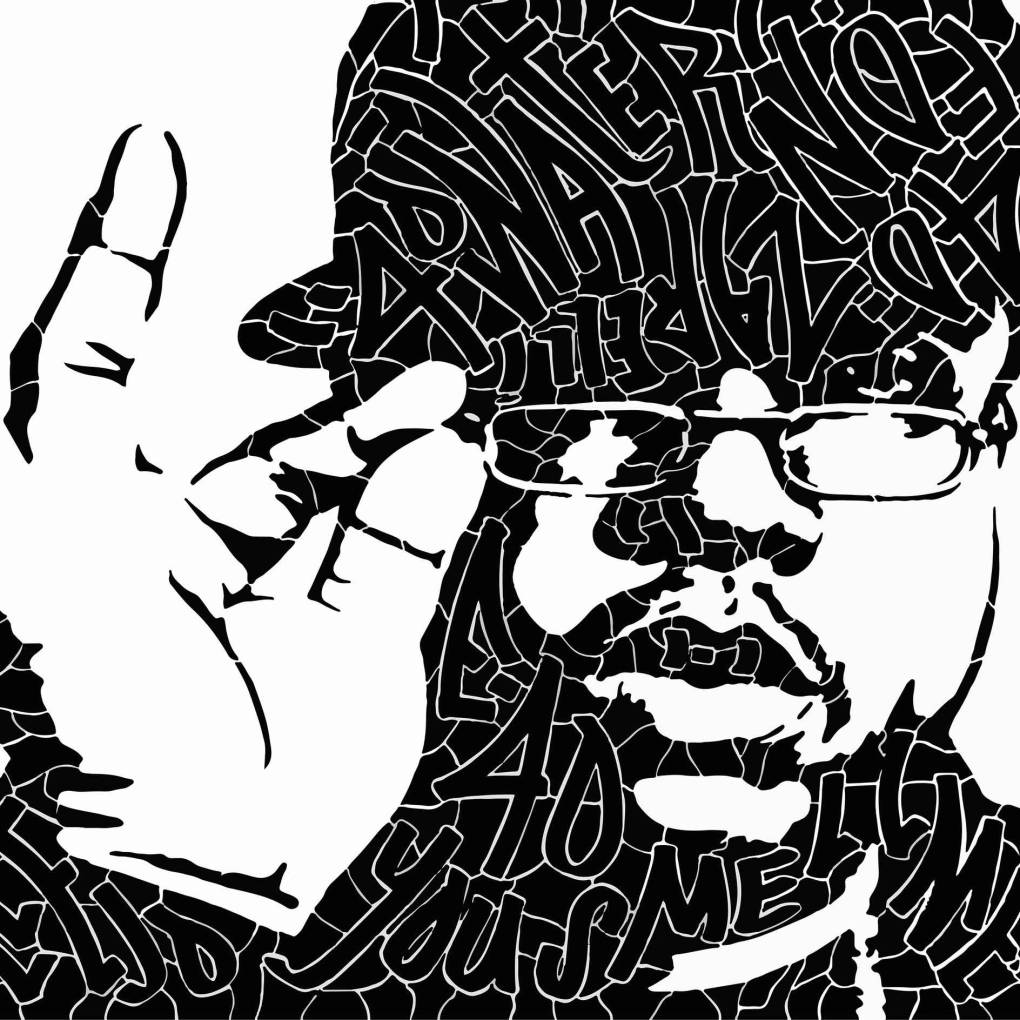
window.__INITIAL_STATE__={
"attachmentsReducer": {
"audio_0": {
"type": "attachments",
"id": "audio_0",
"imgSizes": {
"kqedFullSize": {
"file": "https://ww2.kqed.org/news/wp-content/themes/KQED-unified/img/audio_bgs/background0.jpg"
}
}
},
"audio_1": {
"type": "attachments",
"id": "audio_1",
"imgSizes": {
"kqedFullSize": {
"file": "https://ww2.kqed.org/news/wp-content/themes/KQED-unified/img/audio_bgs/background1.jpg"
}
}
},
"audio_2": {
"type": "attachments",
"id": "audio_2",
"imgSizes": {
"kqedFullSize": {
"file": "https://ww2.kqed.org/news/wp-content/themes/KQED-unified/img/audio_bgs/background2.jpg"
}
}
},
"audio_3": {
"type": "attachments",
"id": "audio_3",
"imgSizes": {
"kqedFullSize": {
"file": "https://ww2.kqed.org/news/wp-content/themes/KQED-unified/img/audio_bgs/background3.jpg"
}
}
},
"audio_4": {
"type": "attachments",
"id": "audio_4",
"imgSizes": {
"kqedFullSize": {
"file": "https://ww2.kqed.org/news/wp-content/themes/KQED-unified/img/audio_bgs/background4.jpg"
}
}
},
"placeholder": {
"type": "attachments",
"id": "placeholder",
"imgSizes": {
"thumbnail": {
"file": "https://cdn.kqed.org/wp-content/uploads/2024/12/KQED-Default-Image-816638274-2000x1333-1-160x107.jpg",
"width": 160,
"height": 107,
"mimeType": "image/jpeg"
},
"medium": {
"file": "https://cdn.kqed.org/wp-content/uploads/2024/12/KQED-Default-Image-816638274-2000x1333-1-800x533.jpg",
"width": 800,
"height": 533,
"mimeType": "image/jpeg"
},
"medium_large": {
"file": "https://cdn.kqed.org/wp-content/uploads/2024/12/KQED-Default-Image-816638274-2000x1333-1-768x512.jpg",
"width": 768,
"height": 512,
"mimeType": "image/jpeg"
},
"large": {
"file": "https://cdn.kqed.org/wp-content/uploads/2024/12/KQED-Default-Image-816638274-2000x1333-1-1020x680.jpg",
"width": 1020,
"height": 680,
"mimeType": "image/jpeg"
},
"1536x1536": {
"file": "https://cdn.kqed.org/wp-content/uploads/2024/12/KQED-Default-Image-816638274-2000x1333-1-1536x1024.jpg",
"width": 1536,
"height": 1024,
"mimeType": "image/jpeg"
},
"fd-lrg": {
"file": "https://cdn.kqed.org/wp-content/uploads/2024/12/KQED-Default-Image-816638274-2000x1333-1-1536x1024.jpg",
"width": 1536,
"height": 1024,
"mimeType": "image/jpeg"
},
"fd-med": {
"file": "https://cdn.kqed.org/wp-content/uploads/2024/12/KQED-Default-Image-816638274-2000x1333-1-1020x680.jpg",
"width": 1020,
"height": 680,
"mimeType": "image/jpeg"
},
"fd-sm": {
"file": "https://cdn.kqed.org/wp-content/uploads/2024/12/KQED-Default-Image-816638274-2000x1333-1-800x533.jpg",
"width": 800,
"height": 533,
"mimeType": "image/jpeg"
},
"post-thumbnail": {
"file": "https://cdn.kqed.org/wp-content/uploads/2024/12/KQED-Default-Image-816638274-2000x1333-1-672x372.jpg",
"width": 672,
"height": 372,
"mimeType": "image/jpeg"
},
"twentyfourteen-full-width": {
"file": "https://cdn.kqed.org/wp-content/uploads/2024/12/KQED-Default-Image-816638274-2000x1333-1-1038x576.jpg",
"width": 1038,
"height": 576,
"mimeType": "image/jpeg"
},
"xxsmall": {
"file": "https://cdn.kqed.org/wp-content/uploads/2024/12/KQED-Default-Image-816638274-2000x1333-1-160x107.jpg",
"width": 160,
"height": 107,
"mimeType": "image/jpeg"
},
"xsmall": {
"file": "https://cdn.kqed.org/wp-content/uploads/2024/12/KQED-Default-Image-816638274-2000x1333-1-672x372.jpg",
"width": 672,
"height": 372,
"mimeType": "image/jpeg"
},
"small": {
"file": "https://cdn.kqed.org/wp-content/uploads/2024/12/KQED-Default-Image-816638274-2000x1333-1-672x372.jpg",
"width": 672,
"height": 372,
"mimeType": "image/jpeg"
},
"xlarge": {
"file": "https://cdn.kqed.org/wp-content/uploads/2024/12/KQED-Default-Image-816638274-2000x1333-1-1020x680.jpg",
"width": 1020,
"height": 680,
"mimeType": "image/jpeg"
},
"full-width": {
"file": "https://cdn.kqed.org/wp-content/uploads/2024/12/KQED-Default-Image-816638274-2000x1333-1-1920x1280.jpg",
"width": 1920,
"height": 1280,
"mimeType": "image/jpeg"
},
"guest-author-32": {
"file": "https://cdn.kqed.org/wp-content/uploads/2025/01/KQED-Default-Image-816638274-1333x1333-1-160x160.jpg",
"width": 32,
"height": 32,
"mimeType": "image/jpeg"
},
"guest-author-50": {
"file": "https://cdn.kqed.org/wp-content/uploads/2025/01/KQED-Default-Image-816638274-1333x1333-1-160x160.jpg",
"width": 50,
"height": 50,
"mimeType": "image/jpeg"
},
"guest-author-64": {
"file": "https://cdn.kqed.org/wp-content/uploads/2025/01/KQED-Default-Image-816638274-1333x1333-1-160x160.jpg",
"width": 64,
"height": 64,
"mimeType": "image/jpeg"
},
"guest-author-96": {
"file": "https://cdn.kqed.org/wp-content/uploads/2025/01/KQED-Default-Image-816638274-1333x1333-1-160x160.jpg",
"width": 96,
"height": 96,
"mimeType": "image/jpeg"
},
"guest-author-128": {
"file": "https://cdn.kqed.org/wp-content/uploads/2025/01/KQED-Default-Image-816638274-1333x1333-1-160x160.jpg",
"width": 128,
"height": 128,
"mimeType": "image/jpeg"
},
"detail": {
"file": "https://cdn.kqed.org/wp-content/uploads/2025/01/KQED-Default-Image-816638274-1333x1333-1-160x160.jpg",
"width": 160,
"height": 160,
"mimeType": "image/jpeg"
},
"kqedFullSize": {
"file": "https://cdn.kqed.org/wp-content/uploads/2024/12/KQED-Default-Image-816638274-2000x1333-1.jpg",
"width": 2000,
"height": 1333
}
}
},
"arts_13926019": {
"type": "attachments",
"id": "arts_13926019",
"meta": {
"index": "attachments_1716263798",
"site": "arts",
"id": "13926019",
"found": true
},
"parent": 13925958,
"imgSizes": {
"twentyfourteen-full-width": {
"file": "https://ww2.kqed.org/app/uploads/sites/2/2023/03/Thats-My-Word-—-Square-1038x576.jpg",
"width": 1038,
"mimeType": "image/jpeg",
"height": 576
},
"thumbnail": {
"file": "https://ww2.kqed.org/app/uploads/sites/2/2023/03/Thats-My-Word-—-Square-160x160.jpg",
"width": 160,
"mimeType": "image/jpeg",
"height": 160
},
"post-thumbnail": {
"file": "https://ww2.kqed.org/app/uploads/sites/2/2023/03/Thats-My-Word-—-Square-672x372.jpg",
"width": 672,
"mimeType": "image/jpeg",
"height": 372
},
"kqedFullSize": {
"file": "https://ww2.kqed.org/app/uploads/sites/2/2023/03/Thats-My-Word-—-Square.jpg",
"width": 1080,
"height": 1080
},
"large": {
"file": "https://ww2.kqed.org/app/uploads/sites/2/2023/03/Thats-My-Word-—-Square-1020x1020.jpg",
"width": 1020,
"mimeType": "image/jpeg",
"height": 1020
},
"medium": {
"file": "https://ww2.kqed.org/app/uploads/sites/2/2023/03/Thats-My-Word-—-Square-800x800.jpg",
"width": 800,
"mimeType": "image/jpeg",
"height": 800
},
"medium_large": {
"file": "https://ww2.kqed.org/app/uploads/sites/2/2023/03/Thats-My-Word-—-Square-768x768.jpg",
"width": 768,
"mimeType": "image/jpeg",
"height": 768
}
},
"publishDate": 1678343366,
"modified": 1678344269,
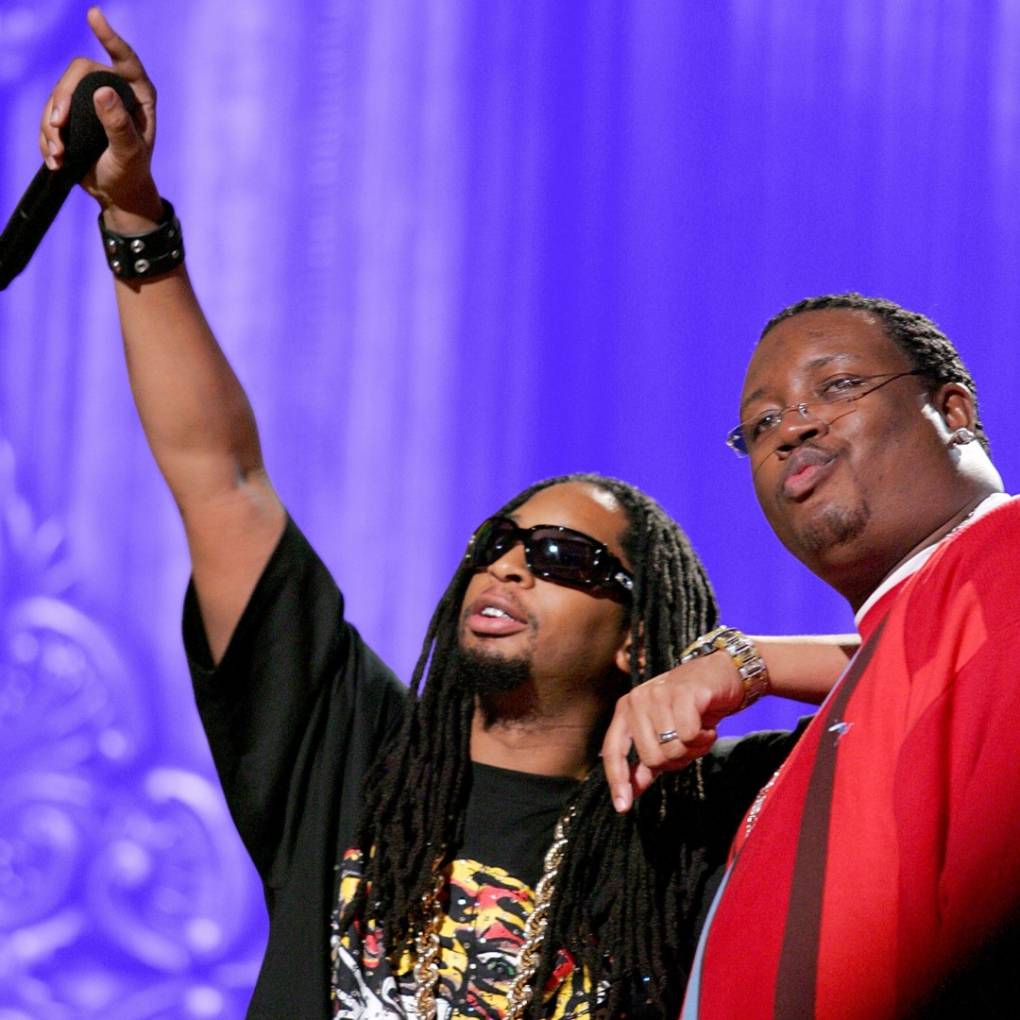
"caption": "Lil' Jon and E-40, pictured onstage together in 2006. From his home base in Atlanta, Lil Jon produced the hyphy era's two biggest nationwide hits: E-40's \"Tell Me When To Go\" and Too Short's \"Blow the Whistle\" — just one of many close ties between Southern and Bay Area hip-hop. ",
"description": null,
"title": "That's My Word — Square",
"credit": "John Shearer/WireImage for MTV.com",
"status": "inherit",
"altTag": "A short Black man in dreads holds up a microphone with one hand and rest his other rm on the shoulder of a smiling, larger man",
"isLoading": false,
"fetchFailed": false
},
"arts_13926018": {
"type": "attachments",
"id": "arts_13926018",
"meta": {
"index": "attachments_1716263798",
"site": "arts",
"id": "13926018",
"found": true
},
"parent": 13925958,
"imgSizes": {
"twentyfourteen-full-width": {
"file": "https://ww2.kqed.org/app/uploads/sites/2/2023/03/LOGO-LOWER-RIGHT-—-CUTOUT-BLACK-LOGO-1-1038x576.jpg",
"width": 1038,
"mimeType": "image/jpeg",
"height": 576
},
"thumbnail": {
"file": "https://ww2.kqed.org/app/uploads/sites/2/2023/03/LOGO-LOWER-RIGHT-—-CUTOUT-BLACK-LOGO-1-160x90.jpg",
"width": 160,
"mimeType": "image/jpeg",
"height": 90
},
"post-thumbnail": {
"file": "https://ww2.kqed.org/app/uploads/sites/2/2023/03/LOGO-LOWER-RIGHT-—-CUTOUT-BLACK-LOGO-1-672x372.jpg",
"width": 672,
"mimeType": "image/jpeg",
"height": 372
},
"kqedFullSize": {
"file": "https://ww2.kqed.org/app/uploads/sites/2/2023/03/LOGO-LOWER-RIGHT-—-CUTOUT-BLACK-LOGO-1.jpg",
"width": 1920,
"height": 1080
},
"large": {
"file": "https://ww2.kqed.org/app/uploads/sites/2/2023/03/LOGO-LOWER-RIGHT-—-CUTOUT-BLACK-LOGO-1-1020x574.jpg",
"width": 1020,
"mimeType": "image/jpeg",
"height": 574
},
"1536x1536": {
"file": "https://ww2.kqed.org/app/uploads/sites/2/2023/03/LOGO-LOWER-RIGHT-—-CUTOUT-BLACK-LOGO-1-1536x864.jpg",
"width": 1536,
"mimeType": "image/jpeg",
"height": 864
},
"medium": {
"file": "https://ww2.kqed.org/app/uploads/sites/2/2023/03/LOGO-LOWER-RIGHT-—-CUTOUT-BLACK-LOGO-1-800x450.jpg",
"width": 800,
"mimeType": "image/jpeg",
"height": 450
},
"medium_large": {
"file": "https://ww2.kqed.org/app/uploads/sites/2/2023/03/LOGO-LOWER-RIGHT-—-CUTOUT-BLACK-LOGO-1-768x432.jpg",
"width": 768,
"mimeType": "image/jpeg",
"height": 432
}
},
"publishDate": 1678343358,
"modified": 1678343752,
"caption": "Lil' Jon and E-40, pictured onstage together in 2006. From his home base in Atlanta, Lil Jon produced the hyphy era's two biggest nationwide hits: E-40's \"Tell Me When To Go\" and Too Short's \"Blow the Whistle\" — just one of many close ties between Southern and Bay Area hip-hop. ",
"description": null,
"title": "LOGO LOWER RIGHT — CUTOUT (BLACK LOGO) (1)",
"credit": "John Shearer",
"status": "inherit",
"altTag": null,
"isLoading": false,
"fetchFailed": false
},
"arts_13925631": {
"type": "attachments",
"id": "arts_13925631",
"meta": {
"index": "attachments_1716263798",
"site": "arts",
"id": "13925631",
"found": true
},
"parent": 13925905,
"imgSizes": {
"twentyfourteen-full-width": {
"file": "https://ww2.kqed.org/app/uploads/sites/2/2023/02/Tia-Nomore-at-The-New-Parish-in-Oakland-on-Sunday-Feb.-26-2023.-005-1038x576.jpg",
"width": 1038,
"mimeType": "image/jpeg",
"height": 576
},
"thumbnail": {
"file": "https://ww2.kqed.org/app/uploads/sites/2/2023/02/Tia-Nomore-at-The-New-Parish-in-Oakland-on-Sunday-Feb.-26-2023.-005-160x107.jpg",
"width": 160,
"mimeType": "image/jpeg",
"height": 107
},
"post-thumbnail": {
"file": "https://ww2.kqed.org/app/uploads/sites/2/2023/02/Tia-Nomore-at-The-New-Parish-in-Oakland-on-Sunday-Feb.-26-2023.-005-672x372.jpg",
"width": 672,
"mimeType": "image/jpeg",
"height": 372
},
"kqedFullSize": {
"file": "https://ww2.kqed.org/app/uploads/sites/2/2023/02/Tia-Nomore-at-The-New-Parish-in-Oakland-on-Sunday-Feb.-26-2023.-005.jpg",
"width": 1920,
"height": 1280
},
"large": {
"file": "https://ww2.kqed.org/app/uploads/sites/2/2023/02/Tia-Nomore-at-The-New-Parish-in-Oakland-on-Sunday-Feb.-26-2023.-005-1020x680.jpg",
"width": 1020,
"mimeType": "image/jpeg",
"height": 680
},
"1536x1536": {
"file": "https://ww2.kqed.org/app/uploads/sites/2/2023/02/Tia-Nomore-at-The-New-Parish-in-Oakland-on-Sunday-Feb.-26-2023.-005-1536x1024.jpg",
"width": 1536,
"mimeType": "image/jpeg",
"height": 1024
},
"medium": {
"file": "https://ww2.kqed.org/app/uploads/sites/2/2023/02/Tia-Nomore-at-The-New-Parish-in-Oakland-on-Sunday-Feb.-26-2023.-005-800x533.jpg",
"width": 800,
"mimeType": "image/jpeg",
"height": 533
},
"medium_large": {
"file": "https://ww2.kqed.org/app/uploads/sites/2/2023/02/Tia-Nomore-at-The-New-Parish-in-Oakland-on-Sunday-Feb.-26-2023.-005-768x512.jpg",
"width": 768,
"mimeType": "image/jpeg",
"height": 512
}
},
"publishDate": 1677497204,
"modified": 1678213677,
"caption": "Tia Nomore at The New Parish in Oakland on Sunday, Feb. 26, 2023.",
"description": "Tia Nomore at The New Parish in Oakland on Sunday, Feb. 26, 2023.",
"title": "Tia Nomore at The New Parish in Oakland on Sunday, Feb. 26, 2023.",
"credit": "Estefany Gonzalez",
"status": "inherit",
"altTag": null,
"isLoading": false,
"fetchFailed": false
},
"arts_13925820": {
"type": "attachments",
"id": "arts_13925820",
"meta": {
"index": "attachments_1716263798",
"site": "arts",
"id": "13925820",
"found": true
},
"parent": 13925814,
"imgSizes": {
"twentyfourteen-full-width": {
"file": "https://ww2.kqed.org/app/uploads/sites/2/2023/03/DeLaSoul.72-1024x576.jpg",
"width": 1024,
"mimeType": "image/jpeg",
"height": 576
},
"thumbnail": {
"file": "https://ww2.kqed.org/app/uploads/sites/2/2023/03/DeLaSoul.72-160x112.jpg",
"width": 160,
"mimeType": "image/jpeg",
"height": 112
},
"post-thumbnail": {
"file": "https://ww2.kqed.org/app/uploads/sites/2/2023/03/DeLaSoul.72-672x372.jpg",
"width": 672,
"mimeType": "image/jpeg",
"height": 372
},
"kqedFullSize": {
"file": "https://ww2.kqed.org/app/uploads/sites/2/2023/03/DeLaSoul.72.jpg",
"width": 1024,
"height": 719
},
"large": {
"file": "https://ww2.kqed.org/app/uploads/sites/2/2023/03/DeLaSoul.72-1020x716.jpg",
"width": 1020,
"mimeType": "image/jpeg",
"height": 716
},
"medium": {
"file": "https://ww2.kqed.org/app/uploads/sites/2/2023/03/DeLaSoul.72-800x562.jpg",
"width": 800,
"mimeType": "image/jpeg",
"height": 562
},
"medium_large": {
"file": "https://ww2.kqed.org/app/uploads/sites/2/2023/03/DeLaSoul.72-768x539.jpg",
"width": 768,
"mimeType": "image/jpeg",
"height": 539
}
},
"publishDate": 1677861744,
"modified": 1677861855,
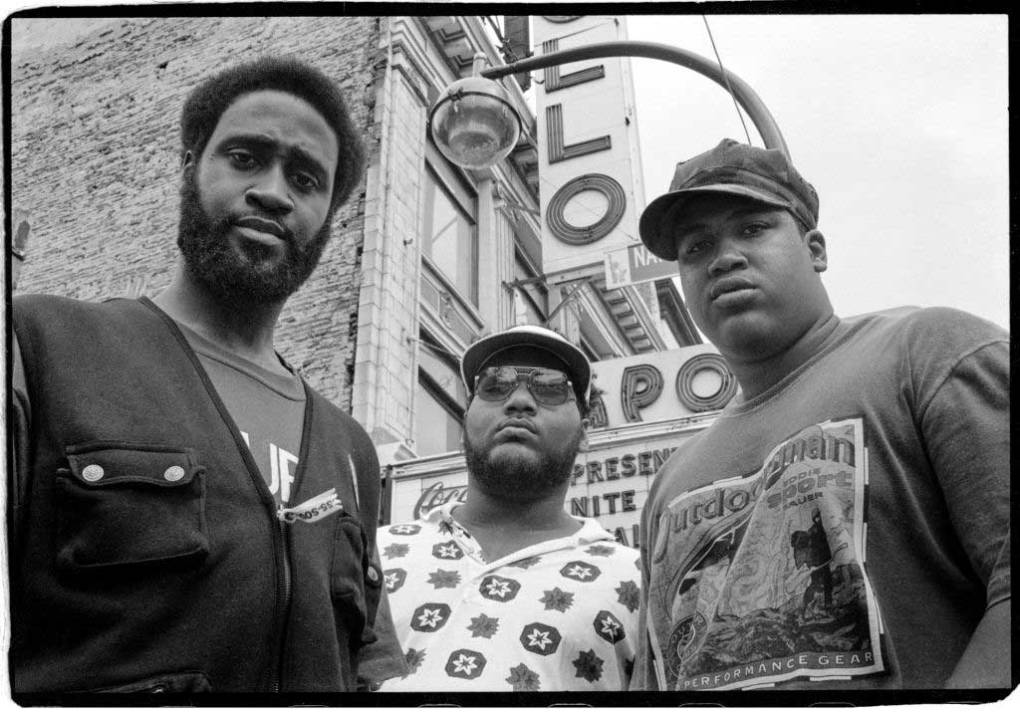
"caption": "(L–R) Posdnous, Maseo and Trugoy The Dove of De La Soul outside Harlem's Apollo Theater in 1993. The group's music was finally made available on streaming services on March 3, 2023.",
"description": null,
"title": "DeLaSoul.72",
"credit": "David Corio/Redferns",
"status": "inherit",
"altTag": "Three young Black men in front of a theatre marquee, shown in black-and-white",
"isLoading": false,
"fetchFailed": false
},
"arts_13925763": {
"type": "attachments",
"id": "arts_13925763",
"meta": {
"index": "attachments_1716263798",
"site": "arts",
"id": "13925763",
"found": true
},
"parent": 13925761,
"imgSizes": {
"twentyfourteen-full-width": {
"file": "https://ww2.kqed.org/app/uploads/sites/2/2023/03/MagicMike.MAIN_-1038x576.jpg",
"width": 1038,
"mimeType": "image/jpeg",
"height": 576
},
"thumbnail": {
"file": "https://ww2.kqed.org/app/uploads/sites/2/2023/03/MagicMike.MAIN_-160x90.jpg",
"width": 160,
"mimeType": "image/jpeg",
"height": 90
},
"post-thumbnail": {
"file": "https://ww2.kqed.org/app/uploads/sites/2/2023/03/MagicMike.MAIN_-672x372.jpg",
"width": 672,
"mimeType": "image/jpeg",
"height": 372
},
"kqedFullSize": {
"file": "https://ww2.kqed.org/app/uploads/sites/2/2023/03/MagicMike.MAIN_.jpg",
"width": 1920,
"height": 1080
},
"large": {
"file": "https://ww2.kqed.org/app/uploads/sites/2/2023/03/MagicMike.MAIN_-1020x574.jpg",
"width": 1020,
"mimeType": "image/jpeg",
"height": 574
},
"1536x1536": {
"file": "https://ww2.kqed.org/app/uploads/sites/2/2023/03/MagicMike.MAIN_-1536x864.jpg",
"width": 1536,
"mimeType": "image/jpeg",
"height": 864
},
"medium": {
"file": "https://ww2.kqed.org/app/uploads/sites/2/2023/03/MagicMike.MAIN_-800x450.jpg",
"width": 800,
"mimeType": "image/jpeg",
"height": 450
},
"medium_large": {
"file": "https://ww2.kqed.org/app/uploads/sites/2/2023/03/MagicMike.MAIN_-768x432.jpg",
"width": 768,
"mimeType": "image/jpeg",
"height": 432
}
},
"publishDate": 1677691350,
"modified": 1677700157,
"caption": "Magic Mike, interviewed by Dregs One, in a February 2023 podcast episode of 'History of the Bay.'",
"description": null,
"title": "MagicMike.MAIN",
"credit": "Courtesy Dregs One",
"status": "inherit",
"altTag": null,
"isLoading": false,
"fetchFailed": false
},
"arts_13925619": {
"type": "attachments",
"id": "arts_13925619",
"meta": {
"index": "attachments_1716263798",
"site": "arts",
"id": "13925619",
"found": true
},
"parent": 0,
"imgSizes": {
"twentyfourteen-full-width": {
"file": "https://ww2.kqed.org/app/uploads/sites/2/2023/02/Stoni-performs-at-The-New-Parish-in-Oakland-on-night-seven-of-the-Noise-Pop-Music-and-Art-Festival-on-Sunday-Feb.-26-2023.-003-1038x576.jpg",
"width": 1038,
"mimeType": "image/jpeg",
"height": 576
},
"thumbnail": {
"file": "https://ww2.kqed.org/app/uploads/sites/2/2023/02/Stoni-performs-at-The-New-Parish-in-Oakland-on-night-seven-of-the-Noise-Pop-Music-and-Art-Festival-on-Sunday-Feb.-26-2023.-003-160x107.jpg",
"width": 160,
"mimeType": "image/jpeg",
"height": 107
},
"post-thumbnail": {
"file": "https://ww2.kqed.org/app/uploads/sites/2/2023/02/Stoni-performs-at-The-New-Parish-in-Oakland-on-night-seven-of-the-Noise-Pop-Music-and-Art-Festival-on-Sunday-Feb.-26-2023.-003-672x372.jpg",
"width": 672,
"mimeType": "image/jpeg",
"height": 372
},
"kqedFullSize": {
"file": "https://ww2.kqed.org/app/uploads/sites/2/2023/02/Stoni-performs-at-The-New-Parish-in-Oakland-on-night-seven-of-the-Noise-Pop-Music-and-Art-Festival-on-Sunday-Feb.-26-2023.-003.jpg",
"width": 1920,
"height": 1280
},
"large": {
"file": "https://ww2.kqed.org/app/uploads/sites/2/2023/02/Stoni-performs-at-The-New-Parish-in-Oakland-on-night-seven-of-the-Noise-Pop-Music-and-Art-Festival-on-Sunday-Feb.-26-2023.-003-1020x680.jpg",
"width": 1020,
"mimeType": "image/jpeg",
"height": 680
},
"1536x1536": {
"file": "https://ww2.kqed.org/app/uploads/sites/2/2023/02/Stoni-performs-at-The-New-Parish-in-Oakland-on-night-seven-of-the-Noise-Pop-Music-and-Art-Festival-on-Sunday-Feb.-26-2023.-003-1536x1024.jpg",
"width": 1536,
"mimeType": "image/jpeg",
"height": 1024
},
"medium": {
"file": "https://ww2.kqed.org/app/uploads/sites/2/2023/02/Stoni-performs-at-The-New-Parish-in-Oakland-on-night-seven-of-the-Noise-Pop-Music-and-Art-Festival-on-Sunday-Feb.-26-2023.-003-800x533.jpg",
"width": 800,
"mimeType": "image/jpeg",
"height": 533
},
"medium_large": {
"file": "https://ww2.kqed.org/app/uploads/sites/2/2023/02/Stoni-performs-at-The-New-Parish-in-Oakland-on-night-seven-of-the-Noise-Pop-Music-and-Art-Festival-on-Sunday-Feb.-26-2023.-003-768x512.jpg",
"width": 768,
"mimeType": "image/jpeg",
"height": 512
}
},
"publishDate": 1677493747,
"modified": 1677524731,
"caption": "Stoni performs at The New Parish in Oakland on night seven of the Noise Pop Music and Art Festival on Sunday, Feb. 26, 2023.",
"description": "Stoni performs at The New Parish in Oakland on night seven of the Noise Pop Music and Art Festival on Sunday, Feb. 26, 2023.",
"title": "Stoni performs at The New Parish in Oakland on night seven of the Noise Pop Music and Art Festival on Sunday, Feb. 26, 2023.",
"credit": "Estefany Gonzalez",
"status": "inherit",
"altTag": null,
"isLoading": false,
"fetchFailed": false
},
"arts_13919324": {
"type": "attachments",
"id": "arts_13919324",
"meta": {
"index": "attachments_1716263798",
"site": "arts",
"id": "13919324",
"found": true
},
"parent": 13919318,
"imgSizes": {
"twentyfourteen-full-width": {
"file": "https://ww2.kqed.org/app/uploads/sites/2/2022/09/SPELLLING-Razzmatazz-1-Sharon-Lopez11-1038x576.jpg",
"width": 1038,
"mimeType": "image/jpeg",
"height": 576
},
"thumbnail": {
"file": "https://ww2.kqed.org/app/uploads/sites/2/2022/09/SPELLLING-Razzmatazz-1-Sharon-Lopez11-160x107.jpg",
"width": 160,
"mimeType": "image/jpeg",
"height": 107
},
"post-thumbnail": {
"file": "https://ww2.kqed.org/app/uploads/sites/2/2022/09/SPELLLING-Razzmatazz-1-Sharon-Lopez11-672x372.jpg",
"width": 672,
"mimeType": "image/jpeg",
"height": 372
},
"kqedFullSize": {
"file": "https://ww2.kqed.org/app/uploads/sites/2/2022/09/SPELLLING-Razzmatazz-1-Sharon-Lopez11-scaled.jpg",
"width": 2560,
"height": 1707
},
"2048x2048": {
"file": "https://ww2.kqed.org/app/uploads/sites/2/2022/09/SPELLLING-Razzmatazz-1-Sharon-Lopez11-2048x1365.jpg",
"width": 2048,
"mimeType": "image/jpeg",
"height": 1365
},
"large": {
"file": "https://ww2.kqed.org/app/uploads/sites/2/2022/09/SPELLLING-Razzmatazz-1-Sharon-Lopez11-1020x680.jpg",
"width": 1020,
"mimeType": "image/jpeg",
"height": 680
},
"1536x1536": {
"file": "https://ww2.kqed.org/app/uploads/sites/2/2022/09/SPELLLING-Razzmatazz-1-Sharon-Lopez11-1536x1024.jpg",
"width": 1536,
"mimeType": "image/jpeg",
"height": 1024
},
"full-width": {
"file": "https://ww2.kqed.org/app/uploads/sites/2/2022/09/SPELLLING-Razzmatazz-1-Sharon-Lopez11-1920x1280.jpg",
"width": 1920,
"mimeType": "image/jpeg",
"height": 1280
},
"medium": {
"file": "https://ww2.kqed.org/app/uploads/sites/2/2022/09/SPELLLING-Razzmatazz-1-Sharon-Lopez11-800x533.jpg",
"width": 800,
"mimeType": "image/jpeg",
"height": 533
},
"medium_large": {
"file": "https://ww2.kqed.org/app/uploads/sites/2/2022/09/SPELLLING-Razzmatazz-1-Sharon-Lopez11-768x512.jpg",
"width": 768,
"mimeType": "image/jpeg",
"height": 512
}
},
"publishDate": 1663693017,
"modified": 1676593705,
"caption": "Spellling performs at Primavera Sounds in Barcelona in June 2022.",
"description": null,
"title": "SPELLLING Razzmatazz 1 Sharon Lopez11",
"credit": "Sharon Lopez",
"status": "inherit",
"altTag": null,
"isLoading": false,
"fetchFailed": false
},
"arts_13925183": {
"type": "attachments",
"id": "arts_13925183",
"meta": {
"index": "attachments_1716263798",
"site": "arts",
"id": "13925183",
"found": true
},
"parent": 13925177,
"imgSizes": {
"twentyfourteen-full-width": {
"file": "https://ww2.kqed.org/app/uploads/sites/2/2023/02/ConsciousDaughters.AnthonyPidgeon.Redferns-cropped-1038x576.jpg",
"width": 1038,
"mimeType": "image/jpeg",
"height": 576
},
"thumbnail": {
"file": "https://ww2.kqed.org/app/uploads/sites/2/2023/02/ConsciousDaughters.AnthonyPidgeon.Redferns-cropped-160x160.jpg",
"width": 160,
"mimeType": "image/jpeg",
"height": 160
},
"post-thumbnail": {
"file": "https://ww2.kqed.org/app/uploads/sites/2/2023/02/ConsciousDaughters.AnthonyPidgeon.Redferns-cropped-672x372.jpg",
"width": 672,
"mimeType": "image/jpeg",
"height": 372
},
"kqedFullSize": {
"file": "https://ww2.kqed.org/app/uploads/sites/2/2023/02/ConsciousDaughters.AnthonyPidgeon.Redferns-cropped.jpg",
"width": 1856,
"height": 1856
},
"large": {
"file": "https://ww2.kqed.org/app/uploads/sites/2/2023/02/ConsciousDaughters.AnthonyPidgeon.Redferns-cropped-1020x1020.jpg",
"width": 1020,
"mimeType": "image/jpeg",
"height": 1020
},
"1536x1536": {
"file": "https://ww2.kqed.org/app/uploads/sites/2/2023/02/ConsciousDaughters.AnthonyPidgeon.Redferns-cropped-1536x1536.jpg",
"width": 1536,
"mimeType": "image/jpeg",
"height": 1536
},
"medium": {
"file": "https://ww2.kqed.org/app/uploads/sites/2/2023/02/ConsciousDaughters.AnthonyPidgeon.Redferns-cropped-800x800.jpg",
"width": 800,
"mimeType": "image/jpeg",
"height": 800
},
"medium_large": {
"file": "https://ww2.kqed.org/app/uploads/sites/2/2023/02/ConsciousDaughters.AnthonyPidgeon.Redferns-cropped-768x768.jpg",
"width": 768,
"mimeType": "image/jpeg",
"height": 768
}
},
"publishDate": 1676492722,
"modified": 1676492761,
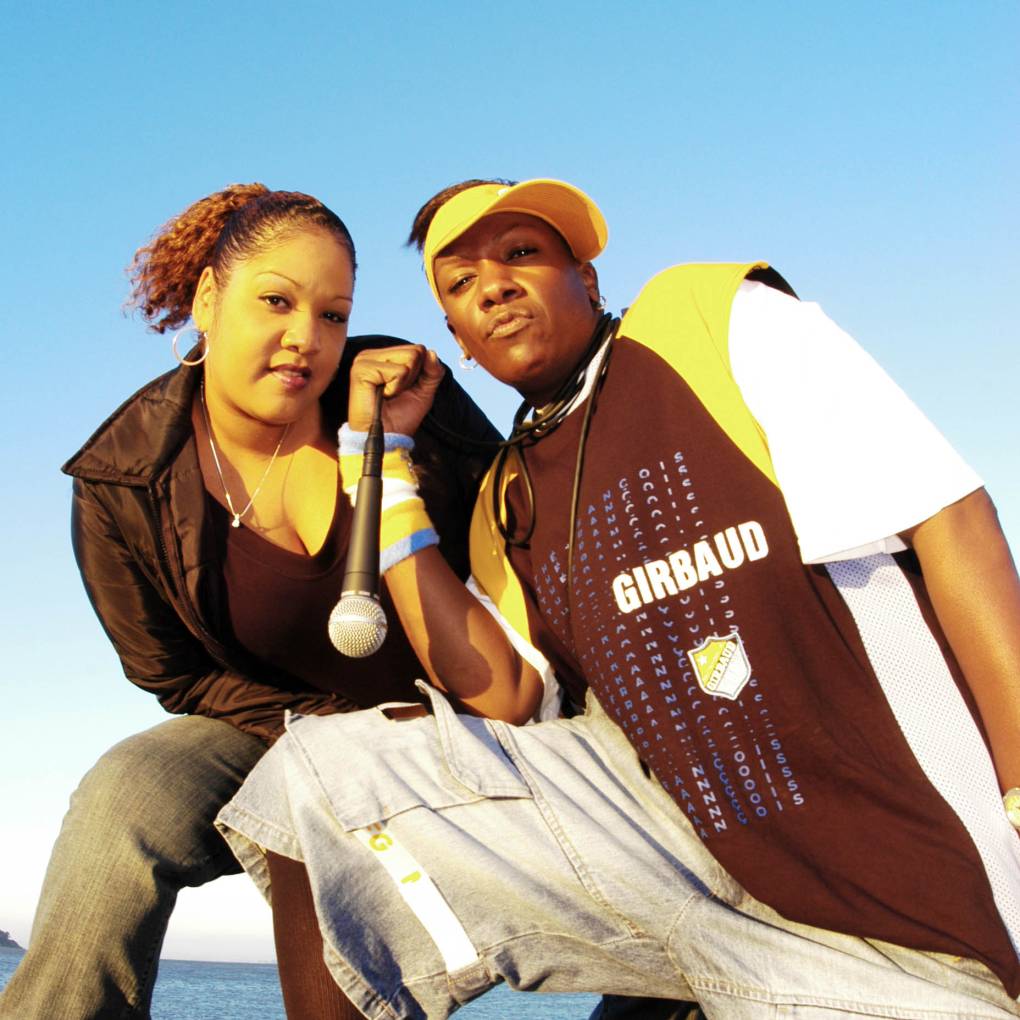
"caption": "The Conscious Daughters, CMG (Carla Green) and Special One (Karryl Smith) in San Rafael, California in 2004.",
"description": null,
"title": "The Concious Daughters Posed",
"credit": "Anthony Pidgeon/Redferns",
"status": "inherit",
"altTag": null,
"isLoading": false,
"fetchFailed": false
},
"arts_13925193": {
"type": "attachments",
"id": "arts_13925193",
"meta": {
"index": "attachments_1716263798",
"site": "arts",
"id": "13925193",
"found": true
},
"parent": 13925177,
"imgSizes": {
"twentyfourteen-full-width": {
"file": "https://ww2.kqed.org/app/uploads/sites/2/2023/02/ConsciousDaughters.AnthonyPidgeon.Redferns-cropped-1-1038x576.jpg",
"width": 1038,
"mimeType": "image/jpeg",
"height": 576
},
"thumbnail": {
"file": "https://ww2.kqed.org/app/uploads/sites/2/2023/02/ConsciousDaughters.AnthonyPidgeon.Redferns-cropped-1-160x90.jpg",
"width": 160,
"mimeType": "image/jpeg",
"height": 90
},
"post-thumbnail": {
"file": "https://ww2.kqed.org/app/uploads/sites/2/2023/02/ConsciousDaughters.AnthonyPidgeon.Redferns-cropped-1-672x372.jpg",
"width": 672,
"mimeType": "image/jpeg",
"height": 372
},
"kqedFullSize": {
"file": "https://ww2.kqed.org/app/uploads/sites/2/2023/02/ConsciousDaughters.AnthonyPidgeon.Redferns-cropped-1.jpg",
"width": 1856,
"height": 1044
},
"large": {
"file": "https://ww2.kqed.org/app/uploads/sites/2/2023/02/ConsciousDaughters.AnthonyPidgeon.Redferns-cropped-1-1020x574.jpg",
"width": 1020,
"mimeType": "image/jpeg",
"height": 574
},
"1536x1536": {
"file": "https://ww2.kqed.org/app/uploads/sites/2/2023/02/ConsciousDaughters.AnthonyPidgeon.Redferns-cropped-1-1536x864.jpg",
"width": 1536,
"mimeType": "image/jpeg",
"height": 864
},
"medium": {
"file": "https://ww2.kqed.org/app/uploads/sites/2/2023/02/ConsciousDaughters.AnthonyPidgeon.Redferns-cropped-1-800x450.jpg",
"width": 800,
"mimeType": "image/jpeg",
"height": 450
},
"medium_large": {
"file": "https://ww2.kqed.org/app/uploads/sites/2/2023/02/ConsciousDaughters.AnthonyPidgeon.Redferns-cropped-1-768x432.jpg",
"width": 768,
"mimeType": "image/jpeg",
"height": 432
}
},
"publishDate": 1676495319,
"modified": 1676495342,
"caption": "Posed group portrait of female rappers The Conscious Daughters, CMG (Carla Green) and Special One (Karryl Smith) in San Rafael, California in 2004. ",
"description": null,
"title": "The Concious Daughters Posed",
"credit": "Anthony Pidgeon/Redferns",
"status": "inherit",
"altTag": null,
"isLoading": false,
"fetchFailed": false
},
"arts_13925141": {
"type": "attachments",
"id": "arts_13925141",
"meta": {
"index": "attachments_1716263798",
"site": "arts",
"id": "13925141",
"found": true
},
"parent": 13925139,
"imgSizes": {
"twentyfourteen-full-width": {
"file": "https://ww2.kqed.org/app/uploads/sites/2/2023/02/GettyImages-1245071888-scaled-e1676408601414-1038x576.jpg",
"width": 1038,
"mimeType": "image/jpeg",
"height": 576
},
"thumbnail": {
"file": "https://ww2.kqed.org/app/uploads/sites/2/2023/02/GettyImages-1245071888-scaled-e1676408601414-160x107.jpg",
"width": 160,
"mimeType": "image/jpeg",
"height": 107
},
"post-thumbnail": {
"file": "https://ww2.kqed.org/app/uploads/sites/2/2023/02/GettyImages-1245071888-scaled-e1676408601414-672x372.jpg",
"width": 672,
"mimeType": "image/jpeg",
"height": 372
},
"kqedFullSize": {
"file": "https://ww2.kqed.org/app/uploads/sites/2/2023/02/GettyImages-1245071888-scaled-e1676408601414.jpg",
"width": 1920,
"height": 1282
},
"2048x2048": {
"file": "https://ww2.kqed.org/app/uploads/sites/2/2023/02/GettyImages-1245071888-2048x1367.jpg",
"width": 2048,
"mimeType": "image/jpeg",
"height": 1367
},
"large": {
"file": "https://ww2.kqed.org/app/uploads/sites/2/2023/02/GettyImages-1245071888-scaled-e1676408601414-1020x681.jpg",
"width": 1020,
"mimeType": "image/jpeg",
"height": 681
},
"1536x1536": {
"file": "https://ww2.kqed.org/app/uploads/sites/2/2023/02/GettyImages-1245071888-scaled-e1676408601414-1536x1026.jpg",
"width": 1536,
"mimeType": "image/jpeg",
"height": 1026
},
"full-width": {
"file": "https://ww2.kqed.org/app/uploads/sites/2/2023/02/GettyImages-1245071888-1920x1281.jpg",
"width": 1920,
"mimeType": "image/jpeg",
"height": 1281
},
"medium": {
"file": "https://ww2.kqed.org/app/uploads/sites/2/2023/02/GettyImages-1245071888-scaled-e1676408601414-800x534.jpg",
"width": 800,
"mimeType": "image/jpeg",
"height": 534
},
"medium_large": {
"file": "https://ww2.kqed.org/app/uploads/sites/2/2023/02/GettyImages-1245071888-scaled-e1676408601414-768x513.jpg",
"width": 768,
"mimeType": "image/jpeg",
"height": 513
}
},
"publishDate": 1676408551,
"modified": 1676408752,
"caption": "Pharrell Williams launches his Humanrace brand in November 2022 at London’s Selfridges department store.",
"description": null,
"title": "Pharrell Williams launches his Humanrace brand in November 2022 at London’s Selfridges department store.",
"credit": "Nicky J Sims/ Getty Images",
"status": "inherit",
"altTag": null,
"isLoading": false,
"fetchFailed": false
},
"arts_13925035": {
"type": "attachments",
"id": "arts_13925035",
"meta": {
"index": "attachments_1716263798",
"site": "arts",
"id": "13925035",
"found": true
},
"parent": 13925034,
"imgSizes": {
"twentyfourteen-full-width": {
"file": "https://ww2.kqed.org/app/uploads/sites/2/2023/02/gettyimages-485020564_wide-9bfecb7960666b3ae2fa2fb446dba0f4bddf5b11-1038x576.jpg",
"width": 1038,
"mimeType": "image/jpeg",
"height": 576
},
"thumbnail": {
"file": "https://ww2.kqed.org/app/uploads/sites/2/2023/02/gettyimages-485020564_wide-9bfecb7960666b3ae2fa2fb446dba0f4bddf5b11-160x90.jpg",
"width": 160,
"mimeType": "image/jpeg",
"height": 90
},
"post-thumbnail": {
"file": "https://ww2.kqed.org/app/uploads/sites/2/2023/02/gettyimages-485020564_wide-9bfecb7960666b3ae2fa2fb446dba0f4bddf5b11-672x372.jpg",
"width": 672,
"mimeType": "image/jpeg",
"height": 372
},
"kqedFullSize": {
"file": "https://ww2.kqed.org/app/uploads/sites/2/2023/02/gettyimages-485020564_wide-9bfecb7960666b3ae2fa2fb446dba0f4bddf5b11-scaled.jpg",
"width": 2560,
"height": 1440
},
"2048x2048": {
"file": "https://ww2.kqed.org/app/uploads/sites/2/2023/02/gettyimages-485020564_wide-9bfecb7960666b3ae2fa2fb446dba0f4bddf5b11-2048x1152.jpg",
"width": 2048,
"mimeType": "image/jpeg",
"height": 1152
},
"large": {
"file": "https://ww2.kqed.org/app/uploads/sites/2/2023/02/gettyimages-485020564_wide-9bfecb7960666b3ae2fa2fb446dba0f4bddf5b11-1020x574.jpg",
"width": 1020,
"mimeType": "image/jpeg",
"height": 574
},
"1536x1536": {
"file": "https://ww2.kqed.org/app/uploads/sites/2/2023/02/gettyimages-485020564_wide-9bfecb7960666b3ae2fa2fb446dba0f4bddf5b11-1536x864.jpg",
"width": 1536,
"mimeType": "image/jpeg",
"height": 864
},
"full-width": {
"file": "https://ww2.kqed.org/app/uploads/sites/2/2023/02/gettyimages-485020564_wide-9bfecb7960666b3ae2fa2fb446dba0f4bddf5b11-1920x1080.jpg",
"width": 1920,
"mimeType": "image/jpeg",
"height": 1080
},
"medium": {
"file": "https://ww2.kqed.org/app/uploads/sites/2/2023/02/gettyimages-485020564_wide-9bfecb7960666b3ae2fa2fb446dba0f4bddf5b11-800x450.jpg",
"width": 800,
"mimeType": "image/jpeg",
"height": 450
},
"medium_large": {
"file": "https://ww2.kqed.org/app/uploads/sites/2/2023/02/gettyimages-485020564_wide-9bfecb7960666b3ae2fa2fb446dba0f4bddf5b11-768x432.jpg",
"width": 768,
"mimeType": "image/jpeg",
"height": 432
}
},
"publishDate": 1676305060,
"modified": 1676305060,
"caption": null,
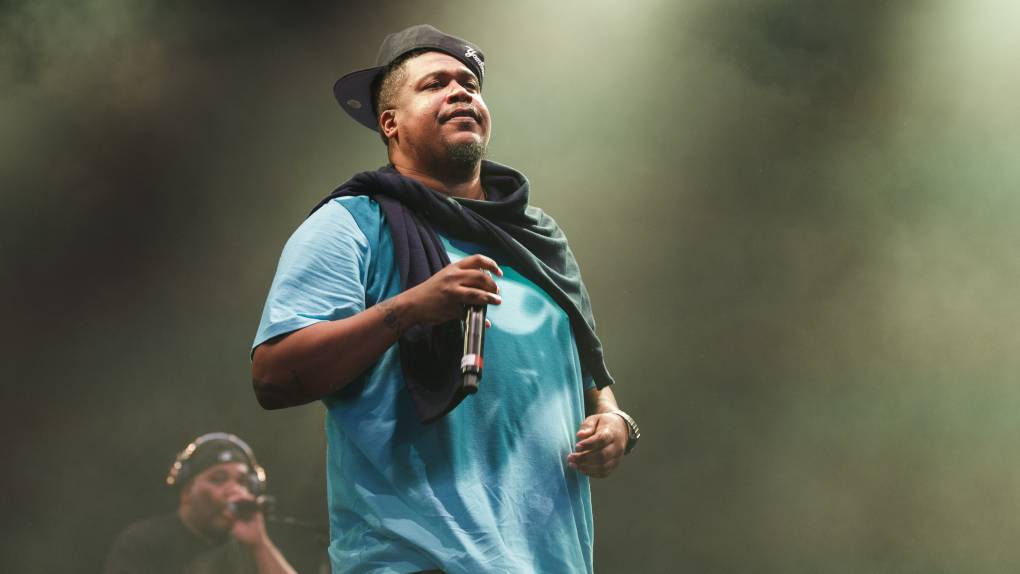
"description": "CHELMSFORD, ENGLAND - AUGUST 23: David Jude Jolicoeur of De La Soul performs on Day 2 of the V Festival at Hylands Park on August 23, 2015 in Chelmsford, England. (Photo by Tristan Fewings/Getty Images)",
"title": "David Jolicoeur — also known as Trugoy the Dove and Plug Two — performs with De La Soul in Chelmsford, England in 2015.",
"credit": null,
"status": "inherit",
"altTag": null,
"isLoading": false,
"fetchFailed": false
},
"arts_13924128": {
"type": "attachments",
"id": "arts_13924128",
"meta": {
"index": "attachments_1716263798",
"site": "arts",
"id": "13924128",
"found": true
},
"parent": 13924126,
"imgSizes": {
"twentyfourteen-full-width": {
"file": "https://ww2.kqed.org/app/uploads/sites/2/2023/01/HipHopPreschool.SQ_-1038x576.jpg",
"width": 1038,
"mimeType": "image/jpeg",
"height": 576
},
"thumbnail": {
"file": "https://ww2.kqed.org/app/uploads/sites/2/2023/01/HipHopPreschool.SQ_-160x160.jpg",
"width": 160,
"mimeType": "image/jpeg",
"height": 160
},
"post-thumbnail": {
"file": "https://ww2.kqed.org/app/uploads/sites/2/2023/01/HipHopPreschool.SQ_-672x372.jpg",
"width": 672,
"mimeType": "image/jpeg",
"height": 372
},
"kqedFullSize": {
"file": "https://ww2.kqed.org/app/uploads/sites/2/2023/01/HipHopPreschool.SQ_.jpg",
"width": 1920,
"height": 1920
},
"large": {
"file": "https://ww2.kqed.org/app/uploads/sites/2/2023/01/HipHopPreschool.SQ_-1020x1020.jpg",
"width": 1020,
"mimeType": "image/jpeg",
"height": 1020
},
"1536x1536": {
"file": "https://ww2.kqed.org/app/uploads/sites/2/2023/01/HipHopPreschool.SQ_-1536x1536.jpg",
"width": 1536,
"mimeType": "image/jpeg",
"height": 1536
},
"medium": {
"file": "https://ww2.kqed.org/app/uploads/sites/2/2023/01/HipHopPreschool.SQ_-800x800.jpg",
"width": 800,
"mimeType": "image/jpeg",
"height": 800
},
"medium_large": {
"file": "https://ww2.kqed.org/app/uploads/sites/2/2023/01/HipHopPreschool.SQ_-768x768.jpg",
"width": 768,
"mimeType": "image/jpeg",
"height": 768
}
},
"publishDate": 1674596688,
"modified": 1674596688,
"caption": null,
"description": null,
"title": "HipHopPreschool.SQ",
"credit": null,
"status": "inherit",
"altTag": null,
"isLoading": false,
"fetchFailed": false
},
"arts_13924611": {
"type": "attachments",
"id": "arts_13924611",
"meta": {
"index": "attachments_1716263798",
"site": "arts",
"id": "13924611",
"found": true
},
"parent": 13923766,
"imgSizes": {
"thumbnail": {
"file": "https://ww2.kqed.org/app/uploads/sites/2/2023/02/RBLPosse.gif.REV_-160x90.gif",
"width": 160,
"mimeType": "image/gif",
"height": 90
},
"post-thumbnail": {
"file": "https://ww2.kqed.org/app/uploads/sites/2/2023/02/RBLPosse.gif.REV_-672x372.gif",
"width": 672,
"mimeType": "image/gif",
"height": 372
},
"kqedFullSize": {
"file": "https://ww2.kqed.org/app/uploads/sites/2/2023/02/RBLPosse.gif.REV_.gif",
"width": 800,
"height": 450
},
"medium_large": {
"file": "https://ww2.kqed.org/app/uploads/sites/2/2023/02/RBLPosse.gif.REV_-768x432.gif",
"width": 768,
"mimeType": "image/gif",
"height": 432
}
},
"publishDate": 1675297045,
"modified": 1675297081,
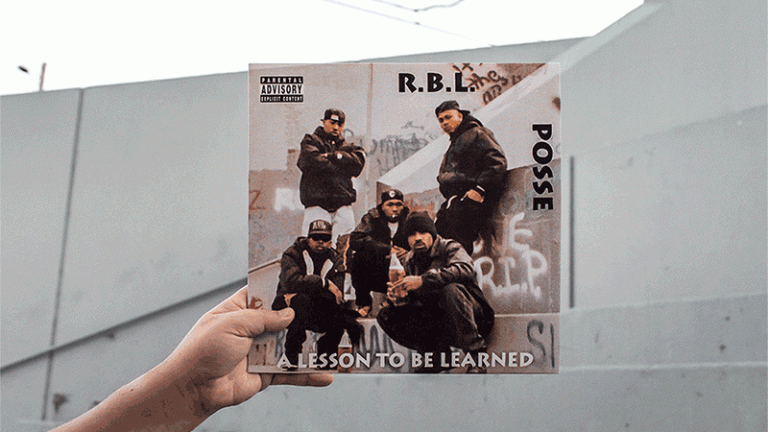
"caption": "RBL Posse's 'A Lesson to Be Learned,' pictured at the Harbor Road steps, then and now. On the cover (L–R): Mr. Cee (at bottom), Boobie (standing), Curtis (at center). Black C (squatting), and Lil' Mo. ",
"description": null,
"title": "RBLPosse.gif.REV",
"credit": "Beth LaBerge/KQED",
"status": "inherit",
"altTag": "An album cover, held up against grey steps, showing its photo shoot location",
"isLoading": false,
"fetchFailed": false
},
"arts_13924196": {
"type": "attachments",
"id": "arts_13924196",
"meta": {
"index": "attachments_1716263798",
"site": "arts",
"id": "13924196",
"found": true
},
"parent": 13923766,
"imgSizes": {
"thumbnail": {
"file": "https://ww2.kqed.org/app/uploads/sites/2/2023/01/RBL.Small_.GIF-160x90.gif",
"width": 160,
"mimeType": "image/gif",
"height": 90
},
"post-thumbnail": {
"file": "https://ww2.kqed.org/app/uploads/sites/2/2023/01/RBL.Small_.GIF-672x372.gif",
"width": 672,
"mimeType": "image/gif",
"height": 372
},
"kqedFullSize": {
"file": "https://ww2.kqed.org/app/uploads/sites/2/2023/01/RBL.Small_.GIF.gif",
"width": 800,
"height": 450
},
"medium_large": {
"file": "https://ww2.kqed.org/app/uploads/sites/2/2023/01/RBL.Small_.GIF-768x432.gif",
"width": 768,
"mimeType": "image/gif",
"height": 432
}
},
"publishDate": 1674678083,
"modified": 1675233174,
"caption": "RBL Posse's 'A Lesson to Be Learned,' pictured at the Harbor Road steps, then and now. On the cover (L–R): Mr. Cee (at bottom), Boobie (standing), Curtis (at center). Black C (squatting), and Lil' Mo. ",
"description": null,
"title": "RBL.Small.GIF",
"credit": "Beth LaBerge/KQED",
"status": "inherit",
"altTag": "An album cover held up against the location where it was photographed",
"isLoading": false,
"fetchFailed": false
},
"arts_13923951": {
"type": "attachments",
"id": "arts_13923951",
"meta": {
"index": "attachments_1716263798",
"site": "arts",
"id": "13923951",
"found": true
},
"parent": 13923938,
"imgSizes": {
"twentyfourteen-full-width": {
"file": "https://ww2.kqed.org/app/uploads/sites/2/2023/01/e-40.SQUARE-1038x576.jpg",
"width": 1038,
"mimeType": "image/jpeg",
"height": 576
},
"thumbnail": {
"file": "https://ww2.kqed.org/app/uploads/sites/2/2023/01/e-40.SQUARE-160x160.jpg",
"width": 160,
"mimeType": "image/jpeg",
"height": 160
},
"post-thumbnail": {
"file": "https://ww2.kqed.org/app/uploads/sites/2/2023/01/e-40.SQUARE-672x372.jpg",
"width": 672,
"mimeType": "image/jpeg",
"height": 372
},
"kqedFullSize": {
"file": "https://ww2.kqed.org/app/uploads/sites/2/2023/01/e-40.SQUARE.jpg",
"width": 1888,
"height": 1888
},
"large": {
"file": "https://ww2.kqed.org/app/uploads/sites/2/2023/01/e-40.SQUARE-1020x1020.jpg",
"width": 1020,
"mimeType": "image/jpeg",
"height": 1020
},
"1536x1536": {
"file": "https://ww2.kqed.org/app/uploads/sites/2/2023/01/e-40.SQUARE-1536x1536.jpg",
"width": 1536,
"mimeType": "image/jpeg",
"height": 1536
},
"medium": {
"file": "https://ww2.kqed.org/app/uploads/sites/2/2023/01/e-40.SQUARE-800x800.jpg",
"width": 800,
"mimeType": "image/jpeg",
"height": 800
},
"medium_large": {
"file": "https://ww2.kqed.org/app/uploads/sites/2/2023/01/e-40.SQUARE-768x768.jpg",
"width": 768,
"mimeType": "image/jpeg",
"height": 768
}
},
"publishDate": 1674275798,
"modified": 1674275842,
"caption": null,
"description": null,
"title": "e-40.SQUARE",
"credit": "Shomari Smith",
"status": "inherit",
"altTag": "an illustration of e-40 from my ghetto report card",
"isLoading": false,
"fetchFailed": false
},
"arts_13923952": {
"type": "attachments",
"id": "arts_13923952",
"meta": {
"index": "attachments_1716263798",
"site": "arts",
"id": "13923952",
"found": true
},
"parent": 13923938,
"imgSizes": {
"twentyfourteen-full-width": {
"file": "https://ww2.kqed.org/app/uploads/sites/2/2023/01/e-40.web_-1038x576.jpg",
"width": 1038,
"mimeType": "image/jpeg",
"height": 576
},
"thumbnail": {
"file": "https://ww2.kqed.org/app/uploads/sites/2/2023/01/e-40.web_-160x121.jpg",
"width": 160,
"mimeType": "image/jpeg",
"height": 121
},
"post-thumbnail": {
"file": "https://ww2.kqed.org/app/uploads/sites/2/2023/01/e-40.web_-672x372.jpg",
"width": 672,
"mimeType": "image/jpeg",
"height": 372
},
"kqedFullSize": {
"file": "https://ww2.kqed.org/app/uploads/sites/2/2023/01/e-40.web_.jpg",
"width": 1920,
"height": 1450
},
"large": {
"file": "https://ww2.kqed.org/app/uploads/sites/2/2023/01/e-40.web_-1020x770.jpg",
"width": 1020,
"mimeType": "image/jpeg",
"height": 770
},
"1536x1536": {
"file": "https://ww2.kqed.org/app/uploads/sites/2/2023/01/e-40.web_-1536x1160.jpg",
"width": 1536,
"mimeType": "image/jpeg",
"height": 1160
},
"medium": {
"file": "https://ww2.kqed.org/app/uploads/sites/2/2023/01/e-40.web_-800x604.jpg",
"width": 800,
"mimeType": "image/jpeg",
"height": 604
},
"medium_large": {
"file": "https://ww2.kqed.org/app/uploads/sites/2/2023/01/e-40.web_-768x580.jpg",
"width": 768,
"mimeType": "image/jpeg",
"height": 580
}
},
"publishDate": 1674275874,
"modified": 1675229005,
"caption": "'That's My Word' drops new stories each week throughout 2023.",
"description": null,
"title": "e-40.web",
"credit": "Illustration by Shomari Smith",
"status": "inherit",
"altTag": "An illustration of the rapper e-40, holding his glasses, based on the cover to the album 'my ghetto report card'",
"isLoading": false,
"fetchFailed": false
}
},
"audioPlayerReducer": {
"postId": "stream_live",
"isPaused": true,
"isPlaying": false,
"pfsActive": false,
"pledgeModalIsOpen": true,
"playerDrawerIsOpen": false,
"liveAudioPlayStartedAt": 0,
"liveAudioPlayContext": ""
},
"authorsReducer": {
"byline_arts_13925814": {
"type": "authors",
"id": "byline_arts_13925814",
"meta": {
"override": true
},
"slug": "byline_arts_13925814",
"name": "Oliver Wang",
"isLoading": false
},
"byline_arts_13925761": {
"type": "authors",
"id": "byline_arts_13925761",
"meta": {
"override": true
},
"slug": "byline_arts_13925761",
"name": "Dregs One and Gabe Meline",
"isLoading": false
},
"byline_arts_13925139": {
"type": "authors",
"id": "byline_arts_13925139",
"meta": {
"override": true
},
"slug": "byline_arts_13925139",
"name": "Leanne Italie",
"isLoading": false
},
"byline_arts_13925034": {
"type": "authors",
"id": "byline_arts_13925034",
"meta": {
"override": true
},
"slug": "byline_arts_13925034",
"name": "Oliver Wang",
"isLoading": false
},
"byline_arts_13923766": {
"type": "authors",
"id": "byline_arts_13923766",
"meta": {
"override": true
},
"slug": "byline_arts_13923766",
"name": "Black C",
"isLoading": false
},
"gmeline": {
"type": "authors",
"id": "185",
"meta": {
"index": "authors_1716337520",
"id": "185",
"found": true
},
"name": "Gabe Meline",
"firstName": "Gabe",
"lastName": "Meline",
"slug": "gmeline",
"email": "gmeline@kqed.org",
"display_author_email": true,
"staff_mastheads": [
"arts"
],
"title": "Senior Editor, KQED Arts & Culture",
"bio": "Gabe Meline entered journalism at age 15 making photocopied zines, and has since earned awards from the Edward R. Murrow Awards, the Society for Professional Journalists, the Online Journalism Awards, the Association of Alternative Newsweeklies and the California Newspaper Publishers Association. Prior to KQED, he was the editor of the \u003cem>North Bay Bohemian\u003c/em> and a touring musician. He lives with his wife and daughter in his hometown of Santa Rosa, CA.",
"avatar": "https://secure.gravatar.com/avatar/5bebe57be0d8bc2dd318934feb47299e2d2d10cba28d09d8d7afb389a2ce2bdd?s=600&d=blank&r=g",
"twitter": null,
"bluesky": null,
"facebook": null,
"instagram": null,
"linkedin": null,
"sites": [
{
"site": "",
"roles": [
"editor"
]
},
{
"site": "arts",
"roles": [
"administrator"
]
},
{
"site": "artschool",
"roles": [
"editor"
]
},
{
"site": "news",
"roles": [
"author"
]
},
{
"site": "pop",
"roles": [
"editor"
]
},
{
"site": "bayareabites",
"roles": [
"editor"
]
},
{
"site": "food",
"roles": [
"editor"
]
},
{
"site": "forum",
"roles": [
"administrator"
]
},
{
"site": "liveblog",
"roles": [
"editor"
]
},
{
"site": "hiphop",
"roles": [
"editor"
]
}
],
"headData": {
"title": "Gabe Meline | KQED",
"description": "Senior Editor, KQED Arts & Culture",
"ogImgSrc": "https://secure.gravatar.com/avatar/5bebe57be0d8bc2dd318934feb47299e2d2d10cba28d09d8d7afb389a2ce2bdd?s=600&d=blank&r=g",
"twImgSrc": "https://secure.gravatar.com/avatar/5bebe57be0d8bc2dd318934feb47299e2d2d10cba28d09d8d7afb389a2ce2bdd?s=600&d=blank&r=g"
},
"isLoading": false,
"link": "/author/gmeline"
},
"tamarapalmer": {
"type": "authors",
"id": "5111",
"meta": {
"index": "authors_1716337520",
"id": "5111",
"found": true
},
"name": "Tamara Palmer",
"firstName": "Tamara",
"lastName": "Palmer",
"slug": "tamarapalmer",
"email": "countryfriedsoul@gmail.com",
"display_author_email": false,
"staff_mastheads": [],
"title": "KQED Contributor",
"bio": "I'm a professional DJ, freelance writer, recipe developer and independent publisher of zines about music and food. You'll find my byline in a wide range of news, tech and entertainment publications. My first book \u003ci>Country Fried Soul: Adventures in Dirty South Hip-Hop\u003c/i> was published in 2005, and a more personal West Coast anthology called \u003ci>California Love\u003c/i> is planned for 2023.",
"avatar": "https://secure.gravatar.com/avatar/c8befc278d4c9854b7bbbaa2b9b37a3acb2a834e69d071b638644f0a1739362d?s=600&d=blank&r=g",
"twitter": null,
"bluesky": null,
"facebook": null,
"instagram": null,
"linkedin": null,
"sites": [
{
"site": "arts",
"roles": [
"contributor"
]
},
{
"site": "bayareabites",
"roles": [
"subscriber"
]
}
],
"headData": {
"title": "Tamara Palmer | KQED",
"description": "KQED Contributor",
"ogImgSrc": "https://secure.gravatar.com/avatar/c8befc278d4c9854b7bbbaa2b9b37a3acb2a834e69d071b638644f0a1739362d?s=600&d=blank&r=g",
"twImgSrc": "https://secure.gravatar.com/avatar/c8befc278d4c9854b7bbbaa2b9b37a3acb2a834e69d071b638644f0a1739362d?s=600&d=blank&r=g"
},
"isLoading": false,
"link": "/author/tamarapalmer"
},
"ralexandra": {
"type": "authors",
"id": "11242",
"meta": {
"index": "authors_1716337520",
"id": "11242",
"found": true
},
"name": "Rae Alexandra",
"firstName": "Rae",
"lastName": "Alexandra",
"slug": "ralexandra",
"email": "ralexandra@kqed.org",
"display_author_email": true,
"staff_mastheads": [],
"title": "Reporter/Producer",
"bio": "Rae Alexandra is a Reporter/Producer for KQED Arts & Culture, and the creator/author of the \u003ca href=\"https://www.kqed.org/arts/program/rebel-girls-from-bay-area-history\">Rebel Girls From Bay Area History\u003c/a> and \u003ca href=\"https://www.kqed.org/bizarrebayarea\">Bizarre Bay Area\u003c/a> series. Her debut book, \u003ca href=\"https://citylights.com/politics-current-events-history/unsung-heroines35-women-who-changed/\">Unsung Heroines: 35 Women Who Changed the Bay Area\u003c/a> was published by City Lights in March 2026. In 2023, Rae was awarded an SPJ Excellence in Journalism Award for Arts & Culture. Rae was born and raised in Wales and subsequently — even after two decades in Northern California — still uses phrases that regularly baffle her coworkers.",
"avatar": "https://secure.gravatar.com/avatar/edfee8176c80cc0a382b051190f5341997df378a934a5774dcb0977732dfd401?s=600&d=blank&r=g",
"twitter": null,
"bluesky": null,
"facebook": null,
"instagram": null,
"linkedin": null,
"sites": [
{
"site": "arts",
"roles": [
"subscriber"
]
},
{
"site": "news",
"roles": [
"subscriber"
]
},
{
"site": "pop",
"roles": [
"subscriber"
]
},
{
"site": "bayareabites",
"roles": [
"subscriber"
]
},
{
"site": "science",
"roles": [
"subscriber"
]
}
],
"headData": {
"title": "Rae Alexandra | KQED",
"description": "Reporter/Producer",
"ogImgSrc": "https://secure.gravatar.com/avatar/edfee8176c80cc0a382b051190f5341997df378a934a5774dcb0977732dfd401?s=600&d=blank&r=g",
"twImgSrc": "https://secure.gravatar.com/avatar/edfee8176c80cc0a382b051190f5341997df378a934a5774dcb0977732dfd401?s=600&d=blank&r=g"
},
"isLoading": false,
"link": "/author/ralexandra"
},
"nvoynovskaya": {
"type": "authors",
"id": "11387",
"meta": {
"index": "authors_1716337520",
"id": "11387",
"found": true
},
"name": "Nastia Voynovskaya",
"firstName": "Nastia",
"lastName": "Voynovskaya",
"slug": "nvoynovskaya",
"email": "nvoynovskaya@kqed.org",
"display_author_email": false,
"staff_mastheads": [
"arts"
],
"title": "Editor and reporter",
"bio": "Nastia Voynovskaya is a reporter, editor and host at KQED Arts & Culture. She's been covering the arts in the Bay Area for over a decade, with a focus on music, queer culture, labor issues and grassroots organizing. She has edited KQED story series such as Trans Bay: A History of San Francisco's Gender-Diverse Community, and co-created KQED's Bay Area hip-hop history project, That's My Word. Nastia's work has been recognized by the Society of Professional Journalists and San Francisco Press Club. She regularly appears on podcasts and radio programs, including NPR's All Songs Considered, and hosts live events where music, culture and conversation meet.",
"avatar": "https://secure.gravatar.com/avatar/5025ee460e5a85d69ca20ea6c6f2f80d7e17795c828f61ea3aecfcd924e9042e?s=600&d=blank&r=g",
"twitter": null,
"bluesky": null,
"facebook": null,
"instagram": "https://www.instagram.com/nananastia/",
"linkedin": null,
"sites": [
{
"site": "",
"roles": [
"editor"
]
},
{
"site": "arts",
"roles": [
"administrator"
]
},
{
"site": "news",
"roles": [
"editor"
]
},
{
"site": "pop",
"roles": [
"administrator"
]
},
{
"site": "bayareabites",
"roles": [
"editor"
]
},
{
"site": "podcasts",
"roles": [
"editor"
]
},
{
"site": "hiphop",
"roles": [
"editor"
]
}
],
"headData": {
"title": "Nastia Voynovskaya | KQED",
"description": "Editor and reporter",
"ogImgSrc": "https://secure.gravatar.com/avatar/5025ee460e5a85d69ca20ea6c6f2f80d7e17795c828f61ea3aecfcd924e9042e?s=600&d=blank&r=g",
"twImgSrc": "https://secure.gravatar.com/avatar/5025ee460e5a85d69ca20ea6c6f2f80d7e17795c828f61ea3aecfcd924e9042e?s=600&d=blank&r=g"
},
"isLoading": false,
"link": "/author/nvoynovskaya"
},
"ogpenn": {
"type": "authors",
"id": "11491",
"meta": {
"index": "authors_1716337520",
"id": "11491",
"found": true
},
"name": "Pendarvis Harshaw",
"firstName": "Pendarvis",
"lastName": "Harshaw",
"slug": "ogpenn",
"email": "ogpenn@gmail.com",
"display_author_email": false,
"staff_mastheads": [
"arts"
],
"title": "Community Engagement Reporter",
"bio": "Pendarvis Harshaw is an educator, host and writer with KQED Arts.",
"avatar": "https://secure.gravatar.com/avatar/972b77ee8e3f346ae2b00622661187fbfabd059b5693bbdc1475ea7a722fd4cd?s=600&d=blank&r=g",
"twitter": null,
"bluesky": null,
"facebook": null,
"instagram": "ogpenn",
"linkedin": null,
"sites": [
{
"site": "arts",
"roles": [
"administrator"
]
},
{
"site": "news",
"roles": [
"editor"
]
},
{
"site": "bayareabites",
"roles": [
"author"
]
},
{
"site": "hiphop",
"roles": [
"editor"
]
}
],
"headData": {
"title": "Pendarvis Harshaw | KQED",
"description": "Community Engagement Reporter",
"ogImgSrc": "https://secure.gravatar.com/avatar/972b77ee8e3f346ae2b00622661187fbfabd059b5693bbdc1475ea7a722fd4cd?s=600&d=blank&r=g",
"twImgSrc": "https://secure.gravatar.com/avatar/972b77ee8e3f346ae2b00622661187fbfabd059b5693bbdc1475ea7a722fd4cd?s=600&d=blank&r=g"
},
"isLoading": false,
"link": "/author/ogpenn"
},
"ksong": {
"type": "authors",
"id": "11813",
"meta": {
"index": "authors_1716337520",
"id": "11813",
"found": true
},
"name": "Kristie Song",
"firstName": "Kristie",
"lastName": "Song",
"slug": "ksong",
"email": "ksong@kqed.org",
"display_author_email": false,
"staff_mastheads": [],
"title": "Editorial Intern ",
"bio": "Kristie Song is an Arts & Culture Intern at KQED. She is currently a graduate student at UC Berkeley, where she studies audio and multimedia journalism. Previously, she covered the local community for Oakland North, produced episodes for The Science of Happiness, and served as news director for KUCI, UC Irvine’s radio station. Outside of reporting, she likes drawing comics, listening to angsty rock, and practicing the guitar.",
"avatar": "https://secure.gravatar.com/avatar/c1149e78c3c44f92d4945a8ab0711af6?s=600&d=blank&r=g",
"twitter": null,
"facebook": null,
"instagram": null,
"linkedin": null,
"sites": [
{
"site": "arts",
"roles": [
"editor"
]
}
],
"headData": {
"title": "Kristie Song | KQED",
"description": "Editorial Intern ",
"ogImgSrc": "https://secure.gravatar.com/avatar/c1149e78c3c44f92d4945a8ab0711af6?s=600&d=blank&r=g",
"twImgSrc": "https://secure.gravatar.com/avatar/c1149e78c3c44f92d4945a8ab0711af6?s=600&d=blank&r=g"
},
"isLoading": false,
"link": "/author/ksong"
},
"earnold": {
"type": "authors",
"id": "11839",
"meta": {
"index": "authors_1716337520",
"id": "11839",
"found": true
},
"name": "Eric Arnold",
"firstName": "Eric",
"lastName": "Arnold",
"slug": "earnold",
"email": "earnold@kqed.org",
"display_author_email": false,
"staff_mastheads": [],
"title": "Contributing Editor, 'That's My Word'",
"bio": "Eric Arnold has covered hip-hop locally and nationally for over 30 years. Formerly the managing editor of \u003cem>4080\u003c/em> and columnist for \u003cem>The Source\u003c/em>, he chronicled hyphy’s rise and fall, co-curated the Oakland Museum of California’s first hip-hop exhibit in 2018 and won a 2022 Northern California Emmy Award for a mini-documentary on Oakland’s Boogaloo dance culture. He is a contributing editor for \u003cem>That’s My Word\u003c/em>, KQED's series on the history of Bay Area hip-hop.",
"avatar": "https://secure.gravatar.com/avatar/ede45b04898456ad0893a2811e78b0a2?s=600&d=blank&r=g",
"twitter": null,
"facebook": null,
"instagram": null,
"linkedin": null,
"sites": [
{
"site": "arts",
"roles": [
"contributor"
]
},
{
"site": "news",
"roles": [
"contributor"
]
},
{
"site": "hiphop",
"roles": [
"contributor"
]
}
],
"headData": {
"title": "Eric Arnold | KQED",
"description": "Contributing Editor, 'That's My Word'",
"ogImgSrc": "https://secure.gravatar.com/avatar/ede45b04898456ad0893a2811e78b0a2?s=600&d=blank&r=g",
"twImgSrc": "https://secure.gravatar.com/avatar/ede45b04898456ad0893a2811e78b0a2?s=600&d=blank&r=g"
},
"isLoading": false,
"link": "/author/earnold"
},
"ncoats": {
"type": "authors",
"id": "12013",
"meta": {
"index": "authors_1716337520",
"id": "12013",
"found": true
},
"name": "Nia Coats",
"firstName": "Nia",
"lastName": "Coats",
"slug": "ncoats",
"email": "ncoats@kqed.org",
"display_author_email": false,
"staff_mastheads": [],
"title": "Intern, KQED Arts & Culture",
"bio": "Nia Coats is KQED Arts & Culture's editorial intern. As a recent Berkeley School of Journalism graduate, she has covered arts and culture in the Bay Area and nationwide since 2021. She has a great love for music and the ways it soundtracks our lives. When she isn't reporting or writing, Nia is going to concerts, watching movies and working on her magazine, \u003cem>Lucky 7\u003c/em>.",
"avatar": "https://secure.gravatar.com/avatar/5603dfcf7b25a681fd9fcc1f691ee510bd6a2fdbb37b425d337245b9e330e449?s=600&d=blank&r=g",
"twitter": null,
"bluesky": null,
"facebook": null,
"instagram": null,
"linkedin": null,
"sites": [
{
"site": "arts",
"roles": [
"contributor"
]
}
],
"headData": {
"title": "Nia Coats | KQED",
"description": "Intern, KQED Arts & Culture",
"ogImgSrc": "https://secure.gravatar.com/avatar/5603dfcf7b25a681fd9fcc1f691ee510bd6a2fdbb37b425d337245b9e330e449?s=600&d=blank&r=g",
"twImgSrc": "https://secure.gravatar.com/avatar/5603dfcf7b25a681fd9fcc1f691ee510bd6a2fdbb37b425d337245b9e330e449?s=600&d=blank&r=g"
},
"isLoading": false,
"link": "/author/ncoats"
}
},
"pagesReducer": {
"arts_tag_hip-hop": {
"type": "terms",
"id": "arts_831",
"meta": {
"index": "terms_1716263798",
"site": "arts",
"id": "831",
"score": 8.794622
},
"featImg": null,
"name": "Hip Hop",
"description": null,
"taxonomy": "tag",
"headData": {
"twImgId": null,
"twTitle": null,
"socialTitle": "Fresh Off the Streets: Get Amped by the Bay's Hottest Hip-Hop Stories",
"ogTitle": null,
"ogImgId": null,
"twDescription": null,
"description": "Discover rising stars, hidden gems, and live events that'll keep your head nodding. Find your next favorite local hip hop artist right here.",
"metaRobotsNoIndex": "index",
"title": "Fresh Off the Streets: Get Amped by the Bay's Hottest Hip-Hop Stories",
"ogDescription": null
},
"ttid": 849,
"slug": "hip-hop",
"isLoading": false,
"title": "Hip Hop",
"pageMeta": {
"site": "arts",
"WpPageTemplate": "page-topic-editorial",
"currentPage": 14
},
"blocks": [
{
"blockName": "kqed/post-list",
"attrs": {
"layout": "cardArticle2",
"query": "posts/arts?tag=hip-hop",
"seeMore": false,
"paginated": true,
"page": 14
}
},
{
"blockName": "kqed/ad"
}
]
}
},
"pfsSessionReducer": {},
"postsReducer": {
"stream_live": {
"type": "live",
"id": "stream_live",
"audioUrl": "https://streams.kqed.org/kqedradio",
"title": "Live Stream",
"excerpt": "Live Stream information currently unavailable.",
"link": "/radio",
"featImg": "",
"label": {
"name": "KQED Live",
"link": "/"
}
},
"stream_kqedNewscast": {
"type": "posts",
"id": "stream_kqedNewscast",
"audioUrl": "https://www.kqed.org/.stream/anon/radio/RDnews/newscast.mp3?_=1",
"title": "KQED Newscast",
"featImg": "",
"label": {
"name": "88.5 FM",
"link": "/"
}
},
"arts_13925958": {
"type": "posts",
"id": "arts_13925958",
"meta": {
"index": "posts_1716263798",
"site": "arts",
"id": "13925958",
"score": null,
"sort": [
1678386621000
]
},
"guestAuthors": [],
"slug": "bay-area-west-coast-south-rap-hip-hop-master-p-no-limit",
"title": "How the Bay Area and the South Became Hip-Hop Family",
"publishDate": 1678386621,
"format": "standard",
"headTitle": "How the Bay Area and the South Became Hip-Hop Family | KQED",
"labelTerm": {},
"content": "\u003cp>\u003cem>\u003cstrong>Editor’s note\u003c/strong>: This story is part of \u003c/em>\u003ca href=\"https://www.kqed.org/bayareahiphop\">That’s My Word\u003c/a>\u003cem>, KQED’s year-long exploration of Bay Area hip-hop history, with new content dropping all throughout 2023.\u003c/em>\u003c/p>\n\u003cp>\u003cspan style=\"font-size: 4.6875em;float: left;line-height: 0.733em;padding: 0.05em 0.1em 0 0;font-family: times, serif, georgia\">“P\u003c/span>icture me on a tour bus in 1995 with a bunch of West Coast artists,” Percy “Master P” Miller wrote in his 2007 book \u003cem>Guaranteed Success\u003c/em>. “My brother and I were the only artists from the South. We were the opening act, and they wouldn’t even play our music on the bus.”\u003c/p>\n\u003cp>At the time, in 1995, Master P was near the end of his four-year tenure as the owner of a small record store, No Limit Records & Tapes, in Richmond. The New Orleans-raised artist had relocated to the Bay Area to attend Merritt College, and he opened his San Pablo Avenue shop with $10,000 he’d inherited from a malpractice settlement after his grandfather’s death.\u003c/p>\n\u003cp>“I took that money and made my first financial investment: I bought a record store that was going out of business in an urban community,” wrote Master P. He negotiated six months of free rent in exchange for improving the retail space. “As a result, my record store was a booming success and, for the first time, I began to experience a comfortable lifestyle.”\u003c/p>\n\u003cp>Not everyone was checking for Master P and No Limit, though. In addition to being shunned by his tour mates, San Francisco radio station KMEL wouldn’t play his music — “even though I done sold more records than any other artist in the Bay Area,” he \u003ca href=\"https://www.sfgate.com/entertainment/article/Rap-s-Master-P-Has-a-Master-Plan-Media-rejects-2824304.php\">told Billy Jam for a 1997 \u003cem>San Francisco Chronicle\u003c/em> article\u003c/a>.\u003c/p>\n\u003cp>[ad fullwidth]\u003c/p>\n\u003cp>By the time of that interview, Master P was back in New Orleans, living an ostentatious multimillionaire lifestyle. No Limit had become a successful label with national distribution through Priority Records, and its massive sales funded Master P’s ever-expanding business empire. (By 1998, \u003ca href=\"https://www.nytimes.com/1998/05/13/arts/gangsta-rapper-turns-entrepreneur-28-master-p-has-created-one-biggest.html\" target=\"_blank\" rel=\"noopener\">No Limit had cumulative record sales totaling $120 million\u003c/a>, according to \u003cem>The New York Times\u003c/em>.) He’d had an entrepreneurial spirit that dated back to his childhood, but it was in the Bay Area — home of the “out the trunk” independent rap hustle since the early ’80s — where he absorbed the game that facilitated his nationwide success.\u003c/p>\n\u003cfigure id=\"attachment_13925975\" class=\"wp-caption aligncenter\" style=\"max-width: 800px\">\u003cimg loading=\"lazy\" decoding=\"async\" class=\"size-medium wp-image-13925975\" src=\"https://ww2.kqed.org/app/uploads/sites/2/2023/03/GettyImages-461087774-800x1097.jpg\" alt=\"\" width=\"800\" height=\"1097\" srcset=\"https://cdn.kqed.org/wp-content/uploads/sites/2/2023/03/GettyImages-461087774-800x1097.jpg 800w, https://cdn.kqed.org/wp-content/uploads/sites/2/2023/03/GettyImages-461087774-1020x1399.jpg 1020w, https://cdn.kqed.org/wp-content/uploads/sites/2/2023/03/GettyImages-461087774-160x219.jpg 160w, https://cdn.kqed.org/wp-content/uploads/sites/2/2023/03/GettyImages-461087774-768x1053.jpg 768w, https://cdn.kqed.org/wp-content/uploads/sites/2/2023/03/GettyImages-461087774-1120x1536.jpg 1120w, https://cdn.kqed.org/wp-content/uploads/sites/2/2023/03/GettyImages-461087774-1493x2048.jpg 1493w, https://cdn.kqed.org/wp-content/uploads/sites/2/2023/03/GettyImages-461087774-1920x2634.jpg 1920w, https://cdn.kqed.org/wp-content/uploads/sites/2/2023/03/GettyImages-461087774-scaled.jpg 1866w\" sizes=\"(max-width: 800px) 100vw, 800px\">\u003cfigcaption class=\"wp-caption-text\">Master P attends the 26th Annual American Music Awards in Los Angeles. By the time of this photo, in 1999, his label No Limit had grossed over $120 million in album sales. \u003ccite>(Ron Galella, Ltd./Ron Galella Collection via Getty Images)\u003c/cite>\u003c/figcaption>\u003c/figure>\n\u003cp>Master P’s empire is just one example of the ongoing cultural exchange between the Bay Area and the South, which goes back decades: During the Second Great Migration between 1940 and 1970, Black Southerners \u003ca href=\"https://www.kqed.org/news/11910890/how-oaklands-16th-street-train-station-helped-build-west-oakland-and-the-modern-civil-rights-movement\">flocked to cities like Oakland, Richmond and San Francisco\u003c/a>.\u003c/p>\n\u003cp>In the years that followed, their descendants helped establish the Bay Area’s distinctive hip-hop culture, whose sound and independent business model then traveled back to Atlanta, New Orleans, Houston and Memphis. Close observers of the rap scenes in these Southern cities will find strong ties to the Bay Area, and in turn, Southern rappers, producers and promoters have had a sizable stamp on the Bay Area’s own scene. This close kinship between the two regions undeniably shaped hip-hop history — and it continues to this day.\u003c/p>\n\u003cp>\u003cem>[Listen to our ‘From the Bay to the South’ playlist, curated by Tamara Palmer, on \u003ca href=\"https://open.spotify.com/playlist/5K9S3wYkGHf9hk7k8sOdv6?si=f46124d722c84c0b\">Spotify\u003c/a> and \u003ca href=\"https://youtube.com/playlist?list=PLeGdTT0--8KiiMa4o9t3tOxhGg4lfIPEA\">YouTube\u003c/a>.]\u003c/em>\u003c/p>\n\u003cp>\u003c!-- iframe plugin v.4.3 wordpress.org/plugins/iframe/ -->\u003cbr>\n\u003ciframe style=\"border-radius:12px\" src=\"https://open.spotify.com/embed/playlist/5K9S3wYkGHf9hk7k8sOdv6?utm_source=generator\" width=\"100%\" height=\"352\" frameborder=\"0\" allowfullscreen allow=\"autoplay; clipboard-write; encrypted-media; fullscreen; picture-in-picture\" loading=\"lazy\" scrolling=\"yes\" class=\"iframe-class\">\u003c/iframe>\u003c/p>\n\u003ch2>The Bay-to-South business pipeline\u003c/h2>\n\u003cp>Master P and No Limit weren’t alone. Over the years, artists and record labels all across the South adopted the Bay Area’s independent business model and used it to achieve great success.\u003c/p>\n\u003cp>“Selling tapes out the trunk of the car, that was pretty much patented by E-40, Too $hort, Tony Draper at Suave House, Rap-A-Lot, people like that,” Vallejo-born rapper Earl “E-40” Stevens said in an interview for my 2004 book about Southern rap, shouting out two Houston labels. “Then came along the Master Ps of the world and the Cash Moneys. They watched the game and did what they supposed to do, and now they reaching for the stars.”\u003c/p>\n\u003cp>In a \u003ca href=\"https://youtu.be/4mrKNCTlv0s\" target=\"_blank\" rel=\"noopener\">2019 interview with Sway Calloway\u003c/a>, Master P seemed to agree with this assessment. He referred to E-40’s uncle, the \u003ca href=\"https://www.youtube.com/watch?v=ssiJQSm-Ln4\">soul singer\u003c/a> and \u003ca href=\"https://www.nytimes.com/2006/03/26/arts/music/the-first-family-of-hyphy-pops-a-collar-whatd-they-say.html\">entrepreneur\u003c/a> Saint Charles Thurman, as the “OG” music distributor who taught him how to release records independently. Watching Thurman’s success running the small distribution company Solar Music Group, Master P realized: “I don’t need to wait for the big companies to push me, I’m going to get out there and push myself,” he recalled.\u003c/p>\n\u003cp>https://youtu.be/ErwejjBZRMo\u003c/p>\n\u003cp>In turn, Master P along with other Southern artists, DJs and promoters played a crucial role in the national success of Bay Area artists like E-40 in the ’90s. Taking a cue from Herm Lewis, the Hunters Point street activist who \u003ca href=\"https://www.youtube.com/watch?v=LvTaoNzFGHU&list=PLU1OibAu4SezP41p6YZUfkokGSFMhlz3Y\">popularized artist compilations\u003c/a>, Master P released \u003cem>West Coast Bad Boyz, Vol. 1: Anotha Level of the Game\u003c/em> in 1994. It included contributions from the Bay Area’s JT the Bigga Figga, \u003ca href=\"https://www.kqed.org/arts/13923766/rbl-posse-a-lesson-to-be-learned-album-cover\">RBL Posse\u003c/a>, Rappin’ 4-Tay, Ray Luv and Dre Dog (now Andre Nickatina).\u003c/p>\n\u003cp>Master P would continue to release compilations after he moved No Limit back home to Louisiana. In 1997, the label’s breakout year, \u003cem>West Coast Bad Boyz II\u003c/em> starred Mac Dre, E-A-Ski and Sacramento rappers C-Bo, Lunasicc and Marvaless, and was dedicated to Tupac Shakur. Even more successful was the soundtrack to the 1997 movie \u003cem>I’m Bout It\u003c/em>, with E-40, B-Legit, E-A-Ski and JT The Bigga Figga, and which reached No. 1 on the Billboard Top R&B/Hip-Hop Albums chart and No. 4 on the Billboard 200.\u003c/p>\n\u003cp>E-40 also credits DJs and promoters like Meen Green in Dallas, Greg Street in Atlanta and Marvin “Jabber Jaws” Williams in Shreveport for helping build his career on the radio and in clubs in those early years. Forming a constellation across the south, they booked him for gigs and put his records in rotation. [pullquote size='large']Close observers of the rap scenes in Atlanta, New Orleans, Houston and Memphis will find strong ties to the Bay Area, and in turn, Southern rappers, producers and promoters have had a sizable stamp on the Bay Area’s own scene.[/pullquote]\u003c/p>\n\u003cp>Though streaming has long replaced the “out the trunk” era, the Bay Area’s influence on independent music distribution remains. These days, the savviest artists from the South know that they need to hit San Francisco to strike a lucrative business deal with \u003ca href=\"https://www.kqed.org/ourturbulentdecade/2012-empire-brought-the-music-industry-back-to-san-francisco\">EMPIRE\u003c/a>, now the world’s leading hip-hop distributor. When I visited the company’s well-appointed Financial District penthouse office in 2019, I met the remarkable Memphis rapper Adolph “Young Dolph” Thornton.\u003c/p>\n\u003cp>“I can’t shake,” he said warmly when introduced, offering a big hug in place of a stiff hand. Dolph, who was later murdered in his hometown in 2021, was responsible for two gold-certified records on EMPIRE’s wall. His EMPIRE deal also enabled him to sign and develop his own artists, such as fellow Memphis rapper Key Glock, setting them up to win via collaborations.\u003c/p>\n\u003cp>It wasn’t the first time the Bay Area played an important role in a Memphis artist’s success. Young Dolph’s one-time rival, Yo Gotti, made his mid-2010s comeback with hits like “Act Right,” produced by Pinole’s P-Lo, and “Law,” featuring E-40. (E-40 also \u003ca href=\"https://www.youtube.com/watch?v=EIeGHPGSyRM\">recorded\u003c/a> with the late “Queen of Memphis,” Three Six Mafia’s Gangsta Boo, who \u003ca href=\"https://twitter.com/GangstaBooQOM/status/185053550299193344\">once proclaimed\u003c/a>: “SHOUT OUT TO THE BAY AREA!!! I ROCKS WITH YALL THE LONG WAAAAY.”)\u003c/p>\n\u003cp>https://youtu.be/8HYXw1vADFQ\u003c/p>\n\u003cp>Going back further, musical and cultural influence has also flowed from Memphis to the Bay. MC Hammer \u003ca href=\"https://twitter.com/mchammer/status/27278318672?lang=en\" target=\"_blank\" rel=\"noopener\">admitted on Twitter\u003c/a> that he learned the pre-crunk, pre-hyphy “get buck” style of dancing (later known as gangsta walking) in Memphis in the late ’80s. And iconic Memphis duo 8Ball & MJG worked with marquee Bay Area names like E-40, Mac Mall, Rappin’ 4-Tay and Spice 1 on both group and solo projects in the late ’90s and early aughts.\u003c/p>\n\u003cp>Even though Atlanta had become the rap industry’s power center by the time EMPIRE launched in San Francisco in 2010, keeping EMPIRE’s headquarters in the Bay Area is a core part of the company’s mission. “San Francisco has always been a place where incredible creatives were bred, but few of them are here at this point,” EMPIRE Vice President Nima Etminan told me in 2019. “Even in the music scene, when you look at it, a Sway [Calloway from SiriusXM], or an Ebro [Darden of Hot 97 in New York], or a [early Apple Music exec] Larry Jackson … all came from here, but people don’t really realize it.”\u003c/p>\n\u003cp>“I think [being in the] Financial District on the 24th floor in downtown San Francisco is definitely not necessarily the cheapest route to take,” Etminan continued, “but it’s a statement. It’s like, you’ve got to come \u003cem>here\u003c/em> to see us.”\u003c/p>\n\u003ch2>The Bay’s influence on bounce and trap, and the South’s mark on hyphy\u003c/h2>\n\u003cp>The Bay Area, Atlanta, Houston and New Orleans share a love for big, trunk-rattling beats, and collaborations between the cities’ artists have resulted in influential hits. Atlanta hitmaker Lil Jon bumped Too Short in his ride in high school, and later produced Short’s “Blow The Whistle” and E-40’s “Tell Me When to Go,” the twin beacons that introduced hyphy to the rest of the nation.\u003c/p>\n\u003cp>https://youtu.be/2GZbaXdK8Js\u003c/p>\n\u003cp>In turn, producers from the Bay Area have facilitated crucial Southern records. The late KMEL DJ Cameron Paul’s track “Brown Beats” helped form the \u003ca href=\"https://1079ishot.com/new-orleans-bounce-cameron-paul-brown-beats/\" target=\"_blank\" rel=\"noopener\">spine of New Orleans bounce music\u003c/a>. Houston’s DJ Screw, who passed away in 2000, recorded a session in his home studio with Texas-born Oaklander Spice 1, and was known to feature plenty of Bay Area rap songs on his influential “Grey Tape” cassette mixes. Mike Dean, who produced for Houston’s Rap-A-Lot Records, crafted beats for \u003cem>Stackin Chips\u003c/em>, the 1997 debut album of Keak Da Sneak’s group 3X Krazy, and Bay Area artists like Yukmouth (whose Smoke-A-Lot Records is distributed by Rap-A-Lot), Seagram and producer Tone Capone recorded for the label in the ’90s and early aughts.\u003c/p>\n\u003cp>Just outside of Houston in Port Arthur, Chad “Pimp C” Butler of UGK shared a close friendship and musical camaraderie with Too Short. In 2007, the night before he died, Pimp C appeared onstage at Too Short’s show at the now-defunct House of Blues on the Sunset Strip, according to Julia Beverly’s biography \u003cem>Sweet Jones: Pimp C’s Trill Life Story\u003c/em>. In what’s said to be \u003ca href=\"https://www.youtube.com/watch?v=JK3HLJk8iMY\" target=\"_blank\" rel=\"noopener\">his final interview\u003c/a>, Pimp C credited the Oakland legend for his career longevity: “I just follow what Too Short told me. He told me ‘Don’t Stop Rappin’.’ I just kept on making the kind of records that the people down where I live at like.”\u003c/p>\n\u003cp>Outkast, whose Andre 3000 has acknowledged the Bay Area as a notable early influence, broadcast an alternative rap sound out of Atlanta in the ’90s. “I have to — I \u003cem>have\u003c/em> to — give a shout to the Hieroglyphics crew and Souls Of Mischief, because as kids we were hugely influenced by them,” Andre 3000 told \u003ca href=\"https://www.npr.org/sections/microphonecheck/2014/09/26/351559126/andre-3000-you-can-do-anything-from-atlanta\">NPR’s \u003cem>Microphone Check\u003c/em>\u003c/a> in 2014. And Outkast’s Big Boi was just as direct about another Bay Area influence: “One of my favorite rappers happens to be Too Short,” he rapped on the 2010 track “Fo Yo Sorrows.”\u003c/p>\n\u003cp>https://youtu.be/qsUSlR7tTEs\u003c/p>\n\u003cp>Later, as trap music began to fill the Southern streets, a Bay Area-bred producer helped develop its sound and take it to the national airwaves.\u003c/p>\n\u003cp>Xavier “Zaytoven” Dotson was born to a military family in Germany and spent his formative years in San Francisco before joining his parents in Atlanta, where a giant, free basement studio at their new Georgia home beckoned. Within a year, when he wasn’t away from the studio playing organ for his parents’ church, Zaytoven produced Gucci Mane’s breakout 2005 hit “Icy.” Word quickly got around the proverbial trap that Zaytoven’s basement was \u003cem>the\u003c/em> place to record, and his client list grew to include Future, Usher, Travis Scott, the late Young Dolph and many others.\u003c/p>\n\u003cp>https://youtu.be/Io6D5tAK8Ks\u003c/p>\n\u003cp>“Even though it’s with artists from the South, you can hear, you can see where the sound came from: that’s Bay Area music all day long,” Zaytoven said of “Icy” in a \u003ca href=\"https://youtu.be/jrbRSK0Dkfw\" target=\"_blank\" rel=\"noopener\">2018 interview with \u003cem>The Sana G Morning Show\u003c/em>\u003c/a> on KMEL. “[The Bay] still has a funky instrumentation sound to it, so even when I’m in the South making just gutter beats, I still got them melodic sounds going on. That’s what attached me to the Bay Area so much. … I definitely try to represent the Bay every time I get. This is where I got my game from!”\u003c/p>\n\u003cp>In 2021, the producer returned to his local roots and worked with EMPIRE to release the compilation \u003ca href=\"https://www.kqed.org/arts/13895586/a-salute-to-san-francisco-rap\">\u003cem>Zaytoven Presents: Fo15\u003c/em>\u003c/a> on April 15 (or 415 Day, in homage to San Francisco’s area code). Up-and-coming San Francisco artists on the collection included Lil Bean, Lil Pete, Lil Yee, KxNG Llama, Prezi and ZayBang — proving that the Bay Area-South pipeline is far from running dry.\u003c/p>\n\u003cp>“I was molded in San Francisco, California,” Zaytoven added in his KMEL interview. “That’s why I represent the Bay Area.”\u003c/p>\n\u003cfigure id=\"attachment_13925986\" class=\"wp-caption aligncenter\" style=\"max-width: 800px\">\u003cimg loading=\"lazy\" decoding=\"async\" class=\"size-medium wp-image-13925986\" src=\"https://ww2.kqed.org/app/uploads/sites/2/2023/03/GettyImages-1186811732-800x534.jpg\" alt=\"\" width=\"800\" height=\"534\" srcset=\"https://cdn.kqed.org/wp-content/uploads/sites/2/2023/03/GettyImages-1186811732-800x534.jpg 800w, https://cdn.kqed.org/wp-content/uploads/sites/2/2023/03/GettyImages-1186811732-1020x680.jpg 1020w, https://cdn.kqed.org/wp-content/uploads/sites/2/2023/03/GettyImages-1186811732-160x107.jpg 160w, https://cdn.kqed.org/wp-content/uploads/sites/2/2023/03/GettyImages-1186811732-768x512.jpg 768w, https://cdn.kqed.org/wp-content/uploads/sites/2/2023/03/GettyImages-1186811732.jpg 1024w\" sizes=\"(max-width: 800px) 100vw, 800px\">\u003cfigcaption class=\"wp-caption-text\">Zaytoven performs at AfroTech 2019 at Oakland Marriott City Center on Nov. 9, 2019. \u003ccite>(Robin L Marshall/Getty Images for AfroTech)\u003c/cite>\u003c/figcaption>\u003c/figure>\n\u003ch2>A cultural and philanthropic exchange\u003c/h2>\n\u003cp>Beyond business and beats, Northern California has made an imprint on the South’s cultural institutions thanks to philanthropy and outreach from artists like Tupac and E-40. Though Tupac is considered a West Coast icon, surprisingly, Too Short called him “the heartbeat of the South” when I interviewed him in 2004.\u003c/p>\n\u003cp>“I used to be at the club and the DJ would put on records off \u003cem>Makaveli\u003c/em> because \u003cem>Makaveli\u003c/em> came out right after Pac died,” said Too Short, who lived in Atlanta in the mid-’90s. “You would swear that nigga was on stage! The whole damn crowd be singing every word. It would be like a concert, and he ain’t even there.” [aside postid='arts_13924126,arts_13924224,arts_13925177']\u003c/p>\n\u003cp>Towards the end of his life, Tupac \u003ca href=\"https://people.com/archive/all-eyes-on-her-vol-48-no-22/\">moved his mother Afeni Shakur\u003c/a> (who was originally from North Carolina) to Stone Mountain, Georgia, a suburb near Atlanta where he purchased his first home. Afeni operated the Tupac Amaru Shakur Center for the Arts in the former Confederate town from 2005 to 2015. It was an extension of the annual PACamp that Afeni started in 1997 as a free summer arts program for youth ages 12–18.\u003c/p>\n\u003cp>When I visited the arts center a few months after its opening, I was struck by a statue of Tupac in the Peace Garden, which represented how he might have looked had he been allowed to grow older. It was remarkable that Tupac’s legacy was housed in Georgia instead of the Bay Area or Los Angeles. And his influence resonated beyond the Peach State throughout the South.\u003c/p>\n\u003cp>“I just saw how much of an influence Tupac had on Master P and No Limit, how much of an influence Tupac had on the whole city of Atlanta, Georgia and on Houston, Texas, and just how much influence on that whole ‘\u003ca href=\"https://www.youtube.com/watch?v=J90bUNuJ20k\">Bankhead [Bounce]\u003c/a>’ and getting crunk certain songs off \u003cem>Makaveli\u003c/em> had on that shit,” Too Short said. “Tupac was so much crunk — his shit was so crunk as far as what crunk meant, you know what I’m saying? He was a part of it even though he had just passed away. But he was a part of it. The \u003cem>Makaveli\u003c/em> album was in it. It was in the scene.”\u003c/p>\n\u003cfigure id=\"attachment_13925976\" class=\"wp-caption aligncenter\" style=\"max-width: 766px\">\u003cimg loading=\"lazy\" decoding=\"async\" class=\"size-full wp-image-13925976\" src=\"https://ww2.kqed.org/app/uploads/sites/2/2023/03/Tupac-Statue-By-Tamara-Palmer.jpeg\" alt=\"\" width=\"766\" height=\"1024\" srcset=\"https://cdn.kqed.org/wp-content/uploads/sites/2/2023/03/Tupac-Statue-By-Tamara-Palmer.jpeg 766w, https://cdn.kqed.org/wp-content/uploads/sites/2/2023/03/Tupac-Statue-By-Tamara-Palmer-160x214.jpeg 160w\" sizes=\"(max-width: 766px) 100vw, 766px\">\u003cfigcaption class=\"wp-caption-text\">The Tupac statue at the Tupac Amaru Shakur Center for the Arts in Stone Mountain, Georgia in 2006. \u003ccite>(Tamara Palmer)\u003c/cite>\u003c/figcaption>\u003c/figure>\n\u003cp>Two decades after the Tupac Amaru Shakur Center opened, E-40 would make his own impact on a southern state by investing in its young artists. The veteran rapper still has family in Texas and Louisiana, and studied at Grambling State University in Louisiana for a year. Although he didn’t complete his degree there, he made a lasting contribution with \u003ca href=\"https://www.complex.com/music/e40-100k-donation-hbcu-alma-mater-grambling\">his $100,000 donation\u003c/a> to the university’s marching band and music program, which now boasts the brand-new Earl “E-40” Stevens Sound Recording Studio on campus.\u003c/p>\n\u003cp>“Music is my passion,” E-40 said while presenting the check in February 2023. “Music is therapeutic and healing.”\u003c/p>\n\u003cp>The South wasn’t just where E-40 spent formative years as a young musician. It also influenced a key part of his artistry: his slang, much of which he has invented himself over the years. “Of course, I don’t make up all the fuckin’ words in the world, but I make up at least 75% of the shit I say,” said E-40 in a 2004 \u003cem>Murder Dog\u003c/em> interview. “The other 25%, I get words from down South, choppin’ it up with my folks down South.”\u003c/p>\n\u003cp>The familial, cultural and business ties between the Bay Area and the South are strong and diverse, and have been for generations. It’s time to appreciate and nurture these bonds. And the beat goes on: as this back-and-forth flow of influence continues to percolate behind the scenes, the future is looking rather funky.\u003c/p>\n\u003cp>\u003cimg loading=\"lazy\" decoding=\"async\" class=\"aligncenter size-medium wp-image-11687704\" src=\"https://ww2.kqed.org/app/uploads/sites/2/2016/06/Turntable.Break_-800x60.jpg\" alt=\"\" width=\"800\" height=\"60\" srcset=\"https://cdn.kqed.org/wp-content/uploads/sites/2/2016/06/Turntable.Break_.jpg 800w, https://cdn.kqed.org/wp-content/uploads/sites/2/2016/06/Turntable.Break_-400x30.jpg 400w, https://cdn.kqed.org/wp-content/uploads/sites/2/2016/06/Turntable.Break_-768x58.jpg 768w\" sizes=\"(max-width: 800px) 100vw, 800px\">\u003c/p>\n\u003cp>[ad floatright]\u003c/p>\n\u003cp>\u003cem>\u003ca href=\"http://www.thetamarapalmer.com/\">Tamara Palmer\u003c/a> is a DJ and the author of \u003c/em>\u003ca href=\"https://www.amazon.com/Country-Fried-Soul-Adventures-Hip-Hop/dp/0879308575\">Country Fried Soul: Adventures in Dirty South Hip-Hop\u003c/a>\u003cem> (Backbeat Books, 2005). She’s currently working on a personal rap anthology called \u003c/em>California Love\u003cem>\u003cem>.\u003c/em>\u003c/em>\u003c/p>\n\n",
"blocks": [],
"excerpt": "Mapping the connections between Master P, E-40, Outkast, Too Short, UGK and others in hip-hop's Bay Area-Southern pipeline.",
"status": "publish",
"parent": 0,
"modified": 1726791196,
"stats": {
"hasAudio": false,
"hasVideo": false,
"hasChartOrMap": false,
"iframeSrcs": [],
"hasGoogleForm": false,
"hasGallery": false,
"hasHearkenModule": false,
"hasPolis": false,
"paragraphCount": 44,
"wordCount": 3190
},
"headData": {
"title": "How the Bay Area and the South Became Hip-Hop Family | KQED",
"description": "Mapping the connections between E-40, Master P, Outkast, Too Short, UGK and others in hip-hop's Bay Area-Southern pipeline.",
"ogTitle": "How the Bay Area and the South Became Hip-Hop Family",
"ogDescription": "Mapping the connections between E-40, Master P, Outkast, Too Short, UGK and others in hip-hop's Bay Area-Southern pipeline.",
"ogImgId": "arts_13926018",
"twTitle": "How the Bay Area and the South Became Hip-Hop Family",
"twDescription": "Mapping the connections between E-40, Master P, Outkast, Too Short, UGK and others in hip-hop's Bay Area-Southern pipeline.",
"twImgId": "arts_13926018",
"socialDescription": "Mapping the connections between E-40, Master P, Outkast, Too Short, UGK and others in hip-hop's Bay Area-Southern pipeline.",
"schema": {
"@context": "https://schema.org",
"@type": "Article",
"headline": "How the Bay Area and the South Became Hip-Hop Family",
"datePublished": "2023-03-09T10:30:21-08:00",
"dateModified": "2024-09-19T17:13:16-07:00",
"image": "https://cdn.kqed.org/wp-content/uploads/2020/02/KQED-OG-Image@1x.png"
}
},
"source": "That's My Word",
"sourceUrl": "https://www.kqed.org/bayareahiphop",
"sticky": false,
"templateType": "standard",
"featuredImageType": "standard",
"excludeFromSiteSearch": "Include",
"showOnAuthorArchivePages": "No",
"articleAge": "0",
"path": "/arts/13925958/bay-area-west-coast-south-rap-hip-hop-master-p-no-limit",
"audioTrackLength": null,
"parsedContent": [
{
"type": "contentString",
"content": "\u003cdiv class=\"post-body\">\u003cp>\u003cp>\u003cem>\u003cstrong>Editor’s note\u003c/strong>: This story is part of \u003c/em>\u003ca href=\"https://www.kqed.org/bayareahiphop\">That’s My Word\u003c/a>\u003cem>, KQED’s year-long exploration of Bay Area hip-hop history, with new content dropping all throughout 2023.\u003c/em>\u003c/p>\n\u003cp>\u003cspan style=\"font-size: 4.6875em;float: left;line-height: 0.733em;padding: 0.05em 0.1em 0 0;font-family: times, serif, georgia\">“P\u003c/span>icture me on a tour bus in 1995 with a bunch of West Coast artists,” Percy “Master P” Miller wrote in his 2007 book \u003cem>Guaranteed Success\u003c/em>. “My brother and I were the only artists from the South. We were the opening act, and they wouldn’t even play our music on the bus.”\u003c/p>\n\u003cp>At the time, in 1995, Master P was near the end of his four-year tenure as the owner of a small record store, No Limit Records & Tapes, in Richmond. The New Orleans-raised artist had relocated to the Bay Area to attend Merritt College, and he opened his San Pablo Avenue shop with $10,000 he’d inherited from a malpractice settlement after his grandfather’s death.\u003c/p>\n\u003cp>“I took that money and made my first financial investment: I bought a record store that was going out of business in an urban community,” wrote Master P. He negotiated six months of free rent in exchange for improving the retail space. “As a result, my record store was a booming success and, for the first time, I began to experience a comfortable lifestyle.”\u003c/p>\n\u003cp>Not everyone was checking for Master P and No Limit, though. In addition to being shunned by his tour mates, San Francisco radio station KMEL wouldn’t play his music — “even though I done sold more records than any other artist in the Bay Area,” he \u003ca href=\"https://www.sfgate.com/entertainment/article/Rap-s-Master-P-Has-a-Master-Plan-Media-rejects-2824304.php\">told Billy Jam for a 1997 \u003cem>San Francisco Chronicle\u003c/em> article\u003c/a>.\u003c/p>\n\u003cp>\u003c/p>\u003c/div>",
"attributes": {
"named": {},
"numeric": []
}
},
{
"type": "component",
"content": "",
"name": "ad",
"attributes": {
"named": {
"label": "fullwidth"
},
"numeric": [
"fullwidth"
]
}
},
{
"type": "contentString",
"content": "\u003cdiv class=\"post-body\">\u003cp>\u003c/p>\n\u003cp>By the time of that interview, Master P was back in New Orleans, living an ostentatious multimillionaire lifestyle. No Limit had become a successful label with national distribution through Priority Records, and its massive sales funded Master P’s ever-expanding business empire. (By 1998, \u003ca href=\"https://www.nytimes.com/1998/05/13/arts/gangsta-rapper-turns-entrepreneur-28-master-p-has-created-one-biggest.html\" target=\"_blank\" rel=\"noopener\">No Limit had cumulative record sales totaling $120 million\u003c/a>, according to \u003cem>The New York Times\u003c/em>.) He’d had an entrepreneurial spirit that dated back to his childhood, but it was in the Bay Area — home of the “out the trunk” independent rap hustle since the early ’80s — where he absorbed the game that facilitated his nationwide success.\u003c/p>\n\u003cfigure id=\"attachment_13925975\" class=\"wp-caption aligncenter\" style=\"max-width: 800px\">\u003cimg loading=\"lazy\" decoding=\"async\" class=\"size-medium wp-image-13925975\" src=\"https://ww2.kqed.org/app/uploads/sites/2/2023/03/GettyImages-461087774-800x1097.jpg\" alt=\"\" width=\"800\" height=\"1097\" srcset=\"https://cdn.kqed.org/wp-content/uploads/sites/2/2023/03/GettyImages-461087774-800x1097.jpg 800w, https://cdn.kqed.org/wp-content/uploads/sites/2/2023/03/GettyImages-461087774-1020x1399.jpg 1020w, https://cdn.kqed.org/wp-content/uploads/sites/2/2023/03/GettyImages-461087774-160x219.jpg 160w, https://cdn.kqed.org/wp-content/uploads/sites/2/2023/03/GettyImages-461087774-768x1053.jpg 768w, https://cdn.kqed.org/wp-content/uploads/sites/2/2023/03/GettyImages-461087774-1120x1536.jpg 1120w, https://cdn.kqed.org/wp-content/uploads/sites/2/2023/03/GettyImages-461087774-1493x2048.jpg 1493w, https://cdn.kqed.org/wp-content/uploads/sites/2/2023/03/GettyImages-461087774-1920x2634.jpg 1920w, https://cdn.kqed.org/wp-content/uploads/sites/2/2023/03/GettyImages-461087774-scaled.jpg 1866w\" sizes=\"(max-width: 800px) 100vw, 800px\">\u003cfigcaption class=\"wp-caption-text\">Master P attends the 26th Annual American Music Awards in Los Angeles. By the time of this photo, in 1999, his label No Limit had grossed over $120 million in album sales. \u003ccite>(Ron Galella, Ltd./Ron Galella Collection via Getty Images)\u003c/cite>\u003c/figcaption>\u003c/figure>\n\u003cp>Master P’s empire is just one example of the ongoing cultural exchange between the Bay Area and the South, which goes back decades: During the Second Great Migration between 1940 and 1970, Black Southerners \u003ca href=\"https://www.kqed.org/news/11910890/how-oaklands-16th-street-train-station-helped-build-west-oakland-and-the-modern-civil-rights-movement\">flocked to cities like Oakland, Richmond and San Francisco\u003c/a>.\u003c/p>\n\u003cp>In the years that followed, their descendants helped establish the Bay Area’s distinctive hip-hop culture, whose sound and independent business model then traveled back to Atlanta, New Orleans, Houston and Memphis. Close observers of the rap scenes in these Southern cities will find strong ties to the Bay Area, and in turn, Southern rappers, producers and promoters have had a sizable stamp on the Bay Area’s own scene. This close kinship between the two regions undeniably shaped hip-hop history — and it continues to this day.\u003c/p>\n\u003cp>\u003cem>[Listen to our ‘From the Bay to the South’ playlist, curated by Tamara Palmer, on \u003ca href=\"https://open.spotify.com/playlist/5K9S3wYkGHf9hk7k8sOdv6?si=f46124d722c84c0b\">Spotify\u003c/a> and \u003ca href=\"https://youtube.com/playlist?list=PLeGdTT0--8KiiMa4o9t3tOxhGg4lfIPEA\">YouTube\u003c/a>.]\u003c/em>\u003c/p>\n\u003cp>\u003c!-- iframe plugin v.4.3 wordpress.org/plugins/iframe/ -->\u003cbr>\n\u003ciframe style=\"border-radius:12px\" src=\"https://open.spotify.com/embed/playlist/5K9S3wYkGHf9hk7k8sOdv6?utm_source=generator\" width=\"100%\" height=\"352\" frameborder=\"0\" allowfullscreen allow=\"autoplay; clipboard-write; encrypted-media; fullscreen; picture-in-picture\" loading=\"lazy\" scrolling=\"yes\" class=\"iframe-class\">\u003c/iframe>\u003c/p>\n\u003ch2>The Bay-to-South business pipeline\u003c/h2>\n\u003cp>Master P and No Limit weren’t alone. Over the years, artists and record labels all across the South adopted the Bay Area’s independent business model and used it to achieve great success.\u003c/p>\n\u003cp>“Selling tapes out the trunk of the car, that was pretty much patented by E-40, Too $hort, Tony Draper at Suave House, Rap-A-Lot, people like that,” Vallejo-born rapper Earl “E-40” Stevens said in an interview for my 2004 book about Southern rap, shouting out two Houston labels. “Then came along the Master Ps of the world and the Cash Moneys. They watched the game and did what they supposed to do, and now they reaching for the stars.”\u003c/p>\n\u003cp>In a \u003ca href=\"https://youtu.be/4mrKNCTlv0s\" target=\"_blank\" rel=\"noopener\">2019 interview with Sway Calloway\u003c/a>, Master P seemed to agree with this assessment. He referred to E-40’s uncle, the \u003ca href=\"https://www.youtube.com/watch?v=ssiJQSm-Ln4\">soul singer\u003c/a> and \u003ca href=\"https://www.nytimes.com/2006/03/26/arts/music/the-first-family-of-hyphy-pops-a-collar-whatd-they-say.html\">entrepreneur\u003c/a> Saint Charles Thurman, as the “OG” music distributor who taught him how to release records independently. Watching Thurman’s success running the small distribution company Solar Music Group, Master P realized: “I don’t need to wait for the big companies to push me, I’m going to get out there and push myself,” he recalled.\u003c/p>\u003c/p>\u003cp>\u003cspan class='utils-parseShortcode-shortcodes-__youtubeShortcode__embedYoutube'>\n \u003cspan class='utils-parseShortcode-shortcodes-__youtubeShortcode__embedYoutubeInside'>\n \u003ciframe\n loading='lazy'\n class='utils-parseShortcode-shortcodes-__youtubeShortcode__youtubePlayer'\n type='text/html'\n src='//www.youtube.com/embed/ErwejjBZRMo'\n title='//www.youtube.com/embed/ErwejjBZRMo'\n allowfullscreen='true'\n style='border:0;'>\u003c/iframe>\n \u003c/span>\n \u003c/span>\u003c/p>\u003cp>\u003cp>In turn, Master P along with other Southern artists, DJs and promoters played a crucial role in the national success of Bay Area artists like E-40 in the ’90s. Taking a cue from Herm Lewis, the Hunters Point street activist who \u003ca href=\"https://www.youtube.com/watch?v=LvTaoNzFGHU&list=PLU1OibAu4SezP41p6YZUfkokGSFMhlz3Y\">popularized artist compilations\u003c/a>, Master P released \u003cem>West Coast Bad Boyz, Vol. 1: Anotha Level of the Game\u003c/em> in 1994. It included contributions from the Bay Area’s JT the Bigga Figga, \u003ca href=\"https://www.kqed.org/arts/13923766/rbl-posse-a-lesson-to-be-learned-album-cover\">RBL Posse\u003c/a>, Rappin’ 4-Tay, Ray Luv and Dre Dog (now Andre Nickatina).\u003c/p>\n\u003cp>Master P would continue to release compilations after he moved No Limit back home to Louisiana. In 1997, the label’s breakout year, \u003cem>West Coast Bad Boyz II\u003c/em> starred Mac Dre, E-A-Ski and Sacramento rappers C-Bo, Lunasicc and Marvaless, and was dedicated to Tupac Shakur. Even more successful was the soundtrack to the 1997 movie \u003cem>I’m Bout It\u003c/em>, with E-40, B-Legit, E-A-Ski and JT The Bigga Figga, and which reached No. 1 on the Billboard Top R&B/Hip-Hop Albums chart and No. 4 on the Billboard 200.\u003c/p>\n\u003cp>E-40 also credits DJs and promoters like Meen Green in Dallas, Greg Street in Atlanta and Marvin “Jabber Jaws” Williams in Shreveport for helping build his career on the radio and in clubs in those early years. Forming a constellation across the south, they booked him for gigs and put his records in rotation. \u003c/p>\u003c/div>",
"attributes": {
"named": {},
"numeric": []
}
},
{
"type": "component",
"content": "Close observers of the rap scenes in Atlanta, New Orleans, Houston and Memphis will find strong ties to the Bay Area, and in turn, Southern rappers, producers and promoters have had a sizable stamp on the Bay Area’s own scene.",
"name": "pullquote",
"attributes": {
"named": {
"size": "large",
"label": ""
},
"numeric": []
}
},
{
"type": "contentString",
"content": "\u003cdiv class=\"post-body\">\u003cp>\u003c/p>\n\u003cp>Though streaming has long replaced the “out the trunk” era, the Bay Area’s influence on independent music distribution remains. These days, the savviest artists from the South know that they need to hit San Francisco to strike a lucrative business deal with \u003ca href=\"https://www.kqed.org/ourturbulentdecade/2012-empire-brought-the-music-industry-back-to-san-francisco\">EMPIRE\u003c/a>, now the world’s leading hip-hop distributor. When I visited the company’s well-appointed Financial District penthouse office in 2019, I met the remarkable Memphis rapper Adolph “Young Dolph” Thornton.\u003c/p>\n\u003cp>“I can’t shake,” he said warmly when introduced, offering a big hug in place of a stiff hand. Dolph, who was later murdered in his hometown in 2021, was responsible for two gold-certified records on EMPIRE’s wall. His EMPIRE deal also enabled him to sign and develop his own artists, such as fellow Memphis rapper Key Glock, setting them up to win via collaborations.\u003c/p>\n\u003cp>It wasn’t the first time the Bay Area played an important role in a Memphis artist’s success. Young Dolph’s one-time rival, Yo Gotti, made his mid-2010s comeback with hits like “Act Right,” produced by Pinole’s P-Lo, and “Law,” featuring E-40. (E-40 also \u003ca href=\"https://www.youtube.com/watch?v=EIeGHPGSyRM\">recorded\u003c/a> with the late “Queen of Memphis,” Three Six Mafia’s Gangsta Boo, who \u003ca href=\"https://twitter.com/GangstaBooQOM/status/185053550299193344\">once proclaimed\u003c/a>: “SHOUT OUT TO THE BAY AREA!!! I ROCKS WITH YALL THE LONG WAAAAY.”)\u003c/p>\u003c/p>\u003cp>\u003cspan class='utils-parseShortcode-shortcodes-__youtubeShortcode__embedYoutube'>\n \u003cspan class='utils-parseShortcode-shortcodes-__youtubeShortcode__embedYoutubeInside'>\n \u003ciframe\n loading='lazy'\n class='utils-parseShortcode-shortcodes-__youtubeShortcode__youtubePlayer'\n type='text/html'\n src='//www.youtube.com/embed/8HYXw1vADFQ'\n title='//www.youtube.com/embed/8HYXw1vADFQ'\n allowfullscreen='true'\n style='border:0;'>\u003c/iframe>\n \u003c/span>\n \u003c/span>\u003c/p>\u003cp>\u003cp>Going back further, musical and cultural influence has also flowed from Memphis to the Bay. MC Hammer \u003ca href=\"https://twitter.com/mchammer/status/27278318672?lang=en\" target=\"_blank\" rel=\"noopener\">admitted on Twitter\u003c/a> that he learned the pre-crunk, pre-hyphy “get buck” style of dancing (later known as gangsta walking) in Memphis in the late ’80s. And iconic Memphis duo 8Ball & MJG worked with marquee Bay Area names like E-40, Mac Mall, Rappin’ 4-Tay and Spice 1 on both group and solo projects in the late ’90s and early aughts.\u003c/p>\n\u003cp>Even though Atlanta had become the rap industry’s power center by the time EMPIRE launched in San Francisco in 2010, keeping EMPIRE’s headquarters in the Bay Area is a core part of the company’s mission. “San Francisco has always been a place where incredible creatives were bred, but few of them are here at this point,” EMPIRE Vice President Nima Etminan told me in 2019. “Even in the music scene, when you look at it, a Sway [Calloway from SiriusXM], or an Ebro [Darden of Hot 97 in New York], or a [early Apple Music exec] Larry Jackson … all came from here, but people don’t really realize it.”\u003c/p>\n\u003cp>“I think [being in the] Financial District on the 24th floor in downtown San Francisco is definitely not necessarily the cheapest route to take,” Etminan continued, “but it’s a statement. It’s like, you’ve got to come \u003cem>here\u003c/em> to see us.”\u003c/p>\n\u003ch2>The Bay’s influence on bounce and trap, and the South’s mark on hyphy\u003c/h2>\n\u003cp>The Bay Area, Atlanta, Houston and New Orleans share a love for big, trunk-rattling beats, and collaborations between the cities’ artists have resulted in influential hits. Atlanta hitmaker Lil Jon bumped Too Short in his ride in high school, and later produced Short’s “Blow The Whistle” and E-40’s “Tell Me When to Go,” the twin beacons that introduced hyphy to the rest of the nation.\u003c/p>\u003c/p>\u003cp>\u003cspan class='utils-parseShortcode-shortcodes-__youtubeShortcode__embedYoutube'>\n \u003cspan class='utils-parseShortcode-shortcodes-__youtubeShortcode__embedYoutubeInside'>\n \u003ciframe\n loading='lazy'\n class='utils-parseShortcode-shortcodes-__youtubeShortcode__youtubePlayer'\n type='text/html'\n src='//www.youtube.com/embed/2GZbaXdK8Js'\n title='//www.youtube.com/embed/2GZbaXdK8Js'\n allowfullscreen='true'\n style='border:0;'>\u003c/iframe>\n \u003c/span>\n \u003c/span>\u003c/p>\u003cp>\u003cp>In turn, producers from the Bay Area have facilitated crucial Southern records. The late KMEL DJ Cameron Paul’s track “Brown Beats” helped form the \u003ca href=\"https://1079ishot.com/new-orleans-bounce-cameron-paul-brown-beats/\" target=\"_blank\" rel=\"noopener\">spine of New Orleans bounce music\u003c/a>. Houston’s DJ Screw, who passed away in 2000, recorded a session in his home studio with Texas-born Oaklander Spice 1, and was known to feature plenty of Bay Area rap songs on his influential “Grey Tape” cassette mixes. Mike Dean, who produced for Houston’s Rap-A-Lot Records, crafted beats for \u003cem>Stackin Chips\u003c/em>, the 1997 debut album of Keak Da Sneak’s group 3X Krazy, and Bay Area artists like Yukmouth (whose Smoke-A-Lot Records is distributed by Rap-A-Lot), Seagram and producer Tone Capone recorded for the label in the ’90s and early aughts.\u003c/p>\n\u003cp>Just outside of Houston in Port Arthur, Chad “Pimp C” Butler of UGK shared a close friendship and musical camaraderie with Too Short. In 2007, the night before he died, Pimp C appeared onstage at Too Short’s show at the now-defunct House of Blues on the Sunset Strip, according to Julia Beverly’s biography \u003cem>Sweet Jones: Pimp C’s Trill Life Story\u003c/em>. In what’s said to be \u003ca href=\"https://www.youtube.com/watch?v=JK3HLJk8iMY\" target=\"_blank\" rel=\"noopener\">his final interview\u003c/a>, Pimp C credited the Oakland legend for his career longevity: “I just follow what Too Short told me. He told me ‘Don’t Stop Rappin’.’ I just kept on making the kind of records that the people down where I live at like.”\u003c/p>\n\u003cp>Outkast, whose Andre 3000 has acknowledged the Bay Area as a notable early influence, broadcast an alternative rap sound out of Atlanta in the ’90s. “I have to — I \u003cem>have\u003c/em> to — give a shout to the Hieroglyphics crew and Souls Of Mischief, because as kids we were hugely influenced by them,” Andre 3000 told \u003ca href=\"https://www.npr.org/sections/microphonecheck/2014/09/26/351559126/andre-3000-you-can-do-anything-from-atlanta\">NPR’s \u003cem>Microphone Check\u003c/em>\u003c/a> in 2014. And Outkast’s Big Boi was just as direct about another Bay Area influence: “One of my favorite rappers happens to be Too Short,” he rapped on the 2010 track “Fo Yo Sorrows.”\u003c/p>\u003c/p>\u003cp>\u003cspan class='utils-parseShortcode-shortcodes-__youtubeShortcode__embedYoutube'>\n \u003cspan class='utils-parseShortcode-shortcodes-__youtubeShortcode__embedYoutubeInside'>\n \u003ciframe\n loading='lazy'\n class='utils-parseShortcode-shortcodes-__youtubeShortcode__youtubePlayer'\n type='text/html'\n src='//www.youtube.com/embed/qsUSlR7tTEs'\n title='//www.youtube.com/embed/qsUSlR7tTEs'\n allowfullscreen='true'\n style='border:0;'>\u003c/iframe>\n \u003c/span>\n \u003c/span>\u003c/p>\u003cp>\u003cp>Later, as trap music began to fill the Southern streets, a Bay Area-bred producer helped develop its sound and take it to the national airwaves.\u003c/p>\n\u003cp>Xavier “Zaytoven” Dotson was born to a military family in Germany and spent his formative years in San Francisco before joining his parents in Atlanta, where a giant, free basement studio at their new Georgia home beckoned. Within a year, when he wasn’t away from the studio playing organ for his parents’ church, Zaytoven produced Gucci Mane’s breakout 2005 hit “Icy.” Word quickly got around the proverbial trap that Zaytoven’s basement was \u003cem>the\u003c/em> place to record, and his client list grew to include Future, Usher, Travis Scott, the late Young Dolph and many others.\u003c/p>\u003c/p>\u003cp>\u003cspan class='utils-parseShortcode-shortcodes-__youtubeShortcode__embedYoutube'>\n \u003cspan class='utils-parseShortcode-shortcodes-__youtubeShortcode__embedYoutubeInside'>\n \u003ciframe\n loading='lazy'\n class='utils-parseShortcode-shortcodes-__youtubeShortcode__youtubePlayer'\n type='text/html'\n src='//www.youtube.com/embed/Io6D5tAK8Ks'\n title='//www.youtube.com/embed/Io6D5tAK8Ks'\n allowfullscreen='true'\n style='border:0;'>\u003c/iframe>\n \u003c/span>\n \u003c/span>\u003c/p>\u003cp>\u003cp>“Even though it’s with artists from the South, you can hear, you can see where the sound came from: that’s Bay Area music all day long,” Zaytoven said of “Icy” in a \u003ca href=\"https://youtu.be/jrbRSK0Dkfw\" target=\"_blank\" rel=\"noopener\">2018 interview with \u003cem>The Sana G Morning Show\u003c/em>\u003c/a> on KMEL. “[The Bay] still has a funky instrumentation sound to it, so even when I’m in the South making just gutter beats, I still got them melodic sounds going on. That’s what attached me to the Bay Area so much. … I definitely try to represent the Bay every time I get. This is where I got my game from!”\u003c/p>\n\u003cp>In 2021, the producer returned to his local roots and worked with EMPIRE to release the compilation \u003ca href=\"https://www.kqed.org/arts/13895586/a-salute-to-san-francisco-rap\">\u003cem>Zaytoven Presents: Fo15\u003c/em>\u003c/a> on April 15 (or 415 Day, in homage to San Francisco’s area code). Up-and-coming San Francisco artists on the collection included Lil Bean, Lil Pete, Lil Yee, KxNG Llama, Prezi and ZayBang — proving that the Bay Area-South pipeline is far from running dry.\u003c/p>\n\u003cp>“I was molded in San Francisco, California,” Zaytoven added in his KMEL interview. “That’s why I represent the Bay Area.”\u003c/p>\n\u003cfigure id=\"attachment_13925986\" class=\"wp-caption aligncenter\" style=\"max-width: 800px\">\u003cimg loading=\"lazy\" decoding=\"async\" class=\"size-medium wp-image-13925986\" src=\"https://ww2.kqed.org/app/uploads/sites/2/2023/03/GettyImages-1186811732-800x534.jpg\" alt=\"\" width=\"800\" height=\"534\" srcset=\"https://cdn.kqed.org/wp-content/uploads/sites/2/2023/03/GettyImages-1186811732-800x534.jpg 800w, https://cdn.kqed.org/wp-content/uploads/sites/2/2023/03/GettyImages-1186811732-1020x680.jpg 1020w, https://cdn.kqed.org/wp-content/uploads/sites/2/2023/03/GettyImages-1186811732-160x107.jpg 160w, https://cdn.kqed.org/wp-content/uploads/sites/2/2023/03/GettyImages-1186811732-768x512.jpg 768w, https://cdn.kqed.org/wp-content/uploads/sites/2/2023/03/GettyImages-1186811732.jpg 1024w\" sizes=\"(max-width: 800px) 100vw, 800px\">\u003cfigcaption class=\"wp-caption-text\">Zaytoven performs at AfroTech 2019 at Oakland Marriott City Center on Nov. 9, 2019. \u003ccite>(Robin L Marshall/Getty Images for AfroTech)\u003c/cite>\u003c/figcaption>\u003c/figure>\n\u003ch2>A cultural and philanthropic exchange\u003c/h2>\n\u003cp>Beyond business and beats, Northern California has made an imprint on the South’s cultural institutions thanks to philanthropy and outreach from artists like Tupac and E-40. Though Tupac is considered a West Coast icon, surprisingly, Too Short called him “the heartbeat of the South” when I interviewed him in 2004.\u003c/p>\n\u003cp>“I used to be at the club and the DJ would put on records off \u003cem>Makaveli\u003c/em> because \u003cem>Makaveli\u003c/em> came out right after Pac died,” said Too Short, who lived in Atlanta in the mid-’90s. “You would swear that nigga was on stage! The whole damn crowd be singing every word. It would be like a concert, and he ain’t even there.” \u003c/p>\u003c/div>",
"attributes": {
"named": {},
"numeric": []
}
},
{
"type": "component",
"content": "",
"name": "aside",
"attributes": {
"named": {
"postid": "arts_13924126,arts_13924224,arts_13925177",
"label": ""
},
"numeric": []
}
},
{
"type": "contentString",
"content": "\u003cdiv class=\"post-body\">\u003cp>\u003c/p>\n\u003cp>Towards the end of his life, Tupac \u003ca href=\"https://people.com/archive/all-eyes-on-her-vol-48-no-22/\">moved his mother Afeni Shakur\u003c/a> (who was originally from North Carolina) to Stone Mountain, Georgia, a suburb near Atlanta where he purchased his first home. Afeni operated the Tupac Amaru Shakur Center for the Arts in the former Confederate town from 2005 to 2015. It was an extension of the annual PACamp that Afeni started in 1997 as a free summer arts program for youth ages 12–18.\u003c/p>\n\u003cp>When I visited the arts center a few months after its opening, I was struck by a statue of Tupac in the Peace Garden, which represented how he might have looked had he been allowed to grow older. It was remarkable that Tupac’s legacy was housed in Georgia instead of the Bay Area or Los Angeles. And his influence resonated beyond the Peach State throughout the South.\u003c/p>\n\u003cp>“I just saw how much of an influence Tupac had on Master P and No Limit, how much of an influence Tupac had on the whole city of Atlanta, Georgia and on Houston, Texas, and just how much influence on that whole ‘\u003ca href=\"https://www.youtube.com/watch?v=J90bUNuJ20k\">Bankhead [Bounce]\u003c/a>’ and getting crunk certain songs off \u003cem>Makaveli\u003c/em> had on that shit,” Too Short said. “Tupac was so much crunk — his shit was so crunk as far as what crunk meant, you know what I’m saying? He was a part of it even though he had just passed away. But he was a part of it. The \u003cem>Makaveli\u003c/em> album was in it. It was in the scene.”\u003c/p>\n\u003cfigure id=\"attachment_13925976\" class=\"wp-caption aligncenter\" style=\"max-width: 766px\">\u003cimg loading=\"lazy\" decoding=\"async\" class=\"size-full wp-image-13925976\" src=\"https://ww2.kqed.org/app/uploads/sites/2/2023/03/Tupac-Statue-By-Tamara-Palmer.jpeg\" alt=\"\" width=\"766\" height=\"1024\" srcset=\"https://cdn.kqed.org/wp-content/uploads/sites/2/2023/03/Tupac-Statue-By-Tamara-Palmer.jpeg 766w, https://cdn.kqed.org/wp-content/uploads/sites/2/2023/03/Tupac-Statue-By-Tamara-Palmer-160x214.jpeg 160w\" sizes=\"(max-width: 766px) 100vw, 766px\">\u003cfigcaption class=\"wp-caption-text\">The Tupac statue at the Tupac Amaru Shakur Center for the Arts in Stone Mountain, Georgia in 2006. \u003ccite>(Tamara Palmer)\u003c/cite>\u003c/figcaption>\u003c/figure>\n\u003cp>Two decades after the Tupac Amaru Shakur Center opened, E-40 would make his own impact on a southern state by investing in its young artists. The veteran rapper still has family in Texas and Louisiana, and studied at Grambling State University in Louisiana for a year. Although he didn’t complete his degree there, he made a lasting contribution with \u003ca href=\"https://www.complex.com/music/e40-100k-donation-hbcu-alma-mater-grambling\">his $100,000 donation\u003c/a> to the university’s marching band and music program, which now boasts the brand-new Earl “E-40” Stevens Sound Recording Studio on campus.\u003c/p>\n\u003cp>“Music is my passion,” E-40 said while presenting the check in February 2023. “Music is therapeutic and healing.”\u003c/p>\n\u003cp>The South wasn’t just where E-40 spent formative years as a young musician. It also influenced a key part of his artistry: his slang, much of which he has invented himself over the years. “Of course, I don’t make up all the fuckin’ words in the world, but I make up at least 75% of the shit I say,” said E-40 in a 2004 \u003cem>Murder Dog\u003c/em> interview. “The other 25%, I get words from down South, choppin’ it up with my folks down South.”\u003c/p>\n\u003cp>The familial, cultural and business ties between the Bay Area and the South are strong and diverse, and have been for generations. It’s time to appreciate and nurture these bonds. And the beat goes on: as this back-and-forth flow of influence continues to percolate behind the scenes, the future is looking rather funky.\u003c/p>\n\u003cp>\u003cimg loading=\"lazy\" decoding=\"async\" class=\"aligncenter size-medium wp-image-11687704\" src=\"https://ww2.kqed.org/app/uploads/sites/2/2016/06/Turntable.Break_-800x60.jpg\" alt=\"\" width=\"800\" height=\"60\" srcset=\"https://cdn.kqed.org/wp-content/uploads/sites/2/2016/06/Turntable.Break_.jpg 800w, https://cdn.kqed.org/wp-content/uploads/sites/2/2016/06/Turntable.Break_-400x30.jpg 400w, https://cdn.kqed.org/wp-content/uploads/sites/2/2016/06/Turntable.Break_-768x58.jpg 768w\" sizes=\"(max-width: 800px) 100vw, 800px\">\u003c/p>\n\u003cp>\u003c/p>\u003c/div>",
"attributes": {
"named": {},
"numeric": []
}
},
{
"type": "component",
"content": "",
"name": "ad",
"attributes": {
"named": {
"label": "floatright"
},
"numeric": [
"floatright"
]
}
},
{
"type": "contentString",
"content": "\u003cdiv class=\"post-body\">\u003cp>\u003c/p>\n\u003cp>\u003cem>\u003ca href=\"http://www.thetamarapalmer.com/\">Tamara Palmer\u003c/a> is a DJ and the author of \u003c/em>\u003ca href=\"https://www.amazon.com/Country-Fried-Soul-Adventures-Hip-Hop/dp/0879308575\">Country Fried Soul: Adventures in Dirty South Hip-Hop\u003c/a>\u003cem> (Backbeat Books, 2005). She’s currently working on a personal rap anthology called \u003c/em>California Love\u003cem>\u003cem>.\u003c/em>\u003c/em>\u003c/p>\n\n\u003c/div>\u003c/p>",
"attributes": {
"named": {},
"numeric": []
}
}
],
"link": "/arts/13925958/bay-area-west-coast-south-rap-hip-hop-master-p-no-limit",
"authors": [
"5111"
],
"series": [
"arts_22314"
],
"categories": [
"arts_1",
"arts_69"
],
"tags": [
"arts_1601",
"arts_10342",
"arts_10278",
"arts_831",
"arts_974",
"arts_19347",
"arts_3478",
"arts_6903",
"arts_4269"
],
"featImg": "arts_13926019",
"label": "source_arts_13925958"
},
"arts_13925905": {
"type": "posts",
"id": "arts_13925905",
"meta": {
"index": "posts_1716263798",
"site": "arts",
"id": "13925905",
"score": null,
"sort": [
1678219237000
]
},
"guestAuthors": [],
"slug": "tia-nomore-earth-mama-a24-savanah-leaf",
"title": "How Becoming a Mom and a Doula Prepared Tia Nomore for Her Starring Role",
"publishDate": 1678219237,
"format": "standard",
"headTitle": "How Becoming a Mom and a Doula Prepared Tia Nomore for Her Starring Role | KQED",
"labelTerm": {
"site": "arts"
},
"content": "\u003cp>A lot has happened for \u003ca href=\"https://www.instagram.com/tia.nomore/?hl=en\">Tia Nomore\u003c/a> since she became a mom during the height of the pandemic — the arrival of her daughter, and a debut acting role that would challenge her to pull from the most vulnerable depths of her experience. “I feel like a portal sometimes, and that’s very much motherhood,” says the multi-hyphenate artist. “You don’t know what the fuck you’re carrying. I mean, you know, but you don’t until they’re on the other side.”\u003c/p>\n\u003cp>Nomore stars as Gia in \u003ci>Earth Mama\u003c/i>, a forthcoming A24 feature set in 2006 Oakland, directed by U.K.-born, Oakland-raised former Olympic athlete Savanah Leaf. In the film, Nomore plays Gia, a stoic, smart and resourceful single mom going through pregnancy while maintaining a relationship with her other two children in foster care, who she can only see during supervised visits.\u003c/p>\n\u003cp>“People that have seen the movie are so impressed with my performance, but I have a hard time considering it a performance because a lot of that shit was just very real for me,” says Nomore, who was born and raised in Oakland. \u003c/p>\n\u003cfigure id=\"attachment_13925625\" class=\"wp-caption aligncenter\" style=\"max-width: 1920px\">\u003cimg loading=\"lazy\" decoding=\"async\" src=\"https://ww2.kqed.org/app/uploads/sites/2/2023/02/Tia-Nomore-performs-at-The-New-Parish-in-Oakland-on-night-seven-of-the-Noise-Pop-Music-and-Art-Festival-on-Sunday-Feb.-26-2023.-002.jpg\" alt=\"\" width=\"1920\" height=\"1280\" class=\"size-full wp-image-13925625\" srcset=\"https://cdn.kqed.org/wp-content/uploads/sites/2/2023/02/Tia-Nomore-performs-at-The-New-Parish-in-Oakland-on-night-seven-of-the-Noise-Pop-Music-and-Art-Festival-on-Sunday-Feb.-26-2023.-002.jpg 1920w, https://cdn.kqed.org/wp-content/uploads/sites/2/2023/02/Tia-Nomore-performs-at-The-New-Parish-in-Oakland-on-night-seven-of-the-Noise-Pop-Music-and-Art-Festival-on-Sunday-Feb.-26-2023.-002-800x533.jpg 800w, https://cdn.kqed.org/wp-content/uploads/sites/2/2023/02/Tia-Nomore-performs-at-The-New-Parish-in-Oakland-on-night-seven-of-the-Noise-Pop-Music-and-Art-Festival-on-Sunday-Feb.-26-2023.-002-1020x680.jpg 1020w, https://cdn.kqed.org/wp-content/uploads/sites/2/2023/02/Tia-Nomore-performs-at-The-New-Parish-in-Oakland-on-night-seven-of-the-Noise-Pop-Music-and-Art-Festival-on-Sunday-Feb.-26-2023.-002-160x107.jpg 160w, https://cdn.kqed.org/wp-content/uploads/sites/2/2023/02/Tia-Nomore-performs-at-The-New-Parish-in-Oakland-on-night-seven-of-the-Noise-Pop-Music-and-Art-Festival-on-Sunday-Feb.-26-2023.-002-768x512.jpg 768w, https://cdn.kqed.org/wp-content/uploads/sites/2/2023/02/Tia-Nomore-performs-at-The-New-Parish-in-Oakland-on-night-seven-of-the-Noise-Pop-Music-and-Art-Festival-on-Sunday-Feb.-26-2023.-002-1536x1024.jpg 1536w\" sizes=\"auto, (max-width: 1920px) 100vw, 1920px\">\u003cfigcaption class=\"wp-caption-text\">Tia Nomore performs at The New Parish on night seven of the Noise Pop Music and Art Festival on Sunday, Feb. 26, 2023. \u003ccite>(Estefany Gonzalez)\u003c/cite>\u003c/figcaption>\u003c/figure>\n\u003cp>Nomore is best known as a rapper signed to San Francisco’s Text Me Records, and before getting tapped for \u003ci>Earth Mama\u003c/i>, she was two albums deep into her music career. Her last single, “\u003ca href=\"https://tianomore.bandcamp.com/track/drip-feat-amen\">Drip\u003c/a>” featuring Amen and Stoni, came out in 2021, and during last month’s Noise Pop festival, she opened for Junglepussy in front of hundreds of fans at the New Parish. \u003ci>Earth Mama\u003c/i> premiered at the 2023 Sundance Film Festival to glowing reviews, and has only added to her momentum. \u003c/p>\n\u003cp>When Nomore was approached to play Gia, the casting process wasn’t what she expected. She met producers at Bushrod Park in North Oakland, and though it was a familiar setting, she was somewhat skeptical. She received a callback to read for Gia over Zoom, and afterward, she heard that Leaf wanted to meet. When they connected, Nomore instantly picked up on their similarities. \u003c/p>\n\u003cp>[ad fullwidth]\u003c/p>\n\u003cp>[aside postID='arts_13880448']“She like hella tall, lanky, has a stature of importance,” she says about Leaf. “I recognize one another in that because I’m soft, but I’m also very sharp. That was the first thing I recognized off top, and I was like, ‘I fuck with her energy.’” \u003c/p>\n\u003cp>While becoming Gia on set, Nomore was a year postpartum, still settling into her ever-changing motherhood adventure. Separately, she was training to become a doula, a third career endeavor that gave her an intimate look at other mothers’ experiences, and allowed her to see Gia’s circumstances with sensitivity and grace. Donning a prosthetic pregnancy belly, she felt a sense of clarity, as if the opportunity was sent to her by the spirits above.\u003c/p>\n\u003cfigure id=\"attachment_13925636\" class=\"wp-caption aligncenter\" style=\"max-width: 1920px\">\u003cimg loading=\"lazy\" decoding=\"async\" src=\"https://ww2.kqed.org/app/uploads/sites/2/2023/02/Tia-Nomore-in-Downtown-Oakland-on-Sunday-Feb.-26-2023.-002.jpg\" alt=\"\" width=\"1920\" height=\"1280\" class=\"size-full wp-image-13925636\" srcset=\"https://cdn.kqed.org/wp-content/uploads/sites/2/2023/02/Tia-Nomore-in-Downtown-Oakland-on-Sunday-Feb.-26-2023.-002.jpg 1920w, https://cdn.kqed.org/wp-content/uploads/sites/2/2023/02/Tia-Nomore-in-Downtown-Oakland-on-Sunday-Feb.-26-2023.-002-800x533.jpg 800w, https://cdn.kqed.org/wp-content/uploads/sites/2/2023/02/Tia-Nomore-in-Downtown-Oakland-on-Sunday-Feb.-26-2023.-002-1020x680.jpg 1020w, https://cdn.kqed.org/wp-content/uploads/sites/2/2023/02/Tia-Nomore-in-Downtown-Oakland-on-Sunday-Feb.-26-2023.-002-160x107.jpg 160w, https://cdn.kqed.org/wp-content/uploads/sites/2/2023/02/Tia-Nomore-in-Downtown-Oakland-on-Sunday-Feb.-26-2023.-002-768x512.jpg 768w, https://cdn.kqed.org/wp-content/uploads/sites/2/2023/02/Tia-Nomore-in-Downtown-Oakland-on-Sunday-Feb.-26-2023.-002-1536x1024.jpg 1536w\" sizes=\"auto, (max-width: 1920px) 100vw, 1920px\">\u003cfigcaption class=\"wp-caption-text\">Tia Nomore in Downtown Oakland on Sunday, Feb. 26, 2023. \u003ccite>(Estefany Gonzalez)\u003c/cite>\u003c/figcaption>\u003c/figure>\n\u003cp>Leaf brought additional insights from her experience as a documentarian. She had her first shot at directing alongside Taylor Russell for the 2020 short documentary, \u003ci>The Heart Still Hums\u003c/i>, which followed mothers working with Sacramento’s Black Mothers United and Chicks in Crisis, which assists parents overcoming addiction, going through pregnancy without a partner and giving birth at a young age. \u003c/p>\n\u003cp>“I think for this role, for Gia in particular, I really had to tap into Savannah’s lands, because it’s a story that’s very close to home for her. It’s very personal,” Nomore says. “I had to gain a lot of understanding and empathy for a stranger quite quickly.”\u003c/p>\n\u003cp>On set, Nomore and Leaf created a bond so deep that they could look at each other, lace fingers and push against one another when things became too emotional or overwhelming. Nomore also depended on her co-stars Erika Alexander for the deeply emotional scenes, and Bokeem Woodbine for lessons on handling parenthood, artistry and getting back to herself after immersing herself in her role. \u003c/p>\n\u003cp>“I was comforted as Tia to be Gia,” Nomore says. “Like I had my community in real life that knows me from the gate to help support me in doing something so pivotal.” \u003c/p>\n\u003cfigure id=\"attachment_13925627\" class=\"wp-caption aligncenter\" style=\"max-width: 1920px\">\u003cimg loading=\"lazy\" decoding=\"async\" src=\"https://ww2.kqed.org/app/uploads/sites/2/2023/02/Tia-Nomore-backstage-at-The-New-Parish-in-Oakland-on-Sunday-Feb.-26-2023.-001.jpg\" alt=\"\" width=\"1920\" height=\"1280\" class=\"size-full wp-image-13925627\" srcset=\"https://cdn.kqed.org/wp-content/uploads/sites/2/2023/02/Tia-Nomore-backstage-at-The-New-Parish-in-Oakland-on-Sunday-Feb.-26-2023.-001.jpg 1920w, https://cdn.kqed.org/wp-content/uploads/sites/2/2023/02/Tia-Nomore-backstage-at-The-New-Parish-in-Oakland-on-Sunday-Feb.-26-2023.-001-800x533.jpg 800w, https://cdn.kqed.org/wp-content/uploads/sites/2/2023/02/Tia-Nomore-backstage-at-The-New-Parish-in-Oakland-on-Sunday-Feb.-26-2023.-001-1020x680.jpg 1020w, https://cdn.kqed.org/wp-content/uploads/sites/2/2023/02/Tia-Nomore-backstage-at-The-New-Parish-in-Oakland-on-Sunday-Feb.-26-2023.-001-160x107.jpg 160w, https://cdn.kqed.org/wp-content/uploads/sites/2/2023/02/Tia-Nomore-backstage-at-The-New-Parish-in-Oakland-on-Sunday-Feb.-26-2023.-001-768x512.jpg 768w, https://cdn.kqed.org/wp-content/uploads/sites/2/2023/02/Tia-Nomore-backstage-at-The-New-Parish-in-Oakland-on-Sunday-Feb.-26-2023.-001-1536x1024.jpg 1536w\" sizes=\"auto, (max-width: 1920px) 100vw, 1920px\">\u003cfigcaption class=\"wp-caption-text\">Tia Nomore backstage at The New Parish in Oakland on Sunday, Feb. 26, 2023. \u003ccite>(Estefany Gonzalez)\u003c/cite>\u003c/figcaption>\u003c/figure>\n\u003cp>Her connections with the other actors ran deep. Keta Price, who plays Mel, went to school with Nomore’s older sister, and Slim Yani, who plays Ari, and has been friends with Nomore through music since their MySpace days.\u003c/p>\n\u003cp>“It felt like home, just turf shit,” Nomore explained. “You really just had a whole cast of real Town niggas. It was real, none of us was actors.”\u003c/p>\n\u003cp>Through her role as Gia, Nomore unlocked a new creative pathway for herself — one that has allowed her to become a better person, mother and artist. She says playing Gia encouraged her to pour into her inner child, which has helped her connect with her daughter. And she’s gratified to portray the challenges of motherhood she’s seen firsthand in her work as a doula, ones that rarely get shine on screen. \u003c/p>\n\u003cp>\u003c/p>\n\u003cp>“I hella wanted to bring this story to life for moms,” Nomore started. “Nobody fucking asks these moms how they’re doing, or how they got to where they are, or how they can be supported for real. So I had to show that shit in my performance.”\u003c/p>\n\n",
"blocks": [],
"excerpt": "In ‘Earth Mama,’ the rapper and actor brings tenderness to a story of a young mother fighting to reunite her family. ",
"status": "publish",
"parent": 0,
"modified": 1785519762,
"stats": {
"hasAudio": false,
"hasVideo": false,
"hasChartOrMap": false,
"iframeSrcs": [],
"hasGoogleForm": false,
"hasGallery": false,
"hasHearkenModule": false,
"hasPolis": false,
"paragraphCount": 17,
"wordCount": 971
},
"headData": {
"title": "Tia Nomore Was Ready for Her Star Role in A24’s ‘Earth Mama’ | KQED",
"description": "In ‘Earth Mama,’ the rapper and actor brings tenderness to a story of a young mother fighting to reunite her family. ",
"ogTitle": "How Becoming a Mom and a Doula Prepared Tia Nomore for Her Starring Role",
"ogDescription": "",
"ogImgId": "",
"twTitle": "How Becoming a Mom and a Doula Prepared Tia Nomore for Her Starring Role",
"twDescription": "",
"twImgId": "",
"socialTitle": "Tia Nomore Was Ready for Her Star Role in A24’s ‘Earth Mama’ %%page%% %%sep%% KQED",
"schema": {
"@context": "https://schema.org",
"@type": "Article",
"headline": "How Becoming a Mom and a Doula Prepared Tia Nomore for Her Starring Role",
"datePublished": "2023-03-07T12:00:37-08:00",
"dateModified": "2026-07-31T10:42:42-07:00",
"image": "https://cdn.kqed.org/wp-content/uploads/2020/02/KQED-OG-Image@1x.png"
}
},
"primaryCategory": {
"termId": 1,
"slug": "arts",
"name": "Arts"
},
"sticky": false,
"templateType": "standard",
"featuredImageType": "standard",
"excludeFromSiteSearch": "Include",
"showOnAuthorArchivePages": "No",
"articleAge": "0",
"path": "/arts/13925905/tia-nomore-earth-mama-a24-savanah-leaf",
"audioTrackLength": null,
"parsedContent": [
{
"type": "contentString",
"content": "\u003cdiv class=\"post-body\">\u003cp>\u003cp>A lot has happened for \u003ca href=\"https://www.instagram.com/tia.nomore/?hl=en\">Tia Nomore\u003c/a> since she became a mom during the height of the pandemic — the arrival of her daughter, and a debut acting role that would challenge her to pull from the most vulnerable depths of her experience. “I feel like a portal sometimes, and that’s very much motherhood,” says the multi-hyphenate artist. “You don’t know what the fuck you’re carrying. I mean, you know, but you don’t until they’re on the other side.”\u003c/p>\n\u003cp>Nomore stars as Gia in \u003ci>Earth Mama\u003c/i>, a forthcoming A24 feature set in 2006 Oakland, directed by U.K.-born, Oakland-raised former Olympic athlete Savanah Leaf. In the film, Nomore plays Gia, a stoic, smart and resourceful single mom going through pregnancy while maintaining a relationship with her other two children in foster care, who she can only see during supervised visits.\u003c/p>\n\u003cp>“People that have seen the movie are so impressed with my performance, but I have a hard time considering it a performance because a lot of that shit was just very real for me,” says Nomore, who was born and raised in Oakland. \u003c/p>\n\u003cfigure id=\"attachment_13925625\" class=\"wp-caption aligncenter\" style=\"max-width: 1920px\">\u003cimg loading=\"lazy\" decoding=\"async\" src=\"https://ww2.kqed.org/app/uploads/sites/2/2023/02/Tia-Nomore-performs-at-The-New-Parish-in-Oakland-on-night-seven-of-the-Noise-Pop-Music-and-Art-Festival-on-Sunday-Feb.-26-2023.-002.jpg\" alt=\"\" width=\"1920\" height=\"1280\" class=\"size-full wp-image-13925625\" srcset=\"https://cdn.kqed.org/wp-content/uploads/sites/2/2023/02/Tia-Nomore-performs-at-The-New-Parish-in-Oakland-on-night-seven-of-the-Noise-Pop-Music-and-Art-Festival-on-Sunday-Feb.-26-2023.-002.jpg 1920w, https://cdn.kqed.org/wp-content/uploads/sites/2/2023/02/Tia-Nomore-performs-at-The-New-Parish-in-Oakland-on-night-seven-of-the-Noise-Pop-Music-and-Art-Festival-on-Sunday-Feb.-26-2023.-002-800x533.jpg 800w, https://cdn.kqed.org/wp-content/uploads/sites/2/2023/02/Tia-Nomore-performs-at-The-New-Parish-in-Oakland-on-night-seven-of-the-Noise-Pop-Music-and-Art-Festival-on-Sunday-Feb.-26-2023.-002-1020x680.jpg 1020w, https://cdn.kqed.org/wp-content/uploads/sites/2/2023/02/Tia-Nomore-performs-at-The-New-Parish-in-Oakland-on-night-seven-of-the-Noise-Pop-Music-and-Art-Festival-on-Sunday-Feb.-26-2023.-002-160x107.jpg 160w, https://cdn.kqed.org/wp-content/uploads/sites/2/2023/02/Tia-Nomore-performs-at-The-New-Parish-in-Oakland-on-night-seven-of-the-Noise-Pop-Music-and-Art-Festival-on-Sunday-Feb.-26-2023.-002-768x512.jpg 768w, https://cdn.kqed.org/wp-content/uploads/sites/2/2023/02/Tia-Nomore-performs-at-The-New-Parish-in-Oakland-on-night-seven-of-the-Noise-Pop-Music-and-Art-Festival-on-Sunday-Feb.-26-2023.-002-1536x1024.jpg 1536w\" sizes=\"auto, (max-width: 1920px) 100vw, 1920px\">\u003cfigcaption class=\"wp-caption-text\">Tia Nomore performs at The New Parish on night seven of the Noise Pop Music and Art Festival on Sunday, Feb. 26, 2023. \u003ccite>(Estefany Gonzalez)\u003c/cite>\u003c/figcaption>\u003c/figure>\n\u003cp>Nomore is best known as a rapper signed to San Francisco’s Text Me Records, and before getting tapped for \u003ci>Earth Mama\u003c/i>, she was two albums deep into her music career. Her last single, “\u003ca href=\"https://tianomore.bandcamp.com/track/drip-feat-amen\">Drip\u003c/a>” featuring Amen and Stoni, came out in 2021, and during last month’s Noise Pop festival, she opened for Junglepussy in front of hundreds of fans at the New Parish. \u003ci>Earth Mama\u003c/i> premiered at the 2023 Sundance Film Festival to glowing reviews, and has only added to her momentum. \u003c/p>\n\u003cp>When Nomore was approached to play Gia, the casting process wasn’t what she expected. She met producers at Bushrod Park in North Oakland, and though it was a familiar setting, she was somewhat skeptical. She received a callback to read for Gia over Zoom, and afterward, she heard that Leaf wanted to meet. When they connected, Nomore instantly picked up on their similarities. \u003c/p>\n\u003cp>\u003c/p>\u003c/div>",
"attributes": {
"named": {},
"numeric": []
}
},
{
"type": "component",
"content": "",
"name": "ad",
"attributes": {
"named": {
"label": "fullwidth"
},
"numeric": [
"fullwidth"
]
}
},
{
"type": "contentString",
"content": "\u003cdiv class=\"post-body\">\u003cp>\u003c/p>\n\u003cp>\u003c/p>\u003c/div>",
"attributes": {
"named": {},
"numeric": []
}
},
{
"type": "component",
"content": "",
"name": "aside",
"attributes": {
"named": {
"postid": "arts_13880448",
"label": ""
},
"numeric": []
}
},
{
"type": "contentString",
"content": "\u003cdiv class=\"post-body\">\u003cp>“She like hella tall, lanky, has a stature of importance,” she says about Leaf. “I recognize one another in that because I’m soft, but I’m also very sharp. That was the first thing I recognized off top, and I was like, ‘I fuck with her energy.’” \u003c/p>\n\u003cp>While becoming Gia on set, Nomore was a year postpartum, still settling into her ever-changing motherhood adventure. Separately, she was training to become a doula, a third career endeavor that gave her an intimate look at other mothers’ experiences, and allowed her to see Gia’s circumstances with sensitivity and grace. Donning a prosthetic pregnancy belly, she felt a sense of clarity, as if the opportunity was sent to her by the spirits above.\u003c/p>\n\u003cfigure id=\"attachment_13925636\" class=\"wp-caption aligncenter\" style=\"max-width: 1920px\">\u003cimg loading=\"lazy\" decoding=\"async\" src=\"https://ww2.kqed.org/app/uploads/sites/2/2023/02/Tia-Nomore-in-Downtown-Oakland-on-Sunday-Feb.-26-2023.-002.jpg\" alt=\"\" width=\"1920\" height=\"1280\" class=\"size-full wp-image-13925636\" srcset=\"https://cdn.kqed.org/wp-content/uploads/sites/2/2023/02/Tia-Nomore-in-Downtown-Oakland-on-Sunday-Feb.-26-2023.-002.jpg 1920w, https://cdn.kqed.org/wp-content/uploads/sites/2/2023/02/Tia-Nomore-in-Downtown-Oakland-on-Sunday-Feb.-26-2023.-002-800x533.jpg 800w, https://cdn.kqed.org/wp-content/uploads/sites/2/2023/02/Tia-Nomore-in-Downtown-Oakland-on-Sunday-Feb.-26-2023.-002-1020x680.jpg 1020w, https://cdn.kqed.org/wp-content/uploads/sites/2/2023/02/Tia-Nomore-in-Downtown-Oakland-on-Sunday-Feb.-26-2023.-002-160x107.jpg 160w, https://cdn.kqed.org/wp-content/uploads/sites/2/2023/02/Tia-Nomore-in-Downtown-Oakland-on-Sunday-Feb.-26-2023.-002-768x512.jpg 768w, https://cdn.kqed.org/wp-content/uploads/sites/2/2023/02/Tia-Nomore-in-Downtown-Oakland-on-Sunday-Feb.-26-2023.-002-1536x1024.jpg 1536w\" sizes=\"auto, (max-width: 1920px) 100vw, 1920px\">\u003cfigcaption class=\"wp-caption-text\">Tia Nomore in Downtown Oakland on Sunday, Feb. 26, 2023. \u003ccite>(Estefany Gonzalez)\u003c/cite>\u003c/figcaption>\u003c/figure>\n\u003cp>Leaf brought additional insights from her experience as a documentarian. She had her first shot at directing alongside Taylor Russell for the 2020 short documentary, \u003ci>The Heart Still Hums\u003c/i>, which followed mothers working with Sacramento’s Black Mothers United and Chicks in Crisis, which assists parents overcoming addiction, going through pregnancy without a partner and giving birth at a young age. \u003c/p>\n\u003cp>“I think for this role, for Gia in particular, I really had to tap into Savannah’s lands, because it’s a story that’s very close to home for her. It’s very personal,” Nomore says. “I had to gain a lot of understanding and empathy for a stranger quite quickly.”\u003c/p>\n\u003cp>On set, Nomore and Leaf created a bond so deep that they could look at each other, lace fingers and push against one another when things became too emotional or overwhelming. Nomore also depended on her co-stars Erika Alexander for the deeply emotional scenes, and Bokeem Woodbine for lessons on handling parenthood, artistry and getting back to herself after immersing herself in her role. \u003c/p>\n\u003cp>“I was comforted as Tia to be Gia,” Nomore says. “Like I had my community in real life that knows me from the gate to help support me in doing something so pivotal.” \u003c/p>\n\u003cfigure id=\"attachment_13925627\" class=\"wp-caption aligncenter\" style=\"max-width: 1920px\">\u003cimg loading=\"lazy\" decoding=\"async\" src=\"https://ww2.kqed.org/app/uploads/sites/2/2023/02/Tia-Nomore-backstage-at-The-New-Parish-in-Oakland-on-Sunday-Feb.-26-2023.-001.jpg\" alt=\"\" width=\"1920\" height=\"1280\" class=\"size-full wp-image-13925627\" srcset=\"https://cdn.kqed.org/wp-content/uploads/sites/2/2023/02/Tia-Nomore-backstage-at-The-New-Parish-in-Oakland-on-Sunday-Feb.-26-2023.-001.jpg 1920w, https://cdn.kqed.org/wp-content/uploads/sites/2/2023/02/Tia-Nomore-backstage-at-The-New-Parish-in-Oakland-on-Sunday-Feb.-26-2023.-001-800x533.jpg 800w, https://cdn.kqed.org/wp-content/uploads/sites/2/2023/02/Tia-Nomore-backstage-at-The-New-Parish-in-Oakland-on-Sunday-Feb.-26-2023.-001-1020x680.jpg 1020w, https://cdn.kqed.org/wp-content/uploads/sites/2/2023/02/Tia-Nomore-backstage-at-The-New-Parish-in-Oakland-on-Sunday-Feb.-26-2023.-001-160x107.jpg 160w, https://cdn.kqed.org/wp-content/uploads/sites/2/2023/02/Tia-Nomore-backstage-at-The-New-Parish-in-Oakland-on-Sunday-Feb.-26-2023.-001-768x512.jpg 768w, https://cdn.kqed.org/wp-content/uploads/sites/2/2023/02/Tia-Nomore-backstage-at-The-New-Parish-in-Oakland-on-Sunday-Feb.-26-2023.-001-1536x1024.jpg 1536w\" sizes=\"auto, (max-width: 1920px) 100vw, 1920px\">\u003cfigcaption class=\"wp-caption-text\">Tia Nomore backstage at The New Parish in Oakland on Sunday, Feb. 26, 2023. \u003ccite>(Estefany Gonzalez)\u003c/cite>\u003c/figcaption>\u003c/figure>\n\u003cp>Her connections with the other actors ran deep. Keta Price, who plays Mel, went to school with Nomore’s older sister, and Slim Yani, who plays Ari, and has been friends with Nomore through music since their MySpace days.\u003c/p>\n\u003cp>“It felt like home, just turf shit,” Nomore explained. “You really just had a whole cast of real Town niggas. It was real, none of us was actors.”\u003c/p>\n\u003cp>Through her role as Gia, Nomore unlocked a new creative pathway for herself — one that has allowed her to become a better person, mother and artist. She says playing Gia encouraged her to pour into her inner child, which has helped her connect with her daughter. And she’s gratified to portray the challenges of motherhood she’s seen firsthand in her work as a doula, ones that rarely get shine on screen. \u003c/p>\n\u003cp>\u003c/p>\n\u003cp>“I hella wanted to bring this story to life for moms,” Nomore started. “Nobody fucking asks these moms how they’re doing, or how they got to where they are, or how they can be supported for real. So I had to show that shit in my performance.”\u003c/p>\n\n\u003c/div>\u003c/p>",
"attributes": {
"named": {},
"numeric": []
}
}
],
"link": "/arts/13925905/tia-nomore-earth-mama-a24-savanah-leaf",
"authors": [
"12013"
],
"categories": [
"arts_1",
"arts_74",
"arts_69"
],
"tags": [
"arts_10278",
"arts_831",
"arts_3338"
],
"featImg": "arts_13925631",
"label": "arts"
},
"arts_13925814": {
"type": "posts",
"id": "arts_13925814",
"meta": {
"index": "posts_1716263798",
"site": "arts",
"id": "13925814",
"score": null,
"sort": [
1677862142000
]
},
"parent": 0,
"labelTerm": {
"site": "arts",
"term": 137
},
"blocks": [],
"publishDate": 1677862142,
"format": "standard",
"title": "De La Soul on Streaming: Your Guide to a Legendary Hip-Hop Catalog",
"headTitle": "De La Soul on Streaming: Your Guide to a Legendary Hip-Hop Catalog | KQED",
"content": "\u003cp>Streaming platforms were initially sold as an all-encompassing music library — every song at one’s fingertips! — yet there are inevitable gaps within their discographies. For hip-hop fans, few omissions have been more grievous than the missing catalog of De La Soul. One of the giants of hip-hop’s “golden era” of the late ’80s through mid ’90s, De La’s penchant for playful creativity would go on to influence everyone from the Pharcyde to OutKast, Kanye West to Childish Gambino. Despite this, almost all of their most important albums have been missing from (legal) streaming services. When founding member Trugoy the Dove \u003ca href=\"https://www.npr.org/2023/02/13/1156489848/dave-jolicoeur-de-la-soul-trugoy-the-dove-obituary\">unexpectedly passed away\u003c/a> last month, anyone seeking to revisit most of De La Soul’s best known works would have been left empty-handed and confused. We now take for granted that our favorite artists have their catalogs readily available to us yet when in a time of grief over Trugoy’s death, new and old fans were met with a deafening silence of options to revisit his musical legacy. \u003c/p>\n\u003cp>What kept De La’s tunes out of rotation was a frustrating morass of outdated contracts and record label parsimony. It got so bad that in 2014, the group put their entire catalog on their website to download for free for a day. As they told \u003cem>Rolling Stone \u003c/em>at the time, “We’ve been blessed to be in the Library of Congress, but we can’t even have our music on iTunes.” Likewise, there was an attempt in 2019 by Tommy Boy Records, which owns the rights to De La’s music, to put them on streaming but the terms of that deal were so unfavorable to the group that\u003ca href=\"https://www.complex.com/music/2019/02/de-la-soul-calls-out-former-record-label-over-unfair-streaming-deal\"> public outrage\u003c/a> forced Tommy Boy to abandon their plans.\u003c/p>\n\u003cp>None of these are just business concerns. Our social awareness of music has always been tied to how songs and albums are distributed. Much like the proverbial tree falling in the woods without a witness, if an artist has recorded the greatest album of all time, does it really matter if no one has the means to hear it? De La may have sold millions of physical cassettes, CDs and vinyl records in the past but how many households have the means to play any of those formats? De La’s absence from streaming sites has effectively erased their presence from the contemporary musical landscape \u003cem>and \u003c/em>threatens to minimize their historical import. It’s not just the artist who loses out; we, as listeners, are left poorer too.\u003c/p>\n\u003cp>All this has finally been rectified. The group’s most important recordings are now legally available on the internet. Given how long it’s taken for this music to arrive, we thought it necessary to revisit this storied catalog and its restored legacy, to help new fans familiarize themselves with the memorable (and singular) arc of their career and give veteran listeners a reintroduction to their most influential work.\u003c/p>\n\u003chr>\n\u003cp>\u003cstrong>Souls Who Flaunt Styles: \u003c/strong>\u003cem>\u003cstrong>3 Feet High and Rising \u003c/strong>\u003c/em>\u003cstrong>(1989)\u003c/strong>\u003c/p>\n\u003cp>[ad fullwidth]\u003c/p>\n\u003cp>De La Soul’s debut reshaped the public imagination of what hip-hop could be. The core trio — Posdnuos, Trugoy and DJ Pasemaster Mase — assisted by mentor/producer Prince Paul all came straight outta the wilds of suburban Long Island, rapping about advice-spouting crocodiles, Martian transmissions, and an artistic meta-concept they dubbed The D.A.I.S.Y. (Da Inner Soul, Y’all) Age.\u003c/p>\n\u003cp>\u003ciframe style=\"border-radius:12px\" src=\"https://open.spotify.com/embed/track/7GOdFpyX7aUbHOaYt7mwyP?utm_source=generator\" width=\"100%\" height=\"152\" frameborder=\"0\" allowfullscreen=\"\" allow=\"autoplay; clipboard-write; encrypted-media; fullscreen; picture-in-picture\" loading=\"lazy\">\u003c/iframe>\u003c/p>\n\u003cp>De La were part of the Native Tongues, a collective of like-minded artists that included the Jungle Brothers, A Tribe Called Quest and Queen Latifah, among others. Promoting Afrocentric positivity, they purposefully set themselves to contrast against the boisterous brio exemplified by such icons of the era as LL Cool J, NWA or Big Daddy Kane. De La Soul, especially, became smart, sardonic avatars for Black misfits and nerds, mining the sublime from the absurd. On the album, this is partly showcased in their songcraft, especially the humorous skits peppered throughout that turned the format into a rap album staple. There was also the consistently irreverent ways in which Pos and Trugoy adroitly rapped on everything from the garishness of consumer culture (“Take It Off”) to sexy flirtations (“Buddy”) to personal hygiene (\u003cstrong>“A Little Bit of Soap”\u003c/strong>). \u003c/p>\n\u003cp>\u003ciframe style=\"border-radius:12px\" src=\"https://open.spotify.com/embed/track/6zgClTCI7zRqQLf148Sozu?utm_source=generator\" width=\"100%\" height=\"152\" frameborder=\"0\" allowfullscreen=\"\" allow=\"autoplay; clipboard-write; encrypted-media; fullscreen; picture-in-picture\" loading=\"lazy\">\u003c/iframe>\u003c/p>\n\u003cp>The group would prove too clever by half, however, at least for the mainstream music media who were quick to dub them “hip-hop hippies.” That encouraged their label, Tommy Boy, to lean further into the aesthetic by creating artwork doused in day-glo colors and cartoon daisies. De La had to refute this characterization in real time; on the album’s big radio hit, \u003cstrong>“Me, Myself and I,”\u003c/strong> Pos (aka Plug One) insists, “You say Plug One and Two are hippies / No we’re not / That’s pure plug bull.”\u003c/p>\n\u003cp>\u003ciframe style=\"border-radius:12px\" src=\"https://open.spotify.com/embed/track/792UwI6utk5DMQUT1KXa5E?utm_source=generator\" width=\"100%\" height=\"152\" frameborder=\"0\" allowfullscreen=\"\" allow=\"autoplay; clipboard-write; encrypted-media; fullscreen; picture-in-picture\" loading=\"lazy\">\u003c/iframe>\u003c/p>\n\u003cp>Despite these grumblings, \u003cem>3 Feet High \u003c/em>still brimmed in mirth, including on the musical side, overseen by Prince Paul and including contributions by the entire group. Sample-hungry rap producers had spent the previous few years mining the James Brown and P-Funk catalogs and though De La sampled from both on their debut, they were more likely to create memorable musical moments from children’s television songs (“The Magic Number”), obscure doo-wop singles (“Plug Tunin'”) and classic ’80s pop hits (“Say No Go”). Similar to how their DJ, PA Mase, could expertly splice up a dizzying number of snippets on a song like \u003cstrong>“Cool Breeze on the Rocks,”\u003c/strong> the group collectively embraced unfettered sampling as a calling card, a way to demonstrate how drawing upon “found sounds” could create new sounds. Ironically though, their love for sampling is one reason why it took so long for their music to make it to streaming; no one wanted to foot the bill to properly clear all those samples. In fact, the version of the track that appears on streaming is completely reimagined.\u003c/p>\n\u003cp>\u003ciframe style=\"border-radius:12px\" src=\"https://open.spotify.com/embed/track/5iYjvQbLvISapScuxb4XTo?utm_source=generator\" width=\"100%\" height=\"152\" frameborder=\"0\" allowfullscreen=\"\" allow=\"autoplay; clipboard-write; encrypted-media; fullscreen; picture-in-picture\" loading=\"lazy\">\u003c/iframe>\u003c/p>\n\u003cp>Even 30+ years later, \u003cem>3 Feet High\u003c/em> still sounds wondrous and weird, even compared to their later albums, let alone the rest of the hip-hop landscape. Scores of other artists have tried to be clever but few, if any, have embodied a creative impulse as irrepressible and risk-taking. De La’s debut was a proof of concept that the right combination of ingenuity and frivolity could create something indelibly, impossibly hip. (Just don’t call them hippies.)\u003c/p>\n\u003chr>\n\u003cp>\u003cstrong>Time For Heads To Get Flown: \u003c/strong>\u003cem>\u003cstrong>De La Soul Is Dead\u003c/strong>\u003c/em>\u003cstrong> (1991)\u003c/strong>\u003c/p>\n\u003cp>Imagine debuting with a gold record, lauded as darlings of “alternative” rap, and then using your follow-up LP to unceremoniously kill off that gilded goose. If the title, \u003cem>De La Soul Is Dead,\u003c/em> wasn’t enough of an announcement of intent, the album’s cover removed any lingering ambiguity: a broken pot of daisies, knocked upon its side.\u003c/p>\n\u003cp>\u003cem>3 Feet High \u003c/em>felt like a kaleidoscope of colorful ideas splashed against a wall and the group’s sophomore effort was equally intentional but with a darker palette. Consider this LP’s recurring skits: all meta-level self-deprecation where we overhear a pack of misanthropes listening to the album in real time, trashing the group and its pretensions at every opportunity.\u003c/p>\n\u003cp>\u003ciframe style=\"border-radius:12px\" src=\"https://open.spotify.com/embed/track/4YxeQH9KdAp0JRyD5YQAFP?utm_source=generator\" width=\"100%\" height=\"152\" frameborder=\"0\" allowfullscreen=\"\" allow=\"autoplay; clipboard-write; encrypted-media; fullscreen; picture-in-picture\" loading=\"lazy\">\u003c/iframe>\u003c/p>\n\u003cp>De La also dabbled in heavier social commentary, whether mocking the violent posturing of gangsta rappers (“Afro Connections at the Hi 5”), addressing the trauma of drug addiction (“My Brother’s a Basehead”) or most surprisingly, turning a story about familial sexual abuse (\u003cstrong>“Millie Pulled a Pistol on Santa”\u003c/strong>) into a commercial single (and one of the most depressing holiday songs ever). \u003c/p>\n\u003cp>\u003ciframe style=\"border-radius:12px\" src=\"https://open.spotify.com/embed/track/7HuylwCfdFfEH5Qc9MZ7dT?utm_source=generator\" width=\"100%\" height=\"152\" frameborder=\"0\" allowfullscreen=\"\" allow=\"autoplay; clipboard-write; encrypted-media; fullscreen; picture-in-picture\" loading=\"lazy\">\u003c/iframe>\u003c/p>\n\u003cp>Yet, De La’s symbolic death and reinvention wasn’t nearly as dramatic as fans might have feared. Though the trio puffed their chests out a bit further and their humor leaned a touch darker, the album still brimmed with a similar exuberance to \u003cem>3 Feet High\u003c/em>. The LP’s lead single, \u003cstrong>“Ring Ring Ring (Ha Ha Hey),”\u003c/strong> braided together various threads of the group’s evolving attitude: on the one hand, it was a lamentation on the exhausting nature of stardom, where De La complains about the parade of aspiring acts hounding them with demos in hand. On the other, the song’s playful post-disco groove injected a sonic ebullience that balanced the weary cynicism lining the group’s lyrics.\u003c/p>\n\u003cp>\u003ciframe style=\"border-radius:12px\" src=\"https://open.spotify.com/embed/track/43intIKOsACYuCBGtAix43?utm_source=generator\" width=\"100%\" height=\"152\" frameborder=\"0\" allowfullscreen=\"\" allow=\"autoplay; clipboard-write; encrypted-media; fullscreen; picture-in-picture\" loading=\"lazy\">\u003c/iframe>\u003c/p>\n\u003cp>It seemed as if the success of \u003cem>3 Feet High \u003c/em>gave the group license to go deeper into their artistic bag: more eclectic samples, more risk-taking (and less commercial) song concepts, and just plain more of everything; the CD version had 26 tracks and all but completely filled the standard 74 minute limit. Combine the album’s density with its wild, creative swings and \u003cem>Dead \u003c/em>can be a rather disjointed \u003cem>linear \u003c/em>listen if you’re simply going end to end. However, a random shuffle will likely land you onto one of the album’s many excellent songs.\u003c/p>\n\u003cp>\u003ciframe style=\"border-radius:12px\" src=\"https://open.spotify.com/embed/track/1Chs3yVLdqewaHtmYjdN19?utm_source=generator\" width=\"100%\" height=\"152\" frameborder=\"0\" allowfullscreen=\"\" allow=\"autoplay; clipboard-write; encrypted-media; fullscreen; picture-in-picture\" loading=\"lazy\">\u003c/iframe>\u003c/p>\n\u003cp>That includes their summer-in-the-park party anthem \u003cstrong>“A Roller Skating Jam Named ‘Saturdays’,”\u003c/strong> as well as a Stevie Wonder-inspired reflection on relationship rancor, “Talkin’ Bout Hey Love.” Meanwhile, on the humorous tip, \u003cstrong>“Bitties in the BK Lounge”\u003c/strong> might be the group’s funniest track. Leave it to De La to elevate a routine fast food encounter into an epic clash of the dozens between a bored cashier and snarky customer.\u003c/p>\n\u003cp>\u003ciframe style=\"border-radius:12px\" src=\"https://open.spotify.com/embed/track/0cD0uNbIzZPCX6HX22mAi5?utm_source=generator\" width=\"100%\" height=\"152\" frameborder=\"0\" allowfullscreen=\"\" allow=\"autoplay; clipboard-write; encrypted-media; fullscreen; picture-in-picture\" loading=\"lazy\">\u003c/iframe>\u003c/p>\n\u003cp>It’s hard to overstate how creatively sprawling this album was, even within an era where hip-hop artists were experimenting with all kinds of new styles and modes. Especially in a time when hip-hop still felt deep in a fertile, “anything goes” state of imaginative possibility, De La continued to lead the vanguard of artists searching for the cutting edge.\u003c/p>\n\u003chr>\n\u003cp>\u003cstrong>F__ Being Hard, De La Soul Is Complicated: \u003c/strong>\u003cem>\u003cstrong>Buhloone Mindstate\u003c/strong>\u003c/em>\u003cstrong> (1993)\u003c/strong>\u003c/p>\n\u003cp>\u003cem>Buhloone Mindstate\u003c/em> is arguably the most “concept album-y” title of all of De La’s releases but the joke is that whatever the album’s concept was, the group seemed content to keep it to themselves. It’s as if De La, with its well-established ire towards the recording industry, decided to just forgo any pretense of commercial accessibility in favor of being “just weird, lost in the woods,” according to Pitchfork’s Andrew Nosnitsky, who also lauded \u003cem>Buhloone \u003c/em>as “notoriously and proudly inaccessible.”\u003c/p>\n\u003cp>This may not sound like a selling point but despite feeling crafted like a puzzle box, it’s a pleasantly compact one — just 10 full-length songs — coming after its two behemoth predecessors. With practically no filler on \u003cem>Buhloone \u003c/em>besides its assorted, anticipated skits, the album’s hit/miss ratio is as good as the group has ever delivered and it’s no surprise that hardcore De La fans have long insisted it is the most complete work.\u003c/p>\n\u003cp>\u003ciframe style=\"border-radius:12px\" src=\"https://open.spotify.com/embed/track/1bJqruJ4gXeIqpFsyPqHF1?utm_source=generator\" width=\"100%\" height=\"152\" frameborder=\"0\" allowfullscreen=\"\" allow=\"autoplay; clipboard-write; encrypted-media; fullscreen; picture-in-picture\" loading=\"lazy\">\u003c/iframe>\u003c/p>\n\u003cp>There’s a distinctively urgent energy to much of the album, with the group mining their deep trove of jazz, blues, rock and funk samples to power the propulsion on songs like “Eye Patch” and \u003cstrong>“En Focus,”\u003c/strong> or the back-half standout, \u003cstrong>“In The Woods,”\u003c/strong> featuring Shortie No Mas whose piercing ad-libs dot the LP. Three albums — and \u003ca href=\"https://www.latimes.com/archives/la-xpm-1989-07-23-ca-392-story.html\">one lawsuit\u003c/a> — into their career and the group seemed undeterred in repurposing samples that spanned from Michael Jackson hits to forgotten electro singles to classic soul-jazz sides.\u003c/p>\n\u003cp>\u003ciframe style=\"border-radius:12px\" src=\"https://open.spotify.com/embed/track/6fnCrJKX2kw5Roh8LjCm4D?utm_source=generator\" width=\"100%\" height=\"152\" frameborder=\"0\" allowfullscreen=\"\" allow=\"autoplay; clipboard-write; encrypted-media; fullscreen; picture-in-picture\" loading=\"lazy\">\u003c/iframe>\u003c/p>\n\u003cp>As tense as much of the album can be elsewhere, one of the few times where the group winds things down to a more contemplative groove is on the LP standout, \u003cstrong>“I Am, I Be.”\u003c/strong> The song features a particularly poignant set of verses by Pos who both opens and closes the track. By this point in the ’90s, he had already established himself as one of hip-hop’s most thoughtful lyricists, and here he pens a brilliant set of philosophical musings on everything from the challenges of parenthood to dissolving friendships to record label servitude: \u003c/p>\n\u003cblockquote>\u003cp>\nI am Posdnuos\u003cbr>I be the new generation of slaves\u003cbr>Here to make papes to buy a record exec rakes\u003cbr>The pile of revenue I create\u003cbr>But I guess I don’t get a cut ’cause my rent’s a month late\n\u003c/p>\u003c/blockquote>\n\u003cp>\u003ciframe style=\"border-radius:12px\" src=\"https://open.spotify.com/embed/track/5v125GhjtJgappJWdNDTV2?utm_source=generator\" width=\"100%\" height=\"152\" frameborder=\"0\" allowfullscreen=\"\" allow=\"autoplay; clipboard-write; encrypted-media; fullscreen; picture-in-picture\" loading=\"lazy\">\u003c/iframe>\u003c/p>\n\u003cp>It’s all done over a haunting, melancholy track featuring no less than seven different samples, most notably an anchoring Lou Rawls loop. The group took such a shine to the song that they recorded an instrumental version for the album as well and invited funk pioneer Maceo Parker to play his saxophone over it.\u003c/p>\n\u003cp>\u003ciframe style=\"border-radius:12px\" src=\"https://open.spotify.com/embed/track/4WKEvBiDnakwRImM41yZXC?utm_source=generator\" width=\"100%\" height=\"152\" frameborder=\"0\" allowfullscreen=\"\" allow=\"autoplay; clipboard-write; encrypted-media; fullscreen; picture-in-picture\" loading=\"lazy\">\u003c/iframe>\u003c/p>\n\u003cp>However frustrated De La may have been with the rap industry, it’s also clear they have tremendous love for the rap community. Comedic hip-hop legend Biz Markie, who De La later hired as a tour DJ, features on the closing track, “Stone Age,” while the single, \u003cstrong>“Ego Trippin’ [Part Two]”\u003c/strong> doesn’t just nod to the Ultramagnetics’ 1986 song of the same name, but is filled with easter eggs for their heroes and peers by quoting and re-using famous lines from Pete Rock and CL Smooth (“When I Reminisce Over You”), Big Daddy Kane (“Ain’t No Half Steppin'”) and Run DMC (“Sucker MCs”).\u003c/p>\n\u003cp>\u003ciframe style=\"border-radius:12px\" src=\"https://open.spotify.com/embed/track/3I7Mq9ieKF1Eeq9mlZTUad?utm_source=generator\" width=\"100%\" height=\"152\" frameborder=\"0\" allowfullscreen=\"\" allow=\"autoplay; clipboard-write; encrypted-media; fullscreen; picture-in-picture\" loading=\"lazy\">\u003c/iframe>\u003c/p>\n\u003cp>Fans wouldn’t have known it at the time but \u003cem>Buhloone Mindstate \u003c/em>also marked an end to a particular era for the group. The maniacal mind of producer Prince Paul had guided each of De La’s first three albums but at some point post-\u003cem>Buhloone\u003c/em>, the group decided to amicably break ties with their mentor and take greater creative control over their subsequent releases. By De La’s next album, they were prepared to reintroduce themselves, no longer as youthful rebels but now as hip-hop doyen, intent on defending the culture’s moral center.\u003c/p>\n\u003chr>\n\u003cp>\u003cstrong>No Offense To A Player But They Don’t Play: \u003c/strong>\u003cem>\u003cstrong>Stakes Is High \u003c/strong>\u003c/em>\u003cstrong>(1996)\u003c/strong>\u003c/p>\n\u003cp>The three years since \u003cem>Buhloone Mindstate \u003c/em>had yielded a sea-change within hip-hop. The rise and dominance of artists like Dr. Dre, Snoop Dogg, Mobb Deep and the Notorious B.I.G. — among many others — eschewed the Afrocentric positivity that De La’s Native Tongues Family had ushered in less than a decade prior, supplanting it with lurid, violent tales of the rich and infamous.\u003c/p>\n\u003cp>\u003ciframe style=\"border-radius:12px\" src=\"https://open.spotify.com/embed/track/6j4aQL66B36i6OcU8fOEHJ?utm_source=generator\" width=\"100%\" height=\"152\" frameborder=\"0\" allowfullscreen=\"\" allow=\"autoplay; clipboard-write; encrypted-media; fullscreen; picture-in-picture\" loading=\"lazy\">\u003c/iframe>\u003c/p>\n\u003cp>Hip-hop’s culture war had already been brewing across the ’90s, with artists like Masta Ace, Common and De La themselves mocking what they saw as a cynical embrace of gang-banging and drug-slanging posturing. But few albums drew a line in the sand as conspicuous as \u003cem>Stakes Is High. \u003c/em>The album’s very title was part of that manifesto, an insistence that nihilism shouldn’t be a form of entertainment. As Trugoy rhymes on the title track, he was “sick of swoll head rappers with their sickening raps / Clappers of gats, making the whole sick world collapse.” Elsewhere, he and Pos poke fun at wannabe gangsters idolizing the mafia — “Why you acting all spicy and sheisty / The only Italians you knew was icees” (“Itsoweezee”) — and empty slogans — “You cry ‘keeping it real’ but you should try keeping it right” (“The Bizness”). Not all their finger-wagging was so direct; after previously decrying R&B as “rhythm and b*******,” De La cook up a crossover parody with the hilariously titled\u003cstrong> “Baby Baby Baby Baby Ooh Baby”\u003c/strong> which nails the generic sound of mid-90s hip-hop/R&B songs so well that with slightly less sarcasm salted in, Tommy Boy could have legitimately released this as a radio single.\u003c/p>\n\u003cp>\u003ciframe style=\"border-radius:12px\" src=\"https://open.spotify.com/embed/track/0wgRcYqvlkLondVqD5Pgmn?utm_source=generator\" width=\"100%\" height=\"152\" frameborder=\"0\" allowfullscreen=\"\" allow=\"autoplay; clipboard-write; encrypted-media; fullscreen; picture-in-picture\" loading=\"lazy\">\u003c/iframe>\u003c/p>\n\u003cp>Along those lines: The overall sonic feel of \u003cem>Stakes Is High \u003c/em>is playful and easy-going. Whatever fears fans may have had about the absence of Prince Paul, De La proved more than capable of maintaining without him (with a few assists by the likes of Spearhead X and then-newcomer Jay Dee/J-Dilla). Befitting an album released in early July of 1996, there’s a downright summery vibe to much of \u003cem>Stakes \u003c/em>thanks to a prevalence of mid-tempo beats and filtered sampling techniques; alongside OutKast’s \u003cem>ATLiens, \u003c/em>De La may have assembled one of the best backyard BBQ soundtracks of that year.\u003c/p>\n\u003cp>\u003ciframe style=\"border-radius:12px\" src=\"https://open.spotify.com/embed/track/0zikBNHRf92YezkmmfEiSE?utm_source=generator\" width=\"100%\" height=\"152\" frameborder=\"0\" allowfullscreen=\"\" allow=\"autoplay; clipboard-write; encrypted-media; fullscreen; picture-in-picture\" loading=\"lazy\">\u003c/iframe>\u003c/p>\n\u003cp>After the relative minimalism of \u003cem>Buhloone Mindstate\u003c/em>, \u003cem>Stakes Is High \u003c/em>moved back towards super-size, with 17 song-length tracks (though, notably, no more skits). For all their targeted barbs at the rest of the rap world, much of the album is just Trugoy and Posdnuos at their best, mixing clever braggadocio and heartfelt sentiment in their songwriting. It’s a more grounded effort compared to the zany eccentricity of some of their early releases, reflecting the maturity of the group itself. They weren’t a trio of Long Island naifs anymore; they had reached the upper tier of hip-hop’s hierarchy and \u003cem>Stakes Is High \u003c/em>demonstrated the seriousness of that stature — but not without its occasional winks and chuckles.\u003c/p>\n\u003cp>\u003ciframe style=\"border-radius:12px\" src=\"https://open.spotify.com/embed/track/135z3i5CjKr3H4BCT4lGPg?utm_source=generator\" width=\"100%\" height=\"152\" frameborder=\"0\" allowfullscreen=\"\" allow=\"autoplay; clipboard-write; encrypted-media; fullscreen; picture-in-picture\" loading=\"lazy\">\u003c/iframe>\u003c/p>\n\u003chr>\n\u003cp>\u003cstrong>Certified Rhyme Meadows: \u003c/strong>\u003cem>\u003cstrong>Art Official Intelligence: Mosaic Thump \u003c/strong>\u003c/em>\u003cstrong>(2000) \u003c/strong>\u003cem>\u003cstrong>& Bionix \u003c/strong>\u003c/em>\u003cstrong>(2001)\u003c/strong>\u003c/p>\n\u003cp>In 1999, De La Soul and their label, Tommy Boy, had announced plans for \u003cem>Art Official Intelligence \u003c/em>as three albums, to be released several months apart. In reality, only the first two installments — \u003cem>Mosaic Thump\u003c/em> and \u003cem>Bionix\u003c/em> — came out, six months apart, marking the first new major set of De La material in four years. Unlike their previous albums, the \u003cem>AOI \u003c/em>volumes didn’t have a unifying concept driving them. According to Maseo, the goal behind them was to release, “just some … real good songs, working with a lot of people that we respect in the music industry.” He wasn’t kidding; the two discs featured over 20 guests, equivalent to all the guests on their first four albums combined.\u003c/p>\n\u003cp>Of all the albums now made available on streaming, the \u003cem>AOI \u003c/em>pair were the most conventional-sounding relative to music of the time. While De La would never have embraced the excesses of the shiny suit era in the late ’90s, their \u003cem>AOI \u003c/em>output was decidedly more radio-friendly: slower grooves, melodic hooks, love/sex themes, plus a slew of R&B features including Chaka Khan (“All Good?”), Glenn Lewis (“Am I Worth You?”) and Emily “yummy” Bingham (\u003cstrong>“Special”\u003c/strong>). The level of craftsmanship was still high but some of their younger, oppositional spirit now seemed replaced by a lighter, feel-good demeanor. De La at middle age (in rap years) seemed like some chill dudes.\u003c/p>\n\u003cp>\u003ciframe style=\"border-radius:12px\" src=\"https://open.spotify.com/embed/track/7IanAuGaHmsRBDqdwrq1x4?utm_source=generator\" width=\"100%\" height=\"152\" frameborder=\"0\" allowfullscreen=\"\" allow=\"autoplay; clipboard-write; encrypted-media; fullscreen; picture-in-picture\" loading=\"lazy\">\u003c/iframe>\u003c/p>\n\u003cp>Then again, with 35 songs split between the two discs, there was still plenty of material for long-time fans. Songs like “Declaration,” “View” (both on \u003cem>Mosaic Thump) \u003c/em>and “Held Down” (\u003cem>Bionix\u003c/em>) continued Posdnuos’ 10+ year reign as one of the hip-hop’s most underrated lyricists while singles like \u003cstrong>“Oooh”\u003c/strong> and “Thru Ya City” (both on \u003cem>Mosaic Thump\u003c/em>) have bouncy club appeal, only on the group’s terms (unlike their first hit from 1989, “Me, Myself and I,” which De La have publicly disavowed at their own shows).\u003c/p>\n\u003cp>\u003ciframe style=\"border-radius:12px\" src=\"https://open.spotify.com/embed/track/0m1EDSjYlgZ3OQteqhP0XR?utm_source=generator\" width=\"100%\" height=\"152\" frameborder=\"0\" allowfullscreen=\"\" allow=\"autoplay; clipboard-write; encrypted-media; fullscreen; picture-in-picture\" loading=\"lazy\">\u003c/iframe>\u003c/p>\n\u003chr>\n\u003cp>[ad floatright]\u003c/p>\n\u003cp>There’s a long-standing rumor that De La Soul wanted to wheel out so much music, all at once, in part to complete all obligations to Tommy Boy after years of frustration with the label. This may be apocryphal but if accurate, the cruel irony is that Tommy Boy beat the group to the punch: Before the third installment of \u003cem>AOI \u003c/em>could come out in 2001, the label underwent a corporate restructuring that orphaned a range of intended projects, \u003cem>AOI\u003c/em> included. Either way, the members of De La were finally, after 13 years, able to find a new path for their careers. The product of those new efforts was 2004’s \u003cem>The Grind Date\u003c/em>, a semi-independent release that became the group’s most celebrated album since \u003cem>Stakes Is High\u003c/em>; it has \u003cem>already \u003c/em>been on streaming services for years. Finally, that album’s older siblings get to join the party, and we’re all left richer for it. The D.A.I.S.Y. Age may be long over, but long live the De La Age. \u003c/p>\n\u003cdiv class=\"fullattribution\">Copyright 2023 NPR. To see more, visit \u003ca href=\"https://www.npr.org\">NPR\u003c/a>.\u003cimg decoding=\"async\" src=\"https://www.google-analytics.com/__utm.gif?utmac=UA-5828686-4&utmdt=De+La+Soul+Is+Streaming&utme=8(APIKey)9(MDAxOTAwOTE4MDEyMTkxMDAzNjczZDljZA004)\">\u003c/div>\n\n",
"stats": {
"hasVideo": false,
"hasChartOrMap": false,
"hasAudio": false,
"hasPolis": false,
"wordCount": 3519,
"hasGoogleForm": false,
"hasGallery": false,
"hasHearkenModule": false,
"iframeSrcs": [],
"paragraphCount": 59
},
"modified": 1705005781,
"excerpt": "Don't know where to start? Oliver Wang gives you an expert guided tour through De La Soul's music. ",
"headData": {
"twImgId": "",
"twTitle": "",
"ogTitle": "",
"ogImgId": "",
"twDescription": "",
"description": "Don't know where to start? Oliver Wang gives you an expert guided tour through De La Soul's music. ",
"title": "De La Soul on Streaming: Your Guide to a Legendary Hip-Hop Catalog | KQED",
"ogDescription": "",
"schema": {
"@context": "https://schema.org",
"@type": "Article",
"headline": "De La Soul on Streaming: Your Guide to a Legendary Hip-Hop Catalog",
"datePublished": "2023-03-03T08:49:02-08:00",
"dateModified": "2024-01-11T12:43:01-08:00",
"image": "https://cdn.kqed.org/wp-content/uploads/2020/02/KQED-OG-Image@1x.png"
}
},
"guestAuthors": [],
"slug": "de-la-soul-on-streaming",
"status": "publish",
"nprApiLink": "http://api.npr.org/query?id=1160667344&apiKey=MDAxOTAwOTE4MDEyMTkxMDAzNjczZDljZA004",
"templateType": "standard",
"nprStoryDate": "Fri, 03 Mar 2023 01:00:41 -0500",
"excludeFromSiteSearch": "Include",
"nprLastModifiedDate": "Fri, 03 Mar 2023 01:00:41 -0500",
"featuredImageType": "standard",
"nprHtmlLink": "https://www.npr.org/2023/03/03/1160667344/de-la-soul-streaming-guide?ft=nprml&f=1160667344",
"nprImageAgency": "Jackie Lay/NPR",
"nprStoryId": "1160667344",
"nprByline": "Oliver Wang",
"sticky": false,
"showOnAuthorArchivePages": "No",
"articleAge": "0",
"nprRetrievedStory": "1",
"nprPubDate": "Fri, 03 Mar 2023 01:00:00 -0500",
"path": "/arts/13925814/de-la-soul-on-streaming",
"audioTrackLength": null,
"parsedContent": [
{
"type": "contentString",
"content": "\u003cdiv class=\"post-body\">\u003cp>\u003cp>Streaming platforms were initially sold as an all-encompassing music library — every song at one’s fingertips! — yet there are inevitable gaps within their discographies. For hip-hop fans, few omissions have been more grievous than the missing catalog of De La Soul. One of the giants of hip-hop’s “golden era” of the late ’80s through mid ’90s, De La’s penchant for playful creativity would go on to influence everyone from the Pharcyde to OutKast, Kanye West to Childish Gambino. Despite this, almost all of their most important albums have been missing from (legal) streaming services. When founding member Trugoy the Dove \u003ca href=\"https://www.npr.org/2023/02/13/1156489848/dave-jolicoeur-de-la-soul-trugoy-the-dove-obituary\">unexpectedly passed away\u003c/a> last month, anyone seeking to revisit most of De La Soul’s best known works would have been left empty-handed and confused. We now take for granted that our favorite artists have their catalogs readily available to us yet when in a time of grief over Trugoy’s death, new and old fans were met with a deafening silence of options to revisit his musical legacy. \u003c/p>\n\u003cp>What kept De La’s tunes out of rotation was a frustrating morass of outdated contracts and record label parsimony. It got so bad that in 2014, the group put their entire catalog on their website to download for free for a day. As they told \u003cem>Rolling Stone \u003c/em>at the time, “We’ve been blessed to be in the Library of Congress, but we can’t even have our music on iTunes.” Likewise, there was an attempt in 2019 by Tommy Boy Records, which owns the rights to De La’s music, to put them on streaming but the terms of that deal were so unfavorable to the group that\u003ca href=\"https://www.complex.com/music/2019/02/de-la-soul-calls-out-former-record-label-over-unfair-streaming-deal\"> public outrage\u003c/a> forced Tommy Boy to abandon their plans.\u003c/p>\n\u003cp>None of these are just business concerns. Our social awareness of music has always been tied to how songs and albums are distributed. Much like the proverbial tree falling in the woods without a witness, if an artist has recorded the greatest album of all time, does it really matter if no one has the means to hear it? De La may have sold millions of physical cassettes, CDs and vinyl records in the past but how many households have the means to play any of those formats? De La’s absence from streaming sites has effectively erased their presence from the contemporary musical landscape \u003cem>and \u003c/em>threatens to minimize their historical import. It’s not just the artist who loses out; we, as listeners, are left poorer too.\u003c/p>\n\u003cp>All this has finally been rectified. The group’s most important recordings are now legally available on the internet. Given how long it’s taken for this music to arrive, we thought it necessary to revisit this storied catalog and its restored legacy, to help new fans familiarize themselves with the memorable (and singular) arc of their career and give veteran listeners a reintroduction to their most influential work.\u003c/p>\n\u003chr>\n\u003cp>\u003cstrong>Souls Who Flaunt Styles: \u003c/strong>\u003cem>\u003cstrong>3 Feet High and Rising \u003c/strong>\u003c/em>\u003cstrong>(1989)\u003c/strong>\u003c/p>\n\u003cp>\u003c/p>\u003c/div>",
"attributes": {
"named": {},
"numeric": []
}
},
{
"type": "component",
"content": "",
"name": "ad",
"attributes": {
"named": {
"label": "fullwidth"
},
"numeric": [
"fullwidth"
]
}
},
{
"type": "contentString",
"content": "\u003cdiv class=\"post-body\">\u003cp>\u003c/p>\n\u003cp>De La Soul’s debut reshaped the public imagination of what hip-hop could be. The core trio — Posdnuos, Trugoy and DJ Pasemaster Mase — assisted by mentor/producer Prince Paul all came straight outta the wilds of suburban Long Island, rapping about advice-spouting crocodiles, Martian transmissions, and an artistic meta-concept they dubbed The D.A.I.S.Y. (Da Inner Soul, Y’all) Age.\u003c/p>\n\u003cp>\u003ciframe style=\"border-radius:12px\" src=\"https://open.spotify.com/embed/track/7GOdFpyX7aUbHOaYt7mwyP?utm_source=generator\" width=\"100%\" height=\"152\" frameborder=\"0\" allowfullscreen=\"\" allow=\"autoplay; clipboard-write; encrypted-media; fullscreen; picture-in-picture\" loading=\"lazy\">\u003c/iframe>\u003c/p>\n\u003cp>De La were part of the Native Tongues, a collective of like-minded artists that included the Jungle Brothers, A Tribe Called Quest and Queen Latifah, among others. Promoting Afrocentric positivity, they purposefully set themselves to contrast against the boisterous brio exemplified by such icons of the era as LL Cool J, NWA or Big Daddy Kane. De La Soul, especially, became smart, sardonic avatars for Black misfits and nerds, mining the sublime from the absurd. On the album, this is partly showcased in their songcraft, especially the humorous skits peppered throughout that turned the format into a rap album staple. There was also the consistently irreverent ways in which Pos and Trugoy adroitly rapped on everything from the garishness of consumer culture (“Take It Off”) to sexy flirtations (“Buddy”) to personal hygiene (\u003cstrong>“A Little Bit of Soap”\u003c/strong>). \u003c/p>\n\u003cp>\u003ciframe style=\"border-radius:12px\" src=\"https://open.spotify.com/embed/track/6zgClTCI7zRqQLf148Sozu?utm_source=generator\" width=\"100%\" height=\"152\" frameborder=\"0\" allowfullscreen=\"\" allow=\"autoplay; clipboard-write; encrypted-media; fullscreen; picture-in-picture\" loading=\"lazy\">\u003c/iframe>\u003c/p>\n\u003cp>The group would prove too clever by half, however, at least for the mainstream music media who were quick to dub them “hip-hop hippies.” That encouraged their label, Tommy Boy, to lean further into the aesthetic by creating artwork doused in day-glo colors and cartoon daisies. De La had to refute this characterization in real time; on the album’s big radio hit, \u003cstrong>“Me, Myself and I,”\u003c/strong> Pos (aka Plug One) insists, “You say Plug One and Two are hippies / No we’re not / That’s pure plug bull.”\u003c/p>\n\u003cp>\u003ciframe style=\"border-radius:12px\" src=\"https://open.spotify.com/embed/track/792UwI6utk5DMQUT1KXa5E?utm_source=generator\" width=\"100%\" height=\"152\" frameborder=\"0\" allowfullscreen=\"\" allow=\"autoplay; clipboard-write; encrypted-media; fullscreen; picture-in-picture\" loading=\"lazy\">\u003c/iframe>\u003c/p>\n\u003cp>Despite these grumblings, \u003cem>3 Feet High \u003c/em>still brimmed in mirth, including on the musical side, overseen by Prince Paul and including contributions by the entire group. Sample-hungry rap producers had spent the previous few years mining the James Brown and P-Funk catalogs and though De La sampled from both on their debut, they were more likely to create memorable musical moments from children’s television songs (“The Magic Number”), obscure doo-wop singles (“Plug Tunin'”) and classic ’80s pop hits (“Say No Go”). Similar to how their DJ, PA Mase, could expertly splice up a dizzying number of snippets on a song like \u003cstrong>“Cool Breeze on the Rocks,”\u003c/strong> the group collectively embraced unfettered sampling as a calling card, a way to demonstrate how drawing upon “found sounds” could create new sounds. Ironically though, their love for sampling is one reason why it took so long for their music to make it to streaming; no one wanted to foot the bill to properly clear all those samples. In fact, the version of the track that appears on streaming is completely reimagined.\u003c/p>\n\u003cp>\u003ciframe style=\"border-radius:12px\" src=\"https://open.spotify.com/embed/track/5iYjvQbLvISapScuxb4XTo?utm_source=generator\" width=\"100%\" height=\"152\" frameborder=\"0\" allowfullscreen=\"\" allow=\"autoplay; clipboard-write; encrypted-media; fullscreen; picture-in-picture\" loading=\"lazy\">\u003c/iframe>\u003c/p>\n\u003cp>Even 30+ years later, \u003cem>3 Feet High\u003c/em> still sounds wondrous and weird, even compared to their later albums, let alone the rest of the hip-hop landscape. Scores of other artists have tried to be clever but few, if any, have embodied a creative impulse as irrepressible and risk-taking. De La’s debut was a proof of concept that the right combination of ingenuity and frivolity could create something indelibly, impossibly hip. (Just don’t call them hippies.)\u003c/p>\n\u003chr>\n\u003cp>\u003cstrong>Time For Heads To Get Flown: \u003c/strong>\u003cem>\u003cstrong>De La Soul Is Dead\u003c/strong>\u003c/em>\u003cstrong> (1991)\u003c/strong>\u003c/p>\n\u003cp>Imagine debuting with a gold record, lauded as darlings of “alternative” rap, and then using your follow-up LP to unceremoniously kill off that gilded goose. If the title, \u003cem>De La Soul Is Dead,\u003c/em> wasn’t enough of an announcement of intent, the album’s cover removed any lingering ambiguity: a broken pot of daisies, knocked upon its side.\u003c/p>\n\u003cp>\u003cem>3 Feet High \u003c/em>felt like a kaleidoscope of colorful ideas splashed against a wall and the group’s sophomore effort was equally intentional but with a darker palette. Consider this LP’s recurring skits: all meta-level self-deprecation where we overhear a pack of misanthropes listening to the album in real time, trashing the group and its pretensions at every opportunity.\u003c/p>\n\u003cp>\u003ciframe style=\"border-radius:12px\" src=\"https://open.spotify.com/embed/track/4YxeQH9KdAp0JRyD5YQAFP?utm_source=generator\" width=\"100%\" height=\"152\" frameborder=\"0\" allowfullscreen=\"\" allow=\"autoplay; clipboard-write; encrypted-media; fullscreen; picture-in-picture\" loading=\"lazy\">\u003c/iframe>\u003c/p>\n\u003cp>De La also dabbled in heavier social commentary, whether mocking the violent posturing of gangsta rappers (“Afro Connections at the Hi 5”), addressing the trauma of drug addiction (“My Brother’s a Basehead”) or most surprisingly, turning a story about familial sexual abuse (\u003cstrong>“Millie Pulled a Pistol on Santa”\u003c/strong>) into a commercial single (and one of the most depressing holiday songs ever). \u003c/p>\n\u003cp>\u003ciframe style=\"border-radius:12px\" src=\"https://open.spotify.com/embed/track/7HuylwCfdFfEH5Qc9MZ7dT?utm_source=generator\" width=\"100%\" height=\"152\" frameborder=\"0\" allowfullscreen=\"\" allow=\"autoplay; clipboard-write; encrypted-media; fullscreen; picture-in-picture\" loading=\"lazy\">\u003c/iframe>\u003c/p>\n\u003cp>Yet, De La’s symbolic death and reinvention wasn’t nearly as dramatic as fans might have feared. Though the trio puffed their chests out a bit further and their humor leaned a touch darker, the album still brimmed with a similar exuberance to \u003cem>3 Feet High\u003c/em>. The LP’s lead single, \u003cstrong>“Ring Ring Ring (Ha Ha Hey),”\u003c/strong> braided together various threads of the group’s evolving attitude: on the one hand, it was a lamentation on the exhausting nature of stardom, where De La complains about the parade of aspiring acts hounding them with demos in hand. On the other, the song’s playful post-disco groove injected a sonic ebullience that balanced the weary cynicism lining the group’s lyrics.\u003c/p>\n\u003cp>\u003ciframe style=\"border-radius:12px\" src=\"https://open.spotify.com/embed/track/43intIKOsACYuCBGtAix43?utm_source=generator\" width=\"100%\" height=\"152\" frameborder=\"0\" allowfullscreen=\"\" allow=\"autoplay; clipboard-write; encrypted-media; fullscreen; picture-in-picture\" loading=\"lazy\">\u003c/iframe>\u003c/p>\n\u003cp>It seemed as if the success of \u003cem>3 Feet High \u003c/em>gave the group license to go deeper into their artistic bag: more eclectic samples, more risk-taking (and less commercial) song concepts, and just plain more of everything; the CD version had 26 tracks and all but completely filled the standard 74 minute limit. Combine the album’s density with its wild, creative swings and \u003cem>Dead \u003c/em>can be a rather disjointed \u003cem>linear \u003c/em>listen if you’re simply going end to end. However, a random shuffle will likely land you onto one of the album’s many excellent songs.\u003c/p>\n\u003cp>\u003ciframe style=\"border-radius:12px\" src=\"https://open.spotify.com/embed/track/1Chs3yVLdqewaHtmYjdN19?utm_source=generator\" width=\"100%\" height=\"152\" frameborder=\"0\" allowfullscreen=\"\" allow=\"autoplay; clipboard-write; encrypted-media; fullscreen; picture-in-picture\" loading=\"lazy\">\u003c/iframe>\u003c/p>\n\u003cp>That includes their summer-in-the-park party anthem \u003cstrong>“A Roller Skating Jam Named ‘Saturdays’,”\u003c/strong> as well as a Stevie Wonder-inspired reflection on relationship rancor, “Talkin’ Bout Hey Love.” Meanwhile, on the humorous tip, \u003cstrong>“Bitties in the BK Lounge”\u003c/strong> might be the group’s funniest track. Leave it to De La to elevate a routine fast food encounter into an epic clash of the dozens between a bored cashier and snarky customer.\u003c/p>\n\u003cp>\u003ciframe style=\"border-radius:12px\" src=\"https://open.spotify.com/embed/track/0cD0uNbIzZPCX6HX22mAi5?utm_source=generator\" width=\"100%\" height=\"152\" frameborder=\"0\" allowfullscreen=\"\" allow=\"autoplay; clipboard-write; encrypted-media; fullscreen; picture-in-picture\" loading=\"lazy\">\u003c/iframe>\u003c/p>\n\u003cp>It’s hard to overstate how creatively sprawling this album was, even within an era where hip-hop artists were experimenting with all kinds of new styles and modes. Especially in a time when hip-hop still felt deep in a fertile, “anything goes” state of imaginative possibility, De La continued to lead the vanguard of artists searching for the cutting edge.\u003c/p>\n\u003chr>\n\u003cp>\u003cstrong>F__ Being Hard, De La Soul Is Complicated: \u003c/strong>\u003cem>\u003cstrong>Buhloone Mindstate\u003c/strong>\u003c/em>\u003cstrong> (1993)\u003c/strong>\u003c/p>\n\u003cp>\u003cem>Buhloone Mindstate\u003c/em> is arguably the most “concept album-y” title of all of De La’s releases but the joke is that whatever the album’s concept was, the group seemed content to keep it to themselves. It’s as if De La, with its well-established ire towards the recording industry, decided to just forgo any pretense of commercial accessibility in favor of being “just weird, lost in the woods,” according to Pitchfork’s Andrew Nosnitsky, who also lauded \u003cem>Buhloone \u003c/em>as “notoriously and proudly inaccessible.”\u003c/p>\n\u003cp>This may not sound like a selling point but despite feeling crafted like a puzzle box, it’s a pleasantly compact one — just 10 full-length songs — coming after its two behemoth predecessors. With practically no filler on \u003cem>Buhloone \u003c/em>besides its assorted, anticipated skits, the album’s hit/miss ratio is as good as the group has ever delivered and it’s no surprise that hardcore De La fans have long insisted it is the most complete work.\u003c/p>\n\u003cp>\u003ciframe style=\"border-radius:12px\" src=\"https://open.spotify.com/embed/track/1bJqruJ4gXeIqpFsyPqHF1?utm_source=generator\" width=\"100%\" height=\"152\" frameborder=\"0\" allowfullscreen=\"\" allow=\"autoplay; clipboard-write; encrypted-media; fullscreen; picture-in-picture\" loading=\"lazy\">\u003c/iframe>\u003c/p>\n\u003cp>There’s a distinctively urgent energy to much of the album, with the group mining their deep trove of jazz, blues, rock and funk samples to power the propulsion on songs like “Eye Patch” and \u003cstrong>“En Focus,”\u003c/strong> or the back-half standout, \u003cstrong>“In The Woods,”\u003c/strong> featuring Shortie No Mas whose piercing ad-libs dot the LP. Three albums — and \u003ca href=\"https://www.latimes.com/archives/la-xpm-1989-07-23-ca-392-story.html\">one lawsuit\u003c/a> — into their career and the group seemed undeterred in repurposing samples that spanned from Michael Jackson hits to forgotten electro singles to classic soul-jazz sides.\u003c/p>\n\u003cp>\u003ciframe style=\"border-radius:12px\" src=\"https://open.spotify.com/embed/track/6fnCrJKX2kw5Roh8LjCm4D?utm_source=generator\" width=\"100%\" height=\"152\" frameborder=\"0\" allowfullscreen=\"\" allow=\"autoplay; clipboard-write; encrypted-media; fullscreen; picture-in-picture\" loading=\"lazy\">\u003c/iframe>\u003c/p>\n\u003cp>As tense as much of the album can be elsewhere, one of the few times where the group winds things down to a more contemplative groove is on the LP standout, \u003cstrong>“I Am, I Be.”\u003c/strong> The song features a particularly poignant set of verses by Pos who both opens and closes the track. By this point in the ’90s, he had already established himself as one of hip-hop’s most thoughtful lyricists, and here he pens a brilliant set of philosophical musings on everything from the challenges of parenthood to dissolving friendships to record label servitude: \u003c/p>\n\u003cblockquote>\u003cp>\nI am Posdnuos\u003cbr>I be the new generation of slaves\u003cbr>Here to make papes to buy a record exec rakes\u003cbr>The pile of revenue I create\u003cbr>But I guess I don’t get a cut ’cause my rent’s a month late\n\u003c/p>\u003c/blockquote>\n\u003cp>\u003ciframe style=\"border-radius:12px\" src=\"https://open.spotify.com/embed/track/5v125GhjtJgappJWdNDTV2?utm_source=generator\" width=\"100%\" height=\"152\" frameborder=\"0\" allowfullscreen=\"\" allow=\"autoplay; clipboard-write; encrypted-media; fullscreen; picture-in-picture\" loading=\"lazy\">\u003c/iframe>\u003c/p>\n\u003cp>It’s all done over a haunting, melancholy track featuring no less than seven different samples, most notably an anchoring Lou Rawls loop. The group took such a shine to the song that they recorded an instrumental version for the album as well and invited funk pioneer Maceo Parker to play his saxophone over it.\u003c/p>\n\u003cp>\u003ciframe style=\"border-radius:12px\" src=\"https://open.spotify.com/embed/track/4WKEvBiDnakwRImM41yZXC?utm_source=generator\" width=\"100%\" height=\"152\" frameborder=\"0\" allowfullscreen=\"\" allow=\"autoplay; clipboard-write; encrypted-media; fullscreen; picture-in-picture\" loading=\"lazy\">\u003c/iframe>\u003c/p>\n\u003cp>However frustrated De La may have been with the rap industry, it’s also clear they have tremendous love for the rap community. Comedic hip-hop legend Biz Markie, who De La later hired as a tour DJ, features on the closing track, “Stone Age,” while the single, \u003cstrong>“Ego Trippin’ [Part Two]”\u003c/strong> doesn’t just nod to the Ultramagnetics’ 1986 song of the same name, but is filled with easter eggs for their heroes and peers by quoting and re-using famous lines from Pete Rock and CL Smooth (“When I Reminisce Over You”), Big Daddy Kane (“Ain’t No Half Steppin'”) and Run DMC (“Sucker MCs”).\u003c/p>\n\u003cp>\u003ciframe style=\"border-radius:12px\" src=\"https://open.spotify.com/embed/track/3I7Mq9ieKF1Eeq9mlZTUad?utm_source=generator\" width=\"100%\" height=\"152\" frameborder=\"0\" allowfullscreen=\"\" allow=\"autoplay; clipboard-write; encrypted-media; fullscreen; picture-in-picture\" loading=\"lazy\">\u003c/iframe>\u003c/p>\n\u003cp>Fans wouldn’t have known it at the time but \u003cem>Buhloone Mindstate \u003c/em>also marked an end to a particular era for the group. The maniacal mind of producer Prince Paul had guided each of De La’s first three albums but at some point post-\u003cem>Buhloone\u003c/em>, the group decided to amicably break ties with their mentor and take greater creative control over their subsequent releases. By De La’s next album, they were prepared to reintroduce themselves, no longer as youthful rebels but now as hip-hop doyen, intent on defending the culture’s moral center.\u003c/p>\n\u003chr>\n\u003cp>\u003cstrong>No Offense To A Player But They Don’t Play: \u003c/strong>\u003cem>\u003cstrong>Stakes Is High \u003c/strong>\u003c/em>\u003cstrong>(1996)\u003c/strong>\u003c/p>\n\u003cp>The three years since \u003cem>Buhloone Mindstate \u003c/em>had yielded a sea-change within hip-hop. The rise and dominance of artists like Dr. Dre, Snoop Dogg, Mobb Deep and the Notorious B.I.G. — among many others — eschewed the Afrocentric positivity that De La’s Native Tongues Family had ushered in less than a decade prior, supplanting it with lurid, violent tales of the rich and infamous.\u003c/p>\n\u003cp>\u003ciframe style=\"border-radius:12px\" src=\"https://open.spotify.com/embed/track/6j4aQL66B36i6OcU8fOEHJ?utm_source=generator\" width=\"100%\" height=\"152\" frameborder=\"0\" allowfullscreen=\"\" allow=\"autoplay; clipboard-write; encrypted-media; fullscreen; picture-in-picture\" loading=\"lazy\">\u003c/iframe>\u003c/p>\n\u003cp>Hip-hop’s culture war had already been brewing across the ’90s, with artists like Masta Ace, Common and De La themselves mocking what they saw as a cynical embrace of gang-banging and drug-slanging posturing. But few albums drew a line in the sand as conspicuous as \u003cem>Stakes Is High. \u003c/em>The album’s very title was part of that manifesto, an insistence that nihilism shouldn’t be a form of entertainment. As Trugoy rhymes on the title track, he was “sick of swoll head rappers with their sickening raps / Clappers of gats, making the whole sick world collapse.” Elsewhere, he and Pos poke fun at wannabe gangsters idolizing the mafia — “Why you acting all spicy and sheisty / The only Italians you knew was icees” (“Itsoweezee”) — and empty slogans — “You cry ‘keeping it real’ but you should try keeping it right” (“The Bizness”). Not all their finger-wagging was so direct; after previously decrying R&B as “rhythm and b*******,” De La cook up a crossover parody with the hilariously titled\u003cstrong> “Baby Baby Baby Baby Ooh Baby”\u003c/strong> which nails the generic sound of mid-90s hip-hop/R&B songs so well that with slightly less sarcasm salted in, Tommy Boy could have legitimately released this as a radio single.\u003c/p>\n\u003cp>\u003ciframe style=\"border-radius:12px\" src=\"https://open.spotify.com/embed/track/0wgRcYqvlkLondVqD5Pgmn?utm_source=generator\" width=\"100%\" height=\"152\" frameborder=\"0\" allowfullscreen=\"\" allow=\"autoplay; clipboard-write; encrypted-media; fullscreen; picture-in-picture\" loading=\"lazy\">\u003c/iframe>\u003c/p>\n\u003cp>Along those lines: The overall sonic feel of \u003cem>Stakes Is High \u003c/em>is playful and easy-going. Whatever fears fans may have had about the absence of Prince Paul, De La proved more than capable of maintaining without him (with a few assists by the likes of Spearhead X and then-newcomer Jay Dee/J-Dilla). Befitting an album released in early July of 1996, there’s a downright summery vibe to much of \u003cem>Stakes \u003c/em>thanks to a prevalence of mid-tempo beats and filtered sampling techniques; alongside OutKast’s \u003cem>ATLiens, \u003c/em>De La may have assembled one of the best backyard BBQ soundtracks of that year.\u003c/p>\n\u003cp>\u003ciframe style=\"border-radius:12px\" src=\"https://open.spotify.com/embed/track/0zikBNHRf92YezkmmfEiSE?utm_source=generator\" width=\"100%\" height=\"152\" frameborder=\"0\" allowfullscreen=\"\" allow=\"autoplay; clipboard-write; encrypted-media; fullscreen; picture-in-picture\" loading=\"lazy\">\u003c/iframe>\u003c/p>\n\u003cp>After the relative minimalism of \u003cem>Buhloone Mindstate\u003c/em>, \u003cem>Stakes Is High \u003c/em>moved back towards super-size, with 17 song-length tracks (though, notably, no more skits). For all their targeted barbs at the rest of the rap world, much of the album is just Trugoy and Posdnuos at their best, mixing clever braggadocio and heartfelt sentiment in their songwriting. It’s a more grounded effort compared to the zany eccentricity of some of their early releases, reflecting the maturity of the group itself. They weren’t a trio of Long Island naifs anymore; they had reached the upper tier of hip-hop’s hierarchy and \u003cem>Stakes Is High \u003c/em>demonstrated the seriousness of that stature — but not without its occasional winks and chuckles.\u003c/p>\n\u003cp>\u003ciframe style=\"border-radius:12px\" src=\"https://open.spotify.com/embed/track/135z3i5CjKr3H4BCT4lGPg?utm_source=generator\" width=\"100%\" height=\"152\" frameborder=\"0\" allowfullscreen=\"\" allow=\"autoplay; clipboard-write; encrypted-media; fullscreen; picture-in-picture\" loading=\"lazy\">\u003c/iframe>\u003c/p>\n\u003chr>\n\u003cp>\u003cstrong>Certified Rhyme Meadows: \u003c/strong>\u003cem>\u003cstrong>Art Official Intelligence: Mosaic Thump \u003c/strong>\u003c/em>\u003cstrong>(2000) \u003c/strong>\u003cem>\u003cstrong>& Bionix \u003c/strong>\u003c/em>\u003cstrong>(2001)\u003c/strong>\u003c/p>\n\u003cp>In 1999, De La Soul and their label, Tommy Boy, had announced plans for \u003cem>Art Official Intelligence \u003c/em>as three albums, to be released several months apart. In reality, only the first two installments — \u003cem>Mosaic Thump\u003c/em> and \u003cem>Bionix\u003c/em> — came out, six months apart, marking the first new major set of De La material in four years. Unlike their previous albums, the \u003cem>AOI \u003c/em>volumes didn’t have a unifying concept driving them. According to Maseo, the goal behind them was to release, “just some … real good songs, working with a lot of people that we respect in the music industry.” He wasn’t kidding; the two discs featured over 20 guests, equivalent to all the guests on their first four albums combined.\u003c/p>\n\u003cp>Of all the albums now made available on streaming, the \u003cem>AOI \u003c/em>pair were the most conventional-sounding relative to music of the time. While De La would never have embraced the excesses of the shiny suit era in the late ’90s, their \u003cem>AOI \u003c/em>output was decidedly more radio-friendly: slower grooves, melodic hooks, love/sex themes, plus a slew of R&B features including Chaka Khan (“All Good?”), Glenn Lewis (“Am I Worth You?”) and Emily “yummy” Bingham (\u003cstrong>“Special”\u003c/strong>). The level of craftsmanship was still high but some of their younger, oppositional spirit now seemed replaced by a lighter, feel-good demeanor. De La at middle age (in rap years) seemed like some chill dudes.\u003c/p>\n\u003cp>\u003ciframe style=\"border-radius:12px\" src=\"https://open.spotify.com/embed/track/7IanAuGaHmsRBDqdwrq1x4?utm_source=generator\" width=\"100%\" height=\"152\" frameborder=\"0\" allowfullscreen=\"\" allow=\"autoplay; clipboard-write; encrypted-media; fullscreen; picture-in-picture\" loading=\"lazy\">\u003c/iframe>\u003c/p>\n\u003cp>Then again, with 35 songs split between the two discs, there was still plenty of material for long-time fans. Songs like “Declaration,” “View” (both on \u003cem>Mosaic Thump) \u003c/em>and “Held Down” (\u003cem>Bionix\u003c/em>) continued Posdnuos’ 10+ year reign as one of the hip-hop’s most underrated lyricists while singles like \u003cstrong>“Oooh”\u003c/strong> and “Thru Ya City” (both on \u003cem>Mosaic Thump\u003c/em>) have bouncy club appeal, only on the group’s terms (unlike their first hit from 1989, “Me, Myself and I,” which De La have publicly disavowed at their own shows).\u003c/p>\n\u003cp>\u003ciframe style=\"border-radius:12px\" src=\"https://open.spotify.com/embed/track/0m1EDSjYlgZ3OQteqhP0XR?utm_source=generator\" width=\"100%\" height=\"152\" frameborder=\"0\" allowfullscreen=\"\" allow=\"autoplay; clipboard-write; encrypted-media; fullscreen; picture-in-picture\" loading=\"lazy\">\u003c/iframe>\u003c/p>\n\u003chr>\n\u003cp>\u003c/p>\u003c/div>",
"attributes": {
"named": {},
"numeric": []
}
},
{
"type": "component",
"content": "",
"name": "ad",
"attributes": {
"named": {
"label": "floatright"
},
"numeric": [
"floatright"
]
}
},
{
"type": "contentString",
"content": "\u003cdiv class=\"post-body\">\u003cp>\u003c/p>\n\u003cp>There’s a long-standing rumor that De La Soul wanted to wheel out so much music, all at once, in part to complete all obligations to Tommy Boy after years of frustration with the label. This may be apocryphal but if accurate, the cruel irony is that Tommy Boy beat the group to the punch: Before the third installment of \u003cem>AOI \u003c/em>could come out in 2001, the label underwent a corporate restructuring that orphaned a range of intended projects, \u003cem>AOI\u003c/em> included. Either way, the members of De La were finally, after 13 years, able to find a new path for their careers. The product of those new efforts was 2004’s \u003cem>The Grind Date\u003c/em>, a semi-independent release that became the group’s most celebrated album since \u003cem>Stakes Is High\u003c/em>; it has \u003cem>already \u003c/em>been on streaming services for years. Finally, that album’s older siblings get to join the party, and we’re all left richer for it. The D.A.I.S.Y. Age may be long over, but long live the De La Age. \u003c/p>\n\u003cdiv class=\"fullattribution\">Copyright 2023 NPR. To see more, visit \u003ca href=\"https://www.npr.org\">NPR\u003c/a>.\u003cimg decoding=\"async\" src=\"https://www.google-analytics.com/__utm.gif?utmac=UA-5828686-4&utmdt=De+La+Soul+Is+Streaming&utme=8(APIKey)9(MDAxOTAwOTE4MDEyMTkxMDAzNjczZDljZA004)\">\u003c/div>\n\n\u003c/div>\u003c/p>",
"attributes": {
"named": {},
"numeric": []
}
}
],
"link": "/arts/13925814/de-la-soul-on-streaming",
"authors": [
"byline_arts_13925814"
],
"categories": [
"arts_1",
"arts_69"
],
"tags": [
"arts_10278",
"arts_1006",
"arts_831",
"arts_4136",
"arts_6427"
],
"affiliates": [
"arts_137"
],
"featImg": "arts_13925820",
"label": "arts_137"
},
"arts_13925761": {
"type": "posts",
"id": "arts_13925761",
"meta": {
"index": "posts_1716263798",
"site": "arts",
"id": "13925761",
"score": null,
"sort": [
1677702223000
]
},
"guestAuthors": [],
"slug": "magic-mike-richmond-calvin-t-rap-hip-hop",
"title": "Real Talk With Richmond Rap Pioneer Magic Mike",
"publishDate": 1677702223,
"format": "video",
"headTitle": "Real Talk With Richmond Rap Pioneer Magic Mike | KQED",
"labelTerm": {},
"content": "\u003cp>\u003cem>\u003cstrong>Editor’s note\u003c/strong>: This story is part of \u003c/em>\u003ca href=\"https://www.kqed.org/bayareahiphop\">That’s My Word\u003c/a>\u003cem>, KQED’s year-long exploration of Bay Area hip-hop history, with new content dropping all throughout 2023.\u003c/em>\u003c/p>\n\u003cp>Magic Mike is a Bay Area legend. In the early 1980s, before record label contracts were feasible for rap artists, Magic Mike and his partner Calvin T made their own homemade tapes and sold them on the street. What \u003ca href=\"http://www.kqed.org/bayareahiphop/timeline#too-short-and-freddy-b-start-making-handmade-tapes\">Too Short and Freddy B were to Oakland\u003c/a>, Magic Mike and Calvin T were to Richmond. \u003c/p>\n\u003cp>When we decided to \u003ca href=\"https://www.kqed.org/arts/13923938/thats-my-word-intro\">spend a year chronicling Bay Area hip-hop history for our series \u003cem>That’s My Word\u003c/em>\u003c/a>, we knew Magic Mike had to be in the mix. Thankfully, our compatriot in Bay Area history \u003ca href=\"https://www.instagram.com/dregs_one/\">Dregs One\u003c/a> recently sat down with Magic Mike for an in-depth interview for his \u003ca href=\"https://www.youtube.com/playlist?list=PLrcnRVZo1Y9S-8xIlv8knxRcYwCqsu1OC\">\u003cem>History of the Bay\u003c/em> podcast\u003c/a>, which you can watch above. \u003c/p>\n\u003cp>What follows is a frank, honest discussion about rapping, hustling, pimping, prison, and the sometimes violent world of the streets in the 1980s. Years before N.W.A. and the rise of “reality rap,” Magic Mike and Calvin T put it all on tape, right here in the Bay Area.\u003c/p>\n\u003cp>As Magic Mike explains, he has regrets, especially around his treatment of women. While Too Short rapped about what he was seeing; Magic Mike rapped about what he was living. And, at a pivotal time when other rappers from the Bay Area were getting signed to major label deals, Magic Mike and Calvin T’s chances were repeatedly derailed by incarceration. \u003c/p>\n\u003cp>[ad fullwidth]\u003c/p>\n\u003cp>Watch the interview above, and find select excerpts below, edited for length and clarity.\u003cem>—Gabe Meline\u003c/em>\u003c/p>\n\u003cfigure id=\"attachment_13925763\" class=\"wp-caption aligncenter\" style=\"max-width: 800px\">\u003cimg loading=\"lazy\" decoding=\"async\" src=\"https://ww2.kqed.org/app/uploads/sites/2/2023/03/MagicMike.MAIN_-800x450.jpg\" alt=\"\" width=\"800\" height=\"450\" class=\"size-medium wp-image-13925763\" srcset=\"https://cdn.kqed.org/wp-content/uploads/sites/2/2023/03/MagicMike.MAIN_-800x450.jpg 800w, https://cdn.kqed.org/wp-content/uploads/sites/2/2023/03/MagicMike.MAIN_-1020x574.jpg 1020w, https://cdn.kqed.org/wp-content/uploads/sites/2/2023/03/MagicMike.MAIN_-160x90.jpg 160w, https://cdn.kqed.org/wp-content/uploads/sites/2/2023/03/MagicMike.MAIN_-768x432.jpg 768w, https://cdn.kqed.org/wp-content/uploads/sites/2/2023/03/MagicMike.MAIN_-1536x864.jpg 1536w, https://cdn.kqed.org/wp-content/uploads/sites/2/2023/03/MagicMike.MAIN_.jpg 1920w\" sizes=\"(max-width: 800px) 100vw, 800px\">\u003cfigcaption class=\"wp-caption-text\">Magic Mike, interviewed by Dregs One, in a February 2023 podcast episode of ‘History of the Bay.’ \u003ccite>(Courtesy Dregs One)\u003c/cite>\u003c/figcaption>\u003c/figure>\n\u003cp>\u003cstrong>DREGS ONE: What made you run away from home when you were 14?\u003c/strong>\u003c/p>\n\u003cp>\u003cb>MAGIC MIKE\u003c/b>: I ran away from my mother’s house, two weeks before my 14th birthday, and started pimping. My mama came home one night and find a female in the house, and she said, “Get this tramp out my house.” I’m like, “Mama, she ain’t a tramp, she a young lady.” And she was just, “Get this tramp about my house.” I was gonna walk her home. “She live across the tracks, it’s dark, mama!” My mama said, “You leave out this house, boy, don’t come back.”\u003c/p>\n\u003cp>I’m a Capricorn. I’m stubborn. I never came back, bro. And before she died, she told me I broke her heart because I never came back. \u003c/p>\n\u003cp>\u003cstrong>So you left home that night with your female friend.\u003c/strong>\u003c/p>\n\u003cp>And never came back. I started stayin’ with her and her mama until that played out, and then I told her, like, “We need some money.”\u003c/p>\n\u003cp>I was the youngest pimp from Richmond ever. Let’s put it like that. We ain’t talking about hanging around pimps — we’re talking about a 14-year old \u003cem>child\u003c/em> sending out grown whores. That’s how I got turned out. \u003c/p>\n\u003cp>\u003cstrong>And you became a little heartless after that.\u003c/strong>\u003c/p>\n\u003cp>Completely. Completely heartless. Like, \u003cem>completely\u003c/em> heartless. I’m not gonna sugar-coat it.\u003c/p>\n\u003cp>And then older dudes took a liking to me. They like, “You raw, we like you, Magic! And you’s rappin’ this shit too? Come on an’ ride with us, boy — get you somethin’ else to rap about!” ‘Cause me and Calvin T, all we’re doin’ is rapping what we livin’ and what we seein’ — we’re around pimps and hustlers and dope boys. So that’s all we rappin’ about, from 1982 on up, when we were in Juvenile Hall together. And by 1983, Calvin T and Magic Mike tapes was circulating.\u003c/p>\n\u003cfigure id=\"attachment_13925767\" class=\"wp-caption aligncenter\" style=\"max-width: 800px\">\u003cimg loading=\"lazy\" decoding=\"async\" src=\"https://ww2.kqed.org/app/uploads/sites/2/2023/03/MagicMike.inline-800x450.jpg\" alt=\"\" width=\"800\" height=\"450\" class=\"size-medium wp-image-13925767\" srcset=\"https://cdn.kqed.org/wp-content/uploads/sites/2/2023/03/MagicMike.inline-800x450.jpg 800w, https://cdn.kqed.org/wp-content/uploads/sites/2/2023/03/MagicMike.inline-1020x574.jpg 1020w, https://cdn.kqed.org/wp-content/uploads/sites/2/2023/03/MagicMike.inline-160x90.jpg 160w, https://cdn.kqed.org/wp-content/uploads/sites/2/2023/03/MagicMike.inline-768x432.jpg 768w, https://cdn.kqed.org/wp-content/uploads/sites/2/2023/03/MagicMike.inline-1536x864.jpg 1536w, https://cdn.kqed.org/wp-content/uploads/sites/2/2023/03/MagicMike.inline.jpg 1920w\" sizes=\"(max-width: 800px) 100vw, 800px\">\u003cfigcaption class=\"wp-caption-text\">Magic Mike, interviewed by Dregs One, 2023. \u003ccite>(Courtesy Dregs One)\u003c/cite>\u003c/figcaption>\u003c/figure>\n\u003cp>\u003cstrong>When you and Calvin T were in Juvenile Hall together, did you make a plan for when you got out?\u003c/strong>\u003c/p>\n\u003cp>Calvin T went home before me. We had all this planned. “I’m going to continue to write in here, I’m going to mail it to you, spit this shit and get ’em used to it.” That lasted for like two months. And when I came home, Calvin had it crackin’. He had a little equipment with the little Casio keyboard, the beat machine, and the cassette tape for dubbing. He was ready! In Juvenile Hall, we was just spittin’ acapella. But when I came home, he already had the old-school Casio beats.\u003c/p>\n\u003cp>\u003cstrong>So y’all figure, “Alright, we’re gonna record tapes and start slangin’ ’em.” How does that idea come?\u003c/strong>\u003c/p>\n\u003cp>At first we dubbed just four or five tapes. Calvin’s house was on the hill, and we walked down the hill, three or four blocks to the little gas station in South Richmond — we didn’t even get past the gas station. The tapes was gone. So we had to bust a U and walk right back up the hill and dub some more tapes. So now we’re like, “We’ll do 10-15 tapes.”\u003c/p>\n\u003cp>\u003cstrong>So those tapes was movin’ from Richmond to Vallejo, to Oakland…\u003c/strong>\u003c/p>\n\u003cp>To everywhere! Pimp C, Rest in Peace — Bun B once said Magic Mike and Calvin T was one of UGK’s first influences [in Texas]. Cats was going to the military, to Germany, takin’ tapes with ’em. Or one dope boy would go to Vallejo to serve another dope boy, like “What you listenin’ to?” “That’s that Magic Mike and Calvin T!” They stealin’ that, and they gonna dub it. So young Mac Malls, and young Mac Dres, and young E-40s and B-Legits is hearin’ it. Those tapes went everywhere, man.\u003c/p>\n\u003cp>\u003cstrong>So in 1989, on your first official tape, you have the tracks “\u003ca href=\"https://youtu.be/P4H1pYVuFjM\">Nine Hoes Deep\u003c/a>,” “Pimp Pimp,” and “Get With My Pimpin’, Bitch.”\u003c/strong>\u003c/p>\n\u003cp>If you listen to that shit, bro, that’s how I was livin’. Man, I go back and listen to that, I’m like, “I don’t want my son to hear this shit.” \u003c/p>\n\u003cp>It was the devil. Don’t get it twisted. We proclaimed it to be game, but that ain’t game, man. Any time you gotta abuse anything, that ain’t game. I was wildin’ out, I was rebelling. Anything a grown man was doin’ in the ’80s, my young ass was doin’. Fifths of Hennessy, motel rooms, hot tubs, cocaine, weed, everything… at 14-15 years old. I’m like, “the fuck?”\u003c/p>\n\u003cp>\u003cstrong>But that’s what makes it raw. Even though you can make it sound fun and entertaining on a record, it’s still comin’ from a real place. \u003c/strong>\u003c/p>\n\u003cp>But see, now, fast-forward 40 years later, I’m in a dilemma. Because part of my fanbase wants me to be OG Magic Mike and spit that pimp shit. But \u003cem>this\u003c/em> Magic Mike in 2023 been married for 19 years, and got daughters and granddaughters. You feel me? I’m not livin’ that. It wouldn’t be authentic. \u003c/p>\n\u003cp>\u003cstrong>What do you think the most important lesson you learned from the pimp game would be?\u003c/strong>\u003c/p>\n\u003cp>If I knew then what I know now, I would have \u003cem>never\u003c/em> been in that phase. I would have never abused a woman, put my hands on a woman, manipulated a woman — never. Because I realize that a woman, that’s our bone, that’s my life, that’s my breath… I wish I never would have abused a woman, ’cause now I look back and a woman is all I got. \u003c/p>\n\u003cp>[ad floatright]\u003c/p>\n\u003cp>\u003cimg loading=\"lazy\" decoding=\"async\" src=\"https://ww2.kqed.org/app/uploads/sites/2/2016/06/Turntable.Break_-800x60.jpg\" alt=\"\" width=\"800\" height=\"60\" class=\"aligncenter size-medium wp-image-11687704\" srcset=\"https://cdn.kqed.org/wp-content/uploads/sites/2/2016/06/Turntable.Break_.jpg 800w, https://cdn.kqed.org/wp-content/uploads/sites/2/2016/06/Turntable.Break_-400x30.jpg 400w, https://cdn.kqed.org/wp-content/uploads/sites/2/2016/06/Turntable.Break_-768x58.jpg 768w\" sizes=\"(max-width: 800px) 100vw, 800px\">\u003c/p>\n\n",
"blocks": [],
"excerpt": "An interview with the rapper behind blunt tales of teenage pimp life, recorded on early hand-made tapes with Calvin T.",
"status": "publish",
"parent": 0,
"modified": 1726791198,
"stats": {
"hasAudio": false,
"hasVideo": false,
"hasChartOrMap": false,
"iframeSrcs": [],
"hasGoogleForm": false,
"hasGallery": false,
"hasHearkenModule": false,
"hasPolis": false,
"paragraphCount": 31,
"wordCount": 1378
},
"headData": {
"title": "Magic Mike: A Frank, Wide-Ranging Conversation With the Richmond Rap Pioneer | KQED",
"description": "An interview with the rapper behind blunt tales of teenage pimp life, recorded on early hand-made tapes with Calvin T.",
"ogTitle": "",
"ogDescription": "",
"ogImgId": "",
"twTitle": "",
"twDescription": "",
"twImgId": "",
"socialTitle": "Magic Mike: A Frank, Wide-Ranging Conversation With the Richmond Rap Pioneer %%page%% %%sep%% KQED",
"schema": {
"@context": "https://schema.org",
"@type": "Article",
"headline": "Real Talk With Richmond Rap Pioneer Magic Mike",
"datePublished": "2023-03-01T12:23:43-08:00",
"dateModified": "2024-09-19T17:13:18-07:00",
"image": "https://cdn.kqed.org/wp-content/uploads/2020/02/KQED-OG-Image@1x.png"
}
},
"videoEmbed": "https://www.youtube.com/watch?v=sbPLQG6AWdo",
"source": "That's My Word",
"sourceUrl": "https://www.kqed.org/bayareahiphop",
"sticky": false,
"nprByline": "Dregs One and Gabe Meline",
"templateType": "standard",
"featuredImageType": "standard",
"excludeFromSiteSearch": "Include",
"showOnAuthorArchivePages": "No",
"articleAge": "0",
"path": "/arts/13925761/magic-mike-richmond-calvin-t-rap-hip-hop",
"audioTrackLength": null,
"parsedContent": [
{
"type": "contentString",
"content": "\u003cdiv class=\"post-body\">\u003cp>\u003cp>\u003cem>\u003cstrong>Editor’s note\u003c/strong>: This story is part of \u003c/em>\u003ca href=\"https://www.kqed.org/bayareahiphop\">That’s My Word\u003c/a>\u003cem>, KQED’s year-long exploration of Bay Area hip-hop history, with new content dropping all throughout 2023.\u003c/em>\u003c/p>\n\u003cp>Magic Mike is a Bay Area legend. In the early 1980s, before record label contracts were feasible for rap artists, Magic Mike and his partner Calvin T made their own homemade tapes and sold them on the street. What \u003ca href=\"http://www.kqed.org/bayareahiphop/timeline#too-short-and-freddy-b-start-making-handmade-tapes\">Too Short and Freddy B were to Oakland\u003c/a>, Magic Mike and Calvin T were to Richmond. \u003c/p>\n\u003cp>When we decided to \u003ca href=\"https://www.kqed.org/arts/13923938/thats-my-word-intro\">spend a year chronicling Bay Area hip-hop history for our series \u003cem>That’s My Word\u003c/em>\u003c/a>, we knew Magic Mike had to be in the mix. Thankfully, our compatriot in Bay Area history \u003ca href=\"https://www.instagram.com/dregs_one/\">Dregs One\u003c/a> recently sat down with Magic Mike for an in-depth interview for his \u003ca href=\"https://www.youtube.com/playlist?list=PLrcnRVZo1Y9S-8xIlv8knxRcYwCqsu1OC\">\u003cem>History of the Bay\u003c/em> podcast\u003c/a>, which you can watch above. \u003c/p>\n\u003cp>What follows is a frank, honest discussion about rapping, hustling, pimping, prison, and the sometimes violent world of the streets in the 1980s. Years before N.W.A. and the rise of “reality rap,” Magic Mike and Calvin T put it all on tape, right here in the Bay Area.\u003c/p>\n\u003cp>As Magic Mike explains, he has regrets, especially around his treatment of women. While Too Short rapped about what he was seeing; Magic Mike rapped about what he was living. And, at a pivotal time when other rappers from the Bay Area were getting signed to major label deals, Magic Mike and Calvin T’s chances were repeatedly derailed by incarceration. \u003c/p>\n\u003cp>\u003c/p>\u003c/div>",
"attributes": {
"named": {},
"numeric": []
}
},
{
"type": "component",
"content": "",
"name": "ad",
"attributes": {
"named": {
"label": "fullwidth"
},
"numeric": [
"fullwidth"
]
}
},
{
"type": "contentString",
"content": "\u003cdiv class=\"post-body\">\u003cp>\u003c/p>\n\u003cp>Watch the interview above, and find select excerpts below, edited for length and clarity.\u003cem>—Gabe Meline\u003c/em>\u003c/p>\n\u003cfigure id=\"attachment_13925763\" class=\"wp-caption aligncenter\" style=\"max-width: 800px\">\u003cimg loading=\"lazy\" decoding=\"async\" src=\"https://ww2.kqed.org/app/uploads/sites/2/2023/03/MagicMike.MAIN_-800x450.jpg\" alt=\"\" width=\"800\" height=\"450\" class=\"size-medium wp-image-13925763\" srcset=\"https://cdn.kqed.org/wp-content/uploads/sites/2/2023/03/MagicMike.MAIN_-800x450.jpg 800w, https://cdn.kqed.org/wp-content/uploads/sites/2/2023/03/MagicMike.MAIN_-1020x574.jpg 1020w, https://cdn.kqed.org/wp-content/uploads/sites/2/2023/03/MagicMike.MAIN_-160x90.jpg 160w, https://cdn.kqed.org/wp-content/uploads/sites/2/2023/03/MagicMike.MAIN_-768x432.jpg 768w, https://cdn.kqed.org/wp-content/uploads/sites/2/2023/03/MagicMike.MAIN_-1536x864.jpg 1536w, https://cdn.kqed.org/wp-content/uploads/sites/2/2023/03/MagicMike.MAIN_.jpg 1920w\" sizes=\"(max-width: 800px) 100vw, 800px\">\u003cfigcaption class=\"wp-caption-text\">Magic Mike, interviewed by Dregs One, in a February 2023 podcast episode of ‘History of the Bay.’ \u003ccite>(Courtesy Dregs One)\u003c/cite>\u003c/figcaption>\u003c/figure>\n\u003cp>\u003cstrong>DREGS ONE: What made you run away from home when you were 14?\u003c/strong>\u003c/p>\n\u003cp>\u003cb>MAGIC MIKE\u003c/b>: I ran away from my mother’s house, two weeks before my 14th birthday, and started pimping. My mama came home one night and find a female in the house, and she said, “Get this tramp out my house.” I’m like, “Mama, she ain’t a tramp, she a young lady.” And she was just, “Get this tramp about my house.” I was gonna walk her home. “She live across the tracks, it’s dark, mama!” My mama said, “You leave out this house, boy, don’t come back.”\u003c/p>\n\u003cp>I’m a Capricorn. I’m stubborn. I never came back, bro. And before she died, she told me I broke her heart because I never came back. \u003c/p>\n\u003cp>\u003cstrong>So you left home that night with your female friend.\u003c/strong>\u003c/p>\n\u003cp>And never came back. I started stayin’ with her and her mama until that played out, and then I told her, like, “We need some money.”\u003c/p>\n\u003cp>I was the youngest pimp from Richmond ever. Let’s put it like that. We ain’t talking about hanging around pimps — we’re talking about a 14-year old \u003cem>child\u003c/em> sending out grown whores. That’s how I got turned out. \u003c/p>\n\u003cp>\u003cstrong>And you became a little heartless after that.\u003c/strong>\u003c/p>\n\u003cp>Completely. Completely heartless. Like, \u003cem>completely\u003c/em> heartless. I’m not gonna sugar-coat it.\u003c/p>\n\u003cp>And then older dudes took a liking to me. They like, “You raw, we like you, Magic! And you’s rappin’ this shit too? Come on an’ ride with us, boy — get you somethin’ else to rap about!” ‘Cause me and Calvin T, all we’re doin’ is rapping what we livin’ and what we seein’ — we’re around pimps and hustlers and dope boys. So that’s all we rappin’ about, from 1982 on up, when we were in Juvenile Hall together. And by 1983, Calvin T and Magic Mike tapes was circulating.\u003c/p>\n\u003cfigure id=\"attachment_13925767\" class=\"wp-caption aligncenter\" style=\"max-width: 800px\">\u003cimg loading=\"lazy\" decoding=\"async\" src=\"https://ww2.kqed.org/app/uploads/sites/2/2023/03/MagicMike.inline-800x450.jpg\" alt=\"\" width=\"800\" height=\"450\" class=\"size-medium wp-image-13925767\" srcset=\"https://cdn.kqed.org/wp-content/uploads/sites/2/2023/03/MagicMike.inline-800x450.jpg 800w, https://cdn.kqed.org/wp-content/uploads/sites/2/2023/03/MagicMike.inline-1020x574.jpg 1020w, https://cdn.kqed.org/wp-content/uploads/sites/2/2023/03/MagicMike.inline-160x90.jpg 160w, https://cdn.kqed.org/wp-content/uploads/sites/2/2023/03/MagicMike.inline-768x432.jpg 768w, https://cdn.kqed.org/wp-content/uploads/sites/2/2023/03/MagicMike.inline-1536x864.jpg 1536w, https://cdn.kqed.org/wp-content/uploads/sites/2/2023/03/MagicMike.inline.jpg 1920w\" sizes=\"(max-width: 800px) 100vw, 800px\">\u003cfigcaption class=\"wp-caption-text\">Magic Mike, interviewed by Dregs One, 2023. \u003ccite>(Courtesy Dregs One)\u003c/cite>\u003c/figcaption>\u003c/figure>\n\u003cp>\u003cstrong>When you and Calvin T were in Juvenile Hall together, did you make a plan for when you got out?\u003c/strong>\u003c/p>\n\u003cp>Calvin T went home before me. We had all this planned. “I’m going to continue to write in here, I’m going to mail it to you, spit this shit and get ’em used to it.” That lasted for like two months. And when I came home, Calvin had it crackin’. He had a little equipment with the little Casio keyboard, the beat machine, and the cassette tape for dubbing. He was ready! In Juvenile Hall, we was just spittin’ acapella. But when I came home, he already had the old-school Casio beats.\u003c/p>\n\u003cp>\u003cstrong>So y’all figure, “Alright, we’re gonna record tapes and start slangin’ ’em.” How does that idea come?\u003c/strong>\u003c/p>\n\u003cp>At first we dubbed just four or five tapes. Calvin’s house was on the hill, and we walked down the hill, three or four blocks to the little gas station in South Richmond — we didn’t even get past the gas station. The tapes was gone. So we had to bust a U and walk right back up the hill and dub some more tapes. So now we’re like, “We’ll do 10-15 tapes.”\u003c/p>\n\u003cp>\u003cstrong>So those tapes was movin’ from Richmond to Vallejo, to Oakland…\u003c/strong>\u003c/p>\n\u003cp>To everywhere! Pimp C, Rest in Peace — Bun B once said Magic Mike and Calvin T was one of UGK’s first influences [in Texas]. Cats was going to the military, to Germany, takin’ tapes with ’em. Or one dope boy would go to Vallejo to serve another dope boy, like “What you listenin’ to?” “That’s that Magic Mike and Calvin T!” They stealin’ that, and they gonna dub it. So young Mac Malls, and young Mac Dres, and young E-40s and B-Legits is hearin’ it. Those tapes went everywhere, man.\u003c/p>\n\u003cp>\u003cstrong>So in 1989, on your first official tape, you have the tracks “\u003ca href=\"https://youtu.be/P4H1pYVuFjM\">Nine Hoes Deep\u003c/a>,” “Pimp Pimp,” and “Get With My Pimpin’, Bitch.”\u003c/strong>\u003c/p>\n\u003cp>If you listen to that shit, bro, that’s how I was livin’. Man, I go back and listen to that, I’m like, “I don’t want my son to hear this shit.” \u003c/p>\n\u003cp>It was the devil. Don’t get it twisted. We proclaimed it to be game, but that ain’t game, man. Any time you gotta abuse anything, that ain’t game. I was wildin’ out, I was rebelling. Anything a grown man was doin’ in the ’80s, my young ass was doin’. Fifths of Hennessy, motel rooms, hot tubs, cocaine, weed, everything… at 14-15 years old. I’m like, “the fuck?”\u003c/p>\n\u003cp>\u003cstrong>But that’s what makes it raw. Even though you can make it sound fun and entertaining on a record, it’s still comin’ from a real place. \u003c/strong>\u003c/p>\n\u003cp>But see, now, fast-forward 40 years later, I’m in a dilemma. Because part of my fanbase wants me to be OG Magic Mike and spit that pimp shit. But \u003cem>this\u003c/em> Magic Mike in 2023 been married for 19 years, and got daughters and granddaughters. You feel me? I’m not livin’ that. It wouldn’t be authentic. \u003c/p>\n\u003cp>\u003cstrong>What do you think the most important lesson you learned from the pimp game would be?\u003c/strong>\u003c/p>\n\u003cp>If I knew then what I know now, I would have \u003cem>never\u003c/em> been in that phase. I would have never abused a woman, put my hands on a woman, manipulated a woman — never. Because I realize that a woman, that’s our bone, that’s my life, that’s my breath… I wish I never would have abused a woman, ’cause now I look back and a woman is all I got. \u003c/p>\n\u003cp>\u003c/p>\u003c/div>",
"attributes": {
"named": {},
"numeric": []
}
},
{
"type": "component",
"content": "",
"name": "ad",
"attributes": {
"named": {
"label": "floatright"
},
"numeric": [
"floatright"
]
}
},
{
"type": "contentString",
"content": "\u003cdiv class=\"post-body\">\u003cp>\u003c/p>\n\u003cp>\u003cimg loading=\"lazy\" decoding=\"async\" src=\"https://ww2.kqed.org/app/uploads/sites/2/2016/06/Turntable.Break_-800x60.jpg\" alt=\"\" width=\"800\" height=\"60\" class=\"aligncenter size-medium wp-image-11687704\" srcset=\"https://cdn.kqed.org/wp-content/uploads/sites/2/2016/06/Turntable.Break_.jpg 800w, https://cdn.kqed.org/wp-content/uploads/sites/2/2016/06/Turntable.Break_-400x30.jpg 400w, https://cdn.kqed.org/wp-content/uploads/sites/2/2016/06/Turntable.Break_-768x58.jpg 768w\" sizes=\"(max-width: 800px) 100vw, 800px\">\u003c/p>\n\n\u003c/div>\u003c/p>",
"attributes": {
"named": {},
"numeric": []
}
}
],
"link": "/arts/13925761/magic-mike-richmond-calvin-t-rap-hip-hop",
"authors": [
"byline_arts_13925761"
],
"series": [
"arts_22314"
],
"categories": [
"arts_1",
"arts_69"
],
"tags": [
"arts_10278",
"arts_831",
"arts_2640",
"arts_1526",
"arts_2479",
"arts_19347",
"arts_3478"
],
"featImg": "arts_13925763",
"label": "source_arts_13925761"
},
"arts_13925590": {
"type": "posts",
"id": "arts_13925590",
"meta": {
"index": "posts_1716263798",
"site": "arts",
"id": "13925590",
"score": null,
"sort": [
1677526323000
]
},
"parent": 0,
"labelTerm": {
"site": "arts"
},
"blocks": [],
"publishDate": 1677526323,
"format": "standard",
"title": "Stoni, COMMANDO and Others Serve Excellence at Noise Pop 2023",
"headTitle": "Stoni, COMMANDO and Others Serve Excellence at Noise Pop 2023 | KQED",
"content": "\u003cp>\u003cstrong>Update, Feb. 28, 2023: \u003c/strong>According to a statement from the New Parish, the Junglepussy concert on Feb. 26 ended early because of technical difficulties. Ticketholders can redeem tickets to a future concert at the venue by emailing info@thenewparish.com.\u003c/p>\n\u003cp>\u003cstrong>Original story, Feb. 27, 2023:\u003c/strong>\u003c/p>\n\u003cp>Beloved music festival \u003ca href=\"https://www.noisepopfest.com/\">Noise Pop\u003c/a> celebrated its 30th anniversary Feb. 20–26 with headlining sets from Yo La Tengo, Boy Harsher and Duster. A wealth of performances by hip-hop artists, cumbia bands and punk outfits at venues across the Bay Area reminded show-goers that nothing can replace witnessing musical excellence live on stage. The KQED Arts & Culture team hopped around the concerts for a week, and were left with a renewed appreciation for the craft and creativity that abounds in our local live music scene. Here’s what we saw.\u003c/p>\n\u003cfigure id=\"attachment_13925545\" class=\"wp-caption aligncenter\" style=\"max-width: 1920px\">\u003cimg loading=\"lazy\" decoding=\"async\" class=\"size-full wp-image-13925545\" src=\"https://ww2.kqed.org/app/uploads/sites/2/2023/02/Commando-at-Bottom-of-the-Hill-in-San-Francisco-during-night-two-of-the-Noise-Pop-Music-and-Art-Festival-on-Tuesday-Feb.-21-2023.002.jpg\" alt=\"\" width=\"1920\" height=\"1280\" srcset=\"https://cdn.kqed.org/wp-content/uploads/sites/2/2023/02/Commando-at-Bottom-of-the-Hill-in-San-Francisco-during-night-two-of-the-Noise-Pop-Music-and-Art-Festival-on-Tuesday-Feb.-21-2023.002.jpg 1920w, https://cdn.kqed.org/wp-content/uploads/sites/2/2023/02/Commando-at-Bottom-of-the-Hill-in-San-Francisco-during-night-two-of-the-Noise-Pop-Music-and-Art-Festival-on-Tuesday-Feb.-21-2023.002-800x533.jpg 800w, https://cdn.kqed.org/wp-content/uploads/sites/2/2023/02/Commando-at-Bottom-of-the-Hill-in-San-Francisco-during-night-two-of-the-Noise-Pop-Music-and-Art-Festival-on-Tuesday-Feb.-21-2023.002-1020x680.jpg 1020w, https://cdn.kqed.org/wp-content/uploads/sites/2/2023/02/Commando-at-Bottom-of-the-Hill-in-San-Francisco-during-night-two-of-the-Noise-Pop-Music-and-Art-Festival-on-Tuesday-Feb.-21-2023.002-160x107.jpg 160w, https://cdn.kqed.org/wp-content/uploads/sites/2/2023/02/Commando-at-Bottom-of-the-Hill-in-San-Francisco-during-night-two-of-the-Noise-Pop-Music-and-Art-Festival-on-Tuesday-Feb.-21-2023.002-768x512.jpg 768w, https://cdn.kqed.org/wp-content/uploads/sites/2/2023/02/Commando-at-Bottom-of-the-Hill-in-San-Francisco-during-night-two-of-the-Noise-Pop-Music-and-Art-Festival-on-Tuesday-Feb.-21-2023.002-1536x1024.jpg 1536w\" sizes=\"(max-width: 1920px) 100vw, 1920px\">\u003cfigcaption class=\"wp-caption-text\">COMMANDO at Bottom of the Hill in San Francisco during night two of the Noise Pop Music and Art Festival on Tuesday, Feb. 21, 2023. \u003ccite>(Estefany Gonzalez)\u003c/cite>\u003c/figcaption>\u003c/figure>\n\u003ch2>A Queer Mosh Pit for COMMANDO\u003c/h2>\n\u003cp>Tuesday night at San Francisco’s Bottom of the Hill, \u003ca href=\"https://commandothebando.bandcamp.com/album/commando-2\">COMMANDO\u003c/a> emerged on stage like a dazzling rock ’n’ roll chimera. The supergroup brought together seven completely different veteran musicians, and their exuberant performance celebrated queerness in all its forms.\u003c/p>\n\u003cp>Juba Kalamka (formerly of the 2000s hip-hop crew Deep Dickollective) opened the show with “Meatswinga (Morello Muh Mello),” his low voice revving like an engine as the band members thrust their hips towards the audience. As nu-metal guitar by Principal Dammit and Van Jackson-Weaver and Andy Meyerson’s powerful rhythm section set the energy in the room ablaze, Honey Mahogany delivered operatic high notes, and Drew Arriola-Sands detonated screamo growls. Lynnee Breedlove (of revered early-’90s queercore band Tribe8) commanded the mic with a punk swagger, and surprised the audience with a tender spoken-word homage to Prince’s genderfluid self-expression.\u003c/p>\n\u003cfigure id=\"attachment_13925547\" class=\"wp-caption aligncenter\" style=\"max-width: 800px\">\u003cimg loading=\"lazy\" decoding=\"async\" class=\"size-medium wp-image-13925547\" src=\"https://ww2.kqed.org/app/uploads/sites/2/2023/02/Commando-headline-Bottom-of-the-Hill-in-San-Francisco-during-night-two-of-the-Noise-Pop-Music-and-Art-Festival-on-Tuesday-Feb.-21-2023.002-800x533.jpg\" alt=\"\" width=\"800\" height=\"533\" srcset=\"https://cdn.kqed.org/wp-content/uploads/sites/2/2023/02/Commando-headline-Bottom-of-the-Hill-in-San-Francisco-during-night-two-of-the-Noise-Pop-Music-and-Art-Festival-on-Tuesday-Feb.-21-2023.002-800x533.jpg 800w, https://cdn.kqed.org/wp-content/uploads/sites/2/2023/02/Commando-headline-Bottom-of-the-Hill-in-San-Francisco-during-night-two-of-the-Noise-Pop-Music-and-Art-Festival-on-Tuesday-Feb.-21-2023.002-1020x680.jpg 1020w, https://cdn.kqed.org/wp-content/uploads/sites/2/2023/02/Commando-headline-Bottom-of-the-Hill-in-San-Francisco-during-night-two-of-the-Noise-Pop-Music-and-Art-Festival-on-Tuesday-Feb.-21-2023.002-160x107.jpg 160w, https://cdn.kqed.org/wp-content/uploads/sites/2/2023/02/Commando-headline-Bottom-of-the-Hill-in-San-Francisco-during-night-two-of-the-Noise-Pop-Music-and-Art-Festival-on-Tuesday-Feb.-21-2023.002-768x512.jpg 768w, https://cdn.kqed.org/wp-content/uploads/sites/2/2023/02/Commando-headline-Bottom-of-the-Hill-in-San-Francisco-during-night-two-of-the-Noise-Pop-Music-and-Art-Festival-on-Tuesday-Feb.-21-2023.002-1536x1024.jpg 1536w, https://cdn.kqed.org/wp-content/uploads/sites/2/2023/02/Commando-headline-Bottom-of-the-Hill-in-San-Francisco-during-night-two-of-the-Noise-Pop-Music-and-Art-Festival-on-Tuesday-Feb.-21-2023.002.jpg 1920w\" sizes=\"(max-width: 800px) 100vw, 800px\">\u003cfigcaption class=\"wp-caption-text\">COMMANDO headlines Bottom of the Hill in San Francisco during night two of the Noise Pop Music and Art Festival on Tuesday, Feb. 21, 2023. \u003ccite>(Estefany Gonzalez)\u003c/cite>\u003c/figcaption>\u003c/figure>\n\u003cfigure id=\"attachment_13925548\" class=\"wp-caption aligncenter\" style=\"max-width: 800px\">\u003cimg loading=\"lazy\" decoding=\"async\" class=\"size-medium wp-image-13925548\" src=\"https://ww2.kqed.org/app/uploads/sites/2/2023/02/Commando-headline-Bottom-of-the-Hill-in-San-Francisco-during-night-two-of-the-Noise-Pop-Music-and-Art-Festival-on-Tuesday-Feb.-21-2023.003-800x533.jpg\" alt=\"\" width=\"800\" height=\"533\" srcset=\"https://cdn.kqed.org/wp-content/uploads/sites/2/2023/02/Commando-headline-Bottom-of-the-Hill-in-San-Francisco-during-night-two-of-the-Noise-Pop-Music-and-Art-Festival-on-Tuesday-Feb.-21-2023.003-800x533.jpg 800w, https://cdn.kqed.org/wp-content/uploads/sites/2/2023/02/Commando-headline-Bottom-of-the-Hill-in-San-Francisco-during-night-two-of-the-Noise-Pop-Music-and-Art-Festival-on-Tuesday-Feb.-21-2023.003-1020x680.jpg 1020w, https://cdn.kqed.org/wp-content/uploads/sites/2/2023/02/Commando-headline-Bottom-of-the-Hill-in-San-Francisco-during-night-two-of-the-Noise-Pop-Music-and-Art-Festival-on-Tuesday-Feb.-21-2023.003-160x107.jpg 160w, https://cdn.kqed.org/wp-content/uploads/sites/2/2023/02/Commando-headline-Bottom-of-the-Hill-in-San-Francisco-during-night-two-of-the-Noise-Pop-Music-and-Art-Festival-on-Tuesday-Feb.-21-2023.003-768x512.jpg 768w, https://cdn.kqed.org/wp-content/uploads/sites/2/2023/02/Commando-headline-Bottom-of-the-Hill-in-San-Francisco-during-night-two-of-the-Noise-Pop-Music-and-Art-Festival-on-Tuesday-Feb.-21-2023.003-1536x1024.jpg 1536w, https://cdn.kqed.org/wp-content/uploads/sites/2/2023/02/Commando-headline-Bottom-of-the-Hill-in-San-Francisco-during-night-two-of-the-Noise-Pop-Music-and-Art-Festival-on-Tuesday-Feb.-21-2023.003.jpg 1920w\" sizes=\"(max-width: 800px) 100vw, 800px\">\u003cfigcaption class=\"wp-caption-text\">COMMANDO headlines Bottom of the Hill in San Francisco during night two of the Noise Pop Music and Art Festival on Tuesday, Feb. 21, 2023. \u003ccite>(Estefany Gonzalez)\u003c/cite>\u003c/figcaption>\u003c/figure>\n\u003cp>COMMANDO sets out to be the queer role models the band members never had growing up, and at Bottom of the Hill that vision came to life. Trans and gender non-conforming teens with Xs on their hands, too young to drink, moshed in the front to lyrics about punching Nazis. And after witnessing seven diverse, skilled musicians owning their personal power on stage, everyone else set off into the night carrying a little piece of COMMANDO’s boldness with them. \u003cem>— Nastia Voynovskaya\u003c/em>\u003c/p>\n\u003cfigure id=\"attachment_13925554\" class=\"wp-caption aligncenter\" style=\"max-width: 800px\">\u003cimg loading=\"lazy\" decoding=\"async\" class=\"size-medium wp-image-13925554\" src=\"https://ww2.kqed.org/app/uploads/sites/2/2023/02/From-left-to-right-Ovrkast.-Michael-Sneed-and-Demahjiae-perform-at-Brick-and-Mortar-Music-Hall-in-San-Francisco-on-Wednesday-Feb.-22-2023.--800x533.jpg\" alt=\"\" width=\"800\" height=\"533\" srcset=\"https://cdn.kqed.org/wp-content/uploads/sites/2/2023/02/From-left-to-right-Ovrkast.-Michael-Sneed-and-Demahjiae-perform-at-Brick-and-Mortar-Music-Hall-in-San-Francisco-on-Wednesday-Feb.-22-2023.--800x533.jpg 800w, https://cdn.kqed.org/wp-content/uploads/sites/2/2023/02/From-left-to-right-Ovrkast.-Michael-Sneed-and-Demahjiae-perform-at-Brick-and-Mortar-Music-Hall-in-San-Francisco-on-Wednesday-Feb.-22-2023.--1020x680.jpg 1020w, https://cdn.kqed.org/wp-content/uploads/sites/2/2023/02/From-left-to-right-Ovrkast.-Michael-Sneed-and-Demahjiae-perform-at-Brick-and-Mortar-Music-Hall-in-San-Francisco-on-Wednesday-Feb.-22-2023.--160x107.jpg 160w, https://cdn.kqed.org/wp-content/uploads/sites/2/2023/02/From-left-to-right-Ovrkast.-Michael-Sneed-and-Demahjiae-perform-at-Brick-and-Mortar-Music-Hall-in-San-Francisco-on-Wednesday-Feb.-22-2023.--768x512.jpg 768w, https://cdn.kqed.org/wp-content/uploads/sites/2/2023/02/From-left-to-right-Ovrkast.-Michael-Sneed-and-Demahjiae-perform-at-Brick-and-Mortar-Music-Hall-in-San-Francisco-on-Wednesday-Feb.-22-2023.--1536x1024.jpg 1536w, https://cdn.kqed.org/wp-content/uploads/sites/2/2023/02/From-left-to-right-Ovrkast.-Michael-Sneed-and-Demahjiae-perform-at-Brick-and-Mortar-Music-Hall-in-San-Francisco-on-Wednesday-Feb.-22-2023.-.jpg 1920w\" sizes=\"(max-width: 800px) 100vw, 800px\">\u003cfigcaption class=\"wp-caption-text\">From left to right: ovrkast., Michael Sneed and demahjiae perform at Brick and Mortar Music Hall in San Francisco on Wednesday, Feb. 22, 2023. \u003ccite>(Estefany Gonzalez)\u003c/cite>\u003c/figcaption>\u003c/figure>\n\u003ch2>ovrkast., Michael Sneed and demahjiae Transmit Love Through Soulful Raps\u003c/h2>\n\u003cp>On Wednesday evening, Oakland artists \u003ca href=\"https://itsovrkast.bandcamp.com/\">ovrkast.\u003c/a>, \u003ca href=\"https://demahjiae.bandcamp.com/\">demahjiae\u003c/a> and \u003ca href=\"https://michaelsneed.bandcamp.com/track/blame-sumer-ft-molly-arizona\">Michael Sneed\u003c/a> electrified Brick and Mortar Music Hall’s small San Francisco stage, connecting heart-to-heart with an eager crowd of hip-hop lovers. As ovrkast. performed his 2020 single “Try Again,” the audience scooted closer while he rapped about feelings of inadequacy and picking himself back up. His voice sounded raw, capturing a desperation that resonated with the crowd as voices chanted along to the hook: “You can’t win, you ain’t shit / Try again, try again / Do it all over, try again.”\u003c/p>\n\u003cfigure id=\"attachment_13925559\" class=\"wp-caption aligncenter\" style=\"max-width: 800px\">\u003cimg loading=\"lazy\" decoding=\"async\" class=\"size-medium wp-image-13925559\" src=\"https://ww2.kqed.org/app/uploads/sites/2/2023/02/Michael-Sneed-Ovrkast.-Demahjiae-and-their-live-band-backstage-at-Brick-and-Mortar-Music-Hall-in-San-Francisco-on-Wednesday-Feb.-22-2023.--800x533.jpg\" alt=\"\" width=\"800\" height=\"533\" srcset=\"https://cdn.kqed.org/wp-content/uploads/sites/2/2023/02/Michael-Sneed-Ovrkast.-Demahjiae-and-their-live-band-backstage-at-Brick-and-Mortar-Music-Hall-in-San-Francisco-on-Wednesday-Feb.-22-2023.--800x533.jpg 800w, https://cdn.kqed.org/wp-content/uploads/sites/2/2023/02/Michael-Sneed-Ovrkast.-Demahjiae-and-their-live-band-backstage-at-Brick-and-Mortar-Music-Hall-in-San-Francisco-on-Wednesday-Feb.-22-2023.--1020x680.jpg 1020w, https://cdn.kqed.org/wp-content/uploads/sites/2/2023/02/Michael-Sneed-Ovrkast.-Demahjiae-and-their-live-band-backstage-at-Brick-and-Mortar-Music-Hall-in-San-Francisco-on-Wednesday-Feb.-22-2023.--160x107.jpg 160w, https://cdn.kqed.org/wp-content/uploads/sites/2/2023/02/Michael-Sneed-Ovrkast.-Demahjiae-and-their-live-band-backstage-at-Brick-and-Mortar-Music-Hall-in-San-Francisco-on-Wednesday-Feb.-22-2023.--768x512.jpg 768w, https://cdn.kqed.org/wp-content/uploads/sites/2/2023/02/Michael-Sneed-Ovrkast.-Demahjiae-and-their-live-band-backstage-at-Brick-and-Mortar-Music-Hall-in-San-Francisco-on-Wednesday-Feb.-22-2023.--1536x1024.jpg 1536w, https://cdn.kqed.org/wp-content/uploads/sites/2/2023/02/Michael-Sneed-Ovrkast.-Demahjiae-and-their-live-band-backstage-at-Brick-and-Mortar-Music-Hall-in-San-Francisco-on-Wednesday-Feb.-22-2023.-.jpg 1920w\" sizes=\"(max-width: 800px) 100vw, 800px\">\u003cfigcaption class=\"wp-caption-text\">Michael Sneed, ovrkast., demahjiae and their live band backstage at Brick and Mortar Music Hall in San Francisco on Wednesday, Feb. 22, 2023. \u003ccite>(Estefany Gonzalez)\u003c/cite>\u003c/figcaption>\u003c/figure>\n\u003cfigure id=\"attachment_13925560\" class=\"wp-caption aligncenter\" style=\"max-width: 800px\">\u003cimg loading=\"lazy\" decoding=\"async\" class=\"size-medium wp-image-13925560\" src=\"https://ww2.kqed.org/app/uploads/sites/2/2023/02/Ovrkast.-outside-of-Brick-and-Mortar-Music-Hall-during-night-three-of-the-Noise-Pop-Music-and-Art-Festival-on-Wednesday-Feb.-22-2023.-001-800x533.jpg\" alt=\"\" width=\"800\" height=\"533\" srcset=\"https://cdn.kqed.org/wp-content/uploads/sites/2/2023/02/Ovrkast.-outside-of-Brick-and-Mortar-Music-Hall-during-night-three-of-the-Noise-Pop-Music-and-Art-Festival-on-Wednesday-Feb.-22-2023.-001-800x533.jpg 800w, https://cdn.kqed.org/wp-content/uploads/sites/2/2023/02/Ovrkast.-outside-of-Brick-and-Mortar-Music-Hall-during-night-three-of-the-Noise-Pop-Music-and-Art-Festival-on-Wednesday-Feb.-22-2023.-001-1020x680.jpg 1020w, https://cdn.kqed.org/wp-content/uploads/sites/2/2023/02/Ovrkast.-outside-of-Brick-and-Mortar-Music-Hall-during-night-three-of-the-Noise-Pop-Music-and-Art-Festival-on-Wednesday-Feb.-22-2023.-001-160x107.jpg 160w, https://cdn.kqed.org/wp-content/uploads/sites/2/2023/02/Ovrkast.-outside-of-Brick-and-Mortar-Music-Hall-during-night-three-of-the-Noise-Pop-Music-and-Art-Festival-on-Wednesday-Feb.-22-2023.-001-768x512.jpg 768w, https://cdn.kqed.org/wp-content/uploads/sites/2/2023/02/Ovrkast.-outside-of-Brick-and-Mortar-Music-Hall-during-night-three-of-the-Noise-Pop-Music-and-Art-Festival-on-Wednesday-Feb.-22-2023.-001-1536x1024.jpg 1536w, https://cdn.kqed.org/wp-content/uploads/sites/2/2023/02/Ovrkast.-outside-of-Brick-and-Mortar-Music-Hall-during-night-three-of-the-Noise-Pop-Music-and-Art-Festival-on-Wednesday-Feb.-22-2023.-001.jpg 1920w\" sizes=\"(max-width: 800px) 100vw, 800px\">\u003cfigcaption class=\"wp-caption-text\">ovrkast. outside of Brick and Mortar Music Hall during night three of the Noise Pop Music and Art Festival on Wednesday, Feb. 22, 2023. \u003ccite>(Estefany Gonzalez)\u003c/cite>\u003c/figcaption>\u003c/figure>\n\u003cp>Each artist brought a different energy: as Sneed performed his 2019 track “Reinvent,” he mirrored a crescendo of instrumentation — yelling out as he neared the edge of the stage, playing with flow and encouraging the crowd to get loud. demahjiae slowed the pace, sauntering as he rapped songs off of his 2020 project \u003cem>And, Such is Life\u003c/em>.\u003c/p>\n\u003cp>[ad fullwidth]\u003c/p>\n\u003cp>Together, the three artists were in complete sync, supporting one another with harmonies and on-the-spot improvisations. After demahjiae performed one of his latest tracks, “Hold Me Down,” the trio embraced, expressing that the show was ultimately about love and gratitude for everyone involved. “To know my brothers are behind me backing me up is the most beautiful thing I could ask for,” said demahjiae. \u003cem>— Kristie Song\u003c/em>\u003c/p>\n\u003cfigure id=\"attachment_13925550\" class=\"wp-caption aligncenter\" style=\"max-width: 800px\">\u003cimg loading=\"lazy\" decoding=\"async\" class=\"size-medium wp-image-13925550\" src=\"https://ww2.kqed.org/app/uploads/sites/2/2023/02/Demahjiae-Ovrkast.-and-Michael-Sneed-perform-at-Brick-and-Mortar-Music-Hall-in-San-Francisco-on-Wednesday-Feb.-22-2023.--800x533.jpg\" alt=\"\" width=\"800\" height=\"533\" srcset=\"https://cdn.kqed.org/wp-content/uploads/sites/2/2023/02/Demahjiae-Ovrkast.-and-Michael-Sneed-perform-at-Brick-and-Mortar-Music-Hall-in-San-Francisco-on-Wednesday-Feb.-22-2023.--800x533.jpg 800w, https://cdn.kqed.org/wp-content/uploads/sites/2/2023/02/Demahjiae-Ovrkast.-and-Michael-Sneed-perform-at-Brick-and-Mortar-Music-Hall-in-San-Francisco-on-Wednesday-Feb.-22-2023.--1020x680.jpg 1020w, https://cdn.kqed.org/wp-content/uploads/sites/2/2023/02/Demahjiae-Ovrkast.-and-Michael-Sneed-perform-at-Brick-and-Mortar-Music-Hall-in-San-Francisco-on-Wednesday-Feb.-22-2023.--160x107.jpg 160w, https://cdn.kqed.org/wp-content/uploads/sites/2/2023/02/Demahjiae-Ovrkast.-and-Michael-Sneed-perform-at-Brick-and-Mortar-Music-Hall-in-San-Francisco-on-Wednesday-Feb.-22-2023.--768x512.jpg 768w, https://cdn.kqed.org/wp-content/uploads/sites/2/2023/02/Demahjiae-Ovrkast.-and-Michael-Sneed-perform-at-Brick-and-Mortar-Music-Hall-in-San-Francisco-on-Wednesday-Feb.-22-2023.--1536x1024.jpg 1536w, https://cdn.kqed.org/wp-content/uploads/sites/2/2023/02/Demahjiae-Ovrkast.-and-Michael-Sneed-perform-at-Brick-and-Mortar-Music-Hall-in-San-Francisco-on-Wednesday-Feb.-22-2023.-.jpg 1920w\" sizes=\"(max-width: 800px) 100vw, 800px\">\u003cfigcaption class=\"wp-caption-text\">demahjiae, ovrkast. and Michael Sneed perform at Brick and Mortar Music Hall in San Francisco on Wednesday, Feb. 22, 2023. \u003ccite>(Estefany Gonzalez)\u003c/cite>\u003c/figcaption>\u003c/figure>\n\u003cfigure id=\"attachment_13925580\" class=\"wp-caption aligncenter\" style=\"max-width: 800px\">\u003cimg loading=\"lazy\" decoding=\"async\" class=\"size-medium wp-image-13925580\" src=\"https://ww2.kqed.org/app/uploads/sites/2/2023/02/Ritmos-Tropicosmos-headlines-the-Ivy-Room-in-Albany-during-night-five-of-the-Noise-Pop-Music-and-Art-Festival-on-Friday-Feb.-24-2023.003-800x504.jpg\" alt=\"\" width=\"800\" height=\"504\" srcset=\"https://cdn.kqed.org/wp-content/uploads/sites/2/2023/02/Ritmos-Tropicosmos-headlines-the-Ivy-Room-in-Albany-during-night-five-of-the-Noise-Pop-Music-and-Art-Festival-on-Friday-Feb.-24-2023.003-800x504.jpg 800w, https://cdn.kqed.org/wp-content/uploads/sites/2/2023/02/Ritmos-Tropicosmos-headlines-the-Ivy-Room-in-Albany-during-night-five-of-the-Noise-Pop-Music-and-Art-Festival-on-Friday-Feb.-24-2023.003-1020x642.jpg 1020w, https://cdn.kqed.org/wp-content/uploads/sites/2/2023/02/Ritmos-Tropicosmos-headlines-the-Ivy-Room-in-Albany-during-night-five-of-the-Noise-Pop-Music-and-Art-Festival-on-Friday-Feb.-24-2023.003-160x101.jpg 160w, https://cdn.kqed.org/wp-content/uploads/sites/2/2023/02/Ritmos-Tropicosmos-headlines-the-Ivy-Room-in-Albany-during-night-five-of-the-Noise-Pop-Music-and-Art-Festival-on-Friday-Feb.-24-2023.003-768x484.jpg 768w, https://cdn.kqed.org/wp-content/uploads/sites/2/2023/02/Ritmos-Tropicosmos-headlines-the-Ivy-Room-in-Albany-during-night-five-of-the-Noise-Pop-Music-and-Art-Festival-on-Friday-Feb.-24-2023.003-1536x967.jpg 1536w, https://cdn.kqed.org/wp-content/uploads/sites/2/2023/02/Ritmos-Tropicosmos-headlines-the-Ivy-Room-in-Albany-during-night-five-of-the-Noise-Pop-Music-and-Art-Festival-on-Friday-Feb.-24-2023.003.jpg 1920w\" sizes=\"(max-width: 800px) 100vw, 800px\">\u003cfigcaption class=\"wp-caption-text\">Ritmos Tropicosmos headlines the Ivy Room in Albany during night five of the Noise Pop Music and Art Festival on Friday, Feb. 24, 2023. \u003ccite>(Estefany Gonzalez)\u003c/cite>\u003c/figcaption>\u003c/figure>\n\u003ch2>Ritmos Tropicosmos and Combo Tezeta’s Mystical Cumbia\u003c/h2>\n\u003cp>On a frigid Friday night, a tropical cumbia dance party kept Albany’s Ivy Room nice and toasty. Oakland six-piece \u003ca href=\"https://combotezeta.bandcamp.com/album/la-danza-del-camale-n-la-reina-nocturna\">Combo Tezeta\u003c/a> kicked off the baile with a garage-band take on ’60s and ’70s classics and originals, with distorted guitars and jangly synths layering psychedelic ooze onto timbales and güiras. The musician’s solos revealed hard-won skills, but the band members looked remarkably chill as they played together fluidly.\u003c/p>\n\u003cfigure id=\"attachment_13925585\" class=\"wp-caption aligncenter\" style=\"max-width: 800px\">\u003cimg loading=\"lazy\" decoding=\"async\" class=\"size-medium wp-image-13925585\" src=\"https://ww2.kqed.org/app/uploads/sites/2/2023/02/Combo-Tezeta-plays-at-the-Ivy-Room-in-Albany-during-night-five-of-the-Noise-Pop-Music-and-Art-Festival-on-Friday-Feb.-24-2023.001-800x533.jpg\" alt=\"\" width=\"800\" height=\"533\" srcset=\"https://cdn.kqed.org/wp-content/uploads/sites/2/2023/02/Combo-Tezeta-plays-at-the-Ivy-Room-in-Albany-during-night-five-of-the-Noise-Pop-Music-and-Art-Festival-on-Friday-Feb.-24-2023.001-800x533.jpg 800w, https://cdn.kqed.org/wp-content/uploads/sites/2/2023/02/Combo-Tezeta-plays-at-the-Ivy-Room-in-Albany-during-night-five-of-the-Noise-Pop-Music-and-Art-Festival-on-Friday-Feb.-24-2023.001-1020x680.jpg 1020w, https://cdn.kqed.org/wp-content/uploads/sites/2/2023/02/Combo-Tezeta-plays-at-the-Ivy-Room-in-Albany-during-night-five-of-the-Noise-Pop-Music-and-Art-Festival-on-Friday-Feb.-24-2023.001-160x107.jpg 160w, https://cdn.kqed.org/wp-content/uploads/sites/2/2023/02/Combo-Tezeta-plays-at-the-Ivy-Room-in-Albany-during-night-five-of-the-Noise-Pop-Music-and-Art-Festival-on-Friday-Feb.-24-2023.001-768x512.jpg 768w, https://cdn.kqed.org/wp-content/uploads/sites/2/2023/02/Combo-Tezeta-plays-at-the-Ivy-Room-in-Albany-during-night-five-of-the-Noise-Pop-Music-and-Art-Festival-on-Friday-Feb.-24-2023.001-1536x1024.jpg 1536w, https://cdn.kqed.org/wp-content/uploads/sites/2/2023/02/Combo-Tezeta-plays-at-the-Ivy-Room-in-Albany-during-night-five-of-the-Noise-Pop-Music-and-Art-Festival-on-Friday-Feb.-24-2023.001.jpg 1920w\" sizes=\"(max-width: 800px) 100vw, 800px\">\u003cfigcaption class=\"wp-caption-text\">Combo Tezeta plays at the Ivy Room in Albany during night five of the Noise Pop Music and Art Festival on Friday, Feb. 24, 2023. \u003ccite>(Estefany Gonzalez)\u003c/cite>\u003c/figcaption>\u003c/figure>\n\u003cfigure id=\"attachment_13925582\" class=\"wp-caption aligncenter\" style=\"max-width: 1920px\">\u003cimg loading=\"lazy\" decoding=\"async\" class=\"size-full wp-image-13925582\" src=\"https://ww2.kqed.org/app/uploads/sites/2/2023/02/The-crowd-at-the-Ivy-Room-in-Albany-during-night-five-of-the-Noise-Pop-Music-and-Art-Festival-on-Friday-Feb.-24-2023.001.jpg\" alt=\"\" width=\"1920\" height=\"1280\" srcset=\"https://cdn.kqed.org/wp-content/uploads/sites/2/2023/02/The-crowd-at-the-Ivy-Room-in-Albany-during-night-five-of-the-Noise-Pop-Music-and-Art-Festival-on-Friday-Feb.-24-2023.001.jpg 1920w, https://cdn.kqed.org/wp-content/uploads/sites/2/2023/02/The-crowd-at-the-Ivy-Room-in-Albany-during-night-five-of-the-Noise-Pop-Music-and-Art-Festival-on-Friday-Feb.-24-2023.001-800x533.jpg 800w, https://cdn.kqed.org/wp-content/uploads/sites/2/2023/02/The-crowd-at-the-Ivy-Room-in-Albany-during-night-five-of-the-Noise-Pop-Music-and-Art-Festival-on-Friday-Feb.-24-2023.001-1020x680.jpg 1020w, https://cdn.kqed.org/wp-content/uploads/sites/2/2023/02/The-crowd-at-the-Ivy-Room-in-Albany-during-night-five-of-the-Noise-Pop-Music-and-Art-Festival-on-Friday-Feb.-24-2023.001-160x107.jpg 160w, https://cdn.kqed.org/wp-content/uploads/sites/2/2023/02/The-crowd-at-the-Ivy-Room-in-Albany-during-night-five-of-the-Noise-Pop-Music-and-Art-Festival-on-Friday-Feb.-24-2023.001-768x512.jpg 768w, https://cdn.kqed.org/wp-content/uploads/sites/2/2023/02/The-crowd-at-the-Ivy-Room-in-Albany-during-night-five-of-the-Noise-Pop-Music-and-Art-Festival-on-Friday-Feb.-24-2023.001-1536x1024.jpg 1536w\" sizes=\"(max-width: 1920px) 100vw, 1920px\">\u003cfigcaption class=\"wp-caption-text\">The crowd at the Ivy Room in Albany during night five of the Noise Pop Music and Art Festival on Friday, Feb. 24, 2023. \u003ccite>(Estefany Gonzalez)\u003c/cite>\u003c/figcaption>\u003c/figure>\n\u003cp>\u003ca href=\"https://ritmostropicosmos.bandcamp.com/\">Ritmos Tropicosmos\u003c/a> brought playful energy to their experimental cumbia, with vocalist Eli Reyes embodying a mystical master of ceremonies as haunted circus melodies swirled. With lyrics about mummies, ancestors and legends like La Llorona (“This one will test your Spanish,” Reyes said from the stage), the band created an otherworldly atmosphere that inspired people to dance and rejoice in community — how you might imagine a party in the underworld. \u003cem>— Nastia Voynovskaya\u003c/em>\u003c/p>\n\u003cfigure id=\"attachment_13925599\" class=\"wp-caption aligncenter\" style=\"max-width: 800px\">\u003cimg loading=\"lazy\" decoding=\"async\" class=\"size-medium wp-image-13925599\" src=\"https://ww2.kqed.org/app/uploads/sites/2/2023/02/L.A.-Witch-headline-Kilowatt-Bar-on-night-six-of-the-Noise-Pop-Music-and-Art-Festival-in-San-Francisco-on-Saturday-Feb.-27-2023.-001-800x533.jpg\" alt=\"\" width=\"800\" height=\"533\" srcset=\"https://cdn.kqed.org/wp-content/uploads/sites/2/2023/02/L.A.-Witch-headline-Kilowatt-Bar-on-night-six-of-the-Noise-Pop-Music-and-Art-Festival-in-San-Francisco-on-Saturday-Feb.-27-2023.-001-800x533.jpg 800w, https://cdn.kqed.org/wp-content/uploads/sites/2/2023/02/L.A.-Witch-headline-Kilowatt-Bar-on-night-six-of-the-Noise-Pop-Music-and-Art-Festival-in-San-Francisco-on-Saturday-Feb.-27-2023.-001-1020x680.jpg 1020w, https://cdn.kqed.org/wp-content/uploads/sites/2/2023/02/L.A.-Witch-headline-Kilowatt-Bar-on-night-six-of-the-Noise-Pop-Music-and-Art-Festival-in-San-Francisco-on-Saturday-Feb.-27-2023.-001-160x107.jpg 160w, https://cdn.kqed.org/wp-content/uploads/sites/2/2023/02/L.A.-Witch-headline-Kilowatt-Bar-on-night-six-of-the-Noise-Pop-Music-and-Art-Festival-in-San-Francisco-on-Saturday-Feb.-27-2023.-001-768x512.jpg 768w, https://cdn.kqed.org/wp-content/uploads/sites/2/2023/02/L.A.-Witch-headline-Kilowatt-Bar-on-night-six-of-the-Noise-Pop-Music-and-Art-Festival-in-San-Francisco-on-Saturday-Feb.-27-2023.-001-1536x1024.jpg 1536w, https://cdn.kqed.org/wp-content/uploads/sites/2/2023/02/L.A.-Witch-headline-Kilowatt-Bar-on-night-six-of-the-Noise-Pop-Music-and-Art-Festival-in-San-Francisco-on-Saturday-Feb.-27-2023.-001.jpg 1920w\" sizes=\"(max-width: 800px) 100vw, 800px\">\u003cfigcaption class=\"wp-caption-text\">L.A. Witch headline Kilowatt Bar on night six of the Noise Pop Music and Art Festival in San Francisco on Saturday, Feb. 25, 2023. \u003ccite>(Estefany Gonzalez)\u003c/cite>\u003c/figcaption>\u003c/figure>\n\u003ch2>L.A. Witch’s Magic Transcends a Crowded Bar\u003c/h2>\n\u003cp>The popular Mission dive bar Kilowatt returned as a Noise Pop venue for the first time in 25 years. After hosting concerts between ’94 and ’98, Kilowatt long ago replaced its soundboard with dart boards.\u003c/p>\n\u003cp>Friday night’s \u003ca href=\"https://lawitches.bandcamp.com/album/one-way-or-the-highway\">L.A. Witch\u003c/a> show, the first of their two Noise Pop performances, was only the venue’s second attempt at hosting live music since new ownership took over — and you could tell. Overcrowding marred the entire evening, an issue further complicated by the fact that the Kilowatt bathrooms now live behind the stage and were impossible to access. (Folks had to resort to running across the street to use Delirium’s facilities.)\u003c/p>\n\u003cfigure id=\"attachment_13925598\" class=\"wp-caption aligncenter\" style=\"max-width: 800px\">\u003cimg loading=\"lazy\" decoding=\"async\" class=\"size-medium wp-image-13925598\" src=\"https://ww2.kqed.org/app/uploads/sites/2/2023/02/L.A.-Witch-backstage-at-Kilowatt-Bar-in-San-Francisco-on-Saturday-Feb.-27-2023.-003-800x533.jpg\" alt=\"\" width=\"800\" height=\"533\" srcset=\"https://cdn.kqed.org/wp-content/uploads/sites/2/2023/02/L.A.-Witch-backstage-at-Kilowatt-Bar-in-San-Francisco-on-Saturday-Feb.-27-2023.-003-800x533.jpg 800w, https://cdn.kqed.org/wp-content/uploads/sites/2/2023/02/L.A.-Witch-backstage-at-Kilowatt-Bar-in-San-Francisco-on-Saturday-Feb.-27-2023.-003-1020x680.jpg 1020w, https://cdn.kqed.org/wp-content/uploads/sites/2/2023/02/L.A.-Witch-backstage-at-Kilowatt-Bar-in-San-Francisco-on-Saturday-Feb.-27-2023.-003-160x107.jpg 160w, https://cdn.kqed.org/wp-content/uploads/sites/2/2023/02/L.A.-Witch-backstage-at-Kilowatt-Bar-in-San-Francisco-on-Saturday-Feb.-27-2023.-003-768x512.jpg 768w, https://cdn.kqed.org/wp-content/uploads/sites/2/2023/02/L.A.-Witch-backstage-at-Kilowatt-Bar-in-San-Francisco-on-Saturday-Feb.-27-2023.-003-1536x1024.jpg 1536w, https://cdn.kqed.org/wp-content/uploads/sites/2/2023/02/L.A.-Witch-backstage-at-Kilowatt-Bar-in-San-Francisco-on-Saturday-Feb.-27-2023.-003.jpg 1920w\" sizes=\"(max-width: 800px) 100vw, 800px\">\u003cfigcaption class=\"wp-caption-text\">L.A. Witch backstage at Kilowatt Bar in San Francisco on Saturday, Feb. 25, 2023. \u003ccite>(Estefany Gonzalez)\u003c/cite>\u003c/figcaption>\u003c/figure>\n\u003cfigure id=\"attachment_13925602\" class=\"wp-caption aligncenter\" style=\"max-width: 800px\">\u003cimg loading=\"lazy\" decoding=\"async\" class=\"size-medium wp-image-13925602\" src=\"https://ww2.kqed.org/app/uploads/sites/2/2023/02/The-crowd-at-Kilowatt-Bar-in-San-Francisco-on-night-six-of-the-Noise-Pop-Music-and-Art-Festival-on-Saturday-Feb.-27-2023.-002-800x533.jpg\" alt=\"\" width=\"800\" height=\"533\" srcset=\"https://cdn.kqed.org/wp-content/uploads/sites/2/2023/02/The-crowd-at-Kilowatt-Bar-in-San-Francisco-on-night-six-of-the-Noise-Pop-Music-and-Art-Festival-on-Saturday-Feb.-27-2023.-002-800x533.jpg 800w, https://cdn.kqed.org/wp-content/uploads/sites/2/2023/02/The-crowd-at-Kilowatt-Bar-in-San-Francisco-on-night-six-of-the-Noise-Pop-Music-and-Art-Festival-on-Saturday-Feb.-27-2023.-002-1020x680.jpg 1020w, https://cdn.kqed.org/wp-content/uploads/sites/2/2023/02/The-crowd-at-Kilowatt-Bar-in-San-Francisco-on-night-six-of-the-Noise-Pop-Music-and-Art-Festival-on-Saturday-Feb.-27-2023.-002-160x107.jpg 160w, https://cdn.kqed.org/wp-content/uploads/sites/2/2023/02/The-crowd-at-Kilowatt-Bar-in-San-Francisco-on-night-six-of-the-Noise-Pop-Music-and-Art-Festival-on-Saturday-Feb.-27-2023.-002-768x512.jpg 768w, https://cdn.kqed.org/wp-content/uploads/sites/2/2023/02/The-crowd-at-Kilowatt-Bar-in-San-Francisco-on-night-six-of-the-Noise-Pop-Music-and-Art-Festival-on-Saturday-Feb.-27-2023.-002-1536x1024.jpg 1536w, https://cdn.kqed.org/wp-content/uploads/sites/2/2023/02/The-crowd-at-Kilowatt-Bar-in-San-Francisco-on-night-six-of-the-Noise-Pop-Music-and-Art-Festival-on-Saturday-Feb.-27-2023.-002.jpg 1920w\" sizes=\"(max-width: 800px) 100vw, 800px\">\u003cfigcaption class=\"wp-caption-text\">The crowd at Kilowatt Bar in San Francisco on night six of the Noise Pop Music and Art Festival on Saturday, Feb. 25, 2023. \u003ccite>(Estefany Gonzalez)\u003c/cite>\u003c/figcaption>\u003c/figure>\n\u003cp>But L.A. Witch made the claustrophobic conditions worth it. The charismatic trio sounds like The Jesus and Mary Chain and Mazzy Star birthed a love child back in the ’90s that’s now all grown up and inviting you on an ill-advised road trip. That reverb-drenched adventure was consistently alluring. Frontwoman Sade Sanchez was unflappably cool throughout the night, and the set itself was pure magic, making you want to drown your sorrows one moment and twist like Mia Wallace the next. If only there was enough space in Kilowatt to do so. \u003cem>— Rae Alexandra\u003c/em>\u003c/p>\n\u003cfigure id=\"attachment_13925600\" class=\"wp-caption aligncenter\" style=\"max-width: 800px\">\u003cimg loading=\"lazy\" decoding=\"async\" class=\"size-medium wp-image-13925600\" src=\"https://ww2.kqed.org/app/uploads/sites/2/2023/02/L.A.-Witch-headline-Kilowatt-Bar-on-night-six-of-the-Noise-Pop-Music-and-Art-Festival-in-San-Francisco-on-Saturday-Feb.-27-2023.-002-800x533.jpg\" alt=\"\" width=\"800\" height=\"533\" srcset=\"https://cdn.kqed.org/wp-content/uploads/sites/2/2023/02/L.A.-Witch-headline-Kilowatt-Bar-on-night-six-of-the-Noise-Pop-Music-and-Art-Festival-in-San-Francisco-on-Saturday-Feb.-27-2023.-002-800x533.jpg 800w, https://cdn.kqed.org/wp-content/uploads/sites/2/2023/02/L.A.-Witch-headline-Kilowatt-Bar-on-night-six-of-the-Noise-Pop-Music-and-Art-Festival-in-San-Francisco-on-Saturday-Feb.-27-2023.-002-1020x680.jpg 1020w, https://cdn.kqed.org/wp-content/uploads/sites/2/2023/02/L.A.-Witch-headline-Kilowatt-Bar-on-night-six-of-the-Noise-Pop-Music-and-Art-Festival-in-San-Francisco-on-Saturday-Feb.-27-2023.-002-160x107.jpg 160w, https://cdn.kqed.org/wp-content/uploads/sites/2/2023/02/L.A.-Witch-headline-Kilowatt-Bar-on-night-six-of-the-Noise-Pop-Music-and-Art-Festival-in-San-Francisco-on-Saturday-Feb.-27-2023.-002-768x512.jpg 768w, https://cdn.kqed.org/wp-content/uploads/sites/2/2023/02/L.A.-Witch-headline-Kilowatt-Bar-on-night-six-of-the-Noise-Pop-Music-and-Art-Festival-in-San-Francisco-on-Saturday-Feb.-27-2023.-002-1536x1024.jpg 1536w, https://cdn.kqed.org/wp-content/uploads/sites/2/2023/02/L.A.-Witch-headline-Kilowatt-Bar-on-night-six-of-the-Noise-Pop-Music-and-Art-Festival-in-San-Francisco-on-Saturday-Feb.-27-2023.-002.jpg 1920w\" sizes=\"(max-width: 800px) 100vw, 800px\">\u003cfigcaption class=\"wp-caption-text\">L.A. Witch headline Kilowatt Bar on night six of the Noise Pop Music and Art Festival in San Francisco on Saturday, Feb. 25, 2023. \u003ccite>(Estefany Gonzalez)\u003c/cite>\u003c/figcaption>\u003c/figure>\n\u003cfigure id=\"attachment_13925618\" class=\"wp-caption aligncenter\" style=\"max-width: 800px\">\u003cimg loading=\"lazy\" decoding=\"async\" class=\"size-medium wp-image-13925618\" src=\"https://ww2.kqed.org/app/uploads/sites/2/2023/02/Stoni-performs-at-The-New-Parish-in-Oakland-on-night-seven-of-the-Noise-Pop-Music-and-Art-Festival-on-Sunday-Feb.-26-2023.-002-800x533.jpg\" alt=\"\" width=\"800\" height=\"533\" srcset=\"https://cdn.kqed.org/wp-content/uploads/sites/2/2023/02/Stoni-performs-at-The-New-Parish-in-Oakland-on-night-seven-of-the-Noise-Pop-Music-and-Art-Festival-on-Sunday-Feb.-26-2023.-002-800x533.jpg 800w, https://cdn.kqed.org/wp-content/uploads/sites/2/2023/02/Stoni-performs-at-The-New-Parish-in-Oakland-on-night-seven-of-the-Noise-Pop-Music-and-Art-Festival-on-Sunday-Feb.-26-2023.-002-1020x680.jpg 1020w, https://cdn.kqed.org/wp-content/uploads/sites/2/2023/02/Stoni-performs-at-The-New-Parish-in-Oakland-on-night-seven-of-the-Noise-Pop-Music-and-Art-Festival-on-Sunday-Feb.-26-2023.-002-160x107.jpg 160w, https://cdn.kqed.org/wp-content/uploads/sites/2/2023/02/Stoni-performs-at-The-New-Parish-in-Oakland-on-night-seven-of-the-Noise-Pop-Music-and-Art-Festival-on-Sunday-Feb.-26-2023.-002-768x512.jpg 768w, https://cdn.kqed.org/wp-content/uploads/sites/2/2023/02/Stoni-performs-at-The-New-Parish-in-Oakland-on-night-seven-of-the-Noise-Pop-Music-and-Art-Festival-on-Sunday-Feb.-26-2023.-002-1536x1024.jpg 1536w, https://cdn.kqed.org/wp-content/uploads/sites/2/2023/02/Stoni-performs-at-The-New-Parish-in-Oakland-on-night-seven-of-the-Noise-Pop-Music-and-Art-Festival-on-Sunday-Feb.-26-2023.-002.jpg 1920w\" sizes=\"(max-width: 800px) 100vw, 800px\">\u003cfigcaption class=\"wp-caption-text\">Stoni performs at The New Parish in Oakland on night seven of the Noise Pop Music and Art Festival on Sunday, Feb. 26, 2023. \u003ccite>(Estefany Gonzalez)\u003c/cite>\u003c/figcaption>\u003c/figure>\n\u003ch2>Stoni Makes Her Mark\u003c/h2>\n\u003cp>\u003ca href=\"https://www.instagram.com/callherstoni/\">Stoni\u003c/a> makes waves whenever she posts a car freestyle or hops on a track with one of her fellow Text Me Records artists. But the Oakland MC has spent years quietly training in her dojo, and still has yet to drop a debut album (although we hear it’s finally coming this year). Her masterful set Sunday night at Oakland’s New Parish, opening for Junglepussy, showed it’ll be worth the wait.\u003c/p>\n\u003cp>Stoni rapped with infectious confidence and laser-beam precision, and the audience gasped and cheered at every smack-talking bar — each one more audacious than the last. But the wildest part of the show was during a song about getting one over on a rich dude, when actors joined her on stage and enacted a full-scale performance of a robbery. Then, one of the masked “assailants” removed her mask, and it turned out to be fellow Oakland MC Fijiana, who joined Stoni for the next track.\u003c/p>\n\u003cfigure id=\"attachment_13925620\" class=\"wp-caption aligncenter\" style=\"max-width: 800px\">\u003cimg loading=\"lazy\" decoding=\"async\" class=\"size-medium wp-image-13925620\" src=\"https://ww2.kqed.org/app/uploads/sites/2/2023/02/Stoni-performs-at-The-New-Parish-in-Oakland-on-night-seven-of-the-Noise-Pop-Music-and-Art-Festival-on-Sunday-Feb.-26-2023.-004-800x533.jpg\" alt=\"\" width=\"800\" height=\"533\" srcset=\"https://cdn.kqed.org/wp-content/uploads/sites/2/2023/02/Stoni-performs-at-The-New-Parish-in-Oakland-on-night-seven-of-the-Noise-Pop-Music-and-Art-Festival-on-Sunday-Feb.-26-2023.-004-800x533.jpg 800w, https://cdn.kqed.org/wp-content/uploads/sites/2/2023/02/Stoni-performs-at-The-New-Parish-in-Oakland-on-night-seven-of-the-Noise-Pop-Music-and-Art-Festival-on-Sunday-Feb.-26-2023.-004-1020x680.jpg 1020w, https://cdn.kqed.org/wp-content/uploads/sites/2/2023/02/Stoni-performs-at-The-New-Parish-in-Oakland-on-night-seven-of-the-Noise-Pop-Music-and-Art-Festival-on-Sunday-Feb.-26-2023.-004-160x107.jpg 160w, https://cdn.kqed.org/wp-content/uploads/sites/2/2023/02/Stoni-performs-at-The-New-Parish-in-Oakland-on-night-seven-of-the-Noise-Pop-Music-and-Art-Festival-on-Sunday-Feb.-26-2023.-004-768x512.jpg 768w, https://cdn.kqed.org/wp-content/uploads/sites/2/2023/02/Stoni-performs-at-The-New-Parish-in-Oakland-on-night-seven-of-the-Noise-Pop-Music-and-Art-Festival-on-Sunday-Feb.-26-2023.-004-1536x1024.jpg 1536w, https://cdn.kqed.org/wp-content/uploads/sites/2/2023/02/Stoni-performs-at-The-New-Parish-in-Oakland-on-night-seven-of-the-Noise-Pop-Music-and-Art-Festival-on-Sunday-Feb.-26-2023.-004.jpg 1920w\" sizes=\"(max-width: 800px) 100vw, 800px\">\u003cfigcaption class=\"wp-caption-text\">Stoni performs at The New Parish in Oakland on night seven of the Noise Pop Music and Art Festival on Sunday, Feb. 26, 2023. \u003ccite>(Estefany Gonzalez)\u003c/cite>\u003c/figcaption>\u003c/figure>\n\u003cfigure id=\"attachment_13925617\" class=\"wp-caption aligncenter\" style=\"max-width: 800px\">\u003cimg loading=\"lazy\" decoding=\"async\" class=\"size-medium wp-image-13925617\" src=\"https://ww2.kqed.org/app/uploads/sites/2/2023/02/Stoni-performs-at-The-New-Parish-in-Oakland-on-night-seven-of-the-Noise-Pop-Music-and-Art-Festival-on-Sunday-Feb.-26-2023.-001-800x533.jpg\" alt=\"\" width=\"800\" height=\"533\" srcset=\"https://cdn.kqed.org/wp-content/uploads/sites/2/2023/02/Stoni-performs-at-The-New-Parish-in-Oakland-on-night-seven-of-the-Noise-Pop-Music-and-Art-Festival-on-Sunday-Feb.-26-2023.-001-800x533.jpg 800w, https://cdn.kqed.org/wp-content/uploads/sites/2/2023/02/Stoni-performs-at-The-New-Parish-in-Oakland-on-night-seven-of-the-Noise-Pop-Music-and-Art-Festival-on-Sunday-Feb.-26-2023.-001-1020x680.jpg 1020w, https://cdn.kqed.org/wp-content/uploads/sites/2/2023/02/Stoni-performs-at-The-New-Parish-in-Oakland-on-night-seven-of-the-Noise-Pop-Music-and-Art-Festival-on-Sunday-Feb.-26-2023.-001-160x107.jpg 160w, https://cdn.kqed.org/wp-content/uploads/sites/2/2023/02/Stoni-performs-at-The-New-Parish-in-Oakland-on-night-seven-of-the-Noise-Pop-Music-and-Art-Festival-on-Sunday-Feb.-26-2023.-001-768x512.jpg 768w, https://cdn.kqed.org/wp-content/uploads/sites/2/2023/02/Stoni-performs-at-The-New-Parish-in-Oakland-on-night-seven-of-the-Noise-Pop-Music-and-Art-Festival-on-Sunday-Feb.-26-2023.-001-1536x1024.jpg 1536w, https://cdn.kqed.org/wp-content/uploads/sites/2/2023/02/Stoni-performs-at-The-New-Parish-in-Oakland-on-night-seven-of-the-Noise-Pop-Music-and-Art-Festival-on-Sunday-Feb.-26-2023.-001.jpg 1920w\" sizes=\"(max-width: 800px) 100vw, 800px\">\u003cfigcaption class=\"wp-caption-text\">Stoni performs at The New Parish in Oakland on night seven of the Noise Pop Music and Art Festival on Sunday, Feb. 26, 2023. \u003ccite>(Estefany Gonzalez)\u003c/cite>\u003c/figcaption>\u003c/figure>\n\u003cp>[ad floatright]\u003c/p>\n\u003cp>I’ve never seen the audience demand an encore from the first opening act, but it happened at New Parish Sunday night. The venue cut Stoni’s mic when she tried to come back, but she returned during Tia Nomore’s also excellent performance with a live band. Unfortunately, the celebratory close to Noise Pop came to an abrupt ending — headliner Junglepussy left the stage without an explanation after three tracks. “So sorry to my fans, blame @noisepop,” she wrote on her Instagram story. KQED has reached out to Junglepussy’s team and Noise Pop for comment, and will update this story if we hear back. \u003ci>— Nastia Voynovskaya\u003c/i>\u003c/p>\n\u003cfigure id=\"attachment_13925625\" class=\"wp-caption aligncenter\" style=\"max-width: 800px\">\u003cimg loading=\"lazy\" decoding=\"async\" class=\"size-medium wp-image-13925625\" src=\"https://ww2.kqed.org/app/uploads/sites/2/2023/02/Tia-Nomore-performs-at-The-New-Parish-in-Oakland-on-night-seven-of-the-Noise-Pop-Music-and-Art-Festival-on-Sunday-Feb.-26-2023.-002-800x533.jpg\" alt=\"\" width=\"800\" height=\"533\" srcset=\"https://cdn.kqed.org/wp-content/uploads/sites/2/2023/02/Tia-Nomore-performs-at-The-New-Parish-in-Oakland-on-night-seven-of-the-Noise-Pop-Music-and-Art-Festival-on-Sunday-Feb.-26-2023.-002-800x533.jpg 800w, https://cdn.kqed.org/wp-content/uploads/sites/2/2023/02/Tia-Nomore-performs-at-The-New-Parish-in-Oakland-on-night-seven-of-the-Noise-Pop-Music-and-Art-Festival-on-Sunday-Feb.-26-2023.-002-1020x680.jpg 1020w, https://cdn.kqed.org/wp-content/uploads/sites/2/2023/02/Tia-Nomore-performs-at-The-New-Parish-in-Oakland-on-night-seven-of-the-Noise-Pop-Music-and-Art-Festival-on-Sunday-Feb.-26-2023.-002-160x107.jpg 160w, https://cdn.kqed.org/wp-content/uploads/sites/2/2023/02/Tia-Nomore-performs-at-The-New-Parish-in-Oakland-on-night-seven-of-the-Noise-Pop-Music-and-Art-Festival-on-Sunday-Feb.-26-2023.-002-768x512.jpg 768w, https://cdn.kqed.org/wp-content/uploads/sites/2/2023/02/Tia-Nomore-performs-at-The-New-Parish-in-Oakland-on-night-seven-of-the-Noise-Pop-Music-and-Art-Festival-on-Sunday-Feb.-26-2023.-002-1536x1024.jpg 1536w, https://cdn.kqed.org/wp-content/uploads/sites/2/2023/02/Tia-Nomore-performs-at-The-New-Parish-in-Oakland-on-night-seven-of-the-Noise-Pop-Music-and-Art-Festival-on-Sunday-Feb.-26-2023.-002.jpg 1920w\" sizes=\"(max-width: 800px) 100vw, 800px\">\u003cfigcaption class=\"wp-caption-text\">Tia Nomore performs at The New Parish on night seven of the Noise Pop Music and Art Festival on Sunday, Feb. 26, 2023. \u003ccite>(Estefany Gonzalez)\u003c/cite>\u003c/figcaption>\u003c/figure>\n\u003cfigure id=\"attachment_13925611\" class=\"wp-caption aligncenter\" style=\"max-width: 800px\">\u003cimg loading=\"lazy\" decoding=\"async\" class=\"size-medium wp-image-13925611\" src=\"https://ww2.kqed.org/app/uploads/sites/2/2023/02/Junglepussy-headlines-The-New-Parish-in-Oakland-on-night-seven-of-the-Noise-Pop-Music-and-Art-Festival-on-Sunday-Feb.-26-2023.-003-800x533.jpg\" alt=\"\" width=\"800\" height=\"533\" srcset=\"https://cdn.kqed.org/wp-content/uploads/sites/2/2023/02/Junglepussy-headlines-The-New-Parish-in-Oakland-on-night-seven-of-the-Noise-Pop-Music-and-Art-Festival-on-Sunday-Feb.-26-2023.-003-800x533.jpg 800w, https://cdn.kqed.org/wp-content/uploads/sites/2/2023/02/Junglepussy-headlines-The-New-Parish-in-Oakland-on-night-seven-of-the-Noise-Pop-Music-and-Art-Festival-on-Sunday-Feb.-26-2023.-003-1020x680.jpg 1020w, https://cdn.kqed.org/wp-content/uploads/sites/2/2023/02/Junglepussy-headlines-The-New-Parish-in-Oakland-on-night-seven-of-the-Noise-Pop-Music-and-Art-Festival-on-Sunday-Feb.-26-2023.-003-160x107.jpg 160w, https://cdn.kqed.org/wp-content/uploads/sites/2/2023/02/Junglepussy-headlines-The-New-Parish-in-Oakland-on-night-seven-of-the-Noise-Pop-Music-and-Art-Festival-on-Sunday-Feb.-26-2023.-003-768x512.jpg 768w, https://cdn.kqed.org/wp-content/uploads/sites/2/2023/02/Junglepussy-headlines-The-New-Parish-in-Oakland-on-night-seven-of-the-Noise-Pop-Music-and-Art-Festival-on-Sunday-Feb.-26-2023.-003-1536x1024.jpg 1536w, https://cdn.kqed.org/wp-content/uploads/sites/2/2023/02/Junglepussy-headlines-The-New-Parish-in-Oakland-on-night-seven-of-the-Noise-Pop-Music-and-Art-Festival-on-Sunday-Feb.-26-2023.-003.jpg 1920w\" sizes=\"(max-width: 800px) 100vw, 800px\">\u003cfigcaption class=\"wp-caption-text\">Junglepussy headlines The New Parish on night seven of the Noise Pop Music and Art Festival on Sunday, Feb. 26, 2023. \u003ccite>(Estefany Gonzalez)\u003c/cite>\u003c/figcaption>\u003c/figure>\n\u003cfigure id=\"attachment_13925609\" class=\"wp-caption aligncenter\" style=\"max-width: 800px\">\u003cimg loading=\"lazy\" decoding=\"async\" class=\"size-medium wp-image-13925609\" src=\"https://ww2.kqed.org/app/uploads/sites/2/2023/02/Junglepussy-headlines-The-New-Parish-in-Oakland-on-night-seven-of-the-Noise-Pop-Music-and-Art-Festival-on-Sunday-Feb.-26-2023.-001-800x533.jpg\" alt=\"\" width=\"800\" height=\"533\" srcset=\"https://cdn.kqed.org/wp-content/uploads/sites/2/2023/02/Junglepussy-headlines-The-New-Parish-in-Oakland-on-night-seven-of-the-Noise-Pop-Music-and-Art-Festival-on-Sunday-Feb.-26-2023.-001-800x533.jpg 800w, https://cdn.kqed.org/wp-content/uploads/sites/2/2023/02/Junglepussy-headlines-The-New-Parish-in-Oakland-on-night-seven-of-the-Noise-Pop-Music-and-Art-Festival-on-Sunday-Feb.-26-2023.-001-1020x680.jpg 1020w, https://cdn.kqed.org/wp-content/uploads/sites/2/2023/02/Junglepussy-headlines-The-New-Parish-in-Oakland-on-night-seven-of-the-Noise-Pop-Music-and-Art-Festival-on-Sunday-Feb.-26-2023.-001-160x107.jpg 160w, https://cdn.kqed.org/wp-content/uploads/sites/2/2023/02/Junglepussy-headlines-The-New-Parish-in-Oakland-on-night-seven-of-the-Noise-Pop-Music-and-Art-Festival-on-Sunday-Feb.-26-2023.-001-768x512.jpg 768w, https://cdn.kqed.org/wp-content/uploads/sites/2/2023/02/Junglepussy-headlines-The-New-Parish-in-Oakland-on-night-seven-of-the-Noise-Pop-Music-and-Art-Festival-on-Sunday-Feb.-26-2023.-001-1536x1024.jpg 1536w, https://cdn.kqed.org/wp-content/uploads/sites/2/2023/02/Junglepussy-headlines-The-New-Parish-in-Oakland-on-night-seven-of-the-Noise-Pop-Music-and-Art-Festival-on-Sunday-Feb.-26-2023.-001.jpg 1920w\" sizes=\"(max-width: 800px) 100vw, 800px\">\u003cfigcaption class=\"wp-caption-text\">Junglepussy headlines The New Parish on night seven of the Noise Pop Music and Art Festival on Sunday, Feb. 26, 2023. \u003ccite>(Estefany Gonzalez)\u003c/cite>\u003c/figcaption>\u003c/figure>\n\u003cfigure id=\"attachment_13925606\" class=\"wp-caption aligncenter\" style=\"max-width: 800px\">\u003cimg loading=\"lazy\" decoding=\"async\" class=\"size-medium wp-image-13925606\" src=\"https://ww2.kqed.org/app/uploads/sites/2/2023/02/James-Wavey-performs-at-Kilowatt-Bar-in-San-Francisco-on-night-six-of-the-Noise-Pop-Music-and-Art-Festival-on-Saturday-Feb.-27-2023.001-800x533.jpg\" alt=\"\" width=\"800\" height=\"533\" srcset=\"https://cdn.kqed.org/wp-content/uploads/sites/2/2023/02/James-Wavey-performs-at-Kilowatt-Bar-in-San-Francisco-on-night-six-of-the-Noise-Pop-Music-and-Art-Festival-on-Saturday-Feb.-27-2023.001-800x533.jpg 800w, https://cdn.kqed.org/wp-content/uploads/sites/2/2023/02/James-Wavey-performs-at-Kilowatt-Bar-in-San-Francisco-on-night-six-of-the-Noise-Pop-Music-and-Art-Festival-on-Saturday-Feb.-27-2023.001-1020x680.jpg 1020w, https://cdn.kqed.org/wp-content/uploads/sites/2/2023/02/James-Wavey-performs-at-Kilowatt-Bar-in-San-Francisco-on-night-six-of-the-Noise-Pop-Music-and-Art-Festival-on-Saturday-Feb.-27-2023.001-160x107.jpg 160w, https://cdn.kqed.org/wp-content/uploads/sites/2/2023/02/James-Wavey-performs-at-Kilowatt-Bar-in-San-Francisco-on-night-six-of-the-Noise-Pop-Music-and-Art-Festival-on-Saturday-Feb.-27-2023.001-768x512.jpg 768w, https://cdn.kqed.org/wp-content/uploads/sites/2/2023/02/James-Wavey-performs-at-Kilowatt-Bar-in-San-Francisco-on-night-six-of-the-Noise-Pop-Music-and-Art-Festival-on-Saturday-Feb.-27-2023.001-1536x1024.jpg 1536w, https://cdn.kqed.org/wp-content/uploads/sites/2/2023/02/James-Wavey-performs-at-Kilowatt-Bar-in-San-Francisco-on-night-six-of-the-Noise-Pop-Music-and-Art-Festival-on-Saturday-Feb.-27-2023.001.jpg 1920w\" sizes=\"(max-width: 800px) 100vw, 800px\">\u003cfigcaption class=\"wp-caption-text\">James Wavey performs at Kilowatt Bar in San Francisco on night six of the Noise Pop Music and Art Festival on Saturday, Feb. 25, 2023. \u003ccite>(Estefany Gonzalez)\u003c/cite>\u003c/figcaption>\u003c/figure>\n\u003cfigure id=\"attachment_13925604\" class=\"wp-caption aligncenter\" style=\"max-width: 800px\">\u003cimg loading=\"lazy\" decoding=\"async\" class=\"size-medium wp-image-13925604\" src=\"https://ww2.kqed.org/app/uploads/sites/2/2023/02/Tommy-Guerrero-headlines-The-Chapel-in-San-Francisco-on-night-six-of-the-Noise-Pop-Music-and-Art-Festival-on-Saturday-Feb.-27-2023.-001-800x502.jpg\" alt=\"\" width=\"800\" height=\"502\" srcset=\"https://cdn.kqed.org/wp-content/uploads/sites/2/2023/02/Tommy-Guerrero-headlines-The-Chapel-in-San-Francisco-on-night-six-of-the-Noise-Pop-Music-and-Art-Festival-on-Saturday-Feb.-27-2023.-001-800x502.jpg 800w, https://cdn.kqed.org/wp-content/uploads/sites/2/2023/02/Tommy-Guerrero-headlines-The-Chapel-in-San-Francisco-on-night-six-of-the-Noise-Pop-Music-and-Art-Festival-on-Saturday-Feb.-27-2023.-001-1020x640.jpg 1020w, https://cdn.kqed.org/wp-content/uploads/sites/2/2023/02/Tommy-Guerrero-headlines-The-Chapel-in-San-Francisco-on-night-six-of-the-Noise-Pop-Music-and-Art-Festival-on-Saturday-Feb.-27-2023.-001-160x100.jpg 160w, https://cdn.kqed.org/wp-content/uploads/sites/2/2023/02/Tommy-Guerrero-headlines-The-Chapel-in-San-Francisco-on-night-six-of-the-Noise-Pop-Music-and-Art-Festival-on-Saturday-Feb.-27-2023.-001-768x482.jpg 768w, https://cdn.kqed.org/wp-content/uploads/sites/2/2023/02/Tommy-Guerrero-headlines-The-Chapel-in-San-Francisco-on-night-six-of-the-Noise-Pop-Music-and-Art-Festival-on-Saturday-Feb.-27-2023.-001-1536x964.jpg 1536w, https://cdn.kqed.org/wp-content/uploads/sites/2/2023/02/Tommy-Guerrero-headlines-The-Chapel-in-San-Francisco-on-night-six-of-the-Noise-Pop-Music-and-Art-Festival-on-Saturday-Feb.-27-2023.-001.jpg 1920w\" sizes=\"(max-width: 800px) 100vw, 800px\">\u003cfigcaption class=\"wp-caption-text\">Tommy Guerrero headlines The Chapel in San Francisco on night six of the Noise Pop Music and Art Festival on Saturday, Feb. 25, 2023. \u003ccite>(Estefany Gonzalez)\u003c/cite>\u003c/figcaption>\u003c/figure>\n\u003cfigure id=\"attachment_13925570\" class=\"wp-caption aligncenter\" style=\"max-width: 800px\">\u003cimg loading=\"lazy\" decoding=\"async\" class=\"size-medium wp-image-13925570\" src=\"https://ww2.kqed.org/app/uploads/sites/2/2023/02/The-crowd-at-Bottom-of-the-Hill-in-San-Francisco-on-night-two-of-the-Noise-Pop-Music-and-Art-Festival-on-Tuesday-Feb.-21-2023.-001002-800x533.jpg\" alt=\"\" width=\"800\" height=\"533\" srcset=\"https://cdn.kqed.org/wp-content/uploads/sites/2/2023/02/The-crowd-at-Bottom-of-the-Hill-in-San-Francisco-on-night-two-of-the-Noise-Pop-Music-and-Art-Festival-on-Tuesday-Feb.-21-2023.-001002-800x533.jpg 800w, https://cdn.kqed.org/wp-content/uploads/sites/2/2023/02/The-crowd-at-Bottom-of-the-Hill-in-San-Francisco-on-night-two-of-the-Noise-Pop-Music-and-Art-Festival-on-Tuesday-Feb.-21-2023.-001002-1020x680.jpg 1020w, https://cdn.kqed.org/wp-content/uploads/sites/2/2023/02/The-crowd-at-Bottom-of-the-Hill-in-San-Francisco-on-night-two-of-the-Noise-Pop-Music-and-Art-Festival-on-Tuesday-Feb.-21-2023.-001002-160x107.jpg 160w, https://cdn.kqed.org/wp-content/uploads/sites/2/2023/02/The-crowd-at-Bottom-of-the-Hill-in-San-Francisco-on-night-two-of-the-Noise-Pop-Music-and-Art-Festival-on-Tuesday-Feb.-21-2023.-001002-768x512.jpg 768w, https://cdn.kqed.org/wp-content/uploads/sites/2/2023/02/The-crowd-at-Bottom-of-the-Hill-in-San-Francisco-on-night-two-of-the-Noise-Pop-Music-and-Art-Festival-on-Tuesday-Feb.-21-2023.-001002-1536x1024.jpg 1536w, https://cdn.kqed.org/wp-content/uploads/sites/2/2023/02/The-crowd-at-Bottom-of-the-Hill-in-San-Francisco-on-night-two-of-the-Noise-Pop-Music-and-Art-Festival-on-Tuesday-Feb.-21-2023.-001002.jpg 1920w\" sizes=\"(max-width: 800px) 100vw, 800px\">\u003cfigcaption class=\"wp-caption-text\">The crowd at Bottom of the Hill in San Francisco on night two of the Noise Pop Music and Art Festival on Tuesday, Feb. 21, 2023. \u003ccite>(Estefany Gonzalez)\u003c/cite>\u003c/figcaption>\u003c/figure>\n\u003cfigure id=\"attachment_13925569\" class=\"wp-caption aligncenter\" style=\"max-width: 800px\">\u003cimg loading=\"lazy\" decoding=\"async\" class=\"size-medium wp-image-13925569\" src=\"https://ww2.kqed.org/app/uploads/sites/2/2023/02/The-crowd-at-Bottom-of-the-Hill-in-San-Francisco-on-night-two-of-the-Noise-Pop-Music-and-Art-Festival-on-Tuesday-Feb.-21-2023.-001001-800x533.jpg\" alt=\"\" width=\"800\" height=\"533\" srcset=\"https://cdn.kqed.org/wp-content/uploads/sites/2/2023/02/The-crowd-at-Bottom-of-the-Hill-in-San-Francisco-on-night-two-of-the-Noise-Pop-Music-and-Art-Festival-on-Tuesday-Feb.-21-2023.-001001-800x533.jpg 800w, https://cdn.kqed.org/wp-content/uploads/sites/2/2023/02/The-crowd-at-Bottom-of-the-Hill-in-San-Francisco-on-night-two-of-the-Noise-Pop-Music-and-Art-Festival-on-Tuesday-Feb.-21-2023.-001001-1020x680.jpg 1020w, https://cdn.kqed.org/wp-content/uploads/sites/2/2023/02/The-crowd-at-Bottom-of-the-Hill-in-San-Francisco-on-night-two-of-the-Noise-Pop-Music-and-Art-Festival-on-Tuesday-Feb.-21-2023.-001001-160x107.jpg 160w, https://cdn.kqed.org/wp-content/uploads/sites/2/2023/02/The-crowd-at-Bottom-of-the-Hill-in-San-Francisco-on-night-two-of-the-Noise-Pop-Music-and-Art-Festival-on-Tuesday-Feb.-21-2023.-001001-768x512.jpg 768w, https://cdn.kqed.org/wp-content/uploads/sites/2/2023/02/The-crowd-at-Bottom-of-the-Hill-in-San-Francisco-on-night-two-of-the-Noise-Pop-Music-and-Art-Festival-on-Tuesday-Feb.-21-2023.-001001-1536x1024.jpg 1536w, https://cdn.kqed.org/wp-content/uploads/sites/2/2023/02/The-crowd-at-Bottom-of-the-Hill-in-San-Francisco-on-night-two-of-the-Noise-Pop-Music-and-Art-Festival-on-Tuesday-Feb.-21-2023.-001001.jpg 1920w\" sizes=\"(max-width: 800px) 100vw, 800px\">\u003cfigcaption class=\"wp-caption-text\">The crowd at Bottom of the Hill in San Francisco on night two of the Noise Pop Music and Art Festival on Tuesday, Feb. 21, 2023. \u003ccite>(Estefany Gonzalez)\u003c/cite>\u003c/figcaption>\u003c/figure>\n\u003cfigure id=\"attachment_13925567\" class=\"wp-caption aligncenter\" style=\"max-width: 800px\">\u003cimg loading=\"lazy\" decoding=\"async\" class=\"size-medium wp-image-13925567\" src=\"https://ww2.kqed.org/app/uploads/sites/2/2023/02/Strfkr-headlines-The-UC-Theatre-in-Berkeley-on-night-four-of-the-Noise-Pop-Music-and-Art-Festival-on-Thursday-Feb.-23-2023.004-800x533.jpg\" alt=\"\" width=\"800\" height=\"533\" srcset=\"https://cdn.kqed.org/wp-content/uploads/sites/2/2023/02/Strfkr-headlines-The-UC-Theatre-in-Berkeley-on-night-four-of-the-Noise-Pop-Music-and-Art-Festival-on-Thursday-Feb.-23-2023.004-800x533.jpg 800w, https://cdn.kqed.org/wp-content/uploads/sites/2/2023/02/Strfkr-headlines-The-UC-Theatre-in-Berkeley-on-night-four-of-the-Noise-Pop-Music-and-Art-Festival-on-Thursday-Feb.-23-2023.004-1020x680.jpg 1020w, https://cdn.kqed.org/wp-content/uploads/sites/2/2023/02/Strfkr-headlines-The-UC-Theatre-in-Berkeley-on-night-four-of-the-Noise-Pop-Music-and-Art-Festival-on-Thursday-Feb.-23-2023.004-160x107.jpg 160w, https://cdn.kqed.org/wp-content/uploads/sites/2/2023/02/Strfkr-headlines-The-UC-Theatre-in-Berkeley-on-night-four-of-the-Noise-Pop-Music-and-Art-Festival-on-Thursday-Feb.-23-2023.004-768x512.jpg 768w, https://cdn.kqed.org/wp-content/uploads/sites/2/2023/02/Strfkr-headlines-The-UC-Theatre-in-Berkeley-on-night-four-of-the-Noise-Pop-Music-and-Art-Festival-on-Thursday-Feb.-23-2023.004-1536x1024.jpg 1536w, https://cdn.kqed.org/wp-content/uploads/sites/2/2023/02/Strfkr-headlines-The-UC-Theatre-in-Berkeley-on-night-four-of-the-Noise-Pop-Music-and-Art-Festival-on-Thursday-Feb.-23-2023.004.jpg 1920w\" sizes=\"(max-width: 800px) 100vw, 800px\">\u003cfigcaption class=\"wp-caption-text\">Strfkr headlines The UC Theatre in Berkeley on night four of the Noise Pop Music and Art Festival on Thursday, Feb. 23, 2023. \u003ccite>(Estefany Gonzalez)\u003c/cite>\u003c/figcaption>\u003c/figure>\n\u003cfigure id=\"attachment_13925566\" class=\"wp-caption aligncenter\" style=\"max-width: 800px\">\u003cimg loading=\"lazy\" decoding=\"async\" class=\"size-medium wp-image-13925566\" src=\"https://ww2.kqed.org/app/uploads/sites/2/2023/02/Strfkr-headlines-The-UC-Theatre-in-Berkeley-on-night-four-of-the-Noise-Pop-Music-and-Art-Festival-on-Thursday-Feb.-23-2023.003-800x533.jpg\" alt=\"\" width=\"800\" height=\"533\" srcset=\"https://cdn.kqed.org/wp-content/uploads/sites/2/2023/02/Strfkr-headlines-The-UC-Theatre-in-Berkeley-on-night-four-of-the-Noise-Pop-Music-and-Art-Festival-on-Thursday-Feb.-23-2023.003-800x533.jpg 800w, https://cdn.kqed.org/wp-content/uploads/sites/2/2023/02/Strfkr-headlines-The-UC-Theatre-in-Berkeley-on-night-four-of-the-Noise-Pop-Music-and-Art-Festival-on-Thursday-Feb.-23-2023.003-1020x680.jpg 1020w, https://cdn.kqed.org/wp-content/uploads/sites/2/2023/02/Strfkr-headlines-The-UC-Theatre-in-Berkeley-on-night-four-of-the-Noise-Pop-Music-and-Art-Festival-on-Thursday-Feb.-23-2023.003-160x107.jpg 160w, https://cdn.kqed.org/wp-content/uploads/sites/2/2023/02/Strfkr-headlines-The-UC-Theatre-in-Berkeley-on-night-four-of-the-Noise-Pop-Music-and-Art-Festival-on-Thursday-Feb.-23-2023.003-768x512.jpg 768w, https://cdn.kqed.org/wp-content/uploads/sites/2/2023/02/Strfkr-headlines-The-UC-Theatre-in-Berkeley-on-night-four-of-the-Noise-Pop-Music-and-Art-Festival-on-Thursday-Feb.-23-2023.003-1536x1024.jpg 1536w, https://cdn.kqed.org/wp-content/uploads/sites/2/2023/02/Strfkr-headlines-The-UC-Theatre-in-Berkeley-on-night-four-of-the-Noise-Pop-Music-and-Art-Festival-on-Thursday-Feb.-23-2023.003.jpg 1920w\" sizes=\"(max-width: 800px) 100vw, 800px\">\u003cfigcaption class=\"wp-caption-text\">Strfkr headlines The UC Theatre in Berkeley on night four of the Noise Pop Music and Art Festival on Thursday, Feb. 23, 2023. \u003ccite>(Estefany Gonzalez)\u003c/cite>\u003c/figcaption>\u003c/figure>\n\u003cfigure id=\"attachment_13925531\" class=\"wp-caption aligncenter\" style=\"max-width: 800px\">\u003cimg loading=\"lazy\" decoding=\"async\" class=\"size-medium wp-image-13925531\" src=\"https://ww2.kqed.org/app/uploads/sites/2/2023/02/0ABackup-dancer-crowd-surfs-during-Strfkrs-set-at-The-UC-Theatre-in-Berkeley-on-night-four-of-the-Noise-Pop-Music-and-Art-Festival-on-Thursday-Feb.-23-2023.-800x533.jpg\" alt=\"\" width=\"800\" height=\"533\" srcset=\"https://cdn.kqed.org/wp-content/uploads/sites/2/2023/02/0ABackup-dancer-crowd-surfs-during-Strfkrs-set-at-The-UC-Theatre-in-Berkeley-on-night-four-of-the-Noise-Pop-Music-and-Art-Festival-on-Thursday-Feb.-23-2023.-800x533.jpg 800w, https://cdn.kqed.org/wp-content/uploads/sites/2/2023/02/0ABackup-dancer-crowd-surfs-during-Strfkrs-set-at-The-UC-Theatre-in-Berkeley-on-night-four-of-the-Noise-Pop-Music-and-Art-Festival-on-Thursday-Feb.-23-2023.-1020x680.jpg 1020w, https://cdn.kqed.org/wp-content/uploads/sites/2/2023/02/0ABackup-dancer-crowd-surfs-during-Strfkrs-set-at-The-UC-Theatre-in-Berkeley-on-night-four-of-the-Noise-Pop-Music-and-Art-Festival-on-Thursday-Feb.-23-2023.-160x107.jpg 160w, https://cdn.kqed.org/wp-content/uploads/sites/2/2023/02/0ABackup-dancer-crowd-surfs-during-Strfkrs-set-at-The-UC-Theatre-in-Berkeley-on-night-four-of-the-Noise-Pop-Music-and-Art-Festival-on-Thursday-Feb.-23-2023.-768x512.jpg 768w, https://cdn.kqed.org/wp-content/uploads/sites/2/2023/02/0ABackup-dancer-crowd-surfs-during-Strfkrs-set-at-The-UC-Theatre-in-Berkeley-on-night-four-of-the-Noise-Pop-Music-and-Art-Festival-on-Thursday-Feb.-23-2023.-1536x1024.jpg 1536w, https://cdn.kqed.org/wp-content/uploads/sites/2/2023/02/0ABackup-dancer-crowd-surfs-during-Strfkrs-set-at-The-UC-Theatre-in-Berkeley-on-night-four-of-the-Noise-Pop-Music-and-Art-Festival-on-Thursday-Feb.-23-2023..jpg 1920w\" sizes=\"(max-width: 800px) 100vw, 800px\">\u003cfigcaption class=\"wp-caption-text\">Backup dancer crowd surfs during Strfkr’s set at The UC Theatre in Berkeley at Noise Pop Music and Art Festival on Thursday, Feb. 23, 2023. \u003ccite>(Estefany Gonzalez)\u003c/cite>\u003c/figcaption>\u003c/figure>\n\u003cfigure id=\"attachment_13925539\" class=\"wp-caption aligncenter\" style=\"max-width: 800px\">\u003cimg loading=\"lazy\" decoding=\"async\" class=\"size-medium wp-image-13925539\" src=\"https://ww2.kqed.org/app/uploads/sites/2/2023/02/AP-Tobler-performs-at-Bottom-of-the-Hill-in-San-Francisco-on-Tuesday-Feb.-21-2023.-001-800x533.jpg\" alt=\"\" width=\"800\" height=\"533\" srcset=\"https://cdn.kqed.org/wp-content/uploads/sites/2/2023/02/AP-Tobler-performs-at-Bottom-of-the-Hill-in-San-Francisco-on-Tuesday-Feb.-21-2023.-001-800x533.jpg 800w, https://cdn.kqed.org/wp-content/uploads/sites/2/2023/02/AP-Tobler-performs-at-Bottom-of-the-Hill-in-San-Francisco-on-Tuesday-Feb.-21-2023.-001-1020x680.jpg 1020w, https://cdn.kqed.org/wp-content/uploads/sites/2/2023/02/AP-Tobler-performs-at-Bottom-of-the-Hill-in-San-Francisco-on-Tuesday-Feb.-21-2023.-001-160x107.jpg 160w, https://cdn.kqed.org/wp-content/uploads/sites/2/2023/02/AP-Tobler-performs-at-Bottom-of-the-Hill-in-San-Francisco-on-Tuesday-Feb.-21-2023.-001-768x512.jpg 768w, https://cdn.kqed.org/wp-content/uploads/sites/2/2023/02/AP-Tobler-performs-at-Bottom-of-the-Hill-in-San-Francisco-on-Tuesday-Feb.-21-2023.-001-1536x1024.jpg 1536w, https://cdn.kqed.org/wp-content/uploads/sites/2/2023/02/AP-Tobler-performs-at-Bottom-of-the-Hill-in-San-Francisco-on-Tuesday-Feb.-21-2023.-001.jpg 1920w\" sizes=\"(max-width: 800px) 100vw, 800px\">\u003cfigcaption class=\"wp-caption-text\">AP Tobler performs at Bottom of the Hill in San Francisco on Tuesday, Feb. 21, 2023. \u003ccite>(Estefany Gonzalez)\u003c/cite>\u003c/figcaption>\u003c/figure>\n\u003cfigure id=\"attachment_13925576\" class=\"wp-caption aligncenter\" style=\"max-width: 800px\">\u003cimg loading=\"lazy\" decoding=\"async\" class=\"size-medium wp-image-13925576\" src=\"https://ww2.kqed.org/app/uploads/sites/2/2023/02/The-crowd-at-Brick-and-Mortar-Music-Hall-in-San-Francisco-at-Noise-Pop-Music-and-Art-Festival-on-Wednesday-Feb.-22-2023.-002-800x533.jpg\" alt=\"\" width=\"800\" height=\"533\" srcset=\"https://cdn.kqed.org/wp-content/uploads/sites/2/2023/02/The-crowd-at-Brick-and-Mortar-Music-Hall-in-San-Francisco-at-Noise-Pop-Music-and-Art-Festival-on-Wednesday-Feb.-22-2023.-002-800x533.jpg 800w, https://cdn.kqed.org/wp-content/uploads/sites/2/2023/02/The-crowd-at-Brick-and-Mortar-Music-Hall-in-San-Francisco-at-Noise-Pop-Music-and-Art-Festival-on-Wednesday-Feb.-22-2023.-002-1020x680.jpg 1020w, https://cdn.kqed.org/wp-content/uploads/sites/2/2023/02/The-crowd-at-Brick-and-Mortar-Music-Hall-in-San-Francisco-at-Noise-Pop-Music-and-Art-Festival-on-Wednesday-Feb.-22-2023.-002-160x107.jpg 160w, https://cdn.kqed.org/wp-content/uploads/sites/2/2023/02/The-crowd-at-Brick-and-Mortar-Music-Hall-in-San-Francisco-at-Noise-Pop-Music-and-Art-Festival-on-Wednesday-Feb.-22-2023.-002-768x512.jpg 768w, https://cdn.kqed.org/wp-content/uploads/sites/2/2023/02/The-crowd-at-Brick-and-Mortar-Music-Hall-in-San-Francisco-at-Noise-Pop-Music-and-Art-Festival-on-Wednesday-Feb.-22-2023.-002-1536x1024.jpg 1536w, https://cdn.kqed.org/wp-content/uploads/sites/2/2023/02/The-crowd-at-Brick-and-Mortar-Music-Hall-in-San-Francisco-at-Noise-Pop-Music-and-Art-Festival-on-Wednesday-Feb.-22-2023.-002.jpg 1920w\" sizes=\"(max-width: 800px) 100vw, 800px\">\u003cfigcaption class=\"wp-caption-text\">The crowd at Brick and Mortar Music Hall in San Francisco at Noise Pop Music and Art Festival on Wednesday, Feb. 22, 2023. \u003ccite>(Estefany Gonzalez)\u003c/cite>\u003c/figcaption>\u003c/figure>\n\n",
"stats": {
"hasVideo": false,
"hasChartOrMap": false,
"hasAudio": false,
"hasPolis": false,
"wordCount": 2045,
"hasGoogleForm": false,
"hasGallery": false,
"hasHearkenModule": false,
"iframeSrcs": [],
"paragraphCount": 19
},
"modified": 1705005801,
"excerpt": "The festival took over venues across the Bay Area Feb. 20–26 for its 30th anniversary. ",
"headData": {
"twImgId": "arts_13925619",
"twTitle": "Stoni, COMMANDO and Others Serve Excellence at Noise Pop 2023",
"socialTitle": "Noise Pop 2023 Review: Stoni, COMMANDO and ovrkast. %%page%% %%sep%% KQED",
"ogTitle": "Stoni, COMMANDO and Others Serve Excellence at Noise Pop 2023",
"ogImgId": "arts_13925619",
"twDescription": "",
"description": "The festival took over venues across the Bay Area Feb. 20–26 for its 30th anniversary. ",
"title": "Noise Pop 2023 Review: Stoni, COMMANDO and ovrkast. | KQED",
"ogDescription": "",
"schema": {
"@context": "https://schema.org",
"@type": "Article",
"headline": "Stoni, COMMANDO and Others Serve Excellence at Noise Pop 2023",
"datePublished": "2023-02-27T11:32:03-08:00",
"dateModified": "2024-01-11T12:43:21-08:00",
"image": "https://cdn.kqed.org/wp-content/uploads/2020/02/KQED-OG-Image@1x.png"
}
},
"guestAuthors": [],
"slug": "noise-pop-festival-2023-review",
"status": "publish",
"templateType": "standard",
"excludeFromSiteSearch": "Include",
"featuredImageType": "standard",
"sticky": false,
"articleAge": "0",
"path": "/arts/13925590/noise-pop-festival-2023-review",
"audioTrackLength": null,
"parsedContent": [
{
"type": "contentString",
"content": "\u003cdiv class=\"post-body\">\u003cp>\u003cp>\u003cstrong>Update, Feb. 28, 2023: \u003c/strong>According to a statement from the New Parish, the Junglepussy concert on Feb. 26 ended early because of technical difficulties. Ticketholders can redeem tickets to a future concert at the venue by emailing info@thenewparish.com.\u003c/p>\n\u003cp>\u003cstrong>Original story, Feb. 27, 2023:\u003c/strong>\u003c/p>\n\u003cp>Beloved music festival \u003ca href=\"https://www.noisepopfest.com/\">Noise Pop\u003c/a> celebrated its 30th anniversary Feb. 20–26 with headlining sets from Yo La Tengo, Boy Harsher and Duster. A wealth of performances by hip-hop artists, cumbia bands and punk outfits at venues across the Bay Area reminded show-goers that nothing can replace witnessing musical excellence live on stage. The KQED Arts & Culture team hopped around the concerts for a week, and were left with a renewed appreciation for the craft and creativity that abounds in our local live music scene. Here’s what we saw.\u003c/p>\n\u003cfigure id=\"attachment_13925545\" class=\"wp-caption aligncenter\" style=\"max-width: 1920px\">\u003cimg loading=\"lazy\" decoding=\"async\" class=\"size-full wp-image-13925545\" src=\"https://ww2.kqed.org/app/uploads/sites/2/2023/02/Commando-at-Bottom-of-the-Hill-in-San-Francisco-during-night-two-of-the-Noise-Pop-Music-and-Art-Festival-on-Tuesday-Feb.-21-2023.002.jpg\" alt=\"\" width=\"1920\" height=\"1280\" srcset=\"https://cdn.kqed.org/wp-content/uploads/sites/2/2023/02/Commando-at-Bottom-of-the-Hill-in-San-Francisco-during-night-two-of-the-Noise-Pop-Music-and-Art-Festival-on-Tuesday-Feb.-21-2023.002.jpg 1920w, https://cdn.kqed.org/wp-content/uploads/sites/2/2023/02/Commando-at-Bottom-of-the-Hill-in-San-Francisco-during-night-two-of-the-Noise-Pop-Music-and-Art-Festival-on-Tuesday-Feb.-21-2023.002-800x533.jpg 800w, https://cdn.kqed.org/wp-content/uploads/sites/2/2023/02/Commando-at-Bottom-of-the-Hill-in-San-Francisco-during-night-two-of-the-Noise-Pop-Music-and-Art-Festival-on-Tuesday-Feb.-21-2023.002-1020x680.jpg 1020w, https://cdn.kqed.org/wp-content/uploads/sites/2/2023/02/Commando-at-Bottom-of-the-Hill-in-San-Francisco-during-night-two-of-the-Noise-Pop-Music-and-Art-Festival-on-Tuesday-Feb.-21-2023.002-160x107.jpg 160w, https://cdn.kqed.org/wp-content/uploads/sites/2/2023/02/Commando-at-Bottom-of-the-Hill-in-San-Francisco-during-night-two-of-the-Noise-Pop-Music-and-Art-Festival-on-Tuesday-Feb.-21-2023.002-768x512.jpg 768w, https://cdn.kqed.org/wp-content/uploads/sites/2/2023/02/Commando-at-Bottom-of-the-Hill-in-San-Francisco-during-night-two-of-the-Noise-Pop-Music-and-Art-Festival-on-Tuesday-Feb.-21-2023.002-1536x1024.jpg 1536w\" sizes=\"(max-width: 1920px) 100vw, 1920px\">\u003cfigcaption class=\"wp-caption-text\">COMMANDO at Bottom of the Hill in San Francisco during night two of the Noise Pop Music and Art Festival on Tuesday, Feb. 21, 2023. \u003ccite>(Estefany Gonzalez)\u003c/cite>\u003c/figcaption>\u003c/figure>\n\u003ch2>A Queer Mosh Pit for COMMANDO\u003c/h2>\n\u003cp>Tuesday night at San Francisco’s Bottom of the Hill, \u003ca href=\"https://commandothebando.bandcamp.com/album/commando-2\">COMMANDO\u003c/a> emerged on stage like a dazzling rock ’n’ roll chimera. The supergroup brought together seven completely different veteran musicians, and their exuberant performance celebrated queerness in all its forms.\u003c/p>\n\u003cp>Juba Kalamka (formerly of the 2000s hip-hop crew Deep Dickollective) opened the show with “Meatswinga (Morello Muh Mello),” his low voice revving like an engine as the band members thrust their hips towards the audience. As nu-metal guitar by Principal Dammit and Van Jackson-Weaver and Andy Meyerson’s powerful rhythm section set the energy in the room ablaze, Honey Mahogany delivered operatic high notes, and Drew Arriola-Sands detonated screamo growls. Lynnee Breedlove (of revered early-’90s queercore band Tribe8) commanded the mic with a punk swagger, and surprised the audience with a tender spoken-word homage to Prince’s genderfluid self-expression.\u003c/p>\n\u003cfigure id=\"attachment_13925547\" class=\"wp-caption aligncenter\" style=\"max-width: 800px\">\u003cimg loading=\"lazy\" decoding=\"async\" class=\"size-medium wp-image-13925547\" src=\"https://ww2.kqed.org/app/uploads/sites/2/2023/02/Commando-headline-Bottom-of-the-Hill-in-San-Francisco-during-night-two-of-the-Noise-Pop-Music-and-Art-Festival-on-Tuesday-Feb.-21-2023.002-800x533.jpg\" alt=\"\" width=\"800\" height=\"533\" srcset=\"https://cdn.kqed.org/wp-content/uploads/sites/2/2023/02/Commando-headline-Bottom-of-the-Hill-in-San-Francisco-during-night-two-of-the-Noise-Pop-Music-and-Art-Festival-on-Tuesday-Feb.-21-2023.002-800x533.jpg 800w, https://cdn.kqed.org/wp-content/uploads/sites/2/2023/02/Commando-headline-Bottom-of-the-Hill-in-San-Francisco-during-night-two-of-the-Noise-Pop-Music-and-Art-Festival-on-Tuesday-Feb.-21-2023.002-1020x680.jpg 1020w, https://cdn.kqed.org/wp-content/uploads/sites/2/2023/02/Commando-headline-Bottom-of-the-Hill-in-San-Francisco-during-night-two-of-the-Noise-Pop-Music-and-Art-Festival-on-Tuesday-Feb.-21-2023.002-160x107.jpg 160w, https://cdn.kqed.org/wp-content/uploads/sites/2/2023/02/Commando-headline-Bottom-of-the-Hill-in-San-Francisco-during-night-two-of-the-Noise-Pop-Music-and-Art-Festival-on-Tuesday-Feb.-21-2023.002-768x512.jpg 768w, https://cdn.kqed.org/wp-content/uploads/sites/2/2023/02/Commando-headline-Bottom-of-the-Hill-in-San-Francisco-during-night-two-of-the-Noise-Pop-Music-and-Art-Festival-on-Tuesday-Feb.-21-2023.002-1536x1024.jpg 1536w, https://cdn.kqed.org/wp-content/uploads/sites/2/2023/02/Commando-headline-Bottom-of-the-Hill-in-San-Francisco-during-night-two-of-the-Noise-Pop-Music-and-Art-Festival-on-Tuesday-Feb.-21-2023.002.jpg 1920w\" sizes=\"(max-width: 800px) 100vw, 800px\">\u003cfigcaption class=\"wp-caption-text\">COMMANDO headlines Bottom of the Hill in San Francisco during night two of the Noise Pop Music and Art Festival on Tuesday, Feb. 21, 2023. \u003ccite>(Estefany Gonzalez)\u003c/cite>\u003c/figcaption>\u003c/figure>\n\u003cfigure id=\"attachment_13925548\" class=\"wp-caption aligncenter\" style=\"max-width: 800px\">\u003cimg loading=\"lazy\" decoding=\"async\" class=\"size-medium wp-image-13925548\" src=\"https://ww2.kqed.org/app/uploads/sites/2/2023/02/Commando-headline-Bottom-of-the-Hill-in-San-Francisco-during-night-two-of-the-Noise-Pop-Music-and-Art-Festival-on-Tuesday-Feb.-21-2023.003-800x533.jpg\" alt=\"\" width=\"800\" height=\"533\" srcset=\"https://cdn.kqed.org/wp-content/uploads/sites/2/2023/02/Commando-headline-Bottom-of-the-Hill-in-San-Francisco-during-night-two-of-the-Noise-Pop-Music-and-Art-Festival-on-Tuesday-Feb.-21-2023.003-800x533.jpg 800w, https://cdn.kqed.org/wp-content/uploads/sites/2/2023/02/Commando-headline-Bottom-of-the-Hill-in-San-Francisco-during-night-two-of-the-Noise-Pop-Music-and-Art-Festival-on-Tuesday-Feb.-21-2023.003-1020x680.jpg 1020w, https://cdn.kqed.org/wp-content/uploads/sites/2/2023/02/Commando-headline-Bottom-of-the-Hill-in-San-Francisco-during-night-two-of-the-Noise-Pop-Music-and-Art-Festival-on-Tuesday-Feb.-21-2023.003-160x107.jpg 160w, https://cdn.kqed.org/wp-content/uploads/sites/2/2023/02/Commando-headline-Bottom-of-the-Hill-in-San-Francisco-during-night-two-of-the-Noise-Pop-Music-and-Art-Festival-on-Tuesday-Feb.-21-2023.003-768x512.jpg 768w, https://cdn.kqed.org/wp-content/uploads/sites/2/2023/02/Commando-headline-Bottom-of-the-Hill-in-San-Francisco-during-night-two-of-the-Noise-Pop-Music-and-Art-Festival-on-Tuesday-Feb.-21-2023.003-1536x1024.jpg 1536w, https://cdn.kqed.org/wp-content/uploads/sites/2/2023/02/Commando-headline-Bottom-of-the-Hill-in-San-Francisco-during-night-two-of-the-Noise-Pop-Music-and-Art-Festival-on-Tuesday-Feb.-21-2023.003.jpg 1920w\" sizes=\"(max-width: 800px) 100vw, 800px\">\u003cfigcaption class=\"wp-caption-text\">COMMANDO headlines Bottom of the Hill in San Francisco during night two of the Noise Pop Music and Art Festival on Tuesday, Feb. 21, 2023. \u003ccite>(Estefany Gonzalez)\u003c/cite>\u003c/figcaption>\u003c/figure>\n\u003cp>COMMANDO sets out to be the queer role models the band members never had growing up, and at Bottom of the Hill that vision came to life. Trans and gender non-conforming teens with Xs on their hands, too young to drink, moshed in the front to lyrics about punching Nazis. And after witnessing seven diverse, skilled musicians owning their personal power on stage, everyone else set off into the night carrying a little piece of COMMANDO’s boldness with them. \u003cem>— Nastia Voynovskaya\u003c/em>\u003c/p>\n\u003cfigure id=\"attachment_13925554\" class=\"wp-caption aligncenter\" style=\"max-width: 800px\">\u003cimg loading=\"lazy\" decoding=\"async\" class=\"size-medium wp-image-13925554\" src=\"https://ww2.kqed.org/app/uploads/sites/2/2023/02/From-left-to-right-Ovrkast.-Michael-Sneed-and-Demahjiae-perform-at-Brick-and-Mortar-Music-Hall-in-San-Francisco-on-Wednesday-Feb.-22-2023.--800x533.jpg\" alt=\"\" width=\"800\" height=\"533\" srcset=\"https://cdn.kqed.org/wp-content/uploads/sites/2/2023/02/From-left-to-right-Ovrkast.-Michael-Sneed-and-Demahjiae-perform-at-Brick-and-Mortar-Music-Hall-in-San-Francisco-on-Wednesday-Feb.-22-2023.--800x533.jpg 800w, https://cdn.kqed.org/wp-content/uploads/sites/2/2023/02/From-left-to-right-Ovrkast.-Michael-Sneed-and-Demahjiae-perform-at-Brick-and-Mortar-Music-Hall-in-San-Francisco-on-Wednesday-Feb.-22-2023.--1020x680.jpg 1020w, https://cdn.kqed.org/wp-content/uploads/sites/2/2023/02/From-left-to-right-Ovrkast.-Michael-Sneed-and-Demahjiae-perform-at-Brick-and-Mortar-Music-Hall-in-San-Francisco-on-Wednesday-Feb.-22-2023.--160x107.jpg 160w, https://cdn.kqed.org/wp-content/uploads/sites/2/2023/02/From-left-to-right-Ovrkast.-Michael-Sneed-and-Demahjiae-perform-at-Brick-and-Mortar-Music-Hall-in-San-Francisco-on-Wednesday-Feb.-22-2023.--768x512.jpg 768w, https://cdn.kqed.org/wp-content/uploads/sites/2/2023/02/From-left-to-right-Ovrkast.-Michael-Sneed-and-Demahjiae-perform-at-Brick-and-Mortar-Music-Hall-in-San-Francisco-on-Wednesday-Feb.-22-2023.--1536x1024.jpg 1536w, https://cdn.kqed.org/wp-content/uploads/sites/2/2023/02/From-left-to-right-Ovrkast.-Michael-Sneed-and-Demahjiae-perform-at-Brick-and-Mortar-Music-Hall-in-San-Francisco-on-Wednesday-Feb.-22-2023.-.jpg 1920w\" sizes=\"(max-width: 800px) 100vw, 800px\">\u003cfigcaption class=\"wp-caption-text\">From left to right: ovrkast., Michael Sneed and demahjiae perform at Brick and Mortar Music Hall in San Francisco on Wednesday, Feb. 22, 2023. \u003ccite>(Estefany Gonzalez)\u003c/cite>\u003c/figcaption>\u003c/figure>\n\u003ch2>ovrkast., Michael Sneed and demahjiae Transmit Love Through Soulful Raps\u003c/h2>\n\u003cp>On Wednesday evening, Oakland artists \u003ca href=\"https://itsovrkast.bandcamp.com/\">ovrkast.\u003c/a>, \u003ca href=\"https://demahjiae.bandcamp.com/\">demahjiae\u003c/a> and \u003ca href=\"https://michaelsneed.bandcamp.com/track/blame-sumer-ft-molly-arizona\">Michael Sneed\u003c/a> electrified Brick and Mortar Music Hall’s small San Francisco stage, connecting heart-to-heart with an eager crowd of hip-hop lovers. As ovrkast. performed his 2020 single “Try Again,” the audience scooted closer while he rapped about feelings of inadequacy and picking himself back up. His voice sounded raw, capturing a desperation that resonated with the crowd as voices chanted along to the hook: “You can’t win, you ain’t shit / Try again, try again / Do it all over, try again.”\u003c/p>\n\u003cfigure id=\"attachment_13925559\" class=\"wp-caption aligncenter\" style=\"max-width: 800px\">\u003cimg loading=\"lazy\" decoding=\"async\" class=\"size-medium wp-image-13925559\" src=\"https://ww2.kqed.org/app/uploads/sites/2/2023/02/Michael-Sneed-Ovrkast.-Demahjiae-and-their-live-band-backstage-at-Brick-and-Mortar-Music-Hall-in-San-Francisco-on-Wednesday-Feb.-22-2023.--800x533.jpg\" alt=\"\" width=\"800\" height=\"533\" srcset=\"https://cdn.kqed.org/wp-content/uploads/sites/2/2023/02/Michael-Sneed-Ovrkast.-Demahjiae-and-their-live-band-backstage-at-Brick-and-Mortar-Music-Hall-in-San-Francisco-on-Wednesday-Feb.-22-2023.--800x533.jpg 800w, https://cdn.kqed.org/wp-content/uploads/sites/2/2023/02/Michael-Sneed-Ovrkast.-Demahjiae-and-their-live-band-backstage-at-Brick-and-Mortar-Music-Hall-in-San-Francisco-on-Wednesday-Feb.-22-2023.--1020x680.jpg 1020w, https://cdn.kqed.org/wp-content/uploads/sites/2/2023/02/Michael-Sneed-Ovrkast.-Demahjiae-and-their-live-band-backstage-at-Brick-and-Mortar-Music-Hall-in-San-Francisco-on-Wednesday-Feb.-22-2023.--160x107.jpg 160w, https://cdn.kqed.org/wp-content/uploads/sites/2/2023/02/Michael-Sneed-Ovrkast.-Demahjiae-and-their-live-band-backstage-at-Brick-and-Mortar-Music-Hall-in-San-Francisco-on-Wednesday-Feb.-22-2023.--768x512.jpg 768w, https://cdn.kqed.org/wp-content/uploads/sites/2/2023/02/Michael-Sneed-Ovrkast.-Demahjiae-and-their-live-band-backstage-at-Brick-and-Mortar-Music-Hall-in-San-Francisco-on-Wednesday-Feb.-22-2023.--1536x1024.jpg 1536w, https://cdn.kqed.org/wp-content/uploads/sites/2/2023/02/Michael-Sneed-Ovrkast.-Demahjiae-and-their-live-band-backstage-at-Brick-and-Mortar-Music-Hall-in-San-Francisco-on-Wednesday-Feb.-22-2023.-.jpg 1920w\" sizes=\"(max-width: 800px) 100vw, 800px\">\u003cfigcaption class=\"wp-caption-text\">Michael Sneed, ovrkast., demahjiae and their live band backstage at Brick and Mortar Music Hall in San Francisco on Wednesday, Feb. 22, 2023. \u003ccite>(Estefany Gonzalez)\u003c/cite>\u003c/figcaption>\u003c/figure>\n\u003cfigure id=\"attachment_13925560\" class=\"wp-caption aligncenter\" style=\"max-width: 800px\">\u003cimg loading=\"lazy\" decoding=\"async\" class=\"size-medium wp-image-13925560\" src=\"https://ww2.kqed.org/app/uploads/sites/2/2023/02/Ovrkast.-outside-of-Brick-and-Mortar-Music-Hall-during-night-three-of-the-Noise-Pop-Music-and-Art-Festival-on-Wednesday-Feb.-22-2023.-001-800x533.jpg\" alt=\"\" width=\"800\" height=\"533\" srcset=\"https://cdn.kqed.org/wp-content/uploads/sites/2/2023/02/Ovrkast.-outside-of-Brick-and-Mortar-Music-Hall-during-night-three-of-the-Noise-Pop-Music-and-Art-Festival-on-Wednesday-Feb.-22-2023.-001-800x533.jpg 800w, https://cdn.kqed.org/wp-content/uploads/sites/2/2023/02/Ovrkast.-outside-of-Brick-and-Mortar-Music-Hall-during-night-three-of-the-Noise-Pop-Music-and-Art-Festival-on-Wednesday-Feb.-22-2023.-001-1020x680.jpg 1020w, https://cdn.kqed.org/wp-content/uploads/sites/2/2023/02/Ovrkast.-outside-of-Brick-and-Mortar-Music-Hall-during-night-three-of-the-Noise-Pop-Music-and-Art-Festival-on-Wednesday-Feb.-22-2023.-001-160x107.jpg 160w, https://cdn.kqed.org/wp-content/uploads/sites/2/2023/02/Ovrkast.-outside-of-Brick-and-Mortar-Music-Hall-during-night-three-of-the-Noise-Pop-Music-and-Art-Festival-on-Wednesday-Feb.-22-2023.-001-768x512.jpg 768w, https://cdn.kqed.org/wp-content/uploads/sites/2/2023/02/Ovrkast.-outside-of-Brick-and-Mortar-Music-Hall-during-night-three-of-the-Noise-Pop-Music-and-Art-Festival-on-Wednesday-Feb.-22-2023.-001-1536x1024.jpg 1536w, https://cdn.kqed.org/wp-content/uploads/sites/2/2023/02/Ovrkast.-outside-of-Brick-and-Mortar-Music-Hall-during-night-three-of-the-Noise-Pop-Music-and-Art-Festival-on-Wednesday-Feb.-22-2023.-001.jpg 1920w\" sizes=\"(max-width: 800px) 100vw, 800px\">\u003cfigcaption class=\"wp-caption-text\">ovrkast. outside of Brick and Mortar Music Hall during night three of the Noise Pop Music and Art Festival on Wednesday, Feb. 22, 2023. \u003ccite>(Estefany Gonzalez)\u003c/cite>\u003c/figcaption>\u003c/figure>\n\u003cp>Each artist brought a different energy: as Sneed performed his 2019 track “Reinvent,” he mirrored a crescendo of instrumentation — yelling out as he neared the edge of the stage, playing with flow and encouraging the crowd to get loud. demahjiae slowed the pace, sauntering as he rapped songs off of his 2020 project \u003cem>And, Such is Life\u003c/em>.\u003c/p>\n\u003cp>\u003c/p>\u003c/div>",
"attributes": {
"named": {},
"numeric": []
}
},
{
"type": "component",
"content": "",
"name": "ad",
"attributes": {
"named": {
"label": "fullwidth"
},
"numeric": [
"fullwidth"
]
}
},
{
"type": "contentString",
"content": "\u003cdiv class=\"post-body\">\u003cp>\u003c/p>\n\u003cp>Together, the three artists were in complete sync, supporting one another with harmonies and on-the-spot improvisations. After demahjiae performed one of his latest tracks, “Hold Me Down,” the trio embraced, expressing that the show was ultimately about love and gratitude for everyone involved. “To know my brothers are behind me backing me up is the most beautiful thing I could ask for,” said demahjiae. \u003cem>— Kristie Song\u003c/em>\u003c/p>\n\u003cfigure id=\"attachment_13925550\" class=\"wp-caption aligncenter\" style=\"max-width: 800px\">\u003cimg loading=\"lazy\" decoding=\"async\" class=\"size-medium wp-image-13925550\" src=\"https://ww2.kqed.org/app/uploads/sites/2/2023/02/Demahjiae-Ovrkast.-and-Michael-Sneed-perform-at-Brick-and-Mortar-Music-Hall-in-San-Francisco-on-Wednesday-Feb.-22-2023.--800x533.jpg\" alt=\"\" width=\"800\" height=\"533\" srcset=\"https://cdn.kqed.org/wp-content/uploads/sites/2/2023/02/Demahjiae-Ovrkast.-and-Michael-Sneed-perform-at-Brick-and-Mortar-Music-Hall-in-San-Francisco-on-Wednesday-Feb.-22-2023.--800x533.jpg 800w, https://cdn.kqed.org/wp-content/uploads/sites/2/2023/02/Demahjiae-Ovrkast.-and-Michael-Sneed-perform-at-Brick-and-Mortar-Music-Hall-in-San-Francisco-on-Wednesday-Feb.-22-2023.--1020x680.jpg 1020w, https://cdn.kqed.org/wp-content/uploads/sites/2/2023/02/Demahjiae-Ovrkast.-and-Michael-Sneed-perform-at-Brick-and-Mortar-Music-Hall-in-San-Francisco-on-Wednesday-Feb.-22-2023.--160x107.jpg 160w, https://cdn.kqed.org/wp-content/uploads/sites/2/2023/02/Demahjiae-Ovrkast.-and-Michael-Sneed-perform-at-Brick-and-Mortar-Music-Hall-in-San-Francisco-on-Wednesday-Feb.-22-2023.--768x512.jpg 768w, https://cdn.kqed.org/wp-content/uploads/sites/2/2023/02/Demahjiae-Ovrkast.-and-Michael-Sneed-perform-at-Brick-and-Mortar-Music-Hall-in-San-Francisco-on-Wednesday-Feb.-22-2023.--1536x1024.jpg 1536w, https://cdn.kqed.org/wp-content/uploads/sites/2/2023/02/Demahjiae-Ovrkast.-and-Michael-Sneed-perform-at-Brick-and-Mortar-Music-Hall-in-San-Francisco-on-Wednesday-Feb.-22-2023.-.jpg 1920w\" sizes=\"(max-width: 800px) 100vw, 800px\">\u003cfigcaption class=\"wp-caption-text\">demahjiae, ovrkast. and Michael Sneed perform at Brick and Mortar Music Hall in San Francisco on Wednesday, Feb. 22, 2023. \u003ccite>(Estefany Gonzalez)\u003c/cite>\u003c/figcaption>\u003c/figure>\n\u003cfigure id=\"attachment_13925580\" class=\"wp-caption aligncenter\" style=\"max-width: 800px\">\u003cimg loading=\"lazy\" decoding=\"async\" class=\"size-medium wp-image-13925580\" src=\"https://ww2.kqed.org/app/uploads/sites/2/2023/02/Ritmos-Tropicosmos-headlines-the-Ivy-Room-in-Albany-during-night-five-of-the-Noise-Pop-Music-and-Art-Festival-on-Friday-Feb.-24-2023.003-800x504.jpg\" alt=\"\" width=\"800\" height=\"504\" srcset=\"https://cdn.kqed.org/wp-content/uploads/sites/2/2023/02/Ritmos-Tropicosmos-headlines-the-Ivy-Room-in-Albany-during-night-five-of-the-Noise-Pop-Music-and-Art-Festival-on-Friday-Feb.-24-2023.003-800x504.jpg 800w, https://cdn.kqed.org/wp-content/uploads/sites/2/2023/02/Ritmos-Tropicosmos-headlines-the-Ivy-Room-in-Albany-during-night-five-of-the-Noise-Pop-Music-and-Art-Festival-on-Friday-Feb.-24-2023.003-1020x642.jpg 1020w, https://cdn.kqed.org/wp-content/uploads/sites/2/2023/02/Ritmos-Tropicosmos-headlines-the-Ivy-Room-in-Albany-during-night-five-of-the-Noise-Pop-Music-and-Art-Festival-on-Friday-Feb.-24-2023.003-160x101.jpg 160w, https://cdn.kqed.org/wp-content/uploads/sites/2/2023/02/Ritmos-Tropicosmos-headlines-the-Ivy-Room-in-Albany-during-night-five-of-the-Noise-Pop-Music-and-Art-Festival-on-Friday-Feb.-24-2023.003-768x484.jpg 768w, https://cdn.kqed.org/wp-content/uploads/sites/2/2023/02/Ritmos-Tropicosmos-headlines-the-Ivy-Room-in-Albany-during-night-five-of-the-Noise-Pop-Music-and-Art-Festival-on-Friday-Feb.-24-2023.003-1536x967.jpg 1536w, https://cdn.kqed.org/wp-content/uploads/sites/2/2023/02/Ritmos-Tropicosmos-headlines-the-Ivy-Room-in-Albany-during-night-five-of-the-Noise-Pop-Music-and-Art-Festival-on-Friday-Feb.-24-2023.003.jpg 1920w\" sizes=\"(max-width: 800px) 100vw, 800px\">\u003cfigcaption class=\"wp-caption-text\">Ritmos Tropicosmos headlines the Ivy Room in Albany during night five of the Noise Pop Music and Art Festival on Friday, Feb. 24, 2023. \u003ccite>(Estefany Gonzalez)\u003c/cite>\u003c/figcaption>\u003c/figure>\n\u003ch2>Ritmos Tropicosmos and Combo Tezeta’s Mystical Cumbia\u003c/h2>\n\u003cp>On a frigid Friday night, a tropical cumbia dance party kept Albany’s Ivy Room nice and toasty. Oakland six-piece \u003ca href=\"https://combotezeta.bandcamp.com/album/la-danza-del-camale-n-la-reina-nocturna\">Combo Tezeta\u003c/a> kicked off the baile with a garage-band take on ’60s and ’70s classics and originals, with distorted guitars and jangly synths layering psychedelic ooze onto timbales and güiras. The musician’s solos revealed hard-won skills, but the band members looked remarkably chill as they played together fluidly.\u003c/p>\n\u003cfigure id=\"attachment_13925585\" class=\"wp-caption aligncenter\" style=\"max-width: 800px\">\u003cimg loading=\"lazy\" decoding=\"async\" class=\"size-medium wp-image-13925585\" src=\"https://ww2.kqed.org/app/uploads/sites/2/2023/02/Combo-Tezeta-plays-at-the-Ivy-Room-in-Albany-during-night-five-of-the-Noise-Pop-Music-and-Art-Festival-on-Friday-Feb.-24-2023.001-800x533.jpg\" alt=\"\" width=\"800\" height=\"533\" srcset=\"https://cdn.kqed.org/wp-content/uploads/sites/2/2023/02/Combo-Tezeta-plays-at-the-Ivy-Room-in-Albany-during-night-five-of-the-Noise-Pop-Music-and-Art-Festival-on-Friday-Feb.-24-2023.001-800x533.jpg 800w, https://cdn.kqed.org/wp-content/uploads/sites/2/2023/02/Combo-Tezeta-plays-at-the-Ivy-Room-in-Albany-during-night-five-of-the-Noise-Pop-Music-and-Art-Festival-on-Friday-Feb.-24-2023.001-1020x680.jpg 1020w, https://cdn.kqed.org/wp-content/uploads/sites/2/2023/02/Combo-Tezeta-plays-at-the-Ivy-Room-in-Albany-during-night-five-of-the-Noise-Pop-Music-and-Art-Festival-on-Friday-Feb.-24-2023.001-160x107.jpg 160w, https://cdn.kqed.org/wp-content/uploads/sites/2/2023/02/Combo-Tezeta-plays-at-the-Ivy-Room-in-Albany-during-night-five-of-the-Noise-Pop-Music-and-Art-Festival-on-Friday-Feb.-24-2023.001-768x512.jpg 768w, https://cdn.kqed.org/wp-content/uploads/sites/2/2023/02/Combo-Tezeta-plays-at-the-Ivy-Room-in-Albany-during-night-five-of-the-Noise-Pop-Music-and-Art-Festival-on-Friday-Feb.-24-2023.001-1536x1024.jpg 1536w, https://cdn.kqed.org/wp-content/uploads/sites/2/2023/02/Combo-Tezeta-plays-at-the-Ivy-Room-in-Albany-during-night-five-of-the-Noise-Pop-Music-and-Art-Festival-on-Friday-Feb.-24-2023.001.jpg 1920w\" sizes=\"(max-width: 800px) 100vw, 800px\">\u003cfigcaption class=\"wp-caption-text\">Combo Tezeta plays at the Ivy Room in Albany during night five of the Noise Pop Music and Art Festival on Friday, Feb. 24, 2023. \u003ccite>(Estefany Gonzalez)\u003c/cite>\u003c/figcaption>\u003c/figure>\n\u003cfigure id=\"attachment_13925582\" class=\"wp-caption aligncenter\" style=\"max-width: 1920px\">\u003cimg loading=\"lazy\" decoding=\"async\" class=\"size-full wp-image-13925582\" src=\"https://ww2.kqed.org/app/uploads/sites/2/2023/02/The-crowd-at-the-Ivy-Room-in-Albany-during-night-five-of-the-Noise-Pop-Music-and-Art-Festival-on-Friday-Feb.-24-2023.001.jpg\" alt=\"\" width=\"1920\" height=\"1280\" srcset=\"https://cdn.kqed.org/wp-content/uploads/sites/2/2023/02/The-crowd-at-the-Ivy-Room-in-Albany-during-night-five-of-the-Noise-Pop-Music-and-Art-Festival-on-Friday-Feb.-24-2023.001.jpg 1920w, https://cdn.kqed.org/wp-content/uploads/sites/2/2023/02/The-crowd-at-the-Ivy-Room-in-Albany-during-night-five-of-the-Noise-Pop-Music-and-Art-Festival-on-Friday-Feb.-24-2023.001-800x533.jpg 800w, https://cdn.kqed.org/wp-content/uploads/sites/2/2023/02/The-crowd-at-the-Ivy-Room-in-Albany-during-night-five-of-the-Noise-Pop-Music-and-Art-Festival-on-Friday-Feb.-24-2023.001-1020x680.jpg 1020w, https://cdn.kqed.org/wp-content/uploads/sites/2/2023/02/The-crowd-at-the-Ivy-Room-in-Albany-during-night-five-of-the-Noise-Pop-Music-and-Art-Festival-on-Friday-Feb.-24-2023.001-160x107.jpg 160w, https://cdn.kqed.org/wp-content/uploads/sites/2/2023/02/The-crowd-at-the-Ivy-Room-in-Albany-during-night-five-of-the-Noise-Pop-Music-and-Art-Festival-on-Friday-Feb.-24-2023.001-768x512.jpg 768w, https://cdn.kqed.org/wp-content/uploads/sites/2/2023/02/The-crowd-at-the-Ivy-Room-in-Albany-during-night-five-of-the-Noise-Pop-Music-and-Art-Festival-on-Friday-Feb.-24-2023.001-1536x1024.jpg 1536w\" sizes=\"(max-width: 1920px) 100vw, 1920px\">\u003cfigcaption class=\"wp-caption-text\">The crowd at the Ivy Room in Albany during night five of the Noise Pop Music and Art Festival on Friday, Feb. 24, 2023. \u003ccite>(Estefany Gonzalez)\u003c/cite>\u003c/figcaption>\u003c/figure>\n\u003cp>\u003ca href=\"https://ritmostropicosmos.bandcamp.com/\">Ritmos Tropicosmos\u003c/a> brought playful energy to their experimental cumbia, with vocalist Eli Reyes embodying a mystical master of ceremonies as haunted circus melodies swirled. With lyrics about mummies, ancestors and legends like La Llorona (“This one will test your Spanish,” Reyes said from the stage), the band created an otherworldly atmosphere that inspired people to dance and rejoice in community — how you might imagine a party in the underworld. \u003cem>— Nastia Voynovskaya\u003c/em>\u003c/p>\n\u003cfigure id=\"attachment_13925599\" class=\"wp-caption aligncenter\" style=\"max-width: 800px\">\u003cimg loading=\"lazy\" decoding=\"async\" class=\"size-medium wp-image-13925599\" src=\"https://ww2.kqed.org/app/uploads/sites/2/2023/02/L.A.-Witch-headline-Kilowatt-Bar-on-night-six-of-the-Noise-Pop-Music-and-Art-Festival-in-San-Francisco-on-Saturday-Feb.-27-2023.-001-800x533.jpg\" alt=\"\" width=\"800\" height=\"533\" srcset=\"https://cdn.kqed.org/wp-content/uploads/sites/2/2023/02/L.A.-Witch-headline-Kilowatt-Bar-on-night-six-of-the-Noise-Pop-Music-and-Art-Festival-in-San-Francisco-on-Saturday-Feb.-27-2023.-001-800x533.jpg 800w, https://cdn.kqed.org/wp-content/uploads/sites/2/2023/02/L.A.-Witch-headline-Kilowatt-Bar-on-night-six-of-the-Noise-Pop-Music-and-Art-Festival-in-San-Francisco-on-Saturday-Feb.-27-2023.-001-1020x680.jpg 1020w, https://cdn.kqed.org/wp-content/uploads/sites/2/2023/02/L.A.-Witch-headline-Kilowatt-Bar-on-night-six-of-the-Noise-Pop-Music-and-Art-Festival-in-San-Francisco-on-Saturday-Feb.-27-2023.-001-160x107.jpg 160w, https://cdn.kqed.org/wp-content/uploads/sites/2/2023/02/L.A.-Witch-headline-Kilowatt-Bar-on-night-six-of-the-Noise-Pop-Music-and-Art-Festival-in-San-Francisco-on-Saturday-Feb.-27-2023.-001-768x512.jpg 768w, https://cdn.kqed.org/wp-content/uploads/sites/2/2023/02/L.A.-Witch-headline-Kilowatt-Bar-on-night-six-of-the-Noise-Pop-Music-and-Art-Festival-in-San-Francisco-on-Saturday-Feb.-27-2023.-001-1536x1024.jpg 1536w, https://cdn.kqed.org/wp-content/uploads/sites/2/2023/02/L.A.-Witch-headline-Kilowatt-Bar-on-night-six-of-the-Noise-Pop-Music-and-Art-Festival-in-San-Francisco-on-Saturday-Feb.-27-2023.-001.jpg 1920w\" sizes=\"(max-width: 800px) 100vw, 800px\">\u003cfigcaption class=\"wp-caption-text\">L.A. Witch headline Kilowatt Bar on night six of the Noise Pop Music and Art Festival in San Francisco on Saturday, Feb. 25, 2023. \u003ccite>(Estefany Gonzalez)\u003c/cite>\u003c/figcaption>\u003c/figure>\n\u003ch2>L.A. Witch’s Magic Transcends a Crowded Bar\u003c/h2>\n\u003cp>The popular Mission dive bar Kilowatt returned as a Noise Pop venue for the first time in 25 years. After hosting concerts between ’94 and ’98, Kilowatt long ago replaced its soundboard with dart boards.\u003c/p>\n\u003cp>Friday night’s \u003ca href=\"https://lawitches.bandcamp.com/album/one-way-or-the-highway\">L.A. Witch\u003c/a> show, the first of their two Noise Pop performances, was only the venue’s second attempt at hosting live music since new ownership took over — and you could tell. Overcrowding marred the entire evening, an issue further complicated by the fact that the Kilowatt bathrooms now live behind the stage and were impossible to access. (Folks had to resort to running across the street to use Delirium’s facilities.)\u003c/p>\n\u003cfigure id=\"attachment_13925598\" class=\"wp-caption aligncenter\" style=\"max-width: 800px\">\u003cimg loading=\"lazy\" decoding=\"async\" class=\"size-medium wp-image-13925598\" src=\"https://ww2.kqed.org/app/uploads/sites/2/2023/02/L.A.-Witch-backstage-at-Kilowatt-Bar-in-San-Francisco-on-Saturday-Feb.-27-2023.-003-800x533.jpg\" alt=\"\" width=\"800\" height=\"533\" srcset=\"https://cdn.kqed.org/wp-content/uploads/sites/2/2023/02/L.A.-Witch-backstage-at-Kilowatt-Bar-in-San-Francisco-on-Saturday-Feb.-27-2023.-003-800x533.jpg 800w, https://cdn.kqed.org/wp-content/uploads/sites/2/2023/02/L.A.-Witch-backstage-at-Kilowatt-Bar-in-San-Francisco-on-Saturday-Feb.-27-2023.-003-1020x680.jpg 1020w, https://cdn.kqed.org/wp-content/uploads/sites/2/2023/02/L.A.-Witch-backstage-at-Kilowatt-Bar-in-San-Francisco-on-Saturday-Feb.-27-2023.-003-160x107.jpg 160w, https://cdn.kqed.org/wp-content/uploads/sites/2/2023/02/L.A.-Witch-backstage-at-Kilowatt-Bar-in-San-Francisco-on-Saturday-Feb.-27-2023.-003-768x512.jpg 768w, https://cdn.kqed.org/wp-content/uploads/sites/2/2023/02/L.A.-Witch-backstage-at-Kilowatt-Bar-in-San-Francisco-on-Saturday-Feb.-27-2023.-003-1536x1024.jpg 1536w, https://cdn.kqed.org/wp-content/uploads/sites/2/2023/02/L.A.-Witch-backstage-at-Kilowatt-Bar-in-San-Francisco-on-Saturday-Feb.-27-2023.-003.jpg 1920w\" sizes=\"(max-width: 800px) 100vw, 800px\">\u003cfigcaption class=\"wp-caption-text\">L.A. Witch backstage at Kilowatt Bar in San Francisco on Saturday, Feb. 25, 2023. \u003ccite>(Estefany Gonzalez)\u003c/cite>\u003c/figcaption>\u003c/figure>\n\u003cfigure id=\"attachment_13925602\" class=\"wp-caption aligncenter\" style=\"max-width: 800px\">\u003cimg loading=\"lazy\" decoding=\"async\" class=\"size-medium wp-image-13925602\" src=\"https://ww2.kqed.org/app/uploads/sites/2/2023/02/The-crowd-at-Kilowatt-Bar-in-San-Francisco-on-night-six-of-the-Noise-Pop-Music-and-Art-Festival-on-Saturday-Feb.-27-2023.-002-800x533.jpg\" alt=\"\" width=\"800\" height=\"533\" srcset=\"https://cdn.kqed.org/wp-content/uploads/sites/2/2023/02/The-crowd-at-Kilowatt-Bar-in-San-Francisco-on-night-six-of-the-Noise-Pop-Music-and-Art-Festival-on-Saturday-Feb.-27-2023.-002-800x533.jpg 800w, https://cdn.kqed.org/wp-content/uploads/sites/2/2023/02/The-crowd-at-Kilowatt-Bar-in-San-Francisco-on-night-six-of-the-Noise-Pop-Music-and-Art-Festival-on-Saturday-Feb.-27-2023.-002-1020x680.jpg 1020w, https://cdn.kqed.org/wp-content/uploads/sites/2/2023/02/The-crowd-at-Kilowatt-Bar-in-San-Francisco-on-night-six-of-the-Noise-Pop-Music-and-Art-Festival-on-Saturday-Feb.-27-2023.-002-160x107.jpg 160w, https://cdn.kqed.org/wp-content/uploads/sites/2/2023/02/The-crowd-at-Kilowatt-Bar-in-San-Francisco-on-night-six-of-the-Noise-Pop-Music-and-Art-Festival-on-Saturday-Feb.-27-2023.-002-768x512.jpg 768w, https://cdn.kqed.org/wp-content/uploads/sites/2/2023/02/The-crowd-at-Kilowatt-Bar-in-San-Francisco-on-night-six-of-the-Noise-Pop-Music-and-Art-Festival-on-Saturday-Feb.-27-2023.-002-1536x1024.jpg 1536w, https://cdn.kqed.org/wp-content/uploads/sites/2/2023/02/The-crowd-at-Kilowatt-Bar-in-San-Francisco-on-night-six-of-the-Noise-Pop-Music-and-Art-Festival-on-Saturday-Feb.-27-2023.-002.jpg 1920w\" sizes=\"(max-width: 800px) 100vw, 800px\">\u003cfigcaption class=\"wp-caption-text\">The crowd at Kilowatt Bar in San Francisco on night six of the Noise Pop Music and Art Festival on Saturday, Feb. 25, 2023. \u003ccite>(Estefany Gonzalez)\u003c/cite>\u003c/figcaption>\u003c/figure>\n\u003cp>But L.A. Witch made the claustrophobic conditions worth it. The charismatic trio sounds like The Jesus and Mary Chain and Mazzy Star birthed a love child back in the ’90s that’s now all grown up and inviting you on an ill-advised road trip. That reverb-drenched adventure was consistently alluring. Frontwoman Sade Sanchez was unflappably cool throughout the night, and the set itself was pure magic, making you want to drown your sorrows one moment and twist like Mia Wallace the next. If only there was enough space in Kilowatt to do so. \u003cem>— Rae Alexandra\u003c/em>\u003c/p>\n\u003cfigure id=\"attachment_13925600\" class=\"wp-caption aligncenter\" style=\"max-width: 800px\">\u003cimg loading=\"lazy\" decoding=\"async\" class=\"size-medium wp-image-13925600\" src=\"https://ww2.kqed.org/app/uploads/sites/2/2023/02/L.A.-Witch-headline-Kilowatt-Bar-on-night-six-of-the-Noise-Pop-Music-and-Art-Festival-in-San-Francisco-on-Saturday-Feb.-27-2023.-002-800x533.jpg\" alt=\"\" width=\"800\" height=\"533\" srcset=\"https://cdn.kqed.org/wp-content/uploads/sites/2/2023/02/L.A.-Witch-headline-Kilowatt-Bar-on-night-six-of-the-Noise-Pop-Music-and-Art-Festival-in-San-Francisco-on-Saturday-Feb.-27-2023.-002-800x533.jpg 800w, https://cdn.kqed.org/wp-content/uploads/sites/2/2023/02/L.A.-Witch-headline-Kilowatt-Bar-on-night-six-of-the-Noise-Pop-Music-and-Art-Festival-in-San-Francisco-on-Saturday-Feb.-27-2023.-002-1020x680.jpg 1020w, https://cdn.kqed.org/wp-content/uploads/sites/2/2023/02/L.A.-Witch-headline-Kilowatt-Bar-on-night-six-of-the-Noise-Pop-Music-and-Art-Festival-in-San-Francisco-on-Saturday-Feb.-27-2023.-002-160x107.jpg 160w, https://cdn.kqed.org/wp-content/uploads/sites/2/2023/02/L.A.-Witch-headline-Kilowatt-Bar-on-night-six-of-the-Noise-Pop-Music-and-Art-Festival-in-San-Francisco-on-Saturday-Feb.-27-2023.-002-768x512.jpg 768w, https://cdn.kqed.org/wp-content/uploads/sites/2/2023/02/L.A.-Witch-headline-Kilowatt-Bar-on-night-six-of-the-Noise-Pop-Music-and-Art-Festival-in-San-Francisco-on-Saturday-Feb.-27-2023.-002-1536x1024.jpg 1536w, https://cdn.kqed.org/wp-content/uploads/sites/2/2023/02/L.A.-Witch-headline-Kilowatt-Bar-on-night-six-of-the-Noise-Pop-Music-and-Art-Festival-in-San-Francisco-on-Saturday-Feb.-27-2023.-002.jpg 1920w\" sizes=\"(max-width: 800px) 100vw, 800px\">\u003cfigcaption class=\"wp-caption-text\">L.A. Witch headline Kilowatt Bar on night six of the Noise Pop Music and Art Festival in San Francisco on Saturday, Feb. 25, 2023. \u003ccite>(Estefany Gonzalez)\u003c/cite>\u003c/figcaption>\u003c/figure>\n\u003cfigure id=\"attachment_13925618\" class=\"wp-caption aligncenter\" style=\"max-width: 800px\">\u003cimg loading=\"lazy\" decoding=\"async\" class=\"size-medium wp-image-13925618\" src=\"https://ww2.kqed.org/app/uploads/sites/2/2023/02/Stoni-performs-at-The-New-Parish-in-Oakland-on-night-seven-of-the-Noise-Pop-Music-and-Art-Festival-on-Sunday-Feb.-26-2023.-002-800x533.jpg\" alt=\"\" width=\"800\" height=\"533\" srcset=\"https://cdn.kqed.org/wp-content/uploads/sites/2/2023/02/Stoni-performs-at-The-New-Parish-in-Oakland-on-night-seven-of-the-Noise-Pop-Music-and-Art-Festival-on-Sunday-Feb.-26-2023.-002-800x533.jpg 800w, https://cdn.kqed.org/wp-content/uploads/sites/2/2023/02/Stoni-performs-at-The-New-Parish-in-Oakland-on-night-seven-of-the-Noise-Pop-Music-and-Art-Festival-on-Sunday-Feb.-26-2023.-002-1020x680.jpg 1020w, https://cdn.kqed.org/wp-content/uploads/sites/2/2023/02/Stoni-performs-at-The-New-Parish-in-Oakland-on-night-seven-of-the-Noise-Pop-Music-and-Art-Festival-on-Sunday-Feb.-26-2023.-002-160x107.jpg 160w, https://cdn.kqed.org/wp-content/uploads/sites/2/2023/02/Stoni-performs-at-The-New-Parish-in-Oakland-on-night-seven-of-the-Noise-Pop-Music-and-Art-Festival-on-Sunday-Feb.-26-2023.-002-768x512.jpg 768w, https://cdn.kqed.org/wp-content/uploads/sites/2/2023/02/Stoni-performs-at-The-New-Parish-in-Oakland-on-night-seven-of-the-Noise-Pop-Music-and-Art-Festival-on-Sunday-Feb.-26-2023.-002-1536x1024.jpg 1536w, https://cdn.kqed.org/wp-content/uploads/sites/2/2023/02/Stoni-performs-at-The-New-Parish-in-Oakland-on-night-seven-of-the-Noise-Pop-Music-and-Art-Festival-on-Sunday-Feb.-26-2023.-002.jpg 1920w\" sizes=\"(max-width: 800px) 100vw, 800px\">\u003cfigcaption class=\"wp-caption-text\">Stoni performs at The New Parish in Oakland on night seven of the Noise Pop Music and Art Festival on Sunday, Feb. 26, 2023. \u003ccite>(Estefany Gonzalez)\u003c/cite>\u003c/figcaption>\u003c/figure>\n\u003ch2>Stoni Makes Her Mark\u003c/h2>\n\u003cp>\u003ca href=\"https://www.instagram.com/callherstoni/\">Stoni\u003c/a> makes waves whenever she posts a car freestyle or hops on a track with one of her fellow Text Me Records artists. But the Oakland MC has spent years quietly training in her dojo, and still has yet to drop a debut album (although we hear it’s finally coming this year). Her masterful set Sunday night at Oakland’s New Parish, opening for Junglepussy, showed it’ll be worth the wait.\u003c/p>\n\u003cp>Stoni rapped with infectious confidence and laser-beam precision, and the audience gasped and cheered at every smack-talking bar — each one more audacious than the last. But the wildest part of the show was during a song about getting one over on a rich dude, when actors joined her on stage and enacted a full-scale performance of a robbery. Then, one of the masked “assailants” removed her mask, and it turned out to be fellow Oakland MC Fijiana, who joined Stoni for the next track.\u003c/p>\n\u003cfigure id=\"attachment_13925620\" class=\"wp-caption aligncenter\" style=\"max-width: 800px\">\u003cimg loading=\"lazy\" decoding=\"async\" class=\"size-medium wp-image-13925620\" src=\"https://ww2.kqed.org/app/uploads/sites/2/2023/02/Stoni-performs-at-The-New-Parish-in-Oakland-on-night-seven-of-the-Noise-Pop-Music-and-Art-Festival-on-Sunday-Feb.-26-2023.-004-800x533.jpg\" alt=\"\" width=\"800\" height=\"533\" srcset=\"https://cdn.kqed.org/wp-content/uploads/sites/2/2023/02/Stoni-performs-at-The-New-Parish-in-Oakland-on-night-seven-of-the-Noise-Pop-Music-and-Art-Festival-on-Sunday-Feb.-26-2023.-004-800x533.jpg 800w, https://cdn.kqed.org/wp-content/uploads/sites/2/2023/02/Stoni-performs-at-The-New-Parish-in-Oakland-on-night-seven-of-the-Noise-Pop-Music-and-Art-Festival-on-Sunday-Feb.-26-2023.-004-1020x680.jpg 1020w, https://cdn.kqed.org/wp-content/uploads/sites/2/2023/02/Stoni-performs-at-The-New-Parish-in-Oakland-on-night-seven-of-the-Noise-Pop-Music-and-Art-Festival-on-Sunday-Feb.-26-2023.-004-160x107.jpg 160w, https://cdn.kqed.org/wp-content/uploads/sites/2/2023/02/Stoni-performs-at-The-New-Parish-in-Oakland-on-night-seven-of-the-Noise-Pop-Music-and-Art-Festival-on-Sunday-Feb.-26-2023.-004-768x512.jpg 768w, https://cdn.kqed.org/wp-content/uploads/sites/2/2023/02/Stoni-performs-at-The-New-Parish-in-Oakland-on-night-seven-of-the-Noise-Pop-Music-and-Art-Festival-on-Sunday-Feb.-26-2023.-004-1536x1024.jpg 1536w, https://cdn.kqed.org/wp-content/uploads/sites/2/2023/02/Stoni-performs-at-The-New-Parish-in-Oakland-on-night-seven-of-the-Noise-Pop-Music-and-Art-Festival-on-Sunday-Feb.-26-2023.-004.jpg 1920w\" sizes=\"(max-width: 800px) 100vw, 800px\">\u003cfigcaption class=\"wp-caption-text\">Stoni performs at The New Parish in Oakland on night seven of the Noise Pop Music and Art Festival on Sunday, Feb. 26, 2023. \u003ccite>(Estefany Gonzalez)\u003c/cite>\u003c/figcaption>\u003c/figure>\n\u003cfigure id=\"attachment_13925617\" class=\"wp-caption aligncenter\" style=\"max-width: 800px\">\u003cimg loading=\"lazy\" decoding=\"async\" class=\"size-medium wp-image-13925617\" src=\"https://ww2.kqed.org/app/uploads/sites/2/2023/02/Stoni-performs-at-The-New-Parish-in-Oakland-on-night-seven-of-the-Noise-Pop-Music-and-Art-Festival-on-Sunday-Feb.-26-2023.-001-800x533.jpg\" alt=\"\" width=\"800\" height=\"533\" srcset=\"https://cdn.kqed.org/wp-content/uploads/sites/2/2023/02/Stoni-performs-at-The-New-Parish-in-Oakland-on-night-seven-of-the-Noise-Pop-Music-and-Art-Festival-on-Sunday-Feb.-26-2023.-001-800x533.jpg 800w, https://cdn.kqed.org/wp-content/uploads/sites/2/2023/02/Stoni-performs-at-The-New-Parish-in-Oakland-on-night-seven-of-the-Noise-Pop-Music-and-Art-Festival-on-Sunday-Feb.-26-2023.-001-1020x680.jpg 1020w, https://cdn.kqed.org/wp-content/uploads/sites/2/2023/02/Stoni-performs-at-The-New-Parish-in-Oakland-on-night-seven-of-the-Noise-Pop-Music-and-Art-Festival-on-Sunday-Feb.-26-2023.-001-160x107.jpg 160w, https://cdn.kqed.org/wp-content/uploads/sites/2/2023/02/Stoni-performs-at-The-New-Parish-in-Oakland-on-night-seven-of-the-Noise-Pop-Music-and-Art-Festival-on-Sunday-Feb.-26-2023.-001-768x512.jpg 768w, https://cdn.kqed.org/wp-content/uploads/sites/2/2023/02/Stoni-performs-at-The-New-Parish-in-Oakland-on-night-seven-of-the-Noise-Pop-Music-and-Art-Festival-on-Sunday-Feb.-26-2023.-001-1536x1024.jpg 1536w, https://cdn.kqed.org/wp-content/uploads/sites/2/2023/02/Stoni-performs-at-The-New-Parish-in-Oakland-on-night-seven-of-the-Noise-Pop-Music-and-Art-Festival-on-Sunday-Feb.-26-2023.-001.jpg 1920w\" sizes=\"(max-width: 800px) 100vw, 800px\">\u003cfigcaption class=\"wp-caption-text\">Stoni performs at The New Parish in Oakland on night seven of the Noise Pop Music and Art Festival on Sunday, Feb. 26, 2023. \u003ccite>(Estefany Gonzalez)\u003c/cite>\u003c/figcaption>\u003c/figure>\n\u003cp>\u003c/p>\u003c/div>",
"attributes": {
"named": {},
"numeric": []
}
},
{
"type": "component",
"content": "",
"name": "ad",
"attributes": {
"named": {
"label": "floatright"
},
"numeric": [
"floatright"
]
}
},
{
"type": "contentString",
"content": "\u003cdiv class=\"post-body\">\u003cp>\u003c/p>\n\u003cp>I’ve never seen the audience demand an encore from the first opening act, but it happened at New Parish Sunday night. The venue cut Stoni’s mic when she tried to come back, but she returned during Tia Nomore’s also excellent performance with a live band. Unfortunately, the celebratory close to Noise Pop came to an abrupt ending — headliner Junglepussy left the stage without an explanation after three tracks. “So sorry to my fans, blame @noisepop,” she wrote on her Instagram story. KQED has reached out to Junglepussy’s team and Noise Pop for comment, and will update this story if we hear back. \u003ci>— Nastia Voynovskaya\u003c/i>\u003c/p>\n\u003cfigure id=\"attachment_13925625\" class=\"wp-caption aligncenter\" style=\"max-width: 800px\">\u003cimg loading=\"lazy\" decoding=\"async\" class=\"size-medium wp-image-13925625\" src=\"https://ww2.kqed.org/app/uploads/sites/2/2023/02/Tia-Nomore-performs-at-The-New-Parish-in-Oakland-on-night-seven-of-the-Noise-Pop-Music-and-Art-Festival-on-Sunday-Feb.-26-2023.-002-800x533.jpg\" alt=\"\" width=\"800\" height=\"533\" srcset=\"https://cdn.kqed.org/wp-content/uploads/sites/2/2023/02/Tia-Nomore-performs-at-The-New-Parish-in-Oakland-on-night-seven-of-the-Noise-Pop-Music-and-Art-Festival-on-Sunday-Feb.-26-2023.-002-800x533.jpg 800w, https://cdn.kqed.org/wp-content/uploads/sites/2/2023/02/Tia-Nomore-performs-at-The-New-Parish-in-Oakland-on-night-seven-of-the-Noise-Pop-Music-and-Art-Festival-on-Sunday-Feb.-26-2023.-002-1020x680.jpg 1020w, https://cdn.kqed.org/wp-content/uploads/sites/2/2023/02/Tia-Nomore-performs-at-The-New-Parish-in-Oakland-on-night-seven-of-the-Noise-Pop-Music-and-Art-Festival-on-Sunday-Feb.-26-2023.-002-160x107.jpg 160w, https://cdn.kqed.org/wp-content/uploads/sites/2/2023/02/Tia-Nomore-performs-at-The-New-Parish-in-Oakland-on-night-seven-of-the-Noise-Pop-Music-and-Art-Festival-on-Sunday-Feb.-26-2023.-002-768x512.jpg 768w, https://cdn.kqed.org/wp-content/uploads/sites/2/2023/02/Tia-Nomore-performs-at-The-New-Parish-in-Oakland-on-night-seven-of-the-Noise-Pop-Music-and-Art-Festival-on-Sunday-Feb.-26-2023.-002-1536x1024.jpg 1536w, https://cdn.kqed.org/wp-content/uploads/sites/2/2023/02/Tia-Nomore-performs-at-The-New-Parish-in-Oakland-on-night-seven-of-the-Noise-Pop-Music-and-Art-Festival-on-Sunday-Feb.-26-2023.-002.jpg 1920w\" sizes=\"(max-width: 800px) 100vw, 800px\">\u003cfigcaption class=\"wp-caption-text\">Tia Nomore performs at The New Parish on night seven of the Noise Pop Music and Art Festival on Sunday, Feb. 26, 2023. \u003ccite>(Estefany Gonzalez)\u003c/cite>\u003c/figcaption>\u003c/figure>\n\u003cfigure id=\"attachment_13925611\" class=\"wp-caption aligncenter\" style=\"max-width: 800px\">\u003cimg loading=\"lazy\" decoding=\"async\" class=\"size-medium wp-image-13925611\" src=\"https://ww2.kqed.org/app/uploads/sites/2/2023/02/Junglepussy-headlines-The-New-Parish-in-Oakland-on-night-seven-of-the-Noise-Pop-Music-and-Art-Festival-on-Sunday-Feb.-26-2023.-003-800x533.jpg\" alt=\"\" width=\"800\" height=\"533\" srcset=\"https://cdn.kqed.org/wp-content/uploads/sites/2/2023/02/Junglepussy-headlines-The-New-Parish-in-Oakland-on-night-seven-of-the-Noise-Pop-Music-and-Art-Festival-on-Sunday-Feb.-26-2023.-003-800x533.jpg 800w, https://cdn.kqed.org/wp-content/uploads/sites/2/2023/02/Junglepussy-headlines-The-New-Parish-in-Oakland-on-night-seven-of-the-Noise-Pop-Music-and-Art-Festival-on-Sunday-Feb.-26-2023.-003-1020x680.jpg 1020w, https://cdn.kqed.org/wp-content/uploads/sites/2/2023/02/Junglepussy-headlines-The-New-Parish-in-Oakland-on-night-seven-of-the-Noise-Pop-Music-and-Art-Festival-on-Sunday-Feb.-26-2023.-003-160x107.jpg 160w, https://cdn.kqed.org/wp-content/uploads/sites/2/2023/02/Junglepussy-headlines-The-New-Parish-in-Oakland-on-night-seven-of-the-Noise-Pop-Music-and-Art-Festival-on-Sunday-Feb.-26-2023.-003-768x512.jpg 768w, https://cdn.kqed.org/wp-content/uploads/sites/2/2023/02/Junglepussy-headlines-The-New-Parish-in-Oakland-on-night-seven-of-the-Noise-Pop-Music-and-Art-Festival-on-Sunday-Feb.-26-2023.-003-1536x1024.jpg 1536w, https://cdn.kqed.org/wp-content/uploads/sites/2/2023/02/Junglepussy-headlines-The-New-Parish-in-Oakland-on-night-seven-of-the-Noise-Pop-Music-and-Art-Festival-on-Sunday-Feb.-26-2023.-003.jpg 1920w\" sizes=\"(max-width: 800px) 100vw, 800px\">\u003cfigcaption class=\"wp-caption-text\">Junglepussy headlines The New Parish on night seven of the Noise Pop Music and Art Festival on Sunday, Feb. 26, 2023. \u003ccite>(Estefany Gonzalez)\u003c/cite>\u003c/figcaption>\u003c/figure>\n\u003cfigure id=\"attachment_13925609\" class=\"wp-caption aligncenter\" style=\"max-width: 800px\">\u003cimg loading=\"lazy\" decoding=\"async\" class=\"size-medium wp-image-13925609\" src=\"https://ww2.kqed.org/app/uploads/sites/2/2023/02/Junglepussy-headlines-The-New-Parish-in-Oakland-on-night-seven-of-the-Noise-Pop-Music-and-Art-Festival-on-Sunday-Feb.-26-2023.-001-800x533.jpg\" alt=\"\" width=\"800\" height=\"533\" srcset=\"https://cdn.kqed.org/wp-content/uploads/sites/2/2023/02/Junglepussy-headlines-The-New-Parish-in-Oakland-on-night-seven-of-the-Noise-Pop-Music-and-Art-Festival-on-Sunday-Feb.-26-2023.-001-800x533.jpg 800w, https://cdn.kqed.org/wp-content/uploads/sites/2/2023/02/Junglepussy-headlines-The-New-Parish-in-Oakland-on-night-seven-of-the-Noise-Pop-Music-and-Art-Festival-on-Sunday-Feb.-26-2023.-001-1020x680.jpg 1020w, https://cdn.kqed.org/wp-content/uploads/sites/2/2023/02/Junglepussy-headlines-The-New-Parish-in-Oakland-on-night-seven-of-the-Noise-Pop-Music-and-Art-Festival-on-Sunday-Feb.-26-2023.-001-160x107.jpg 160w, https://cdn.kqed.org/wp-content/uploads/sites/2/2023/02/Junglepussy-headlines-The-New-Parish-in-Oakland-on-night-seven-of-the-Noise-Pop-Music-and-Art-Festival-on-Sunday-Feb.-26-2023.-001-768x512.jpg 768w, https://cdn.kqed.org/wp-content/uploads/sites/2/2023/02/Junglepussy-headlines-The-New-Parish-in-Oakland-on-night-seven-of-the-Noise-Pop-Music-and-Art-Festival-on-Sunday-Feb.-26-2023.-001-1536x1024.jpg 1536w, https://cdn.kqed.org/wp-content/uploads/sites/2/2023/02/Junglepussy-headlines-The-New-Parish-in-Oakland-on-night-seven-of-the-Noise-Pop-Music-and-Art-Festival-on-Sunday-Feb.-26-2023.-001.jpg 1920w\" sizes=\"(max-width: 800px) 100vw, 800px\">\u003cfigcaption class=\"wp-caption-text\">Junglepussy headlines The New Parish on night seven of the Noise Pop Music and Art Festival on Sunday, Feb. 26, 2023. \u003ccite>(Estefany Gonzalez)\u003c/cite>\u003c/figcaption>\u003c/figure>\n\u003cfigure id=\"attachment_13925606\" class=\"wp-caption aligncenter\" style=\"max-width: 800px\">\u003cimg loading=\"lazy\" decoding=\"async\" class=\"size-medium wp-image-13925606\" src=\"https://ww2.kqed.org/app/uploads/sites/2/2023/02/James-Wavey-performs-at-Kilowatt-Bar-in-San-Francisco-on-night-six-of-the-Noise-Pop-Music-and-Art-Festival-on-Saturday-Feb.-27-2023.001-800x533.jpg\" alt=\"\" width=\"800\" height=\"533\" srcset=\"https://cdn.kqed.org/wp-content/uploads/sites/2/2023/02/James-Wavey-performs-at-Kilowatt-Bar-in-San-Francisco-on-night-six-of-the-Noise-Pop-Music-and-Art-Festival-on-Saturday-Feb.-27-2023.001-800x533.jpg 800w, https://cdn.kqed.org/wp-content/uploads/sites/2/2023/02/James-Wavey-performs-at-Kilowatt-Bar-in-San-Francisco-on-night-six-of-the-Noise-Pop-Music-and-Art-Festival-on-Saturday-Feb.-27-2023.001-1020x680.jpg 1020w, https://cdn.kqed.org/wp-content/uploads/sites/2/2023/02/James-Wavey-performs-at-Kilowatt-Bar-in-San-Francisco-on-night-six-of-the-Noise-Pop-Music-and-Art-Festival-on-Saturday-Feb.-27-2023.001-160x107.jpg 160w, https://cdn.kqed.org/wp-content/uploads/sites/2/2023/02/James-Wavey-performs-at-Kilowatt-Bar-in-San-Francisco-on-night-six-of-the-Noise-Pop-Music-and-Art-Festival-on-Saturday-Feb.-27-2023.001-768x512.jpg 768w, https://cdn.kqed.org/wp-content/uploads/sites/2/2023/02/James-Wavey-performs-at-Kilowatt-Bar-in-San-Francisco-on-night-six-of-the-Noise-Pop-Music-and-Art-Festival-on-Saturday-Feb.-27-2023.001-1536x1024.jpg 1536w, https://cdn.kqed.org/wp-content/uploads/sites/2/2023/02/James-Wavey-performs-at-Kilowatt-Bar-in-San-Francisco-on-night-six-of-the-Noise-Pop-Music-and-Art-Festival-on-Saturday-Feb.-27-2023.001.jpg 1920w\" sizes=\"(max-width: 800px) 100vw, 800px\">\u003cfigcaption class=\"wp-caption-text\">James Wavey performs at Kilowatt Bar in San Francisco on night six of the Noise Pop Music and Art Festival on Saturday, Feb. 25, 2023. \u003ccite>(Estefany Gonzalez)\u003c/cite>\u003c/figcaption>\u003c/figure>\n\u003cfigure id=\"attachment_13925604\" class=\"wp-caption aligncenter\" style=\"max-width: 800px\">\u003cimg loading=\"lazy\" decoding=\"async\" class=\"size-medium wp-image-13925604\" src=\"https://ww2.kqed.org/app/uploads/sites/2/2023/02/Tommy-Guerrero-headlines-The-Chapel-in-San-Francisco-on-night-six-of-the-Noise-Pop-Music-and-Art-Festival-on-Saturday-Feb.-27-2023.-001-800x502.jpg\" alt=\"\" width=\"800\" height=\"502\" srcset=\"https://cdn.kqed.org/wp-content/uploads/sites/2/2023/02/Tommy-Guerrero-headlines-The-Chapel-in-San-Francisco-on-night-six-of-the-Noise-Pop-Music-and-Art-Festival-on-Saturday-Feb.-27-2023.-001-800x502.jpg 800w, https://cdn.kqed.org/wp-content/uploads/sites/2/2023/02/Tommy-Guerrero-headlines-The-Chapel-in-San-Francisco-on-night-six-of-the-Noise-Pop-Music-and-Art-Festival-on-Saturday-Feb.-27-2023.-001-1020x640.jpg 1020w, https://cdn.kqed.org/wp-content/uploads/sites/2/2023/02/Tommy-Guerrero-headlines-The-Chapel-in-San-Francisco-on-night-six-of-the-Noise-Pop-Music-and-Art-Festival-on-Saturday-Feb.-27-2023.-001-160x100.jpg 160w, https://cdn.kqed.org/wp-content/uploads/sites/2/2023/02/Tommy-Guerrero-headlines-The-Chapel-in-San-Francisco-on-night-six-of-the-Noise-Pop-Music-and-Art-Festival-on-Saturday-Feb.-27-2023.-001-768x482.jpg 768w, https://cdn.kqed.org/wp-content/uploads/sites/2/2023/02/Tommy-Guerrero-headlines-The-Chapel-in-San-Francisco-on-night-six-of-the-Noise-Pop-Music-and-Art-Festival-on-Saturday-Feb.-27-2023.-001-1536x964.jpg 1536w, https://cdn.kqed.org/wp-content/uploads/sites/2/2023/02/Tommy-Guerrero-headlines-The-Chapel-in-San-Francisco-on-night-six-of-the-Noise-Pop-Music-and-Art-Festival-on-Saturday-Feb.-27-2023.-001.jpg 1920w\" sizes=\"(max-width: 800px) 100vw, 800px\">\u003cfigcaption class=\"wp-caption-text\">Tommy Guerrero headlines The Chapel in San Francisco on night six of the Noise Pop Music and Art Festival on Saturday, Feb. 25, 2023. \u003ccite>(Estefany Gonzalez)\u003c/cite>\u003c/figcaption>\u003c/figure>\n\u003cfigure id=\"attachment_13925570\" class=\"wp-caption aligncenter\" style=\"max-width: 800px\">\u003cimg loading=\"lazy\" decoding=\"async\" class=\"size-medium wp-image-13925570\" src=\"https://ww2.kqed.org/app/uploads/sites/2/2023/02/The-crowd-at-Bottom-of-the-Hill-in-San-Francisco-on-night-two-of-the-Noise-Pop-Music-and-Art-Festival-on-Tuesday-Feb.-21-2023.-001002-800x533.jpg\" alt=\"\" width=\"800\" height=\"533\" srcset=\"https://cdn.kqed.org/wp-content/uploads/sites/2/2023/02/The-crowd-at-Bottom-of-the-Hill-in-San-Francisco-on-night-two-of-the-Noise-Pop-Music-and-Art-Festival-on-Tuesday-Feb.-21-2023.-001002-800x533.jpg 800w, https://cdn.kqed.org/wp-content/uploads/sites/2/2023/02/The-crowd-at-Bottom-of-the-Hill-in-San-Francisco-on-night-two-of-the-Noise-Pop-Music-and-Art-Festival-on-Tuesday-Feb.-21-2023.-001002-1020x680.jpg 1020w, https://cdn.kqed.org/wp-content/uploads/sites/2/2023/02/The-crowd-at-Bottom-of-the-Hill-in-San-Francisco-on-night-two-of-the-Noise-Pop-Music-and-Art-Festival-on-Tuesday-Feb.-21-2023.-001002-160x107.jpg 160w, https://cdn.kqed.org/wp-content/uploads/sites/2/2023/02/The-crowd-at-Bottom-of-the-Hill-in-San-Francisco-on-night-two-of-the-Noise-Pop-Music-and-Art-Festival-on-Tuesday-Feb.-21-2023.-001002-768x512.jpg 768w, https://cdn.kqed.org/wp-content/uploads/sites/2/2023/02/The-crowd-at-Bottom-of-the-Hill-in-San-Francisco-on-night-two-of-the-Noise-Pop-Music-and-Art-Festival-on-Tuesday-Feb.-21-2023.-001002-1536x1024.jpg 1536w, https://cdn.kqed.org/wp-content/uploads/sites/2/2023/02/The-crowd-at-Bottom-of-the-Hill-in-San-Francisco-on-night-two-of-the-Noise-Pop-Music-and-Art-Festival-on-Tuesday-Feb.-21-2023.-001002.jpg 1920w\" sizes=\"(max-width: 800px) 100vw, 800px\">\u003cfigcaption class=\"wp-caption-text\">The crowd at Bottom of the Hill in San Francisco on night two of the Noise Pop Music and Art Festival on Tuesday, Feb. 21, 2023. \u003ccite>(Estefany Gonzalez)\u003c/cite>\u003c/figcaption>\u003c/figure>\n\u003cfigure id=\"attachment_13925569\" class=\"wp-caption aligncenter\" style=\"max-width: 800px\">\u003cimg loading=\"lazy\" decoding=\"async\" class=\"size-medium wp-image-13925569\" src=\"https://ww2.kqed.org/app/uploads/sites/2/2023/02/The-crowd-at-Bottom-of-the-Hill-in-San-Francisco-on-night-two-of-the-Noise-Pop-Music-and-Art-Festival-on-Tuesday-Feb.-21-2023.-001001-800x533.jpg\" alt=\"\" width=\"800\" height=\"533\" srcset=\"https://cdn.kqed.org/wp-content/uploads/sites/2/2023/02/The-crowd-at-Bottom-of-the-Hill-in-San-Francisco-on-night-two-of-the-Noise-Pop-Music-and-Art-Festival-on-Tuesday-Feb.-21-2023.-001001-800x533.jpg 800w, https://cdn.kqed.org/wp-content/uploads/sites/2/2023/02/The-crowd-at-Bottom-of-the-Hill-in-San-Francisco-on-night-two-of-the-Noise-Pop-Music-and-Art-Festival-on-Tuesday-Feb.-21-2023.-001001-1020x680.jpg 1020w, https://cdn.kqed.org/wp-content/uploads/sites/2/2023/02/The-crowd-at-Bottom-of-the-Hill-in-San-Francisco-on-night-two-of-the-Noise-Pop-Music-and-Art-Festival-on-Tuesday-Feb.-21-2023.-001001-160x107.jpg 160w, https://cdn.kqed.org/wp-content/uploads/sites/2/2023/02/The-crowd-at-Bottom-of-the-Hill-in-San-Francisco-on-night-two-of-the-Noise-Pop-Music-and-Art-Festival-on-Tuesday-Feb.-21-2023.-001001-768x512.jpg 768w, https://cdn.kqed.org/wp-content/uploads/sites/2/2023/02/The-crowd-at-Bottom-of-the-Hill-in-San-Francisco-on-night-two-of-the-Noise-Pop-Music-and-Art-Festival-on-Tuesday-Feb.-21-2023.-001001-1536x1024.jpg 1536w, https://cdn.kqed.org/wp-content/uploads/sites/2/2023/02/The-crowd-at-Bottom-of-the-Hill-in-San-Francisco-on-night-two-of-the-Noise-Pop-Music-and-Art-Festival-on-Tuesday-Feb.-21-2023.-001001.jpg 1920w\" sizes=\"(max-width: 800px) 100vw, 800px\">\u003cfigcaption class=\"wp-caption-text\">The crowd at Bottom of the Hill in San Francisco on night two of the Noise Pop Music and Art Festival on Tuesday, Feb. 21, 2023. \u003ccite>(Estefany Gonzalez)\u003c/cite>\u003c/figcaption>\u003c/figure>\n\u003cfigure id=\"attachment_13925567\" class=\"wp-caption aligncenter\" style=\"max-width: 800px\">\u003cimg loading=\"lazy\" decoding=\"async\" class=\"size-medium wp-image-13925567\" src=\"https://ww2.kqed.org/app/uploads/sites/2/2023/02/Strfkr-headlines-The-UC-Theatre-in-Berkeley-on-night-four-of-the-Noise-Pop-Music-and-Art-Festival-on-Thursday-Feb.-23-2023.004-800x533.jpg\" alt=\"\" width=\"800\" height=\"533\" srcset=\"https://cdn.kqed.org/wp-content/uploads/sites/2/2023/02/Strfkr-headlines-The-UC-Theatre-in-Berkeley-on-night-four-of-the-Noise-Pop-Music-and-Art-Festival-on-Thursday-Feb.-23-2023.004-800x533.jpg 800w, https://cdn.kqed.org/wp-content/uploads/sites/2/2023/02/Strfkr-headlines-The-UC-Theatre-in-Berkeley-on-night-four-of-the-Noise-Pop-Music-and-Art-Festival-on-Thursday-Feb.-23-2023.004-1020x680.jpg 1020w, https://cdn.kqed.org/wp-content/uploads/sites/2/2023/02/Strfkr-headlines-The-UC-Theatre-in-Berkeley-on-night-four-of-the-Noise-Pop-Music-and-Art-Festival-on-Thursday-Feb.-23-2023.004-160x107.jpg 160w, https://cdn.kqed.org/wp-content/uploads/sites/2/2023/02/Strfkr-headlines-The-UC-Theatre-in-Berkeley-on-night-four-of-the-Noise-Pop-Music-and-Art-Festival-on-Thursday-Feb.-23-2023.004-768x512.jpg 768w, https://cdn.kqed.org/wp-content/uploads/sites/2/2023/02/Strfkr-headlines-The-UC-Theatre-in-Berkeley-on-night-four-of-the-Noise-Pop-Music-and-Art-Festival-on-Thursday-Feb.-23-2023.004-1536x1024.jpg 1536w, https://cdn.kqed.org/wp-content/uploads/sites/2/2023/02/Strfkr-headlines-The-UC-Theatre-in-Berkeley-on-night-four-of-the-Noise-Pop-Music-and-Art-Festival-on-Thursday-Feb.-23-2023.004.jpg 1920w\" sizes=\"(max-width: 800px) 100vw, 800px\">\u003cfigcaption class=\"wp-caption-text\">Strfkr headlines The UC Theatre in Berkeley on night four of the Noise Pop Music and Art Festival on Thursday, Feb. 23, 2023. \u003ccite>(Estefany Gonzalez)\u003c/cite>\u003c/figcaption>\u003c/figure>\n\u003cfigure id=\"attachment_13925566\" class=\"wp-caption aligncenter\" style=\"max-width: 800px\">\u003cimg loading=\"lazy\" decoding=\"async\" class=\"size-medium wp-image-13925566\" src=\"https://ww2.kqed.org/app/uploads/sites/2/2023/02/Strfkr-headlines-The-UC-Theatre-in-Berkeley-on-night-four-of-the-Noise-Pop-Music-and-Art-Festival-on-Thursday-Feb.-23-2023.003-800x533.jpg\" alt=\"\" width=\"800\" height=\"533\" srcset=\"https://cdn.kqed.org/wp-content/uploads/sites/2/2023/02/Strfkr-headlines-The-UC-Theatre-in-Berkeley-on-night-four-of-the-Noise-Pop-Music-and-Art-Festival-on-Thursday-Feb.-23-2023.003-800x533.jpg 800w, https://cdn.kqed.org/wp-content/uploads/sites/2/2023/02/Strfkr-headlines-The-UC-Theatre-in-Berkeley-on-night-four-of-the-Noise-Pop-Music-and-Art-Festival-on-Thursday-Feb.-23-2023.003-1020x680.jpg 1020w, https://cdn.kqed.org/wp-content/uploads/sites/2/2023/02/Strfkr-headlines-The-UC-Theatre-in-Berkeley-on-night-four-of-the-Noise-Pop-Music-and-Art-Festival-on-Thursday-Feb.-23-2023.003-160x107.jpg 160w, https://cdn.kqed.org/wp-content/uploads/sites/2/2023/02/Strfkr-headlines-The-UC-Theatre-in-Berkeley-on-night-four-of-the-Noise-Pop-Music-and-Art-Festival-on-Thursday-Feb.-23-2023.003-768x512.jpg 768w, https://cdn.kqed.org/wp-content/uploads/sites/2/2023/02/Strfkr-headlines-The-UC-Theatre-in-Berkeley-on-night-four-of-the-Noise-Pop-Music-and-Art-Festival-on-Thursday-Feb.-23-2023.003-1536x1024.jpg 1536w, https://cdn.kqed.org/wp-content/uploads/sites/2/2023/02/Strfkr-headlines-The-UC-Theatre-in-Berkeley-on-night-four-of-the-Noise-Pop-Music-and-Art-Festival-on-Thursday-Feb.-23-2023.003.jpg 1920w\" sizes=\"(max-width: 800px) 100vw, 800px\">\u003cfigcaption class=\"wp-caption-text\">Strfkr headlines The UC Theatre in Berkeley on night four of the Noise Pop Music and Art Festival on Thursday, Feb. 23, 2023. \u003ccite>(Estefany Gonzalez)\u003c/cite>\u003c/figcaption>\u003c/figure>\n\u003cfigure id=\"attachment_13925531\" class=\"wp-caption aligncenter\" style=\"max-width: 800px\">\u003cimg loading=\"lazy\" decoding=\"async\" class=\"size-medium wp-image-13925531\" src=\"https://ww2.kqed.org/app/uploads/sites/2/2023/02/0ABackup-dancer-crowd-surfs-during-Strfkrs-set-at-The-UC-Theatre-in-Berkeley-on-night-four-of-the-Noise-Pop-Music-and-Art-Festival-on-Thursday-Feb.-23-2023.-800x533.jpg\" alt=\"\" width=\"800\" height=\"533\" srcset=\"https://cdn.kqed.org/wp-content/uploads/sites/2/2023/02/0ABackup-dancer-crowd-surfs-during-Strfkrs-set-at-The-UC-Theatre-in-Berkeley-on-night-four-of-the-Noise-Pop-Music-and-Art-Festival-on-Thursday-Feb.-23-2023.-800x533.jpg 800w, https://cdn.kqed.org/wp-content/uploads/sites/2/2023/02/0ABackup-dancer-crowd-surfs-during-Strfkrs-set-at-The-UC-Theatre-in-Berkeley-on-night-four-of-the-Noise-Pop-Music-and-Art-Festival-on-Thursday-Feb.-23-2023.-1020x680.jpg 1020w, https://cdn.kqed.org/wp-content/uploads/sites/2/2023/02/0ABackup-dancer-crowd-surfs-during-Strfkrs-set-at-The-UC-Theatre-in-Berkeley-on-night-four-of-the-Noise-Pop-Music-and-Art-Festival-on-Thursday-Feb.-23-2023.-160x107.jpg 160w, https://cdn.kqed.org/wp-content/uploads/sites/2/2023/02/0ABackup-dancer-crowd-surfs-during-Strfkrs-set-at-The-UC-Theatre-in-Berkeley-on-night-four-of-the-Noise-Pop-Music-and-Art-Festival-on-Thursday-Feb.-23-2023.-768x512.jpg 768w, https://cdn.kqed.org/wp-content/uploads/sites/2/2023/02/0ABackup-dancer-crowd-surfs-during-Strfkrs-set-at-The-UC-Theatre-in-Berkeley-on-night-four-of-the-Noise-Pop-Music-and-Art-Festival-on-Thursday-Feb.-23-2023.-1536x1024.jpg 1536w, https://cdn.kqed.org/wp-content/uploads/sites/2/2023/02/0ABackup-dancer-crowd-surfs-during-Strfkrs-set-at-The-UC-Theatre-in-Berkeley-on-night-four-of-the-Noise-Pop-Music-and-Art-Festival-on-Thursday-Feb.-23-2023..jpg 1920w\" sizes=\"(max-width: 800px) 100vw, 800px\">\u003cfigcaption class=\"wp-caption-text\">Backup dancer crowd surfs during Strfkr’s set at The UC Theatre in Berkeley at Noise Pop Music and Art Festival on Thursday, Feb. 23, 2023. \u003ccite>(Estefany Gonzalez)\u003c/cite>\u003c/figcaption>\u003c/figure>\n\u003cfigure id=\"attachment_13925539\" class=\"wp-caption aligncenter\" style=\"max-width: 800px\">\u003cimg loading=\"lazy\" decoding=\"async\" class=\"size-medium wp-image-13925539\" src=\"https://ww2.kqed.org/app/uploads/sites/2/2023/02/AP-Tobler-performs-at-Bottom-of-the-Hill-in-San-Francisco-on-Tuesday-Feb.-21-2023.-001-800x533.jpg\" alt=\"\" width=\"800\" height=\"533\" srcset=\"https://cdn.kqed.org/wp-content/uploads/sites/2/2023/02/AP-Tobler-performs-at-Bottom-of-the-Hill-in-San-Francisco-on-Tuesday-Feb.-21-2023.-001-800x533.jpg 800w, https://cdn.kqed.org/wp-content/uploads/sites/2/2023/02/AP-Tobler-performs-at-Bottom-of-the-Hill-in-San-Francisco-on-Tuesday-Feb.-21-2023.-001-1020x680.jpg 1020w, https://cdn.kqed.org/wp-content/uploads/sites/2/2023/02/AP-Tobler-performs-at-Bottom-of-the-Hill-in-San-Francisco-on-Tuesday-Feb.-21-2023.-001-160x107.jpg 160w, https://cdn.kqed.org/wp-content/uploads/sites/2/2023/02/AP-Tobler-performs-at-Bottom-of-the-Hill-in-San-Francisco-on-Tuesday-Feb.-21-2023.-001-768x512.jpg 768w, https://cdn.kqed.org/wp-content/uploads/sites/2/2023/02/AP-Tobler-performs-at-Bottom-of-the-Hill-in-San-Francisco-on-Tuesday-Feb.-21-2023.-001-1536x1024.jpg 1536w, https://cdn.kqed.org/wp-content/uploads/sites/2/2023/02/AP-Tobler-performs-at-Bottom-of-the-Hill-in-San-Francisco-on-Tuesday-Feb.-21-2023.-001.jpg 1920w\" sizes=\"(max-width: 800px) 100vw, 800px\">\u003cfigcaption class=\"wp-caption-text\">AP Tobler performs at Bottom of the Hill in San Francisco on Tuesday, Feb. 21, 2023. \u003ccite>(Estefany Gonzalez)\u003c/cite>\u003c/figcaption>\u003c/figure>\n\u003cfigure id=\"attachment_13925576\" class=\"wp-caption aligncenter\" style=\"max-width: 800px\">\u003cimg loading=\"lazy\" decoding=\"async\" class=\"size-medium wp-image-13925576\" src=\"https://ww2.kqed.org/app/uploads/sites/2/2023/02/The-crowd-at-Brick-and-Mortar-Music-Hall-in-San-Francisco-at-Noise-Pop-Music-and-Art-Festival-on-Wednesday-Feb.-22-2023.-002-800x533.jpg\" alt=\"\" width=\"800\" height=\"533\" srcset=\"https://cdn.kqed.org/wp-content/uploads/sites/2/2023/02/The-crowd-at-Brick-and-Mortar-Music-Hall-in-San-Francisco-at-Noise-Pop-Music-and-Art-Festival-on-Wednesday-Feb.-22-2023.-002-800x533.jpg 800w, https://cdn.kqed.org/wp-content/uploads/sites/2/2023/02/The-crowd-at-Brick-and-Mortar-Music-Hall-in-San-Francisco-at-Noise-Pop-Music-and-Art-Festival-on-Wednesday-Feb.-22-2023.-002-1020x680.jpg 1020w, https://cdn.kqed.org/wp-content/uploads/sites/2/2023/02/The-crowd-at-Brick-and-Mortar-Music-Hall-in-San-Francisco-at-Noise-Pop-Music-and-Art-Festival-on-Wednesday-Feb.-22-2023.-002-160x107.jpg 160w, https://cdn.kqed.org/wp-content/uploads/sites/2/2023/02/The-crowd-at-Brick-and-Mortar-Music-Hall-in-San-Francisco-at-Noise-Pop-Music-and-Art-Festival-on-Wednesday-Feb.-22-2023.-002-768x512.jpg 768w, https://cdn.kqed.org/wp-content/uploads/sites/2/2023/02/The-crowd-at-Brick-and-Mortar-Music-Hall-in-San-Francisco-at-Noise-Pop-Music-and-Art-Festival-on-Wednesday-Feb.-22-2023.-002-1536x1024.jpg 1536w, https://cdn.kqed.org/wp-content/uploads/sites/2/2023/02/The-crowd-at-Brick-and-Mortar-Music-Hall-in-San-Francisco-at-Noise-Pop-Music-and-Art-Festival-on-Wednesday-Feb.-22-2023.-002.jpg 1920w\" sizes=\"(max-width: 800px) 100vw, 800px\">\u003cfigcaption class=\"wp-caption-text\">The crowd at Brick and Mortar Music Hall in San Francisco at Noise Pop Music and Art Festival on Wednesday, Feb. 22, 2023. \u003ccite>(Estefany Gonzalez)\u003c/cite>\u003c/figcaption>\u003c/figure>\n\n\u003c/div>\u003c/p>",
"attributes": {
"named": {},
"numeric": []
}
}
],
"link": "/arts/13925590/noise-pop-festival-2023-review",
"authors": [
"11387",
"11813",
"11242"
],
"categories": [
"arts_1",
"arts_69"
],
"tags": [
"arts_10278",
"arts_831",
"arts_6387",
"arts_1022",
"arts_19862"
],
"featImg": "arts_13925619",
"label": "arts"
},
"arts_13925249": {
"type": "posts",
"id": "arts_13925249",
"meta": {
"index": "posts_1716263798",
"site": "arts",
"id": "13925249",
"score": null,
"sort": [
1676649606000
]
},
"parent": 0,
"labelTerm": {
"site": "arts",
"term": 140
},
"blocks": [],
"publishDate": 1676649606,
"format": "standard",
"title": "5 Must-See Bay Area Artists at Noise Pop’s 30th Anniversary",
"headTitle": "5 Must-See Bay Area Artists at Noise Pop’s 30th Anniversary | KQED",
"content": "\u003cp>Since its first show at San Francisco’s Kennel Club (now The Independent) in 1993, \u003ca href=\"http://schedule.noisepopfest.com/\" target=\"_blank\" rel=\"noopener\">Noise Pop\u003c/a> has grown into a gem of a festival that spans genres and generations.\u003c/p>\n\u003cp>In its nascent years, it hosted early-career shows by bands like Modest Mouse, and made space for wacky experiments \u003cspan style=\"font-weight: 400\">—\u003c/span> like the time the Flaming Lips conducted an \u003ca href=\"https://www.mtv.com/news/nudm9q/flaming-lips-bizarre-boombox-experiment\" target=\"_blank\" rel=\"noopener\">orchestra of 40 boomboxes\u003c/a> in 1998. In more recent years, Noise Pop has expanded into hip-hop shows, jazz concerts and club nights that tap into the Bay Area’s many musical subcultures.\u003c/p>\n\u003cp>Since Noise Pop’s emergence, music festivals have exploded into an enormous industry. But instead of assuming that bigger is better, the homegrown event stays true to its roots by putting on a constellation of smaller shows at concert halls, high-fidelity theaters and dive bars alike. “We’re certainly the outsider in the landscape of festivals,” says founder Kevin Arnold. “We really think we have a lot more opportunity to be experimental, try new things and super-serve the small audiences.”\u003c/p>\n\u003cp>Though inflation and the after-effects of the pandemic have made times tough for the live music industry, Noise Pop remains a crucial platform for local and independent artists. “It’s nice every year to support new bands coming up and then have the opportunity to pay tribute to some of our heroes,” Arnold says.\u003c/p>\n\u003cp>As this year’s Noise Pop gets underway Feb. 20-26, fans will have the opportunity to catch veteran acts like Yo La Tengo, Duster and Bob Mould; newer artists with cult followings, including Boy Harsher and UNIIQU3; and comedy nights and film screenings.\u003c/p>\n\u003cp>\u003ca href=\"http://schedule.noisepopfest.com/\">The lineup is vast\u003c/a>, with over 140 artists performing at 25 venues on both sides of the Bay Bridge. So to help you navigate your Noise Pop week, here are five must-see local acts to get on your radar.\u003c/p>\n\u003cfigure id=\"attachment_13925253\" class=\"wp-caption aligncenter\" style=\"max-width: 800px\">\u003cimg loading=\"lazy\" decoding=\"async\" class=\"size-medium wp-image-13925253\" src=\"https://ww2.kqed.org/app/uploads/sites/2/2023/02/covet-800x800.jpg\" alt=\"\" width=\"800\" height=\"800\" srcset=\"https://cdn.kqed.org/wp-content/uploads/sites/2/2023/02/covet-800x800.jpg 800w, https://cdn.kqed.org/wp-content/uploads/sites/2/2023/02/covet-1020x1020.jpg 1020w, https://cdn.kqed.org/wp-content/uploads/sites/2/2023/02/covet-160x160.jpg 160w, https://cdn.kqed.org/wp-content/uploads/sites/2/2023/02/covet-768x768.jpg 768w, https://cdn.kqed.org/wp-content/uploads/sites/2/2023/02/covet.jpg 1200w\" sizes=\"(max-width: 800px) 100vw, 800px\">\u003cfigcaption class=\"wp-caption-text\">Covet. \u003ccite>(Covet/Bandcamp)\u003c/cite>\u003c/figcaption>\u003c/figure>\n\u003ch2>\u003ca href=\"http://schedule.noisepopfest.com/events/2023/2/22/covet-tickets\">Covet\u003c/a>\u003c/h2>\n\u003cp>\u003cb>with Soft Blue Shimmer and Grumpster\u003cbr>\nThe New Parish, Oakland\u003cbr>\nWednesday, Feb. 22, 8 p.m.\u003cbr>\nAll ages, $27.50\u003c/b>\u003c/p>\n\u003cp>\u003c!-- iframe plugin v.4.3 wordpress.org/plugins/iframe/ -->\u003cbr>\n\u003ciframe loading=\"lazy\" style=\"border: 0; width: 100%; height: 120px;\" src=\"https://bandcamp.com/EmbeddedPlayer/album=508035794/size=large/bgcol=ffffff/linkcol=0687f5/tracklist=false/artwork=small/transparent=true/\" width=\"100%\" height=\"500\" scrolling=\"yes\" class=\"iframe-class\" frameborder=\"0\">\u003c/iframe>\u003c/p>\n\u003cp>Anchored around the nimble playing of guitarist Yvette Young, Covet has been described as math rock. But that might imply that their music is cerebral and hard to parse, when in fact they invite you to groove along to the kaleidoscopic melodies of their entirely instrumental tracks.\u003c/p>\n\u003cfigure id=\"attachment_13925251\" class=\"wp-caption aligncenter\" style=\"max-width: 800px\">\u003cimg loading=\"lazy\" decoding=\"async\" class=\"size-medium wp-image-13925251\" src=\"https://ww2.kqed.org/app/uploads/sites/2/2023/02/mae-powell-800x531.jpg\" alt=\"\" width=\"800\" height=\"531\" srcset=\"https://cdn.kqed.org/wp-content/uploads/sites/2/2023/02/mae-powell-800x531.jpg 800w, https://cdn.kqed.org/wp-content/uploads/sites/2/2023/02/mae-powell-1020x677.jpg 1020w, https://cdn.kqed.org/wp-content/uploads/sites/2/2023/02/mae-powell-160x106.jpg 160w, https://cdn.kqed.org/wp-content/uploads/sites/2/2023/02/mae-powell-768x509.jpg 768w, https://cdn.kqed.org/wp-content/uploads/sites/2/2023/02/mae-powell.jpg 1200w\" sizes=\"(max-width: 800px) 100vw, 800px\">\u003cfigcaption class=\"wp-caption-text\">Mae Powell. \u003ccite>(Mae Powell/Bandcamp)\u003c/cite>\u003c/figcaption>\u003c/figure>\n\u003ch2>\u003ca href=\"http://schedule.noisepopfest.com/events/2023/2/22/mae-powell-tickets\">Mae Powell\u003c/a>\u003c/h2>\n\u003cp>\u003cb>with Analog Dog and Marika Christine\u003cbr>\nBottom of the Hill, San Francisco\u003cbr>\nWednesday, Feb. 22, 8 p.m.\u003cbr>\nAll ages, $13-$15\u003c/b>\u003c/p>\n\u003cp>\u003c!-- iframe plugin v.4.3 wordpress.org/plugins/iframe/ -->\u003cbr>\n\u003ciframe loading=\"lazy\" style=\"border: 0; width: 100%; height: 120px;\" src=\"https://bandcamp.com/EmbeddedPlayer/album=1381233936/size=large/bgcol=ffffff/linkcol=0687f5/tracklist=false/artwork=small/transparent=true/\" width=\"100%\" height=\"500\" scrolling=\"yes\" class=\"iframe-class\" frameborder=\"0\">\u003c/iframe>\u003c/p>\n\u003cp>With warm, inviting vocals and playful lyrics, Mae Powell makes indie folk with the cozy feel of curling up on a shag rug next to the record player. Slide guitars reminiscent of old-school country and 1960s-style psychedelic organs nod towards the Bay Area’s Summer of Love past while reaching towards a hopeful future.\u003c/p>\n\u003cfigure id=\"attachment_13852015\" class=\"wp-caption aligncenter\" style=\"max-width: 800px\">\u003cimg loading=\"lazy\" decoding=\"async\" class=\"size-medium wp-image-13852015\" src=\"https://ww2.kqed.org/app/uploads/sites/2/2019/03/MG_1343-800x533.jpg\" alt=\"Spiritual Cramp takes a post soundcheck break outside of Oakland's Starline Social Club on day four of the 2019 Noise Pop Music and Arts Festival.\" width=\"800\" height=\"533\" srcset=\"https://cdn.kqed.org/wp-content/uploads/sites/2/2019/03/MG_1343.jpg 800w, https://cdn.kqed.org/wp-content/uploads/sites/2/2019/03/MG_1343-160x107.jpg 160w, https://cdn.kqed.org/wp-content/uploads/sites/2/2019/03/MG_1343-768x512.jpg 768w\" sizes=\"(max-width: 800px) 100vw, 800px\">\u003cfigcaption class=\"wp-caption-text\">Spiritual Cramp took a post-soundcheck break outside of Oakland’s Starline Social Club on day four of the 2019 Noise Pop Music and Arts Festival on February 28, 2019. \u003ccite>(Estefany Gonzalez )\u003c/cite>\u003c/figcaption>\u003c/figure>\n\u003ch2>\u003ca href=\"http://schedule.noisepopfest.com/events/2023/2/23/rxk-nephew-tickets\">Spiritual Cramp\u003c/a>\u003c/h2>\n\u003cp>\u003cb>Opening for RXK Nephew\u003cbr>\nBrick & Mortar Music Hall, San Francisco\u003cbr>\nThursday, Feb. 23, 7:30 p.m.\u003cbr>\nAll ages, $18\u003c/b>\u003c/p>\n\u003cp>\u003c!-- iframe plugin v.4.3 wordpress.org/plugins/iframe/ -->\u003cbr>\n\u003ciframe loading=\"lazy\" style=\"border: 0; width: 100%; height: 120px;\" src=\"https://bandcamp.com/EmbeddedPlayer/album=2391272712/size=large/bgcol=ffffff/linkcol=0687f5/tracklist=false/artwork=small/transparent=true/\" width=\"100%\" height=\"500\" scrolling=\"yes\" class=\"iframe-class\" frameborder=\"0\">\u003c/iframe>\u003c/p>\n\u003cp>Feeling some pent-up frustrations? San Francisco band Spiritual Cramp delivers unruly, high-energy post-punk with anti-establishment lyrics. It’s perfect for moshing and leaving it all on the dance floor.\u003c/p>\n\u003cfigure id=\"attachment_13899326\" class=\"wp-caption aligncenter\" style=\"max-width: 800px\">\u003cimg loading=\"lazy\" decoding=\"async\" class=\"size-medium wp-image-13899326\" src=\"https://ww2.kqed.org/app/uploads/sites/2/2021/06/SPELLLING_byAdoraWilson-800x530.jpeg\" alt=\"\" width=\"800\" height=\"530\" srcset=\"https://cdn.kqed.org/wp-content/uploads/sites/2/2021/06/SPELLLING_byAdoraWilson-800x530.jpeg 800w, https://cdn.kqed.org/wp-content/uploads/sites/2/2021/06/SPELLLING_byAdoraWilson-1020x676.jpeg 1020w, https://cdn.kqed.org/wp-content/uploads/sites/2/2021/06/SPELLLING_byAdoraWilson-160x106.jpeg 160w, https://cdn.kqed.org/wp-content/uploads/sites/2/2021/06/SPELLLING_byAdoraWilson-768x509.jpeg 768w, https://cdn.kqed.org/wp-content/uploads/sites/2/2021/06/SPELLLING_byAdoraWilson-1536x1018.jpeg 1536w, https://cdn.kqed.org/wp-content/uploads/sites/2/2021/06/SPELLLING_byAdoraWilson.jpeg 1920w\" sizes=\"(max-width: 800px) 100vw, 800px\">\u003cfigcaption class=\"wp-caption-text\">Spellling. \u003ccite>(Adora Wilson)\u003c/cite>\u003c/figcaption>\u003c/figure>\n\u003ch2>\u003ca href=\"http://schedule.noisepopfest.com/events/2023/2/26/spellling-tickets\">Spellling\u003c/a>\u003c/h2>\n\u003cp>\u003cb>with Pride Month Barbie and Mahawam\u003cbr>\nGreat American Music Hall, San Francisco\u003cbr>\nSunday, Feb. 26, 7 p.m.\u003cbr>\nAll ages, $25\u003c/b>\u003c/p>\n\u003cp>\u003c!-- iframe plugin v.4.3 wordpress.org/plugins/iframe/ -->\u003cbr>\n\u003ciframe loading=\"lazy\" style=\"border: 0; width: 100%; height: 120px;\" src=\"https://bandcamp.com/EmbeddedPlayer/album=1878270680/size=large/bgcol=ffffff/linkcol=0687f5/tracklist=false/artwork=small/transparent=true/\" width=\"100%\" height=\"500\" scrolling=\"yes\" class=\"iframe-class\" frameborder=\"0\">\u003c/iframe>\u003c/p>\n\u003cp>A Spellling concert feels like a mystical ritual. Oakland singer and bandleader Tia Cabral captivates her audiences with arresting vocals and enigmatic lyrics, evoking mythology, tarot and the occult. With a mega-talented band that draws from influences as varied as prog rock and soul, Spellling’s theatrical live shows leave fans with a renewed appreciation of the magic of everyday life.\u003c/p>\n\u003cfigure id=\"attachment_13925263\" class=\"wp-caption aligncenter\" style=\"max-width: 800px\">\u003cimg loading=\"lazy\" decoding=\"async\" class=\"size-medium wp-image-13925263\" src=\"https://ww2.kqed.org/app/uploads/sites/2/2023/02/GettyImages-1458601343-800x534.jpg\" alt=\"\" width=\"800\" height=\"534\" srcset=\"https://cdn.kqed.org/wp-content/uploads/sites/2/2023/02/GettyImages-1458601343-800x534.jpg 800w, https://cdn.kqed.org/wp-content/uploads/sites/2/2023/02/GettyImages-1458601343-1020x680.jpg 1020w, https://cdn.kqed.org/wp-content/uploads/sites/2/2023/02/GettyImages-1458601343-160x107.jpg 160w, https://cdn.kqed.org/wp-content/uploads/sites/2/2023/02/GettyImages-1458601343-768x512.jpg 768w, https://cdn.kqed.org/wp-content/uploads/sites/2/2023/02/GettyImages-1458601343.jpg 1024w\" sizes=\"(max-width: 800px) 100vw, 800px\">\u003cfigcaption class=\"wp-caption-text\">Tia Nomore visits The IMDb Portrait Studio at Acura Festival Village on Location at Sundance 2023 on January 22, 2023 in Park City, Utah. \u003ccite>(Corey Nickols/Getty Images for IMDb)\u003c/cite>\u003c/figcaption>\u003c/figure>\n\u003ch2>\u003ca href=\"http://schedule.noisepopfest.com/events/2023/2/26/junglepussy-tickets\">Tia Nomore\u003c/a>\u003c/h2>\n\u003cp>\u003cb>Opening for JUNGLEPUSSY, with Stoni and DJ Mousetwat\u003cbr>\nThe New Parish, Oakland\u003cbr>\nSunday, Feb. 26, 7 p.m.\u003cbr>\nAll ages $25-$30\u003c/b>\u003c/p>\n\u003cp>\u003c!-- iframe plugin v.4.3 wordpress.org/plugins/iframe/ -->\u003cbr>\n\u003ciframe loading=\"lazy\" style=\"border: 0; width: 100%; height: 120px;\" src=\"https://bandcamp.com/EmbeddedPlayer/album=1533452991/size=large/bgcol=ffffff/linkcol=0687f5/tracklist=false/artwork=small/transparent=true/\" width=\"100%\" height=\"500\" scrolling=\"yes\" class=\"iframe-class\" frameborder=\"0\">\u003c/iframe>\u003c/p>\n\u003cp>Tia Nomore has been grinding it out for years in the Bay Area music scene, and the Text Me Records artist recently got a big break with her starring role in \u003ci>Earth Mama\u003c/i>, a forthcoming coming-of-age film that debuted at Sundance to rave reviews. The rest of the country will soon get to fawn over her acting chops, but local fans know that Nomore is a gifted MC with a whole lot of slaps in her catalog.\u003c/p>\n\u003cp>[ad fullwidth]\u003c/p>\n\u003cp>\u003c/p>\n",
"stats": {
"hasVideo": false,
"hasChartOrMap": true,
"hasAudio": false,
"hasPolis": false,
"wordCount": 795,
"hasGoogleForm": false,
"hasGallery": false,
"hasHearkenModule": false,
"iframeSrcs": [
"https://bandcamp.com/EmbeddedPlayer/album=508035794/size=large/bgcol=ffffff/linkcol=0687f5/tracklist=false/artwork=small/transparent=true/",
"https://bandcamp.com/EmbeddedPlayer/album=1381233936/size=large/bgcol=ffffff/linkcol=0687f5/tracklist=false/artwork=small/transparent=true/",
"https://bandcamp.com/EmbeddedPlayer/album=2391272712/size=large/bgcol=ffffff/linkcol=0687f5/tracklist=false/artwork=small/transparent=true/",
"https://bandcamp.com/EmbeddedPlayer/album=1878270680/size=large/bgcol=ffffff/linkcol=0687f5/tracklist=false/artwork=small/transparent=true/",
"https://bandcamp.com/EmbeddedPlayer/album=1533452991/size=large/bgcol=ffffff/linkcol=0687f5/tracklist=false/artwork=small/transparent=true/"
],
"paragraphCount": 23
},
"modified": 1705005832,
"excerpt": "The multi-venue festival features beloved local acts like Spellling, Spiritual Cramp and Tia Nomore. ",
"headData": {
"twImgId": "",
"twTitle": "",
"ogTitle": "",
"ogImgId": "",
"twDescription": "",
"description": "The multi-venue festival features beloved local acts like Spellling, Spiritual Cramp and Tia Nomore. ",
"title": "5 Must-See Bay Area Artists at Noise Pop’s 30th Anniversary | KQED",
"ogDescription": "",
"schema": {
"@context": "https://schema.org",
"@type": "Article",
"headline": "5 Must-See Bay Area Artists at Noise Pop’s 30th Anniversary",
"datePublished": "2023-02-17T08:00:06-08:00",
"dateModified": "2024-01-11T12:43:52-08:00",
"image": "https://cdn.kqed.org/wp-content/uploads/2020/02/KQED-OG-Image@1x.png"
}
},
"guestAuthors": [],
"slug": "noise-pop-2023-guide-5-must-see-bay-area-artists",
"status": "publish",
"templateType": "standard",
"excludeFromSiteSearch": "Include",
"featuredImageType": "standard",
"sticky": false,
"articleAge": "0",
"path": "/arts/13925249/noise-pop-2023-guide-5-must-see-bay-area-artists",
"audioTrackLength": null,
"parsedContent": [
{
"type": "contentString",
"content": "\u003cdiv class=\"post-body\">\u003cp>\u003cp>Since its first show at San Francisco’s Kennel Club (now The Independent) in 1993, \u003ca href=\"http://schedule.noisepopfest.com/\" target=\"_blank\" rel=\"noopener\">Noise Pop\u003c/a> has grown into a gem of a festival that spans genres and generations.\u003c/p>\n\u003cp>In its nascent years, it hosted early-career shows by bands like Modest Mouse, and made space for wacky experiments \u003cspan style=\"font-weight: 400\">—\u003c/span> like the time the Flaming Lips conducted an \u003ca href=\"https://www.mtv.com/news/nudm9q/flaming-lips-bizarre-boombox-experiment\" target=\"_blank\" rel=\"noopener\">orchestra of 40 boomboxes\u003c/a> in 1998. In more recent years, Noise Pop has expanded into hip-hop shows, jazz concerts and club nights that tap into the Bay Area’s many musical subcultures.\u003c/p>\n\u003cp>Since Noise Pop’s emergence, music festivals have exploded into an enormous industry. But instead of assuming that bigger is better, the homegrown event stays true to its roots by putting on a constellation of smaller shows at concert halls, high-fidelity theaters and dive bars alike. “We’re certainly the outsider in the landscape of festivals,” says founder Kevin Arnold. “We really think we have a lot more opportunity to be experimental, try new things and super-serve the small audiences.”\u003c/p>\n\u003cp>Though inflation and the after-effects of the pandemic have made times tough for the live music industry, Noise Pop remains a crucial platform for local and independent artists. “It’s nice every year to support new bands coming up and then have the opportunity to pay tribute to some of our heroes,” Arnold says.\u003c/p>\n\u003cp>As this year’s Noise Pop gets underway Feb. 20-26, fans will have the opportunity to catch veteran acts like Yo La Tengo, Duster and Bob Mould; newer artists with cult followings, including Boy Harsher and UNIIQU3; and comedy nights and film screenings.\u003c/p>\n\u003cp>\u003ca href=\"http://schedule.noisepopfest.com/\">The lineup is vast\u003c/a>, with over 140 artists performing at 25 venues on both sides of the Bay Bridge. So to help you navigate your Noise Pop week, here are five must-see local acts to get on your radar.\u003c/p>\n\u003cfigure id=\"attachment_13925253\" class=\"wp-caption aligncenter\" style=\"max-width: 800px\">\u003cimg loading=\"lazy\" decoding=\"async\" class=\"size-medium wp-image-13925253\" src=\"https://ww2.kqed.org/app/uploads/sites/2/2023/02/covet-800x800.jpg\" alt=\"\" width=\"800\" height=\"800\" srcset=\"https://cdn.kqed.org/wp-content/uploads/sites/2/2023/02/covet-800x800.jpg 800w, https://cdn.kqed.org/wp-content/uploads/sites/2/2023/02/covet-1020x1020.jpg 1020w, https://cdn.kqed.org/wp-content/uploads/sites/2/2023/02/covet-160x160.jpg 160w, https://cdn.kqed.org/wp-content/uploads/sites/2/2023/02/covet-768x768.jpg 768w, https://cdn.kqed.org/wp-content/uploads/sites/2/2023/02/covet.jpg 1200w\" sizes=\"(max-width: 800px) 100vw, 800px\">\u003cfigcaption class=\"wp-caption-text\">Covet. \u003ccite>(Covet/Bandcamp)\u003c/cite>\u003c/figcaption>\u003c/figure>\n\u003ch2>\u003ca href=\"http://schedule.noisepopfest.com/events/2023/2/22/covet-tickets\">Covet\u003c/a>\u003c/h2>\n\u003cp>\u003cb>with Soft Blue Shimmer and Grumpster\u003cbr>\nThe New Parish, Oakland\u003cbr>\nWednesday, Feb. 22, 8 p.m.\u003cbr>\nAll ages, $27.50\u003c/b>\u003c/p>\n\u003cp>\u003c!-- iframe plugin v.4.3 wordpress.org/plugins/iframe/ -->\u003cbr>\n\u003ciframe loading=\"lazy\" style=\"border: 0; width: 100%; height: 120px;\" src=\"https://bandcamp.com/EmbeddedPlayer/album=508035794/size=large/bgcol=ffffff/linkcol=0687f5/tracklist=false/artwork=small/transparent=true/\" width=\"100%\" height=\"500\" scrolling=\"yes\" class=\"iframe-class\" frameborder=\"0\">\u003c/iframe>\u003c/p>\n\u003cp>Anchored around the nimble playing of guitarist Yvette Young, Covet has been described as math rock. But that might imply that their music is cerebral and hard to parse, when in fact they invite you to groove along to the kaleidoscopic melodies of their entirely instrumental tracks.\u003c/p>\n\u003cfigure id=\"attachment_13925251\" class=\"wp-caption aligncenter\" style=\"max-width: 800px\">\u003cimg loading=\"lazy\" decoding=\"async\" class=\"size-medium wp-image-13925251\" src=\"https://ww2.kqed.org/app/uploads/sites/2/2023/02/mae-powell-800x531.jpg\" alt=\"\" width=\"800\" height=\"531\" srcset=\"https://cdn.kqed.org/wp-content/uploads/sites/2/2023/02/mae-powell-800x531.jpg 800w, https://cdn.kqed.org/wp-content/uploads/sites/2/2023/02/mae-powell-1020x677.jpg 1020w, https://cdn.kqed.org/wp-content/uploads/sites/2/2023/02/mae-powell-160x106.jpg 160w, https://cdn.kqed.org/wp-content/uploads/sites/2/2023/02/mae-powell-768x509.jpg 768w, https://cdn.kqed.org/wp-content/uploads/sites/2/2023/02/mae-powell.jpg 1200w\" sizes=\"(max-width: 800px) 100vw, 800px\">\u003cfigcaption class=\"wp-caption-text\">Mae Powell. \u003ccite>(Mae Powell/Bandcamp)\u003c/cite>\u003c/figcaption>\u003c/figure>\n\u003ch2>\u003ca href=\"http://schedule.noisepopfest.com/events/2023/2/22/mae-powell-tickets\">Mae Powell\u003c/a>\u003c/h2>\n\u003cp>\u003cb>with Analog Dog and Marika Christine\u003cbr>\nBottom of the Hill, San Francisco\u003cbr>\nWednesday, Feb. 22, 8 p.m.\u003cbr>\nAll ages, $13-$15\u003c/b>\u003c/p>\n\u003cp>\u003c!-- iframe plugin v.4.3 wordpress.org/plugins/iframe/ -->\u003cbr>\n\u003ciframe loading=\"lazy\" style=\"border: 0; width: 100%; height: 120px;\" src=\"https://bandcamp.com/EmbeddedPlayer/album=1381233936/size=large/bgcol=ffffff/linkcol=0687f5/tracklist=false/artwork=small/transparent=true/\" width=\"100%\" height=\"500\" scrolling=\"yes\" class=\"iframe-class\" frameborder=\"0\">\u003c/iframe>\u003c/p>\n\u003cp>With warm, inviting vocals and playful lyrics, Mae Powell makes indie folk with the cozy feel of curling up on a shag rug next to the record player. Slide guitars reminiscent of old-school country and 1960s-style psychedelic organs nod towards the Bay Area’s Summer of Love past while reaching towards a hopeful future.\u003c/p>\n\u003cfigure id=\"attachment_13852015\" class=\"wp-caption aligncenter\" style=\"max-width: 800px\">\u003cimg loading=\"lazy\" decoding=\"async\" class=\"size-medium wp-image-13852015\" src=\"https://ww2.kqed.org/app/uploads/sites/2/2019/03/MG_1343-800x533.jpg\" alt=\"Spiritual Cramp takes a post soundcheck break outside of Oakland's Starline Social Club on day four of the 2019 Noise Pop Music and Arts Festival.\" width=\"800\" height=\"533\" srcset=\"https://cdn.kqed.org/wp-content/uploads/sites/2/2019/03/MG_1343.jpg 800w, https://cdn.kqed.org/wp-content/uploads/sites/2/2019/03/MG_1343-160x107.jpg 160w, https://cdn.kqed.org/wp-content/uploads/sites/2/2019/03/MG_1343-768x512.jpg 768w\" sizes=\"(max-width: 800px) 100vw, 800px\">\u003cfigcaption class=\"wp-caption-text\">Spiritual Cramp took a post-soundcheck break outside of Oakland’s Starline Social Club on day four of the 2019 Noise Pop Music and Arts Festival on February 28, 2019. \u003ccite>(Estefany Gonzalez )\u003c/cite>\u003c/figcaption>\u003c/figure>\n\u003ch2>\u003ca href=\"http://schedule.noisepopfest.com/events/2023/2/23/rxk-nephew-tickets\">Spiritual Cramp\u003c/a>\u003c/h2>\n\u003cp>\u003cb>Opening for RXK Nephew\u003cbr>\nBrick & Mortar Music Hall, San Francisco\u003cbr>\nThursday, Feb. 23, 7:30 p.m.\u003cbr>\nAll ages, $18\u003c/b>\u003c/p>\n\u003cp>\u003c!-- iframe plugin v.4.3 wordpress.org/plugins/iframe/ -->\u003cbr>\n\u003ciframe loading=\"lazy\" style=\"border: 0; width: 100%; height: 120px;\" src=\"https://bandcamp.com/EmbeddedPlayer/album=2391272712/size=large/bgcol=ffffff/linkcol=0687f5/tracklist=false/artwork=small/transparent=true/\" width=\"100%\" height=\"500\" scrolling=\"yes\" class=\"iframe-class\" frameborder=\"0\">\u003c/iframe>\u003c/p>\n\u003cp>Feeling some pent-up frustrations? San Francisco band Spiritual Cramp delivers unruly, high-energy post-punk with anti-establishment lyrics. It’s perfect for moshing and leaving it all on the dance floor.\u003c/p>\n\u003cfigure id=\"attachment_13899326\" class=\"wp-caption aligncenter\" style=\"max-width: 800px\">\u003cimg loading=\"lazy\" decoding=\"async\" class=\"size-medium wp-image-13899326\" src=\"https://ww2.kqed.org/app/uploads/sites/2/2021/06/SPELLLING_byAdoraWilson-800x530.jpeg\" alt=\"\" width=\"800\" height=\"530\" srcset=\"https://cdn.kqed.org/wp-content/uploads/sites/2/2021/06/SPELLLING_byAdoraWilson-800x530.jpeg 800w, https://cdn.kqed.org/wp-content/uploads/sites/2/2021/06/SPELLLING_byAdoraWilson-1020x676.jpeg 1020w, https://cdn.kqed.org/wp-content/uploads/sites/2/2021/06/SPELLLING_byAdoraWilson-160x106.jpeg 160w, https://cdn.kqed.org/wp-content/uploads/sites/2/2021/06/SPELLLING_byAdoraWilson-768x509.jpeg 768w, https://cdn.kqed.org/wp-content/uploads/sites/2/2021/06/SPELLLING_byAdoraWilson-1536x1018.jpeg 1536w, https://cdn.kqed.org/wp-content/uploads/sites/2/2021/06/SPELLLING_byAdoraWilson.jpeg 1920w\" sizes=\"(max-width: 800px) 100vw, 800px\">\u003cfigcaption class=\"wp-caption-text\">Spellling. \u003ccite>(Adora Wilson)\u003c/cite>\u003c/figcaption>\u003c/figure>\n\u003ch2>\u003ca href=\"http://schedule.noisepopfest.com/events/2023/2/26/spellling-tickets\">Spellling\u003c/a>\u003c/h2>\n\u003cp>\u003cb>with Pride Month Barbie and Mahawam\u003cbr>\nGreat American Music Hall, San Francisco\u003cbr>\nSunday, Feb. 26, 7 p.m.\u003cbr>\nAll ages, $25\u003c/b>\u003c/p>\n\u003cp>\u003c!-- iframe plugin v.4.3 wordpress.org/plugins/iframe/ -->\u003cbr>\n\u003ciframe loading=\"lazy\" style=\"border: 0; width: 100%; height: 120px;\" src=\"https://bandcamp.com/EmbeddedPlayer/album=1878270680/size=large/bgcol=ffffff/linkcol=0687f5/tracklist=false/artwork=small/transparent=true/\" width=\"100%\" height=\"500\" scrolling=\"yes\" class=\"iframe-class\" frameborder=\"0\">\u003c/iframe>\u003c/p>\n\u003cp>A Spellling concert feels like a mystical ritual. Oakland singer and bandleader Tia Cabral captivates her audiences with arresting vocals and enigmatic lyrics, evoking mythology, tarot and the occult. With a mega-talented band that draws from influences as varied as prog rock and soul, Spellling’s theatrical live shows leave fans with a renewed appreciation of the magic of everyday life.\u003c/p>\n\u003cfigure id=\"attachment_13925263\" class=\"wp-caption aligncenter\" style=\"max-width: 800px\">\u003cimg loading=\"lazy\" decoding=\"async\" class=\"size-medium wp-image-13925263\" src=\"https://ww2.kqed.org/app/uploads/sites/2/2023/02/GettyImages-1458601343-800x534.jpg\" alt=\"\" width=\"800\" height=\"534\" srcset=\"https://cdn.kqed.org/wp-content/uploads/sites/2/2023/02/GettyImages-1458601343-800x534.jpg 800w, https://cdn.kqed.org/wp-content/uploads/sites/2/2023/02/GettyImages-1458601343-1020x680.jpg 1020w, https://cdn.kqed.org/wp-content/uploads/sites/2/2023/02/GettyImages-1458601343-160x107.jpg 160w, https://cdn.kqed.org/wp-content/uploads/sites/2/2023/02/GettyImages-1458601343-768x512.jpg 768w, https://cdn.kqed.org/wp-content/uploads/sites/2/2023/02/GettyImages-1458601343.jpg 1024w\" sizes=\"(max-width: 800px) 100vw, 800px\">\u003cfigcaption class=\"wp-caption-text\">Tia Nomore visits The IMDb Portrait Studio at Acura Festival Village on Location at Sundance 2023 on January 22, 2023 in Park City, Utah. \u003ccite>(Corey Nickols/Getty Images for IMDb)\u003c/cite>\u003c/figcaption>\u003c/figure>\n\u003ch2>\u003ca href=\"http://schedule.noisepopfest.com/events/2023/2/26/junglepussy-tickets\">Tia Nomore\u003c/a>\u003c/h2>\n\u003cp>\u003cb>Opening for JUNGLEPUSSY, with Stoni and DJ Mousetwat\u003cbr>\nThe New Parish, Oakland\u003cbr>\nSunday, Feb. 26, 7 p.m.\u003cbr>\nAll ages $25-$30\u003c/b>\u003c/p>\n\u003cp>\u003c!-- iframe plugin v.4.3 wordpress.org/plugins/iframe/ -->\u003cbr>\n\u003ciframe loading=\"lazy\" style=\"border: 0; width: 100%; height: 120px;\" src=\"https://bandcamp.com/EmbeddedPlayer/album=1533452991/size=large/bgcol=ffffff/linkcol=0687f5/tracklist=false/artwork=small/transparent=true/\" width=\"100%\" height=\"500\" scrolling=\"yes\" class=\"iframe-class\" frameborder=\"0\">\u003c/iframe>\u003c/p>\n\u003cp>Tia Nomore has been grinding it out for years in the Bay Area music scene, and the Text Me Records artist recently got a big break with her starring role in \u003ci>Earth Mama\u003c/i>, a forthcoming coming-of-age film that debuted at Sundance to rave reviews. The rest of the country will soon get to fawn over her acting chops, but local fans know that Nomore is a gifted MC with a whole lot of slaps in her catalog.\u003c/p>\n\u003cp>\u003c/p>\u003c/div>",
"attributes": {
"named": {},
"numeric": []
}
},
{
"type": "component",
"content": "",
"name": "ad",
"attributes": {
"named": {
"label": "fullwidth"
},
"numeric": [
"fullwidth"
]
}
},
{
"type": "contentString",
"content": "\u003cdiv class=\"post-body\">\u003cp>\u003c/p>\n\u003cp>\u003c/p>\n\u003c/div>\u003c/p>",
"attributes": {
"named": {},
"numeric": []
}
}
],
"link": "/arts/13925249/noise-pop-2023-guide-5-must-see-bay-area-artists",
"authors": [
"11387"
],
"programs": [
"arts_140"
],
"categories": [
"arts_1",
"arts_69"
],
"tags": [
"arts_10278",
"arts_1006",
"arts_831",
"arts_1022",
"arts_2021",
"arts_585"
],
"featImg": "arts_13919324",
"label": "arts_140"
},
"arts_13925177": {
"type": "posts",
"id": "arts_13925177",
"meta": {
"index": "posts_1716263798",
"site": "arts",
"id": "13925177",
"score": null,
"sort": [
1676496011000
]
},
"guestAuthors": [],
"slug": "the-conscious-daughters-raps-sucka-free-thelma-and-louise-rewrote-the-rules",
"title": "The Conscious Daughters, Rap’s ‘Sucka-Free Thelma and Louise,’ Rewrote the Rules",
"publishDate": 1676496011,
"format": "standard",
"headTitle": "The Conscious Daughters, Rap’s ‘Sucka-Free Thelma and Louise,’ Rewrote the Rules | KQED",
"labelTerm": {},
"content": "\u003cp>\u003cem>\u003cstrong>Editor’s note:\u003c/strong> This story is part of \u003c/em>\u003ca href=\"https://www.kqed.org/bayareahiphop\" target=\"_blank\" rel=\"noopener\">That’s My Word\u003c/a>\u003cem>, KQED’s year-long exploration of Bay Area hip-hop history, with new content dropping all throughout 2023.\u003c/em>\u003c/p>\n\u003cp>\u003ca href=\"https://open.spotify.com/artist/120cCFsKuYyGeIQaOMs0DV\" target=\"_blank\" rel=\"noopener\">The Conscious Daughters\u003c/a> (TCD) didn’t set out to break every limitation on women in rap — they did it simply by being themselves.\u003c/p>\n\u003cp>On their 1993 debut \u003ci>Ear to the Street\u003c/i>, the tough-talking East Bay duo lyrically stomped on sexist dudes. Instead of riding shotgun, they drove their own Mustangs and had a trunk-rattling hit single, “Somethin’ to Ride to (Fonky Expedition).” And decades before the music industry grew to champion a multiplicity of female rap stars — instead of crowning a single queen — the Conscious Daughters were building a West Coast hip-hop sisterhood.\u003c/p>\n\u003cp>Simply put, TCD were ahead of their time. And even though younger Bay Area artists like Kamaiyah have \u003ca href=\"https://pitchfork.com/features/rising/9792-supa-dupa-fly-kamaiyah-bosses-up/\" target=\"_blank\" rel=\"noopener\">cited them as an influence\u003c/a>, their legacy remains criminally under-recognized in hip-hop history.\u003c/p>\n\u003cp>https://youtu.be/PyA9hn-YOZg\u003c/p>\n\u003cp>[ad fullwidth]\u003c/p>\n\u003cp>On a sunny afternoon in Berkeley, the surviving Conscious Daughter, \u003ca href=\"https://www.instagram.com/cmgflowz/?hl=en\" target=\"_blank\" rel=\"noopener\">Carla “CMG” Green\u003c/a>, smiles as she thinks back to the duo’s early days. She and her late music partner, Karryl “Special One” Smith, “never said ‘We’re going to be the only women who did this, the only women who did that,’” CMG says. “We just did what we loved. And we knew we were different.”\u003c/p>\n\u003cp>[pullquote size='large' citation='Paris, rapper and producer']‘The Conscious Daughters are the greatest female hip-hop group in the genre’s history.’[/pullquote]\u003c/p>\n\u003cp>CMG and Special One shared a natural creative chemistry. The two first met as 11-year-old middle school students in El Cerrito, connecting over their love of music. By 13, they were writing rhymes, and in high school, they ran the campus radio station together — Special One behind the boards and CMG on the mic. Both came from supportive families: CMG grew up going to P-Funk and Earth, Wind & Fire concerts with her musician father, while Special One’s mother worked at a radio station, and taught her daughter how to work the equipment by the time she was a teen.\u003c/p>\n\u003cp>Born in Seattle and raised in East Oakland, Special One had a fearlessness that made her popular in school. It helped that she was a basketball star, and at one point even played baseball on a boys team.\u003c/p>\n\u003cp>“Karryl was a character. Any room she went into, she just lit it up and she would just talk to anybody,” CMG remembers fondly. “She would be sitting there talking to an old white man. I’d be like, ‘What were you and that man talking about?’ … ‘He’s from Seattle. We talked about boat races.’ Her personality was just beyond belief. An amazing person, you know? She was truly a gift.”\u003c/p>\n\u003cfigure id=\"attachment_13925185\" class=\"wp-caption aligncenter\" style=\"max-width: 599px\">\u003cimg loading=\"lazy\" decoding=\"async\" class=\"size-full wp-image-13925185\" src=\"https://ww2.kqed.org/app/uploads/sites/2/2023/02/ConsciousDaughters.jpg\" alt=\"\" width=\"599\" height=\"750\" srcset=\"https://cdn.kqed.org/wp-content/uploads/sites/2/2023/02/ConsciousDaughters.jpg 599w, https://cdn.kqed.org/wp-content/uploads/sites/2/2023/02/ConsciousDaughters-160x200.jpg 160w\" sizes=\"(max-width: 599px) 100vw, 599px\">\u003cfigcaption class=\"wp-caption-text\">The Conscious Daughters in the 1990s. \u003ccite>(Priority Records)\u003c/cite>\u003c/figcaption>\u003c/figure>\n\u003ch2>The Conscious Daughters get their break\u003c/h2>\n\u003cp>The Conscious Daughters’ magnetism carried over to their bold presence on the mic. Their complex rhyme schemes contained a musicality gleaned from their early love of funk and soul. Their dynamic stage presence was honed while studying New York rappers like the Fu-Schnickens. And they projected an unmistakably Bay Area, ice-cold player image, absorbed from Oakland’s Too Short and Richmond’s \u003ca href=\"https://www.youtube.com/watch?v=sbPLQG6AWdo\" target=\"_blank\" rel=\"noopener\">Calvin T and Magic Mike\u003c/a>.\u003c/p>\n\u003cp>Special One and CMG freestyled at every open mic they could find, and always traveled with pockets full of cassettes. Paris, the San Francisco artist nicknamed “\u003ca href=\"https://www.sfgate.com/style/article/Paris-The-Black-Panther-of-Hip-Hop-speaks-out-3091885.php\" target=\"_blank\" rel=\"noopener\">the Black Panther of hip-hop\u003c/a>,” was impressed when they handed him a demo tape at a party.\u003c/p>\n\u003cp>Paris himself was at the center of controversy when he became the Conscious Daughters’ mentor. In the early ’90s, Vice President Dan Quayle and powerful record label shareholders stoked a \u003ca href=\"https://abcnews.go.com/Politics/OTUS/hip-hop-politics-difference-generation-makes/story?id=18495205\" target=\"_blank\" rel=\"noopener\">moral panic about gangster rap\u003c/a>. Paris had been dropped from Time Warner \u003ca href=\"https://www.latimes.com/archives/la-xpm-1992-11-29-ca-2551-story.html\" target=\"_blank\" rel=\"noopener\">due to controversial lyrics about President George H.W. Bush\u003c/a> and the police. By 1993, he was independent with his own label, Scarface Records, which had national distribution through Priority and took the Daughters’ music to a bigger stage.\u003c/p>\n\u003cp>The Conscious Daughters’ demo tape had amateurish basement beats. Paris laced them with head-nodding, bass-heavy mobb music production, and helped them amp up the social commentary in their rhymes. “Even in demo form, they were head and shoulders above their contemporaries,” Paris tells KQED in an email.\u003c/p>\n\u003cp>“TCD was thoroughly uninterested in the default ‘reliance on sex appeal’ lane that many other female rappers have taken, and instead were laser-focused on creating the best material possible,” he says. “Plus, they were extremely relatable and represented an ‘everywoman’ voice in West Coast hip-hop that had never been represented as bluntly as they put it down.”\u003c/p>\n\u003cp>https://youtu.be/kozpWkT8sI0\u003c/p>\n\u003cp>Many of the lyrics on \u003ci>Ear to the Street\u003c/i>, including “Somethin’ to Ride to (Fonky Expedition),” the Daughters wrote themselves. But surprisingly, Paris penned one of their more feminist tracks, “Shitty Situation,” which CMG expertly delivers as if she personally experienced its story of an unwanted pregnancy by a disrespectful guy. (“Then I seen his ass, just a little past Lakeshore / Hollered out his name, but he act like he didn’t hear me though / Ran up quick, ready to send him to his grave,” she spits with venom over the uptempo beat.)\u003c/p>\n\u003cp>“[Paris] was such an amazing writer, and our delivery was just so on point,” CMG says. “It was such a great combination of us being street and somewhat knowledgeable and conscious, and uplifting women, Black women — all underprivileged people.”\u003c/p>\n\u003cp>With danceable party tracks (“TCD in da Front”), impressive bars (“Princess of Poetry”) and missives against misogyny with a hardcore twist (“What’s a Girl To Do”), \u003ci>Ear to the Street\u003c/i> showed the Conscious Daughters’ range, and the album became a hit. It placed at No. 25 on Billboard’s R&B/Hip-Hop Albums Chart, and earned the duo appearances on \u003ci>Soul Train\u003c/i>, MTV and BET. They toured with Ice Cube, A Tribe Called Quest and OutKast, and a young Jay-Z once opened at one of their concerts.\u003c/p>\n\u003cp>https://youtu.be/8Z7mX-EtgCs\u003c/p>\n\u003cp>Alex Mejia served as the mixshow director at 106.1 KMEL when he first heard “Somethin’ to Ride to (Fonky Expedition),” and right away he knew the Daughters had something special. The song made its way onto the station’s regular rotation and, eventually, national airplay. “You just had to put your fist in the air because they were just that good,” he says, noting that TCD had a following not just in the Bay Area, but on the East Coast and in the South.\u003c/p>\n\u003cp>Even Nas appeared to shout the Conscious Daughters out on 1996’s “If I Ruled the World (Imagine That)” when he rapped, “More conscious of the ways we raise our daughters.” (CMG later appears on the West Coast remix of his 2007 track “Where Are They Now.”)\u003c/p>\n\u003cp>“They were just as good as Nas,” Mejia continues. “They could flow, and [“Somethin’ to Ride to (Fonky Expedition)”] showed it. And then their presence — coming from the West Coast, they were wearing Pendletons and had 40 [ounces]. The girls were like a lot of folks in the Town, and a lot of people can relate to that.”\u003c/p>\n\u003cfigure id=\"attachment_13925186\" class=\"wp-caption aligncenter\" style=\"max-width: 800px\">\u003cimg loading=\"lazy\" decoding=\"async\" class=\"size-medium wp-image-13925186\" src=\"https://ww2.kqed.org/app/uploads/sites/2/2023/02/tcd2-800x450.jpg\" alt=\"\" width=\"800\" height=\"450\" srcset=\"https://cdn.kqed.org/wp-content/uploads/sites/2/2023/02/tcd2-800x450.jpg 800w, https://cdn.kqed.org/wp-content/uploads/sites/2/2023/02/tcd2-1020x574.jpg 1020w, https://cdn.kqed.org/wp-content/uploads/sites/2/2023/02/tcd2-160x90.jpg 160w, https://cdn.kqed.org/wp-content/uploads/sites/2/2023/02/tcd2-768x432.jpg 768w, https://cdn.kqed.org/wp-content/uploads/sites/2/2023/02/tcd2-1536x864.jpg 1536w, https://cdn.kqed.org/wp-content/uploads/sites/2/2023/02/tcd2.jpg 1668w\" sizes=\"(max-width: 800px) 100vw, 800px\">\u003cfigcaption class=\"wp-caption-text\">From left to right: artist Suga T, ‘Gavin Report’ editor Thembisa Mshaka, artist Goldee the Murderist, Special One and CMG. \u003ccite>(Courtesy of CMG)\u003c/cite>\u003c/figcaption>\u003c/figure>\n\u003ch2>A hip-hop sisterhood\u003c/h2>\n\u003cp>The Conscious Daughters continued to evolve their sound with 1996’s \u003ci>Gamers\u003c/i>. Their rhymes got faster and sharper. And along with Paris’ beats, it included production by mobb music heavyweights Sam Bostic, Mike Mosley and Studio Ton — a trio who made some of E-40’s biggest hits — as well as “I Got 5 On It” producer Tone Capone. \u003ci>Gamers\u003c/i>, released on Priority/EMI, showcased the Conscious Daughters’ support for other women on the scene: It featured Digital Underground’s \u003ca href=\"https://www.kqed.org/arts/13906176/in-hip-hop-and-academia-mystic-defines-her-own-success-story\" target=\"_blank\" rel=\"noopener\">Mystic\u003c/a>, years before her influential 2001 solo debut \u003ci>Cuts for Luck and Scars for Freedom\u003c/i>, and \u003ca href=\"https://www.kqed.org/arts/13914111/suga-t-her-museum-bay-area-rap\" target=\"_blank\" rel=\"noopener\">Suga T\u003c/a>, who went solo after debuting with her brothers E-40, D-Shot and B-Legit in The Click.\u003c/p>\n\u003cp>Though their stories are often overlooked today, a diverse array of female rappers came out of the Bay Area in the early ’90s. Oaktown 3.5.7. made party-rocking anthems, and superstar DJ Pam the Funkstress co-founded a mobb music duo called Female Fonk, though she became better known for her work with Boots Riley in the political rap group the Coup.\u003c/p>\n\u003cp>“We all came up together and we’re all friends,” CMG says.\u003c/p>\n\u003cp>Mystic was just 19 years old when the Daughters brought her into a clique that also included artists Shuga Babydoll and the late Goldee the Murderist. “Having these established women hip-hop artists who support you, who stand with you, and who — essentially through their presence and their cosign — are saying, look, she’s dope, she matters, and this is our people,” she says. “That was so magical as a teen and young woman.”\u003c/p>\n\u003cp>https://youtu.be/hVP1K7BHPb4\u003c/p>\n\u003cp>By the 2000s, things changed in the music industry. Among other acquisitions, \u003ca href=\"http://www.daveyd.com/articleradiosucks.html\" target=\"_blank\" rel=\"noopener\">Clear Channel took over KMEL in 1999\u003c/a>, and the broadcaster once known as “The People’s Station” switched its focus to more mainstream programming. Following the success of Lil Kim and Foxy Brown, labels began putting money behind a select few female artists with sexy images, and left behind the tomboys who had previously found success without catering to the male gaze.\u003c/p>\n\u003cp>Though the Conscious Daughters got plenty of praise for being different, the industry hadn’t yet caught up to them. By 1995, Special One had come out as gay to the people in her life. CMG, who is straight, was supportive of her best friend. But she admits that she sometimes worried how the duo would be perceived at a time when homophobia was widely considered acceptable. “Turns out all the women now look just like her. … She was really a trendsetter,” CMG says. “But we had no idea that she was going to be the future, you know?”\u003c/p>\n\u003ch2>Ahead of their time\u003c/h2>\n\u003cp>In a \u003ca href=\"https://eastbayexpress.com/crackin-nutz-1/\" target=\"_blank\" rel=\"noopener\">2004 \u003ci>East Bay Express\u003c/i> interview\u003c/a>, Special One lamented the double standards that prevented female rappers from reaching their full potential. “Female rappers are virtually extinct,” she said. “I’ll meet female MCs who can rap tight, but then they quit because their boyfriends get jealous when they go to the studio to work with male producers, or because they have to raise families.”\u003c/p>\n\u003cp>The Conscious Daughters also ran into structural issues at their labels. Paris left Priority Records, and, according to his estimation, TCD no longer had an advocate there. “They weren’t equipped to handle the Daughters the way they needed to be presented,” he said in the same \u003ci>Express\u003c/i> article. “When you talk about misogyny in hip-hop, it exists on a label level as well.”\u003c/p>\n\u003cp>Mejia thinks TCD could have had a much longer career with the proper support. “They didn’t get all the breaks that they should have,” he says. “In the ’90s a lot of female MCs did not get their credit and just due, or the financial support to compete. So they began to lose, even though their lyrics were just as good as anybody else, their beats were as good as anybody else. People in power were not correctly handling the job of creating balance, and it affected music.”\u003c/p>\n\u003cfigure id=\"attachment_13925187\" class=\"wp-caption aligncenter\" style=\"max-width: 800px\">\u003cimg loading=\"lazy\" decoding=\"async\" class=\"size-medium wp-image-13925187\" src=\"https://ww2.kqed.org/app/uploads/sites/2/2023/02/IMG_5925-800x533.jpg\" alt=\"\" width=\"800\" height=\"533\" srcset=\"https://cdn.kqed.org/wp-content/uploads/sites/2/2023/02/IMG_5925-800x533.jpg 800w, https://cdn.kqed.org/wp-content/uploads/sites/2/2023/02/IMG_5925-1020x680.jpg 1020w, https://cdn.kqed.org/wp-content/uploads/sites/2/2023/02/IMG_5925-160x107.jpg 160w, https://cdn.kqed.org/wp-content/uploads/sites/2/2023/02/IMG_5925-768x512.jpg 768w, https://cdn.kqed.org/wp-content/uploads/sites/2/2023/02/IMG_5925-1536x1024.jpg 1536w, https://cdn.kqed.org/wp-content/uploads/sites/2/2023/02/IMG_5925-2048x1365.jpg 2048w, https://cdn.kqed.org/wp-content/uploads/sites/2/2023/02/IMG_5925-1920x1280.jpg 1920w\" sizes=\"(max-width: 800px) 100vw, 800px\">\u003cfigcaption class=\"wp-caption-text\">Carla “CMG” Green wears a T-shirt with a portrait of Karryl “Special One” Smith in Berkeley on January 20, 2023. \u003ccite>(Nastia Voynovskaya)\u003c/cite>\u003c/figcaption>\u003c/figure>\n\u003cp>CMG recalls that Napster’s debut in 1999 threw the music industry into chaos. Amid a panic about leaked albums and illegal downloads, labels shelved many artists’ work — and The Conscious Daughters’ third album hung in limbo at Universal. Titled \u003ci>The Nutcracker Suite\u003c/i>, it eventually came out in 2009 on Paris’ Guerrilla Funk label. But the rare release, best known for its revenge fantasies about domestic abusers, is not currently on streaming services — CMG and Paris say Universal pulled it because of copyright issues.\u003c/p>\n\u003cp>In the years between their second and third albums, life changed for the Conscious Daughters. CMG focused on raising her son, and Special One, who also became a parent, became active in the LGBTQ+ nightlife scene.\u003c/p>\n\u003cp>“If she was here today, she’d be loving life, I’m sure,” CMG says. “She would be involved in a lot more things in the community as far as LGBTQ goes. I know that she would probably be running some sort of nonprofit or being some kind of radio personality.”\u003c/p>\n\u003cp>Tragically, Special One died suddenly in 2011 due to a health condition that resulted in blood clots. CMG still gets emotional when she remembers her best friend, but beams as she recalls Special One’s barrier-breaking accomplishments.\u003c/p>\n\u003cfigure id=\"attachment_13925188\" class=\"wp-caption aligncenter\" style=\"max-width: 750px\">\u003cimg loading=\"lazy\" decoding=\"async\" class=\"size-full wp-image-13925188\" src=\"https://ww2.kqed.org/app/uploads/sites/2/2023/02/tcd1.jpg\" alt=\"\" width=\"750\" height=\"745\" srcset=\"https://cdn.kqed.org/wp-content/uploads/sites/2/2023/02/tcd1.jpg 750w, https://cdn.kqed.org/wp-content/uploads/sites/2/2023/02/tcd1-160x159.jpg 160w\" sizes=\"(max-width: 750px) 100vw, 750px\">\u003cfigcaption class=\"wp-caption-text\">The Conscious Daughters with mentor and producer Paris in the 1990s. \u003ccite>(Courtesy of CMG)\u003c/cite>\u003c/figcaption>\u003c/figure>\n\u003cp>The Conscious Daughters went mainstream with pro-woman lyrics that defied the status quo. They reached a huge variety of audiences — schoolteachers, drug dealers and former Black Panthers alike — and paved the way for other women in the industry to be bolder and more outspoken.\u003c/p>\n\u003cp>“People really tapped into what we were talking about,” CMG says. “Back then, it mattered.”\u003c/p>\n\u003cp>Paris puts it even more strongly. “The Conscious Daughters are the greatest female hip-hop group in the genre’s history,” he says. “They should be heralded as such for their authenticity, raw talent, and female-centric messages of empowerment.”\u003c/p>\n\u003cp>[ad floatright]\u003c/p>\n\u003cp>\u003cimg loading=\"lazy\" decoding=\"async\" class=\"aligncenter size-medium wp-image-11687704\" src=\"https://ww2.kqed.org/app/uploads/sites/2/2016/06/Turntable.Break_-800x60.jpg\" alt=\"\" width=\"800\" height=\"60\" srcset=\"https://cdn.kqed.org/wp-content/uploads/sites/2/2016/06/Turntable.Break_.jpg 800w, https://cdn.kqed.org/wp-content/uploads/sites/2/2016/06/Turntable.Break_-400x30.jpg 400w, https://cdn.kqed.org/wp-content/uploads/sites/2/2016/06/Turntable.Break_-768x58.jpg 768w\" sizes=\"(max-width: 800px) 100vw, 800px\">\u003c/p>\n\n",
"blocks": [],
"excerpt": "In the '90s, the mobb music duo made trunk-rattling hits and created a hip-hop sisterhood. ",
"status": "publish",
"parent": 0,
"modified": 1726791202,
"stats": {
"hasAudio": false,
"hasVideo": false,
"hasChartOrMap": false,
"iframeSrcs": [],
"hasGoogleForm": false,
"hasGallery": false,
"hasHearkenModule": false,
"hasPolis": false,
"paragraphCount": 39,
"wordCount": 2427
},
"headData": {
"title": "The Conscious Daughters, Rap’s ‘Sucka-Free Thelma and Louise,’ Rewrote the Rules | KQED",
"description": "In the '90s, the mobb music duo made trunk-rattling hits and created a hip-hop sisterhood. ",
"ogTitle": "",
"ogDescription": "",
"ogImgId": "arts_13925193",
"twTitle": "",
"twDescription": "",
"twImgId": "arts_13925193",
"schema": {
"@context": "https://schema.org",
"@type": "Article",
"headline": "The Conscious Daughters, Rap’s ‘Sucka-Free Thelma and Louise,’ Rewrote the Rules",
"datePublished": "2023-02-15T13:20:11-08:00",
"dateModified": "2024-09-19T17:13:22-07:00",
"image": "https://cdn.kqed.org/wp-content/uploads/2020/02/KQED-OG-Image@1x.png"
}
},
"source": "That's My Word",
"sourceUrl": "http://www.kqed.org/bayareahiphop",
"sticky": false,
"templateType": "standard",
"featuredImageType": "standard",
"excludeFromSiteSearch": "Include",
"articleAge": "0",
"path": "/arts/13925177/the-conscious-daughters-raps-sucka-free-thelma-and-louise-rewrote-the-rules",
"audioTrackLength": null,
"parsedContent": [
{
"type": "contentString",
"content": "\u003cdiv class=\"post-body\">\u003cp>\u003cp>\u003cem>\u003cstrong>Editor’s note:\u003c/strong> This story is part of \u003c/em>\u003ca href=\"https://www.kqed.org/bayareahiphop\" target=\"_blank\" rel=\"noopener\">That’s My Word\u003c/a>\u003cem>, KQED’s year-long exploration of Bay Area hip-hop history, with new content dropping all throughout 2023.\u003c/em>\u003c/p>\n\u003cp>\u003ca href=\"https://open.spotify.com/artist/120cCFsKuYyGeIQaOMs0DV\" target=\"_blank\" rel=\"noopener\">The Conscious Daughters\u003c/a> (TCD) didn’t set out to break every limitation on women in rap — they did it simply by being themselves.\u003c/p>\n\u003cp>On their 1993 debut \u003ci>Ear to the Street\u003c/i>, the tough-talking East Bay duo lyrically stomped on sexist dudes. Instead of riding shotgun, they drove their own Mustangs and had a trunk-rattling hit single, “Somethin’ to Ride to (Fonky Expedition).” And decades before the music industry grew to champion a multiplicity of female rap stars — instead of crowning a single queen — the Conscious Daughters were building a West Coast hip-hop sisterhood.\u003c/p>\n\u003cp>Simply put, TCD were ahead of their time. And even though younger Bay Area artists like Kamaiyah have \u003ca href=\"https://pitchfork.com/features/rising/9792-supa-dupa-fly-kamaiyah-bosses-up/\" target=\"_blank\" rel=\"noopener\">cited them as an influence\u003c/a>, their legacy remains criminally under-recognized in hip-hop history.\u003c/p>\u003c/p>\u003cp>\u003cspan class='utils-parseShortcode-shortcodes-__youtubeShortcode__embedYoutube'>\n \u003cspan class='utils-parseShortcode-shortcodes-__youtubeShortcode__embedYoutubeInside'>\n \u003ciframe\n loading='lazy'\n class='utils-parseShortcode-shortcodes-__youtubeShortcode__youtubePlayer'\n type='text/html'\n src='//www.youtube.com/embed/PyA9hn-YOZg'\n title='//www.youtube.com/embed/PyA9hn-YOZg'\n allowfullscreen='true'\n style='border:0;'>\u003c/iframe>\n \u003c/span>\n \u003c/span>\u003c/p>\u003cp>\u003cp>\u003c/p>\u003c/div>",
"attributes": {
"named": {},
"numeric": []
}
},
{
"type": "component",
"content": "",
"name": "ad",
"attributes": {
"named": {
"label": "fullwidth"
},
"numeric": [
"fullwidth"
]
}
},
{
"type": "contentString",
"content": "\u003cdiv class=\"post-body\">\u003cp>\u003c/p>\n\u003cp>On a sunny afternoon in Berkeley, the surviving Conscious Daughter, \u003ca href=\"https://www.instagram.com/cmgflowz/?hl=en\" target=\"_blank\" rel=\"noopener\">Carla “CMG” Green\u003c/a>, smiles as she thinks back to the duo’s early days. She and her late music partner, Karryl “Special One” Smith, “never said ‘We’re going to be the only women who did this, the only women who did that,’” CMG says. “We just did what we loved. And we knew we were different.”\u003c/p>\n\u003cp>\u003c/p>\u003c/div>",
"attributes": {
"named": {},
"numeric": []
}
},
{
"type": "component",
"content": "‘The Conscious Daughters are the greatest female hip-hop group in the genre’s history.’",
"name": "pullquote",
"attributes": {
"named": {
"size": "large",
"citation": "Paris, rapper and producer",
"label": ""
},
"numeric": []
}
},
{
"type": "contentString",
"content": "\u003cdiv class=\"post-body\">\u003cp>\u003c/p>\n\u003cp>CMG and Special One shared a natural creative chemistry. The two first met as 11-year-old middle school students in El Cerrito, connecting over their love of music. By 13, they were writing rhymes, and in high school, they ran the campus radio station together — Special One behind the boards and CMG on the mic. Both came from supportive families: CMG grew up going to P-Funk and Earth, Wind & Fire concerts with her musician father, while Special One’s mother worked at a radio station, and taught her daughter how to work the equipment by the time she was a teen.\u003c/p>\n\u003cp>Born in Seattle and raised in East Oakland, Special One had a fearlessness that made her popular in school. It helped that she was a basketball star, and at one point even played baseball on a boys team.\u003c/p>\n\u003cp>“Karryl was a character. Any room she went into, she just lit it up and she would just talk to anybody,” CMG remembers fondly. “She would be sitting there talking to an old white man. I’d be like, ‘What were you and that man talking about?’ … ‘He’s from Seattle. We talked about boat races.’ Her personality was just beyond belief. An amazing person, you know? She was truly a gift.”\u003c/p>\n\u003cfigure id=\"attachment_13925185\" class=\"wp-caption aligncenter\" style=\"max-width: 599px\">\u003cimg loading=\"lazy\" decoding=\"async\" class=\"size-full wp-image-13925185\" src=\"https://ww2.kqed.org/app/uploads/sites/2/2023/02/ConsciousDaughters.jpg\" alt=\"\" width=\"599\" height=\"750\" srcset=\"https://cdn.kqed.org/wp-content/uploads/sites/2/2023/02/ConsciousDaughters.jpg 599w, https://cdn.kqed.org/wp-content/uploads/sites/2/2023/02/ConsciousDaughters-160x200.jpg 160w\" sizes=\"(max-width: 599px) 100vw, 599px\">\u003cfigcaption class=\"wp-caption-text\">The Conscious Daughters in the 1990s. \u003ccite>(Priority Records)\u003c/cite>\u003c/figcaption>\u003c/figure>\n\u003ch2>The Conscious Daughters get their break\u003c/h2>\n\u003cp>The Conscious Daughters’ magnetism carried over to their bold presence on the mic. Their complex rhyme schemes contained a musicality gleaned from their early love of funk and soul. Their dynamic stage presence was honed while studying New York rappers like the Fu-Schnickens. And they projected an unmistakably Bay Area, ice-cold player image, absorbed from Oakland’s Too Short and Richmond’s \u003ca href=\"https://www.youtube.com/watch?v=sbPLQG6AWdo\" target=\"_blank\" rel=\"noopener\">Calvin T and Magic Mike\u003c/a>.\u003c/p>\n\u003cp>Special One and CMG freestyled at every open mic they could find, and always traveled with pockets full of cassettes. Paris, the San Francisco artist nicknamed “\u003ca href=\"https://www.sfgate.com/style/article/Paris-The-Black-Panther-of-Hip-Hop-speaks-out-3091885.php\" target=\"_blank\" rel=\"noopener\">the Black Panther of hip-hop\u003c/a>,” was impressed when they handed him a demo tape at a party.\u003c/p>\n\u003cp>Paris himself was at the center of controversy when he became the Conscious Daughters’ mentor. In the early ’90s, Vice President Dan Quayle and powerful record label shareholders stoked a \u003ca href=\"https://abcnews.go.com/Politics/OTUS/hip-hop-politics-difference-generation-makes/story?id=18495205\" target=\"_blank\" rel=\"noopener\">moral panic about gangster rap\u003c/a>. Paris had been dropped from Time Warner \u003ca href=\"https://www.latimes.com/archives/la-xpm-1992-11-29-ca-2551-story.html\" target=\"_blank\" rel=\"noopener\">due to controversial lyrics about President George H.W. Bush\u003c/a> and the police. By 1993, he was independent with his own label, Scarface Records, which had national distribution through Priority and took the Daughters’ music to a bigger stage.\u003c/p>\n\u003cp>The Conscious Daughters’ demo tape had amateurish basement beats. Paris laced them with head-nodding, bass-heavy mobb music production, and helped them amp up the social commentary in their rhymes. “Even in demo form, they were head and shoulders above their contemporaries,” Paris tells KQED in an email.\u003c/p>\n\u003cp>“TCD was thoroughly uninterested in the default ‘reliance on sex appeal’ lane that many other female rappers have taken, and instead were laser-focused on creating the best material possible,” he says. “Plus, they were extremely relatable and represented an ‘everywoman’ voice in West Coast hip-hop that had never been represented as bluntly as they put it down.”\u003c/p>\u003c/p>\u003cp>\u003cspan class='utils-parseShortcode-shortcodes-__youtubeShortcode__embedYoutube'>\n \u003cspan class='utils-parseShortcode-shortcodes-__youtubeShortcode__embedYoutubeInside'>\n \u003ciframe\n loading='lazy'\n class='utils-parseShortcode-shortcodes-__youtubeShortcode__youtubePlayer'\n type='text/html'\n src='//www.youtube.com/embed/kozpWkT8sI0'\n title='//www.youtube.com/embed/kozpWkT8sI0'\n allowfullscreen='true'\n style='border:0;'>\u003c/iframe>\n \u003c/span>\n \u003c/span>\u003c/p>\u003cp>\u003cp>Many of the lyrics on \u003ci>Ear to the Street\u003c/i>, including “Somethin’ to Ride to (Fonky Expedition),” the Daughters wrote themselves. But surprisingly, Paris penned one of their more feminist tracks, “Shitty Situation,” which CMG expertly delivers as if she personally experienced its story of an unwanted pregnancy by a disrespectful guy. (“Then I seen his ass, just a little past Lakeshore / Hollered out his name, but he act like he didn’t hear me though / Ran up quick, ready to send him to his grave,” she spits with venom over the uptempo beat.)\u003c/p>\n\u003cp>“[Paris] was such an amazing writer, and our delivery was just so on point,” CMG says. “It was such a great combination of us being street and somewhat knowledgeable and conscious, and uplifting women, Black women — all underprivileged people.”\u003c/p>\n\u003cp>With danceable party tracks (“TCD in da Front”), impressive bars (“Princess of Poetry”) and missives against misogyny with a hardcore twist (“What’s a Girl To Do”), \u003ci>Ear to the Street\u003c/i> showed the Conscious Daughters’ range, and the album became a hit. It placed at No. 25 on Billboard’s R&B/Hip-Hop Albums Chart, and earned the duo appearances on \u003ci>Soul Train\u003c/i>, MTV and BET. They toured with Ice Cube, A Tribe Called Quest and OutKast, and a young Jay-Z once opened at one of their concerts.\u003c/p>\u003c/p>\u003cp>\u003cspan class='utils-parseShortcode-shortcodes-__youtubeShortcode__embedYoutube'>\n \u003cspan class='utils-parseShortcode-shortcodes-__youtubeShortcode__embedYoutubeInside'>\n \u003ciframe\n loading='lazy'\n class='utils-parseShortcode-shortcodes-__youtubeShortcode__youtubePlayer'\n type='text/html'\n src='//www.youtube.com/embed/8Z7mX-EtgCs'\n title='//www.youtube.com/embed/8Z7mX-EtgCs'\n allowfullscreen='true'\n style='border:0;'>\u003c/iframe>\n \u003c/span>\n \u003c/span>\u003c/p>\u003cp>\u003cp>Alex Mejia served as the mixshow director at 106.1 KMEL when he first heard “Somethin’ to Ride to (Fonky Expedition),” and right away he knew the Daughters had something special. The song made its way onto the station’s regular rotation and, eventually, national airplay. “You just had to put your fist in the air because they were just that good,” he says, noting that TCD had a following not just in the Bay Area, but on the East Coast and in the South.\u003c/p>\n\u003cp>Even Nas appeared to shout the Conscious Daughters out on 1996’s “If I Ruled the World (Imagine That)” when he rapped, “More conscious of the ways we raise our daughters.” (CMG later appears on the West Coast remix of his 2007 track “Where Are They Now.”)\u003c/p>\n\u003cp>“They were just as good as Nas,” Mejia continues. “They could flow, and [“Somethin’ to Ride to (Fonky Expedition)”] showed it. And then their presence — coming from the West Coast, they were wearing Pendletons and had 40 [ounces]. The girls were like a lot of folks in the Town, and a lot of people can relate to that.”\u003c/p>\n\u003cfigure id=\"attachment_13925186\" class=\"wp-caption aligncenter\" style=\"max-width: 800px\">\u003cimg loading=\"lazy\" decoding=\"async\" class=\"size-medium wp-image-13925186\" src=\"https://ww2.kqed.org/app/uploads/sites/2/2023/02/tcd2-800x450.jpg\" alt=\"\" width=\"800\" height=\"450\" srcset=\"https://cdn.kqed.org/wp-content/uploads/sites/2/2023/02/tcd2-800x450.jpg 800w, https://cdn.kqed.org/wp-content/uploads/sites/2/2023/02/tcd2-1020x574.jpg 1020w, https://cdn.kqed.org/wp-content/uploads/sites/2/2023/02/tcd2-160x90.jpg 160w, https://cdn.kqed.org/wp-content/uploads/sites/2/2023/02/tcd2-768x432.jpg 768w, https://cdn.kqed.org/wp-content/uploads/sites/2/2023/02/tcd2-1536x864.jpg 1536w, https://cdn.kqed.org/wp-content/uploads/sites/2/2023/02/tcd2.jpg 1668w\" sizes=\"(max-width: 800px) 100vw, 800px\">\u003cfigcaption class=\"wp-caption-text\">From left to right: artist Suga T, ‘Gavin Report’ editor Thembisa Mshaka, artist Goldee the Murderist, Special One and CMG. \u003ccite>(Courtesy of CMG)\u003c/cite>\u003c/figcaption>\u003c/figure>\n\u003ch2>A hip-hop sisterhood\u003c/h2>\n\u003cp>The Conscious Daughters continued to evolve their sound with 1996’s \u003ci>Gamers\u003c/i>. Their rhymes got faster and sharper. And along with Paris’ beats, it included production by mobb music heavyweights Sam Bostic, Mike Mosley and Studio Ton — a trio who made some of E-40’s biggest hits — as well as “I Got 5 On It” producer Tone Capone. \u003ci>Gamers\u003c/i>, released on Priority/EMI, showcased the Conscious Daughters’ support for other women on the scene: It featured Digital Underground’s \u003ca href=\"https://www.kqed.org/arts/13906176/in-hip-hop-and-academia-mystic-defines-her-own-success-story\" target=\"_blank\" rel=\"noopener\">Mystic\u003c/a>, years before her influential 2001 solo debut \u003ci>Cuts for Luck and Scars for Freedom\u003c/i>, and \u003ca href=\"https://www.kqed.org/arts/13914111/suga-t-her-museum-bay-area-rap\" target=\"_blank\" rel=\"noopener\">Suga T\u003c/a>, who went solo after debuting with her brothers E-40, D-Shot and B-Legit in The Click.\u003c/p>\n\u003cp>Though their stories are often overlooked today, a diverse array of female rappers came out of the Bay Area in the early ’90s. Oaktown 3.5.7. made party-rocking anthems, and superstar DJ Pam the Funkstress co-founded a mobb music duo called Female Fonk, though she became better known for her work with Boots Riley in the political rap group the Coup.\u003c/p>\n\u003cp>“We all came up together and we’re all friends,” CMG says.\u003c/p>\n\u003cp>Mystic was just 19 years old when the Daughters brought her into a clique that also included artists Shuga Babydoll and the late Goldee the Murderist. “Having these established women hip-hop artists who support you, who stand with you, and who — essentially through their presence and their cosign — are saying, look, she’s dope, she matters, and this is our people,” she says. “That was so magical as a teen and young woman.”\u003c/p>\u003c/p>\u003cp>\u003cspan class='utils-parseShortcode-shortcodes-__youtubeShortcode__embedYoutube'>\n \u003cspan class='utils-parseShortcode-shortcodes-__youtubeShortcode__embedYoutubeInside'>\n \u003ciframe\n loading='lazy'\n class='utils-parseShortcode-shortcodes-__youtubeShortcode__youtubePlayer'\n type='text/html'\n src='//www.youtube.com/embed/hVP1K7BHPb4'\n title='//www.youtube.com/embed/hVP1K7BHPb4'\n allowfullscreen='true'\n style='border:0;'>\u003c/iframe>\n \u003c/span>\n \u003c/span>\u003c/p>\u003cp>\u003cp>By the 2000s, things changed in the music industry. Among other acquisitions, \u003ca href=\"http://www.daveyd.com/articleradiosucks.html\" target=\"_blank\" rel=\"noopener\">Clear Channel took over KMEL in 1999\u003c/a>, and the broadcaster once known as “The People’s Station” switched its focus to more mainstream programming. Following the success of Lil Kim and Foxy Brown, labels began putting money behind a select few female artists with sexy images, and left behind the tomboys who had previously found success without catering to the male gaze.\u003c/p>\n\u003cp>Though the Conscious Daughters got plenty of praise for being different, the industry hadn’t yet caught up to them. By 1995, Special One had come out as gay to the people in her life. CMG, who is straight, was supportive of her best friend. But she admits that she sometimes worried how the duo would be perceived at a time when homophobia was widely considered acceptable. “Turns out all the women now look just like her. … She was really a trendsetter,” CMG says. “But we had no idea that she was going to be the future, you know?”\u003c/p>\n\u003ch2>Ahead of their time\u003c/h2>\n\u003cp>In a \u003ca href=\"https://eastbayexpress.com/crackin-nutz-1/\" target=\"_blank\" rel=\"noopener\">2004 \u003ci>East Bay Express\u003c/i> interview\u003c/a>, Special One lamented the double standards that prevented female rappers from reaching their full potential. “Female rappers are virtually extinct,” she said. “I’ll meet female MCs who can rap tight, but then they quit because their boyfriends get jealous when they go to the studio to work with male producers, or because they have to raise families.”\u003c/p>\n\u003cp>The Conscious Daughters also ran into structural issues at their labels. Paris left Priority Records, and, according to his estimation, TCD no longer had an advocate there. “They weren’t equipped to handle the Daughters the way they needed to be presented,” he said in the same \u003ci>Express\u003c/i> article. “When you talk about misogyny in hip-hop, it exists on a label level as well.”\u003c/p>\n\u003cp>Mejia thinks TCD could have had a much longer career with the proper support. “They didn’t get all the breaks that they should have,” he says. “In the ’90s a lot of female MCs did not get their credit and just due, or the financial support to compete. So they began to lose, even though their lyrics were just as good as anybody else, their beats were as good as anybody else. People in power were not correctly handling the job of creating balance, and it affected music.”\u003c/p>\n\u003cfigure id=\"attachment_13925187\" class=\"wp-caption aligncenter\" style=\"max-width: 800px\">\u003cimg loading=\"lazy\" decoding=\"async\" class=\"size-medium wp-image-13925187\" src=\"https://ww2.kqed.org/app/uploads/sites/2/2023/02/IMG_5925-800x533.jpg\" alt=\"\" width=\"800\" height=\"533\" srcset=\"https://cdn.kqed.org/wp-content/uploads/sites/2/2023/02/IMG_5925-800x533.jpg 800w, https://cdn.kqed.org/wp-content/uploads/sites/2/2023/02/IMG_5925-1020x680.jpg 1020w, https://cdn.kqed.org/wp-content/uploads/sites/2/2023/02/IMG_5925-160x107.jpg 160w, https://cdn.kqed.org/wp-content/uploads/sites/2/2023/02/IMG_5925-768x512.jpg 768w, https://cdn.kqed.org/wp-content/uploads/sites/2/2023/02/IMG_5925-1536x1024.jpg 1536w, https://cdn.kqed.org/wp-content/uploads/sites/2/2023/02/IMG_5925-2048x1365.jpg 2048w, https://cdn.kqed.org/wp-content/uploads/sites/2/2023/02/IMG_5925-1920x1280.jpg 1920w\" sizes=\"(max-width: 800px) 100vw, 800px\">\u003cfigcaption class=\"wp-caption-text\">Carla “CMG” Green wears a T-shirt with a portrait of Karryl “Special One” Smith in Berkeley on January 20, 2023. \u003ccite>(Nastia Voynovskaya)\u003c/cite>\u003c/figcaption>\u003c/figure>\n\u003cp>CMG recalls that Napster’s debut in 1999 threw the music industry into chaos. Amid a panic about leaked albums and illegal downloads, labels shelved many artists’ work — and The Conscious Daughters’ third album hung in limbo at Universal. Titled \u003ci>The Nutcracker Suite\u003c/i>, it eventually came out in 2009 on Paris’ Guerrilla Funk label. But the rare release, best known for its revenge fantasies about domestic abusers, is not currently on streaming services — CMG and Paris say Universal pulled it because of copyright issues.\u003c/p>\n\u003cp>In the years between their second and third albums, life changed for the Conscious Daughters. CMG focused on raising her son, and Special One, who also became a parent, became active in the LGBTQ+ nightlife scene.\u003c/p>\n\u003cp>“If she was here today, she’d be loving life, I’m sure,” CMG says. “She would be involved in a lot more things in the community as far as LGBTQ goes. I know that she would probably be running some sort of nonprofit or being some kind of radio personality.”\u003c/p>\n\u003cp>Tragically, Special One died suddenly in 2011 due to a health condition that resulted in blood clots. CMG still gets emotional when she remembers her best friend, but beams as she recalls Special One’s barrier-breaking accomplishments.\u003c/p>\n\u003cfigure id=\"attachment_13925188\" class=\"wp-caption aligncenter\" style=\"max-width: 750px\">\u003cimg loading=\"lazy\" decoding=\"async\" class=\"size-full wp-image-13925188\" src=\"https://ww2.kqed.org/app/uploads/sites/2/2023/02/tcd1.jpg\" alt=\"\" width=\"750\" height=\"745\" srcset=\"https://cdn.kqed.org/wp-content/uploads/sites/2/2023/02/tcd1.jpg 750w, https://cdn.kqed.org/wp-content/uploads/sites/2/2023/02/tcd1-160x159.jpg 160w\" sizes=\"(max-width: 750px) 100vw, 750px\">\u003cfigcaption class=\"wp-caption-text\">The Conscious Daughters with mentor and producer Paris in the 1990s. \u003ccite>(Courtesy of CMG)\u003c/cite>\u003c/figcaption>\u003c/figure>\n\u003cp>The Conscious Daughters went mainstream with pro-woman lyrics that defied the status quo. They reached a huge variety of audiences — schoolteachers, drug dealers and former Black Panthers alike — and paved the way for other women in the industry to be bolder and more outspoken.\u003c/p>\n\u003cp>“People really tapped into what we were talking about,” CMG says. “Back then, it mattered.”\u003c/p>\n\u003cp>Paris puts it even more strongly. “The Conscious Daughters are the greatest female hip-hop group in the genre’s history,” he says. “They should be heralded as such for their authenticity, raw talent, and female-centric messages of empowerment.”\u003c/p>\n\u003cp>\u003c/p>\u003c/div>",
"attributes": {
"named": {},
"numeric": []
}
},
{
"type": "component",
"content": "",
"name": "ad",
"attributes": {
"named": {
"label": "floatright"
},
"numeric": [
"floatright"
]
}
},
{
"type": "contentString",
"content": "\u003cdiv class=\"post-body\">\u003cp>\u003c/p>\n\u003cp>\u003cimg loading=\"lazy\" decoding=\"async\" class=\"aligncenter size-medium wp-image-11687704\" src=\"https://ww2.kqed.org/app/uploads/sites/2/2016/06/Turntable.Break_-800x60.jpg\" alt=\"\" width=\"800\" height=\"60\" srcset=\"https://cdn.kqed.org/wp-content/uploads/sites/2/2016/06/Turntable.Break_.jpg 800w, https://cdn.kqed.org/wp-content/uploads/sites/2/2016/06/Turntable.Break_-400x30.jpg 400w, https://cdn.kqed.org/wp-content/uploads/sites/2/2016/06/Turntable.Break_-768x58.jpg 768w\" sizes=\"(max-width: 800px) 100vw, 800px\">\u003c/p>\n\n\u003c/div>\u003c/p>",
"attributes": {
"named": {},
"numeric": []
}
}
],
"link": "/arts/13925177/the-conscious-daughters-raps-sucka-free-thelma-and-louise-rewrote-the-rules",
"authors": [
"11387"
],
"series": [
"arts_22314"
],
"categories": [
"arts_1",
"arts_69"
],
"tags": [
"arts_8505",
"arts_5397",
"arts_10342",
"arts_831",
"arts_7827",
"arts_974",
"arts_19347"
],
"featImg": "arts_13925183",
"label": "source_arts_13925177"
},
"arts_13925139": {
"type": "posts",
"id": "arts_13925139",
"meta": {
"index": "posts_1716263798",
"site": "arts",
"id": "13925139",
"score": null,
"sort": [
1676409014000
]
},
"parent": 0,
"labelTerm": {
"site": "arts"
},
"blocks": [],
"publishDate": 1676409014,
"format": "standard",
"title": "Pharrell Named New Louis Vuitton Menswear Creative Director",
"headTitle": "Pharrell Named New Louis Vuitton Menswear Creative Director | KQED",
"content": "\u003cp>Louis Vuitton has named multitalented singer-songwriter-philanthropist Pharrell Williams creative director of its menswear division, replacing the late Virgil Abloh, the company said Tuesday.\u003c/p>\n\u003cp>[aside postid='arts_13925110']“Pharrell Williams is a visionary whose creative universes expand from music, to art and to fashion — establishing himself as a cultural, global icon over the past 20 years,” the luxury house said in a statement.\u003c/p>\n\u003cp>Word on the appointment first broke in\u003cem> The Wall Street Journal\u003c/em> and \u003cem>Le Figaro\u003c/em>.\u003c/p>\n\u003cp>The “Happy” singer is a 13-time Grammy winner and two-time Oscar nominee with experience working with luxury brands and designers like the late Karl Lagerfeld.\u003c/p>\n\u003cp>The appointment is effective immediately. Williams’ first collection is scheduled to be shown during Paris Men’s Fashion Week in June.\u003c/p>\n\u003cfigure id=\"attachment_13925140\" class=\"wp-caption aligncenter\" style=\"max-width: 800px\">\u003cimg loading=\"lazy\" decoding=\"async\" class=\"size-medium wp-image-13925140\" src=\"https://ww2.kqed.org/app/uploads/sites/2/2023/02/GettyImages-1463596849-800x533.jpg\" alt=\"A slender Black man wearing a red leather tracksuit and full length fur coat stands on the red carpet wearing bejeweled sunglasses. At his side is a beautiful mixed race woman with long dark hair. She is wearing a black version of the red tracksuit.\" width=\"800\" height=\"533\" srcset=\"https://cdn.kqed.org/wp-content/uploads/sites/2/2023/02/GettyImages-1463596849-800x533.jpg 800w, https://cdn.kqed.org/wp-content/uploads/sites/2/2023/02/GettyImages-1463596849-1020x680.jpg 1020w, https://cdn.kqed.org/wp-content/uploads/sites/2/2023/02/GettyImages-1463596849-160x107.jpg 160w, https://cdn.kqed.org/wp-content/uploads/sites/2/2023/02/GettyImages-1463596849-768x512.jpg 768w, https://cdn.kqed.org/wp-content/uploads/sites/2/2023/02/GettyImages-1463596849-1536x1024.jpg 1536w, https://cdn.kqed.org/wp-content/uploads/sites/2/2023/02/GettyImages-1463596849-2048x1365.jpg 2048w, https://cdn.kqed.org/wp-content/uploads/sites/2/2023/02/GettyImages-1463596849-1920x1280.jpg 1920w\" sizes=\"(max-width: 800px) 100vw, 800px\">\u003cfigcaption class=\"wp-caption-text\">Pharrell Williams and Helen Lasichanh attend the 65th GRAMMY Awards, February 2023 in LA. \u003ccite>(Jeff Kravitz/FilmMagic)\u003c/cite>\u003c/figcaption>\u003c/figure>\n\u003cp>The position had been left vacant since November 2021, when Abloh died of cancer at age 41. He was a groundbreaking designer and tastemaker known for merging streetwear and high fashion.\u003c/p>\n\u003cp>[ad fullwidth]\u003c/p>\n\u003cp>Abloh’s ubiquitous, consumer-friendly presence in culture was wide-ranging and dynamic. Some compared him to Jeff Koons. Others hailed him as his generation’s Lagerfeld, Chanel’s longtime creative director who died in 2019. Abloh was the first Black director of menswear at Louis Vuitton, one of France’s most storied fashion houses.\u003c/p>\n\u003cp>[aside postid='arts_13925119']After Abloh’s death, the brand carried on with splashy men’s shows, largely without a creative director. Abloh, a DJ and founder of the brand Off-White, turned the job at Louis Vuitton into that of “curator,” rather than simply “designer,” as he expanded his interests into housewares, art, jewelry, industrial design and architecture.\u003c/p>\n\u003cp>Williams collaborated with the luxury group LVMH (Louis Vuitton Moët Hennessy) in 2004 and 2008. He had a massively popular sneaker collaboration with Chanel in 2017 and a unisex clothing collection in 2019 that he designed with Lagerfeld. He also has his own fashion brands, including Billionaire Boys Club and Icecream.\u003c/p>\n\u003cp>“His creative vision beyond fashion will undoubtedly lead Louis Vuitton towards a new and very exciting chapter,” the brand’s new chairman and CEO, Pietro Beccari, said in the statement.\u003c/p>\n\u003cp>\u003c/p>\n\u003cp>\u003cem>Copyright 2023 AP. To see more, visit \u003ca href=\"https://apnews.com/\" target=\"_blank\" rel=\"noopener\">the AP\u003c/a>.\u003c/em>\u003c/p>\n\n",
"stats": {
"hasVideo": false,
"hasChartOrMap": false,
"hasAudio": false,
"hasPolis": false,
"wordCount": 401,
"hasGoogleForm": false,
"hasGallery": false,
"hasHearkenModule": false,
"iframeSrcs": [],
"paragraphCount": 13
},
"modified": 1705005842,
"excerpt": "Williams’ first collection is scheduled to be shown during Paris Men’s Fashion Week in June.",
"headData": {
"twImgId": "",
"twTitle": "",
"ogTitle": "",
"ogImgId": "",
"twDescription": "",
"description": "Williams’ first collection is scheduled to be shown during Paris Men’s Fashion Week in June.",
"title": "Pharrell Named New Louis Vuitton Menswear Creative Director | KQED",
"ogDescription": "",
"schema": {
"@context": "https://schema.org",
"@type": "Article",
"headline": "Pharrell Named New Louis Vuitton Menswear Creative Director",
"datePublished": "2023-02-14T13:10:14-08:00",
"dateModified": "2024-01-11T12:44:02-08:00",
"image": "https://cdn.kqed.org/wp-content/uploads/2020/02/KQED-OG-Image@1x.png"
}
},
"guestAuthors": [],
"slug": "pharrell-named-new-louis-vuitton-menswear-creative-director",
"status": "publish",
"templateType": "standard",
"nprByline": "Leanne Italie",
"excludeFromSiteSearch": "Include",
"featuredImageType": "standard",
"sticky": false,
"showOnAuthorArchivePages": "No",
"articleAge": "0",
"path": "/arts/13925139/pharrell-named-new-louis-vuitton-menswear-creative-director",
"audioTrackLength": null,
"parsedContent": [
{
"type": "contentString",
"content": "\u003cdiv class=\"post-body\">\u003cp>\u003cp>Louis Vuitton has named multitalented singer-songwriter-philanthropist Pharrell Williams creative director of its menswear division, replacing the late Virgil Abloh, the company said Tuesday.\u003c/p>\n\u003cp>\u003c/p>\u003c/div>",
"attributes": {
"named": {},
"numeric": []
}
},
{
"type": "component",
"content": "",
"name": "aside",
"attributes": {
"named": {
"postid": "arts_13925110",
"label": ""
},
"numeric": []
}
},
{
"type": "contentString",
"content": "\u003cdiv class=\"post-body\">\u003cp>“Pharrell Williams is a visionary whose creative universes expand from music, to art and to fashion — establishing himself as a cultural, global icon over the past 20 years,” the luxury house said in a statement.\u003c/p>\n\u003cp>Word on the appointment first broke in\u003cem> The Wall Street Journal\u003c/em> and \u003cem>Le Figaro\u003c/em>.\u003c/p>\n\u003cp>The “Happy” singer is a 13-time Grammy winner and two-time Oscar nominee with experience working with luxury brands and designers like the late Karl Lagerfeld.\u003c/p>\n\u003cp>The appointment is effective immediately. Williams’ first collection is scheduled to be shown during Paris Men’s Fashion Week in June.\u003c/p>\n\u003cfigure id=\"attachment_13925140\" class=\"wp-caption aligncenter\" style=\"max-width: 800px\">\u003cimg loading=\"lazy\" decoding=\"async\" class=\"size-medium wp-image-13925140\" src=\"https://ww2.kqed.org/app/uploads/sites/2/2023/02/GettyImages-1463596849-800x533.jpg\" alt=\"A slender Black man wearing a red leather tracksuit and full length fur coat stands on the red carpet wearing bejeweled sunglasses. At his side is a beautiful mixed race woman with long dark hair. She is wearing a black version of the red tracksuit.\" width=\"800\" height=\"533\" srcset=\"https://cdn.kqed.org/wp-content/uploads/sites/2/2023/02/GettyImages-1463596849-800x533.jpg 800w, https://cdn.kqed.org/wp-content/uploads/sites/2/2023/02/GettyImages-1463596849-1020x680.jpg 1020w, https://cdn.kqed.org/wp-content/uploads/sites/2/2023/02/GettyImages-1463596849-160x107.jpg 160w, https://cdn.kqed.org/wp-content/uploads/sites/2/2023/02/GettyImages-1463596849-768x512.jpg 768w, https://cdn.kqed.org/wp-content/uploads/sites/2/2023/02/GettyImages-1463596849-1536x1024.jpg 1536w, https://cdn.kqed.org/wp-content/uploads/sites/2/2023/02/GettyImages-1463596849-2048x1365.jpg 2048w, https://cdn.kqed.org/wp-content/uploads/sites/2/2023/02/GettyImages-1463596849-1920x1280.jpg 1920w\" sizes=\"(max-width: 800px) 100vw, 800px\">\u003cfigcaption class=\"wp-caption-text\">Pharrell Williams and Helen Lasichanh attend the 65th GRAMMY Awards, February 2023 in LA. \u003ccite>(Jeff Kravitz/FilmMagic)\u003c/cite>\u003c/figcaption>\u003c/figure>\n\u003cp>The position had been left vacant since November 2021, when Abloh died of cancer at age 41. He was a groundbreaking designer and tastemaker known for merging streetwear and high fashion.\u003c/p>\n\u003cp>\u003c/p>\u003c/div>",
"attributes": {
"named": {},
"numeric": []
}
},
{
"type": "component",
"content": "",
"name": "ad",
"attributes": {
"named": {
"label": "fullwidth"
},
"numeric": [
"fullwidth"
]
}
},
{
"type": "contentString",
"content": "\u003cdiv class=\"post-body\">\u003cp>\u003c/p>\n\u003cp>Abloh’s ubiquitous, consumer-friendly presence in culture was wide-ranging and dynamic. Some compared him to Jeff Koons. Others hailed him as his generation’s Lagerfeld, Chanel’s longtime creative director who died in 2019. Abloh was the first Black director of menswear at Louis Vuitton, one of France’s most storied fashion houses.\u003c/p>\n\u003cp>\u003c/p>\u003c/div>",
"attributes": {
"named": {},
"numeric": []
}
},
{
"type": "component",
"content": "",
"name": "aside",
"attributes": {
"named": {
"postid": "arts_13925119",
"label": ""
},
"numeric": []
}
},
{
"type": "contentString",
"content": "\u003cdiv class=\"post-body\">\u003cp>After Abloh’s death, the brand carried on with splashy men’s shows, largely without a creative director. Abloh, a DJ and founder of the brand Off-White, turned the job at Louis Vuitton into that of “curator,” rather than simply “designer,” as he expanded his interests into housewares, art, jewelry, industrial design and architecture.\u003c/p>\n\u003cp>Williams collaborated with the luxury group LVMH (Louis Vuitton Moët Hennessy) in 2004 and 2008. He had a massively popular sneaker collaboration with Chanel in 2017 and a unisex clothing collection in 2019 that he designed with Lagerfeld. He also has his own fashion brands, including Billionaire Boys Club and Icecream.\u003c/p>\n\u003cp>“His creative vision beyond fashion will undoubtedly lead Louis Vuitton towards a new and very exciting chapter,” the brand’s new chairman and CEO, Pietro Beccari, said in the statement.\u003c/p>\n\u003cp>\u003c/p>\n\u003cp>\u003cem>Copyright 2023 AP. To see more, visit \u003ca href=\"https://apnews.com/\" target=\"_blank\" rel=\"noopener\">the AP\u003c/a>.\u003c/em>\u003c/p>\n\n\u003c/div>\u003c/p>",
"attributes": {
"named": {},
"numeric": []
}
}
],
"link": "/arts/13925139/pharrell-named-new-louis-vuitton-menswear-creative-director",
"authors": [
"byline_arts_13925139"
],
"categories": [
"arts_1",
"arts_76",
"arts_69",
"arts_75"
],
"tags": [
"arts_831"
],
"featImg": "arts_13925141",
"label": "arts"
},
"arts_13925034": {
"type": "posts",
"id": "arts_13925034",
"meta": {
"index": "posts_1716263798",
"site": "arts",
"id": "13925034",
"score": null,
"sort": [
1676305583000
]
},
"parent": 0,
"labelTerm": {
"site": "arts",
"term": 137
},
"blocks": [],
"publishDate": 1676305583,
"format": "standard",
"title": "David Jolicoeur, De La Soul's Trugoy the Dove, Dies at 54",
"headTitle": "David Jolicoeur, De La Soul’s Trugoy the Dove, Dies at 54 | KQED",
"content": "\u003cp>The most formative musical memory of my youth occurred 30,000 feet over central California in the summer of 1989. I was almost 17, flying on a school trip from LA to the Bay Area, and popped into my Walkman was an album I had just picked up from my local record store, Moby Disc: De La Soul’s \u003cem>3 Feet High and Rising.\u003c/em> When the cassette reached “Eye Know,” about midway through Side A, I sat transfixed in my seat. I had never heard anything like this before: an earnest rap song about love that wasn’t a sappy radio ballad (no offense, \u003ca href=\"https://www.youtube.com/watch?v=NEUX-HYRtUA\">LL Cool J\u003c/a>), set to a delicious groove that merged \u003ca href=\"https://www.youtube.com/watch?v=DX4cB_WhBB4\">’60s soul\u003c/a> and \u003ca href=\"https://www.youtube.com/watch?v=u_pt3khMRFs\">’70s art pop\u003c/a>. Part of me wanted to take my headphones off and share the song with one of my classmates but the part that was selfish won out. When the track ended, I rewound and played it again. And again. And again. “Eye Know” wasn’t the first rap song I ever heard but it was the first that sparked an interest to explore the music and culture behind it. As with many others who discovered hip-hop in that same era, that private epiphany changed my life’s trajectory.\u003c/p>\n\u003cp>https://www.youtube.com/watch?v=q9jCsOCfUUg\u003c/p>\n\u003cp>We learned yesterday that one of the group’s core members — David Jolicoeur, aka Trugoy the Dove, aka Plug Two — has come to the end of his own journey at the age of 54. As of this time, \u003ca href=\"https://apnews.com/article/trugoy-the-dove-dies-obituary-de-la-soul-music-86ebc0545ff2111c7b0fc6e6f491ef78\">no cause of death has been announced\u003c/a>, but in 2017, Jolicoeur revealed that he was\u003ca href=\"https://thesource.com/2017/11/13/de-la-souls-trugoy-reveals-congestive-heart-failure-latest-visual-royalty-capes/\"> suffering from congestive heart problems.\u003c/a> On Feb. 5, when De La Soul was feted as part of \u003ca href=\"https://www.npr.org/2023/02/05/1152837932/2023-grammy-awards-winners-beyonce\">this year’s Grammy Awards’\u003c/a> celebration of hip-hop’s 50th anniversary, Trugoy was conspicuously absent from the proceedings. \u003c/p>\n\u003cp>Like the rest of the group, including Kelvin “Posdnuos” Mercer, Vincent “P.A. Mase” Mason and their mentor “Prince Paul” Houston, Jolicoeur grew up in the Long Island village of Amityville; all four men met while attending Amityville Memorial High School. Their middle-class, suburban roots were an important part of their difference from most of the hip-hop landscape of the mid- and late-1980s when rap music was still associated with gritty, urban ‘hoods like Compton in Los Angeles or New York’s South Bronx and Queensbridge Projects. \u003c/p>\n\u003cp>The leading MCs who hailed from those areas were mostly brash braggarts with super-sized personalities: Think Big Daddy Kane, Run DMC, LL Cool J or Ice Cube. By comparison, Trugoy and his group-mates looked downright bookish, wearing “\u003ca href=\"https://genius.com/De-la-soul-buddy-lyrics#:~:text=Black%20medallions,%20no%20gold\">black medallions, no gold\u003c/a>,” and possessed of irreverent wit and cutting humor that became the group’s calling card. Dante Ross, who helped manage them after they signed to Tommy Boy Records in 1987, told \u003ca href=\"https://www.penguinrandomhouse.com/books/29811/check-the-technique-by-brian-coleman-introduction-by-ahmir-uestlove-thompson/\">\u003cem>Check the Technique\u003c/em>\u003c/a>\u003cem> \u003c/em>author Brian Coleman in 2007, “when De La Soul came in the game, there was just a changing of the guard. The gold chains and the macho s*** just wasn’t all that anymore.”\u003c/p>\n\u003cp>[ad fullwidth]\u003c/p>\n\u003cp>[aside postID='arts_10144907']Trugoy, in particular, felt like the group’s irrepressible id, the embodiment of De La’s D.A.I.S.Y. (Da Inner Soul Ya’ll) Age ethos of the time with his floppy dreads and gap-tooth smile. Both he and Posdnuos were skillful MCs, but while his rhyming partner possessed a sharp, precise flow and more topical songwriting, there was a care-free charisma to how Trugoy carried himself on mic. Chris “Thes One” Portugal, of the LA rap duo People Under the Stairs, grew up on De La’s music too, and he described Trugoy to me as possessing a “leader of the outsiders vibe,” observing that the “effortless cool of his verses magnified our assumptions of [the group’s] character: laid back and loose.”\u003c/p>\n\u003cp>Over the course of their early albums, beginning with \u003cem>Three Feet High and Rising\u003c/em> and continuing with \u003cem>De La Soul Is Dead\u003c/em> in 1991, \u003cem>Buhloone Mindstate\u003c/em> in 1993 and \u003cem>Stakes Is High \u003c/em>in 1996, De La became avatars for future generations of hip-hop nerds and geeks inspired by the group’s commitment to creativity and cleverness. Brooklyn’s Yasiin Bey (formerly known as Mos Def), who also idolized De La Soul as a teenager, explained to me in 1999: “They weren’t just arbitrarily creative. They were really intense with mad thought and focus. [No one] thought hip hop could be like that.”\u003c/p>\n\u003cp>The group recorded steadily from 1989 through 2001, when they released \u003cem>AOI: Bionix,\u003c/em> the last of their six albums for Tommy Boy. They shifted to an independent model after that and their output slowed considerably, releasing just two albums after 2004, most recently the crowd-funded \u003cem>and the Anonymous Nobody…\u003c/em> in 2016. For all their humor, the group spent decades waging serious battles with the music industry, partly around their\u003ca href=\"https://www.latimes.com/archives/la-xpm-1989-07-23-ca-392-story.html\"> sampling practices\u003c/a>, and mostly with Tommy Boy. One\u003ca href=\"https://variety.com/2019/music/news/de-la-souls-digital-album-releases-postponed-by-tommy-boy-records-exclusive-1203152398/\"> legacy of those disagreements with the label\u003c/a> has been the absence of most of their albums from legal streaming services, an unfathomable void in the age of the infinite jukebox. This travesty is\u003ca href=\"https://pitchfork.com/news/de-la-soul-finally-bringing-classic-albums-to-streaming-services-group-confirms/#:~:text=De%20La%20Soul's%20classic,the%20distribution%20wing%20of%20Chrysalis.\"> finally being rectified\u003c/a> on March 3, but it’s a sad, cruel irony that Trugoy should pass away mere days before the indefensibly delayed return of his and De La’s music to the masses. Normally, the death of a beloved musical artist leads people to dive back into their catalogs, sharing favorite songs with others. The basic gestures we normally take for granted are impossible right now because of De La’s absence from common of streaming sites. \u003c/p>\n\u003cp>On the other hand, it also means that the next couple of weeks can serve as a celebration of Trugoy’s life and legacy, culminating on March 3 when so much of De La’s best work will finally be available again. I’ve had the benefit of having their old tapes, CDs and vinyl recordings on hand to revisit all these years but it’s the potential new fans who will benefit the most from De La’s long-delayed digital debut. It’s hard to imagine a more fitting tribute to Trugoy than for a next generation of listeners to sit with his music and potentially have their own life’s trajectories set anew. \u003c/p>\n\u003chr>\n\u003cp>[ad floatright]\u003c/p>\n\u003cp>\u003cem>Oliver Wang is a Los Angeles-based culture writer and professor of sociology at CSU Long Beach. \u003c/em> \u003c/p>\n\u003cdiv class=\"fullattribution\">Copyright 2023 NPR. To see more, visit \u003ca href=\"https://www.npr.org\">NPR\u003c/a>.\u003cimg decoding=\"async\" src=\"https://www.google-analytics.com/__utm.gif?utmac=UA-5828686-4&utmdt=David+Jolicoeur%2C+De+La+Soul%27s+Trugoy+the+Dove%2C+dies+at+54&utme=8(APIKey)9(MDAxOTAwOTE4MDEyMTkxMDAzNjczZDljZA004)\">\u003c/div>\n\n",
"stats": {
"hasVideo": true,
"hasChartOrMap": false,
"hasAudio": false,
"hasPolis": false,
"wordCount": 1132,
"hasGoogleForm": false,
"hasGallery": false,
"hasHearkenModule": false,
"iframeSrcs": [],
"paragraphCount": 11
},
"modified": 1705005855,
"excerpt": "The Long Island-bred MC flowed with carefree charisma in contrast to New York rap's brash braggarts, writes Oliver Wang.",
"headData": {
"twImgId": "",
"twTitle": "",
"ogTitle": "",
"ogImgId": "",
"twDescription": "",
"description": "The Long Island-bred MC flowed with carefree charisma in contrast to New York rap's brash braggarts, writes Oliver Wang.",
"title": "David Jolicoeur, De La Soul's Trugoy the Dove, Dies at 54 | KQED",
"ogDescription": "",
"schema": {
"@context": "https://schema.org",
"@type": "Article",
"headline": "David Jolicoeur, De La Soul's Trugoy the Dove, Dies at 54",
"datePublished": "2023-02-13T08:26:23-08:00",
"dateModified": "2024-01-11T12:44:15-08:00",
"image": "https://cdn.kqed.org/wp-content/uploads/2020/02/KQED-OG-Image@1x.png"
}
},
"guestAuthors": [],
"slug": "david-jolicoeur-de-la-souls-trugoy-the-dove-dies-at-54",
"status": "publish",
"nprApiLink": "http://api.npr.org/query?id=1156489848&apiKey=MDAxOTAwOTE4MDEyMTkxMDAzNjczZDljZA004",
"templateType": "standard",
"nprStoryDate": "Mon, 13 Feb 2023 09:06:30 -0500",
"excludeFromSiteSearch": "Include",
"nprLastModifiedDate": "Mon, 13 Feb 2023 10:23:42 -0500",
"featuredImageType": "standard",
"nprHtmlLink": "https://www.npr.org/2023/02/13/1156489848/dave-jolicoeur-de-la-soul-trugoy-the-dove-obituary?ft=nprml&f=1156489848",
"nprImageAgency": "Getty Images",
"nprStoryId": "1156489848",
"nprByline": "Oliver Wang",
"sticky": false,
"nprImageCredit": "Tristan Fewings",
"showOnAuthorArchivePages": "No",
"articleAge": "0",
"nprRetrievedStory": "1",
"nprPubDate": "Mon, 13 Feb 2023 10:23:00 -0500",
"path": "/arts/13925034/david-jolicoeur-de-la-souls-trugoy-the-dove-dies-at-54",
"audioTrackLength": null,
"parsedContent": [
{
"type": "contentString",
"content": "\u003cdiv class=\"post-body\">\u003cp>\u003cp>The most formative musical memory of my youth occurred 30,000 feet over central California in the summer of 1989. I was almost 17, flying on a school trip from LA to the Bay Area, and popped into my Walkman was an album I had just picked up from my local record store, Moby Disc: De La Soul’s \u003cem>3 Feet High and Rising.\u003c/em> When the cassette reached “Eye Know,” about midway through Side A, I sat transfixed in my seat. I had never heard anything like this before: an earnest rap song about love that wasn’t a sappy radio ballad (no offense, \u003ca href=\"https://www.youtube.com/watch?v=NEUX-HYRtUA\">LL Cool J\u003c/a>), set to a delicious groove that merged \u003ca href=\"https://www.youtube.com/watch?v=DX4cB_WhBB4\">’60s soul\u003c/a> and \u003ca href=\"https://www.youtube.com/watch?v=u_pt3khMRFs\">’70s art pop\u003c/a>. Part of me wanted to take my headphones off and share the song with one of my classmates but the part that was selfish won out. When the track ended, I rewound and played it again. And again. And again. “Eye Know” wasn’t the first rap song I ever heard but it was the first that sparked an interest to explore the music and culture behind it. As with many others who discovered hip-hop in that same era, that private epiphany changed my life’s trajectory.\u003c/p>\u003c/p>\u003cp>\u003cspan class='utils-parseShortcode-shortcodes-__youtubeShortcode__embedYoutube'>\n \u003cspan class='utils-parseShortcode-shortcodes-__youtubeShortcode__embedYoutubeInside'>\n \u003ciframe\n loading='lazy'\n class='utils-parseShortcode-shortcodes-__youtubeShortcode__youtubePlayer'\n type='text/html'\n src='//www.youtube.com/embed/q9jCsOCfUUg'\n title='//www.youtube.com/embed/q9jCsOCfUUg'\n allowfullscreen='true'\n style='border:0;'>\u003c/iframe>\n \u003c/span>\n \u003c/span>\u003c/p>\u003cp>\u003cp>We learned yesterday that one of the group’s core members — David Jolicoeur, aka Trugoy the Dove, aka Plug Two — has come to the end of his own journey at the age of 54. As of this time, \u003ca href=\"https://apnews.com/article/trugoy-the-dove-dies-obituary-de-la-soul-music-86ebc0545ff2111c7b0fc6e6f491ef78\">no cause of death has been announced\u003c/a>, but in 2017, Jolicoeur revealed that he was\u003ca href=\"https://thesource.com/2017/11/13/de-la-souls-trugoy-reveals-congestive-heart-failure-latest-visual-royalty-capes/\"> suffering from congestive heart problems.\u003c/a> On Feb. 5, when De La Soul was feted as part of \u003ca href=\"https://www.npr.org/2023/02/05/1152837932/2023-grammy-awards-winners-beyonce\">this year’s Grammy Awards’\u003c/a> celebration of hip-hop’s 50th anniversary, Trugoy was conspicuously absent from the proceedings. \u003c/p>\n\u003cp>Like the rest of the group, including Kelvin “Posdnuos” Mercer, Vincent “P.A. Mase” Mason and their mentor “Prince Paul” Houston, Jolicoeur grew up in the Long Island village of Amityville; all four men met while attending Amityville Memorial High School. Their middle-class, suburban roots were an important part of their difference from most of the hip-hop landscape of the mid- and late-1980s when rap music was still associated with gritty, urban ‘hoods like Compton in Los Angeles or New York’s South Bronx and Queensbridge Projects. \u003c/p>\n\u003cp>The leading MCs who hailed from those areas were mostly brash braggarts with super-sized personalities: Think Big Daddy Kane, Run DMC, LL Cool J or Ice Cube. By comparison, Trugoy and his group-mates looked downright bookish, wearing “\u003ca href=\"https://genius.com/De-la-soul-buddy-lyrics#:~:text=Black%20medallions,%20no%20gold\">black medallions, no gold\u003c/a>,” and possessed of irreverent wit and cutting humor that became the group’s calling card. Dante Ross, who helped manage them after they signed to Tommy Boy Records in 1987, told \u003ca href=\"https://www.penguinrandomhouse.com/books/29811/check-the-technique-by-brian-coleman-introduction-by-ahmir-uestlove-thompson/\">\u003cem>Check the Technique\u003c/em>\u003c/a>\u003cem> \u003c/em>author Brian Coleman in 2007, “when De La Soul came in the game, there was just a changing of the guard. The gold chains and the macho s*** just wasn’t all that anymore.”\u003c/p>\n\u003cp>\u003c/p>\u003c/div>",
"attributes": {
"named": {},
"numeric": []
}
},
{
"type": "component",
"content": "",
"name": "ad",
"attributes": {
"named": {
"label": "fullwidth"
},
"numeric": [
"fullwidth"
]
}
},
{
"type": "contentString",
"content": "\u003cdiv class=\"post-body\">\u003cp>\u003c/p>\n\u003cp>\u003c/p>\u003c/div>",
"attributes": {
"named": {},
"numeric": []
}
},
{
"type": "component",
"content": "",
"name": "aside",
"attributes": {
"named": {
"postid": "arts_10144907",
"label": ""
},
"numeric": []
}
},
{
"type": "contentString",
"content": "\u003cdiv class=\"post-body\">\u003cp>Trugoy, in particular, felt like the group’s irrepressible id, the embodiment of De La’s D.A.I.S.Y. (Da Inner Soul Ya’ll) Age ethos of the time with his floppy dreads and gap-tooth smile. Both he and Posdnuos were skillful MCs, but while his rhyming partner possessed a sharp, precise flow and more topical songwriting, there was a care-free charisma to how Trugoy carried himself on mic. Chris “Thes One” Portugal, of the LA rap duo People Under the Stairs, grew up on De La’s music too, and he described Trugoy to me as possessing a “leader of the outsiders vibe,” observing that the “effortless cool of his verses magnified our assumptions of [the group’s] character: laid back and loose.”\u003c/p>\n\u003cp>Over the course of their early albums, beginning with \u003cem>Three Feet High and Rising\u003c/em> and continuing with \u003cem>De La Soul Is Dead\u003c/em> in 1991, \u003cem>Buhloone Mindstate\u003c/em> in 1993 and \u003cem>Stakes Is High \u003c/em>in 1996, De La became avatars for future generations of hip-hop nerds and geeks inspired by the group’s commitment to creativity and cleverness. Brooklyn’s Yasiin Bey (formerly known as Mos Def), who also idolized De La Soul as a teenager, explained to me in 1999: “They weren’t just arbitrarily creative. They were really intense with mad thought and focus. [No one] thought hip hop could be like that.”\u003c/p>\n\u003cp>The group recorded steadily from 1989 through 2001, when they released \u003cem>AOI: Bionix,\u003c/em> the last of their six albums for Tommy Boy. They shifted to an independent model after that and their output slowed considerably, releasing just two albums after 2004, most recently the crowd-funded \u003cem>and the Anonymous Nobody…\u003c/em> in 2016. For all their humor, the group spent decades waging serious battles with the music industry, partly around their\u003ca href=\"https://www.latimes.com/archives/la-xpm-1989-07-23-ca-392-story.html\"> sampling practices\u003c/a>, and mostly with Tommy Boy. One\u003ca href=\"https://variety.com/2019/music/news/de-la-souls-digital-album-releases-postponed-by-tommy-boy-records-exclusive-1203152398/\"> legacy of those disagreements with the label\u003c/a> has been the absence of most of their albums from legal streaming services, an unfathomable void in the age of the infinite jukebox. This travesty is\u003ca href=\"https://pitchfork.com/news/de-la-soul-finally-bringing-classic-albums-to-streaming-services-group-confirms/#:~:text=De%20La%20Soul's%20classic,the%20distribution%20wing%20of%20Chrysalis.\"> finally being rectified\u003c/a> on March 3, but it’s a sad, cruel irony that Trugoy should pass away mere days before the indefensibly delayed return of his and De La’s music to the masses. Normally, the death of a beloved musical artist leads people to dive back into their catalogs, sharing favorite songs with others. The basic gestures we normally take for granted are impossible right now because of De La’s absence from common of streaming sites. \u003c/p>\n\u003cp>On the other hand, it also means that the next couple of weeks can serve as a celebration of Trugoy’s life and legacy, culminating on March 3 when so much of De La’s best work will finally be available again. I’ve had the benefit of having their old tapes, CDs and vinyl recordings on hand to revisit all these years but it’s the potential new fans who will benefit the most from De La’s long-delayed digital debut. It’s hard to imagine a more fitting tribute to Trugoy than for a next generation of listeners to sit with his music and potentially have their own life’s trajectories set anew. \u003c/p>\n\u003chr>\n\u003cp>\u003c/p>\u003c/div>",
"attributes": {
"named": {},
"numeric": []
}
},
{
"type": "component",
"content": "",
"name": "ad",
"attributes": {
"named": {
"label": "floatright"
},
"numeric": [
"floatright"
]
}
},
{
"type": "contentString",
"content": "\u003cdiv class=\"post-body\">\u003cp>\u003c/p>\n\u003cp>\u003cem>Oliver Wang is a Los Angeles-based culture writer and professor of sociology at CSU Long Beach. \u003c/em> \u003c/p>\n\u003cdiv class=\"fullattribution\">Copyright 2023 NPR. To see more, visit \u003ca href=\"https://www.npr.org\">NPR\u003c/a>.\u003cimg decoding=\"async\" src=\"https://www.google-analytics.com/__utm.gif?utmac=UA-5828686-4&utmdt=David+Jolicoeur%2C+De+La+Soul%27s+Trugoy+the+Dove%2C+dies+at+54&utme=8(APIKey)9(MDAxOTAwOTE4MDEyMTkxMDAzNjczZDljZA004)\">\u003c/div>\n\n\u003c/div>\u003c/p>",
"attributes": {
"named": {},
"numeric": []
}
}
],
"link": "/arts/13925034/david-jolicoeur-de-la-souls-trugoy-the-dove-dies-at-54",
"authors": [
"byline_arts_13925034"
],
"categories": [
"arts_1",
"arts_69",
"arts_1564"
],
"tags": [
"arts_10278",
"arts_831",
"arts_1091"
],
"affiliates": [
"arts_137"
],
"featImg": "arts_13925035",
"label": "arts_137"
},
"arts_13924126": {
"type": "posts",
"id": "arts_13924126",
"meta": {
"index": "posts_1716263798",
"site": "arts",
"id": "13924126",
"score": null,
"sort": [
1675282142000
]
},
"guestAuthors": [],
"slug": "the-bay-area-was-hip-hop-before-there-was-hip-hop",
"title": "The Bay Area Was Hip-Hop Before There Was Hip-Hop",
"publishDate": 1675282142,
"format": "aside",
"headTitle": "The Bay Area Was Hip-Hop Before There Was Hip-Hop | KQED",
"labelTerm": {},
"content": "\u003cfigure id=\"attachment_13924127\" class=\"wp-caption aligncenter\" style=\"max-width: 800px\">\u003cimg loading=\"lazy\" decoding=\"async\" class=\"size-medium wp-image-13924127\" src=\"https://ww2.kqed.org/app/uploads/sites/2/2023/01/HipHopPreschool.16.9-800x450.jpg\" alt=\"\" width=\"800\" height=\"450\" srcset=\"https://cdn.kqed.org/wp-content/uploads/sites/2/2023/01/HipHopPreschool.16.9-800x450.jpg 800w, https://cdn.kqed.org/wp-content/uploads/sites/2/2023/01/HipHopPreschool.16.9-1020x574.jpg 1020w, https://cdn.kqed.org/wp-content/uploads/sites/2/2023/01/HipHopPreschool.16.9-160x90.jpg 160w, https://cdn.kqed.org/wp-content/uploads/sites/2/2023/01/HipHopPreschool.16.9-768x432.jpg 768w, https://cdn.kqed.org/wp-content/uploads/sites/2/2023/01/HipHopPreschool.16.9-1536x864.jpg 1536w, https://cdn.kqed.org/wp-content/uploads/sites/2/2023/01/HipHopPreschool.16.9.jpg 1920w\" sizes=\"auto, (max-width: 800px) 100vw, 800px\">\u003cfigcaption class=\"wp-caption-text\">Clockwise from upper left: Women of the Black Panther Party (BAMPFA/Pirkle Jones Foundation); the Black Resurgents (artist photo); Ntozake Shange (John Kisch Archive/Getty Images); Sun Ra in ‘Space is the Place’ (Harte Recordings); Sly Stone (CBS Records).\u003c/figcaption>\u003c/figure>\n\u003cp>\u003cb>\u003ci>Editor’s note:\u003c/i>\u003c/b>\u003ci>\u003cspan style=\"font-weight: 400\"> This story is part of\u003c/span>\u003c/i>\u003ca href=\"http://kqed.org/bayareahiphop\"> \u003cspan style=\"font-weight: 400\">That’s My Word\u003c/span>\u003c/a>\u003ci>\u003cspan style=\"font-weight: 400\">, KQED’s year-long exploration of \u003ca href=\"https://www.kqed.org/bayareahiphop\">Bay Area hip-hop\u003c/a> history, with new content dropping all throughout 2023.\u003c/span>\u003c/i>\u003c/p>\n\u003cp>\u003cem>“People in the house, this is just for you/ A little rap to make you boogaloo”\u003c/em>\u003cbr>\n—The Sugarhill Gang, 1979\u003c/p>\n\u003cp>Grandmaster Caz, the Bronx pioneer who ghostwrote the Sugarhill Gang’s groundbreaking 1979 single “\u003ca href=\"https://www.youtube.com/watch?v=rKTUAESacQM\">Rapper’s Delight\u003c/a>,” once said, “Hip-hop didn’t invent anything. Hop-hop reinvented everything.”\u003c/p>\n\u003cp>That statement rings truer than ever as we approach the 50th anniversary of Kool Herc’s first party in the Bronx, where the globally influential music and culture were born. And it especially rings true here in the Bay Area.\u003c/p>\n\u003cp>Hip-hop wasn’t fully formed in 1973. In fact, it didn’t have an official name until 1982, the year the \u003ci>Village Voice\u003c/i> published a \u003ca href=\"https://digital.library.cornell.edu/catalog/ss:16057641\">profile of Zulu Nation founder Afrika Bambaataa\u003c/a>. Before Bambaataa joined the Black Spades street gang as a teenager, he hung out at the local Black Panther Information Center, and “his political leanings were encouraged by the appearance of songs like ‘Say It Loud, I’m Black and I’m Proud’ by James Brown and ‘Stand!’ by Sly and the Family Stone,” Steven Hager wrote.\u003c/p>\n\u003cp>[ad fullwidth]\u003c/p>\n\u003cp>In other words, two of the three cultural influences cited in one of the earliest known print references to hip-hop are from the Bay Area. Oh word? Say that then.\u003c/p>\n\u003cp>No one would dispute that hip-hop emerged from the Bronx, or that James Brown was one of its godfathers. But the impact the Bay Area had on hip-hop’s early sound, aesthetic and ideology is less widely recognized. A thorough exploration of the Bay’s cultural and political movements of the 1960s and ’70s strongly suggests the Bay was hip-hop before there was hip-hop.\u003c/p>\n\u003cfigure id=\"attachment_13924550\" class=\"wp-caption aligncenter\" style=\"max-width: 800px\">\u003cimg loading=\"lazy\" decoding=\"async\" class=\"size-medium wp-image-13924550\" src=\"https://ww2.kqed.org/app/uploads/sites/2/2023/01/HueyNewton.SlyStone.ShomariSmith-800x426.jpg\" alt=\"illustrations of huey newton and sly stone\" width=\"800\" height=\"426\" srcset=\"https://cdn.kqed.org/wp-content/uploads/sites/2/2023/01/HueyNewton.SlyStone.ShomariSmith-800x426.jpg 800w, https://cdn.kqed.org/wp-content/uploads/sites/2/2023/01/HueyNewton.SlyStone.ShomariSmith-1020x543.jpg 1020w, https://cdn.kqed.org/wp-content/uploads/sites/2/2023/01/HueyNewton.SlyStone.ShomariSmith-160x85.jpg 160w, https://cdn.kqed.org/wp-content/uploads/sites/2/2023/01/HueyNewton.SlyStone.ShomariSmith-768x409.jpg 768w, https://cdn.kqed.org/wp-content/uploads/sites/2/2023/01/HueyNewton.SlyStone.ShomariSmith-1536x818.jpg 1536w, https://cdn.kqed.org/wp-content/uploads/sites/2/2023/01/HueyNewton.SlyStone.ShomariSmith.jpg 1920w\" sizes=\"auto, (max-width: 800px) 100vw, 800px\">\u003cfigcaption class=\"wp-caption-text\">In the Bay Area, both Huey Newton and Sly Stone (L–R) helped sow the seeds of what would later be referred to as hip-hop. \u003ccite>(Illustrations by Shomari Smith)\u003c/cite>\u003c/figcaption>\u003c/figure>\n\u003cp>Consider this: Before he became a funk superstar, Sly Stone was a fast-talking radio personality whose \u003ca href=\"https://soundcloud.com/djstef415/sly-stone-on-ksol-1967\">on-air patter\u003c/a>, laden with hep phrases, took the form of rapping before rap music. When it came to dance, the Bay Area had boogaloo, robotting and strutting, whose innovative moves preceded b-boying by almost 10 years. (There’s even evidence of breakdancing crews at local talent shows prior to nationwide releases of \u003cem>Breakin’\u003c/em> and \u003cem>Beat Street\u003c/em>.)\u003c/p>\n\u003cp>The \u003ca href=\"https://en.wikipedia.org/wiki/Wall_of_Respect\">community mural movement\u003c/a>, which parallels the \u003ca href=\"https://blogs.cuit.columbia.edu/ijt2106/moment-of-departure/the-emergence-of-modern-graffiti/\">modern graffiti movement\u003c/a>, took root in the Bay before wildstyle frescoes appeared on New York subway trains. The Bay Area’s \u003ca href=\"https://legionsofboom.com/\">Filipino American mobile DJ scene\u003c/a> dates back to garage parties in the 1970s in South San Francisco and Daly City.\u003c/p>\n\u003cp>Consider also that the iconography of hip-hop was shaped by Bay Area activists, as well as street-level archetypes of badmen and tricksters whose legend became \u003ca href=\"https://www.youtube.com/watch?v=CsXK4_D6ByA\">urban folklore\u003c/a>. A key reason the Bay Area became an early adopter of hip-hop was because its culture not only anticipated its arrival, but contributed to its essence during its developmental stages.\u003c/p>\n\u003cfigure id=\"attachment_13924289\" class=\"wp-caption aligncenter\" style=\"max-width: 615px\">\u003cimg loading=\"lazy\" decoding=\"async\" class=\"size-full wp-image-13924289\" src=\"https://ww2.kqed.org/app/uploads/sites/2/2023/01/BPP2.png\" alt=\"\" width=\"615\" height=\"829\" srcset=\"https://cdn.kqed.org/wp-content/uploads/sites/2/2023/01/BPP2.png 615w, https://cdn.kqed.org/wp-content/uploads/sites/2/2023/01/BPP2-160x216.png 160w\" sizes=\"auto, (max-width: 615px) 100vw, 615px\">\u003cfigcaption class=\"wp-caption-text\">A 1971 flyer for a Black Panther Party rally calling for Bobby Seale, Ericka Huggins, Angela Davis and Ruchell Magee to be freed from prison. \u003ccite>(Courtesy of Black Panther Party Alumni Legacy Network)\u003c/cite>\u003c/figcaption>\u003c/figure>\n\u003ch2>The Black Panthers lay hip-hop’s ideological foundation\u003c/h2>\n\u003cp>Hip-hop began as an underground artform created by inner city youth with few resources, who were dynamic in how they expressed their style and identity. Much of its ideology and political viewpoints were shaped by the Black Panthers, who were founded in Oakland in 1966 and grew to 38 national chapters within two years.\u003c/p>\n\u003cp>The Black Panthers had a distinct influence on people like dancer Will “Mr. Penguin” Randolph, an early practitioner of boogaloo and co-founder of the dance crew the \u003ca href=\"https://www.blackresurgents.com/\">Black Resurgents.\u003c/a> Randolph, who grew up in East Oakland, remembers how the Panthers used culture to engage young people and push their revolutionary message.\u003c/p>\n\u003cp>“They had all these rallies with Elaine Brown and different people, and the Black Resurgents were the unofficial official dance group,” Randolph says. “And they would use us to draw the adults in to talk about the city’s plight politically. It was just phenomenal.” [aside postid='arts_13923938']\u003c/p>\n\u003cp>\u003ca href=\"https://www.kqed.org/arts/13851531/a-brief-history-of-the-lumpen-the-black-panthers-revolutionary-funk-band\" target=\"_blank\" rel=\"noopener\">The Lumpen\u003c/a>, a Black Panther-affiliated touring funk band, spread the party’s message around the country. It’s no coincidence that groups like the Chi-Lites, the O’Jays and the Isley Brothers began to reference Panther talking points on songs like “\u003ca href=\"https://youtu.be/qEwMaeN2x-c\" target=\"_blank\" rel=\"noopener\">Give More Power to the People\u003c/a>,” “\u003ca href=\"https://youtu.be/uebYua_vdPc\" target=\"_blank\" rel=\"noopener\">Give the People What They Want\u003c/a>” and “\u003ca href=\"https://youtu.be/8QZvoOqUkqw\" target=\"_blank\" rel=\"noopener\">Fight the Power\u003c/a>.”\u003c/p>\n\u003cp>“You have to consider that the Black Panther ideology was steeped in, as are most cultural ideas, in the music of the day,” Randolph says. “The grittiness of the blue collar town of Oakland, and the rise of the ideology of the Black Panther Party, and the rise of the funk music of the town all came together.”\u003c/p>\n\u003cp>In the hip-hop era, children of Black Panthers like Tupac Shakur and Digital Underground’s Money B — known as “Panther cubs” — would be the ones to carry the Panthers’ vision for Black liberation forward. There’s no “\u003ca href=\"https://youtu.be/zfuF2jOeUx8\" target=\"_blank\" rel=\"noopener\">Rebel of the Underground\u003c/a>,” an early agitprop Tupac song, without the Black Panthers. No “Break the Grip of Shame,” the classic 1990 single by San Francisco rapper Paris, either.\u003c/p>\n\u003cp>https://youtu.be/HJ96GPtnH70\u003c/p>\n\u003cp>Hip-hop activism’s cornerstone issues, police reform and the prison-industrial complex, contain obvious through-lines back to the Black Panthers. In 1966, the Panthers’ manifesto, the Ten-Point Program, stated, “We Want An Immediate End to Police Brutality and the Murder of Black People,” followed by a call for “all Black People (to) be released from the many jails and prisons.”\u003c/p>\n\u003cp>N.W.A’s “Fuck Tha Police” seemed outrageous in 1989, but became prescient three years later, when LAPD officers were caught on video beating Rodney King. Political rappers like Public Enemy and KRS-One often harbored strong anti-police views, which were shared by such less-likely sources as New York’s L.L. Cool J and Houston’s UGK, on down to Vallejo’s The Mac.\u003c/p>\n\u003cp>Before the NYPD killing of Amadou Diallo inspired the Hip Hop for Respect project in 2000, the 1995 death of Aaron Williams in SFPD custody led to hip-hop activist organization Third Eye Movement protesting the SF Police Commission, and later resisting California’s Juvenile Crime initiative, Prop. 21. In 2009, Mistah F.A.B., Boots Riley and other local hip-hop artists took part in \u003ca href=\"https://www.kqed.org/arts/13847704/after-oscar-grant-oakland-artists-inspired-a-new-generation-of-activists\" target=\"_blank\" rel=\"noopener\">protests against Oscar Grant’s killing\u003c/a> by BART police.\u003c/p>\n\u003cp>More recently, the 2016 \u003ca href=\"https://www.kqed.org/arts/11537324/equiptos-hunger-strike-the-importance-of-art-in-social-change\" target=\"_blank\" rel=\"noopener\">Frisco Five\u003c/a> hunger strike, spearheaded by rapper Equipto, resulted in SFPD reform. In 2020, \u003ca href=\"https://www.kqed.org/arts/13881529/photos-black-lives-matter-murals-call-for-justice-on-oaklands-walls\" target=\"_blank\" rel=\"noopener\">graffiti artists and muralists took to the Oakland streets\u003c/a> in response to George Floyd’s murder.\u003c/p>\n\u003cp>Over the past decade, activists have rallied around the Black Lives Matter movement, and it’s no coincidence that the phrase was first coined by Black Lives Matter cofounder Alicia Garza, in Oakland, the home of the Panthers.\u003c/p>\n\u003cfigure id=\"attachment_12159957\" class=\"wp-caption aligncenter\" style=\"max-width: 398px\">\u003cimg loading=\"lazy\" decoding=\"async\" class=\"size-medium wp-image-12159957\" src=\"https://ww2.kqed.org/app/uploads/sites/2/2016/10/H95.18.802-398x600.jpg\" alt=\"Lonnie Wilson, untitled (Black Panthers at Alameda County Courthouse), July 14, 1968. Gelatin silver photograph, 14 x 9.5 in. The Oakland Tribune Collection, the Oakland Museum of California, Gift of ANG Newspapers\" width=\"398\" height=\"600\" srcset=\"https://cdn.kqed.org/wp-content/uploads/sites/2/2016/10/H95.18.802-398x600.jpg 398w, https://cdn.kqed.org/wp-content/uploads/sites/2/2016/10/H95.18.802-400x602.jpg 400w, https://cdn.kqed.org/wp-content/uploads/sites/2/2016/10/H95.18.802-768x1156.jpg 768w, https://cdn.kqed.org/wp-content/uploads/sites/2/2016/10/H95.18.802-784x1180.jpg 784w, https://cdn.kqed.org/wp-content/uploads/sites/2/2016/10/H95.18.802-1180x1777.jpg 1180w, https://cdn.kqed.org/wp-content/uploads/sites/2/2016/10/H95.18.802-960x1446.jpg 960w, https://cdn.kqed.org/wp-content/uploads/sites/2/2016/10/H95.18.802.jpg 1793w\" sizes=\"auto, (max-width: 398px) 100vw, 398px\">\u003cfigcaption class=\"wp-caption-text\">Lonnie Wilson, untitled (Black Panthers at Alameda County Courthouse), July 14, 1968. Gelatin silver photograph, 14 x 9.5 in. The Oakland Tribune Collection, the Oakland Museum of California, Gift of ANG Newspapers. \u003ccite>(Courtesy of the Oakland Museum of California)\u003c/cite>\u003c/figcaption>\u003c/figure>\n\u003ch2>Before conscious rap, funk brought the message\u003c/h2>\n\u003cp>In the Bay Area, funk music was inextricably linked to the revolutionary movements of the 1960s. Beyond the Black Panthers were the Brown Berets, the Third World Liberation Front and the anti-Vietnam War movement, all animating young people to fight against an oppressive social order. One artist that emerged from this climate and eventually became one of hip-hop’s major influences was Sly Stone. A Vallejo-raised champion of multiculturalism and progressive social values, Sly transformed Black music during the ’60s and ’70s.\u003c/p>\n\u003cp>\u003c!-- iframe plugin v.4.3 wordpress.org/plugins/iframe/ -->\u003cbr>\n\u003ciframe style=\"border-radius:12px\" src=\"https://open.spotify.com/embed/playlist/6QO0SJgNdiPaDRpwHMPySi?utm_source=generator\" width=\"100%\" height=\"352\" frameborder=\"0\" allowfullscreen allow=\"autoplay; clipboard-write; encrypted-media; fullscreen; picture-in-picture\" loading=\"lazy\" scrolling=\"yes\" class=\"iframe-class\">\u003c/iframe>\u003c/p>\n\u003cp>Sly’s records often contained social commentary that mixed the personal with the political. “Stand!” is an anthem of self-determination positing that freedom is attainable “at least in your mind if you want to be”; Sly released similarly-themed songs like “\u003ca href=\"https://youtu.be/l8sz_7TPWE0\" target=\"_blank\" rel=\"noopener\">You Can Make It If You Try\u003c/a>,” “\u003ca href=\"https://youtu.be/HMQQcniF2Bg\" target=\"_blank\" rel=\"noopener\">Underdog\u003c/a>” and “\u003ca href=\"https://youtu.be/Ruq2HJGs31g\" target=\"_blank\" rel=\"noopener\">Skin I’m In\u003c/a>.”\u003c/p>\n\u003cp>In addition to his contributions to hip-hop’s lexicon — Sly and the Family Stone’s album \u003ci>Fresh\u003c/i> predates hip-hop’s popularizing of the term by at least a decade — there’s the music itself, which has become part of hip-hop’s genetic code. According to online sample databases, Sly and The Family Stone’s music has been sampled an astounding 967 times — up there with James Brown and the Meters.\u003c/p>\n\u003cp>Greg Errico’s drums on “\u003ca href=\"https://youtu.be/42YGprrAOj0\" target=\"_blank\" rel=\"noopener\">Sing A Simple Song\u003c/a>” alone have resurfaced in gangsta, alternative and even international rap songs, including Digital Underground’s “\u003ca href=\"https://youtu.be/PBsjggc5jHM\" target=\"_blank\" rel=\"noopener\">The Humpty Dance\u003c/a>,” Tupac’s “\u003ca href=\"https://youtu.be/skg0w8DpEe4\" target=\"_blank\" rel=\"noopener\">Temptations\u003c/a>,” Public Enemy’s “\u003ca href=\"https://youtu.be/mmo3HFa2vjg\" target=\"_blank\" rel=\"noopener\">Fight the Power\u003c/a>,” KRS-One’s “\u003ca href=\"https://youtu.be/9ZrAYxWPN6c\" target=\"_blank\" rel=\"noopener\">Sound of Da Police\u003c/a>,” A Tribe Called Quest’s “\u003ca href=\"https://youtu.be/cxN4nKk2cfk\" target=\"_blank\" rel=\"noopener\">Jazz\u003c/a>” and countless others.\u003c/p>\n\u003cp>Family Stone bassist and Oakland native Larry Graham’s slap-bass technique, prominently displayed on 1968’s “\u003ca href=\"https://youtu.be/N5BP2KlPD4U\" target=\"_blank\" rel=\"noopener\">Thank You (Falettinme Be Mice Elf Again)\u003c/a>,” became a defining characteristic of funk, later used by musicians like Bootsy Collins as well as Chic’s Bernard Edwards, whose “Good Times” bassline would later drive “Rapper’s Delight.” [pullquote size='large']No one would dispute that hip-hop emerged from the Bronx, or that James Brown was one of its godfathers. But the impact the Bay Area had on hip-hop’s early sound, aesthetic and ideology is less widely recognized.[/pullquote]\u003c/p>\n\u003cp>Sly also created a template for the artist-producer and independent label entrepreneur. He produced other artists for his short-lived Stone Flower label, often playing every musical instrument. His production of Little Sister’s “Somebody’s Watching You” became the first Top 40 hit to use electronic drums — a staple of nearly all hip-hop production.\u003c/p>\n\u003cp>“I feel like particularly with Sly, [he’s] part of the whole kind of mashup of the streets and the church,” says Lateef Daumont, a Panther cub best known as hip-hop artist Lateef the Truthspeaker of the Quannum collective. “They just had all of the things that would be blueprints for hip-hop later on — even business-wise, in a lot of ways.”\u003c/p>\n\u003cp>“Sly was the integrationist,” says author and educator Cecil Brown, a Berkeley resident during the ’70s who taught at Merritt College’s former campus on Grove Street (now Martin Luther King Jr. Way) in Oakland. “Also, Sly had an element of militancy in him, too, that was \u003cem>not\u003c/em> flower power, you know? It was like, ‘We got something that is going to make us feel better, and that belongs to us.’”\u003c/p>\n\u003cfigure id=\"attachment_13898274\" class=\"wp-caption aligncenter\" style=\"max-width: 800px\">\u003cimg loading=\"lazy\" decoding=\"async\" class=\"size-medium wp-image-13898274\" src=\"https://ww2.kqed.org/app/uploads/sites/2/2021/06/0SUMMER_OF_SOUL_-_Sly_Stone._Courtesy_of_Mass_Distraction_Media_1-800x450.jpg\" alt=\"\" width=\"800\" height=\"450\" srcset=\"https://cdn.kqed.org/wp-content/uploads/sites/2/2021/06/0SUMMER_OF_SOUL_-_Sly_Stone._Courtesy_of_Mass_Distraction_Media_1-800x450.jpg 800w, https://cdn.kqed.org/wp-content/uploads/sites/2/2021/06/0SUMMER_OF_SOUL_-_Sly_Stone._Courtesy_of_Mass_Distraction_Media_1-1020x574.jpg 1020w, https://cdn.kqed.org/wp-content/uploads/sites/2/2021/06/0SUMMER_OF_SOUL_-_Sly_Stone._Courtesy_of_Mass_Distraction_Media_1-160x90.jpg 160w, https://cdn.kqed.org/wp-content/uploads/sites/2/2021/06/0SUMMER_OF_SOUL_-_Sly_Stone._Courtesy_of_Mass_Distraction_Media_1-768x432.jpg 768w, https://cdn.kqed.org/wp-content/uploads/sites/2/2021/06/0SUMMER_OF_SOUL_-_Sly_Stone._Courtesy_of_Mass_Distraction_Media_1-1536x864.jpg 1536w, https://cdn.kqed.org/wp-content/uploads/sites/2/2021/06/0SUMMER_OF_SOUL_-_Sly_Stone._Courtesy_of_Mass_Distraction_Media_1-2048x1152.jpg 2048w, https://cdn.kqed.org/wp-content/uploads/sites/2/2021/06/0SUMMER_OF_SOUL_-_Sly_Stone._Courtesy_of_Mass_Distraction_Media_1-1920x1080.jpg 1920w\" sizes=\"auto, (max-width: 800px) 100vw, 800px\">\u003cfigcaption class=\"wp-caption-text\">Sly Stone in a still from Questlove’s new film ‘Summer of Soul.’ \u003ccite>(Courtesy of Mass Distraction Media)\u003c/cite>\u003c/figcaption>\u003c/figure>\n\u003cp>Remarkably, Stone was able to cross over to the pop charts while maintaining an unapologetically Black identity. In a \u003ca href=\"https://www.youtube.com/watch?v=zDOyaGvOyPk\">1974 clip from \u003ci>The Mike Douglas Show\u003c/i>\u003c/a>, Sly is asked if his young, white middle-class fans know what he’s singing about. “Yeah, they know,” he says. Hip-hop exemplifies the same paradigm: It appeals to white youth precisely because it offers entry into a different cultural space, with its own reference points and vernacular.\u003c/p>\n\u003cp>Just as The Coup’s Boots Riley performed his song “\u003ca href=\"https://youtu.be/_2bkG0wwdXc\" target=\"_blank\" rel=\"noopener\">Underdogs\u003c/a>” during the Occupy Oakland demonstrations of 2011, Sly occasionally performed at Black Panther rallies while living in Oakland. His ear-to-the-street perspective, containing equal parts optimism and cynicism, is evidenced by the No. 1 album \u003ci>There’s A Riot Goin’ On\u003c/i>, released in 1971. As cultural critic Okla Jones wrote on the occasion of the album’s 50th anniversary, “America was a nation in transition, feeling the effects of the previous decade. The shadow of Dr. King’s assassination loomed over the Black community, and the Vietnam War divided an entire country. What Sly and the Family Stone’s fifth album did was give a voice to a new generation yearning to be heard.”\u003c/p>\n\u003cp>This dynamic — young people speaking their minds and determining their own identities through cultural expression — not only defined the early ’70s but connected the funk era to the rap era. Once you depart from the New York-centric breakbeat aesthetic, funk becomes \u003cem>the\u003c/em> defining element of hip-hop’s sound, particularly in the Southern United States and parts of the Midwest, and especially in the Bay Area.\u003c/p>\n\u003cfigure id=\"attachment_13851562\" class=\"wp-caption aligncenter\" style=\"max-width: 800px\">\u003cimg loading=\"lazy\" decoding=\"async\" class=\"size-medium wp-image-13851562\" src=\"https://ww2.kqed.org/app/uploads/sites/2/2019/02/lumpen_stage-800x523.jpg\" alt=\"The Lumpen performed between 1970 and 1972; afterwards, Black Panther Party leadership assigned its members to other roles within the organization.\" width=\"800\" height=\"523\" srcset=\"https://cdn.kqed.org/wp-content/uploads/sites/2/2019/02/lumpen_stage.jpg 800w, https://cdn.kqed.org/wp-content/uploads/sites/2/2019/02/lumpen_stage-160x105.jpg 160w, https://cdn.kqed.org/wp-content/uploads/sites/2/2019/02/lumpen_stage-768x502.jpg 768w\" sizes=\"auto, (max-width: 800px) 100vw, 800px\">\u003cfigcaption class=\"wp-caption-text\">The Black Panther funk band The Lumpen performed between 1970 and 1972; afterwards, party leadership assigned its members to other roles within the organization. \u003ccite>(Courtesy of itsabouttime.com)\u003c/cite>\u003c/figcaption>\u003c/figure>\n\u003ch2>Before breaking, the Bay had boogaloo\u003c/h2>\n\u003cp>The dance style known as Oakland boogaloo began in the 1960s with R&B and soul as its soundtrack, but the emergence of funk raised the bar for creative expression. “The thumping of the bass and the snapping of the snare drum and the thumping of the bass drum, you started to see people doing this free-form movement, with a hit and with body contortions,” says Will Randolph, whose group the Black Resurgents once performed during a 1977 Parliament concert at the Oakland Coliseum Arena, where they emerged from the iconic mothership in front of more than 10,000 fans.\u003c/p>\n\u003cp>“When you talk about hip-hop dance, primarily people think of breaking and popping,” Randolph says. “When you talk about street dance on a nationwide level prior to hip-hop dance coming out of primarily New York, you have this whole West Coast sea of dance and street dance. The Bay Area in particular is really the debut for hip-hop.”\u003c/p>\n\u003cp>https://youtu.be/IUdS6kxw2aI\u003c/p>\n\u003cp>From the mid-1960s to the early ’70s, years before hip-hop had a name, Oakland groups like the Black Resurgents, One Plus One, the Black Messengers and Pirate and the Easy Walkers perfected moves that would become part of the hip-hop dance vernacular.\u003c/p>\n\u003cp>“What I’m saying is that boogaloo, robotting, and strutting dance styles predate hip-hop as a culture, as a name, and even hip-hop dance as an artform,” says Randolph. (In 1990’s “\u003ca href=\"https://www.youtube.com/watch?v=QDApdzFa3OI\">U Make Me Want Some\u003c/a>,” Mac Dre’s mentor and namesake The Mac even raps: “You can do the boogaloo / Like they used to do in 1972.”)\u003c/p>\n\u003cp>As boogaloo branched off into Richmond robotting and San Francisco strutting in the mid-1970s to become the predominant form of urban youth culture in the Bay Area, dancers adopted the sartorial flamboyance associated with pimps, incorporating top hats, canes and pointy-toed shoes into their aesthetic. White gloves created a mesmerizing effect under blacklight during performances in dark halls.\u003c/p>\n\u003cp>Fueled by talent show competitions, which brought local fame and popularity, the artform continued to develop into the early ’80s. Synchronized group routines, costumes, and stage props all became part of the mix. Most routines developed for competitions were performed just once. Some groups practiced in secret so no one could steal their moves. (The Black Resurgents were an exception; they were known to practice in front of an open window, often drawing crowds from their neighborhood.)\u003c/p>\n\u003cp>Coded signals between dancers would indicate they were participants in the same culture and ready to battle at a moment’s notice, such as popping one’s collar — which later became a signature hallmark of Bay Area hip-hop expression. Being known as a boogaloo, strutter or robotter also conferred social status, and could give practitioners a ghetto pass through hostile territory or nullify threats of violence altogether.\u003c/p>\n\u003cp>As boogaloo spread in the latter half of the ’70s to San Jose, Sacramento, Fresno and Los Angeles, a move originally known as “The Oakland Hit” became the “pop,” and blended with the locking style indigenous to Southern California. Pop-locking was born.\u003c/p>\n\u003cfigure id=\"attachment_13924302\" class=\"wp-caption aligncenter\" style=\"max-width: 800px\">\u003cimg loading=\"lazy\" decoding=\"async\" class=\"size-medium wp-image-13924302\" src=\"https://ww2.kqed.org/app/uploads/sites/2/2023/01/n5cCK1s8-800x609.jpg\" alt=\"\" width=\"800\" height=\"609\" srcset=\"https://cdn.kqed.org/wp-content/uploads/sites/2/2023/01/n5cCK1s8-800x609.jpg 800w, https://cdn.kqed.org/wp-content/uploads/sites/2/2023/01/n5cCK1s8-160x122.jpg 160w, https://cdn.kqed.org/wp-content/uploads/sites/2/2023/01/n5cCK1s8-768x584.jpg 768w, https://cdn.kqed.org/wp-content/uploads/sites/2/2023/01/n5cCK1s8.jpg 924w\" sizes=\"auto, (max-width: 800px) 100vw, 800px\">\u003cfigcaption class=\"wp-caption-text\">The Black Resurgents on ‘The Jay Payton Show,’ July 18, 1976. \u003ccite>(Courtesy AAMLO)\u003c/cite>\u003c/figcaption>\u003c/figure>\n\u003cp>But the Bay Area’s contributions didn’t make the history books. In 1979, the Electric Boogaloos \u003ca href=\"https://www.youtube.com/watch?v=rkejPbx9zSI\">appeared on \u003ci>Soul Train\u003c/i>\u003c/a> and were erroneously announced as the originators of boogaloo by host Don Cornelius. Boogaloo also spread to New York through Bay Area dancers like Jerry Rentie, who served active military duty there, but wasn’t recognized as a distinct style by New York rappers like Run-DMC, who said “let the poppers pop and the breakers break” on 1984’s “Rock Box.”\u003c/p>\n\u003cp>The Northern California origins of popping became further obscured when breakdancing arrived on the West Coast in the early ’80s, and boogaloo, strutting, robotting, popping and breaking were all subsumed into the amalgamation of hip-hop dance. In “\u003ca href=\"https://youtu.be/HshF2AOx4VM\" target=\"_blank\" rel=\"noopener\">West Coast Pop Lock\u003c/a>,” a 1982 hit for Ronnie Hudson that most know as the hook of Tupac’s “California Love,” Hudson shouts out Los Angeles, Watts and Compton — with no mention of Oakland at all.\u003c/p>\n\u003ch2>Pimp culture becomes pop culture\u003c/h2>\n\u003cp>Another key influence on hip-hop was Richard Pryor, who moved to Berkeley in 1969 and soaked up the city’s counterculture vibe. Pryor performed locally at venues like Laney College, and, similar to Tupac, key parts of his development came from the Bay Area before he moved to L.A. and became a superstar.\u003c/p>\n\u003cp>Pryor has been sampled in rap more than 400 times, which speaks to his street-level Black cultural perspective that placed more emphasis on barbershops, juke joints and strip clubs than churches and schools. And it was Pryor’s involvement in a 1973 movie, filmed in Oakland, that would cement his relationship to Bay Area hip-hop.\u003c/p>\n\u003cfigure id=\"attachment_13924297\" class=\"wp-caption aligncenter\" style=\"max-width: 800px\">\u003cimg loading=\"lazy\" decoding=\"async\" class=\"size-medium wp-image-13924297\" src=\"https://ww2.kqed.org/app/uploads/sites/2/2023/01/GettyImages-1137109661-800x1217.jpg\" alt=\"\" width=\"800\" height=\"1217\" srcset=\"https://cdn.kqed.org/wp-content/uploads/sites/2/2023/01/GettyImages-1137109661-800x1217.jpg 800w, https://cdn.kqed.org/wp-content/uploads/sites/2/2023/01/GettyImages-1137109661-1020x1551.jpg 1020w, https://cdn.kqed.org/wp-content/uploads/sites/2/2023/01/GettyImages-1137109661-160x243.jpg 160w, https://cdn.kqed.org/wp-content/uploads/sites/2/2023/01/GettyImages-1137109661-768x1168.jpg 768w, https://cdn.kqed.org/wp-content/uploads/sites/2/2023/01/GettyImages-1137109661-1010x1536.jpg 1010w, https://cdn.kqed.org/wp-content/uploads/sites/2/2023/01/GettyImages-1137109661-1347x2048.jpg 1347w, https://cdn.kqed.org/wp-content/uploads/sites/2/2023/01/GettyImages-1137109661-1920x2920.jpg 1920w, https://cdn.kqed.org/wp-content/uploads/sites/2/2023/01/GettyImages-1137109661-scaled.jpg 1683w\" sizes=\"auto, (max-width: 800px) 100vw, 800px\">\u003cfigcaption class=\"wp-caption-text\">The Mack, US poster, top from left: Max Julien, Richard Pryor, from a 1977 re-release of the film. \u003ccite>(Photo by LMPC via Getty Images)\u003c/cite>\u003c/figcaption>\u003c/figure>\n\u003cp>\u003ci>The Mack\u003c/i> is ostensibly a cautionary tale about the rise and fall of a pimp named Goldie (Max Julien), yet it glorified the illegal sex trade and the flamboyant pimp lifestyle. The movie’s lead was based directly on the notorious Oakland pimp and drug dealer Frank Ward, and infamously featured several real-life pimps and sex workers, in exchange for cameo roles for Ward and his brothers.\u003c/p>\n\u003cp>In \u003cem>The Mack\u003c/em>, Pryor played Slim, Goldie’s partner. Another character, Fat Man, coincidentally had the same initials as infamous Oakland drug kingpin Felix Mitchell. With Goldie’s brother Olinga as a Panther-esque Black nationalist, the film’s subtext hints at the real-life tension between the Black Panthers and Oakland’s gangster underworld. It’s a dynamic that foreshadowed the divisions between conscious and gangsta rap, and predated the way Tupac and many Bay Area rappers mixed elements of both.\u003c/p>\n\u003cp>When Melvin Van Peebles’ directorial debut \u003ci>Sweet Sweetback’s Baadasssss Song\u003c/i> was released in 1971, Panther leaders used their widely circulated newspaper to encourage Party members to see the film, which also featured the all-Black East Bay Dragons motorcycle club. “No distributors were supporting it,” says the Lumpen’s Dr. Saturu Ned, who worked in the Party’s newspaper office before he became a musician. “Because of the Black Panther Party, millions of people went to see the movie.”\u003c/p>\n\u003cp>\u003ci>Sweet Sweetback\u003c/i> birthed the so-called blaxploitation films of this era, championing a gritty view of street life with an undercurrent of anti-authoritarianism. The genre became a key reference point for hip-hop, along with the Panthers’ messages of Black power and resistance. [aside postid='arts_13923766']\u003c/p>\n\u003ch2>Hip-hop’s inspiration from the criminal underworld\u003c/h2>\n\u003cp>Without a doubt, one of hip-hop’s overarching themes has been the criminal underworld and the archetype of the pimp/player/hustler as hero and ghetto superstar. This, too, has significant ties to the Bay Area, and especially Oakland, which counts among its rap classics MC Pooh’s \u003ci>Life of a Criminal\u003c/i> and Too Short’s \u003ci>Born to Mack\u003c/i>.\u003c/p>\n\u003cp>In the Bay Area, a systemic devastation of Black neighborhoods created a formula for poverty. Blue-collar industrial jobs left after World War II, and the “urban renewal” of the ’60s and ’70s demolished homes and businesses in San Francisco as well as Oakland. For some, the underground economy became an appealing means of upward mobility.\u003c/p>\n\u003cp>Felix Mitchell operated out of the San Antonio Villa, a.k.a. 6-9 Ville, in East Oakland, which became the headquarters for the “69 Mob,” a criminal organization that established a nationwide heroin distribution network and employed young children as lookouts. The housing project’s notoriety extended well beyond Mitchell’s death in 1986: in 1992, the rapper Seagram released the single “The Ville,” which references “the M.O.B.” — an acronym for My Other Brother, the “official” name of Mitchell’s gang.\u003c/p>\n\u003cp>In the ’70s, the Black Panthers operated a school and community center just a few blocks from 6-9 Ville. This led to conflict over control of the neighborhood. Ned recalls that intakes at the community center for heroin overdoses were common, while the Black Resurgents’ Randolph, who lived nearby on Sunnyside and 82nd Avenue, remembers gun battles sometimes erupting between the two factions.\u003c/p>\n\u003cp>In the post-Felix Mitchell crack cocaine era, rapping about pimping, drug dealing, drive-by shootings and sideshows all became part of Oakland’s hip-hop lexicon — see Dru Down and the Luniz’ “Ice Cream Man,” Richie Rich’s “Sideshow” and “Half Thang,” or Dru Down’s “Pimp of the Year,” which stayed on the Billboard charts for 24 weeks and would often evoke boisterous sing-alongs when played in local clubs.\u003c/p>\n\u003cp>https://youtu.be/qnVtwzaw6lM\u003c/p>\n\u003cp>Mitchell himself had reportedly popularized drive-by shootings, becoming one of the inspirations for the Nino Brown character in the 1991 movie \u003ci>New Jack City\u003c/i>, which featured a hip-hop soundtrack.. And Mitchell’s rival, Milton “Mickey Mo” Moore, financed the first rap record to come out of the Bay Area: Motorcycle Mike’s “Super Rat.”\u003c/p>\n\u003cp>So while Philadelphia’s Schooly-D and L.A.’s Ice-T are often credited as the first gangsta rap artists, the genre has been heavily influenced by Bay Area criminal icons like Moore, Ward, Mitchell and San Francisco’s Fillmore Slim. Just like the Panthers predated conscious rap and progressive politics, the Bay basically been gangsta for years.\u003c/p>\n\u003ch2>Afrofuturism is at the heart of hip-hop’s imagination\u003c/h2>\n\u003cp>Not all hip-hop artists follow a street playbook. Nearly as influential as \u003ci>The Mack\u003c/i> was Sun Ra’s 1974 cult classic \u003ci>Space is the Place\u003c/i>, filmed at locations in Oakland, including the current Merritt College campus. Its origins date back to a 1971 \u003ca href=\"https://www.openculture.com/2014/07/full-lecture-and-reading-list-from-sun-ras-1971-uc-berkeley-course.html\">lecture course\u003c/a> given by Sun Ra at UC Berkeley, titled “The Black Man in the Cosmos.” The film’s convoluted plot depicts Ra as a time-traveling jazz musician who engages in a game of tarot with an “overseer” to decide the fate of the Black race. Ra eventually wins the contest thanks to his use of sound vibrations during a free jazz concert, boards a spaceship joined by young African Americans he’s recruited from Oakland, and travels to a better world.\u003c/p>\n\u003cp>Afrofuturistic themes in \u003ci>Space is the Place\u003c/i> not only preceded Parliament’s \u003ci>Clones of Dr. Funkenstein\u003c/i> and \u003ci>Mothership Connection\u003c/i> albums, but established a cultural precedent for those themes to be revisited by hip-hop, first in the electro-funk era, and subsequently through abstract, esoteric, spiritually and conceptually minded rappers and producers. In the Bay Area, Hieroglyphics’ Del the Funky Homosapien would imagine dystopian futures worthy of anime treatments; Blackalicious’ work would contain themes of technology as a means of liberation; and Zion I’s lyrics would reach towards spiritual enlightenment.\u003c/p>\n\u003cfigure id=\"attachment_13924298\" class=\"wp-caption aligncenter\" style=\"max-width: 800px\">\u003cimg loading=\"lazy\" decoding=\"async\" class=\"size-medium wp-image-13924298\" src=\"https://ww2.kqed.org/app/uploads/sites/2/2023/01/GettyImages-486166770-800x516.jpg\" alt=\"\" width=\"800\" height=\"516\" srcset=\"https://cdn.kqed.org/wp-content/uploads/sites/2/2023/01/GettyImages-486166770-800x516.jpg 800w, https://cdn.kqed.org/wp-content/uploads/sites/2/2023/01/GettyImages-486166770-1020x657.jpg 1020w, https://cdn.kqed.org/wp-content/uploads/sites/2/2023/01/GettyImages-486166770-160x103.jpg 160w, https://cdn.kqed.org/wp-content/uploads/sites/2/2023/01/GettyImages-486166770-768x495.jpg 768w, https://cdn.kqed.org/wp-content/uploads/sites/2/2023/01/GettyImages-486166770.jpg 1024w\" sizes=\"auto, (max-width: 800px) 100vw, 800px\">\u003cfigcaption class=\"wp-caption-text\">Sun Ra and his Sun Ra Archestra perform with a steel sculpture on September 23, 1978, at Hill Auditorium in Ann Arbor, Michigan. \u003ccite>(Leni Sinclair/Getty Images)\u003c/cite>\u003c/figcaption>\u003c/figure>\n\u003cp>Sun Ra was part of the Black Arts Movement (BAM) of the 1960s, which began in Harlem but was grounded in the Bay Area. Influential author, writer and BAM co-founder Amiri Bakara moved from New York in 1962 to teach at San Francisco State University; in 1964, he worked with a young graphic designer named Emory Douglas on set design for a play in San Francisco. Three years later, Douglas met Bobby Seale and Huey Newton at the Black Door, a Black-operated theater known for presenting avant-garde productions, and became the Black Panther’s minister of culture.\u003c/p>\n\u003cp>Douglas’ revolutionary illustrations were featured in the Panther newspaper, and went on to influence politically-minded graffiti artists and muralists worldwide, including in San Francisco’s famed Clarion Alley. The Coup’s logo, depicting a mother carrying a child in a sling while holding a rifle, is a \u003ca href=\"http://american-studies-uea.blogspot.com/2021/05/the-art-of-emory-douglas-and-asali.html\">direct descendant of Douglas’ work\u003c/a>. And during the late ’80s, a flourishing of political graffiti around the anti-apartheid movement crested into bold statements against police brutality and Christopher Columbus by Bay Area aerosol legends Mike Dream, Spie and the TDK collective in the early ’90s.\u003c/p>\n\u003cp>Baraka later became a founding board member of Oakland’s Eastside Arts Alliance, whose annual Malcolm X Jazz Arts Festival in San Antonio Park has featured hip-hop freestyle rhyme and dance cyphers, live painting in honor of Mike Dream, tributes to boogaloo, and performances by The Coup and the Last Poets’ Umar Bin Hassan. Meanwhile, Baraka’s daughter Dominique DiPrima would become the KRON-TV host of the popular Bay Area hip-hop show \u003cem>Home Turf\u003c/em>. [aside postid='arts_13906176']\u003c/p>\n\u003ch2>Spoken word, feminism\u003c/h2>\n\u003cp>From the Black Arts Movement lineage comes a local emphasis on spoken word poetry and alternative theater. This legacy of artistic expression ultimately connects pioneering poet/playwright Ntozake Shange to the hip-hop inspired Oakland poet Chinaka Hodge, and to the field of hip-hop theater explored by Marc Bamuthi Joseph in the Bay.\u003c/p>\n\u003cp>In her 1976 choreopoem \u003cem>for colored girls who’ve considered suicide/when the rainbow is enuf\u003c/em>, first performed at a lesbian bar on Solano Avenue in Albany, Shange foreshadowed women in hip-hop’s existential struggle with sexuality, self-affirmation and self-love while dealing with misogyny, toxic relationships and Black female identity. In “No More Love Poems pt 1,” Shange’s Lady in Orange describes “being left screaming in a street full of lunatics whispering slut, \u003cem>beeitch\u003c/em>…” — pronouncing the word with the same drawn-out intonation as Too Short would a decade later.\u003c/p>\n\u003cfigure id=\"attachment_13924299\" class=\"wp-caption aligncenter\" style=\"max-width: 801px\">\u003cimg loading=\"lazy\" decoding=\"async\" class=\"size-full wp-image-13924299\" src=\"https://ww2.kqed.org/app/uploads/sites/2/2023/01/801px-Ntozake_Shange_Reid_Lecture_Women_Issues_Luncheon_Womens_Center_November_1978_Crisco_edit.jpg\" alt=\"\" width=\"801\" height=\"1023\" srcset=\"https://cdn.kqed.org/wp-content/uploads/sites/2/2023/01/801px-Ntozake_Shange_Reid_Lecture_Women_Issues_Luncheon_Womens_Center_November_1978_Crisco_edit.jpg 801w, https://cdn.kqed.org/wp-content/uploads/sites/2/2023/01/801px-Ntozake_Shange_Reid_Lecture_Women_Issues_Luncheon_Womens_Center_November_1978_Crisco_edit-160x204.jpg 160w, https://cdn.kqed.org/wp-content/uploads/sites/2/2023/01/801px-Ntozake_Shange_Reid_Lecture_Women_Issues_Luncheon_Womens_Center_November_1978_Crisco_edit-768x981.jpg 768w\" sizes=\"auto, (max-width: 801px) 100vw, 801px\">\u003cfigcaption class=\"wp-caption-text\">Ntozake Shange in 1978. \u003ccite>(Barnard College/Wikimedia Commons)\u003c/cite>\u003c/figcaption>\u003c/figure>\n\u003cp>These same themes are present to some degree in the music of Bay Area women in funk — a list that includes Little Sister, Sugar Pie DeSanto, the Brides of Funkenstein, and Betty Davis (who recorded her first two albums in San Francisco with Bay Area musicians). The Pointer Sisters, the Oakland group whose career began with the self-affirming hit “\u003ca href=\"https://youtu.be/F2U1OUxXSMM\" target=\"_blank\" rel=\"noopener\">Yes We Can Can\u003c/a>,” would later be referenced by Ice Cube, the Treacherous Three and Salt-n-Pepa.\u003c/p>\n\u003cp>As SF State professor and cultural anthropologist Dawn-Elissa Fischer points out, the tradition extends even further back. “Some of the ideas that Angela Davis and Patricia Collins write about in terms of the impact of blues women — when we talk about the Panthers, we want to remember, while there are obvious ties, there’s this longer tradition of posting, boasting and rapping in the work of blues women in the Bay Area and elsewhere.” The same ideas and themes of the blues era, she says, were magnified and amplified during the funk era, and again in the hip-hop era.\u003c/p>\n\u003cp>Fischer, a contributor to \u003cem>The Smithsonian Anthology of Hip-Hop and Rap\u003c/em> and an advisor on KQED’s \u003ci>That’s My Word\u003c/i>, regularly studies funk music as well as contemporary rap in her work, connecting dots between generational movements. She maintains the funky divas of the 1970s provided not only an artistic blueprint for rappers like the Conscious Daughters to talk about gender, sexuality and reproductive rights, but an aesthetic influence as well. Local emcee Coco Peila, she says, is an example of both, along with Mystic, Suga-T and Ryan Nicole.\u003c/p>\n\u003cp>In looking critically at the intersection of funk, boogaloo, and the Black Panthers, Fischer says, “There was a lot of labor, gender and sexuality components of all of these movements, and specifically various forms of Black power. And \u003ca href=\"https://www.kqed.org/news/11858928/west-oakland-mural-honors-women-of-black-panther-party\" target=\"_blank\" rel=\"noopener\">Black women are a critical part of this paradigm\u003c/a>.”\u003c/p>\n\u003cp>The legacy of these movements is not only part of hip-hop history and American history, but Bay Area history specifically. What made these movements so significant and generational in their influence was their intersectional longevity. Funk, boogaloo, and social movements all spoke to each other throughout their existence. That dialogue has become a longer discussion with the advent of hip-hop, which, as it’s evolved, has carried along with it the aesthetics of past movements \u003cspan style=\"font-weight: 400\">—\u003c/span> be they Afros and boots, Black Power salutes, or tick-tocking robot moves over bass grooves.\u003c/p>\n\u003cp>[ad floatright]\u003c/p>\n\u003cp>\u003cimg loading=\"lazy\" decoding=\"async\" class=\"aligncenter size-medium wp-image-11687704\" src=\"https://ww2.kqed.org/app/uploads/sites/2/2016/06/Turntable.Break_-800x60.jpg\" alt=\"\" width=\"800\" height=\"60\" srcset=\"https://cdn.kqed.org/wp-content/uploads/sites/2/2016/06/Turntable.Break_.jpg 800w, https://cdn.kqed.org/wp-content/uploads/sites/2/2016/06/Turntable.Break_-400x30.jpg 400w, https://cdn.kqed.org/wp-content/uploads/sites/2/2016/06/Turntable.Break_-768x58.jpg 768w\" sizes=\"auto, (max-width: 800px) 100vw, 800px\">\u003c/p>\n\n",
"blocks": [],
"excerpt": "In the ’60s and ’70s, the Black Panthers, boogaloo dancers and Sly Stone anticipated the arrival of hip-hop.",
"status": "publish",
"parent": 0,
"modified": 1759872897,
"stats": {
"hasAudio": false,
"hasVideo": false,
"hasChartOrMap": false,
"iframeSrcs": [],
"hasGoogleForm": false,
"hasGallery": false,
"hasHearkenModule": false,
"hasPolis": false,
"paragraphCount": 71,
"wordCount": 5145
},
"headData": {
"title": "The Bay Area Was Hip-Hop Before There Was Hip-Hop | KQED",
"description": "In the ’60s and ’70s, the Black Panthers, boogaloo dancers and Sly Stone anticipated the arrival of hip-hop.",
"ogTitle": "",
"ogDescription": "",
"ogImgId": "",
"twTitle": "",
"twDescription": "",
"twImgId": "",
"schema": {
"@context": "https://schema.org",
"@type": "Article",
"headline": "The Bay Area Was Hip-Hop Before There Was Hip-Hop",
"datePublished": "2023-02-01T12:09:02-08:00",
"dateModified": "2025-10-07T14:34:57-07:00",
"image": "https://cdn.kqed.org/wp-content/uploads/2020/02/KQED-OG-Image@1x.png"
}
},
"primaryCategory": {
"termId": 1,
"slug": "arts",
"name": "Arts"
},
"source": "That's My Word",
"sourceUrl": "http://kqed.org/bayareahiphop",
"sticky": false,
"templateType": "standard",
"featuredImageType": "standard",
"excludeFromSiteSearch": "Include",
"articleAge": "0",
"path": "/arts/13924126/the-bay-area-was-hip-hop-before-there-was-hip-hop",
"audioTrackLength": null,
"parsedContent": [
{
"type": "contentString",
"content": "\u003cdiv class=\"post-body\">\u003cp>\u003cfigure id=\"attachment_13924127\" class=\"wp-caption aligncenter\" style=\"max-width: 800px\">\u003cimg loading=\"lazy\" decoding=\"async\" class=\"size-medium wp-image-13924127\" src=\"https://ww2.kqed.org/app/uploads/sites/2/2023/01/HipHopPreschool.16.9-800x450.jpg\" alt=\"\" width=\"800\" height=\"450\" srcset=\"https://cdn.kqed.org/wp-content/uploads/sites/2/2023/01/HipHopPreschool.16.9-800x450.jpg 800w, https://cdn.kqed.org/wp-content/uploads/sites/2/2023/01/HipHopPreschool.16.9-1020x574.jpg 1020w, https://cdn.kqed.org/wp-content/uploads/sites/2/2023/01/HipHopPreschool.16.9-160x90.jpg 160w, https://cdn.kqed.org/wp-content/uploads/sites/2/2023/01/HipHopPreschool.16.9-768x432.jpg 768w, https://cdn.kqed.org/wp-content/uploads/sites/2/2023/01/HipHopPreschool.16.9-1536x864.jpg 1536w, https://cdn.kqed.org/wp-content/uploads/sites/2/2023/01/HipHopPreschool.16.9.jpg 1920w\" sizes=\"auto, (max-width: 800px) 100vw, 800px\">\u003cfigcaption class=\"wp-caption-text\">Clockwise from upper left: Women of the Black Panther Party (BAMPFA/Pirkle Jones Foundation); the Black Resurgents (artist photo); Ntozake Shange (John Kisch Archive/Getty Images); Sun Ra in ‘Space is the Place’ (Harte Recordings); Sly Stone (CBS Records).\u003c/figcaption>\u003c/figure>\n\u003cp>\u003cb>\u003ci>Editor’s note:\u003c/i>\u003c/b>\u003ci>\u003cspan style=\"font-weight: 400\"> This story is part of\u003c/span>\u003c/i>\u003ca href=\"http://kqed.org/bayareahiphop\"> \u003cspan style=\"font-weight: 400\">That’s My Word\u003c/span>\u003c/a>\u003ci>\u003cspan style=\"font-weight: 400\">, KQED’s year-long exploration of \u003ca href=\"https://www.kqed.org/bayareahiphop\">Bay Area hip-hop\u003c/a> history, with new content dropping all throughout 2023.\u003c/span>\u003c/i>\u003c/p>\n\u003cp>\u003cem>“People in the house, this is just for you/ A little rap to make you boogaloo”\u003c/em>\u003cbr>\n—The Sugarhill Gang, 1979\u003c/p>\n\u003cp>Grandmaster Caz, the Bronx pioneer who ghostwrote the Sugarhill Gang’s groundbreaking 1979 single “\u003ca href=\"https://www.youtube.com/watch?v=rKTUAESacQM\">Rapper’s Delight\u003c/a>,” once said, “Hip-hop didn’t invent anything. Hop-hop reinvented everything.”\u003c/p>\n\u003cp>That statement rings truer than ever as we approach the 50th anniversary of Kool Herc’s first party in the Bronx, where the globally influential music and culture were born. And it especially rings true here in the Bay Area.\u003c/p>\n\u003cp>Hip-hop wasn’t fully formed in 1973. In fact, it didn’t have an official name until 1982, the year the \u003ci>Village Voice\u003c/i> published a \u003ca href=\"https://digital.library.cornell.edu/catalog/ss:16057641\">profile of Zulu Nation founder Afrika Bambaataa\u003c/a>. Before Bambaataa joined the Black Spades street gang as a teenager, he hung out at the local Black Panther Information Center, and “his political leanings were encouraged by the appearance of songs like ‘Say It Loud, I’m Black and I’m Proud’ by James Brown and ‘Stand!’ by Sly and the Family Stone,” Steven Hager wrote.\u003c/p>\n\u003cp>\u003c/p>\u003c/div>",
"attributes": {
"named": {},
"numeric": []
}
},
{
"type": "component",
"content": "",
"name": "ad",
"attributes": {
"named": {
"label": "fullwidth"
},
"numeric": [
"fullwidth"
]
}
},
{
"type": "contentString",
"content": "\u003cdiv class=\"post-body\">\u003cp>\u003c/p>\n\u003cp>In other words, two of the three cultural influences cited in one of the earliest known print references to hip-hop are from the Bay Area. Oh word? Say that then.\u003c/p>\n\u003cp>No one would dispute that hip-hop emerged from the Bronx, or that James Brown was one of its godfathers. But the impact the Bay Area had on hip-hop’s early sound, aesthetic and ideology is less widely recognized. A thorough exploration of the Bay’s cultural and political movements of the 1960s and ’70s strongly suggests the Bay was hip-hop before there was hip-hop.\u003c/p>\n\u003cfigure id=\"attachment_13924550\" class=\"wp-caption aligncenter\" style=\"max-width: 800px\">\u003cimg loading=\"lazy\" decoding=\"async\" class=\"size-medium wp-image-13924550\" src=\"https://ww2.kqed.org/app/uploads/sites/2/2023/01/HueyNewton.SlyStone.ShomariSmith-800x426.jpg\" alt=\"illustrations of huey newton and sly stone\" width=\"800\" height=\"426\" srcset=\"https://cdn.kqed.org/wp-content/uploads/sites/2/2023/01/HueyNewton.SlyStone.ShomariSmith-800x426.jpg 800w, https://cdn.kqed.org/wp-content/uploads/sites/2/2023/01/HueyNewton.SlyStone.ShomariSmith-1020x543.jpg 1020w, https://cdn.kqed.org/wp-content/uploads/sites/2/2023/01/HueyNewton.SlyStone.ShomariSmith-160x85.jpg 160w, https://cdn.kqed.org/wp-content/uploads/sites/2/2023/01/HueyNewton.SlyStone.ShomariSmith-768x409.jpg 768w, https://cdn.kqed.org/wp-content/uploads/sites/2/2023/01/HueyNewton.SlyStone.ShomariSmith-1536x818.jpg 1536w, https://cdn.kqed.org/wp-content/uploads/sites/2/2023/01/HueyNewton.SlyStone.ShomariSmith.jpg 1920w\" sizes=\"auto, (max-width: 800px) 100vw, 800px\">\u003cfigcaption class=\"wp-caption-text\">In the Bay Area, both Huey Newton and Sly Stone (L–R) helped sow the seeds of what would later be referred to as hip-hop. \u003ccite>(Illustrations by Shomari Smith)\u003c/cite>\u003c/figcaption>\u003c/figure>\n\u003cp>Consider this: Before he became a funk superstar, Sly Stone was a fast-talking radio personality whose \u003ca href=\"https://soundcloud.com/djstef415/sly-stone-on-ksol-1967\">on-air patter\u003c/a>, laden with hep phrases, took the form of rapping before rap music. When it came to dance, the Bay Area had boogaloo, robotting and strutting, whose innovative moves preceded b-boying by almost 10 years. (There’s even evidence of breakdancing crews at local talent shows prior to nationwide releases of \u003cem>Breakin’\u003c/em> and \u003cem>Beat Street\u003c/em>.)\u003c/p>\n\u003cp>The \u003ca href=\"https://en.wikipedia.org/wiki/Wall_of_Respect\">community mural movement\u003c/a>, which parallels the \u003ca href=\"https://blogs.cuit.columbia.edu/ijt2106/moment-of-departure/the-emergence-of-modern-graffiti/\">modern graffiti movement\u003c/a>, took root in the Bay before wildstyle frescoes appeared on New York subway trains. The Bay Area’s \u003ca href=\"https://legionsofboom.com/\">Filipino American mobile DJ scene\u003c/a> dates back to garage parties in the 1970s in South San Francisco and Daly City.\u003c/p>\n\u003cp>Consider also that the iconography of hip-hop was shaped by Bay Area activists, as well as street-level archetypes of badmen and tricksters whose legend became \u003ca href=\"https://www.youtube.com/watch?v=CsXK4_D6ByA\">urban folklore\u003c/a>. A key reason the Bay Area became an early adopter of hip-hop was because its culture not only anticipated its arrival, but contributed to its essence during its developmental stages.\u003c/p>\n\u003cfigure id=\"attachment_13924289\" class=\"wp-caption aligncenter\" style=\"max-width: 615px\">\u003cimg loading=\"lazy\" decoding=\"async\" class=\"size-full wp-image-13924289\" src=\"https://ww2.kqed.org/app/uploads/sites/2/2023/01/BPP2.png\" alt=\"\" width=\"615\" height=\"829\" srcset=\"https://cdn.kqed.org/wp-content/uploads/sites/2/2023/01/BPP2.png 615w, https://cdn.kqed.org/wp-content/uploads/sites/2/2023/01/BPP2-160x216.png 160w\" sizes=\"auto, (max-width: 615px) 100vw, 615px\">\u003cfigcaption class=\"wp-caption-text\">A 1971 flyer for a Black Panther Party rally calling for Bobby Seale, Ericka Huggins, Angela Davis and Ruchell Magee to be freed from prison. \u003ccite>(Courtesy of Black Panther Party Alumni Legacy Network)\u003c/cite>\u003c/figcaption>\u003c/figure>\n\u003ch2>The Black Panthers lay hip-hop’s ideological foundation\u003c/h2>\n\u003cp>Hip-hop began as an underground artform created by inner city youth with few resources, who were dynamic in how they expressed their style and identity. Much of its ideology and political viewpoints were shaped by the Black Panthers, who were founded in Oakland in 1966 and grew to 38 national chapters within two years.\u003c/p>\n\u003cp>The Black Panthers had a distinct influence on people like dancer Will “Mr. Penguin” Randolph, an early practitioner of boogaloo and co-founder of the dance crew the \u003ca href=\"https://www.blackresurgents.com/\">Black Resurgents.\u003c/a> Randolph, who grew up in East Oakland, remembers how the Panthers used culture to engage young people and push their revolutionary message.\u003c/p>\n\u003cp>“They had all these rallies with Elaine Brown and different people, and the Black Resurgents were the unofficial official dance group,” Randolph says. “And they would use us to draw the adults in to talk about the city’s plight politically. It was just phenomenal.” \u003c/p>\u003c/div>",
"attributes": {
"named": {},
"numeric": []
}
},
{
"type": "component",
"content": "",
"name": "aside",
"attributes": {
"named": {
"postid": "arts_13923938",
"label": ""
},
"numeric": []
}
},
{
"type": "contentString",
"content": "\u003cdiv class=\"post-body\">\u003cp>\u003c/p>\n\u003cp>\u003ca href=\"https://www.kqed.org/arts/13851531/a-brief-history-of-the-lumpen-the-black-panthers-revolutionary-funk-band\" target=\"_blank\" rel=\"noopener\">The Lumpen\u003c/a>, a Black Panther-affiliated touring funk band, spread the party’s message around the country. It’s no coincidence that groups like the Chi-Lites, the O’Jays and the Isley Brothers began to reference Panther talking points on songs like “\u003ca href=\"https://youtu.be/qEwMaeN2x-c\" target=\"_blank\" rel=\"noopener\">Give More Power to the People\u003c/a>,” “\u003ca href=\"https://youtu.be/uebYua_vdPc\" target=\"_blank\" rel=\"noopener\">Give the People What They Want\u003c/a>” and “\u003ca href=\"https://youtu.be/8QZvoOqUkqw\" target=\"_blank\" rel=\"noopener\">Fight the Power\u003c/a>.”\u003c/p>\n\u003cp>“You have to consider that the Black Panther ideology was steeped in, as are most cultural ideas, in the music of the day,” Randolph says. “The grittiness of the blue collar town of Oakland, and the rise of the ideology of the Black Panther Party, and the rise of the funk music of the town all came together.”\u003c/p>\n\u003cp>In the hip-hop era, children of Black Panthers like Tupac Shakur and Digital Underground’s Money B — known as “Panther cubs” — would be the ones to carry the Panthers’ vision for Black liberation forward. There’s no “\u003ca href=\"https://youtu.be/zfuF2jOeUx8\" target=\"_blank\" rel=\"noopener\">Rebel of the Underground\u003c/a>,” an early agitprop Tupac song, without the Black Panthers. No “Break the Grip of Shame,” the classic 1990 single by San Francisco rapper Paris, either.\u003c/p>\u003c/p>\u003cp>\u003cspan class='utils-parseShortcode-shortcodes-__youtubeShortcode__embedYoutube'>\n \u003cspan class='utils-parseShortcode-shortcodes-__youtubeShortcode__embedYoutubeInside'>\n \u003ciframe\n loading='lazy'\n class='utils-parseShortcode-shortcodes-__youtubeShortcode__youtubePlayer'\n type='text/html'\n src='//www.youtube.com/embed/HJ96GPtnH70'\n title='//www.youtube.com/embed/HJ96GPtnH70'\n allowfullscreen='true'\n style='border:0;'>\u003c/iframe>\n \u003c/span>\n \u003c/span>\u003c/p>\u003cp>\u003cp>Hip-hop activism’s cornerstone issues, police reform and the prison-industrial complex, contain obvious through-lines back to the Black Panthers. In 1966, the Panthers’ manifesto, the Ten-Point Program, stated, “We Want An Immediate End to Police Brutality and the Murder of Black People,” followed by a call for “all Black People (to) be released from the many jails and prisons.”\u003c/p>\n\u003cp>N.W.A’s “Fuck Tha Police” seemed outrageous in 1989, but became prescient three years later, when LAPD officers were caught on video beating Rodney King. Political rappers like Public Enemy and KRS-One often harbored strong anti-police views, which were shared by such less-likely sources as New York’s L.L. Cool J and Houston’s UGK, on down to Vallejo’s The Mac.\u003c/p>\n\u003cp>Before the NYPD killing of Amadou Diallo inspired the Hip Hop for Respect project in 2000, the 1995 death of Aaron Williams in SFPD custody led to hip-hop activist organization Third Eye Movement protesting the SF Police Commission, and later resisting California’s Juvenile Crime initiative, Prop. 21. In 2009, Mistah F.A.B., Boots Riley and other local hip-hop artists took part in \u003ca href=\"https://www.kqed.org/arts/13847704/after-oscar-grant-oakland-artists-inspired-a-new-generation-of-activists\" target=\"_blank\" rel=\"noopener\">protests against Oscar Grant’s killing\u003c/a> by BART police.\u003c/p>\n\u003cp>More recently, the 2016 \u003ca href=\"https://www.kqed.org/arts/11537324/equiptos-hunger-strike-the-importance-of-art-in-social-change\" target=\"_blank\" rel=\"noopener\">Frisco Five\u003c/a> hunger strike, spearheaded by rapper Equipto, resulted in SFPD reform. In 2020, \u003ca href=\"https://www.kqed.org/arts/13881529/photos-black-lives-matter-murals-call-for-justice-on-oaklands-walls\" target=\"_blank\" rel=\"noopener\">graffiti artists and muralists took to the Oakland streets\u003c/a> in response to George Floyd’s murder.\u003c/p>\n\u003cp>Over the past decade, activists have rallied around the Black Lives Matter movement, and it’s no coincidence that the phrase was first coined by Black Lives Matter cofounder Alicia Garza, in Oakland, the home of the Panthers.\u003c/p>\n\u003cfigure id=\"attachment_12159957\" class=\"wp-caption aligncenter\" style=\"max-width: 398px\">\u003cimg loading=\"lazy\" decoding=\"async\" class=\"size-medium wp-image-12159957\" src=\"https://ww2.kqed.org/app/uploads/sites/2/2016/10/H95.18.802-398x600.jpg\" alt=\"Lonnie Wilson, untitled (Black Panthers at Alameda County Courthouse), July 14, 1968. Gelatin silver photograph, 14 x 9.5 in. The Oakland Tribune Collection, the Oakland Museum of California, Gift of ANG Newspapers\" width=\"398\" height=\"600\" srcset=\"https://cdn.kqed.org/wp-content/uploads/sites/2/2016/10/H95.18.802-398x600.jpg 398w, https://cdn.kqed.org/wp-content/uploads/sites/2/2016/10/H95.18.802-400x602.jpg 400w, https://cdn.kqed.org/wp-content/uploads/sites/2/2016/10/H95.18.802-768x1156.jpg 768w, https://cdn.kqed.org/wp-content/uploads/sites/2/2016/10/H95.18.802-784x1180.jpg 784w, https://cdn.kqed.org/wp-content/uploads/sites/2/2016/10/H95.18.802-1180x1777.jpg 1180w, https://cdn.kqed.org/wp-content/uploads/sites/2/2016/10/H95.18.802-960x1446.jpg 960w, https://cdn.kqed.org/wp-content/uploads/sites/2/2016/10/H95.18.802.jpg 1793w\" sizes=\"auto, (max-width: 398px) 100vw, 398px\">\u003cfigcaption class=\"wp-caption-text\">Lonnie Wilson, untitled (Black Panthers at Alameda County Courthouse), July 14, 1968. Gelatin silver photograph, 14 x 9.5 in. The Oakland Tribune Collection, the Oakland Museum of California, Gift of ANG Newspapers. \u003ccite>(Courtesy of the Oakland Museum of California)\u003c/cite>\u003c/figcaption>\u003c/figure>\n\u003ch2>Before conscious rap, funk brought the message\u003c/h2>\n\u003cp>In the Bay Area, funk music was inextricably linked to the revolutionary movements of the 1960s. Beyond the Black Panthers were the Brown Berets, the Third World Liberation Front and the anti-Vietnam War movement, all animating young people to fight against an oppressive social order. One artist that emerged from this climate and eventually became one of hip-hop’s major influences was Sly Stone. A Vallejo-raised champion of multiculturalism and progressive social values, Sly transformed Black music during the ’60s and ’70s.\u003c/p>\n\u003cp>\u003c!-- iframe plugin v.4.3 wordpress.org/plugins/iframe/ -->\u003cbr>\n\u003ciframe style=\"border-radius:12px\" src=\"https://open.spotify.com/embed/playlist/6QO0SJgNdiPaDRpwHMPySi?utm_source=generator\" width=\"100%\" height=\"352\" frameborder=\"0\" allowfullscreen allow=\"autoplay; clipboard-write; encrypted-media; fullscreen; picture-in-picture\" loading=\"lazy\" scrolling=\"yes\" class=\"iframe-class\">\u003c/iframe>\u003c/p>\n\u003cp>Sly’s records often contained social commentary that mixed the personal with the political. “Stand!” is an anthem of self-determination positing that freedom is attainable “at least in your mind if you want to be”; Sly released similarly-themed songs like “\u003ca href=\"https://youtu.be/l8sz_7TPWE0\" target=\"_blank\" rel=\"noopener\">You Can Make It If You Try\u003c/a>,” “\u003ca href=\"https://youtu.be/HMQQcniF2Bg\" target=\"_blank\" rel=\"noopener\">Underdog\u003c/a>” and “\u003ca href=\"https://youtu.be/Ruq2HJGs31g\" target=\"_blank\" rel=\"noopener\">Skin I’m In\u003c/a>.”\u003c/p>\n\u003cp>In addition to his contributions to hip-hop’s lexicon — Sly and the Family Stone’s album \u003ci>Fresh\u003c/i> predates hip-hop’s popularizing of the term by at least a decade — there’s the music itself, which has become part of hip-hop’s genetic code. According to online sample databases, Sly and The Family Stone’s music has been sampled an astounding 967 times — up there with James Brown and the Meters.\u003c/p>\n\u003cp>Greg Errico’s drums on “\u003ca href=\"https://youtu.be/42YGprrAOj0\" target=\"_blank\" rel=\"noopener\">Sing A Simple Song\u003c/a>” alone have resurfaced in gangsta, alternative and even international rap songs, including Digital Underground’s “\u003ca href=\"https://youtu.be/PBsjggc5jHM\" target=\"_blank\" rel=\"noopener\">The Humpty Dance\u003c/a>,” Tupac’s “\u003ca href=\"https://youtu.be/skg0w8DpEe4\" target=\"_blank\" rel=\"noopener\">Temptations\u003c/a>,” Public Enemy’s “\u003ca href=\"https://youtu.be/mmo3HFa2vjg\" target=\"_blank\" rel=\"noopener\">Fight the Power\u003c/a>,” KRS-One’s “\u003ca href=\"https://youtu.be/9ZrAYxWPN6c\" target=\"_blank\" rel=\"noopener\">Sound of Da Police\u003c/a>,” A Tribe Called Quest’s “\u003ca href=\"https://youtu.be/cxN4nKk2cfk\" target=\"_blank\" rel=\"noopener\">Jazz\u003c/a>” and countless others.\u003c/p>\n\u003cp>Family Stone bassist and Oakland native Larry Graham’s slap-bass technique, prominently displayed on 1968’s “\u003ca href=\"https://youtu.be/N5BP2KlPD4U\" target=\"_blank\" rel=\"noopener\">Thank You (Falettinme Be Mice Elf Again)\u003c/a>,” became a defining characteristic of funk, later used by musicians like Bootsy Collins as well as Chic’s Bernard Edwards, whose “Good Times” bassline would later drive “Rapper’s Delight.” \u003c/p>\u003c/div>",
"attributes": {
"named": {},
"numeric": []
}
},
{
"type": "component",
"content": "No one would dispute that hip-hop emerged from the Bronx, or that James Brown was one of its godfathers. But the impact the Bay Area had on hip-hop’s early sound, aesthetic and ideology is less widely recognized.",
"name": "pullquote",
"attributes": {
"named": {
"size": "large",
"label": ""
},
"numeric": []
}
},
{
"type": "contentString",
"content": "\u003cdiv class=\"post-body\">\u003cp>\u003c/p>\n\u003cp>Sly also created a template for the artist-producer and independent label entrepreneur. He produced other artists for his short-lived Stone Flower label, often playing every musical instrument. His production of Little Sister’s “Somebody’s Watching You” became the first Top 40 hit to use electronic drums — a staple of nearly all hip-hop production.\u003c/p>\n\u003cp>“I feel like particularly with Sly, [he’s] part of the whole kind of mashup of the streets and the church,” says Lateef Daumont, a Panther cub best known as hip-hop artist Lateef the Truthspeaker of the Quannum collective. “They just had all of the things that would be blueprints for hip-hop later on — even business-wise, in a lot of ways.”\u003c/p>\n\u003cp>“Sly was the integrationist,” says author and educator Cecil Brown, a Berkeley resident during the ’70s who taught at Merritt College’s former campus on Grove Street (now Martin Luther King Jr. Way) in Oakland. “Also, Sly had an element of militancy in him, too, that was \u003cem>not\u003c/em> flower power, you know? It was like, ‘We got something that is going to make us feel better, and that belongs to us.’”\u003c/p>\n\u003cfigure id=\"attachment_13898274\" class=\"wp-caption aligncenter\" style=\"max-width: 800px\">\u003cimg loading=\"lazy\" decoding=\"async\" class=\"size-medium wp-image-13898274\" src=\"https://ww2.kqed.org/app/uploads/sites/2/2021/06/0SUMMER_OF_SOUL_-_Sly_Stone._Courtesy_of_Mass_Distraction_Media_1-800x450.jpg\" alt=\"\" width=\"800\" height=\"450\" srcset=\"https://cdn.kqed.org/wp-content/uploads/sites/2/2021/06/0SUMMER_OF_SOUL_-_Sly_Stone._Courtesy_of_Mass_Distraction_Media_1-800x450.jpg 800w, https://cdn.kqed.org/wp-content/uploads/sites/2/2021/06/0SUMMER_OF_SOUL_-_Sly_Stone._Courtesy_of_Mass_Distraction_Media_1-1020x574.jpg 1020w, https://cdn.kqed.org/wp-content/uploads/sites/2/2021/06/0SUMMER_OF_SOUL_-_Sly_Stone._Courtesy_of_Mass_Distraction_Media_1-160x90.jpg 160w, https://cdn.kqed.org/wp-content/uploads/sites/2/2021/06/0SUMMER_OF_SOUL_-_Sly_Stone._Courtesy_of_Mass_Distraction_Media_1-768x432.jpg 768w, https://cdn.kqed.org/wp-content/uploads/sites/2/2021/06/0SUMMER_OF_SOUL_-_Sly_Stone._Courtesy_of_Mass_Distraction_Media_1-1536x864.jpg 1536w, https://cdn.kqed.org/wp-content/uploads/sites/2/2021/06/0SUMMER_OF_SOUL_-_Sly_Stone._Courtesy_of_Mass_Distraction_Media_1-2048x1152.jpg 2048w, https://cdn.kqed.org/wp-content/uploads/sites/2/2021/06/0SUMMER_OF_SOUL_-_Sly_Stone._Courtesy_of_Mass_Distraction_Media_1-1920x1080.jpg 1920w\" sizes=\"auto, (max-width: 800px) 100vw, 800px\">\u003cfigcaption class=\"wp-caption-text\">Sly Stone in a still from Questlove’s new film ‘Summer of Soul.’ \u003ccite>(Courtesy of Mass Distraction Media)\u003c/cite>\u003c/figcaption>\u003c/figure>\n\u003cp>Remarkably, Stone was able to cross over to the pop charts while maintaining an unapologetically Black identity. In a \u003ca href=\"https://www.youtube.com/watch?v=zDOyaGvOyPk\">1974 clip from \u003ci>The Mike Douglas Show\u003c/i>\u003c/a>, Sly is asked if his young, white middle-class fans know what he’s singing about. “Yeah, they know,” he says. Hip-hop exemplifies the same paradigm: It appeals to white youth precisely because it offers entry into a different cultural space, with its own reference points and vernacular.\u003c/p>\n\u003cp>Just as The Coup’s Boots Riley performed his song “\u003ca href=\"https://youtu.be/_2bkG0wwdXc\" target=\"_blank\" rel=\"noopener\">Underdogs\u003c/a>” during the Occupy Oakland demonstrations of 2011, Sly occasionally performed at Black Panther rallies while living in Oakland. His ear-to-the-street perspective, containing equal parts optimism and cynicism, is evidenced by the No. 1 album \u003ci>There’s A Riot Goin’ On\u003c/i>, released in 1971. As cultural critic Okla Jones wrote on the occasion of the album’s 50th anniversary, “America was a nation in transition, feeling the effects of the previous decade. The shadow of Dr. King’s assassination loomed over the Black community, and the Vietnam War divided an entire country. What Sly and the Family Stone’s fifth album did was give a voice to a new generation yearning to be heard.”\u003c/p>\n\u003cp>This dynamic — young people speaking their minds and determining their own identities through cultural expression — not only defined the early ’70s but connected the funk era to the rap era. Once you depart from the New York-centric breakbeat aesthetic, funk becomes \u003cem>the\u003c/em> defining element of hip-hop’s sound, particularly in the Southern United States and parts of the Midwest, and especially in the Bay Area.\u003c/p>\n\u003cfigure id=\"attachment_13851562\" class=\"wp-caption aligncenter\" style=\"max-width: 800px\">\u003cimg loading=\"lazy\" decoding=\"async\" class=\"size-medium wp-image-13851562\" src=\"https://ww2.kqed.org/app/uploads/sites/2/2019/02/lumpen_stage-800x523.jpg\" alt=\"The Lumpen performed between 1970 and 1972; afterwards, Black Panther Party leadership assigned its members to other roles within the organization.\" width=\"800\" height=\"523\" srcset=\"https://cdn.kqed.org/wp-content/uploads/sites/2/2019/02/lumpen_stage.jpg 800w, https://cdn.kqed.org/wp-content/uploads/sites/2/2019/02/lumpen_stage-160x105.jpg 160w, https://cdn.kqed.org/wp-content/uploads/sites/2/2019/02/lumpen_stage-768x502.jpg 768w\" sizes=\"auto, (max-width: 800px) 100vw, 800px\">\u003cfigcaption class=\"wp-caption-text\">The Black Panther funk band The Lumpen performed between 1970 and 1972; afterwards, party leadership assigned its members to other roles within the organization. \u003ccite>(Courtesy of itsabouttime.com)\u003c/cite>\u003c/figcaption>\u003c/figure>\n\u003ch2>Before breaking, the Bay had boogaloo\u003c/h2>\n\u003cp>The dance style known as Oakland boogaloo began in the 1960s with R&B and soul as its soundtrack, but the emergence of funk raised the bar for creative expression. “The thumping of the bass and the snapping of the snare drum and the thumping of the bass drum, you started to see people doing this free-form movement, with a hit and with body contortions,” says Will Randolph, whose group the Black Resurgents once performed during a 1977 Parliament concert at the Oakland Coliseum Arena, where they emerged from the iconic mothership in front of more than 10,000 fans.\u003c/p>\n\u003cp>“When you talk about hip-hop dance, primarily people think of breaking and popping,” Randolph says. “When you talk about street dance on a nationwide level prior to hip-hop dance coming out of primarily New York, you have this whole West Coast sea of dance and street dance. The Bay Area in particular is really the debut for hip-hop.”\u003c/p>\u003c/p>\u003cp>\u003cspan class='utils-parseShortcode-shortcodes-__youtubeShortcode__embedYoutube'>\n \u003cspan class='utils-parseShortcode-shortcodes-__youtubeShortcode__embedYoutubeInside'>\n \u003ciframe\n loading='lazy'\n class='utils-parseShortcode-shortcodes-__youtubeShortcode__youtubePlayer'\n type='text/html'\n src='//www.youtube.com/embed/IUdS6kxw2aI'\n title='//www.youtube.com/embed/IUdS6kxw2aI'\n allowfullscreen='true'\n style='border:0;'>\u003c/iframe>\n \u003c/span>\n \u003c/span>\u003c/p>\u003cp>\u003cp>From the mid-1960s to the early ’70s, years before hip-hop had a name, Oakland groups like the Black Resurgents, One Plus One, the Black Messengers and Pirate and the Easy Walkers perfected moves that would become part of the hip-hop dance vernacular.\u003c/p>\n\u003cp>“What I’m saying is that boogaloo, robotting, and strutting dance styles predate hip-hop as a culture, as a name, and even hip-hop dance as an artform,” says Randolph. (In 1990’s “\u003ca href=\"https://www.youtube.com/watch?v=QDApdzFa3OI\">U Make Me Want Some\u003c/a>,” Mac Dre’s mentor and namesake The Mac even raps: “You can do the boogaloo / Like they used to do in 1972.”)\u003c/p>\n\u003cp>As boogaloo branched off into Richmond robotting and San Francisco strutting in the mid-1970s to become the predominant form of urban youth culture in the Bay Area, dancers adopted the sartorial flamboyance associated with pimps, incorporating top hats, canes and pointy-toed shoes into their aesthetic. White gloves created a mesmerizing effect under blacklight during performances in dark halls.\u003c/p>\n\u003cp>Fueled by talent show competitions, which brought local fame and popularity, the artform continued to develop into the early ’80s. Synchronized group routines, costumes, and stage props all became part of the mix. Most routines developed for competitions were performed just once. Some groups practiced in secret so no one could steal their moves. (The Black Resurgents were an exception; they were known to practice in front of an open window, often drawing crowds from their neighborhood.)\u003c/p>\n\u003cp>Coded signals between dancers would indicate they were participants in the same culture and ready to battle at a moment’s notice, such as popping one’s collar — which later became a signature hallmark of Bay Area hip-hop expression. Being known as a boogaloo, strutter or robotter also conferred social status, and could give practitioners a ghetto pass through hostile territory or nullify threats of violence altogether.\u003c/p>\n\u003cp>As boogaloo spread in the latter half of the ’70s to San Jose, Sacramento, Fresno and Los Angeles, a move originally known as “The Oakland Hit” became the “pop,” and blended with the locking style indigenous to Southern California. Pop-locking was born.\u003c/p>\n\u003cfigure id=\"attachment_13924302\" class=\"wp-caption aligncenter\" style=\"max-width: 800px\">\u003cimg loading=\"lazy\" decoding=\"async\" class=\"size-medium wp-image-13924302\" src=\"https://ww2.kqed.org/app/uploads/sites/2/2023/01/n5cCK1s8-800x609.jpg\" alt=\"\" width=\"800\" height=\"609\" srcset=\"https://cdn.kqed.org/wp-content/uploads/sites/2/2023/01/n5cCK1s8-800x609.jpg 800w, https://cdn.kqed.org/wp-content/uploads/sites/2/2023/01/n5cCK1s8-160x122.jpg 160w, https://cdn.kqed.org/wp-content/uploads/sites/2/2023/01/n5cCK1s8-768x584.jpg 768w, https://cdn.kqed.org/wp-content/uploads/sites/2/2023/01/n5cCK1s8.jpg 924w\" sizes=\"auto, (max-width: 800px) 100vw, 800px\">\u003cfigcaption class=\"wp-caption-text\">The Black Resurgents on ‘The Jay Payton Show,’ July 18, 1976. \u003ccite>(Courtesy AAMLO)\u003c/cite>\u003c/figcaption>\u003c/figure>\n\u003cp>But the Bay Area’s contributions didn’t make the history books. In 1979, the Electric Boogaloos \u003ca href=\"https://www.youtube.com/watch?v=rkejPbx9zSI\">appeared on \u003ci>Soul Train\u003c/i>\u003c/a> and were erroneously announced as the originators of boogaloo by host Don Cornelius. Boogaloo also spread to New York through Bay Area dancers like Jerry Rentie, who served active military duty there, but wasn’t recognized as a distinct style by New York rappers like Run-DMC, who said “let the poppers pop and the breakers break” on 1984’s “Rock Box.”\u003c/p>\n\u003cp>The Northern California origins of popping became further obscured when breakdancing arrived on the West Coast in the early ’80s, and boogaloo, strutting, robotting, popping and breaking were all subsumed into the amalgamation of hip-hop dance. In “\u003ca href=\"https://youtu.be/HshF2AOx4VM\" target=\"_blank\" rel=\"noopener\">West Coast Pop Lock\u003c/a>,” a 1982 hit for Ronnie Hudson that most know as the hook of Tupac’s “California Love,” Hudson shouts out Los Angeles, Watts and Compton — with no mention of Oakland at all.\u003c/p>\n\u003ch2>Pimp culture becomes pop culture\u003c/h2>\n\u003cp>Another key influence on hip-hop was Richard Pryor, who moved to Berkeley in 1969 and soaked up the city’s counterculture vibe. Pryor performed locally at venues like Laney College, and, similar to Tupac, key parts of his development came from the Bay Area before he moved to L.A. and became a superstar.\u003c/p>\n\u003cp>Pryor has been sampled in rap more than 400 times, which speaks to his street-level Black cultural perspective that placed more emphasis on barbershops, juke joints and strip clubs than churches and schools. And it was Pryor’s involvement in a 1973 movie, filmed in Oakland, that would cement his relationship to Bay Area hip-hop.\u003c/p>\n\u003cfigure id=\"attachment_13924297\" class=\"wp-caption aligncenter\" style=\"max-width: 800px\">\u003cimg loading=\"lazy\" decoding=\"async\" class=\"size-medium wp-image-13924297\" src=\"https://ww2.kqed.org/app/uploads/sites/2/2023/01/GettyImages-1137109661-800x1217.jpg\" alt=\"\" width=\"800\" height=\"1217\" srcset=\"https://cdn.kqed.org/wp-content/uploads/sites/2/2023/01/GettyImages-1137109661-800x1217.jpg 800w, https://cdn.kqed.org/wp-content/uploads/sites/2/2023/01/GettyImages-1137109661-1020x1551.jpg 1020w, https://cdn.kqed.org/wp-content/uploads/sites/2/2023/01/GettyImages-1137109661-160x243.jpg 160w, https://cdn.kqed.org/wp-content/uploads/sites/2/2023/01/GettyImages-1137109661-768x1168.jpg 768w, https://cdn.kqed.org/wp-content/uploads/sites/2/2023/01/GettyImages-1137109661-1010x1536.jpg 1010w, https://cdn.kqed.org/wp-content/uploads/sites/2/2023/01/GettyImages-1137109661-1347x2048.jpg 1347w, https://cdn.kqed.org/wp-content/uploads/sites/2/2023/01/GettyImages-1137109661-1920x2920.jpg 1920w, https://cdn.kqed.org/wp-content/uploads/sites/2/2023/01/GettyImages-1137109661-scaled.jpg 1683w\" sizes=\"auto, (max-width: 800px) 100vw, 800px\">\u003cfigcaption class=\"wp-caption-text\">The Mack, US poster, top from left: Max Julien, Richard Pryor, from a 1977 re-release of the film. \u003ccite>(Photo by LMPC via Getty Images)\u003c/cite>\u003c/figcaption>\u003c/figure>\n\u003cp>\u003ci>The Mack\u003c/i> is ostensibly a cautionary tale about the rise and fall of a pimp named Goldie (Max Julien), yet it glorified the illegal sex trade and the flamboyant pimp lifestyle. The movie’s lead was based directly on the notorious Oakland pimp and drug dealer Frank Ward, and infamously featured several real-life pimps and sex workers, in exchange for cameo roles for Ward and his brothers.\u003c/p>\n\u003cp>In \u003cem>The Mack\u003c/em>, Pryor played Slim, Goldie’s partner. Another character, Fat Man, coincidentally had the same initials as infamous Oakland drug kingpin Felix Mitchell. With Goldie’s brother Olinga as a Panther-esque Black nationalist, the film’s subtext hints at the real-life tension between the Black Panthers and Oakland’s gangster underworld. It’s a dynamic that foreshadowed the divisions between conscious and gangsta rap, and predated the way Tupac and many Bay Area rappers mixed elements of both.\u003c/p>\n\u003cp>When Melvin Van Peebles’ directorial debut \u003ci>Sweet Sweetback’s Baadasssss Song\u003c/i> was released in 1971, Panther leaders used their widely circulated newspaper to encourage Party members to see the film, which also featured the all-Black East Bay Dragons motorcycle club. “No distributors were supporting it,” says the Lumpen’s Dr. Saturu Ned, who worked in the Party’s newspaper office before he became a musician. “Because of the Black Panther Party, millions of people went to see the movie.”\u003c/p>\n\u003cp>\u003ci>Sweet Sweetback\u003c/i> birthed the so-called blaxploitation films of this era, championing a gritty view of street life with an undercurrent of anti-authoritarianism. The genre became a key reference point for hip-hop, along with the Panthers’ messages of Black power and resistance. \u003c/p>\u003c/div>",
"attributes": {
"named": {},
"numeric": []
}
},
{
"type": "component",
"content": "",
"name": "aside",
"attributes": {
"named": {
"postid": "arts_13923766",
"label": ""
},
"numeric": []
}
},
{
"type": "contentString",
"content": "\u003cdiv class=\"post-body\">\u003cp>\u003c/p>\n\u003ch2>Hip-hop’s inspiration from the criminal underworld\u003c/h2>\n\u003cp>Without a doubt, one of hip-hop’s overarching themes has been the criminal underworld and the archetype of the pimp/player/hustler as hero and ghetto superstar. This, too, has significant ties to the Bay Area, and especially Oakland, which counts among its rap classics MC Pooh’s \u003ci>Life of a Criminal\u003c/i> and Too Short’s \u003ci>Born to Mack\u003c/i>.\u003c/p>\n\u003cp>In the Bay Area, a systemic devastation of Black neighborhoods created a formula for poverty. Blue-collar industrial jobs left after World War II, and the “urban renewal” of the ’60s and ’70s demolished homes and businesses in San Francisco as well as Oakland. For some, the underground economy became an appealing means of upward mobility.\u003c/p>\n\u003cp>Felix Mitchell operated out of the San Antonio Villa, a.k.a. 6-9 Ville, in East Oakland, which became the headquarters for the “69 Mob,” a criminal organization that established a nationwide heroin distribution network and employed young children as lookouts. The housing project’s notoriety extended well beyond Mitchell’s death in 1986: in 1992, the rapper Seagram released the single “The Ville,” which references “the M.O.B.” — an acronym for My Other Brother, the “official” name of Mitchell’s gang.\u003c/p>\n\u003cp>In the ’70s, the Black Panthers operated a school and community center just a few blocks from 6-9 Ville. This led to conflict over control of the neighborhood. Ned recalls that intakes at the community center for heroin overdoses were common, while the Black Resurgents’ Randolph, who lived nearby on Sunnyside and 82nd Avenue, remembers gun battles sometimes erupting between the two factions.\u003c/p>\n\u003cp>In the post-Felix Mitchell crack cocaine era, rapping about pimping, drug dealing, drive-by shootings and sideshows all became part of Oakland’s hip-hop lexicon — see Dru Down and the Luniz’ “Ice Cream Man,” Richie Rich’s “Sideshow” and “Half Thang,” or Dru Down’s “Pimp of the Year,” which stayed on the Billboard charts for 24 weeks and would often evoke boisterous sing-alongs when played in local clubs.\u003c/p>\u003c/p>\u003cp>\u003cspan class='utils-parseShortcode-shortcodes-__youtubeShortcode__embedYoutube'>\n \u003cspan class='utils-parseShortcode-shortcodes-__youtubeShortcode__embedYoutubeInside'>\n \u003ciframe\n loading='lazy'\n class='utils-parseShortcode-shortcodes-__youtubeShortcode__youtubePlayer'\n type='text/html'\n src='//www.youtube.com/embed/qnVtwzaw6lM'\n title='//www.youtube.com/embed/qnVtwzaw6lM'\n allowfullscreen='true'\n style='border:0;'>\u003c/iframe>\n \u003c/span>\n \u003c/span>\u003c/p>\u003cp>\u003cp>Mitchell himself had reportedly popularized drive-by shootings, becoming one of the inspirations for the Nino Brown character in the 1991 movie \u003ci>New Jack City\u003c/i>, which featured a hip-hop soundtrack.. And Mitchell’s rival, Milton “Mickey Mo” Moore, financed the first rap record to come out of the Bay Area: Motorcycle Mike’s “Super Rat.”\u003c/p>\n\u003cp>So while Philadelphia’s Schooly-D and L.A.’s Ice-T are often credited as the first gangsta rap artists, the genre has been heavily influenced by Bay Area criminal icons like Moore, Ward, Mitchell and San Francisco’s Fillmore Slim. Just like the Panthers predated conscious rap and progressive politics, the Bay basically been gangsta for years.\u003c/p>\n\u003ch2>Afrofuturism is at the heart of hip-hop’s imagination\u003c/h2>\n\u003cp>Not all hip-hop artists follow a street playbook. Nearly as influential as \u003ci>The Mack\u003c/i> was Sun Ra’s 1974 cult classic \u003ci>Space is the Place\u003c/i>, filmed at locations in Oakland, including the current Merritt College campus. Its origins date back to a 1971 \u003ca href=\"https://www.openculture.com/2014/07/full-lecture-and-reading-list-from-sun-ras-1971-uc-berkeley-course.html\">lecture course\u003c/a> given by Sun Ra at UC Berkeley, titled “The Black Man in the Cosmos.” The film’s convoluted plot depicts Ra as a time-traveling jazz musician who engages in a game of tarot with an “overseer” to decide the fate of the Black race. Ra eventually wins the contest thanks to his use of sound vibrations during a free jazz concert, boards a spaceship joined by young African Americans he’s recruited from Oakland, and travels to a better world.\u003c/p>\n\u003cp>Afrofuturistic themes in \u003ci>Space is the Place\u003c/i> not only preceded Parliament’s \u003ci>Clones of Dr. Funkenstein\u003c/i> and \u003ci>Mothership Connection\u003c/i> albums, but established a cultural precedent for those themes to be revisited by hip-hop, first in the electro-funk era, and subsequently through abstract, esoteric, spiritually and conceptually minded rappers and producers. In the Bay Area, Hieroglyphics’ Del the Funky Homosapien would imagine dystopian futures worthy of anime treatments; Blackalicious’ work would contain themes of technology as a means of liberation; and Zion I’s lyrics would reach towards spiritual enlightenment.\u003c/p>\n\u003cfigure id=\"attachment_13924298\" class=\"wp-caption aligncenter\" style=\"max-width: 800px\">\u003cimg loading=\"lazy\" decoding=\"async\" class=\"size-medium wp-image-13924298\" src=\"https://ww2.kqed.org/app/uploads/sites/2/2023/01/GettyImages-486166770-800x516.jpg\" alt=\"\" width=\"800\" height=\"516\" srcset=\"https://cdn.kqed.org/wp-content/uploads/sites/2/2023/01/GettyImages-486166770-800x516.jpg 800w, https://cdn.kqed.org/wp-content/uploads/sites/2/2023/01/GettyImages-486166770-1020x657.jpg 1020w, https://cdn.kqed.org/wp-content/uploads/sites/2/2023/01/GettyImages-486166770-160x103.jpg 160w, https://cdn.kqed.org/wp-content/uploads/sites/2/2023/01/GettyImages-486166770-768x495.jpg 768w, https://cdn.kqed.org/wp-content/uploads/sites/2/2023/01/GettyImages-486166770.jpg 1024w\" sizes=\"auto, (max-width: 800px) 100vw, 800px\">\u003cfigcaption class=\"wp-caption-text\">Sun Ra and his Sun Ra Archestra perform with a steel sculpture on September 23, 1978, at Hill Auditorium in Ann Arbor, Michigan. \u003ccite>(Leni Sinclair/Getty Images)\u003c/cite>\u003c/figcaption>\u003c/figure>\n\u003cp>Sun Ra was part of the Black Arts Movement (BAM) of the 1960s, which began in Harlem but was grounded in the Bay Area. Influential author, writer and BAM co-founder Amiri Bakara moved from New York in 1962 to teach at San Francisco State University; in 1964, he worked with a young graphic designer named Emory Douglas on set design for a play in San Francisco. Three years later, Douglas met Bobby Seale and Huey Newton at the Black Door, a Black-operated theater known for presenting avant-garde productions, and became the Black Panther’s minister of culture.\u003c/p>\n\u003cp>Douglas’ revolutionary illustrations were featured in the Panther newspaper, and went on to influence politically-minded graffiti artists and muralists worldwide, including in San Francisco’s famed Clarion Alley. The Coup’s logo, depicting a mother carrying a child in a sling while holding a rifle, is a \u003ca href=\"http://american-studies-uea.blogspot.com/2021/05/the-art-of-emory-douglas-and-asali.html\">direct descendant of Douglas’ work\u003c/a>. And during the late ’80s, a flourishing of political graffiti around the anti-apartheid movement crested into bold statements against police brutality and Christopher Columbus by Bay Area aerosol legends Mike Dream, Spie and the TDK collective in the early ’90s.\u003c/p>\n\u003cp>Baraka later became a founding board member of Oakland’s Eastside Arts Alliance, whose annual Malcolm X Jazz Arts Festival in San Antonio Park has featured hip-hop freestyle rhyme and dance cyphers, live painting in honor of Mike Dream, tributes to boogaloo, and performances by The Coup and the Last Poets’ Umar Bin Hassan. Meanwhile, Baraka’s daughter Dominique DiPrima would become the KRON-TV host of the popular Bay Area hip-hop show \u003cem>Home Turf\u003c/em>. \u003c/p>\u003c/div>",
"attributes": {
"named": {},
"numeric": []
}
},
{
"type": "component",
"content": "",
"name": "aside",
"attributes": {
"named": {
"postid": "arts_13906176",
"label": ""
},
"numeric": []
}
},
{
"type": "contentString",
"content": "\u003cdiv class=\"post-body\">\u003cp>\u003c/p>\n\u003ch2>Spoken word, feminism\u003c/h2>\n\u003cp>From the Black Arts Movement lineage comes a local emphasis on spoken word poetry and alternative theater. This legacy of artistic expression ultimately connects pioneering poet/playwright Ntozake Shange to the hip-hop inspired Oakland poet Chinaka Hodge, and to the field of hip-hop theater explored by Marc Bamuthi Joseph in the Bay.\u003c/p>\n\u003cp>In her 1976 choreopoem \u003cem>for colored girls who’ve considered suicide/when the rainbow is enuf\u003c/em>, first performed at a lesbian bar on Solano Avenue in Albany, Shange foreshadowed women in hip-hop’s existential struggle with sexuality, self-affirmation and self-love while dealing with misogyny, toxic relationships and Black female identity. In “No More Love Poems pt 1,” Shange’s Lady in Orange describes “being left screaming in a street full of lunatics whispering slut, \u003cem>beeitch\u003c/em>…” — pronouncing the word with the same drawn-out intonation as Too Short would a decade later.\u003c/p>\n\u003cfigure id=\"attachment_13924299\" class=\"wp-caption aligncenter\" style=\"max-width: 801px\">\u003cimg loading=\"lazy\" decoding=\"async\" class=\"size-full wp-image-13924299\" src=\"https://ww2.kqed.org/app/uploads/sites/2/2023/01/801px-Ntozake_Shange_Reid_Lecture_Women_Issues_Luncheon_Womens_Center_November_1978_Crisco_edit.jpg\" alt=\"\" width=\"801\" height=\"1023\" srcset=\"https://cdn.kqed.org/wp-content/uploads/sites/2/2023/01/801px-Ntozake_Shange_Reid_Lecture_Women_Issues_Luncheon_Womens_Center_November_1978_Crisco_edit.jpg 801w, https://cdn.kqed.org/wp-content/uploads/sites/2/2023/01/801px-Ntozake_Shange_Reid_Lecture_Women_Issues_Luncheon_Womens_Center_November_1978_Crisco_edit-160x204.jpg 160w, https://cdn.kqed.org/wp-content/uploads/sites/2/2023/01/801px-Ntozake_Shange_Reid_Lecture_Women_Issues_Luncheon_Womens_Center_November_1978_Crisco_edit-768x981.jpg 768w\" sizes=\"auto, (max-width: 801px) 100vw, 801px\">\u003cfigcaption class=\"wp-caption-text\">Ntozake Shange in 1978. \u003ccite>(Barnard College/Wikimedia Commons)\u003c/cite>\u003c/figcaption>\u003c/figure>\n\u003cp>These same themes are present to some degree in the music of Bay Area women in funk — a list that includes Little Sister, Sugar Pie DeSanto, the Brides of Funkenstein, and Betty Davis (who recorded her first two albums in San Francisco with Bay Area musicians). The Pointer Sisters, the Oakland group whose career began with the self-affirming hit “\u003ca href=\"https://youtu.be/F2U1OUxXSMM\" target=\"_blank\" rel=\"noopener\">Yes We Can Can\u003c/a>,” would later be referenced by Ice Cube, the Treacherous Three and Salt-n-Pepa.\u003c/p>\n\u003cp>As SF State professor and cultural anthropologist Dawn-Elissa Fischer points out, the tradition extends even further back. “Some of the ideas that Angela Davis and Patricia Collins write about in terms of the impact of blues women — when we talk about the Panthers, we want to remember, while there are obvious ties, there’s this longer tradition of posting, boasting and rapping in the work of blues women in the Bay Area and elsewhere.” The same ideas and themes of the blues era, she says, were magnified and amplified during the funk era, and again in the hip-hop era.\u003c/p>\n\u003cp>Fischer, a contributor to \u003cem>The Smithsonian Anthology of Hip-Hop and Rap\u003c/em> and an advisor on KQED’s \u003ci>That’s My Word\u003c/i>, regularly studies funk music as well as contemporary rap in her work, connecting dots between generational movements. She maintains the funky divas of the 1970s provided not only an artistic blueprint for rappers like the Conscious Daughters to talk about gender, sexuality and reproductive rights, but an aesthetic influence as well. Local emcee Coco Peila, she says, is an example of both, along with Mystic, Suga-T and Ryan Nicole.\u003c/p>\n\u003cp>In looking critically at the intersection of funk, boogaloo, and the Black Panthers, Fischer says, “There was a lot of labor, gender and sexuality components of all of these movements, and specifically various forms of Black power. And \u003ca href=\"https://www.kqed.org/news/11858928/west-oakland-mural-honors-women-of-black-panther-party\" target=\"_blank\" rel=\"noopener\">Black women are a critical part of this paradigm\u003c/a>.”\u003c/p>\n\u003cp>The legacy of these movements is not only part of hip-hop history and American history, but Bay Area history specifically. What made these movements so significant and generational in their influence was their intersectional longevity. Funk, boogaloo, and social movements all spoke to each other throughout their existence. That dialogue has become a longer discussion with the advent of hip-hop, which, as it’s evolved, has carried along with it the aesthetics of past movements \u003cspan style=\"font-weight: 400\">—\u003c/span> be they Afros and boots, Black Power salutes, or tick-tocking robot moves over bass grooves.\u003c/p>\n\u003cp>\u003c/p>\u003c/div>",
"attributes": {
"named": {},
"numeric": []
}
},
{
"type": "component",
"content": "",
"name": "ad",
"attributes": {
"named": {
"label": "floatright"
},
"numeric": [
"floatright"
]
}
},
{
"type": "contentString",
"content": "\u003cdiv class=\"post-body\">\u003cp>\u003c/p>\n\u003cp>\u003cimg loading=\"lazy\" decoding=\"async\" class=\"aligncenter size-medium wp-image-11687704\" src=\"https://ww2.kqed.org/app/uploads/sites/2/2016/06/Turntable.Break_-800x60.jpg\" alt=\"\" width=\"800\" height=\"60\" srcset=\"https://cdn.kqed.org/wp-content/uploads/sites/2/2016/06/Turntable.Break_.jpg 800w, https://cdn.kqed.org/wp-content/uploads/sites/2/2016/06/Turntable.Break_-400x30.jpg 400w, https://cdn.kqed.org/wp-content/uploads/sites/2/2016/06/Turntable.Break_-768x58.jpg 768w\" sizes=\"auto, (max-width: 800px) 100vw, 800px\">\u003c/p>\n\n\u003c/div>\u003c/p>",
"attributes": {
"named": {},
"numeric": []
}
}
],
"link": "/arts/13924126/the-bay-area-was-hip-hop-before-there-was-hip-hop",
"authors": [
"11839"
],
"series": [
"arts_22314"
],
"categories": [
"arts_1",
"arts_966",
"arts_76",
"arts_7862",
"arts_74",
"arts_69",
"arts_75",
"arts_967",
"arts_990",
"arts_70"
],
"tags": [
"arts_1346",
"arts_879",
"arts_14230",
"arts_10278",
"arts_10422",
"arts_831",
"arts_1420",
"arts_19579",
"arts_4730",
"arts_19347",
"arts_4269"
],
"featImg": "arts_13924128",
"label": "source_arts_13924126"
},
"arts_13923766": {
"type": "posts",
"id": "arts_13923766",
"meta": {
"index": "posts_1716263798",
"site": "arts",
"id": "13923766",
"score": null,
"sort": [
1675282131000
]
},
"guestAuthors": [],
"slug": "rbl-posse-a-lesson-to-be-learned-album-cover",
"title": "'It's Bittersweet': The Story Behind RBL Posse’s ‘A Lesson to Be Learned’ Cover Photo",
"publishDate": 1675282131,
"format": "standard",
"headTitle": "‘It’s Bittersweet’: The Story Behind RBL Posse’s ‘A Lesson to Be Learned’ Cover Photo | KQED",
"labelTerm": {},
"content": "\u003cp>\u003cb>\u003ci>Editor’s note: \u003c/i>\u003c/b>\u003ci>This story is part of \u003c/i>\u003ca href=\"http://kqed.org/bayareahiphop\">That’s My Word\u003c/a>\u003ci>, KQED’s year-long exploration of Bay Area hip-hop history, with new content dropping all throughout 2023.\u003c/i>\u003c/p>\n\u003cp>\u003cem>RBL Posse’s debut album \u003c/em>A Lesson to Be Learned\u003cem> is a Bay Area classic that sold over 220,000 copies and put Hunters Point on the map. Here, RBL Posse’s \u003ca href=\"https://www.instagram.com/blackc/?hl=en\">Black C\u003c/a>, a.k.a. Christian Mathews, recalls the neighborhood circumstances surrounding the album’s iconic cover photo.\u003c/em>\u003c/p>\n\u003cp>\u003cem>\u003cstrong>Location\u003c/strong>: Harbor and Northridge Roads, Hunters Point, San Francisco\u003cbr>\n\u003cstrong>As told to\u003c/strong>: Gabe Meline \u003c/em>\u003c/p>\n\u003cp>[dropcap]T[/dropcap]he day we shot the cover for \u003cem>Lesson to be Learned\u003c/em>, we were just trying to represent our neighborhood.\u003c/p>\n\u003cp>Back then, an album cover was more about the eye candy — you pick it up and you see a bunch of guys on it, spray paint on the wall, stuff like that, and it makes you curious. I was really influenced by N.W.A. and the Geto Boys, so even though it was only me and Mr. Cee rapping in RBL, I gathered up a couple of my friends from the neighborhood to be in the picture. This is back when you had, like, \u003ca href=\"https://i.discogs.com/o1OhlCJWFiJN08RD3rFLuohEgsk6weI76QpEQ1CT39o/rs:fit/g:sm/q:90/h:600/w:597/czM6Ly9kaXNjb2dz/LWRhdGFiYXNlLWlt/YWdlcy9SLTEyMzM3/NTgtMTIwMjU2MTgz/NC5qcGVn.jpeg\">posse photos\u003c/a>. It attracted attention. People was like, “Oh, that’s a \u003cem>crew\u003c/em> — where they from?”\u003c/p>\n\u003cp>[ad fullwidth]\u003c/p>\n\u003cp>I told them dudes to go put on they RBL jackets, ’cause we all had RBL jackets made at Serramonte shopping mall. And we just had one of those little wind-up Kodak cameras, the kind you buy from Walgreens. My little brother Acie Matthews took the picture. He wasn’t a professional. He was just the only one out there with us.\u003c/p>\n\u003cp>\u003cimg loading=\"lazy\" decoding=\"async\" class=\"aligncenter size-full wp-image-13923773\" src=\"https://ww2.kqed.org/app/uploads/sites/2/2023/01/RBL.Lesson.cover_.jpg\" alt=\"\" width=\"400\" height=\"400\" srcset=\"https://cdn.kqed.org/wp-content/uploads/sites/2/2023/01/RBL.Lesson.cover_.jpg 600w, https://cdn.kqed.org/wp-content/uploads/sites/2/2023/01/RBL.Lesson.cover_-160x160.jpg 160w\" sizes=\"(max-width: 400px) 100vw, 400px\">\u003c/p>\n\u003cp>We tried a few different things that day. We had a song called “More Like an Orgy,” where I talk about rollin’ four deep in a mail Jeep, so we actually did a photo with the mail Jeep. We did a photo on top of the building by the Harbor Road sign. I wish I still had those photos.\u003c/p>\n\u003cp>And then we took a couple photos there in the basketball court, because not only did it have a lot of our names on the walls with spraypaint, but it was an area where we all gathered. We were doing barbecues there, shooting dice, hanging out, playing hunches. It was just a staple in our neighborhood. [pullquote citation='Black C' size='large' align='right']‘I look at that picture and get happy, and then at times I’m sad about the whole thing. I have dudes behind me in the picture who really didn’t have my back. It’s bittersweet.’[/pullquote]\u003c/p>\n\u003cp>The picture we actually used, sitting up on the stairs at the basketball court, that one just stood out to me. It had that grimy look and represented us, you know, it just represented our neighborhood. Anybody that’s seen that picture, especially from Hunters Point, knew exactly where that was that. They knew that was our road.\u003c/p>\n\u003cfigure id=\"attachment_13923776\" class=\"wp-caption aligncenter\" style=\"max-width: 800px\">\u003cimg loading=\"lazy\" decoding=\"async\" class=\"size-medium wp-image-13923776\" src=\"https://ww2.kqed.org/app/uploads/sites/2/2023/01/RBL.Concert.HuntersPoint-800x526.jpg\" alt=\"\" width=\"800\" height=\"526\" srcset=\"https://cdn.kqed.org/wp-content/uploads/sites/2/2023/01/RBL.Concert.HuntersPoint-800x526.jpg 800w, https://cdn.kqed.org/wp-content/uploads/sites/2/2023/01/RBL.Concert.HuntersPoint-1020x671.jpg 1020w, https://cdn.kqed.org/wp-content/uploads/sites/2/2023/01/RBL.Concert.HuntersPoint-160x105.jpg 160w, https://cdn.kqed.org/wp-content/uploads/sites/2/2023/01/RBL.Concert.HuntersPoint-768x505.jpg 768w, https://cdn.kqed.org/wp-content/uploads/sites/2/2023/01/RBL.Concert.HuntersPoint.jpg 1200w\" sizes=\"(max-width: 800px) 100vw, 800px\">\u003cfigcaption class=\"wp-caption-text\">RBL Posse perform at the basketball court on Harbor Road, where the cover photo for ‘A Lesson to Be Learned’ was taken. \u003ccite>(Courtesy Black C)\u003c/cite>\u003c/figcaption>\u003c/figure>\n\u003cp>We did so many things at the basketball court. I got shot and lost my eye close by there. We learned how to fight there. Learned how to play basketball. Our first concert we ever did in the neighborhood was done there. Back when we was hustling, that’s where everybody was at, from the OGs down to the youngsters.\u003c/p>\n\u003cp>At the time, I was living at 27 Harbor Road, the next building over. Before I even got outside and started hustling, I used to run to the candy house across the street, down them stairs across from the basketball court. I was doing store runs down to Surfside Liquors — that’s Bob’s store — or going to the candy house for the OGs that was around there hustlin’.\u003c/p>\n\u003cp>https://www.youtube.com/watch?v=nhRJnuCrAoM\u003c/p>\n\u003cp>Looking at that photo now, it’s happy and it’s sad. I think about the day we took it, how we was all together, and havin’ fun. We was just happy about RBL. We had no idea it was going to take off like it did. The song “Don’t Give Me No Bammer Weed” — I knew that was hot because of what it did locally for us. I knew we had a hit on our hands. Everybody was excited, everybody had RBL jackets, and the whole neighborhood then, it was unity.\u003c/p>\n\u003cp>But then also when I look at that photo, that same album caused a divide. It brought jealousy to the dudes within the camp. The guy that’s standin’ up behind Mr. Cee — Boobie, me and him fell apart, and it split the turf in half, and that kind of caused the demise of Mr. Cee, him getting killed. I look at that picture and get happy, and then at times I’m sad about the whole thing. I have dudes behind me in the picture who really didn’t have my back. It’s bittersweet.\u003c/p>\n\u003cfigure id=\"attachment_13924411\" class=\"wp-caption aligncenter\" style=\"max-width: 800px\">\u003cimg loading=\"lazy\" decoding=\"async\" class=\"size-medium wp-image-13924411\" src=\"https://ww2.kqed.org/app/uploads/sites/2/2023/01/RBL.BlackC.66.Skylark-800x535.jpg\" alt=\"A man in black leans out the drivers-side window of a vintage teal-blue car with buildings in the background\" width=\"800\" height=\"535\" srcset=\"https://cdn.kqed.org/wp-content/uploads/sites/2/2023/01/RBL.BlackC.66.Skylark-800x535.jpg 800w, https://cdn.kqed.org/wp-content/uploads/sites/2/2023/01/RBL.BlackC.66.Skylark-1020x682.jpg 1020w, https://cdn.kqed.org/wp-content/uploads/sites/2/2023/01/RBL.BlackC.66.Skylark-160x107.jpg 160w, https://cdn.kqed.org/wp-content/uploads/sites/2/2023/01/RBL.BlackC.66.Skylark-768x513.jpg 768w, https://cdn.kqed.org/wp-content/uploads/sites/2/2023/01/RBL.BlackC.66.Skylark-1536x1027.jpg 1536w, https://cdn.kqed.org/wp-content/uploads/sites/2/2023/01/RBL.BlackC.66.Skylark-2048x1369.jpg 2048w, https://cdn.kqed.org/wp-content/uploads/sites/2/2023/01/RBL.BlackC.66.Skylark-1920x1284.jpg 1920w\" sizes=\"(max-width: 800px) 100vw, 800px\">\u003cfigcaption class=\"wp-caption-text\">RBL Posse’s Black C in his 1966 Skylark on Harbor Road in Hunters Point, circa 1990s. \u003ccite>(Courtesy Black C)\u003c/cite>\u003c/figcaption>\u003c/figure>\n\u003cp>Standing on the right-hand side, that’s Lil’ Mo, I still deal with him. Rest in peace to his sister, my kid’s mom — Lil’ Mo’s her brother. And that’s me in front of him with a beanie hat on.\u003c/p>\n\u003cp>And then in the middle you have Curtis. He’s dead now. He was one of the guys that I didn’t get along with later on. He switched up on them after we left and became a snitch, worked for the state or something. But he ended up getting killed some years back in Oakland.\u003c/p>\n\u003cp>And then you have Mr. Cee to the left of him, at the bottom. Rest in peace, Mr. Cee, that was my partner.\u003c/p>\n\u003cp>The one at the top above Mr. Cee, that’s Boobie. He just got out from doing 19 years. The whole thing with Boobie and them, when the turf split up, they became Big Block and they kind of went against us, and the whole stuff happened. The feds came in, took them to jail, and Curtis told on Boobie and a few other people.\u003c/p>\n\u003cp>Me and Boobie talked a couple months ago. We’re going to let bygones be bygones, and at least be cordial moving forward. So we good.\u003c/p>\n\u003cp>And the graffiti in the back. We had all our names spraypainted at the basketball court, and little phrases and sayings we used. We had R.I.P. Chucky, our boy who had passed away. Behind me on the cover you can see an R.I.P. for Tone — that’s our boy Tone that got killed by the Vallejo PD.\u003c/p>\n\u003cfigure id=\"attachment_13923778\" class=\"wp-caption aligncenter\" style=\"max-width: 800px\">\u003cimg loading=\"lazy\" decoding=\"async\" class=\"size-medium wp-image-13923778\" src=\"https://ww2.kqed.org/app/uploads/sites/2/2023/01/BlackC.Herm_-800x690.png\" alt=\"Two young men sit on graffiti-covered steps, looking into the camera\" width=\"800\" height=\"690\" srcset=\"https://cdn.kqed.org/wp-content/uploads/sites/2/2023/01/BlackC.Herm_-800x690.png 800w, https://cdn.kqed.org/wp-content/uploads/sites/2/2023/01/BlackC.Herm_-1020x880.png 1020w, https://cdn.kqed.org/wp-content/uploads/sites/2/2023/01/BlackC.Herm_-160x138.png 160w, https://cdn.kqed.org/wp-content/uploads/sites/2/2023/01/BlackC.Herm_-768x662.png 768w, https://cdn.kqed.org/wp-content/uploads/sites/2/2023/01/BlackC.Herm_.png 1310w\" sizes=\"(max-width: 800px) 100vw, 800px\">\u003cfigcaption class=\"wp-caption-text\">Black C on the basketball court steps with Herm Lewis (L–R), whose spoken-word intro on ‘A Lesson to Be Learned’ begins: “To survive the difficulties of these ghetto circumstances, we must motivate and respect each other, because the system is causing considerable damage to the Black man.” \u003ccite>(Courtesy Black C)\u003c/cite>\u003c/figcaption>\u003c/figure>\n\u003cp>I’m 50 now. And that’s why \u003ca href=\"https://rblposse.bigcartel.com/product/black-c-a-part-of-survival-from-the-block-to-the-booth-book\" target=\"_blank\" rel=\"noopener\">I put it all in my book\u003c/a>. I talk about everything, from the block to the booth. From being outside, losing my eye, and being part of the Sunnydale-Fillmore turf wars, to me being part of the truce, and bringing Sunnydale and Fillmore together. And then the fallout of my neighborhood, how it all happened. The fallout with our our label, In-a-Minute Records, who we signed to at the time.\u003c/p>\n\u003cp>[aside postid='arts_13924126']And even now, today, the fans still come out to see us. Even though they know we lost two members. We lost Mr. Cee, and we lost Hitman later on.\u003c/p>\n\u003cp>I pressed forward and kept doing music, and thank God I didn’t have any problems. I’m still here to tell the story, you know?\u003c/p>\n\u003cp>[ad floatright]\u003c/p>\n\u003cp>\u003cimg loading=\"lazy\" decoding=\"async\" class=\"aligncenter size-medium wp-image-11687704\" src=\"https://ww2.kqed.org/app/uploads/sites/2/2016/06/Turntable.Break_-800x60.jpg\" alt=\"\" width=\"800\" height=\"60\" srcset=\"https://cdn.kqed.org/wp-content/uploads/sites/2/2016/06/Turntable.Break_.jpg 800w, https://cdn.kqed.org/wp-content/uploads/sites/2/2016/06/Turntable.Break_-400x30.jpg 400w, https://cdn.kqed.org/wp-content/uploads/sites/2/2016/06/Turntable.Break_-768x58.jpg 768w\" sizes=\"(max-width: 800px) 100vw, 800px\">\u003c/p>\n\n",
"blocks": [],
"excerpt": "RBL Posse's Black C recalls the album's photo shoot — and how its success fractured Hunters Point.",
"status": "publish",
"parent": 0,
"modified": 1726791208,
"stats": {
"hasAudio": false,
"hasVideo": true,
"hasChartOrMap": false,
"iframeSrcs": [],
"hasGoogleForm": false,
"hasGallery": false,
"hasHearkenModule": false,
"hasPolis": false,
"paragraphCount": 26,
"wordCount": 1405
},
"headData": {
"title": "'It's Bittersweet': The Story Behind RBL Posse’s ‘A Lesson to Be Learned’ Cover Photo | KQED",
"description": "RBL Posse's Black C tells the story behind the photo, and how the album's success fractured Hunters Point.",
"ogTitle": "The Story Behind RBL Posse’s ‘A Lesson to Be Learned’ Cover Photo",
"ogDescription": "RBL Posse's Black C recalls the album's photo shoot — and how its success fractured Hunters Point.",
"ogImgId": "arts_13924196",
"twTitle": "The Story Behind RBL Posse’s ‘A Lesson to Be Learned’ Cover Photo",
"twDescription": "RBL Posse's Black C recalls the album's photo shoot — and how its success fractured Hunters Point.",
"twImgId": "arts_13924196",
"socialDescription": "RBL Posse's Black C tells the story behind the photo, and how the album's success fractured Hunters Point.",
"schema": {
"@context": "https://schema.org",
"@type": "Article",
"headline": "'It's Bittersweet': The Story Behind RBL Posse’s ‘A Lesson to Be Learned’ Cover Photo",
"datePublished": "2023-02-01T12:08:51-08:00",
"dateModified": "2024-09-19T17:13:28-07:00",
"image": "https://cdn.kqed.org/wp-content/uploads/2020/02/KQED-OG-Image@1x.png"
}
},
"source": "That's My Word",
"sourceUrl": "https://www.kqed.org/bayareahiphop",
"sticky": false,
"nprByline": "Black C",
"templateType": "standard",
"featuredImageType": "standard",
"excludeFromSiteSearch": "Include",
"showOnAuthorArchivePages": "No",
"articleAge": "0",
"path": "/arts/13923766/rbl-posse-a-lesson-to-be-learned-album-cover",
"audioTrackLength": null,
"parsedContent": [
{
"type": "contentString",
"content": "\u003cdiv class=\"post-body\">\u003cp>\u003cp>\u003cb>\u003ci>Editor’s note: \u003c/i>\u003c/b>\u003ci>This story is part of \u003c/i>\u003ca href=\"http://kqed.org/bayareahiphop\">That’s My Word\u003c/a>\u003ci>, KQED’s year-long exploration of Bay Area hip-hop history, with new content dropping all throughout 2023.\u003c/i>\u003c/p>\n\u003cp>\u003cem>RBL Posse’s debut album \u003c/em>A Lesson to Be Learned\u003cem> is a Bay Area classic that sold over 220,000 copies and put Hunters Point on the map. Here, RBL Posse’s \u003ca href=\"https://www.instagram.com/blackc/?hl=en\">Black C\u003c/a>, a.k.a. Christian Mathews, recalls the neighborhood circumstances surrounding the album’s iconic cover photo.\u003c/em>\u003c/p>\n\u003cp>\u003cem>\u003cstrong>Location\u003c/strong>: Harbor and Northridge Roads, Hunters Point, San Francisco\u003cbr>\n\u003cstrong>As told to\u003c/strong>: Gabe Meline \u003c/em>\u003c/p>\n\u003cp>\u003c/p>\u003cp>\u003cspan class=\"utils-parseShortcode-shortcodes-__dropcapShortcode__dropcap\">T\u003c/span>\u003c/p>\u003cp>he day we shot the cover for \u003cem>Lesson to be Learned\u003c/em>, we were just trying to represent our neighborhood.\u003c/p>\n\u003cp>Back then, an album cover was more about the eye candy — you pick it up and you see a bunch of guys on it, spray paint on the wall, stuff like that, and it makes you curious. I was really influenced by N.W.A. and the Geto Boys, so even though it was only me and Mr. Cee rapping in RBL, I gathered up a couple of my friends from the neighborhood to be in the picture. This is back when you had, like, \u003ca href=\"https://i.discogs.com/o1OhlCJWFiJN08RD3rFLuohEgsk6weI76QpEQ1CT39o/rs:fit/g:sm/q:90/h:600/w:597/czM6Ly9kaXNjb2dz/LWRhdGFiYXNlLWlt/YWdlcy9SLTEyMzM3/NTgtMTIwMjU2MTgz/NC5qcGVn.jpeg\">posse photos\u003c/a>. It attracted attention. People was like, “Oh, that’s a \u003cem>crew\u003c/em> — where they from?”\u003c/p>\n\u003cp>\u003c/p>\u003c/div>",
"attributes": {
"named": {},
"numeric": []
}
},
{
"type": "component",
"content": "",
"name": "ad",
"attributes": {
"named": {
"label": "fullwidth"
},
"numeric": [
"fullwidth"
]
}
},
{
"type": "contentString",
"content": "\u003cdiv class=\"post-body\">\u003cp>\u003c/p>\n\u003cp>I told them dudes to go put on they RBL jackets, ’cause we all had RBL jackets made at Serramonte shopping mall. And we just had one of those little wind-up Kodak cameras, the kind you buy from Walgreens. My little brother Acie Matthews took the picture. He wasn’t a professional. He was just the only one out there with us.\u003c/p>\n\u003cp>\u003cimg loading=\"lazy\" decoding=\"async\" class=\"aligncenter size-full wp-image-13923773\" src=\"https://ww2.kqed.org/app/uploads/sites/2/2023/01/RBL.Lesson.cover_.jpg\" alt=\"\" width=\"400\" height=\"400\" srcset=\"https://cdn.kqed.org/wp-content/uploads/sites/2/2023/01/RBL.Lesson.cover_.jpg 600w, https://cdn.kqed.org/wp-content/uploads/sites/2/2023/01/RBL.Lesson.cover_-160x160.jpg 160w\" sizes=\"(max-width: 400px) 100vw, 400px\">\u003c/p>\n\u003cp>We tried a few different things that day. We had a song called “More Like an Orgy,” where I talk about rollin’ four deep in a mail Jeep, so we actually did a photo with the mail Jeep. We did a photo on top of the building by the Harbor Road sign. I wish I still had those photos.\u003c/p>\n\u003cp>And then we took a couple photos there in the basketball court, because not only did it have a lot of our names on the walls with spraypaint, but it was an area where we all gathered. We were doing barbecues there, shooting dice, hanging out, playing hunches. It was just a staple in our neighborhood. \u003c/p>\u003c/div>",
"attributes": {
"named": {},
"numeric": []
}
},
{
"type": "component",
"content": "‘I look at that picture and get happy, and then at times I’m sad about the whole thing. I have dudes behind me in the picture who really didn’t have my back. It’s bittersweet.’",
"name": "pullquote",
"attributes": {
"named": {
"citation": "Black C",
"size": "large",
"align": "right",
"label": ""
},
"numeric": []
}
},
{
"type": "contentString",
"content": "\u003cdiv class=\"post-body\">\u003cp>\u003c/p>\n\u003cp>The picture we actually used, sitting up on the stairs at the basketball court, that one just stood out to me. It had that grimy look and represented us, you know, it just represented our neighborhood. Anybody that’s seen that picture, especially from Hunters Point, knew exactly where that was that. They knew that was our road.\u003c/p>\n\u003cfigure id=\"attachment_13923776\" class=\"wp-caption aligncenter\" style=\"max-width: 800px\">\u003cimg loading=\"lazy\" decoding=\"async\" class=\"size-medium wp-image-13923776\" src=\"https://ww2.kqed.org/app/uploads/sites/2/2023/01/RBL.Concert.HuntersPoint-800x526.jpg\" alt=\"\" width=\"800\" height=\"526\" srcset=\"https://cdn.kqed.org/wp-content/uploads/sites/2/2023/01/RBL.Concert.HuntersPoint-800x526.jpg 800w, https://cdn.kqed.org/wp-content/uploads/sites/2/2023/01/RBL.Concert.HuntersPoint-1020x671.jpg 1020w, https://cdn.kqed.org/wp-content/uploads/sites/2/2023/01/RBL.Concert.HuntersPoint-160x105.jpg 160w, https://cdn.kqed.org/wp-content/uploads/sites/2/2023/01/RBL.Concert.HuntersPoint-768x505.jpg 768w, https://cdn.kqed.org/wp-content/uploads/sites/2/2023/01/RBL.Concert.HuntersPoint.jpg 1200w\" sizes=\"(max-width: 800px) 100vw, 800px\">\u003cfigcaption class=\"wp-caption-text\">RBL Posse perform at the basketball court on Harbor Road, where the cover photo for ‘A Lesson to Be Learned’ was taken. \u003ccite>(Courtesy Black C)\u003c/cite>\u003c/figcaption>\u003c/figure>\n\u003cp>We did so many things at the basketball court. I got shot and lost my eye close by there. We learned how to fight there. Learned how to play basketball. Our first concert we ever did in the neighborhood was done there. Back when we was hustling, that’s where everybody was at, from the OGs down to the youngsters.\u003c/p>\n\u003cp>At the time, I was living at 27 Harbor Road, the next building over. Before I even got outside and started hustling, I used to run to the candy house across the street, down them stairs across from the basketball court. I was doing store runs down to Surfside Liquors — that’s Bob’s store — or going to the candy house for the OGs that was around there hustlin’.\u003c/p>\u003c/p>\u003cp>\u003cspan class='utils-parseShortcode-shortcodes-__youtubeShortcode__embedYoutube'>\n \u003cspan class='utils-parseShortcode-shortcodes-__youtubeShortcode__embedYoutubeInside'>\n \u003ciframe\n loading='lazy'\n class='utils-parseShortcode-shortcodes-__youtubeShortcode__youtubePlayer'\n type='text/html'\n src='//www.youtube.com/embed/nhRJnuCrAoM'\n title='//www.youtube.com/embed/nhRJnuCrAoM'\n allowfullscreen='true'\n style='border:0;'>\u003c/iframe>\n \u003c/span>\n \u003c/span>\u003c/p>\u003cp>\u003cp>Looking at that photo now, it’s happy and it’s sad. I think about the day we took it, how we was all together, and havin’ fun. We was just happy about RBL. We had no idea it was going to take off like it did. The song “Don’t Give Me No Bammer Weed” — I knew that was hot because of what it did locally for us. I knew we had a hit on our hands. Everybody was excited, everybody had RBL jackets, and the whole neighborhood then, it was unity.\u003c/p>\n\u003cp>But then also when I look at that photo, that same album caused a divide. It brought jealousy to the dudes within the camp. The guy that’s standin’ up behind Mr. Cee — Boobie, me and him fell apart, and it split the turf in half, and that kind of caused the demise of Mr. Cee, him getting killed. I look at that picture and get happy, and then at times I’m sad about the whole thing. I have dudes behind me in the picture who really didn’t have my back. It’s bittersweet.\u003c/p>\n\u003cfigure id=\"attachment_13924411\" class=\"wp-caption aligncenter\" style=\"max-width: 800px\">\u003cimg loading=\"lazy\" decoding=\"async\" class=\"size-medium wp-image-13924411\" src=\"https://ww2.kqed.org/app/uploads/sites/2/2023/01/RBL.BlackC.66.Skylark-800x535.jpg\" alt=\"A man in black leans out the drivers-side window of a vintage teal-blue car with buildings in the background\" width=\"800\" height=\"535\" srcset=\"https://cdn.kqed.org/wp-content/uploads/sites/2/2023/01/RBL.BlackC.66.Skylark-800x535.jpg 800w, https://cdn.kqed.org/wp-content/uploads/sites/2/2023/01/RBL.BlackC.66.Skylark-1020x682.jpg 1020w, https://cdn.kqed.org/wp-content/uploads/sites/2/2023/01/RBL.BlackC.66.Skylark-160x107.jpg 160w, https://cdn.kqed.org/wp-content/uploads/sites/2/2023/01/RBL.BlackC.66.Skylark-768x513.jpg 768w, https://cdn.kqed.org/wp-content/uploads/sites/2/2023/01/RBL.BlackC.66.Skylark-1536x1027.jpg 1536w, https://cdn.kqed.org/wp-content/uploads/sites/2/2023/01/RBL.BlackC.66.Skylark-2048x1369.jpg 2048w, https://cdn.kqed.org/wp-content/uploads/sites/2/2023/01/RBL.BlackC.66.Skylark-1920x1284.jpg 1920w\" sizes=\"(max-width: 800px) 100vw, 800px\">\u003cfigcaption class=\"wp-caption-text\">RBL Posse’s Black C in his 1966 Skylark on Harbor Road in Hunters Point, circa 1990s. \u003ccite>(Courtesy Black C)\u003c/cite>\u003c/figcaption>\u003c/figure>\n\u003cp>Standing on the right-hand side, that’s Lil’ Mo, I still deal with him. Rest in peace to his sister, my kid’s mom — Lil’ Mo’s her brother. And that’s me in front of him with a beanie hat on.\u003c/p>\n\u003cp>And then in the middle you have Curtis. He’s dead now. He was one of the guys that I didn’t get along with later on. He switched up on them after we left and became a snitch, worked for the state or something. But he ended up getting killed some years back in Oakland.\u003c/p>\n\u003cp>And then you have Mr. Cee to the left of him, at the bottom. Rest in peace, Mr. Cee, that was my partner.\u003c/p>\n\u003cp>The one at the top above Mr. Cee, that’s Boobie. He just got out from doing 19 years. The whole thing with Boobie and them, when the turf split up, they became Big Block and they kind of went against us, and the whole stuff happened. The feds came in, took them to jail, and Curtis told on Boobie and a few other people.\u003c/p>\n\u003cp>Me and Boobie talked a couple months ago. We’re going to let bygones be bygones, and at least be cordial moving forward. So we good.\u003c/p>\n\u003cp>And the graffiti in the back. We had all our names spraypainted at the basketball court, and little phrases and sayings we used. We had R.I.P. Chucky, our boy who had passed away. Behind me on the cover you can see an R.I.P. for Tone — that’s our boy Tone that got killed by the Vallejo PD.\u003c/p>\n\u003cfigure id=\"attachment_13923778\" class=\"wp-caption aligncenter\" style=\"max-width: 800px\">\u003cimg loading=\"lazy\" decoding=\"async\" class=\"size-medium wp-image-13923778\" src=\"https://ww2.kqed.org/app/uploads/sites/2/2023/01/BlackC.Herm_-800x690.png\" alt=\"Two young men sit on graffiti-covered steps, looking into the camera\" width=\"800\" height=\"690\" srcset=\"https://cdn.kqed.org/wp-content/uploads/sites/2/2023/01/BlackC.Herm_-800x690.png 800w, https://cdn.kqed.org/wp-content/uploads/sites/2/2023/01/BlackC.Herm_-1020x880.png 1020w, https://cdn.kqed.org/wp-content/uploads/sites/2/2023/01/BlackC.Herm_-160x138.png 160w, https://cdn.kqed.org/wp-content/uploads/sites/2/2023/01/BlackC.Herm_-768x662.png 768w, https://cdn.kqed.org/wp-content/uploads/sites/2/2023/01/BlackC.Herm_.png 1310w\" sizes=\"(max-width: 800px) 100vw, 800px\">\u003cfigcaption class=\"wp-caption-text\">Black C on the basketball court steps with Herm Lewis (L–R), whose spoken-word intro on ‘A Lesson to Be Learned’ begins: “To survive the difficulties of these ghetto circumstances, we must motivate and respect each other, because the system is causing considerable damage to the Black man.” \u003ccite>(Courtesy Black C)\u003c/cite>\u003c/figcaption>\u003c/figure>\n\u003cp>I’m 50 now. And that’s why \u003ca href=\"https://rblposse.bigcartel.com/product/black-c-a-part-of-survival-from-the-block-to-the-booth-book\" target=\"_blank\" rel=\"noopener\">I put it all in my book\u003c/a>. I talk about everything, from the block to the booth. From being outside, losing my eye, and being part of the Sunnydale-Fillmore turf wars, to me being part of the truce, and bringing Sunnydale and Fillmore together. And then the fallout of my neighborhood, how it all happened. The fallout with our our label, In-a-Minute Records, who we signed to at the time.\u003c/p>\n\u003cp>\u003c/p>\u003c/div>",
"attributes": {
"named": {},
"numeric": []
}
},
{
"type": "component",
"content": "",
"name": "aside",
"attributes": {
"named": {
"postid": "arts_13924126",
"label": ""
},
"numeric": []
}
},
{
"type": "contentString",
"content": "\u003cdiv class=\"post-body\">\u003cp>And even now, today, the fans still come out to see us. Even though they know we lost two members. We lost Mr. Cee, and we lost Hitman later on.\u003c/p>\n\u003cp>I pressed forward and kept doing music, and thank God I didn’t have any problems. I’m still here to tell the story, you know?\u003c/p>\n\u003cp>\u003c/p>\u003c/div>",
"attributes": {
"named": {},
"numeric": []
}
},
{
"type": "component",
"content": "",
"name": "ad",
"attributes": {
"named": {
"label": "floatright"
},
"numeric": [
"floatright"
]
}
},
{
"type": "contentString",
"content": "\u003cdiv class=\"post-body\">\u003cp>\u003c/p>\n\u003cp>\u003cimg loading=\"lazy\" decoding=\"async\" class=\"aligncenter size-medium wp-image-11687704\" src=\"https://ww2.kqed.org/app/uploads/sites/2/2016/06/Turntable.Break_-800x60.jpg\" alt=\"\" width=\"800\" height=\"60\" srcset=\"https://cdn.kqed.org/wp-content/uploads/sites/2/2016/06/Turntable.Break_.jpg 800w, https://cdn.kqed.org/wp-content/uploads/sites/2/2016/06/Turntable.Break_-400x30.jpg 400w, https://cdn.kqed.org/wp-content/uploads/sites/2/2016/06/Turntable.Break_-768x58.jpg 768w\" sizes=\"(max-width: 800px) 100vw, 800px\">\u003c/p>\n\n\u003c/div>\u003c/p>",
"attributes": {
"named": {},
"numeric": []
}
}
],
"link": "/arts/13923766/rbl-posse-a-lesson-to-be-learned-album-cover",
"authors": [
"byline_arts_13923766"
],
"series": [
"arts_22314"
],
"categories": [
"arts_1",
"arts_69",
"arts_70"
],
"tags": [
"arts_8505",
"arts_1806",
"arts_831",
"arts_4017",
"arts_4355",
"arts_19347"
],
"featImg": "arts_13924611",
"label": "source_arts_13923766"
},
"arts_13923938": {
"type": "posts",
"id": "arts_13923938",
"meta": {
"index": "posts_1716263798",
"site": "arts",
"id": "13923938",
"score": null,
"sort": [
1675282024000
]
},
"guestAuthors": [],
"slug": "thats-my-word-intro",
"title": "Why We’re Spending a Year Covering Bay Area Hip-Hop History",
"publishDate": 1675282024,
"format": "aside",
"headTitle": "Why We’re Spending a Year Covering Bay Area Hip-Hop History | KQED",
"labelTerm": {},
"content": "\u003cfigure id=\"attachment_13923952\" class=\"wp-caption aligncenter\" style=\"max-width: 800px\">\u003cimg loading=\"lazy\" decoding=\"async\" class=\"size-medium wp-image-13923952\" src=\"https://ww2.kqed.org/app/uploads/sites/2/2023/01/e-40.web_-800x604.jpg\" alt=\"An illustration of the rapper e-40, holding his glasses, based on the cover to the album 'my ghetto report card'\" width=\"800\" height=\"604\" srcset=\"https://cdn.kqed.org/wp-content/uploads/sites/2/2023/01/e-40.web_-800x604.jpg 800w, https://cdn.kqed.org/wp-content/uploads/sites/2/2023/01/e-40.web_-1020x770.jpg 1020w, https://cdn.kqed.org/wp-content/uploads/sites/2/2023/01/e-40.web_-160x121.jpg 160w, https://cdn.kqed.org/wp-content/uploads/sites/2/2023/01/e-40.web_-768x580.jpg 768w, https://cdn.kqed.org/wp-content/uploads/sites/2/2023/01/e-40.web_-1536x1160.jpg 1536w, https://cdn.kqed.org/wp-content/uploads/sites/2/2023/01/e-40.web_.jpg 1920w\" sizes=\"(max-width: 800px) 100vw, 800px\">\u003cfigcaption class=\"wp-caption-text\">‘That’s My Word’ drops new stories each week throughout 2023. \u003ccite>(Illustration by Shomari Smith)\u003c/cite>\u003c/figcaption>\u003c/figure>\n\u003cp>There is nothing in the world like Bay Area hip-hop.\u003c/p>\n\u003cp>Our hip-hop is multicultural, flamboyant, political, diverse, high-energy. It’s staunchly independent and doesn’t ask for approval. It’s the product of pimps and hustlers just as much as activists and intellectuals. In the Bay — \u003cem>rewind that Mac Dre song\u003c/em> — we dance a little different. [aside postID='arts_13924126']\u003c/p>\n\u003cp>It’s no secret that hip-hop in the Bay has been overlooked. But something else has happened. The rest of the country, befuddled but fascinated, has hijacked our production, slang and dance styles as their own. Our DJs have inspired the world; our graffiti artists too. Spend a little time in hip-hop, and you’ll quickly notice just how much the Bay has influenced without recognition.\u003c/p>\n\u003cp>As the year 2023 marks what’s widely accepted as the 50th anniversary of the birth of hip-hop, it’s time to give the Bay its shine. That’s why we’re spending the whole year telling the story of this culture, piece by piece.\u003c/p>\n\u003cfigure id=\"attachment_13924235\" class=\"wp-caption aligncenter\" style=\"max-width: 800px\">\u003cimg loading=\"lazy\" decoding=\"async\" src=\"https://ww2.kqed.org/app/uploads/sites/2/2023/01/NoahHaytin.FourPortraits.2-800x295.jpg\" alt=\"\" width=\"800\" height=\"295\" class=\"size-medium wp-image-13924235\" srcset=\"https://cdn.kqed.org/wp-content/uploads/sites/2/2023/01/NoahHaytin.FourPortraits.2-800x295.jpg 800w, https://cdn.kqed.org/wp-content/uploads/sites/2/2023/01/NoahHaytin.FourPortraits.2-1020x376.jpg 1020w, https://cdn.kqed.org/wp-content/uploads/sites/2/2023/01/NoahHaytin.FourPortraits.2-160x59.jpg 160w, https://cdn.kqed.org/wp-content/uploads/sites/2/2023/01/NoahHaytin.FourPortraits.2-768x283.jpg 768w, https://cdn.kqed.org/wp-content/uploads/sites/2/2023/01/NoahHaytin.FourPortraits.2-1536x566.jpg 1536w, https://cdn.kqed.org/wp-content/uploads/sites/2/2023/01/NoahHaytin.FourPortraits.2.jpg 1920w\" sizes=\"(max-width: 800px) 100vw, 800px\">\u003cfigcaption class=\"wp-caption-text\">Sly Stone, E_40, Mistah F.A.B. and Kamaiyah. \u003ccite>(Illustration by Noah Haytin/NOH8TIN )\u003c/cite>\u003c/figcaption>\u003c/figure>\n\u003cp>We’ll give you inside stories of hit records and deep cuts. We’ll break down how our innovative social, political and cultural movements contributed to hip-hop’s DNA. We’ll also go well beyond the music, and show how artists like Boots Riley and Tupac Shakur forced direct action for police accountability; how trailblazing women like Pam the Funkstress and the Conscious Daughters pushed hip-hop forward; and how Too Short, E-40, JT the Bigga Figga, Hieroglyphics and other entrepreneurs created the blueprint for independent artists.\u003c/p>\n\u003cp>Through regular feature stories, interviews, playlists, photo galleries, podcast episodes and live events throughout 2023, we’re here to backcue the record and make sure the Bay gets its due. [aside postid='arts_13923978']\u003c/p>\n\u003cp>We’ve also embarked on an ambitious endeavor, one that’s collaborative by design: a searchable, filterable \u003ca href=\"http://kqed.org/bayareahiphop/timeline\">timeline of important moments in Bay Area hip-hop history\u003c/a>. It’s already over 200 entries long, and we’ll be adding to it as the year goes on for future generations to explore.\u003c/p>\n\u003cp>No single person can tell the entire story of Bay Area hip-hop. It’s too huge, too variegated. That’s why we’re working with contributors — journalists, visual artists, rappers, academics, turntablists — to capture as much of this history before it dissipates. We’re also working with an advisory panel consisting of \u003ca href=\"https://jeffchang.net/\" target=\"_blank\" rel=\"noopener\">Jeff Chang\u003c/a>, \u003ca href=\"https://www.daveyd.com/\" target=\"_blank\" rel=\"noopener\">Davey D Cook\u003c/a> and \u003ca href=\"https://anthropology.sfsu.edu/people/dawn-elissa-fischer\" target=\"_blank\" rel=\"noopener\">Dawn-Elissa Fischer\u003c/a>, all three of whom live and breathe hip-hop history. [aside postid='arts_13924042']\u003c/p>\n\u003cp>But importantly, we want to hear from you. Tap in and talk to us \u003ca href=\"http://www.kqed.org/bayareahiphop/about\">here\u003c/a>. Fact-check us when needed. Tell us what you’ve seen and where you’ve been. The permanent record needs you.\u003c/p>\n\u003cp>If you’re alive in 2023, you’ve been affected by hip-hop. For decades, it’s transformed not just music but art, politics, education and culture. So this series isn’t just for the old heads — it’s for young fans wanting to connect to the lineage; for those eager to learn about the Bay Area’s social, political and cultural history; for any of the millions across the globe whose life soundtrack spans the music of Mac Dre, The Jacka, Blackalicious, Keak Da Sneak, Kamaiyah, Digital Underground, DJ Shadow, MC Hammer, The Coup, Mystic, I.M.P., Saafir, Mistah F.A.B., the Invisibl Skratch Piklz and… you know what? If we listed everyone, we’d be here ’til infinity. [aside postid='arts_13924170']\u003c/p>\n\u003cp>Hip-hop history is so much more than New York, L.A. and Atlanta. For the foreseeable future here in the Bay, it’s all eyez on us.\u003c/p>\n\u003cp>\u003cem>— Gabe Meline, Eric Arnold, Nastia Voynovskaya and Pendarvis Harshaw \u003c/em>\u003cbr>\n[ad fullwidth]\u003c/p>\n\u003cp>\u003c/p>\n",
"blocks": [],
"excerpt": "Welcome to ‘That’s My Word,’ a series on the influential, underrecognized history of Bay Area hip-hop.\r\n",
"status": "publish",
"parent": 0,
"modified": 1726790283,
"stats": {
"hasAudio": false,
"hasVideo": false,
"hasChartOrMap": false,
"iframeSrcs": [],
"hasGoogleForm": false,
"hasGallery": false,
"hasHearkenModule": false,
"hasPolis": false,
"paragraphCount": 13,
"wordCount": 696
},
"headData": {
"title": "Why We’re Spending a Year Covering Bay Area Hip-Hop History | KQED",
"description": "Welcome to ‘That’s My Word,’ a series on the influential, underrecognized history of Bay Area hip-hop.",
"ogTitle": "Why We’re Spending a Year Covering Bay Area Hip-Hop History",
"ogDescription": "Welcome to ‘That’s My Word,’ a series on the influential, underrecognized history of Bay Area hip-hop.",
"ogImgId": "arts_13923952",
"twTitle": "Why We’re Spending a Year Covering Bay Area Hip-Hop History",
"twDescription": "Welcome to ‘That’s My Word,’ a series on the influential, underrecognized history of Bay Area hip-hop.",
"twImgId": "arts_13923952",
"socialDescription": "Welcome to ‘That’s My Word,’ a series on the influential, underrecognized history of Bay Area hip-hop.",
"schema": {
"@context": "https://schema.org",
"@type": "Article",
"headline": "Why We’re Spending a Year Covering Bay Area Hip-Hop History",
"datePublished": "2023-02-01T12:07:04-08:00",
"dateModified": "2024-09-19T16:58:03-07:00",
"image": "https://cdn.kqed.org/wp-content/uploads/2020/02/KQED-OG-Image@1x.png"
}
},
"source": "That's My Word",
"sourceUrl": "/bayareahiphop",
"sticky": false,
"templateType": "standard",
"featuredImageType": "standard",
"excludeFromSiteSearch": "Include",
"articleAge": "0",
"path": "/arts/13923938/thats-my-word-intro",
"audioTrackLength": null,
"parsedContent": [
{
"type": "contentString",
"content": "\u003cdiv class=\"post-body\">\u003cp>\u003cfigure id=\"attachment_13923952\" class=\"wp-caption aligncenter\" style=\"max-width: 800px\">\u003cimg loading=\"lazy\" decoding=\"async\" class=\"size-medium wp-image-13923952\" src=\"https://ww2.kqed.org/app/uploads/sites/2/2023/01/e-40.web_-800x604.jpg\" alt=\"An illustration of the rapper e-40, holding his glasses, based on the cover to the album 'my ghetto report card'\" width=\"800\" height=\"604\" srcset=\"https://cdn.kqed.org/wp-content/uploads/sites/2/2023/01/e-40.web_-800x604.jpg 800w, https://cdn.kqed.org/wp-content/uploads/sites/2/2023/01/e-40.web_-1020x770.jpg 1020w, https://cdn.kqed.org/wp-content/uploads/sites/2/2023/01/e-40.web_-160x121.jpg 160w, https://cdn.kqed.org/wp-content/uploads/sites/2/2023/01/e-40.web_-768x580.jpg 768w, https://cdn.kqed.org/wp-content/uploads/sites/2/2023/01/e-40.web_-1536x1160.jpg 1536w, https://cdn.kqed.org/wp-content/uploads/sites/2/2023/01/e-40.web_.jpg 1920w\" sizes=\"(max-width: 800px) 100vw, 800px\">\u003cfigcaption class=\"wp-caption-text\">‘That’s My Word’ drops new stories each week throughout 2023. \u003ccite>(Illustration by Shomari Smith)\u003c/cite>\u003c/figcaption>\u003c/figure>\n\u003cp>There is nothing in the world like Bay Area hip-hop.\u003c/p>\n\u003cp>Our hip-hop is multicultural, flamboyant, political, diverse, high-energy. It’s staunchly independent and doesn’t ask for approval. It’s the product of pimps and hustlers just as much as activists and intellectuals. In the Bay — \u003cem>rewind that Mac Dre song\u003c/em> — we dance a little different. \u003c/p>\u003c/div>",
"attributes": {
"named": {},
"numeric": []
}
},
{
"type": "component",
"content": "",
"name": "aside",
"attributes": {
"named": {
"postid": "arts_13924126",
"label": ""
},
"numeric": []
}
},
{
"type": "contentString",
"content": "\u003cdiv class=\"post-body\">\u003cp>\u003c/p>\n\u003cp>It’s no secret that hip-hop in the Bay has been overlooked. But something else has happened. The rest of the country, befuddled but fascinated, has hijacked our production, slang and dance styles as their own. Our DJs have inspired the world; our graffiti artists too. Spend a little time in hip-hop, and you’ll quickly notice just how much the Bay has influenced without recognition.\u003c/p>\n\u003cp>As the year 2023 marks what’s widely accepted as the 50th anniversary of the birth of hip-hop, it’s time to give the Bay its shine. That’s why we’re spending the whole year telling the story of this culture, piece by piece.\u003c/p>\n\u003cfigure id=\"attachment_13924235\" class=\"wp-caption aligncenter\" style=\"max-width: 800px\">\u003cimg loading=\"lazy\" decoding=\"async\" src=\"https://ww2.kqed.org/app/uploads/sites/2/2023/01/NoahHaytin.FourPortraits.2-800x295.jpg\" alt=\"\" width=\"800\" height=\"295\" class=\"size-medium wp-image-13924235\" srcset=\"https://cdn.kqed.org/wp-content/uploads/sites/2/2023/01/NoahHaytin.FourPortraits.2-800x295.jpg 800w, https://cdn.kqed.org/wp-content/uploads/sites/2/2023/01/NoahHaytin.FourPortraits.2-1020x376.jpg 1020w, https://cdn.kqed.org/wp-content/uploads/sites/2/2023/01/NoahHaytin.FourPortraits.2-160x59.jpg 160w, https://cdn.kqed.org/wp-content/uploads/sites/2/2023/01/NoahHaytin.FourPortraits.2-768x283.jpg 768w, https://cdn.kqed.org/wp-content/uploads/sites/2/2023/01/NoahHaytin.FourPortraits.2-1536x566.jpg 1536w, https://cdn.kqed.org/wp-content/uploads/sites/2/2023/01/NoahHaytin.FourPortraits.2.jpg 1920w\" sizes=\"(max-width: 800px) 100vw, 800px\">\u003cfigcaption class=\"wp-caption-text\">Sly Stone, E_40, Mistah F.A.B. and Kamaiyah. \u003ccite>(Illustration by Noah Haytin/NOH8TIN )\u003c/cite>\u003c/figcaption>\u003c/figure>\n\u003cp>We’ll give you inside stories of hit records and deep cuts. We’ll break down how our innovative social, political and cultural movements contributed to hip-hop’s DNA. We’ll also go well beyond the music, and show how artists like Boots Riley and Tupac Shakur forced direct action for police accountability; how trailblazing women like Pam the Funkstress and the Conscious Daughters pushed hip-hop forward; and how Too Short, E-40, JT the Bigga Figga, Hieroglyphics and other entrepreneurs created the blueprint for independent artists.\u003c/p>\n\u003cp>Through regular feature stories, interviews, playlists, photo galleries, podcast episodes and live events throughout 2023, we’re here to backcue the record and make sure the Bay gets its due. \u003c/p>\u003c/div>",
"attributes": {
"named": {},
"numeric": []
}
},
{
"type": "component",
"content": "",
"name": "aside",
"attributes": {
"named": {
"postid": "arts_13923978",
"label": ""
},
"numeric": []
}
},
{
"type": "contentString",
"content": "\u003cdiv class=\"post-body\">\u003cp>\u003c/p>\n\u003cp>We’ve also embarked on an ambitious endeavor, one that’s collaborative by design: a searchable, filterable \u003ca href=\"http://kqed.org/bayareahiphop/timeline\">timeline of important moments in Bay Area hip-hop history\u003c/a>. It’s already over 200 entries long, and we’ll be adding to it as the year goes on for future generations to explore.\u003c/p>\n\u003cp>No single person can tell the entire story of Bay Area hip-hop. It’s too huge, too variegated. That’s why we’re working with contributors — journalists, visual artists, rappers, academics, turntablists — to capture as much of this history before it dissipates. We’re also working with an advisory panel consisting of \u003ca href=\"https://jeffchang.net/\" target=\"_blank\" rel=\"noopener\">Jeff Chang\u003c/a>, \u003ca href=\"https://www.daveyd.com/\" target=\"_blank\" rel=\"noopener\">Davey D Cook\u003c/a> and \u003ca href=\"https://anthropology.sfsu.edu/people/dawn-elissa-fischer\" target=\"_blank\" rel=\"noopener\">Dawn-Elissa Fischer\u003c/a>, all three of whom live and breathe hip-hop history. \u003c/p>\u003c/div>",
"attributes": {
"named": {},
"numeric": []
}
},
{
"type": "component",
"content": "",
"name": "aside",
"attributes": {
"named": {
"postid": "arts_13924042",
"label": ""
},
"numeric": []
}
},
{
"type": "contentString",
"content": "\u003cdiv class=\"post-body\">\u003cp>\u003c/p>\n\u003cp>But importantly, we want to hear from you. Tap in and talk to us \u003ca href=\"http://www.kqed.org/bayareahiphop/about\">here\u003c/a>. Fact-check us when needed. Tell us what you’ve seen and where you’ve been. The permanent record needs you.\u003c/p>\n\u003cp>If you’re alive in 2023, you’ve been affected by hip-hop. For decades, it’s transformed not just music but art, politics, education and culture. So this series isn’t just for the old heads — it’s for young fans wanting to connect to the lineage; for those eager to learn about the Bay Area’s social, political and cultural history; for any of the millions across the globe whose life soundtrack spans the music of Mac Dre, The Jacka, Blackalicious, Keak Da Sneak, Kamaiyah, Digital Underground, DJ Shadow, MC Hammer, The Coup, Mystic, I.M.P., Saafir, Mistah F.A.B., the Invisibl Skratch Piklz and… you know what? If we listed everyone, we’d be here ’til infinity. \u003c/p>\u003c/div>",
"attributes": {
"named": {},
"numeric": []
}
},
{
"type": "component",
"content": "",
"name": "aside",
"attributes": {
"named": {
"postid": "arts_13924170",
"label": ""
},
"numeric": []
}
},
{
"type": "contentString",
"content": "\u003cdiv class=\"post-body\">\u003cp>\u003c/p>\n\u003cp>Hip-hop history is so much more than New York, L.A. and Atlanta. For the foreseeable future here in the Bay, it’s all eyez on us.\u003c/p>\n\u003cp>\u003cem>— Gabe Meline, Eric Arnold, Nastia Voynovskaya and Pendarvis Harshaw \u003c/em>\u003cbr>\n\u003c/p>\u003c/div>",
"attributes": {
"named": {},
"numeric": []
}
},
{
"type": "component",
"content": "",
"name": "ad",
"attributes": {
"named": {
"label": "fullwidth"
},
"numeric": [
"fullwidth"
]
}
},
{
"type": "contentString",
"content": "\u003cdiv class=\"post-body\">\u003cp>\u003c/p>\n\u003cp>\u003c/p>\n\u003c/div>\u003c/p>",
"attributes": {
"named": {},
"numeric": []
}
}
],
"link": "/arts/13923938/thats-my-word-intro",
"authors": [
"185",
"11491",
"11387",
"11839"
],
"series": [
"arts_22314"
],
"categories": [
"arts_1",
"arts_966",
"arts_76",
"arts_7862",
"arts_69",
"arts_75",
"arts_70"
],
"tags": [
"arts_8505",
"arts_10342",
"arts_831",
"arts_19346"
],
"featImg": "arts_13923951",
"label": "source_arts_13923938"
}
},
"podcastsReducer": {
"isFetching": false,
"fetchFailed": false,
"hasFetched": false,
"podcasts": {}
},
"radioProgramsReducer": {
"isFetching": false,
"fetchFailed": false,
"hasFetched": false,
"radioPrograms": {}
},
"radioSearchSegmentsReducer": {},
"programsReducer": {
"all-things-considered": {
"id": "all-things-considered",
"title": "All Things Considered",
"info": "Every weekday, \u003cem>All Things Considered\u003c/em> hosts Robert Siegel, Audie Cornish, Ari Shapiro, and Kelly McEvers present the program's trademark mix of news, interviews, commentaries, reviews, and offbeat features. Michel Martin hosts on the weekends.",
"airtime": "MON-FRI 1pm-2pm, 4:30pm-6:30pm\u003cbr />SAT-SUN 5pm-6pm",
"imageSrc": "https://cdn.kqed.org/wp-content/uploads/2024/04/All-Things-Considered-Podcast-Tile-360x360-1.jpg",
"officialWebsiteLink": "https://www.npr.org/programs/all-things-considered/",
"meta": {
"site": "news",
"source": "npr"
},
"link": "/radio/program/all-things-considered"
},
"american-suburb-podcast": {
"id": "american-suburb-podcast",
"title": "American Suburb: The Podcast",
"tagline": "The flip side of gentrification, told through one town",
"info": "Gentrification is changing cities across America, forcing people from neighborhoods they have long called home. Call them the displaced. Now those priced out of the Bay Area are looking for a better life in an unlikely place. American Suburb follows this migration to one California town along the Delta, 45 miles from San Francisco. But is this once sleepy suburb ready for them?",
"imageSrc": "https://cdn.kqed.org/wp-content/uploads/2024/04/American-Suburb-Podcast-Tile-703x703-1.jpg",
"officialWebsiteLink": "/news/series/american-suburb-podcast",
"meta": {
"site": "news",
"source": "kqed",
"order": 19
},
"link": "/news/series/american-suburb-podcast/",
"subscribe": {
"npr": "https://rpb3r.app.goo.gl/RBrW",
"apple": "https://itunes.apple.com/WebObjects/MZStore.woa/wa/viewPodcast?mt=2&id=1287748328",
"tuneIn": "https://tunein.com/radio/American-Suburb-p1086805/",
"rss": "https://ww2.kqed.org/news/series/american-suburb-podcast/feed/podcast",
"google": "https://podcasts.google.com/feed/aHR0cHM6Ly9mZWVkcy5tZWdhcGhvbmUuZm0vS1FJTkMzMDExODgxNjA5"
}
},
"baycurious": {
"id": "baycurious",
"title": "Bay Curious",
"tagline": "Exploring the Bay Area, one question at a time",
"info": "KQED’s new podcast, Bay Curious, gets to the bottom of the mysteries — both profound and peculiar — that give the Bay Area its unique identity. And we’ll do it with your help! You ask the questions. You decide what Bay Curious investigates. And you join us on the journey to find the answers.",
"imageSrc": "https://cdn.kqed.org/wp-content/uploads/2024/04/Bay-Curious-Podcast-Tile-703x703-1.jpg",
"imageAlt": "KQED Bay Curious",
"officialWebsiteLink": "/news/series/baycurious",
"meta": {
"site": "news",
"source": "kqed",
"order": 3
},
"link": "/podcasts/baycurious",
"subscribe": {
"apple": "https://podcasts.apple.com/us/podcast/bay-curious/id1172473406",
"npr": "https://www.npr.org/podcasts/500557090/bay-curious",
"rss": "https://ww2.kqed.org/news/category/bay-curious-podcast/feed/podcast",
"amazon": "https://music.amazon.com/podcasts/9a90d476-aa04-455d-9a4c-0871ed6216d4/bay-curious",
"stitcher": "https://www.stitcher.com/podcast/kqed/bay-curious",
"spotify": "https://open.spotify.com/show/6O76IdmhixfijmhTZLIJ8k"
}
},
"bbc-world-service": {
"id": "bbc-world-service",
"title": "BBC World Service",
"info": "The day's top stories from BBC News compiled twice daily in the week, once at weekends.",
"airtime": "MON-FRI 9pm-10pm, TUE-FRI 1am-2am",
"imageSrc": "https://cdn.kqed.org/wp-content/uploads/2024/04/BBC-World-Service-Podcast-Tile-360x360-1.jpg",
"officialWebsiteLink": "https://www.bbc.co.uk/sounds/play/live:bbc_world_service",
"meta": {
"site": "news",
"source": "BBC World Service"
},
"link": "/radio/program/bbc-world-service",
"subscribe": {
"apple": "https://itunes.apple.com/us/podcast/global-news-podcast/id135067274?mt=2",
"tuneIn": "https://tunein.com/radio/BBC-World-Service-p455581/",
"rss": "https://podcasts.files.bbci.co.uk/p02nq0gn.rss"
}
},
"californiareport": {
"id": "californiareport",
"title": "The California Report",
"tagline": "California, day by day",
"info": "KQED’s statewide radio news program providing daily coverage of issues, trends and public policy decisions.",
"imageSrc": "https://cdn.kqed.org/wp-content/uploads/2024/04/The-California-Report-Podcast-Tile-703x703-1.jpg",
"imageAlt": "KQED The California Report",
"officialWebsiteLink": "/californiareport",
"meta": {
"site": "news",
"source": "kqed",
"order": 8
},
"link": "/californiareport",
"subscribe": {
"apple": "https://podcasts.apple.com/us/podcast/kqeds-the-california-report/id79681292",
"amazon": "https://music.amazon.com/podcasts/26099305-72af-4542-9dde-ac1807fe36d5/kqed-s-the-california-report",
"npr": "https://www.npr.org/podcasts/432285393/the-california-report",
"stitcher": "https://www.stitcher.com/podcast/kqedfm-kqeds-the-california-report-podcast-8838",
"rss": "https://ww2.kqed.org/news/tag/tcram/feed/podcast"
}
},
"californiareportmagazine": {
"id": "californiareportmagazine",
"title": "The California Report Magazine",
"tagline": "Your state, your stories",
"info": "Every week, The California Report Magazine takes you on a road trip for the ears: to visit the places and meet the people who make California unique. The in-depth storytelling podcast from the California Report.",
"airtime": "FRI 4:30pm-5pm, 6:30pm-7pm, 11pm-11:30pm",
"imageSrc": "https://cdn.kqed.org/wp-content/uploads/2024/04/The-California-Report-Magazine-Podcast-Tile-703x703-1.jpg",
"imageAlt": "KQED The California Report Magazine",
"officialWebsiteLink": "/californiareportmagazine",
"meta": {
"site": "news",
"source": "kqed",
"order": 10
},
"link": "/californiareportmagazine",
"subscribe": {
"apple": "https://podcasts.apple.com/us/podcast/the-california-report-magazine/id1314750545",
"google": "https://podcasts.google.com/feed/aHR0cHM6Ly9mZWVkcy5tZWdhcGhvbmUuZm0vS1FJTkM3NjkwNjk1OTAz",
"npr": "https://www.npr.org/podcasts/564733126/the-california-report-magazine",
"stitcher": "https://www.stitcher.com/podcast/kqed/the-california-report-magazine",
"rss": "https://ww2.kqed.org/news/tag/tcrmag/feed/podcast"
}
},
"city-arts": {
"id": "city-arts",
"title": "City Arts & Lectures",
"info": "A one-hour radio program to hear celebrated writers, artists and thinkers address contemporary ideas and values, often discussing the creative process. Please note: tapes or transcripts are not available",
"imageSrc": "https://ww2.kqed.org/radio/wp-content/uploads/sites/50/2018/05/cityartsandlecture-300x300.jpg",
"officialWebsiteLink": "https://www.cityarts.net/",
"airtime": "SUN 1pm-2pm, TUE 10pm, WED 1am",
"meta": {
"site": "news",
"source": "City Arts & Lectures"
},
"link": "https://www.cityarts.net",
"subscribe": {
"tuneIn": "https://tunein.com/radio/City-Arts-and-Lectures-p692/",
"rss": "https://www.cityarts.net/feed/"
}
},
"closealltabs": {
"id": "closealltabs",
"title": "Close All Tabs",
"tagline": "Your irreverent guide to the trends redefining our world",
"info": "Close All Tabs breaks down how digital culture shapes our world through thoughtful insights and irreverent humor.",
"imageSrc": "https://cdn.kqed.org/wp-content/uploads/2025/02/CAT_2_Tile-scaled.jpg",
"imageAlt": "KQED Close All Tabs",
"officialWebsiteLink": "/podcasts/closealltabs",
"meta": {
"site": "news",
"source": "kqed",
"order": 1
},
"link": "/podcasts/closealltabs",
"subscribe": {
"apple": "https://podcasts.apple.com/us/podcast/close-all-tabs/id214663465",
"rss": "https://feeds.megaphone.fm/KQINC6993880386",
"amazon": "https://music.amazon.com/podcasts/92d9d4ac-67a3-4eed-b10a-fb45d45b1ef2/close-all-tabs",
"spotify": "https://open.spotify.com/show/6LAJFHnGK1pYXYzv6SIol6?si=deb0cae19813417c"
}
},
"code-switch-life-kit": {
"id": "code-switch-life-kit",
"title": "Code Switch / Life Kit",
"info": "\u003cem>Code Switch\u003c/em>, which listeners will hear in the first part of the hour, has fearless and much-needed conversations about race. Hosted by journalists of color, the show tackles the subject of race head-on, exploring how it impacts every part of society — from politics and pop culture to history, sports and more.\u003cbr />\u003cbr />\u003cem>Life Kit\u003c/em>, which will be in the second part of the hour, guides you through spaces and feelings no one prepares you for — from finances to mental health, from workplace microaggressions to imposter syndrome, from relationships to parenting. The show features experts with real world experience and shares their knowledge. Because everyone needs a little help being human.\u003cbr />\u003cbr />\u003ca href=\"https://www.npr.org/podcasts/510312/codeswitch\">\u003cem>Code Switch\u003c/em> offical site and podcast\u003c/a>\u003cbr />\u003ca href=\"https://www.npr.org/lifekit\">\u003cem>Life Kit\u003c/em> offical site and podcast\u003c/a>\u003cbr />",
"airtime": "SUN 9pm-10pm",
"imageSrc": "https://cdn.kqed.org/wp-content/uploads/2024/04/Code-Switch-Life-Kit-Podcast-Tile-360x360-1.jpg",
"meta": {
"site": "radio",
"source": "npr"
},
"link": "/radio/program/code-switch-life-kit",
"subscribe": {
"apple": "https://podcasts.apple.com/podcast/1112190608?mt=2&at=11l79Y&ct=nprdirectory",
"google": "https://podcasts.google.com/feed/aHR0cHM6Ly93d3cubnByLm9yZy9yc3MvcG9kY2FzdC5waHA_aWQ9NTEwMzEy",
"spotify": "https://open.spotify.com/show/3bExJ9JQpkwNhoHvaIIuyV",
"rss": "https://feeds.npr.org/510312/podcast.xml"
}
},
"commonwealth-club": {
"id": "commonwealth-club",
"title": "Commonwealth Club of California Podcast",
"info": "The Commonwealth Club of California is the nation's oldest and largest public affairs forum. As a non-partisan forum, The Club brings to the public airwaves diverse viewpoints on important topics. The Club's weekly radio broadcast - the oldest in the U.S., dating back to 1924 - is carried across the nation on public radio stations and is now podcasting. Our website archive features audio of our recent programs, as well as selected speeches from our long and distinguished history. This podcast feed is usually updated twice a week and is always un-edited.",
"airtime": "THU 10pm, FRI 1am",
"imageSrc": "https://cdn.kqed.org/wp-content/uploads/2024/04/Commonwealth-Club-Podcast-Tile-360x360-1.jpg",
"officialWebsiteLink": "https://www.commonwealthclub.org/podcasts",
"meta": {
"site": "news",
"source": "Commonwealth Club of California"
},
"link": "/radio/program/commonwealth-club",
"subscribe": {
"apple": "https://itunes.apple.com/us/podcast/commonwealth-club-of-california-podcast/id976334034?mt=2",
"google": "https://podcasts.google.com/feed/aHR0cDovL3d3dy5jb21tb253ZWFsdGhjbHViLm9yZy9hdWRpby9wb2RjYXN0L3dlZWtseS54bWw",
"tuneIn": "https://tunein.com/radio/Commonwealth-Club-of-California-p1060/"
}
},
"forum": {
"id": "forum",
"title": "Forum",
"tagline": "The conversation starts here",
"info": "KQED’s live call-in program discussing local, state, national and international issues, as well as in-depth interviews.",
"airtime": "MON-FRI 9am-11am, 10pm-11pm",
"imageSrc": "https://cdn.kqed.org/wp-content/uploads/2024/04/Forum-Podcast-Tile-703x703-1.jpg",
"imageAlt": "KQED Forum with Mina Kim and Alexis Madrigal",
"officialWebsiteLink": "/forum",
"meta": {
"site": "news",
"source": "kqed",
"order": 9
},
"link": "/forum",
"subscribe": {
"apple": "https://podcasts.apple.com/us/podcast/kqeds-forum/id73329719",
"google": "https://podcasts.google.com/feed/aHR0cHM6Ly9mZWVkcy5tZWdhcGhvbmUuZm0vS1FJTkM5NTU3MzgxNjMz",
"npr": "https://www.npr.org/podcasts/432307980/forum",
"stitcher": "https://www.stitcher.com/podcast/kqedfm-kqeds-forum-podcast",
"rss": "https://feeds.megaphone.fm/KQINC9557381633"
}
},
"freakonomics-radio": {
"id": "freakonomics-radio",
"title": "Freakonomics Radio",
"info": "Freakonomics Radio is a one-hour award-winning podcast and public-radio project hosted by Stephen Dubner, with co-author Steve Levitt as a regular guest. It is produced in partnership with WNYC.",
"imageSrc": "https://ww2.kqed.org/news/wp-content/uploads/sites/10/2018/05/freakonomicsRadio.png",
"officialWebsiteLink": "http://freakonomics.com/",
"airtime": "SUN 1am-2am, SAT 3pm-4pm",
"meta": {
"site": "radio",
"source": "WNYC"
},
"link": "/radio/program/freakonomics-radio",
"subscribe": {
"npr": "https://rpb3r.app.goo.gl/4s8b",
"apple": "https://itunes.apple.com/us/podcast/freakonomics-radio/id354668519",
"tuneIn": "https://tunein.com/podcasts/WNYC-Podcasts/Freakonomics-Radio-p272293/",
"rss": "https://feeds.feedburner.com/freakonomicsradio"
}
},
"fresh-air": {
"id": "fresh-air",
"title": "Fresh Air",
"info": "Hosted by Terry Gross, \u003cem>Fresh Air from WHYY\u003c/em> is the Peabody Award-winning weekday magazine of contemporary arts and issues. One of public radio's most popular programs, Fresh Air features intimate conversations with today's biggest luminaries.",
"airtime": "MON-FRI 7pm-8pm",
"imageSrc": "https://cdn.kqed.org/wp-content/uploads/2024/04/Fresh-Air-Podcast-Tile-360x360-1.jpg",
"officialWebsiteLink": "https://www.npr.org/programs/fresh-air/",
"meta": {
"site": "radio",
"source": "npr"
},
"link": "/radio/program/fresh-air",
"subscribe": {
"npr": "https://rpb3r.app.goo.gl/4s8b",
"apple": "https://itunes.apple.com/WebObjects/MZStore.woa/wa/viewPodcast?s=143441&mt=2&id=214089682&at=11l79Y&ct=nprdirectory",
"tuneIn": "https://tunein.com/radio/Fresh-Air-p17/",
"rss": "https://feeds.npr.org/381444908/podcast.xml"
}
},
"here-and-now": {
"id": "here-and-now",
"title": "Here & Now",
"info": "A live production of NPR and WBUR Boston, in collaboration with stations across the country, Here & Now reflects the fluid world of news as it's happening in the middle of the day, with timely, in-depth news, interviews and conversation. Hosted by Robin Young, Jeremy Hobson and Tonya Mosley.",
"airtime": "MON-THU 11am-12pm",
"imageSrc": "https://cdn.kqed.org/wp-content/uploads/2024/04/Here-And-Now-Podcast-Tile-360x360-1.jpg",
"officialWebsiteLink": "http://www.wbur.org/hereandnow",
"meta": {
"site": "news",
"source": "npr"
},
"link": "/radio/program/here-and-now",
"subsdcribe": {
"apple": "https://itunes.apple.com/WebObjects/MZStore.woa/wa/viewPodcast?mt=2&id=426698661",
"tuneIn": "https://tunein.com/radio/Here--Now-p211/",
"rss": "https://feeds.npr.org/510051/podcast.xml"
}
},
"hidden-brain": {
"id": "hidden-brain",
"title": "Hidden Brain",
"info": "Shankar Vedantam uses science and storytelling to reveal the unconscious patterns that drive human behavior, shape our choices and direct our relationships.",
"imageSrc": "https://ww2.kqed.org/radio/wp-content/uploads/sites/50/2018/05/hiddenbrain.jpg",
"officialWebsiteLink": "https://www.npr.org/series/423302056/hidden-brain",
"airtime": "SUN 7pm-8pm",
"meta": {
"site": "news",
"source": "NPR"
},
"link": "/radio/program/hidden-brain",
"subscribe": {
"apple": "https://itunes.apple.com/us/podcast/hidden-brain/id1028908750?mt=2",
"tuneIn": "https://tunein.com/podcasts/Science-Podcasts/Hidden-Brain-p787503/",
"rss": "https://feeds.npr.org/510308/podcast.xml"
}
},
"how-i-built-this": {
"id": "how-i-built-this",
"title": "How I Built This with Guy Raz",
"info": "Guy Raz dives into the stories behind some of the world's best known companies. How I Built This weaves a narrative journey about innovators, entrepreneurs and idealists—and the movements they built.",
"imageSrc": "https://ww2.kqed.org/news/wp-content/uploads/sites/10/2018/05/howIBuiltThis.png",
"officialWebsiteLink": "https://www.npr.org/podcasts/510313/how-i-built-this",
"airtime": "SUN 7:30pm-8pm",
"meta": {
"site": "news",
"source": "npr"
},
"link": "/radio/program/how-i-built-this",
"subscribe": {
"npr": "https://rpb3r.app.goo.gl/3zxy",
"apple": "https://itunes.apple.com/us/podcast/how-i-built-this-with-guy-raz/id1150510297?mt=2",
"tuneIn": "https://tunein.com/podcasts/Arts--Culture-Podcasts/How-I-Built-This-p910896/",
"rss": "https://feeds.npr.org/510313/podcast.xml"
}
},
"hyphenacion": {
"id": "hyphenacion",
"title": "Hyphenación",
"tagline": "Where conversation and cultura meet",
"info": "What kind of no sabo word is Hyphenación? For us, it’s about living within a hyphenation. Like being a third-gen Mexican-American from the Texas border now living that Bay Area Chicano life. Like Xorje! Each week we bring together a couple of hyphenated Latinos to talk all about personal life choices: family, careers, relationships, belonging … everything is on the table. ",
"imageSrc": "https://cdn.kqed.org/wp-content/uploads/2025/03/Hyphenacion_FinalAssets_PodcastTile.png",
"imageAlt": "KQED Hyphenación",
"officialWebsiteLink": "/podcasts/hyphenacion",
"meta": {
"site": "news",
"source": "kqed",
"order": 15
},
"link": "/podcasts/hyphenacion",
"subscribe": {
"apple": "https://podcasts.apple.com/us/podcast/hyphenaci%C3%B3n/id1191591838",
"spotify": "https://open.spotify.com/show/2p3Fifq96nw9BPcmFdIq0o?si=39209f7b25774f38",
"youtube": "https://www.youtube.com/c/kqedarts",
"amazon": "https://music.amazon.com/podcasts/6c3dd23c-93fb-4aab-97ba-1725fa6315f1/hyphenaci%C3%B3n",
"rss": "https://feeds.megaphone.fm/KQINC2275451163"
}
},
"jerrybrown": {
"id": "jerrybrown",
"title": "The Political Mind of Jerry Brown",
"tagline": "Lessons from a lifetime in politics",
"info": "The Political Mind of Jerry Brown brings listeners the wisdom of the former Governor, Mayor, and presidential candidate. Scott Shafer interviewed Brown for more than 40 hours, covering the former governor's life and half-century in the political game – and Brown has some lessons he'd like to share. ",
"imageSrc": "https://cdn.kqed.org/wp-content/uploads/2024/04/The-Political-Mind-of-Jerry-Brown-Podcast-Tile-703x703-1.jpg",
"imageAlt": "KQED The Political Mind of Jerry Brown",
"officialWebsiteLink": "/podcasts/jerrybrown",
"meta": {
"site": "news",
"source": "kqed",
"order": 18
},
"link": "/podcasts/jerrybrown",
"subscribe": {
"npr": "https://www.npr.org/podcasts/790253322/the-political-mind-of-jerry-brown",
"apple": "https://itunes.apple.com/us/podcast/id1492194549",
"rss": "https://ww2.kqed.org/news/series/jerrybrown/feed/podcast/",
"tuneIn": "http://tun.in/pjGcK",
"stitcher": "https://www.stitcher.com/podcast/kqed/the-political-mind-of-jerry-brown",
"spotify": "https://open.spotify.com/show/54C1dmuyFyKMFttY6X2j6r?si=K8SgRCoISNK6ZbjpXrX5-w",
"amazon": "https://music.amazon.com/podcasts/44420f75-3b0e-4301-ab3b-16da6b09e543/the-political-mind-of-jerry-brown"
}
},
"latino-usa": {
"id": "latino-usa",
"title": "Latino USA",
"airtime": "MON 1am-2am, SUN 6pm-7pm",
"info": "Latino USA, the radio journal of news and culture, is the only national, English-language radio program produced from a Latino perspective.",
"imageSrc": "https://ww2.kqed.org/radio/wp-content/uploads/sites/50/2018/04/latinoUsa.jpg",
"officialWebsiteLink": "http://latinousa.org/",
"meta": {
"site": "news",
"source": "npr"
},
"link": "/radio/program/latino-usa",
"subscribe": {
"npr": "https://rpb3r.app.goo.gl/xtTd",
"apple": "https://itunes.apple.com/WebObjects/MZStore.woa/wa/viewPodcast?s=143441&mt=2&id=79681317&at=11l79Y&ct=nprdirectory",
"tuneIn": "https://tunein.com/radio/Latino-USA-p621/",
"rss": "https://feeds.npr.org/510016/podcast.xml"
}
},
"marketplace": {
"id": "marketplace",
"title": "Marketplace",
"info": "Our flagship program, helmed by Kai Ryssdal, examines what the day in money delivered, through stories, conversations, newsworthy numbers and more. Updated Monday through Friday at about 3:30 p.m. PT.",
"airtime": "MON-FRI 4pm-4:30pm, MON-WED 6:30pm-7pm",
"imageSrc": "https://cdn.kqed.org/wp-content/uploads/2024/04/Marketplace-Podcast-Tile-360x360-1.jpg",
"officialWebsiteLink": "https://www.marketplace.org/",
"meta": {
"site": "news",
"source": "American Public Media"
},
"link": "/radio/program/marketplace",
"subscribe": {
"apple": "https://itunes.apple.com/WebObjects/MZStore.woa/wa/viewPodcast?s=143441&mt=2&id=201853034&at=11l79Y&ct=nprdirectory",
"tuneIn": "https://tunein.com/radio/APM-Marketplace-p88/",
"rss": "https://feeds.publicradio.org/public_feeds/marketplace-pm/rss/rss"
}
},
"masters-of-scale": {
"id": "masters-of-scale",
"title": "Masters of Scale",
"info": "Masters of Scale is an original podcast in which LinkedIn co-founder and Greylock Partner Reid Hoffman sets out to describe and prove theories that explain how great entrepreneurs take their companies from zero to a gazillion in ingenious fashion.",
"airtime": "Every other Wednesday June 12 through October 16 at 8pm (repeats Thursdays at 2am)",
"imageSrc": "https://cdn.kqed.org/wp-content/uploads/2024/04/Masters-of-Scale-Podcast-Tile-360x360-1.jpg",
"officialWebsiteLink": "https://mastersofscale.com/",
"meta": {
"site": "radio",
"source": "WaitWhat"
},
"link": "/radio/program/masters-of-scale",
"subscribe": {
"apple": "http://mastersofscale.app.link/",
"rss": "https://rss.art19.com/masters-of-scale"
}
},
"mindshift": {
"id": "mindshift",
"title": "MindShift",
"tagline": "A podcast about the future of learning and how we raise our kids",
"info": "The MindShift podcast explores the innovations in education that are shaping how kids learn. Hosts Ki Sung and Katrina Schwartz introduce listeners to educators, researchers, parents and students who are developing effective ways to improve how kids learn. We cover topics like how fed-up administrators are developing surprising tactics to deal with classroom disruptions; how listening to podcasts are helping kids develop reading skills; the consequences of overparenting; and why interdisciplinary learning can engage students on all ends of the traditional achievement spectrum. This podcast is part of the MindShift education site, a division of KQED News. KQED is an NPR/PBS member station based in San Francisco. You can also visit the MindShift website for episodes and supplemental blog posts or tweet us \u003ca href=\"https://twitter.com/MindShiftKQED\">@MindShiftKQED\u003c/a> or visit us at \u003ca href=\"/mindshift\">MindShift.KQED.org\u003c/a>",
"imageSrc": "https://cdn.kqed.org/wp-content/uploads/2024/04/Mindshift-Podcast-Tile-703x703-1.jpg",
"imageAlt": "KQED MindShift: How We Will Learn",
"officialWebsiteLink": "/mindshift/",
"meta": {
"site": "news",
"source": "kqed",
"order": 12
},
"link": "/podcasts/mindshift",
"subscribe": {
"apple": "https://podcasts.apple.com/us/podcast/mindshift-podcast/id1078765985",
"google": "https://podcasts.google.com/feed/aHR0cHM6Ly9mZWVkcy5tZWdhcGhvbmUuZm0vS1FJTkM1NzY0NjAwNDI5",
"npr": "https://www.npr.org/podcasts/464615685/mind-shift-podcast",
"stitcher": "https://www.stitcher.com/podcast/kqed/stories-teachers-share",
"spotify": "https://open.spotify.com/show/0MxSpNYZKNprFLCl7eEtyx"
}
},
"morning-edition": {
"id": "morning-edition",
"title": "Morning Edition",
"info": "\u003cem>Morning Edition\u003c/em> takes listeners around the country and the world with multi-faceted stories and commentaries every weekday. Hosts Steve Inskeep, David Greene and Rachel Martin bring you the latest breaking news and features to prepare you for the day.",
"airtime": "MON-FRI 3am-9am",
"imageSrc": "https://cdn.kqed.org/wp-content/uploads/2024/04/Morning-Edition-Podcast-Tile-360x360-1.jpg",
"officialWebsiteLink": "https://www.npr.org/programs/morning-edition/",
"meta": {
"site": "news",
"source": "npr"
},
"link": "/radio/program/morning-edition"
},
"onourwatch": {
"id": "onourwatch",
"title": "On Our Watch",
"tagline": "Deeply-reported investigative journalism",
"info": "For decades, the process for how police police themselves has been inconsistent – if not opaque. In some states, like California, these proceedings were completely hidden. After a new police transparency law unsealed scores of internal affairs files, our reporters set out to examine these cases and the shadow world of police discipline. On Our Watch brings listeners into the rooms where officers are questioned and witnesses are interrogated to find out who this system is really protecting. Is it the officers, or the public they've sworn to serve?",
"imageSrc": "https://cdn.kqed.org/wp-content/uploads/2024/04/On-Our-Watch-Podcast-Tile-703x703-1.jpg",
"imageAlt": "On Our Watch from NPR and KQED",
"officialWebsiteLink": "/podcasts/onourwatch",
"meta": {
"site": "news",
"source": "kqed",
"order": 11
},
"link": "/podcasts/onourwatch",
"subscribe": {
"apple": "https://podcasts.apple.com/podcast/id1567098962",
"google": "https://podcasts.google.com/feed/aHR0cHM6Ly9mZWVkcy5ucHIub3JnLzUxMDM2MC9wb2RjYXN0LnhtbD9zYz1nb29nbGVwb2RjYXN0cw",
"npr": "https://rpb3r.app.goo.gl/onourwatch",
"spotify": "https://open.spotify.com/show/0OLWoyizopu6tY1XiuX70x",
"tuneIn": "https://tunein.com/radio/On-Our-Watch-p1436229/",
"stitcher": "https://www.stitcher.com/show/on-our-watch",
"rss": "https://feeds.npr.org/510360/podcast.xml"
}
},
"on-the-media": {
"id": "on-the-media",
"title": "On The Media",
"info": "Our weekly podcast explores how the media 'sausage' is made, casts an incisive eye on fluctuations in the marketplace of ideas, and examines threats to the freedom of information and expression in America and abroad. For one hour a week, the show tries to lift the veil from the process of \"making media,\" especially news media, because it's through that lens that we see the world and the world sees us",
"airtime": "SUN 2pm-3pm, MON 12am-1am",
"imageSrc": "https://ww2.kqed.org/radio/wp-content/uploads/sites/50/2018/04/onTheMedia.png",
"officialWebsiteLink": "https://www.wnycstudios.org/shows/otm",
"meta": {
"site": "news",
"source": "wnyc"
},
"link": "/radio/program/on-the-media",
"subscribe": {
"apple": "https://itunes.apple.com/us/podcast/on-the-media/id73330715?mt=2",
"tuneIn": "https://tunein.com/radio/On-the-Media-p69/",
"rss": "http://feeds.wnyc.org/onthemedia"
}
},
"pbs-newshour": {
"id": "pbs-newshour",
"title": "PBS NewsHour",
"info": "Analysis, background reports and updates from the PBS NewsHour putting today's news in context.",
"airtime": "MON-FRI 3pm-4pm",
"imageSrc": "https://cdn.kqed.org/wp-content/uploads/2024/04/PBS-News-Hour-Podcast-Tile-360x360-1.jpg",
"officialWebsiteLink": "https://www.pbs.org/newshour/",
"meta": {
"site": "news",
"source": "pbs"
},
"link": "/radio/program/pbs-newshour",
"subscribe": {
"apple": "https://itunes.apple.com/us/podcast/pbs-newshour-full-show/id394432287?mt=2",
"tuneIn": "https://tunein.com/radio/PBS-NewsHour---Full-Show-p425698/",
"rss": "https://www.pbs.org/newshour/feeds/rss/podcasts/show"
}
},
"perspectives": {
"id": "perspectives",
"title": "Perspectives",
"tagline": "KQED's series of daily listener commentaries since 1991",
"info": "KQED's series of daily listener commentaries since 1991.",
"imageSrc": "https://cdn.kqed.org/wp-content/uploads/2025/01/Perspectives_Tile_Final.jpg",
"imageAlt": "KQED Perspectives",
"officialWebsiteLink": "/perspectives/",
"meta": {
"site": "radio",
"source": "kqed",
"order": 14
},
"link": "/perspectives",
"subscribe": {
"apple": "https://podcasts.apple.com/us/podcast/id73801135",
"npr": "https://www.npr.org/podcasts/432309616/perspectives",
"rss": "https://ww2.kqed.org/perspectives/category/perspectives/feed/",
"google": "https://podcasts.google.com/feed/aHR0cHM6Ly93dzIua3FlZC5vcmcvcGVyc3BlY3RpdmVzL2NhdGVnb3J5L3BlcnNwZWN0aXZlcy9mZWVkLw"
}
},
"planet-money": {
"id": "planet-money",
"title": "Planet Money",
"info": "The economy explained. Imagine you could call up a friend and say, Meet me at the bar and tell me what's going on with the economy. Now imagine that's actually a fun evening.",
"airtime": "SUN 3pm-4pm",
"imageSrc": "https://ww2.kqed.org/radio/wp-content/uploads/sites/50/2018/04/planetmoney.jpg",
"officialWebsiteLink": "https://www.npr.org/sections/money/",
"meta": {
"site": "news",
"source": "npr"
},
"link": "/radio/program/planet-money",
"subscribe": {
"npr": "https://rpb3r.app.goo.gl/M4f5",
"apple": "https://itunes.apple.com/us/podcast/planet-money/id290783428?mt=2",
"tuneIn": "https://tunein.com/podcasts/Business--Economics-Podcasts/Planet-Money-p164680/",
"rss": "https://feeds.npr.org/510289/podcast.xml"
}
},
"politicalbreakdown": {
"id": "politicalbreakdown",
"title": "Political Breakdown",
"tagline": "Politics from a personal perspective",
"info": "Political Breakdown is a new series that explores the political intersection of California and the nation. Each week hosts Scott Shafer and Marisa Lagos are joined with a new special guest to unpack politics -- with personality — and offer an insider’s glimpse at how politics happens.",
"airtime": "THU 6:30pm-7pm",
"imageSrc": "https://cdn.kqed.org/wp-content/uploads/2024/04/Political-Breakdown-2024-Podcast-Tile-703x703-1.jpg",
"imageAlt": "KQED Political Breakdown",
"officialWebsiteLink": "/podcasts/politicalbreakdown",
"meta": {
"site": "radio",
"source": "kqed",
"order": 5
},
"link": "/podcasts/politicalbreakdown",
"subscribe": {
"apple": "https://podcasts.apple.com/us/podcast/political-breakdown/id1327641087",
"amazon": "https://music.amazon.com/podcasts/e0c2d153-ad36-4c8d-901d-f1da6a724824/political-breakdown",
"npr": "https://www.npr.org/podcasts/572155894/political-breakdown",
"stitcher": "https://www.stitcher.com/podcast/kqed/political-breakdown",
"spotify": "https://open.spotify.com/show/07RVyIjIdk2WDuVehvBMoN",
"rss": "https://ww2.kqed.org/news/tag/political-breakdown/feed/podcast"
}
},
"possible": {
"id": "possible",
"title": "Possible",
"info": "Possible is hosted by entrepreneur Reid Hoffman and writer Aria Finger. Together in Possible, Hoffman and Finger lead enlightening discussions about building a brighter collective future. The show features interviews with visionary guests like Trevor Noah, Sam Altman and Janette Sadik-Khan. Possible paints an optimistic portrait of the world we can create through science, policy, business, art and our shared humanity. It asks: What if everything goes right for once? How can we get there? Each episode also includes a short fiction story generated by advanced AI GPT-4, serving as a thought-provoking springboard to speculate how humanity could leverage technology for good.",
"airtime": "SUN 2pm",
"imageSrc": "https://cdn.kqed.org/wp-content/uploads/2024/04/Possible-Podcast-Tile-360x360-1.jpg",
"officialWebsiteLink": "https://www.possible.fm/",
"meta": {
"site": "news",
"source": "Possible"
},
"link": "/radio/program/possible",
"subscribe": {
"apple": "https://podcasts.apple.com/us/podcast/possible/id1677184070",
"spotify": "https://open.spotify.com/show/730YpdUSNlMyPQwNnyjp4k"
}
},
"pri-the-world": {
"id": "pri-the-world",
"title": "PRI's The World: Latest Edition",
"info": "Each weekday, host Marco Werman and his team of producers bring you the world's most interesting stories in an hour of radio that reminds us just how small our planet really is.",
"airtime": "MON-FRI 2pm-3pm",
"imageSrc": "https://cdn.kqed.org/wp-content/uploads/2024/04/The-World-Podcast-Tile-360x360-1.jpg",
"officialWebsiteLink": "https://www.pri.org/programs/the-world",
"meta": {
"site": "news",
"source": "PRI"
},
"link": "/radio/program/pri-the-world",
"subscribe": {
"apple": "https://itunes.apple.com/us/podcast/pris-the-world-latest-edition/id278196007?mt=2",
"tuneIn": "https://tunein.com/podcasts/News--Politics-Podcasts/PRIs-The-World-p24/",
"rss": "http://feeds.feedburner.com/pri/theworld"
}
},
"radiolab": {
"id": "radiolab",
"title": "Radiolab",
"info": "A two-time Peabody Award-winner, Radiolab is an investigation told through sounds and stories, and centered around one big idea. In the Radiolab world, information sounds like music and science and culture collide. Hosted by Jad Abumrad and Robert Krulwich, the show is designed for listeners who demand skepticism, but appreciate wonder. WNYC Studios is the producer of other leading podcasts including Freakonomics Radio, Death, Sex & Money, On the Media and many more.",
"airtime": "SUN 12am-1am, SAT 2pm-3pm",
"imageSrc": "https://ww2.kqed.org/radio/wp-content/uploads/sites/50/2018/04/radiolab1400.png",
"officialWebsiteLink": "https://www.wnycstudios.org/shows/radiolab/",
"meta": {
"site": "science",
"source": "WNYC"
},
"link": "/radio/program/radiolab",
"subscribe": {
"apple": "https://itunes.apple.com/us/podcast/radiolab/id152249110?mt=2",
"tuneIn": "https://tunein.com/radio/RadioLab-p68032/",
"rss": "https://feeds.wnyc.org/radiolab"
}
},
"reveal": {
"id": "reveal",
"title": "Reveal",
"info": "Created by The Center for Investigative Reporting and PRX, Reveal is public radios first one-hour weekly radio show and podcast dedicated to investigative reporting. Credible, fact based and without a partisan agenda, Reveal combines the power and artistry of driveway moment storytelling with data-rich reporting on critically important issues. The result is stories that inform and inspire, arming our listeners with information to right injustices, hold the powerful accountable and improve lives.Reveal is hosted by Al Letson and showcases the award-winning work of CIR and newsrooms large and small across the nation. In a radio and podcast market crowded with choices, Reveal focuses on important and often surprising stories that illuminate the world for our listeners.",
"airtime": "SAT 4pm-5pm",
"imageSrc": "https://ww2.kqed.org/radio/wp-content/uploads/sites/50/2018/04/reveal300px.png",
"officialWebsiteLink": "https://www.revealnews.org/episodes/",
"meta": {
"site": "news",
"source": "npr"
},
"link": "/radio/program/reveal",
"subscribe": {
"apple": "https://itunes.apple.com/us/podcast/reveal/id886009669",
"tuneIn": "https://tunein.com/radio/Reveal-p679597/",
"rss": "http://feeds.revealradio.org/revealpodcast"
}
},
"rightnowish": {
"id": "rightnowish",
"title": "Rightnowish",
"tagline": "Art is where you find it",
"info": "Rightnowish digs into life in the Bay Area right now… ish. Journalist Pendarvis Harshaw takes us to galleries painted on the sides of liquor stores in West Oakland. We'll dance in warehouses in the Bayview, make smoothies with kids in South Berkeley, and listen to classical music in a 1984 Cutlass Supreme in Richmond. Every week, Pen talks to movers and shakers about how the Bay Area shapes what they create, and how they shape the place we call home.",
"imageSrc": "https://cdn.kqed.org/wp-content/uploads/2024/04/Rightnowish-Podcast-Tile-500x500-1.jpg",
"imageAlt": "KQED Rightnowish with Pendarvis Harshaw",
"officialWebsiteLink": "/podcasts/rightnowish",
"meta": {
"site": "arts",
"source": "kqed",
"order": 16
},
"link": "/podcasts/rightnowish",
"subscribe": {
"npr": "https://www.npr.org/podcasts/721590300/rightnowish",
"rss": "https://ww2.kqed.org/arts/programs/rightnowish/feed/podcast",
"apple": "https://podcasts.apple.com/us/podcast/rightnowish/id1482187648",
"stitcher": "https://www.stitcher.com/podcast/kqed/rightnowish",
"google": "https://podcasts.google.com/feed/aHR0cHM6Ly9mZWVkcy5tZWdhcGhvbmUuZm0vS1FJTkMxMjU5MTY3NDc4",
"spotify": "https://open.spotify.com/show/7kEJuafTzTVan7B78ttz1I"
}
},
"science-friday": {
"id": "science-friday",
"title": "Science Friday",
"info": "Science Friday is a weekly science talk show, broadcast live over public radio stations nationwide. Each week, the show focuses on science topics that are in the news and tries to bring an educated, balanced discussion to bear on the scientific issues at hand. Panels of expert guests join host Ira Flatow, a veteran science journalist, to discuss science and to take questions from listeners during the call-in portion of the program.",
"airtime": "FRI 11am-1pm",
"imageSrc": "https://cdn.kqed.org/wp-content/uploads/2024/04/Science-Friday-Podcast-Tile-360x360-1.jpg",
"officialWebsiteLink": "https://www.wnycstudios.org/shows/science-friday",
"meta": {
"site": "news",
"source": "npr"
},
"link": "/radio/program/science-friday",
"subscribe": {
"apple": "https://itunes.apple.com/WebObjects/MZStore.woa/wa/viewPodcast?s=143441&mt=2&id=73329284&at=11l79Y&ct=nprdirectory",
"tuneIn": "https://tunein.com/radio/Science-Friday-p394/",
"rss": "http://feeds.wnyc.org/science-friday"
}
},
"snap-judgment": {
"id": "snap-judgment",
"title": "Snap Judgment",
"tagline": "Real stories with killer beats",
"info": "The Snap Judgment radio show and podcast mixes real stories with killer beats to produce cinematic, dramatic radio. Snap's musical brand of storytelling dares listeners to see the world through the eyes of another. This is storytelling... with a BEAT!! Snap first aired on public radio stations nationwide in July 2010. Today, Snap Judgment airs on over 450 public radio stations and is brought to the airwaves by KQED & PRX.",
"airtime": "SAT 1pm-2pm, 9pm-10pm",
"imageSrc": "https://cdn.kqed.org/wp-content/uploads/2024/05/Snap-Judgment-Podcast-Tile-703x703-1.jpg",
"imageAlt": "KQED Snap Judgment",
"officialWebsiteLink": "https://snapjudgment.org",
"meta": {
"site": "arts",
"source": "kqed",
"order": 4
},
"link": "https://snapjudgment.org",
"subscribe": {
"apple": "https://podcasts.apple.com/us/podcast/snap-judgment/id283657561",
"npr": "https://www.npr.org/podcasts/449018144/snap-judgment",
"stitcher": "https://www.pandora.com/podcast/snap-judgment/PC:241?source=stitcher-sunset",
"spotify": "https://open.spotify.com/show/3Cct7ZWmxHNAtLgBTqjC5v",
"rss": "https://snap.feed.snapjudgment.org/"
}
},
"soldout": {
"id": "soldout",
"title": "SOLD OUT: Rethinking Housing in America",
"tagline": "A new future for housing",
"info": "Sold Out: Rethinking Housing in America",
"imageSrc": "https://cdn.kqed.org/wp-content/uploads/2024/04/Sold-Out-Podcast-Tile-703x703-1.jpg",
"imageAlt": "KQED Sold Out: Rethinking Housing in America",
"officialWebsiteLink": "/podcasts/soldout",
"meta": {
"site": "news",
"source": "kqed",
"order": 13
},
"link": "/podcasts/soldout",
"subscribe": {
"npr": "https://www.npr.org/podcasts/911586047/s-o-l-d-o-u-t-a-new-future-for-housing",
"apple": "https://podcasts.apple.com/us/podcast/introducing-sold-out-rethinking-housing-in-america/id1531354937",
"rss": "https://feeds.megaphone.fm/soldout",
"spotify": "https://open.spotify.com/show/38dTBSk2ISFoPiyYNoKn1X",
"stitcher": "https://www.stitcher.com/podcast/kqed/sold-out-rethinking-housing-in-america",
"tunein": "https://tunein.com/radio/SOLD-OUT-Rethinking-Housing-in-America-p1365871/"
}
},
"spooked": {
"id": "spooked",
"title": "Spooked",
"tagline": "True-life supernatural stories",
"info": "",
"imageSrc": "https://cdn.kqed.org/wp-content/uploads/2024/10/Spooked-Podcast-Tile-703x703-1.jpg",
"imageAlt": "KQED Spooked",
"officialWebsiteLink": "https://spookedpodcast.org/",
"meta": {
"site": "news",
"source": "kqed",
"order": 7
},
"link": "https://spookedpodcast.org/",
"subscribe": {
"apple": "https://podcasts.apple.com/us/podcast/spooked/id1279361017",
"npr": "https://www.npr.org/podcasts/549547848/snap-judgment-presents-spooked",
"spotify": "https://open.spotify.com/show/76571Rfl3m7PLJQZKQIGCT",
"rss": "https://feeds.simplecast.com/TBotaapn"
}
},
"tech-nation": {
"id": "tech-nation",
"title": "Tech Nation Radio Podcast",
"info": "Tech Nation is a weekly public radio program, hosted by Dr. Moira Gunn. Founded in 1993, it has grown from a simple interview show to a multi-faceted production, featuring conversations with noted technology and science leaders, and a weekly science and technology-related commentary.",
"airtime": "FRI 10pm",
"imageSrc": "https://cdn.kqed.org/wp-content/uploads/2024/04/Tech-Nation-Radio-Podcast-Tile-360x360-1.jpg",
"officialWebsiteLink": "http://technation.podomatic.com/",
"meta": {
"site": "science",
"source": "Tech Nation Media"
},
"link": "/radio/program/tech-nation",
"subscribe": {
"rss": "https://technation.podomatic.com/rss2.xml"
}
},
"ted-radio-hour": {
"id": "ted-radio-hour",
"title": "TED Radio Hour",
"info": "The TED Radio Hour is a journey through fascinating ideas, astonishing inventions, fresh approaches to old problems, and new ways to think and create.",
"airtime": "SUN 3pm-4pm, SAT 10pm-11pm",
"imageSrc": "https://ww2.kqed.org/radio/wp-content/uploads/sites/50/2018/04/tedRadioHour.jpg",
"officialWebsiteLink": "https://www.npr.org/programs/ted-radio-hour/?showDate=2018-06-22",
"meta": {
"site": "news",
"source": "npr"
},
"link": "/radio/program/ted-radio-hour",
"subscribe": {
"npr": "https://rpb3r.app.goo.gl/8vsS",
"apple": "https://itunes.apple.com/WebObjects/MZStore.woa/wa/viewPodcast?s=143441&mt=2&id=523121474&at=11l79Y&ct=nprdirectory",
"tuneIn": "https://tunein.com/radio/TED-Radio-Hour-p418021/",
"rss": "https://feeds.npr.org/510298/podcast.xml"
}
},
"thebay": {
"id": "thebay",
"title": "The Bay",
"tagline": "Local news to keep you rooted",
"info": "Host Devin Katayama walks you through the biggest story of the day with reporters and newsmakers.",
"imageSrc": "https://cdn.kqed.org/wp-content/uploads/2024/04/The-Bay-Podcast-Tile-703x703-1.jpg",
"imageAlt": "KQED The Bay",
"officialWebsiteLink": "/podcasts/thebay",
"meta": {
"site": "radio",
"source": "kqed",
"order": 2
},
"link": "/podcasts/thebay",
"subscribe": {
"apple": "https://podcasts.apple.com/us/podcast/the-bay/id1350043452",
"amazon": "https://music.amazon.com/podcasts/d800ea4c-7a2c-42f2-b861-edaf78a5db0b/the-bay",
"npr": "https://www.npr.org/podcasts/586725995/the-bay",
"stitcher": "https://www.stitcher.com/podcast/kqed/the-bay",
"spotify": "https://open.spotify.com/show/4BIKBKIujizLHlIlBNaAqQ",
"rss": "https://feeds.megaphone.fm/KQINC8259786327"
}
},
"thelatest": {
"id": "thelatest",
"title": "The Latest",
"tagline": "Trusted local news in real time",
"info": "",
"imageSrc": "https://cdn.kqed.org/wp-content/uploads/2025/05/The-Latest-2025-Podcast-Tile-703x703-1.jpg",
"imageAlt": "KQED The Latest",
"officialWebsiteLink": "/thelatest",
"meta": {
"site": "news",
"source": "kqed",
"order": 6
},
"link": "/thelatest",
"subscribe": {
"apple": "https://podcasts.apple.com/us/podcast/the-latest-from-kqed/id1197721799",
"npr": "https://www.npr.org/podcasts/1257949365/the-latest-from-k-q-e-d",
"spotify": "https://open.spotify.com/show/5KIIXMgM9GTi5AepwOYvIZ?si=bd3053fec7244dba",
"rss": "https://feeds.megaphone.fm/KQINC9137121918"
}
},
"theleap": {
"id": "theleap",
"title": "The Leap",
"tagline": "What if you closed your eyes, and jumped?",
"info": "Stories about people making dramatic, risky changes, told by award-winning public radio reporter Judy Campbell.",
"imageSrc": "https://cdn.kqed.org/wp-content/uploads/2024/04/The-Leap-Podcast-Tile-703x703-1.jpg",
"imageAlt": "KQED The Leap",
"officialWebsiteLink": "/podcasts/theleap",
"meta": {
"site": "news",
"source": "kqed",
"order": 17
},
"link": "/podcasts/theleap",
"subscribe": {
"apple": "https://podcasts.apple.com/us/podcast/the-leap/id1046668171",
"npr": "https://www.npr.org/podcasts/447248267/the-leap",
"stitcher": "https://www.stitcher.com/podcast/kqed/the-leap",
"spotify": "https://open.spotify.com/show/3sSlVHHzU0ytLwuGs1SD1U",
"rss": "https://ww2.kqed.org/news/programs/the-leap/feed/podcast"
}
},
"the-moth-radio-hour": {
"id": "the-moth-radio-hour",
"title": "The Moth Radio Hour",
"info": "Since its launch in 1997, The Moth has presented thousands of true stories, told live and without notes, to standing-room-only crowds worldwide. Moth storytellers stand alone, under a spotlight, with only a microphone and a roomful of strangers. The storyteller and the audience embark on a high-wire act of shared experience which is both terrifying and exhilarating. Since 2008, The Moth podcast has featured many of our favorite stories told live on Moth stages around the country. For information on all of our programs and live events, visit themoth.org.",
"airtime": "SAT 8pm-9pm and SUN 11am-12pm",
"imageSrc": "https://ww2.kqed.org/radio/wp-content/uploads/sites/50/2018/04/theMoth.jpg",
"officialWebsiteLink": "https://themoth.org/",
"meta": {
"site": "arts",
"source": "prx"
},
"link": "/radio/program/the-moth-radio-hour",
"subscribe": {
"apple": "https://itunes.apple.com/us/podcast/the-moth-podcast/id275699983?mt=2",
"tuneIn": "https://tunein.com/radio/The-Moth-p273888/",
"rss": "http://feeds.themoth.org/themothpodcast"
}
},
"the-new-yorker-radio-hour": {
"id": "the-new-yorker-radio-hour",
"title": "The New Yorker Radio Hour",
"info": "The New Yorker Radio Hour is a weekly program presented by the magazine's editor, David Remnick, and produced by WNYC Studios and The New Yorker. Each episode features a diverse mix of interviews, profiles, storytelling, and an occasional burst of humor inspired by the magazine, and shaped by its writers, artists, and editors. This isn't a radio version of a magazine, but something all its own, reflecting the rich possibilities of audio storytelling and conversation. Theme music for the show was composed and performed by Merrill Garbus of tUnE-YArDs.",
"airtime": "SAT 10am-11am",
"imageSrc": "https://cdn.kqed.org/wp-content/uploads/2024/04/The-New-Yorker-Podcast-Tile-360x360-1.jpg",
"officialWebsiteLink": "https://www.wnycstudios.org/shows/tnyradiohour",
"meta": {
"site": "arts",
"source": "WNYC"
},
"link": "/radio/program/the-new-yorker-radio-hour",
"subscribe": {
"apple": "https://itunes.apple.com/us/podcast/id1050430296",
"tuneIn": "https://tunein.com/podcasts/WNYC-Podcasts/New-Yorker-Radio-Hour-p803804/",
"rss": "https://feeds.feedburner.com/newyorkerradiohour"
}
},
"the-sam-sanders-show": {
"id": "the-sam-sanders-show",
"title": "The Sam Sanders Show",
"info": "One of public radio's most dynamic voices, Sam Sanders helped launch The NPR Politics Podcast and hosted NPR's hit show It's Been A Minute. Now, the award-winning host returns with something brand new, The Sam Sanders Show. Every week, Sam Sanders and friends dig into the culture that shapes our lives: what's driving the biggest trends, how artists really think, and even the memes you can't stop scrolling past. Sam is beloved for his way of unpacking the world and bringing you up close to fresh currents and engaging conversations. The Sam Sanders Show is smart, funny and always a good time.",
"airtime": "FRI 12-1pm AND SAT 11am-12pm",
"imageSrc": "https://cdn.kqed.org/wp-content/uploads/2025/11/The-Sam-Sanders-Show-Podcast-Tile-400x400-1.jpg",
"officialWebsiteLink": "https://www.kcrw.com/shows/the-sam-sanders-show/latest",
"meta": {
"site": "arts",
"source": "KCRW"
},
"link": "https://www.kcrw.com/shows/the-sam-sanders-show/latest",
"subscribe": {
"rss": "https://feed.cdnstream1.com/zjb/feed/download/ac/28/59/ac28594c-e1d0-4231-8728-61865cdc80e8.xml"
}
},
"the-splendid-table": {
"id": "the-splendid-table",
"title": "The Splendid Table",
"info": "\u003cem>The Splendid Table\u003c/em> hosts our nation's conversations about cooking, sustainability and food culture.",
"imageSrc": "https://cdn.kqed.org/wp-content/uploads/2024/04/The-Splendid-Table-Podcast-Tile-360x360-1.jpg",
"officialWebsiteLink": "https://www.splendidtable.org/",
"airtime": "SUN 10-11 pm",
"meta": {
"site": "radio",
"source": "npr"
},
"link": "/radio/program/the-splendid-table"
},
"this-american-life": {
"id": "this-american-life",
"title": "This American Life",
"info": "This American Life is a weekly public radio show, heard by 2.2 million people on more than 500 stations. Another 2.5 million people download the weekly podcast. It is hosted by Ira Glass, produced in collaboration with Chicago Public Media, delivered to stations by PRX The Public Radio Exchange, and has won all of the major broadcasting awards.",
"airtime": "SAT 12pm-1pm, 7pm-8pm",
"imageSrc": "https://ww2.kqed.org/radio/wp-content/uploads/sites/50/2018/04/thisAmericanLife.png",
"officialWebsiteLink": "https://www.thisamericanlife.org/",
"meta": {
"site": "news",
"source": "wbez"
},
"link": "/radio/program/this-american-life",
"subscribe": {
"apple": "https://itunes.apple.com/WebObjects/MZStore.woa/wa/viewPodcast?s=143441&mt=2&id=201671138&at=11l79Y&ct=nprdirectory",
"rss": "https://www.thisamericanlife.org/podcast/rss.xml"
}
},
"tinydeskradio": {
"id": "tinydeskradio",
"title": "Tiny Desk Radio",
"info": "We're bringing the best of Tiny Desk to the airwaves, only on public radio.",
"airtime": "SUN 8pm and SAT 9pm",
"imageSrc": "https://cdn.kqed.org/wp-content/uploads/2025/04/300x300-For-Member-Station-Logo-Tiny-Desk-Radio-@2x.png",
"officialWebsiteLink": "https://www.npr.org/series/g-s1-52030/tiny-desk-radio",
"meta": {
"site": "news",
"source": "npr"
},
"link": "/radio/program/tinydeskradio",
"subscribe": {
"rss": "https://feeds.npr.org/g-s1-52030/rss.xml"
}
},
"wait-wait-dont-tell-me": {
"id": "wait-wait-dont-tell-me",
"title": "Wait Wait... Don't Tell Me!",
"info": "Peter Sagal and Bill Kurtis host the weekly NPR News quiz show alongside some of the best and brightest news and entertainment personalities.",
"airtime": "SUN 10am-11am, SAT 11am-12pm, SAT 6pm-7pm",
"imageSrc": "https://cdn.kqed.org/wp-content/uploads/2024/04/Wait-Wait-Podcast-Tile-300x300-1.jpg",
"officialWebsiteLink": "https://www.npr.org/programs/wait-wait-dont-tell-me/",
"meta": {
"site": "news",
"source": "npr"
},
"link": "/radio/program/wait-wait-dont-tell-me",
"subscribe": {
"npr": "https://rpb3r.app.goo.gl/Xogv",
"apple": "https://itunes.apple.com/WebObjects/MZStore.woa/wa/viewPodcast?s=143441&mt=2&id=121493804&at=11l79Y&ct=nprdirectory",
"tuneIn": "https://tunein.com/radio/Wait-Wait-Dont-Tell-Me-p46/",
"rss": "https://feeds.npr.org/344098539/podcast.xml"
}
},
"weekend-edition-saturday": {
"id": "weekend-edition-saturday",
"title": "Weekend Edition Saturday",
"info": "Weekend Edition Saturday wraps up the week's news and offers a mix of analysis and features on a wide range of topics, including arts, sports, entertainment, and human interest stories. The two-hour program is hosted by NPR's Peabody Award-winning Scott Simon.",
"airtime": "SAT 5am-10am",
"imageSrc": "https://cdn.kqed.org/wp-content/uploads/2024/04/Weekend-Edition-Podcast-Tile-360x360-1.jpg",
"officialWebsiteLink": "https://www.npr.org/programs/weekend-edition-saturday/",
"meta": {
"site": "news",
"source": "npr"
},
"link": "/radio/program/weekend-edition-saturday"
},
"weekend-edition-sunday": {
"id": "weekend-edition-sunday",
"title": "Weekend Edition Sunday",
"info": "Weekend Edition Sunday features interviews with newsmakers, artists, scientists, politicians, musicians, writers, theologians and historians. The program has covered news events from Nelson Mandela's 1990 release from a South African prison to the capture of Saddam Hussein.",
"airtime": "SUN 5am-10am",
"imageSrc": "https://cdn.kqed.org/wp-content/uploads/2024/04/Weekend-Edition-Podcast-Tile-360x360-1.jpg",
"officialWebsiteLink": "https://www.npr.org/programs/weekend-edition-sunday/",
"meta": {
"site": "news",
"source": "npr"
},
"link": "/radio/program/weekend-edition-sunday"
}
},
"racesReducer": {},
"racesGenElectionReducer": {},
"racesGenElection2026Reducer": {},
"radioSchedulesReducer": {},
"listsReducer": {
"posts/arts?tag=hip-hop": {
"isFetching": false,
"latestQuery": {
"from": 156,
"size": 12
},
"vitalsOnly": false,
"totalRequested": 12,
"isLoading": false,
"isLoadingMore": true,
"total": {
"value": 436,
"relation": "eq"
},
"items": [
"arts_13925958",
"arts_13925905",
"arts_13925814",
"arts_13925761",
"arts_13925590",
"arts_13925249",
"arts_13925177",
"arts_13925139",
"arts_13925034",
"arts_13924126",
"arts_13923766",
"arts_13923938"
],
"complete": true
}
},
"recallGuideReducer": {
"intros": {},
"policy": {},
"candidates": {}
},
"savedArticleReducer": {
"articles": [],
"status": {}
},
"newslettersReducer": {
"isFetching": false,
"fetchFailed": false,
"hasFetched": false,
"newsletters": {},
"isSubscribing": false,
"isUnsubscribing": false,
"subscribedNewsletters": {}
},
"termsReducer": {
"about": {
"name": "About",
"type": "terms",
"id": "about",
"slug": "about",
"link": "/about",
"taxonomy": "site"
},
"arts": {
"name": "Arts & Culture",
"grouping": [
"arts",
"pop",
"trulyca"
],
"description": "KQED Arts provides daily in-depth coverage of the Bay Area's music, art, film, performing arts, literature and arts news, as well as cultural commentary and criticism.",
"type": "terms",
"id": "arts",
"slug": "arts",
"link": "/arts",
"taxonomy": "site"
},
"artschool": {
"name": "Art School",
"parent": "arts",
"type": "terms",
"id": "artschool",
"slug": "artschool",
"link": "/artschool",
"taxonomy": "site"
},
"bayareabites": {
"name": "KQED food",
"grouping": [
"food",
"bayareabites",
"checkplease"
],
"parent": "food",
"type": "terms",
"id": "bayareabites",
"slug": "bayareabites",
"link": "/food",
"taxonomy": "site"
},
"bayareahiphop": {
"name": "Bay Area Hiphop",
"type": "terms",
"id": "bayareahiphop",
"slug": "bayareahiphop",
"link": "/bayareahiphop",
"taxonomy": "site"
},
"campaign21": {
"name": "Campaign 21",
"type": "terms",
"id": "campaign21",
"slug": "campaign21",
"link": "/campaign21",
"taxonomy": "site"
},
"careers": {
"name": "Careers",
"type": "terms",
"id": "careers",
"slug": "careers",
"link": "/careers",
"taxonomy": "site"
},
"checkplease": {
"name": "KQED food",
"grouping": [
"food",
"bayareabites",
"checkplease"
],
"parent": "food",
"type": "terms",
"id": "checkplease",
"slug": "checkplease",
"link": "/food",
"taxonomy": "site"
},
"education": {
"name": "Education",
"grouping": [
"education"
],
"type": "terms",
"id": "education",
"slug": "education",
"link": "/education",
"taxonomy": "site"
},
"elections": {
"name": "Elections",
"type": "terms",
"id": "elections",
"slug": "elections",
"link": "/elections",
"taxonomy": "site"
},
"events": {
"name": "Events",
"type": "terms",
"id": "events",
"slug": "events",
"link": "/events",
"taxonomy": "site"
},
"event": {
"name": "Event",
"alias": "events",
"type": "terms",
"id": "event",
"slug": "event",
"link": "/event",
"taxonomy": "site"
},
"filmschoolshorts": {
"name": "Film School Shorts",
"type": "terms",
"id": "filmschoolshorts",
"slug": "filmschoolshorts",
"link": "/filmschoolshorts",
"taxonomy": "site"
},
"food": {
"name": "KQED food",
"grouping": [
"food",
"bayareabites",
"checkplease"
],
"type": "terms",
"id": "food",
"slug": "food",
"link": "/food",
"taxonomy": "site"
},
"forum": {
"name": "Forum",
"relatedContentQuery": "posts/forum?",
"parent": "news",
"type": "terms",
"id": "forum",
"slug": "forum",
"link": "/forum",
"taxonomy": "site"
},
"futureofyou": {
"name": "Future of You",
"grouping": [
"science",
"futureofyou"
],
"parent": "science",
"type": "terms",
"id": "futureofyou",
"slug": "futureofyou",
"link": "/futureofyou",
"taxonomy": "site"
},
"jpepinheart": {
"name": "KQED food",
"relatedContentQuery": "posts/food,bayareabites,checkplease",
"parent": "food",
"type": "terms",
"id": "jpepinheart",
"slug": "jpepinheart",
"link": "/food",
"taxonomy": "site"
},
"liveblog": {
"name": "Live Blog",
"type": "terms",
"id": "liveblog",
"slug": "liveblog",
"link": "/liveblog",
"taxonomy": "site"
},
"livetv": {
"name": "Live TV",
"parent": "tv",
"type": "terms",
"id": "livetv",
"slug": "livetv",
"link": "/livetv",
"taxonomy": "site"
},
"lowdown": {
"name": "The Lowdown",
"relatedContentQuery": "posts/lowdown?",
"parent": "news",
"type": "terms",
"id": "lowdown",
"slug": "lowdown",
"link": "/lowdown",
"taxonomy": "site"
},
"mindshift": {
"name": "Mindshift",
"parent": "news",
"description": "MindShift explores the future of education by highlighting the innovative – and sometimes counterintuitive – ways educators and parents are helping all children succeed.",
"type": "terms",
"id": "mindshift",
"slug": "mindshift",
"link": "/mindshift",
"taxonomy": "site"
},
"news": {
"name": "News",
"grouping": [
"news",
"forum"
],
"type": "terms",
"id": "news",
"slug": "news",
"link": "/news",
"taxonomy": "site"
},
"newsletters": {
"name": "newsletters",
"type": "terms",
"id": "newsletters",
"slug": "newsletters",
"link": "/newsletters",
"taxonomy": "site"
},
"perspectives": {
"name": "Perspectives",
"parent": "radio",
"type": "terms",
"id": "perspectives",
"slug": "perspectives",
"link": "/perspectives",
"taxonomy": "site"
},
"podcasts": {
"name": "Podcasts",
"type": "terms",
"id": "podcasts",
"slug": "podcasts",
"link": "/podcasts",
"taxonomy": "site"
},
"pop": {
"name": "Pop",
"parent": "arts",
"type": "terms",
"id": "pop",
"slug": "pop",
"link": "/pop",
"taxonomy": "site"
},
"pressroom": {
"name": "Pressroom",
"type": "terms",
"id": "pressroom",
"slug": "pressroom",
"link": "/pressroom",
"taxonomy": "site"
},
"quest": {
"name": "Quest",
"parent": "science",
"type": "terms",
"id": "quest",
"slug": "quest",
"link": "/quest",
"taxonomy": "site"
},
"radio": {
"name": "Radio",
"grouping": [
"forum",
"perspectives"
],
"description": "Listen to KQED Public Radio – home of Forum and The California Report – on 88.5 FM in San Francisco, 89.3 FM in Sacramento, 88.3 FM in Santa Rosa and 88.1 FM in Martinez.",
"type": "terms",
"id": "radio",
"slug": "radio",
"link": "/radio",
"taxonomy": "site"
},
"root": {
"name": "KQED",
"image": "https://ww2.kqed.org/app/uploads/2020/02/KQED-OG-Image@1x.png",
"imageWidth": 1200,
"imageHeight": 630,
"headData": {
"title": "KQED | News, Radio, Podcasts, TV | Public Media for Northern California",
"description": "KQED provides public radio, television, and independent reporting on issues that matter to the Bay Area. We’re the NPR and PBS member station for Northern California."
},
"type": "terms",
"id": "root",
"slug": "root",
"link": "/root",
"taxonomy": "site"
},
"science": {
"name": "Science",
"grouping": [
"science",
"futureofyou"
],
"description": "KQED Science brings you award-winning science and environment coverage from the Bay Area and beyond.",
"type": "terms",
"id": "science",
"slug": "science",
"link": "/science",
"taxonomy": "site"
},
"stateofhealth": {
"name": "State of Health",
"parent": "science",
"type": "terms",
"id": "stateofhealth",
"slug": "stateofhealth",
"link": "/stateofhealth",
"taxonomy": "site"
},
"support": {
"name": "Support",
"type": "terms",
"id": "support",
"slug": "support",
"link": "/support",
"taxonomy": "site"
},
"thedolist": {
"name": "The Do List",
"parent": "arts",
"type": "terms",
"id": "thedolist",
"slug": "thedolist",
"link": "/thedolist",
"taxonomy": "site"
},
"trulyca": {
"name": "Truly CA",
"grouping": [
"arts",
"pop",
"trulyca"
],
"parent": "arts",
"type": "terms",
"id": "trulyca",
"slug": "trulyca",
"link": "/trulyca",
"taxonomy": "site"
},
"tv": {
"name": "TV",
"type": "terms",
"id": "tv",
"slug": "tv",
"link": "/tv",
"taxonomy": "site"
},
"voterguide": {
"name": "Voter Guide",
"parent": "elections",
"alias": "elections",
"type": "terms",
"id": "voterguide",
"slug": "voterguide",
"link": "/voterguide",
"taxonomy": "site"
},
"guiaelectoral": {
"name": "Guia Electoral",
"parent": "elections",
"alias": "elections",
"type": "terms",
"id": "guiaelectoral",
"slug": "guiaelectoral",
"link": "/guiaelectoral",
"taxonomy": "site"
},
"arts_tag_hip-hop": {
"isLoading": true
},
"arts_831": {
"type": "terms",
"id": "arts_831",
"meta": {
"index": "terms_1716263798",
"site": "arts",
"id": "831",
"found": true
},
"relationships": {},
"featImg": null,
"name": "Hip Hop",
"description": null,
"taxonomy": "tag",
"headData": {
"twImgId": null,
"twTitle": null,
"socialTitle": "Fresh Off the Streets: Get Amped by the Bay's Hottest Hip-Hop Stories",
"ogTitle": null,
"ogImgId": null,
"twDescription": null,
"description": "Discover rising stars, hidden gems, and live events that'll keep your head nodding. Find your next favorite local hip hop artist right here.",
"metaRobotsNoIndex": "index",
"title": "Fresh Off the Streets: Get Amped by the Bay's Hottest Hip-Hop Stories",
"ogDescription": null
},
"ttid": 849,
"slug": "hip-hop",
"isLoading": false,
"link": "/arts/tag/hip-hop"
},
"source_arts_13925958": {
"type": "terms",
"id": "source_arts_13925958",
"meta": {
"override": true
},
"name": "That's My Word",
"link": "https://www.kqed.org/bayareahiphop",
"isLoading": false
},
"source_arts_13925761": {
"type": "terms",
"id": "source_arts_13925761",
"meta": {
"override": true
},
"name": "That's My Word",
"link": "https://www.kqed.org/bayareahiphop",
"isLoading": false
},
"source_arts_13925177": {
"type": "terms",
"id": "source_arts_13925177",
"meta": {
"override": true
},
"name": "That's My Word",
"link": "http://www.kqed.org/bayareahiphop",
"isLoading": false
},
"source_arts_13924126": {
"type": "terms",
"id": "source_arts_13924126",
"meta": {
"override": true
},
"name": "That's My Word",
"link": "http://kqed.org/bayareahiphop",
"isLoading": false
},
"source_arts_13923766": {
"type": "terms",
"id": "source_arts_13923766",
"meta": {
"override": true
},
"name": "That's My Word",
"link": "https://www.kqed.org/bayareahiphop",
"isLoading": false
},
"source_arts_13923938": {
"type": "terms",
"id": "source_arts_13923938",
"meta": {
"override": true
},
"name": "That's My Word",
"link": "/bayareahiphop",
"isLoading": false
},
"arts_22314": {
"type": "terms",
"id": "arts_22314",
"meta": {
"index": "terms_1716263798",
"site": "arts",
"id": "22314",
"found": true
},
"relationships": {},
"name": "That’s My Word",
"slug": "thats-my-word",
"taxonomy": "series",
"description": null,
"featImg": null,
"headData": {
"title": "That’s My Word | KQED Arts",
"description": null,
"ogTitle": null,
"ogDescription": null,
"ogImgId": null,
"twTitle": null,
"twDescription": null,
"twImgId": null
},
"ttid": 22326,
"isLoading": false,
"link": "/arts/series/thats-my-word"
},
"arts_1": {
"type": "terms",
"id": "arts_1",
"meta": {
"index": "terms_1716263798",
"site": "arts",
"id": "1",
"found": true
},
"relationships": {},
"featImg": null,
"name": "Arts",
"description": null,
"taxonomy": "category",
"headData": {
"twImgId": null,
"twTitle": null,
"ogTitle": null,
"ogImgId": null,
"twDescription": null,
"description": null,
"title": "Arts Archives | KQED Arts",
"ogDescription": null
},
"ttid": 1,
"slug": "arts",
"isLoading": false,
"link": "/arts/category/arts"
},
"arts_69": {
"type": "terms",
"id": "arts_69",
"meta": {
"index": "terms_1716263798",
"site": "arts",
"id": "69",
"found": true
},
"relationships": {},
"featImg": null,
"name": "Music",
"description": null,
"taxonomy": "category",
"headData": {
"twImgId": null,
"twTitle": null,
"ogTitle": null,
"ogImgId": null,
"twDescription": null,
"description": null,
"title": "Music Archives | KQED Arts",
"ogDescription": null
},
"ttid": 70,
"slug": "music",
"isLoading": false,
"link": "/arts/category/music"
},
"arts_1601": {
"type": "terms",
"id": "arts_1601",
"meta": {
"index": "terms_1716263798",
"site": "arts",
"id": "1601",
"found": true
},
"relationships": {},
"featImg": null,
"name": "E-40",
"description": null,
"taxonomy": "tag",
"headData": {
"twImgId": null,
"twTitle": null,
"ogTitle": null,
"ogImgId": null,
"twDescription": null,
"description": null,
"title": "E-40 Archives | KQED Arts",
"ogDescription": null
},
"ttid": 1613,
"slug": "e-40",
"isLoading": false,
"link": "/arts/tag/e-40"
},
"arts_10342": {
"type": "terms",
"id": "arts_10342",
"meta": {
"index": "terms_1716263798",
"site": "arts",
"id": "10342",
"found": true
},
"relationships": {},
"featImg": null,
"name": "editorspick",
"description": null,
"taxonomy": "tag",
"headData": {
"twImgId": null,
"twTitle": null,
"ogTitle": null,
"ogImgId": null,
"twDescription": null,
"description": null,
"title": "editorspick Archives | KQED Arts",
"ogDescription": null
},
"ttid": 10354,
"slug": "editorspick",
"isLoading": false,
"link": "/arts/tag/editorspick"
},
"arts_10278": {
"type": "terms",
"id": "arts_10278",
"meta": {
"index": "terms_1716263798",
"site": "arts",
"id": "10278",
"found": true
},
"relationships": {},
"featImg": null,
"name": "featured-arts",
"description": null,
"taxonomy": "tag",
"headData": {
"twImgId": null,
"twTitle": null,
"ogTitle": null,
"ogImgId": null,
"twDescription": null,
"description": null,
"title": "featured-arts Archives | KQED Arts",
"ogDescription": null
},
"ttid": 10290,
"slug": "featured-arts",
"isLoading": false,
"link": "/arts/tag/featured-arts"
},
"arts_974": {
"type": "terms",
"id": "arts_974",
"meta": {
"index": "terms_1716263798",
"site": "arts",
"id": "974",
"found": true
},
"relationships": {},
"featImg": null,
"name": "rap",
"description": null,
"taxonomy": "tag",
"headData": {
"twImgId": null,
"twTitle": null,
"ogTitle": null,
"ogImgId": null,
"twDescription": null,
"description": null,
"title": "rap Archives | KQED Arts",
"ogDescription": null
},
"ttid": 992,
"slug": "rap",
"isLoading": false,
"link": "/arts/tag/rap"
},
"arts_19347": {
"type": "terms",
"id": "arts_19347",
"meta": {
"index": "terms_1716263798",
"site": "arts",
"id": "19347",
"found": true
},
"relationships": {},
"featImg": null,
"name": "tmw-latest",
"description": null,
"taxonomy": "tag",
"headData": {
"twImgId": null,
"twTitle": null,
"ogTitle": null,
"ogImgId": null,
"twDescription": null,
"description": null,
"title": "tmw-latest Archives | KQED Arts",
"ogDescription": null
},
"ttid": 19359,
"slug": "tmw-latest",
"isLoading": false,
"link": "/arts/tag/tmw-latest"
},
"arts_3478": {
"type": "terms",
"id": "arts_3478",
"meta": {
"index": "terms_1716263798",
"site": "arts",
"id": "3478",
"found": true
},
"relationships": {},
"featImg": null,
"name": "Too Short",
"description": null,
"taxonomy": "tag",
"headData": {
"twImgId": null,
"twTitle": null,
"ogTitle": null,
"ogImgId": null,
"twDescription": null,
"description": null,
"title": "Too Short Archives | KQED Arts",
"ogDescription": null
},
"ttid": 3490,
"slug": "too-short",
"isLoading": false,
"link": "/arts/tag/too-short"
},
"arts_6903": {
"type": "terms",
"id": "arts_6903",
"meta": {
"index": "terms_1716263798",
"site": "arts",
"id": "6903",
"found": true
},
"relationships": {},
"featImg": null,
"name": "Tupac",
"description": null,
"taxonomy": "tag",
"headData": {
"twImgId": null,
"twTitle": null,
"ogTitle": null,
"ogImgId": null,
"twDescription": null,
"description": null,
"title": "Tupac Archives | KQED Arts",
"ogDescription": null
},
"ttid": 6915,
"slug": "tupac",
"isLoading": false,
"link": "/arts/tag/tupac"
},
"arts_4269": {
"type": "terms",
"id": "arts_4269",
"meta": {
"index": "terms_1716263798",
"site": "arts",
"id": "4269",
"found": true
},
"relationships": {},
"featImg": null,
"name": "tupac shakur",
"description": null,
"taxonomy": "tag",
"headData": {
"twImgId": null,
"twTitle": null,
"ogTitle": null,
"ogImgId": null,
"twDescription": null,
"description": null,
"title": "tupac shakur Archives | KQED Arts",
"ogDescription": null
},
"ttid": 4281,
"slug": "tupac-shakur",
"isLoading": false,
"link": "/arts/tag/tupac-shakur"
},
"arts_74": {
"type": "terms",
"id": "arts_74",
"meta": {
"index": "terms_1716263798",
"site": "arts",
"id": "74",
"found": true
},
"relationships": {},
"featImg": null,
"name": "Movies",
"description": null,
"taxonomy": "category",
"headData": {
"twImgId": null,
"twTitle": null,
"ogTitle": null,
"ogImgId": null,
"twDescription": null,
"description": null,
"title": "Movies Archives | KQED Arts",
"ogDescription": null
},
"ttid": 75,
"slug": "movies",
"isLoading": false,
"link": "/arts/category/movies"
},
"arts_3338": {
"type": "terms",
"id": "arts_3338",
"meta": {
"index": "terms_1716263798",
"site": "arts",
"id": "3338",
"found": true
},
"relationships": {},
"featImg": null,
"name": "Text Me Records",
"description": null,
"taxonomy": "tag",
"headData": {
"twImgId": null,
"twTitle": null,
"ogTitle": null,
"ogImgId": null,
"twDescription": null,
"description": null,
"title": "Text Me Records Archives | KQED Arts",
"ogDescription": null
},
"ttid": 3350,
"slug": "text-me-records",
"isLoading": false,
"link": "/arts/tag/text-me-records"
},
"arts_1006": {
"type": "terms",
"id": "arts_1006",
"meta": {
"index": "terms_1716263798",
"site": "arts",
"id": "1006",
"found": true
},
"relationships": {},
"featImg": null,
"name": "guide",
"description": null,
"taxonomy": "tag",
"headData": {
"twImgId": null,
"twTitle": null,
"ogTitle": null,
"ogImgId": null,
"twDescription": null,
"description": null,
"title": "guide Archives | KQED Arts",
"ogDescription": null
},
"ttid": 1023,
"slug": "guide",
"isLoading": false,
"link": "/arts/tag/guide"
},
"arts_4136": {
"type": "terms",
"id": "arts_4136",
"meta": {
"index": "terms_1716263798",
"site": "arts",
"id": "4136",
"found": true
},
"relationships": {},
"featImg": null,
"name": "Spotify",
"description": null,
"taxonomy": "tag",
"headData": {
"twImgId": null,
"twTitle": null,
"ogTitle": null,
"ogImgId": null,
"twDescription": null,
"description": null,
"title": "Spotify Archives | KQED Arts",
"ogDescription": null
},
"ttid": 4148,
"slug": "spotify",
"isLoading": false,
"link": "/arts/tag/spotify"
},
"arts_6427": {
"type": "terms",
"id": "arts_6427",
"meta": {
"index": "terms_1716263798",
"site": "arts",
"id": "6427",
"found": true
},
"relationships": {},
"featImg": null,
"name": "streaming",
"description": null,
"taxonomy": "tag",
"headData": {
"twImgId": null,
"twTitle": null,
"ogTitle": null,
"ogImgId": null,
"twDescription": null,
"description": null,
"title": "streaming Archives | KQED Arts",
"ogDescription": null
},
"ttid": 6439,
"slug": "streaming",
"isLoading": false,
"link": "/arts/tag/streaming"
},
"arts_137": {
"type": "terms",
"id": "arts_137",
"meta": {
"index": "terms_1716263798",
"site": "arts",
"id": "137",
"found": true
},
"relationships": {},
"featImg": "https://ww2.kqed.org/app/uploads/sites/2/2014/04/logo-npr-lg1.png",
"name": "NPR",
"description": null,
"taxonomy": "affiliate",
"headData": {
"twImgId": null,
"twTitle": null,
"ogTitle": null,
"ogImgId": null,
"twDescription": null,
"description": null,
"title": "NPR Archives | KQED Arts",
"ogDescription": null
},
"ttid": 138,
"slug": "npr",
"isLoading": false,
"link": "/arts/affiliate/npr"
},
"arts_2640": {
"type": "terms",
"id": "arts_2640",
"meta": {
"index": "terms_1716263798",
"site": "arts",
"id": "2640",
"found": true
},
"relationships": {},
"featImg": null,
"name": "history",
"description": null,
"taxonomy": "tag",
"headData": {
"twImgId": null,
"twTitle": null,
"ogTitle": null,
"ogImgId": null,
"twDescription": null,
"description": null,
"title": "history Archives | KQED Arts",
"ogDescription": null
},
"ttid": 2652,
"slug": "history",
"isLoading": false,
"link": "/arts/tag/history"
},
"arts_1526": {
"type": "terms",
"id": "arts_1526",
"meta": {
"index": "terms_1716263798",
"site": "arts",
"id": "1526",
"found": true
},
"relationships": {},
"featImg": null,
"name": "prison",
"description": null,
"taxonomy": "tag",
"headData": {
"twImgId": null,
"twTitle": null,
"ogTitle": null,
"ogImgId": null,
"twDescription": null,
"description": null,
"title": "prison Archives | KQED Arts",
"ogDescription": null
},
"ttid": 1538,
"slug": "prison",
"isLoading": false,
"link": "/arts/tag/prison"
},
"arts_2479": {
"type": "terms",
"id": "arts_2479",
"meta": {
"index": "terms_1716263798",
"site": "arts",
"id": "2479",
"found": true
},
"relationships": {},
"featImg": null,
"name": "Richmond",
"description": null,
"taxonomy": "tag",
"headData": {
"twImgId": null,
"twTitle": null,
"ogTitle": null,
"ogImgId": null,
"twDescription": null,
"description": null,
"title": "Richmond Archives | KQED Arts",
"ogDescription": null
},
"ttid": 2491,
"slug": "richmond",
"isLoading": false,
"link": "/arts/tag/richmond"
},
"arts_6387": {
"type": "terms",
"id": "arts_6387",
"meta": {
"index": "terms_1716263798",
"site": "arts",
"id": "6387",
"found": true
},
"relationships": {},
"featImg": null,
"name": "music venues",
"description": null,
"taxonomy": "tag",
"headData": {
"twImgId": null,
"twTitle": null,
"ogTitle": null,
"ogImgId": null,
"twDescription": null,
"description": null,
"title": "music venues Archives | KQED Arts",
"ogDescription": null
},
"ttid": 6399,
"slug": "music-venues",
"isLoading": false,
"link": "/arts/tag/music-venues"
},
"arts_1022": {
"type": "terms",
"id": "arts_1022",
"meta": {
"index": "terms_1716263798",
"site": "arts",
"id": "1022",
"found": true
},
"relationships": {},
"featImg": null,
"name": "noise pop",
"description": null,
"taxonomy": "tag",
"headData": {
"twImgId": null,
"twTitle": null,
"ogTitle": null,
"ogImgId": null,
"twDescription": null,
"description": null,
"title": "noise pop Archives | KQED Arts",
"ogDescription": null
},
"ttid": 1039,
"slug": "noise-pop",
"isLoading": false,
"link": "/arts/tag/noise-pop"
},
"arts_19862": {
"type": "terms",
"id": "arts_19862",
"meta": {
"index": "terms_1716263798",
"site": "arts",
"id": "19862",
"found": true
},
"relationships": {},
"featImg": null,
"name": "Stoni",
"description": null,
"taxonomy": "tag",
"headData": {
"twImgId": null,
"twTitle": null,
"ogTitle": null,
"ogImgId": null,
"twDescription": null,
"description": null,
"title": "Stoni Archives | KQED Arts",
"ogDescription": null
},
"ttid": 19874,
"slug": "stoni",
"isLoading": false,
"link": "/arts/tag/stoni"
},
"arts_140": {
"type": "terms",
"id": "arts_140",
"meta": {
"index": "terms_1716263798",
"site": "arts",
"id": "140",
"found": true
},
"relationships": {},
"name": "The Do List",
"slug": "the-do-list",
"taxonomy": "program",
"description": null,
"featImg": "https://cdn.kqed.org/wp-content/uploads/sites/2/2015/11/The-Do-LIst-logo-2014-horizontal-015.png",
"headData": {
"title": "The Do List Archives | KQED Arts",
"description": null,
"ogTitle": null,
"ogDescription": null,
"ogImgId": null,
"twTitle": null,
"twDescription": null,
"twImgId": null
},
"ttid": 141,
"isLoading": false,
"link": "/arts/program/the-do-list"
},
"arts_2021": {
"type": "terms",
"id": "arts_2021",
"meta": {
"index": "terms_1716263798",
"site": "arts",
"id": "2021",
"found": true
},
"relationships": {},
"featImg": null,
"name": "spellling",
"description": null,
"taxonomy": "tag",
"headData": {
"twImgId": null,
"twTitle": null,
"ogTitle": null,
"ogImgId": null,
"twDescription": null,
"description": null,
"title": "spellling Archives | KQED Arts",
"ogDescription": null
},
"ttid": 2033,
"slug": "spellling",
"isLoading": false,
"link": "/arts/tag/spellling"
},
"arts_585": {
"type": "terms",
"id": "arts_585",
"meta": {
"index": "terms_1716263798",
"site": "arts",
"id": "585",
"found": true
},
"relationships": {},
"featImg": null,
"name": "thedolist",
"description": null,
"taxonomy": "tag",
"headData": {
"twImgId": null,
"twTitle": null,
"ogTitle": null,
"ogImgId": null,
"twDescription": null,
"description": null,
"title": "thedolist Archives | KQED Arts",
"ogDescription": null
},
"ttid": 590,
"slug": "thedolist",
"isLoading": false,
"link": "/arts/tag/thedolist"
},
"arts_8505": {
"type": "terms",
"id": "arts_8505",
"meta": {
"index": "terms_1716263798",
"site": "arts",
"id": "8505",
"found": true
},
"relationships": {},
"featImg": null,
"name": "bay area hip-hop",
"description": null,
"taxonomy": "tag",
"headData": {
"twImgId": null,
"twTitle": null,
"ogTitle": null,
"ogImgId": null,
"twDescription": null,
"description": null,
"title": "bay area hip-hop Archives | KQED Arts",
"ogDescription": null
},
"ttid": 8517,
"slug": "bay-area-hip-hop",
"isLoading": false,
"link": "/arts/tag/bay-area-hip-hop"
},
"arts_5397": {
"type": "terms",
"id": "arts_5397",
"meta": {
"index": "terms_1716263798",
"site": "arts",
"id": "5397",
"found": true
},
"relationships": {},
"featImg": null,
"name": "bay area rap",
"description": null,
"taxonomy": "tag",
"headData": {
"twImgId": null,
"twTitle": null,
"ogTitle": null,
"ogImgId": null,
"twDescription": null,
"description": null,
"title": "bay area rap Archives | KQED Arts",
"ogDescription": null
},
"ttid": 5409,
"slug": "bay-area-rap",
"isLoading": false,
"link": "/arts/tag/bay-area-rap"
},
"arts_7827": {
"type": "terms",
"id": "arts_7827",
"meta": {
"index": "terms_1716263798",
"site": "arts",
"id": "7827",
"found": true
},
"relationships": {},
"featImg": null,
"name": "oakland hip-hop",
"description": null,
"taxonomy": "tag",
"headData": {
"twImgId": null,
"twTitle": null,
"ogTitle": null,
"ogImgId": null,
"twDescription": null,
"description": null,
"title": "oakland hip-hop Archives | KQED Arts",
"ogDescription": null
},
"ttid": 7839,
"slug": "oakland-hip-hop",
"isLoading": false,
"link": "/arts/tag/oakland-hip-hop"
},
"arts_76": {
"type": "terms",
"id": "arts_76",
"meta": {
"index": "terms_1716263798",
"site": "arts",
"id": "76",
"found": true
},
"relationships": {},
"featImg": null,
"name": "Fashion/Design",
"description": null,
"taxonomy": "category",
"headData": {
"twImgId": null,
"twTitle": null,
"ogTitle": null,
"ogImgId": null,
"twDescription": null,
"description": null,
"title": "Fashion/Design Archives | KQED Arts",
"ogDescription": null
},
"ttid": 77,
"slug": "design",
"isLoading": false,
"link": "/arts/category/design"
},
"arts_75": {
"type": "terms",
"id": "arts_75",
"meta": {
"index": "terms_1716263798",
"site": "arts",
"id": "75",
"found": true
},
"relationships": {},
"featImg": null,
"name": "Pop Culture",
"description": null,
"taxonomy": "category",
"headData": {
"twImgId": null,
"twTitle": null,
"ogTitle": null,
"ogImgId": null,
"twDescription": null,
"description": null,
"title": "Pop Culture Archives | KQED Arts",
"ogDescription": null
},
"ttid": 76,
"slug": "popculture",
"isLoading": false,
"link": "/arts/category/popculture"
},
"arts_1564": {
"type": "terms",
"id": "arts_1564",
"meta": {
"index": "terms_1716263798",
"site": "arts",
"id": "1564",
"found": true
},
"relationships": {},
"featImg": null,
"name": "Remembrance",
"description": null,
"taxonomy": "category",
"headData": {
"twImgId": null,
"twTitle": null,
"ogTitle": null,
"ogImgId": null,
"twDescription": null,
"description": null,
"title": "Remembrance Archives | KQED Arts",
"ogDescription": null
},
"ttid": 1576,
"slug": "remembrance",
"isLoading": false,
"link": "/arts/category/remembrance"
},
"arts_1091": {
"type": "terms",
"id": "arts_1091",
"meta": {
"index": "terms_1716263798",
"site": "arts",
"id": "1091",
"found": true
},
"relationships": {},
"featImg": null,
"name": "obit",
"description": null,
"taxonomy": "tag",
"headData": {
"twImgId": null,
"twTitle": null,
"ogTitle": null,
"ogImgId": null,
"twDescription": null,
"description": null,
"title": "obit Archives | KQED Arts",
"ogDescription": null
},
"ttid": 1108,
"slug": "obit",
"isLoading": false,
"link": "/arts/tag/obit"
},
"arts_966": {
"type": "terms",
"id": "arts_966",
"meta": {
"index": "terms_1716263798",
"site": "arts",
"id": "966",
"found": true
},
"relationships": {},
"featImg": null,
"name": "Dance",
"description": null,
"taxonomy": "category",
"headData": {
"twImgId": null,
"twTitle": null,
"ogTitle": null,
"ogImgId": null,
"twDescription": null,
"description": null,
"title": "Dance Archives | KQED Arts",
"ogDescription": null
},
"ttid": 984,
"slug": "dance",
"isLoading": false,
"link": "/arts/category/dance"
},
"arts_7862": {
"type": "terms",
"id": "arts_7862",
"meta": {
"index": "terms_1716263798",
"site": "arts",
"id": "7862",
"found": true
},
"relationships": {},
"featImg": null,
"name": "History",
"description": null,
"taxonomy": "category",
"headData": {
"twImgId": null,
"twTitle": null,
"ogTitle": null,
"ogImgId": null,
"twDescription": null,
"description": null,
"title": "History Archives | KQED Arts",
"ogDescription": null
},
"ttid": 7874,
"slug": "history",
"isLoading": false,
"link": "/arts/category/history"
},
"arts_967": {
"type": "terms",
"id": "arts_967",
"meta": {
"index": "terms_1716263798",
"site": "arts",
"id": "967",
"found": true
},
"relationships": {},
"featImg": null,
"name": "Theater",
"description": null,
"taxonomy": "category",
"headData": {
"twImgId": null,
"twTitle": null,
"ogTitle": null,
"ogImgId": null,
"twDescription": null,
"description": null,
"title": "Theater Archives | KQED Arts",
"ogDescription": null
},
"ttid": 985,
"slug": "theater",
"isLoading": false,
"link": "/arts/category/theater"
},
"arts_990": {
"type": "terms",
"id": "arts_990",
"meta": {
"index": "terms_1716263798",
"site": "arts",
"id": "990",
"found": true
},
"relationships": {},
"featImg": null,
"name": "TV",
"description": null,
"taxonomy": "category",
"headData": {
"twImgId": null,
"twTitle": null,
"ogTitle": null,
"ogImgId": null,
"twDescription": null,
"description": null,
"title": "TV Archives | KQED Arts",
"ogDescription": null
},
"ttid": 1008,
"slug": "tv",
"isLoading": false,
"link": "/arts/category/tv"
},
"arts_70": {
"type": "terms",
"id": "arts_70",
"meta": {
"index": "terms_1716263798",
"site": "arts",
"id": "70",
"found": true
},
"relationships": {},
"featImg": null,
"name": "Visual Arts",
"description": null,
"taxonomy": "category",
"headData": {
"twImgId": null,
"twTitle": null,
"ogTitle": null,
"ogImgId": null,
"twDescription": null,
"description": null,
"title": "Visual Arts Archives | KQED Arts",
"ogDescription": null
},
"ttid": 71,
"slug": "visualarts",
"isLoading": false,
"link": "/arts/category/visualarts"
},
"arts_1346": {
"type": "terms",
"id": "arts_1346",
"meta": {
"index": "terms_1716263798",
"site": "arts",
"id": "1346",
"found": true
},
"relationships": {},
"featImg": null,
"name": "Black Panthers",
"description": null,
"taxonomy": "tag",
"headData": {
"twImgId": null,
"twTitle": null,
"ogTitle": null,
"ogImgId": null,
"twDescription": null,
"description": null,
"title": "Black Panthers Archives | KQED Arts",
"ogDescription": null
},
"ttid": 1358,
"slug": "black-panthers",
"isLoading": false,
"link": "/arts/tag/black-panthers"
},
"arts_879": {
"type": "terms",
"id": "arts_879",
"meta": {
"index": "terms_1716263798",
"site": "arts",
"id": "879",
"found": true
},
"relationships": {},
"featImg": null,
"name": "dance",
"description": "Covering dance events in the Bay Area and more.",
"taxonomy": "tag",
"headData": {
"twImgId": null,
"twTitle": null,
"ogTitle": null,
"ogImgId": null,
"twDescription": null,
"description": "Covering dance events in the Bay Area and more.",
"title": "dance Archives | KQED Arts",
"ogDescription": null
},
"ttid": 897,
"slug": "dance",
"isLoading": false,
"link": "/arts/tag/dance"
},
"arts_14230": {
"type": "terms",
"id": "arts_14230",
"meta": {
"index": "terms_1716263798",
"site": "arts",
"id": "14230",
"found": true
},
"relationships": {},
"featImg": null,
"name": "digital underground",
"description": null,
"taxonomy": "tag",
"headData": {
"twImgId": null,
"twTitle": null,
"ogTitle": null,
"ogImgId": null,
"twDescription": null,
"description": null,
"title": "digital underground Archives | KQED Arts",
"ogDescription": null
},
"ttid": 14242,
"slug": "digital-underground",
"isLoading": false,
"link": "/arts/tag/digital-underground"
},
"arts_10422": {
"type": "terms",
"id": "arts_10422",
"meta": {
"index": "terms_1716263798",
"site": "arts",
"id": "10422",
"found": true
},
"relationships": {},
"featImg": null,
"name": "featured-news",
"description": null,
"taxonomy": "tag",
"headData": {
"twImgId": null,
"twTitle": null,
"ogTitle": null,
"ogImgId": null,
"twDescription": null,
"description": null,
"title": "featured-news Archives | KQED Arts",
"ogDescription": null
},
"ttid": 10434,
"slug": "featured-news",
"isLoading": false,
"link": "/arts/tag/featured-news"
},
"arts_1420": {
"type": "terms",
"id": "arts_1420",
"meta": {
"index": "terms_1716263798",
"site": "arts",
"id": "1420",
"found": true
},
"relationships": {},
"featImg": null,
"name": "jazz",
"description": null,
"taxonomy": "tag",
"headData": {
"twImgId": null,
"twTitle": null,
"ogTitle": null,
"ogImgId": null,
"twDescription": null,
"description": null,
"title": "jazz Archives | KQED Arts",
"ogDescription": null
},
"ttid": 1432,
"slug": "jazz",
"isLoading": false,
"link": "/arts/tag/jazz"
},
"arts_19579": {
"type": "terms",
"id": "arts_19579",
"meta": {
"index": "terms_1716263798",
"site": "arts",
"id": "19579",
"found": true
},
"relationships": {},
"featImg": null,
"name": "pimp culture",
"description": null,
"taxonomy": "tag",
"headData": {
"twImgId": null,
"twTitle": null,
"ogTitle": null,
"ogImgId": null,
"twDescription": null,
"description": null,
"title": "pimp culture Archives | KQED Arts",
"ogDescription": null
},
"ttid": 19591,
"slug": "pimp-culture",
"isLoading": false,
"link": "/arts/tag/pimp-culture"
},
"arts_4730": {
"type": "terms",
"id": "arts_4730",
"meta": {
"index": "terms_1716263798",
"site": "arts",
"id": "4730",
"found": true
},
"relationships": {},
"featImg": null,
"name": "police",
"description": null,
"taxonomy": "tag",
"headData": {
"twImgId": null,
"twTitle": null,
"ogTitle": null,
"ogImgId": null,
"twDescription": null,
"description": null,
"title": "police Archives | KQED Arts",
"ogDescription": null
},
"ttid": 4742,
"slug": "police",
"isLoading": false,
"link": "/arts/tag/police"
},
"arts_1806": {
"type": "terms",
"id": "arts_1806",
"meta": {
"index": "terms_1716263798",
"site": "arts",
"id": "1806",
"found": true
},
"relationships": {},
"featImg": null,
"name": "fillmore",
"description": null,
"taxonomy": "tag",
"headData": {
"twImgId": null,
"twTitle": null,
"ogTitle": null,
"ogImgId": null,
"twDescription": null,
"description": null,
"title": "fillmore Archives | KQED Arts",
"ogDescription": null
},
"ttid": 1818,
"slug": "fillmore",
"isLoading": false,
"link": "/arts/tag/fillmore"
},
"arts_4017": {
"type": "terms",
"id": "arts_4017",
"meta": {
"index": "terms_1716263798",
"site": "arts",
"id": "4017",
"found": true
},
"relationships": {},
"featImg": null,
"name": "hunters point",
"description": null,
"taxonomy": "tag",
"headData": {
"twImgId": null,
"twTitle": null,
"ogTitle": null,
"ogImgId": null,
"twDescription": null,
"description": null,
"title": "hunters point Archives | KQED Arts",
"ogDescription": null
},
"ttid": 4029,
"slug": "hunters-point",
"isLoading": false,
"link": "/arts/tag/hunters-point"
},
"arts_4355": {
"type": "terms",
"id": "arts_4355",
"meta": {
"index": "terms_1716263798",
"site": "arts",
"id": "4355",
"found": true
},
"relationships": {},
"featImg": null,
"name": "rbl posse",
"description": null,
"taxonomy": "tag",
"headData": {
"twImgId": null,
"twTitle": null,
"ogTitle": null,
"ogImgId": null,
"twDescription": null,
"description": null,
"title": "rbl posse Archives | KQED Arts",
"ogDescription": null
},
"ttid": 4367,
"slug": "rbl-posse",
"isLoading": false,
"link": "/arts/tag/rbl-posse"
},
"arts_19346": {
"type": "terms",
"id": "arts_19346",
"meta": {
"index": "terms_1716263798",
"site": "arts",
"id": "19346",
"found": true
},
"relationships": {},
"featImg": null,
"name": "tmw-featured",
"description": null,
"taxonomy": "tag",
"headData": {
"twImgId": null,
"twTitle": null,
"ogTitle": null,
"ogImgId": null,
"twDescription": null,
"description": null,
"title": "tmw-featured Archives | KQED Arts",
"ogDescription": null
},
"ttid": 19358,
"slug": "tmw-featured",
"isLoading": false,
"link": "/arts/tag/tmw-featured"
}
},
"userPermissionsReducer": {
"wpLoggedIn": false
},
"eventsReducer": {},
"fssReducer": {},
"tvDailyScheduleReducer": {},
"tvWeeklyScheduleReducer": {},
"tvPrimetimeScheduleReducer": {},
"tvMonthlyScheduleReducer": {},
"userAccountReducer": {
"user": {
"email": null,
"emailStatus": "EMAIL_UNVALIDATED",
"loggedStatus": "LOGGED_OUT",
"loggingChecked": false,
"articles": [],
"firstName": null,
"lastName": null,
"phoneNumber": null,
"fetchingMembership": false,
"membershipError": false,
"memberships": [
{
"id": null,
"startDate": null,
"firstName": null,
"lastName": null,
"familyNumber": null,
"memberNumber": null,
"memberSince": null,
"expirationDate": null,
"pfsEligible": false,
"isSustaining": false,
"membershipLevel": "Prospect",
"membershipStatus": "Non Member",
"lastGiftDate": null,
"renewalDate": null,
"lastDonationAmount": null
}
]
},
"authModal": {
"isOpen": false,
"view": "LANDING_VIEW"
},
"error": null
},
"youthMediaReducer": {},
"checkPleaseReducer": {
"filterData": {
"region": {
"key": "Restaurant Region",
"filters": [
"Any Region"
]
},
"cuisine": {
"key": "Restaurant Cuisine",
"filters": [
"Any Cuisine"
]
}
},
"restaurantDataById": {},
"restaurantIdsSorted": [],
"error": null
},
"userAgentReducer": {
"userAgent": "Mozilla/5.0 AppleWebKit/537.36 (KHTML, like Gecko; compatible; ClaudeBot/1.0; +claudebot@anthropic.com)",
"isBot": true
},
"requestOutcomesReducer": {
"notFound": []
}
}