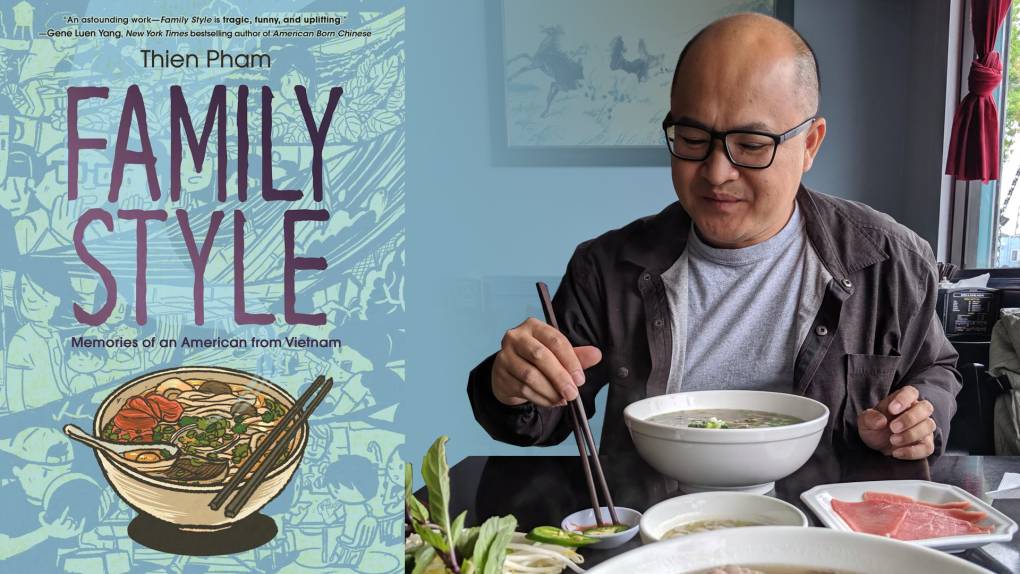
window.__IS_SSR__=true
window.__INITIAL_STATE__={
"attachmentsReducer": {
"audio_0": {
"type": "attachments",
"id": "audio_0",
"imgSizes": {
"kqedFullSize": {
"file": "https://ww2.kqed.org/news/wp-content/themes/KQED-unified/img/audio_bgs/background0.jpg"
}
}
},
"audio_1": {
"type": "attachments",
"id": "audio_1",
"imgSizes": {
"kqedFullSize": {
"file": "https://ww2.kqed.org/news/wp-content/themes/KQED-unified/img/audio_bgs/background1.jpg"
}
}
},
"audio_2": {
"type": "attachments",
"id": "audio_2",
"imgSizes": {
"kqedFullSize": {
"file": "https://ww2.kqed.org/news/wp-content/themes/KQED-unified/img/audio_bgs/background2.jpg"
}
}
},
"audio_3": {
"type": "attachments",
"id": "audio_3",
"imgSizes": {
"kqedFullSize": {
"file": "https://ww2.kqed.org/news/wp-content/themes/KQED-unified/img/audio_bgs/background3.jpg"
}
}
},
"audio_4": {
"type": "attachments",
"id": "audio_4",
"imgSizes": {
"kqedFullSize": {
"file": "https://ww2.kqed.org/news/wp-content/themes/KQED-unified/img/audio_bgs/background4.jpg"
}
}
},
"placeholder": {
"type": "attachments",
"id": "placeholder",
"imgSizes": {
"thumbnail": {
"file": "https://cdn.kqed.org/wp-content/uploads/2024/12/KQED-Default-Image-816638274-2000x1333-1-160x107.jpg",
"width": 160,
"height": 107,
"mimeType": "image/jpeg"
},
"medium": {
"file": "https://cdn.kqed.org/wp-content/uploads/2024/12/KQED-Default-Image-816638274-2000x1333-1-800x533.jpg",
"width": 800,
"height": 533,
"mimeType": "image/jpeg"
},
"medium_large": {
"file": "https://cdn.kqed.org/wp-content/uploads/2024/12/KQED-Default-Image-816638274-2000x1333-1-768x512.jpg",
"width": 768,
"height": 512,
"mimeType": "image/jpeg"
},
"large": {
"file": "https://cdn.kqed.org/wp-content/uploads/2024/12/KQED-Default-Image-816638274-2000x1333-1-1020x680.jpg",
"width": 1020,
"height": 680,
"mimeType": "image/jpeg"
},
"1536x1536": {
"file": "https://cdn.kqed.org/wp-content/uploads/2024/12/KQED-Default-Image-816638274-2000x1333-1-1536x1024.jpg",
"width": 1536,
"height": 1024,
"mimeType": "image/jpeg"
},
"fd-lrg": {
"file": "https://cdn.kqed.org/wp-content/uploads/2024/12/KQED-Default-Image-816638274-2000x1333-1-1536x1024.jpg",
"width": 1536,
"height": 1024,
"mimeType": "image/jpeg"
},
"fd-med": {
"file": "https://cdn.kqed.org/wp-content/uploads/2024/12/KQED-Default-Image-816638274-2000x1333-1-1020x680.jpg",
"width": 1020,
"height": 680,
"mimeType": "image/jpeg"
},
"fd-sm": {
"file": "https://cdn.kqed.org/wp-content/uploads/2024/12/KQED-Default-Image-816638274-2000x1333-1-800x533.jpg",
"width": 800,
"height": 533,
"mimeType": "image/jpeg"
},
"post-thumbnail": {
"file": "https://cdn.kqed.org/wp-content/uploads/2024/12/KQED-Default-Image-816638274-2000x1333-1-672x372.jpg",
"width": 672,
"height": 372,
"mimeType": "image/jpeg"
},
"twentyfourteen-full-width": {
"file": "https://cdn.kqed.org/wp-content/uploads/2024/12/KQED-Default-Image-816638274-2000x1333-1-1038x576.jpg",
"width": 1038,
"height": 576,
"mimeType": "image/jpeg"
},
"xxsmall": {
"file": "https://cdn.kqed.org/wp-content/uploads/2024/12/KQED-Default-Image-816638274-2000x1333-1-160x107.jpg",
"width": 160,
"height": 107,
"mimeType": "image/jpeg"
},
"xsmall": {
"file": "https://cdn.kqed.org/wp-content/uploads/2024/12/KQED-Default-Image-816638274-2000x1333-1-672x372.jpg",
"width": 672,
"height": 372,
"mimeType": "image/jpeg"
},
"small": {
"file": "https://cdn.kqed.org/wp-content/uploads/2024/12/KQED-Default-Image-816638274-2000x1333-1-672x372.jpg",
"width": 672,
"height": 372,
"mimeType": "image/jpeg"
},
"xlarge": {
"file": "https://cdn.kqed.org/wp-content/uploads/2024/12/KQED-Default-Image-816638274-2000x1333-1-1020x680.jpg",
"width": 1020,
"height": 680,
"mimeType": "image/jpeg"
},
"full-width": {
"file": "https://cdn.kqed.org/wp-content/uploads/2024/12/KQED-Default-Image-816638274-2000x1333-1-1920x1280.jpg",
"width": 1920,
"height": 1280,
"mimeType": "image/jpeg"
},
"guest-author-32": {
"file": "https://cdn.kqed.org/wp-content/uploads/2025/01/KQED-Default-Image-816638274-1333x1333-1-160x160.jpg",
"width": 32,
"height": 32,
"mimeType": "image/jpeg"
},
"guest-author-50": {
"file": "https://cdn.kqed.org/wp-content/uploads/2025/01/KQED-Default-Image-816638274-1333x1333-1-160x160.jpg",
"width": 50,
"height": 50,
"mimeType": "image/jpeg"
},
"guest-author-64": {
"file": "https://cdn.kqed.org/wp-content/uploads/2025/01/KQED-Default-Image-816638274-1333x1333-1-160x160.jpg",
"width": 64,
"height": 64,
"mimeType": "image/jpeg"
},
"guest-author-96": {
"file": "https://cdn.kqed.org/wp-content/uploads/2025/01/KQED-Default-Image-816638274-1333x1333-1-160x160.jpg",
"width": 96,
"height": 96,
"mimeType": "image/jpeg"
},
"guest-author-128": {
"file": "https://cdn.kqed.org/wp-content/uploads/2025/01/KQED-Default-Image-816638274-1333x1333-1-160x160.jpg",
"width": 128,
"height": 128,
"mimeType": "image/jpeg"
},
"detail": {
"file": "https://cdn.kqed.org/wp-content/uploads/2025/01/KQED-Default-Image-816638274-1333x1333-1-160x160.jpg",
"width": 160,
"height": 160,
"mimeType": "image/jpeg"
},
"kqedFullSize": {
"file": "https://cdn.kqed.org/wp-content/uploads/2024/12/KQED-Default-Image-816638274-2000x1333-1.jpg",
"width": 2000,
"height": 1333
}
}
},
"arts_13963670": {
"type": "attachments",
"id": "arts_13963670",
"meta": {
"index": "attachments_1716263798",
"site": "arts",
"id": "13963670",
"found": true
},
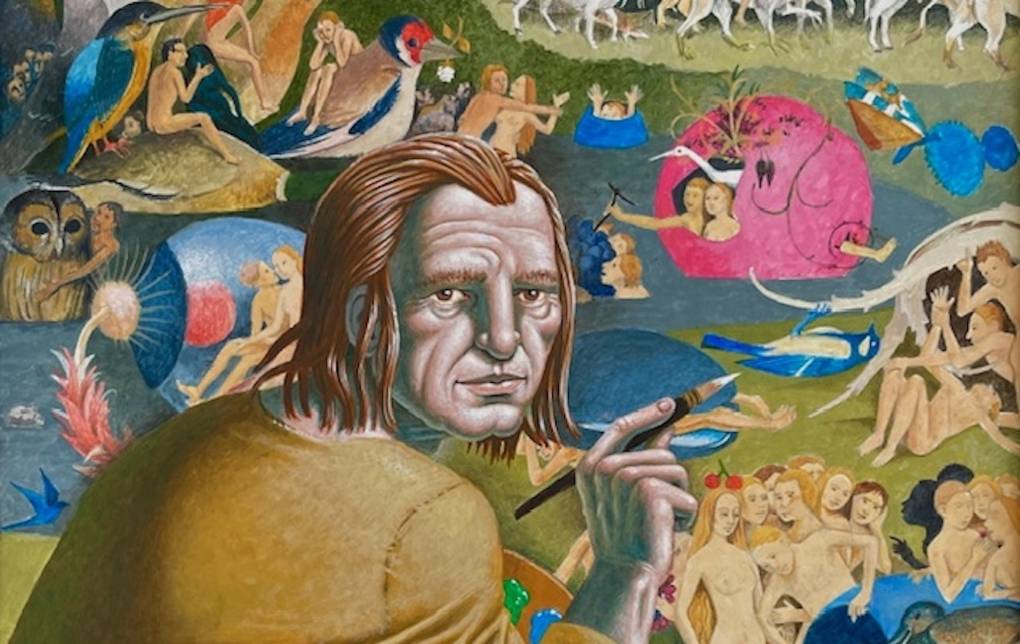
"title": "Hieronymus Bosch as drawn by Guy Colwell in his new graphic novel, ‘Delights.’",
"publishDate": 1725480435,
"status": "inherit",
"parent": 13963277,
"modified": 1725480613,
"caption": "Hieronymus Bosch as drawn by Guy Colwell in his new graphic novel, ‘Delights.’",
"credit": "Courtesy of Guy Colwell",
"altTag": "An illustration of a concerned looking man painting a landscape featuring naked people.",
"description": null,
"imgSizes": {
"medium": {
"file": "https://cdn.kqed.org/wp-content/uploads/sites/2/2024/08/bosch-800x505.jpg",
"width": 800,
"height": 505,
"mimeType": "image/jpeg"
},
"large": {
"file": "https://cdn.kqed.org/wp-content/uploads/sites/2/2024/08/bosch-1020x644.jpg",
"width": 1020,
"height": 644,
"mimeType": "image/jpeg"
},
"thumbnail": {
"file": "https://cdn.kqed.org/wp-content/uploads/sites/2/2024/08/bosch-160x101.jpg",
"width": 160,
"height": 101,
"mimeType": "image/jpeg"
},
"medium_large": {
"file": "https://cdn.kqed.org/wp-content/uploads/sites/2/2024/08/bosch-768x485.jpg",
"width": 768,
"height": 485,
"mimeType": "image/jpeg"
},
"1536x1536": {
"file": "https://cdn.kqed.org/wp-content/uploads/sites/2/2024/08/bosch-1536x970.jpg",
"width": 1536,
"height": 970,
"mimeType": "image/jpeg"
},
"post-thumbnail": {
"file": "https://cdn.kqed.org/wp-content/uploads/sites/2/2024/08/bosch-672x372.jpg",
"width": 672,
"height": 372,
"mimeType": "image/jpeg"
},
"twentyfourteen-full-width": {
"file": "https://cdn.kqed.org/wp-content/uploads/sites/2/2024/08/bosch-1038x576.jpg",
"width": 1038,
"height": 576,
"mimeType": "image/jpeg"
},
"full-width": {
"file": "https://cdn.kqed.org/wp-content/uploads/sites/2/2024/08/bosch-1920x1212.jpg",
"width": 1920,
"height": 1212,
"mimeType": "image/jpeg"
},
"kqedFullSize": {
"file": "https://cdn.kqed.org/wp-content/uploads/sites/2/2024/08/bosch.jpg",
"width": 2000,
"height": 1263
}
},
"isLoading": false,
"fetchFailed": false
},
"arts_13963411": {
"type": "attachments",
"id": "arts_13963411",
"meta": {
"index": "attachments_1716263798",
"site": "arts",
"id": "13963411",
"found": true
},
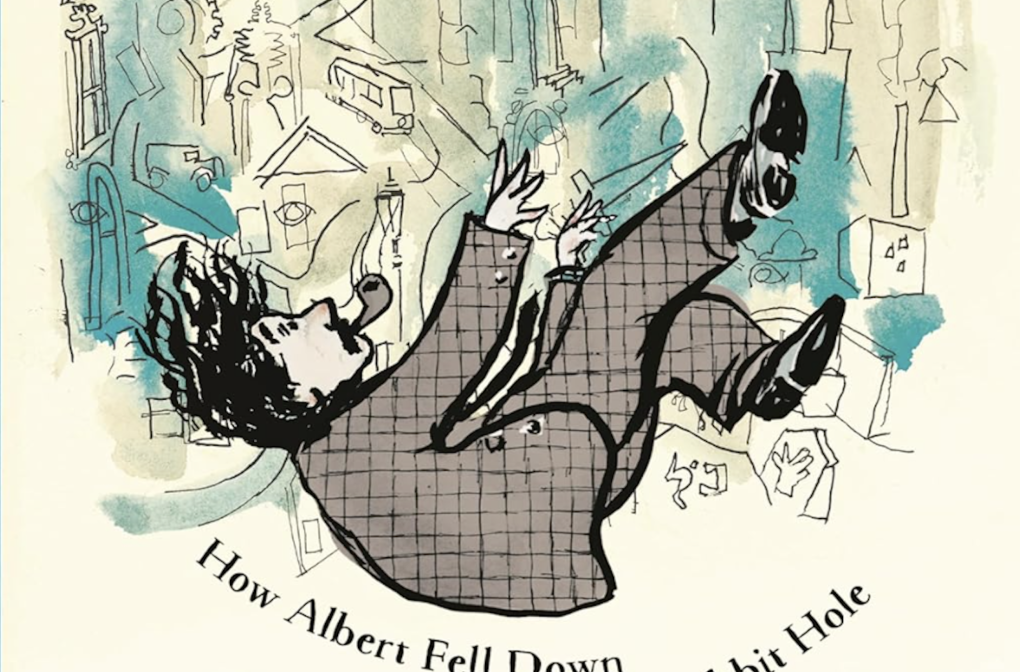
"title": "‘How Albert Fell Down the Rabbit Hole and Came Up With the Universe,’ by Ken Krimstein.",
"publishDate": 1724960095,
"status": "inherit",
"parent": 13963406,
"modified": 1724960205,
"caption": "‘How Albert Fell Down the Rabbit Hole and Came Up With the Universe,’ by Ken Krimstein.",
"credit": "Bloomsbury Publishing",
"altTag": "A book cover illustration depicts a Einstein, pipe in mouth, falling over backwards.",
"description": null,
"imgSizes": {
"medium": {
"file": "https://cdn.kqed.org/wp-content/uploads/sites/2/2024/08/piece-800x527.png",
"width": 800,
"height": 527,
"mimeType": "image/png"
},
"large": {
"file": "https://cdn.kqed.org/wp-content/uploads/sites/2/2024/08/piece-1020x672.png",
"width": 1020,
"height": 672,
"mimeType": "image/png"
},
"thumbnail": {
"file": "https://cdn.kqed.org/wp-content/uploads/sites/2/2024/08/piece-160x105.png",
"width": 160,
"height": 105,
"mimeType": "image/png"
},
"medium_large": {
"file": "https://cdn.kqed.org/wp-content/uploads/sites/2/2024/08/piece-768x506.png",
"width": 768,
"height": 506,
"mimeType": "image/png"
},
"1536x1536": {
"file": "https://cdn.kqed.org/wp-content/uploads/sites/2/2024/08/piece-1536x1012.png",
"width": 1536,
"height": 1012,
"mimeType": "image/png"
},
"post-thumbnail": {
"file": "https://cdn.kqed.org/wp-content/uploads/sites/2/2024/08/piece-672x372.png",
"width": 672,
"height": 372,
"mimeType": "image/png"
},
"twentyfourteen-full-width": {
"file": "https://cdn.kqed.org/wp-content/uploads/sites/2/2024/08/piece-1038x576.png",
"width": 1038,
"height": 576,
"mimeType": "image/png"
},
"full-width": {
"file": "https://cdn.kqed.org/wp-content/uploads/sites/2/2024/08/piece-1920x1265.png",
"width": 1920,
"height": 1265,
"mimeType": "image/png"
},
"kqedFullSize": {
"file": "https://cdn.kqed.org/wp-content/uploads/sites/2/2024/08/piece.png",
"width": 2000,
"height": 1318
}
},
"isLoading": false,
"fetchFailed": false
},
"arts_13958709": {
"type": "attachments",
"id": "arts_13958709",
"meta": {
"index": "attachments_1716263798",
"site": "arts",
"id": "13958709",
"found": true
},
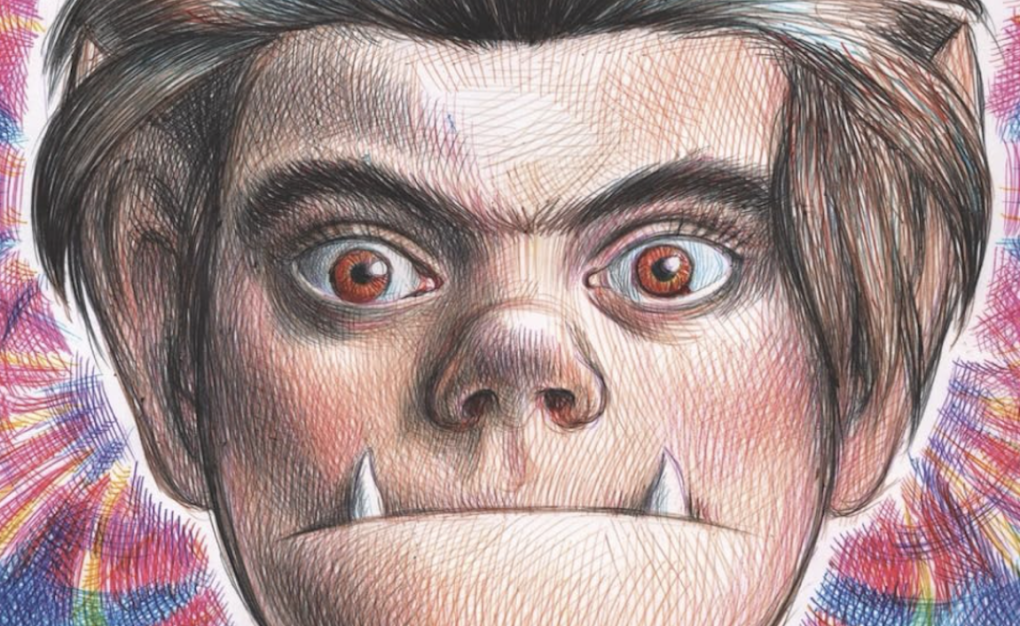
"title": "‘My Favorite Thing Is Monsters Book Two’ by Emil Ferris.",
"publishDate": 1716924629,
"status": "inherit",
"parent": 13958707,
"modified": 1716924662,
"caption": "‘My Favorite Thing Is Monsters Book Two’ by Emil Ferris.",
"credit": null,
"altTag": null,
"description": null,
"imgSizes": {
"medium": {
"file": "https://cdn.kqed.org/wp-content/uploads/sites/2/2024/05/Screen-Shot-2024-05-28-at-12.30.03-PM-800x491.png",
"width": 800,
"height": 491,
"mimeType": "image/png"
},
"large": {
"file": "https://cdn.kqed.org/wp-content/uploads/sites/2/2024/05/Screen-Shot-2024-05-28-at-12.30.03-PM-1020x626.png",
"width": 1020,
"height": 626,
"mimeType": "image/png"
},
"thumbnail": {
"file": "https://cdn.kqed.org/wp-content/uploads/sites/2/2024/05/Screen-Shot-2024-05-28-at-12.30.03-PM-160x98.png",
"width": 160,
"height": 98,
"mimeType": "image/png"
},
"medium_large": {
"file": "https://cdn.kqed.org/wp-content/uploads/sites/2/2024/05/Screen-Shot-2024-05-28-at-12.30.03-PM-768x471.png",
"width": 768,
"height": 471,
"mimeType": "image/png"
},
"post-thumbnail": {
"file": "https://cdn.kqed.org/wp-content/uploads/sites/2/2024/05/Screen-Shot-2024-05-28-at-12.30.03-PM-672x372.png",
"width": 672,
"height": 372,
"mimeType": "image/png"
},
"twentyfourteen-full-width": {
"file": "https://cdn.kqed.org/wp-content/uploads/sites/2/2024/05/Screen-Shot-2024-05-28-at-12.30.03-PM-1038x576.png",
"width": 1038,
"height": 576,
"mimeType": "image/png"
},
"kqedFullSize": {
"file": "https://cdn.kqed.org/wp-content/uploads/sites/2/2024/05/Screen-Shot-2024-05-28-at-12.30.03-PM.png",
"width": 1150,
"height": 706
}
},
"isLoading": false,
"fetchFailed": false
},
"arts_13954669": {
"type": "attachments",
"id": "arts_13954669",
"meta": {
"index": "attachments_1716263798",
"site": "arts",
"id": "13954669",
"found": true
},
"parent": 13954661,
"imgSizes": {
"twentyfourteen-full-width": {
"file": "https://cdn.kqed.org/wp-content/uploads/sites/2/2024/03/Screen-Shot-2024-03-25-at-9.56.51-AM-1038x576.png",
"width": 1038,
"mimeType": "image/png",
"height": 576
},
"thumbnail": {
"file": "https://cdn.kqed.org/wp-content/uploads/sites/2/2024/03/Screen-Shot-2024-03-25-at-9.56.51-AM-160x105.png",
"width": 160,
"mimeType": "image/png",
"height": 105
},
"post-thumbnail": {
"file": "https://cdn.kqed.org/wp-content/uploads/sites/2/2024/03/Screen-Shot-2024-03-25-at-9.56.51-AM-672x372.png",
"width": 672,
"mimeType": "image/png",
"height": 372
},
"kqedFullSize": {
"file": "https://cdn.kqed.org/wp-content/uploads/sites/2/2024/03/Screen-Shot-2024-03-25-at-9.56.51-AM.png",
"width": 1058,
"height": 694
},
"large": {
"file": "https://cdn.kqed.org/wp-content/uploads/sites/2/2024/03/Screen-Shot-2024-03-25-at-9.56.51-AM-1020x669.png",
"width": 1020,
"mimeType": "image/png",
"height": 669
},
"medium": {
"file": "https://cdn.kqed.org/wp-content/uploads/sites/2/2024/03/Screen-Shot-2024-03-25-at-9.56.51-AM-800x525.png",
"width": 800,
"mimeType": "image/png",
"height": 525
},
"medium_large": {
"file": "https://cdn.kqed.org/wp-content/uploads/sites/2/2024/03/Screen-Shot-2024-03-25-at-9.56.51-AM-768x504.png",
"width": 768,
"mimeType": "image/png",
"height": 504
}
},
"publishDate": 1711385872,
"modified": 1711385922,
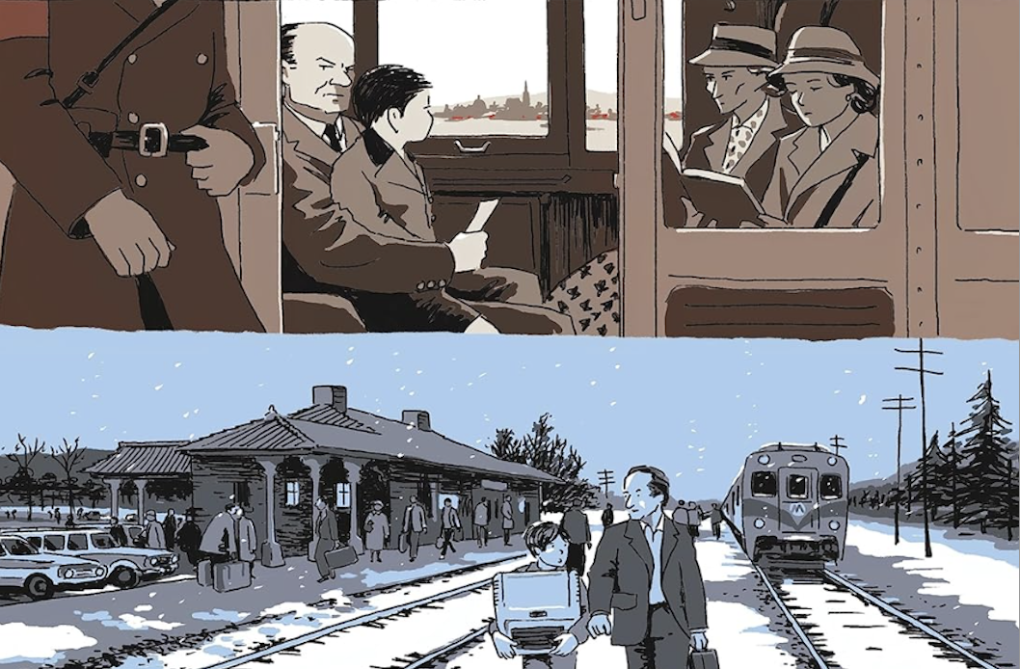
"caption": "Cover of ‘Replay: Memoir of an Uprooted Family,’ by Jordan Mechner.",
"description": null,
"title": "Cover of ‘Replay: Memoir of an Uprooted Family,’ by Jordan Mechner.",
"credit": "First Second",
"status": "inherit",
"altTag": "The cover of a graphic memoir featuring a family traveling on an old steam train.",
"isLoading": false,
"fetchFailed": false
},
"arts_13953372": {
"type": "attachments",
"id": "arts_13953372",
"meta": {
"index": "attachments_1716263798",
"site": "arts",
"id": "13953372",
"found": true
},
"parent": 13953371,
"imgSizes": {
"twentyfourteen-full-width": {
"file": "https://cdn.kqed.org/wp-content/uploads/sites/2/2024/03/untitled-design-49-_custom-ba7158e90214132269e4a2496a6338fe1c9dc7ca-707x576.jpg",
"width": 707,
"mimeType": "image/jpeg",
"height": 576
},
"thumbnail": {
"file": "https://cdn.kqed.org/wp-content/uploads/sites/2/2024/03/untitled-design-49-_custom-ba7158e90214132269e4a2496a6338fe1c9dc7ca-160x221.jpg",
"width": 160,
"mimeType": "image/jpeg",
"height": 221
},
"post-thumbnail": {
"file": "https://cdn.kqed.org/wp-content/uploads/sites/2/2024/03/untitled-design-49-_custom-ba7158e90214132269e4a2496a6338fe1c9dc7ca-672x372.jpg",
"width": 672,
"mimeType": "image/jpeg",
"height": 372
},
"kqedFullSize": {
"file": "https://cdn.kqed.org/wp-content/uploads/sites/2/2024/03/untitled-design-49-_custom-ba7158e90214132269e4a2496a6338fe1c9dc7ca.jpg",
"width": 707,
"height": 975
}
},
"publishDate": 1709597008,
"modified": 1709597008,
"caption": null,
"description": null,
"title": "Cover of I'm So Glad We Had This Time Together",
"credit": null,
"status": "inherit",
"altTag": null,
"isLoading": false,
"fetchFailed": false
},
"arts_13939132": {
"type": "attachments",
"id": "arts_13939132",
"meta": {
"index": "attachments_1716263798",
"site": "arts",
"id": "13939132",
"found": true
},
"parent": 13939131,
"imgSizes": {
"twentyfourteen-full-width": {
"file": "https://cdn.kqed.org/wp-content/uploads/sites/2/2023/12/transitions-interior-sample-01_wide-ffe2a636450c674ff347cc2eb8548a89363faa88-1038x576.jpg",
"width": 1038,
"mimeType": "image/jpeg",
"height": 576
},
"thumbnail": {
"file": "https://cdn.kqed.org/wp-content/uploads/sites/2/2023/12/transitions-interior-sample-01_wide-ffe2a636450c674ff347cc2eb8548a89363faa88-160x90.jpg",
"width": 160,
"mimeType": "image/jpeg",
"height": 90
},
"post-thumbnail": {
"file": "https://cdn.kqed.org/wp-content/uploads/sites/2/2023/12/transitions-interior-sample-01_wide-ffe2a636450c674ff347cc2eb8548a89363faa88-672x372.jpg",
"width": 672,
"mimeType": "image/jpeg",
"height": 372
},
"kqedFullSize": {
"file": "https://cdn.kqed.org/wp-content/uploads/sites/2/2023/12/transitions-interior-sample-01_wide-ffe2a636450c674ff347cc2eb8548a89363faa88.jpg",
"width": 2036,
"height": 1145
},
"large": {
"file": "https://cdn.kqed.org/wp-content/uploads/sites/2/2023/12/transitions-interior-sample-01_wide-ffe2a636450c674ff347cc2eb8548a89363faa88-1020x574.jpg",
"width": 1020,
"mimeType": "image/jpeg",
"height": 574
},
"1536x1536": {
"file": "https://cdn.kqed.org/wp-content/uploads/sites/2/2023/12/transitions-interior-sample-01_wide-ffe2a636450c674ff347cc2eb8548a89363faa88-1536x864.jpg",
"width": 1536,
"mimeType": "image/jpeg",
"height": 864
},
"full-width": {
"file": "https://cdn.kqed.org/wp-content/uploads/sites/2/2023/12/transitions-interior-sample-01_wide-ffe2a636450c674ff347cc2eb8548a89363faa88-1920x1080.jpg",
"width": 1920,
"mimeType": "image/jpeg",
"height": 1080
},
"medium": {
"file": "https://cdn.kqed.org/wp-content/uploads/sites/2/2023/12/transitions-interior-sample-01_wide-ffe2a636450c674ff347cc2eb8548a89363faa88-800x450.jpg",
"width": 800,
"mimeType": "image/jpeg",
"height": 450
},
"medium_large": {
"file": "https://cdn.kqed.org/wp-content/uploads/sites/2/2023/12/transitions-interior-sample-01_wide-ffe2a636450c674ff347cc2eb8548a89363faa88-768x432.jpg",
"width": 768,
"mimeType": "image/jpeg",
"height": 432
}
},
"publishDate": 1702067281,
"modified": 1702067697,
"caption": "A page from ‘Transitions: A Mother's Journey.’",
"description": null,
"title": "A page from ‘Transitions: A Mother's Journey.’",
"credit": "Top Shelf Productions",
"status": "inherit",
"altTag": "Three illustrations of a white woman with a pink bob and glasses. She is wearing a sweater the same color as her hair.",
"isLoading": false,
"fetchFailed": false
},
"arts_13937152": {
"type": "attachments",
"id": "arts_13937152",
"meta": {
"index": "attachments_1716263798",
"site": "arts",
"id": "13937152",
"found": true
},
"parent": 13937144,
"imgSizes": {
"twentyfourteen-full-width": {
"file": "https://ww2.kqed.org/app/uploads/sites/2/2023/10/Screen-Shot-2023-10-27-at-12.42.30-PM-1038x576.png",
"width": 1038,
"mimeType": "image/png",
"height": 576
},
"thumbnail": {
"file": "https://ww2.kqed.org/app/uploads/sites/2/2023/10/Screen-Shot-2023-10-27-at-12.42.30-PM-160x102.png",
"width": 160,
"mimeType": "image/png",
"height": 102
},
"post-thumbnail": {
"file": "https://ww2.kqed.org/app/uploads/sites/2/2023/10/Screen-Shot-2023-10-27-at-12.42.30-PM-672x372.png",
"width": 672,
"mimeType": "image/png",
"height": 372
},
"kqedFullSize": {
"file": "https://ww2.kqed.org/app/uploads/sites/2/2023/10/Screen-Shot-2023-10-27-at-12.42.30-PM.png",
"width": 1490,
"height": 948
},
"large": {
"file": "https://ww2.kqed.org/app/uploads/sites/2/2023/10/Screen-Shot-2023-10-27-at-12.42.30-PM-1020x649.png",
"width": 1020,
"mimeType": "image/png",
"height": 649
},
"medium": {
"file": "https://ww2.kqed.org/app/uploads/sites/2/2023/10/Screen-Shot-2023-10-27-at-12.42.30-PM-800x509.png",
"width": 800,
"mimeType": "image/png",
"height": 509
},
"medium_large": {
"file": "https://ww2.kqed.org/app/uploads/sites/2/2023/10/Screen-Shot-2023-10-27-at-12.42.30-PM-768x489.png",
"width": 768,
"mimeType": "image/png",
"height": 489
}
},
"publishDate": 1698435807,
"modified": 1698435885,
"caption": "‘Diaries of War: Two Visual Accounts from Ukraine and Russia’ by Nora Krug.",
"description": null,
"title": "‘Diaries of War: Two Visual Accounts from Ukraine and Russia’ by Nora Krug.",
"credit": "Ten Speed Graphic",
"status": "inherit",
"altTag": null,
"isLoading": false,
"fetchFailed": false
},
"arts_13935744": {
"type": "attachments",
"id": "arts_13935744",
"meta": {
"index": "attachments_1716263798",
"site": "arts",
"id": "13935744",
"found": true
},
"parent": 13935619,
"imgSizes": {
"twentyfourteen-full-width": {
"file": "https://ww2.kqed.org/app/uploads/sites/2/2023/10/ClowesCoverC_1920-1038x576.jpg",
"width": 1038,
"mimeType": "image/jpeg",
"height": 576
},
"thumbnail": {
"file": "https://ww2.kqed.org/app/uploads/sites/2/2023/10/ClowesCoverC_1920-160x90.jpg",
"width": 160,
"mimeType": "image/jpeg",
"height": 90
},
"post-thumbnail": {
"file": "https://ww2.kqed.org/app/uploads/sites/2/2023/10/ClowesCoverC_1920-672x372.jpg",
"width": 672,
"mimeType": "image/jpeg",
"height": 372
},
"kqedFullSize": {
"file": "https://ww2.kqed.org/app/uploads/sites/2/2023/10/ClowesCoverC_1920.jpg",
"width": 1920,
"height": 1080
},
"large": {
"file": "https://ww2.kqed.org/app/uploads/sites/2/2023/10/ClowesCoverC_1920-1020x574.jpg",
"width": 1020,
"mimeType": "image/jpeg",
"height": 574
},
"1536x1536": {
"file": "https://ww2.kqed.org/app/uploads/sites/2/2023/10/ClowesCoverC_1920-1536x864.jpg",
"width": 1536,
"mimeType": "image/jpeg",
"height": 864
},
"medium": {
"file": "https://ww2.kqed.org/app/uploads/sites/2/2023/10/ClowesCoverC_1920-800x450.jpg",
"width": 800,
"mimeType": "image/jpeg",
"height": 450
},
"medium_large": {
"file": "https://ww2.kqed.org/app/uploads/sites/2/2023/10/ClowesCoverC_1920-768x432.jpg",
"width": 768,
"mimeType": "image/jpeg",
"height": 432
}
},
"publishDate": 1696279929,
"modified": 1696280104,
"caption": "Oakland author and artist Daniel Clowes says his latest graphic novel, 'Monica,' was partially inspired by his own childhood memories and relationship with his mother.",
"description": null,
"title": "ClowesCoverC_1920",
"credit": "Brian Molyneaux/Fantagraphics",
"status": "inherit",
"altTag": "a diptych features a white man with glasses and a white beard next to a graphic novel with a woman's face in profile, titled 'Monica'",
"isLoading": false,
"fetchFailed": false
},
"arts_13932860": {
"type": "attachments",
"id": "arts_13932860",
"meta": {
"index": "attachments_1716263798",
"site": "arts",
"id": "13932860",
"found": true
},
"parent": 13932848,
"imgSizes": {
"twentyfourteen-full-width": {
"file": "https://ww2.kqed.org/app/uploads/sites/2/2023/08/Screen-Shot-2023-08-09-at-10.53.36-AM-1038x576.png",
"width": 1038,
"mimeType": "image/png",
"height": 576
},
"thumbnail": {
"file": "https://ww2.kqed.org/app/uploads/sites/2/2023/08/Screen-Shot-2023-08-09-at-10.53.36-AM-160x97.png",
"width": 160,
"mimeType": "image/png",
"height": 97
},
"post-thumbnail": {
"file": "https://ww2.kqed.org/app/uploads/sites/2/2023/08/Screen-Shot-2023-08-09-at-10.53.36-AM-672x372.png",
"width": 672,
"mimeType": "image/png",
"height": 372
},
"kqedFullSize": {
"file": "https://ww2.kqed.org/app/uploads/sites/2/2023/08/Screen-Shot-2023-08-09-at-10.53.36-AM.png",
"width": 1440,
"height": 876
},
"large": {
"file": "https://ww2.kqed.org/app/uploads/sites/2/2023/08/Screen-Shot-2023-08-09-at-10.53.36-AM-1020x621.png",
"width": 1020,
"mimeType": "image/png",
"height": 621
},
"medium": {
"file": "https://ww2.kqed.org/app/uploads/sites/2/2023/08/Screen-Shot-2023-08-09-at-10.53.36-AM-800x487.png",
"width": 800,
"mimeType": "image/png",
"height": 487
},
"medium_large": {
"file": "https://ww2.kqed.org/app/uploads/sites/2/2023/08/Screen-Shot-2023-08-09-at-10.53.36-AM-768x467.png",
"width": 768,
"mimeType": "image/png",
"height": 467
}
},
"publishDate": 1691603663,
"modified": 1691603703,
"caption": "‘Mother Nature.’",
"description": null,
"title": "‘Mother Nature.’",
"credit": "Titan Comics",
"status": "inherit",
"altTag": null,
"isLoading": false,
"fetchFailed": false
},
"arts_13932608": {
"type": "attachments",
"id": "arts_13932608",
"meta": {
"index": "attachments_1716263798",
"site": "arts",
"id": "13932608",
"found": true
},
"parent": 13932601,
"imgSizes": {
"twentyfourteen-full-width": {
"file": "https://ww2.kqed.org/app/uploads/sites/2/2023/08/1.Justin-Min-as-Ben-and-Sherry-Cola-as-Alice-in-SHORTCOMINGS.-Photo-credit_-Jon-Pack.-Courtesy-of-Sony-Pictures-Classics_COVER-1038x576.jpg",
"width": 1038,
"mimeType": "image/jpeg",
"height": 576
},
"thumbnail": {
"file": "https://ww2.kqed.org/app/uploads/sites/2/2023/08/1.Justin-Min-as-Ben-and-Sherry-Cola-as-Alice-in-SHORTCOMINGS.-Photo-credit_-Jon-Pack.-Courtesy-of-Sony-Pictures-Classics_COVER-160x107.jpg",
"width": 160,
"mimeType": "image/jpeg",
"height": 107
},
"post-thumbnail": {
"file": "https://ww2.kqed.org/app/uploads/sites/2/2023/08/1.Justin-Min-as-Ben-and-Sherry-Cola-as-Alice-in-SHORTCOMINGS.-Photo-credit_-Jon-Pack.-Courtesy-of-Sony-Pictures-Classics_COVER-672x372.jpg",
"width": 672,
"mimeType": "image/jpeg",
"height": 372
},
"kqedFullSize": {
"file": "https://ww2.kqed.org/app/uploads/sites/2/2023/08/1.Justin-Min-as-Ben-and-Sherry-Cola-as-Alice-in-SHORTCOMINGS.-Photo-credit_-Jon-Pack.-Courtesy-of-Sony-Pictures-Classics_COVER.jpg",
"width": 1600,
"height": 1067
},
"large": {
"file": "https://ww2.kqed.org/app/uploads/sites/2/2023/08/1.Justin-Min-as-Ben-and-Sherry-Cola-as-Alice-in-SHORTCOMINGS.-Photo-credit_-Jon-Pack.-Courtesy-of-Sony-Pictures-Classics_COVER-1020x680.jpg",
"width": 1020,
"mimeType": "image/jpeg",
"height": 680
},
"1536x1536": {
"file": "https://ww2.kqed.org/app/uploads/sites/2/2023/08/1.Justin-Min-as-Ben-and-Sherry-Cola-as-Alice-in-SHORTCOMINGS.-Photo-credit_-Jon-Pack.-Courtesy-of-Sony-Pictures-Classics_COVER-1536x1024.jpg",
"width": 1536,
"mimeType": "image/jpeg",
"height": 1024
},
"medium": {
"file": "https://ww2.kqed.org/app/uploads/sites/2/2023/08/1.Justin-Min-as-Ben-and-Sherry-Cola-as-Alice-in-SHORTCOMINGS.-Photo-credit_-Jon-Pack.-Courtesy-of-Sony-Pictures-Classics_COVER-800x534.jpg",
"width": 800,
"mimeType": "image/jpeg",
"height": 534
},
"medium_large": {
"file": "https://ww2.kqed.org/app/uploads/sites/2/2023/08/1.Justin-Min-as-Ben-and-Sherry-Cola-as-Alice-in-SHORTCOMINGS.-Photo-credit_-Jon-Pack.-Courtesy-of-Sony-Pictures-Classics_COVER-768x512.jpg",
"width": 768,
"mimeType": "image/jpeg",
"height": 512
}
},
"publishDate": 1691082511,
"modified": 1691082603,
"caption": "Justin Min as Ben and Sherry Cola as Alice in 'Shortcomings.'",
"description": null,
"title": "1.Justin-Min-as-Ben-and-Sherry-Cola-as-Alice-in-SHORTCOMINGS.-Photo-credit_-Jon-Pack.-Courtesy-of-Sony-Pictures-Classics_COVER",
"credit": "Photo by Jon Pack; Courtesy of Sony Pictures Classics",
"status": "inherit",
"altTag": "An Asian man and an Asian woman lean right on a city street, looking at something that surprises them",
"isLoading": false,
"fetchFailed": false
},
"arts_13930737": {
"type": "attachments",
"id": "arts_13930737",
"meta": {
"index": "attachments_1716263798",
"site": "arts",
"id": "13930737",
"found": true
},
"parent": 13930727,
"imgSizes": {
"twentyfourteen-full-width": {
"file": "https://ww2.kqed.org/app/uploads/sites/2/2023/06/CafesWeHaveLost_BL_Med_1-crop-1038x576.jpg",
"width": 1038,
"mimeType": "image/jpeg",
"height": 576
},
"thumbnail": {
"file": "https://ww2.kqed.org/app/uploads/sites/2/2023/06/CafesWeHaveLost_BL_Med_1-crop-160x90.jpg",
"width": 160,
"mimeType": "image/jpeg",
"height": 90
},
"post-thumbnail": {
"file": "https://ww2.kqed.org/app/uploads/sites/2/2023/06/CafesWeHaveLost_BL_Med_1-crop-672x372.jpg",
"width": 672,
"mimeType": "image/jpeg",
"height": 372
},
"kqedFullSize": {
"file": "https://ww2.kqed.org/app/uploads/sites/2/2023/06/CafesWeHaveLost_BL_Med_1-crop.jpg",
"width": 1920,
"height": 1080
},
"large": {
"file": "https://ww2.kqed.org/app/uploads/sites/2/2023/06/CafesWeHaveLost_BL_Med_1-crop-1020x574.jpg",
"width": 1020,
"mimeType": "image/jpeg",
"height": 574
},
"1536x1536": {
"file": "https://ww2.kqed.org/app/uploads/sites/2/2023/06/CafesWeHaveLost_BL_Med_1-crop-1536x864.jpg",
"width": 1536,
"mimeType": "image/jpeg",
"height": 864
},
"medium": {
"file": "https://ww2.kqed.org/app/uploads/sites/2/2023/06/CafesWeHaveLost_BL_Med_1-crop-800x450.jpg",
"width": 800,
"mimeType": "image/jpeg",
"height": 450
},
"medium_large": {
"file": "https://ww2.kqed.org/app/uploads/sites/2/2023/06/CafesWeHaveLost_BL_Med_1-crop-768x432.jpg",
"width": 768,
"mimeType": "image/jpeg",
"height": 432
}
},
"publishDate": 1687304567,
"modified": 1687304923,
"caption": null,
"description": null,
"title": "CafesWeHaveLost_BL_Med_1-crop",
"credit": "Briana Loewinsohn",
"status": "inherit",
"altTag": "Illustration: A cafe whose green and white striped facade reads, \"Caffe Mediterraneum.\" This is the lead panel for a comic titled \"Please, Don't Forget Me: Cafes We Have Lost,\" by Briana Loewinsohn",
"isLoading": false,
"fetchFailed": false
},
"arts_13930717": {
"type": "attachments",
"id": "arts_13930717",
"meta": {
"index": "attachments_1716263798",
"site": "arts",
"id": "13930717",
"found": true
},
"parent": 13930458,
"imgSizes": {
"twentyfourteen-full-width": {
"file": "https://ww2.kqed.org/app/uploads/sites/2/2023/06/Thien_COVER-1038x576.jpg",
"width": 1038,
"mimeType": "image/jpeg",
"height": 576
},
"thumbnail": {
"file": "https://ww2.kqed.org/app/uploads/sites/2/2023/06/Thien_COVER-160x90.jpg",
"width": 160,
"mimeType": "image/jpeg",
"height": 90
},
"post-thumbnail": {
"file": "https://ww2.kqed.org/app/uploads/sites/2/2023/06/Thien_COVER-672x372.jpg",
"width": 672,
"mimeType": "image/jpeg",
"height": 372
},
"kqedFullSize": {
"file": "https://ww2.kqed.org/app/uploads/sites/2/2023/06/Thien_COVER.jpg",
"width": 1920,
"height": 1080
},
"large": {
"file": "https://ww2.kqed.org/app/uploads/sites/2/2023/06/Thien_COVER-1020x574.jpg",
"width": 1020,
"mimeType": "image/jpeg",
"height": 574
},
"1536x1536": {
"file": "https://ww2.kqed.org/app/uploads/sites/2/2023/06/Thien_COVER-1536x864.jpg",
"width": 1536,
"mimeType": "image/jpeg",
"height": 864
},
"medium": {
"file": "https://ww2.kqed.org/app/uploads/sites/2/2023/06/Thien_COVER-800x450.jpg",
"width": 800,
"mimeType": "image/jpeg",
"height": 450
},
"medium_large": {
"file": "https://ww2.kqed.org/app/uploads/sites/2/2023/06/Thien_COVER-768x432.jpg",
"width": 768,
"mimeType": "image/jpeg",
"height": 432
}
},
"publishDate": 1687295507,
"modified": 1687295909,
"caption": "Thien Pham's new graphic novel, 'Family Style,' is a memoir of his family's immigration story. It documents their refugee journey from Vietnam to San Jose through the lens of eight different food memories.",
"description": null,
"title": "Thien_COVER",
"credit": "Courtesy of Macmillan Publishers; collage by Sarah Hotchkiss",
"status": "inherit",
"altTag": "Composite image with the cover of the graphic novel 'Family Style,' which has an illustration of a bowl of pho, on the left. On the right, a photograph of author Thien Pham, in glasses and a plaid shirt, holds chopsticks as he prepares to eat a bowl of pho.",
"isLoading": false,
"fetchFailed": false
}
},
"audioPlayerReducer": {
"postId": "stream_live",
"isPaused": true,
"isPlaying": false,
"pfsActive": false,
"pledgeModalIsOpen": true,
"playerDrawerIsOpen": false,
"liveAudioPlayStartedAt": 0,
"liveAudioPlayContext": ""
},
"authorsReducer": {
"byline_arts_13963406": {
"type": "authors",
"id": "byline_arts_13963406",
"meta": {
"override": true
},
"slug": "byline_arts_13963406",
"name": "Tahneer Oksman, NPR",
"isLoading": false
},
"byline_arts_13958707": {
"type": "authors",
"id": "byline_arts_13958707",
"meta": {
"override": true
},
"slug": "byline_arts_13958707",
"name": "Donna Edwards, Associated Press",
"isLoading": false
},
"byline_arts_13954661": {
"type": "authors",
"id": "byline_arts_13954661",
"meta": {
"override": true
},
"slug": "byline_arts_13954661",
"name": "Tahneer Oksman",
"isLoading": false
},
"byline_arts_13953371": {
"type": "authors",
"id": "byline_arts_13953371",
"meta": {
"override": true
},
"slug": "byline_arts_13953371",
"name": "Tahneer Oksman",
"isLoading": false
},
"byline_arts_13939131": {
"type": "authors",
"id": "byline_arts_13939131",
"meta": {
"override": true
},
"slug": "byline_arts_13939131",
"name": "Tahneer Oksman",
"isLoading": false
},
"byline_arts_13937144": {
"type": "authors",
"id": "byline_arts_13937144",
"meta": {
"override": true
},
"slug": "byline_arts_13937144",
"name": "Tahneer Oksman",
"isLoading": false
},
"byline_arts_13932848": {
"type": "authors",
"id": "byline_arts_13932848",
"meta": {
"override": true
},
"slug": "byline_arts_13932848",
"name": "Mandalit del Barco",
"isLoading": false
},
"ralexandra": {
"type": "authors",
"id": "11242",
"meta": {
"index": "authors_1716337520",
"id": "11242",
"found": true
},
"name": "Rae Alexandra",
"firstName": "Rae",
"lastName": "Alexandra",
"slug": "ralexandra",
"email": "ralexandra@kqed.org",
"display_author_email": true,
"staff_mastheads": [
"arts"
],
"title": "Reporter/Producer",
"bio": "Rae Alexandra is a Reporter/Producer for KQED Arts & Culture, and the creator/author of the \u003ca href=\"https://www.kqed.org/arts/program/rebel-girls-from-bay-area-history\">Rebel Girls From Bay Area History\u003c/a> and \u003ca href=\"https://www.kqed.org/bizarrebayarea\">Bizarre Bay Area\u003c/a> series. Her debut book, \u003ca href=\"https://citylights.com/politics-current-events-history/unsung-heroines35-women-who-changed/\">Unsung Heroines: 35 Women Who Changed the Bay Area\u003c/a> was published by City Lights in March 2026. In 2023, Rae was awarded an SPJ Excellence in Journalism Award for Arts & Culture. Rae was born and raised in Wales and subsequently — even after two decades in Northern California — still uses phrases that regularly baffle her coworkers.",
"avatar": "https://secure.gravatar.com/avatar/edfee8176c80cc0a382b051190f5341997df378a934a5774dcb0977732dfd401?s=600&d=blank&r=g",
"twitter": null,
"bluesky": null,
"facebook": null,
"instagram": null,
"linkedin": null,
"sites": [
{
"site": "arts",
"roles": [
"editor"
]
},
{
"site": "news",
"roles": [
"editor"
]
},
{
"site": "pop",
"roles": [
"editor"
]
},
{
"site": "bayareabites",
"roles": [
"editor"
]
},
{
"site": "science",
"roles": [
"editor"
]
}
],
"headData": {
"title": "Rae Alexandra | KQED",
"description": "Reporter/Producer",
"ogImgSrc": "https://secure.gravatar.com/avatar/edfee8176c80cc0a382b051190f5341997df378a934a5774dcb0977732dfd401?s=600&d=blank&r=g",
"twImgSrc": "https://secure.gravatar.com/avatar/edfee8176c80cc0a382b051190f5341997df378a934a5774dcb0977732dfd401?s=600&d=blank&r=g"
},
"isLoading": false,
"link": "/author/ralexandra"
},
"jhesig": {
"type": "authors",
"id": "11333",
"meta": {
"index": "authors_1716337520",
"id": "11333",
"found": true
},
"name": "Janelle Hessig",
"firstName": "Janelle",
"lastName": "Hessig",
"slug": "jhesig",
"email": "jhessig@kqed.org",
"display_author_email": false,
"staff_mastheads": [],
"title": "KQED Contributor",
"bio": null,
"avatar": "https://secure.gravatar.com/avatar/27dd6e3cd88f82541593bd6d8f2aec4a?s=600&d=mm&r=g",
"twitter": null,
"facebook": null,
"instagram": null,
"linkedin": null,
"sites": [
{
"site": "arts",
"roles": []
},
{
"site": "food",
"roles": []
},
{
"site": "filmschoolshorts",
"roles": [
"editor"
]
}
],
"headData": {
"title": "Janelle Hessig | KQED",
"description": "KQED Contributor",
"ogImgSrc": "https://secure.gravatar.com/avatar/27dd6e3cd88f82541593bd6d8f2aec4a?s=600&d=mm&r=g",
"twImgSrc": "https://secure.gravatar.com/avatar/27dd6e3cd88f82541593bd6d8f2aec4a?s=600&d=mm&r=g"
},
"isLoading": false,
"link": "/author/jhesig"
},
"achazaro": {
"type": "authors",
"id": "11748",
"meta": {
"index": "authors_1716337520",
"id": "11748",
"found": true
},
"name": "Alan Chazaro",
"firstName": "Alan",
"lastName": "Chazaro",
"slug": "achazaro",
"email": "agchazaro@gmail.com",
"display_author_email": true,
"staff_mastheads": [],
"title": "Food Writer and Reporter",
"bio": "Alan Chazaro is the author of \u003cem>This Is Not a Frank Ocean Cover Album\u003c/em> (Black Lawrence Press, 2019), \u003cem>Piñata Theory\u003c/em> (Black Lawrence Press, 2020), and \u003cem>Notes from the Eastern Span of the Bay Bridge\u003c/em> (Ghost City Press, 2021). He is a graduate of June Jordan’s Poetry for the People program at UC Berkeley and a former Lawrence Ferlinghetti Fellow at the University of San Francisco. He writes about sports, food, art, music, education, and culture while repping the Bay on \u003ca href=\"https://twitter.com/alan_chazaro\">Twitter\u003c/a> and \u003ca href=\"https://www.instagram.com/alan_chazaro/?hl=en\">Instagram\u003c/a> at @alan_chazaro.",
"avatar": "https://secure.gravatar.com/avatar/ea8b6dd970fc5c29e7a188e7d5861df7?s=600&d=blank&r=g",
"twitter": "alan_chazaro",
"facebook": null,
"instagram": null,
"linkedin": null,
"sites": [
{
"site": "arts",
"roles": [
"contributor"
]
},
{
"site": "news",
"roles": [
"editor"
]
}
],
"headData": {
"title": "Alan Chazaro | KQED",
"description": "Food Writer and Reporter",
"ogImgSrc": "https://secure.gravatar.com/avatar/ea8b6dd970fc5c29e7a188e7d5861df7?s=600&d=blank&r=g",
"twImgSrc": "https://secure.gravatar.com/avatar/ea8b6dd970fc5c29e7a188e7d5861df7?s=600&d=blank&r=g"
},
"isLoading": false,
"link": "/author/achazaro"
},
"ksong": {
"type": "authors",
"id": "11813",
"meta": {
"index": "authors_1716337520",
"id": "11813",
"found": true
},
"name": "Kristie Song",
"firstName": "Kristie",
"lastName": "Song",
"slug": "ksong",
"email": "ksong@kqed.org",
"display_author_email": false,
"staff_mastheads": [],
"title": "Editorial Intern ",
"bio": "Kristie Song is an Arts & Culture Intern at KQED. She is currently a graduate student at UC Berkeley, where she studies audio and multimedia journalism. Previously, she covered the local community for Oakland North, produced episodes for The Science of Happiness, and served as news director for KUCI, UC Irvine’s radio station. Outside of reporting, she likes drawing comics, listening to angsty rock, and practicing the guitar.",
"avatar": "https://secure.gravatar.com/avatar/c1149e78c3c44f92d4945a8ab0711af6?s=600&d=blank&r=g",
"twitter": null,
"facebook": null,
"instagram": null,
"linkedin": null,
"sites": [
{
"site": "arts",
"roles": [
"editor"
]
}
],
"headData": {
"title": "Kristie Song | KQED",
"description": "Editorial Intern ",
"ogImgSrc": "https://secure.gravatar.com/avatar/c1149e78c3c44f92d4945a8ab0711af6?s=600&d=blank&r=g",
"twImgSrc": "https://secure.gravatar.com/avatar/c1149e78c3c44f92d4945a8ab0711af6?s=600&d=blank&r=g"
},
"isLoading": false,
"link": "/author/ksong"
},
"bloewinsohn": {
"type": "authors",
"id": "11904",
"meta": {
"index": "authors_1716337520",
"id": "11904",
"found": true
},
"name": "Briana Loewinsohn",
"firstName": "Briana",
"lastName": "Loewinsohn",
"slug": "bloewinsohn",
"email": "brianabreaks@gmail.com",
"display_author_email": false,
"staff_mastheads": [],
"title": "KQED Contributor",
"bio": null,
"avatar": "https://secure.gravatar.com/avatar/3d271841017c9b3e8fd8bf5552758c08?s=600&d=blank&r=g",
"twitter": null,
"facebook": null,
"instagram": null,
"linkedin": null,
"sites": [
{
"site": "arts",
"roles": [
"author"
]
}
],
"headData": {
"title": "Briana Loewinsohn | KQED",
"description": "KQED Contributor",
"ogImgSrc": "https://secure.gravatar.com/avatar/3d271841017c9b3e8fd8bf5552758c08?s=600&d=blank&r=g",
"twImgSrc": "https://secure.gravatar.com/avatar/3d271841017c9b3e8fd8bf5552758c08?s=600&d=blank&r=g"
},
"isLoading": false,
"link": "/author/bloewinsohn"
}
},
"pagesReducer": {
"arts_tag_graphic-novels": {
"type": "terms",
"id": "arts_10629",
"meta": {
"index": "terms_1716263798",
"site": "arts",
"id": "10629",
"score": 9.302446
},
"name": "Graphic Novels",
"slug": "graphic-novels",
"taxonomy": "tag",
"description": null,
"featImg": null,
"headData": {
"title": "Graphic Novels | KQED Arts",
"description": null,
"ogTitle": null,
"ogDescription": null,
"ogImgId": null,
"twTitle": null,
"twDescription": null,
"twImgId": null
},
"ttid": 10641,
"isLoading": false,
"title": "Graphic Novels",
"pageMeta": {
"site": "arts",
"WpPageTemplate": "page-topic-editorial",
"currentPage": 2
},
"blocks": [
{
"blockName": "kqed/post-list",
"attrs": {
"layout": "cardArticle2",
"query": "posts/arts?tag=graphic-novels",
"seeMore": false,
"paginated": true,
"page": 2
}
},
{
"blockName": "kqed/ad"
}
]
}
},
"pfsSessionReducer": {},
"postsReducer": {
"stream_live": {
"type": "live",
"id": "stream_live",
"audioUrl": "https://streams.kqed.org/kqedradio",
"title": "Live Stream",
"excerpt": "Live Stream information currently unavailable.",
"link": "/radio",
"featImg": "",
"label": {
"name": "KQED Live",
"link": "/"
}
},
"stream_kqedNewscast": {
"type": "posts",
"id": "stream_kqedNewscast",
"audioUrl": "https://www.kqed.org/.stream/anon/radio/RDnews/newscast.mp3?_=1",
"title": "KQED Newscast",
"featImg": "",
"label": {
"name": "88.5 FM",
"link": "/"
}
},
"arts_13963277": {
"type": "posts",
"id": "arts_13963277",
"meta": {
"index": "posts_1716263798",
"site": "arts",
"id": "13963277",
"score": null,
"sort": [
1725548417000
]
},
"guestAuthors": [],
"slug": "delights-a-story-of-hieronymus-bosch-graphic-novel-review-guy-colwell",
"title": "‘Delights: A Story of Hieronymus Bosch’ Explores the Struggles of a Conflicted Artist",
"publishDate": 1725548417,
"format": "aside",
"headTitle": "‘Delights: A Story of Hieronymus Bosch’ Explores the Struggles of a Conflicted Artist | KQED",
"labelTerm": {
"term": 140,
"site": "arts"
},
"content": "\u003cfigure id=\"attachment_13963673\" class=\"wp-caption aligncenter\" style=\"max-width: 2000px\">\u003cimg loading=\"lazy\" decoding=\"async\" class=\"size-full wp-image-13963673\" src=\"https://cdn.kqed.org/wp-content/uploads/sites/2/2024/09/hb.jpg\" alt=\"An illustration of a concerned looking man painting a landscape featuring naked people.\" width=\"2000\" height=\"1975\" srcset=\"https://cdn.kqed.org/wp-content/uploads/sites/2/2024/09/hb.jpg 2000w, https://cdn.kqed.org/wp-content/uploads/sites/2/2024/09/hb-800x790.jpg 800w, https://cdn.kqed.org/wp-content/uploads/sites/2/2024/09/hb-1020x1007.jpg 1020w, https://cdn.kqed.org/wp-content/uploads/sites/2/2024/09/hb-160x158.jpg 160w, https://cdn.kqed.org/wp-content/uploads/sites/2/2024/09/hb-768x758.jpg 768w, https://cdn.kqed.org/wp-content/uploads/sites/2/2024/09/hb-1536x1517.jpg 1536w, https://cdn.kqed.org/wp-content/uploads/sites/2/2024/09/hb-1920x1896.jpg 1920w\" sizes=\"(max-width: 2000px) 100vw, 2000px\">\u003cfigcaption class=\"wp-caption-text\">Hieronymus Bosch as drawn by Guy Colwell in his new graphic novel, ‘Delights.’\u003c/figcaption>\u003c/figure>\n\u003cp>It’s not easy being tasked with painting a biblically inspired image so viscerally impactful that it forces humans to grapple with the consequences of sin. It’s also not easy capturing the story of the man who performed that task in the 15th century. That’s probably why the new graphic novel \u003ca href=\"https://www.fantagraphics.com/products/delights-a-story-of-hieronymus-bosch?srsltid=AfmBOorNI9XJs2guAwfqE3q1ymCJt8wvErdaZEBInJLevc5tRwqH4iq7\">\u003cem>Delights: A Story of Hieronymus Bosch\u003c/em>\u003c/a> took Berkeley-based author and artist Guy Colwell nine years to complete.\u003c/p>\n\u003cp>[aside postid='arts_13963406']The epic book depicts the Dutch painter in a labor of love (and obsession) as he creates his world-famous\u003cem> The Garden of Earthly Delights.\u003c/em> The triptych famously features a central image of humans in unrestrained commune with fantastic animals and a technicolor version of nature. To the left of that image is a reflection of a still-peaceful Eden. To the right is a depiction of a despondent, squalid hellscape very much in line with Bosch’s earlier, notoriously dark work.\u003c/p>\n\u003cp>How Bosch came to his final vision for \u003cem>The Garden\u003c/em> has been the subject of much speculation over the years. Colwell is clear in the graphic novel’s introduction that his version of events utilizes a combination of historical fact and conjecture.\u003c/p>\n\u003cp>“I looked at various suppositions, postulates and theories about \u003cem>Garden \u003c/em>and the artist,” Colwell writes\u003cem>,\u003c/em> “and decided I could boil down and twist around some of the most plausible and put them into the form of a fictional story that I hoped would provide delight to readers, as well as a glimpse of life in the 15th century.”\u003c/p>\n\u003cp>In the book, we see Bosch approached by two “lascivious lords” who commission a painting of “beauty and pleasure … with no shame or guilt.” Bosch quickly goes about sketching as many nude models as he can find and acquiring the aged oak panels on which he’ll paint. All the while, he works to keep his work hidden from the curious religious minds around him. Bosch, a man of faith himself, worries that \u003cem>The Garden\u003c/em> might put his afterlife in jeopardy and wrestles with what the final painting should look like.\u003c/p>\n\u003cp>[ad fullwidth]\u003c/p>\n\u003cp>\u003cem>Delights\u003c/em> is at its best in the moments where Bosch’s imagination (and Colwell’s) is permitted to run wild. At one point, a walk in the woods turns into a paranoid nightmare where Bosch is pursued by monsters, devils and the many naked people from his painting. “I’ve had to dispute with myself whether my painting is really based on religion or an unholy act of frivolous perversion,” Bosch says to himself. “I live with a terror that for a few coins I will have to face an unhappy judgement.”\u003c/p>\n\u003cp>[aside postid='arts_13963133']A full analysis of the painting makes its way into \u003cem>Delights\u003c/em> as Bosch is forced to justify its existence to local churchmen. (Colwell says this sequence was inspired by the Spanish Inquisition’s examination of the painting when it was relocated to Spain.)\u003c/p>\n\u003cp>In the end, \u003cem>Delights\u003c/em> is a thought-provoking reminder of Bosch’s bold, curious and (in many ways) disturbing mind. Colwell has done a thorough job imagining what Bosch went through in the course of creating \u003cem>The Garden of Earthly Delights.\u003c/em> As we watch him wrestle with his demons, questioning his own moral compass at every step, it’s a reminder of the value of artists everywhere who are willing to challenge not just others, but themselves. That we’re still wondering about Bosch this many centuries later is a solid indication that it’s worth it.\u003c/p>\n\u003chr>\n\u003cp>\u003cem>‘Delights: A Story of Hieronymus Bosch’ by Guy Colwell is out now, via Fantagraphics.\u003c/em>\u003c/p>\n\u003cp>\u003c/p>\n\u003cp>\u003cem>Colwell will sign copies of the book at San Francisco’s 111 Minna Gallery on Sept. 7, 2024, between noon and 6 p.m.\u003c/em>\u003c/p>\n\n",
"blocks": [],
"excerpt": "Berkeley author Guy Colwell will sign copies of his new graphic novel on Sept. 7 at San Francisco’s 111 Minna gallery.",
"status": "publish",
"parent": 0,
"modified": 1726770868,
"stats": {
"hasAudio": false,
"hasVideo": false,
"hasChartOrMap": false,
"iframeSrcs": [],
"hasGoogleForm": false,
"hasGallery": false,
"hasHearkenModule": false,
"hasPolis": false,
"paragraphCount": 12,
"wordCount": 667
},
"headData": {
"title": "Book Review: ‘Delights: A Story of Hieronymus Bosch’ | KQED",
"description": "Berkeley author Guy Colwell will sign copies of his new graphic novel on Sept. 7 at San Francisco’s 111 Minna gallery.",
"ogTitle": "‘Delights: A Story of Hieronymus Bosch’ Explores the Struggles of a Conflicted Artist",
"ogDescription": "",
"ogImgId": "",
"twTitle": "‘Delights: A Story of Hieronymus Bosch’ Explores the Struggles of a Conflicted Artist",
"twDescription": "",
"twImgId": "",
"socialTitle": "Book Review: ‘Delights: A Story of Hieronymus Bosch’%%page%% %%sep%% KQED",
"schema": {
"@context": "https://schema.org",
"@type": "Article",
"headline": "‘Delights: A Story of Hieronymus Bosch’ Explores the Struggles of a Conflicted Artist",
"datePublished": "2024-09-05T08:00:17-07:00",
"dateModified": "2024-09-19T11:34:28-07:00",
"image": "https://cdn.kqed.org/wp-content/uploads/2020/02/KQED-OG-Image@1x.png"
}
},
"sticky": false,
"nprStoryId": "kqed-13963277",
"templateType": "standard",
"featuredImageType": "standard",
"excludeFromSiteSearch": "Include",
"articleAge": "0",
"path": "/arts/13963277/delights-a-story-of-hieronymus-bosch-graphic-novel-review-guy-colwell",
"audioTrackLength": null,
"parsedContent": [
{
"type": "contentString",
"content": "\u003cdiv class=\"post-body\">\u003cp>\u003cfigure id=\"attachment_13963673\" class=\"wp-caption aligncenter\" style=\"max-width: 2000px\">\u003cimg loading=\"lazy\" decoding=\"async\" class=\"size-full wp-image-13963673\" src=\"https://cdn.kqed.org/wp-content/uploads/sites/2/2024/09/hb.jpg\" alt=\"An illustration of a concerned looking man painting a landscape featuring naked people.\" width=\"2000\" height=\"1975\" srcset=\"https://cdn.kqed.org/wp-content/uploads/sites/2/2024/09/hb.jpg 2000w, https://cdn.kqed.org/wp-content/uploads/sites/2/2024/09/hb-800x790.jpg 800w, https://cdn.kqed.org/wp-content/uploads/sites/2/2024/09/hb-1020x1007.jpg 1020w, https://cdn.kqed.org/wp-content/uploads/sites/2/2024/09/hb-160x158.jpg 160w, https://cdn.kqed.org/wp-content/uploads/sites/2/2024/09/hb-768x758.jpg 768w, https://cdn.kqed.org/wp-content/uploads/sites/2/2024/09/hb-1536x1517.jpg 1536w, https://cdn.kqed.org/wp-content/uploads/sites/2/2024/09/hb-1920x1896.jpg 1920w\" sizes=\"(max-width: 2000px) 100vw, 2000px\">\u003cfigcaption class=\"wp-caption-text\">Hieronymus Bosch as drawn by Guy Colwell in his new graphic novel, ‘Delights.’\u003c/figcaption>\u003c/figure>\n\u003cp>It’s not easy being tasked with painting a biblically inspired image so viscerally impactful that it forces humans to grapple with the consequences of sin. It’s also not easy capturing the story of the man who performed that task in the 15th century. That’s probably why the new graphic novel \u003ca href=\"https://www.fantagraphics.com/products/delights-a-story-of-hieronymus-bosch?srsltid=AfmBOorNI9XJs2guAwfqE3q1ymCJt8wvErdaZEBInJLevc5tRwqH4iq7\">\u003cem>Delights: A Story of Hieronymus Bosch\u003c/em>\u003c/a> took Berkeley-based author and artist Guy Colwell nine years to complete.\u003c/p>\n\u003cp>\u003c/p>\u003c/div>",
"attributes": {
"named": {},
"numeric": []
}
},
{
"type": "component",
"content": "",
"name": "aside",
"attributes": {
"named": {
"postid": "arts_13963406",
"label": ""
},
"numeric": []
}
},
{
"type": "contentString",
"content": "\u003cdiv class=\"post-body\">\u003cp>The epic book depicts the Dutch painter in a labor of love (and obsession) as he creates his world-famous\u003cem> The Garden of Earthly Delights.\u003c/em> The triptych famously features a central image of humans in unrestrained commune with fantastic animals and a technicolor version of nature. To the left of that image is a reflection of a still-peaceful Eden. To the right is a depiction of a despondent, squalid hellscape very much in line with Bosch’s earlier, notoriously dark work.\u003c/p>\n\u003cp>How Bosch came to his final vision for \u003cem>The Garden\u003c/em> has been the subject of much speculation over the years. Colwell is clear in the graphic novel’s introduction that his version of events utilizes a combination of historical fact and conjecture.\u003c/p>\n\u003cp>“I looked at various suppositions, postulates and theories about \u003cem>Garden \u003c/em>and the artist,” Colwell writes\u003cem>,\u003c/em> “and decided I could boil down and twist around some of the most plausible and put them into the form of a fictional story that I hoped would provide delight to readers, as well as a glimpse of life in the 15th century.”\u003c/p>\n\u003cp>In the book, we see Bosch approached by two “lascivious lords” who commission a painting of “beauty and pleasure … with no shame or guilt.” Bosch quickly goes about sketching as many nude models as he can find and acquiring the aged oak panels on which he’ll paint. All the while, he works to keep his work hidden from the curious religious minds around him. Bosch, a man of faith himself, worries that \u003cem>The Garden\u003c/em> might put his afterlife in jeopardy and wrestles with what the final painting should look like.\u003c/p>\n\u003cp>\u003c/p>\u003c/div>",
"attributes": {
"named": {},
"numeric": []
}
},
{
"type": "component",
"content": "",
"name": "ad",
"attributes": {
"named": {
"label": "fullwidth"
},
"numeric": [
"fullwidth"
]
}
},
{
"type": "contentString",
"content": "\u003cdiv class=\"post-body\">\u003cp>\u003c/p>\n\u003cp>\u003cem>Delights\u003c/em> is at its best in the moments where Bosch’s imagination (and Colwell’s) is permitted to run wild. At one point, a walk in the woods turns into a paranoid nightmare where Bosch is pursued by monsters, devils and the many naked people from his painting. “I’ve had to dispute with myself whether my painting is really based on religion or an unholy act of frivolous perversion,” Bosch says to himself. “I live with a terror that for a few coins I will have to face an unhappy judgement.”\u003c/p>\n\u003cp>\u003c/p>\u003c/div>",
"attributes": {
"named": {},
"numeric": []
}
},
{
"type": "component",
"content": "",
"name": "aside",
"attributes": {
"named": {
"postid": "arts_13963133",
"label": ""
},
"numeric": []
}
},
{
"type": "contentString",
"content": "\u003cdiv class=\"post-body\">\u003cp>A full analysis of the painting makes its way into \u003cem>Delights\u003c/em> as Bosch is forced to justify its existence to local churchmen. (Colwell says this sequence was inspired by the Spanish Inquisition’s examination of the painting when it was relocated to Spain.)\u003c/p>\n\u003cp>In the end, \u003cem>Delights\u003c/em> is a thought-provoking reminder of Bosch’s bold, curious and (in many ways) disturbing mind. Colwell has done a thorough job imagining what Bosch went through in the course of creating \u003cem>The Garden of Earthly Delights.\u003c/em> As we watch him wrestle with his demons, questioning his own moral compass at every step, it’s a reminder of the value of artists everywhere who are willing to challenge not just others, but themselves. That we’re still wondering about Bosch this many centuries later is a solid indication that it’s worth it.\u003c/p>\n\u003chr>\n\u003cp>\u003cem>‘Delights: A Story of Hieronymus Bosch’ by Guy Colwell is out now, via Fantagraphics.\u003c/em>\u003c/p>\n\u003cp>\u003c/p>\n\u003cp>\u003cem>Colwell will sign copies of the book at San Francisco’s 111 Minna Gallery on Sept. 7, 2024, between noon and 6 p.m.\u003c/em>\u003c/p>\n\n\u003c/div>\u003c/p>",
"attributes": {
"named": {},
"numeric": []
}
}
],
"link": "/arts/13963277/delights-a-story-of-hieronymus-bosch-graphic-novel-review-guy-colwell",
"authors": [
"11242"
],
"programs": [
"arts_140"
],
"categories": [
"arts_1",
"arts_73"
],
"tags": [
"arts_22101",
"arts_10629",
"arts_769",
"arts_585"
],
"featImg": "arts_13963670",
"label": "arts_140"
},
"arts_13963406": {
"type": "posts",
"id": "arts_13963406",
"meta": {
"index": "posts_1716263798",
"site": "arts",
"id": "13963406",
"score": null,
"sort": [
1724961794000
]
},
"guestAuthors": [],
"slug": "einstein-in-kafkaland-graphic-novel-review-history-genius-ken-krimstein",
"title": "This is Genius: A New Graphic Novel Imagines Conversations Between Einstein and Kafka",
"publishDate": 1724961794,
"format": "aside",
"headTitle": "This is Genius: A New Graphic Novel Imagines Conversations Between Einstein and Kafka | KQED",
"labelTerm": {
"term": 140,
"site": "arts"
},
"content": "\u003cfigure id=\"attachment_13963408\" class=\"wp-caption aligncenter\" style=\"max-width: 1558px\">\u003cimg loading=\"lazy\" decoding=\"async\" class=\"size-full wp-image-13963408\" src=\"https://cdn.kqed.org/wp-content/uploads/sites/2/2024/08/kafkaland-cover.png\" alt=\"A book cover featuring an illustration of a man with wild hair, smoking a pipe and tumbling backwards.\" width=\"1558\" height=\"2000\" srcset=\"https://cdn.kqed.org/wp-content/uploads/sites/2/2024/08/kafkaland-cover.png 1558w, https://cdn.kqed.org/wp-content/uploads/sites/2/2024/08/kafkaland-cover-800x1027.png 800w, https://cdn.kqed.org/wp-content/uploads/sites/2/2024/08/kafkaland-cover-1020x1309.png 1020w, https://cdn.kqed.org/wp-content/uploads/sites/2/2024/08/kafkaland-cover-160x205.png 160w, https://cdn.kqed.org/wp-content/uploads/sites/2/2024/08/kafkaland-cover-768x986.png 768w, https://cdn.kqed.org/wp-content/uploads/sites/2/2024/08/kafkaland-cover-1197x1536.png 1197w\" sizes=\"(max-width: 1558px) 100vw, 1558px\">\u003cfigcaption class=\"wp-caption-text\">‘How Albert Fell Down the Rabbit Hole and Came Up With the Universe,’ by Ken Krimstein. \u003ccite>(Bloomsbury Publishing)\u003c/cite>\u003c/figcaption>\u003c/figure>\n\u003cp>It’s April 1, 1911, and 32-year-old Albert Einstein — former bureaucrat at the Swiss Patent Office, with a half-decade old doctorate in physics from the University of Zurich — sits in a train car with his two sons and his wife, fellow physicist and mathematician Mileva Marić. They are traveling from Zurich to Prague, where Einstein has landed a job as a full professor in theoretical physics, teaching in the German section of what is now Charles University. He has a few things on his mind, including money troubles, but most critical is his unfinished theory of relativity. When they leave the city 15 months later, Einstein will have cracked the code.\u003c/p>\n\u003cp>What happens over the course of this long, mysterious year in Prague is the question driving Ken Krimstein’s new graphic novel \u003cem>Einstein in Kafkaland\u003c/em>. Part biography, part historical fiction, Krimstein playfully explores the possibilities, building, with footnotes, on a thorough archive of letters, diaries, and other research. The result, a thought-provoking work made up of comics suffused in a gentle mix of aquamarine watercolors, is equal parts joyful and ruminative. (Think: \u003cem>Alice in Wonderland \u003c/em>meets \u003cem>The Lives of the Poets \u003c/em>meets \u003cem>Krazy Kat.\u003c/em>) The full subtitle to the book — \u003cem>How Albert Fell Down the Rabbit Hole and Came Up with the Universe\u003c/em> — signals the lavish whimsy that goes a long way towards making this such a delightful, inspiring read.\u003c/p>\n\u003cfigure id=\"attachment_13963410\" class=\"wp-caption aligncenter\" style=\"max-width: 1482px\">\u003cimg loading=\"lazy\" decoding=\"async\" class=\"size-full wp-image-13963410\" src=\"https://cdn.kqed.org/wp-content/uploads/sites/2/2024/08/ein-2.png\" alt=\"An illustration of a small figure standing at a huge window frame where there is the enormous bearded face of a man talking.\" width=\"1482\" height=\"2000\" srcset=\"https://cdn.kqed.org/wp-content/uploads/sites/2/2024/08/ein-2.png 1482w, https://cdn.kqed.org/wp-content/uploads/sites/2/2024/08/ein-2-800x1080.png 800w, https://cdn.kqed.org/wp-content/uploads/sites/2/2024/08/ein-2-1020x1377.png 1020w, https://cdn.kqed.org/wp-content/uploads/sites/2/2024/08/ein-2-160x216.png 160w, https://cdn.kqed.org/wp-content/uploads/sites/2/2024/08/ein-2-768x1036.png 768w, https://cdn.kqed.org/wp-content/uploads/sites/2/2024/08/ein-2-1138x1536.png 1138w\" sizes=\"(max-width: 1482px) 100vw, 1482px\">\u003cfigcaption class=\"wp-caption-text\">Turns out that Albert Einstein and Franz Kafka lived in Prague at the same time and had the same circle of friends. \u003ccite>(Ken Krimstein/Bloomsbury Publishing)\u003c/cite>\u003c/figcaption>\u003c/figure>\n\u003cp>Throughout, cartoon-Einstein sports his characteristic pipe alongside a signature frizzy head of hair. But it’s his obsessive ruminations that perhaps most effectively signal what has become Einstein-the-character, a culmination of all the gossip, public appearances, private words, and first-hand accounts of one of the best-known scientists to have ever lived.\u003c/p>\n\u003cp>[aside postid='arts_13963016']Krimstein pairs Einstein’s story with that of Franz Kafka, who was 28, virtually unpublished, and living with his parents in a house in Prague when Einstein arrived for his short but impactful stay. What binds the two together, in addition to an alleged one-time meeting at a weekly salon, is a complementary preoccupation with getting at the truth — “the true truth” — against all odds, and against many other people’s better judgements. For both, a journey to find this truth, whether in science or literature, is one that will sometimes alienate as painfully as it may ultimately bind them to others.\u003c/p>\n\u003cp>During Einstein’s time in Prague, a time in which he works out his theory of relativity, Kafka will have his own breakthrough. In one long feverish night he will pen the short story, most often known in English as “The Judgment,” which will launch an unparalleled writing career forever transforming art and literature. Like Einstein’s completed theory of relativity, Kafka, too, will offer the world a new way of thinking. It’s a way of thinking that, our narrator assures us, “we’re all still struggling to catch up to.”\u003c/p>\n\u003cfigure id=\"attachment_13963409\" class=\"wp-caption aligncenter\" style=\"max-width: 1441px\">\u003cimg loading=\"lazy\" decoding=\"async\" class=\"size-full wp-image-13963409\" src=\"https://cdn.kqed.org/wp-content/uploads/sites/2/2024/08/ein.png\" alt=\"A page of watercolored panels depicting Albert Einstein gazing pensively out of a window.\" width=\"1441\" height=\"2000\" srcset=\"https://cdn.kqed.org/wp-content/uploads/sites/2/2024/08/ein.png 1441w, https://cdn.kqed.org/wp-content/uploads/sites/2/2024/08/ein-800x1110.png 800w, https://cdn.kqed.org/wp-content/uploads/sites/2/2024/08/ein-1020x1416.png 1020w, https://cdn.kqed.org/wp-content/uploads/sites/2/2024/08/ein-160x222.png 160w, https://cdn.kqed.org/wp-content/uploads/sites/2/2024/08/ein-768x1066.png 768w, https://cdn.kqed.org/wp-content/uploads/sites/2/2024/08/ein-1107x1536.png 1107w\" sizes=\"(max-width: 1441px) 100vw, 1441px\">\u003cfigcaption class=\"wp-caption-text\">A moment from ‘Einstein in Kafkaland.’ \u003ccite>(Ken Krimstein/Bloomsbury Publishing)\u003c/cite>\u003c/figcaption>\u003c/figure>\n\u003cp>Despite his title, Krimstein centers his book unevenly, focusing mainly on Einstein, and taking us step by step through the meditations that lead to his discovery. Nonetheless, along the way he also provides readers with glimpses into the life of the perpetually melancholic insomniac insurance clerk, Kafka. We witness, for example, an early morning swimming routine with his best bud — and future literary executor — Max Brod. But what Kafka’s presence in the narrative most crucially enables are imagined conversations between him and Einstein. In these, the two puzzle, and sometimes commiserate, over what it means to see the world differently from everyone else. What happens when you believe so confidently in your own hard-won perceptions that you risk killing the heroes that brought you there?\u003c/p>\n\u003cp>[ad fullwidth]\u003c/p>\n\u003cp>Krimstein, a well-published cartoonist whose previous work includes another delightful graphic biography, \u003cem>The Three Escapes of Hannah Arendt\u003c/em>, luxuriates in intellectual history shoulder to shoulder with juicy biographical details. He depicts Einstein debating with his foe, Max Abraham; taking fantastical trips into a four-dimensional world with Euclid; and walking and talking with Austrian physicist, and dear friend, Paul Ehrenfest. And he exposes, too, scenes of the future Nobel Prize winner in the bath, trying to kill off bedbugs; or engaging with his young children, and wife, in Gedankenexperiments (thought experiments), to help him think through the problems that continually occupy him.\u003c/p>\n\u003cp>[aside postid='arts_13962965']At its heart, \u003cem>Einstein in Kafkaland \u003c/em>is the story of ordinary genius. It unwraps the ways in which genius so often arises out of ordinary circumstances. Perhaps even more compellingly, the book tracks how unimaginable discoveries develop following exchanges with others — friends and family, colleagues and nemeses, neighbors and role models. Aberrations aside, works of genius most wholly emerge in dialogue.\u003c/p>\n\u003chr>\n\u003cp>\u003cem>‘Einstein in Kafkaland: How Albert Fell Down the Rabbit Hole and Came Up With the Universe’ by Ken Krimstein is out now, via Bloomsbury Publishing.\u003c/em>\u003c/p>\n\u003cp>\u003c/p>\n\u003cp>\u003cem>Tahneer Oksman is a writer, teacher, and scholar specializing in memoir as well as graphic novels and comics. She lives in Brooklyn, N.Y.\u003c/em>\u003c/p>\n\n",
"blocks": [],
"excerpt": "Albert Einstein and Franz Kafka had the same circle of friends. In a new graphic novel, Ken Krimstein puts us in the room.",
"status": "publish",
"parent": 0,
"modified": 1726700788,
"stats": {
"hasAudio": false,
"hasVideo": false,
"hasChartOrMap": false,
"iframeSrcs": [],
"hasGoogleForm": false,
"hasGallery": false,
"hasHearkenModule": false,
"hasPolis": false,
"paragraphCount": 12,
"wordCount": 920
},
"headData": {
"title": "Graphic Novel Review: ‘Einstein in Kafkaland’ Ken Krimstein | KQED",
"description": "Albert Einstein and Franz Kafka had the same circle of friends. In a new graphic novel, Ken Krimstein puts us in the room.",
"ogTitle": "This is Genius: A New Graphic Novel Imagines Conversations Between Einstein and Kafka",
"ogDescription": "",
"ogImgId": "",
"twTitle": "This is Genius: A New Graphic Novel Imagines Conversations Between Einstein and Kafka",
"twDescription": "",
"twImgId": "",
"socialTitle": "Graphic Novel Review: ‘Einstein in Kafkaland’ Ken Krimstein %%page%% %%sep%% KQED",
"schema": {
"@context": "https://schema.org",
"@type": "Article",
"headline": "This is Genius: A New Graphic Novel Imagines Conversations Between Einstein and Kafka",
"datePublished": "2024-08-29T13:03:14-07:00",
"dateModified": "2024-09-18T16:06:28-07:00",
"image": "https://cdn.kqed.org/wp-content/uploads/2020/02/KQED-OG-Image@1x.png"
}
},
"sticky": false,
"nprByline": "Tahneer Oksman, NPR",
"nprStoryId": "nx-s1-5090981",
"nprHtmlLink": "https://www.npr.org/2024/08/28/nx-s1-5090981/einstein-in-kafkaland-ken-krimstein-graphic-novel",
"nprRetrievedStory": "1",
"nprPubDate": "2024-08-28T12:20:56.875-04:00",
"nprStoryDate": "2024-08-28T12:20:56.875-04:00",
"nprLastModifiedDate": "2024-08-28T12:20:56.875-04:00",
"templateType": "standard",
"featuredImageType": "standard",
"excludeFromSiteSearch": "Include",
"showOnAuthorArchivePages": "No",
"articleAge": "0",
"path": "/arts/13963406/einstein-in-kafkaland-graphic-novel-review-history-genius-ken-krimstein",
"audioTrackLength": null,
"parsedContent": [
{
"type": "contentString",
"content": "\u003cdiv class=\"post-body\">\u003cp>\u003cfigure id=\"attachment_13963408\" class=\"wp-caption aligncenter\" style=\"max-width: 1558px\">\u003cimg loading=\"lazy\" decoding=\"async\" class=\"size-full wp-image-13963408\" src=\"https://cdn.kqed.org/wp-content/uploads/sites/2/2024/08/kafkaland-cover.png\" alt=\"A book cover featuring an illustration of a man with wild hair, smoking a pipe and tumbling backwards.\" width=\"1558\" height=\"2000\" srcset=\"https://cdn.kqed.org/wp-content/uploads/sites/2/2024/08/kafkaland-cover.png 1558w, https://cdn.kqed.org/wp-content/uploads/sites/2/2024/08/kafkaland-cover-800x1027.png 800w, https://cdn.kqed.org/wp-content/uploads/sites/2/2024/08/kafkaland-cover-1020x1309.png 1020w, https://cdn.kqed.org/wp-content/uploads/sites/2/2024/08/kafkaland-cover-160x205.png 160w, https://cdn.kqed.org/wp-content/uploads/sites/2/2024/08/kafkaland-cover-768x986.png 768w, https://cdn.kqed.org/wp-content/uploads/sites/2/2024/08/kafkaland-cover-1197x1536.png 1197w\" sizes=\"(max-width: 1558px) 100vw, 1558px\">\u003cfigcaption class=\"wp-caption-text\">‘How Albert Fell Down the Rabbit Hole and Came Up With the Universe,’ by Ken Krimstein. \u003ccite>(Bloomsbury Publishing)\u003c/cite>\u003c/figcaption>\u003c/figure>\n\u003cp>It’s April 1, 1911, and 32-year-old Albert Einstein — former bureaucrat at the Swiss Patent Office, with a half-decade old doctorate in physics from the University of Zurich — sits in a train car with his two sons and his wife, fellow physicist and mathematician Mileva Marić. They are traveling from Zurich to Prague, where Einstein has landed a job as a full professor in theoretical physics, teaching in the German section of what is now Charles University. He has a few things on his mind, including money troubles, but most critical is his unfinished theory of relativity. When they leave the city 15 months later, Einstein will have cracked the code.\u003c/p>\n\u003cp>What happens over the course of this long, mysterious year in Prague is the question driving Ken Krimstein’s new graphic novel \u003cem>Einstein in Kafkaland\u003c/em>. Part biography, part historical fiction, Krimstein playfully explores the possibilities, building, with footnotes, on a thorough archive of letters, diaries, and other research. The result, a thought-provoking work made up of comics suffused in a gentle mix of aquamarine watercolors, is equal parts joyful and ruminative. (Think: \u003cem>Alice in Wonderland \u003c/em>meets \u003cem>The Lives of the Poets \u003c/em>meets \u003cem>Krazy Kat.\u003c/em>) The full subtitle to the book — \u003cem>How Albert Fell Down the Rabbit Hole and Came Up with the Universe\u003c/em> — signals the lavish whimsy that goes a long way towards making this such a delightful, inspiring read.\u003c/p>\n\u003cfigure id=\"attachment_13963410\" class=\"wp-caption aligncenter\" style=\"max-width: 1482px\">\u003cimg loading=\"lazy\" decoding=\"async\" class=\"size-full wp-image-13963410\" src=\"https://cdn.kqed.org/wp-content/uploads/sites/2/2024/08/ein-2.png\" alt=\"An illustration of a small figure standing at a huge window frame where there is the enormous bearded face of a man talking.\" width=\"1482\" height=\"2000\" srcset=\"https://cdn.kqed.org/wp-content/uploads/sites/2/2024/08/ein-2.png 1482w, https://cdn.kqed.org/wp-content/uploads/sites/2/2024/08/ein-2-800x1080.png 800w, https://cdn.kqed.org/wp-content/uploads/sites/2/2024/08/ein-2-1020x1377.png 1020w, https://cdn.kqed.org/wp-content/uploads/sites/2/2024/08/ein-2-160x216.png 160w, https://cdn.kqed.org/wp-content/uploads/sites/2/2024/08/ein-2-768x1036.png 768w, https://cdn.kqed.org/wp-content/uploads/sites/2/2024/08/ein-2-1138x1536.png 1138w\" sizes=\"(max-width: 1482px) 100vw, 1482px\">\u003cfigcaption class=\"wp-caption-text\">Turns out that Albert Einstein and Franz Kafka lived in Prague at the same time and had the same circle of friends. \u003ccite>(Ken Krimstein/Bloomsbury Publishing)\u003c/cite>\u003c/figcaption>\u003c/figure>\n\u003cp>Throughout, cartoon-Einstein sports his characteristic pipe alongside a signature frizzy head of hair. But it’s his obsessive ruminations that perhaps most effectively signal what has become Einstein-the-character, a culmination of all the gossip, public appearances, private words, and first-hand accounts of one of the best-known scientists to have ever lived.\u003c/p>\n\u003cp>\u003c/p>\u003c/div>",
"attributes": {
"named": {},
"numeric": []
}
},
{
"type": "component",
"content": "",
"name": "aside",
"attributes": {
"named": {
"postid": "arts_13963016",
"label": ""
},
"numeric": []
}
},
{
"type": "contentString",
"content": "\u003cdiv class=\"post-body\">\u003cp>Krimstein pairs Einstein’s story with that of Franz Kafka, who was 28, virtually unpublished, and living with his parents in a house in Prague when Einstein arrived for his short but impactful stay. What binds the two together, in addition to an alleged one-time meeting at a weekly salon, is a complementary preoccupation with getting at the truth — “the true truth” — against all odds, and against many other people’s better judgements. For both, a journey to find this truth, whether in science or literature, is one that will sometimes alienate as painfully as it may ultimately bind them to others.\u003c/p>\n\u003cp>During Einstein’s time in Prague, a time in which he works out his theory of relativity, Kafka will have his own breakthrough. In one long feverish night he will pen the short story, most often known in English as “The Judgment,” which will launch an unparalleled writing career forever transforming art and literature. Like Einstein’s completed theory of relativity, Kafka, too, will offer the world a new way of thinking. It’s a way of thinking that, our narrator assures us, “we’re all still struggling to catch up to.”\u003c/p>\n\u003cfigure id=\"attachment_13963409\" class=\"wp-caption aligncenter\" style=\"max-width: 1441px\">\u003cimg loading=\"lazy\" decoding=\"async\" class=\"size-full wp-image-13963409\" src=\"https://cdn.kqed.org/wp-content/uploads/sites/2/2024/08/ein.png\" alt=\"A page of watercolored panels depicting Albert Einstein gazing pensively out of a window.\" width=\"1441\" height=\"2000\" srcset=\"https://cdn.kqed.org/wp-content/uploads/sites/2/2024/08/ein.png 1441w, https://cdn.kqed.org/wp-content/uploads/sites/2/2024/08/ein-800x1110.png 800w, https://cdn.kqed.org/wp-content/uploads/sites/2/2024/08/ein-1020x1416.png 1020w, https://cdn.kqed.org/wp-content/uploads/sites/2/2024/08/ein-160x222.png 160w, https://cdn.kqed.org/wp-content/uploads/sites/2/2024/08/ein-768x1066.png 768w, https://cdn.kqed.org/wp-content/uploads/sites/2/2024/08/ein-1107x1536.png 1107w\" sizes=\"(max-width: 1441px) 100vw, 1441px\">\u003cfigcaption class=\"wp-caption-text\">A moment from ‘Einstein in Kafkaland.’ \u003ccite>(Ken Krimstein/Bloomsbury Publishing)\u003c/cite>\u003c/figcaption>\u003c/figure>\n\u003cp>Despite his title, Krimstein centers his book unevenly, focusing mainly on Einstein, and taking us step by step through the meditations that lead to his discovery. Nonetheless, along the way he also provides readers with glimpses into the life of the perpetually melancholic insomniac insurance clerk, Kafka. We witness, for example, an early morning swimming routine with his best bud — and future literary executor — Max Brod. But what Kafka’s presence in the narrative most crucially enables are imagined conversations between him and Einstein. In these, the two puzzle, and sometimes commiserate, over what it means to see the world differently from everyone else. What happens when you believe so confidently in your own hard-won perceptions that you risk killing the heroes that brought you there?\u003c/p>\n\u003cp>\u003c/p>\u003c/div>",
"attributes": {
"named": {},
"numeric": []
}
},
{
"type": "component",
"content": "",
"name": "ad",
"attributes": {
"named": {
"label": "fullwidth"
},
"numeric": [
"fullwidth"
]
}
},
{
"type": "contentString",
"content": "\u003cdiv class=\"post-body\">\u003cp>\u003c/p>\n\u003cp>Krimstein, a well-published cartoonist whose previous work includes another delightful graphic biography, \u003cem>The Three Escapes of Hannah Arendt\u003c/em>, luxuriates in intellectual history shoulder to shoulder with juicy biographical details. He depicts Einstein debating with his foe, Max Abraham; taking fantastical trips into a four-dimensional world with Euclid; and walking and talking with Austrian physicist, and dear friend, Paul Ehrenfest. And he exposes, too, scenes of the future Nobel Prize winner in the bath, trying to kill off bedbugs; or engaging with his young children, and wife, in Gedankenexperiments (thought experiments), to help him think through the problems that continually occupy him.\u003c/p>\n\u003cp>\u003c/p>\u003c/div>",
"attributes": {
"named": {},
"numeric": []
}
},
{
"type": "component",
"content": "",
"name": "aside",
"attributes": {
"named": {
"postid": "arts_13962965",
"label": ""
},
"numeric": []
}
},
{
"type": "contentString",
"content": "\u003cdiv class=\"post-body\">\u003cp>At its heart, \u003cem>Einstein in Kafkaland \u003c/em>is the story of ordinary genius. It unwraps the ways in which genius so often arises out of ordinary circumstances. Perhaps even more compellingly, the book tracks how unimaginable discoveries develop following exchanges with others — friends and family, colleagues and nemeses, neighbors and role models. Aberrations aside, works of genius most wholly emerge in dialogue.\u003c/p>\n\u003chr>\n\u003cp>\u003cem>‘Einstein in Kafkaland: How Albert Fell Down the Rabbit Hole and Came Up With the Universe’ by Ken Krimstein is out now, via Bloomsbury Publishing.\u003c/em>\u003c/p>\n\u003cp>\u003c/p>\n\u003cp>\u003cem>Tahneer Oksman is a writer, teacher, and scholar specializing in memoir as well as graphic novels and comics. She lives in Brooklyn, N.Y.\u003c/em>\u003c/p>\n\n\u003c/div>\u003c/p>",
"attributes": {
"named": {},
"numeric": []
}
}
],
"link": "/arts/13963406/einstein-in-kafkaland-graphic-novel-review-history-genius-ken-krimstein",
"authors": [
"byline_arts_13963406"
],
"programs": [
"arts_140"
],
"categories": [
"arts_1",
"arts_73",
"arts_7862",
"arts_75"
],
"tags": [
"arts_10629",
"arts_769",
"arts_585"
],
"affiliates": [
"arts_137"
],
"featImg": "arts_13963411",
"label": "arts_140"
},
"arts_13958707": {
"type": "posts",
"id": "arts_13958707",
"meta": {
"index": "posts_1716263798",
"site": "arts",
"id": "13958707",
"score": null,
"sort": [
1716925147000
]
},
"guestAuthors": [],
"slug": "emil-ferris-my-favorite-thing-is-monsters-book-2-review-graphic-novels",
"title": "Emil Ferris Tackles Big Issues Through a Small Child With a Monster Obsession",
"publishDate": 1716925147,
"format": "aside",
"headTitle": "Emil Ferris Tackles Big Issues Through a Small Child With a Monster Obsession | KQED",
"labelTerm": {
"term": 140,
"site": "arts"
},
"content": "\u003cfigure id=\"attachment_13958708\" class=\"wp-caption aligncenter\" style=\"max-width: 962px\">\u003cimg loading=\"lazy\" decoding=\"async\" class=\"size-full wp-image-13958708\" src=\"https://cdn.kqed.org/wp-content/uploads/sites/2/2024/05/Screen-Shot-2024-05-28-at-12.27.36-PM.png\" alt=\"A book cover featuring a sketch of a small child's face with thick head of hair and fangs.\" width=\"962\" height=\"1214\" srcset=\"https://cdn.kqed.org/wp-content/uploads/sites/2/2024/05/Screen-Shot-2024-05-28-at-12.27.36-PM.png 962w, https://cdn.kqed.org/wp-content/uploads/sites/2/2024/05/Screen-Shot-2024-05-28-at-12.27.36-PM-800x1010.png 800w, https://cdn.kqed.org/wp-content/uploads/sites/2/2024/05/Screen-Shot-2024-05-28-at-12.27.36-PM-160x202.png 160w, https://cdn.kqed.org/wp-content/uploads/sites/2/2024/05/Screen-Shot-2024-05-28-at-12.27.36-PM-768x969.png 768w\" sizes=\"(max-width: 962px) 100vw, 962px\">\u003cfigcaption class=\"wp-caption-text\">‘My Favorite Thing Is Monsters Book Two’ by Emil Ferris. \u003ccite>(Fantagraphics)\u003c/cite>\u003c/figcaption>\u003c/figure>\n\u003cp>There are two types of monsters: Ones that simply appear scary and ones that are scary by their cruelty. Karen Reyes is the former, but what does that make her troubled older brother, Deeze?\u003c/p>\n\u003cp>Emil Ferris has finally followed up on her visually stunning, 2017 debut graphic novel with its concluding half, \u003ca href=\"https://www.fantagraphics.com/products/my-favorite-thing-is-monsters-book-two\">\u003cem>My Favorite Thing Is Monsters Book 2\u003c/em>\u003c/a>. It picks up right where \u003cem>Book 1\u003c/em> left off (spoilers for \u003cem>Book 1\u003c/em> … now), with 10-year-old Karen in a fever dream as she processes her mother’s death from cancer and the revelation that she had another brother named Victor before his twin Deeze killed him.\u003c/p>\n\u003cp>[aside postid='arts_13939131']For the uninitiated, the story is essentially Karen’s diary as she dons a detective hat and oversized coat to solve mysteries — like who killed the upstairs neighbor and where her emaciated classmate disappeared to — in 1968 Chicago, featuring historical events like the Rev. Martin Luther King Jr.’s assassination and Vietnam War protests. Karen, a monster-loving Catholic school student who identifies more with werewolves than with girls, sketches her experiences in lined notebooks. She has an astounding ability to capture people — a technically skilled artist who also sees through her subjects and depicts their nature alongside their features. And she’s gay, something her beloved Mama definitely did not approve of and which she must now reconcile with the society she lives in.\u003c/p>\n\u003cp>\u003cem>Monsters\u003c/em> may be narrated by a kid, but it is definitely an adult book with adult language and themes. Ferris raises complicated issues ranging from the patriarchy’s role in homophobia and America’s role in eugenics to the merits of capitalism, socialism and communism. Along with why school sucks.\u003c/p>\n\u003cp>And I cannot give Ferris enough accolades for acknowledging the depth of children, who often see and understand more than most adults want to admit.\u003c/p>\n\u003cp>[ad fullwidth]\u003c/p>\n\u003cp>Ferris revels in gray areas and often calls taboos and moral lines into question, using Karen’s elementary-age perspective as an opportunity to see people not as their profession, race or sexuality, but as people — or, in any case, monsters, but equalizing regardless.\u003c/p>\n\u003cp>Although \u003cem>Book 2\u003c/em> has an introduction and brief callbacks to remind readers who’s who and what happened, it’s really best to read or reread \u003cem>Book 1\u003c/em> first. There are tons of characters at play and it’s a multi-faceted story that requires deep reading. The recaps are decent reminders, but they can’t possibly capture the nuance from \u003cem>Book 1\u003c/em> in just a page or two.\u003c/p>\n\u003cp>[aside postid='arts_13930727']If \u003cem>Book 2\u003c/em> seems almost too familiar, that’s because it follows the same basic plot arc as \u003cem>Book 1\u003c/em>, even down to starting and ending with wild dreams. But unlike its prequel, the plot jumps around with considerably more frequency and suddenness. Ferris leans on her readers to read between the lines and apply the same techniques for viewing her art that her characters use when they visit the Art Institute of Chicago.\u003c/p>\n\u003cp>\u003cem>Monsters\u003c/em> is an incredible feat of both storytelling and artistic achievement that makes for a brag-worthy coffee table art book, as well as a compelling story with a seriously intense moral and philosophical workout. Ferris is a must-have for any comic-lover’s collection.\u003c/p>\n\u003chr>\n\u003cp>\u003c/p>\n\u003cp>\u003cem>‘My Favorite Thing Is Monsters Book 2’ by Emil Ferris is released via Fantagraphics on May 28, 2024.\u003c/em>\u003c/p>\n\n",
"blocks": [],
"excerpt": "‘My Favorite Thing Is Monsters Book 2’ is an incredible feat of storytelling and artistic achievement.",
"status": "publish",
"parent": 0,
"modified": 1716925147,
"stats": {
"hasAudio": false,
"hasVideo": false,
"hasChartOrMap": false,
"iframeSrcs": [],
"hasGoogleForm": false,
"hasGallery": false,
"hasHearkenModule": false,
"hasPolis": false,
"paragraphCount": 12,
"wordCount": 599
},
"headData": {
"title": "Review: ‘My Favorite Thing Is Monsters Book 2’ by Emil Ferris | KQED",
"description": "‘My Favorite Thing Is Monsters Book 2’ is an incredible feat of storytelling and artistic achievement.",
"ogTitle": "Emil Ferris Tackles Big Issues Through a Small Child With a Monster Obsession",
"ogDescription": "",
"ogImgId": "",
"twTitle": "Emil Ferris Tackles Big Issues Through a Small Child With a Monster Obsession",
"twDescription": "",
"twImgId": "",
"socialTitle": "Review: ‘My Favorite Thing Is Monsters Book 2’ by Emil Ferris %%page%% %%sep%% KQED",
"schema": {
"@context": "https://schema.org",
"@type": "Article",
"headline": "Emil Ferris Tackles Big Issues Through a Small Child With a Monster Obsession",
"datePublished": "2024-05-28T12:39:07-07:00",
"dateModified": "2024-05-28T12:39:07-07:00",
"image": "https://cdn.kqed.org/wp-content/uploads/2020/02/KQED-OG-Image@1x.png"
}
},
"sticky": false,
"nprByline": "Donna Edwards, Associated Press",
"nprStoryId": "kqed-13958707",
"templateType": "standard",
"featuredImageType": "standard",
"excludeFromSiteSearch": "Include",
"showOnAuthorArchivePages": "No",
"articleAge": "0",
"path": "/arts/13958707/emil-ferris-my-favorite-thing-is-monsters-book-2-review-graphic-novels",
"audioTrackLength": null,
"parsedContent": [
{
"type": "contentString",
"content": "\u003cdiv class=\"post-body\">\u003cp>\u003cfigure id=\"attachment_13958708\" class=\"wp-caption aligncenter\" style=\"max-width: 962px\">\u003cimg loading=\"lazy\" decoding=\"async\" class=\"size-full wp-image-13958708\" src=\"https://cdn.kqed.org/wp-content/uploads/sites/2/2024/05/Screen-Shot-2024-05-28-at-12.27.36-PM.png\" alt=\"A book cover featuring a sketch of a small child's face with thick head of hair and fangs.\" width=\"962\" height=\"1214\" srcset=\"https://cdn.kqed.org/wp-content/uploads/sites/2/2024/05/Screen-Shot-2024-05-28-at-12.27.36-PM.png 962w, https://cdn.kqed.org/wp-content/uploads/sites/2/2024/05/Screen-Shot-2024-05-28-at-12.27.36-PM-800x1010.png 800w, https://cdn.kqed.org/wp-content/uploads/sites/2/2024/05/Screen-Shot-2024-05-28-at-12.27.36-PM-160x202.png 160w, https://cdn.kqed.org/wp-content/uploads/sites/2/2024/05/Screen-Shot-2024-05-28-at-12.27.36-PM-768x969.png 768w\" sizes=\"(max-width: 962px) 100vw, 962px\">\u003cfigcaption class=\"wp-caption-text\">‘My Favorite Thing Is Monsters Book Two’ by Emil Ferris. \u003ccite>(Fantagraphics)\u003c/cite>\u003c/figcaption>\u003c/figure>\n\u003cp>There are two types of monsters: Ones that simply appear scary and ones that are scary by their cruelty. Karen Reyes is the former, but what does that make her troubled older brother, Deeze?\u003c/p>\n\u003cp>Emil Ferris has finally followed up on her visually stunning, 2017 debut graphic novel with its concluding half, \u003ca href=\"https://www.fantagraphics.com/products/my-favorite-thing-is-monsters-book-two\">\u003cem>My Favorite Thing Is Monsters Book 2\u003c/em>\u003c/a>. It picks up right where \u003cem>Book 1\u003c/em> left off (spoilers for \u003cem>Book 1\u003c/em> … now), with 10-year-old Karen in a fever dream as she processes her mother’s death from cancer and the revelation that she had another brother named Victor before his twin Deeze killed him.\u003c/p>\n\u003cp>\u003c/p>\u003c/div>",
"attributes": {
"named": {},
"numeric": []
}
},
{
"type": "component",
"content": "",
"name": "aside",
"attributes": {
"named": {
"postid": "arts_13939131",
"label": ""
},
"numeric": []
}
},
{
"type": "contentString",
"content": "\u003cdiv class=\"post-body\">\u003cp>For the uninitiated, the story is essentially Karen’s diary as she dons a detective hat and oversized coat to solve mysteries — like who killed the upstairs neighbor and where her emaciated classmate disappeared to — in 1968 Chicago, featuring historical events like the Rev. Martin Luther King Jr.’s assassination and Vietnam War protests. Karen, a monster-loving Catholic school student who identifies more with werewolves than with girls, sketches her experiences in lined notebooks. She has an astounding ability to capture people — a technically skilled artist who also sees through her subjects and depicts their nature alongside their features. And she’s gay, something her beloved Mama definitely did not approve of and which she must now reconcile with the society she lives in.\u003c/p>\n\u003cp>\u003cem>Monsters\u003c/em> may be narrated by a kid, but it is definitely an adult book with adult language and themes. Ferris raises complicated issues ranging from the patriarchy’s role in homophobia and America’s role in eugenics to the merits of capitalism, socialism and communism. Along with why school sucks.\u003c/p>\n\u003cp>And I cannot give Ferris enough accolades for acknowledging the depth of children, who often see and understand more than most adults want to admit.\u003c/p>\n\u003cp>\u003c/p>\u003c/div>",
"attributes": {
"named": {},
"numeric": []
}
},
{
"type": "component",
"content": "",
"name": "ad",
"attributes": {
"named": {
"label": "fullwidth"
},
"numeric": [
"fullwidth"
]
}
},
{
"type": "contentString",
"content": "\u003cdiv class=\"post-body\">\u003cp>\u003c/p>\n\u003cp>Ferris revels in gray areas and often calls taboos and moral lines into question, using Karen’s elementary-age perspective as an opportunity to see people not as their profession, race or sexuality, but as people — or, in any case, monsters, but equalizing regardless.\u003c/p>\n\u003cp>Although \u003cem>Book 2\u003c/em> has an introduction and brief callbacks to remind readers who’s who and what happened, it’s really best to read or reread \u003cem>Book 1\u003c/em> first. There are tons of characters at play and it’s a multi-faceted story that requires deep reading. The recaps are decent reminders, but they can’t possibly capture the nuance from \u003cem>Book 1\u003c/em> in just a page or two.\u003c/p>\n\u003cp>\u003c/p>\u003c/div>",
"attributes": {
"named": {},
"numeric": []
}
},
{
"type": "component",
"content": "",
"name": "aside",
"attributes": {
"named": {
"postid": "arts_13930727",
"label": ""
},
"numeric": []
}
},
{
"type": "contentString",
"content": "\u003cdiv class=\"post-body\">\u003cp>If \u003cem>Book 2\u003c/em> seems almost too familiar, that’s because it follows the same basic plot arc as \u003cem>Book 1\u003c/em>, even down to starting and ending with wild dreams. But unlike its prequel, the plot jumps around with considerably more frequency and suddenness. Ferris leans on her readers to read between the lines and apply the same techniques for viewing her art that her characters use when they visit the Art Institute of Chicago.\u003c/p>\n\u003cp>\u003cem>Monsters\u003c/em> is an incredible feat of both storytelling and artistic achievement that makes for a brag-worthy coffee table art book, as well as a compelling story with a seriously intense moral and philosophical workout. Ferris is a must-have for any comic-lover’s collection.\u003c/p>\n\u003chr>\n\u003cp>\u003c/p>\n\u003cp>\u003cem>‘My Favorite Thing Is Monsters Book 2’ by Emil Ferris is released via Fantagraphics on May 28, 2024.\u003c/em>\u003c/p>\n\n\u003c/div>\u003c/p>",
"attributes": {
"named": {},
"numeric": []
}
}
],
"link": "/arts/13958707/emil-ferris-my-favorite-thing-is-monsters-book-2-review-graphic-novels",
"authors": [
"byline_arts_13958707"
],
"programs": [
"arts_140"
],
"categories": [
"arts_1",
"arts_73",
"arts_75"
],
"tags": [
"arts_7584",
"arts_10629",
"arts_769",
"arts_585"
],
"featImg": "arts_13958709",
"label": "arts_140"
},
"arts_13954661": {
"type": "posts",
"id": "arts_13954661",
"meta": {
"index": "posts_1716263798",
"site": "arts",
"id": "13954661",
"score": null,
"sort": [
1711386483000
]
},
"parent": 0,
"labelTerm": {
"site": "arts",
"term": 140
},
"blocks": [],
"publishDate": 1711386483,
"format": "aside",
"title": "‘Replay’ Spotlights Resilience, Loss and Intergenerational Connectedness",
"headTitle": "‘Replay’ Spotlights Resilience, Loss and Intergenerational Connectedness | KQED",
"content": "\u003cfigure id=\"attachment_13954662\" class=\"wp-caption aligncenter\" style=\"max-width: 1080px\">\u003cimg loading=\"lazy\" decoding=\"async\" class=\"size-full wp-image-13954662\" src=\"https://cdn.kqed.org/wp-content/uploads/sites/2/2024/03/replay_custom-e9e48bac4ac4a1b05c4b68bd592a6811a53f95dd.jpg\" alt=\"The cover of a graphic memoir featuring a family traveling on an old steam train.\" width=\"1080\" height=\"1497\" srcset=\"https://cdn.kqed.org/wp-content/uploads/sites/2/2024/03/replay_custom-e9e48bac4ac4a1b05c4b68bd592a6811a53f95dd.jpg 1080w, https://cdn.kqed.org/wp-content/uploads/sites/2/2024/03/replay_custom-e9e48bac4ac4a1b05c4b68bd592a6811a53f95dd-800x1109.jpg 800w, https://cdn.kqed.org/wp-content/uploads/sites/2/2024/03/replay_custom-e9e48bac4ac4a1b05c4b68bd592a6811a53f95dd-1020x1414.jpg 1020w, https://cdn.kqed.org/wp-content/uploads/sites/2/2024/03/replay_custom-e9e48bac4ac4a1b05c4b68bd592a6811a53f95dd-160x222.jpg 160w, https://cdn.kqed.org/wp-content/uploads/sites/2/2024/03/replay_custom-e9e48bac4ac4a1b05c4b68bd592a6811a53f95dd-768x1065.jpg 768w\" sizes=\"(max-width: 1080px) 100vw, 1080px\">\u003cfigcaption class=\"wp-caption-text\">Cover of ‘Replay: Memoir of an Uprooted Family,’ by Jordan Mechner. \u003ccite>(First Second)\u003c/cite>\u003c/figcaption>\u003c/figure>\n\u003cp>It’s 1988 and Jordan Mechner is 24-years-old — visiting New York from San Francisco to attend his grandfather’s funeral — when his father, Franz, recalls a distressing but formative moment from his war-torn childhood: “I decided when I was nine years old to consider myself as already dead.”\u003c/p>\n\u003cp>Jordan, his younger brother, and his father are sitting in a cozy domestic space, reminiscing over Papi’s life, which, like Franz’s early years, was beset with close calls. Father and son, both Jewish and therefore targets of the Nazi occupation, fled Austria together in 1938, leaving half of their family behind. The elder Mechner, Adolf, emigrated to Cuba while Franz, a young boy at the time, fled to stay with his aunt in various parts of France. There, he lived in precarious circumstances for three years, until his family of four eventually reunited in Cuba. Most of their relatives, including over a hundred cousins, did not survive.\u003c/p>\n\u003cp>[aside postid='arts_13953371']“If Papi had been less lucky, you wouldn’t have been born,” Franz tells his two sons.\u003c/p>\n\u003cp>Such snippets — short but powerful scenes of resilience, loss, and intergenerational connectedness — are at the heart of Jordan Mechner’s new nonfiction graphic book \u003cem>Replay: Memoir of an Uprooted Family. \u003c/em>The author-artist is best known as the creator of the \u003cem>Prince of Persia \u003c/em>video game franchise, as well as the earlier \u003cem>Karateka\u003c/em> (published while he was still an undergraduate at Yale) and the later adventure game, \u003cem>The Last Express. \u003c/em>As he notes in an opening chapter of the book — which could be considered part memoir, part dual biography — until age 13 he had planned to become a cartoonist. Then, when Apple II came along, his future plans almost immediately changed course.\u003c/p>\n\u003cfigure id=\"attachment_13954667\" class=\"wp-caption aligncenter\" style=\"max-width: 916px\">\u003cimg loading=\"lazy\" decoding=\"async\" class=\"size-full wp-image-13954667\" src=\"https://cdn.kqed.org/wp-content/uploads/sites/2/2024/03/Screen-Shot-2024-03-25-at-9.40.58-AM.png\" alt=\"A page of illustrated panels depicting a young man developing a video game over several years in the 1980s.\" width=\"916\" height=\"1308\" srcset=\"https://cdn.kqed.org/wp-content/uploads/sites/2/2024/03/Screen-Shot-2024-03-25-at-9.40.58-AM.png 916w, https://cdn.kqed.org/wp-content/uploads/sites/2/2024/03/Screen-Shot-2024-03-25-at-9.40.58-AM-800x1142.png 800w, https://cdn.kqed.org/wp-content/uploads/sites/2/2024/03/Screen-Shot-2024-03-25-at-9.40.58-AM-160x228.png 160w, https://cdn.kqed.org/wp-content/uploads/sites/2/2024/03/Screen-Shot-2024-03-25-at-9.40.58-AM-768x1097.png 768w\" sizes=\"(max-width: 916px) 100vw, 916px\">\u003cfigcaption class=\"wp-caption-text\">A page from ‘Replay.’ \u003ccite>(Jordan Mechner/ First Second)\u003c/cite>\u003c/figcaption>\u003c/figure>\n\u003cp>Gaming and comics have, of course, many overlapping qualities: Not only do they usually involve animation, creativity, and storyline, but they are also both modes in which audiences participate, to varying degrees, in the sights unfolding before them. This is more obvious in gaming, where players control their avatars’ moves. But in comics, too, readers have to make meaning within and across panels and pages; they construct associations, filling in the gaps between images with their own imaginations.\u003c/p>\n\u003cp>[ad fullwidth]\u003c/p>\n\u003cp>In contrast with gaming, life, particularly as the elder two Mechners — Adolf and Franz — lived it, is awash in accident and luck. Jordan Mechner spends the memoir flitting between three points of view. The text is divided into eight rich chapters filled with often fast-paced, neatly drawn scenes sometimes tinted in gentle colors. When he was 14 years old, he remembers, his grandfather completed a memoir, which filled up four looseleaf binders. At the time young Jordan hadn’t bothered to read it, but as his life unfolded — and included an impressive, often all-consuming career, several romantic relationships and, eventually, two kids of his own — he started to recognize how much this history already meant to him.\u003c/p>\n\u003cfigure id=\"attachment_13954668\" class=\"wp-caption aligncenter\" style=\"max-width: 918px\">\u003cimg loading=\"lazy\" decoding=\"async\" class=\"size-full wp-image-13954668\" src=\"https://cdn.kqed.org/wp-content/uploads/sites/2/2024/03/Screen-Shot-2024-03-25-at-9.47.05-AM.png\" alt=\"A page of illustrated panels depicting family members discussing their history in Nazi Germany.\" width=\"918\" height=\"1282\" srcset=\"https://cdn.kqed.org/wp-content/uploads/sites/2/2024/03/Screen-Shot-2024-03-25-at-9.47.05-AM.png 918w, https://cdn.kqed.org/wp-content/uploads/sites/2/2024/03/Screen-Shot-2024-03-25-at-9.47.05-AM-800x1117.png 800w, https://cdn.kqed.org/wp-content/uploads/sites/2/2024/03/Screen-Shot-2024-03-25-at-9.47.05-AM-160x223.png 160w, https://cdn.kqed.org/wp-content/uploads/sites/2/2024/03/Screen-Shot-2024-03-25-at-9.47.05-AM-768x1073.png 768w\" sizes=\"(max-width: 918px) 100vw, 918px\">\u003cfigcaption class=\"wp-caption-text\">A page from ‘Replay.’ \u003ccite>(Jordan Mechner/ First Second)\u003c/cite>\u003c/figcaption>\u003c/figure>\n\u003cp>Mechner relays stories of his family’s past via excerpts from his grandfather’s memoirs, adapted into his own illustrated scenes. He also opens each chapter with selections from an archive of family photographs — and fills in parts of the family story through recalled tidbits from conversations with his father. Many of the anecdotes repeat and overlap, as memories told over a long period of time, and from different sources, often do. Indeed, the book moves swiftly between a wide variety of moments in time and panoramas, incorporating, too, sections revealing Mechner’s own career struggles and triumphs as well as interactions with family and friends.\u003c/p>\n\u003cp>[aside postid='arts_13935619']At one point, sitting on a beach in France with his best friend and former colleague, Patrick, he is gently chided for wondering what would have happened if he had made a different decision in his past. “Life is not like a video game that you can replay,” this friend sagely reminds him. It’s an invitation to stick with the facts, with what has already happened, and move along from there.\u003c/p>\n\u003cp>In the end, in the composition of this vibrant, poignant book, Mechner seems to have taken his friend’s advice. Though \u003cem>Replay\u003c/em>‘s many twists and turns underscore the pervasive impact of the past, including painful traumas and unbearable losses, the emphasis is ultimately on the connectedness that remains in the present. The memoir joins several recently published non-fictional graphic books that effectively weave intergenerational stories together into a single narrative, like \u003ca href=\"https://www.npr.org/2023/10/19/1205898776/new-yorker-cartoonist-amy-kurzweils-graphic-memoir-artificial-a-love-story\">Amy Kurzweil’s \u003cem>Artificial: A Love Story \u003c/em>\u003c/a>or \u003ca href=\"https://www.wbur.org/hereandnow/2024/03/12/feeding-ghosts-tessa-hulls\">Tessa Hulls’ \u003c/a>\u003ca href=\"https://www.wbur.org/hereandnow/2024/03/12/feeding-ghosts-tessa-hulls\">\u003cem>Feeding Ghosts\u003c/em>\u003c/a>\u003cem>.\u003c/em> These works are all focused on the same question: How do you move on from the past?\u003c/p>\n\u003cp>Their answer: You try as honestly and directly as you can, to confront it.\u003c/p>\n\u003cp>\u003c/p>\n\u003cp>\u003cem>Tahneer Oksman is a writer, teacher, and scholar specializing in memoir as well as graphic novels and comics. She lives in Brooklyn, NY.\u003c/em>\u003c/p>\n\u003cdiv class=\"fullattribution\">\u003cem>Copyright 2024 NPR. To see more, \u003ca href=\"https://www.npr.org\">visit NPR\u003c/a>.\u003cimg decoding=\"async\" src=\"https://www.google-analytics.com/__utm.gif?utmac=UA-5828686-4&utmdt=%27Replay%27+spotlights+resilience%2C+loss%2C+and+intergenerational+connectedness&utme=8(APIKey)9(MDAxOTAwOTE4MDEyMTkxMDAzNjczZDljZA004)\">\u003c/em>\u003c/div>\n\n",
"stats": {
"hasVideo": false,
"hasChartOrMap": false,
"hasAudio": false,
"hasPolis": false,
"wordCount": 887,
"hasGoogleForm": false,
"hasGallery": false,
"hasHearkenModule": false,
"iframeSrcs": [],
"paragraphCount": 13
},
"modified": 1711386483,
"excerpt": "Jordan Mechner’s graphic novel relays stories of his family's turbulent past via excerpts from his grandfather's memoirs.",
"headData": {
"twImgId": "",
"twTitle": "‘Replay’ Spotlights Resilience, Loss and Intergenerational Connectedness",
"socialTitle": "‘Replay’ by Jordan Mechner Is a Poignant, Vibrant Graphic Memoir %%page%% %%sep%% KQED",
"ogTitle": "‘Replay’ Spotlights Resilience, Loss and Intergenerational Connectedness",
"ogImgId": "",
"twDescription": "",
"description": "Jordan Mechner’s graphic novel relays stories of his family's turbulent past via excerpts from his grandfather's memoirs.",
"title": "‘Replay’ by Jordan Mechner Is a Poignant, Vibrant Graphic Memoir | KQED",
"ogDescription": "",
"schema": {
"@context": "https://schema.org",
"@type": "Article",
"headline": "‘Replay’ Spotlights Resilience, Loss and Intergenerational Connectedness",
"datePublished": "2024-03-25T10:08:03-07:00",
"dateModified": "2024-03-25T10:08:03-07:00",
"image": "https://cdn.kqed.org/wp-content/uploads/2020/02/KQED-OG-Image@1x.png"
}
},
"guestAuthors": [],
"slug": "replay-graphic-novel-review-ww2-history-jordan-mechner",
"status": "publish",
"nprApiLink": "http://api.npr.org/query?id=1239773300&apiKey=MDAxOTAwOTE4MDEyMTkxMDAzNjczZDljZA004",
"templateType": "standard",
"nprStoryDate": "Thu, 21 Mar 2024 12:15:00 -0400",
"excludeFromSiteSearch": "Include",
"nprLastModifiedDate": "Thu, 21 Mar 2024 12:18:57 -0400",
"featuredImageType": "standard",
"nprHtmlLink": "https://www.npr.org/2024/03/21/1239773300/jordan-mechner-replay-graphic-memoir-book-review?ft=nprml&f=1239773300",
"nprImageAgency": "First Second ",
"nprStoryId": "1239773300",
"nprByline": "Tahneer Oksman",
"sticky": false,
"showOnAuthorArchivePages": "No",
"articleAge": "0",
"nprRetrievedStory": "1",
"nprPubDate": "Thu, 21 Mar 2024 12:18:00 -0400",
"path": "/arts/13954661/replay-graphic-novel-review-ww2-history-jordan-mechner",
"audioTrackLength": null,
"parsedContent": [
{
"type": "contentString",
"content": "\u003cdiv class=\"post-body\">\u003cp>\u003cfigure id=\"attachment_13954662\" class=\"wp-caption aligncenter\" style=\"max-width: 1080px\">\u003cimg loading=\"lazy\" decoding=\"async\" class=\"size-full wp-image-13954662\" src=\"https://cdn.kqed.org/wp-content/uploads/sites/2/2024/03/replay_custom-e9e48bac4ac4a1b05c4b68bd592a6811a53f95dd.jpg\" alt=\"The cover of a graphic memoir featuring a family traveling on an old steam train.\" width=\"1080\" height=\"1497\" srcset=\"https://cdn.kqed.org/wp-content/uploads/sites/2/2024/03/replay_custom-e9e48bac4ac4a1b05c4b68bd592a6811a53f95dd.jpg 1080w, https://cdn.kqed.org/wp-content/uploads/sites/2/2024/03/replay_custom-e9e48bac4ac4a1b05c4b68bd592a6811a53f95dd-800x1109.jpg 800w, https://cdn.kqed.org/wp-content/uploads/sites/2/2024/03/replay_custom-e9e48bac4ac4a1b05c4b68bd592a6811a53f95dd-1020x1414.jpg 1020w, https://cdn.kqed.org/wp-content/uploads/sites/2/2024/03/replay_custom-e9e48bac4ac4a1b05c4b68bd592a6811a53f95dd-160x222.jpg 160w, https://cdn.kqed.org/wp-content/uploads/sites/2/2024/03/replay_custom-e9e48bac4ac4a1b05c4b68bd592a6811a53f95dd-768x1065.jpg 768w\" sizes=\"(max-width: 1080px) 100vw, 1080px\">\u003cfigcaption class=\"wp-caption-text\">Cover of ‘Replay: Memoir of an Uprooted Family,’ by Jordan Mechner. \u003ccite>(First Second)\u003c/cite>\u003c/figcaption>\u003c/figure>\n\u003cp>It’s 1988 and Jordan Mechner is 24-years-old — visiting New York from San Francisco to attend his grandfather’s funeral — when his father, Franz, recalls a distressing but formative moment from his war-torn childhood: “I decided when I was nine years old to consider myself as already dead.”\u003c/p>\n\u003cp>Jordan, his younger brother, and his father are sitting in a cozy domestic space, reminiscing over Papi’s life, which, like Franz’s early years, was beset with close calls. Father and son, both Jewish and therefore targets of the Nazi occupation, fled Austria together in 1938, leaving half of their family behind. The elder Mechner, Adolf, emigrated to Cuba while Franz, a young boy at the time, fled to stay with his aunt in various parts of France. There, he lived in precarious circumstances for three years, until his family of four eventually reunited in Cuba. Most of their relatives, including over a hundred cousins, did not survive.\u003c/p>\n\u003cp>\u003c/p>\u003c/div>",
"attributes": {
"named": {},
"numeric": []
}
},
{
"type": "component",
"content": "",
"name": "aside",
"attributes": {
"named": {
"postid": "arts_13953371",
"label": ""
},
"numeric": []
}
},
{
"type": "contentString",
"content": "\u003cdiv class=\"post-body\">\u003cp>“If Papi had been less lucky, you wouldn’t have been born,” Franz tells his two sons.\u003c/p>\n\u003cp>Such snippets — short but powerful scenes of resilience, loss, and intergenerational connectedness — are at the heart of Jordan Mechner’s new nonfiction graphic book \u003cem>Replay: Memoir of an Uprooted Family. \u003c/em>The author-artist is best known as the creator of the \u003cem>Prince of Persia \u003c/em>video game franchise, as well as the earlier \u003cem>Karateka\u003c/em> (published while he was still an undergraduate at Yale) and the later adventure game, \u003cem>The Last Express. \u003c/em>As he notes in an opening chapter of the book — which could be considered part memoir, part dual biography — until age 13 he had planned to become a cartoonist. Then, when Apple II came along, his future plans almost immediately changed course.\u003c/p>\n\u003cfigure id=\"attachment_13954667\" class=\"wp-caption aligncenter\" style=\"max-width: 916px\">\u003cimg loading=\"lazy\" decoding=\"async\" class=\"size-full wp-image-13954667\" src=\"https://cdn.kqed.org/wp-content/uploads/sites/2/2024/03/Screen-Shot-2024-03-25-at-9.40.58-AM.png\" alt=\"A page of illustrated panels depicting a young man developing a video game over several years in the 1980s.\" width=\"916\" height=\"1308\" srcset=\"https://cdn.kqed.org/wp-content/uploads/sites/2/2024/03/Screen-Shot-2024-03-25-at-9.40.58-AM.png 916w, https://cdn.kqed.org/wp-content/uploads/sites/2/2024/03/Screen-Shot-2024-03-25-at-9.40.58-AM-800x1142.png 800w, https://cdn.kqed.org/wp-content/uploads/sites/2/2024/03/Screen-Shot-2024-03-25-at-9.40.58-AM-160x228.png 160w, https://cdn.kqed.org/wp-content/uploads/sites/2/2024/03/Screen-Shot-2024-03-25-at-9.40.58-AM-768x1097.png 768w\" sizes=\"(max-width: 916px) 100vw, 916px\">\u003cfigcaption class=\"wp-caption-text\">A page from ‘Replay.’ \u003ccite>(Jordan Mechner/ First Second)\u003c/cite>\u003c/figcaption>\u003c/figure>\n\u003cp>Gaming and comics have, of course, many overlapping qualities: Not only do they usually involve animation, creativity, and storyline, but they are also both modes in which audiences participate, to varying degrees, in the sights unfolding before them. This is more obvious in gaming, where players control their avatars’ moves. But in comics, too, readers have to make meaning within and across panels and pages; they construct associations, filling in the gaps between images with their own imaginations.\u003c/p>\n\u003cp>\u003c/p>\u003c/div>",
"attributes": {
"named": {},
"numeric": []
}
},
{
"type": "component",
"content": "",
"name": "ad",
"attributes": {
"named": {
"label": "fullwidth"
},
"numeric": [
"fullwidth"
]
}
},
{
"type": "contentString",
"content": "\u003cdiv class=\"post-body\">\u003cp>\u003c/p>\n\u003cp>In contrast with gaming, life, particularly as the elder two Mechners — Adolf and Franz — lived it, is awash in accident and luck. Jordan Mechner spends the memoir flitting between three points of view. The text is divided into eight rich chapters filled with often fast-paced, neatly drawn scenes sometimes tinted in gentle colors. When he was 14 years old, he remembers, his grandfather completed a memoir, which filled up four looseleaf binders. At the time young Jordan hadn’t bothered to read it, but as his life unfolded — and included an impressive, often all-consuming career, several romantic relationships and, eventually, two kids of his own — he started to recognize how much this history already meant to him.\u003c/p>\n\u003cfigure id=\"attachment_13954668\" class=\"wp-caption aligncenter\" style=\"max-width: 918px\">\u003cimg loading=\"lazy\" decoding=\"async\" class=\"size-full wp-image-13954668\" src=\"https://cdn.kqed.org/wp-content/uploads/sites/2/2024/03/Screen-Shot-2024-03-25-at-9.47.05-AM.png\" alt=\"A page of illustrated panels depicting family members discussing their history in Nazi Germany.\" width=\"918\" height=\"1282\" srcset=\"https://cdn.kqed.org/wp-content/uploads/sites/2/2024/03/Screen-Shot-2024-03-25-at-9.47.05-AM.png 918w, https://cdn.kqed.org/wp-content/uploads/sites/2/2024/03/Screen-Shot-2024-03-25-at-9.47.05-AM-800x1117.png 800w, https://cdn.kqed.org/wp-content/uploads/sites/2/2024/03/Screen-Shot-2024-03-25-at-9.47.05-AM-160x223.png 160w, https://cdn.kqed.org/wp-content/uploads/sites/2/2024/03/Screen-Shot-2024-03-25-at-9.47.05-AM-768x1073.png 768w\" sizes=\"(max-width: 918px) 100vw, 918px\">\u003cfigcaption class=\"wp-caption-text\">A page from ‘Replay.’ \u003ccite>(Jordan Mechner/ First Second)\u003c/cite>\u003c/figcaption>\u003c/figure>\n\u003cp>Mechner relays stories of his family’s past via excerpts from his grandfather’s memoirs, adapted into his own illustrated scenes. He also opens each chapter with selections from an archive of family photographs — and fills in parts of the family story through recalled tidbits from conversations with his father. Many of the anecdotes repeat and overlap, as memories told over a long period of time, and from different sources, often do. Indeed, the book moves swiftly between a wide variety of moments in time and panoramas, incorporating, too, sections revealing Mechner’s own career struggles and triumphs as well as interactions with family and friends.\u003c/p>\n\u003cp>\u003c/p>\u003c/div>",
"attributes": {
"named": {},
"numeric": []
}
},
{
"type": "component",
"content": "",
"name": "aside",
"attributes": {
"named": {
"postid": "arts_13935619",
"label": ""
},
"numeric": []
}
},
{
"type": "contentString",
"content": "\u003cdiv class=\"post-body\">\u003cp>At one point, sitting on a beach in France with his best friend and former colleague, Patrick, he is gently chided for wondering what would have happened if he had made a different decision in his past. “Life is not like a video game that you can replay,” this friend sagely reminds him. It’s an invitation to stick with the facts, with what has already happened, and move along from there.\u003c/p>\n\u003cp>In the end, in the composition of this vibrant, poignant book, Mechner seems to have taken his friend’s advice. Though \u003cem>Replay\u003c/em>‘s many twists and turns underscore the pervasive impact of the past, including painful traumas and unbearable losses, the emphasis is ultimately on the connectedness that remains in the present. The memoir joins several recently published non-fictional graphic books that effectively weave intergenerational stories together into a single narrative, like \u003ca href=\"https://www.npr.org/2023/10/19/1205898776/new-yorker-cartoonist-amy-kurzweils-graphic-memoir-artificial-a-love-story\">Amy Kurzweil’s \u003cem>Artificial: A Love Story \u003c/em>\u003c/a>or \u003ca href=\"https://www.wbur.org/hereandnow/2024/03/12/feeding-ghosts-tessa-hulls\">Tessa Hulls’ \u003c/a>\u003ca href=\"https://www.wbur.org/hereandnow/2024/03/12/feeding-ghosts-tessa-hulls\">\u003cem>Feeding Ghosts\u003c/em>\u003c/a>\u003cem>.\u003c/em> These works are all focused on the same question: How do you move on from the past?\u003c/p>\n\u003cp>Their answer: You try as honestly and directly as you can, to confront it.\u003c/p>\n\u003cp>\u003c/p>\n\u003cp>\u003cem>Tahneer Oksman is a writer, teacher, and scholar specializing in memoir as well as graphic novels and comics. She lives in Brooklyn, NY.\u003c/em>\u003c/p>\n\u003cdiv class=\"fullattribution\">\u003cem>Copyright 2024 NPR. To see more, \u003ca href=\"https://www.npr.org\">visit NPR\u003c/a>.\u003cimg decoding=\"async\" src=\"https://www.google-analytics.com/__utm.gif?utmac=UA-5828686-4&utmdt=%27Replay%27+spotlights+resilience%2C+loss%2C+and+intergenerational+connectedness&utme=8(APIKey)9(MDAxOTAwOTE4MDEyMTkxMDAzNjczZDljZA004)\">\u003c/em>\u003c/div>\n\n\u003c/div>\u003c/p>",
"attributes": {
"named": {},
"numeric": []
}
}
],
"link": "/arts/13954661/replay-graphic-novel-review-ww2-history-jordan-mechner",
"authors": [
"byline_arts_13954661"
],
"programs": [
"arts_140"
],
"categories": [
"arts_1",
"arts_73"
],
"tags": [
"arts_7584",
"arts_10629",
"arts_9054",
"arts_769",
"arts_585"
],
"affiliates": [
"arts_137"
],
"featImg": "arts_13954669",
"label": "arts_140"
},
"arts_13953371": {
"type": "posts",
"id": "arts_13953371",
"meta": {
"index": "posts_1716263798",
"site": "arts",
"id": "13953371",
"score": null,
"sort": [
1709652959000
]
},
"guestAuthors": [],
"slug": "im-so-glad-we-had-this-time-together-memoir-graphic-novel-review-maurice",
"title": "A Man Fights Expectations in ‘I’m So Glad We Had This Time Together’",
"publishDate": 1709652959,
"format": "aside",
"headTitle": "A Man Fights Expectations in ‘I’m So Glad We Had This Time Together’ | KQED",
"labelTerm": {
"term": 140,
"site": "arts"
},
"content": "\u003cfigure id=\"attachment_13953378\" class=\"wp-caption aligncenter\" style=\"max-width: 852px\">\u003cimg loading=\"lazy\" decoding=\"async\" class=\"size-full wp-image-13953378\" src=\"https://cdn.kqed.org/wp-content/uploads/sites/2/2024/03/Screen-Shot-2024-03-04-at-4.17.17-PM.png\" alt=\"A book cover illustration shows a woman in a bikini and a small boy dancing next to her.\" width=\"852\" height=\"1212\" srcset=\"https://cdn.kqed.org/wp-content/uploads/sites/2/2024/03/Screen-Shot-2024-03-04-at-4.17.17-PM.png 852w, https://cdn.kqed.org/wp-content/uploads/sites/2/2024/03/Screen-Shot-2024-03-04-at-4.17.17-PM-800x1138.png 800w, https://cdn.kqed.org/wp-content/uploads/sites/2/2024/03/Screen-Shot-2024-03-04-at-4.17.17-PM-160x228.png 160w, https://cdn.kqed.org/wp-content/uploads/sites/2/2024/03/Screen-Shot-2024-03-04-at-4.17.17-PM-768x1093.png 768w\" sizes=\"auto, (max-width: 852px) 100vw, 852px\">\u003cfigcaption class=\"wp-caption-text\">‘I’m So Glad We Had This Time Together’ by Maurice Vellekoop. \u003ccite>(Pantheon)\u003c/cite>\u003c/figcaption>\u003c/figure>\n\u003cp>At one point far into Maurice Vellekoop’s operatic, nearly 500-page graphic memoir \u003cem>I’m So Glad We Had This Time Together\u003c/em>, he depicts himself at an art event in Toronto. He has donated his work to the silent auction and is now scoping out the scene, chatting up yet another handsome stranger in search of that elusive spark. “I thought you said you were an artist,” the man bitterly remarks, having just matched the artist to his art — presumably a comics illustration.\u003c/p>\n\u003cp>This moment is somewhat peripheral to the main storyline, included as a demonstration of the then 30-something-year-old’s long-delayed willingness to put himself out there on the dating scene. But in a way, it captures a concern even more essential to the book. This long, gorgeous, often rambunctious memoir is the story of a man’s search for a way out of the expectations that have kept him constrained for most of his life. Vellekoop will not remain unscathed by other people’s judgment and censure. In the end, though, this impressive book is the proclamation of an artist, in this case a cartoonist, finally staking out his claim.\u003c/p>\n\u003cfigure id=\"attachment_13953376\" class=\"wp-caption aligncenter\" style=\"max-width: 1292px\">\u003cimg loading=\"lazy\" decoding=\"async\" class=\"size-full wp-image-13953376\" src=\"https://cdn.kqed.org/wp-content/uploads/sites/2/2024/03/Screen-Shot-2024-03-04-at-4.11.23-PM.png\" alt=\"An illustration of a woman reading a book on a train, with a small boy curled up next to her.\" width=\"1292\" height=\"1288\" srcset=\"https://cdn.kqed.org/wp-content/uploads/sites/2/2024/03/Screen-Shot-2024-03-04-at-4.11.23-PM.png 1292w, https://cdn.kqed.org/wp-content/uploads/sites/2/2024/03/Screen-Shot-2024-03-04-at-4.11.23-PM-800x798.png 800w, https://cdn.kqed.org/wp-content/uploads/sites/2/2024/03/Screen-Shot-2024-03-04-at-4.11.23-PM-1020x1017.png 1020w, https://cdn.kqed.org/wp-content/uploads/sites/2/2024/03/Screen-Shot-2024-03-04-at-4.11.23-PM-160x160.png 160w, https://cdn.kqed.org/wp-content/uploads/sites/2/2024/03/Screen-Shot-2024-03-04-at-4.11.23-PM-768x766.png 768w\" sizes=\"auto, (max-width: 1292px) 100vw, 1292px\">\u003cfigcaption class=\"wp-caption-text\">A panel from Maurice Vellekoop’s ‘I’m So Glad We Had This Time Together.’ \u003ccite>(Maurice Vellekoop/ Pantheon)\u003c/cite>\u003c/figcaption>\u003c/figure>\n\u003cp>Divided into four sections tracking various throughlines from his life so far, Vellekoop opens his lavishly colored book of comics with scenes from early childhood. Born in 1964, young Maurice was the fourth and final sibling raised in the suburbs of Toronto by Dutch immigrant parents who were also avid members of the Christian Reformed Church. From his loving but complicated Mum and Dad, he developed an immediate, and passionate, connection with music and art. This working-class immigrant family displayed a Rembrandt in their living room. His mother made clothes for the entire family, also running a hair salon out of their basement. His father, an art and music lover, took him to see \u003cem>Fantasia \u003c/em>when he was a little boy. It was initially through the two of them, and his adored older sister, Ingrid, that many of his great loves — and, eventually, prodigious talents — were launched.\u003c/p>\n\u003cp>[aside postid='arts_13935619']But family life was also full of contradictions. Vellekoop’s father was subject to sudden, inexplicable rages. His mother could never reconcile the aesthetic tastes she shared with her youngest with her sense, particularly as he grew older, that his desires were not quite aligned with her adopted religious beliefs and cultural standards. “My Mum and I should have bonded over beauty,” the narrator mournfully reports, tracking one missed opportunity after another. First subtly — say, by substituting a marionette as a gift in lieu of a much-desired Barbie — later much more overtly, by handing her son religious pamphlets condemning homosexuality, Vellekoop’s mother, whom he adored, time and again makes her disapprovals known. As the boy ages into puberty, he battles his budding sexual desires alongside a longing to please his parents as well as a growing anxiety around peers who tease and also verbally abuse him.\u003c/p>\n\u003cfigure id=\"attachment_13953377\" class=\"wp-caption aligncenter\" style=\"max-width: 1280px\">\u003cimg loading=\"lazy\" decoding=\"async\" class=\"size-full wp-image-13953377\" src=\"https://cdn.kqed.org/wp-content/uploads/sites/2/2024/03/Screen-Shot-2024-03-04-at-4.14.23-PM.png\" alt=\"An illustration of a small boy crouched between book cases reading Cinderella.\" width=\"1280\" height=\"1276\" srcset=\"https://cdn.kqed.org/wp-content/uploads/sites/2/2024/03/Screen-Shot-2024-03-04-at-4.14.23-PM.png 1280w, https://cdn.kqed.org/wp-content/uploads/sites/2/2024/03/Screen-Shot-2024-03-04-at-4.14.23-PM-800x798.png 800w, https://cdn.kqed.org/wp-content/uploads/sites/2/2024/03/Screen-Shot-2024-03-04-at-4.14.23-PM-1020x1017.png 1020w, https://cdn.kqed.org/wp-content/uploads/sites/2/2024/03/Screen-Shot-2024-03-04-at-4.14.23-PM-160x160.png 160w, https://cdn.kqed.org/wp-content/uploads/sites/2/2024/03/Screen-Shot-2024-03-04-at-4.14.23-PM-768x766.png 768w\" sizes=\"auto, (max-width: 1280px) 100vw, 1280px\">\u003cfigcaption class=\"wp-caption-text\">A panel from Maurice Vellekoop’s ‘I’m So Glad We Had This Time Together.’ \u003ccite>(Maurice Vellekoop/ Pantheon)\u003c/cite>\u003c/figcaption>\u003c/figure>\n\u003cp>Armed from a young age with an ability to find beauty and connection in all manner of storytelling forms, from the so-called lowbrow to the most classical of works, Vellekoop packs his passages — from public high school and arts college into the post-collegiate Toronto scene and, later, travels to New York City — with all manner of references, from which he draws inspiration. As a child he falls in love, first with Disney films, then television. The shows he loves to watch include \u003cem>The Addams Family\u003c/em>, \u003cem>Tarzan\u003c/em> and \u003cem>The Carol Burnett Show — \u003c/em>the memoir’s title is drawn from the popular variety show’s closing song.\u003c/p>\n\u003cp>[ad fullwidth]\u003c/p>\n\u003cp>He derives pleasure, too, from other forms, like popular and avant garde cinema and theater, punk rock, comics, opera, painting, science fiction, literature, and more. These cultural and aesthetic touchstones become the foundations not only for the expertly rendered images and prose on display but also the important friendships that dominate his life, and sustain him. His successful art and illustration career, which takes off quickly after his graduation from the Ontario College of Art and Design, sees him globetrotting, publishing works in places like \u003cem>The New Yorker\u003c/em>, \u003cem>Vogue\u003c/em> and\u003cem> Rolling Stone.\u003c/em>\u003c/p>\n\u003cp>[aside postid='arts_13926136']Throughout, Vellekoop candidly depicts several violent and unprovoked attacks from strangers, his internalized shame, his struggles with depression, coming to terms with his sexual proclivities and finding a mate. He finds consolation and support, not only in the art he continually seeks out, and all that he creates, but also in the Toronto arts community, his straight female friendships and, eventually, a professional therapist. Alongside other evocative gay and queer cartoonists, from Howard Cruse and Alison Bechdel to Robert Kirby and Maia Kobabe, Vellekoop is invested in presenting the highs and lows of a life lived willfully resisting other people’s inconsistent, harmful attitudes.\u003c/p>\n\u003cp>There is, too, for Vellekoop, an eventual reconciliation of sorts with his mother. Though it is far from seamless, at long last she echoes a designation he has already gifted himself, many times over. On the phone, nearing the end of her life, in response to his own declarations of affection she tells him: “I love you too. My Maurice, my artist son.”\u003c/p>\n\u003cp>\u003c/p>\n\u003cp>\u003cem>Tahneer Oksman is a writer, teacher, and scholar specializing in memoir as well as graphic novels and comics. She lives in Brooklyn, NY.\u003c/em>\u003c/p>\n\u003cdiv class=\"fullattribution\">\u003cem>Copyright 2024 NPR. To see more, \u003ca href=\"https://www.npr.org\">visit NPR\u003c/a>.\u003cimg decoding=\"async\" src=\"https://www.google-analytics.com/__utm.gif?utmac=UA-5828686-4&utmdt=A+man+fights+expectations+in+%27I%27m+So+Glad+We+Had+This+Time+Together%27&utme=8(APIKey)9(MDAxOTAwOTE4MDEyMTkxMDAzNjczZDljZA004)\">\u003c/em>\u003c/div>\n\n",
"blocks": [],
"excerpt": "Maurice Vellekoop’s graphic memoir is an impressive presentation of a life lived resisting other people's harmful attitudes.",
"status": "publish",
"parent": 0,
"modified": 1769638125,
"stats": {
"hasAudio": false,
"hasVideo": false,
"hasChartOrMap": false,
"iframeSrcs": [],
"hasGoogleForm": false,
"hasGallery": false,
"hasHearkenModule": false,
"hasPolis": false,
"paragraphCount": 11,
"wordCount": 983
},
"headData": {
"title": "Graphic Novel Review: ‘I’m So Glad We Had This Time Together’ | KQED",
"description": "Maurice Vellekoop’s graphic memoir is an impressive presentation of a life lived resisting other people's harmful attitudes.",
"ogTitle": "A Man Fights Expectations in ‘I’m So Glad We Had This Time Together’",
"ogDescription": "",
"ogImgId": "",
"twTitle": "A Man Fights Expectations in ‘I’m So Glad We Had This Time Together’",
"twDescription": "",
"twImgId": "",
"socialTitle": "Graphic Novel Review: ‘I’m So Glad We Had This Time Together’ %%page%% %%sep%% KQED",
"schema": {
"@context": "https://schema.org",
"@type": "Article",
"headline": "A Man Fights Expectations in ‘I’m So Glad We Had This Time Together’",
"datePublished": "2024-03-05T07:35:59-08:00",
"dateModified": "2026-01-28T14:08:45-08:00",
"image": "https://cdn.kqed.org/wp-content/uploads/2020/02/KQED-OG-Image@1x.png"
}
},
"primaryCategory": {
"termId": 73,
"slug": "literature",
"name": "Books"
},
"sticky": false,
"nprByline": "Tahneer Oksman",
"nprImageAgency": "Pantheon",
"nprStoryId": "1234481007",
"nprApiLink": "http://api.npr.org/query?id=1234481007&apiKey=MDAxOTAwOTE4MDEyMTkxMDAzNjczZDljZA004",
"nprHtmlLink": "https://www.npr.org/2024/03/02/1234481007/maurice-vellekoop-im-so-glad-we-had-this-time-together-graphic-novel?ft=nprml&f=1234481007",
"nprRetrievedStory": "1",
"nprPubDate": "Sat, 02 Mar 2024 07:00:00 -0500",
"nprStoryDate": "Sat, 02 Mar 2024 07:00:12 -0500",
"nprLastModifiedDate": "Sat, 02 Mar 2024 07:00:12 -0500",
"templateType": "standard",
"featuredImageType": "standard",
"excludeFromSiteSearch": "Include",
"showOnAuthorArchivePages": "No",
"articleAge": "0",
"path": "/arts/13953371/im-so-glad-we-had-this-time-together-memoir-graphic-novel-review-maurice",
"audioTrackLength": null,
"parsedContent": [
{
"type": "contentString",
"content": "\u003cdiv class=\"post-body\">\u003cp>\u003cfigure id=\"attachment_13953378\" class=\"wp-caption aligncenter\" style=\"max-width: 852px\">\u003cimg loading=\"lazy\" decoding=\"async\" class=\"size-full wp-image-13953378\" src=\"https://cdn.kqed.org/wp-content/uploads/sites/2/2024/03/Screen-Shot-2024-03-04-at-4.17.17-PM.png\" alt=\"A book cover illustration shows a woman in a bikini and a small boy dancing next to her.\" width=\"852\" height=\"1212\" srcset=\"https://cdn.kqed.org/wp-content/uploads/sites/2/2024/03/Screen-Shot-2024-03-04-at-4.17.17-PM.png 852w, https://cdn.kqed.org/wp-content/uploads/sites/2/2024/03/Screen-Shot-2024-03-04-at-4.17.17-PM-800x1138.png 800w, https://cdn.kqed.org/wp-content/uploads/sites/2/2024/03/Screen-Shot-2024-03-04-at-4.17.17-PM-160x228.png 160w, https://cdn.kqed.org/wp-content/uploads/sites/2/2024/03/Screen-Shot-2024-03-04-at-4.17.17-PM-768x1093.png 768w\" sizes=\"auto, (max-width: 852px) 100vw, 852px\">\u003cfigcaption class=\"wp-caption-text\">‘I’m So Glad We Had This Time Together’ by Maurice Vellekoop. \u003ccite>(Pantheon)\u003c/cite>\u003c/figcaption>\u003c/figure>\n\u003cp>At one point far into Maurice Vellekoop’s operatic, nearly 500-page graphic memoir \u003cem>I’m So Glad We Had This Time Together\u003c/em>, he depicts himself at an art event in Toronto. He has donated his work to the silent auction and is now scoping out the scene, chatting up yet another handsome stranger in search of that elusive spark. “I thought you said you were an artist,” the man bitterly remarks, having just matched the artist to his art — presumably a comics illustration.\u003c/p>\n\u003cp>This moment is somewhat peripheral to the main storyline, included as a demonstration of the then 30-something-year-old’s long-delayed willingness to put himself out there on the dating scene. But in a way, it captures a concern even more essential to the book. This long, gorgeous, often rambunctious memoir is the story of a man’s search for a way out of the expectations that have kept him constrained for most of his life. Vellekoop will not remain unscathed by other people’s judgment and censure. In the end, though, this impressive book is the proclamation of an artist, in this case a cartoonist, finally staking out his claim.\u003c/p>\n\u003cfigure id=\"attachment_13953376\" class=\"wp-caption aligncenter\" style=\"max-width: 1292px\">\u003cimg loading=\"lazy\" decoding=\"async\" class=\"size-full wp-image-13953376\" src=\"https://cdn.kqed.org/wp-content/uploads/sites/2/2024/03/Screen-Shot-2024-03-04-at-4.11.23-PM.png\" alt=\"An illustration of a woman reading a book on a train, with a small boy curled up next to her.\" width=\"1292\" height=\"1288\" srcset=\"https://cdn.kqed.org/wp-content/uploads/sites/2/2024/03/Screen-Shot-2024-03-04-at-4.11.23-PM.png 1292w, https://cdn.kqed.org/wp-content/uploads/sites/2/2024/03/Screen-Shot-2024-03-04-at-4.11.23-PM-800x798.png 800w, https://cdn.kqed.org/wp-content/uploads/sites/2/2024/03/Screen-Shot-2024-03-04-at-4.11.23-PM-1020x1017.png 1020w, https://cdn.kqed.org/wp-content/uploads/sites/2/2024/03/Screen-Shot-2024-03-04-at-4.11.23-PM-160x160.png 160w, https://cdn.kqed.org/wp-content/uploads/sites/2/2024/03/Screen-Shot-2024-03-04-at-4.11.23-PM-768x766.png 768w\" sizes=\"auto, (max-width: 1292px) 100vw, 1292px\">\u003cfigcaption class=\"wp-caption-text\">A panel from Maurice Vellekoop’s ‘I’m So Glad We Had This Time Together.’ \u003ccite>(Maurice Vellekoop/ Pantheon)\u003c/cite>\u003c/figcaption>\u003c/figure>\n\u003cp>Divided into four sections tracking various throughlines from his life so far, Vellekoop opens his lavishly colored book of comics with scenes from early childhood. Born in 1964, young Maurice was the fourth and final sibling raised in the suburbs of Toronto by Dutch immigrant parents who were also avid members of the Christian Reformed Church. From his loving but complicated Mum and Dad, he developed an immediate, and passionate, connection with music and art. This working-class immigrant family displayed a Rembrandt in their living room. His mother made clothes for the entire family, also running a hair salon out of their basement. His father, an art and music lover, took him to see \u003cem>Fantasia \u003c/em>when he was a little boy. It was initially through the two of them, and his adored older sister, Ingrid, that many of his great loves — and, eventually, prodigious talents — were launched.\u003c/p>\n\u003cp>\u003c/p>\u003c/div>",
"attributes": {
"named": {},
"numeric": []
}
},
{
"type": "component",
"content": "",
"name": "aside",
"attributes": {
"named": {
"postid": "arts_13935619",
"label": ""
},
"numeric": []
}
},
{
"type": "contentString",
"content": "\u003cdiv class=\"post-body\">\u003cp>But family life was also full of contradictions. Vellekoop’s father was subject to sudden, inexplicable rages. His mother could never reconcile the aesthetic tastes she shared with her youngest with her sense, particularly as he grew older, that his desires were not quite aligned with her adopted religious beliefs and cultural standards. “My Mum and I should have bonded over beauty,” the narrator mournfully reports, tracking one missed opportunity after another. First subtly — say, by substituting a marionette as a gift in lieu of a much-desired Barbie — later much more overtly, by handing her son religious pamphlets condemning homosexuality, Vellekoop’s mother, whom he adored, time and again makes her disapprovals known. As the boy ages into puberty, he battles his budding sexual desires alongside a longing to please his parents as well as a growing anxiety around peers who tease and also verbally abuse him.\u003c/p>\n\u003cfigure id=\"attachment_13953377\" class=\"wp-caption aligncenter\" style=\"max-width: 1280px\">\u003cimg loading=\"lazy\" decoding=\"async\" class=\"size-full wp-image-13953377\" src=\"https://cdn.kqed.org/wp-content/uploads/sites/2/2024/03/Screen-Shot-2024-03-04-at-4.14.23-PM.png\" alt=\"An illustration of a small boy crouched between book cases reading Cinderella.\" width=\"1280\" height=\"1276\" srcset=\"https://cdn.kqed.org/wp-content/uploads/sites/2/2024/03/Screen-Shot-2024-03-04-at-4.14.23-PM.png 1280w, https://cdn.kqed.org/wp-content/uploads/sites/2/2024/03/Screen-Shot-2024-03-04-at-4.14.23-PM-800x798.png 800w, https://cdn.kqed.org/wp-content/uploads/sites/2/2024/03/Screen-Shot-2024-03-04-at-4.14.23-PM-1020x1017.png 1020w, https://cdn.kqed.org/wp-content/uploads/sites/2/2024/03/Screen-Shot-2024-03-04-at-4.14.23-PM-160x160.png 160w, https://cdn.kqed.org/wp-content/uploads/sites/2/2024/03/Screen-Shot-2024-03-04-at-4.14.23-PM-768x766.png 768w\" sizes=\"auto, (max-width: 1280px) 100vw, 1280px\">\u003cfigcaption class=\"wp-caption-text\">A panel from Maurice Vellekoop’s ‘I’m So Glad We Had This Time Together.’ \u003ccite>(Maurice Vellekoop/ Pantheon)\u003c/cite>\u003c/figcaption>\u003c/figure>\n\u003cp>Armed from a young age with an ability to find beauty and connection in all manner of storytelling forms, from the so-called lowbrow to the most classical of works, Vellekoop packs his passages — from public high school and arts college into the post-collegiate Toronto scene and, later, travels to New York City — with all manner of references, from which he draws inspiration. As a child he falls in love, first with Disney films, then television. The shows he loves to watch include \u003cem>The Addams Family\u003c/em>, \u003cem>Tarzan\u003c/em> and \u003cem>The Carol Burnett Show — \u003c/em>the memoir’s title is drawn from the popular variety show’s closing song.\u003c/p>\n\u003cp>\u003c/p>\u003c/div>",
"attributes": {
"named": {},
"numeric": []
}
},
{
"type": "component",
"content": "",
"name": "ad",
"attributes": {
"named": {
"label": "fullwidth"
},
"numeric": [
"fullwidth"
]
}
},
{
"type": "contentString",
"content": "\u003cdiv class=\"post-body\">\u003cp>\u003c/p>\n\u003cp>He derives pleasure, too, from other forms, like popular and avant garde cinema and theater, punk rock, comics, opera, painting, science fiction, literature, and more. These cultural and aesthetic touchstones become the foundations not only for the expertly rendered images and prose on display but also the important friendships that dominate his life, and sustain him. His successful art and illustration career, which takes off quickly after his graduation from the Ontario College of Art and Design, sees him globetrotting, publishing works in places like \u003cem>The New Yorker\u003c/em>, \u003cem>Vogue\u003c/em> and\u003cem> Rolling Stone.\u003c/em>\u003c/p>\n\u003cp>\u003c/p>\u003c/div>",
"attributes": {
"named": {},
"numeric": []
}
},
{
"type": "component",
"content": "",
"name": "aside",
"attributes": {
"named": {
"postid": "arts_13926136",
"label": ""
},
"numeric": []
}
},
{
"type": "contentString",
"content": "\u003cdiv class=\"post-body\">\u003cp>Throughout, Vellekoop candidly depicts several violent and unprovoked attacks from strangers, his internalized shame, his struggles with depression, coming to terms with his sexual proclivities and finding a mate. He finds consolation and support, not only in the art he continually seeks out, and all that he creates, but also in the Toronto arts community, his straight female friendships and, eventually, a professional therapist. Alongside other evocative gay and queer cartoonists, from Howard Cruse and Alison Bechdel to Robert Kirby and Maia Kobabe, Vellekoop is invested in presenting the highs and lows of a life lived willfully resisting other people’s inconsistent, harmful attitudes.\u003c/p>\n\u003cp>There is, too, for Vellekoop, an eventual reconciliation of sorts with his mother. Though it is far from seamless, at long last she echoes a designation he has already gifted himself, many times over. On the phone, nearing the end of her life, in response to his own declarations of affection she tells him: “I love you too. My Maurice, my artist son.”\u003c/p>\n\u003cp>\u003c/p>\n\u003cp>\u003cem>Tahneer Oksman is a writer, teacher, and scholar specializing in memoir as well as graphic novels and comics. She lives in Brooklyn, NY.\u003c/em>\u003c/p>\n\u003cdiv class=\"fullattribution\">\u003cem>Copyright 2024 NPR. To see more, \u003ca href=\"https://www.npr.org\">visit NPR\u003c/a>.\u003cimg decoding=\"async\" src=\"https://www.google-analytics.com/__utm.gif?utmac=UA-5828686-4&utmdt=A+man+fights+expectations+in+%27I%27m+So+Glad+We+Had+This+Time+Together%27&utme=8(APIKey)9(MDAxOTAwOTE4MDEyMTkxMDAzNjczZDljZA004)\">\u003c/em>\u003c/div>\n\n\u003c/div>\u003c/p>",
"attributes": {
"named": {},
"numeric": []
}
}
],
"link": "/arts/13953371/im-so-glad-we-had-this-time-together-memoir-graphic-novel-review-maurice",
"authors": [
"byline_arts_13953371"
],
"programs": [
"arts_140"
],
"categories": [
"arts_1",
"arts_73",
"arts_75"
],
"tags": [
"arts_10629",
"arts_9054",
"arts_769",
"arts_585"
],
"affiliates": [
"arts_137"
],
"featImg": "arts_13953372",
"label": "arts_140"
},
"arts_13939131": {
"type": "posts",
"id": "arts_13939131",
"meta": {
"index": "posts_1716263798",
"site": "arts",
"id": "13939131",
"score": null,
"sort": [
1702069185000
]
},
"guestAuthors": [],
"slug": "transitions-a-mothers-journey-transgender-child-graphic-novel-durand",
"title": "‘Transitions’ Explores the Process of a Mother’s Acceptance of Her Child’s Gender",
"publishDate": 1702069185,
"format": "aside",
"headTitle": "‘Transitions’ Explores the Process of a Mother’s Acceptance of Her Child’s Gender | KQED",
"labelTerm": {
"term": 140,
"site": "arts"
},
"content": "\u003cfigure id=\"attachment_13939133\" class=\"wp-caption aligncenter\" style=\"max-width: 1937px\">\u003cimg loading=\"lazy\" decoding=\"async\" class=\"size-full wp-image-13939133\" src=\"https://cdn.kqed.org/wp-content/uploads/sites/2/2023/12/transitions-cover_custom-41077e1a7628622bd05442a228c436e450c7d1a1-scaled.jpg\" alt=\"A book cover featuring an illustration of a woman painting her own arm. The bottom half of the book is painted in rainbow colors.\" width=\"1937\" height=\"2560\" srcset=\"https://cdn.kqed.org/wp-content/uploads/sites/2/2023/12/transitions-cover_custom-41077e1a7628622bd05442a228c436e450c7d1a1-scaled.jpg 1937w, https://cdn.kqed.org/wp-content/uploads/sites/2/2023/12/transitions-cover_custom-41077e1a7628622bd05442a228c436e450c7d1a1-800x1057.jpg 800w, https://cdn.kqed.org/wp-content/uploads/sites/2/2023/12/transitions-cover_custom-41077e1a7628622bd05442a228c436e450c7d1a1-1020x1348.jpg 1020w, https://cdn.kqed.org/wp-content/uploads/sites/2/2023/12/transitions-cover_custom-41077e1a7628622bd05442a228c436e450c7d1a1-160x211.jpg 160w, https://cdn.kqed.org/wp-content/uploads/sites/2/2023/12/transitions-cover_custom-41077e1a7628622bd05442a228c436e450c7d1a1-768x1015.jpg 768w, https://cdn.kqed.org/wp-content/uploads/sites/2/2023/12/transitions-cover_custom-41077e1a7628622bd05442a228c436e450c7d1a1-1162x1536.jpg 1162w, https://cdn.kqed.org/wp-content/uploads/sites/2/2023/12/transitions-cover_custom-41077e1a7628622bd05442a228c436e450c7d1a1-1549x2048.jpg 1549w, https://cdn.kqed.org/wp-content/uploads/sites/2/2023/12/transitions-cover_custom-41077e1a7628622bd05442a228c436e450c7d1a1-1920x2538.jpg 1920w\" sizes=\"(max-width: 1937px) 100vw, 1937px\">\u003cfigcaption class=\"wp-caption-text\">‘Transitions: A Mother’s Journey.’ \u003ccite>(Top Shelf Productions)\u003c/cite>\u003c/figcaption>\u003c/figure>\n\u003cp>In the opening to Élodie Durand’s visual narrative, \u003cem>Transitions: A Mother’s Journey\u003c/em>, a mother in her early 40s sits with her newly 19-year-old at a therapist’s office. The therapist is explaining the ways people in France are typically placed into oversimplified categories, boy or girl, from birth. “But in reality,” she continues, “there are multiple possibilities.”\u003c/p>\n\u003cp>[aside postid='arts_13939025']The guarded mother only reluctantly engaging in this conversation beside her mostly silent teenager is Anne Marbot, a French university biologist who, until this point, as she later admits, has generally considered herself to be open-minded. Anne’s teenager, who was assigned female at birth and has been living her life until recently as “Lucie,” came out to her as a boy just a few months earlier. This session, with her child’s therapist, is intended to help Anne become a better ally to her son because, until now, the mother has not taken the announcement well. Instead, through nonacceptance she has driven a deep rift between them.\u003c/p>\n\u003cp>“I had no role model,” she later admits. “I was not prepared.”\u003c/p>\n\u003cp>Originally published in French in 2021 as \u003cem>Journal d’Anne Marbot\u003c/em>, \u003cem>Transitions\u003c/em> is a welcome addition to the growing number of graphic novels and comics exploring transgender as well as genderqueer identities. These include perhaps most famously Maia Kobabe’s graphic memoir \u003cem>Gender Queer \u003c/em>— which has faced challenges around the country — alongside works like L. Nichols’ \u003cem>Flocks\u003c/em> and Sabrina Symington’s fictional \u003cem>First Year Out\u003c/em>. A distinguishing characteristic of \u003cem>Transitions \u003c/em>in relation to these other works is that the focus of the story is what Alex’s mother refers to as her own different kind of transition, from shades of denial and rejection to unqualified support and acceptance of her child. As the therapist tells Marbot, who is riddled with anxiety, grief, and a host of other emotions for months following Alex’s announcement: “You fear that Alex will be marginalized, but the first and foremost marginalization is family rejection. That is in your hands.”\u003c/p>\n\u003cfigure id=\"attachment_13939139\" class=\"wp-caption aligncenter\" style=\"max-width: 1004px\">\u003cimg loading=\"lazy\" decoding=\"async\" class=\"size-full wp-image-13939139\" src=\"https://cdn.kqed.org/wp-content/uploads/sites/2/2023/12/Screen-Shot-2023-12-08-at-12.37.59-PM.png\" alt=\"An illustration of a young person with short hair telling a woman with pink hair that they are a boy.\" width=\"1004\" height=\"1348\" srcset=\"https://cdn.kqed.org/wp-content/uploads/sites/2/2023/12/Screen-Shot-2023-12-08-at-12.37.59-PM.png 1004w, https://cdn.kqed.org/wp-content/uploads/sites/2/2023/12/Screen-Shot-2023-12-08-at-12.37.59-PM-800x1074.png 800w, https://cdn.kqed.org/wp-content/uploads/sites/2/2023/12/Screen-Shot-2023-12-08-at-12.37.59-PM-160x215.png 160w, https://cdn.kqed.org/wp-content/uploads/sites/2/2023/12/Screen-Shot-2023-12-08-at-12.37.59-PM-768x1031.png 768w\" sizes=\"(max-width: 1004px) 100vw, 1004px\">\u003cfigcaption class=\"wp-caption-text\">A page from ‘Transitions: A Mother’s Journey.’ \u003ccite>(Top Shelf Productions)\u003c/cite>\u003c/figcaption>\u003c/figure>\n\u003cp>\u003cem>Transitions \u003c/em>is shaped by the real-life story of Anne and Alex (all names have been fictionalized), as told to French artist and illustrator Durand. In addition to illustrating numerous children’s books, Durand also recently published a graphic memoir, \u003cem>Parenthesis\u003c/em>, in which she draws and writes of her own experiences having a brain tumor and its assorted effects on her everyday life and sense of self. Here in \u003cem>Transitions\u003c/em>, a biography of sorts, she animates exchanges between various family members, people she spent three years learning from and listening to, through her thoughtful, kaleidoscopic layouts and illustrations. Large chunks of narration, distinguishable through their typescript, come directly from Marbot’s own diary, which she started keeping nearly a year after her son told her he was male. Mixing text-heavy comics with pages of wordless, evocative drawings, most of \u003cem>Transitions \u003c/em>is drawn in black, white, and grayscale, while splashes of bright colors — including an eye-popping hot pink — thread through, tracing the protagonist mother’s many emotional ups and downs.\u003c/p>\n\u003cp>[ad fullwidth]\u003c/p>\n\u003cp>The end of the book includes six pages of illustrated text taken verbatim from an email eventually sent from Alex to his mother nearly three years after that appointment with the therapist. In this way, readers get to hear Alex’s direct perspective after experiencing most of the story primarily through his mother’s eyes. Alex is unsparing, if also deeply loving and compassionate, in his assessment of his mother’s journey. He tells of how he has had to deal with his family’s doubts and prejudices on top of his own and the rest of the world’s, added burdens in his time of greatest need. “Beyond the immense freedom that there is in being oneself,” he writes finally of his transition, “I learned to listen to myself. I learned what I wanted.”\u003c/p>\n\u003cfigure id=\"attachment_13939140\" class=\"wp-caption aligncenter\" style=\"max-width: 938px\">\u003cimg loading=\"lazy\" decoding=\"async\" class=\"size-full wp-image-13939140\" src=\"https://cdn.kqed.org/wp-content/uploads/sites/2/2023/12/Screen-Shot-2023-12-08-at-12.40.22-PM.png\" alt=\"An illustration of a therapist's office. A woman and a young person with short hair sit in separate armchairs.\" width=\"938\" height=\"1252\" srcset=\"https://cdn.kqed.org/wp-content/uploads/sites/2/2023/12/Screen-Shot-2023-12-08-at-12.40.22-PM.png 938w, https://cdn.kqed.org/wp-content/uploads/sites/2/2023/12/Screen-Shot-2023-12-08-at-12.40.22-PM-800x1068.png 800w, https://cdn.kqed.org/wp-content/uploads/sites/2/2023/12/Screen-Shot-2023-12-08-at-12.40.22-PM-160x214.png 160w, https://cdn.kqed.org/wp-content/uploads/sites/2/2023/12/Screen-Shot-2023-12-08-at-12.40.22-PM-768x1025.png 768w\" sizes=\"(max-width: 938px) 100vw, 938px\">\u003cfigcaption class=\"wp-caption-text\">‘A page from Transitions: A Mother’s Journey.’ \u003ccite>(Top Shelf Productions)\u003c/cite>\u003c/figcaption>\u003c/figure>\n\u003cp>\u003cem>Transitions \u003c/em>is a moving, demanding read, not least because it candidly traces a disjunction between an otherwise loving parent and her response to an unexpected situation in which her own intolerances get in the way of her relationship with her child. It is only when Alex reaches out to his parents in the middle of the night, reeling from a friend’s suicide attempt, that Marbot is finally shaken enough to recognize the damage she has been inflicting on her son. As a biologist, it turns out she is in fact primed to see the fallacies and limitations of a system in which gender is divided into oversimplified categories. When she finally begins to move past her own preconceptions, this scientific training becomes an advantage. “Our classical scientific conception of male and female isn’t relevant at all,” she recognizes, and in pages of creative diagramming and other forms of visual mapping, a different, more complex version of the world is presented both to her and to readers. She even brings her changed outlook back to the workplace, suggesting a Philosophy of Science course for her institution.\u003c/p>\n\u003cp>[aside postid='arts_13922811']“I feel I’ve taken on a new identity that I like,” Marbot declares by the end of the book, having elected for a deep, renewed commitment to her son, marked both by educating herself and affirming her child through concrete actions and behaviors.\u003c/p>\n\u003cp>It’s a satisfying end to a story that in real life often ends in heartbreak. Many parents and other family members are still hesitant to support transgender children and teens, despite how crucial that support is to their well-being. Durand’s book is a welcome reminder that taking children and young people seriously is any parent’s or caregiver’s greatest responsibility.\u003c/p>\n\u003cp>\u003c/p>\n\u003cp>\u003cem>Tahneer Oksman is a writer, teacher, and scholar specializing in memoir as well as graphic novels and comics. She lives in Brooklyn, NY.\u003c/em>\u003c/p>\n\u003cdiv class=\"fullattribution\">\u003cem>Copyright 2023 NPR. To see more, \u003ca href=\"https://www.npr.org\">visit NPR\u003c/a>.\u003cimg decoding=\"async\" src=\"https://www.google-analytics.com/__utm.gif?utmac=UA-5828686-4&utmdt=%27Transitions%27+explores+the+process+of+a+mother%27s+acceptance+of+her+child%27s+gender&utme=8(APIKey)9(MDAxOTAwOTE4MDEyMTkxMDAzNjczZDljZA004)\">\u003c/em>\u003c/div>\n\n",
"blocks": [],
"excerpt": "First published in French in 2021 as ‘Journal d'Anne Marbot,’ Élodie Durand's book is based on a real-life mom and son.",
"status": "publish",
"parent": 0,
"modified": 1726757437,
"stats": {
"hasAudio": false,
"hasVideo": false,
"hasChartOrMap": false,
"iframeSrcs": [],
"hasGoogleForm": false,
"hasGallery": false,
"hasHearkenModule": false,
"hasPolis": false,
"paragraphCount": 12,
"wordCount": 1067
},
"headData": {
"title": "‘Transitions’ Explores the Process of a Mother’s Acceptance of Her Child’s Gender | KQED",
"description": "First published in French in 2021 as ‘Journal d'Anne Marbot,’ Élodie Durand's book is based on a real-life mom and son.",
"ogTitle": "",
"ogDescription": "",
"ogImgId": "",
"twTitle": "",
"twDescription": "",
"twImgId": "",
"schema": {
"@context": "https://schema.org",
"@type": "Article",
"headline": "‘Transitions’ Explores the Process of a Mother’s Acceptance of Her Child’s Gender",
"datePublished": "2023-12-08T12:59:45-08:00",
"dateModified": "2024-09-19T07:50:37-07:00",
"image": "https://cdn.kqed.org/wp-content/uploads/2020/02/KQED-OG-Image@1x.png"
}
},
"sticky": false,
"nprByline": "Tahneer Oksman",
"nprImageAgency": "Top Shelf Productions",
"nprStoryId": "1214223991",
"nprApiLink": "http://api.npr.org/query?id=1214223991&apiKey=MDAxOTAwOTE4MDEyMTkxMDAzNjczZDljZA004",
"nprHtmlLink": "https://www.npr.org/2023/12/08/1214223991/book-review-elodie-durand-graphic-novel-transitions?ft=nprml&f=1214223991",
"nprRetrievedStory": "1",
"nprPubDate": "Fri, 08 Dec 2023 10:03:00 -0500",
"nprStoryDate": "Fri, 08 Dec 2023 10:00:00 -0500",
"nprLastModifiedDate": "Fri, 08 Dec 2023 10:03:48 -0500",
"templateType": "standard",
"featuredImageType": "standard",
"excludeFromSiteSearch": "Include",
"showOnAuthorArchivePages": "No",
"articleAge": "0",
"path": "/arts/13939131/transitions-a-mothers-journey-transgender-child-graphic-novel-durand",
"audioTrackLength": null,
"parsedContent": [
{
"type": "contentString",
"content": "\u003cdiv class=\"post-body\">\u003cp>\u003cfigure id=\"attachment_13939133\" class=\"wp-caption aligncenter\" style=\"max-width: 1937px\">\u003cimg loading=\"lazy\" decoding=\"async\" class=\"size-full wp-image-13939133\" src=\"https://cdn.kqed.org/wp-content/uploads/sites/2/2023/12/transitions-cover_custom-41077e1a7628622bd05442a228c436e450c7d1a1-scaled.jpg\" alt=\"A book cover featuring an illustration of a woman painting her own arm. The bottom half of the book is painted in rainbow colors.\" width=\"1937\" height=\"2560\" srcset=\"https://cdn.kqed.org/wp-content/uploads/sites/2/2023/12/transitions-cover_custom-41077e1a7628622bd05442a228c436e450c7d1a1-scaled.jpg 1937w, https://cdn.kqed.org/wp-content/uploads/sites/2/2023/12/transitions-cover_custom-41077e1a7628622bd05442a228c436e450c7d1a1-800x1057.jpg 800w, https://cdn.kqed.org/wp-content/uploads/sites/2/2023/12/transitions-cover_custom-41077e1a7628622bd05442a228c436e450c7d1a1-1020x1348.jpg 1020w, https://cdn.kqed.org/wp-content/uploads/sites/2/2023/12/transitions-cover_custom-41077e1a7628622bd05442a228c436e450c7d1a1-160x211.jpg 160w, https://cdn.kqed.org/wp-content/uploads/sites/2/2023/12/transitions-cover_custom-41077e1a7628622bd05442a228c436e450c7d1a1-768x1015.jpg 768w, https://cdn.kqed.org/wp-content/uploads/sites/2/2023/12/transitions-cover_custom-41077e1a7628622bd05442a228c436e450c7d1a1-1162x1536.jpg 1162w, https://cdn.kqed.org/wp-content/uploads/sites/2/2023/12/transitions-cover_custom-41077e1a7628622bd05442a228c436e450c7d1a1-1549x2048.jpg 1549w, https://cdn.kqed.org/wp-content/uploads/sites/2/2023/12/transitions-cover_custom-41077e1a7628622bd05442a228c436e450c7d1a1-1920x2538.jpg 1920w\" sizes=\"(max-width: 1937px) 100vw, 1937px\">\u003cfigcaption class=\"wp-caption-text\">‘Transitions: A Mother’s Journey.’ \u003ccite>(Top Shelf Productions)\u003c/cite>\u003c/figcaption>\u003c/figure>\n\u003cp>In the opening to Élodie Durand’s visual narrative, \u003cem>Transitions: A Mother’s Journey\u003c/em>, a mother in her early 40s sits with her newly 19-year-old at a therapist’s office. The therapist is explaining the ways people in France are typically placed into oversimplified categories, boy or girl, from birth. “But in reality,” she continues, “there are multiple possibilities.”\u003c/p>\n\u003cp>\u003c/p>\u003c/div>",
"attributes": {
"named": {},
"numeric": []
}
},
{
"type": "component",
"content": "",
"name": "aside",
"attributes": {
"named": {
"postid": "arts_13939025",
"label": ""
},
"numeric": []
}
},
{
"type": "contentString",
"content": "\u003cdiv class=\"post-body\">\u003cp>The guarded mother only reluctantly engaging in this conversation beside her mostly silent teenager is Anne Marbot, a French university biologist who, until this point, as she later admits, has generally considered herself to be open-minded. Anne’s teenager, who was assigned female at birth and has been living her life until recently as “Lucie,” came out to her as a boy just a few months earlier. This session, with her child’s therapist, is intended to help Anne become a better ally to her son because, until now, the mother has not taken the announcement well. Instead, through nonacceptance she has driven a deep rift between them.\u003c/p>\n\u003cp>“I had no role model,” she later admits. “I was not prepared.”\u003c/p>\n\u003cp>Originally published in French in 2021 as \u003cem>Journal d’Anne Marbot\u003c/em>, \u003cem>Transitions\u003c/em> is a welcome addition to the growing number of graphic novels and comics exploring transgender as well as genderqueer identities. These include perhaps most famously Maia Kobabe’s graphic memoir \u003cem>Gender Queer \u003c/em>— which has faced challenges around the country — alongside works like L. Nichols’ \u003cem>Flocks\u003c/em> and Sabrina Symington’s fictional \u003cem>First Year Out\u003c/em>. A distinguishing characteristic of \u003cem>Transitions \u003c/em>in relation to these other works is that the focus of the story is what Alex’s mother refers to as her own different kind of transition, from shades of denial and rejection to unqualified support and acceptance of her child. As the therapist tells Marbot, who is riddled with anxiety, grief, and a host of other emotions for months following Alex’s announcement: “You fear that Alex will be marginalized, but the first and foremost marginalization is family rejection. That is in your hands.”\u003c/p>\n\u003cfigure id=\"attachment_13939139\" class=\"wp-caption aligncenter\" style=\"max-width: 1004px\">\u003cimg loading=\"lazy\" decoding=\"async\" class=\"size-full wp-image-13939139\" src=\"https://cdn.kqed.org/wp-content/uploads/sites/2/2023/12/Screen-Shot-2023-12-08-at-12.37.59-PM.png\" alt=\"An illustration of a young person with short hair telling a woman with pink hair that they are a boy.\" width=\"1004\" height=\"1348\" srcset=\"https://cdn.kqed.org/wp-content/uploads/sites/2/2023/12/Screen-Shot-2023-12-08-at-12.37.59-PM.png 1004w, https://cdn.kqed.org/wp-content/uploads/sites/2/2023/12/Screen-Shot-2023-12-08-at-12.37.59-PM-800x1074.png 800w, https://cdn.kqed.org/wp-content/uploads/sites/2/2023/12/Screen-Shot-2023-12-08-at-12.37.59-PM-160x215.png 160w, https://cdn.kqed.org/wp-content/uploads/sites/2/2023/12/Screen-Shot-2023-12-08-at-12.37.59-PM-768x1031.png 768w\" sizes=\"(max-width: 1004px) 100vw, 1004px\">\u003cfigcaption class=\"wp-caption-text\">A page from ‘Transitions: A Mother’s Journey.’ \u003ccite>(Top Shelf Productions)\u003c/cite>\u003c/figcaption>\u003c/figure>\n\u003cp>\u003cem>Transitions \u003c/em>is shaped by the real-life story of Anne and Alex (all names have been fictionalized), as told to French artist and illustrator Durand. In addition to illustrating numerous children’s books, Durand also recently published a graphic memoir, \u003cem>Parenthesis\u003c/em>, in which she draws and writes of her own experiences having a brain tumor and its assorted effects on her everyday life and sense of self. Here in \u003cem>Transitions\u003c/em>, a biography of sorts, she animates exchanges between various family members, people she spent three years learning from and listening to, through her thoughtful, kaleidoscopic layouts and illustrations. Large chunks of narration, distinguishable through their typescript, come directly from Marbot’s own diary, which she started keeping nearly a year after her son told her he was male. Mixing text-heavy comics with pages of wordless, evocative drawings, most of \u003cem>Transitions \u003c/em>is drawn in black, white, and grayscale, while splashes of bright colors — including an eye-popping hot pink — thread through, tracing the protagonist mother’s many emotional ups and downs.\u003c/p>\n\u003cp>\u003c/p>\u003c/div>",
"attributes": {
"named": {},
"numeric": []
}
},
{
"type": "component",
"content": "",
"name": "ad",
"attributes": {
"named": {
"label": "fullwidth"
},
"numeric": [
"fullwidth"
]
}
},
{
"type": "contentString",
"content": "\u003cdiv class=\"post-body\">\u003cp>\u003c/p>\n\u003cp>The end of the book includes six pages of illustrated text taken verbatim from an email eventually sent from Alex to his mother nearly three years after that appointment with the therapist. In this way, readers get to hear Alex’s direct perspective after experiencing most of the story primarily through his mother’s eyes. Alex is unsparing, if also deeply loving and compassionate, in his assessment of his mother’s journey. He tells of how he has had to deal with his family’s doubts and prejudices on top of his own and the rest of the world’s, added burdens in his time of greatest need. “Beyond the immense freedom that there is in being oneself,” he writes finally of his transition, “I learned to listen to myself. I learned what I wanted.”\u003c/p>\n\u003cfigure id=\"attachment_13939140\" class=\"wp-caption aligncenter\" style=\"max-width: 938px\">\u003cimg loading=\"lazy\" decoding=\"async\" class=\"size-full wp-image-13939140\" src=\"https://cdn.kqed.org/wp-content/uploads/sites/2/2023/12/Screen-Shot-2023-12-08-at-12.40.22-PM.png\" alt=\"An illustration of a therapist's office. A woman and a young person with short hair sit in separate armchairs.\" width=\"938\" height=\"1252\" srcset=\"https://cdn.kqed.org/wp-content/uploads/sites/2/2023/12/Screen-Shot-2023-12-08-at-12.40.22-PM.png 938w, https://cdn.kqed.org/wp-content/uploads/sites/2/2023/12/Screen-Shot-2023-12-08-at-12.40.22-PM-800x1068.png 800w, https://cdn.kqed.org/wp-content/uploads/sites/2/2023/12/Screen-Shot-2023-12-08-at-12.40.22-PM-160x214.png 160w, https://cdn.kqed.org/wp-content/uploads/sites/2/2023/12/Screen-Shot-2023-12-08-at-12.40.22-PM-768x1025.png 768w\" sizes=\"(max-width: 938px) 100vw, 938px\">\u003cfigcaption class=\"wp-caption-text\">‘A page from Transitions: A Mother’s Journey.’ \u003ccite>(Top Shelf Productions)\u003c/cite>\u003c/figcaption>\u003c/figure>\n\u003cp>\u003cem>Transitions \u003c/em>is a moving, demanding read, not least because it candidly traces a disjunction between an otherwise loving parent and her response to an unexpected situation in which her own intolerances get in the way of her relationship with her child. It is only when Alex reaches out to his parents in the middle of the night, reeling from a friend’s suicide attempt, that Marbot is finally shaken enough to recognize the damage she has been inflicting on her son. As a biologist, it turns out she is in fact primed to see the fallacies and limitations of a system in which gender is divided into oversimplified categories. When she finally begins to move past her own preconceptions, this scientific training becomes an advantage. “Our classical scientific conception of male and female isn’t relevant at all,” she recognizes, and in pages of creative diagramming and other forms of visual mapping, a different, more complex version of the world is presented both to her and to readers. She even brings her changed outlook back to the workplace, suggesting a Philosophy of Science course for her institution.\u003c/p>\n\u003cp>\u003c/p>\u003c/div>",
"attributes": {
"named": {},
"numeric": []
}
},
{
"type": "component",
"content": "",
"name": "aside",
"attributes": {
"named": {
"postid": "arts_13922811",
"label": ""
},
"numeric": []
}
},
{
"type": "contentString",
"content": "\u003cdiv class=\"post-body\">\u003cp>“I feel I’ve taken on a new identity that I like,” Marbot declares by the end of the book, having elected for a deep, renewed commitment to her son, marked both by educating herself and affirming her child through concrete actions and behaviors.\u003c/p>\n\u003cp>It’s a satisfying end to a story that in real life often ends in heartbreak. Many parents and other family members are still hesitant to support transgender children and teens, despite how crucial that support is to their well-being. Durand’s book is a welcome reminder that taking children and young people seriously is any parent’s or caregiver’s greatest responsibility.\u003c/p>\n\u003cp>\u003c/p>\n\u003cp>\u003cem>Tahneer Oksman is a writer, teacher, and scholar specializing in memoir as well as graphic novels and comics. She lives in Brooklyn, NY.\u003c/em>\u003c/p>\n\u003cdiv class=\"fullattribution\">\u003cem>Copyright 2023 NPR. To see more, \u003ca href=\"https://www.npr.org\">visit NPR\u003c/a>.\u003cimg decoding=\"async\" src=\"https://www.google-analytics.com/__utm.gif?utmac=UA-5828686-4&utmdt=%27Transitions%27+explores+the+process+of+a+mother%27s+acceptance+of+her+child%27s+gender&utme=8(APIKey)9(MDAxOTAwOTE4MDEyMTkxMDAzNjczZDljZA004)\">\u003c/em>\u003c/div>\n\n\u003c/div>\u003c/p>",
"attributes": {
"named": {},
"numeric": []
}
}
],
"link": "/arts/13939131/transitions-a-mothers-journey-transgender-child-graphic-novel-durand",
"authors": [
"byline_arts_13939131"
],
"programs": [
"arts_140"
],
"categories": [
"arts_1",
"arts_73"
],
"tags": [
"arts_10629",
"arts_3226",
"arts_585",
"arts_702"
],
"affiliates": [
"arts_137"
],
"featImg": "arts_13939132",
"label": "arts_140"
},
"arts_13937144": {
"type": "posts",
"id": "arts_13937144",
"meta": {
"index": "posts_1716263798",
"site": "arts",
"id": "13937144",
"score": null,
"sort": [
1698436266000
]
},
"guestAuthors": [],
"slug": "diaries-of-war-review-nora-krug-russia-ukraine-war-graphic-novel",
"title": "‘Diaries of War’ Traces Two Personal Accounts — One From Ukraine, One From Russia",
"publishDate": 1698436266,
"format": "aside",
"headTitle": "‘Diaries of War’ Traces Two Personal Accounts — One From Ukraine, One From Russia | KQED",
"labelTerm": {
"term": 140,
"site": "arts"
},
"content": "\u003cfigure id=\"attachment_13937151\" class=\"wp-caption aligncenter\" style=\"max-width: 908px\">\u003cimg loading=\"lazy\" decoding=\"async\" class=\"size-full wp-image-13937151\" src=\"https://ww2.kqed.org/app/uploads/sites/2/2023/10/Screen-Shot-2023-10-27-at-12.38.39-PM.png\" alt=\"An illustrated book cover featuring two people, face-to-face. Their eyes are obscured and a house on fire burns between them.\" width=\"908\" height=\"1394\" srcset=\"https://cdn.kqed.org/wp-content/uploads/sites/2/2023/10/Screen-Shot-2023-10-27-at-12.38.39-PM.png 908w, https://cdn.kqed.org/wp-content/uploads/sites/2/2023/10/Screen-Shot-2023-10-27-at-12.38.39-PM-800x1228.png 800w, https://cdn.kqed.org/wp-content/uploads/sites/2/2023/10/Screen-Shot-2023-10-27-at-12.38.39-PM-160x246.png 160w, https://cdn.kqed.org/wp-content/uploads/sites/2/2023/10/Screen-Shot-2023-10-27-at-12.38.39-PM-768x1179.png 768w\" sizes=\"auto, (max-width: 908px) 100vw, 908px\">\u003cfigcaption class=\"wp-caption-text\">‘Diaries of War: Two Visual Accounts from Ukraine and Russia’ by Nora Krug. \u003ccite>(Ten Speed Graphic)\u003c/cite>\u003c/figcaption>\u003c/figure>\n\u003cp>When it comes to critical events happening around the globe, sometimes individuals turn to the past — the sequence of occasions and forces that led to a particular moment — in an attempt to understand. And sometimes they aim to look closely and directly at what is unfolding as it occurs.\u003c/p>\n\u003cp>Both of these kinds of careful efforts — the intensive quest for truth by looking to the past, or by attending to the present — are urgently needed in times of crisis.\u003c/p>\n\u003cp>[aside postid='arts_13926136']Self-described visual journalist Nora Krug undertakes the latter, helping her readers look more closely and deliberately into day-to-day experiences of war, with \u003cem>Diaries of War: Two Visual Accounts from Ukraine and Russia\u003c/em>. In the book, Krug, who is German-born and now lives and works in the United States, follows the day-to-day lives of two people in the year after Russia’s 2022 renewed attacks against Ukraine, a full-scale invasion that continues to this day.\u003c/p>\n\u003cp>These war diaries, as Krug terms them, are in fact culled from text exchanges and interviews between the author and illustrator and two real people whose full names have been withheld. They stretch across a whole year, with Krug’s drawings accompanying words taken from each of her subjects, and her own brief introductory remarks opening the book.\u003c/p>\n\u003cfigure id=\"attachment_13937149\" class=\"wp-caption aligncenter\" style=\"max-width: 1294px\">\u003cimg loading=\"lazy\" decoding=\"async\" class=\"size-full wp-image-13937149\" src=\"https://ww2.kqed.org/app/uploads/sites/2/2023/10/Screen-Shot-2023-10-27-at-12.23.23-PM.png\" alt=\"Paragraphs of hand-written text on yellow lined notepaper are broken up with illustrations of people going about every day business.\" width=\"1294\" height=\"996\" srcset=\"https://cdn.kqed.org/wp-content/uploads/sites/2/2023/10/Screen-Shot-2023-10-27-at-12.23.23-PM.png 1294w, https://cdn.kqed.org/wp-content/uploads/sites/2/2023/10/Screen-Shot-2023-10-27-at-12.23.23-PM-800x616.png 800w, https://cdn.kqed.org/wp-content/uploads/sites/2/2023/10/Screen-Shot-2023-10-27-at-12.23.23-PM-1020x785.png 1020w, https://cdn.kqed.org/wp-content/uploads/sites/2/2023/10/Screen-Shot-2023-10-27-at-12.23.23-PM-160x123.png 160w, https://cdn.kqed.org/wp-content/uploads/sites/2/2023/10/Screen-Shot-2023-10-27-at-12.23.23-PM-768x591.png 768w\" sizes=\"auto, (max-width: 1294px) 100vw, 1294px\">\u003cfigcaption class=\"wp-caption-text\">A page from Nora Krug’s ‘Diaries of War.’ \u003ccite>(Nora Krug/ Ten Speed Graphic)\u003c/cite>\u003c/figcaption>\u003c/figure>\n\u003cp>First there is K., a journalist based in Kyiv. Born in western Russia when it was still part of the Soviet Union, K. moved to Crimea, Ukraine as a young teen. Now she is a journalist often reporting from the frontlines, and raising two young children, ages two and six, with her husband when the book’s coverage begins. Early into the diaries, K. and her husband send their children to Denmark to live with her mother. She is the only one of the pair who is able to visit them, as men in Ukraine between ages of 18 and 60 are restricted in leaving the country so that they can be available to fight the war. K. shuttles back and forth regularly between her family members, reporting, “My sons have become children of war. Their generation is broken.”\u003c/p>\n\u003cp>[ad fullwidth]\u003c/p>\n\u003cp>The second story told in these pages is of D., an artist born in Soviet Russia who has lived in St. Petersburg since he was 20. D. now lives there with his wife and two children, who are nine and ten years old, as well as their dog. He explains early on how he opposes the war, though he is, in his own words, not an activist, and he fears speaking out publicly. When the book opens, he explains how he wants to emigrate with his family, but he is the only one with a passport and visa, which makes things tricky. Over the year, Krug tracks D. as he shuttles from one country in the EU to the next, attempting with lots of difficultly to find a way of having his family join him in the long term. Eventually, he also stays out of Russia in order to avoid being drafted to fight for a war he does not support. As time goes on, his opposition only increases.\u003c/p>\n\u003cp>The stories of K. and D. are told throughout the book on pages that face one another, with each side tinted in a slightly different color background. Krug illustrates each page with simple but often powerful images that emphasize her subjects’ mental or physical states, or underscore both the painful and occasionally beautiful moments they are witness to. Both narrators’ words are scripted in matching yellow blocks, with Krug’s fastidious handwriting connecting the two perspectives.\u003c/p>\n\u003cfigure id=\"attachment_13937150\" class=\"wp-caption aligncenter\" style=\"max-width: 1300px\">\u003cimg loading=\"lazy\" decoding=\"async\" class=\"size-full wp-image-13937150\" src=\"https://ww2.kqed.org/app/uploads/sites/2/2023/10/Screen-Shot-2023-10-27-at-12.26.55-PM.png\" alt=\"Paragraphs of hand-written text on yellow lined notepaper are broken up with two illustrations. On the left a woman sick in bed surrounded by the hands of small children. On the right, a male figure leaning over a bridge rail, talking on a cell phone.\" width=\"1300\" height=\"996\" srcset=\"https://cdn.kqed.org/wp-content/uploads/sites/2/2023/10/Screen-Shot-2023-10-27-at-12.26.55-PM.png 1300w, https://cdn.kqed.org/wp-content/uploads/sites/2/2023/10/Screen-Shot-2023-10-27-at-12.26.55-PM-800x613.png 800w, https://cdn.kqed.org/wp-content/uploads/sites/2/2023/10/Screen-Shot-2023-10-27-at-12.26.55-PM-1020x781.png 1020w, https://cdn.kqed.org/wp-content/uploads/sites/2/2023/10/Screen-Shot-2023-10-27-at-12.26.55-PM-160x123.png 160w, https://cdn.kqed.org/wp-content/uploads/sites/2/2023/10/Screen-Shot-2023-10-27-at-12.26.55-PM-768x588.png 768w\" sizes=\"auto, (max-width: 1300px) 100vw, 1300px\">\u003cfigcaption class=\"wp-caption-text\">A page from Nora Krug’s ‘Diaries of War.’ \u003ccite>(Nora Krug/ Ten Speed Graphic)\u003c/cite>\u003c/figcaption>\u003c/figure>\n\u003cp>Despite these visual parallels, their experiences are often diametrically opposed. Early on, for example, as D. laments the impact that the war has had on his children; he mentions their disappointment about a Nintendo game they won’t be able to get because the company has halted its operations in Russia. “I’m still in stress,” D. narrates above this anecdote, “but not in panic like I was during the first days.” On the opposing page, K.’s narrative tells a very different story. Krug draws an image of young children sleeping between their parents in bed, as the mother, depicted beside them, is very much in a continuous panic. “I hardly slept last night. The sirens started at 2:30AM, and then I was lying there listening to the explosions.” Though her family is OK for the moment, the immediate danger is clear. People, including colleagues, are being killed daily around her. War ages her prematurely.\u003c/p>\n\u003cp>[aside postid='arts_13924682']In Krug’s previous book, \u003cem>Belonging: A German Reckons with History and Home\u003c/em>, she grappled with her own family history, including her grandfather’s involvement in the Nazi regime as what was termed a “follower” during denazification. In addition to telling their stories through traces of whatever documents she could find, in \u003cem>Belonging \u003c/em>Krug also brought in her own perspective as well as the conversations she had with other family members while finding her way to the reality of what had taken place before her time. “Facts are important and incontestable,” Krug writes here in her introduction. “But personal narratives shed light on different aspects of the truth and are therefore important components of it.”\u003c/p>\n\u003cp>As in \u003cem>Belonging\u003c/em>, with \u003cem>Diaries of War \u003c/em>Krug incorporates her careful research and observation skills alongside attentive and thoughtful design and illustration to tell a multilayered story of the many emotional and psychic ravages of war. K. describes many moments of hopelessness, and her frequent sense of a lost future. Nonetheless, through it all, her thirst for life endures.\u003c/p>\n\u003cp>“I don’t ask myself what I’d be willing to die for,” she writes at one point soon after hearing of her friends who have been captured by Russians. “I simply plan not to die. My goal is to survive, to help other people survive this war and to preserve the Ukranian heritage.”\u003c/p>\n\u003cp>[ad floatright]\u003c/p>\n\u003cp>\u003cem>Tahneer Oksman is a writer, teacher, and scholar specializing in memoir as well as graphic novels and comics. She lives in Brooklyn, NY.\u003c/em>\u003c/p>\n\u003cdiv class=\"fullattribution\">\u003cem>Copyright 2023 NPR. To see more, \u003ca href=\"https://www.npr.org\">visit NPR\u003c/a>.\u003cimg decoding=\"async\" src=\"https://www.google-analytics.com/__utm.gif?utmac=UA-5828686-4&utmdt=%27Diaries+of+War%27+traces+two+personal+accounts+%E2%80%94+one+from+Ukraine%2C+one+from+Russia&utme=8(APIKey)9(MDAxOTAwOTE4MDEyMTkxMDAzNjczZDljZA004)\">\u003c/em>\u003c/div>\n\n",
"blocks": [],
"excerpt": "Through images and words, author Nora Krug illustrates the day-to-day lives of two families living within warring nations.",
"status": "publish",
"parent": 0,
"modified": 1741715582,
"stats": {
"hasAudio": false,
"hasVideo": false,
"hasChartOrMap": false,
"iframeSrcs": [],
"hasGoogleForm": false,
"hasGallery": false,
"hasHearkenModule": false,
"hasPolis": false,
"paragraphCount": 14,
"wordCount": 1115
},
"headData": {
"title": "‘Diaries of War’ Traces Two Personal Accounts — One From Ukraine, One From Russia | KQED",
"description": "Through images and words, author Nora Krug illustrates the day-to-day lives of two families living within warring nations.",
"ogTitle": "",
"ogDescription": "",
"ogImgId": "",
"twTitle": "",
"twDescription": "",
"twImgId": "",
"schema": {
"@context": "https://schema.org",
"@type": "Article",
"headline": "‘Diaries of War’ Traces Two Personal Accounts — One From Ukraine, One From Russia",
"datePublished": "2023-10-27T12:51:06-07:00",
"dateModified": "2025-03-11T10:53:02-07:00",
"image": "https://cdn.kqed.org/wp-content/uploads/2020/02/KQED-OG-Image@1x.png"
}
},
"sticky": false,
"nprByline": "Tahneer Oksman",
"nprImageAgency": "Ten Speed Graphic",
"nprStoryId": "1208819095",
"nprApiLink": "http://api.npr.org/query?id=1208819095&apiKey=MDAxOTAwOTE4MDEyMTkxMDAzNjczZDljZA004",
"nprHtmlLink": "https://www.npr.org/2023/10/26/1208819095/book-review-nora-krug-diaries-of-war?ft=nprml&f=1208819095",
"nprRetrievedStory": "1",
"nprPubDate": "Thu, 26 Oct 2023 16:11:00 -0400",
"nprStoryDate": "Thu, 26 Oct 2023 16:11:18 -0400",
"nprLastModifiedDate": "Thu, 26 Oct 2023 16:11:18 -0400",
"templateType": "standard",
"featuredImageType": "standard",
"excludeFromSiteSearch": "Include",
"showOnAuthorArchivePages": "No",
"articleAge": "0",
"path": "/arts/13937144/diaries-of-war-review-nora-krug-russia-ukraine-war-graphic-novel",
"audioTrackLength": null,
"parsedContent": [
{
"type": "contentString",
"content": "\u003cdiv class=\"post-body\">\u003cp>\u003cfigure id=\"attachment_13937151\" class=\"wp-caption aligncenter\" style=\"max-width: 908px\">\u003cimg loading=\"lazy\" decoding=\"async\" class=\"size-full wp-image-13937151\" src=\"https://ww2.kqed.org/app/uploads/sites/2/2023/10/Screen-Shot-2023-10-27-at-12.38.39-PM.png\" alt=\"An illustrated book cover featuring two people, face-to-face. Their eyes are obscured and a house on fire burns between them.\" width=\"908\" height=\"1394\" srcset=\"https://cdn.kqed.org/wp-content/uploads/sites/2/2023/10/Screen-Shot-2023-10-27-at-12.38.39-PM.png 908w, https://cdn.kqed.org/wp-content/uploads/sites/2/2023/10/Screen-Shot-2023-10-27-at-12.38.39-PM-800x1228.png 800w, https://cdn.kqed.org/wp-content/uploads/sites/2/2023/10/Screen-Shot-2023-10-27-at-12.38.39-PM-160x246.png 160w, https://cdn.kqed.org/wp-content/uploads/sites/2/2023/10/Screen-Shot-2023-10-27-at-12.38.39-PM-768x1179.png 768w\" sizes=\"auto, (max-width: 908px) 100vw, 908px\">\u003cfigcaption class=\"wp-caption-text\">‘Diaries of War: Two Visual Accounts from Ukraine and Russia’ by Nora Krug. \u003ccite>(Ten Speed Graphic)\u003c/cite>\u003c/figcaption>\u003c/figure>\n\u003cp>When it comes to critical events happening around the globe, sometimes individuals turn to the past — the sequence of occasions and forces that led to a particular moment — in an attempt to understand. And sometimes they aim to look closely and directly at what is unfolding as it occurs.\u003c/p>\n\u003cp>Both of these kinds of careful efforts — the intensive quest for truth by looking to the past, or by attending to the present — are urgently needed in times of crisis.\u003c/p>\n\u003cp>\u003c/p>\u003c/div>",
"attributes": {
"named": {},
"numeric": []
}
},
{
"type": "component",
"content": "",
"name": "aside",
"attributes": {
"named": {
"postid": "arts_13926136",
"label": ""
},
"numeric": []
}
},
{
"type": "contentString",
"content": "\u003cdiv class=\"post-body\">\u003cp>Self-described visual journalist Nora Krug undertakes the latter, helping her readers look more closely and deliberately into day-to-day experiences of war, with \u003cem>Diaries of War: Two Visual Accounts from Ukraine and Russia\u003c/em>. In the book, Krug, who is German-born and now lives and works in the United States, follows the day-to-day lives of two people in the year after Russia’s 2022 renewed attacks against Ukraine, a full-scale invasion that continues to this day.\u003c/p>\n\u003cp>These war diaries, as Krug terms them, are in fact culled from text exchanges and interviews between the author and illustrator and two real people whose full names have been withheld. They stretch across a whole year, with Krug’s drawings accompanying words taken from each of her subjects, and her own brief introductory remarks opening the book.\u003c/p>\n\u003cfigure id=\"attachment_13937149\" class=\"wp-caption aligncenter\" style=\"max-width: 1294px\">\u003cimg loading=\"lazy\" decoding=\"async\" class=\"size-full wp-image-13937149\" src=\"https://ww2.kqed.org/app/uploads/sites/2/2023/10/Screen-Shot-2023-10-27-at-12.23.23-PM.png\" alt=\"Paragraphs of hand-written text on yellow lined notepaper are broken up with illustrations of people going about every day business.\" width=\"1294\" height=\"996\" srcset=\"https://cdn.kqed.org/wp-content/uploads/sites/2/2023/10/Screen-Shot-2023-10-27-at-12.23.23-PM.png 1294w, https://cdn.kqed.org/wp-content/uploads/sites/2/2023/10/Screen-Shot-2023-10-27-at-12.23.23-PM-800x616.png 800w, https://cdn.kqed.org/wp-content/uploads/sites/2/2023/10/Screen-Shot-2023-10-27-at-12.23.23-PM-1020x785.png 1020w, https://cdn.kqed.org/wp-content/uploads/sites/2/2023/10/Screen-Shot-2023-10-27-at-12.23.23-PM-160x123.png 160w, https://cdn.kqed.org/wp-content/uploads/sites/2/2023/10/Screen-Shot-2023-10-27-at-12.23.23-PM-768x591.png 768w\" sizes=\"auto, (max-width: 1294px) 100vw, 1294px\">\u003cfigcaption class=\"wp-caption-text\">A page from Nora Krug’s ‘Diaries of War.’ \u003ccite>(Nora Krug/ Ten Speed Graphic)\u003c/cite>\u003c/figcaption>\u003c/figure>\n\u003cp>First there is K., a journalist based in Kyiv. Born in western Russia when it was still part of the Soviet Union, K. moved to Crimea, Ukraine as a young teen. Now she is a journalist often reporting from the frontlines, and raising two young children, ages two and six, with her husband when the book’s coverage begins. Early into the diaries, K. and her husband send their children to Denmark to live with her mother. She is the only one of the pair who is able to visit them, as men in Ukraine between ages of 18 and 60 are restricted in leaving the country so that they can be available to fight the war. K. shuttles back and forth regularly between her family members, reporting, “My sons have become children of war. Their generation is broken.”\u003c/p>\n\u003cp>\u003c/p>\u003c/div>",
"attributes": {
"named": {},
"numeric": []
}
},
{
"type": "component",
"content": "",
"name": "ad",
"attributes": {
"named": {
"label": "fullwidth"
},
"numeric": [
"fullwidth"
]
}
},
{
"type": "contentString",
"content": "\u003cdiv class=\"post-body\">\u003cp>\u003c/p>\n\u003cp>The second story told in these pages is of D., an artist born in Soviet Russia who has lived in St. Petersburg since he was 20. D. now lives there with his wife and two children, who are nine and ten years old, as well as their dog. He explains early on how he opposes the war, though he is, in his own words, not an activist, and he fears speaking out publicly. When the book opens, he explains how he wants to emigrate with his family, but he is the only one with a passport and visa, which makes things tricky. Over the year, Krug tracks D. as he shuttles from one country in the EU to the next, attempting with lots of difficultly to find a way of having his family join him in the long term. Eventually, he also stays out of Russia in order to avoid being drafted to fight for a war he does not support. As time goes on, his opposition only increases.\u003c/p>\n\u003cp>The stories of K. and D. are told throughout the book on pages that face one another, with each side tinted in a slightly different color background. Krug illustrates each page with simple but often powerful images that emphasize her subjects’ mental or physical states, or underscore both the painful and occasionally beautiful moments they are witness to. Both narrators’ words are scripted in matching yellow blocks, with Krug’s fastidious handwriting connecting the two perspectives.\u003c/p>\n\u003cfigure id=\"attachment_13937150\" class=\"wp-caption aligncenter\" style=\"max-width: 1300px\">\u003cimg loading=\"lazy\" decoding=\"async\" class=\"size-full wp-image-13937150\" src=\"https://ww2.kqed.org/app/uploads/sites/2/2023/10/Screen-Shot-2023-10-27-at-12.26.55-PM.png\" alt=\"Paragraphs of hand-written text on yellow lined notepaper are broken up with two illustrations. On the left a woman sick in bed surrounded by the hands of small children. On the right, a male figure leaning over a bridge rail, talking on a cell phone.\" width=\"1300\" height=\"996\" srcset=\"https://cdn.kqed.org/wp-content/uploads/sites/2/2023/10/Screen-Shot-2023-10-27-at-12.26.55-PM.png 1300w, https://cdn.kqed.org/wp-content/uploads/sites/2/2023/10/Screen-Shot-2023-10-27-at-12.26.55-PM-800x613.png 800w, https://cdn.kqed.org/wp-content/uploads/sites/2/2023/10/Screen-Shot-2023-10-27-at-12.26.55-PM-1020x781.png 1020w, https://cdn.kqed.org/wp-content/uploads/sites/2/2023/10/Screen-Shot-2023-10-27-at-12.26.55-PM-160x123.png 160w, https://cdn.kqed.org/wp-content/uploads/sites/2/2023/10/Screen-Shot-2023-10-27-at-12.26.55-PM-768x588.png 768w\" sizes=\"auto, (max-width: 1300px) 100vw, 1300px\">\u003cfigcaption class=\"wp-caption-text\">A page from Nora Krug’s ‘Diaries of War.’ \u003ccite>(Nora Krug/ Ten Speed Graphic)\u003c/cite>\u003c/figcaption>\u003c/figure>\n\u003cp>Despite these visual parallels, their experiences are often diametrically opposed. Early on, for example, as D. laments the impact that the war has had on his children; he mentions their disappointment about a Nintendo game they won’t be able to get because the company has halted its operations in Russia. “I’m still in stress,” D. narrates above this anecdote, “but not in panic like I was during the first days.” On the opposing page, K.’s narrative tells a very different story. Krug draws an image of young children sleeping between their parents in bed, as the mother, depicted beside them, is very much in a continuous panic. “I hardly slept last night. The sirens started at 2:30AM, and then I was lying there listening to the explosions.” Though her family is OK for the moment, the immediate danger is clear. People, including colleagues, are being killed daily around her. War ages her prematurely.\u003c/p>\n\u003cp>\u003c/p>\u003c/div>",
"attributes": {
"named": {},
"numeric": []
}
},
{
"type": "component",
"content": "",
"name": "aside",
"attributes": {
"named": {
"postid": "arts_13924682",
"label": ""
},
"numeric": []
}
},
{
"type": "contentString",
"content": "\u003cdiv class=\"post-body\">\u003cp>In Krug’s previous book, \u003cem>Belonging: A German Reckons with History and Home\u003c/em>, she grappled with her own family history, including her grandfather’s involvement in the Nazi regime as what was termed a “follower” during denazification. In addition to telling their stories through traces of whatever documents she could find, in \u003cem>Belonging \u003c/em>Krug also brought in her own perspective as well as the conversations she had with other family members while finding her way to the reality of what had taken place before her time. “Facts are important and incontestable,” Krug writes here in her introduction. “But personal narratives shed light on different aspects of the truth and are therefore important components of it.”\u003c/p>\n\u003cp>As in \u003cem>Belonging\u003c/em>, with \u003cem>Diaries of War \u003c/em>Krug incorporates her careful research and observation skills alongside attentive and thoughtful design and illustration to tell a multilayered story of the many emotional and psychic ravages of war. K. describes many moments of hopelessness, and her frequent sense of a lost future. Nonetheless, through it all, her thirst for life endures.\u003c/p>\n\u003cp>“I don’t ask myself what I’d be willing to die for,” she writes at one point soon after hearing of her friends who have been captured by Russians. “I simply plan not to die. My goal is to survive, to help other people survive this war and to preserve the Ukranian heritage.”\u003c/p>\n\u003cp>\u003c/p>\u003c/div>",
"attributes": {
"named": {},
"numeric": []
}
},
{
"type": "component",
"content": "",
"name": "ad",
"attributes": {
"named": {
"label": "floatright"
},
"numeric": [
"floatright"
]
}
},
{
"type": "contentString",
"content": "\u003cdiv class=\"post-body\">\u003cp>\u003c/p>\n\u003cp>\u003cem>Tahneer Oksman is a writer, teacher, and scholar specializing in memoir as well as graphic novels and comics. She lives in Brooklyn, NY.\u003c/em>\u003c/p>\n\u003cdiv class=\"fullattribution\">\u003cem>Copyright 2023 NPR. To see more, \u003ca href=\"https://www.npr.org\">visit NPR\u003c/a>.\u003cimg decoding=\"async\" src=\"https://www.google-analytics.com/__utm.gif?utmac=UA-5828686-4&utmdt=%27Diaries+of+War%27+traces+two+personal+accounts+%E2%80%94+one+from+Ukraine%2C+one+from+Russia&utme=8(APIKey)9(MDAxOTAwOTE4MDEyMTkxMDAzNjczZDljZA004)\">\u003c/em>\u003c/div>\n\n\u003c/div>\u003c/p>",
"attributes": {
"named": {},
"numeric": []
}
}
],
"link": "/arts/13937144/diaries-of-war-review-nora-krug-russia-ukraine-war-graphic-novel",
"authors": [
"byline_arts_13937144"
],
"programs": [
"arts_140"
],
"categories": [
"arts_1",
"arts_73"
],
"tags": [
"arts_10629",
"arts_22296",
"arts_585"
],
"affiliates": [
"arts_137"
],
"featImg": "arts_13937152",
"label": "arts_140"
},
"arts_13935619": {
"type": "posts",
"id": "arts_13935619",
"meta": {
"index": "posts_1716263798",
"site": "arts",
"id": "13935619",
"score": null,
"sort": [
1696281830000
]
},
"guestAuthors": [],
"slug": "in-daniel-clowes-monica-grief-nefarious-hippies-and-a-personal-apocalypse",
"title": "Daniel Clowes’ ‘Monica’: Grief, Nefarious Hippies and a Personal Apocalypse",
"publishDate": 1696281830,
"format": "standard",
"headTitle": "Daniel Clowes’ ‘Monica’: Grief, Nefarious Hippies and a Personal Apocalypse | KQED",
"labelTerm": {
"site": "arts"
},
"content": "\u003cp>Fool that I am, I thought it would be cute to read the first few chapters of Dan Clowes’ new magnum opus \u003ci>Monica \u003c/i>while vacationing in a cabin in the woods. Instead of the cozy and peaceful scene I had envisioned while climbing into bed with the book tucked under my arm one night, I found myself wide awake at 3 a.m., disturbed and bleary-eyed, looking more like a roadside accident victim than the Sleepytime Tea bear.\u003c/p>\n\u003cp>Of course, Clowes devotees may not find this terribly surprising. In \u003ci>Monica \u003c/i>(out Oct. 3 on Fantagraphics), we follow the titular character from cradle to grave as she attempts to decipher and reconcile her past, most notably around her negligent, free-spirit mom, Penny. The book is divided into nine chapters, and mixes a heady dose of childhood trauma with themes and characters — creeps, cultists, nefarious hippies — that will be familiar to fans of the artist’s earlier work.[aside postid='pop_21265']\u003c/p>\n\u003cp>In the chapter entitled “Demonica,” for example, a haunted teenage Monica resembles a distant cousin of \u003ci>Ghost World\u003c/i>’s Enid Coleslaw, with her ephemeral green bob and angst. And if you vibed with the potato-headed fish lady, Tina, in Clowes’ surreal 1993 graphic novel \u003ci>A Velvet Glove Cast In Iron\u003c/i>, you’re going to love the putrid blob of tortured townsfolk in the chapter called “A Glow Infernal.” Throughout, the storytelling flits between nightmarish surrealism and linear narrative. It’s unmooring, and certainly added to the sense of unease I felt while reading it (in the goddamn woods): Anything could happen next.\u003c/p>\n\u003cp>It’s not a breezy page-turner, Clowes says, by design.\u003c/p>\n\u003cp>“I feel like a lot of modern comics are under that Scott McCloud paradigm where you have to project yourself into every character and keep them very minimal,” Clowes tells me over Zoom, referring to the comics theorist’s argument that readers are more likely to identify with simply-drawn figures than complex ones.\u003c/p>\n\u003cp>“I read a lot of books where I literally never rest my hand. With \u003ci>Monica\u003c/i>, I wanted you to be stuck in each panel, [to feel like] ‘I’ve got to read this whole text or I’m not going to follow it. I have to look at every little thing,'” he says. “I wanted it to really slow down.”\u003c/p>\n\u003cfigure id=\"attachment_13935621\" class=\"wp-caption alignnone\" style=\"max-width: 800px\">\u003cimg loading=\"lazy\" decoding=\"async\" class=\"size-medium wp-image-13935621\" src=\"https://ww2.kqed.org/app/uploads/sites/2/2023/09/demonica-800x542.jpg\" alt='A cartoon drawing of a young white teenage girl with green hair is crying against a black background. Title reads \"Demonica\"' width=\"800\" height=\"542\" srcset=\"https://cdn.kqed.org/wp-content/uploads/sites/2/2023/09/demonica-800x542.jpg 800w, https://cdn.kqed.org/wp-content/uploads/sites/2/2023/09/demonica-1020x691.jpg 1020w, https://cdn.kqed.org/wp-content/uploads/sites/2/2023/09/demonica-160x108.jpg 160w, https://cdn.kqed.org/wp-content/uploads/sites/2/2023/09/demonica-768x521.jpg 768w, https://cdn.kqed.org/wp-content/uploads/sites/2/2023/09/demonica-1536x1041.jpg 1536w, https://cdn.kqed.org/wp-content/uploads/sites/2/2023/09/demonica-2048x1388.jpg 2048w, https://cdn.kqed.org/wp-content/uploads/sites/2/2023/09/demonica-1920x1302.jpg 1920w\" sizes=\"auto, (max-width: 800px) 100vw, 800px\">\u003cfigcaption class=\"wp-caption-text\">A young woman is haunted in ‘Demonica,’ a chapter from Dan Clowes’ latest graphic novel, ‘Monica.’ \u003ccite>(Fantagraphics)\u003c/cite>\u003c/figcaption>\u003c/figure>\n\u003ch2>A punk bible\u003c/h2>\n\u003cp>In the early 1990s, I was a youth working at Comic Relief, a comic book shop in downtown Berkeley. Every now and then, while perched on a stool behind the register, I would catch a fangirl high when Dan Clowes, who lives in Oakland, walked in the door. At a time when the term “graphic novel” hadn’t yet become common parlance and comics still solely belonged to the kooks and the obsessives, Clowes’ comic book \u003ci>Eightball\u003c/i> was every punk’s sweaty little Bible.\u003c/p>\n\u003cp>During its run from 1989 to 2004, each issue was filled with barbed humor about the buffoonery of the human race; popular targets included hipsters, comic nerds and art school students. Biting satirical shorts like \u003ci>The Sensual Santa \u003c/i>and \u003ci>Chicago\u003c/i> will always be genius and hilarious to me.\u003c/p>\n\u003cp>Over time, Clowes’ work also delivered tenderness, empathy and forgiveness, though such sentiment was usually reserved for the central characters in his longer-form work. \u003ci>Ghost World — \u003c/i>which first appeared in 1993 as a serialized \u003cem>Eightball\u003c/em> story, before its release as a stand-alone graphic novel and eventually a film — follows a friendship between two teenage girls who are growing apart. I think of it as the first time we encounter real vulnerability in Clowes’ storytelling.\u003c/p>\n\u003cfigure id=\"attachment_13935723\" class=\"wp-caption aligncenter\" style=\"max-width: 800px\">\u003ca href=\"https://ww2.kqed.org/app/uploads/sites/2/2023/10/Complete-Eightball-PB-ed-COVER-1-scaled.jpg\">\u003cimg loading=\"lazy\" decoding=\"async\" class=\"size-medium wp-image-13935723\" src=\"https://ww2.kqed.org/app/uploads/sites/2/2023/10/Complete-Eightball-PB-ed-COVER-1-800x1215.jpg\" alt=\"a comic book cover that reads 'The complete Eightball issues 1-18' by Daniel Clowes\" width=\"800\" height=\"1215\" srcset=\"https://cdn.kqed.org/wp-content/uploads/sites/2/2023/10/Complete-Eightball-PB-ed-COVER-1-800x1215.jpg 800w, https://cdn.kqed.org/wp-content/uploads/sites/2/2023/10/Complete-Eightball-PB-ed-COVER-1-1020x1549.jpg 1020w, https://cdn.kqed.org/wp-content/uploads/sites/2/2023/10/Complete-Eightball-PB-ed-COVER-1-160x243.jpg 160w, https://cdn.kqed.org/wp-content/uploads/sites/2/2023/10/Complete-Eightball-PB-ed-COVER-1-768x1166.jpg 768w, https://cdn.kqed.org/wp-content/uploads/sites/2/2023/10/Complete-Eightball-PB-ed-COVER-1-1012x1536.jpg 1012w, https://cdn.kqed.org/wp-content/uploads/sites/2/2023/10/Complete-Eightball-PB-ed-COVER-1-1349x2048.jpg 1349w, https://cdn.kqed.org/wp-content/uploads/sites/2/2023/10/Complete-Eightball-PB-ed-COVER-1-1920x2916.jpg 1920w, https://cdn.kqed.org/wp-content/uploads/sites/2/2023/10/Complete-Eightball-PB-ed-COVER-1-scaled.jpg 1686w\" sizes=\"auto, (max-width: 800px) 100vw, 800px\">\u003c/a>\u003cfigcaption class=\"wp-caption-text\">An anthology of ‘Eightball’ comics by Daniel Clowes. \u003ccite>(Fantagraphics)\u003c/cite>\u003c/figcaption>\u003c/figure>\n\u003cp>Reading \u003cem>Monica\u003c/em>, I found myself wondering if there was something about writing in women’s voices that made it easier to channel that care. But Clowes says the decision to make \u003cem>Monica\u003c/em>‘\u003cem>s\u003c/em> protagonist a woman hardly felt like a choice.\u003c/p>\n\u003cp>“It’s who the characters are, I can’t turn them into what they’re not,” says Clowes. “[Monica] was a girl from the beginning.” At some point, he says, he did consider how it might impact the story to change the protagonist’s gender. “[But] I just couldn’t do it. It wouldn’t be right somehow. I think it’s mostly because the only person I ever talk to is my wife. Just her all day. So she’s my model of a human being that I see.”\u003c/p>\n\u003cp>[aside postid='arts_13925644']Clowes is famously reticent to unpack the symbolism in his work, and for the most part, you might as well throw in the towel when it comes to inferring creator intent in \u003cem>Monica.\u003c/em> The artist’s personal Rosetta Stone of references and obscure cultural touchstones remains, as always, locked away in his head. But for Clowes, a reader’s visceral, unsullied interpretation is always the correct one.\u003c/p>\n\u003cp>“I’m in that phase now where everybody who’s reading [Monica] is in the same boat and approaching it with fresh eyes,” he says. “I know when it comes out, some blowhard is going to have theories about it…”\u003c/p>\n\u003cp>I’m in my forties now, a long way from that teenage comic shop counter jockey, but I still want Dan Clowes to think I’m cool. I take a silent oath not to be the blowhard.\u003c/p>\n\u003cp>“It should be a Rorschach test,” he explains. “Everybody’s got a different analysis. One of my friends was like, ‘It’s such a hopeful book for you’. And then others are like, ‘It’s the most depressing thing I’ve ever read. It feels like I’m actually witnessing the end of the world,’ and any range in between. I love that. I’m trying very hard not to interfere with any response.”\u003c/p>\n\u003cfigure id=\"attachment_13935727\" class=\"wp-caption aligncenter\" style=\"max-width: 800px\">\u003ca href=\"https://ww2.kqed.org/app/uploads/sites/2/2023/10/Monica-sample_5-scaled.jpg\">\u003cimg loading=\"lazy\" decoding=\"async\" class=\"size-medium wp-image-13935727\" src=\"https://ww2.kqed.org/app/uploads/sites/2/2023/10/Monica-sample_5-800x1067.jpg\" alt=\"a colorful page of a comic book\" width=\"800\" height=\"1067\" srcset=\"https://cdn.kqed.org/wp-content/uploads/sites/2/2023/10/Monica-sample_5-800x1067.jpg 800w, https://cdn.kqed.org/wp-content/uploads/sites/2/2023/10/Monica-sample_5-1020x1360.jpg 1020w, https://cdn.kqed.org/wp-content/uploads/sites/2/2023/10/Monica-sample_5-160x213.jpg 160w, https://cdn.kqed.org/wp-content/uploads/sites/2/2023/10/Monica-sample_5-768x1024.jpg 768w, https://cdn.kqed.org/wp-content/uploads/sites/2/2023/10/Monica-sample_5-1152x1536.jpg 1152w, https://cdn.kqed.org/wp-content/uploads/sites/2/2023/10/Monica-sample_5-1536x2048.jpg 1536w, https://cdn.kqed.org/wp-content/uploads/sites/2/2023/10/Monica-sample_5-scaled.jpg 1920w\" sizes=\"auto, (max-width: 800px) 100vw, 800px\">\u003c/a>\u003cfigcaption class=\"wp-caption-text\">A page from Daniel Clowes’ ‘Monica.’ \u003ccite>(Fantagraphics)\u003c/cite>\u003c/figcaption>\u003c/figure>\n\u003ch2>Telling his truth\u003c/h2>\n\u003cp>Though others have characterized \u003cem>Monica\u003c/em> as a book about loneliness, Clowes clarifies it as “\u003ci>aloneness,” \u003c/i>which is how I experienced it. It’s the kind of existential turbulence that is both universal and deeply personal — like the death of a parent.\u003c/p>\n\u003cp>Indeed, while he refuses to deliver a cheat sheet to any of the symbolism, Clowes is forthcoming that this book is about confronting his own past and relationship with his mother. His mom was less cookies and milk, he says, and more hippie/auto mechanic/gun nut/karate expert. When he was a young child, she left his dad for a race car driver who was later killed in an accident. Like Monica’s mom Penny, Dan’s mom dumped her parental duties onto his grandparents soon afterwards.\u003c/p>\n\u003cp>Though Clowes \u003cem>pshaws\u003c/em> my suggestion that this book is about grief, he did lose several central figures in his life, including his mother, during the seven years it took to finish \u003cem>Monica\u003c/em>. When a person passes away, decorum usually dictates that obituaries are nothing but rave reviews; the unflattering and flawed pieces that also make up a life get swept under the rug. Here, Clowes tells his unvarnished truth.\u003c/p>\n\u003cp>“I realized my parents are dead, my grandparents, my only siblings. I have zero living relatives that even knew me as a kid or know anything about my family. It’s just me. [So] now I get to say what really happened, and it’s so liberating,” he says.\u003c/p>\n\u003cp>“In a way, it’s the opposite of lonely,” he adds. Previously, when he would discuss the past, “my mother would be like, ‘What? You’re out of your mind. That’s insane.’ But I’m right. I know how it was. It’s very freeing.”\u003c/p>\n\u003cfigure id=\"attachment_13935759\" class=\"wp-caption aligncenter\" style=\"max-width: 800px\">\u003ca href=\"https://ww2.kqed.org/app/uploads/sites/2/2023/10/Monica-sample_4-scaled.jpg\">\u003cimg loading=\"lazy\" decoding=\"async\" class=\"size-medium wp-image-13935759\" src=\"https://ww2.kqed.org/app/uploads/sites/2/2023/10/Monica-sample_4-800x537.jpg\" alt=\"a comic book panel that reads 'Foxhole'\" width=\"800\" height=\"537\" srcset=\"https://cdn.kqed.org/wp-content/uploads/sites/2/2023/10/Monica-sample_4-800x537.jpg 800w, https://cdn.kqed.org/wp-content/uploads/sites/2/2023/10/Monica-sample_4-1020x685.jpg 1020w, https://cdn.kqed.org/wp-content/uploads/sites/2/2023/10/Monica-sample_4-160x107.jpg 160w, https://cdn.kqed.org/wp-content/uploads/sites/2/2023/10/Monica-sample_4-768x516.jpg 768w, https://cdn.kqed.org/wp-content/uploads/sites/2/2023/10/Monica-sample_4-1536x1032.jpg 1536w, https://cdn.kqed.org/wp-content/uploads/sites/2/2023/10/Monica-sample_4-2048x1375.jpg 2048w, https://cdn.kqed.org/wp-content/uploads/sites/2/2023/10/Monica-sample_4-1920x1289.jpg 1920w\" sizes=\"auto, (max-width: 800px) 100vw, 800px\">\u003c/a>\u003cfigcaption class=\"wp-caption-text\">A page from ‘Monica’ by Daniel Clowes. \u003ccite>(Fantagraphics)\u003c/cite>\u003c/figcaption>\u003c/figure>\n\u003cp>While I disagree that \u003cem>Monica\u003c/em> is a hopeful book, it’s true that Clowes himself seems to have shed some of his old-school cynicism. Dare I say, he comes across as exuberant, especially as we chop it up about his love of movies and the Bay Area: “I feel very gung-ho about California, the way you would about a sports team you’ve loved your whole life for no good reason,” he says. “You’re just, ‘I’m with them.’”\u003c/p>\n\u003cp>He lights up as he talks about bringing a friend on a Hitchcock tour early in the pandemic, when you could just drive right up to any beautiful landmark in San Francisco with no traffic whatsoever. Unsurprisingly, he’s also a big fan of the \u003ca href=\"https://www.noircity.com/\" target=\"_blank\" rel=\"noopener\">Noir City\u003c/a> film festival, now programmed annually at Oakland’s Grand Lake Theater. As most of our old Bay Area theater gems have shuttered in the past couple of years, seeing all of the packed screenings for classic noir movies is especially heartwarming.\u003c/p>\n\u003cp>“It fills me with civic pride to see all of the young people dressed up,” Clowes gushes. “I just want to hug everybody.”\u003c/p>\n\u003cp>It’s a delightful bout of positivity coming from an artist whose new book’s end pages depict a twisted and fiery apocalypse full of melting faces and mutants strangling one another. I wonder, does this positivity extend to his feelings about his book, now that it’s finally making its way into the world?\u003c/p>\n\u003cp>“It is one of the few times I’m sort of just happy with it. Normally I’m like, ‘Oh, there’s something about this I wish I could change,’ or ‘I should have gone on a different course.’”\u003c/p>\n\u003cp>But with Monica, he says, “I feel like I did my best. It’s the one time I feel like, ‘OK, I did it.’”\u003c/p>\n\u003cp>\u003cimg loading=\"lazy\" decoding=\"async\" class=\"aligncenter size-full wp-image-12127869\" src=\"https://ww2.kqed.org/app/uploads/sites/2/2016/09/Q.Logo_.Break_.jpg\" alt=\"\" width=\"800\" height=\"78\" srcset=\"https://cdn.kqed.org/wp-content/uploads/sites/2/2016/09/Q.Logo_.Break_.jpg 800w, https://cdn.kqed.org/wp-content/uploads/sites/2/2016/09/Q.Logo_.Break_-400x39.jpg 400w, https://cdn.kqed.org/wp-content/uploads/sites/2/2016/09/Q.Logo_.Break_-768x75.jpg 768w\" sizes=\"auto, (max-width: 800px) 100vw, 800px\">\u003c/p>\n\u003cp>\u003cem>‘Monica’ is out Oct. 3 on Fantagraphics. \u003ca href=\"https://www.fantagraphics.com/products/monica\">More info here\u003c/a>. \u003c/em>\u003c/p>\n\u003cp>[ad fullwidth]\u003c/p>\n\u003cp>[ad floatright]\u003c/p>\n",
"blocks": [],
"excerpt": "The Oakland artist’s new graphic novel is a magnum opus, full of haunting questions about family and memory.",
"status": "publish",
"parent": 0,
"modified": 1769638132,
"stats": {
"hasAudio": false,
"hasVideo": false,
"hasChartOrMap": false,
"iframeSrcs": [],
"hasGoogleForm": false,
"hasGallery": false,
"hasHearkenModule": false,
"hasPolis": false,
"paragraphCount": 30,
"wordCount": 1762
},
"headData": {
"title": "Daniel Clowes’ ‘Monica’: Grief, Nefarious Hippies and a Personal Apocalypse | KQED",
"description": "The Oakland artist’s new graphic novel is a magnum opus, full of haunting questions about family and memory.",
"ogTitle": "",
"ogDescription": "",
"ogImgId": "",
"twTitle": "",
"twDescription": "",
"twImgId": "",
"schema": {
"@context": "https://schema.org",
"@type": "Article",
"headline": "Daniel Clowes’ ‘Monica’: Grief, Nefarious Hippies and a Personal Apocalypse",
"datePublished": "2023-10-02T14:23:50-07:00",
"dateModified": "2026-01-28T14:08:52-08:00",
"image": "https://cdn.kqed.org/wp-content/uploads/2020/02/KQED-OG-Image@1x.png"
}
},
"primaryCategory": {
"termId": 1,
"slug": "arts",
"name": "Arts"
},
"sticky": false,
"templateType": "standard",
"featuredImageType": "standard",
"excludeFromSiteSearch": "Include",
"articleAge": "0",
"path": "/arts/13935619/in-daniel-clowes-monica-grief-nefarious-hippies-and-a-personal-apocalypse",
"audioTrackLength": null,
"parsedContent": [
{
"type": "contentString",
"content": "\u003cdiv class=\"post-body\">\u003cp>\u003cp>Fool that I am, I thought it would be cute to read the first few chapters of Dan Clowes’ new magnum opus \u003ci>Monica \u003c/i>while vacationing in a cabin in the woods. Instead of the cozy and peaceful scene I had envisioned while climbing into bed with the book tucked under my arm one night, I found myself wide awake at 3 a.m., disturbed and bleary-eyed, looking more like a roadside accident victim than the Sleepytime Tea bear.\u003c/p>\n\u003cp>Of course, Clowes devotees may not find this terribly surprising. In \u003ci>Monica \u003c/i>(out Oct. 3 on Fantagraphics), we follow the titular character from cradle to grave as she attempts to decipher and reconcile her past, most notably around her negligent, free-spirit mom, Penny. The book is divided into nine chapters, and mixes a heady dose of childhood trauma with themes and characters — creeps, cultists, nefarious hippies — that will be familiar to fans of the artist’s earlier work.\u003c/p>\u003c/div>",
"attributes": {
"named": {},
"numeric": []
}
},
{
"type": "component",
"content": "",
"name": "aside",
"attributes": {
"named": {
"postid": "pop_21265",
"label": ""
},
"numeric": []
}
},
{
"type": "contentString",
"content": "\u003cdiv class=\"post-body\">\u003cp>\u003c/p>\n\u003cp>In the chapter entitled “Demonica,” for example, a haunted teenage Monica resembles a distant cousin of \u003ci>Ghost World\u003c/i>’s Enid Coleslaw, with her ephemeral green bob and angst. And if you vibed with the potato-headed fish lady, Tina, in Clowes’ surreal 1993 graphic novel \u003ci>A Velvet Glove Cast In Iron\u003c/i>, you’re going to love the putrid blob of tortured townsfolk in the chapter called “A Glow Infernal.” Throughout, the storytelling flits between nightmarish surrealism and linear narrative. It’s unmooring, and certainly added to the sense of unease I felt while reading it (in the goddamn woods): Anything could happen next.\u003c/p>\n\u003cp>It’s not a breezy page-turner, Clowes says, by design.\u003c/p>\n\u003cp>“I feel like a lot of modern comics are under that Scott McCloud paradigm where you have to project yourself into every character and keep them very minimal,” Clowes tells me over Zoom, referring to the comics theorist’s argument that readers are more likely to identify with simply-drawn figures than complex ones.\u003c/p>\n\u003cp>“I read a lot of books where I literally never rest my hand. With \u003ci>Monica\u003c/i>, I wanted you to be stuck in each panel, [to feel like] ‘I’ve got to read this whole text or I’m not going to follow it. I have to look at every little thing,'” he says. “I wanted it to really slow down.”\u003c/p>\n\u003cfigure id=\"attachment_13935621\" class=\"wp-caption alignnone\" style=\"max-width: 800px\">\u003cimg loading=\"lazy\" decoding=\"async\" class=\"size-medium wp-image-13935621\" src=\"https://ww2.kqed.org/app/uploads/sites/2/2023/09/demonica-800x542.jpg\" alt='A cartoon drawing of a young white teenage girl with green hair is crying against a black background. Title reads \"Demonica\"' width=\"800\" height=\"542\" srcset=\"https://cdn.kqed.org/wp-content/uploads/sites/2/2023/09/demonica-800x542.jpg 800w, https://cdn.kqed.org/wp-content/uploads/sites/2/2023/09/demonica-1020x691.jpg 1020w, https://cdn.kqed.org/wp-content/uploads/sites/2/2023/09/demonica-160x108.jpg 160w, https://cdn.kqed.org/wp-content/uploads/sites/2/2023/09/demonica-768x521.jpg 768w, https://cdn.kqed.org/wp-content/uploads/sites/2/2023/09/demonica-1536x1041.jpg 1536w, https://cdn.kqed.org/wp-content/uploads/sites/2/2023/09/demonica-2048x1388.jpg 2048w, https://cdn.kqed.org/wp-content/uploads/sites/2/2023/09/demonica-1920x1302.jpg 1920w\" sizes=\"auto, (max-width: 800px) 100vw, 800px\">\u003cfigcaption class=\"wp-caption-text\">A young woman is haunted in ‘Demonica,’ a chapter from Dan Clowes’ latest graphic novel, ‘Monica.’ \u003ccite>(Fantagraphics)\u003c/cite>\u003c/figcaption>\u003c/figure>\n\u003ch2>A punk bible\u003c/h2>\n\u003cp>In the early 1990s, I was a youth working at Comic Relief, a comic book shop in downtown Berkeley. Every now and then, while perched on a stool behind the register, I would catch a fangirl high when Dan Clowes, who lives in Oakland, walked in the door. At a time when the term “graphic novel” hadn’t yet become common parlance and comics still solely belonged to the kooks and the obsessives, Clowes’ comic book \u003ci>Eightball\u003c/i> was every punk’s sweaty little Bible.\u003c/p>\n\u003cp>During its run from 1989 to 2004, each issue was filled with barbed humor about the buffoonery of the human race; popular targets included hipsters, comic nerds and art school students. Biting satirical shorts like \u003ci>The Sensual Santa \u003c/i>and \u003ci>Chicago\u003c/i> will always be genius and hilarious to me.\u003c/p>\n\u003cp>Over time, Clowes’ work also delivered tenderness, empathy and forgiveness, though such sentiment was usually reserved for the central characters in his longer-form work. \u003ci>Ghost World — \u003c/i>which first appeared in 1993 as a serialized \u003cem>Eightball\u003c/em> story, before its release as a stand-alone graphic novel and eventually a film — follows a friendship between two teenage girls who are growing apart. I think of it as the first time we encounter real vulnerability in Clowes’ storytelling.\u003c/p>\n\u003cfigure id=\"attachment_13935723\" class=\"wp-caption aligncenter\" style=\"max-width: 800px\">\u003ca href=\"https://ww2.kqed.org/app/uploads/sites/2/2023/10/Complete-Eightball-PB-ed-COVER-1-scaled.jpg\">\u003cimg loading=\"lazy\" decoding=\"async\" class=\"size-medium wp-image-13935723\" src=\"https://ww2.kqed.org/app/uploads/sites/2/2023/10/Complete-Eightball-PB-ed-COVER-1-800x1215.jpg\" alt=\"a comic book cover that reads 'The complete Eightball issues 1-18' by Daniel Clowes\" width=\"800\" height=\"1215\" srcset=\"https://cdn.kqed.org/wp-content/uploads/sites/2/2023/10/Complete-Eightball-PB-ed-COVER-1-800x1215.jpg 800w, https://cdn.kqed.org/wp-content/uploads/sites/2/2023/10/Complete-Eightball-PB-ed-COVER-1-1020x1549.jpg 1020w, https://cdn.kqed.org/wp-content/uploads/sites/2/2023/10/Complete-Eightball-PB-ed-COVER-1-160x243.jpg 160w, https://cdn.kqed.org/wp-content/uploads/sites/2/2023/10/Complete-Eightball-PB-ed-COVER-1-768x1166.jpg 768w, https://cdn.kqed.org/wp-content/uploads/sites/2/2023/10/Complete-Eightball-PB-ed-COVER-1-1012x1536.jpg 1012w, https://cdn.kqed.org/wp-content/uploads/sites/2/2023/10/Complete-Eightball-PB-ed-COVER-1-1349x2048.jpg 1349w, https://cdn.kqed.org/wp-content/uploads/sites/2/2023/10/Complete-Eightball-PB-ed-COVER-1-1920x2916.jpg 1920w, https://cdn.kqed.org/wp-content/uploads/sites/2/2023/10/Complete-Eightball-PB-ed-COVER-1-scaled.jpg 1686w\" sizes=\"auto, (max-width: 800px) 100vw, 800px\">\u003c/a>\u003cfigcaption class=\"wp-caption-text\">An anthology of ‘Eightball’ comics by Daniel Clowes. \u003ccite>(Fantagraphics)\u003c/cite>\u003c/figcaption>\u003c/figure>\n\u003cp>Reading \u003cem>Monica\u003c/em>, I found myself wondering if there was something about writing in women’s voices that made it easier to channel that care. But Clowes says the decision to make \u003cem>Monica\u003c/em>‘\u003cem>s\u003c/em> protagonist a woman hardly felt like a choice.\u003c/p>\n\u003cp>“It’s who the characters are, I can’t turn them into what they’re not,” says Clowes. “[Monica] was a girl from the beginning.” At some point, he says, he did consider how it might impact the story to change the protagonist’s gender. “[But] I just couldn’t do it. It wouldn’t be right somehow. I think it’s mostly because the only person I ever talk to is my wife. Just her all day. So she’s my model of a human being that I see.”\u003c/p>\n\u003cp>\u003c/p>\u003c/div>",
"attributes": {
"named": {},
"numeric": []
}
},
{
"type": "component",
"content": "",
"name": "aside",
"attributes": {
"named": {
"postid": "arts_13925644",
"label": ""
},
"numeric": []
}
},
{
"type": "contentString",
"content": "\u003cdiv class=\"post-body\">\u003cp>Clowes is famously reticent to unpack the symbolism in his work, and for the most part, you might as well throw in the towel when it comes to inferring creator intent in \u003cem>Monica.\u003c/em> The artist’s personal Rosetta Stone of references and obscure cultural touchstones remains, as always, locked away in his head. But for Clowes, a reader’s visceral, unsullied interpretation is always the correct one.\u003c/p>\n\u003cp>“I’m in that phase now where everybody who’s reading [Monica] is in the same boat and approaching it with fresh eyes,” he says. “I know when it comes out, some blowhard is going to have theories about it…”\u003c/p>\n\u003cp>I’m in my forties now, a long way from that teenage comic shop counter jockey, but I still want Dan Clowes to think I’m cool. I take a silent oath not to be the blowhard.\u003c/p>\n\u003cp>“It should be a Rorschach test,” he explains. “Everybody’s got a different analysis. One of my friends was like, ‘It’s such a hopeful book for you’. And then others are like, ‘It’s the most depressing thing I’ve ever read. It feels like I’m actually witnessing the end of the world,’ and any range in between. I love that. I’m trying very hard not to interfere with any response.”\u003c/p>\n\u003cfigure id=\"attachment_13935727\" class=\"wp-caption aligncenter\" style=\"max-width: 800px\">\u003ca href=\"https://ww2.kqed.org/app/uploads/sites/2/2023/10/Monica-sample_5-scaled.jpg\">\u003cimg loading=\"lazy\" decoding=\"async\" class=\"size-medium wp-image-13935727\" src=\"https://ww2.kqed.org/app/uploads/sites/2/2023/10/Monica-sample_5-800x1067.jpg\" alt=\"a colorful page of a comic book\" width=\"800\" height=\"1067\" srcset=\"https://cdn.kqed.org/wp-content/uploads/sites/2/2023/10/Monica-sample_5-800x1067.jpg 800w, https://cdn.kqed.org/wp-content/uploads/sites/2/2023/10/Monica-sample_5-1020x1360.jpg 1020w, https://cdn.kqed.org/wp-content/uploads/sites/2/2023/10/Monica-sample_5-160x213.jpg 160w, https://cdn.kqed.org/wp-content/uploads/sites/2/2023/10/Monica-sample_5-768x1024.jpg 768w, https://cdn.kqed.org/wp-content/uploads/sites/2/2023/10/Monica-sample_5-1152x1536.jpg 1152w, https://cdn.kqed.org/wp-content/uploads/sites/2/2023/10/Monica-sample_5-1536x2048.jpg 1536w, https://cdn.kqed.org/wp-content/uploads/sites/2/2023/10/Monica-sample_5-scaled.jpg 1920w\" sizes=\"auto, (max-width: 800px) 100vw, 800px\">\u003c/a>\u003cfigcaption class=\"wp-caption-text\">A page from Daniel Clowes’ ‘Monica.’ \u003ccite>(Fantagraphics)\u003c/cite>\u003c/figcaption>\u003c/figure>\n\u003ch2>Telling his truth\u003c/h2>\n\u003cp>Though others have characterized \u003cem>Monica\u003c/em> as a book about loneliness, Clowes clarifies it as “\u003ci>aloneness,” \u003c/i>which is how I experienced it. It’s the kind of existential turbulence that is both universal and deeply personal — like the death of a parent.\u003c/p>\n\u003cp>Indeed, while he refuses to deliver a cheat sheet to any of the symbolism, Clowes is forthcoming that this book is about confronting his own past and relationship with his mother. His mom was less cookies and milk, he says, and more hippie/auto mechanic/gun nut/karate expert. When he was a young child, she left his dad for a race car driver who was later killed in an accident. Like Monica’s mom Penny, Dan’s mom dumped her parental duties onto his grandparents soon afterwards.\u003c/p>\n\u003cp>Though Clowes \u003cem>pshaws\u003c/em> my suggestion that this book is about grief, he did lose several central figures in his life, including his mother, during the seven years it took to finish \u003cem>Monica\u003c/em>. When a person passes away, decorum usually dictates that obituaries are nothing but rave reviews; the unflattering and flawed pieces that also make up a life get swept under the rug. Here, Clowes tells his unvarnished truth.\u003c/p>\n\u003cp>“I realized my parents are dead, my grandparents, my only siblings. I have zero living relatives that even knew me as a kid or know anything about my family. It’s just me. [So] now I get to say what really happened, and it’s so liberating,” he says.\u003c/p>\n\u003cp>“In a way, it’s the opposite of lonely,” he adds. Previously, when he would discuss the past, “my mother would be like, ‘What? You’re out of your mind. That’s insane.’ But I’m right. I know how it was. It’s very freeing.”\u003c/p>\n\u003cfigure id=\"attachment_13935759\" class=\"wp-caption aligncenter\" style=\"max-width: 800px\">\u003ca href=\"https://ww2.kqed.org/app/uploads/sites/2/2023/10/Monica-sample_4-scaled.jpg\">\u003cimg loading=\"lazy\" decoding=\"async\" class=\"size-medium wp-image-13935759\" src=\"https://ww2.kqed.org/app/uploads/sites/2/2023/10/Monica-sample_4-800x537.jpg\" alt=\"a comic book panel that reads 'Foxhole'\" width=\"800\" height=\"537\" srcset=\"https://cdn.kqed.org/wp-content/uploads/sites/2/2023/10/Monica-sample_4-800x537.jpg 800w, https://cdn.kqed.org/wp-content/uploads/sites/2/2023/10/Monica-sample_4-1020x685.jpg 1020w, https://cdn.kqed.org/wp-content/uploads/sites/2/2023/10/Monica-sample_4-160x107.jpg 160w, https://cdn.kqed.org/wp-content/uploads/sites/2/2023/10/Monica-sample_4-768x516.jpg 768w, https://cdn.kqed.org/wp-content/uploads/sites/2/2023/10/Monica-sample_4-1536x1032.jpg 1536w, https://cdn.kqed.org/wp-content/uploads/sites/2/2023/10/Monica-sample_4-2048x1375.jpg 2048w, https://cdn.kqed.org/wp-content/uploads/sites/2/2023/10/Monica-sample_4-1920x1289.jpg 1920w\" sizes=\"auto, (max-width: 800px) 100vw, 800px\">\u003c/a>\u003cfigcaption class=\"wp-caption-text\">A page from ‘Monica’ by Daniel Clowes. \u003ccite>(Fantagraphics)\u003c/cite>\u003c/figcaption>\u003c/figure>\n\u003cp>While I disagree that \u003cem>Monica\u003c/em> is a hopeful book, it’s true that Clowes himself seems to have shed some of his old-school cynicism. Dare I say, he comes across as exuberant, especially as we chop it up about his love of movies and the Bay Area: “I feel very gung-ho about California, the way you would about a sports team you’ve loved your whole life for no good reason,” he says. “You’re just, ‘I’m with them.’”\u003c/p>\n\u003cp>He lights up as he talks about bringing a friend on a Hitchcock tour early in the pandemic, when you could just drive right up to any beautiful landmark in San Francisco with no traffic whatsoever. Unsurprisingly, he’s also a big fan of the \u003ca href=\"https://www.noircity.com/\" target=\"_blank\" rel=\"noopener\">Noir City\u003c/a> film festival, now programmed annually at Oakland’s Grand Lake Theater. As most of our old Bay Area theater gems have shuttered in the past couple of years, seeing all of the packed screenings for classic noir movies is especially heartwarming.\u003c/p>\n\u003cp>“It fills me with civic pride to see all of the young people dressed up,” Clowes gushes. “I just want to hug everybody.”\u003c/p>\n\u003cp>It’s a delightful bout of positivity coming from an artist whose new book’s end pages depict a twisted and fiery apocalypse full of melting faces and mutants strangling one another. I wonder, does this positivity extend to his feelings about his book, now that it’s finally making its way into the world?\u003c/p>\n\u003cp>“It is one of the few times I’m sort of just happy with it. Normally I’m like, ‘Oh, there’s something about this I wish I could change,’ or ‘I should have gone on a different course.’”\u003c/p>\n\u003cp>But with Monica, he says, “I feel like I did my best. It’s the one time I feel like, ‘OK, I did it.’”\u003c/p>\n\u003cp>\u003cimg loading=\"lazy\" decoding=\"async\" class=\"aligncenter size-full wp-image-12127869\" src=\"https://ww2.kqed.org/app/uploads/sites/2/2016/09/Q.Logo_.Break_.jpg\" alt=\"\" width=\"800\" height=\"78\" srcset=\"https://cdn.kqed.org/wp-content/uploads/sites/2/2016/09/Q.Logo_.Break_.jpg 800w, https://cdn.kqed.org/wp-content/uploads/sites/2/2016/09/Q.Logo_.Break_-400x39.jpg 400w, https://cdn.kqed.org/wp-content/uploads/sites/2/2016/09/Q.Logo_.Break_-768x75.jpg 768w\" sizes=\"auto, (max-width: 800px) 100vw, 800px\">\u003c/p>\n\u003cp>\u003cem>‘Monica’ is out Oct. 3 on Fantagraphics. \u003ca href=\"https://www.fantagraphics.com/products/monica\">More info here\u003c/a>. \u003c/em>\u003c/p>\n\u003cp>\u003c/p>\u003c/div>",
"attributes": {
"named": {},
"numeric": []
}
},
{
"type": "component",
"content": "",
"name": "ad",
"attributes": {
"named": {
"label": "fullwidth"
},
"numeric": [
"fullwidth"
]
}
},
{
"type": "contentString",
"content": "\u003cdiv class=\"post-body\">\u003cp>\u003c/p>\n\u003cp>\u003c/p>\u003c/div>",
"attributes": {
"named": {},
"numeric": []
}
},
{
"type": "component",
"content": "",
"name": "ad",
"attributes": {
"named": {
"label": "floatright"
},
"numeric": [
"floatright"
]
}
},
{
"type": "contentString",
"content": "\u003cdiv class=\"post-body\">\u003cp>\u003c/p>\n\u003c/div>\u003c/p>",
"attributes": {
"named": {},
"numeric": []
}
}
],
"link": "/arts/13935619/in-daniel-clowes-monica-grief-nefarious-hippies-and-a-personal-apocalypse",
"authors": [
"11333"
],
"categories": [
"arts_1",
"arts_73",
"arts_75",
"arts_70"
],
"tags": [
"arts_11374",
"arts_10278",
"arts_10629"
],
"featImg": "arts_13935744",
"label": "arts"
},
"arts_13932848": {
"type": "posts",
"id": "arts_13932848",
"meta": {
"index": "posts_1716263798",
"site": "arts",
"id": "13932848",
"score": null,
"sort": [
1691605784000
]
},
"guestAuthors": [],
"slug": "jamie-lee-curtis-graphic-novel-shows-how-were-blowing-it-with-mother-nature",
"title": "Jamie Lee Curtis’ Graphic Novel Shows How ‘We’re Blowing It With Mother Nature’",
"publishDate": 1691605784,
"format": "aside",
"headTitle": "Jamie Lee Curtis’ Graphic Novel Shows How ‘We’re Blowing It With Mother Nature’ | KQED",
"labelTerm": {
"term": 140,
"site": "arts"
},
"content": "\u003cfigure id=\"attachment_13932849\" class=\"wp-caption aligncenter\" style=\"max-width: 800px\">\u003cimg loading=\"lazy\" decoding=\"async\" class=\"size-medium wp-image-13932849\" src=\"https://ww2.kqed.org/app/uploads/sites/2/2023/08/mother_nature_cv_custom-e4e5e088365dc0359b08f2f8343a5d1785584fae-1-800x1214.jpg\" alt=\"A comic book cover featuring an illustration of a teenage girl wearing jeans, green t-shirt and flannel shirt around her waist. Her eyes are glowing yellow and dark clouds and lightning swirl around her.\" width=\"800\" height=\"1214\" srcset=\"https://cdn.kqed.org/wp-content/uploads/sites/2/2023/08/mother_nature_cv_custom-e4e5e088365dc0359b08f2f8343a5d1785584fae-1-800x1214.jpg 800w, https://cdn.kqed.org/wp-content/uploads/sites/2/2023/08/mother_nature_cv_custom-e4e5e088365dc0359b08f2f8343a5d1785584fae-1-1020x1548.jpg 1020w, https://cdn.kqed.org/wp-content/uploads/sites/2/2023/08/mother_nature_cv_custom-e4e5e088365dc0359b08f2f8343a5d1785584fae-1-160x243.jpg 160w, https://cdn.kqed.org/wp-content/uploads/sites/2/2023/08/mother_nature_cv_custom-e4e5e088365dc0359b08f2f8343a5d1785584fae-1-768x1165.jpg 768w, https://cdn.kqed.org/wp-content/uploads/sites/2/2023/08/mother_nature_cv_custom-e4e5e088365dc0359b08f2f8343a5d1785584fae-1-1012x1536.jpg 1012w, https://cdn.kqed.org/wp-content/uploads/sites/2/2023/08/mother_nature_cv_custom-e4e5e088365dc0359b08f2f8343a5d1785584fae-1-1350x2048.jpg 1350w, https://cdn.kqed.org/wp-content/uploads/sites/2/2023/08/mother_nature_cv_custom-e4e5e088365dc0359b08f2f8343a5d1785584fae-1-1920x2913.jpg 1920w, https://cdn.kqed.org/wp-content/uploads/sites/2/2023/08/mother_nature_cv_custom-e4e5e088365dc0359b08f2f8343a5d1785584fae-1-scaled.jpg 1687w\" sizes=\"auto, (max-width: 800px) 100vw, 800px\">\u003cfigcaption class=\"wp-caption-text\">‘Mother Nature.’ \u003ccite>(Titan Comics)\u003c/cite>\u003c/figcaption>\u003c/figure>\n\u003cp>Oscar-winning actor Jamie Lee Curtis has made a separate career for herself as an author. Her bestselling books for children encourage them to be silly, be patient and like themselves.\u003c/p>\n\u003cp>[aside postid='arts_13930279']But her new graphic novel, \u003ca href=\"https://twitter.com/jamieleecurtis/status/1687929015615852544\">\u003cem>Mother Nature\u003c/em>\u003c/a>, is more in line with the horror movies for which she’s known.\u003c/p>\n\u003cp>The scream queen co-wrote an “eco-horror” screenplay, which \u003cem>New Yorker\u003c/em> illustrator \u003ca href=\"https://www.chroniclebooks.com/products/penny\">Karl Stevens\u003c/a> adapted into a graphic novel for Titan Comics.\u003c/p>\n\u003cp>“I went through a lot of cadmium red,” he told fans during a panel at the recent Comic-Con in San Diego.\u003c/p>\n\u003cp>“Because there’s a lot of blood,” added Curtis. “There will be blood in this book.”\u003c/p>\n\u003cp>[ad fullwidth]\u003c/p>\n\u003cp>The story is set in New Mexico, where an energy corporation is fracking under land leased from a Native American woman. Her daughter Nova tries to sabotage the project and is struck by lightning. Nova then becomes the spirit of Mother Nature, who takes revenge for being destroyed.\u003c/p>\n\u003cp>“I had an idea of every gruesome way that Mother Nature could kill people,” Curtis said. “You know, black ice, storms, tornadoes, burning them up with extreme heat. Hailstones to the head. What a way to go.” It isn’t nice to mess with Mother Nature; In one key scene, an earthquake shakes loose the head of an oil drill, killing Nova’s father, who worked for the energy company.\u003c/p>\n\u003cfigure id=\"attachment_13932861\" class=\"wp-caption aligncenter\" style=\"max-width: 790px\">\u003cimg loading=\"lazy\" decoding=\"async\" class=\"size-full wp-image-13932861\" src=\"https://ww2.kqed.org/app/uploads/sites/2/2023/08/Screen-Shot-2023-08-09-at-10.58.28-AM.png\" alt=\"A series of illustrated panels depicting a man slowly walking across an oil field. He glances tentatively over his shoulder at two waiting vehicles. Inside one, a man and a woman wait and watch.\" width=\"790\" height=\"1188\" srcset=\"https://cdn.kqed.org/wp-content/uploads/sites/2/2023/08/Screen-Shot-2023-08-09-at-10.58.28-AM.png 790w, https://cdn.kqed.org/wp-content/uploads/sites/2/2023/08/Screen-Shot-2023-08-09-at-10.58.28-AM-160x241.png 160w, https://cdn.kqed.org/wp-content/uploads/sites/2/2023/08/Screen-Shot-2023-08-09-at-10.58.28-AM-768x1155.png 768w\" sizes=\"auto, (max-width: 790px) 100vw, 790px\">\u003cfigcaption class=\"wp-caption-text\">Mother Nature about to strike… \u003ccite>(Titan Comics)\u003c/cite>\u003c/figcaption>\u003c/figure>\n\u003cp>Curtis says the climate crisis motivated her to write such a story. “The inspiration is terror. The inspiration is fear that we are heading into a very, very dangerous place.”\u003c/p>\n\u003cp>Over the years, Curtis says she’s been involved with the Natural Resources Defense Council, an environmental advocacy group. But she first imagined this story when she was 19, just as she began acting, following the footsteps of her famous Hollywood parents Janet Leigh and Tony Curtis. She says she was influenced by 1970’s disaster movies \u003ca href=\"https://www.youtube.com/watch?v=nyTqrtZFWeQ\">\u003cem>The Towering Inferno\u003c/em>\u003c/a> and \u003ca href=\"https://www.google.com/search?rlz=1C1GCEA_enUS849US849&sxsrf=AB5stBjk2_d47X_mP5O2gq_oqpRt9nTIoA:1691531492111&q=the+poseidon+adventure&tbm=vid&source=lnms&sa=X&sqi=2&ved=2ahUKEwi7qdrthc6AAxWaMlkFHac5CmkQ0pQJegQIDRAB&biw=2732&bih=1250&dpr=0.5#fpstate=ive&vld=cid:bc36fa4d,vid:H_5w-WmSdz0\">\u003cem>The Poseidon Adventure\u003c/em>\u003c/a>.\u003c/p>\n\u003cp>[aside postid='arts_13926136']“I was aware of the raping of the land. I was aware of the drilling and the blasting and the stealing of these natural resources. And I just had this idea in my head. I said, ‘I’m going to write a movie about how we’re blowing it with Mother Nature.’ I just knew it,” Curtis told NPR in an interview before the panel.. “It stuck with me so that in 2018, when I made the \u003cem>Halloween\u003c/em> movie and got reinvigorated to the process of making movies, I decided to write a screenplay.”\u003c/p>\n\u003cp>She teamed up with \u003ca href=\"https://www.imdb.com/name/nm4405314/\">Russell Goldman\u003c/a>, who was her assistant on the \u003cem>Halloween\u003c/em> films. She says his great contribution to the screenplay was to make it about women.\u003c/p>\n\u003cp>“Women are cool,” he says.\u003c/p>\n\u003cp>And Curtis agrees. “Women \u003cem>are\u003c/em> cool. You heard it here on NPR.”\u003c/p>\n\u003cp>\u003cem>Mother Nature\u003c/em> centers on two pairs of mothers and daughters. “It’s a story about the decisions that one generation is making in leaving a planet behind for the next,” Goldman says.\u003c/p>\n\u003cfigure id=\"attachment_13932846\" class=\"wp-caption aligncenter\" style=\"max-width: 800px\">\u003cimg loading=\"lazy\" decoding=\"async\" class=\"size-medium wp-image-13932846\" src=\"https://ww2.kqed.org/app/uploads/sites/2/2023/08/jamie-lee_custom-b26b646a450213a9d0a0ac4075445c6f36f8d1e9-scaled-e1691604276395-800x493.jpg\" alt=\"A white woman with cropped grey hair and silver rimmed glasses stands with two white men. All three hold up a comic book titled 'Mother Nature.' All are half-smiling.\" width=\"800\" height=\"493\" srcset=\"https://cdn.kqed.org/wp-content/uploads/sites/2/2023/08/jamie-lee_custom-b26b646a450213a9d0a0ac4075445c6f36f8d1e9-scaled-e1691604276395-800x493.jpg 800w, https://cdn.kqed.org/wp-content/uploads/sites/2/2023/08/jamie-lee_custom-b26b646a450213a9d0a0ac4075445c6f36f8d1e9-scaled-e1691604276395-1020x628.jpg 1020w, https://cdn.kqed.org/wp-content/uploads/sites/2/2023/08/jamie-lee_custom-b26b646a450213a9d0a0ac4075445c6f36f8d1e9-scaled-e1691604276395-160x99.jpg 160w, https://cdn.kqed.org/wp-content/uploads/sites/2/2023/08/jamie-lee_custom-b26b646a450213a9d0a0ac4075445c6f36f8d1e9-scaled-e1691604276395-768x473.jpg 768w, https://cdn.kqed.org/wp-content/uploads/sites/2/2023/08/jamie-lee_custom-b26b646a450213a9d0a0ac4075445c6f36f8d1e9-scaled-e1691604276395-1536x946.jpg 1536w, https://cdn.kqed.org/wp-content/uploads/sites/2/2023/08/jamie-lee_custom-b26b646a450213a9d0a0ac4075445c6f36f8d1e9-scaled-e1691604276395.jpg 1920w\" sizes=\"auto, (max-width: 800px) 100vw, 800px\">\u003cfigcaption class=\"wp-caption-text\">Jamie Lee Curtis, Russell Goldman and Karl Stevens — co-creators of the new graphic novel ‘Mother Nature’ — at Comic-Con San Diego. \u003ccite>(Mandalit del Barco/ NPR)\u003c/cite>\u003c/figcaption>\u003c/figure>\n\u003cp>The story’s main mother and daughter are Navajo. Goldman researched the culture, and he collaborated on the script with several Native American consultants, including author and filmmaker Brian Lee Young.\u003c/p>\n\u003cp>Young (who is also the author of a new book, \u003ca href=\"https://brianlyoung.com/books/\">\u003cem>Heroes of the Water Monster\u003c/em>\u003c/a>) says he helped Goldman, Curtis and Stevens incorporate elements of traditional Diné folklore depicting retaliating natural forces.\u003c/p>\n\u003cp>[aside postid='arts_13920759']“This is the first time that I’ve seen the Navajo culture portrayed in a respectful way,” Young says. He says the story also shows “that we have the power to reverse the dangers that climate change enacts on all our communities,” says Young. “I hope everyone gets to read it. It’s a lot of fun, especially as a horror fan.”\u003c/p>\n\u003cp>\u003ca href=\"https://twitter.com/jamieleecurtis/status/1687929015615852544\">Curtis is currently on strike\u003c/a> against the Hollywood studios as a member of the union SAG-AFTRA. But at Comic-Con, Curtis told her enthusiastic fans they might make \u003cem>Mother Nature\u003c/em> into a movie someday.\u003c/p>\n\u003cp>“That would be fun. Maybe I’ll direct it. Maybe I’ll co-direct. Maybe I’ll be in it. Maybe I’ll do all of it,” she said to many cheers.\u003c/p>\n\u003cp>\u003c/p>\n\u003cp>“You know what? I’m 65 years old this November, and I have no time to waste. None.”\u003c/p>\n\u003cdiv class=\"fullattribution\">\u003cem>Copyright 2023 NPR. To see more, \u003ca href=\"https://www.npr.org\">visit NPR\u003c/a>.\u003cimg decoding=\"async\" src=\"https://www.google-analytics.com/__utm.gif?utmac=UA-5828686-4&utmdt=Jamie+Lee+Curtis%27+graphic+novel+shows+how+%27We%27re+blowing+it+with+Mother+Nature%27&utme=8(APIKey)9(MDAxOTAwOTE4MDEyMTkxMDAzNjczZDljZA004)\">\u003c/em>\u003c/div>\n\n",
"blocks": [],
"excerpt": "This project was motivated by the climate crisis: “We are heading into a very, very dangerous place,” Curtis says.",
"status": "publish",
"parent": 0,
"modified": 1769638138,
"stats": {
"hasAudio": false,
"hasVideo": false,
"hasChartOrMap": false,
"iframeSrcs": [],
"hasGoogleForm": false,
"hasGallery": false,
"hasHearkenModule": false,
"hasPolis": false,
"paragraphCount": 22,
"wordCount": 822
},
"headData": {
"title": "‘Mother Nature’ Comic Book Makes Climate Change a Real Horror | KQED",
"description": "This project was motivated by the climate crisis: “We are heading into a very, very dangerous place,” Curtis says.",
"ogTitle": "",
"ogDescription": "",
"ogImgId": "",
"twTitle": "",
"twDescription": "",
"twImgId": "",
"socialTitle": "‘Mother Nature’ Comic Book Makes Climate Change a Real Horror %%page%% %%sep%% KQED",
"schema": {
"@context": "https://schema.org",
"@type": "Article",
"headline": "Jamie Lee Curtis’ Graphic Novel Shows How ‘We’re Blowing It With Mother Nature’",
"datePublished": "2023-08-09T11:29:44-07:00",
"dateModified": "2026-01-28T14:08:58-08:00",
"image": "https://cdn.kqed.org/wp-content/uploads/2020/02/KQED-OG-Image@1x.png"
}
},
"primaryCategory": {
"termId": 73,
"slug": "literature",
"name": "Books"
},
"sticky": false,
"nprByline": "Mandalit del Barco",
"nprImageAgency": "Titan Comics",
"nprStoryId": "1192703489",
"nprApiLink": "http://api.npr.org/query?id=1192703489&apiKey=MDAxOTAwOTE4MDEyMTkxMDAzNjczZDljZA004",
"nprHtmlLink": "https://www.npr.org/2023/08/08/1192703489/jamie-lee-curtis-graphic-novel-mother-nature?ft=nprml&f=1192703489",
"nprRetrievedStory": "1",
"nprPubDate": "Wed, 09 Aug 2023 12:54:00 -0400",
"nprStoryDate": "Tue, 08 Aug 2023 18:51:00 -0400",
"nprLastModifiedDate": "Wed, 09 Aug 2023 12:54:23 -0400",
"nprAudio": "https://play.podtrac.com/npr-191676894/edge1.pod.npr.org/anon.npr-mp3/npr/atc/2023/08/20230808_atc_jamie_lee_curtis_graphic_novel_shows_how_were_blowing_it_with_mother_nature.mp3?orgId=1&topicId=1032&d=250&p=2&story=1192703489&awCollectionId=1&awEpisodeId=1192703489&ft=nprml&f=1192703489",
"nprAudioM3u": "http://api.npr.org/m3u/11192750344-ff1b3a.m3u?orgId=1&topicId=1032&d=250&p=2&story=1192703489&ft=nprml&f=1192703489",
"templateType": "standard",
"featuredImageType": "standard",
"excludeFromSiteSearch": "Include",
"showOnAuthorArchivePages": "No",
"articleAge": "0",
"path": "/arts/13932848/jamie-lee-curtis-graphic-novel-shows-how-were-blowing-it-with-mother-nature",
"audioUrl": "https://play.podtrac.com/npr-191676894/edge1.pod.npr.org/anon.npr-mp3/npr/atc/2023/08/20230808_atc_jamie_lee_curtis_graphic_novel_shows_how_were_blowing_it_with_mother_nature.mp3?orgId=1&topicId=1032&d=250&p=2&story=1192703489&awCollectionId=1&awEpisodeId=1192703489&ft=nprml&f=1192703489",
"audioTrackLength": null,
"parsedContent": [
{
"type": "contentString",
"content": "\u003cdiv class=\"post-body\">\u003cp>\u003cfigure id=\"attachment_13932849\" class=\"wp-caption aligncenter\" style=\"max-width: 800px\">\u003cimg loading=\"lazy\" decoding=\"async\" class=\"size-medium wp-image-13932849\" src=\"https://ww2.kqed.org/app/uploads/sites/2/2023/08/mother_nature_cv_custom-e4e5e088365dc0359b08f2f8343a5d1785584fae-1-800x1214.jpg\" alt=\"A comic book cover featuring an illustration of a teenage girl wearing jeans, green t-shirt and flannel shirt around her waist. Her eyes are glowing yellow and dark clouds and lightning swirl around her.\" width=\"800\" height=\"1214\" srcset=\"https://cdn.kqed.org/wp-content/uploads/sites/2/2023/08/mother_nature_cv_custom-e4e5e088365dc0359b08f2f8343a5d1785584fae-1-800x1214.jpg 800w, https://cdn.kqed.org/wp-content/uploads/sites/2/2023/08/mother_nature_cv_custom-e4e5e088365dc0359b08f2f8343a5d1785584fae-1-1020x1548.jpg 1020w, https://cdn.kqed.org/wp-content/uploads/sites/2/2023/08/mother_nature_cv_custom-e4e5e088365dc0359b08f2f8343a5d1785584fae-1-160x243.jpg 160w, https://cdn.kqed.org/wp-content/uploads/sites/2/2023/08/mother_nature_cv_custom-e4e5e088365dc0359b08f2f8343a5d1785584fae-1-768x1165.jpg 768w, https://cdn.kqed.org/wp-content/uploads/sites/2/2023/08/mother_nature_cv_custom-e4e5e088365dc0359b08f2f8343a5d1785584fae-1-1012x1536.jpg 1012w, https://cdn.kqed.org/wp-content/uploads/sites/2/2023/08/mother_nature_cv_custom-e4e5e088365dc0359b08f2f8343a5d1785584fae-1-1350x2048.jpg 1350w, https://cdn.kqed.org/wp-content/uploads/sites/2/2023/08/mother_nature_cv_custom-e4e5e088365dc0359b08f2f8343a5d1785584fae-1-1920x2913.jpg 1920w, https://cdn.kqed.org/wp-content/uploads/sites/2/2023/08/mother_nature_cv_custom-e4e5e088365dc0359b08f2f8343a5d1785584fae-1-scaled.jpg 1687w\" sizes=\"auto, (max-width: 800px) 100vw, 800px\">\u003cfigcaption class=\"wp-caption-text\">‘Mother Nature.’ \u003ccite>(Titan Comics)\u003c/cite>\u003c/figcaption>\u003c/figure>\n\u003cp>Oscar-winning actor Jamie Lee Curtis has made a separate career for herself as an author. Her bestselling books for children encourage them to be silly, be patient and like themselves.\u003c/p>\n\u003cp>\u003c/p>\u003c/div>",
"attributes": {
"named": {},
"numeric": []
}
},
{
"type": "component",
"content": "",
"name": "aside",
"attributes": {
"named": {
"postid": "arts_13930279",
"label": ""
},
"numeric": []
}
},
{
"type": "contentString",
"content": "\u003cdiv class=\"post-body\">\u003cp>But her new graphic novel, \u003ca href=\"https://twitter.com/jamieleecurtis/status/1687929015615852544\">\u003cem>Mother Nature\u003c/em>\u003c/a>, is more in line with the horror movies for which she’s known.\u003c/p>\n\u003cp>The scream queen co-wrote an “eco-horror” screenplay, which \u003cem>New Yorker\u003c/em> illustrator \u003ca href=\"https://www.chroniclebooks.com/products/penny\">Karl Stevens\u003c/a> adapted into a graphic novel for Titan Comics.\u003c/p>\n\u003cp>“I went through a lot of cadmium red,” he told fans during a panel at the recent Comic-Con in San Diego.\u003c/p>\n\u003cp>“Because there’s a lot of blood,” added Curtis. “There will be blood in this book.”\u003c/p>\n\u003cp>\u003c/p>\u003c/div>",
"attributes": {
"named": {},
"numeric": []
}
},
{
"type": "component",
"content": "",
"name": "ad",
"attributes": {
"named": {
"label": "fullwidth"
},
"numeric": [
"fullwidth"
]
}
},
{
"type": "contentString",
"content": "\u003cdiv class=\"post-body\">\u003cp>\u003c/p>\n\u003cp>The story is set in New Mexico, where an energy corporation is fracking under land leased from a Native American woman. Her daughter Nova tries to sabotage the project and is struck by lightning. Nova then becomes the spirit of Mother Nature, who takes revenge for being destroyed.\u003c/p>\n\u003cp>“I had an idea of every gruesome way that Mother Nature could kill people,” Curtis said. “You know, black ice, storms, tornadoes, burning them up with extreme heat. Hailstones to the head. What a way to go.” It isn’t nice to mess with Mother Nature; In one key scene, an earthquake shakes loose the head of an oil drill, killing Nova’s father, who worked for the energy company.\u003c/p>\n\u003cfigure id=\"attachment_13932861\" class=\"wp-caption aligncenter\" style=\"max-width: 790px\">\u003cimg loading=\"lazy\" decoding=\"async\" class=\"size-full wp-image-13932861\" src=\"https://ww2.kqed.org/app/uploads/sites/2/2023/08/Screen-Shot-2023-08-09-at-10.58.28-AM.png\" alt=\"A series of illustrated panels depicting a man slowly walking across an oil field. He glances tentatively over his shoulder at two waiting vehicles. Inside one, a man and a woman wait and watch.\" width=\"790\" height=\"1188\" srcset=\"https://cdn.kqed.org/wp-content/uploads/sites/2/2023/08/Screen-Shot-2023-08-09-at-10.58.28-AM.png 790w, https://cdn.kqed.org/wp-content/uploads/sites/2/2023/08/Screen-Shot-2023-08-09-at-10.58.28-AM-160x241.png 160w, https://cdn.kqed.org/wp-content/uploads/sites/2/2023/08/Screen-Shot-2023-08-09-at-10.58.28-AM-768x1155.png 768w\" sizes=\"auto, (max-width: 790px) 100vw, 790px\">\u003cfigcaption class=\"wp-caption-text\">Mother Nature about to strike… \u003ccite>(Titan Comics)\u003c/cite>\u003c/figcaption>\u003c/figure>\n\u003cp>Curtis says the climate crisis motivated her to write such a story. “The inspiration is terror. The inspiration is fear that we are heading into a very, very dangerous place.”\u003c/p>\n\u003cp>Over the years, Curtis says she’s been involved with the Natural Resources Defense Council, an environmental advocacy group. But she first imagined this story when she was 19, just as she began acting, following the footsteps of her famous Hollywood parents Janet Leigh and Tony Curtis. She says she was influenced by 1970’s disaster movies \u003ca href=\"https://www.youtube.com/watch?v=nyTqrtZFWeQ\">\u003cem>The Towering Inferno\u003c/em>\u003c/a> and \u003ca href=\"https://www.google.com/search?rlz=1C1GCEA_enUS849US849&sxsrf=AB5stBjk2_d47X_mP5O2gq_oqpRt9nTIoA:1691531492111&q=the+poseidon+adventure&tbm=vid&source=lnms&sa=X&sqi=2&ved=2ahUKEwi7qdrthc6AAxWaMlkFHac5CmkQ0pQJegQIDRAB&biw=2732&bih=1250&dpr=0.5#fpstate=ive&vld=cid:bc36fa4d,vid:H_5w-WmSdz0\">\u003cem>The Poseidon Adventure\u003c/em>\u003c/a>.\u003c/p>\n\u003cp>\u003c/p>\u003c/div>",
"attributes": {
"named": {},
"numeric": []
}
},
{
"type": "component",
"content": "",
"name": "aside",
"attributes": {
"named": {
"postid": "arts_13926136",
"label": ""
},
"numeric": []
}
},
{
"type": "contentString",
"content": "\u003cdiv class=\"post-body\">\u003cp>“I was aware of the raping of the land. I was aware of the drilling and the blasting and the stealing of these natural resources. And I just had this idea in my head. I said, ‘I’m going to write a movie about how we’re blowing it with Mother Nature.’ I just knew it,” Curtis told NPR in an interview before the panel.. “It stuck with me so that in 2018, when I made the \u003cem>Halloween\u003c/em> movie and got reinvigorated to the process of making movies, I decided to write a screenplay.”\u003c/p>\n\u003cp>She teamed up with \u003ca href=\"https://www.imdb.com/name/nm4405314/\">Russell Goldman\u003c/a>, who was her assistant on the \u003cem>Halloween\u003c/em> films. She says his great contribution to the screenplay was to make it about women.\u003c/p>\n\u003cp>“Women are cool,” he says.\u003c/p>\n\u003cp>And Curtis agrees. “Women \u003cem>are\u003c/em> cool. You heard it here on NPR.”\u003c/p>\n\u003cp>\u003cem>Mother Nature\u003c/em> centers on two pairs of mothers and daughters. “It’s a story about the decisions that one generation is making in leaving a planet behind for the next,” Goldman says.\u003c/p>\n\u003cfigure id=\"attachment_13932846\" class=\"wp-caption aligncenter\" style=\"max-width: 800px\">\u003cimg loading=\"lazy\" decoding=\"async\" class=\"size-medium wp-image-13932846\" src=\"https://ww2.kqed.org/app/uploads/sites/2/2023/08/jamie-lee_custom-b26b646a450213a9d0a0ac4075445c6f36f8d1e9-scaled-e1691604276395-800x493.jpg\" alt=\"A white woman with cropped grey hair and silver rimmed glasses stands with two white men. All three hold up a comic book titled 'Mother Nature.' All are half-smiling.\" width=\"800\" height=\"493\" srcset=\"https://cdn.kqed.org/wp-content/uploads/sites/2/2023/08/jamie-lee_custom-b26b646a450213a9d0a0ac4075445c6f36f8d1e9-scaled-e1691604276395-800x493.jpg 800w, https://cdn.kqed.org/wp-content/uploads/sites/2/2023/08/jamie-lee_custom-b26b646a450213a9d0a0ac4075445c6f36f8d1e9-scaled-e1691604276395-1020x628.jpg 1020w, https://cdn.kqed.org/wp-content/uploads/sites/2/2023/08/jamie-lee_custom-b26b646a450213a9d0a0ac4075445c6f36f8d1e9-scaled-e1691604276395-160x99.jpg 160w, https://cdn.kqed.org/wp-content/uploads/sites/2/2023/08/jamie-lee_custom-b26b646a450213a9d0a0ac4075445c6f36f8d1e9-scaled-e1691604276395-768x473.jpg 768w, https://cdn.kqed.org/wp-content/uploads/sites/2/2023/08/jamie-lee_custom-b26b646a450213a9d0a0ac4075445c6f36f8d1e9-scaled-e1691604276395-1536x946.jpg 1536w, https://cdn.kqed.org/wp-content/uploads/sites/2/2023/08/jamie-lee_custom-b26b646a450213a9d0a0ac4075445c6f36f8d1e9-scaled-e1691604276395.jpg 1920w\" sizes=\"auto, (max-width: 800px) 100vw, 800px\">\u003cfigcaption class=\"wp-caption-text\">Jamie Lee Curtis, Russell Goldman and Karl Stevens — co-creators of the new graphic novel ‘Mother Nature’ — at Comic-Con San Diego. \u003ccite>(Mandalit del Barco/ NPR)\u003c/cite>\u003c/figcaption>\u003c/figure>\n\u003cp>The story’s main mother and daughter are Navajo. Goldman researched the culture, and he collaborated on the script with several Native American consultants, including author and filmmaker Brian Lee Young.\u003c/p>\n\u003cp>Young (who is also the author of a new book, \u003ca href=\"https://brianlyoung.com/books/\">\u003cem>Heroes of the Water Monster\u003c/em>\u003c/a>) says he helped Goldman, Curtis and Stevens incorporate elements of traditional Diné folklore depicting retaliating natural forces.\u003c/p>\n\u003cp>\u003c/p>\u003c/div>",
"attributes": {
"named": {},
"numeric": []
}
},
{
"type": "component",
"content": "",
"name": "aside",
"attributes": {
"named": {
"postid": "arts_13920759",
"label": ""
},
"numeric": []
}
},
{
"type": "contentString",
"content": "\u003cdiv class=\"post-body\">\u003cp>“This is the first time that I’ve seen the Navajo culture portrayed in a respectful way,” Young says. He says the story also shows “that we have the power to reverse the dangers that climate change enacts on all our communities,” says Young. “I hope everyone gets to read it. It’s a lot of fun, especially as a horror fan.”\u003c/p>\n\u003cp>\u003ca href=\"https://twitter.com/jamieleecurtis/status/1687929015615852544\">Curtis is currently on strike\u003c/a> against the Hollywood studios as a member of the union SAG-AFTRA. But at Comic-Con, Curtis told her enthusiastic fans they might make \u003cem>Mother Nature\u003c/em> into a movie someday.\u003c/p>\n\u003cp>“That would be fun. Maybe I’ll direct it. Maybe I’ll co-direct. Maybe I’ll be in it. Maybe I’ll do all of it,” she said to many cheers.\u003c/p>\n\u003cp>\u003c/p>\n\u003cp>“You know what? I’m 65 years old this November, and I have no time to waste. None.”\u003c/p>\n\u003cdiv class=\"fullattribution\">\u003cem>Copyright 2023 NPR. To see more, \u003ca href=\"https://www.npr.org\">visit NPR\u003c/a>.\u003cimg decoding=\"async\" src=\"https://www.google-analytics.com/__utm.gif?utmac=UA-5828686-4&utmdt=Jamie+Lee+Curtis%27+graphic+novel+shows+how+%27We%27re+blowing+it+with+Mother+Nature%27&utme=8(APIKey)9(MDAxOTAwOTE4MDEyMTkxMDAzNjczZDljZA004)\">\u003c/em>\u003c/div>\n\n\u003c/div>\u003c/p>",
"attributes": {
"named": {},
"numeric": []
}
}
],
"link": "/arts/13932848/jamie-lee-curtis-graphic-novel-shows-how-were-blowing-it-with-mother-nature",
"authors": [
"byline_arts_13932848"
],
"programs": [
"arts_140"
],
"categories": [
"arts_1",
"arts_73",
"arts_22351",
"arts_74",
"arts_75"
],
"tags": [
"arts_1407",
"arts_1942",
"arts_977",
"arts_10629",
"arts_7005",
"arts_11420",
"arts_585"
],
"affiliates": [
"arts_137"
],
"featImg": "arts_13932860",
"label": "arts_140"
},
"arts_13932601": {
"type": "posts",
"id": "arts_13932601",
"meta": {
"index": "posts_1716263798",
"site": "arts",
"id": "13932601",
"score": null,
"sort": [
1691085618000
]
},
"guestAuthors": [],
"slug": "shortcomings-randall-park-adrian-tomine-review",
"title": "Randall Park’s ‘Shortcomings’ Adaptation Proves Change Is Hard",
"publishDate": 1691085618,
"format": "standard",
"headTitle": "Randall Park’s ‘Shortcomings’ Adaptation Proves Change Is Hard | KQED",
"labelTerm": {
"term": 140,
"site": "arts"
},
"content": "\u003cp>In comedian and actor Randall Park’s directorial debut \u003cem>Shortcomings\u003c/em> — adapted from Sacramento-born cartoonist Adrian Tomine’s \u003ca href=\"https://drawnandquarterly.com/books/shortcomings/\">2007 graphic novella\u003c/a> of the same name — an eclectic group of Asian American twenty-somethings face and fumble through the inadequacies of their lives, relationships and perspectives. The film’s main protagonist is Ben (Justin Min), a snarky movie theater manager who finds himself at a restless impasse when his longtime girlfriend Miko suddenly leaves their Berkeley home for an internship in New York.\u003c/p>\n\u003cp>Reeling from her departure, Ben continues spending time with his only friend, Alice (Sherry Cola), a queer PhD student, while pursuing new relationships with Autumn (Tavi Gevinson) and Sasha (Debby Ryan). All the while, he wanders past familiar East Bay settings like the cerulean blue exterior of Pegasus Books, the rainbow rounded top of Amoeba Records on Telegraph Avenue and the red brick of the Oakland Cannery.\u003c/p>\n\u003cp>From the start, the film makes it clear that Ben has a fixation on white women — and his ideas about this are contradictory and hypocritical. On Asian women who date white men, he reveals, his voice tinged with disgust: “I just think there’s something kinda creepy about an older white guy who’s horny for skinny Asian girls. I mean, what’s that all about?” But when he is questioned about Asian men who date white women, he declares, without a semblance of self-awareness: “Good for him. Good for both of them. You don’t second-guess that relationship. You’re like, ‘Wow, he must be a really cool guy and she is … really evolved.’”\u003c/p>\n\u003cfigure id=\"attachment_13932613\" class=\"wp-caption aligncenter\" style=\"max-width: 2000px\">\u003cimg loading=\"lazy\" decoding=\"async\" class=\"size-full wp-image-13932613\" src=\"https://ww2.kqed.org/app/uploads/sites/2/2023/08/4.Justin-Min-as-Ben-Ally-Maki-as-Miko-Timothy-Simons-as-Leon-in-SHORTCOMINGS.-Photo-credit_-Jon-Pack.-Courtesy-of-Sony-Pictures-Classics_2000.jpg\" alt=\"A man faces another man on a street corner while making a martial arts gesture with hands, a woman stands by with hands up in gesture to stop\" width=\"2000\" height=\"1333\" srcset=\"https://cdn.kqed.org/wp-content/uploads/sites/2/2023/08/4.Justin-Min-as-Ben-Ally-Maki-as-Miko-Timothy-Simons-as-Leon-in-SHORTCOMINGS.-Photo-credit_-Jon-Pack.-Courtesy-of-Sony-Pictures-Classics_2000.jpg 2000w, https://cdn.kqed.org/wp-content/uploads/sites/2/2023/08/4.Justin-Min-as-Ben-Ally-Maki-as-Miko-Timothy-Simons-as-Leon-in-SHORTCOMINGS.-Photo-credit_-Jon-Pack.-Courtesy-of-Sony-Pictures-Classics_2000-800x533.jpg 800w, https://cdn.kqed.org/wp-content/uploads/sites/2/2023/08/4.Justin-Min-as-Ben-Ally-Maki-as-Miko-Timothy-Simons-as-Leon-in-SHORTCOMINGS.-Photo-credit_-Jon-Pack.-Courtesy-of-Sony-Pictures-Classics_2000-1020x680.jpg 1020w, https://cdn.kqed.org/wp-content/uploads/sites/2/2023/08/4.Justin-Min-as-Ben-Ally-Maki-as-Miko-Timothy-Simons-as-Leon-in-SHORTCOMINGS.-Photo-credit_-Jon-Pack.-Courtesy-of-Sony-Pictures-Classics_2000-160x107.jpg 160w, https://cdn.kqed.org/wp-content/uploads/sites/2/2023/08/4.Justin-Min-as-Ben-Ally-Maki-as-Miko-Timothy-Simons-as-Leon-in-SHORTCOMINGS.-Photo-credit_-Jon-Pack.-Courtesy-of-Sony-Pictures-Classics_2000-768x512.jpg 768w, https://cdn.kqed.org/wp-content/uploads/sites/2/2023/08/4.Justin-Min-as-Ben-Ally-Maki-as-Miko-Timothy-Simons-as-Leon-in-SHORTCOMINGS.-Photo-credit_-Jon-Pack.-Courtesy-of-Sony-Pictures-Classics_2000-1536x1024.jpg 1536w, https://cdn.kqed.org/wp-content/uploads/sites/2/2023/08/4.Justin-Min-as-Ben-Ally-Maki-as-Miko-Timothy-Simons-as-Leon-in-SHORTCOMINGS.-Photo-credit_-Jon-Pack.-Courtesy-of-Sony-Pictures-Classics_2000-1920x1280.jpg 1920w\" sizes=\"auto, (max-width: 2000px) 100vw, 2000px\">\u003cfigcaption class=\"wp-caption-text\">Justin Min as Ben, Ally Maki as Miko and Timothy Simons as Leon in ‘Shortcomings.’ \u003ccite>(Photo by Jon Pack; Courtesy of Sony Pictures Classics)\u003c/cite>\u003c/figcaption>\u003c/figure>\n\u003cp>Hearing this bit of dialogue, my eyes rolled back into their sockets and I was launched back into my third year of college. On a quiet and insignificant afternoon, a close friend told me that Asian women who date white men are subconsciously allowing themselves to be “colonized.” Ben is all-too real, and his on-screen presence exists as a reminder that this misogynistic perspective is more pervasive than imagined.\u003c/p>\n\u003cp>When it comes to the similarities between the comic and adaptation, it seems that Tomine — who also wrote the screenplay — made a concerted effort to add more nuance to the characters than he achieved in his original, 108-page book. In an \u003ca href=\"https://www.youtube.com/watch?v=R4b95hMxJWk&ab_channel=ForReel\">interview\u003c/a> with film critic Thomas Stoneham Judge at this year’s Sundance Film Festival, Tomine described the freedom he allowed himself when approaching the writing for the adaptation. “I think for me it was really important to use the book as inspiration, as a launching pad, but not feel constricted by it,” he said.\u003c/p>\n\u003cp>[ad fullwidth]\u003c/p>\n\u003cp>As a result, this version of Ben feels more human and complex: he is just as kind and sincere as he is condescending and reductive. Paired with Min’s wide emotional acting range, this draft of \u003cem>Shortcomings\u003c/em> makes room for the instability of Ben’s self-loathing — and the ugly ways in which it manifests — while also capturing his potential to change. Tomine addresses the shortcomings of his comic to create a more complete and empathetic portrait of the ways internalized racism impacts a person’s sense of self and their relationships. There is hope, however small, for redemption. In the original novella, there was nearly none.\u003c/p>\n\u003cfigure id=\"attachment_13932611\" class=\"wp-caption aligncenter\" style=\"max-width: 2000px\">\u003cimg loading=\"lazy\" decoding=\"async\" class=\"size-full wp-image-13932611\" src=\"https://ww2.kqed.org/app/uploads/sites/2/2023/08/7.Sherry-Cola-as-Alice-Sonoya-Mizuno-as-Meredith-Justin-Min-as-Ben-in-SHORTCOMINGS.-Photo-credit_-Jon-Pack.-Courtesy-of-Sony-Pictures-Classics_2000.jpg\" alt=\"Two women in an apartment stand smiling at man to the right\" width=\"2000\" height=\"1333\" srcset=\"https://cdn.kqed.org/wp-content/uploads/sites/2/2023/08/7.Sherry-Cola-as-Alice-Sonoya-Mizuno-as-Meredith-Justin-Min-as-Ben-in-SHORTCOMINGS.-Photo-credit_-Jon-Pack.-Courtesy-of-Sony-Pictures-Classics_2000.jpg 2000w, https://cdn.kqed.org/wp-content/uploads/sites/2/2023/08/7.Sherry-Cola-as-Alice-Sonoya-Mizuno-as-Meredith-Justin-Min-as-Ben-in-SHORTCOMINGS.-Photo-credit_-Jon-Pack.-Courtesy-of-Sony-Pictures-Classics_2000-800x533.jpg 800w, https://cdn.kqed.org/wp-content/uploads/sites/2/2023/08/7.Sherry-Cola-as-Alice-Sonoya-Mizuno-as-Meredith-Justin-Min-as-Ben-in-SHORTCOMINGS.-Photo-credit_-Jon-Pack.-Courtesy-of-Sony-Pictures-Classics_2000-1020x680.jpg 1020w, https://cdn.kqed.org/wp-content/uploads/sites/2/2023/08/7.Sherry-Cola-as-Alice-Sonoya-Mizuno-as-Meredith-Justin-Min-as-Ben-in-SHORTCOMINGS.-Photo-credit_-Jon-Pack.-Courtesy-of-Sony-Pictures-Classics_2000-160x107.jpg 160w, https://cdn.kqed.org/wp-content/uploads/sites/2/2023/08/7.Sherry-Cola-as-Alice-Sonoya-Mizuno-as-Meredith-Justin-Min-as-Ben-in-SHORTCOMINGS.-Photo-credit_-Jon-Pack.-Courtesy-of-Sony-Pictures-Classics_2000-768x512.jpg 768w, https://cdn.kqed.org/wp-content/uploads/sites/2/2023/08/7.Sherry-Cola-as-Alice-Sonoya-Mizuno-as-Meredith-Justin-Min-as-Ben-in-SHORTCOMINGS.-Photo-credit_-Jon-Pack.-Courtesy-of-Sony-Pictures-Classics_2000-1536x1024.jpg 1536w, https://cdn.kqed.org/wp-content/uploads/sites/2/2023/08/7.Sherry-Cola-as-Alice-Sonoya-Mizuno-as-Meredith-Justin-Min-as-Ben-in-SHORTCOMINGS.-Photo-credit_-Jon-Pack.-Courtesy-of-Sony-Pictures-Classics_2000-1920x1280.jpg 1920w\" sizes=\"auto, (max-width: 2000px) 100vw, 2000px\">\u003cfigcaption class=\"wp-caption-text\">Sherry Cola as Alice, Sonoya Mizuno as Meredith and Justin Min as Ben in ‘Shortcomings.’ \u003ccite>(Photo by Jon Pack; Courtesy of Sony Pictures Classics)\u003c/cite>\u003c/figcaption>\u003c/figure>\n\u003cp>Other highlights include Cola as Ben’s friend Alice, whose naturalistic performance and presence anchor the film. While some may try to relegate her to the “funny friend” supporting role, she imbues Alice with a level of restraint and avoidance that creates a real sense of history. As a closeted Chinese-Korean American woman, she upholds a facade with her family, introducing Ben as her boyfriend and pursuing an unfulfilling journey in academia. By spinning a false image for her relatives to uphold and believe in, she guarantees they may never truly know her — and she accepts this. Her story contains so much, and I only wish I could have had more of it.\u003c/p>\n\u003cp>Ultimately, \u003cem>Shortcomings\u003c/em> is an easy watch, which is both its strength and its pitfall. While the storyline follows a pretty clear path, some scenes feel forced. Moments aren’t allowed to breathe on their own — it’s as if the film is trying to cushion any sense of discomfort a viewer might, and probably should, be feeling. Romantic background music plays when it shouldn’t, an unnecessary title card signals a new section. The film is strongest without these distractions: when the viewer is allowed to fully slip into the dialogue, mood and environment.\u003c/p>\n\u003cp>At its core, the film is about looking inward to enact change. For much of the plot, Ben’s worth rests on a deluded belief that he is better than certain people while simultaneously projecting his self-loathing onto others. “I’m sure you would’ve hated me anyways,” he tells Meredith, Alice’s new girlfriend.\u003c/p>\n\u003cp>\u003cem>Shortcomings\u003c/em> asks how we move forward despite our failings and the myriad of ways we’ve ruined relationships — with others and with ourselves. When our sense of self is completely shattered, how do we learn to forgive ourselves and change? While it’s unclear if Ben is truly capable of redemption, we as an audience are left with a sense of hope that this breaking point may finally push him to forge a new way forward.\u003c/p>\n\u003cp>\u003cimg loading=\"lazy\" decoding=\"async\" class=\"aligncenter size-full wp-image-12127869\" src=\"https://ww2.kqed.org/app/uploads/sites/2/2016/09/Q.Logo_.Break_.jpg\" alt=\"\" width=\"800\" height=\"78\" srcset=\"https://cdn.kqed.org/wp-content/uploads/sites/2/2016/09/Q.Logo_.Break_.jpg 800w, https://cdn.kqed.org/wp-content/uploads/sites/2/2016/09/Q.Logo_.Break_-400x39.jpg 400w, https://cdn.kqed.org/wp-content/uploads/sites/2/2016/09/Q.Logo_.Break_-768x75.jpg 768w\" sizes=\"auto, (max-width: 800px) 100vw, 800px\">\u003c/p>\n\u003cp>\u003c/p>\n\u003cp>\u003ci>‘Shortcomings’ opens in theaters nationwide on Friday, Aug. 4.\u003c/i>\u003c/p>\n\n",
"blocks": [],
"excerpt": "In Park’s directorial debut, based on Adrian Tomine’s graphic novella, the characters have more nuance, but some scenes feel forced.",
"status": "publish",
"parent": 0,
"modified": 1769638144,
"stats": {
"hasAudio": false,
"hasVideo": false,
"hasChartOrMap": false,
"iframeSrcs": [],
"hasGoogleForm": false,
"hasGallery": false,
"hasHearkenModule": false,
"hasPolis": false,
"paragraphCount": 14,
"wordCount": 992
},
"headData": {
"title": "Randall Park’s ‘Shortcomings’ Adaptation Proves Change Is Hard | KQED",
"description": "In Park’s directorial debut, based on Adrian Tomine’s graphic novella, the characters have more nuance, but some scenes feel forced.",
"ogTitle": "",
"ogDescription": "",
"ogImgId": "",
"twTitle": "",
"twDescription": "",
"twImgId": "",
"schema": {
"@context": "https://schema.org",
"@type": "Article",
"headline": "Randall Park’s ‘Shortcomings’ Adaptation Proves Change Is Hard",
"datePublished": "2023-08-03T11:00:18-07:00",
"dateModified": "2026-01-28T14:09:04-08:00",
"image": "https://cdn.kqed.org/wp-content/uploads/2020/02/KQED-OG-Image@1x.png"
}
},
"primaryCategory": {
"termId": 1,
"slug": "arts",
"name": "Arts"
},
"sticky": false,
"templateType": "standard",
"featuredImageType": "standard",
"excludeFromSiteSearch": "Include",
"articleAge": "0",
"path": "/arts/13932601/shortcomings-randall-park-adrian-tomine-review",
"audioTrackLength": null,
"parsedContent": [
{
"type": "contentString",
"content": "\u003cdiv class=\"post-body\">\u003cp>\u003cp>In comedian and actor Randall Park’s directorial debut \u003cem>Shortcomings\u003c/em> — adapted from Sacramento-born cartoonist Adrian Tomine’s \u003ca href=\"https://drawnandquarterly.com/books/shortcomings/\">2007 graphic novella\u003c/a> of the same name — an eclectic group of Asian American twenty-somethings face and fumble through the inadequacies of their lives, relationships and perspectives. The film’s main protagonist is Ben (Justin Min), a snarky movie theater manager who finds himself at a restless impasse when his longtime girlfriend Miko suddenly leaves their Berkeley home for an internship in New York.\u003c/p>\n\u003cp>Reeling from her departure, Ben continues spending time with his only friend, Alice (Sherry Cola), a queer PhD student, while pursuing new relationships with Autumn (Tavi Gevinson) and Sasha (Debby Ryan). All the while, he wanders past familiar East Bay settings like the cerulean blue exterior of Pegasus Books, the rainbow rounded top of Amoeba Records on Telegraph Avenue and the red brick of the Oakland Cannery.\u003c/p>\n\u003cp>From the start, the film makes it clear that Ben has a fixation on white women — and his ideas about this are contradictory and hypocritical. On Asian women who date white men, he reveals, his voice tinged with disgust: “I just think there’s something kinda creepy about an older white guy who’s horny for skinny Asian girls. I mean, what’s that all about?” But when he is questioned about Asian men who date white women, he declares, without a semblance of self-awareness: “Good for him. Good for both of them. You don’t second-guess that relationship. You’re like, ‘Wow, he must be a really cool guy and she is … really evolved.’”\u003c/p>\n\u003cfigure id=\"attachment_13932613\" class=\"wp-caption aligncenter\" style=\"max-width: 2000px\">\u003cimg loading=\"lazy\" decoding=\"async\" class=\"size-full wp-image-13932613\" src=\"https://ww2.kqed.org/app/uploads/sites/2/2023/08/4.Justin-Min-as-Ben-Ally-Maki-as-Miko-Timothy-Simons-as-Leon-in-SHORTCOMINGS.-Photo-credit_-Jon-Pack.-Courtesy-of-Sony-Pictures-Classics_2000.jpg\" alt=\"A man faces another man on a street corner while making a martial arts gesture with hands, a woman stands by with hands up in gesture to stop\" width=\"2000\" height=\"1333\" srcset=\"https://cdn.kqed.org/wp-content/uploads/sites/2/2023/08/4.Justin-Min-as-Ben-Ally-Maki-as-Miko-Timothy-Simons-as-Leon-in-SHORTCOMINGS.-Photo-credit_-Jon-Pack.-Courtesy-of-Sony-Pictures-Classics_2000.jpg 2000w, https://cdn.kqed.org/wp-content/uploads/sites/2/2023/08/4.Justin-Min-as-Ben-Ally-Maki-as-Miko-Timothy-Simons-as-Leon-in-SHORTCOMINGS.-Photo-credit_-Jon-Pack.-Courtesy-of-Sony-Pictures-Classics_2000-800x533.jpg 800w, https://cdn.kqed.org/wp-content/uploads/sites/2/2023/08/4.Justin-Min-as-Ben-Ally-Maki-as-Miko-Timothy-Simons-as-Leon-in-SHORTCOMINGS.-Photo-credit_-Jon-Pack.-Courtesy-of-Sony-Pictures-Classics_2000-1020x680.jpg 1020w, https://cdn.kqed.org/wp-content/uploads/sites/2/2023/08/4.Justin-Min-as-Ben-Ally-Maki-as-Miko-Timothy-Simons-as-Leon-in-SHORTCOMINGS.-Photo-credit_-Jon-Pack.-Courtesy-of-Sony-Pictures-Classics_2000-160x107.jpg 160w, https://cdn.kqed.org/wp-content/uploads/sites/2/2023/08/4.Justin-Min-as-Ben-Ally-Maki-as-Miko-Timothy-Simons-as-Leon-in-SHORTCOMINGS.-Photo-credit_-Jon-Pack.-Courtesy-of-Sony-Pictures-Classics_2000-768x512.jpg 768w, https://cdn.kqed.org/wp-content/uploads/sites/2/2023/08/4.Justin-Min-as-Ben-Ally-Maki-as-Miko-Timothy-Simons-as-Leon-in-SHORTCOMINGS.-Photo-credit_-Jon-Pack.-Courtesy-of-Sony-Pictures-Classics_2000-1536x1024.jpg 1536w, https://cdn.kqed.org/wp-content/uploads/sites/2/2023/08/4.Justin-Min-as-Ben-Ally-Maki-as-Miko-Timothy-Simons-as-Leon-in-SHORTCOMINGS.-Photo-credit_-Jon-Pack.-Courtesy-of-Sony-Pictures-Classics_2000-1920x1280.jpg 1920w\" sizes=\"auto, (max-width: 2000px) 100vw, 2000px\">\u003cfigcaption class=\"wp-caption-text\">Justin Min as Ben, Ally Maki as Miko and Timothy Simons as Leon in ‘Shortcomings.’ \u003ccite>(Photo by Jon Pack; Courtesy of Sony Pictures Classics)\u003c/cite>\u003c/figcaption>\u003c/figure>\n\u003cp>Hearing this bit of dialogue, my eyes rolled back into their sockets and I was launched back into my third year of college. On a quiet and insignificant afternoon, a close friend told me that Asian women who date white men are subconsciously allowing themselves to be “colonized.” Ben is all-too real, and his on-screen presence exists as a reminder that this misogynistic perspective is more pervasive than imagined.\u003c/p>\n\u003cp>When it comes to the similarities between the comic and adaptation, it seems that Tomine — who also wrote the screenplay — made a concerted effort to add more nuance to the characters than he achieved in his original, 108-page book. In an \u003ca href=\"https://www.youtube.com/watch?v=R4b95hMxJWk&ab_channel=ForReel\">interview\u003c/a> with film critic Thomas Stoneham Judge at this year’s Sundance Film Festival, Tomine described the freedom he allowed himself when approaching the writing for the adaptation. “I think for me it was really important to use the book as inspiration, as a launching pad, but not feel constricted by it,” he said.\u003c/p>\n\u003cp>\u003c/p>\u003c/div>",
"attributes": {
"named": {},
"numeric": []
}
},
{
"type": "component",
"content": "",
"name": "ad",
"attributes": {
"named": {
"label": "fullwidth"
},
"numeric": [
"fullwidth"
]
}
},
{
"type": "contentString",
"content": "\u003cdiv class=\"post-body\">\u003cp>\u003c/p>\n\u003cp>As a result, this version of Ben feels more human and complex: he is just as kind and sincere as he is condescending and reductive. Paired with Min’s wide emotional acting range, this draft of \u003cem>Shortcomings\u003c/em> makes room for the instability of Ben’s self-loathing — and the ugly ways in which it manifests — while also capturing his potential to change. Tomine addresses the shortcomings of his comic to create a more complete and empathetic portrait of the ways internalized racism impacts a person’s sense of self and their relationships. There is hope, however small, for redemption. In the original novella, there was nearly none.\u003c/p>\n\u003cfigure id=\"attachment_13932611\" class=\"wp-caption aligncenter\" style=\"max-width: 2000px\">\u003cimg loading=\"lazy\" decoding=\"async\" class=\"size-full wp-image-13932611\" src=\"https://ww2.kqed.org/app/uploads/sites/2/2023/08/7.Sherry-Cola-as-Alice-Sonoya-Mizuno-as-Meredith-Justin-Min-as-Ben-in-SHORTCOMINGS.-Photo-credit_-Jon-Pack.-Courtesy-of-Sony-Pictures-Classics_2000.jpg\" alt=\"Two women in an apartment stand smiling at man to the right\" width=\"2000\" height=\"1333\" srcset=\"https://cdn.kqed.org/wp-content/uploads/sites/2/2023/08/7.Sherry-Cola-as-Alice-Sonoya-Mizuno-as-Meredith-Justin-Min-as-Ben-in-SHORTCOMINGS.-Photo-credit_-Jon-Pack.-Courtesy-of-Sony-Pictures-Classics_2000.jpg 2000w, https://cdn.kqed.org/wp-content/uploads/sites/2/2023/08/7.Sherry-Cola-as-Alice-Sonoya-Mizuno-as-Meredith-Justin-Min-as-Ben-in-SHORTCOMINGS.-Photo-credit_-Jon-Pack.-Courtesy-of-Sony-Pictures-Classics_2000-800x533.jpg 800w, https://cdn.kqed.org/wp-content/uploads/sites/2/2023/08/7.Sherry-Cola-as-Alice-Sonoya-Mizuno-as-Meredith-Justin-Min-as-Ben-in-SHORTCOMINGS.-Photo-credit_-Jon-Pack.-Courtesy-of-Sony-Pictures-Classics_2000-1020x680.jpg 1020w, https://cdn.kqed.org/wp-content/uploads/sites/2/2023/08/7.Sherry-Cola-as-Alice-Sonoya-Mizuno-as-Meredith-Justin-Min-as-Ben-in-SHORTCOMINGS.-Photo-credit_-Jon-Pack.-Courtesy-of-Sony-Pictures-Classics_2000-160x107.jpg 160w, https://cdn.kqed.org/wp-content/uploads/sites/2/2023/08/7.Sherry-Cola-as-Alice-Sonoya-Mizuno-as-Meredith-Justin-Min-as-Ben-in-SHORTCOMINGS.-Photo-credit_-Jon-Pack.-Courtesy-of-Sony-Pictures-Classics_2000-768x512.jpg 768w, https://cdn.kqed.org/wp-content/uploads/sites/2/2023/08/7.Sherry-Cola-as-Alice-Sonoya-Mizuno-as-Meredith-Justin-Min-as-Ben-in-SHORTCOMINGS.-Photo-credit_-Jon-Pack.-Courtesy-of-Sony-Pictures-Classics_2000-1536x1024.jpg 1536w, https://cdn.kqed.org/wp-content/uploads/sites/2/2023/08/7.Sherry-Cola-as-Alice-Sonoya-Mizuno-as-Meredith-Justin-Min-as-Ben-in-SHORTCOMINGS.-Photo-credit_-Jon-Pack.-Courtesy-of-Sony-Pictures-Classics_2000-1920x1280.jpg 1920w\" sizes=\"auto, (max-width: 2000px) 100vw, 2000px\">\u003cfigcaption class=\"wp-caption-text\">Sherry Cola as Alice, Sonoya Mizuno as Meredith and Justin Min as Ben in ‘Shortcomings.’ \u003ccite>(Photo by Jon Pack; Courtesy of Sony Pictures Classics)\u003c/cite>\u003c/figcaption>\u003c/figure>\n\u003cp>Other highlights include Cola as Ben’s friend Alice, whose naturalistic performance and presence anchor the film. While some may try to relegate her to the “funny friend” supporting role, she imbues Alice with a level of restraint and avoidance that creates a real sense of history. As a closeted Chinese-Korean American woman, she upholds a facade with her family, introducing Ben as her boyfriend and pursuing an unfulfilling journey in academia. By spinning a false image for her relatives to uphold and believe in, she guarantees they may never truly know her — and she accepts this. Her story contains so much, and I only wish I could have had more of it.\u003c/p>\n\u003cp>Ultimately, \u003cem>Shortcomings\u003c/em> is an easy watch, which is both its strength and its pitfall. While the storyline follows a pretty clear path, some scenes feel forced. Moments aren’t allowed to breathe on their own — it’s as if the film is trying to cushion any sense of discomfort a viewer might, and probably should, be feeling. Romantic background music plays when it shouldn’t, an unnecessary title card signals a new section. The film is strongest without these distractions: when the viewer is allowed to fully slip into the dialogue, mood and environment.\u003c/p>\n\u003cp>At its core, the film is about looking inward to enact change. For much of the plot, Ben’s worth rests on a deluded belief that he is better than certain people while simultaneously projecting his self-loathing onto others. “I’m sure you would’ve hated me anyways,” he tells Meredith, Alice’s new girlfriend.\u003c/p>\n\u003cp>\u003cem>Shortcomings\u003c/em> asks how we move forward despite our failings and the myriad of ways we’ve ruined relationships — with others and with ourselves. When our sense of self is completely shattered, how do we learn to forgive ourselves and change? While it’s unclear if Ben is truly capable of redemption, we as an audience are left with a sense of hope that this breaking point may finally push him to forge a new way forward.\u003c/p>\n\u003cp>\u003cimg loading=\"lazy\" decoding=\"async\" class=\"aligncenter size-full wp-image-12127869\" src=\"https://ww2.kqed.org/app/uploads/sites/2/2016/09/Q.Logo_.Break_.jpg\" alt=\"\" width=\"800\" height=\"78\" srcset=\"https://cdn.kqed.org/wp-content/uploads/sites/2/2016/09/Q.Logo_.Break_.jpg 800w, https://cdn.kqed.org/wp-content/uploads/sites/2/2016/09/Q.Logo_.Break_-400x39.jpg 400w, https://cdn.kqed.org/wp-content/uploads/sites/2/2016/09/Q.Logo_.Break_-768x75.jpg 768w\" sizes=\"auto, (max-width: 800px) 100vw, 800px\">\u003c/p>\n\u003cp>\u003c/p>\n\u003cp>\u003ci>‘Shortcomings’ opens in theaters nationwide on Friday, Aug. 4.\u003c/i>\u003c/p>\n\n\u003c/div>\u003c/p>",
"attributes": {
"named": {},
"numeric": []
}
}
],
"link": "/arts/13932601/shortcomings-randall-park-adrian-tomine-review",
"authors": [
"11813"
],
"programs": [
"arts_140"
],
"categories": [
"arts_1",
"arts_74"
],
"tags": [
"arts_1270",
"arts_10629",
"arts_769",
"arts_19551",
"arts_585"
],
"featImg": "arts_13932608",
"label": "arts_140"
},
"arts_13930727": {
"type": "posts",
"id": "arts_13930727",
"meta": {
"index": "posts_1716263798",
"site": "arts",
"id": "13930727",
"score": null,
"sort": [
1687455136000
]
},
"guestAuthors": [],
"slug": "comic-lost-cafes-coffee-shops-the-med-au-coquelet-gaylords-oakland-berkeley",
"title": "Please, Don’t Forget Me: Cafes We Have Lost",
"publishDate": 1687455136,
"format": "aside",
"headTitle": "Please, Don’t Forget Me: Cafes We Have Lost | KQED",
"labelTerm": {},
"content": "\u003cp>I was born and grew up in the East Bay. We have seen a lot of change in the last ten years. A lot of great new places have opened, but we have also lost so many beloved establishments. What I covet most are the big, spacious cafes where you could sit for hours and work or do nothing — or a little of both. This piece is a love letter to the places that raised me. They haunt me in the best way possible, and I miss them like crazy.\u003c/p>\n\u003cp>\u003cimg loading=\"lazy\" decoding=\"async\" class=\"alignnone size-full wp-image-13930738\" src=\"https://ww2.kqed.org/app/uploads/sites/2/2023/06/CafesWeHaveLost_BL_Med_1.jpg\" alt=\"Illustration: A man and his young daughter stroll outside of a cafe whose green and white striped facade reads, "Caffe Mediterraneum." This is the lead panel for a comic titled "Please, Don't Forget Me: Cafes We Have Lost," by Briana Loewinsohn\" width=\"1920\" height=\"1920\" srcset=\"https://cdn.kqed.org/wp-content/uploads/sites/2/2023/06/CafesWeHaveLost_BL_Med_1.jpg 1920w, https://cdn.kqed.org/wp-content/uploads/sites/2/2023/06/CafesWeHaveLost_BL_Med_1-800x800.jpg 800w, https://cdn.kqed.org/wp-content/uploads/sites/2/2023/06/CafesWeHaveLost_BL_Med_1-1020x1020.jpg 1020w, https://cdn.kqed.org/wp-content/uploads/sites/2/2023/06/CafesWeHaveLost_BL_Med_1-160x160.jpg 160w, https://cdn.kqed.org/wp-content/uploads/sites/2/2023/06/CafesWeHaveLost_BL_Med_1-768x768.jpg 768w, https://cdn.kqed.org/wp-content/uploads/sites/2/2023/06/CafesWeHaveLost_BL_Med_1-1536x1536.jpg 1536w\" sizes=\"(max-width: 1920px) 100vw, 1920px\" />\u003c/p>\n\u003cp>\u003cimg loading=\"lazy\" decoding=\"async\" class=\"alignnone size-full wp-image-13930736\" src=\"https://ww2.kqed.org/app/uploads/sites/2/2023/06/CafesWeHaveLost_BL_Med_2.jpg\" alt=\"This panel is dated "1987." Balding father and young daughter order at the cafe counter where colorful flavored syrups are displayed in the back. The store employee is wearing a black t-shirt that says, "The Cure." "A cappuccino please," says the dad. "And a lime Italian soda, please," says the girl.\" width=\"1920\" height=\"1920\" srcset=\"https://cdn.kqed.org/wp-content/uploads/sites/2/2023/06/CafesWeHaveLost_BL_Med_2.jpg 1920w, https://cdn.kqed.org/wp-content/uploads/sites/2/2023/06/CafesWeHaveLost_BL_Med_2-800x800.jpg 800w, https://cdn.kqed.org/wp-content/uploads/sites/2/2023/06/CafesWeHaveLost_BL_Med_2-1020x1020.jpg 1020w, https://cdn.kqed.org/wp-content/uploads/sites/2/2023/06/CafesWeHaveLost_BL_Med_2-160x160.jpg 160w, https://cdn.kqed.org/wp-content/uploads/sites/2/2023/06/CafesWeHaveLost_BL_Med_2-768x768.jpg 768w, https://cdn.kqed.org/wp-content/uploads/sites/2/2023/06/CafesWeHaveLost_BL_Med_2-1536x1536.jpg 1536w\" sizes=\"(max-width: 1920px) 100vw, 1920px\" />\u003c/p>\n\u003cp>\u003cimg loading=\"lazy\" decoding=\"async\" class=\"alignnone size-full wp-image-13930735\" src=\"https://ww2.kqed.org/app/uploads/sites/2/2023/06/CafesWeHaveLost_BL_Med_3.jpg\" alt=\"The father, wearing a green A's shirt, sits at a table in the cafe with his daughter, who looks down at her glass of soda.\" width=\"1920\" height=\"1920\" srcset=\"https://cdn.kqed.org/wp-content/uploads/sites/2/2023/06/CafesWeHaveLost_BL_Med_3.jpg 1920w, https://cdn.kqed.org/wp-content/uploads/sites/2/2023/06/CafesWeHaveLost_BL_Med_3-800x800.jpg 800w, https://cdn.kqed.org/wp-content/uploads/sites/2/2023/06/CafesWeHaveLost_BL_Med_3-1020x1020.jpg 1020w, https://cdn.kqed.org/wp-content/uploads/sites/2/2023/06/CafesWeHaveLost_BL_Med_3-160x160.jpg 160w, https://cdn.kqed.org/wp-content/uploads/sites/2/2023/06/CafesWeHaveLost_BL_Med_3-768x768.jpg 768w, https://cdn.kqed.org/wp-content/uploads/sites/2/2023/06/CafesWeHaveLost_BL_Med_3-1536x1536.jpg 1536w\" sizes=\"(max-width: 1920px) 100vw, 1920px\" />\u003c/p>\n\u003cp>\u003cimg loading=\"lazy\" decoding=\"async\" class=\"alignnone size-full wp-image-13930734\" src=\"https://ww2.kqed.org/app/uploads/sites/2/2023/06/CafesWeHaveLost_BL_Med_4.jpg\" alt=\"The dad is now daydreaming. In a sepia-toned thought bubble he pictures the cafe as it was during the 1960s.\" width=\"1920\" height=\"1920\" srcset=\"https://cdn.kqed.org/wp-content/uploads/sites/2/2023/06/CafesWeHaveLost_BL_Med_4.jpg 1920w, https://cdn.kqed.org/wp-content/uploads/sites/2/2023/06/CafesWeHaveLost_BL_Med_4-800x800.jpg 800w, https://cdn.kqed.org/wp-content/uploads/sites/2/2023/06/CafesWeHaveLost_BL_Med_4-1020x1020.jpg 1020w, https://cdn.kqed.org/wp-content/uploads/sites/2/2023/06/CafesWeHaveLost_BL_Med_4-160x160.jpg 160w, https://cdn.kqed.org/wp-content/uploads/sites/2/2023/06/CafesWeHaveLost_BL_Med_4-768x768.jpg 768w, https://cdn.kqed.org/wp-content/uploads/sites/2/2023/06/CafesWeHaveLost_BL_Med_4-1536x1536.jpg 1536w\" sizes=\"(max-width: 1920px) 100vw, 1920px\" />\u003c/p>\n\u003cp>\u003cimg loading=\"lazy\" decoding=\"async\" class=\"alignnone size-full wp-image-13930733\" src=\"https://ww2.kqed.org/app/uploads/sites/2/2023/06/CafesWeHaveLost_BL_Med_5.jpg\" alt=\"The daydream bubble now takes over the entire panel. Beatnik-looking types lounge in the cafe, smoking and drinking coffee. The dad in his younger days sports a big, poofy hairstyle and wears a vest over his green, 60s-style button-down.\" width=\"1920\" height=\"1920\" srcset=\"https://cdn.kqed.org/wp-content/uploads/sites/2/2023/06/CafesWeHaveLost_BL_Med_5.jpg 1920w, https://cdn.kqed.org/wp-content/uploads/sites/2/2023/06/CafesWeHaveLost_BL_Med_5-800x800.jpg 800w, https://cdn.kqed.org/wp-content/uploads/sites/2/2023/06/CafesWeHaveLost_BL_Med_5-1020x1020.jpg 1020w, https://cdn.kqed.org/wp-content/uploads/sites/2/2023/06/CafesWeHaveLost_BL_Med_5-160x160.jpg 160w, https://cdn.kqed.org/wp-content/uploads/sites/2/2023/06/CafesWeHaveLost_BL_Med_5-768x768.jpg 768w, https://cdn.kqed.org/wp-content/uploads/sites/2/2023/06/CafesWeHaveLost_BL_Med_5-1536x1536.jpg 1536w\" sizes=\"(max-width: 1920px) 100vw, 1920px\" />\u003c/p>\n\u003cp>\u003cimg loading=\"lazy\" decoding=\"async\" class=\"alignnone size-full wp-image-13930732\" src=\"https://ww2.kqed.org/app/uploads/sites/2/2023/06/CafesWeHaveLost_BL_Med_6.jpg\" alt=\"Still in his daydream, the dad walks over to two African American men seated at another table. He daps up the one with a beard wearing a turtleneck. The other, in glasses, holds a cigarette over an ashtray.\" width=\"1920\" height=\"1920\" srcset=\"https://cdn.kqed.org/wp-content/uploads/sites/2/2023/06/CafesWeHaveLost_BL_Med_6.jpg 1920w, https://cdn.kqed.org/wp-content/uploads/sites/2/2023/06/CafesWeHaveLost_BL_Med_6-800x800.jpg 800w, https://cdn.kqed.org/wp-content/uploads/sites/2/2023/06/CafesWeHaveLost_BL_Med_6-1020x1020.jpg 1020w, https://cdn.kqed.org/wp-content/uploads/sites/2/2023/06/CafesWeHaveLost_BL_Med_6-160x160.jpg 160w, https://cdn.kqed.org/wp-content/uploads/sites/2/2023/06/CafesWeHaveLost_BL_Med_6-768x768.jpg 768w, https://cdn.kqed.org/wp-content/uploads/sites/2/2023/06/CafesWeHaveLost_BL_Med_6-1536x1536.jpg 1536w\" sizes=\"(max-width: 1920px) 100vw, 1920px\" />\u003c/p>\n\u003cp>\u003cimg loading=\"lazy\" decoding=\"async\" class=\"alignnone size-full wp-image-13930731\" src=\"https://ww2.kqed.org/app/uploads/sites/2/2023/06/CafesWeHaveLost_BL_Med_7.jpg\" alt=\"Still in the daydream, the dad now sits next to an attractive, smiling young woman holding a cigarette between her fingers. The two appear to be flirting.\" width=\"1920\" height=\"1920\" srcset=\"https://cdn.kqed.org/wp-content/uploads/sites/2/2023/06/CafesWeHaveLost_BL_Med_7.jpg 1920w, https://cdn.kqed.org/wp-content/uploads/sites/2/2023/06/CafesWeHaveLost_BL_Med_7-800x800.jpg 800w, https://cdn.kqed.org/wp-content/uploads/sites/2/2023/06/CafesWeHaveLost_BL_Med_7-1020x1020.jpg 1020w, https://cdn.kqed.org/wp-content/uploads/sites/2/2023/06/CafesWeHaveLost_BL_Med_7-160x160.jpg 160w, https://cdn.kqed.org/wp-content/uploads/sites/2/2023/06/CafesWeHaveLost_BL_Med_7-768x768.jpg 768w, https://cdn.kqed.org/wp-content/uploads/sites/2/2023/06/CafesWeHaveLost_BL_Med_7-1536x1536.jpg 1536w\" sizes=\"(max-width: 1920px) 100vw, 1920px\" />\u003c/p>\n\u003cp>\u003cimg loading=\"lazy\" decoding=\"async\" class=\"alignnone size-full wp-image-13930730\" src=\"https://ww2.kqed.org/app/uploads/sites/2/2023/06/CafesWeHaveLost_BL_Med_8.jpg\" alt=\"Back in the present day, the dad stares off into space. Both his coffee cup and the soda glass are now empty. Just outside the panel, the daughter says, "Dad?" "Dad, our drinks are empty."\" width=\"1920\" height=\"1920\" srcset=\"https://cdn.kqed.org/wp-content/uploads/sites/2/2023/06/CafesWeHaveLost_BL_Med_8.jpg 1920w, https://cdn.kqed.org/wp-content/uploads/sites/2/2023/06/CafesWeHaveLost_BL_Med_8-800x800.jpg 800w, https://cdn.kqed.org/wp-content/uploads/sites/2/2023/06/CafesWeHaveLost_BL_Med_8-1020x1020.jpg 1020w, https://cdn.kqed.org/wp-content/uploads/sites/2/2023/06/CafesWeHaveLost_BL_Med_8-160x160.jpg 160w, https://cdn.kqed.org/wp-content/uploads/sites/2/2023/06/CafesWeHaveLost_BL_Med_8-768x768.jpg 768w, https://cdn.kqed.org/wp-content/uploads/sites/2/2023/06/CafesWeHaveLost_BL_Med_8-1536x1536.jpg 1536w\" sizes=\"(max-width: 1920px) 100vw, 1920px\" />\u003c/p>\n\u003cp>\u003cimg loading=\"lazy\" decoding=\"async\" class=\"alignnone size-full wp-image-13930780\" src=\"https://ww2.kqed.org/app/uploads/sites/2/2023/06/CafesWeHaveLost_BL_Med_9-edit.jpg\" alt=\"Roused from his daydream, the dad says, "Oh. Well, let's hit the road, girl." The two are still seated in the cafe. Above them, a plaque reads, "Caffe Mediteraneum, 1956–2022"\" width=\"1920\" height=\"1920\" srcset=\"https://cdn.kqed.org/wp-content/uploads/sites/2/2023/06/CafesWeHaveLost_BL_Med_9-edit.jpg 1920w, https://cdn.kqed.org/wp-content/uploads/sites/2/2023/06/CafesWeHaveLost_BL_Med_9-edit-800x800.jpg 800w, https://cdn.kqed.org/wp-content/uploads/sites/2/2023/06/CafesWeHaveLost_BL_Med_9-edit-1020x1020.jpg 1020w, https://cdn.kqed.org/wp-content/uploads/sites/2/2023/06/CafesWeHaveLost_BL_Med_9-edit-160x160.jpg 160w, https://cdn.kqed.org/wp-content/uploads/sites/2/2023/06/CafesWeHaveLost_BL_Med_9-edit-768x768.jpg 768w, https://cdn.kqed.org/wp-content/uploads/sites/2/2023/06/CafesWeHaveLost_BL_Med_9-edit-1536x1536.jpg 1536w\" sizes=\"(max-width: 1920px) 100vw, 1920px\" />\u003c/p>\n\u003cp>\u003cimg loading=\"lazy\" decoding=\"async\" class=\"alignnone size-full wp-image-13930728\" src=\"https://ww2.kqed.org/app/uploads/sites/2/2023/06/CafesWeHaveLost_BL_Med_10_Note.jpg\" alt=\"A handwritten note reads, "The Med was a place for poets and revolutionaries. Later it was a place for college students and ex-revolutionaries. My dad loved it no matter what. He loved it in the '60s, talking about People's Park with Bobby Seale. He loved it when he dragged us to see how Telegraph Avenue fared after the Rodney King riots. He loved it because it's what he knew. Berkeley native and divorcee, why would he go anywhere else? He took us because where else could we go and just BE for a minute. Where else can you take a kid if you have them all day one Saturday a month? The Ashby Flea Market and the Med. The single dad special. I thought those murals would never ever crumble. We all did."\" width=\"1920\" height=\"1920\" srcset=\"https://cdn.kqed.org/wp-content/uploads/sites/2/2023/06/CafesWeHaveLost_BL_Med_10_Note.jpg 1920w, https://cdn.kqed.org/wp-content/uploads/sites/2/2023/06/CafesWeHaveLost_BL_Med_10_Note-800x800.jpg 800w, https://cdn.kqed.org/wp-content/uploads/sites/2/2023/06/CafesWeHaveLost_BL_Med_10_Note-1020x1020.jpg 1020w, https://cdn.kqed.org/wp-content/uploads/sites/2/2023/06/CafesWeHaveLost_BL_Med_10_Note-160x160.jpg 160w, https://cdn.kqed.org/wp-content/uploads/sites/2/2023/06/CafesWeHaveLost_BL_Med_10_Note-768x768.jpg 768w, https://cdn.kqed.org/wp-content/uploads/sites/2/2023/06/CafesWeHaveLost_BL_Med_10_Note-1536x1536.jpg 1536w\" sizes=\"(max-width: 1920px) 100vw, 1920px\" />\u003c/p>\n\u003cp>\u003cimg loading=\"lazy\" decoding=\"async\" class=\"alignnone size-full wp-image-13930798\" src=\"https://ww2.kqed.org/app/uploads/sites/2/2023/06/CafesWeHaveLost_BL_Au_Coquelet_Title.jpg\" alt=\"Title panel for a comic shows a glass of foam-topped hot chocolate and a camcorder on a table against a brick wall. The text reads, "Please, Don't Forget Me: Cafes We Have Lost" and underneath that, "Au Coquelet".\" width=\"1920\" height=\"1920\" srcset=\"https://cdn.kqed.org/wp-content/uploads/sites/2/2023/06/CafesWeHaveLost_BL_Au_Coquelet_Title.jpg 1920w, https://cdn.kqed.org/wp-content/uploads/sites/2/2023/06/CafesWeHaveLost_BL_Au_Coquelet_Title-800x800.jpg 800w, https://cdn.kqed.org/wp-content/uploads/sites/2/2023/06/CafesWeHaveLost_BL_Au_Coquelet_Title-1020x1020.jpg 1020w, https://cdn.kqed.org/wp-content/uploads/sites/2/2023/06/CafesWeHaveLost_BL_Au_Coquelet_Title-160x160.jpg 160w, https://cdn.kqed.org/wp-content/uploads/sites/2/2023/06/CafesWeHaveLost_BL_Au_Coquelet_Title-768x768.jpg 768w, https://cdn.kqed.org/wp-content/uploads/sites/2/2023/06/CafesWeHaveLost_BL_Au_Coquelet_Title-1536x1536.jpg 1536w\" sizes=\"(max-width: 1920px) 100vw, 1920px\" />\u003c/p>\n\u003cp>\u003cimg loading=\"lazy\" decoding=\"async\" class=\"alignnone size-full wp-image-13930761\" src=\"https://ww2.kqed.org/app/uploads/sites/2/2023/06/CafesWeHaveLost_BL_Au_Coquelet_1.jpg\" alt=\"In this illustrated comic panel (labeled "1997"), we seen two teenage girls — a brunette and a blonde — through the viewfinder of a camcorder. The two girls are drawing in their sketchbooks. "Are you recording?" asks the brown-haired girl. "Yes. Tell us who the real Briana is," says the person holding the camcorder.\" width=\"1920\" height=\"1920\" srcset=\"https://cdn.kqed.org/wp-content/uploads/sites/2/2023/06/CafesWeHaveLost_BL_Au_Coquelet_1.jpg 1920w, https://cdn.kqed.org/wp-content/uploads/sites/2/2023/06/CafesWeHaveLost_BL_Au_Coquelet_1-800x800.jpg 800w, https://cdn.kqed.org/wp-content/uploads/sites/2/2023/06/CafesWeHaveLost_BL_Au_Coquelet_1-1020x1020.jpg 1020w, https://cdn.kqed.org/wp-content/uploads/sites/2/2023/06/CafesWeHaveLost_BL_Au_Coquelet_1-160x160.jpg 160w, https://cdn.kqed.org/wp-content/uploads/sites/2/2023/06/CafesWeHaveLost_BL_Au_Coquelet_1-768x768.jpg 768w, https://cdn.kqed.org/wp-content/uploads/sites/2/2023/06/CafesWeHaveLost_BL_Au_Coquelet_1-1536x1536.jpg 1536w\" sizes=\"(max-width: 1920px) 100vw, 1920px\" />\u003c/p>\n\u003cp>\u003cimg loading=\"lazy\" decoding=\"async\" class=\"alignnone size-full wp-image-13930760\" src=\"https://ww2.kqed.org/app/uploads/sites/2/2023/06/CafesWeHaveLost_BL_Au_Coquelet_2.jpg\" alt=\"Still framed in the viewfinder, Briana says, "Okay. Well, Jacob — oh dang, it's...Ponytail Guy!"\" width=\"1920\" height=\"1920\" srcset=\"https://cdn.kqed.org/wp-content/uploads/sites/2/2023/06/CafesWeHaveLost_BL_Au_Coquelet_2.jpg 1920w, https://cdn.kqed.org/wp-content/uploads/sites/2/2023/06/CafesWeHaveLost_BL_Au_Coquelet_2-800x800.jpg 800w, https://cdn.kqed.org/wp-content/uploads/sites/2/2023/06/CafesWeHaveLost_BL_Au_Coquelet_2-1020x1020.jpg 1020w, https://cdn.kqed.org/wp-content/uploads/sites/2/2023/06/CafesWeHaveLost_BL_Au_Coquelet_2-160x160.jpg 160w, https://cdn.kqed.org/wp-content/uploads/sites/2/2023/06/CafesWeHaveLost_BL_Au_Coquelet_2-768x768.jpg 768w, https://cdn.kqed.org/wp-content/uploads/sites/2/2023/06/CafesWeHaveLost_BL_Au_Coquelet_2-1536x1536.jpg 1536w\" sizes=\"(max-width: 1920px) 100vw, 1920px\" />\u003c/p>\n\u003cp>\u003cimg loading=\"lazy\" decoding=\"async\" class=\"alignnone size-full wp-image-13930759\" src=\"https://ww2.kqed.org/app/uploads/sites/2/2023/06/CafesWeHaveLost_BL_Au_Coquelet_3.jpg\" alt=\"A young man with a blonde ponytail and a keychain attached to his gray pants walks past the three friends' table holding a tray. Briana (in a red shirt) covers her mouth and nudges her friend.\" width=\"1920\" height=\"1920\" srcset=\"https://cdn.kqed.org/wp-content/uploads/sites/2/2023/06/CafesWeHaveLost_BL_Au_Coquelet_3.jpg 1920w, https://cdn.kqed.org/wp-content/uploads/sites/2/2023/06/CafesWeHaveLost_BL_Au_Coquelet_3-800x800.jpg 800w, https://cdn.kqed.org/wp-content/uploads/sites/2/2023/06/CafesWeHaveLost_BL_Au_Coquelet_3-1020x1020.jpg 1020w, https://cdn.kqed.org/wp-content/uploads/sites/2/2023/06/CafesWeHaveLost_BL_Au_Coquelet_3-160x160.jpg 160w, https://cdn.kqed.org/wp-content/uploads/sites/2/2023/06/CafesWeHaveLost_BL_Au_Coquelet_3-768x768.jpg 768w, https://cdn.kqed.org/wp-content/uploads/sites/2/2023/06/CafesWeHaveLost_BL_Au_Coquelet_3-1536x1536.jpg 1536w\" sizes=\"(max-width: 1920px) 100vw, 1920px\" />\u003c/p>\n\u003cp>\u003cimg loading=\"lazy\" decoding=\"async\" class=\"alignnone size-full wp-image-13930758\" src=\"https://ww2.kqed.org/app/uploads/sites/2/2023/06/CafesWeHaveLost_BL_Au_Coquelet_4.jpg\" alt=\"The two girls turn their attention back to their sketchpads. The camcorder guy — wearing glasses and a brown plaid shirt — says, "Hot chocolate time?" Briana says, "And avocado cheese sandwich?" Blonde-haired girl says, "I got five on it."\" width=\"1920\" height=\"1920\" srcset=\"https://cdn.kqed.org/wp-content/uploads/sites/2/2023/06/CafesWeHaveLost_BL_Au_Coquelet_4.jpg 1920w, https://cdn.kqed.org/wp-content/uploads/sites/2/2023/06/CafesWeHaveLost_BL_Au_Coquelet_4-800x800.jpg 800w, https://cdn.kqed.org/wp-content/uploads/sites/2/2023/06/CafesWeHaveLost_BL_Au_Coquelet_4-1020x1020.jpg 1020w, https://cdn.kqed.org/wp-content/uploads/sites/2/2023/06/CafesWeHaveLost_BL_Au_Coquelet_4-160x160.jpg 160w, https://cdn.kqed.org/wp-content/uploads/sites/2/2023/06/CafesWeHaveLost_BL_Au_Coquelet_4-768x768.jpg 768w, https://cdn.kqed.org/wp-content/uploads/sites/2/2023/06/CafesWeHaveLost_BL_Au_Coquelet_4-1536x1536.jpg 1536w\" sizes=\"(max-width: 1920px) 100vw, 1920px\" />\u003c/p>\n\u003cp>\u003cimg loading=\"lazy\" decoding=\"async\" class=\"alignnone size-full wp-image-13930757\" src=\"https://ww2.kqed.org/app/uploads/sites/2/2023/06/CafesWeHaveLost_BL_Au_Coquelet_5.jpg\" alt=\"Briana peers at the cafe's counter display of baked goods: biscotti in a glass jar, a linzer torte with a wedge cut out of it, the last two remaining slices of a cheesecake.\" width=\"1920\" height=\"1920\" srcset=\"https://cdn.kqed.org/wp-content/uploads/sites/2/2023/06/CafesWeHaveLost_BL_Au_Coquelet_5.jpg 1920w, https://cdn.kqed.org/wp-content/uploads/sites/2/2023/06/CafesWeHaveLost_BL_Au_Coquelet_5-800x800.jpg 800w, https://cdn.kqed.org/wp-content/uploads/sites/2/2023/06/CafesWeHaveLost_BL_Au_Coquelet_5-1020x1020.jpg 1020w, https://cdn.kqed.org/wp-content/uploads/sites/2/2023/06/CafesWeHaveLost_BL_Au_Coquelet_5-160x160.jpg 160w, https://cdn.kqed.org/wp-content/uploads/sites/2/2023/06/CafesWeHaveLost_BL_Au_Coquelet_5-768x768.jpg 768w, https://cdn.kqed.org/wp-content/uploads/sites/2/2023/06/CafesWeHaveLost_BL_Au_Coquelet_5-1536x1536.jpg 1536w\" sizes=\"(max-width: 1920px) 100vw, 1920px\" />\u003c/p>\n\u003cp>\u003cimg loading=\"lazy\" decoding=\"async\" class=\"alignnone size-full wp-image-13930756\" src=\"https://ww2.kqed.org/app/uploads/sites/2/2023/06/CafesWeHaveLost_BL_Au_Coquelet_6.jpg\" alt=\"Ponytail guy and a curly red-haired employee look on from behind the counter as Briana walks away with her sandwich and hot chocolate. "Thanks!" she says. On the counter are a few scattered coins and crumpled bills. \" width=\"1920\" height=\"1920\" srcset=\"https://cdn.kqed.org/wp-content/uploads/sites/2/2023/06/CafesWeHaveLost_BL_Au_Coquelet_6.jpg 1920w, https://cdn.kqed.org/wp-content/uploads/sites/2/2023/06/CafesWeHaveLost_BL_Au_Coquelet_6-800x800.jpg 800w, https://cdn.kqed.org/wp-content/uploads/sites/2/2023/06/CafesWeHaveLost_BL_Au_Coquelet_6-1020x1020.jpg 1020w, https://cdn.kqed.org/wp-content/uploads/sites/2/2023/06/CafesWeHaveLost_BL_Au_Coquelet_6-160x160.jpg 160w, https://cdn.kqed.org/wp-content/uploads/sites/2/2023/06/CafesWeHaveLost_BL_Au_Coquelet_6-768x768.jpg 768w, https://cdn.kqed.org/wp-content/uploads/sites/2/2023/06/CafesWeHaveLost_BL_Au_Coquelet_6-1536x1536.jpg 1536w\" sizes=\"(max-width: 1920px) 100vw, 1920px\" />\u003c/p>\n\u003cp>\u003cimg loading=\"lazy\" decoding=\"async\" class=\"alignnone size-full wp-image-13930755\" src=\"https://ww2.kqed.org/app/uploads/sites/2/2023/06/CafesWeHaveLost_BL_Au_Coquelet_7.jpg\" alt=\"Seen through the camcorder viewfinder again, Briana walks back to her table. Off screen, Jacob says, "Watch Briana drop all this stuff!" "I hate you," Briana says in response.\" width=\"1920\" height=\"1920\" srcset=\"https://cdn.kqed.org/wp-content/uploads/sites/2/2023/06/CafesWeHaveLost_BL_Au_Coquelet_7.jpg 1920w, https://cdn.kqed.org/wp-content/uploads/sites/2/2023/06/CafesWeHaveLost_BL_Au_Coquelet_7-800x800.jpg 800w, https://cdn.kqed.org/wp-content/uploads/sites/2/2023/06/CafesWeHaveLost_BL_Au_Coquelet_7-1020x1020.jpg 1020w, https://cdn.kqed.org/wp-content/uploads/sites/2/2023/06/CafesWeHaveLost_BL_Au_Coquelet_7-160x160.jpg 160w, https://cdn.kqed.org/wp-content/uploads/sites/2/2023/06/CafesWeHaveLost_BL_Au_Coquelet_7-768x768.jpg 768w, https://cdn.kqed.org/wp-content/uploads/sites/2/2023/06/CafesWeHaveLost_BL_Au_Coquelet_7-1536x1536.jpg 1536w\" sizes=\"(max-width: 1920px) 100vw, 1920px\" />\u003c/p>\n\u003cp>\u003cimg loading=\"lazy\" decoding=\"async\" class=\"alignnone size-full wp-image-13930754\" src=\"https://ww2.kqed.org/app/uploads/sites/2/2023/06/CafesWeHaveLost_BL_Au_Coquelet_8.jpg\" alt=\"A panned out view from outside the window shows the three friends laughing and chattering away. The awning above reads, "SOUP SALADS OMEL". Underneath, a plaque reads, "Au Coquelet, 1976–2020"\" width=\"1920\" height=\"1920\" srcset=\"https://cdn.kqed.org/wp-content/uploads/sites/2/2023/06/CafesWeHaveLost_BL_Au_Coquelet_8.jpg 1920w, https://cdn.kqed.org/wp-content/uploads/sites/2/2023/06/CafesWeHaveLost_BL_Au_Coquelet_8-800x800.jpg 800w, https://cdn.kqed.org/wp-content/uploads/sites/2/2023/06/CafesWeHaveLost_BL_Au_Coquelet_8-1020x1020.jpg 1020w, https://cdn.kqed.org/wp-content/uploads/sites/2/2023/06/CafesWeHaveLost_BL_Au_Coquelet_8-160x160.jpg 160w, https://cdn.kqed.org/wp-content/uploads/sites/2/2023/06/CafesWeHaveLost_BL_Au_Coquelet_8-768x768.jpg 768w, https://cdn.kqed.org/wp-content/uploads/sites/2/2023/06/CafesWeHaveLost_BL_Au_Coquelet_8-1536x1536.jpg 1536w\" sizes=\"(max-width: 1920px) 100vw, 1920px\" />\u003c/p>\n\u003cp>\u003cimg loading=\"lazy\" decoding=\"async\" class=\"alignnone size-full wp-image-13930753\" src=\"https://ww2.kqed.org/app/uploads/sites/2/2023/06/CafesWeHaveLost_BL_Au_Coquelet_9_Note.jpg\" alt=\"A handwritten note reads, "We ended up at Au Coquelet pretty regularly because it was only a couple blocks from: Mod Lang, Comic Relief, 2am Chinese (I never learned the real name of that place), Paper Heaven, and the UC Theater. It had a lot of tables filled with people who seemed like adults. Being adults. Having adult conversations. Au Coquelet had items that felt fancy like Linzer Torte and steamed almond milk. We drifted in, settled down. Drew, made fun of each other. Made fun of other patrons. Made fun of people playing Dungeons and Dragons. Played Dungeons and Dragons. We escaped our homes, planned for life after high school. We made each other laugh. I'll miss those nights without end."\" width=\"1920\" height=\"1920\" srcset=\"https://cdn.kqed.org/wp-content/uploads/sites/2/2023/06/CafesWeHaveLost_BL_Au_Coquelet_9_Note.jpg 1920w, https://cdn.kqed.org/wp-content/uploads/sites/2/2023/06/CafesWeHaveLost_BL_Au_Coquelet_9_Note-800x800.jpg 800w, https://cdn.kqed.org/wp-content/uploads/sites/2/2023/06/CafesWeHaveLost_BL_Au_Coquelet_9_Note-1020x1020.jpg 1020w, https://cdn.kqed.org/wp-content/uploads/sites/2/2023/06/CafesWeHaveLost_BL_Au_Coquelet_9_Note-160x160.jpg 160w, https://cdn.kqed.org/wp-content/uploads/sites/2/2023/06/CafesWeHaveLost_BL_Au_Coquelet_9_Note-768x768.jpg 768w, https://cdn.kqed.org/wp-content/uploads/sites/2/2023/06/CafesWeHaveLost_BL_Au_Coquelet_9_Note-1536x1536.jpg 1536w\" sizes=\"(max-width: 1920px) 100vw, 1920px\" />\u003c/p>\n\u003cp>\u003cimg loading=\"lazy\" decoding=\"async\" class=\"alignnone size-full wp-image-13930797\" src=\"https://ww2.kqed.org/app/uploads/sites/2/2023/06/CafesWeHaveLost_BL_Gaylord_s_Title.jpg\" alt=\"Title panel for a comic shows a green sketchpad, a pencil and a white disposable coffee cup on a round table. The text reads, "Please, Don't Forget Me: Cafes We Have Lost" and underneath that, "Gaylord's Caffe and Espresso".\" width=\"1920\" height=\"1920\" srcset=\"https://cdn.kqed.org/wp-content/uploads/sites/2/2023/06/CafesWeHaveLost_BL_Gaylord_s_Title.jpg 1920w, https://cdn.kqed.org/wp-content/uploads/sites/2/2023/06/CafesWeHaveLost_BL_Gaylord_s_Title-800x800.jpg 800w, https://cdn.kqed.org/wp-content/uploads/sites/2/2023/06/CafesWeHaveLost_BL_Gaylord_s_Title-1020x1020.jpg 1020w, https://cdn.kqed.org/wp-content/uploads/sites/2/2023/06/CafesWeHaveLost_BL_Gaylord_s_Title-160x160.jpg 160w, https://cdn.kqed.org/wp-content/uploads/sites/2/2023/06/CafesWeHaveLost_BL_Gaylord_s_Title-768x768.jpg 768w, https://cdn.kqed.org/wp-content/uploads/sites/2/2023/06/CafesWeHaveLost_BL_Gaylord_s_Title-1536x1536.jpg 1536w\" sizes=\"(max-width: 1920px) 100vw, 1920px\" />\u003c/p>\n\u003cp>\u003cimg loading=\"lazy\" decoding=\"async\" class=\"alignnone size-full wp-image-13930776\" src=\"https://ww2.kqed.org/app/uploads/sites/2/2023/06/CafesWeHaveLost_BL_Gaylord_s_1.jpg\" alt=\"In a comics panel labeled "2004," a woman wearing a similar red shirt — but older now, with shorter hair — walks into a coffee shop with a worried expression, holding a sketchpad. An older Black gentleman with a white beard sits on a bench near the entrance reading a newspaper. The lettering on the window, seen in reverse, is cut off but the visible portion reads, "GAYL...CAFFE...BREWING"\" width=\"1920\" height=\"1920\" srcset=\"https://cdn.kqed.org/wp-content/uploads/sites/2/2023/06/CafesWeHaveLost_BL_Gaylord_s_1.jpg 1920w, https://cdn.kqed.org/wp-content/uploads/sites/2/2023/06/CafesWeHaveLost_BL_Gaylord_s_1-800x800.jpg 800w, https://cdn.kqed.org/wp-content/uploads/sites/2/2023/06/CafesWeHaveLost_BL_Gaylord_s_1-1020x1020.jpg 1020w, https://cdn.kqed.org/wp-content/uploads/sites/2/2023/06/CafesWeHaveLost_BL_Gaylord_s_1-160x160.jpg 160w, https://cdn.kqed.org/wp-content/uploads/sites/2/2023/06/CafesWeHaveLost_BL_Gaylord_s_1-768x768.jpg 768w, https://cdn.kqed.org/wp-content/uploads/sites/2/2023/06/CafesWeHaveLost_BL_Gaylord_s_1-1536x1536.jpg 1536w\" sizes=\"(max-width: 1920px) 100vw, 1920px\" />\u003c/p>\n\u003cp>\u003cimg loading=\"lazy\" decoding=\"async\" class=\"alignnone size-full wp-image-13930775\" src=\"https://ww2.kqed.org/app/uploads/sites/2/2023/06/CafesWeHaveLost_BL_Gaylord_s_2.jpg\" alt=\"The woman — Briana as an adult — sits at a table and starts sketching. The older Black gentleman gets up to return his empty coffee cup.\" width=\"1920\" height=\"1920\" srcset=\"https://cdn.kqed.org/wp-content/uploads/sites/2/2023/06/CafesWeHaveLost_BL_Gaylord_s_2.jpg 1920w, https://cdn.kqed.org/wp-content/uploads/sites/2/2023/06/CafesWeHaveLost_BL_Gaylord_s_2-800x800.jpg 800w, https://cdn.kqed.org/wp-content/uploads/sites/2/2023/06/CafesWeHaveLost_BL_Gaylord_s_2-1020x1020.jpg 1020w, https://cdn.kqed.org/wp-content/uploads/sites/2/2023/06/CafesWeHaveLost_BL_Gaylord_s_2-160x160.jpg 160w, https://cdn.kqed.org/wp-content/uploads/sites/2/2023/06/CafesWeHaveLost_BL_Gaylord_s_2-768x768.jpg 768w, https://cdn.kqed.org/wp-content/uploads/sites/2/2023/06/CafesWeHaveLost_BL_Gaylord_s_2-1536x1536.jpg 1536w\" sizes=\"(max-width: 1920px) 100vw, 1920px\" />\u003c/p>\n\u003cp>\u003cimg loading=\"lazy\" decoding=\"async\" class=\"alignnone size-full wp-image-13930774\" src=\"https://ww2.kqed.org/app/uploads/sites/2/2023/06/CafesWeHaveLost_BL_Gaylord_s_3.jpg\" alt=\"2005: Now wearing a striped tank top, Briana sits in the same coffee shop but is now joined by a friend — an Asian guy wearing a "Math Olympiad" t-shirt. The two are laughing and talking as they draw. The same older Black gentleman from the previous panel sits on his bench reading the paper.\" width=\"1920\" height=\"1920\" srcset=\"https://cdn.kqed.org/wp-content/uploads/sites/2/2023/06/CafesWeHaveLost_BL_Gaylord_s_3.jpg 1920w, https://cdn.kqed.org/wp-content/uploads/sites/2/2023/06/CafesWeHaveLost_BL_Gaylord_s_3-800x800.jpg 800w, https://cdn.kqed.org/wp-content/uploads/sites/2/2023/06/CafesWeHaveLost_BL_Gaylord_s_3-1020x1020.jpg 1020w, https://cdn.kqed.org/wp-content/uploads/sites/2/2023/06/CafesWeHaveLost_BL_Gaylord_s_3-160x160.jpg 160w, https://cdn.kqed.org/wp-content/uploads/sites/2/2023/06/CafesWeHaveLost_BL_Gaylord_s_3-768x768.jpg 768w, https://cdn.kqed.org/wp-content/uploads/sites/2/2023/06/CafesWeHaveLost_BL_Gaylord_s_3-1536x1536.jpg 1536w\" sizes=\"(max-width: 1920px) 100vw, 1920px\" />\u003c/p>\n\u003cp>\u003cimg loading=\"lazy\" decoding=\"async\" class=\"alignnone size-full wp-image-13930773\" src=\"https://ww2.kqed.org/app/uploads/sites/2/2023/06/CafesWeHaveLost_BL_Gaylord_s_4.jpg\" alt=\"2006: The two friends are still drawing in the same coffee shop. The friend, now in a black T-shirt, waves at a man in an A's cap and orange jacket who is waving back from outside the window. Briana, now in a green shirt, says, "Bro. That's him. Don't say anything!"\" width=\"1920\" height=\"1920\" srcset=\"https://cdn.kqed.org/wp-content/uploads/sites/2/2023/06/CafesWeHaveLost_BL_Gaylord_s_4.jpg 1920w, https://cdn.kqed.org/wp-content/uploads/sites/2/2023/06/CafesWeHaveLost_BL_Gaylord_s_4-800x800.jpg 800w, https://cdn.kqed.org/wp-content/uploads/sites/2/2023/06/CafesWeHaveLost_BL_Gaylord_s_4-1020x1020.jpg 1020w, https://cdn.kqed.org/wp-content/uploads/sites/2/2023/06/CafesWeHaveLost_BL_Gaylord_s_4-160x160.jpg 160w, https://cdn.kqed.org/wp-content/uploads/sites/2/2023/06/CafesWeHaveLost_BL_Gaylord_s_4-768x768.jpg 768w, https://cdn.kqed.org/wp-content/uploads/sites/2/2023/06/CafesWeHaveLost_BL_Gaylord_s_4-1536x1536.jpg 1536w\" sizes=\"(max-width: 1920px) 100vw, 1920px\" />\u003c/p>\n\u003cp>\u003cimg loading=\"lazy\" decoding=\"async\" class=\"alignnone size-full wp-image-13930772\" src=\"https://ww2.kqed.org/app/uploads/sites/2/2023/06/CafesWeHaveLost_BL_Gaylord_s_5.jpg\" alt=\"2014: The two friends are drawing in the same coffee shop, now joined by a toddler who climbs onto a chair to reach a Ms. Pac-Man arcade console. "Careful, Janie Bear," says the friend, now wearing glasses, jeans, flip flops, and a different black t-shirt. The toddler, who has short pigtails, says, "Uncle Thien! It's exciiiting." Briana, busy drawing, doesn't look up as she says, "She's fine, bro." \" width=\"1920\" height=\"1920\" srcset=\"https://cdn.kqed.org/wp-content/uploads/sites/2/2023/06/CafesWeHaveLost_BL_Gaylord_s_5.jpg 1920w, https://cdn.kqed.org/wp-content/uploads/sites/2/2023/06/CafesWeHaveLost_BL_Gaylord_s_5-800x800.jpg 800w, https://cdn.kqed.org/wp-content/uploads/sites/2/2023/06/CafesWeHaveLost_BL_Gaylord_s_5-1020x1020.jpg 1020w, https://cdn.kqed.org/wp-content/uploads/sites/2/2023/06/CafesWeHaveLost_BL_Gaylord_s_5-160x160.jpg 160w, https://cdn.kqed.org/wp-content/uploads/sites/2/2023/06/CafesWeHaveLost_BL_Gaylord_s_5-768x768.jpg 768w, https://cdn.kqed.org/wp-content/uploads/sites/2/2023/06/CafesWeHaveLost_BL_Gaylord_s_5-1536x1536.jpg 1536w\" sizes=\"(max-width: 1920px) 100vw, 1920px\" />\u003c/p>\n\u003cp>\u003cimg loading=\"lazy\" decoding=\"async\" class=\"alignnone size-full wp-image-13930771\" src=\"https://ww2.kqed.org/app/uploads/sites/2/2023/06/CafesWeHaveLost_BL_Gaylord_s_6.jpg\" alt=\"2016: Briana stands on a stool to hang up a poster that reads, "Shirts + Prints by Thien and Briana" on the wall, probably of the same coffee shop. Holding a roll of masking tape, Thien (the friend) helps from below. A t-shirt pinned to a clothesline above depicts a man holding a bowling ball and reads, "Picture Me Bowling."\" width=\"1920\" height=\"1920\" srcset=\"https://cdn.kqed.org/wp-content/uploads/sites/2/2023/06/CafesWeHaveLost_BL_Gaylord_s_6.jpg 1920w, https://cdn.kqed.org/wp-content/uploads/sites/2/2023/06/CafesWeHaveLost_BL_Gaylord_s_6-800x800.jpg 800w, https://cdn.kqed.org/wp-content/uploads/sites/2/2023/06/CafesWeHaveLost_BL_Gaylord_s_6-1020x1020.jpg 1020w, https://cdn.kqed.org/wp-content/uploads/sites/2/2023/06/CafesWeHaveLost_BL_Gaylord_s_6-160x160.jpg 160w, https://cdn.kqed.org/wp-content/uploads/sites/2/2023/06/CafesWeHaveLost_BL_Gaylord_s_6-768x768.jpg 768w, https://cdn.kqed.org/wp-content/uploads/sites/2/2023/06/CafesWeHaveLost_BL_Gaylord_s_6-1536x1536.jpg 1536w\" sizes=\"(max-width: 1920px) 100vw, 1920px\" />\u003c/p>\n\u003cp>\u003cimg loading=\"lazy\" decoding=\"async\" class=\"alignnone size-full wp-image-13930770\" src=\"https://ww2.kqed.org/app/uploads/sites/2/2023/06/CafesWeHaveLost_BL_Gaylord_s_7.jpg\" alt=\"2017: Two kids — the younger one with red hair and freckles — sit in front of what appear to be cups of hot chocolate topped with giant mounds of whipped cream and sprinkles. The older sister says, "Sonny! It might be hot." Briana, older now with glasses and her hair in a bun, sits at the same table across from Thien, still drawing. "He's fine, Janie," she says.\" width=\"1920\" height=\"1920\" srcset=\"https://cdn.kqed.org/wp-content/uploads/sites/2/2023/06/CafesWeHaveLost_BL_Gaylord_s_7.jpg 1920w, https://cdn.kqed.org/wp-content/uploads/sites/2/2023/06/CafesWeHaveLost_BL_Gaylord_s_7-800x800.jpg 800w, https://cdn.kqed.org/wp-content/uploads/sites/2/2023/06/CafesWeHaveLost_BL_Gaylord_s_7-1020x1020.jpg 1020w, https://cdn.kqed.org/wp-content/uploads/sites/2/2023/06/CafesWeHaveLost_BL_Gaylord_s_7-160x160.jpg 160w, https://cdn.kqed.org/wp-content/uploads/sites/2/2023/06/CafesWeHaveLost_BL_Gaylord_s_7-768x768.jpg 768w, https://cdn.kqed.org/wp-content/uploads/sites/2/2023/06/CafesWeHaveLost_BL_Gaylord_s_7-1536x1536.jpg 1536w\" sizes=\"(max-width: 1920px) 100vw, 1920px\" />\u003c/p>\n\u003cp>\u003cimg loading=\"lazy\" decoding=\"async\" class=\"alignnone size-full wp-image-13930769\" src=\"https://ww2.kqed.org/app/uploads/sites/2/2023/06/CafesWeHaveLost_BL_Gaylord_s_8.jpg\" alt=\"Briana in glasses and overall shorts stands outside of the coffee shop with a sad look on her face. The sign on the door says, "CLOSED," and the window lettering now clearly reads, "Gaylord's Caffe Espresso, brewing since 1976!" A plaque overhead reads, "Gaylord's Caffe Espresso, 1976–2020."\" width=\"1920\" height=\"1920\" srcset=\"https://cdn.kqed.org/wp-content/uploads/sites/2/2023/06/CafesWeHaveLost_BL_Gaylord_s_8.jpg 1920w, https://cdn.kqed.org/wp-content/uploads/sites/2/2023/06/CafesWeHaveLost_BL_Gaylord_s_8-800x800.jpg 800w, https://cdn.kqed.org/wp-content/uploads/sites/2/2023/06/CafesWeHaveLost_BL_Gaylord_s_8-1020x1020.jpg 1020w, https://cdn.kqed.org/wp-content/uploads/sites/2/2023/06/CafesWeHaveLost_BL_Gaylord_s_8-160x160.jpg 160w, https://cdn.kqed.org/wp-content/uploads/sites/2/2023/06/CafesWeHaveLost_BL_Gaylord_s_8-768x768.jpg 768w, https://cdn.kqed.org/wp-content/uploads/sites/2/2023/06/CafesWeHaveLost_BL_Gaylord_s_8-1536x1536.jpg 1536w\" sizes=\"(max-width: 1920px) 100vw, 1920px\" />\u003c/p>\n\u003cp>\u003cimg loading=\"lazy\" decoding=\"async\" class=\"alignnone size-full wp-image-13930768\" src=\"https://ww2.kqed.org/app/uploads/sites/2/2023/06/CafesWeHaveLost_BL_Gaylord_s_9_Note.jpg\" alt=\"A handwritten note reads, "I probably went to Gaylord's when I was little, but I don't remember it. When I moved back to the Bay in 2004 I had no one to draw with and nowhere to draw. Gaylord's was the spot. It had good hours and nice people. At first I drew alone, then I drew with my new bestie. We made comics and art. We lived our 20s and 30s at that cafe. I had kids, we drew, we hung our art and took it down, we were pals with the baristas and the regulars, we drew some more. And then in the early pandemic, it was closed. Without warning. We tried to buy the Ms. Pac-Man machine, but that never panned out."\" width=\"1920\" height=\"1920\" srcset=\"https://cdn.kqed.org/wp-content/uploads/sites/2/2023/06/CafesWeHaveLost_BL_Gaylord_s_9_Note.jpg 1920w, https://cdn.kqed.org/wp-content/uploads/sites/2/2023/06/CafesWeHaveLost_BL_Gaylord_s_9_Note-800x800.jpg 800w, https://cdn.kqed.org/wp-content/uploads/sites/2/2023/06/CafesWeHaveLost_BL_Gaylord_s_9_Note-1020x1020.jpg 1020w, https://cdn.kqed.org/wp-content/uploads/sites/2/2023/06/CafesWeHaveLost_BL_Gaylord_s_9_Note-160x160.jpg 160w, https://cdn.kqed.org/wp-content/uploads/sites/2/2023/06/CafesWeHaveLost_BL_Gaylord_s_9_Note-768x768.jpg 768w, https://cdn.kqed.org/wp-content/uploads/sites/2/2023/06/CafesWeHaveLost_BL_Gaylord_s_9_Note-1536x1536.jpg 1536w\" sizes=\"(max-width: 1920px) 100vw, 1920px\" />\u003c/p>\n\u003cp>\u003cimg loading=\"lazy\" decoding=\"async\" class=\"aligncenter size-full wp-image-12127869\" src=\"https://ww2.kqed.org/app/uploads/sites/2/2016/09/Q.Logo_.Break_.jpg\" alt=\"\" width=\"800\" height=\"78\" srcset=\"https://cdn.kqed.org/wp-content/uploads/sites/2/2016/09/Q.Logo_.Break_.jpg 800w, https://cdn.kqed.org/wp-content/uploads/sites/2/2016/09/Q.Logo_.Break_-400x39.jpg 400w, https://cdn.kqed.org/wp-content/uploads/sites/2/2016/09/Q.Logo_.Break_-768x75.jpg 768w\" sizes=\"(max-width: 800px) 100vw, 800px\" />\u003c/p>\n\u003cp>\u003cem>\u003ca href=\"https://www.instagram.com/brianabreaks/\">Briana Loewinsohn\u003c/a> is an American cartoonist. These days she teaches high school art and draws comic books. She is the author of the acclaimed graphic memoir \u003c/em>\u003ca href=\"https://www.kqed.org/arts/13926136/poignant-graphic-novel-ephemera-explores-an-oakland-artists-lonely-childhood\">EPHEMERA\u003c/a>\u003cem>. She lives in Oakland with her husband, daughter and son. If she doesn’t text you back, she is probably gardening.\u003c/em>\u003c/p>\n",
"blocks": [],
"excerpt": "A love letter to the East Bay coffee shops that raised me.",
"status": "publish",
"parent": 0,
"modified": 1732296468,
"stats": {
"hasAudio": false,
"hasVideo": false,
"hasChartOrMap": false,
"iframeSrcs": [],
"hasGoogleForm": false,
"hasGallery": false,
"hasHearkenModule": false,
"hasPolis": false,
"paragraphCount": 33,
"wordCount": 138
},
"headData": {
"title": "Lost Coffee Shops of the East Bay: The Med, Gaylord's, Au Coquelet | KQED",
"description": "A love letter to the East Bay coffee shops that raised me.",
"ogTitle": "Please, Don't Forget Me: Cafes We Have Lost",
"ogDescription": "",
"ogImgId": "",
"twTitle": "Please, Don't Forget Me: Cafes We Have Lost",
"twDescription": "",
"twImgId": "",
"socialTitle": "Lost Coffee Shops of the East Bay: The Med, Gaylord's, Au Coquelet %%page%% %%sep%% KQED",
"schema": {
"@context": "https://schema.org",
"@type": "Article",
"headline": "Please, Don’t Forget Me: Cafes We Have Lost",
"datePublished": "2023-06-22T10:32:16-07:00",
"dateModified": "2024-11-22T09:27:48-08:00",
"image": "https://cdn.kqed.org/wp-content/uploads/2020/02/KQED-OG-Image@1x.png"
}
},
"source": "Food",
"sourceUrl": "https://www.kqed.org/food",
"sticky": false,
"excludeFromSiteSearch": "Include",
"showOnAuthorArchivePages": "No",
"articleAge": "0",
"path": "/arts/13930727/comic-lost-cafes-coffee-shops-the-med-au-coquelet-gaylords-oakland-berkeley",
"audioTrackLength": null,
"parsedContent": [
{
"type": "contentString",
"content": "\u003cdiv class=\"post-body\">\u003cp>\u003cp>I was born and grew up in the East Bay. We have seen a lot of change in the last ten years. A lot of great new places have opened, but we have also lost so many beloved establishments. What I covet most are the big, spacious cafes where you could sit for hours and work or do nothing — or a little of both. This piece is a love letter to the places that raised me. They haunt me in the best way possible, and I miss them like crazy.\u003c/p>\n\u003cp>\u003cimg loading=\"lazy\" decoding=\"async\" class=\"alignnone size-full wp-image-13930738\" src=\"https://ww2.kqed.org/app/uploads/sites/2/2023/06/CafesWeHaveLost_BL_Med_1.jpg\" alt=\"Illustration: A man and his young daughter stroll outside of a cafe whose green and white striped facade reads, "Caffe Mediterraneum." This is the lead panel for a comic titled "Please, Don't Forget Me: Cafes We Have Lost," by Briana Loewinsohn\" width=\"1920\" height=\"1920\" srcset=\"https://cdn.kqed.org/wp-content/uploads/sites/2/2023/06/CafesWeHaveLost_BL_Med_1.jpg 1920w, https://cdn.kqed.org/wp-content/uploads/sites/2/2023/06/CafesWeHaveLost_BL_Med_1-800x800.jpg 800w, https://cdn.kqed.org/wp-content/uploads/sites/2/2023/06/CafesWeHaveLost_BL_Med_1-1020x1020.jpg 1020w, https://cdn.kqed.org/wp-content/uploads/sites/2/2023/06/CafesWeHaveLost_BL_Med_1-160x160.jpg 160w, https://cdn.kqed.org/wp-content/uploads/sites/2/2023/06/CafesWeHaveLost_BL_Med_1-768x768.jpg 768w, https://cdn.kqed.org/wp-content/uploads/sites/2/2023/06/CafesWeHaveLost_BL_Med_1-1536x1536.jpg 1536w\" sizes=\"(max-width: 1920px) 100vw, 1920px\" />\u003c/p>\n\u003cp>\u003cimg loading=\"lazy\" decoding=\"async\" class=\"alignnone size-full wp-image-13930736\" src=\"https://ww2.kqed.org/app/uploads/sites/2/2023/06/CafesWeHaveLost_BL_Med_2.jpg\" alt=\"This panel is dated "1987." Balding father and young daughter order at the cafe counter where colorful flavored syrups are displayed in the back. The store employee is wearing a black t-shirt that says, "The Cure." "A cappuccino please," says the dad. "And a lime Italian soda, please," says the girl.\" width=\"1920\" height=\"1920\" srcset=\"https://cdn.kqed.org/wp-content/uploads/sites/2/2023/06/CafesWeHaveLost_BL_Med_2.jpg 1920w, https://cdn.kqed.org/wp-content/uploads/sites/2/2023/06/CafesWeHaveLost_BL_Med_2-800x800.jpg 800w, https://cdn.kqed.org/wp-content/uploads/sites/2/2023/06/CafesWeHaveLost_BL_Med_2-1020x1020.jpg 1020w, https://cdn.kqed.org/wp-content/uploads/sites/2/2023/06/CafesWeHaveLost_BL_Med_2-160x160.jpg 160w, https://cdn.kqed.org/wp-content/uploads/sites/2/2023/06/CafesWeHaveLost_BL_Med_2-768x768.jpg 768w, https://cdn.kqed.org/wp-content/uploads/sites/2/2023/06/CafesWeHaveLost_BL_Med_2-1536x1536.jpg 1536w\" sizes=\"(max-width: 1920px) 100vw, 1920px\" />\u003c/p>\n\u003cp>\u003cimg loading=\"lazy\" decoding=\"async\" class=\"alignnone size-full wp-image-13930735\" src=\"https://ww2.kqed.org/app/uploads/sites/2/2023/06/CafesWeHaveLost_BL_Med_3.jpg\" alt=\"The father, wearing a green A's shirt, sits at a table in the cafe with his daughter, who looks down at her glass of soda.\" width=\"1920\" height=\"1920\" srcset=\"https://cdn.kqed.org/wp-content/uploads/sites/2/2023/06/CafesWeHaveLost_BL_Med_3.jpg 1920w, https://cdn.kqed.org/wp-content/uploads/sites/2/2023/06/CafesWeHaveLost_BL_Med_3-800x800.jpg 800w, https://cdn.kqed.org/wp-content/uploads/sites/2/2023/06/CafesWeHaveLost_BL_Med_3-1020x1020.jpg 1020w, https://cdn.kqed.org/wp-content/uploads/sites/2/2023/06/CafesWeHaveLost_BL_Med_3-160x160.jpg 160w, https://cdn.kqed.org/wp-content/uploads/sites/2/2023/06/CafesWeHaveLost_BL_Med_3-768x768.jpg 768w, https://cdn.kqed.org/wp-content/uploads/sites/2/2023/06/CafesWeHaveLost_BL_Med_3-1536x1536.jpg 1536w\" sizes=\"(max-width: 1920px) 100vw, 1920px\" />\u003c/p>\n\u003cp>\u003cimg loading=\"lazy\" decoding=\"async\" class=\"alignnone size-full wp-image-13930734\" src=\"https://ww2.kqed.org/app/uploads/sites/2/2023/06/CafesWeHaveLost_BL_Med_4.jpg\" alt=\"The dad is now daydreaming. In a sepia-toned thought bubble he pictures the cafe as it was during the 1960s.\" width=\"1920\" height=\"1920\" srcset=\"https://cdn.kqed.org/wp-content/uploads/sites/2/2023/06/CafesWeHaveLost_BL_Med_4.jpg 1920w, https://cdn.kqed.org/wp-content/uploads/sites/2/2023/06/CafesWeHaveLost_BL_Med_4-800x800.jpg 800w, https://cdn.kqed.org/wp-content/uploads/sites/2/2023/06/CafesWeHaveLost_BL_Med_4-1020x1020.jpg 1020w, https://cdn.kqed.org/wp-content/uploads/sites/2/2023/06/CafesWeHaveLost_BL_Med_4-160x160.jpg 160w, https://cdn.kqed.org/wp-content/uploads/sites/2/2023/06/CafesWeHaveLost_BL_Med_4-768x768.jpg 768w, https://cdn.kqed.org/wp-content/uploads/sites/2/2023/06/CafesWeHaveLost_BL_Med_4-1536x1536.jpg 1536w\" sizes=\"(max-width: 1920px) 100vw, 1920px\" />\u003c/p>\n\u003cp>\u003cimg loading=\"lazy\" decoding=\"async\" class=\"alignnone size-full wp-image-13930733\" src=\"https://ww2.kqed.org/app/uploads/sites/2/2023/06/CafesWeHaveLost_BL_Med_5.jpg\" alt=\"The daydream bubble now takes over the entire panel. Beatnik-looking types lounge in the cafe, smoking and drinking coffee. The dad in his younger days sports a big, poofy hairstyle and wears a vest over his green, 60s-style button-down.\" width=\"1920\" height=\"1920\" srcset=\"https://cdn.kqed.org/wp-content/uploads/sites/2/2023/06/CafesWeHaveLost_BL_Med_5.jpg 1920w, https://cdn.kqed.org/wp-content/uploads/sites/2/2023/06/CafesWeHaveLost_BL_Med_5-800x800.jpg 800w, https://cdn.kqed.org/wp-content/uploads/sites/2/2023/06/CafesWeHaveLost_BL_Med_5-1020x1020.jpg 1020w, https://cdn.kqed.org/wp-content/uploads/sites/2/2023/06/CafesWeHaveLost_BL_Med_5-160x160.jpg 160w, https://cdn.kqed.org/wp-content/uploads/sites/2/2023/06/CafesWeHaveLost_BL_Med_5-768x768.jpg 768w, https://cdn.kqed.org/wp-content/uploads/sites/2/2023/06/CafesWeHaveLost_BL_Med_5-1536x1536.jpg 1536w\" sizes=\"(max-width: 1920px) 100vw, 1920px\" />\u003c/p>\n\u003cp>\u003cimg loading=\"lazy\" decoding=\"async\" class=\"alignnone size-full wp-image-13930732\" src=\"https://ww2.kqed.org/app/uploads/sites/2/2023/06/CafesWeHaveLost_BL_Med_6.jpg\" alt=\"Still in his daydream, the dad walks over to two African American men seated at another table. He daps up the one with a beard wearing a turtleneck. The other, in glasses, holds a cigarette over an ashtray.\" width=\"1920\" height=\"1920\" srcset=\"https://cdn.kqed.org/wp-content/uploads/sites/2/2023/06/CafesWeHaveLost_BL_Med_6.jpg 1920w, https://cdn.kqed.org/wp-content/uploads/sites/2/2023/06/CafesWeHaveLost_BL_Med_6-800x800.jpg 800w, https://cdn.kqed.org/wp-content/uploads/sites/2/2023/06/CafesWeHaveLost_BL_Med_6-1020x1020.jpg 1020w, https://cdn.kqed.org/wp-content/uploads/sites/2/2023/06/CafesWeHaveLost_BL_Med_6-160x160.jpg 160w, https://cdn.kqed.org/wp-content/uploads/sites/2/2023/06/CafesWeHaveLost_BL_Med_6-768x768.jpg 768w, https://cdn.kqed.org/wp-content/uploads/sites/2/2023/06/CafesWeHaveLost_BL_Med_6-1536x1536.jpg 1536w\" sizes=\"(max-width: 1920px) 100vw, 1920px\" />\u003c/p>\n\u003cp>\u003cimg loading=\"lazy\" decoding=\"async\" class=\"alignnone size-full wp-image-13930731\" src=\"https://ww2.kqed.org/app/uploads/sites/2/2023/06/CafesWeHaveLost_BL_Med_7.jpg\" alt=\"Still in the daydream, the dad now sits next to an attractive, smiling young woman holding a cigarette between her fingers. The two appear to be flirting.\" width=\"1920\" height=\"1920\" srcset=\"https://cdn.kqed.org/wp-content/uploads/sites/2/2023/06/CafesWeHaveLost_BL_Med_7.jpg 1920w, https://cdn.kqed.org/wp-content/uploads/sites/2/2023/06/CafesWeHaveLost_BL_Med_7-800x800.jpg 800w, https://cdn.kqed.org/wp-content/uploads/sites/2/2023/06/CafesWeHaveLost_BL_Med_7-1020x1020.jpg 1020w, https://cdn.kqed.org/wp-content/uploads/sites/2/2023/06/CafesWeHaveLost_BL_Med_7-160x160.jpg 160w, https://cdn.kqed.org/wp-content/uploads/sites/2/2023/06/CafesWeHaveLost_BL_Med_7-768x768.jpg 768w, https://cdn.kqed.org/wp-content/uploads/sites/2/2023/06/CafesWeHaveLost_BL_Med_7-1536x1536.jpg 1536w\" sizes=\"(max-width: 1920px) 100vw, 1920px\" />\u003c/p>\n\u003cp>\u003cimg loading=\"lazy\" decoding=\"async\" class=\"alignnone size-full wp-image-13930730\" src=\"https://ww2.kqed.org/app/uploads/sites/2/2023/06/CafesWeHaveLost_BL_Med_8.jpg\" alt=\"Back in the present day, the dad stares off into space. Both his coffee cup and the soda glass are now empty. Just outside the panel, the daughter says, "Dad?" "Dad, our drinks are empty."\" width=\"1920\" height=\"1920\" srcset=\"https://cdn.kqed.org/wp-content/uploads/sites/2/2023/06/CafesWeHaveLost_BL_Med_8.jpg 1920w, https://cdn.kqed.org/wp-content/uploads/sites/2/2023/06/CafesWeHaveLost_BL_Med_8-800x800.jpg 800w, https://cdn.kqed.org/wp-content/uploads/sites/2/2023/06/CafesWeHaveLost_BL_Med_8-1020x1020.jpg 1020w, https://cdn.kqed.org/wp-content/uploads/sites/2/2023/06/CafesWeHaveLost_BL_Med_8-160x160.jpg 160w, https://cdn.kqed.org/wp-content/uploads/sites/2/2023/06/CafesWeHaveLost_BL_Med_8-768x768.jpg 768w, https://cdn.kqed.org/wp-content/uploads/sites/2/2023/06/CafesWeHaveLost_BL_Med_8-1536x1536.jpg 1536w\" sizes=\"(max-width: 1920px) 100vw, 1920px\" />\u003c/p>\n\u003cp>\u003cimg loading=\"lazy\" decoding=\"async\" class=\"alignnone size-full wp-image-13930780\" src=\"https://ww2.kqed.org/app/uploads/sites/2/2023/06/CafesWeHaveLost_BL_Med_9-edit.jpg\" alt=\"Roused from his daydream, the dad says, "Oh. Well, let's hit the road, girl." The two are still seated in the cafe. Above them, a plaque reads, "Caffe Mediteraneum, 1956–2022"\" width=\"1920\" height=\"1920\" srcset=\"https://cdn.kqed.org/wp-content/uploads/sites/2/2023/06/CafesWeHaveLost_BL_Med_9-edit.jpg 1920w, https://cdn.kqed.org/wp-content/uploads/sites/2/2023/06/CafesWeHaveLost_BL_Med_9-edit-800x800.jpg 800w, https://cdn.kqed.org/wp-content/uploads/sites/2/2023/06/CafesWeHaveLost_BL_Med_9-edit-1020x1020.jpg 1020w, https://cdn.kqed.org/wp-content/uploads/sites/2/2023/06/CafesWeHaveLost_BL_Med_9-edit-160x160.jpg 160w, https://cdn.kqed.org/wp-content/uploads/sites/2/2023/06/CafesWeHaveLost_BL_Med_9-edit-768x768.jpg 768w, https://cdn.kqed.org/wp-content/uploads/sites/2/2023/06/CafesWeHaveLost_BL_Med_9-edit-1536x1536.jpg 1536w\" sizes=\"(max-width: 1920px) 100vw, 1920px\" />\u003c/p>\n\u003cp>\u003cimg loading=\"lazy\" decoding=\"async\" class=\"alignnone size-full wp-image-13930728\" src=\"https://ww2.kqed.org/app/uploads/sites/2/2023/06/CafesWeHaveLost_BL_Med_10_Note.jpg\" alt=\"A handwritten note reads, "The Med was a place for poets and revolutionaries. Later it was a place for college students and ex-revolutionaries. My dad loved it no matter what. He loved it in the '60s, talking about People's Park with Bobby Seale. He loved it when he dragged us to see how Telegraph Avenue fared after the Rodney King riots. He loved it because it's what he knew. Berkeley native and divorcee, why would he go anywhere else? He took us because where else could we go and just BE for a minute. Where else can you take a kid if you have them all day one Saturday a month? The Ashby Flea Market and the Med. The single dad special. I thought those murals would never ever crumble. We all did."\" width=\"1920\" height=\"1920\" srcset=\"https://cdn.kqed.org/wp-content/uploads/sites/2/2023/06/CafesWeHaveLost_BL_Med_10_Note.jpg 1920w, https://cdn.kqed.org/wp-content/uploads/sites/2/2023/06/CafesWeHaveLost_BL_Med_10_Note-800x800.jpg 800w, https://cdn.kqed.org/wp-content/uploads/sites/2/2023/06/CafesWeHaveLost_BL_Med_10_Note-1020x1020.jpg 1020w, https://cdn.kqed.org/wp-content/uploads/sites/2/2023/06/CafesWeHaveLost_BL_Med_10_Note-160x160.jpg 160w, https://cdn.kqed.org/wp-content/uploads/sites/2/2023/06/CafesWeHaveLost_BL_Med_10_Note-768x768.jpg 768w, https://cdn.kqed.org/wp-content/uploads/sites/2/2023/06/CafesWeHaveLost_BL_Med_10_Note-1536x1536.jpg 1536w\" sizes=\"(max-width: 1920px) 100vw, 1920px\" />\u003c/p>\n\u003cp>\u003cimg loading=\"lazy\" decoding=\"async\" class=\"alignnone size-full wp-image-13930798\" src=\"https://ww2.kqed.org/app/uploads/sites/2/2023/06/CafesWeHaveLost_BL_Au_Coquelet_Title.jpg\" alt=\"Title panel for a comic shows a glass of foam-topped hot chocolate and a camcorder on a table against a brick wall. The text reads, "Please, Don't Forget Me: Cafes We Have Lost" and underneath that, "Au Coquelet".\" width=\"1920\" height=\"1920\" srcset=\"https://cdn.kqed.org/wp-content/uploads/sites/2/2023/06/CafesWeHaveLost_BL_Au_Coquelet_Title.jpg 1920w, https://cdn.kqed.org/wp-content/uploads/sites/2/2023/06/CafesWeHaveLost_BL_Au_Coquelet_Title-800x800.jpg 800w, https://cdn.kqed.org/wp-content/uploads/sites/2/2023/06/CafesWeHaveLost_BL_Au_Coquelet_Title-1020x1020.jpg 1020w, https://cdn.kqed.org/wp-content/uploads/sites/2/2023/06/CafesWeHaveLost_BL_Au_Coquelet_Title-160x160.jpg 160w, https://cdn.kqed.org/wp-content/uploads/sites/2/2023/06/CafesWeHaveLost_BL_Au_Coquelet_Title-768x768.jpg 768w, https://cdn.kqed.org/wp-content/uploads/sites/2/2023/06/CafesWeHaveLost_BL_Au_Coquelet_Title-1536x1536.jpg 1536w\" sizes=\"(max-width: 1920px) 100vw, 1920px\" />\u003c/p>\n\u003cp>\u003cimg loading=\"lazy\" decoding=\"async\" class=\"alignnone size-full wp-image-13930761\" src=\"https://ww2.kqed.org/app/uploads/sites/2/2023/06/CafesWeHaveLost_BL_Au_Coquelet_1.jpg\" alt=\"In this illustrated comic panel (labeled "1997"), we seen two teenage girls — a brunette and a blonde — through the viewfinder of a camcorder. The two girls are drawing in their sketchbooks. "Are you recording?" asks the brown-haired girl. "Yes. Tell us who the real Briana is," says the person holding the camcorder.\" width=\"1920\" height=\"1920\" srcset=\"https://cdn.kqed.org/wp-content/uploads/sites/2/2023/06/CafesWeHaveLost_BL_Au_Coquelet_1.jpg 1920w, https://cdn.kqed.org/wp-content/uploads/sites/2/2023/06/CafesWeHaveLost_BL_Au_Coquelet_1-800x800.jpg 800w, https://cdn.kqed.org/wp-content/uploads/sites/2/2023/06/CafesWeHaveLost_BL_Au_Coquelet_1-1020x1020.jpg 1020w, https://cdn.kqed.org/wp-content/uploads/sites/2/2023/06/CafesWeHaveLost_BL_Au_Coquelet_1-160x160.jpg 160w, https://cdn.kqed.org/wp-content/uploads/sites/2/2023/06/CafesWeHaveLost_BL_Au_Coquelet_1-768x768.jpg 768w, https://cdn.kqed.org/wp-content/uploads/sites/2/2023/06/CafesWeHaveLost_BL_Au_Coquelet_1-1536x1536.jpg 1536w\" sizes=\"(max-width: 1920px) 100vw, 1920px\" />\u003c/p>\n\u003cp>\u003cimg loading=\"lazy\" decoding=\"async\" class=\"alignnone size-full wp-image-13930760\" src=\"https://ww2.kqed.org/app/uploads/sites/2/2023/06/CafesWeHaveLost_BL_Au_Coquelet_2.jpg\" alt=\"Still framed in the viewfinder, Briana says, "Okay. Well, Jacob — oh dang, it's...Ponytail Guy!"\" width=\"1920\" height=\"1920\" srcset=\"https://cdn.kqed.org/wp-content/uploads/sites/2/2023/06/CafesWeHaveLost_BL_Au_Coquelet_2.jpg 1920w, https://cdn.kqed.org/wp-content/uploads/sites/2/2023/06/CafesWeHaveLost_BL_Au_Coquelet_2-800x800.jpg 800w, https://cdn.kqed.org/wp-content/uploads/sites/2/2023/06/CafesWeHaveLost_BL_Au_Coquelet_2-1020x1020.jpg 1020w, https://cdn.kqed.org/wp-content/uploads/sites/2/2023/06/CafesWeHaveLost_BL_Au_Coquelet_2-160x160.jpg 160w, https://cdn.kqed.org/wp-content/uploads/sites/2/2023/06/CafesWeHaveLost_BL_Au_Coquelet_2-768x768.jpg 768w, https://cdn.kqed.org/wp-content/uploads/sites/2/2023/06/CafesWeHaveLost_BL_Au_Coquelet_2-1536x1536.jpg 1536w\" sizes=\"(max-width: 1920px) 100vw, 1920px\" />\u003c/p>\n\u003cp>\u003cimg loading=\"lazy\" decoding=\"async\" class=\"alignnone size-full wp-image-13930759\" src=\"https://ww2.kqed.org/app/uploads/sites/2/2023/06/CafesWeHaveLost_BL_Au_Coquelet_3.jpg\" alt=\"A young man with a blonde ponytail and a keychain attached to his gray pants walks past the three friends' table holding a tray. Briana (in a red shirt) covers her mouth and nudges her friend.\" width=\"1920\" height=\"1920\" srcset=\"https://cdn.kqed.org/wp-content/uploads/sites/2/2023/06/CafesWeHaveLost_BL_Au_Coquelet_3.jpg 1920w, https://cdn.kqed.org/wp-content/uploads/sites/2/2023/06/CafesWeHaveLost_BL_Au_Coquelet_3-800x800.jpg 800w, https://cdn.kqed.org/wp-content/uploads/sites/2/2023/06/CafesWeHaveLost_BL_Au_Coquelet_3-1020x1020.jpg 1020w, https://cdn.kqed.org/wp-content/uploads/sites/2/2023/06/CafesWeHaveLost_BL_Au_Coquelet_3-160x160.jpg 160w, https://cdn.kqed.org/wp-content/uploads/sites/2/2023/06/CafesWeHaveLost_BL_Au_Coquelet_3-768x768.jpg 768w, https://cdn.kqed.org/wp-content/uploads/sites/2/2023/06/CafesWeHaveLost_BL_Au_Coquelet_3-1536x1536.jpg 1536w\" sizes=\"(max-width: 1920px) 100vw, 1920px\" />\u003c/p>\n\u003cp>\u003cimg loading=\"lazy\" decoding=\"async\" class=\"alignnone size-full wp-image-13930758\" src=\"https://ww2.kqed.org/app/uploads/sites/2/2023/06/CafesWeHaveLost_BL_Au_Coquelet_4.jpg\" alt=\"The two girls turn their attention back to their sketchpads. The camcorder guy — wearing glasses and a brown plaid shirt — says, "Hot chocolate time?" Briana says, "And avocado cheese sandwich?" Blonde-haired girl says, "I got five on it."\" width=\"1920\" height=\"1920\" srcset=\"https://cdn.kqed.org/wp-content/uploads/sites/2/2023/06/CafesWeHaveLost_BL_Au_Coquelet_4.jpg 1920w, https://cdn.kqed.org/wp-content/uploads/sites/2/2023/06/CafesWeHaveLost_BL_Au_Coquelet_4-800x800.jpg 800w, https://cdn.kqed.org/wp-content/uploads/sites/2/2023/06/CafesWeHaveLost_BL_Au_Coquelet_4-1020x1020.jpg 1020w, https://cdn.kqed.org/wp-content/uploads/sites/2/2023/06/CafesWeHaveLost_BL_Au_Coquelet_4-160x160.jpg 160w, https://cdn.kqed.org/wp-content/uploads/sites/2/2023/06/CafesWeHaveLost_BL_Au_Coquelet_4-768x768.jpg 768w, https://cdn.kqed.org/wp-content/uploads/sites/2/2023/06/CafesWeHaveLost_BL_Au_Coquelet_4-1536x1536.jpg 1536w\" sizes=\"(max-width: 1920px) 100vw, 1920px\" />\u003c/p>\n\u003cp>\u003cimg loading=\"lazy\" decoding=\"async\" class=\"alignnone size-full wp-image-13930757\" src=\"https://ww2.kqed.org/app/uploads/sites/2/2023/06/CafesWeHaveLost_BL_Au_Coquelet_5.jpg\" alt=\"Briana peers at the cafe's counter display of baked goods: biscotti in a glass jar, a linzer torte with a wedge cut out of it, the last two remaining slices of a cheesecake.\" width=\"1920\" height=\"1920\" srcset=\"https://cdn.kqed.org/wp-content/uploads/sites/2/2023/06/CafesWeHaveLost_BL_Au_Coquelet_5.jpg 1920w, https://cdn.kqed.org/wp-content/uploads/sites/2/2023/06/CafesWeHaveLost_BL_Au_Coquelet_5-800x800.jpg 800w, https://cdn.kqed.org/wp-content/uploads/sites/2/2023/06/CafesWeHaveLost_BL_Au_Coquelet_5-1020x1020.jpg 1020w, https://cdn.kqed.org/wp-content/uploads/sites/2/2023/06/CafesWeHaveLost_BL_Au_Coquelet_5-160x160.jpg 160w, https://cdn.kqed.org/wp-content/uploads/sites/2/2023/06/CafesWeHaveLost_BL_Au_Coquelet_5-768x768.jpg 768w, https://cdn.kqed.org/wp-content/uploads/sites/2/2023/06/CafesWeHaveLost_BL_Au_Coquelet_5-1536x1536.jpg 1536w\" sizes=\"(max-width: 1920px) 100vw, 1920px\" />\u003c/p>\n\u003cp>\u003cimg loading=\"lazy\" decoding=\"async\" class=\"alignnone size-full wp-image-13930756\" src=\"https://ww2.kqed.org/app/uploads/sites/2/2023/06/CafesWeHaveLost_BL_Au_Coquelet_6.jpg\" alt=\"Ponytail guy and a curly red-haired employee look on from behind the counter as Briana walks away with her sandwich and hot chocolate. "Thanks!" she says. On the counter are a few scattered coins and crumpled bills. \" width=\"1920\" height=\"1920\" srcset=\"https://cdn.kqed.org/wp-content/uploads/sites/2/2023/06/CafesWeHaveLost_BL_Au_Coquelet_6.jpg 1920w, https://cdn.kqed.org/wp-content/uploads/sites/2/2023/06/CafesWeHaveLost_BL_Au_Coquelet_6-800x800.jpg 800w, https://cdn.kqed.org/wp-content/uploads/sites/2/2023/06/CafesWeHaveLost_BL_Au_Coquelet_6-1020x1020.jpg 1020w, https://cdn.kqed.org/wp-content/uploads/sites/2/2023/06/CafesWeHaveLost_BL_Au_Coquelet_6-160x160.jpg 160w, https://cdn.kqed.org/wp-content/uploads/sites/2/2023/06/CafesWeHaveLost_BL_Au_Coquelet_6-768x768.jpg 768w, https://cdn.kqed.org/wp-content/uploads/sites/2/2023/06/CafesWeHaveLost_BL_Au_Coquelet_6-1536x1536.jpg 1536w\" sizes=\"(max-width: 1920px) 100vw, 1920px\" />\u003c/p>\n\u003cp>\u003cimg loading=\"lazy\" decoding=\"async\" class=\"alignnone size-full wp-image-13930755\" src=\"https://ww2.kqed.org/app/uploads/sites/2/2023/06/CafesWeHaveLost_BL_Au_Coquelet_7.jpg\" alt=\"Seen through the camcorder viewfinder again, Briana walks back to her table. Off screen, Jacob says, "Watch Briana drop all this stuff!" "I hate you," Briana says in response.\" width=\"1920\" height=\"1920\" srcset=\"https://cdn.kqed.org/wp-content/uploads/sites/2/2023/06/CafesWeHaveLost_BL_Au_Coquelet_7.jpg 1920w, https://cdn.kqed.org/wp-content/uploads/sites/2/2023/06/CafesWeHaveLost_BL_Au_Coquelet_7-800x800.jpg 800w, https://cdn.kqed.org/wp-content/uploads/sites/2/2023/06/CafesWeHaveLost_BL_Au_Coquelet_7-1020x1020.jpg 1020w, https://cdn.kqed.org/wp-content/uploads/sites/2/2023/06/CafesWeHaveLost_BL_Au_Coquelet_7-160x160.jpg 160w, https://cdn.kqed.org/wp-content/uploads/sites/2/2023/06/CafesWeHaveLost_BL_Au_Coquelet_7-768x768.jpg 768w, https://cdn.kqed.org/wp-content/uploads/sites/2/2023/06/CafesWeHaveLost_BL_Au_Coquelet_7-1536x1536.jpg 1536w\" sizes=\"(max-width: 1920px) 100vw, 1920px\" />\u003c/p>\n\u003cp>\u003cimg loading=\"lazy\" decoding=\"async\" class=\"alignnone size-full wp-image-13930754\" src=\"https://ww2.kqed.org/app/uploads/sites/2/2023/06/CafesWeHaveLost_BL_Au_Coquelet_8.jpg\" alt=\"A panned out view from outside the window shows the three friends laughing and chattering away. The awning above reads, "SOUP SALADS OMEL". Underneath, a plaque reads, "Au Coquelet, 1976–2020"\" width=\"1920\" height=\"1920\" srcset=\"https://cdn.kqed.org/wp-content/uploads/sites/2/2023/06/CafesWeHaveLost_BL_Au_Coquelet_8.jpg 1920w, https://cdn.kqed.org/wp-content/uploads/sites/2/2023/06/CafesWeHaveLost_BL_Au_Coquelet_8-800x800.jpg 800w, https://cdn.kqed.org/wp-content/uploads/sites/2/2023/06/CafesWeHaveLost_BL_Au_Coquelet_8-1020x1020.jpg 1020w, https://cdn.kqed.org/wp-content/uploads/sites/2/2023/06/CafesWeHaveLost_BL_Au_Coquelet_8-160x160.jpg 160w, https://cdn.kqed.org/wp-content/uploads/sites/2/2023/06/CafesWeHaveLost_BL_Au_Coquelet_8-768x768.jpg 768w, https://cdn.kqed.org/wp-content/uploads/sites/2/2023/06/CafesWeHaveLost_BL_Au_Coquelet_8-1536x1536.jpg 1536w\" sizes=\"(max-width: 1920px) 100vw, 1920px\" />\u003c/p>\n\u003cp>\u003cimg loading=\"lazy\" decoding=\"async\" class=\"alignnone size-full wp-image-13930753\" src=\"https://ww2.kqed.org/app/uploads/sites/2/2023/06/CafesWeHaveLost_BL_Au_Coquelet_9_Note.jpg\" alt=\"A handwritten note reads, "We ended up at Au Coquelet pretty regularly because it was only a couple blocks from: Mod Lang, Comic Relief, 2am Chinese (I never learned the real name of that place), Paper Heaven, and the UC Theater. It had a lot of tables filled with people who seemed like adults. Being adults. Having adult conversations. Au Coquelet had items that felt fancy like Linzer Torte and steamed almond milk. We drifted in, settled down. Drew, made fun of each other. Made fun of other patrons. Made fun of people playing Dungeons and Dragons. Played Dungeons and Dragons. We escaped our homes, planned for life after high school. We made each other laugh. I'll miss those nights without end."\" width=\"1920\" height=\"1920\" srcset=\"https://cdn.kqed.org/wp-content/uploads/sites/2/2023/06/CafesWeHaveLost_BL_Au_Coquelet_9_Note.jpg 1920w, https://cdn.kqed.org/wp-content/uploads/sites/2/2023/06/CafesWeHaveLost_BL_Au_Coquelet_9_Note-800x800.jpg 800w, https://cdn.kqed.org/wp-content/uploads/sites/2/2023/06/CafesWeHaveLost_BL_Au_Coquelet_9_Note-1020x1020.jpg 1020w, https://cdn.kqed.org/wp-content/uploads/sites/2/2023/06/CafesWeHaveLost_BL_Au_Coquelet_9_Note-160x160.jpg 160w, https://cdn.kqed.org/wp-content/uploads/sites/2/2023/06/CafesWeHaveLost_BL_Au_Coquelet_9_Note-768x768.jpg 768w, https://cdn.kqed.org/wp-content/uploads/sites/2/2023/06/CafesWeHaveLost_BL_Au_Coquelet_9_Note-1536x1536.jpg 1536w\" sizes=\"(max-width: 1920px) 100vw, 1920px\" />\u003c/p>\n\u003cp>\u003cimg loading=\"lazy\" decoding=\"async\" class=\"alignnone size-full wp-image-13930797\" src=\"https://ww2.kqed.org/app/uploads/sites/2/2023/06/CafesWeHaveLost_BL_Gaylord_s_Title.jpg\" alt=\"Title panel for a comic shows a green sketchpad, a pencil and a white disposable coffee cup on a round table. The text reads, "Please, Don't Forget Me: Cafes We Have Lost" and underneath that, "Gaylord's Caffe and Espresso".\" width=\"1920\" height=\"1920\" srcset=\"https://cdn.kqed.org/wp-content/uploads/sites/2/2023/06/CafesWeHaveLost_BL_Gaylord_s_Title.jpg 1920w, https://cdn.kqed.org/wp-content/uploads/sites/2/2023/06/CafesWeHaveLost_BL_Gaylord_s_Title-800x800.jpg 800w, https://cdn.kqed.org/wp-content/uploads/sites/2/2023/06/CafesWeHaveLost_BL_Gaylord_s_Title-1020x1020.jpg 1020w, https://cdn.kqed.org/wp-content/uploads/sites/2/2023/06/CafesWeHaveLost_BL_Gaylord_s_Title-160x160.jpg 160w, https://cdn.kqed.org/wp-content/uploads/sites/2/2023/06/CafesWeHaveLost_BL_Gaylord_s_Title-768x768.jpg 768w, https://cdn.kqed.org/wp-content/uploads/sites/2/2023/06/CafesWeHaveLost_BL_Gaylord_s_Title-1536x1536.jpg 1536w\" sizes=\"(max-width: 1920px) 100vw, 1920px\" />\u003c/p>\n\u003cp>\u003cimg loading=\"lazy\" decoding=\"async\" class=\"alignnone size-full wp-image-13930776\" src=\"https://ww2.kqed.org/app/uploads/sites/2/2023/06/CafesWeHaveLost_BL_Gaylord_s_1.jpg\" alt=\"In a comics panel labeled "2004," a woman wearing a similar red shirt — but older now, with shorter hair — walks into a coffee shop with a worried expression, holding a sketchpad. An older Black gentleman with a white beard sits on a bench near the entrance reading a newspaper. The lettering on the window, seen in reverse, is cut off but the visible portion reads, "GAYL...CAFFE...BREWING"\" width=\"1920\" height=\"1920\" srcset=\"https://cdn.kqed.org/wp-content/uploads/sites/2/2023/06/CafesWeHaveLost_BL_Gaylord_s_1.jpg 1920w, https://cdn.kqed.org/wp-content/uploads/sites/2/2023/06/CafesWeHaveLost_BL_Gaylord_s_1-800x800.jpg 800w, https://cdn.kqed.org/wp-content/uploads/sites/2/2023/06/CafesWeHaveLost_BL_Gaylord_s_1-1020x1020.jpg 1020w, https://cdn.kqed.org/wp-content/uploads/sites/2/2023/06/CafesWeHaveLost_BL_Gaylord_s_1-160x160.jpg 160w, https://cdn.kqed.org/wp-content/uploads/sites/2/2023/06/CafesWeHaveLost_BL_Gaylord_s_1-768x768.jpg 768w, https://cdn.kqed.org/wp-content/uploads/sites/2/2023/06/CafesWeHaveLost_BL_Gaylord_s_1-1536x1536.jpg 1536w\" sizes=\"(max-width: 1920px) 100vw, 1920px\" />\u003c/p>\n\u003cp>\u003cimg loading=\"lazy\" decoding=\"async\" class=\"alignnone size-full wp-image-13930775\" src=\"https://ww2.kqed.org/app/uploads/sites/2/2023/06/CafesWeHaveLost_BL_Gaylord_s_2.jpg\" alt=\"The woman — Briana as an adult — sits at a table and starts sketching. The older Black gentleman gets up to return his empty coffee cup.\" width=\"1920\" height=\"1920\" srcset=\"https://cdn.kqed.org/wp-content/uploads/sites/2/2023/06/CafesWeHaveLost_BL_Gaylord_s_2.jpg 1920w, https://cdn.kqed.org/wp-content/uploads/sites/2/2023/06/CafesWeHaveLost_BL_Gaylord_s_2-800x800.jpg 800w, https://cdn.kqed.org/wp-content/uploads/sites/2/2023/06/CafesWeHaveLost_BL_Gaylord_s_2-1020x1020.jpg 1020w, https://cdn.kqed.org/wp-content/uploads/sites/2/2023/06/CafesWeHaveLost_BL_Gaylord_s_2-160x160.jpg 160w, https://cdn.kqed.org/wp-content/uploads/sites/2/2023/06/CafesWeHaveLost_BL_Gaylord_s_2-768x768.jpg 768w, https://cdn.kqed.org/wp-content/uploads/sites/2/2023/06/CafesWeHaveLost_BL_Gaylord_s_2-1536x1536.jpg 1536w\" sizes=\"(max-width: 1920px) 100vw, 1920px\" />\u003c/p>\n\u003cp>\u003cimg loading=\"lazy\" decoding=\"async\" class=\"alignnone size-full wp-image-13930774\" src=\"https://ww2.kqed.org/app/uploads/sites/2/2023/06/CafesWeHaveLost_BL_Gaylord_s_3.jpg\" alt=\"2005: Now wearing a striped tank top, Briana sits in the same coffee shop but is now joined by a friend — an Asian guy wearing a "Math Olympiad" t-shirt. The two are laughing and talking as they draw. The same older Black gentleman from the previous panel sits on his bench reading the paper.\" width=\"1920\" height=\"1920\" srcset=\"https://cdn.kqed.org/wp-content/uploads/sites/2/2023/06/CafesWeHaveLost_BL_Gaylord_s_3.jpg 1920w, https://cdn.kqed.org/wp-content/uploads/sites/2/2023/06/CafesWeHaveLost_BL_Gaylord_s_3-800x800.jpg 800w, https://cdn.kqed.org/wp-content/uploads/sites/2/2023/06/CafesWeHaveLost_BL_Gaylord_s_3-1020x1020.jpg 1020w, https://cdn.kqed.org/wp-content/uploads/sites/2/2023/06/CafesWeHaveLost_BL_Gaylord_s_3-160x160.jpg 160w, https://cdn.kqed.org/wp-content/uploads/sites/2/2023/06/CafesWeHaveLost_BL_Gaylord_s_3-768x768.jpg 768w, https://cdn.kqed.org/wp-content/uploads/sites/2/2023/06/CafesWeHaveLost_BL_Gaylord_s_3-1536x1536.jpg 1536w\" sizes=\"(max-width: 1920px) 100vw, 1920px\" />\u003c/p>\n\u003cp>\u003cimg loading=\"lazy\" decoding=\"async\" class=\"alignnone size-full wp-image-13930773\" src=\"https://ww2.kqed.org/app/uploads/sites/2/2023/06/CafesWeHaveLost_BL_Gaylord_s_4.jpg\" alt=\"2006: The two friends are still drawing in the same coffee shop. The friend, now in a black T-shirt, waves at a man in an A's cap and orange jacket who is waving back from outside the window. Briana, now in a green shirt, says, "Bro. That's him. Don't say anything!"\" width=\"1920\" height=\"1920\" srcset=\"https://cdn.kqed.org/wp-content/uploads/sites/2/2023/06/CafesWeHaveLost_BL_Gaylord_s_4.jpg 1920w, https://cdn.kqed.org/wp-content/uploads/sites/2/2023/06/CafesWeHaveLost_BL_Gaylord_s_4-800x800.jpg 800w, https://cdn.kqed.org/wp-content/uploads/sites/2/2023/06/CafesWeHaveLost_BL_Gaylord_s_4-1020x1020.jpg 1020w, https://cdn.kqed.org/wp-content/uploads/sites/2/2023/06/CafesWeHaveLost_BL_Gaylord_s_4-160x160.jpg 160w, https://cdn.kqed.org/wp-content/uploads/sites/2/2023/06/CafesWeHaveLost_BL_Gaylord_s_4-768x768.jpg 768w, https://cdn.kqed.org/wp-content/uploads/sites/2/2023/06/CafesWeHaveLost_BL_Gaylord_s_4-1536x1536.jpg 1536w\" sizes=\"(max-width: 1920px) 100vw, 1920px\" />\u003c/p>\n\u003cp>\u003cimg loading=\"lazy\" decoding=\"async\" class=\"alignnone size-full wp-image-13930772\" src=\"https://ww2.kqed.org/app/uploads/sites/2/2023/06/CafesWeHaveLost_BL_Gaylord_s_5.jpg\" alt=\"2014: The two friends are drawing in the same coffee shop, now joined by a toddler who climbs onto a chair to reach a Ms. Pac-Man arcade console. "Careful, Janie Bear," says the friend, now wearing glasses, jeans, flip flops, and a different black t-shirt. The toddler, who has short pigtails, says, "Uncle Thien! It's exciiiting." Briana, busy drawing, doesn't look up as she says, "She's fine, bro." \" width=\"1920\" height=\"1920\" srcset=\"https://cdn.kqed.org/wp-content/uploads/sites/2/2023/06/CafesWeHaveLost_BL_Gaylord_s_5.jpg 1920w, https://cdn.kqed.org/wp-content/uploads/sites/2/2023/06/CafesWeHaveLost_BL_Gaylord_s_5-800x800.jpg 800w, https://cdn.kqed.org/wp-content/uploads/sites/2/2023/06/CafesWeHaveLost_BL_Gaylord_s_5-1020x1020.jpg 1020w, https://cdn.kqed.org/wp-content/uploads/sites/2/2023/06/CafesWeHaveLost_BL_Gaylord_s_5-160x160.jpg 160w, https://cdn.kqed.org/wp-content/uploads/sites/2/2023/06/CafesWeHaveLost_BL_Gaylord_s_5-768x768.jpg 768w, https://cdn.kqed.org/wp-content/uploads/sites/2/2023/06/CafesWeHaveLost_BL_Gaylord_s_5-1536x1536.jpg 1536w\" sizes=\"(max-width: 1920px) 100vw, 1920px\" />\u003c/p>\n\u003cp>\u003cimg loading=\"lazy\" decoding=\"async\" class=\"alignnone size-full wp-image-13930771\" src=\"https://ww2.kqed.org/app/uploads/sites/2/2023/06/CafesWeHaveLost_BL_Gaylord_s_6.jpg\" alt=\"2016: Briana stands on a stool to hang up a poster that reads, "Shirts + Prints by Thien and Briana" on the wall, probably of the same coffee shop. Holding a roll of masking tape, Thien (the friend) helps from below. A t-shirt pinned to a clothesline above depicts a man holding a bowling ball and reads, "Picture Me Bowling."\" width=\"1920\" height=\"1920\" srcset=\"https://cdn.kqed.org/wp-content/uploads/sites/2/2023/06/CafesWeHaveLost_BL_Gaylord_s_6.jpg 1920w, https://cdn.kqed.org/wp-content/uploads/sites/2/2023/06/CafesWeHaveLost_BL_Gaylord_s_6-800x800.jpg 800w, https://cdn.kqed.org/wp-content/uploads/sites/2/2023/06/CafesWeHaveLost_BL_Gaylord_s_6-1020x1020.jpg 1020w, https://cdn.kqed.org/wp-content/uploads/sites/2/2023/06/CafesWeHaveLost_BL_Gaylord_s_6-160x160.jpg 160w, https://cdn.kqed.org/wp-content/uploads/sites/2/2023/06/CafesWeHaveLost_BL_Gaylord_s_6-768x768.jpg 768w, https://cdn.kqed.org/wp-content/uploads/sites/2/2023/06/CafesWeHaveLost_BL_Gaylord_s_6-1536x1536.jpg 1536w\" sizes=\"(max-width: 1920px) 100vw, 1920px\" />\u003c/p>\n\u003cp>\u003cimg loading=\"lazy\" decoding=\"async\" class=\"alignnone size-full wp-image-13930770\" src=\"https://ww2.kqed.org/app/uploads/sites/2/2023/06/CafesWeHaveLost_BL_Gaylord_s_7.jpg\" alt=\"2017: Two kids — the younger one with red hair and freckles — sit in front of what appear to be cups of hot chocolate topped with giant mounds of whipped cream and sprinkles. The older sister says, "Sonny! It might be hot." Briana, older now with glasses and her hair in a bun, sits at the same table across from Thien, still drawing. "He's fine, Janie," she says.\" width=\"1920\" height=\"1920\" srcset=\"https://cdn.kqed.org/wp-content/uploads/sites/2/2023/06/CafesWeHaveLost_BL_Gaylord_s_7.jpg 1920w, https://cdn.kqed.org/wp-content/uploads/sites/2/2023/06/CafesWeHaveLost_BL_Gaylord_s_7-800x800.jpg 800w, https://cdn.kqed.org/wp-content/uploads/sites/2/2023/06/CafesWeHaveLost_BL_Gaylord_s_7-1020x1020.jpg 1020w, https://cdn.kqed.org/wp-content/uploads/sites/2/2023/06/CafesWeHaveLost_BL_Gaylord_s_7-160x160.jpg 160w, https://cdn.kqed.org/wp-content/uploads/sites/2/2023/06/CafesWeHaveLost_BL_Gaylord_s_7-768x768.jpg 768w, https://cdn.kqed.org/wp-content/uploads/sites/2/2023/06/CafesWeHaveLost_BL_Gaylord_s_7-1536x1536.jpg 1536w\" sizes=\"(max-width: 1920px) 100vw, 1920px\" />\u003c/p>\n\u003cp>\u003cimg loading=\"lazy\" decoding=\"async\" class=\"alignnone size-full wp-image-13930769\" src=\"https://ww2.kqed.org/app/uploads/sites/2/2023/06/CafesWeHaveLost_BL_Gaylord_s_8.jpg\" alt=\"Briana in glasses and overall shorts stands outside of the coffee shop with a sad look on her face. The sign on the door says, "CLOSED," and the window lettering now clearly reads, "Gaylord's Caffe Espresso, brewing since 1976!" A plaque overhead reads, "Gaylord's Caffe Espresso, 1976–2020."\" width=\"1920\" height=\"1920\" srcset=\"https://cdn.kqed.org/wp-content/uploads/sites/2/2023/06/CafesWeHaveLost_BL_Gaylord_s_8.jpg 1920w, https://cdn.kqed.org/wp-content/uploads/sites/2/2023/06/CafesWeHaveLost_BL_Gaylord_s_8-800x800.jpg 800w, https://cdn.kqed.org/wp-content/uploads/sites/2/2023/06/CafesWeHaveLost_BL_Gaylord_s_8-1020x1020.jpg 1020w, https://cdn.kqed.org/wp-content/uploads/sites/2/2023/06/CafesWeHaveLost_BL_Gaylord_s_8-160x160.jpg 160w, https://cdn.kqed.org/wp-content/uploads/sites/2/2023/06/CafesWeHaveLost_BL_Gaylord_s_8-768x768.jpg 768w, https://cdn.kqed.org/wp-content/uploads/sites/2/2023/06/CafesWeHaveLost_BL_Gaylord_s_8-1536x1536.jpg 1536w\" sizes=\"(max-width: 1920px) 100vw, 1920px\" />\u003c/p>\n\u003cp>\u003cimg loading=\"lazy\" decoding=\"async\" class=\"alignnone size-full wp-image-13930768\" src=\"https://ww2.kqed.org/app/uploads/sites/2/2023/06/CafesWeHaveLost_BL_Gaylord_s_9_Note.jpg\" alt=\"A handwritten note reads, "I probably went to Gaylord's when I was little, but I don't remember it. When I moved back to the Bay in 2004 I had no one to draw with and nowhere to draw. Gaylord's was the spot. It had good hours and nice people. At first I drew alone, then I drew with my new bestie. We made comics and art. We lived our 20s and 30s at that cafe. I had kids, we drew, we hung our art and took it down, we were pals with the baristas and the regulars, we drew some more. And then in the early pandemic, it was closed. Without warning. We tried to buy the Ms. Pac-Man machine, but that never panned out."\" width=\"1920\" height=\"1920\" srcset=\"https://cdn.kqed.org/wp-content/uploads/sites/2/2023/06/CafesWeHaveLost_BL_Gaylord_s_9_Note.jpg 1920w, https://cdn.kqed.org/wp-content/uploads/sites/2/2023/06/CafesWeHaveLost_BL_Gaylord_s_9_Note-800x800.jpg 800w, https://cdn.kqed.org/wp-content/uploads/sites/2/2023/06/CafesWeHaveLost_BL_Gaylord_s_9_Note-1020x1020.jpg 1020w, https://cdn.kqed.org/wp-content/uploads/sites/2/2023/06/CafesWeHaveLost_BL_Gaylord_s_9_Note-160x160.jpg 160w, https://cdn.kqed.org/wp-content/uploads/sites/2/2023/06/CafesWeHaveLost_BL_Gaylord_s_9_Note-768x768.jpg 768w, https://cdn.kqed.org/wp-content/uploads/sites/2/2023/06/CafesWeHaveLost_BL_Gaylord_s_9_Note-1536x1536.jpg 1536w\" sizes=\"(max-width: 1920px) 100vw, 1920px\" />\u003c/p>\n\u003cp>\u003cimg loading=\"lazy\" decoding=\"async\" class=\"aligncenter size-full wp-image-12127869\" src=\"https://ww2.kqed.org/app/uploads/sites/2/2016/09/Q.Logo_.Break_.jpg\" alt=\"\" width=\"800\" height=\"78\" srcset=\"https://cdn.kqed.org/wp-content/uploads/sites/2/2016/09/Q.Logo_.Break_.jpg 800w, https://cdn.kqed.org/wp-content/uploads/sites/2/2016/09/Q.Logo_.Break_-400x39.jpg 400w, https://cdn.kqed.org/wp-content/uploads/sites/2/2016/09/Q.Logo_.Break_-768x75.jpg 768w\" sizes=\"(max-width: 800px) 100vw, 800px\" />\u003c/p>\n\u003cp>\u003cem>\u003ca href=\"https://www.instagram.com/brianabreaks/\">Briana Loewinsohn\u003c/a> is an American cartoonist. These days she teaches high school art and draws comic books. She is the author of the acclaimed graphic memoir \u003c/em>\u003ca href=\"https://www.kqed.org/arts/13926136/poignant-graphic-novel-ephemera-explores-an-oakland-artists-lonely-childhood\">EPHEMERA\u003c/a>\u003cem>. She lives in Oakland with her husband, daughter and son. If she doesn’t text you back, she is probably gardening.\u003c/em>\u003c/p>\n\u003c/div>\u003c/p>",
"attributes": {
"named": {},
"numeric": []
}
}
],
"link": "/arts/13930727/comic-lost-cafes-coffee-shops-the-med-au-coquelet-gaylords-oakland-berkeley",
"authors": [
"11904"
],
"categories": [
"arts_1",
"arts_12276"
],
"tags": [
"arts_1270",
"arts_19985",
"arts_20950",
"arts_1942",
"arts_10278",
"arts_10629",
"arts_1143"
],
"featImg": "arts_13930737",
"label": "source_arts_13930727"
},
"arts_13930458": {
"type": "posts",
"id": "arts_13930458",
"meta": {
"index": "posts_1716263798",
"site": "arts",
"id": "13930458",
"score": null,
"sort": [
1687295942000
]
},
"guestAuthors": [],
"slug": "thien-pham-family-style-graphic-novel-food-memoir-vietnamese-refugee-san-jose-hella-hungry",
"title": "Thien Pham's Graphic Novel Is an Immigration Story Told Through Food",
"publishDate": 1687295942,
"format": "standard",
"headTitle": "Thien Pham’s Graphic Novel Is an Immigration Story Told Through Food | KQED",
"labelTerm": {},
"content": "\u003cp>\u003cstrong>\u003ci>¡Hella Hungry! is a column about Bay Area foodmakers, exploring the region’s culinary cultures through the mouth of a first-generation local.\u003c/i>\u003c/strong>\u003c/p>\n\u003cp>Nothing sustains a community more than food. It’s where all memories of home begin, and it’s how anyone who has ever been separated from their roots finds a way back — eventually.\u003c/p>\n\u003cp>For \u003ca href=\"https://www.instagram.com/thiendog/?hl=en\">Thien Pham\u003c/a>, an Oakland-based graphic novelist, \u003ca href=\"https://www.kqed.org/arts/13897498/mama-liu-lu-rou-fan-taiwanese-food-comic\">comics\u003c/a> \u003ca href=\"https://www.kqed.org/arts/13905153/underground-vietnamese-restaurants-social-media-san-jose\">artist\u003c/a> and high school educator, it took more than 40 years after fleeing his home country, Vietnam, to gather the right ingredients needed for his life’s work: \u003ci>Family Style\u003c/i>. Packed with life lessons about family, friendship, assimilation and \u003ca href=\"https://www.kqed.org/sanjosefood\">life in San Jose\u003c/a> as a refugee, the graphic novel also serves as a love letter to his most memorable meals, from Southeast Asia to Northern California.\u003c/p>\n\u003cp>Each chapter of the story presents a thematic dish that encapsulates Pham’s experience at the time, from the “Rice and Fish” he ate as a child refugee living on a boat to the luxurious “Steak and Potatoes” he enjoyed after first arriving to the United States — and many unexpected food combinations in between.\u003c/p>\n\u003cp>Though the book grapples with traumatic topics of forced migration and diasporic displacement, it’s largely centered on the joy of communal gathering, shared culinary knowledge and family-sustained recipes for dishes like his mother’s bánh cuốn.\u003c/p>\n\u003cp>[ad fullwidth]\u003c/p>\n\u003cp>\u003cimg loading=\"lazy\" decoding=\"async\" class=\"alignnone size-full wp-image-13930698\" src=\"https://ww2.kqed.org/app/uploads/sites/2/2023/06/family-style-thien-pham-pg058.jpg\" alt=\"Excerpted panels from a graphic novel: 1) Image of a thin rice crepe on a plate. Text reads, "Put the pork filling in the middle, then roll, fold the rice paper with the bamboo stick. 2) A woman reaches into a bowl, assembling the banch cuon. Text reads, "Top with the fried onions, garlic, and veggies." 3) She holds out a plate with the finished banh cuon. "Add fish sauce at the end. And that's it. Here, try it." 4) Another woman in a red blouse picks up a piece with chopsticks. 5) She eats it with her eyes closed in pleasure. "It tastes like home," she says. 6) The panel zooms out to show the two of them sitting in front of a small stall made up of various cooking implements. "So do you think you're ready to do this?" the woman who prepared the banh cuon asks.\" width=\"1920\" height=\"2326\" srcset=\"https://cdn.kqed.org/wp-content/uploads/sites/2/2023/06/family-style-thien-pham-pg058.jpg 1920w, https://cdn.kqed.org/wp-content/uploads/sites/2/2023/06/family-style-thien-pham-pg058-800x969.jpg 800w, https://cdn.kqed.org/wp-content/uploads/sites/2/2023/06/family-style-thien-pham-pg058-1020x1236.jpg 1020w, https://cdn.kqed.org/wp-content/uploads/sites/2/2023/06/family-style-thien-pham-pg058-160x194.jpg 160w, https://cdn.kqed.org/wp-content/uploads/sites/2/2023/06/family-style-thien-pham-pg058-768x930.jpg 768w, https://cdn.kqed.org/wp-content/uploads/sites/2/2023/06/family-style-thien-pham-pg058-1268x1536.jpg 1268w, https://cdn.kqed.org/wp-content/uploads/sites/2/2023/06/family-style-thien-pham-pg058-1691x2048.jpg 1691w\" sizes=\"(max-width: 1920px) 100vw, 1920px\">\u003c/p>\n\u003cp>There’s one poignant scene when Pham eats his first bag of potato chips with his family after they’ve worked as migrant field laborers picking strawberries. Later as an adult, he memorizes important dates in U.S. history in order to pass his citizenship test while eating lunch in the teacher’s lounge. Often, food is at the center of it all, helping to nourish Pham’s identity and feed his family’s aspirational immigrant dreams.\u003c/p>\n\u003cp>On the eve of his national book launch, I spoke with Pham about his memories of growing up in the Bay Area, his favorite San Jose restaurant and the beauty of being an immigrant.\u003c/p>\n\u003cp>\u003ci>This interview has been edited for length and clarity.\u003c/i>\u003c/p>\n\u003cp style=\"text-align: center\">********\u003c/p>\n\u003cp>\u003cb>Alan Chazaro: \u003c/b>\u003cb>\u003ci>Family Style \u003c/i>\u003c/b>\u003cb>is a graphic novel about food, family, diaspora, teenage angst, American assimilation and more. As a visual storyteller, where did you begin, and how long did it take to complete?\u003c/b>\u003c/p>\n\u003cp>\u003cb>Thien Pham: \u003c/b>I’ve wanted to tell this family story for a long time, but there were things preventing me from it in the past. I never had a tight enough connection with my parents to get the full story, my art style wasn’t where I wanted it to be and I didn’t have a fresh enough perspective. Coming to America as a Vietnamese immigrant has been told before. It’s a universal immigration story, and I didn’t know how to tell it at the level I thought it could be. I needed time to figure it all out.\u003c/p>\n\u003cp>During the pandemic, it just intersected for me in a weird way. I finally spent time with my parents and talked to them about it all, and we were all old enough to talk about the truth. I also felt at that point my art was at a level that could do the story justice. When I talked to my mom, I realized that what I told her was mostly food related. As soon as I got that last piece, I knew that was the angle for me to approach it: immigration told through food. It was the missing piece; it was already inside me.\u003c/p>\n\u003cp>After that, I just did it page by page. It was fast, in terms of drawing comics; it wasn’t agonizing or dragged out. It’s not often I get that. Maybe two or three times in my life I’ve had that feeling. That’s one of the reasons this book is so special to me. Who knows if I’ll ever have all that coming together so perfectly again? At the end of the book, there are strips of me talking to my parents and explaining how the book was created. I wanted to capture that in the book. It was magical.\u003c/p>\n\u003cp>\u003cimg loading=\"lazy\" decoding=\"async\" class=\"alignnone size-full wp-image-13930695\" src=\"https://ww2.kqed.org/app/uploads/sites/2/2023/06/family-style-thien-pham-pg006-1.jpg\" alt='Panels excerpted from a graphic novel: 1) A boat pulls up to a larger freighter ship. 2) A man on the boat says, \"They said they can take us as far as they can, and give us food and water for some money...\" 3) The Vietnamese refugees on the boat look stunned to receive this news. 4) They line up to receive food from a man in a baseball cap. 5) When she reaches the front of the line, one woman says, \"We have five people. Can we get some more?\" as he hands her a plate of squid and a slice of watermelon. 6) The woman and her two small children look overwhelmed as someone approaches offering two additional plates of squid and rice.' width=\"1920\" height=\"2315\" srcset=\"https://cdn.kqed.org/wp-content/uploads/sites/2/2023/06/family-style-thien-pham-pg006-1.jpg 1920w, https://cdn.kqed.org/wp-content/uploads/sites/2/2023/06/family-style-thien-pham-pg006-1-800x965.jpg 800w, https://cdn.kqed.org/wp-content/uploads/sites/2/2023/06/family-style-thien-pham-pg006-1-1020x1230.jpg 1020w, https://cdn.kqed.org/wp-content/uploads/sites/2/2023/06/family-style-thien-pham-pg006-1-160x193.jpg 160w, https://cdn.kqed.org/wp-content/uploads/sites/2/2023/06/family-style-thien-pham-pg006-1-768x926.jpg 768w, https://cdn.kqed.org/wp-content/uploads/sites/2/2023/06/family-style-thien-pham-pg006-1-1274x1536.jpg 1274w, https://cdn.kqed.org/wp-content/uploads/sites/2/2023/06/family-style-thien-pham-pg006-1-1699x2048.jpg 1699w\" sizes=\"(max-width: 1920px) 100vw, 1920px\">\u003c/p>\n\u003cp>\u003cb>Your first graphic novel, \u003c/b>\u003cb>\u003ci>Sumo\u003c/i>\u003c/b>\u003cb>, was published over a decade ago. When did you realize you were ready to illustrate and write \u003c/b>\u003cb>\u003ci>Family Style\u003c/i>\u003c/b>\u003cb>?\u003c/b>\u003c/p>\n\u003cp>Everybody has stories in them, but it’s about recognizing when it’s time to share it. That’s crucial. I didn’t have any idea about my next big graphic novel. I would start and stop with things and nothing really stuck. I can only create when I feel a major emotional pull to do it. But between those graphic novels I’ve been drawing. I did short stories, \u003ca href=\"https://eastbayexpress.com/comic-strip-i-like-eating-2-1/\">food magazines\u003c/a>. I was always honing my craft. Through these smaller projects I really found how to tell stories in my own voice. By the time the inspiration finally hit me, I was ready in terms of art and storytelling. I was at the point I could tell the story in the style I wanted.\u003c/p>\n\u003cp>\u003cb>The book includes references to recipes related to your family’s experiences. What have you realized about the connection between food and family?\u003c/b>\u003c/p>\n\u003cp>I always wanted to cook my mom’s food. I missed it. During the pandemic, you couldn’t just go to Vietnamese restaurants, so I started learning how to do it. Every day I tried to make something my mom made me when I was a kid. This is a very metaphoric thing in the book. I thought these simple meals she used to make were easy and took no time, and they were delicious. She made meals in 15 minutes for the family in between her work shifts. But when she described to me how they were made, I realized simple meals are very, very nuanced, and there are so many more things to it I never thought about.\u003c/p>\n\u003cp>For example, something I thought was just fish sauce also had sugar and coconut soda and star anise. When I ate it I never picked up on those things. I realized how it mirrored our trip to America. My mom just says, “Yeah, we were on a boat and got here, and it was this and that.” But when you sit with the details, it’s like the nuance of a recipe with so much more happening. That made me realize that my parents were constantly trying to protect us when we were kids by making it look easy. Whether it’s not telling us about their hardships or making light of the work they did to provide dinner, they were trying to shield us. [pullquote size=\"large\" align=\"right\" citation=\"Thien Pham\"]“Immigration and refugees are always portrayed as sad and struggling. But there is also joy, opportunity and having each other.”[/pullquote]\u003c/p>\n\u003cp>Now, at 48 years old, I realize what an amazing cook and person my mom was. I think I always took that for granted.\u003c/p>\n\u003cp>\u003cb>What were the challenges of writing and illustrating \u003c/b>\u003cb>\u003ci>Family Style\u003c/i>\u003c/b>\u003cb>, which invariably deals with intense immigrant hardships?\u003c/b>\u003c/p>\n\u003cp>My dad surprised me when I asked him about how he maintained his hope through hardships: He said it wasn’t hard. Looking back, he’ll now admit it was tough, but in the moment he said it was so much joy and fun, even in the refugee camps while living in shacks with nothing. Because at least you have friends and family, and everyone is there and making the best of it. He recalls the refugee camps as some of his best times. When he told me that, it made me realize how immigration and refugees are always portrayed as sad and struggling. But there is also joy, opportunity and having each other. I wanted to write a story full of that hope and joy.\u003c/p>\n\u003cp>If there was a challenge, it was to convey some of the challenges while keeping a tone of joy. I didn’t want it to be about only the hardships, but seeing the fortunate side of things.\u003c/p>\n\u003cp>\u003cimg loading=\"lazy\" decoding=\"async\" class=\"alignnone size-full wp-image-13930702\" src=\"https://ww2.kqed.org/app/uploads/sites/2/2023/06/family-style-thien-pham-pg121.jpg\" alt=\"Excerpted panels from a graphic novel: 1) Kids eating lunch at a table in the cafeteria. A smiling, gap-toothed boy says, "Hey Thien! How's your first day of school going?" 2) Thien, with a perplexed expression, responds, "Okay, but for some reason everyone's calling me 'Tin.' The gap-toothed boy responds, "Ha! That's your new name! At least it sorta sounds like your name. They call me 'Tony'!" 3) Thien examines a plastic-wrapped carton of food. "What's this?" 4) While chewing, gap-toothed boy responds, "It's called sals-buree steak. Try it. I think you'll like it!" 5) Thien warily peels back the plastic wrap. 6) As prepares to put a spork-ful in his mouth, he says, "You sure? It smells funny..." "Okay, here goes..."\" width=\"1920\" height=\"2307\" srcset=\"https://cdn.kqed.org/wp-content/uploads/sites/2/2023/06/family-style-thien-pham-pg121.jpg 1920w, https://cdn.kqed.org/wp-content/uploads/sites/2/2023/06/family-style-thien-pham-pg121-800x961.jpg 800w, https://cdn.kqed.org/wp-content/uploads/sites/2/2023/06/family-style-thien-pham-pg121-1020x1226.jpg 1020w, https://cdn.kqed.org/wp-content/uploads/sites/2/2023/06/family-style-thien-pham-pg121-160x192.jpg 160w, https://cdn.kqed.org/wp-content/uploads/sites/2/2023/06/family-style-thien-pham-pg121-768x923.jpg 768w, https://cdn.kqed.org/wp-content/uploads/sites/2/2023/06/family-style-thien-pham-pg121-1278x1536.jpg 1278w, https://cdn.kqed.org/wp-content/uploads/sites/2/2023/06/family-style-thien-pham-pg121-1704x2048.jpg 1704w\" sizes=\"(max-width: 1920px) 100vw, 1920px\">\u003c/p>\n\u003cp>\u003cb>Community is a major part of immigrant survival for any group. In your family’s case, you met Chu Nhan, a neighbor and social advocate, who helped you move into an apartment complex with other Viet families. I’m curious, what’s the Vietnamese community in the Bay Area currently like, and do these networks still exist for newcomers? So much has changed since your family’s arrival in 1980.\u003c/b>\u003c/p>\n\u003cp>For research, I went back to that exact apartment complex where we started. It’s still very much filled with immigrants. The immigrants aren’t only Vietnamese but Hispanic and Indian as well. So it’s more diverse, but it’s still there. It’s really great.\u003c/p>\n\u003cp>\u003cspan style=\"font-weight: 400\">[aside postID='arts_13905153,arts_13904835,arts_13926136']\u003c/span>That was one of the most defining moments of my childhood — to find a community of kids. When we first came here, we were latchkey kids in kindergarten and were home all the time. Our neighbors checked in on us, and our friends were all from around the street, and we just hung around until 9 at night when our parents finally came home from work.\u003c/p>\n\u003cp>In the Bay Area, I would say the South Bay is where most Vietnamese people live. But as I was writing this book and traveling around to promote it, I’m seeing Vietnamese immigrant populations all over the United States. I know of San Jose and Orange County, of course. But I recently discovered Houston has a huge population, and their food scene is amazing. Same with New Orleans. They brought Viet Cajun, which is one of my favorite things — those boils. There are pockets everywhere. I think that’s great. They all have their own flair and personality. California Vietnamese. Louisiana Vietnamese.\u003c/p>\n\u003cp>\u003cb>If you had to add a new chapter and dish to the book to reflect your current living situation, what would it be and why?\u003c/b>\u003c/p>\n\u003cp>I would definitely do a sushi chapter. I’m a huge sushi fan. Or tacos. I love tacos, too. The Jalisco Marisco truck in LA is one of my favorite things to eat. Or pasta. Spaghetti can be an amazing artisan experience.\u003c/p>\n\u003cp>\u003cb>As an immigrant living in the U.S., how have your experiences with food changed over time?\u003c/b>\u003c/p>\n\u003cp>I used to think Chili’s was high-end (laughs). I used to think that was making it in life. Then, when I first started dating my ex-wife, she took me to a Michelin-star restaurant in San Francisco. It blew my mind, and for so long I was looking for those beautifully refined restaurants. But I’ve journeyed back to my roots and discovered the nuance of phở or a birria taco. Those kinds of things.\u003c/p>\n\u003cp>\u003cb>You regularly contribute food-related comics to publications like \u003c/b>\u003ca href=\"https://www.kqed.org/author/tpham\">\u003cb>KQED\u003c/b>\u003c/a>\u003cb> and the \u003c/b>\u003ca href=\"https://eastbayexpress.com/author/thien-pham/\">\u003cb>\u003ci>East Bay Express\u003c/i>\u003c/b>\u003c/a>\u003cb>. You also grew up in \u003c/b>\u003ca href=\"https://www.kqed.org/arts/13904835/san-jose-immigrant-food\">\u003cb>San Jose’s diverse immigrant food communities\u003c/b>\u003c/a>\u003cb>. You’re a true OG foodie. Where do you go to eat when you’re in the mood for a soul-satisfying meal?\u003c/b>\u003c/p>\n\u003cp>I go to San Jose every Saturday. I have two nephews who have a single mother, and since the oldest has been in fourth grade, I come to see them for phở. We’ve gone to the same place for 20 years now: \u003ca href=\"https://www.instagram.com/dacphucsanjose/\">Dac Phuc\u003c/a>. One of the nephews just got married and the other just graduated from San Jose State and got a job. And the restaurant has always been there. I think it’s the best hands down. Yelp doesn’t always agree; it’s not the most fancy place (laughs). But for me and my family, there’s no better phở. It’s nostalgia. [pullquote size=\"large\" align=\"right\" citation=\"Thien Pham\"]“It’s hard to be an immigrant in America, but it’s also the best. We walk through two cultures at once. We’re raised to eat everything. Other people are missing out.”[/pullquote]\u003c/p>\n\u003cp>I just went on a trip to Detroit, and when I got home, all I wanted was Dac Phuc. I feel the most at home there. Whenever I miss those Saturdays, it knocks me off kilter. We still do it every weekend. I love San Jose.\u003c/p>\n\u003cp>\u003cb>It’s a marathon to finish any sustained creative process, so I’m sure you’re recharging your battery. But when the time arrives, what other projects or potential book ideas do you have?\u003c/b>\u003c/p>\n\u003cp>When I finished \u003ci>Family Style\u003c/i> I was thinking of how to follow it up. A really cool way felt like the opposite of what I did. This book is about me as a child immigrating from Vietnam to America, but I’ve been here for 40 years now and have never been back to Vietnam. People tell me I need to eat Vietnamese food in Vietnam. I’m told I haven’t had the real thing yet.\u003c/p>\n\u003cp>Recently, I had a life changing event when my grandma passed away. She took care of me the most in Vietnam. My relatives told me that her house, the same house where I grew up, is still there and owned by my family. I want to go back and discover the history that I don’t know about in Vietnam. I want to try the food I love at the source. It’s hard to be an immigrant in America, but it’s also the best. We walk through two cultures at once. We’re raised to eat everything. Other people are missing out.\u003c/p>\n\u003cp>\u003cimg loading=\"lazy\" decoding=\"async\" class=\"alignnone size-medium wp-image-12127869\" src=\"https://ww2.kqed.org/app/uploads/sites/2/2016/09/Q.Logo_.Break_-800x78.jpg\" alt=\"\" width=\"800\" height=\"78\" srcset=\"https://cdn.kqed.org/wp-content/uploads/sites/2/2016/09/Q.Logo_.Break_.jpg 800w, https://cdn.kqed.org/wp-content/uploads/sites/2/2016/09/Q.Logo_.Break_-400x39.jpg 400w, https://cdn.kqed.org/wp-content/uploads/sites/2/2016/09/Q.Logo_.Break_-768x75.jpg 768w\" sizes=\"(max-width: 800px) 100vw, 800px\">\u003c/p>\n\u003cp>\u003ca href=\"https://www.instagram.com/thiendog/?hl=en\">\u003ci>Thien Pham\u003c/i>\u003c/a>\u003ci> will be reading excerpts from \u003c/i>Family Style\u003ci> at \u003ca href=\"https://www.eventbrite.com/e/thien-pham-in-store-launch-for-his-new-ya-graphic-novel-family-style-tickets-546643624797\">Mrs. Dalloway’s\u003c/a> (2904 College Ave., Berkeley) on Tues., June 20 at 7 p.m. He will also appear at the \u003ca href=\"https://portal.cca.edu/events-calendar/thien-pham/\">California College of Arts\u003c/a> (1111 8th St., San Francisco) on Fri., July 14 and Hicklebee’s Bookstore (1378 Lincoln Ave., San Jose) on Sun., July 16. \u003c/i>\u003c/p>\n\u003cp>[ad floatright]\u003c/p>\n\u003cp>\u003ci>Pham is currently also doing a \u003ca href=\"https://www.eventbrite.com/e/cartoonists836m-exhibition-opening-tickets-612684324307\">four-month artist’s residency\u003c/a> and exhibition at 836M Gallery (836 Montgomery St., San Francisco), with a focus on the history of San Francisco’s neighborhoods.\u003c/i>\u003c/p>\n\n",
"blocks": [],
"excerpt": "'Family Style' documents the author's refugee journey from Vietnam to San Jose.",
"status": "publish",
"parent": 0,
"modified": 1729111914,
"stats": {
"hasAudio": false,
"hasVideo": false,
"hasChartOrMap": false,
"iframeSrcs": [],
"hasGoogleForm": false,
"hasGallery": false,
"hasHearkenModule": false,
"hasPolis": false,
"paragraphCount": 43,
"wordCount": 2441
},
"headData": {
"title": "Thien Pham's Graphic Novel 'Family Style' Tells His Immigration Story Through Food | KQED",
"description": "'Family Style' documents the author's refugee journey from Vietnam to San Jose.",
"ogTitle": "Thien Pham's Graphic Novel Is an Immigration Story Told Through Food",
"ogDescription": "",
"ogImgId": "",
"twTitle": "Thien Pham's Graphic Novel Is an Immigration Story Told Through Food",
"twDescription": "",
"twImgId": "",
"socialTitle": "Thien Pham's Graphic Novel 'Family Style' Tells His Immigration Story Through Food %%page%% %%sep%% KQED",
"schema": {
"@context": "https://schema.org",
"@type": "Article",
"headline": "Thien Pham's Graphic Novel Is an Immigration Story Told Through Food",
"datePublished": "2023-06-20T14:19:02-07:00",
"dateModified": "2024-10-16T13:51:54-07:00",
"image": "https://cdn.kqed.org/wp-content/uploads/2020/02/KQED-OG-Image@1x.png"
}
},
"source": "Food",
"sourceUrl": "https://www.kqed.org/food",
"sticky": false,
"excludeFromSiteSearch": "Include",
"articleAge": "0",
"path": "/arts/13930458/thien-pham-family-style-graphic-novel-food-memoir-vietnamese-refugee-san-jose-hella-hungry",
"audioTrackLength": null,
"parsedContent": [
{
"type": "contentString",
"content": "\u003cdiv class=\"post-body\">\u003cp>\u003cp>\u003cstrong>\u003ci>¡Hella Hungry! is a column about Bay Area foodmakers, exploring the region’s culinary cultures through the mouth of a first-generation local.\u003c/i>\u003c/strong>\u003c/p>\n\u003cp>Nothing sustains a community more than food. It’s where all memories of home begin, and it’s how anyone who has ever been separated from their roots finds a way back — eventually.\u003c/p>\n\u003cp>For \u003ca href=\"https://www.instagram.com/thiendog/?hl=en\">Thien Pham\u003c/a>, an Oakland-based graphic novelist, \u003ca href=\"https://www.kqed.org/arts/13897498/mama-liu-lu-rou-fan-taiwanese-food-comic\">comics\u003c/a> \u003ca href=\"https://www.kqed.org/arts/13905153/underground-vietnamese-restaurants-social-media-san-jose\">artist\u003c/a> and high school educator, it took more than 40 years after fleeing his home country, Vietnam, to gather the right ingredients needed for his life’s work: \u003ci>Family Style\u003c/i>. Packed with life lessons about family, friendship, assimilation and \u003ca href=\"https://www.kqed.org/sanjosefood\">life in San Jose\u003c/a> as a refugee, the graphic novel also serves as a love letter to his most memorable meals, from Southeast Asia to Northern California.\u003c/p>\n\u003cp>Each chapter of the story presents a thematic dish that encapsulates Pham’s experience at the time, from the “Rice and Fish” he ate as a child refugee living on a boat to the luxurious “Steak and Potatoes” he enjoyed after first arriving to the United States — and many unexpected food combinations in between.\u003c/p>\n\u003cp>Though the book grapples with traumatic topics of forced migration and diasporic displacement, it’s largely centered on the joy of communal gathering, shared culinary knowledge and family-sustained recipes for dishes like his mother’s bánh cuốn.\u003c/p>\n\u003cp>\u003c/p>\u003c/div>",
"attributes": {
"named": {},
"numeric": []
}
},
{
"type": "component",
"content": "",
"name": "ad",
"attributes": {
"named": {
"label": "fullwidth"
},
"numeric": [
"fullwidth"
]
}
},
{
"type": "contentString",
"content": "\u003cdiv class=\"post-body\">\u003cp>\u003c/p>\n\u003cp>\u003cimg loading=\"lazy\" decoding=\"async\" class=\"alignnone size-full wp-image-13930698\" src=\"https://ww2.kqed.org/app/uploads/sites/2/2023/06/family-style-thien-pham-pg058.jpg\" alt=\"Excerpted panels from a graphic novel: 1) Image of a thin rice crepe on a plate. Text reads, "Put the pork filling in the middle, then roll, fold the rice paper with the bamboo stick. 2) A woman reaches into a bowl, assembling the banch cuon. Text reads, "Top with the fried onions, garlic, and veggies." 3) She holds out a plate with the finished banh cuon. "Add fish sauce at the end. And that's it. Here, try it." 4) Another woman in a red blouse picks up a piece with chopsticks. 5) She eats it with her eyes closed in pleasure. "It tastes like home," she says. 6) The panel zooms out to show the two of them sitting in front of a small stall made up of various cooking implements. "So do you think you're ready to do this?" the woman who prepared the banh cuon asks.\" width=\"1920\" height=\"2326\" srcset=\"https://cdn.kqed.org/wp-content/uploads/sites/2/2023/06/family-style-thien-pham-pg058.jpg 1920w, https://cdn.kqed.org/wp-content/uploads/sites/2/2023/06/family-style-thien-pham-pg058-800x969.jpg 800w, https://cdn.kqed.org/wp-content/uploads/sites/2/2023/06/family-style-thien-pham-pg058-1020x1236.jpg 1020w, https://cdn.kqed.org/wp-content/uploads/sites/2/2023/06/family-style-thien-pham-pg058-160x194.jpg 160w, https://cdn.kqed.org/wp-content/uploads/sites/2/2023/06/family-style-thien-pham-pg058-768x930.jpg 768w, https://cdn.kqed.org/wp-content/uploads/sites/2/2023/06/family-style-thien-pham-pg058-1268x1536.jpg 1268w, https://cdn.kqed.org/wp-content/uploads/sites/2/2023/06/family-style-thien-pham-pg058-1691x2048.jpg 1691w\" sizes=\"(max-width: 1920px) 100vw, 1920px\">\u003c/p>\n\u003cp>There’s one poignant scene when Pham eats his first bag of potato chips with his family after they’ve worked as migrant field laborers picking strawberries. Later as an adult, he memorizes important dates in U.S. history in order to pass his citizenship test while eating lunch in the teacher’s lounge. Often, food is at the center of it all, helping to nourish Pham’s identity and feed his family’s aspirational immigrant dreams.\u003c/p>\n\u003cp>On the eve of his national book launch, I spoke with Pham about his memories of growing up in the Bay Area, his favorite San Jose restaurant and the beauty of being an immigrant.\u003c/p>\n\u003cp>\u003ci>This interview has been edited for length and clarity.\u003c/i>\u003c/p>\n\u003cp style=\"text-align: center\">********\u003c/p>\n\u003cp>\u003cb>Alan Chazaro: \u003c/b>\u003cb>\u003ci>Family Style \u003c/i>\u003c/b>\u003cb>is a graphic novel about food, family, diaspora, teenage angst, American assimilation and more. As a visual storyteller, where did you begin, and how long did it take to complete?\u003c/b>\u003c/p>\n\u003cp>\u003cb>Thien Pham: \u003c/b>I’ve wanted to tell this family story for a long time, but there were things preventing me from it in the past. I never had a tight enough connection with my parents to get the full story, my art style wasn’t where I wanted it to be and I didn’t have a fresh enough perspective. Coming to America as a Vietnamese immigrant has been told before. It’s a universal immigration story, and I didn’t know how to tell it at the level I thought it could be. I needed time to figure it all out.\u003c/p>\n\u003cp>During the pandemic, it just intersected for me in a weird way. I finally spent time with my parents and talked to them about it all, and we were all old enough to talk about the truth. I also felt at that point my art was at a level that could do the story justice. When I talked to my mom, I realized that what I told her was mostly food related. As soon as I got that last piece, I knew that was the angle for me to approach it: immigration told through food. It was the missing piece; it was already inside me.\u003c/p>\n\u003cp>After that, I just did it page by page. It was fast, in terms of drawing comics; it wasn’t agonizing or dragged out. It’s not often I get that. Maybe two or three times in my life I’ve had that feeling. That’s one of the reasons this book is so special to me. Who knows if I’ll ever have all that coming together so perfectly again? At the end of the book, there are strips of me talking to my parents and explaining how the book was created. I wanted to capture that in the book. It was magical.\u003c/p>\n\u003cp>\u003cimg loading=\"lazy\" decoding=\"async\" class=\"alignnone size-full wp-image-13930695\" src=\"https://ww2.kqed.org/app/uploads/sites/2/2023/06/family-style-thien-pham-pg006-1.jpg\" alt='Panels excerpted from a graphic novel: 1) A boat pulls up to a larger freighter ship. 2) A man on the boat says, \"They said they can take us as far as they can, and give us food and water for some money...\" 3) The Vietnamese refugees on the boat look stunned to receive this news. 4) They line up to receive food from a man in a baseball cap. 5) When she reaches the front of the line, one woman says, \"We have five people. Can we get some more?\" as he hands her a plate of squid and a slice of watermelon. 6) The woman and her two small children look overwhelmed as someone approaches offering two additional plates of squid and rice.' width=\"1920\" height=\"2315\" srcset=\"https://cdn.kqed.org/wp-content/uploads/sites/2/2023/06/family-style-thien-pham-pg006-1.jpg 1920w, https://cdn.kqed.org/wp-content/uploads/sites/2/2023/06/family-style-thien-pham-pg006-1-800x965.jpg 800w, https://cdn.kqed.org/wp-content/uploads/sites/2/2023/06/family-style-thien-pham-pg006-1-1020x1230.jpg 1020w, https://cdn.kqed.org/wp-content/uploads/sites/2/2023/06/family-style-thien-pham-pg006-1-160x193.jpg 160w, https://cdn.kqed.org/wp-content/uploads/sites/2/2023/06/family-style-thien-pham-pg006-1-768x926.jpg 768w, https://cdn.kqed.org/wp-content/uploads/sites/2/2023/06/family-style-thien-pham-pg006-1-1274x1536.jpg 1274w, https://cdn.kqed.org/wp-content/uploads/sites/2/2023/06/family-style-thien-pham-pg006-1-1699x2048.jpg 1699w\" sizes=\"(max-width: 1920px) 100vw, 1920px\">\u003c/p>\n\u003cp>\u003cb>Your first graphic novel, \u003c/b>\u003cb>\u003ci>Sumo\u003c/i>\u003c/b>\u003cb>, was published over a decade ago. When did you realize you were ready to illustrate and write \u003c/b>\u003cb>\u003ci>Family Style\u003c/i>\u003c/b>\u003cb>?\u003c/b>\u003c/p>\n\u003cp>Everybody has stories in them, but it’s about recognizing when it’s time to share it. That’s crucial. I didn’t have any idea about my next big graphic novel. I would start and stop with things and nothing really stuck. I can only create when I feel a major emotional pull to do it. But between those graphic novels I’ve been drawing. I did short stories, \u003ca href=\"https://eastbayexpress.com/comic-strip-i-like-eating-2-1/\">food magazines\u003c/a>. I was always honing my craft. Through these smaller projects I really found how to tell stories in my own voice. By the time the inspiration finally hit me, I was ready in terms of art and storytelling. I was at the point I could tell the story in the style I wanted.\u003c/p>\n\u003cp>\u003cb>The book includes references to recipes related to your family’s experiences. What have you realized about the connection between food and family?\u003c/b>\u003c/p>\n\u003cp>I always wanted to cook my mom’s food. I missed it. During the pandemic, you couldn’t just go to Vietnamese restaurants, so I started learning how to do it. Every day I tried to make something my mom made me when I was a kid. This is a very metaphoric thing in the book. I thought these simple meals she used to make were easy and took no time, and they were delicious. She made meals in 15 minutes for the family in between her work shifts. But when she described to me how they were made, I realized simple meals are very, very nuanced, and there are so many more things to it I never thought about.\u003c/p>\n\u003cp>For example, something I thought was just fish sauce also had sugar and coconut soda and star anise. When I ate it I never picked up on those things. I realized how it mirrored our trip to America. My mom just says, “Yeah, we were on a boat and got here, and it was this and that.” But when you sit with the details, it’s like the nuance of a recipe with so much more happening. That made me realize that my parents were constantly trying to protect us when we were kids by making it look easy. Whether it’s not telling us about their hardships or making light of the work they did to provide dinner, they were trying to shield us. \u003c/p>\u003c/div>",
"attributes": {
"named": {},
"numeric": []
}
},
{
"type": "component",
"content": "“Immigration and refugees are always portrayed as sad and struggling. But there is also joy, opportunity and having each other.”",
"name": "pullquote",
"attributes": {
"named": {
"size": "large",
"align": "right",
"citation": "Thien Pham",
"label": ""
},
"numeric": []
}
},
{
"type": "contentString",
"content": "\u003cdiv class=\"post-body\">\u003cp>\u003c/p>\n\u003cp>Now, at 48 years old, I realize what an amazing cook and person my mom was. I think I always took that for granted.\u003c/p>\n\u003cp>\u003cb>What were the challenges of writing and illustrating \u003c/b>\u003cb>\u003ci>Family Style\u003c/i>\u003c/b>\u003cb>, which invariably deals with intense immigrant hardships?\u003c/b>\u003c/p>\n\u003cp>My dad surprised me when I asked him about how he maintained his hope through hardships: He said it wasn’t hard. Looking back, he’ll now admit it was tough, but in the moment he said it was so much joy and fun, even in the refugee camps while living in shacks with nothing. Because at least you have friends and family, and everyone is there and making the best of it. He recalls the refugee camps as some of his best times. When he told me that, it made me realize how immigration and refugees are always portrayed as sad and struggling. But there is also joy, opportunity and having each other. I wanted to write a story full of that hope and joy.\u003c/p>\n\u003cp>If there was a challenge, it was to convey some of the challenges while keeping a tone of joy. I didn’t want it to be about only the hardships, but seeing the fortunate side of things.\u003c/p>\n\u003cp>\u003cimg loading=\"lazy\" decoding=\"async\" class=\"alignnone size-full wp-image-13930702\" src=\"https://ww2.kqed.org/app/uploads/sites/2/2023/06/family-style-thien-pham-pg121.jpg\" alt=\"Excerpted panels from a graphic novel: 1) Kids eating lunch at a table in the cafeteria. A smiling, gap-toothed boy says, "Hey Thien! How's your first day of school going?" 2) Thien, with a perplexed expression, responds, "Okay, but for some reason everyone's calling me 'Tin.' The gap-toothed boy responds, "Ha! That's your new name! At least it sorta sounds like your name. They call me 'Tony'!" 3) Thien examines a plastic-wrapped carton of food. "What's this?" 4) While chewing, gap-toothed boy responds, "It's called sals-buree steak. Try it. I think you'll like it!" 5) Thien warily peels back the plastic wrap. 6) As prepares to put a spork-ful in his mouth, he says, "You sure? It smells funny..." "Okay, here goes..."\" width=\"1920\" height=\"2307\" srcset=\"https://cdn.kqed.org/wp-content/uploads/sites/2/2023/06/family-style-thien-pham-pg121.jpg 1920w, https://cdn.kqed.org/wp-content/uploads/sites/2/2023/06/family-style-thien-pham-pg121-800x961.jpg 800w, https://cdn.kqed.org/wp-content/uploads/sites/2/2023/06/family-style-thien-pham-pg121-1020x1226.jpg 1020w, https://cdn.kqed.org/wp-content/uploads/sites/2/2023/06/family-style-thien-pham-pg121-160x192.jpg 160w, https://cdn.kqed.org/wp-content/uploads/sites/2/2023/06/family-style-thien-pham-pg121-768x923.jpg 768w, https://cdn.kqed.org/wp-content/uploads/sites/2/2023/06/family-style-thien-pham-pg121-1278x1536.jpg 1278w, https://cdn.kqed.org/wp-content/uploads/sites/2/2023/06/family-style-thien-pham-pg121-1704x2048.jpg 1704w\" sizes=\"(max-width: 1920px) 100vw, 1920px\">\u003c/p>\n\u003cp>\u003cb>Community is a major part of immigrant survival for any group. In your family’s case, you met Chu Nhan, a neighbor and social advocate, who helped you move into an apartment complex with other Viet families. I’m curious, what’s the Vietnamese community in the Bay Area currently like, and do these networks still exist for newcomers? So much has changed since your family’s arrival in 1980.\u003c/b>\u003c/p>\n\u003cp>For research, I went back to that exact apartment complex where we started. It’s still very much filled with immigrants. The immigrants aren’t only Vietnamese but Hispanic and Indian as well. So it’s more diverse, but it’s still there. It’s really great.\u003c/p>\n\u003cp>\u003cspan style=\"font-weight: 400\">\u003c/p>\u003c/div>",
"attributes": {
"named": {},
"numeric": []
}
},
{
"type": "component",
"content": "",
"name": "aside",
"attributes": {
"named": {
"postid": "arts_13905153,arts_13904835,arts_13926136",
"label": ""
},
"numeric": []
}
},
{
"type": "contentString",
"content": "\u003cdiv class=\"post-body\">\u003cp>\u003c/span>That was one of the most defining moments of my childhood — to find a community of kids. When we first came here, we were latchkey kids in kindergarten and were home all the time. Our neighbors checked in on us, and our friends were all from around the street, and we just hung around until 9 at night when our parents finally came home from work.\u003c/p>\n\u003cp>In the Bay Area, I would say the South Bay is where most Vietnamese people live. But as I was writing this book and traveling around to promote it, I’m seeing Vietnamese immigrant populations all over the United States. I know of San Jose and Orange County, of course. But I recently discovered Houston has a huge population, and their food scene is amazing. Same with New Orleans. They brought Viet Cajun, which is one of my favorite things — those boils. There are pockets everywhere. I think that’s great. They all have their own flair and personality. California Vietnamese. Louisiana Vietnamese.\u003c/p>\n\u003cp>\u003cb>If you had to add a new chapter and dish to the book to reflect your current living situation, what would it be and why?\u003c/b>\u003c/p>\n\u003cp>I would definitely do a sushi chapter. I’m a huge sushi fan. Or tacos. I love tacos, too. The Jalisco Marisco truck in LA is one of my favorite things to eat. Or pasta. Spaghetti can be an amazing artisan experience.\u003c/p>\n\u003cp>\u003cb>As an immigrant living in the U.S., how have your experiences with food changed over time?\u003c/b>\u003c/p>\n\u003cp>I used to think Chili’s was high-end (laughs). I used to think that was making it in life. Then, when I first started dating my ex-wife, she took me to a Michelin-star restaurant in San Francisco. It blew my mind, and for so long I was looking for those beautifully refined restaurants. But I’ve journeyed back to my roots and discovered the nuance of phở or a birria taco. Those kinds of things.\u003c/p>\n\u003cp>\u003cb>You regularly contribute food-related comics to publications like \u003c/b>\u003ca href=\"https://www.kqed.org/author/tpham\">\u003cb>KQED\u003c/b>\u003c/a>\u003cb> and the \u003c/b>\u003ca href=\"https://eastbayexpress.com/author/thien-pham/\">\u003cb>\u003ci>East Bay Express\u003c/i>\u003c/b>\u003c/a>\u003cb>. You also grew up in \u003c/b>\u003ca href=\"https://www.kqed.org/arts/13904835/san-jose-immigrant-food\">\u003cb>San Jose’s diverse immigrant food communities\u003c/b>\u003c/a>\u003cb>. You’re a true OG foodie. Where do you go to eat when you’re in the mood for a soul-satisfying meal?\u003c/b>\u003c/p>\n\u003cp>I go to San Jose every Saturday. I have two nephews who have a single mother, and since the oldest has been in fourth grade, I come to see them for phở. We’ve gone to the same place for 20 years now: \u003ca href=\"https://www.instagram.com/dacphucsanjose/\">Dac Phuc\u003c/a>. One of the nephews just got married and the other just graduated from San Jose State and got a job. And the restaurant has always been there. I think it’s the best hands down. Yelp doesn’t always agree; it’s not the most fancy place (laughs). But for me and my family, there’s no better phở. It’s nostalgia. \u003c/p>\u003c/div>",
"attributes": {
"named": {},
"numeric": []
}
},
{
"type": "component",
"content": "“It’s hard to be an immigrant in America, but it’s also the best. We walk through two cultures at once. We’re raised to eat everything. Other people are missing out.”",
"name": "pullquote",
"attributes": {
"named": {
"size": "large",
"align": "right",
"citation": "Thien Pham",
"label": ""
},
"numeric": []
}
},
{
"type": "contentString",
"content": "\u003cdiv class=\"post-body\">\u003cp>\u003c/p>\n\u003cp>I just went on a trip to Detroit, and when I got home, all I wanted was Dac Phuc. I feel the most at home there. Whenever I miss those Saturdays, it knocks me off kilter. We still do it every weekend. I love San Jose.\u003c/p>\n\u003cp>\u003cb>It’s a marathon to finish any sustained creative process, so I’m sure you’re recharging your battery. But when the time arrives, what other projects or potential book ideas do you have?\u003c/b>\u003c/p>\n\u003cp>When I finished \u003ci>Family Style\u003c/i> I was thinking of how to follow it up. A really cool way felt like the opposite of what I did. This book is about me as a child immigrating from Vietnam to America, but I’ve been here for 40 years now and have never been back to Vietnam. People tell me I need to eat Vietnamese food in Vietnam. I’m told I haven’t had the real thing yet.\u003c/p>\n\u003cp>Recently, I had a life changing event when my grandma passed away. She took care of me the most in Vietnam. My relatives told me that her house, the same house where I grew up, is still there and owned by my family. I want to go back and discover the history that I don’t know about in Vietnam. I want to try the food I love at the source. It’s hard to be an immigrant in America, but it’s also the best. We walk through two cultures at once. We’re raised to eat everything. Other people are missing out.\u003c/p>\n\u003cp>\u003cimg loading=\"lazy\" decoding=\"async\" class=\"alignnone size-medium wp-image-12127869\" src=\"https://ww2.kqed.org/app/uploads/sites/2/2016/09/Q.Logo_.Break_-800x78.jpg\" alt=\"\" width=\"800\" height=\"78\" srcset=\"https://cdn.kqed.org/wp-content/uploads/sites/2/2016/09/Q.Logo_.Break_.jpg 800w, https://cdn.kqed.org/wp-content/uploads/sites/2/2016/09/Q.Logo_.Break_-400x39.jpg 400w, https://cdn.kqed.org/wp-content/uploads/sites/2/2016/09/Q.Logo_.Break_-768x75.jpg 768w\" sizes=\"(max-width: 800px) 100vw, 800px\">\u003c/p>\n\u003cp>\u003ca href=\"https://www.instagram.com/thiendog/?hl=en\">\u003ci>Thien Pham\u003c/i>\u003c/a>\u003ci> will be reading excerpts from \u003c/i>Family Style\u003ci> at \u003ca href=\"https://www.eventbrite.com/e/thien-pham-in-store-launch-for-his-new-ya-graphic-novel-family-style-tickets-546643624797\">Mrs. Dalloway’s\u003c/a> (2904 College Ave., Berkeley) on Tues., June 20 at 7 p.m. He will also appear at the \u003ca href=\"https://portal.cca.edu/events-calendar/thien-pham/\">California College of Arts\u003c/a> (1111 8th St., San Francisco) on Fri., July 14 and Hicklebee’s Bookstore (1378 Lincoln Ave., San Jose) on Sun., July 16. \u003c/i>\u003c/p>\n\u003cp>\u003c/p>\u003c/div>",
"attributes": {
"named": {},
"numeric": []
}
},
{
"type": "component",
"content": "",
"name": "ad",
"attributes": {
"named": {
"label": "floatright"
},
"numeric": [
"floatright"
]
}
},
{
"type": "contentString",
"content": "\u003cdiv class=\"post-body\">\u003cp>\u003c/p>\n\u003cp>\u003ci>Pham is currently also doing a \u003ca href=\"https://www.eventbrite.com/e/cartoonists836m-exhibition-opening-tickets-612684324307\">four-month artist’s residency\u003c/a> and exhibition at 836M Gallery (836 Montgomery St., San Francisco), with a focus on the history of San Francisco’s neighborhoods.\u003c/i>\u003c/p>\n\n\u003c/div>\u003c/p>",
"attributes": {
"named": {},
"numeric": []
}
}
],
"link": "/arts/13930458/thien-pham-family-style-graphic-novel-food-memoir-vietnamese-refugee-san-jose-hella-hungry",
"authors": [
"11748"
],
"programs": [
"arts_140"
],
"series": [
"arts_22307"
],
"categories": [
"arts_1",
"arts_73",
"arts_12276",
"arts_22352"
],
"tags": [
"arts_10278",
"arts_10629",
"arts_17573",
"arts_1773",
"arts_9054",
"arts_1143",
"arts_19019",
"arts_1084",
"arts_585",
"arts_2473",
"arts_4385",
"arts_15126"
],
"featImg": "arts_13930717",
"label": "source_arts_13930458"
}
},
"podcastsReducer": {
"isFetching": false,
"fetchFailed": false,
"hasFetched": false,
"podcasts": {}
},
"radioProgramsReducer": {
"isFetching": false,
"fetchFailed": false,
"hasFetched": false,
"radioPrograms": {}
},
"programsReducer": {
"all-things-considered": {
"id": "all-things-considered",
"title": "All Things Considered",
"info": "Every weekday, \u003cem>All Things Considered\u003c/em> hosts Robert Siegel, Audie Cornish, Ari Shapiro, and Kelly McEvers present the program's trademark mix of news, interviews, commentaries, reviews, and offbeat features. Michel Martin hosts on the weekends.",
"airtime": "MON-FRI 1pm-2pm, 4:30pm-6:30pm\u003cbr />SAT-SUN 5pm-6pm",
"imageSrc": "https://cdn.kqed.org/wp-content/uploads/2024/04/All-Things-Considered-Podcast-Tile-360x360-1.jpg",
"officialWebsiteLink": "https://www.npr.org/programs/all-things-considered/",
"meta": {
"site": "news",
"source": "npr"
},
"link": "/radio/program/all-things-considered"
},
"american-suburb-podcast": {
"id": "american-suburb-podcast",
"title": "American Suburb: The Podcast",
"tagline": "The flip side of gentrification, told through one town",
"info": "Gentrification is changing cities across America, forcing people from neighborhoods they have long called home. Call them the displaced. Now those priced out of the Bay Area are looking for a better life in an unlikely place. American Suburb follows this migration to one California town along the Delta, 45 miles from San Francisco. But is this once sleepy suburb ready for them?",
"imageSrc": "https://cdn.kqed.org/wp-content/uploads/2024/04/American-Suburb-Podcast-Tile-703x703-1.jpg",
"officialWebsiteLink": "/news/series/american-suburb-podcast",
"meta": {
"site": "news",
"source": "kqed",
"order": 19
},
"link": "/news/series/american-suburb-podcast/",
"subscribe": {
"npr": "https://rpb3r.app.goo.gl/RBrW",
"apple": "https://itunes.apple.com/WebObjects/MZStore.woa/wa/viewPodcast?mt=2&id=1287748328",
"tuneIn": "https://tunein.com/radio/American-Suburb-p1086805/",
"rss": "https://ww2.kqed.org/news/series/american-suburb-podcast/feed/podcast",
"google": "https://podcasts.google.com/feed/aHR0cHM6Ly9mZWVkcy5tZWdhcGhvbmUuZm0vS1FJTkMzMDExODgxNjA5"
}
},
"baycurious": {
"id": "baycurious",
"title": "Bay Curious",
"tagline": "Exploring the Bay Area, one question at a time",
"info": "KQED’s new podcast, Bay Curious, gets to the bottom of the mysteries — both profound and peculiar — that give the Bay Area its unique identity. And we’ll do it with your help! You ask the questions. You decide what Bay Curious investigates. And you join us on the journey to find the answers.",
"imageSrc": "https://cdn.kqed.org/wp-content/uploads/2024/04/Bay-Curious-Podcast-Tile-703x703-1.jpg",
"imageAlt": "KQED Bay Curious",
"officialWebsiteLink": "/news/series/baycurious",
"meta": {
"site": "news",
"source": "kqed",
"order": 3
},
"link": "/podcasts/baycurious",
"subscribe": {
"apple": "https://podcasts.apple.com/us/podcast/bay-curious/id1172473406",
"npr": "https://www.npr.org/podcasts/500557090/bay-curious",
"rss": "https://ww2.kqed.org/news/category/bay-curious-podcast/feed/podcast",
"amazon": "https://music.amazon.com/podcasts/9a90d476-aa04-455d-9a4c-0871ed6216d4/bay-curious",
"stitcher": "https://www.stitcher.com/podcast/kqed/bay-curious",
"spotify": "https://open.spotify.com/show/6O76IdmhixfijmhTZLIJ8k"
}
},
"bbc-world-service": {
"id": "bbc-world-service",
"title": "BBC World Service",
"info": "The day's top stories from BBC News compiled twice daily in the week, once at weekends.",
"airtime": "MON-FRI 9pm-10pm, TUE-FRI 1am-2am",
"imageSrc": "https://cdn.kqed.org/wp-content/uploads/2024/04/BBC-World-Service-Podcast-Tile-360x360-1.jpg",
"officialWebsiteLink": "https://www.bbc.co.uk/sounds/play/live:bbc_world_service",
"meta": {
"site": "news",
"source": "BBC World Service"
},
"link": "/radio/program/bbc-world-service",
"subscribe": {
"apple": "https://itunes.apple.com/us/podcast/global-news-podcast/id135067274?mt=2",
"tuneIn": "https://tunein.com/radio/BBC-World-Service-p455581/",
"rss": "https://podcasts.files.bbci.co.uk/p02nq0gn.rss"
}
},
"californiareport": {
"id": "californiareport",
"title": "The California Report",
"tagline": "California, day by day",
"info": "KQED’s statewide radio news program providing daily coverage of issues, trends and public policy decisions.",
"imageSrc": "https://cdn.kqed.org/wp-content/uploads/2024/04/The-California-Report-Podcast-Tile-703x703-1.jpg",
"imageAlt": "KQED The California Report",
"officialWebsiteLink": "/californiareport",
"meta": {
"site": "news",
"source": "kqed",
"order": 8
},
"link": "/californiareport",
"subscribe": {
"apple": "https://podcasts.apple.com/us/podcast/kqeds-the-california-report/id79681292",
"amazon": "https://music.amazon.com/podcasts/26099305-72af-4542-9dde-ac1807fe36d5/kqed-s-the-california-report",
"npr": "https://www.npr.org/podcasts/432285393/the-california-report",
"stitcher": "https://www.stitcher.com/podcast/kqedfm-kqeds-the-california-report-podcast-8838",
"rss": "https://ww2.kqed.org/news/tag/tcram/feed/podcast"
}
},
"californiareportmagazine": {
"id": "californiareportmagazine",
"title": "The California Report Magazine",
"tagline": "Your state, your stories",
"info": "Every week, The California Report Magazine takes you on a road trip for the ears: to visit the places and meet the people who make California unique. The in-depth storytelling podcast from the California Report.",
"airtime": "FRI 4:30pm-5pm, 6:30pm-7pm, 11pm-11:30pm",
"imageSrc": "https://cdn.kqed.org/wp-content/uploads/2024/04/The-California-Report-Magazine-Podcast-Tile-703x703-1.jpg",
"imageAlt": "KQED The California Report Magazine",
"officialWebsiteLink": "/californiareportmagazine",
"meta": {
"site": "news",
"source": "kqed",
"order": 10
},
"link": "/californiareportmagazine",
"subscribe": {
"apple": "https://podcasts.apple.com/us/podcast/the-california-report-magazine/id1314750545",
"google": "https://podcasts.google.com/feed/aHR0cHM6Ly9mZWVkcy5tZWdhcGhvbmUuZm0vS1FJTkM3NjkwNjk1OTAz",
"npr": "https://www.npr.org/podcasts/564733126/the-california-report-magazine",
"stitcher": "https://www.stitcher.com/podcast/kqed/the-california-report-magazine",
"rss": "https://ww2.kqed.org/news/tag/tcrmag/feed/podcast"
}
},
"city-arts": {
"id": "city-arts",
"title": "City Arts & Lectures",
"info": "A one-hour radio program to hear celebrated writers, artists and thinkers address contemporary ideas and values, often discussing the creative process. Please note: tapes or transcripts are not available",
"imageSrc": "https://ww2.kqed.org/radio/wp-content/uploads/sites/50/2018/05/cityartsandlecture-300x300.jpg",
"officialWebsiteLink": "https://www.cityarts.net/",
"airtime": "SUN 1pm-2pm, TUE 10pm, WED 1am",
"meta": {
"site": "news",
"source": "City Arts & Lectures"
},
"link": "https://www.cityarts.net",
"subscribe": {
"tuneIn": "https://tunein.com/radio/City-Arts-and-Lectures-p692/",
"rss": "https://www.cityarts.net/feed/"
}
},
"closealltabs": {
"id": "closealltabs",
"title": "Close All Tabs",
"tagline": "Your irreverent guide to the trends redefining our world",
"info": "Close All Tabs breaks down how digital culture shapes our world through thoughtful insights and irreverent humor.",
"imageSrc": "https://cdn.kqed.org/wp-content/uploads/2025/02/CAT_2_Tile-scaled.jpg",
"imageAlt": "KQED Close All Tabs",
"officialWebsiteLink": "/podcasts/closealltabs",
"meta": {
"site": "news",
"source": "kqed",
"order": 1
},
"link": "/podcasts/closealltabs",
"subscribe": {
"apple": "https://podcasts.apple.com/us/podcast/close-all-tabs/id214663465",
"rss": "https://feeds.megaphone.fm/KQINC6993880386",
"amazon": "https://music.amazon.com/podcasts/92d9d4ac-67a3-4eed-b10a-fb45d45b1ef2/close-all-tabs",
"spotify": "https://open.spotify.com/show/6LAJFHnGK1pYXYzv6SIol6?si=deb0cae19813417c"
}
},
"code-switch-life-kit": {
"id": "code-switch-life-kit",
"title": "Code Switch / Life Kit",
"info": "\u003cem>Code Switch\u003c/em>, which listeners will hear in the first part of the hour, has fearless and much-needed conversations about race. Hosted by journalists of color, the show tackles the subject of race head-on, exploring how it impacts every part of society — from politics and pop culture to history, sports and more.\u003cbr />\u003cbr />\u003cem>Life Kit\u003c/em>, which will be in the second part of the hour, guides you through spaces and feelings no one prepares you for — from finances to mental health, from workplace microaggressions to imposter syndrome, from relationships to parenting. The show features experts with real world experience and shares their knowledge. Because everyone needs a little help being human.\u003cbr />\u003cbr />\u003ca href=\"https://www.npr.org/podcasts/510312/codeswitch\">\u003cem>Code Switch\u003c/em> offical site and podcast\u003c/a>\u003cbr />\u003ca href=\"https://www.npr.org/lifekit\">\u003cem>Life Kit\u003c/em> offical site and podcast\u003c/a>\u003cbr />",
"airtime": "SUN 9pm-10pm",
"imageSrc": "https://cdn.kqed.org/wp-content/uploads/2024/04/Code-Switch-Life-Kit-Podcast-Tile-360x360-1.jpg",
"meta": {
"site": "radio",
"source": "npr"
},
"link": "/radio/program/code-switch-life-kit",
"subscribe": {
"apple": "https://podcasts.apple.com/podcast/1112190608?mt=2&at=11l79Y&ct=nprdirectory",
"google": "https://podcasts.google.com/feed/aHR0cHM6Ly93d3cubnByLm9yZy9yc3MvcG9kY2FzdC5waHA_aWQ9NTEwMzEy",
"spotify": "https://open.spotify.com/show/3bExJ9JQpkwNhoHvaIIuyV",
"rss": "https://feeds.npr.org/510312/podcast.xml"
}
},
"commonwealth-club": {
"id": "commonwealth-club",
"title": "Commonwealth Club of California Podcast",
"info": "The Commonwealth Club of California is the nation's oldest and largest public affairs forum. As a non-partisan forum, The Club brings to the public airwaves diverse viewpoints on important topics. The Club's weekly radio broadcast - the oldest in the U.S., dating back to 1924 - is carried across the nation on public radio stations and is now podcasting. Our website archive features audio of our recent programs, as well as selected speeches from our long and distinguished history. This podcast feed is usually updated twice a week and is always un-edited.",
"airtime": "THU 10pm, FRI 1am",
"imageSrc": "https://cdn.kqed.org/wp-content/uploads/2024/04/Commonwealth-Club-Podcast-Tile-360x360-1.jpg",
"officialWebsiteLink": "https://www.commonwealthclub.org/podcasts",
"meta": {
"site": "news",
"source": "Commonwealth Club of California"
},
"link": "/radio/program/commonwealth-club",
"subscribe": {
"apple": "https://itunes.apple.com/us/podcast/commonwealth-club-of-california-podcast/id976334034?mt=2",
"google": "https://podcasts.google.com/feed/aHR0cDovL3d3dy5jb21tb253ZWFsdGhjbHViLm9yZy9hdWRpby9wb2RjYXN0L3dlZWtseS54bWw",
"tuneIn": "https://tunein.com/radio/Commonwealth-Club-of-California-p1060/"
}
},
"forum": {
"id": "forum",
"title": "Forum",
"tagline": "The conversation starts here",
"info": "KQED’s live call-in program discussing local, state, national and international issues, as well as in-depth interviews.",
"airtime": "MON-FRI 9am-11am, 10pm-11pm",
"imageSrc": "https://cdn.kqed.org/wp-content/uploads/2024/04/Forum-Podcast-Tile-703x703-1.jpg",
"imageAlt": "KQED Forum with Mina Kim and Alexis Madrigal",
"officialWebsiteLink": "/forum",
"meta": {
"site": "news",
"source": "kqed",
"order": 9
},
"link": "/forum",
"subscribe": {
"apple": "https://podcasts.apple.com/us/podcast/kqeds-forum/id73329719",
"google": "https://podcasts.google.com/feed/aHR0cHM6Ly9mZWVkcy5tZWdhcGhvbmUuZm0vS1FJTkM5NTU3MzgxNjMz",
"npr": "https://www.npr.org/podcasts/432307980/forum",
"stitcher": "https://www.stitcher.com/podcast/kqedfm-kqeds-forum-podcast",
"rss": "https://feeds.megaphone.fm/KQINC9557381633"
}
},
"freakonomics-radio": {
"id": "freakonomics-radio",
"title": "Freakonomics Radio",
"info": "Freakonomics Radio is a one-hour award-winning podcast and public-radio project hosted by Stephen Dubner, with co-author Steve Levitt as a regular guest. It is produced in partnership with WNYC.",
"imageSrc": "https://ww2.kqed.org/news/wp-content/uploads/sites/10/2018/05/freakonomicsRadio.png",
"officialWebsiteLink": "http://freakonomics.com/",
"airtime": "SUN 1am-2am, SAT 3pm-4pm",
"meta": {
"site": "radio",
"source": "WNYC"
},
"link": "/radio/program/freakonomics-radio",
"subscribe": {
"npr": "https://rpb3r.app.goo.gl/4s8b",
"apple": "https://itunes.apple.com/us/podcast/freakonomics-radio/id354668519",
"tuneIn": "https://tunein.com/podcasts/WNYC-Podcasts/Freakonomics-Radio-p272293/",
"rss": "https://feeds.feedburner.com/freakonomicsradio"
}
},
"fresh-air": {
"id": "fresh-air",
"title": "Fresh Air",
"info": "Hosted by Terry Gross, \u003cem>Fresh Air from WHYY\u003c/em> is the Peabody Award-winning weekday magazine of contemporary arts and issues. One of public radio's most popular programs, Fresh Air features intimate conversations with today's biggest luminaries.",
"airtime": "MON-FRI 7pm-8pm",
"imageSrc": "https://cdn.kqed.org/wp-content/uploads/2024/04/Fresh-Air-Podcast-Tile-360x360-1.jpg",
"officialWebsiteLink": "https://www.npr.org/programs/fresh-air/",
"meta": {
"site": "radio",
"source": "npr"
},
"link": "/radio/program/fresh-air",
"subscribe": {
"npr": "https://rpb3r.app.goo.gl/4s8b",
"apple": "https://itunes.apple.com/WebObjects/MZStore.woa/wa/viewPodcast?s=143441&mt=2&id=214089682&at=11l79Y&ct=nprdirectory",
"tuneIn": "https://tunein.com/radio/Fresh-Air-p17/",
"rss": "https://feeds.npr.org/381444908/podcast.xml"
}
},
"here-and-now": {
"id": "here-and-now",
"title": "Here & Now",
"info": "A live production of NPR and WBUR Boston, in collaboration with stations across the country, Here & Now reflects the fluid world of news as it's happening in the middle of the day, with timely, in-depth news, interviews and conversation. Hosted by Robin Young, Jeremy Hobson and Tonya Mosley.",
"airtime": "MON-THU 11am-12pm",
"imageSrc": "https://cdn.kqed.org/wp-content/uploads/2024/04/Here-And-Now-Podcast-Tile-360x360-1.jpg",
"officialWebsiteLink": "http://www.wbur.org/hereandnow",
"meta": {
"site": "news",
"source": "npr"
},
"link": "/radio/program/here-and-now",
"subsdcribe": {
"apple": "https://itunes.apple.com/WebObjects/MZStore.woa/wa/viewPodcast?mt=2&id=426698661",
"tuneIn": "https://tunein.com/radio/Here--Now-p211/",
"rss": "https://feeds.npr.org/510051/podcast.xml"
}
},
"hidden-brain": {
"id": "hidden-brain",
"title": "Hidden Brain",
"info": "Shankar Vedantam uses science and storytelling to reveal the unconscious patterns that drive human behavior, shape our choices and direct our relationships.",
"imageSrc": "https://ww2.kqed.org/radio/wp-content/uploads/sites/50/2018/05/hiddenbrain.jpg",
"officialWebsiteLink": "https://www.npr.org/series/423302056/hidden-brain",
"airtime": "SUN 7pm-8pm",
"meta": {
"site": "news",
"source": "NPR"
},
"link": "/radio/program/hidden-brain",
"subscribe": {
"apple": "https://itunes.apple.com/us/podcast/hidden-brain/id1028908750?mt=2",
"tuneIn": "https://tunein.com/podcasts/Science-Podcasts/Hidden-Brain-p787503/",
"rss": "https://feeds.npr.org/510308/podcast.xml"
}
},
"how-i-built-this": {
"id": "how-i-built-this",
"title": "How I Built This with Guy Raz",
"info": "Guy Raz dives into the stories behind some of the world's best known companies. How I Built This weaves a narrative journey about innovators, entrepreneurs and idealists—and the movements they built.",
"imageSrc": "https://ww2.kqed.org/news/wp-content/uploads/sites/10/2018/05/howIBuiltThis.png",
"officialWebsiteLink": "https://www.npr.org/podcasts/510313/how-i-built-this",
"airtime": "SUN 7:30pm-8pm",
"meta": {
"site": "news",
"source": "npr"
},
"link": "/radio/program/how-i-built-this",
"subscribe": {
"npr": "https://rpb3r.app.goo.gl/3zxy",
"apple": "https://itunes.apple.com/us/podcast/how-i-built-this-with-guy-raz/id1150510297?mt=2",
"tuneIn": "https://tunein.com/podcasts/Arts--Culture-Podcasts/How-I-Built-This-p910896/",
"rss": "https://feeds.npr.org/510313/podcast.xml"
}
},
"hyphenacion": {
"id": "hyphenacion",
"title": "Hyphenación",
"tagline": "Where conversation and cultura meet",
"info": "What kind of no sabo word is Hyphenación? For us, it’s about living within a hyphenation. Like being a third-gen Mexican-American from the Texas border now living that Bay Area Chicano life. Like Xorje! Each week we bring together a couple of hyphenated Latinos to talk all about personal life choices: family, careers, relationships, belonging … everything is on the table. ",
"imageSrc": "https://cdn.kqed.org/wp-content/uploads/2025/03/Hyphenacion_FinalAssets_PodcastTile.png",
"imageAlt": "KQED Hyphenación",
"officialWebsiteLink": "/podcasts/hyphenacion",
"meta": {
"site": "news",
"source": "kqed",
"order": 15
},
"link": "/podcasts/hyphenacion",
"subscribe": {
"apple": "https://podcasts.apple.com/us/podcast/hyphenaci%C3%B3n/id1191591838",
"spotify": "https://open.spotify.com/show/2p3Fifq96nw9BPcmFdIq0o?si=39209f7b25774f38",
"youtube": "https://www.youtube.com/c/kqedarts",
"amazon": "https://music.amazon.com/podcasts/6c3dd23c-93fb-4aab-97ba-1725fa6315f1/hyphenaci%C3%B3n",
"rss": "https://feeds.megaphone.fm/KQINC2275451163"
}
},
"jerrybrown": {
"id": "jerrybrown",
"title": "The Political Mind of Jerry Brown",
"tagline": "Lessons from a lifetime in politics",
"info": "The Political Mind of Jerry Brown brings listeners the wisdom of the former Governor, Mayor, and presidential candidate. Scott Shafer interviewed Brown for more than 40 hours, covering the former governor's life and half-century in the political game – and Brown has some lessons he'd like to share. ",
"imageSrc": "https://cdn.kqed.org/wp-content/uploads/2024/04/The-Political-Mind-of-Jerry-Brown-Podcast-Tile-703x703-1.jpg",
"imageAlt": "KQED The Political Mind of Jerry Brown",
"officialWebsiteLink": "/podcasts/jerrybrown",
"meta": {
"site": "news",
"source": "kqed",
"order": 18
},
"link": "/podcasts/jerrybrown",
"subscribe": {
"npr": "https://www.npr.org/podcasts/790253322/the-political-mind-of-jerry-brown",
"apple": "https://itunes.apple.com/us/podcast/id1492194549",
"rss": "https://ww2.kqed.org/news/series/jerrybrown/feed/podcast/",
"tuneIn": "http://tun.in/pjGcK",
"stitcher": "https://www.stitcher.com/podcast/kqed/the-political-mind-of-jerry-brown",
"spotify": "https://open.spotify.com/show/54C1dmuyFyKMFttY6X2j6r?si=K8SgRCoISNK6ZbjpXrX5-w",
"amazon": "https://music.amazon.com/podcasts/44420f75-3b0e-4301-ab3b-16da6b09e543/the-political-mind-of-jerry-brown"
}
},
"latino-usa": {
"id": "latino-usa",
"title": "Latino USA",
"airtime": "MON 1am-2am, SUN 6pm-7pm",
"info": "Latino USA, the radio journal of news and culture, is the only national, English-language radio program produced from a Latino perspective.",
"imageSrc": "https://ww2.kqed.org/radio/wp-content/uploads/sites/50/2018/04/latinoUsa.jpg",
"officialWebsiteLink": "http://latinousa.org/",
"meta": {
"site": "news",
"source": "npr"
},
"link": "/radio/program/latino-usa",
"subscribe": {
"npr": "https://rpb3r.app.goo.gl/xtTd",
"apple": "https://itunes.apple.com/WebObjects/MZStore.woa/wa/viewPodcast?s=143441&mt=2&id=79681317&at=11l79Y&ct=nprdirectory",
"tuneIn": "https://tunein.com/radio/Latino-USA-p621/",
"rss": "https://feeds.npr.org/510016/podcast.xml"
}
},
"marketplace": {
"id": "marketplace",
"title": "Marketplace",
"info": "Our flagship program, helmed by Kai Ryssdal, examines what the day in money delivered, through stories, conversations, newsworthy numbers and more. Updated Monday through Friday at about 3:30 p.m. PT.",
"airtime": "MON-FRI 4pm-4:30pm, MON-WED 6:30pm-7pm",
"imageSrc": "https://cdn.kqed.org/wp-content/uploads/2024/04/Marketplace-Podcast-Tile-360x360-1.jpg",
"officialWebsiteLink": "https://www.marketplace.org/",
"meta": {
"site": "news",
"source": "American Public Media"
},
"link": "/radio/program/marketplace",
"subscribe": {
"apple": "https://itunes.apple.com/WebObjects/MZStore.woa/wa/viewPodcast?s=143441&mt=2&id=201853034&at=11l79Y&ct=nprdirectory",
"tuneIn": "https://tunein.com/radio/APM-Marketplace-p88/",
"rss": "https://feeds.publicradio.org/public_feeds/marketplace-pm/rss/rss"
}
},
"masters-of-scale": {
"id": "masters-of-scale",
"title": "Masters of Scale",
"info": "Masters of Scale is an original podcast in which LinkedIn co-founder and Greylock Partner Reid Hoffman sets out to describe and prove theories that explain how great entrepreneurs take their companies from zero to a gazillion in ingenious fashion.",
"airtime": "Every other Wednesday June 12 through October 16 at 8pm (repeats Thursdays at 2am)",
"imageSrc": "https://cdn.kqed.org/wp-content/uploads/2024/04/Masters-of-Scale-Podcast-Tile-360x360-1.jpg",
"officialWebsiteLink": "https://mastersofscale.com/",
"meta": {
"site": "radio",
"source": "WaitWhat"
},
"link": "/radio/program/masters-of-scale",
"subscribe": {
"apple": "http://mastersofscale.app.link/",
"rss": "https://rss.art19.com/masters-of-scale"
}
},
"mindshift": {
"id": "mindshift",
"title": "MindShift",
"tagline": "A podcast about the future of learning and how we raise our kids",
"info": "The MindShift podcast explores the innovations in education that are shaping how kids learn. Hosts Ki Sung and Katrina Schwartz introduce listeners to educators, researchers, parents and students who are developing effective ways to improve how kids learn. We cover topics like how fed-up administrators are developing surprising tactics to deal with classroom disruptions; how listening to podcasts are helping kids develop reading skills; the consequences of overparenting; and why interdisciplinary learning can engage students on all ends of the traditional achievement spectrum. This podcast is part of the MindShift education site, a division of KQED News. KQED is an NPR/PBS member station based in San Francisco. You can also visit the MindShift website for episodes and supplemental blog posts or tweet us \u003ca href=\"https://twitter.com/MindShiftKQED\">@MindShiftKQED\u003c/a> or visit us at \u003ca href=\"/mindshift\">MindShift.KQED.org\u003c/a>",
"imageSrc": "https://cdn.kqed.org/wp-content/uploads/2024/04/Mindshift-Podcast-Tile-703x703-1.jpg",
"imageAlt": "KQED MindShift: How We Will Learn",
"officialWebsiteLink": "/mindshift/",
"meta": {
"site": "news",
"source": "kqed",
"order": 12
},
"link": "/podcasts/mindshift",
"subscribe": {
"apple": "https://podcasts.apple.com/us/podcast/mindshift-podcast/id1078765985",
"google": "https://podcasts.google.com/feed/aHR0cHM6Ly9mZWVkcy5tZWdhcGhvbmUuZm0vS1FJTkM1NzY0NjAwNDI5",
"npr": "https://www.npr.org/podcasts/464615685/mind-shift-podcast",
"stitcher": "https://www.stitcher.com/podcast/kqed/stories-teachers-share",
"spotify": "https://open.spotify.com/show/0MxSpNYZKNprFLCl7eEtyx"
}
},
"morning-edition": {
"id": "morning-edition",
"title": "Morning Edition",
"info": "\u003cem>Morning Edition\u003c/em> takes listeners around the country and the world with multi-faceted stories and commentaries every weekday. Hosts Steve Inskeep, David Greene and Rachel Martin bring you the latest breaking news and features to prepare you for the day.",
"airtime": "MON-FRI 3am-9am",
"imageSrc": "https://cdn.kqed.org/wp-content/uploads/2024/04/Morning-Edition-Podcast-Tile-360x360-1.jpg",
"officialWebsiteLink": "https://www.npr.org/programs/morning-edition/",
"meta": {
"site": "news",
"source": "npr"
},
"link": "/radio/program/morning-edition"
},
"onourwatch": {
"id": "onourwatch",
"title": "On Our Watch",
"tagline": "Deeply-reported investigative journalism",
"info": "For decades, the process for how police police themselves has been inconsistent – if not opaque. In some states, like California, these proceedings were completely hidden. After a new police transparency law unsealed scores of internal affairs files, our reporters set out to examine these cases and the shadow world of police discipline. On Our Watch brings listeners into the rooms where officers are questioned and witnesses are interrogated to find out who this system is really protecting. Is it the officers, or the public they've sworn to serve?",
"imageSrc": "https://cdn.kqed.org/wp-content/uploads/2024/04/On-Our-Watch-Podcast-Tile-703x703-1.jpg",
"imageAlt": "On Our Watch from NPR and KQED",
"officialWebsiteLink": "/podcasts/onourwatch",
"meta": {
"site": "news",
"source": "kqed",
"order": 11
},
"link": "/podcasts/onourwatch",
"subscribe": {
"apple": "https://podcasts.apple.com/podcast/id1567098962",
"google": "https://podcasts.google.com/feed/aHR0cHM6Ly9mZWVkcy5ucHIub3JnLzUxMDM2MC9wb2RjYXN0LnhtbD9zYz1nb29nbGVwb2RjYXN0cw",
"npr": "https://rpb3r.app.goo.gl/onourwatch",
"spotify": "https://open.spotify.com/show/0OLWoyizopu6tY1XiuX70x",
"tuneIn": "https://tunein.com/radio/On-Our-Watch-p1436229/",
"stitcher": "https://www.stitcher.com/show/on-our-watch",
"rss": "https://feeds.npr.org/510360/podcast.xml"
}
},
"on-the-media": {
"id": "on-the-media",
"title": "On The Media",
"info": "Our weekly podcast explores how the media 'sausage' is made, casts an incisive eye on fluctuations in the marketplace of ideas, and examines threats to the freedom of information and expression in America and abroad. For one hour a week, the show tries to lift the veil from the process of \"making media,\" especially news media, because it's through that lens that we see the world and the world sees us",
"airtime": "SUN 2pm-3pm, MON 12am-1am",
"imageSrc": "https://ww2.kqed.org/radio/wp-content/uploads/sites/50/2018/04/onTheMedia.png",
"officialWebsiteLink": "https://www.wnycstudios.org/shows/otm",
"meta": {
"site": "news",
"source": "wnyc"
},
"link": "/radio/program/on-the-media",
"subscribe": {
"apple": "https://itunes.apple.com/us/podcast/on-the-media/id73330715?mt=2",
"tuneIn": "https://tunein.com/radio/On-the-Media-p69/",
"rss": "http://feeds.wnyc.org/onthemedia"
}
},
"pbs-newshour": {
"id": "pbs-newshour",
"title": "PBS NewsHour",
"info": "Analysis, background reports and updates from the PBS NewsHour putting today's news in context.",
"airtime": "MON-FRI 3pm-4pm",
"imageSrc": "https://cdn.kqed.org/wp-content/uploads/2024/04/PBS-News-Hour-Podcast-Tile-360x360-1.jpg",
"officialWebsiteLink": "https://www.pbs.org/newshour/",
"meta": {
"site": "news",
"source": "pbs"
},
"link": "/radio/program/pbs-newshour",
"subscribe": {
"apple": "https://itunes.apple.com/us/podcast/pbs-newshour-full-show/id394432287?mt=2",
"tuneIn": "https://tunein.com/radio/PBS-NewsHour---Full-Show-p425698/",
"rss": "https://www.pbs.org/newshour/feeds/rss/podcasts/show"
}
},
"perspectives": {
"id": "perspectives",
"title": "Perspectives",
"tagline": "KQED's series of daily listener commentaries since 1991",
"info": "KQED's series of daily listener commentaries since 1991.",
"imageSrc": "https://cdn.kqed.org/wp-content/uploads/2025/01/Perspectives_Tile_Final.jpg",
"imageAlt": "KQED Perspectives",
"officialWebsiteLink": "/perspectives/",
"meta": {
"site": "radio",
"source": "kqed",
"order": 14
},
"link": "/perspectives",
"subscribe": {
"apple": "https://podcasts.apple.com/us/podcast/id73801135",
"npr": "https://www.npr.org/podcasts/432309616/perspectives",
"rss": "https://ww2.kqed.org/perspectives/category/perspectives/feed/",
"google": "https://podcasts.google.com/feed/aHR0cHM6Ly93dzIua3FlZC5vcmcvcGVyc3BlY3RpdmVzL2NhdGVnb3J5L3BlcnNwZWN0aXZlcy9mZWVkLw"
}
},
"planet-money": {
"id": "planet-money",
"title": "Planet Money",
"info": "The economy explained. Imagine you could call up a friend and say, Meet me at the bar and tell me what's going on with the economy. Now imagine that's actually a fun evening.",
"airtime": "SUN 3pm-4pm",
"imageSrc": "https://ww2.kqed.org/radio/wp-content/uploads/sites/50/2018/04/planetmoney.jpg",
"officialWebsiteLink": "https://www.npr.org/sections/money/",
"meta": {
"site": "news",
"source": "npr"
},
"link": "/radio/program/planet-money",
"subscribe": {
"npr": "https://rpb3r.app.goo.gl/M4f5",
"apple": "https://itunes.apple.com/us/podcast/planet-money/id290783428?mt=2",
"tuneIn": "https://tunein.com/podcasts/Business--Economics-Podcasts/Planet-Money-p164680/",
"rss": "https://feeds.npr.org/510289/podcast.xml"
}
},
"politicalbreakdown": {
"id": "politicalbreakdown",
"title": "Political Breakdown",
"tagline": "Politics from a personal perspective",
"info": "Political Breakdown is a new series that explores the political intersection of California and the nation. Each week hosts Scott Shafer and Marisa Lagos are joined with a new special guest to unpack politics -- with personality — and offer an insider’s glimpse at how politics happens.",
"airtime": "THU 6:30pm-7pm",
"imageSrc": "https://cdn.kqed.org/wp-content/uploads/2024/04/Political-Breakdown-2024-Podcast-Tile-703x703-1.jpg",
"imageAlt": "KQED Political Breakdown",
"officialWebsiteLink": "/podcasts/politicalbreakdown",
"meta": {
"site": "radio",
"source": "kqed",
"order": 5
},
"link": "/podcasts/politicalbreakdown",
"subscribe": {
"apple": "https://podcasts.apple.com/us/podcast/political-breakdown/id1327641087",
"amazon": "https://music.amazon.com/podcasts/e0c2d153-ad36-4c8d-901d-f1da6a724824/political-breakdown",
"npr": "https://www.npr.org/podcasts/572155894/political-breakdown",
"stitcher": "https://www.stitcher.com/podcast/kqed/political-breakdown",
"spotify": "https://open.spotify.com/show/07RVyIjIdk2WDuVehvBMoN",
"rss": "https://ww2.kqed.org/news/tag/political-breakdown/feed/podcast"
}
},
"possible": {
"id": "possible",
"title": "Possible",
"info": "Possible is hosted by entrepreneur Reid Hoffman and writer Aria Finger. Together in Possible, Hoffman and Finger lead enlightening discussions about building a brighter collective future. The show features interviews with visionary guests like Trevor Noah, Sam Altman and Janette Sadik-Khan. Possible paints an optimistic portrait of the world we can create through science, policy, business, art and our shared humanity. It asks: What if everything goes right for once? How can we get there? Each episode also includes a short fiction story generated by advanced AI GPT-4, serving as a thought-provoking springboard to speculate how humanity could leverage technology for good.",
"airtime": "SUN 2pm",
"imageSrc": "https://cdn.kqed.org/wp-content/uploads/2024/04/Possible-Podcast-Tile-360x360-1.jpg",
"officialWebsiteLink": "https://www.possible.fm/",
"meta": {
"site": "news",
"source": "Possible"
},
"link": "/radio/program/possible",
"subscribe": {
"apple": "https://podcasts.apple.com/us/podcast/possible/id1677184070",
"spotify": "https://open.spotify.com/show/730YpdUSNlMyPQwNnyjp4k"
}
},
"pri-the-world": {
"id": "pri-the-world",
"title": "PRI's The World: Latest Edition",
"info": "Each weekday, host Marco Werman and his team of producers bring you the world's most interesting stories in an hour of radio that reminds us just how small our planet really is.",
"airtime": "MON-FRI 2pm-3pm",
"imageSrc": "https://cdn.kqed.org/wp-content/uploads/2024/04/The-World-Podcast-Tile-360x360-1.jpg",
"officialWebsiteLink": "https://www.pri.org/programs/the-world",
"meta": {
"site": "news",
"source": "PRI"
},
"link": "/radio/program/pri-the-world",
"subscribe": {
"apple": "https://itunes.apple.com/us/podcast/pris-the-world-latest-edition/id278196007?mt=2",
"tuneIn": "https://tunein.com/podcasts/News--Politics-Podcasts/PRIs-The-World-p24/",
"rss": "http://feeds.feedburner.com/pri/theworld"
}
},
"radiolab": {
"id": "radiolab",
"title": "Radiolab",
"info": "A two-time Peabody Award-winner, Radiolab is an investigation told through sounds and stories, and centered around one big idea. In the Radiolab world, information sounds like music and science and culture collide. Hosted by Jad Abumrad and Robert Krulwich, the show is designed for listeners who demand skepticism, but appreciate wonder. WNYC Studios is the producer of other leading podcasts including Freakonomics Radio, Death, Sex & Money, On the Media and many more.",
"airtime": "SUN 12am-1am, SAT 2pm-3pm",
"imageSrc": "https://ww2.kqed.org/radio/wp-content/uploads/sites/50/2018/04/radiolab1400.png",
"officialWebsiteLink": "https://www.wnycstudios.org/shows/radiolab/",
"meta": {
"site": "science",
"source": "WNYC"
},
"link": "/radio/program/radiolab",
"subscribe": {
"apple": "https://itunes.apple.com/us/podcast/radiolab/id152249110?mt=2",
"tuneIn": "https://tunein.com/radio/RadioLab-p68032/",
"rss": "https://feeds.wnyc.org/radiolab"
}
},
"reveal": {
"id": "reveal",
"title": "Reveal",
"info": "Created by The Center for Investigative Reporting and PRX, Reveal is public radios first one-hour weekly radio show and podcast dedicated to investigative reporting. Credible, fact based and without a partisan agenda, Reveal combines the power and artistry of driveway moment storytelling with data-rich reporting on critically important issues. The result is stories that inform and inspire, arming our listeners with information to right injustices, hold the powerful accountable and improve lives.Reveal is hosted by Al Letson and showcases the award-winning work of CIR and newsrooms large and small across the nation. In a radio and podcast market crowded with choices, Reveal focuses on important and often surprising stories that illuminate the world for our listeners.",
"airtime": "SAT 4pm-5pm",
"imageSrc": "https://ww2.kqed.org/radio/wp-content/uploads/sites/50/2018/04/reveal300px.png",
"officialWebsiteLink": "https://www.revealnews.org/episodes/",
"meta": {
"site": "news",
"source": "npr"
},
"link": "/radio/program/reveal",
"subscribe": {
"apple": "https://itunes.apple.com/us/podcast/reveal/id886009669",
"tuneIn": "https://tunein.com/radio/Reveal-p679597/",
"rss": "http://feeds.revealradio.org/revealpodcast"
}
},
"rightnowish": {
"id": "rightnowish",
"title": "Rightnowish",
"tagline": "Art is where you find it",
"info": "Rightnowish digs into life in the Bay Area right now… ish. Journalist Pendarvis Harshaw takes us to galleries painted on the sides of liquor stores in West Oakland. We'll dance in warehouses in the Bayview, make smoothies with kids in South Berkeley, and listen to classical music in a 1984 Cutlass Supreme in Richmond. Every week, Pen talks to movers and shakers about how the Bay Area shapes what they create, and how they shape the place we call home.",
"imageSrc": "https://cdn.kqed.org/wp-content/uploads/2024/04/Rightnowish-Podcast-Tile-500x500-1.jpg",
"imageAlt": "KQED Rightnowish with Pendarvis Harshaw",
"officialWebsiteLink": "/podcasts/rightnowish",
"meta": {
"site": "arts",
"source": "kqed",
"order": 16
},
"link": "/podcasts/rightnowish",
"subscribe": {
"npr": "https://www.npr.org/podcasts/721590300/rightnowish",
"rss": "https://ww2.kqed.org/arts/programs/rightnowish/feed/podcast",
"apple": "https://podcasts.apple.com/us/podcast/rightnowish/id1482187648",
"stitcher": "https://www.stitcher.com/podcast/kqed/rightnowish",
"google": "https://podcasts.google.com/feed/aHR0cHM6Ly9mZWVkcy5tZWdhcGhvbmUuZm0vS1FJTkMxMjU5MTY3NDc4",
"spotify": "https://open.spotify.com/show/7kEJuafTzTVan7B78ttz1I"
}
},
"science-friday": {
"id": "science-friday",
"title": "Science Friday",
"info": "Science Friday is a weekly science talk show, broadcast live over public radio stations nationwide. Each week, the show focuses on science topics that are in the news and tries to bring an educated, balanced discussion to bear on the scientific issues at hand. Panels of expert guests join host Ira Flatow, a veteran science journalist, to discuss science and to take questions from listeners during the call-in portion of the program.",
"airtime": "FRI 11am-1pm",
"imageSrc": "https://cdn.kqed.org/wp-content/uploads/2024/04/Science-Friday-Podcast-Tile-360x360-1.jpg",
"officialWebsiteLink": "https://www.wnycstudios.org/shows/science-friday",
"meta": {
"site": "news",
"source": "npr"
},
"link": "/radio/program/science-friday",
"subscribe": {
"apple": "https://itunes.apple.com/WebObjects/MZStore.woa/wa/viewPodcast?s=143441&mt=2&id=73329284&at=11l79Y&ct=nprdirectory",
"tuneIn": "https://tunein.com/radio/Science-Friday-p394/",
"rss": "http://feeds.wnyc.org/science-friday"
}
},
"snap-judgment": {
"id": "snap-judgment",
"title": "Snap Judgment",
"tagline": "Real stories with killer beats",
"info": "The Snap Judgment radio show and podcast mixes real stories with killer beats to produce cinematic, dramatic radio. Snap's musical brand of storytelling dares listeners to see the world through the eyes of another. This is storytelling... with a BEAT!! Snap first aired on public radio stations nationwide in July 2010. Today, Snap Judgment airs on over 450 public radio stations and is brought to the airwaves by KQED & PRX.",
"airtime": "SAT 1pm-2pm, 9pm-10pm",
"imageSrc": "https://cdn.kqed.org/wp-content/uploads/2024/05/Snap-Judgment-Podcast-Tile-703x703-1.jpg",
"imageAlt": "KQED Snap Judgment",
"officialWebsiteLink": "https://snapjudgment.org",
"meta": {
"site": "arts",
"source": "kqed",
"order": 4
},
"link": "https://snapjudgment.org",
"subscribe": {
"apple": "https://podcasts.apple.com/us/podcast/snap-judgment/id283657561",
"npr": "https://www.npr.org/podcasts/449018144/snap-judgment",
"stitcher": "https://www.pandora.com/podcast/snap-judgment/PC:241?source=stitcher-sunset",
"spotify": "https://open.spotify.com/show/3Cct7ZWmxHNAtLgBTqjC5v",
"rss": "https://snap.feed.snapjudgment.org/"
}
},
"soldout": {
"id": "soldout",
"title": "SOLD OUT: Rethinking Housing in America",
"tagline": "A new future for housing",
"info": "Sold Out: Rethinking Housing in America",
"imageSrc": "https://cdn.kqed.org/wp-content/uploads/2024/04/Sold-Out-Podcast-Tile-703x703-1.jpg",
"imageAlt": "KQED Sold Out: Rethinking Housing in America",
"officialWebsiteLink": "/podcasts/soldout",
"meta": {
"site": "news",
"source": "kqed",
"order": 13
},
"link": "/podcasts/soldout",
"subscribe": {
"npr": "https://www.npr.org/podcasts/911586047/s-o-l-d-o-u-t-a-new-future-for-housing",
"apple": "https://podcasts.apple.com/us/podcast/introducing-sold-out-rethinking-housing-in-america/id1531354937",
"rss": "https://feeds.megaphone.fm/soldout",
"spotify": "https://open.spotify.com/show/38dTBSk2ISFoPiyYNoKn1X",
"stitcher": "https://www.stitcher.com/podcast/kqed/sold-out-rethinking-housing-in-america",
"tunein": "https://tunein.com/radio/SOLD-OUT-Rethinking-Housing-in-America-p1365871/"
}
},
"spooked": {
"id": "spooked",
"title": "Spooked",
"tagline": "True-life supernatural stories",
"info": "",
"imageSrc": "https://cdn.kqed.org/wp-content/uploads/2024/10/Spooked-Podcast-Tile-703x703-1.jpg",
"imageAlt": "KQED Spooked",
"officialWebsiteLink": "https://spookedpodcast.org/",
"meta": {
"site": "news",
"source": "kqed",
"order": 7
},
"link": "https://spookedpodcast.org/",
"subscribe": {
"apple": "https://podcasts.apple.com/us/podcast/spooked/id1279361017",
"npr": "https://www.npr.org/podcasts/549547848/snap-judgment-presents-spooked",
"spotify": "https://open.spotify.com/show/76571Rfl3m7PLJQZKQIGCT",
"rss": "https://feeds.simplecast.com/TBotaapn"
}
},
"tech-nation": {
"id": "tech-nation",
"title": "Tech Nation Radio Podcast",
"info": "Tech Nation is a weekly public radio program, hosted by Dr. Moira Gunn. Founded in 1993, it has grown from a simple interview show to a multi-faceted production, featuring conversations with noted technology and science leaders, and a weekly science and technology-related commentary.",
"airtime": "FRI 10pm",
"imageSrc": "https://cdn.kqed.org/wp-content/uploads/2024/04/Tech-Nation-Radio-Podcast-Tile-360x360-1.jpg",
"officialWebsiteLink": "http://technation.podomatic.com/",
"meta": {
"site": "science",
"source": "Tech Nation Media"
},
"link": "/radio/program/tech-nation",
"subscribe": {
"rss": "https://technation.podomatic.com/rss2.xml"
}
},
"ted-radio-hour": {
"id": "ted-radio-hour",
"title": "TED Radio Hour",
"info": "The TED Radio Hour is a journey through fascinating ideas, astonishing inventions, fresh approaches to old problems, and new ways to think and create.",
"airtime": "SUN 3pm-4pm, SAT 10pm-11pm",
"imageSrc": "https://ww2.kqed.org/radio/wp-content/uploads/sites/50/2018/04/tedRadioHour.jpg",
"officialWebsiteLink": "https://www.npr.org/programs/ted-radio-hour/?showDate=2018-06-22",
"meta": {
"site": "news",
"source": "npr"
},
"link": "/radio/program/ted-radio-hour",
"subscribe": {
"npr": "https://rpb3r.app.goo.gl/8vsS",
"apple": "https://itunes.apple.com/WebObjects/MZStore.woa/wa/viewPodcast?s=143441&mt=2&id=523121474&at=11l79Y&ct=nprdirectory",
"tuneIn": "https://tunein.com/radio/TED-Radio-Hour-p418021/",
"rss": "https://feeds.npr.org/510298/podcast.xml"
}
},
"thebay": {
"id": "thebay",
"title": "The Bay",
"tagline": "Local news to keep you rooted",
"info": "Host Devin Katayama walks you through the biggest story of the day with reporters and newsmakers.",
"imageSrc": "https://cdn.kqed.org/wp-content/uploads/2024/04/The-Bay-Podcast-Tile-703x703-1.jpg",
"imageAlt": "KQED The Bay",
"officialWebsiteLink": "/podcasts/thebay",
"meta": {
"site": "radio",
"source": "kqed",
"order": 2
},
"link": "/podcasts/thebay",
"subscribe": {
"apple": "https://podcasts.apple.com/us/podcast/the-bay/id1350043452",
"amazon": "https://music.amazon.com/podcasts/d800ea4c-7a2c-42f2-b861-edaf78a5db0b/the-bay",
"npr": "https://www.npr.org/podcasts/586725995/the-bay",
"stitcher": "https://www.stitcher.com/podcast/kqed/the-bay",
"spotify": "https://open.spotify.com/show/4BIKBKIujizLHlIlBNaAqQ",
"rss": "https://feeds.megaphone.fm/KQINC8259786327"
}
},
"thelatest": {
"id": "thelatest",
"title": "The Latest",
"tagline": "Trusted local news in real time",
"info": "",
"imageSrc": "https://cdn.kqed.org/wp-content/uploads/2025/05/The-Latest-2025-Podcast-Tile-703x703-1.jpg",
"imageAlt": "KQED The Latest",
"officialWebsiteLink": "/thelatest",
"meta": {
"site": "news",
"source": "kqed",
"order": 6
},
"link": "/thelatest",
"subscribe": {
"apple": "https://podcasts.apple.com/us/podcast/the-latest-from-kqed/id1197721799",
"npr": "https://www.npr.org/podcasts/1257949365/the-latest-from-k-q-e-d",
"spotify": "https://open.spotify.com/show/5KIIXMgM9GTi5AepwOYvIZ?si=bd3053fec7244dba",
"rss": "https://feeds.megaphone.fm/KQINC9137121918"
}
},
"theleap": {
"id": "theleap",
"title": "The Leap",
"tagline": "What if you closed your eyes, and jumped?",
"info": "Stories about people making dramatic, risky changes, told by award-winning public radio reporter Judy Campbell.",
"imageSrc": "https://cdn.kqed.org/wp-content/uploads/2024/04/The-Leap-Podcast-Tile-703x703-1.jpg",
"imageAlt": "KQED The Leap",
"officialWebsiteLink": "/podcasts/theleap",
"meta": {
"site": "news",
"source": "kqed",
"order": 17
},
"link": "/podcasts/theleap",
"subscribe": {
"apple": "https://podcasts.apple.com/us/podcast/the-leap/id1046668171",
"npr": "https://www.npr.org/podcasts/447248267/the-leap",
"stitcher": "https://www.stitcher.com/podcast/kqed/the-leap",
"spotify": "https://open.spotify.com/show/3sSlVHHzU0ytLwuGs1SD1U",
"rss": "https://ww2.kqed.org/news/programs/the-leap/feed/podcast"
}
},
"the-moth-radio-hour": {
"id": "the-moth-radio-hour",
"title": "The Moth Radio Hour",
"info": "Since its launch in 1997, The Moth has presented thousands of true stories, told live and without notes, to standing-room-only crowds worldwide. Moth storytellers stand alone, under a spotlight, with only a microphone and a roomful of strangers. The storyteller and the audience embark on a high-wire act of shared experience which is both terrifying and exhilarating. Since 2008, The Moth podcast has featured many of our favorite stories told live on Moth stages around the country. For information on all of our programs and live events, visit themoth.org.",
"airtime": "SAT 8pm-9pm and SUN 11am-12pm",
"imageSrc": "https://ww2.kqed.org/radio/wp-content/uploads/sites/50/2018/04/theMoth.jpg",
"officialWebsiteLink": "https://themoth.org/",
"meta": {
"site": "arts",
"source": "prx"
},
"link": "/radio/program/the-moth-radio-hour",
"subscribe": {
"apple": "https://itunes.apple.com/us/podcast/the-moth-podcast/id275699983?mt=2",
"tuneIn": "https://tunein.com/radio/The-Moth-p273888/",
"rss": "http://feeds.themoth.org/themothpodcast"
}
},
"the-new-yorker-radio-hour": {
"id": "the-new-yorker-radio-hour",
"title": "The New Yorker Radio Hour",
"info": "The New Yorker Radio Hour is a weekly program presented by the magazine's editor, David Remnick, and produced by WNYC Studios and The New Yorker. Each episode features a diverse mix of interviews, profiles, storytelling, and an occasional burst of humor inspired by the magazine, and shaped by its writers, artists, and editors. This isn't a radio version of a magazine, but something all its own, reflecting the rich possibilities of audio storytelling and conversation. Theme music for the show was composed and performed by Merrill Garbus of tUnE-YArDs.",
"airtime": "SAT 10am-11am",
"imageSrc": "https://cdn.kqed.org/wp-content/uploads/2024/04/The-New-Yorker-Podcast-Tile-360x360-1.jpg",
"officialWebsiteLink": "https://www.wnycstudios.org/shows/tnyradiohour",
"meta": {
"site": "arts",
"source": "WNYC"
},
"link": "/radio/program/the-new-yorker-radio-hour",
"subscribe": {
"apple": "https://itunes.apple.com/us/podcast/id1050430296",
"tuneIn": "https://tunein.com/podcasts/WNYC-Podcasts/New-Yorker-Radio-Hour-p803804/",
"rss": "https://feeds.feedburner.com/newyorkerradiohour"
}
},
"the-sam-sanders-show": {
"id": "the-sam-sanders-show",
"title": "The Sam Sanders Show",
"info": "One of public radio's most dynamic voices, Sam Sanders helped launch The NPR Politics Podcast and hosted NPR's hit show It's Been A Minute. Now, the award-winning host returns with something brand new, The Sam Sanders Show. Every week, Sam Sanders and friends dig into the culture that shapes our lives: what's driving the biggest trends, how artists really think, and even the memes you can't stop scrolling past. Sam is beloved for his way of unpacking the world and bringing you up close to fresh currents and engaging conversations. The Sam Sanders Show is smart, funny and always a good time.",
"airtime": "FRI 12-1pm AND SAT 11am-12pm",
"imageSrc": "https://cdn.kqed.org/wp-content/uploads/2025/11/The-Sam-Sanders-Show-Podcast-Tile-400x400-1.jpg",
"officialWebsiteLink": "https://www.kcrw.com/shows/the-sam-sanders-show/latest",
"meta": {
"site": "arts",
"source": "KCRW"
},
"link": "https://www.kcrw.com/shows/the-sam-sanders-show/latest",
"subscribe": {
"rss": "https://feed.cdnstream1.com/zjb/feed/download/ac/28/59/ac28594c-e1d0-4231-8728-61865cdc80e8.xml"
}
},
"the-splendid-table": {
"id": "the-splendid-table",
"title": "The Splendid Table",
"info": "\u003cem>The Splendid Table\u003c/em> hosts our nation's conversations about cooking, sustainability and food culture.",
"imageSrc": "https://cdn.kqed.org/wp-content/uploads/2024/04/The-Splendid-Table-Podcast-Tile-360x360-1.jpg",
"officialWebsiteLink": "https://www.splendidtable.org/",
"airtime": "SUN 10-11 pm",
"meta": {
"site": "radio",
"source": "npr"
},
"link": "/radio/program/the-splendid-table"
},
"this-american-life": {
"id": "this-american-life",
"title": "This American Life",
"info": "This American Life is a weekly public radio show, heard by 2.2 million people on more than 500 stations. Another 2.5 million people download the weekly podcast. It is hosted by Ira Glass, produced in collaboration with Chicago Public Media, delivered to stations by PRX The Public Radio Exchange, and has won all of the major broadcasting awards.",
"airtime": "SAT 12pm-1pm, 7pm-8pm",
"imageSrc": "https://ww2.kqed.org/radio/wp-content/uploads/sites/50/2018/04/thisAmericanLife.png",
"officialWebsiteLink": "https://www.thisamericanlife.org/",
"meta": {
"site": "news",
"source": "wbez"
},
"link": "/radio/program/this-american-life",
"subscribe": {
"apple": "https://itunes.apple.com/WebObjects/MZStore.woa/wa/viewPodcast?s=143441&mt=2&id=201671138&at=11l79Y&ct=nprdirectory",
"rss": "https://www.thisamericanlife.org/podcast/rss.xml"
}
},
"tinydeskradio": {
"id": "tinydeskradio",
"title": "Tiny Desk Radio",
"info": "We're bringing the best of Tiny Desk to the airwaves, only on public radio.",
"airtime": "SUN 8pm and SAT 9pm",
"imageSrc": "https://cdn.kqed.org/wp-content/uploads/2025/04/300x300-For-Member-Station-Logo-Tiny-Desk-Radio-@2x.png",
"officialWebsiteLink": "https://www.npr.org/series/g-s1-52030/tiny-desk-radio",
"meta": {
"site": "news",
"source": "npr"
},
"link": "/radio/program/tinydeskradio",
"subscribe": {
"rss": "https://feeds.npr.org/g-s1-52030/rss.xml"
}
},
"wait-wait-dont-tell-me": {
"id": "wait-wait-dont-tell-me",
"title": "Wait Wait... Don't Tell Me!",
"info": "Peter Sagal and Bill Kurtis host the weekly NPR News quiz show alongside some of the best and brightest news and entertainment personalities.",
"airtime": "SUN 10am-11am, SAT 11am-12pm, SAT 6pm-7pm",
"imageSrc": "https://cdn.kqed.org/wp-content/uploads/2024/04/Wait-Wait-Podcast-Tile-300x300-1.jpg",
"officialWebsiteLink": "https://www.npr.org/programs/wait-wait-dont-tell-me/",
"meta": {
"site": "news",
"source": "npr"
},
"link": "/radio/program/wait-wait-dont-tell-me",
"subscribe": {
"npr": "https://rpb3r.app.goo.gl/Xogv",
"apple": "https://itunes.apple.com/WebObjects/MZStore.woa/wa/viewPodcast?s=143441&mt=2&id=121493804&at=11l79Y&ct=nprdirectory",
"tuneIn": "https://tunein.com/radio/Wait-Wait-Dont-Tell-Me-p46/",
"rss": "https://feeds.npr.org/344098539/podcast.xml"
}
},
"weekend-edition-saturday": {
"id": "weekend-edition-saturday",
"title": "Weekend Edition Saturday",
"info": "Weekend Edition Saturday wraps up the week's news and offers a mix of analysis and features on a wide range of topics, including arts, sports, entertainment, and human interest stories. The two-hour program is hosted by NPR's Peabody Award-winning Scott Simon.",
"airtime": "SAT 5am-10am",
"imageSrc": "https://cdn.kqed.org/wp-content/uploads/2024/04/Weekend-Edition-Podcast-Tile-360x360-1.jpg",
"officialWebsiteLink": "https://www.npr.org/programs/weekend-edition-saturday/",
"meta": {
"site": "news",
"source": "npr"
},
"link": "/radio/program/weekend-edition-saturday"
},
"weekend-edition-sunday": {
"id": "weekend-edition-sunday",
"title": "Weekend Edition Sunday",
"info": "Weekend Edition Sunday features interviews with newsmakers, artists, scientists, politicians, musicians, writers, theologians and historians. The program has covered news events from Nelson Mandela's 1990 release from a South African prison to the capture of Saddam Hussein.",
"airtime": "SUN 5am-10am",
"imageSrc": "https://cdn.kqed.org/wp-content/uploads/2024/04/Weekend-Edition-Podcast-Tile-360x360-1.jpg",
"officialWebsiteLink": "https://www.npr.org/programs/weekend-edition-sunday/",
"meta": {
"site": "news",
"source": "npr"
},
"link": "/radio/program/weekend-edition-sunday"
}
},
"racesReducer": {},
"racesGenElectionReducer": {},
"racesGenElection2026Reducer": {},
"radioSchedulesReducer": {},
"listsReducer": {
"posts/arts?tag=graphic-novels": {
"isFetching": false,
"latestQuery": {
"from": 12,
"size": 12
},
"vitalsOnly": false,
"totalRequested": 12,
"isLoading": false,
"isLoadingMore": true,
"total": {
"value": 39,
"relation": "eq"
},
"items": [
"arts_13963277",
"arts_13963406",
"arts_13958707",
"arts_13954661",
"arts_13953371",
"arts_13939131",
"arts_13937144",
"arts_13935619",
"arts_13932848",
"arts_13932601",
"arts_13930727",
"arts_13930458"
],
"complete": true
}
},
"recallGuideReducer": {
"intros": {},
"policy": {},
"candidates": {}
},
"savedArticleReducer": {
"articles": [],
"status": {}
},
"newslettersReducer": {
"isFetching": false,
"fetchFailed": false,
"hasFetched": false,
"newsletters": {},
"isSubscribing": false,
"isUnsubscribing": false,
"subscribedNewsletters": {}
},
"termsReducer": {
"about": {
"name": "About",
"type": "terms",
"id": "about",
"slug": "about",
"link": "/about",
"taxonomy": "site"
},
"arts": {
"name": "Arts & Culture",
"grouping": [
"arts",
"pop",
"trulyca"
],
"description": "KQED Arts provides daily in-depth coverage of the Bay Area's music, art, film, performing arts, literature and arts news, as well as cultural commentary and criticism.",
"type": "terms",
"id": "arts",
"slug": "arts",
"link": "/arts",
"taxonomy": "site"
},
"artschool": {
"name": "Art School",
"parent": "arts",
"type": "terms",
"id": "artschool",
"slug": "artschool",
"link": "/artschool",
"taxonomy": "site"
},
"bayareabites": {
"name": "KQED food",
"grouping": [
"food",
"bayareabites",
"checkplease"
],
"parent": "food",
"type": "terms",
"id": "bayareabites",
"slug": "bayareabites",
"link": "/food",
"taxonomy": "site"
},
"bayareahiphop": {
"name": "Bay Area Hiphop",
"type": "terms",
"id": "bayareahiphop",
"slug": "bayareahiphop",
"link": "/bayareahiphop",
"taxonomy": "site"
},
"campaign21": {
"name": "Campaign 21",
"type": "terms",
"id": "campaign21",
"slug": "campaign21",
"link": "/campaign21",
"taxonomy": "site"
},
"careers": {
"name": "Careers",
"type": "terms",
"id": "careers",
"slug": "careers",
"link": "/careers",
"taxonomy": "site"
},
"checkplease": {
"name": "KQED food",
"grouping": [
"food",
"bayareabites",
"checkplease"
],
"parent": "food",
"type": "terms",
"id": "checkplease",
"slug": "checkplease",
"link": "/food",
"taxonomy": "site"
},
"education": {
"name": "Education",
"grouping": [
"education"
],
"type": "terms",
"id": "education",
"slug": "education",
"link": "/education",
"taxonomy": "site"
},
"elections": {
"name": "Elections",
"type": "terms",
"id": "elections",
"slug": "elections",
"link": "/elections",
"taxonomy": "site"
},
"events": {
"name": "Events",
"type": "terms",
"id": "events",
"slug": "events",
"link": "/events",
"taxonomy": "site"
},
"event": {
"name": "Event",
"alias": "events",
"type": "terms",
"id": "event",
"slug": "event",
"link": "/event",
"taxonomy": "site"
},
"filmschoolshorts": {
"name": "Film School Shorts",
"type": "terms",
"id": "filmschoolshorts",
"slug": "filmschoolshorts",
"link": "/filmschoolshorts",
"taxonomy": "site"
},
"food": {
"name": "KQED food",
"grouping": [
"food",
"bayareabites",
"checkplease"
],
"type": "terms",
"id": "food",
"slug": "food",
"link": "/food",
"taxonomy": "site"
},
"forum": {
"name": "Forum",
"relatedContentQuery": "posts/forum?",
"parent": "news",
"type": "terms",
"id": "forum",
"slug": "forum",
"link": "/forum",
"taxonomy": "site"
},
"futureofyou": {
"name": "Future of You",
"grouping": [
"science",
"futureofyou"
],
"parent": "science",
"type": "terms",
"id": "futureofyou",
"slug": "futureofyou",
"link": "/futureofyou",
"taxonomy": "site"
},
"jpepinheart": {
"name": "KQED food",
"relatedContentQuery": "posts/food,bayareabites,checkplease",
"parent": "food",
"type": "terms",
"id": "jpepinheart",
"slug": "jpepinheart",
"link": "/food",
"taxonomy": "site"
},
"liveblog": {
"name": "Live Blog",
"type": "terms",
"id": "liveblog",
"slug": "liveblog",
"link": "/liveblog",
"taxonomy": "site"
},
"livetv": {
"name": "Live TV",
"parent": "tv",
"type": "terms",
"id": "livetv",
"slug": "livetv",
"link": "/livetv",
"taxonomy": "site"
},
"lowdown": {
"name": "The Lowdown",
"relatedContentQuery": "posts/lowdown?",
"parent": "news",
"type": "terms",
"id": "lowdown",
"slug": "lowdown",
"link": "/lowdown",
"taxonomy": "site"
},
"mindshift": {
"name": "Mindshift",
"parent": "news",
"description": "MindShift explores the future of education by highlighting the innovative – and sometimes counterintuitive – ways educators and parents are helping all children succeed.",
"type": "terms",
"id": "mindshift",
"slug": "mindshift",
"link": "/mindshift",
"taxonomy": "site"
},
"news": {
"name": "News",
"grouping": [
"news",
"forum"
],
"type": "terms",
"id": "news",
"slug": "news",
"link": "/news",
"taxonomy": "site"
},
"newsletters": {
"name": "newsletters",
"type": "terms",
"id": "newsletters",
"slug": "newsletters",
"link": "/newsletters",
"taxonomy": "site"
},
"perspectives": {
"name": "Perspectives",
"parent": "radio",
"type": "terms",
"id": "perspectives",
"slug": "perspectives",
"link": "/perspectives",
"taxonomy": "site"
},
"podcasts": {
"name": "Podcasts",
"type": "terms",
"id": "podcasts",
"slug": "podcasts",
"link": "/podcasts",
"taxonomy": "site"
},
"pop": {
"name": "Pop",
"parent": "arts",
"type": "terms",
"id": "pop",
"slug": "pop",
"link": "/pop",
"taxonomy": "site"
},
"pressroom": {
"name": "Pressroom",
"type": "terms",
"id": "pressroom",
"slug": "pressroom",
"link": "/pressroom",
"taxonomy": "site"
},
"quest": {
"name": "Quest",
"parent": "science",
"type": "terms",
"id": "quest",
"slug": "quest",
"link": "/quest",
"taxonomy": "site"
},
"radio": {
"name": "Radio",
"grouping": [
"forum",
"perspectives"
],
"description": "Listen to KQED Public Radio – home of Forum and The California Report – on 88.5 FM in San Francisco, 89.3 FM in Sacramento, 88.3 FM in Santa Rosa and 88.1 FM in Martinez.",
"type": "terms",
"id": "radio",
"slug": "radio",
"link": "/radio",
"taxonomy": "site"
},
"root": {
"name": "KQED",
"image": "https://ww2.kqed.org/app/uploads/2020/02/KQED-OG-Image@1x.png",
"imageWidth": 1200,
"imageHeight": 630,
"headData": {
"title": "KQED | News, Radio, Podcasts, TV | Public Media for Northern California",
"description": "KQED provides public radio, television, and independent reporting on issues that matter to the Bay Area. We’re the NPR and PBS member station for Northern California."
},
"type": "terms",
"id": "root",
"slug": "root",
"link": "/root",
"taxonomy": "site"
},
"science": {
"name": "Science",
"grouping": [
"science",
"futureofyou"
],
"description": "KQED Science brings you award-winning science and environment coverage from the Bay Area and beyond.",
"type": "terms",
"id": "science",
"slug": "science",
"link": "/science",
"taxonomy": "site"
},
"stateofhealth": {
"name": "State of Health",
"parent": "science",
"type": "terms",
"id": "stateofhealth",
"slug": "stateofhealth",
"link": "/stateofhealth",
"taxonomy": "site"
},
"support": {
"name": "Support",
"type": "terms",
"id": "support",
"slug": "support",
"link": "/support",
"taxonomy": "site"
},
"thedolist": {
"name": "The Do List",
"parent": "arts",
"type": "terms",
"id": "thedolist",
"slug": "thedolist",
"link": "/thedolist",
"taxonomy": "site"
},
"trulyca": {
"name": "Truly CA",
"grouping": [
"arts",
"pop",
"trulyca"
],
"parent": "arts",
"type": "terms",
"id": "trulyca",
"slug": "trulyca",
"link": "/trulyca",
"taxonomy": "site"
},
"tv": {
"name": "TV",
"type": "terms",
"id": "tv",
"slug": "tv",
"link": "/tv",
"taxonomy": "site"
},
"voterguide": {
"name": "Voter Guide",
"parent": "elections",
"alias": "elections",
"type": "terms",
"id": "voterguide",
"slug": "voterguide",
"link": "/voterguide",
"taxonomy": "site"
},
"guiaelectoral": {
"name": "Guia Electoral",
"parent": "elections",
"alias": "elections",
"type": "terms",
"id": "guiaelectoral",
"slug": "guiaelectoral",
"link": "/guiaelectoral",
"taxonomy": "site"
},
"arts_tag_graphic-novels": {
"isLoading": true
},
"arts_10629": {
"type": "terms",
"id": "arts_10629",
"meta": {
"index": "terms_1716263798",
"site": "arts",
"id": "10629",
"found": true
},
"relationships": {},
"name": "Graphic Novels",
"slug": "graphic-novels",
"taxonomy": "tag",
"description": null,
"featImg": null,
"headData": {
"title": "Graphic Novels | KQED Arts",
"description": null,
"ogTitle": null,
"ogDescription": null,
"ogImgId": null,
"twTitle": null,
"twDescription": null,
"twImgId": null
},
"ttid": 10641,
"isLoading": false,
"link": "/arts/tag/graphic-novels"
},
"source_arts_13930727": {
"type": "terms",
"id": "source_arts_13930727",
"meta": {
"override": true
},
"name": "Food",
"link": "https://www.kqed.org/food",
"isLoading": false
},
"source_arts_13930458": {
"type": "terms",
"id": "source_arts_13930458",
"meta": {
"override": true
},
"name": "Food",
"link": "https://www.kqed.org/food",
"isLoading": false
},
"arts_140": {
"type": "terms",
"id": "arts_140",
"meta": {
"index": "terms_1716263798",
"site": "arts",
"id": "140",
"found": true
},
"relationships": {},
"name": "The Do List",
"slug": "the-do-list",
"taxonomy": "program",
"description": null,
"featImg": "https://cdn.kqed.org/wp-content/uploads/sites/2/2015/11/The-Do-LIst-logo-2014-horizontal-015.png",
"headData": {
"title": "The Do List Archives | KQED Arts",
"description": null,
"ogTitle": null,
"ogDescription": null,
"ogImgId": null,
"twTitle": null,
"twDescription": null,
"twImgId": null
},
"ttid": 141,
"isLoading": false,
"link": "/arts/program/the-do-list"
},
"arts_1": {
"type": "terms",
"id": "arts_1",
"meta": {
"index": "terms_1716263798",
"site": "arts",
"id": "1",
"found": true
},
"relationships": {},
"featImg": null,
"name": "Arts",
"description": null,
"taxonomy": "category",
"headData": {
"twImgId": null,
"twTitle": null,
"ogTitle": null,
"ogImgId": null,
"twDescription": null,
"description": null,
"title": "Arts Archives | KQED Arts",
"ogDescription": null
},
"ttid": 1,
"slug": "arts",
"isLoading": false,
"link": "/arts/category/arts"
},
"arts_73": {
"type": "terms",
"id": "arts_73",
"meta": {
"index": "terms_1716263798",
"site": "arts",
"id": "73",
"found": true
},
"relationships": {},
"featImg": null,
"name": "Books",
"description": null,
"taxonomy": "category",
"headData": {
"twImgId": null,
"twTitle": null,
"ogTitle": null,
"ogImgId": null,
"twDescription": null,
"description": null,
"title": "Books Archives | KQED Arts",
"ogDescription": null
},
"ttid": 74,
"slug": "literature",
"isLoading": false,
"link": "/arts/category/literature"
},
"arts_22101": {
"type": "terms",
"id": "arts_22101",
"meta": {
"index": "terms_1716263798",
"site": "arts",
"id": "22101",
"found": true
},
"relationships": {},
"featImg": null,
"name": "Event",
"description": null,
"taxonomy": "tag",
"headData": {
"twImgId": null,
"twTitle": null,
"ogTitle": null,
"ogImgId": null,
"twDescription": null,
"description": null,
"title": "Event Archives | KQED Arts",
"ogDescription": null
},
"ttid": 22113,
"slug": "event",
"isLoading": false,
"link": "/arts/tag/event"
},
"arts_769": {
"type": "terms",
"id": "arts_769",
"meta": {
"index": "terms_1716263798",
"site": "arts",
"id": "769",
"found": true
},
"relationships": {},
"featImg": null,
"name": "review",
"description": null,
"taxonomy": "tag",
"headData": {
"twImgId": null,
"twTitle": null,
"ogTitle": null,
"ogImgId": null,
"twDescription": null,
"description": null,
"title": "review Archives | KQED Arts",
"ogDescription": null
},
"ttid": 787,
"slug": "review",
"isLoading": false,
"link": "/arts/tag/review"
},
"arts_585": {
"type": "terms",
"id": "arts_585",
"meta": {
"index": "terms_1716263798",
"site": "arts",
"id": "585",
"found": true
},
"relationships": {},
"featImg": null,
"name": "thedolist",
"description": null,
"taxonomy": "tag",
"headData": {
"twImgId": null,
"twTitle": null,
"ogTitle": null,
"ogImgId": null,
"twDescription": null,
"description": null,
"title": "thedolist Archives | KQED Arts",
"ogDescription": null
},
"ttid": 590,
"slug": "thedolist",
"isLoading": false,
"link": "/arts/tag/thedolist"
},
"arts_21866": {
"type": "terms",
"id": "arts_21866",
"meta": {
"index": "terms_1716263798",
"site": "arts",
"id": "21866",
"found": true
},
"relationships": {},
"featImg": null,
"name": "Arts and Culture",
"description": null,
"taxonomy": "interest",
"headData": {
"twImgId": null,
"twTitle": null,
"ogTitle": null,
"ogImgId": null,
"twDescription": null,
"description": null,
"title": "Arts and Culture Archives | KQED Arts",
"ogDescription": null
},
"ttid": 21878,
"slug": "arts-and-culture",
"isLoading": false,
"link": "/arts/interest/arts-and-culture"
},
"arts_21879": {
"type": "terms",
"id": "arts_21879",
"meta": {
"index": "terms_1716263798",
"site": "arts",
"id": "21879",
"found": true
},
"relationships": {},
"featImg": null,
"name": "Entertainment",
"description": null,
"taxonomy": "interest",
"headData": {
"twImgId": null,
"twTitle": null,
"ogTitle": null,
"ogImgId": null,
"twDescription": null,
"description": null,
"title": "Entertainment Archives | KQED Arts",
"ogDescription": null
},
"ttid": 21891,
"slug": "entertainment",
"isLoading": false,
"link": "/arts/interest/entertainment"
},
"arts_7862": {
"type": "terms",
"id": "arts_7862",
"meta": {
"index": "terms_1716263798",
"site": "arts",
"id": "7862",
"found": true
},
"relationships": {},
"featImg": null,
"name": "History",
"description": null,
"taxonomy": "category",
"headData": {
"twImgId": null,
"twTitle": null,
"ogTitle": null,
"ogImgId": null,
"twDescription": null,
"description": null,
"title": "History Archives | KQED Arts",
"ogDescription": null
},
"ttid": 7874,
"slug": "history",
"isLoading": false,
"link": "/arts/category/history"
},
"arts_75": {
"type": "terms",
"id": "arts_75",
"meta": {
"index": "terms_1716263798",
"site": "arts",
"id": "75",
"found": true
},
"relationships": {},
"featImg": null,
"name": "Pop Culture",
"description": null,
"taxonomy": "category",
"headData": {
"twImgId": null,
"twTitle": null,
"ogTitle": null,
"ogImgId": null,
"twDescription": null,
"description": null,
"title": "Pop Culture Archives | KQED Arts",
"ogDescription": null
},
"ttid": 76,
"slug": "popculture",
"isLoading": false,
"link": "/arts/category/popculture"
},
"arts_137": {
"type": "terms",
"id": "arts_137",
"meta": {
"index": "terms_1716263798",
"site": "arts",
"id": "137",
"found": true
},
"relationships": {},
"featImg": "https://ww2.kqed.org/app/uploads/sites/2/2014/04/logo-npr-lg1.png",
"name": "NPR",
"description": null,
"taxonomy": "affiliate",
"headData": {
"twImgId": null,
"twTitle": null,
"ogTitle": null,
"ogImgId": null,
"twDescription": null,
"description": null,
"title": "NPR Archives | KQED Arts",
"ogDescription": null
},
"ttid": 138,
"slug": "npr",
"isLoading": false,
"link": "/arts/affiliate/npr"
},
"arts_7584": {
"type": "terms",
"id": "arts_7584",
"meta": {
"index": "terms_1716263798",
"site": "arts",
"id": "7584",
"found": true
},
"relationships": {},
"featImg": null,
"name": "comic books",
"description": null,
"taxonomy": "tag",
"headData": {
"twImgId": null,
"twTitle": null,
"ogTitle": null,
"ogImgId": null,
"twDescription": null,
"description": null,
"title": "comic books Archives | KQED Arts",
"ogDescription": null
},
"ttid": 7596,
"slug": "comic-books",
"isLoading": false,
"link": "/arts/tag/comic-books"
},
"arts_9054": {
"type": "terms",
"id": "arts_9054",
"meta": {
"index": "terms_1716263798",
"site": "arts",
"id": "9054",
"found": true
},
"relationships": {},
"featImg": null,
"name": "memoir",
"description": null,
"taxonomy": "tag",
"headData": {
"twImgId": null,
"twTitle": null,
"ogTitle": null,
"ogImgId": null,
"twDescription": null,
"description": null,
"title": "memoir Archives | KQED Arts",
"ogDescription": null
},
"ttid": 9066,
"slug": "memoir",
"isLoading": false,
"link": "/arts/tag/memoir"
},
"arts_3226": {
"type": "terms",
"id": "arts_3226",
"meta": {
"index": "terms_1716263798",
"site": "arts",
"id": "3226",
"found": true
},
"relationships": {},
"name": "LGBTQ+",
"slug": "lgbtq",
"taxonomy": "tag",
"description": null,
"featImg": null,
"headData": {
"title": "LGBTQ+ | KQED Arts",
"description": null,
"ogTitle": null,
"ogDescription": null,
"ogImgId": null,
"twTitle": null,
"twDescription": null,
"twImgId": null
},
"ttid": 3238,
"isLoading": false,
"link": "/arts/tag/lgbtq"
},
"arts_702": {
"type": "terms",
"id": "arts_702",
"meta": {
"index": "terms_1716263798",
"site": "arts",
"id": "702",
"found": true
},
"relationships": {},
"featImg": null,
"name": "transgender",
"description": null,
"taxonomy": "tag",
"headData": {
"twImgId": null,
"twTitle": null,
"ogTitle": null,
"ogImgId": null,
"twDescription": null,
"description": null,
"title": "transgender Archives | KQED Arts",
"ogDescription": null
},
"ttid": 713,
"slug": "transgender",
"isLoading": false,
"link": "/arts/tag/transgender"
},
"arts_22296": {
"type": "terms",
"id": "arts_22296",
"meta": {
"index": "terms_1716263798",
"site": "arts",
"id": "22296",
"found": true
},
"relationships": {},
"name": "nonfiction",
"slug": "nonfiction",
"taxonomy": "tag",
"description": null,
"featImg": null,
"headData": {
"title": "nonfiction | KQED Arts",
"description": null,
"ogTitle": null,
"ogDescription": null,
"ogImgId": null,
"twTitle": null,
"twDescription": null,
"twImgId": null
},
"ttid": 22308,
"isLoading": false,
"link": "/arts/tag/nonfiction"
},
"arts_70": {
"type": "terms",
"id": "arts_70",
"meta": {
"index": "terms_1716263798",
"site": "arts",
"id": "70",
"found": true
},
"relationships": {},
"featImg": null,
"name": "Visual Arts",
"description": null,
"taxonomy": "category",
"headData": {
"twImgId": null,
"twTitle": null,
"ogTitle": null,
"ogImgId": null,
"twDescription": null,
"description": null,
"title": "Visual Arts Archives | KQED Arts",
"ogDescription": null
},
"ttid": 71,
"slug": "visualarts",
"isLoading": false,
"link": "/arts/category/visualarts"
},
"arts_11374": {
"type": "terms",
"id": "arts_11374",
"meta": {
"index": "terms_1716263798",
"site": "arts",
"id": "11374",
"found": true
},
"relationships": {},
"featImg": null,
"name": "arts-featured",
"description": null,
"taxonomy": "tag",
"headData": {
"twImgId": null,
"twTitle": null,
"ogTitle": null,
"ogImgId": null,
"twDescription": null,
"description": null,
"title": "arts-featured Archives | KQED Arts",
"ogDescription": null
},
"ttid": 11386,
"slug": "arts-featured",
"isLoading": false,
"link": "/arts/tag/arts-featured"
},
"arts_10278": {
"type": "terms",
"id": "arts_10278",
"meta": {
"index": "terms_1716263798",
"site": "arts",
"id": "10278",
"found": true
},
"relationships": {},
"featImg": null,
"name": "featured-arts",
"description": null,
"taxonomy": "tag",
"headData": {
"twImgId": null,
"twTitle": null,
"ogTitle": null,
"ogImgId": null,
"twDescription": null,
"description": null,
"title": "featured-arts Archives | KQED Arts",
"ogDescription": null
},
"ttid": 10290,
"slug": "featured-arts",
"isLoading": false,
"link": "/arts/tag/featured-arts"
},
"arts_22351": {
"type": "terms",
"id": "arts_22351",
"meta": {
"index": "terms_1716263798",
"site": "arts",
"id": "22351",
"found": true
},
"relationships": {},
"name": "Climate",
"slug": "climate",
"taxonomy": "category",
"description": null,
"featImg": null,
"headData": {
"title": "Climate | KQED Arts",
"description": null,
"ogTitle": null,
"ogDescription": null,
"ogImgId": null,
"twTitle": null,
"twDescription": null,
"twImgId": null
},
"ttid": 22363,
"isLoading": false,
"link": "/arts/category/climate"
},
"arts_74": {
"type": "terms",
"id": "arts_74",
"meta": {
"index": "terms_1716263798",
"site": "arts",
"id": "74",
"found": true
},
"relationships": {},
"featImg": null,
"name": "Movies",
"description": null,
"taxonomy": "category",
"headData": {
"twImgId": null,
"twTitle": null,
"ogTitle": null,
"ogImgId": null,
"twDescription": null,
"description": null,
"title": "Movies Archives | KQED Arts",
"ogDescription": null
},
"ttid": 75,
"slug": "movies",
"isLoading": false,
"link": "/arts/category/movies"
},
"arts_1407": {
"type": "terms",
"id": "arts_1407",
"meta": {
"index": "terms_1716263798",
"site": "arts",
"id": "1407",
"found": true
},
"relationships": {},
"featImg": null,
"name": "climate change",
"description": null,
"taxonomy": "tag",
"headData": {
"twImgId": null,
"twTitle": null,
"ogTitle": null,
"ogImgId": null,
"twDescription": null,
"description": null,
"title": "climate change Archives | KQED Arts",
"ogDescription": null
},
"ttid": 1419,
"slug": "climate-change",
"isLoading": false,
"link": "/arts/tag/climate-change"
},
"arts_1942": {
"type": "terms",
"id": "arts_1942",
"meta": {
"index": "terms_1716263798",
"site": "arts",
"id": "1942",
"found": true
},
"relationships": {},
"featImg": null,
"name": "comics",
"description": null,
"taxonomy": "tag",
"headData": {
"twImgId": null,
"twTitle": null,
"ogTitle": null,
"ogImgId": null,
"twDescription": null,
"description": null,
"title": "comics Archives | KQED Arts",
"ogDescription": null
},
"ttid": 1954,
"slug": "comics",
"isLoading": false,
"link": "/arts/tag/comics"
},
"arts_977": {
"type": "terms",
"id": "arts_977",
"meta": {
"index": "terms_1716263798",
"site": "arts",
"id": "977",
"found": true
},
"relationships": {},
"name": "Film",
"slug": "film",
"taxonomy": "tag",
"description": null,
"featImg": null,
"headData": {
"title": "Film Archives | KQED Arts",
"description": null,
"ogTitle": null,
"ogDescription": null,
"ogImgId": null,
"twTitle": null,
"twDescription": null,
"twImgId": null
},
"ttid": 995,
"isLoading": false,
"link": "/arts/tag/film"
},
"arts_7005": {
"type": "terms",
"id": "arts_7005",
"meta": {
"index": "terms_1716263798",
"site": "arts",
"id": "7005",
"found": true
},
"relationships": {},
"featImg": null,
"name": "Indigenous",
"description": null,
"taxonomy": "tag",
"headData": {
"twImgId": null,
"twTitle": null,
"ogTitle": null,
"ogImgId": null,
"twDescription": null,
"description": null,
"title": "Indigenous Archives | KQED Arts",
"ogDescription": null
},
"ttid": 7017,
"slug": "indigenous",
"isLoading": false,
"link": "/arts/tag/indigenous"
},
"arts_11420": {
"type": "terms",
"id": "arts_11420",
"meta": {
"index": "terms_1716263798",
"site": "arts",
"id": "11420",
"found": true
},
"relationships": {},
"featImg": null,
"name": "new mexico",
"description": null,
"taxonomy": "tag",
"headData": {
"twImgId": null,
"twTitle": null,
"ogTitle": null,
"ogImgId": null,
"twDescription": null,
"description": null,
"title": "new mexico Archives | KQED Arts",
"ogDescription": null
},
"ttid": 11432,
"slug": "new-mexico",
"isLoading": false,
"link": "/arts/tag/new-mexico"
},
"arts_1270": {
"type": "terms",
"id": "arts_1270",
"meta": {
"index": "terms_1716263798",
"site": "arts",
"id": "1270",
"found": true
},
"relationships": {},
"featImg": null,
"name": "Berkeley",
"description": null,
"taxonomy": "tag",
"headData": {
"twImgId": null,
"twTitle": null,
"ogTitle": null,
"ogImgId": null,
"twDescription": null,
"description": null,
"title": "Berkeley Archives | KQED Arts",
"ogDescription": null
},
"ttid": 1282,
"slug": "berkeley",
"isLoading": false,
"link": "/arts/tag/berkeley"
},
"arts_19551": {
"type": "terms",
"id": "arts_19551",
"meta": {
"index": "terms_1716263798",
"site": "arts",
"id": "19551",
"found": true
},
"relationships": {},
"featImg": null,
"name": "Shortcomings",
"description": null,
"taxonomy": "tag",
"headData": {
"twImgId": null,
"twTitle": null,
"ogTitle": null,
"ogImgId": null,
"twDescription": null,
"description": null,
"title": "Shortcomings Archives | KQED Arts",
"ogDescription": null
},
"ttid": 19563,
"slug": "shortcomings",
"isLoading": false,
"link": "/arts/tag/shortcomings"
},
"arts_12276": {
"type": "terms",
"id": "arts_12276",
"meta": {
"index": "terms_1716263798",
"site": "arts",
"id": "12276",
"found": true
},
"relationships": {},
"featImg": null,
"name": "Food",
"description": null,
"taxonomy": "category",
"headData": {
"twImgId": null,
"twTitle": null,
"ogTitle": null,
"ogImgId": null,
"twDescription": null,
"description": "Explore the Bay Area culinary scene through KQED's food stories, recipes, dining experiences, and stories from the diverse tastemakers that define the Bay's cuisines.",
"title": "Bay Area Food Archives, Articles, News, and Reviews | KQED",
"ogDescription": null
},
"ttid": 12288,
"slug": "food",
"isLoading": false,
"link": "/arts/category/food"
},
"arts_19985": {
"type": "terms",
"id": "arts_19985",
"meta": {
"index": "terms_1716263798",
"site": "arts",
"id": "19985",
"found": true
},
"relationships": {},
"featImg": null,
"name": "Briana Loewinsohn",
"description": null,
"taxonomy": "tag",
"headData": {
"twImgId": null,
"twTitle": null,
"ogTitle": null,
"ogImgId": null,
"twDescription": null,
"description": null,
"title": "Briana Loewinsohn Archives | KQED Arts",
"ogDescription": null
},
"ttid": 19997,
"slug": "briana-loewinsohn",
"isLoading": false,
"link": "/arts/tag/briana-loewinsohn"
},
"arts_20950": {
"type": "terms",
"id": "arts_20950",
"meta": {
"index": "terms_1716263798",
"site": "arts",
"id": "20950",
"found": true
},
"relationships": {},
"featImg": null,
"name": "coffee shops",
"description": null,
"taxonomy": "tag",
"headData": {
"twImgId": null,
"twTitle": null,
"ogTitle": null,
"ogImgId": null,
"twDescription": null,
"description": null,
"title": "coffee shops Archives | KQED Arts",
"ogDescription": null
},
"ttid": 20962,
"slug": "coffee-shops",
"isLoading": false,
"link": "/arts/tag/coffee-shops"
},
"arts_1143": {
"type": "terms",
"id": "arts_1143",
"meta": {
"index": "terms_1716263798",
"site": "arts",
"id": "1143",
"found": true
},
"relationships": {},
"featImg": null,
"name": "Oakland",
"description": null,
"taxonomy": "tag",
"headData": {
"twImgId": null,
"twTitle": null,
"ogTitle": null,
"ogImgId": null,
"twDescription": null,
"description": null,
"title": "Oakland Archives | KQED Arts",
"ogDescription": null
},
"ttid": 692,
"slug": "oakland",
"isLoading": false,
"link": "/arts/tag/oakland"
},
"arts_21872": {
"type": "terms",
"id": "arts_21872",
"meta": {
"index": "terms_1716263798",
"site": "arts",
"id": "21872",
"found": true
},
"relationships": {},
"featImg": null,
"name": "Berkeley",
"description": null,
"taxonomy": "interest",
"headData": {
"twImgId": null,
"twTitle": null,
"ogTitle": null,
"ogImgId": null,
"twDescription": null,
"description": null,
"title": "Berkeley Archives | KQED Arts",
"ogDescription": null
},
"ttid": 21884,
"slug": "berkeley",
"isLoading": false,
"link": "/arts/interest/berkeley"
},
"arts_21871": {
"type": "terms",
"id": "arts_21871",
"meta": {
"index": "terms_1716263798",
"site": "arts",
"id": "21871",
"found": true
},
"relationships": {},
"featImg": null,
"name": "East Bay",
"description": null,
"taxonomy": "interest",
"headData": {
"twImgId": null,
"twTitle": null,
"ogTitle": null,
"ogImgId": null,
"twDescription": null,
"description": null,
"title": "East Bay Archives | KQED Arts",
"ogDescription": null
},
"ttid": 21883,
"slug": "east-bay",
"isLoading": false,
"link": "/arts/interest/east-bay"
},
"arts_21865": {
"type": "terms",
"id": "arts_21865",
"meta": {
"index": "terms_1716263798",
"site": "arts",
"id": "21865",
"found": true
},
"relationships": {},
"featImg": null,
"name": "Food and Drink",
"description": null,
"taxonomy": "interest",
"headData": {
"twImgId": null,
"twTitle": null,
"ogTitle": null,
"ogImgId": null,
"twDescription": null,
"description": null,
"title": "Food and Drink Archives | KQED Arts",
"ogDescription": null
},
"ttid": 21877,
"slug": "food-and-drink",
"isLoading": false,
"link": "/arts/interest/food-and-drink"
},
"arts_21860": {
"type": "terms",
"id": "arts_21860",
"meta": {
"index": "terms_1716263798",
"site": "arts",
"id": "21860",
"found": true
},
"relationships": {},
"featImg": null,
"name": "Oakland",
"description": null,
"taxonomy": "interest",
"headData": {
"twImgId": null,
"twTitle": null,
"ogTitle": null,
"ogImgId": null,
"twDescription": null,
"description": null,
"title": "Oakland Archives | KQED Arts",
"ogDescription": null
},
"ttid": 21872,
"slug": "oakland",
"isLoading": false,
"link": "/arts/interest/oakland"
},
"arts_22307": {
"type": "terms",
"id": "arts_22307",
"meta": {
"index": "terms_1716263798",
"site": "arts",
"id": "22307",
"found": true
},
"relationships": {},
"name": "¡Hella Hungry!",
"slug": "hella-hungry",
"taxonomy": "series",
"description": null,
"featImg": null,
"headData": {
"title": "¡Hella Hungry! | KQED Arts",
"description": null,
"ogTitle": null,
"ogDescription": null,
"ogImgId": null,
"twTitle": null,
"twDescription": null,
"twImgId": null
},
"ttid": 22319,
"isLoading": false,
"link": "/arts/series/hella-hungry"
},
"arts_22352": {
"type": "terms",
"id": "arts_22352",
"meta": {
"index": "terms_1716263798",
"site": "arts",
"id": "22352",
"found": true
},
"relationships": {},
"name": "Immigration",
"slug": "immigration",
"taxonomy": "category",
"description": null,
"featImg": null,
"headData": {
"title": "Immigration | KQED Arts",
"description": null,
"ogTitle": null,
"ogDescription": null,
"ogImgId": null,
"twTitle": null,
"twDescription": null,
"twImgId": null
},
"ttid": 22364,
"isLoading": false,
"link": "/arts/category/immigration"
},
"arts_17573": {
"type": "terms",
"id": "arts_17573",
"meta": {
"index": "terms_1716263798",
"site": "arts",
"id": "17573",
"found": true
},
"relationships": {},
"featImg": null,
"name": "hella hungry",
"description": null,
"taxonomy": "tag",
"headData": {
"twImgId": null,
"twTitle": null,
"socialTitle": "From Tamales to Trendy Toasts: Hella Hungry Tours Bay Area Flavors",
"ogTitle": null,
"ogImgId": null,
"twDescription": null,
"description": "KQED's food blog, Hella Hungry, dives into the Bay Area's diverse culinary scene. Discover hidden gems, meet passionate chefs, and explore the stories behind the flavors.",
"metaRobotsNoIndex": "index",
"title": "From Tamales to Trendy Toasts: Hella Hungry Tours Bay Area Flavors",
"ogDescription": null
},
"ttid": 17585,
"slug": "hella-hungry",
"isLoading": false,
"link": "/arts/tag/hella-hungry"
},
"arts_1773": {
"type": "terms",
"id": "arts_1773",
"meta": {
"index": "terms_1716263798",
"site": "arts",
"id": "1773",
"found": true
},
"relationships": {},
"featImg": null,
"name": "immigration",
"description": null,
"taxonomy": "tag",
"headData": {
"twImgId": null,
"twTitle": null,
"ogTitle": null,
"ogImgId": null,
"twDescription": null,
"description": null,
"title": "immigration Archives | KQED Arts",
"ogDescription": null
},
"ttid": 1785,
"slug": "immigration",
"isLoading": false,
"link": "/arts/tag/immigration"
},
"arts_19019": {
"type": "terms",
"id": "arts_19019",
"meta": {
"index": "terms_1716263798",
"site": "arts",
"id": "19019",
"found": true
},
"relationships": {},
"featImg": null,
"name": "pho",
"description": null,
"taxonomy": "tag",
"headData": {
"twImgId": null,
"twTitle": null,
"ogTitle": null,
"ogImgId": null,
"twDescription": null,
"description": null,
"title": "pho Archives | KQED Arts",
"ogDescription": null
},
"ttid": 19031,
"slug": "pho",
"isLoading": false,
"link": "/arts/tag/pho"
},
"arts_1084": {
"type": "terms",
"id": "arts_1084",
"meta": {
"index": "terms_1716263798",
"site": "arts",
"id": "1084",
"found": true
},
"relationships": {},
"featImg": null,
"name": "San Jose",
"description": null,
"taxonomy": "tag",
"headData": {
"twImgId": null,
"twTitle": null,
"ogTitle": null,
"ogImgId": null,
"twDescription": null,
"description": null,
"title": "San Jose Archives | KQED Arts",
"ogDescription": null
},
"ttid": 1101,
"slug": "san-jose",
"isLoading": false,
"link": "/arts/tag/san-jose"
},
"arts_2473": {
"type": "terms",
"id": "arts_2473",
"meta": {
"index": "terms_1716263798",
"site": "arts",
"id": "2473",
"found": true
},
"relationships": {},
"featImg": null,
"name": "Vietnam",
"description": null,
"taxonomy": "tag",
"headData": {
"twImgId": null,
"twTitle": null,
"ogTitle": null,
"ogImgId": null,
"twDescription": null,
"description": null,
"title": "Vietnam Archives | KQED Arts",
"ogDescription": null
},
"ttid": 2485,
"slug": "vietnam",
"isLoading": false,
"link": "/arts/tag/vietnam"
},
"arts_4385": {
"type": "terms",
"id": "arts_4385",
"meta": {
"index": "terms_1716263798",
"site": "arts",
"id": "4385",
"found": true
},
"relationships": {},
"featImg": null,
"name": "Vietnamese",
"description": null,
"taxonomy": "tag",
"headData": {
"twImgId": null,
"twTitle": null,
"ogTitle": null,
"ogImgId": null,
"twDescription": null,
"description": null,
"title": "Vietnamese Archives | KQED Arts",
"ogDescription": null
},
"ttid": 4397,
"slug": "vietnamese",
"isLoading": false,
"link": "/arts/tag/vietnamese"
},
"arts_15126": {
"type": "terms",
"id": "arts_15126",
"meta": {
"index": "terms_1716263798",
"site": "arts",
"id": "15126",
"found": true
},
"relationships": {},
"featImg": null,
"name": "vietnamese food",
"description": null,
"taxonomy": "tag",
"headData": {
"twImgId": null,
"twTitle": null,
"ogTitle": null,
"ogImgId": null,
"twDescription": null,
"description": null,
"title": "vietnamese food Archives | KQED Arts",
"ogDescription": null
},
"ttid": 15138,
"slug": "vietnamese-food",
"isLoading": false,
"link": "/arts/tag/vietnamese-food"
}
},
"userPermissionsReducer": {
"wpLoggedIn": false
},
"eventsReducer": {},
"fssReducer": {},
"tvDailyScheduleReducer": {},
"tvWeeklyScheduleReducer": {},
"tvPrimetimeScheduleReducer": {},
"tvMonthlyScheduleReducer": {},
"userAccountReducer": {
"user": {
"email": null,
"emailStatus": "EMAIL_UNVALIDATED",
"loggedStatus": "LOGGED_OUT",
"loggingChecked": false,
"articles": [],
"firstName": null,
"lastName": null,
"phoneNumber": null,
"fetchingMembership": false,
"membershipError": false,
"memberships": [
{
"id": null,
"startDate": null,
"firstName": null,
"lastName": null,
"familyNumber": null,
"memberNumber": null,
"memberSince": null,
"expirationDate": null,
"pfsEligible": false,
"isSustaining": false,
"membershipLevel": "Prospect",
"membershipStatus": "Non Member",
"lastGiftDate": null,
"renewalDate": null,
"lastDonationAmount": null
}
]
},
"authModal": {
"isOpen": false,
"view": "LANDING_VIEW"
},
"error": null
},
"youthMediaReducer": {},
"checkPleaseReducer": {
"filterData": {
"region": {
"key": "Restaurant Region",
"filters": [
"Any Region"
]
},
"cuisine": {
"key": "Restaurant Cuisine",
"filters": [
"Any Cuisine"
]
}
},
"restaurantDataById": {},
"restaurantIdsSorted": [],
"error": null
},
"userAgentReducer": {
"userAgent": "Mozilla/5.0 AppleWebKit/537.36 (KHTML, like Gecko; compatible; ClaudeBot/1.0; +claudebot@anthropic.com)",
"isBot": true
}
}