window.__IS_SSR__=true
window.__INITIAL_STATE__={
"attachmentsReducer": {
"audio_0": {
"type": "attachments",
"id": "audio_0",
"imgSizes": {
"kqedFullSize": {
"file": "https://ww2.kqed.org/news/wp-content/themes/KQED-unified/img/audio_bgs/background0.jpg"
}
}
},
"audio_1": {
"type": "attachments",
"id": "audio_1",
"imgSizes": {
"kqedFullSize": {
"file": "https://ww2.kqed.org/news/wp-content/themes/KQED-unified/img/audio_bgs/background1.jpg"
}
}
},
"audio_2": {
"type": "attachments",
"id": "audio_2",
"imgSizes": {
"kqedFullSize": {
"file": "https://ww2.kqed.org/news/wp-content/themes/KQED-unified/img/audio_bgs/background2.jpg"
}
}
},
"audio_3": {
"type": "attachments",
"id": "audio_3",
"imgSizes": {
"kqedFullSize": {
"file": "https://ww2.kqed.org/news/wp-content/themes/KQED-unified/img/audio_bgs/background3.jpg"
}
}
},
"audio_4": {
"type": "attachments",
"id": "audio_4",
"imgSizes": {
"kqedFullSize": {
"file": "https://ww2.kqed.org/news/wp-content/themes/KQED-unified/img/audio_bgs/background4.jpg"
}
}
},
"placeholder": {
"type": "attachments",
"id": "placeholder",
"imgSizes": {
"thumbnail": {
"file": "https://cdn.kqed.org/wp-content/uploads/2024/12/KQED-Default-Image-816638274-2000x1333-1-160x107.jpg",
"width": 160,
"height": 107,
"mimeType": "image/jpeg"
},
"medium": {
"file": "https://cdn.kqed.org/wp-content/uploads/2024/12/KQED-Default-Image-816638274-2000x1333-1-800x533.jpg",
"width": 800,
"height": 533,
"mimeType": "image/jpeg"
},
"medium_large": {
"file": "https://cdn.kqed.org/wp-content/uploads/2024/12/KQED-Default-Image-816638274-2000x1333-1-768x512.jpg",
"width": 768,
"height": 512,
"mimeType": "image/jpeg"
},
"large": {
"file": "https://cdn.kqed.org/wp-content/uploads/2024/12/KQED-Default-Image-816638274-2000x1333-1-1020x680.jpg",
"width": 1020,
"height": 680,
"mimeType": "image/jpeg"
},
"1536x1536": {
"file": "https://cdn.kqed.org/wp-content/uploads/2024/12/KQED-Default-Image-816638274-2000x1333-1-1536x1024.jpg",
"width": 1536,
"height": 1024,
"mimeType": "image/jpeg"
},
"fd-lrg": {
"file": "https://cdn.kqed.org/wp-content/uploads/2024/12/KQED-Default-Image-816638274-2000x1333-1-1536x1024.jpg",
"width": 1536,
"height": 1024,
"mimeType": "image/jpeg"
},
"fd-med": {
"file": "https://cdn.kqed.org/wp-content/uploads/2024/12/KQED-Default-Image-816638274-2000x1333-1-1020x680.jpg",
"width": 1020,
"height": 680,
"mimeType": "image/jpeg"
},
"fd-sm": {
"file": "https://cdn.kqed.org/wp-content/uploads/2024/12/KQED-Default-Image-816638274-2000x1333-1-800x533.jpg",
"width": 800,
"height": 533,
"mimeType": "image/jpeg"
},
"post-thumbnail": {
"file": "https://cdn.kqed.org/wp-content/uploads/2024/12/KQED-Default-Image-816638274-2000x1333-1-672x372.jpg",
"width": 672,
"height": 372,
"mimeType": "image/jpeg"
},
"twentyfourteen-full-width": {
"file": "https://cdn.kqed.org/wp-content/uploads/2024/12/KQED-Default-Image-816638274-2000x1333-1-1038x576.jpg",
"width": 1038,
"height": 576,
"mimeType": "image/jpeg"
},
"xxsmall": {
"file": "https://cdn.kqed.org/wp-content/uploads/2024/12/KQED-Default-Image-816638274-2000x1333-1-160x107.jpg",
"width": 160,
"height": 107,
"mimeType": "image/jpeg"
},
"xsmall": {
"file": "https://cdn.kqed.org/wp-content/uploads/2024/12/KQED-Default-Image-816638274-2000x1333-1-672x372.jpg",
"width": 672,
"height": 372,
"mimeType": "image/jpeg"
},
"small": {
"file": "https://cdn.kqed.org/wp-content/uploads/2024/12/KQED-Default-Image-816638274-2000x1333-1-672x372.jpg",
"width": 672,
"height": 372,
"mimeType": "image/jpeg"
},
"xlarge": {
"file": "https://cdn.kqed.org/wp-content/uploads/2024/12/KQED-Default-Image-816638274-2000x1333-1-1020x680.jpg",
"width": 1020,
"height": 680,
"mimeType": "image/jpeg"
},
"full-width": {
"file": "https://cdn.kqed.org/wp-content/uploads/2024/12/KQED-Default-Image-816638274-2000x1333-1-1920x1280.jpg",
"width": 1920,
"height": 1280,
"mimeType": "image/jpeg"
},
"guest-author-32": {
"file": "https://cdn.kqed.org/wp-content/uploads/2025/01/KQED-Default-Image-816638274-1333x1333-1-160x160.jpg",
"width": 32,
"height": 32,
"mimeType": "image/jpeg"
},
"guest-author-50": {
"file": "https://cdn.kqed.org/wp-content/uploads/2025/01/KQED-Default-Image-816638274-1333x1333-1-160x160.jpg",
"width": 50,
"height": 50,
"mimeType": "image/jpeg"
},
"guest-author-64": {
"file": "https://cdn.kqed.org/wp-content/uploads/2025/01/KQED-Default-Image-816638274-1333x1333-1-160x160.jpg",
"width": 64,
"height": 64,
"mimeType": "image/jpeg"
},
"guest-author-96": {
"file": "https://cdn.kqed.org/wp-content/uploads/2025/01/KQED-Default-Image-816638274-1333x1333-1-160x160.jpg",
"width": 96,
"height": 96,
"mimeType": "image/jpeg"
},
"guest-author-128": {
"file": "https://cdn.kqed.org/wp-content/uploads/2025/01/KQED-Default-Image-816638274-1333x1333-1-160x160.jpg",
"width": 128,
"height": 128,
"mimeType": "image/jpeg"
},
"detail": {
"file": "https://cdn.kqed.org/wp-content/uploads/2025/01/KQED-Default-Image-816638274-1333x1333-1-160x160.jpg",
"width": 160,
"height": 160,
"mimeType": "image/jpeg"
},
"kqedFullSize": {
"file": "https://cdn.kqed.org/wp-content/uploads/2024/12/KQED-Default-Image-816638274-2000x1333-1.jpg",
"width": 2000,
"height": 1333
}
}
},
"arts_13923021": {
"type": "attachments",
"id": "arts_13923021",
"meta": {
"index": "attachments_1716263798",
"site": "arts",
"id": "13923021",
"found": true
},
"parent": 13923005,
"imgSizes": {
"twentyfourteen-full-width": {
"file": "https://ww2.kqed.org/app/uploads/sites/2/2022/12/osechi_chikuzenni-1038x576.jpg",
"width": 1038,
"mimeType": "image/jpeg",
"height": 576
},
"thumbnail": {
"file": "https://ww2.kqed.org/app/uploads/sites/2/2022/12/osechi_chikuzenni-160x110.jpg",
"width": 160,
"mimeType": "image/jpeg",
"height": 110
},
"post-thumbnail": {
"file": "https://ww2.kqed.org/app/uploads/sites/2/2022/12/osechi_chikuzenni-672x372.jpg",
"width": 672,
"mimeType": "image/jpeg",
"height": 372
},
"kqedFullSize": {
"file": "https://ww2.kqed.org/app/uploads/sites/2/2022/12/osechi_chikuzenni.jpg",
"width": 1920,
"height": 1318
},
"large": {
"file": "https://ww2.kqed.org/app/uploads/sites/2/2022/12/osechi_chikuzenni-1020x700.jpg",
"width": 1020,
"mimeType": "image/jpeg",
"height": 700
},
"1536x1536": {
"file": "https://ww2.kqed.org/app/uploads/sites/2/2022/12/osechi_chikuzenni-1536x1054.jpg",
"width": 1536,
"mimeType": "image/jpeg",
"height": 1054
},
"medium": {
"file": "https://ww2.kqed.org/app/uploads/sites/2/2022/12/osechi_chikuzenni-800x549.jpg",
"width": 800,
"mimeType": "image/jpeg",
"height": 549
},
"medium_large": {
"file": "https://ww2.kqed.org/app/uploads/sites/2/2022/12/osechi_chikuzenni-768x527.jpg",
"width": 768,
"mimeType": "image/jpeg",
"height": 527
}
},
"publishDate": 1671562485,
"modified": 1671562731,
"caption": "Chikuzenni, or simmered chicken with root vegetables, is one of the traditional dishes that chef Yuji Ishikata will be featuring in his Japanese New Year's pop-up.",
"description": null,
"title": "osechi_chikuzenni",
"credit": "Courtesy of J-Sei",
"status": "inherit",
"altTag": "Overhead view of wooden Japanese New Year's boxes filled with simmered chicken and root vegetables.",
"isLoading": false,
"fetchFailed": false
},
"arts_13922699": {
"type": "attachments",
"id": "arts_13922699",
"meta": {
"index": "attachments_1716263798",
"site": "arts",
"id": "13922699",
"found": true
},
"parent": 13922141,
"imgSizes": {
"thumbnail": {
"file": "https://ww2.kqed.org/app/uploads/sites/2/2022/12/IMG_6253-1020x680-2-160x107.jpg",
"width": 160,
"mimeType": "image/jpeg",
"height": 107
},
"post-thumbnail": {
"file": "https://ww2.kqed.org/app/uploads/sites/2/2022/12/IMG_6253-1020x680-2-672x372.jpg",
"width": 672,
"mimeType": "image/jpeg",
"height": 372
},
"kqedFullSize": {
"file": "https://ww2.kqed.org/app/uploads/sites/2/2022/12/IMG_6253-1020x680-2.jpg",
"width": 848,
"height": 565
},
"medium": {
"file": "https://ww2.kqed.org/app/uploads/sites/2/2022/12/IMG_6253-1020x680-2-800x533.jpg",
"width": 800,
"mimeType": "image/jpeg",
"height": 533
},
"medium_large": {
"file": "https://ww2.kqed.org/app/uploads/sites/2/2022/12/IMG_6253-1020x680-2-768x512.jpg",
"width": 768,
"mimeType": "image/jpeg",
"height": 512
}
},
"publishDate": 1671061790,
"modified": 1671061823,
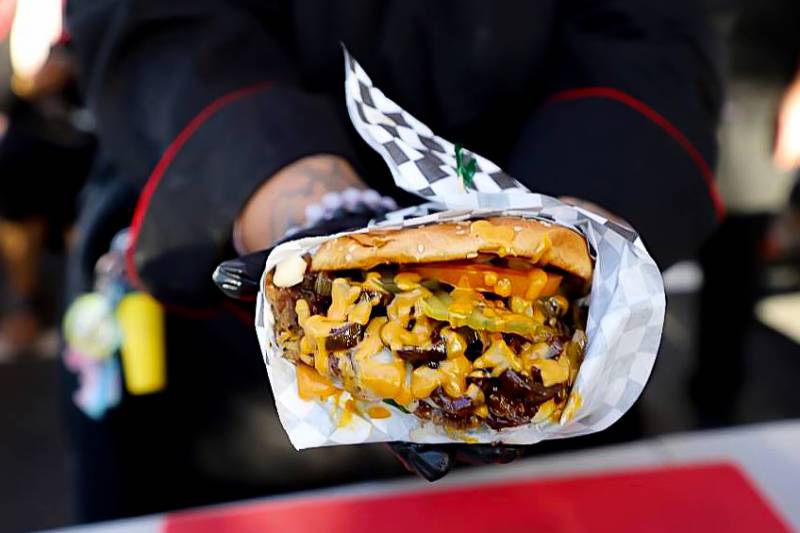
"caption": "Big Mafi Burgers' 'Berner Burger' is Cellski's homage to fellow SF rapper Berner.",
"description": null,
"title": "IMG_6253-1020x680",
"credit": "Alan Chazaro/KQED",
"status": "inherit",
"altTag": "a cook holds up a \"mash\" burger with an array of ingredients inside",
"isLoading": false,
"fetchFailed": false
},
"arts_13922402": {
"type": "attachments",
"id": "arts_13922402",
"meta": {
"index": "attachments_1716263798",
"site": "arts",
"id": "13922402",
"found": true
},
"parent": 13922398,
"imgSizes": {
"twentyfourteen-full-width": {
"file": "https://ww2.kqed.org/app/uploads/sites/2/2022/12/LaCocinaHoliday.thumb_-1038x576.jpg",
"width": 1038,
"mimeType": "image/jpeg",
"height": 576
},
"thumbnail": {
"file": "https://ww2.kqed.org/app/uploads/sites/2/2022/12/LaCocinaHoliday.thumb_-160x90.jpg",
"width": 160,
"mimeType": "image/jpeg",
"height": 90
},
"post-thumbnail": {
"file": "https://ww2.kqed.org/app/uploads/sites/2/2022/12/LaCocinaHoliday.thumb_-672x372.jpg",
"width": 672,
"mimeType": "image/jpeg",
"height": 372
},
"kqedFullSize": {
"file": "https://ww2.kqed.org/app/uploads/sites/2/2022/12/LaCocinaHoliday.thumb_.jpg",
"width": 1920,
"height": 1080
},
"large": {
"file": "https://ww2.kqed.org/app/uploads/sites/2/2022/12/LaCocinaHoliday.thumb_-1020x574.jpg",
"width": 1020,
"mimeType": "image/jpeg",
"height": 574
},
"1536x1536": {
"file": "https://ww2.kqed.org/app/uploads/sites/2/2022/12/LaCocinaHoliday.thumb_-1536x864.jpg",
"width": 1536,
"mimeType": "image/jpeg",
"height": 864
},
"medium": {
"file": "https://ww2.kqed.org/app/uploads/sites/2/2022/12/LaCocinaHoliday.thumb_-800x450.jpg",
"width": 800,
"mimeType": "image/jpeg",
"height": 450
},
"medium_large": {
"file": "https://ww2.kqed.org/app/uploads/sites/2/2022/12/LaCocinaHoliday.thumb_-768x432.jpg",
"width": 768,
"mimeType": "image/jpeg",
"height": 432
}
},
"publishDate": 1670394343,
"modified": 1670394461,
"caption": "A scene from 2021's holiday market at La Cocina's Municipal Marketplace in San Francisco. ",
"description": null,
"title": "LaCocinaHoliday.thumb",
"credit": "Erin Ng",
"status": "inherit",
"altTag": null,
"isLoading": false,
"fetchFailed": false
},
"arts_13921920": {
"type": "attachments",
"id": "arts_13921920",
"meta": {
"index": "attachments_1716263798",
"site": "arts",
"id": "13921920",
"found": true
},
"parent": 13921917,
"imgSizes": {
"twentyfourteen-full-width": {
"file": "https://ww2.kqed.org/app/uploads/sites/2/2022/11/noodle-in-a-haystack_abura-soba-cropped-1038x576.jpg",
"width": 1038,
"mimeType": "image/jpeg",
"height": 576
},
"thumbnail": {
"file": "https://ww2.kqed.org/app/uploads/sites/2/2022/11/noodle-in-a-haystack_abura-soba-cropped-160x100.jpg",
"width": 160,
"mimeType": "image/jpeg",
"height": 100
},
"post-thumbnail": {
"file": "https://ww2.kqed.org/app/uploads/sites/2/2022/11/noodle-in-a-haystack_abura-soba-cropped-672x372.jpg",
"width": 672,
"mimeType": "image/jpeg",
"height": 372
},
"kqedFullSize": {
"file": "https://ww2.kqed.org/app/uploads/sites/2/2022/11/noodle-in-a-haystack_abura-soba-cropped.jpg",
"width": 1920,
"height": 1200
},
"large": {
"file": "https://ww2.kqed.org/app/uploads/sites/2/2022/11/noodle-in-a-haystack_abura-soba-cropped-1020x638.jpg",
"width": 1020,
"mimeType": "image/jpeg",
"height": 638
},
"1536x1536": {
"file": "https://ww2.kqed.org/app/uploads/sites/2/2022/11/noodle-in-a-haystack_abura-soba-cropped-1536x960.jpg",
"width": 1536,
"mimeType": "image/jpeg",
"height": 960
},
"medium": {
"file": "https://ww2.kqed.org/app/uploads/sites/2/2022/11/noodle-in-a-haystack_abura-soba-cropped-800x500.jpg",
"width": 800,
"mimeType": "image/jpeg",
"height": 500
},
"medium_large": {
"file": "https://ww2.kqed.org/app/uploads/sites/2/2022/11/noodle-in-a-haystack_abura-soba-cropped-768x480.jpg",
"width": 768,
"mimeType": "image/jpeg",
"height": 480
}
},
"publishDate": 1669188444,
"modified": 1669188573,
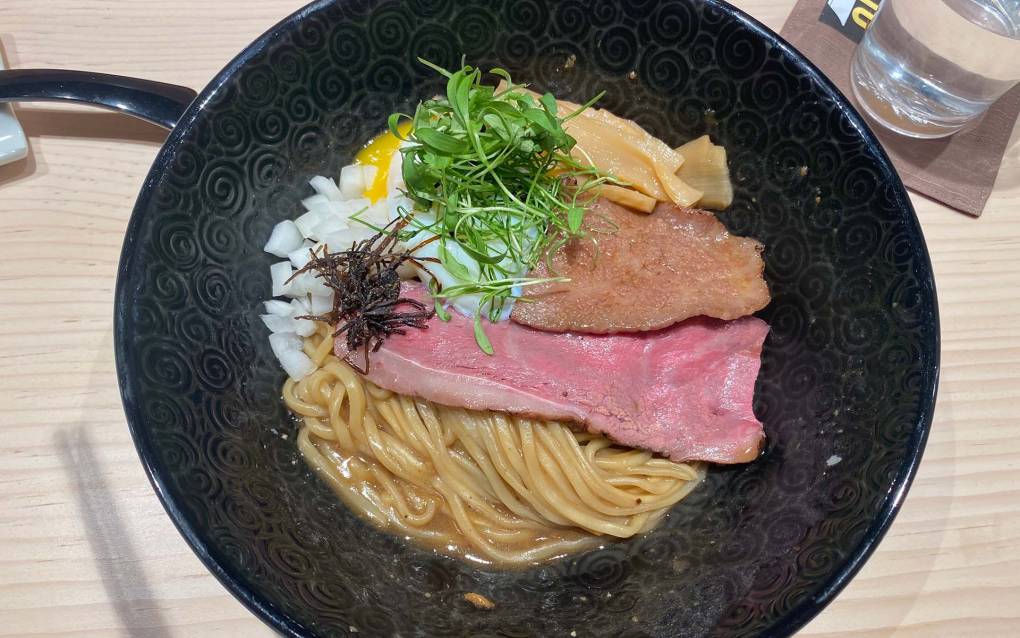
"caption": "The wagyu abura soba at Noodle in a Haystack might be the best ramen dish in the Bay Area.",
"description": null,
"title": "noodle in a haystack_abura soba-cropped",
"credit": "Luke Tsai",
"status": "inherit",
"altTag": "A bowl of soup-less ramen, with thick noodles and a topping of two different cuts of wagyu beef.",
"isLoading": false,
"fetchFailed": false
},
"arts_13921653": {
"type": "attachments",
"id": "arts_13921653",
"meta": {
"index": "attachments_1716263798",
"site": "arts",
"id": "13921653",
"found": true
},
"parent": 13921650,
"imgSizes": {
"twentyfourteen-full-width": {
"file": "https://ww2.kqed.org/app/uploads/sites/2/2022/11/backyard_emmet-crop-1038x576.jpg",
"width": 1038,
"mimeType": "image/jpeg",
"height": 576
},
"thumbnail": {
"file": "https://ww2.kqed.org/app/uploads/sites/2/2022/11/backyard_emmet-crop-160x90.jpg",
"width": 160,
"mimeType": "image/jpeg",
"height": 90
},
"post-thumbnail": {
"file": "https://ww2.kqed.org/app/uploads/sites/2/2022/11/backyard_emmet-crop-672x372.jpg",
"width": 672,
"mimeType": "image/jpeg",
"height": 372
},
"kqedFullSize": {
"file": "https://ww2.kqed.org/app/uploads/sites/2/2022/11/backyard_emmet-crop.jpg",
"width": 1920,
"height": 1080
},
"large": {
"file": "https://ww2.kqed.org/app/uploads/sites/2/2022/11/backyard_emmet-crop-1020x574.jpg",
"width": 1020,
"mimeType": "image/jpeg",
"height": 574
},
"1536x1536": {
"file": "https://ww2.kqed.org/app/uploads/sites/2/2022/11/backyard_emmet-crop-1536x864.jpg",
"width": 1536,
"mimeType": "image/jpeg",
"height": 864
},
"medium": {
"file": "https://ww2.kqed.org/app/uploads/sites/2/2022/11/backyard_emmet-crop-800x450.jpg",
"width": 800,
"mimeType": "image/jpeg",
"height": 450
},
"medium_large": {
"file": "https://ww2.kqed.org/app/uploads/sites/2/2022/11/backyard_emmet-crop-768x432.jpg",
"width": 768,
"mimeType": "image/jpeg",
"height": 432
}
},
"publishDate": 1668565530,
"modified": 1668625533,
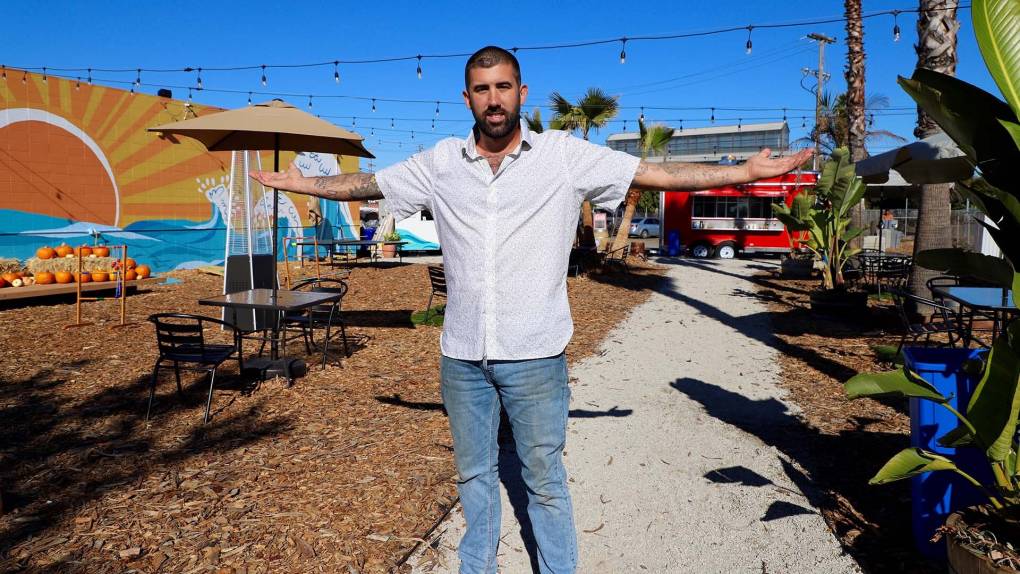
"caption": "Emmet Kauffman opened his first food business, the Backyard, this month.",
"description": null,
"title": "backyard_emmet-crop",
"credit": "Alan Chazaro",
"status": "inherit",
"altTag": "food entrepreneur, Emmet Kauffman, stands in the outdoor patio of his new restaurant, The Backyard, which is located in a lot behind a hardware store",
"isLoading": false,
"fetchFailed": false
},
"arts_13921462": {
"type": "attachments",
"id": "arts_13921462",
"meta": {
"index": "attachments_1716263798",
"site": "arts",
"id": "13921462",
"found": true
},
"parent": 13921461,
"imgSizes": {
"twentyfourteen-full-width": {
"file": "https://ww2.kqed.org/app/uploads/sites/2/2022/11/shw_fort_point-header-1038x576.jpg",
"width": 1038,
"mimeType": "image/jpeg",
"height": 576
},
"thumbnail": {
"file": "https://ww2.kqed.org/app/uploads/sites/2/2022/11/shw_fort_point-header-160x90.jpg",
"width": 160,
"mimeType": "image/jpeg",
"height": 90
},
"post-thumbnail": {
"file": "https://ww2.kqed.org/app/uploads/sites/2/2022/11/shw_fort_point-header-672x372.jpg",
"width": 672,
"mimeType": "image/jpeg",
"height": 372
},
"kqedFullSize": {
"file": "https://ww2.kqed.org/app/uploads/sites/2/2022/11/shw_fort_point-header.jpg",
"width": 1920,
"height": 1080
},
"large": {
"file": "https://ww2.kqed.org/app/uploads/sites/2/2022/11/shw_fort_point-header-1020x574.jpg",
"width": 1020,
"mimeType": "image/jpeg",
"height": 574
},
"1536x1536": {
"file": "https://ww2.kqed.org/app/uploads/sites/2/2022/11/shw_fort_point-header-1536x864.jpg",
"width": 1536,
"mimeType": "image/jpeg",
"height": 864
},
"medium": {
"file": "https://ww2.kqed.org/app/uploads/sites/2/2022/11/shw_fort_point-header-800x450.jpg",
"width": 800,
"mimeType": "image/jpeg",
"height": 450
},
"medium_large": {
"file": "https://ww2.kqed.org/app/uploads/sites/2/2022/11/shw_fort_point-header-768x432.jpg",
"width": 768,
"mimeType": "image/jpeg",
"height": 432
}
},
"publishDate": 1668032002,
"modified": 1668101282,
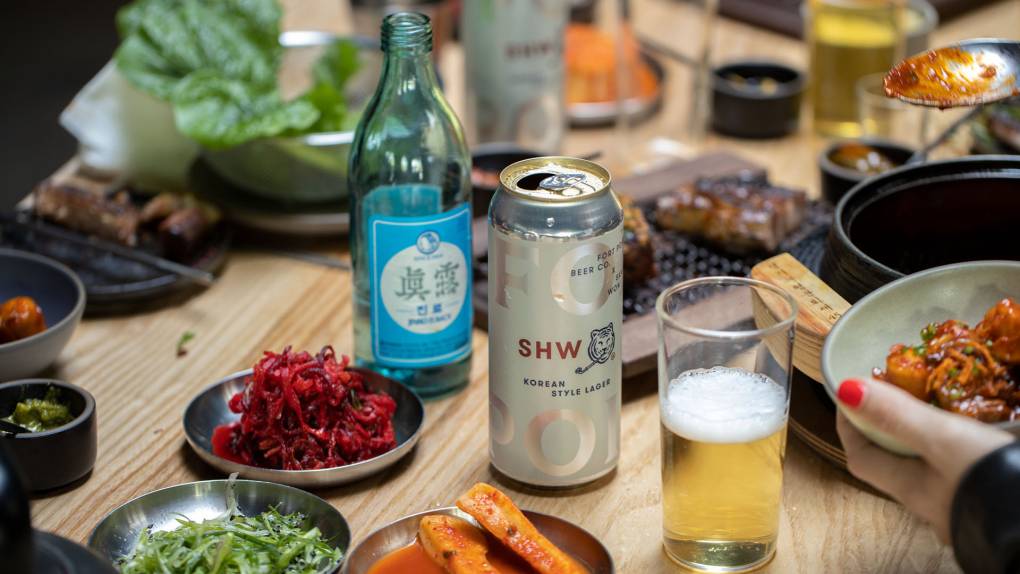
"caption": "SHW is a collaboration between Fort Point Beer Co. and chef Corey Lee's restaurant, San Ho Won.",
"description": null,
"title": "shw_fort_point-header",
"credit": "Fort Point Beer Company",
"status": "inherit",
"altTag": "a table of Korean food that features San Ho Wan's new Korean lager beer at the center",
"isLoading": false,
"fetchFailed": false
},
"arts_13921469": {
"type": "attachments",
"id": "arts_13921469",
"meta": {
"index": "attachments_1716263798",
"site": "arts",
"id": "13921469",
"found": true
},
"parent": 13921460,
"imgSizes": {
"twentyfourteen-full-width": {
"file": "https://ww2.kqed.org/app/uploads/sites/2/2022/11/Nigella_COVER3-1038x576.jpg",
"width": 1038,
"mimeType": "image/jpeg",
"height": 576
},
"thumbnail": {
"file": "https://ww2.kqed.org/app/uploads/sites/2/2022/11/Nigella_COVER3-160x90.jpg",
"width": 160,
"mimeType": "image/jpeg",
"height": 90
},
"post-thumbnail": {
"file": "https://ww2.kqed.org/app/uploads/sites/2/2022/11/Nigella_COVER3-672x372.jpg",
"width": 672,
"mimeType": "image/jpeg",
"height": 372
},
"kqedFullSize": {
"file": "https://ww2.kqed.org/app/uploads/sites/2/2022/11/Nigella_COVER3.jpg",
"width": 1817,
"height": 1022
},
"large": {
"file": "https://ww2.kqed.org/app/uploads/sites/2/2022/11/Nigella_COVER3-1020x574.jpg",
"width": 1020,
"mimeType": "image/jpeg",
"height": 574
},
"1536x1536": {
"file": "https://ww2.kqed.org/app/uploads/sites/2/2022/11/Nigella_COVER3-1536x864.jpg",
"width": 1536,
"mimeType": "image/jpeg",
"height": 864
},
"medium": {
"file": "https://ww2.kqed.org/app/uploads/sites/2/2022/11/Nigella_COVER3-800x450.jpg",
"width": 800,
"mimeType": "image/jpeg",
"height": 450
},
"medium_large": {
"file": "https://ww2.kqed.org/app/uploads/sites/2/2022/11/Nigella_COVER3-768x432.jpg",
"width": 768,
"mimeType": "image/jpeg",
"height": 432
}
},
"publishDate": 1668034358,
"modified": 1668034750,
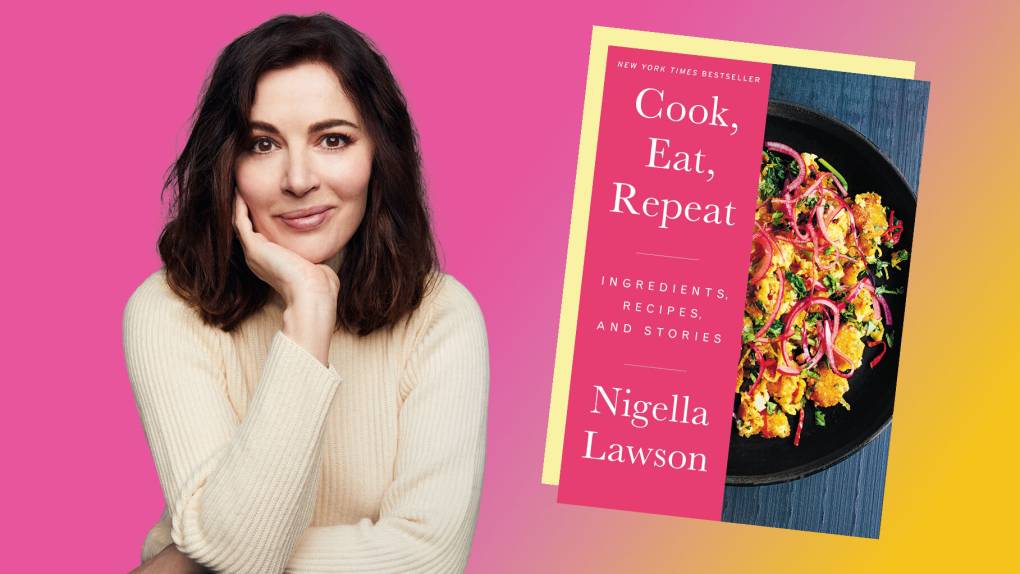
"caption": "Nigella Lawson wrote most of her new cookbook, \"Cook, Eat, Repeat,\" during the early months of the pandemic.",
"description": null,
"title": "Nigella_COVER3",
"credit": "Images courtesy of Ecco/HarperCollins",
"status": "inherit",
"altTag": "Photo of author with her chin resting on her hand against a pink backdrop. Next to her is an image of the cover of the cookbook 'Cook, Eat, Repeat.'",
"isLoading": false,
"fetchFailed": false
},
"arts_13921224": {
"type": "attachments",
"id": "arts_13921224",
"meta": {
"index": "attachments_1716263798",
"site": "arts",
"id": "13921224",
"found": true
},
"parent": 13921216,
"imgSizes": {
"twentyfourteen-full-width": {
"file": "https://ww2.kqed.org/app/uploads/sites/2/2022/11/hal-with-alan-crop-1038x576.jpg",
"width": 1038,
"mimeType": "image/jpeg",
"height": 576
},
"thumbnail": {
"file": "https://ww2.kqed.org/app/uploads/sites/2/2022/11/hal-with-alan-crop-160x90.jpg",
"width": 160,
"mimeType": "image/jpeg",
"height": 90
},
"post-thumbnail": {
"file": "https://ww2.kqed.org/app/uploads/sites/2/2022/11/hal-with-alan-crop-672x372.jpg",
"width": 672,
"mimeType": "image/jpeg",
"height": 372
},
"kqedFullSize": {
"file": "https://ww2.kqed.org/app/uploads/sites/2/2022/11/hal-with-alan-crop.jpg",
"width": 1920,
"height": 1080
},
"large": {
"file": "https://ww2.kqed.org/app/uploads/sites/2/2022/11/hal-with-alan-crop-1020x574.jpg",
"width": 1020,
"mimeType": "image/jpeg",
"height": 574
},
"1536x1536": {
"file": "https://ww2.kqed.org/app/uploads/sites/2/2022/11/hal-with-alan-crop-1536x864.jpg",
"width": 1536,
"mimeType": "image/jpeg",
"height": 864
},
"medium": {
"file": "https://ww2.kqed.org/app/uploads/sites/2/2022/11/hal-with-alan-crop-800x450.jpg",
"width": 800,
"mimeType": "image/jpeg",
"height": 450
},
"medium_large": {
"file": "https://ww2.kqed.org/app/uploads/sites/2/2022/11/hal-with-alan-crop-768x432.jpg",
"width": 768,
"mimeType": "image/jpeg",
"height": 432
}
},
"publishDate": 1667422760,
"modified": 1667500868,
"caption": "KQED writer Alan Chazaro (left), stands with Hal Gordon (left center) and friends in 2021.",
"description": null,
"title": "hal with alan-crop",
"credit": "Kumar Butlar",
"status": "inherit",
"altTag": "A's fans standing with hot dog vendor, Hal Gordon, at the Oakland Coliseum",
"isLoading": false,
"fetchFailed": false
},
"arts_13921113": {
"type": "attachments",
"id": "arts_13921113",
"meta": {
"index": "attachments_1716263798",
"site": "arts",
"id": "13921113",
"found": true
},
"parent": 13921079,
"imgSizes": {
"twentyfourteen-full-width": {
"file": "https://ww2.kqed.org/app/uploads/sites/2/2022/10/rockyrivera-mom-1038x576.jpg",
"width": 1038,
"mimeType": "image/jpeg",
"height": 576
},
"thumbnail": {
"file": "https://ww2.kqed.org/app/uploads/sites/2/2022/10/rockyrivera-mom-160x90.jpg",
"width": 160,
"mimeType": "image/jpeg",
"height": 90
},
"post-thumbnail": {
"file": "https://ww2.kqed.org/app/uploads/sites/2/2022/10/rockyrivera-mom-672x372.jpg",
"width": 672,
"mimeType": "image/jpeg",
"height": 372
},
"kqedFullSize": {
"file": "https://ww2.kqed.org/app/uploads/sites/2/2022/10/rockyrivera-mom-scaled.jpg",
"width": 2560,
"height": 1440
},
"2048x2048": {
"file": "https://ww2.kqed.org/app/uploads/sites/2/2022/10/rockyrivera-mom-2048x1152.jpg",
"width": 2048,
"mimeType": "image/jpeg",
"height": 1152
},
"large": {
"file": "https://ww2.kqed.org/app/uploads/sites/2/2022/10/rockyrivera-mom-1020x574.jpg",
"width": 1020,
"mimeType": "image/jpeg",
"height": 574
},
"1536x1536": {
"file": "https://ww2.kqed.org/app/uploads/sites/2/2022/10/rockyrivera-mom-1536x864.jpg",
"width": 1536,
"mimeType": "image/jpeg",
"height": 864
},
"full-width": {
"file": "https://ww2.kqed.org/app/uploads/sites/2/2022/10/rockyrivera-mom-1920x1080.jpg",
"width": 1920,
"mimeType": "image/jpeg",
"height": 1080
},
"medium": {
"file": "https://ww2.kqed.org/app/uploads/sites/2/2022/10/rockyrivera-mom-800x450.jpg",
"width": 800,
"mimeType": "image/jpeg",
"height": 450
},
"medium_large": {
"file": "https://ww2.kqed.org/app/uploads/sites/2/2022/10/rockyrivera-mom-768x432.jpg",
"width": 768,
"mimeType": "image/jpeg",
"height": 432
}
},
"publishDate": 1667248180,
"modified": 1667260048,
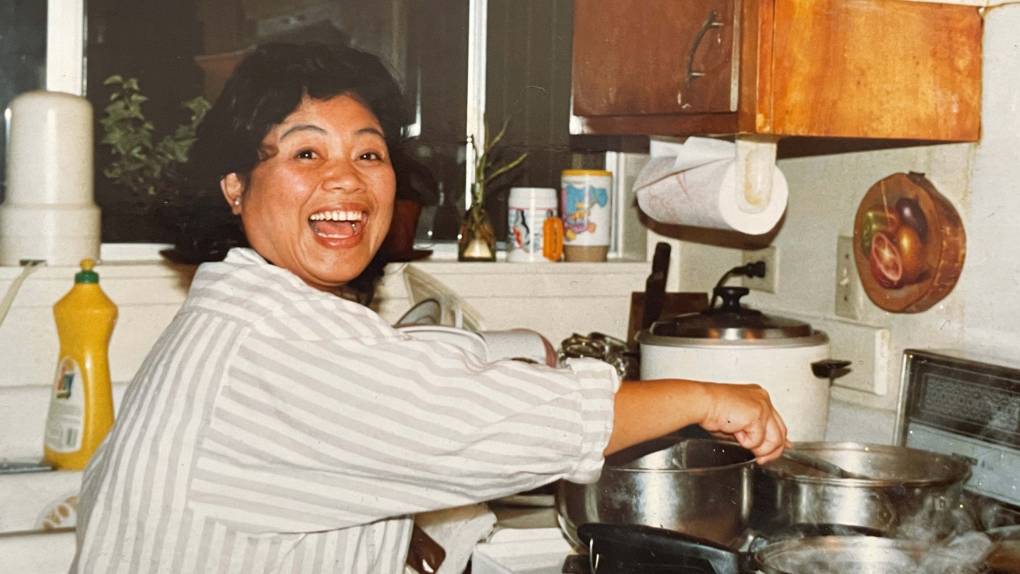
"caption": "The author's mother, Doris T. de Leon, tends to a pot on the stove in this photo taken during the early '90s. She was the one who taught her daughters what it meant to be a \"foodie.\"",
"description": null,
"title": "rockyrivera mom",
"credit": "Courtesy of Rocky Rivera",
"status": "inherit",
"altTag": "A woman looking up at the camera and smiling with delight as she tends to a pot on the stove.",
"isLoading": false,
"fetchFailed": false
},
"arts_13920850": {
"type": "attachments",
"id": "arts_13920850",
"meta": {
"index": "attachments_1716263798",
"site": "arts",
"id": "13920850",
"found": true
},
"parent": 13920831,
"imgSizes": {
"twentyfourteen-full-width": {
"file": "https://ww2.kqed.org/app/uploads/sites/2/2022/10/treats-by-b_pouring-gold-crop-1038x576.jpg",
"width": 1038,
"mimeType": "image/jpeg",
"height": 576
},
"thumbnail": {
"file": "https://ww2.kqed.org/app/uploads/sites/2/2022/10/treats-by-b_pouring-gold-crop-160x90.jpg",
"width": 160,
"mimeType": "image/jpeg",
"height": 90
},
"post-thumbnail": {
"file": "https://ww2.kqed.org/app/uploads/sites/2/2022/10/treats-by-b_pouring-gold-crop-672x372.jpg",
"width": 672,
"mimeType": "image/jpeg",
"height": 372
},
"kqedFullSize": {
"file": "https://ww2.kqed.org/app/uploads/sites/2/2022/10/treats-by-b_pouring-gold-crop.jpg",
"width": 1920,
"height": 1080
},
"large": {
"file": "https://ww2.kqed.org/app/uploads/sites/2/2022/10/treats-by-b_pouring-gold-crop-1020x574.jpg",
"width": 1020,
"mimeType": "image/jpeg",
"height": 574
},
"1536x1536": {
"file": "https://ww2.kqed.org/app/uploads/sites/2/2022/10/treats-by-b_pouring-gold-crop-1536x864.jpg",
"width": 1536,
"mimeType": "image/jpeg",
"height": 864
},
"medium": {
"file": "https://ww2.kqed.org/app/uploads/sites/2/2022/10/treats-by-b_pouring-gold-crop-800x450.jpg",
"width": 800,
"mimeType": "image/jpeg",
"height": 450
},
"medium_large": {
"file": "https://ww2.kqed.org/app/uploads/sites/2/2022/10/treats-by-b_pouring-gold-crop-768x432.jpg",
"width": 768,
"mimeType": "image/jpeg",
"height": 432
}
},
"publishDate": 1666725997,
"modified": 1666815757,
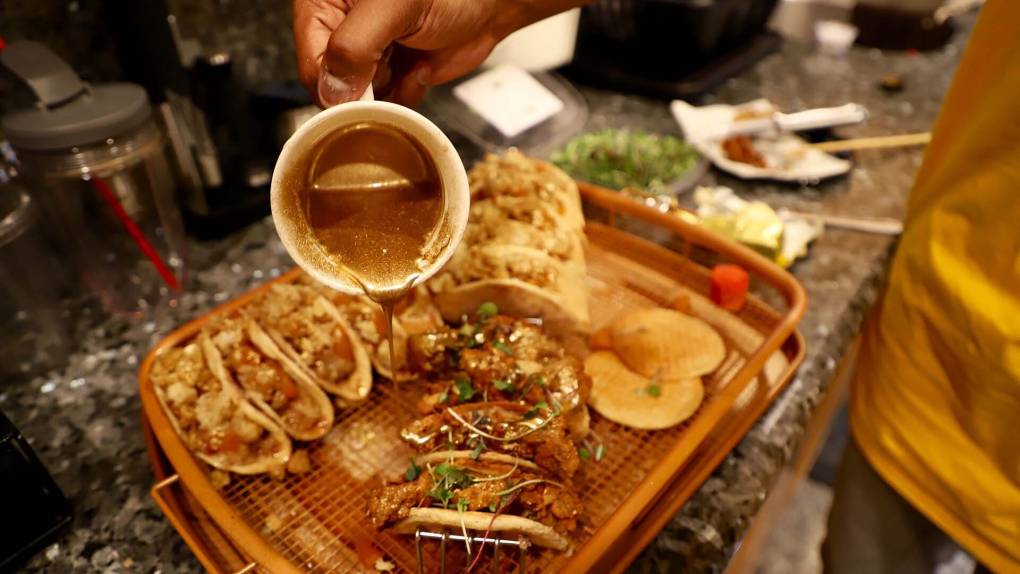
"caption": "Brea Gladney pours gold over a fresh batch of vegan fried chicken and waffle tacos. Her pop-up bakery, Treats by B, splits time between Portland and the Bay Area.",
"description": null,
"title": "treats by b_pouring gold-crop",
"credit": "Alan Chazaro",
"status": "inherit",
"altTag": "Brea Galdney, a local baker, pours edible gold over vegan fried chicken waffle tacos",
"isLoading": false,
"fetchFailed": false
},
"arts_13920777": {
"type": "attachments",
"id": "arts_13920777",
"meta": {
"index": "attachments_1716263798",
"site": "arts",
"id": "13920777",
"found": true
},
"parent": 13920772,
"imgSizes": {
"twentyfourteen-full-width": {
"file": "https://ww2.kqed.org/app/uploads/sites/2/2022/10/GettyImages-1304625748-1038x576.jpg",
"width": 1038,
"mimeType": "image/jpeg",
"height": 576
},
"thumbnail": {
"file": "https://ww2.kqed.org/app/uploads/sites/2/2022/10/GettyImages-1304625748-160x107.jpg",
"width": 160,
"mimeType": "image/jpeg",
"height": 107
},
"post-thumbnail": {
"file": "https://ww2.kqed.org/app/uploads/sites/2/2022/10/GettyImages-1304625748-672x372.jpg",
"width": 672,
"mimeType": "image/jpeg",
"height": 372
},
"kqedFullSize": {
"file": "https://ww2.kqed.org/app/uploads/sites/2/2022/10/GettyImages-1304625748-e1666643805102.jpg",
"width": 1920,
"height": 1280
},
"2048x2048": {
"file": "https://ww2.kqed.org/app/uploads/sites/2/2022/10/GettyImages-1304625748-2048x1365.jpg",
"width": 2048,
"mimeType": "image/jpeg",
"height": 1365
},
"large": {
"file": "https://ww2.kqed.org/app/uploads/sites/2/2022/10/GettyImages-1304625748-1020x680.jpg",
"width": 1020,
"mimeType": "image/jpeg",
"height": 680
},
"1536x1536": {
"file": "https://ww2.kqed.org/app/uploads/sites/2/2022/10/GettyImages-1304625748-1536x1024.jpg",
"width": 1536,
"mimeType": "image/jpeg",
"height": 1024
},
"full-width": {
"file": "https://ww2.kqed.org/app/uploads/sites/2/2022/10/GettyImages-1304625748-1920x1280.jpg",
"width": 1920,
"mimeType": "image/jpeg",
"height": 1280
},
"medium": {
"file": "https://ww2.kqed.org/app/uploads/sites/2/2022/10/GettyImages-1304625748-800x533.jpg",
"width": 800,
"mimeType": "image/jpeg",
"height": 533
},
"medium_large": {
"file": "https://ww2.kqed.org/app/uploads/sites/2/2022/10/GettyImages-1304625748-768x512.jpg",
"width": 768,
"mimeType": "image/jpeg",
"height": 512
}
},
"publishDate": 1666643732,
"modified": 1666646718,
"caption": "Besan ladoo is prepared by rolling in the palm of your hand.",
"description": null,
"title": "Besan ladoo is prepared by rolling in the palm of your hand.",
"credit": "Getty Images/ Saurav Pandey Photography",
"status": "inherit",
"altTag": "Hands squeezing golden-yellow dough into a ball shape to make besan ladoo.",
"isLoading": false,
"fetchFailed": false
},
"arts_13920733": {
"type": "attachments",
"id": "arts_13920733",
"meta": {
"index": "attachments_1716263798",
"site": "arts",
"id": "13920733",
"found": true
},
"parent": 0,
"imgSizes": {
"twentyfourteen-full-width": {
"file": "https://ww2.kqed.org/app/uploads/sites/2/2022/10/RS58863_049_KQED_JustOneCookbook_09202022-qut-1-1038x576.jpg",
"width": 1038,
"mimeType": "image/jpeg",
"height": 576
},
"thumbnail": {
"file": "https://ww2.kqed.org/app/uploads/sites/2/2022/10/RS58863_049_KQED_JustOneCookbook_09202022-qut-1-160x90.jpg",
"width": 160,
"mimeType": "image/jpeg",
"height": 90
},
"post-thumbnail": {
"file": "https://ww2.kqed.org/app/uploads/sites/2/2022/10/RS58863_049_KQED_JustOneCookbook_09202022-qut-1-672x372.jpg",
"width": 672,
"mimeType": "image/jpeg",
"height": 372
},
"kqedFullSize": {
"file": "https://ww2.kqed.org/app/uploads/sites/2/2022/10/RS58863_049_KQED_JustOneCookbook_09202022-qut-1.jpg",
"width": 1920,
"height": 1080
},
"large": {
"file": "https://ww2.kqed.org/app/uploads/sites/2/2022/10/RS58863_049_KQED_JustOneCookbook_09202022-qut-1-1020x574.jpg",
"width": 1020,
"mimeType": "image/jpeg",
"height": 574
},
"1536x1536": {
"file": "https://ww2.kqed.org/app/uploads/sites/2/2022/10/RS58863_049_KQED_JustOneCookbook_09202022-qut-1-1536x864.jpg",
"width": 1536,
"mimeType": "image/jpeg",
"height": 864
},
"medium": {
"file": "https://ww2.kqed.org/app/uploads/sites/2/2022/10/RS58863_049_KQED_JustOneCookbook_09202022-qut-1-800x450.jpg",
"width": 800,
"mimeType": "image/jpeg",
"height": 450
},
"medium_large": {
"file": "https://ww2.kqed.org/app/uploads/sites/2/2022/10/RS58863_049_KQED_JustOneCookbook_09202022-qut-1-768x432.jpg",
"width": 768,
"mimeType": "image/jpeg",
"height": 432
}
},
"publishDate": 1666394562,
"modified": 1666395873,
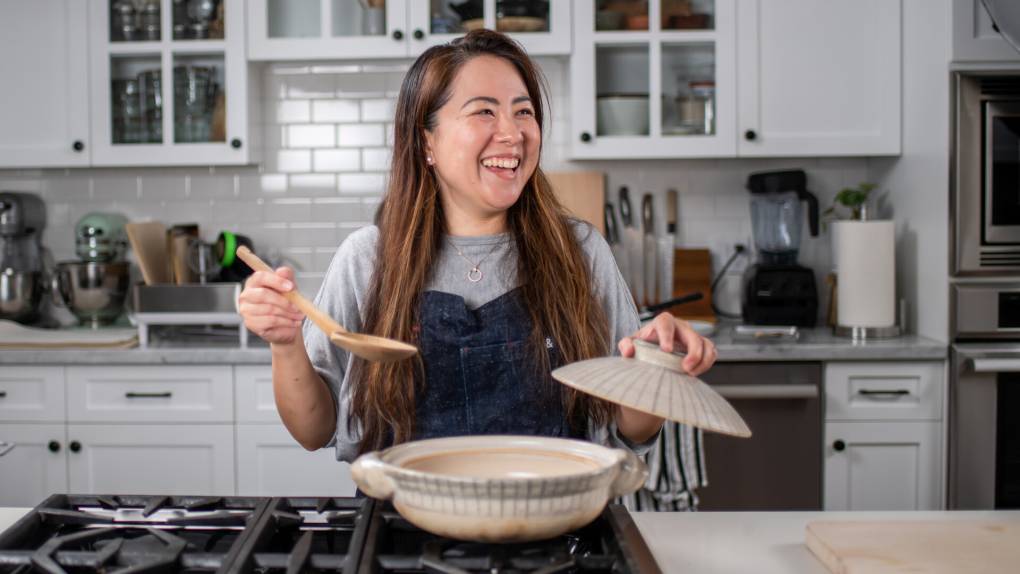
"caption": "Namiko Chen shoots all of the photos and videos for her blog Just One Cookbook at her home in the Peninsula. In the 11 years since she started the site, it has grown to become the internet's most popular English-language resource on Japanese home cooking.",
"description": null,
"title": "RS58863_049_KQED_JustOneCookbook_09202022-qut",
"credit": "Beth LaBerge/KQED",
"status": "inherit",
"altTag": "An Asian woman in a dark blue apron smiles while standing at the stove with a ladle and a pot lid in her hands.",
"isLoading": false,
"fetchFailed": false
}
},
"audioPlayerReducer": {
"postId": "stream_live",
"isPaused": true,
"isPlaying": false,
"pfsActive": false,
"pledgeModalIsOpen": true,
"playerDrawerIsOpen": false,
"liveAudioPlayStartedAt": 0,
"liveAudioPlayContext": ""
},
"authorsReducer": {
"ralexandra": {
"type": "authors",
"id": "11242",
"meta": {
"index": "authors_1716337520",
"id": "11242",
"found": true
},
"name": "Rae Alexandra",
"firstName": "Rae",
"lastName": "Alexandra",
"slug": "ralexandra",
"email": "ralexandra@kqed.org",
"display_author_email": true,
"staff_mastheads": [],
"title": "Reporter/Producer",
"bio": "Rae Alexandra is a Reporter/Producer for KQED Arts & Culture, and the creator/author of the \u003ca href=\"https://www.kqed.org/arts/program/rebel-girls-from-bay-area-history\">Rebel Girls From Bay Area History\u003c/a> and \u003ca href=\"https://www.kqed.org/bizarrebayarea\">Bizarre Bay Area\u003c/a> series. Her debut book, \u003ca href=\"https://citylights.com/politics-current-events-history/unsung-heroines35-women-who-changed/\">Unsung Heroines: 35 Women Who Changed the Bay Area\u003c/a> was published by City Lights in March 2026. In 2023, Rae was awarded an SPJ Excellence in Journalism Award for Arts & Culture. Rae was born and raised in Wales and subsequently — even after two decades in Northern California — still uses phrases that regularly baffle her coworkers.",
"avatar": "https://secure.gravatar.com/avatar/edfee8176c80cc0a382b051190f5341997df378a934a5774dcb0977732dfd401?s=600&d=blank&r=g",
"twitter": null,
"bluesky": null,
"facebook": null,
"instagram": null,
"linkedin": null,
"sites": [
{
"site": "arts",
"roles": [
"subscriber"
]
},
{
"site": "news",
"roles": [
"subscriber"
]
},
{
"site": "pop",
"roles": [
"subscriber"
]
},
{
"site": "bayareabites",
"roles": [
"subscriber"
]
},
{
"site": "science",
"roles": [
"subscriber"
]
}
],
"headData": {
"title": "Rae Alexandra | KQED",
"description": "Reporter/Producer",
"ogImgSrc": "https://secure.gravatar.com/avatar/edfee8176c80cc0a382b051190f5341997df378a934a5774dcb0977732dfd401?s=600&d=blank&r=g",
"twImgSrc": "https://secure.gravatar.com/avatar/edfee8176c80cc0a382b051190f5341997df378a934a5774dcb0977732dfd401?s=600&d=blank&r=g"
},
"isLoading": false,
"link": "/author/ralexandra"
},
"ltsai": {
"type": "authors",
"id": "11743",
"meta": {
"index": "authors_1716337520",
"id": "11743",
"found": true
},
"name": "Luke Tsai",
"firstName": "Luke",
"lastName": "Tsai",
"slug": "ltsai",
"email": "ltsai@kqed.org",
"display_author_email": true,
"staff_mastheads": [
"arts"
],
"title": "Food Editor",
"bio": "Luke Tsai is KQED's food editor and resident stinky tofu connoisseur. Prior to KQED, he was an editor at Eater SF, \u003cem>San Francisco \u003c/em>magazine, and the \u003cem>East Bay Express\u003c/em>, and his work has also appeared in TASTE, the \u003cem>San Francisco Chronicle\u003c/em>, and the \u003cem>Best Food Writing\u003c/em> anthology. When he isn't writing or editing, you'll find him eating most everything he can get his hands on.",
"avatar": "https://secure.gravatar.com/avatar/1e59b45bf191526e7339d6ba46e33a57b2030d25c27660ecc64ea3cb863e34f7?s=600&d=blank&r=g",
"twitter": "theluketsai",
"bluesky": null,
"facebook": null,
"instagram": null,
"linkedin": null,
"sites": [
{
"site": "",
"roles": [
"editor"
]
},
{
"site": "arts",
"roles": [
"administrator"
]
},
{
"site": "news",
"roles": [
"editor",
"contributor"
]
},
{
"site": "bayareabites",
"roles": [
"editor"
]
},
{
"site": "food",
"roles": [
"editor"
]
}
],
"headData": {
"title": "Luke Tsai | KQED",
"description": "Food Editor",
"ogImgSrc": "https://secure.gravatar.com/avatar/1e59b45bf191526e7339d6ba46e33a57b2030d25c27660ecc64ea3cb863e34f7?s=600&d=blank&r=g",
"twImgSrc": "https://secure.gravatar.com/avatar/1e59b45bf191526e7339d6ba46e33a57b2030d25c27660ecc64ea3cb863e34f7?s=600&d=blank&r=g"
},
"isLoading": false,
"link": "/author/ltsai"
},
"achazaro": {
"type": "authors",
"id": "11748",
"meta": {
"index": "authors_1716337520",
"id": "11748",
"found": true
},
"name": "Alan Chazaro",
"firstName": "Alan",
"lastName": "Chazaro",
"slug": "achazaro",
"email": "agchazaro@gmail.com",
"display_author_email": true,
"staff_mastheads": [],
"title": "Food Writer and Reporter",
"bio": "Alan Chazaro is the author of \u003cem>This Is Not a Frank Ocean Cover Album\u003c/em> (Black Lawrence Press, 2019), \u003cem>Piñata Theory\u003c/em> (Black Lawrence Press, 2020), and \u003cem>Notes from the Eastern Span of the Bay Bridge\u003c/em> (Ghost City Press, 2021). He is a graduate of June Jordan’s Poetry for the People program at UC Berkeley and a former Lawrence Ferlinghetti Fellow at the University of San Francisco. He writes about sports, food, art, music, education, and culture while repping the Bay on \u003ca href=\"https://twitter.com/alan_chazaro\">Twitter\u003c/a> and \u003ca href=\"https://www.instagram.com/alan_chazaro/?hl=en\">Instagram\u003c/a> at @alan_chazaro.",
"avatar": "https://secure.gravatar.com/avatar/ea8b6dd970fc5c29e7a188e7d5861df7?s=600&d=blank&r=g",
"twitter": "alan_chazaro",
"facebook": null,
"instagram": null,
"linkedin": null,
"sites": [
{
"site": "arts",
"roles": [
"contributor"
]
},
{
"site": "news",
"roles": [
"editor"
]
}
],
"headData": {
"title": "Alan Chazaro | KQED",
"description": "Food Writer and Reporter",
"ogImgSrc": "https://secure.gravatar.com/avatar/ea8b6dd970fc5c29e7a188e7d5861df7?s=600&d=blank&r=g",
"twImgSrc": "https://secure.gravatar.com/avatar/ea8b6dd970fc5c29e7a188e7d5861df7?s=600&d=blank&r=g"
},
"isLoading": false,
"link": "/author/achazaro"
},
"ksong": {
"type": "authors",
"id": "11813",
"meta": {
"index": "authors_1716337520",
"id": "11813",
"found": true
},
"name": "Kristie Song",
"firstName": "Kristie",
"lastName": "Song",
"slug": "ksong",
"email": "ksong@kqed.org",
"display_author_email": false,
"staff_mastheads": [],
"title": "Editorial Intern ",
"bio": "Kristie Song is an Arts & Culture Intern at KQED. She is currently a graduate student at UC Berkeley, where she studies audio and multimedia journalism. Previously, she covered the local community for Oakland North, produced episodes for The Science of Happiness, and served as news director for KUCI, UC Irvine’s radio station. Outside of reporting, she likes drawing comics, listening to angsty rock, and practicing the guitar.",
"avatar": "https://secure.gravatar.com/avatar/c1149e78c3c44f92d4945a8ab0711af6?s=600&d=blank&r=g",
"twitter": null,
"facebook": null,
"instagram": null,
"linkedin": null,
"sites": [
{
"site": "arts",
"roles": [
"editor"
]
}
],
"headData": {
"title": "Kristie Song | KQED",
"description": "Editorial Intern ",
"ogImgSrc": "https://secure.gravatar.com/avatar/c1149e78c3c44f92d4945a8ab0711af6?s=600&d=blank&r=g",
"twImgSrc": "https://secure.gravatar.com/avatar/c1149e78c3c44f92d4945a8ab0711af6?s=600&d=blank&r=g"
},
"isLoading": false,
"link": "/author/ksong"
},
"rockyrivera": {
"type": "authors",
"id": "11846",
"meta": {
"index": "authors_1716337520",
"id": "11846",
"found": true
},
"name": "Rocky Rivera",
"firstName": "Rocky",
"lastName": "Rivera",
"slug": "rockyrivera",
"email": "ms.rocky.rivera@gmail.com",
"display_author_email": false,
"staff_mastheads": [],
"title": "KQED Contributor",
"bio": "Rocky Rivera is a journalist, emcee, author and activist from San Francisco. She has released four albums through her label, Beatrock Music, and a ten-volume mixtape series with DJ Roza. She released her first book in 2021, entitled \u003cem>Snakeskin: Essays by Rocky Rivera\u003c/em>. Her latest album dropped in September 2024 and is called \"Long Kiss Goodnight\" with emcee/producer Otayo Dubb. She currently writes the Frisco Foodies column as a love letter to her hometown.",
"avatar": "https://secure.gravatar.com/avatar/946241ee2c59e6040607dfc75240d91b?s=600&d=blank&r=g",
"twitter": null,
"facebook": "https://m.facebook.com/rockyriveramusic",
"instagram": "https://instagram.com/rockyrivera",
"linkedin": "https://www.linkedin.com/in/krishtinedeleon/",
"sites": [
{
"site": "arts",
"roles": [
"author"
]
}
],
"headData": {
"title": "Rocky Rivera | KQED",
"description": "KQED Contributor",
"ogImgSrc": "https://secure.gravatar.com/avatar/946241ee2c59e6040607dfc75240d91b?s=600&d=blank&r=g",
"twImgSrc": "https://secure.gravatar.com/avatar/946241ee2c59e6040607dfc75240d91b?s=600&d=blank&r=g"
},
"isLoading": false,
"link": "/author/rockyrivera"
}
},
"pagesReducer": {
"arts_tag_food": {
"type": "terms",
"id": "arts_1297",
"meta": {
"index": "terms_1716263798",
"site": "arts",
"id": "1297",
"score": 7.4243016
},
"featImg": null,
"name": "food",
"description": null,
"taxonomy": "tag",
"headData": {
"twImgId": null,
"twTitle": null,
"ogTitle": null,
"ogImgId": null,
"twDescription": null,
"description": null,
"title": "food Archives | KQED Arts",
"ogDescription": null
},
"ttid": 1309,
"slug": "food",
"isLoading": false,
"title": "food",
"pageMeta": {
"site": "arts",
"WpPageTemplate": "page-topic-editorial",
"currentPage": 28
},
"blocks": [
{
"blockName": "kqed/post-list",
"attrs": {
"layout": "cardArticle2",
"query": "posts/arts?tag=food",
"seeMore": false,
"paginated": true,
"page": 28
}
},
{
"blockName": "kqed/ad"
}
]
}
},
"pfsSessionReducer": {},
"postsReducer": {
"stream_live": {
"type": "live",
"id": "stream_live",
"audioUrl": "https://streams.kqed.org/kqedradio",
"title": "Live Stream",
"excerpt": "Live Stream information currently unavailable.",
"link": "/radio",
"featImg": "",
"label": {
"name": "KQED Live",
"link": "/"
}
},
"stream_kqedNewscast": {
"type": "posts",
"id": "stream_kqedNewscast",
"audioUrl": "https://www.kqed.org/.stream/anon/radio/RDnews/newscast.mp3?_=1",
"title": "KQED Newscast",
"featImg": "",
"label": {
"name": "88.5 FM",
"link": "/"
}
},
"arts_13923005": {
"type": "posts",
"id": "arts_13923005",
"meta": {
"index": "posts_1716263798",
"site": "arts",
"id": "13923005",
"score": null,
"sort": [
1671570087000
]
},
"parent": 0,
"labelTerm": {},
"blocks": [],
"publishDate": 1671570087,
"format": "standard",
"title": "An East Bay Chef's Japanese New Year Meals Celebrate Intergenerational Joy",
"headTitle": "An East Bay Chef’s Japanese New Year Meals Celebrate Intergenerational Joy | KQED",
"content": "\u003cp>As a teenager growing up in the East Bay, Yuji Ishikata veered away from formal schooling. Instead, he gained his education by working at local restaurants and grocery stores, including Berkeley Bowl and \u003ca href=\"https://www.tokyofish.net/\">Tokyo Fish Market\u003c/a>. As a Yonsei — a fourth-generation Japanese American — that’s where he embraced his community of elders and peers while developing a love for culinary expression.\u003c/p>\n\u003cp>Now a chef with over 15 years of experience in the food industry, Ishikata is inviting others to experience the tight-knit traditions he was raised around. And for him, there’s nothing more representative of those traditions than Japanese New Year, which he’ll ring in with a \u003ca href=\"https://www.instagram.com/p/CmW4euKvEBN/?hl=en\">one-day pop-up\u003c/a> featuring dishes rooted in the childhood nostalgia and intergenerational joy inherent to the holiday.\u003c/p>\n\u003cp>“There’s so many different types of foods that represent different aspects of life in Japanese culture,” says Ishikata, who currently works as the Nutrition Program Chef at \u003ca href=\"https://j-sei.org/\">J-Sei\u003c/a>, a senior-focused Asian American cultural center. “I remember those smells. These are things my grandma, aunties and uncles cooked every New Year. I want to modernize it and introduce it to anyone who wants food that represents the Japanese New Year with love and soul put into it.”\u003c/p>\n\u003cfigure id=\"attachment_13923024\" class=\"wp-caption alignnone\" style=\"max-width: 1920px\">\u003cimg loading=\"lazy\" decoding=\"async\" class=\"size-full wp-image-13923024\" src=\"https://ww2.kqed.org/app/uploads/sites/2/2022/12/osechi_chefyuji.jpg\" alt=\"Chef in a baseball cap and a sleeve tattoo leans over a table of Japanese New Year's boxes that he's preparing.\" width=\"1920\" height=\"1440\" srcset=\"https://cdn.kqed.org/wp-content/uploads/sites/2/2022/12/osechi_chefyuji.jpg 1920w, https://cdn.kqed.org/wp-content/uploads/sites/2/2022/12/osechi_chefyuji-800x600.jpg 800w, https://cdn.kqed.org/wp-content/uploads/sites/2/2022/12/osechi_chefyuji-1020x765.jpg 1020w, https://cdn.kqed.org/wp-content/uploads/sites/2/2022/12/osechi_chefyuji-160x120.jpg 160w, https://cdn.kqed.org/wp-content/uploads/sites/2/2022/12/osechi_chefyuji-768x576.jpg 768w, https://cdn.kqed.org/wp-content/uploads/sites/2/2022/12/osechi_chefyuji-1536x1152.jpg 1536w\" sizes=\"(max-width: 1920px) 100vw, 1920px\">\u003cfigcaption class=\"wp-caption-text\">Chef Yuji Ishikata cut his teeth in the food industry as an East Bay teen, working at places like Berkeley Bowl and Tokyo Fish Market. \u003ccite>(J-Sei)\u003c/cite>\u003c/figcaption>\u003c/figure>\n\u003cp>Ishikata recalls an open-door policy among older Japanese immigrants and Japanese American neighbors who would serve special holiday dishes for friends and guests as a way to start the calendar year with community, intention and gratitude. That’s the spirit Ishikata is bringing to his New Year’s pop-up, a collaboration with Berkeley’s Tokyo Fish Market that he’s calling “\u003ca href=\"https://www.instagram.com/p/Clm30ckLEHb/\">Oshogatsu Offering.\u003c/a>”\u003c/p>\n\u003cp>The menu will offer four meal options: an ozoni soup kit, for making a fish broth–based mochi soup that Japanese households eat on New Year’s Day; hamachi kama (the fatty, oily collar of yellowtail fish marinated in sake pulp); a temaki hand roll kit — a create-your-own-adventure food experience that allows diners to make their own sushi with spicy tuna, salmon skin and roe, pickled plums, shiso and more; and the osechi ryori box, the traditional full-fledged holiday meal whose components — including chikuzenni (simmered chicken and root vegetables), umami no ebi (simmered shrimp) and namasu (daikon and carrot salad) — are served up in decorative boxes.\u003c/p>\n\u003cp>[ad fullwidth]\u003c/p>\n\u003cp>It’s no accident that the foods are steeped in shareability and customization, a reflection of a generous collective mindset and language of exchange. In Ishikata’s rendition, an order of one of the large meals will feed four to six people; ordering all four meals can feed up to 20. The experience is meant to highlight the holiday’s flair as much as its large flavors.\u003c/p>\n\u003cfigure id=\"attachment_13923025\" class=\"wp-caption alignnone\" style=\"max-width: 1920px\">\u003cimg loading=\"lazy\" decoding=\"async\" class=\"size-full wp-image-13923025\" src=\"https://ww2.kqed.org/app/uploads/sites/2/2022/12/osechi_salad.jpg\" alt=\"Many wooden boxes filled with traditional Japanese New Year's dishes, including colorful fish cakes, daikon and carrot salad, and sweet black soybeans.\" width=\"1920\" height=\"2560\" srcset=\"https://cdn.kqed.org/wp-content/uploads/sites/2/2022/12/osechi_salad.jpg 1920w, https://cdn.kqed.org/wp-content/uploads/sites/2/2022/12/osechi_salad-800x1067.jpg 800w, https://cdn.kqed.org/wp-content/uploads/sites/2/2022/12/osechi_salad-1020x1360.jpg 1020w, https://cdn.kqed.org/wp-content/uploads/sites/2/2022/12/osechi_salad-160x213.jpg 160w, https://cdn.kqed.org/wp-content/uploads/sites/2/2022/12/osechi_salad-768x1024.jpg 768w, https://cdn.kqed.org/wp-content/uploads/sites/2/2022/12/osechi_salad-1152x1536.jpg 1152w, https://cdn.kqed.org/wp-content/uploads/sites/2/2022/12/osechi_salad-1536x2048.jpg 1536w\" sizes=\"(max-width: 1920px) 100vw, 1920px\">\u003cfigcaption class=\"wp-caption-text\">Namasu (daikon and carrot salad), sweet black soybeans and other traditional New Year’s dishes. \u003ccite>(J-Sei)\u003c/cite>\u003c/figcaption>\u003c/figure>\n\u003cp>“When you open the box, it’s a celebratory time,” says Ishikata. “I want to be able to share this New Year’s thing because I want to make it special for everybody. It was always a big party.”\u003c/p>\n\u003cp>[aside postID='arts_13920714,arts_13921917,arts_13904788']Each meal is carefully prepared with attention to “Japanese aesthetics,” like floral patterns on the vegetables created with delicate knife-work meant to elicit the individual beauty of each ingredient. Ishikata is also deliberate with where he sources his produce, having built a relationship with Japanese-owned \u003ca href=\"https://www.goodeggs.com/hikarifarms\">Hikari Farms\u003c/a> in Watsonville. Though the farm’s founders are now 99 and 101 years old, Ishikata hopes to continue their legacy by working with the new owner who has inherited her family’s mission.\u003c/p>\n\u003cp>“As a chef, this is a special place to me. I’ve taken it seriously as my responsibility to represent for us, regardless of our ethnicity, to be that voice to show that our generation cares about these things,” he says. “If we don’t, who will?”\u003c/p>\n\u003cp>\u003cimg loading=\"lazy\" decoding=\"async\" class=\"aligncenter size-full wp-image-12904247\" src=\"https://ww2.kqed.org/app/uploads/sites/2/2017/03/Q.Logo_.Break_-400x39.jpg\" alt=\"\" width=\"400\" height=\"39\" srcset=\"https://cdn.kqed.org/wp-content/uploads/sites/2/2017/03/Q.Logo_.Break_-400x39.jpg 400w, https://cdn.kqed.org/wp-content/uploads/sites/2/2017/03/Q.Logo_.Break_-400x39-160x16.jpg 160w, https://cdn.kqed.org/wp-content/uploads/sites/2/2017/03/Q.Logo_.Break_-400x39-240x23.jpg 240w, https://cdn.kqed.org/wp-content/uploads/sites/2/2017/03/Q.Logo_.Break_-400x39-375x37.jpg 375w\" sizes=\"(max-width: 400px) 100vw, 400px\">\u003c/p>\n\u003cp>\u003c/p>\n\u003cp>\u003ci>The Oshogatsu Offering Japanese New Year’s meals are available to order at Tokyo Fish Market (1220 San Pablo Ave., Berkeley) from now through Dec. 24. Pickups will take place at J-Sei (1285 66th St., Emeryville) on Jan. 1, 2023, at noon, 1 p.m., and 2 p.m. Prices vary from $15–300. For further details or inquiries, contact Yuji Ishikata on \u003c/i>\u003ca href=\"https://www.instagram.com/ishikatanotabekata/?hl=en\">\u003ci>Instagram\u003c/i>\u003c/a>\u003ci>.\u003c/i>\u003c/p>\n\n",
"stats": {
"hasVideo": false,
"hasChartOrMap": false,
"hasAudio": false,
"hasPolis": false,
"wordCount": 777,
"hasGoogleForm": false,
"hasGallery": false,
"hasHearkenModule": false,
"iframeSrcs": [],
"paragraphCount": 13
},
"modified": 1705006038,
"excerpt": "Osechi ryori boxes, mochi soup and sushi hand roll kits sold in collaboration with Berkeley's Tokyo Fish Market.",
"headData": {
"twImgId": "",
"twTitle": "",
"ogTitle": "",
"ogImgId": "",
"twDescription": "",
"description": "Osechi ryori boxes, mochi soup and sushi hand roll kits sold in collaboration with Berkeley's Tokyo Fish Market.",
"title": "An East Bay Chef's Japanese New Year Meals Celebrate Intergenerational Joy | KQED",
"ogDescription": "",
"schema": {
"@context": "https://schema.org",
"@type": "Article",
"headline": "An East Bay Chef's Japanese New Year Meals Celebrate Intergenerational Joy",
"datePublished": "2022-12-20T13:01:27-08:00",
"dateModified": "2024-01-11T12:47:18-08:00",
"image": "https://cdn.kqed.org/wp-content/uploads/2020/02/KQED-OG-Image@1x.png"
}
},
"guestAuthors": [],
"slug": "japanese-new-year-osechi-boxes-tokyo-fish-market-yuji-ishikata-berkeley",
"status": "publish",
"sourceUrl": "https://www.kqed.org/food/",
"excludeFromSiteSearch": "Include",
"sticky": false,
"source": "Food",
"articleAge": "0",
"path": "/arts/13923005/japanese-new-year-osechi-boxes-tokyo-fish-market-yuji-ishikata-berkeley",
"audioTrackLength": null,
"parsedContent": [
{
"type": "contentString",
"content": "\u003cdiv class=\"post-body\">\u003cp>\u003cp>As a teenager growing up in the East Bay, Yuji Ishikata veered away from formal schooling. Instead, he gained his education by working at local restaurants and grocery stores, including Berkeley Bowl and \u003ca href=\"https://www.tokyofish.net/\">Tokyo Fish Market\u003c/a>. As a Yonsei — a fourth-generation Japanese American — that’s where he embraced his community of elders and peers while developing a love for culinary expression.\u003c/p>\n\u003cp>Now a chef with over 15 years of experience in the food industry, Ishikata is inviting others to experience the tight-knit traditions he was raised around. And for him, there’s nothing more representative of those traditions than Japanese New Year, which he’ll ring in with a \u003ca href=\"https://www.instagram.com/p/CmW4euKvEBN/?hl=en\">one-day pop-up\u003c/a> featuring dishes rooted in the childhood nostalgia and intergenerational joy inherent to the holiday.\u003c/p>\n\u003cp>“There’s so many different types of foods that represent different aspects of life in Japanese culture,” says Ishikata, who currently works as the Nutrition Program Chef at \u003ca href=\"https://j-sei.org/\">J-Sei\u003c/a>, a senior-focused Asian American cultural center. “I remember those smells. These are things my grandma, aunties and uncles cooked every New Year. I want to modernize it and introduce it to anyone who wants food that represents the Japanese New Year with love and soul put into it.”\u003c/p>\n\u003cfigure id=\"attachment_13923024\" class=\"wp-caption alignnone\" style=\"max-width: 1920px\">\u003cimg loading=\"lazy\" decoding=\"async\" class=\"size-full wp-image-13923024\" src=\"https://ww2.kqed.org/app/uploads/sites/2/2022/12/osechi_chefyuji.jpg\" alt=\"Chef in a baseball cap and a sleeve tattoo leans over a table of Japanese New Year's boxes that he's preparing.\" width=\"1920\" height=\"1440\" srcset=\"https://cdn.kqed.org/wp-content/uploads/sites/2/2022/12/osechi_chefyuji.jpg 1920w, https://cdn.kqed.org/wp-content/uploads/sites/2/2022/12/osechi_chefyuji-800x600.jpg 800w, https://cdn.kqed.org/wp-content/uploads/sites/2/2022/12/osechi_chefyuji-1020x765.jpg 1020w, https://cdn.kqed.org/wp-content/uploads/sites/2/2022/12/osechi_chefyuji-160x120.jpg 160w, https://cdn.kqed.org/wp-content/uploads/sites/2/2022/12/osechi_chefyuji-768x576.jpg 768w, https://cdn.kqed.org/wp-content/uploads/sites/2/2022/12/osechi_chefyuji-1536x1152.jpg 1536w\" sizes=\"(max-width: 1920px) 100vw, 1920px\">\u003cfigcaption class=\"wp-caption-text\">Chef Yuji Ishikata cut his teeth in the food industry as an East Bay teen, working at places like Berkeley Bowl and Tokyo Fish Market. \u003ccite>(J-Sei)\u003c/cite>\u003c/figcaption>\u003c/figure>\n\u003cp>Ishikata recalls an open-door policy among older Japanese immigrants and Japanese American neighbors who would serve special holiday dishes for friends and guests as a way to start the calendar year with community, intention and gratitude. That’s the spirit Ishikata is bringing to his New Year’s pop-up, a collaboration with Berkeley’s Tokyo Fish Market that he’s calling “\u003ca href=\"https://www.instagram.com/p/Clm30ckLEHb/\">Oshogatsu Offering.\u003c/a>”\u003c/p>\n\u003cp>The menu will offer four meal options: an ozoni soup kit, for making a fish broth–based mochi soup that Japanese households eat on New Year’s Day; hamachi kama (the fatty, oily collar of yellowtail fish marinated in sake pulp); a temaki hand roll kit — a create-your-own-adventure food experience that allows diners to make their own sushi with spicy tuna, salmon skin and roe, pickled plums, shiso and more; and the osechi ryori box, the traditional full-fledged holiday meal whose components — including chikuzenni (simmered chicken and root vegetables), umami no ebi (simmered shrimp) and namasu (daikon and carrot salad) — are served up in decorative boxes.\u003c/p>\n\u003cp>\u003c/p>\u003c/div>",
"attributes": {
"named": {},
"numeric": []
}
},
{
"type": "component",
"content": "",
"name": "ad",
"attributes": {
"named": {
"label": "fullwidth"
},
"numeric": [
"fullwidth"
]
}
},
{
"type": "contentString",
"content": "\u003cdiv class=\"post-body\">\u003cp>\u003c/p>\n\u003cp>It’s no accident that the foods are steeped in shareability and customization, a reflection of a generous collective mindset and language of exchange. In Ishikata’s rendition, an order of one of the large meals will feed four to six people; ordering all four meals can feed up to 20. The experience is meant to highlight the holiday’s flair as much as its large flavors.\u003c/p>\n\u003cfigure id=\"attachment_13923025\" class=\"wp-caption alignnone\" style=\"max-width: 1920px\">\u003cimg loading=\"lazy\" decoding=\"async\" class=\"size-full wp-image-13923025\" src=\"https://ww2.kqed.org/app/uploads/sites/2/2022/12/osechi_salad.jpg\" alt=\"Many wooden boxes filled with traditional Japanese New Year's dishes, including colorful fish cakes, daikon and carrot salad, and sweet black soybeans.\" width=\"1920\" height=\"2560\" srcset=\"https://cdn.kqed.org/wp-content/uploads/sites/2/2022/12/osechi_salad.jpg 1920w, https://cdn.kqed.org/wp-content/uploads/sites/2/2022/12/osechi_salad-800x1067.jpg 800w, https://cdn.kqed.org/wp-content/uploads/sites/2/2022/12/osechi_salad-1020x1360.jpg 1020w, https://cdn.kqed.org/wp-content/uploads/sites/2/2022/12/osechi_salad-160x213.jpg 160w, https://cdn.kqed.org/wp-content/uploads/sites/2/2022/12/osechi_salad-768x1024.jpg 768w, https://cdn.kqed.org/wp-content/uploads/sites/2/2022/12/osechi_salad-1152x1536.jpg 1152w, https://cdn.kqed.org/wp-content/uploads/sites/2/2022/12/osechi_salad-1536x2048.jpg 1536w\" sizes=\"(max-width: 1920px) 100vw, 1920px\">\u003cfigcaption class=\"wp-caption-text\">Namasu (daikon and carrot salad), sweet black soybeans and other traditional New Year’s dishes. \u003ccite>(J-Sei)\u003c/cite>\u003c/figcaption>\u003c/figure>\n\u003cp>“When you open the box, it’s a celebratory time,” says Ishikata. “I want to be able to share this New Year’s thing because I want to make it special for everybody. It was always a big party.”\u003c/p>\n\u003cp>\u003c/p>\u003c/div>",
"attributes": {
"named": {},
"numeric": []
}
},
{
"type": "component",
"content": "",
"name": "aside",
"attributes": {
"named": {
"postid": "arts_13920714,arts_13921917,arts_13904788",
"label": ""
},
"numeric": []
}
},
{
"type": "contentString",
"content": "\u003cdiv class=\"post-body\">\u003cp>Each meal is carefully prepared with attention to “Japanese aesthetics,” like floral patterns on the vegetables created with delicate knife-work meant to elicit the individual beauty of each ingredient. Ishikata is also deliberate with where he sources his produce, having built a relationship with Japanese-owned \u003ca href=\"https://www.goodeggs.com/hikarifarms\">Hikari Farms\u003c/a> in Watsonville. Though the farm’s founders are now 99 and 101 years old, Ishikata hopes to continue their legacy by working with the new owner who has inherited her family’s mission.\u003c/p>\n\u003cp>“As a chef, this is a special place to me. I’ve taken it seriously as my responsibility to represent for us, regardless of our ethnicity, to be that voice to show that our generation cares about these things,” he says. “If we don’t, who will?”\u003c/p>\n\u003cp>\u003cimg loading=\"lazy\" decoding=\"async\" class=\"aligncenter size-full wp-image-12904247\" src=\"https://ww2.kqed.org/app/uploads/sites/2/2017/03/Q.Logo_.Break_-400x39.jpg\" alt=\"\" width=\"400\" height=\"39\" srcset=\"https://cdn.kqed.org/wp-content/uploads/sites/2/2017/03/Q.Logo_.Break_-400x39.jpg 400w, https://cdn.kqed.org/wp-content/uploads/sites/2/2017/03/Q.Logo_.Break_-400x39-160x16.jpg 160w, https://cdn.kqed.org/wp-content/uploads/sites/2/2017/03/Q.Logo_.Break_-400x39-240x23.jpg 240w, https://cdn.kqed.org/wp-content/uploads/sites/2/2017/03/Q.Logo_.Break_-400x39-375x37.jpg 375w\" sizes=\"(max-width: 400px) 100vw, 400px\">\u003c/p>\n\u003cp>\u003c/p>\n\u003cp>\u003ci>The Oshogatsu Offering Japanese New Year’s meals are available to order at Tokyo Fish Market (1220 San Pablo Ave., Berkeley) from now through Dec. 24. Pickups will take place at J-Sei (1285 66th St., Emeryville) on Jan. 1, 2023, at noon, 1 p.m., and 2 p.m. Prices vary from $15–300. For further details or inquiries, contact Yuji Ishikata on \u003c/i>\u003ca href=\"https://www.instagram.com/ishikatanotabekata/?hl=en\">\u003ci>Instagram\u003c/i>\u003c/a>\u003ci>.\u003c/i>\u003c/p>\n\n\u003c/div>\u003c/p>",
"attributes": {
"named": {},
"numeric": []
}
}
],
"link": "/arts/13923005/japanese-new-year-osechi-boxes-tokyo-fish-market-yuji-ishikata-berkeley",
"authors": [
"11748"
],
"programs": [
"arts_140"
],
"categories": [
"arts_1",
"arts_12276"
],
"tags": [
"arts_4672",
"arts_1270",
"arts_6357",
"arts_10278",
"arts_1297",
"arts_21732",
"arts_585"
],
"featImg": "arts_13923021",
"label": "source_arts_13923005"
},
"arts_13922141": {
"type": "posts",
"id": "arts_13922141",
"meta": {
"index": "posts_1716263798",
"site": "arts",
"id": "13922141",
"score": null,
"sort": [
1671052960000
]
},
"guestAuthors": [],
"slug": "cellskis-big-mafi-burgers-come-with-a-side-of-sf-rap-history",
"title": "Cellski’s Big Mafi Burgers Come With a Side of SF Rap History",
"publishDate": 1671052960,
"format": "standard",
"headTitle": "Cellski’s Big Mafi Burgers Come With a Side of SF Rap History | KQED",
"labelTerm": {},
"content": "\u003cp>\u003cb>\u003ci>¡Hella Hungry! is a column about Bay Area foodmakers, exploring the region’s culinary cultures through the mouth of a first-generation local.\u003c/i>\u003c/b>\u003c/p>\n\u003cp>A group of true San Franciscans is easy to spot in the Bay Area wild. Usually, they’re wearing some OG Frisco gear — like an all-gold satin 49ers jacket and Giants fitted brim — and have someone rolling a blunt in the passenger seat of a nearby Buick or Chevy, doors open and music blaring onto the street.\u003c/p>\n\u003cp>That was the vibe at \u003ca href=\"https://www.instagram.com/bigmafiburgers/\">Big Mafi Burger\u003c/a>’s recent pop-up at \u003ca href=\"https://www.instagram.com/cookiessf/\">Cookies\u003c/a> in Hayward, where San Francisco rapper \u003ca href=\"https://www.instagram.com/cellski415/\">Cellski\u003c/a> came out to supply his culinary goods. Never one to pass up a Bay Area collaboration, \u003ca href=\"https://www.instagram.com/berner415/?hl=en\">Berner\u003c/a>, the S.F. rapper who co-owns Cookies, created his own recipe for the event: The Berner Burger featured jalapeños and barbecue sauce grilled and served on your choice of burger (turkey, beef, vegan) and bun (sesame, brioche, wheat) — all “mashed” into a stack of one, two or three flattened patties.\u003c/p>\n\u003cp>It’s not the first time \u003ca href=\"https://www.kqed.org/arts/13907726/e-40-goon-with-the-spoon-bay-area-rappers-food-entrepreneurs-hustle\">local rap artists have ventured into the food game\u003c/a>. Most recently, East Oakland’s \u003ca href=\"https://twitter.com/22NDWAYS/status/1590126226978791424\">ALLBLACK announced his “ALLBLACK Burger”\u003c/a> — featuring black buns, imported black cheddar, Hennessy and Patron sauce and candied brown sugar bacon — which sold out to fans at the rapper’s latest show. Still available at \u003ca href=\"https://www.instagram.com/ibsberkeley/?hl=en\">I.B.’s in Berkeley\u003c/a>, it goes to show how the rap game feeds the Bay in more ways than one.\u003c/p>\n\u003cp>Though I wasn’t able to catch ALLBLACK’s food debut, I came through to Cookies to show Big Mafi Burgers some love. The first bite was as saucy and flavorful as a ‘90s rap anthem. Here’s what the 415’s “Mr. Predicter” had to say about his love of music and food.\u003c/p>\n\u003cfigure id=\"attachment_13922640\" class=\"wp-caption aligncenter\" style=\"max-width: 800px\">\u003ca href=\"https://ww2.kqed.org/app/uploads/sites/2/2022/12/IMG_6274-scaled.jpg\">\u003cimg loading=\"lazy\" decoding=\"async\" class=\"size-medium wp-image-13922640\" src=\"https://ww2.kqed.org/app/uploads/sites/2/2022/12/IMG_6274-800x533.jpg\" alt='the rapper, Cellski, stands in front of a sign on the street that says \"Big Mafi Burgers\"' width=\"800\" height=\"533\" srcset=\"https://cdn.kqed.org/wp-content/uploads/sites/2/2022/12/IMG_6274-800x533.jpg 800w, https://cdn.kqed.org/wp-content/uploads/sites/2/2022/12/IMG_6274-1020x680.jpg 1020w, https://cdn.kqed.org/wp-content/uploads/sites/2/2022/12/IMG_6274-160x107.jpg 160w, https://cdn.kqed.org/wp-content/uploads/sites/2/2022/12/IMG_6274-768x512.jpg 768w, https://cdn.kqed.org/wp-content/uploads/sites/2/2022/12/IMG_6274-1536x1024.jpg 1536w, https://cdn.kqed.org/wp-content/uploads/sites/2/2022/12/IMG_6274-2048x1365.jpg 2048w, https://cdn.kqed.org/wp-content/uploads/sites/2/2022/12/IMG_6274-1920x1280.jpg 1920w\" sizes=\"(max-width: 800px) 100vw, 800px\">\u003c/a>\u003cfigcaption class=\"wp-caption-text\">SF rapper Cellski at Cookies for his Big Mafi Burger pop-up in Hayward. \u003ccite>(Alan Chazaro/KQED)\u003c/cite>\u003c/figcaption>\u003c/figure>\n\u003cp>\u003cem>This interview has been edited for length and clarity.\u003c/em>\u003c/p>\n\u003cp style=\"text-align: center\">********\u003c/p>\n\u003cp>\u003cstrong>ALAN CHAZARO:\u003c/strong> Tell us about Big Mafi Burger. When did you open and what’s on your menu?\u003c/p>\n\u003cp>\u003cstrong>CELLSKI:\u003c/strong> We opened in October, but it’s an idea I came up with years ago. The food industry is real big right now so I decided to put my burger to the test. I’m using my grandmother’s recipe and wanted the world to taste that. She used to make the best muthafuckin’ burgers, rest in peace.\u003c/p>\n\u003cp>We use up to six spices — our beef recipe uses five and the turkey burger has extra seasoning. Our style is the mash burger. Everyone is doing the smash burger now, but we don’t smash it, we mash it. That’s our signature. I went with the mash style because of the sear and crust on the meat. When you mash it like that, you gotta turn it so [that] it spreads out and it cooks all the way down and then you get that crispy outer layer. Once you flip it and add that cheese? It all just melts in your mouth (laughs).\u003c/p>\n\u003cp>Our most popular item is The Big Mafi Burger, which has chopped onions and green bell peppers mixed in with the meat patty to bring out more flavor. That’s a hood burger from the projects that we used to do — like a seasoned meatloaf. I also use my secret sauce for that. I learned how to make sauce from Beep’s, my favorite burger spot in the neighborhood. It’s in Lakeview, where I grew up. A friend taught me how to make [the sauce] when she worked there back in the day. I added my own little whoop to it, made it my own.\u003c/p>\n\u003cp>\u003cstrong>Lakeview seems to produce a lot of good cooks — that’s also where a founding member of \u003ca href=\"https://www.kqed.org/arts/13916044/sucka-free-soul-the-vegan-hood-chefs-honor-southern-heritage-with-a-frisco-twist\">The Vegan Hood Chefs\u003c/a> is from.\u003c/strong>\u003c/p>\n\u003cp>They’re like little sisters to me. I spoke with them [about starting Big Mafi Burgers]. Anything I do, I study it before I jump in.\u003c/p>\n\u003cp>\u003cstrong>You have an album playfully titled \u003ca href=\"https://open.spotify.com/album/25MKCvouaBw8nNnBKcUyoJ\">\u003cb>\u003ci>Canadian Bacon & Hashbrowns\u003c/i>\u003c/b>\u003c/a>. When did you get involved in food-making? What’s your connection to it?\u003c/strong>\u003c/p>\n\u003cp>That all comes from my grandmother’s kitchen. Her and my mom cooked the best food in my life, and I learned from them both. My grandma’s tacos didn’t taste like nobody else’s. Her burgers. Her soul food. It was just different. I would sit in the kitchen with her when I could and learn her recipes. I knew she wouldn’t always be around so I wrote it down. I tried it. I perfected it. I even used to cook for her later in life. If you \u003cem>know me \u003c/em>know me, you know I can really get down in the kitchen.\u003c/p>\n\u003cp>https://www.youtube.com/watch?v=7eZGFh-_ZHg\u003c/p>\n\u003cp>\u003cstrong>You’ve had a long career in rap. How did you get started and what’s been your experience making music in the Bay Area?\u003c/strong>\u003c/p>\n\u003cp>I started rapping back in the 90s. I’ve been around rap music all my life. My uncle was a drummer — his band practiced in my grandma’s garage and I was always around it. He gave me a drum machine when I was a kid and I just got into music and producing. I’ve done lots of projects with hella artists in the Bay. I’ve been in this game for 30 years. I put my first record out in 1995 [Mr. Predicter]. I was about 18 years old.\u003c/p>\n\u003cp>I grew up under \u003ca href=\"https://www.kqed.org/arts/13916721/sucka-free-history-with-dregs-one\">Cougnut, the greatest Frisco rapper ever\u003c/a>. He was young but I watched him do it. He put me on my first tour. Whenever he performed he let me come out and do my songs. That’s my big bro. Rest his soul. His mom and my mom was real close, even before rapping. It made sense when he made it big that I would come up with him.\u003c/p>\n\u003cp>Frisco Kid was another dude from my neighborhood, too. They was both my influences. Also, shout out Too $hort. Huey MC. The Miller and Budweiser — it used to be them two dudes battling back in the day. That’s real Frisco history right there. That’s some 1987 shit (laughs).\u003c/p>\n\u003cp>\u003cstrong>Why is supporting other locally-owned businesses — like Mistah Fab’s Dope Era Clothing and Berner’s Cookies — important to you?\u003c/strong>\u003c/p>\n\u003cp>We got a small community of Bay Area artists and influencers; we all try to stick together and push each other. It’s very important, even when there’s separation behind the scenes — neighborhood politics, shit like that. But I don’t deal with that, I’m older now. As far as the community of us out here, it’s beautiful. I’m just trying to boost people’s spirits up. That’s what I’m here for. I’m the big bro. I’ve been around Bern and Fab since the beginning of they shit. Bern and I started our brands around the same time. That’s my people.\u003c/p>\n\u003cp>\u003cstrong>There has been a wave of Bay Area rappers going into the food and beverage industry. Why do you think that is?\u003c/strong>\u003c/p>\n\u003cp>As you get older, things change. Rap is cool, but I’ve been doing it 30 years. I got to build businesses outside of that. My fans can come to this now. As a whole rap community, we get fans from each other, and that brings more awareness to what we’re all doing. You get older, you know. I’m in my 40s. We got our core fanbases but those checks ain’t what they used to be for me. It’s just different. I started a streetwear clothing line 10 years ago, \u003ca href=\"https://www.cbcbrand.com/shop-1?page=2\">Chemical Baby\u003c/a>. I also got an equity cannabis license with \u003ca href=\"https://www.2tookfarms.com/\">2Took Farms\u003c/a> and we distribute with Cookies. I’m juggling a few businesses, bro.\u003c/p>\n\u003cfigure id=\"attachment_13922642\" class=\"wp-caption alignnone\" style=\"max-width: 800px\">\u003cimg loading=\"lazy\" decoding=\"async\" class=\"size-medium wp-image-13922642\" src=\"https://ww2.kqed.org/app/uploads/sites/2/2022/12/IMG_6208-800x533.jpg\" alt='a cook \"mashes\" a burger patty by flattening it with an iron press on the grill' width=\"800\" height=\"533\" srcset=\"https://cdn.kqed.org/wp-content/uploads/sites/2/2022/12/IMG_6208-800x533.jpg 800w, https://cdn.kqed.org/wp-content/uploads/sites/2/2022/12/IMG_6208-1020x680.jpg 1020w, https://cdn.kqed.org/wp-content/uploads/sites/2/2022/12/IMG_6208-160x107.jpg 160w, https://cdn.kqed.org/wp-content/uploads/sites/2/2022/12/IMG_6208-768x512.jpg 768w, https://cdn.kqed.org/wp-content/uploads/sites/2/2022/12/IMG_6208-1536x1024.jpg 1536w, https://cdn.kqed.org/wp-content/uploads/sites/2/2022/12/IMG_6208-2048x1365.jpg 2048w, https://cdn.kqed.org/wp-content/uploads/sites/2/2022/12/IMG_6208-1920x1280.jpg 1920w\" sizes=\"(max-width: 800px) 100vw, 800px\">\u003cfigcaption class=\"wp-caption-text\">A cook at Big Mafi Burger “mashes” two beef patties on the grill. \u003ccite>(Alan Chazaro)\u003c/cite>\u003c/figcaption>\u003c/figure>\n\u003cp>\u003cstrong>What’s next for Big Mafi Burgers?\u003c/strong>\u003c/p>\n\u003cp>We’re doing pop-ups right now but we’re working on getting a ghost kitchen in SoMa next year. We’ll be doing takeout from that location, and we’ll announce that at the start of 2023. Hopefully we can get us a brick-and-mortar one day. That’s our goal. But for now I’m also working on a deli, Celly’s Deli, and a soul food kitchen, Eassie Mae’s soul food, which are all my grandmother’s recipes. We’ll be running it all out of the same kitchen. People can come through and pick up, or get delivery.\u003c/p>\n\u003cp>We’re doing a pop-up with Vegan Mob in a few weeks with an all-vegan menu. We’re also doing First Fridays at Dope Era again. We sold out the first time. I’ll also be selling burgers in the 49ers parking lot. I’m performing at the game this Sunday [11/27], so they told me to pull up with the burgers. We do private parties and events, too. We’ll be off during the holidays but we’ll be back in January and then get into the new kitchen. Once we get in there we’ll be on a roll, baby.\u003c/p>\n\u003cp>\u003cimg loading=\"lazy\" decoding=\"async\" class=\"size-full wp-image-12904247 aligncenter\" src=\"https://ww2.kqed.org/app/uploads/sites/2/2017/03/Q.Logo_.Break_-400x39.jpg\" alt=\"\" width=\"400\" height=\"39\" srcset=\"https://cdn.kqed.org/wp-content/uploads/sites/2/2017/03/Q.Logo_.Break_-400x39.jpg 400w, https://cdn.kqed.org/wp-content/uploads/sites/2/2017/03/Q.Logo_.Break_-400x39-160x16.jpg 160w, https://cdn.kqed.org/wp-content/uploads/sites/2/2017/03/Q.Logo_.Break_-400x39-240x23.jpg 240w, https://cdn.kqed.org/wp-content/uploads/sites/2/2017/03/Q.Logo_.Break_-400x39-375x37.jpg 375w\" sizes=\"(max-width: 400px) 100vw, 400px\">\u003c/p>\n\u003cp>\u003ca href=\"https://www.instagram.com/bigmafiburgers/\">\u003ci>Big Mafi Burgers\u003c/i>\u003c/a>\u003ci> is currently serving at pop-up events around the Bay. They will appear next at the Byxbee Park toy drive (2375 Embarcadero Rd, Palo Alto) on Dec. 16 from 11 a.m. to 5 p.m.\u003c/i>\u003c/p>\n\u003cp>[ad fullwidth]\u003c/p>\n\u003cp>[ad floatright]\u003c/p>\n",
"blocks": [],
"excerpt": "With community-oriented pop-ups and a takeout burger spot on the way, the rapper aims to feed the Bay in more ways than one. ",
"status": "publish",
"parent": 0,
"modified": 1727131915,
"stats": {
"hasAudio": false,
"hasVideo": true,
"hasChartOrMap": false,
"iframeSrcs": [],
"hasGoogleForm": false,
"hasGallery": false,
"hasHearkenModule": false,
"hasPolis": false,
"paragraphCount": 29,
"wordCount": 1683
},
"headData": {
"title": "Cellski’s Big Mafi Burgers Come With a Side of SF Rap History | KQED",
"description": "With community-oriented pop-ups and a takeout burger spot on the way, the rapper aims to feed the Bay in more ways than one. ",
"ogTitle": "",
"ogDescription": "",
"ogImgId": "",
"twTitle": "",
"twDescription": "",
"twImgId": "",
"schema": {
"@context": "https://schema.org",
"@type": "Article",
"headline": "Cellski’s Big Mafi Burgers Come With a Side of SF Rap History",
"datePublished": "2022-12-14T13:22:40-08:00",
"dateModified": "2024-09-23T15:51:55-07:00",
"image": "https://cdn.kqed.org/wp-content/uploads/2020/02/KQED-OG-Image@1x.png"
}
},
"source": "Food",
"sourceUrl": "https://www.kqed.org/food",
"sticky": false,
"excludeFromSiteSearch": "Include",
"articleAge": "0",
"path": "/arts/13922141/cellskis-big-mafi-burgers-come-with-a-side-of-sf-rap-history",
"audioTrackLength": null,
"parsedContent": [
{
"type": "contentString",
"content": "\u003cdiv class=\"post-body\">\u003cp>\u003cp>\u003cb>\u003ci>¡Hella Hungry! is a column about Bay Area foodmakers, exploring the region’s culinary cultures through the mouth of a first-generation local.\u003c/i>\u003c/b>\u003c/p>\n\u003cp>A group of true San Franciscans is easy to spot in the Bay Area wild. Usually, they’re wearing some OG Frisco gear — like an all-gold satin 49ers jacket and Giants fitted brim — and have someone rolling a blunt in the passenger seat of a nearby Buick or Chevy, doors open and music blaring onto the street.\u003c/p>\n\u003cp>That was the vibe at \u003ca href=\"https://www.instagram.com/bigmafiburgers/\">Big Mafi Burger\u003c/a>’s recent pop-up at \u003ca href=\"https://www.instagram.com/cookiessf/\">Cookies\u003c/a> in Hayward, where San Francisco rapper \u003ca href=\"https://www.instagram.com/cellski415/\">Cellski\u003c/a> came out to supply his culinary goods. Never one to pass up a Bay Area collaboration, \u003ca href=\"https://www.instagram.com/berner415/?hl=en\">Berner\u003c/a>, the S.F. rapper who co-owns Cookies, created his own recipe for the event: The Berner Burger featured jalapeños and barbecue sauce grilled and served on your choice of burger (turkey, beef, vegan) and bun (sesame, brioche, wheat) — all “mashed” into a stack of one, two or three flattened patties.\u003c/p>\n\u003cp>It’s not the first time \u003ca href=\"https://www.kqed.org/arts/13907726/e-40-goon-with-the-spoon-bay-area-rappers-food-entrepreneurs-hustle\">local rap artists have ventured into the food game\u003c/a>. Most recently, East Oakland’s \u003ca href=\"https://twitter.com/22NDWAYS/status/1590126226978791424\">ALLBLACK announced his “ALLBLACK Burger”\u003c/a> — featuring black buns, imported black cheddar, Hennessy and Patron sauce and candied brown sugar bacon — which sold out to fans at the rapper’s latest show. Still available at \u003ca href=\"https://www.instagram.com/ibsberkeley/?hl=en\">I.B.’s in Berkeley\u003c/a>, it goes to show how the rap game feeds the Bay in more ways than one.\u003c/p>\n\u003cp>Though I wasn’t able to catch ALLBLACK’s food debut, I came through to Cookies to show Big Mafi Burgers some love. The first bite was as saucy and flavorful as a ‘90s rap anthem. Here’s what the 415’s “Mr. Predicter” had to say about his love of music and food.\u003c/p>\n\u003cfigure id=\"attachment_13922640\" class=\"wp-caption aligncenter\" style=\"max-width: 800px\">\u003ca href=\"https://ww2.kqed.org/app/uploads/sites/2/2022/12/IMG_6274-scaled.jpg\">\u003cimg loading=\"lazy\" decoding=\"async\" class=\"size-medium wp-image-13922640\" src=\"https://ww2.kqed.org/app/uploads/sites/2/2022/12/IMG_6274-800x533.jpg\" alt='the rapper, Cellski, stands in front of a sign on the street that says \"Big Mafi Burgers\"' width=\"800\" height=\"533\" srcset=\"https://cdn.kqed.org/wp-content/uploads/sites/2/2022/12/IMG_6274-800x533.jpg 800w, https://cdn.kqed.org/wp-content/uploads/sites/2/2022/12/IMG_6274-1020x680.jpg 1020w, https://cdn.kqed.org/wp-content/uploads/sites/2/2022/12/IMG_6274-160x107.jpg 160w, https://cdn.kqed.org/wp-content/uploads/sites/2/2022/12/IMG_6274-768x512.jpg 768w, https://cdn.kqed.org/wp-content/uploads/sites/2/2022/12/IMG_6274-1536x1024.jpg 1536w, https://cdn.kqed.org/wp-content/uploads/sites/2/2022/12/IMG_6274-2048x1365.jpg 2048w, https://cdn.kqed.org/wp-content/uploads/sites/2/2022/12/IMG_6274-1920x1280.jpg 1920w\" sizes=\"(max-width: 800px) 100vw, 800px\">\u003c/a>\u003cfigcaption class=\"wp-caption-text\">SF rapper Cellski at Cookies for his Big Mafi Burger pop-up in Hayward. \u003ccite>(Alan Chazaro/KQED)\u003c/cite>\u003c/figcaption>\u003c/figure>\n\u003cp>\u003cem>This interview has been edited for length and clarity.\u003c/em>\u003c/p>\n\u003cp style=\"text-align: center\">********\u003c/p>\n\u003cp>\u003cstrong>ALAN CHAZARO:\u003c/strong> Tell us about Big Mafi Burger. When did you open and what’s on your menu?\u003c/p>\n\u003cp>\u003cstrong>CELLSKI:\u003c/strong> We opened in October, but it’s an idea I came up with years ago. The food industry is real big right now so I decided to put my burger to the test. I’m using my grandmother’s recipe and wanted the world to taste that. She used to make the best muthafuckin’ burgers, rest in peace.\u003c/p>\n\u003cp>We use up to six spices — our beef recipe uses five and the turkey burger has extra seasoning. Our style is the mash burger. Everyone is doing the smash burger now, but we don’t smash it, we mash it. That’s our signature. I went with the mash style because of the sear and crust on the meat. When you mash it like that, you gotta turn it so [that] it spreads out and it cooks all the way down and then you get that crispy outer layer. Once you flip it and add that cheese? It all just melts in your mouth (laughs).\u003c/p>\n\u003cp>Our most popular item is The Big Mafi Burger, which has chopped onions and green bell peppers mixed in with the meat patty to bring out more flavor. That’s a hood burger from the projects that we used to do — like a seasoned meatloaf. I also use my secret sauce for that. I learned how to make sauce from Beep’s, my favorite burger spot in the neighborhood. It’s in Lakeview, where I grew up. A friend taught me how to make [the sauce] when she worked there back in the day. I added my own little whoop to it, made it my own.\u003c/p>\n\u003cp>\u003cstrong>Lakeview seems to produce a lot of good cooks — that’s also where a founding member of \u003ca href=\"https://www.kqed.org/arts/13916044/sucka-free-soul-the-vegan-hood-chefs-honor-southern-heritage-with-a-frisco-twist\">The Vegan Hood Chefs\u003c/a> is from.\u003c/strong>\u003c/p>\n\u003cp>They’re like little sisters to me. I spoke with them [about starting Big Mafi Burgers]. Anything I do, I study it before I jump in.\u003c/p>\n\u003cp>\u003cstrong>You have an album playfully titled \u003ca href=\"https://open.spotify.com/album/25MKCvouaBw8nNnBKcUyoJ\">\u003cb>\u003ci>Canadian Bacon & Hashbrowns\u003c/i>\u003c/b>\u003c/a>. When did you get involved in food-making? What’s your connection to it?\u003c/strong>\u003c/p>\n\u003cp>That all comes from my grandmother’s kitchen. Her and my mom cooked the best food in my life, and I learned from them both. My grandma’s tacos didn’t taste like nobody else’s. Her burgers. Her soul food. It was just different. I would sit in the kitchen with her when I could and learn her recipes. I knew she wouldn’t always be around so I wrote it down. I tried it. I perfected it. I even used to cook for her later in life. If you \u003cem>know me \u003c/em>know me, you know I can really get down in the kitchen.\u003c/p>\u003c/p>\u003cp>\u003cspan class='utils-parseShortcode-shortcodes-__youtubeShortcode__embedYoutube'>\n \u003cspan class='utils-parseShortcode-shortcodes-__youtubeShortcode__embedYoutubeInside'>\n \u003ciframe\n loading='lazy'\n class='utils-parseShortcode-shortcodes-__youtubeShortcode__youtubePlayer'\n type='text/html'\n src='//www.youtube.com/embed/7eZGFh-_ZHg'\n title='//www.youtube.com/embed/7eZGFh-_ZHg'\n allowfullscreen='true'\n style='border:0;'>\u003c/iframe>\n \u003c/span>\n \u003c/span>\u003c/p>\u003cp>\u003cp>\u003cstrong>You’ve had a long career in rap. How did you get started and what’s been your experience making music in the Bay Area?\u003c/strong>\u003c/p>\n\u003cp>I started rapping back in the 90s. I’ve been around rap music all my life. My uncle was a drummer — his band practiced in my grandma’s garage and I was always around it. He gave me a drum machine when I was a kid and I just got into music and producing. I’ve done lots of projects with hella artists in the Bay. I’ve been in this game for 30 years. I put my first record out in 1995 [Mr. Predicter]. I was about 18 years old.\u003c/p>\n\u003cp>I grew up under \u003ca href=\"https://www.kqed.org/arts/13916721/sucka-free-history-with-dregs-one\">Cougnut, the greatest Frisco rapper ever\u003c/a>. He was young but I watched him do it. He put me on my first tour. Whenever he performed he let me come out and do my songs. That’s my big bro. Rest his soul. His mom and my mom was real close, even before rapping. It made sense when he made it big that I would come up with him.\u003c/p>\n\u003cp>Frisco Kid was another dude from my neighborhood, too. They was both my influences. Also, shout out Too $hort. Huey MC. The Miller and Budweiser — it used to be them two dudes battling back in the day. That’s real Frisco history right there. That’s some 1987 shit (laughs).\u003c/p>\n\u003cp>\u003cstrong>Why is supporting other locally-owned businesses — like Mistah Fab’s Dope Era Clothing and Berner’s Cookies — important to you?\u003c/strong>\u003c/p>\n\u003cp>We got a small community of Bay Area artists and influencers; we all try to stick together and push each other. It’s very important, even when there’s separation behind the scenes — neighborhood politics, shit like that. But I don’t deal with that, I’m older now. As far as the community of us out here, it’s beautiful. I’m just trying to boost people’s spirits up. That’s what I’m here for. I’m the big bro. I’ve been around Bern and Fab since the beginning of they shit. Bern and I started our brands around the same time. That’s my people.\u003c/p>\n\u003cp>\u003cstrong>There has been a wave of Bay Area rappers going into the food and beverage industry. Why do you think that is?\u003c/strong>\u003c/p>\n\u003cp>As you get older, things change. Rap is cool, but I’ve been doing it 30 years. I got to build businesses outside of that. My fans can come to this now. As a whole rap community, we get fans from each other, and that brings more awareness to what we’re all doing. You get older, you know. I’m in my 40s. We got our core fanbases but those checks ain’t what they used to be for me. It’s just different. I started a streetwear clothing line 10 years ago, \u003ca href=\"https://www.cbcbrand.com/shop-1?page=2\">Chemical Baby\u003c/a>. I also got an equity cannabis license with \u003ca href=\"https://www.2tookfarms.com/\">2Took Farms\u003c/a> and we distribute with Cookies. I’m juggling a few businesses, bro.\u003c/p>\n\u003cfigure id=\"attachment_13922642\" class=\"wp-caption alignnone\" style=\"max-width: 800px\">\u003cimg loading=\"lazy\" decoding=\"async\" class=\"size-medium wp-image-13922642\" src=\"https://ww2.kqed.org/app/uploads/sites/2/2022/12/IMG_6208-800x533.jpg\" alt='a cook \"mashes\" a burger patty by flattening it with an iron press on the grill' width=\"800\" height=\"533\" srcset=\"https://cdn.kqed.org/wp-content/uploads/sites/2/2022/12/IMG_6208-800x533.jpg 800w, https://cdn.kqed.org/wp-content/uploads/sites/2/2022/12/IMG_6208-1020x680.jpg 1020w, https://cdn.kqed.org/wp-content/uploads/sites/2/2022/12/IMG_6208-160x107.jpg 160w, https://cdn.kqed.org/wp-content/uploads/sites/2/2022/12/IMG_6208-768x512.jpg 768w, https://cdn.kqed.org/wp-content/uploads/sites/2/2022/12/IMG_6208-1536x1024.jpg 1536w, https://cdn.kqed.org/wp-content/uploads/sites/2/2022/12/IMG_6208-2048x1365.jpg 2048w, https://cdn.kqed.org/wp-content/uploads/sites/2/2022/12/IMG_6208-1920x1280.jpg 1920w\" sizes=\"(max-width: 800px) 100vw, 800px\">\u003cfigcaption class=\"wp-caption-text\">A cook at Big Mafi Burger “mashes” two beef patties on the grill. \u003ccite>(Alan Chazaro)\u003c/cite>\u003c/figcaption>\u003c/figure>\n\u003cp>\u003cstrong>What’s next for Big Mafi Burgers?\u003c/strong>\u003c/p>\n\u003cp>We’re doing pop-ups right now but we’re working on getting a ghost kitchen in SoMa next year. We’ll be doing takeout from that location, and we’ll announce that at the start of 2023. Hopefully we can get us a brick-and-mortar one day. That’s our goal. But for now I’m also working on a deli, Celly’s Deli, and a soul food kitchen, Eassie Mae’s soul food, which are all my grandmother’s recipes. We’ll be running it all out of the same kitchen. People can come through and pick up, or get delivery.\u003c/p>\n\u003cp>We’re doing a pop-up with Vegan Mob in a few weeks with an all-vegan menu. We’re also doing First Fridays at Dope Era again. We sold out the first time. I’ll also be selling burgers in the 49ers parking lot. I’m performing at the game this Sunday [11/27], so they told me to pull up with the burgers. We do private parties and events, too. We’ll be off during the holidays but we’ll be back in January and then get into the new kitchen. Once we get in there we’ll be on a roll, baby.\u003c/p>\n\u003cp>\u003cimg loading=\"lazy\" decoding=\"async\" class=\"size-full wp-image-12904247 aligncenter\" src=\"https://ww2.kqed.org/app/uploads/sites/2/2017/03/Q.Logo_.Break_-400x39.jpg\" alt=\"\" width=\"400\" height=\"39\" srcset=\"https://cdn.kqed.org/wp-content/uploads/sites/2/2017/03/Q.Logo_.Break_-400x39.jpg 400w, https://cdn.kqed.org/wp-content/uploads/sites/2/2017/03/Q.Logo_.Break_-400x39-160x16.jpg 160w, https://cdn.kqed.org/wp-content/uploads/sites/2/2017/03/Q.Logo_.Break_-400x39-240x23.jpg 240w, https://cdn.kqed.org/wp-content/uploads/sites/2/2017/03/Q.Logo_.Break_-400x39-375x37.jpg 375w\" sizes=\"(max-width: 400px) 100vw, 400px\">\u003c/p>\n\u003cp>\u003ca href=\"https://www.instagram.com/bigmafiburgers/\">\u003ci>Big Mafi Burgers\u003c/i>\u003c/a>\u003ci> is currently serving at pop-up events around the Bay. They will appear next at the Byxbee Park toy drive (2375 Embarcadero Rd, Palo Alto) on Dec. 16 from 11 a.m. to 5 p.m.\u003c/i>\u003c/p>\n\u003cp>\u003c/p>\u003c/div>",
"attributes": {
"named": {},
"numeric": []
}
},
{
"type": "component",
"content": "",
"name": "ad",
"attributes": {
"named": {
"label": "fullwidth"
},
"numeric": [
"fullwidth"
]
}
},
{
"type": "contentString",
"content": "\u003cdiv class=\"post-body\">\u003cp>\u003c/p>\n\u003cp>\u003c/p>\u003c/div>",
"attributes": {
"named": {},
"numeric": []
}
},
{
"type": "component",
"content": "",
"name": "ad",
"attributes": {
"named": {
"label": "floatright"
},
"numeric": [
"floatright"
]
}
},
{
"type": "contentString",
"content": "\u003cdiv class=\"post-body\">\u003cp>\u003c/p>\n\u003c/div>\u003c/p>",
"attributes": {
"named": {},
"numeric": []
}
}
],
"link": "/arts/13922141/cellskis-big-mafi-burgers-come-with-a-side-of-sf-rap-history",
"authors": [
"11748"
],
"series": [
"arts_22307"
],
"categories": [
"arts_1",
"arts_12276"
],
"tags": [
"arts_5397",
"arts_10278",
"arts_1297",
"arts_17573",
"arts_14089",
"arts_974",
"arts_1146"
],
"featImg": "arts_13922699",
"label": "source_arts_13922141"
},
"arts_13922398": {
"type": "posts",
"id": "arts_13922398",
"meta": {
"index": "posts_1716263798",
"site": "arts",
"id": "13922398",
"score": null,
"sort": [
1670437189000
]
},
"parent": 0,
"labelTerm": {},
"blocks": [],
"publishDate": 1670437189,
"format": "standard",
"title": "New Flavors, New Beginnings at La Cocina's Holiday Market",
"headTitle": "New Flavors, New Beginnings at La Cocina’s Holiday Market | KQED",
"content": "\u003cp>Tiffany Carter’s journey started on the literal streets of San Francisco. Having grown up in Bayview, she began slinging gumbo in jars out of the trunk of her Honda Civic when she was in her early 20s. From Lakeview to Fillmore, she’d serve up customers who ordered by calling, texting, or finding her on Facebook.\u003c/p>\n\u003cp>Since joining the Mission-based, woman-owned incubator La Cocina in 2018, the 40-year-old chef and mother has been able to expand her soul-food business, \u003ca href=\"https://bougcali.com/\">Boug Cali\u003c/a>. After initially operating out of her mom’s tiny, outdated Bayview kitchen, Carter now serves her dishes at Chase Center. She also has a stall at La Cocina’s Municipal Market, the first food hall in the country led by mothers, and even employs her own daughter, a 22-year-old graduate of San Jose State University, in a part-time role.\u003c/p>\n\u003cp>It’s the sort of hustle that Carter’s proud of as a born-and-raised San Franciscan—and one that embodies La Cocina’s larger mission. “I hope that I am a symbol of hope for other mothers, entrepreneurs, Black women, and minorities,” she tells KQED.\u003c/p>\n\u003cfigure id=\"attachment_13922401\" class=\"wp-caption aligncenter\" style=\"max-width: 800px\">\u003cimg loading=\"lazy\" decoding=\"async\" src=\"https://ww2.kqed.org/app/uploads/sites/2/2022/12/LaCocinaHolidayOverview-800x533.jpg\" alt=\"\" width=\"800\" height=\"533\" class=\"size-medium wp-image-13922401\" srcset=\"https://cdn.kqed.org/wp-content/uploads/sites/2/2022/12/LaCocinaHolidayOverview-800x533.jpg 800w, https://cdn.kqed.org/wp-content/uploads/sites/2/2022/12/LaCocinaHolidayOverview-1020x680.jpg 1020w, https://cdn.kqed.org/wp-content/uploads/sites/2/2022/12/LaCocinaHolidayOverview-160x107.jpg 160w, https://cdn.kqed.org/wp-content/uploads/sites/2/2022/12/LaCocinaHolidayOverview-768x512.jpg 768w, https://cdn.kqed.org/wp-content/uploads/sites/2/2022/12/LaCocinaHolidayOverview-1536x1024.jpg 1536w, https://cdn.kqed.org/wp-content/uploads/sites/2/2022/12/LaCocinaHolidayOverview.jpg 1920w\" sizes=\"(max-width: 800px) 100vw, 800px\">\u003cfigcaption class=\"wp-caption-text\">A scene from 2021’s holiday market at La Cocina’s Municipal Marketplace in San Francisco. \u003ccite>(Erin Ng)\u003c/cite>\u003c/figcaption>\u003c/figure>\n\u003cp>That dedication will be on full display at La Cocina’s Holiday Market fundraiser on Saturday, Dec. 10, featuring Boug Cali alongside six other businesses. A trademark variety of authentic foods, drinks, cultures and crafts will be served at La Cocina’s indoor space in the Tenderloin; highlights include Los Cilantro’s pozole rojo—the traditional Mexican red chile broth with pork and hominy—and Kayma’s coca, an Algerian puff pastry filled with simmered ground beef, onions, and tomatoes. \u003c/p>\n\u003cp>“We really want highly motivated individuals with a vibrant spirit and a food product that isn’t only unique, but an extension of themselves,” says La Cocina’s Michelle Magat, about the businesses they work to support. “Tiffany is that. [Her business is] a reflection of her life.”\u003c/p>\n\u003cp>[ad fullwidth]\u003c/p>\n\u003cp>[aside link1='https://youtu.be/YKboUhMQwC4,Watch: Exploring the First Women-Led Food Hall in the Country' hero='https://ww2.kqed.org/app/uploads/sites/2/2022/12/TiffanyCarter.Cecilia.jpg' heroURL='https://youtu.be/YKboUhMQwC4']At this year’s Holiday Market, Carter will serve her signature plates of West Coast-influenced soul food—such as California-style crispy tacos (Creole-seasoned ground beef served on a fried corn tortilla with red beans as a side), chicken and andouille sausage gumbo (made from her Alabama family’s recipe, with the option of blackened Bay lobster), and the Bonfire wrap (a choice of jerk chicken, crispy shrimp or crispy avocado with Baja sauce, pico de gallo, jalapeños, Jack cheese and mixed greens rolled into a flour tortilla).\u003c/p>\n\u003cp>In addition, the Market will welcome an array of holiday craft vendors, as well as Fluid Cooperative Cafe—a trans-owned and staffed coffee and pastry business.\u003c/p>\n\u003cp>“Our organization is just a bridge for systemically undervalued and under resourced communities to reach their full power,” Magat says. “It’s a big risk to [start a new business in San Francisco]. It really is a journey. We’re in communication with them since day one. That’s how the world should work.”\u003c/p>\n\u003cp>\u003cimg loading=\"lazy\" decoding=\"async\" src=\"https://ww2.kqed.org/app/uploads/sites/2/2017/03/Q.Logo_.Break_-400x39.jpg\" alt=\"\" width=\"400\" height=\"39\" class=\"aligncenter size-full wp-image-12904247\" srcset=\"https://cdn.kqed.org/wp-content/uploads/sites/2/2017/03/Q.Logo_.Break_-400x39.jpg 400w, https://cdn.kqed.org/wp-content/uploads/sites/2/2017/03/Q.Logo_.Break_-400x39-160x16.jpg 160w, https://cdn.kqed.org/wp-content/uploads/sites/2/2017/03/Q.Logo_.Break_-400x39-240x23.jpg 240w, https://cdn.kqed.org/wp-content/uploads/sites/2/2017/03/Q.Logo_.Break_-400x39-375x37.jpg 375w\" sizes=\"(max-width: 400px) 100vw, 400px\">\u003c/p>\n\u003cp>\u003c/p>\n\u003cp>\u003cem>La Cocina’s Holiday Market takes place on Saturday, Dec. 10, from 11 a.m.–4 p.m. at the Municipal Marketplace in San Francisco. Admission is free; donations encouraged. \u003ca href=\"https://lacocinasf.org/holidaymarket22\">Details here\u003c/a>. \u003c/em>\u003c/p>\n\n",
"stats": {
"hasVideo": false,
"hasChartOrMap": false,
"hasAudio": false,
"hasPolis": false,
"wordCount": 622,
"hasGoogleForm": false,
"hasGallery": false,
"hasHearkenModule": false,
"iframeSrcs": [],
"paragraphCount": 12
},
"modified": 1705006087,
"excerpt": "Specialty dishes from Boug Cali, Los Cilantro, Kayma and more highlight the Tenderloin food hall's annual fundraiser. ",
"headData": {
"twImgId": "",
"twTitle": "",
"ogTitle": "",
"ogImgId": "",
"twDescription": "",
"description": "Specialty dishes from Boug Cali, Los Cilantro, Kayma and more highlight the Tenderloin food hall's annual fundraiser. ",
"title": "New Flavors, New Beginnings at La Cocina's Holiday Market | KQED",
"ogDescription": "",
"schema": {
"@context": "https://schema.org",
"@type": "Article",
"headline": "New Flavors, New Beginnings at La Cocina's Holiday Market",
"datePublished": "2022-12-07T10:19:49-08:00",
"dateModified": "2024-01-11T12:48:07-08:00",
"image": "https://cdn.kqed.org/wp-content/uploads/2020/02/KQED-OG-Image@1x.png"
}
},
"guestAuthors": [],
"slug": "la-cocina-holiday-market",
"status": "publish",
"sourceUrl": "/food/",
"templateType": "standard",
"excludeFromSiteSearch": "Include",
"featuredImageType": "standard",
"sticky": false,
"source": "Food",
"WpOldSlug": "new-flavors-new-beginnings-at-la-cocinas-holiday-market",
"path": "/arts/13922398/la-cocina-holiday-market",
"audioTrackLength": null,
"parsedContent": [
{
"type": "contentString",
"content": "\u003cdiv class=\"post-body\">\u003cp>\u003cp>Tiffany Carter’s journey started on the literal streets of San Francisco. Having grown up in Bayview, she began slinging gumbo in jars out of the trunk of her Honda Civic when she was in her early 20s. From Lakeview to Fillmore, she’d serve up customers who ordered by calling, texting, or finding her on Facebook.\u003c/p>\n\u003cp>Since joining the Mission-based, woman-owned incubator La Cocina in 2018, the 40-year-old chef and mother has been able to expand her soul-food business, \u003ca href=\"https://bougcali.com/\">Boug Cali\u003c/a>. After initially operating out of her mom’s tiny, outdated Bayview kitchen, Carter now serves her dishes at Chase Center. She also has a stall at La Cocina’s Municipal Market, the first food hall in the country led by mothers, and even employs her own daughter, a 22-year-old graduate of San Jose State University, in a part-time role.\u003c/p>\n\u003cp>It’s the sort of hustle that Carter’s proud of as a born-and-raised San Franciscan—and one that embodies La Cocina’s larger mission. “I hope that I am a symbol of hope for other mothers, entrepreneurs, Black women, and minorities,” she tells KQED.\u003c/p>\n\u003cfigure id=\"attachment_13922401\" class=\"wp-caption aligncenter\" style=\"max-width: 800px\">\u003cimg loading=\"lazy\" decoding=\"async\" src=\"https://ww2.kqed.org/app/uploads/sites/2/2022/12/LaCocinaHolidayOverview-800x533.jpg\" alt=\"\" width=\"800\" height=\"533\" class=\"size-medium wp-image-13922401\" srcset=\"https://cdn.kqed.org/wp-content/uploads/sites/2/2022/12/LaCocinaHolidayOverview-800x533.jpg 800w, https://cdn.kqed.org/wp-content/uploads/sites/2/2022/12/LaCocinaHolidayOverview-1020x680.jpg 1020w, https://cdn.kqed.org/wp-content/uploads/sites/2/2022/12/LaCocinaHolidayOverview-160x107.jpg 160w, https://cdn.kqed.org/wp-content/uploads/sites/2/2022/12/LaCocinaHolidayOverview-768x512.jpg 768w, https://cdn.kqed.org/wp-content/uploads/sites/2/2022/12/LaCocinaHolidayOverview-1536x1024.jpg 1536w, https://cdn.kqed.org/wp-content/uploads/sites/2/2022/12/LaCocinaHolidayOverview.jpg 1920w\" sizes=\"(max-width: 800px) 100vw, 800px\">\u003cfigcaption class=\"wp-caption-text\">A scene from 2021’s holiday market at La Cocina’s Municipal Marketplace in San Francisco. \u003ccite>(Erin Ng)\u003c/cite>\u003c/figcaption>\u003c/figure>\n\u003cp>That dedication will be on full display at La Cocina’s Holiday Market fundraiser on Saturday, Dec. 10, featuring Boug Cali alongside six other businesses. A trademark variety of authentic foods, drinks, cultures and crafts will be served at La Cocina’s indoor space in the Tenderloin; highlights include Los Cilantro’s pozole rojo—the traditional Mexican red chile broth with pork and hominy—and Kayma’s coca, an Algerian puff pastry filled with simmered ground beef, onions, and tomatoes. \u003c/p>\n\u003cp>“We really want highly motivated individuals with a vibrant spirit and a food product that isn’t only unique, but an extension of themselves,” says La Cocina’s Michelle Magat, about the businesses they work to support. “Tiffany is that. [Her business is] a reflection of her life.”\u003c/p>\n\u003cp>\u003c/p>\u003c/div>",
"attributes": {
"named": {},
"numeric": []
}
},
{
"type": "component",
"content": "",
"name": "ad",
"attributes": {
"named": {
"label": "fullwidth"
},
"numeric": [
"fullwidth"
]
}
},
{
"type": "contentString",
"content": "\u003cdiv class=\"post-body\">\u003cp>\u003c/p>\n\u003cp>\u003c/p>\u003c/div>",
"attributes": {
"named": {},
"numeric": []
}
},
{
"type": "component",
"content": "",
"name": "aside",
"attributes": {
"named": {
"link1": "https://youtu.be/YKboUhMQwC4,Watch: Exploring the First Women-Led Food Hall in the Country",
"hero": "https://ww2.kqed.org/app/uploads/sites/2/2022/12/TiffanyCarter.Cecilia.jpg",
"herourl": "https://youtu.be/YKboUhMQwC4",
"label": ""
},
"numeric": []
}
},
{
"type": "contentString",
"content": "\u003cdiv class=\"post-body\">\u003cp>At this year’s Holiday Market, Carter will serve her signature plates of West Coast-influenced soul food—such as California-style crispy tacos (Creole-seasoned ground beef served on a fried corn tortilla with red beans as a side), chicken and andouille sausage gumbo (made from her Alabama family’s recipe, with the option of blackened Bay lobster), and the Bonfire wrap (a choice of jerk chicken, crispy shrimp or crispy avocado with Baja sauce, pico de gallo, jalapeños, Jack cheese and mixed greens rolled into a flour tortilla).\u003c/p>\n\u003cp>In addition, the Market will welcome an array of holiday craft vendors, as well as Fluid Cooperative Cafe—a trans-owned and staffed coffee and pastry business.\u003c/p>\n\u003cp>“Our organization is just a bridge for systemically undervalued and under resourced communities to reach their full power,” Magat says. “It’s a big risk to [start a new business in San Francisco]. It really is a journey. We’re in communication with them since day one. That’s how the world should work.”\u003c/p>\n\u003cp>\u003cimg loading=\"lazy\" decoding=\"async\" src=\"https://ww2.kqed.org/app/uploads/sites/2/2017/03/Q.Logo_.Break_-400x39.jpg\" alt=\"\" width=\"400\" height=\"39\" class=\"aligncenter size-full wp-image-12904247\" srcset=\"https://cdn.kqed.org/wp-content/uploads/sites/2/2017/03/Q.Logo_.Break_-400x39.jpg 400w, https://cdn.kqed.org/wp-content/uploads/sites/2/2017/03/Q.Logo_.Break_-400x39-160x16.jpg 160w, https://cdn.kqed.org/wp-content/uploads/sites/2/2017/03/Q.Logo_.Break_-400x39-240x23.jpg 240w, https://cdn.kqed.org/wp-content/uploads/sites/2/2017/03/Q.Logo_.Break_-400x39-375x37.jpg 375w\" sizes=\"(max-width: 400px) 100vw, 400px\">\u003c/p>\n\u003cp>\u003c/p>\n\u003cp>\u003cem>La Cocina’s Holiday Market takes place on Saturday, Dec. 10, from 11 a.m.–4 p.m. at the Municipal Marketplace in San Francisco. Admission is free; donations encouraged. \u003ca href=\"https://lacocinasf.org/holidaymarket22\">Details here\u003c/a>. \u003c/em>\u003c/p>\n\n\u003c/div>\u003c/p>",
"attributes": {
"named": {},
"numeric": []
}
}
],
"link": "/arts/13922398/la-cocina-holiday-market",
"authors": [
"11748"
],
"programs": [
"arts_140"
],
"categories": [
"arts_1",
"arts_12276"
],
"tags": [
"arts_10278",
"arts_1297",
"arts_3247",
"arts_9430",
"arts_14729",
"arts_585"
],
"featImg": "arts_13922402",
"label": "source_arts_13922398"
},
"arts_13921917": {
"type": "posts",
"id": "arts_13921917",
"meta": {
"index": "posts_1716263798",
"site": "arts",
"id": "13921917",
"score": null,
"sort": [
1670275354000
]
},
"parent": 0,
"labelTerm": {},
"blocks": [],
"publishDate": 1670275354,
"format": "standard",
"title": "The Best Dishes I Ate in 2022",
"headTitle": "The Best Dishes I Ate in 2022 | KQED",
"content": "\u003cp>I used to think that deliciousness was something that could be measured in absolute terms — that, even with elements of subjectivity, a dish’s taste came down to some combination of the skill of the cook and the quality of the ingredients.\u003c/p>\n\u003cp>Lately, though, I’ve been thinking about how much external circumstance is tied to many of my fondest food memories. Sometimes the food tasted better because I’d eaten it standing up — the only proper way to eat street food, after all. Sometimes deliciousness snuck up on me in an unusual, unexpected place. Oftentimes a loved one or dear friend was involved.\u003c/p>\n\u003cp>This year, too, as I thought about the best dishes I ate, it really felt like I was compiling a list of my most memorable experiences of the year — not just the tastiest bowl of stew, but the one I ate in the park with my bare hands. Not just a good sandwich, but one that I devoured in quiet contemplation on one of the rare weekends I had to spend on my own, doing whatever I pleased.\u003c/p>\n\u003cp>With that caveat, here are the 10 best things I ate in 2022, presented in roughly chronological order. I think you’ll find them pretty delicious too.\u003c/p>\n\u003cfigure id=\"attachment_13921974\" class=\"wp-caption alignnone\" style=\"max-width: 1920px\">\u003cimg loading=\"lazy\" decoding=\"async\" class=\"size-full wp-image-13921974\" src=\"https://ww2.kqed.org/app/uploads/sites/2/2022/11/dgrobak_bakso.jpg\" alt=\"Overhead view of a bowl of noodle soup with a bone-in short rib.\" width=\"1920\" height=\"1440\" srcset=\"https://cdn.kqed.org/wp-content/uploads/sites/2/2022/11/dgrobak_bakso.jpg 1920w, https://cdn.kqed.org/wp-content/uploads/sites/2/2022/11/dgrobak_bakso-800x600.jpg 800w, https://cdn.kqed.org/wp-content/uploads/sites/2/2022/11/dgrobak_bakso-1020x765.jpg 1020w, https://cdn.kqed.org/wp-content/uploads/sites/2/2022/11/dgrobak_bakso-160x120.jpg 160w, https://cdn.kqed.org/wp-content/uploads/sites/2/2022/11/dgrobak_bakso-768x576.jpg 768w, https://cdn.kqed.org/wp-content/uploads/sites/2/2022/11/dgrobak_bakso-1536x1152.jpg 1536w\" sizes=\"(max-width: 1920px) 100vw, 1920px\">\u003cfigcaption class=\"wp-caption-text\">D’Grobak specializes in the Indonesian noodle soup known as bakso. \u003ccite>(Luke Tsai)\u003c/cite>\u003c/figcaption>\u003c/figure>\n\u003ch2>1. Bakso at D’Grobak\u003c/h2>\n\u003cp>\u003ci>865 Marina Bay Pkwy. #865, Richmond\u003c/i>\u003c/p>\n\u003cp>[ad fullwidth]\u003c/p>\n\u003cp>One of the pandemic’s silver linings has been the rise of the meal kit — a dish’s component parts packaged into neat compartments for you to assemble and heat up at home, avoiding the usual limp-tortilla and soggy-noodle pitfalls of takeout. In the case of \u003ca href=\"https://www.kqed.org/arts/13908798/bakso-indonesian-street-food-noodle-soup-dgrobak-richmond\">the Indonesian pop-up D’Grobak’s\u003c/a> bakso noodle soup, it’s like a magic trick transporting you to a street stall in Indonesia: the rich smell of beef fat and white pepper that wafts up as you warm the broth. The crisp, charred exterior of the bone-in short rib you’ve briefly reheated in the oven. The bounce of the signature bakso meatballs. The jiggle of soft tendon. What else is there to say? The dish tastes like home.\u003c/p>\n\u003cfigure id=\"attachment_13921973\" class=\"wp-caption aligncenter\" style=\"max-width: 640px\">\u003cimg loading=\"lazy\" decoding=\"async\" src=\"https://ww2.kqed.org/app/uploads/sites/2/2022/11/duc-huong_dac-biet-1020x1360.jpg\" alt=\"A banh mi sandwich held up with a drive-in theater movie screen in the background.\" width=\"640\" height=\"853\" class=\"size-large wp-image-13921973\" srcset=\"https://cdn.kqed.org/wp-content/uploads/sites/2/2022/11/duc-huong_dac-biet-1020x1360.jpg 1020w, https://cdn.kqed.org/wp-content/uploads/sites/2/2022/11/duc-huong_dac-biet-800x1067.jpg 800w, https://cdn.kqed.org/wp-content/uploads/sites/2/2022/11/duc-huong_dac-biet-160x213.jpg 160w, https://cdn.kqed.org/wp-content/uploads/sites/2/2022/11/duc-huong_dac-biet-768x1024.jpg 768w, https://cdn.kqed.org/wp-content/uploads/sites/2/2022/11/duc-huong_dac-biet-1152x1536.jpg 1152w, https://cdn.kqed.org/wp-content/uploads/sites/2/2022/11/duc-huong_dac-biet-1536x2048.jpg 1536w, https://cdn.kqed.org/wp-content/uploads/sites/2/2022/11/duc-huong_dac-biet.jpg 1920w\" sizes=\"(max-width: 640px) 100vw, 640px\">\u003cfigcaption class=\"wp-caption-text\">The ideal movie snack, courtesy of Duc Huong. \u003ccite>(Luke Tsai)\u003c/cite>\u003c/figcaption>\u003c/figure>\n\u003ch2>2. Banh mi dac biet at Duc Huong\u003c/h2>\n\u003cp>\u003ci>2345 McKee Road, San Jose\u003c/i>\u003c/p>\n\u003cp>Sometimes you want cloth napkins, “still or sparkling” and a dozen courses of beautifully composed plates with complicated garnishes. Other times (maybe even \u003ci>most \u003c/i>of the time), you just want to pull up to the drive-in theater and eat banh mi on the hood of your car while watching the latest Marvel movie with your kids. In that case, you might as well head to Duc Huong, which almost certainly deserves to be in the conversation for best banh mi in San Jose — and, therefore, the best banh mi in the Bay — even if it isn’t your personal pick. The local mini-chain has five locations, each with a briskly efficient line out the door and the kind of fresh-baked baguettes and masterfully constructed sandwiches that are well worth the wait.\u003c/p>\n\u003cp>I love how Duc Huong offers a small, half-size option that allows an indecisive banh mi orderer to try two or three different sandwiches. When in doubt, though, go for the dac biet, with its hefty slices of headcheese and other cold cuts, and the precise balance it strikes between its bright pickled veggies and earthy swipe of pâté. For me, it was more satisfying, even, than a big tub of buttered popcorn: The trailers had barely ended, and I’d already finished every last bite.\u003c/p>\n\u003cfigure id=\"attachment_13915379\" class=\"wp-caption alignnone\" style=\"max-width: 1920px\">\u003cimg loading=\"lazy\" decoding=\"async\" class=\"size-full wp-image-13915379\" src=\"https://ww2.kqed.org/app/uploads/sites/2/2022/06/038_KQEDArts_MongolianKhorkhog_05092022.jpg\" alt=\"A man lifts up the lid of a pressure cooker to reveal lamb and cabbage inside.\" width=\"1920\" height=\"1280\" srcset=\"https://cdn.kqed.org/wp-content/uploads/sites/2/2022/06/038_KQEDArts_MongolianKhorkhog_05092022.jpg 1920w, https://cdn.kqed.org/wp-content/uploads/sites/2/2022/06/038_KQEDArts_MongolianKhorkhog_05092022-800x533.jpg 800w, https://cdn.kqed.org/wp-content/uploads/sites/2/2022/06/038_KQEDArts_MongolianKhorkhog_05092022-1020x680.jpg 1020w, https://cdn.kqed.org/wp-content/uploads/sites/2/2022/06/038_KQEDArts_MongolianKhorkhog_05092022-160x107.jpg 160w, https://cdn.kqed.org/wp-content/uploads/sites/2/2022/06/038_KQEDArts_MongolianKhorkhog_05092022-768x512.jpg 768w, https://cdn.kqed.org/wp-content/uploads/sites/2/2022/06/038_KQEDArts_MongolianKhorkhog_05092022-1536x1024.jpg 1536w\" sizes=\"(max-width: 1920px) 100vw, 1920px\">\u003cfigcaption class=\"wp-caption-text\">Khorkhog, a Mongolian dish of pressure-cooked lamb, served at Wildcat Canyon Regional Park in Richmond. \u003ccite>(Beth LaBerge)\u003c/cite>\u003c/figcaption>\u003c/figure>\n\u003ch2>3. Khorkhog at Dumpling House Mongolian Cuisine\u003c/h2>\n\u003cp>\u003ci>2221 San Pablo Ave. #6, Richmond\u003c/i>\u003c/p>\n\u003cp>I’d wanted to try the dish that had been described to me as “\u003ca href=\"https://www.kqed.org/arts/13915312/real-mongolian-barbecue-khorkhog-richmond\">the real Mongolian barbecue\u003c/a>” for several years. Then, in June, the kind Mongolian family that runs Richmond’s Dumpling House brought me to a park in the East Bay hills and showed me how they make the slow-cooked whole lamb dish known as khorkhog the traditional way — over a live fire, inside a heavy-duty, old-school pressure cooker that’s been sealed tight and filled with blistering hot rocks. We tore off hunks of meat and ate with our bare hands, scooping up pieces of carrot, cabbage and rutabaga that had soaked up the same savory lamb juices that were dripping down our chins. And while I cannot promise you the exact same experience, I can tell you that you can, in fact, order an indoor version of khorkhog at the restaurant. All you need to do is call a few hours ahead and bring at least three or four hungry carnivores with you to share the bounty.\u003c/p>\n\u003cfigure id=\"attachment_13921972\" class=\"wp-caption alignnone\" style=\"max-width: 1920px\">\u003cimg loading=\"lazy\" decoding=\"async\" class=\"size-full wp-image-13921972\" src=\"https://ww2.kqed.org/app/uploads/sites/2/2022/11/rocky-island_oysters.jpg\" alt=\"A tray of oysters on ice.\" width=\"1920\" height=\"1440\" srcset=\"https://cdn.kqed.org/wp-content/uploads/sites/2/2022/11/rocky-island_oysters.jpg 1920w, https://cdn.kqed.org/wp-content/uploads/sites/2/2022/11/rocky-island_oysters-800x600.jpg 800w, https://cdn.kqed.org/wp-content/uploads/sites/2/2022/11/rocky-island_oysters-1020x765.jpg 1020w, https://cdn.kqed.org/wp-content/uploads/sites/2/2022/11/rocky-island_oysters-160x120.jpg 160w, https://cdn.kqed.org/wp-content/uploads/sites/2/2022/11/rocky-island_oysters-768x576.jpg 768w, https://cdn.kqed.org/wp-content/uploads/sites/2/2022/11/rocky-island_oysters-1536x1152.jpg 1536w\" sizes=\"(max-width: 1920px) 100vw, 1920px\">\u003cfigcaption class=\"wp-caption-text\">Rocky Island Oyster Co. puts the spotlight on East Coast oysters. \u003ccite>(Luke Tsai)\u003c/cite>\u003c/figcaption>\u003c/figure>\n\u003ch2>4. East Coast oysters at Rocky Island Oyster Co.\u003c/h2>\n\u003cp>\u003ci>1440 Harbour Way S., Richmond\u003c/i>\u003c/p>\n\u003cp>A freshly shucked Pacific oyster is a lovely thing. But when Rocky Island Oyster Co. \u003ca href=\"https://www.kqed.org/arts/13909648/rocky-island-oyster-bar-richmond-waterfront-view-lobster-roll\">opened in Richmond late last year\u003c/a>, it was with the express purpose of introducing Bay Area shellfish enthusiasts to a new love: the East Coast oyster. Specifically, oysters from the area near owner Danny Pirello’s hometown on the Massachusetts shoreline. And I must admit: It didn’t take more than a single slurp to turn me into a convert to the pleasures of these crisp, briny-sweet beauties (saltier and more substantial than, say, your typical Kumamoto), which I’d have happily made an entire meal of with no other addition than a lemon wedge and a little tub of mignonette. Of course, the waterfront outdoor seating area’s immaculate vibes and million-dollar view of Bay made everything taste even sweeter.\u003c/p>\n\u003cfigure id=\"attachment_13921976\" class=\"wp-caption alignnone\" style=\"max-width: 1920px\">\u003cimg loading=\"lazy\" decoding=\"async\" class=\"size-full wp-image-13921976\" src=\"https://ww2.kqed.org/app/uploads/sites/2/2022/11/wahpepahs_three-sisters.jpg\" alt=\"A salad with cooked grains, squash, nuts, heirloom corn and more.\" width=\"1920\" height=\"1440\" srcset=\"https://cdn.kqed.org/wp-content/uploads/sites/2/2022/11/wahpepahs_three-sisters.jpg 1920w, https://cdn.kqed.org/wp-content/uploads/sites/2/2022/11/wahpepahs_three-sisters-800x600.jpg 800w, https://cdn.kqed.org/wp-content/uploads/sites/2/2022/11/wahpepahs_three-sisters-1020x765.jpg 1020w, https://cdn.kqed.org/wp-content/uploads/sites/2/2022/11/wahpepahs_three-sisters-160x120.jpg 160w, https://cdn.kqed.org/wp-content/uploads/sites/2/2022/11/wahpepahs_three-sisters-768x576.jpg 768w, https://cdn.kqed.org/wp-content/uploads/sites/2/2022/11/wahpepahs_three-sisters-1536x1152.jpg 1536w\" sizes=\"(max-width: 1920px) 100vw, 1920px\">\u003cfigcaption class=\"wp-caption-text\">A salad featuring the “three sisters” (corn, squash and beans) that are traditional in several Native food cultures. \u003ccite>(Luke Tsai)\u003c/cite>\u003c/figcaption>\u003c/figure>\n\u003ch2>5a. Three Sisters’ Salad at Wahpepah’s Kitchen\u003c/h2>\n\u003cp>\u003ci>3301 E. 12th St. #133, Oakland\u003c/i>\u003c/p>\n\u003cp>I have said on the record many times that I do not, as a general rule, particularly care for salads. Maybe it’s more accurate to say I don’t like the kind of endlessly monotonous, Eurocentric salads made up of nothing but raw vegetables. Give me all the nuts, seeds and other assorted crunchy things! Mix in some cooked ingredients, fish sauce or fermented tea leaves, or big chunks of meat and cheese. The Three Sisters’ Salad at \u003ca href=\"https://www.kqed.org/arts/13903531/wahpepahs-kitchen-fruitvale-indigenous-restaurant\">Wahpepah’s Kitchen, a new indigenous-owned restaurant in Oakland’s Fruitvale neighborhood\u003c/a>, was the perfect antidote to my bland-salad doldrums. I loved all of the different textures from the variety of raw and cooked elements: the quinoa, amaranth, chopped nuts and, of course, the traditional “sisters” themselves (heirloom corn, beans and squash). And the dressing — a maple reduction mixed with chili oil — was such a memorable combination of sweet, spicy, smoky flavors that the only word that came to mind was one I almost never use to describe a salad: It was thrilling.\u003c/p>\n\u003cfigure id=\"attachment_13921980\" class=\"wp-caption alignnone\" style=\"max-width: 1920px\">\u003cimg loading=\"lazy\" decoding=\"async\" class=\"size-full wp-image-13921980\" src=\"https://ww2.kqed.org/app/uploads/sites/2/2022/11/2207_salad.jpg\" alt=\"Takeout box filled with grain salad.\" width=\"1920\" height=\"1440\" srcset=\"https://cdn.kqed.org/wp-content/uploads/sites/2/2022/11/2207_salad.jpg 1920w, https://cdn.kqed.org/wp-content/uploads/sites/2/2022/11/2207_salad-800x600.jpg 800w, https://cdn.kqed.org/wp-content/uploads/sites/2/2022/11/2207_salad-1020x765.jpg 1020w, https://cdn.kqed.org/wp-content/uploads/sites/2/2022/11/2207_salad-160x120.jpg 160w, https://cdn.kqed.org/wp-content/uploads/sites/2/2022/11/2207_salad-768x576.jpg 768w, https://cdn.kqed.org/wp-content/uploads/sites/2/2022/11/2207_salad-1536x1152.jpg 1536w\" sizes=\"(max-width: 1920px) 100vw, 1920px\">\u003cfigcaption class=\"wp-caption-text\">A salad that’s not just salad greens and other raw vegetables. \u003ccite>(Luke Tsai)\u003c/cite>\u003c/figcaption>\u003c/figure>\n\u003ch2>5b. Market grain salad with harissa grilled chicken at 2207\u003c/h2>\n\u003cp>\u003ci>2207 Macdonald Ave., Richmond\u003c/i>\u003c/p>\n\u003cp>No, no one has taken me hostage: I do in fact have (count ’em) \u003ci>two\u003c/i> salads in this top 10 list. This one’s an old favorite recently brought back into the rotation now that my neighborhood takeout lunch spot, 2207, has reopened — on a \u003ca href=\"https://twenty2zero7.square.site/?location=11eb70099aab40c6889eac1f6bbbd01e\">preorder-only basis\u003c/a> — after shutting down for the first two-plus years of the pandemic. The restaurant makes a fabulously beefy patty melt and some of my favorite fried chicken in the Bay, so it’s saying something that the one menu staple I keep coming back to is a \u003ci>market grain salad\u003c/i>. It comes loaded not just with your usual mixed greens, but also cooked grains, thick slabs of feta, chicken thigh meat with the impeccably crispy skin still attached and whatever gorgeous produce happens to be in season — pomegranate seeds and slices of persimmon, perhaps, or sweet corn and ripe stone fruit if you’re lucky enough to snag this during the summer months. The tahini-based dressing is a little bit sweet, a little bit spicy and, like everything else about this salad, \u003ci>just right\u003c/i>.\u003c/p>\n\u003cfigure id=\"attachment_13921975\" class=\"wp-caption alignnone\" style=\"max-width: 1920px\">\u003cimg loading=\"lazy\" decoding=\"async\" class=\"size-full wp-image-13921975\" src=\"https://ww2.kqed.org/app/uploads/sites/2/2022/11/noodle-in-a-haystack_abura-soba.jpg\" alt=\"A bowl of ramen with no soup, topped with a slice of wagyu beef.\" width=\"1920\" height=\"1440\" srcset=\"https://cdn.kqed.org/wp-content/uploads/sites/2/2022/11/noodle-in-a-haystack_abura-soba.jpg 1920w, https://cdn.kqed.org/wp-content/uploads/sites/2/2022/11/noodle-in-a-haystack_abura-soba-800x600.jpg 800w, https://cdn.kqed.org/wp-content/uploads/sites/2/2022/11/noodle-in-a-haystack_abura-soba-1020x765.jpg 1020w, https://cdn.kqed.org/wp-content/uploads/sites/2/2022/11/noodle-in-a-haystack_abura-soba-160x120.jpg 160w, https://cdn.kqed.org/wp-content/uploads/sites/2/2022/11/noodle-in-a-haystack_abura-soba-768x576.jpg 768w, https://cdn.kqed.org/wp-content/uploads/sites/2/2022/11/noodle-in-a-haystack_abura-soba-1536x1152.jpg 1536w\" sizes=\"(max-width: 1920px) 100vw, 1920px\">\u003cfigcaption class=\"wp-caption-text\">Hype-worthy noodles. \u003ccite>(Luke Tsai)\u003c/cite>\u003c/figcaption>\u003c/figure>\n\u003ch2>6. Wagyu beef abura soba at Noodle in a Haystack\u003c/h2>\n\u003cp>\u003ci>4601 Geary Blvd., San Francisco\u003c/i>\u003c/p>\n\u003cp>Noodle in a Haystack’s \u003ca href=\"https://www.kqed.org/arts/13898743/noodle-in-a-haystack-ramen-pop-up-sf-richmond\">legend preceded it\u003c/a>. From its roots as an underground supper club run out of its founders’ home kitchen, San Francisco’s most ambitious and eccentric ramen shop had acquired a reputation for serving \u003ca href=\"https://www.sfchronicle.com/food/article/noodle-haystack-ramen-17458157.php\">the Bay Area’s best ramen\u003c/a> by a wide margin — and, perhaps, some of the best you can find outside of Japan — years before its tiny Inner Richmond storefront debuted earlier this spring. I am simply here to tell you that the place lives up to all of the hype, even if the $175 price tag (for a 10-plus course tasting menu) isn’t for everyone.\u003c/p>\n\u003cp>I could write separate, well-deserved entries about the deviled egg opener (supercharged with fish powder, fish roe and crispy chicken skin), the crab and tofu soup or the fried pork belly. But suffice it to say that the ramen dish they were serving on the night of my visit — a soupless version featuring thick, springy noodles coated in a rich sauce made with rendered wagyu beef fat — was so delicious that it left me completely speechless.\u003c/p>\n\u003cfigure id=\"attachment_13921982\" class=\"wp-caption alignnone\" style=\"max-width: 1920px\">\u003cimg loading=\"lazy\" decoding=\"async\" class=\"size-full wp-image-13921982\" src=\"https://ww2.kqed.org/app/uploads/sites/2/2022/11/marvins_chicken-fried-steak.jpg\" alt=\"A plate of chicken fried steak, toast and hash browns.\" width=\"1920\" height=\"1440\" srcset=\"https://cdn.kqed.org/wp-content/uploads/sites/2/2022/11/marvins_chicken-fried-steak.jpg 1920w, https://cdn.kqed.org/wp-content/uploads/sites/2/2022/11/marvins_chicken-fried-steak-800x600.jpg 800w, https://cdn.kqed.org/wp-content/uploads/sites/2/2022/11/marvins_chicken-fried-steak-1020x765.jpg 1020w, https://cdn.kqed.org/wp-content/uploads/sites/2/2022/11/marvins_chicken-fried-steak-160x120.jpg 160w, https://cdn.kqed.org/wp-content/uploads/sites/2/2022/11/marvins_chicken-fried-steak-768x576.jpg 768w, https://cdn.kqed.org/wp-content/uploads/sites/2/2022/11/marvins_chicken-fried-steak-1536x1152.jpg 1536w\" sizes=\"(max-width: 1920px) 100vw, 1920px\">\u003cfigcaption class=\"wp-caption-text\">Marvin’s is the North Bay’s short-order breakfast king. \u003ccite>(Luke Tsai)\u003c/cite>\u003c/figcaption>\u003c/figure>\n\u003ch2>7. Chicken fried steak at Marvin’s Breakfast Club in Novato\u003c/h2>\n\u003cp>\u003ci>1112 Grant Ave., Novato\u003c/i>\u003c/p>\n\u003cp>Let us take a moment to praise the short-order breakfast cook, whose workmanlike ranks have probably brought as much pleasure to my life as any Michelin star–chasing chef. This was the year I discovered Marvin’s Breakfast Club, a Platonic ideal of the short-order breakfast genre in Marin County, with its dependably crispy hash browns and its classic roster of omelets and Benedicts, each item as steadfast as your most dependable old childhood friend. What I love best is going to Marvin’s as a solo diner on a lazy Sunday, sliding into a counter stool with a paperback and ordering the chicken fried steak. This is a monstrous, supremely comforting plate of food, piled high with crisp, battered steak, runny-yolked eggs, country gravy, hash browns and buttered toast. I’ve been known to (against all odds) finish the entire thing, cross the bridge back home to the East Bay and immediately curl up for a nice long nap.\u003c/p>\n\u003cfigure id=\"attachment_13921979\" class=\"wp-caption alignnone\" style=\"max-width: 1920px\">\u003cimg loading=\"lazy\" decoding=\"async\" class=\"size-full wp-image-13921979\" src=\"https://ww2.kqed.org/app/uploads/sites/2/2022/11/good-to-eat_bbq.jpg\" alt=\"Small bowl of lu rou fan next to a plate of grilled chicken.\" width=\"1920\" height=\"1440\" srcset=\"https://cdn.kqed.org/wp-content/uploads/sites/2/2022/11/good-to-eat_bbq.jpg 1920w, https://cdn.kqed.org/wp-content/uploads/sites/2/2022/11/good-to-eat_bbq-800x600.jpg 800w, https://cdn.kqed.org/wp-content/uploads/sites/2/2022/11/good-to-eat_bbq-1020x765.jpg 1020w, https://cdn.kqed.org/wp-content/uploads/sites/2/2022/11/good-to-eat_bbq-160x120.jpg 160w, https://cdn.kqed.org/wp-content/uploads/sites/2/2022/11/good-to-eat_bbq-768x576.jpg 768w, https://cdn.kqed.org/wp-content/uploads/sites/2/2022/11/good-to-eat_bbq-1536x1152.jpg 1536w\" sizes=\"(max-width: 1920px) 100vw, 1920px\">\u003cfigcaption class=\"wp-caption-text\">Lu rou fan and Taiwanese-style grilled chicken were just two of the offerings at Good-to-Eat Dumplings’ Mid-Autumn Festival event. \u003ccite>(Luke Tsai)\u003c/cite>\u003c/figcaption>\u003c/figure>\n\u003ch2>8. Taiwanese barbecue at Good-to-Eat Dumplings\u003c/h2>\n\u003cp>\u003ci>1298 65th St., Emeryville\u003c/i>\u003c/p>\n\u003cp>In Taiwan, Mid-Autumn Festival isn’t just an occasion to eat mooncakes; it has also become the unofficial national day of grilling, when folks young and old gather in riverside parks or \u003ca href=\"https://www.kqed.org/arts/13915306/bbq-in-the-bay-series-intro-multicultural-barbecue-bay-area\">crouch on the sidewalk over makeshift grill grates set over cement blocks or car tire rims\u003c/a>, gorging themselves on meat skewer after well-charred meat skewer. This year, newly opened Taiwanese hotspot Good-to-Eat Dumplings celebrated Mid-Autumn Festival by firing up the grill and bringing this tradition to its Emeryville back patio, serving a slew of oversized grilled chicken breasts, sweet Taiwanese-style sausages, corn on the cob slathered in Taiwanese barbecue sauce and big bowls of \u003ca href=\"https://www.kqed.org/arts/13897498/mama-liu-lu-rou-fan-taiwanese-food-comic\">lu rou fan\u003c/a> for good measure. Needless to say, all of the food was delicious — but beyond that, watching the long queue of diners waiting in line for Taiwanese barbecue in the restaurant’s little backyard, the smell of charcoal wafting in the air, I felt closer to my home country than I had at any other point of the pandemic.\u003c/p>\n\u003cfigure id=\"attachment_13921978\" class=\"wp-caption alignnone\" style=\"max-width: 1920px\">\u003cimg loading=\"lazy\" decoding=\"async\" class=\"size-full wp-image-13921978\" src=\"https://ww2.kqed.org/app/uploads/sites/2/2022/11/san-ho-won_galbi.jpg\" alt=\"Korean-style short ribs on a rack.\" width=\"1920\" height=\"1440\" srcset=\"https://cdn.kqed.org/wp-content/uploads/sites/2/2022/11/san-ho-won_galbi.jpg 1920w, https://cdn.kqed.org/wp-content/uploads/sites/2/2022/11/san-ho-won_galbi-800x600.jpg 800w, https://cdn.kqed.org/wp-content/uploads/sites/2/2022/11/san-ho-won_galbi-1020x765.jpg 1020w, https://cdn.kqed.org/wp-content/uploads/sites/2/2022/11/san-ho-won_galbi-160x120.jpg 160w, https://cdn.kqed.org/wp-content/uploads/sites/2/2022/11/san-ho-won_galbi-768x576.jpg 768w, https://cdn.kqed.org/wp-content/uploads/sites/2/2022/11/san-ho-won_galbi-1536x1152.jpg 1536w\" sizes=\"(max-width: 1920px) 100vw, 1920px\">\u003cfigcaption class=\"wp-caption-text\">The galbi at San Ho Won is as tender as butter. \u003ccite>(Luke Tsai)\u003c/cite>\u003c/figcaption>\u003c/figure>\n\u003ch2>9. Galbi and beef neck at San Ho Won\u003c/h2>\n\u003cp>\u003ci>2170 Bryant St., San Francisco\u003c/i>\u003c/p>\n\u003cp>[aside postID='arts_13907197']San Ho Won might be the most affordable among multiple-Michelin man Corey Lee’s fleet of San Francisco restaurants, but few diners would mistake it for an everyday kind of place. As a destination for celebrating that job promotion, or stimulus check, or unusually generous New Year’s red envelope? The \u003ca href=\"https://www.kqed.org/arts/13921461/san-ho-won-korean-lager-fort-point-beer-corey-lee-san-francisco\">charcoal barbecue spot\u003c/a> is pretty darn great — especially if grilled beef is your indulgence of choice. Here, even more than at your average Korean barbecue joint, each order of beef neck and thick, double-cut galbi is the product of literal sweat labor: The grill masters spend the whole night on their feet, toiling in the smoke in front of red-hot charcoal. The first time I ate at San Ho Won, it was to celebrate an unexpected windfall of my own — and so, every precisely cut, crisp-edged, impossibly tender piece of meat felt like the luckiest kind of gift.\u003c/p>\n\u003cfigure id=\"attachment_13921981\" class=\"wp-caption alignnone\" style=\"max-width: 1920px\">\u003cimg loading=\"lazy\" decoding=\"async\" class=\"size-full wp-image-13921981\" src=\"https://ww2.kqed.org/app/uploads/sites/2/2022/11/delirama_og.jpg\" alt=\"A massive sandwich overflowing with pastrami and slaw.\" width=\"1920\" height=\"1440\" srcset=\"https://cdn.kqed.org/wp-content/uploads/sites/2/2022/11/delirama_og.jpg 1920w, https://cdn.kqed.org/wp-content/uploads/sites/2/2022/11/delirama_og-800x600.jpg 800w, https://cdn.kqed.org/wp-content/uploads/sites/2/2022/11/delirama_og-1020x765.jpg 1020w, https://cdn.kqed.org/wp-content/uploads/sites/2/2022/11/delirama_og-160x120.jpg 160w, https://cdn.kqed.org/wp-content/uploads/sites/2/2022/11/delirama_og-768x576.jpg 768w, https://cdn.kqed.org/wp-content/uploads/sites/2/2022/11/delirama_og-1536x1152.jpg 1536w\" sizes=\"(max-width: 1920px) 100vw, 1920px\">\u003cfigcaption class=\"wp-caption-text\">The “OG.” \u003ccite>(Luke Tsai)\u003c/cite>\u003c/figcaption>\u003c/figure>\n\u003ch2>10. The ‘O.G.’ at Delirama\u003c/h2>\n\u003cp>\u003ci>1746 Solano Ave., Berkeley\u003c/i>\u003c/p>\n\u003cp>[ad floatright]\u003c/p>\n\u003cp>The best sandwich I ate in the Bay Area this year came on thick slices of fresh-baked rye bread griddled in enough butter to raise eyebrows. It was loaded with coleslaw (more mustardy than sweet), with Thousand Island dressing and gruyere cheese. And because I’d ordered the sandwich “husky,” with extra meat — since that’s the kind of sandwich eater I am — it came practically overflowing with Delirama’s claim to fame: house-made pastrami so flavorful, so lusciously fatty and crisp around the edges, that it set a new Bay Area standard for the deli classic \u003ca href=\"https://www.kqed.org/arts/13917120/delirama-pastrami-berkeley-opening-hella-hungry\">from the first day the restaurant opened\u003c/a>. This is a sandwich that commands your full attention — and requires short breaks to finish the whole thing. Let the record show: I was up to the task.\u003c/p>\n\n",
"stats": {
"hasVideo": false,
"hasChartOrMap": false,
"hasAudio": false,
"hasPolis": false,
"wordCount": 2425,
"hasGoogleForm": false,
"hasGallery": false,
"hasHearkenModule": false,
"iframeSrcs": [],
"paragraphCount": 30
},
"modified": 1705006091,
"excerpt": "My year in ad hoc barbecue, memorable salads and game-changing pastrami.",
"headData": {
"twImgId": "",
"twTitle": "The Best Dishes I Ate in 2022",
"socialTitle": "KQED Food Editor Luke Tsai's Best Dishes of 2022 %%page%% %%sep%% KQED",
"ogTitle": "The Best Dishes I Ate in 2022",
"ogImgId": "",
"twDescription": "",
"description": "My year in ad hoc barbecue, memorable salads and game-changing pastrami.",
"title": "KQED Food Editor Luke Tsai's Best Dishes of 2022 | KQED",
"ogDescription": "",
"schema": {
"@context": "https://schema.org",
"@type": "Article",
"headline": "The Best Dishes I Ate in 2022",
"datePublished": "2022-12-05T13:22:34-08:00",
"dateModified": "2024-01-11T12:48:11-08:00",
"image": "https://cdn.kqed.org/wp-content/uploads/2020/02/KQED-OG-Image@1x.png"
}
},
"guestAuthors": [],
"slug": "best-dishes-bay-area-2022",
"status": "publish",
"sourceUrl": "/food/",
"templateType": "standard",
"excludeFromSiteSearch": "Include",
"featuredImageType": "standard",
"sticky": false,
"source": "Food",
"path": "/arts/13921917/best-dishes-bay-area-2022",
"audioTrackLength": null,
"parsedContent": [
{
"type": "contentString",
"content": "\u003cdiv class=\"post-body\">\u003cp>\u003cp>I used to think that deliciousness was something that could be measured in absolute terms — that, even with elements of subjectivity, a dish’s taste came down to some combination of the skill of the cook and the quality of the ingredients.\u003c/p>\n\u003cp>Lately, though, I’ve been thinking about how much external circumstance is tied to many of my fondest food memories. Sometimes the food tasted better because I’d eaten it standing up — the only proper way to eat street food, after all. Sometimes deliciousness snuck up on me in an unusual, unexpected place. Oftentimes a loved one or dear friend was involved.\u003c/p>\n\u003cp>This year, too, as I thought about the best dishes I ate, it really felt like I was compiling a list of my most memorable experiences of the year — not just the tastiest bowl of stew, but the one I ate in the park with my bare hands. Not just a good sandwich, but one that I devoured in quiet contemplation on one of the rare weekends I had to spend on my own, doing whatever I pleased.\u003c/p>\n\u003cp>With that caveat, here are the 10 best things I ate in 2022, presented in roughly chronological order. I think you’ll find them pretty delicious too.\u003c/p>\n\u003cfigure id=\"attachment_13921974\" class=\"wp-caption alignnone\" style=\"max-width: 1920px\">\u003cimg loading=\"lazy\" decoding=\"async\" class=\"size-full wp-image-13921974\" src=\"https://ww2.kqed.org/app/uploads/sites/2/2022/11/dgrobak_bakso.jpg\" alt=\"Overhead view of a bowl of noodle soup with a bone-in short rib.\" width=\"1920\" height=\"1440\" srcset=\"https://cdn.kqed.org/wp-content/uploads/sites/2/2022/11/dgrobak_bakso.jpg 1920w, https://cdn.kqed.org/wp-content/uploads/sites/2/2022/11/dgrobak_bakso-800x600.jpg 800w, https://cdn.kqed.org/wp-content/uploads/sites/2/2022/11/dgrobak_bakso-1020x765.jpg 1020w, https://cdn.kqed.org/wp-content/uploads/sites/2/2022/11/dgrobak_bakso-160x120.jpg 160w, https://cdn.kqed.org/wp-content/uploads/sites/2/2022/11/dgrobak_bakso-768x576.jpg 768w, https://cdn.kqed.org/wp-content/uploads/sites/2/2022/11/dgrobak_bakso-1536x1152.jpg 1536w\" sizes=\"(max-width: 1920px) 100vw, 1920px\">\u003cfigcaption class=\"wp-caption-text\">D’Grobak specializes in the Indonesian noodle soup known as bakso. \u003ccite>(Luke Tsai)\u003c/cite>\u003c/figcaption>\u003c/figure>\n\u003ch2>1. Bakso at D’Grobak\u003c/h2>\n\u003cp>\u003ci>865 Marina Bay Pkwy. #865, Richmond\u003c/i>\u003c/p>\n\u003cp>\u003c/p>\u003c/div>",
"attributes": {
"named": {},
"numeric": []
}
},
{
"type": "component",
"content": "",
"name": "ad",
"attributes": {
"named": {
"label": "fullwidth"
},
"numeric": [
"fullwidth"
]
}
},
{
"type": "contentString",
"content": "\u003cdiv class=\"post-body\">\u003cp>\u003c/p>\n\u003cp>One of the pandemic’s silver linings has been the rise of the meal kit — a dish’s component parts packaged into neat compartments for you to assemble and heat up at home, avoiding the usual limp-tortilla and soggy-noodle pitfalls of takeout. In the case of \u003ca href=\"https://www.kqed.org/arts/13908798/bakso-indonesian-street-food-noodle-soup-dgrobak-richmond\">the Indonesian pop-up D’Grobak’s\u003c/a> bakso noodle soup, it’s like a magic trick transporting you to a street stall in Indonesia: the rich smell of beef fat and white pepper that wafts up as you warm the broth. The crisp, charred exterior of the bone-in short rib you’ve briefly reheated in the oven. The bounce of the signature bakso meatballs. The jiggle of soft tendon. What else is there to say? The dish tastes like home.\u003c/p>\n\u003cfigure id=\"attachment_13921973\" class=\"wp-caption aligncenter\" style=\"max-width: 640px\">\u003cimg loading=\"lazy\" decoding=\"async\" src=\"https://ww2.kqed.org/app/uploads/sites/2/2022/11/duc-huong_dac-biet-1020x1360.jpg\" alt=\"A banh mi sandwich held up with a drive-in theater movie screen in the background.\" width=\"640\" height=\"853\" class=\"size-large wp-image-13921973\" srcset=\"https://cdn.kqed.org/wp-content/uploads/sites/2/2022/11/duc-huong_dac-biet-1020x1360.jpg 1020w, https://cdn.kqed.org/wp-content/uploads/sites/2/2022/11/duc-huong_dac-biet-800x1067.jpg 800w, https://cdn.kqed.org/wp-content/uploads/sites/2/2022/11/duc-huong_dac-biet-160x213.jpg 160w, https://cdn.kqed.org/wp-content/uploads/sites/2/2022/11/duc-huong_dac-biet-768x1024.jpg 768w, https://cdn.kqed.org/wp-content/uploads/sites/2/2022/11/duc-huong_dac-biet-1152x1536.jpg 1152w, https://cdn.kqed.org/wp-content/uploads/sites/2/2022/11/duc-huong_dac-biet-1536x2048.jpg 1536w, https://cdn.kqed.org/wp-content/uploads/sites/2/2022/11/duc-huong_dac-biet.jpg 1920w\" sizes=\"(max-width: 640px) 100vw, 640px\">\u003cfigcaption class=\"wp-caption-text\">The ideal movie snack, courtesy of Duc Huong. \u003ccite>(Luke Tsai)\u003c/cite>\u003c/figcaption>\u003c/figure>\n\u003ch2>2. Banh mi dac biet at Duc Huong\u003c/h2>\n\u003cp>\u003ci>2345 McKee Road, San Jose\u003c/i>\u003c/p>\n\u003cp>Sometimes you want cloth napkins, “still or sparkling” and a dozen courses of beautifully composed plates with complicated garnishes. Other times (maybe even \u003ci>most \u003c/i>of the time), you just want to pull up to the drive-in theater and eat banh mi on the hood of your car while watching the latest Marvel movie with your kids. In that case, you might as well head to Duc Huong, which almost certainly deserves to be in the conversation for best banh mi in San Jose — and, therefore, the best banh mi in the Bay — even if it isn’t your personal pick. The local mini-chain has five locations, each with a briskly efficient line out the door and the kind of fresh-baked baguettes and masterfully constructed sandwiches that are well worth the wait.\u003c/p>\n\u003cp>I love how Duc Huong offers a small, half-size option that allows an indecisive banh mi orderer to try two or three different sandwiches. When in doubt, though, go for the dac biet, with its hefty slices of headcheese and other cold cuts, and the precise balance it strikes between its bright pickled veggies and earthy swipe of pâté. For me, it was more satisfying, even, than a big tub of buttered popcorn: The trailers had barely ended, and I’d already finished every last bite.\u003c/p>\n\u003cfigure id=\"attachment_13915379\" class=\"wp-caption alignnone\" style=\"max-width: 1920px\">\u003cimg loading=\"lazy\" decoding=\"async\" class=\"size-full wp-image-13915379\" src=\"https://ww2.kqed.org/app/uploads/sites/2/2022/06/038_KQEDArts_MongolianKhorkhog_05092022.jpg\" alt=\"A man lifts up the lid of a pressure cooker to reveal lamb and cabbage inside.\" width=\"1920\" height=\"1280\" srcset=\"https://cdn.kqed.org/wp-content/uploads/sites/2/2022/06/038_KQEDArts_MongolianKhorkhog_05092022.jpg 1920w, https://cdn.kqed.org/wp-content/uploads/sites/2/2022/06/038_KQEDArts_MongolianKhorkhog_05092022-800x533.jpg 800w, https://cdn.kqed.org/wp-content/uploads/sites/2/2022/06/038_KQEDArts_MongolianKhorkhog_05092022-1020x680.jpg 1020w, https://cdn.kqed.org/wp-content/uploads/sites/2/2022/06/038_KQEDArts_MongolianKhorkhog_05092022-160x107.jpg 160w, https://cdn.kqed.org/wp-content/uploads/sites/2/2022/06/038_KQEDArts_MongolianKhorkhog_05092022-768x512.jpg 768w, https://cdn.kqed.org/wp-content/uploads/sites/2/2022/06/038_KQEDArts_MongolianKhorkhog_05092022-1536x1024.jpg 1536w\" sizes=\"(max-width: 1920px) 100vw, 1920px\">\u003cfigcaption class=\"wp-caption-text\">Khorkhog, a Mongolian dish of pressure-cooked lamb, served at Wildcat Canyon Regional Park in Richmond. \u003ccite>(Beth LaBerge)\u003c/cite>\u003c/figcaption>\u003c/figure>\n\u003ch2>3. Khorkhog at Dumpling House Mongolian Cuisine\u003c/h2>\n\u003cp>\u003ci>2221 San Pablo Ave. #6, Richmond\u003c/i>\u003c/p>\n\u003cp>I’d wanted to try the dish that had been described to me as “\u003ca href=\"https://www.kqed.org/arts/13915312/real-mongolian-barbecue-khorkhog-richmond\">the real Mongolian barbecue\u003c/a>” for several years. Then, in June, the kind Mongolian family that runs Richmond’s Dumpling House brought me to a park in the East Bay hills and showed me how they make the slow-cooked whole lamb dish known as khorkhog the traditional way — over a live fire, inside a heavy-duty, old-school pressure cooker that’s been sealed tight and filled with blistering hot rocks. We tore off hunks of meat and ate with our bare hands, scooping up pieces of carrot, cabbage and rutabaga that had soaked up the same savory lamb juices that were dripping down our chins. And while I cannot promise you the exact same experience, I can tell you that you can, in fact, order an indoor version of khorkhog at the restaurant. All you need to do is call a few hours ahead and bring at least three or four hungry carnivores with you to share the bounty.\u003c/p>\n\u003cfigure id=\"attachment_13921972\" class=\"wp-caption alignnone\" style=\"max-width: 1920px\">\u003cimg loading=\"lazy\" decoding=\"async\" class=\"size-full wp-image-13921972\" src=\"https://ww2.kqed.org/app/uploads/sites/2/2022/11/rocky-island_oysters.jpg\" alt=\"A tray of oysters on ice.\" width=\"1920\" height=\"1440\" srcset=\"https://cdn.kqed.org/wp-content/uploads/sites/2/2022/11/rocky-island_oysters.jpg 1920w, https://cdn.kqed.org/wp-content/uploads/sites/2/2022/11/rocky-island_oysters-800x600.jpg 800w, https://cdn.kqed.org/wp-content/uploads/sites/2/2022/11/rocky-island_oysters-1020x765.jpg 1020w, https://cdn.kqed.org/wp-content/uploads/sites/2/2022/11/rocky-island_oysters-160x120.jpg 160w, https://cdn.kqed.org/wp-content/uploads/sites/2/2022/11/rocky-island_oysters-768x576.jpg 768w, https://cdn.kqed.org/wp-content/uploads/sites/2/2022/11/rocky-island_oysters-1536x1152.jpg 1536w\" sizes=\"(max-width: 1920px) 100vw, 1920px\">\u003cfigcaption class=\"wp-caption-text\">Rocky Island Oyster Co. puts the spotlight on East Coast oysters. \u003ccite>(Luke Tsai)\u003c/cite>\u003c/figcaption>\u003c/figure>\n\u003ch2>4. East Coast oysters at Rocky Island Oyster Co.\u003c/h2>\n\u003cp>\u003ci>1440 Harbour Way S., Richmond\u003c/i>\u003c/p>\n\u003cp>A freshly shucked Pacific oyster is a lovely thing. But when Rocky Island Oyster Co. \u003ca href=\"https://www.kqed.org/arts/13909648/rocky-island-oyster-bar-richmond-waterfront-view-lobster-roll\">opened in Richmond late last year\u003c/a>, it was with the express purpose of introducing Bay Area shellfish enthusiasts to a new love: the East Coast oyster. Specifically, oysters from the area near owner Danny Pirello’s hometown on the Massachusetts shoreline. And I must admit: It didn’t take more than a single slurp to turn me into a convert to the pleasures of these crisp, briny-sweet beauties (saltier and more substantial than, say, your typical Kumamoto), which I’d have happily made an entire meal of with no other addition than a lemon wedge and a little tub of mignonette. Of course, the waterfront outdoor seating area’s immaculate vibes and million-dollar view of Bay made everything taste even sweeter.\u003c/p>\n\u003cfigure id=\"attachment_13921976\" class=\"wp-caption alignnone\" style=\"max-width: 1920px\">\u003cimg loading=\"lazy\" decoding=\"async\" class=\"size-full wp-image-13921976\" src=\"https://ww2.kqed.org/app/uploads/sites/2/2022/11/wahpepahs_three-sisters.jpg\" alt=\"A salad with cooked grains, squash, nuts, heirloom corn and more.\" width=\"1920\" height=\"1440\" srcset=\"https://cdn.kqed.org/wp-content/uploads/sites/2/2022/11/wahpepahs_three-sisters.jpg 1920w, https://cdn.kqed.org/wp-content/uploads/sites/2/2022/11/wahpepahs_three-sisters-800x600.jpg 800w, https://cdn.kqed.org/wp-content/uploads/sites/2/2022/11/wahpepahs_three-sisters-1020x765.jpg 1020w, https://cdn.kqed.org/wp-content/uploads/sites/2/2022/11/wahpepahs_three-sisters-160x120.jpg 160w, https://cdn.kqed.org/wp-content/uploads/sites/2/2022/11/wahpepahs_three-sisters-768x576.jpg 768w, https://cdn.kqed.org/wp-content/uploads/sites/2/2022/11/wahpepahs_three-sisters-1536x1152.jpg 1536w\" sizes=\"(max-width: 1920px) 100vw, 1920px\">\u003cfigcaption class=\"wp-caption-text\">A salad featuring the “three sisters” (corn, squash and beans) that are traditional in several Native food cultures. \u003ccite>(Luke Tsai)\u003c/cite>\u003c/figcaption>\u003c/figure>\n\u003ch2>5a. Three Sisters’ Salad at Wahpepah’s Kitchen\u003c/h2>\n\u003cp>\u003ci>3301 E. 12th St. #133, Oakland\u003c/i>\u003c/p>\n\u003cp>I have said on the record many times that I do not, as a general rule, particularly care for salads. Maybe it’s more accurate to say I don’t like the kind of endlessly monotonous, Eurocentric salads made up of nothing but raw vegetables. Give me all the nuts, seeds and other assorted crunchy things! Mix in some cooked ingredients, fish sauce or fermented tea leaves, or big chunks of meat and cheese. The Three Sisters’ Salad at \u003ca href=\"https://www.kqed.org/arts/13903531/wahpepahs-kitchen-fruitvale-indigenous-restaurant\">Wahpepah’s Kitchen, a new indigenous-owned restaurant in Oakland’s Fruitvale neighborhood\u003c/a>, was the perfect antidote to my bland-salad doldrums. I loved all of the different textures from the variety of raw and cooked elements: the quinoa, amaranth, chopped nuts and, of course, the traditional “sisters” themselves (heirloom corn, beans and squash). And the dressing — a maple reduction mixed with chili oil — was such a memorable combination of sweet, spicy, smoky flavors that the only word that came to mind was one I almost never use to describe a salad: It was thrilling.\u003c/p>\n\u003cfigure id=\"attachment_13921980\" class=\"wp-caption alignnone\" style=\"max-width: 1920px\">\u003cimg loading=\"lazy\" decoding=\"async\" class=\"size-full wp-image-13921980\" src=\"https://ww2.kqed.org/app/uploads/sites/2/2022/11/2207_salad.jpg\" alt=\"Takeout box filled with grain salad.\" width=\"1920\" height=\"1440\" srcset=\"https://cdn.kqed.org/wp-content/uploads/sites/2/2022/11/2207_salad.jpg 1920w, https://cdn.kqed.org/wp-content/uploads/sites/2/2022/11/2207_salad-800x600.jpg 800w, https://cdn.kqed.org/wp-content/uploads/sites/2/2022/11/2207_salad-1020x765.jpg 1020w, https://cdn.kqed.org/wp-content/uploads/sites/2/2022/11/2207_salad-160x120.jpg 160w, https://cdn.kqed.org/wp-content/uploads/sites/2/2022/11/2207_salad-768x576.jpg 768w, https://cdn.kqed.org/wp-content/uploads/sites/2/2022/11/2207_salad-1536x1152.jpg 1536w\" sizes=\"(max-width: 1920px) 100vw, 1920px\">\u003cfigcaption class=\"wp-caption-text\">A salad that’s not just salad greens and other raw vegetables. \u003ccite>(Luke Tsai)\u003c/cite>\u003c/figcaption>\u003c/figure>\n\u003ch2>5b. Market grain salad with harissa grilled chicken at 2207\u003c/h2>\n\u003cp>\u003ci>2207 Macdonald Ave., Richmond\u003c/i>\u003c/p>\n\u003cp>No, no one has taken me hostage: I do in fact have (count ’em) \u003ci>two\u003c/i> salads in this top 10 list. This one’s an old favorite recently brought back into the rotation now that my neighborhood takeout lunch spot, 2207, has reopened — on a \u003ca href=\"https://twenty2zero7.square.site/?location=11eb70099aab40c6889eac1f6bbbd01e\">preorder-only basis\u003c/a> — after shutting down for the first two-plus years of the pandemic. The restaurant makes a fabulously beefy patty melt and some of my favorite fried chicken in the Bay, so it’s saying something that the one menu staple I keep coming back to is a \u003ci>market grain salad\u003c/i>. It comes loaded not just with your usual mixed greens, but also cooked grains, thick slabs of feta, chicken thigh meat with the impeccably crispy skin still attached and whatever gorgeous produce happens to be in season — pomegranate seeds and slices of persimmon, perhaps, or sweet corn and ripe stone fruit if you’re lucky enough to snag this during the summer months. The tahini-based dressing is a little bit sweet, a little bit spicy and, like everything else about this salad, \u003ci>just right\u003c/i>.\u003c/p>\n\u003cfigure id=\"attachment_13921975\" class=\"wp-caption alignnone\" style=\"max-width: 1920px\">\u003cimg loading=\"lazy\" decoding=\"async\" class=\"size-full wp-image-13921975\" src=\"https://ww2.kqed.org/app/uploads/sites/2/2022/11/noodle-in-a-haystack_abura-soba.jpg\" alt=\"A bowl of ramen with no soup, topped with a slice of wagyu beef.\" width=\"1920\" height=\"1440\" srcset=\"https://cdn.kqed.org/wp-content/uploads/sites/2/2022/11/noodle-in-a-haystack_abura-soba.jpg 1920w, https://cdn.kqed.org/wp-content/uploads/sites/2/2022/11/noodle-in-a-haystack_abura-soba-800x600.jpg 800w, https://cdn.kqed.org/wp-content/uploads/sites/2/2022/11/noodle-in-a-haystack_abura-soba-1020x765.jpg 1020w, https://cdn.kqed.org/wp-content/uploads/sites/2/2022/11/noodle-in-a-haystack_abura-soba-160x120.jpg 160w, https://cdn.kqed.org/wp-content/uploads/sites/2/2022/11/noodle-in-a-haystack_abura-soba-768x576.jpg 768w, https://cdn.kqed.org/wp-content/uploads/sites/2/2022/11/noodle-in-a-haystack_abura-soba-1536x1152.jpg 1536w\" sizes=\"(max-width: 1920px) 100vw, 1920px\">\u003cfigcaption class=\"wp-caption-text\">Hype-worthy noodles. \u003ccite>(Luke Tsai)\u003c/cite>\u003c/figcaption>\u003c/figure>\n\u003ch2>6. Wagyu beef abura soba at Noodle in a Haystack\u003c/h2>\n\u003cp>\u003ci>4601 Geary Blvd., San Francisco\u003c/i>\u003c/p>\n\u003cp>Noodle in a Haystack’s \u003ca href=\"https://www.kqed.org/arts/13898743/noodle-in-a-haystack-ramen-pop-up-sf-richmond\">legend preceded it\u003c/a>. From its roots as an underground supper club run out of its founders’ home kitchen, San Francisco’s most ambitious and eccentric ramen shop had acquired a reputation for serving \u003ca href=\"https://www.sfchronicle.com/food/article/noodle-haystack-ramen-17458157.php\">the Bay Area’s best ramen\u003c/a> by a wide margin — and, perhaps, some of the best you can find outside of Japan — years before its tiny Inner Richmond storefront debuted earlier this spring. I am simply here to tell you that the place lives up to all of the hype, even if the $175 price tag (for a 10-plus course tasting menu) isn’t for everyone.\u003c/p>\n\u003cp>I could write separate, well-deserved entries about the deviled egg opener (supercharged with fish powder, fish roe and crispy chicken skin), the crab and tofu soup or the fried pork belly. But suffice it to say that the ramen dish they were serving on the night of my visit — a soupless version featuring thick, springy noodles coated in a rich sauce made with rendered wagyu beef fat — was so delicious that it left me completely speechless.\u003c/p>\n\u003cfigure id=\"attachment_13921982\" class=\"wp-caption alignnone\" style=\"max-width: 1920px\">\u003cimg loading=\"lazy\" decoding=\"async\" class=\"size-full wp-image-13921982\" src=\"https://ww2.kqed.org/app/uploads/sites/2/2022/11/marvins_chicken-fried-steak.jpg\" alt=\"A plate of chicken fried steak, toast and hash browns.\" width=\"1920\" height=\"1440\" srcset=\"https://cdn.kqed.org/wp-content/uploads/sites/2/2022/11/marvins_chicken-fried-steak.jpg 1920w, https://cdn.kqed.org/wp-content/uploads/sites/2/2022/11/marvins_chicken-fried-steak-800x600.jpg 800w, https://cdn.kqed.org/wp-content/uploads/sites/2/2022/11/marvins_chicken-fried-steak-1020x765.jpg 1020w, https://cdn.kqed.org/wp-content/uploads/sites/2/2022/11/marvins_chicken-fried-steak-160x120.jpg 160w, https://cdn.kqed.org/wp-content/uploads/sites/2/2022/11/marvins_chicken-fried-steak-768x576.jpg 768w, https://cdn.kqed.org/wp-content/uploads/sites/2/2022/11/marvins_chicken-fried-steak-1536x1152.jpg 1536w\" sizes=\"(max-width: 1920px) 100vw, 1920px\">\u003cfigcaption class=\"wp-caption-text\">Marvin’s is the North Bay’s short-order breakfast king. \u003ccite>(Luke Tsai)\u003c/cite>\u003c/figcaption>\u003c/figure>\n\u003ch2>7. Chicken fried steak at Marvin’s Breakfast Club in Novato\u003c/h2>\n\u003cp>\u003ci>1112 Grant Ave., Novato\u003c/i>\u003c/p>\n\u003cp>Let us take a moment to praise the short-order breakfast cook, whose workmanlike ranks have probably brought as much pleasure to my life as any Michelin star–chasing chef. This was the year I discovered Marvin’s Breakfast Club, a Platonic ideal of the short-order breakfast genre in Marin County, with its dependably crispy hash browns and its classic roster of omelets and Benedicts, each item as steadfast as your most dependable old childhood friend. What I love best is going to Marvin’s as a solo diner on a lazy Sunday, sliding into a counter stool with a paperback and ordering the chicken fried steak. This is a monstrous, supremely comforting plate of food, piled high with crisp, battered steak, runny-yolked eggs, country gravy, hash browns and buttered toast. I’ve been known to (against all odds) finish the entire thing, cross the bridge back home to the East Bay and immediately curl up for a nice long nap.\u003c/p>\n\u003cfigure id=\"attachment_13921979\" class=\"wp-caption alignnone\" style=\"max-width: 1920px\">\u003cimg loading=\"lazy\" decoding=\"async\" class=\"size-full wp-image-13921979\" src=\"https://ww2.kqed.org/app/uploads/sites/2/2022/11/good-to-eat_bbq.jpg\" alt=\"Small bowl of lu rou fan next to a plate of grilled chicken.\" width=\"1920\" height=\"1440\" srcset=\"https://cdn.kqed.org/wp-content/uploads/sites/2/2022/11/good-to-eat_bbq.jpg 1920w, https://cdn.kqed.org/wp-content/uploads/sites/2/2022/11/good-to-eat_bbq-800x600.jpg 800w, https://cdn.kqed.org/wp-content/uploads/sites/2/2022/11/good-to-eat_bbq-1020x765.jpg 1020w, https://cdn.kqed.org/wp-content/uploads/sites/2/2022/11/good-to-eat_bbq-160x120.jpg 160w, https://cdn.kqed.org/wp-content/uploads/sites/2/2022/11/good-to-eat_bbq-768x576.jpg 768w, https://cdn.kqed.org/wp-content/uploads/sites/2/2022/11/good-to-eat_bbq-1536x1152.jpg 1536w\" sizes=\"(max-width: 1920px) 100vw, 1920px\">\u003cfigcaption class=\"wp-caption-text\">Lu rou fan and Taiwanese-style grilled chicken were just two of the offerings at Good-to-Eat Dumplings’ Mid-Autumn Festival event. \u003ccite>(Luke Tsai)\u003c/cite>\u003c/figcaption>\u003c/figure>\n\u003ch2>8. Taiwanese barbecue at Good-to-Eat Dumplings\u003c/h2>\n\u003cp>\u003ci>1298 65th St., Emeryville\u003c/i>\u003c/p>\n\u003cp>In Taiwan, Mid-Autumn Festival isn’t just an occasion to eat mooncakes; it has also become the unofficial national day of grilling, when folks young and old gather in riverside parks or \u003ca href=\"https://www.kqed.org/arts/13915306/bbq-in-the-bay-series-intro-multicultural-barbecue-bay-area\">crouch on the sidewalk over makeshift grill grates set over cement blocks or car tire rims\u003c/a>, gorging themselves on meat skewer after well-charred meat skewer. This year, newly opened Taiwanese hotspot Good-to-Eat Dumplings celebrated Mid-Autumn Festival by firing up the grill and bringing this tradition to its Emeryville back patio, serving a slew of oversized grilled chicken breasts, sweet Taiwanese-style sausages, corn on the cob slathered in Taiwanese barbecue sauce and big bowls of \u003ca href=\"https://www.kqed.org/arts/13897498/mama-liu-lu-rou-fan-taiwanese-food-comic\">lu rou fan\u003c/a> for good measure. Needless to say, all of the food was delicious — but beyond that, watching the long queue of diners waiting in line for Taiwanese barbecue in the restaurant’s little backyard, the smell of charcoal wafting in the air, I felt closer to my home country than I had at any other point of the pandemic.\u003c/p>\n\u003cfigure id=\"attachment_13921978\" class=\"wp-caption alignnone\" style=\"max-width: 1920px\">\u003cimg loading=\"lazy\" decoding=\"async\" class=\"size-full wp-image-13921978\" src=\"https://ww2.kqed.org/app/uploads/sites/2/2022/11/san-ho-won_galbi.jpg\" alt=\"Korean-style short ribs on a rack.\" width=\"1920\" height=\"1440\" srcset=\"https://cdn.kqed.org/wp-content/uploads/sites/2/2022/11/san-ho-won_galbi.jpg 1920w, https://cdn.kqed.org/wp-content/uploads/sites/2/2022/11/san-ho-won_galbi-800x600.jpg 800w, https://cdn.kqed.org/wp-content/uploads/sites/2/2022/11/san-ho-won_galbi-1020x765.jpg 1020w, https://cdn.kqed.org/wp-content/uploads/sites/2/2022/11/san-ho-won_galbi-160x120.jpg 160w, https://cdn.kqed.org/wp-content/uploads/sites/2/2022/11/san-ho-won_galbi-768x576.jpg 768w, https://cdn.kqed.org/wp-content/uploads/sites/2/2022/11/san-ho-won_galbi-1536x1152.jpg 1536w\" sizes=\"(max-width: 1920px) 100vw, 1920px\">\u003cfigcaption class=\"wp-caption-text\">The galbi at San Ho Won is as tender as butter. \u003ccite>(Luke Tsai)\u003c/cite>\u003c/figcaption>\u003c/figure>\n\u003ch2>9. Galbi and beef neck at San Ho Won\u003c/h2>\n\u003cp>\u003ci>2170 Bryant St., San Francisco\u003c/i>\u003c/p>\n\u003cp>\u003c/p>\u003c/div>",
"attributes": {
"named": {},
"numeric": []
}
},
{
"type": "component",
"content": "",
"name": "aside",
"attributes": {
"named": {
"postid": "arts_13907197",
"label": ""
},
"numeric": []
}
},
{
"type": "contentString",
"content": "\u003cdiv class=\"post-body\">\u003cp>San Ho Won might be the most affordable among multiple-Michelin man Corey Lee’s fleet of San Francisco restaurants, but few diners would mistake it for an everyday kind of place. As a destination for celebrating that job promotion, or stimulus check, or unusually generous New Year’s red envelope? The \u003ca href=\"https://www.kqed.org/arts/13921461/san-ho-won-korean-lager-fort-point-beer-corey-lee-san-francisco\">charcoal barbecue spot\u003c/a> is pretty darn great — especially if grilled beef is your indulgence of choice. Here, even more than at your average Korean barbecue joint, each order of beef neck and thick, double-cut galbi is the product of literal sweat labor: The grill masters spend the whole night on their feet, toiling in the smoke in front of red-hot charcoal. The first time I ate at San Ho Won, it was to celebrate an unexpected windfall of my own — and so, every precisely cut, crisp-edged, impossibly tender piece of meat felt like the luckiest kind of gift.\u003c/p>\n\u003cfigure id=\"attachment_13921981\" class=\"wp-caption alignnone\" style=\"max-width: 1920px\">\u003cimg loading=\"lazy\" decoding=\"async\" class=\"size-full wp-image-13921981\" src=\"https://ww2.kqed.org/app/uploads/sites/2/2022/11/delirama_og.jpg\" alt=\"A massive sandwich overflowing with pastrami and slaw.\" width=\"1920\" height=\"1440\" srcset=\"https://cdn.kqed.org/wp-content/uploads/sites/2/2022/11/delirama_og.jpg 1920w, https://cdn.kqed.org/wp-content/uploads/sites/2/2022/11/delirama_og-800x600.jpg 800w, https://cdn.kqed.org/wp-content/uploads/sites/2/2022/11/delirama_og-1020x765.jpg 1020w, https://cdn.kqed.org/wp-content/uploads/sites/2/2022/11/delirama_og-160x120.jpg 160w, https://cdn.kqed.org/wp-content/uploads/sites/2/2022/11/delirama_og-768x576.jpg 768w, https://cdn.kqed.org/wp-content/uploads/sites/2/2022/11/delirama_og-1536x1152.jpg 1536w\" sizes=\"(max-width: 1920px) 100vw, 1920px\">\u003cfigcaption class=\"wp-caption-text\">The “OG.” \u003ccite>(Luke Tsai)\u003c/cite>\u003c/figcaption>\u003c/figure>\n\u003ch2>10. The ‘O.G.’ at Delirama\u003c/h2>\n\u003cp>\u003ci>1746 Solano Ave., Berkeley\u003c/i>\u003c/p>\n\u003cp>\u003c/p>\u003c/div>",
"attributes": {
"named": {},
"numeric": []
}
},
{
"type": "component",
"content": "",
"name": "ad",
"attributes": {
"named": {
"label": "floatright"
},
"numeric": [
"floatright"
]
}
},
{
"type": "contentString",
"content": "\u003cdiv class=\"post-body\">\u003cp>\u003c/p>\n\u003cp>The best sandwich I ate in the Bay Area this year came on thick slices of fresh-baked rye bread griddled in enough butter to raise eyebrows. It was loaded with coleslaw (more mustardy than sweet), with Thousand Island dressing and gruyere cheese. And because I’d ordered the sandwich “husky,” with extra meat — since that’s the kind of sandwich eater I am — it came practically overflowing with Delirama’s claim to fame: house-made pastrami so flavorful, so lusciously fatty and crisp around the edges, that it set a new Bay Area standard for the deli classic \u003ca href=\"https://www.kqed.org/arts/13917120/delirama-pastrami-berkeley-opening-hella-hungry\">from the first day the restaurant opened\u003c/a>. This is a sandwich that commands your full attention — and requires short breaks to finish the whole thing. Let the record show: I was up to the task.\u003c/p>\n\n\u003c/div>\u003c/p>",
"attributes": {
"named": {},
"numeric": []
}
}
],
"link": "/arts/13921917/best-dishes-bay-area-2022",
"authors": [
"11743"
],
"categories": [
"arts_1",
"arts_12276"
],
"tags": [
"arts_16340",
"arts_1331",
"arts_17897",
"arts_10342",
"arts_10278",
"arts_1297",
"arts_15618"
],
"featImg": "arts_13921920",
"label": "source_arts_13921917"
},
"arts_13921650": {
"type": "posts",
"id": "arts_13921650",
"meta": {
"index": "posts_1716263798",
"site": "arts",
"id": "13921650",
"score": null,
"sort": [
1668630735000
]
},
"guestAuthors": [],
"slug": "the-backyard-richmond-outdoor-restaurant-hardware-store-burgers-breakfast-sandwiches",
"title": "A New Outdoor Restaurant Promises Comfort Food and Music — Behind a Hardware Store in Richmond",
"publishDate": 1668630735,
"format": "standard",
"headTitle": "A New Outdoor Restaurant Promises Comfort Food and Music — Behind a Hardware Store in Richmond | KQED",
"labelTerm": {},
"content": "\u003cp>\u003cb>\u003ci>¡Hella Hungry! is a column about Bay Area foodmakers, exploring the region’s culinary cultures through the mouth of a first-generation local.\u003c/i>\u003c/b>\u003c/p>\n\u003cp>It’s not every day that an outdoor dining spot pops up in the back cuts of Richmond. But near the Chevron refinery and train yards, tucked between the marina’s port and Highway 580, you’ll find a new gathering place for food, drinks and live music: \u003ca href=\"https://www.instagram.com/richmondbackyard/\">the Backyard\u003c/a>.\u003c/p>\n\u003cp>Hidden in an unassuming lot behind the \u003ca href=\"https://www.acehardware.com/store-details/17792\">Whale Point Marine & Hardware\u003c/a> store — where day laborers, fishermen and construction workers pull up for specialty work wear and supplies — the Backyard feels like a quirky oasis surrounded by industrial grit.\u003c/p>\n\u003cp>With lawn games, spacious outdoor seating, a music system that slaps, a large stage, palm trees and splashes of vibrant color that pop in contrast to the surrounding steel and chain-link fences, the venue promises to be a fun, family-friendly place to chill while grubbing on burgers, sandwiches and small shared bites. There’s a plan to project movies at night, too.\u003c/p>\n\u003cp>During the Backyard’s grand opening two weeks ago, \u003ca href=\"https://www.instagram.com/khruangbin/\">Khruangbin\u003c/a>’s psychedelic guitar riffs blared from surrounding speakers to a small crowd of patrons, who — like me — lined up outside of the business’s converted Airstream trailer to order lunch. Even on its first day, the spot was already serving as a restful gathering place for construction workers, young parents, elderly couples and anyone else who needed a break. As 16-wheelers rumbled along Cutting Boulevard, I soaked in a rare beam of sunshine and grubbed on “the Backyard Burger,” a classic cheeseburger with pickled onions and special house sauce served on an Acme bun.\u003c/p>\n\u003cp>[ad fullwidth]\u003c/p>\n\u003cp>It all felt appropriately Richmond — seeing cranes and shipping containers across the street while enjoying a no-frills burger that was cooked up in a food truck next to a gravelly lot.\u003c/p>\n\u003cfigure id=\"attachment_13921652\" class=\"wp-caption alignnone\" style=\"max-width: 800px\">\u003cimg loading=\"lazy\" decoding=\"async\" class=\"size-medium wp-image-13921652\" src=\"https://ww2.kqed.org/app/uploads/sites/2/2022/11/backyard_burger-800x533.jpg\" alt=\"a burger and order of fries on a paper tray on a table at an outdoor eatery in Richmond\" width=\"800\" height=\"533\" srcset=\"https://cdn.kqed.org/wp-content/uploads/sites/2/2022/11/backyard_burger-800x533.jpg 800w, https://cdn.kqed.org/wp-content/uploads/sites/2/2022/11/backyard_burger-1020x680.jpg 1020w, https://cdn.kqed.org/wp-content/uploads/sites/2/2022/11/backyard_burger-160x107.jpg 160w, https://cdn.kqed.org/wp-content/uploads/sites/2/2022/11/backyard_burger-768x512.jpg 768w, https://cdn.kqed.org/wp-content/uploads/sites/2/2022/11/backyard_burger-1536x1024.jpg 1536w, https://cdn.kqed.org/wp-content/uploads/sites/2/2022/11/backyard_burger.jpg 1920w\" sizes=\"(max-width: 800px) 100vw, 800px\">\u003cfigcaption class=\"wp-caption-text\">The Backyard Burger is a staple menu item. \u003ccite>(Alan Chazaro)\u003c/cite>\u003c/figcaption>\u003c/figure>\n\u003cp>The Backyard’s arrival signals the addition of yet another food joint outside of \u003ca href=\"https://www.kqed.org/forum/2010101887986/exploring-richmonds-taco-corridor-and-more-with-luke-tsai\">Richmond’s traditional food corridors\u003c/a> like 23rd St., where Mexican and Central American flavors are as abundant as they are in the Mission and Fruitvale. It’s a sign of Richmond’s growing craft food and beverage scene happening along the city’s periphery, where small businesses like \u003ca href=\"https://www.kqed.org/arts/13914400/el-garage-armistice-brewing-mangonada-beer-richmond\">Armistice Brewing\u003c/a>, \u003ca href=\"https://www.instagram.com/eastbrotherbeer/\">East Brother Beer\u003c/a>, \u003ca href=\"https://www.instagram.com/explore/locations/1035426537/far-west-cider-co/\">Far West Cider\u003c/a> and \u003ca href=\"https://www.instagram.com/rockyislandoysterco/\">Rocky Island Oyster Co.\u003c/a> have all found a home, despite being relatively out of sight and off the grid.\u003c/p>\n\u003cp>As with many independent \u003ca href=\"https://www.kqed.org/forum/2010101891054/finding-amazing-food-in-unlikely-places\">food businesses that are located in unexpected places\u003c/a>, the Backyard runs the risk of being overlooked (see: Black Star Pirate BBQ, the barbecue destination in nearby Point San Pablo that \u003ca href=\"https://www.eastbaytimes.com/2022/10/04/black-star-pirate-bbq-in-richmonds-san-pablo-harbor-to-close-in-november/\">recently lost its lease\u003c/a>). But the Backyard owner Emmet Kauffman, a San Francisco born-and-bred entrepreneur, is used to the grind and ready to embrace the challenge.\u003c/p>\n\u003cp>Here’s what the painter-turned-backyard-chef has to say about Richmond’s latest spot.\u003c/p>\n\u003cp>\u003ci>This interview has been edited for length and clarity.\u003c/i>\u003c/p>\n\u003cp style=\"text-align: center\">********\u003c/p>\n\u003cp>\u003cb>ALAN CHAZARO: \u003c/b>Congratulations on opening this month. Tell us about the Backyard and your vision for this new space.\u003c/p>\n\u003cp>\u003cb>EMMET KAUFFMAN:\u003c/b> I want the Backyard to be a place for people to feel comfortable to come and not just have to buy a burger. If you need a place to hang out with your kids and let them run around and you want some small bites, you can do that.\u003c/p>\n\u003cp>The menu right now is simple, tight and delicious. I’m focusing on those hearty, number one items that people want. We have a solid breakfast menu in an industrial area. This is for your working-class people. You can pull up and get a breakfast sandwich with cheddar cheese, fluffy egg and sausage or bacon. You can add avocado and other toppings. We also have a breakfast box which is a deconstructed breakfast sandwich, with more eggs and a hash brown.\u003c/p>\n\u003cp>For lunch, we currently have two solid burgers: a Santa Fe burger and the Backyard burger. We have a BLT and a grilled cheese, too. We’re using Acme Bread from Berkeley, which is delicious. We also serve tartines [the restaurant’s take on a bruschetta], and we’re getting ready to expand that soon. Currently we have the margherita tartine. That’s my speciality: a bruschetta with goat cheese, cherry tomatoes, garlic, basil, balsamic. It’s like a fresh pizza. We also have avocado [toast] — micro greens, sauteed tomatoes, honey drizzle. We offer charcuterie boards, too — we call it a “cutting board,” since we’re on Cutting Blvd. in Richmond — but only on the weekends. It serves about four — a full spread with brie, salami, nuts, fruits. Something fun to share.\u003c/p>\n\u003cp>My dream restaurant would be like something in Barcelona. A full spread, tapas style. Fancy breads, tartines. That’s the direction we’re going in, and we’re just settling into our capacity.\u003c/p>\n\u003cp>\u003cb>When did your interest in food making begin?\u003c/b>\u003c/p>\n\u003cp>I was born and raised in San Francisco, and I was never the best at school. My mom tried getting me in programs that I could click with. She knew I had a passion for cooking. She got me into a program in Marin. They did an event at the Fillmore Jazz Festival when I was 17. I worked with Chef David Lawrence at \u003ca href=\"https://www.instagram.com/1300onfillmore/\">1300 on Fillmore\u003c/a>, and he spotted me out of everyone and told me to come back the next day. He had me make sweet potato gnocchi. I was a senior in high school, and he hired me to work on the line on the weekends without prior experience. That was it for me. I was there for three and a half years. In between that, my dad had his house remodeled, and the paint contractor was looking for workers. I got a job at a painting company when I was 19 and was working both jobs, 80- to 90-hour weeks.\u003c/p>\n\u003cfigure id=\"attachment_13921654\" class=\"wp-caption alignnone\" style=\"max-width: 800px\">\u003cimg loading=\"lazy\" decoding=\"async\" class=\"wp-image-13921654 size-medium\" src=\"https://ww2.kqed.org/app/uploads/sites/2/2022/11/backyard_mural-800x533.jpg\" alt='a large mural that reads \"the Backyard\" is painted on the side of a wall in a large, outdoor space to eat' width=\"800\" height=\"533\" srcset=\"https://cdn.kqed.org/wp-content/uploads/sites/2/2022/11/backyard_mural-800x533.jpg 800w, https://cdn.kqed.org/wp-content/uploads/sites/2/2022/11/backyard_mural-1020x680.jpg 1020w, https://cdn.kqed.org/wp-content/uploads/sites/2/2022/11/backyard_mural-160x107.jpg 160w, https://cdn.kqed.org/wp-content/uploads/sites/2/2022/11/backyard_mural-768x512.jpg 768w, https://cdn.kqed.org/wp-content/uploads/sites/2/2022/11/backyard_mural-1536x1024.jpg 1536w, https://cdn.kqed.org/wp-content/uploads/sites/2/2022/11/backyard_mural.jpg 1920w\" sizes=\"(max-width: 800px) 100vw, 800px\">\u003cfigcaption class=\"wp-caption-text\">Owner Emmet Kauffman, who used to be a painter, created the mural for the Backyard. \u003ccite>(Alan Chazaro)\u003c/cite>\u003c/figcaption>\u003c/figure>\n\u003cp>\u003cb>How did your work as a painter complement your growth in the food industry?\u003c/b>\u003c/p>\n\u003cp>I went into painting full time and started managing a paint company [in San Francisco] at 19. I had a ton of experience, for about three years. Then I stopped painting and worked at Alexander’s Steakhouse, which had a Michelin star at the time. I got experience there, then joined the California National Guard. I focused on my military training. When I was 21, I started my own painting company [\u003ca href=\"http://kmanskreations.com/\">Kman’s Kreations\u003c/a>] and was in the National Guard for six years. I kept running my paint company for 10 years. COVID shook that up, and I wanted to rethink things.\u003c/p>\n\u003cp>I was priced out of San Francisco. A few years ago I moved to Richmond and saw an opportunity. The military allowed me to move to Richmond with the VA Loan. I fell in love here and took a leap by going back to my roots and passion with cooking. I’ve had over 10 years of experience running a business, building employees, working with clients and customers. This is my new passion project at 31. I still have time to fail (laughs). Food is the best kind of building. You can build it and then eat it and taste it. You can tweak it. It’s a form of art. It reminds me of painting in a way.\u003c/p>\n\u003cp>\u003cb>Do you still operate your painting business in San Francisco?\u003c/b>\u003c/p>\n\u003cp>COVID hit, and everyone went their own ways. I continued working on my own for the past two years. I got a text the other day to come paint a house (laughs). I actually have a product I invented called \u003ca href=\"https://www.sprayersaver.com/\">Sprayer Saver\u003c/a>. It’s a simple product that my brother and I started. It holds your bucket at an angle so you can get all that paint when you’re using a paint sprayer.\u003c/p>\n\u003cp>\u003cb>Is that how you ended up behind the Whale Point Marine & Hardware store? \u003c/b>\u003c/p>\n\u003cp>[aside postID='arts_13909648,arts_13914400,arts_13920831']Definitely. I’ve spent a lot of money at that hardware store (laughs). When I had the idea of creating [the Backyard], I was looking at other areas, but this area in Richmond was perfect. There is a lot getting built and bought very quickly here. I had a relationship with Jay [owner of Whale Point & Marine Hardware] because of my experience in painting. They also sell my product [Sprayer Saver]. He shot my idea down at first, but then a few days later he changed his mind and was down. That was it. I signed a contract and built it out as quickly as possible. It took me five months.\u003c/p>\n\u003cp>I did everything by myself: the fence, the mural, digging the palm trees, putting up the pergola and the foundation, moving everything, setting up the food trailers. It’s a true passion project. My dad would come out and water the palm trees when I was out of town. My brother helped put the fence together. My family is a big support. They’re all in San Francisco still but helped me get here.\u003c/p>\n\u003cp>\u003cb>What other events and surprises are you planning for the Backyard? \u003c/b>\u003c/p>\n\u003cp>In a week or two we’d like to book some live musicians. We’re figuring out a movie aspect as well. There are old, funky movies from the ’40s and ’50s that are in the public domain that we could project once it gets dark. The overall feel that I really want our neighbors to get is this being their own backyard. This is a regular spot to just hang out. No need to spend a ton of money when you go out. We’ll have bands, beer and wine soon. We want this to be a space that can be rented for events, with custom menus, too. We can create a special menu for you. Stuff like that.\u003c/p>\n\u003cfigure id=\"attachment_13921651\" class=\"wp-caption alignnone\" style=\"max-width: 800px\">\u003cimg loading=\"lazy\" decoding=\"async\" class=\"size-medium wp-image-13921651\" src=\"https://ww2.kqed.org/app/uploads/sites/2/2022/11/backyard_avocado_toast-800x533.jpg\" alt=\"an order of avocado toast is served on a paper tray\" width=\"800\" height=\"533\" srcset=\"https://cdn.kqed.org/wp-content/uploads/sites/2/2022/11/backyard_avocado_toast-800x533.jpg 800w, https://cdn.kqed.org/wp-content/uploads/sites/2/2022/11/backyard_avocado_toast-1020x680.jpg 1020w, https://cdn.kqed.org/wp-content/uploads/sites/2/2022/11/backyard_avocado_toast-160x107.jpg 160w, https://cdn.kqed.org/wp-content/uploads/sites/2/2022/11/backyard_avocado_toast-768x512.jpg 768w, https://cdn.kqed.org/wp-content/uploads/sites/2/2022/11/backyard_avocado_toast-1536x1024.jpg 1536w, https://cdn.kqed.org/wp-content/uploads/sites/2/2022/11/backyard_avocado_toast.jpg 1920w\" sizes=\"(max-width: 800px) 100vw, 800px\">\u003cfigcaption class=\"wp-caption-text\">The avocado tartine is topped with micro greens, sautéed tomatoes, avocado and honey drizzle. \u003ccite>(Alan Chazaro)\u003c/cite>\u003c/figcaption>\u003c/figure>\n\u003cp>\u003cb>What do you like about living in Richmond compared to San Francisco? How did you end up on this side of the Bay Bridge?\u003c/b>\u003c/p>\n\u003cp>This is a better way to see the City. I didn’t have a ton of money, but enough to get a starter home here. I was driving around the Bay looking at homes, and I liked Richmond the most, especially down by the Marina. The opportunity presented itself, and I’m glad I ended up here. It reminds me of the Dogpatch [in San Francisco]. About 20 years ago [in what’s now Dogpatch], you could climb into abandoned industrial buildings. I always had a fondness for that. But now it’s like a hotspot in the city. That’s crazy to me. That’s how I see Richmond as a whole, from the industrial side. It’s like the last holdout in the Bay Area. There’s an opportunity for growth. That whole ferry area is growing. I have a fondness for what Frisco used to be, and this reminds me of that.\u003c/p>\n\u003cp>\u003cb>What motivates you to run a food business in the Bay Area, despite the high costs?\u003c/b>\u003c/p>\n\u003cp>Seven generations in California. Our great-great-grandfather was the 13th senator of California. My mom was born in San Francisco. This runs in my blood. My blood runs gold.\u003c/p>\n\u003cp>\u003cimg loading=\"lazy\" decoding=\"async\" class=\"size-full wp-image-12904247 aligncenter\" src=\"https://ww2.kqed.org/app/uploads/sites/2/2017/03/Q.Logo_.Break_-400x39.jpg\" alt=\"\" width=\"400\" height=\"39\" srcset=\"https://cdn.kqed.org/wp-content/uploads/sites/2/2017/03/Q.Logo_.Break_-400x39.jpg 400w, https://cdn.kqed.org/wp-content/uploads/sites/2/2017/03/Q.Logo_.Break_-400x39-160x16.jpg 160w, https://cdn.kqed.org/wp-content/uploads/sites/2/2017/03/Q.Logo_.Break_-400x39-240x23.jpg 240w, https://cdn.kqed.org/wp-content/uploads/sites/2/2017/03/Q.Logo_.Break_-400x39-375x37.jpg 375w\" sizes=\"(max-width: 400px) 100vw, 400px\">\u003c/p>\n\u003cp>[ad floatright]\u003c/p>\n\u003cp>\u003ca href=\"https://www.instagram.com/richmondbackyard/\">\u003ci>The Backyard\u003c/i>\u003c/a>\u003ci> is located at 205 Cutting Blvd., Richmond, behind Whale Point Marine & Hardware. It’s open Mon. through Thu. 8 a.m.–4 p.m. and Fri. through Sun. 8 a.m.–6 p.m.\u003c/i>\u003c/p>\n\n",
"blocks": [],
"excerpt": "The Backyard brings corn hole, burgers and breakfast sandwiches to an industrial part of the city.",
"status": "publish",
"parent": 0,
"modified": 1727131917,
"stats": {
"hasAudio": false,
"hasVideo": false,
"hasChartOrMap": false,
"iframeSrcs": [],
"hasGoogleForm": false,
"hasGallery": false,
"hasHearkenModule": false,
"hasPolis": false,
"paragraphCount": 35,
"wordCount": 2010
},
"headData": {
"title": "The Backyard Promises Comfort Food and Music Behind a Hardware Store in Richmond | KQED",
"description": "The Backyard brings corn hole, burgers and breakfast sandwiches to an industrial part of the city.",
"ogTitle": "A New Outdoor Restaurant Promises Comfort Food and Music — Behind a Hardware Store in Richmond",
"ogDescription": "",
"ogImgId": "",
"twTitle": "A New Outdoor Restaurant Promises Comfort Food and Music — Behind a Hardware Store in Richmond",
"twDescription": "",
"twImgId": "",
"socialTitle": "The Backyard Promises Comfort Food and Music Behind a Hardware Store in Richmond %%page%% %%sep%% KQED",
"schema": {
"@context": "https://schema.org",
"@type": "Article",
"headline": "A New Outdoor Restaurant Promises Comfort Food and Music — Behind a Hardware Store in Richmond",
"datePublished": "2022-11-16T12:32:15-08:00",
"dateModified": "2024-09-23T15:51:57-07:00",
"image": "https://cdn.kqed.org/wp-content/uploads/2020/02/KQED-OG-Image@1x.png"
}
},
"source": "Food",
"sourceUrl": "https://www.kqed.org/food",
"sticky": false,
"excludeFromSiteSearch": "Include",
"path": "/arts/13921650/the-backyard-richmond-outdoor-restaurant-hardware-store-burgers-breakfast-sandwiches",
"audioTrackLength": null,
"parsedContent": [
{
"type": "contentString",
"content": "\u003cdiv class=\"post-body\">\u003cp>\u003cp>\u003cb>\u003ci>¡Hella Hungry! is a column about Bay Area foodmakers, exploring the region’s culinary cultures through the mouth of a first-generation local.\u003c/i>\u003c/b>\u003c/p>\n\u003cp>It’s not every day that an outdoor dining spot pops up in the back cuts of Richmond. But near the Chevron refinery and train yards, tucked between the marina’s port and Highway 580, you’ll find a new gathering place for food, drinks and live music: \u003ca href=\"https://www.instagram.com/richmondbackyard/\">the Backyard\u003c/a>.\u003c/p>\n\u003cp>Hidden in an unassuming lot behind the \u003ca href=\"https://www.acehardware.com/store-details/17792\">Whale Point Marine & Hardware\u003c/a> store — where day laborers, fishermen and construction workers pull up for specialty work wear and supplies — the Backyard feels like a quirky oasis surrounded by industrial grit.\u003c/p>\n\u003cp>With lawn games, spacious outdoor seating, a music system that slaps, a large stage, palm trees and splashes of vibrant color that pop in contrast to the surrounding steel and chain-link fences, the venue promises to be a fun, family-friendly place to chill while grubbing on burgers, sandwiches and small shared bites. There’s a plan to project movies at night, too.\u003c/p>\n\u003cp>During the Backyard’s grand opening two weeks ago, \u003ca href=\"https://www.instagram.com/khruangbin/\">Khruangbin\u003c/a>’s psychedelic guitar riffs blared from surrounding speakers to a small crowd of patrons, who — like me — lined up outside of the business’s converted Airstream trailer to order lunch. Even on its first day, the spot was already serving as a restful gathering place for construction workers, young parents, elderly couples and anyone else who needed a break. As 16-wheelers rumbled along Cutting Boulevard, I soaked in a rare beam of sunshine and grubbed on “the Backyard Burger,” a classic cheeseburger with pickled onions and special house sauce served on an Acme bun.\u003c/p>\n\u003cp>\u003c/p>\u003c/div>",
"attributes": {
"named": {},
"numeric": []
}
},
{
"type": "component",
"content": "",
"name": "ad",
"attributes": {
"named": {
"label": "fullwidth"
},
"numeric": [
"fullwidth"
]
}
},
{
"type": "contentString",
"content": "\u003cdiv class=\"post-body\">\u003cp>\u003c/p>\n\u003cp>It all felt appropriately Richmond — seeing cranes and shipping containers across the street while enjoying a no-frills burger that was cooked up in a food truck next to a gravelly lot.\u003c/p>\n\u003cfigure id=\"attachment_13921652\" class=\"wp-caption alignnone\" style=\"max-width: 800px\">\u003cimg loading=\"lazy\" decoding=\"async\" class=\"size-medium wp-image-13921652\" src=\"https://ww2.kqed.org/app/uploads/sites/2/2022/11/backyard_burger-800x533.jpg\" alt=\"a burger and order of fries on a paper tray on a table at an outdoor eatery in Richmond\" width=\"800\" height=\"533\" srcset=\"https://cdn.kqed.org/wp-content/uploads/sites/2/2022/11/backyard_burger-800x533.jpg 800w, https://cdn.kqed.org/wp-content/uploads/sites/2/2022/11/backyard_burger-1020x680.jpg 1020w, https://cdn.kqed.org/wp-content/uploads/sites/2/2022/11/backyard_burger-160x107.jpg 160w, https://cdn.kqed.org/wp-content/uploads/sites/2/2022/11/backyard_burger-768x512.jpg 768w, https://cdn.kqed.org/wp-content/uploads/sites/2/2022/11/backyard_burger-1536x1024.jpg 1536w, https://cdn.kqed.org/wp-content/uploads/sites/2/2022/11/backyard_burger.jpg 1920w\" sizes=\"(max-width: 800px) 100vw, 800px\">\u003cfigcaption class=\"wp-caption-text\">The Backyard Burger is a staple menu item. \u003ccite>(Alan Chazaro)\u003c/cite>\u003c/figcaption>\u003c/figure>\n\u003cp>The Backyard’s arrival signals the addition of yet another food joint outside of \u003ca href=\"https://www.kqed.org/forum/2010101887986/exploring-richmonds-taco-corridor-and-more-with-luke-tsai\">Richmond’s traditional food corridors\u003c/a> like 23rd St., where Mexican and Central American flavors are as abundant as they are in the Mission and Fruitvale. It’s a sign of Richmond’s growing craft food and beverage scene happening along the city’s periphery, where small businesses like \u003ca href=\"https://www.kqed.org/arts/13914400/el-garage-armistice-brewing-mangonada-beer-richmond\">Armistice Brewing\u003c/a>, \u003ca href=\"https://www.instagram.com/eastbrotherbeer/\">East Brother Beer\u003c/a>, \u003ca href=\"https://www.instagram.com/explore/locations/1035426537/far-west-cider-co/\">Far West Cider\u003c/a> and \u003ca href=\"https://www.instagram.com/rockyislandoysterco/\">Rocky Island Oyster Co.\u003c/a> have all found a home, despite being relatively out of sight and off the grid.\u003c/p>\n\u003cp>As with many independent \u003ca href=\"https://www.kqed.org/forum/2010101891054/finding-amazing-food-in-unlikely-places\">food businesses that are located in unexpected places\u003c/a>, the Backyard runs the risk of being overlooked (see: Black Star Pirate BBQ, the barbecue destination in nearby Point San Pablo that \u003ca href=\"https://www.eastbaytimes.com/2022/10/04/black-star-pirate-bbq-in-richmonds-san-pablo-harbor-to-close-in-november/\">recently lost its lease\u003c/a>). But the Backyard owner Emmet Kauffman, a San Francisco born-and-bred entrepreneur, is used to the grind and ready to embrace the challenge.\u003c/p>\n\u003cp>Here’s what the painter-turned-backyard-chef has to say about Richmond’s latest spot.\u003c/p>\n\u003cp>\u003ci>This interview has been edited for length and clarity.\u003c/i>\u003c/p>\n\u003cp style=\"text-align: center\">********\u003c/p>\n\u003cp>\u003cb>ALAN CHAZARO: \u003c/b>Congratulations on opening this month. Tell us about the Backyard and your vision for this new space.\u003c/p>\n\u003cp>\u003cb>EMMET KAUFFMAN:\u003c/b> I want the Backyard to be a place for people to feel comfortable to come and not just have to buy a burger. If you need a place to hang out with your kids and let them run around and you want some small bites, you can do that.\u003c/p>\n\u003cp>The menu right now is simple, tight and delicious. I’m focusing on those hearty, number one items that people want. We have a solid breakfast menu in an industrial area. This is for your working-class people. You can pull up and get a breakfast sandwich with cheddar cheese, fluffy egg and sausage or bacon. You can add avocado and other toppings. We also have a breakfast box which is a deconstructed breakfast sandwich, with more eggs and a hash brown.\u003c/p>\n\u003cp>For lunch, we currently have two solid burgers: a Santa Fe burger and the Backyard burger. We have a BLT and a grilled cheese, too. We’re using Acme Bread from Berkeley, which is delicious. We also serve tartines [the restaurant’s take on a bruschetta], and we’re getting ready to expand that soon. Currently we have the margherita tartine. That’s my speciality: a bruschetta with goat cheese, cherry tomatoes, garlic, basil, balsamic. It’s like a fresh pizza. We also have avocado [toast] — micro greens, sauteed tomatoes, honey drizzle. We offer charcuterie boards, too — we call it a “cutting board,” since we’re on Cutting Blvd. in Richmond — but only on the weekends. It serves about four — a full spread with brie, salami, nuts, fruits. Something fun to share.\u003c/p>\n\u003cp>My dream restaurant would be like something in Barcelona. A full spread, tapas style. Fancy breads, tartines. That’s the direction we’re going in, and we’re just settling into our capacity.\u003c/p>\n\u003cp>\u003cb>When did your interest in food making begin?\u003c/b>\u003c/p>\n\u003cp>I was born and raised in San Francisco, and I was never the best at school. My mom tried getting me in programs that I could click with. She knew I had a passion for cooking. She got me into a program in Marin. They did an event at the Fillmore Jazz Festival when I was 17. I worked with Chef David Lawrence at \u003ca href=\"https://www.instagram.com/1300onfillmore/\">1300 on Fillmore\u003c/a>, and he spotted me out of everyone and told me to come back the next day. He had me make sweet potato gnocchi. I was a senior in high school, and he hired me to work on the line on the weekends without prior experience. That was it for me. I was there for three and a half years. In between that, my dad had his house remodeled, and the paint contractor was looking for workers. I got a job at a painting company when I was 19 and was working both jobs, 80- to 90-hour weeks.\u003c/p>\n\u003cfigure id=\"attachment_13921654\" class=\"wp-caption alignnone\" style=\"max-width: 800px\">\u003cimg loading=\"lazy\" decoding=\"async\" class=\"wp-image-13921654 size-medium\" src=\"https://ww2.kqed.org/app/uploads/sites/2/2022/11/backyard_mural-800x533.jpg\" alt='a large mural that reads \"the Backyard\" is painted on the side of a wall in a large, outdoor space to eat' width=\"800\" height=\"533\" srcset=\"https://cdn.kqed.org/wp-content/uploads/sites/2/2022/11/backyard_mural-800x533.jpg 800w, https://cdn.kqed.org/wp-content/uploads/sites/2/2022/11/backyard_mural-1020x680.jpg 1020w, https://cdn.kqed.org/wp-content/uploads/sites/2/2022/11/backyard_mural-160x107.jpg 160w, https://cdn.kqed.org/wp-content/uploads/sites/2/2022/11/backyard_mural-768x512.jpg 768w, https://cdn.kqed.org/wp-content/uploads/sites/2/2022/11/backyard_mural-1536x1024.jpg 1536w, https://cdn.kqed.org/wp-content/uploads/sites/2/2022/11/backyard_mural.jpg 1920w\" sizes=\"(max-width: 800px) 100vw, 800px\">\u003cfigcaption class=\"wp-caption-text\">Owner Emmet Kauffman, who used to be a painter, created the mural for the Backyard. \u003ccite>(Alan Chazaro)\u003c/cite>\u003c/figcaption>\u003c/figure>\n\u003cp>\u003cb>How did your work as a painter complement your growth in the food industry?\u003c/b>\u003c/p>\n\u003cp>I went into painting full time and started managing a paint company [in San Francisco] at 19. I had a ton of experience, for about three years. Then I stopped painting and worked at Alexander’s Steakhouse, which had a Michelin star at the time. I got experience there, then joined the California National Guard. I focused on my military training. When I was 21, I started my own painting company [\u003ca href=\"http://kmanskreations.com/\">Kman’s Kreations\u003c/a>] and was in the National Guard for six years. I kept running my paint company for 10 years. COVID shook that up, and I wanted to rethink things.\u003c/p>\n\u003cp>I was priced out of San Francisco. A few years ago I moved to Richmond and saw an opportunity. The military allowed me to move to Richmond with the VA Loan. I fell in love here and took a leap by going back to my roots and passion with cooking. I’ve had over 10 years of experience running a business, building employees, working with clients and customers. This is my new passion project at 31. I still have time to fail (laughs). Food is the best kind of building. You can build it and then eat it and taste it. You can tweak it. It’s a form of art. It reminds me of painting in a way.\u003c/p>\n\u003cp>\u003cb>Do you still operate your painting business in San Francisco?\u003c/b>\u003c/p>\n\u003cp>COVID hit, and everyone went their own ways. I continued working on my own for the past two years. I got a text the other day to come paint a house (laughs). I actually have a product I invented called \u003ca href=\"https://www.sprayersaver.com/\">Sprayer Saver\u003c/a>. It’s a simple product that my brother and I started. It holds your bucket at an angle so you can get all that paint when you’re using a paint sprayer.\u003c/p>\n\u003cp>\u003cb>Is that how you ended up behind the Whale Point Marine & Hardware store? \u003c/b>\u003c/p>\n\u003cp>\u003c/p>\u003c/div>",
"attributes": {
"named": {},
"numeric": []
}
},
{
"type": "component",
"content": "",
"name": "aside",
"attributes": {
"named": {
"postid": "arts_13909648,arts_13914400,arts_13920831",
"label": ""
},
"numeric": []
}
},
{
"type": "contentString",
"content": "\u003cdiv class=\"post-body\">\u003cp>Definitely. I’ve spent a lot of money at that hardware store (laughs). When I had the idea of creating [the Backyard], I was looking at other areas, but this area in Richmond was perfect. There is a lot getting built and bought very quickly here. I had a relationship with Jay [owner of Whale Point & Marine Hardware] because of my experience in painting. They also sell my product [Sprayer Saver]. He shot my idea down at first, but then a few days later he changed his mind and was down. That was it. I signed a contract and built it out as quickly as possible. It took me five months.\u003c/p>\n\u003cp>I did everything by myself: the fence, the mural, digging the palm trees, putting up the pergola and the foundation, moving everything, setting up the food trailers. It’s a true passion project. My dad would come out and water the palm trees when I was out of town. My brother helped put the fence together. My family is a big support. They’re all in San Francisco still but helped me get here.\u003c/p>\n\u003cp>\u003cb>What other events and surprises are you planning for the Backyard? \u003c/b>\u003c/p>\n\u003cp>In a week or two we’d like to book some live musicians. We’re figuring out a movie aspect as well. There are old, funky movies from the ’40s and ’50s that are in the public domain that we could project once it gets dark. The overall feel that I really want our neighbors to get is this being their own backyard. This is a regular spot to just hang out. No need to spend a ton of money when you go out. We’ll have bands, beer and wine soon. We want this to be a space that can be rented for events, with custom menus, too. We can create a special menu for you. Stuff like that.\u003c/p>\n\u003cfigure id=\"attachment_13921651\" class=\"wp-caption alignnone\" style=\"max-width: 800px\">\u003cimg loading=\"lazy\" decoding=\"async\" class=\"size-medium wp-image-13921651\" src=\"https://ww2.kqed.org/app/uploads/sites/2/2022/11/backyard_avocado_toast-800x533.jpg\" alt=\"an order of avocado toast is served on a paper tray\" width=\"800\" height=\"533\" srcset=\"https://cdn.kqed.org/wp-content/uploads/sites/2/2022/11/backyard_avocado_toast-800x533.jpg 800w, https://cdn.kqed.org/wp-content/uploads/sites/2/2022/11/backyard_avocado_toast-1020x680.jpg 1020w, https://cdn.kqed.org/wp-content/uploads/sites/2/2022/11/backyard_avocado_toast-160x107.jpg 160w, https://cdn.kqed.org/wp-content/uploads/sites/2/2022/11/backyard_avocado_toast-768x512.jpg 768w, https://cdn.kqed.org/wp-content/uploads/sites/2/2022/11/backyard_avocado_toast-1536x1024.jpg 1536w, https://cdn.kqed.org/wp-content/uploads/sites/2/2022/11/backyard_avocado_toast.jpg 1920w\" sizes=\"(max-width: 800px) 100vw, 800px\">\u003cfigcaption class=\"wp-caption-text\">The avocado tartine is topped with micro greens, sautéed tomatoes, avocado and honey drizzle. \u003ccite>(Alan Chazaro)\u003c/cite>\u003c/figcaption>\u003c/figure>\n\u003cp>\u003cb>What do you like about living in Richmond compared to San Francisco? How did you end up on this side of the Bay Bridge?\u003c/b>\u003c/p>\n\u003cp>This is a better way to see the City. I didn’t have a ton of money, but enough to get a starter home here. I was driving around the Bay looking at homes, and I liked Richmond the most, especially down by the Marina. The opportunity presented itself, and I’m glad I ended up here. It reminds me of the Dogpatch [in San Francisco]. About 20 years ago [in what’s now Dogpatch], you could climb into abandoned industrial buildings. I always had a fondness for that. But now it’s like a hotspot in the city. That’s crazy to me. That’s how I see Richmond as a whole, from the industrial side. It’s like the last holdout in the Bay Area. There’s an opportunity for growth. That whole ferry area is growing. I have a fondness for what Frisco used to be, and this reminds me of that.\u003c/p>\n\u003cp>\u003cb>What motivates you to run a food business in the Bay Area, despite the high costs?\u003c/b>\u003c/p>\n\u003cp>Seven generations in California. Our great-great-grandfather was the 13th senator of California. My mom was born in San Francisco. This runs in my blood. My blood runs gold.\u003c/p>\n\u003cp>\u003cimg loading=\"lazy\" decoding=\"async\" class=\"size-full wp-image-12904247 aligncenter\" src=\"https://ww2.kqed.org/app/uploads/sites/2/2017/03/Q.Logo_.Break_-400x39.jpg\" alt=\"\" width=\"400\" height=\"39\" srcset=\"https://cdn.kqed.org/wp-content/uploads/sites/2/2017/03/Q.Logo_.Break_-400x39.jpg 400w, https://cdn.kqed.org/wp-content/uploads/sites/2/2017/03/Q.Logo_.Break_-400x39-160x16.jpg 160w, https://cdn.kqed.org/wp-content/uploads/sites/2/2017/03/Q.Logo_.Break_-400x39-240x23.jpg 240w, https://cdn.kqed.org/wp-content/uploads/sites/2/2017/03/Q.Logo_.Break_-400x39-375x37.jpg 375w\" sizes=\"(max-width: 400px) 100vw, 400px\">\u003c/p>\n\u003cp>\u003c/p>\u003c/div>",
"attributes": {
"named": {},
"numeric": []
}
},
{
"type": "component",
"content": "",
"name": "ad",
"attributes": {
"named": {
"label": "floatright"
},
"numeric": [
"floatright"
]
}
},
{
"type": "contentString",
"content": "\u003cdiv class=\"post-body\">\u003cp>\u003c/p>\n\u003cp>\u003ca href=\"https://www.instagram.com/richmondbackyard/\">\u003ci>The Backyard\u003c/i>\u003c/a>\u003ci> is located at 205 Cutting Blvd., Richmond, behind Whale Point Marine & Hardware. It’s open Mon. through Thu. 8 a.m.–4 p.m. and Fri. through Sun. 8 a.m.–6 p.m.\u003c/i>\u003c/p>\n\n\u003c/div>\u003c/p>",
"attributes": {
"named": {},
"numeric": []
}
}
],
"link": "/arts/13921650/the-backyard-richmond-outdoor-restaurant-hardware-store-burgers-breakfast-sandwiches",
"authors": [
"11748"
],
"series": [
"arts_22307"
],
"categories": [
"arts_1",
"arts_12276"
],
"tags": [
"arts_10589",
"arts_10278",
"arts_1297",
"arts_17573",
"arts_989",
"arts_2479",
"arts_1146"
],
"featImg": "arts_13921653",
"label": "source_arts_13921650"
},
"arts_13921461": {
"type": "posts",
"id": "arts_13921461",
"meta": {
"index": "posts_1716263798",
"site": "arts",
"id": "13921461",
"score": null,
"sort": [
1668101756000
]
},
"parent": 0,
"labelTerm": {},
"blocks": [],
"publishDate": 1668101756,
"format": "standard",
"title": "This Michelin-Starred Chef's New Korean Lager Is Brewed Right Here in San Francisco",
"headTitle": "This Michelin-Starred Chef’s New Korean Lager Is Brewed Right Here in San Francisco | KQED",
"content": "\u003cp>Here’s a Bay Area food fact: Our region is home to Corey Lee, the first Korean chef in the world to be awarded with three Michelin stars — and also the first San Francisco chef of any background to reach that milestone when Benu, Lee’s flagship restaurant, first took the honor in 2014.\u003c/p>\n\u003cp>But Lee’s culinary reach doesn’t simply boil down to symbolic gestures, and he does more than serve elevated ingredients on a plate. When he opened San Ho Won — the chef’s first explicitly Korean restaurant — in the Mission District last year, Lee wanted to go beyond the kitchen to accentuate the food’s traditional Korean flavors. That’s the idea behind the restaurant’s latest offering: a fresh Korean lager brewed in collaboration with San Francisco’s Fort Point Beer Company.\u003c/p>\n\u003cfigure id=\"attachment_13921464\" class=\"wp-caption alignnone\" style=\"max-width: 800px\">\u003cimg loading=\"lazy\" decoding=\"async\" class=\"size-medium wp-image-13921464\" src=\"https://ww2.kqed.org/app/uploads/sites/2/2022/11/coreyleeportrait_9360_web_srgb_photo_by_aya_brackett-800x1120.jpg\" alt=\"Michellin-starred chef, Corey Lee, poses casually for a photo\" width=\"800\" height=\"1120\" srcset=\"https://cdn.kqed.org/wp-content/uploads/sites/2/2022/11/coreyleeportrait_9360_web_srgb_photo_by_aya_brackett-800x1120.jpg 800w, https://cdn.kqed.org/wp-content/uploads/sites/2/2022/11/coreyleeportrait_9360_web_srgb_photo_by_aya_brackett-1020x1428.jpg 1020w, https://cdn.kqed.org/wp-content/uploads/sites/2/2022/11/coreyleeportrait_9360_web_srgb_photo_by_aya_brackett-160x224.jpg 160w, https://cdn.kqed.org/wp-content/uploads/sites/2/2022/11/coreyleeportrait_9360_web_srgb_photo_by_aya_brackett-768x1075.jpg 768w, https://cdn.kqed.org/wp-content/uploads/sites/2/2022/11/coreyleeportrait_9360_web_srgb_photo_by_aya_brackett-1097x1536.jpg 1097w, https://cdn.kqed.org/wp-content/uploads/sites/2/2022/11/coreyleeportrait_9360_web_srgb_photo_by_aya_brackett-1463x2048.jpg 1463w, https://cdn.kqed.org/wp-content/uploads/sites/2/2022/11/coreyleeportrait_9360_web_srgb_photo_by_aya_brackett-1920x2688.jpg 1920w, https://cdn.kqed.org/wp-content/uploads/sites/2/2022/11/coreyleeportrait_9360_web_srgb_photo_by_aya_brackett-scaled.jpg 1828w\" sizes=\"(max-width: 800px) 100vw, 800px\">\u003cfigcaption class=\"wp-caption-text\">Chef Corey Lee, who teamed up with Fort Point Beer Co. to create a Korean lager for his restaurant, San Ho Won. \u003ccite>(Aya Brackett)\u003c/cite>\u003c/figcaption>\u003c/figure>\n\u003cp>Under the direction of day-to-day chef Jeongin Hwang, San Ho Won is known for its upscale, seasonal take on Korean-style charcoal barbecue, with classics like galbi and osam bulgogi (grilled pork belly with spicy squid). Now, the restaurant can also offer a signature Korean beer that reminds Lee of his birthplace in South Korea.\u003c/p>\n\u003cp>“We wanted a beer that pairs generally well with Korean cuisine and [is] well-suited for Korean drinking customs,” Lee says about his collaboration with Fort Point. “Korean drinking culture is connected to food. We rarely have drinks without food, so we wanted to make a beer that was versatile.”\u003c/p>\n\u003cp>The result of a six-month process of research, tasting and flavor development, the “SHW” is a 4.6% ABV Korean lager — a style of beer that’s highlighted by its light, crisp body. The beverage will be exclusively available at San Ho Won, as well as Fort Point’s San Francisco locations in the Mission, the Presidio and the Ferry Building.\u003c/p>\n\u003cp>[ad fullwidth]\u003c/p>\n\u003cp>To celebrate their collaborative efforts, Chef Lee and his San Ho Won squad will take over Fort Point Valencia on Nov. 14 for “Ssam Bar and Somaek” — a unique experience centered on Korean bites and communal drinking.\u003c/p>\n\u003cfigure id=\"attachment_13921465\" class=\"wp-caption alignnone\" style=\"max-width: 800px\">\u003cimg loading=\"lazy\" decoding=\"async\" class=\"wp-image-13921465 size-medium\" src=\"https://ww2.kqed.org/app/uploads/sites/2/2022/11/shw_fort_point-3-800x534.jpg\" alt=\"a table of Korean food with a beer being poured into a glass\" width=\"800\" height=\"534\" srcset=\"https://cdn.kqed.org/wp-content/uploads/sites/2/2022/11/shw_fort_point-3-800x534.jpg 800w, https://cdn.kqed.org/wp-content/uploads/sites/2/2022/11/shw_fort_point-3-1020x681.jpg 1020w, https://cdn.kqed.org/wp-content/uploads/sites/2/2022/11/shw_fort_point-3-160x107.jpg 160w, https://cdn.kqed.org/wp-content/uploads/sites/2/2022/11/shw_fort_point-3-768x513.jpg 768w, https://cdn.kqed.org/wp-content/uploads/sites/2/2022/11/shw_fort_point-3-1536x1026.jpg 1536w, https://cdn.kqed.org/wp-content/uploads/sites/2/2022/11/shw_fort_point-3.jpg 1920w\" sizes=\"(max-width: 800px) 100vw, 800px\">\u003cfigcaption class=\"wp-caption-text\">SHW was brewed with Korean food and communal drinking culture in mind. \u003ccite>(Fort Point Beer Company)\u003c/cite>\u003c/figcaption>\u003c/figure>\n\u003cp>The SHW lager was specifically made with somaek — a cocktail made by combining soju and light beer — in mind. At the Fort Point event, the drink will be served with small plates such as assorted ssams (lettuce wraps), including pork belly served with sesame leaf and radish saengchae (a Korean mixed vegetable salad). Other dishes will include hwedupbap (assorted raw fish and vegetables over steamed rice) and crispy cauliflower gangjeong (a deep-fried treat, coated with garlic soy glaze). But the beer will be the central star of the night.\u003c/p>\n\u003cp>“Earlier in my career when I worked in French restaurants, it was important to develop dishes and offer a menu that allowed people to enjoy a variety of wines with their food,” Lee recalls from his days of working in Napa Valley. “But now, it’s not really a consideration. I don’t cook with wine in mind. I try to make a dish as tasty and satisfying as possible and find the beverage that goes well with it later. Personally, I think [it’s] perfect to have ice cold [Korean lager] with sizzling Korean BBQ that’s lightly smokey from grilling over charcoal.”\u003c/p>\n\u003cfigure id=\"attachment_13921463\" class=\"wp-caption alignnone\" style=\"max-width: 1920px\">\u003cimg loading=\"lazy\" decoding=\"async\" class=\"size-full wp-image-13921463\" src=\"https://ww2.kqed.org/app/uploads/sites/2/2022/11/san_ho_won_chef_jeong-in_hwang_grilling_credit_eric_wolfinger.jpg\" alt=\"Chef Jeongin Hwang prepares meat over a charcoal grill at his restaurant\" width=\"1920\" height=\"1280\" srcset=\"https://cdn.kqed.org/wp-content/uploads/sites/2/2022/11/san_ho_won_chef_jeong-in_hwang_grilling_credit_eric_wolfinger.jpg 1920w, https://cdn.kqed.org/wp-content/uploads/sites/2/2022/11/san_ho_won_chef_jeong-in_hwang_grilling_credit_eric_wolfinger-800x533.jpg 800w, https://cdn.kqed.org/wp-content/uploads/sites/2/2022/11/san_ho_won_chef_jeong-in_hwang_grilling_credit_eric_wolfinger-1020x680.jpg 1020w, https://cdn.kqed.org/wp-content/uploads/sites/2/2022/11/san_ho_won_chef_jeong-in_hwang_grilling_credit_eric_wolfinger-160x107.jpg 160w, https://cdn.kqed.org/wp-content/uploads/sites/2/2022/11/san_ho_won_chef_jeong-in_hwang_grilling_credit_eric_wolfinger-768x512.jpg 768w, https://cdn.kqed.org/wp-content/uploads/sites/2/2022/11/san_ho_won_chef_jeong-in_hwang_grilling_credit_eric_wolfinger-1536x1024.jpg 1536w\" sizes=\"(max-width: 1920px) 100vw, 1920px\">\u003cfigcaption class=\"wp-caption-text\">Chef Jeongin Hwang prepares meat over a charcoal grill at San Ho Won. \u003ccite>(Eric Wolfinger)\u003c/cite>\u003c/figcaption>\u003c/figure>\n\u003cp>The chef recalls becoming a fan of Fort Point’s beers during the pandemic, when he — like the rest of us — suddenly had more time to explore different flavor combinations while cooking at home. He enjoyed the balance of Fort Point’s beers and how “food-friendly” they were.\u003c/p>\n\u003cp>“I distinctly remember texting a picture of the \u003ca href=\"https://fortpointbeer.com/products/ksa-kolsch?gclid=CjwKCAiAvK2bBhB8EiwAZUbP1GQ-ks43bO9rv1BcYVTvhkR917Qkt3e9N5iXC-h-IP2ioCs2z2RH6xoC9zgQAvD_BwE\">KSA\u003c/a> [kölsch-style ale] to San Ho Won’s chef, Jeongin Hwang, after trying it with one of our pandemic take-out offerings and saying that it actually goes really well with Korean food,” says Lee.\u003c/p>\n\u003cp>Now, the chef can send out photos of a beer of his own.\u003c/p>\n\u003cp>\u003cimg loading=\"lazy\" decoding=\"async\" class=\"alignnone size-full wp-image-12904247\" src=\"https://ww2.kqed.org/app/uploads/sites/2/2017/03/Q.Logo_.Break_-400x39.jpg\" alt=\"\" width=\"400\" height=\"39\" srcset=\"https://cdn.kqed.org/wp-content/uploads/sites/2/2017/03/Q.Logo_.Break_-400x39.jpg 400w, https://cdn.kqed.org/wp-content/uploads/sites/2/2017/03/Q.Logo_.Break_-400x39-160x16.jpg 160w, https://cdn.kqed.org/wp-content/uploads/sites/2/2017/03/Q.Logo_.Break_-400x39-240x23.jpg 240w, https://cdn.kqed.org/wp-content/uploads/sites/2/2017/03/Q.Logo_.Break_-400x39-375x37.jpg 375w\" sizes=\"(max-width: 400px) 100vw, 400px\">\u003c/p>\n\u003cp>\u003c/p>\n\u003cp>\u003ca href=\"https://www.eventbrite.com/e/somaek-ssam-w-fort-point-san-ho-won-tickets-440644929847\">\u003ci>Tickets for “Ssam Bar and Somaek”\u003c/i>\u003c/a>\u003ci> are available for Monday, Nov. 14 at 5:30 or 7 p.m. $60 per person. The hour-long event will take place at Fort Point Valencia (742 Valencia St., San Francisco). Sixteen-ounce four-packs will be available for \u003c/i>\u003ca href=\"https://fortpointbeer.com/collections\">\u003ci>online delivery\u003c/i>\u003c/a>\u003ci> starting Nov. 9.\u003c/i>\u003c/p>\n\n",
"stats": {
"hasVideo": false,
"hasChartOrMap": false,
"hasAudio": false,
"hasPolis": false,
"wordCount": 799,
"hasGoogleForm": false,
"hasGallery": false,
"hasHearkenModule": false,
"iframeSrcs": [],
"paragraphCount": 15
},
"modified": 1705006169,
"excerpt": null,
"headData": {
"twImgId": "",
"twTitle": "",
"ogTitle": "",
"ogImgId": "",
"twDescription": "",
"description": "Here’s a Bay Area food fact: Our region is home to Corey Lee, the first Korean chef in the world to be awarded with three Michelin stars — and also the first San Francisco chef of any background to reach that milestone when Benu, Lee’s flagship restaurant, first took the honor in 2014. But Lee’s",
"title": "This Michelin-Starred Chef's New Korean Lager Is Brewed Right Here in San Francisco | KQED",
"ogDescription": "",
"schema": {
"@context": "https://schema.org",
"@type": "Article",
"headline": "This Michelin-Starred Chef's New Korean Lager Is Brewed Right Here in San Francisco",
"datePublished": "2022-11-10T09:35:56-08:00",
"dateModified": "2024-01-11T12:49:29-08:00",
"image": "https://cdn.kqed.org/wp-content/uploads/2020/02/KQED-OG-Image@1x.png"
}
},
"guestAuthors": [],
"slug": "san-ho-won-korean-lager-fort-point-beer-corey-lee-san-francisco",
"status": "publish",
"sourceUrl": "https://www.kqed.org/food/",
"excludeFromSiteSearch": "Include",
"sticky": false,
"source": "Food",
"path": "/arts/13921461/san-ho-won-korean-lager-fort-point-beer-corey-lee-san-francisco",
"audioTrackLength": null,
"parsedContent": [
{
"type": "contentString",
"content": "\u003cdiv class=\"post-body\">\u003cp>\u003cp>Here’s a Bay Area food fact: Our region is home to Corey Lee, the first Korean chef in the world to be awarded with three Michelin stars — and also the first San Francisco chef of any background to reach that milestone when Benu, Lee’s flagship restaurant, first took the honor in 2014.\u003c/p>\n\u003cp>But Lee’s culinary reach doesn’t simply boil down to symbolic gestures, and he does more than serve elevated ingredients on a plate. When he opened San Ho Won — the chef’s first explicitly Korean restaurant — in the Mission District last year, Lee wanted to go beyond the kitchen to accentuate the food’s traditional Korean flavors. That’s the idea behind the restaurant’s latest offering: a fresh Korean lager brewed in collaboration with San Francisco’s Fort Point Beer Company.\u003c/p>\n\u003cfigure id=\"attachment_13921464\" class=\"wp-caption alignnone\" style=\"max-width: 800px\">\u003cimg loading=\"lazy\" decoding=\"async\" class=\"size-medium wp-image-13921464\" src=\"https://ww2.kqed.org/app/uploads/sites/2/2022/11/coreyleeportrait_9360_web_srgb_photo_by_aya_brackett-800x1120.jpg\" alt=\"Michellin-starred chef, Corey Lee, poses casually for a photo\" width=\"800\" height=\"1120\" srcset=\"https://cdn.kqed.org/wp-content/uploads/sites/2/2022/11/coreyleeportrait_9360_web_srgb_photo_by_aya_brackett-800x1120.jpg 800w, https://cdn.kqed.org/wp-content/uploads/sites/2/2022/11/coreyleeportrait_9360_web_srgb_photo_by_aya_brackett-1020x1428.jpg 1020w, https://cdn.kqed.org/wp-content/uploads/sites/2/2022/11/coreyleeportrait_9360_web_srgb_photo_by_aya_brackett-160x224.jpg 160w, https://cdn.kqed.org/wp-content/uploads/sites/2/2022/11/coreyleeportrait_9360_web_srgb_photo_by_aya_brackett-768x1075.jpg 768w, https://cdn.kqed.org/wp-content/uploads/sites/2/2022/11/coreyleeportrait_9360_web_srgb_photo_by_aya_brackett-1097x1536.jpg 1097w, https://cdn.kqed.org/wp-content/uploads/sites/2/2022/11/coreyleeportrait_9360_web_srgb_photo_by_aya_brackett-1463x2048.jpg 1463w, https://cdn.kqed.org/wp-content/uploads/sites/2/2022/11/coreyleeportrait_9360_web_srgb_photo_by_aya_brackett-1920x2688.jpg 1920w, https://cdn.kqed.org/wp-content/uploads/sites/2/2022/11/coreyleeportrait_9360_web_srgb_photo_by_aya_brackett-scaled.jpg 1828w\" sizes=\"(max-width: 800px) 100vw, 800px\">\u003cfigcaption class=\"wp-caption-text\">Chef Corey Lee, who teamed up with Fort Point Beer Co. to create a Korean lager for his restaurant, San Ho Won. \u003ccite>(Aya Brackett)\u003c/cite>\u003c/figcaption>\u003c/figure>\n\u003cp>Under the direction of day-to-day chef Jeongin Hwang, San Ho Won is known for its upscale, seasonal take on Korean-style charcoal barbecue, with classics like galbi and osam bulgogi (grilled pork belly with spicy squid). Now, the restaurant can also offer a signature Korean beer that reminds Lee of his birthplace in South Korea.\u003c/p>\n\u003cp>“We wanted a beer that pairs generally well with Korean cuisine and [is] well-suited for Korean drinking customs,” Lee says about his collaboration with Fort Point. “Korean drinking culture is connected to food. We rarely have drinks without food, so we wanted to make a beer that was versatile.”\u003c/p>\n\u003cp>The result of a six-month process of research, tasting and flavor development, the “SHW” is a 4.6% ABV Korean lager — a style of beer that’s highlighted by its light, crisp body. The beverage will be exclusively available at San Ho Won, as well as Fort Point’s San Francisco locations in the Mission, the Presidio and the Ferry Building.\u003c/p>\n\u003cp>\u003c/p>\u003c/div>",
"attributes": {
"named": {},
"numeric": []
}
},
{
"type": "component",
"content": "",
"name": "ad",
"attributes": {
"named": {
"label": "fullwidth"
},
"numeric": [
"fullwidth"
]
}
},
{
"type": "contentString",
"content": "\u003cdiv class=\"post-body\">\u003cp>\u003c/p>\n\u003cp>To celebrate their collaborative efforts, Chef Lee and his San Ho Won squad will take over Fort Point Valencia on Nov. 14 for “Ssam Bar and Somaek” — a unique experience centered on Korean bites and communal drinking.\u003c/p>\n\u003cfigure id=\"attachment_13921465\" class=\"wp-caption alignnone\" style=\"max-width: 800px\">\u003cimg loading=\"lazy\" decoding=\"async\" class=\"wp-image-13921465 size-medium\" src=\"https://ww2.kqed.org/app/uploads/sites/2/2022/11/shw_fort_point-3-800x534.jpg\" alt=\"a table of Korean food with a beer being poured into a glass\" width=\"800\" height=\"534\" srcset=\"https://cdn.kqed.org/wp-content/uploads/sites/2/2022/11/shw_fort_point-3-800x534.jpg 800w, https://cdn.kqed.org/wp-content/uploads/sites/2/2022/11/shw_fort_point-3-1020x681.jpg 1020w, https://cdn.kqed.org/wp-content/uploads/sites/2/2022/11/shw_fort_point-3-160x107.jpg 160w, https://cdn.kqed.org/wp-content/uploads/sites/2/2022/11/shw_fort_point-3-768x513.jpg 768w, https://cdn.kqed.org/wp-content/uploads/sites/2/2022/11/shw_fort_point-3-1536x1026.jpg 1536w, https://cdn.kqed.org/wp-content/uploads/sites/2/2022/11/shw_fort_point-3.jpg 1920w\" sizes=\"(max-width: 800px) 100vw, 800px\">\u003cfigcaption class=\"wp-caption-text\">SHW was brewed with Korean food and communal drinking culture in mind. \u003ccite>(Fort Point Beer Company)\u003c/cite>\u003c/figcaption>\u003c/figure>\n\u003cp>The SHW lager was specifically made with somaek — a cocktail made by combining soju and light beer — in mind. At the Fort Point event, the drink will be served with small plates such as assorted ssams (lettuce wraps), including pork belly served with sesame leaf and radish saengchae (a Korean mixed vegetable salad). Other dishes will include hwedupbap (assorted raw fish and vegetables over steamed rice) and crispy cauliflower gangjeong (a deep-fried treat, coated with garlic soy glaze). But the beer will be the central star of the night.\u003c/p>\n\u003cp>“Earlier in my career when I worked in French restaurants, it was important to develop dishes and offer a menu that allowed people to enjoy a variety of wines with their food,” Lee recalls from his days of working in Napa Valley. “But now, it’s not really a consideration. I don’t cook with wine in mind. I try to make a dish as tasty and satisfying as possible and find the beverage that goes well with it later. Personally, I think [it’s] perfect to have ice cold [Korean lager] with sizzling Korean BBQ that’s lightly smokey from grilling over charcoal.”\u003c/p>\n\u003cfigure id=\"attachment_13921463\" class=\"wp-caption alignnone\" style=\"max-width: 1920px\">\u003cimg loading=\"lazy\" decoding=\"async\" class=\"size-full wp-image-13921463\" src=\"https://ww2.kqed.org/app/uploads/sites/2/2022/11/san_ho_won_chef_jeong-in_hwang_grilling_credit_eric_wolfinger.jpg\" alt=\"Chef Jeongin Hwang prepares meat over a charcoal grill at his restaurant\" width=\"1920\" height=\"1280\" srcset=\"https://cdn.kqed.org/wp-content/uploads/sites/2/2022/11/san_ho_won_chef_jeong-in_hwang_grilling_credit_eric_wolfinger.jpg 1920w, https://cdn.kqed.org/wp-content/uploads/sites/2/2022/11/san_ho_won_chef_jeong-in_hwang_grilling_credit_eric_wolfinger-800x533.jpg 800w, https://cdn.kqed.org/wp-content/uploads/sites/2/2022/11/san_ho_won_chef_jeong-in_hwang_grilling_credit_eric_wolfinger-1020x680.jpg 1020w, https://cdn.kqed.org/wp-content/uploads/sites/2/2022/11/san_ho_won_chef_jeong-in_hwang_grilling_credit_eric_wolfinger-160x107.jpg 160w, https://cdn.kqed.org/wp-content/uploads/sites/2/2022/11/san_ho_won_chef_jeong-in_hwang_grilling_credit_eric_wolfinger-768x512.jpg 768w, https://cdn.kqed.org/wp-content/uploads/sites/2/2022/11/san_ho_won_chef_jeong-in_hwang_grilling_credit_eric_wolfinger-1536x1024.jpg 1536w\" sizes=\"(max-width: 1920px) 100vw, 1920px\">\u003cfigcaption class=\"wp-caption-text\">Chef Jeongin Hwang prepares meat over a charcoal grill at San Ho Won. \u003ccite>(Eric Wolfinger)\u003c/cite>\u003c/figcaption>\u003c/figure>\n\u003cp>The chef recalls becoming a fan of Fort Point’s beers during the pandemic, when he — like the rest of us — suddenly had more time to explore different flavor combinations while cooking at home. He enjoyed the balance of Fort Point’s beers and how “food-friendly” they were.\u003c/p>\n\u003cp>“I distinctly remember texting a picture of the \u003ca href=\"https://fortpointbeer.com/products/ksa-kolsch?gclid=CjwKCAiAvK2bBhB8EiwAZUbP1GQ-ks43bO9rv1BcYVTvhkR917Qkt3e9N5iXC-h-IP2ioCs2z2RH6xoC9zgQAvD_BwE\">KSA\u003c/a> [kölsch-style ale] to San Ho Won’s chef, Jeongin Hwang, after trying it with one of our pandemic take-out offerings and saying that it actually goes really well with Korean food,” says Lee.\u003c/p>\n\u003cp>Now, the chef can send out photos of a beer of his own.\u003c/p>\n\u003cp>\u003cimg loading=\"lazy\" decoding=\"async\" class=\"alignnone size-full wp-image-12904247\" src=\"https://ww2.kqed.org/app/uploads/sites/2/2017/03/Q.Logo_.Break_-400x39.jpg\" alt=\"\" width=\"400\" height=\"39\" srcset=\"https://cdn.kqed.org/wp-content/uploads/sites/2/2017/03/Q.Logo_.Break_-400x39.jpg 400w, https://cdn.kqed.org/wp-content/uploads/sites/2/2017/03/Q.Logo_.Break_-400x39-160x16.jpg 160w, https://cdn.kqed.org/wp-content/uploads/sites/2/2017/03/Q.Logo_.Break_-400x39-240x23.jpg 240w, https://cdn.kqed.org/wp-content/uploads/sites/2/2017/03/Q.Logo_.Break_-400x39-375x37.jpg 375w\" sizes=\"(max-width: 400px) 100vw, 400px\">\u003c/p>\n\u003cp>\u003c/p>\n\u003cp>\u003ca href=\"https://www.eventbrite.com/e/somaek-ssam-w-fort-point-san-ho-won-tickets-440644929847\">\u003ci>Tickets for “Ssam Bar and Somaek”\u003c/i>\u003c/a>\u003ci> are available for Monday, Nov. 14 at 5:30 or 7 p.m. $60 per person. The hour-long event will take place at Fort Point Valencia (742 Valencia St., San Francisco). Sixteen-ounce four-packs will be available for \u003c/i>\u003ca href=\"https://fortpointbeer.com/collections\">\u003ci>online delivery\u003c/i>\u003c/a>\u003ci> starting Nov. 9.\u003c/i>\u003c/p>\n\n\u003c/div>\u003c/p>",
"attributes": {
"named": {},
"numeric": []
}
}
],
"link": "/arts/13921461/san-ho-won-korean-lager-fort-point-beer-corey-lee-san-francisco",
"authors": [
"11748"
],
"programs": [
"arts_140"
],
"categories": [
"arts_1",
"arts_12276"
],
"tags": [
"arts_15443",
"arts_1297",
"arts_15803",
"arts_1146",
"arts_585"
],
"featImg": "arts_13921462",
"label": "source_arts_13921461"
},
"arts_13921460": {
"type": "posts",
"id": "arts_13921460",
"meta": {
"index": "posts_1716263798",
"site": "arts",
"id": "13921460",
"score": null,
"sort": [
1668036003000
]
},
"parent": 0,
"labelTerm": {},
"blocks": [],
"publishDate": 1668036003,
"format": "standard",
"title": "Nigella Lawson's New Cookbook Leans Into the Pleasure of Home Food",
"headTitle": "Nigella Lawson’s New Cookbook Leans Into the Pleasure of Home Food | KQED",
"content": "\u003cp>Sure, America might have a whole gamut of food celebrities: David Chang with his hard-edged braggadocio, Alton Brown’s affable nerdiness, Ina Garten and her aspirational East Hampton aesthetic. But we don’t have anyone quite like Nigella Lawson — or, simply, “Nigella,” as the London-born-and-raised cookbook author and television chef is known in the U.K., where her iconic status is hard to overstate.\u003c/p>\n\u003cp>In the 20-plus years since she wrote her debut cookbook \u003ci>How to Eat\u003c/i> (1998), Lawson has built up a dedicated fanbase by being an outspoken proponent of the sensory pleasures that can be found in cooking and eating. She is “Lady Bountiful, a sensualist celebrator of appetite,” as a recent \u003ca href=\"https://www.theguardian.com/food/2020/oct/10/nigella-lawson-i-didnt-think-id-be-a-mended-person-but-i-am\">\u003ci>Guardian \u003c/i>profile\u003c/a> put it. A journalist by training, Lawson speaks and writes about food with a poet’s ear for language in even the most seemingly tossed-off of comments. Who can forget the time when, as a guest judge on \u003ci>Top Chef\u003c/i>, she described a panna cotta as having the “quiver of a 17th century courtesan’s inner thigh”?\u003c/p>\n\u003cp>\u003ci>Cook, Eat, Repeat\u003c/i>, Lawson’s latest collection of essays and recipes, is packed with similarly lovely, discursive writing. It’s organized around a handful of wide-ranging themes and ingredients that interest her. Instead of having, say, a section for breakfast recipes and another for dessert, there’s a chapter on why she hates the term “guilty pleasure” — and an accompanying set of recipes that instead lean \u003ci>into \u003c/i>the pleasure. There’s an entire chapter’s worth of anchovy recipes. And yet another on rhubarb.\u003c/p>\n\u003cp>Written mostly during the early months of the pandemic, the book — and Lawson’s BBC cooking show of the same name — talks about cooking not as some big performance that you put on for the sake of others, but rather a set of small, repeated tasks that you weave into the course of your day. Something modest that’s worth celebrating.\u003c/p>\n\u003cp>The book was first released in the U.S. in April of last year — right when the Delta variant surge made it unsafe to launch an overseas publicity blitz. So, now, Lawson’s making up for lost time with an extended book tour that arrives at San Francisco’s Sydney Goldstein Theater on Monday, Nov. 14.\u003c/p>\n\u003cp>[ad fullwidth]\u003c/p>\n\u003cp>Ahead of that appearance, I chatted with Lawson via Zoom about her love of “ugly” brown foods, the craft of recipe writing and her favorite Bay Area food discoveries.\u003c/p>\n\u003cp>\u003ci>The following interview has been edited for length and clarity.\u003c/i>\u003c/p>\n\u003chr>\n\u003cp>\u003cb>LUKE TSAI: \u003c/b>I love that the book opens with this meditation on the literary possibilities of recipe writing, starting with your admiration of Aldoux Huxley’s description of champagne tasting like “an apple peeled with a steel knife.” That’s one of the things I’ve always appreciated about you, that you have this literary sensibility. Given that much of food writing today \u003ca href=\"https://www.aliciakennedy.news/p/on-food-writing\">can be somewhat rote and formulaic\u003c/a>, how do you approach writing your recipes? Are you trying to speak to the reader in a more personal or more literary kind of way?\u003c/p>\n\u003cp>\u003cb>NIGELLA LAWSON: \u003c/b>I think writing is writing, and writing about food can be difficult. This is what attracted me in the first place. I was a journalist, and I thought about the challenge of using language, which is abstract, to conjure up the realm of the senses — the taste, texture and smell of food. How can I get that over to a reader? In a way, my style is my style because it’s my spoken voice as well. So what I am trying to do is bring the reader with me into the kitchen so that it’s not just about the steps — somehow the food has to alight in someone’s imagination.\u003c/p>\n\u003cp>I write as someone who is very much a home cook. I haven’t learned the techniques — which is pretty evident if you see me cooking. I need to reassure myself \u003ci>and\u003c/i> the reader, so I might say suddenly, \u003ci>“Look, don’t worry, the sauce is very runny at this point; it will thicken as it cooks.” \u003c/i>Or I might say, \u003ci>“I know you won’t believe me when I say that you’ll be able to get all the batter in the tin, but you really will.”\u003c/i>\u003c/p>\n\u003cp>I’m trying to troubleshoot and at the same time I’m trying to convey enthusiasm, and those two aims are sometimes hard to get into balance. I really think I see the conveying of enthusiasm as my first task, but I also need to know that I tested the recipe so often that it won’t go wrong.\u003c/p>\n\u003cp>\u003cb>I love that you have a chapter in the book that’s a “defense of brown food,” which is a topic that I’ve thought about a lot, especially as someone who grew up as an immigrant kid. All of those slow-cooked stews and braises in so many Asian or West African or Latin American cuisines — these are the foods that speak to my soul. And yet as an editor at various food publications, I was constantly told that I couldn’t feature those kinds of dishes too prominently because they were brown and ugly and didn’t photograph well. Can you talk about why you feel so strongly about this topic?\u003c/b>\u003c/p>\n\u003cp>It is partly that I feel that the pressure for picture-book prettiness has gathered momentum in this Instagram age. I had noticed that every now and then I would post a picture of a stew, and people would go,\u003ci> “Ugh, it looks horrible,”\u003c/i> or \u003ci>“Ugh, it’s brown.”\u003c/i> Now if I put the picture up, I’ll say, \u003ci>“Yes, it’s brown. It’s a stew; it’s meant to be brown.” \u003c/i>And I think it’s not just the color. People don’t complain about a photograph of a bar of chocolate. It’s also this strange thing, which probably goes very deep, about food that sloshes out and is uncontained. It’s messy.\u003c/p>\n\u003cp>[pullquote size=\"large\" align=\"right\" citation=\"Nigella Lawson\"]“Don’t make everything about what you might do occasionally. Everything is about what you do every day: You meet in the kitchen with your family or your friends or for yourself.”[/pullquote]The thing is, food is beautiful regardless. There are different foods that speak so deeply to us. And those slow-cooked foods that belong predominantly in the home and maybe even from childhood — these can be from very, very different cultures. I was writing about the sort of stews in a more European culture because I suppose I was returning to recipes from my past.\u003c/p>\n\u003cp>I think people are anxious when they cook. A lot of people buy cookbooks for some notion of when they’re going to entertain. But I always feel, don’t make everything about what you might do occasionally. Everything is about what you do every day: You meet in the kitchen with your family or your friends or for yourself. These slow-cooked foods do not have the bright beauty or vivid color of a lot of other dishes, but that vividness all goes into flavor.\u003c/p>\n\u003cp>I did a slight detour into the beige foods as well. There’s a dish I do called a soupy rice with celeriac and chestnuts, which is a bit mushy, and it is beige. There’s something, I feel, about certain sorts of recipes that are modest. They’re not requiring you to stand to attention. But the rewards they give are so rich and varied. There’s a quietness about some of those recipes that we need in our lives as well. Everything’s top volume; everything has to make a statement these days. But sometimes you don’t want to make a statement, and you don’t want your food to make a statement either.\u003c/p>\n\u003cp>\u003cb>One thing I’ve noticed on social media is that you’ve really started championing several younger food writers who have taken it upon themselves to make food writing a little bit more diverse and less elitist — folks like \u003c/b>\u003ca href=\"https://mobile.twitter.com/demarionunn\">\u003cb>Jonathan Nunn\u003c/b>\u003c/a>\u003cb> in the U.K. and \u003c/b>\u003ca href=\"https://www.kqed.org/arts/13906189/mayukh-sen-taste-makers-immigrant-women-food-america\">\u003cb>Mayukh Sen\u003c/b>\u003c/a>\u003cb> in the US. Why is it important to you to do that?\u003c/b>\u003c/p>\n\u003cp>Look, everyone is knocked off their perch at some stage. I don’t jealously guard my position. If people want to read my recipes, I’m thrilled — and if they don’t, they don’t. But I do feel that talent should always be encouraged. It brings me such joy when I’m sent a book early, and I just marvel at what someone is doing.\u003c/p>\n\u003cp>[pullquote size=\"large\" align=\"right\" citation=\"Nigella Lawson\"]“There’s a reverential attitude toward the ingredients [in Northern California cooking], but a lack of reverence toward what you’re putting with what. It’s imagination tempered by a sort of relaxed modesty.”[/pullquote]It’s very difficult sometimes in the modern world to get attention when you’re not on television. It can be hard. Sometimes I give advice privately on how not to get taken advantage of, or just to protect the people who I think need to be cherished and nurtured. It’s very important for them to hold firm and not let their voice get taken away. Because there can be a tendency to make everything a bit more homogenous.\u003c/p>\n\u003cp>\u003cb>Something I love about your books is that sense of enthusiasm you spoke of earlier, which especially comes across when you discover something that’s new to you. What is a food that you had during one of your past visits to the Bay Area where you felt that spark of excitement?\u003c/b>\u003c/p>\n\u003cp>[aside postID='arts_13920714,arts_13921079,arts_13919177']The last time I was in the area, I went back to Berkeley, not to the restaurant but to the cafe at Chez Panisse. And I had their persimmon pudding, which was completely new to me. The texture was familiar because it was almost like the steamed puddings that we have [in the U.K.]. In other words, it’s a cake that’s eaten warm with a spoon and fork, and so it has a squidgier element than most cakes. It was wonderful, and the persimmon brings that particular aromatic sharpness that works well with this almost gingerbread-like warm cake.\u003c/p>\n\u003cp>This must be hundreds of years ago, but the first time I came to San Francisco, I went to Judy Rodgers’ restaurant [Zuni Cafe] and had that \u003ca href=\"https://sf.eater.com/2022/8/15/23279569/how-to-make-perfect-roast-chicken-zuni-cafe\">famous roast chicken with the bread salad\u003c/a>. It seemed to me so extraordinarily wonderful and confident. You have to wait for it. It’s, in a way, home food done but just done impeccably. And you share. And especially when you’re away from home, that just becomes such a particular treat — that food that feels cozy as well as exciting.\u003c/p>\n\u003cp>I’ve always been slightly obsessed with food in Northern California. You know, we were talking earlier about voice — how you shouldn’t alter someone’s voice when they cook. And I think the voice that informs the cooking in Northern California is bright, it’s uncluttered and yet it also takes a fresh look at all sorts of ingredients. I’m always sort of astounded at the mixture between the cozy and the elegant. It’s what I try to do an awful lot, and Californians do it particularly well. There’s a reverential attitude toward the ingredients, but a lack of reverence toward what you’re putting with what. It’s imagination tempered by a sort of relaxed modesty.\u003c/p>\n\u003cp>\u003cimg loading=\"lazy\" decoding=\"async\" class=\"aligncenter size-thumbnail wp-image-12904247\" src=\"https://ww2.kqed.org/app/uploads/sites/2/2017/03/Q.Logo_.Break_-400x39-160x16.jpg\" alt=\"\" width=\"160\" height=\"16\" srcset=\"https://cdn.kqed.org/wp-content/uploads/sites/2/2017/03/Q.Logo_.Break_-400x39-160x16.jpg 160w, https://cdn.kqed.org/wp-content/uploads/sites/2/2017/03/Q.Logo_.Break_-400x39-240x23.jpg 240w, https://cdn.kqed.org/wp-content/uploads/sites/2/2017/03/Q.Logo_.Break_-400x39-375x37.jpg 375w, https://cdn.kqed.org/wp-content/uploads/sites/2/2017/03/Q.Logo_.Break_-400x39.jpg 400w\" sizes=\"(max-width: 160px) 100vw, 160px\">\u003c/p>\n\u003cp>[ad floatright]\u003c/p>\n\u003cp>\u003ci>Nigella Lawson will speak at the Sydney Goldstein Theater (275 Hayes St., San Francisco) on Monday, Nov. 14. Tickets are available \u003c/i>\u003ca href=\"https://www.cityboxoffice.com/ordertickets.asp?p=13261\">\u003ci>online\u003c/i>\u003c/a>\u003ci>. She’ll also appear on Wednesday, Nov. 16 at the \u003ca href=\"https://lutherburbankcenter.org/event/nigella-lawson/\">Luther Burbank Center\u003c/a> in Santa Rosa.\u003c/i>\u003c/p>\n\n",
"stats": {
"hasVideo": false,
"hasChartOrMap": false,
"hasAudio": false,
"hasPolis": false,
"wordCount": 2093,
"hasGoogleForm": false,
"hasGallery": false,
"hasHearkenModule": false,
"iframeSrcs": [],
"paragraphCount": 27
},
"modified": 1705006171,
"excerpt": "The celebrated cookbook author comes to San Francisco on her 'Cook, Eat, Repeat' book tour on Nov. 14. ",
"headData": {
"twImgId": "",
"twTitle": "",
"ogTitle": "",
"ogImgId": "",
"twDescription": "",
"description": "The celebrated cookbook author comes to San Francisco on her 'Cook, Eat, Repeat' book tour on Nov. 14. ",
"title": "Nigella Lawson's New Cookbook Leans Into the Pleasure of Home Food | KQED",
"ogDescription": "",
"schema": {
"@context": "https://schema.org",
"@type": "Article",
"headline": "Nigella Lawson's New Cookbook Leans Into the Pleasure of Home Food",
"datePublished": "2022-11-09T15:20:03-08:00",
"dateModified": "2024-01-11T12:49:31-08:00",
"image": "https://cdn.kqed.org/wp-content/uploads/2020/02/KQED-OG-Image@1x.png"
}
},
"guestAuthors": [],
"slug": "nigella-lawson-cookbook-cook-eat-repeat-book-tour-san-francisco",
"status": "publish",
"sourceUrl": "https://www.kqed.org/food/",
"excludeFromSiteSearch": "Include",
"sticky": false,
"source": "Food",
"path": "/arts/13921460/nigella-lawson-cookbook-cook-eat-repeat-book-tour-san-francisco",
"audioTrackLength": null,
"parsedContent": [
{
"type": "contentString",
"content": "\u003cdiv class=\"post-body\">\u003cp>\u003cp>Sure, America might have a whole gamut of food celebrities: David Chang with his hard-edged braggadocio, Alton Brown’s affable nerdiness, Ina Garten and her aspirational East Hampton aesthetic. But we don’t have anyone quite like Nigella Lawson — or, simply, “Nigella,” as the London-born-and-raised cookbook author and television chef is known in the U.K., where her iconic status is hard to overstate.\u003c/p>\n\u003cp>In the 20-plus years since she wrote her debut cookbook \u003ci>How to Eat\u003c/i> (1998), Lawson has built up a dedicated fanbase by being an outspoken proponent of the sensory pleasures that can be found in cooking and eating. She is “Lady Bountiful, a sensualist celebrator of appetite,” as a recent \u003ca href=\"https://www.theguardian.com/food/2020/oct/10/nigella-lawson-i-didnt-think-id-be-a-mended-person-but-i-am\">\u003ci>Guardian \u003c/i>profile\u003c/a> put it. A journalist by training, Lawson speaks and writes about food with a poet’s ear for language in even the most seemingly tossed-off of comments. Who can forget the time when, as a guest judge on \u003ci>Top Chef\u003c/i>, she described a panna cotta as having the “quiver of a 17th century courtesan’s inner thigh”?\u003c/p>\n\u003cp>\u003ci>Cook, Eat, Repeat\u003c/i>, Lawson’s latest collection of essays and recipes, is packed with similarly lovely, discursive writing. It’s organized around a handful of wide-ranging themes and ingredients that interest her. Instead of having, say, a section for breakfast recipes and another for dessert, there’s a chapter on why she hates the term “guilty pleasure” — and an accompanying set of recipes that instead lean \u003ci>into \u003c/i>the pleasure. There’s an entire chapter’s worth of anchovy recipes. And yet another on rhubarb.\u003c/p>\n\u003cp>Written mostly during the early months of the pandemic, the book — and Lawson’s BBC cooking show of the same name — talks about cooking not as some big performance that you put on for the sake of others, but rather a set of small, repeated tasks that you weave into the course of your day. Something modest that’s worth celebrating.\u003c/p>\n\u003cp>The book was first released in the U.S. in April of last year — right when the Delta variant surge made it unsafe to launch an overseas publicity blitz. So, now, Lawson’s making up for lost time with an extended book tour that arrives at San Francisco’s Sydney Goldstein Theater on Monday, Nov. 14.\u003c/p>\n\u003cp>\u003c/p>\u003c/div>",
"attributes": {
"named": {},
"numeric": []
}
},
{
"type": "component",
"content": "",
"name": "ad",
"attributes": {
"named": {
"label": "fullwidth"
},
"numeric": [
"fullwidth"
]
}
},
{
"type": "contentString",
"content": "\u003cdiv class=\"post-body\">\u003cp>\u003c/p>\n\u003cp>Ahead of that appearance, I chatted with Lawson via Zoom about her love of “ugly” brown foods, the craft of recipe writing and her favorite Bay Area food discoveries.\u003c/p>\n\u003cp>\u003ci>The following interview has been edited for length and clarity.\u003c/i>\u003c/p>\n\u003chr>\n\u003cp>\u003cb>LUKE TSAI: \u003c/b>I love that the book opens with this meditation on the literary possibilities of recipe writing, starting with your admiration of Aldoux Huxley’s description of champagne tasting like “an apple peeled with a steel knife.” That’s one of the things I’ve always appreciated about you, that you have this literary sensibility. Given that much of food writing today \u003ca href=\"https://www.aliciakennedy.news/p/on-food-writing\">can be somewhat rote and formulaic\u003c/a>, how do you approach writing your recipes? Are you trying to speak to the reader in a more personal or more literary kind of way?\u003c/p>\n\u003cp>\u003cb>NIGELLA LAWSON: \u003c/b>I think writing is writing, and writing about food can be difficult. This is what attracted me in the first place. I was a journalist, and I thought about the challenge of using language, which is abstract, to conjure up the realm of the senses — the taste, texture and smell of food. How can I get that over to a reader? In a way, my style is my style because it’s my spoken voice as well. So what I am trying to do is bring the reader with me into the kitchen so that it’s not just about the steps — somehow the food has to alight in someone’s imagination.\u003c/p>\n\u003cp>I write as someone who is very much a home cook. I haven’t learned the techniques — which is pretty evident if you see me cooking. I need to reassure myself \u003ci>and\u003c/i> the reader, so I might say suddenly, \u003ci>“Look, don’t worry, the sauce is very runny at this point; it will thicken as it cooks.” \u003c/i>Or I might say, \u003ci>“I know you won’t believe me when I say that you’ll be able to get all the batter in the tin, but you really will.”\u003c/i>\u003c/p>\n\u003cp>I’m trying to troubleshoot and at the same time I’m trying to convey enthusiasm, and those two aims are sometimes hard to get into balance. I really think I see the conveying of enthusiasm as my first task, but I also need to know that I tested the recipe so often that it won’t go wrong.\u003c/p>\n\u003cp>\u003cb>I love that you have a chapter in the book that’s a “defense of brown food,” which is a topic that I’ve thought about a lot, especially as someone who grew up as an immigrant kid. All of those slow-cooked stews and braises in so many Asian or West African or Latin American cuisines — these are the foods that speak to my soul. And yet as an editor at various food publications, I was constantly told that I couldn’t feature those kinds of dishes too prominently because they were brown and ugly and didn’t photograph well. Can you talk about why you feel so strongly about this topic?\u003c/b>\u003c/p>\n\u003cp>It is partly that I feel that the pressure for picture-book prettiness has gathered momentum in this Instagram age. I had noticed that every now and then I would post a picture of a stew, and people would go,\u003ci> “Ugh, it looks horrible,”\u003c/i> or \u003ci>“Ugh, it’s brown.”\u003c/i> Now if I put the picture up, I’ll say, \u003ci>“Yes, it’s brown. It’s a stew; it’s meant to be brown.” \u003c/i>And I think it’s not just the color. People don’t complain about a photograph of a bar of chocolate. It’s also this strange thing, which probably goes very deep, about food that sloshes out and is uncontained. It’s messy.\u003c/p>\n\u003cp>\u003c/p>\u003c/div>",
"attributes": {
"named": {},
"numeric": []
}
},
{
"type": "component",
"content": "“Don’t make everything about what you might do occasionally. Everything is about what you do every day: You meet in the kitchen with your family or your friends or for yourself.”",
"name": "pullquote",
"attributes": {
"named": {
"size": "large",
"align": "right",
"citation": "Nigella Lawson",
"label": ""
},
"numeric": []
}
},
{
"type": "contentString",
"content": "\u003cdiv class=\"post-body\">\u003cp>The thing is, food is beautiful regardless. There are different foods that speak so deeply to us. And those slow-cooked foods that belong predominantly in the home and maybe even from childhood — these can be from very, very different cultures. I was writing about the sort of stews in a more European culture because I suppose I was returning to recipes from my past.\u003c/p>\n\u003cp>I think people are anxious when they cook. A lot of people buy cookbooks for some notion of when they’re going to entertain. But I always feel, don’t make everything about what you might do occasionally. Everything is about what you do every day: You meet in the kitchen with your family or your friends or for yourself. These slow-cooked foods do not have the bright beauty or vivid color of a lot of other dishes, but that vividness all goes into flavor.\u003c/p>\n\u003cp>I did a slight detour into the beige foods as well. There’s a dish I do called a soupy rice with celeriac and chestnuts, which is a bit mushy, and it is beige. There’s something, I feel, about certain sorts of recipes that are modest. They’re not requiring you to stand to attention. But the rewards they give are so rich and varied. There’s a quietness about some of those recipes that we need in our lives as well. Everything’s top volume; everything has to make a statement these days. But sometimes you don’t want to make a statement, and you don’t want your food to make a statement either.\u003c/p>\n\u003cp>\u003cb>One thing I’ve noticed on social media is that you’ve really started championing several younger food writers who have taken it upon themselves to make food writing a little bit more diverse and less elitist — folks like \u003c/b>\u003ca href=\"https://mobile.twitter.com/demarionunn\">\u003cb>Jonathan Nunn\u003c/b>\u003c/a>\u003cb> in the U.K. and \u003c/b>\u003ca href=\"https://www.kqed.org/arts/13906189/mayukh-sen-taste-makers-immigrant-women-food-america\">\u003cb>Mayukh Sen\u003c/b>\u003c/a>\u003cb> in the US. Why is it important to you to do that?\u003c/b>\u003c/p>\n\u003cp>Look, everyone is knocked off their perch at some stage. I don’t jealously guard my position. If people want to read my recipes, I’m thrilled — and if they don’t, they don’t. But I do feel that talent should always be encouraged. It brings me such joy when I’m sent a book early, and I just marvel at what someone is doing.\u003c/p>\n\u003cp>\u003c/p>\u003c/div>",
"attributes": {
"named": {},
"numeric": []
}
},
{
"type": "component",
"content": "“There’s a reverential attitude toward the ingredients [in Northern California cooking], but a lack of reverence toward what you’re putting with what. It’s imagination tempered by a sort of relaxed modesty.”",
"name": "pullquote",
"attributes": {
"named": {
"size": "large",
"align": "right",
"citation": "Nigella Lawson",
"label": ""
},
"numeric": []
}
},
{
"type": "contentString",
"content": "\u003cdiv class=\"post-body\">\u003cp>It’s very difficult sometimes in the modern world to get attention when you’re not on television. It can be hard. Sometimes I give advice privately on how not to get taken advantage of, or just to protect the people who I think need to be cherished and nurtured. It’s very important for them to hold firm and not let their voice get taken away. Because there can be a tendency to make everything a bit more homogenous.\u003c/p>\n\u003cp>\u003cb>Something I love about your books is that sense of enthusiasm you spoke of earlier, which especially comes across when you discover something that’s new to you. What is a food that you had during one of your past visits to the Bay Area where you felt that spark of excitement?\u003c/b>\u003c/p>\n\u003cp>\u003c/p>\u003c/div>",
"attributes": {
"named": {},
"numeric": []
}
},
{
"type": "component",
"content": "",
"name": "aside",
"attributes": {
"named": {
"postid": "arts_13920714,arts_13921079,arts_13919177",
"label": ""
},
"numeric": []
}
},
{
"type": "contentString",
"content": "\u003cdiv class=\"post-body\">\u003cp>The last time I was in the area, I went back to Berkeley, not to the restaurant but to the cafe at Chez Panisse. And I had their persimmon pudding, which was completely new to me. The texture was familiar because it was almost like the steamed puddings that we have [in the U.K.]. In other words, it’s a cake that’s eaten warm with a spoon and fork, and so it has a squidgier element than most cakes. It was wonderful, and the persimmon brings that particular aromatic sharpness that works well with this almost gingerbread-like warm cake.\u003c/p>\n\u003cp>This must be hundreds of years ago, but the first time I came to San Francisco, I went to Judy Rodgers’ restaurant [Zuni Cafe] and had that \u003ca href=\"https://sf.eater.com/2022/8/15/23279569/how-to-make-perfect-roast-chicken-zuni-cafe\">famous roast chicken with the bread salad\u003c/a>. It seemed to me so extraordinarily wonderful and confident. You have to wait for it. It’s, in a way, home food done but just done impeccably. And you share. And especially when you’re away from home, that just becomes such a particular treat — that food that feels cozy as well as exciting.\u003c/p>\n\u003cp>I’ve always been slightly obsessed with food in Northern California. You know, we were talking earlier about voice — how you shouldn’t alter someone’s voice when they cook. And I think the voice that informs the cooking in Northern California is bright, it’s uncluttered and yet it also takes a fresh look at all sorts of ingredients. I’m always sort of astounded at the mixture between the cozy and the elegant. It’s what I try to do an awful lot, and Californians do it particularly well. There’s a reverential attitude toward the ingredients, but a lack of reverence toward what you’re putting with what. It’s imagination tempered by a sort of relaxed modesty.\u003c/p>\n\u003cp>\u003cimg loading=\"lazy\" decoding=\"async\" class=\"aligncenter size-thumbnail wp-image-12904247\" src=\"https://ww2.kqed.org/app/uploads/sites/2/2017/03/Q.Logo_.Break_-400x39-160x16.jpg\" alt=\"\" width=\"160\" height=\"16\" srcset=\"https://cdn.kqed.org/wp-content/uploads/sites/2/2017/03/Q.Logo_.Break_-400x39-160x16.jpg 160w, https://cdn.kqed.org/wp-content/uploads/sites/2/2017/03/Q.Logo_.Break_-400x39-240x23.jpg 240w, https://cdn.kqed.org/wp-content/uploads/sites/2/2017/03/Q.Logo_.Break_-400x39-375x37.jpg 375w, https://cdn.kqed.org/wp-content/uploads/sites/2/2017/03/Q.Logo_.Break_-400x39.jpg 400w\" sizes=\"(max-width: 160px) 100vw, 160px\">\u003c/p>\n\u003cp>\u003c/p>\u003c/div>",
"attributes": {
"named": {},
"numeric": []
}
},
{
"type": "component",
"content": "",
"name": "ad",
"attributes": {
"named": {
"label": "floatright"
},
"numeric": [
"floatright"
]
}
},
{
"type": "contentString",
"content": "\u003cdiv class=\"post-body\">\u003cp>\u003c/p>\n\u003cp>\u003ci>Nigella Lawson will speak at the Sydney Goldstein Theater (275 Hayes St., San Francisco) on Monday, Nov. 14. Tickets are available \u003c/i>\u003ca href=\"https://www.cityboxoffice.com/ordertickets.asp?p=13261\">\u003ci>online\u003c/i>\u003c/a>\u003ci>. She’ll also appear on Wednesday, Nov. 16 at the \u003ca href=\"https://lutherburbankcenter.org/event/nigella-lawson/\">Luther Burbank Center\u003c/a> in Santa Rosa.\u003c/i>\u003c/p>\n\n\u003c/div>\u003c/p>",
"attributes": {
"named": {},
"numeric": []
}
}
],
"link": "/arts/13921460/nigella-lawson-cookbook-cook-eat-repeat-book-tour-san-francisco",
"authors": [
"11743"
],
"programs": [
"arts_140"
],
"categories": [
"arts_1",
"arts_12276"
],
"tags": [
"arts_16106",
"arts_10278",
"arts_1297",
"arts_1050",
"arts_989",
"arts_585"
],
"featImg": "arts_13921469",
"label": "source_arts_13921460"
},
"arts_13921216": {
"type": "posts",
"id": "arts_13921216",
"meta": {
"index": "posts_1716263798",
"site": "arts",
"id": "13921216",
"score": null,
"sort": [
1667502244000
]
},
"parent": 0,
"labelTerm": {},
"blocks": [],
"publishDate": 1667502244,
"format": "standard",
"title": "A Farewell to the Oakland Coliseum's Quirky, Lovable Hot Dog Vendor",
"headTitle": "A Farewell to the Oakland Coliseum’s Quirky, Lovable Hot Dog Vendor | KQED",
"content": "\u003cp>\u003cspan style=\"font-weight: 400\">The Oakland Athletics are used to the departure of big personalities: Reggie Jackson. Rickey Henderson. Barry Zito. Yoenis Cespedes.\u003c/span>\u003c/p>\n\u003cp>\u003cspan style=\"font-weight: 400\">Yet it’s not always the big-name players whom fans are saddest to see go.\u003c/span>\u003c/p>\n\u003cp>\u003cspan style=\"font-weight: 400\">Next season, \u003c/span>\u003ca href=\"https://www.kqed.org/arts/13914585/hal-the-hot-dog-guy-oakland-coliseum-hella-hungry\">\u003cspan style=\"font-weight: 400\">Hal Gordon\u003c/span>\u003c/a>\u003cspan style=\"font-weight: 400\"> — better known as “\u003c/span>\u003ca href=\"https://twitter.com/ashotdog\">\u003cspan style=\"font-weight: 400\">Hal the Hot Dog Guy\u003c/span>\u003c/a>\u003cspan style=\"font-weight: 400\">” — will not return as the stadium’s most well-known food vendor. Gordon \u003c/span>\u003ca href=\"https://twitter.com/AsHotDog/status/1585008321811320832\">\u003cspan style=\"font-weight: 400\">first shared the news on Twitter\u003c/span>\u003c/a>\u003cspan style=\"font-weight: 400\"> to his loyal cadre of fans last week, announcing his decision to depart from the A’s after six seasons. As a graduate student in the process of earning his PhD in Economics at UC Berkeley, Gordon will transition away from the role that has brought him local fame and adoration: hawking hot dogs and being a friendly jokester.\u003c/span>\u003c/p>\n\u003cp>\u003cspan style=\"font-weight: 400\">Along with his well-known shticks, like shouting “Let’s ketchup!” in late innings whenever the A’s were losing, Gordon also cared for the fans and the city, often bringing \u003c/span>\u003ca href=\"https://www.kqed.org/arts/13914585/hal-the-hot-dog-guy-oakland-coliseum-hella-hungry\">\u003cspan style=\"font-weight: 400\">his own array of extra condiments\u003c/span>\u003c/a>\u003cspan style=\"font-weight: 400\"> that are otherwise unavailable at the Coliseum — such as jalapeño mustard and capers — and supporting local charities by donating a portion of his tips.\u003c/span>\u003c/p>\n\u003cp>\u003cspan style=\"font-weight: 400\">Since he’s working to complete his degree, Gordon had been hoping that the A’s would hire him long-term at closer to the salary that a PhD economist would make — \u003c/span>\u003ca href=\"https://twitter.com/AsHotDog/status/1585717211489935361\">\u003cspan style=\"font-weight: 400\">perhaps as the team’s in-house data scientist\u003c/span>\u003c/a>\u003cspan style=\"font-weight: 400\">. But he knew it was a long shot.\u003c/span>\u003c/p>\n\u003cp>[ad fullwidth]\u003c/p>\n\u003cp>\u003cspan style=\"font-weight: 400\">“Creating this character and hearing people tell me I’ve become part of their experience [at the Coliseum] was just som\u003c/span>\u003cspan style=\"font-weight: 400\">ething that kept me going during grad school,” Gordon says. “I get it, I understand [the A’s] are in a tough spot. I was never an employee of the team. I’m the employee of a subcontractor. I’m sure the organization is more worried about keeping employees who have been there much longer than me. I gave my all and it just couldn’t be.”\u003c/span>\u003c/p>\n\u003cp>\u003cspan style=\"font-weight: 400\">Fans have resorted to tweeting out their frustration, even asking A’s owner, Dave Kaval, to reconsider.\u003c/span>\u003c/p>\n\u003cp>https://twitter.com/MrChris80/status/1585721540506574848\u003c/p>\n\u003cp>\u003cspan style=\"font-weight: 400\">For those who have no connection to the Oakland A’s community, it may seem farcical to see fans getting so emotional about losing a food vendor. But if you’ve sat in the Coliseum, endured the recent onslaught of \u003c/span>\u003ca href=\"https://www.theguardian.com/sport/2022/aug/31/feral-cats-few-fans-and-lewd-acts-is-the-as-era-in-oakland-over\">\u003cspan style=\"font-weight: 400\">ridicule and scrutiny in the media\u003c/span>\u003c/a>\u003cspan style=\"font-weight: 400\"> and ridden the rollercoaster of on-field disappointment that the Oakland A’s have embarrassingly served up, then you’d know how it feels to be losing out on a rare bright spot — even if it’s something as seemingly unremarkable as a fun-loving, community-focused hot dog server.\u003c/span>\u003c/p>\n\u003cp>\u003cspan style=\"font-weight: 400\">Gordon isn’t the first beloved doggie slinger to win the hearts of green and gold fans. In 2019, Jimmy Graff, whom Gordon praised as his mentor and inspiration, \u003c/span>\u003ca href=\"https://www.usatoday.com/story/sports/mlb/2019/12/29/giants-athletics-popular-hot-dog-vendor-jimmy-graff-dies-49/2769223001/\">\u003cspan style=\"font-weight: 400\">passed away at age 49\u003c/span>\u003c/a>\u003cspan style=\"font-weight: 400\">, leaving the A’s community distraught. In his place, Gordon rose in popularity and proudly continued Graff’s legacy as a goofy, carefree and passionate vendor — even dressing up in an old-timey striped uniform that Graff created — at one of \u003c/span>\u003ca href=\"https://ballparkdigest.com/2022/06/02/we-knew-things-at-the-coliseum-were-bad-but-the-as-say-theyre-worse/\">\u003cspan style=\"font-weight: 400\">Major League Baseball’s notoriously “worst” venues\u003c/span>\u003c/a>\u003cspan style=\"font-weight: 400\">.\u003c/span>\u003c/p>\n\u003cp>\u003cspan style=\"font-weight: 400\">Despite the many flaws inside East Oakland’s dilapidated baseball cathedral, it’s the diehard fans and workers like Gordon — as well as Graff and many others before them — who have kept the experience vibrant over the years. This season, in particular, \u003c/span>\u003ca href=\"https://www.youtube.com/watch?v=WHZR75QjAIA\">\u003cspan style=\"font-weight: 400\">Gordon’s well-known love for hot dogs and pranks\u003c/span>\u003c/a>\u003cspan style=\"font-weight: 400\"> has given attendees something to look forward to in an otherwise dismal campaign that ended with a last-place finish. By going beyond the call of duty to bring extra condiments on BART and creating his own chants, Gordon has gained the undying support of the Bay Area’s underdog baseball team — and those who call its stadium home.\u003c/span>\u003c/p>\n\u003cp>\u003cspan style=\"font-weight: 400\">“I grew up at the Coliseum, so I’m familiar with hot dog vendors. When Hal came around, he was another one of those Coliseum charms. The position isn’t going away, but I will always remember those moments he gave us as a hawker with the A’s,” says Bryan Johansen. He’s the co-founder of \u003c/span>\u003ca href=\"https://lastdivebar.com/\">\u003cspan style=\"font-weight: 400\">Last Dive Bar\u003c/span>\u003c/a>\u003cspan style=\"font-weight: 400\">, an online A’s apparel shop independently run by him and his two friends, Carl Moren and Paul Bailey, since 2019.\u003c/span>\u003c/p>\n\u003cp>\u003cspan style=\"font-weight: 400\">[pullquote size=\"large\" align=\"right\"]“Over time, Gordon’s Twitter feed has become a live photo gallery of real faces at the Coliseum. He is, quite literally, a man among the people.”[/pullquote]In 2020, Last Dive Bar teamed up with Gordon to create shirts with slogans like \u003c/span>\u003ca href=\"https://lastdivebar.com/products/gimme-an-a-tee\">\u003cspan style=\"font-weight: 400\">“Gimme an A!”\u003c/span>\u003c/a>\u003cspan style=\"font-weight: 400\"> and “Hal’s My Pal” — all phrases popularized by Gordon and his fans during his tenure. Each tee is illustrated by \u003c/span>\u003ca href=\"https://twitter.com/AsFanByDesign\">\u003cspan style=\"font-weight: 400\">A’s Fan by Design\u003c/span>\u003c/a>\u003cspan style=\"font-weight: 400\">, with proceeds going to the \u003c/span>\u003ca href=\"https://www.accfb.org/\">\u003cspan style=\"font-weight: 400\">Alameda County Community Food Bank\u003c/span>\u003c/a>\u003cspan style=\"font-weight: 400\">.\u003c/span>\u003c/p>\n\u003cp>\u003cspan style=\"font-weight: 400\">“It’s all a reflection of your experiences [at the Coliseum],” Johansen says. “It’s about people’s connection to being a fan of their favorite team and their baseball stadium. Hal is a part of those aspects.”\u003c/span>\u003c/p>\n\u003cp>https://twitter.com/AsHotDog/status/1585433381122473984\u003c/p>\n\u003cp>\u003cspan style=\"font-weight: 400\">Gordon embodies a sense of organic community that is strong among A’s fans, who’ve arguably endured more suffering than any of the remaining Bay Area sports franchises. Over time, Gordon’s Twitter feed has become a live photo gallery of real faces at the Coliseum in a way that sports media would never be able to portray. He is, quite literally, a man among the people. \u003c/span>\u003c/p>\n\u003cp>\u003cspan style=\"font-weight: 400\">The \u003c/span>\u003ca href=\"https://www.foxnews.com/sports/athletics-likely-leave-oakland-las-vegas-mlb-commissioner-says\">\u003cspan style=\"font-weight: 400\">dramatic turmoil surrounding the future of the Oakland A’s\u003c/span>\u003c/a>\u003cspan style=\"font-weight: 400\"> has allowed figures like Gordon to become even more noticeable. There’s a reason Gordon was embraced in Oakland and not, for instance, in San Francisco — where Gordon would occasionally vend as well.\u003c/span>\u003c/p>\n\u003cp>\u003cspan style=\"font-weight: 400\">“The blessing of being an A’s fan and working for the A’s is that there was so much room and oxygen to try new things and do new things,” he says. “I’ve gotten to know so many people there by name and by face, and have made so many friends. I know every single season ticket holder. That wouldn’t have been possible at almost any other stadium. It’s a blessing.”\u003c/span>\u003c/p>\n\u003cp>\u003cspan style=\"font-weight: 400\">For Gordon, it’s about the friendships he’s made and the good memories he’s been a part of, especially during a time of negativity surrounding sports franchises in Oakland. It fueled him to do what he did during his time behind the proverbial food plate — especially when it came to younger fans.\u003c/span>\u003c/p>\n\u003cp>\u003cspan style=\"font-weight: 400\">[pullquote size=\"large\" align=\"right\" citation=\"Hal Gordon\"]“I know every single season ticket holder. That wouldn’t have been possible at almost any other stadium.”[/pullquote]“Hal created lasting moments for my son and for the future generation of fans,” says Johansen. “My son knows his name. He’s not super into baseball, but he remembers names: Ramón [Laureano], [Tony] Kemp, Hal. Hal took the time to make the moment special for him and other kids.”\u003c/span>\u003c/p>\n\u003cp>\u003cspan style=\"font-weight: 400\">One of the ways he has done that is by gifting homemade prank ketchup bottles that shoot out red string — another Gordon signature — to excitable young fans, including \u003c/span>\u003ca href=\"https://twitter.com/SandLot408/status/1585720636885696512\">\u003cspan style=\"font-weight: 400\">Johansen’s son\u003c/span>\u003c/a>\u003cspan style=\"font-weight: 400\">. Gordon also gives away Hal the Hot Dog Guy trading cards, which kids and adults alike have been known to collect. (I have a few stashed away with my lifetime A’s memorabilia.)\u003c/span>\u003c/p>\n\u003cp>https://twitter.com/mushlederman/status/1587117212627742721\u003c/p>\n\u003cp>\u003cspan style=\"font-weight: 400\">When the games were over and the lights turned off, Gordon was often one of the last workers to leave the Coliseum. Often, he could be found at community events throughout the East Bay, too.\u003c/span>\u003c/p>\n\u003cp>\u003cspan style=\"font-weight: 400\">“He helped organize a great Fan Fest earlier this year with the Oakland 68s,” \u003c/span>\u003ca href=\"https://twitter.com/AlexEspinozaIV/status/1587537588310589440\">\u003cspan style=\"font-weight: 400\">tweeted Alex Espinoza of 95.7 The Game\u003c/span>\u003c/a>\u003cspan style=\"font-weight: 400\">. “Won’t be the same without him!”\u003c/span>\u003c/p>\n\u003cp>\u003cspan style=\"font-weight: 400\">[aside postID='arts_13914585,arts_13920345']Mike Delia — \u003ca href=\"https://www.sfmta.com/blog/transit-driver-appreciation-day-meet-mr-boston\">a San Francisco public transit operator\u003c/a> — credits Gordon as the inspiration behind him creating his own MUNI-themed baseball cards. \u003c/span>\u003cspan style=\"font-weight: 400\">Another fan started \u003c/span>\u003ca href=\"https://twitter.com/jstemily/status/1587536959248793600\">\u003cspan style=\"font-weight: 400\">an online petition to keep Gordon at the Coliseum\u003c/span>\u003c/a>\u003cspan style=\"font-weight: 400\"> that has more than 250 signatures so far.\u003c/span>\u003c/p>\n\u003cp>\u003cspan style=\"font-weight: 400\">For every game of the A’s season, there’s a story about Gordon’s kindness or goofball antics to be told. Still, he knows the magic will remain, with or without his hot dogs.\u003c/span>\u003c/p>\n\u003cp>\u003cspan style=\"font-weight: 400\">“The most important part is that we were just having fun. Those of us at the stadium just had fun together,” says Gordon. “This East Bay community isn’t going anywhere. Those friendships, the people, the fandom — it’s bigger than the politics and whims of any one person.”\u003c/span>\u003c/p>\n\u003cp>\u003cspan style=\"font-weight: 400\">Who can’t rally around that?\u003c/span>\u003c/p>\n\u003cp>\u003cimg loading=\"lazy\" decoding=\"async\" class=\"size-full wp-image-12904247 aligncenter\" src=\"https://ww2.kqed.org/app/uploads/sites/2/2017/03/Q.Logo_.Break_-400x39.jpg\" alt=\"\" width=\"400\" height=\"39\" srcset=\"https://cdn.kqed.org/wp-content/uploads/sites/2/2017/03/Q.Logo_.Break_-400x39.jpg 400w, https://cdn.kqed.org/wp-content/uploads/sites/2/2017/03/Q.Logo_.Break_-400x39-160x16.jpg 160w, https://cdn.kqed.org/wp-content/uploads/sites/2/2017/03/Q.Logo_.Break_-400x39-240x23.jpg 240w, https://cdn.kqed.org/wp-content/uploads/sites/2/2017/03/Q.Logo_.Break_-400x39-375x37.jpg 375w\" sizes=\"(max-width: 400px) 100vw, 400px\">\u003c/p>\n\u003cp>\u003cem>A curated selection of photos were submitted by Oakland A’s fans in response to \u003ca href=\"https://twitter.com/alan_chazaro/status/1587502450436542464\">this Tweet\u003c/a>. \u003c/em>\u003c/p>\n\u003cp>\u003cimg loading=\"lazy\" decoding=\"async\" class=\"alignnone size-full wp-image-13921226\" src=\"https://ww2.kqed.org/app/uploads/sites/2/2022/11/hal-with-kid.jpg\" alt=\"Hot dog vendor in old-timey striped vest poses with a young A's fan.\" width=\"1920\" height=\"1080\" srcset=\"https://cdn.kqed.org/wp-content/uploads/sites/2/2022/11/hal-with-kid.jpg 1920w, https://cdn.kqed.org/wp-content/uploads/sites/2/2022/11/hal-with-kid-800x450.jpg 800w, https://cdn.kqed.org/wp-content/uploads/sites/2/2022/11/hal-with-kid-1020x574.jpg 1020w, https://cdn.kqed.org/wp-content/uploads/sites/2/2022/11/hal-with-kid-160x90.jpg 160w, https://cdn.kqed.org/wp-content/uploads/sites/2/2022/11/hal-with-kid-768x432.jpg 768w, https://cdn.kqed.org/wp-content/uploads/sites/2/2022/11/hal-with-kid-1536x864.jpg 1536w\" sizes=\"(max-width: 1920px) 100vw, 1920px\">\u003c/p>\n\u003cp>\u003cimg loading=\"lazy\" decoding=\"async\" class=\"alignnone size-full wp-image-13921225\" src=\"https://ww2.kqed.org/app/uploads/sites/2/2022/11/hal-with-fans.jpg\" alt=\"Hot dog vendor holds a tray of condiments surrounded by smiling A's fans.\" width=\"1920\" height=\"1442\" srcset=\"https://cdn.kqed.org/wp-content/uploads/sites/2/2022/11/hal-with-fans.jpg 1920w, https://cdn.kqed.org/wp-content/uploads/sites/2/2022/11/hal-with-fans-800x601.jpg 800w, https://cdn.kqed.org/wp-content/uploads/sites/2/2022/11/hal-with-fans-1020x766.jpg 1020w, https://cdn.kqed.org/wp-content/uploads/sites/2/2022/11/hal-with-fans-160x120.jpg 160w, https://cdn.kqed.org/wp-content/uploads/sites/2/2022/11/hal-with-fans-768x577.jpg 768w, https://cdn.kqed.org/wp-content/uploads/sites/2/2022/11/hal-with-fans-1536x1154.jpg 1536w\" sizes=\"(max-width: 1920px) 100vw, 1920px\">\u003c/p>\n\u003cp>\u003cimg loading=\"lazy\" decoding=\"async\" class=\"alignnone size-medium wp-image-13921227\" src=\"https://ww2.kqed.org/app/uploads/sites/2/2022/11/hal-young-fan-800x1067.jpg\" alt=\"\" width=\"800\" height=\"1067\" srcset=\"https://cdn.kqed.org/wp-content/uploads/sites/2/2022/11/hal-young-fan-800x1067.jpg 800w, https://cdn.kqed.org/wp-content/uploads/sites/2/2022/11/hal-young-fan-160x213.jpg 160w, https://cdn.kqed.org/wp-content/uploads/sites/2/2022/11/hal-young-fan-768x1024.jpg 768w, https://cdn.kqed.org/wp-content/uploads/sites/2/2022/11/hal-young-fan.jpg 900w\" sizes=\"(max-width: 800px) 100vw, 800px\">\u003c/p>\n\u003cp>\u003cimg loading=\"lazy\" decoding=\"async\" class=\"alignnone size-full wp-image-13921229\" src=\"https://ww2.kqed.org/app/uploads/sites/2/2022/11/hal-feelmore.jpg\" alt='Man in a green \"Binding Vote Szn\" t-shirt poses with a woman in a black baseball cap.' width=\"1200\" height=\"1600\" srcset=\"https://cdn.kqed.org/wp-content/uploads/sites/2/2022/11/hal-feelmore.jpg 1200w, https://cdn.kqed.org/wp-content/uploads/sites/2/2022/11/hal-feelmore-800x1067.jpg 800w, https://cdn.kqed.org/wp-content/uploads/sites/2/2022/11/hal-feelmore-1020x1360.jpg 1020w, https://cdn.kqed.org/wp-content/uploads/sites/2/2022/11/hal-feelmore-160x213.jpg 160w, https://cdn.kqed.org/wp-content/uploads/sites/2/2022/11/hal-feelmore-768x1024.jpg 768w, https://cdn.kqed.org/wp-content/uploads/sites/2/2022/11/hal-feelmore-1152x1536.jpg 1152w\" sizes=\"(max-width: 1200px) 100vw, 1200px\">\u003c/p>\n\u003cp>\u003cimg loading=\"lazy\" decoding=\"async\" class=\"alignnone size-full wp-image-13921231\" src=\"https://ww2.kqed.org/app/uploads/sites/2/2022/11/hal-trading-card.jpg\" alt=\"Man holds up a Hal the Hot Dog Guy trading card while posing with the man himself at the stadium.\" width=\"900\" height=\"1200\" srcset=\"https://cdn.kqed.org/wp-content/uploads/sites/2/2022/11/hal-trading-card.jpg 900w, https://cdn.kqed.org/wp-content/uploads/sites/2/2022/11/hal-trading-card-800x1067.jpg 800w, https://cdn.kqed.org/wp-content/uploads/sites/2/2022/11/hal-trading-card-160x213.jpg 160w, https://cdn.kqed.org/wp-content/uploads/sites/2/2022/11/hal-trading-card-768x1024.jpg 768w\" sizes=\"(max-width: 900px) 100vw, 900px\">\u003c/p>\n\u003cp>\u003cimg loading=\"lazy\" decoding=\"async\" class=\"alignnone size-full wp-image-13921228\" src=\"https://ww2.kqed.org/app/uploads/sites/2/2022/11/hal-cutouts.jpg\" alt=\"Hot dog vendor and a fan pose dramatically next to cardboard cutouts of themselves.\" width=\"1200\" height=\"1200\" srcset=\"https://cdn.kqed.org/wp-content/uploads/sites/2/2022/11/hal-cutouts.jpg 1200w, https://cdn.kqed.org/wp-content/uploads/sites/2/2022/11/hal-cutouts-800x800.jpg 800w, https://cdn.kqed.org/wp-content/uploads/sites/2/2022/11/hal-cutouts-1020x1020.jpg 1020w, https://cdn.kqed.org/wp-content/uploads/sites/2/2022/11/hal-cutouts-160x160.jpg 160w, https://cdn.kqed.org/wp-content/uploads/sites/2/2022/11/hal-cutouts-768x768.jpg 768w\" sizes=\"(max-width: 1200px) 100vw, 1200px\">\u003c/p>\n\u003cp>[ad floatright]\u003c/p>\n\u003cp>\u003cimg loading=\"lazy\" decoding=\"async\" class=\"alignnone size-full wp-image-13921230\" src=\"https://ww2.kqed.org/app/uploads/sites/2/2022/11/hal-fresh-hot-dogs.jpg\" alt='Hot dog vendor and a fan shouting out at the stadium. The cart in front of the vendor reads, \"Fresh Hot Dogs.\"' width=\"900\" height=\"1200\" srcset=\"https://cdn.kqed.org/wp-content/uploads/sites/2/2022/11/hal-fresh-hot-dogs.jpg 900w, https://cdn.kqed.org/wp-content/uploads/sites/2/2022/11/hal-fresh-hot-dogs-800x1067.jpg 800w, https://cdn.kqed.org/wp-content/uploads/sites/2/2022/11/hal-fresh-hot-dogs-160x213.jpg 160w, https://cdn.kqed.org/wp-content/uploads/sites/2/2022/11/hal-fresh-hot-dogs-768x1024.jpg 768w\" sizes=\"(max-width: 900px) 100vw, 900px\">\u003c/p>\n\n",
"stats": {
"hasVideo": false,
"hasChartOrMap": false,
"hasAudio": false,
"hasPolis": false,
"wordCount": 1584,
"hasGoogleForm": false,
"hasGallery": false,
"hasHearkenModule": false,
"iframeSrcs": [],
"paragraphCount": 36
},
"modified": 1705006190,
"excerpt": "Hal the Hot Dog Guy won't return to the stadium next season.",
"headData": {
"twImgId": "",
"twTitle": "A Farewell to the Oakland Coliseum's Quirky, Lovable Hot Dog Vendor",
"socialTitle": "A Farewell to Hal the Hot Dog Guy %%page%% %%sep%% KQED",
"ogTitle": "A Farewell to the Oakland Coliseum's Quirky, Lovable Hot Dog Vendor",
"ogImgId": "",
"twDescription": "",
"description": "Hal the Hot Dog Guy won't return to the stadium next season.",
"title": "A Farewell to Hal the Hot Dog Guy | KQED",
"ogDescription": "",
"schema": {
"@context": "https://schema.org",
"@type": "Article",
"headline": "A Farewell to the Oakland Coliseum's Quirky, Lovable Hot Dog Vendor",
"datePublished": "2022-11-03T12:04:04-07:00",
"dateModified": "2024-01-11T12:49:50-08:00",
"image": "https://cdn.kqed.org/wp-content/uploads/2020/02/KQED-OG-Image@1x.png"
}
},
"guestAuthors": [],
"slug": "hal-the-hot-dog-guy-oakland-coliseum-tribute-retiring",
"status": "publish",
"sourceUrl": "/food/",
"excludeFromSiteSearch": "Include",
"sticky": false,
"source": "Food",
"path": "/arts/13921216/hal-the-hot-dog-guy-oakland-coliseum-tribute-retiring",
"audioTrackLength": null,
"parsedContent": [
{
"type": "contentString",
"content": "\u003cdiv class=\"post-body\">\u003cp>\u003cp>\u003cspan style=\"font-weight: 400\">The Oakland Athletics are used to the departure of big personalities: Reggie Jackson. Rickey Henderson. Barry Zito. Yoenis Cespedes.\u003c/span>\u003c/p>\n\u003cp>\u003cspan style=\"font-weight: 400\">Yet it’s not always the big-name players whom fans are saddest to see go.\u003c/span>\u003c/p>\n\u003cp>\u003cspan style=\"font-weight: 400\">Next season, \u003c/span>\u003ca href=\"https://www.kqed.org/arts/13914585/hal-the-hot-dog-guy-oakland-coliseum-hella-hungry\">\u003cspan style=\"font-weight: 400\">Hal Gordon\u003c/span>\u003c/a>\u003cspan style=\"font-weight: 400\"> — better known as “\u003c/span>\u003ca href=\"https://twitter.com/ashotdog\">\u003cspan style=\"font-weight: 400\">Hal the Hot Dog Guy\u003c/span>\u003c/a>\u003cspan style=\"font-weight: 400\">” — will not return as the stadium’s most well-known food vendor. Gordon \u003c/span>\u003ca href=\"https://twitter.com/AsHotDog/status/1585008321811320832\">\u003cspan style=\"font-weight: 400\">first shared the news on Twitter\u003c/span>\u003c/a>\u003cspan style=\"font-weight: 400\"> to his loyal cadre of fans last week, announcing his decision to depart from the A’s after six seasons. As a graduate student in the process of earning his PhD in Economics at UC Berkeley, Gordon will transition away from the role that has brought him local fame and adoration: hawking hot dogs and being a friendly jokester.\u003c/span>\u003c/p>\n\u003cp>\u003cspan style=\"font-weight: 400\">Along with his well-known shticks, like shouting “Let’s ketchup!” in late innings whenever the A’s were losing, Gordon also cared for the fans and the city, often bringing \u003c/span>\u003ca href=\"https://www.kqed.org/arts/13914585/hal-the-hot-dog-guy-oakland-coliseum-hella-hungry\">\u003cspan style=\"font-weight: 400\">his own array of extra condiments\u003c/span>\u003c/a>\u003cspan style=\"font-weight: 400\"> that are otherwise unavailable at the Coliseum — such as jalapeño mustard and capers — and supporting local charities by donating a portion of his tips.\u003c/span>\u003c/p>\n\u003cp>\u003cspan style=\"font-weight: 400\">Since he’s working to complete his degree, Gordon had been hoping that the A’s would hire him long-term at closer to the salary that a PhD economist would make — \u003c/span>\u003ca href=\"https://twitter.com/AsHotDog/status/1585717211489935361\">\u003cspan style=\"font-weight: 400\">perhaps as the team’s in-house data scientist\u003c/span>\u003c/a>\u003cspan style=\"font-weight: 400\">. But he knew it was a long shot.\u003c/span>\u003c/p>\n\u003cp>\u003c/p>\u003c/div>",
"attributes": {
"named": {},
"numeric": []
}
},
{
"type": "component",
"content": "",
"name": "ad",
"attributes": {
"named": {
"label": "fullwidth"
},
"numeric": [
"fullwidth"
]
}
},
{
"type": "contentString",
"content": "\u003cdiv class=\"post-body\">\u003cp>\u003c/p>\n\u003cp>\u003cspan style=\"font-weight: 400\">“Creating this character and hearing people tell me I’ve become part of their experience [at the Coliseum] was just som\u003c/span>\u003cspan style=\"font-weight: 400\">ething that kept me going during grad school,” Gordon says. “I get it, I understand [the A’s] are in a tough spot. I was never an employee of the team. I’m the employee of a subcontractor. I’m sure the organization is more worried about keeping employees who have been there much longer than me. I gave my all and it just couldn’t be.”\u003c/span>\u003c/p>\n\u003cp>\u003cspan style=\"font-weight: 400\">Fans have resorted to tweeting out their frustration, even asking A’s owner, Dave Kaval, to reconsider.\u003c/span>\u003c/p>\u003c/p>\u003c/div>",
"attributes": {
"named": {},
"numeric": []
}
},
{
"type": "component",
"content": "",
"name": "singleTwitterStatus",
"attributes": {
"named": {
"id": "1585721540506574848"
},
"numeric": []
}
},
{
"type": "contentString",
"content": "\u003cdiv class=\"post-body\">\u003cp>\n\u003cp>\u003cspan style=\"font-weight: 400\">For those who have no connection to the Oakland A’s community, it may seem farcical to see fans getting so emotional about losing a food vendor. But if you’ve sat in the Coliseum, endured the recent onslaught of \u003c/span>\u003ca href=\"https://www.theguardian.com/sport/2022/aug/31/feral-cats-few-fans-and-lewd-acts-is-the-as-era-in-oakland-over\">\u003cspan style=\"font-weight: 400\">ridicule and scrutiny in the media\u003c/span>\u003c/a>\u003cspan style=\"font-weight: 400\"> and ridden the rollercoaster of on-field disappointment that the Oakland A’s have embarrassingly served up, then you’d know how it feels to be losing out on a rare bright spot — even if it’s something as seemingly unremarkable as a fun-loving, community-focused hot dog server.\u003c/span>\u003c/p>\n\u003cp>\u003cspan style=\"font-weight: 400\">Gordon isn’t the first beloved doggie slinger to win the hearts of green and gold fans. In 2019, Jimmy Graff, whom Gordon praised as his mentor and inspiration, \u003c/span>\u003ca href=\"https://www.usatoday.com/story/sports/mlb/2019/12/29/giants-athletics-popular-hot-dog-vendor-jimmy-graff-dies-49/2769223001/\">\u003cspan style=\"font-weight: 400\">passed away at age 49\u003c/span>\u003c/a>\u003cspan style=\"font-weight: 400\">, leaving the A’s community distraught. In his place, Gordon rose in popularity and proudly continued Graff’s legacy as a goofy, carefree and passionate vendor — even dressing up in an old-timey striped uniform that Graff created — at one of \u003c/span>\u003ca href=\"https://ballparkdigest.com/2022/06/02/we-knew-things-at-the-coliseum-were-bad-but-the-as-say-theyre-worse/\">\u003cspan style=\"font-weight: 400\">Major League Baseball’s notoriously “worst” venues\u003c/span>\u003c/a>\u003cspan style=\"font-weight: 400\">.\u003c/span>\u003c/p>\n\u003cp>\u003cspan style=\"font-weight: 400\">Despite the many flaws inside East Oakland’s dilapidated baseball cathedral, it’s the diehard fans and workers like Gordon — as well as Graff and many others before them — who have kept the experience vibrant over the years. This season, in particular, \u003c/span>\u003ca href=\"https://www.youtube.com/watch?v=WHZR75QjAIA\">\u003cspan style=\"font-weight: 400\">Gordon’s well-known love for hot dogs and pranks\u003c/span>\u003c/a>\u003cspan style=\"font-weight: 400\"> has given attendees something to look forward to in an otherwise dismal campaign that ended with a last-place finish. By going beyond the call of duty to bring extra condiments on BART and creating his own chants, Gordon has gained the undying support of the Bay Area’s underdog baseball team — and those who call its stadium home.\u003c/span>\u003c/p>\n\u003cp>\u003cspan style=\"font-weight: 400\">“I grew up at the Coliseum, so I’m familiar with hot dog vendors. When Hal came around, he was another one of those Coliseum charms. The position isn’t going away, but I will always remember those moments he gave us as a hawker with the A’s,” says Bryan Johansen. He’s the co-founder of \u003c/span>\u003ca href=\"https://lastdivebar.com/\">\u003cspan style=\"font-weight: 400\">Last Dive Bar\u003c/span>\u003c/a>\u003cspan style=\"font-weight: 400\">, an online A’s apparel shop independently run by him and his two friends, Carl Moren and Paul Bailey, since 2019.\u003c/span>\u003c/p>\n\u003cp>\u003cspan style=\"font-weight: 400\">\u003c/p>\u003c/div>",
"attributes": {
"named": {},
"numeric": []
}
},
{
"type": "component",
"content": "“Over time, Gordon’s Twitter feed has become a live photo gallery of real faces at the Coliseum. He is, quite literally, a man among the people.”",
"name": "pullquote",
"attributes": {
"named": {
"size": "large",
"align": "right",
"label": ""
},
"numeric": []
}
},
{
"type": "contentString",
"content": "\u003cdiv class=\"post-body\">\u003cp>In 2020, Last Dive Bar teamed up with Gordon to create shirts with slogans like \u003c/span>\u003ca href=\"https://lastdivebar.com/products/gimme-an-a-tee\">\u003cspan style=\"font-weight: 400\">“Gimme an A!”\u003c/span>\u003c/a>\u003cspan style=\"font-weight: 400\"> and “Hal’s My Pal” — all phrases popularized by Gordon and his fans during his tenure. Each tee is illustrated by \u003c/span>\u003ca href=\"https://twitter.com/AsFanByDesign\">\u003cspan style=\"font-weight: 400\">A’s Fan by Design\u003c/span>\u003c/a>\u003cspan style=\"font-weight: 400\">, with proceeds going to the \u003c/span>\u003ca href=\"https://www.accfb.org/\">\u003cspan style=\"font-weight: 400\">Alameda County Community Food Bank\u003c/span>\u003c/a>\u003cspan style=\"font-weight: 400\">.\u003c/span>\u003c/p>\n\u003cp>\u003cspan style=\"font-weight: 400\">“It’s all a reflection of your experiences [at the Coliseum],” Johansen says. “It’s about people’s connection to being a fan of their favorite team and their baseball stadium. Hal is a part of those aspects.”\u003c/span>\u003c/p>\u003c/p>\u003c/div>",
"attributes": {
"named": {},
"numeric": []
}
},
{
"type": "component",
"content": "",
"name": "singleTwitterStatus",
"attributes": {
"named": {
"id": "1585433381122473984"
},
"numeric": []
}
},
{
"type": "contentString",
"content": "\u003cdiv class=\"post-body\">\u003cp>\n\u003cp>\u003cspan style=\"font-weight: 400\">Gordon embodies a sense of organic community that is strong among A’s fans, who’ve arguably endured more suffering than any of the remaining Bay Area sports franchises. Over time, Gordon’s Twitter feed has become a live photo gallery of real faces at the Coliseum in a way that sports media would never be able to portray. He is, quite literally, a man among the people. \u003c/span>\u003c/p>\n\u003cp>\u003cspan style=\"font-weight: 400\">The \u003c/span>\u003ca href=\"https://www.foxnews.com/sports/athletics-likely-leave-oakland-las-vegas-mlb-commissioner-says\">\u003cspan style=\"font-weight: 400\">dramatic turmoil surrounding the future of the Oakland A’s\u003c/span>\u003c/a>\u003cspan style=\"font-weight: 400\"> has allowed figures like Gordon to become even more noticeable. There’s a reason Gordon was embraced in Oakland and not, for instance, in San Francisco — where Gordon would occasionally vend as well.\u003c/span>\u003c/p>\n\u003cp>\u003cspan style=\"font-weight: 400\">“The blessing of being an A’s fan and working for the A’s is that there was so much room and oxygen to try new things and do new things,” he says. “I’ve gotten to know so many people there by name and by face, and have made so many friends. I know every single season ticket holder. That wouldn’t have been possible at almost any other stadium. It’s a blessing.”\u003c/span>\u003c/p>\n\u003cp>\u003cspan style=\"font-weight: 400\">For Gordon, it’s about the friendships he’s made and the good memories he’s been a part of, especially during a time of negativity surrounding sports franchises in Oakland. It fueled him to do what he did during his time behind the proverbial food plate — especially when it came to younger fans.\u003c/span>\u003c/p>\n\u003cp>\u003cspan style=\"font-weight: 400\">\u003c/p>\u003c/div>",
"attributes": {
"named": {},
"numeric": []
}
},
{
"type": "component",
"content": "“I know every single season ticket holder. That wouldn’t have been possible at almost any other stadium.”",
"name": "pullquote",
"attributes": {
"named": {
"size": "large",
"align": "right",
"citation": "Hal Gordon",
"label": ""
},
"numeric": []
}
},
{
"type": "contentString",
"content": "\u003cdiv class=\"post-body\">\u003cp>“Hal created lasting moments for my son and for the future generation of fans,” says Johansen. “My son knows his name. He’s not super into baseball, but he remembers names: Ramón [Laureano], [Tony] Kemp, Hal. Hal took the time to make the moment special for him and other kids.”\u003c/span>\u003c/p>\n\u003cp>\u003cspan style=\"font-weight: 400\">One of the ways he has done that is by gifting homemade prank ketchup bottles that shoot out red string — another Gordon signature — to excitable young fans, including \u003c/span>\u003ca href=\"https://twitter.com/SandLot408/status/1585720636885696512\">\u003cspan style=\"font-weight: 400\">Johansen’s son\u003c/span>\u003c/a>\u003cspan style=\"font-weight: 400\">. Gordon also gives away Hal the Hot Dog Guy trading cards, which kids and adults alike have been known to collect. (I have a few stashed away with my lifetime A’s memorabilia.)\u003c/span>\u003c/p>\u003c/p>\u003c/div>",
"attributes": {
"named": {},
"numeric": []
}
},
{
"type": "component",
"content": "",
"name": "singleTwitterStatus",
"attributes": {
"named": {
"id": "1587117212627742721"
},
"numeric": []
}
},
{
"type": "contentString",
"content": "\u003cdiv class=\"post-body\">\u003cp>\n\u003cp>\u003cspan style=\"font-weight: 400\">When the games were over and the lights turned off, Gordon was often one of the last workers to leave the Coliseum. Often, he could be found at community events throughout the East Bay, too.\u003c/span>\u003c/p>\n\u003cp>\u003cspan style=\"font-weight: 400\">“He helped organize a great Fan Fest earlier this year with the Oakland 68s,” \u003c/span>\u003ca href=\"https://twitter.com/AlexEspinozaIV/status/1587537588310589440\">\u003cspan style=\"font-weight: 400\">tweeted Alex Espinoza of 95.7 The Game\u003c/span>\u003c/a>\u003cspan style=\"font-weight: 400\">. “Won’t be the same without him!”\u003c/span>\u003c/p>\n\u003cp>\u003cspan style=\"font-weight: 400\">\u003c/p>\u003c/div>",
"attributes": {
"named": {},
"numeric": []
}
},
{
"type": "component",
"content": "",
"name": "aside",
"attributes": {
"named": {
"postid": "arts_13914585,arts_13920345",
"label": ""
},
"numeric": []
}
},
{
"type": "contentString",
"content": "\u003cdiv class=\"post-body\">\u003cp>Mike Delia — \u003ca href=\"https://www.sfmta.com/blog/transit-driver-appreciation-day-meet-mr-boston\">a San Francisco public transit operator\u003c/a> — credits Gordon as the inspiration behind him creating his own MUNI-themed baseball cards. \u003c/span>\u003cspan style=\"font-weight: 400\">Another fan started \u003c/span>\u003ca href=\"https://twitter.com/jstemily/status/1587536959248793600\">\u003cspan style=\"font-weight: 400\">an online petition to keep Gordon at the Coliseum\u003c/span>\u003c/a>\u003cspan style=\"font-weight: 400\"> that has more than 250 signatures so far.\u003c/span>\u003c/p>\n\u003cp>\u003cspan style=\"font-weight: 400\">For every game of the A’s season, there’s a story about Gordon’s kindness or goofball antics to be told. Still, he knows the magic will remain, with or without his hot dogs.\u003c/span>\u003c/p>\n\u003cp>\u003cspan style=\"font-weight: 400\">“The most important part is that we were just having fun. Those of us at the stadium just had fun together,” says Gordon. “This East Bay community isn’t going anywhere. Those friendships, the people, the fandom — it’s bigger than the politics and whims of any one person.”\u003c/span>\u003c/p>\n\u003cp>\u003cspan style=\"font-weight: 400\">Who can’t rally around that?\u003c/span>\u003c/p>\n\u003cp>\u003cimg loading=\"lazy\" decoding=\"async\" class=\"size-full wp-image-12904247 aligncenter\" src=\"https://ww2.kqed.org/app/uploads/sites/2/2017/03/Q.Logo_.Break_-400x39.jpg\" alt=\"\" width=\"400\" height=\"39\" srcset=\"https://cdn.kqed.org/wp-content/uploads/sites/2/2017/03/Q.Logo_.Break_-400x39.jpg 400w, https://cdn.kqed.org/wp-content/uploads/sites/2/2017/03/Q.Logo_.Break_-400x39-160x16.jpg 160w, https://cdn.kqed.org/wp-content/uploads/sites/2/2017/03/Q.Logo_.Break_-400x39-240x23.jpg 240w, https://cdn.kqed.org/wp-content/uploads/sites/2/2017/03/Q.Logo_.Break_-400x39-375x37.jpg 375w\" sizes=\"(max-width: 400px) 100vw, 400px\">\u003c/p>\n\u003cp>\u003cem>A curated selection of photos were submitted by Oakland A’s fans in response to \u003ca href=\"https://twitter.com/alan_chazaro/status/1587502450436542464\">this Tweet\u003c/a>. \u003c/em>\u003c/p>\n\u003cp>\u003cimg loading=\"lazy\" decoding=\"async\" class=\"alignnone size-full wp-image-13921226\" src=\"https://ww2.kqed.org/app/uploads/sites/2/2022/11/hal-with-kid.jpg\" alt=\"Hot dog vendor in old-timey striped vest poses with a young A's fan.\" width=\"1920\" height=\"1080\" srcset=\"https://cdn.kqed.org/wp-content/uploads/sites/2/2022/11/hal-with-kid.jpg 1920w, https://cdn.kqed.org/wp-content/uploads/sites/2/2022/11/hal-with-kid-800x450.jpg 800w, https://cdn.kqed.org/wp-content/uploads/sites/2/2022/11/hal-with-kid-1020x574.jpg 1020w, https://cdn.kqed.org/wp-content/uploads/sites/2/2022/11/hal-with-kid-160x90.jpg 160w, https://cdn.kqed.org/wp-content/uploads/sites/2/2022/11/hal-with-kid-768x432.jpg 768w, https://cdn.kqed.org/wp-content/uploads/sites/2/2022/11/hal-with-kid-1536x864.jpg 1536w\" sizes=\"(max-width: 1920px) 100vw, 1920px\">\u003c/p>\n\u003cp>\u003cimg loading=\"lazy\" decoding=\"async\" class=\"alignnone size-full wp-image-13921225\" src=\"https://ww2.kqed.org/app/uploads/sites/2/2022/11/hal-with-fans.jpg\" alt=\"Hot dog vendor holds a tray of condiments surrounded by smiling A's fans.\" width=\"1920\" height=\"1442\" srcset=\"https://cdn.kqed.org/wp-content/uploads/sites/2/2022/11/hal-with-fans.jpg 1920w, https://cdn.kqed.org/wp-content/uploads/sites/2/2022/11/hal-with-fans-800x601.jpg 800w, https://cdn.kqed.org/wp-content/uploads/sites/2/2022/11/hal-with-fans-1020x766.jpg 1020w, https://cdn.kqed.org/wp-content/uploads/sites/2/2022/11/hal-with-fans-160x120.jpg 160w, https://cdn.kqed.org/wp-content/uploads/sites/2/2022/11/hal-with-fans-768x577.jpg 768w, https://cdn.kqed.org/wp-content/uploads/sites/2/2022/11/hal-with-fans-1536x1154.jpg 1536w\" sizes=\"(max-width: 1920px) 100vw, 1920px\">\u003c/p>\n\u003cp>\u003cimg loading=\"lazy\" decoding=\"async\" class=\"alignnone size-medium wp-image-13921227\" src=\"https://ww2.kqed.org/app/uploads/sites/2/2022/11/hal-young-fan-800x1067.jpg\" alt=\"\" width=\"800\" height=\"1067\" srcset=\"https://cdn.kqed.org/wp-content/uploads/sites/2/2022/11/hal-young-fan-800x1067.jpg 800w, https://cdn.kqed.org/wp-content/uploads/sites/2/2022/11/hal-young-fan-160x213.jpg 160w, https://cdn.kqed.org/wp-content/uploads/sites/2/2022/11/hal-young-fan-768x1024.jpg 768w, https://cdn.kqed.org/wp-content/uploads/sites/2/2022/11/hal-young-fan.jpg 900w\" sizes=\"(max-width: 800px) 100vw, 800px\">\u003c/p>\n\u003cp>\u003cimg loading=\"lazy\" decoding=\"async\" class=\"alignnone size-full wp-image-13921229\" src=\"https://ww2.kqed.org/app/uploads/sites/2/2022/11/hal-feelmore.jpg\" alt='Man in a green \"Binding Vote Szn\" t-shirt poses with a woman in a black baseball cap.' width=\"1200\" height=\"1600\" srcset=\"https://cdn.kqed.org/wp-content/uploads/sites/2/2022/11/hal-feelmore.jpg 1200w, https://cdn.kqed.org/wp-content/uploads/sites/2/2022/11/hal-feelmore-800x1067.jpg 800w, https://cdn.kqed.org/wp-content/uploads/sites/2/2022/11/hal-feelmore-1020x1360.jpg 1020w, https://cdn.kqed.org/wp-content/uploads/sites/2/2022/11/hal-feelmore-160x213.jpg 160w, https://cdn.kqed.org/wp-content/uploads/sites/2/2022/11/hal-feelmore-768x1024.jpg 768w, https://cdn.kqed.org/wp-content/uploads/sites/2/2022/11/hal-feelmore-1152x1536.jpg 1152w\" sizes=\"(max-width: 1200px) 100vw, 1200px\">\u003c/p>\n\u003cp>\u003cimg loading=\"lazy\" decoding=\"async\" class=\"alignnone size-full wp-image-13921231\" src=\"https://ww2.kqed.org/app/uploads/sites/2/2022/11/hal-trading-card.jpg\" alt=\"Man holds up a Hal the Hot Dog Guy trading card while posing with the man himself at the stadium.\" width=\"900\" height=\"1200\" srcset=\"https://cdn.kqed.org/wp-content/uploads/sites/2/2022/11/hal-trading-card.jpg 900w, https://cdn.kqed.org/wp-content/uploads/sites/2/2022/11/hal-trading-card-800x1067.jpg 800w, https://cdn.kqed.org/wp-content/uploads/sites/2/2022/11/hal-trading-card-160x213.jpg 160w, https://cdn.kqed.org/wp-content/uploads/sites/2/2022/11/hal-trading-card-768x1024.jpg 768w\" sizes=\"(max-width: 900px) 100vw, 900px\">\u003c/p>\n\u003cp>\u003cimg loading=\"lazy\" decoding=\"async\" class=\"alignnone size-full wp-image-13921228\" src=\"https://ww2.kqed.org/app/uploads/sites/2/2022/11/hal-cutouts.jpg\" alt=\"Hot dog vendor and a fan pose dramatically next to cardboard cutouts of themselves.\" width=\"1200\" height=\"1200\" srcset=\"https://cdn.kqed.org/wp-content/uploads/sites/2/2022/11/hal-cutouts.jpg 1200w, https://cdn.kqed.org/wp-content/uploads/sites/2/2022/11/hal-cutouts-800x800.jpg 800w, https://cdn.kqed.org/wp-content/uploads/sites/2/2022/11/hal-cutouts-1020x1020.jpg 1020w, https://cdn.kqed.org/wp-content/uploads/sites/2/2022/11/hal-cutouts-160x160.jpg 160w, https://cdn.kqed.org/wp-content/uploads/sites/2/2022/11/hal-cutouts-768x768.jpg 768w\" sizes=\"(max-width: 1200px) 100vw, 1200px\">\u003c/p>\n\u003cp>\u003c/p>\u003c/div>",
"attributes": {
"named": {},
"numeric": []
}
},
{
"type": "component",
"content": "",
"name": "ad",
"attributes": {
"named": {
"label": "floatright"
},
"numeric": [
"floatright"
]
}
},
{
"type": "contentString",
"content": "\u003cdiv class=\"post-body\">\u003cp>\u003c/p>\n\u003cp>\u003cimg loading=\"lazy\" decoding=\"async\" class=\"alignnone size-full wp-image-13921230\" src=\"https://ww2.kqed.org/app/uploads/sites/2/2022/11/hal-fresh-hot-dogs.jpg\" alt='Hot dog vendor and a fan shouting out at the stadium. The cart in front of the vendor reads, \"Fresh Hot Dogs.\"' width=\"900\" height=\"1200\" srcset=\"https://cdn.kqed.org/wp-content/uploads/sites/2/2022/11/hal-fresh-hot-dogs.jpg 900w, https://cdn.kqed.org/wp-content/uploads/sites/2/2022/11/hal-fresh-hot-dogs-800x1067.jpg 800w, https://cdn.kqed.org/wp-content/uploads/sites/2/2022/11/hal-fresh-hot-dogs-160x213.jpg 160w, https://cdn.kqed.org/wp-content/uploads/sites/2/2022/11/hal-fresh-hot-dogs-768x1024.jpg 768w\" sizes=\"(max-width: 900px) 100vw, 900px\">\u003c/p>\n\n\u003c/div>\u003c/p>",
"attributes": {
"named": {},
"numeric": []
}
}
],
"link": "/arts/13921216/hal-the-hot-dog-guy-oakland-coliseum-tribute-retiring",
"authors": [
"11748"
],
"categories": [
"arts_1",
"arts_12276",
"arts_13238"
],
"tags": [
"arts_10092",
"arts_1270",
"arts_10278",
"arts_1297",
"arts_1551",
"arts_5489",
"arts_4506"
],
"featImg": "arts_13921224",
"label": "source_arts_13921216"
},
"arts_13921079": {
"type": "posts",
"id": "arts_13921079",
"meta": {
"index": "posts_1716263798",
"site": "arts",
"id": "13921079",
"score": null,
"sort": [
1667252805000
]
},
"parent": 0,
"labelTerm": {},
"blocks": [],
"publishDate": 1667252805,
"format": "standard",
"title": "A Food Altar for My Mom, Who Taught Me to Love to Eat",
"headTitle": "A Food Altar for My Mom, Who Taught Me to Love to Eat | KQED",
"content": "\u003cp>\u003cstrong>\u003cem>Frisco Foodies is a recurring column in which a San Francisco local shares food memories of growing up in a now rapidly changing city.\u003c/em>\u003c/strong>\u003c/p>\n\u003cp>[dropcap]W[/dropcap]hen I lost my mom in May of 2020, two months after lockdown, I couldn’t mourn in a normal way. Instead of hugs and in-person condolences, I received pings on my Venmo account from all my cousins telling me to order takeout instead of cooking. Not that I could have. I could barely stand up in the shower. The grief was so heavy amidst the isolation of shelter in place that all I can remember was the silence — and the occasional knock on the door for a flower shop delivery or a Caviar order.\u003c/p>\n\u003cp>I found a Filipino restaurant in Oakland called \u003ca href=\"https://tipunan.com/\">Tipunan\u003c/a> that delivered beef rib sinigang soup with the perfect amount of tamarind sourness and crispy pork belly karé karé, with its golden, peanut butter-based sauce and side of fermented shrimp paste to cut through the fat. Of all the condolences sent, this one felt the most appropriate. After all, I had learned to taste food through my mother’s hands when she \u003ci>subu\u003c/i>’d me as a baby and, later, through the cultural sensibilities I inherited from being born in the Philippines — acquiring a palate for things like ampalaya (bitter melon) and burong mustasa (fermented mustard greens).\u003c/p>\n\u003cp>I grew up quite literally in the middle of the Bay on Treasure Island Naval Base, but my mother was the true bridge between two cities, two hemispheres and two cultures.\u003c/p>\n\u003cp>She was also the one who taught me to be a foodie. I remember how my mom would fix plates of Filipino-style spaghetti for the construction workers working on our building, and how she’d take me to Pier 39 to eat Dungeness crab and clam chowder with oyster crackers, a cacophony of sea lions nearby. I remember perusing Japantown with her after her massage appointments, sipping toasted rice tea and eating green tea ice cream at Kintetsu Mall. I remember how she brought home sugarcane from the Alemany farmers market. My sisters and I would crunch down and suck up the sweet juice before spitting out the stalk like some kid version of chewing tobacco.\u003c/p>\n\u003cfigure id=\"attachment_13921119\" class=\"wp-caption alignnone\" style=\"max-width: 1920px\">\u003cimg loading=\"lazy\" decoding=\"async\" class=\"size-full wp-image-13921119\" src=\"https://ww2.kqed.org/app/uploads/sites/2/2022/10/rocky-treasure-island.jpg\" alt=\"A young girl with windswept hair dressed in all red; the pier and waterfront at Treasure Island is in the background.\" width=\"1920\" height=\"1440\" srcset=\"https://cdn.kqed.org/wp-content/uploads/sites/2/2022/10/rocky-treasure-island.jpg 1920w, https://cdn.kqed.org/wp-content/uploads/sites/2/2022/10/rocky-treasure-island-800x600.jpg 800w, https://cdn.kqed.org/wp-content/uploads/sites/2/2022/10/rocky-treasure-island-1020x765.jpg 1020w, https://cdn.kqed.org/wp-content/uploads/sites/2/2022/10/rocky-treasure-island-160x120.jpg 160w, https://cdn.kqed.org/wp-content/uploads/sites/2/2022/10/rocky-treasure-island-768x576.jpg 768w, https://cdn.kqed.org/wp-content/uploads/sites/2/2022/10/rocky-treasure-island-1536x1152.jpg 1536w\" sizes=\"(max-width: 1920px) 100vw, 1920px\">\u003cfigcaption class=\"wp-caption-text\">The author as a child at the waterfront on Treasure Island, where she grew up. \u003ccite>(Courtesy of Rocky Rivera)\u003c/cite>\u003c/figcaption>\u003c/figure>\n\u003cp>The eldest of ten siblings, my mom always woke up at dawn to cook breakfast, most likely silog-style: vinegar-marinated milkfish or salted dried fish with rice and a side of fresh tomato, mango and onion. She’d go back to sleep while everyone else ate. She taught me my native language, Kapampangan, and told me that our people were the best chefs in the Philippines. She even used to brag about raising me a vegetarian — after all, we had access to canned veg-meat in our hometown years before it hit the American mainstream. (These days it would be more accurate to call us flexitarians. We Filipinos \u003ca href=\"https://www.kqed.org/arts/13914750/inay-dalisay-world-famous-lechon-vegan-filipino-play-bindlestiff\">have a hard time\u003c/a> parting with \u003ca href=\"https://www.kqed.org/arts/13915581/lechon-filipino-american-party-oriental-food-market-concord\">meat\u003c/a> entirely.)\u003c/p>\n\u003cp>[ad fullwidth]\u003c/p>\n\u003cp>Throughout my adolescence, my mom expressed the truest love language of an Asian mother, bringing me cut cantaloupes, persimmons and mangoes to my room while I was doing my homework. “Tin … anak … mangan na ka (you eat now),” she’d say to me. It’s no wonder that Filipinos greet each other not with pleasantries, but with inquiries of whether you’ve eaten yet.\u003c/p>\n\u003cp>For me, being a foodie always meant that I enjoyed everyone else’s cooking — my mom’s, my sister’s, my grandma’s, my Tita Lita’s — but never dared to learn or replicate. Why would I when I could just enjoy the fruits of their labor? But now that my daughter is the same age I was when my family immigrated to San Francisco, I’ve learned to cook a few signature dishes: garlic noodles, made with copious amounts of butter, and my Lolo Pepé’s catfish adobo recipe, which my mother passed down to me — with no measurements, of course. It would depend on what was in Mom’s fridge that day. It always required a tomato soft enough to thicken the sauce undetected. But sometimes it would have pepperoncini or jalapeños in it. Sometimes lemongrass. My mother cooked it whenever my partner was in town because he was pescatarian and it was his favorite dish she made.\u003c/p>\n\u003cfigure id=\"attachment_13921125\" class=\"wp-caption alignnone\" style=\"max-width: 1707px\">\u003cimg loading=\"lazy\" decoding=\"async\" class=\"size-full wp-image-13921125\" src=\"https://ww2.kqed.org/app/uploads/sites/2/2022/10/food-altar_full-scaled.jpg\" alt=\"A home altar for honoring the ancestors, covered with framed photos, decorative skulls and food offerings.\" width=\"1707\" height=\"2560\" srcset=\"https://cdn.kqed.org/wp-content/uploads/sites/2/2022/10/food-altar_full-scaled.jpg 1707w, https://cdn.kqed.org/wp-content/uploads/sites/2/2022/10/food-altar_full-800x1200.jpg 800w, https://cdn.kqed.org/wp-content/uploads/sites/2/2022/10/food-altar_full-1020x1529.jpg 1020w, https://cdn.kqed.org/wp-content/uploads/sites/2/2022/10/food-altar_full-160x240.jpg 160w, https://cdn.kqed.org/wp-content/uploads/sites/2/2022/10/food-altar_full-768x1152.jpg 768w, https://cdn.kqed.org/wp-content/uploads/sites/2/2022/10/food-altar_full-1024x1536.jpg 1024w, https://cdn.kqed.org/wp-content/uploads/sites/2/2022/10/food-altar_full-1366x2048.jpg 1366w\" sizes=\"(max-width: 1707px) 100vw, 1707px\">\u003cfigcaption class=\"wp-caption-text\">The author’s home altar for honoring her ancestors. At the very top are framed photos of her mother and her father-in-law Danny. \u003ccite>(Fernando Godinez)\u003c/cite>\u003c/figcaption>\u003c/figure>\n\u003cp>Mom, my Lola Luz and my Tita Lita — who passed away in January — are all gone now. It’s up to my sisters, cousins and I to keep those food memories going, if only to thread our past with our future. These days, I try to continue the Kapampangan traditions with my kids while also incorporating our Americanized palates. I inherited a white-cheddar-and-thyme corn pudding recipe from Tita Lita, who cooked like a Filipina Ina Garten on steroids. Every year, she would roast a separate display turkey to serve alongside the cut pieces of the one she’d already carved — mainly for aesthetics but also to feed our huge family.\u003c/p>\n\u003cp>At her memorial this past January, I made the corn pudding for the family and silently noted the differences in taste due to my use of extra large eggs and the fact that I hadn’t let the batter come to room temperature before baking. Even in death, mine couldn’t compare. I plan on perfecting it this year, and every year after, for Turkey Day.\u003c/p>\n\u003cfigure id=\"attachment_13921122\" class=\"wp-caption alignnone\" style=\"max-width: 1125px\">\u003cimg loading=\"lazy\" decoding=\"async\" class=\"size-full wp-image-13921122\" src=\"https://ww2.kqed.org/app/uploads/sites/2/2022/10/Tita-Lita.jpg\" alt=\"An older woman in a red apron sets up a huge spread of food for an outdoor family gathering.\" width=\"1125\" height=\"844\" srcset=\"https://cdn.kqed.org/wp-content/uploads/sites/2/2022/10/Tita-Lita.jpg 1125w, https://cdn.kqed.org/wp-content/uploads/sites/2/2022/10/Tita-Lita-800x600.jpg 800w, https://cdn.kqed.org/wp-content/uploads/sites/2/2022/10/Tita-Lita-1020x765.jpg 1020w, https://cdn.kqed.org/wp-content/uploads/sites/2/2022/10/Tita-Lita-160x120.jpg 160w, https://cdn.kqed.org/wp-content/uploads/sites/2/2022/10/Tita-Lita-768x576.jpg 768w\" sizes=\"(max-width: 1125px) 100vw, 1125px\">\u003cfigcaption class=\"wp-caption-text\">Tita Lita was like a Filipino Ina Garten, known for cooking up an enormous spread of food for family gatherings. \u003ccite>(Courtesy of Rocky Rivera)\u003c/cite>\u003c/figcaption>\u003c/figure>\n\u003cp>A few months after my mom passed, during that brief moment in the pandemic when things opened up and closed just as fast, I was able to secure a tattoo appointment. In honor of my departed mom, I chose a young picture of her, along with a young San Francisco skyline — no Salesforce Tower in sight — with the Bay Bridge as a backdrop. At the bottom, in curlicued script, are the words “Frisco Queen.” The image represents a time when my mom came here to build a new life as a nurse, a choice to immigrate to this very place and make it our new home. Through every hardship, she was always there for her kids: She was the one who pulled me out of school on my birthday and took me shopping at the downtown FAO Schwartz (RIP), or at the dress shops on Mission after visits to the dentist. She was the one who handled things the first time I got stung by a bee, on the 14 Mission, slamming her thick nursing book once with a heavy thud.\u003c/p>\n\u003cp>\u003cspan style=\"font-weight: 400\">[pullquote size=\"large\" align=\"right\"]“It was because of my mom that I am proud to be a first-generation immigrant daughter — that my identity, though split, could pledge no true allegiance to either side.”[/pullquote]\u003c/span>As the artist — another Frisco native, as we call ourselves — buzzed away at my right thigh, I meditated on the physical pain that felt like a conduit to what I was going through emotionally. It was cathartic. It was heartbreaking. But it was an emblem of survival for me, an homage to my mother and to the place she brought me that I now call home.\u003c/p>\n\u003cp>For much of my life, I wished I was “Born and Raised” like my friends who were delivered at St. Luke’s (RIP) or General Hospital in the city. But it was because of my mom that I am proud to be a first-generation immigrant daughter — that my identity, though split, could pledge no true allegiance to either side, but took only the best of both worlds: the Philippines \u003ci>and\u003c/i> Frisco.\u003c/p>\n\u003cfigure id=\"attachment_13921127\" class=\"wp-caption alignnone\" style=\"max-width: 1920px\">\u003cimg loading=\"lazy\" decoding=\"async\" class=\"size-full wp-image-13921127\" src=\"https://ww2.kqed.org/app/uploads/sites/2/2022/10/Mama-Tattoo.jpg\" alt='A thigh tattoo shows a young woman standing in front of the San Francisco skyline, with the words \"Frisco Queen\" written underneath in cursive.' width=\"1920\" height=\"2560\" srcset=\"https://cdn.kqed.org/wp-content/uploads/sites/2/2022/10/Mama-Tattoo.jpg 1920w, https://cdn.kqed.org/wp-content/uploads/sites/2/2022/10/Mama-Tattoo-800x1067.jpg 800w, https://cdn.kqed.org/wp-content/uploads/sites/2/2022/10/Mama-Tattoo-1020x1360.jpg 1020w, https://cdn.kqed.org/wp-content/uploads/sites/2/2022/10/Mama-Tattoo-160x213.jpg 160w, https://cdn.kqed.org/wp-content/uploads/sites/2/2022/10/Mama-Tattoo-768x1024.jpg 768w, https://cdn.kqed.org/wp-content/uploads/sites/2/2022/10/Mama-Tattoo-1152x1536.jpg 1152w, https://cdn.kqed.org/wp-content/uploads/sites/2/2022/10/Mama-Tattoo-1536x2048.jpg 1536w\" sizes=\"(max-width: 1920px) 100vw, 1920px\">\u003cfigcaption class=\"wp-caption-text\">A tattoo to honor a true “Frisco Queen.” \u003ccite>(Rocky Rivera)\u003c/cite>\u003c/figcaption>\u003c/figure>\n\u003cp>When I moved out on my own after college in the early aughts, I created an altar in my home to honor my ancestors. It was a way for me to stay spiritually connected while rejecting colonizer-imposed Catholicism. At first, it only contained my pictures of my grandfather and my Aunt Agnes, who had passed away at 33. When we moved the altar to the outside balcony, the sugar skulls were soon invaded by pests, the ceremonial chocolate from Colombia eaten and the altar toppled by roof rats. After that, I moved it back inside. Now, it’s crowded with loved ones who passed within the last five years, the most impactful being my father-in-law, my Tita Lita and, of course, my mother.\u003c/p>\n\u003cp>\u003cspan style=\"font-weight: 400\">[aside postID='arts_13915581,arts_13913828']\u003c/span>I was too broken to make a food altar for my mother on Araw ng mga Patay (All Saints Day), the Filipino version of Día de los Muertos, the year she passed. I was too sad to even feed myself and instead ordered Tipunan again to comfort myself, the takeout cartons taking the place of the traditional catfish adobo she had taught me to make.\u003c/p>\n\u003cp>The last time she visited us in Oakland, my mother soared over the zoo in the gondola, laughing as she pointed out all the animals below she could prepare adobo-style. Toward the end of her life, as her health deteriorated, she began to only speak to me in Kapampangan. It was a gift that I was still able to understand her. Meanwhile, my Tita Lita, who famously never cooked Filipino food during the holidays, began to request it from us as she recovered from her first stroke, and again a decade later while succumbing to her next. And my father-in-law, Danny, used to order sisig for every family party after I requested it just one time, even though half of his biological children are now vegan.\u003c/p>\n\u003cfigure id=\"attachment_13921129\" class=\"wp-caption alignnone\" style=\"max-width: 1707px\">\u003cimg loading=\"lazy\" decoding=\"async\" class=\"size-full wp-image-13921129\" src=\"https://ww2.kqed.org/app/uploads/sites/2/2022/10/altar-sisig-scaled.jpg\" alt=\"Close-up of a section of a home altar, with a plate of Filipino sisig on display as an offering to the dead.\" width=\"1707\" height=\"2560\" srcset=\"https://cdn.kqed.org/wp-content/uploads/sites/2/2022/10/altar-sisig-scaled.jpg 1707w, https://cdn.kqed.org/wp-content/uploads/sites/2/2022/10/altar-sisig-800x1200.jpg 800w, https://cdn.kqed.org/wp-content/uploads/sites/2/2022/10/altar-sisig-1020x1529.jpg 1020w, https://cdn.kqed.org/wp-content/uploads/sites/2/2022/10/altar-sisig-160x240.jpg 160w, https://cdn.kqed.org/wp-content/uploads/sites/2/2022/10/altar-sisig-768x1152.jpg 768w, https://cdn.kqed.org/wp-content/uploads/sites/2/2022/10/altar-sisig-1024x1536.jpg 1024w, https://cdn.kqed.org/wp-content/uploads/sites/2/2022/10/altar-sisig-1366x2048.jpg 1366w\" sizes=\"(max-width: 1707px) 100vw, 1707px\">\u003cfigcaption class=\"wp-caption-text\">The plate of sisig is an offering to the author’s father-in-law, who insisted on ordering it for family parties even after many of his children became vegan. \u003ccite>(Fernando Godinez)\u003c/cite>\u003c/figcaption>\u003c/figure>\n\u003cp>The comfort of familiarity is too strong in the end, especially as we are close to death. And as immigrants and children of immigrants, our relationship to food is the strongest relationship we have to culture and lineage, because food is made and prepared with love when it is made at home.\u003c/p>\n\u003cp>This Día de los Muertos, I am returning to that food altar with my recently passed loved ones in mind. Persimmons for Mom and Tita Lita, their favorite winter fruit. A mango for my motherland (and the name of the enchi ball python we bought to celebrate \u003ca href=\"https://www.kqed.org/arts/13894648/rapper-and-activist-rocky-rivera-embraces-growth-in-her-first-book-snakeskin\">the release of my book\u003c/a> — and to keep future roof rats away). A plate of sisig for my father-in-law. A joint for my boy Dex, who just passed from cancer. And a plate of garlic noodles for the Frisco that only exists in my memories now, made with love by Yours Truly.\u003c/p>\n\u003cp>As we eat and savor each bite with our ancestors, remembering places and names that no longer exist on this earthly plane, we say thank you for the sustenance. And the memories. This will be our first holiday without many of them, and I can only hope to be half the foodie they were.\u003c/p>\n\u003cp>\u003cimg loading=\"lazy\" decoding=\"async\" class=\"size-full wp-image-13921131\" src=\"https://ww2.kqed.org/app/uploads/sites/2/2022/10/mom-altar-scaled.jpg\" alt=\"A framed photo of an older Filipino woman in a polka dotted blouse.\" width=\"1707\" height=\"2560\" srcset=\"https://cdn.kqed.org/wp-content/uploads/sites/2/2022/10/mom-altar-scaled.jpg 1707w, https://cdn.kqed.org/wp-content/uploads/sites/2/2022/10/mom-altar-800x1200.jpg 800w, https://cdn.kqed.org/wp-content/uploads/sites/2/2022/10/mom-altar-1020x1529.jpg 1020w, https://cdn.kqed.org/wp-content/uploads/sites/2/2022/10/mom-altar-160x240.jpg 160w, https://cdn.kqed.org/wp-content/uploads/sites/2/2022/10/mom-altar-768x1152.jpg 768w, https://cdn.kqed.org/wp-content/uploads/sites/2/2022/10/mom-altar-1024x1536.jpg 1024w, https://cdn.kqed.org/wp-content/uploads/sites/2/2022/10/mom-altar-1366x2048.jpg 1366w\" sizes=\"(max-width: 1707px) 100vw, 1707px\">\u003c/p>\n\u003cp>\u003cimg loading=\"lazy\" decoding=\"async\" class=\"aligncenter size-full wp-image-12904247\" src=\"https://ww2.kqed.org/app/uploads/sites/2/2017/03/Q.Logo_.Break_-400x39.jpg\" alt=\"\" width=\"400\" height=\"39\" srcset=\"https://cdn.kqed.org/wp-content/uploads/sites/2/2017/03/Q.Logo_.Break_-400x39.jpg 400w, https://cdn.kqed.org/wp-content/uploads/sites/2/2017/03/Q.Logo_.Break_-400x39-160x16.jpg 160w, https://cdn.kqed.org/wp-content/uploads/sites/2/2017/03/Q.Logo_.Break_-400x39-240x23.jpg 240w, https://cdn.kqed.org/wp-content/uploads/sites/2/2017/03/Q.Logo_.Break_-400x39-375x37.jpg 375w\" sizes=\"(max-width: 400px) 100vw, 400px\">\u003c/p>\n\u003cp>[ad floatright]\u003c/p>\n\u003cp>\u003cem>\u003ca href=\"https://www.kqed.org/arts/13921079/mom-tribute-dia-de-los-muertos-filipino-food-altar-frisco-foodies\">Rocky Rivera\u003c/a> is a journalist, emcee, author and activist from San Francisco. She has four musical projects out, three of those with her label Beatrock Music. She released her first book last year, entitled \u003c/em>Snakeskin: Essays by Rocky Rivera\u003cem>.\u003c/em>\u003c/p>\n\n",
"stats": {
"hasVideo": false,
"hasChartOrMap": false,
"hasAudio": false,
"hasPolis": false,
"wordCount": 2001,
"hasGoogleForm": false,
"hasGallery": false,
"hasHearkenModule": false,
"iframeSrcs": [],
"paragraphCount": 24
},
"modified": 1705006202,
"excerpt": "She was our family's original 'foodie' — the one who built our bridge between San Francisco and the Philippines. ",
"headData": {
"twImgId": "",
"twTitle": "A Food Altar for My Mom, Who Taught Me to Love to Eat",
"socialTitle": "A Día de los Muertos Tribute to My Mom, Who Taught Me to Love to Eat %%page%% %%sep%% KQED",
"ogTitle": "A Food Altar for My Mom, Who Taught Me to Love to Eat",
"ogImgId": "",
"twDescription": "",
"description": "She was our family's original 'foodie' — the one who built our bridge between San Francisco and the Philippines. ",
"title": "A Día de los Muertos Tribute to My Mom, Who Taught Me to Love to Eat | KQED",
"ogDescription": "",
"schema": {
"@context": "https://schema.org",
"@type": "Article",
"headline": "A Food Altar for My Mom, Who Taught Me to Love to Eat",
"datePublished": "2022-10-31T14:46:45-07:00",
"dateModified": "2024-01-11T12:50:02-08:00",
"image": "https://cdn.kqed.org/wp-content/uploads/2020/02/KQED-OG-Image@1x.png"
}
},
"guestAuthors": [],
"slug": "mom-tribute-dia-de-los-muertos-filipino-food-altar-frisco-foodies",
"status": "publish",
"sourceUrl": "https://www.kqed.org/food",
"templateType": "standard",
"excludeFromSiteSearch": "Include",
"featuredImageType": "standard",
"sticky": false,
"source": "Frisco Foodies",
"showOnAuthorArchivePages": "No",
"articleAge": "0",
"path": "/arts/13921079/mom-tribute-dia-de-los-muertos-filipino-food-altar-frisco-foodies",
"audioTrackLength": null,
"parsedContent": [
{
"type": "contentString",
"content": "\u003cdiv class=\"post-body\">\u003cp>\u003cp>\u003cstrong>\u003cem>Frisco Foodies is a recurring column in which a San Francisco local shares food memories of growing up in a now rapidly changing city.\u003c/em>\u003c/strong>\u003c/p>\n\u003cp>\u003c/p>\u003cp>\u003cspan class=\"utils-parseShortcode-shortcodes-__dropcapShortcode__dropcap\">W\u003c/span>\u003c/p>\u003cp>hen I lost my mom in May of 2020, two months after lockdown, I couldn’t mourn in a normal way. Instead of hugs and in-person condolences, I received pings on my Venmo account from all my cousins telling me to order takeout instead of cooking. Not that I could have. I could barely stand up in the shower. The grief was so heavy amidst the isolation of shelter in place that all I can remember was the silence — and the occasional knock on the door for a flower shop delivery or a Caviar order.\u003c/p>\n\u003cp>I found a Filipino restaurant in Oakland called \u003ca href=\"https://tipunan.com/\">Tipunan\u003c/a> that delivered beef rib sinigang soup with the perfect amount of tamarind sourness and crispy pork belly karé karé, with its golden, peanut butter-based sauce and side of fermented shrimp paste to cut through the fat. Of all the condolences sent, this one felt the most appropriate. After all, I had learned to taste food through my mother’s hands when she \u003ci>subu\u003c/i>’d me as a baby and, later, through the cultural sensibilities I inherited from being born in the Philippines — acquiring a palate for things like ampalaya (bitter melon) and burong mustasa (fermented mustard greens).\u003c/p>\n\u003cp>I grew up quite literally in the middle of the Bay on Treasure Island Naval Base, but my mother was the true bridge between two cities, two hemispheres and two cultures.\u003c/p>\n\u003cp>She was also the one who taught me to be a foodie. I remember how my mom would fix plates of Filipino-style spaghetti for the construction workers working on our building, and how she’d take me to Pier 39 to eat Dungeness crab and clam chowder with oyster crackers, a cacophony of sea lions nearby. I remember perusing Japantown with her after her massage appointments, sipping toasted rice tea and eating green tea ice cream at Kintetsu Mall. I remember how she brought home sugarcane from the Alemany farmers market. My sisters and I would crunch down and suck up the sweet juice before spitting out the stalk like some kid version of chewing tobacco.\u003c/p>\n\u003cfigure id=\"attachment_13921119\" class=\"wp-caption alignnone\" style=\"max-width: 1920px\">\u003cimg loading=\"lazy\" decoding=\"async\" class=\"size-full wp-image-13921119\" src=\"https://ww2.kqed.org/app/uploads/sites/2/2022/10/rocky-treasure-island.jpg\" alt=\"A young girl with windswept hair dressed in all red; the pier and waterfront at Treasure Island is in the background.\" width=\"1920\" height=\"1440\" srcset=\"https://cdn.kqed.org/wp-content/uploads/sites/2/2022/10/rocky-treasure-island.jpg 1920w, https://cdn.kqed.org/wp-content/uploads/sites/2/2022/10/rocky-treasure-island-800x600.jpg 800w, https://cdn.kqed.org/wp-content/uploads/sites/2/2022/10/rocky-treasure-island-1020x765.jpg 1020w, https://cdn.kqed.org/wp-content/uploads/sites/2/2022/10/rocky-treasure-island-160x120.jpg 160w, https://cdn.kqed.org/wp-content/uploads/sites/2/2022/10/rocky-treasure-island-768x576.jpg 768w, https://cdn.kqed.org/wp-content/uploads/sites/2/2022/10/rocky-treasure-island-1536x1152.jpg 1536w\" sizes=\"(max-width: 1920px) 100vw, 1920px\">\u003cfigcaption class=\"wp-caption-text\">The author as a child at the waterfront on Treasure Island, where she grew up. \u003ccite>(Courtesy of Rocky Rivera)\u003c/cite>\u003c/figcaption>\u003c/figure>\n\u003cp>The eldest of ten siblings, my mom always woke up at dawn to cook breakfast, most likely silog-style: vinegar-marinated milkfish or salted dried fish with rice and a side of fresh tomato, mango and onion. She’d go back to sleep while everyone else ate. She taught me my native language, Kapampangan, and told me that our people were the best chefs in the Philippines. She even used to brag about raising me a vegetarian — after all, we had access to canned veg-meat in our hometown years before it hit the American mainstream. (These days it would be more accurate to call us flexitarians. We Filipinos \u003ca href=\"https://www.kqed.org/arts/13914750/inay-dalisay-world-famous-lechon-vegan-filipino-play-bindlestiff\">have a hard time\u003c/a> parting with \u003ca href=\"https://www.kqed.org/arts/13915581/lechon-filipino-american-party-oriental-food-market-concord\">meat\u003c/a> entirely.)\u003c/p>\n\u003cp>\u003c/p>\u003c/div>",
"attributes": {
"named": {},
"numeric": []
}
},
{
"type": "component",
"content": "",
"name": "ad",
"attributes": {
"named": {
"label": "fullwidth"
},
"numeric": [
"fullwidth"
]
}
},
{
"type": "contentString",
"content": "\u003cdiv class=\"post-body\">\u003cp>\u003c/p>\n\u003cp>Throughout my adolescence, my mom expressed the truest love language of an Asian mother, bringing me cut cantaloupes, persimmons and mangoes to my room while I was doing my homework. “Tin … anak … mangan na ka (you eat now),” she’d say to me. It’s no wonder that Filipinos greet each other not with pleasantries, but with inquiries of whether you’ve eaten yet.\u003c/p>\n\u003cp>For me, being a foodie always meant that I enjoyed everyone else’s cooking — my mom’s, my sister’s, my grandma’s, my Tita Lita’s — but never dared to learn or replicate. Why would I when I could just enjoy the fruits of their labor? But now that my daughter is the same age I was when my family immigrated to San Francisco, I’ve learned to cook a few signature dishes: garlic noodles, made with copious amounts of butter, and my Lolo Pepé’s catfish adobo recipe, which my mother passed down to me — with no measurements, of course. It would depend on what was in Mom’s fridge that day. It always required a tomato soft enough to thicken the sauce undetected. But sometimes it would have pepperoncini or jalapeños in it. Sometimes lemongrass. My mother cooked it whenever my partner was in town because he was pescatarian and it was his favorite dish she made.\u003c/p>\n\u003cfigure id=\"attachment_13921125\" class=\"wp-caption alignnone\" style=\"max-width: 1707px\">\u003cimg loading=\"lazy\" decoding=\"async\" class=\"size-full wp-image-13921125\" src=\"https://ww2.kqed.org/app/uploads/sites/2/2022/10/food-altar_full-scaled.jpg\" alt=\"A home altar for honoring the ancestors, covered with framed photos, decorative skulls and food offerings.\" width=\"1707\" height=\"2560\" srcset=\"https://cdn.kqed.org/wp-content/uploads/sites/2/2022/10/food-altar_full-scaled.jpg 1707w, https://cdn.kqed.org/wp-content/uploads/sites/2/2022/10/food-altar_full-800x1200.jpg 800w, https://cdn.kqed.org/wp-content/uploads/sites/2/2022/10/food-altar_full-1020x1529.jpg 1020w, https://cdn.kqed.org/wp-content/uploads/sites/2/2022/10/food-altar_full-160x240.jpg 160w, https://cdn.kqed.org/wp-content/uploads/sites/2/2022/10/food-altar_full-768x1152.jpg 768w, https://cdn.kqed.org/wp-content/uploads/sites/2/2022/10/food-altar_full-1024x1536.jpg 1024w, https://cdn.kqed.org/wp-content/uploads/sites/2/2022/10/food-altar_full-1366x2048.jpg 1366w\" sizes=\"(max-width: 1707px) 100vw, 1707px\">\u003cfigcaption class=\"wp-caption-text\">The author’s home altar for honoring her ancestors. At the very top are framed photos of her mother and her father-in-law Danny. \u003ccite>(Fernando Godinez)\u003c/cite>\u003c/figcaption>\u003c/figure>\n\u003cp>Mom, my Lola Luz and my Tita Lita — who passed away in January — are all gone now. It’s up to my sisters, cousins and I to keep those food memories going, if only to thread our past with our future. These days, I try to continue the Kapampangan traditions with my kids while also incorporating our Americanized palates. I inherited a white-cheddar-and-thyme corn pudding recipe from Tita Lita, who cooked like a Filipina Ina Garten on steroids. Every year, she would roast a separate display turkey to serve alongside the cut pieces of the one she’d already carved — mainly for aesthetics but also to feed our huge family.\u003c/p>\n\u003cp>At her memorial this past January, I made the corn pudding for the family and silently noted the differences in taste due to my use of extra large eggs and the fact that I hadn’t let the batter come to room temperature before baking. Even in death, mine couldn’t compare. I plan on perfecting it this year, and every year after, for Turkey Day.\u003c/p>\n\u003cfigure id=\"attachment_13921122\" class=\"wp-caption alignnone\" style=\"max-width: 1125px\">\u003cimg loading=\"lazy\" decoding=\"async\" class=\"size-full wp-image-13921122\" src=\"https://ww2.kqed.org/app/uploads/sites/2/2022/10/Tita-Lita.jpg\" alt=\"An older woman in a red apron sets up a huge spread of food for an outdoor family gathering.\" width=\"1125\" height=\"844\" srcset=\"https://cdn.kqed.org/wp-content/uploads/sites/2/2022/10/Tita-Lita.jpg 1125w, https://cdn.kqed.org/wp-content/uploads/sites/2/2022/10/Tita-Lita-800x600.jpg 800w, https://cdn.kqed.org/wp-content/uploads/sites/2/2022/10/Tita-Lita-1020x765.jpg 1020w, https://cdn.kqed.org/wp-content/uploads/sites/2/2022/10/Tita-Lita-160x120.jpg 160w, https://cdn.kqed.org/wp-content/uploads/sites/2/2022/10/Tita-Lita-768x576.jpg 768w\" sizes=\"(max-width: 1125px) 100vw, 1125px\">\u003cfigcaption class=\"wp-caption-text\">Tita Lita was like a Filipino Ina Garten, known for cooking up an enormous spread of food for family gatherings. \u003ccite>(Courtesy of Rocky Rivera)\u003c/cite>\u003c/figcaption>\u003c/figure>\n\u003cp>A few months after my mom passed, during that brief moment in the pandemic when things opened up and closed just as fast, I was able to secure a tattoo appointment. In honor of my departed mom, I chose a young picture of her, along with a young San Francisco skyline — no Salesforce Tower in sight — with the Bay Bridge as a backdrop. At the bottom, in curlicued script, are the words “Frisco Queen.” The image represents a time when my mom came here to build a new life as a nurse, a choice to immigrate to this very place and make it our new home. Through every hardship, she was always there for her kids: She was the one who pulled me out of school on my birthday and took me shopping at the downtown FAO Schwartz (RIP), or at the dress shops on Mission after visits to the dentist. She was the one who handled things the first time I got stung by a bee, on the 14 Mission, slamming her thick nursing book once with a heavy thud.\u003c/p>\n\u003cp>\u003cspan style=\"font-weight: 400\">\u003c/p>\u003c/div>",
"attributes": {
"named": {},
"numeric": []
}
},
{
"type": "component",
"content": "“It was because of my mom that I am proud to be a first-generation immigrant daughter — that my identity, though split, could pledge no true allegiance to either side.”",
"name": "pullquote",
"attributes": {
"named": {
"size": "large",
"align": "right",
"label": ""
},
"numeric": []
}
},
{
"type": "contentString",
"content": "\u003cdiv class=\"post-body\">\u003cp>\u003c/span>As the artist — another Frisco native, as we call ourselves — buzzed away at my right thigh, I meditated on the physical pain that felt like a conduit to what I was going through emotionally. It was cathartic. It was heartbreaking. But it was an emblem of survival for me, an homage to my mother and to the place she brought me that I now call home.\u003c/p>\n\u003cp>For much of my life, I wished I was “Born and Raised” like my friends who were delivered at St. Luke’s (RIP) or General Hospital in the city. But it was because of my mom that I am proud to be a first-generation immigrant daughter — that my identity, though split, could pledge no true allegiance to either side, but took only the best of both worlds: the Philippines \u003ci>and\u003c/i> Frisco.\u003c/p>\n\u003cfigure id=\"attachment_13921127\" class=\"wp-caption alignnone\" style=\"max-width: 1920px\">\u003cimg loading=\"lazy\" decoding=\"async\" class=\"size-full wp-image-13921127\" src=\"https://ww2.kqed.org/app/uploads/sites/2/2022/10/Mama-Tattoo.jpg\" alt='A thigh tattoo shows a young woman standing in front of the San Francisco skyline, with the words \"Frisco Queen\" written underneath in cursive.' width=\"1920\" height=\"2560\" srcset=\"https://cdn.kqed.org/wp-content/uploads/sites/2/2022/10/Mama-Tattoo.jpg 1920w, https://cdn.kqed.org/wp-content/uploads/sites/2/2022/10/Mama-Tattoo-800x1067.jpg 800w, https://cdn.kqed.org/wp-content/uploads/sites/2/2022/10/Mama-Tattoo-1020x1360.jpg 1020w, https://cdn.kqed.org/wp-content/uploads/sites/2/2022/10/Mama-Tattoo-160x213.jpg 160w, https://cdn.kqed.org/wp-content/uploads/sites/2/2022/10/Mama-Tattoo-768x1024.jpg 768w, https://cdn.kqed.org/wp-content/uploads/sites/2/2022/10/Mama-Tattoo-1152x1536.jpg 1152w, https://cdn.kqed.org/wp-content/uploads/sites/2/2022/10/Mama-Tattoo-1536x2048.jpg 1536w\" sizes=\"(max-width: 1920px) 100vw, 1920px\">\u003cfigcaption class=\"wp-caption-text\">A tattoo to honor a true “Frisco Queen.” \u003ccite>(Rocky Rivera)\u003c/cite>\u003c/figcaption>\u003c/figure>\n\u003cp>When I moved out on my own after college in the early aughts, I created an altar in my home to honor my ancestors. It was a way for me to stay spiritually connected while rejecting colonizer-imposed Catholicism. At first, it only contained my pictures of my grandfather and my Aunt Agnes, who had passed away at 33. When we moved the altar to the outside balcony, the sugar skulls were soon invaded by pests, the ceremonial chocolate from Colombia eaten and the altar toppled by roof rats. After that, I moved it back inside. Now, it’s crowded with loved ones who passed within the last five years, the most impactful being my father-in-law, my Tita Lita and, of course, my mother.\u003c/p>\n\u003cp>\u003cspan style=\"font-weight: 400\">\u003c/p>\u003c/div>",
"attributes": {
"named": {},
"numeric": []
}
},
{
"type": "component",
"content": "",
"name": "aside",
"attributes": {
"named": {
"postid": "arts_13915581,arts_13913828",
"label": ""
},
"numeric": []
}
},
{
"type": "contentString",
"content": "\u003cdiv class=\"post-body\">\u003cp>\u003c/span>I was too broken to make a food altar for my mother on Araw ng mga Patay (All Saints Day), the Filipino version of Día de los Muertos, the year she passed. I was too sad to even feed myself and instead ordered Tipunan again to comfort myself, the takeout cartons taking the place of the traditional catfish adobo she had taught me to make.\u003c/p>\n\u003cp>The last time she visited us in Oakland, my mother soared over the zoo in the gondola, laughing as she pointed out all the animals below she could prepare adobo-style. Toward the end of her life, as her health deteriorated, she began to only speak to me in Kapampangan. It was a gift that I was still able to understand her. Meanwhile, my Tita Lita, who famously never cooked Filipino food during the holidays, began to request it from us as she recovered from her first stroke, and again a decade later while succumbing to her next. And my father-in-law, Danny, used to order sisig for every family party after I requested it just one time, even though half of his biological children are now vegan.\u003c/p>\n\u003cfigure id=\"attachment_13921129\" class=\"wp-caption alignnone\" style=\"max-width: 1707px\">\u003cimg loading=\"lazy\" decoding=\"async\" class=\"size-full wp-image-13921129\" src=\"https://ww2.kqed.org/app/uploads/sites/2/2022/10/altar-sisig-scaled.jpg\" alt=\"Close-up of a section of a home altar, with a plate of Filipino sisig on display as an offering to the dead.\" width=\"1707\" height=\"2560\" srcset=\"https://cdn.kqed.org/wp-content/uploads/sites/2/2022/10/altar-sisig-scaled.jpg 1707w, https://cdn.kqed.org/wp-content/uploads/sites/2/2022/10/altar-sisig-800x1200.jpg 800w, https://cdn.kqed.org/wp-content/uploads/sites/2/2022/10/altar-sisig-1020x1529.jpg 1020w, https://cdn.kqed.org/wp-content/uploads/sites/2/2022/10/altar-sisig-160x240.jpg 160w, https://cdn.kqed.org/wp-content/uploads/sites/2/2022/10/altar-sisig-768x1152.jpg 768w, https://cdn.kqed.org/wp-content/uploads/sites/2/2022/10/altar-sisig-1024x1536.jpg 1024w, https://cdn.kqed.org/wp-content/uploads/sites/2/2022/10/altar-sisig-1366x2048.jpg 1366w\" sizes=\"(max-width: 1707px) 100vw, 1707px\">\u003cfigcaption class=\"wp-caption-text\">The plate of sisig is an offering to the author’s father-in-law, who insisted on ordering it for family parties even after many of his children became vegan. \u003ccite>(Fernando Godinez)\u003c/cite>\u003c/figcaption>\u003c/figure>\n\u003cp>The comfort of familiarity is too strong in the end, especially as we are close to death. And as immigrants and children of immigrants, our relationship to food is the strongest relationship we have to culture and lineage, because food is made and prepared with love when it is made at home.\u003c/p>\n\u003cp>This Día de los Muertos, I am returning to that food altar with my recently passed loved ones in mind. Persimmons for Mom and Tita Lita, their favorite winter fruit. A mango for my motherland (and the name of the enchi ball python we bought to celebrate \u003ca href=\"https://www.kqed.org/arts/13894648/rapper-and-activist-rocky-rivera-embraces-growth-in-her-first-book-snakeskin\">the release of my book\u003c/a> — and to keep future roof rats away). A plate of sisig for my father-in-law. A joint for my boy Dex, who just passed from cancer. And a plate of garlic noodles for the Frisco that only exists in my memories now, made with love by Yours Truly.\u003c/p>\n\u003cp>As we eat and savor each bite with our ancestors, remembering places and names that no longer exist on this earthly plane, we say thank you for the sustenance. And the memories. This will be our first holiday without many of them, and I can only hope to be half the foodie they were.\u003c/p>\n\u003cp>\u003cimg loading=\"lazy\" decoding=\"async\" class=\"size-full wp-image-13921131\" src=\"https://ww2.kqed.org/app/uploads/sites/2/2022/10/mom-altar-scaled.jpg\" alt=\"A framed photo of an older Filipino woman in a polka dotted blouse.\" width=\"1707\" height=\"2560\" srcset=\"https://cdn.kqed.org/wp-content/uploads/sites/2/2022/10/mom-altar-scaled.jpg 1707w, https://cdn.kqed.org/wp-content/uploads/sites/2/2022/10/mom-altar-800x1200.jpg 800w, https://cdn.kqed.org/wp-content/uploads/sites/2/2022/10/mom-altar-1020x1529.jpg 1020w, https://cdn.kqed.org/wp-content/uploads/sites/2/2022/10/mom-altar-160x240.jpg 160w, https://cdn.kqed.org/wp-content/uploads/sites/2/2022/10/mom-altar-768x1152.jpg 768w, https://cdn.kqed.org/wp-content/uploads/sites/2/2022/10/mom-altar-1024x1536.jpg 1024w, https://cdn.kqed.org/wp-content/uploads/sites/2/2022/10/mom-altar-1366x2048.jpg 1366w\" sizes=\"(max-width: 1707px) 100vw, 1707px\">\u003c/p>\n\u003cp>\u003cimg loading=\"lazy\" decoding=\"async\" class=\"aligncenter size-full wp-image-12904247\" src=\"https://ww2.kqed.org/app/uploads/sites/2/2017/03/Q.Logo_.Break_-400x39.jpg\" alt=\"\" width=\"400\" height=\"39\" srcset=\"https://cdn.kqed.org/wp-content/uploads/sites/2/2017/03/Q.Logo_.Break_-400x39.jpg 400w, https://cdn.kqed.org/wp-content/uploads/sites/2/2017/03/Q.Logo_.Break_-400x39-160x16.jpg 160w, https://cdn.kqed.org/wp-content/uploads/sites/2/2017/03/Q.Logo_.Break_-400x39-240x23.jpg 240w, https://cdn.kqed.org/wp-content/uploads/sites/2/2017/03/Q.Logo_.Break_-400x39-375x37.jpg 375w\" sizes=\"(max-width: 400px) 100vw, 400px\">\u003c/p>\n\u003cp>\u003c/p>\u003c/div>",
"attributes": {
"named": {},
"numeric": []
}
},
{
"type": "component",
"content": "",
"name": "ad",
"attributes": {
"named": {
"label": "floatright"
},
"numeric": [
"floatright"
]
}
},
{
"type": "contentString",
"content": "\u003cdiv class=\"post-body\">\u003cp>\u003c/p>\n\u003cp>\u003cem>\u003ca href=\"https://www.kqed.org/arts/13921079/mom-tribute-dia-de-los-muertos-filipino-food-altar-frisco-foodies\">Rocky Rivera\u003c/a> is a journalist, emcee, author and activist from San Francisco. She has four musical projects out, three of those with her label Beatrock Music. She released her first book last year, entitled \u003c/em>Snakeskin: Essays by Rocky Rivera\u003cem>.\u003c/em>\u003c/p>\n\n\u003c/div>\u003c/p>",
"attributes": {
"named": {},
"numeric": []
}
}
],
"link": "/arts/13921079/mom-tribute-dia-de-los-muertos-filipino-food-altar-frisco-foodies",
"authors": [
"11846"
],
"categories": [
"arts_1",
"arts_12276"
],
"tags": [
"arts_2839",
"arts_10342",
"arts_10278",
"arts_14183",
"arts_1297",
"arts_18971",
"arts_2838",
"arts_1143",
"arts_10426",
"arts_1146"
],
"featImg": "arts_13921113",
"label": "source_arts_13921079"
},
"arts_13920831": {
"type": "posts",
"id": "arts_13920831",
"meta": {
"index": "posts_1716263798",
"site": "arts",
"id": "13920831",
"score": null,
"sort": [
1666815823000
]
},
"guestAuthors": [],
"slug": "treats-by-b-cannabis-infused-cakes-cookies-pop-up-bakery-oakland-san-leandro-portland",
"title": "Gold-Covered Vegan Treats Sparkle for this East Bay Baker",
"publishDate": 1666815823,
"format": "standard",
"headTitle": "Gold-Covered Vegan Treats Sparkle for this East Bay Baker | KQED",
"labelTerm": {},
"content": "\u003cp>\u003cb>\u003ci>¡Hella Hungry! is a column about Bay Area foodmakers, exploring the region’s culinary cultures through the mouth of a first-generation local.\u003c/i>\u003c/b>\u003c/p>\n\u003cp>It doesn’t get more saucy than Brea “Slim” Gladney. Walking into her family’s home in San Leandro — where they relocated to from East Oakland over a decade ago — you’ll find the Warriors game playing in the background and all the playerish vibes of someone who cooks up game for a living. Though Gladney currently resides in Portland, Oregon, she regularly returns home to tap in with her folks and distribute baked treats at various pop-ups, smoke shops and private functions through her business, \u003ca href=\"https://www.instagram.com/treatsbyb/\">Treats by B\u003c/a>.\u003c/p>\n\u003cp>What makes Gladney distinctive is her passion and creativity in the kitchen: peach cobbler dessert tacos, sherbet ube geode cakes, raspberry cupcakes with rose flower frosting, vegan fried chicken and waffle tacos, cannabis-infused cinnamon buns and more — often with gold flakes sprinkled generously as a garnish. For her, baking and cooking are artforms, which she often freestyles in the moment to make original, one-off goodies. Everything she makes is from scratch — the dough, frosting, butter, oils — and she customizes every detail to the customer’s needs and preferences (see: cannabis optional).\u003c/p>\n\u003cp>Like one of early her influences, Too $hort, Gladney is “out the trunk” with it, selling from inside her family’s home, posting up with tents in driveways and pulling up to smoker’s events to feed anyone who might have the munchies. “I’m on my Girl Scout shit,” Gladney says about the informal ways she distributes her baked creations to Bay Area treat-seekers.\u003c/p>\n\u003cp>During my visit to her family’s home, Gladney’s mother — a supportive advocate whom Gladney credits as her “number one fan, for sure” — was nearby, providing space and encouragement. It’s clear that happiness and homestyle comfort are major ingredients in anything made by “Slim,” whose pop-up business has been going for nearly a decade. Here’s what this foodmaker had to say about her journey so far.\u003c/p>\n\u003cp>[ad fullwidth]\u003c/p>\n\u003cp>\u003ci>This interview has been edited for length and clarity.\u003c/i>\u003c/p>\n\u003cp style=\"text-align: center\">********\u003c/p>\n\u003cp>\u003cb>KQED: How did Treats by B start out and what sort of goods do you serve?\u003c/b>\u003c/p>\n\u003cp>It’s a business I started almost 10 years ago, a platform for myself to express my art through food. I have a bit of an art background — I’ve always needed some crayons or watercolors and paper, and I also went to the Art Institute of San Francisco for photography. I’ve always needed to do things with my hands, including baking and cooking.\u003c/p>\n\u003cp>[Treats by B] is basically founded on me creating outlandish things. I’m a kitchen creative. There isn’t really one thing that I’m limited to doing. I bake, cook, make medicinal products, butter, oils, infusions. It all goes hand in hand and is made from scratch. There’s no limit to what I might make and I’m finding ways to merge things: the chicken and waffle taco, for example. It’s savory and sweet, and dabbles into all my interests.\u003c/p>\n\u003cp>Edibles also go organically with my treats. I’m intrigued by that industry. I’ve been doing it for about eight years, and it gives me more opportunities to explore. My best friend encouraged me to turn what I do in the kitchen into a business and people started asking me about it, so I hit my cousin up who does graphic design. I’m from the Bay but this kind of got started in LA, when I was visiting down there. My cousin came up with the name, logo and pattern. Here we are a decade later with the same thing.\u003c/p>\n\u003cfigure id=\"attachment_13920854\" class=\"wp-caption alignnone\" style=\"max-width: 800px\">\u003cimg loading=\"lazy\" decoding=\"async\" class=\"size-medium wp-image-13920854\" src=\"https://ww2.kqed.org/app/uploads/sites/2/2022/10/treats-by-b_dessert-tacos-closeup-800x533.jpg\" alt=\"a row of peach cobbler dessert tacos are lined up in Gladney's home kitchen\" width=\"800\" height=\"533\" srcset=\"https://cdn.kqed.org/wp-content/uploads/sites/2/2022/10/treats-by-b_dessert-tacos-closeup-800x533.jpg 800w, https://cdn.kqed.org/wp-content/uploads/sites/2/2022/10/treats-by-b_dessert-tacos-closeup-1020x680.jpg 1020w, https://cdn.kqed.org/wp-content/uploads/sites/2/2022/10/treats-by-b_dessert-tacos-closeup-160x107.jpg 160w, https://cdn.kqed.org/wp-content/uploads/sites/2/2022/10/treats-by-b_dessert-tacos-closeup-768x512.jpg 768w, https://cdn.kqed.org/wp-content/uploads/sites/2/2022/10/treats-by-b_dessert-tacos-closeup-1536x1024.jpg 1536w, https://cdn.kqed.org/wp-content/uploads/sites/2/2022/10/treats-by-b_dessert-tacos-closeup.jpg 1920w\" sizes=\"(max-width: 800px) 100vw, 800px\">\u003cfigcaption class=\"wp-caption-text\">A row of peach cobbler dessert tacos are lined up in Gladney’s home kitchen. \u003ccite>(Alan Chazaro)\u003c/cite>\u003c/figcaption>\u003c/figure>\n\u003cp>\u003cb>What’s your approach to baking? It seems fluid and laid-back.\u003c/b>\u003c/p>\n\u003cp>It’s a freestyle for me. I don’t always know what I’m going to make. People ask me to make custom cakes. That’s my style. I like to give people something they might not always see. I’m not saying I’m the greatest cake decorator in the world, but I’m me. Depending on the day and what I have available, I’ll make something off that. Maybe I have matcha, crystals and glitter, so I’ll turn that into something. It’s more fun that way. It doesn’t limit me or give me strict boundaries. When you’re dealing with people’s orders, I like the idea of being custom, making it personal, because I can’t really make a mistake. If something has exact specifications, then there might be disappointment when they get it. I don’t want people to expect something that isn’t me.\u003c/p>\n\u003cp>\u003cb>You’ve lived in Portland for three years now, but you return to the Bay often. What’s it like to run your business from two cities, and how do you balance that?\u003c/b>\u003c/p>\n\u003cp>It works together, especially when it comes to business. Both places can be booming, but if one is doing better than the other, it gives me a chance to move around. I move where the money is. I initially got up to Portland after visiting a friend. I was making banana loafs at the time and thought it would be a good fit in Oregon after seeing someone already had theirs in store. Within six hours of me being there I was already smelling opportunities. We went around to different food carts and I noticed what was going on in the food scene. I felt like I had a chance to do something different and add to it all. I moved in after that.\u003c/p>\n\u003cp>My business is heavily based off \u003ca href=\"https://www.instagram.com/treatsbyb/\">my social media\u003c/a>. Being on a budget and trying to start a business, I was limited with resources, which made me more creative in the kitchen. A lot of my meals might’ve looked extravagant, but they were basic ingredients with a creative touch. Being in two places just helps me spread what I do, which I prefer.\u003c/p>\n\u003cp>\u003cb>You’re focused on plant-based options and vegan ingredients. What are the benefits of veganism and how did you first get into it?\u003c/b>\u003c/p>\n\u003cp>My good friend Lola has been vegan since high school. She pushed me in this direction. In 2014, I was on Facebook, and she posted a flyer about Vegan Street Fair in LA. I wanted to do it, so I reached out to the coordinators and got set up with that. From there I got accepted and paid my fee. I had never made anything vegan or plant-based in my life, but we’ve figured it out (laughs). I started small, but eventually was making stuff for events for thousands of people in my home kitchen. I’ve made over 2,000 vegan cupcakes in a week using my home oven. I’d go with a hundred cases of 12-count cupcakes to events. That’s a lot for one person in that type of kitchen. But I was passionate. Raspberry, banana, strawberry, green tea, coconut almond. I did it all through trial and error. That put knowledge in my belt for plant-based products. During that time, I started altering my own diet and went vegan myself.\u003c/p>\n\u003cp>Everything really kicked off and I decided to do strictly plant-based when I moved to Portland. I got connected with Jewan, from \u003ca href=\"https://www.instagram.com/itsplantbasedpapi/?hl=en\">Plant Based Papi\u003c/a>, and started doing vegan desserts there. The product was softer, sweeter, more moist. It even looked and tasted better. Plant-based products are slightly more expensive, but they last longer. Oat milk can last for about two months. Dairy milk has a short shelf time. It expires faster. Even my butter and frostings, the consistency came out better. I didn’t even tell my customers initially and they were raving about it, so I eventually told them (laughs).\u003c/p>\n\u003cp>https://www.instagram.com/p/CeekmYMvDv3/?utm_source=ig_web_copy_link\u003c/p>\n\u003cp>\u003cb>You do lots of custom, one-off treats — like your Pink Champagne Geode Cake (pictured above). Describe some of your favorite items and clients. What makes your creations distinct?\u003c/b>\u003c/p>\n\u003cp>There are two types of cakes I make: buttercream cakes (frosting) and fondant (fun 3D molds). A favorite client I make cakes for is \u003ca href=\"https://www.instagram.com/galore/?hl=en\">Galore\u003c/a>. They’re based in LA. I got connected with them a few years ago, I just reached out and they were totally with it. They gave me free range. They’d throw parties and some celebrities would attend, and they’d ask me to make cakes with people’s names on it and stuff like that. I’d make them in the Bay and take them all the way to LA for a weekend. I’ve worked with outlets like BET. I also did something for \u003ca href=\"https://www.instagram.com/victoriamonet/?hl=en\">Victoria Monét\u003c/a>’s birthday after she worked with Ariana Grande, who attended. I made a \u003ca href=\"https://www.pinterest.com/pin/505036545705530261/\">“Burn Book” cake\u003c/a> from Mean Girls and cupcakes that resembled Victoria’s work. I went to the party and met them both, and they were very happy with the product.\u003c/p>\n\u003cp>Oh, I’ve also shipped cakes from Portland to the Bay. Shipping cakes is a thing (laughs). I wasn’t sure how to make it work at first. \u003ca href=\"https://www.instagram.com/reel/CTvbzYMJuAs/?utm_source=ig_web_copy_link\">This one cake took two full days\u003c/a>, hand painted, and I used an airbrush to incorporate pieces that reflected the person’s lifestyle. They wanted guns, money, an eightball, an ashtray and other symbols about where they’re from. They had recently lost a family member, so I added that as well. That’s about $1,000 total. With shipping, labor, ingredients. It’s not cheap.\u003c/p>\n\u003cp>\u003cb>You’re heavily rooted in the Bay Area, having worked with local figures like Juan Toscano-Anderson before. What’s your connection to the culture here, beyond even just food?\u003c/b>\u003c/p>\n\u003cp>Juan was a client. His mom’s 50th birthday was on June 1, and I was on my way to Portland that day. \u003ca href=\"https://www.instagram.com/p/ByTeobeAxNf/?igshid=MDJmNzVkMjY%3D\">I finished the cake for his mom\u003c/a> right before leaving. She really loved that cake. Overall, I’ve just been around a lot of people here over the years. I used to do photography, so that helped me meet people in the scene. That got me out to shows for people like SchoolBoy Q, when I was working at Converse. I was shooting events and meeting people around the Bay. Shooting shows was a way for me to attend events on a different side of things. I’ve done 2 Chainz at Fox Theater, SZA in the City, Ab Soul, music festivals. It paid off because now I take all my own photos of the food. Staging, lighting, all that.\u003c/p>\n\u003cfigure id=\"attachment_13920855\" class=\"wp-caption alignnone\" style=\"max-width: 800px\">\u003cimg loading=\"lazy\" decoding=\"async\" class=\"size-medium wp-image-13920855\" src=\"https://ww2.kqed.org/app/uploads/sites/2/2022/10/treats-by-b_mom-800x533.jpg\" alt=\"Brea Gladney and her mother both stand in front of their home in San Leandro, while Brea holds one of her vegan fried chicken waffle tacos\" width=\"800\" height=\"533\" srcset=\"https://cdn.kqed.org/wp-content/uploads/sites/2/2022/10/treats-by-b_mom-800x533.jpg 800w, https://cdn.kqed.org/wp-content/uploads/sites/2/2022/10/treats-by-b_mom-1020x680.jpg 1020w, https://cdn.kqed.org/wp-content/uploads/sites/2/2022/10/treats-by-b_mom-160x107.jpg 160w, https://cdn.kqed.org/wp-content/uploads/sites/2/2022/10/treats-by-b_mom-768x512.jpg 768w, https://cdn.kqed.org/wp-content/uploads/sites/2/2022/10/treats-by-b_mom-1536x1024.jpg 1536w, https://cdn.kqed.org/wp-content/uploads/sites/2/2022/10/treats-by-b_mom.jpg 1920w\" sizes=\"(max-width: 800px) 100vw, 800px\">\u003cfigcaption class=\"wp-caption-text\">The baker and her mother stand in front of their home, where it all started for the Gladney 10 years ago. \u003ccite>(Alan Chazaro)\u003c/cite>\u003c/figcaption>\u003c/figure>\n\u003cp>\u003cb>What struggles do independent foodmakers like yourself face? Do you have advice for anyone interested in this profession?\u003c/b>\u003c/p>\n\u003cp>My 10-year-anniversary is next year. I started this business at my mom’s house in San Leandro. I was talking to my best friend one day, thinking about doing an event in LA. I had no idea about anything. It was about $700 for the permits. That’s when I started to learn about the different types of permits you need.\u003c/p>\n\u003cp>As far as running a business, you need to get some things to get started, but it wasn’t that complicated. I needed a kitchen, and I found out that I don’t necessarily need all the extra stuff to start off. I share that with other bakers who wanna start. If you go to the health department, you can get started from your house. You can get a permit based on the products you make and income you get. Since then I’ve been doing this for a long time, just trial and error. Self taught. And with my mom as my biggest sponsor.\u003c/p>\n\u003cp>\u003cb>What events do you have coming up? Where can people find you?\u003c/b>\u003c/p>\n\u003cp>\u003cspan style=\"font-weight: 400\">[aside postID='arts_13920483,arts_13919032,arts_13916044']\u003c/span>A lot of this happens here in the Bay, but also in Portland. When I’m in the Bay, just follow my posts and reach out. I’ve been doing \u003ca href=\"https://www.instagram.com/the_firemarket2/?hl=en\">The Fire Market\u003c/a> a few Saturdays a month recently. You can get things there that are [cannabis] infused, or not. I really appreciate that market. It’s very organized, a safe space and a lot of fun. It’s a community. We look out for each other, and it gives me a sort of home base outside of my home. Sometimes you have to be careful about letting everyone know where you’re at, especially as a woman.\u003c/p>\n\u003cp>Honestly, my goal is to never open anything full-time; I do not like the public like that (laughs). I like creating products and putting it out on my own timeline. I do have cookies that are plant-based, and those are really shipping friendly. You can get things like that at any time. Or you can make requests, and that’s cool, and that’s where the custom orders come in.\u003c/p>\n\u003cp>I love pop-ups, too. It’s kind of like a shoe release, and I post on my website where and when to get it. If you catch me, you catch me (laughs). I’ll have something really nice for you though. I’m currently working on a Cookies ’n Ube cake for my next event.\u003c/p>\n\u003cp>\u003cimg loading=\"lazy\" decoding=\"async\" class=\"size-full wp-image-12904247 aligncenter\" src=\"https://ww2.kqed.org/app/uploads/sites/2/2017/03/Q.Logo_.Break_-400x39.jpg\" alt=\"\" width=\"400\" height=\"39\" srcset=\"https://cdn.kqed.org/wp-content/uploads/sites/2/2017/03/Q.Logo_.Break_-400x39.jpg 400w, https://cdn.kqed.org/wp-content/uploads/sites/2/2017/03/Q.Logo_.Break_-400x39-160x16.jpg 160w, https://cdn.kqed.org/wp-content/uploads/sites/2/2017/03/Q.Logo_.Break_-400x39-240x23.jpg 240w, https://cdn.kqed.org/wp-content/uploads/sites/2/2017/03/Q.Logo_.Break_-400x39-375x37.jpg 375w\" sizes=\"(max-width: 400px) 100vw, 400px\">\u003c/p>\n\u003cp>[ad floatright]\u003c/p>\n\u003cp>\u003cem>Treats by B is \u003ca href=\"https://www.treatsbybrea.com/\">available online\u003c/a>. Gladney’s next Bay Area appearances will be on Friday, Oct. 28 in San Leandro and Saturday, Oct. 29 at \u003ca href=\"https://www.instagram.com/the_firemarket/?hl=en\">The Fire Market\u003c/a> in East Oakland. \u003ca href=\"https://www.instagram.com/treatsbyb/\">Message her\u003c/a> for address information, future events and shipping queries.\u003c/em>\u003c/p>\n\n",
"blocks": [],
"excerpt": "Treats by B's outlandish vegan cakes, cookies and dessert tacos are a Bay Area original. ",
"status": "publish",
"parent": 0,
"modified": 1727131919,
"stats": {
"hasAudio": false,
"hasVideo": false,
"hasChartOrMap": false,
"iframeSrcs": [],
"hasGoogleForm": false,
"hasGallery": false,
"hasHearkenModule": false,
"hasPolis": false,
"paragraphCount": 34,
"wordCount": 2409
},
"headData": {
"title": "Gold-Covered Vegan Treats Sparkle for this East Bay Baker | KQED",
"description": "Treats by B's outlandish vegan cakes, cookies and dessert tacos are a Bay Area original. ",
"ogTitle": "",
"ogDescription": "",
"ogImgId": "",
"twTitle": "",
"twDescription": "",
"twImgId": "",
"schema": {
"@context": "https://schema.org",
"@type": "Article",
"headline": "Gold-Covered Vegan Treats Sparkle for this East Bay Baker",
"datePublished": "2022-10-26T13:23:43-07:00",
"dateModified": "2024-09-23T15:51:59-07:00",
"image": "https://cdn.kqed.org/wp-content/uploads/2020/02/KQED-OG-Image@1x.png"
}
},
"source": "Food",
"sourceUrl": "https://www.kqed.org/food",
"sticky": false,
"excludeFromSiteSearch": "Include",
"showOnAuthorArchivePages": "No",
"articleAge": "0",
"path": "/arts/13920831/treats-by-b-cannabis-infused-cakes-cookies-pop-up-bakery-oakland-san-leandro-portland",
"audioTrackLength": null,
"parsedContent": [
{
"type": "contentString",
"content": "\u003cdiv class=\"post-body\">\u003cp>\u003cp>\u003cb>\u003ci>¡Hella Hungry! is a column about Bay Area foodmakers, exploring the region’s culinary cultures through the mouth of a first-generation local.\u003c/i>\u003c/b>\u003c/p>\n\u003cp>It doesn’t get more saucy than Brea “Slim” Gladney. Walking into her family’s home in San Leandro — where they relocated to from East Oakland over a decade ago — you’ll find the Warriors game playing in the background and all the playerish vibes of someone who cooks up game for a living. Though Gladney currently resides in Portland, Oregon, she regularly returns home to tap in with her folks and distribute baked treats at various pop-ups, smoke shops and private functions through her business, \u003ca href=\"https://www.instagram.com/treatsbyb/\">Treats by B\u003c/a>.\u003c/p>\n\u003cp>What makes Gladney distinctive is her passion and creativity in the kitchen: peach cobbler dessert tacos, sherbet ube geode cakes, raspberry cupcakes with rose flower frosting, vegan fried chicken and waffle tacos, cannabis-infused cinnamon buns and more — often with gold flakes sprinkled generously as a garnish. For her, baking and cooking are artforms, which she often freestyles in the moment to make original, one-off goodies. Everything she makes is from scratch — the dough, frosting, butter, oils — and she customizes every detail to the customer’s needs and preferences (see: cannabis optional).\u003c/p>\n\u003cp>Like one of early her influences, Too $hort, Gladney is “out the trunk” with it, selling from inside her family’s home, posting up with tents in driveways and pulling up to smoker’s events to feed anyone who might have the munchies. “I’m on my Girl Scout shit,” Gladney says about the informal ways she distributes her baked creations to Bay Area treat-seekers.\u003c/p>\n\u003cp>During my visit to her family’s home, Gladney’s mother — a supportive advocate whom Gladney credits as her “number one fan, for sure” — was nearby, providing space and encouragement. It’s clear that happiness and homestyle comfort are major ingredients in anything made by “Slim,” whose pop-up business has been going for nearly a decade. Here’s what this foodmaker had to say about her journey so far.\u003c/p>\n\u003cp>\u003c/p>\u003c/div>",
"attributes": {
"named": {},
"numeric": []
}
},
{
"type": "component",
"content": "",
"name": "ad",
"attributes": {
"named": {
"label": "fullwidth"
},
"numeric": [
"fullwidth"
]
}
},
{
"type": "contentString",
"content": "\u003cdiv class=\"post-body\">\u003cp>\u003c/p>\n\u003cp>\u003ci>This interview has been edited for length and clarity.\u003c/i>\u003c/p>\n\u003cp style=\"text-align: center\">********\u003c/p>\n\u003cp>\u003cb>KQED: How did Treats by B start out and what sort of goods do you serve?\u003c/b>\u003c/p>\n\u003cp>It’s a business I started almost 10 years ago, a platform for myself to express my art through food. I have a bit of an art background — I’ve always needed some crayons or watercolors and paper, and I also went to the Art Institute of San Francisco for photography. I’ve always needed to do things with my hands, including baking and cooking.\u003c/p>\n\u003cp>[Treats by B] is basically founded on me creating outlandish things. I’m a kitchen creative. There isn’t really one thing that I’m limited to doing. I bake, cook, make medicinal products, butter, oils, infusions. It all goes hand in hand and is made from scratch. There’s no limit to what I might make and I’m finding ways to merge things: the chicken and waffle taco, for example. It’s savory and sweet, and dabbles into all my interests.\u003c/p>\n\u003cp>Edibles also go organically with my treats. I’m intrigued by that industry. I’ve been doing it for about eight years, and it gives me more opportunities to explore. My best friend encouraged me to turn what I do in the kitchen into a business and people started asking me about it, so I hit my cousin up who does graphic design. I’m from the Bay but this kind of got started in LA, when I was visiting down there. My cousin came up with the name, logo and pattern. Here we are a decade later with the same thing.\u003c/p>\n\u003cfigure id=\"attachment_13920854\" class=\"wp-caption alignnone\" style=\"max-width: 800px\">\u003cimg loading=\"lazy\" decoding=\"async\" class=\"size-medium wp-image-13920854\" src=\"https://ww2.kqed.org/app/uploads/sites/2/2022/10/treats-by-b_dessert-tacos-closeup-800x533.jpg\" alt=\"a row of peach cobbler dessert tacos are lined up in Gladney's home kitchen\" width=\"800\" height=\"533\" srcset=\"https://cdn.kqed.org/wp-content/uploads/sites/2/2022/10/treats-by-b_dessert-tacos-closeup-800x533.jpg 800w, https://cdn.kqed.org/wp-content/uploads/sites/2/2022/10/treats-by-b_dessert-tacos-closeup-1020x680.jpg 1020w, https://cdn.kqed.org/wp-content/uploads/sites/2/2022/10/treats-by-b_dessert-tacos-closeup-160x107.jpg 160w, https://cdn.kqed.org/wp-content/uploads/sites/2/2022/10/treats-by-b_dessert-tacos-closeup-768x512.jpg 768w, https://cdn.kqed.org/wp-content/uploads/sites/2/2022/10/treats-by-b_dessert-tacos-closeup-1536x1024.jpg 1536w, https://cdn.kqed.org/wp-content/uploads/sites/2/2022/10/treats-by-b_dessert-tacos-closeup.jpg 1920w\" sizes=\"(max-width: 800px) 100vw, 800px\">\u003cfigcaption class=\"wp-caption-text\">A row of peach cobbler dessert tacos are lined up in Gladney’s home kitchen. \u003ccite>(Alan Chazaro)\u003c/cite>\u003c/figcaption>\u003c/figure>\n\u003cp>\u003cb>What’s your approach to baking? It seems fluid and laid-back.\u003c/b>\u003c/p>\n\u003cp>It’s a freestyle for me. I don’t always know what I’m going to make. People ask me to make custom cakes. That’s my style. I like to give people something they might not always see. I’m not saying I’m the greatest cake decorator in the world, but I’m me. Depending on the day and what I have available, I’ll make something off that. Maybe I have matcha, crystals and glitter, so I’ll turn that into something. It’s more fun that way. It doesn’t limit me or give me strict boundaries. When you’re dealing with people’s orders, I like the idea of being custom, making it personal, because I can’t really make a mistake. If something has exact specifications, then there might be disappointment when they get it. I don’t want people to expect something that isn’t me.\u003c/p>\n\u003cp>\u003cb>You’ve lived in Portland for three years now, but you return to the Bay often. What’s it like to run your business from two cities, and how do you balance that?\u003c/b>\u003c/p>\n\u003cp>It works together, especially when it comes to business. Both places can be booming, but if one is doing better than the other, it gives me a chance to move around. I move where the money is. I initially got up to Portland after visiting a friend. I was making banana loafs at the time and thought it would be a good fit in Oregon after seeing someone already had theirs in store. Within six hours of me being there I was already smelling opportunities. We went around to different food carts and I noticed what was going on in the food scene. I felt like I had a chance to do something different and add to it all. I moved in after that.\u003c/p>\n\u003cp>My business is heavily based off \u003ca href=\"https://www.instagram.com/treatsbyb/\">my social media\u003c/a>. Being on a budget and trying to start a business, I was limited with resources, which made me more creative in the kitchen. A lot of my meals might’ve looked extravagant, but they were basic ingredients with a creative touch. Being in two places just helps me spread what I do, which I prefer.\u003c/p>\n\u003cp>\u003cb>You’re focused on plant-based options and vegan ingredients. What are the benefits of veganism and how did you first get into it?\u003c/b>\u003c/p>\n\u003cp>My good friend Lola has been vegan since high school. She pushed me in this direction. In 2014, I was on Facebook, and she posted a flyer about Vegan Street Fair in LA. I wanted to do it, so I reached out to the coordinators and got set up with that. From there I got accepted and paid my fee. I had never made anything vegan or plant-based in my life, but we’ve figured it out (laughs). I started small, but eventually was making stuff for events for thousands of people in my home kitchen. I’ve made over 2,000 vegan cupcakes in a week using my home oven. I’d go with a hundred cases of 12-count cupcakes to events. That’s a lot for one person in that type of kitchen. But I was passionate. Raspberry, banana, strawberry, green tea, coconut almond. I did it all through trial and error. That put knowledge in my belt for plant-based products. During that time, I started altering my own diet and went vegan myself.\u003c/p>\n\u003cp>Everything really kicked off and I decided to do strictly plant-based when I moved to Portland. I got connected with Jewan, from \u003ca href=\"https://www.instagram.com/itsplantbasedpapi/?hl=en\">Plant Based Papi\u003c/a>, and started doing vegan desserts there. The product was softer, sweeter, more moist. It even looked and tasted better. Plant-based products are slightly more expensive, but they last longer. Oat milk can last for about two months. Dairy milk has a short shelf time. It expires faster. Even my butter and frostings, the consistency came out better. I didn’t even tell my customers initially and they were raving about it, so I eventually told them (laughs).\u003c/p>\u003c/p>\u003c/div>",
"attributes": {
"named": {},
"numeric": []
}
},
{
"type": "component",
"content": "",
"name": "instagramLink",
"attributes": {
"named": {
"instagramUrl": "https://www.instagram.com/p/CeekmYMvDv3/?utm_source=ig_web_copy_link"
},
"numeric": []
}
},
{
"type": "contentString",
"content": "\u003cdiv class=\"post-body\">\u003cp>\u003cp>\u003cb>You do lots of custom, one-off treats — like your Pink Champagne Geode Cake (pictured above). Describe some of your favorite items and clients. What makes your creations distinct?\u003c/b>\u003c/p>\n\u003cp>There are two types of cakes I make: buttercream cakes (frosting) and fondant (fun 3D molds). A favorite client I make cakes for is \u003ca href=\"https://www.instagram.com/galore/?hl=en\">Galore\u003c/a>. They’re based in LA. I got connected with them a few years ago, I just reached out and they were totally with it. They gave me free range. They’d throw parties and some celebrities would attend, and they’d ask me to make cakes with people’s names on it and stuff like that. I’d make them in the Bay and take them all the way to LA for a weekend. I’ve worked with outlets like BET. I also did something for \u003ca href=\"https://www.instagram.com/victoriamonet/?hl=en\">Victoria Monét\u003c/a>’s birthday after she worked with Ariana Grande, who attended. I made a \u003ca href=\"https://www.pinterest.com/pin/505036545705530261/\">“Burn Book” cake\u003c/a> from Mean Girls and cupcakes that resembled Victoria’s work. I went to the party and met them both, and they were very happy with the product.\u003c/p>\n\u003cp>Oh, I’ve also shipped cakes from Portland to the Bay. Shipping cakes is a thing (laughs). I wasn’t sure how to make it work at first. \u003ca href=\"https://www.instagram.com/reel/CTvbzYMJuAs/?utm_source=ig_web_copy_link\">This one cake took two full days\u003c/a>, hand painted, and I used an airbrush to incorporate pieces that reflected the person’s lifestyle. They wanted guns, money, an eightball, an ashtray and other symbols about where they’re from. They had recently lost a family member, so I added that as well. That’s about $1,000 total. With shipping, labor, ingredients. It’s not cheap.\u003c/p>\n\u003cp>\u003cb>You’re heavily rooted in the Bay Area, having worked with local figures like Juan Toscano-Anderson before. What’s your connection to the culture here, beyond even just food?\u003c/b>\u003c/p>\n\u003cp>Juan was a client. His mom’s 50th birthday was on June 1, and I was on my way to Portland that day. \u003ca href=\"https://www.instagram.com/p/ByTeobeAxNf/?igshid=MDJmNzVkMjY%3D\">I finished the cake for his mom\u003c/a> right before leaving. She really loved that cake. Overall, I’ve just been around a lot of people here over the years. I used to do photography, so that helped me meet people in the scene. That got me out to shows for people like SchoolBoy Q, when I was working at Converse. I was shooting events and meeting people around the Bay. Shooting shows was a way for me to attend events on a different side of things. I’ve done 2 Chainz at Fox Theater, SZA in the City, Ab Soul, music festivals. It paid off because now I take all my own photos of the food. Staging, lighting, all that.\u003c/p>\n\u003cfigure id=\"attachment_13920855\" class=\"wp-caption alignnone\" style=\"max-width: 800px\">\u003cimg loading=\"lazy\" decoding=\"async\" class=\"size-medium wp-image-13920855\" src=\"https://ww2.kqed.org/app/uploads/sites/2/2022/10/treats-by-b_mom-800x533.jpg\" alt=\"Brea Gladney and her mother both stand in front of their home in San Leandro, while Brea holds one of her vegan fried chicken waffle tacos\" width=\"800\" height=\"533\" srcset=\"https://cdn.kqed.org/wp-content/uploads/sites/2/2022/10/treats-by-b_mom-800x533.jpg 800w, https://cdn.kqed.org/wp-content/uploads/sites/2/2022/10/treats-by-b_mom-1020x680.jpg 1020w, https://cdn.kqed.org/wp-content/uploads/sites/2/2022/10/treats-by-b_mom-160x107.jpg 160w, https://cdn.kqed.org/wp-content/uploads/sites/2/2022/10/treats-by-b_mom-768x512.jpg 768w, https://cdn.kqed.org/wp-content/uploads/sites/2/2022/10/treats-by-b_mom-1536x1024.jpg 1536w, https://cdn.kqed.org/wp-content/uploads/sites/2/2022/10/treats-by-b_mom.jpg 1920w\" sizes=\"(max-width: 800px) 100vw, 800px\">\u003cfigcaption class=\"wp-caption-text\">The baker and her mother stand in front of their home, where it all started for the Gladney 10 years ago. \u003ccite>(Alan Chazaro)\u003c/cite>\u003c/figcaption>\u003c/figure>\n\u003cp>\u003cb>What struggles do independent foodmakers like yourself face? Do you have advice for anyone interested in this profession?\u003c/b>\u003c/p>\n\u003cp>My 10-year-anniversary is next year. I started this business at my mom’s house in San Leandro. I was talking to my best friend one day, thinking about doing an event in LA. I had no idea about anything. It was about $700 for the permits. That’s when I started to learn about the different types of permits you need.\u003c/p>\n\u003cp>As far as running a business, you need to get some things to get started, but it wasn’t that complicated. I needed a kitchen, and I found out that I don’t necessarily need all the extra stuff to start off. I share that with other bakers who wanna start. If you go to the health department, you can get started from your house. You can get a permit based on the products you make and income you get. Since then I’ve been doing this for a long time, just trial and error. Self taught. And with my mom as my biggest sponsor.\u003c/p>\n\u003cp>\u003cb>What events do you have coming up? Where can people find you?\u003c/b>\u003c/p>\n\u003cp>\u003cspan style=\"font-weight: 400\">\u003c/p>\u003c/div>",
"attributes": {
"named": {},
"numeric": []
}
},
{
"type": "component",
"content": "",
"name": "aside",
"attributes": {
"named": {
"postid": "arts_13920483,arts_13919032,arts_13916044",
"label": ""
},
"numeric": []
}
},
{
"type": "contentString",
"content": "\u003cdiv class=\"post-body\">\u003cp>\u003c/span>A lot of this happens here in the Bay, but also in Portland. When I’m in the Bay, just follow my posts and reach out. I’ve been doing \u003ca href=\"https://www.instagram.com/the_firemarket2/?hl=en\">The Fire Market\u003c/a> a few Saturdays a month recently. You can get things there that are [cannabis] infused, or not. I really appreciate that market. It’s very organized, a safe space and a lot of fun. It’s a community. We look out for each other, and it gives me a sort of home base outside of my home. Sometimes you have to be careful about letting everyone know where you’re at, especially as a woman.\u003c/p>\n\u003cp>Honestly, my goal is to never open anything full-time; I do not like the public like that (laughs). I like creating products and putting it out on my own timeline. I do have cookies that are plant-based, and those are really shipping friendly. You can get things like that at any time. Or you can make requests, and that’s cool, and that’s where the custom orders come in.\u003c/p>\n\u003cp>I love pop-ups, too. It’s kind of like a shoe release, and I post on my website where and when to get it. If you catch me, you catch me (laughs). I’ll have something really nice for you though. I’m currently working on a Cookies ’n Ube cake for my next event.\u003c/p>\n\u003cp>\u003cimg loading=\"lazy\" decoding=\"async\" class=\"size-full wp-image-12904247 aligncenter\" src=\"https://ww2.kqed.org/app/uploads/sites/2/2017/03/Q.Logo_.Break_-400x39.jpg\" alt=\"\" width=\"400\" height=\"39\" srcset=\"https://cdn.kqed.org/wp-content/uploads/sites/2/2017/03/Q.Logo_.Break_-400x39.jpg 400w, https://cdn.kqed.org/wp-content/uploads/sites/2/2017/03/Q.Logo_.Break_-400x39-160x16.jpg 160w, https://cdn.kqed.org/wp-content/uploads/sites/2/2017/03/Q.Logo_.Break_-400x39-240x23.jpg 240w, https://cdn.kqed.org/wp-content/uploads/sites/2/2017/03/Q.Logo_.Break_-400x39-375x37.jpg 375w\" sizes=\"(max-width: 400px) 100vw, 400px\">\u003c/p>\n\u003cp>\u003c/p>\u003c/div>",
"attributes": {
"named": {},
"numeric": []
}
},
{
"type": "component",
"content": "",
"name": "ad",
"attributes": {
"named": {
"label": "floatright"
},
"numeric": [
"floatright"
]
}
},
{
"type": "contentString",
"content": "\u003cdiv class=\"post-body\">\u003cp>\u003c/p>\n\u003cp>\u003cem>Treats by B is \u003ca href=\"https://www.treatsbybrea.com/\">available online\u003c/a>. Gladney’s next Bay Area appearances will be on Friday, Oct. 28 in San Leandro and Saturday, Oct. 29 at \u003ca href=\"https://www.instagram.com/the_firemarket/?hl=en\">The Fire Market\u003c/a> in East Oakland. \u003ca href=\"https://www.instagram.com/treatsbyb/\">Message her\u003c/a> for address information, future events and shipping queries.\u003c/em>\u003c/p>\n\n\u003c/div>\u003c/p>",
"attributes": {
"named": {},
"numeric": []
}
}
],
"link": "/arts/13920831/treats-by-b-cannabis-infused-cakes-cookies-pop-up-bakery-oakland-san-leandro-portland",
"authors": [
"11748"
],
"series": [
"arts_22307"
],
"categories": [
"arts_1",
"arts_12276"
],
"tags": [
"arts_3077",
"arts_22144",
"arts_10278",
"arts_1297",
"arts_17573",
"arts_1143",
"arts_14089",
"arts_1635",
"arts_14087"
],
"featImg": "arts_13920850",
"label": "source_arts_13920831"
},
"arts_13920772": {
"type": "posts",
"id": "arts_13920772",
"meta": {
"index": "posts_1716263798",
"site": "arts",
"id": "13920772",
"score": null,
"sort": [
1666647828000
]
},
"parent": 0,
"labelTerm": {},
"blocks": [],
"publishDate": 1666647828,
"format": "standard",
"title": "How to Make Your Own Delicious Diwali Desserts",
"headTitle": "How to Make Your Own Delicious Diwali Desserts | KQED",
"content": "\u003cp>This week, the Desi community around the Bay Area — and the world — is celebrating the Hindu festival of Diwali.\u003c/p>\n\u003cp>These five days of festivities honor more than just India’s Lunar New Year. Diwali celebrates light triumphing over darkness, knowledge overcoming ignorance and good defeating evil. It is a time for cleaning and decorating home, lighting symbolic candles and lamps, offering prayers to Lakshmi (the goddess of wealth) and — oh yes — families and friends coming together to feast.\u003c/p>\n\u003cp>\u003cspan style=\"font-weight: 400\">[aside postID='bayareabites_135190']\u003c/span>Desserts are a big deal during Diwali because celebrating with something sweet is considered good luck. Here, KQED Arts engagement producer Ria Garewal shares three of her family’s favorite Diwali dessert recipes. The focus of these dishes is entirely on balancing delicate flavor combinations. None require baking.\u003c/p>\n\u003cfigure id=\"attachment_13920774\" class=\"wp-caption aligncenter\" style=\"max-width: 800px\">\u003cimg loading=\"lazy\" decoding=\"async\" class=\"size-medium wp-image-13920774\" src=\"https://ww2.kqed.org/app/uploads/sites/2/2022/10/GettyImages-1306244652-800x533.jpg\" alt=\"Crumbly white dessert rectangles topped with slivers of nuts.\" width=\"800\" height=\"533\">\u003cfigcaption class=\"wp-caption-text\">Malai Barfi. \u003ccite>(Getty Images Rangeecha)\u003c/cite>\u003c/figcaption>\u003c/figure>\n\u003ch2>Malai Barfi\u003c/h2>\n\u003cp>Malai Barfi is the tres leches cake of the Indian world. These crumbly and satisfying bars are made with three kinds of milk and topped with nuts. There are a huge number of variations to experiment with — coconut, chocolate and even carrot — but here, Garewal sticks with a traditional recipe.\u003c/p>\n\u003cp>Ingredients:\u003c/p>\n\u003cp>[ad fullwidth]\u003c/p>\n\u003cp>400 grams paneer\u003cbr>\n1 can condensed milk\u003cbr>\n1/2 cup whole milk\u003cbr>\n1/4 cup sugar\u003cbr>\n1/2 cup milk powder\u003cbr>\n1 teaspoon cardamom powder\u003c/p>\n\u003cp>Method:\u003c/p>\n\u003col>\n\u003cli>Grate paneer very fine and set aside.\u003c/li>\n\u003cli>In saucepan, combine whole milk and sugar, then boil.\u003c/li>\n\u003cli>Add condensed milk and stir.\u003c/li>\n\u003cli>Once the mixture is boiling again, add the finely grated paneer and mix thoroughly.\u003c/li>\n\u003cli>Lower heat and add milk powder, a little at a time, while stirring.\u003c/li>\n\u003cli>Once the mixture has a consistency similar to thick porridge, turn off the heat.\u003c/li>\n\u003cli>Grease a small square cake pan with ghee.\u003c/li>\n\u003cli>Add mixture to pan in a layer 2–3 inches thick.\u003c/li>\n\u003cli>Sprinkle with ground pistachio nuts.\u003c/li>\n\u003cli>Cover with Saran wrap and leave to set for 2–3 hours at room temperature, or 20 minutes in the fridge.\u003c/li>\n\u003cli>Cut into squares and enjoy!\u003c/li>\n\u003c/ol>\n\u003cfigure id=\"attachment_13920775\" class=\"wp-caption aligncenter\" style=\"max-width: 800px\">\u003cimg loading=\"lazy\" decoding=\"async\" class=\"size-medium wp-image-13920775\" src=\"https://ww2.kqed.org/app/uploads/sites/2/2022/10/GettyImages-1421340189-800x533.jpg\" alt=\"Small round yellow dessert balls, each topped with two thin strips of almond.\" width=\"800\" height=\"533\" srcset=\"https://cdn.kqed.org/wp-content/uploads/sites/2/2022/10/GettyImages-1421340189-800x533.jpg 800w, https://cdn.kqed.org/wp-content/uploads/sites/2/2022/10/GettyImages-1421340189-1020x680.jpg 1020w, https://cdn.kqed.org/wp-content/uploads/sites/2/2022/10/GettyImages-1421340189-160x107.jpg 160w, https://cdn.kqed.org/wp-content/uploads/sites/2/2022/10/GettyImages-1421340189-768x512.jpg 768w, https://cdn.kqed.org/wp-content/uploads/sites/2/2022/10/GettyImages-1421340189-1536x1024.jpg 1536w, https://cdn.kqed.org/wp-content/uploads/sites/2/2022/10/GettyImages-1421340189-2048x1365.jpg 2048w, https://cdn.kqed.org/wp-content/uploads/sites/2/2022/10/GettyImages-1421340189-1920x1280.jpg 1920w\" sizes=\"(max-width: 800px) 100vw, 800px\">\u003cfigcaption class=\"wp-caption-text\">Besan laddu, garnished with slivers of almonds. \u003ccite>(Getty Images KishoreJ)\u003c/cite>\u003c/figcaption>\u003c/figure>\n\u003ch2>Besan Ladoo\u003c/h2>\n\u003cp>Probably the most universally popular dessert of Diwali, these sugary and aromatic dough balls are often created in group settings. Use this as an opportunity to join with family members and friends and make something mouthwatering together.\u003c/p>\n\u003cp>Ingredients:\u003c/p>\n\u003cp>2 cup besan flour\u003cbr>\n1/2 cup ghee\u003cbr>\n1/2 cup sugar\u003cbr>\n1/4 cup cashew nuts\u003cbr>\n3–4 pods cardamom\u003c/p>\n\u003cp>Method:\u003c/p>\n\u003col>\n\u003cli>Blend sugar and cardamom pods together in a grinder.\u003c/li>\n\u003cli>In a heavy-based saucepan add 1 1/2 tablespoons of ghee.\u003c/li>\n\u003cli>Once melted, add cashews. Heat until golden brown.\u003c/li>\n\u003cli>Once browned, pour cashews into a bowl and let them cool.\u003c/li>\n\u003cli>Put besan flour into the saucepan, gradually mixing in the rest of the ghee.\u003c/li>\n\u003cli>Once the mixture has darkened in color, reduce heat to lowest possible setting and continue to add ghee. Stir continuously until ghee is completely absorbed by the besan flour.\u003c/li>\n\u003cli>Remove mixture from heat and transfer to another pan to cool.\u003c/li>\n\u003cli>Once cooled, combine with the sugar mixture and roll small balls in the palm of your hand. Roll until smooth.\u003c/li>\n\u003cli>Once set, add cashews on top.\u003c/li>\n\u003cli>Enjoy this nutty sweet dessert!\u003c/li>\n\u003c/ol>\n\u003cfigure id=\"attachment_13920776\" class=\"wp-caption alignnone\" style=\"max-width: 800px\">\u003cimg loading=\"lazy\" decoding=\"async\" class=\"size-medium wp-image-13920776\" src=\"https://ww2.kqed.org/app/uploads/sites/2/2022/10/GettyImages-1340276605-800x533.jpg\" alt=\"A bowl of rice pudding viewed from above, surrounded by scattered petals.\" width=\"800\" height=\"533\">\u003cfigcaption class=\"wp-caption-text\">Kheer. \u003ccite>(Getty Images)\u003c/cite>\u003c/figcaption>\u003c/figure>\n\u003ch2>Kheer\u003c/h2>\n\u003cp>This rice pudding dish may look simple enough, but it is steeped in mythology. Some historians believe kheer to be one of the oldest dishes in the world, dating all the way back to 400 BC. Others believe it was created 2,000 years ago at the Lord Jagannath Temple in Odisha, where it was served as an offering. The reason it has lasted this long is simple: it is absolutely delicious, hot or cold.\u003c/p>\n\u003cp>Ingredients:\u003c/p>\n\u003cp>1 gallon whole milk\u003cbr>\n1 cup water\u003cbr>\n1/2 cup basmati rice\u003cbr>\n1/2 cup sugar\u003cbr>\n1 tablespoon ghee\u003cbr>\n1 teaspoon freshly ground cardamom\u003cbr>\nAssorted nuts\u003c/p>\n\u003cp>Method:\u003c/p>\n\u003col>\n\u003cli>Soak the rice for 20 minutes, then drain.\u003c/li>\n\u003cli>On a low heat, combine the rice and ghee, being careful not to let the rice brown.\u003c/li>\n\u003cli>In a large pot, heat the water, then add the milk. Stir frequently.\u003c/li>\n\u003cli>Once the milk is boiling, add the rice and sugar and reduce to a medium heat.\u003c/li>\n\u003cli>Add the sugar and cardamom and stir for 20 minutes.\u003c/li>\n\u003cli>Cover the mixture and simmer for 10 minutes.\u003c/li>\n\u003cli>The kheer should be thick and aromatic now. Garnish with chopped cashew and pistachio nuts, and serve with a side of ice cream.\u003c/li>\n\u003c/ol>\n\u003cp>\u003c/p>\n\u003cp>Happy Diwali, everyone!\u003c/p>\n\n",
"stats": {
"hasVideo": false,
"hasChartOrMap": false,
"hasAudio": false,
"hasPolis": false,
"wordCount": 740,
"hasGoogleForm": false,
"hasGallery": false,
"hasHearkenModule": false,
"iframeSrcs": [],
"paragraphCount": 18
},
"modified": 1705006238,
"excerpt": "Three simple recipes to celebrate the Indian festival of lights.",
"headData": {
"twImgId": "",
"twTitle": "",
"ogTitle": "",
"ogImgId": "",
"twDescription": "",
"description": "Three simple recipes to celebrate the Indian festival of lights.",
"title": "How to Make Your Own Delicious Diwali Desserts | KQED",
"ogDescription": "",
"schema": {
"@context": "https://schema.org",
"@type": "Article",
"headline": "How to Make Your Own Delicious Diwali Desserts",
"datePublished": "2022-10-24T14:43:48-07:00",
"dateModified": "2024-01-11T12:50:38-08:00",
"image": "https://cdn.kqed.org/wp-content/uploads/2020/02/KQED-OG-Image@1x.png"
}
},
"guestAuthors": [],
"slug": "diwali-dessert-recipes-kheer-besan-ladoo-malai-barfi",
"status": "publish",
"sourceUrl": "/food/",
"templateType": "standard",
"excludeFromSiteSearch": "Include",
"featuredImageType": "standard",
"sticky": false,
"source": "Food",
"path": "/arts/13920772/diwali-dessert-recipes-kheer-besan-ladoo-malai-barfi",
"audioTrackLength": null,
"parsedContent": [
{
"type": "contentString",
"content": "\u003cdiv class=\"post-body\">\u003cp>\u003cp>This week, the Desi community around the Bay Area — and the world — is celebrating the Hindu festival of Diwali.\u003c/p>\n\u003cp>These five days of festivities honor more than just India’s Lunar New Year. Diwali celebrates light triumphing over darkness, knowledge overcoming ignorance and good defeating evil. It is a time for cleaning and decorating home, lighting symbolic candles and lamps, offering prayers to Lakshmi (the goddess of wealth) and — oh yes — families and friends coming together to feast.\u003c/p>\n\u003cp>\u003cspan style=\"font-weight: 400\">\u003c/p>\u003c/div>",
"attributes": {
"named": {},
"numeric": []
}
},
{
"type": "component",
"content": "",
"name": "aside",
"attributes": {
"named": {
"postid": "bayareabites_135190",
"label": ""
},
"numeric": []
}
},
{
"type": "contentString",
"content": "\u003cdiv class=\"post-body\">\u003cp>\u003c/span>Desserts are a big deal during Diwali because celebrating with something sweet is considered good luck. Here, KQED Arts engagement producer Ria Garewal shares three of her family’s favorite Diwali dessert recipes. The focus of these dishes is entirely on balancing delicate flavor combinations. None require baking.\u003c/p>\n\u003cfigure id=\"attachment_13920774\" class=\"wp-caption aligncenter\" style=\"max-width: 800px\">\u003cimg loading=\"lazy\" decoding=\"async\" class=\"size-medium wp-image-13920774\" src=\"https://ww2.kqed.org/app/uploads/sites/2/2022/10/GettyImages-1306244652-800x533.jpg\" alt=\"Crumbly white dessert rectangles topped with slivers of nuts.\" width=\"800\" height=\"533\">\u003cfigcaption class=\"wp-caption-text\">Malai Barfi. \u003ccite>(Getty Images Rangeecha)\u003c/cite>\u003c/figcaption>\u003c/figure>\n\u003ch2>Malai Barfi\u003c/h2>\n\u003cp>Malai Barfi is the tres leches cake of the Indian world. These crumbly and satisfying bars are made with three kinds of milk and topped with nuts. There are a huge number of variations to experiment with — coconut, chocolate and even carrot — but here, Garewal sticks with a traditional recipe.\u003c/p>\n\u003cp>Ingredients:\u003c/p>\n\u003cp>\u003c/p>\u003c/div>",
"attributes": {
"named": {},
"numeric": []
}
},
{
"type": "component",
"content": "",
"name": "ad",
"attributes": {
"named": {
"label": "fullwidth"
},
"numeric": [
"fullwidth"
]
}
},
{
"type": "contentString",
"content": "\u003cdiv class=\"post-body\">\u003cp>\u003c/p>\n\u003cp>400 grams paneer\u003cbr>\n1 can condensed milk\u003cbr>\n1/2 cup whole milk\u003cbr>\n1/4 cup sugar\u003cbr>\n1/2 cup milk powder\u003cbr>\n1 teaspoon cardamom powder\u003c/p>\n\u003cp>Method:\u003c/p>\n\u003col>\n\u003cli>Grate paneer very fine and set aside.\u003c/li>\n\u003cli>In saucepan, combine whole milk and sugar, then boil.\u003c/li>\n\u003cli>Add condensed milk and stir.\u003c/li>\n\u003cli>Once the mixture is boiling again, add the finely grated paneer and mix thoroughly.\u003c/li>\n\u003cli>Lower heat and add milk powder, a little at a time, while stirring.\u003c/li>\n\u003cli>Once the mixture has a consistency similar to thick porridge, turn off the heat.\u003c/li>\n\u003cli>Grease a small square cake pan with ghee.\u003c/li>\n\u003cli>Add mixture to pan in a layer 2–3 inches thick.\u003c/li>\n\u003cli>Sprinkle with ground pistachio nuts.\u003c/li>\n\u003cli>Cover with Saran wrap and leave to set for 2–3 hours at room temperature, or 20 minutes in the fridge.\u003c/li>\n\u003cli>Cut into squares and enjoy!\u003c/li>\n\u003c/ol>\n\u003cfigure id=\"attachment_13920775\" class=\"wp-caption aligncenter\" style=\"max-width: 800px\">\u003cimg loading=\"lazy\" decoding=\"async\" class=\"size-medium wp-image-13920775\" src=\"https://ww2.kqed.org/app/uploads/sites/2/2022/10/GettyImages-1421340189-800x533.jpg\" alt=\"Small round yellow dessert balls, each topped with two thin strips of almond.\" width=\"800\" height=\"533\" srcset=\"https://cdn.kqed.org/wp-content/uploads/sites/2/2022/10/GettyImages-1421340189-800x533.jpg 800w, https://cdn.kqed.org/wp-content/uploads/sites/2/2022/10/GettyImages-1421340189-1020x680.jpg 1020w, https://cdn.kqed.org/wp-content/uploads/sites/2/2022/10/GettyImages-1421340189-160x107.jpg 160w, https://cdn.kqed.org/wp-content/uploads/sites/2/2022/10/GettyImages-1421340189-768x512.jpg 768w, https://cdn.kqed.org/wp-content/uploads/sites/2/2022/10/GettyImages-1421340189-1536x1024.jpg 1536w, https://cdn.kqed.org/wp-content/uploads/sites/2/2022/10/GettyImages-1421340189-2048x1365.jpg 2048w, https://cdn.kqed.org/wp-content/uploads/sites/2/2022/10/GettyImages-1421340189-1920x1280.jpg 1920w\" sizes=\"(max-width: 800px) 100vw, 800px\">\u003cfigcaption class=\"wp-caption-text\">Besan laddu, garnished with slivers of almonds. \u003ccite>(Getty Images KishoreJ)\u003c/cite>\u003c/figcaption>\u003c/figure>\n\u003ch2>Besan Ladoo\u003c/h2>\n\u003cp>Probably the most universally popular dessert of Diwali, these sugary and aromatic dough balls are often created in group settings. Use this as an opportunity to join with family members and friends and make something mouthwatering together.\u003c/p>\n\u003cp>Ingredients:\u003c/p>\n\u003cp>2 cup besan flour\u003cbr>\n1/2 cup ghee\u003cbr>\n1/2 cup sugar\u003cbr>\n1/4 cup cashew nuts\u003cbr>\n3–4 pods cardamom\u003c/p>\n\u003cp>Method:\u003c/p>\n\u003col>\n\u003cli>Blend sugar and cardamom pods together in a grinder.\u003c/li>\n\u003cli>In a heavy-based saucepan add 1 1/2 tablespoons of ghee.\u003c/li>\n\u003cli>Once melted, add cashews. Heat until golden brown.\u003c/li>\n\u003cli>Once browned, pour cashews into a bowl and let them cool.\u003c/li>\n\u003cli>Put besan flour into the saucepan, gradually mixing in the rest of the ghee.\u003c/li>\n\u003cli>Once the mixture has darkened in color, reduce heat to lowest possible setting and continue to add ghee. Stir continuously until ghee is completely absorbed by the besan flour.\u003c/li>\n\u003cli>Remove mixture from heat and transfer to another pan to cool.\u003c/li>\n\u003cli>Once cooled, combine with the sugar mixture and roll small balls in the palm of your hand. Roll until smooth.\u003c/li>\n\u003cli>Once set, add cashews on top.\u003c/li>\n\u003cli>Enjoy this nutty sweet dessert!\u003c/li>\n\u003c/ol>\n\u003cfigure id=\"attachment_13920776\" class=\"wp-caption alignnone\" style=\"max-width: 800px\">\u003cimg loading=\"lazy\" decoding=\"async\" class=\"size-medium wp-image-13920776\" src=\"https://ww2.kqed.org/app/uploads/sites/2/2022/10/GettyImages-1340276605-800x533.jpg\" alt=\"A bowl of rice pudding viewed from above, surrounded by scattered petals.\" width=\"800\" height=\"533\">\u003cfigcaption class=\"wp-caption-text\">Kheer. \u003ccite>(Getty Images)\u003c/cite>\u003c/figcaption>\u003c/figure>\n\u003ch2>Kheer\u003c/h2>\n\u003cp>This rice pudding dish may look simple enough, but it is steeped in mythology. Some historians believe kheer to be one of the oldest dishes in the world, dating all the way back to 400 BC. Others believe it was created 2,000 years ago at the Lord Jagannath Temple in Odisha, where it was served as an offering. The reason it has lasted this long is simple: it is absolutely delicious, hot or cold.\u003c/p>\n\u003cp>Ingredients:\u003c/p>\n\u003cp>1 gallon whole milk\u003cbr>\n1 cup water\u003cbr>\n1/2 cup basmati rice\u003cbr>\n1/2 cup sugar\u003cbr>\n1 tablespoon ghee\u003cbr>\n1 teaspoon freshly ground cardamom\u003cbr>\nAssorted nuts\u003c/p>\n\u003cp>Method:\u003c/p>\n\u003col>\n\u003cli>Soak the rice for 20 minutes, then drain.\u003c/li>\n\u003cli>On a low heat, combine the rice and ghee, being careful not to let the rice brown.\u003c/li>\n\u003cli>In a large pot, heat the water, then add the milk. Stir frequently.\u003c/li>\n\u003cli>Once the milk is boiling, add the rice and sugar and reduce to a medium heat.\u003c/li>\n\u003cli>Add the sugar and cardamom and stir for 20 minutes.\u003c/li>\n\u003cli>Cover the mixture and simmer for 10 minutes.\u003c/li>\n\u003cli>The kheer should be thick and aromatic now. Garnish with chopped cashew and pistachio nuts, and serve with a side of ice cream.\u003c/li>\n\u003c/ol>\n\u003cp>\u003c/p>\n\u003cp>Happy Diwali, everyone!\u003c/p>\n\n\u003c/div>\u003c/p>",
"attributes": {
"named": {},
"numeric": []
}
}
],
"link": "/arts/13920772/diwali-dessert-recipes-kheer-besan-ladoo-malai-barfi",
"authors": [
"11242"
],
"categories": [
"arts_1",
"arts_12276"
],
"tags": [
"arts_1297",
"arts_8501"
],
"featImg": "arts_13920777",
"label": "source_arts_13920772"
},
"arts_13920714": {
"type": "posts",
"id": "arts_13920714",
"meta": {
"index": "posts_1716263798",
"site": "arts",
"id": "13920714",
"score": null,
"sort": [
1666634008000
]
},
"parent": 0,
"labelTerm": {},
"blocks": [],
"publishDate": 1666634008,
"format": "standard",
"title": "The Quiet Star Behind Just One Cookbook, the Internet's Favorite Japanese Recipe Blog",
"headTitle": "The Quiet Star Behind Just One Cookbook, the Internet’s Favorite Japanese Recipe Blog | KQED",
"content": "\u003cp>[dropcap]A[/dropcap]t first glance, Namiko “Nami” Hirasawa Chen is like any other friendly neighborhood mother. Her cheeks are flushed and crinkled with a smile, and her home is warm and open, smelling of fresh soap and whatever is cooking in the kitchen. Dressed in a loose gray shirt and dark blue apron wrapped neatly around her waist, she scurries back and forth between you and the kitchen, the pitter-patter of her bare feet across the wood floor ever present. Each time, she returns with a new snack and refreshment in hand.\u003c/p>\n\u003cp>As Nami steps up onto a small stool in front of the stove to poke at slivers of ginger cooking in sesame oil, she’s preparing a meal that will not only feed her family of four — but also her online audience of five million readers.\u003c/p>\n\u003cp>From her home, tucked away in rolling hills of lush shrub on the Peninsula, about 20 miles south of San Francisco, Nami runs the esteemed food blog, \u003ca href=\"https://www.justonecookbook.com/\">Just One Cookbook\u003c/a>. Here, she shares staples of Japanese home cooking, including savory classics like gyudon and fluffy loaves of shokupan. If you Google the name of any home-cooked Japanese dish, one of Nami’s recipes is often in the top search results — if not the very top listing. With over a thousand recipes, the blog is quite possibly the most popular English-language resource on Japanese cooking on the entire internet.\u003c/p>\n\u003cp>Though it has yet to achieve the same level of mainstream name recognition as the most famous recipe blogs (say, a \u003ca href=\"https://www.nytimes.com/2015/06/03/dining/maangchi-youtube-korean-julia-child.html\">Maangchi\u003c/a> or a \u003ca href=\"https://www.newyorker.com/culture/annals-of-gastronomy/an-unabashed-appreciation-of-smitten-kitchen-the-ur-food-blog\">Smitten Kitchen\u003c/a>), Just One Cookbook has a cult following of dedicated followers who turn to the blog on the weariest of evenings in search of simple, comforting Japanese meals — and are quick to sing its praises.\u003c/p>\n\u003cp>“[The recipes] always work and they work really well,” says \u003ca href=\"https://twitter.com/megmccarron\">Meghan McCarron\u003c/a>, senior correspondent at Eater, who recommended the blog in an \u003ca href=\"https://www.eater.com/2020/4/3/21203517/easy-cooking-recipes-tips-tricks-roast-chicken-vegetables-rice-beans\">early-pandemic guide\u003c/a> that she wrote for novices learning to cook at home for the first time. “I do think Just One Cookbook is one of the most authoritative and complete and ever-updating sources for how to do this kind of cooking that’s so homey, so satisfying.”\u003c/p>\n\u003cp>[ad fullwidth]\u003c/p>\n\u003cp>Bay Area-based freelance writer \u003ca href=\"https://twitter.com/jjjjacq\">Jacquelyn Tran\u003c/a> is one of the many millennial digital natives who look to the internet for cooking inspiration and who refer to Nami as their default resource for Japanese recipes. “Every time I was curious about any recipe — she came up,” says Tran. “She became sort of a staple in my learning how to cook Japanese food and just cooking in general.”\u003c/p>\n\u003cfigure id=\"attachment_13920731\" class=\"wp-caption alignnone\" style=\"max-width: 1920px\">\u003cimg loading=\"lazy\" decoding=\"async\" class=\"size-full wp-image-13920731\" src=\"https://ww2.kqed.org/app/uploads/sites/2/2022/10/RS58856_037_KQED_JustOneCookbook_09202022-qut.jpg\" alt=\"A woman preps food in the kitchen while a man photographs what she's doing; there's a double exposure of this image.\" width=\"1920\" height=\"1280\" srcset=\"https://cdn.kqed.org/wp-content/uploads/sites/2/2022/10/RS58856_037_KQED_JustOneCookbook_09202022-qut.jpg 1920w, https://cdn.kqed.org/wp-content/uploads/sites/2/2022/10/RS58856_037_KQED_JustOneCookbook_09202022-qut-800x533.jpg 800w, https://cdn.kqed.org/wp-content/uploads/sites/2/2022/10/RS58856_037_KQED_JustOneCookbook_09202022-qut-1020x680.jpg 1020w, https://cdn.kqed.org/wp-content/uploads/sites/2/2022/10/RS58856_037_KQED_JustOneCookbook_09202022-qut-160x107.jpg 160w, https://cdn.kqed.org/wp-content/uploads/sites/2/2022/10/RS58856_037_KQED_JustOneCookbook_09202022-qut-768x512.jpg 768w, https://cdn.kqed.org/wp-content/uploads/sites/2/2022/10/RS58856_037_KQED_JustOneCookbook_09202022-qut-1536x1024.jpg 1536w\" sizes=\"(max-width: 1920px) 100vw, 1920px\">\u003cfigcaption class=\"wp-caption-text\">Twice a week, the Nami and Shen Chens’ home kitchen transforms into a photo set. \u003ccite>(Beth LaBerge/KQED)\u003c/cite>\u003c/figcaption>\u003c/figure>\n\u003cp>And \u003ca href=\"https://twitter.com/rzhongnotes?ref_src=twsrc%5Egoogle%7Ctwcamp%5Eserp%7Ctwgr%5Eauthor\">Rui Zhong\u003c/a>, a writer for World Politics Review, often returns to Nami’s \u003ca href=\"https://www.justonecookbook.com/simple-chicken-curry/\">curry dish\u003c/a> or \u003ca href=\"https://www.justonecookbook.com/somen-noodle-soup/\">somen noodle soup\u003c/a> which, like many of Just One Cookbook’s other recipes, are accessible and customizable, making use of things like store-bought curry cubes.\u003c/p>\n\u003cp>“She’s not Chrissy Teigen,” Zhong says. “The recipes are very no-frills and they’re approachable for someone at my cooking level, which is not terrible but not like a fancy home cook. She gives people the confidence that they can make their own stuff.”\u003c/p>\n\u003ch2>\u003cb>When Cooking Was a Chore\u003c/b>\u003c/h2>\n\u003cp>Raised in Yokohama, Japan, Nami grew up in a family that was embedded in the local restaurant scene. Her grandfather ran a Chinese restaurant and a Teppanyaki style steak house, something she says influenced her family’s “very picky” taste in food. Then, as an early teen, her mother inducted her into the kitchen. Together, around 4:30 every afternoon, they’d stand side by side, her mother rattling off orders and Nami hurrying to keep up.\u003c/p>\n\u003cp>[pullquote size=\"large\" align=\"right\" citation=\"Rui Zhong\"]“The recipes are very no-frills and they’re approachable for someone at my cooking level … She gives people the confidence that they can make their own stuff.”[/pullquote]“It wasn’t a choice,” she says. “I wanted to read or something, but then my mom would say to come and help. So cooking was actually not my favorite thing — because it was a chore. There was no proper training or something like that. It was more like I just picked up from watching her.”\u003c/p>\n\u003cp>But when Nami turned 20 and was preparing to head to California alone to pursue her studies, those nights spent dreading cooking alongside her mother became her reprieve. Five thousand miles apart, her mother’s presence lingered in the air as Nami cooked the simple meals of her childhood. She’d make Japanese-style pasta and reminisce about her mother’s korroke — crispy croquettes breaded in panko and filled with soft potato mash and tender beef. No grocery store or restaurant could quite replicate her mother’s handiwork, so she stopped seeking that nostalgic taste outside.\u003c/p>\n\u003cfigure id=\"attachment_13920726\" class=\"wp-caption alignnone\" style=\"max-width: 1920px\">\u003cimg loading=\"lazy\" decoding=\"async\" class=\"size-full wp-image-13920726\" src=\"https://ww2.kqed.org/app/uploads/sites/2/2022/10/RS58864_045_KQED_JustOneCookbook_09202022-qut.jpg\" alt='A handwritten ingredient list for \"Taiwan mezesoba.\"' width=\"1920\" height=\"1280\" srcset=\"https://cdn.kqed.org/wp-content/uploads/sites/2/2022/10/RS58864_045_KQED_JustOneCookbook_09202022-qut.jpg 1920w, https://cdn.kqed.org/wp-content/uploads/sites/2/2022/10/RS58864_045_KQED_JustOneCookbook_09202022-qut-800x533.jpg 800w, https://cdn.kqed.org/wp-content/uploads/sites/2/2022/10/RS58864_045_KQED_JustOneCookbook_09202022-qut-1020x680.jpg 1020w, https://cdn.kqed.org/wp-content/uploads/sites/2/2022/10/RS58864_045_KQED_JustOneCookbook_09202022-qut-160x107.jpg 160w, https://cdn.kqed.org/wp-content/uploads/sites/2/2022/10/RS58864_045_KQED_JustOneCookbook_09202022-qut-768x512.jpg 768w, https://cdn.kqed.org/wp-content/uploads/sites/2/2022/10/RS58864_045_KQED_JustOneCookbook_09202022-qut-1536x1024.jpg 1536w\" sizes=\"(max-width: 1920px) 100vw, 1920px\">\u003cfigcaption class=\"wp-caption-text\">Even as the author of the internet’s authoritative English-language Japanese cookbook, Nami still relies on handwritten ingredient lists. \u003ccite>(Beth LaBerge/KQED)\u003c/cite>\u003c/figcaption>\u003c/figure>\n\u003cp>Upon arriving in the States, Nami studied environmental studies with a focus on geography and geology at Saint Mary’s College in Moraga. She ate dorm food with gusto and spent free time exploring the American culture she had previously only experienced through film and television, rarely feeling homesick. After graduating, she found work as a digital map specialist and met Shen Chen, a colleague with a similar love for food. They began dating and married shortly after.\u003c/p>\n\u003cp>In 2011, both had left their mapping jobs and Shen was working for an online marketing company while Nami cared for their two children at home. She began to think about how she would compile her recipes in one place for her kids to use when they were old enough. It was also at this time that Shen’s friends had been asking her for simple Japanese meals to cook.\u003c/p>\n\u003cp>“So I was helping them by emailing. And that became too much work. So I was sharing on Facebook, and Facebook started to have kind of different UI,” says Nami. “And then somebody suggested, ‘Oh, you should start a food blog.’ And I never had a blog before. But I think that’s how we started.”\u003c/p>\n\u003cp>When Nami published \u003ca href=\"https://www.justonecookbook.com/first-post/\">her first entry\u003c/a> on New Year’s Day in 2011, she was excited but unsure. “I haven’t told anyone about this website yet,” she wrote in the post. “There’s so much to learn … but my 2011 resolution will be to continue adding new recipes to my collection and update my website.”\u003c/p>\n\u003cfigure id=\"attachment_13920736\" class=\"wp-caption alignnone\" style=\"max-width: 1920px\">\u003cimg loading=\"lazy\" decoding=\"async\" class=\"size-full wp-image-13920736\" src=\"https://ww2.kqed.org/app/uploads/sites/2/2022/10/RS58857_034_KQED_JustOneCookbook_09202022-qut.jpg\" alt=\"A woman carefully pours a separated egg yolk into a bowl.\" width=\"1920\" height=\"1280\" srcset=\"https://cdn.kqed.org/wp-content/uploads/sites/2/2022/10/RS58857_034_KQED_JustOneCookbook_09202022-qut.jpg 1920w, https://cdn.kqed.org/wp-content/uploads/sites/2/2022/10/RS58857_034_KQED_JustOneCookbook_09202022-qut-800x533.jpg 800w, https://cdn.kqed.org/wp-content/uploads/sites/2/2022/10/RS58857_034_KQED_JustOneCookbook_09202022-qut-1020x680.jpg 1020w, https://cdn.kqed.org/wp-content/uploads/sites/2/2022/10/RS58857_034_KQED_JustOneCookbook_09202022-qut-160x107.jpg 160w, https://cdn.kqed.org/wp-content/uploads/sites/2/2022/10/RS58857_034_KQED_JustOneCookbook_09202022-qut-768x512.jpg 768w, https://cdn.kqed.org/wp-content/uploads/sites/2/2022/10/RS58857_034_KQED_JustOneCookbook_09202022-qut-1536x1024.jpg 1536w\" sizes=\"(max-width: 1920px) 100vw, 1920px\">\u003cfigcaption class=\"wp-caption-text\">Nami scoops an egg yolk onto a dish while her husband, Shen, looks on. \u003ccite>(Beth LaBerge/KQED)\u003c/cite>\u003c/figcaption>\u003c/figure>\n\u003cp>During this time, the food blogging landscape was dominated by elaborate remixes of American mainstays like Caesar salad and roast chicken as well as the desire to infuse bacon into everything. Trends faded as quickly as they arrived, and the same could be said about the most popular sites of the time. The magazine \u003ci>Saveur\u003c/i> handed out awards to a number of blogs that have since become dormant or completely defunct.\u003c/p>\n\u003cp>So, when Nami was starting out, there was practically no one to model herself after. In the early 2010s, most blogs related to Japanese cuisine were review- and travel-centered: DIY Blogspot or WordPress pages with diary-like entries and photos of everyday life sprinkled with ruminations on ramen and sushi the writers had tried abroad. There was a \u003ca href=\"http://japanesesnackreviews.blogspot.com/2011/\">site\u003c/a> that documented Japanese hospital food, \u003ca href=\"https://lunchbreakjpn.wordpress.com/2012/10/25/school-lunch-for-october-25th-2012/\">another\u003c/a> that doted on school lunches of natto and miso soup — and yet very few that provided actual recipes for Japanese home cooking.\u003c/p>\n\u003cp>From the beginning, Shen pushed for a savvier approach. Because of his experience with SEM and SEO, he was particular about keywords, the site name \u003ci>and\u003c/i> the headers being used. He was wary of the typical “diary” style of blogging common during the time. Still, this inception period was certainly not the Just One Cookbook readers are familiar with today. Scrappy and born from a spark of earnest excitement, those early posts featured grainy photos that were taken in dim lighting at dinner. But after the first year, the blog gained traction and the couple began investing into better gear. Since Shen was still working full time, the two had to cram their photo shoots to weekends, when they’d often work until 2 in the morning.\u003c/p>\n\u003cp>The hardest part was that their growing success coincided with the growth of their children, whom they often had to sacrifice spending time with in order to work on the blog. Their friends also stopped calling, knowing that the couple would be busy creating content all weekend long.\u003c/p>\n\u003cp>“But when I put my mind [to something], I don’t give up,” says Nami. “I said, ‘We have to do this.’”\u003c/p>\n\u003cfigure id=\"attachment_13920723\" class=\"wp-caption alignnone\" style=\"max-width: 1920px\">\u003cimg loading=\"lazy\" decoding=\"async\" class=\"size-full wp-image-13920723\" src=\"https://ww2.kqed.org/app/uploads/sites/2/2022/10/RS58858_043_KQED_JustOneCookbook_09202022-qut.jpg\" alt=\"A woman uses her cellphone to take a photo of a picture of a bowl of noodles that's projected onto a large flat-screen monitor.\" width=\"1920\" height=\"1280\" srcset=\"https://cdn.kqed.org/wp-content/uploads/sites/2/2022/10/RS58858_043_KQED_JustOneCookbook_09202022-qut.jpg 1920w, https://cdn.kqed.org/wp-content/uploads/sites/2/2022/10/RS58858_043_KQED_JustOneCookbook_09202022-qut-800x533.jpg 800w, https://cdn.kqed.org/wp-content/uploads/sites/2/2022/10/RS58858_043_KQED_JustOneCookbook_09202022-qut-1020x680.jpg 1020w, https://cdn.kqed.org/wp-content/uploads/sites/2/2022/10/RS58858_043_KQED_JustOneCookbook_09202022-qut-160x107.jpg 160w, https://cdn.kqed.org/wp-content/uploads/sites/2/2022/10/RS58858_043_KQED_JustOneCookbook_09202022-qut-768x512.jpg 768w, https://cdn.kqed.org/wp-content/uploads/sites/2/2022/10/RS58858_043_KQED_JustOneCookbook_09202022-qut-1536x1024.jpg 1536w\" sizes=\"(max-width: 1920px) 100vw, 1920px\">\u003cfigcaption class=\"wp-caption-text\">Part of what sets Just One Cookbook apart is how thorough the recipes are, with one or two photos that accompany each and every step of the cooking process. \u003ccite>(Beth LaBerge/KQED)\u003c/cite>\u003c/figcaption>\u003c/figure>\n\u003ch2>\u003cb>An Online Cook at Work \u003c/b>\u003c/h2>\n\u003cp>At the end of the day, Just One Cookbook’s popularity can be attributed almost entirely to the quality of the recipes themselves. Each one is crafted with a level of detail and care that sets it apart from the crowd of food blogs hustling to appease an evasive algorithm, increase output and play to trends. It isn’t one of those minimalistic recipe pages with little more than a polished image of the final dish and perhaps a few brief personal anecdotes sprinkled throughout. Few bloggers go through the painstaking effort that Nami does to document each step of the process of making a dish.\u003c/p>\n\u003cp>“She’s just so thorough,” says Eater writer McCarron, who notes that while food media has expanded across platforms like TikTok and YouTube, the written food blog format is unique in that it allows writers to be as longform as they’d like. “I think she’s such a great example of what a blog can do and why those long contextual recipe head notes are so helpful.”\u003c/p>\n\u003cp>Take, for example, her post on \u003ca href=\"https://www.justonecookbook.com/shio-ramen/\">shio ramen\u003c/a>. Aside from a very brief introduction, it’s all business. There’s a section that distinguishes this ramen style’s salt-based broth from other types and a detailed breakdown of the dish’s five most important components. Keeping in mind her varied audience, some of whom do not have ready access to Japanese ingredients, Nami offers alternatives, substitutions and resources early on. She includes a clear ingredient list, with time frames for each step of the cooking process. And she offers practical tips that strip away any sense of intimidation or mystique — “simmer the stock, do not boil.”\u003c/p>\n\u003cp>In another recipe, for \u003ca href=\"https://www.justonecookbook.com/crispy-baked-chicken/#h-what-is-chicken-katsu\">baked chicken katsu\u003c/a>, Nami walks readers through kannon-biraki, a traditional Japanese cutting technique used to achieve a tender and evenly cooked cutlet. She describes in great detail the proper way to score a chicken breast: “Stop before you cut all the way through the edge; then, open it like a book.”\u003c/p>\n\u003cp>[pullquote size=\"large\" align=\"right\"]“Her writing voice is warm and approachable but not overly sentimental … The focus remains on the food and its history rather than her own.”[/pullquote]At the bottom of each recipe page, a printable instruction manual includes one or two photos for each and every step of the process — even seemingly basic ones, like exactly how thinly she slices the ginger and what a stock should look like at various stages of simmering.\u003c/p>\n\u003cp>Because of this attention to detail, Just One Cookbook’s recipes are both exhaustive and flexible, comprehensive and moldable. Nami offers historical and cultural context for dishes that are simpler to make than they look — or that her extensive instructions at least make doable. Her writing voice is warm and approachable but not overly sentimental the way blog posts can often be. The focus remains on the food and its history rather than her own.\u003c/p>\n\u003cp>Even in \u003ca href=\"https://www.justonecookbook.com/moms-korokke-croquette/\">her self-described favorite recipe\u003c/a>, for Japanese croquettes, she doesn’t allow herself to indulge in much sentimentality. She simply remarks that this is the one meal she must have when visiting her parents. “It is the most delicious and comforting reminder of home,” she writes, before immediately diving into a list of key ingredients.\u003c/p>\n\u003cfigure id=\"attachment_13920721\" class=\"wp-caption alignnone\" style=\"max-width: 1920px\">\u003cimg loading=\"lazy\" decoding=\"async\" class=\"size-full wp-image-13920721\" src=\"https://ww2.kqed.org/app/uploads/sites/2/2022/10/RS58843_023_KQED_JustOneCookbook_09202022-qut.jpg\" alt=\"A husband and wife discuss the dish they are photographing while standing on either side of the kitchen island.\" width=\"1920\" height=\"1280\" srcset=\"https://cdn.kqed.org/wp-content/uploads/sites/2/2022/10/RS58843_023_KQED_JustOneCookbook_09202022-qut.jpg 1920w, https://cdn.kqed.org/wp-content/uploads/sites/2/2022/10/RS58843_023_KQED_JustOneCookbook_09202022-qut-800x533.jpg 800w, https://cdn.kqed.org/wp-content/uploads/sites/2/2022/10/RS58843_023_KQED_JustOneCookbook_09202022-qut-1020x680.jpg 1020w, https://cdn.kqed.org/wp-content/uploads/sites/2/2022/10/RS58843_023_KQED_JustOneCookbook_09202022-qut-160x107.jpg 160w, https://cdn.kqed.org/wp-content/uploads/sites/2/2022/10/RS58843_023_KQED_JustOneCookbook_09202022-qut-768x512.jpg 768w, https://cdn.kqed.org/wp-content/uploads/sites/2/2022/10/RS58843_023_KQED_JustOneCookbook_09202022-qut-1536x1024.jpg 1536w\" sizes=\"(max-width: 1920px) 100vw, 1920px\">\u003cfigcaption class=\"wp-caption-text\">Nami’s husband Shen Chen (left) quit his job in 2018 to help her with the blog full-time. \u003ccite>(Beth LaBerge/KQED)\u003c/cite>\u003c/figcaption>\u003c/figure>\n\u003cp>The hectic pace of the blog’s early years finally began to ease up when Shen quit his marketing day job in 2018 to work on Just One Cookbook full time. Nowadays, Nami tests recipes on Mondays, Wednesdays and Fridays while juggling meetings and calls with Shen. On Tuesdays and Thursdays, they shoot photos and videos together from 9 a.m. until 3 p.m., when it’s time to pick up their kids.\u003c/p>\n\u003cp>[aside postID='arts_13915004,arts_13906189,arts_13905293']In the kitchen, the two work in perfect synchronicity. With her lips slightly pursed, Nami’s bubbly, nervous energy dissipates at the cutting board, where her ingredients are laid out. As she prepares a variety of toppings for \u003ca href=\"https://www.justonecookbook.com/mazesoba/\">mazemen\u003c/a>, a mixed noodle dish, she pauses in between each step so that Shen can take photos. The room is silent except for a few words mumbled between the two.\u003c/p>\n\u003cp>\u003ci>Click, chop. \u003c/i>“Move your hand.” \u003ci>Click and repeat. \u003c/i>\u003c/p>\n\u003cp>When the cooking is completed, the two arrange the noodles in front of a large window near the dining table and discuss what items would look good in the background. “Tea!” Nami says, running to a cabinet. “Tea, tea, tea!” she repeats, each word crescendoing as she nears her favorite part of the cooking process.\u003c/p>\n\u003cp>After all, if you ask Nami what she loves most about preparing a meal, it’s not the testing, the prepping or the stewing. “I actually prefer eating,” Nami laughs. “If somebody can cook, I’d rather do the dishwashing.” In that way, she’s not so different from many of her followers. She, too, is hesitant to call herself a chef.\u003c/p>\n\u003cfigure id=\"attachment_13920729\" class=\"wp-caption alignnone\" style=\"max-width: 1920px\">\u003cimg loading=\"lazy\" decoding=\"async\" class=\"size-full wp-image-13920729\" src=\"https://ww2.kqed.org/app/uploads/sites/2/2022/10/RS58868_047_KQED_JustOneCookbook_09202022-qut.jpg\" alt=\"A woman sits down to eat a bowl of sauceless, egg yolk-topped ramen arranged on a table next to the window.\" width=\"1920\" height=\"1280\" srcset=\"https://cdn.kqed.org/wp-content/uploads/sites/2/2022/10/RS58868_047_KQED_JustOneCookbook_09202022-qut.jpg 1920w, https://cdn.kqed.org/wp-content/uploads/sites/2/2022/10/RS58868_047_KQED_JustOneCookbook_09202022-qut-800x533.jpg 800w, https://cdn.kqed.org/wp-content/uploads/sites/2/2022/10/RS58868_047_KQED_JustOneCookbook_09202022-qut-1020x680.jpg 1020w, https://cdn.kqed.org/wp-content/uploads/sites/2/2022/10/RS58868_047_KQED_JustOneCookbook_09202022-qut-160x107.jpg 160w, https://cdn.kqed.org/wp-content/uploads/sites/2/2022/10/RS58868_047_KQED_JustOneCookbook_09202022-qut-768x512.jpg 768w, https://cdn.kqed.org/wp-content/uploads/sites/2/2022/10/RS58868_047_KQED_JustOneCookbook_09202022-qut-1536x1024.jpg 1536w\" sizes=\"(max-width: 1920px) 100vw, 1920px\">\u003cfigcaption class=\"wp-caption-text\">Getting ready to photograph — and then, finally, eat — the completed bowl of mazemen, a type of sauceless ramen. \u003ccite>(Beth LaBerge/KQED)\u003c/cite>\u003c/figcaption>\u003c/figure>\n\u003cp>After the photos are squared away, we sit over bowls of noodles mixed with pork, green onion, pasteurized egg yolks and doubanjiang. Nami apologizes that the dish has gone cold, but upon first bite, it’s rich and hearty — the ground pork is savory and soft while the green onions add a fresh and crisp contrast. Tipping the bowl, I use my chopsticks to shovel every last morsel into my mouth: a move saved for an especially delicious home-cooked meal. It’s been ages since I’ve eaten cooking that wasn’t my own.\u003c/p>\n\u003cp>With a full belly, I offer to help with dishes and Nami vehemently refuses, waving her hand back and forth in a way that feels familiar and comforting. Just as she had greeted me at the start, she waves goodbye with a wide smile and shakes my hands.\u003c/p>\n\u003cp>[ad floatright]\u003c/p>\n\u003cp>“I think my goal is to help other people cook Japanese food. So it doesn’t matter to me if I’m the center of attention. It doesn’t have to be me,” she says. “My website is doing well, helping others. I’m good.”\u003c/p>\n\n",
"stats": {
"hasVideo": false,
"hasChartOrMap": false,
"hasAudio": false,
"hasPolis": false,
"wordCount": 2699,
"hasGoogleForm": false,
"hasGallery": false,
"hasHearkenModule": false,
"iframeSrcs": [],
"paragraphCount": 37
},
"modified": 1705006239,
"excerpt": "How Namiko Chen is teaching the world how to make home-cooked Japanese food from her Bay Area home.",
"headData": {
"twImgId": "",
"twTitle": "",
"ogTitle": "",
"ogImgId": "",
"twDescription": "",
"description": "How Namiko Chen is teaching the world how to make home-cooked Japanese food from her Bay Area home.",
"title": "The Quiet Star Behind Just One Cookbook, the Internet's Favorite Japanese Recipe Blog | KQED",
"ogDescription": "",
"schema": {
"@context": "https://schema.org",
"@type": "Article",
"headline": "The Quiet Star Behind Just One Cookbook, the Internet's Favorite Japanese Recipe Blog",
"datePublished": "2022-10-24T10:53:28-07:00",
"dateModified": "2024-01-11T12:50:39-08:00",
"image": "https://cdn.kqed.org/wp-content/uploads/2020/02/KQED-OG-Image@1x.png"
}
},
"guestAuthors": [],
"slug": "just-one-cookbook-japanese-recipe-food-blog-namiko-chen",
"status": "publish",
"sourceUrl": "https://www.kqed.org/food/",
"excludeFromSiteSearch": "Include",
"sticky": false,
"source": "Food",
"articleAge": "0",
"path": "/arts/13920714/just-one-cookbook-japanese-recipe-food-blog-namiko-chen",
"audioTrackLength": null,
"parsedContent": [
{
"type": "contentString",
"content": "\u003cdiv class=\"post-body\">\u003cp>\u003cp>\u003c/p>\u003cp>\u003cspan class=\"utils-parseShortcode-shortcodes-__dropcapShortcode__dropcap\">A\u003c/span>\u003c/p>\u003cp>t first glance, Namiko “Nami” Hirasawa Chen is like any other friendly neighborhood mother. Her cheeks are flushed and crinkled with a smile, and her home is warm and open, smelling of fresh soap and whatever is cooking in the kitchen. Dressed in a loose gray shirt and dark blue apron wrapped neatly around her waist, she scurries back and forth between you and the kitchen, the pitter-patter of her bare feet across the wood floor ever present. Each time, she returns with a new snack and refreshment in hand.\u003c/p>\n\u003cp>As Nami steps up onto a small stool in front of the stove to poke at slivers of ginger cooking in sesame oil, she’s preparing a meal that will not only feed her family of four — but also her online audience of five million readers.\u003c/p>\n\u003cp>From her home, tucked away in rolling hills of lush shrub on the Peninsula, about 20 miles south of San Francisco, Nami runs the esteemed food blog, \u003ca href=\"https://www.justonecookbook.com/\">Just One Cookbook\u003c/a>. Here, she shares staples of Japanese home cooking, including savory classics like gyudon and fluffy loaves of shokupan. If you Google the name of any home-cooked Japanese dish, one of Nami’s recipes is often in the top search results — if not the very top listing. With over a thousand recipes, the blog is quite possibly the most popular English-language resource on Japanese cooking on the entire internet.\u003c/p>\n\u003cp>Though it has yet to achieve the same level of mainstream name recognition as the most famous recipe blogs (say, a \u003ca href=\"https://www.nytimes.com/2015/06/03/dining/maangchi-youtube-korean-julia-child.html\">Maangchi\u003c/a> or a \u003ca href=\"https://www.newyorker.com/culture/annals-of-gastronomy/an-unabashed-appreciation-of-smitten-kitchen-the-ur-food-blog\">Smitten Kitchen\u003c/a>), Just One Cookbook has a cult following of dedicated followers who turn to the blog on the weariest of evenings in search of simple, comforting Japanese meals — and are quick to sing its praises.\u003c/p>\n\u003cp>“[The recipes] always work and they work really well,” says \u003ca href=\"https://twitter.com/megmccarron\">Meghan McCarron\u003c/a>, senior correspondent at Eater, who recommended the blog in an \u003ca href=\"https://www.eater.com/2020/4/3/21203517/easy-cooking-recipes-tips-tricks-roast-chicken-vegetables-rice-beans\">early-pandemic guide\u003c/a> that she wrote for novices learning to cook at home for the first time. “I do think Just One Cookbook is one of the most authoritative and complete and ever-updating sources for how to do this kind of cooking that’s so homey, so satisfying.”\u003c/p>\n\u003cp>\u003c/p>\u003c/div>",
"attributes": {
"named": {},
"numeric": []
}
},
{
"type": "component",
"content": "",
"name": "ad",
"attributes": {
"named": {
"label": "fullwidth"
},
"numeric": [
"fullwidth"
]
}
},
{
"type": "contentString",
"content": "\u003cdiv class=\"post-body\">\u003cp>\u003c/p>\n\u003cp>Bay Area-based freelance writer \u003ca href=\"https://twitter.com/jjjjacq\">Jacquelyn Tran\u003c/a> is one of the many millennial digital natives who look to the internet for cooking inspiration and who refer to Nami as their default resource for Japanese recipes. “Every time I was curious about any recipe — she came up,” says Tran. “She became sort of a staple in my learning how to cook Japanese food and just cooking in general.”\u003c/p>\n\u003cfigure id=\"attachment_13920731\" class=\"wp-caption alignnone\" style=\"max-width: 1920px\">\u003cimg loading=\"lazy\" decoding=\"async\" class=\"size-full wp-image-13920731\" src=\"https://ww2.kqed.org/app/uploads/sites/2/2022/10/RS58856_037_KQED_JustOneCookbook_09202022-qut.jpg\" alt=\"A woman preps food in the kitchen while a man photographs what she's doing; there's a double exposure of this image.\" width=\"1920\" height=\"1280\" srcset=\"https://cdn.kqed.org/wp-content/uploads/sites/2/2022/10/RS58856_037_KQED_JustOneCookbook_09202022-qut.jpg 1920w, https://cdn.kqed.org/wp-content/uploads/sites/2/2022/10/RS58856_037_KQED_JustOneCookbook_09202022-qut-800x533.jpg 800w, https://cdn.kqed.org/wp-content/uploads/sites/2/2022/10/RS58856_037_KQED_JustOneCookbook_09202022-qut-1020x680.jpg 1020w, https://cdn.kqed.org/wp-content/uploads/sites/2/2022/10/RS58856_037_KQED_JustOneCookbook_09202022-qut-160x107.jpg 160w, https://cdn.kqed.org/wp-content/uploads/sites/2/2022/10/RS58856_037_KQED_JustOneCookbook_09202022-qut-768x512.jpg 768w, https://cdn.kqed.org/wp-content/uploads/sites/2/2022/10/RS58856_037_KQED_JustOneCookbook_09202022-qut-1536x1024.jpg 1536w\" sizes=\"(max-width: 1920px) 100vw, 1920px\">\u003cfigcaption class=\"wp-caption-text\">Twice a week, the Nami and Shen Chens’ home kitchen transforms into a photo set. \u003ccite>(Beth LaBerge/KQED)\u003c/cite>\u003c/figcaption>\u003c/figure>\n\u003cp>And \u003ca href=\"https://twitter.com/rzhongnotes?ref_src=twsrc%5Egoogle%7Ctwcamp%5Eserp%7Ctwgr%5Eauthor\">Rui Zhong\u003c/a>, a writer for World Politics Review, often returns to Nami’s \u003ca href=\"https://www.justonecookbook.com/simple-chicken-curry/\">curry dish\u003c/a> or \u003ca href=\"https://www.justonecookbook.com/somen-noodle-soup/\">somen noodle soup\u003c/a> which, like many of Just One Cookbook’s other recipes, are accessible and customizable, making use of things like store-bought curry cubes.\u003c/p>\n\u003cp>“She’s not Chrissy Teigen,” Zhong says. “The recipes are very no-frills and they’re approachable for someone at my cooking level, which is not terrible but not like a fancy home cook. She gives people the confidence that they can make their own stuff.”\u003c/p>\n\u003ch2>\u003cb>When Cooking Was a Chore\u003c/b>\u003c/h2>\n\u003cp>Raised in Yokohama, Japan, Nami grew up in a family that was embedded in the local restaurant scene. Her grandfather ran a Chinese restaurant and a Teppanyaki style steak house, something she says influenced her family’s “very picky” taste in food. Then, as an early teen, her mother inducted her into the kitchen. Together, around 4:30 every afternoon, they’d stand side by side, her mother rattling off orders and Nami hurrying to keep up.\u003c/p>\n\u003cp>\u003c/p>\u003c/div>",
"attributes": {
"named": {},
"numeric": []
}
},
{
"type": "component",
"content": "“The recipes are very no-frills and they’re approachable for someone at my cooking level … She gives people the confidence that they can make their own stuff.”",
"name": "pullquote",
"attributes": {
"named": {
"size": "large",
"align": "right",
"citation": "Rui Zhong",
"label": ""
},
"numeric": []
}
},
{
"type": "contentString",
"content": "\u003cdiv class=\"post-body\">\u003cp>“It wasn’t a choice,” she says. “I wanted to read or something, but then my mom would say to come and help. So cooking was actually not my favorite thing — because it was a chore. There was no proper training or something like that. It was more like I just picked up from watching her.”\u003c/p>\n\u003cp>But when Nami turned 20 and was preparing to head to California alone to pursue her studies, those nights spent dreading cooking alongside her mother became her reprieve. Five thousand miles apart, her mother’s presence lingered in the air as Nami cooked the simple meals of her childhood. She’d make Japanese-style pasta and reminisce about her mother’s korroke — crispy croquettes breaded in panko and filled with soft potato mash and tender beef. No grocery store or restaurant could quite replicate her mother’s handiwork, so she stopped seeking that nostalgic taste outside.\u003c/p>\n\u003cfigure id=\"attachment_13920726\" class=\"wp-caption alignnone\" style=\"max-width: 1920px\">\u003cimg loading=\"lazy\" decoding=\"async\" class=\"size-full wp-image-13920726\" src=\"https://ww2.kqed.org/app/uploads/sites/2/2022/10/RS58864_045_KQED_JustOneCookbook_09202022-qut.jpg\" alt='A handwritten ingredient list for \"Taiwan mezesoba.\"' width=\"1920\" height=\"1280\" srcset=\"https://cdn.kqed.org/wp-content/uploads/sites/2/2022/10/RS58864_045_KQED_JustOneCookbook_09202022-qut.jpg 1920w, https://cdn.kqed.org/wp-content/uploads/sites/2/2022/10/RS58864_045_KQED_JustOneCookbook_09202022-qut-800x533.jpg 800w, https://cdn.kqed.org/wp-content/uploads/sites/2/2022/10/RS58864_045_KQED_JustOneCookbook_09202022-qut-1020x680.jpg 1020w, https://cdn.kqed.org/wp-content/uploads/sites/2/2022/10/RS58864_045_KQED_JustOneCookbook_09202022-qut-160x107.jpg 160w, https://cdn.kqed.org/wp-content/uploads/sites/2/2022/10/RS58864_045_KQED_JustOneCookbook_09202022-qut-768x512.jpg 768w, https://cdn.kqed.org/wp-content/uploads/sites/2/2022/10/RS58864_045_KQED_JustOneCookbook_09202022-qut-1536x1024.jpg 1536w\" sizes=\"(max-width: 1920px) 100vw, 1920px\">\u003cfigcaption class=\"wp-caption-text\">Even as the author of the internet’s authoritative English-language Japanese cookbook, Nami still relies on handwritten ingredient lists. \u003ccite>(Beth LaBerge/KQED)\u003c/cite>\u003c/figcaption>\u003c/figure>\n\u003cp>Upon arriving in the States, Nami studied environmental studies with a focus on geography and geology at Saint Mary’s College in Moraga. She ate dorm food with gusto and spent free time exploring the American culture she had previously only experienced through film and television, rarely feeling homesick. After graduating, she found work as a digital map specialist and met Shen Chen, a colleague with a similar love for food. They began dating and married shortly after.\u003c/p>\n\u003cp>In 2011, both had left their mapping jobs and Shen was working for an online marketing company while Nami cared for their two children at home. She began to think about how she would compile her recipes in one place for her kids to use when they were old enough. It was also at this time that Shen’s friends had been asking her for simple Japanese meals to cook.\u003c/p>\n\u003cp>“So I was helping them by emailing. And that became too much work. So I was sharing on Facebook, and Facebook started to have kind of different UI,” says Nami. “And then somebody suggested, ‘Oh, you should start a food blog.’ And I never had a blog before. But I think that’s how we started.”\u003c/p>\n\u003cp>When Nami published \u003ca href=\"https://www.justonecookbook.com/first-post/\">her first entry\u003c/a> on New Year’s Day in 2011, she was excited but unsure. “I haven’t told anyone about this website yet,” she wrote in the post. “There’s so much to learn … but my 2011 resolution will be to continue adding new recipes to my collection and update my website.”\u003c/p>\n\u003cfigure id=\"attachment_13920736\" class=\"wp-caption alignnone\" style=\"max-width: 1920px\">\u003cimg loading=\"lazy\" decoding=\"async\" class=\"size-full wp-image-13920736\" src=\"https://ww2.kqed.org/app/uploads/sites/2/2022/10/RS58857_034_KQED_JustOneCookbook_09202022-qut.jpg\" alt=\"A woman carefully pours a separated egg yolk into a bowl.\" width=\"1920\" height=\"1280\" srcset=\"https://cdn.kqed.org/wp-content/uploads/sites/2/2022/10/RS58857_034_KQED_JustOneCookbook_09202022-qut.jpg 1920w, https://cdn.kqed.org/wp-content/uploads/sites/2/2022/10/RS58857_034_KQED_JustOneCookbook_09202022-qut-800x533.jpg 800w, https://cdn.kqed.org/wp-content/uploads/sites/2/2022/10/RS58857_034_KQED_JustOneCookbook_09202022-qut-1020x680.jpg 1020w, https://cdn.kqed.org/wp-content/uploads/sites/2/2022/10/RS58857_034_KQED_JustOneCookbook_09202022-qut-160x107.jpg 160w, https://cdn.kqed.org/wp-content/uploads/sites/2/2022/10/RS58857_034_KQED_JustOneCookbook_09202022-qut-768x512.jpg 768w, https://cdn.kqed.org/wp-content/uploads/sites/2/2022/10/RS58857_034_KQED_JustOneCookbook_09202022-qut-1536x1024.jpg 1536w\" sizes=\"(max-width: 1920px) 100vw, 1920px\">\u003cfigcaption class=\"wp-caption-text\">Nami scoops an egg yolk onto a dish while her husband, Shen, looks on. \u003ccite>(Beth LaBerge/KQED)\u003c/cite>\u003c/figcaption>\u003c/figure>\n\u003cp>During this time, the food blogging landscape was dominated by elaborate remixes of American mainstays like Caesar salad and roast chicken as well as the desire to infuse bacon into everything. Trends faded as quickly as they arrived, and the same could be said about the most popular sites of the time. The magazine \u003ci>Saveur\u003c/i> handed out awards to a number of blogs that have since become dormant or completely defunct.\u003c/p>\n\u003cp>So, when Nami was starting out, there was practically no one to model herself after. In the early 2010s, most blogs related to Japanese cuisine were review- and travel-centered: DIY Blogspot or WordPress pages with diary-like entries and photos of everyday life sprinkled with ruminations on ramen and sushi the writers had tried abroad. There was a \u003ca href=\"http://japanesesnackreviews.blogspot.com/2011/\">site\u003c/a> that documented Japanese hospital food, \u003ca href=\"https://lunchbreakjpn.wordpress.com/2012/10/25/school-lunch-for-october-25th-2012/\">another\u003c/a> that doted on school lunches of natto and miso soup — and yet very few that provided actual recipes for Japanese home cooking.\u003c/p>\n\u003cp>From the beginning, Shen pushed for a savvier approach. Because of his experience with SEM and SEO, he was particular about keywords, the site name \u003ci>and\u003c/i> the headers being used. He was wary of the typical “diary” style of blogging common during the time. Still, this inception period was certainly not the Just One Cookbook readers are familiar with today. Scrappy and born from a spark of earnest excitement, those early posts featured grainy photos that were taken in dim lighting at dinner. But after the first year, the blog gained traction and the couple began investing into better gear. Since Shen was still working full time, the two had to cram their photo shoots to weekends, when they’d often work until 2 in the morning.\u003c/p>\n\u003cp>The hardest part was that their growing success coincided with the growth of their children, whom they often had to sacrifice spending time with in order to work on the blog. Their friends also stopped calling, knowing that the couple would be busy creating content all weekend long.\u003c/p>\n\u003cp>“But when I put my mind [to something], I don’t give up,” says Nami. “I said, ‘We have to do this.’”\u003c/p>\n\u003cfigure id=\"attachment_13920723\" class=\"wp-caption alignnone\" style=\"max-width: 1920px\">\u003cimg loading=\"lazy\" decoding=\"async\" class=\"size-full wp-image-13920723\" src=\"https://ww2.kqed.org/app/uploads/sites/2/2022/10/RS58858_043_KQED_JustOneCookbook_09202022-qut.jpg\" alt=\"A woman uses her cellphone to take a photo of a picture of a bowl of noodles that's projected onto a large flat-screen monitor.\" width=\"1920\" height=\"1280\" srcset=\"https://cdn.kqed.org/wp-content/uploads/sites/2/2022/10/RS58858_043_KQED_JustOneCookbook_09202022-qut.jpg 1920w, https://cdn.kqed.org/wp-content/uploads/sites/2/2022/10/RS58858_043_KQED_JustOneCookbook_09202022-qut-800x533.jpg 800w, https://cdn.kqed.org/wp-content/uploads/sites/2/2022/10/RS58858_043_KQED_JustOneCookbook_09202022-qut-1020x680.jpg 1020w, https://cdn.kqed.org/wp-content/uploads/sites/2/2022/10/RS58858_043_KQED_JustOneCookbook_09202022-qut-160x107.jpg 160w, https://cdn.kqed.org/wp-content/uploads/sites/2/2022/10/RS58858_043_KQED_JustOneCookbook_09202022-qut-768x512.jpg 768w, https://cdn.kqed.org/wp-content/uploads/sites/2/2022/10/RS58858_043_KQED_JustOneCookbook_09202022-qut-1536x1024.jpg 1536w\" sizes=\"(max-width: 1920px) 100vw, 1920px\">\u003cfigcaption class=\"wp-caption-text\">Part of what sets Just One Cookbook apart is how thorough the recipes are, with one or two photos that accompany each and every step of the cooking process. \u003ccite>(Beth LaBerge/KQED)\u003c/cite>\u003c/figcaption>\u003c/figure>\n\u003ch2>\u003cb>An Online Cook at Work \u003c/b>\u003c/h2>\n\u003cp>At the end of the day, Just One Cookbook’s popularity can be attributed almost entirely to the quality of the recipes themselves. Each one is crafted with a level of detail and care that sets it apart from the crowd of food blogs hustling to appease an evasive algorithm, increase output and play to trends. It isn’t one of those minimalistic recipe pages with little more than a polished image of the final dish and perhaps a few brief personal anecdotes sprinkled throughout. Few bloggers go through the painstaking effort that Nami does to document each step of the process of making a dish.\u003c/p>\n\u003cp>“She’s just so thorough,” says Eater writer McCarron, who notes that while food media has expanded across platforms like TikTok and YouTube, the written food blog format is unique in that it allows writers to be as longform as they’d like. “I think she’s such a great example of what a blog can do and why those long contextual recipe head notes are so helpful.”\u003c/p>\n\u003cp>Take, for example, her post on \u003ca href=\"https://www.justonecookbook.com/shio-ramen/\">shio ramen\u003c/a>. Aside from a very brief introduction, it’s all business. There’s a section that distinguishes this ramen style’s salt-based broth from other types and a detailed breakdown of the dish’s five most important components. Keeping in mind her varied audience, some of whom do not have ready access to Japanese ingredients, Nami offers alternatives, substitutions and resources early on. She includes a clear ingredient list, with time frames for each step of the cooking process. And she offers practical tips that strip away any sense of intimidation or mystique — “simmer the stock, do not boil.”\u003c/p>\n\u003cp>In another recipe, for \u003ca href=\"https://www.justonecookbook.com/crispy-baked-chicken/#h-what-is-chicken-katsu\">baked chicken katsu\u003c/a>, Nami walks readers through kannon-biraki, a traditional Japanese cutting technique used to achieve a tender and evenly cooked cutlet. She describes in great detail the proper way to score a chicken breast: “Stop before you cut all the way through the edge; then, open it like a book.”\u003c/p>\n\u003cp>\u003c/p>\u003c/div>",
"attributes": {
"named": {},
"numeric": []
}
},
{
"type": "component",
"content": "“Her writing voice is warm and approachable but not overly sentimental … The focus remains on the food and its history rather than her own.”",
"name": "pullquote",
"attributes": {
"named": {
"size": "large",
"align": "right",
"label": ""
},
"numeric": []
}
},
{
"type": "contentString",
"content": "\u003cdiv class=\"post-body\">\u003cp>At the bottom of each recipe page, a printable instruction manual includes one or two photos for each and every step of the process — even seemingly basic ones, like exactly how thinly she slices the ginger and what a stock should look like at various stages of simmering.\u003c/p>\n\u003cp>Because of this attention to detail, Just One Cookbook’s recipes are both exhaustive and flexible, comprehensive and moldable. Nami offers historical and cultural context for dishes that are simpler to make than they look — or that her extensive instructions at least make doable. Her writing voice is warm and approachable but not overly sentimental the way blog posts can often be. The focus remains on the food and its history rather than her own.\u003c/p>\n\u003cp>Even in \u003ca href=\"https://www.justonecookbook.com/moms-korokke-croquette/\">her self-described favorite recipe\u003c/a>, for Japanese croquettes, she doesn’t allow herself to indulge in much sentimentality. She simply remarks that this is the one meal she must have when visiting her parents. “It is the most delicious and comforting reminder of home,” she writes, before immediately diving into a list of key ingredients.\u003c/p>\n\u003cfigure id=\"attachment_13920721\" class=\"wp-caption alignnone\" style=\"max-width: 1920px\">\u003cimg loading=\"lazy\" decoding=\"async\" class=\"size-full wp-image-13920721\" src=\"https://ww2.kqed.org/app/uploads/sites/2/2022/10/RS58843_023_KQED_JustOneCookbook_09202022-qut.jpg\" alt=\"A husband and wife discuss the dish they are photographing while standing on either side of the kitchen island.\" width=\"1920\" height=\"1280\" srcset=\"https://cdn.kqed.org/wp-content/uploads/sites/2/2022/10/RS58843_023_KQED_JustOneCookbook_09202022-qut.jpg 1920w, https://cdn.kqed.org/wp-content/uploads/sites/2/2022/10/RS58843_023_KQED_JustOneCookbook_09202022-qut-800x533.jpg 800w, https://cdn.kqed.org/wp-content/uploads/sites/2/2022/10/RS58843_023_KQED_JustOneCookbook_09202022-qut-1020x680.jpg 1020w, https://cdn.kqed.org/wp-content/uploads/sites/2/2022/10/RS58843_023_KQED_JustOneCookbook_09202022-qut-160x107.jpg 160w, https://cdn.kqed.org/wp-content/uploads/sites/2/2022/10/RS58843_023_KQED_JustOneCookbook_09202022-qut-768x512.jpg 768w, https://cdn.kqed.org/wp-content/uploads/sites/2/2022/10/RS58843_023_KQED_JustOneCookbook_09202022-qut-1536x1024.jpg 1536w\" sizes=\"(max-width: 1920px) 100vw, 1920px\">\u003cfigcaption class=\"wp-caption-text\">Nami’s husband Shen Chen (left) quit his job in 2018 to help her with the blog full-time. \u003ccite>(Beth LaBerge/KQED)\u003c/cite>\u003c/figcaption>\u003c/figure>\n\u003cp>The hectic pace of the blog’s early years finally began to ease up when Shen quit his marketing day job in 2018 to work on Just One Cookbook full time. Nowadays, Nami tests recipes on Mondays, Wednesdays and Fridays while juggling meetings and calls with Shen. On Tuesdays and Thursdays, they shoot photos and videos together from 9 a.m. until 3 p.m., when it’s time to pick up their kids.\u003c/p>\n\u003cp>\u003c/p>\u003c/div>",
"attributes": {
"named": {},
"numeric": []
}
},
{
"type": "component",
"content": "",
"name": "aside",
"attributes": {
"named": {
"postid": "arts_13915004,arts_13906189,arts_13905293",
"label": ""
},
"numeric": []
}
},
{
"type": "contentString",
"content": "\u003cdiv class=\"post-body\">\u003cp>In the kitchen, the two work in perfect synchronicity. With her lips slightly pursed, Nami’s bubbly, nervous energy dissipates at the cutting board, where her ingredients are laid out. As she prepares a variety of toppings for \u003ca href=\"https://www.justonecookbook.com/mazesoba/\">mazemen\u003c/a>, a mixed noodle dish, she pauses in between each step so that Shen can take photos. The room is silent except for a few words mumbled between the two.\u003c/p>\n\u003cp>\u003ci>Click, chop. \u003c/i>“Move your hand.” \u003ci>Click and repeat. \u003c/i>\u003c/p>\n\u003cp>When the cooking is completed, the two arrange the noodles in front of a large window near the dining table and discuss what items would look good in the background. “Tea!” Nami says, running to a cabinet. “Tea, tea, tea!” she repeats, each word crescendoing as she nears her favorite part of the cooking process.\u003c/p>\n\u003cp>After all, if you ask Nami what she loves most about preparing a meal, it’s not the testing, the prepping or the stewing. “I actually prefer eating,” Nami laughs. “If somebody can cook, I’d rather do the dishwashing.” In that way, she’s not so different from many of her followers. She, too, is hesitant to call herself a chef.\u003c/p>\n\u003cfigure id=\"attachment_13920729\" class=\"wp-caption alignnone\" style=\"max-width: 1920px\">\u003cimg loading=\"lazy\" decoding=\"async\" class=\"size-full wp-image-13920729\" src=\"https://ww2.kqed.org/app/uploads/sites/2/2022/10/RS58868_047_KQED_JustOneCookbook_09202022-qut.jpg\" alt=\"A woman sits down to eat a bowl of sauceless, egg yolk-topped ramen arranged on a table next to the window.\" width=\"1920\" height=\"1280\" srcset=\"https://cdn.kqed.org/wp-content/uploads/sites/2/2022/10/RS58868_047_KQED_JustOneCookbook_09202022-qut.jpg 1920w, https://cdn.kqed.org/wp-content/uploads/sites/2/2022/10/RS58868_047_KQED_JustOneCookbook_09202022-qut-800x533.jpg 800w, https://cdn.kqed.org/wp-content/uploads/sites/2/2022/10/RS58868_047_KQED_JustOneCookbook_09202022-qut-1020x680.jpg 1020w, https://cdn.kqed.org/wp-content/uploads/sites/2/2022/10/RS58868_047_KQED_JustOneCookbook_09202022-qut-160x107.jpg 160w, https://cdn.kqed.org/wp-content/uploads/sites/2/2022/10/RS58868_047_KQED_JustOneCookbook_09202022-qut-768x512.jpg 768w, https://cdn.kqed.org/wp-content/uploads/sites/2/2022/10/RS58868_047_KQED_JustOneCookbook_09202022-qut-1536x1024.jpg 1536w\" sizes=\"(max-width: 1920px) 100vw, 1920px\">\u003cfigcaption class=\"wp-caption-text\">Getting ready to photograph — and then, finally, eat — the completed bowl of mazemen, a type of sauceless ramen. \u003ccite>(Beth LaBerge/KQED)\u003c/cite>\u003c/figcaption>\u003c/figure>\n\u003cp>After the photos are squared away, we sit over bowls of noodles mixed with pork, green onion, pasteurized egg yolks and doubanjiang. Nami apologizes that the dish has gone cold, but upon first bite, it’s rich and hearty — the ground pork is savory and soft while the green onions add a fresh and crisp contrast. Tipping the bowl, I use my chopsticks to shovel every last morsel into my mouth: a move saved for an especially delicious home-cooked meal. It’s been ages since I’ve eaten cooking that wasn’t my own.\u003c/p>\n\u003cp>With a full belly, I offer to help with dishes and Nami vehemently refuses, waving her hand back and forth in a way that feels familiar and comforting. Just as she had greeted me at the start, she waves goodbye with a wide smile and shakes my hands.\u003c/p>\n\u003cp>\u003c/p>\u003c/div>",
"attributes": {
"named": {},
"numeric": []
}
},
{
"type": "component",
"content": "",
"name": "ad",
"attributes": {
"named": {
"label": "floatright"
},
"numeric": [
"floatright"
]
}
},
{
"type": "contentString",
"content": "\u003cdiv class=\"post-body\">\u003cp>\u003c/p>\n\u003cp>“I think my goal is to help other people cook Japanese food. So it doesn’t matter to me if I’m the center of attention. It doesn’t have to be me,” she says. “My website is doing well, helping others. I’m good.”\u003c/p>\n\n\u003c/div>\u003c/p>",
"attributes": {
"named": {},
"numeric": []
}
}
],
"link": "/arts/13920714/just-one-cookbook-japanese-recipe-food-blog-namiko-chen",
"authors": [
"11813"
],
"categories": [
"arts_1",
"arts_12276"
],
"tags": [
"arts_10342",
"arts_10278",
"arts_1297",
"arts_21732",
"arts_1401"
],
"featImg": "arts_13920733",
"label": "source_arts_13920714"
}
},
"podcastsReducer": {
"isFetching": false,
"fetchFailed": false,
"hasFetched": false,
"podcasts": {}
},
"radioProgramsReducer": {
"isFetching": false,
"fetchFailed": false,
"hasFetched": false,
"radioPrograms": {}
},
"radioSearchSegmentsReducer": {},
"programsReducer": {
"all-things-considered": {
"id": "all-things-considered",
"title": "All Things Considered",
"info": "Every weekday, \u003cem>All Things Considered\u003c/em> hosts Robert Siegel, Audie Cornish, Ari Shapiro, and Kelly McEvers present the program's trademark mix of news, interviews, commentaries, reviews, and offbeat features. Michel Martin hosts on the weekends.",
"airtime": "MON-FRI 1pm-2pm, 4:30pm-6:30pm\u003cbr />SAT-SUN 5pm-6pm",
"imageSrc": "https://cdn.kqed.org/wp-content/uploads/2024/04/All-Things-Considered-Podcast-Tile-360x360-1.jpg",
"officialWebsiteLink": "https://www.npr.org/programs/all-things-considered/",
"meta": {
"site": "news",
"source": "npr"
},
"link": "/radio/program/all-things-considered"
},
"american-suburb-podcast": {
"id": "american-suburb-podcast",
"title": "American Suburb: The Podcast",
"tagline": "The flip side of gentrification, told through one town",
"info": "Gentrification is changing cities across America, forcing people from neighborhoods they have long called home. Call them the displaced. Now those priced out of the Bay Area are looking for a better life in an unlikely place. American Suburb follows this migration to one California town along the Delta, 45 miles from San Francisco. But is this once sleepy suburb ready for them?",
"imageSrc": "https://cdn.kqed.org/wp-content/uploads/2024/04/American-Suburb-Podcast-Tile-703x703-1.jpg",
"officialWebsiteLink": "/news/series/american-suburb-podcast",
"meta": {
"site": "news",
"source": "kqed",
"order": 19
},
"link": "/news/series/american-suburb-podcast/",
"subscribe": {
"npr": "https://rpb3r.app.goo.gl/RBrW",
"apple": "https://itunes.apple.com/WebObjects/MZStore.woa/wa/viewPodcast?mt=2&id=1287748328",
"tuneIn": "https://tunein.com/radio/American-Suburb-p1086805/",
"rss": "https://ww2.kqed.org/news/series/american-suburb-podcast/feed/podcast",
"google": "https://podcasts.google.com/feed/aHR0cHM6Ly9mZWVkcy5tZWdhcGhvbmUuZm0vS1FJTkMzMDExODgxNjA5"
}
},
"baycurious": {
"id": "baycurious",
"title": "Bay Curious",
"tagline": "Exploring the Bay Area, one question at a time",
"info": "KQED’s new podcast, Bay Curious, gets to the bottom of the mysteries — both profound and peculiar — that give the Bay Area its unique identity. And we’ll do it with your help! You ask the questions. You decide what Bay Curious investigates. And you join us on the journey to find the answers.",
"imageSrc": "https://cdn.kqed.org/wp-content/uploads/2024/04/Bay-Curious-Podcast-Tile-703x703-1.jpg",
"imageAlt": "KQED Bay Curious",
"officialWebsiteLink": "/news/series/baycurious",
"meta": {
"site": "news",
"source": "kqed",
"order": 3
},
"link": "/podcasts/baycurious",
"subscribe": {
"apple": "https://podcasts.apple.com/us/podcast/bay-curious/id1172473406",
"npr": "https://www.npr.org/podcasts/500557090/bay-curious",
"rss": "https://ww2.kqed.org/news/category/bay-curious-podcast/feed/podcast",
"amazon": "https://music.amazon.com/podcasts/9a90d476-aa04-455d-9a4c-0871ed6216d4/bay-curious",
"stitcher": "https://www.stitcher.com/podcast/kqed/bay-curious",
"spotify": "https://open.spotify.com/show/6O76IdmhixfijmhTZLIJ8k"
}
},
"bbc-world-service": {
"id": "bbc-world-service",
"title": "BBC World Service",
"info": "The day's top stories from BBC News compiled twice daily in the week, once at weekends.",
"airtime": "MON-FRI 9pm-10pm, TUE-FRI 1am-2am",
"imageSrc": "https://cdn.kqed.org/wp-content/uploads/2024/04/BBC-World-Service-Podcast-Tile-360x360-1.jpg",
"officialWebsiteLink": "https://www.bbc.co.uk/sounds/play/live:bbc_world_service",
"meta": {
"site": "news",
"source": "BBC World Service"
},
"link": "/radio/program/bbc-world-service",
"subscribe": {
"apple": "https://itunes.apple.com/us/podcast/global-news-podcast/id135067274?mt=2",
"tuneIn": "https://tunein.com/radio/BBC-World-Service-p455581/",
"rss": "https://podcasts.files.bbci.co.uk/p02nq0gn.rss"
}
},
"californiareport": {
"id": "californiareport",
"title": "The California Report",
"tagline": "California, day by day",
"info": "KQED’s statewide radio news program providing daily coverage of issues, trends and public policy decisions.",
"imageSrc": "https://cdn.kqed.org/wp-content/uploads/2024/04/The-California-Report-Podcast-Tile-703x703-1.jpg",
"imageAlt": "KQED The California Report",
"officialWebsiteLink": "/californiareport",
"meta": {
"site": "news",
"source": "kqed",
"order": 8
},
"link": "/californiareport",
"subscribe": {
"apple": "https://podcasts.apple.com/us/podcast/kqeds-the-california-report/id79681292",
"amazon": "https://music.amazon.com/podcasts/26099305-72af-4542-9dde-ac1807fe36d5/kqed-s-the-california-report",
"npr": "https://www.npr.org/podcasts/432285393/the-california-report",
"stitcher": "https://www.stitcher.com/podcast/kqedfm-kqeds-the-california-report-podcast-8838",
"rss": "https://ww2.kqed.org/news/tag/tcram/feed/podcast"
}
},
"californiareportmagazine": {
"id": "californiareportmagazine",
"title": "The California Report Magazine",
"tagline": "Your state, your stories",
"info": "Every week, The California Report Magazine takes you on a road trip for the ears: to visit the places and meet the people who make California unique. The in-depth storytelling podcast from the California Report.",
"airtime": "FRI 4:30pm-5pm, 6:30pm-7pm, 11pm-11:30pm",
"imageSrc": "https://cdn.kqed.org/wp-content/uploads/2024/04/The-California-Report-Magazine-Podcast-Tile-703x703-1.jpg",
"imageAlt": "KQED The California Report Magazine",
"officialWebsiteLink": "/californiareportmagazine",
"meta": {
"site": "news",
"source": "kqed",
"order": 10
},
"link": "/californiareportmagazine",
"subscribe": {
"apple": "https://podcasts.apple.com/us/podcast/the-california-report-magazine/id1314750545",
"google": "https://podcasts.google.com/feed/aHR0cHM6Ly9mZWVkcy5tZWdhcGhvbmUuZm0vS1FJTkM3NjkwNjk1OTAz",
"npr": "https://www.npr.org/podcasts/564733126/the-california-report-magazine",
"stitcher": "https://www.stitcher.com/podcast/kqed/the-california-report-magazine",
"rss": "https://ww2.kqed.org/news/tag/tcrmag/feed/podcast"
}
},
"city-arts": {
"id": "city-arts",
"title": "City Arts & Lectures",
"info": "A one-hour radio program to hear celebrated writers, artists and thinkers address contemporary ideas and values, often discussing the creative process. Please note: tapes or transcripts are not available",
"imageSrc": "https://ww2.kqed.org/radio/wp-content/uploads/sites/50/2018/05/cityartsandlecture-300x300.jpg",
"officialWebsiteLink": "https://www.cityarts.net/",
"airtime": "SUN 1pm-2pm, TUE 10pm, WED 1am",
"meta": {
"site": "news",
"source": "City Arts & Lectures"
},
"link": "https://www.cityarts.net",
"subscribe": {
"tuneIn": "https://tunein.com/radio/City-Arts-and-Lectures-p692/",
"rss": "https://www.cityarts.net/feed/"
}
},
"closealltabs": {
"id": "closealltabs",
"title": "Close All Tabs",
"tagline": "Your irreverent guide to the trends redefining our world",
"info": "Close All Tabs breaks down how digital culture shapes our world through thoughtful insights and irreverent humor.",
"imageSrc": "https://cdn.kqed.org/wp-content/uploads/2025/02/CAT_2_Tile-scaled.jpg",
"imageAlt": "KQED Close All Tabs",
"officialWebsiteLink": "/podcasts/closealltabs",
"meta": {
"site": "news",
"source": "kqed",
"order": 1
},
"link": "/podcasts/closealltabs",
"subscribe": {
"apple": "https://podcasts.apple.com/us/podcast/close-all-tabs/id214663465",
"rss": "https://feeds.megaphone.fm/KQINC6993880386",
"amazon": "https://music.amazon.com/podcasts/92d9d4ac-67a3-4eed-b10a-fb45d45b1ef2/close-all-tabs",
"spotify": "https://open.spotify.com/show/6LAJFHnGK1pYXYzv6SIol6?si=deb0cae19813417c"
}
},
"code-switch-life-kit": {
"id": "code-switch-life-kit",
"title": "Code Switch / Life Kit",
"info": "\u003cem>Code Switch\u003c/em>, which listeners will hear in the first part of the hour, has fearless and much-needed conversations about race. Hosted by journalists of color, the show tackles the subject of race head-on, exploring how it impacts every part of society — from politics and pop culture to history, sports and more.\u003cbr />\u003cbr />\u003cem>Life Kit\u003c/em>, which will be in the second part of the hour, guides you through spaces and feelings no one prepares you for — from finances to mental health, from workplace microaggressions to imposter syndrome, from relationships to parenting. The show features experts with real world experience and shares their knowledge. Because everyone needs a little help being human.\u003cbr />\u003cbr />\u003ca href=\"https://www.npr.org/podcasts/510312/codeswitch\">\u003cem>Code Switch\u003c/em> offical site and podcast\u003c/a>\u003cbr />\u003ca href=\"https://www.npr.org/lifekit\">\u003cem>Life Kit\u003c/em> offical site and podcast\u003c/a>\u003cbr />",
"airtime": "SUN 9pm-10pm",
"imageSrc": "https://cdn.kqed.org/wp-content/uploads/2024/04/Code-Switch-Life-Kit-Podcast-Tile-360x360-1.jpg",
"meta": {
"site": "radio",
"source": "npr"
},
"link": "/radio/program/code-switch-life-kit",
"subscribe": {
"apple": "https://podcasts.apple.com/podcast/1112190608?mt=2&at=11l79Y&ct=nprdirectory",
"google": "https://podcasts.google.com/feed/aHR0cHM6Ly93d3cubnByLm9yZy9yc3MvcG9kY2FzdC5waHA_aWQ9NTEwMzEy",
"spotify": "https://open.spotify.com/show/3bExJ9JQpkwNhoHvaIIuyV",
"rss": "https://feeds.npr.org/510312/podcast.xml"
}
},
"commonwealth-club": {
"id": "commonwealth-club",
"title": "Commonwealth Club of California Podcast",
"info": "The Commonwealth Club of California is the nation's oldest and largest public affairs forum. As a non-partisan forum, The Club brings to the public airwaves diverse viewpoints on important topics. The Club's weekly radio broadcast - the oldest in the U.S., dating back to 1924 - is carried across the nation on public radio stations and is now podcasting. Our website archive features audio of our recent programs, as well as selected speeches from our long and distinguished history. This podcast feed is usually updated twice a week and is always un-edited.",
"airtime": "THU 10pm, FRI 1am",
"imageSrc": "https://cdn.kqed.org/wp-content/uploads/2024/04/Commonwealth-Club-Podcast-Tile-360x360-1.jpg",
"officialWebsiteLink": "https://www.commonwealthclub.org/podcasts",
"meta": {
"site": "news",
"source": "Commonwealth Club of California"
},
"link": "/radio/program/commonwealth-club",
"subscribe": {
"apple": "https://itunes.apple.com/us/podcast/commonwealth-club-of-california-podcast/id976334034?mt=2",
"google": "https://podcasts.google.com/feed/aHR0cDovL3d3dy5jb21tb253ZWFsdGhjbHViLm9yZy9hdWRpby9wb2RjYXN0L3dlZWtseS54bWw",
"tuneIn": "https://tunein.com/radio/Commonwealth-Club-of-California-p1060/"
}
},
"forum": {
"id": "forum",
"title": "Forum",
"tagline": "The conversation starts here",
"info": "KQED’s live call-in program discussing local, state, national and international issues, as well as in-depth interviews.",
"airtime": "MON-FRI 9am-11am, 10pm-11pm",
"imageSrc": "https://cdn.kqed.org/wp-content/uploads/2024/04/Forum-Podcast-Tile-703x703-1.jpg",
"imageAlt": "KQED Forum with Mina Kim and Alexis Madrigal",
"officialWebsiteLink": "/forum",
"meta": {
"site": "news",
"source": "kqed",
"order": 9
},
"link": "/forum",
"subscribe": {
"apple": "https://podcasts.apple.com/us/podcast/kqeds-forum/id73329719",
"google": "https://podcasts.google.com/feed/aHR0cHM6Ly9mZWVkcy5tZWdhcGhvbmUuZm0vS1FJTkM5NTU3MzgxNjMz",
"npr": "https://www.npr.org/podcasts/432307980/forum",
"stitcher": "https://www.stitcher.com/podcast/kqedfm-kqeds-forum-podcast",
"rss": "https://feeds.megaphone.fm/KQINC9557381633"
}
},
"freakonomics-radio": {
"id": "freakonomics-radio",
"title": "Freakonomics Radio",
"info": "Freakonomics Radio is a one-hour award-winning podcast and public-radio project hosted by Stephen Dubner, with co-author Steve Levitt as a regular guest. It is produced in partnership with WNYC.",
"imageSrc": "https://ww2.kqed.org/news/wp-content/uploads/sites/10/2018/05/freakonomicsRadio.png",
"officialWebsiteLink": "http://freakonomics.com/",
"airtime": "SUN 1am-2am, SAT 3pm-4pm",
"meta": {
"site": "radio",
"source": "WNYC"
},
"link": "/radio/program/freakonomics-radio",
"subscribe": {
"npr": "https://rpb3r.app.goo.gl/4s8b",
"apple": "https://itunes.apple.com/us/podcast/freakonomics-radio/id354668519",
"tuneIn": "https://tunein.com/podcasts/WNYC-Podcasts/Freakonomics-Radio-p272293/",
"rss": "https://feeds.feedburner.com/freakonomicsradio"
}
},
"fresh-air": {
"id": "fresh-air",
"title": "Fresh Air",
"info": "Hosted by Terry Gross, \u003cem>Fresh Air from WHYY\u003c/em> is the Peabody Award-winning weekday magazine of contemporary arts and issues. One of public radio's most popular programs, Fresh Air features intimate conversations with today's biggest luminaries.",
"airtime": "MON-FRI 7pm-8pm",
"imageSrc": "https://cdn.kqed.org/wp-content/uploads/2024/04/Fresh-Air-Podcast-Tile-360x360-1.jpg",
"officialWebsiteLink": "https://www.npr.org/programs/fresh-air/",
"meta": {
"site": "radio",
"source": "npr"
},
"link": "/radio/program/fresh-air",
"subscribe": {
"npr": "https://rpb3r.app.goo.gl/4s8b",
"apple": "https://itunes.apple.com/WebObjects/MZStore.woa/wa/viewPodcast?s=143441&mt=2&id=214089682&at=11l79Y&ct=nprdirectory",
"tuneIn": "https://tunein.com/radio/Fresh-Air-p17/",
"rss": "https://feeds.npr.org/381444908/podcast.xml"
}
},
"here-and-now": {
"id": "here-and-now",
"title": "Here & Now",
"info": "A live production of NPR and WBUR Boston, in collaboration with stations across the country, Here & Now reflects the fluid world of news as it's happening in the middle of the day, with timely, in-depth news, interviews and conversation. Hosted by Robin Young, Jeremy Hobson and Tonya Mosley.",
"airtime": "MON-THU 11am-12pm",
"imageSrc": "https://cdn.kqed.org/wp-content/uploads/2024/04/Here-And-Now-Podcast-Tile-360x360-1.jpg",
"officialWebsiteLink": "http://www.wbur.org/hereandnow",
"meta": {
"site": "news",
"source": "npr"
},
"link": "/radio/program/here-and-now",
"subsdcribe": {
"apple": "https://itunes.apple.com/WebObjects/MZStore.woa/wa/viewPodcast?mt=2&id=426698661",
"tuneIn": "https://tunein.com/radio/Here--Now-p211/",
"rss": "https://feeds.npr.org/510051/podcast.xml"
}
},
"hidden-brain": {
"id": "hidden-brain",
"title": "Hidden Brain",
"info": "Shankar Vedantam uses science and storytelling to reveal the unconscious patterns that drive human behavior, shape our choices and direct our relationships.",
"imageSrc": "https://ww2.kqed.org/radio/wp-content/uploads/sites/50/2018/05/hiddenbrain.jpg",
"officialWebsiteLink": "https://www.npr.org/series/423302056/hidden-brain",
"airtime": "SUN 7pm-8pm",
"meta": {
"site": "news",
"source": "NPR"
},
"link": "/radio/program/hidden-brain",
"subscribe": {
"apple": "https://itunes.apple.com/us/podcast/hidden-brain/id1028908750?mt=2",
"tuneIn": "https://tunein.com/podcasts/Science-Podcasts/Hidden-Brain-p787503/",
"rss": "https://feeds.npr.org/510308/podcast.xml"
}
},
"how-i-built-this": {
"id": "how-i-built-this",
"title": "How I Built This with Guy Raz",
"info": "Guy Raz dives into the stories behind some of the world's best known companies. How I Built This weaves a narrative journey about innovators, entrepreneurs and idealists—and the movements they built.",
"imageSrc": "https://ww2.kqed.org/news/wp-content/uploads/sites/10/2018/05/howIBuiltThis.png",
"officialWebsiteLink": "https://www.npr.org/podcasts/510313/how-i-built-this",
"airtime": "SUN 7:30pm-8pm",
"meta": {
"site": "news",
"source": "npr"
},
"link": "/radio/program/how-i-built-this",
"subscribe": {
"npr": "https://rpb3r.app.goo.gl/3zxy",
"apple": "https://itunes.apple.com/us/podcast/how-i-built-this-with-guy-raz/id1150510297?mt=2",
"tuneIn": "https://tunein.com/podcasts/Arts--Culture-Podcasts/How-I-Built-This-p910896/",
"rss": "https://feeds.npr.org/510313/podcast.xml"
}
},
"hyphenacion": {
"id": "hyphenacion",
"title": "Hyphenación",
"tagline": "Where conversation and cultura meet",
"info": "What kind of no sabo word is Hyphenación? For us, it’s about living within a hyphenation. Like being a third-gen Mexican-American from the Texas border now living that Bay Area Chicano life. Like Xorje! Each week we bring together a couple of hyphenated Latinos to talk all about personal life choices: family, careers, relationships, belonging … everything is on the table. ",
"imageSrc": "https://cdn.kqed.org/wp-content/uploads/2025/03/Hyphenacion_FinalAssets_PodcastTile.png",
"imageAlt": "KQED Hyphenación",
"officialWebsiteLink": "/podcasts/hyphenacion",
"meta": {
"site": "news",
"source": "kqed",
"order": 15
},
"link": "/podcasts/hyphenacion",
"subscribe": {
"apple": "https://podcasts.apple.com/us/podcast/hyphenaci%C3%B3n/id1191591838",
"spotify": "https://open.spotify.com/show/2p3Fifq96nw9BPcmFdIq0o?si=39209f7b25774f38",
"youtube": "https://www.youtube.com/c/kqedarts",
"amazon": "https://music.amazon.com/podcasts/6c3dd23c-93fb-4aab-97ba-1725fa6315f1/hyphenaci%C3%B3n",
"rss": "https://feeds.megaphone.fm/KQINC2275451163"
}
},
"jerrybrown": {
"id": "jerrybrown",
"title": "The Political Mind of Jerry Brown",
"tagline": "Lessons from a lifetime in politics",
"info": "The Political Mind of Jerry Brown brings listeners the wisdom of the former Governor, Mayor, and presidential candidate. Scott Shafer interviewed Brown for more than 40 hours, covering the former governor's life and half-century in the political game – and Brown has some lessons he'd like to share. ",
"imageSrc": "https://cdn.kqed.org/wp-content/uploads/2024/04/The-Political-Mind-of-Jerry-Brown-Podcast-Tile-703x703-1.jpg",
"imageAlt": "KQED The Political Mind of Jerry Brown",
"officialWebsiteLink": "/podcasts/jerrybrown",
"meta": {
"site": "news",
"source": "kqed",
"order": 18
},
"link": "/podcasts/jerrybrown",
"subscribe": {
"npr": "https://www.npr.org/podcasts/790253322/the-political-mind-of-jerry-brown",
"apple": "https://itunes.apple.com/us/podcast/id1492194549",
"rss": "https://ww2.kqed.org/news/series/jerrybrown/feed/podcast/",
"tuneIn": "http://tun.in/pjGcK",
"stitcher": "https://www.stitcher.com/podcast/kqed/the-political-mind-of-jerry-brown",
"spotify": "https://open.spotify.com/show/54C1dmuyFyKMFttY6X2j6r?si=K8SgRCoISNK6ZbjpXrX5-w",
"amazon": "https://music.amazon.com/podcasts/44420f75-3b0e-4301-ab3b-16da6b09e543/the-political-mind-of-jerry-brown"
}
},
"latino-usa": {
"id": "latino-usa",
"title": "Latino USA",
"airtime": "MON 1am-2am, SUN 6pm-7pm",
"info": "Latino USA, the radio journal of news and culture, is the only national, English-language radio program produced from a Latino perspective.",
"imageSrc": "https://ww2.kqed.org/radio/wp-content/uploads/sites/50/2018/04/latinoUsa.jpg",
"officialWebsiteLink": "http://latinousa.org/",
"meta": {
"site": "news",
"source": "npr"
},
"link": "/radio/program/latino-usa",
"subscribe": {
"npr": "https://rpb3r.app.goo.gl/xtTd",
"apple": "https://itunes.apple.com/WebObjects/MZStore.woa/wa/viewPodcast?s=143441&mt=2&id=79681317&at=11l79Y&ct=nprdirectory",
"tuneIn": "https://tunein.com/radio/Latino-USA-p621/",
"rss": "https://feeds.npr.org/510016/podcast.xml"
}
},
"marketplace": {
"id": "marketplace",
"title": "Marketplace",
"info": "Our flagship program, helmed by Kai Ryssdal, examines what the day in money delivered, through stories, conversations, newsworthy numbers and more. Updated Monday through Friday at about 3:30 p.m. PT.",
"airtime": "MON-FRI 4pm-4:30pm, MON-WED 6:30pm-7pm",
"imageSrc": "https://cdn.kqed.org/wp-content/uploads/2024/04/Marketplace-Podcast-Tile-360x360-1.jpg",
"officialWebsiteLink": "https://www.marketplace.org/",
"meta": {
"site": "news",
"source": "American Public Media"
},
"link": "/radio/program/marketplace",
"subscribe": {
"apple": "https://itunes.apple.com/WebObjects/MZStore.woa/wa/viewPodcast?s=143441&mt=2&id=201853034&at=11l79Y&ct=nprdirectory",
"tuneIn": "https://tunein.com/radio/APM-Marketplace-p88/",
"rss": "https://feeds.publicradio.org/public_feeds/marketplace-pm/rss/rss"
}
},
"masters-of-scale": {
"id": "masters-of-scale",
"title": "Masters of Scale",
"info": "Masters of Scale is an original podcast in which LinkedIn co-founder and Greylock Partner Reid Hoffman sets out to describe and prove theories that explain how great entrepreneurs take their companies from zero to a gazillion in ingenious fashion.",
"airtime": "Every other Wednesday June 12 through October 16 at 8pm (repeats Thursdays at 2am)",
"imageSrc": "https://cdn.kqed.org/wp-content/uploads/2024/04/Masters-of-Scale-Podcast-Tile-360x360-1.jpg",
"officialWebsiteLink": "https://mastersofscale.com/",
"meta": {
"site": "radio",
"source": "WaitWhat"
},
"link": "/radio/program/masters-of-scale",
"subscribe": {
"apple": "http://mastersofscale.app.link/",
"rss": "https://rss.art19.com/masters-of-scale"
}
},
"mindshift": {
"id": "mindshift",
"title": "MindShift",
"tagline": "A podcast about the future of learning and how we raise our kids",
"info": "The MindShift podcast explores the innovations in education that are shaping how kids learn. Hosts Ki Sung and Katrina Schwartz introduce listeners to educators, researchers, parents and students who are developing effective ways to improve how kids learn. We cover topics like how fed-up administrators are developing surprising tactics to deal with classroom disruptions; how listening to podcasts are helping kids develop reading skills; the consequences of overparenting; and why interdisciplinary learning can engage students on all ends of the traditional achievement spectrum. This podcast is part of the MindShift education site, a division of KQED News. KQED is an NPR/PBS member station based in San Francisco. You can also visit the MindShift website for episodes and supplemental blog posts or tweet us \u003ca href=\"https://twitter.com/MindShiftKQED\">@MindShiftKQED\u003c/a> or visit us at \u003ca href=\"/mindshift\">MindShift.KQED.org\u003c/a>",
"imageSrc": "https://cdn.kqed.org/wp-content/uploads/2024/04/Mindshift-Podcast-Tile-703x703-1.jpg",
"imageAlt": "KQED MindShift: How We Will Learn",
"officialWebsiteLink": "/mindshift/",
"meta": {
"site": "news",
"source": "kqed",
"order": 12
},
"link": "/podcasts/mindshift",
"subscribe": {
"apple": "https://podcasts.apple.com/us/podcast/mindshift-podcast/id1078765985",
"google": "https://podcasts.google.com/feed/aHR0cHM6Ly9mZWVkcy5tZWdhcGhvbmUuZm0vS1FJTkM1NzY0NjAwNDI5",
"npr": "https://www.npr.org/podcasts/464615685/mind-shift-podcast",
"stitcher": "https://www.stitcher.com/podcast/kqed/stories-teachers-share",
"spotify": "https://open.spotify.com/show/0MxSpNYZKNprFLCl7eEtyx"
}
},
"morning-edition": {
"id": "morning-edition",
"title": "Morning Edition",
"info": "\u003cem>Morning Edition\u003c/em> takes listeners around the country and the world with multi-faceted stories and commentaries every weekday. Hosts Steve Inskeep, David Greene and Rachel Martin bring you the latest breaking news and features to prepare you for the day.",
"airtime": "MON-FRI 3am-9am",
"imageSrc": "https://cdn.kqed.org/wp-content/uploads/2024/04/Morning-Edition-Podcast-Tile-360x360-1.jpg",
"officialWebsiteLink": "https://www.npr.org/programs/morning-edition/",
"meta": {
"site": "news",
"source": "npr"
},
"link": "/radio/program/morning-edition"
},
"onourwatch": {
"id": "onourwatch",
"title": "On Our Watch",
"tagline": "Deeply-reported investigative journalism",
"info": "For decades, the process for how police police themselves has been inconsistent – if not opaque. In some states, like California, these proceedings were completely hidden. After a new police transparency law unsealed scores of internal affairs files, our reporters set out to examine these cases and the shadow world of police discipline. On Our Watch brings listeners into the rooms where officers are questioned and witnesses are interrogated to find out who this system is really protecting. Is it the officers, or the public they've sworn to serve?",
"imageSrc": "https://cdn.kqed.org/wp-content/uploads/2024/04/On-Our-Watch-Podcast-Tile-703x703-1.jpg",
"imageAlt": "On Our Watch from NPR and KQED",
"officialWebsiteLink": "/podcasts/onourwatch",
"meta": {
"site": "news",
"source": "kqed",
"order": 11
},
"link": "/podcasts/onourwatch",
"subscribe": {
"apple": "https://podcasts.apple.com/podcast/id1567098962",
"google": "https://podcasts.google.com/feed/aHR0cHM6Ly9mZWVkcy5ucHIub3JnLzUxMDM2MC9wb2RjYXN0LnhtbD9zYz1nb29nbGVwb2RjYXN0cw",
"npr": "https://rpb3r.app.goo.gl/onourwatch",
"spotify": "https://open.spotify.com/show/0OLWoyizopu6tY1XiuX70x",
"tuneIn": "https://tunein.com/radio/On-Our-Watch-p1436229/",
"stitcher": "https://www.stitcher.com/show/on-our-watch",
"rss": "https://feeds.npr.org/510360/podcast.xml"
}
},
"on-the-media": {
"id": "on-the-media",
"title": "On The Media",
"info": "Our weekly podcast explores how the media 'sausage' is made, casts an incisive eye on fluctuations in the marketplace of ideas, and examines threats to the freedom of information and expression in America and abroad. For one hour a week, the show tries to lift the veil from the process of \"making media,\" especially news media, because it's through that lens that we see the world and the world sees us",
"airtime": "SUN 2pm-3pm, MON 12am-1am",
"imageSrc": "https://ww2.kqed.org/radio/wp-content/uploads/sites/50/2018/04/onTheMedia.png",
"officialWebsiteLink": "https://www.wnycstudios.org/shows/otm",
"meta": {
"site": "news",
"source": "wnyc"
},
"link": "/radio/program/on-the-media",
"subscribe": {
"apple": "https://itunes.apple.com/us/podcast/on-the-media/id73330715?mt=2",
"tuneIn": "https://tunein.com/radio/On-the-Media-p69/",
"rss": "http://feeds.wnyc.org/onthemedia"
}
},
"pbs-newshour": {
"id": "pbs-newshour",
"title": "PBS NewsHour",
"info": "Analysis, background reports and updates from the PBS NewsHour putting today's news in context.",
"airtime": "MON-FRI 3pm-4pm",
"imageSrc": "https://cdn.kqed.org/wp-content/uploads/2024/04/PBS-News-Hour-Podcast-Tile-360x360-1.jpg",
"officialWebsiteLink": "https://www.pbs.org/newshour/",
"meta": {
"site": "news",
"source": "pbs"
},
"link": "/radio/program/pbs-newshour",
"subscribe": {
"apple": "https://itunes.apple.com/us/podcast/pbs-newshour-full-show/id394432287?mt=2",
"tuneIn": "https://tunein.com/radio/PBS-NewsHour---Full-Show-p425698/",
"rss": "https://www.pbs.org/newshour/feeds/rss/podcasts/show"
}
},
"perspectives": {
"id": "perspectives",
"title": "Perspectives",
"tagline": "KQED's series of daily listener commentaries since 1991",
"info": "KQED's series of daily listener commentaries since 1991.",
"imageSrc": "https://cdn.kqed.org/wp-content/uploads/2025/01/Perspectives_Tile_Final.jpg",
"imageAlt": "KQED Perspectives",
"officialWebsiteLink": "/perspectives/",
"meta": {
"site": "radio",
"source": "kqed",
"order": 14
},
"link": "/perspectives",
"subscribe": {
"apple": "https://podcasts.apple.com/us/podcast/id73801135",
"npr": "https://www.npr.org/podcasts/432309616/perspectives",
"rss": "https://ww2.kqed.org/perspectives/category/perspectives/feed/",
"google": "https://podcasts.google.com/feed/aHR0cHM6Ly93dzIua3FlZC5vcmcvcGVyc3BlY3RpdmVzL2NhdGVnb3J5L3BlcnNwZWN0aXZlcy9mZWVkLw"
}
},
"planet-money": {
"id": "planet-money",
"title": "Planet Money",
"info": "The economy explained. Imagine you could call up a friend and say, Meet me at the bar and tell me what's going on with the economy. Now imagine that's actually a fun evening.",
"airtime": "SUN 3pm-4pm",
"imageSrc": "https://ww2.kqed.org/radio/wp-content/uploads/sites/50/2018/04/planetmoney.jpg",
"officialWebsiteLink": "https://www.npr.org/sections/money/",
"meta": {
"site": "news",
"source": "npr"
},
"link": "/radio/program/planet-money",
"subscribe": {
"npr": "https://rpb3r.app.goo.gl/M4f5",
"apple": "https://itunes.apple.com/us/podcast/planet-money/id290783428?mt=2",
"tuneIn": "https://tunein.com/podcasts/Business--Economics-Podcasts/Planet-Money-p164680/",
"rss": "https://feeds.npr.org/510289/podcast.xml"
}
},
"politicalbreakdown": {
"id": "politicalbreakdown",
"title": "Political Breakdown",
"tagline": "Politics from a personal perspective",
"info": "Political Breakdown is a new series that explores the political intersection of California and the nation. Each week hosts Scott Shafer and Marisa Lagos are joined with a new special guest to unpack politics -- with personality — and offer an insider’s glimpse at how politics happens.",
"airtime": "THU 6:30pm-7pm",
"imageSrc": "https://cdn.kqed.org/wp-content/uploads/2024/04/Political-Breakdown-2024-Podcast-Tile-703x703-1.jpg",
"imageAlt": "KQED Political Breakdown",
"officialWebsiteLink": "/podcasts/politicalbreakdown",
"meta": {
"site": "radio",
"source": "kqed",
"order": 5
},
"link": "/podcasts/politicalbreakdown",
"subscribe": {
"apple": "https://podcasts.apple.com/us/podcast/political-breakdown/id1327641087",
"amazon": "https://music.amazon.com/podcasts/e0c2d153-ad36-4c8d-901d-f1da6a724824/political-breakdown",
"npr": "https://www.npr.org/podcasts/572155894/political-breakdown",
"stitcher": "https://www.stitcher.com/podcast/kqed/political-breakdown",
"spotify": "https://open.spotify.com/show/07RVyIjIdk2WDuVehvBMoN",
"rss": "https://ww2.kqed.org/news/tag/political-breakdown/feed/podcast"
}
},
"possible": {
"id": "possible",
"title": "Possible",
"info": "Possible is hosted by entrepreneur Reid Hoffman and writer Aria Finger. Together in Possible, Hoffman and Finger lead enlightening discussions about building a brighter collective future. The show features interviews with visionary guests like Trevor Noah, Sam Altman and Janette Sadik-Khan. Possible paints an optimistic portrait of the world we can create through science, policy, business, art and our shared humanity. It asks: What if everything goes right for once? How can we get there? Each episode also includes a short fiction story generated by advanced AI GPT-4, serving as a thought-provoking springboard to speculate how humanity could leverage technology for good.",
"airtime": "SUN 2pm",
"imageSrc": "https://cdn.kqed.org/wp-content/uploads/2024/04/Possible-Podcast-Tile-360x360-1.jpg",
"officialWebsiteLink": "https://www.possible.fm/",
"meta": {
"site": "news",
"source": "Possible"
},
"link": "/radio/program/possible",
"subscribe": {
"apple": "https://podcasts.apple.com/us/podcast/possible/id1677184070",
"spotify": "https://open.spotify.com/show/730YpdUSNlMyPQwNnyjp4k"
}
},
"pri-the-world": {
"id": "pri-the-world",
"title": "PRI's The World: Latest Edition",
"info": "Each weekday, host Marco Werman and his team of producers bring you the world's most interesting stories in an hour of radio that reminds us just how small our planet really is.",
"airtime": "MON-FRI 2pm-3pm",
"imageSrc": "https://cdn.kqed.org/wp-content/uploads/2024/04/The-World-Podcast-Tile-360x360-1.jpg",
"officialWebsiteLink": "https://www.pri.org/programs/the-world",
"meta": {
"site": "news",
"source": "PRI"
},
"link": "/radio/program/pri-the-world",
"subscribe": {
"apple": "https://itunes.apple.com/us/podcast/pris-the-world-latest-edition/id278196007?mt=2",
"tuneIn": "https://tunein.com/podcasts/News--Politics-Podcasts/PRIs-The-World-p24/",
"rss": "http://feeds.feedburner.com/pri/theworld"
}
},
"radiolab": {
"id": "radiolab",
"title": "Radiolab",
"info": "A two-time Peabody Award-winner, Radiolab is an investigation told through sounds and stories, and centered around one big idea. In the Radiolab world, information sounds like music and science and culture collide. Hosted by Jad Abumrad and Robert Krulwich, the show is designed for listeners who demand skepticism, but appreciate wonder. WNYC Studios is the producer of other leading podcasts including Freakonomics Radio, Death, Sex & Money, On the Media and many more.",
"airtime": "SUN 12am-1am, SAT 2pm-3pm",
"imageSrc": "https://ww2.kqed.org/radio/wp-content/uploads/sites/50/2018/04/radiolab1400.png",
"officialWebsiteLink": "https://www.wnycstudios.org/shows/radiolab/",
"meta": {
"site": "science",
"source": "WNYC"
},
"link": "/radio/program/radiolab",
"subscribe": {
"apple": "https://itunes.apple.com/us/podcast/radiolab/id152249110?mt=2",
"tuneIn": "https://tunein.com/radio/RadioLab-p68032/",
"rss": "https://feeds.wnyc.org/radiolab"
}
},
"reveal": {
"id": "reveal",
"title": "Reveal",
"info": "Created by The Center for Investigative Reporting and PRX, Reveal is public radios first one-hour weekly radio show and podcast dedicated to investigative reporting. Credible, fact based and without a partisan agenda, Reveal combines the power and artistry of driveway moment storytelling with data-rich reporting on critically important issues. The result is stories that inform and inspire, arming our listeners with information to right injustices, hold the powerful accountable and improve lives.Reveal is hosted by Al Letson and showcases the award-winning work of CIR and newsrooms large and small across the nation. In a radio and podcast market crowded with choices, Reveal focuses on important and often surprising stories that illuminate the world for our listeners.",
"airtime": "SAT 4pm-5pm",
"imageSrc": "https://ww2.kqed.org/radio/wp-content/uploads/sites/50/2018/04/reveal300px.png",
"officialWebsiteLink": "https://www.revealnews.org/episodes/",
"meta": {
"site": "news",
"source": "npr"
},
"link": "/radio/program/reveal",
"subscribe": {
"apple": "https://itunes.apple.com/us/podcast/reveal/id886009669",
"tuneIn": "https://tunein.com/radio/Reveal-p679597/",
"rss": "http://feeds.revealradio.org/revealpodcast"
}
},
"rightnowish": {
"id": "rightnowish",
"title": "Rightnowish",
"tagline": "Art is where you find it",
"info": "Rightnowish digs into life in the Bay Area right now… ish. Journalist Pendarvis Harshaw takes us to galleries painted on the sides of liquor stores in West Oakland. We'll dance in warehouses in the Bayview, make smoothies with kids in South Berkeley, and listen to classical music in a 1984 Cutlass Supreme in Richmond. Every week, Pen talks to movers and shakers about how the Bay Area shapes what they create, and how they shape the place we call home.",
"imageSrc": "https://cdn.kqed.org/wp-content/uploads/2024/04/Rightnowish-Podcast-Tile-500x500-1.jpg",
"imageAlt": "KQED Rightnowish with Pendarvis Harshaw",
"officialWebsiteLink": "/podcasts/rightnowish",
"meta": {
"site": "arts",
"source": "kqed",
"order": 16
},
"link": "/podcasts/rightnowish",
"subscribe": {
"npr": "https://www.npr.org/podcasts/721590300/rightnowish",
"rss": "https://ww2.kqed.org/arts/programs/rightnowish/feed/podcast",
"apple": "https://podcasts.apple.com/us/podcast/rightnowish/id1482187648",
"stitcher": "https://www.stitcher.com/podcast/kqed/rightnowish",
"google": "https://podcasts.google.com/feed/aHR0cHM6Ly9mZWVkcy5tZWdhcGhvbmUuZm0vS1FJTkMxMjU5MTY3NDc4",
"spotify": "https://open.spotify.com/show/7kEJuafTzTVan7B78ttz1I"
}
},
"science-friday": {
"id": "science-friday",
"title": "Science Friday",
"info": "Science Friday is a weekly science talk show, broadcast live over public radio stations nationwide. Each week, the show focuses on science topics that are in the news and tries to bring an educated, balanced discussion to bear on the scientific issues at hand. Panels of expert guests join host Ira Flatow, a veteran science journalist, to discuss science and to take questions from listeners during the call-in portion of the program.",
"airtime": "FRI 11am-1pm",
"imageSrc": "https://cdn.kqed.org/wp-content/uploads/2024/04/Science-Friday-Podcast-Tile-360x360-1.jpg",
"officialWebsiteLink": "https://www.wnycstudios.org/shows/science-friday",
"meta": {
"site": "news",
"source": "npr"
},
"link": "/radio/program/science-friday",
"subscribe": {
"apple": "https://itunes.apple.com/WebObjects/MZStore.woa/wa/viewPodcast?s=143441&mt=2&id=73329284&at=11l79Y&ct=nprdirectory",
"tuneIn": "https://tunein.com/radio/Science-Friday-p394/",
"rss": "http://feeds.wnyc.org/science-friday"
}
},
"snap-judgment": {
"id": "snap-judgment",
"title": "Snap Judgment",
"tagline": "Real stories with killer beats",
"info": "The Snap Judgment radio show and podcast mixes real stories with killer beats to produce cinematic, dramatic radio. Snap's musical brand of storytelling dares listeners to see the world through the eyes of another. This is storytelling... with a BEAT!! Snap first aired on public radio stations nationwide in July 2010. Today, Snap Judgment airs on over 450 public radio stations and is brought to the airwaves by KQED & PRX.",
"airtime": "SAT 1pm-2pm, 9pm-10pm",
"imageSrc": "https://cdn.kqed.org/wp-content/uploads/2024/05/Snap-Judgment-Podcast-Tile-703x703-1.jpg",
"imageAlt": "KQED Snap Judgment",
"officialWebsiteLink": "https://snapjudgment.org",
"meta": {
"site": "arts",
"source": "kqed",
"order": 4
},
"link": "https://snapjudgment.org",
"subscribe": {
"apple": "https://podcasts.apple.com/us/podcast/snap-judgment/id283657561",
"npr": "https://www.npr.org/podcasts/449018144/snap-judgment",
"stitcher": "https://www.pandora.com/podcast/snap-judgment/PC:241?source=stitcher-sunset",
"spotify": "https://open.spotify.com/show/3Cct7ZWmxHNAtLgBTqjC5v",
"rss": "https://snap.feed.snapjudgment.org/"
}
},
"soldout": {
"id": "soldout",
"title": "SOLD OUT: Rethinking Housing in America",
"tagline": "A new future for housing",
"info": "Sold Out: Rethinking Housing in America",
"imageSrc": "https://cdn.kqed.org/wp-content/uploads/2024/04/Sold-Out-Podcast-Tile-703x703-1.jpg",
"imageAlt": "KQED Sold Out: Rethinking Housing in America",
"officialWebsiteLink": "/podcasts/soldout",
"meta": {
"site": "news",
"source": "kqed",
"order": 13
},
"link": "/podcasts/soldout",
"subscribe": {
"npr": "https://www.npr.org/podcasts/911586047/s-o-l-d-o-u-t-a-new-future-for-housing",
"apple": "https://podcasts.apple.com/us/podcast/introducing-sold-out-rethinking-housing-in-america/id1531354937",
"rss": "https://feeds.megaphone.fm/soldout",
"spotify": "https://open.spotify.com/show/38dTBSk2ISFoPiyYNoKn1X",
"stitcher": "https://www.stitcher.com/podcast/kqed/sold-out-rethinking-housing-in-america",
"tunein": "https://tunein.com/radio/SOLD-OUT-Rethinking-Housing-in-America-p1365871/"
}
},
"spooked": {
"id": "spooked",
"title": "Spooked",
"tagline": "True-life supernatural stories",
"info": "",
"imageSrc": "https://cdn.kqed.org/wp-content/uploads/2024/10/Spooked-Podcast-Tile-703x703-1.jpg",
"imageAlt": "KQED Spooked",
"officialWebsiteLink": "https://spookedpodcast.org/",
"meta": {
"site": "news",
"source": "kqed",
"order": 7
},
"link": "https://spookedpodcast.org/",
"subscribe": {
"apple": "https://podcasts.apple.com/us/podcast/spooked/id1279361017",
"npr": "https://www.npr.org/podcasts/549547848/snap-judgment-presents-spooked",
"spotify": "https://open.spotify.com/show/76571Rfl3m7PLJQZKQIGCT",
"rss": "https://feeds.simplecast.com/TBotaapn"
}
},
"tech-nation": {
"id": "tech-nation",
"title": "Tech Nation Radio Podcast",
"info": "Tech Nation is a weekly public radio program, hosted by Dr. Moira Gunn. Founded in 1993, it has grown from a simple interview show to a multi-faceted production, featuring conversations with noted technology and science leaders, and a weekly science and technology-related commentary.",
"airtime": "FRI 10pm",
"imageSrc": "https://cdn.kqed.org/wp-content/uploads/2024/04/Tech-Nation-Radio-Podcast-Tile-360x360-1.jpg",
"officialWebsiteLink": "http://technation.podomatic.com/",
"meta": {
"site": "science",
"source": "Tech Nation Media"
},
"link": "/radio/program/tech-nation",
"subscribe": {
"rss": "https://technation.podomatic.com/rss2.xml"
}
},
"ted-radio-hour": {
"id": "ted-radio-hour",
"title": "TED Radio Hour",
"info": "The TED Radio Hour is a journey through fascinating ideas, astonishing inventions, fresh approaches to old problems, and new ways to think and create.",
"airtime": "SUN 3pm-4pm, SAT 10pm-11pm",
"imageSrc": "https://ww2.kqed.org/radio/wp-content/uploads/sites/50/2018/04/tedRadioHour.jpg",
"officialWebsiteLink": "https://www.npr.org/programs/ted-radio-hour/?showDate=2018-06-22",
"meta": {
"site": "news",
"source": "npr"
},
"link": "/radio/program/ted-radio-hour",
"subscribe": {
"npr": "https://rpb3r.app.goo.gl/8vsS",
"apple": "https://itunes.apple.com/WebObjects/MZStore.woa/wa/viewPodcast?s=143441&mt=2&id=523121474&at=11l79Y&ct=nprdirectory",
"tuneIn": "https://tunein.com/radio/TED-Radio-Hour-p418021/",
"rss": "https://feeds.npr.org/510298/podcast.xml"
}
},
"thebay": {
"id": "thebay",
"title": "The Bay",
"tagline": "Local news to keep you rooted",
"info": "Host Devin Katayama walks you through the biggest story of the day with reporters and newsmakers.",
"imageSrc": "https://cdn.kqed.org/wp-content/uploads/2024/04/The-Bay-Podcast-Tile-703x703-1.jpg",
"imageAlt": "KQED The Bay",
"officialWebsiteLink": "/podcasts/thebay",
"meta": {
"site": "radio",
"source": "kqed",
"order": 2
},
"link": "/podcasts/thebay",
"subscribe": {
"apple": "https://podcasts.apple.com/us/podcast/the-bay/id1350043452",
"amazon": "https://music.amazon.com/podcasts/d800ea4c-7a2c-42f2-b861-edaf78a5db0b/the-bay",
"npr": "https://www.npr.org/podcasts/586725995/the-bay",
"stitcher": "https://www.stitcher.com/podcast/kqed/the-bay",
"spotify": "https://open.spotify.com/show/4BIKBKIujizLHlIlBNaAqQ",
"rss": "https://feeds.megaphone.fm/KQINC8259786327"
}
},
"thelatest": {
"id": "thelatest",
"title": "The Latest",
"tagline": "Trusted local news in real time",
"info": "",
"imageSrc": "https://cdn.kqed.org/wp-content/uploads/2025/05/The-Latest-2025-Podcast-Tile-703x703-1.jpg",
"imageAlt": "KQED The Latest",
"officialWebsiteLink": "/thelatest",
"meta": {
"site": "news",
"source": "kqed",
"order": 6
},
"link": "/thelatest",
"subscribe": {
"apple": "https://podcasts.apple.com/us/podcast/the-latest-from-kqed/id1197721799",
"npr": "https://www.npr.org/podcasts/1257949365/the-latest-from-k-q-e-d",
"spotify": "https://open.spotify.com/show/5KIIXMgM9GTi5AepwOYvIZ?si=bd3053fec7244dba",
"rss": "https://feeds.megaphone.fm/KQINC9137121918"
}
},
"theleap": {
"id": "theleap",
"title": "The Leap",
"tagline": "What if you closed your eyes, and jumped?",
"info": "Stories about people making dramatic, risky changes, told by award-winning public radio reporter Judy Campbell.",
"imageSrc": "https://cdn.kqed.org/wp-content/uploads/2024/04/The-Leap-Podcast-Tile-703x703-1.jpg",
"imageAlt": "KQED The Leap",
"officialWebsiteLink": "/podcasts/theleap",
"meta": {
"site": "news",
"source": "kqed",
"order": 17
},
"link": "/podcasts/theleap",
"subscribe": {
"apple": "https://podcasts.apple.com/us/podcast/the-leap/id1046668171",
"npr": "https://www.npr.org/podcasts/447248267/the-leap",
"stitcher": "https://www.stitcher.com/podcast/kqed/the-leap",
"spotify": "https://open.spotify.com/show/3sSlVHHzU0ytLwuGs1SD1U",
"rss": "https://ww2.kqed.org/news/programs/the-leap/feed/podcast"
}
},
"the-moth-radio-hour": {
"id": "the-moth-radio-hour",
"title": "The Moth Radio Hour",
"info": "Since its launch in 1997, The Moth has presented thousands of true stories, told live and without notes, to standing-room-only crowds worldwide. Moth storytellers stand alone, under a spotlight, with only a microphone and a roomful of strangers. The storyteller and the audience embark on a high-wire act of shared experience which is both terrifying and exhilarating. Since 2008, The Moth podcast has featured many of our favorite stories told live on Moth stages around the country. For information on all of our programs and live events, visit themoth.org.",
"airtime": "SAT 8pm-9pm and SUN 11am-12pm",
"imageSrc": "https://ww2.kqed.org/radio/wp-content/uploads/sites/50/2018/04/theMoth.jpg",
"officialWebsiteLink": "https://themoth.org/",
"meta": {
"site": "arts",
"source": "prx"
},
"link": "/radio/program/the-moth-radio-hour",
"subscribe": {
"apple": "https://itunes.apple.com/us/podcast/the-moth-podcast/id275699983?mt=2",
"tuneIn": "https://tunein.com/radio/The-Moth-p273888/",
"rss": "http://feeds.themoth.org/themothpodcast"
}
},
"the-new-yorker-radio-hour": {
"id": "the-new-yorker-radio-hour",
"title": "The New Yorker Radio Hour",
"info": "The New Yorker Radio Hour is a weekly program presented by the magazine's editor, David Remnick, and produced by WNYC Studios and The New Yorker. Each episode features a diverse mix of interviews, profiles, storytelling, and an occasional burst of humor inspired by the magazine, and shaped by its writers, artists, and editors. This isn't a radio version of a magazine, but something all its own, reflecting the rich possibilities of audio storytelling and conversation. Theme music for the show was composed and performed by Merrill Garbus of tUnE-YArDs.",
"airtime": "SAT 10am-11am",
"imageSrc": "https://cdn.kqed.org/wp-content/uploads/2024/04/The-New-Yorker-Podcast-Tile-360x360-1.jpg",
"officialWebsiteLink": "https://www.wnycstudios.org/shows/tnyradiohour",
"meta": {
"site": "arts",
"source": "WNYC"
},
"link": "/radio/program/the-new-yorker-radio-hour",
"subscribe": {
"apple": "https://itunes.apple.com/us/podcast/id1050430296",
"tuneIn": "https://tunein.com/podcasts/WNYC-Podcasts/New-Yorker-Radio-Hour-p803804/",
"rss": "https://feeds.feedburner.com/newyorkerradiohour"
}
},
"the-sam-sanders-show": {
"id": "the-sam-sanders-show",
"title": "The Sam Sanders Show",
"info": "One of public radio's most dynamic voices, Sam Sanders helped launch The NPR Politics Podcast and hosted NPR's hit show It's Been A Minute. Now, the award-winning host returns with something brand new, The Sam Sanders Show. Every week, Sam Sanders and friends dig into the culture that shapes our lives: what's driving the biggest trends, how artists really think, and even the memes you can't stop scrolling past. Sam is beloved for his way of unpacking the world and bringing you up close to fresh currents and engaging conversations. The Sam Sanders Show is smart, funny and always a good time.",
"airtime": "FRI 12-1pm AND SAT 11am-12pm",
"imageSrc": "https://cdn.kqed.org/wp-content/uploads/2025/11/The-Sam-Sanders-Show-Podcast-Tile-400x400-1.jpg",
"officialWebsiteLink": "https://www.kcrw.com/shows/the-sam-sanders-show/latest",
"meta": {
"site": "arts",
"source": "KCRW"
},
"link": "https://www.kcrw.com/shows/the-sam-sanders-show/latest",
"subscribe": {
"rss": "https://feed.cdnstream1.com/zjb/feed/download/ac/28/59/ac28594c-e1d0-4231-8728-61865cdc80e8.xml"
}
},
"the-splendid-table": {
"id": "the-splendid-table",
"title": "The Splendid Table",
"info": "\u003cem>The Splendid Table\u003c/em> hosts our nation's conversations about cooking, sustainability and food culture.",
"imageSrc": "https://cdn.kqed.org/wp-content/uploads/2024/04/The-Splendid-Table-Podcast-Tile-360x360-1.jpg",
"officialWebsiteLink": "https://www.splendidtable.org/",
"airtime": "SUN 10-11 pm",
"meta": {
"site": "radio",
"source": "npr"
},
"link": "/radio/program/the-splendid-table"
},
"this-american-life": {
"id": "this-american-life",
"title": "This American Life",
"info": "This American Life is a weekly public radio show, heard by 2.2 million people on more than 500 stations. Another 2.5 million people download the weekly podcast. It is hosted by Ira Glass, produced in collaboration with Chicago Public Media, delivered to stations by PRX The Public Radio Exchange, and has won all of the major broadcasting awards.",
"airtime": "SAT 12pm-1pm, 7pm-8pm",
"imageSrc": "https://ww2.kqed.org/radio/wp-content/uploads/sites/50/2018/04/thisAmericanLife.png",
"officialWebsiteLink": "https://www.thisamericanlife.org/",
"meta": {
"site": "news",
"source": "wbez"
},
"link": "/radio/program/this-american-life",
"subscribe": {
"apple": "https://itunes.apple.com/WebObjects/MZStore.woa/wa/viewPodcast?s=143441&mt=2&id=201671138&at=11l79Y&ct=nprdirectory",
"rss": "https://www.thisamericanlife.org/podcast/rss.xml"
}
},
"tinydeskradio": {
"id": "tinydeskradio",
"title": "Tiny Desk Radio",
"info": "We're bringing the best of Tiny Desk to the airwaves, only on public radio.",
"airtime": "SUN 8pm and SAT 9pm",
"imageSrc": "https://cdn.kqed.org/wp-content/uploads/2025/04/300x300-For-Member-Station-Logo-Tiny-Desk-Radio-@2x.png",
"officialWebsiteLink": "https://www.npr.org/series/g-s1-52030/tiny-desk-radio",
"meta": {
"site": "news",
"source": "npr"
},
"link": "/radio/program/tinydeskradio",
"subscribe": {
"rss": "https://feeds.npr.org/g-s1-52030/rss.xml"
}
},
"wait-wait-dont-tell-me": {
"id": "wait-wait-dont-tell-me",
"title": "Wait Wait... Don't Tell Me!",
"info": "Peter Sagal and Bill Kurtis host the weekly NPR News quiz show alongside some of the best and brightest news and entertainment personalities.",
"airtime": "SUN 10am-11am, SAT 11am-12pm, SAT 6pm-7pm",
"imageSrc": "https://cdn.kqed.org/wp-content/uploads/2024/04/Wait-Wait-Podcast-Tile-300x300-1.jpg",
"officialWebsiteLink": "https://www.npr.org/programs/wait-wait-dont-tell-me/",
"meta": {
"site": "news",
"source": "npr"
},
"link": "/radio/program/wait-wait-dont-tell-me",
"subscribe": {
"npr": "https://rpb3r.app.goo.gl/Xogv",
"apple": "https://itunes.apple.com/WebObjects/MZStore.woa/wa/viewPodcast?s=143441&mt=2&id=121493804&at=11l79Y&ct=nprdirectory",
"tuneIn": "https://tunein.com/radio/Wait-Wait-Dont-Tell-Me-p46/",
"rss": "https://feeds.npr.org/344098539/podcast.xml"
}
},
"weekend-edition-saturday": {
"id": "weekend-edition-saturday",
"title": "Weekend Edition Saturday",
"info": "Weekend Edition Saturday wraps up the week's news and offers a mix of analysis and features on a wide range of topics, including arts, sports, entertainment, and human interest stories. The two-hour program is hosted by NPR's Peabody Award-winning Scott Simon.",
"airtime": "SAT 5am-10am",
"imageSrc": "https://cdn.kqed.org/wp-content/uploads/2024/04/Weekend-Edition-Podcast-Tile-360x360-1.jpg",
"officialWebsiteLink": "https://www.npr.org/programs/weekend-edition-saturday/",
"meta": {
"site": "news",
"source": "npr"
},
"link": "/radio/program/weekend-edition-saturday"
},
"weekend-edition-sunday": {
"id": "weekend-edition-sunday",
"title": "Weekend Edition Sunday",
"info": "Weekend Edition Sunday features interviews with newsmakers, artists, scientists, politicians, musicians, writers, theologians and historians. The program has covered news events from Nelson Mandela's 1990 release from a South African prison to the capture of Saddam Hussein.",
"airtime": "SUN 5am-10am",
"imageSrc": "https://cdn.kqed.org/wp-content/uploads/2024/04/Weekend-Edition-Podcast-Tile-360x360-1.jpg",
"officialWebsiteLink": "https://www.npr.org/programs/weekend-edition-sunday/",
"meta": {
"site": "news",
"source": "npr"
},
"link": "/radio/program/weekend-edition-sunday"
}
},
"racesReducer": {},
"racesGenElectionReducer": {},
"racesGenElection2026Reducer": {},
"radioSchedulesReducer": {},
"listsReducer": {
"posts/arts?tag=food": {
"isFetching": false,
"latestQuery": {
"from": 324,
"size": 12
},
"vitalsOnly": false,
"totalRequested": 12,
"isLoading": false,
"isLoadingMore": true,
"total": {
"value": 481,
"relation": "eq"
},
"items": [
"arts_13923005",
"arts_13922141",
"arts_13922398",
"arts_13921917",
"arts_13921650",
"arts_13921461",
"arts_13921460",
"arts_13921216",
"arts_13921079",
"arts_13920831",
"arts_13920772",
"arts_13920714"
],
"complete": true
}
},
"recallGuideReducer": {
"intros": {},
"policy": {},
"candidates": {}
},
"savedArticleReducer": {
"articles": [],
"status": {}
},
"newslettersReducer": {
"isFetching": false,
"fetchFailed": false,
"hasFetched": false,
"newsletters": {},
"isSubscribing": false,
"isUnsubscribing": false,
"subscribedNewsletters": {}
},
"termsReducer": {
"about": {
"name": "About",
"type": "terms",
"id": "about",
"slug": "about",
"link": "/about",
"taxonomy": "site"
},
"arts": {
"name": "Arts & Culture",
"grouping": [
"arts",
"pop",
"trulyca"
],
"description": "KQED Arts provides daily in-depth coverage of the Bay Area's music, art, film, performing arts, literature and arts news, as well as cultural commentary and criticism.",
"type": "terms",
"id": "arts",
"slug": "arts",
"link": "/arts",
"taxonomy": "site"
},
"artschool": {
"name": "Art School",
"parent": "arts",
"type": "terms",
"id": "artschool",
"slug": "artschool",
"link": "/artschool",
"taxonomy": "site"
},
"bayareabites": {
"name": "KQED food",
"grouping": [
"food",
"bayareabites",
"checkplease"
],
"parent": "food",
"type": "terms",
"id": "bayareabites",
"slug": "bayareabites",
"link": "/food",
"taxonomy": "site"
},
"bayareahiphop": {
"name": "Bay Area Hiphop",
"type": "terms",
"id": "bayareahiphop",
"slug": "bayareahiphop",
"link": "/bayareahiphop",
"taxonomy": "site"
},
"campaign21": {
"name": "Campaign 21",
"type": "terms",
"id": "campaign21",
"slug": "campaign21",
"link": "/campaign21",
"taxonomy": "site"
},
"careers": {
"name": "Careers",
"type": "terms",
"id": "careers",
"slug": "careers",
"link": "/careers",
"taxonomy": "site"
},
"checkplease": {
"name": "KQED food",
"grouping": [
"food",
"bayareabites",
"checkplease"
],
"parent": "food",
"type": "terms",
"id": "checkplease",
"slug": "checkplease",
"link": "/food",
"taxonomy": "site"
},
"education": {
"name": "Education",
"grouping": [
"education"
],
"type": "terms",
"id": "education",
"slug": "education",
"link": "/education",
"taxonomy": "site"
},
"elections": {
"name": "Elections",
"type": "terms",
"id": "elections",
"slug": "elections",
"link": "/elections",
"taxonomy": "site"
},
"events": {
"name": "Events",
"type": "terms",
"id": "events",
"slug": "events",
"link": "/events",
"taxonomy": "site"
},
"event": {
"name": "Event",
"alias": "events",
"type": "terms",
"id": "event",
"slug": "event",
"link": "/event",
"taxonomy": "site"
},
"filmschoolshorts": {
"name": "Film School Shorts",
"type": "terms",
"id": "filmschoolshorts",
"slug": "filmschoolshorts",
"link": "/filmschoolshorts",
"taxonomy": "site"
},
"food": {
"name": "KQED food",
"grouping": [
"food",
"bayareabites",
"checkplease"
],
"type": "terms",
"id": "food",
"slug": "food",
"link": "/food",
"taxonomy": "site"
},
"forum": {
"name": "Forum",
"relatedContentQuery": "posts/forum?",
"parent": "news",
"type": "terms",
"id": "forum",
"slug": "forum",
"link": "/forum",
"taxonomy": "site"
},
"futureofyou": {
"name": "Future of You",
"grouping": [
"science",
"futureofyou"
],
"parent": "science",
"type": "terms",
"id": "futureofyou",
"slug": "futureofyou",
"link": "/futureofyou",
"taxonomy": "site"
},
"jpepinheart": {
"name": "KQED food",
"relatedContentQuery": "posts/food,bayareabites,checkplease",
"parent": "food",
"type": "terms",
"id": "jpepinheart",
"slug": "jpepinheart",
"link": "/food",
"taxonomy": "site"
},
"liveblog": {
"name": "Live Blog",
"type": "terms",
"id": "liveblog",
"slug": "liveblog",
"link": "/liveblog",
"taxonomy": "site"
},
"livetv": {
"name": "Live TV",
"parent": "tv",
"type": "terms",
"id": "livetv",
"slug": "livetv",
"link": "/livetv",
"taxonomy": "site"
},
"lowdown": {
"name": "The Lowdown",
"relatedContentQuery": "posts/lowdown?",
"parent": "news",
"type": "terms",
"id": "lowdown",
"slug": "lowdown",
"link": "/lowdown",
"taxonomy": "site"
},
"mindshift": {
"name": "Mindshift",
"parent": "news",
"description": "MindShift explores the future of education by highlighting the innovative – and sometimes counterintuitive – ways educators and parents are helping all children succeed.",
"type": "terms",
"id": "mindshift",
"slug": "mindshift",
"link": "/mindshift",
"taxonomy": "site"
},
"news": {
"name": "News",
"grouping": [
"news",
"forum"
],
"type": "terms",
"id": "news",
"slug": "news",
"link": "/news",
"taxonomy": "site"
},
"newsletters": {
"name": "newsletters",
"type": "terms",
"id": "newsletters",
"slug": "newsletters",
"link": "/newsletters",
"taxonomy": "site"
},
"perspectives": {
"name": "Perspectives",
"parent": "radio",
"type": "terms",
"id": "perspectives",
"slug": "perspectives",
"link": "/perspectives",
"taxonomy": "site"
},
"podcasts": {
"name": "Podcasts",
"type": "terms",
"id": "podcasts",
"slug": "podcasts",
"link": "/podcasts",
"taxonomy": "site"
},
"pop": {
"name": "Pop",
"parent": "arts",
"type": "terms",
"id": "pop",
"slug": "pop",
"link": "/pop",
"taxonomy": "site"
},
"pressroom": {
"name": "Pressroom",
"type": "terms",
"id": "pressroom",
"slug": "pressroom",
"link": "/pressroom",
"taxonomy": "site"
},
"quest": {
"name": "Quest",
"parent": "science",
"type": "terms",
"id": "quest",
"slug": "quest",
"link": "/quest",
"taxonomy": "site"
},
"radio": {
"name": "Radio",
"grouping": [
"forum",
"perspectives"
],
"description": "Listen to KQED Public Radio – home of Forum and The California Report – on 88.5 FM in San Francisco, 89.3 FM in Sacramento, 88.3 FM in Santa Rosa and 88.1 FM in Martinez.",
"type": "terms",
"id": "radio",
"slug": "radio",
"link": "/radio",
"taxonomy": "site"
},
"root": {
"name": "KQED",
"image": "https://ww2.kqed.org/app/uploads/2020/02/KQED-OG-Image@1x.png",
"imageWidth": 1200,
"imageHeight": 630,
"headData": {
"title": "KQED | News, Radio, Podcasts, TV | Public Media for Northern California",
"description": "KQED provides public radio, television, and independent reporting on issues that matter to the Bay Area. We’re the NPR and PBS member station for Northern California."
},
"type": "terms",
"id": "root",
"slug": "root",
"link": "/root",
"taxonomy": "site"
},
"science": {
"name": "Science",
"grouping": [
"science",
"futureofyou"
],
"description": "KQED Science brings you award-winning science and environment coverage from the Bay Area and beyond.",
"type": "terms",
"id": "science",
"slug": "science",
"link": "/science",
"taxonomy": "site"
},
"stateofhealth": {
"name": "State of Health",
"parent": "science",
"type": "terms",
"id": "stateofhealth",
"slug": "stateofhealth",
"link": "/stateofhealth",
"taxonomy": "site"
},
"support": {
"name": "Support",
"type": "terms",
"id": "support",
"slug": "support",
"link": "/support",
"taxonomy": "site"
},
"thedolist": {
"name": "The Do List",
"parent": "arts",
"type": "terms",
"id": "thedolist",
"slug": "thedolist",
"link": "/thedolist",
"taxonomy": "site"
},
"trulyca": {
"name": "Truly CA",
"grouping": [
"arts",
"pop",
"trulyca"
],
"parent": "arts",
"type": "terms",
"id": "trulyca",
"slug": "trulyca",
"link": "/trulyca",
"taxonomy": "site"
},
"tv": {
"name": "TV",
"type": "terms",
"id": "tv",
"slug": "tv",
"link": "/tv",
"taxonomy": "site"
},
"voterguide": {
"name": "Voter Guide",
"parent": "elections",
"alias": "elections",
"type": "terms",
"id": "voterguide",
"slug": "voterguide",
"link": "/voterguide",
"taxonomy": "site"
},
"guiaelectoral": {
"name": "Guia Electoral",
"parent": "elections",
"alias": "elections",
"type": "terms",
"id": "guiaelectoral",
"slug": "guiaelectoral",
"link": "/guiaelectoral",
"taxonomy": "site"
},
"arts_tag_food": {
"isLoading": true
},
"arts_1297": {
"type": "terms",
"id": "arts_1297",
"meta": {
"index": "terms_1716263798",
"site": "arts",
"id": "1297",
"found": true
},
"relationships": {},
"featImg": null,
"name": "food",
"description": null,
"taxonomy": "tag",
"headData": {
"twImgId": null,
"twTitle": null,
"ogTitle": null,
"ogImgId": null,
"twDescription": null,
"description": null,
"title": "food Archives | KQED Arts",
"ogDescription": null
},
"ttid": 1309,
"slug": "food",
"isLoading": false,
"link": "/arts/tag/food"
},
"source_arts_13923005": {
"type": "terms",
"id": "source_arts_13923005",
"meta": {
"override": true
},
"name": "Food",
"link": "https://www.kqed.org/food/",
"isLoading": false
},
"source_arts_13922141": {
"type": "terms",
"id": "source_arts_13922141",
"meta": {
"override": true
},
"name": "Food",
"link": "https://www.kqed.org/food",
"isLoading": false
},
"source_arts_13922398": {
"type": "terms",
"id": "source_arts_13922398",
"meta": {
"override": true
},
"name": "Food",
"link": "/food/",
"isLoading": false
},
"source_arts_13921917": {
"type": "terms",
"id": "source_arts_13921917",
"meta": {
"override": true
},
"name": "Food",
"link": "/food/",
"isLoading": false
},
"source_arts_13921650": {
"type": "terms",
"id": "source_arts_13921650",
"meta": {
"override": true
},
"name": "Food",
"link": "https://www.kqed.org/food",
"isLoading": false
},
"source_arts_13921461": {
"type": "terms",
"id": "source_arts_13921461",
"meta": {
"override": true
},
"name": "Food",
"link": "https://www.kqed.org/food/",
"isLoading": false
},
"source_arts_13921460": {
"type": "terms",
"id": "source_arts_13921460",
"meta": {
"override": true
},
"name": "Food",
"link": "https://www.kqed.org/food/",
"isLoading": false
},
"source_arts_13921216": {
"type": "terms",
"id": "source_arts_13921216",
"meta": {
"override": true
},
"name": "Food",
"link": "/food/",
"isLoading": false
},
"source_arts_13921079": {
"type": "terms",
"id": "source_arts_13921079",
"meta": {
"override": true
},
"name": "Frisco Foodies",
"link": "https://www.kqed.org/food",
"isLoading": false
},
"source_arts_13920831": {
"type": "terms",
"id": "source_arts_13920831",
"meta": {
"override": true
},
"name": "Food",
"link": "https://www.kqed.org/food",
"isLoading": false
},
"source_arts_13920772": {
"type": "terms",
"id": "source_arts_13920772",
"meta": {
"override": true
},
"name": "Food",
"link": "/food/",
"isLoading": false
},
"source_arts_13920714": {
"type": "terms",
"id": "source_arts_13920714",
"meta": {
"override": true
},
"name": "Food",
"link": "https://www.kqed.org/food/",
"isLoading": false
},
"arts_140": {
"type": "terms",
"id": "arts_140",
"meta": {
"index": "terms_1716263798",
"site": "arts",
"id": "140",
"found": true
},
"relationships": {},
"name": "The Do List",
"slug": "the-do-list",
"taxonomy": "program",
"description": null,
"featImg": "https://cdn.kqed.org/wp-content/uploads/sites/2/2015/11/The-Do-LIst-logo-2014-horizontal-015.png",
"headData": {
"title": "The Do List Archives | KQED Arts",
"description": null,
"ogTitle": null,
"ogDescription": null,
"ogImgId": null,
"twTitle": null,
"twDescription": null,
"twImgId": null
},
"ttid": 141,
"isLoading": false,
"link": "/arts/program/the-do-list"
},
"arts_1": {
"type": "terms",
"id": "arts_1",
"meta": {
"index": "terms_1716263798",
"site": "arts",
"id": "1",
"found": true
},
"relationships": {},
"featImg": null,
"name": "Arts",
"description": null,
"taxonomy": "category",
"headData": {
"twImgId": null,
"twTitle": null,
"ogTitle": null,
"ogImgId": null,
"twDescription": null,
"description": null,
"title": "Arts Archives | KQED Arts",
"ogDescription": null
},
"ttid": 1,
"slug": "arts",
"isLoading": false,
"link": "/arts/category/arts"
},
"arts_12276": {
"type": "terms",
"id": "arts_12276",
"meta": {
"index": "terms_1716263798",
"site": "arts",
"id": "12276",
"found": true
},
"relationships": {},
"featImg": null,
"name": "Food",
"description": null,
"taxonomy": "category",
"headData": {
"twImgId": null,
"twTitle": null,
"ogTitle": null,
"ogImgId": null,
"twDescription": null,
"description": "Explore the Bay Area culinary scene through KQED's food stories, recipes, dining experiences, and stories from the diverse tastemakers that define the Bay's cuisines.",
"title": "Bay Area Food Archives, Articles, News, and Reviews | KQED",
"ogDescription": null
},
"ttid": 12288,
"slug": "food",
"isLoading": false,
"link": "/arts/category/food"
},
"arts_4672": {
"type": "terms",
"id": "arts_4672",
"meta": {
"index": "terms_1716263798",
"site": "arts",
"id": "4672",
"found": true
},
"relationships": {},
"featImg": null,
"name": "Asian American",
"description": null,
"taxonomy": "tag",
"headData": {
"twImgId": null,
"twTitle": null,
"ogTitle": null,
"ogImgId": null,
"twDescription": null,
"description": null,
"title": "Asian American Archives | KQED Arts",
"ogDescription": null
},
"ttid": 4684,
"slug": "asian-american",
"isLoading": false,
"link": "/arts/tag/asian-american"
},
"arts_1270": {
"type": "terms",
"id": "arts_1270",
"meta": {
"index": "terms_1716263798",
"site": "arts",
"id": "1270",
"found": true
},
"relationships": {},
"featImg": null,
"name": "Berkeley",
"description": null,
"taxonomy": "tag",
"headData": {
"twImgId": null,
"twTitle": null,
"ogTitle": null,
"ogImgId": null,
"twDescription": null,
"description": null,
"title": "Berkeley Archives | KQED Arts",
"ogDescription": null
},
"ttid": 1282,
"slug": "berkeley",
"isLoading": false,
"link": "/arts/tag/berkeley"
},
"arts_6357": {
"type": "terms",
"id": "arts_6357",
"meta": {
"index": "terms_1716263798",
"site": "arts",
"id": "6357",
"found": true
},
"relationships": {},
"featImg": null,
"name": "emeryville",
"description": null,
"taxonomy": "tag",
"headData": {
"twImgId": null,
"twTitle": null,
"ogTitle": null,
"ogImgId": null,
"twDescription": null,
"description": null,
"title": "emeryville Archives | KQED Arts",
"ogDescription": null
},
"ttid": 6369,
"slug": "emeryville",
"isLoading": false,
"link": "/arts/tag/emeryville"
},
"arts_10278": {
"type": "terms",
"id": "arts_10278",
"meta": {
"index": "terms_1716263798",
"site": "arts",
"id": "10278",
"found": true
},
"relationships": {},
"featImg": null,
"name": "featured-arts",
"description": null,
"taxonomy": "tag",
"headData": {
"twImgId": null,
"twTitle": null,
"ogTitle": null,
"ogImgId": null,
"twDescription": null,
"description": null,
"title": "featured-arts Archives | KQED Arts",
"ogDescription": null
},
"ttid": 10290,
"slug": "featured-arts",
"isLoading": false,
"link": "/arts/tag/featured-arts"
},
"arts_21732": {
"type": "terms",
"id": "arts_21732",
"meta": {
"index": "terms_1716263798",
"site": "arts",
"id": "21732",
"found": true
},
"relationships": {},
"featImg": null,
"name": "japanese food",
"description": null,
"taxonomy": "tag",
"headData": {
"twImgId": null,
"twTitle": null,
"ogTitle": null,
"ogImgId": null,
"twDescription": null,
"description": null,
"title": "japanese food Archives | KQED Arts",
"ogDescription": null
},
"ttid": 21744,
"slug": "japanese-food",
"isLoading": false,
"link": "/arts/tag/japanese-food"
},
"arts_585": {
"type": "terms",
"id": "arts_585",
"meta": {
"index": "terms_1716263798",
"site": "arts",
"id": "585",
"found": true
},
"relationships": {},
"featImg": null,
"name": "thedolist",
"description": null,
"taxonomy": "tag",
"headData": {
"twImgId": null,
"twTitle": null,
"ogTitle": null,
"ogImgId": null,
"twDescription": null,
"description": null,
"title": "thedolist Archives | KQED Arts",
"ogDescription": null
},
"ttid": 590,
"slug": "thedolist",
"isLoading": false,
"link": "/arts/tag/thedolist"
},
"arts_22307": {
"type": "terms",
"id": "arts_22307",
"meta": {
"index": "terms_1716263798",
"site": "arts",
"id": "22307",
"found": true
},
"relationships": {},
"name": "¡Hella Hungry!",
"slug": "hella-hungry",
"taxonomy": "series",
"description": null,
"featImg": null,
"headData": {
"title": "¡Hella Hungry! | KQED Arts",
"description": null,
"ogTitle": null,
"ogDescription": null,
"ogImgId": null,
"twTitle": null,
"twDescription": null,
"twImgId": null
},
"ttid": 22319,
"isLoading": false,
"link": "/arts/series/hella-hungry"
},
"arts_5397": {
"type": "terms",
"id": "arts_5397",
"meta": {
"index": "terms_1716263798",
"site": "arts",
"id": "5397",
"found": true
},
"relationships": {},
"featImg": null,
"name": "bay area rap",
"description": null,
"taxonomy": "tag",
"headData": {
"twImgId": null,
"twTitle": null,
"ogTitle": null,
"ogImgId": null,
"twDescription": null,
"description": null,
"title": "bay area rap Archives | KQED Arts",
"ogDescription": null
},
"ttid": 5409,
"slug": "bay-area-rap",
"isLoading": false,
"link": "/arts/tag/bay-area-rap"
},
"arts_17573": {
"type": "terms",
"id": "arts_17573",
"meta": {
"index": "terms_1716263798",
"site": "arts",
"id": "17573",
"found": true
},
"relationships": {},
"featImg": null,
"name": "hella hungry",
"description": null,
"taxonomy": "tag",
"headData": {
"twImgId": null,
"twTitle": null,
"socialTitle": "From Tamales to Trendy Toasts: Hella Hungry Tours Bay Area Flavors",
"ogTitle": null,
"ogImgId": null,
"twDescription": null,
"description": "KQED's food blog, Hella Hungry, dives into the Bay Area's diverse culinary scene. Discover hidden gems, meet passionate chefs, and explore the stories behind the flavors.",
"metaRobotsNoIndex": "index",
"title": "From Tamales to Trendy Toasts: Hella Hungry Tours Bay Area Flavors",
"ogDescription": null
},
"ttid": 17585,
"slug": "hella-hungry",
"isLoading": false,
"link": "/arts/tag/hella-hungry"
},
"arts_14089": {
"type": "terms",
"id": "arts_14089",
"meta": {
"index": "terms_1716263798",
"site": "arts",
"id": "14089",
"found": true
},
"relationships": {},
"featImg": null,
"name": "pop-up",
"description": null,
"taxonomy": "tag",
"headData": {
"twImgId": null,
"twTitle": null,
"ogTitle": null,
"ogImgId": null,
"twDescription": null,
"description": null,
"title": "pop-up Archives | KQED Arts",
"ogDescription": null
},
"ttid": 14101,
"slug": "pop-up",
"isLoading": false,
"link": "/arts/tag/pop-up"
},
"arts_974": {
"type": "terms",
"id": "arts_974",
"meta": {
"index": "terms_1716263798",
"site": "arts",
"id": "974",
"found": true
},
"relationships": {},
"featImg": null,
"name": "rap",
"description": null,
"taxonomy": "tag",
"headData": {
"twImgId": null,
"twTitle": null,
"ogTitle": null,
"ogImgId": null,
"twDescription": null,
"description": null,
"title": "rap Archives | KQED Arts",
"ogDescription": null
},
"ttid": 992,
"slug": "rap",
"isLoading": false,
"link": "/arts/tag/rap"
},
"arts_1146": {
"type": "terms",
"id": "arts_1146",
"meta": {
"index": "terms_1716263798",
"site": "arts",
"id": "1146",
"found": true
},
"relationships": {},
"featImg": null,
"name": "San Francisco",
"description": null,
"taxonomy": "tag",
"headData": {
"twImgId": null,
"twTitle": null,
"ogTitle": null,
"ogImgId": null,
"twDescription": null,
"description": null,
"title": "San Francisco Archives | KQED Arts",
"ogDescription": null
},
"ttid": 701,
"slug": "san-francisco",
"isLoading": false,
"link": "/arts/tag/san-francisco"
},
"arts_3247": {
"type": "terms",
"id": "arts_3247",
"meta": {
"index": "terms_1716263798",
"site": "arts",
"id": "3247",
"found": true
},
"relationships": {},
"featImg": null,
"name": "holidays",
"description": null,
"taxonomy": "tag",
"headData": {
"twImgId": null,
"twTitle": null,
"ogTitle": null,
"ogImgId": null,
"twDescription": null,
"description": null,
"title": "holidays Archives | KQED Arts",
"ogDescription": null
},
"ttid": 3259,
"slug": "holidays",
"isLoading": false,
"link": "/arts/tag/holidays"
},
"arts_9430": {
"type": "terms",
"id": "arts_9430",
"meta": {
"index": "terms_1716263798",
"site": "arts",
"id": "9430",
"found": true
},
"relationships": {},
"featImg": null,
"name": "la cocina",
"description": null,
"taxonomy": "tag",
"headData": {
"twImgId": null,
"twTitle": null,
"ogTitle": null,
"ogImgId": null,
"twDescription": null,
"description": null,
"title": "la cocina Archives | KQED Arts",
"ogDescription": null
},
"ttid": 9442,
"slug": "la-cocina",
"isLoading": false,
"link": "/arts/tag/la-cocina"
},
"arts_14729": {
"type": "terms",
"id": "arts_14729",
"meta": {
"index": "terms_1716263798",
"site": "arts",
"id": "14729",
"found": true
},
"relationships": {},
"featImg": null,
"name": "soul food",
"description": null,
"taxonomy": "tag",
"headData": {
"twImgId": null,
"twTitle": null,
"ogTitle": null,
"ogImgId": null,
"twDescription": null,
"description": null,
"title": "soul food Archives | KQED Arts",
"ogDescription": null
},
"ttid": 14741,
"slug": "soul-food",
"isLoading": false,
"link": "/arts/tag/soul-food"
},
"arts_16340": {
"type": "terms",
"id": "arts_16340",
"meta": {
"index": "terms_1716263798",
"site": "arts",
"id": "16340",
"found": true
},
"relationships": {},
"featImg": null,
"name": "2022",
"description": null,
"taxonomy": "tag",
"headData": {
"twImgId": null,
"twTitle": null,
"ogTitle": null,
"ogImgId": null,
"twDescription": null,
"description": null,
"title": "2022 Archives | KQED Arts",
"ogDescription": null
},
"ttid": 16352,
"slug": "2022",
"isLoading": false,
"link": "/arts/tag/2022"
},
"arts_1331": {
"type": "terms",
"id": "arts_1331",
"meta": {
"index": "terms_1716263798",
"site": "arts",
"id": "1331",
"found": true
},
"relationships": {},
"featImg": null,
"name": "bay area",
"description": null,
"taxonomy": "tag",
"headData": {
"twImgId": null,
"twTitle": null,
"ogTitle": null,
"ogImgId": null,
"twDescription": null,
"description": null,
"title": "bay area Archives | KQED Arts",
"ogDescription": null
},
"ttid": 1343,
"slug": "bay-area",
"isLoading": false,
"link": "/arts/tag/bay-area"
},
"arts_17897": {
"type": "terms",
"id": "arts_17897",
"meta": {
"index": "terms_1716263798",
"site": "arts",
"id": "17897",
"found": true
},
"relationships": {},
"featImg": null,
"name": "Dumpling House Mongolian Cuisine",
"description": null,
"taxonomy": "tag",
"headData": {
"twImgId": null,
"twTitle": null,
"ogTitle": null,
"ogImgId": null,
"twDescription": null,
"description": null,
"title": "Dumpling House Mongolian Cuisine Archives | KQED Arts",
"ogDescription": null
},
"ttid": 17909,
"slug": "dumpling-house-mongolian-cuisine",
"isLoading": false,
"link": "/arts/tag/dumpling-house-mongolian-cuisine"
},
"arts_10342": {
"type": "terms",
"id": "arts_10342",
"meta": {
"index": "terms_1716263798",
"site": "arts",
"id": "10342",
"found": true
},
"relationships": {},
"featImg": null,
"name": "editorspick",
"description": null,
"taxonomy": "tag",
"headData": {
"twImgId": null,
"twTitle": null,
"ogTitle": null,
"ogImgId": null,
"twDescription": null,
"description": null,
"title": "editorspick Archives | KQED Arts",
"ogDescription": null
},
"ttid": 10354,
"slug": "editorspick",
"isLoading": false,
"link": "/arts/tag/editorspick"
},
"arts_15618": {
"type": "terms",
"id": "arts_15618",
"meta": {
"index": "terms_1716263798",
"site": "arts",
"id": "15618",
"found": true
},
"relationships": {},
"featImg": null,
"name": "wahpepah's kitchen",
"description": null,
"taxonomy": "tag",
"headData": {
"twImgId": null,
"twTitle": null,
"ogTitle": null,
"ogImgId": null,
"twDescription": null,
"description": null,
"title": "wahpepah's kitchen Archives | KQED Arts",
"ogDescription": null
},
"ttid": 15630,
"slug": "wahpepahs-kitchen",
"isLoading": false,
"link": "/arts/tag/wahpepahs-kitchen"
},
"arts_10589": {
"type": "terms",
"id": "arts_10589",
"meta": {
"index": "terms_1716263798",
"site": "arts",
"id": "10589",
"found": true
},
"relationships": {},
"featImg": null,
"name": "&Music",
"description": null,
"taxonomy": "tag",
"headData": {
"twImgId": null,
"twTitle": null,
"ogTitle": null,
"ogImgId": null,
"twDescription": null,
"description": null,
"title": "&Music Archives | KQED Arts",
"ogDescription": null
},
"ttid": 10601,
"slug": "music",
"isLoading": false,
"link": "/arts/tag/music"
},
"arts_989": {
"type": "terms",
"id": "arts_989",
"meta": {
"index": "terms_1716263798",
"site": "arts",
"id": "989",
"found": true
},
"relationships": {},
"featImg": null,
"name": "Q&A",
"description": null,
"taxonomy": "tag",
"headData": {
"twImgId": null,
"twTitle": null,
"ogTitle": null,
"ogImgId": null,
"twDescription": null,
"description": null,
"title": "Q&A Archives | KQED Arts",
"ogDescription": null
},
"ttid": 1007,
"slug": "qa",
"isLoading": false,
"link": "/arts/tag/qa"
},
"arts_2479": {
"type": "terms",
"id": "arts_2479",
"meta": {
"index": "terms_1716263798",
"site": "arts",
"id": "2479",
"found": true
},
"relationships": {},
"featImg": null,
"name": "Richmond",
"description": null,
"taxonomy": "tag",
"headData": {
"twImgId": null,
"twTitle": null,
"ogTitle": null,
"ogImgId": null,
"twDescription": null,
"description": null,
"title": "Richmond Archives | KQED Arts",
"ogDescription": null
},
"ttid": 2491,
"slug": "richmond",
"isLoading": false,
"link": "/arts/tag/richmond"
},
"arts_15443": {
"type": "terms",
"id": "arts_15443",
"meta": {
"index": "terms_1716263798",
"site": "arts",
"id": "15443",
"found": true
},
"relationships": {},
"featImg": null,
"name": "beer",
"description": null,
"taxonomy": "tag",
"headData": {
"twImgId": null,
"twTitle": null,
"ogTitle": null,
"ogImgId": null,
"twDescription": null,
"description": null,
"title": "beer Archives | KQED Arts",
"ogDescription": null
},
"ttid": 15455,
"slug": "beer",
"isLoading": false,
"link": "/arts/tag/beer"
},
"arts_15803": {
"type": "terms",
"id": "arts_15803",
"meta": {
"index": "terms_1716263798",
"site": "arts",
"id": "15803",
"found": true
},
"relationships": {},
"featImg": null,
"name": "korean food",
"description": null,
"taxonomy": "tag",
"headData": {
"twImgId": null,
"twTitle": null,
"ogTitle": null,
"ogImgId": null,
"twDescription": null,
"description": null,
"title": "korean food Archives | KQED Arts",
"ogDescription": null
},
"ttid": 15815,
"slug": "korean-food",
"isLoading": false,
"link": "/arts/tag/korean-food"
},
"arts_16106": {
"type": "terms",
"id": "arts_16106",
"meta": {
"index": "terms_1716263798",
"site": "arts",
"id": "16106",
"found": true
},
"relationships": {},
"featImg": null,
"name": "cookbook",
"description": null,
"taxonomy": "tag",
"headData": {
"twImgId": null,
"twTitle": null,
"ogTitle": null,
"ogImgId": null,
"twDescription": null,
"description": null,
"title": "cookbook Archives | KQED Arts",
"ogDescription": null
},
"ttid": 16118,
"slug": "cookbook",
"isLoading": false,
"link": "/arts/tag/cookbook"
},
"arts_1050": {
"type": "terms",
"id": "arts_1050",
"meta": {
"index": "terms_1716263798",
"site": "arts",
"id": "1050",
"found": true
},
"relationships": {},
"featImg": null,
"name": "interview",
"description": null,
"taxonomy": "tag",
"headData": {
"twImgId": null,
"twTitle": null,
"ogTitle": null,
"ogImgId": null,
"twDescription": null,
"description": null,
"title": "interview Archives | KQED Arts",
"ogDescription": null
},
"ttid": 1067,
"slug": "interview",
"isLoading": false,
"link": "/arts/tag/interview"
},
"arts_13238": {
"type": "terms",
"id": "arts_13238",
"meta": {
"index": "terms_1716263798",
"site": "arts",
"id": "13238",
"found": true
},
"relationships": {},
"featImg": null,
"name": "Sports",
"description": null,
"taxonomy": "category",
"headData": {
"twImgId": null,
"twTitle": null,
"ogTitle": null,
"ogImgId": null,
"twDescription": null,
"description": null,
"title": "Sports Archives | KQED Arts",
"ogDescription": null
},
"ttid": 13250,
"slug": "sports",
"isLoading": false,
"link": "/arts/category/sports"
},
"arts_10092": {
"type": "terms",
"id": "arts_10092",
"meta": {
"index": "terms_1716263798",
"site": "arts",
"id": "10092",
"found": true
},
"relationships": {},
"featImg": null,
"name": "Baseball",
"description": null,
"taxonomy": "tag",
"headData": {
"twImgId": null,
"twTitle": null,
"ogTitle": null,
"ogImgId": null,
"twDescription": null,
"description": null,
"title": "Baseball Archives | KQED Arts",
"ogDescription": null
},
"ttid": 10104,
"slug": "baseball",
"isLoading": false,
"link": "/arts/tag/baseball"
},
"arts_1551": {
"type": "terms",
"id": "arts_1551",
"meta": {
"index": "terms_1716263798",
"site": "arts",
"id": "1551",
"found": true
},
"relationships": {},
"featImg": null,
"name": "oakland a's",
"description": null,
"taxonomy": "tag",
"headData": {
"twImgId": null,
"twTitle": null,
"ogTitle": null,
"ogImgId": null,
"twDescription": null,
"description": null,
"title": "oakland a's Archives | KQED Arts",
"ogDescription": null
},
"ttid": 1563,
"slug": "oakland-as",
"isLoading": false,
"link": "/arts/tag/oakland-as"
},
"arts_5489": {
"type": "terms",
"id": "arts_5489",
"meta": {
"index": "terms_1716263798",
"site": "arts",
"id": "5489",
"found": true
},
"relationships": {},
"featImg": null,
"name": "oakland coliseum",
"description": null,
"taxonomy": "tag",
"headData": {
"twImgId": null,
"twTitle": null,
"ogTitle": null,
"ogImgId": null,
"twDescription": null,
"description": null,
"title": "oakland coliseum Archives | KQED Arts",
"ogDescription": null
},
"ttid": 5501,
"slug": "oakland-coliseum",
"isLoading": false,
"link": "/arts/tag/oakland-coliseum"
},
"arts_4506": {
"type": "terms",
"id": "arts_4506",
"meta": {
"index": "terms_1716263798",
"site": "arts",
"id": "4506",
"found": true
},
"relationships": {},
"featImg": null,
"name": "Sports",
"description": null,
"taxonomy": "tag",
"headData": {
"twImgId": null,
"twTitle": null,
"ogTitle": null,
"ogImgId": null,
"twDescription": null,
"description": null,
"title": "Sports Archives | KQED Arts",
"ogDescription": null
},
"ttid": 4518,
"slug": "sports",
"isLoading": false,
"link": "/arts/tag/sports"
},
"arts_2839": {
"type": "terms",
"id": "arts_2839",
"meta": {
"index": "terms_1716263798",
"site": "arts",
"id": "2839",
"found": true
},
"relationships": {},
"featImg": null,
"name": "dia de los muertos",
"description": null,
"taxonomy": "tag",
"headData": {
"twImgId": null,
"twTitle": null,
"ogTitle": null,
"ogImgId": null,
"twDescription": null,
"description": null,
"title": "dia de los muertos Archives | KQED Arts",
"ogDescription": null
},
"ttid": 2851,
"slug": "dia-de-los-muertos",
"isLoading": false,
"link": "/arts/tag/dia-de-los-muertos"
},
"arts_14183": {
"type": "terms",
"id": "arts_14183",
"meta": {
"index": "terms_1716263798",
"site": "arts",
"id": "14183",
"found": true
},
"relationships": {},
"featImg": null,
"name": "Filipino food",
"description": null,
"taxonomy": "tag",
"headData": {
"twImgId": null,
"twTitle": null,
"ogTitle": null,
"ogImgId": null,
"twDescription": null,
"description": null,
"title": "Filipino food Archives | KQED Arts",
"ogDescription": null
},
"ttid": 14195,
"slug": "filipino-food",
"isLoading": false,
"link": "/arts/tag/filipino-food"
},
"arts_18971": {
"type": "terms",
"id": "arts_18971",
"meta": {
"index": "terms_1716263798",
"site": "arts",
"id": "18971",
"found": true
},
"relationships": {},
"featImg": null,
"name": "frisco foodies",
"description": null,
"taxonomy": "tag",
"headData": {
"twImgId": null,
"twTitle": null,
"ogTitle": null,
"ogImgId": null,
"twDescription": null,
"description": null,
"title": "frisco foodies Archives | KQED Arts",
"ogDescription": null
},
"ttid": 18983,
"slug": "frisco-foodies",
"isLoading": false,
"link": "/arts/tag/frisco-foodies"
},
"arts_2838": {
"type": "terms",
"id": "arts_2838",
"meta": {
"index": "terms_1716263798",
"site": "arts",
"id": "2838",
"found": true
},
"relationships": {},
"featImg": null,
"name": "grief",
"description": null,
"taxonomy": "tag",
"headData": {
"twImgId": null,
"twTitle": null,
"ogTitle": null,
"ogImgId": null,
"twDescription": null,
"description": null,
"title": "grief Archives | KQED Arts",
"ogDescription": null
},
"ttid": 2850,
"slug": "grief",
"isLoading": false,
"link": "/arts/tag/grief"
},
"arts_1143": {
"type": "terms",
"id": "arts_1143",
"meta": {
"index": "terms_1716263798",
"site": "arts",
"id": "1143",
"found": true
},
"relationships": {},
"featImg": null,
"name": "Oakland",
"description": null,
"taxonomy": "tag",
"headData": {
"twImgId": null,
"twTitle": null,
"ogTitle": null,
"ogImgId": null,
"twDescription": null,
"description": null,
"title": "Oakland Archives | KQED Arts",
"ogDescription": null
},
"ttid": 692,
"slug": "oakland",
"isLoading": false,
"link": "/arts/tag/oakland"
},
"arts_10426": {
"type": "terms",
"id": "arts_10426",
"meta": {
"index": "terms_1716263798",
"site": "arts",
"id": "10426",
"found": true
},
"relationships": {},
"featImg": null,
"name": "personal essay",
"description": null,
"taxonomy": "tag",
"headData": {
"twImgId": null,
"twTitle": null,
"ogTitle": null,
"ogImgId": null,
"twDescription": null,
"description": null,
"title": "personal essay Archives | KQED Arts",
"ogDescription": null
},
"ttid": 10438,
"slug": "personal-essay",
"isLoading": false,
"link": "/arts/tag/personal-essay"
},
"arts_3077": {
"type": "terms",
"id": "arts_3077",
"meta": {
"index": "terms_1716263798",
"site": "arts",
"id": "3077",
"found": true
},
"relationships": {},
"featImg": null,
"name": "cannabis",
"description": null,
"taxonomy": "tag",
"headData": {
"twImgId": null,
"twTitle": null,
"ogTitle": null,
"ogImgId": null,
"twDescription": null,
"description": null,
"title": "cannabis Archives | KQED Arts",
"ogDescription": null
},
"ttid": 3089,
"slug": "cannabis",
"isLoading": false,
"link": "/arts/tag/cannabis"
},
"arts_22144": {
"type": "terms",
"id": "arts_22144",
"meta": {
"index": "terms_1716263798",
"site": "arts",
"id": "22144",
"found": true
},
"relationships": {},
"featImg": null,
"name": "dessert",
"description": null,
"taxonomy": "tag",
"headData": {
"twImgId": null,
"twTitle": null,
"ogTitle": null,
"ogImgId": null,
"twDescription": null,
"description": null,
"title": "dessert Archives | KQED Arts",
"ogDescription": null
},
"ttid": 22156,
"slug": "dessert",
"isLoading": false,
"link": "/arts/tag/dessert"
},
"arts_1635": {
"type": "terms",
"id": "arts_1635",
"meta": {
"index": "terms_1716263798",
"site": "arts",
"id": "1635",
"found": true
},
"relationships": {},
"featImg": null,
"name": "San Leandro",
"description": null,
"taxonomy": "tag",
"headData": {
"twImgId": null,
"twTitle": null,
"ogTitle": null,
"ogImgId": null,
"twDescription": null,
"description": null,
"title": "San Leandro Archives | KQED Arts",
"ogDescription": null
},
"ttid": 1647,
"slug": "san-leandro",
"isLoading": false,
"link": "/arts/tag/san-leandro"
},
"arts_14087": {
"type": "terms",
"id": "arts_14087",
"meta": {
"index": "terms_1716263798",
"site": "arts",
"id": "14087",
"found": true
},
"relationships": {},
"featImg": null,
"name": "vegan",
"description": null,
"taxonomy": "tag",
"headData": {
"twImgId": null,
"twTitle": null,
"ogTitle": null,
"ogImgId": null,
"twDescription": null,
"description": null,
"title": "vegan Archives | KQED Arts",
"ogDescription": null
},
"ttid": 14099,
"slug": "vegan",
"isLoading": false,
"link": "/arts/tag/vegan"
},
"arts_8501": {
"type": "terms",
"id": "arts_8501",
"meta": {
"index": "terms_1716263798",
"site": "arts",
"id": "8501",
"found": true
},
"relationships": {},
"featImg": null,
"name": "religion",
"description": null,
"taxonomy": "tag",
"headData": {
"twImgId": null,
"twTitle": null,
"ogTitle": null,
"ogImgId": null,
"twDescription": null,
"description": null,
"title": "religion Archives | KQED Arts",
"ogDescription": null
},
"ttid": 8513,
"slug": "religion",
"isLoading": false,
"link": "/arts/tag/religion"
},
"arts_1401": {
"type": "terms",
"id": "arts_1401",
"meta": {
"index": "terms_1716263798",
"site": "arts",
"id": "1401",
"found": true
},
"relationships": {},
"featImg": null,
"name": "profile",
"description": null,
"taxonomy": "tag",
"headData": {
"twImgId": null,
"twTitle": null,
"ogTitle": null,
"ogImgId": null,
"twDescription": null,
"description": null,
"title": "profile Archives | KQED Arts",
"ogDescription": null
},
"ttid": 1413,
"slug": "profile",
"isLoading": false,
"link": "/arts/tag/profile"
}
},
"userPermissionsReducer": {
"wpLoggedIn": false
},
"eventsReducer": {},
"fssReducer": {},
"tvDailyScheduleReducer": {},
"tvWeeklyScheduleReducer": {},
"tvPrimetimeScheduleReducer": {},
"tvMonthlyScheduleReducer": {},
"userAccountReducer": {
"user": {
"email": null,
"emailStatus": "EMAIL_UNVALIDATED",
"loggedStatus": "LOGGED_OUT",
"loggingChecked": false,
"articles": [],
"firstName": null,
"lastName": null,
"phoneNumber": null,
"fetchingMembership": false,
"membershipError": false,
"memberships": [
{
"id": null,
"startDate": null,
"firstName": null,
"lastName": null,
"familyNumber": null,
"memberNumber": null,
"memberSince": null,
"expirationDate": null,
"pfsEligible": false,
"isSustaining": false,
"membershipLevel": "Prospect",
"membershipStatus": "Non Member",
"lastGiftDate": null,
"renewalDate": null,
"lastDonationAmount": null
}
]
},
"authModal": {
"isOpen": false,
"view": "LANDING_VIEW"
},
"error": null
},
"youthMediaReducer": {},
"checkPleaseReducer": {
"filterData": {
"region": {
"key": "Restaurant Region",
"filters": [
"Any Region"
]
},
"cuisine": {
"key": "Restaurant Cuisine",
"filters": [
"Any Cuisine"
]
}
},
"restaurantDataById": {},
"restaurantIdsSorted": [],
"error": null
},
"userAgentReducer": {
"userAgent": "Mozilla/5.0 AppleWebKit/537.36 (KHTML, like Gecko; compatible; ClaudeBot/1.0; +claudebot@anthropic.com)",
"isBot": true
},
"requestOutcomesReducer": {
"notFound": []
}
}