window.__IS_SSR__=true
window.__INITIAL_STATE__={
"attachmentsReducer": {
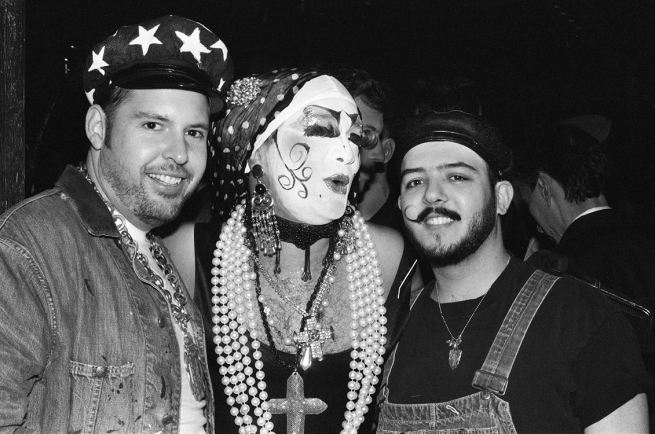
"audio_0": {
"type": "attachments",
"id": "audio_0",
"imgSizes": {
"kqedFullSize": {
"file": "https://ww2.kqed.org/news/wp-content/themes/KQED-unified/img/audio_bgs/background0.jpg"
}
}
},
"audio_1": {
"type": "attachments",
"id": "audio_1",
"imgSizes": {
"kqedFullSize": {
"file": "https://ww2.kqed.org/news/wp-content/themes/KQED-unified/img/audio_bgs/background1.jpg"
}
}
},
"audio_2": {
"type": "attachments",
"id": "audio_2",
"imgSizes": {
"kqedFullSize": {
"file": "https://ww2.kqed.org/news/wp-content/themes/KQED-unified/img/audio_bgs/background2.jpg"
}
}
},
"audio_3": {
"type": "attachments",
"id": "audio_3",
"imgSizes": {
"kqedFullSize": {
"file": "https://ww2.kqed.org/news/wp-content/themes/KQED-unified/img/audio_bgs/background3.jpg"
}
}
},
"audio_4": {
"type": "attachments",
"id": "audio_4",
"imgSizes": {
"kqedFullSize": {
"file": "https://ww2.kqed.org/news/wp-content/themes/KQED-unified/img/audio_bgs/background4.jpg"
}
}
},
"placeholder": {
"type": "attachments",
"id": "placeholder",
"imgSizes": {
"thumbnail": {
"file": "https://cdn.kqed.org/wp-content/uploads/2024/12/KQED-Default-Image-816638274-2000x1333-1-160x107.jpg",
"width": 160,
"height": 107,
"mimeType": "image/jpeg"
},
"medium": {
"file": "https://cdn.kqed.org/wp-content/uploads/2024/12/KQED-Default-Image-816638274-2000x1333-1-800x533.jpg",
"width": 800,
"height": 533,
"mimeType": "image/jpeg"
},
"medium_large": {
"file": "https://cdn.kqed.org/wp-content/uploads/2024/12/KQED-Default-Image-816638274-2000x1333-1-768x512.jpg",
"width": 768,
"height": 512,
"mimeType": "image/jpeg"
},
"large": {
"file": "https://cdn.kqed.org/wp-content/uploads/2024/12/KQED-Default-Image-816638274-2000x1333-1-1020x680.jpg",
"width": 1020,
"height": 680,
"mimeType": "image/jpeg"
},
"1536x1536": {
"file": "https://cdn.kqed.org/wp-content/uploads/2024/12/KQED-Default-Image-816638274-2000x1333-1-1536x1024.jpg",
"width": 1536,
"height": 1024,
"mimeType": "image/jpeg"
},
"fd-lrg": {
"file": "https://cdn.kqed.org/wp-content/uploads/2024/12/KQED-Default-Image-816638274-2000x1333-1-1536x1024.jpg",
"width": 1536,
"height": 1024,
"mimeType": "image/jpeg"
},
"fd-med": {
"file": "https://cdn.kqed.org/wp-content/uploads/2024/12/KQED-Default-Image-816638274-2000x1333-1-1020x680.jpg",
"width": 1020,
"height": 680,
"mimeType": "image/jpeg"
},
"fd-sm": {
"file": "https://cdn.kqed.org/wp-content/uploads/2024/12/KQED-Default-Image-816638274-2000x1333-1-800x533.jpg",
"width": 800,
"height": 533,
"mimeType": "image/jpeg"
},
"post-thumbnail": {
"file": "https://cdn.kqed.org/wp-content/uploads/2024/12/KQED-Default-Image-816638274-2000x1333-1-672x372.jpg",
"width": 672,
"height": 372,
"mimeType": "image/jpeg"
},
"twentyfourteen-full-width": {
"file": "https://cdn.kqed.org/wp-content/uploads/2024/12/KQED-Default-Image-816638274-2000x1333-1-1038x576.jpg",
"width": 1038,
"height": 576,
"mimeType": "image/jpeg"
},
"xxsmall": {
"file": "https://cdn.kqed.org/wp-content/uploads/2024/12/KQED-Default-Image-816638274-2000x1333-1-160x107.jpg",
"width": 160,
"height": 107,
"mimeType": "image/jpeg"
},
"xsmall": {
"file": "https://cdn.kqed.org/wp-content/uploads/2024/12/KQED-Default-Image-816638274-2000x1333-1-672x372.jpg",
"width": 672,
"height": 372,
"mimeType": "image/jpeg"
},
"small": {
"file": "https://cdn.kqed.org/wp-content/uploads/2024/12/KQED-Default-Image-816638274-2000x1333-1-672x372.jpg",
"width": 672,
"height": 372,
"mimeType": "image/jpeg"
},
"xlarge": {
"file": "https://cdn.kqed.org/wp-content/uploads/2024/12/KQED-Default-Image-816638274-2000x1333-1-1020x680.jpg",
"width": 1020,
"height": 680,
"mimeType": "image/jpeg"
},
"full-width": {
"file": "https://cdn.kqed.org/wp-content/uploads/2024/12/KQED-Default-Image-816638274-2000x1333-1-1920x1280.jpg",
"width": 1920,
"height": 1280,
"mimeType": "image/jpeg"
},
"guest-author-32": {
"file": "https://cdn.kqed.org/wp-content/uploads/2025/01/KQED-Default-Image-816638274-1333x1333-1-160x160.jpg",
"width": 32,
"height": 32,
"mimeType": "image/jpeg"
},
"guest-author-50": {
"file": "https://cdn.kqed.org/wp-content/uploads/2025/01/KQED-Default-Image-816638274-1333x1333-1-160x160.jpg",
"width": 50,
"height": 50,
"mimeType": "image/jpeg"
},
"guest-author-64": {
"file": "https://cdn.kqed.org/wp-content/uploads/2025/01/KQED-Default-Image-816638274-1333x1333-1-160x160.jpg",
"width": 64,
"height": 64,
"mimeType": "image/jpeg"
},
"guest-author-96": {
"file": "https://cdn.kqed.org/wp-content/uploads/2025/01/KQED-Default-Image-816638274-1333x1333-1-160x160.jpg",
"width": 96,
"height": 96,
"mimeType": "image/jpeg"
},
"guest-author-128": {
"file": "https://cdn.kqed.org/wp-content/uploads/2025/01/KQED-Default-Image-816638274-1333x1333-1-160x160.jpg",
"width": 128,
"height": 128,
"mimeType": "image/jpeg"
},
"detail": {
"file": "https://cdn.kqed.org/wp-content/uploads/2025/01/KQED-Default-Image-816638274-1333x1333-1-160x160.jpg",
"width": 160,
"height": 160,
"mimeType": "image/jpeg"
},
"kqedFullSize": {
"file": "https://cdn.kqed.org/wp-content/uploads/2024/12/KQED-Default-Image-816638274-2000x1333-1.jpg",
"width": 2000,
"height": 1333
}
}
},
"arts_13880907": {
"type": "attachments",
"id": "arts_13880907",
"meta": {
"index": "attachments_1716263798",
"site": "arts",
"id": "13880907",
"found": true
},
"parent": 13880884,
"imgSizes": {
"thumbnail": {
"file": "https://ww2.kqed.org/app/uploads/sites/2/2020/05/The-Stud-1991-photo-by-Melissa-Hawkins-160x106.jpg",
"width": 160,
"mimeType": "image/jpeg",
"height": 106
},
"post-thumbnail": {
"file": "https://ww2.kqed.org/app/uploads/sites/2/2020/05/The-Stud-1991-photo-by-Melissa-Hawkins-655x372.jpg",
"width": 655,
"mimeType": "image/jpeg",
"height": 372
},
"kqedFullSize": {
"file": "https://ww2.kqed.org/app/uploads/sites/2/2020/05/The-Stud-1991-photo-by-Melissa-Hawkins.jpg",
"width": 655,
"height": 434
}
},
"publishDate": 1590106251,
"modified": 1693939486,
"caption": "Partygoers at the Stud, including a Sister of Perpetual Indulgence, in 1991.",
"description": null,
"title": "The Stud 1991 photo by Melissa Hawkins",
"credit": "Melissa Hawkins",
"status": "inherit",
"altTag": "A black-and-white photo of a drag queen nun and two mustached men partying.",
"isLoading": false,
"fetchFailed": false
},
"arts_13880894": {
"type": "attachments",
"id": "arts_13880894",
"meta": {
"index": "attachments_1716263798",
"site": "arts",
"id": "13880894",
"found": true
},
"parent": 13880893,
"imgSizes": {
"thumbnail": {
"file": "https://ww2.kqed.org/app/uploads/sites/2/2020/05/screen-shot-2020-05-10-at-11.44.05-pm_wide-0178b9f5917bf6dfe944c33c6418eb8e01d34aab-160x90.jpg",
"width": 160,
"mimeType": "image/jpeg",
"height": 90
},
"post-thumbnail": {
"file": "https://ww2.kqed.org/app/uploads/sites/2/2020/05/screen-shot-2020-05-10-at-11.44.05-pm_wide-0178b9f5917bf6dfe944c33c6418eb8e01d34aab-672x372.jpg",
"width": 672,
"mimeType": "image/jpeg",
"height": 372
},
"kqedFullSize": {
"file": "https://ww2.kqed.org/app/uploads/sites/2/2020/05/screen-shot-2020-05-10-at-11.44.05-pm_wide-0178b9f5917bf6dfe944c33c6418eb8e01d34aab.jpg",
"width": 871,
"height": 489
},
"medium": {
"file": "https://ww2.kqed.org/app/uploads/sites/2/2020/05/screen-shot-2020-05-10-at-11.44.05-pm_wide-0178b9f5917bf6dfe944c33c6418eb8e01d34aab-800x449.jpg",
"width": 800,
"mimeType": "image/jpeg",
"height": 449
},
"medium_large": {
"file": "https://ww2.kqed.org/app/uploads/sites/2/2020/05/screen-shot-2020-05-10-at-11.44.05-pm_wide-0178b9f5917bf6dfe944c33c6418eb8e01d34aab-768x431.jpg",
"width": 768,
"mimeType": "image/jpeg",
"height": 431
}
},
"publishDate": 1590100102,
"modified": 1590100529,
"caption": "When the real world seems too constrained, the endless horizons of 'Minecraft' can be soothing.",
"description": "When the real world seems too constrained, the endless horizons of 'Minecraft' can be soothing.",
"title": "When the real world seems too constrained, the endless horizons of 'Minecraft' can be soothing.",
"credit": null,
"status": "inherit",
"isLoading": false,
"fetchFailed": false
},
"arts_13880713": {
"type": "attachments",
"id": "arts_13880713",
"meta": {
"index": "attachments_1716263798",
"site": "arts",
"id": "13880713",
"found": true
},
"parent": 13880699,
"imgSizes": {
"twentyfourteen-full-width": {
"file": "https://ww2.kqed.org/app/uploads/sites/2/2020/05/GettyImages-1204091770-1024x576.jpg",
"width": 1024,
"mimeType": "image/jpeg",
"height": 576
},
"thumbnail": {
"file": "https://ww2.kqed.org/app/uploads/sites/2/2020/05/GettyImages-1204091770-160x107.jpg",
"width": 160,
"mimeType": "image/jpeg",
"height": 107
},
"post-thumbnail": {
"file": "https://ww2.kqed.org/app/uploads/sites/2/2020/05/GettyImages-1204091770-672x372.jpg",
"width": 672,
"mimeType": "image/jpeg",
"height": 372
},
"kqedFullSize": {
"file": "https://ww2.kqed.org/app/uploads/sites/2/2020/05/GettyImages-1204091770.jpg",
"width": 1024,
"height": 683
},
"large": {
"file": "https://ww2.kqed.org/app/uploads/sites/2/2020/05/GettyImages-1204091770-1020x680.jpg",
"width": 1020,
"mimeType": "image/jpeg",
"height": 680
},
"medium": {
"file": "https://ww2.kqed.org/app/uploads/sites/2/2020/05/GettyImages-1204091770-800x534.jpg",
"width": 800,
"mimeType": "image/jpeg",
"height": 534
},
"medium_large": {
"file": "https://ww2.kqed.org/app/uploads/sites/2/2020/05/GettyImages-1204091770-768x512.jpg",
"width": 768,
"mimeType": "image/jpeg",
"height": 512
}
},
"publishDate": 1589925415,
"modified": 1589925492,
"caption": "President Donald Trump delivers the State of the Union address as House Speaker Rep. Nancy Pelosi looks on. February 04, 2020, Washington, DC.",
"description": "President Donald Trump delivers the State of the Union address as House Speaker Rep. Nancy Pelosi looks on. February 04, 2020, Washington, DC.",
"title": "President Donald Trump delivers the State of the Union address as House Speaker Rep. Nancy Pelosi looks on. February 04, 2020, Washington, DC.",
"credit": "Mark Wilson/Getty Images",
"status": "inherit",
"isLoading": false,
"fetchFailed": false
},
"arts_13880595": {
"type": "attachments",
"id": "arts_13880595",
"meta": {
"index": "attachments_1716263798",
"site": "arts",
"id": "13880595",
"found": true
},
"parent": 13880594,
"imgSizes": {
"twentyfourteen-full-width": {
"file": "https://ww2.kqed.org/app/uploads/sites/2/2020/05/diy-bathroom-sink_custom-e2d5d02ca50c6760b7dd1904271df6541fbcc71b-1038x576.jpg",
"width": 1038,
"mimeType": "image/jpeg",
"height": 576
},
"thumbnail": {
"file": "https://ww2.kqed.org/app/uploads/sites/2/2020/05/diy-bathroom-sink_custom-e2d5d02ca50c6760b7dd1904271df6541fbcc71b-160x91.jpg",
"width": 160,
"mimeType": "image/jpeg",
"height": 91
},
"post-thumbnail": {
"file": "https://ww2.kqed.org/app/uploads/sites/2/2020/05/diy-bathroom-sink_custom-e2d5d02ca50c6760b7dd1904271df6541fbcc71b-672x372.jpg",
"width": 672,
"mimeType": "image/jpeg",
"height": 372
},
"kqedFullSize": {
"file": "https://ww2.kqed.org/app/uploads/sites/2/2020/05/diy-bathroom-sink_custom-e2d5d02ca50c6760b7dd1904271df6541fbcc71b-e1589832153952.jpg",
"width": 1920,
"height": 1094
},
"large": {
"file": "https://ww2.kqed.org/app/uploads/sites/2/2020/05/diy-bathroom-sink_custom-e2d5d02ca50c6760b7dd1904271df6541fbcc71b-1020x581.jpg",
"width": 1020,
"mimeType": "image/jpeg",
"height": 581
},
"full-width": {
"file": "https://ww2.kqed.org/app/uploads/sites/2/2020/05/diy-bathroom-sink_custom-e2d5d02ca50c6760b7dd1904271df6541fbcc71b-1920x1094.jpg",
"width": 1920,
"mimeType": "image/jpeg",
"height": 1094
},
"medium": {
"file": "https://ww2.kqed.org/app/uploads/sites/2/2020/05/diy-bathroom-sink_custom-e2d5d02ca50c6760b7dd1904271df6541fbcc71b-800x456.jpg",
"width": 800,
"mimeType": "image/jpeg",
"height": 456
},
"medium_large": {
"file": "https://ww2.kqed.org/app/uploads/sites/2/2020/05/diy-bathroom-sink_custom-e2d5d02ca50c6760b7dd1904271df6541fbcc71b-768x437.jpg",
"width": 768,
"mimeType": "image/jpeg",
"height": 437
}
},
"publishDate": 1589831692,
"modified": 1589832192,
"caption": "The bathroom at the Glasscock house in Pensacola, Fla., where mother and daughter attempted to install a bidet.",
"description": "The bathroom at the Glasscock house in Pensacola, Fla., where mother and daughter attempted to install a bidet.",
"title": "The bathroom at the Glasscock house in Pensacola, Fla., where mother and daughter attempted to install a bidet.",
"credit": "Megan Glasscock",
"status": "inherit",
"isLoading": false,
"fetchFailed": false
},
"arts_13880254": {
"type": "attachments",
"id": "arts_13880254",
"meta": {
"index": "attachments_1716263798",
"site": "arts",
"id": "13880254",
"found": true
},
"parent": 13880253,
"imgSizes": {
"thumbnail": {
"file": "https://ww2.kqed.org/app/uploads/sites/2/2020/05/229AF7FF-842E-444E-B014-04CAAE0F637B-160x120.jpg",
"width": 160,
"mimeType": "image/jpeg",
"height": 120
},
"post-thumbnail": {
"file": "https://ww2.kqed.org/app/uploads/sites/2/2020/05/229AF7FF-842E-444E-B014-04CAAE0F637B-672x372.jpg",
"width": 672,
"mimeType": "image/jpeg",
"height": 372
},
"kqedFullSize": {
"file": "https://ww2.kqed.org/app/uploads/sites/2/2020/05/229AF7FF-842E-444E-B014-04CAAE0F637B.jpg",
"width": 750,
"height": 562
}
},
"publishDate": 1589304588,
"modified": 1589306025,
"caption": "Kehlani mural at 7th West in Oakland. Artwork by Timothy B. and Steven Anderson.",
"description": "Kehlani mural at 7th West in Oakland. Artwork by Timothy B. and Steven Anderson.",
"title": "Kehlani mural at 7th West in Oakland. Artwork by Timothy B. and Steven Anderson.",
"credit": "Timothy B.",
"status": "inherit",
"isLoading": false,
"fetchFailed": false
},
"arts_13880464": {
"type": "attachments",
"id": "arts_13880464",
"meta": {
"index": "attachments_1716263798",
"site": "arts",
"id": "13880464",
"found": true
},
"parent": 13880441,
"imgSizes": {
"twentyfourteen-full-width": {
"file": "https://ww2.kqed.org/app/uploads/sites/2/2020/05/Artboard-11@2x-copy-1038x576.jpg",
"width": 1038,
"mimeType": "image/jpeg",
"height": 576
},
"thumbnail": {
"file": "https://ww2.kqed.org/app/uploads/sites/2/2020/05/Artboard-11@2x-copy-160x90.jpg",
"width": 160,
"mimeType": "image/jpeg",
"height": 90
},
"post-thumbnail": {
"file": "https://ww2.kqed.org/app/uploads/sites/2/2020/05/Artboard-11@2x-copy-672x372.jpg",
"width": 672,
"mimeType": "image/jpeg",
"height": 372
},
"kqedFullSize": {
"file": "https://ww2.kqed.org/app/uploads/sites/2/2020/05/Artboard-11@2x-copy.jpg",
"width": 1920,
"height": 1080
},
"large": {
"file": "https://ww2.kqed.org/app/uploads/sites/2/2020/05/Artboard-11@2x-copy-1020x574.jpg",
"width": 1020,
"mimeType": "image/jpeg",
"height": 574
},
"full-width": {
"file": "https://ww2.kqed.org/app/uploads/sites/2/2020/05/Artboard-11@2x-copy-1920x1080.jpg",
"width": 1920,
"mimeType": "image/jpeg",
"height": 1080
},
"medium": {
"file": "https://ww2.kqed.org/app/uploads/sites/2/2020/05/Artboard-11@2x-copy-800x450.jpg",
"width": 800,
"mimeType": "image/jpeg",
"height": 450
},
"medium_large": {
"file": "https://ww2.kqed.org/app/uploads/sites/2/2020/05/Artboard-11@2x-copy-768x432.jpg",
"width": 768,
"mimeType": "image/jpeg",
"height": 432
}
},
"publishDate": 1589482458,
"modified": 1589482698,
"caption": "Many Asian-American artists feel a calling to make explicitly political art that pushes back against racism during the pandemic, continuing a legacy of protest art that began in the 1960s. ",
"description": "Asian-American artists have felt a calling to make explicitly political art that pushes back against xenophobia during the pandemic. ",
"title": "Artboard 11@2x copy",
"credit": "Eda Yu, Mashael Al Saie, Christine Oh",
"status": "inherit",
"isLoading": false,
"fetchFailed": false
},
"arts_13880417": {
"type": "attachments",
"id": "arts_13880417",
"meta": {
"index": "attachments_1716263798",
"site": "arts",
"id": "13880417",
"found": true
},
"parent": 13879872,
"imgSizes": {
"twentyfourteen-full-width": {
"file": "https://ww2.kqed.org/app/uploads/sites/2/2020/05/hans-peter-gauster-3y1zF4hIPCg-unsplash-1038x576.jpg",
"width": 1038,
"mimeType": "image/jpeg",
"height": 576
},
"thumbnail": {
"file": "https://ww2.kqed.org/app/uploads/sites/2/2020/05/hans-peter-gauster-3y1zF4hIPCg-unsplash-160x107.jpg",
"width": 160,
"mimeType": "image/jpeg",
"height": 107
},
"post-thumbnail": {
"file": "https://ww2.kqed.org/app/uploads/sites/2/2020/05/hans-peter-gauster-3y1zF4hIPCg-unsplash-672x372.jpg",
"width": 672,
"mimeType": "image/jpeg",
"height": 372
},
"kqedFullSize": {
"file": "https://ww2.kqed.org/app/uploads/sites/2/2020/05/hans-peter-gauster-3y1zF4hIPCg-unsplash.jpg",
"width": 2532,
"height": 1692
},
"large": {
"file": "https://ww2.kqed.org/app/uploads/sites/2/2020/05/hans-peter-gauster-3y1zF4hIPCg-unsplash-1020x682.jpg",
"width": 1020,
"mimeType": "image/jpeg",
"height": 682
},
"full-width": {
"file": "https://ww2.kqed.org/app/uploads/sites/2/2020/05/hans-peter-gauster-3y1zF4hIPCg-unsplash-1920x1283.jpg",
"width": 1920,
"mimeType": "image/jpeg",
"height": 1283
},
"medium": {
"file": "https://ww2.kqed.org/app/uploads/sites/2/2020/05/hans-peter-gauster-3y1zF4hIPCg-unsplash-800x535.jpg",
"width": 800,
"mimeType": "image/jpeg",
"height": 535
},
"medium_large": {
"file": "https://ww2.kqed.org/app/uploads/sites/2/2020/05/hans-peter-gauster-3y1zF4hIPCg-unsplash-768x513.jpg",
"width": 768,
"mimeType": "image/jpeg",
"height": 513
}
},
"publishDate": 1589422113,
"modified": 1589422144,
"caption": null,
"description": null,
"title": "hans-peter-gauster-3y1zF4hIPCg-unsplash",
"credit": "Hans Peter Gauster/Unsplash",
"status": "inherit",
"isLoading": false,
"fetchFailed": false
},
"arts_13879812": {
"type": "attachments",
"id": "arts_13879812",
"meta": {
"index": "attachments_1716263798",
"site": "arts",
"id": "13879812",
"found": true
},
"parent": 13879768,
"imgSizes": {
"twentyfourteen-full-width": {
"file": "https://ww2.kqed.org/app/uploads/sites/2/2020/05/GettyImages-1209599224-1-1024x576.jpg",
"width": 1024,
"mimeType": "image/jpeg",
"height": 576
},
"thumbnail": {
"file": "https://ww2.kqed.org/app/uploads/sites/2/2020/05/GettyImages-1209599224-1-160x106.jpg",
"width": 160,
"mimeType": "image/jpeg",
"height": 106
},
"post-thumbnail": {
"file": "https://ww2.kqed.org/app/uploads/sites/2/2020/05/GettyImages-1209599224-1-672x372.jpg",
"width": 672,
"mimeType": "image/jpeg",
"height": 372
},
"kqedFullSize": {
"file": "https://ww2.kqed.org/app/uploads/sites/2/2020/05/GettyImages-1209599224-1.jpg",
"width": 1024,
"height": 681
},
"large": {
"file": "https://ww2.kqed.org/app/uploads/sites/2/2020/05/GettyImages-1209599224-1-1020x678.jpg",
"width": 1020,
"mimeType": "image/jpeg",
"height": 678
},
"medium": {
"file": "https://ww2.kqed.org/app/uploads/sites/2/2020/05/GettyImages-1209599224-1-800x532.jpg",
"width": 800,
"mimeType": "image/jpeg",
"height": 532
},
"medium_large": {
"file": "https://ww2.kqed.org/app/uploads/sites/2/2020/05/GettyImages-1209599224-1-768x511.jpg",
"width": 768,
"mimeType": "image/jpeg",
"height": 511
}
},
"publishDate": 1588728526,
"modified": 1588728639,
"caption": "Nurses and healthcare workers mourn and remember their colleagues who died during the outbreak of the novel coronavirus. Mount Sinai Hospital, New York, April 10, 2020.",
"description": "Nurses and healthcare workers mourn and remember their colleagues who died during the outbreak of the novel coronavirus. Mount Sinai Hospital, New York, April 10, 2020.",
"title": "Nurses and healthcare workers mourn and remember their colleagues who died during the outbreak of the novel coronavirus. Mount Sinai Hospital, New York, April 10, 2020.",
"credit": "JOHANNES EISELE/AFP via Getty Images",
"status": "inherit",
"isLoading": false,
"fetchFailed": false
},
"arts_13879015": {
"type": "attachments",
"id": "arts_13879015",
"meta": {
"index": "attachments_1716263798",
"site": "arts",
"id": "13879015",
"found": true
},
"parent": 13878907,
"imgSizes": {
"twentyfourteen-full-width": {
"file": "https://ww2.kqed.org/app/uploads/sites/2/2020/04/Graduation-1000x576.png",
"width": 1000,
"mimeType": "image/png",
"height": 576
},
"thumbnail": {
"file": "https://ww2.kqed.org/app/uploads/sites/2/2020/04/Graduation-160x108.png",
"width": 160,
"mimeType": "image/png",
"height": 108
},
"post-thumbnail": {
"file": "https://ww2.kqed.org/app/uploads/sites/2/2020/04/Graduation-672x372.png",
"width": 672,
"mimeType": "image/png",
"height": 372
},
"kqedFullSize": {
"file": "https://ww2.kqed.org/app/uploads/sites/2/2020/04/Graduation.png",
"width": 1000,
"height": 678
},
"medium": {
"file": "https://ww2.kqed.org/app/uploads/sites/2/2020/04/Graduation-800x542.png",
"width": 800,
"mimeType": "image/png",
"height": 542
},
"medium_large": {
"file": "https://ww2.kqed.org/app/uploads/sites/2/2020/04/Graduation-768x521.png",
"width": 768,
"mimeType": "image/png",
"height": 521
}
},
"publishDate": 1587498559,
"modified": 1587573732,
"caption": "Author Pendarvis Harshaw at his high school graduation in 2005.",
"description": "Pendarvis H at high school graduation in 2005",
"title": "Pendarvis H at high school graduation in 2005",
"credit": "Pendarvis Harshaw",
"status": "inherit",
"isLoading": false,
"fetchFailed": false
},
"arts_13878933": {
"type": "attachments",
"id": "arts_13878933",
"meta": {
"index": "attachments_1716263798",
"site": "arts",
"id": "13878933",
"found": true
},
"parent": 13878920,
"imgSizes": {
"twentyfourteen-full-width": {
"file": "https://ww2.kqed.org/app/uploads/sites/2/2020/04/GettyImages-1178556206-1024x576.jpg",
"width": 1024,
"mimeType": "image/jpeg",
"height": 576
},
"thumbnail": {
"file": "https://ww2.kqed.org/app/uploads/sites/2/2020/04/GettyImages-1178556206-160x107.jpg",
"width": 160,
"mimeType": "image/jpeg",
"height": 107
},
"post-thumbnail": {
"file": "https://ww2.kqed.org/app/uploads/sites/2/2020/04/GettyImages-1178556206-672x372.jpg",
"width": 672,
"mimeType": "image/jpeg",
"height": 372
},
"kqedFullSize": {
"file": "https://ww2.kqed.org/app/uploads/sites/2/2020/04/GettyImages-1178556206.jpg",
"width": 1024,
"height": 683
},
"large": {
"file": "https://ww2.kqed.org/app/uploads/sites/2/2020/04/GettyImages-1178556206-1020x680.jpg",
"width": 1020,
"mimeType": "image/jpeg",
"height": 680
},
"medium": {
"file": "https://ww2.kqed.org/app/uploads/sites/2/2020/04/GettyImages-1178556206-800x534.jpg",
"width": 800,
"mimeType": "image/jpeg",
"height": 534
},
"medium_large": {
"file": "https://ww2.kqed.org/app/uploads/sites/2/2020/04/GettyImages-1178556206-768x512.jpg",
"width": 768,
"mimeType": "image/jpeg",
"height": 512
}
},
"publishDate": 1587410911,
"modified": 1587411924,
"caption": "Harry and Meghan in South Africa, October 2019.",
"description": "Harry and Meghan in South Africa, October 2019.",
"title": "Harry and Meghan in South Africa, October 2019.",
"credit": "Chris Jackson/Getty Images",
"status": "inherit",
"isLoading": false,
"fetchFailed": false
},
"arts_13878719": {
"type": "attachments",
"id": "arts_13878719",
"meta": {
"index": "attachments_1716263798",
"site": "arts",
"id": "13878719",
"found": true
},
"parent": 13878615,
"imgSizes": {
"twentyfourteen-full-width": {
"file": "https://ww2.kqed.org/app/uploads/sites/2/2020/04/man-wearing-gray-sweater-in-selective-focus-photography-1136588-1038x576.jpg",
"width": 1038,
"mimeType": "image/jpeg",
"height": 576
},
"thumbnail": {
"file": "https://ww2.kqed.org/app/uploads/sites/2/2020/04/man-wearing-gray-sweater-in-selective-focus-photography-1136588-160x107.jpg",
"width": 160,
"mimeType": "image/jpeg",
"height": 107
},
"post-thumbnail": {
"file": "https://ww2.kqed.org/app/uploads/sites/2/2020/04/man-wearing-gray-sweater-in-selective-focus-photography-1136588-672x372.jpg",
"width": 672,
"mimeType": "image/jpeg",
"height": 372
},
"kqedFullSize": {
"file": "https://ww2.kqed.org/app/uploads/sites/2/2020/04/man-wearing-gray-sweater-in-selective-focus-photography-1136588.jpg",
"width": 1920,
"height": 1280
},
"large": {
"file": "https://ww2.kqed.org/app/uploads/sites/2/2020/04/man-wearing-gray-sweater-in-selective-focus-photography-1136588-1020x680.jpg",
"width": 1020,
"mimeType": "image/jpeg",
"height": 680
},
"full-width": {
"file": "https://ww2.kqed.org/app/uploads/sites/2/2020/04/man-wearing-gray-sweater-in-selective-focus-photography-1136588-1920x1280.jpg",
"width": 1920,
"mimeType": "image/jpeg",
"height": 1280
},
"medium": {
"file": "https://ww2.kqed.org/app/uploads/sites/2/2020/04/man-wearing-gray-sweater-in-selective-focus-photography-1136588-800x533.jpg",
"width": 800,
"mimeType": "image/jpeg",
"height": 533
},
"medium_large": {
"file": "https://ww2.kqed.org/app/uploads/sites/2/2020/04/man-wearing-gray-sweater-in-selective-focus-photography-1136588-768x512.jpg",
"width": 768,
"mimeType": "image/jpeg",
"height": 512
}
},
"publishDate": 1586977607,
"modified": 1586978204,
"caption": "The ways systemic racism affects health outcomes has only been magnified during the coronavirus pandemic. ",
"description": "The ways systemic racism affects health outcomes has only been magnified during the coronavirus pandemic. ",
"title": "man-wearing-gray-sweater-in-selective-focus-photography-1136588",
"credit": "Segopotso Makhutja",
"status": "inherit",
"isLoading": false,
"fetchFailed": false
},
"arts_13878702": {
"type": "attachments",
"id": "arts_13878702",
"meta": {
"index": "attachments_1716263798",
"site": "arts",
"id": "13878702",
"found": true
},
"parent": 13878589,
"imgSizes": {
"twentyfourteen-full-width": {
"file": "https://ww2.kqed.org/app/uploads/sites/2/2020/04/Bored_COER-1038x576.jpg",
"width": 1038,
"mimeType": "image/jpeg",
"height": 576
},
"thumbnail": {
"file": "https://ww2.kqed.org/app/uploads/sites/2/2020/04/Bored_COER-160x90.jpg",
"width": 160,
"mimeType": "image/jpeg",
"height": 90
},
"post-thumbnail": {
"file": "https://ww2.kqed.org/app/uploads/sites/2/2020/04/Bored_COER-672x372.jpg",
"width": 672,
"mimeType": "image/jpeg",
"height": 372
},
"kqedFullSize": {
"file": "https://ww2.kqed.org/app/uploads/sites/2/2020/04/Bored_COER.jpg",
"width": 1920,
"height": 1079
},
"large": {
"file": "https://ww2.kqed.org/app/uploads/sites/2/2020/04/Bored_COER-1020x573.jpg",
"width": 1020,
"mimeType": "image/jpeg",
"height": 573
},
"full-width": {
"file": "https://ww2.kqed.org/app/uploads/sites/2/2020/04/Bored_COER-1920x1079.jpg",
"width": 1920,
"mimeType": "image/jpeg",
"height": 1079
},
"medium": {
"file": "https://ww2.kqed.org/app/uploads/sites/2/2020/04/Bored_COER-800x450.jpg",
"width": 800,
"mimeType": "image/jpeg",
"height": 450
},
"medium_large": {
"file": "https://ww2.kqed.org/app/uploads/sites/2/2020/04/Bored_COER-768x432.jpg",
"width": 768,
"mimeType": "image/jpeg",
"height": 432
}
},
"publishDate": 1586973924,
"modified": 1586974000,
"caption": "If you value your friendships, think twice before hitting that 'live' button.",
"description": "If you value your friendships, think twice before hitting that 'live' button.",
"title": "Bored_COER",
"credit": "Sam Thomas / iStock",
"status": "inherit",
"isLoading": false,
"fetchFailed": false
}
},
"audioPlayerReducer": {
"postId": "stream_live",
"isPaused": true,
"isPlaying": false,
"pfsActive": false,
"pledgeModalIsOpen": true,
"playerDrawerIsOpen": false,
"liveAudioPlayStartedAt": 0,
"liveAudioPlayContext": ""
},
"authorsReducer": {
"byline_arts_13880893": {
"type": "authors",
"id": "byline_arts_13880893",
"meta": {
"override": true
},
"slug": "byline_arts_13880893",
"name": "Kathryn Fink",
"isLoading": false
},
"byline_arts_13880594": {
"type": "authors",
"id": "byline_arts_13880594",
"meta": {
"override": true
},
"slug": "byline_arts_13880594",
"name": "Martha Ann Overland",
"isLoading": false
},
"ralexandra": {
"type": "authors",
"id": "11242",
"meta": {
"index": "authors_1716337520",
"id": "11242",
"found": true
},
"name": "Rae Alexandra",
"firstName": "Rae",
"lastName": "Alexandra",
"slug": "ralexandra",
"email": "ralexandra@kqed.org",
"display_author_email": true,
"staff_mastheads": [],
"title": "Reporter/Producer",
"bio": "Rae Alexandra is a Reporter/Producer for KQED Arts & Culture, and the creator/author of the \u003ca href=\"https://www.kqed.org/arts/program/rebel-girls-from-bay-area-history\">Rebel Girls From Bay Area History\u003c/a> and \u003ca href=\"https://www.kqed.org/bizarrebayarea\">Bizarre Bay Area\u003c/a> series. Her debut book, \u003ca href=\"https://citylights.com/politics-current-events-history/unsung-heroines35-women-who-changed/\">Unsung Heroines: 35 Women Who Changed the Bay Area\u003c/a> was published by City Lights in March 2026. In 2023, Rae was awarded an SPJ Excellence in Journalism Award for Arts & Culture. Rae was born and raised in Wales and subsequently — even after two decades in Northern California — still uses phrases that regularly baffle her coworkers.",
"avatar": "https://secure.gravatar.com/avatar/edfee8176c80cc0a382b051190f5341997df378a934a5774dcb0977732dfd401?s=600&d=blank&r=g",
"twitter": null,
"bluesky": null,
"facebook": null,
"instagram": null,
"linkedin": null,
"sites": [
{
"site": "arts",
"roles": [
"subscriber"
]
},
{
"site": "news",
"roles": [
"subscriber"
]
},
{
"site": "pop",
"roles": [
"subscriber"
]
},
{
"site": "bayareabites",
"roles": [
"subscriber"
]
},
{
"site": "science",
"roles": [
"subscriber"
]
}
],
"headData": {
"title": "Rae Alexandra | KQED",
"description": "Reporter/Producer",
"ogImgSrc": "https://secure.gravatar.com/avatar/edfee8176c80cc0a382b051190f5341997df378a934a5774dcb0977732dfd401?s=600&d=blank&r=g",
"twImgSrc": "https://secure.gravatar.com/avatar/edfee8176c80cc0a382b051190f5341997df378a934a5774dcb0977732dfd401?s=600&d=blank&r=g"
},
"isLoading": false,
"link": "/author/ralexandra"
},
"nvoynovskaya": {
"type": "authors",
"id": "11387",
"meta": {
"index": "authors_1716337520",
"id": "11387",
"found": true
},
"name": "Nastia Voynovskaya",
"firstName": "Nastia",
"lastName": "Voynovskaya",
"slug": "nvoynovskaya",
"email": "nvoynovskaya@kqed.org",
"display_author_email": false,
"staff_mastheads": [
"arts"
],
"title": "Editor and reporter",
"bio": "Nastia Voynovskaya is a reporter, editor and host at KQED Arts & Culture. She's been covering the arts in the Bay Area for over a decade, with a focus on music, queer culture, labor issues and grassroots organizing. She has edited KQED story series such as Trans Bay: A History of San Francisco's Gender-Diverse Community, and co-created KQED's Bay Area hip-hop history project, That's My Word. Nastia's work has been recognized by the Society of Professional Journalists and San Francisco Press Club. She regularly appears on podcasts and radio programs, including NPR's All Songs Considered, and hosts live events where music, culture and conversation meet.",
"avatar": "https://secure.gravatar.com/avatar/5025ee460e5a85d69ca20ea6c6f2f80d7e17795c828f61ea3aecfcd924e9042e?s=600&d=blank&r=g",
"twitter": null,
"bluesky": null,
"facebook": null,
"instagram": "https://www.instagram.com/nananastia/",
"linkedin": null,
"sites": [
{
"site": "",
"roles": [
"editor"
]
},
{
"site": "arts",
"roles": [
"administrator"
]
},
{
"site": "news",
"roles": [
"editor"
]
},
{
"site": "pop",
"roles": [
"administrator"
]
},
{
"site": "bayareabites",
"roles": [
"editor"
]
},
{
"site": "podcasts",
"roles": [
"editor"
]
},
{
"site": "hiphop",
"roles": [
"editor"
]
}
],
"headData": {
"title": "Nastia Voynovskaya | KQED",
"description": "Editor and reporter",
"ogImgSrc": "https://secure.gravatar.com/avatar/5025ee460e5a85d69ca20ea6c6f2f80d7e17795c828f61ea3aecfcd924e9042e?s=600&d=blank&r=g",
"twImgSrc": "https://secure.gravatar.com/avatar/5025ee460e5a85d69ca20ea6c6f2f80d7e17795c828f61ea3aecfcd924e9042e?s=600&d=blank&r=g"
},
"isLoading": false,
"link": "/author/nvoynovskaya"
},
"edayu": {
"type": "authors",
"id": "11391",
"meta": {
"index": "authors_1716337520",
"id": "11391",
"found": true
},
"name": "Eda Yu",
"firstName": "Eda",
"lastName": "Yu",
"slug": "edayu",
"email": "eda.cyu@gmail.com",
"display_author_email": false,
"staff_mastheads": [],
"title": "KQED Contributor",
"bio": "Eda Yu is a freelance writer and arts and culture journalist born and raised in Los Angeles, California. Her work centers the intersection of culture and identity, and her writing has appeared on platforms like VICE, Paper Magazine, and Complex. Follow her latest on Instagram and Twitter @edacyu.",
"avatar": "https://secure.gravatar.com/avatar/6dac2abe6c01e7b538d29f9c902136eb?s=600&d=blank&r=g",
"twitter": null,
"facebook": null,
"instagram": "https://www.instagram.com/edacyu/",
"linkedin": null,
"sites": [
{
"site": "arts",
"roles": [
"contributor"
]
}
],
"headData": {
"title": "Eda Yu | KQED",
"description": "KQED Contributor",
"ogImgSrc": "https://secure.gravatar.com/avatar/6dac2abe6c01e7b538d29f9c902136eb?s=600&d=blank&r=g",
"twImgSrc": "https://secure.gravatar.com/avatar/6dac2abe6c01e7b538d29f9c902136eb?s=600&d=blank&r=g"
},
"isLoading": false,
"link": "/author/edayu"
},
"ogpenn": {
"type": "authors",
"id": "11491",
"meta": {
"index": "authors_1716337520",
"id": "11491",
"found": true
},
"name": "Pendarvis Harshaw",
"firstName": "Pendarvis",
"lastName": "Harshaw",
"slug": "ogpenn",
"email": "ogpenn@gmail.com",
"display_author_email": false,
"staff_mastheads": [
"arts"
],
"title": "Community Engagement Reporter",
"bio": "Pendarvis Harshaw is an educator, host and writer with KQED Arts.",
"avatar": "https://secure.gravatar.com/avatar/972b77ee8e3f346ae2b00622661187fbfabd059b5693bbdc1475ea7a722fd4cd?s=600&d=blank&r=g",
"twitter": null,
"bluesky": null,
"facebook": null,
"instagram": "ogpenn",
"linkedin": null,
"sites": [
{
"site": "arts",
"roles": [
"administrator"
]
},
{
"site": "news",
"roles": [
"editor"
]
},
{
"site": "bayareabites",
"roles": [
"author"
]
},
{
"site": "hiphop",
"roles": [
"editor"
]
}
],
"headData": {
"title": "Pendarvis Harshaw | KQED",
"description": "Community Engagement Reporter",
"ogImgSrc": "https://secure.gravatar.com/avatar/972b77ee8e3f346ae2b00622661187fbfabd059b5693bbdc1475ea7a722fd4cd?s=600&d=blank&r=g",
"twImgSrc": "https://secure.gravatar.com/avatar/972b77ee8e3f346ae2b00622661187fbfabd059b5693bbdc1475ea7a722fd4cd?s=600&d=blank&r=g"
},
"isLoading": false,
"link": "/author/ogpenn"
}
},
"pagesReducer": {
"arts_tag_commentary": {
"type": "terms",
"id": "arts_2767",
"meta": {
"index": "terms_1716263798",
"site": "arts",
"id": "2767",
"score": 8.794622
},
"featImg": null,
"name": "commentary",
"description": null,
"taxonomy": "tag",
"headData": {
"twImgId": null,
"twTitle": null,
"ogTitle": null,
"ogImgId": null,
"twDescription": null,
"description": null,
"title": "commentary Archives | KQED Arts",
"ogDescription": null
},
"ttid": 2779,
"slug": "commentary",
"isLoading": false,
"title": "commentary",
"pageMeta": {
"site": "arts",
"WpPageTemplate": "page-topic-editorial",
"currentPage": 15
},
"blocks": [
{
"blockName": "kqed/post-list",
"attrs": {
"layout": "cardArticle2",
"query": "posts/arts?tag=commentary",
"seeMore": false,
"paginated": true,
"page": 15
}
},
{
"blockName": "kqed/ad"
}
]
}
},
"pfsSessionReducer": {},
"postsReducer": {
"stream_live": {
"type": "live",
"id": "stream_live",
"audioUrl": "https://streams.kqed.org/kqedradio",
"title": "Live Stream",
"excerpt": "Live Stream information currently unavailable.",
"link": "/radio",
"featImg": "",
"label": {
"name": "KQED Live",
"link": "/"
}
},
"stream_kqedNewscast": {
"type": "posts",
"id": "stream_kqedNewscast",
"audioUrl": "https://www.kqed.org/.stream/anon/radio/RDnews/newscast.mp3?_=1",
"title": "KQED Newscast",
"featImg": "",
"label": {
"name": "88.5 FM",
"link": "/"
}
},
"arts_13880884": {
"type": "posts",
"id": "arts_13880884",
"meta": {
"index": "posts_1716263798",
"site": "arts",
"id": "13880884",
"score": null,
"sort": [
1590108274000
]
},
"guestAuthors": [],
"slug": "the-studs-closure-is-cultural-erasure-caused-by-coronavirus",
"title": "The Stud’s Closure is Cultural Erasure Caused by Coronavirus",
"publishDate": 1590108274,
"format": "standard",
"headTitle": "The Stud’s Closure is Cultural Erasure Caused by Coronavirus | KQED",
"labelTerm": {
"site": "arts"
},
"content": "\u003cp>The last time I visited \u003ca href=\"https://www.studsf.com/\" target=\"_blank\" rel=\"noopener noreferrer\">the Stud\u003c/a>, San Francisco’s oldest gay bar, the surrealist drag collective Toxic Waste Face performed as an unhinged teen pop group. Jillian Gnarling lip-synced to a baby-voiced ’60s girl-group song in body horror makeup that made half of her face look like it was rotten.\u003c/p>\n\u003cp>The time before that, partygoers casually drank around a man splayed out on the pool table in white briefs, his mouth held open with a lip retractor while another performer did diabolical dental work on him. The tableau oozed with bloody-looking prop goo.\u003c/p>\n\u003cp>Had I known these would be my last visits to the Stud, I might have thrown even more dollar bills at the stage. But because of the coronavirus pandemic, the Stud’s 17-person ownership collective announced yesterday they’d decided to shut the bar down; they are moving out of their South of Market location on May 31.\u003c/p>\n\u003cp>In a city like San Francisco, where LGBTQ+ people are represented in local government and corporate boardrooms alike, the Stud is a home for those who aren’t accepted by the mainstream. Though stars like Sylvester, Etta James and Lady Gaga have graced its glitter-spangled stage over the years, it is best known as a safe haven for the community’s radicals, outsiders and scrappy artists.\u003c/p>\n\u003cp>The Stud has been that way since its inception in the ’60s. It was one of San Francisco’s first gay bars that was hospitable to women; it nurtured various countercultures, including hippies and punks, through the decades. The bar has undergone some drastic changes in its 55-year history, but this feels different. Before, people could gather to weather those moments together in person. This time, we are forced to mourn through our computer screens. On May 31, there will be a virtual funeral for the Stud on its \u003ca href=\"https://www.twitch.tv/dragalive\" target=\"_blank\" rel=\"noopener noreferrer\">Twitch channel\u003c/a>, with performances by drag celebrities including Jinx Monsoon, Alaska, Heklina, \u003ca href=\"https://www.kqed.org/arts/13835007/juanita-more-beloved-drag-mother-is-queering-san-francisco-politics\" target=\"_blank\" rel=\"noopener noreferrer\">Juanita MORE!\u003c/a> and Peaches Christ.\u003c/p>\n\u003cfigure id=\"attachment_13880900\" class=\"wp-caption aligncenter\" style=\"max-width: 800px\">\u003cimg loading=\"lazy\" decoding=\"async\" class=\"size-medium wp-image-13880900\" src=\"https://ww2.kqed.org/app/uploads/sites/2/2020/05/IMG_4483-800x450.jpg\" alt=\"Two drag queens wear inflatable, sparkly costumes an colorful wigs on stage.\" width=\"800\" height=\"450\" srcset=\"https://cdn.kqed.org/wp-content/uploads/sites/2/2020/05/IMG_4483-800x450.jpg 800w, https://cdn.kqed.org/wp-content/uploads/sites/2/2020/05/IMG_4483-160x90.jpg 160w, https://cdn.kqed.org/wp-content/uploads/sites/2/2020/05/IMG_4483-768x432.jpg 768w, https://cdn.kqed.org/wp-content/uploads/sites/2/2020/05/IMG_4483-1020x574.jpg 1020w, https://cdn.kqed.org/wp-content/uploads/sites/2/2020/05/IMG_4483.jpg 1920w\" sizes=\"auto, (max-width: 800px) 100vw, 800px\">\u003cfigcaption class=\"wp-caption-text\">Toxic Waste Face performs at the Stud in 2018. \u003ccite>(Nastia Voynovskaya)\u003c/cite>\u003c/figcaption>\u003c/figure>\n\u003cp>“The shelter-in-place policies—which we fully agree with and support, because science is very real and very cool—we have not been able to draw an income like many bars and many restaurants across the nation,” said Stud co-owner VivvyAnne Forevermore in a press conference. “This has made it impossible to keep up with the bills that we have, even being an empty building. It was not an easy decision.”\u003c/p>\n\u003cp>[ad fullwidth]\u003c/p>\n\u003cp>“It’s a deep loss for us,” Forevermore continued, adding that the Stud has been in its current building since 1987. “It has survived the AIDS epidemic. And now it’s the COVID pandemic that’s forcing us to close.”\u003c/p>\n\u003cp>The Stud collective will continue on with \u003ca href=\"https://www.twitch.tv/dragalive\" target=\"_blank\" rel=\"noopener noreferrer\">virtual parties\u003c/a> until in-person gatherings are safe again, and there are plans to buy a building and reopen once the pandemic passes. Funding, however, remains a major challenge: a permanent home will likely cost the collective around a million dollars. State Senator Scott Wiener and San Francisco Supervisor Matt Haney pledged to rally support in Sacramento and City Hall at a press conference announcing the closure today, but a concrete plan for reopening is still far off as the Bay Area’s nightlife industry hangs in limbo.\u003c/p>\n\u003cfigure id=\"attachment_13880908\" class=\"wp-caption aligncenter\" style=\"max-width: 720px\">\u003cimg loading=\"lazy\" decoding=\"async\" class=\"size-full wp-image-13880908\" src=\"https://ww2.kqed.org/app/uploads/sites/2/2020/05/First-Stud-gay-pride-float-.jpg\" alt=\"\" width=\"720\" height=\"518\" srcset=\"https://cdn.kqed.org/wp-content/uploads/sites/2/2020/05/First-Stud-gay-pride-float-.jpg 720w, https://cdn.kqed.org/wp-content/uploads/sites/2/2020/05/First-Stud-gay-pride-float--160x115.jpg 160w\" sizes=\"auto, (max-width: 720px) 100vw, 720px\">\u003cfigcaption class=\"wp-caption-text\">The Stud’s first Pride float in 1974. \u003ccite>(Courtesy of The Stud)\u003c/cite>\u003c/figcaption>\u003c/figure>\n\u003cp>The temporary closure of the Stud, and its uncertain future, is another blow for the Bay Area’s queer community, which has seen numerous historic establishments disappear in recent years due to exorbitant rents. Latinx gay bar Esta Noche shuttered due to the cost of doing business in a gentrified Mission District; so did the Lexington, the last lesbian bar in a city once full of them.\u003c/p>\n\u003cp>The Stud almost closed in 2016 but was saved by the 17 nightlife professionals who bought it collectively and gave it new life, including activist and drag queen Honey Mahogany and 48 Hills publisher and editor \u003ca href=\"https://48hills.org/2020/05/the-stud-closes-its-location-in-order-to-save-itself-for-the-future/\" target=\"_blank\" rel=\"noopener noreferrer\">Marke Bieschke\u003c/a>. Prior to COVID-19, it was already operating on razor-thin margins. Remaining open would mean accruing hundreds of thousands of dollars in debt until the threat of the pandemic passed. The owners had to make a tough call.\u003c/p>\n\u003cfigure id=\"attachment_13880909\" class=\"wp-caption aligncenter\" style=\"max-width: 800px\">\u003cimg loading=\"lazy\" decoding=\"async\" class=\"size-medium wp-image-13880909\" src=\"https://ww2.kqed.org/app/uploads/sites/2/2020/05/Stud-Bar-1980s-800x612.jpg\" alt=\"\" width=\"800\" height=\"612\" srcset=\"https://cdn.kqed.org/wp-content/uploads/sites/2/2020/05/Stud-Bar-1980s-800x612.jpg 800w, https://cdn.kqed.org/wp-content/uploads/sites/2/2020/05/Stud-Bar-1980s-160x122.jpg 160w, https://cdn.kqed.org/wp-content/uploads/sites/2/2020/05/Stud-Bar-1980s-768x587.jpg 768w, https://cdn.kqed.org/wp-content/uploads/sites/2/2020/05/Stud-Bar-1980s.jpg 960w\" sizes=\"auto, (max-width: 800px) 100vw, 800px\">\u003cfigcaption class=\"wp-caption-text\">Club kid Adrian Craig and friends at the Stud in 1985. \u003ccite>(Courtesy of The Stud)\u003c/cite>\u003c/figcaption>\u003c/figure>\n\u003cp>While temporary closures of nightlife venues are absolutely necessary for public health, the lack of safety nets available to them and their workers puts small business owners in impossible financial predicaments. Across the bridge in Oakland, punk bar the Stork Club and underground music venue Spirithaus have \u003ca href=\"https://www.kqed.org/coronavirusliveupdates/arts/13880741/oakland-venues-stork-club-spirithaus-shutter-due-to-pandemic\" target=\"_blank\" rel=\"noopener noreferrer\">decided to shutter\u003c/a> in recent weeks with the hope of reopening in new locations later. It’s understandable, but also tragic to think about how far the Bay Area’s cultural institutions will be eroded when this is over, and how much power will be given over to corporations.\u003c/p>\n\u003cp>\u003c/p>\n\u003cp>“We are certainly not done and we are going to keep fighting until we find a new space,” said general manager and co-owner Rachel Ryan. “But this is our time for all of us to mourn that weird, smelly, strange building that so many of us have found a home in.”\u003c/p>\n\n",
"blocks": [],
"excerpt": "With bills mounting, San Francisco's oldest gay bar is the latest beloved venue opting to close.",
"status": "publish",
"parent": 0,
"modified": 1741366847,
"stats": {
"hasAudio": false,
"hasVideo": false,
"hasChartOrMap": false,
"iframeSrcs": [],
"hasGoogleForm": false,
"hasGallery": false,
"hasHearkenModule": false,
"hasPolis": false,
"paragraphCount": 14,
"wordCount": 901
},
"headData": {
"title": "The Stud’s Closure is Cultural Erasure Caused by Coronavirus | KQED",
"description": "With bills mounting, San Francisco's oldest gay bar is the latest beloved venue opting to close.",
"ogTitle": "",
"ogDescription": "",
"ogImgId": "",
"twTitle": "",
"twDescription": "",
"twImgId": "",
"schema": {
"@context": "https://schema.org",
"@type": "Article",
"headline": "The Stud’s Closure is Cultural Erasure Caused by Coronavirus",
"datePublished": "2020-05-21T17:44:34-07:00",
"dateModified": "2025-03-07T09:00:47-08:00",
"image": "https://cdn.kqed.org/wp-content/uploads/2020/02/KQED-OG-Image@1x.png"
}
},
"sticky": false,
"templateType": "standard",
"featuredImageType": "standard",
"path": "/arts/13880884/the-studs-closure-is-cultural-erasure-caused-by-coronavirus",
"audioTrackLength": null,
"parsedContent": [
{
"type": "contentString",
"content": "\u003cdiv class=\"post-body\">\u003cp>\u003cp>The last time I visited \u003ca href=\"https://www.studsf.com/\" target=\"_blank\" rel=\"noopener noreferrer\">the Stud\u003c/a>, San Francisco’s oldest gay bar, the surrealist drag collective Toxic Waste Face performed as an unhinged teen pop group. Jillian Gnarling lip-synced to a baby-voiced ’60s girl-group song in body horror makeup that made half of her face look like it was rotten.\u003c/p>\n\u003cp>The time before that, partygoers casually drank around a man splayed out on the pool table in white briefs, his mouth held open with a lip retractor while another performer did diabolical dental work on him. The tableau oozed with bloody-looking prop goo.\u003c/p>\n\u003cp>Had I known these would be my last visits to the Stud, I might have thrown even more dollar bills at the stage. But because of the coronavirus pandemic, the Stud’s 17-person ownership collective announced yesterday they’d decided to shut the bar down; they are moving out of their South of Market location on May 31.\u003c/p>\n\u003cp>In a city like San Francisco, where LGBTQ+ people are represented in local government and corporate boardrooms alike, the Stud is a home for those who aren’t accepted by the mainstream. Though stars like Sylvester, Etta James and Lady Gaga have graced its glitter-spangled stage over the years, it is best known as a safe haven for the community’s radicals, outsiders and scrappy artists.\u003c/p>\n\u003cp>The Stud has been that way since its inception in the ’60s. It was one of San Francisco’s first gay bars that was hospitable to women; it nurtured various countercultures, including hippies and punks, through the decades. The bar has undergone some drastic changes in its 55-year history, but this feels different. Before, people could gather to weather those moments together in person. This time, we are forced to mourn through our computer screens. On May 31, there will be a virtual funeral for the Stud on its \u003ca href=\"https://www.twitch.tv/dragalive\" target=\"_blank\" rel=\"noopener noreferrer\">Twitch channel\u003c/a>, with performances by drag celebrities including Jinx Monsoon, Alaska, Heklina, \u003ca href=\"https://www.kqed.org/arts/13835007/juanita-more-beloved-drag-mother-is-queering-san-francisco-politics\" target=\"_blank\" rel=\"noopener noreferrer\">Juanita MORE!\u003c/a> and Peaches Christ.\u003c/p>\n\u003cfigure id=\"attachment_13880900\" class=\"wp-caption aligncenter\" style=\"max-width: 800px\">\u003cimg loading=\"lazy\" decoding=\"async\" class=\"size-medium wp-image-13880900\" src=\"https://ww2.kqed.org/app/uploads/sites/2/2020/05/IMG_4483-800x450.jpg\" alt=\"Two drag queens wear inflatable, sparkly costumes an colorful wigs on stage.\" width=\"800\" height=\"450\" srcset=\"https://cdn.kqed.org/wp-content/uploads/sites/2/2020/05/IMG_4483-800x450.jpg 800w, https://cdn.kqed.org/wp-content/uploads/sites/2/2020/05/IMG_4483-160x90.jpg 160w, https://cdn.kqed.org/wp-content/uploads/sites/2/2020/05/IMG_4483-768x432.jpg 768w, https://cdn.kqed.org/wp-content/uploads/sites/2/2020/05/IMG_4483-1020x574.jpg 1020w, https://cdn.kqed.org/wp-content/uploads/sites/2/2020/05/IMG_4483.jpg 1920w\" sizes=\"auto, (max-width: 800px) 100vw, 800px\">\u003cfigcaption class=\"wp-caption-text\">Toxic Waste Face performs at the Stud in 2018. \u003ccite>(Nastia Voynovskaya)\u003c/cite>\u003c/figcaption>\u003c/figure>\n\u003cp>“The shelter-in-place policies—which we fully agree with and support, because science is very real and very cool—we have not been able to draw an income like many bars and many restaurants across the nation,” said Stud co-owner VivvyAnne Forevermore in a press conference. “This has made it impossible to keep up with the bills that we have, even being an empty building. It was not an easy decision.”\u003c/p>\n\u003cp>\u003c/p>\u003c/div>",
"attributes": {
"named": {},
"numeric": []
}
},
{
"type": "component",
"content": "",
"name": "ad",
"attributes": {
"named": {
"label": "fullwidth"
},
"numeric": [
"fullwidth"
]
}
},
{
"type": "contentString",
"content": "\u003cdiv class=\"post-body\">\u003cp>\u003c/p>\n\u003cp>“It’s a deep loss for us,” Forevermore continued, adding that the Stud has been in its current building since 1987. “It has survived the AIDS epidemic. And now it’s the COVID pandemic that’s forcing us to close.”\u003c/p>\n\u003cp>The Stud collective will continue on with \u003ca href=\"https://www.twitch.tv/dragalive\" target=\"_blank\" rel=\"noopener noreferrer\">virtual parties\u003c/a> until in-person gatherings are safe again, and there are plans to buy a building and reopen once the pandemic passes. Funding, however, remains a major challenge: a permanent home will likely cost the collective around a million dollars. State Senator Scott Wiener and San Francisco Supervisor Matt Haney pledged to rally support in Sacramento and City Hall at a press conference announcing the closure today, but a concrete plan for reopening is still far off as the Bay Area’s nightlife industry hangs in limbo.\u003c/p>\n\u003cfigure id=\"attachment_13880908\" class=\"wp-caption aligncenter\" style=\"max-width: 720px\">\u003cimg loading=\"lazy\" decoding=\"async\" class=\"size-full wp-image-13880908\" src=\"https://ww2.kqed.org/app/uploads/sites/2/2020/05/First-Stud-gay-pride-float-.jpg\" alt=\"\" width=\"720\" height=\"518\" srcset=\"https://cdn.kqed.org/wp-content/uploads/sites/2/2020/05/First-Stud-gay-pride-float-.jpg 720w, https://cdn.kqed.org/wp-content/uploads/sites/2/2020/05/First-Stud-gay-pride-float--160x115.jpg 160w\" sizes=\"auto, (max-width: 720px) 100vw, 720px\">\u003cfigcaption class=\"wp-caption-text\">The Stud’s first Pride float in 1974. \u003ccite>(Courtesy of The Stud)\u003c/cite>\u003c/figcaption>\u003c/figure>\n\u003cp>The temporary closure of the Stud, and its uncertain future, is another blow for the Bay Area’s queer community, which has seen numerous historic establishments disappear in recent years due to exorbitant rents. Latinx gay bar Esta Noche shuttered due to the cost of doing business in a gentrified Mission District; so did the Lexington, the last lesbian bar in a city once full of them.\u003c/p>\n\u003cp>The Stud almost closed in 2016 but was saved by the 17 nightlife professionals who bought it collectively and gave it new life, including activist and drag queen Honey Mahogany and 48 Hills publisher and editor \u003ca href=\"https://48hills.org/2020/05/the-stud-closes-its-location-in-order-to-save-itself-for-the-future/\" target=\"_blank\" rel=\"noopener noreferrer\">Marke Bieschke\u003c/a>. Prior to COVID-19, it was already operating on razor-thin margins. Remaining open would mean accruing hundreds of thousands of dollars in debt until the threat of the pandemic passed. The owners had to make a tough call.\u003c/p>\n\u003cfigure id=\"attachment_13880909\" class=\"wp-caption aligncenter\" style=\"max-width: 800px\">\u003cimg loading=\"lazy\" decoding=\"async\" class=\"size-medium wp-image-13880909\" src=\"https://ww2.kqed.org/app/uploads/sites/2/2020/05/Stud-Bar-1980s-800x612.jpg\" alt=\"\" width=\"800\" height=\"612\" srcset=\"https://cdn.kqed.org/wp-content/uploads/sites/2/2020/05/Stud-Bar-1980s-800x612.jpg 800w, https://cdn.kqed.org/wp-content/uploads/sites/2/2020/05/Stud-Bar-1980s-160x122.jpg 160w, https://cdn.kqed.org/wp-content/uploads/sites/2/2020/05/Stud-Bar-1980s-768x587.jpg 768w, https://cdn.kqed.org/wp-content/uploads/sites/2/2020/05/Stud-Bar-1980s.jpg 960w\" sizes=\"auto, (max-width: 800px) 100vw, 800px\">\u003cfigcaption class=\"wp-caption-text\">Club kid Adrian Craig and friends at the Stud in 1985. \u003ccite>(Courtesy of The Stud)\u003c/cite>\u003c/figcaption>\u003c/figure>\n\u003cp>While temporary closures of nightlife venues are absolutely necessary for public health, the lack of safety nets available to them and their workers puts small business owners in impossible financial predicaments. Across the bridge in Oakland, punk bar the Stork Club and underground music venue Spirithaus have \u003ca href=\"https://www.kqed.org/coronavirusliveupdates/arts/13880741/oakland-venues-stork-club-spirithaus-shutter-due-to-pandemic\" target=\"_blank\" rel=\"noopener noreferrer\">decided to shutter\u003c/a> in recent weeks with the hope of reopening in new locations later. It’s understandable, but also tragic to think about how far the Bay Area’s cultural institutions will be eroded when this is over, and how much power will be given over to corporations.\u003c/p>\n\u003cp>\u003c/p>\n\u003cp>“We are certainly not done and we are going to keep fighting until we find a new space,” said general manager and co-owner Rachel Ryan. “But this is our time for all of us to mourn that weird, smelly, strange building that so many of us have found a home in.”\u003c/p>\n\n\u003c/div>\u003c/p>",
"attributes": {
"named": {},
"numeric": []
}
}
],
"link": "/arts/13880884/the-studs-closure-is-cultural-erasure-caused-by-coronavirus",
"authors": [
"11387"
],
"categories": [
"arts_1",
"arts_2303"
],
"tags": [
"arts_2767",
"arts_10126",
"arts_10127",
"arts_10342",
"arts_10278",
"arts_3226"
],
"featImg": "arts_13880907",
"label": "arts"
},
"arts_13880893": {
"type": "posts",
"id": "arts_13880893",
"meta": {
"index": "posts_1716263798",
"site": "arts",
"id": "13880893",
"score": null,
"sort": [
1590100697000
]
},
"parent": 0,
"labelTerm": {
"site": "arts",
"term": 137
},
"blocks": [],
"publishDate": 1590100697,
"format": "standard",
"title": "Neither Flood, Nor Fire, Nor Virus Shakes the Virtual Calm of 'Minecraft'",
"headTitle": "Neither Flood, Nor Fire, Nor Virus Shakes the Virtual Calm of ‘Minecraft’ | KQED",
"content": "\u003cp>“Honey, I’m going out for an adventure!”\u003c/p>\n\u003cp>E. closes the door behind him and steps out into the world. I stay put, cooking up ideas for home improvement.\u003c/p>\n\u003cp>We’ve only known each other for a few months, but once the pandemic threw our lives off balance, we decided to move in together. In a house we built. In \u003cem>Minecraft\u003c/em>.\u003c/p>\n\u003cp>The house is modest—a pixelated, underground starter home made of dirt and cobblestone. In one corner is a large chest for storing our inventory. Nearby, a crafting table and a stove convert raw materials into something useful. There’s a bed for our re-spawn location, which means I won’t get lost the next time I drown or get blown up by a creeper—a recurring issue early on. And on the opposite wall, there’s a pen of clucking chickens. On second thought, not the best place for the chickens.\u003c/p>\n\u003cp>Later, we’ll upgrade to a multi-story castle atop a mountain—but for now, it’s home.\u003c/p>\n\u003cp>[ad fullwidth]\u003c/p>\n\u003cp>Downloading\u003cem> Minecraft\u003c/em> wasn’t my first instinct when I stopped going to my office and everywhere else. I’ve never self-identified as a gamer in my adult life, and I certainly didn’t think the antidote to screen fatigue could be more screen time. Plus, video games always struck me as chaotic, and I was maxed out on chaos.\u003c/p>\n\u003cp>As kids, my older brother and I would settle into an afternoon of \u003cem>Tekken 4\u003c/em> or \u003cem>James Bond 007: Nightfire\u003c/em>, battling enemies and each other on an otherwise calm day. It was thrilling, and I’d ride that anxious buzz of trying to survive until it was time for something else. It’s strange how much you can learn about yourself as a child when your avatar is a buxom woman named Pussy Galore. I discovered I only really had fun when my brother and I were on the same team, and friendly fire was turned off. I noticed that random civilian casualties made me feel sick. I questioned why lady avatars were scantily clad while dude avatars often weren’t. And I loved getting to sight-see. [aside postid='arts_13879036']\u003c/p>\n\u003cp>Sightseeing is why \u003cem>Minecraft\u003c/em> has had such an impact. Right now, my life’s parameters are my bedroom, my ambitions are the size of 80 bedrooms, and my \u003cem>Minecraft\u003c/em> realm is the size of a zillion bedrooms. The game offers endless virtual space to roam when real-life space feels like a rare commodity. And relocation is the literal click of a button. When I tire of the mines, I try the mountains. When I’m done with the mountains, I go to the jungle. And when I’ve had it with the jungle, I hop in a boat that I made with oak from the jungle and find a new island to inhabit. Then I can do it all over again. The game’s natural world is artificial, but there’s something kind of enchanting about that block-shaped moon overhead.\u003c/p>\n\u003cp>Offline, my weeks have been punctuated with worry about the strain I’m putting on my household’s resources. But \u003cem>Minecraft\u003c/em> promises a retreat where raw materials are always plentiful and useful—water for putting out lava, iron for swords and pickaxes, cobwebs for string, animals for food. Neither climate change nor a pandemic can threaten this virtual cornucopia. Lately, I’ve discovered an affinity for running through open fields and punching grass. The satisfying crunching sound leads me to five-minute punching sprees from time to time, but this isn’t nihilism. It’s practical. Every few squares of freshly punched grass unearth little seeds that keep my chickens procreating and my farm plentiful. It’s a blissed-out vision of sustainability.\u003c/p>\n\u003cp>Let’s be clear, though: \u003cem>Minecraft\u003c/em> is not a utopia. Days whiz by, and when that 32-bit block of sun starts to set, monsters are coming for me. In the mines, too. Exploding creepers, arrow-toting skeletons, mumbling zombies, nimble spiders, and mystifying enderman you can’t make eye contact with. I’m not very good at fighting these yet, but at least I can count on the game’s sonic and visual cues to let me know danger is afoot. Plus, I’m armed for battle. There are rules and boundaries within which I can almost guarantee safety. And if all else fails, I’ll come back to life in the same place I started: My bed, in my simple underground house, out of harm’s way.\u003c/p>\n\u003cp>I can’t say the same of the coronavirus.\u003c/p>\n\u003cp>These days, I’m clinging to structure. Time is passing quickly, and if I’m honest, I don’t always yearn to make days feel longer or fuller. But when I close my bedroom door and open up a virtual world, I can feel the therapy of making things up as I go. Of itching for daylight so I can return to feeding chickens and building a castle on a mountain. Of experiencing something—making actual memories—when togetherness feels out of reach.\u003c/p>\n\u003cp>\u003c/p>\n\u003cp>\u003cem>Kathryn Fink is a producer for\u003c/em> 1A. \u003cem>She’s a native of Virginia, a new gamer, and an unapologetic lit nerd. She tweets at\u003c/em> @\u003ca href=\"https://twitter.com/finkcommakath\">finkcommakath\u003c/a>.\u003c/p>\n\u003cdiv class=\"fullattribution\">\u003cem>Copyright 2020 NPR. To see more, visit \u003ca href=\"https://www.npr.org\" target=\"_blank\" rel=\"noopener noreferrer\">NPR\u003c/a>.\u003cimg decoding=\"async\" src=\"https://www.google-analytics.com/__utm.gif?utmac=UA-5828686-4&utmdt=Neither+Flood%2C+Nor+Fire%2C+Nor+Virus+Shakes+The+Virtual+Calm+Of+%27Minecraft%27&utme=8(APIKey)9(MDAxOTAwOTE4MDEyMTkxMDAzNjczZDljZA004)\">\u003c/em>\u003c/div>\n\n",
"stats": {
"hasVideo": false,
"hasChartOrMap": false,
"hasAudio": false,
"hasPolis": false,
"wordCount": 928,
"hasGoogleForm": false,
"hasGallery": false,
"hasHearkenModule": false,
"iframeSrcs": [],
"paragraphCount": 15
},
"modified": 1705020691,
"excerpt": "A non-gamer discovers peace in the pixelated world of 'Minecraft', where the horizon stretches on forever.",
"headData": {
"twImgId": "",
"twTitle": "",
"ogTitle": "",
"ogImgId": "",
"twDescription": "",
"description": "A non-gamer discovers peace in the pixelated world of 'Minecraft', where the horizon stretches on forever.",
"title": "Neither Flood, Nor Fire, Nor Virus Shakes the Virtual Calm of 'Minecraft' | KQED",
"ogDescription": "",
"schema": {
"@context": "https://schema.org",
"@type": "Article",
"headline": "Neither Flood, Nor Fire, Nor Virus Shakes the Virtual Calm of 'Minecraft'",
"datePublished": "2020-05-21T15:38:17-07:00",
"dateModified": "2024-01-11T16:51:31-08:00",
"image": "https://cdn.kqed.org/wp-content/uploads/2020/02/KQED-OG-Image@1x.png"
}
},
"guestAuthors": [],
"slug": "neither-flood-nor-fire-nor-virus-shakes-the-virtual-calm-of-minecraft",
"status": "publish",
"nprApiLink": "http://api.npr.org/query?id=854886221&apiKey=MDAxOTAwOTE4MDEyMTkxMDAzNjczZDljZA004",
"templateType": "standard",
"nprStoryDate": "Thu, 21 May 2020 10:00:24 -0400",
"excludeFromSiteSearch": "Include",
"nprLastModifiedDate": "Thu, 21 May 2020 16:03:59 -0400",
"featuredImageType": "standard",
"nprHtmlLink": "https://www.npr.org/2020/05/21/854886221/neither-flood-nor-fire-nor-virus-shakes-the-virtual-calm-of-minecraft?ft=nprml&f=854886221",
"nprImageAgency": "Kathryn Fink",
"nprStoryId": "854886221",
"nprByline": "Kathryn Fink",
"sticky": false,
"showOnAuthorArchivePages": "No",
"articleAge": "0",
"nprRetrievedStory": "1",
"nprPubDate": "Thu, 21 May 2020 16:03:00 -0400",
"path": "/arts/13880893/neither-flood-nor-fire-nor-virus-shakes-the-virtual-calm-of-minecraft",
"audioTrackLength": null,
"parsedContent": [
{
"type": "contentString",
"content": "\u003cdiv class=\"post-body\">\u003cp>\u003cp>“Honey, I’m going out for an adventure!”\u003c/p>\n\u003cp>E. closes the door behind him and steps out into the world. I stay put, cooking up ideas for home improvement.\u003c/p>\n\u003cp>We’ve only known each other for a few months, but once the pandemic threw our lives off balance, we decided to move in together. In a house we built. In \u003cem>Minecraft\u003c/em>.\u003c/p>\n\u003cp>The house is modest—a pixelated, underground starter home made of dirt and cobblestone. In one corner is a large chest for storing our inventory. Nearby, a crafting table and a stove convert raw materials into something useful. There’s a bed for our re-spawn location, which means I won’t get lost the next time I drown or get blown up by a creeper—a recurring issue early on. And on the opposite wall, there’s a pen of clucking chickens. On second thought, not the best place for the chickens.\u003c/p>\n\u003cp>Later, we’ll upgrade to a multi-story castle atop a mountain—but for now, it’s home.\u003c/p>\n\u003cp>\u003c/p>\u003c/div>",
"attributes": {
"named": {},
"numeric": []
}
},
{
"type": "component",
"content": "",
"name": "ad",
"attributes": {
"named": {
"label": "fullwidth"
},
"numeric": [
"fullwidth"
]
}
},
{
"type": "contentString",
"content": "\u003cdiv class=\"post-body\">\u003cp>\u003c/p>\n\u003cp>Downloading\u003cem> Minecraft\u003c/em> wasn’t my first instinct when I stopped going to my office and everywhere else. I’ve never self-identified as a gamer in my adult life, and I certainly didn’t think the antidote to screen fatigue could be more screen time. Plus, video games always struck me as chaotic, and I was maxed out on chaos.\u003c/p>\n\u003cp>As kids, my older brother and I would settle into an afternoon of \u003cem>Tekken 4\u003c/em> or \u003cem>James Bond 007: Nightfire\u003c/em>, battling enemies and each other on an otherwise calm day. It was thrilling, and I’d ride that anxious buzz of trying to survive until it was time for something else. It’s strange how much you can learn about yourself as a child when your avatar is a buxom woman named Pussy Galore. I discovered I only really had fun when my brother and I were on the same team, and friendly fire was turned off. I noticed that random civilian casualties made me feel sick. I questioned why lady avatars were scantily clad while dude avatars often weren’t. And I loved getting to sight-see. \u003c/p>\u003c/div>",
"attributes": {
"named": {},
"numeric": []
}
},
{
"type": "component",
"content": "",
"name": "aside",
"attributes": {
"named": {
"postid": "arts_13879036",
"label": ""
},
"numeric": []
}
},
{
"type": "contentString",
"content": "\u003cdiv class=\"post-body\">\u003cp>\u003c/p>\n\u003cp>Sightseeing is why \u003cem>Minecraft\u003c/em> has had such an impact. Right now, my life’s parameters are my bedroom, my ambitions are the size of 80 bedrooms, and my \u003cem>Minecraft\u003c/em> realm is the size of a zillion bedrooms. The game offers endless virtual space to roam when real-life space feels like a rare commodity. And relocation is the literal click of a button. When I tire of the mines, I try the mountains. When I’m done with the mountains, I go to the jungle. And when I’ve had it with the jungle, I hop in a boat that I made with oak from the jungle and find a new island to inhabit. Then I can do it all over again. The game’s natural world is artificial, but there’s something kind of enchanting about that block-shaped moon overhead.\u003c/p>\n\u003cp>Offline, my weeks have been punctuated with worry about the strain I’m putting on my household’s resources. But \u003cem>Minecraft\u003c/em> promises a retreat where raw materials are always plentiful and useful—water for putting out lava, iron for swords and pickaxes, cobwebs for string, animals for food. Neither climate change nor a pandemic can threaten this virtual cornucopia. Lately, I’ve discovered an affinity for running through open fields and punching grass. The satisfying crunching sound leads me to five-minute punching sprees from time to time, but this isn’t nihilism. It’s practical. Every few squares of freshly punched grass unearth little seeds that keep my chickens procreating and my farm plentiful. It’s a blissed-out vision of sustainability.\u003c/p>\n\u003cp>Let’s be clear, though: \u003cem>Minecraft\u003c/em> is not a utopia. Days whiz by, and when that 32-bit block of sun starts to set, monsters are coming for me. In the mines, too. Exploding creepers, arrow-toting skeletons, mumbling zombies, nimble spiders, and mystifying enderman you can’t make eye contact with. I’m not very good at fighting these yet, but at least I can count on the game’s sonic and visual cues to let me know danger is afoot. Plus, I’m armed for battle. There are rules and boundaries within which I can almost guarantee safety. And if all else fails, I’ll come back to life in the same place I started: My bed, in my simple underground house, out of harm’s way.\u003c/p>\n\u003cp>I can’t say the same of the coronavirus.\u003c/p>\n\u003cp>These days, I’m clinging to structure. Time is passing quickly, and if I’m honest, I don’t always yearn to make days feel longer or fuller. But when I close my bedroom door and open up a virtual world, I can feel the therapy of making things up as I go. Of itching for daylight so I can return to feeding chickens and building a castle on a mountain. Of experiencing something—making actual memories—when togetherness feels out of reach.\u003c/p>\n\u003cp>\u003c/p>\n\u003cp>\u003cem>Kathryn Fink is a producer for\u003c/em> 1A. \u003cem>She’s a native of Virginia, a new gamer, and an unapologetic lit nerd. She tweets at\u003c/em> @\u003ca href=\"https://twitter.com/finkcommakath\">finkcommakath\u003c/a>.\u003c/p>\n\u003cdiv class=\"fullattribution\">\u003cem>Copyright 2020 NPR. To see more, visit \u003ca href=\"https://www.npr.org\" target=\"_blank\" rel=\"noopener noreferrer\">NPR\u003c/a>.\u003cimg decoding=\"async\" src=\"https://www.google-analytics.com/__utm.gif?utmac=UA-5828686-4&utmdt=Neither+Flood%2C+Nor+Fire%2C+Nor+Virus+Shakes+The+Virtual+Calm+Of+%27Minecraft%27&utme=8(APIKey)9(MDAxOTAwOTE4MDEyMTkxMDAzNjczZDljZA004)\">\u003c/em>\u003c/div>\n\n\u003c/div>\u003c/p>",
"attributes": {
"named": {},
"numeric": []
}
}
],
"link": "/arts/13880893/neither-flood-nor-fire-nor-virus-shakes-the-virtual-calm-of-minecraft",
"authors": [
"byline_arts_13880893"
],
"categories": [
"arts_1",
"arts_2303",
"arts_75"
],
"tags": [
"arts_2767",
"arts_10126",
"arts_5132",
"arts_4149"
],
"affiliates": [
"arts_137"
],
"featImg": "arts_13880894",
"label": "arts_137"
},
"arts_13880699": {
"type": "posts",
"id": "arts_13880699",
"meta": {
"index": "posts_1716263798",
"site": "arts",
"id": "13880699",
"score": null,
"sort": [
1589930528000
]
},
"parent": 0,
"labelTerm": {
"site": "arts"
},
"blocks": [],
"publishDate": 1589930528,
"format": "standard",
"title": "Nancy Pelosi, ‘President Plump’ and America’s Obsession With Fat-Shaming",
"headTitle": "Nancy Pelosi, ‘President Plump’ and America’s Obsession With Fat-Shaming | KQED",
"content": "\u003cp>Nancy Pelosi was applauded on social media this week for using the same body-shaming tactics against President Trump that he has previously employed against opponents.\u003c/p>\n\u003cp>https://twitter.com/Valfab1/status/1262709588157181953\u003c/p>\n\u003cp>While appearing on \u003ca href=\"https://twitter.com/AC360/status/1262548699051364354\" target=\"_blank\" rel=\"noopener noreferrer\">\u003cem>Anderson Cooper 360\u003c/em>\u003c/a>, and commenting on Trump’s claim that he’s taking hydroxychloroquine to ward off COVID-19, the \u003ca href=\"https://twitter.com/AC360/status/1262548699051364354\" target=\"_blank\" rel=\"noopener noreferrer\">House Speaker said\u003c/a>: “He’s the president. I would rather he not be taking something that has not been approved by the scientists. Especially in his age group, and in his, shall we say, weight group: ‘Morbidly obese,’ they say.”\u003c/p>\n\u003cp>Pelosi’s comments were shrouded in concern for the president’s health; a methodology familiar to anyone who has ever been fat-shamed. Her decision to specifically use the term “morbidly obese” was instantly recognized by the public as a thinly veiled insult, and Twitter users picked up that cue and ran with it. The hashtag #PresidentPlump started trending immediately, along with #PlumpTrump, #TrumpIsMorbidlyObese and, to a lesser degree, #GirtherMovement.\u003c/p>\n\u003cp>The tone on social media ran the gamut: there was \u003ca href=\"https://twitter.com/CMooreHere/status/1262837306240700420\" target=\"_blank\" rel=\"noopener noreferrer\">casual amusement\u003c/a>, outright \u003ca href=\"https://twitter.com/Fanfool2/status/1262836513454329858\" target=\"_blank\" rel=\"noopener noreferrer\">bullying\u003c/a> and ideas of \u003ca href=\"https://twitter.com/AmercnApplePie/status/1262707059788853251\" target=\"_blank\" rel=\"noopener noreferrer\">karmic retribution\u003c/a>.\u003c/p>\n\u003cp>[ad fullwidth]\u003c/p>\n\u003cp>https://twitter.com/realTrumpClone/status/1262733089165500419\u003c/p>\n\u003cp>https://twitter.com/co_rapunzel4/status/1262766311429545984\u003c/p>\n\u003cp>https://twitter.com/JGaffneyUSN/status/1262713521592324096\u003c/p>\n\u003cp>The mass mocking of Trump’s weight was embraced so fervently that the few Twitter users who stepped up to call it fat-shaming were shut down fairly swiftly—sometimes even by \u003ca href=\"https://twitter.com/dlb491/status/1262838159186026497\" target=\"_blank\" rel=\"noopener noreferrer\">self-identified fat people\u003c/a>. The sense of giving Trump a taste of his own medicine was prioritized above all else. Several users directly pointed out that the president was \u003ca href=\"https://twitter.com/ExecutiveMom2/status/1262840578309607424\" target=\"_blank\" rel=\"noopener noreferrer\">fair game\u003c/a> because he has been a vocal critic of other people’s appearances since his 2016 campaign.\u003c/p>\n\u003cp>The problem is, gleeful, widespread attacks on public figures because of their weight—regardless of who they are and what they’ve done—help to normalize and sanction the bullying of bigger people everywhere. It reinforces the idea that fatness is something to be mocked, something that makes people lesser-than, something that signifies slovenliness and ugliness. (If people openly “LOL” at the president for having a “\u003ca href=\"https://twitter.com/NUPEsupreme/status/1258092177067925504\" target=\"_blank\" rel=\"noopener noreferrer\">mom gut\u003c/a>,” that also makes moms, and frankly anyone lacking washboard abs, feel bad about their appearance.)\u003c/p>\n\u003cp>The thin-equals-healthy narrative that Pelosi deployed on CNN has roots in the BMI chart—a grossly oversimplified way to assess human health that fails to take into account muscle mass, bone structure or fitness levels. The chart is still in widespread use despite \u003ca href=\"https://www.webmd.com/diet/news/20090625/study-overweight-people-live-longer#1\" target=\"_blank\" rel=\"noopener noreferrer\">a 2009 study\u003c/a> that found that people in the BMI “overweight” category live longer than people in both the “normal” and “underweight” ones.\u003c/p>\n\u003cp>Just as the BMI is regularly used as a way to legitimize fatphobia, it also found its way into the Trump-Pelosi social media storm.\u003c/p>\n\u003cp>https://twitter.com/RudyRc01301978/status/1262709252247838720\u003c/p>\n\u003cp>In the end, embracing “#President Plump” is woefully short-sighted. Though many of the people enjoying the joke online are openly left-leaning, there seems to be an almost total failure to understand the consequences this will have. First for perceived fat people and body positivity campaigners and, later, for all liberals.\u003c/p>\n\u003cp>\u003c/p>\n\u003cp>Going after, and getting distracted by Trump’s physical attributes makes a mockery of the Obama-era “When they go low, we go high” motto. It stands as a glaring symbol that basic civility exists on neither side of the aisle. And, worst of all, it takes the focus away from Trump’s words and policies in the time of COVID-19. All of which deserve significantly more scrutiny than his waistband.\u003c/p>\n\n",
"stats": {
"hasVideo": false,
"hasChartOrMap": false,
"hasAudio": false,
"hasPolis": false,
"wordCount": 624,
"hasGoogleForm": false,
"hasGallery": false,
"hasHearkenModule": false,
"iframeSrcs": [],
"paragraphCount": 12
},
"modified": 1705020710,
"excerpt": "Social media users mocking the president’s weight are ignoring the way such language hurts everyday people.",
"headData": {
"twImgId": "",
"twTitle": "",
"ogTitle": "",
"ogImgId": "",
"twDescription": "",
"description": "Social media users mocking the president’s weight are ignoring the way such language hurts everyday people.",
"title": "Nancy Pelosi, ‘President Plump’ and America’s Obsession With Fat-Shaming | KQED",
"ogDescription": "",
"schema": {
"@context": "https://schema.org",
"@type": "Article",
"headline": "Nancy Pelosi, ‘President Plump’ and America’s Obsession With Fat-Shaming",
"datePublished": "2020-05-19T16:22:08-07:00",
"dateModified": "2024-01-11T16:51:50-08:00",
"image": "https://cdn.kqed.org/wp-content/uploads/2020/02/KQED-OG-Image@1x.png"
}
},
"guestAuthors": [],
"slug": "nancy-pelosi-president-plump-and-americas-obsession-with-fat-shaming",
"status": "publish",
"templateType": "standard",
"featuredImageType": "standard",
"sticky": false,
"path": "/arts/13880699/nancy-pelosi-president-plump-and-americas-obsession-with-fat-shaming",
"audioTrackLength": null,
"parsedContent": [
{
"type": "contentString",
"content": "\u003cdiv class=\"post-body\">\u003cp>\u003cp>Nancy Pelosi was applauded on social media this week for using the same body-shaming tactics against President Trump that he has previously employed against opponents.\u003c/p>\u003c/p>\u003c/div>",
"attributes": {
"named": {},
"numeric": []
}
},
{
"type": "component",
"content": "",
"name": "singleTwitterStatus",
"attributes": {
"named": {
"id": "1262709588157181953"
},
"numeric": []
}
},
{
"type": "contentString",
"content": "\u003cdiv class=\"post-body\">\u003cp>\n\u003cp>While appearing on \u003ca href=\"https://twitter.com/AC360/status/1262548699051364354\" target=\"_blank\" rel=\"noopener noreferrer\">\u003cem>Anderson Cooper 360\u003c/em>\u003c/a>, and commenting on Trump’s claim that he’s taking hydroxychloroquine to ward off COVID-19, the \u003ca href=\"https://twitter.com/AC360/status/1262548699051364354\" target=\"_blank\" rel=\"noopener noreferrer\">House Speaker said\u003c/a>: “He’s the president. I would rather he not be taking something that has not been approved by the scientists. Especially in his age group, and in his, shall we say, weight group: ‘Morbidly obese,’ they say.”\u003c/p>\n\u003cp>Pelosi’s comments were shrouded in concern for the president’s health; a methodology familiar to anyone who has ever been fat-shamed. Her decision to specifically use the term “morbidly obese” was instantly recognized by the public as a thinly veiled insult, and Twitter users picked up that cue and ran with it. The hashtag #PresidentPlump started trending immediately, along with #PlumpTrump, #TrumpIsMorbidlyObese and, to a lesser degree, #GirtherMovement.\u003c/p>\n\u003cp>The tone on social media ran the gamut: there was \u003ca href=\"https://twitter.com/CMooreHere/status/1262837306240700420\" target=\"_blank\" rel=\"noopener noreferrer\">casual amusement\u003c/a>, outright \u003ca href=\"https://twitter.com/Fanfool2/status/1262836513454329858\" target=\"_blank\" rel=\"noopener noreferrer\">bullying\u003c/a> and ideas of \u003ca href=\"https://twitter.com/AmercnApplePie/status/1262707059788853251\" target=\"_blank\" rel=\"noopener noreferrer\">karmic retribution\u003c/a>.\u003c/p>\n\u003cp>\u003c/p>\u003c/div>",
"attributes": {
"named": {},
"numeric": []
}
},
{
"type": "component",
"content": "",
"name": "ad",
"attributes": {
"named": {
"label": "fullwidth"
},
"numeric": [
"fullwidth"
]
}
},
{
"type": "contentString",
"content": "\u003cdiv class=\"post-body\">\u003cp>\u003c/p>\u003c/p>\u003c/div>",
"attributes": {
"named": {},
"numeric": []
}
},
{
"type": "component",
"content": "",
"name": "singleTwitterStatus",
"attributes": {
"named": {
"id": "1262733089165500419"
},
"numeric": []
}
},
{
"type": "contentString",
"content": "\u003cdiv class=\"post-body\">\u003cp>\u003c/p>\u003c/div>",
"attributes": {
"named": {},
"numeric": []
}
},
{
"type": "component",
"content": "",
"name": "singleTwitterStatus",
"attributes": {
"named": {
"id": "1262766311429545984"
},
"numeric": []
}
},
{
"type": "contentString",
"content": "\u003cdiv class=\"post-body\">\u003cp>\u003c/p>\u003c/div>",
"attributes": {
"named": {},
"numeric": []
}
},
{
"type": "component",
"content": "",
"name": "singleTwitterStatus",
"attributes": {
"named": {
"id": "1262713521592324096"
},
"numeric": []
}
},
{
"type": "contentString",
"content": "\u003cdiv class=\"post-body\">\u003cp>\n\u003cp>The mass mocking of Trump’s weight was embraced so fervently that the few Twitter users who stepped up to call it fat-shaming were shut down fairly swiftly—sometimes even by \u003ca href=\"https://twitter.com/dlb491/status/1262838159186026497\" target=\"_blank\" rel=\"noopener noreferrer\">self-identified fat people\u003c/a>. The sense of giving Trump a taste of his own medicine was prioritized above all else. Several users directly pointed out that the president was \u003ca href=\"https://twitter.com/ExecutiveMom2/status/1262840578309607424\" target=\"_blank\" rel=\"noopener noreferrer\">fair game\u003c/a> because he has been a vocal critic of other people’s appearances since his 2016 campaign.\u003c/p>\n\u003cp>The problem is, gleeful, widespread attacks on public figures because of their weight—regardless of who they are and what they’ve done—help to normalize and sanction the bullying of bigger people everywhere. It reinforces the idea that fatness is something to be mocked, something that makes people lesser-than, something that signifies slovenliness and ugliness. (If people openly “LOL” at the president for having a “\u003ca href=\"https://twitter.com/NUPEsupreme/status/1258092177067925504\" target=\"_blank\" rel=\"noopener noreferrer\">mom gut\u003c/a>,” that also makes moms, and frankly anyone lacking washboard abs, feel bad about their appearance.)\u003c/p>\n\u003cp>The thin-equals-healthy narrative that Pelosi deployed on CNN has roots in the BMI chart—a grossly oversimplified way to assess human health that fails to take into account muscle mass, bone structure or fitness levels. The chart is still in widespread use despite \u003ca href=\"https://www.webmd.com/diet/news/20090625/study-overweight-people-live-longer#1\" target=\"_blank\" rel=\"noopener noreferrer\">a 2009 study\u003c/a> that found that people in the BMI “overweight” category live longer than people in both the “normal” and “underweight” ones.\u003c/p>\n\u003cp>Just as the BMI is regularly used as a way to legitimize fatphobia, it also found its way into the Trump-Pelosi social media storm.\u003c/p>\u003c/p>\u003c/div>",
"attributes": {
"named": {},
"numeric": []
}
},
{
"type": "component",
"content": "",
"name": "singleTwitterStatus",
"attributes": {
"named": {
"id": "1262709252247838720"
},
"numeric": []
}
},
{
"type": "contentString",
"content": "\u003cdiv class=\"post-body\">\u003cp>\n\u003cp>In the end, embracing “#President Plump” is woefully short-sighted. Though many of the people enjoying the joke online are openly left-leaning, there seems to be an almost total failure to understand the consequences this will have. First for perceived fat people and body positivity campaigners and, later, for all liberals.\u003c/p>\n\u003cp>\u003c/p>\n\u003cp>Going after, and getting distracted by Trump’s physical attributes makes a mockery of the Obama-era “When they go low, we go high” motto. It stands as a glaring symbol that basic civility exists on neither side of the aisle. And, worst of all, it takes the focus away from Trump’s words and policies in the time of COVID-19. All of which deserve significantly more scrutiny than his waistband.\u003c/p>\n\n\u003c/div>\u003c/p>",
"attributes": {
"named": {},
"numeric": []
}
}
],
"link": "/arts/13880699/nancy-pelosi-president-plump-and-americas-obsession-with-fat-shaming",
"authors": [
"11242"
],
"categories": [
"arts_1",
"arts_2303"
],
"tags": [
"arts_2767",
"arts_10126",
"arts_1753",
"arts_2137",
"arts_2391",
"arts_1553"
],
"featImg": "arts_13880713",
"label": "arts"
},
"arts_13880594": {
"type": "posts",
"id": "arts_13880594",
"meta": {
"index": "posts_1716263798",
"site": "arts",
"id": "13880594",
"score": null,
"sort": [
1589832249000
]
},
"parent": 0,
"labelTerm": {
"site": "arts",
"term": 137
},
"blocks": [],
"publishDate": 1589832249,
"format": "standard",
"title": "DIY During Quarantine. What Could Possibly Go Wrong? Plenty",
"headTitle": "DIY During Quarantine. What Could Possibly Go Wrong? Plenty | KQED",
"content": "\u003cp>Maybe your garbage disposal is broken or the fridge is slowly dying. Because of the coronavirus lockdown, you can’t easily call a professional. But you have a hammer and you have YouTube, so what could go wrong?\u003c/p>\n\u003cp>We asked listeners that question, and they said plenty!\u003c/p>\n\u003cp>Vicki Novikoff Barnhart of Galveston, Texas, had a problem that was driving her to the point of madness. Her microwave oven was beeping loudly nonstop, 24 hours a day. Because it was built in, it wasn’t possible to just unplug it.\u003c/p>\n\u003cp>A friend suggested she turn off the circuit breaker to the microwave. But it was mounted outside up high and would require taking the back off, which she figured was too dangerous. A different friend said to hit the microwave with a hammer. That just seemed like a great way to get electrocuted.\u003c/p>\n\u003cp>So the beeping went on. Day after day after day.\u003c/p>\n\u003cp>[ad fullwidth]\u003c/p>\n\u003cp>“I wanted to get a gun and shoot it,” she says, “but I didn’t have a gun.”\u003c/p>\n\u003cp>After living like this for six weeks, Barnhart finally got a repairman to come to the house to install a new microwave. He put the old one out on the curb, promising that someone would happily take it away.\u003c/p>\n\u003cp>He was right. A few days later, Barnhart was outside and heard a familiar sound. “I knew it was my microwave and it was at a neighbor’s house,” she says. “And then a full day later, I was out there and it was still on and it was still beeping!”\u003c/p>\n\u003cp>Barnhart recently was on her neighborhood posting site and saw these words: “Does anybody hear that beeping and do you know what it is?”\u003c/p>\n\u003cp>\u003cstrong>A perfect quarantine match\u003c/strong>\u003c/p>\n\u003cp>It was a quiet Sunday night in lockdown when Sophia Hsu of Brooklyn, N.Y., heard a crash and expletives coming from the bathroom. Hsu ran downstairs to find her husband standing next to the sink, now dangling off the wall.\u003c/p>\n\u003cp>Her husband, who’s over 6 feet tall and says he has trouble turning around in small spaces, had “hip-checked” (ran into) the sink.\u003c/p>\n\u003cp>Hsu says he “wrecked the sink, the underlying pipes and my good weekend mood.”\u003c/p>\n\u003cp>Hsu, the handy one in the family, opened up her toolbox. She lacked the right wrench, but using common sense and lessons from her father, she reattached the sink and all the pipes, and now it drains perfectly.\u003c/p>\n\u003cp>Theirs is a perfect quarantine match.\u003c/p>\n\u003cp>“He breaks things,” Hsu says. “I fix them.”\u003c/p>\n\u003cp>\u003cstrong>Water everywhere\u003c/strong>\u003c/p>\n\u003cp>For Megan Glasscock of Pensacola, Fla., the recent national toilet paper shortage inspired her to install a bidet with her mother.\u003c/p>\n\u003cp>“I read the instructions,” Glasscock says. “I said, ‘Aah, 20 minutes—this will be a breeze.’ ”\u003c/p>\n\u003cp>“Mind you, Megan knows nothing about plumbing,” says her mother, Cheryl Glasscock.\u003c/p>\n\u003cp>The pair knew enough, though, to turn the water to the toilet off before getting started. After hours of struggling to install the bidet, which included a trip to the hardware store for a part, they called it quits for the night.\u003c/p>\n\u003cp>They turned the water back on.\u003c/p>\n\u003cp>“That’s when the nightmare began,” Megan says. The bathroom started flooding, and now this time the water wouldn’t turn off.\u003c/p>\n\u003cp>Cheryl rushed outside to cut off the main water supply to the house. But in the dark, she couldn’t find the valve. She reached down and started turning a wheel. That’s when water began bubbling up from the ground.\u003c/p>\n\u003cp>Now both the bathroom and the yard were flooding. Water was everywhere. Buckets were no match.\u003c/p>\n\u003cp>Eventually the local water company arrived. They were dumbstruck at the destruction they found. They pumped out the yard and replaced the water meter that Cheryl had destroyed when she somehow disconnected the water meter from the water line.\u003c/p>\n\u003cp>After the mess was cleaned up and tears were dried, mother and daughter installed the bidet, this time following instructions on YouTube. That’s key, the Glasscocks say.\u003c/p>\n\u003cp>They are now the proud owners of a bidet, just as toilet paper is back on the shelves!\u003c/p>\n\u003cp>\u003cstrong>Good walls make good neighbors\u003c/strong>\u003c/p>\n\u003cp>Kenneth McNay of Morrisville, N.C., also decided to use the shutdown to take on a DIY project. “I noticed that the retaining wall between my and my neighbor’s townhomes was sagging in the center.”\u003c/p>\n\u003cp>He removed all the stones, leveled the ground with paving stones, rock and sand and then put everything back straight. He felt rather proud of the finished job.\u003c/p>\n\u003cp>McNay’s neighbor, however, was not happy. She wanted a professional to do it. The neighbor was also worried about the safety warnings on the bags of stone and sand, which McNay found really puzzling.\u003c/p>\n\u003cp>“During the next weekend, she completely reversed my work, taking away all the stones, taking all the sand and gravel out and then putting it all back with a sag in the middle,” McNay says.\u003c/p>\n\u003cp>What did McNay’s neighbor do with the paving, gravel and sand that he had so carefully installed during the pandemic, when we are all supposed to be practicing social distancing and keeping surfaces clean?\u003c/p>\n\u003cp>\u003c/p>\n\u003cp>She returned them all to his porch in zip-lock bags.\u003c/p>\n\u003cdiv class=\"fullattribution\">\u003cem>Copyright 2020 NPR. To see more, visit \u003ca href=\"https://www.npr.org\" target=\"_blank\" rel=\"noopener noreferrer\">NPR\u003c/a>.\u003cimg decoding=\"async\" src=\"https://www.google-analytics.com/__utm.gif?utmac=UA-5828686-4&utmdt=DIY+During+Quarantine.+What+Could+Possibly+Go+Wrong%3F+Plenty&utme=8(APIKey)9(MDAxOTAwOTE4MDEyMTkxMDAzNjczZDljZA004)\">\u003c/em>\u003c/div>\n\n",
"stats": {
"hasVideo": false,
"hasChartOrMap": false,
"hasAudio": false,
"hasPolis": false,
"wordCount": 924,
"hasGoogleForm": false,
"hasGallery": false,
"hasHearkenModule": false,
"iframeSrcs": [],
"paragraphCount": 37
},
"modified": 1705020724,
"excerpt": "Stay-at-home orders have inspired many people to take on DIY projects. But sometimes a toolbox and YouTube videos aren't enough.",
"headData": {
"twImgId": "",
"twTitle": "",
"ogTitle": "",
"ogImgId": "",
"twDescription": "",
"description": "Stay-at-home orders have inspired many people to take on DIY projects. But sometimes a toolbox and YouTube videos aren't enough.",
"title": "DIY During Quarantine. What Could Possibly Go Wrong? Plenty | KQED",
"ogDescription": "",
"schema": {
"@context": "https://schema.org",
"@type": "Article",
"headline": "DIY During Quarantine. What Could Possibly Go Wrong? Plenty",
"datePublished": "2020-05-18T13:04:09-07:00",
"dateModified": "2024-01-11T16:52:04-08:00",
"image": "https://cdn.kqed.org/wp-content/uploads/2020/02/KQED-OG-Image@1x.png"
}
},
"guestAuthors": [],
"slug": "diy-during-quarantine-what-could-possibly-go-wrong-plenty",
"status": "publish",
"nprApiLink": "http://api.npr.org/query?id=857327199&apiKey=MDAxOTAwOTE4MDEyMTkxMDAzNjczZDljZA004",
"templateType": "standard",
"nprStoryDate": "Sun, 17 May 2020 07:24:00 -0400",
"excludeFromSiteSearch": "Include",
"nprLastModifiedDate": "Sun, 17 May 2020 12:32:03 -0400",
"featuredImageType": "standard",
"nprHtmlLink": "https://www.npr.org/2020/05/17/857327199/diy-during-quarantine-what-could-go-wrong-plenty?ft=nprml&f=857327199",
"nprAudio": "https://ondemand.npr.org/anon.npr-mp3/npr/wesun/2020/05/20200517_wesun_diy_during_quarantine_what_could_go_wrong_plenty.mp3?orgId=1&topicId=1008&aggIds=812054919&d=276&p=10&story=857327199&ft=nprml&f=857327199",
"nprImageAgency": "Megan Glasscock",
"nprAudioM3u": "http://api.npr.org/m3u/1857531854-f7a0ce.m3u?orgId=1&topicId=1008&aggIds=812054919&d=276&p=10&story=857327199&ft=nprml&f=857327199",
"nprStoryId": "857327199",
"nprByline": "Martha Ann Overland",
"sticky": false,
"showOnAuthorArchivePages": "No",
"articleAge": "0",
"nprRetrievedStory": "1",
"nprPubDate": "Sun, 17 May 2020 12:30:00 -0400",
"path": "/arts/13880594/diy-during-quarantine-what-could-possibly-go-wrong-plenty",
"audioUrl": "https://ondemand.npr.org/anon.npr-mp3/npr/wesun/2020/05/20200517_wesun_diy_during_quarantine_what_could_go_wrong_plenty.mp3?orgId=1&topicId=1008&aggIds=812054919&d=276&p=10&story=857327199&ft=nprml&f=857327199",
"audioTrackLength": null,
"parsedContent": [
{
"type": "contentString",
"content": "\u003cdiv class=\"post-body\">\u003cp>\u003cp>Maybe your garbage disposal is broken or the fridge is slowly dying. Because of the coronavirus lockdown, you can’t easily call a professional. But you have a hammer and you have YouTube, so what could go wrong?\u003c/p>\n\u003cp>We asked listeners that question, and they said plenty!\u003c/p>\n\u003cp>Vicki Novikoff Barnhart of Galveston, Texas, had a problem that was driving her to the point of madness. Her microwave oven was beeping loudly nonstop, 24 hours a day. Because it was built in, it wasn’t possible to just unplug it.\u003c/p>\n\u003cp>A friend suggested she turn off the circuit breaker to the microwave. But it was mounted outside up high and would require taking the back off, which she figured was too dangerous. A different friend said to hit the microwave with a hammer. That just seemed like a great way to get electrocuted.\u003c/p>\n\u003cp>So the beeping went on. Day after day after day.\u003c/p>\n\u003cp>\u003c/p>\u003c/div>",
"attributes": {
"named": {},
"numeric": []
}
},
{
"type": "component",
"content": "",
"name": "ad",
"attributes": {
"named": {
"label": "fullwidth"
},
"numeric": [
"fullwidth"
]
}
},
{
"type": "contentString",
"content": "\u003cdiv class=\"post-body\">\u003cp>\u003c/p>\n\u003cp>“I wanted to get a gun and shoot it,” she says, “but I didn’t have a gun.”\u003c/p>\n\u003cp>After living like this for six weeks, Barnhart finally got a repairman to come to the house to install a new microwave. He put the old one out on the curb, promising that someone would happily take it away.\u003c/p>\n\u003cp>He was right. A few days later, Barnhart was outside and heard a familiar sound. “I knew it was my microwave and it was at a neighbor’s house,” she says. “And then a full day later, I was out there and it was still on and it was still beeping!”\u003c/p>\n\u003cp>Barnhart recently was on her neighborhood posting site and saw these words: “Does anybody hear that beeping and do you know what it is?”\u003c/p>\n\u003cp>\u003cstrong>A perfect quarantine match\u003c/strong>\u003c/p>\n\u003cp>It was a quiet Sunday night in lockdown when Sophia Hsu of Brooklyn, N.Y., heard a crash and expletives coming from the bathroom. Hsu ran downstairs to find her husband standing next to the sink, now dangling off the wall.\u003c/p>\n\u003cp>Her husband, who’s over 6 feet tall and says he has trouble turning around in small spaces, had “hip-checked” (ran into) the sink.\u003c/p>\n\u003cp>Hsu says he “wrecked the sink, the underlying pipes and my good weekend mood.”\u003c/p>\n\u003cp>Hsu, the handy one in the family, opened up her toolbox. She lacked the right wrench, but using common sense and lessons from her father, she reattached the sink and all the pipes, and now it drains perfectly.\u003c/p>\n\u003cp>Theirs is a perfect quarantine match.\u003c/p>\n\u003cp>“He breaks things,” Hsu says. “I fix them.”\u003c/p>\n\u003cp>\u003cstrong>Water everywhere\u003c/strong>\u003c/p>\n\u003cp>For Megan Glasscock of Pensacola, Fla., the recent national toilet paper shortage inspired her to install a bidet with her mother.\u003c/p>\n\u003cp>“I read the instructions,” Glasscock says. “I said, ‘Aah, 20 minutes—this will be a breeze.’ ”\u003c/p>\n\u003cp>“Mind you, Megan knows nothing about plumbing,” says her mother, Cheryl Glasscock.\u003c/p>\n\u003cp>The pair knew enough, though, to turn the water to the toilet off before getting started. After hours of struggling to install the bidet, which included a trip to the hardware store for a part, they called it quits for the night.\u003c/p>\n\u003cp>They turned the water back on.\u003c/p>\n\u003cp>“That’s when the nightmare began,” Megan says. The bathroom started flooding, and now this time the water wouldn’t turn off.\u003c/p>\n\u003cp>Cheryl rushed outside to cut off the main water supply to the house. But in the dark, she couldn’t find the valve. She reached down and started turning a wheel. That’s when water began bubbling up from the ground.\u003c/p>\n\u003cp>Now both the bathroom and the yard were flooding. Water was everywhere. Buckets were no match.\u003c/p>\n\u003cp>Eventually the local water company arrived. They were dumbstruck at the destruction they found. They pumped out the yard and replaced the water meter that Cheryl had destroyed when she somehow disconnected the water meter from the water line.\u003c/p>\n\u003cp>After the mess was cleaned up and tears were dried, mother and daughter installed the bidet, this time following instructions on YouTube. That’s key, the Glasscocks say.\u003c/p>\n\u003cp>They are now the proud owners of a bidet, just as toilet paper is back on the shelves!\u003c/p>\n\u003cp>\u003cstrong>Good walls make good neighbors\u003c/strong>\u003c/p>\n\u003cp>Kenneth McNay of Morrisville, N.C., also decided to use the shutdown to take on a DIY project. “I noticed that the retaining wall between my and my neighbor’s townhomes was sagging in the center.”\u003c/p>\n\u003cp>He removed all the stones, leveled the ground with paving stones, rock and sand and then put everything back straight. He felt rather proud of the finished job.\u003c/p>\n\u003cp>McNay’s neighbor, however, was not happy. She wanted a professional to do it. The neighbor was also worried about the safety warnings on the bags of stone and sand, which McNay found really puzzling.\u003c/p>\n\u003cp>“During the next weekend, she completely reversed my work, taking away all the stones, taking all the sand and gravel out and then putting it all back with a sag in the middle,” McNay says.\u003c/p>\n\u003cp>What did McNay’s neighbor do with the paving, gravel and sand that he had so carefully installed during the pandemic, when we are all supposed to be practicing social distancing and keeping surfaces clean?\u003c/p>\n\u003cp>\u003c/p>\n\u003cp>She returned them all to his porch in zip-lock bags.\u003c/p>\n\u003cdiv class=\"fullattribution\">\u003cem>Copyright 2020 NPR. To see more, visit \u003ca href=\"https://www.npr.org\" target=\"_blank\" rel=\"noopener noreferrer\">NPR\u003c/a>.\u003cimg decoding=\"async\" src=\"https://www.google-analytics.com/__utm.gif?utmac=UA-5828686-4&utmdt=DIY+During+Quarantine.+What+Could+Possibly+Go+Wrong%3F+Plenty&utme=8(APIKey)9(MDAxOTAwOTE4MDEyMTkxMDAzNjczZDljZA004)\">\u003c/em>\u003c/div>\n\n\u003c/div>\u003c/p>",
"attributes": {
"named": {},
"numeric": []
}
}
],
"link": "/arts/13880594/diy-during-quarantine-what-could-possibly-go-wrong-plenty",
"authors": [
"byline_arts_13880594"
],
"categories": [
"arts_1",
"arts_2303"
],
"tags": [
"arts_2767",
"arts_1779",
"arts_11040",
"arts_10416"
],
"affiliates": [
"arts_137"
],
"featImg": "arts_13880595",
"label": "arts_137"
},
"arts_13880253": {
"type": "posts",
"id": "arts_13880253",
"meta": {
"index": "posts_1716263798",
"site": "arts",
"id": "13880253",
"score": null,
"sort": [
1589500848000
]
},
"guestAuthors": [],
"slug": "its-still-raining-game-in-northern-california",
"title": "It's Still Raining Game in Northern California",
"publishDate": 1589500848,
"format": "standard",
"headTitle": "It’s Still Raining Game in Northern California | KQED",
"labelTerm": {
"site": "arts"
},
"content": "\u003cp>\u003cspan style=\"font-size: 4.6875em;float: left;line-height: 0.733em;padding: 0.05em 0.1em 0 0;font-family: times, serif, georgia\">I\u003c/span>f there’s one thing I’ve learned in the past two months, it’s that a worldwide pandemic can’t stifle the artists of Northern California. Which makes sense—it’s one of the most innovative places on the planet. Creativity is in our cellular membranes and the culture pulses through our veins. Plus, the rent is too damn high to quit.\u003c/p>\n\u003cp>\u003cimg loading=\"lazy\" decoding=\"async\" class=\"alignright size-thumbnail wp-image-13833985\" src=\"https://ww2.kqed.org/app/uploads/sites/2/2018/05/OGPenn.Cap_-160x184.jpg\" alt=\"\" width=\"160\" height=\"184\" srcset=\"https://cdn.kqed.org/wp-content/uploads/sites/2/2018/05/OGPenn.Cap_-160x184.jpg 160w, https://cdn.kqed.org/wp-content/uploads/sites/2/2018/05/OGPenn.Cap_.jpg 180w\" sizes=\"(max-width: 160px) 100vw, 160px\">\u003c/p>\n\u003cp>Let’s start with the well-known names. This past weekend, Oakland’s own \u003cstrong>Kehlani\u003c/strong> hit No. 1 on the Apple Music charts with her latest album, \u003cem>It Was Good Until It Wasn’t\u003c/em>. As the project took off, Kehlani made videos in quarantine and took to Twitter sharing intimate details of her experience to promote the album. It was something she had to do—otherwise, citing the coronavirus, \u003ca href=\"https://pitchfork.com/thepitch/kehlani-it-was-good-until-it-wasnt-album-cover-interview/?mbid=social_facebook&utm_source=facebook&utm_social-type=owned&utm_brand=p4k&utm_medium=social&utm_source=twitter&utm_brand=p4k&mbid=social_twitter&utm_medium=social&utm_social-type=owned\" target=\"_blank\" rel=\"noopener noreferrer\">her label would’ve postponed the release of her album\u003c/a>.\u003c/p>\n\u003cp>Just a few days before that, Sacramento’s \u003cstrong>Mozzy\u003c/strong> dropped \u003cem>Beyond Bulletproof.\u003c/em> He’d recently broadcasted a series of \u003ca href=\"https://www.youtube.com/watch?v=ZAVuUtxc5fg&feature=emb_title\">public therapy sessions\u003c/a>, and \u003ca href=\"https://www.kqed.org/arts/13880011/mozzys-new-album-processes-trauma-incarceration-by-documenting-his-healing\">initially dropped the album through JPay\u003c/a>—a service for incarcerated folks—a week before the album’s general release. On top of that, he did an interview with Rap Radar’s \u003ca href=\"https://www.instagram.com/tv/B_xsftpHAQn/?utm_source=ig_web_copy_link\">Elliott Wilson\u003c/a>. Active on the internet, in the streets and behind bars.\u003c/p>\n\u003cp>The Bay’s even getting active in television. Check the soundtrack for this season of \u003cem>Insecure\u003c/em>, which features previously released music from \u003ca href=\"https://twitter.com/LilSnickerfoot/status/1252642870319702016?s=20\">\u003cstrong>Michael Sneed\u003c/strong>\u003c/a> in one episode and \u003ca href=\"https://twitter.com/kamaiyah/status/1259701062908252160?s=20\">\u003cstrong>Kamaiyah\u003c/strong>\u003c/a> in another. And, of course, the Bay’s own \u003ca href=\"https://www.instagram.com/p/B_x8IAsJaGc/\">\u003cstrong>Nijla Mu’min\u003c/strong>\u003c/a> directed \u003cem>Insecure\u003c/em>‘s fourth episode from this season.\u003c/p>\n\u003cp>[ad fullwidth]\u003c/p>\n\u003cp>https://www.youtube.com/watch?v=pReD5WRO3vI\u003c/p>\n\u003cp>As for getting active in Hollywood, check Netflix’s \u003ca href=\"https://variety.com/2020/film/reviews/all-day-and-a-night-review-ashton-sanders-1234593865/\" target=\"_blank\" rel=\"noopener noreferrer\">\u003cem>All Day and A Night\u003c/em>\u003c/a>. The story of an aspiring rapper from Oakland, the film has star power from Oakland’s \u003cstrong>Yahya Abdul-Mateen II\u003c/strong> and a bunch of cameos from Northern California folks, including members of the dance crew \u003cstrong>Turf Fiendz\u003c/strong> and Oakland’s \u003cstrong>Rolanda D. Bell\u003c/strong>. The film was written by San Francisco’s \u003cstrong>Joe Robert Cole\u003c/strong>, was filmed in Oakland and Alameda, and \u003ca href=\"https://www.youtube.com/playlist?list=PL09XmXSlwDoreuB74JlQD-a4KfsTVvxie\">its soundtrack\u003c/a> features \u003cstrong>Tia Nomore, SOBxRBE, Paris,\u003c/strong> the \u003cstrong>Conscious Daughters, P-Lo, Mac Dre\u003c/strong> and more.\u003c/p>\n\u003cp>And then there’s \u003cstrong>Kool John\u003c/strong>, who’s also featured on the aforementioned soundtrack. The Richmond artist was recently shot six times during a robbery, recovered, and \u003ca href=\"https://twitter.com/K00LJ0HN/status/1257490570995331073?s=20\">hopped on Twitter to remix a Tupac quote to fit to his situation\u003c/a>.\u003c/p>\n\u003cp>Further evidence that despite catastrophic circumstances, we don’t know how to stop.\u003c/p>\n\u003cfigure id=\"attachment_13880487\" class=\"wp-caption aligncenter\" style=\"max-width: 600px\">\u003cimg loading=\"lazy\" decoding=\"async\" class=\"size-medium wp-image-13880487\" src=\"https://ww2.kqed.org/app/uploads/sites/2/2020/05/EXMN6okXgAIjAZs-800x800.jpg\" alt=\"Nappy Nina's 30 Bag album cover\" width=\"600\" height=\"600\" srcset=\"https://cdn.kqed.org/wp-content/uploads/sites/2/2020/05/EXMN6okXgAIjAZs-800x800.jpg 800w, https://cdn.kqed.org/wp-content/uploads/sites/2/2020/05/EXMN6okXgAIjAZs-160x160.jpg 160w, https://cdn.kqed.org/wp-content/uploads/sites/2/2020/05/EXMN6okXgAIjAZs-768x768.jpg 768w, https://cdn.kqed.org/wp-content/uploads/sites/2/2020/05/EXMN6okXgAIjAZs-1020x1020.jpg 1020w, https://cdn.kqed.org/wp-content/uploads/sites/2/2020/05/EXMN6okXgAIjAZs-1920x1920.jpg 1920w, https://cdn.kqed.org/wp-content/uploads/sites/2/2020/05/EXMN6okXgAIjAZs.jpg 2048w\" sizes=\"(max-width: 600px) 100vw, 600px\">\u003cfigcaption class=\"wp-caption-text\">Nappy Nina’s ’30 Bag’ album cover. \u003ccite>(Nappy Nina)\u003c/cite>\u003c/figcaption>\u003c/figure>\n\u003cp>\u003cspan style=\"font-size: 4.6875em;float: left;line-height: 0.733em;padding: 0.05em 0.1em 0 0;font-family: times, serif, georgia\">F\u003c/span>or artists in the Northern California, being creative is damn near synonymous with breathing. Even when we leave our region, we carry it with us. Ask Oakland’s own \u003cstrong>Nappy Nina\u003c/strong>, who’s currently living in New York and bringing heat to all the \u003ca href=\"https://twitter.com/Nappy_Nina/status/1259252529814265860?s=20\">MENcees\u003c/a> out there. Nappy Nina’s latest project \u003cem>\u003ca href=\"https://nappynina.lnk.to/30Bag\">30 Bag\u003c/a>\u003c/em>, full of quality vibes and strategic wordplay, dropped on her 30th birthday.\u003c/p>\n\u003cfigure id=\"attachment_13880374\" class=\"wp-caption alignright\" style=\"max-width: 238px\">\u003cimg loading=\"lazy\" decoding=\"async\" class=\" wp-image-13880374\" src=\"https://ww2.kqed.org/app/uploads/sites/2/2020/05/EWzRrqCUEAAO1Cw.jpg\" alt=\"Drew Banga by Stoni\" width=\"238\" height=\"345\" srcset=\"https://cdn.kqed.org/wp-content/uploads/sites/2/2020/05/EWzRrqCUEAAO1Cw.jpg 621w, https://cdn.kqed.org/wp-content/uploads/sites/2/2020/05/EWzRrqCUEAAO1Cw-160x232.jpg 160w\" sizes=\"(max-width: 238px) 100vw, 238px\">\u003cfigcaption class=\"wp-caption-text\">Drew Banga by Stoni. \u003ccite>(Stoni)\u003c/cite>\u003c/figcaption>\u003c/figure>\n\u003cp>Need that more twang in your tunes? On Texas rapper \u003cstrong>Siddiq\u003c/strong>’s latest album, \u003ca href=\"https://li.sten.to/SlideMusic\" target=\"_blank\" rel=\"noopener noreferrer\">\u003cem>Slide Music\u003c/em>\u003c/a>, his southern delivery pairs well with the production of Oakland’s \u003cstrong>1-O.A.K.\u003c/strong>, Alameda’s \u003cstrong>Trackademicks\u003c/strong> and the rest of the HNRL crew—\u003ca href=\"https://www.npr.org/sections/allsongs/2020/05/11/853575718/heat-check-shook-up-shook-down-shook-out\" target=\"_blank\" rel=\"noopener noreferrer\">even NPR thinks so\u003c/a>. The track that caught my ear is “Wantanabe,” produced by Oakland’s \u003cstrong>Drew Banga\u003c/strong>.\u003c/p>\n\u003cp>I’ve \u003ca href=\"https://www.kqed.org/arts/13859615/rightnowish-rap-producer-drew-banga-on-music-and-fatherhood\">talked to Banga\u003c/a> on a few occasions, I can assure you he’s a really bright guy. But I’m thoroughly convinced the term “take a break” isn’t in his lexicon.\u003c/p>\n\u003cp>Banga just released a song and dance, “\u003ca href=\"https://twitter.com/DrewwwBanga/status/1258847454583091201?s=20\">G-Step\u003c/a>,” with San Francisco’s \u003cstrong>Jordan “Stunnaman02” Gomes\u003c/strong>. Banga then turned around and announced he’s got an upcoming project with Oakland lyricist \u003cstrong>Stoni\u003c/strong> called \u003cem>Ferrari Fawcet\u003c/em>, set to drop in July. Evidently, Stoni isn’t familiar with slowing down either, as she’s been occupying her time by \u003ca href=\"https://twitter.com/CallHerStoni/status/1251240115227123714?s=20\">drawing folks\u003c/a> on commission—she’s done over 20 pieces.\u003c/p>\n\u003cp>https://www.youtube.com/watch?v=pReD5WRO3vI\u003c/p>\n\u003cp>\u003cspan style=\"font-size: 4.6875em;float: left;line-height: 0.733em;padding: 0.05em 0.1em 0 0;font-family: times, serif, georgia\">O\u003c/span>ne of the silver linings of this downtime is the ability to get familiar with artists I should’ve been listening to. For example, San Francisco’s \u003cstrong>Troy LLF\u003c/strong>, who just released \u003ca href=\"https://soundcloud.com/troyllf\">\u003cem>Til Death Do Us Part II\u003c/em>. \u003c/a>Troy LLF’s mature lyrical approach is a great counterbalance to the party music our region’s often associated with.\u003c/p>\n\u003cp>Another artist who’s newly on my radar is Oakland’s \u003cstrong>Mahawam\u003c/strong>. I couldn’t help but notice Mahawam’s recent video for, “\u003ca href=\"https://www.youtube.com/watch?v=pReD5WRO3vI\">HOPING NO ONE NOTICE\u003c/a>.” And if you like that trippy-hop vibe, I’d suggest checking out the work of \u003cstrong>MH the Verb\u003c/strong>, who calls Oakland home now but is originally from New York by way of Philly. The new 420-friendly video for his song “\u003ca href=\"https://www.instagram.com/tv/B_NbXTSFLPN/?utm_source=ig_web_copy_link\">Birthstones\u003c/a>” is a great introduction to his lyrical space odyssey of an album, \u003cem>\u003ca href=\"https://ffm.to/spaceninja\">Afronaut\u003c/a>\u003c/em>.\u003c/p>\n\u003cp>Need more vibes? Check out \u003ca href=\"https://www.ashiakarana.com/\">\u003cstrong>Ashia Karana\u003c/strong>\u003c/a>—she grew up between New Jersey and Atlanta, but came to the Bay to study sound healing. The people she met influenced her so much that the cover art for her new project, \u003cem>Trust\u003c/em>, is done by Bay Area singer, songwriter and graphic designer \u003ca href=\"https://www.instagram.com/stoneycreation/\" target=\"_blank\" rel=\"noopener noreferrer\">\u003cstrong>Stoney\u003c/strong>\u003c/a>. (No relation to the aforementioned Stoni.) I listened to Ashia’s project twice last weekend, and ended up on the floor of my apartment holding a staring contest with the ceiling. I won.\u003c/p>\n\u003cp>https://youtu.be/e1U-t277yXE\u003c/p>\n\u003cp>Another mention along those vibe lines: Oakland’s \u003ca href=\"https://www.instagram.com/jadaimani510/\" target=\"_blank\" rel=\"noopener noreferrer\">\u003cstrong>Jada Imani\u003c/strong>\u003c/a> dropped a new atmospheric single while sheltering in place, called “\u003ca href=\"https://jadaimani.bandcamp.com/track/i-think-that-i-am\" target=\"_blank\" rel=\"noopener noreferrer\">I Think That I Am\u003c/a>.”\u003c/p>\n\u003cp>Need more of that romantic R&B feel in your life? The new single from Union City’s \u003ca href=\"https://twitter.com/larrenwong\" target=\"_blank\" rel=\"noopener noreferrer\">\u003cstrong>LarrenWong\u003c/strong>\u003c/a>, “\u003ca href=\"https://twitter.com/larrenwong/status/1253575585583861760?s=20\">Out My Way\u003c/a>,” almost made me text an ex. But then the pure vocals from Oakland’s \u003cstrong>Dom Jones\u003c/strong>, on her latest single “\u003ca href=\"https://distrokid.com/hyperfollow/domjones/crazytown\" target=\"_blank\" rel=\"noopener noreferrer\">Crazy Town\u003c/a>,” reminded me to put my phone down.\u003c/p>\n\u003cp>Soon after that, I was told to remain focused on my craft by an elder statesman, Vallejo’s \u003cstrong>E-40\u003c/strong>. He just dropped \u003cem>\u003ca href=\"https://twitter.com/E40/status/1259646488428212224?s=20\">The Curb Commentator\u003c/a>\u003c/em>, the first of a four-part EP series scheduled to drop throughout the year.\u003c/p>\n\u003cp>I repeat: E-40’s releasing a \u003cem>four-part project\u003c/em> this year, and he’s 52 years old. What’s your excuse?\u003c/p>\n\u003cfigure id=\"attachment_13880470\" class=\"wp-caption aligncenter\" style=\"max-width: 600px\">\u003cimg loading=\"lazy\" decoding=\"async\" class=\"size-full wp-image-13880470\" src=\"https://ww2.kqed.org/app/uploads/sites/2/2020/05/1589057767_2ddb8bc5b3da89215a12aefd69d36f6b.jpg\" alt=\"Cruise USA, Larry June and Cardo's latest project\" width=\"600\" height=\"600\" srcset=\"https://cdn.kqed.org/wp-content/uploads/sites/2/2020/05/1589057767_2ddb8bc5b3da89215a12aefd69d36f6b.jpg 750w, https://cdn.kqed.org/wp-content/uploads/sites/2/2020/05/1589057767_2ddb8bc5b3da89215a12aefd69d36f6b-160x160.jpg 160w\" sizes=\"(max-width: 600px) 100vw, 600px\">\u003cfigcaption class=\"wp-caption-text\">Cruise USA, Larry June and Cardo’s latest project. \u003ccite>(Larry June)\u003c/cite>\u003c/figcaption>\u003c/figure>\n\u003cp>\u003cspan style=\"font-size: 4.6875em;float: left;line-height: 0.733em;padding: 0.05em 0.1em 0 0;font-family: times, serif, georgia\">S\u003c/span>omeone with a similar consistency and penchant for putting real-spill over dope beats is San Francisco’s \u003cstrong>Larry June\u003c/strong>. I honestly didn’t know he even dropped a project last week until I started writing this article. I checked his Twitter, just because dude drops a new project every time the fog comes in over the Golden Gate, and sure enough, his latest project \u003cem>\u003ca href=\"https://twitter.com/LarryJuneTFM/status/1258943562248421378?s=20\">Cruise USA\u003c/a>\u003c/em> is on all platforms.\u003c/p>\n\u003cp>A good example of an “I’m not letting COVID stop my artistic flow,” is Allen “\u003ca href=\"https://www.instagram.com/LooveMoore2020/\" target=\"_blank\" rel=\"noopener noreferrer\">\u003cstrong>Loove Moore\u003c/strong>\u003c/a>” Moore. He’s from West Oakland—specifically, Acorn–and he’s a musician, multimedia maker and a self-proclaimed introvert who’s found solace in creating a safe place for others to be themselves. That space was a weekly talent showcase called “\u003ca href=\"https://www.instagram.com/LooveAtTheLake/\" target=\"_blank\" rel=\"noopener noreferrer\">Loove at the Lake\u003c/a>.” Last year, in its first year of operation, it was featured in the \u003ca href=\"https://projects.sfchronicle.com/2019/visuals/lake-merritt-backyard/\" target=\"_blank\" rel=\"noopener noreferrer\">\u003cem>San Francisco Chronicle\u003c/em>\u003c/a>.\u003c/p>\n\u003cp>But now that people aren’t (supposed to be) gathering en masse, he’s spending his time shooting and editing videos for the music he’s continually making. How’s he staying inspired?\u003c/p>\n\u003cp>“I march to my own understanding of life,” Loove Moore told me during a phone call, sitting outside of a studio working on a podcast. “I feel like self-expression is needed, so I don’t explode.”\u003c/p>\n\u003cp>He says it’s not just the resilient mentality that comes with being raised in West Oakland, but “the spirit” from the black church that has pushed his artistic endeavors. And now, he creates something new, constantly. When asked what the key to it all is, he simply says: “I just participate in life, bro.”\u003c/p>\n\u003cp>And it’s as simple as that for some of us. Creating is just how we participate in life.\u003c/p>\n\u003cfigure id=\"attachment_13880517\" class=\"wp-caption aligncenter\" style=\"max-width: 800px\">\u003cimg loading=\"lazy\" decoding=\"async\" class=\"size-medium wp-image-13880517\" src=\"https://ww2.kqed.org/app/uploads/sites/2/2020/05/LoveMoore-800x533.jpg\" alt=\"LoveMoore.\" width=\"800\" height=\"533\" srcset=\"https://cdn.kqed.org/wp-content/uploads/sites/2/2020/05/LoveMoore-800x533.jpg 800w, https://cdn.kqed.org/wp-content/uploads/sites/2/2020/05/LoveMoore-160x107.jpg 160w, https://cdn.kqed.org/wp-content/uploads/sites/2/2020/05/LoveMoore-768x512.jpg 768w, https://cdn.kqed.org/wp-content/uploads/sites/2/2020/05/LoveMoore-1020x680.jpg 1020w, https://cdn.kqed.org/wp-content/uploads/sites/2/2020/05/LoveMoore.jpg 1080w\" sizes=\"(max-width: 800px) 100vw, 800px\">\u003cfigcaption class=\"wp-caption-text\">Loove Moore. \u003ccite>(Instagram)\u003c/cite>\u003c/figcaption>\u003c/figure>\n\u003cp>\u003cspan style=\"font-size: 4.6875em;float: left;line-height: 0.733em;padding: 0.05em 0.1em 0 0;font-family: times, serif, georgia\">H\u003c/span>ats off to the artists from this region who haven’t stopped creating. To those who’ve been sitting on work and finally dropped it, as well as those who’ve used this time in isolation to get creative.\u003c/p>\n\u003cp>I’m looking forward to the work of Class of 2020 high school graduate (and future NYU student) \u003ca href=\"https://www.instagram.com/official.jwalt/\" target=\"_blank\" rel=\"noopener noreferrer\">\u003cstrong>J.Walt\u003c/strong>\u003c/a>, who’s dropping a project called \u003cem>Yours Truly\u003c/em> this weekend.\u003c/p>\n\u003cp>Keeping an eye as well on East Bay lyricist \u003ca href=\"https://www.instagram.com/tv/CAIso0bggWP/?utm_source=ig_web_copy_link\" target=\"_blank\" rel=\"noopener noreferrer\">\u003cstrong>Ruby Ibarra\u003c/strong>\u003c/a>, who just dropped a new video this week and is guaranteed to be working on more.\u003c/p>\n\u003cp>Berkeley’s \u003cstrong>Caleborate\u003c/strong> also dropped a five-track project called “\u003ca href=\"http://ffm.to/sparksinthestudio\" target=\"_blank\" rel=\"noopener noreferrer\">Sparks In The Studio\u003c/a>,” just this week. I’ve yet to listen to it, but given what I know of the guy’s work, it’ll be worthwhile.\u003c/p>\n\u003cp>Fellow Berkeleyite \u003ca href=\"https://twitter.com/RexxLifeRaj/status/1260401866661232640?s=20\" target=\"_blank\" rel=\"noopener noreferrer\">\u003cstrong>Rexx Life Raj\u003c/strong>\u003c/a> announced a new video coming Friday. I’ll watch that in tandem with \u003ca href=\"https://twitter.com/kamaiyah/status/1260646823082905600?s=20\" target=\"_blank\" rel=\"noopener noreferrer\">Kamaiyah’s latest song\u003c/a>, as she’s just announced that she’s dropping new music every Friday, starting this week.\u003c/p>\n\u003cp>[ad floatright]\u003c/p>\n\u003cp>As a consumer and fan, I want to thank y’all for your art. It’s needed all the time, and especially right now.\u003c/p>\n\n",
"blocks": [],
"excerpt": "A worldwide pandemic can’t stifle musicians, filmmakers, rappers and artists in the Bay Area.",
"status": "publish",
"parent": 0,
"modified": 1726762087,
"stats": {
"hasAudio": false,
"hasVideo": true,
"hasChartOrMap": false,
"iframeSrcs": [],
"hasGoogleForm": false,
"hasGallery": false,
"hasHearkenModule": false,
"hasPolis": false,
"paragraphCount": 33,
"wordCount": 1667
},
"headData": {
"title": "It's Still Raining Game in Northern California | KQED",
"description": "A worldwide pandemic can’t stifle musicians, filmmakers, rappers and artists in the Bay Area.",
"ogTitle": "",
"ogDescription": "",
"ogImgId": "",
"twTitle": "",
"twDescription": "",
"twImgId": "",
"schema": {
"@context": "https://schema.org",
"@type": "Article",
"headline": "It's Still Raining Game in Northern California",
"datePublished": "2020-05-14T17:00:48-07:00",
"dateModified": "2024-09-19T09:08:07-07:00",
"image": "https://cdn.kqed.org/wp-content/uploads/2020/02/KQED-OG-Image@1x.png"
}
},
"sticky": false,
"templateType": "standard",
"featuredImageType": "standard",
"excludeFromSiteSearch": "Include",
"articleAge": "0",
"path": "/arts/13880253/its-still-raining-game-in-northern-california",
"audioTrackLength": null,
"parsedContent": [
{
"type": "contentString",
"content": "\u003cdiv class=\"post-body\">\u003cp>\u003cp>\u003cspan style=\"font-size: 4.6875em;float: left;line-height: 0.733em;padding: 0.05em 0.1em 0 0;font-family: times, serif, georgia\">I\u003c/span>f there’s one thing I’ve learned in the past two months, it’s that a worldwide pandemic can’t stifle the artists of Northern California. Which makes sense—it’s one of the most innovative places on the planet. Creativity is in our cellular membranes and the culture pulses through our veins. Plus, the rent is too damn high to quit.\u003c/p>\n\u003cp>\u003cimg loading=\"lazy\" decoding=\"async\" class=\"alignright size-thumbnail wp-image-13833985\" src=\"https://ww2.kqed.org/app/uploads/sites/2/2018/05/OGPenn.Cap_-160x184.jpg\" alt=\"\" width=\"160\" height=\"184\" srcset=\"https://cdn.kqed.org/wp-content/uploads/sites/2/2018/05/OGPenn.Cap_-160x184.jpg 160w, https://cdn.kqed.org/wp-content/uploads/sites/2/2018/05/OGPenn.Cap_.jpg 180w\" sizes=\"(max-width: 160px) 100vw, 160px\">\u003c/p>\n\u003cp>Let’s start with the well-known names. This past weekend, Oakland’s own \u003cstrong>Kehlani\u003c/strong> hit No. 1 on the Apple Music charts with her latest album, \u003cem>It Was Good Until It Wasn’t\u003c/em>. As the project took off, Kehlani made videos in quarantine and took to Twitter sharing intimate details of her experience to promote the album. It was something she had to do—otherwise, citing the coronavirus, \u003ca href=\"https://pitchfork.com/thepitch/kehlani-it-was-good-until-it-wasnt-album-cover-interview/?mbid=social_facebook&utm_source=facebook&utm_social-type=owned&utm_brand=p4k&utm_medium=social&utm_source=twitter&utm_brand=p4k&mbid=social_twitter&utm_medium=social&utm_social-type=owned\" target=\"_blank\" rel=\"noopener noreferrer\">her label would’ve postponed the release of her album\u003c/a>.\u003c/p>\n\u003cp>Just a few days before that, Sacramento’s \u003cstrong>Mozzy\u003c/strong> dropped \u003cem>Beyond Bulletproof.\u003c/em> He’d recently broadcasted a series of \u003ca href=\"https://www.youtube.com/watch?v=ZAVuUtxc5fg&feature=emb_title\">public therapy sessions\u003c/a>, and \u003ca href=\"https://www.kqed.org/arts/13880011/mozzys-new-album-processes-trauma-incarceration-by-documenting-his-healing\">initially dropped the album through JPay\u003c/a>—a service for incarcerated folks—a week before the album’s general release. On top of that, he did an interview with Rap Radar’s \u003ca href=\"https://www.instagram.com/tv/B_xsftpHAQn/?utm_source=ig_web_copy_link\">Elliott Wilson\u003c/a>. Active on the internet, in the streets and behind bars.\u003c/p>\n\u003cp>The Bay’s even getting active in television. Check the soundtrack for this season of \u003cem>Insecure\u003c/em>, which features previously released music from \u003ca href=\"https://twitter.com/LilSnickerfoot/status/1252642870319702016?s=20\">\u003cstrong>Michael Sneed\u003c/strong>\u003c/a> in one episode and \u003ca href=\"https://twitter.com/kamaiyah/status/1259701062908252160?s=20\">\u003cstrong>Kamaiyah\u003c/strong>\u003c/a> in another. And, of course, the Bay’s own \u003ca href=\"https://www.instagram.com/p/B_x8IAsJaGc/\">\u003cstrong>Nijla Mu’min\u003c/strong>\u003c/a> directed \u003cem>Insecure\u003c/em>‘s fourth episode from this season.\u003c/p>\n\u003cp>\u003c/p>\u003c/div>",
"attributes": {
"named": {},
"numeric": []
}
},
{
"type": "component",
"content": "",
"name": "ad",
"attributes": {
"named": {
"label": "fullwidth"
},
"numeric": [
"fullwidth"
]
}
},
{
"type": "contentString",
"content": "\u003cdiv class=\"post-body\">\u003cp>\u003c/p>\u003c/p>\u003cp>\u003cspan class='utils-parseShortcode-shortcodes-__youtubeShortcode__embedYoutube'>\n \u003cspan class='utils-parseShortcode-shortcodes-__youtubeShortcode__embedYoutubeInside'>\n \u003ciframe\n loading='lazy'\n class='utils-parseShortcode-shortcodes-__youtubeShortcode__youtubePlayer'\n type='text/html'\n src='//www.youtube.com/embed/pReD5WRO3vI'\n title='//www.youtube.com/embed/pReD5WRO3vI'\n allowfullscreen='true'\n style='border:0;'>\u003c/iframe>\n \u003c/span>\n \u003c/span>\u003c/p>\u003cp>\u003cp>As for getting active in Hollywood, check Netflix’s \u003ca href=\"https://variety.com/2020/film/reviews/all-day-and-a-night-review-ashton-sanders-1234593865/\" target=\"_blank\" rel=\"noopener noreferrer\">\u003cem>All Day and A Night\u003c/em>\u003c/a>. The story of an aspiring rapper from Oakland, the film has star power from Oakland’s \u003cstrong>Yahya Abdul-Mateen II\u003c/strong> and a bunch of cameos from Northern California folks, including members of the dance crew \u003cstrong>Turf Fiendz\u003c/strong> and Oakland’s \u003cstrong>Rolanda D. Bell\u003c/strong>. The film was written by San Francisco’s \u003cstrong>Joe Robert Cole\u003c/strong>, was filmed in Oakland and Alameda, and \u003ca href=\"https://www.youtube.com/playlist?list=PL09XmXSlwDoreuB74JlQD-a4KfsTVvxie\">its soundtrack\u003c/a> features \u003cstrong>Tia Nomore, SOBxRBE, Paris,\u003c/strong> the \u003cstrong>Conscious Daughters, P-Lo, Mac Dre\u003c/strong> and more.\u003c/p>\n\u003cp>And then there’s \u003cstrong>Kool John\u003c/strong>, who’s also featured on the aforementioned soundtrack. The Richmond artist was recently shot six times during a robbery, recovered, and \u003ca href=\"https://twitter.com/K00LJ0HN/status/1257490570995331073?s=20\">hopped on Twitter to remix a Tupac quote to fit to his situation\u003c/a>.\u003c/p>\n\u003cp>Further evidence that despite catastrophic circumstances, we don’t know how to stop.\u003c/p>\n\u003cfigure id=\"attachment_13880487\" class=\"wp-caption aligncenter\" style=\"max-width: 600px\">\u003cimg loading=\"lazy\" decoding=\"async\" class=\"size-medium wp-image-13880487\" src=\"https://ww2.kqed.org/app/uploads/sites/2/2020/05/EXMN6okXgAIjAZs-800x800.jpg\" alt=\"Nappy Nina's 30 Bag album cover\" width=\"600\" height=\"600\" srcset=\"https://cdn.kqed.org/wp-content/uploads/sites/2/2020/05/EXMN6okXgAIjAZs-800x800.jpg 800w, https://cdn.kqed.org/wp-content/uploads/sites/2/2020/05/EXMN6okXgAIjAZs-160x160.jpg 160w, https://cdn.kqed.org/wp-content/uploads/sites/2/2020/05/EXMN6okXgAIjAZs-768x768.jpg 768w, https://cdn.kqed.org/wp-content/uploads/sites/2/2020/05/EXMN6okXgAIjAZs-1020x1020.jpg 1020w, https://cdn.kqed.org/wp-content/uploads/sites/2/2020/05/EXMN6okXgAIjAZs-1920x1920.jpg 1920w, https://cdn.kqed.org/wp-content/uploads/sites/2/2020/05/EXMN6okXgAIjAZs.jpg 2048w\" sizes=\"(max-width: 600px) 100vw, 600px\">\u003cfigcaption class=\"wp-caption-text\">Nappy Nina’s ’30 Bag’ album cover. \u003ccite>(Nappy Nina)\u003c/cite>\u003c/figcaption>\u003c/figure>\n\u003cp>\u003cspan style=\"font-size: 4.6875em;float: left;line-height: 0.733em;padding: 0.05em 0.1em 0 0;font-family: times, serif, georgia\">F\u003c/span>or artists in the Northern California, being creative is damn near synonymous with breathing. Even when we leave our region, we carry it with us. Ask Oakland’s own \u003cstrong>Nappy Nina\u003c/strong>, who’s currently living in New York and bringing heat to all the \u003ca href=\"https://twitter.com/Nappy_Nina/status/1259252529814265860?s=20\">MENcees\u003c/a> out there. Nappy Nina’s latest project \u003cem>\u003ca href=\"https://nappynina.lnk.to/30Bag\">30 Bag\u003c/a>\u003c/em>, full of quality vibes and strategic wordplay, dropped on her 30th birthday.\u003c/p>\n\u003cfigure id=\"attachment_13880374\" class=\"wp-caption alignright\" style=\"max-width: 238px\">\u003cimg loading=\"lazy\" decoding=\"async\" class=\" wp-image-13880374\" src=\"https://ww2.kqed.org/app/uploads/sites/2/2020/05/EWzRrqCUEAAO1Cw.jpg\" alt=\"Drew Banga by Stoni\" width=\"238\" height=\"345\" srcset=\"https://cdn.kqed.org/wp-content/uploads/sites/2/2020/05/EWzRrqCUEAAO1Cw.jpg 621w, https://cdn.kqed.org/wp-content/uploads/sites/2/2020/05/EWzRrqCUEAAO1Cw-160x232.jpg 160w\" sizes=\"(max-width: 238px) 100vw, 238px\">\u003cfigcaption class=\"wp-caption-text\">Drew Banga by Stoni. \u003ccite>(Stoni)\u003c/cite>\u003c/figcaption>\u003c/figure>\n\u003cp>Need that more twang in your tunes? On Texas rapper \u003cstrong>Siddiq\u003c/strong>’s latest album, \u003ca href=\"https://li.sten.to/SlideMusic\" target=\"_blank\" rel=\"noopener noreferrer\">\u003cem>Slide Music\u003c/em>\u003c/a>, his southern delivery pairs well with the production of Oakland’s \u003cstrong>1-O.A.K.\u003c/strong>, Alameda’s \u003cstrong>Trackademicks\u003c/strong> and the rest of the HNRL crew—\u003ca href=\"https://www.npr.org/sections/allsongs/2020/05/11/853575718/heat-check-shook-up-shook-down-shook-out\" target=\"_blank\" rel=\"noopener noreferrer\">even NPR thinks so\u003c/a>. The track that caught my ear is “Wantanabe,” produced by Oakland’s \u003cstrong>Drew Banga\u003c/strong>.\u003c/p>\n\u003cp>I’ve \u003ca href=\"https://www.kqed.org/arts/13859615/rightnowish-rap-producer-drew-banga-on-music-and-fatherhood\">talked to Banga\u003c/a> on a few occasions, I can assure you he’s a really bright guy. But I’m thoroughly convinced the term “take a break” isn’t in his lexicon.\u003c/p>\n\u003cp>Banga just released a song and dance, “\u003ca href=\"https://twitter.com/DrewwwBanga/status/1258847454583091201?s=20\">G-Step\u003c/a>,” with San Francisco’s \u003cstrong>Jordan “Stunnaman02” Gomes\u003c/strong>. Banga then turned around and announced he’s got an upcoming project with Oakland lyricist \u003cstrong>Stoni\u003c/strong> called \u003cem>Ferrari Fawcet\u003c/em>, set to drop in July. Evidently, Stoni isn’t familiar with slowing down either, as she’s been occupying her time by \u003ca href=\"https://twitter.com/CallHerStoni/status/1251240115227123714?s=20\">drawing folks\u003c/a> on commission—she’s done over 20 pieces.\u003c/p>\u003c/p>\u003cp>\u003cspan class='utils-parseShortcode-shortcodes-__youtubeShortcode__embedYoutube'>\n \u003cspan class='utils-parseShortcode-shortcodes-__youtubeShortcode__embedYoutubeInside'>\n \u003ciframe\n loading='lazy'\n class='utils-parseShortcode-shortcodes-__youtubeShortcode__youtubePlayer'\n type='text/html'\n src='//www.youtube.com/embed/pReD5WRO3vI'\n title='//www.youtube.com/embed/pReD5WRO3vI'\n allowfullscreen='true'\n style='border:0;'>\u003c/iframe>\n \u003c/span>\n \u003c/span>\u003c/p>\u003cp>\u003cp>\u003cspan style=\"font-size: 4.6875em;float: left;line-height: 0.733em;padding: 0.05em 0.1em 0 0;font-family: times, serif, georgia\">O\u003c/span>ne of the silver linings of this downtime is the ability to get familiar with artists I should’ve been listening to. For example, San Francisco’s \u003cstrong>Troy LLF\u003c/strong>, who just released \u003ca href=\"https://soundcloud.com/troyllf\">\u003cem>Til Death Do Us Part II\u003c/em>. \u003c/a>Troy LLF’s mature lyrical approach is a great counterbalance to the party music our region’s often associated with.\u003c/p>\n\u003cp>Another artist who’s newly on my radar is Oakland’s \u003cstrong>Mahawam\u003c/strong>. I couldn’t help but notice Mahawam’s recent video for, “\u003ca href=\"https://www.youtube.com/watch?v=pReD5WRO3vI\">HOPING NO ONE NOTICE\u003c/a>.” And if you like that trippy-hop vibe, I’d suggest checking out the work of \u003cstrong>MH the Verb\u003c/strong>, who calls Oakland home now but is originally from New York by way of Philly. The new 420-friendly video for his song “\u003ca href=\"https://www.instagram.com/tv/B_NbXTSFLPN/?utm_source=ig_web_copy_link\">Birthstones\u003c/a>” is a great introduction to his lyrical space odyssey of an album, \u003cem>\u003ca href=\"https://ffm.to/spaceninja\">Afronaut\u003c/a>\u003c/em>.\u003c/p>\n\u003cp>Need more vibes? Check out \u003ca href=\"https://www.ashiakarana.com/\">\u003cstrong>Ashia Karana\u003c/strong>\u003c/a>—she grew up between New Jersey and Atlanta, but came to the Bay to study sound healing. The people she met influenced her so much that the cover art for her new project, \u003cem>Trust\u003c/em>, is done by Bay Area singer, songwriter and graphic designer \u003ca href=\"https://www.instagram.com/stoneycreation/\" target=\"_blank\" rel=\"noopener noreferrer\">\u003cstrong>Stoney\u003c/strong>\u003c/a>. (No relation to the aforementioned Stoni.) I listened to Ashia’s project twice last weekend, and ended up on the floor of my apartment holding a staring contest with the ceiling. I won.\u003c/p>\u003c/p>\u003cp>\u003cspan class='utils-parseShortcode-shortcodes-__youtubeShortcode__embedYoutube'>\n \u003cspan class='utils-parseShortcode-shortcodes-__youtubeShortcode__embedYoutubeInside'>\n \u003ciframe\n loading='lazy'\n class='utils-parseShortcode-shortcodes-__youtubeShortcode__youtubePlayer'\n type='text/html'\n src='//www.youtube.com/embed/e1U-t277yXE'\n title='//www.youtube.com/embed/e1U-t277yXE'\n allowfullscreen='true'\n style='border:0;'>\u003c/iframe>\n \u003c/span>\n \u003c/span>\u003c/p>\u003cp>\u003cp>Another mention along those vibe lines: Oakland’s \u003ca href=\"https://www.instagram.com/jadaimani510/\" target=\"_blank\" rel=\"noopener noreferrer\">\u003cstrong>Jada Imani\u003c/strong>\u003c/a> dropped a new atmospheric single while sheltering in place, called “\u003ca href=\"https://jadaimani.bandcamp.com/track/i-think-that-i-am\" target=\"_blank\" rel=\"noopener noreferrer\">I Think That I Am\u003c/a>.”\u003c/p>\n\u003cp>Need more of that romantic R&B feel in your life? The new single from Union City’s \u003ca href=\"https://twitter.com/larrenwong\" target=\"_blank\" rel=\"noopener noreferrer\">\u003cstrong>LarrenWong\u003c/strong>\u003c/a>, “\u003ca href=\"https://twitter.com/larrenwong/status/1253575585583861760?s=20\">Out My Way\u003c/a>,” almost made me text an ex. But then the pure vocals from Oakland’s \u003cstrong>Dom Jones\u003c/strong>, on her latest single “\u003ca href=\"https://distrokid.com/hyperfollow/domjones/crazytown\" target=\"_blank\" rel=\"noopener noreferrer\">Crazy Town\u003c/a>,” reminded me to put my phone down.\u003c/p>\n\u003cp>Soon after that, I was told to remain focused on my craft by an elder statesman, Vallejo’s \u003cstrong>E-40\u003c/strong>. He just dropped \u003cem>\u003ca href=\"https://twitter.com/E40/status/1259646488428212224?s=20\">The Curb Commentator\u003c/a>\u003c/em>, the first of a four-part EP series scheduled to drop throughout the year.\u003c/p>\n\u003cp>I repeat: E-40’s releasing a \u003cem>four-part project\u003c/em> this year, and he’s 52 years old. What’s your excuse?\u003c/p>\n\u003cfigure id=\"attachment_13880470\" class=\"wp-caption aligncenter\" style=\"max-width: 600px\">\u003cimg loading=\"lazy\" decoding=\"async\" class=\"size-full wp-image-13880470\" src=\"https://ww2.kqed.org/app/uploads/sites/2/2020/05/1589057767_2ddb8bc5b3da89215a12aefd69d36f6b.jpg\" alt=\"Cruise USA, Larry June and Cardo's latest project\" width=\"600\" height=\"600\" srcset=\"https://cdn.kqed.org/wp-content/uploads/sites/2/2020/05/1589057767_2ddb8bc5b3da89215a12aefd69d36f6b.jpg 750w, https://cdn.kqed.org/wp-content/uploads/sites/2/2020/05/1589057767_2ddb8bc5b3da89215a12aefd69d36f6b-160x160.jpg 160w\" sizes=\"(max-width: 600px) 100vw, 600px\">\u003cfigcaption class=\"wp-caption-text\">Cruise USA, Larry June and Cardo’s latest project. \u003ccite>(Larry June)\u003c/cite>\u003c/figcaption>\u003c/figure>\n\u003cp>\u003cspan style=\"font-size: 4.6875em;float: left;line-height: 0.733em;padding: 0.05em 0.1em 0 0;font-family: times, serif, georgia\">S\u003c/span>omeone with a similar consistency and penchant for putting real-spill over dope beats is San Francisco’s \u003cstrong>Larry June\u003c/strong>. I honestly didn’t know he even dropped a project last week until I started writing this article. I checked his Twitter, just because dude drops a new project every time the fog comes in over the Golden Gate, and sure enough, his latest project \u003cem>\u003ca href=\"https://twitter.com/LarryJuneTFM/status/1258943562248421378?s=20\">Cruise USA\u003c/a>\u003c/em> is on all platforms.\u003c/p>\n\u003cp>A good example of an “I’m not letting COVID stop my artistic flow,” is Allen “\u003ca href=\"https://www.instagram.com/LooveMoore2020/\" target=\"_blank\" rel=\"noopener noreferrer\">\u003cstrong>Loove Moore\u003c/strong>\u003c/a>” Moore. He’s from West Oakland—specifically, Acorn–and he’s a musician, multimedia maker and a self-proclaimed introvert who’s found solace in creating a safe place for others to be themselves. That space was a weekly talent showcase called “\u003ca href=\"https://www.instagram.com/LooveAtTheLake/\" target=\"_blank\" rel=\"noopener noreferrer\">Loove at the Lake\u003c/a>.” Last year, in its first year of operation, it was featured in the \u003ca href=\"https://projects.sfchronicle.com/2019/visuals/lake-merritt-backyard/\" target=\"_blank\" rel=\"noopener noreferrer\">\u003cem>San Francisco Chronicle\u003c/em>\u003c/a>.\u003c/p>\n\u003cp>But now that people aren’t (supposed to be) gathering en masse, he’s spending his time shooting and editing videos for the music he’s continually making. How’s he staying inspired?\u003c/p>\n\u003cp>“I march to my own understanding of life,” Loove Moore told me during a phone call, sitting outside of a studio working on a podcast. “I feel like self-expression is needed, so I don’t explode.”\u003c/p>\n\u003cp>He says it’s not just the resilient mentality that comes with being raised in West Oakland, but “the spirit” from the black church that has pushed his artistic endeavors. And now, he creates something new, constantly. When asked what the key to it all is, he simply says: “I just participate in life, bro.”\u003c/p>\n\u003cp>And it’s as simple as that for some of us. Creating is just how we participate in life.\u003c/p>\n\u003cfigure id=\"attachment_13880517\" class=\"wp-caption aligncenter\" style=\"max-width: 800px\">\u003cimg loading=\"lazy\" decoding=\"async\" class=\"size-medium wp-image-13880517\" src=\"https://ww2.kqed.org/app/uploads/sites/2/2020/05/LoveMoore-800x533.jpg\" alt=\"LoveMoore.\" width=\"800\" height=\"533\" srcset=\"https://cdn.kqed.org/wp-content/uploads/sites/2/2020/05/LoveMoore-800x533.jpg 800w, https://cdn.kqed.org/wp-content/uploads/sites/2/2020/05/LoveMoore-160x107.jpg 160w, https://cdn.kqed.org/wp-content/uploads/sites/2/2020/05/LoveMoore-768x512.jpg 768w, https://cdn.kqed.org/wp-content/uploads/sites/2/2020/05/LoveMoore-1020x680.jpg 1020w, https://cdn.kqed.org/wp-content/uploads/sites/2/2020/05/LoveMoore.jpg 1080w\" sizes=\"(max-width: 800px) 100vw, 800px\">\u003cfigcaption class=\"wp-caption-text\">Loove Moore. \u003ccite>(Instagram)\u003c/cite>\u003c/figcaption>\u003c/figure>\n\u003cp>\u003cspan style=\"font-size: 4.6875em;float: left;line-height: 0.733em;padding: 0.05em 0.1em 0 0;font-family: times, serif, georgia\">H\u003c/span>ats off to the artists from this region who haven’t stopped creating. To those who’ve been sitting on work and finally dropped it, as well as those who’ve used this time in isolation to get creative.\u003c/p>\n\u003cp>I’m looking forward to the work of Class of 2020 high school graduate (and future NYU student) \u003ca href=\"https://www.instagram.com/official.jwalt/\" target=\"_blank\" rel=\"noopener noreferrer\">\u003cstrong>J.Walt\u003c/strong>\u003c/a>, who’s dropping a project called \u003cem>Yours Truly\u003c/em> this weekend.\u003c/p>\n\u003cp>Keeping an eye as well on East Bay lyricist \u003ca href=\"https://www.instagram.com/tv/CAIso0bggWP/?utm_source=ig_web_copy_link\" target=\"_blank\" rel=\"noopener noreferrer\">\u003cstrong>Ruby Ibarra\u003c/strong>\u003c/a>, who just dropped a new video this week and is guaranteed to be working on more.\u003c/p>\n\u003cp>Berkeley’s \u003cstrong>Caleborate\u003c/strong> also dropped a five-track project called “\u003ca href=\"http://ffm.to/sparksinthestudio\" target=\"_blank\" rel=\"noopener noreferrer\">Sparks In The Studio\u003c/a>,” just this week. I’ve yet to listen to it, but given what I know of the guy’s work, it’ll be worthwhile.\u003c/p>\n\u003cp>Fellow Berkeleyite \u003ca href=\"https://twitter.com/RexxLifeRaj/status/1260401866661232640?s=20\" target=\"_blank\" rel=\"noopener noreferrer\">\u003cstrong>Rexx Life Raj\u003c/strong>\u003c/a> announced a new video coming Friday. I’ll watch that in tandem with \u003ca href=\"https://twitter.com/kamaiyah/status/1260646823082905600?s=20\" target=\"_blank\" rel=\"noopener noreferrer\">Kamaiyah’s latest song\u003c/a>, as she’s just announced that she’s dropping new music every Friday, starting this week.\u003c/p>\n\u003cp>\u003c/p>\u003c/div>",
"attributes": {
"named": {},
"numeric": []
}
},
{
"type": "component",
"content": "",
"name": "ad",
"attributes": {
"named": {
"label": "floatright"
},
"numeric": [
"floatright"
]
}
},
{
"type": "contentString",
"content": "\u003cdiv class=\"post-body\">\u003cp>\u003c/p>\n\u003cp>As a consumer and fan, I want to thank y’all for your art. It’s needed all the time, and especially right now.\u003c/p>\n\n\u003c/div>\u003c/p>",
"attributes": {
"named": {},
"numeric": []
}
}
],
"link": "/arts/13880253/its-still-raining-game-in-northern-california",
"authors": [
"11491"
],
"categories": [
"arts_1",
"arts_2303",
"arts_76",
"arts_74",
"arts_69",
"arts_990",
"arts_70"
],
"tags": [
"arts_1604",
"arts_2767",
"arts_1601",
"arts_10342",
"arts_10278",
"arts_831",
"arts_11028",
"arts_1558",
"arts_1829",
"arts_9337",
"arts_3798",
"arts_2624",
"arts_3851",
"arts_974",
"arts_1983",
"arts_8924"
],
"featImg": "arts_13880254",
"label": "arts"
},
"arts_13880441": {
"type": "posts",
"id": "arts_13880441",
"meta": {
"index": "posts_1716263798",
"site": "arts",
"id": "13880441",
"score": null,
"sort": [
1589493658000
]
},
"parent": 0,
"labelTerm": {
"site": "arts"
},
"blocks": [],
"publishDate": 1589493658,
"format": "standard",
"title": "What It Means to Make Art as an Asian American in the Pandemic",
"headTitle": "What It Means to Make Art as an Asian American in the Pandemic | KQED",
"content": "\u003cp>\u003cspan style=\"font-size: 4.6875em;float: left;line-height: 0.733em;padding: 0.05em 0.1em 0 0;font-family: times, serif, georgia\">A\u003c/span> few months ago, I felt like 2020 was going to be a pivotal point for mainstream cultural acceptance for the Asian American and Pacific Islander (AAPI) community. 2019 seemed to offer one win after another: Rapper \u003ca href=\"https://www.instagram.com/saweetie/\" target=\"_blank\" rel=\"noopener noreferrer\">\u003cspan style=\"font-weight: 400\">Saweetie\u003c/span>\u003c/a>’s \u003cspan style=\"font-weight: 400\">“My Type” became a summer hit; K-pop group \u003c/span>\u003ca href=\"https://www.instagram.com/blackpinkofficial/?hl=en\" target=\"_blank\" rel=\"noopener noreferrer\">\u003cspan style=\"font-weight: 400\">BLACKPINK\u003c/span>\u003c/a>\u003cspan style=\"font-weight: 400\"> headlined Coachella; indie favorites \u003c/span>\u003ca href=\"https://www.instagram.com/radvxz/\" target=\"_blank\" rel=\"noopener noreferrer\">\u003cspan style=\"font-weight: 400\">Beabadoobee\u003c/span>\u003c/a>\u003cspan style=\"font-weight: 400\"> and \u003c/span>\u003ca href=\"https://www.instagram.com/peggygou_/?hl=en\" target=\"_blank\" rel=\"noopener noreferrer\">\u003cspan style=\"font-weight: 400\">Peggy Gou\u003c/span>\u003c/a>\u003cspan style=\"font-weight: 400\"> made big waves in the underground. Photographer \u003c/span>\u003ca href=\"https://www.instagram.com/andrew_kung/\" target=\"_blank\" rel=\"noopener noreferrer\">\u003cspan style=\"font-weight: 400\">Andrew Kung\u003c/span>\u003c/a>\u003cspan style=\"font-weight: 400\"> and \u003c/span>\u003cem>\u003ca href=\"https://www.instagram.com/bananamag/\" target=\"_blank\" rel=\"noopener noreferrer\">\u003cspan style=\"font-weight: 400\">Banana Mag\u003c/span>\u003c/a>\u003c/em>\u003cspan style=\"font-weight: 400\"> brought Asian American identity to the forefront. And \u003c/span>\u003ca href=\"https://www.rottentomatoes.com/m/always_be_my_maybe_2019\" target=\"_blank\" rel=\"noopener noreferrer\">\u003ci>\u003cspan style=\"font-weight: 400\">Always Be My Maybe\u003c/span>\u003c/i>\u003c/a>\u003cspan style=\"font-weight: 400\">, starring Ali Wong and Randall Park, won hearts with its\u003c/span>\u003ca href=\"https://www.elle.com/culture/movies-tv/a27698063/always-be-my-maybe-asian-representation-best-twitter-reactions/\" target=\"_blank\" rel=\"noopener noreferrer\">\u003cspan style=\"font-weight: 400\"> Asian American take on a relatable rom-com plot line\u003c/span>\u003c/a>\u003cspan style=\"font-weight: 400\">. \u003c/span>\u003c/p>\n\u003cp>\u003cspan style=\"font-weight: 400\">In the fall, the momentum reached a near-fever pitch when Lulu Wang’s \u003c/span>\u003ca href=\"https://a24films.com/films/the-farewell\" target=\"_blank\" rel=\"noopener noreferrer\">\u003ci>\u003cspan style=\"font-weight: 400\">The Farewell\u003c/span>\u003c/i>\u003cspan style=\"font-weight: 400\">,\u003c/span>\u003c/a>\u003cspan style=\"font-weight: 400\"> a film that tells the poignant story of a Chinese-American family navigating their grandma’s cancer diagnosis, released to critical acclaim. And then there was Bong Joon-ho’s phenomenal \u003c/span>\u003ca href=\"https://www.imdb.com/title/tt6751668/\" target=\"_blank\" rel=\"noopener noreferrer\">\u003ci>\u003cspan style=\"font-weight: 400\">Parasite\u003c/span>\u003c/i>\u003c/a>\u003cspan style=\"font-weight: 400\">. The film is actually a foreign one—it was created by a Korean filmmaker in Korea—but for me, it felt like a win when it became the first non-English film to ever \u003c/span>\u003ca href=\"https://www.nytimes.com/2020/02/09/movies/parasite-movie-oscars-best-picture.html\" target=\"_blank\" rel=\"noopener noreferrer\">\u003cspan style=\"font-weight: 400\">take home an Oscar for Best Picture\u003c/span>\u003c/a>\u003cspan style=\"font-weight: 400\"> in early February. Together, these artistic accomplishments felt like a massive shift towards recognizing Asian influence in the American cultural fabric.\u003c/span>\u003c/p>\n\u003cp>\u003cspan style=\"font-weight: 400\">Then, COVID-19 made it to the United States. My family followed the Chinese news, so they’d been updating me on the virus’ spread since January. I wasn’t that surprised when racist attacks started being reported in February and March—but what did surprise me was how many of them took place in New York, a city I recently relocated to from the Bay Area. A masked woman was \u003c/span>\u003ca href=\"https://nypost.com/2020/02/05/woman-wearing-face-mask-attacked-in-possible-coronavirus-hate-crime/\" target=\"_blank\" rel=\"noopener noreferrer\">\u003cspan style=\"font-weight: 400\">kicked in the face\u003c/span>\u003c/a>\u003cspan style=\"font-weight: 400\"> at Grand Street station. An Asian man \u003c/span>\u003ca href=\"https://nextshark.com/man-fights-back-after-getting-water-thrown-at-him-because-he-has-coronavirus-in-nyc/\" target=\"_blank\" rel=\"noopener noreferrer\">\u003cspan style=\"font-weight: 400\">doused in water\u003c/span>\u003c/a>\u003cspan style=\"font-weight: 400\"> while smoking a cigarette. Another was \u003c/span>\u003ca href=\"https://nypost.com/2020/03/05/straphanger-sprays-asian-man-with-febreze-in-possible-hate-crime/\" target=\"_blank\" rel=\"noopener noreferrer\">\u003cspan style=\"font-weight: 400\">sprayed with Febreeze\u003c/span>\u003c/a>\u003cspan style=\"font-weight: 400\"> on the subway. A woman \u003c/span>\u003ca href=\"https://gothamist.com/news/nypd-investigating-hate-crime-after-asian-woman-allegedly-punched-not-wearing-face-mask\" target=\"_blank\" rel=\"noopener noreferrer\">\u003cspan style=\"font-weight: 400\">was punched in the face in K-town\u003c/span>\u003c/a>\u003cspan style=\"font-weight: 400\">. A woman had \u003c/span>\u003ca href=\"https://www.buzzfeednews.com/article/clarissajanlim/asian-woman-chemical-burns-brooklyn-new-york-attack\" target=\"_blank\" rel=\"noopener noreferrer\">\u003cspan style=\"font-weight: 400\">acid poured on her outside her house\u003c/span>\u003c/a>\u003cspan style=\"font-weight: 400\">. \u003c/span>\u003c/p>\n\u003cp>\u003cspan style=\"font-weight: 400\">And then, beyond New York: Student Jonathan Mok was \u003c/span>\u003ca href=\"https://www.cnn.com/2020/03/03/uk/coronavirus-assault-student-london-scli-intl-gbr/index.html\" target=\"_blank\" rel=\"noopener noreferrer\">\u003cspan style=\"font-weight: 400\">brutally beaten on the street in London\u003c/span>\u003c/a>\u003cspan style=\"font-weight: 400\">. An elder was \u003c/span>\u003ca href=\"https://www.sfchronicle.com/crime/article/Video-Asian-man-attacked-mocked-in-San-15081317.php\" target=\"_blank\" rel=\"noopener noreferrer\">\u003cspan style=\"font-weight: 400\">harassed and attacked while collecting cans\u003c/span>\u003c/a>\u003cspan style=\"font-weight: 400\"> in San Francisco. Two people were \u003c/span>\u003ca href=\"https://www.phillyvoice.com/philly-subway-assault-asian-couple-video-septa-police-coronavirus-fear-harassment/\" target=\"_blank\" rel=\"noopener noreferrer\">\u003cspan style=\"font-weight: 400\">assaulted by a group of teens\u003c/span>\u003c/a>\u003cspan style=\"font-weight: 400\"> at a train station in Philadelphia. A 2-year-old girl, 6-year-old boy and their father were \u003c/span>\u003ca href=\"https://www.thedailybeast.com/stabbing-of-asian-american-2-year-old-and-her-family-was-a-coronavirus-fueled-hate-crime-feds-say\" target=\"_blank\" rel=\"noopener noreferrer\">\u003cspan style=\"font-weight: 400\">stabbed in a murder attempt\u003c/span>\u003c/a>\u003cspan style=\"font-weight: 400\"> at a Sam’s Club in Texas.\u003c/span>\u003c/p>\n\u003cfigure id=\"attachment_13880465\" class=\"wp-caption aligncenter\" style=\"max-width: 800px\">\u003cimg loading=\"lazy\" decoding=\"async\" class=\"size-medium wp-image-13880465\" src=\"https://ww2.kqed.org/app/uploads/sites/2/2020/05/Artboard-9@2x-copy-800x1000.jpg\" alt='A woman poses in a mask among cleaning products with the text, \"March 10: An Asian woman is punched in the face for not wearing a mask.\"' width=\"800\" height=\"1000\" srcset=\"https://cdn.kqed.org/wp-content/uploads/sites/2/2020/05/Artboard-9@2x-copy.jpg 800w, https://cdn.kqed.org/wp-content/uploads/sites/2/2020/05/Artboard-9@2x-copy-160x200.jpg 160w, https://cdn.kqed.org/wp-content/uploads/sites/2/2020/05/Artboard-9@2x-copy-768x960.jpg 768w\" sizes=\"(max-width: 800px) 100vw, 800px\">\u003cfigcaption class=\"wp-caption-text\">Author Eda Yu in a photo series that draws attention to recent hate crimes against Asian Americans. \u003ccite>(Eda Yu, Mashael Al Saie, Christine Oh)\u003c/cite>\u003c/figcaption>\u003c/figure>\n\u003cp>\u003cspan style=\"font-weight: 400\">The anger that comes from seeing this kind of racial violence is raw and exceedingly visceral. It’s hard to put into words—especially for Asian Americans for whom speaking up in matters of \u003c/span>\u003ca href=\"https://www.theatlantic.com/education/archive/2015/12/asian-americans-campus-protests/419301/\" target=\"_blank\" rel=\"noopener noreferrer\">\u003cspan style=\"font-weight: 400\">social justice is more difficult\u003c/span>\u003c/a>\u003cspan style=\"font-weight: 400\"> after decades of believing that their level of privilege, created by the model minority myth, shields them from having to advocate for civil rights. This is even more complicated by the fact that silence is a traditional East Asian cultural custom. As Gu Xiao-le describes in \u003c/span>\u003ca href=\"https://web.uri.edu/iaics/files/05-Gu-Xiao-le.pdf\" target=\"_blank\" rel=\"noopener noreferrer\">\u003ci>\u003cspan style=\"font-weight: 400\">A Contrastive Analysis of Chinese and American Views about Silence and Debate\u003c/span>\u003c/i>\u003c/a>\u003cspan style=\"font-weight: 400\">: “In … Chinese culture, communicators assume a great deal of commonality of knowledge and views, so that less is spelt out explicitly and much more is implicit or communicated in indirect ways … Silence holds a strong contextual meaning, such as showing obedience to senior people, or being a sign of respect for the wisdom and expertise of others, or disagreement while avoiding direct confrontation.”\u003c/span>\u003c/p>\n\u003cp>[ad fullwidth]\u003c/p>\n\u003cp>\u003cspan style=\"font-weight: 400\">It comes as no surprise, then, that Asians have had trouble finding the voice to stand up for themselves—or others—in America. In recent years, we’ve seen the national conversation start moving past assimilationist ideals, but that shift hasn’t necessarily been reflected in the art we make. \u003c/span>\u003ci>\u003cspan style=\"font-weight: 400\">Crazy Rich Asians\u003c/span>\u003c/i>\u003cspan style=\"font-weight: 400\">, a Hollywood film that broke ground with its all-Asian cast in 2018, is a perfect example of this kind of art—a win for representation, but one that plays heavily into tropes of assimilationist \u003c/span>\u003ca href=\"https://www.theatlantic.com/entertainment/archive/2018/08/asian-americas-great-gatsby-moment/568213/\">\u003cspan style=\"font-weight: 400\">whitewashing\u003c/span>\u003c/a>\u003cspan style=\"font-weight: 400\">. \u003c/span>\u003ci>\u003cspan style=\"font-weight: 400\">To All the Boys I’ve Loved Before\u003c/span>\u003c/i>\u003cspan style=\"font-weight: 400\">, a Netflix Original also released in 2018, echoes these ideals: the film differs in practically no way from a classic American high school rom-com—it just substitutes an Asian girl for a white one. \u003c/span>\u003c/p>\n\u003cp>\u003cspan style=\"font-weight: 400\">Now, during the pandemic, our art carries a different weight entirely. Asian-American artists have a sense of responsibility of tackling issues of identity—of fighting this hate and xenophobia. That very feeling is what inspired me to make the projects I recently released on social media: a photo series with friends that denounced these attacks of racial violence, posts that spoke to how Asians were unfairly targeted for wearing masks. \u003c/span>\u003c/p>\n\u003cp>\u003cspan style=\"font-weight: 400\">And it wasn’t just me. In the rise of this discrimination, I saw an extraordinary amount of Asian American cultural work—essays, photos, videos, makeup—innumerable forms of expression all geared towards addressing the massive \u003c/span>\u003ca href=\"https://www.adl.org/blog/reports-of-anti-asian-assaults-harassment-and-hate-crimes-rise-as-coronavirus-spreads\" target=\"_blank\" rel=\"noopener noreferrer\">\u003cspan style=\"font-weight: 400\">spike in anti-Asian hate crimes\u003c/span>\u003c/a>\u003cspan style=\"font-weight: 400\">. The art I saw differed greatly from the kind often touted in the American mainstream. It is, at its core, protest art—meant to challenge the status quo and incite change.\u003c/span>\u003c/p>\n\u003cfigure id=\"attachment_13880454\" class=\"wp-caption aligncenter\" style=\"max-width: 582px\">\u003cimg loading=\"lazy\" decoding=\"async\" class=\"size-full wp-image-13880454\" src=\"https://ww2.kqed.org/app/uploads/sites/2/2020/05/yellow_peril.jpg\" alt=\"Asian American demonstrators rally for Black Panther Party co-founder Huey P. Newton's release from prison in 1969.\" width=\"582\" height=\"717\" srcset=\"https://cdn.kqed.org/wp-content/uploads/sites/2/2020/05/yellow_peril.jpg 582w, https://cdn.kqed.org/wp-content/uploads/sites/2/2020/05/yellow_peril-160x197.jpg 160w\" sizes=\"(max-width: 582px) 100vw, 582px\">\u003cfigcaption class=\"wp-caption-text\">Asian-American demonstrators rally for Black Panther Party co-founder Huey P. Newton’s release from prison in 1969. \u003ccite>(Courtesy of Roz Payne's Newsreel archive)\u003c/cite>\u003c/figcaption>\u003c/figure>\n\u003cp>\u003cspan style=\"font-size: 4.6875em;float: left;line-height: 0.733em;padding: 0.05em 0.1em 0 0;font-family: times, serif, georgia\">I\u003c/span>n contrast to the relatively tame AAPI-centered work that tends to get the most attention today, radical, progressive art played a key role in shaping the modern conception of Asian American identity. Before 1968, the concept of Asian America didn’t exist. The Asian American movement—often overlooked—changed all of that. In the late ’60s, public outrage over the Vietnam War spurred massive protests throughout the United States. At UC Berkeley, the first-ever \u003ca href=\"http://aam1968.blogspot.com/2008/01/introduction-to-asian-american-movement.html\" target=\"_blank\" rel=\"noopener noreferrer\">\u003cspan style=\"font-weight: 400\">Asian American Political Alliance \u003c/span>\u003c/a>\u003cspan style=\"font-weight: 400\">formed in May 1968. \u003c/span>\u003c/p>\n\u003cp>\u003cspan style=\"font-weight: 400\">As Karen Ishizuka details in her book \u003c/span>\u003ca href=\"https://aaww.org/asian-american-movement/\" target=\"_blank\" rel=\"noopener noreferrer\">\u003ci>\u003cspan style=\"font-weight: 400\">Serve the People\u003c/span>\u003c/i>\u003c/a>\u003cspan style=\"font-weight: 400\">, Asian American activists were heavily inspired by Third World solidarity and the Black Liberation Movement. They lobbied together against American racism and imperialism, and found power in their dual identities rather than assimilating. Eventually, as the movement grew during the ’70s and ’80s, action spread to community initiatives, like protesting evictions and gentrification in the Bay Area.\u003c/span>\u003c/p>\n\u003cp>\u003cspan style=\"font-weight: 400\">In those years, AAPI protest art grew. “\u003c/span>\u003ca href=\"https://vimeo.com/142686397\" target=\"_blank\" rel=\"noopener noreferrer\">\u003cspan style=\"font-weight: 400\">Roots\u003c/span>\u003c/a>\u003cspan style=\"font-weight: 400\">,” a visual art exhibition in Los Angeles’ Chinese American Museum in 2017, featured artworks from those decades: AAPI newsletters were illustrated with slogans like “More power to the people;” films like \u003c/span>\u003ci>\u003cspan style=\"font-weight: 400\">Cruisin’ J-Town\u003c/span>\u003c/i>\u003cspan style=\"font-weight: 400\"> offered a counterpoint to the racialized depictions of Asians in Hollywood; posters played on Chinese astrology to critique police violence, reading “Year of the People. Off the Pigs.” \u003c/span>\u003c/p>\n\u003cp>\u003cspan style=\"font-weight: 400\">The movement died out in the early ’90s as forces of assimilation and economic ambition separated identity politics from their militant ideals and drew these progressive agendas to a close. But, disappointingly, the way our community is represented in the mainstream now feels far removed from this drive for change and the \u003c/span>\u003ca href=\"https://www.npr.org/sections/codeswitch/2017/04/19/524571669/model-minority-myth-again-used-as-a-racial-wedge-between-asians-and-blacks\" target=\"_blank\" rel=\"noopener noreferrer\">\u003cspan style=\"font-weight: 400\">solidarity between other minority groups we hope to find today\u003c/span>\u003c/a>\u003cspan style=\"font-weight: 400\">.\u003c/span>\u003c/p>\n\u003cp>\u003cspan style=\"font-size: 4.6875em;float: left;line-height: 0.733em;padding: 0.05em 0.1em 0 0;font-family: times, serif, georgia\">N\u003c/span>ow, beyond the mainstream, there are still many AAPI works today that could be considered protest art, even if they take a different form than the works of the ’70s and ’80s. I recently read Viet Thanh Nguyen’s \u003ca href=\"https://www.amazon.com/Sympathizer-Novel-Pulitzer-Prize-Fiction/dp/0802124941\" target=\"_blank\" rel=\"noopener noreferrer\">\u003ci>\u003cspan style=\"font-weight: 400\">The Sympathizer\u003c/span>\u003c/i>\u003c/a>\u003cspan style=\"font-weight: 400\">, for example, and felt its complex portrayal of the immigrant-Southeast-Asian experience challenge many opinions I’d formed about my AAPI identity growing up in L.A.. Singer Rina Sawayama’s latest \u003c/span>\u003ca href=\"https://www.youtube.com/watch?v=XojM2D3F-Dc\" target=\"_blank\" rel=\"noopener noreferrer\">\u003ci>\u003cspan style=\"font-weight: 400\">SAWAYAMA\u003c/span>\u003c/i>\u003c/a>\u003cspan style=\"font-weight: 400\"> is brilliantly strong, tackling deep East Asian issues of shame, fetishization and intergenerational trauma. \u003c/span>\u003c/p>\n\u003cp>https://www.instagram.com/p/B-aqgGlDjg8/\u003c/p>\n\u003cp>\u003cspan style=\"font-weight: 400\">And friends in my community like \u003c/span>\u003ca href=\"https://www.instagram.com/potadachen/\" target=\"_blank\" rel=\"noopener noreferrer\">\u003cspan style=\"font-weight: 400\">Ada Chen\u003c/span>\u003c/a>\u003cspan style=\"font-weight: 400\">, an artist who makes sculptural jewelry that simultaneously breaks down Chinese stereotypes and celebrates Chinese traditions, constantly make work that goes deeper than just representation. Through these pieces, as well as my own work, I’ve found that any kind of art can be protest art—it isn’t any less powerful just because it’s less loud.\u003c/span>\u003c/p>\n\u003cp>[ad floatright]\u003c/p>\n\u003cp>\u003cspan style=\"font-weight: 400\">As we move forward in the tumult of the coming months, I hope that we can remember the foundations of our AAPI identity. I hope that we work harder at dismantling the model minority myth and carry the ideals of the people who made our identity a reality. And no matter what we make, I just hope we create every piece of art with meaning—because we still have so much left to say.\u003c/span>\u003c/p>\n\n",
"stats": {
"hasVideo": false,
"hasChartOrMap": false,
"hasAudio": false,
"hasPolis": false,
"wordCount": 1469,
"hasGoogleForm": false,
"hasGallery": false,
"hasHearkenModule": false,
"iframeSrcs": [],
"paragraphCount": 17
},
"modified": 1705020738,
"excerpt": "Radical art helped shape Asian American identity in the ’60s. That legacy informs how artists protest racism in the COVID-19 era.",
"headData": {
"twImgId": "",
"twTitle": "",
"ogTitle": "",
"ogImgId": "",
"twDescription": "",
"description": "Radical art helped shape Asian American identity in the ’60s. That legacy informs how artists protest racism in the COVID-19 era.",
"title": "What It Means to Make Art as an Asian American in the Pandemic | KQED",
"ogDescription": "",
"schema": {
"@context": "https://schema.org",
"@type": "Article",
"headline": "What It Means to Make Art as an Asian American in the Pandemic",
"datePublished": "2020-05-14T15:00:58-07:00",
"dateModified": "2024-01-11T16:52:18-08:00",
"image": "https://cdn.kqed.org/wp-content/uploads/2020/02/KQED-OG-Image@1x.png"
}
},
"guestAuthors": [],
"slug": "asian-american-protest-art-pandemic",
"status": "publish",
"templateType": "standard",
"featuredImageType": "standard",
"sticky": false,
"path": "/arts/13880441/asian-american-protest-art-pandemic",
"audioTrackLength": null,
"parsedContent": [
{
"type": "contentString",
"content": "\u003cdiv class=\"post-body\">\u003cp>\u003cp>\u003cspan style=\"font-size: 4.6875em;float: left;line-height: 0.733em;padding: 0.05em 0.1em 0 0;font-family: times, serif, georgia\">A\u003c/span> few months ago, I felt like 2020 was going to be a pivotal point for mainstream cultural acceptance for the Asian American and Pacific Islander (AAPI) community. 2019 seemed to offer one win after another: Rapper \u003ca href=\"https://www.instagram.com/saweetie/\" target=\"_blank\" rel=\"noopener noreferrer\">\u003cspan style=\"font-weight: 400\">Saweetie\u003c/span>\u003c/a>’s \u003cspan style=\"font-weight: 400\">“My Type” became a summer hit; K-pop group \u003c/span>\u003ca href=\"https://www.instagram.com/blackpinkofficial/?hl=en\" target=\"_blank\" rel=\"noopener noreferrer\">\u003cspan style=\"font-weight: 400\">BLACKPINK\u003c/span>\u003c/a>\u003cspan style=\"font-weight: 400\"> headlined Coachella; indie favorites \u003c/span>\u003ca href=\"https://www.instagram.com/radvxz/\" target=\"_blank\" rel=\"noopener noreferrer\">\u003cspan style=\"font-weight: 400\">Beabadoobee\u003c/span>\u003c/a>\u003cspan style=\"font-weight: 400\"> and \u003c/span>\u003ca href=\"https://www.instagram.com/peggygou_/?hl=en\" target=\"_blank\" rel=\"noopener noreferrer\">\u003cspan style=\"font-weight: 400\">Peggy Gou\u003c/span>\u003c/a>\u003cspan style=\"font-weight: 400\"> made big waves in the underground. Photographer \u003c/span>\u003ca href=\"https://www.instagram.com/andrew_kung/\" target=\"_blank\" rel=\"noopener noreferrer\">\u003cspan style=\"font-weight: 400\">Andrew Kung\u003c/span>\u003c/a>\u003cspan style=\"font-weight: 400\"> and \u003c/span>\u003cem>\u003ca href=\"https://www.instagram.com/bananamag/\" target=\"_blank\" rel=\"noopener noreferrer\">\u003cspan style=\"font-weight: 400\">Banana Mag\u003c/span>\u003c/a>\u003c/em>\u003cspan style=\"font-weight: 400\"> brought Asian American identity to the forefront. And \u003c/span>\u003ca href=\"https://www.rottentomatoes.com/m/always_be_my_maybe_2019\" target=\"_blank\" rel=\"noopener noreferrer\">\u003ci>\u003cspan style=\"font-weight: 400\">Always Be My Maybe\u003c/span>\u003c/i>\u003c/a>\u003cspan style=\"font-weight: 400\">, starring Ali Wong and Randall Park, won hearts with its\u003c/span>\u003ca href=\"https://www.elle.com/culture/movies-tv/a27698063/always-be-my-maybe-asian-representation-best-twitter-reactions/\" target=\"_blank\" rel=\"noopener noreferrer\">\u003cspan style=\"font-weight: 400\"> Asian American take on a relatable rom-com plot line\u003c/span>\u003c/a>\u003cspan style=\"font-weight: 400\">. \u003c/span>\u003c/p>\n\u003cp>\u003cspan style=\"font-weight: 400\">In the fall, the momentum reached a near-fever pitch when Lulu Wang’s \u003c/span>\u003ca href=\"https://a24films.com/films/the-farewell\" target=\"_blank\" rel=\"noopener noreferrer\">\u003ci>\u003cspan style=\"font-weight: 400\">The Farewell\u003c/span>\u003c/i>\u003cspan style=\"font-weight: 400\">,\u003c/span>\u003c/a>\u003cspan style=\"font-weight: 400\"> a film that tells the poignant story of a Chinese-American family navigating their grandma’s cancer diagnosis, released to critical acclaim. And then there was Bong Joon-ho’s phenomenal \u003c/span>\u003ca href=\"https://www.imdb.com/title/tt6751668/\" target=\"_blank\" rel=\"noopener noreferrer\">\u003ci>\u003cspan style=\"font-weight: 400\">Parasite\u003c/span>\u003c/i>\u003c/a>\u003cspan style=\"font-weight: 400\">. The film is actually a foreign one—it was created by a Korean filmmaker in Korea—but for me, it felt like a win when it became the first non-English film to ever \u003c/span>\u003ca href=\"https://www.nytimes.com/2020/02/09/movies/parasite-movie-oscars-best-picture.html\" target=\"_blank\" rel=\"noopener noreferrer\">\u003cspan style=\"font-weight: 400\">take home an Oscar for Best Picture\u003c/span>\u003c/a>\u003cspan style=\"font-weight: 400\"> in early February. Together, these artistic accomplishments felt like a massive shift towards recognizing Asian influence in the American cultural fabric.\u003c/span>\u003c/p>\n\u003cp>\u003cspan style=\"font-weight: 400\">Then, COVID-19 made it to the United States. My family followed the Chinese news, so they’d been updating me on the virus’ spread since January. I wasn’t that surprised when racist attacks started being reported in February and March—but what did surprise me was how many of them took place in New York, a city I recently relocated to from the Bay Area. A masked woman was \u003c/span>\u003ca href=\"https://nypost.com/2020/02/05/woman-wearing-face-mask-attacked-in-possible-coronavirus-hate-crime/\" target=\"_blank\" rel=\"noopener noreferrer\">\u003cspan style=\"font-weight: 400\">kicked in the face\u003c/span>\u003c/a>\u003cspan style=\"font-weight: 400\"> at Grand Street station. An Asian man \u003c/span>\u003ca href=\"https://nextshark.com/man-fights-back-after-getting-water-thrown-at-him-because-he-has-coronavirus-in-nyc/\" target=\"_blank\" rel=\"noopener noreferrer\">\u003cspan style=\"font-weight: 400\">doused in water\u003c/span>\u003c/a>\u003cspan style=\"font-weight: 400\"> while smoking a cigarette. Another was \u003c/span>\u003ca href=\"https://nypost.com/2020/03/05/straphanger-sprays-asian-man-with-febreze-in-possible-hate-crime/\" target=\"_blank\" rel=\"noopener noreferrer\">\u003cspan style=\"font-weight: 400\">sprayed with Febreeze\u003c/span>\u003c/a>\u003cspan style=\"font-weight: 400\"> on the subway. A woman \u003c/span>\u003ca href=\"https://gothamist.com/news/nypd-investigating-hate-crime-after-asian-woman-allegedly-punched-not-wearing-face-mask\" target=\"_blank\" rel=\"noopener noreferrer\">\u003cspan style=\"font-weight: 400\">was punched in the face in K-town\u003c/span>\u003c/a>\u003cspan style=\"font-weight: 400\">. A woman had \u003c/span>\u003ca href=\"https://www.buzzfeednews.com/article/clarissajanlim/asian-woman-chemical-burns-brooklyn-new-york-attack\" target=\"_blank\" rel=\"noopener noreferrer\">\u003cspan style=\"font-weight: 400\">acid poured on her outside her house\u003c/span>\u003c/a>\u003cspan style=\"font-weight: 400\">. \u003c/span>\u003c/p>\n\u003cp>\u003cspan style=\"font-weight: 400\">And then, beyond New York: Student Jonathan Mok was \u003c/span>\u003ca href=\"https://www.cnn.com/2020/03/03/uk/coronavirus-assault-student-london-scli-intl-gbr/index.html\" target=\"_blank\" rel=\"noopener noreferrer\">\u003cspan style=\"font-weight: 400\">brutally beaten on the street in London\u003c/span>\u003c/a>\u003cspan style=\"font-weight: 400\">. An elder was \u003c/span>\u003ca href=\"https://www.sfchronicle.com/crime/article/Video-Asian-man-attacked-mocked-in-San-15081317.php\" target=\"_blank\" rel=\"noopener noreferrer\">\u003cspan style=\"font-weight: 400\">harassed and attacked while collecting cans\u003c/span>\u003c/a>\u003cspan style=\"font-weight: 400\"> in San Francisco. Two people were \u003c/span>\u003ca href=\"https://www.phillyvoice.com/philly-subway-assault-asian-couple-video-septa-police-coronavirus-fear-harassment/\" target=\"_blank\" rel=\"noopener noreferrer\">\u003cspan style=\"font-weight: 400\">assaulted by a group of teens\u003c/span>\u003c/a>\u003cspan style=\"font-weight: 400\"> at a train station in Philadelphia. A 2-year-old girl, 6-year-old boy and their father were \u003c/span>\u003ca href=\"https://www.thedailybeast.com/stabbing-of-asian-american-2-year-old-and-her-family-was-a-coronavirus-fueled-hate-crime-feds-say\" target=\"_blank\" rel=\"noopener noreferrer\">\u003cspan style=\"font-weight: 400\">stabbed in a murder attempt\u003c/span>\u003c/a>\u003cspan style=\"font-weight: 400\"> at a Sam’s Club in Texas.\u003c/span>\u003c/p>\n\u003cfigure id=\"attachment_13880465\" class=\"wp-caption aligncenter\" style=\"max-width: 800px\">\u003cimg loading=\"lazy\" decoding=\"async\" class=\"size-medium wp-image-13880465\" src=\"https://ww2.kqed.org/app/uploads/sites/2/2020/05/Artboard-9@2x-copy-800x1000.jpg\" alt='A woman poses in a mask among cleaning products with the text, \"March 10: An Asian woman is punched in the face for not wearing a mask.\"' width=\"800\" height=\"1000\" srcset=\"https://cdn.kqed.org/wp-content/uploads/sites/2/2020/05/Artboard-9@2x-copy.jpg 800w, https://cdn.kqed.org/wp-content/uploads/sites/2/2020/05/Artboard-9@2x-copy-160x200.jpg 160w, https://cdn.kqed.org/wp-content/uploads/sites/2/2020/05/Artboard-9@2x-copy-768x960.jpg 768w\" sizes=\"(max-width: 800px) 100vw, 800px\">\u003cfigcaption class=\"wp-caption-text\">Author Eda Yu in a photo series that draws attention to recent hate crimes against Asian Americans. \u003ccite>(Eda Yu, Mashael Al Saie, Christine Oh)\u003c/cite>\u003c/figcaption>\u003c/figure>\n\u003cp>\u003cspan style=\"font-weight: 400\">The anger that comes from seeing this kind of racial violence is raw and exceedingly visceral. It’s hard to put into words—especially for Asian Americans for whom speaking up in matters of \u003c/span>\u003ca href=\"https://www.theatlantic.com/education/archive/2015/12/asian-americans-campus-protests/419301/\" target=\"_blank\" rel=\"noopener noreferrer\">\u003cspan style=\"font-weight: 400\">social justice is more difficult\u003c/span>\u003c/a>\u003cspan style=\"font-weight: 400\"> after decades of believing that their level of privilege, created by the model minority myth, shields them from having to advocate for civil rights. This is even more complicated by the fact that silence is a traditional East Asian cultural custom. As Gu Xiao-le describes in \u003c/span>\u003ca href=\"https://web.uri.edu/iaics/files/05-Gu-Xiao-le.pdf\" target=\"_blank\" rel=\"noopener noreferrer\">\u003ci>\u003cspan style=\"font-weight: 400\">A Contrastive Analysis of Chinese and American Views about Silence and Debate\u003c/span>\u003c/i>\u003c/a>\u003cspan style=\"font-weight: 400\">: “In … Chinese culture, communicators assume a great deal of commonality of knowledge and views, so that less is spelt out explicitly and much more is implicit or communicated in indirect ways … Silence holds a strong contextual meaning, such as showing obedience to senior people, or being a sign of respect for the wisdom and expertise of others, or disagreement while avoiding direct confrontation.”\u003c/span>\u003c/p>\n\u003cp>\u003c/p>\u003c/div>",
"attributes": {
"named": {},
"numeric": []
}
},
{
"type": "component",
"content": "",
"name": "ad",
"attributes": {
"named": {
"label": "fullwidth"
},
"numeric": [
"fullwidth"
]
}
},
{
"type": "contentString",
"content": "\u003cdiv class=\"post-body\">\u003cp>\u003c/p>\n\u003cp>\u003cspan style=\"font-weight: 400\">It comes as no surprise, then, that Asians have had trouble finding the voice to stand up for themselves—or others—in America. In recent years, we’ve seen the national conversation start moving past assimilationist ideals, but that shift hasn’t necessarily been reflected in the art we make. \u003c/span>\u003ci>\u003cspan style=\"font-weight: 400\">Crazy Rich Asians\u003c/span>\u003c/i>\u003cspan style=\"font-weight: 400\">, a Hollywood film that broke ground with its all-Asian cast in 2018, is a perfect example of this kind of art—a win for representation, but one that plays heavily into tropes of assimilationist \u003c/span>\u003ca href=\"https://www.theatlantic.com/entertainment/archive/2018/08/asian-americas-great-gatsby-moment/568213/\">\u003cspan style=\"font-weight: 400\">whitewashing\u003c/span>\u003c/a>\u003cspan style=\"font-weight: 400\">. \u003c/span>\u003ci>\u003cspan style=\"font-weight: 400\">To All the Boys I’ve Loved Before\u003c/span>\u003c/i>\u003cspan style=\"font-weight: 400\">, a Netflix Original also released in 2018, echoes these ideals: the film differs in practically no way from a classic American high school rom-com—it just substitutes an Asian girl for a white one. \u003c/span>\u003c/p>\n\u003cp>\u003cspan style=\"font-weight: 400\">Now, during the pandemic, our art carries a different weight entirely. Asian-American artists have a sense of responsibility of tackling issues of identity—of fighting this hate and xenophobia. That very feeling is what inspired me to make the projects I recently released on social media: a photo series with friends that denounced these attacks of racial violence, posts that spoke to how Asians were unfairly targeted for wearing masks. \u003c/span>\u003c/p>\n\u003cp>\u003cspan style=\"font-weight: 400\">And it wasn’t just me. In the rise of this discrimination, I saw an extraordinary amount of Asian American cultural work—essays, photos, videos, makeup—innumerable forms of expression all geared towards addressing the massive \u003c/span>\u003ca href=\"https://www.adl.org/blog/reports-of-anti-asian-assaults-harassment-and-hate-crimes-rise-as-coronavirus-spreads\" target=\"_blank\" rel=\"noopener noreferrer\">\u003cspan style=\"font-weight: 400\">spike in anti-Asian hate crimes\u003c/span>\u003c/a>\u003cspan style=\"font-weight: 400\">. The art I saw differed greatly from the kind often touted in the American mainstream. It is, at its core, protest art—meant to challenge the status quo and incite change.\u003c/span>\u003c/p>\n\u003cfigure id=\"attachment_13880454\" class=\"wp-caption aligncenter\" style=\"max-width: 582px\">\u003cimg loading=\"lazy\" decoding=\"async\" class=\"size-full wp-image-13880454\" src=\"https://ww2.kqed.org/app/uploads/sites/2/2020/05/yellow_peril.jpg\" alt=\"Asian American demonstrators rally for Black Panther Party co-founder Huey P. Newton's release from prison in 1969.\" width=\"582\" height=\"717\" srcset=\"https://cdn.kqed.org/wp-content/uploads/sites/2/2020/05/yellow_peril.jpg 582w, https://cdn.kqed.org/wp-content/uploads/sites/2/2020/05/yellow_peril-160x197.jpg 160w\" sizes=\"(max-width: 582px) 100vw, 582px\">\u003cfigcaption class=\"wp-caption-text\">Asian-American demonstrators rally for Black Panther Party co-founder Huey P. Newton’s release from prison in 1969. \u003ccite>(Courtesy of Roz Payne's Newsreel archive)\u003c/cite>\u003c/figcaption>\u003c/figure>\n\u003cp>\u003cspan style=\"font-size: 4.6875em;float: left;line-height: 0.733em;padding: 0.05em 0.1em 0 0;font-family: times, serif, georgia\">I\u003c/span>n contrast to the relatively tame AAPI-centered work that tends to get the most attention today, radical, progressive art played a key role in shaping the modern conception of Asian American identity. Before 1968, the concept of Asian America didn’t exist. The Asian American movement—often overlooked—changed all of that. In the late ’60s, public outrage over the Vietnam War spurred massive protests throughout the United States. At UC Berkeley, the first-ever \u003ca href=\"http://aam1968.blogspot.com/2008/01/introduction-to-asian-american-movement.html\" target=\"_blank\" rel=\"noopener noreferrer\">\u003cspan style=\"font-weight: 400\">Asian American Political Alliance \u003c/span>\u003c/a>\u003cspan style=\"font-weight: 400\">formed in May 1968. \u003c/span>\u003c/p>\n\u003cp>\u003cspan style=\"font-weight: 400\">As Karen Ishizuka details in her book \u003c/span>\u003ca href=\"https://aaww.org/asian-american-movement/\" target=\"_blank\" rel=\"noopener noreferrer\">\u003ci>\u003cspan style=\"font-weight: 400\">Serve the People\u003c/span>\u003c/i>\u003c/a>\u003cspan style=\"font-weight: 400\">, Asian American activists were heavily inspired by Third World solidarity and the Black Liberation Movement. They lobbied together against American racism and imperialism, and found power in their dual identities rather than assimilating. Eventually, as the movement grew during the ’70s and ’80s, action spread to community initiatives, like protesting evictions and gentrification in the Bay Area.\u003c/span>\u003c/p>\n\u003cp>\u003cspan style=\"font-weight: 400\">In those years, AAPI protest art grew. “\u003c/span>\u003ca href=\"https://vimeo.com/142686397\" target=\"_blank\" rel=\"noopener noreferrer\">\u003cspan style=\"font-weight: 400\">Roots\u003c/span>\u003c/a>\u003cspan style=\"font-weight: 400\">,” a visual art exhibition in Los Angeles’ Chinese American Museum in 2017, featured artworks from those decades: AAPI newsletters were illustrated with slogans like “More power to the people;” films like \u003c/span>\u003ci>\u003cspan style=\"font-weight: 400\">Cruisin’ J-Town\u003c/span>\u003c/i>\u003cspan style=\"font-weight: 400\"> offered a counterpoint to the racialized depictions of Asians in Hollywood; posters played on Chinese astrology to critique police violence, reading “Year of the People. Off the Pigs.” \u003c/span>\u003c/p>\n\u003cp>\u003cspan style=\"font-weight: 400\">The movement died out in the early ’90s as forces of assimilation and economic ambition separated identity politics from their militant ideals and drew these progressive agendas to a close. But, disappointingly, the way our community is represented in the mainstream now feels far removed from this drive for change and the \u003c/span>\u003ca href=\"https://www.npr.org/sections/codeswitch/2017/04/19/524571669/model-minority-myth-again-used-as-a-racial-wedge-between-asians-and-blacks\" target=\"_blank\" rel=\"noopener noreferrer\">\u003cspan style=\"font-weight: 400\">solidarity between other minority groups we hope to find today\u003c/span>\u003c/a>\u003cspan style=\"font-weight: 400\">.\u003c/span>\u003c/p>\n\u003cp>\u003cspan style=\"font-size: 4.6875em;float: left;line-height: 0.733em;padding: 0.05em 0.1em 0 0;font-family: times, serif, georgia\">N\u003c/span>ow, beyond the mainstream, there are still many AAPI works today that could be considered protest art, even if they take a different form than the works of the ’70s and ’80s. I recently read Viet Thanh Nguyen’s \u003ca href=\"https://www.amazon.com/Sympathizer-Novel-Pulitzer-Prize-Fiction/dp/0802124941\" target=\"_blank\" rel=\"noopener noreferrer\">\u003ci>\u003cspan style=\"font-weight: 400\">The Sympathizer\u003c/span>\u003c/i>\u003c/a>\u003cspan style=\"font-weight: 400\">, for example, and felt its complex portrayal of the immigrant-Southeast-Asian experience challenge many opinions I’d formed about my AAPI identity growing up in L.A.. Singer Rina Sawayama’s latest \u003c/span>\u003ca href=\"https://www.youtube.com/watch?v=XojM2D3F-Dc\" target=\"_blank\" rel=\"noopener noreferrer\">\u003ci>\u003cspan style=\"font-weight: 400\">SAWAYAMA\u003c/span>\u003c/i>\u003c/a>\u003cspan style=\"font-weight: 400\"> is brilliantly strong, tackling deep East Asian issues of shame, fetishization and intergenerational trauma. \u003c/span>\u003c/p>\u003c/p>\u003c/div>",
"attributes": {
"named": {},
"numeric": []
}
},
{
"type": "component",
"content": "",
"name": "instagramLink",
"attributes": {
"named": {
"instagramUrl": "https://www.instagram.com/p/B-aqgGlDjg8/"
},
"numeric": []
}
},
{
"type": "contentString",
"content": "\u003cdiv class=\"post-body\">\u003cp>\u003cp>\u003cspan style=\"font-weight: 400\">And friends in my community like \u003c/span>\u003ca href=\"https://www.instagram.com/potadachen/\" target=\"_blank\" rel=\"noopener noreferrer\">\u003cspan style=\"font-weight: 400\">Ada Chen\u003c/span>\u003c/a>\u003cspan style=\"font-weight: 400\">, an artist who makes sculptural jewelry that simultaneously breaks down Chinese stereotypes and celebrates Chinese traditions, constantly make work that goes deeper than just representation. Through these pieces, as well as my own work, I’ve found that any kind of art can be protest art—it isn’t any less powerful just because it’s less loud.\u003c/span>\u003c/p>\n\u003cp>\u003c/p>\u003c/div>",
"attributes": {
"named": {},
"numeric": []
}
},
{
"type": "component",
"content": "",
"name": "ad",
"attributes": {
"named": {
"label": "floatright"
},
"numeric": [
"floatright"
]
}
},
{
"type": "contentString",
"content": "\u003cdiv class=\"post-body\">\u003cp>\u003c/p>\n\u003cp>\u003cspan style=\"font-weight: 400\">As we move forward in the tumult of the coming months, I hope that we can remember the foundations of our AAPI identity. I hope that we work harder at dismantling the model minority myth and carry the ideals of the people who made our identity a reality. And no matter what we make, I just hope we create every piece of art with meaning—because we still have so much left to say.\u003c/span>\u003c/p>\n\n\u003c/div>\u003c/p>",
"attributes": {
"named": {},
"numeric": []
}
}
],
"link": "/arts/13880441/asian-american-protest-art-pandemic",
"authors": [
"11391"
],
"categories": [
"arts_1",
"arts_2303"
],
"tags": [
"arts_11007",
"arts_4672",
"arts_2767",
"arts_10126",
"arts_10127",
"arts_10342",
"arts_10278",
"arts_5375",
"arts_3652"
],
"featImg": "arts_13880464",
"label": "arts"
},
"arts_13879872": {
"type": "posts",
"id": "arts_13879872",
"meta": {
"index": "posts_1716263798",
"site": "arts",
"id": "13879872",
"score": null,
"sort": [
1589492129000
]
},
"parent": 0,
"labelTerm": {
"site": "arts",
"term": 140
},
"blocks": [],
"publishDate": 1589492129,
"format": "standard",
"title": "Don’t Worry: Your New Jigsaw Puzzle Obsession is Perfectly Normal",
"headTitle": "Don’t Worry: Your New Jigsaw Puzzle Obsession is Perfectly Normal | KQED",
"content": "\u003cp>A few years ago, one of my best friends and I attempted to do a 1,000-piece jigsaw together. I bought a puzzle version of Henri Matisse’s \u003ci>Femme au Chapeau\u003c/i> from the \u003ca href=\"https://www.sfmoma.org/museumfromhome/?gclid=EAIaIQobChMI9tHHw8Sy6QIVGD2tBh0mWwJCEAAYASAAEgI6sPD_BwE\" target=\"_blank\" rel=\"noopener noreferrer\">SFMOMA\u003c/a> store and the two of us began working on it during Nicole’s regular visits to my apartment. It was my first adult attempt at a jigsaw.\u003c/p>\n\u003cfigure id=\"attachment_13880443\" class=\"wp-caption alignright\" style=\"max-width: 773px\">\u003cimg loading=\"lazy\" decoding=\"async\" class=\"size-full wp-image-13880443\" src=\"https://ww2.kqed.org/app/uploads/sites/2/2020/05/MatisseFemme.jpg\" alt=\"\" width=\"773\" height=\"1056\" srcset=\"https://cdn.kqed.org/wp-content/uploads/sites/2/2020/05/MatisseFemme.jpg 773w, https://cdn.kqed.org/wp-content/uploads/sites/2/2020/05/MatisseFemme-160x219.jpg 160w, https://cdn.kqed.org/wp-content/uploads/sites/2/2020/05/MatisseFemme-768x1049.jpg 768w\" sizes=\"(max-width: 773px) 100vw, 773px\">\u003cfigcaption class=\"wp-caption-text\">Henri Matisse, ‘Femme au chapeau (Woman with a Hat),’ 1905; a.k.a. the hardest puzzle in the world. \u003ccite>(Courtesy SFMOMA)\u003c/cite>\u003c/figcaption>\u003c/figure>\n\u003cp>What became apparent fairly quickly was that Nicole—a calm and gentle human—had the appropriate disposition for completing the \u003ci>Femme\u003c/i>, while I—infuriatingly impatient—definitely did not. When Nicole came over, I didn’t want to sit and do a puzzle, I wanted to go to a bar, or a restaurant, or a movie. After investing about six hours in the jigsaw, and realizing it was going to take at least six more, I unceremoniously quit.\u003c/p>\n\u003cp>The \u003ci>Femme\u003c/i> languished, half-finished, hidden under a table cloth on my dining table for the better part of a year, until Nicole finally gave up on me. When she arrived one day with a roll-up puzzle mat and whisked it away to finally complete the thing, I couldn’t have been happier to see the end of that project.\u003c/p>\n\u003cp>Fast forward to 2020, shelter-in-place day 60-something, and I have completed three 500-piece jigsaw puzzles in the last week. I finished three others in the month before that. And there are rules. If I start one on my own, my boyfriend is forbidden from helping me finish it. If we start one together, we generously take turns letting each other place the last piece.\u003c/p>\n\u003cp>Our obsession is now so full-blown, we braved a San Leandro Walmart last Saturday night in the desperate hunt for a new jigsaw. We found the shelves so woefully empty it was as if we were in the toilet paper aisle. (I eventually managed to find one solitary jigsaw hiding among the board games; we snapped it up.)\u003c/p>\n\u003cp>[ad fullwidth]\u003c/p>\n\u003cp>The next day, when we went to pick up a pizza from \u003ca href=\"http://www.pibarsf.com/\" target=\"_blank\" rel=\"noopener noreferrer\">Pi Bar\u003c/a> in the Mission, we found the owner gleefully doing a giant puzzle on the long table in the window. When I complimented her progress, she said, “A customer just came in here and said that separating up the pieces according to color was cheating!”\u003c/p>\n\u003cp>“No it isn’t!” I exclaimed, genuinely aghast.\u003c/p>\n\u003cp>“But looking at the picture is,” my boyfriend chimed in, complicating matters.\u003c/p>\n\u003cp>We’re not the only ones treating puzzles this seriously. Jigsaw mania is in full swing everywhere. In the first weeks of shelter-in-place, Google searches for puzzles \u003ca href=\"https://www.yahoo.com/lifestyle/puzzle-shortage-180633776.html\" target=\"_blank\" rel=\"noopener noreferrer\">shot up precipitously\u003c/a>. Last month, Rohnert Park toy store \u003ca href=\"https://www.fundemoniumtoys.com/\" target=\"_blank\" rel=\"noopener noreferrer\">Fundemonium\u003c/a> (which offers curbside pick-up and delivery) reported its jigsaw sales had \u003ca href=\"https://www.pressdemocrat.com/news/10900803-181/fundemonium-in-rohnert-park-doing\" target=\"_blank\" rel=\"noopener noreferrer\">tripled\u003c/a>, compared to the same period in 2019. Ravensburger, one of the world’s biggest puzzle manufacturers, backs up that trend, reporting a \u003ca href=\"https://www.cnbc.com/2020/04/03/coronavirus-sends-demand-for-jigsaw-puzzles-surging.html\" target=\"_blank\" rel=\"noopener noreferrer\">370% jump\u003c/a> in sales.\u003c/p>\n\u003cp>And this has all happened before.\u003c/p>\n\u003cp>[aside postID='arts_13880390,arts_13879258,arts_13876619' label='Get your mind off things']By the end of the Great Depression, manufacturers were producing 10 million puzzles a week (a WEEK!), many of which were rented out for a nickel a night from small lending libraries. Amateur puzzle makers proliferated to fill the demand and unemployed skilled workers began \u003ca href=\"https://www.oldpuzzles.com/examples-collection/1930s-and-1940s-hand-cut-puzzles\" target=\"_blank\" rel=\"noopener noreferrer\">hand cutting wooden puzzles\u003c/a> in their attics and garages.\u003c/p>\n\u003cp>That DIY spirit followed an earlier jigsaw craze kickstarted by a Massachusetts woman (her name lost to history) who started cutting small-piece puzzles in 1907 out of magazine covers. (Before this, jigsaws were made of big pieces and seen as almost exclusively for children since their \u003ca href=\"https://www.puzzlewarehouse.com/history-of-puzzles/\" target=\"_blank\" rel=\"noopener noreferrer\">invention\u003c/a> in 18th-century Europe.) The Massachusetts puzzle maker originally sold them to benefit a children’s hospital, but the trend proved so popular, it spread all the way to England by 1909. The popularity of puzzles got another boost during World War II, due to a shortage of accessible forms of entertainment.\u003c/p>\n\u003cp>So why the return to jigsaws in 2020? Why, during shelter in place, are so many of us acting as if all our electronics are broken?\u003c/p>\n\u003cp>During the financial crisis of 2008, board game sales \u003ca href=\"https://www.history.com/news/great-depression-games-monopoly\" target=\"_blank\" rel=\"noopener noreferrer\">increased by 6%\u003c/a>, but that boost came mostly from the likes of Monopoly, Trivial Pursuit and Settlers of Catan—group activities. Though still good options for families sheltering in place together, smaller households, now isolated, simply don’t contain enough people to play these types of games in any satisfying way. There are no such restrictions with jigsaws.\u003c/p>\n\u003cp>Their appeal lies not just in providing a cheap, time-consuming source of entertainment, but in the sense of order they bring upon completion. As puzzle historian \u003ca href=\"https://www.cnbc.com/2020/04/03/coronavirus-sends-demand-for-jigsaw-puzzles-surging.html\" target=\"_blank\" rel=\"noopener noreferrer\">Anne Williams told CNBC\u003c/a> last month, “It’s something you can control [and] it’s also a challenge over which you can prevail.”\u003c/p>\n\u003cp>In a \u003ca href=\"https://www.zebrapartners.net/wp-content/uploads/2018/12/Ravensburger-Infographic-National-Puzzle-Month-2019.pdf\" target=\"_blank\" rel=\"noopener noreferrer\">pre-COVID-19 study\u003c/a> by Ravensburger and the research firm Ipsos, 59% of people interviewed found puzzles relaxing, 57% said they were fun, 47% said they relieved stress, and 42% referred to them as a “brain boost.”\u003c/p>\n\u003cp>Personally, I find the exercise of sorting through pieces and constructing puzzles similar to meditation. Jigsaws require a singular focus that temporarily provides my brain with a reprieve from outside anxieties. What’s more, the image is completely irrelevant. After emerging from a couple of hours working on a puzzle, no matter what it is, I feel significantly more relaxed than when I started.\u003c/p>\n\u003cfigure id=\"attachment_13880416\" class=\"wp-caption aligncenter\" style=\"max-width: 800px\">\u003cimg loading=\"lazy\" decoding=\"async\" class=\"size-medium wp-image-13880416\" src=\"https://ww2.kqed.org/app/uploads/sites/2/2020/05/puzzles-800x800.jpg\" alt=\"A weird snapshot of the puzzles I've been doing.\" width=\"800\" height=\"800\" srcset=\"https://cdn.kqed.org/wp-content/uploads/sites/2/2020/05/puzzles-800x800.jpg 800w, https://cdn.kqed.org/wp-content/uploads/sites/2/2020/05/puzzles-160x160.jpg 160w, https://cdn.kqed.org/wp-content/uploads/sites/2/2020/05/puzzles-768x768.jpg 768w, https://cdn.kqed.org/wp-content/uploads/sites/2/2020/05/puzzles-1020x1020.jpg 1020w, https://cdn.kqed.org/wp-content/uploads/sites/2/2020/05/puzzles.jpg 1104w\" sizes=\"(max-width: 800px) 100vw, 800px\">\u003cfigcaption class=\"wp-caption-text\">A weird snapshot of the puzzles I’ve been doing. \u003ccite>(Rae Alexandra)\u003c/cite>\u003c/figcaption>\u003c/figure>\n\u003cp>This weekend, plans are in place to retrieve my old nemesis, the \u003ci>Femme au Chapeau\u003c/i>, from Nicole’s house. When it left, I swore I never wanted to see it again. But the prolonged distance from my beloved restaurants, bars and movie theaters has given me a brand-new focus that feels mentally beneficial. It has forced me to find joy in the slower, quieter things in life. And it has allowed me to discover patience I didn’t know I had.\u003c/p>\n\u003cp>In 2017, a jigsaw enthusiast named Angelica Pajkovic wrote about what she experienced while doing puzzles, for \u003ca href=\"https://www.themindfulword.org/2017/puzzling-mind-jigsaw-puzzles\" target=\"_blank\" rel=\"noopener noreferrer\">The Mindful Word\u003c/a>. “My perception of time, along with my ability to think of anything but the task at hand, is completely lost,” she explained. “I’m living in the moment, and no external or internal factors can distract me.”\u003c/p>\n\u003cp>[ad floatright]\u003c/p>\n\u003cp>Three years later, for better or worse, the world has slowed down enough to catch up with her.\u003c/p>\n\n",
"stats": {
"hasVideo": false,
"hasChartOrMap": false,
"hasAudio": false,
"hasPolis": false,
"wordCount": 1131,
"hasGoogleForm": false,
"hasGallery": false,
"hasHearkenModule": false,
"iframeSrcs": [],
"paragraphCount": 22
},
"modified": 1705020740,
"excerpt": "America hasn‘t loved jigsaw puzzles this much since the Great Depression. In the age of the internet, what‘s their allure? ",
"headData": {
"twImgId": "",
"twTitle": "",
"ogTitle": "",
"ogImgId": "",
"twDescription": "",
"description": "America hasn‘t loved jigsaw puzzles this much since the Great Depression. In the age of the internet, what‘s their allure? ",
"title": "Don’t Worry: Your New Jigsaw Puzzle Obsession is Perfectly Normal | KQED",
"ogDescription": "",
"schema": {
"@context": "https://schema.org",
"@type": "Article",
"headline": "Don’t Worry: Your New Jigsaw Puzzle Obsession is Perfectly Normal",
"datePublished": "2020-05-14T14:35:29-07:00",
"dateModified": "2024-01-11T16:52:20-08:00",
"image": "https://cdn.kqed.org/wp-content/uploads/2020/02/KQED-OG-Image@1x.png"
}
},
"guestAuthors": [],
"slug": "dont-worry-your-new-jigsaw-puzzle-obsession-is-perfectly-normal",
"status": "publish",
"templateType": "standard",
"excludeFromSiteSearch": "Include",
"featuredImageType": "standard",
"sticky": false,
"articleAge": "0",
"path": "/arts/13879872/dont-worry-your-new-jigsaw-puzzle-obsession-is-perfectly-normal",
"audioTrackLength": null,
"parsedContent": [
{
"type": "contentString",
"content": "\u003cdiv class=\"post-body\">\u003cp>\u003cp>A few years ago, one of my best friends and I attempted to do a 1,000-piece jigsaw together. I bought a puzzle version of Henri Matisse’s \u003ci>Femme au Chapeau\u003c/i> from the \u003ca href=\"https://www.sfmoma.org/museumfromhome/?gclid=EAIaIQobChMI9tHHw8Sy6QIVGD2tBh0mWwJCEAAYASAAEgI6sPD_BwE\" target=\"_blank\" rel=\"noopener noreferrer\">SFMOMA\u003c/a> store and the two of us began working on it during Nicole’s regular visits to my apartment. It was my first adult attempt at a jigsaw.\u003c/p>\n\u003cfigure id=\"attachment_13880443\" class=\"wp-caption alignright\" style=\"max-width: 773px\">\u003cimg loading=\"lazy\" decoding=\"async\" class=\"size-full wp-image-13880443\" src=\"https://ww2.kqed.org/app/uploads/sites/2/2020/05/MatisseFemme.jpg\" alt=\"\" width=\"773\" height=\"1056\" srcset=\"https://cdn.kqed.org/wp-content/uploads/sites/2/2020/05/MatisseFemme.jpg 773w, https://cdn.kqed.org/wp-content/uploads/sites/2/2020/05/MatisseFemme-160x219.jpg 160w, https://cdn.kqed.org/wp-content/uploads/sites/2/2020/05/MatisseFemme-768x1049.jpg 768w\" sizes=\"(max-width: 773px) 100vw, 773px\">\u003cfigcaption class=\"wp-caption-text\">Henri Matisse, ‘Femme au chapeau (Woman with a Hat),’ 1905; a.k.a. the hardest puzzle in the world. \u003ccite>(Courtesy SFMOMA)\u003c/cite>\u003c/figcaption>\u003c/figure>\n\u003cp>What became apparent fairly quickly was that Nicole—a calm and gentle human—had the appropriate disposition for completing the \u003ci>Femme\u003c/i>, while I—infuriatingly impatient—definitely did not. When Nicole came over, I didn’t want to sit and do a puzzle, I wanted to go to a bar, or a restaurant, or a movie. After investing about six hours in the jigsaw, and realizing it was going to take at least six more, I unceremoniously quit.\u003c/p>\n\u003cp>The \u003ci>Femme\u003c/i> languished, half-finished, hidden under a table cloth on my dining table for the better part of a year, until Nicole finally gave up on me. When she arrived one day with a roll-up puzzle mat and whisked it away to finally complete the thing, I couldn’t have been happier to see the end of that project.\u003c/p>\n\u003cp>Fast forward to 2020, shelter-in-place day 60-something, and I have completed three 500-piece jigsaw puzzles in the last week. I finished three others in the month before that. And there are rules. If I start one on my own, my boyfriend is forbidden from helping me finish it. If we start one together, we generously take turns letting each other place the last piece.\u003c/p>\n\u003cp>Our obsession is now so full-blown, we braved a San Leandro Walmart last Saturday night in the desperate hunt for a new jigsaw. We found the shelves so woefully empty it was as if we were in the toilet paper aisle. (I eventually managed to find one solitary jigsaw hiding among the board games; we snapped it up.)\u003c/p>\n\u003cp>\u003c/p>\u003c/div>",
"attributes": {
"named": {},
"numeric": []
}
},
{
"type": "component",
"content": "",
"name": "ad",
"attributes": {
"named": {
"label": "fullwidth"
},
"numeric": [
"fullwidth"
]
}
},
{
"type": "contentString",
"content": "\u003cdiv class=\"post-body\">\u003cp>\u003c/p>\n\u003cp>The next day, when we went to pick up a pizza from \u003ca href=\"http://www.pibarsf.com/\" target=\"_blank\" rel=\"noopener noreferrer\">Pi Bar\u003c/a> in the Mission, we found the owner gleefully doing a giant puzzle on the long table in the window. When I complimented her progress, she said, “A customer just came in here and said that separating up the pieces according to color was cheating!”\u003c/p>\n\u003cp>“No it isn’t!” I exclaimed, genuinely aghast.\u003c/p>\n\u003cp>“But looking at the picture is,” my boyfriend chimed in, complicating matters.\u003c/p>\n\u003cp>We’re not the only ones treating puzzles this seriously. Jigsaw mania is in full swing everywhere. In the first weeks of shelter-in-place, Google searches for puzzles \u003ca href=\"https://www.yahoo.com/lifestyle/puzzle-shortage-180633776.html\" target=\"_blank\" rel=\"noopener noreferrer\">shot up precipitously\u003c/a>. Last month, Rohnert Park toy store \u003ca href=\"https://www.fundemoniumtoys.com/\" target=\"_blank\" rel=\"noopener noreferrer\">Fundemonium\u003c/a> (which offers curbside pick-up and delivery) reported its jigsaw sales had \u003ca href=\"https://www.pressdemocrat.com/news/10900803-181/fundemonium-in-rohnert-park-doing\" target=\"_blank\" rel=\"noopener noreferrer\">tripled\u003c/a>, compared to the same period in 2019. Ravensburger, one of the world’s biggest puzzle manufacturers, backs up that trend, reporting a \u003ca href=\"https://www.cnbc.com/2020/04/03/coronavirus-sends-demand-for-jigsaw-puzzles-surging.html\" target=\"_blank\" rel=\"noopener noreferrer\">370% jump\u003c/a> in sales.\u003c/p>\n\u003cp>And this has all happened before.\u003c/p>\n\u003cp>\u003c/p>\u003c/div>",
"attributes": {
"named": {},
"numeric": []
}
},
{
"type": "component",
"content": "",
"name": "aside",
"attributes": {
"named": {
"postid": "arts_13880390,arts_13879258,arts_13876619",
"label": "Get your mind off things "
},
"numeric": []
}
},
{
"type": "contentString",
"content": "\u003cdiv class=\"post-body\">\u003cp>By the end of the Great Depression, manufacturers were producing 10 million puzzles a week (a WEEK!), many of which were rented out for a nickel a night from small lending libraries. Amateur puzzle makers proliferated to fill the demand and unemployed skilled workers began \u003ca href=\"https://www.oldpuzzles.com/examples-collection/1930s-and-1940s-hand-cut-puzzles\" target=\"_blank\" rel=\"noopener noreferrer\">hand cutting wooden puzzles\u003c/a> in their attics and garages.\u003c/p>\n\u003cp>That DIY spirit followed an earlier jigsaw craze kickstarted by a Massachusetts woman (her name lost to history) who started cutting small-piece puzzles in 1907 out of magazine covers. (Before this, jigsaws were made of big pieces and seen as almost exclusively for children since their \u003ca href=\"https://www.puzzlewarehouse.com/history-of-puzzles/\" target=\"_blank\" rel=\"noopener noreferrer\">invention\u003c/a> in 18th-century Europe.) The Massachusetts puzzle maker originally sold them to benefit a children’s hospital, but the trend proved so popular, it spread all the way to England by 1909. The popularity of puzzles got another boost during World War II, due to a shortage of accessible forms of entertainment.\u003c/p>\n\u003cp>So why the return to jigsaws in 2020? Why, during shelter in place, are so many of us acting as if all our electronics are broken?\u003c/p>\n\u003cp>During the financial crisis of 2008, board game sales \u003ca href=\"https://www.history.com/news/great-depression-games-monopoly\" target=\"_blank\" rel=\"noopener noreferrer\">increased by 6%\u003c/a>, but that boost came mostly from the likes of Monopoly, Trivial Pursuit and Settlers of Catan—group activities. Though still good options for families sheltering in place together, smaller households, now isolated, simply don’t contain enough people to play these types of games in any satisfying way. There are no such restrictions with jigsaws.\u003c/p>\n\u003cp>Their appeal lies not just in providing a cheap, time-consuming source of entertainment, but in the sense of order they bring upon completion. As puzzle historian \u003ca href=\"https://www.cnbc.com/2020/04/03/coronavirus-sends-demand-for-jigsaw-puzzles-surging.html\" target=\"_blank\" rel=\"noopener noreferrer\">Anne Williams told CNBC\u003c/a> last month, “It’s something you can control [and] it’s also a challenge over which you can prevail.”\u003c/p>\n\u003cp>In a \u003ca href=\"https://www.zebrapartners.net/wp-content/uploads/2018/12/Ravensburger-Infographic-National-Puzzle-Month-2019.pdf\" target=\"_blank\" rel=\"noopener noreferrer\">pre-COVID-19 study\u003c/a> by Ravensburger and the research firm Ipsos, 59% of people interviewed found puzzles relaxing, 57% said they were fun, 47% said they relieved stress, and 42% referred to them as a “brain boost.”\u003c/p>\n\u003cp>Personally, I find the exercise of sorting through pieces and constructing puzzles similar to meditation. Jigsaws require a singular focus that temporarily provides my brain with a reprieve from outside anxieties. What’s more, the image is completely irrelevant. After emerging from a couple of hours working on a puzzle, no matter what it is, I feel significantly more relaxed than when I started.\u003c/p>\n\u003cfigure id=\"attachment_13880416\" class=\"wp-caption aligncenter\" style=\"max-width: 800px\">\u003cimg loading=\"lazy\" decoding=\"async\" class=\"size-medium wp-image-13880416\" src=\"https://ww2.kqed.org/app/uploads/sites/2/2020/05/puzzles-800x800.jpg\" alt=\"A weird snapshot of the puzzles I've been doing.\" width=\"800\" height=\"800\" srcset=\"https://cdn.kqed.org/wp-content/uploads/sites/2/2020/05/puzzles-800x800.jpg 800w, https://cdn.kqed.org/wp-content/uploads/sites/2/2020/05/puzzles-160x160.jpg 160w, https://cdn.kqed.org/wp-content/uploads/sites/2/2020/05/puzzles-768x768.jpg 768w, https://cdn.kqed.org/wp-content/uploads/sites/2/2020/05/puzzles-1020x1020.jpg 1020w, https://cdn.kqed.org/wp-content/uploads/sites/2/2020/05/puzzles.jpg 1104w\" sizes=\"(max-width: 800px) 100vw, 800px\">\u003cfigcaption class=\"wp-caption-text\">A weird snapshot of the puzzles I’ve been doing. \u003ccite>(Rae Alexandra)\u003c/cite>\u003c/figcaption>\u003c/figure>\n\u003cp>This weekend, plans are in place to retrieve my old nemesis, the \u003ci>Femme au Chapeau\u003c/i>, from Nicole’s house. When it left, I swore I never wanted to see it again. But the prolonged distance from my beloved restaurants, bars and movie theaters has given me a brand-new focus that feels mentally beneficial. It has forced me to find joy in the slower, quieter things in life. And it has allowed me to discover patience I didn’t know I had.\u003c/p>\n\u003cp>In 2017, a jigsaw enthusiast named Angelica Pajkovic wrote about what she experienced while doing puzzles, for \u003ca href=\"https://www.themindfulword.org/2017/puzzling-mind-jigsaw-puzzles\" target=\"_blank\" rel=\"noopener noreferrer\">The Mindful Word\u003c/a>. “My perception of time, along with my ability to think of anything but the task at hand, is completely lost,” she explained. “I’m living in the moment, and no external or internal factors can distract me.”\u003c/p>\n\u003cp>\u003c/p>\u003c/div>",
"attributes": {
"named": {},
"numeric": []
}
},
{
"type": "component",
"content": "",
"name": "ad",
"attributes": {
"named": {
"label": "floatright"
},
"numeric": [
"floatright"
]
}
},
{
"type": "contentString",
"content": "\u003cdiv class=\"post-body\">\u003cp>\u003c/p>\n\u003cp>Three years later, for better or worse, the world has slowed down enough to catch up with her.\u003c/p>\n\n\u003c/div>\u003c/p>",
"attributes": {
"named": {},
"numeric": []
}
}
],
"link": "/arts/13879872/dont-worry-your-new-jigsaw-puzzle-obsession-is-perfectly-normal",
"authors": [
"11242"
],
"programs": [
"arts_140"
],
"categories": [
"arts_1",
"arts_2303"
],
"tags": [
"arts_2767",
"arts_10126",
"arts_10127",
"arts_10416",
"arts_585"
],
"featImg": "arts_13880417",
"label": "arts_140"
},
"arts_13879768": {
"type": "posts",
"id": "arts_13879768",
"meta": {
"index": "posts_1716263798",
"site": "arts",
"id": "13879768",
"score": null,
"sort": [
1588860012000
]
},
"parent": 0,
"labelTerm": {},
"blocks": [],
"publishDate": 1588860012,
"format": "standard",
"title": "Where is America’s Outpouring of Grief Over COVID-19?",
"headTitle": "Where is America’s Outpouring of Grief Over COVID-19? | KQED",
"content": "\u003cp>[dropcap]A[/dropcap]merica has a long history of coming together to grieve after a national tragedy. It was visible in the days after 9/11 when stars and stripes suddenly filled the windows of shopfronts and homes across America. It was overwhelming after the Sandy Hook mass shooting in 2012, when \u003ca href=\"https://www.thetrace.org/2015/12/sandy-hook-shooting-donations/\" target=\"_blank\" rel=\"noopener noreferrer\">65,000 teddy bears and 500,000 letters\u003c/a> were sent to Newtown, Connecticut. And the grief that Americans shared after the assassination of President Lincoln was so immense, it’s \u003ca href=\"https://marthahodes.com/book-detail.php?recordID=4\" target=\"_blank\" rel=\"noopener noreferrer\">still with us in a variety of forms\u003c/a> more than a century and a half later.\u003c/p>\n\u003cp>\u003cimg loading=\"lazy\" decoding=\"async\" src=\"https://ww2.kqed.org/app/uploads/sites/2/2020/07/Rae-Alexandra-KQED_180_final.jpg\" alt=\"\" width=\"180\" height=\"198\" class=\"alignright size-full wp-image-13882786\" srcset=\"https://cdn.kqed.org/wp-content/uploads/sites/2/2020/07/Rae-Alexandra-KQED_180_final.jpg 180w, https://cdn.kqed.org/wp-content/uploads/sites/2/2020/07/Rae-Alexandra-KQED_180_final-160x176.jpg 160w\" sizes=\"(max-width: 180px) 100vw, 180px\">Yet, a public display of collective grief for the more than 70,000 American lives lost to COVID-19 remains largely absent. We are willing to make \u003ca href=\"https://www.kron4.com/health/coronavirus/howling-for-healthcare-workers-across-the-bay-area/\" target=\"_blank\" rel=\"noopener noreferrer\">noise for healthcare workers\u003c/a>, put \u003ca href=\"https://abc7news.com/teddy-bear-hunts-hunt-we-are-going-on-a-window-bears/6055934/\" target=\"_blank\" rel=\"noopener noreferrer\">teddy bears in windows\u003c/a> for children, and we might even make and distribute face masks. But when it comes to the lives of the thousands we’ve lost, few people are yet ready to look directly into the eye of that particular storm, and deal with all the mourning that will inevitably come with it.\u003c/p>\n\u003cp>What we as a nation usually do after a tragedy is look straight to the victims of it. When there are high profile mass shootings, for example, we spend days learning the names and life stories of those lost in the tragedy. We get to know the dead through news reports and newspaper profiles and testimonies from friends told to journalists. We take time to think of these people; we look at their faces; we weep for their families.\u003c/p>\n\u003cp>But with COVID-19, we’ve all become suddenly much more interested in statistical analysis. Although it’s worth noting that NBC managed to tell \u003ca href=\"https://www.nbcnews.com/news/obituaries/coronavirus-deaths-60-stories-victims-around-country-n1194396\" target=\"_blank\" rel=\"noopener noreferrer\">the stories of 60\u003c/a> people killed by COVID-19, and CNN is gathering \u003ca href=\"https://www.cnn.com/interactive/2020/health/coronavirus-victims-memories/\" target=\"_blank\" rel=\"noopener noreferrer\">obituaries from loved ones\u003c/a> on an ongoing basis, this pandemic has largely been framed in the media by data, not sorrow.\u003c/p>\n\u003cp>There are two likely reasons for this. The first is that the danger remains at large, and it’s more comfortable to prioritize facts over feelings right now. Americans are still worrying about their likelihood of contracting the virus, trying to learn the best practices to stay safe, and worrying about their bank balances after catastrophic job losses.\u003c/p>\n\u003cp>[ad fullwidth]\u003c/p>\n\u003cp>The second is an issue of the sheer, unfathomable numbers involved. COVID-19 has now killed \u003ca href=\"https://www.npr.org/sections/coronavirus-live-updates/2020/04/28/846701304/pandemic-death-toll-in-u-s-now-exceeds-vietnam-wars-u-s-fatalities\" target=\"_blank\" rel=\"noopener noreferrer\">more Americans than the Vietnam War\u003c/a>—thousands more, in fact—in a tiny fraction of the time. That number is (currently) roughly the equivalent of 24 9/11s. For many people trying to keep their heads above water, their families safe and their friends in check, it’s simply too much loss to contemplate on top of everything else.\u003c/p>\n\u003cp>Under the circumstances, when Americans do allow themselves to feel emotional, it is often directed towards healthcare workers. As the very personification of the crisis, doctors, nurses and first responders represent the bravery and tenacity we look for in all American heroes. They give us reasons to feel grateful—for both the work they do, and the relief we feel to not be the ones doing it. And we turn to them because it puts some kind of barrier between us and the true, gruesome nightmare of the situation.\u003c/p>\n\u003cp>America has done this before. In the aftermath of 9/11, we looked to the firefighters in much the same way. Because it was easier to filter our own shock, horror and sadness through the heroes still on the ground, than it was to ponder the thousands of bodies in the rubble that they were tirelessly searching for. (Let’s just hope our healthcare workers are given more support down the line than\u003ca href=\"https://www.youtube.com/watch?v=_uYpDC3SRpM\" target=\"_blank\" rel=\"noopener noreferrer\"> the firefighters\u003c/a> were.)\u003c/p>\n\u003cp>At some point, the gravity and grief of this strangest of periods will inevitably catch up to us all. Publicly acknowledging it together and gathering in some way—whether that’s in-person when this is all finally over, or virtually, online, sooner than that—is a necessary step on the path to our nation’s recovery. Coming together to feel and acknowledge the loss of so many people isn’t just the right thing to do for the thousands of families who’ve been affected, it’s the right thing to do for a nation in shock and struggling to comprehend the enormity of what’s just happened.\u003c/p>\n\u003cp>Though the inherent dangers of the virus are obviously an impediment to any kind of public gathering, most of us have the means to share an experience remotely. On April 18, Global Citizen demonstrated this with the \u003cem>\u003ca href=\"https://www.globalcitizen.org/en/connect/togetherathome/\" target=\"_blank\" rel=\"noopener noreferrer\">One World: Together at Home\u003c/a>\u003c/em> event, curated by Lady Gaga. Virtual performances from the likes of Taylor Swift, the Rolling Stones, Billie Eilish and Stevie Wonder connected 270 million viewers worldwide and helped raise over $127 million.\u003c/p>\n\u003cp>What’s more, prior national tragedies have proven that we don’t need to physically gather in one location to share a meaningful, healing moment. In 1986, after the nation witnessed the explosion of the Challenger space shuttle live on TV, America grieved together by once again gathering around televisions and giving full attention to the astronauts’ memorial service.\u003c/p>\n\u003cp>The following day—Feb. 1, 1986—the \u003ca href=\"https://www.nytimes.com/1986/02/01/us/anger-confusion-and-fear-in-the-nation-s-grief.html\" target=\"_blank\" rel=\"noopener noreferrer\">\u003cem>New York Times\u003c/em> \u003c/a>wrote about the necessity of sharing grief, especially in times of national crisis. UC San Francisco psychiatrist Dr. Mardi Horowitz was quoted as saying: “The psychological purpose of ritual is not just to honor the dead but to re-establish a common bond and counter the sense of being alone in a hostile universe.”\u003c/p>\n\u003cp>[ad floatright]\u003c/p>\n\u003cp>That sense of being alone in an inhospitable landscape is familiar to many of us now. Alienation has become the status quo while we shelter in place away from our communities. And because grief heightens the need to connect with others, it’s no wonder we’ve been avoiding these feelings out of a sense of self-preservation. But the circumstances surrounding the coronavirus pandemic make the need for collective mourning more important than ever. The longer we reduce the agony of families across the nation to mere numbers on graphs, the harder it will be to reunify as a country when this tragedy is all over.\u003c/p>\n\n",
"stats": {
"hasVideo": false,
"hasChartOrMap": false,
"hasAudio": false,
"hasPolis": false,
"wordCount": 1065,
"hasGoogleForm": false,
"hasGallery": false,
"hasHearkenModule": false,
"iframeSrcs": [],
"paragraphCount": 15
},
"modified": 1705020791,
"excerpt": "Historically, America is very good at uniting and grieving national tragedies as one. That has yet to happen for the pandemic. ",
"headData": {
"twImgId": "",
"twTitle": "",
"ogTitle": "",
"ogImgId": "",
"twDescription": "",
"description": "Historically, America is very good at uniting and grieving national tragedies as one. That has yet to happen for the pandemic. ",
"title": "Where is America’s Outpouring of Grief Over COVID-19? | KQED",
"ogDescription": "",
"schema": {
"@context": "https://schema.org",
"@type": "Article",
"headline": "Where is America’s Outpouring of Grief Over COVID-19?",
"datePublished": "2020-05-07T07:00:12-07:00",
"dateModified": "2024-01-11T16:53:11-08:00",
"image": "https://cdn.kqed.org/wp-content/uploads/2020/02/KQED-OG-Image@1x.png"
}
},
"guestAuthors": [],
"slug": "where-is-americas-outpouring-of-grief-over-covid-19",
"status": "publish",
"templateType": "standard",
"featuredImageType": "standard",
"sticky": false,
"source": "Commentary",
"path": "/arts/13879768/where-is-americas-outpouring-of-grief-over-covid-19",
"audioTrackLength": null,
"parsedContent": [
{
"type": "contentString",
"content": "\u003cdiv class=\"post-body\">\u003cp>\u003cp>\u003c/p>\u003cp>\u003cspan class=\"utils-parseShortcode-shortcodes-__dropcapShortcode__dropcap\">A\u003c/span>\u003c/p>\u003cp>merica has a long history of coming together to grieve after a national tragedy. It was visible in the days after 9/11 when stars and stripes suddenly filled the windows of shopfronts and homes across America. It was overwhelming after the Sandy Hook mass shooting in 2012, when \u003ca href=\"https://www.thetrace.org/2015/12/sandy-hook-shooting-donations/\" target=\"_blank\" rel=\"noopener noreferrer\">65,000 teddy bears and 500,000 letters\u003c/a> were sent to Newtown, Connecticut. And the grief that Americans shared after the assassination of President Lincoln was so immense, it’s \u003ca href=\"https://marthahodes.com/book-detail.php?recordID=4\" target=\"_blank\" rel=\"noopener noreferrer\">still with us in a variety of forms\u003c/a> more than a century and a half later.\u003c/p>\n\u003cp>\u003cimg loading=\"lazy\" decoding=\"async\" src=\"https://ww2.kqed.org/app/uploads/sites/2/2020/07/Rae-Alexandra-KQED_180_final.jpg\" alt=\"\" width=\"180\" height=\"198\" class=\"alignright size-full wp-image-13882786\" srcset=\"https://cdn.kqed.org/wp-content/uploads/sites/2/2020/07/Rae-Alexandra-KQED_180_final.jpg 180w, https://cdn.kqed.org/wp-content/uploads/sites/2/2020/07/Rae-Alexandra-KQED_180_final-160x176.jpg 160w\" sizes=\"(max-width: 180px) 100vw, 180px\">Yet, a public display of collective grief for the more than 70,000 American lives lost to COVID-19 remains largely absent. We are willing to make \u003ca href=\"https://www.kron4.com/health/coronavirus/howling-for-healthcare-workers-across-the-bay-area/\" target=\"_blank\" rel=\"noopener noreferrer\">noise for healthcare workers\u003c/a>, put \u003ca href=\"https://abc7news.com/teddy-bear-hunts-hunt-we-are-going-on-a-window-bears/6055934/\" target=\"_blank\" rel=\"noopener noreferrer\">teddy bears in windows\u003c/a> for children, and we might even make and distribute face masks. But when it comes to the lives of the thousands we’ve lost, few people are yet ready to look directly into the eye of that particular storm, and deal with all the mourning that will inevitably come with it.\u003c/p>\n\u003cp>What we as a nation usually do after a tragedy is look straight to the victims of it. When there are high profile mass shootings, for example, we spend days learning the names and life stories of those lost in the tragedy. We get to know the dead through news reports and newspaper profiles and testimonies from friends told to journalists. We take time to think of these people; we look at their faces; we weep for their families.\u003c/p>\n\u003cp>But with COVID-19, we’ve all become suddenly much more interested in statistical analysis. Although it’s worth noting that NBC managed to tell \u003ca href=\"https://www.nbcnews.com/news/obituaries/coronavirus-deaths-60-stories-victims-around-country-n1194396\" target=\"_blank\" rel=\"noopener noreferrer\">the stories of 60\u003c/a> people killed by COVID-19, and CNN is gathering \u003ca href=\"https://www.cnn.com/interactive/2020/health/coronavirus-victims-memories/\" target=\"_blank\" rel=\"noopener noreferrer\">obituaries from loved ones\u003c/a> on an ongoing basis, this pandemic has largely been framed in the media by data, not sorrow.\u003c/p>\n\u003cp>There are two likely reasons for this. The first is that the danger remains at large, and it’s more comfortable to prioritize facts over feelings right now. Americans are still worrying about their likelihood of contracting the virus, trying to learn the best practices to stay safe, and worrying about their bank balances after catastrophic job losses.\u003c/p>\n\u003cp>\u003c/p>\u003c/div>",
"attributes": {
"named": {},
"numeric": []
}
},
{
"type": "component",
"content": "",
"name": "ad",
"attributes": {
"named": {
"label": "fullwidth"
},
"numeric": [
"fullwidth"
]
}
},
{
"type": "contentString",
"content": "\u003cdiv class=\"post-body\">\u003cp>\u003c/p>\n\u003cp>The second is an issue of the sheer, unfathomable numbers involved. COVID-19 has now killed \u003ca href=\"https://www.npr.org/sections/coronavirus-live-updates/2020/04/28/846701304/pandemic-death-toll-in-u-s-now-exceeds-vietnam-wars-u-s-fatalities\" target=\"_blank\" rel=\"noopener noreferrer\">more Americans than the Vietnam War\u003c/a>—thousands more, in fact—in a tiny fraction of the time. That number is (currently) roughly the equivalent of 24 9/11s. For many people trying to keep their heads above water, their families safe and their friends in check, it’s simply too much loss to contemplate on top of everything else.\u003c/p>\n\u003cp>Under the circumstances, when Americans do allow themselves to feel emotional, it is often directed towards healthcare workers. As the very personification of the crisis, doctors, nurses and first responders represent the bravery and tenacity we look for in all American heroes. They give us reasons to feel grateful—for both the work they do, and the relief we feel to not be the ones doing it. And we turn to them because it puts some kind of barrier between us and the true, gruesome nightmare of the situation.\u003c/p>\n\u003cp>America has done this before. In the aftermath of 9/11, we looked to the firefighters in much the same way. Because it was easier to filter our own shock, horror and sadness through the heroes still on the ground, than it was to ponder the thousands of bodies in the rubble that they were tirelessly searching for. (Let’s just hope our healthcare workers are given more support down the line than\u003ca href=\"https://www.youtube.com/watch?v=_uYpDC3SRpM\" target=\"_blank\" rel=\"noopener noreferrer\"> the firefighters\u003c/a> were.)\u003c/p>\n\u003cp>At some point, the gravity and grief of this strangest of periods will inevitably catch up to us all. Publicly acknowledging it together and gathering in some way—whether that’s in-person when this is all finally over, or virtually, online, sooner than that—is a necessary step on the path to our nation’s recovery. Coming together to feel and acknowledge the loss of so many people isn’t just the right thing to do for the thousands of families who’ve been affected, it’s the right thing to do for a nation in shock and struggling to comprehend the enormity of what’s just happened.\u003c/p>\n\u003cp>Though the inherent dangers of the virus are obviously an impediment to any kind of public gathering, most of us have the means to share an experience remotely. On April 18, Global Citizen demonstrated this with the \u003cem>\u003ca href=\"https://www.globalcitizen.org/en/connect/togetherathome/\" target=\"_blank\" rel=\"noopener noreferrer\">One World: Together at Home\u003c/a>\u003c/em> event, curated by Lady Gaga. Virtual performances from the likes of Taylor Swift, the Rolling Stones, Billie Eilish and Stevie Wonder connected 270 million viewers worldwide and helped raise over $127 million.\u003c/p>\n\u003cp>What’s more, prior national tragedies have proven that we don’t need to physically gather in one location to share a meaningful, healing moment. In 1986, after the nation witnessed the explosion of the Challenger space shuttle live on TV, America grieved together by once again gathering around televisions and giving full attention to the astronauts’ memorial service.\u003c/p>\n\u003cp>The following day—Feb. 1, 1986—the \u003ca href=\"https://www.nytimes.com/1986/02/01/us/anger-confusion-and-fear-in-the-nation-s-grief.html\" target=\"_blank\" rel=\"noopener noreferrer\">\u003cem>New York Times\u003c/em> \u003c/a>wrote about the necessity of sharing grief, especially in times of national crisis. UC San Francisco psychiatrist Dr. Mardi Horowitz was quoted as saying: “The psychological purpose of ritual is not just to honor the dead but to re-establish a common bond and counter the sense of being alone in a hostile universe.”\u003c/p>\n\u003cp>\u003c/p>\u003c/div>",
"attributes": {
"named": {},
"numeric": []
}
},
{
"type": "component",
"content": "",
"name": "ad",
"attributes": {
"named": {
"label": "floatright"
},
"numeric": [
"floatright"
]
}
},
{
"type": "contentString",
"content": "\u003cdiv class=\"post-body\">\u003cp>\u003c/p>\n\u003cp>That sense of being alone in an inhospitable landscape is familiar to many of us now. Alienation has become the status quo while we shelter in place away from our communities. And because grief heightens the need to connect with others, it’s no wonder we’ve been avoiding these feelings out of a sense of self-preservation. But the circumstances surrounding the coronavirus pandemic make the need for collective mourning more important than ever. The longer we reduce the agony of families across the nation to mere numbers on graphs, the harder it will be to reunify as a country when this tragedy is all over.\u003c/p>\n\n\u003c/div>\u003c/p>",
"attributes": {
"named": {},
"numeric": []
}
}
],
"link": "/arts/13879768/where-is-americas-outpouring-of-grief-over-covid-19",
"authors": [
"11242"
],
"categories": [
"arts_1",
"arts_2303"
],
"tags": [
"arts_10061",
"arts_7164",
"arts_2767",
"arts_10126",
"arts_10127",
"arts_10342",
"arts_2838",
"arts_2797",
"arts_924",
"arts_905"
],
"featImg": "arts_13879812",
"label": "source_arts_13879768"
},
"arts_13878907": {
"type": "posts",
"id": "arts_13878907",
"meta": {
"index": "posts_1716263798",
"site": "arts",
"id": "13878907",
"score": null,
"sort": [
1587582055000
]
},
"parent": 0,
"labelTerm": {
"site": "arts"
},
"blocks": [],
"publishDate": 1587582055,
"format": "standard",
"title": "This Year's High School Seniors Are a Class of Their Own",
"headTitle": "This Year’s High School Seniors Are a Class of Their Own | KQED",
"content": "\u003cp>\u003cspan style=\"font-size: 4.6875em;float: left;line-height: 0.733em;padding: 0.05em 0.1em 0 0;font-family: times, serif, georgia\">T\u003c/span>here’s this photo on my wall where I’m holding my niece. She’s in a white dress, precious. She’s three, my daughter’s current age. At the time of the picture, I was my niece’s current age: 17.\u003c/p>\n\u003cp>I’m in a cap and gown, celebrating my high school graduation.\u003c/p>\n\u003cp>My niece, Talyah, will never have a photo like that, and no ceremonial experience. Neither will a solid portion of the estimated \u003ca href=\"https://nces.ed.gov/fastfacts/display.asp?id=372\">3.7 million\u003c/a> other graduating high school seniors in America and millions more around the world. \u003cimg loading=\"lazy\" decoding=\"async\" class=\"alignright size-thumbnail wp-image-13833985\" src=\"https://ww2.kqed.org/arts/wp-content/uploads/sites/2/2018/05/OGPenn.Cap_-160x184.jpg\" alt=\"\" width=\"160\" height=\"184\" srcset=\"https://cdn.kqed.org/wp-content/uploads/sites/2/2018/05/OGPenn.Cap_-160x184.jpg 160w, https://cdn.kqed.org/wp-content/uploads/sites/2/2018/05/OGPenn.Cap_.jpg 180w\" sizes=\"(max-width: 160px) 100vw, 160px\">\u003c/p>\n\u003cp>For my generation of high schoolers, there were a few significant events that tied us together. Most notably, here in America, the terrorist attacks of Sept. 11. Many of us remember exactly where we were when they happened. They played a significant part in shaping the society we stepped into as adults as well as the world we stand in today.\u003c/p>\n\u003cp>One can only imagine how this war on germs, like the War on Terror, will shape the future for all of us, especially the younger folks who walked out of their classrooms and into adulthood months earlier than expected.\u003c/p>\n\u003cp>[ad fullwidth]\u003c/p>\n\u003cp>One thing is for sure: years from now, my niece will meet someone her age at a bar or cafe, and they’ll have that shared moment of, \u003cem>Damn, so you didn’t have a graduation either?\u003c/em>\u003c/p>\n\u003cp>\u003cspan style=\"font-size: 4.6875em;float: left;line-height: 0.733em;padding: 0.05em 0.1em 0 0;font-family: times, serif, georgia\">A\u003c/span>ll around Oakland, there are young folks who were looking forward to that final celebration, an acknowledgement that they successfully completed their K-12 educations. Students from public schools, continuation schools, arts magnet schools and private schools are all dealing with the grief and confusion that come with experiencing something like this. \u003ca href=\"https://www.kqed.org/news/senioryear\" target=\"_blank\" rel=\"noopener noreferrer\">KQED\u003c/a> is asking seniors from around the Bay Area to submit videos and share their stories, and yesterday our show \u003ca href=\"https://www.kqed.org/forum/2010101877094/california-12th-graders-reflect-on-their-interrupted-senior-year\" target=\"_blank\" rel=\"noopener noreferrer\">\u003cem>Forum\u003c/em>\u003c/a> featured tales from a few students. To contribute to the effort, I got on the phone and called a few folks from Oakland.\u003c/p>\n\u003cp>Jayla D. is a standout player on the Bishop O’Dowd High School softball team. Her junior year stats show that she’s just outside of the top 50 ballers in California, and above the national average in every aspect of the game. But she won’t have a senior year stat line.\u003c/p>\n\u003cp>A career 3.5 GPA student, she’s looking to study kinesiology and get into sports medicine at San Diego State University in the fall. She hopes to walk onto the softball team. Her future is bright, but Jayla D. still says, “I can’t believe this ended like this. I just don’t know how to feel. It’s just hard to see people who’ve worked so hard, and had everything taken away from them—and there’s nothing that can be done about it.”\u003c/p>\n\u003cp>On the other side of town, is another Jayla—Jayla H. A talented drummer (part of the band \u003ca href=\"https://m.soundcloud.com/green-music/sets/the-black-tape\" target=\"_blank\" rel=\"noopener noreferrer\">Black Excellence\u003c/a>) who attended Oakland School for the Arts for middle school and high school.\u003c/p>\n\u003cfigure id=\"attachment_13879034\" class=\"wp-caption alignright\" style=\"max-width: 332px\">\u003cimg loading=\"lazy\" decoding=\"async\" class=\" wp-image-13879034\" src=\"https://ww2.kqed.org/app/uploads/sites/2/2020/04/Jayla-H.-800x789.png\" alt=\"Jayla H. on the drums\" width=\"332\" height=\"327\" srcset=\"https://cdn.kqed.org/wp-content/uploads/sites/2/2020/04/Jayla-H.-800x789.png 800w, https://cdn.kqed.org/wp-content/uploads/sites/2/2020/04/Jayla-H.-160x158.png 160w, https://cdn.kqed.org/wp-content/uploads/sites/2/2020/04/Jayla-H.-768x757.png 768w, https://cdn.kqed.org/wp-content/uploads/sites/2/2020/04/Jayla-H..png 1000w\" sizes=\"(max-width: 332px) 100vw, 332px\">\u003cfigcaption class=\"wp-caption-text\">Jayla H. on the drums. \u003ccite>(Jayla H.)\u003c/cite>\u003c/figcaption>\u003c/figure>\n\u003cp>She’s taken the blur of the last few weeks relatively well, spending time reading and \u003ca href=\"https://www.instagram.com/p/B-JCEkdBDDh/?utm_source=ig_web_copy_link\" target=\"_blank\" rel=\"noopener noreferrer\">making music. \u003c/a>And even taking some time to step back from the rat race and learn about herself.\u003c/p>\n\u003cp>“In school, we’re always on the clock,” says Jayla H., referencing the rush from one period to the next. “Now that we’ve got this break, I can focus on doing both [academics and arts] on my own time and in my own space,” she says. “That’s been really helpful.”\u003c/p>\n\u003cp>But when it comes to forgoing ceremonies, Jayla H., who plans on attending the San Francisco Conservatory of Music in the fall, says, “I wanted to have my family and community see what I’ve been working towards. And now, that’s not happening anymore—it’s been heartbreaking.”\u003c/p>\n\u003cp>Another aspiring artist from Oakland is Fremont High School’s Jacob Hicks. This 18-year-old student has been drawing all his life, and now he’s looking to pursue a career in animation graphics.\u003c/p>\n\u003cp>But right now, he’s just getting a handle on this concept of “distance learning.” Hicks says, “People who learn in-person are struggling. … Emailing a teacher and waiting for a response doesn’t always work.”\u003c/p>\n\u003cfigure id=\"attachment_13879070\" class=\"wp-caption alignnone\" style=\"max-width: 800px\">\u003cimg loading=\"lazy\" decoding=\"async\" class=\"size-medium wp-image-13879070\" src=\"https://ww2.kqed.org/app/uploads/sites/2/2020/04/Screen-Shot-2020-04-22-at-9.13.13-AM-800x796.jpg\" alt=\"Jacob Hicks, future animator\" width=\"800\" height=\"796\" srcset=\"https://cdn.kqed.org/wp-content/uploads/sites/2/2020/04/Screen-Shot-2020-04-22-at-9.13.13-AM-800x796.jpg 800w, https://cdn.kqed.org/wp-content/uploads/sites/2/2020/04/Screen-Shot-2020-04-22-at-9.13.13-AM-160x159.jpg 160w, https://cdn.kqed.org/wp-content/uploads/sites/2/2020/04/Screen-Shot-2020-04-22-at-9.13.13-AM-768x764.jpg 768w, https://cdn.kqed.org/wp-content/uploads/sites/2/2020/04/Screen-Shot-2020-04-22-at-9.13.13-AM-1020x1014.jpg 1020w, https://cdn.kqed.org/wp-content/uploads/sites/2/2020/04/Screen-Shot-2020-04-22-at-9.13.13-AM.jpg 1100w\" sizes=\"(max-width: 800px) 100vw, 800px\">\u003cfigcaption class=\"wp-caption-text\">Jacob Hicks, future animator. \u003ccite>(Jacob Hicks)\u003c/cite>\u003c/figcaption>\u003c/figure>\n\u003cp>Hicks, who still plans on attending Berkeley City College in the fall, says he’s learning to navigate all of these changes. “We’re on the verge of graduating and living our lives. … I had everything planned out.” And now just about everything has changed.\u003c/p>\n\u003cp>About four miles up the hill from Fremont High, at the Head-Royce School, 17-year-old Caroline has been talking to her father about everything that’s transpiring. He’s a doctor, and she’s looking to become a pediatrician.\u003c/p>\n\u003cp>She’s planning on attending Case Western in Cleveland, Ohio next fall, but she laments what she’s missing out on this spring.\u003c/p>\n\u003cp>Caroline was one of the leaders of the dance program at her school. They had been working on the Fine Arts Dance Ensemble’s big show since September. “We sacrificed \u003cem>so many\u003c/em> lunches throughout the school year,” Caroline tells me. The show would have happened last week. [aside postid='arts_13876171']\u003c/p>\n\u003cp>Tayland, a senior from Castlemont High, was getting ready to work a shift at KFC when I called him. The 17-year-old is planning on attending Sacramento State University in the fall. He wants to play football and study public health—inspired by a former teacher, experiences in health classes and “issues in the world that need to be fixed.”\u003c/p>\n\u003cp>(Great time to jump into solving problems in the public health field, eh?)\u003c/p>\n\u003cp>On the topic of having a shortened senior year, Tayland told me that not having the opportunity to show your family the person you’re becoming is the worst thing about it. “Especially when you have people who’ve got out of institutions. Or the people you’ve been doing it for. You know, the faces you want to see and show them what you’ve done,” says Tayland. “It’s not a good feeling.”\u003c/p>\n\u003cp>\u003cspan style=\"font-size: 4.6875em;float: left;line-height: 0.733em;padding: 0.05em 0.1em 0 0;font-family: times, serif, georgia\">A\u003c/span>s for my niece, Talyah? She told me it hurts to cancel plans, but maybe it’s something she has to go through for something greater to come along.\u003c/p>\n\u003cp>She’s more bummed about prom than graduation. But over all, she’s not feeling set back. “I’ve always felt like I didn’t need high school. Next year when college starts, I’ll be fine,” says Talyah, a senior at Street Academy who plans on getting into the Peralta College system and focusing on interior design.\u003c/p>\n\u003cfigure id=\"attachment_13879072\" class=\"wp-caption alignright\" style=\"max-width: 800px\">\u003cimg loading=\"lazy\" decoding=\"async\" class=\"size-medium wp-image-13879072\" src=\"https://ww2.kqed.org/app/uploads/sites/2/2020/04/Screen-Shot-2020-04-22-at-9.26.56-AM-800x810.png\" alt=\"Talyah Cole, future interior decorator\" width=\"800\" height=\"810\" srcset=\"https://cdn.kqed.org/wp-content/uploads/sites/2/2020/04/Screen-Shot-2020-04-22-at-9.26.56-AM-800x810.png 800w, https://cdn.kqed.org/wp-content/uploads/sites/2/2020/04/Screen-Shot-2020-04-22-at-9.26.56-AM-160x162.png 160w, https://cdn.kqed.org/wp-content/uploads/sites/2/2020/04/Screen-Shot-2020-04-22-at-9.26.56-AM-768x777.png 768w, https://cdn.kqed.org/wp-content/uploads/sites/2/2020/04/Screen-Shot-2020-04-22-at-9.26.56-AM.png 824w\" sizes=\"(max-width: 800px) 100vw, 800px\">\u003cfigcaption class=\"wp-caption-text\">Talyah Cole, future interior decorator. \u003ccite>(Talyah Cole)\u003c/cite>\u003c/figcaption>\u003c/figure>\n\u003cp>When it comes to be being connected to the larger class of 2020, Talyah says, “Its kind of embarrassing, just to know that we’re the only class that didn’t finish—that can’t finish. It’s not like we can go back—nobody wants to go back to high school.”\u003c/p>\n\u003cp>I asked her about the photo, the one where I’m holding her as a toddler. “I thought about that, and you know, if anything, when May 29 comes around, I’ll buy my own cap and gown and take a selfie.”\u003c/p>\n\u003cp>[ad floatright]\u003c/p>\n\u003cp>Seems like a lot of students are taking a bad situation and making the most of it. This final lesson of their high school careers is one that’s going to be useful in life, over and over again.\u003c/p>\n\n",
"stats": {
"hasVideo": false,
"hasChartOrMap": false,
"hasAudio": false,
"hasPolis": false,
"wordCount": 1351,
"hasGoogleForm": false,
"hasGallery": false,
"hasHearkenModule": false,
"iframeSrcs": [],
"paragraphCount": 29
},
"modified": 1705020862,
"excerpt": "Oakland students reflect on the grief, confusion and hope of a senior spring semester turned upside down.",
"headData": {
"twImgId": "",
"twTitle": "",
"ogTitle": "",
"ogImgId": "",
"twDescription": "",
"description": "Oakland students reflect on the grief, confusion and hope of a senior spring semester turned upside down.",
"title": "This Year's High School Seniors Are a Class of Their Own | KQED",
"ogDescription": "",
"schema": {
"@context": "https://schema.org",
"@type": "Article",
"headline": "This Year's High School Seniors Are a Class of Their Own",
"datePublished": "2020-04-22T12:00:55-07:00",
"dateModified": "2024-01-11T16:54:22-08:00",
"image": "https://cdn.kqed.org/wp-content/uploads/2020/02/KQED-OG-Image@1x.png"
}
},
"guestAuthors": [],
"slug": "this-years-high-school-seniors-are-a-class-of-their-own",
"status": "publish",
"templateType": "standard",
"excludeFromSiteSearch": "Include",
"featuredImageType": "standard",
"sticky": false,
"articleAge": "0",
"path": "/arts/13878907/this-years-high-school-seniors-are-a-class-of-their-own",
"audioTrackLength": null,
"parsedContent": [
{
"type": "contentString",
"content": "\u003cdiv class=\"post-body\">\u003cp>\u003cp>\u003cspan style=\"font-size: 4.6875em;float: left;line-height: 0.733em;padding: 0.05em 0.1em 0 0;font-family: times, serif, georgia\">T\u003c/span>here’s this photo on my wall where I’m holding my niece. She’s in a white dress, precious. She’s three, my daughter’s current age. At the time of the picture, I was my niece’s current age: 17.\u003c/p>\n\u003cp>I’m in a cap and gown, celebrating my high school graduation.\u003c/p>\n\u003cp>My niece, Talyah, will never have a photo like that, and no ceremonial experience. Neither will a solid portion of the estimated \u003ca href=\"https://nces.ed.gov/fastfacts/display.asp?id=372\">3.7 million\u003c/a> other graduating high school seniors in America and millions more around the world. \u003cimg loading=\"lazy\" decoding=\"async\" class=\"alignright size-thumbnail wp-image-13833985\" src=\"https://ww2.kqed.org/arts/wp-content/uploads/sites/2/2018/05/OGPenn.Cap_-160x184.jpg\" alt=\"\" width=\"160\" height=\"184\" srcset=\"https://cdn.kqed.org/wp-content/uploads/sites/2/2018/05/OGPenn.Cap_-160x184.jpg 160w, https://cdn.kqed.org/wp-content/uploads/sites/2/2018/05/OGPenn.Cap_.jpg 180w\" sizes=\"(max-width: 160px) 100vw, 160px\">\u003c/p>\n\u003cp>For my generation of high schoolers, there were a few significant events that tied us together. Most notably, here in America, the terrorist attacks of Sept. 11. Many of us remember exactly where we were when they happened. They played a significant part in shaping the society we stepped into as adults as well as the world we stand in today.\u003c/p>\n\u003cp>One can only imagine how this war on germs, like the War on Terror, will shape the future for all of us, especially the younger folks who walked out of their classrooms and into adulthood months earlier than expected.\u003c/p>\n\u003cp>\u003c/p>\u003c/div>",
"attributes": {
"named": {},
"numeric": []
}
},
{
"type": "component",
"content": "",
"name": "ad",
"attributes": {
"named": {
"label": "fullwidth"
},
"numeric": [
"fullwidth"
]
}
},
{
"type": "contentString",
"content": "\u003cdiv class=\"post-body\">\u003cp>\u003c/p>\n\u003cp>One thing is for sure: years from now, my niece will meet someone her age at a bar or cafe, and they’ll have that shared moment of, \u003cem>Damn, so you didn’t have a graduation either?\u003c/em>\u003c/p>\n\u003cp>\u003cspan style=\"font-size: 4.6875em;float: left;line-height: 0.733em;padding: 0.05em 0.1em 0 0;font-family: times, serif, georgia\">A\u003c/span>ll around Oakland, there are young folks who were looking forward to that final celebration, an acknowledgement that they successfully completed their K-12 educations. Students from public schools, continuation schools, arts magnet schools and private schools are all dealing with the grief and confusion that come with experiencing something like this. \u003ca href=\"https://www.kqed.org/news/senioryear\" target=\"_blank\" rel=\"noopener noreferrer\">KQED\u003c/a> is asking seniors from around the Bay Area to submit videos and share their stories, and yesterday our show \u003ca href=\"https://www.kqed.org/forum/2010101877094/california-12th-graders-reflect-on-their-interrupted-senior-year\" target=\"_blank\" rel=\"noopener noreferrer\">\u003cem>Forum\u003c/em>\u003c/a> featured tales from a few students. To contribute to the effort, I got on the phone and called a few folks from Oakland.\u003c/p>\n\u003cp>Jayla D. is a standout player on the Bishop O’Dowd High School softball team. Her junior year stats show that she’s just outside of the top 50 ballers in California, and above the national average in every aspect of the game. But she won’t have a senior year stat line.\u003c/p>\n\u003cp>A career 3.5 GPA student, she’s looking to study kinesiology and get into sports medicine at San Diego State University in the fall. She hopes to walk onto the softball team. Her future is bright, but Jayla D. still says, “I can’t believe this ended like this. I just don’t know how to feel. It’s just hard to see people who’ve worked so hard, and had everything taken away from them—and there’s nothing that can be done about it.”\u003c/p>\n\u003cp>On the other side of town, is another Jayla—Jayla H. A talented drummer (part of the band \u003ca href=\"https://m.soundcloud.com/green-music/sets/the-black-tape\" target=\"_blank\" rel=\"noopener noreferrer\">Black Excellence\u003c/a>) who attended Oakland School for the Arts for middle school and high school.\u003c/p>\n\u003cfigure id=\"attachment_13879034\" class=\"wp-caption alignright\" style=\"max-width: 332px\">\u003cimg loading=\"lazy\" decoding=\"async\" class=\" wp-image-13879034\" src=\"https://ww2.kqed.org/app/uploads/sites/2/2020/04/Jayla-H.-800x789.png\" alt=\"Jayla H. on the drums\" width=\"332\" height=\"327\" srcset=\"https://cdn.kqed.org/wp-content/uploads/sites/2/2020/04/Jayla-H.-800x789.png 800w, https://cdn.kqed.org/wp-content/uploads/sites/2/2020/04/Jayla-H.-160x158.png 160w, https://cdn.kqed.org/wp-content/uploads/sites/2/2020/04/Jayla-H.-768x757.png 768w, https://cdn.kqed.org/wp-content/uploads/sites/2/2020/04/Jayla-H..png 1000w\" sizes=\"(max-width: 332px) 100vw, 332px\">\u003cfigcaption class=\"wp-caption-text\">Jayla H. on the drums. \u003ccite>(Jayla H.)\u003c/cite>\u003c/figcaption>\u003c/figure>\n\u003cp>She’s taken the blur of the last few weeks relatively well, spending time reading and \u003ca href=\"https://www.instagram.com/p/B-JCEkdBDDh/?utm_source=ig_web_copy_link\" target=\"_blank\" rel=\"noopener noreferrer\">making music. \u003c/a>And even taking some time to step back from the rat race and learn about herself.\u003c/p>\n\u003cp>“In school, we’re always on the clock,” says Jayla H., referencing the rush from one period to the next. “Now that we’ve got this break, I can focus on doing both [academics and arts] on my own time and in my own space,” she says. “That’s been really helpful.”\u003c/p>\n\u003cp>But when it comes to forgoing ceremonies, Jayla H., who plans on attending the San Francisco Conservatory of Music in the fall, says, “I wanted to have my family and community see what I’ve been working towards. And now, that’s not happening anymore—it’s been heartbreaking.”\u003c/p>\n\u003cp>Another aspiring artist from Oakland is Fremont High School’s Jacob Hicks. This 18-year-old student has been drawing all his life, and now he’s looking to pursue a career in animation graphics.\u003c/p>\n\u003cp>But right now, he’s just getting a handle on this concept of “distance learning.” Hicks says, “People who learn in-person are struggling. … Emailing a teacher and waiting for a response doesn’t always work.”\u003c/p>\n\u003cfigure id=\"attachment_13879070\" class=\"wp-caption alignnone\" style=\"max-width: 800px\">\u003cimg loading=\"lazy\" decoding=\"async\" class=\"size-medium wp-image-13879070\" src=\"https://ww2.kqed.org/app/uploads/sites/2/2020/04/Screen-Shot-2020-04-22-at-9.13.13-AM-800x796.jpg\" alt=\"Jacob Hicks, future animator\" width=\"800\" height=\"796\" srcset=\"https://cdn.kqed.org/wp-content/uploads/sites/2/2020/04/Screen-Shot-2020-04-22-at-9.13.13-AM-800x796.jpg 800w, https://cdn.kqed.org/wp-content/uploads/sites/2/2020/04/Screen-Shot-2020-04-22-at-9.13.13-AM-160x159.jpg 160w, https://cdn.kqed.org/wp-content/uploads/sites/2/2020/04/Screen-Shot-2020-04-22-at-9.13.13-AM-768x764.jpg 768w, https://cdn.kqed.org/wp-content/uploads/sites/2/2020/04/Screen-Shot-2020-04-22-at-9.13.13-AM-1020x1014.jpg 1020w, https://cdn.kqed.org/wp-content/uploads/sites/2/2020/04/Screen-Shot-2020-04-22-at-9.13.13-AM.jpg 1100w\" sizes=\"(max-width: 800px) 100vw, 800px\">\u003cfigcaption class=\"wp-caption-text\">Jacob Hicks, future animator. \u003ccite>(Jacob Hicks)\u003c/cite>\u003c/figcaption>\u003c/figure>\n\u003cp>Hicks, who still plans on attending Berkeley City College in the fall, says he’s learning to navigate all of these changes. “We’re on the verge of graduating and living our lives. … I had everything planned out.” And now just about everything has changed.\u003c/p>\n\u003cp>About four miles up the hill from Fremont High, at the Head-Royce School, 17-year-old Caroline has been talking to her father about everything that’s transpiring. He’s a doctor, and she’s looking to become a pediatrician.\u003c/p>\n\u003cp>She’s planning on attending Case Western in Cleveland, Ohio next fall, but she laments what she’s missing out on this spring.\u003c/p>\n\u003cp>Caroline was one of the leaders of the dance program at her school. They had been working on the Fine Arts Dance Ensemble’s big show since September. “We sacrificed \u003cem>so many\u003c/em> lunches throughout the school year,” Caroline tells me. The show would have happened last week. \u003c/p>\u003c/div>",
"attributes": {
"named": {},
"numeric": []
}
},
{
"type": "component",
"content": "",
"name": "aside",
"attributes": {
"named": {
"postid": "arts_13876171",
"label": ""
},
"numeric": []
}
},
{
"type": "contentString",
"content": "\u003cdiv class=\"post-body\">\u003cp>\u003c/p>\n\u003cp>Tayland, a senior from Castlemont High, was getting ready to work a shift at KFC when I called him. The 17-year-old is planning on attending Sacramento State University in the fall. He wants to play football and study public health—inspired by a former teacher, experiences in health classes and “issues in the world that need to be fixed.”\u003c/p>\n\u003cp>(Great time to jump into solving problems in the public health field, eh?)\u003c/p>\n\u003cp>On the topic of having a shortened senior year, Tayland told me that not having the opportunity to show your family the person you’re becoming is the worst thing about it. “Especially when you have people who’ve got out of institutions. Or the people you’ve been doing it for. You know, the faces you want to see and show them what you’ve done,” says Tayland. “It’s not a good feeling.”\u003c/p>\n\u003cp>\u003cspan style=\"font-size: 4.6875em;float: left;line-height: 0.733em;padding: 0.05em 0.1em 0 0;font-family: times, serif, georgia\">A\u003c/span>s for my niece, Talyah? She told me it hurts to cancel plans, but maybe it’s something she has to go through for something greater to come along.\u003c/p>\n\u003cp>She’s more bummed about prom than graduation. But over all, she’s not feeling set back. “I’ve always felt like I didn’t need high school. Next year when college starts, I’ll be fine,” says Talyah, a senior at Street Academy who plans on getting into the Peralta College system and focusing on interior design.\u003c/p>\n\u003cfigure id=\"attachment_13879072\" class=\"wp-caption alignright\" style=\"max-width: 800px\">\u003cimg loading=\"lazy\" decoding=\"async\" class=\"size-medium wp-image-13879072\" src=\"https://ww2.kqed.org/app/uploads/sites/2/2020/04/Screen-Shot-2020-04-22-at-9.26.56-AM-800x810.png\" alt=\"Talyah Cole, future interior decorator\" width=\"800\" height=\"810\" srcset=\"https://cdn.kqed.org/wp-content/uploads/sites/2/2020/04/Screen-Shot-2020-04-22-at-9.26.56-AM-800x810.png 800w, https://cdn.kqed.org/wp-content/uploads/sites/2/2020/04/Screen-Shot-2020-04-22-at-9.26.56-AM-160x162.png 160w, https://cdn.kqed.org/wp-content/uploads/sites/2/2020/04/Screen-Shot-2020-04-22-at-9.26.56-AM-768x777.png 768w, https://cdn.kqed.org/wp-content/uploads/sites/2/2020/04/Screen-Shot-2020-04-22-at-9.26.56-AM.png 824w\" sizes=\"(max-width: 800px) 100vw, 800px\">\u003cfigcaption class=\"wp-caption-text\">Talyah Cole, future interior decorator. \u003ccite>(Talyah Cole)\u003c/cite>\u003c/figcaption>\u003c/figure>\n\u003cp>When it comes to be being connected to the larger class of 2020, Talyah says, “Its kind of embarrassing, just to know that we’re the only class that didn’t finish—that can’t finish. It’s not like we can go back—nobody wants to go back to high school.”\u003c/p>\n\u003cp>I asked her about the photo, the one where I’m holding her as a toddler. “I thought about that, and you know, if anything, when May 29 comes around, I’ll buy my own cap and gown and take a selfie.”\u003c/p>\n\u003cp>\u003c/p>\u003c/div>",
"attributes": {
"named": {},
"numeric": []
}
},
{
"type": "component",
"content": "",
"name": "ad",
"attributes": {
"named": {
"label": "floatright"
},
"numeric": [
"floatright"
]
}
},
{
"type": "contentString",
"content": "\u003cdiv class=\"post-body\">\u003cp>\u003c/p>\n\u003cp>Seems like a lot of students are taking a bad situation and making the most of it. This final lesson of their high school careers is one that’s going to be useful in life, over and over again.\u003c/p>\n\n\u003c/div>\u003c/p>",
"attributes": {
"named": {},
"numeric": []
}
}
],
"link": "/arts/13878907/this-years-high-school-seniors-are-a-class-of-their-own",
"authors": [
"11491"
],
"categories": [
"arts_1",
"arts_2303"
],
"tags": [
"arts_2767",
"arts_10126",
"arts_10127",
"arts_10342",
"arts_4725",
"arts_10278",
"arts_1143",
"arts_7292"
],
"featImg": "arts_13879015",
"label": "arts"
},
"arts_13878920": {
"type": "posts",
"id": "arts_13878920",
"meta": {
"index": "posts_1716263798",
"site": "arts",
"id": "13878920",
"score": null,
"sort": [
1587422128000
]
},
"parent": 0,
"labelTerm": {
"site": "arts"
},
"blocks": [],
"publishDate": 1587422128,
"format": "standard",
"title": "Meghan and Harry Take Stonewalling UK Tabloids to a New Level",
"headTitle": "Meghan and Harry Take Stonewalling UK Tabloids to a New Level | KQED",
"content": "\u003cp>It speaks volumes about the Hulk-level rage of Harry and Meghan Markle that, even in the middle of one of the biggest health crises in living memory, they just can’t leave their fight with the British tabloids alone.\u003c/p>\n\u003cp>On Sunday evening, the ex-royal highnesses put four major U.K. tabloids on notice. The editors of \u003cem>The Daily Mail\u003c/em>, \u003cem>Sun\u003c/em>, \u003cem>Daily Mirror\u003c/em> and\u003cem> Daily Express \u003c/em>all received letters that said in part:\u003c/p>\n\u003cblockquote>\u003cp>The Duke and Duchess of Sussex will not be engaging with your outlet. There will be no corroboration and zero engagement. This is also a policy being instated for their communications team, in order to protect that team from the side of the industry that readers never see.\u003c/p>\u003c/blockquote>\n\u003cp>Though the move makes very little practical sense (aren’t more falsehoods likely to be published if the publications can’t reach the couple for comment?) it remains refreshing to behold yet another example of the couple’s pushback against the outlets that have actively sought to \u003ca href=\"https://www.kqed.org/arts/13866072/the-bullying-of-meghan-markle-continues-a-long-tradition-for-royal-wives\" target=\"_blank\" rel=\"noopener noreferrer\">torment Meghan Markle\u003c/a>.[aside postid='arts_13866072']\u003c/p>\n\u003cp>The trajectory of Harry and Meghan’s recent lives has been almost entirely dictated by their ongoing struggles with the British press. In addition to \u003ca href=\"https://www.kqed.org/arts/13872986/prince-harrys-rejection-of-the-royal-lifestyle-is-only-his-latest-rebellious-move\" target=\"_blank\" rel=\"noopener noreferrer\">quitting their roles\u003c/a> as senior royals, both are currently embroiled in official battles with the U.K. tabloids. Harry’s \u003ca href=\"https://www.theguardian.com/uk-news/2019/oct/04/prince-harry-begins-legal-proceedings-against-sun-and-mirror-meghan\" target=\"_blank\" rel=\"noopener noreferrer\">legal proceedings\u003c/a> against the owners of the \u003cem>Sun\u003c/em> and \u003cem>Mirror,\u003c/em> over alleged incidents of phone hacking, are ongoing. The couple’s \u003ca href=\"https://www.theguardian.com/uk-news/2019/oct/01/meghan-sues-mail-on-sunday-for-publishing-letter-to-her-father\" target=\"_blank\" rel=\"noopener noreferrer\">lawsuit against the \u003cem>Daily Mail\u003c/em>\u003c/a>\u003cem>, \u003c/em>over the publishing of a private letter from Markle to her father, has a hearing this Friday. [aside postid='arts_13875053']\u003c/p>\n\u003cp>Since the 1930s, the royal family’s unofficial motto has been “\u003ca href=\"https://www.cheatsheet.com/entertainment/heres-what-the-royal-family-motto-never-complain-never-explain-really-means.html/\" target=\"_blank\" rel=\"noopener noreferrer\">Never complain, never explain\u003c/a>.” It was a position initially adopted by Harry’s great-grandmother—known affectionately in the U.K. as “the Queen Mum”—after her husband, King George, found himself unexpectedly on the throne. (His brother Edward VIII abdicated in order to marry Wallis Simpson, an American divorcée. \u003cem>Ahem\u003c/em>. Sound familiar?) It is remarkable, then, just how much Harry and Meghan have taken to both complaining \u003cem>and\u003c/em> explaining.\u003c/p>\n\u003cp>[ad fullwidth]\u003c/p>\n\u003cp>A fight like this is probably overdue though. As \u003ca href=\"https://www.kqed.org/arts/13875053/the-suicide-of-caroline-flack-tabloid-gossip-and-the-power-of-uk-newspapers\" target=\"_blank\" rel=\"noopener noreferrer\">KQED Arts reported\u003c/a> in February after the suicide of popular British TV presenter Caroline Flack, the daily tabloids wield an enormous degree of power in the U.K.—and they don’t always behave responsibly with it. And though questions around press conduct have swirled in Britain since the death of Princess Diana in 1997, no royal entity has ever fought the press like Harry and Meghan are currently doing.\u003c/p>\n\u003cp>Given their ongoing legal battles, and the fact that Harry and Meghan don’t have a history of collaborating with those four newspapers anyway, the letters sent out over the weekend feel symbolic. Harry and Meghan aren’t just doubling down on their position: they’re setting a precedent for other British public figures to throw down similar gauntlets. If Harry and Meghan are successful in their legal battles, the rules of press engagement in the U.K. may never be the same again.\u003c/p>\n\u003cp>\u003cimg loading=\"lazy\" decoding=\"async\" class=\"aligncenter size-medium wp-image-12127869\" src=\"https://ww2.kqed.org/arts/wp-content/uploads/sites/2/2016/09/Q.Logo_.Break_-800x78.jpg\" alt=\"\" width=\"800\" height=\"78\" srcset=\"https://cdn.kqed.org/wp-content/uploads/sites/2/2016/09/Q.Logo_.Break_.jpg 800w, https://cdn.kqed.org/wp-content/uploads/sites/2/2016/09/Q.Logo_.Break_-400x39.jpg 400w, https://cdn.kqed.org/wp-content/uploads/sites/2/2016/09/Q.Logo_.Break_-768x75.jpg 768w\" sizes=\"(max-width: 800px) 100vw, 800px\">\u003c/p>\n\u003cp>\u003c/p>\n\u003cp>Harry and Meghan’s letter to the newspapers can be read in full below:\u003c/p>\n\u003cblockquote>\u003cp>As The Duke and Duchess of Sussex now settle into the next chapter of their lives and no longer receive any publicly funded support, we are writing to set a new media relations policy, specifically as it pertains to your organization.\u003c/p>\n\u003cp>Like you, The Duke and Duchess of Sussex believe that a free press is a cornerstone to any democracy—particularly in moments of crisis. At its best, this free press shines light on dark places, telling stories that would otherwise go untold, standing up for what’s right, challenging power, and holding those who abuse the system to account.\u003c/p>\n\u003cp>It has been said that journalism’s first obligation is to the truth. The Duke and Duchess of Sussex agree wholeheartedly.\u003c/p>\n\u003cp>It is gravely concerning that an influential slice of the media, over many years, has sought to insulate themselves from taking accountability for what they say or print—even when they know it to be distorted, false, or invasive beyond reason. When power is enjoyed without responsibility, the trust we all place in this much-needed industry is degraded.\u003c/p>\n\u003cp>There is a real human cost to this way of doing business and it affects every corner of society.\u003c/p>\n\u003cp>The Duke and Duchess of Sussex have watched people they know—as well as complete strangers—have their lives completely pulled apart for no good reason, other than the fact that salacious gossip boosts advertising revenue.\u003c/p>\n\u003cp>With that said, please note that the Duke and Duchess of Sussex will not be engaging with your outlet. There will be no corroboration and zero engagement. This is also a policy being instated for their communications team, in order to protect that team from the side of the industry that readers never see.\u003c/p>\n\u003cp>This policy is not about avoiding criticism. It’s not about shutting down public conversation or censoring accurate reporting. Media have every right to report on and indeed have an opinion on The Duke and Duchess of Sussex, good or bad. But it can’t be based on a lie.\u003c/p>\n\u003cp>They also want to be very clear: this is not in any way a blanket policy for all media.\u003c/p>\n\u003cp>The Duke and Duchess of Sussex are looking forward to working with journalists and media organizations all over the world, engaging with grassroots media, regional and local media, and young, up-and-coming journalists, to spotlight issues and causes that so desperately need acknowledging. And they look forward to doing whatever they can to help further opportunities for more diverse and underrepresented voices, who are needed now more than ever.\u003c/p>\n\u003cp>What they won’t do is offer themselves up as currency for an economy of click bait and distortion.\u003c/p>\n\u003cp>We are encouraged that this new approach will be heard and respected.\u003c/p>\u003c/blockquote>\n\n",
"stats": {
"hasVideo": false,
"hasChartOrMap": false,
"hasAudio": false,
"hasPolis": false,
"wordCount": 1017,
"hasGoogleForm": false,
"hasGallery": false,
"hasHearkenModule": false,
"iframeSrcs": [],
"paragraphCount": 24
},
"modified": 1705020874,
"excerpt": "The Duke and Duchess of Sussex just formally cut all communication with four major U.K. newspapers. ",
"headData": {
"twImgId": "",
"twTitle": "",
"ogTitle": "",
"ogImgId": "",
"twDescription": "",
"description": "The Duke and Duchess of Sussex just formally cut all communication with four major U.K. newspapers. ",
"title": "Meghan and Harry Take Stonewalling UK Tabloids to a New Level | KQED",
"ogDescription": "",
"schema": {
"@context": "https://schema.org",
"@type": "Article",
"headline": "Meghan and Harry Take Stonewalling UK Tabloids to a New Level",
"datePublished": "2020-04-20T15:35:28-07:00",
"dateModified": "2024-01-11T16:54:34-08:00",
"image": "https://cdn.kqed.org/wp-content/uploads/2020/02/KQED-OG-Image@1x.png"
}
},
"guestAuthors": [],
"slug": "meghan-and-harry-take-stonewalling-uk-tabloids-to-a-new-level",
"status": "publish",
"templateType": "standard",
"featuredImageType": "standard",
"sticky": false,
"path": "/arts/13878920/meghan-and-harry-take-stonewalling-uk-tabloids-to-a-new-level",
"audioTrackLength": null,
"parsedContent": [
{
"type": "contentString",
"content": "\u003cdiv class=\"post-body\">\u003cp>\u003cp>It speaks volumes about the Hulk-level rage of Harry and Meghan Markle that, even in the middle of one of the biggest health crises in living memory, they just can’t leave their fight with the British tabloids alone.\u003c/p>\n\u003cp>On Sunday evening, the ex-royal highnesses put four major U.K. tabloids on notice. The editors of \u003cem>The Daily Mail\u003c/em>, \u003cem>Sun\u003c/em>, \u003cem>Daily Mirror\u003c/em> and\u003cem> Daily Express \u003c/em>all received letters that said in part:\u003c/p>\n\u003cblockquote>\u003cp>The Duke and Duchess of Sussex will not be engaging with your outlet. There will be no corroboration and zero engagement. This is also a policy being instated for their communications team, in order to protect that team from the side of the industry that readers never see.\u003c/p>\u003c/blockquote>\n\u003cp>Though the move makes very little practical sense (aren’t more falsehoods likely to be published if the publications can’t reach the couple for comment?) it remains refreshing to behold yet another example of the couple’s pushback against the outlets that have actively sought to \u003ca href=\"https://www.kqed.org/arts/13866072/the-bullying-of-meghan-markle-continues-a-long-tradition-for-royal-wives\" target=\"_blank\" rel=\"noopener noreferrer\">torment Meghan Markle\u003c/a>.\u003c/p>\u003c/div>",
"attributes": {
"named": {},
"numeric": []
}
},
{
"type": "component",
"content": "",
"name": "aside",
"attributes": {
"named": {
"postid": "arts_13866072",
"label": ""
},
"numeric": []
}
},
{
"type": "contentString",
"content": "\u003cdiv class=\"post-body\">\u003cp>\u003c/p>\n\u003cp>The trajectory of Harry and Meghan’s recent lives has been almost entirely dictated by their ongoing struggles with the British press. In addition to \u003ca href=\"https://www.kqed.org/arts/13872986/prince-harrys-rejection-of-the-royal-lifestyle-is-only-his-latest-rebellious-move\" target=\"_blank\" rel=\"noopener noreferrer\">quitting their roles\u003c/a> as senior royals, both are currently embroiled in official battles with the U.K. tabloids. Harry’s \u003ca href=\"https://www.theguardian.com/uk-news/2019/oct/04/prince-harry-begins-legal-proceedings-against-sun-and-mirror-meghan\" target=\"_blank\" rel=\"noopener noreferrer\">legal proceedings\u003c/a> against the owners of the \u003cem>Sun\u003c/em> and \u003cem>Mirror,\u003c/em> over alleged incidents of phone hacking, are ongoing. The couple’s \u003ca href=\"https://www.theguardian.com/uk-news/2019/oct/01/meghan-sues-mail-on-sunday-for-publishing-letter-to-her-father\" target=\"_blank\" rel=\"noopener noreferrer\">lawsuit against the \u003cem>Daily Mail\u003c/em>\u003c/a>\u003cem>, \u003c/em>over the publishing of a private letter from Markle to her father, has a hearing this Friday. \u003c/p>\u003c/div>",
"attributes": {
"named": {},
"numeric": []
}
},
{
"type": "component",
"content": "",
"name": "aside",
"attributes": {
"named": {
"postid": "arts_13875053",
"label": ""
},
"numeric": []
}
},
{
"type": "contentString",
"content": "\u003cdiv class=\"post-body\">\u003cp>\u003c/p>\n\u003cp>Since the 1930s, the royal family’s unofficial motto has been “\u003ca href=\"https://www.cheatsheet.com/entertainment/heres-what-the-royal-family-motto-never-complain-never-explain-really-means.html/\" target=\"_blank\" rel=\"noopener noreferrer\">Never complain, never explain\u003c/a>.” It was a position initially adopted by Harry’s great-grandmother—known affectionately in the U.K. as “the Queen Mum”—after her husband, King George, found himself unexpectedly on the throne. (His brother Edward VIII abdicated in order to marry Wallis Simpson, an American divorcée. \u003cem>Ahem\u003c/em>. Sound familiar?) It is remarkable, then, just how much Harry and Meghan have taken to both complaining \u003cem>and\u003c/em> explaining.\u003c/p>\n\u003cp>\u003c/p>\u003c/div>",
"attributes": {
"named": {},
"numeric": []
}
},
{
"type": "component",
"content": "",
"name": "ad",
"attributes": {
"named": {
"label": "fullwidth"
},
"numeric": [
"fullwidth"
]
}
},
{
"type": "contentString",
"content": "\u003cdiv class=\"post-body\">\u003cp>\u003c/p>\n\u003cp>A fight like this is probably overdue though. As \u003ca href=\"https://www.kqed.org/arts/13875053/the-suicide-of-caroline-flack-tabloid-gossip-and-the-power-of-uk-newspapers\" target=\"_blank\" rel=\"noopener noreferrer\">KQED Arts reported\u003c/a> in February after the suicide of popular British TV presenter Caroline Flack, the daily tabloids wield an enormous degree of power in the U.K.—and they don’t always behave responsibly with it. And though questions around press conduct have swirled in Britain since the death of Princess Diana in 1997, no royal entity has ever fought the press like Harry and Meghan are currently doing.\u003c/p>\n\u003cp>Given their ongoing legal battles, and the fact that Harry and Meghan don’t have a history of collaborating with those four newspapers anyway, the letters sent out over the weekend feel symbolic. Harry and Meghan aren’t just doubling down on their position: they’re setting a precedent for other British public figures to throw down similar gauntlets. If Harry and Meghan are successful in their legal battles, the rules of press engagement in the U.K. may never be the same again.\u003c/p>\n\u003cp>\u003cimg loading=\"lazy\" decoding=\"async\" class=\"aligncenter size-medium wp-image-12127869\" src=\"https://ww2.kqed.org/arts/wp-content/uploads/sites/2/2016/09/Q.Logo_.Break_-800x78.jpg\" alt=\"\" width=\"800\" height=\"78\" srcset=\"https://cdn.kqed.org/wp-content/uploads/sites/2/2016/09/Q.Logo_.Break_.jpg 800w, https://cdn.kqed.org/wp-content/uploads/sites/2/2016/09/Q.Logo_.Break_-400x39.jpg 400w, https://cdn.kqed.org/wp-content/uploads/sites/2/2016/09/Q.Logo_.Break_-768x75.jpg 768w\" sizes=\"(max-width: 800px) 100vw, 800px\">\u003c/p>\n\u003cp>\u003c/p>\n\u003cp>Harry and Meghan’s letter to the newspapers can be read in full below:\u003c/p>\n\u003cblockquote>\u003cp>As The Duke and Duchess of Sussex now settle into the next chapter of their lives and no longer receive any publicly funded support, we are writing to set a new media relations policy, specifically as it pertains to your organization.\u003c/p>\n\u003cp>Like you, The Duke and Duchess of Sussex believe that a free press is a cornerstone to any democracy—particularly in moments of crisis. At its best, this free press shines light on dark places, telling stories that would otherwise go untold, standing up for what’s right, challenging power, and holding those who abuse the system to account.\u003c/p>\n\u003cp>It has been said that journalism’s first obligation is to the truth. The Duke and Duchess of Sussex agree wholeheartedly.\u003c/p>\n\u003cp>It is gravely concerning that an influential slice of the media, over many years, has sought to insulate themselves from taking accountability for what they say or print—even when they know it to be distorted, false, or invasive beyond reason. When power is enjoyed without responsibility, the trust we all place in this much-needed industry is degraded.\u003c/p>\n\u003cp>There is a real human cost to this way of doing business and it affects every corner of society.\u003c/p>\n\u003cp>The Duke and Duchess of Sussex have watched people they know—as well as complete strangers—have their lives completely pulled apart for no good reason, other than the fact that salacious gossip boosts advertising revenue.\u003c/p>\n\u003cp>With that said, please note that the Duke and Duchess of Sussex will not be engaging with your outlet. There will be no corroboration and zero engagement. This is also a policy being instated for their communications team, in order to protect that team from the side of the industry that readers never see.\u003c/p>\n\u003cp>This policy is not about avoiding criticism. It’s not about shutting down public conversation or censoring accurate reporting. Media have every right to report on and indeed have an opinion on The Duke and Duchess of Sussex, good or bad. But it can’t be based on a lie.\u003c/p>\n\u003cp>They also want to be very clear: this is not in any way a blanket policy for all media.\u003c/p>\n\u003cp>The Duke and Duchess of Sussex are looking forward to working with journalists and media organizations all over the world, engaging with grassroots media, regional and local media, and young, up-and-coming journalists, to spotlight issues and causes that so desperately need acknowledging. And they look forward to doing whatever they can to help further opportunities for more diverse and underrepresented voices, who are needed now more than ever.\u003c/p>\n\u003cp>What they won’t do is offer themselves up as currency for an economy of click bait and distortion.\u003c/p>\n\u003cp>We are encouraged that this new approach will be heard and respected.\u003c/p>\u003c/blockquote>\n\n\u003c/div>\u003c/p>",
"attributes": {
"named": {},
"numeric": []
}
}
],
"link": "/arts/13878920/meghan-and-harry-take-stonewalling-uk-tabloids-to-a-new-level",
"authors": [
"11242"
],
"categories": [
"arts_1",
"arts_2303",
"arts_235"
],
"tags": [
"arts_2767",
"arts_3423",
"arts_8580",
"arts_8126",
"arts_10021"
],
"featImg": "arts_13878933",
"label": "arts"
},
"arts_13878615": {
"type": "posts",
"id": "arts_13878615",
"meta": {
"index": "posts_1716263798",
"site": "arts",
"id": "13878615",
"score": null,
"sort": [
1586995223000
]
},
"guestAuthors": [],
"slug": "on-hypertension-in-a-pandemic-and-health-challenges-for-the-black-community",
"title": "On Hypertension in a Pandemic and Health Challenges for the Black Community",
"publishDate": 1586995223,
"format": "standard",
"headTitle": "On Hypertension in a Pandemic and Health Challenges for the Black Community | KQED",
"labelTerm": {},
"content": "\u003cp>\u003cspan style=\"font-size: 4.6875em;float: left;line-height: 0.733em;padding: 0.05em 0.1em 0 0;font-family: times, serif, georgia\">I\u003c/span>’ve got a reasonable threshold for pain. Been to funerals and left with dry eyes. But last week I cracked and shed my first few tears of this COVD-19 pandemic.\u003c/p>\n\u003cp>\u003cimg loading=\"lazy\" decoding=\"async\" class=\"alignright size-thumbnail wp-image-13833985\" src=\"https://ww2.kqed.org/arts/wp-content/uploads/sites/2/2018/05/OGPenn.Cap_-160x184.jpg\" alt=\"\" width=\"160\" height=\"184\" srcset=\"https://cdn.kqed.org/wp-content/uploads/sites/2/2018/05/OGPenn.Cap_-160x184.jpg 160w, https://cdn.kqed.org/wp-content/uploads/sites/2/2018/05/OGPenn.Cap_.jpg 180w\" sizes=\"(max-width: 160px) 100vw, 160px\">\u003c/p>\n\u003cp>I was reading \u003ca href=\"https://elemental.medium.com/coronavirus-is-wreaking-havoc-on-black-people-across-the-united-states-71472dabf308\">this\u003c/a> article on the science website Elemental about the disproportionate number of African Americans being impacted by the coronavirus, and I just broke.\u003c/p>\n\u003cp>“In Michigan, which is only 14% Black, 40% of Covid-19 deaths are Black people. In Chicago, the proportion is higher: 70%,” writes Drew Costley. “In Milwaukee County, where Black people make up 26% of the population, Black people make up 81% of deaths.”\u003c/p>\n\u003cp>I didn’t get blubbery or anything. A little liquid just jumped over the rim of my eyelid. And really, it wasn’t even about the numbers. It was about all the stories I’ve read that made me ask,\u003cem> What’s a black life worth\u003c/em>?\u003c/p>\n\u003cp>[ad fullwidth]\u003c/p>\n\u003cp>The videos of police violence and conversations about infant mortality rates. The book on \u003ca href=\"https://www.npr.org/2010/02/02/123232331/henrietta-lacks-a-donors-immortal-legacy\" target=\"_blank\" rel=\"noopener noreferrer\">Henrietta Lacks\u003c/a> and the story of the \u003ca href=\"https://www.cdc.gov/tuskegee/timeline.htm\" target=\"_blank\" rel=\"noopener noreferrer\">Tuskegee Study\u003c/a>. The list goes on.\u003c/p>\n\u003cp>I put the phone down to wipe my hairy face. \u003cem>Gotta get it together\u003c/em>.\u003c/p>\n\u003cp>First step—cut the news.\u003c/p>\n\u003cp>I’m doing more harm to myself by being inundated with all this information—much of which I can’t do anything about. I’m here for being informed. And, as a journalist, it’s my job. At the same time, as an African American man, it’d be wise for me to mind my mental and physical health during these times, and not let my blood pressure get too high.\u003c/p>\n\u003cp>\u003cspan style=\"font-size: 4.6875em;float: left;line-height: 0.733em;padding: 0.05em 0.1em 0 0;font-family: times, serif, georgia\">“H\u003c/span>ypertension is our number-one diagnosis amongst the adults that we treat at Roots,” said \u003ca href=\"https://rootsclinic.org/our-people/\">Dr. Noha M. Aboelata\u003c/a>, CEO of the Roots Community Health Center, during a video call last week.\u003c/p>\n\u003cp>Dr. Noha, as people often call her, was referring to what her clinic sees regularly, when there’s not a pandemic. When they’re just dealing with the normal run-of-the-mill healthcare disparities.\u003c/p>\n\u003cfigure id=\"attachment_13878720\" class=\"wp-caption alignleft\" style=\"max-width: 800px\">\u003cimg loading=\"lazy\" decoding=\"async\" class=\"size-medium wp-image-13878720\" src=\"https://ww2.kqed.org/app/uploads/sites/2/2020/04/download-800x1200.jpg\" alt=\"\" width=\"800\" height=\"1200\" srcset=\"https://cdn.kqed.org/wp-content/uploads/sites/2/2020/04/download-800x1200.jpg 800w, https://cdn.kqed.org/wp-content/uploads/sites/2/2020/04/download-160x240.jpg 160w, https://cdn.kqed.org/wp-content/uploads/sites/2/2020/04/download-768x1152.jpg 768w, https://cdn.kqed.org/wp-content/uploads/sites/2/2020/04/download.jpg 853w\" sizes=\"(max-width: 800px) 100vw, 800px\">\u003cfigcaption class=\"wp-caption-text\">Dr. Noha Aboelata of Oakland’s Roots Community Health Center.\u003c/figcaption>\u003c/figure>\n\u003cp>The Roots Community Health Center, located in East Oakland (with a satellite center in San Jose), serves a demographic that politicians call “the most vulnerable.”\u003c/p>\n\u003cp>That includes people without housing, people reentering society after being incarcerated and people who simply don’t go to healthcare providers because they don’t trust them. That’s who Dr. Noha’s clinic has worked with since its inception in 2008.\u003c/p>\n\u003cp>And they’re not just checking people’s blood pressure, they’re looking at contributing factors and offering “wrap-around services.”\u003c/p>\n\u003cp>The list of those services is long, including Hepatitis C testing and baby-seat installation. She honed in on an aspect I hadn’t thought about: “A big part of health is creating jobs,” Dr. Noha said.\u003c/p>\n\u003cp>So the organization has programs for people to make natural bath and body products called \u003ca href=\"https://clean360.org/\">Clean 360\u003c/a>. And there’s a graphic design program that allows people to work \u003ca href=\"https://hamiltonbroadwaysigns.com/\">for Hamilton Broadway Signs\u003c/a>, a business that’s been in operation since 1924.\u003c/p>\n\u003cp>Dr. Noha says these programs are important anytime, but especially while dealing with the effects of COVID-19. After all, incarcerated people are being released from jails and prisons in efforts to mitigate the coronavirus spread there, but they’re entering a stagnant job market. There has to be support for employment on top of government services and medication.\u003c/p>\n\u003cp>There’s also got to be case-related information. Granular information.\u003c/p>\n\u003cp>\u003cspan style=\"font-size: 4.6875em;float: left;line-height: 0.733em;padding: 0.05em 0.1em 0 0;font-family: times, serif, georgia\">I\u003c/span>n an earlier group call with a few elected officials and stakeholders in the East Bay’s black community, Dr. Noha mentioned the need for Alameda County to show COVID-19 cases by gender, race, age and location. Late last week, that request was granted. [aside postid='arts_13877868']\u003c/p>\n\u003cp>The \u003ca href=\"https://ac-hcsa.maps.arcgis.com/apps/opsdashboard/index.html#/948c67558cff414dbbee1a78fcbab1c9\">Alameda County Health Department\u003c/a> introduced a dashboard showing disaggregated data for COVID-19 cases; it also includes Berkeley (which has its own health department).\u003c/p>\n\u003cp>Keeping in mind that there are a large number of “unknowns” when it comes to data by race, as of now it doesn’t appear that African Americans in Alameda County are disproportionately impacted.\u003c/p>\n\u003cp>(Not like in, say, Louisiana, where the majority of deaths from COVID-19 have been African Americans; and where hypertension has been a pre-existing condition in over half of the cases, according to \u003ca href=\"https://www.nola.com/news/coronavirus/article_982c42d0-7887-11ea-acb5-5b3b9260620f.html?utm_medium=social&utm_source=twitternoladotcom&utm_campaign=snd\">this report\u003c/a>.)\u003c/p>\n\u003cp>But I’m keeping in mind something Dr. Kirsten Bibbins-Domingo said on a recent episode of \u003ca href=\"https://www.kqed.org/news/11812000/why-we-need-race-ethnicity-and-language-data-to-beat-covid-19\" target=\"_blank\" rel=\"noopener noreferrer\">KQED’s \u003cem>The Bay\u003c/em>\u003c/a> podcast: that there’s concern for what the post-COVID-19 healthcare world will look like for those who haven’t gone to their healthcare providers for weeks, or months, because they feared contracting COVID-19.\u003c/p>\n\u003cp>I think about those people who haven’t gone to simply get their blood pressure checked.\u003c/p>\n\u003cp>A \u003ca href=\"https://www.cdc.gov/nchs/products/databriefs/db289.htm\">2016 study from the CDC\u003c/a> shows that hypertension is most prevalent among African Americans. The organization and an expert panel of physicians also did a deeper study into \u003ca href=\"https://www.cdc.gov/bloodpressure/docs/african_american_sourcebook.pdf\">hypertension in African American men\u003c/a>. A couple things that stuck with me: the cyclical nature of depression and hypertension. First, you’re stressed. And that leads to consuming alcohol, smoking and bad dietary decisions. (I know that’s true for me.) [aside postid='arts_13877570']\u003c/p>\n\u003cp>And that can lead to high blood pressure, or hypertension. Which is scary because there are no symptoms, but there are suggested remedies. The CDC lists three in particular: awareness (knowing), treatment (medication) and control (monitoring).\u003c/p>\n\u003cp>Dr. Noha says that when she found out hypertension increased the risk of COVID-19, she knew there was an issue.\u003c/p>\n\u003cp>“It’s one of the reasons why our men in particular are dying so much younger,” says Dr. Noha. “Cardiovascular diseases oftentimes stem from uncontrolled hypertension. And so many people don’t even know that they have high blood pressure. So the fact that this was a risk factor for this virus was just like, the height of it being just unfair.” [aside postid='arts_13875507']\u003c/p>\n\u003cp>And she has a suggested approach for dealing with COVID-19, as well as other diseases. “I think we need to take a very hyper-local approach to what is happening,” says Dr. Noha. “Our ability to have accurate data that is as granular as possible is going to be what’s going to really help us to have better strategies to kind of mitigate the impacts of this pandemic.”\u003c/p>\n\u003cp>\u003cspan style=\"font-size: 4.6875em;float: left;line-height: 0.733em;padding: 0.05em 0.1em 0 0;font-family: times, serif, georgia\">M\u003c/span>y solution? I can’t just \u003cem>not\u003c/em> watch the news. Again, it’s my job.\u003c/p>\n\u003cp>Nope. Can’t just sit here crying either, especially when I know the numbers only tell a portion of the story.\u003c/p>\n\u003cp>Do you know how many black folks will be sick and not leave the house? You know how many of my loved ones consider ginger ale a cure? Do you know how fast I went to JJ’s for fried fish on Friday afternoon after being stressed all week?\u003c/p>\n\u003cp>[ad floatright]\u003c/p>\n\u003cp>I figured the seasoning on the prawns would replenish the salt I’d lost through tears. And the way the news goes, soon, the cycle will start over again.\u003c/p>\n\n",
"blocks": [],
"excerpt": "The disproportionate number of African Americans with COVID-19 makes me ask, What's a black life worth?",
"status": "publish",
"parent": 0,
"modified": 1726762162,
"stats": {
"hasAudio": false,
"hasVideo": false,
"hasChartOrMap": false,
"iframeSrcs": [],
"hasGoogleForm": false,
"hasGallery": false,
"hasHearkenModule": false,
"hasPolis": false,
"paragraphCount": 35,
"wordCount": 1244
},
"headData": {
"title": "On Hypertension in a Pandemic and Health Challenges for the Black Community | KQED",
"description": "The disproportionate number of African Americans with COVID-19 makes me ask, What's a black life worth?",
"ogTitle": "",
"ogDescription": "",
"ogImgId": "",
"twTitle": "",
"twDescription": "",
"twImgId": "",
"schema": {
"@context": "https://schema.org",
"@type": "Article",
"headline": "On Hypertension in a Pandemic and Health Challenges for the Black Community",
"datePublished": "2020-04-15T17:00:23-07:00",
"dateModified": "2024-09-19T09:09:22-07:00",
"image": "https://cdn.kqed.org/wp-content/uploads/2020/02/KQED-OG-Image@1x.png"
}
},
"source": "Commentary",
"sticky": false,
"templateType": "standard",
"featuredImageType": "standard",
"path": "/arts/13878615/on-hypertension-in-a-pandemic-and-health-challenges-for-the-black-community",
"audioTrackLength": null,
"parsedContent": [
{
"type": "contentString",
"content": "\u003cdiv class=\"post-body\">\u003cp>\u003cp>\u003cspan style=\"font-size: 4.6875em;float: left;line-height: 0.733em;padding: 0.05em 0.1em 0 0;font-family: times, serif, georgia\">I\u003c/span>’ve got a reasonable threshold for pain. Been to funerals and left with dry eyes. But last week I cracked and shed my first few tears of this COVD-19 pandemic.\u003c/p>\n\u003cp>\u003cimg loading=\"lazy\" decoding=\"async\" class=\"alignright size-thumbnail wp-image-13833985\" src=\"https://ww2.kqed.org/arts/wp-content/uploads/sites/2/2018/05/OGPenn.Cap_-160x184.jpg\" alt=\"\" width=\"160\" height=\"184\" srcset=\"https://cdn.kqed.org/wp-content/uploads/sites/2/2018/05/OGPenn.Cap_-160x184.jpg 160w, https://cdn.kqed.org/wp-content/uploads/sites/2/2018/05/OGPenn.Cap_.jpg 180w\" sizes=\"(max-width: 160px) 100vw, 160px\">\u003c/p>\n\u003cp>I was reading \u003ca href=\"https://elemental.medium.com/coronavirus-is-wreaking-havoc-on-black-people-across-the-united-states-71472dabf308\">this\u003c/a> article on the science website Elemental about the disproportionate number of African Americans being impacted by the coronavirus, and I just broke.\u003c/p>\n\u003cp>“In Michigan, which is only 14% Black, 40% of Covid-19 deaths are Black people. In Chicago, the proportion is higher: 70%,” writes Drew Costley. “In Milwaukee County, where Black people make up 26% of the population, Black people make up 81% of deaths.”\u003c/p>\n\u003cp>I didn’t get blubbery or anything. A little liquid just jumped over the rim of my eyelid. And really, it wasn’t even about the numbers. It was about all the stories I’ve read that made me ask,\u003cem> What’s a black life worth\u003c/em>?\u003c/p>\n\u003cp>\u003c/p>\u003c/div>",
"attributes": {
"named": {},
"numeric": []
}
},
{
"type": "component",
"content": "",
"name": "ad",
"attributes": {
"named": {
"label": "fullwidth"
},
"numeric": [
"fullwidth"
]
}
},
{
"type": "contentString",
"content": "\u003cdiv class=\"post-body\">\u003cp>\u003c/p>\n\u003cp>The videos of police violence and conversations about infant mortality rates. The book on \u003ca href=\"https://www.npr.org/2010/02/02/123232331/henrietta-lacks-a-donors-immortal-legacy\" target=\"_blank\" rel=\"noopener noreferrer\">Henrietta Lacks\u003c/a> and the story of the \u003ca href=\"https://www.cdc.gov/tuskegee/timeline.htm\" target=\"_blank\" rel=\"noopener noreferrer\">Tuskegee Study\u003c/a>. The list goes on.\u003c/p>\n\u003cp>I put the phone down to wipe my hairy face. \u003cem>Gotta get it together\u003c/em>.\u003c/p>\n\u003cp>First step—cut the news.\u003c/p>\n\u003cp>I’m doing more harm to myself by being inundated with all this information—much of which I can’t do anything about. I’m here for being informed. And, as a journalist, it’s my job. At the same time, as an African American man, it’d be wise for me to mind my mental and physical health during these times, and not let my blood pressure get too high.\u003c/p>\n\u003cp>\u003cspan style=\"font-size: 4.6875em;float: left;line-height: 0.733em;padding: 0.05em 0.1em 0 0;font-family: times, serif, georgia\">“H\u003c/span>ypertension is our number-one diagnosis amongst the adults that we treat at Roots,” said \u003ca href=\"https://rootsclinic.org/our-people/\">Dr. Noha M. Aboelata\u003c/a>, CEO of the Roots Community Health Center, during a video call last week.\u003c/p>\n\u003cp>Dr. Noha, as people often call her, was referring to what her clinic sees regularly, when there’s not a pandemic. When they’re just dealing with the normal run-of-the-mill healthcare disparities.\u003c/p>\n\u003cfigure id=\"attachment_13878720\" class=\"wp-caption alignleft\" style=\"max-width: 800px\">\u003cimg loading=\"lazy\" decoding=\"async\" class=\"size-medium wp-image-13878720\" src=\"https://ww2.kqed.org/app/uploads/sites/2/2020/04/download-800x1200.jpg\" alt=\"\" width=\"800\" height=\"1200\" srcset=\"https://cdn.kqed.org/wp-content/uploads/sites/2/2020/04/download-800x1200.jpg 800w, https://cdn.kqed.org/wp-content/uploads/sites/2/2020/04/download-160x240.jpg 160w, https://cdn.kqed.org/wp-content/uploads/sites/2/2020/04/download-768x1152.jpg 768w, https://cdn.kqed.org/wp-content/uploads/sites/2/2020/04/download.jpg 853w\" sizes=\"(max-width: 800px) 100vw, 800px\">\u003cfigcaption class=\"wp-caption-text\">Dr. Noha Aboelata of Oakland’s Roots Community Health Center.\u003c/figcaption>\u003c/figure>\n\u003cp>The Roots Community Health Center, located in East Oakland (with a satellite center in San Jose), serves a demographic that politicians call “the most vulnerable.”\u003c/p>\n\u003cp>That includes people without housing, people reentering society after being incarcerated and people who simply don’t go to healthcare providers because they don’t trust them. That’s who Dr. Noha’s clinic has worked with since its inception in 2008.\u003c/p>\n\u003cp>And they’re not just checking people’s blood pressure, they’re looking at contributing factors and offering “wrap-around services.”\u003c/p>\n\u003cp>The list of those services is long, including Hepatitis C testing and baby-seat installation. She honed in on an aspect I hadn’t thought about: “A big part of health is creating jobs,” Dr. Noha said.\u003c/p>\n\u003cp>So the organization has programs for people to make natural bath and body products called \u003ca href=\"https://clean360.org/\">Clean 360\u003c/a>. And there’s a graphic design program that allows people to work \u003ca href=\"https://hamiltonbroadwaysigns.com/\">for Hamilton Broadway Signs\u003c/a>, a business that’s been in operation since 1924.\u003c/p>\n\u003cp>Dr. Noha says these programs are important anytime, but especially while dealing with the effects of COVID-19. After all, incarcerated people are being released from jails and prisons in efforts to mitigate the coronavirus spread there, but they’re entering a stagnant job market. There has to be support for employment on top of government services and medication.\u003c/p>\n\u003cp>There’s also got to be case-related information. Granular information.\u003c/p>\n\u003cp>\u003cspan style=\"font-size: 4.6875em;float: left;line-height: 0.733em;padding: 0.05em 0.1em 0 0;font-family: times, serif, georgia\">I\u003c/span>n an earlier group call with a few elected officials and stakeholders in the East Bay’s black community, Dr. Noha mentioned the need for Alameda County to show COVID-19 cases by gender, race, age and location. Late last week, that request was granted. \u003c/p>\u003c/div>",
"attributes": {
"named": {},
"numeric": []
}
},
{
"type": "component",
"content": "",
"name": "aside",
"attributes": {
"named": {
"postid": "arts_13877868",
"label": ""
},
"numeric": []
}
},
{
"type": "contentString",
"content": "\u003cdiv class=\"post-body\">\u003cp>\u003c/p>\n\u003cp>The \u003ca href=\"https://ac-hcsa.maps.arcgis.com/apps/opsdashboard/index.html#/948c67558cff414dbbee1a78fcbab1c9\">Alameda County Health Department\u003c/a> introduced a dashboard showing disaggregated data for COVID-19 cases; it also includes Berkeley (which has its own health department).\u003c/p>\n\u003cp>Keeping in mind that there are a large number of “unknowns” when it comes to data by race, as of now it doesn’t appear that African Americans in Alameda County are disproportionately impacted.\u003c/p>\n\u003cp>(Not like in, say, Louisiana, where the majority of deaths from COVID-19 have been African Americans; and where hypertension has been a pre-existing condition in over half of the cases, according to \u003ca href=\"https://www.nola.com/news/coronavirus/article_982c42d0-7887-11ea-acb5-5b3b9260620f.html?utm_medium=social&utm_source=twitternoladotcom&utm_campaign=snd\">this report\u003c/a>.)\u003c/p>\n\u003cp>But I’m keeping in mind something Dr. Kirsten Bibbins-Domingo said on a recent episode of \u003ca href=\"https://www.kqed.org/news/11812000/why-we-need-race-ethnicity-and-language-data-to-beat-covid-19\" target=\"_blank\" rel=\"noopener noreferrer\">KQED’s \u003cem>The Bay\u003c/em>\u003c/a> podcast: that there’s concern for what the post-COVID-19 healthcare world will look like for those who haven’t gone to their healthcare providers for weeks, or months, because they feared contracting COVID-19.\u003c/p>\n\u003cp>I think about those people who haven’t gone to simply get their blood pressure checked.\u003c/p>\n\u003cp>A \u003ca href=\"https://www.cdc.gov/nchs/products/databriefs/db289.htm\">2016 study from the CDC\u003c/a> shows that hypertension is most prevalent among African Americans. The organization and an expert panel of physicians also did a deeper study into \u003ca href=\"https://www.cdc.gov/bloodpressure/docs/african_american_sourcebook.pdf\">hypertension in African American men\u003c/a>. A couple things that stuck with me: the cyclical nature of depression and hypertension. First, you’re stressed. And that leads to consuming alcohol, smoking and bad dietary decisions. (I know that’s true for me.) \u003c/p>\u003c/div>",
"attributes": {
"named": {},
"numeric": []
}
},
{
"type": "component",
"content": "",
"name": "aside",
"attributes": {
"named": {
"postid": "arts_13877570",
"label": ""
},
"numeric": []
}
},
{
"type": "contentString",
"content": "\u003cdiv class=\"post-body\">\u003cp>\u003c/p>\n\u003cp>And that can lead to high blood pressure, or hypertension. Which is scary because there are no symptoms, but there are suggested remedies. The CDC lists three in particular: awareness (knowing), treatment (medication) and control (monitoring).\u003c/p>\n\u003cp>Dr. Noha says that when she found out hypertension increased the risk of COVID-19, she knew there was an issue.\u003c/p>\n\u003cp>“It’s one of the reasons why our men in particular are dying so much younger,” says Dr. Noha. “Cardiovascular diseases oftentimes stem from uncontrolled hypertension. And so many people don’t even know that they have high blood pressure. So the fact that this was a risk factor for this virus was just like, the height of it being just unfair.” \u003c/p>\u003c/div>",
"attributes": {
"named": {},
"numeric": []
}
},
{
"type": "component",
"content": "",
"name": "aside",
"attributes": {
"named": {
"postid": "arts_13875507",
"label": ""
},
"numeric": []
}
},
{
"type": "contentString",
"content": "\u003cdiv class=\"post-body\">\u003cp>\u003c/p>\n\u003cp>And she has a suggested approach for dealing with COVID-19, as well as other diseases. “I think we need to take a very hyper-local approach to what is happening,” says Dr. Noha. “Our ability to have accurate data that is as granular as possible is going to be what’s going to really help us to have better strategies to kind of mitigate the impacts of this pandemic.”\u003c/p>\n\u003cp>\u003cspan style=\"font-size: 4.6875em;float: left;line-height: 0.733em;padding: 0.05em 0.1em 0 0;font-family: times, serif, georgia\">M\u003c/span>y solution? I can’t just \u003cem>not\u003c/em> watch the news. Again, it’s my job.\u003c/p>\n\u003cp>Nope. Can’t just sit here crying either, especially when I know the numbers only tell a portion of the story.\u003c/p>\n\u003cp>Do you know how many black folks will be sick and not leave the house? You know how many of my loved ones consider ginger ale a cure? Do you know how fast I went to JJ’s for fried fish on Friday afternoon after being stressed all week?\u003c/p>\n\u003cp>\u003c/p>\u003c/div>",
"attributes": {
"named": {},
"numeric": []
}
},
{
"type": "component",
"content": "",
"name": "ad",
"attributes": {
"named": {
"label": "floatright"
},
"numeric": [
"floatright"
]
}
},
{
"type": "contentString",
"content": "\u003cdiv class=\"post-body\">\u003cp>\u003c/p>\n\u003cp>I figured the seasoning on the prawns would replenish the salt I’d lost through tears. And the way the news goes, soon, the cycle will start over again.\u003c/p>\n\n\u003c/div>\u003c/p>",
"attributes": {
"named": {},
"numeric": []
}
}
],
"link": "/arts/13878615/on-hypertension-in-a-pandemic-and-health-challenges-for-the-black-community",
"authors": [
"11491"
],
"categories": [
"arts_1",
"arts_2303"
],
"tags": [
"arts_2767",
"arts_10126",
"arts_10127",
"arts_9598"
],
"featImg": "arts_13878719",
"label": "source_arts_13878615"
},
"arts_13878589": {
"type": "posts",
"id": "arts_13878589",
"meta": {
"index": "posts_1716263798",
"site": "arts",
"id": "13878589",
"score": null,
"sort": [
1586974207000
]
},
"parent": 0,
"labelTerm": {
"site": "arts"
},
"blocks": [],
"publishDate": 1586974207,
"format": "standard",
"title": "How to Go Live on Facebook and Instagram Without Boring Everyone",
"headTitle": "How to Go Live on Facebook and Instagram Without Boring Everyone | KQED",
"content": "\u003cp>It’s happened to us all in the last few weeks. There you are, scrolling through Instagram minding your own business, when that little pop-up window appears, informing you with some urgency that an account you follow is going live. Without even thinking, you click it, only to find yourself in a dark virtual room with a human you met in passing at a party three years ago. And they’re reading \u003cem>Moby Dick\u003c/em> to their cat.\u003c/p>\n\u003cp>Since shelter-in-place orders came down, the uptick in live events on social media has been a double-edged sword. The people rushing to fulfill our increased desire for virtual social connection fall into two clear categories: those who strive to deliver, whether it be through interviews, music, comedy or instructional classes. And those who simply phone it in—the folks that go live while cleaning their kitchens, or sitting on the couch eating snacks, or casually chatting to their spouse in a directionless manner. All of which pose awkward etiquette conundrums for the rest of us.\u003c/p>\n\u003cp>“Unless you are Beyoncé, going live just to go live is probably a terrible idea,” says \u003ca href=\"https://www.kqed.org/author/carlysevern\" target=\"_blank\" rel=\"noopener noreferrer\">Carly Severn\u003c/a>, KQED’s senior social media strategist. “Surprisingly early on in this shelter-in-place, I didn’t dare touch the top third of my phone’s screen for fear of being catapulted into somebody’s jam session. Or worse—their two-glasses-deep Q&A.”\u003c/p>\n\u003cp>Under the current conditions, for every nice surprise—last Saturday, I spent an hour “two-stepping in the kitchen” to a mood-lifting \u003ca href=\"https://www.instagram.com/djjazzyjeff/?hl=en\" target=\"_blank\" rel=\"noopener noreferrer\">DJ Jazzy Jeff\u003c/a> set—there is a sigh-inducing disappointment. Like the Bay Area record store that went live over the weekend, camera zoomed in on decks like a DJ set was imminent, only to throw on a David Bowie album and wander off. (They know we can all just do that ourselves with YouTube, right?)\u003c/p>\n\u003cp>“The point of what makes a good live broadcast hasn’t really changed,” Severn explains. “Everyone doing this stuff should absolutely still ask themselves, ‘What do I want to achieve here, who am I doing this for, and why would they want to watch this?’ And they should unplug their router until they’ve asked themselves those questions.”\u003c/p>\n\u003cp>[ad fullwidth]\u003c/p>\n\u003cp>It’s not just non-famous folks putting out dull live content either. As a die-hard \u003ca href=\"https://www.kqed.org/pop/96171/all-the-crazy-crap-that-never-wouldve-made-it-to-tv-without-broad-city\" target=\"_blank\" rel=\"noopener noreferrer\">\u003cem>Broad City\u003c/em>\u003c/a> fan, when I saw that Abbi Jacobson and Ilana Glazer were broadcasting live together on Sunday night, I rushed over to the feed expecting some much-needed hilarity. Instead, I was greeted by the sight of Glazer flossing and then brushing her teeth, while the women discussed the minutiae of their days without a thought for anyone watching. Jacobsen even repeatedly stated that she kept forgetting that thousands of other people were there. (We probably shouldn’t have been.)\u003c/p>\n\u003cfigure id=\"attachment_13878591\" class=\"wp-caption alignnone\" style=\"max-width: 800px\">\u003cimg loading=\"lazy\" decoding=\"async\" class=\"size-medium wp-image-13878591\" src=\"https://ww2.kqed.org/app/uploads/sites/2/2020/04/Screenshot_20200412-205220-800x1422.png\" alt=\"Ilana Glazer brushes her teeth while Abbi Jacobson and nearly 4,000 other people watch on, bored out of their minds.\" width=\"800\" height=\"1422\" srcset=\"https://cdn.kqed.org/wp-content/uploads/sites/2/2020/04/Screenshot_20200412-205220-800x1422.png 800w, https://cdn.kqed.org/wp-content/uploads/sites/2/2020/04/Screenshot_20200412-205220-160x284.png 160w, https://cdn.kqed.org/wp-content/uploads/sites/2/2020/04/Screenshot_20200412-205220-768x1365.png 768w, https://cdn.kqed.org/wp-content/uploads/sites/2/2020/04/Screenshot_20200412-205220.png 864w\" sizes=\"(max-width: 800px) 100vw, 800px\">\u003cfigcaption class=\"wp-caption-text\">Ilana Glazer brushes her teeth while Abbi Jacobson and nearly 4,000 other people watch on, bored out of their minds. \u003ccite>(Instagram @abbijacobson )\u003c/cite>\u003c/figcaption>\u003c/figure>\n\u003cp>At least with famous people though, it’s easy to duck in and out of a live feed at will. When it’s someone you know, and there are only a handful of other people watching, the stakes are both higher and a lot more awkward.\u003c/p>\n\u003cp>“As with a real-life party, leaving an online event when you’re one of two attendees (or when your departure will be noted) is a tricky beast,” Severn says. “Even if you’re leaving just because you’re so bored you want to cry, I recommend leaving a short and sweet parting message before virtually hightailing it out of there. If you get really desperate, pull the plug and follow up after, pleading internet trouble. Note: Do NOT overuse this excuse!”\u003c/p>\n\u003cp>Lina Blanco, digital engagement manager for KQED Arts, believes the key to engaging live content lies in the following:\u003c/p>\n\u003col>\n\u003cli>Showing folks something unexpected;\u003c/li>\n\u003cli>Making people feel acknowledged and seen, and;\u003c/li>\n\u003cli>Asking questions of people tuning in and reading out their responses.\u003c/li>\n\u003c/ol>\n\u003cp>Severn agrees. “The best live-goers are attentive, proactive and responsive, and also relaxed and happy,” she says. “The warmth and humor you get from watching folks who really enjoy talking to each other makes the audience feel like they’re there too.”\u003c/p>\n\u003cp>\u003c/p>\n\u003cp>As we all learn to navigate the new normal, mistakes are bound to be made. But it should go without saying that having a captive audience doesn’t magically make banal content exciting, or everyday activities more interesting to watch. If you value your friendships and want them to survive social distancing, think twice before hitting that live button. Just because you can doesn’t mean you should.\u003c/p>\n\n",
"stats": {
"hasVideo": false,
"hasChartOrMap": false,
"hasAudio": false,
"hasPolis": false,
"wordCount": 823,
"hasGoogleForm": false,
"hasGallery": false,
"hasHearkenModule": false,
"iframeSrcs": [],
"paragraphCount": 13
},
"modified": 1705020896,
"excerpt": "As the uptick in real-time social media content continues, a plea to think twice before hitting the 'live' button.",
"headData": {
"twImgId": "",
"twTitle": "",
"ogTitle": "",
"ogImgId": "",
"twDescription": "",
"description": "As the uptick in real-time social media content continues, a plea to think twice before hitting the 'live' button.",
"title": "How to Go Live on Facebook and Instagram Without Boring Everyone | KQED",
"ogDescription": "",
"schema": {
"@context": "https://schema.org",
"@type": "Article",
"headline": "How to Go Live on Facebook and Instagram Without Boring Everyone",
"datePublished": "2020-04-15T11:10:07-07:00",
"dateModified": "2024-01-11T16:54:56-08:00",
"image": "https://cdn.kqed.org/wp-content/uploads/2020/02/KQED-OG-Image@1x.png"
}
},
"guestAuthors": [],
"slug": "how-to-go-live-on-facebook-and-instagram-without-boring-everyone",
"status": "publish",
"templateType": "standard",
"excludeFromSiteSearch": "Include",
"featuredImageType": "standard",
"sticky": false,
"articleAge": "0",
"path": "/arts/13878589/how-to-go-live-on-facebook-and-instagram-without-boring-everyone",
"audioTrackLength": null,
"parsedContent": [
{
"type": "contentString",
"content": "\u003cdiv class=\"post-body\">\u003cp>\u003cp>It’s happened to us all in the last few weeks. There you are, scrolling through Instagram minding your own business, when that little pop-up window appears, informing you with some urgency that an account you follow is going live. Without even thinking, you click it, only to find yourself in a dark virtual room with a human you met in passing at a party three years ago. And they’re reading \u003cem>Moby Dick\u003c/em> to their cat.\u003c/p>\n\u003cp>Since shelter-in-place orders came down, the uptick in live events on social media has been a double-edged sword. The people rushing to fulfill our increased desire for virtual social connection fall into two clear categories: those who strive to deliver, whether it be through interviews, music, comedy or instructional classes. And those who simply phone it in—the folks that go live while cleaning their kitchens, or sitting on the couch eating snacks, or casually chatting to their spouse in a directionless manner. All of which pose awkward etiquette conundrums for the rest of us.\u003c/p>\n\u003cp>“Unless you are Beyoncé, going live just to go live is probably a terrible idea,” says \u003ca href=\"https://www.kqed.org/author/carlysevern\" target=\"_blank\" rel=\"noopener noreferrer\">Carly Severn\u003c/a>, KQED’s senior social media strategist. “Surprisingly early on in this shelter-in-place, I didn’t dare touch the top third of my phone’s screen for fear of being catapulted into somebody’s jam session. Or worse—their two-glasses-deep Q&A.”\u003c/p>\n\u003cp>Under the current conditions, for every nice surprise—last Saturday, I spent an hour “two-stepping in the kitchen” to a mood-lifting \u003ca href=\"https://www.instagram.com/djjazzyjeff/?hl=en\" target=\"_blank\" rel=\"noopener noreferrer\">DJ Jazzy Jeff\u003c/a> set—there is a sigh-inducing disappointment. Like the Bay Area record store that went live over the weekend, camera zoomed in on decks like a DJ set was imminent, only to throw on a David Bowie album and wander off. (They know we can all just do that ourselves with YouTube, right?)\u003c/p>\n\u003cp>“The point of what makes a good live broadcast hasn’t really changed,” Severn explains. “Everyone doing this stuff should absolutely still ask themselves, ‘What do I want to achieve here, who am I doing this for, and why would they want to watch this?’ And they should unplug their router until they’ve asked themselves those questions.”\u003c/p>\n\u003cp>\u003c/p>\u003c/div>",
"attributes": {
"named": {},
"numeric": []
}
},
{
"type": "component",
"content": "",
"name": "ad",
"attributes": {
"named": {
"label": "fullwidth"
},
"numeric": [
"fullwidth"
]
}
},
{
"type": "contentString",
"content": "\u003cdiv class=\"post-body\">\u003cp>\u003c/p>\n\u003cp>It’s not just non-famous folks putting out dull live content either. As a die-hard \u003ca href=\"https://www.kqed.org/pop/96171/all-the-crazy-crap-that-never-wouldve-made-it-to-tv-without-broad-city\" target=\"_blank\" rel=\"noopener noreferrer\">\u003cem>Broad City\u003c/em>\u003c/a> fan, when I saw that Abbi Jacobson and Ilana Glazer were broadcasting live together on Sunday night, I rushed over to the feed expecting some much-needed hilarity. Instead, I was greeted by the sight of Glazer flossing and then brushing her teeth, while the women discussed the minutiae of their days without a thought for anyone watching. Jacobsen even repeatedly stated that she kept forgetting that thousands of other people were there. (We probably shouldn’t have been.)\u003c/p>\n\u003cfigure id=\"attachment_13878591\" class=\"wp-caption alignnone\" style=\"max-width: 800px\">\u003cimg loading=\"lazy\" decoding=\"async\" class=\"size-medium wp-image-13878591\" src=\"https://ww2.kqed.org/app/uploads/sites/2/2020/04/Screenshot_20200412-205220-800x1422.png\" alt=\"Ilana Glazer brushes her teeth while Abbi Jacobson and nearly 4,000 other people watch on, bored out of their minds.\" width=\"800\" height=\"1422\" srcset=\"https://cdn.kqed.org/wp-content/uploads/sites/2/2020/04/Screenshot_20200412-205220-800x1422.png 800w, https://cdn.kqed.org/wp-content/uploads/sites/2/2020/04/Screenshot_20200412-205220-160x284.png 160w, https://cdn.kqed.org/wp-content/uploads/sites/2/2020/04/Screenshot_20200412-205220-768x1365.png 768w, https://cdn.kqed.org/wp-content/uploads/sites/2/2020/04/Screenshot_20200412-205220.png 864w\" sizes=\"(max-width: 800px) 100vw, 800px\">\u003cfigcaption class=\"wp-caption-text\">Ilana Glazer brushes her teeth while Abbi Jacobson and nearly 4,000 other people watch on, bored out of their minds. \u003ccite>(Instagram @abbijacobson )\u003c/cite>\u003c/figcaption>\u003c/figure>\n\u003cp>At least with famous people though, it’s easy to duck in and out of a live feed at will. When it’s someone you know, and there are only a handful of other people watching, the stakes are both higher and a lot more awkward.\u003c/p>\n\u003cp>“As with a real-life party, leaving an online event when you’re one of two attendees (or when your departure will be noted) is a tricky beast,” Severn says. “Even if you’re leaving just because you’re so bored you want to cry, I recommend leaving a short and sweet parting message before virtually hightailing it out of there. If you get really desperate, pull the plug and follow up after, pleading internet trouble. Note: Do NOT overuse this excuse!”\u003c/p>\n\u003cp>Lina Blanco, digital engagement manager for KQED Arts, believes the key to engaging live content lies in the following:\u003c/p>\n\u003col>\n\u003cli>Showing folks something unexpected;\u003c/li>\n\u003cli>Making people feel acknowledged and seen, and;\u003c/li>\n\u003cli>Asking questions of people tuning in and reading out their responses.\u003c/li>\n\u003c/ol>\n\u003cp>Severn agrees. “The best live-goers are attentive, proactive and responsive, and also relaxed and happy,” she says. “The warmth and humor you get from watching folks who really enjoy talking to each other makes the audience feel like they’re there too.”\u003c/p>\n\u003cp>\u003c/p>\n\u003cp>As we all learn to navigate the new normal, mistakes are bound to be made. But it should go without saying that having a captive audience doesn’t magically make banal content exciting, or everyday activities more interesting to watch. If you value your friendships and want them to survive social distancing, think twice before hitting that live button. Just because you can doesn’t mean you should.\u003c/p>\n\n\u003c/div>\u003c/p>",
"attributes": {
"named": {},
"numeric": []
}
}
],
"link": "/arts/13878589/how-to-go-live-on-facebook-and-instagram-without-boring-everyone",
"authors": [
"11242"
],
"categories": [
"arts_1",
"arts_2303",
"arts_75"
],
"tags": [
"arts_2767",
"arts_10126",
"arts_10673",
"arts_10373",
"arts_10416",
"arts_2137"
],
"featImg": "arts_13878702",
"label": "arts"
}
},
"podcastsReducer": {
"isFetching": false,
"fetchFailed": false,
"hasFetched": false,
"podcasts": {}
},
"radioProgramsReducer": {
"isFetching": false,
"fetchFailed": false,
"hasFetched": false,
"radioPrograms": {}
},
"radioSearchSegmentsReducer": {},
"programsReducer": {
"all-things-considered": {
"id": "all-things-considered",
"title": "All Things Considered",
"info": "Every weekday, \u003cem>All Things Considered\u003c/em> hosts Robert Siegel, Audie Cornish, Ari Shapiro, and Kelly McEvers present the program's trademark mix of news, interviews, commentaries, reviews, and offbeat features. Michel Martin hosts on the weekends.",
"airtime": "MON-FRI 1pm-2pm, 4:30pm-6:30pm\u003cbr />SAT-SUN 5pm-6pm",
"imageSrc": "https://cdn.kqed.org/wp-content/uploads/2024/04/All-Things-Considered-Podcast-Tile-360x360-1.jpg",
"officialWebsiteLink": "https://www.npr.org/programs/all-things-considered/",
"meta": {
"site": "news",
"source": "npr"
},
"link": "/radio/program/all-things-considered"
},
"american-suburb-podcast": {
"id": "american-suburb-podcast",
"title": "American Suburb: The Podcast",
"tagline": "The flip side of gentrification, told through one town",
"info": "Gentrification is changing cities across America, forcing people from neighborhoods they have long called home. Call them the displaced. Now those priced out of the Bay Area are looking for a better life in an unlikely place. American Suburb follows this migration to one California town along the Delta, 45 miles from San Francisco. But is this once sleepy suburb ready for them?",
"imageSrc": "https://cdn.kqed.org/wp-content/uploads/2024/04/American-Suburb-Podcast-Tile-703x703-1.jpg",
"officialWebsiteLink": "/news/series/american-suburb-podcast",
"meta": {
"site": "news",
"source": "kqed",
"order": 19
},
"link": "/news/series/american-suburb-podcast/",
"subscribe": {
"npr": "https://rpb3r.app.goo.gl/RBrW",
"apple": "https://itunes.apple.com/WebObjects/MZStore.woa/wa/viewPodcast?mt=2&id=1287748328",
"tuneIn": "https://tunein.com/radio/American-Suburb-p1086805/",
"rss": "https://ww2.kqed.org/news/series/american-suburb-podcast/feed/podcast",
"google": "https://podcasts.google.com/feed/aHR0cHM6Ly9mZWVkcy5tZWdhcGhvbmUuZm0vS1FJTkMzMDExODgxNjA5"
}
},
"baycurious": {
"id": "baycurious",
"title": "Bay Curious",
"tagline": "Exploring the Bay Area, one question at a time",
"info": "KQED’s new podcast, Bay Curious, gets to the bottom of the mysteries — both profound and peculiar — that give the Bay Area its unique identity. And we’ll do it with your help! You ask the questions. You decide what Bay Curious investigates. And you join us on the journey to find the answers.",
"imageSrc": "https://cdn.kqed.org/wp-content/uploads/2024/04/Bay-Curious-Podcast-Tile-703x703-1.jpg",
"imageAlt": "KQED Bay Curious",
"officialWebsiteLink": "/news/series/baycurious",
"meta": {
"site": "news",
"source": "kqed",
"order": 3
},
"link": "/podcasts/baycurious",
"subscribe": {
"apple": "https://podcasts.apple.com/us/podcast/bay-curious/id1172473406",
"npr": "https://www.npr.org/podcasts/500557090/bay-curious",
"rss": "https://ww2.kqed.org/news/category/bay-curious-podcast/feed/podcast",
"amazon": "https://music.amazon.com/podcasts/9a90d476-aa04-455d-9a4c-0871ed6216d4/bay-curious",
"stitcher": "https://www.stitcher.com/podcast/kqed/bay-curious",
"spotify": "https://open.spotify.com/show/6O76IdmhixfijmhTZLIJ8k"
}
},
"bbc-world-service": {
"id": "bbc-world-service",
"title": "BBC World Service",
"info": "The day's top stories from BBC News compiled twice daily in the week, once at weekends.",
"airtime": "MON-FRI 9pm-10pm, TUE-FRI 1am-2am",
"imageSrc": "https://cdn.kqed.org/wp-content/uploads/2024/04/BBC-World-Service-Podcast-Tile-360x360-1.jpg",
"officialWebsiteLink": "https://www.bbc.co.uk/sounds/play/live:bbc_world_service",
"meta": {
"site": "news",
"source": "BBC World Service"
},
"link": "/radio/program/bbc-world-service",
"subscribe": {
"apple": "https://itunes.apple.com/us/podcast/global-news-podcast/id135067274?mt=2",
"tuneIn": "https://tunein.com/radio/BBC-World-Service-p455581/",
"rss": "https://podcasts.files.bbci.co.uk/p02nq0gn.rss"
}
},
"californiareport": {
"id": "californiareport",
"title": "The California Report",
"tagline": "California, day by day",
"info": "KQED’s statewide radio news program providing daily coverage of issues, trends and public policy decisions.",
"imageSrc": "https://cdn.kqed.org/wp-content/uploads/2024/04/The-California-Report-Podcast-Tile-703x703-1.jpg",
"imageAlt": "KQED The California Report",
"officialWebsiteLink": "/californiareport",
"meta": {
"site": "news",
"source": "kqed",
"order": 8
},
"link": "/californiareport",
"subscribe": {
"apple": "https://podcasts.apple.com/us/podcast/kqeds-the-california-report/id79681292",
"amazon": "https://music.amazon.com/podcasts/26099305-72af-4542-9dde-ac1807fe36d5/kqed-s-the-california-report",
"npr": "https://www.npr.org/podcasts/432285393/the-california-report",
"stitcher": "https://www.stitcher.com/podcast/kqedfm-kqeds-the-california-report-podcast-8838",
"rss": "https://ww2.kqed.org/news/tag/tcram/feed/podcast"
}
},
"californiareportmagazine": {
"id": "californiareportmagazine",
"title": "The California Report Magazine",
"tagline": "Your state, your stories",
"info": "Every week, The California Report Magazine takes you on a road trip for the ears: to visit the places and meet the people who make California unique. The in-depth storytelling podcast from the California Report.",
"airtime": "FRI 4:30pm-5pm, 6:30pm-7pm, 11pm-11:30pm",
"imageSrc": "https://cdn.kqed.org/wp-content/uploads/2024/04/The-California-Report-Magazine-Podcast-Tile-703x703-1.jpg",
"imageAlt": "KQED The California Report Magazine",
"officialWebsiteLink": "/californiareportmagazine",
"meta": {
"site": "news",
"source": "kqed",
"order": 10
},
"link": "/californiareportmagazine",
"subscribe": {
"apple": "https://podcasts.apple.com/us/podcast/the-california-report-magazine/id1314750545",
"google": "https://podcasts.google.com/feed/aHR0cHM6Ly9mZWVkcy5tZWdhcGhvbmUuZm0vS1FJTkM3NjkwNjk1OTAz",
"npr": "https://www.npr.org/podcasts/564733126/the-california-report-magazine",
"stitcher": "https://www.stitcher.com/podcast/kqed/the-california-report-magazine",
"rss": "https://ww2.kqed.org/news/tag/tcrmag/feed/podcast"
}
},
"city-arts": {
"id": "city-arts",
"title": "City Arts & Lectures",
"info": "A one-hour radio program to hear celebrated writers, artists and thinkers address contemporary ideas and values, often discussing the creative process. Please note: tapes or transcripts are not available",
"imageSrc": "https://ww2.kqed.org/radio/wp-content/uploads/sites/50/2018/05/cityartsandlecture-300x300.jpg",
"officialWebsiteLink": "https://www.cityarts.net/",
"airtime": "SUN 1pm-2pm, TUE 10pm, WED 1am",
"meta": {
"site": "news",
"source": "City Arts & Lectures"
},
"link": "https://www.cityarts.net",
"subscribe": {
"tuneIn": "https://tunein.com/radio/City-Arts-and-Lectures-p692/",
"rss": "https://www.cityarts.net/feed/"
}
},
"closealltabs": {
"id": "closealltabs",
"title": "Close All Tabs",
"tagline": "Your irreverent guide to the trends redefining our world",
"info": "Close All Tabs breaks down how digital culture shapes our world through thoughtful insights and irreverent humor.",
"imageSrc": "https://cdn.kqed.org/wp-content/uploads/2025/02/CAT_2_Tile-scaled.jpg",
"imageAlt": "KQED Close All Tabs",
"officialWebsiteLink": "/podcasts/closealltabs",
"meta": {
"site": "news",
"source": "kqed",
"order": 1
},
"link": "/podcasts/closealltabs",
"subscribe": {
"apple": "https://podcasts.apple.com/us/podcast/close-all-tabs/id214663465",
"rss": "https://feeds.megaphone.fm/KQINC6993880386",
"amazon": "https://music.amazon.com/podcasts/92d9d4ac-67a3-4eed-b10a-fb45d45b1ef2/close-all-tabs",
"spotify": "https://open.spotify.com/show/6LAJFHnGK1pYXYzv6SIol6?si=deb0cae19813417c"
}
},
"code-switch-life-kit": {
"id": "code-switch-life-kit",
"title": "Code Switch / Life Kit",
"info": "\u003cem>Code Switch\u003c/em>, which listeners will hear in the first part of the hour, has fearless and much-needed conversations about race. Hosted by journalists of color, the show tackles the subject of race head-on, exploring how it impacts every part of society — from politics and pop culture to history, sports and more.\u003cbr />\u003cbr />\u003cem>Life Kit\u003c/em>, which will be in the second part of the hour, guides you through spaces and feelings no one prepares you for — from finances to mental health, from workplace microaggressions to imposter syndrome, from relationships to parenting. The show features experts with real world experience and shares their knowledge. Because everyone needs a little help being human.\u003cbr />\u003cbr />\u003ca href=\"https://www.npr.org/podcasts/510312/codeswitch\">\u003cem>Code Switch\u003c/em> offical site and podcast\u003c/a>\u003cbr />\u003ca href=\"https://www.npr.org/lifekit\">\u003cem>Life Kit\u003c/em> offical site and podcast\u003c/a>\u003cbr />",
"airtime": "SUN 9pm-10pm",
"imageSrc": "https://cdn.kqed.org/wp-content/uploads/2024/04/Code-Switch-Life-Kit-Podcast-Tile-360x360-1.jpg",
"meta": {
"site": "radio",
"source": "npr"
},
"link": "/radio/program/code-switch-life-kit",
"subscribe": {
"apple": "https://podcasts.apple.com/podcast/1112190608?mt=2&at=11l79Y&ct=nprdirectory",
"google": "https://podcasts.google.com/feed/aHR0cHM6Ly93d3cubnByLm9yZy9yc3MvcG9kY2FzdC5waHA_aWQ9NTEwMzEy",
"spotify": "https://open.spotify.com/show/3bExJ9JQpkwNhoHvaIIuyV",
"rss": "https://feeds.npr.org/510312/podcast.xml"
}
},
"commonwealth-club": {
"id": "commonwealth-club",
"title": "Commonwealth Club of California Podcast",
"info": "The Commonwealth Club of California is the nation's oldest and largest public affairs forum. As a non-partisan forum, The Club brings to the public airwaves diverse viewpoints on important topics. The Club's weekly radio broadcast - the oldest in the U.S., dating back to 1924 - is carried across the nation on public radio stations and is now podcasting. Our website archive features audio of our recent programs, as well as selected speeches from our long and distinguished history. This podcast feed is usually updated twice a week and is always un-edited.",
"airtime": "THU 10pm, FRI 1am",
"imageSrc": "https://cdn.kqed.org/wp-content/uploads/2024/04/Commonwealth-Club-Podcast-Tile-360x360-1.jpg",
"officialWebsiteLink": "https://www.commonwealthclub.org/podcasts",
"meta": {
"site": "news",
"source": "Commonwealth Club of California"
},
"link": "/radio/program/commonwealth-club",
"subscribe": {
"apple": "https://itunes.apple.com/us/podcast/commonwealth-club-of-california-podcast/id976334034?mt=2",
"google": "https://podcasts.google.com/feed/aHR0cDovL3d3dy5jb21tb253ZWFsdGhjbHViLm9yZy9hdWRpby9wb2RjYXN0L3dlZWtseS54bWw",
"tuneIn": "https://tunein.com/radio/Commonwealth-Club-of-California-p1060/"
}
},
"forum": {
"id": "forum",
"title": "Forum",
"tagline": "The conversation starts here",
"info": "KQED’s live call-in program discussing local, state, national and international issues, as well as in-depth interviews.",
"airtime": "MON-FRI 9am-11am, 10pm-11pm",
"imageSrc": "https://cdn.kqed.org/wp-content/uploads/2024/04/Forum-Podcast-Tile-703x703-1.jpg",
"imageAlt": "KQED Forum with Mina Kim and Alexis Madrigal",
"officialWebsiteLink": "/forum",
"meta": {
"site": "news",
"source": "kqed",
"order": 9
},
"link": "/forum",
"subscribe": {
"apple": "https://podcasts.apple.com/us/podcast/kqeds-forum/id73329719",
"google": "https://podcasts.google.com/feed/aHR0cHM6Ly9mZWVkcy5tZWdhcGhvbmUuZm0vS1FJTkM5NTU3MzgxNjMz",
"npr": "https://www.npr.org/podcasts/432307980/forum",
"stitcher": "https://www.stitcher.com/podcast/kqedfm-kqeds-forum-podcast",
"rss": "https://feeds.megaphone.fm/KQINC9557381633"
}
},
"freakonomics-radio": {
"id": "freakonomics-radio",
"title": "Freakonomics Radio",
"info": "Freakonomics Radio is a one-hour award-winning podcast and public-radio project hosted by Stephen Dubner, with co-author Steve Levitt as a regular guest. It is produced in partnership with WNYC.",
"imageSrc": "https://ww2.kqed.org/news/wp-content/uploads/sites/10/2018/05/freakonomicsRadio.png",
"officialWebsiteLink": "http://freakonomics.com/",
"airtime": "SUN 1am-2am, SAT 3pm-4pm",
"meta": {
"site": "radio",
"source": "WNYC"
},
"link": "/radio/program/freakonomics-radio",
"subscribe": {
"npr": "https://rpb3r.app.goo.gl/4s8b",
"apple": "https://itunes.apple.com/us/podcast/freakonomics-radio/id354668519",
"tuneIn": "https://tunein.com/podcasts/WNYC-Podcasts/Freakonomics-Radio-p272293/",
"rss": "https://feeds.feedburner.com/freakonomicsradio"
}
},
"fresh-air": {
"id": "fresh-air",
"title": "Fresh Air",
"info": "Hosted by Terry Gross, \u003cem>Fresh Air from WHYY\u003c/em> is the Peabody Award-winning weekday magazine of contemporary arts and issues. One of public radio's most popular programs, Fresh Air features intimate conversations with today's biggest luminaries.",
"airtime": "MON-FRI 7pm-8pm",
"imageSrc": "https://cdn.kqed.org/wp-content/uploads/2024/04/Fresh-Air-Podcast-Tile-360x360-1.jpg",
"officialWebsiteLink": "https://www.npr.org/programs/fresh-air/",
"meta": {
"site": "radio",
"source": "npr"
},
"link": "/radio/program/fresh-air",
"subscribe": {
"npr": "https://rpb3r.app.goo.gl/4s8b",
"apple": "https://itunes.apple.com/WebObjects/MZStore.woa/wa/viewPodcast?s=143441&mt=2&id=214089682&at=11l79Y&ct=nprdirectory",
"tuneIn": "https://tunein.com/radio/Fresh-Air-p17/",
"rss": "https://feeds.npr.org/381444908/podcast.xml"
}
},
"here-and-now": {
"id": "here-and-now",
"title": "Here & Now",
"info": "A live production of NPR and WBUR Boston, in collaboration with stations across the country, Here & Now reflects the fluid world of news as it's happening in the middle of the day, with timely, in-depth news, interviews and conversation. Hosted by Robin Young, Jeremy Hobson and Tonya Mosley.",
"airtime": "MON-THU 11am-12pm",
"imageSrc": "https://cdn.kqed.org/wp-content/uploads/2024/04/Here-And-Now-Podcast-Tile-360x360-1.jpg",
"officialWebsiteLink": "http://www.wbur.org/hereandnow",
"meta": {
"site": "news",
"source": "npr"
},
"link": "/radio/program/here-and-now",
"subsdcribe": {
"apple": "https://itunes.apple.com/WebObjects/MZStore.woa/wa/viewPodcast?mt=2&id=426698661",
"tuneIn": "https://tunein.com/radio/Here--Now-p211/",
"rss": "https://feeds.npr.org/510051/podcast.xml"
}
},
"hidden-brain": {
"id": "hidden-brain",
"title": "Hidden Brain",
"info": "Shankar Vedantam uses science and storytelling to reveal the unconscious patterns that drive human behavior, shape our choices and direct our relationships.",
"imageSrc": "https://ww2.kqed.org/radio/wp-content/uploads/sites/50/2018/05/hiddenbrain.jpg",
"officialWebsiteLink": "https://www.npr.org/series/423302056/hidden-brain",
"airtime": "SUN 7pm-8pm",
"meta": {
"site": "news",
"source": "NPR"
},
"link": "/radio/program/hidden-brain",
"subscribe": {
"apple": "https://itunes.apple.com/us/podcast/hidden-brain/id1028908750?mt=2",
"tuneIn": "https://tunein.com/podcasts/Science-Podcasts/Hidden-Brain-p787503/",
"rss": "https://feeds.npr.org/510308/podcast.xml"
}
},
"how-i-built-this": {
"id": "how-i-built-this",
"title": "How I Built This with Guy Raz",
"info": "Guy Raz dives into the stories behind some of the world's best known companies. How I Built This weaves a narrative journey about innovators, entrepreneurs and idealists—and the movements they built.",
"imageSrc": "https://ww2.kqed.org/news/wp-content/uploads/sites/10/2018/05/howIBuiltThis.png",
"officialWebsiteLink": "https://www.npr.org/podcasts/510313/how-i-built-this",
"airtime": "SUN 7:30pm-8pm",
"meta": {
"site": "news",
"source": "npr"
},
"link": "/radio/program/how-i-built-this",
"subscribe": {
"npr": "https://rpb3r.app.goo.gl/3zxy",
"apple": "https://itunes.apple.com/us/podcast/how-i-built-this-with-guy-raz/id1150510297?mt=2",
"tuneIn": "https://tunein.com/podcasts/Arts--Culture-Podcasts/How-I-Built-This-p910896/",
"rss": "https://feeds.npr.org/510313/podcast.xml"
}
},
"hyphenacion": {
"id": "hyphenacion",
"title": "Hyphenación",
"tagline": "Where conversation and cultura meet",
"info": "What kind of no sabo word is Hyphenación? For us, it’s about living within a hyphenation. Like being a third-gen Mexican-American from the Texas border now living that Bay Area Chicano life. Like Xorje! Each week we bring together a couple of hyphenated Latinos to talk all about personal life choices: family, careers, relationships, belonging … everything is on the table. ",
"imageSrc": "https://cdn.kqed.org/wp-content/uploads/2025/03/Hyphenacion_FinalAssets_PodcastTile.png",
"imageAlt": "KQED Hyphenación",
"officialWebsiteLink": "/podcasts/hyphenacion",
"meta": {
"site": "news",
"source": "kqed",
"order": 15
},
"link": "/podcasts/hyphenacion",
"subscribe": {
"apple": "https://podcasts.apple.com/us/podcast/hyphenaci%C3%B3n/id1191591838",
"spotify": "https://open.spotify.com/show/2p3Fifq96nw9BPcmFdIq0o?si=39209f7b25774f38",
"youtube": "https://www.youtube.com/c/kqedarts",
"amazon": "https://music.amazon.com/podcasts/6c3dd23c-93fb-4aab-97ba-1725fa6315f1/hyphenaci%C3%B3n",
"rss": "https://feeds.megaphone.fm/KQINC2275451163"
}
},
"jerrybrown": {
"id": "jerrybrown",
"title": "The Political Mind of Jerry Brown",
"tagline": "Lessons from a lifetime in politics",
"info": "The Political Mind of Jerry Brown brings listeners the wisdom of the former Governor, Mayor, and presidential candidate. Scott Shafer interviewed Brown for more than 40 hours, covering the former governor's life and half-century in the political game – and Brown has some lessons he'd like to share. ",
"imageSrc": "https://cdn.kqed.org/wp-content/uploads/2024/04/The-Political-Mind-of-Jerry-Brown-Podcast-Tile-703x703-1.jpg",
"imageAlt": "KQED The Political Mind of Jerry Brown",
"officialWebsiteLink": "/podcasts/jerrybrown",
"meta": {
"site": "news",
"source": "kqed",
"order": 18
},
"link": "/podcasts/jerrybrown",
"subscribe": {
"npr": "https://www.npr.org/podcasts/790253322/the-political-mind-of-jerry-brown",
"apple": "https://itunes.apple.com/us/podcast/id1492194549",
"rss": "https://ww2.kqed.org/news/series/jerrybrown/feed/podcast/",
"tuneIn": "http://tun.in/pjGcK",
"stitcher": "https://www.stitcher.com/podcast/kqed/the-political-mind-of-jerry-brown",
"spotify": "https://open.spotify.com/show/54C1dmuyFyKMFttY6X2j6r?si=K8SgRCoISNK6ZbjpXrX5-w",
"amazon": "https://music.amazon.com/podcasts/44420f75-3b0e-4301-ab3b-16da6b09e543/the-political-mind-of-jerry-brown"
}
},
"latino-usa": {
"id": "latino-usa",
"title": "Latino USA",
"airtime": "MON 1am-2am, SUN 6pm-7pm",
"info": "Latino USA, the radio journal of news and culture, is the only national, English-language radio program produced from a Latino perspective.",
"imageSrc": "https://ww2.kqed.org/radio/wp-content/uploads/sites/50/2018/04/latinoUsa.jpg",
"officialWebsiteLink": "http://latinousa.org/",
"meta": {
"site": "news",
"source": "npr"
},
"link": "/radio/program/latino-usa",
"subscribe": {
"npr": "https://rpb3r.app.goo.gl/xtTd",
"apple": "https://itunes.apple.com/WebObjects/MZStore.woa/wa/viewPodcast?s=143441&mt=2&id=79681317&at=11l79Y&ct=nprdirectory",
"tuneIn": "https://tunein.com/radio/Latino-USA-p621/",
"rss": "https://feeds.npr.org/510016/podcast.xml"
}
},
"marketplace": {
"id": "marketplace",
"title": "Marketplace",
"info": "Our flagship program, helmed by Kai Ryssdal, examines what the day in money delivered, through stories, conversations, newsworthy numbers and more. Updated Monday through Friday at about 3:30 p.m. PT.",
"airtime": "MON-FRI 4pm-4:30pm, MON-WED 6:30pm-7pm",
"imageSrc": "https://cdn.kqed.org/wp-content/uploads/2024/04/Marketplace-Podcast-Tile-360x360-1.jpg",
"officialWebsiteLink": "https://www.marketplace.org/",
"meta": {
"site": "news",
"source": "American Public Media"
},
"link": "/radio/program/marketplace",
"subscribe": {
"apple": "https://itunes.apple.com/WebObjects/MZStore.woa/wa/viewPodcast?s=143441&mt=2&id=201853034&at=11l79Y&ct=nprdirectory",
"tuneIn": "https://tunein.com/radio/APM-Marketplace-p88/",
"rss": "https://feeds.publicradio.org/public_feeds/marketplace-pm/rss/rss"
}
},
"masters-of-scale": {
"id": "masters-of-scale",
"title": "Masters of Scale",
"info": "Masters of Scale is an original podcast in which LinkedIn co-founder and Greylock Partner Reid Hoffman sets out to describe and prove theories that explain how great entrepreneurs take their companies from zero to a gazillion in ingenious fashion.",
"airtime": "Every other Wednesday June 12 through October 16 at 8pm (repeats Thursdays at 2am)",
"imageSrc": "https://cdn.kqed.org/wp-content/uploads/2024/04/Masters-of-Scale-Podcast-Tile-360x360-1.jpg",
"officialWebsiteLink": "https://mastersofscale.com/",
"meta": {
"site": "radio",
"source": "WaitWhat"
},
"link": "/radio/program/masters-of-scale",
"subscribe": {
"apple": "http://mastersofscale.app.link/",
"rss": "https://rss.art19.com/masters-of-scale"
}
},
"mindshift": {
"id": "mindshift",
"title": "MindShift",
"tagline": "A podcast about the future of learning and how we raise our kids",
"info": "The MindShift podcast explores the innovations in education that are shaping how kids learn. Hosts Ki Sung and Katrina Schwartz introduce listeners to educators, researchers, parents and students who are developing effective ways to improve how kids learn. We cover topics like how fed-up administrators are developing surprising tactics to deal with classroom disruptions; how listening to podcasts are helping kids develop reading skills; the consequences of overparenting; and why interdisciplinary learning can engage students on all ends of the traditional achievement spectrum. This podcast is part of the MindShift education site, a division of KQED News. KQED is an NPR/PBS member station based in San Francisco. You can also visit the MindShift website for episodes and supplemental blog posts or tweet us \u003ca href=\"https://twitter.com/MindShiftKQED\">@MindShiftKQED\u003c/a> or visit us at \u003ca href=\"/mindshift\">MindShift.KQED.org\u003c/a>",
"imageSrc": "https://cdn.kqed.org/wp-content/uploads/2024/04/Mindshift-Podcast-Tile-703x703-1.jpg",
"imageAlt": "KQED MindShift: How We Will Learn",
"officialWebsiteLink": "/mindshift/",
"meta": {
"site": "news",
"source": "kqed",
"order": 12
},
"link": "/podcasts/mindshift",
"subscribe": {
"apple": "https://podcasts.apple.com/us/podcast/mindshift-podcast/id1078765985",
"google": "https://podcasts.google.com/feed/aHR0cHM6Ly9mZWVkcy5tZWdhcGhvbmUuZm0vS1FJTkM1NzY0NjAwNDI5",
"npr": "https://www.npr.org/podcasts/464615685/mind-shift-podcast",
"stitcher": "https://www.stitcher.com/podcast/kqed/stories-teachers-share",
"spotify": "https://open.spotify.com/show/0MxSpNYZKNprFLCl7eEtyx"
}
},
"morning-edition": {
"id": "morning-edition",
"title": "Morning Edition",
"info": "\u003cem>Morning Edition\u003c/em> takes listeners around the country and the world with multi-faceted stories and commentaries every weekday. Hosts Steve Inskeep, David Greene and Rachel Martin bring you the latest breaking news and features to prepare you for the day.",
"airtime": "MON-FRI 3am-9am",
"imageSrc": "https://cdn.kqed.org/wp-content/uploads/2024/04/Morning-Edition-Podcast-Tile-360x360-1.jpg",
"officialWebsiteLink": "https://www.npr.org/programs/morning-edition/",
"meta": {
"site": "news",
"source": "npr"
},
"link": "/radio/program/morning-edition"
},
"onourwatch": {
"id": "onourwatch",
"title": "On Our Watch",
"tagline": "Deeply-reported investigative journalism",
"info": "For decades, the process for how police police themselves has been inconsistent – if not opaque. In some states, like California, these proceedings were completely hidden. After a new police transparency law unsealed scores of internal affairs files, our reporters set out to examine these cases and the shadow world of police discipline. On Our Watch brings listeners into the rooms where officers are questioned and witnesses are interrogated to find out who this system is really protecting. Is it the officers, or the public they've sworn to serve?",
"imageSrc": "https://cdn.kqed.org/wp-content/uploads/2024/04/On-Our-Watch-Podcast-Tile-703x703-1.jpg",
"imageAlt": "On Our Watch from NPR and KQED",
"officialWebsiteLink": "/podcasts/onourwatch",
"meta": {
"site": "news",
"source": "kqed",
"order": 11
},
"link": "/podcasts/onourwatch",
"subscribe": {
"apple": "https://podcasts.apple.com/podcast/id1567098962",
"google": "https://podcasts.google.com/feed/aHR0cHM6Ly9mZWVkcy5ucHIub3JnLzUxMDM2MC9wb2RjYXN0LnhtbD9zYz1nb29nbGVwb2RjYXN0cw",
"npr": "https://rpb3r.app.goo.gl/onourwatch",
"spotify": "https://open.spotify.com/show/0OLWoyizopu6tY1XiuX70x",
"tuneIn": "https://tunein.com/radio/On-Our-Watch-p1436229/",
"stitcher": "https://www.stitcher.com/show/on-our-watch",
"rss": "https://feeds.npr.org/510360/podcast.xml"
}
},
"on-the-media": {
"id": "on-the-media",
"title": "On The Media",
"info": "Our weekly podcast explores how the media 'sausage' is made, casts an incisive eye on fluctuations in the marketplace of ideas, and examines threats to the freedom of information and expression in America and abroad. For one hour a week, the show tries to lift the veil from the process of \"making media,\" especially news media, because it's through that lens that we see the world and the world sees us",
"airtime": "SUN 2pm-3pm, MON 12am-1am",
"imageSrc": "https://ww2.kqed.org/radio/wp-content/uploads/sites/50/2018/04/onTheMedia.png",
"officialWebsiteLink": "https://www.wnycstudios.org/shows/otm",
"meta": {
"site": "news",
"source": "wnyc"
},
"link": "/radio/program/on-the-media",
"subscribe": {
"apple": "https://itunes.apple.com/us/podcast/on-the-media/id73330715?mt=2",
"tuneIn": "https://tunein.com/radio/On-the-Media-p69/",
"rss": "http://feeds.wnyc.org/onthemedia"
}
},
"pbs-newshour": {
"id": "pbs-newshour",
"title": "PBS NewsHour",
"info": "Analysis, background reports and updates from the PBS NewsHour putting today's news in context.",
"airtime": "MON-FRI 3pm-4pm",
"imageSrc": "https://cdn.kqed.org/wp-content/uploads/2024/04/PBS-News-Hour-Podcast-Tile-360x360-1.jpg",
"officialWebsiteLink": "https://www.pbs.org/newshour/",
"meta": {
"site": "news",
"source": "pbs"
},
"link": "/radio/program/pbs-newshour",
"subscribe": {
"apple": "https://itunes.apple.com/us/podcast/pbs-newshour-full-show/id394432287?mt=2",
"tuneIn": "https://tunein.com/radio/PBS-NewsHour---Full-Show-p425698/",
"rss": "https://www.pbs.org/newshour/feeds/rss/podcasts/show"
}
},
"perspectives": {
"id": "perspectives",
"title": "Perspectives",
"tagline": "KQED's series of daily listener commentaries since 1991",
"info": "KQED's series of daily listener commentaries since 1991.",
"imageSrc": "https://cdn.kqed.org/wp-content/uploads/2025/01/Perspectives_Tile_Final.jpg",
"imageAlt": "KQED Perspectives",
"officialWebsiteLink": "/perspectives/",
"meta": {
"site": "radio",
"source": "kqed",
"order": 14
},
"link": "/perspectives",
"subscribe": {
"apple": "https://podcasts.apple.com/us/podcast/id73801135",
"npr": "https://www.npr.org/podcasts/432309616/perspectives",
"rss": "https://ww2.kqed.org/perspectives/category/perspectives/feed/",
"google": "https://podcasts.google.com/feed/aHR0cHM6Ly93dzIua3FlZC5vcmcvcGVyc3BlY3RpdmVzL2NhdGVnb3J5L3BlcnNwZWN0aXZlcy9mZWVkLw"
}
},
"planet-money": {
"id": "planet-money",
"title": "Planet Money",
"info": "The economy explained. Imagine you could call up a friend and say, Meet me at the bar and tell me what's going on with the economy. Now imagine that's actually a fun evening.",
"airtime": "SUN 3pm-4pm",
"imageSrc": "https://ww2.kqed.org/radio/wp-content/uploads/sites/50/2018/04/planetmoney.jpg",
"officialWebsiteLink": "https://www.npr.org/sections/money/",
"meta": {
"site": "news",
"source": "npr"
},
"link": "/radio/program/planet-money",
"subscribe": {
"npr": "https://rpb3r.app.goo.gl/M4f5",
"apple": "https://itunes.apple.com/us/podcast/planet-money/id290783428?mt=2",
"tuneIn": "https://tunein.com/podcasts/Business--Economics-Podcasts/Planet-Money-p164680/",
"rss": "https://feeds.npr.org/510289/podcast.xml"
}
},
"politicalbreakdown": {
"id": "politicalbreakdown",
"title": "Political Breakdown",
"tagline": "Politics from a personal perspective",
"info": "Political Breakdown is a new series that explores the political intersection of California and the nation. Each week hosts Scott Shafer and Marisa Lagos are joined with a new special guest to unpack politics -- with personality — and offer an insider’s glimpse at how politics happens.",
"airtime": "THU 6:30pm-7pm",
"imageSrc": "https://cdn.kqed.org/wp-content/uploads/2024/04/Political-Breakdown-2024-Podcast-Tile-703x703-1.jpg",
"imageAlt": "KQED Political Breakdown",
"officialWebsiteLink": "/podcasts/politicalbreakdown",
"meta": {
"site": "radio",
"source": "kqed",
"order": 5
},
"link": "/podcasts/politicalbreakdown",
"subscribe": {
"apple": "https://podcasts.apple.com/us/podcast/political-breakdown/id1327641087",
"amazon": "https://music.amazon.com/podcasts/e0c2d153-ad36-4c8d-901d-f1da6a724824/political-breakdown",
"npr": "https://www.npr.org/podcasts/572155894/political-breakdown",
"stitcher": "https://www.stitcher.com/podcast/kqed/political-breakdown",
"spotify": "https://open.spotify.com/show/07RVyIjIdk2WDuVehvBMoN",
"rss": "https://ww2.kqed.org/news/tag/political-breakdown/feed/podcast"
}
},
"possible": {
"id": "possible",
"title": "Possible",
"info": "Possible is hosted by entrepreneur Reid Hoffman and writer Aria Finger. Together in Possible, Hoffman and Finger lead enlightening discussions about building a brighter collective future. The show features interviews with visionary guests like Trevor Noah, Sam Altman and Janette Sadik-Khan. Possible paints an optimistic portrait of the world we can create through science, policy, business, art and our shared humanity. It asks: What if everything goes right for once? How can we get there? Each episode also includes a short fiction story generated by advanced AI GPT-4, serving as a thought-provoking springboard to speculate how humanity could leverage technology for good.",
"airtime": "SUN 2pm",
"imageSrc": "https://cdn.kqed.org/wp-content/uploads/2024/04/Possible-Podcast-Tile-360x360-1.jpg",
"officialWebsiteLink": "https://www.possible.fm/",
"meta": {
"site": "news",
"source": "Possible"
},
"link": "/radio/program/possible",
"subscribe": {
"apple": "https://podcasts.apple.com/us/podcast/possible/id1677184070",
"spotify": "https://open.spotify.com/show/730YpdUSNlMyPQwNnyjp4k"
}
},
"pri-the-world": {
"id": "pri-the-world",
"title": "PRI's The World: Latest Edition",
"info": "Each weekday, host Marco Werman and his team of producers bring you the world's most interesting stories in an hour of radio that reminds us just how small our planet really is.",
"airtime": "MON-FRI 2pm-3pm",
"imageSrc": "https://cdn.kqed.org/wp-content/uploads/2024/04/The-World-Podcast-Tile-360x360-1.jpg",
"officialWebsiteLink": "https://www.pri.org/programs/the-world",
"meta": {
"site": "news",
"source": "PRI"
},
"link": "/radio/program/pri-the-world",
"subscribe": {
"apple": "https://itunes.apple.com/us/podcast/pris-the-world-latest-edition/id278196007?mt=2",
"tuneIn": "https://tunein.com/podcasts/News--Politics-Podcasts/PRIs-The-World-p24/",
"rss": "http://feeds.feedburner.com/pri/theworld"
}
},
"radiolab": {
"id": "radiolab",
"title": "Radiolab",
"info": "A two-time Peabody Award-winner, Radiolab is an investigation told through sounds and stories, and centered around one big idea. In the Radiolab world, information sounds like music and science and culture collide. Hosted by Jad Abumrad and Robert Krulwich, the show is designed for listeners who demand skepticism, but appreciate wonder. WNYC Studios is the producer of other leading podcasts including Freakonomics Radio, Death, Sex & Money, On the Media and many more.",
"airtime": "SUN 12am-1am, SAT 2pm-3pm",
"imageSrc": "https://ww2.kqed.org/radio/wp-content/uploads/sites/50/2018/04/radiolab1400.png",
"officialWebsiteLink": "https://www.wnycstudios.org/shows/radiolab/",
"meta": {
"site": "science",
"source": "WNYC"
},
"link": "/radio/program/radiolab",
"subscribe": {
"apple": "https://itunes.apple.com/us/podcast/radiolab/id152249110?mt=2",
"tuneIn": "https://tunein.com/radio/RadioLab-p68032/",
"rss": "https://feeds.wnyc.org/radiolab"
}
},
"reveal": {
"id": "reveal",
"title": "Reveal",
"info": "Created by The Center for Investigative Reporting and PRX, Reveal is public radios first one-hour weekly radio show and podcast dedicated to investigative reporting. Credible, fact based and without a partisan agenda, Reveal combines the power and artistry of driveway moment storytelling with data-rich reporting on critically important issues. The result is stories that inform and inspire, arming our listeners with information to right injustices, hold the powerful accountable and improve lives.Reveal is hosted by Al Letson and showcases the award-winning work of CIR and newsrooms large and small across the nation. In a radio and podcast market crowded with choices, Reveal focuses on important and often surprising stories that illuminate the world for our listeners.",
"airtime": "SAT 4pm-5pm",
"imageSrc": "https://ww2.kqed.org/radio/wp-content/uploads/sites/50/2018/04/reveal300px.png",
"officialWebsiteLink": "https://www.revealnews.org/episodes/",
"meta": {
"site": "news",
"source": "npr"
},
"link": "/radio/program/reveal",
"subscribe": {
"apple": "https://itunes.apple.com/us/podcast/reveal/id886009669",
"tuneIn": "https://tunein.com/radio/Reveal-p679597/",
"rss": "http://feeds.revealradio.org/revealpodcast"
}
},
"rightnowish": {
"id": "rightnowish",
"title": "Rightnowish",
"tagline": "Art is where you find it",
"info": "Rightnowish digs into life in the Bay Area right now… ish. Journalist Pendarvis Harshaw takes us to galleries painted on the sides of liquor stores in West Oakland. We'll dance in warehouses in the Bayview, make smoothies with kids in South Berkeley, and listen to classical music in a 1984 Cutlass Supreme in Richmond. Every week, Pen talks to movers and shakers about how the Bay Area shapes what they create, and how they shape the place we call home.",
"imageSrc": "https://cdn.kqed.org/wp-content/uploads/2024/04/Rightnowish-Podcast-Tile-500x500-1.jpg",
"imageAlt": "KQED Rightnowish with Pendarvis Harshaw",
"officialWebsiteLink": "/podcasts/rightnowish",
"meta": {
"site": "arts",
"source": "kqed",
"order": 16
},
"link": "/podcasts/rightnowish",
"subscribe": {
"npr": "https://www.npr.org/podcasts/721590300/rightnowish",
"rss": "https://ww2.kqed.org/arts/programs/rightnowish/feed/podcast",
"apple": "https://podcasts.apple.com/us/podcast/rightnowish/id1482187648",
"stitcher": "https://www.stitcher.com/podcast/kqed/rightnowish",
"google": "https://podcasts.google.com/feed/aHR0cHM6Ly9mZWVkcy5tZWdhcGhvbmUuZm0vS1FJTkMxMjU5MTY3NDc4",
"spotify": "https://open.spotify.com/show/7kEJuafTzTVan7B78ttz1I"
}
},
"science-friday": {
"id": "science-friday",
"title": "Science Friday",
"info": "Science Friday is a weekly science talk show, broadcast live over public radio stations nationwide. Each week, the show focuses on science topics that are in the news and tries to bring an educated, balanced discussion to bear on the scientific issues at hand. Panels of expert guests join host Ira Flatow, a veteran science journalist, to discuss science and to take questions from listeners during the call-in portion of the program.",
"airtime": "FRI 11am-1pm",
"imageSrc": "https://cdn.kqed.org/wp-content/uploads/2024/04/Science-Friday-Podcast-Tile-360x360-1.jpg",
"officialWebsiteLink": "https://www.wnycstudios.org/shows/science-friday",
"meta": {
"site": "news",
"source": "npr"
},
"link": "/radio/program/science-friday",
"subscribe": {
"apple": "https://itunes.apple.com/WebObjects/MZStore.woa/wa/viewPodcast?s=143441&mt=2&id=73329284&at=11l79Y&ct=nprdirectory",
"tuneIn": "https://tunein.com/radio/Science-Friday-p394/",
"rss": "http://feeds.wnyc.org/science-friday"
}
},
"snap-judgment": {
"id": "snap-judgment",
"title": "Snap Judgment",
"tagline": "Real stories with killer beats",
"info": "The Snap Judgment radio show and podcast mixes real stories with killer beats to produce cinematic, dramatic radio. Snap's musical brand of storytelling dares listeners to see the world through the eyes of another. This is storytelling... with a BEAT!! Snap first aired on public radio stations nationwide in July 2010. Today, Snap Judgment airs on over 450 public radio stations and is brought to the airwaves by KQED & PRX.",
"airtime": "SAT 1pm-2pm, 9pm-10pm",
"imageSrc": "https://cdn.kqed.org/wp-content/uploads/2024/05/Snap-Judgment-Podcast-Tile-703x703-1.jpg",
"imageAlt": "KQED Snap Judgment",
"officialWebsiteLink": "https://snapjudgment.org",
"meta": {
"site": "arts",
"source": "kqed",
"order": 4
},
"link": "https://snapjudgment.org",
"subscribe": {
"apple": "https://podcasts.apple.com/us/podcast/snap-judgment/id283657561",
"npr": "https://www.npr.org/podcasts/449018144/snap-judgment",
"stitcher": "https://www.pandora.com/podcast/snap-judgment/PC:241?source=stitcher-sunset",
"spotify": "https://open.spotify.com/show/3Cct7ZWmxHNAtLgBTqjC5v",
"rss": "https://snap.feed.snapjudgment.org/"
}
},
"soldout": {
"id": "soldout",
"title": "SOLD OUT: Rethinking Housing in America",
"tagline": "A new future for housing",
"info": "Sold Out: Rethinking Housing in America",
"imageSrc": "https://cdn.kqed.org/wp-content/uploads/2024/04/Sold-Out-Podcast-Tile-703x703-1.jpg",
"imageAlt": "KQED Sold Out: Rethinking Housing in America",
"officialWebsiteLink": "/podcasts/soldout",
"meta": {
"site": "news",
"source": "kqed",
"order": 13
},
"link": "/podcasts/soldout",
"subscribe": {
"npr": "https://www.npr.org/podcasts/911586047/s-o-l-d-o-u-t-a-new-future-for-housing",
"apple": "https://podcasts.apple.com/us/podcast/introducing-sold-out-rethinking-housing-in-america/id1531354937",
"rss": "https://feeds.megaphone.fm/soldout",
"spotify": "https://open.spotify.com/show/38dTBSk2ISFoPiyYNoKn1X",
"stitcher": "https://www.stitcher.com/podcast/kqed/sold-out-rethinking-housing-in-america",
"tunein": "https://tunein.com/radio/SOLD-OUT-Rethinking-Housing-in-America-p1365871/"
}
},
"spooked": {
"id": "spooked",
"title": "Spooked",
"tagline": "True-life supernatural stories",
"info": "",
"imageSrc": "https://cdn.kqed.org/wp-content/uploads/2024/10/Spooked-Podcast-Tile-703x703-1.jpg",
"imageAlt": "KQED Spooked",
"officialWebsiteLink": "https://spookedpodcast.org/",
"meta": {
"site": "news",
"source": "kqed",
"order": 7
},
"link": "https://spookedpodcast.org/",
"subscribe": {
"apple": "https://podcasts.apple.com/us/podcast/spooked/id1279361017",
"npr": "https://www.npr.org/podcasts/549547848/snap-judgment-presents-spooked",
"spotify": "https://open.spotify.com/show/76571Rfl3m7PLJQZKQIGCT",
"rss": "https://feeds.simplecast.com/TBotaapn"
}
},
"tech-nation": {
"id": "tech-nation",
"title": "Tech Nation Radio Podcast",
"info": "Tech Nation is a weekly public radio program, hosted by Dr. Moira Gunn. Founded in 1993, it has grown from a simple interview show to a multi-faceted production, featuring conversations with noted technology and science leaders, and a weekly science and technology-related commentary.",
"airtime": "FRI 10pm",
"imageSrc": "https://cdn.kqed.org/wp-content/uploads/2024/04/Tech-Nation-Radio-Podcast-Tile-360x360-1.jpg",
"officialWebsiteLink": "http://technation.podomatic.com/",
"meta": {
"site": "science",
"source": "Tech Nation Media"
},
"link": "/radio/program/tech-nation",
"subscribe": {
"rss": "https://technation.podomatic.com/rss2.xml"
}
},
"ted-radio-hour": {
"id": "ted-radio-hour",
"title": "TED Radio Hour",
"info": "The TED Radio Hour is a journey through fascinating ideas, astonishing inventions, fresh approaches to old problems, and new ways to think and create.",
"airtime": "SUN 3pm-4pm, SAT 10pm-11pm",
"imageSrc": "https://ww2.kqed.org/radio/wp-content/uploads/sites/50/2018/04/tedRadioHour.jpg",
"officialWebsiteLink": "https://www.npr.org/programs/ted-radio-hour/?showDate=2018-06-22",
"meta": {
"site": "news",
"source": "npr"
},
"link": "/radio/program/ted-radio-hour",
"subscribe": {
"npr": "https://rpb3r.app.goo.gl/8vsS",
"apple": "https://itunes.apple.com/WebObjects/MZStore.woa/wa/viewPodcast?s=143441&mt=2&id=523121474&at=11l79Y&ct=nprdirectory",
"tuneIn": "https://tunein.com/radio/TED-Radio-Hour-p418021/",
"rss": "https://feeds.npr.org/510298/podcast.xml"
}
},
"thebay": {
"id": "thebay",
"title": "The Bay",
"tagline": "Local news to keep you rooted",
"info": "Host Devin Katayama walks you through the biggest story of the day with reporters and newsmakers.",
"imageSrc": "https://cdn.kqed.org/wp-content/uploads/2024/04/The-Bay-Podcast-Tile-703x703-1.jpg",
"imageAlt": "KQED The Bay",
"officialWebsiteLink": "/podcasts/thebay",
"meta": {
"site": "radio",
"source": "kqed",
"order": 2
},
"link": "/podcasts/thebay",
"subscribe": {
"apple": "https://podcasts.apple.com/us/podcast/the-bay/id1350043452",
"amazon": "https://music.amazon.com/podcasts/d800ea4c-7a2c-42f2-b861-edaf78a5db0b/the-bay",
"npr": "https://www.npr.org/podcasts/586725995/the-bay",
"stitcher": "https://www.stitcher.com/podcast/kqed/the-bay",
"spotify": "https://open.spotify.com/show/4BIKBKIujizLHlIlBNaAqQ",
"rss": "https://feeds.megaphone.fm/KQINC8259786327"
}
},
"thelatest": {
"id": "thelatest",
"title": "The Latest",
"tagline": "Trusted local news in real time",
"info": "",
"imageSrc": "https://cdn.kqed.org/wp-content/uploads/2025/05/The-Latest-2025-Podcast-Tile-703x703-1.jpg",
"imageAlt": "KQED The Latest",
"officialWebsiteLink": "/thelatest",
"meta": {
"site": "news",
"source": "kqed",
"order": 6
},
"link": "/thelatest",
"subscribe": {
"apple": "https://podcasts.apple.com/us/podcast/the-latest-from-kqed/id1197721799",
"npr": "https://www.npr.org/podcasts/1257949365/the-latest-from-k-q-e-d",
"spotify": "https://open.spotify.com/show/5KIIXMgM9GTi5AepwOYvIZ?si=bd3053fec7244dba",
"rss": "https://feeds.megaphone.fm/KQINC9137121918"
}
},
"theleap": {
"id": "theleap",
"title": "The Leap",
"tagline": "What if you closed your eyes, and jumped?",
"info": "Stories about people making dramatic, risky changes, told by award-winning public radio reporter Judy Campbell.",
"imageSrc": "https://cdn.kqed.org/wp-content/uploads/2024/04/The-Leap-Podcast-Tile-703x703-1.jpg",
"imageAlt": "KQED The Leap",
"officialWebsiteLink": "/podcasts/theleap",
"meta": {
"site": "news",
"source": "kqed",
"order": 17
},
"link": "/podcasts/theleap",
"subscribe": {
"apple": "https://podcasts.apple.com/us/podcast/the-leap/id1046668171",
"npr": "https://www.npr.org/podcasts/447248267/the-leap",
"stitcher": "https://www.stitcher.com/podcast/kqed/the-leap",
"spotify": "https://open.spotify.com/show/3sSlVHHzU0ytLwuGs1SD1U",
"rss": "https://ww2.kqed.org/news/programs/the-leap/feed/podcast"
}
},
"the-moth-radio-hour": {
"id": "the-moth-radio-hour",
"title": "The Moth Radio Hour",
"info": "Since its launch in 1997, The Moth has presented thousands of true stories, told live and without notes, to standing-room-only crowds worldwide. Moth storytellers stand alone, under a spotlight, with only a microphone and a roomful of strangers. The storyteller and the audience embark on a high-wire act of shared experience which is both terrifying and exhilarating. Since 2008, The Moth podcast has featured many of our favorite stories told live on Moth stages around the country. For information on all of our programs and live events, visit themoth.org.",
"airtime": "SAT 8pm-9pm and SUN 11am-12pm",
"imageSrc": "https://ww2.kqed.org/radio/wp-content/uploads/sites/50/2018/04/theMoth.jpg",
"officialWebsiteLink": "https://themoth.org/",
"meta": {
"site": "arts",
"source": "prx"
},
"link": "/radio/program/the-moth-radio-hour",
"subscribe": {
"apple": "https://itunes.apple.com/us/podcast/the-moth-podcast/id275699983?mt=2",
"tuneIn": "https://tunein.com/radio/The-Moth-p273888/",
"rss": "http://feeds.themoth.org/themothpodcast"
}
},
"the-new-yorker-radio-hour": {
"id": "the-new-yorker-radio-hour",
"title": "The New Yorker Radio Hour",
"info": "The New Yorker Radio Hour is a weekly program presented by the magazine's editor, David Remnick, and produced by WNYC Studios and The New Yorker. Each episode features a diverse mix of interviews, profiles, storytelling, and an occasional burst of humor inspired by the magazine, and shaped by its writers, artists, and editors. This isn't a radio version of a magazine, but something all its own, reflecting the rich possibilities of audio storytelling and conversation. Theme music for the show was composed and performed by Merrill Garbus of tUnE-YArDs.",
"airtime": "SAT 10am-11am",
"imageSrc": "https://cdn.kqed.org/wp-content/uploads/2024/04/The-New-Yorker-Podcast-Tile-360x360-1.jpg",
"officialWebsiteLink": "https://www.wnycstudios.org/shows/tnyradiohour",
"meta": {
"site": "arts",
"source": "WNYC"
},
"link": "/radio/program/the-new-yorker-radio-hour",
"subscribe": {
"apple": "https://itunes.apple.com/us/podcast/id1050430296",
"tuneIn": "https://tunein.com/podcasts/WNYC-Podcasts/New-Yorker-Radio-Hour-p803804/",
"rss": "https://feeds.feedburner.com/newyorkerradiohour"
}
},
"the-sam-sanders-show": {
"id": "the-sam-sanders-show",
"title": "The Sam Sanders Show",
"info": "One of public radio's most dynamic voices, Sam Sanders helped launch The NPR Politics Podcast and hosted NPR's hit show It's Been A Minute. Now, the award-winning host returns with something brand new, The Sam Sanders Show. Every week, Sam Sanders and friends dig into the culture that shapes our lives: what's driving the biggest trends, how artists really think, and even the memes you can't stop scrolling past. Sam is beloved for his way of unpacking the world and bringing you up close to fresh currents and engaging conversations. The Sam Sanders Show is smart, funny and always a good time.",
"airtime": "FRI 12-1pm AND SAT 11am-12pm",
"imageSrc": "https://cdn.kqed.org/wp-content/uploads/2025/11/The-Sam-Sanders-Show-Podcast-Tile-400x400-1.jpg",
"officialWebsiteLink": "https://www.kcrw.com/shows/the-sam-sanders-show/latest",
"meta": {
"site": "arts",
"source": "KCRW"
},
"link": "https://www.kcrw.com/shows/the-sam-sanders-show/latest",
"subscribe": {
"rss": "https://feed.cdnstream1.com/zjb/feed/download/ac/28/59/ac28594c-e1d0-4231-8728-61865cdc80e8.xml"
}
},
"the-splendid-table": {
"id": "the-splendid-table",
"title": "The Splendid Table",
"info": "\u003cem>The Splendid Table\u003c/em> hosts our nation's conversations about cooking, sustainability and food culture.",
"imageSrc": "https://cdn.kqed.org/wp-content/uploads/2024/04/The-Splendid-Table-Podcast-Tile-360x360-1.jpg",
"officialWebsiteLink": "https://www.splendidtable.org/",
"airtime": "SUN 10-11 pm",
"meta": {
"site": "radio",
"source": "npr"
},
"link": "/radio/program/the-splendid-table"
},
"this-american-life": {
"id": "this-american-life",
"title": "This American Life",
"info": "This American Life is a weekly public radio show, heard by 2.2 million people on more than 500 stations. Another 2.5 million people download the weekly podcast. It is hosted by Ira Glass, produced in collaboration with Chicago Public Media, delivered to stations by PRX The Public Radio Exchange, and has won all of the major broadcasting awards.",
"airtime": "SAT 12pm-1pm, 7pm-8pm",
"imageSrc": "https://ww2.kqed.org/radio/wp-content/uploads/sites/50/2018/04/thisAmericanLife.png",
"officialWebsiteLink": "https://www.thisamericanlife.org/",
"meta": {
"site": "news",
"source": "wbez"
},
"link": "/radio/program/this-american-life",
"subscribe": {
"apple": "https://itunes.apple.com/WebObjects/MZStore.woa/wa/viewPodcast?s=143441&mt=2&id=201671138&at=11l79Y&ct=nprdirectory",
"rss": "https://www.thisamericanlife.org/podcast/rss.xml"
}
},
"tinydeskradio": {
"id": "tinydeskradio",
"title": "Tiny Desk Radio",
"info": "We're bringing the best of Tiny Desk to the airwaves, only on public radio.",
"airtime": "SUN 8pm and SAT 9pm",
"imageSrc": "https://cdn.kqed.org/wp-content/uploads/2025/04/300x300-For-Member-Station-Logo-Tiny-Desk-Radio-@2x.png",
"officialWebsiteLink": "https://www.npr.org/series/g-s1-52030/tiny-desk-radio",
"meta": {
"site": "news",
"source": "npr"
},
"link": "/radio/program/tinydeskradio",
"subscribe": {
"rss": "https://feeds.npr.org/g-s1-52030/rss.xml"
}
},
"wait-wait-dont-tell-me": {
"id": "wait-wait-dont-tell-me",
"title": "Wait Wait... Don't Tell Me!",
"info": "Peter Sagal and Bill Kurtis host the weekly NPR News quiz show alongside some of the best and brightest news and entertainment personalities.",
"airtime": "SUN 10am-11am, SAT 11am-12pm, SAT 6pm-7pm",
"imageSrc": "https://cdn.kqed.org/wp-content/uploads/2024/04/Wait-Wait-Podcast-Tile-300x300-1.jpg",
"officialWebsiteLink": "https://www.npr.org/programs/wait-wait-dont-tell-me/",
"meta": {
"site": "news",
"source": "npr"
},
"link": "/radio/program/wait-wait-dont-tell-me",
"subscribe": {
"npr": "https://rpb3r.app.goo.gl/Xogv",
"apple": "https://itunes.apple.com/WebObjects/MZStore.woa/wa/viewPodcast?s=143441&mt=2&id=121493804&at=11l79Y&ct=nprdirectory",
"tuneIn": "https://tunein.com/radio/Wait-Wait-Dont-Tell-Me-p46/",
"rss": "https://feeds.npr.org/344098539/podcast.xml"
}
},
"weekend-edition-saturday": {
"id": "weekend-edition-saturday",
"title": "Weekend Edition Saturday",
"info": "Weekend Edition Saturday wraps up the week's news and offers a mix of analysis and features on a wide range of topics, including arts, sports, entertainment, and human interest stories. The two-hour program is hosted by NPR's Peabody Award-winning Scott Simon.",
"airtime": "SAT 5am-10am",
"imageSrc": "https://cdn.kqed.org/wp-content/uploads/2024/04/Weekend-Edition-Podcast-Tile-360x360-1.jpg",
"officialWebsiteLink": "https://www.npr.org/programs/weekend-edition-saturday/",
"meta": {
"site": "news",
"source": "npr"
},
"link": "/radio/program/weekend-edition-saturday"
},
"weekend-edition-sunday": {
"id": "weekend-edition-sunday",
"title": "Weekend Edition Sunday",
"info": "Weekend Edition Sunday features interviews with newsmakers, artists, scientists, politicians, musicians, writers, theologians and historians. The program has covered news events from Nelson Mandela's 1990 release from a South African prison to the capture of Saddam Hussein.",
"airtime": "SUN 5am-10am",
"imageSrc": "https://cdn.kqed.org/wp-content/uploads/2024/04/Weekend-Edition-Podcast-Tile-360x360-1.jpg",
"officialWebsiteLink": "https://www.npr.org/programs/weekend-edition-sunday/",
"meta": {
"site": "news",
"source": "npr"
},
"link": "/radio/program/weekend-edition-sunday"
}
},
"racesReducer": {},
"racesGenElectionReducer": {},
"racesGenElection2026Reducer": {},
"radioSchedulesReducer": {},
"listsReducer": {
"posts/arts?tag=commentary": {
"isFetching": false,
"latestQuery": {
"from": 168,
"size": 12
},
"vitalsOnly": false,
"totalRequested": 12,
"isLoading": false,
"isLoadingMore": true,
"total": {
"value": 376,
"relation": "eq"
},
"items": [
"arts_13880884",
"arts_13880893",
"arts_13880699",
"arts_13880594",
"arts_13880253",
"arts_13880441",
"arts_13879872",
"arts_13879768",
"arts_13878907",
"arts_13878920",
"arts_13878615",
"arts_13878589"
],
"complete": true
}
},
"recallGuideReducer": {
"intros": {},
"policy": {},
"candidates": {}
},
"savedArticleReducer": {
"articles": [],
"status": {}
},
"newslettersReducer": {
"isFetching": false,
"fetchFailed": false,
"hasFetched": false,
"newsletters": {},
"isSubscribing": false,
"isUnsubscribing": false,
"subscribedNewsletters": {}
},
"termsReducer": {
"about": {
"name": "About",
"type": "terms",
"id": "about",
"slug": "about",
"link": "/about",
"taxonomy": "site"
},
"arts": {
"name": "Arts & Culture",
"grouping": [
"arts",
"pop",
"trulyca"
],
"description": "KQED Arts provides daily in-depth coverage of the Bay Area's music, art, film, performing arts, literature and arts news, as well as cultural commentary and criticism.",
"type": "terms",
"id": "arts",
"slug": "arts",
"link": "/arts",
"taxonomy": "site"
},
"artschool": {
"name": "Art School",
"parent": "arts",
"type": "terms",
"id": "artschool",
"slug": "artschool",
"link": "/artschool",
"taxonomy": "site"
},
"bayareabites": {
"name": "KQED food",
"grouping": [
"food",
"bayareabites",
"checkplease"
],
"parent": "food",
"type": "terms",
"id": "bayareabites",
"slug": "bayareabites",
"link": "/food",
"taxonomy": "site"
},
"bayareahiphop": {
"name": "Bay Area Hiphop",
"type": "terms",
"id": "bayareahiphop",
"slug": "bayareahiphop",
"link": "/bayareahiphop",
"taxonomy": "site"
},
"campaign21": {
"name": "Campaign 21",
"type": "terms",
"id": "campaign21",
"slug": "campaign21",
"link": "/campaign21",
"taxonomy": "site"
},
"careers": {
"name": "Careers",
"type": "terms",
"id": "careers",
"slug": "careers",
"link": "/careers",
"taxonomy": "site"
},
"checkplease": {
"name": "KQED food",
"grouping": [
"food",
"bayareabites",
"checkplease"
],
"parent": "food",
"type": "terms",
"id": "checkplease",
"slug": "checkplease",
"link": "/food",
"taxonomy": "site"
},
"education": {
"name": "Education",
"grouping": [
"education"
],
"type": "terms",
"id": "education",
"slug": "education",
"link": "/education",
"taxonomy": "site"
},
"elections": {
"name": "Elections",
"type": "terms",
"id": "elections",
"slug": "elections",
"link": "/elections",
"taxonomy": "site"
},
"events": {
"name": "Events",
"type": "terms",
"id": "events",
"slug": "events",
"link": "/events",
"taxonomy": "site"
},
"event": {
"name": "Event",
"alias": "events",
"type": "terms",
"id": "event",
"slug": "event",
"link": "/event",
"taxonomy": "site"
},
"filmschoolshorts": {
"name": "Film School Shorts",
"type": "terms",
"id": "filmschoolshorts",
"slug": "filmschoolshorts",
"link": "/filmschoolshorts",
"taxonomy": "site"
},
"food": {
"name": "KQED food",
"grouping": [
"food",
"bayareabites",
"checkplease"
],
"type": "terms",
"id": "food",
"slug": "food",
"link": "/food",
"taxonomy": "site"
},
"forum": {
"name": "Forum",
"relatedContentQuery": "posts/forum?",
"parent": "news",
"type": "terms",
"id": "forum",
"slug": "forum",
"link": "/forum",
"taxonomy": "site"
},
"futureofyou": {
"name": "Future of You",
"grouping": [
"science",
"futureofyou"
],
"parent": "science",
"type": "terms",
"id": "futureofyou",
"slug": "futureofyou",
"link": "/futureofyou",
"taxonomy": "site"
},
"jpepinheart": {
"name": "KQED food",
"relatedContentQuery": "posts/food,bayareabites,checkplease",
"parent": "food",
"type": "terms",
"id": "jpepinheart",
"slug": "jpepinheart",
"link": "/food",
"taxonomy": "site"
},
"liveblog": {
"name": "Live Blog",
"type": "terms",
"id": "liveblog",
"slug": "liveblog",
"link": "/liveblog",
"taxonomy": "site"
},
"livetv": {
"name": "Live TV",
"parent": "tv",
"type": "terms",
"id": "livetv",
"slug": "livetv",
"link": "/livetv",
"taxonomy": "site"
},
"lowdown": {
"name": "The Lowdown",
"relatedContentQuery": "posts/lowdown?",
"parent": "news",
"type": "terms",
"id": "lowdown",
"slug": "lowdown",
"link": "/lowdown",
"taxonomy": "site"
},
"mindshift": {
"name": "Mindshift",
"parent": "news",
"description": "MindShift explores the future of education by highlighting the innovative – and sometimes counterintuitive – ways educators and parents are helping all children succeed.",
"type": "terms",
"id": "mindshift",
"slug": "mindshift",
"link": "/mindshift",
"taxonomy": "site"
},
"news": {
"name": "News",
"grouping": [
"news",
"forum"
],
"type": "terms",
"id": "news",
"slug": "news",
"link": "/news",
"taxonomy": "site"
},
"newsletters": {
"name": "newsletters",
"type": "terms",
"id": "newsletters",
"slug": "newsletters",
"link": "/newsletters",
"taxonomy": "site"
},
"perspectives": {
"name": "Perspectives",
"parent": "radio",
"type": "terms",
"id": "perspectives",
"slug": "perspectives",
"link": "/perspectives",
"taxonomy": "site"
},
"podcasts": {
"name": "Podcasts",
"type": "terms",
"id": "podcasts",
"slug": "podcasts",
"link": "/podcasts",
"taxonomy": "site"
},
"pop": {
"name": "Pop",
"parent": "arts",
"type": "terms",
"id": "pop",
"slug": "pop",
"link": "/pop",
"taxonomy": "site"
},
"pressroom": {
"name": "Pressroom",
"type": "terms",
"id": "pressroom",
"slug": "pressroom",
"link": "/pressroom",
"taxonomy": "site"
},
"quest": {
"name": "Quest",
"parent": "science",
"type": "terms",
"id": "quest",
"slug": "quest",
"link": "/quest",
"taxonomy": "site"
},
"radio": {
"name": "Radio",
"grouping": [
"forum",
"perspectives"
],
"description": "Listen to KQED Public Radio – home of Forum and The California Report – on 88.5 FM in San Francisco, 89.3 FM in Sacramento, 88.3 FM in Santa Rosa and 88.1 FM in Martinez.",
"type": "terms",
"id": "radio",
"slug": "radio",
"link": "/radio",
"taxonomy": "site"
},
"root": {
"name": "KQED",
"image": "https://ww2.kqed.org/app/uploads/2020/02/KQED-OG-Image@1x.png",
"imageWidth": 1200,
"imageHeight": 630,
"headData": {
"title": "KQED | News, Radio, Podcasts, TV | Public Media for Northern California",
"description": "KQED provides public radio, television, and independent reporting on issues that matter to the Bay Area. We’re the NPR and PBS member station for Northern California."
},
"type": "terms",
"id": "root",
"slug": "root",
"link": "/root",
"taxonomy": "site"
},
"science": {
"name": "Science",
"grouping": [
"science",
"futureofyou"
],
"description": "KQED Science brings you award-winning science and environment coverage from the Bay Area and beyond.",
"type": "terms",
"id": "science",
"slug": "science",
"link": "/science",
"taxonomy": "site"
},
"stateofhealth": {
"name": "State of Health",
"parent": "science",
"type": "terms",
"id": "stateofhealth",
"slug": "stateofhealth",
"link": "/stateofhealth",
"taxonomy": "site"
},
"support": {
"name": "Support",
"type": "terms",
"id": "support",
"slug": "support",
"link": "/support",
"taxonomy": "site"
},
"thedolist": {
"name": "The Do List",
"parent": "arts",
"type": "terms",
"id": "thedolist",
"slug": "thedolist",
"link": "/thedolist",
"taxonomy": "site"
},
"trulyca": {
"name": "Truly CA",
"grouping": [
"arts",
"pop",
"trulyca"
],
"parent": "arts",
"type": "terms",
"id": "trulyca",
"slug": "trulyca",
"link": "/trulyca",
"taxonomy": "site"
},
"tv": {
"name": "TV",
"type": "terms",
"id": "tv",
"slug": "tv",
"link": "/tv",
"taxonomy": "site"
},
"voterguide": {
"name": "Voter Guide",
"parent": "elections",
"alias": "elections",
"type": "terms",
"id": "voterguide",
"slug": "voterguide",
"link": "/voterguide",
"taxonomy": "site"
},
"guiaelectoral": {
"name": "Guia Electoral",
"parent": "elections",
"alias": "elections",
"type": "terms",
"id": "guiaelectoral",
"slug": "guiaelectoral",
"link": "/guiaelectoral",
"taxonomy": "site"
},
"arts_tag_commentary": {
"isLoading": true
},
"arts_2767": {
"type": "terms",
"id": "arts_2767",
"meta": {
"index": "terms_1716263798",
"site": "arts",
"id": "2767",
"found": true
},
"relationships": {},
"featImg": null,
"name": "commentary",
"description": null,
"taxonomy": "tag",
"headData": {
"twImgId": null,
"twTitle": null,
"ogTitle": null,
"ogImgId": null,
"twDescription": null,
"description": null,
"title": "commentary Archives | KQED Arts",
"ogDescription": null
},
"ttid": 2779,
"slug": "commentary",
"isLoading": false,
"link": "/arts/tag/commentary"
},
"source_arts_13879768": {
"type": "terms",
"id": "source_arts_13879768",
"meta": {
"override": true
},
"name": "Commentary",
"isLoading": false
},
"source_arts_13878615": {
"type": "terms",
"id": "source_arts_13878615",
"meta": {
"override": true
},
"name": "Commentary",
"isLoading": false
},
"arts_1": {
"type": "terms",
"id": "arts_1",
"meta": {
"index": "terms_1716263798",
"site": "arts",
"id": "1",
"found": true
},
"relationships": {},
"featImg": null,
"name": "Arts",
"description": null,
"taxonomy": "category",
"headData": {
"twImgId": null,
"twTitle": null,
"ogTitle": null,
"ogImgId": null,
"twDescription": null,
"description": null,
"title": "Arts Archives | KQED Arts",
"ogDescription": null
},
"ttid": 1,
"slug": "arts",
"isLoading": false,
"link": "/arts/category/arts"
},
"arts_2303": {
"type": "terms",
"id": "arts_2303",
"meta": {
"index": "terms_1716263798",
"site": "arts",
"id": "2303",
"found": true
},
"relationships": {},
"featImg": null,
"name": "Commentary",
"description": null,
"taxonomy": "category",
"headData": {
"twImgId": null,
"twTitle": null,
"ogTitle": null,
"ogImgId": null,
"twDescription": null,
"description": null,
"title": "Commentary Archives | KQED Arts",
"ogDescription": null
},
"ttid": 2315,
"slug": "commentary",
"isLoading": false,
"link": "/arts/category/commentary"
},
"arts_10126": {
"type": "terms",
"id": "arts_10126",
"meta": {
"index": "terms_1716263798",
"site": "arts",
"id": "10126",
"found": true
},
"relationships": {},
"featImg": null,
"name": "coronavirus",
"description": null,
"taxonomy": "tag",
"headData": {
"twImgId": null,
"twTitle": null,
"ogTitle": null,
"ogImgId": null,
"twDescription": null,
"description": null,
"title": "coronavirus Archives | KQED Arts",
"ogDescription": null
},
"ttid": 10138,
"slug": "coronavirus",
"isLoading": false,
"link": "/arts/tag/coronavirus"
},
"arts_10127": {
"type": "terms",
"id": "arts_10127",
"meta": {
"index": "terms_1716263798",
"site": "arts",
"id": "10127",
"found": true
},
"relationships": {},
"featImg": null,
"name": "covid-19",
"description": null,
"taxonomy": "tag",
"headData": {
"twImgId": null,
"twTitle": null,
"ogTitle": null,
"ogImgId": null,
"twDescription": null,
"description": null,
"title": "covid-19 Archives | KQED Arts",
"ogDescription": null
},
"ttid": 10139,
"slug": "covid-19",
"isLoading": false,
"link": "/arts/tag/covid-19"
},
"arts_10342": {
"type": "terms",
"id": "arts_10342",
"meta": {
"index": "terms_1716263798",
"site": "arts",
"id": "10342",
"found": true
},
"relationships": {},
"featImg": null,
"name": "editorspick",
"description": null,
"taxonomy": "tag",
"headData": {
"twImgId": null,
"twTitle": null,
"ogTitle": null,
"ogImgId": null,
"twDescription": null,
"description": null,
"title": "editorspick Archives | KQED Arts",
"ogDescription": null
},
"ttid": 10354,
"slug": "editorspick",
"isLoading": false,
"link": "/arts/tag/editorspick"
},
"arts_10278": {
"type": "terms",
"id": "arts_10278",
"meta": {
"index": "terms_1716263798",
"site": "arts",
"id": "10278",
"found": true
},
"relationships": {},
"featImg": null,
"name": "featured-arts",
"description": null,
"taxonomy": "tag",
"headData": {
"twImgId": null,
"twTitle": null,
"ogTitle": null,
"ogImgId": null,
"twDescription": null,
"description": null,
"title": "featured-arts Archives | KQED Arts",
"ogDescription": null
},
"ttid": 10290,
"slug": "featured-arts",
"isLoading": false,
"link": "/arts/tag/featured-arts"
},
"arts_3226": {
"type": "terms",
"id": "arts_3226",
"meta": {
"index": "terms_1716263798",
"site": "arts",
"id": "3226",
"found": true
},
"relationships": {},
"name": "LGBTQ+",
"slug": "lgbtq",
"taxonomy": "tag",
"description": null,
"featImg": null,
"headData": {
"title": "LGBTQ+ | KQED Arts",
"description": null,
"ogTitle": null,
"ogDescription": null,
"ogImgId": null,
"twTitle": null,
"twDescription": null,
"twImgId": null
},
"ttid": 3238,
"isLoading": false,
"link": "/arts/tag/lgbtq"
},
"arts_75": {
"type": "terms",
"id": "arts_75",
"meta": {
"index": "terms_1716263798",
"site": "arts",
"id": "75",
"found": true
},
"relationships": {},
"featImg": null,
"name": "Pop Culture",
"description": null,
"taxonomy": "category",
"headData": {
"twImgId": null,
"twTitle": null,
"ogTitle": null,
"ogImgId": null,
"twDescription": null,
"description": null,
"title": "Pop Culture Archives | KQED Arts",
"ogDescription": null
},
"ttid": 76,
"slug": "popculture",
"isLoading": false,
"link": "/arts/category/popculture"
},
"arts_5132": {
"type": "terms",
"id": "arts_5132",
"meta": {
"index": "terms_1716263798",
"site": "arts",
"id": "5132",
"found": true
},
"relationships": {},
"featImg": null,
"name": "gaming",
"description": null,
"taxonomy": "tag",
"headData": {
"twImgId": null,
"twTitle": null,
"ogTitle": null,
"ogImgId": null,
"twDescription": null,
"description": null,
"title": "gaming Archives | KQED Arts",
"ogDescription": null
},
"ttid": 5144,
"slug": "gaming",
"isLoading": false,
"link": "/arts/tag/gaming"
},
"arts_4149": {
"type": "terms",
"id": "arts_4149",
"meta": {
"index": "terms_1716263798",
"site": "arts",
"id": "4149",
"found": true
},
"relationships": {},
"featImg": null,
"name": "video games",
"description": null,
"taxonomy": "tag",
"headData": {
"twImgId": null,
"twTitle": null,
"ogTitle": null,
"ogImgId": null,
"twDescription": null,
"description": null,
"title": "video games Archives | KQED Arts",
"ogDescription": null
},
"ttid": 4161,
"slug": "video-games",
"isLoading": false,
"link": "/arts/tag/video-games"
},
"arts_137": {
"type": "terms",
"id": "arts_137",
"meta": {
"index": "terms_1716263798",
"site": "arts",
"id": "137",
"found": true
},
"relationships": {},
"featImg": "https://ww2.kqed.org/app/uploads/sites/2/2014/04/logo-npr-lg1.png",
"name": "NPR",
"description": null,
"taxonomy": "affiliate",
"headData": {
"twImgId": null,
"twTitle": null,
"ogTitle": null,
"ogImgId": null,
"twDescription": null,
"description": null,
"title": "NPR Archives | KQED Arts",
"ogDescription": null
},
"ttid": 138,
"slug": "npr",
"isLoading": false,
"link": "/arts/affiliate/npr"
},
"arts_1753": {
"type": "terms",
"id": "arts_1753",
"meta": {
"index": "terms_1716263798",
"site": "arts",
"id": "1753",
"found": true
},
"relationships": {},
"featImg": null,
"name": "Donald Trump",
"description": null,
"taxonomy": "tag",
"headData": {
"twImgId": null,
"twTitle": null,
"ogTitle": null,
"ogImgId": null,
"twDescription": null,
"description": null,
"title": "Donald Trump Archives | KQED Arts",
"ogDescription": null
},
"ttid": 1765,
"slug": "donald-trump",
"isLoading": false,
"link": "/arts/tag/donald-trump"
},
"arts_2137": {
"type": "terms",
"id": "arts_2137",
"meta": {
"index": "terms_1716263798",
"site": "arts",
"id": "2137",
"found": true
},
"relationships": {},
"featImg": null,
"name": "social media",
"description": null,
"taxonomy": "tag",
"headData": {
"twImgId": null,
"twTitle": null,
"ogTitle": null,
"ogImgId": null,
"twDescription": null,
"description": null,
"title": "social media Archives | KQED Arts",
"ogDescription": null
},
"ttid": 2149,
"slug": "social-media",
"isLoading": false,
"link": "/arts/tag/social-media"
},
"arts_2391": {
"type": "terms",
"id": "arts_2391",
"meta": {
"index": "terms_1716263798",
"site": "arts",
"id": "2391",
"found": true
},
"relationships": {},
"featImg": null,
"name": "the internet",
"description": null,
"taxonomy": "tag",
"headData": {
"twImgId": null,
"twTitle": null,
"ogTitle": null,
"ogImgId": null,
"twDescription": null,
"description": null,
"title": "the internet Archives | KQED Arts",
"ogDescription": null
},
"ttid": 2403,
"slug": "the-internet",
"isLoading": false,
"link": "/arts/tag/the-internet"
},
"arts_1553": {
"type": "terms",
"id": "arts_1553",
"meta": {
"index": "terms_1716263798",
"site": "arts",
"id": "1553",
"found": true
},
"relationships": {},
"featImg": null,
"name": "twitter",
"description": null,
"taxonomy": "tag",
"headData": {
"twImgId": null,
"twTitle": null,
"ogTitle": null,
"ogImgId": null,
"twDescription": null,
"description": null,
"title": "twitter Archives | KQED Arts",
"ogDescription": null
},
"ttid": 1565,
"slug": "twitter",
"isLoading": false,
"link": "/arts/tag/twitter"
},
"arts_1779": {
"type": "terms",
"id": "arts_1779",
"meta": {
"index": "terms_1716263798",
"site": "arts",
"id": "1779",
"found": true
},
"relationships": {},
"featImg": null,
"name": "diy",
"description": null,
"taxonomy": "tag",
"headData": {
"twImgId": null,
"twTitle": null,
"ogTitle": null,
"ogImgId": null,
"twDescription": null,
"description": null,
"title": "diy Archives | KQED Arts",
"ogDescription": null
},
"ttid": 1791,
"slug": "diy",
"isLoading": false,
"link": "/arts/tag/diy"
},
"arts_11040": {
"type": "terms",
"id": "arts_11040",
"meta": {
"index": "terms_1716263798",
"site": "arts",
"id": "11040",
"found": true
},
"relationships": {},
"featImg": null,
"name": "home improvement",
"description": null,
"taxonomy": "tag",
"headData": {
"twImgId": null,
"twTitle": null,
"ogTitle": null,
"ogImgId": null,
"twDescription": null,
"description": null,
"title": "home improvement Archives | KQED Arts",
"ogDescription": null
},
"ttid": 11052,
"slug": "home-improvement",
"isLoading": false,
"link": "/arts/tag/home-improvement"
},
"arts_10416": {
"type": "terms",
"id": "arts_10416",
"meta": {
"index": "terms_1716263798",
"site": "arts",
"id": "10416",
"found": true
},
"relationships": {},
"featImg": null,
"name": "shelter in place",
"description": null,
"taxonomy": "tag",
"headData": {
"twImgId": null,
"twTitle": null,
"ogTitle": null,
"ogImgId": null,
"twDescription": null,
"description": null,
"title": "shelter in place Archives | KQED Arts",
"ogDescription": null
},
"ttid": 10428,
"slug": "shelter-in-place",
"isLoading": false,
"link": "/arts/tag/shelter-in-place"
},
"arts_76": {
"type": "terms",
"id": "arts_76",
"meta": {
"index": "terms_1716263798",
"site": "arts",
"id": "76",
"found": true
},
"relationships": {},
"featImg": null,
"name": "Fashion/Design",
"description": null,
"taxonomy": "category",
"headData": {
"twImgId": null,
"twTitle": null,
"ogTitle": null,
"ogImgId": null,
"twDescription": null,
"description": null,
"title": "Fashion/Design Archives | KQED Arts",
"ogDescription": null
},
"ttid": 77,
"slug": "design",
"isLoading": false,
"link": "/arts/category/design"
},
"arts_74": {
"type": "terms",
"id": "arts_74",
"meta": {
"index": "terms_1716263798",
"site": "arts",
"id": "74",
"found": true
},
"relationships": {},
"featImg": null,
"name": "Movies",
"description": null,
"taxonomy": "category",
"headData": {
"twImgId": null,
"twTitle": null,
"ogTitle": null,
"ogImgId": null,
"twDescription": null,
"description": null,
"title": "Movies Archives | KQED Arts",
"ogDescription": null
},
"ttid": 75,
"slug": "movies",
"isLoading": false,
"link": "/arts/category/movies"
},
"arts_69": {
"type": "terms",
"id": "arts_69",
"meta": {
"index": "terms_1716263798",
"site": "arts",
"id": "69",
"found": true
},
"relationships": {},
"featImg": null,
"name": "Music",
"description": null,
"taxonomy": "category",
"headData": {
"twImgId": null,
"twTitle": null,
"ogTitle": null,
"ogImgId": null,
"twDescription": null,
"description": null,
"title": "Music Archives | KQED Arts",
"ogDescription": null
},
"ttid": 70,
"slug": "music",
"isLoading": false,
"link": "/arts/category/music"
},
"arts_990": {
"type": "terms",
"id": "arts_990",
"meta": {
"index": "terms_1716263798",
"site": "arts",
"id": "990",
"found": true
},
"relationships": {},
"featImg": null,
"name": "TV",
"description": null,
"taxonomy": "category",
"headData": {
"twImgId": null,
"twTitle": null,
"ogTitle": null,
"ogImgId": null,
"twDescription": null,
"description": null,
"title": "TV Archives | KQED Arts",
"ogDescription": null
},
"ttid": 1008,
"slug": "tv",
"isLoading": false,
"link": "/arts/category/tv"
},
"arts_70": {
"type": "terms",
"id": "arts_70",
"meta": {
"index": "terms_1716263798",
"site": "arts",
"id": "70",
"found": true
},
"relationships": {},
"featImg": null,
"name": "Visual Arts",
"description": null,
"taxonomy": "category",
"headData": {
"twImgId": null,
"twTitle": null,
"ogTitle": null,
"ogImgId": null,
"twDescription": null,
"description": null,
"title": "Visual Arts Archives | KQED Arts",
"ogDescription": null
},
"ttid": 71,
"slug": "visualarts",
"isLoading": false,
"link": "/arts/category/visualarts"
},
"arts_1604": {
"type": "terms",
"id": "arts_1604",
"meta": {
"index": "terms_1716263798",
"site": "arts",
"id": "1604",
"found": true
},
"relationships": {},
"featImg": null,
"name": "caleborate",
"description": null,
"taxonomy": "tag",
"headData": {
"twImgId": null,
"twTitle": null,
"ogTitle": null,
"ogImgId": null,
"twDescription": null,
"description": null,
"title": "caleborate Archives | KQED Arts",
"ogDescription": null
},
"ttid": 1616,
"slug": "caleborate",
"isLoading": false,
"link": "/arts/tag/caleborate"
},
"arts_1601": {
"type": "terms",
"id": "arts_1601",
"meta": {
"index": "terms_1716263798",
"site": "arts",
"id": "1601",
"found": true
},
"relationships": {},
"featImg": null,
"name": "E-40",
"description": null,
"taxonomy": "tag",
"headData": {
"twImgId": null,
"twTitle": null,
"ogTitle": null,
"ogImgId": null,
"twDescription": null,
"description": null,
"title": "E-40 Archives | KQED Arts",
"ogDescription": null
},
"ttid": 1613,
"slug": "e-40",
"isLoading": false,
"link": "/arts/tag/e-40"
},
"arts_831": {
"type": "terms",
"id": "arts_831",
"meta": {
"index": "terms_1716263798",
"site": "arts",
"id": "831",
"found": true
},
"relationships": {},
"featImg": null,
"name": "Hip Hop",
"description": null,
"taxonomy": "tag",
"headData": {
"twImgId": null,
"twTitle": null,
"socialTitle": "Fresh Off the Streets: Get Amped by the Bay's Hottest Hip-Hop Stories",
"ogTitle": null,
"ogImgId": null,
"twDescription": null,
"description": "Discover rising stars, hidden gems, and live events that'll keep your head nodding. Find your next favorite local hip hop artist right here.",
"metaRobotsNoIndex": "index",
"title": "Fresh Off the Streets: Get Amped by the Bay's Hottest Hip-Hop Stories",
"ogDescription": null
},
"ttid": 849,
"slug": "hip-hop",
"isLoading": false,
"link": "/arts/tag/hip-hop"
},
"arts_11028": {
"type": "terms",
"id": "arts_11028",
"meta": {
"index": "terms_1716263798",
"site": "arts",
"id": "11028",
"found": true
},
"relationships": {},
"featImg": null,
"name": "Jada Imani",
"description": null,
"taxonomy": "tag",
"headData": {
"twImgId": null,
"twTitle": null,
"ogTitle": null,
"ogImgId": null,
"twDescription": null,
"description": null,
"title": "Jada Imani Archives | KQED Arts",
"ogDescription": null
},
"ttid": 11040,
"slug": "jada-imani",
"isLoading": false,
"link": "/arts/tag/jada-imani"
},
"arts_1558": {
"type": "terms",
"id": "arts_1558",
"meta": {
"index": "terms_1716263798",
"site": "arts",
"id": "1558",
"found": true
},
"relationships": {},
"featImg": null,
"name": "kamaiyah",
"description": null,
"taxonomy": "tag",
"headData": {
"twImgId": null,
"twTitle": null,
"ogTitle": null,
"ogImgId": null,
"twDescription": null,
"description": null,
"title": "kamaiyah Archives | KQED Arts",
"ogDescription": null
},
"ttid": 1570,
"slug": "kamaiyah",
"isLoading": false,
"link": "/arts/tag/kamaiyah"
},
"arts_1829": {
"type": "terms",
"id": "arts_1829",
"meta": {
"index": "terms_1716263798",
"site": "arts",
"id": "1829",
"found": true
},
"relationships": {},
"featImg": null,
"name": "kehlani",
"description": null,
"taxonomy": "tag",
"headData": {
"twImgId": null,
"twTitle": null,
"ogTitle": null,
"ogImgId": null,
"twDescription": null,
"description": null,
"title": "kehlani Archives | KQED Arts",
"ogDescription": null
},
"ttid": 1841,
"slug": "kehlani",
"isLoading": false,
"link": "/arts/tag/kehlani"
},
"arts_9337": {
"type": "terms",
"id": "arts_9337",
"meta": {
"index": "terms_1716263798",
"site": "arts",
"id": "9337",
"found": true
},
"relationships": {},
"featImg": null,
"name": "larry june",
"description": null,
"taxonomy": "tag",
"headData": {
"twImgId": null,
"twTitle": null,
"ogTitle": null,
"ogImgId": null,
"twDescription": null,
"description": null,
"title": "larry june Archives | KQED Arts",
"ogDescription": null
},
"ttid": 9349,
"slug": "larry-june",
"isLoading": false,
"link": "/arts/tag/larry-june"
},
"arts_3798": {
"type": "terms",
"id": "arts_3798",
"meta": {
"index": "terms_1716263798",
"site": "arts",
"id": "3798",
"found": true
},
"relationships": {},
"featImg": null,
"name": "mozzy",
"description": null,
"taxonomy": "tag",
"headData": {
"twImgId": null,
"twTitle": null,
"ogTitle": null,
"ogImgId": null,
"twDescription": null,
"description": null,
"title": "mozzy Archives | KQED Arts",
"ogDescription": null
},
"ttid": 3810,
"slug": "mozzy",
"isLoading": false,
"link": "/arts/tag/mozzy"
},
"arts_2624": {
"type": "terms",
"id": "arts_2624",
"meta": {
"index": "terms_1716263798",
"site": "arts",
"id": "2624",
"found": true
},
"relationships": {},
"featImg": null,
"name": "new music",
"description": null,
"taxonomy": "tag",
"headData": {
"twImgId": null,
"twTitle": null,
"ogTitle": null,
"ogImgId": null,
"twDescription": null,
"description": null,
"title": "new music Archives | KQED Arts",
"ogDescription": null
},
"ttid": 2636,
"slug": "new-music",
"isLoading": false,
"link": "/arts/tag/new-music"
},
"arts_3851": {
"type": "terms",
"id": "arts_3851",
"meta": {
"index": "terms_1716263798",
"site": "arts",
"id": "3851",
"found": true
},
"relationships": {},
"featImg": null,
"name": "Nijla Mu’min",
"description": null,
"taxonomy": "tag",
"headData": {
"twImgId": null,
"twTitle": null,
"ogTitle": null,
"ogImgId": null,
"twDescription": null,
"description": null,
"title": "Nijla Mu’min Archives | KQED Arts",
"ogDescription": null
},
"ttid": 3863,
"slug": "nijla-mumin",
"isLoading": false,
"link": "/arts/tag/nijla-mumin"
},
"arts_974": {
"type": "terms",
"id": "arts_974",
"meta": {
"index": "terms_1716263798",
"site": "arts",
"id": "974",
"found": true
},
"relationships": {},
"featImg": null,
"name": "rap",
"description": null,
"taxonomy": "tag",
"headData": {
"twImgId": null,
"twTitle": null,
"ogTitle": null,
"ogImgId": null,
"twDescription": null,
"description": null,
"title": "rap Archives | KQED Arts",
"ogDescription": null
},
"ttid": 992,
"slug": "rap",
"isLoading": false,
"link": "/arts/tag/rap"
},
"arts_1983": {
"type": "terms",
"id": "arts_1983",
"meta": {
"index": "terms_1716263798",
"site": "arts",
"id": "1983",
"found": true
},
"relationships": {},
"featImg": null,
"name": "rexx life raj",
"description": null,
"taxonomy": "tag",
"headData": {
"twImgId": null,
"twTitle": null,
"ogTitle": null,
"ogImgId": null,
"twDescription": null,
"description": null,
"title": "rexx life raj Archives | KQED Arts",
"ogDescription": null
},
"ttid": 1995,
"slug": "rexx-life-raj",
"isLoading": false,
"link": "/arts/tag/rexx-life-raj"
},
"arts_8924": {
"type": "terms",
"id": "arts_8924",
"meta": {
"index": "terms_1716263798",
"site": "arts",
"id": "8924",
"found": true
},
"relationships": {},
"featImg": null,
"name": "Ruby Ibarra",
"description": null,
"taxonomy": "tag",
"headData": {
"twImgId": null,
"twTitle": null,
"ogTitle": null,
"ogImgId": null,
"twDescription": null,
"description": null,
"title": "Ruby Ibarra Archives | KQED Arts",
"ogDescription": null
},
"ttid": 8936,
"slug": "ruby-ibarra",
"isLoading": false,
"link": "/arts/tag/ruby-ibarra"
},
"arts_11007": {
"type": "terms",
"id": "arts_11007",
"meta": {
"index": "terms_1716263798",
"site": "arts",
"id": "11007",
"found": true
},
"relationships": {},
"featImg": null,
"name": "AAPI",
"description": null,
"taxonomy": "tag",
"headData": {
"twImgId": null,
"twTitle": null,
"ogTitle": null,
"ogImgId": null,
"twDescription": null,
"description": null,
"title": "AAPI Archives | KQED Arts",
"ogDescription": null
},
"ttid": 11019,
"slug": "aapi",
"isLoading": false,
"link": "/arts/tag/aapi"
},
"arts_4672": {
"type": "terms",
"id": "arts_4672",
"meta": {
"index": "terms_1716263798",
"site": "arts",
"id": "4672",
"found": true
},
"relationships": {},
"featImg": null,
"name": "Asian American",
"description": null,
"taxonomy": "tag",
"headData": {
"twImgId": null,
"twTitle": null,
"ogTitle": null,
"ogImgId": null,
"twDescription": null,
"description": null,
"title": "Asian American Archives | KQED Arts",
"ogDescription": null
},
"ttid": 4684,
"slug": "asian-american",
"isLoading": false,
"link": "/arts/tag/asian-american"
},
"arts_5375": {
"type": "terms",
"id": "arts_5375",
"meta": {
"index": "terms_1716263798",
"site": "arts",
"id": "5375",
"found": true
},
"relationships": {},
"featImg": null,
"name": "protest art",
"description": null,
"taxonomy": "tag",
"headData": {
"twImgId": null,
"twTitle": null,
"ogTitle": null,
"ogImgId": null,
"twDescription": null,
"description": null,
"title": "protest art Archives | KQED Arts",
"ogDescription": null
},
"ttid": 5387,
"slug": "protest-art",
"isLoading": false,
"link": "/arts/tag/protest-art"
},
"arts_3652": {
"type": "terms",
"id": "arts_3652",
"meta": {
"index": "terms_1716263798",
"site": "arts",
"id": "3652",
"found": true
},
"relationships": {},
"featImg": null,
"name": "racism",
"description": null,
"taxonomy": "tag",
"headData": {
"twImgId": null,
"twTitle": null,
"ogTitle": null,
"ogImgId": null,
"twDescription": null,
"description": null,
"title": "racism Archives | KQED Arts",
"ogDescription": null
},
"ttid": 3664,
"slug": "racism",
"isLoading": false,
"link": "/arts/tag/racism"
},
"arts_140": {
"type": "terms",
"id": "arts_140",
"meta": {
"index": "terms_1716263798",
"site": "arts",
"id": "140",
"found": true
},
"relationships": {},
"name": "The Do List",
"slug": "the-do-list",
"taxonomy": "program",
"description": null,
"featImg": "https://cdn.kqed.org/wp-content/uploads/sites/2/2015/11/The-Do-LIst-logo-2014-horizontal-015.png",
"headData": {
"title": "The Do List Archives | KQED Arts",
"description": null,
"ogTitle": null,
"ogDescription": null,
"ogImgId": null,
"twTitle": null,
"twDescription": null,
"twImgId": null
},
"ttid": 141,
"isLoading": false,
"link": "/arts/program/the-do-list"
},
"arts_585": {
"type": "terms",
"id": "arts_585",
"meta": {
"index": "terms_1716263798",
"site": "arts",
"id": "585",
"found": true
},
"relationships": {},
"featImg": null,
"name": "thedolist",
"description": null,
"taxonomy": "tag",
"headData": {
"twImgId": null,
"twTitle": null,
"ogTitle": null,
"ogImgId": null,
"twDescription": null,
"description": null,
"title": "thedolist Archives | KQED Arts",
"ogDescription": null
},
"ttid": 590,
"slug": "thedolist",
"isLoading": false,
"link": "/arts/tag/thedolist"
},
"arts_10061": {
"type": "terms",
"id": "arts_10061",
"meta": {
"index": "terms_1716263798",
"site": "arts",
"id": "10061",
"found": true
},
"relationships": {},
"featImg": null,
"name": "9-11",
"description": null,
"taxonomy": "tag",
"headData": {
"twImgId": null,
"twTitle": null,
"ogTitle": null,
"ogImgId": null,
"twDescription": null,
"description": null,
"title": "9-11 Archives | KQED Arts",
"ogDescription": null
},
"ttid": 10073,
"slug": "9-11",
"isLoading": false,
"link": "/arts/tag/9-11"
},
"arts_7164": {
"type": "terms",
"id": "arts_7164",
"meta": {
"index": "terms_1716263798",
"site": "arts",
"id": "7164",
"found": true
},
"relationships": {},
"featImg": null,
"name": "billie eilish",
"description": null,
"taxonomy": "tag",
"headData": {
"twImgId": null,
"twTitle": null,
"ogTitle": null,
"ogImgId": null,
"twDescription": null,
"description": null,
"title": "billie eilish Archives | KQED Arts",
"ogDescription": null
},
"ttid": 7176,
"slug": "billie-eilish",
"isLoading": false,
"link": "/arts/tag/billie-eilish"
},
"arts_2838": {
"type": "terms",
"id": "arts_2838",
"meta": {
"index": "terms_1716263798",
"site": "arts",
"id": "2838",
"found": true
},
"relationships": {},
"featImg": null,
"name": "grief",
"description": null,
"taxonomy": "tag",
"headData": {
"twImgId": null,
"twTitle": null,
"ogTitle": null,
"ogImgId": null,
"twDescription": null,
"description": null,
"title": "grief Archives | KQED Arts",
"ogDescription": null
},
"ttid": 2850,
"slug": "grief",
"isLoading": false,
"link": "/arts/tag/grief"
},
"arts_2797": {
"type": "terms",
"id": "arts_2797",
"meta": {
"index": "terms_1716263798",
"site": "arts",
"id": "2797",
"found": true
},
"relationships": {},
"featImg": null,
"name": "Lady Gaga",
"description": null,
"taxonomy": "tag",
"headData": {
"twImgId": null,
"twTitle": null,
"ogTitle": null,
"ogImgId": null,
"twDescription": null,
"description": null,
"title": "Lady Gaga Archives | KQED Arts",
"ogDescription": null
},
"ttid": 2809,
"slug": "lady-gaga",
"isLoading": false,
"link": "/arts/tag/lady-gaga"
},
"arts_924": {
"type": "terms",
"id": "arts_924",
"meta": {
"index": "terms_1716263798",
"site": "arts",
"id": "924",
"found": true
},
"relationships": {},
"featImg": null,
"name": "R&B",
"description": null,
"taxonomy": "tag",
"headData": {
"twImgId": null,
"twTitle": null,
"ogTitle": null,
"ogImgId": null,
"twDescription": null,
"description": null,
"title": "R&B Archives | KQED Arts",
"ogDescription": null
},
"ttid": 942,
"slug": "rb",
"isLoading": false,
"link": "/arts/tag/rb"
},
"arts_905": {
"type": "terms",
"id": "arts_905",
"meta": {
"index": "terms_1716263798",
"site": "arts",
"id": "905",
"found": true
},
"relationships": {},
"featImg": null,
"name": "rock",
"description": null,
"taxonomy": "tag",
"headData": {
"twImgId": null,
"twTitle": null,
"ogTitle": null,
"ogImgId": null,
"twDescription": null,
"description": null,
"title": "rock Archives | KQED Arts",
"ogDescription": null
},
"ttid": 923,
"slug": "rock",
"isLoading": false,
"link": "/arts/tag/rock"
},
"arts_4725": {
"type": "terms",
"id": "arts_4725",
"meta": {
"index": "terms_1716263798",
"site": "arts",
"id": "4725",
"found": true
},
"relationships": {},
"featImg": null,
"name": "education",
"description": null,
"taxonomy": "tag",
"headData": {
"twImgId": null,
"twTitle": null,
"ogTitle": null,
"ogImgId": null,
"twDescription": null,
"description": null,
"title": "education Archives | KQED Arts",
"ogDescription": null
},
"ttid": 4737,
"slug": "education",
"isLoading": false,
"link": "/arts/tag/education"
},
"arts_1143": {
"type": "terms",
"id": "arts_1143",
"meta": {
"index": "terms_1716263798",
"site": "arts",
"id": "1143",
"found": true
},
"relationships": {},
"featImg": null,
"name": "Oakland",
"description": null,
"taxonomy": "tag",
"headData": {
"twImgId": null,
"twTitle": null,
"ogTitle": null,
"ogImgId": null,
"twDescription": null,
"description": null,
"title": "Oakland Archives | KQED Arts",
"ogDescription": null
},
"ttid": 692,
"slug": "oakland",
"isLoading": false,
"link": "/arts/tag/oakland"
},
"arts_7292": {
"type": "terms",
"id": "arts_7292",
"meta": {
"index": "terms_1716263798",
"site": "arts",
"id": "7292",
"found": true
},
"relationships": {},
"featImg": null,
"name": "OUSD",
"description": null,
"taxonomy": "tag",
"headData": {
"twImgId": null,
"twTitle": null,
"ogTitle": null,
"ogImgId": null,
"twDescription": null,
"description": null,
"title": "OUSD Archives | KQED Arts",
"ogDescription": null
},
"ttid": 7304,
"slug": "ousd",
"isLoading": false,
"link": "/arts/tag/ousd"
},
"arts_235": {
"type": "terms",
"id": "arts_235",
"meta": {
"index": "terms_1716263798",
"site": "arts",
"id": "235",
"found": true
},
"relationships": {},
"featImg": null,
"name": "News",
"description": null,
"taxonomy": "category",
"headData": {
"twImgId": null,
"twTitle": null,
"ogTitle": null,
"ogImgId": null,
"twDescription": null,
"description": null,
"title": "News Archives | KQED Arts",
"ogDescription": null
},
"ttid": 236,
"slug": "news",
"isLoading": false,
"link": "/arts/category/news"
},
"arts_3423": {
"type": "terms",
"id": "arts_3423",
"meta": {
"index": "terms_1716263798",
"site": "arts",
"id": "3423",
"found": true
},
"relationships": {},
"featImg": null,
"name": "Meghan Markle",
"description": null,
"taxonomy": "tag",
"headData": {
"twImgId": null,
"twTitle": null,
"ogTitle": null,
"ogImgId": null,
"twDescription": null,
"description": null,
"title": "Meghan Markle Archives | KQED Arts",
"ogDescription": null
},
"ttid": 3435,
"slug": "meghan-markle",
"isLoading": false,
"link": "/arts/tag/meghan-markle"
},
"arts_8580": {
"type": "terms",
"id": "arts_8580",
"meta": {
"index": "terms_1716263798",
"site": "arts",
"id": "8580",
"found": true
},
"relationships": {},
"featImg": null,
"name": "Prince Harry",
"description": null,
"taxonomy": "tag",
"headData": {
"twImgId": null,
"twTitle": null,
"ogTitle": null,
"ogImgId": null,
"twDescription": null,
"description": null,
"title": "Prince Harry Archives | KQED Arts",
"ogDescription": null
},
"ttid": 8592,
"slug": "prince-harry",
"isLoading": false,
"link": "/arts/tag/prince-harry"
},
"arts_8126": {
"type": "terms",
"id": "arts_8126",
"meta": {
"index": "terms_1716263798",
"site": "arts",
"id": "8126",
"found": true
},
"relationships": {},
"featImg": null,
"name": "royal family",
"description": null,
"taxonomy": "tag",
"headData": {
"twImgId": null,
"twTitle": null,
"ogTitle": null,
"ogImgId": null,
"twDescription": null,
"description": null,
"title": "royal family Archives | KQED Arts",
"ogDescription": null
},
"ttid": 8138,
"slug": "royal-family",
"isLoading": false,
"link": "/arts/tag/royal-family"
},
"arts_10021": {
"type": "terms",
"id": "arts_10021",
"meta": {
"index": "terms_1716263798",
"site": "arts",
"id": "10021",
"found": true
},
"relationships": {},
"featImg": null,
"name": "Tabloids",
"description": null,
"taxonomy": "tag",
"headData": {
"twImgId": null,
"twTitle": null,
"ogTitle": null,
"ogImgId": null,
"twDescription": null,
"description": null,
"title": "Tabloids Archives | KQED Arts",
"ogDescription": null
},
"ttid": 10033,
"slug": "tabloids",
"isLoading": false,
"link": "/arts/tag/tabloids"
},
"arts_9598": {
"type": "terms",
"id": "arts_9598",
"meta": {
"index": "terms_1716263798",
"site": "arts",
"id": "9598",
"found": true
},
"relationships": {},
"featImg": null,
"name": "health",
"description": null,
"taxonomy": "tag",
"headData": {
"twImgId": null,
"twTitle": null,
"ogTitle": null,
"ogImgId": null,
"twDescription": null,
"description": null,
"title": "health Archives | KQED Arts",
"ogDescription": null
},
"ttid": 9610,
"slug": "health",
"isLoading": false,
"link": "/arts/tag/health"
},
"arts_10673": {
"type": "terms",
"id": "arts_10673",
"meta": {
"index": "terms_1716263798",
"site": "arts",
"id": "10673",
"found": true
},
"relationships": {},
"featImg": null,
"name": "Instagram Live",
"description": null,
"taxonomy": "tag",
"headData": {
"twImgId": null,
"twTitle": null,
"ogTitle": null,
"ogImgId": null,
"twDescription": null,
"description": null,
"title": "Instagram Live Archives | KQED Arts",
"ogDescription": null
},
"ttid": 10685,
"slug": "instagram-live",
"isLoading": false,
"link": "/arts/tag/instagram-live"
},
"arts_10373": {
"type": "terms",
"id": "arts_10373",
"meta": {
"index": "terms_1716263798",
"site": "arts",
"id": "10373",
"found": true
},
"relationships": {},
"featImg": null,
"name": "lockdown",
"description": null,
"taxonomy": "tag",
"headData": {
"twImgId": null,
"twTitle": null,
"ogTitle": null,
"ogImgId": null,
"twDescription": null,
"description": null,
"title": "lockdown Archives | KQED Arts",
"ogDescription": null
},
"ttid": 10385,
"slug": "lockdown",
"isLoading": false,
"link": "/arts/tag/lockdown"
}
},
"userPermissionsReducer": {
"wpLoggedIn": false
},
"eventsReducer": {},
"fssReducer": {},
"tvDailyScheduleReducer": {},
"tvWeeklyScheduleReducer": {},
"tvPrimetimeScheduleReducer": {},
"tvMonthlyScheduleReducer": {},
"userAccountReducer": {
"user": {
"email": null,
"emailStatus": "EMAIL_UNVALIDATED",
"loggedStatus": "LOGGED_OUT",
"loggingChecked": false,
"articles": [],
"firstName": null,
"lastName": null,
"phoneNumber": null,
"fetchingMembership": false,
"membershipError": false,
"memberships": [
{
"id": null,
"startDate": null,
"firstName": null,
"lastName": null,
"familyNumber": null,
"memberNumber": null,
"memberSince": null,
"expirationDate": null,
"pfsEligible": false,
"isSustaining": false,
"membershipLevel": "Prospect",
"membershipStatus": "Non Member",
"lastGiftDate": null,
"renewalDate": null,
"lastDonationAmount": null
}
]
},
"authModal": {
"isOpen": false,
"view": "LANDING_VIEW"
},
"error": null
},
"youthMediaReducer": {},
"checkPleaseReducer": {
"filterData": {
"region": {
"key": "Restaurant Region",
"filters": [
"Any Region"
]
},
"cuisine": {
"key": "Restaurant Cuisine",
"filters": [
"Any Cuisine"
]
}
},
"restaurantDataById": {},
"restaurantIdsSorted": [],
"error": null
},
"userAgentReducer": {
"userAgent": "Mozilla/5.0 AppleWebKit/537.36 (KHTML, like Gecko; compatible; ClaudeBot/1.0; +claudebot@anthropic.com)",
"isBot": true
},
"requestOutcomesReducer": {
"notFound": []
}
}