window.__IS_SSR__=true
window.__INITIAL_STATE__={
"attachmentsReducer": {
"audio_0": {
"type": "attachments",
"id": "audio_0",
"imgSizes": {
"kqedFullSize": {
"file": "https://ww2.kqed.org/news/wp-content/themes/KQED-unified/img/audio_bgs/background0.jpg"
}
}
},
"audio_1": {
"type": "attachments",
"id": "audio_1",
"imgSizes": {
"kqedFullSize": {
"file": "https://ww2.kqed.org/news/wp-content/themes/KQED-unified/img/audio_bgs/background1.jpg"
}
}
},
"audio_2": {
"type": "attachments",
"id": "audio_2",
"imgSizes": {
"kqedFullSize": {
"file": "https://ww2.kqed.org/news/wp-content/themes/KQED-unified/img/audio_bgs/background2.jpg"
}
}
},
"audio_3": {
"type": "attachments",
"id": "audio_3",
"imgSizes": {
"kqedFullSize": {
"file": "https://ww2.kqed.org/news/wp-content/themes/KQED-unified/img/audio_bgs/background3.jpg"
}
}
},
"audio_4": {
"type": "attachments",
"id": "audio_4",
"imgSizes": {
"kqedFullSize": {
"file": "https://ww2.kqed.org/news/wp-content/themes/KQED-unified/img/audio_bgs/background4.jpg"
}
}
},
"placeholder": {
"type": "attachments",
"id": "placeholder",
"imgSizes": {
"thumbnail": {
"file": "https://cdn.kqed.org/wp-content/uploads/2024/12/KQED-Default-Image-816638274-2000x1333-1-160x107.jpg",
"width": 160,
"height": 107,
"mimeType": "image/jpeg"
},
"medium": {
"file": "https://cdn.kqed.org/wp-content/uploads/2024/12/KQED-Default-Image-816638274-2000x1333-1-800x533.jpg",
"width": 800,
"height": 533,
"mimeType": "image/jpeg"
},
"medium_large": {
"file": "https://cdn.kqed.org/wp-content/uploads/2024/12/KQED-Default-Image-816638274-2000x1333-1-768x512.jpg",
"width": 768,
"height": 512,
"mimeType": "image/jpeg"
},
"large": {
"file": "https://cdn.kqed.org/wp-content/uploads/2024/12/KQED-Default-Image-816638274-2000x1333-1-1020x680.jpg",
"width": 1020,
"height": 680,
"mimeType": "image/jpeg"
},
"1536x1536": {
"file": "https://cdn.kqed.org/wp-content/uploads/2024/12/KQED-Default-Image-816638274-2000x1333-1-1536x1024.jpg",
"width": 1536,
"height": 1024,
"mimeType": "image/jpeg"
},
"fd-lrg": {
"file": "https://cdn.kqed.org/wp-content/uploads/2024/12/KQED-Default-Image-816638274-2000x1333-1-1536x1024.jpg",
"width": 1536,
"height": 1024,
"mimeType": "image/jpeg"
},
"fd-med": {
"file": "https://cdn.kqed.org/wp-content/uploads/2024/12/KQED-Default-Image-816638274-2000x1333-1-1020x680.jpg",
"width": 1020,
"height": 680,
"mimeType": "image/jpeg"
},
"fd-sm": {
"file": "https://cdn.kqed.org/wp-content/uploads/2024/12/KQED-Default-Image-816638274-2000x1333-1-800x533.jpg",
"width": 800,
"height": 533,
"mimeType": "image/jpeg"
},
"post-thumbnail": {
"file": "https://cdn.kqed.org/wp-content/uploads/2024/12/KQED-Default-Image-816638274-2000x1333-1-672x372.jpg",
"width": 672,
"height": 372,
"mimeType": "image/jpeg"
},
"twentyfourteen-full-width": {
"file": "https://cdn.kqed.org/wp-content/uploads/2024/12/KQED-Default-Image-816638274-2000x1333-1-1038x576.jpg",
"width": 1038,
"height": 576,
"mimeType": "image/jpeg"
},
"xxsmall": {
"file": "https://cdn.kqed.org/wp-content/uploads/2024/12/KQED-Default-Image-816638274-2000x1333-1-160x107.jpg",
"width": 160,
"height": 107,
"mimeType": "image/jpeg"
},
"xsmall": {
"file": "https://cdn.kqed.org/wp-content/uploads/2024/12/KQED-Default-Image-816638274-2000x1333-1-672x372.jpg",
"width": 672,
"height": 372,
"mimeType": "image/jpeg"
},
"small": {
"file": "https://cdn.kqed.org/wp-content/uploads/2024/12/KQED-Default-Image-816638274-2000x1333-1-672x372.jpg",
"width": 672,
"height": 372,
"mimeType": "image/jpeg"
},
"xlarge": {
"file": "https://cdn.kqed.org/wp-content/uploads/2024/12/KQED-Default-Image-816638274-2000x1333-1-1020x680.jpg",
"width": 1020,
"height": 680,
"mimeType": "image/jpeg"
},
"full-width": {
"file": "https://cdn.kqed.org/wp-content/uploads/2024/12/KQED-Default-Image-816638274-2000x1333-1-1920x1280.jpg",
"width": 1920,
"height": 1280,
"mimeType": "image/jpeg"
},
"guest-author-32": {
"file": "https://cdn.kqed.org/wp-content/uploads/2025/01/KQED-Default-Image-816638274-1333x1333-1-160x160.jpg",
"width": 32,
"height": 32,
"mimeType": "image/jpeg"
},
"guest-author-50": {
"file": "https://cdn.kqed.org/wp-content/uploads/2025/01/KQED-Default-Image-816638274-1333x1333-1-160x160.jpg",
"width": 50,
"height": 50,
"mimeType": "image/jpeg"
},
"guest-author-64": {
"file": "https://cdn.kqed.org/wp-content/uploads/2025/01/KQED-Default-Image-816638274-1333x1333-1-160x160.jpg",
"width": 64,
"height": 64,
"mimeType": "image/jpeg"
},
"guest-author-96": {
"file": "https://cdn.kqed.org/wp-content/uploads/2025/01/KQED-Default-Image-816638274-1333x1333-1-160x160.jpg",
"width": 96,
"height": 96,
"mimeType": "image/jpeg"
},
"guest-author-128": {
"file": "https://cdn.kqed.org/wp-content/uploads/2025/01/KQED-Default-Image-816638274-1333x1333-1-160x160.jpg",
"width": 128,
"height": 128,
"mimeType": "image/jpeg"
},
"detail": {
"file": "https://cdn.kqed.org/wp-content/uploads/2025/01/KQED-Default-Image-816638274-1333x1333-1-160x160.jpg",
"width": 160,
"height": 160,
"mimeType": "image/jpeg"
},
"kqedFullSize": {
"file": "https://cdn.kqed.org/wp-content/uploads/2024/12/KQED-Default-Image-816638274-2000x1333-1.jpg",
"width": 2000,
"height": 1333
}
}
},
"arts_13875742": {
"type": "attachments",
"id": "arts_13875742",
"meta": {
"index": "attachments_1716263798",
"site": "arts",
"id": "13875742",
"found": true
},
"parent": 13875737,
"imgSizes": {
"twentyfourteen-full-width": {
"file": "https://ww2.kqed.org/app/uploads/sites/2/2020/03/CultureClash_RicardoSalinas_RichardMontoya_HerbertSiguenza_credit_KevinBerne-1038x576.jpg",
"width": 1038,
"mimeType": "image/jpeg",
"height": 576
},
"thumbnail": {
"file": "https://ww2.kqed.org/app/uploads/sites/2/2020/03/CultureClash_RicardoSalinas_RichardMontoya_HerbertSiguenza_credit_KevinBerne-160x106.jpg",
"width": 160,
"mimeType": "image/jpeg",
"height": 106
},
"post-thumbnail": {
"file": "https://ww2.kqed.org/app/uploads/sites/2/2020/03/CultureClash_RicardoSalinas_RichardMontoya_HerbertSiguenza_credit_KevinBerne-672x372.jpg",
"width": 672,
"mimeType": "image/jpeg",
"height": 372
},
"kqedFullSize": {
"file": "https://ww2.kqed.org/app/uploads/sites/2/2020/03/CultureClash_RicardoSalinas_RichardMontoya_HerbertSiguenza_credit_KevinBerne.jpg",
"width": 2000,
"height": 1331
},
"large": {
"file": "https://ww2.kqed.org/app/uploads/sites/2/2020/03/CultureClash_RicardoSalinas_RichardMontoya_HerbertSiguenza_credit_KevinBerne-1020x679.jpg",
"width": 1020,
"mimeType": "image/jpeg",
"height": 679
},
"full-width": {
"file": "https://ww2.kqed.org/app/uploads/sites/2/2020/03/CultureClash_RicardoSalinas_RichardMontoya_HerbertSiguenza_credit_KevinBerne-1920x1278.jpg",
"width": 1920,
"mimeType": "image/jpeg",
"height": 1278
},
"medium": {
"file": "https://ww2.kqed.org/app/uploads/sites/2/2020/03/CultureClash_RicardoSalinas_RichardMontoya_HerbertSiguenza_credit_KevinBerne-800x532.jpg",
"width": 800,
"mimeType": "image/jpeg",
"height": 532
},
"medium_large": {
"file": "https://ww2.kqed.org/app/uploads/sites/2/2020/03/CultureClash_RicardoSalinas_RichardMontoya_HerbertSiguenza_credit_KevinBerne-768x511.jpg",
"width": 768,
"mimeType": "image/jpeg",
"height": 511
}
},
"publishDate": 1583106547,
"modified": 1583106726,
"caption": "Ricardo Salinas, Richard Montoya, and Herbert Sigüenza in Culture Clash (Still) in America at Berkeley Repertory Theatre.",
"description": "Ricardo Salinas, Richard Montoya, and Herbert Sigüenza in Culture Clash (Still) in America at Berkeley Repertory Theatre.",
"title": "CultureClash_RicardoSalinas_RichardMontoya_HerbertSiguenza_credit_KevinBerne",
"credit": "Kevin Berne",
"status": "inherit",
"isLoading": false,
"fetchFailed": false
},
"arts_13875000": {
"type": "attachments",
"id": "arts_13875000",
"meta": {
"index": "attachments_1716263798",
"site": "arts",
"id": "13875000",
"found": true
},
"parent": 13874999,
"imgSizes": {
"thumbnail": {
"file": "https://ww2.kqed.org/app/uploads/sites/2/2020/02/Mulatu-160x90.jpg",
"width": 160,
"mimeType": "image/jpeg",
"height": 90
},
"post-thumbnail": {
"file": "https://ww2.kqed.org/app/uploads/sites/2/2020/02/Mulatu-672x372.jpg",
"width": 672,
"mimeType": "image/jpeg",
"height": 372
},
"kqedFullSize": {
"file": "https://ww2.kqed.org/app/uploads/sites/2/2020/02/Mulatu.jpg",
"width": 770,
"height": 433
},
"medium_large": {
"file": "https://ww2.kqed.org/app/uploads/sites/2/2020/02/Mulatu-768x432.jpg",
"width": 768,
"mimeType": "image/jpeg",
"height": 432
}
},
"publishDate": 1581712900,
"modified": 1581712913,
"caption": "Mulatu Astatke.",
"description": "Mulatu Astatke.",
"title": "Mulatu",
"credit": null,
"status": "inherit",
"isLoading": false,
"fetchFailed": false
},
"arts_13874400": {
"type": "attachments",
"id": "arts_13874400",
"meta": {
"index": "attachments_1716263798",
"site": "arts",
"id": "13874400",
"found": true
},
"parent": 0,
"imgSizes": {
"twentyfourteen-full-width": {
"file": "https://ww2.kqed.org/app/uploads/sites/2/2020/02/john-cameron-mitchell-1038x576.jpg",
"width": 1038,
"mimeType": "image/jpeg",
"height": 576
},
"thumbnail": {
"file": "https://ww2.kqed.org/app/uploads/sites/2/2020/02/john-cameron-mitchell-160x90.jpg",
"width": 160,
"mimeType": "image/jpeg",
"height": 90
},
"post-thumbnail": {
"file": "https://ww2.kqed.org/app/uploads/sites/2/2020/02/john-cameron-mitchell-672x372.jpg",
"width": 672,
"mimeType": "image/jpeg",
"height": 372
},
"kqedFullSize": {
"file": "https://ww2.kqed.org/app/uploads/sites/2/2020/02/john-cameron-mitchell.jpg",
"width": 1100,
"height": 619
},
"large": {
"file": "https://ww2.kqed.org/app/uploads/sites/2/2020/02/john-cameron-mitchell-1020x574.jpg",
"width": 1020,
"mimeType": "image/jpeg",
"height": 574
},
"medium": {
"file": "https://ww2.kqed.org/app/uploads/sites/2/2020/02/john-cameron-mitchell-800x450.jpg",
"width": 800,
"mimeType": "image/jpeg",
"height": 450
},
"medium_large": {
"file": "https://ww2.kqed.org/app/uploads/sites/2/2020/02/john-cameron-mitchell-768x432.jpg",
"width": 768,
"mimeType": "image/jpeg",
"height": 432
}
},
"publishDate": 1580919422,
"modified": 1580919499,
"caption": "John Cameron Mitchell.",
"description": "John Cameron Mitchell.",
"title": "john-cameron-mitchell",
"credit": "via Cal Performances",
"status": "inherit",
"isLoading": false,
"fetchFailed": false
},
"arts_13873391": {
"type": "attachments",
"id": "arts_13873391",
"meta": {
"index": "attachments_1716263798",
"site": "arts",
"id": "13873391",
"found": true
},
"parent": 13873386,
"imgSizes": {
"twentyfourteen-full-width": {
"file": "https://ww2.kqed.org/app/uploads/sites/2/2020/01/Jones_Black-Panthers-from-Sacramento_COVER-1038x576.jpg",
"width": 1038,
"mimeType": "image/jpeg",
"height": 576
},
"thumbnail": {
"file": "https://ww2.kqed.org/app/uploads/sites/2/2020/01/Jones_Black-Panthers-from-Sacramento_COVER-160x90.jpg",
"width": 160,
"mimeType": "image/jpeg",
"height": 90
},
"post-thumbnail": {
"file": "https://ww2.kqed.org/app/uploads/sites/2/2020/01/Jones_Black-Panthers-from-Sacramento_COVER-672x372.jpg",
"width": 672,
"mimeType": "image/jpeg",
"height": 372
},
"kqedFullSize": {
"file": "https://ww2.kqed.org/app/uploads/sites/2/2020/01/Jones_Black-Panthers-from-Sacramento_COVER.jpg",
"width": 2010,
"height": 1130
},
"large": {
"file": "https://ww2.kqed.org/app/uploads/sites/2/2020/01/Jones_Black-Panthers-from-Sacramento_COVER-1020x573.jpg",
"width": 1020,
"mimeType": "image/jpeg",
"height": 573
},
"complete_open_graph": {
"file": "https://ww2.kqed.org/app/uploads/sites/2/2020/01/Jones_Black-Panthers-from-Sacramento_COVER-1200x675.jpg",
"width": 1200,
"mimeType": "image/jpeg",
"height": 675
},
"full-width": {
"file": "https://ww2.kqed.org/app/uploads/sites/2/2020/01/Jones_Black-Panthers-from-Sacramento_COVER-1920x1079.jpg",
"width": 1920,
"mimeType": "image/jpeg",
"height": 1079
},
"medium": {
"file": "https://ww2.kqed.org/app/uploads/sites/2/2020/01/Jones_Black-Panthers-from-Sacramento_COVER-800x450.jpg",
"width": 800,
"mimeType": "image/jpeg",
"height": 450
},
"medium_large": {
"file": "https://ww2.kqed.org/app/uploads/sites/2/2020/01/Jones_Black-Panthers-from-Sacramento_COVER-768x432.jpg",
"width": 768,
"mimeType": "image/jpeg",
"height": 432
}
},
"publishDate": 1579136896,
"modified": 1579137196,
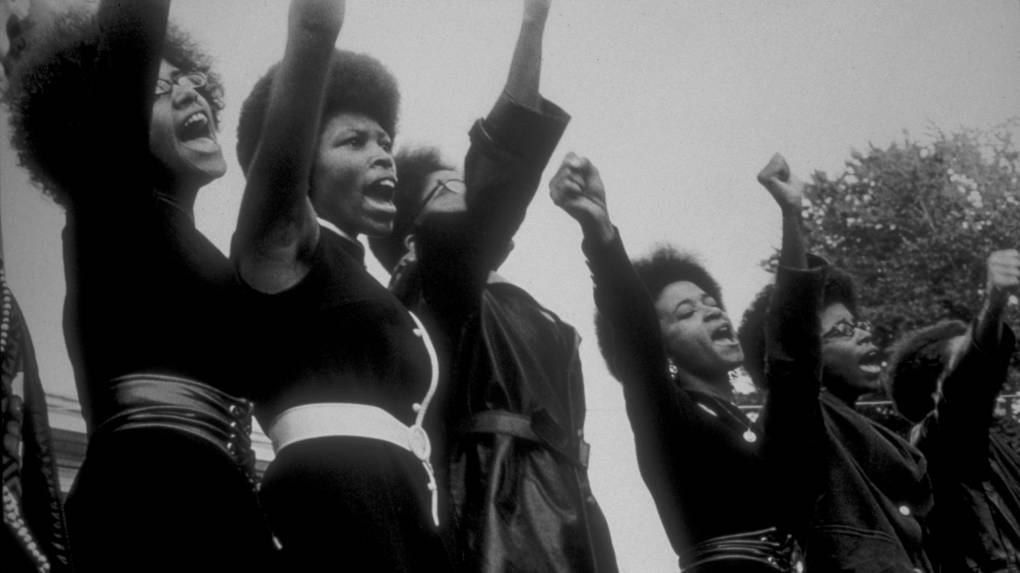
"caption": "Pirkle Jones, 'Black Panthers from Sacramento, Free Huey Rally, Bobby Hutton Memorial Park, Oakland;' August 25, 1968.",
"description": "Pirkle Jones, 'Black Panthers from Sacramento, Free Huey Rally, Bobby Hutton Memorial Park, Oakland;' August 25, 1968.",
"title": "Jones_Black-Panthers-from-Sacramento_COVER",
"credit": "Courtesy of BAMPFA",
"status": "inherit",
"isLoading": false,
"fetchFailed": false
},
"arts_13873114": {
"type": "attachments",
"id": "arts_13873114",
"meta": {
"index": "attachments_1716263798",
"site": "arts",
"id": "13873114",
"found": true
},
"parent": 13871297,
"imgSizes": {
"twentyfourteen-full-width": {
"file": "https://ww2.kqed.org/app/uploads/sites/2/2020/01/Dorothy-Arzner-1038x576.jpg",
"width": 1038,
"mimeType": "image/jpeg",
"height": 576
},
"thumbnail": {
"file": "https://ww2.kqed.org/app/uploads/sites/2/2020/01/Dorothy-Arzner-160x90.jpg",
"width": 160,
"mimeType": "image/jpeg",
"height": 90
},
"post-thumbnail": {
"file": "https://ww2.kqed.org/app/uploads/sites/2/2020/01/Dorothy-Arzner-672x372.jpg",
"width": 672,
"mimeType": "image/jpeg",
"height": 372
},
"kqedFullSize": {
"file": "https://ww2.kqed.org/app/uploads/sites/2/2020/01/Dorothy-Arzner.jpg",
"width": 1920,
"height": 1080
},
"large": {
"file": "https://ww2.kqed.org/app/uploads/sites/2/2020/01/Dorothy-Arzner-1020x574.jpg",
"width": 1020,
"mimeType": "image/jpeg",
"height": 574
},
"complete_open_graph": {
"file": "https://ww2.kqed.org/app/uploads/sites/2/2020/01/Dorothy-Arzner-1200x675.jpg",
"width": 1200,
"mimeType": "image/jpeg",
"height": 675
},
"full-width": {
"file": "https://ww2.kqed.org/app/uploads/sites/2/2020/01/Dorothy-Arzner-1920x1080.jpg",
"width": 1920,
"mimeType": "image/jpeg",
"height": 1080
},
"medium": {
"file": "https://ww2.kqed.org/app/uploads/sites/2/2020/01/Dorothy-Arzner-800x450.jpg",
"width": 800,
"mimeType": "image/jpeg",
"height": 450
},
"medium_large": {
"file": "https://ww2.kqed.org/app/uploads/sites/2/2020/01/Dorothy-Arzner-768x432.jpg",
"width": 768,
"mimeType": "image/jpeg",
"height": 432
}
},
"publishDate": 1578696345,
"modified": 1636505613,
"caption": null,
"description": null,
"title": "Dorothy Arzner",
"credit": null,
"status": "inherit",
"altTag": "A confident, half-smiling woman with short, dark hair leans on camera equipment and holds up a small megaphone. Behind her a male camera operator works.",
"isLoading": false,
"fetchFailed": false
},
"arts_13865985": {
"type": "attachments",
"id": "arts_13865985",
"meta": {
"index": "attachments_1716263798",
"site": "arts",
"id": "13865985",
"found": true
},
"parent": 13865965,
"imgSizes": {
"twentyfourteen-full-width": {
"file": "https://ww2.kqed.org/app/uploads/sites/2/2019/09/The_Flick-1038x576.jpg",
"width": 1038,
"mimeType": "image/jpeg",
"height": 576
},
"thumbnail": {
"file": "https://ww2.kqed.org/app/uploads/sites/2/2019/09/The_Flick-160x90.jpg",
"width": 160,
"mimeType": "image/jpeg",
"height": 90
},
"post-thumbnail": {
"file": "https://ww2.kqed.org/app/uploads/sites/2/2019/09/The_Flick-672x372.jpg",
"width": 672,
"mimeType": "image/jpeg",
"height": 372
},
"kqedFullSize": {
"file": "https://ww2.kqed.org/app/uploads/sites/2/2019/09/The_Flick.jpg",
"width": 1200,
"height": 675
},
"large": {
"file": "https://ww2.kqed.org/app/uploads/sites/2/2019/09/The_Flick-1020x574.jpg",
"width": 1020,
"mimeType": "image/jpeg",
"height": 574
},
"complete_open_graph": {
"file": "https://ww2.kqed.org/app/uploads/sites/2/2019/09/The_Flick-1200x675.jpg",
"width": 1200,
"mimeType": "image/jpeg",
"height": 675
},
"medium": {
"file": "https://ww2.kqed.org/app/uploads/sites/2/2019/09/The_Flick-800x450.jpg",
"width": 800,
"mimeType": "image/jpeg",
"height": 450
},
"medium_large": {
"file": "https://ww2.kqed.org/app/uploads/sites/2/2019/09/The_Flick-768x432.jpg",
"width": 768,
"mimeType": "image/jpeg",
"height": 432
}
},
"publishDate": 1568046216,
"modified": 1568046334,
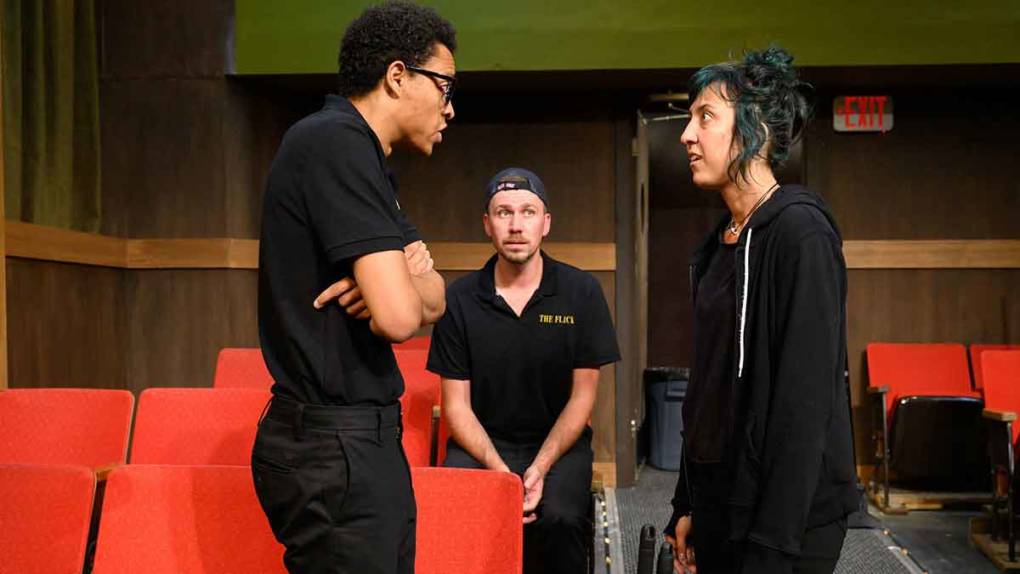
"caption": "Left to right, Avery (Justin Howard), Sam (Chris Ginesi) and Rose (Ari Rampy) in Shotgun Players' production of 'The Flick.'",
"description": "Left to right, Avery (Justin Howard), Sam (Chris Ginesi) and Rose (Ari Rampy) in Shotgun Players' production of 'The Flick.'",
"title": "The_Flick",
"credit": "Ben Krantz Studio",
"status": "inherit",
"isLoading": false,
"fetchFailed": false
},
"arts_13861406": {
"type": "attachments",
"id": "arts_13861406",
"meta": {
"index": "attachments_1716263798",
"site": "arts",
"id": "13861406",
"found": true
},
"parent": 13861398,
"imgSizes": {
"twentyfourteen-full-width": {
"file": "https://ww2.kqed.org/app/uploads/sites/2/2019/07/KillMoveParadise_DwayneClay_EddieEwell_LenardJackson_TrevonneBell_credit_RobbieSweeny-1038x576.jpg",
"width": 1038,
"mimeType": "image/jpeg",
"height": 576
},
"thumbnail": {
"file": "https://ww2.kqed.org/app/uploads/sites/2/2019/07/KillMoveParadise_DwayneClay_EddieEwell_LenardJackson_TrevonneBell_credit_RobbieSweeny-160x99.jpg",
"width": 160,
"mimeType": "image/jpeg",
"height": 99
},
"post-thumbnail": {
"file": "https://ww2.kqed.org/app/uploads/sites/2/2019/07/KillMoveParadise_DwayneClay_EddieEwell_LenardJackson_TrevonneBell_credit_RobbieSweeny-672x372.jpg",
"width": 672,
"mimeType": "image/jpeg",
"height": 372
},
"kqedFullSize": {
"file": "https://ww2.kqed.org/app/uploads/sites/2/2019/07/KillMoveParadise_DwayneClay_EddieEwell_LenardJackson_TrevonneBell_credit_RobbieSweeny.jpg",
"width": 1200,
"height": 741
},
"large": {
"file": "https://ww2.kqed.org/app/uploads/sites/2/2019/07/KillMoveParadise_DwayneClay_EddieEwell_LenardJackson_TrevonneBell_credit_RobbieSweeny-1020x630.jpg",
"width": 1020,
"mimeType": "image/jpeg",
"height": 630
},
"complete_open_graph": {
"file": "https://ww2.kqed.org/app/uploads/sites/2/2019/07/KillMoveParadise_DwayneClay_EddieEwell_LenardJackson_TrevonneBell_credit_RobbieSweeny-1200x741.jpg",
"width": 1200,
"mimeType": "image/jpeg",
"height": 741
},
"medium": {
"file": "https://ww2.kqed.org/app/uploads/sites/2/2019/07/KillMoveParadise_DwayneClay_EddieEwell_LenardJackson_TrevonneBell_credit_RobbieSweeny-800x494.jpg",
"width": 800,
"mimeType": "image/jpeg",
"height": 494
},
"medium_large": {
"file": "https://ww2.kqed.org/app/uploads/sites/2/2019/07/KillMoveParadise_DwayneClay_EddieEwell_LenardJackson_TrevonneBell_credit_RobbieSweeny-768x474.jpg",
"width": 768,
"mimeType": "image/jpeg",
"height": 474
}
},
"publishDate": 1563213632,
"modified": 1563484701,
"caption": "Dwayne Clay, Eddie Ewell, Lenard Jackson, and Tre'Vonne Bell in 'Kill Move Paradise,' by James Ijames, at Shotgun Players' Ashby Stage.",
"description": "Dwayne Clay, Eddie Ewell, Lenard Jackson, and Tre'Vonne Bell in 'Kill Move Paradise,' by James Ijames, at Shotgun Players' Ashby Stage.",
"title": "KillMoveParadise_DwayneClay_EddieEwell_LenardJackson_TrevonneBell_credit_RobbieSweeny",
"credit": "Robbie Sweeny",
"status": "inherit",
"isLoading": false,
"fetchFailed": false
},
"arts_11283312": {
"type": "attachments",
"id": "arts_11283312",
"meta": {
"index": "attachments_1716263798",
"site": "arts",
"id": "11283312",
"found": true
},
"parent": 11283305,
"imgSizes": {
"twentyfourteen-full-width": {
"file": "https://ww2.kqed.org/app/uploads/sites/2/2016/01/BAMPFA-DSR-16-01-4786_A-1038x576.jpg",
"width": 1038,
"mimeType": "image/jpeg",
"height": 576
},
"thumbnail": {
"file": "https://ww2.kqed.org/app/uploads/sites/2/2016/01/BAMPFA-DSR-16-01-4786_A-400x267.jpg",
"width": 400,
"mimeType": "image/jpeg",
"height": 267
},
"fd-sm": {
"file": "https://ww2.kqed.org/app/uploads/sites/2/2016/01/BAMPFA-DSR-16-01-4786_A-960x640.jpg",
"width": 960,
"mimeType": "image/jpeg",
"height": 640
},
"post-thumbnail": {
"file": "https://ww2.kqed.org/app/uploads/sites/2/2016/01/BAMPFA-DSR-16-01-4786_A-672x372.jpg",
"width": 672,
"mimeType": "image/jpeg",
"height": 372
},
"kqedFullSize": {
"file": "https://ww2.kqed.org/app/uploads/sites/2/2016/01/BAMPFA-DSR-16-01-4786_A.jpg",
"width": 1200,
"height": 800
},
"large": {
"file": "https://ww2.kqed.org/app/uploads/sites/2/2016/01/BAMPFA-DSR-16-01-4786_A-1180x787.jpg",
"width": 1180,
"mimeType": "image/jpeg",
"height": 787
},
"guest-author-96": {
"file": "https://ww2.kqed.org/app/uploads/sites/2/2016/01/BAMPFA-DSR-16-01-4786_A-96x96.jpg",
"width": 96,
"mimeType": "image/jpeg",
"height": 96
},
"medium": {
"file": "https://ww2.kqed.org/app/uploads/sites/2/2016/01/BAMPFA-DSR-16-01-4786_A-800x533.jpg",
"width": 800,
"mimeType": "image/jpeg",
"height": 533
},
"guest-author-64": {
"file": "https://ww2.kqed.org/app/uploads/sites/2/2016/01/BAMPFA-DSR-16-01-4786_A-64x64.jpg",
"width": 64,
"mimeType": "image/jpeg",
"height": 64
},
"guest-author-32": {
"file": "https://ww2.kqed.org/app/uploads/sites/2/2016/01/BAMPFA-DSR-16-01-4786_A-32x32.jpg",
"width": 32,
"mimeType": "image/jpeg",
"height": 32
},
"fd-med": {
"file": "https://ww2.kqed.org/app/uploads/sites/2/2016/01/BAMPFA-DSR-16-01-4786_A-1180x787.jpg",
"width": 1180,
"mimeType": "image/jpeg",
"height": 787
},
"detail": {
"file": "https://ww2.kqed.org/app/uploads/sites/2/2016/01/BAMPFA-DSR-16-01-4786_A-75x75.jpg",
"width": 75,
"mimeType": "image/jpeg",
"height": 75
},
"medium_large": {
"file": "https://ww2.kqed.org/app/uploads/sites/2/2016/01/BAMPFA-DSR-16-01-4786_A-768x512.jpg",
"width": 768,
"mimeType": "image/jpeg",
"height": 512
},
"guest-author-128": {
"file": "https://ww2.kqed.org/app/uploads/sites/2/2016/01/BAMPFA-DSR-16-01-4786_A-128x128.jpg",
"width": 128,
"mimeType": "image/jpeg",
"height": 128
}
},
"publishDate": 1454023098,
"modified": 1557421944,
"caption": "Diller Scofidio + Renfro, UC Berkeley Art Museum and Pacific Film Archive, 2016; Aerial view from the UC Berkeley Campus.",
"description": "Diller Scofidio + Renfro, UC Berkeley Art Museum and Pacific Film Archive, 2016; Aerial view from the UC Berkeley Campus.",
"title": "BAMPFA DSR 16-01 4786_A",
"credit": "Courtesy Diller Scofidio + Renfro",
"status": "inherit",
"isLoading": false,
"fetchFailed": false
},
"arts_13856722": {
"type": "attachments",
"id": "arts_13856722",
"meta": {
"index": "attachments_1716263798",
"site": "arts",
"id": "13856722",
"found": true
},
"parent": 13856717,
"imgSizes": {
"twentyfourteen-full-width": {
"file": "https://ww2.kqed.org/app/uploads/sites/2/2019/05/FarFarBetterThings_MichelleNavarrete_NeiryRojo_credit_JayYamada-1038x576.jpg",
"width": 1038,
"mimeType": "image/jpeg",
"height": 576
},
"thumbnail": {
"file": "https://ww2.kqed.org/app/uploads/sites/2/2019/05/FarFarBetterThings_MichelleNavarrete_NeiryRojo_credit_JayYamada-160x107.jpg",
"width": 160,
"mimeType": "image/jpeg",
"height": 107
},
"post-thumbnail": {
"file": "https://ww2.kqed.org/app/uploads/sites/2/2019/05/FarFarBetterThings_MichelleNavarrete_NeiryRojo_credit_JayYamada-672x372.jpg",
"width": 672,
"mimeType": "image/jpeg",
"height": 372
},
"kqedFullSize": {
"file": "https://ww2.kqed.org/app/uploads/sites/2/2019/05/FarFarBetterThings_MichelleNavarrete_NeiryRojo_credit_JayYamada.jpg",
"width": 1200,
"height": 800
},
"large": {
"file": "https://ww2.kqed.org/app/uploads/sites/2/2019/05/FarFarBetterThings_MichelleNavarrete_NeiryRojo_credit_JayYamada-1020x680.jpg",
"width": 1020,
"mimeType": "image/jpeg",
"height": 680
},
"complete_open_graph": {
"file": "https://ww2.kqed.org/app/uploads/sites/2/2019/05/FarFarBetterThings_MichelleNavarrete_NeiryRojo_credit_JayYamada-1200x800.jpg",
"width": 1200,
"mimeType": "image/jpeg",
"height": 800
},
"medium": {
"file": "https://ww2.kqed.org/app/uploads/sites/2/2019/05/FarFarBetterThings_MichelleNavarrete_NeiryRojo_credit_JayYamada-800x533.jpg",
"width": 800,
"mimeType": "image/jpeg",
"height": 533
},
"medium_large": {
"file": "https://ww2.kqed.org/app/uploads/sites/2/2019/05/FarFarBetterThings_MichelleNavarrete_NeiryRojo_credit_JayYamada-768x512.jpg",
"width": 768,
"mimeType": "image/jpeg",
"height": 512
}
},
"publishDate": 1557173023,
"modified": 1557173118,
"caption": "Michelle Navarrete and Neiry Rojo in Geetha Reddy's Far Far Better Things.",
"description": "Michelle Navarrete and Neiry Rojo in Geetha Reddy's Far Far Better Things.",
"title": "FarFarBetterThings_MichelleNavarrete_NeiryRojo_credit_JayYamada",
"credit": "Jay Yamada",
"status": "inherit",
"isLoading": false,
"fetchFailed": false
},
"arts_13855696": {
"type": "attachments",
"id": "arts_13855696",
"meta": {
"index": "attachments_1716263798",
"site": "arts",
"id": "13855696",
"found": true
},
"parent": 13855694,
"imgSizes": {
"twentyfourteen-full-width": {
"file": "https://ww2.kqed.org/app/uploads/sites/2/2019/04/BABF-Outdoor-Fair-photo-by-Michael-Hitchner-1030x687-1030x576.jpg",
"width": 1030,
"mimeType": "image/jpeg",
"height": 576
},
"thumbnail": {
"file": "https://ww2.kqed.org/app/uploads/sites/2/2019/04/BABF-Outdoor-Fair-photo-by-Michael-Hitchner-1030x687-160x107.jpg",
"width": 160,
"mimeType": "image/jpeg",
"height": 107
},
"post-thumbnail": {
"file": "https://ww2.kqed.org/app/uploads/sites/2/2019/04/BABF-Outdoor-Fair-photo-by-Michael-Hitchner-1030x687-672x372.jpg",
"width": 672,
"mimeType": "image/jpeg",
"height": 372
},
"kqedFullSize": {
"file": "https://ww2.kqed.org/app/uploads/sites/2/2019/04/BABF-Outdoor-Fair-photo-by-Michael-Hitchner-1030x687.jpg",
"width": 1030,
"height": 687
},
"large": {
"file": "https://ww2.kqed.org/app/uploads/sites/2/2019/04/BABF-Outdoor-Fair-photo-by-Michael-Hitchner-1030x687-1020x680.jpg",
"width": 1020,
"mimeType": "image/jpeg",
"height": 680
},
"medium": {
"file": "https://ww2.kqed.org/app/uploads/sites/2/2019/04/BABF-Outdoor-Fair-photo-by-Michael-Hitchner-1030x687-800x534.jpg",
"width": 800,
"mimeType": "image/jpeg",
"height": 534
},
"medium_large": {
"file": "https://ww2.kqed.org/app/uploads/sites/2/2019/04/BABF-Outdoor-Fair-photo-by-Michael-Hitchner-1030x687-768x512.jpg",
"width": 768,
"mimeType": "image/jpeg",
"height": 512
}
},
"publishDate": 1556060952,
"modified": 1556061001,
"caption": "The Bay Area Book Festival is expected to draw 35,000 people to downtown Berkeley.",
"description": "The Bay Area Book Festival is expected to draw 35,000 people to downtown Berkeley.",
"title": "BABF-Outdoor-Fair-photo-by-Michael-Hitchner-1030x687",
"credit": "Michael Hitchner/Courtesy Bay Area Book Festival",
"status": "inherit",
"isLoading": false,
"fetchFailed": false
},
"arts_13850399": {
"type": "attachments",
"id": "arts_13850399",
"meta": {
"index": "attachments_1716263798",
"site": "arts",
"id": "13850399",
"found": true
},
"parent": 13850397,
"imgSizes": {
"twentyfourteen-full-width": {
"file": "https://ww2.kqed.org/app/uploads/sites/2/2019/02/ShePersisted-1038x576.jpg",
"width": 1038,
"mimeType": "image/jpeg",
"height": 576
},
"thumbnail": {
"file": "https://ww2.kqed.org/app/uploads/sites/2/2019/02/ShePersisted-160x90.jpg",
"width": 160,
"mimeType": "image/jpeg",
"height": 90
},
"post-thumbnail": {
"file": "https://ww2.kqed.org/app/uploads/sites/2/2019/02/ShePersisted-672x372.jpg",
"width": 672,
"mimeType": "image/jpeg",
"height": 372
},
"kqedFullSize": {
"file": "https://ww2.kqed.org/app/uploads/sites/2/2019/02/ShePersisted.jpg",
"width": 1920,
"height": 1080
},
"large": {
"file": "https://ww2.kqed.org/app/uploads/sites/2/2019/02/ShePersisted-1020x574.jpg",
"width": 1020,
"mimeType": "image/jpeg",
"height": 574
},
"complete_open_graph": {
"file": "https://ww2.kqed.org/app/uploads/sites/2/2019/02/ShePersisted-1200x675.jpg",
"width": 1200,
"mimeType": "image/jpeg",
"height": 675
},
"guest-author-50": {
"file": "https://ww2.kqed.org/app/uploads/sites/2/2019/02/ShePersisted-50x50.jpg",
"width": 50,
"mimeType": "image/jpeg",
"height": 50
},
"guest-author-96": {
"file": "https://ww2.kqed.org/app/uploads/sites/2/2019/02/ShePersisted-96x96.jpg",
"width": 96,
"mimeType": "image/jpeg",
"height": 96
},
"medium": {
"file": "https://ww2.kqed.org/app/uploads/sites/2/2019/02/ShePersisted-800x450.jpg",
"width": 800,
"mimeType": "image/jpeg",
"height": 450
},
"guest-author-64": {
"file": "https://ww2.kqed.org/app/uploads/sites/2/2019/02/ShePersisted-64x64.jpg",
"width": 64,
"mimeType": "image/jpeg",
"height": 64
},
"guest-author-32": {
"file": "https://ww2.kqed.org/app/uploads/sites/2/2019/02/ShePersisted-32x32.jpg",
"width": 32,
"mimeType": "image/jpeg",
"height": 32
},
"full-width": {
"file": "https://ww2.kqed.org/app/uploads/sites/2/2019/02/ShePersisted-1920x1080.jpg",
"width": 1920,
"mimeType": "image/jpeg",
"height": 1080
},
"detail": {
"file": "https://ww2.kqed.org/app/uploads/sites/2/2019/02/ShePersisted-150x150.jpg",
"width": 150,
"mimeType": "image/jpeg",
"height": 150
},
"medium_large": {
"file": "https://ww2.kqed.org/app/uploads/sites/2/2019/02/ShePersisted-768x432.jpg",
"width": 768,
"mimeType": "image/jpeg",
"height": 432
},
"guest-author-128": {
"file": "https://ww2.kqed.org/app/uploads/sites/2/2019/02/ShePersisted-128x128.jpg",
"width": 128,
"mimeType": "image/jpeg",
"height": 128
}
},
"publishDate": 1549613416,
"modified": 1549613494,
"caption": "Loreigna Sinclair is fourth-grader Naomi in 'She Persisted, the Musical.'",
"description": "Loreigna Sinclair is fourth-grader Naomi in Bay Area Children's Theatre's production of 'She Persisted, the Musical.'",
"title": "ShePersisted",
"credit": "Bay Area Children's Theatre",
"status": "inherit",
"isLoading": false,
"fetchFailed": false
},
"arts_13850276": {
"type": "attachments",
"id": "arts_13850276",
"meta": {
"index": "attachments_1716263798",
"site": "arts",
"id": "13850276",
"found": true
},
"parent": 13850266,
"imgSizes": {
"twentyfourteen-full-width": {
"file": "https://ww2.kqed.org/app/uploads/sites/2/2019/02/IMG-0780-1038x576.jpg",
"width": 1038,
"mimeType": "image/jpeg",
"height": 576
},
"thumbnail": {
"file": "https://ww2.kqed.org/app/uploads/sites/2/2019/02/IMG-0780-160x120.jpg",
"width": 160,
"mimeType": "image/jpeg",
"height": 120
},
"post-thumbnail": {
"file": "https://ww2.kqed.org/app/uploads/sites/2/2019/02/IMG-0780-672x372.jpg",
"width": 672,
"mimeType": "image/jpeg",
"height": 372
},
"kqedFullSize": {
"file": "https://ww2.kqed.org/app/uploads/sites/2/2019/02/IMG-0780.jpg",
"width": 2048,
"height": 1536
},
"large": {
"file": "https://ww2.kqed.org/app/uploads/sites/2/2019/02/IMG-0780-1020x765.jpg",
"width": 1020,
"mimeType": "image/jpeg",
"height": 765
},
"complete_open_graph": {
"file": "https://ww2.kqed.org/app/uploads/sites/2/2019/02/IMG-0780-1200x900.jpg",
"width": 1200,
"mimeType": "image/jpeg",
"height": 900
},
"guest-author-50": {
"file": "https://ww2.kqed.org/app/uploads/sites/2/2019/02/IMG-0780-50x50.jpg",
"width": 50,
"mimeType": "image/jpeg",
"height": 50
},
"guest-author-96": {
"file": "https://ww2.kqed.org/app/uploads/sites/2/2019/02/IMG-0780-96x96.jpg",
"width": 96,
"mimeType": "image/jpeg",
"height": 96
},
"medium": {
"file": "https://ww2.kqed.org/app/uploads/sites/2/2019/02/IMG-0780-800x600.jpg",
"width": 800,
"mimeType": "image/jpeg",
"height": 600
},
"guest-author-64": {
"file": "https://ww2.kqed.org/app/uploads/sites/2/2019/02/IMG-0780-64x64.jpg",
"width": 64,
"mimeType": "image/jpeg",
"height": 64
},
"guest-author-32": {
"file": "https://ww2.kqed.org/app/uploads/sites/2/2019/02/IMG-0780-32x32.jpg",
"width": 32,
"mimeType": "image/jpeg",
"height": 32
},
"full-width": {
"file": "https://ww2.kqed.org/app/uploads/sites/2/2019/02/IMG-0780-1920x1440.jpg",
"width": 1920,
"mimeType": "image/jpeg",
"height": 1440
},
"detail": {
"file": "https://ww2.kqed.org/app/uploads/sites/2/2019/02/IMG-0780-150x150.jpg",
"width": 150,
"mimeType": "image/jpeg",
"height": 150
},
"medium_large": {
"file": "https://ww2.kqed.org/app/uploads/sites/2/2019/02/IMG-0780-768x576.jpg",
"width": 768,
"mimeType": "image/jpeg",
"height": 576
},
"guest-author-128": {
"file": "https://ww2.kqed.org/app/uploads/sites/2/2019/02/IMG-0780-128x128.jpg",
"width": 128,
"mimeType": "image/jpeg",
"height": 128
}
},
"publishDate": 1549486667,
"modified": 1549486754,
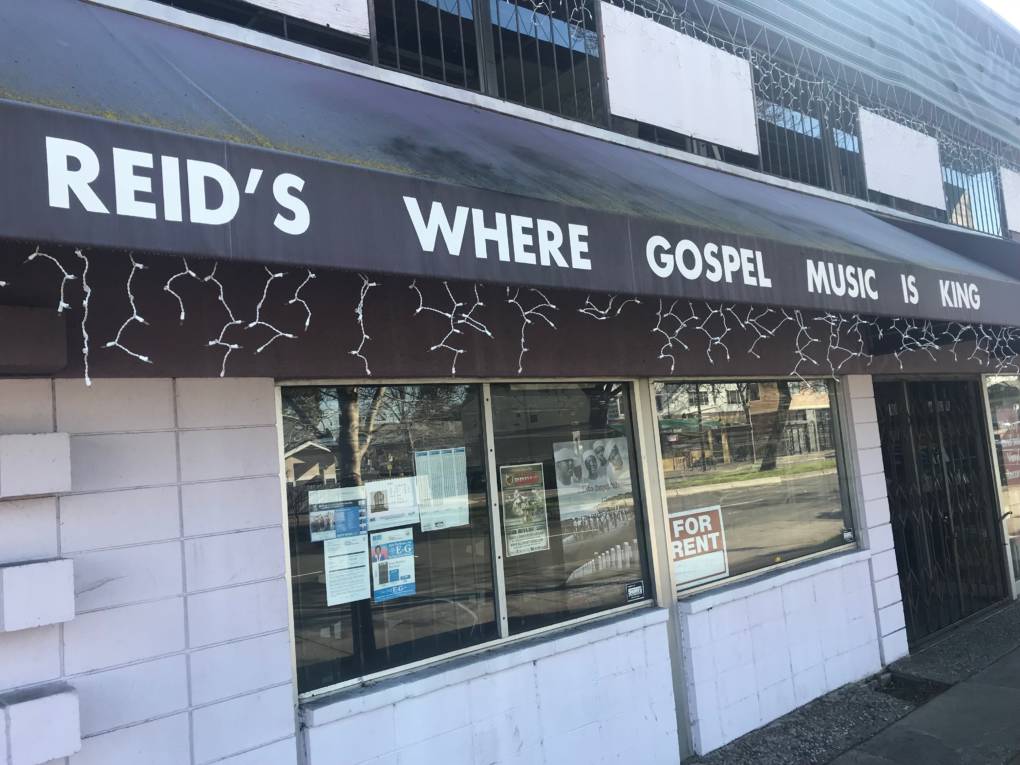
"caption": "Reid's Records, reportedly the state's oldest record shop, opened in 1945 to serve the East Bay's swelling black community.",
"description": "Reid's Records, reportedly the state's oldest record shop, opened in 1945 to serve the East Bay's swelling black community.",
"title": "Reid's Records, reportedly the state's oldest record shop, opened in 1945 to serve the East Bay's swelling black community.",
"credit": "Sam Lefebvre/KQED",
"status": "inherit",
"isLoading": false,
"fetchFailed": false
}
},
"audioPlayerReducer": {
"postId": "stream_live",
"isPaused": true,
"isPlaying": false,
"pfsActive": false,
"pledgeModalIsOpen": true,
"playerDrawerIsOpen": false,
"liveAudioPlayStartedAt": 0,
"liveAudioPlayContext": ""
},
"authorsReducer": {
"gmeline": {
"type": "authors",
"id": "185",
"meta": {
"index": "authors_1716337520",
"id": "185",
"found": true
},
"name": "Gabe Meline",
"firstName": "Gabe",
"lastName": "Meline",
"slug": "gmeline",
"email": "gmeline@kqed.org",
"display_author_email": true,
"staff_mastheads": [
"arts"
],
"title": "Senior Editor, KQED Arts & Culture",
"bio": "Gabe Meline entered journalism at age 15 making photocopied zines, and has since earned awards from the Edward R. Murrow Awards, the Society for Professional Journalists, the Online Journalism Awards, the Association of Alternative Newsweeklies and the California Newspaper Publishers Association. Prior to KQED, he was the editor of the \u003cem>North Bay Bohemian\u003c/em> and a touring musician. He lives with his wife and daughter in his hometown of Santa Rosa, CA.",
"avatar": "https://secure.gravatar.com/avatar/5bebe57be0d8bc2dd318934feb47299e2d2d10cba28d09d8d7afb389a2ce2bdd?s=600&d=blank&r=g",
"twitter": null,
"bluesky": null,
"facebook": null,
"instagram": null,
"linkedin": null,
"sites": [
{
"site": "",
"roles": [
"editor"
]
},
{
"site": "arts",
"roles": [
"administrator"
]
},
{
"site": "artschool",
"roles": [
"editor"
]
},
{
"site": "news",
"roles": [
"author"
]
},
{
"site": "pop",
"roles": [
"editor"
]
},
{
"site": "bayareabites",
"roles": [
"editor"
]
},
{
"site": "food",
"roles": [
"editor"
]
},
{
"site": "forum",
"roles": [
"administrator"
]
},
{
"site": "liveblog",
"roles": [
"editor"
]
},
{
"site": "hiphop",
"roles": [
"editor"
]
}
],
"headData": {
"title": "Gabe Meline | KQED",
"description": "Senior Editor, KQED Arts & Culture",
"ogImgSrc": "https://secure.gravatar.com/avatar/5bebe57be0d8bc2dd318934feb47299e2d2d10cba28d09d8d7afb389a2ce2bdd?s=600&d=blank&r=g",
"twImgSrc": "https://secure.gravatar.com/avatar/5bebe57be0d8bc2dd318934feb47299e2d2d10cba28d09d8d7afb389a2ce2bdd?s=600&d=blank&r=g"
},
"isLoading": false,
"link": "/author/gmeline"
},
"slefebvre": {
"type": "authors",
"id": "11091",
"meta": {
"index": "authors_1716337520",
"id": "11091",
"found": true
},
"name": "Sam Lefebvre",
"firstName": "Sam",
"lastName": "Lefebvre",
"slug": "slefebvre",
"email": "sdlefebvre@gmail.com",
"display_author_email": false,
"staff_mastheads": [],
"title": "KQED Contributor",
"bio": "Sam Lefebvre is an award-winning reporter at KQED Arts. He has worked as an editor and columnist at the \u003cem>East Bay Express\u003c/em>, \u003cem>SF Weekly \u003c/em>and Impose Magazine, and his journalism and criticism has appeared in \u003cem>The New York Times\u003c/em>, the Guardian and Pitchfork.",
"avatar": "https://secure.gravatar.com/avatar/49d39b42930b77fb13784ddd9fa63fe780666b71bf289368509dba576b64e69b?s=600&d=blank&r=g",
"twitter": "Lefebvre_Sam",
"bluesky": null,
"facebook": null,
"instagram": null,
"linkedin": null,
"sites": [
{
"site": "arts",
"roles": [
"subscriber"
]
},
{
"site": "news",
"roles": [
"author"
]
}
],
"headData": {
"title": "Sam Lefebvre | KQED",
"description": "KQED Contributor",
"ogImgSrc": "https://secure.gravatar.com/avatar/49d39b42930b77fb13784ddd9fa63fe780666b71bf289368509dba576b64e69b?s=600&d=blank&r=g",
"twImgSrc": "https://secure.gravatar.com/avatar/49d39b42930b77fb13784ddd9fa63fe780666b71bf289368509dba576b64e69b?s=600&d=blank&r=g"
},
"isLoading": false,
"link": "/author/slefebvre"
},
"ralexandra": {
"type": "authors",
"id": "11242",
"meta": {
"index": "authors_1716337520",
"id": "11242",
"found": true
},
"name": "Rae Alexandra",
"firstName": "Rae",
"lastName": "Alexandra",
"slug": "ralexandra",
"email": "ralexandra@kqed.org",
"display_author_email": true,
"staff_mastheads": [],
"title": "Reporter/Producer",
"bio": "Rae Alexandra is a Reporter/Producer for KQED Arts & Culture, and the creator/author of the \u003ca href=\"https://www.kqed.org/arts/program/rebel-girls-from-bay-area-history\">Rebel Girls From Bay Area History\u003c/a> and \u003ca href=\"https://www.kqed.org/bizarrebayarea\">Bizarre Bay Area\u003c/a> series. Her debut book, \u003ca href=\"https://citylights.com/politics-current-events-history/unsung-heroines35-women-who-changed/\">Unsung Heroines: 35 Women Who Changed the Bay Area\u003c/a> was published by City Lights in March 2026. In 2023, Rae was awarded an SPJ Excellence in Journalism Award for Arts & Culture. Rae was born and raised in Wales and subsequently — even after two decades in Northern California — still uses phrases that regularly baffle her coworkers.",
"avatar": "https://secure.gravatar.com/avatar/edfee8176c80cc0a382b051190f5341997df378a934a5774dcb0977732dfd401?s=600&d=blank&r=g",
"twitter": null,
"bluesky": null,
"facebook": null,
"instagram": null,
"linkedin": null,
"sites": [
{
"site": "arts",
"roles": [
"subscriber"
]
},
{
"site": "news",
"roles": [
"subscriber"
]
},
{
"site": "pop",
"roles": [
"subscriber"
]
},
{
"site": "bayareabites",
"roles": [
"subscriber"
]
},
{
"site": "science",
"roles": [
"subscriber"
]
}
],
"headData": {
"title": "Rae Alexandra | KQED",
"description": "Reporter/Producer",
"ogImgSrc": "https://secure.gravatar.com/avatar/edfee8176c80cc0a382b051190f5341997df378a934a5774dcb0977732dfd401?s=600&d=blank&r=g",
"twImgSrc": "https://secure.gravatar.com/avatar/edfee8176c80cc0a382b051190f5341997df378a934a5774dcb0977732dfd401?s=600&d=blank&r=g"
},
"isLoading": false,
"link": "/author/ralexandra"
},
"ngluckstern": {
"type": "authors",
"id": "11497",
"meta": {
"index": "authors_1716337520",
"id": "11497",
"found": true
},
"name": "Nicole Gluckstern",
"firstName": "Nicole",
"lastName": "Gluckstern",
"slug": "ngluckstern",
"email": "gluckstern.nicole@gmail.com",
"display_author_email": false,
"staff_mastheads": [],
"title": "KQED Contributor",
"bio": null,
"avatar": "https://secure.gravatar.com/avatar/2c3d593194017bfe811a998ad03140909de330b22abebf4889e1a564ce5b3495?s=600&d=blank&r=g",
"twitter": null,
"bluesky": null,
"facebook": null,
"instagram": null,
"linkedin": null,
"sites": [
{
"site": "arts",
"roles": [
"contributor"
]
}
],
"headData": {
"title": "Nicole Gluckstern | KQED",
"description": "KQED Contributor",
"ogImgSrc": "https://secure.gravatar.com/avatar/2c3d593194017bfe811a998ad03140909de330b22abebf4889e1a564ce5b3495?s=600&d=blank&r=g",
"twImgSrc": "https://secure.gravatar.com/avatar/2c3d593194017bfe811a998ad03140909de330b22abebf4889e1a564ce5b3495?s=600&d=blank&r=g"
},
"isLoading": false,
"link": "/author/ngluckstern"
},
"twalsh": {
"type": "authors",
"id": "11696",
"meta": {
"index": "authors_1716337520",
"id": "11696",
"found": true
},
"name": "Theadora Walsh",
"firstName": "Theadora",
"lastName": "Walsh",
"slug": "twalsh",
"email": "theadora.walsh@gmail.com",
"display_author_email": false,
"staff_mastheads": [],
"title": "KQED Contributor",
"bio": "Theadora Walsh is a writer and digital artist. She has contributed criticism to Art Papers, SFMOMA's Open Space, BOMB, Hyperallergic, and elsewhere.",
"avatar": "https://secure.gravatar.com/avatar/f933ebf68ddf31c7a828c5671bd7af03?s=600&d=blank&r=g",
"twitter": "theadora_tm",
"facebook": null,
"instagram": null,
"linkedin": null,
"sites": [
{
"site": "arts",
"roles": [
"contributor"
]
}
],
"headData": {
"title": "Theadora Walsh | KQED",
"description": "KQED Contributor",
"ogImgSrc": "https://secure.gravatar.com/avatar/f933ebf68ddf31c7a828c5671bd7af03?s=600&d=blank&r=g",
"twImgSrc": "https://secure.gravatar.com/avatar/f933ebf68ddf31c7a828c5671bd7af03?s=600&d=blank&r=g"
},
"isLoading": false,
"link": "/author/twalsh"
}
},
"pagesReducer": {
"arts_tag_berkeley": {
"type": "terms",
"id": "arts_1270",
"meta": {
"index": "terms_1716263798",
"site": "arts",
"id": "1270",
"score": 6.9273148
},
"featImg": null,
"name": "Berkeley",
"description": null,
"taxonomy": "tag",
"headData": {
"twImgId": null,
"twTitle": null,
"ogTitle": null,
"ogImgId": null,
"twDescription": null,
"description": null,
"title": "Berkeley Archives | KQED Arts",
"ogDescription": null
},
"ttid": 1282,
"slug": "berkeley",
"isLoading": false,
"title": "Berkeley",
"pageMeta": {
"site": "arts",
"WpPageTemplate": "page-topic-editorial",
"currentPage": 14
},
"blocks": [
{
"blockName": "kqed/post-list",
"attrs": {
"layout": "cardArticle2",
"query": "posts/arts?tag=berkeley",
"seeMore": false,
"paginated": true,
"page": 14
}
},
{
"blockName": "kqed/ad"
}
]
}
},
"pfsSessionReducer": {},
"postsReducer": {
"stream_live": {
"type": "live",
"id": "stream_live",
"audioUrl": "https://streams.kqed.org/kqedradio",
"title": "Live Stream",
"excerpt": "Live Stream information currently unavailable.",
"link": "/radio",
"featImg": "",
"label": {
"name": "KQED Live",
"link": "/"
}
},
"stream_kqedNewscast": {
"type": "posts",
"id": "stream_kqedNewscast",
"audioUrl": "https://www.kqed.org/.stream/anon/radio/RDnews/newscast.mp3?_=1",
"title": "KQED Newscast",
"featImg": "",
"label": {
"name": "88.5 FM",
"link": "/"
}
},
"arts_13875737": {
"type": "posts",
"id": "arts_13875737",
"meta": {
"index": "posts_1716263798",
"site": "arts",
"id": "13875737",
"score": null,
"sort": [
1583251215000
]
},
"parent": 0,
"labelTerm": {
"site": "arts",
"term": 140
},
"blocks": [],
"publishDate": 1583251215,
"format": "standard",
"title": "Culture Clash Makes America (Still) Great Again at Berkeley Rep",
"headTitle": "Culture Clash Makes America (Still) Great Again at Berkeley Rep | KQED",
"content": "\u003cp>If the phrase “documentary theater” makes you think only of earnest excavations of a historical moment performed by a solo shape-shifting storyteller, you owe it to yourself to experience the boisterous irreverence of Culture Clash.\u003c/p>\n\u003cp>Formed in 1984 at Galería de la Raza in San Francisco’s Mission District—with early members including Marga Gomez and Monica Palacios—Culture Clash has created work as a trio since 1988. Using social satire as a frame for focusing attention on Chicano culture and the immigrant experience, Culture Clash uses laughter as a tool of subversion, giving its audiences an alternative history lesson of “America” from the point-of-view of its outsiders. Guillermo Gómez-Peña once dubbed the group “reverse anthropologists.”\u003c/p>\n\u003cp>Currently performing a mélange of their most seminal scenes plus some newer, timelier material at Berkeley Repertory Theatre, their familiarity with the Bay Area informs their humorous asides, including some knowing digs at Orinda, People’s Park protesters, and the Mission District-born Philz coffee.\u003c/p>\n\u003cfigure id=\"attachment_13875744\" class=\"wp-caption aligncenter\" style=\"max-width: 800px\">\u003cimg loading=\"lazy\" decoding=\"async\" class=\"size-medium wp-image-13875744\" src=\"https://ww2.kqed.org/app/uploads/sites/2/2020/03/CultureClash_RichardMontoya_HerbertSiguenza_RicardoSalinas_credit_KevinBerne-800x532.jpg\" alt=\"\" width=\"800\" height=\"532\" srcset=\"https://cdn.kqed.org/wp-content/uploads/sites/2/2020/03/CultureClash_RichardMontoya_HerbertSiguenza_RicardoSalinas_credit_KevinBerne-800x532.jpg 800w, https://cdn.kqed.org/wp-content/uploads/sites/2/2020/03/CultureClash_RichardMontoya_HerbertSiguenza_RicardoSalinas_credit_KevinBerne-160x106.jpg 160w, https://cdn.kqed.org/wp-content/uploads/sites/2/2020/03/CultureClash_RichardMontoya_HerbertSiguenza_RicardoSalinas_credit_KevinBerne-768x511.jpg 768w, https://cdn.kqed.org/wp-content/uploads/sites/2/2020/03/CultureClash_RichardMontoya_HerbertSiguenza_RicardoSalinas_credit_KevinBerne-1020x679.jpg 1020w, https://cdn.kqed.org/wp-content/uploads/sites/2/2020/03/CultureClash_RichardMontoya_HerbertSiguenza_RicardoSalinas_credit_KevinBerne-1920x1278.jpg 1920w, https://cdn.kqed.org/wp-content/uploads/sites/2/2020/03/CultureClash_RichardMontoya_HerbertSiguenza_RicardoSalinas_credit_KevinBerne.jpg 2000w\" sizes=\"(max-width: 800px) 100vw, 800px\">\u003cfigcaption class=\"wp-caption-text\">Richard Montoya, Herbert Sigüenza, and Ricardo Salinas are here to document you in ‘Culture Clash (Still) in America’ at Berkeley Repertory Theatre. \u003ccite>(Kevin Berne)\u003c/cite>\u003c/figcaption>\u003c/figure>\n\u003cp>But Culture Clash is much more than their one-liners. For over 20 years, they’ve investigated the Chicano/Latino experience using the same rigorous documentarian approaches as theater-makers such as Anna Deavere Smith and Dan Hoyle. Criss-crossing the country, tape recorders and video cameras in hand, their interview subjects include couples in Miami Beach, new citizens at their naturalization ceremony, a hyper-active Nuyorican toting an old-school boombox, and a hopeful Middle-Eastern Uber driver observing dryly that “there is nothing in the Koran about raising an American teenager.” Occasionally, in the spirit of fun, they turn the cameras onto their audience, capturing every reaction with a cheerful thumbs up.\u003c/p>\n\u003cfigure id=\"attachment_13875743\" class=\"wp-caption aligncenter\" style=\"max-width: 800px\">\u003cimg loading=\"lazy\" decoding=\"async\" class=\"size-medium wp-image-13875743\" src=\"https://ww2.kqed.org/app/uploads/sites/2/2020/03/CultureClash_RicardoSalinas_credit_KevinBerne-800x532.jpg\" alt=\"\" width=\"800\" height=\"532\" srcset=\"https://cdn.kqed.org/wp-content/uploads/sites/2/2020/03/CultureClash_RicardoSalinas_credit_KevinBerne-800x532.jpg 800w, https://cdn.kqed.org/wp-content/uploads/sites/2/2020/03/CultureClash_RicardoSalinas_credit_KevinBerne-160x106.jpg 160w, https://cdn.kqed.org/wp-content/uploads/sites/2/2020/03/CultureClash_RicardoSalinas_credit_KevinBerne-768x511.jpg 768w, https://cdn.kqed.org/wp-content/uploads/sites/2/2020/03/CultureClash_RicardoSalinas_credit_KevinBerne.jpg 1000w\" sizes=\"(max-width: 800px) 100vw, 800px\">\u003cfigcaption class=\"wp-caption-text\">Ricardo Salinas as a salsa-parsing Nuyorican in ‘Culture Clash (Still) in America’ at Berkeley Repertory Theatre. \u003ccite>(Kevin Berne)\u003c/cite>\u003c/figcaption>\u003c/figure>\n\u003cp>In a staccato burst of loosely-arranged sketches, \u003cem>Culture Clash (Still) in America\u003c/em>, directed by Lisa Peterson, explores its plurality of voices with good-natured portrayals. Even less sympathetic characters such as Floridian blowhard Todd (Herbert Sigüenza), whose casual racism and sexism dominates much of his discourse, seems weirdly vulnerable when confessing his emotional distance from his own family in comparison to that of his Cuban wife (Ricardo Salinas). She, in turn, belies her long-suffering subservience with smilingly delivered contradictions and a swift KO.\u003c/p>\n\u003cp>[ad fullwidth]\u003c/p>\n\u003cp>Other beloved characters from older Culture Clash assemblages reemerge still glorious—such as Herbert Sigüenza’s portrayal of the charmingly candid Adelita, a trans health worker in the Mission who speaks of AIDS education, her macho boyfriend, and her own transition process. The two new citizens—Paolo and Oscar (Salinas and Sigüenza)—stick to their original script through much of the scene, but add the twist of a MAGA hat and an unexpected defense of the Philippines’ President Rodrigo Duterte. A pair of “woke” elders smoke out (Salinas with Richard Montoya) and observe the many ways the world has changed since their “revolutionary” youth, now including an awareness of proper pronoun use.\u003c/p>\n\u003cfigure id=\"attachment_13875740\" class=\"wp-caption aligncenter\" style=\"max-width: 800px\">\u003cimg loading=\"lazy\" decoding=\"async\" class=\"size-medium wp-image-13875740\" src=\"https://ww2.kqed.org/app/uploads/sites/2/2020/03/CultureClash_RicardoSalinas_HerbertSiguenza_credit_KevinBerne-800x532.jpg\" alt=\"\" width=\"800\" height=\"532\" srcset=\"https://cdn.kqed.org/wp-content/uploads/sites/2/2020/03/CultureClash_RicardoSalinas_HerbertSiguenza_credit_KevinBerne-800x532.jpg 800w, https://cdn.kqed.org/wp-content/uploads/sites/2/2020/03/CultureClash_RicardoSalinas_HerbertSiguenza_credit_KevinBerne-160x106.jpg 160w, https://cdn.kqed.org/wp-content/uploads/sites/2/2020/03/CultureClash_RicardoSalinas_HerbertSiguenza_credit_KevinBerne-768x511.jpg 768w, https://cdn.kqed.org/wp-content/uploads/sites/2/2020/03/CultureClash_RicardoSalinas_HerbertSiguenza_credit_KevinBerne.jpg 1000w\" sizes=\"(max-width: 800px) 100vw, 800px\">\u003cfigcaption class=\"wp-caption-text\">Ricardo Salinas and Herbert Sigüenza as new citizens in ‘Culture Clash (Still) in America’ at Berkeley Repertory Theatre. \u003ccite>(Kevin Berne)\u003c/cite>\u003c/figcaption>\u003c/figure>\n\u003cp>Meanwhile, Richard Montoya skillfully portrays both sides of a less-evergreen border crossing story—as both a father whose child has been taken from him, and an overworked immigration lawyer working overtime on their reunification.\u003c/p>\n\u003cp>“It’s a humanitarian crisis,” he observes grimly. “Can a country that cages children…is that country still ‘America?’”\u003c/p>\n\u003cp>In that moment there are no laughs solicited and none given. In a work of mainly comedic vignettes, it stands out as a perhaps too-brief moment of political reckoning. An amalgamation of anger at a system bent on maximizing the humiliation and horror that awaits today’s border detainees, and anguish over the helplessness of even the law to combat it. No other moment in the show comes as close to breaking through the genial cocoon of comic relief, and one wonders how its perspective-shifting impact might have been sustained more thoroughly throughout the evening.\u003c/p>\n\u003cp>The camaraderie and synergy displayed by the three Clasheros onstage is by far the show’s great strength. Drawing on decades of collaboration and companionship, they slip into each character’s skin as easily as a pair of familiar shoes, carrying them ever-forward through each transition and scene change. They skillfully avoid the dead time that punctuates less practiced sketch comedy, and their innate stage presence never flags, even as they shift focus from one performer to another with practiced ease like well-matched athletes.\u003c/p>\n\u003cfigure id=\"attachment_13875741\" class=\"wp-caption aligncenter\" style=\"max-width: 800px\">\u003cimg loading=\"lazy\" decoding=\"async\" class=\"size-medium wp-image-13875741\" src=\"https://ww2.kqed.org/app/uploads/sites/2/2020/03/CultureClash_HerbertSiguenza_credit_KevinBerne-800x532.jpg\" alt=\"\" width=\"800\" height=\"532\" srcset=\"https://cdn.kqed.org/wp-content/uploads/sites/2/2020/03/CultureClash_HerbertSiguenza_credit_KevinBerne-800x532.jpg 800w, https://cdn.kqed.org/wp-content/uploads/sites/2/2020/03/CultureClash_HerbertSiguenza_credit_KevinBerne-160x106.jpg 160w, https://cdn.kqed.org/wp-content/uploads/sites/2/2020/03/CultureClash_HerbertSiguenza_credit_KevinBerne-768x511.jpg 768w, https://cdn.kqed.org/wp-content/uploads/sites/2/2020/03/CultureClash_HerbertSiguenza_credit_KevinBerne.jpg 1000w\" sizes=\"(max-width: 800px) 100vw, 800px\">\u003cfigcaption class=\"wp-caption-text\">Herbert Sigüenza as a poet of the revolution in ‘Culture Clash (Still) in America’ at Berkeley Repertory Theatre. \u003ccite>(Kevin Berne)\u003c/cite>\u003c/figcaption>\u003c/figure>\n\u003cp>With just a few props and minimal set pieces (courtesy of Christopher Acebo) and key lighting moments (Tom Ontiveros), Culture Clash creates a vivid world populated by a multiplicity of voices who often seem very different. But from the Miami-based demolition experts praying for their next hurricane to the desperate detainee on the border giving his daughter an encouraging lie, the commonality they all reveal is the necessity and importance of hope. It may be but a small comfort for some. But at least it’s a comfort still available to the many.\u003c/p>\n\u003cp>\u003cimg loading=\"lazy\" decoding=\"async\" src=\"https://ww2.kqed.org/app/uploads/sites/2/2016/09/Q.Logo_.Break_.jpg\" alt=\"\" width=\"800\" height=\"78\" class=\"aligncenter size-full wp-image-12127869\" srcset=\"https://cdn.kqed.org/wp-content/uploads/sites/2/2016/09/Q.Logo_.Break_.jpg 800w, https://cdn.kqed.org/wp-content/uploads/sites/2/2016/09/Q.Logo_.Break_-400x39.jpg 400w, https://cdn.kqed.org/wp-content/uploads/sites/2/2016/09/Q.Logo_.Break_-768x75.jpg 768w\" sizes=\"(max-width: 800px) 100vw, 800px\">\u003c/p>\n\u003cp>\u003c/p>\n\u003cp>\u003cem>‘Culture Clash (Still) in America’ runs Feb. 20-April 5 at Berkeley Repertory Theatre. \u003ca href=\"http://www.berkeleyrep.org/season/1920/14546.asp\">Details here\u003c/a>.\u003c/em>\u003c/p>\n\n",
"stats": {
"hasVideo": false,
"hasChartOrMap": false,
"hasAudio": false,
"hasPolis": false,
"wordCount": 973,
"hasGoogleForm": false,
"hasGallery": false,
"hasHearkenModule": false,
"iframeSrcs": [],
"paragraphCount": 15
},
"modified": 1705021180,
"excerpt": "The Bay Area’s comedic conscience makes a highly anticipated return to the Berkeley Rep stage.",
"headData": {
"twImgId": "",
"twTitle": "",
"ogTitle": "",
"ogImgId": "",
"twDescription": "",
"description": "The Bay Area’s comedic conscience makes a highly anticipated return to the Berkeley Rep stage.",
"title": "Culture Clash Makes America (Still) Great Again at Berkeley Rep | KQED",
"ogDescription": "",
"schema": {
"@context": "https://schema.org",
"@type": "Article",
"headline": "Culture Clash Makes America (Still) Great Again at Berkeley Rep",
"datePublished": "2020-03-03T08:00:15-08:00",
"dateModified": "2024-01-11T16:59:40-08:00",
"image": "https://cdn.kqed.org/wp-content/uploads/2020/02/KQED-OG-Image@1x.png"
}
},
"guestAuthors": [],
"slug": "culture-clash-makes-america-still-great-again-at-berkeley-rep",
"status": "publish",
"templateType": "standard",
"venueName": "Berkeley Repertory Theatre",
"featuredImageType": "standard",
"sticky": false,
"startTime": 1583136000,
"endTime": 1586156400,
"startTimeString": "Through April 5, 2020",
"venueAddress": "2025 Addison St., Berkeley",
"eventLink": "https://www.berkeleyrep.org/",
"path": "/arts/13875737/culture-clash-makes-america-still-great-again-at-berkeley-rep",
"audioTrackLength": null,
"parsedContent": [
{
"type": "contentString",
"content": "\u003cdiv class=\"post-body\">\u003cp>\u003cp>If the phrase “documentary theater” makes you think only of earnest excavations of a historical moment performed by a solo shape-shifting storyteller, you owe it to yourself to experience the boisterous irreverence of Culture Clash.\u003c/p>\n\u003cp>Formed in 1984 at Galería de la Raza in San Francisco’s Mission District—with early members including Marga Gomez and Monica Palacios—Culture Clash has created work as a trio since 1988. Using social satire as a frame for focusing attention on Chicano culture and the immigrant experience, Culture Clash uses laughter as a tool of subversion, giving its audiences an alternative history lesson of “America” from the point-of-view of its outsiders. Guillermo Gómez-Peña once dubbed the group “reverse anthropologists.”\u003c/p>\n\u003cp>Currently performing a mélange of their most seminal scenes plus some newer, timelier material at Berkeley Repertory Theatre, their familiarity with the Bay Area informs their humorous asides, including some knowing digs at Orinda, People’s Park protesters, and the Mission District-born Philz coffee.\u003c/p>\n\u003cfigure id=\"attachment_13875744\" class=\"wp-caption aligncenter\" style=\"max-width: 800px\">\u003cimg loading=\"lazy\" decoding=\"async\" class=\"size-medium wp-image-13875744\" src=\"https://ww2.kqed.org/app/uploads/sites/2/2020/03/CultureClash_RichardMontoya_HerbertSiguenza_RicardoSalinas_credit_KevinBerne-800x532.jpg\" alt=\"\" width=\"800\" height=\"532\" srcset=\"https://cdn.kqed.org/wp-content/uploads/sites/2/2020/03/CultureClash_RichardMontoya_HerbertSiguenza_RicardoSalinas_credit_KevinBerne-800x532.jpg 800w, https://cdn.kqed.org/wp-content/uploads/sites/2/2020/03/CultureClash_RichardMontoya_HerbertSiguenza_RicardoSalinas_credit_KevinBerne-160x106.jpg 160w, https://cdn.kqed.org/wp-content/uploads/sites/2/2020/03/CultureClash_RichardMontoya_HerbertSiguenza_RicardoSalinas_credit_KevinBerne-768x511.jpg 768w, https://cdn.kqed.org/wp-content/uploads/sites/2/2020/03/CultureClash_RichardMontoya_HerbertSiguenza_RicardoSalinas_credit_KevinBerne-1020x679.jpg 1020w, https://cdn.kqed.org/wp-content/uploads/sites/2/2020/03/CultureClash_RichardMontoya_HerbertSiguenza_RicardoSalinas_credit_KevinBerne-1920x1278.jpg 1920w, https://cdn.kqed.org/wp-content/uploads/sites/2/2020/03/CultureClash_RichardMontoya_HerbertSiguenza_RicardoSalinas_credit_KevinBerne.jpg 2000w\" sizes=\"(max-width: 800px) 100vw, 800px\">\u003cfigcaption class=\"wp-caption-text\">Richard Montoya, Herbert Sigüenza, and Ricardo Salinas are here to document you in ‘Culture Clash (Still) in America’ at Berkeley Repertory Theatre. \u003ccite>(Kevin Berne)\u003c/cite>\u003c/figcaption>\u003c/figure>\n\u003cp>But Culture Clash is much more than their one-liners. For over 20 years, they’ve investigated the Chicano/Latino experience using the same rigorous documentarian approaches as theater-makers such as Anna Deavere Smith and Dan Hoyle. Criss-crossing the country, tape recorders and video cameras in hand, their interview subjects include couples in Miami Beach, new citizens at their naturalization ceremony, a hyper-active Nuyorican toting an old-school boombox, and a hopeful Middle-Eastern Uber driver observing dryly that “there is nothing in the Koran about raising an American teenager.” Occasionally, in the spirit of fun, they turn the cameras onto their audience, capturing every reaction with a cheerful thumbs up.\u003c/p>\n\u003cfigure id=\"attachment_13875743\" class=\"wp-caption aligncenter\" style=\"max-width: 800px\">\u003cimg loading=\"lazy\" decoding=\"async\" class=\"size-medium wp-image-13875743\" src=\"https://ww2.kqed.org/app/uploads/sites/2/2020/03/CultureClash_RicardoSalinas_credit_KevinBerne-800x532.jpg\" alt=\"\" width=\"800\" height=\"532\" srcset=\"https://cdn.kqed.org/wp-content/uploads/sites/2/2020/03/CultureClash_RicardoSalinas_credit_KevinBerne-800x532.jpg 800w, https://cdn.kqed.org/wp-content/uploads/sites/2/2020/03/CultureClash_RicardoSalinas_credit_KevinBerne-160x106.jpg 160w, https://cdn.kqed.org/wp-content/uploads/sites/2/2020/03/CultureClash_RicardoSalinas_credit_KevinBerne-768x511.jpg 768w, https://cdn.kqed.org/wp-content/uploads/sites/2/2020/03/CultureClash_RicardoSalinas_credit_KevinBerne.jpg 1000w\" sizes=\"(max-width: 800px) 100vw, 800px\">\u003cfigcaption class=\"wp-caption-text\">Ricardo Salinas as a salsa-parsing Nuyorican in ‘Culture Clash (Still) in America’ at Berkeley Repertory Theatre. \u003ccite>(Kevin Berne)\u003c/cite>\u003c/figcaption>\u003c/figure>\n\u003cp>In a staccato burst of loosely-arranged sketches, \u003cem>Culture Clash (Still) in America\u003c/em>, directed by Lisa Peterson, explores its plurality of voices with good-natured portrayals. Even less sympathetic characters such as Floridian blowhard Todd (Herbert Sigüenza), whose casual racism and sexism dominates much of his discourse, seems weirdly vulnerable when confessing his emotional distance from his own family in comparison to that of his Cuban wife (Ricardo Salinas). She, in turn, belies her long-suffering subservience with smilingly delivered contradictions and a swift KO.\u003c/p>\n\u003cp>\u003c/p>\u003c/div>",
"attributes": {
"named": {},
"numeric": []
}
},
{
"type": "component",
"content": "",
"name": "ad",
"attributes": {
"named": {
"label": "fullwidth"
},
"numeric": [
"fullwidth"
]
}
},
{
"type": "contentString",
"content": "\u003cdiv class=\"post-body\">\u003cp>\u003c/p>\n\u003cp>Other beloved characters from older Culture Clash assemblages reemerge still glorious—such as Herbert Sigüenza’s portrayal of the charmingly candid Adelita, a trans health worker in the Mission who speaks of AIDS education, her macho boyfriend, and her own transition process. The two new citizens—Paolo and Oscar (Salinas and Sigüenza)—stick to their original script through much of the scene, but add the twist of a MAGA hat and an unexpected defense of the Philippines’ President Rodrigo Duterte. A pair of “woke” elders smoke out (Salinas with Richard Montoya) and observe the many ways the world has changed since their “revolutionary” youth, now including an awareness of proper pronoun use.\u003c/p>\n\u003cfigure id=\"attachment_13875740\" class=\"wp-caption aligncenter\" style=\"max-width: 800px\">\u003cimg loading=\"lazy\" decoding=\"async\" class=\"size-medium wp-image-13875740\" src=\"https://ww2.kqed.org/app/uploads/sites/2/2020/03/CultureClash_RicardoSalinas_HerbertSiguenza_credit_KevinBerne-800x532.jpg\" alt=\"\" width=\"800\" height=\"532\" srcset=\"https://cdn.kqed.org/wp-content/uploads/sites/2/2020/03/CultureClash_RicardoSalinas_HerbertSiguenza_credit_KevinBerne-800x532.jpg 800w, https://cdn.kqed.org/wp-content/uploads/sites/2/2020/03/CultureClash_RicardoSalinas_HerbertSiguenza_credit_KevinBerne-160x106.jpg 160w, https://cdn.kqed.org/wp-content/uploads/sites/2/2020/03/CultureClash_RicardoSalinas_HerbertSiguenza_credit_KevinBerne-768x511.jpg 768w, https://cdn.kqed.org/wp-content/uploads/sites/2/2020/03/CultureClash_RicardoSalinas_HerbertSiguenza_credit_KevinBerne.jpg 1000w\" sizes=\"(max-width: 800px) 100vw, 800px\">\u003cfigcaption class=\"wp-caption-text\">Ricardo Salinas and Herbert Sigüenza as new citizens in ‘Culture Clash (Still) in America’ at Berkeley Repertory Theatre. \u003ccite>(Kevin Berne)\u003c/cite>\u003c/figcaption>\u003c/figure>\n\u003cp>Meanwhile, Richard Montoya skillfully portrays both sides of a less-evergreen border crossing story—as both a father whose child has been taken from him, and an overworked immigration lawyer working overtime on their reunification.\u003c/p>\n\u003cp>“It’s a humanitarian crisis,” he observes grimly. “Can a country that cages children…is that country still ‘America?’”\u003c/p>\n\u003cp>In that moment there are no laughs solicited and none given. In a work of mainly comedic vignettes, it stands out as a perhaps too-brief moment of political reckoning. An amalgamation of anger at a system bent on maximizing the humiliation and horror that awaits today’s border detainees, and anguish over the helplessness of even the law to combat it. No other moment in the show comes as close to breaking through the genial cocoon of comic relief, and one wonders how its perspective-shifting impact might have been sustained more thoroughly throughout the evening.\u003c/p>\n\u003cp>The camaraderie and synergy displayed by the three Clasheros onstage is by far the show’s great strength. Drawing on decades of collaboration and companionship, they slip into each character’s skin as easily as a pair of familiar shoes, carrying them ever-forward through each transition and scene change. They skillfully avoid the dead time that punctuates less practiced sketch comedy, and their innate stage presence never flags, even as they shift focus from one performer to another with practiced ease like well-matched athletes.\u003c/p>\n\u003cfigure id=\"attachment_13875741\" class=\"wp-caption aligncenter\" style=\"max-width: 800px\">\u003cimg loading=\"lazy\" decoding=\"async\" class=\"size-medium wp-image-13875741\" src=\"https://ww2.kqed.org/app/uploads/sites/2/2020/03/CultureClash_HerbertSiguenza_credit_KevinBerne-800x532.jpg\" alt=\"\" width=\"800\" height=\"532\" srcset=\"https://cdn.kqed.org/wp-content/uploads/sites/2/2020/03/CultureClash_HerbertSiguenza_credit_KevinBerne-800x532.jpg 800w, https://cdn.kqed.org/wp-content/uploads/sites/2/2020/03/CultureClash_HerbertSiguenza_credit_KevinBerne-160x106.jpg 160w, https://cdn.kqed.org/wp-content/uploads/sites/2/2020/03/CultureClash_HerbertSiguenza_credit_KevinBerne-768x511.jpg 768w, https://cdn.kqed.org/wp-content/uploads/sites/2/2020/03/CultureClash_HerbertSiguenza_credit_KevinBerne.jpg 1000w\" sizes=\"(max-width: 800px) 100vw, 800px\">\u003cfigcaption class=\"wp-caption-text\">Herbert Sigüenza as a poet of the revolution in ‘Culture Clash (Still) in America’ at Berkeley Repertory Theatre. \u003ccite>(Kevin Berne)\u003c/cite>\u003c/figcaption>\u003c/figure>\n\u003cp>With just a few props and minimal set pieces (courtesy of Christopher Acebo) and key lighting moments (Tom Ontiveros), Culture Clash creates a vivid world populated by a multiplicity of voices who often seem very different. But from the Miami-based demolition experts praying for their next hurricane to the desperate detainee on the border giving his daughter an encouraging lie, the commonality they all reveal is the necessity and importance of hope. It may be but a small comfort for some. But at least it’s a comfort still available to the many.\u003c/p>\n\u003cp>\u003cimg loading=\"lazy\" decoding=\"async\" src=\"https://ww2.kqed.org/app/uploads/sites/2/2016/09/Q.Logo_.Break_.jpg\" alt=\"\" width=\"800\" height=\"78\" class=\"aligncenter size-full wp-image-12127869\" srcset=\"https://cdn.kqed.org/wp-content/uploads/sites/2/2016/09/Q.Logo_.Break_.jpg 800w, https://cdn.kqed.org/wp-content/uploads/sites/2/2016/09/Q.Logo_.Break_-400x39.jpg 400w, https://cdn.kqed.org/wp-content/uploads/sites/2/2016/09/Q.Logo_.Break_-768x75.jpg 768w\" sizes=\"(max-width: 800px) 100vw, 800px\">\u003c/p>\n\u003cp>\u003c/p>\n\u003cp>\u003cem>‘Culture Clash (Still) in America’ runs Feb. 20-April 5 at Berkeley Repertory Theatre. \u003ca href=\"http://www.berkeleyrep.org/season/1920/14546.asp\">Details here\u003c/a>.\u003c/em>\u003c/p>\n\n\u003c/div>\u003c/p>",
"attributes": {
"named": {},
"numeric": []
}
}
],
"link": "/arts/13875737/culture-clash-makes-america-still-great-again-at-berkeley-rep",
"authors": [
"11497"
],
"programs": [
"arts_140"
],
"categories": [
"arts_967"
],
"tags": [
"arts_1270",
"arts_1237",
"arts_769"
],
"featImg": "arts_13875742",
"label": "arts_140"
},
"arts_13874999": {
"type": "posts",
"id": "arts_13874999",
"meta": {
"index": "posts_1716263798",
"site": "arts",
"id": "13874999",
"score": null,
"sort": [
1581712951000
]
},
"parent": 0,
"labelTerm": {
"site": "arts",
"term": 140
},
"blocks": [],
"publishDate": 1581712951,
"format": "standard",
"title": "A Master of Ethiopian Jazz",
"headTitle": "A Master of Ethiopian Jazz | KQED",
"content": "\u003cp>There is no sound on Earth quite like the music of Mulatu Astatke. Though Ethiopia is his home, every six years or so a new group of music listeners in the United States discovers his signature sound—based on a five-tone pentatonic scale, with all sorts of wonderful melodies and tonality swirling around. In 1972, Astatke toured extensively with Duke Ellington. And 15 years ago, the film director Jim Jarmusch used Astatke’s songs to great effect in the movie \u003cem>Broken Flowers\u003c/em>, prompting a revival of interest in his music. Luckily for us, at 76 years old, Astatke is still touring, conducting and playing behind the vibraphones. Mulatu Astatke brings his group to town for two nights, Feb. 28 and 29, at the UC Theatre in Berkeley. \u003ca href=\"https://www.theuctheatre.org/\" rel=\"noopener noreferrer\" target=\"_blank\">Details here\u003c/a>.\u003cem>—Gabe Meline\u003c/em>\u003c/p>\n\u003cp>[ad fullwidth]\u003c/p>\u003cp>\u003c/p>\n",
"stats": {
"hasVideo": false,
"hasChartOrMap": false,
"hasAudio": false,
"hasPolis": false,
"wordCount": 137,
"hasGoogleForm": false,
"hasGallery": false,
"hasHearkenModule": false,
"iframeSrcs": [],
"paragraphCount": 3
},
"modified": 1705021285,
"excerpt": "Mulatu Astatke, coming to Berkeley Feb. 28 and 29, creates a sound like no other on Earth.",
"headData": {
"twImgId": "",
"twTitle": "",
"ogTitle": "",
"ogImgId": "",
"twDescription": "",
"description": "Mulatu Astatke, coming to Berkeley Feb. 28 and 29, creates a sound like no other on Earth.",
"title": "A Master of Ethiopian Jazz | KQED",
"ogDescription": "",
"schema": {
"@context": "https://schema.org",
"@type": "Article",
"headline": "A Master of Ethiopian Jazz",
"datePublished": "2020-02-14T12:42:31-08:00",
"dateModified": "2024-01-11T17:01:25-08:00",
"image": "https://cdn.kqed.org/wp-content/uploads/2020/02/KQED-OG-Image@1x.png"
}
},
"guestAuthors": [],
"slug": "a-master-of-ethiopian-jazz",
"status": "publish",
"templateType": "event",
"venueName": "The UC Theatre",
"featuredImageType": "standard",
"sticky": false,
"startTime": 1582948800,
"endTime": 1583049600,
"startTimeString": "Feb. 28 and 29, 2020",
"venueAddress": "2036 University Ave., Berkeley",
"eventLink": "https://www.theuctheatre.org/",
"path": "/arts/13874999/a-master-of-ethiopian-jazz",
"audioTrackLength": null,
"parsedContent": [
{
"type": "contentString",
"content": "\u003cdiv class=\"post-body\">\u003cp>\u003cp>There is no sound on Earth quite like the music of Mulatu Astatke. Though Ethiopia is his home, every six years or so a new group of music listeners in the United States discovers his signature sound—based on a five-tone pentatonic scale, with all sorts of wonderful melodies and tonality swirling around. In 1972, Astatke toured extensively with Duke Ellington. And 15 years ago, the film director Jim Jarmusch used Astatke’s songs to great effect in the movie \u003cem>Broken Flowers\u003c/em>, prompting a revival of interest in his music. Luckily for us, at 76 years old, Astatke is still touring, conducting and playing behind the vibraphones. Mulatu Astatke brings his group to town for two nights, Feb. 28 and 29, at the UC Theatre in Berkeley. \u003ca href=\"https://www.theuctheatre.org/\" rel=\"noopener noreferrer\" target=\"_blank\">Details here\u003c/a>.\u003cem>—Gabe Meline\u003c/em>\u003c/p>\n\u003cp>\u003c/p>\u003c/div>",
"attributes": {
"named": {},
"numeric": []
}
},
{
"type": "component",
"content": "",
"name": "ad",
"attributes": {
"named": {
"label": "fullwidth"
},
"numeric": [
"fullwidth"
]
}
},
{
"type": "contentString",
"content": "\u003cdiv class=\"post-body\">\u003cp>\u003c/p>\u003cp>\u003c/p>\n\u003c/div>\u003c/p>",
"attributes": {
"named": {},
"numeric": []
}
}
],
"link": "/arts/13874999/a-master-of-ethiopian-jazz",
"authors": [
"185"
],
"programs": [
"arts_140"
],
"categories": [
"arts_69"
],
"tags": [
"arts_1270",
"arts_1420",
"arts_2093"
],
"featImg": "arts_13875000",
"label": "arts_140"
},
"arts_13874505": {
"type": "posts",
"id": "arts_13874505",
"meta": {
"index": "posts_1716263798",
"site": "arts",
"id": "13874505",
"score": null,
"sort": [
1581018061000
]
},
"parent": 0,
"labelTerm": {
"site": "arts",
"term": 140
},
"blocks": [],
"publishDate": 1581018061,
"format": "standard",
"title": "Stories and Songs From 'Hedwig' By the Star of the Film",
"headTitle": "Stories and Songs From ‘Hedwig’ By the Star of the Film | KQED",
"content": "\u003cp>I remember seeing a movie in 2001 and thinking afterward that I’d just watched a \u003cem>Rocky Horror Picture Show\u003c/em> for a new generation. The songs were better, the story more tender, and I knew it would last and last in cult screenings for decades. The film, of course, was \u003cem>Hedwig and the Angry Inch\u003c/em>, which as it turns out, has lasted for nearly 20 years. Since 2001, it’s lived on in midnight screenings, a hit Broadway revival, and in various stagings around the world.\u003c/p>\n\u003cp>But one person has been largely absent from the stage throughout it all: Hedwig co-creator and original star, John Cameron Mitchell. This week, Mitchell comes to the Bay Area for a night called \u003cem>The Origin of Love\u003c/em>, and with his Hedwig co-creator Stephan Trask, he tells stories about the film, sings a handful of its beautiful songs, and brings the spirit of Hedwig to life as only he can. That’s on Saturday, Feb. 29, at Zellerbach Hall in Berkeley.—\u003cem>Gabe Meline\u003c/em>\u003c/p>\n\u003cp>[ad fullwidth]\u003c/p>\u003cp>\u003c/p>\n",
"stats": {
"hasVideo": false,
"hasChartOrMap": false,
"hasAudio": false,
"hasPolis": false,
"wordCount": 176,
"hasGoogleForm": false,
"hasGallery": false,
"hasHearkenModule": false,
"iframeSrcs": [],
"paragraphCount": 4
},
"modified": 1705021343,
"excerpt": "John Cameron Mitchell comes to Berkeley in a night of songs and storytelling based on 'Hedwig and the Angry Inch.'",
"headData": {
"twImgId": "",
"twTitle": "",
"ogTitle": "",
"ogImgId": "",
"twDescription": "",
"description": "John Cameron Mitchell comes to Berkeley in a night of songs and storytelling based on 'Hedwig and the Angry Inch.'",
"title": "Stories and Songs From 'Hedwig' By the Star of the Film | KQED",
"ogDescription": "",
"schema": {
"@context": "https://schema.org",
"@type": "Article",
"headline": "Stories and Songs From 'Hedwig' By the Star of the Film",
"datePublished": "2020-02-06T11:41:01-08:00",
"dateModified": "2024-01-11T17:02:23-08:00",
"image": "https://cdn.kqed.org/wp-content/uploads/2020/02/KQED-OG-Image@1x.png"
}
},
"guestAuthors": [],
"slug": "stories-and-songs-from-hedwig-by-the-star-of-the-film",
"status": "publish",
"templateType": "event",
"venueName": "Zellerbach Hall",
"featuredImageType": "standard",
"sticky": false,
"startTime": 1583028000,
"endTime": 1583046000,
"startTimeString": "Feb. 29, 2020",
"venueAddress": "101 Zellerbach Hall, Berkeley",
"eventLink": "https://calperformances.org/performances/2019-20/theater/john-cameron-mitchell-the-origin-of-love-tour.php",
"path": "/arts/13874505/stories-and-songs-from-hedwig-by-the-star-of-the-film",
"audioTrackLength": null,
"parsedContent": [
{
"type": "contentString",
"content": "\u003cdiv class=\"post-body\">\u003cp>\u003cp>I remember seeing a movie in 2001 and thinking afterward that I’d just watched a \u003cem>Rocky Horror Picture Show\u003c/em> for a new generation. The songs were better, the story more tender, and I knew it would last and last in cult screenings for decades. The film, of course, was \u003cem>Hedwig and the Angry Inch\u003c/em>, which as it turns out, has lasted for nearly 20 years. Since 2001, it’s lived on in midnight screenings, a hit Broadway revival, and in various stagings around the world.\u003c/p>\n\u003cp>But one person has been largely absent from the stage throughout it all: Hedwig co-creator and original star, John Cameron Mitchell. This week, Mitchell comes to the Bay Area for a night called \u003cem>The Origin of Love\u003c/em>, and with his Hedwig co-creator Stephan Trask, he tells stories about the film, sings a handful of its beautiful songs, and brings the spirit of Hedwig to life as only he can. That’s on Saturday, Feb. 29, at Zellerbach Hall in Berkeley.—\u003cem>Gabe Meline\u003c/em>\u003c/p>\n\u003cp>\u003c/p>\u003c/div>",
"attributes": {
"named": {},
"numeric": []
}
},
{
"type": "component",
"content": "",
"name": "ad",
"attributes": {
"named": {
"label": "fullwidth"
},
"numeric": [
"fullwidth"
]
}
},
{
"type": "contentString",
"content": "\u003cdiv class=\"post-body\">\u003cp>\u003c/p>\u003cp>\u003c/p>\n\u003c/div>\u003c/p>",
"attributes": {
"named": {},
"numeric": []
}
}
],
"link": "/arts/13874505/stories-and-songs-from-hedwig-by-the-star-of-the-film",
"authors": [
"185"
],
"programs": [
"arts_140"
],
"categories": [
"arts_74",
"arts_69",
"arts_967"
],
"tags": [
"arts_1270",
"arts_5654",
"arts_2880"
],
"featImg": "arts_13874400",
"label": "arts_140"
},
"arts_13873386": {
"type": "posts",
"id": "arts_13873386",
"meta": {
"index": "posts_1716263798",
"site": "arts",
"id": "13873386",
"score": null,
"sort": [
1579204808000
]
},
"parent": 0,
"labelTerm": {
"site": "arts",
"term": 140
},
"blocks": [],
"publishDate": 1579204808,
"format": "standard",
"title": "A BAMPFA Show Empowers Student Curators to Share Their View of California",
"headTitle": "A BAMPFA Show Empowers Student Curators to Share Their View of California | KQED",
"content": "\u003cp>At the Berkeley Art Museum and Pacific Film Archive, a show about California’s geography begins with a wall of people. Catherine Opie’s intimate photograph of two farmworkers wrapped in a butch embrace bleeds into an early photo of Jello Biafra smashing his mouth against a microphone. His hyper-masculinity contrasts starkly with a row of women, photographed by Pirkle Jones, throwing their fists up to signal black power. These people, easily associated with the Bay Area and its unique history, are translated by the show’s narrative into economic and social landscapes, demonstrating how a geographic underpinning defines the way people create and occupy space. \u003c/p>\n\u003cp>\u003ci>\u003ca href=\"https://bampfa.org/program/lands-promise-and-peril-geographies-california\" rel=\"noopener noreferrer\" target=\"_blank\">Land of Promise and Peril: Geographies of California\u003c/a>\u003c/i> is the latest iteration of Cal Conversations, BAMPFA’s collaborative series with UC Berkeley. As members of a UC Berkeley undergraduate course, students select work from the museum’s vast collection to curate an exhibition, empowering them to bring their perspectives and political concerns to the public. \u003c/p>\n\u003cp>The show is primarily composed of medium-format photographs, which associate curator Stephanie Cannizzo—who supported geography professor Seth Lunine and his California geography class in designing the exhibition—explained relates to the students’ desire to feature as many artists as possible. This contributed to the show’s diverse array of artists, featuring work by Dorothea Lange, Bill Owens, Chiura Obata, Kim Abeles, Ruth-Marion Baruch and at least a dozen others. \u003c/p>\n\u003cfigure id=\"attachment_13873393\" class=\"wp-caption aligncenter\" style=\"max-width: 1500px\">\u003cimg loading=\"lazy\" decoding=\"async\" src=\"https://ww2.kqed.org/app/uploads/sites/2/2020/01/Elveena_Slate-Bluff-Mining.jpg\" alt=\"\" width=\"1500\" height=\"1155\" class=\"size-full wp-image-13873393\" srcset=\"https://cdn.kqed.org/wp-content/uploads/sites/2/2020/01/Elveena_Slate-Bluff-Mining.jpg 1500w, https://cdn.kqed.org/wp-content/uploads/sites/2/2020/01/Elveena_Slate-Bluff-Mining-160x123.jpg 160w, https://cdn.kqed.org/wp-content/uploads/sites/2/2020/01/Elveena_Slate-Bluff-Mining-800x616.jpg 800w, https://cdn.kqed.org/wp-content/uploads/sites/2/2020/01/Elveena_Slate-Bluff-Mining-768x591.jpg 768w, https://cdn.kqed.org/wp-content/uploads/sites/2/2020/01/Elveena_Slate-Bluff-Mining-1020x785.jpg 1020w, https://cdn.kqed.org/wp-content/uploads/sites/2/2020/01/Elveena_Slate-Bluff-Mining-1200x924.jpg 1200w\" sizes=\"(max-width: 1500px) 100vw, 1500px\">\u003cfigcaption class=\"wp-caption-text\">Charles Elveena, ‘Slate Bluff Mining Company,’ 1869. \u003ccite>(Courtesy of BAMPFA)\u003c/cite>\u003c/figcaption>\u003c/figure>\n\u003cp>A few standout multimedia pieces are included, such as artist Brian D. Tripp’s 1992 collage. Combining thin sheets of colored plastic, which have the reflective qualities of tinfoil, the artist spells out “they think they own the place” in reds and yellows. Eminently striking, the piece is made more interesting by its explicit relationship to geography. The hard-edge motifs in Tripp’s work reference Karuk geography, the tribe to which he belongs, and it was made to commemorate the 500th anniversary of America’s “discovery.” A favorite of the curatorial team, it centers many critical intersections of race, colonization, and resource extraction. \u003c/p>\n\u003cp>In student curator Jocelyn Gama’s \u003ca href=\"https://bampfa.org/page/california-dreaming-student-reflections-golden-state\" rel=\"noopener noreferrer\" target=\"_blank\">reflection\u003c/a>, she writes that “the metallic and crinkly silver material in Brian Tripp’s artwork … reminds me of the aluminum-colored blankets ICE agents give children and families currently incarcerated in ICE detention centers.” She adds, “The battle is not over.” \u003c/p>\n\u003cp>[aside postID='news_11795944']The political necessity of addressing the ownership, and subsequent policing, of land is felt throughout the show. A miniature Victorian sits in the gallery’s center, rarified, and entrapped in a glass vitrine. Artists Kate Ericson and Mel Ziegler painstakingly wrote every San Francisco street name on the model house’s roof for \u003cem>Peaks and Valleys Maquette\u003c/em> (1991). The students’ wall text interrogates who gets to live in a house in the Bay Area, and why—an all too timely question. The work brings to mind the \u003ca href=\"https://moms4housing.org/\" rel=\"noopener noreferrer\" target=\"_blank\">Moms 4 Housing\u003c/a> movement, which began in West Oakland when four homeless mothers moved into a vacant house, owned by a speculative real estate developer, to protest housing insecurity. \u003c/p>\n\u003cfigure id=\"attachment_13873392\" class=\"wp-caption aligncenter\" style=\"max-width: 1200px\">\u003cimg loading=\"lazy\" decoding=\"async\" src=\"https://ww2.kqed.org/app/uploads/sites/2/2020/01/Misrach_Swimming-pool_1200.jpg\" alt=\"\" width=\"1200\" height=\"958\" class=\"size-full wp-image-13873392\" srcset=\"https://cdn.kqed.org/wp-content/uploads/sites/2/2020/01/Misrach_Swimming-pool_1200.jpg 1200w, https://cdn.kqed.org/wp-content/uploads/sites/2/2020/01/Misrach_Swimming-pool_1200-160x128.jpg 160w, https://cdn.kqed.org/wp-content/uploads/sites/2/2020/01/Misrach_Swimming-pool_1200-800x639.jpg 800w, https://cdn.kqed.org/wp-content/uploads/sites/2/2020/01/Misrach_Swimming-pool_1200-768x613.jpg 768w, https://cdn.kqed.org/wp-content/uploads/sites/2/2020/01/Misrach_Swimming-pool_1200-1020x814.jpg 1020w\" sizes=\"(max-width: 1200px) 100vw, 1200px\">\u003cfigcaption class=\"wp-caption-text\">Richard Misrach, ‘Untitled (OF 104-91: Swimming Pool),’ from ‘1991: The Oakland-Berkeley Fire Aftermath,’ 1991. \u003ccite>(Courtesy of BAMPFA)\u003c/cite>\u003c/figcaption>\u003c/figure>\n\u003cp>Looking forward, Richard Misrach’s \u003cem>Untitled (OF 104-91: Swimming Pool)\u003c/em> suggests a grim future by documenting past devastation. The arresting photograph captures a placid swimming pool, framed on all sides by the ravages of the 1991 East Bay Hills fire. The image is foreboding, reminding one that speculative property development and aggressive suburbanization are no match for the laws of nature.\u003c/p>\n\u003cp>Despite the almost incomprehensible danger articulated by climate change, dialogues fostered by \u003cem>Lands of Promise and Peril\u003c/em>—between artists, educational institutions and young people—inspire hope. Through curating, students gained important political insight into archival access and power.\u003c/p>\n\u003cp>One lesson came, unexpectedly, from featured artist Brian D. Tripp. Upon receipt of the show’s permission form, he reproduced the legal contract and upgraded it. He made one for each student curator and wrote “they think they own the place, but we know better,” signing his name in silver marker. “Like a work of art,” observed Cannizzo. \u003c/p>\n\u003cp>The show’s wall text charts student thoughts as the class grappled with California’s many contradictions and posed questions about representation, identity, and technology in the state’s geography. The pedagogical importance of curating \u003cem>Lands of Promise and Peril\u003c/em> is perhaps its greatest strength. “Several of my students had never been to a museum before,” Professor Lunine reflected, “and they didn’t understand that BAMPFA is their museum, they can go for free and they should feel a sense of ownership over the space. Curating this show changed that.”\u003c/p>\n\u003cp>\u003cimg loading=\"lazy\" decoding=\"async\" src=\"https://ww2.kqed.org/app/uploads/sites/2/2016/09/Q.Logo_.Break_.jpg\" alt=\"\" width=\"800\" height=\"78\" class=\"aligncenter size-full wp-image-12127869\" srcset=\"https://cdn.kqed.org/wp-content/uploads/sites/2/2016/09/Q.Logo_.Break_.jpg 800w, https://cdn.kqed.org/wp-content/uploads/sites/2/2016/09/Q.Logo_.Break_-400x39.jpg 400w, https://cdn.kqed.org/wp-content/uploads/sites/2/2016/09/Q.Logo_.Break_-768x75.jpg 768w\" sizes=\"(max-width: 800px) 100vw, 800px\">\u003c/p>\n\u003cp>\u003ci>‘Land of Promise and Peril: Geographies of California’\u003c/i> is on view through April 26, 2020 at the Berkeley Art Museum and Pacific Film Archive. \u003ca href=\"https://bampfa.org/program/lands-promise-and-peril-geographies-california\" rel=\"noopener noreferrer\" target=\"_blank\">Details here\u003c/a>. \u003c/p>\n\u003cp>[ad fullwidth]\u003c/p>\n\u003cp>\u003c/p>\n",
"stats": {
"hasVideo": false,
"hasChartOrMap": false,
"hasAudio": false,
"hasPolis": false,
"wordCount": 860,
"hasGoogleForm": false,
"hasGallery": false,
"hasHearkenModule": false,
"iframeSrcs": [],
"paragraphCount": 14
},
"modified": 1705021485,
"excerpt": "A UC Berkeley geography class organized 'Land of Promise and Peril,' rendering the economic and social landscape through art.",
"headData": {
"twImgId": "",
"twTitle": "",
"ogTitle": "",
"ogImgId": "",
"twDescription": "",
"description": "A UC Berkeley geography class organized 'Land of Promise and Peril,' rendering the economic and social landscape through art.",
"title": "A BAMPFA Show Empowers Student Curators to Share Their View of California | KQED",
"ogDescription": "",
"schema": {
"@context": "https://schema.org",
"@type": "Article",
"headline": "A BAMPFA Show Empowers Student Curators to Share Their View of California",
"datePublished": "2020-01-16T12:00:08-08:00",
"dateModified": "2024-01-11T17:04:45-08:00",
"image": "https://cdn.kqed.org/wp-content/uploads/2020/02/KQED-OG-Image@1x.png"
}
},
"guestAuthors": [],
"slug": "a-bampfa-show-empowers-student-curators-to-share-their-view-of-california",
"status": "publish",
"templateType": "standard",
"venueName": "Berkeley Art Museum and Pacific Film Archive",
"featuredImageType": "standard",
"sticky": false,
"startTime": 1576054800,
"endTime": 1587967200,
"startTimeString": "Dec. 11, 2019–April 26, 2020",
"venueAddress": "2155 Center St., Berkeley",
"eventLink": "https://bampfa.org/program/lands-promise-and-peril-geographies-california",
"path": "/arts/13873386/a-bampfa-show-empowers-student-curators-to-share-their-view-of-california",
"audioTrackLength": null,
"parsedContent": [
{
"type": "contentString",
"content": "\u003cdiv class=\"post-body\">\u003cp>\u003cp>At the Berkeley Art Museum and Pacific Film Archive, a show about California’s geography begins with a wall of people. Catherine Opie’s intimate photograph of two farmworkers wrapped in a butch embrace bleeds into an early photo of Jello Biafra smashing his mouth against a microphone. His hyper-masculinity contrasts starkly with a row of women, photographed by Pirkle Jones, throwing their fists up to signal black power. These people, easily associated with the Bay Area and its unique history, are translated by the show’s narrative into economic and social landscapes, demonstrating how a geographic underpinning defines the way people create and occupy space. \u003c/p>\n\u003cp>\u003ci>\u003ca href=\"https://bampfa.org/program/lands-promise-and-peril-geographies-california\" rel=\"noopener noreferrer\" target=\"_blank\">Land of Promise and Peril: Geographies of California\u003c/a>\u003c/i> is the latest iteration of Cal Conversations, BAMPFA’s collaborative series with UC Berkeley. As members of a UC Berkeley undergraduate course, students select work from the museum’s vast collection to curate an exhibition, empowering them to bring their perspectives and political concerns to the public. \u003c/p>\n\u003cp>The show is primarily composed of medium-format photographs, which associate curator Stephanie Cannizzo—who supported geography professor Seth Lunine and his California geography class in designing the exhibition—explained relates to the students’ desire to feature as many artists as possible. This contributed to the show’s diverse array of artists, featuring work by Dorothea Lange, Bill Owens, Chiura Obata, Kim Abeles, Ruth-Marion Baruch and at least a dozen others. \u003c/p>\n\u003cfigure id=\"attachment_13873393\" class=\"wp-caption aligncenter\" style=\"max-width: 1500px\">\u003cimg loading=\"lazy\" decoding=\"async\" src=\"https://ww2.kqed.org/app/uploads/sites/2/2020/01/Elveena_Slate-Bluff-Mining.jpg\" alt=\"\" width=\"1500\" height=\"1155\" class=\"size-full wp-image-13873393\" srcset=\"https://cdn.kqed.org/wp-content/uploads/sites/2/2020/01/Elveena_Slate-Bluff-Mining.jpg 1500w, https://cdn.kqed.org/wp-content/uploads/sites/2/2020/01/Elveena_Slate-Bluff-Mining-160x123.jpg 160w, https://cdn.kqed.org/wp-content/uploads/sites/2/2020/01/Elveena_Slate-Bluff-Mining-800x616.jpg 800w, https://cdn.kqed.org/wp-content/uploads/sites/2/2020/01/Elveena_Slate-Bluff-Mining-768x591.jpg 768w, https://cdn.kqed.org/wp-content/uploads/sites/2/2020/01/Elveena_Slate-Bluff-Mining-1020x785.jpg 1020w, https://cdn.kqed.org/wp-content/uploads/sites/2/2020/01/Elveena_Slate-Bluff-Mining-1200x924.jpg 1200w\" sizes=\"(max-width: 1500px) 100vw, 1500px\">\u003cfigcaption class=\"wp-caption-text\">Charles Elveena, ‘Slate Bluff Mining Company,’ 1869. \u003ccite>(Courtesy of BAMPFA)\u003c/cite>\u003c/figcaption>\u003c/figure>\n\u003cp>A few standout multimedia pieces are included, such as artist Brian D. Tripp’s 1992 collage. Combining thin sheets of colored plastic, which have the reflective qualities of tinfoil, the artist spells out “they think they own the place” in reds and yellows. Eminently striking, the piece is made more interesting by its explicit relationship to geography. The hard-edge motifs in Tripp’s work reference Karuk geography, the tribe to which he belongs, and it was made to commemorate the 500th anniversary of America’s “discovery.” A favorite of the curatorial team, it centers many critical intersections of race, colonization, and resource extraction. \u003c/p>\n\u003cp>In student curator Jocelyn Gama’s \u003ca href=\"https://bampfa.org/page/california-dreaming-student-reflections-golden-state\" rel=\"noopener noreferrer\" target=\"_blank\">reflection\u003c/a>, she writes that “the metallic and crinkly silver material in Brian Tripp’s artwork … reminds me of the aluminum-colored blankets ICE agents give children and families currently incarcerated in ICE detention centers.” She adds, “The battle is not over.” \u003c/p>\n\u003cp>\u003c/p>\u003c/div>",
"attributes": {
"named": {},
"numeric": []
}
},
{
"type": "component",
"content": "",
"name": "aside",
"attributes": {
"named": {
"postid": "news_11795944",
"label": ""
},
"numeric": []
}
},
{
"type": "contentString",
"content": "\u003cdiv class=\"post-body\">\u003cp>The political necessity of addressing the ownership, and subsequent policing, of land is felt throughout the show. A miniature Victorian sits in the gallery’s center, rarified, and entrapped in a glass vitrine. Artists Kate Ericson and Mel Ziegler painstakingly wrote every San Francisco street name on the model house’s roof for \u003cem>Peaks and Valleys Maquette\u003c/em> (1991). The students’ wall text interrogates who gets to live in a house in the Bay Area, and why—an all too timely question. The work brings to mind the \u003ca href=\"https://moms4housing.org/\" rel=\"noopener noreferrer\" target=\"_blank\">Moms 4 Housing\u003c/a> movement, which began in West Oakland when four homeless mothers moved into a vacant house, owned by a speculative real estate developer, to protest housing insecurity. \u003c/p>\n\u003cfigure id=\"attachment_13873392\" class=\"wp-caption aligncenter\" style=\"max-width: 1200px\">\u003cimg loading=\"lazy\" decoding=\"async\" src=\"https://ww2.kqed.org/app/uploads/sites/2/2020/01/Misrach_Swimming-pool_1200.jpg\" alt=\"\" width=\"1200\" height=\"958\" class=\"size-full wp-image-13873392\" srcset=\"https://cdn.kqed.org/wp-content/uploads/sites/2/2020/01/Misrach_Swimming-pool_1200.jpg 1200w, https://cdn.kqed.org/wp-content/uploads/sites/2/2020/01/Misrach_Swimming-pool_1200-160x128.jpg 160w, https://cdn.kqed.org/wp-content/uploads/sites/2/2020/01/Misrach_Swimming-pool_1200-800x639.jpg 800w, https://cdn.kqed.org/wp-content/uploads/sites/2/2020/01/Misrach_Swimming-pool_1200-768x613.jpg 768w, https://cdn.kqed.org/wp-content/uploads/sites/2/2020/01/Misrach_Swimming-pool_1200-1020x814.jpg 1020w\" sizes=\"(max-width: 1200px) 100vw, 1200px\">\u003cfigcaption class=\"wp-caption-text\">Richard Misrach, ‘Untitled (OF 104-91: Swimming Pool),’ from ‘1991: The Oakland-Berkeley Fire Aftermath,’ 1991. \u003ccite>(Courtesy of BAMPFA)\u003c/cite>\u003c/figcaption>\u003c/figure>\n\u003cp>Looking forward, Richard Misrach’s \u003cem>Untitled (OF 104-91: Swimming Pool)\u003c/em> suggests a grim future by documenting past devastation. The arresting photograph captures a placid swimming pool, framed on all sides by the ravages of the 1991 East Bay Hills fire. The image is foreboding, reminding one that speculative property development and aggressive suburbanization are no match for the laws of nature.\u003c/p>\n\u003cp>Despite the almost incomprehensible danger articulated by climate change, dialogues fostered by \u003cem>Lands of Promise and Peril\u003c/em>—between artists, educational institutions and young people—inspire hope. Through curating, students gained important political insight into archival access and power.\u003c/p>\n\u003cp>One lesson came, unexpectedly, from featured artist Brian D. Tripp. Upon receipt of the show’s permission form, he reproduced the legal contract and upgraded it. He made one for each student curator and wrote “they think they own the place, but we know better,” signing his name in silver marker. “Like a work of art,” observed Cannizzo. \u003c/p>\n\u003cp>The show’s wall text charts student thoughts as the class grappled with California’s many contradictions and posed questions about representation, identity, and technology in the state’s geography. The pedagogical importance of curating \u003cem>Lands of Promise and Peril\u003c/em> is perhaps its greatest strength. “Several of my students had never been to a museum before,” Professor Lunine reflected, “and they didn’t understand that BAMPFA is their museum, they can go for free and they should feel a sense of ownership over the space. Curating this show changed that.”\u003c/p>\n\u003cp>\u003cimg loading=\"lazy\" decoding=\"async\" src=\"https://ww2.kqed.org/app/uploads/sites/2/2016/09/Q.Logo_.Break_.jpg\" alt=\"\" width=\"800\" height=\"78\" class=\"aligncenter size-full wp-image-12127869\" srcset=\"https://cdn.kqed.org/wp-content/uploads/sites/2/2016/09/Q.Logo_.Break_.jpg 800w, https://cdn.kqed.org/wp-content/uploads/sites/2/2016/09/Q.Logo_.Break_-400x39.jpg 400w, https://cdn.kqed.org/wp-content/uploads/sites/2/2016/09/Q.Logo_.Break_-768x75.jpg 768w\" sizes=\"(max-width: 800px) 100vw, 800px\">\u003c/p>\n\u003cp>\u003ci>‘Land of Promise and Peril: Geographies of California’\u003c/i> is on view through April 26, 2020 at the Berkeley Art Museum and Pacific Film Archive. \u003ca href=\"https://bampfa.org/program/lands-promise-and-peril-geographies-california\" rel=\"noopener noreferrer\" target=\"_blank\">Details here\u003c/a>. \u003c/p>\n\u003cp>\u003c/p>\u003c/div>",
"attributes": {
"named": {},
"numeric": []
}
},
{
"type": "component",
"content": "",
"name": "ad",
"attributes": {
"named": {
"label": "fullwidth"
},
"numeric": [
"fullwidth"
]
}
},
{
"type": "contentString",
"content": "\u003cdiv class=\"post-body\">\u003cp>\u003c/p>\n\u003cp>\u003c/p>\n\u003c/div>\u003c/p>",
"attributes": {
"named": {},
"numeric": []
}
}
],
"link": "/arts/13873386/a-bampfa-show-empowers-student-curators-to-share-their-view-of-california",
"authors": [
"11696"
],
"programs": [
"arts_140"
],
"categories": [
"arts_70"
],
"tags": [
"arts_2227",
"arts_1270",
"arts_1118",
"arts_596",
"arts_769",
"arts_1334"
],
"featImg": "arts_13873391",
"label": "arts_140"
},
"arts_13871297": {
"type": "posts",
"id": "arts_13871297",
"meta": {
"index": "posts_1716263798",
"site": "arts",
"id": "13871297",
"score": null,
"sort": [
1578931202000
]
},
"guestAuthors": [],
"slug": "the-most-prolific-female-director-in-history-took-feminism-to-the-masses",
"title": "The Most Prolific Female Director in History Took Feminism to the Masses",
"publishDate": 1578931202,
"format": "standard",
"headTitle": "The Most Prolific Female Director in History Took Feminism to the Masses | KQED",
"labelTerm": {},
"content": "\u003cp>“I know you want me to tear my clothes off so you can look your 50 cents worth,” the cabaret dancer says, scolding her audience from the edge of a stage. “Fifty cents for the privilege of staring at a girl the way your wives won’t let you. What do you suppose we think of you up here? With your silly smirks your mothers would be ashamed of. What’s it for? So’s you can go home when the show’s over and strut before your wives…? I am sure they see through you just like we do.”\u003c/p>\n\u003cp>It’s a scene so unerringly feminist, it’s hard to believe it was filmed in 1940. \u003cem>Dance, Girl, Dance\u003c/em>, a movie that presented dancers as smart and complex at a time when they were more commonly used on screen as little more than background color, was extremely bold. And its landmark scene was par for the course for rebel director Dorothy Arzner.\u003c/p>\n\u003cp>https://www.youtube.com/watch?v=Fljry1HocUY\u003c/p>\n\u003cp>Born in San Francisco in 1897, Arzner spent most of her life in Southern California. What’s clear about the mark she left on the world, however, is that the rebellious spirit of San Francisco stayed with her long after she left. That fearlessness is visible in her film choices, as well as how she conducted her personal life—she was an out and unabashedly butch lesbian at a time when homosexuality was widely condemned. [aside postid='arts_13870056']\u003c/p>\n\u003cp>Unshakeable in her commitment to elevating female figures on screen, Arzner’s movies pulled no punches in presenting women as they’d never really been seen before. Both 1931’s \u003cem>Working Girls\u003c/em> and 1933’s \u003cem>Christopher Strong\u003c/em> featured plots in which unmarried women got pregnant—an extremely taboo subject at the time—and highlighted the damage wrought by stigmatizing women in trouble. In \u003cem>Christopher Strong\u003c/em>, even Katherine Hepburn’s go-getting pilot chooses to commit suicide rather than face the public shame of the world finding out.\u003c/p>\n\u003cp>[ad fullwidth]\u003c/p>\n\u003cp>Arzner never held back when it came to her views on marriage, either. Instead of the Hollywood romance usually associated with the institution, she presented it as a trap women were forced into for social and financial security. \u003cem>Working Girls\u003c/em>, \u003cem>Craig’s Wife\u003c/em> (1936) and \u003cem>Merrily We Go To A Hell\u003c/em> (1932) were all critical of the institution. The latter even featured a wife proposing an open marriage after finding out her husband has cheated.\u003c/p>\n\u003cp>https://www.youtube.com/watch?v=QrD71wADp0w\u003c/p>\n\u003cp>While not the first female director in the world, Arzner was \u003ca href=\"https://en.wikipedia.org/wiki/Dorothy_Arzner\" target=\"_blank\" rel=\"noopener noreferrer\">the only one\u003c/a> working in Hollywood for the entirety of her movie directing career (1927-1943). She was also the first woman to be accepted into the Director’s Guild of America. Not for nothing. Her moviemaking knowledge was built on sturdy foundations of experience, starting in 1919 with her first job as a silent film stenographer. From there, she graduated onto scriptwriting, and then onto film editing. Her directorial debut came in the form of 1927’s \u003cem>Fashions for Women,\u003c/em> and three other silent films followed.\u003c/p>\n\u003cp>In 1929, Arzner was given the great distinction of directing Paramount’s first talkie, \u003cem>The Wild Party, \u003c/em>and she took the challenge on with great innovation and aplomb. When the star of the film, Clara Bow, began struggling to adjust to non-silent set conditions (she was awkwardly checking the positions of microphones mid-scene), Arzner solved the issue by dangling a mic from a fishing line above. Just like that, the boom mic was born. [aside postid='arts_13879147']\u003c/p>\n\u003cp>After directing her final movie (1943’s \u003ca href=\"https://en.wikipedia.org/wiki/First_Comes_Courage\" target=\"_blank\" rel=\"noopener noreferrer\">\u003cem>First Comes Courage\u003c/em>\u003c/a>, about a female member of the WWII resistance), Arzner directed training videos for the wartime Women’s Army Corps and made dozens of Pepsi-Cola commercials before going on to teach. Arzner’s first classes were at the Pasadena Playhouse, and in 1961, she began teaching at UCLA’s film school. (Interestingly, Arzner’s partner of over 40 years, \u003ca href=\"https://en.wikipedia.org/wiki/Marion_Morgan_(choreographer)\" target=\"_blank\" rel=\"noopener noreferrer\">Marion Morgan\u003c/a>, made a similar transition, moving from life as a Hollywood choreographer to teaching dance at \u003ca href=\"https://books.google.com/books?id=nmQvAQAAMAAJ&pg=PR74&lpg=PR74&dq=marion+morgan+summer+school+berkeley&source=bl&ots=MtBlJXpBow&sig=ACfU3U3XeGZlAtJHqZUIPWz97MqC8jMAoQ&hl=en&sa=X&ved=2ahUKEwj5j8Wg4fnmAhX3CTQIHdHhA0gQ6AEwAXoECAoQAQ#v=onepage&q=marion%20morgan%20summer%20school%20berkeley&f=false\" target=\"_blank\" rel=\"noopener noreferrer\">both UC Berkeley and UCLA\u003c/a>.)\u003c/p>\n\u003cp>Arzner’s time at UCLA left a lasting impression on a multitude of students, including Francis Ford Coppola, who moved to San Francisco shortly after graduating from her class. After lobbying Paramount to name a building on its Hollywood lot after Arzner in 2018, Coppola appeared before the new Dorothy Arzner office and talked fondly of his mentor, calling her “salty and sort of tough, but with a heart as big as the world.”\u003c/p>\n\u003cp>At the end of his \u003ca href=\"https://www.hollywoodreporter.com/news/francis-ford-coppola-joins-paramount-honoring-dorothy-arzner-1090127\" target=\"_blank\" rel=\"noopener noreferrer\">touching speech\u003c/a>, Coppola turned toward a large black-and-white photo of Arzner, showing her working diligently behind a camera, and said: “I can never thank you enough for what helped me for the next 58 years of my career.” In a \u003ca href=\"https://theluxurychannel.com/magazine/the-godfathers-godmother-francis-ford-coppola-on-female-film-makers/\" target=\"_blank\" rel=\"noopener noreferrer\">separate interview\u003c/a>, Coppola noted: “I think what meant so much, as I always had self-doubt, was that she would say: ‘You are going to do fine.’ She was very famous. I just had the good luck that I was her student.”\u003cimg loading=\"lazy\" decoding=\"async\" class=\"aligncenter size-medium wp-image-12127869\" src=\"https://ww2.kqed.org/arts/wp-content/uploads/sites/2/2016/09/Q.Logo_.Break_-800x78.jpg\" alt=\"\" width=\"800\" height=\"78\" srcset=\"https://cdn.kqed.org/wp-content/uploads/sites/2/2016/09/Q.Logo_.Break_.jpg 800w, https://cdn.kqed.org/wp-content/uploads/sites/2/2016/09/Q.Logo_.Break_-400x39.jpg 400w, https://cdn.kqed.org/wp-content/uploads/sites/2/2016/09/Q.Logo_.Break_-768x75.jpg 768w\" sizes=\"auto, (max-width: 800px) 100vw, 800px\">\u003c/p>\n\u003cp>\u003cem>For stories on other Rebel Girls from Bay Area History, click \u003ca href=\"https://www.kqed.org/arts/program/rebel-girls-from-bay-area-history\" target=\"_blank\" rel=\"noopener noreferrer\">here\u003c/a>. \u003c/em>\u003c/p>\n\u003cp>\u003c/p>\n\u003cp>\u003cem>A book celebrating women from the Rebel Girls series, \u003ca href=\"https://citylights.com/politics-current-events-history/unsung-heroines35-women-who-changed/\">‘Unsung Heroines: 35 Women Who Changed the Bay Area,’\u003c/a> is available now from City Lights.\u003c/em>\u003c/p>\n\n",
"blocks": [],
"excerpt": "Dorothy Arzner directed both silent and 'talkie' films alike, invented the boom mic, and mentored filmmakers like Francis Ford Coppola. ",
"status": "publish",
"parent": 0,
"modified": 1769720903,
"stats": {
"hasAudio": false,
"hasVideo": true,
"hasChartOrMap": false,
"iframeSrcs": [],
"hasGoogleForm": false,
"hasGallery": false,
"hasHearkenModule": false,
"hasPolis": false,
"paragraphCount": 14,
"wordCount": 928
},
"headData": {
"title": "The Most Prolific Female Director in History Took Feminism to the Masses | KQED",
"description": "Dorothy Arzner directed both silent and 'talkie' films alike, invented the boom mic, and mentored filmmakers like Francis Ford Coppola. ",
"ogTitle": "",
"ogDescription": "",
"ogImgId": "",
"twTitle": "",
"twDescription": "",
"twImgId": "",
"schema": {
"@context": "https://schema.org",
"@type": "Article",
"headline": "The Most Prolific Female Director in History Took Feminism to the Masses",
"datePublished": "2020-01-13T08:00:02-08:00",
"dateModified": "2026-01-29T13:08:23-08:00",
"image": "https://cdn.kqed.org/wp-content/uploads/2020/02/KQED-OG-Image@1x.png"
}
},
"primaryCategory": {
"termId": 1,
"slug": "arts",
"name": "Arts"
},
"source": "Rebel Girls",
"sourceUrl": "https://www.kqed.org/rebelgirls",
"audioUrl": "https://traffic.omny.fm/d/clips/0af137ef-751e-4b19-a055-aaef00d2d578/ffca7e9f-6831-4[…]f-aaef00f5a073/5cecf8f5-dac3-466f-87d2-ad0401618520/audio.mp3",
"sticky": false,
"templateType": "standard",
"featuredImageType": "standard",
"excludeFromSiteSearch": "Include",
"articleAge": "0",
"path": "/arts/13871297/the-most-prolific-female-director-in-history-took-feminism-to-the-masses",
"audioTrackLength": null,
"parsedContent": [
{
"type": "contentString",
"content": "\u003cdiv class=\"post-body\">\u003cp>\u003cp>“I know you want me to tear my clothes off so you can look your 50 cents worth,” the cabaret dancer says, scolding her audience from the edge of a stage. “Fifty cents for the privilege of staring at a girl the way your wives won’t let you. What do you suppose we think of you up here? With your silly smirks your mothers would be ashamed of. What’s it for? So’s you can go home when the show’s over and strut before your wives…? I am sure they see through you just like we do.”\u003c/p>\n\u003cp>It’s a scene so unerringly feminist, it’s hard to believe it was filmed in 1940. \u003cem>Dance, Girl, Dance\u003c/em>, a movie that presented dancers as smart and complex at a time when they were more commonly used on screen as little more than background color, was extremely bold. And its landmark scene was par for the course for rebel director Dorothy Arzner.\u003c/p>\u003c/p>\u003cp>\u003cspan class='utils-parseShortcode-shortcodes-__youtubeShortcode__embedYoutube'>\n \u003cspan class='utils-parseShortcode-shortcodes-__youtubeShortcode__embedYoutubeInside'>\n \u003ciframe\n loading='lazy'\n class='utils-parseShortcode-shortcodes-__youtubeShortcode__youtubePlayer'\n type='text/html'\n src='//www.youtube.com/embed/Fljry1HocUY'\n title='//www.youtube.com/embed/Fljry1HocUY'\n allowfullscreen='true'\n style='border:0;'>\u003c/iframe>\n \u003c/span>\n \u003c/span>\u003c/p>\u003cp>\u003cp>Born in San Francisco in 1897, Arzner spent most of her life in Southern California. What’s clear about the mark she left on the world, however, is that the rebellious spirit of San Francisco stayed with her long after she left. That fearlessness is visible in her film choices, as well as how she conducted her personal life—she was an out and unabashedly butch lesbian at a time when homosexuality was widely condemned. \u003c/p>\u003c/div>",
"attributes": {
"named": {},
"numeric": []
}
},
{
"type": "component",
"content": "",
"name": "aside",
"attributes": {
"named": {
"postid": "arts_13870056",
"label": ""
},
"numeric": []
}
},
{
"type": "contentString",
"content": "\u003cdiv class=\"post-body\">\u003cp>\u003c/p>\n\u003cp>Unshakeable in her commitment to elevating female figures on screen, Arzner’s movies pulled no punches in presenting women as they’d never really been seen before. Both 1931’s \u003cem>Working Girls\u003c/em> and 1933’s \u003cem>Christopher Strong\u003c/em> featured plots in which unmarried women got pregnant—an extremely taboo subject at the time—and highlighted the damage wrought by stigmatizing women in trouble. In \u003cem>Christopher Strong\u003c/em>, even Katherine Hepburn’s go-getting pilot chooses to commit suicide rather than face the public shame of the world finding out.\u003c/p>\n\u003cp>\u003c/p>\u003c/div>",
"attributes": {
"named": {},
"numeric": []
}
},
{
"type": "component",
"content": "",
"name": "ad",
"attributes": {
"named": {
"label": "fullwidth"
},
"numeric": [
"fullwidth"
]
}
},
{
"type": "contentString",
"content": "\u003cdiv class=\"post-body\">\u003cp>\u003c/p>\n\u003cp>Arzner never held back when it came to her views on marriage, either. Instead of the Hollywood romance usually associated with the institution, she presented it as a trap women were forced into for social and financial security. \u003cem>Working Girls\u003c/em>, \u003cem>Craig’s Wife\u003c/em> (1936) and \u003cem>Merrily We Go To A Hell\u003c/em> (1932) were all critical of the institution. The latter even featured a wife proposing an open marriage after finding out her husband has cheated.\u003c/p>\u003c/p>\u003cp>\u003cspan class='utils-parseShortcode-shortcodes-__youtubeShortcode__embedYoutube'>\n \u003cspan class='utils-parseShortcode-shortcodes-__youtubeShortcode__embedYoutubeInside'>\n \u003ciframe\n loading='lazy'\n class='utils-parseShortcode-shortcodes-__youtubeShortcode__youtubePlayer'\n type='text/html'\n src='//www.youtube.com/embed/QrD71wADp0w'\n title='//www.youtube.com/embed/QrD71wADp0w'\n allowfullscreen='true'\n style='border:0;'>\u003c/iframe>\n \u003c/span>\n \u003c/span>\u003c/p>\u003cp>\u003cp>While not the first female director in the world, Arzner was \u003ca href=\"https://en.wikipedia.org/wiki/Dorothy_Arzner\" target=\"_blank\" rel=\"noopener noreferrer\">the only one\u003c/a> working in Hollywood for the entirety of her movie directing career (1927-1943). She was also the first woman to be accepted into the Director’s Guild of America. Not for nothing. Her moviemaking knowledge was built on sturdy foundations of experience, starting in 1919 with her first job as a silent film stenographer. From there, she graduated onto scriptwriting, and then onto film editing. Her directorial debut came in the form of 1927’s \u003cem>Fashions for Women,\u003c/em> and three other silent films followed.\u003c/p>\n\u003cp>In 1929, Arzner was given the great distinction of directing Paramount’s first talkie, \u003cem>The Wild Party, \u003c/em>and she took the challenge on with great innovation and aplomb. When the star of the film, Clara Bow, began struggling to adjust to non-silent set conditions (she was awkwardly checking the positions of microphones mid-scene), Arzner solved the issue by dangling a mic from a fishing line above. Just like that, the boom mic was born. \u003c/p>\u003c/div>",
"attributes": {
"named": {},
"numeric": []
}
},
{
"type": "component",
"content": "",
"name": "aside",
"attributes": {
"named": {
"postid": "arts_13879147",
"label": ""
},
"numeric": []
}
},
{
"type": "contentString",
"content": "\u003cdiv class=\"post-body\">\u003cp>\u003c/p>\n\u003cp>After directing her final movie (1943’s \u003ca href=\"https://en.wikipedia.org/wiki/First_Comes_Courage\" target=\"_blank\" rel=\"noopener noreferrer\">\u003cem>First Comes Courage\u003c/em>\u003c/a>, about a female member of the WWII resistance), Arzner directed training videos for the wartime Women’s Army Corps and made dozens of Pepsi-Cola commercials before going on to teach. Arzner’s first classes were at the Pasadena Playhouse, and in 1961, she began teaching at UCLA’s film school. (Interestingly, Arzner’s partner of over 40 years, \u003ca href=\"https://en.wikipedia.org/wiki/Marion_Morgan_(choreographer)\" target=\"_blank\" rel=\"noopener noreferrer\">Marion Morgan\u003c/a>, made a similar transition, moving from life as a Hollywood choreographer to teaching dance at \u003ca href=\"https://books.google.com/books?id=nmQvAQAAMAAJ&pg=PR74&lpg=PR74&dq=marion+morgan+summer+school+berkeley&source=bl&ots=MtBlJXpBow&sig=ACfU3U3XeGZlAtJHqZUIPWz97MqC8jMAoQ&hl=en&sa=X&ved=2ahUKEwj5j8Wg4fnmAhX3CTQIHdHhA0gQ6AEwAXoECAoQAQ#v=onepage&q=marion%20morgan%20summer%20school%20berkeley&f=false\" target=\"_blank\" rel=\"noopener noreferrer\">both UC Berkeley and UCLA\u003c/a>.)\u003c/p>\n\u003cp>Arzner’s time at UCLA left a lasting impression on a multitude of students, including Francis Ford Coppola, who moved to San Francisco shortly after graduating from her class. After lobbying Paramount to name a building on its Hollywood lot after Arzner in 2018, Coppola appeared before the new Dorothy Arzner office and talked fondly of his mentor, calling her “salty and sort of tough, but with a heart as big as the world.”\u003c/p>\n\u003cp>At the end of his \u003ca href=\"https://www.hollywoodreporter.com/news/francis-ford-coppola-joins-paramount-honoring-dorothy-arzner-1090127\" target=\"_blank\" rel=\"noopener noreferrer\">touching speech\u003c/a>, Coppola turned toward a large black-and-white photo of Arzner, showing her working diligently behind a camera, and said: “I can never thank you enough for what helped me for the next 58 years of my career.” In a \u003ca href=\"https://theluxurychannel.com/magazine/the-godfathers-godmother-francis-ford-coppola-on-female-film-makers/\" target=\"_blank\" rel=\"noopener noreferrer\">separate interview\u003c/a>, Coppola noted: “I think what meant so much, as I always had self-doubt, was that she would say: ‘You are going to do fine.’ She was very famous. I just had the good luck that I was her student.”\u003cimg loading=\"lazy\" decoding=\"async\" class=\"aligncenter size-medium wp-image-12127869\" src=\"https://ww2.kqed.org/arts/wp-content/uploads/sites/2/2016/09/Q.Logo_.Break_-800x78.jpg\" alt=\"\" width=\"800\" height=\"78\" srcset=\"https://cdn.kqed.org/wp-content/uploads/sites/2/2016/09/Q.Logo_.Break_.jpg 800w, https://cdn.kqed.org/wp-content/uploads/sites/2/2016/09/Q.Logo_.Break_-400x39.jpg 400w, https://cdn.kqed.org/wp-content/uploads/sites/2/2016/09/Q.Logo_.Break_-768x75.jpg 768w\" sizes=\"auto, (max-width: 800px) 100vw, 800px\">\u003c/p>\n\u003cp>\u003cem>For stories on other Rebel Girls from Bay Area History, click \u003ca href=\"https://www.kqed.org/arts/program/rebel-girls-from-bay-area-history\" target=\"_blank\" rel=\"noopener noreferrer\">here\u003c/a>. \u003c/em>\u003c/p>\n\u003cp>\u003c/p>\n\u003cp>\u003cem>A book celebrating women from the Rebel Girls series, \u003ca href=\"https://citylights.com/politics-current-events-history/unsung-heroines35-women-who-changed/\">‘Unsung Heroines: 35 Women Who Changed the Bay Area,’\u003c/a> is available now from City Lights.\u003c/em>\u003c/p>\n\n\u003c/div>\u003c/p>",
"attributes": {
"named": {},
"numeric": []
}
}
],
"link": "/arts/13871297/the-most-prolific-female-director-in-history-took-feminism-to-the-masses",
"authors": [
"11242"
],
"series": [
"arts_22303"
],
"categories": [
"arts_1",
"arts_7862",
"arts_74"
],
"tags": [
"arts_1270",
"arts_1118",
"arts_1962",
"arts_977",
"arts_3226",
"arts_21841"
],
"featImg": "arts_13873114",
"label": "source_arts_13871297"
},
"arts_13865965": {
"type": "posts",
"id": "arts_13865965",
"meta": {
"index": "posts_1716263798",
"site": "arts",
"id": "13865965",
"score": null,
"sort": [
1568048457000
]
},
"parent": 0,
"labelTerm": {
"site": "arts",
"term": 140
},
"blocks": [],
"publishDate": 1568048457,
"format": "standard",
"title": "The Secret Life of Movie Theater Employees in 'The Flick'",
"headTitle": "The Secret Life of Movie Theater Employees in ‘The Flick’ | KQED",
"content": "\u003cp>Every customer service job comes with moments of relative inactivity; those blessed stretches of the work shift where there’s nobody to wait on, and where you can take a breather to commiserate with your fellow employees. \u003c/p>\n\u003cp>At movie theaters, those stretches last much longer, and the routine talk between rushes goes deeper. Add the fact that many theater staff are young. Also, that discussing why you like or don’t like a movie usually brings up personal experiences and emotional details. All of this gets magnified as the clock ticks into nighttime, when movies regularly get out after midnight.\u003c/p>\n\u003cp>This is the premise of \u003cem>The Flick\u003c/em>, the Pulitzer-winning play by Annie Baker currently making its West Coast premiere at Shotgun Players’ Ashby Stage in Berkeley. Full of dialogue and situations that will feel very familiar to anyone who’s worked a customer service job, it also (hopefully) inspires empathy toward the beleaguered minimum-wage worker in those who haven’t.\u003c/p>\n\u003cp>\u003cem>The Flick\u003c/em> starts slowly, because time at a movie theater moves slowly. As Sam (Chris Ginesi) and Avery (Justin Howard) sweep up between rows of seats after a show, the pauses between conversation are almost painfully long. Sam is showing new employee Avery the basic stuff like where to take the trash, and soon, more complicated stuff, like the elaborate system of skimming the box office cash register.\u003c/p>\n\u003cp>Also complicated is Sam’s attraction to projectionist Rose (Ari Rampy), who flirts instead with Avery, the new kid on the block. Meanwhile, Avery’s worried about Rose’s blatant overtures upsetting Sam, and about being blamed, as a nonwhite employee, should the cash-theft scheme be discovered. Hanging over all this is the theater industry’s imminent conversion to digital projection, and rumors that the small local theater will be sold to a corporate chain.\u003c/p>\n\u003cp>[ad fullwidth]\u003c/p>\n\u003cp>Directed by Jon Tracy, \u003cem>The Flick\u003c/em>‘s pace may throw some viewers off. But not only is it necessary for the revelations in the space between, it’s realistic to customer-service life. That’s true also for the set, designed by Randy Wong-Westbrooke: a perfect replica of a faded 1970s movie theater auditorium and projection booth. \u003c/p>\n\u003cp>But there’s a lot here that resonates beyond movie theaters. Love, ethics, mental health, goals, race, courage and vulnerability all play a role in \u003cem>The Flick\u003c/em>. They’re the type of things that stick around long after the credits roll and the lights come up. \u003c/p>\n\u003cp>\u003c/p>\n\u003cp>\u003cem>—Gabe Meline\u003c/em>\u003c/p>\n\n",
"stats": {
"hasVideo": false,
"hasChartOrMap": false,
"hasAudio": false,
"hasPolis": false,
"wordCount": 429,
"hasGoogleForm": false,
"hasGallery": false,
"hasHearkenModule": false,
"iframeSrcs": [],
"paragraphCount": 10
},
"modified": 1705022186,
"excerpt": "In Berkeley, Shotgun Players' production of this Pulitzer-winning play nails the customer-service experience.",
"headData": {
"twImgId": "",
"twTitle": "",
"ogTitle": "",
"ogImgId": "",
"twDescription": "",
"description": "In Berkeley, Shotgun Players' production of this Pulitzer-winning play nails the customer-service experience.",
"title": "The Secret Life of Movie Theater Employees in 'The Flick' | KQED",
"ogDescription": "",
"schema": {
"@context": "https://schema.org",
"@type": "Article",
"headline": "The Secret Life of Movie Theater Employees in 'The Flick'",
"datePublished": "2019-09-09T10:00:57-07:00",
"dateModified": "2024-01-11T17:16:26-08:00",
"image": "https://cdn.kqed.org/wp-content/uploads/2020/02/KQED-OG-Image@1x.png"
}
},
"guestAuthors": [],
"slug": "the-secret-life-of-movie-theater-employees-in-the-flick",
"status": "publish",
"templateType": "event",
"venueName": "Ashby Stage",
"featuredImageType": "standard",
"sticky": false,
"startTime": 1566457200,
"endTime": 1569135600,
"startTimeString": "Through Sept. 22",
"venueAddress": "1901 Ashby Ave., Berkeley",
"eventLink": "https://shotgunplayers.org/Online/default.asp",
"path": "/arts/13865965/the-secret-life-of-movie-theater-employees-in-the-flick",
"audioTrackLength": null,
"parsedContent": [
{
"type": "contentString",
"content": "\u003cdiv class=\"post-body\">\u003cp>\u003cp>Every customer service job comes with moments of relative inactivity; those blessed stretches of the work shift where there’s nobody to wait on, and where you can take a breather to commiserate with your fellow employees. \u003c/p>\n\u003cp>At movie theaters, those stretches last much longer, and the routine talk between rushes goes deeper. Add the fact that many theater staff are young. Also, that discussing why you like or don’t like a movie usually brings up personal experiences and emotional details. All of this gets magnified as the clock ticks into nighttime, when movies regularly get out after midnight.\u003c/p>\n\u003cp>This is the premise of \u003cem>The Flick\u003c/em>, the Pulitzer-winning play by Annie Baker currently making its West Coast premiere at Shotgun Players’ Ashby Stage in Berkeley. Full of dialogue and situations that will feel very familiar to anyone who’s worked a customer service job, it also (hopefully) inspires empathy toward the beleaguered minimum-wage worker in those who haven’t.\u003c/p>\n\u003cp>\u003cem>The Flick\u003c/em> starts slowly, because time at a movie theater moves slowly. As Sam (Chris Ginesi) and Avery (Justin Howard) sweep up between rows of seats after a show, the pauses between conversation are almost painfully long. Sam is showing new employee Avery the basic stuff like where to take the trash, and soon, more complicated stuff, like the elaborate system of skimming the box office cash register.\u003c/p>\n\u003cp>Also complicated is Sam’s attraction to projectionist Rose (Ari Rampy), who flirts instead with Avery, the new kid on the block. Meanwhile, Avery’s worried about Rose’s blatant overtures upsetting Sam, and about being blamed, as a nonwhite employee, should the cash-theft scheme be discovered. Hanging over all this is the theater industry’s imminent conversion to digital projection, and rumors that the small local theater will be sold to a corporate chain.\u003c/p>\n\u003cp>\u003c/p>\u003c/div>",
"attributes": {
"named": {},
"numeric": []
}
},
{
"type": "component",
"content": "",
"name": "ad",
"attributes": {
"named": {
"label": "fullwidth"
},
"numeric": [
"fullwidth"
]
}
},
{
"type": "contentString",
"content": "\u003cdiv class=\"post-body\">\u003cp>\u003c/p>\n\u003cp>Directed by Jon Tracy, \u003cem>The Flick\u003c/em>‘s pace may throw some viewers off. But not only is it necessary for the revelations in the space between, it’s realistic to customer-service life. That’s true also for the set, designed by Randy Wong-Westbrooke: a perfect replica of a faded 1970s movie theater auditorium and projection booth. \u003c/p>\n\u003cp>But there’s a lot here that resonates beyond movie theaters. Love, ethics, mental health, goals, race, courage and vulnerability all play a role in \u003cem>The Flick\u003c/em>. They’re the type of things that stick around long after the credits roll and the lights come up. \u003c/p>\n\u003cp>\u003c/p>\n\u003cp>\u003cem>—Gabe Meline\u003c/em>\u003c/p>\n\n\u003c/div>\u003c/p>",
"attributes": {
"named": {},
"numeric": []
}
}
],
"link": "/arts/13865965/the-secret-life-of-movie-theater-employees-in-the-flick",
"authors": [
"185"
],
"programs": [
"arts_140"
],
"categories": [
"arts_74",
"arts_967"
],
"tags": [
"arts_1270",
"arts_769",
"arts_2360",
"arts_1334",
"arts_1072"
],
"featImg": "arts_13865985",
"label": "arts_140"
},
"arts_13861398": {
"type": "posts",
"id": "arts_13861398",
"meta": {
"index": "posts_1716263798",
"site": "arts",
"id": "13861398",
"score": null,
"sort": [
1563487215000
]
},
"parent": 0,
"labelTerm": {
"site": "arts",
"term": 140
},
"blocks": [],
"publishDate": 1563487215,
"format": "standard",
"title": "Review: 'Kill Move Paradise' Pulses with Life at Shotgun Players",
"headTitle": "Review: ‘Kill Move Paradise’ Pulses with Life at Shotgun Players | KQED",
"content": "\u003cp>On a sterile white stage, gently curved like the interior of a celestial guitar, a man reads from a seemingly endless list.\u003c/p>\n\u003cp>“Amadou Diallo. Malcolm Ferguson. Patrick Dorismond.”\u003c/p>\n\u003cp>If you recognize these names, then you already know that the list—spooling comically from an impact printer—is pages and pages long. Among the names I hear Oscar Grant. Andy Lopez. Nia Wilson. A projection of a trickling river becomes a flood, sweeping uncontrolled across the back of the stage. Two other actors struggle against the current, which threatens to sweep them away.\u003c/p>\n\u003cfigure id=\"attachment_13861403\" class=\"wp-caption aligncenter\" style=\"max-width: 800px\">\u003cimg loading=\"lazy\" decoding=\"async\" class=\"size-medium wp-image-13861403\" src=\"https://ww2.kqed.org/arts/wp-content/uploads/sites/2/2019/07/KillMoveParadise_EddieEwell_LenardJackson_TreVonneBell_list_credit_RobbieSweeny-800x533.jpg\" alt=\"\" width=\"800\" height=\"533\" srcset=\"https://cdn.kqed.org/wp-content/uploads/sites/2/2019/07/KillMoveParadise_EddieEwell_LenardJackson_TreVonneBell_list_credit_RobbieSweeny-800x533.jpg 800w, https://cdn.kqed.org/wp-content/uploads/sites/2/2019/07/KillMoveParadise_EddieEwell_LenardJackson_TreVonneBell_list_credit_RobbieSweeny-160x107.jpg 160w, https://cdn.kqed.org/wp-content/uploads/sites/2/2019/07/KillMoveParadise_EddieEwell_LenardJackson_TreVonneBell_list_credit_RobbieSweeny-768x512.jpg 768w, https://cdn.kqed.org/wp-content/uploads/sites/2/2019/07/KillMoveParadise_EddieEwell_LenardJackson_TreVonneBell_list_credit_RobbieSweeny-1020x680.jpg 1020w, https://cdn.kqed.org/wp-content/uploads/sites/2/2019/07/KillMoveParadise_EddieEwell_LenardJackson_TreVonneBell_list_credit_RobbieSweeny.jpg 1200w\" sizes=\"(max-width: 800px) 100vw, 800px\">\u003cfigcaption class=\"wp-caption-text\">Eddie Ewell, Lenard Jackson, and Tre’Vonne Bell read from the list in ‘Kill Move Paradise,’ by James Ijames, at Shotgun Players’ Ashby Stage. \u003ccite>(Robbie Sweeny)\u003c/cite>\u003c/figcaption>\u003c/figure>\n\u003cp>In James Ijames’ \u003cem>Kill Move Paradise\u003c/em>, Isa (Eddie Ewell), Grif (Lenard Jackson), and Daz (Tre’Vonne Bell) find themselves in purgatory, where they must work together toward the next plane in their ascension to the afterlife. As black men who have been murdered, their instructions for transformation include simply to “remember.” Without the comfort of oblivion, they must take comfort in each other, and demonstrate to themselves and the audience why they matter.\u003c/p>\n\u003cp>This rare collaboration between Shotgun Players and Lorraine Hansberry Theatre, directed by Darryl V. Jones, imbues Ijames’ eternity-focused script with earthly expressiveness. Isa, resigned, has been here before, and recognizes not only the room but the situation. In actor Eddie Ewell’s hands he is kindly, assured; the perfect, cardigan-clad intermediary to coach his fellow residents of limbo to the next level. Jackson’s Grif is sweetly dorky in a bow tie and a knack for the double take, and Bell’s Daz an explosion of street patter and crackling, live-wire energy.\u003c/p>\n\u003cfigure id=\"attachment_13861405\" class=\"wp-caption aligncenter\" style=\"max-width: 800px\">\u003cimg loading=\"lazy\" decoding=\"async\" class=\"size-medium wp-image-13861405\" src=\"https://ww2.kqed.org/arts/wp-content/uploads/sites/2/2019/07/KillMoveParadise_EddieEwell_credit_RobbieSweeny-800x533.jpg\" alt=\"\" width=\"800\" height=\"533\" srcset=\"https://cdn.kqed.org/wp-content/uploads/sites/2/2019/07/KillMoveParadise_EddieEwell_credit_RobbieSweeny-800x533.jpg 800w, https://cdn.kqed.org/wp-content/uploads/sites/2/2019/07/KillMoveParadise_EddieEwell_credit_RobbieSweeny-160x107.jpg 160w, https://cdn.kqed.org/wp-content/uploads/sites/2/2019/07/KillMoveParadise_EddieEwell_credit_RobbieSweeny-768x512.jpg 768w, https://cdn.kqed.org/wp-content/uploads/sites/2/2019/07/KillMoveParadise_EddieEwell_credit_RobbieSweeny-1020x680.jpg 1020w, https://cdn.kqed.org/wp-content/uploads/sites/2/2019/07/KillMoveParadise_EddieEwell_credit_RobbieSweeny.jpg 1200w\" sizes=\"(max-width: 800px) 100vw, 800px\">\u003cfigcaption class=\"wp-caption-text\">Eddie Ewell dances on Celeste Martore’s singular set in ‘Kill Move Paradise,’ at Shotgun Players’ Ashby Stage. \u003ccite>(Robbie Sweeny)\u003c/cite>\u003c/figcaption>\u003c/figure>\n\u003cp>The blank white walls of Celeste Martore’s set curve extravagantly into each other, flanked by tubular portals or ducts through which the three men have been unceremoniously shoved by unknown forces. When the men try to scale them, they quickly slide back down to the ground in Sisyphean frustration. In function, the set acts both as a blank canvas for Theodore J.H. Hulsker’s video projections of cracked earth, flood waters, lightning, and heavenly bodies, and as a perfect metaphor for our protagonists’ existential predicament—of black men trapped and held by implacable, oppressive whiteness. As they try to work out amongst themselves whether their untimely deaths make them martyrs or sacrifices, the pristine walls give them no clues, only barriers.\u003c/p>\n\u003cp>[ad fullwidth]\u003c/p>\n\u003cp>Just when it seems as if the setup couldn’t get more harrowing, a fourth character appears. Tiny (Dwayne Clay) is a playful teenager clad in red and blue sportswear and carrying an obviously fake, bright orange popgun. His arrival stuns and enrages his predecessors. A child. Who plays make-believe games of cowboys and aliens in the park. Who boasts of his high IQ one moment and sulks about being teased for it the next.\u003c/p>\n\u003cp>“He’s too young,” Daz protests, vacillating between wanting Tiny to know the truth of why he’s come, yet unable to break it to him. But remembering is in the instruction manual, and they can only move to the next level if they move together, and so they set about the task of bringing Tiny up to speed on his death.\u003c/p>\n\u003cp>In Ijames’ inspired vision of the afterlife, there’s no escaping the truth, not even for the audience. Our protective fourth wall is breached right at the beginning of the play, and frequently we become the subject of speculation. Are we a wall of observers, monitoring for quality control? A representative slice of Americans? A room of detached voyeurs? How can we just sit there and watch the pain and confusion of others unfurl before us like a spectator sport? Indeed, how can anyone, Ijames appears to demand.\u003c/p>\n\u003cfigure id=\"attachment_13861402\" class=\"wp-caption aligncenter\" style=\"max-width: 800px\">\u003cimg loading=\"lazy\" decoding=\"async\" class=\"size-medium wp-image-13861402\" src=\"https://ww2.kqed.org/arts/wp-content/uploads/sites/2/2019/07/KillMoveParadise_EddieEwell_TreVonneBell_LenardJackson_DwayneClay_Cerberus_credit_RobbieSweeny-800x497.jpg\" alt=\"\" width=\"800\" height=\"497\" srcset=\"https://cdn.kqed.org/wp-content/uploads/sites/2/2019/07/KillMoveParadise_EddieEwell_TreVonneBell_LenardJackson_DwayneClay_Cerberus_credit_RobbieSweeny-800x497.jpg 800w, https://cdn.kqed.org/wp-content/uploads/sites/2/2019/07/KillMoveParadise_EddieEwell_TreVonneBell_LenardJackson_DwayneClay_Cerberus_credit_RobbieSweeny-160x99.jpg 160w, https://cdn.kqed.org/wp-content/uploads/sites/2/2019/07/KillMoveParadise_EddieEwell_TreVonneBell_LenardJackson_DwayneClay_Cerberus_credit_RobbieSweeny-768x477.jpg 768w, https://cdn.kqed.org/wp-content/uploads/sites/2/2019/07/KillMoveParadise_EddieEwell_TreVonneBell_LenardJackson_DwayneClay_Cerberus_credit_RobbieSweeny-1020x634.jpg 1020w, https://cdn.kqed.org/wp-content/uploads/sites/2/2019/07/KillMoveParadise_EddieEwell_TreVonneBell_LenardJackson_DwayneClay_Cerberus_credit_RobbieSweeny.jpg 1200w\" sizes=\"(max-width: 800px) 100vw, 800px\">\u003cfigcaption class=\"wp-caption-text\">Eddie Ewell, Tre’Vonne Bell, and Lenard Jackson intimidate Dwayne Clay in ‘Kill Move Paradise,’ at Shotgun Players’ Ashby Stage. \u003ccite>(Robbie Sweeny)\u003c/cite>\u003c/figcaption>\u003c/figure>\n\u003cp>Before our eyes, the characters undergo harrowing transformations in their pursuit of revelation. At one point the three men join together to become an otherworldly three-headed Cerberus, sinuous and threatening. At another, they ham their way through a sit-com, complete with canned laughter and applause. Their reality contracts and expands with infinite possibility, while the audience remains static—not invited to participate in the piece so much as to bear witness.\u003c/p>\n\u003cfigure id=\"attachment_13861407\" class=\"wp-caption aligncenter\" style=\"max-width: 800px\">\u003cimg loading=\"lazy\" decoding=\"async\" class=\"size-medium wp-image-13861407\" src=\"https://ww2.kqed.org/arts/wp-content/uploads/sites/2/2019/07/KillMoveParadise_DwayneClay_confrontsaudience_credit_RobbieSweeny-800x533.jpg\" alt=\"\" width=\"800\" height=\"533\" srcset=\"https://cdn.kqed.org/wp-content/uploads/sites/2/2019/07/KillMoveParadise_DwayneClay_confrontsaudience_credit_RobbieSweeny-800x533.jpg 800w, https://cdn.kqed.org/wp-content/uploads/sites/2/2019/07/KillMoveParadise_DwayneClay_confrontsaudience_credit_RobbieSweeny-160x107.jpg 160w, https://cdn.kqed.org/wp-content/uploads/sites/2/2019/07/KillMoveParadise_DwayneClay_confrontsaudience_credit_RobbieSweeny-768x512.jpg 768w, https://cdn.kqed.org/wp-content/uploads/sites/2/2019/07/KillMoveParadise_DwayneClay_confrontsaudience_credit_RobbieSweeny-1020x680.jpg 1020w, https://cdn.kqed.org/wp-content/uploads/sites/2/2019/07/KillMoveParadise_DwayneClay_confrontsaudience_credit_RobbieSweeny.jpg 1200w\" sizes=\"(max-width: 800px) 100vw, 800px\">\u003cfigcaption class=\"wp-caption-text\">Dwayne Clay as Tiny confronts the audience in ‘Kill Move Paradise’ at Shotgun Players’ Ashby Stage. \u003ccite>(Robbie Sweeny)\u003c/cite>\u003c/figcaption>\u003c/figure>\n\u003cp>With \u003cem>Kill Move Paradise\u003c/em>, Ijames gives voice to those silenced for no other reason than the color of their skin and irrational fear. A dazzling pastiche of shimmering surrealism, poetic soliloquies, an undercurrent of grief, and a reverence for the pulsating life force that propels us forward, \u003cem>Kill Move Paradise\u003c/em> doesn’t so much unfold onstage but burst onto it, like an extraterrestrial explosion. A reflection of both our worst and best traits as a society. It may embody one of our grimmest statistics, but within it lies a kernel of hope.\u003c/p>\n\u003cp>“I am the last they shall eliminate,” Tiny pronounces near the end, as the four prepare to attain eternity. He makes it sound like a promise—and a prayer.\u003c/p>\n\u003cp>\u003cimg loading=\"lazy\" decoding=\"async\" src=\"https://ww2.kqed.org/arts/wp-content/uploads/sites/2/2016/09/Q.Logo_.Break_-800x78.jpg\" alt=\"\" width=\"800\" height=\"78\" class=\"aligncenter size-medium wp-image-12127869\" srcset=\"https://cdn.kqed.org/wp-content/uploads/sites/2/2016/09/Q.Logo_.Break_.jpg 800w, https://cdn.kqed.org/wp-content/uploads/sites/2/2016/09/Q.Logo_.Break_-400x39.jpg 400w, https://cdn.kqed.org/wp-content/uploads/sites/2/2016/09/Q.Logo_.Break_-768x75.jpg 768w\" sizes=\"(max-width: 800px) 100vw, 800px\">\u003c/p>\n\u003cp>\u003c/p>\n\u003cp>\u003cem>‘Kill Move’ Paradise’ runs through Aug. 4 at Ashby Stage in Berkeley. \u003ca href=\"https://shotgunplayers.org/Online/default.asp\">Details here\u003c/a>.\u003c/em>\u003c/p>\n\n",
"stats": {
"hasVideo": false,
"hasChartOrMap": false,
"hasAudio": false,
"hasPolis": false,
"wordCount": 951,
"hasGoogleForm": false,
"hasGallery": false,
"hasHearkenModule": false,
"iframeSrcs": [],
"paragraphCount": 16
},
"modified": 1705022520,
"excerpt": "James Ijames’ inspired vision of the afterlife experienced by four murdered black men is pastiche of shimmering surrealism and hope.",
"headData": {
"twImgId": "",
"twTitle": "",
"ogTitle": "",
"ogImgId": "",
"twDescription": "",
"description": "James Ijames’ inspired vision of the afterlife experienced by four murdered black men is pastiche of shimmering surrealism and hope.",
"title": "Review: 'Kill Move Paradise' Pulses with Life at Shotgun Players | KQED",
"ogDescription": "",
"schema": {
"@context": "https://schema.org",
"@type": "Article",
"headline": "Review: 'Kill Move Paradise' Pulses with Life at Shotgun Players",
"datePublished": "2019-07-18T15:00:15-07:00",
"dateModified": "2024-01-11T17:22:00-08:00",
"image": "https://cdn.kqed.org/wp-content/uploads/2020/02/KQED-OG-Image@1x.png"
}
},
"guestAuthors": [],
"slug": "review-kill-move-paradise-pulses-with-life-at-shotgun-players",
"status": "publish",
"templateType": "standard",
"venueName": "Ashby Stage",
"featuredImageType": "standard",
"sticky": false,
"startTime": 1563433200,
"endTime": 1564945200,
"startTimeString": "Through Aug. 4",
"venueAddress": "1901 Ashby Ave, Berkeley",
"eventLink": "https://shotgunplayers.org/Online/default.asp",
"path": "/arts/13861398/review-kill-move-paradise-pulses-with-life-at-shotgun-players",
"audioTrackLength": null,
"parsedContent": [
{
"type": "contentString",
"content": "\u003cdiv class=\"post-body\">\u003cp>\u003cp>On a sterile white stage, gently curved like the interior of a celestial guitar, a man reads from a seemingly endless list.\u003c/p>\n\u003cp>“Amadou Diallo. Malcolm Ferguson. Patrick Dorismond.”\u003c/p>\n\u003cp>If you recognize these names, then you already know that the list—spooling comically from an impact printer—is pages and pages long. Among the names I hear Oscar Grant. Andy Lopez. Nia Wilson. A projection of a trickling river becomes a flood, sweeping uncontrolled across the back of the stage. Two other actors struggle against the current, which threatens to sweep them away.\u003c/p>\n\u003cfigure id=\"attachment_13861403\" class=\"wp-caption aligncenter\" style=\"max-width: 800px\">\u003cimg loading=\"lazy\" decoding=\"async\" class=\"size-medium wp-image-13861403\" src=\"https://ww2.kqed.org/arts/wp-content/uploads/sites/2/2019/07/KillMoveParadise_EddieEwell_LenardJackson_TreVonneBell_list_credit_RobbieSweeny-800x533.jpg\" alt=\"\" width=\"800\" height=\"533\" srcset=\"https://cdn.kqed.org/wp-content/uploads/sites/2/2019/07/KillMoveParadise_EddieEwell_LenardJackson_TreVonneBell_list_credit_RobbieSweeny-800x533.jpg 800w, https://cdn.kqed.org/wp-content/uploads/sites/2/2019/07/KillMoveParadise_EddieEwell_LenardJackson_TreVonneBell_list_credit_RobbieSweeny-160x107.jpg 160w, https://cdn.kqed.org/wp-content/uploads/sites/2/2019/07/KillMoveParadise_EddieEwell_LenardJackson_TreVonneBell_list_credit_RobbieSweeny-768x512.jpg 768w, https://cdn.kqed.org/wp-content/uploads/sites/2/2019/07/KillMoveParadise_EddieEwell_LenardJackson_TreVonneBell_list_credit_RobbieSweeny-1020x680.jpg 1020w, https://cdn.kqed.org/wp-content/uploads/sites/2/2019/07/KillMoveParadise_EddieEwell_LenardJackson_TreVonneBell_list_credit_RobbieSweeny.jpg 1200w\" sizes=\"(max-width: 800px) 100vw, 800px\">\u003cfigcaption class=\"wp-caption-text\">Eddie Ewell, Lenard Jackson, and Tre’Vonne Bell read from the list in ‘Kill Move Paradise,’ by James Ijames, at Shotgun Players’ Ashby Stage. \u003ccite>(Robbie Sweeny)\u003c/cite>\u003c/figcaption>\u003c/figure>\n\u003cp>In James Ijames’ \u003cem>Kill Move Paradise\u003c/em>, Isa (Eddie Ewell), Grif (Lenard Jackson), and Daz (Tre’Vonne Bell) find themselves in purgatory, where they must work together toward the next plane in their ascension to the afterlife. As black men who have been murdered, their instructions for transformation include simply to “remember.” Without the comfort of oblivion, they must take comfort in each other, and demonstrate to themselves and the audience why they matter.\u003c/p>\n\u003cp>This rare collaboration between Shotgun Players and Lorraine Hansberry Theatre, directed by Darryl V. Jones, imbues Ijames’ eternity-focused script with earthly expressiveness. Isa, resigned, has been here before, and recognizes not only the room but the situation. In actor Eddie Ewell’s hands he is kindly, assured; the perfect, cardigan-clad intermediary to coach his fellow residents of limbo to the next level. Jackson’s Grif is sweetly dorky in a bow tie and a knack for the double take, and Bell’s Daz an explosion of street patter and crackling, live-wire energy.\u003c/p>\n\u003cfigure id=\"attachment_13861405\" class=\"wp-caption aligncenter\" style=\"max-width: 800px\">\u003cimg loading=\"lazy\" decoding=\"async\" class=\"size-medium wp-image-13861405\" src=\"https://ww2.kqed.org/arts/wp-content/uploads/sites/2/2019/07/KillMoveParadise_EddieEwell_credit_RobbieSweeny-800x533.jpg\" alt=\"\" width=\"800\" height=\"533\" srcset=\"https://cdn.kqed.org/wp-content/uploads/sites/2/2019/07/KillMoveParadise_EddieEwell_credit_RobbieSweeny-800x533.jpg 800w, https://cdn.kqed.org/wp-content/uploads/sites/2/2019/07/KillMoveParadise_EddieEwell_credit_RobbieSweeny-160x107.jpg 160w, https://cdn.kqed.org/wp-content/uploads/sites/2/2019/07/KillMoveParadise_EddieEwell_credit_RobbieSweeny-768x512.jpg 768w, https://cdn.kqed.org/wp-content/uploads/sites/2/2019/07/KillMoveParadise_EddieEwell_credit_RobbieSweeny-1020x680.jpg 1020w, https://cdn.kqed.org/wp-content/uploads/sites/2/2019/07/KillMoveParadise_EddieEwell_credit_RobbieSweeny.jpg 1200w\" sizes=\"(max-width: 800px) 100vw, 800px\">\u003cfigcaption class=\"wp-caption-text\">Eddie Ewell dances on Celeste Martore’s singular set in ‘Kill Move Paradise,’ at Shotgun Players’ Ashby Stage. \u003ccite>(Robbie Sweeny)\u003c/cite>\u003c/figcaption>\u003c/figure>\n\u003cp>The blank white walls of Celeste Martore’s set curve extravagantly into each other, flanked by tubular portals or ducts through which the three men have been unceremoniously shoved by unknown forces. When the men try to scale them, they quickly slide back down to the ground in Sisyphean frustration. In function, the set acts both as a blank canvas for Theodore J.H. Hulsker’s video projections of cracked earth, flood waters, lightning, and heavenly bodies, and as a perfect metaphor for our protagonists’ existential predicament—of black men trapped and held by implacable, oppressive whiteness. As they try to work out amongst themselves whether their untimely deaths make them martyrs or sacrifices, the pristine walls give them no clues, only barriers.\u003c/p>\n\u003cp>\u003c/p>\u003c/div>",
"attributes": {
"named": {},
"numeric": []
}
},
{
"type": "component",
"content": "",
"name": "ad",
"attributes": {
"named": {
"label": "fullwidth"
},
"numeric": [
"fullwidth"
]
}
},
{
"type": "contentString",
"content": "\u003cdiv class=\"post-body\">\u003cp>\u003c/p>\n\u003cp>Just when it seems as if the setup couldn’t get more harrowing, a fourth character appears. Tiny (Dwayne Clay) is a playful teenager clad in red and blue sportswear and carrying an obviously fake, bright orange popgun. His arrival stuns and enrages his predecessors. A child. Who plays make-believe games of cowboys and aliens in the park. Who boasts of his high IQ one moment and sulks about being teased for it the next.\u003c/p>\n\u003cp>“He’s too young,” Daz protests, vacillating between wanting Tiny to know the truth of why he’s come, yet unable to break it to him. But remembering is in the instruction manual, and they can only move to the next level if they move together, and so they set about the task of bringing Tiny up to speed on his death.\u003c/p>\n\u003cp>In Ijames’ inspired vision of the afterlife, there’s no escaping the truth, not even for the audience. Our protective fourth wall is breached right at the beginning of the play, and frequently we become the subject of speculation. Are we a wall of observers, monitoring for quality control? A representative slice of Americans? A room of detached voyeurs? How can we just sit there and watch the pain and confusion of others unfurl before us like a spectator sport? Indeed, how can anyone, Ijames appears to demand.\u003c/p>\n\u003cfigure id=\"attachment_13861402\" class=\"wp-caption aligncenter\" style=\"max-width: 800px\">\u003cimg loading=\"lazy\" decoding=\"async\" class=\"size-medium wp-image-13861402\" src=\"https://ww2.kqed.org/arts/wp-content/uploads/sites/2/2019/07/KillMoveParadise_EddieEwell_TreVonneBell_LenardJackson_DwayneClay_Cerberus_credit_RobbieSweeny-800x497.jpg\" alt=\"\" width=\"800\" height=\"497\" srcset=\"https://cdn.kqed.org/wp-content/uploads/sites/2/2019/07/KillMoveParadise_EddieEwell_TreVonneBell_LenardJackson_DwayneClay_Cerberus_credit_RobbieSweeny-800x497.jpg 800w, https://cdn.kqed.org/wp-content/uploads/sites/2/2019/07/KillMoveParadise_EddieEwell_TreVonneBell_LenardJackson_DwayneClay_Cerberus_credit_RobbieSweeny-160x99.jpg 160w, https://cdn.kqed.org/wp-content/uploads/sites/2/2019/07/KillMoveParadise_EddieEwell_TreVonneBell_LenardJackson_DwayneClay_Cerberus_credit_RobbieSweeny-768x477.jpg 768w, https://cdn.kqed.org/wp-content/uploads/sites/2/2019/07/KillMoveParadise_EddieEwell_TreVonneBell_LenardJackson_DwayneClay_Cerberus_credit_RobbieSweeny-1020x634.jpg 1020w, https://cdn.kqed.org/wp-content/uploads/sites/2/2019/07/KillMoveParadise_EddieEwell_TreVonneBell_LenardJackson_DwayneClay_Cerberus_credit_RobbieSweeny.jpg 1200w\" sizes=\"(max-width: 800px) 100vw, 800px\">\u003cfigcaption class=\"wp-caption-text\">Eddie Ewell, Tre’Vonne Bell, and Lenard Jackson intimidate Dwayne Clay in ‘Kill Move Paradise,’ at Shotgun Players’ Ashby Stage. \u003ccite>(Robbie Sweeny)\u003c/cite>\u003c/figcaption>\u003c/figure>\n\u003cp>Before our eyes, the characters undergo harrowing transformations in their pursuit of revelation. At one point the three men join together to become an otherworldly three-headed Cerberus, sinuous and threatening. At another, they ham their way through a sit-com, complete with canned laughter and applause. Their reality contracts and expands with infinite possibility, while the audience remains static—not invited to participate in the piece so much as to bear witness.\u003c/p>\n\u003cfigure id=\"attachment_13861407\" class=\"wp-caption aligncenter\" style=\"max-width: 800px\">\u003cimg loading=\"lazy\" decoding=\"async\" class=\"size-medium wp-image-13861407\" src=\"https://ww2.kqed.org/arts/wp-content/uploads/sites/2/2019/07/KillMoveParadise_DwayneClay_confrontsaudience_credit_RobbieSweeny-800x533.jpg\" alt=\"\" width=\"800\" height=\"533\" srcset=\"https://cdn.kqed.org/wp-content/uploads/sites/2/2019/07/KillMoveParadise_DwayneClay_confrontsaudience_credit_RobbieSweeny-800x533.jpg 800w, https://cdn.kqed.org/wp-content/uploads/sites/2/2019/07/KillMoveParadise_DwayneClay_confrontsaudience_credit_RobbieSweeny-160x107.jpg 160w, https://cdn.kqed.org/wp-content/uploads/sites/2/2019/07/KillMoveParadise_DwayneClay_confrontsaudience_credit_RobbieSweeny-768x512.jpg 768w, https://cdn.kqed.org/wp-content/uploads/sites/2/2019/07/KillMoveParadise_DwayneClay_confrontsaudience_credit_RobbieSweeny-1020x680.jpg 1020w, https://cdn.kqed.org/wp-content/uploads/sites/2/2019/07/KillMoveParadise_DwayneClay_confrontsaudience_credit_RobbieSweeny.jpg 1200w\" sizes=\"(max-width: 800px) 100vw, 800px\">\u003cfigcaption class=\"wp-caption-text\">Dwayne Clay as Tiny confronts the audience in ‘Kill Move Paradise’ at Shotgun Players’ Ashby Stage. \u003ccite>(Robbie Sweeny)\u003c/cite>\u003c/figcaption>\u003c/figure>\n\u003cp>With \u003cem>Kill Move Paradise\u003c/em>, Ijames gives voice to those silenced for no other reason than the color of their skin and irrational fear. A dazzling pastiche of shimmering surrealism, poetic soliloquies, an undercurrent of grief, and a reverence for the pulsating life force that propels us forward, \u003cem>Kill Move Paradise\u003c/em> doesn’t so much unfold onstage but burst onto it, like an extraterrestrial explosion. A reflection of both our worst and best traits as a society. It may embody one of our grimmest statistics, but within it lies a kernel of hope.\u003c/p>\n\u003cp>“I am the last they shall eliminate,” Tiny pronounces near the end, as the four prepare to attain eternity. He makes it sound like a promise—and a prayer.\u003c/p>\n\u003cp>\u003cimg loading=\"lazy\" decoding=\"async\" src=\"https://ww2.kqed.org/arts/wp-content/uploads/sites/2/2016/09/Q.Logo_.Break_-800x78.jpg\" alt=\"\" width=\"800\" height=\"78\" class=\"aligncenter size-medium wp-image-12127869\" srcset=\"https://cdn.kqed.org/wp-content/uploads/sites/2/2016/09/Q.Logo_.Break_.jpg 800w, https://cdn.kqed.org/wp-content/uploads/sites/2/2016/09/Q.Logo_.Break_-400x39.jpg 400w, https://cdn.kqed.org/wp-content/uploads/sites/2/2016/09/Q.Logo_.Break_-768x75.jpg 768w\" sizes=\"(max-width: 800px) 100vw, 800px\">\u003c/p>\n\u003cp>\u003c/p>\n\u003cp>\u003cem>‘Kill Move’ Paradise’ runs through Aug. 4 at Ashby Stage in Berkeley. \u003ca href=\"https://shotgunplayers.org/Online/default.asp\">Details here\u003c/a>.\u003c/em>\u003c/p>\n\n\u003c/div>\u003c/p>",
"attributes": {
"named": {},
"numeric": []
}
}
],
"link": "/arts/13861398/review-kill-move-paradise-pulses-with-life-at-shotgun-players",
"authors": [
"11497"
],
"programs": [
"arts_140"
],
"categories": [
"arts_967"
],
"tags": [
"arts_1270",
"arts_1118",
"arts_769",
"arts_2360",
"arts_1072"
],
"featImg": "arts_13861406",
"label": "arts_140"
},
"arts_13861238": {
"type": "posts",
"id": "arts_13861238",
"meta": {
"index": "posts_1716263798",
"site": "arts",
"id": "13861238",
"score": null,
"sort": [
1558562366000
]
},
"parent": 0,
"labelTerm": {
"site": "arts",
"term": 140
},
"blocks": [],
"publishDate": 1558562366,
"format": "standard",
"title": "Outdoor Rock 'n Roll Film Screenings at Berkeley Art Museum",
"headTitle": "Outdoor Rock ‘n Roll Film Screenings at Berkeley Art Museum | KQED",
"content": "\u003cp>Since reopening in downtown Berkeley, the Berkeley Art Museum and Pacific Film Archive has organized a free, outdoor summer cinema series on its massive LED screen at the corner of Addison and Oxford streets. This year, as part of a broader rock ‘n’ roll-themed film program, the museum is screening several classics: \u003cem>Stop Making Sense\u003c/em>, the 1984 Talking Heads concert film by Jonathan Demme; a British Invasion double-feature of \u003cem>A Hard Day’s Night\u003c/em> and \u003cem>Charlie is My Darling\u003c/em>; and a Bay Area counterculture pairing of \u003cem>Monterey Pop\u003c/em> and \u003cem>Jimi Plays Berkeley\u003c/em>. A pop-up stand operated by Babette, the BAMPFA cafe, will offer moviegoers refreshments.\u003c/p>\n\u003cp>[ad fullwidth]\u003c/p>\u003cp>\u003c/p>\n",
"stats": {
"hasVideo": false,
"hasChartOrMap": false,
"hasAudio": false,
"hasPolis": false,
"wordCount": 113,
"hasGoogleForm": false,
"hasGallery": false,
"hasHearkenModule": false,
"iframeSrcs": [],
"paragraphCount": 3
},
"modified": 1705026160,
"excerpt": "The free, outdoor summer cinema series returns to downtown Berkeley. ",
"headData": {
"twImgId": "",
"twTitle": "",
"ogTitle": "",
"ogImgId": "",
"twDescription": "",
"description": "The free, outdoor summer cinema series returns to downtown Berkeley. ",
"title": "Outdoor Rock 'n Roll Film Screenings at Berkeley Art Museum | KQED",
"ogDescription": "",
"schema": {
"@context": "https://schema.org",
"@type": "Article",
"headline": "Outdoor Rock 'n Roll Film Screenings at Berkeley Art Museum",
"datePublished": "2019-05-22T14:59:26-07:00",
"dateModified": "2024-01-11T18:22:40-08:00",
"image": "https://cdn.kqed.org/wp-content/uploads/2020/02/KQED-OG-Image@1x.png"
}
},
"guestAuthors": [],
"slug": "outdoor-rock-n-roll-film-screenings-at-berkeley-art-museum",
"status": "publish",
"templateType": "event",
"venueName": "Berkeley Art Museum and Pacific Film Archive",
"featuredImageType": "standard",
"sticky": false,
"startTime": 1560412800,
"endTime": 1565330400,
"startTimeString": "June 13, 2019-Aug. 8, 2019",
"venueAddress": "2155 Center St., Berkeley",
"eventLink": "https://bampfa.org/program/its-only-rock-n-roll-free-outdoor-screenings",
"path": "/arts/13861238/outdoor-rock-n-roll-film-screenings-at-berkeley-art-museum",
"audioTrackLength": null,
"parsedContent": [
{
"type": "contentString",
"content": "\u003cdiv class=\"post-body\">\u003cp>\u003cp>Since reopening in downtown Berkeley, the Berkeley Art Museum and Pacific Film Archive has organized a free, outdoor summer cinema series on its massive LED screen at the corner of Addison and Oxford streets. This year, as part of a broader rock ‘n’ roll-themed film program, the museum is screening several classics: \u003cem>Stop Making Sense\u003c/em>, the 1984 Talking Heads concert film by Jonathan Demme; a British Invasion double-feature of \u003cem>A Hard Day’s Night\u003c/em> and \u003cem>Charlie is My Darling\u003c/em>; and a Bay Area counterculture pairing of \u003cem>Monterey Pop\u003c/em> and \u003cem>Jimi Plays Berkeley\u003c/em>. A pop-up stand operated by Babette, the BAMPFA cafe, will offer moviegoers refreshments.\u003c/p>\n\u003cp>\u003c/p>\u003c/div>",
"attributes": {
"named": {},
"numeric": []
}
},
{
"type": "component",
"content": "",
"name": "ad",
"attributes": {
"named": {
"label": "fullwidth"
},
"numeric": [
"fullwidth"
]
}
},
{
"type": "contentString",
"content": "\u003cdiv class=\"post-body\">\u003cp>\u003c/p>\u003cp>\u003c/p>\n\u003c/div>\u003c/p>",
"attributes": {
"named": {},
"numeric": []
}
}
],
"link": "/arts/13861238/outdoor-rock-n-roll-film-screenings-at-berkeley-art-museum",
"authors": [
"11091"
],
"programs": [
"arts_140"
],
"categories": [
"arts_74",
"arts_69"
],
"tags": [
"arts_2227",
"arts_1270",
"arts_977",
"arts_6536"
],
"featImg": "arts_11283312",
"label": "arts_140"
},
"arts_13856717": {
"type": "posts",
"id": "arts_13856717",
"meta": {
"index": "posts_1716263798",
"site": "arts",
"id": "13856717",
"score": null,
"sort": [
1557352831000
]
},
"parent": 0,
"labelTerm": {
"site": "arts"
},
"blocks": [],
"publishDate": 1557352831,
"format": "standard",
"title": "Looking Into the Hidden Lives of Women in 'Far, Far Better Things'",
"headTitle": "Looking Into the Hidden Lives of Women in ‘Far, Far Better Things’ | KQED",
"content": "\u003cp>It was the best of times, it was the worst of times, and in an urban area much like our own, an undocumented housekeeper is reunited with a woman who used to be in her care as a teenager.\u003c/p>\n\u003cp>In \u003cem>Far, Far Better Things\u003c/em>, a co-production between TheatreFirst and the Shotgun Players, Zoe (Kimiya Shokri) is finishing a residency while attempting to raise a newborn baby alone, and has hit upon what she thinks is the perfect solution. Why not hire this familiar face from her adolescence to watch her child while she works to get her medical license? Of course, just as Zoe has grown in the interim, so too has her former housekeeper and now nanny, Pilar (Michelle Navarrete), who brings an adolescent of her own, Dani (Neiry Rojo), along with 16 years’ worth of additional life experiences that Zoe cannot entirely comprehend.\u003c/p>\n\u003cp>Not that Zoe even tries very hard. In Zoe, playwright Geetha Reddy delivers a casualty of millennial overextension—perpetually exhausted, myopically self-absorbed, a devotee of “self-care” up to and including spin class but not in limiting her consumption of bedtime wine. For Zoe, Pilar is a convenience, a godsend, and a given. For Pilar, the situation is infinitely more complicated, and as her personal autonomy becomes increasingly encroached upon, she realizes too late that her erstwhile haven has become a prison.\u003c/p>\n\u003cfigure id=\"attachment_13856719\" class=\"wp-caption aligncenter\" style=\"max-width: 800px\">\u003cimg loading=\"lazy\" decoding=\"async\" class=\"size-medium wp-image-13856719\" src=\"https://ww2.kqed.org/arts/wp-content/uploads/sites/2/2019/05/FarFarBetterThings_KamiyaShokri_credit_JayYamada-800x533.jpg\" alt=\"\" width=\"800\" height=\"533\" srcset=\"https://cdn.kqed.org/wp-content/uploads/sites/2/2019/05/FarFarBetterThings_KamiyaShokri_credit_JayYamada-800x533.jpg 800w, https://cdn.kqed.org/wp-content/uploads/sites/2/2019/05/FarFarBetterThings_KamiyaShokri_credit_JayYamada-160x107.jpg 160w, https://cdn.kqed.org/wp-content/uploads/sites/2/2019/05/FarFarBetterThings_KamiyaShokri_credit_JayYamada-768x512.jpg 768w, https://cdn.kqed.org/wp-content/uploads/sites/2/2019/05/FarFarBetterThings_KamiyaShokri_credit_JayYamada-1020x680.jpg 1020w, https://cdn.kqed.org/wp-content/uploads/sites/2/2019/05/FarFarBetterThings_KamiyaShokri_credit_JayYamada.jpg 1200w\" sizes=\"(max-width: 800px) 100vw, 800px\">\u003cfigcaption class=\"wp-caption-text\">Kimiya Shokri in Geetha Reddy’s ‘Far, Far Better Things.’ \u003ccite>(Jay Yamada)\u003c/cite>\u003c/figcaption>\u003c/figure>\n\u003cp>Reddy’s \u003cem>Far, Far Better Things\u003c/em> may have been inspired by her desire to revisit Charles Dickens’ revolutionary epic, \u003cem>A Tale of Two Cities,\u003c/em> but the resultant, episodic play feels much more influenced by the pressing political concerns of today—women’s rights, immigration, domestic violence. True, there are nods to the original text (mostly in book report form, as Dani is writing about it for her high school English class), but \u003cem>Far, Far Better Things \u003c/em>takes on a life of its own as the action unfolds. Written as a series of interconnected vignettes bracketed in the production by video (Ben Euphrat and Brandon West) and soundscape (Kristoffer Barrera), the play turns quiet domesticity into a fraught frontline. One where wildly divergent expectations cannot be met, and deep disconnections may prove impossible to bridge.\u003c/p>\n\u003cp>Directed by Katya Rivera, the production excels at revealing the quiet desperation threading through the lives of its female protagonists. Although outwardly in control of their respective paths—as mothers, daughters, career women, and students—it doesn’t take long for us to recognize that beneath a veneer of competency, each character barely holds themselves together. At the heart of their unease lies the ugly specter of domestic violence, which colors their relationships yet ties them, however unwillingly, together—a sisterhood of the abused. How they ultimately choose to confront the past and challenge their future gives the play its barely plausible storybook ending, but before we get there, it’s the indignities of the everyday that command the audience’s attention.\u003c/p>\n\u003cfigure id=\"attachment_13856723\" class=\"wp-caption aligncenter\" style=\"max-width: 800px\">\u003cimg loading=\"lazy\" decoding=\"async\" class=\"size-medium wp-image-13856723\" src=\"https://ww2.kqed.org/arts/wp-content/uploads/sites/2/2019/05/FarFarBetterThings_NeiryRojo_MichelleNavarrete_credit_JayYamada-800x533.jpg\" alt=\"\" width=\"800\" height=\"533\" srcset=\"https://cdn.kqed.org/wp-content/uploads/sites/2/2019/05/FarFarBetterThings_NeiryRojo_MichelleNavarrete_credit_JayYamada-800x533.jpg 800w, https://cdn.kqed.org/wp-content/uploads/sites/2/2019/05/FarFarBetterThings_NeiryRojo_MichelleNavarrete_credit_JayYamada-160x107.jpg 160w, https://cdn.kqed.org/wp-content/uploads/sites/2/2019/05/FarFarBetterThings_NeiryRojo_MichelleNavarrete_credit_JayYamada-768x512.jpg 768w, https://cdn.kqed.org/wp-content/uploads/sites/2/2019/05/FarFarBetterThings_NeiryRojo_MichelleNavarrete_credit_JayYamada-1020x680.jpg 1020w, https://cdn.kqed.org/wp-content/uploads/sites/2/2019/05/FarFarBetterThings_NeiryRojo_MichelleNavarrete_credit_JayYamada.jpg 1200w\" sizes=\"(max-width: 800px) 100vw, 800px\">\u003cfigcaption class=\"wp-caption-text\">Neiry Rojo and Michelle Navarrate in Geetha Reddy’s Far Far Better Things. \u003ccite>(Jay Yamada)\u003c/cite>\u003c/figcaption>\u003c/figure>\n\u003cp>Where the production suffers most is in its treatment of the character Josh (Yohana Ansari-Thomas), who as Zoe’s kid brother is himself a victim of childhood abuse, and yet never gets to evolve beyond villainous caricature. He’s basically a walking misogynist hashtag, whose every action serves to perpetuate a cycle of violence that he doesn’t get the opportunity to recognize affects him too. Josh’s existence feels basically written to jolt Zoe and Pilar from their “inert” paths and into action, but that propulsion comes at the expense of meaningful character development. Making him Zoe’s brother feels almost like an afterthought, and Ansari-Thomas and Shokri rarely read as family members onstage—a sharp contrast to the chemistry between Navarrete and Rojo, whose mother-daughter dynamic feels much more natural and compelling.\u003c/p>\n\u003cfigure id=\"attachment_13856720\" class=\"wp-caption aligncenter\" style=\"max-width: 800px\">\u003cimg loading=\"lazy\" decoding=\"async\" class=\"size-medium wp-image-13856720\" src=\"https://ww2.kqed.org/arts/wp-content/uploads/sites/2/2019/05/FarFarBetterThings_KimiyaShokri_YohanaAnsari-Thomas_credit_JayYamada-800x533.jpg\" alt=\"\" width=\"800\" height=\"533\" srcset=\"https://cdn.kqed.org/wp-content/uploads/sites/2/2019/05/FarFarBetterThings_KimiyaShokri_YohanaAnsari-Thomas_credit_JayYamada-800x533.jpg 800w, https://cdn.kqed.org/wp-content/uploads/sites/2/2019/05/FarFarBetterThings_KimiyaShokri_YohanaAnsari-Thomas_credit_JayYamada-160x107.jpg 160w, https://cdn.kqed.org/wp-content/uploads/sites/2/2019/05/FarFarBetterThings_KimiyaShokri_YohanaAnsari-Thomas_credit_JayYamada-768x512.jpg 768w, https://cdn.kqed.org/wp-content/uploads/sites/2/2019/05/FarFarBetterThings_KimiyaShokri_YohanaAnsari-Thomas_credit_JayYamada-1020x680.jpg 1020w, https://cdn.kqed.org/wp-content/uploads/sites/2/2019/05/FarFarBetterThings_KimiyaShokri_YohanaAnsari-Thomas_credit_JayYamada.jpg 1200w\" sizes=\"(max-width: 800px) 100vw, 800px\">\u003cfigcaption class=\"wp-caption-text\">Kimiya Shokri and Yohana Ansari-Thomas in Geetha Reddy’s ‘Far, Far Better Things.’ \u003ccite>(Jay Yamada)\u003c/cite>\u003c/figcaption>\u003c/figure>\n\u003cp>The moment where the characters break free of their respective confinements and out into the larger world does allow the play a nod to the epic self-sacrifice that gives \u003cem>A Tale of Two Cities\u003c/em> its famous closing lines, and \u003cem>Far, Far Better Things\u003c/em> its title. As an ending to this play, the scene feels a little rushed, and not necessarily true to each character, but as a beginning to a new chapter which gives both its struggling protagonists and the audience a reason to hope. It suggests that though we may not always be able to recognize the barriers set around us in time to push through them on our own, with solidarity, we can help set each other free.\u003c/p>\n\u003cp>[ad fullwidth]\u003c/p>\n\u003cp>\u003cimg loading=\"lazy\" decoding=\"async\" src=\"https://ww2.kqed.org/arts/wp-content/uploads/sites/2/2016/09/Q.Logo_.Break_-800x78.jpg\" alt=\"\" width=\"800\" height=\"78\" class=\"aligncenter size-medium wp-image-12127869\" srcset=\"https://cdn.kqed.org/wp-content/uploads/sites/2/2016/09/Q.Logo_.Break_.jpg 800w, https://cdn.kqed.org/wp-content/uploads/sites/2/2016/09/Q.Logo_.Break_-400x39.jpg 400w, https://cdn.kqed.org/wp-content/uploads/sites/2/2016/09/Q.Logo_.Break_-768x75.jpg 768w\" sizes=\"(max-width: 800px) 100vw, 800px\">\u003c/p>\n\u003cp>\u003c/p>\n\u003cp>\u003cem>‘Far, Far Better Things’ runs through May 19 at Live Oak Theater in Berkeley. \u003ca href=\"http://shotgunplayers.org/online/article/far-far-better\">Details here\u003c/a>.\u003c/em>\u003c/p>\n\n",
"stats": {
"hasVideo": false,
"hasChartOrMap": false,
"hasAudio": false,
"hasPolis": false,
"wordCount": 835,
"hasGoogleForm": false,
"hasGallery": false,
"hasHearkenModule": false,
"iframeSrcs": [],
"paragraphCount": 11
},
"modified": 1705026228,
"excerpt": "Domestic workers, millennial self-care, and domestic violence underpin Geetha Reddy's play inspired by 'A Tale of Two Cities.'",
"headData": {
"twImgId": "",
"twTitle": "",
"ogTitle": "",
"ogImgId": "",
"twDescription": "",
"description": "Domestic workers, millennial self-care, and domestic violence underpin Geetha Reddy's play inspired by 'A Tale of Two Cities.'",
"title": "Looking Into the Hidden Lives of Women in 'Far, Far Better Things' | KQED",
"ogDescription": "",
"schema": {
"@context": "https://schema.org",
"@type": "Article",
"headline": "Looking Into the Hidden Lives of Women in 'Far, Far Better Things'",
"datePublished": "2019-05-08T15:00:31-07:00",
"dateModified": "2024-01-11T18:23:48-08:00",
"image": "https://cdn.kqed.org/wp-content/uploads/2020/02/KQED-OG-Image@1x.png"
}
},
"guestAuthors": [],
"slug": "far-far-better-things-in-berkeley-spotlights-the-hidden-lives-of-women",
"status": "publish",
"sticky": false,
"path": "/arts/13856717/far-far-better-things-in-berkeley-spotlights-the-hidden-lives-of-women",
"audioTrackLength": null,
"parsedContent": [
{
"type": "contentString",
"content": "\u003cdiv class=\"post-body\">\u003cp>\u003cp>It was the best of times, it was the worst of times, and in an urban area much like our own, an undocumented housekeeper is reunited with a woman who used to be in her care as a teenager.\u003c/p>\n\u003cp>In \u003cem>Far, Far Better Things\u003c/em>, a co-production between TheatreFirst and the Shotgun Players, Zoe (Kimiya Shokri) is finishing a residency while attempting to raise a newborn baby alone, and has hit upon what she thinks is the perfect solution. Why not hire this familiar face from her adolescence to watch her child while she works to get her medical license? Of course, just as Zoe has grown in the interim, so too has her former housekeeper and now nanny, Pilar (Michelle Navarrete), who brings an adolescent of her own, Dani (Neiry Rojo), along with 16 years’ worth of additional life experiences that Zoe cannot entirely comprehend.\u003c/p>\n\u003cp>Not that Zoe even tries very hard. In Zoe, playwright Geetha Reddy delivers a casualty of millennial overextension—perpetually exhausted, myopically self-absorbed, a devotee of “self-care” up to and including spin class but not in limiting her consumption of bedtime wine. For Zoe, Pilar is a convenience, a godsend, and a given. For Pilar, the situation is infinitely more complicated, and as her personal autonomy becomes increasingly encroached upon, she realizes too late that her erstwhile haven has become a prison.\u003c/p>\n\u003cfigure id=\"attachment_13856719\" class=\"wp-caption aligncenter\" style=\"max-width: 800px\">\u003cimg loading=\"lazy\" decoding=\"async\" class=\"size-medium wp-image-13856719\" src=\"https://ww2.kqed.org/arts/wp-content/uploads/sites/2/2019/05/FarFarBetterThings_KamiyaShokri_credit_JayYamada-800x533.jpg\" alt=\"\" width=\"800\" height=\"533\" srcset=\"https://cdn.kqed.org/wp-content/uploads/sites/2/2019/05/FarFarBetterThings_KamiyaShokri_credit_JayYamada-800x533.jpg 800w, https://cdn.kqed.org/wp-content/uploads/sites/2/2019/05/FarFarBetterThings_KamiyaShokri_credit_JayYamada-160x107.jpg 160w, https://cdn.kqed.org/wp-content/uploads/sites/2/2019/05/FarFarBetterThings_KamiyaShokri_credit_JayYamada-768x512.jpg 768w, https://cdn.kqed.org/wp-content/uploads/sites/2/2019/05/FarFarBetterThings_KamiyaShokri_credit_JayYamada-1020x680.jpg 1020w, https://cdn.kqed.org/wp-content/uploads/sites/2/2019/05/FarFarBetterThings_KamiyaShokri_credit_JayYamada.jpg 1200w\" sizes=\"(max-width: 800px) 100vw, 800px\">\u003cfigcaption class=\"wp-caption-text\">Kimiya Shokri in Geetha Reddy’s ‘Far, Far Better Things.’ \u003ccite>(Jay Yamada)\u003c/cite>\u003c/figcaption>\u003c/figure>\n\u003cp>Reddy’s \u003cem>Far, Far Better Things\u003c/em> may have been inspired by her desire to revisit Charles Dickens’ revolutionary epic, \u003cem>A Tale of Two Cities,\u003c/em> but the resultant, episodic play feels much more influenced by the pressing political concerns of today—women’s rights, immigration, domestic violence. True, there are nods to the original text (mostly in book report form, as Dani is writing about it for her high school English class), but \u003cem>Far, Far Better Things \u003c/em>takes on a life of its own as the action unfolds. Written as a series of interconnected vignettes bracketed in the production by video (Ben Euphrat and Brandon West) and soundscape (Kristoffer Barrera), the play turns quiet domesticity into a fraught frontline. One where wildly divergent expectations cannot be met, and deep disconnections may prove impossible to bridge.\u003c/p>\n\u003cp>Directed by Katya Rivera, the production excels at revealing the quiet desperation threading through the lives of its female protagonists. Although outwardly in control of their respective paths—as mothers, daughters, career women, and students—it doesn’t take long for us to recognize that beneath a veneer of competency, each character barely holds themselves together. At the heart of their unease lies the ugly specter of domestic violence, which colors their relationships yet ties them, however unwillingly, together—a sisterhood of the abused. How they ultimately choose to confront the past and challenge their future gives the play its barely plausible storybook ending, but before we get there, it’s the indignities of the everyday that command the audience’s attention.\u003c/p>\n\u003cfigure id=\"attachment_13856723\" class=\"wp-caption aligncenter\" style=\"max-width: 800px\">\u003cimg loading=\"lazy\" decoding=\"async\" class=\"size-medium wp-image-13856723\" src=\"https://ww2.kqed.org/arts/wp-content/uploads/sites/2/2019/05/FarFarBetterThings_NeiryRojo_MichelleNavarrete_credit_JayYamada-800x533.jpg\" alt=\"\" width=\"800\" height=\"533\" srcset=\"https://cdn.kqed.org/wp-content/uploads/sites/2/2019/05/FarFarBetterThings_NeiryRojo_MichelleNavarrete_credit_JayYamada-800x533.jpg 800w, https://cdn.kqed.org/wp-content/uploads/sites/2/2019/05/FarFarBetterThings_NeiryRojo_MichelleNavarrete_credit_JayYamada-160x107.jpg 160w, https://cdn.kqed.org/wp-content/uploads/sites/2/2019/05/FarFarBetterThings_NeiryRojo_MichelleNavarrete_credit_JayYamada-768x512.jpg 768w, https://cdn.kqed.org/wp-content/uploads/sites/2/2019/05/FarFarBetterThings_NeiryRojo_MichelleNavarrete_credit_JayYamada-1020x680.jpg 1020w, https://cdn.kqed.org/wp-content/uploads/sites/2/2019/05/FarFarBetterThings_NeiryRojo_MichelleNavarrete_credit_JayYamada.jpg 1200w\" sizes=\"(max-width: 800px) 100vw, 800px\">\u003cfigcaption class=\"wp-caption-text\">Neiry Rojo and Michelle Navarrate in Geetha Reddy’s Far Far Better Things. \u003ccite>(Jay Yamada)\u003c/cite>\u003c/figcaption>\u003c/figure>\n\u003cp>Where the production suffers most is in its treatment of the character Josh (Yohana Ansari-Thomas), who as Zoe’s kid brother is himself a victim of childhood abuse, and yet never gets to evolve beyond villainous caricature. He’s basically a walking misogynist hashtag, whose every action serves to perpetuate a cycle of violence that he doesn’t get the opportunity to recognize affects him too. Josh’s existence feels basically written to jolt Zoe and Pilar from their “inert” paths and into action, but that propulsion comes at the expense of meaningful character development. Making him Zoe’s brother feels almost like an afterthought, and Ansari-Thomas and Shokri rarely read as family members onstage—a sharp contrast to the chemistry between Navarrete and Rojo, whose mother-daughter dynamic feels much more natural and compelling.\u003c/p>\n\u003cfigure id=\"attachment_13856720\" class=\"wp-caption aligncenter\" style=\"max-width: 800px\">\u003cimg loading=\"lazy\" decoding=\"async\" class=\"size-medium wp-image-13856720\" src=\"https://ww2.kqed.org/arts/wp-content/uploads/sites/2/2019/05/FarFarBetterThings_KimiyaShokri_YohanaAnsari-Thomas_credit_JayYamada-800x533.jpg\" alt=\"\" width=\"800\" height=\"533\" srcset=\"https://cdn.kqed.org/wp-content/uploads/sites/2/2019/05/FarFarBetterThings_KimiyaShokri_YohanaAnsari-Thomas_credit_JayYamada-800x533.jpg 800w, https://cdn.kqed.org/wp-content/uploads/sites/2/2019/05/FarFarBetterThings_KimiyaShokri_YohanaAnsari-Thomas_credit_JayYamada-160x107.jpg 160w, https://cdn.kqed.org/wp-content/uploads/sites/2/2019/05/FarFarBetterThings_KimiyaShokri_YohanaAnsari-Thomas_credit_JayYamada-768x512.jpg 768w, https://cdn.kqed.org/wp-content/uploads/sites/2/2019/05/FarFarBetterThings_KimiyaShokri_YohanaAnsari-Thomas_credit_JayYamada-1020x680.jpg 1020w, https://cdn.kqed.org/wp-content/uploads/sites/2/2019/05/FarFarBetterThings_KimiyaShokri_YohanaAnsari-Thomas_credit_JayYamada.jpg 1200w\" sizes=\"(max-width: 800px) 100vw, 800px\">\u003cfigcaption class=\"wp-caption-text\">Kimiya Shokri and Yohana Ansari-Thomas in Geetha Reddy’s ‘Far, Far Better Things.’ \u003ccite>(Jay Yamada)\u003c/cite>\u003c/figcaption>\u003c/figure>\n\u003cp>The moment where the characters break free of their respective confinements and out into the larger world does allow the play a nod to the epic self-sacrifice that gives \u003cem>A Tale of Two Cities\u003c/em> its famous closing lines, and \u003cem>Far, Far Better Things\u003c/em> its title. As an ending to this play, the scene feels a little rushed, and not necessarily true to each character, but as a beginning to a new chapter which gives both its struggling protagonists and the audience a reason to hope. It suggests that though we may not always be able to recognize the barriers set around us in time to push through them on our own, with solidarity, we can help set each other free.\u003c/p>\n\u003cp>\u003c/p>\u003c/div>",
"attributes": {
"named": {},
"numeric": []
}
},
{
"type": "component",
"content": "",
"name": "ad",
"attributes": {
"named": {
"label": "fullwidth"
},
"numeric": [
"fullwidth"
]
}
},
{
"type": "contentString",
"content": "\u003cdiv class=\"post-body\">\u003cp>\u003c/p>\n\u003cp>\u003cimg loading=\"lazy\" decoding=\"async\" src=\"https://ww2.kqed.org/arts/wp-content/uploads/sites/2/2016/09/Q.Logo_.Break_-800x78.jpg\" alt=\"\" width=\"800\" height=\"78\" class=\"aligncenter size-medium wp-image-12127869\" srcset=\"https://cdn.kqed.org/wp-content/uploads/sites/2/2016/09/Q.Logo_.Break_.jpg 800w, https://cdn.kqed.org/wp-content/uploads/sites/2/2016/09/Q.Logo_.Break_-400x39.jpg 400w, https://cdn.kqed.org/wp-content/uploads/sites/2/2016/09/Q.Logo_.Break_-768x75.jpg 768w\" sizes=\"(max-width: 800px) 100vw, 800px\">\u003c/p>\n\u003cp>\u003c/p>\n\u003cp>\u003cem>‘Far, Far Better Things’ runs through May 19 at Live Oak Theater in Berkeley. \u003ca href=\"http://shotgunplayers.org/online/article/far-far-better\">Details here\u003c/a>.\u003c/em>\u003c/p>\n\n\u003c/div>\u003c/p>",
"attributes": {
"named": {},
"numeric": []
}
}
],
"link": "/arts/13856717/far-far-better-things-in-berkeley-spotlights-the-hidden-lives-of-women",
"authors": [
"11497"
],
"categories": [
"arts_967"
],
"tags": [
"arts_1270",
"arts_1118",
"arts_769",
"arts_2360",
"arts_1072"
],
"featImg": "arts_13856722",
"label": "arts"
},
"arts_13855694": {
"type": "posts",
"id": "arts_13855694",
"meta": {
"index": "posts_1716263798",
"site": "arts",
"id": "13855694",
"score": null,
"sort": [
1556204447000
]
},
"guestAuthors": [],
"slug": "incarceration-takes-center-stage-at-the-bay-area-book-festival",
"title": "Incarceration Takes Center Stage at the Bay Area Book Festival",
"publishDate": 1556204447,
"format": "standard",
"headTitle": "Incarceration Takes Center Stage at the Bay Area Book Festival | KQED",
"labelTerm": {
"term": 140,
"site": "arts"
},
"content": "\u003cp>In 1972, Albert Woodfox was wrongly accused of killing a white prison guard and sentenced to life in solitary confinement. In his memoir, \u003cem>Solitary\u003c/em>, published after the courts overturned his conviction and he was released in 2016, the Black Panther Party member recounted his political awakening while incarcerated in a prison built on the former site of a slave plantation, Angola. \u003c/p>\n\u003cp>Fast-forward to 2018, when Shane Bauer, a reporter with \u003cem>Mother Jones\u003c/em>, explores the connection between slavery and for-profit incarceration in his book \u003cem>American Prison\u003c/em>, based in part on his experience embedded as a corrections officer. Bauer, who was confined himself in Iran, details a quintessentially American story “wherein white people continue to reinvent ways to cash in on captive human beings.” \u003c/p>\n\u003cp>Bauer will interview Woodfox on Sunday, May 5 during the Bay Area Book Festival, one of the event’s many author conversations and panels centered on incarceration in the United States. On Saturday evening, Woodfox joins activist Tony Platt and professor Lara Bazelon to imagine alternatives to imprisonment, while Bauer discusses \u003cem>American Prison\u003c/em> earlier in the day.\u003c/p>\n\u003cp>There’s nearly 500 speakers and exhibitors at the Bay Area Book Festival, and other programming themes include immigration, children and women’s and black interest. There’s a new “Writer to Writer” series, pairing mutual admirers such as Ishmael Reed and Morgan Parkers in conversation, special events including tributes to Lawrence Ferlinghetti and \u003cem>The Paris Review\u003c/em> and a screening of \u003cem>The Worlds of Ursula K. Le Guin\u003c/em> followed by discussion. \u003c/p>\n\u003cp>The fifth annual Bay Area Book Festival takes place on Saturday and Sunday, May 4 and 5, in downtown Berkeley. Expected to draw 35,000 people, the festival recommends public transportation. Find details including venues, ticketing options, accessibility and a full list of talks and vendors \u003ca href=\"https://www.baybookfest.org/\">here\u003c/a>.\u003c/p>\n\u003cp>[ad fullwidth]\u003c/p>\u003cp>\u003c/p>\n",
"blocks": [],
"excerpt": "The fifth annual Berkeley event features nearly 500 speakers and exhibitors. ",
"status": "publish",
"parent": 0,
"modified": 1726767072,
"stats": {
"hasAudio": false,
"hasVideo": false,
"hasChartOrMap": false,
"iframeSrcs": [],
"hasGoogleForm": false,
"hasGallery": false,
"hasHearkenModule": false,
"hasPolis": false,
"paragraphCount": 7,
"wordCount": 309
},
"headData": {
"title": "Incarceration Takes Center Stage at the Bay Area Book Festival | KQED",
"description": "The fifth annual Berkeley event features nearly 500 speakers and exhibitors. ",
"ogTitle": "",
"ogDescription": "",
"ogImgId": "",
"twTitle": "",
"twDescription": "",
"twImgId": "",
"schema": {
"@context": "https://schema.org",
"@type": "Article",
"headline": "Incarceration Takes Center Stage at the Bay Area Book Festival",
"datePublished": "2019-04-25T08:00:47-07:00",
"dateModified": "2024-09-19T10:31:12-07:00",
"image": "https://cdn.kqed.org/wp-content/uploads/2020/02/KQED-OG-Image@1x.png"
}
},
"sticky": false,
"path": "/arts/13855694/incarceration-takes-center-stage-at-the-bay-area-book-festival",
"audioTrackLength": null,
"parsedContent": [
{
"type": "contentString",
"content": "\u003cdiv class=\"post-body\">\u003cp>\u003cp>In 1972, Albert Woodfox was wrongly accused of killing a white prison guard and sentenced to life in solitary confinement. In his memoir, \u003cem>Solitary\u003c/em>, published after the courts overturned his conviction and he was released in 2016, the Black Panther Party member recounted his political awakening while incarcerated in a prison built on the former site of a slave plantation, Angola. \u003c/p>\n\u003cp>Fast-forward to 2018, when Shane Bauer, a reporter with \u003cem>Mother Jones\u003c/em>, explores the connection between slavery and for-profit incarceration in his book \u003cem>American Prison\u003c/em>, based in part on his experience embedded as a corrections officer. Bauer, who was confined himself in Iran, details a quintessentially American story “wherein white people continue to reinvent ways to cash in on captive human beings.” \u003c/p>\n\u003cp>Bauer will interview Woodfox on Sunday, May 5 during the Bay Area Book Festival, one of the event’s many author conversations and panels centered on incarceration in the United States. On Saturday evening, Woodfox joins activist Tony Platt and professor Lara Bazelon to imagine alternatives to imprisonment, while Bauer discusses \u003cem>American Prison\u003c/em> earlier in the day.\u003c/p>\n\u003cp>There’s nearly 500 speakers and exhibitors at the Bay Area Book Festival, and other programming themes include immigration, children and women’s and black interest. There’s a new “Writer to Writer” series, pairing mutual admirers such as Ishmael Reed and Morgan Parkers in conversation, special events including tributes to Lawrence Ferlinghetti and \u003cem>The Paris Review\u003c/em> and a screening of \u003cem>The Worlds of Ursula K. Le Guin\u003c/em> followed by discussion. \u003c/p>\n\u003cp>The fifth annual Bay Area Book Festival takes place on Saturday and Sunday, May 4 and 5, in downtown Berkeley. Expected to draw 35,000 people, the festival recommends public transportation. Find details including venues, ticketing options, accessibility and a full list of talks and vendors \u003ca href=\"https://www.baybookfest.org/\">here\u003c/a>.\u003c/p>\n\u003cp>\u003c/p>\u003c/div>",
"attributes": {
"named": {},
"numeric": []
}
},
{
"type": "component",
"content": "",
"name": "ad",
"attributes": {
"named": {
"label": "fullwidth"
},
"numeric": [
"fullwidth"
]
}
},
{
"type": "contentString",
"content": "\u003cdiv class=\"post-body\">\u003cp>\u003c/p>\u003cp>\u003c/p>\n\u003c/div>\u003c/p>",
"attributes": {
"named": {},
"numeric": []
}
}
],
"link": "/arts/13855694/incarceration-takes-center-stage-at-the-bay-area-book-festival",
"authors": [
"11091"
],
"programs": [
"arts_140"
],
"categories": [
"arts_73"
],
"tags": [
"arts_4574",
"arts_1270",
"arts_1118",
"arts_1526",
"arts_1334"
],
"featImg": "arts_13855696",
"label": "arts_140"
},
"arts_13850397": {
"type": "posts",
"id": "arts_13850397",
"meta": {
"index": "posts_1716263798",
"site": "arts",
"id": "13850397",
"score": null,
"sort": [
1549641642000
]
},
"parent": 0,
"labelTerm": {
"site": "arts",
"term": 140
},
"blocks": [],
"publishDate": 1549641642,
"format": "standard",
"title": "A Strong Message for Young Girls in 'She Persisted, The Musical'",
"headTitle": "A Strong Message for Young Girls in ‘She Persisted, The Musical’ | KQED",
"content": "\u003cp>Walk into any bookstore these days, and you’re likely to find a display piled high with young female-empowerment titles like \u003cem>Rad American Women A–Z\u003c/em>, \u003cem>Good Night Stories for Rebel Girls\u003c/em> or \u003cem>She Persisted: 13 American Women Who Changed the World\u003c/em>.\u003c/p>\n\u003cp>The latter, by Chelsea Clinton, is the source material for a new musical currently making its premiere at Bay Area Children’s Theatre in Berkeley. \u003cem>She Persisted, the Musical\u003c/em> follows Naomi (Loreigna Sinclair), a down-on-herself fourth-grader who’s late for school, bad at P.E., and kicking herself for bombing an assignment about tortoises. Her classmates dream of being professional athletes or Instagram influencers, while her goal is to become an astronaut. Her biggest obstacle? She’s terrified of failure. \u003c/p>\n\u003cp>Enter Time (Cassie Grilley), an energetic time-traveling sprite who whisks Naomi through various eras of history to learn how other women overcame their challenges. First up is the 1960s Bronx, where a young Sonia Sotomayor sings about wanting to be a detective over a lively Latin-jazz rhythm—but, upon being diagnosed with diabetes and advised to take a different career path, decides to take inspiration from \u003cem>Perry Mason\u003c/em> and study law instead. “Justice is cool / I can learn every rule,” she sings.\u003c/p>\n\u003cfigure id=\"attachment_13850401\" class=\"wp-caption aligncenter\" style=\"max-width: 800px\">\u003cimg loading=\"lazy\" decoding=\"async\" src=\"https://ww2.kqed.org/arts/wp-content/uploads/sites/2/2019/02/ShePersistedGroup-800x450.jpg\" alt=\"The cast of 'She Persisted, the Musical.'\" width=\"800\" height=\"450\" class=\"size-medium wp-image-13850401\" srcset=\"https://cdn.kqed.org/wp-content/uploads/sites/2/2019/02/ShePersistedGroup-800x450.jpg 800w, https://cdn.kqed.org/wp-content/uploads/sites/2/2019/02/ShePersistedGroup-160x90.jpg 160w, https://cdn.kqed.org/wp-content/uploads/sites/2/2019/02/ShePersistedGroup-768x432.jpg 768w, https://cdn.kqed.org/wp-content/uploads/sites/2/2019/02/ShePersistedGroup-1020x574.jpg 1020w, https://cdn.kqed.org/wp-content/uploads/sites/2/2019/02/ShePersistedGroup.jpg 1100w\" sizes=\"(max-width: 800px) 100vw, 800px\">\u003cfigcaption class=\"wp-caption-text\">The cast of ‘She Persisted, the Musical.’ \u003ccite>(Bay Area Children's Theatre)\u003c/cite>\u003c/figcaption>\u003c/figure>\n\u003cp>So begins a series of similar vignettes as Naomi travels through time and meets Virginia Apgar (LeighAnn Cannon), Harriet Tubman (Gabriella Momah), Florence Griffith Joyner (Momah), Sally Ride (Cannon), and Ruby Bridges (Angel Adedokun). This is children’s theater, so the songs, sung in a fun variety of musical styles, are designed to be uplifting and easy to understand. As expected, the stories of each woman are condensed for time; the musical runs about an hour, with no intermission.\u003c/p>\n\u003cp>Where \u003cem>She Persisted\u003c/em> succeeds most is in looking beyond the women’s banner achievements to specifically highlight the qualities of character that led them to those accomplishments. For Sotomayor, it’s versatility; for Tubman it’s hope; for Apgar it’s curiosity, and so on.\u003c/p>\n\u003cp>[ad fullwidth]\u003c/p>\n\u003cp>Under the direction of Khalia Davis, this is what shines brighter than the songs, the stories, and even the slapstick rap about Oprah Winfrey: the message that cultivation of these internal qualities, not mere emulation of historical figures, can help every young girl in the audience reach their dreams.\u003c/p>\n\u003cp>\u003cimg loading=\"lazy\" decoding=\"async\" src=\"https://ww2.kqed.org/arts/wp-content/uploads/sites/2/2016/09/Q.Logo_.Break_-800x78.jpg\" alt=\"\" width=\"800\" height=\"78\" class=\"aligncenter size-medium wp-image-12127869\" srcset=\"https://cdn.kqed.org/wp-content/uploads/sites/2/2016/09/Q.Logo_.Break_.jpg 800w, https://cdn.kqed.org/wp-content/uploads/sites/2/2016/09/Q.Logo_.Break_-400x39.jpg 400w, https://cdn.kqed.org/wp-content/uploads/sites/2/2016/09/Q.Logo_.Break_-768x75.jpg 768w\" sizes=\"(max-width: 800px) 100vw, 800px\">\u003c/p>\n\u003cp>\u003cem>‘She Persisted, the Musical’ runs through April 14 at various locations: Bay Area Children’s Theatre in Berkeley (through March 3), Creativity Theater in San Francisco (March 9–31), and Sunnyvale Theater in Sunnyvale (April 6–14). \u003ca href=\"https://bactheatre.org/shows/ShePersisted\" rel=\"noopener\" target=\"_blank\">Details here\u003c/a>.\u003c/em>\u003c/p>\n\u003cp>\u003c/p>\n\n",
"stats": {
"hasVideo": false,
"hasChartOrMap": false,
"hasAudio": false,
"hasPolis": false,
"wordCount": 456,
"hasGoogleForm": false,
"hasGallery": false,
"hasHearkenModule": false,
"iframeSrcs": [],
"paragraphCount": 10
},
"modified": 1705026631,
"excerpt": "The book by Chelsea Clinton is now a children's musical about Harriet Tubman, Sally Ride, Florence Griffith Joyner and more.",
"headData": {
"twImgId": "",
"twTitle": "",
"ogTitle": "",
"ogImgId": "",
"twDescription": "",
"description": "The book by Chelsea Clinton is now a children's musical about Harriet Tubman, Sally Ride, Florence Griffith Joyner and more.",
"title": "A Strong Message for Young Girls in 'She Persisted, The Musical' | KQED",
"ogDescription": "",
"schema": {
"@context": "https://schema.org",
"@type": "Article",
"headline": "A Strong Message for Young Girls in 'She Persisted, The Musical'",
"datePublished": "2019-02-08T08:00:42-08:00",
"dateModified": "2024-01-11T18:30:31-08:00",
"image": "https://cdn.kqed.org/wp-content/uploads/2020/02/KQED-OG-Image@1x.png"
}
},
"guestAuthors": [],
"slug": "a-strong-message-for-young-girls-in-she-persisted-the-musical",
"status": "publish",
"sticky": false,
"path": "/arts/13850397/a-strong-message-for-young-girls-in-she-persisted-the-musical",
"audioTrackLength": null,
"parsedContent": [
{
"type": "contentString",
"content": "\u003cdiv class=\"post-body\">\u003cp>\u003cp>Walk into any bookstore these days, and you’re likely to find a display piled high with young female-empowerment titles like \u003cem>Rad American Women A–Z\u003c/em>, \u003cem>Good Night Stories for Rebel Girls\u003c/em> or \u003cem>She Persisted: 13 American Women Who Changed the World\u003c/em>.\u003c/p>\n\u003cp>The latter, by Chelsea Clinton, is the source material for a new musical currently making its premiere at Bay Area Children’s Theatre in Berkeley. \u003cem>She Persisted, the Musical\u003c/em> follows Naomi (Loreigna Sinclair), a down-on-herself fourth-grader who’s late for school, bad at P.E., and kicking herself for bombing an assignment about tortoises. Her classmates dream of being professional athletes or Instagram influencers, while her goal is to become an astronaut. Her biggest obstacle? She’s terrified of failure. \u003c/p>\n\u003cp>Enter Time (Cassie Grilley), an energetic time-traveling sprite who whisks Naomi through various eras of history to learn how other women overcame their challenges. First up is the 1960s Bronx, where a young Sonia Sotomayor sings about wanting to be a detective over a lively Latin-jazz rhythm—but, upon being diagnosed with diabetes and advised to take a different career path, decides to take inspiration from \u003cem>Perry Mason\u003c/em> and study law instead. “Justice is cool / I can learn every rule,” she sings.\u003c/p>\n\u003cfigure id=\"attachment_13850401\" class=\"wp-caption aligncenter\" style=\"max-width: 800px\">\u003cimg loading=\"lazy\" decoding=\"async\" src=\"https://ww2.kqed.org/arts/wp-content/uploads/sites/2/2019/02/ShePersistedGroup-800x450.jpg\" alt=\"The cast of 'She Persisted, the Musical.'\" width=\"800\" height=\"450\" class=\"size-medium wp-image-13850401\" srcset=\"https://cdn.kqed.org/wp-content/uploads/sites/2/2019/02/ShePersistedGroup-800x450.jpg 800w, https://cdn.kqed.org/wp-content/uploads/sites/2/2019/02/ShePersistedGroup-160x90.jpg 160w, https://cdn.kqed.org/wp-content/uploads/sites/2/2019/02/ShePersistedGroup-768x432.jpg 768w, https://cdn.kqed.org/wp-content/uploads/sites/2/2019/02/ShePersistedGroup-1020x574.jpg 1020w, https://cdn.kqed.org/wp-content/uploads/sites/2/2019/02/ShePersistedGroup.jpg 1100w\" sizes=\"(max-width: 800px) 100vw, 800px\">\u003cfigcaption class=\"wp-caption-text\">The cast of ‘She Persisted, the Musical.’ \u003ccite>(Bay Area Children's Theatre)\u003c/cite>\u003c/figcaption>\u003c/figure>\n\u003cp>So begins a series of similar vignettes as Naomi travels through time and meets Virginia Apgar (LeighAnn Cannon), Harriet Tubman (Gabriella Momah), Florence Griffith Joyner (Momah), Sally Ride (Cannon), and Ruby Bridges (Angel Adedokun). This is children’s theater, so the songs, sung in a fun variety of musical styles, are designed to be uplifting and easy to understand. As expected, the stories of each woman are condensed for time; the musical runs about an hour, with no intermission.\u003c/p>\n\u003cp>Where \u003cem>She Persisted\u003c/em> succeeds most is in looking beyond the women’s banner achievements to specifically highlight the qualities of character that led them to those accomplishments. For Sotomayor, it’s versatility; for Tubman it’s hope; for Apgar it’s curiosity, and so on.\u003c/p>\n\u003cp>\u003c/p>\u003c/div>",
"attributes": {
"named": {},
"numeric": []
}
},
{
"type": "component",
"content": "",
"name": "ad",
"attributes": {
"named": {
"label": "fullwidth"
},
"numeric": [
"fullwidth"
]
}
},
{
"type": "contentString",
"content": "\u003cdiv class=\"post-body\">\u003cp>\u003c/p>\n\u003cp>Under the direction of Khalia Davis, this is what shines brighter than the songs, the stories, and even the slapstick rap about Oprah Winfrey: the message that cultivation of these internal qualities, not mere emulation of historical figures, can help every young girl in the audience reach their dreams.\u003c/p>\n\u003cp>\u003cimg loading=\"lazy\" decoding=\"async\" src=\"https://ww2.kqed.org/arts/wp-content/uploads/sites/2/2016/09/Q.Logo_.Break_-800x78.jpg\" alt=\"\" width=\"800\" height=\"78\" class=\"aligncenter size-medium wp-image-12127869\" srcset=\"https://cdn.kqed.org/wp-content/uploads/sites/2/2016/09/Q.Logo_.Break_.jpg 800w, https://cdn.kqed.org/wp-content/uploads/sites/2/2016/09/Q.Logo_.Break_-400x39.jpg 400w, https://cdn.kqed.org/wp-content/uploads/sites/2/2016/09/Q.Logo_.Break_-768x75.jpg 768w\" sizes=\"(max-width: 800px) 100vw, 800px\">\u003c/p>\n\u003cp>\u003cem>‘She Persisted, the Musical’ runs through April 14 at various locations: Bay Area Children’s Theatre in Berkeley (through March 3), Creativity Theater in San Francisco (March 9–31), and Sunnyvale Theater in Sunnyvale (April 6–14). \u003ca href=\"https://bactheatre.org/shows/ShePersisted\" rel=\"noopener\" target=\"_blank\">Details here\u003c/a>.\u003c/em>\u003c/p>\n\u003cp>\u003c/p>\n\n\u003c/div>\u003c/p>",
"attributes": {
"named": {},
"numeric": []
}
}
],
"link": "/arts/13850397/a-strong-message-for-young-girls-in-she-persisted-the-musical",
"authors": [
"185"
],
"programs": [
"arts_140"
],
"categories": [
"arts_967"
],
"tags": [
"arts_1270",
"arts_6645",
"arts_1118"
],
"featImg": "arts_13850399",
"label": "arts_140"
},
"arts_13850266": {
"type": "posts",
"id": "arts_13850266",
"meta": {
"index": "posts_1716263798",
"site": "arts",
"id": "13850266",
"score": null,
"sort": [
1549489316000
]
},
"guestAuthors": [],
"slug": "reids-records-berkeley-gospel-mainstay-to-close-after-75-years",
"title": "Reid's Records, Berkeley Gospel Mainstay, to Close After 75 Years",
"publishDate": 1549489316,
"format": "standard",
"headTitle": "Reid’s Records, Berkeley Gospel Mainstay, to Close After 75 Years | KQED",
"labelTerm": {
"site": "arts"
},
"content": "\u003cp>Reid’s Records, a one-stop shop for the gospel experience, will close after 75 years of family-owned business in October, Berkeleyside \u003ca href=\"https://www.berkeleyside.com/2019/02/05/reids-records-californias-oldest-record-shop-to-close-in-the-fall\">reported\u003c/a> Tuesday. \u003c/p>\n\u003cp>The southwest Berkeley store, reportedly the state’s oldest record shop, opened on Sacramento Street in 1945 to serve the East Bay’s swelling black community. Diara Reid, daughter of the founders Mel and Betty, blamed gentrification and black depopulation for Reid’s diminishing clientele, adding “no one buys CDs anymore.” \u003c/p>\n\u003cp>Reid’s was closed when a reporter visited during regular store hours Wednesday morning, a “For Rent” sign posted in the window of the two-story building. Choir robes hung on a rack behind the security gate, and a hopeful customer waited more than 30 minutes before driving away. \u003c/p>\n\u003cfigure id=\"attachment_13850286\" class=\"wp-caption aligncenter\" style=\"max-width: 800px\">\u003cimg loading=\"lazy\" decoding=\"async\" src=\"https://ww2.kqed.org/arts/wp-content/uploads/sites/2/2019/02/Mel.Aretha-800x636.jpg\" alt=\"Reid's Records cofounder Mel Reid with a young Aretha Franklin.\" width=\"800\" height=\"636\" class=\"size-medium wp-image-13850286\" srcset=\"https://cdn.kqed.org/wp-content/uploads/sites/2/2019/02/Mel.Aretha-800x636.jpg 800w, https://cdn.kqed.org/wp-content/uploads/sites/2/2019/02/Mel.Aretha-160x127.jpg 160w, https://cdn.kqed.org/wp-content/uploads/sites/2/2019/02/Mel.Aretha-768x611.jpg 768w, https://cdn.kqed.org/wp-content/uploads/sites/2/2019/02/Mel.Aretha-1020x811.jpg 1020w, https://cdn.kqed.org/wp-content/uploads/sites/2/2019/02/Mel.Aretha-1200x954.jpg 1200w, https://cdn.kqed.org/wp-content/uploads/sites/2/2019/02/Mel.Aretha.jpg 1901w\" sizes=\"(max-width: 800px) 100vw, 800px\">\u003cfigcaption class=\"wp-caption-text\">Mel Reid with a young Aretha Franklin. \u003ccite>(Reid's Records)\u003c/cite>\u003c/figcaption>\u003c/figure>\n\u003cp>Reid’s, as East Bay blues and jazz scribe Lee Hildebrand has \u003ca href=\"http://geoffreyslive.com/acknowledging/a-history-of-reids-records/\">written\u003c/a>, opened in the emerging market of what was then called “race music.” \u003c/p>\n\u003cp>In the 1950s Mel and his uncle Paul Reid partnered to promote gospel concerts at the Oakland Auditorium (later named for industrialist Henry J. Kaiser), presenting stars such as James Cleveland, The Staple Singers and the Rev. C.L. Franklin, whose revue included his teenage daughter, Aretha Franklin. \u003c/p>\n\u003cp>[ad fullwidth]\u003c/p>\n\u003cp>[contextly_sidebar id=”lCEwS3PBLnlGyiWfQ4VZBFKIhDgVl3VG”]\u003c/p>\n\u003cp>The business struggled in the late 1970s, with Mel resorting to selling items such as posters and water pipes. Betty, who’d by then remarried, returned to run the store. By the 1980s, she refocused the selection on gospel, even making the news for refusing to stock hip-hop.\u003c/p>\n\u003cp>Diara has run the shop since the 1990s. In recent years she presented gospel concerts in Richmond, but found a much cooler reception than her father did in the 1950s. “The African-American community we served for 75 years doesn’t exist here anymore,” she told Berkeleyside.\u003c/p>\n\u003cp>\u003c/p>\n\u003cp>Mel died in 1988. Betty Reid Soskin, 97, is today \u003ca href=\"https://www.kqed.org/forum/201506101000/americas-oldest-park-ranger-brings-history-to-life-at-richmonds-rosie-the-riveter-park\">known\u003c/a> as the country’s oldest Park Ranger. Last year she published a memoir, \u003cem>Sign My Name to Freedom\u003c/em>. \u003c/p>\n\n",
"blocks": [],
"excerpt": "The East Bay soul and R&B institution, now a specialty shop for gospel music, plans to close in October.",
"status": "publish",
"parent": 0,
"modified": 1726704776,
"stats": {
"hasAudio": false,
"hasVideo": false,
"hasChartOrMap": false,
"iframeSrcs": [],
"hasGoogleForm": false,
"hasGallery": false,
"hasHearkenModule": false,
"hasPolis": false,
"paragraphCount": 11,
"wordCount": 357
},
"headData": {
"title": "Reid's Records, Berkeley Gospel Mainstay, to Close After 75 Years | KQED",
"description": "The East Bay soul and R&B institution, now a specialty shop for gospel music, plans to close in October.",
"ogTitle": "",
"ogDescription": "",
"ogImgId": "",
"twTitle": "",
"twDescription": "",
"twImgId": "",
"schema": {
"@context": "https://schema.org",
"@type": "Article",
"headline": "Reid's Records, Berkeley Gospel Mainstay, to Close After 75 Years",
"datePublished": "2019-02-06T13:41:56-08:00",
"dateModified": "2024-09-18T17:12:56-07:00",
"image": "https://cdn.kqed.org/wp-content/uploads/2020/02/KQED-OG-Image@1x.png"
}
},
"sticky": false,
"path": "/arts/13850266/reids-records-berkeley-gospel-mainstay-to-close-after-75-years",
"audioTrackLength": null,
"parsedContent": [
{
"type": "contentString",
"content": "\u003cdiv class=\"post-body\">\u003cp>\u003cp>Reid’s Records, a one-stop shop for the gospel experience, will close after 75 years of family-owned business in October, Berkeleyside \u003ca href=\"https://www.berkeleyside.com/2019/02/05/reids-records-californias-oldest-record-shop-to-close-in-the-fall\">reported\u003c/a> Tuesday. \u003c/p>\n\u003cp>The southwest Berkeley store, reportedly the state’s oldest record shop, opened on Sacramento Street in 1945 to serve the East Bay’s swelling black community. Diara Reid, daughter of the founders Mel and Betty, blamed gentrification and black depopulation for Reid’s diminishing clientele, adding “no one buys CDs anymore.” \u003c/p>\n\u003cp>Reid’s was closed when a reporter visited during regular store hours Wednesday morning, a “For Rent” sign posted in the window of the two-story building. Choir robes hung on a rack behind the security gate, and a hopeful customer waited more than 30 minutes before driving away. \u003c/p>\n\u003cfigure id=\"attachment_13850286\" class=\"wp-caption aligncenter\" style=\"max-width: 800px\">\u003cimg loading=\"lazy\" decoding=\"async\" src=\"https://ww2.kqed.org/arts/wp-content/uploads/sites/2/2019/02/Mel.Aretha-800x636.jpg\" alt=\"Reid's Records cofounder Mel Reid with a young Aretha Franklin.\" width=\"800\" height=\"636\" class=\"size-medium wp-image-13850286\" srcset=\"https://cdn.kqed.org/wp-content/uploads/sites/2/2019/02/Mel.Aretha-800x636.jpg 800w, https://cdn.kqed.org/wp-content/uploads/sites/2/2019/02/Mel.Aretha-160x127.jpg 160w, https://cdn.kqed.org/wp-content/uploads/sites/2/2019/02/Mel.Aretha-768x611.jpg 768w, https://cdn.kqed.org/wp-content/uploads/sites/2/2019/02/Mel.Aretha-1020x811.jpg 1020w, https://cdn.kqed.org/wp-content/uploads/sites/2/2019/02/Mel.Aretha-1200x954.jpg 1200w, https://cdn.kqed.org/wp-content/uploads/sites/2/2019/02/Mel.Aretha.jpg 1901w\" sizes=\"(max-width: 800px) 100vw, 800px\">\u003cfigcaption class=\"wp-caption-text\">Mel Reid with a young Aretha Franklin. \u003ccite>(Reid's Records)\u003c/cite>\u003c/figcaption>\u003c/figure>\n\u003cp>Reid’s, as East Bay blues and jazz scribe Lee Hildebrand has \u003ca href=\"http://geoffreyslive.com/acknowledging/a-history-of-reids-records/\">written\u003c/a>, opened in the emerging market of what was then called “race music.” \u003c/p>\n\u003cp>In the 1950s Mel and his uncle Paul Reid partnered to promote gospel concerts at the Oakland Auditorium (later named for industrialist Henry J. Kaiser), presenting stars such as James Cleveland, The Staple Singers and the Rev. C.L. Franklin, whose revue included his teenage daughter, Aretha Franklin. \u003c/p>\n\u003cp>\u003c/p>\u003c/div>",
"attributes": {
"named": {},
"numeric": []
}
},
{
"type": "component",
"content": "",
"name": "ad",
"attributes": {
"named": {
"label": "fullwidth"
},
"numeric": [
"fullwidth"
]
}
},
{
"type": "contentString",
"content": "\u003cdiv class=\"post-body\">\u003cp>\u003c/p>\n\u003cp>\u003c/p>\u003cp>\u003c/p>\u003cp>\u003c/p>\n\u003cp>The business struggled in the late 1970s, with Mel resorting to selling items such as posters and water pipes. Betty, who’d by then remarried, returned to run the store. By the 1980s, she refocused the selection on gospel, even making the news for refusing to stock hip-hop.\u003c/p>\n\u003cp>Diara has run the shop since the 1990s. In recent years she presented gospel concerts in Richmond, but found a much cooler reception than her father did in the 1950s. “The African-American community we served for 75 years doesn’t exist here anymore,” she told Berkeleyside.\u003c/p>\n\u003cp>\u003c/p>\n\u003cp>Mel died in 1988. Betty Reid Soskin, 97, is today \u003ca href=\"https://www.kqed.org/forum/201506101000/americas-oldest-park-ranger-brings-history-to-life-at-richmonds-rosie-the-riveter-park\">known\u003c/a> as the country’s oldest Park Ranger. Last year she published a memoir, \u003cem>Sign My Name to Freedom\u003c/em>. \u003c/p>\n\n\u003c/div>\u003c/p>",
"attributes": {
"named": {},
"numeric": []
}
}
],
"link": "/arts/13850266/reids-records-berkeley-gospel-mainstay-to-close-after-75-years",
"authors": [
"11091"
],
"categories": [
"arts_69",
"arts_235"
],
"tags": [
"arts_1270",
"arts_1118",
"arts_1332",
"arts_3277",
"arts_746",
"arts_596"
],
"featImg": "arts_13850276",
"label": "arts"
}
},
"podcastsReducer": {
"isFetching": false,
"fetchFailed": false,
"hasFetched": false,
"podcasts": {}
},
"radioProgramsReducer": {
"isFetching": false,
"fetchFailed": false,
"hasFetched": false,
"radioPrograms": {}
},
"radioSearchSegmentsReducer": {},
"programsReducer": {
"all-things-considered": {
"id": "all-things-considered",
"title": "All Things Considered",
"info": "Every weekday, \u003cem>All Things Considered\u003c/em> hosts Robert Siegel, Audie Cornish, Ari Shapiro, and Kelly McEvers present the program's trademark mix of news, interviews, commentaries, reviews, and offbeat features. Michel Martin hosts on the weekends.",
"airtime": "MON-FRI 1pm-2pm, 4:30pm-6:30pm\u003cbr />SAT-SUN 5pm-6pm",
"imageSrc": "https://cdn.kqed.org/wp-content/uploads/2024/04/All-Things-Considered-Podcast-Tile-360x360-1.jpg",
"officialWebsiteLink": "https://www.npr.org/programs/all-things-considered/",
"meta": {
"site": "news",
"source": "npr"
},
"link": "/radio/program/all-things-considered"
},
"american-suburb-podcast": {
"id": "american-suburb-podcast",
"title": "American Suburb: The Podcast",
"tagline": "The flip side of gentrification, told through one town",
"info": "Gentrification is changing cities across America, forcing people from neighborhoods they have long called home. Call them the displaced. Now those priced out of the Bay Area are looking for a better life in an unlikely place. American Suburb follows this migration to one California town along the Delta, 45 miles from San Francisco. But is this once sleepy suburb ready for them?",
"imageSrc": "https://cdn.kqed.org/wp-content/uploads/2024/04/American-Suburb-Podcast-Tile-703x703-1.jpg",
"officialWebsiteLink": "/news/series/american-suburb-podcast",
"meta": {
"site": "news",
"source": "kqed",
"order": 19
},
"link": "/news/series/american-suburb-podcast/",
"subscribe": {
"npr": "https://rpb3r.app.goo.gl/RBrW",
"apple": "https://itunes.apple.com/WebObjects/MZStore.woa/wa/viewPodcast?mt=2&id=1287748328",
"tuneIn": "https://tunein.com/radio/American-Suburb-p1086805/",
"rss": "https://ww2.kqed.org/news/series/american-suburb-podcast/feed/podcast",
"google": "https://podcasts.google.com/feed/aHR0cHM6Ly9mZWVkcy5tZWdhcGhvbmUuZm0vS1FJTkMzMDExODgxNjA5"
}
},
"baycurious": {
"id": "baycurious",
"title": "Bay Curious",
"tagline": "Exploring the Bay Area, one question at a time",
"info": "KQED’s new podcast, Bay Curious, gets to the bottom of the mysteries — both profound and peculiar — that give the Bay Area its unique identity. And we’ll do it with your help! You ask the questions. You decide what Bay Curious investigates. And you join us on the journey to find the answers.",
"imageSrc": "https://cdn.kqed.org/wp-content/uploads/2024/04/Bay-Curious-Podcast-Tile-703x703-1.jpg",
"imageAlt": "KQED Bay Curious",
"officialWebsiteLink": "/news/series/baycurious",
"meta": {
"site": "news",
"source": "kqed",
"order": 3
},
"link": "/podcasts/baycurious",
"subscribe": {
"apple": "https://podcasts.apple.com/us/podcast/bay-curious/id1172473406",
"npr": "https://www.npr.org/podcasts/500557090/bay-curious",
"rss": "https://ww2.kqed.org/news/category/bay-curious-podcast/feed/podcast",
"amazon": "https://music.amazon.com/podcasts/9a90d476-aa04-455d-9a4c-0871ed6216d4/bay-curious",
"stitcher": "https://www.stitcher.com/podcast/kqed/bay-curious",
"spotify": "https://open.spotify.com/show/6O76IdmhixfijmhTZLIJ8k"
}
},
"bbc-world-service": {
"id": "bbc-world-service",
"title": "BBC World Service",
"info": "The day's top stories from BBC News compiled twice daily in the week, once at weekends.",
"airtime": "MON-FRI 9pm-10pm, TUE-FRI 1am-2am",
"imageSrc": "https://cdn.kqed.org/wp-content/uploads/2024/04/BBC-World-Service-Podcast-Tile-360x360-1.jpg",
"officialWebsiteLink": "https://www.bbc.co.uk/sounds/play/live:bbc_world_service",
"meta": {
"site": "news",
"source": "BBC World Service"
},
"link": "/radio/program/bbc-world-service",
"subscribe": {
"apple": "https://itunes.apple.com/us/podcast/global-news-podcast/id135067274?mt=2",
"tuneIn": "https://tunein.com/radio/BBC-World-Service-p455581/",
"rss": "https://podcasts.files.bbci.co.uk/p02nq0gn.rss"
}
},
"californiareport": {
"id": "californiareport",
"title": "The California Report",
"tagline": "California, day by day",
"info": "KQED’s statewide radio news program providing daily coverage of issues, trends and public policy decisions.",
"imageSrc": "https://cdn.kqed.org/wp-content/uploads/2024/04/The-California-Report-Podcast-Tile-703x703-1.jpg",
"imageAlt": "KQED The California Report",
"officialWebsiteLink": "/californiareport",
"meta": {
"site": "news",
"source": "kqed",
"order": 8
},
"link": "/californiareport",
"subscribe": {
"apple": "https://podcasts.apple.com/us/podcast/kqeds-the-california-report/id79681292",
"amazon": "https://music.amazon.com/podcasts/26099305-72af-4542-9dde-ac1807fe36d5/kqed-s-the-california-report",
"npr": "https://www.npr.org/podcasts/432285393/the-california-report",
"stitcher": "https://www.stitcher.com/podcast/kqedfm-kqeds-the-california-report-podcast-8838",
"rss": "https://ww2.kqed.org/news/tag/tcram/feed/podcast"
}
},
"californiareportmagazine": {
"id": "californiareportmagazine",
"title": "The California Report Magazine",
"tagline": "Your state, your stories",
"info": "Every week, The California Report Magazine takes you on a road trip for the ears: to visit the places and meet the people who make California unique. The in-depth storytelling podcast from the California Report.",
"airtime": "FRI 4:30pm-5pm, 6:30pm-7pm, 11pm-11:30pm",
"imageSrc": "https://cdn.kqed.org/wp-content/uploads/2024/04/The-California-Report-Magazine-Podcast-Tile-703x703-1.jpg",
"imageAlt": "KQED The California Report Magazine",
"officialWebsiteLink": "/californiareportmagazine",
"meta": {
"site": "news",
"source": "kqed",
"order": 10
},
"link": "/californiareportmagazine",
"subscribe": {
"apple": "https://podcasts.apple.com/us/podcast/the-california-report-magazine/id1314750545",
"google": "https://podcasts.google.com/feed/aHR0cHM6Ly9mZWVkcy5tZWdhcGhvbmUuZm0vS1FJTkM3NjkwNjk1OTAz",
"npr": "https://www.npr.org/podcasts/564733126/the-california-report-magazine",
"stitcher": "https://www.stitcher.com/podcast/kqed/the-california-report-magazine",
"rss": "https://ww2.kqed.org/news/tag/tcrmag/feed/podcast"
}
},
"city-arts": {
"id": "city-arts",
"title": "City Arts & Lectures",
"info": "A one-hour radio program to hear celebrated writers, artists and thinkers address contemporary ideas and values, often discussing the creative process. Please note: tapes or transcripts are not available",
"imageSrc": "https://ww2.kqed.org/radio/wp-content/uploads/sites/50/2018/05/cityartsandlecture-300x300.jpg",
"officialWebsiteLink": "https://www.cityarts.net/",
"airtime": "SUN 1pm-2pm, TUE 10pm, WED 1am",
"meta": {
"site": "news",
"source": "City Arts & Lectures"
},
"link": "https://www.cityarts.net",
"subscribe": {
"tuneIn": "https://tunein.com/radio/City-Arts-and-Lectures-p692/",
"rss": "https://www.cityarts.net/feed/"
}
},
"closealltabs": {
"id": "closealltabs",
"title": "Close All Tabs",
"tagline": "Your irreverent guide to the trends redefining our world",
"info": "Close All Tabs breaks down how digital culture shapes our world through thoughtful insights and irreverent humor.",
"imageSrc": "https://cdn.kqed.org/wp-content/uploads/2025/02/CAT_2_Tile-scaled.jpg",
"imageAlt": "KQED Close All Tabs",
"officialWebsiteLink": "/podcasts/closealltabs",
"meta": {
"site": "news",
"source": "kqed",
"order": 1
},
"link": "/podcasts/closealltabs",
"subscribe": {
"apple": "https://podcasts.apple.com/us/podcast/close-all-tabs/id214663465",
"rss": "https://feeds.megaphone.fm/KQINC6993880386",
"amazon": "https://music.amazon.com/podcasts/92d9d4ac-67a3-4eed-b10a-fb45d45b1ef2/close-all-tabs",
"spotify": "https://open.spotify.com/show/6LAJFHnGK1pYXYzv6SIol6?si=deb0cae19813417c"
}
},
"code-switch-life-kit": {
"id": "code-switch-life-kit",
"title": "Code Switch / Life Kit",
"info": "\u003cem>Code Switch\u003c/em>, which listeners will hear in the first part of the hour, has fearless and much-needed conversations about race. Hosted by journalists of color, the show tackles the subject of race head-on, exploring how it impacts every part of society — from politics and pop culture to history, sports and more.\u003cbr />\u003cbr />\u003cem>Life Kit\u003c/em>, which will be in the second part of the hour, guides you through spaces and feelings no one prepares you for — from finances to mental health, from workplace microaggressions to imposter syndrome, from relationships to parenting. The show features experts with real world experience and shares their knowledge. Because everyone needs a little help being human.\u003cbr />\u003cbr />\u003ca href=\"https://www.npr.org/podcasts/510312/codeswitch\">\u003cem>Code Switch\u003c/em> offical site and podcast\u003c/a>\u003cbr />\u003ca href=\"https://www.npr.org/lifekit\">\u003cem>Life Kit\u003c/em> offical site and podcast\u003c/a>\u003cbr />",
"airtime": "SUN 9pm-10pm",
"imageSrc": "https://cdn.kqed.org/wp-content/uploads/2024/04/Code-Switch-Life-Kit-Podcast-Tile-360x360-1.jpg",
"meta": {
"site": "radio",
"source": "npr"
},
"link": "/radio/program/code-switch-life-kit",
"subscribe": {
"apple": "https://podcasts.apple.com/podcast/1112190608?mt=2&at=11l79Y&ct=nprdirectory",
"google": "https://podcasts.google.com/feed/aHR0cHM6Ly93d3cubnByLm9yZy9yc3MvcG9kY2FzdC5waHA_aWQ9NTEwMzEy",
"spotify": "https://open.spotify.com/show/3bExJ9JQpkwNhoHvaIIuyV",
"rss": "https://feeds.npr.org/510312/podcast.xml"
}
},
"commonwealth-club": {
"id": "commonwealth-club",
"title": "Commonwealth Club of California Podcast",
"info": "The Commonwealth Club of California is the nation's oldest and largest public affairs forum. As a non-partisan forum, The Club brings to the public airwaves diverse viewpoints on important topics. The Club's weekly radio broadcast - the oldest in the U.S., dating back to 1924 - is carried across the nation on public radio stations and is now podcasting. Our website archive features audio of our recent programs, as well as selected speeches from our long and distinguished history. This podcast feed is usually updated twice a week and is always un-edited.",
"airtime": "THU 10pm, FRI 1am",
"imageSrc": "https://cdn.kqed.org/wp-content/uploads/2024/04/Commonwealth-Club-Podcast-Tile-360x360-1.jpg",
"officialWebsiteLink": "https://www.commonwealthclub.org/podcasts",
"meta": {
"site": "news",
"source": "Commonwealth Club of California"
},
"link": "/radio/program/commonwealth-club",
"subscribe": {
"apple": "https://itunes.apple.com/us/podcast/commonwealth-club-of-california-podcast/id976334034?mt=2",
"google": "https://podcasts.google.com/feed/aHR0cDovL3d3dy5jb21tb253ZWFsdGhjbHViLm9yZy9hdWRpby9wb2RjYXN0L3dlZWtseS54bWw",
"tuneIn": "https://tunein.com/radio/Commonwealth-Club-of-California-p1060/"
}
},
"forum": {
"id": "forum",
"title": "Forum",
"tagline": "The conversation starts here",
"info": "KQED’s live call-in program discussing local, state, national and international issues, as well as in-depth interviews.",
"airtime": "MON-FRI 9am-11am, 10pm-11pm",
"imageSrc": "https://cdn.kqed.org/wp-content/uploads/2024/04/Forum-Podcast-Tile-703x703-1.jpg",
"imageAlt": "KQED Forum with Mina Kim and Alexis Madrigal",
"officialWebsiteLink": "/forum",
"meta": {
"site": "news",
"source": "kqed",
"order": 9
},
"link": "/forum",
"subscribe": {
"apple": "https://podcasts.apple.com/us/podcast/kqeds-forum/id73329719",
"google": "https://podcasts.google.com/feed/aHR0cHM6Ly9mZWVkcy5tZWdhcGhvbmUuZm0vS1FJTkM5NTU3MzgxNjMz",
"npr": "https://www.npr.org/podcasts/432307980/forum",
"stitcher": "https://www.stitcher.com/podcast/kqedfm-kqeds-forum-podcast",
"rss": "https://feeds.megaphone.fm/KQINC9557381633"
}
},
"freakonomics-radio": {
"id": "freakonomics-radio",
"title": "Freakonomics Radio",
"info": "Freakonomics Radio is a one-hour award-winning podcast and public-radio project hosted by Stephen Dubner, with co-author Steve Levitt as a regular guest. It is produced in partnership with WNYC.",
"imageSrc": "https://ww2.kqed.org/news/wp-content/uploads/sites/10/2018/05/freakonomicsRadio.png",
"officialWebsiteLink": "http://freakonomics.com/",
"airtime": "SUN 1am-2am, SAT 3pm-4pm",
"meta": {
"site": "radio",
"source": "WNYC"
},
"link": "/radio/program/freakonomics-radio",
"subscribe": {
"npr": "https://rpb3r.app.goo.gl/4s8b",
"apple": "https://itunes.apple.com/us/podcast/freakonomics-radio/id354668519",
"tuneIn": "https://tunein.com/podcasts/WNYC-Podcasts/Freakonomics-Radio-p272293/",
"rss": "https://feeds.feedburner.com/freakonomicsradio"
}
},
"fresh-air": {
"id": "fresh-air",
"title": "Fresh Air",
"info": "Hosted by Terry Gross, \u003cem>Fresh Air from WHYY\u003c/em> is the Peabody Award-winning weekday magazine of contemporary arts and issues. One of public radio's most popular programs, Fresh Air features intimate conversations with today's biggest luminaries.",
"airtime": "MON-FRI 7pm-8pm",
"imageSrc": "https://cdn.kqed.org/wp-content/uploads/2024/04/Fresh-Air-Podcast-Tile-360x360-1.jpg",
"officialWebsiteLink": "https://www.npr.org/programs/fresh-air/",
"meta": {
"site": "radio",
"source": "npr"
},
"link": "/radio/program/fresh-air",
"subscribe": {
"npr": "https://rpb3r.app.goo.gl/4s8b",
"apple": "https://itunes.apple.com/WebObjects/MZStore.woa/wa/viewPodcast?s=143441&mt=2&id=214089682&at=11l79Y&ct=nprdirectory",
"tuneIn": "https://tunein.com/radio/Fresh-Air-p17/",
"rss": "https://feeds.npr.org/381444908/podcast.xml"
}
},
"here-and-now": {
"id": "here-and-now",
"title": "Here & Now",
"info": "A live production of NPR and WBUR Boston, in collaboration with stations across the country, Here & Now reflects the fluid world of news as it's happening in the middle of the day, with timely, in-depth news, interviews and conversation. Hosted by Robin Young, Jeremy Hobson and Tonya Mosley.",
"airtime": "MON-THU 11am-12pm",
"imageSrc": "https://cdn.kqed.org/wp-content/uploads/2024/04/Here-And-Now-Podcast-Tile-360x360-1.jpg",
"officialWebsiteLink": "http://www.wbur.org/hereandnow",
"meta": {
"site": "news",
"source": "npr"
},
"link": "/radio/program/here-and-now",
"subsdcribe": {
"apple": "https://itunes.apple.com/WebObjects/MZStore.woa/wa/viewPodcast?mt=2&id=426698661",
"tuneIn": "https://tunein.com/radio/Here--Now-p211/",
"rss": "https://feeds.npr.org/510051/podcast.xml"
}
},
"hidden-brain": {
"id": "hidden-brain",
"title": "Hidden Brain",
"info": "Shankar Vedantam uses science and storytelling to reveal the unconscious patterns that drive human behavior, shape our choices and direct our relationships.",
"imageSrc": "https://ww2.kqed.org/radio/wp-content/uploads/sites/50/2018/05/hiddenbrain.jpg",
"officialWebsiteLink": "https://www.npr.org/series/423302056/hidden-brain",
"airtime": "SUN 7pm-8pm",
"meta": {
"site": "news",
"source": "NPR"
},
"link": "/radio/program/hidden-brain",
"subscribe": {
"apple": "https://itunes.apple.com/us/podcast/hidden-brain/id1028908750?mt=2",
"tuneIn": "https://tunein.com/podcasts/Science-Podcasts/Hidden-Brain-p787503/",
"rss": "https://feeds.npr.org/510308/podcast.xml"
}
},
"how-i-built-this": {
"id": "how-i-built-this",
"title": "How I Built This with Guy Raz",
"info": "Guy Raz dives into the stories behind some of the world's best known companies. How I Built This weaves a narrative journey about innovators, entrepreneurs and idealists—and the movements they built.",
"imageSrc": "https://ww2.kqed.org/news/wp-content/uploads/sites/10/2018/05/howIBuiltThis.png",
"officialWebsiteLink": "https://www.npr.org/podcasts/510313/how-i-built-this",
"airtime": "SUN 7:30pm-8pm",
"meta": {
"site": "news",
"source": "npr"
},
"link": "/radio/program/how-i-built-this",
"subscribe": {
"npr": "https://rpb3r.app.goo.gl/3zxy",
"apple": "https://itunes.apple.com/us/podcast/how-i-built-this-with-guy-raz/id1150510297?mt=2",
"tuneIn": "https://tunein.com/podcasts/Arts--Culture-Podcasts/How-I-Built-This-p910896/",
"rss": "https://feeds.npr.org/510313/podcast.xml"
}
},
"hyphenacion": {
"id": "hyphenacion",
"title": "Hyphenación",
"tagline": "Where conversation and cultura meet",
"info": "What kind of no sabo word is Hyphenación? For us, it’s about living within a hyphenation. Like being a third-gen Mexican-American from the Texas border now living that Bay Area Chicano life. Like Xorje! Each week we bring together a couple of hyphenated Latinos to talk all about personal life choices: family, careers, relationships, belonging … everything is on the table. ",
"imageSrc": "https://cdn.kqed.org/wp-content/uploads/2025/03/Hyphenacion_FinalAssets_PodcastTile.png",
"imageAlt": "KQED Hyphenación",
"officialWebsiteLink": "/podcasts/hyphenacion",
"meta": {
"site": "news",
"source": "kqed",
"order": 15
},
"link": "/podcasts/hyphenacion",
"subscribe": {
"apple": "https://podcasts.apple.com/us/podcast/hyphenaci%C3%B3n/id1191591838",
"spotify": "https://open.spotify.com/show/2p3Fifq96nw9BPcmFdIq0o?si=39209f7b25774f38",
"youtube": "https://www.youtube.com/c/kqedarts",
"amazon": "https://music.amazon.com/podcasts/6c3dd23c-93fb-4aab-97ba-1725fa6315f1/hyphenaci%C3%B3n",
"rss": "https://feeds.megaphone.fm/KQINC2275451163"
}
},
"jerrybrown": {
"id": "jerrybrown",
"title": "The Political Mind of Jerry Brown",
"tagline": "Lessons from a lifetime in politics",
"info": "The Political Mind of Jerry Brown brings listeners the wisdom of the former Governor, Mayor, and presidential candidate. Scott Shafer interviewed Brown for more than 40 hours, covering the former governor's life and half-century in the political game – and Brown has some lessons he'd like to share. ",
"imageSrc": "https://cdn.kqed.org/wp-content/uploads/2024/04/The-Political-Mind-of-Jerry-Brown-Podcast-Tile-703x703-1.jpg",
"imageAlt": "KQED The Political Mind of Jerry Brown",
"officialWebsiteLink": "/podcasts/jerrybrown",
"meta": {
"site": "news",
"source": "kqed",
"order": 18
},
"link": "/podcasts/jerrybrown",
"subscribe": {
"npr": "https://www.npr.org/podcasts/790253322/the-political-mind-of-jerry-brown",
"apple": "https://itunes.apple.com/us/podcast/id1492194549",
"rss": "https://ww2.kqed.org/news/series/jerrybrown/feed/podcast/",
"tuneIn": "http://tun.in/pjGcK",
"stitcher": "https://www.stitcher.com/podcast/kqed/the-political-mind-of-jerry-brown",
"spotify": "https://open.spotify.com/show/54C1dmuyFyKMFttY6X2j6r?si=K8SgRCoISNK6ZbjpXrX5-w",
"amazon": "https://music.amazon.com/podcasts/44420f75-3b0e-4301-ab3b-16da6b09e543/the-political-mind-of-jerry-brown"
}
},
"latino-usa": {
"id": "latino-usa",
"title": "Latino USA",
"airtime": "MON 1am-2am, SUN 6pm-7pm",
"info": "Latino USA, the radio journal of news and culture, is the only national, English-language radio program produced from a Latino perspective.",
"imageSrc": "https://ww2.kqed.org/radio/wp-content/uploads/sites/50/2018/04/latinoUsa.jpg",
"officialWebsiteLink": "http://latinousa.org/",
"meta": {
"site": "news",
"source": "npr"
},
"link": "/radio/program/latino-usa",
"subscribe": {
"npr": "https://rpb3r.app.goo.gl/xtTd",
"apple": "https://itunes.apple.com/WebObjects/MZStore.woa/wa/viewPodcast?s=143441&mt=2&id=79681317&at=11l79Y&ct=nprdirectory",
"tuneIn": "https://tunein.com/radio/Latino-USA-p621/",
"rss": "https://feeds.npr.org/510016/podcast.xml"
}
},
"marketplace": {
"id": "marketplace",
"title": "Marketplace",
"info": "Our flagship program, helmed by Kai Ryssdal, examines what the day in money delivered, through stories, conversations, newsworthy numbers and more. Updated Monday through Friday at about 3:30 p.m. PT.",
"airtime": "MON-FRI 4pm-4:30pm, MON-WED 6:30pm-7pm",
"imageSrc": "https://cdn.kqed.org/wp-content/uploads/2024/04/Marketplace-Podcast-Tile-360x360-1.jpg",
"officialWebsiteLink": "https://www.marketplace.org/",
"meta": {
"site": "news",
"source": "American Public Media"
},
"link": "/radio/program/marketplace",
"subscribe": {
"apple": "https://itunes.apple.com/WebObjects/MZStore.woa/wa/viewPodcast?s=143441&mt=2&id=201853034&at=11l79Y&ct=nprdirectory",
"tuneIn": "https://tunein.com/radio/APM-Marketplace-p88/",
"rss": "https://feeds.publicradio.org/public_feeds/marketplace-pm/rss/rss"
}
},
"masters-of-scale": {
"id": "masters-of-scale",
"title": "Masters of Scale",
"info": "Masters of Scale is an original podcast in which LinkedIn co-founder and Greylock Partner Reid Hoffman sets out to describe and prove theories that explain how great entrepreneurs take their companies from zero to a gazillion in ingenious fashion.",
"airtime": "Every other Wednesday June 12 through October 16 at 8pm (repeats Thursdays at 2am)",
"imageSrc": "https://cdn.kqed.org/wp-content/uploads/2024/04/Masters-of-Scale-Podcast-Tile-360x360-1.jpg",
"officialWebsiteLink": "https://mastersofscale.com/",
"meta": {
"site": "radio",
"source": "WaitWhat"
},
"link": "/radio/program/masters-of-scale",
"subscribe": {
"apple": "http://mastersofscale.app.link/",
"rss": "https://rss.art19.com/masters-of-scale"
}
},
"mindshift": {
"id": "mindshift",
"title": "MindShift",
"tagline": "A podcast about the future of learning and how we raise our kids",
"info": "The MindShift podcast explores the innovations in education that are shaping how kids learn. Hosts Ki Sung and Katrina Schwartz introduce listeners to educators, researchers, parents and students who are developing effective ways to improve how kids learn. We cover topics like how fed-up administrators are developing surprising tactics to deal with classroom disruptions; how listening to podcasts are helping kids develop reading skills; the consequences of overparenting; and why interdisciplinary learning can engage students on all ends of the traditional achievement spectrum. This podcast is part of the MindShift education site, a division of KQED News. KQED is an NPR/PBS member station based in San Francisco. You can also visit the MindShift website for episodes and supplemental blog posts or tweet us \u003ca href=\"https://twitter.com/MindShiftKQED\">@MindShiftKQED\u003c/a> or visit us at \u003ca href=\"/mindshift\">MindShift.KQED.org\u003c/a>",
"imageSrc": "https://cdn.kqed.org/wp-content/uploads/2024/04/Mindshift-Podcast-Tile-703x703-1.jpg",
"imageAlt": "KQED MindShift: How We Will Learn",
"officialWebsiteLink": "/mindshift/",
"meta": {
"site": "news",
"source": "kqed",
"order": 12
},
"link": "/podcasts/mindshift",
"subscribe": {
"apple": "https://podcasts.apple.com/us/podcast/mindshift-podcast/id1078765985",
"google": "https://podcasts.google.com/feed/aHR0cHM6Ly9mZWVkcy5tZWdhcGhvbmUuZm0vS1FJTkM1NzY0NjAwNDI5",
"npr": "https://www.npr.org/podcasts/464615685/mind-shift-podcast",
"stitcher": "https://www.stitcher.com/podcast/kqed/stories-teachers-share",
"spotify": "https://open.spotify.com/show/0MxSpNYZKNprFLCl7eEtyx"
}
},
"morning-edition": {
"id": "morning-edition",
"title": "Morning Edition",
"info": "\u003cem>Morning Edition\u003c/em> takes listeners around the country and the world with multi-faceted stories and commentaries every weekday. Hosts Steve Inskeep, David Greene and Rachel Martin bring you the latest breaking news and features to prepare you for the day.",
"airtime": "MON-FRI 3am-9am",
"imageSrc": "https://cdn.kqed.org/wp-content/uploads/2024/04/Morning-Edition-Podcast-Tile-360x360-1.jpg",
"officialWebsiteLink": "https://www.npr.org/programs/morning-edition/",
"meta": {
"site": "news",
"source": "npr"
},
"link": "/radio/program/morning-edition"
},
"onourwatch": {
"id": "onourwatch",
"title": "On Our Watch",
"tagline": "Deeply-reported investigative journalism",
"info": "For decades, the process for how police police themselves has been inconsistent – if not opaque. In some states, like California, these proceedings were completely hidden. After a new police transparency law unsealed scores of internal affairs files, our reporters set out to examine these cases and the shadow world of police discipline. On Our Watch brings listeners into the rooms where officers are questioned and witnesses are interrogated to find out who this system is really protecting. Is it the officers, or the public they've sworn to serve?",
"imageSrc": "https://cdn.kqed.org/wp-content/uploads/2024/04/On-Our-Watch-Podcast-Tile-703x703-1.jpg",
"imageAlt": "On Our Watch from NPR and KQED",
"officialWebsiteLink": "/podcasts/onourwatch",
"meta": {
"site": "news",
"source": "kqed",
"order": 11
},
"link": "/podcasts/onourwatch",
"subscribe": {
"apple": "https://podcasts.apple.com/podcast/id1567098962",
"google": "https://podcasts.google.com/feed/aHR0cHM6Ly9mZWVkcy5ucHIub3JnLzUxMDM2MC9wb2RjYXN0LnhtbD9zYz1nb29nbGVwb2RjYXN0cw",
"npr": "https://rpb3r.app.goo.gl/onourwatch",
"spotify": "https://open.spotify.com/show/0OLWoyizopu6tY1XiuX70x",
"tuneIn": "https://tunein.com/radio/On-Our-Watch-p1436229/",
"stitcher": "https://www.stitcher.com/show/on-our-watch",
"rss": "https://feeds.npr.org/510360/podcast.xml"
}
},
"on-the-media": {
"id": "on-the-media",
"title": "On The Media",
"info": "Our weekly podcast explores how the media 'sausage' is made, casts an incisive eye on fluctuations in the marketplace of ideas, and examines threats to the freedom of information and expression in America and abroad. For one hour a week, the show tries to lift the veil from the process of \"making media,\" especially news media, because it's through that lens that we see the world and the world sees us",
"airtime": "SUN 2pm-3pm, MON 12am-1am",
"imageSrc": "https://ww2.kqed.org/radio/wp-content/uploads/sites/50/2018/04/onTheMedia.png",
"officialWebsiteLink": "https://www.wnycstudios.org/shows/otm",
"meta": {
"site": "news",
"source": "wnyc"
},
"link": "/radio/program/on-the-media",
"subscribe": {
"apple": "https://itunes.apple.com/us/podcast/on-the-media/id73330715?mt=2",
"tuneIn": "https://tunein.com/radio/On-the-Media-p69/",
"rss": "http://feeds.wnyc.org/onthemedia"
}
},
"pbs-newshour": {
"id": "pbs-newshour",
"title": "PBS NewsHour",
"info": "Analysis, background reports and updates from the PBS NewsHour putting today's news in context.",
"airtime": "MON-FRI 3pm-4pm",
"imageSrc": "https://cdn.kqed.org/wp-content/uploads/2024/04/PBS-News-Hour-Podcast-Tile-360x360-1.jpg",
"officialWebsiteLink": "https://www.pbs.org/newshour/",
"meta": {
"site": "news",
"source": "pbs"
},
"link": "/radio/program/pbs-newshour",
"subscribe": {
"apple": "https://itunes.apple.com/us/podcast/pbs-newshour-full-show/id394432287?mt=2",
"tuneIn": "https://tunein.com/radio/PBS-NewsHour---Full-Show-p425698/",
"rss": "https://www.pbs.org/newshour/feeds/rss/podcasts/show"
}
},
"perspectives": {
"id": "perspectives",
"title": "Perspectives",
"tagline": "KQED's series of daily listener commentaries since 1991",
"info": "KQED's series of daily listener commentaries since 1991.",
"imageSrc": "https://cdn.kqed.org/wp-content/uploads/2025/01/Perspectives_Tile_Final.jpg",
"imageAlt": "KQED Perspectives",
"officialWebsiteLink": "/perspectives/",
"meta": {
"site": "radio",
"source": "kqed",
"order": 14
},
"link": "/perspectives",
"subscribe": {
"apple": "https://podcasts.apple.com/us/podcast/id73801135",
"npr": "https://www.npr.org/podcasts/432309616/perspectives",
"rss": "https://ww2.kqed.org/perspectives/category/perspectives/feed/",
"google": "https://podcasts.google.com/feed/aHR0cHM6Ly93dzIua3FlZC5vcmcvcGVyc3BlY3RpdmVzL2NhdGVnb3J5L3BlcnNwZWN0aXZlcy9mZWVkLw"
}
},
"planet-money": {
"id": "planet-money",
"title": "Planet Money",
"info": "The economy explained. Imagine you could call up a friend and say, Meet me at the bar and tell me what's going on with the economy. Now imagine that's actually a fun evening.",
"airtime": "SUN 3pm-4pm",
"imageSrc": "https://ww2.kqed.org/radio/wp-content/uploads/sites/50/2018/04/planetmoney.jpg",
"officialWebsiteLink": "https://www.npr.org/sections/money/",
"meta": {
"site": "news",
"source": "npr"
},
"link": "/radio/program/planet-money",
"subscribe": {
"npr": "https://rpb3r.app.goo.gl/M4f5",
"apple": "https://itunes.apple.com/us/podcast/planet-money/id290783428?mt=2",
"tuneIn": "https://tunein.com/podcasts/Business--Economics-Podcasts/Planet-Money-p164680/",
"rss": "https://feeds.npr.org/510289/podcast.xml"
}
},
"politicalbreakdown": {
"id": "politicalbreakdown",
"title": "Political Breakdown",
"tagline": "Politics from a personal perspective",
"info": "Political Breakdown is a new series that explores the political intersection of California and the nation. Each week hosts Scott Shafer and Marisa Lagos are joined with a new special guest to unpack politics -- with personality — and offer an insider’s glimpse at how politics happens.",
"airtime": "THU 6:30pm-7pm",
"imageSrc": "https://cdn.kqed.org/wp-content/uploads/2024/04/Political-Breakdown-2024-Podcast-Tile-703x703-1.jpg",
"imageAlt": "KQED Political Breakdown",
"officialWebsiteLink": "/podcasts/politicalbreakdown",
"meta": {
"site": "radio",
"source": "kqed",
"order": 5
},
"link": "/podcasts/politicalbreakdown",
"subscribe": {
"apple": "https://podcasts.apple.com/us/podcast/political-breakdown/id1327641087",
"amazon": "https://music.amazon.com/podcasts/e0c2d153-ad36-4c8d-901d-f1da6a724824/political-breakdown",
"npr": "https://www.npr.org/podcasts/572155894/political-breakdown",
"stitcher": "https://www.stitcher.com/podcast/kqed/political-breakdown",
"spotify": "https://open.spotify.com/show/07RVyIjIdk2WDuVehvBMoN",
"rss": "https://ww2.kqed.org/news/tag/political-breakdown/feed/podcast"
}
},
"possible": {
"id": "possible",
"title": "Possible",
"info": "Possible is hosted by entrepreneur Reid Hoffman and writer Aria Finger. Together in Possible, Hoffman and Finger lead enlightening discussions about building a brighter collective future. The show features interviews with visionary guests like Trevor Noah, Sam Altman and Janette Sadik-Khan. Possible paints an optimistic portrait of the world we can create through science, policy, business, art and our shared humanity. It asks: What if everything goes right for once? How can we get there? Each episode also includes a short fiction story generated by advanced AI GPT-4, serving as a thought-provoking springboard to speculate how humanity could leverage technology for good.",
"airtime": "SUN 2pm",
"imageSrc": "https://cdn.kqed.org/wp-content/uploads/2024/04/Possible-Podcast-Tile-360x360-1.jpg",
"officialWebsiteLink": "https://www.possible.fm/",
"meta": {
"site": "news",
"source": "Possible"
},
"link": "/radio/program/possible",
"subscribe": {
"apple": "https://podcasts.apple.com/us/podcast/possible/id1677184070",
"spotify": "https://open.spotify.com/show/730YpdUSNlMyPQwNnyjp4k"
}
},
"pri-the-world": {
"id": "pri-the-world",
"title": "PRI's The World: Latest Edition",
"info": "Each weekday, host Marco Werman and his team of producers bring you the world's most interesting stories in an hour of radio that reminds us just how small our planet really is.",
"airtime": "MON-FRI 2pm-3pm",
"imageSrc": "https://cdn.kqed.org/wp-content/uploads/2024/04/The-World-Podcast-Tile-360x360-1.jpg",
"officialWebsiteLink": "https://www.pri.org/programs/the-world",
"meta": {
"site": "news",
"source": "PRI"
},
"link": "/radio/program/pri-the-world",
"subscribe": {
"apple": "https://itunes.apple.com/us/podcast/pris-the-world-latest-edition/id278196007?mt=2",
"tuneIn": "https://tunein.com/podcasts/News--Politics-Podcasts/PRIs-The-World-p24/",
"rss": "http://feeds.feedburner.com/pri/theworld"
}
},
"radiolab": {
"id": "radiolab",
"title": "Radiolab",
"info": "A two-time Peabody Award-winner, Radiolab is an investigation told through sounds and stories, and centered around one big idea. In the Radiolab world, information sounds like music and science and culture collide. Hosted by Jad Abumrad and Robert Krulwich, the show is designed for listeners who demand skepticism, but appreciate wonder. WNYC Studios is the producer of other leading podcasts including Freakonomics Radio, Death, Sex & Money, On the Media and many more.",
"airtime": "SUN 12am-1am, SAT 2pm-3pm",
"imageSrc": "https://ww2.kqed.org/radio/wp-content/uploads/sites/50/2018/04/radiolab1400.png",
"officialWebsiteLink": "https://www.wnycstudios.org/shows/radiolab/",
"meta": {
"site": "science",
"source": "WNYC"
},
"link": "/radio/program/radiolab",
"subscribe": {
"apple": "https://itunes.apple.com/us/podcast/radiolab/id152249110?mt=2",
"tuneIn": "https://tunein.com/radio/RadioLab-p68032/",
"rss": "https://feeds.wnyc.org/radiolab"
}
},
"reveal": {
"id": "reveal",
"title": "Reveal",
"info": "Created by The Center for Investigative Reporting and PRX, Reveal is public radios first one-hour weekly radio show and podcast dedicated to investigative reporting. Credible, fact based and without a partisan agenda, Reveal combines the power and artistry of driveway moment storytelling with data-rich reporting on critically important issues. The result is stories that inform and inspire, arming our listeners with information to right injustices, hold the powerful accountable and improve lives.Reveal is hosted by Al Letson and showcases the award-winning work of CIR and newsrooms large and small across the nation. In a radio and podcast market crowded with choices, Reveal focuses on important and often surprising stories that illuminate the world for our listeners.",
"airtime": "SAT 4pm-5pm",
"imageSrc": "https://ww2.kqed.org/radio/wp-content/uploads/sites/50/2018/04/reveal300px.png",
"officialWebsiteLink": "https://www.revealnews.org/episodes/",
"meta": {
"site": "news",
"source": "npr"
},
"link": "/radio/program/reveal",
"subscribe": {
"apple": "https://itunes.apple.com/us/podcast/reveal/id886009669",
"tuneIn": "https://tunein.com/radio/Reveal-p679597/",
"rss": "http://feeds.revealradio.org/revealpodcast"
}
},
"rightnowish": {
"id": "rightnowish",
"title": "Rightnowish",
"tagline": "Art is where you find it",
"info": "Rightnowish digs into life in the Bay Area right now… ish. Journalist Pendarvis Harshaw takes us to galleries painted on the sides of liquor stores in West Oakland. We'll dance in warehouses in the Bayview, make smoothies with kids in South Berkeley, and listen to classical music in a 1984 Cutlass Supreme in Richmond. Every week, Pen talks to movers and shakers about how the Bay Area shapes what they create, and how they shape the place we call home.",
"imageSrc": "https://cdn.kqed.org/wp-content/uploads/2024/04/Rightnowish-Podcast-Tile-500x500-1.jpg",
"imageAlt": "KQED Rightnowish with Pendarvis Harshaw",
"officialWebsiteLink": "/podcasts/rightnowish",
"meta": {
"site": "arts",
"source": "kqed",
"order": 16
},
"link": "/podcasts/rightnowish",
"subscribe": {
"npr": "https://www.npr.org/podcasts/721590300/rightnowish",
"rss": "https://ww2.kqed.org/arts/programs/rightnowish/feed/podcast",
"apple": "https://podcasts.apple.com/us/podcast/rightnowish/id1482187648",
"stitcher": "https://www.stitcher.com/podcast/kqed/rightnowish",
"google": "https://podcasts.google.com/feed/aHR0cHM6Ly9mZWVkcy5tZWdhcGhvbmUuZm0vS1FJTkMxMjU5MTY3NDc4",
"spotify": "https://open.spotify.com/show/7kEJuafTzTVan7B78ttz1I"
}
},
"science-friday": {
"id": "science-friday",
"title": "Science Friday",
"info": "Science Friday is a weekly science talk show, broadcast live over public radio stations nationwide. Each week, the show focuses on science topics that are in the news and tries to bring an educated, balanced discussion to bear on the scientific issues at hand. Panels of expert guests join host Ira Flatow, a veteran science journalist, to discuss science and to take questions from listeners during the call-in portion of the program.",
"airtime": "FRI 11am-1pm",
"imageSrc": "https://cdn.kqed.org/wp-content/uploads/2024/04/Science-Friday-Podcast-Tile-360x360-1.jpg",
"officialWebsiteLink": "https://www.wnycstudios.org/shows/science-friday",
"meta": {
"site": "news",
"source": "npr"
},
"link": "/radio/program/science-friday",
"subscribe": {
"apple": "https://itunes.apple.com/WebObjects/MZStore.woa/wa/viewPodcast?s=143441&mt=2&id=73329284&at=11l79Y&ct=nprdirectory",
"tuneIn": "https://tunein.com/radio/Science-Friday-p394/",
"rss": "http://feeds.wnyc.org/science-friday"
}
},
"snap-judgment": {
"id": "snap-judgment",
"title": "Snap Judgment",
"tagline": "Real stories with killer beats",
"info": "The Snap Judgment radio show and podcast mixes real stories with killer beats to produce cinematic, dramatic radio. Snap's musical brand of storytelling dares listeners to see the world through the eyes of another. This is storytelling... with a BEAT!! Snap first aired on public radio stations nationwide in July 2010. Today, Snap Judgment airs on over 450 public radio stations and is brought to the airwaves by KQED & PRX.",
"airtime": "SAT 1pm-2pm, 9pm-10pm",
"imageSrc": "https://cdn.kqed.org/wp-content/uploads/2024/05/Snap-Judgment-Podcast-Tile-703x703-1.jpg",
"imageAlt": "KQED Snap Judgment",
"officialWebsiteLink": "https://snapjudgment.org",
"meta": {
"site": "arts",
"source": "kqed",
"order": 4
},
"link": "https://snapjudgment.org",
"subscribe": {
"apple": "https://podcasts.apple.com/us/podcast/snap-judgment/id283657561",
"npr": "https://www.npr.org/podcasts/449018144/snap-judgment",
"stitcher": "https://www.pandora.com/podcast/snap-judgment/PC:241?source=stitcher-sunset",
"spotify": "https://open.spotify.com/show/3Cct7ZWmxHNAtLgBTqjC5v",
"rss": "https://snap.feed.snapjudgment.org/"
}
},
"soldout": {
"id": "soldout",
"title": "SOLD OUT: Rethinking Housing in America",
"tagline": "A new future for housing",
"info": "Sold Out: Rethinking Housing in America",
"imageSrc": "https://cdn.kqed.org/wp-content/uploads/2024/04/Sold-Out-Podcast-Tile-703x703-1.jpg",
"imageAlt": "KQED Sold Out: Rethinking Housing in America",
"officialWebsiteLink": "/podcasts/soldout",
"meta": {
"site": "news",
"source": "kqed",
"order": 13
},
"link": "/podcasts/soldout",
"subscribe": {
"npr": "https://www.npr.org/podcasts/911586047/s-o-l-d-o-u-t-a-new-future-for-housing",
"apple": "https://podcasts.apple.com/us/podcast/introducing-sold-out-rethinking-housing-in-america/id1531354937",
"rss": "https://feeds.megaphone.fm/soldout",
"spotify": "https://open.spotify.com/show/38dTBSk2ISFoPiyYNoKn1X",
"stitcher": "https://www.stitcher.com/podcast/kqed/sold-out-rethinking-housing-in-america",
"tunein": "https://tunein.com/radio/SOLD-OUT-Rethinking-Housing-in-America-p1365871/"
}
},
"spooked": {
"id": "spooked",
"title": "Spooked",
"tagline": "True-life supernatural stories",
"info": "",
"imageSrc": "https://cdn.kqed.org/wp-content/uploads/2024/10/Spooked-Podcast-Tile-703x703-1.jpg",
"imageAlt": "KQED Spooked",
"officialWebsiteLink": "https://spookedpodcast.org/",
"meta": {
"site": "news",
"source": "kqed",
"order": 7
},
"link": "https://spookedpodcast.org/",
"subscribe": {
"apple": "https://podcasts.apple.com/us/podcast/spooked/id1279361017",
"npr": "https://www.npr.org/podcasts/549547848/snap-judgment-presents-spooked",
"spotify": "https://open.spotify.com/show/76571Rfl3m7PLJQZKQIGCT",
"rss": "https://feeds.simplecast.com/TBotaapn"
}
},
"tech-nation": {
"id": "tech-nation",
"title": "Tech Nation Radio Podcast",
"info": "Tech Nation is a weekly public radio program, hosted by Dr. Moira Gunn. Founded in 1993, it has grown from a simple interview show to a multi-faceted production, featuring conversations with noted technology and science leaders, and a weekly science and technology-related commentary.",
"airtime": "FRI 10pm",
"imageSrc": "https://cdn.kqed.org/wp-content/uploads/2024/04/Tech-Nation-Radio-Podcast-Tile-360x360-1.jpg",
"officialWebsiteLink": "http://technation.podomatic.com/",
"meta": {
"site": "science",
"source": "Tech Nation Media"
},
"link": "/radio/program/tech-nation",
"subscribe": {
"rss": "https://technation.podomatic.com/rss2.xml"
}
},
"ted-radio-hour": {
"id": "ted-radio-hour",
"title": "TED Radio Hour",
"info": "The TED Radio Hour is a journey through fascinating ideas, astonishing inventions, fresh approaches to old problems, and new ways to think and create.",
"airtime": "SUN 3pm-4pm, SAT 10pm-11pm",
"imageSrc": "https://ww2.kqed.org/radio/wp-content/uploads/sites/50/2018/04/tedRadioHour.jpg",
"officialWebsiteLink": "https://www.npr.org/programs/ted-radio-hour/?showDate=2018-06-22",
"meta": {
"site": "news",
"source": "npr"
},
"link": "/radio/program/ted-radio-hour",
"subscribe": {
"npr": "https://rpb3r.app.goo.gl/8vsS",
"apple": "https://itunes.apple.com/WebObjects/MZStore.woa/wa/viewPodcast?s=143441&mt=2&id=523121474&at=11l79Y&ct=nprdirectory",
"tuneIn": "https://tunein.com/radio/TED-Radio-Hour-p418021/",
"rss": "https://feeds.npr.org/510298/podcast.xml"
}
},
"thebay": {
"id": "thebay",
"title": "The Bay",
"tagline": "Local news to keep you rooted",
"info": "Host Devin Katayama walks you through the biggest story of the day with reporters and newsmakers.",
"imageSrc": "https://cdn.kqed.org/wp-content/uploads/2024/04/The-Bay-Podcast-Tile-703x703-1.jpg",
"imageAlt": "KQED The Bay",
"officialWebsiteLink": "/podcasts/thebay",
"meta": {
"site": "radio",
"source": "kqed",
"order": 2
},
"link": "/podcasts/thebay",
"subscribe": {
"apple": "https://podcasts.apple.com/us/podcast/the-bay/id1350043452",
"amazon": "https://music.amazon.com/podcasts/d800ea4c-7a2c-42f2-b861-edaf78a5db0b/the-bay",
"npr": "https://www.npr.org/podcasts/586725995/the-bay",
"stitcher": "https://www.stitcher.com/podcast/kqed/the-bay",
"spotify": "https://open.spotify.com/show/4BIKBKIujizLHlIlBNaAqQ",
"rss": "https://feeds.megaphone.fm/KQINC8259786327"
}
},
"thelatest": {
"id": "thelatest",
"title": "The Latest",
"tagline": "Trusted local news in real time",
"info": "",
"imageSrc": "https://cdn.kqed.org/wp-content/uploads/2025/05/The-Latest-2025-Podcast-Tile-703x703-1.jpg",
"imageAlt": "KQED The Latest",
"officialWebsiteLink": "/thelatest",
"meta": {
"site": "news",
"source": "kqed",
"order": 6
},
"link": "/thelatest",
"subscribe": {
"apple": "https://podcasts.apple.com/us/podcast/the-latest-from-kqed/id1197721799",
"npr": "https://www.npr.org/podcasts/1257949365/the-latest-from-k-q-e-d",
"spotify": "https://open.spotify.com/show/5KIIXMgM9GTi5AepwOYvIZ?si=bd3053fec7244dba",
"rss": "https://feeds.megaphone.fm/KQINC9137121918"
}
},
"theleap": {
"id": "theleap",
"title": "The Leap",
"tagline": "What if you closed your eyes, and jumped?",
"info": "Stories about people making dramatic, risky changes, told by award-winning public radio reporter Judy Campbell.",
"imageSrc": "https://cdn.kqed.org/wp-content/uploads/2024/04/The-Leap-Podcast-Tile-703x703-1.jpg",
"imageAlt": "KQED The Leap",
"officialWebsiteLink": "/podcasts/theleap",
"meta": {
"site": "news",
"source": "kqed",
"order": 17
},
"link": "/podcasts/theleap",
"subscribe": {
"apple": "https://podcasts.apple.com/us/podcast/the-leap/id1046668171",
"npr": "https://www.npr.org/podcasts/447248267/the-leap",
"stitcher": "https://www.stitcher.com/podcast/kqed/the-leap",
"spotify": "https://open.spotify.com/show/3sSlVHHzU0ytLwuGs1SD1U",
"rss": "https://ww2.kqed.org/news/programs/the-leap/feed/podcast"
}
},
"the-moth-radio-hour": {
"id": "the-moth-radio-hour",
"title": "The Moth Radio Hour",
"info": "Since its launch in 1997, The Moth has presented thousands of true stories, told live and without notes, to standing-room-only crowds worldwide. Moth storytellers stand alone, under a spotlight, with only a microphone and a roomful of strangers. The storyteller and the audience embark on a high-wire act of shared experience which is both terrifying and exhilarating. Since 2008, The Moth podcast has featured many of our favorite stories told live on Moth stages around the country. For information on all of our programs and live events, visit themoth.org.",
"airtime": "SAT 8pm-9pm and SUN 11am-12pm",
"imageSrc": "https://ww2.kqed.org/radio/wp-content/uploads/sites/50/2018/04/theMoth.jpg",
"officialWebsiteLink": "https://themoth.org/",
"meta": {
"site": "arts",
"source": "prx"
},
"link": "/radio/program/the-moth-radio-hour",
"subscribe": {
"apple": "https://itunes.apple.com/us/podcast/the-moth-podcast/id275699983?mt=2",
"tuneIn": "https://tunein.com/radio/The-Moth-p273888/",
"rss": "http://feeds.themoth.org/themothpodcast"
}
},
"the-new-yorker-radio-hour": {
"id": "the-new-yorker-radio-hour",
"title": "The New Yorker Radio Hour",
"info": "The New Yorker Radio Hour is a weekly program presented by the magazine's editor, David Remnick, and produced by WNYC Studios and The New Yorker. Each episode features a diverse mix of interviews, profiles, storytelling, and an occasional burst of humor inspired by the magazine, and shaped by its writers, artists, and editors. This isn't a radio version of a magazine, but something all its own, reflecting the rich possibilities of audio storytelling and conversation. Theme music for the show was composed and performed by Merrill Garbus of tUnE-YArDs.",
"airtime": "SAT 10am-11am",
"imageSrc": "https://cdn.kqed.org/wp-content/uploads/2024/04/The-New-Yorker-Podcast-Tile-360x360-1.jpg",
"officialWebsiteLink": "https://www.wnycstudios.org/shows/tnyradiohour",
"meta": {
"site": "arts",
"source": "WNYC"
},
"link": "/radio/program/the-new-yorker-radio-hour",
"subscribe": {
"apple": "https://itunes.apple.com/us/podcast/id1050430296",
"tuneIn": "https://tunein.com/podcasts/WNYC-Podcasts/New-Yorker-Radio-Hour-p803804/",
"rss": "https://feeds.feedburner.com/newyorkerradiohour"
}
},
"the-sam-sanders-show": {
"id": "the-sam-sanders-show",
"title": "The Sam Sanders Show",
"info": "One of public radio's most dynamic voices, Sam Sanders helped launch The NPR Politics Podcast and hosted NPR's hit show It's Been A Minute. Now, the award-winning host returns with something brand new, The Sam Sanders Show. Every week, Sam Sanders and friends dig into the culture that shapes our lives: what's driving the biggest trends, how artists really think, and even the memes you can't stop scrolling past. Sam is beloved for his way of unpacking the world and bringing you up close to fresh currents and engaging conversations. The Sam Sanders Show is smart, funny and always a good time.",
"airtime": "FRI 12-1pm AND SAT 11am-12pm",
"imageSrc": "https://cdn.kqed.org/wp-content/uploads/2025/11/The-Sam-Sanders-Show-Podcast-Tile-400x400-1.jpg",
"officialWebsiteLink": "https://www.kcrw.com/shows/the-sam-sanders-show/latest",
"meta": {
"site": "arts",
"source": "KCRW"
},
"link": "https://www.kcrw.com/shows/the-sam-sanders-show/latest",
"subscribe": {
"rss": "https://feed.cdnstream1.com/zjb/feed/download/ac/28/59/ac28594c-e1d0-4231-8728-61865cdc80e8.xml"
}
},
"the-splendid-table": {
"id": "the-splendid-table",
"title": "The Splendid Table",
"info": "\u003cem>The Splendid Table\u003c/em> hosts our nation's conversations about cooking, sustainability and food culture.",
"imageSrc": "https://cdn.kqed.org/wp-content/uploads/2024/04/The-Splendid-Table-Podcast-Tile-360x360-1.jpg",
"officialWebsiteLink": "https://www.splendidtable.org/",
"airtime": "SUN 10-11 pm",
"meta": {
"site": "radio",
"source": "npr"
},
"link": "/radio/program/the-splendid-table"
},
"this-american-life": {
"id": "this-american-life",
"title": "This American Life",
"info": "This American Life is a weekly public radio show, heard by 2.2 million people on more than 500 stations. Another 2.5 million people download the weekly podcast. It is hosted by Ira Glass, produced in collaboration with Chicago Public Media, delivered to stations by PRX The Public Radio Exchange, and has won all of the major broadcasting awards.",
"airtime": "SAT 12pm-1pm, 7pm-8pm",
"imageSrc": "https://ww2.kqed.org/radio/wp-content/uploads/sites/50/2018/04/thisAmericanLife.png",
"officialWebsiteLink": "https://www.thisamericanlife.org/",
"meta": {
"site": "news",
"source": "wbez"
},
"link": "/radio/program/this-american-life",
"subscribe": {
"apple": "https://itunes.apple.com/WebObjects/MZStore.woa/wa/viewPodcast?s=143441&mt=2&id=201671138&at=11l79Y&ct=nprdirectory",
"rss": "https://www.thisamericanlife.org/podcast/rss.xml"
}
},
"tinydeskradio": {
"id": "tinydeskradio",
"title": "Tiny Desk Radio",
"info": "We're bringing the best of Tiny Desk to the airwaves, only on public radio.",
"airtime": "SUN 8pm and SAT 9pm",
"imageSrc": "https://cdn.kqed.org/wp-content/uploads/2025/04/300x300-For-Member-Station-Logo-Tiny-Desk-Radio-@2x.png",
"officialWebsiteLink": "https://www.npr.org/series/g-s1-52030/tiny-desk-radio",
"meta": {
"site": "news",
"source": "npr"
},
"link": "/radio/program/tinydeskradio",
"subscribe": {
"rss": "https://feeds.npr.org/g-s1-52030/rss.xml"
}
},
"wait-wait-dont-tell-me": {
"id": "wait-wait-dont-tell-me",
"title": "Wait Wait... Don't Tell Me!",
"info": "Peter Sagal and Bill Kurtis host the weekly NPR News quiz show alongside some of the best and brightest news and entertainment personalities.",
"airtime": "SUN 10am-11am, SAT 11am-12pm, SAT 6pm-7pm",
"imageSrc": "https://cdn.kqed.org/wp-content/uploads/2024/04/Wait-Wait-Podcast-Tile-300x300-1.jpg",
"officialWebsiteLink": "https://www.npr.org/programs/wait-wait-dont-tell-me/",
"meta": {
"site": "news",
"source": "npr"
},
"link": "/radio/program/wait-wait-dont-tell-me",
"subscribe": {
"npr": "https://rpb3r.app.goo.gl/Xogv",
"apple": "https://itunes.apple.com/WebObjects/MZStore.woa/wa/viewPodcast?s=143441&mt=2&id=121493804&at=11l79Y&ct=nprdirectory",
"tuneIn": "https://tunein.com/radio/Wait-Wait-Dont-Tell-Me-p46/",
"rss": "https://feeds.npr.org/344098539/podcast.xml"
}
},
"weekend-edition-saturday": {
"id": "weekend-edition-saturday",
"title": "Weekend Edition Saturday",
"info": "Weekend Edition Saturday wraps up the week's news and offers a mix of analysis and features on a wide range of topics, including arts, sports, entertainment, and human interest stories. The two-hour program is hosted by NPR's Peabody Award-winning Scott Simon.",
"airtime": "SAT 5am-10am",
"imageSrc": "https://cdn.kqed.org/wp-content/uploads/2024/04/Weekend-Edition-Podcast-Tile-360x360-1.jpg",
"officialWebsiteLink": "https://www.npr.org/programs/weekend-edition-saturday/",
"meta": {
"site": "news",
"source": "npr"
},
"link": "/radio/program/weekend-edition-saturday"
},
"weekend-edition-sunday": {
"id": "weekend-edition-sunday",
"title": "Weekend Edition Sunday",
"info": "Weekend Edition Sunday features interviews with newsmakers, artists, scientists, politicians, musicians, writers, theologians and historians. The program has covered news events from Nelson Mandela's 1990 release from a South African prison to the capture of Saddam Hussein.",
"airtime": "SUN 5am-10am",
"imageSrc": "https://cdn.kqed.org/wp-content/uploads/2024/04/Weekend-Edition-Podcast-Tile-360x360-1.jpg",
"officialWebsiteLink": "https://www.npr.org/programs/weekend-edition-sunday/",
"meta": {
"site": "news",
"source": "npr"
},
"link": "/radio/program/weekend-edition-sunday"
}
},
"racesReducer": {},
"racesGenElectionReducer": {},
"racesGenElection2026Reducer": {},
"radioSchedulesReducer": {},
"listsReducer": {
"posts/arts?tag=berkeley": {
"isFetching": false,
"latestQuery": {
"from": 156,
"size": 12
},
"vitalsOnly": false,
"totalRequested": 12,
"isLoading": false,
"isLoadingMore": true,
"total": {
"value": 177,
"relation": "eq"
},
"items": [
"arts_13875737",
"arts_13874999",
"arts_13874505",
"arts_13873386",
"arts_13871297",
"arts_13865965",
"arts_13861398",
"arts_13861238",
"arts_13856717",
"arts_13855694",
"arts_13850397",
"arts_13850266"
],
"complete": true
}
},
"recallGuideReducer": {
"intros": {},
"policy": {},
"candidates": {}
},
"savedArticleReducer": {
"articles": [],
"status": {}
},
"newslettersReducer": {
"isFetching": false,
"fetchFailed": false,
"hasFetched": false,
"newsletters": {},
"isSubscribing": false,
"isUnsubscribing": false,
"subscribedNewsletters": {}
},
"termsReducer": {
"about": {
"name": "About",
"type": "terms",
"id": "about",
"slug": "about",
"link": "/about",
"taxonomy": "site"
},
"arts": {
"name": "Arts & Culture",
"grouping": [
"arts",
"pop",
"trulyca"
],
"description": "KQED Arts provides daily in-depth coverage of the Bay Area's music, art, film, performing arts, literature and arts news, as well as cultural commentary and criticism.",
"type": "terms",
"id": "arts",
"slug": "arts",
"link": "/arts",
"taxonomy": "site"
},
"artschool": {
"name": "Art School",
"parent": "arts",
"type": "terms",
"id": "artschool",
"slug": "artschool",
"link": "/artschool",
"taxonomy": "site"
},
"bayareabites": {
"name": "KQED food",
"grouping": [
"food",
"bayareabites",
"checkplease"
],
"parent": "food",
"type": "terms",
"id": "bayareabites",
"slug": "bayareabites",
"link": "/food",
"taxonomy": "site"
},
"bayareahiphop": {
"name": "Bay Area Hiphop",
"type": "terms",
"id": "bayareahiphop",
"slug": "bayareahiphop",
"link": "/bayareahiphop",
"taxonomy": "site"
},
"campaign21": {
"name": "Campaign 21",
"type": "terms",
"id": "campaign21",
"slug": "campaign21",
"link": "/campaign21",
"taxonomy": "site"
},
"careers": {
"name": "Careers",
"type": "terms",
"id": "careers",
"slug": "careers",
"link": "/careers",
"taxonomy": "site"
},
"checkplease": {
"name": "KQED food",
"grouping": [
"food",
"bayareabites",
"checkplease"
],
"parent": "food",
"type": "terms",
"id": "checkplease",
"slug": "checkplease",
"link": "/food",
"taxonomy": "site"
},
"education": {
"name": "Education",
"grouping": [
"education"
],
"type": "terms",
"id": "education",
"slug": "education",
"link": "/education",
"taxonomy": "site"
},
"elections": {
"name": "Elections",
"type": "terms",
"id": "elections",
"slug": "elections",
"link": "/elections",
"taxonomy": "site"
},
"events": {
"name": "Events",
"type": "terms",
"id": "events",
"slug": "events",
"link": "/events",
"taxonomy": "site"
},
"event": {
"name": "Event",
"alias": "events",
"type": "terms",
"id": "event",
"slug": "event",
"link": "/event",
"taxonomy": "site"
},
"filmschoolshorts": {
"name": "Film School Shorts",
"type": "terms",
"id": "filmschoolshorts",
"slug": "filmschoolshorts",
"link": "/filmschoolshorts",
"taxonomy": "site"
},
"food": {
"name": "KQED food",
"grouping": [
"food",
"bayareabites",
"checkplease"
],
"type": "terms",
"id": "food",
"slug": "food",
"link": "/food",
"taxonomy": "site"
},
"forum": {
"name": "Forum",
"relatedContentQuery": "posts/forum?",
"parent": "news",
"type": "terms",
"id": "forum",
"slug": "forum",
"link": "/forum",
"taxonomy": "site"
},
"futureofyou": {
"name": "Future of You",
"grouping": [
"science",
"futureofyou"
],
"parent": "science",
"type": "terms",
"id": "futureofyou",
"slug": "futureofyou",
"link": "/futureofyou",
"taxonomy": "site"
},
"jpepinheart": {
"name": "KQED food",
"relatedContentQuery": "posts/food,bayareabites,checkplease",
"parent": "food",
"type": "terms",
"id": "jpepinheart",
"slug": "jpepinheart",
"link": "/food",
"taxonomy": "site"
},
"liveblog": {
"name": "Live Blog",
"type": "terms",
"id": "liveblog",
"slug": "liveblog",
"link": "/liveblog",
"taxonomy": "site"
},
"livetv": {
"name": "Live TV",
"parent": "tv",
"type": "terms",
"id": "livetv",
"slug": "livetv",
"link": "/livetv",
"taxonomy": "site"
},
"lowdown": {
"name": "The Lowdown",
"relatedContentQuery": "posts/lowdown?",
"parent": "news",
"type": "terms",
"id": "lowdown",
"slug": "lowdown",
"link": "/lowdown",
"taxonomy": "site"
},
"mindshift": {
"name": "Mindshift",
"parent": "news",
"description": "MindShift explores the future of education by highlighting the innovative – and sometimes counterintuitive – ways educators and parents are helping all children succeed.",
"type": "terms",
"id": "mindshift",
"slug": "mindshift",
"link": "/mindshift",
"taxonomy": "site"
},
"news": {
"name": "News",
"grouping": [
"news",
"forum"
],
"type": "terms",
"id": "news",
"slug": "news",
"link": "/news",
"taxonomy": "site"
},
"newsletters": {
"name": "newsletters",
"type": "terms",
"id": "newsletters",
"slug": "newsletters",
"link": "/newsletters",
"taxonomy": "site"
},
"perspectives": {
"name": "Perspectives",
"parent": "radio",
"type": "terms",
"id": "perspectives",
"slug": "perspectives",
"link": "/perspectives",
"taxonomy": "site"
},
"podcasts": {
"name": "Podcasts",
"type": "terms",
"id": "podcasts",
"slug": "podcasts",
"link": "/podcasts",
"taxonomy": "site"
},
"pop": {
"name": "Pop",
"parent": "arts",
"type": "terms",
"id": "pop",
"slug": "pop",
"link": "/pop",
"taxonomy": "site"
},
"pressroom": {
"name": "Pressroom",
"type": "terms",
"id": "pressroom",
"slug": "pressroom",
"link": "/pressroom",
"taxonomy": "site"
},
"quest": {
"name": "Quest",
"parent": "science",
"type": "terms",
"id": "quest",
"slug": "quest",
"link": "/quest",
"taxonomy": "site"
},
"radio": {
"name": "Radio",
"grouping": [
"forum",
"perspectives"
],
"description": "Listen to KQED Public Radio – home of Forum and The California Report – on 88.5 FM in San Francisco, 89.3 FM in Sacramento, 88.3 FM in Santa Rosa and 88.1 FM in Martinez.",
"type": "terms",
"id": "radio",
"slug": "radio",
"link": "/radio",
"taxonomy": "site"
},
"root": {
"name": "KQED",
"image": "https://ww2.kqed.org/app/uploads/2020/02/KQED-OG-Image@1x.png",
"imageWidth": 1200,
"imageHeight": 630,
"headData": {
"title": "KQED | News, Radio, Podcasts, TV | Public Media for Northern California",
"description": "KQED provides public radio, television, and independent reporting on issues that matter to the Bay Area. We’re the NPR and PBS member station for Northern California."
},
"type": "terms",
"id": "root",
"slug": "root",
"link": "/root",
"taxonomy": "site"
},
"science": {
"name": "Science",
"grouping": [
"science",
"futureofyou"
],
"description": "KQED Science brings you award-winning science and environment coverage from the Bay Area and beyond.",
"type": "terms",
"id": "science",
"slug": "science",
"link": "/science",
"taxonomy": "site"
},
"stateofhealth": {
"name": "State of Health",
"parent": "science",
"type": "terms",
"id": "stateofhealth",
"slug": "stateofhealth",
"link": "/stateofhealth",
"taxonomy": "site"
},
"support": {
"name": "Support",
"type": "terms",
"id": "support",
"slug": "support",
"link": "/support",
"taxonomy": "site"
},
"thedolist": {
"name": "The Do List",
"parent": "arts",
"type": "terms",
"id": "thedolist",
"slug": "thedolist",
"link": "/thedolist",
"taxonomy": "site"
},
"trulyca": {
"name": "Truly CA",
"grouping": [
"arts",
"pop",
"trulyca"
],
"parent": "arts",
"type": "terms",
"id": "trulyca",
"slug": "trulyca",
"link": "/trulyca",
"taxonomy": "site"
},
"tv": {
"name": "TV",
"type": "terms",
"id": "tv",
"slug": "tv",
"link": "/tv",
"taxonomy": "site"
},
"voterguide": {
"name": "Voter Guide",
"parent": "elections",
"alias": "elections",
"type": "terms",
"id": "voterguide",
"slug": "voterguide",
"link": "/voterguide",
"taxonomy": "site"
},
"guiaelectoral": {
"name": "Guia Electoral",
"parent": "elections",
"alias": "elections",
"type": "terms",
"id": "guiaelectoral",
"slug": "guiaelectoral",
"link": "/guiaelectoral",
"taxonomy": "site"
},
"arts_tag_berkeley": {
"isLoading": true
},
"arts_1270": {
"type": "terms",
"id": "arts_1270",
"meta": {
"index": "terms_1716263798",
"site": "arts",
"id": "1270",
"found": true
},
"relationships": {},
"featImg": null,
"name": "Berkeley",
"description": null,
"taxonomy": "tag",
"headData": {
"twImgId": null,
"twTitle": null,
"ogTitle": null,
"ogImgId": null,
"twDescription": null,
"description": null,
"title": "Berkeley Archives | KQED Arts",
"ogDescription": null
},
"ttid": 1282,
"slug": "berkeley",
"isLoading": false,
"link": "/arts/tag/berkeley"
},
"source_arts_13871297": {
"type": "terms",
"id": "source_arts_13871297",
"meta": {
"override": true
},
"name": "Rebel Girls",
"link": "https://www.kqed.org/rebelgirls",
"isLoading": false
},
"arts_140": {
"type": "terms",
"id": "arts_140",
"meta": {
"index": "terms_1716263798",
"site": "arts",
"id": "140",
"found": true
},
"relationships": {},
"name": "The Do List",
"slug": "the-do-list",
"taxonomy": "program",
"description": null,
"featImg": "https://cdn.kqed.org/wp-content/uploads/sites/2/2015/11/The-Do-LIst-logo-2014-horizontal-015.png",
"headData": {
"title": "The Do List Archives | KQED Arts",
"description": null,
"ogTitle": null,
"ogDescription": null,
"ogImgId": null,
"twTitle": null,
"twDescription": null,
"twImgId": null
},
"ttid": 141,
"isLoading": false,
"link": "/arts/program/the-do-list"
},
"arts_967": {
"type": "terms",
"id": "arts_967",
"meta": {
"index": "terms_1716263798",
"site": "arts",
"id": "967",
"found": true
},
"relationships": {},
"featImg": null,
"name": "Theater",
"description": null,
"taxonomy": "category",
"headData": {
"twImgId": null,
"twTitle": null,
"ogTitle": null,
"ogImgId": null,
"twDescription": null,
"description": null,
"title": "Theater Archives | KQED Arts",
"ogDescription": null
},
"ttid": 985,
"slug": "theater",
"isLoading": false,
"link": "/arts/category/theater"
},
"arts_1237": {
"type": "terms",
"id": "arts_1237",
"meta": {
"index": "terms_1716263798",
"site": "arts",
"id": "1237",
"found": true
},
"relationships": {},
"featImg": null,
"name": "Berkeley Rep",
"description": null,
"taxonomy": "tag",
"headData": {
"twImgId": null,
"twTitle": null,
"ogTitle": null,
"ogImgId": null,
"twDescription": null,
"description": null,
"title": "Berkeley Rep Archives | KQED Arts",
"ogDescription": null
},
"ttid": 1249,
"slug": "berkeley-rep",
"isLoading": false,
"link": "/arts/tag/berkeley-rep"
},
"arts_769": {
"type": "terms",
"id": "arts_769",
"meta": {
"index": "terms_1716263798",
"site": "arts",
"id": "769",
"found": true
},
"relationships": {},
"featImg": null,
"name": "review",
"description": null,
"taxonomy": "tag",
"headData": {
"twImgId": null,
"twTitle": null,
"ogTitle": null,
"ogImgId": null,
"twDescription": null,
"description": null,
"title": "review Archives | KQED Arts",
"ogDescription": null
},
"ttid": 787,
"slug": "review",
"isLoading": false,
"link": "/arts/tag/review"
},
"arts_69": {
"type": "terms",
"id": "arts_69",
"meta": {
"index": "terms_1716263798",
"site": "arts",
"id": "69",
"found": true
},
"relationships": {},
"featImg": null,
"name": "Music",
"description": null,
"taxonomy": "category",
"headData": {
"twImgId": null,
"twTitle": null,
"ogTitle": null,
"ogImgId": null,
"twDescription": null,
"description": null,
"title": "Music Archives | KQED Arts",
"ogDescription": null
},
"ttid": 70,
"slug": "music",
"isLoading": false,
"link": "/arts/category/music"
},
"arts_1420": {
"type": "terms",
"id": "arts_1420",
"meta": {
"index": "terms_1716263798",
"site": "arts",
"id": "1420",
"found": true
},
"relationships": {},
"featImg": null,
"name": "jazz",
"description": null,
"taxonomy": "tag",
"headData": {
"twImgId": null,
"twTitle": null,
"ogTitle": null,
"ogImgId": null,
"twDescription": null,
"description": null,
"title": "jazz Archives | KQED Arts",
"ogDescription": null
},
"ttid": 1432,
"slug": "jazz",
"isLoading": false,
"link": "/arts/tag/jazz"
},
"arts_2093": {
"type": "terms",
"id": "arts_2093",
"meta": {
"index": "terms_1716263798",
"site": "arts",
"id": "2093",
"found": true
},
"relationships": {},
"featImg": null,
"name": "uc theatre",
"description": null,
"taxonomy": "tag",
"headData": {
"twImgId": null,
"twTitle": null,
"ogTitle": null,
"ogImgId": null,
"twDescription": null,
"description": null,
"title": "uc theatre Archives | KQED Arts",
"ogDescription": null
},
"ttid": 2105,
"slug": "uc-theatre",
"isLoading": false,
"link": "/arts/tag/uc-theatre"
},
"arts_74": {
"type": "terms",
"id": "arts_74",
"meta": {
"index": "terms_1716263798",
"site": "arts",
"id": "74",
"found": true
},
"relationships": {},
"featImg": null,
"name": "Movies",
"description": null,
"taxonomy": "category",
"headData": {
"twImgId": null,
"twTitle": null,
"ogTitle": null,
"ogImgId": null,
"twDescription": null,
"description": null,
"title": "Movies Archives | KQED Arts",
"ogDescription": null
},
"ttid": 75,
"slug": "movies",
"isLoading": false,
"link": "/arts/category/movies"
},
"arts_5654": {
"type": "terms",
"id": "arts_5654",
"meta": {
"index": "terms_1716263798",
"site": "arts",
"id": "5654",
"found": true
},
"relationships": {},
"featImg": null,
"name": "hedwig and the angry inch",
"description": null,
"taxonomy": "tag",
"headData": {
"twImgId": null,
"twTitle": null,
"ogTitle": null,
"ogImgId": null,
"twDescription": null,
"description": null,
"title": "hedwig and the angry inch Archives | KQED Arts",
"ogDescription": null
},
"ttid": 5666,
"slug": "hedwig-and-the-angry-inch",
"isLoading": false,
"link": "/arts/tag/hedwig-and-the-angry-inch"
},
"arts_2880": {
"type": "terms",
"id": "arts_2880",
"meta": {
"index": "terms_1716263798",
"site": "arts",
"id": "2880",
"found": true
},
"relationships": {},
"featImg": null,
"name": "Zellerbach Hall",
"description": null,
"taxonomy": "tag",
"headData": {
"twImgId": null,
"twTitle": null,
"ogTitle": null,
"ogImgId": null,
"twDescription": null,
"description": null,
"title": "Zellerbach Hall Archives | KQED Arts",
"ogDescription": null
},
"ttid": 2892,
"slug": "zellerbach-hall",
"isLoading": false,
"link": "/arts/tag/zellerbach-hall"
},
"arts_70": {
"type": "terms",
"id": "arts_70",
"meta": {
"index": "terms_1716263798",
"site": "arts",
"id": "70",
"found": true
},
"relationships": {},
"featImg": null,
"name": "Visual Arts",
"description": null,
"taxonomy": "category",
"headData": {
"twImgId": null,
"twTitle": null,
"ogTitle": null,
"ogImgId": null,
"twDescription": null,
"description": null,
"title": "Visual Arts Archives | KQED Arts",
"ogDescription": null
},
"ttid": 71,
"slug": "visualarts",
"isLoading": false,
"link": "/arts/category/visualarts"
},
"arts_2227": {
"type": "terms",
"id": "arts_2227",
"meta": {
"index": "terms_1716263798",
"site": "arts",
"id": "2227",
"found": true
},
"relationships": {},
"featImg": null,
"name": "BAMPFA",
"description": null,
"taxonomy": "tag",
"headData": {
"twImgId": null,
"twTitle": null,
"ogTitle": null,
"ogImgId": null,
"twDescription": null,
"description": null,
"title": "BAMPFA Archives | KQED Arts",
"ogDescription": null
},
"ttid": 2239,
"slug": "bampfa",
"isLoading": false,
"link": "/arts/tag/bampfa"
},
"arts_1118": {
"type": "terms",
"id": "arts_1118",
"meta": {
"index": "terms_1716263798",
"site": "arts",
"id": "1118",
"found": true
},
"relationships": {},
"featImg": null,
"name": "featured",
"description": null,
"taxonomy": "tag",
"headData": {
"twImgId": null,
"twTitle": null,
"ogTitle": null,
"ogImgId": null,
"twDescription": null,
"description": null,
"title": "featured Archives | KQED Arts",
"ogDescription": null
},
"ttid": 1135,
"slug": "featured",
"isLoading": false,
"link": "/arts/tag/featured"
},
"arts_596": {
"type": "terms",
"id": "arts_596",
"meta": {
"index": "terms_1716263798",
"site": "arts",
"id": "596",
"found": true
},
"relationships": {},
"featImg": null,
"name": "ntv",
"description": null,
"taxonomy": "tag",
"headData": {
"twImgId": null,
"twTitle": null,
"ogTitle": null,
"ogImgId": null,
"twDescription": null,
"description": null,
"title": "ntv Archives | KQED Arts",
"ogDescription": null
},
"ttid": 602,
"slug": "ntv",
"isLoading": false,
"link": "/arts/tag/ntv"
},
"arts_1334": {
"type": "terms",
"id": "arts_1334",
"meta": {
"index": "terms_1716263798",
"site": "arts",
"id": "1334",
"found": true
},
"relationships": {},
"featImg": null,
"name": "the do list",
"description": null,
"taxonomy": "tag",
"headData": {
"twImgId": null,
"twTitle": null,
"ogTitle": null,
"ogImgId": null,
"twDescription": null,
"description": null,
"title": "the do list Archives | KQED Arts",
"ogDescription": null
},
"ttid": 1346,
"slug": "the-do-list",
"isLoading": false,
"link": "/arts/tag/the-do-list"
},
"arts_22303": {
"type": "terms",
"id": "arts_22303",
"meta": {
"index": "terms_1716263798",
"site": "arts",
"id": "22303",
"found": true
},
"relationships": {},
"name": "Rebel Girls from Bay Area History",
"slug": "rebelgirls",
"taxonomy": "series",
"description": null,
"featImg": null,
"headData": {
"title": "Rebel Girls from Bay Area History | KQED Arts",
"description": null,
"ogTitle": null,
"ogDescription": null,
"ogImgId": null,
"twTitle": null,
"twDescription": null,
"twImgId": null
},
"ttid": 22315,
"isLoading": false,
"link": "/arts/series/rebelgirls"
},
"arts_1": {
"type": "terms",
"id": "arts_1",
"meta": {
"index": "terms_1716263798",
"site": "arts",
"id": "1",
"found": true
},
"relationships": {},
"featImg": null,
"name": "Arts",
"description": null,
"taxonomy": "category",
"headData": {
"twImgId": null,
"twTitle": null,
"ogTitle": null,
"ogImgId": null,
"twDescription": null,
"description": null,
"title": "Arts Archives | KQED Arts",
"ogDescription": null
},
"ttid": 1,
"slug": "arts",
"isLoading": false,
"link": "/arts/category/arts"
},
"arts_7862": {
"type": "terms",
"id": "arts_7862",
"meta": {
"index": "terms_1716263798",
"site": "arts",
"id": "7862",
"found": true
},
"relationships": {},
"featImg": null,
"name": "History",
"description": null,
"taxonomy": "category",
"headData": {
"twImgId": null,
"twTitle": null,
"ogTitle": null,
"ogImgId": null,
"twDescription": null,
"description": null,
"title": "History Archives | KQED Arts",
"ogDescription": null
},
"ttid": 7874,
"slug": "history",
"isLoading": false,
"link": "/arts/category/history"
},
"arts_1962": {
"type": "terms",
"id": "arts_1962",
"meta": {
"index": "terms_1716263798",
"site": "arts",
"id": "1962",
"found": true
},
"relationships": {},
"featImg": null,
"name": "feminism",
"description": null,
"taxonomy": "tag",
"headData": {
"twImgId": null,
"twTitle": null,
"ogTitle": null,
"ogImgId": null,
"twDescription": null,
"description": null,
"title": "feminism Archives | KQED Arts",
"ogDescription": null
},
"ttid": 1974,
"slug": "feminism",
"isLoading": false,
"link": "/arts/tag/feminism"
},
"arts_977": {
"type": "terms",
"id": "arts_977",
"meta": {
"index": "terms_1716263798",
"site": "arts",
"id": "977",
"found": true
},
"relationships": {},
"name": "Film",
"slug": "film",
"taxonomy": "tag",
"description": null,
"featImg": null,
"headData": {
"title": "Film Archives | KQED Arts",
"description": null,
"ogTitle": null,
"ogDescription": null,
"ogImgId": null,
"twTitle": null,
"twDescription": null,
"twImgId": null
},
"ttid": 995,
"isLoading": false,
"link": "/arts/tag/film"
},
"arts_3226": {
"type": "terms",
"id": "arts_3226",
"meta": {
"index": "terms_1716263798",
"site": "arts",
"id": "3226",
"found": true
},
"relationships": {},
"name": "LGBTQ+",
"slug": "lgbtq",
"taxonomy": "tag",
"description": null,
"featImg": null,
"headData": {
"title": "LGBTQ+ | KQED Arts",
"description": null,
"ogTitle": null,
"ogDescription": null,
"ogImgId": null,
"twTitle": null,
"twDescription": null,
"twImgId": null
},
"ttid": 3238,
"isLoading": false,
"link": "/arts/tag/lgbtq"
},
"arts_21841": {
"type": "terms",
"id": "arts_21841",
"meta": {
"index": "terms_1716263798",
"site": "arts",
"id": "21841",
"found": true
},
"relationships": {},
"featImg": null,
"name": "rebelgirls",
"description": null,
"taxonomy": "tag",
"headData": {
"twImgId": null,
"twTitle": null,
"ogTitle": null,
"ogImgId": null,
"twDescription": null,
"description": null,
"title": "rebelgirls Archives | KQED Arts",
"ogDescription": null
},
"ttid": 21853,
"slug": "rebelgirls",
"isLoading": false,
"link": "/arts/tag/rebelgirls"
},
"arts_2360": {
"type": "terms",
"id": "arts_2360",
"meta": {
"index": "terms_1716263798",
"site": "arts",
"id": "2360",
"found": true
},
"relationships": {},
"featImg": null,
"name": "Shotgun Players",
"description": null,
"taxonomy": "tag",
"headData": {
"twImgId": null,
"twTitle": null,
"socialTitle": "Experience Raw & Daring Theatre: Shotgun Players, Berkeley's Gem",
"ogTitle": null,
"ogImgId": null,
"twDescription": null,
"description": "Dive into the electrifying world of Shotgun Players, Berkeley's acclaimed theatre company. Discover immersive productions & intimate experiences.",
"metaRobotsNoIndex": "index",
"title": "Experience Raw & Daring Theatre: Shotgun Players, Berkeley's Gem",
"ogDescription": null
},
"ttid": 2372,
"slug": "shotgun-players",
"isLoading": false,
"link": "/arts/tag/shotgun-players"
},
"arts_1072": {
"type": "terms",
"id": "arts_1072",
"meta": {
"index": "terms_1716263798",
"site": "arts",
"id": "1072",
"found": true
},
"relationships": {},
"featImg": null,
"name": "theater",
"description": null,
"taxonomy": "tag",
"headData": {
"twImgId": null,
"twTitle": null,
"ogTitle": null,
"ogImgId": null,
"twDescription": null,
"description": null,
"title": "theater Archives | KQED Arts",
"ogDescription": null
},
"ttid": 1089,
"slug": "theater",
"isLoading": false,
"link": "/arts/tag/theater"
},
"arts_6536": {
"type": "terms",
"id": "arts_6536",
"meta": {
"index": "terms_1716263798",
"site": "arts",
"id": "6536",
"found": true
},
"relationships": {},
"featImg": null,
"name": "free admission",
"description": null,
"taxonomy": "tag",
"headData": {
"twImgId": null,
"twTitle": null,
"ogTitle": null,
"ogImgId": null,
"twDescription": null,
"description": null,
"title": "free admission Archives | KQED Arts",
"ogDescription": null
},
"ttid": 6548,
"slug": "free-admission",
"isLoading": false,
"link": "/arts/tag/free-admission"
},
"arts_73": {
"type": "terms",
"id": "arts_73",
"meta": {
"index": "terms_1716263798",
"site": "arts",
"id": "73",
"found": true
},
"relationships": {},
"featImg": null,
"name": "Books",
"description": null,
"taxonomy": "category",
"headData": {
"twImgId": null,
"twTitle": null,
"ogTitle": null,
"ogImgId": null,
"twDescription": null,
"description": null,
"title": "Books Archives | KQED Arts",
"ogDescription": null
},
"ttid": 74,
"slug": "literature",
"isLoading": false,
"link": "/arts/category/literature"
},
"arts_4574": {
"type": "terms",
"id": "arts_4574",
"meta": {
"index": "terms_1716263798",
"site": "arts",
"id": "4574",
"found": true
},
"relationships": {},
"featImg": null,
"name": "bay area book festival",
"description": null,
"taxonomy": "tag",
"headData": {
"twImgId": null,
"twTitle": null,
"ogTitle": null,
"ogImgId": null,
"twDescription": null,
"description": null,
"title": "bay area book festival Archives | KQED Arts",
"ogDescription": null
},
"ttid": 4586,
"slug": "bay-area-book-festival",
"isLoading": false,
"link": "/arts/tag/bay-area-book-festival"
},
"arts_1526": {
"type": "terms",
"id": "arts_1526",
"meta": {
"index": "terms_1716263798",
"site": "arts",
"id": "1526",
"found": true
},
"relationships": {},
"featImg": null,
"name": "prison",
"description": null,
"taxonomy": "tag",
"headData": {
"twImgId": null,
"twTitle": null,
"ogTitle": null,
"ogImgId": null,
"twDescription": null,
"description": null,
"title": "prison Archives | KQED Arts",
"ogDescription": null
},
"ttid": 1538,
"slug": "prison",
"isLoading": false,
"link": "/arts/tag/prison"
},
"arts_6645": {
"type": "terms",
"id": "arts_6645",
"meta": {
"index": "terms_1716263798",
"site": "arts",
"id": "6645",
"found": true
},
"relationships": {},
"featImg": null,
"name": "children's theater",
"description": null,
"taxonomy": "tag",
"headData": {
"twImgId": null,
"twTitle": null,
"ogTitle": null,
"ogImgId": null,
"twDescription": null,
"description": null,
"title": "children's theater Archives | KQED Arts",
"ogDescription": null
},
"ttid": 6657,
"slug": "childrens-theater",
"isLoading": false,
"link": "/arts/tag/childrens-theater"
},
"arts_235": {
"type": "terms",
"id": "arts_235",
"meta": {
"index": "terms_1716263798",
"site": "arts",
"id": "235",
"found": true
},
"relationships": {},
"featImg": null,
"name": "News",
"description": null,
"taxonomy": "category",
"headData": {
"twImgId": null,
"twTitle": null,
"ogTitle": null,
"ogImgId": null,
"twDescription": null,
"description": null,
"title": "News Archives | KQED Arts",
"ogDescription": null
},
"ttid": 236,
"slug": "news",
"isLoading": false,
"link": "/arts/category/news"
},
"arts_1332": {
"type": "terms",
"id": "arts_1332",
"meta": {
"index": "terms_1716263798",
"site": "arts",
"id": "1332",
"found": true
},
"relationships": {},
"featImg": null,
"name": "gentrification",
"description": null,
"taxonomy": "tag",
"headData": {
"twImgId": null,
"twTitle": null,
"ogTitle": null,
"ogImgId": null,
"twDescription": null,
"description": null,
"title": "gentrification Archives | KQED Arts",
"ogDescription": null
},
"ttid": 1344,
"slug": "gentrification",
"isLoading": false,
"link": "/arts/tag/gentrification"
},
"arts_3277": {
"type": "terms",
"id": "arts_3277",
"meta": {
"index": "terms_1716263798",
"site": "arts",
"id": "3277",
"found": true
},
"relationships": {},
"featImg": null,
"name": "Gospel",
"description": null,
"taxonomy": "tag",
"headData": {
"twImgId": null,
"twTitle": null,
"ogTitle": null,
"ogImgId": null,
"twDescription": null,
"description": null,
"title": "Gospel Archives | KQED Arts",
"ogDescription": null
},
"ttid": 3289,
"slug": "gospel",
"isLoading": false,
"link": "/arts/tag/gospel"
},
"arts_746": {
"type": "terms",
"id": "arts_746",
"meta": {
"index": "terms_1716263798",
"site": "arts",
"id": "746",
"found": true
},
"relationships": {},
"featImg": null,
"name": "news",
"description": null,
"taxonomy": "tag",
"headData": {
"twImgId": null,
"twTitle": null,
"ogTitle": null,
"ogImgId": null,
"twDescription": null,
"description": null,
"title": "news Archives | KQED Arts",
"ogDescription": null
},
"ttid": 764,
"slug": "news-2",
"isLoading": false,
"link": "/arts/tag/news-2"
}
},
"userPermissionsReducer": {
"wpLoggedIn": false
},
"eventsReducer": {},
"fssReducer": {},
"tvDailyScheduleReducer": {},
"tvWeeklyScheduleReducer": {},
"tvPrimetimeScheduleReducer": {},
"tvMonthlyScheduleReducer": {},
"userAccountReducer": {
"user": {
"email": null,
"emailStatus": "EMAIL_UNVALIDATED",
"loggedStatus": "LOGGED_OUT",
"loggingChecked": false,
"articles": [],
"firstName": null,
"lastName": null,
"phoneNumber": null,
"fetchingMembership": false,
"membershipError": false,
"memberships": [
{
"id": null,
"startDate": null,
"firstName": null,
"lastName": null,
"familyNumber": null,
"memberNumber": null,
"memberSince": null,
"expirationDate": null,
"pfsEligible": false,
"isSustaining": false,
"membershipLevel": "Prospect",
"membershipStatus": "Non Member",
"lastGiftDate": null,
"renewalDate": null,
"lastDonationAmount": null
}
]
},
"authModal": {
"isOpen": false,
"view": "LANDING_VIEW"
},
"error": null
},
"youthMediaReducer": {},
"checkPleaseReducer": {
"filterData": {
"region": {
"key": "Restaurant Region",
"filters": [
"Any Region"
]
},
"cuisine": {
"key": "Restaurant Cuisine",
"filters": [
"Any Cuisine"
]
}
},
"restaurantDataById": {},
"restaurantIdsSorted": [],
"error": null
},
"userAgentReducer": {
"userAgent": "Mozilla/5.0 AppleWebKit/537.36 (KHTML, like Gecko; compatible; ClaudeBot/1.0; +claudebot@anthropic.com)",
"isBot": true
},
"requestOutcomesReducer": {
"notFound": []
}
}