window.__IS_SSR__=true
window.__INITIAL_STATE__={
"attachmentsReducer": {
"audio_0": {
"type": "attachments",
"id": "audio_0",
"imgSizes": {
"kqedFullSize": {
"file": "https://ww2.kqed.org/news/wp-content/themes/KQED-unified/img/audio_bgs/background0.jpg"
}
}
},
"audio_1": {
"type": "attachments",
"id": "audio_1",
"imgSizes": {
"kqedFullSize": {
"file": "https://ww2.kqed.org/news/wp-content/themes/KQED-unified/img/audio_bgs/background1.jpg"
}
}
},
"audio_2": {
"type": "attachments",
"id": "audio_2",
"imgSizes": {
"kqedFullSize": {
"file": "https://ww2.kqed.org/news/wp-content/themes/KQED-unified/img/audio_bgs/background2.jpg"
}
}
},
"audio_3": {
"type": "attachments",
"id": "audio_3",
"imgSizes": {
"kqedFullSize": {
"file": "https://ww2.kqed.org/news/wp-content/themes/KQED-unified/img/audio_bgs/background3.jpg"
}
}
},
"audio_4": {
"type": "attachments",
"id": "audio_4",
"imgSizes": {
"kqedFullSize": {
"file": "https://ww2.kqed.org/news/wp-content/themes/KQED-unified/img/audio_bgs/background4.jpg"
}
}
},
"placeholder": {
"type": "attachments",
"id": "placeholder",
"imgSizes": {
"thumbnail": {
"file": "https://cdn.kqed.org/wp-content/uploads/2024/12/KQED-Default-Image-816638274-2000x1333-1-160x107.jpg",
"width": 160,
"height": 107,
"mimeType": "image/jpeg"
},
"medium": {
"file": "https://cdn.kqed.org/wp-content/uploads/2024/12/KQED-Default-Image-816638274-2000x1333-1-800x533.jpg",
"width": 800,
"height": 533,
"mimeType": "image/jpeg"
},
"medium_large": {
"file": "https://cdn.kqed.org/wp-content/uploads/2024/12/KQED-Default-Image-816638274-2000x1333-1-768x512.jpg",
"width": 768,
"height": 512,
"mimeType": "image/jpeg"
},
"large": {
"file": "https://cdn.kqed.org/wp-content/uploads/2024/12/KQED-Default-Image-816638274-2000x1333-1-1020x680.jpg",
"width": 1020,
"height": 680,
"mimeType": "image/jpeg"
},
"1536x1536": {
"file": "https://cdn.kqed.org/wp-content/uploads/2024/12/KQED-Default-Image-816638274-2000x1333-1-1536x1024.jpg",
"width": 1536,
"height": 1024,
"mimeType": "image/jpeg"
},
"fd-lrg": {
"file": "https://cdn.kqed.org/wp-content/uploads/2024/12/KQED-Default-Image-816638274-2000x1333-1-1536x1024.jpg",
"width": 1536,
"height": 1024,
"mimeType": "image/jpeg"
},
"fd-med": {
"file": "https://cdn.kqed.org/wp-content/uploads/2024/12/KQED-Default-Image-816638274-2000x1333-1-1020x680.jpg",
"width": 1020,
"height": 680,
"mimeType": "image/jpeg"
},
"fd-sm": {
"file": "https://cdn.kqed.org/wp-content/uploads/2024/12/KQED-Default-Image-816638274-2000x1333-1-800x533.jpg",
"width": 800,
"height": 533,
"mimeType": "image/jpeg"
},
"post-thumbnail": {
"file": "https://cdn.kqed.org/wp-content/uploads/2024/12/KQED-Default-Image-816638274-2000x1333-1-672x372.jpg",
"width": 672,
"height": 372,
"mimeType": "image/jpeg"
},
"twentyfourteen-full-width": {
"file": "https://cdn.kqed.org/wp-content/uploads/2024/12/KQED-Default-Image-816638274-2000x1333-1-1038x576.jpg",
"width": 1038,
"height": 576,
"mimeType": "image/jpeg"
},
"xxsmall": {
"file": "https://cdn.kqed.org/wp-content/uploads/2024/12/KQED-Default-Image-816638274-2000x1333-1-160x107.jpg",
"width": 160,
"height": 107,
"mimeType": "image/jpeg"
},
"xsmall": {
"file": "https://cdn.kqed.org/wp-content/uploads/2024/12/KQED-Default-Image-816638274-2000x1333-1-672x372.jpg",
"width": 672,
"height": 372,
"mimeType": "image/jpeg"
},
"small": {
"file": "https://cdn.kqed.org/wp-content/uploads/2024/12/KQED-Default-Image-816638274-2000x1333-1-672x372.jpg",
"width": 672,
"height": 372,
"mimeType": "image/jpeg"
},
"xlarge": {
"file": "https://cdn.kqed.org/wp-content/uploads/2024/12/KQED-Default-Image-816638274-2000x1333-1-1020x680.jpg",
"width": 1020,
"height": 680,
"mimeType": "image/jpeg"
},
"full-width": {
"file": "https://cdn.kqed.org/wp-content/uploads/2024/12/KQED-Default-Image-816638274-2000x1333-1-1920x1280.jpg",
"width": 1920,
"height": 1280,
"mimeType": "image/jpeg"
},
"guest-author-32": {
"file": "https://cdn.kqed.org/wp-content/uploads/2025/01/KQED-Default-Image-816638274-1333x1333-1-160x160.jpg",
"width": 32,
"height": 32,
"mimeType": "image/jpeg"
},
"guest-author-50": {
"file": "https://cdn.kqed.org/wp-content/uploads/2025/01/KQED-Default-Image-816638274-1333x1333-1-160x160.jpg",
"width": 50,
"height": 50,
"mimeType": "image/jpeg"
},
"guest-author-64": {
"file": "https://cdn.kqed.org/wp-content/uploads/2025/01/KQED-Default-Image-816638274-1333x1333-1-160x160.jpg",
"width": 64,
"height": 64,
"mimeType": "image/jpeg"
},
"guest-author-96": {
"file": "https://cdn.kqed.org/wp-content/uploads/2025/01/KQED-Default-Image-816638274-1333x1333-1-160x160.jpg",
"width": 96,
"height": 96,
"mimeType": "image/jpeg"
},
"guest-author-128": {
"file": "https://cdn.kqed.org/wp-content/uploads/2025/01/KQED-Default-Image-816638274-1333x1333-1-160x160.jpg",
"width": 128,
"height": 128,
"mimeType": "image/jpeg"
},
"detail": {
"file": "https://cdn.kqed.org/wp-content/uploads/2025/01/KQED-Default-Image-816638274-1333x1333-1-160x160.jpg",
"width": 160,
"height": 160,
"mimeType": "image/jpeg"
},
"kqedFullSize": {
"file": "https://cdn.kqed.org/wp-content/uploads/2024/12/KQED-Default-Image-816638274-2000x1333-1.jpg",
"width": 2000,
"height": 1333
}
}
},
"arts_13881553": {
"type": "attachments",
"id": "arts_13881553",
"meta": {
"index": "attachments_1716263798",
"site": "arts",
"id": "13881553",
"found": true
},
"parent": 13881529,
"imgSizes": {
"twentyfourteen-full-width": {
"file": "https://ww2.kqed.org/app/uploads/sites/2/2020/06/Photo-Jun-06-3-32-09-PM-1038x576.jpg",
"width": 1038,
"mimeType": "image/jpeg",
"height": 576
},
"thumbnail": {
"file": "https://ww2.kqed.org/app/uploads/sites/2/2020/06/Photo-Jun-06-3-32-09-PM-160x120.jpg",
"width": 160,
"mimeType": "image/jpeg",
"height": 120
},
"post-thumbnail": {
"file": "https://ww2.kqed.org/app/uploads/sites/2/2020/06/Photo-Jun-06-3-32-09-PM-672x372.jpg",
"width": 672,
"mimeType": "image/jpeg",
"height": 372
},
"kqedFullSize": {
"file": "https://ww2.kqed.org/app/uploads/sites/2/2020/06/Photo-Jun-06-3-32-09-PM.jpg",
"width": 1200,
"height": 900
},
"large": {
"file": "https://ww2.kqed.org/app/uploads/sites/2/2020/06/Photo-Jun-06-3-32-09-PM-1020x765.jpg",
"width": 1020,
"mimeType": "image/jpeg",
"height": 765
},
"medium": {
"file": "https://ww2.kqed.org/app/uploads/sites/2/2020/06/Photo-Jun-06-3-32-09-PM-800x600.jpg",
"width": 800,
"mimeType": "image/jpeg",
"height": 600
},
"medium_large": {
"file": "https://ww2.kqed.org/app/uploads/sites/2/2020/06/Photo-Jun-06-3-32-09-PM-768x576.jpg",
"width": 768,
"mimeType": "image/jpeg",
"height": 576
}
},
"publishDate": 1591648709,
"modified": 1591720247,
"caption": "One of the many new artworks in downtown Oakland in solidarity with the movement for Black lives. Artwork by the Trust Your Struggle Collective, Cece Carpio, Nisha K. Sethi, Priya Handa and Robert Trujillo.",
"description": "One of the many new artworks in downtown Oakland in solidarity with the movement for Black lives. Artwork by the Trust Your Struggle Collective, Cece Carpio, Nisha K. Sethi, Priya Handa and Robert Trujillo.",
"title": "Photo Jun 06, 3 32 09 PM",
"credit": "Cianni Jackson",
"status": "inherit",
"isLoading": false,
"fetchFailed": false
},
"arts_13881479": {
"type": "attachments",
"id": "arts_13881479",
"meta": {
"index": "attachments_1716263798",
"site": "arts",
"id": "13881479",
"found": true
},
"parent": 13881477,
"imgSizes": {
"twentyfourteen-full-width": {
"file": "https://ww2.kqed.org/app/uploads/sites/2/2020/06/TRAUB_UVR_INTOHEROWN_STILL26-1038x576.jpeg",
"width": 1038,
"mimeType": "image/jpeg",
"height": 576
},
"thumbnail": {
"file": "https://ww2.kqed.org/app/uploads/sites/2/2020/06/TRAUB_UVR_INTOHEROWN_STILL26-160x90.jpeg",
"width": 160,
"mimeType": "image/jpeg",
"height": 90
},
"post-thumbnail": {
"file": "https://ww2.kqed.org/app/uploads/sites/2/2020/06/TRAUB_UVR_INTOHEROWN_STILL26-672x372.jpeg",
"width": 672,
"mimeType": "image/jpeg",
"height": 372
},
"kqedFullSize": {
"file": "https://ww2.kqed.org/app/uploads/sites/2/2020/06/TRAUB_UVR_INTOHEROWN_STILL26.jpeg",
"width": 1920,
"height": 1080
},
"large": {
"file": "https://ww2.kqed.org/app/uploads/sites/2/2020/06/TRAUB_UVR_INTOHEROWN_STILL26-1020x574.jpeg",
"width": 1020,
"mimeType": "image/jpeg",
"height": 574
},
"full-width": {
"file": "https://ww2.kqed.org/app/uploads/sites/2/2020/06/TRAUB_UVR_INTOHEROWN_STILL26-1920x1080.jpeg",
"width": 1920,
"mimeType": "image/jpeg",
"height": 1080
},
"medium": {
"file": "https://ww2.kqed.org/app/uploads/sites/2/2020/06/TRAUB_UVR_INTOHEROWN_STILL26-800x450.jpeg",
"width": 800,
"mimeType": "image/jpeg",
"height": 450
},
"medium_large": {
"file": "https://ww2.kqed.org/app/uploads/sites/2/2020/06/TRAUB_UVR_INTOHEROWN_STILL26-768x432.jpeg",
"width": 768,
"mimeType": "image/jpeg",
"height": 432
}
},
"publishDate": 1591575484,
"modified": 1591575538,
"caption": "Von Rydingsvard drawing cut lines on 4x4\" cedar beams, which will later be cut with a chainsaw by her assistants, 2015. Courtesy of the filmmaker.",
"description": null,
"title": "TRAUB_UVR_INTOHEROWN_STILL26",
"credit": null,
"status": "inherit",
"isLoading": false,
"fetchFailed": false
},
"arts_13879216": {
"type": "attachments",
"id": "arts_13879216",
"meta": {
"index": "attachments_1716263798",
"site": "arts",
"id": "13879216",
"found": true
},
"parent": 0,
"imgSizes": {
"twentyfourteen-full-width": {
"file": "https://ww2.kqed.org/app/uploads/sites/2/2020/04/KQED-Coronavirus-Updates-1038x576.jpg",
"width": 1038,
"mimeType": "image/jpeg",
"height": 576
},
"thumbnail": {
"file": "https://ww2.kqed.org/app/uploads/sites/2/2020/04/KQED-Coronavirus-Updates-160x84.jpg",
"width": 160,
"mimeType": "image/jpeg",
"height": 84
},
"post-thumbnail": {
"file": "https://ww2.kqed.org/app/uploads/sites/2/2020/04/KQED-Coronavirus-Updates-672x372.jpg",
"width": 672,
"mimeType": "image/jpeg",
"height": 372
},
"kqedFullSize": {
"file": "https://ww2.kqed.org/app/uploads/sites/2/2020/04/KQED-Coronavirus-Updates.jpg",
"width": 1200,
"height": 628
},
"large": {
"file": "https://ww2.kqed.org/app/uploads/sites/2/2020/04/KQED-Coronavirus-Updates-1020x534.jpg",
"width": 1020,
"mimeType": "image/jpeg",
"height": 534
},
"medium": {
"file": "https://ww2.kqed.org/app/uploads/sites/2/2020/04/KQED-Coronavirus-Updates-800x419.jpg",
"width": 800,
"mimeType": "image/jpeg",
"height": 419
},
"medium_large": {
"file": "https://ww2.kqed.org/app/uploads/sites/2/2020/04/KQED-Coronavirus-Updates-768x402.jpg",
"width": 768,
"mimeType": "image/jpeg",
"height": 402
}
},
"publishDate": 1587671244,
"modified": 1587671270,
"caption": null,
"description": "liveupdates",
"title": "KQED-Coronavirus-liveupdates",
"credit": null,
"status": "inherit",
"isLoading": false,
"fetchFailed": false
},
"arts_13853236": {
"type": "attachments",
"id": "arts_13853236",
"meta": {
"index": "attachments_1716263798",
"site": "arts",
"id": "13853236",
"found": true
},
"parent": 13853224,
"imgSizes": {
"twentyfourteen-full-width": {
"file": "https://ww2.kqed.org/app/uploads/sites/2/2019/03/SFMOMA-1038x576.jpg",
"width": 1038,
"mimeType": "image/jpeg",
"height": 576
},
"thumbnail": {
"file": "https://ww2.kqed.org/app/uploads/sites/2/2019/03/SFMOMA-160x90.jpg",
"width": 160,
"mimeType": "image/jpeg",
"height": 90
},
"post-thumbnail": {
"file": "https://ww2.kqed.org/app/uploads/sites/2/2019/03/SFMOMA-672x372.jpg",
"width": 672,
"mimeType": "image/jpeg",
"height": 372
},
"kqedFullSize": {
"file": "https://ww2.kqed.org/app/uploads/sites/2/2019/03/SFMOMA.jpg",
"width": 1920,
"height": 1080
},
"large": {
"file": "https://ww2.kqed.org/app/uploads/sites/2/2019/03/SFMOMA-1020x574.jpg",
"width": 1020,
"mimeType": "image/jpeg",
"height": 574
},
"complete_open_graph": {
"file": "https://ww2.kqed.org/app/uploads/sites/2/2019/03/SFMOMA-1200x675.jpg",
"width": 1200,
"mimeType": "image/jpeg",
"height": 675
},
"guest-author-50": {
"file": "https://ww2.kqed.org/app/uploads/sites/2/2019/03/SFMOMA-50x50.jpg",
"width": 50,
"mimeType": "image/jpeg",
"height": 50
},
"guest-author-96": {
"file": "https://ww2.kqed.org/app/uploads/sites/2/2019/03/SFMOMA-96x96.jpg",
"width": 96,
"mimeType": "image/jpeg",
"height": 96
},
"medium": {
"file": "https://ww2.kqed.org/app/uploads/sites/2/2019/03/SFMOMA-800x450.jpg",
"width": 800,
"mimeType": "image/jpeg",
"height": 450
},
"guest-author-64": {
"file": "https://ww2.kqed.org/app/uploads/sites/2/2019/03/SFMOMA-64x64.jpg",
"width": 64,
"mimeType": "image/jpeg",
"height": 64
},
"guest-author-32": {
"file": "https://ww2.kqed.org/app/uploads/sites/2/2019/03/SFMOMA-32x32.jpg",
"width": 32,
"mimeType": "image/jpeg",
"height": 32
},
"full-width": {
"file": "https://ww2.kqed.org/app/uploads/sites/2/2019/03/SFMOMA-1920x1080.jpg",
"width": 1920,
"mimeType": "image/jpeg",
"height": 1080
},
"medium_large": {
"file": "https://ww2.kqed.org/app/uploads/sites/2/2019/03/SFMOMA-768x432.jpg",
"width": 768,
"mimeType": "image/jpeg",
"height": 432
},
"guest-author-128": {
"file": "https://ww2.kqed.org/app/uploads/sites/2/2019/03/SFMOMA-128x128.jpg",
"width": 128,
"mimeType": "image/jpeg",
"height": 128
}
},
"publishDate": 1552950158,
"modified": 1552950211,
"caption": "The San Francisco Museum of Modern Art.",
"description": "The San Francisco Museum of Modern Art.",
"title": "US-TECH-SFMOMA-ART",
"credit": "Josh Edelson/AFP/Getty Images",
"status": "inherit",
"isLoading": false,
"fetchFailed": false
},
"arts_13881113": {
"type": "attachments",
"id": "arts_13881113",
"meta": {
"index": "attachments_1716263798",
"site": "arts",
"id": "13881113",
"found": true
},
"parent": 13881106,
"imgSizes": {
"twentyfourteen-full-width": {
"file": "https://ww2.kqed.org/app/uploads/sites/2/2020/05/Arnold_A-Signed-Confession_2020_COVER-1038x576.jpg",
"width": 1038,
"mimeType": "image/jpeg",
"height": 576
},
"thumbnail": {
"file": "https://ww2.kqed.org/app/uploads/sites/2/2020/05/Arnold_A-Signed-Confession_2020_COVER-160x90.jpg",
"width": 160,
"mimeType": "image/jpeg",
"height": 90
},
"post-thumbnail": {
"file": "https://ww2.kqed.org/app/uploads/sites/2/2020/05/Arnold_A-Signed-Confession_2020_COVER-672x372.jpg",
"width": 672,
"mimeType": "image/jpeg",
"height": 372
},
"kqedFullSize": {
"file": "https://ww2.kqed.org/app/uploads/sites/2/2020/05/Arnold_A-Signed-Confession_2020_COVER.jpg",
"width": 1667,
"height": 937
},
"large": {
"file": "https://ww2.kqed.org/app/uploads/sites/2/2020/05/Arnold_A-Signed-Confession_2020_COVER-1020x573.jpg",
"width": 1020,
"mimeType": "image/jpeg",
"height": 573
},
"medium": {
"file": "https://ww2.kqed.org/app/uploads/sites/2/2020/05/Arnold_A-Signed-Confession_2020_COVER-800x450.jpg",
"width": 800,
"mimeType": "image/jpeg",
"height": 450
},
"medium_large": {
"file": "https://ww2.kqed.org/app/uploads/sites/2/2020/05/Arnold_A-Signed-Confession_2020_COVER-768x432.jpg",
"width": 768,
"mimeType": "image/jpeg",
"height": 432
}
},
"publishDate": 1590616704,
"modified": 1590616744,
"caption": "Chester Arnold, 'A Signed Confession,' 2020.",
"description": "Chester Arnold, 'A Signed Confession,' 2020.",
"title": "Arnold_A-Signed-Confession_2020_COVER",
"credit": "Courtesy the artist and Catharine Clark Gallery",
"status": "inherit",
"isLoading": false,
"fetchFailed": false
},
"arts_13880971": {
"type": "attachments",
"id": "arts_13880971",
"meta": {
"index": "attachments_1716263798",
"site": "arts",
"id": "13880971",
"found": true
},
"parent": 13880970,
"imgSizes": {
"twentyfourteen-full-width": {
"file": "https://ww2.kqed.org/app/uploads/sites/2/2020/05/5_Work-MORE-1038x576.jpg",
"width": 1038,
"mimeType": "image/jpeg",
"height": 576
},
"thumbnail": {
"file": "https://ww2.kqed.org/app/uploads/sites/2/2020/05/5_Work-MORE-160x90.jpg",
"width": 160,
"mimeType": "image/jpeg",
"height": 90
},
"post-thumbnail": {
"file": "https://ww2.kqed.org/app/uploads/sites/2/2020/05/5_Work-MORE-672x372.jpg",
"width": 672,
"mimeType": "image/jpeg",
"height": 372
},
"kqedFullSize": {
"file": "https://ww2.kqed.org/app/uploads/sites/2/2020/05/5_Work-MORE.jpg",
"width": 1920,
"height": 1080
},
"large": {
"file": "https://ww2.kqed.org/app/uploads/sites/2/2020/05/5_Work-MORE-1020x574.jpg",
"width": 1020,
"mimeType": "image/jpeg",
"height": 574
},
"full-width": {
"file": "https://ww2.kqed.org/app/uploads/sites/2/2020/05/5_Work-MORE-1920x1080.jpg",
"width": 1920,
"mimeType": "image/jpeg",
"height": 1080
},
"medium": {
"file": "https://ww2.kqed.org/app/uploads/sites/2/2020/05/5_Work-MORE-800x450.jpg",
"width": 800,
"mimeType": "image/jpeg",
"height": 450
},
"medium_large": {
"file": "https://ww2.kqed.org/app/uploads/sites/2/2020/05/5_Work-MORE-768x432.jpg",
"width": 768,
"mimeType": "image/jpeg",
"height": 432
}
},
"publishDate": 1590512182,
"modified": 1590512444,
"caption": null,
"description": null,
"title": "5_Work-MORE",
"credit": "Robbie Sweeny",
"status": "inherit",
"isLoading": false,
"fetchFailed": false
},
"arts_13880810": {
"type": "attachments",
"id": "arts_13880810",
"meta": {
"index": "attachments_1716263798",
"site": "arts",
"id": "13880810",
"found": true
},
"parent": 13880799,
"imgSizes": {
"twentyfourteen-full-width": {
"file": "https://ww2.kqed.org/app/uploads/sites/2/2020/05/0-1-1038x576.jpg",
"width": 1038,
"mimeType": "image/jpeg",
"height": 576
},
"thumbnail": {
"file": "https://ww2.kqed.org/app/uploads/sites/2/2020/05/0-1-160x90.jpg",
"width": 160,
"mimeType": "image/jpeg",
"height": 90
},
"post-thumbnail": {
"file": "https://ww2.kqed.org/app/uploads/sites/2/2020/05/0-1-672x372.jpg",
"width": 672,
"mimeType": "image/jpeg",
"height": 372
},
"kqedFullSize": {
"file": "https://ww2.kqed.org/app/uploads/sites/2/2020/05/0-1.jpg",
"width": 2537,
"height": 1427
},
"large": {
"file": "https://ww2.kqed.org/app/uploads/sites/2/2020/05/0-1-1020x574.jpg",
"width": 1020,
"mimeType": "image/jpeg",
"height": 574
},
"full-width": {
"file": "https://ww2.kqed.org/app/uploads/sites/2/2020/05/0-1-1920x1080.jpg",
"width": 1920,
"mimeType": "image/jpeg",
"height": 1080
},
"medium": {
"file": "https://ww2.kqed.org/app/uploads/sites/2/2020/05/0-1-800x450.jpg",
"width": 800,
"mimeType": "image/jpeg",
"height": 450
},
"medium_large": {
"file": "https://ww2.kqed.org/app/uploads/sites/2/2020/05/0-1-768x432.jpg",
"width": 768,
"mimeType": "image/jpeg",
"height": 432
}
},
"publishDate": 1590080214,
"modified": 1590080269,
"caption": "Kathy Liang's self portrait",
"description": "Kathy Liang's self portrait",
"title": "Kathy Liang's self portrait",
"credit": "Tony Nguyen",
"status": "inherit",
"isLoading": false,
"fetchFailed": false
},
"arts_13880254": {
"type": "attachments",
"id": "arts_13880254",
"meta": {
"index": "attachments_1716263798",
"site": "arts",
"id": "13880254",
"found": true
},
"parent": 13880253,
"imgSizes": {
"thumbnail": {
"file": "https://ww2.kqed.org/app/uploads/sites/2/2020/05/229AF7FF-842E-444E-B014-04CAAE0F637B-160x120.jpg",
"width": 160,
"mimeType": "image/jpeg",
"height": 120
},
"post-thumbnail": {
"file": "https://ww2.kqed.org/app/uploads/sites/2/2020/05/229AF7FF-842E-444E-B014-04CAAE0F637B-672x372.jpg",
"width": 672,
"mimeType": "image/jpeg",
"height": 372
},
"kqedFullSize": {
"file": "https://ww2.kqed.org/app/uploads/sites/2/2020/05/229AF7FF-842E-444E-B014-04CAAE0F637B.jpg",
"width": 750,
"height": 562
}
},
"publishDate": 1589304588,
"modified": 1589306025,
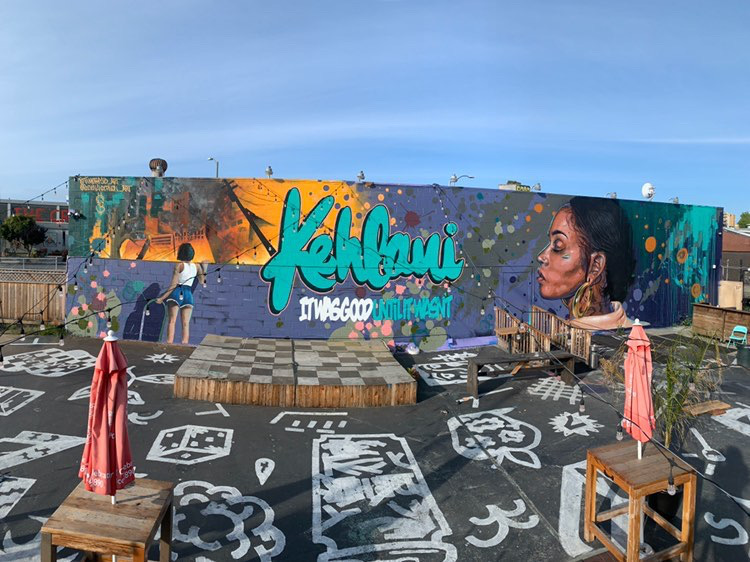
"caption": "Kehlani mural at 7th West in Oakland. Artwork by Timothy B. and Steven Anderson.",
"description": "Kehlani mural at 7th West in Oakland. Artwork by Timothy B. and Steven Anderson.",
"title": "Kehlani mural at 7th West in Oakland. Artwork by Timothy B. and Steven Anderson.",
"credit": "Timothy B.",
"status": "inherit",
"isLoading": false,
"fetchFailed": false
},
"arts_13880403": {
"type": "attachments",
"id": "arts_13880403",
"meta": {
"index": "attachments_1716263798",
"site": "arts",
"id": "13880403",
"found": true
},
"parent": 13880390,
"imgSizes": {
"twentyfourteen-full-width": {
"file": "https://ww2.kqed.org/app/uploads/sites/2/2020/05/Animal-Crossing-2_COVER-1038x576.jpg",
"width": 1038,
"mimeType": "image/jpeg",
"height": 576
},
"thumbnail": {
"file": "https://ww2.kqed.org/app/uploads/sites/2/2020/05/Animal-Crossing-2_COVER-160x90.jpg",
"width": 160,
"mimeType": "image/jpeg",
"height": 90
},
"post-thumbnail": {
"file": "https://ww2.kqed.org/app/uploads/sites/2/2020/05/Animal-Crossing-2_COVER-672x372.jpg",
"width": 672,
"mimeType": "image/jpeg",
"height": 372
},
"kqedFullSize": {
"file": "https://ww2.kqed.org/app/uploads/sites/2/2020/05/Animal-Crossing-2_COVER.jpg",
"width": 1280,
"height": 720
},
"large": {
"file": "https://ww2.kqed.org/app/uploads/sites/2/2020/05/Animal-Crossing-2_COVER-1020x574.jpg",
"width": 1020,
"mimeType": "image/jpeg",
"height": 574
},
"medium": {
"file": "https://ww2.kqed.org/app/uploads/sites/2/2020/05/Animal-Crossing-2_COVER-800x450.jpg",
"width": 800,
"mimeType": "image/jpeg",
"height": 450
},
"medium_large": {
"file": "https://ww2.kqed.org/app/uploads/sites/2/2020/05/Animal-Crossing-2_COVER-768x432.jpg",
"width": 768,
"mimeType": "image/jpeg",
"height": 432
}
},
"publishDate": 1589414784,
"modified": 1589415594,
"caption": "The author's Animal Crossing avatar wears an Eckhaus Latta\ncolor-blocked wool-knit dress that retails for $695.",
"description": "The author's Animal Crossing avatar wears an Eckhaus Latta\ncolor-blocked wool-knit dress that retails for $695.",
"title": "Animal-Crossing-2_COVER",
"credit": "Jasmine Garnett",
"status": "inherit",
"isLoading": false,
"fetchFailed": false
},
"arts_13880159": {
"type": "attachments",
"id": "arts_13880159",
"meta": {
"index": "attachments_1716263798",
"site": "arts",
"id": "13880159",
"found": true
},
"parent": 13880154,
"imgSizes": {
"twentyfourteen-full-width": {
"file": "https://ww2.kqed.org/app/uploads/sites/2/2020/05/KidPix-27-web_COVER-1038x576.jpg",
"width": 1038,
"mimeType": "image/jpeg",
"height": 576
},
"thumbnail": {
"file": "https://ww2.kqed.org/app/uploads/sites/2/2020/05/KidPix-27-web_COVER-160x90.jpg",
"width": 160,
"mimeType": "image/jpeg",
"height": 90
},
"post-thumbnail": {
"file": "https://ww2.kqed.org/app/uploads/sites/2/2020/05/KidPix-27-web_COVER-672x372.jpg",
"width": 672,
"mimeType": "image/jpeg",
"height": 372
},
"kqedFullSize": {
"file": "https://ww2.kqed.org/app/uploads/sites/2/2020/05/KidPix-27-web_COVER.jpg",
"width": 2000,
"height": 1125
},
"large": {
"file": "https://ww2.kqed.org/app/uploads/sites/2/2020/05/KidPix-27-web_COVER-1020x574.jpg",
"width": 1020,
"mimeType": "image/jpeg",
"height": 574
},
"full-width": {
"file": "https://ww2.kqed.org/app/uploads/sites/2/2020/05/KidPix-27-web_COVER-1920x1080.jpg",
"width": 1920,
"mimeType": "image/jpeg",
"height": 1080
},
"medium": {
"file": "https://ww2.kqed.org/app/uploads/sites/2/2020/05/KidPix-27-web_COVER-800x450.jpg",
"width": 800,
"mimeType": "image/jpeg",
"height": 450
},
"medium_large": {
"file": "https://ww2.kqed.org/app/uploads/sites/2/2020/05/KidPix-27-web_COVER-768x432.jpg",
"width": 768,
"mimeType": "image/jpeg",
"height": 432
}
},
"publishDate": 1589223887,
"modified": 1589224006,
"caption": "Caleb Duarte (in collaboration with Ricardo Rivera), 'Invisible Suit,' 2019; from The Internet Archive’s 2019 Artist In Residence Exhibition at Ever Gold [Projects].",
"description": "Caleb Duarte (in collaboration with Ricardo Rivera), 'Invisible Suit,' 2019; from The Internet Archive’s 2019 Artist In Residence Exhibition at Ever Gold [Projects].",
"title": "KidPix-27-web_COVER",
"credit": "Courtesy of Every Gold [Projects]",
"status": "inherit",
"isLoading": false,
"fetchFailed": false
},
"arts_13879739": {
"type": "attachments",
"id": "arts_13879739",
"meta": {
"index": "attachments_1716263798",
"site": "arts",
"id": "13879739",
"found": true
},
"parent": 13879737,
"imgSizes": {
"twentyfourteen-full-width": {
"file": "https://ww2.kqed.org/app/uploads/sites/2/2020/05/01_COVER-1038x576.jpg",
"width": 1038,
"mimeType": "image/jpeg",
"height": 576
},
"thumbnail": {
"file": "https://ww2.kqed.org/app/uploads/sites/2/2020/05/01_COVER-160x90.jpg",
"width": 160,
"mimeType": "image/jpeg",
"height": 90
},
"post-thumbnail": {
"file": "https://ww2.kqed.org/app/uploads/sites/2/2020/05/01_COVER-672x372.jpg",
"width": 672,
"mimeType": "image/jpeg",
"height": 372
},
"kqedFullSize": {
"file": "https://ww2.kqed.org/app/uploads/sites/2/2020/05/01_COVER.jpg",
"width": 1920,
"height": 1080
},
"large": {
"file": "https://ww2.kqed.org/app/uploads/sites/2/2020/05/01_COVER-1020x574.jpg",
"width": 1020,
"mimeType": "image/jpeg",
"height": 574
},
"full-width": {
"file": "https://ww2.kqed.org/app/uploads/sites/2/2020/05/01_COVER-1920x1080.jpg",
"width": 1920,
"mimeType": "image/jpeg",
"height": 1080
},
"medium": {
"file": "https://ww2.kqed.org/app/uploads/sites/2/2020/05/01_COVER-800x450.jpg",
"width": 800,
"mimeType": "image/jpeg",
"height": 450
},
"medium_large": {
"file": "https://ww2.kqed.org/app/uploads/sites/2/2020/05/01_COVER-768x432.jpg",
"width": 768,
"mimeType": "image/jpeg",
"height": 432
}
},
"publishDate": 1588639417,
"modified": 1588639575,
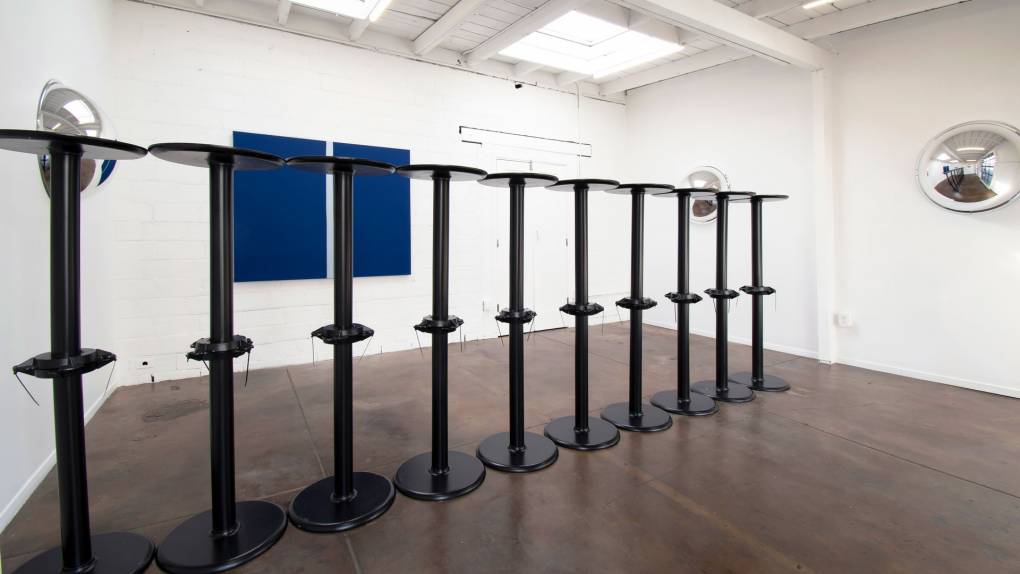
"caption": "Débora Delmar, '[ ],' 2020, exhibition view, Interface, Oakland.",
"description": "Débora Delmar, '[ ],' 2020, exhibition view, Interface, Oakland.",
"title": "01_COVER",
"credit": "Courtesy the artist and Interface, Oakland",
"status": "inherit",
"isLoading": false,
"fetchFailed": false
}
},
"audioPlayerReducer": {
"postId": "stream_live",
"isPaused": true,
"isPlaying": false,
"pfsActive": false,
"pledgeModalIsOpen": true,
"playerDrawerIsOpen": false,
"liveAudioPlayStartedAt": 0,
"liveAudioPlayContext": ""
},
"authorsReducer": {
"byline_arts_13881529": {
"type": "authors",
"id": "byline_arts_13881529",
"meta": {
"override": true
},
"slug": "byline_arts_13881529",
"name": "Cianni Jackson",
"isLoading": false
},
"byline_arts_13880970": {
"type": "authors",
"id": "byline_arts_13880970",
"meta": {
"override": true
},
"slug": "byline_arts_13880970",
"name": "Britt Stigler",
"isLoading": false
},
"byline_arts_13880390": {
"type": "authors",
"id": "byline_arts_13880390",
"meta": {
"override": true
},
"slug": "byline_arts_13880390",
"name": "Jasmine Garnett",
"isLoading": false
},
"jedalatpour": {
"type": "authors",
"id": "42",
"meta": {
"index": "authors_1716337520",
"id": "42",
"found": true
},
"name": "Jeffrey Edalatpour",
"firstName": "Jeffrey",
"lastName": "Edalatpour",
"slug": "jedalatpour",
"email": "jedalatpour@kqed.org",
"display_author_email": false,
"staff_mastheads": [],
"title": null,
"bio": "Jeffrey Edalatpour's first published article was a 1999 film review of Pedro Almodovar’s \u003ci>All About My Mother. \u003c/i>Since then, his writing about arts, food and culture has appeared in a variety of print and online publications, including: KQED Arts, \u003ci>Metro Silicon Valley, Interview Magazine, \u003c/i>Berkeleyside.com, The Rumpus and \u003ci>SF Weekly. \u003c/i>His favorite Iris Murdoch novels (in no particular order) are \u003ci>The Bell, An Unofficial Rose \u003c/i>and\u003ci>The Black Prince\u003c/i>\u003ci>. \u003c/i>In other words, his home library is an anglophile’s dream.",
"avatar": "https://secure.gravatar.com/avatar/ed59ec60f4980f3a45d0c3758c17a4d4?s=600&d=blank&r=g",
"twitter": "jsedalatpour",
"facebook": null,
"instagram": null,
"linkedin": null,
"sites": [
{
"site": "arts",
"roles": [
"Contributor",
"contributor"
]
},
{
"site": "about",
"roles": [
"contributor"
]
},
{
"site": "bayareabites",
"roles": [
"author"
]
}
],
"headData": {
"title": "Jeffrey Edalatpour | KQED",
"description": null,
"ogImgSrc": "https://secure.gravatar.com/avatar/ed59ec60f4980f3a45d0c3758c17a4d4?s=600&d=blank&r=g",
"twImgSrc": "https://secure.gravatar.com/avatar/ed59ec60f4980f3a45d0c3758c17a4d4?s=600&d=blank&r=g"
},
"isLoading": false,
"link": "/author/jedalatpour"
},
"shotchkiss": {
"type": "authors",
"id": "61",
"meta": {
"index": "authors_1716337520",
"id": "61",
"found": true
},
"name": "Sarah Hotchkiss",
"firstName": "Sarah",
"lastName": "Hotchkiss",
"slug": "shotchkiss",
"email": "shotchkiss@kqed.org",
"display_author_email": true,
"staff_mastheads": [
"arts"
],
"title": "Senior Editor",
"bio": "Sarah Hotchkiss is a San Francisco \u003ca href=\"http://www.sarahhotchkiss.com\">artist\u003c/a> and arts writer. In 2019, she received the Dorothea & Leo Rabkin Foundation grant for visual art journalism and in 2020 she received a Society of Professional Journalists, Northern California award for excellence in arts and culture reporting.",
"avatar": "https://secure.gravatar.com/avatar/bc662df144b3d27fd8b1b6f1c2a420d34e91e53154d411bb7ad353cc8b6cea8d?s=600&d=blank&r=g",
"twitter": null,
"bluesky": null,
"facebook": null,
"instagram": null,
"linkedin": null,
"sites": [
{
"site": "",
"roles": [
"editor"
]
},
{
"site": "arts",
"roles": [
"Contributor",
"administrator"
]
},
{
"site": "artschool",
"roles": [
"administrator"
]
},
{
"site": "news",
"roles": [
"editor"
]
},
{
"site": "pop",
"roles": [
"administrator"
]
},
{
"site": "bayareabites",
"roles": [
"editor"
]
},
{
"site": "spark",
"roles": [
"editor"
]
},
{
"site": "checkplease",
"roles": [
"editor"
]
}
],
"headData": {
"title": "Sarah Hotchkiss | KQED",
"description": "Senior Editor",
"ogImgSrc": "https://secure.gravatar.com/avatar/bc662df144b3d27fd8b1b6f1c2a420d34e91e53154d411bb7ad353cc8b6cea8d?s=600&d=blank&r=g",
"twImgSrc": "https://secure.gravatar.com/avatar/bc662df144b3d27fd8b1b6f1c2a420d34e91e53154d411bb7ad353cc8b6cea8d?s=600&d=blank&r=g"
},
"isLoading": false,
"link": "/author/shotchkiss"
},
"slefebvre": {
"type": "authors",
"id": "11091",
"meta": {
"index": "authors_1716337520",
"id": "11091",
"found": true
},
"name": "Sam Lefebvre",
"firstName": "Sam",
"lastName": "Lefebvre",
"slug": "slefebvre",
"email": "sdlefebvre@gmail.com",
"display_author_email": false,
"staff_mastheads": [],
"title": "KQED Contributor",
"bio": "Sam Lefebvre is an award-winning reporter at KQED Arts. He has worked as an editor and columnist at the \u003cem>East Bay Express\u003c/em>, \u003cem>SF Weekly \u003c/em>and Impose Magazine, and his journalism and criticism has appeared in \u003cem>The New York Times\u003c/em>, the Guardian and Pitchfork.",
"avatar": "https://secure.gravatar.com/avatar/49d39b42930b77fb13784ddd9fa63fe780666b71bf289368509dba576b64e69b?s=600&d=blank&r=g",
"twitter": "Lefebvre_Sam",
"bluesky": null,
"facebook": null,
"instagram": null,
"linkedin": null,
"sites": [
{
"site": "arts",
"roles": [
"subscriber"
]
},
{
"site": "news",
"roles": [
"author"
]
}
],
"headData": {
"title": "Sam Lefebvre | KQED",
"description": "KQED Contributor",
"ogImgSrc": "https://secure.gravatar.com/avatar/49d39b42930b77fb13784ddd9fa63fe780666b71bf289368509dba576b64e69b?s=600&d=blank&r=g",
"twImgSrc": "https://secure.gravatar.com/avatar/49d39b42930b77fb13784ddd9fa63fe780666b71bf289368509dba576b64e69b?s=600&d=blank&r=g"
},
"isLoading": false,
"link": "/author/slefebvre"
},
"nvoynovskaya": {
"type": "authors",
"id": "11387",
"meta": {
"index": "authors_1716337520",
"id": "11387",
"found": true
},
"name": "Nastia Voynovskaya",
"firstName": "Nastia",
"lastName": "Voynovskaya",
"slug": "nvoynovskaya",
"email": "nvoynovskaya@kqed.org",
"display_author_email": false,
"staff_mastheads": [
"arts"
],
"title": "Editor and reporter",
"bio": "Nastia Voynovskaya is a reporter, editor and host at KQED Arts & Culture. She's been covering the arts in the Bay Area for over a decade, with a focus on music, queer culture, labor issues and grassroots organizing. She has edited KQED story series such as Trans Bay: A History of San Francisco's Gender-Diverse Community, and co-created KQED's Bay Area hip-hop history project, That's My Word. Nastia's work has been recognized by the Society of Professional Journalists and San Francisco Press Club. She regularly appears on podcasts and radio programs, including NPR's All Songs Considered, and hosts live events where music, culture and conversation meet.",
"avatar": "https://secure.gravatar.com/avatar/5025ee460e5a85d69ca20ea6c6f2f80d7e17795c828f61ea3aecfcd924e9042e?s=600&d=blank&r=g",
"twitter": null,
"bluesky": null,
"facebook": null,
"instagram": "https://www.instagram.com/nananastia/",
"linkedin": null,
"sites": [
{
"site": "",
"roles": [
"editor"
]
},
{
"site": "arts",
"roles": [
"administrator"
]
},
{
"site": "news",
"roles": [
"editor"
]
},
{
"site": "pop",
"roles": [
"administrator"
]
},
{
"site": "bayareabites",
"roles": [
"editor"
]
},
{
"site": "podcasts",
"roles": [
"editor"
]
},
{
"site": "hiphop",
"roles": [
"editor"
]
}
],
"headData": {
"title": "Nastia Voynovskaya | KQED",
"description": "Editor and reporter",
"ogImgSrc": "https://secure.gravatar.com/avatar/5025ee460e5a85d69ca20ea6c6f2f80d7e17795c828f61ea3aecfcd924e9042e?s=600&d=blank&r=g",
"twImgSrc": "https://secure.gravatar.com/avatar/5025ee460e5a85d69ca20ea6c6f2f80d7e17795c828f61ea3aecfcd924e9042e?s=600&d=blank&r=g"
},
"isLoading": false,
"link": "/author/nvoynovskaya"
},
"ogpenn": {
"type": "authors",
"id": "11491",
"meta": {
"index": "authors_1716337520",
"id": "11491",
"found": true
},
"name": "Pendarvis Harshaw",
"firstName": "Pendarvis",
"lastName": "Harshaw",
"slug": "ogpenn",
"email": "ogpenn@gmail.com",
"display_author_email": false,
"staff_mastheads": [
"arts"
],
"title": "Community Engagement Reporter",
"bio": "Pendarvis Harshaw is an educator, host and writer with KQED Arts.",
"avatar": "https://secure.gravatar.com/avatar/972b77ee8e3f346ae2b00622661187fbfabd059b5693bbdc1475ea7a722fd4cd?s=600&d=blank&r=g",
"twitter": null,
"bluesky": null,
"facebook": null,
"instagram": "ogpenn",
"linkedin": null,
"sites": [
{
"site": "arts",
"roles": [
"administrator"
]
},
{
"site": "news",
"roles": [
"editor"
]
},
{
"site": "bayareabites",
"roles": [
"author"
]
},
{
"site": "hiphop",
"roles": [
"editor"
]
}
],
"headData": {
"title": "Pendarvis Harshaw | KQED",
"description": "Community Engagement Reporter",
"ogImgSrc": "https://secure.gravatar.com/avatar/972b77ee8e3f346ae2b00622661187fbfabd059b5693bbdc1475ea7a722fd4cd?s=600&d=blank&r=g",
"twImgSrc": "https://secure.gravatar.com/avatar/972b77ee8e3f346ae2b00622661187fbfabd059b5693bbdc1475ea7a722fd4cd?s=600&d=blank&r=g"
},
"isLoading": false,
"link": "/author/ogpenn"
}
},
"pagesReducer": {
"arts_category_visualarts": {
"type": "terms",
"id": "arts_70",
"meta": {
"index": "terms_1716263798",
"site": "arts",
"id": "70",
"score": 14.4071665
},
"featImg": null,
"name": "Visual Arts",
"description": null,
"taxonomy": "category",
"headData": {
"twImgId": null,
"twTitle": null,
"ogTitle": null,
"ogImgId": null,
"twDescription": null,
"description": null,
"title": "Visual Arts Archives | KQED Arts",
"ogDescription": null
},
"ttid": 71,
"slug": "visualarts",
"isLoading": false,
"title": "Visual Arts",
"pageMeta": {
"site": "arts",
"WpPageTemplate": "page-topic-editorial",
"currentPage": 47
},
"blocks": [
{
"blockName": "kqed/post-list",
"attrs": {
"layout": "cardArticle2",
"query": "posts/arts?category=visualarts",
"seeMore": false,
"paginated": true,
"page": 47
}
},
{
"blockName": "kqed/ad"
}
]
}
},
"pfsSessionReducer": {},
"postsReducer": {
"stream_live": {
"type": "live",
"id": "stream_live",
"audioUrl": "https://streams.kqed.org/kqedradio",
"title": "Live Stream",
"excerpt": "Live Stream information currently unavailable.",
"link": "/radio",
"featImg": "",
"label": {
"name": "KQED Live",
"link": "/"
}
},
"stream_kqedNewscast": {
"type": "posts",
"id": "stream_kqedNewscast",
"audioUrl": "https://www.kqed.org/.stream/anon/radio/RDnews/newscast.mp3?_=1",
"title": "KQED Newscast",
"featImg": "",
"label": {
"name": "88.5 FM",
"link": "/"
}
},
"arts_13881529": {
"type": "posts",
"id": "arts_13881529",
"meta": {
"index": "posts_1716263798",
"site": "arts",
"id": "13881529",
"score": null,
"sort": [
1591661983000
]
},
"guestAuthors": [],
"slug": "photos-black-lives-matter-murals-call-for-justice-on-oaklands-walls",
"title": "PHOTOS: Oakland’s Black Lives Matter Murals Call for Justice",
"publishDate": 1591661983,
"format": "standard",
"headTitle": "PHOTOS: Oakland’s Black Lives Matter Murals Call for Justice | KQED",
"labelTerm": {
"site": "arts"
},
"content": "\u003cp>Over the last week, Oaklanders have risen up in solidarity with protestors in Minneapolis, Louisville and cities across the country to denounce police violence and systemic, anti-black racism. Tens of thousands of people marching have called for the city to defund or abolish the police, and have advocated for bringing the killers of George Floyd, Breonna Taylor, Tony McDade and other black victims of violence to justice. While the protests have mostly been peaceful, some have resulted in broken windows and graffiti that drastically changed the face of the city.\u003c/p>\n\u003cp>Over the weekend, local artists came together to cover Oakland’s streets with murals that bear remembrances, messages of solidarity with the black community, outrage and visions for a more equitable future. \u003ca href=\"https://twitter.com/jacknicas/status/1269758998171004930?s=20\" target=\"_blank\" rel=\"noopener noreferrer\">On 15th Street\u003c/a>, artists wrote the words “Black Lives Matter” in enormous letters that spanned three blocks.\u003c/p>\n\u003cp>Photographer \u003ca href=\"https://www.instagram.com/heyitsthemomlife/\" target=\"_blank\" rel=\"noopener noreferrer\">Cianni Jackson\u003c/a> was at the scene. —\u003cem>Nastia Voynovskaya\u003c/em>\u003c/p>\n\u003cp>\u003cem>\u003cstrong>Editor’s note:\u003c/strong> KQED tried to credit the artists whenever possible, but not all the murals were signed. Email \u003ca href=\"mailto:nvoynovskaya@kqed.org\" target=\"_blank\" rel=\"noopener noreferrer\">nvoynovskaya@kqed.org\u003c/a> to have an artist’s name added. \u003c/em>\u003c/p>\n\u003cfigure id=\"attachment_13881557\" class=\"wp-caption aligncenter\" style=\"max-width: 800px\">\u003cimg loading=\"lazy\" decoding=\"async\" class=\"size-medium wp-image-13881557\" src=\"https://ww2.kqed.org/app/uploads/sites/2/2020/06/Photo-Jun-06-3-33-36-PM-800x600.jpg\" alt=\"\" width=\"800\" height=\"600\" srcset=\"https://cdn.kqed.org/wp-content/uploads/sites/2/2020/06/Photo-Jun-06-3-33-36-PM-800x600.jpg 800w, https://cdn.kqed.org/wp-content/uploads/sites/2/2020/06/Photo-Jun-06-3-33-36-PM-160x120.jpg 160w, https://cdn.kqed.org/wp-content/uploads/sites/2/2020/06/Photo-Jun-06-3-33-36-PM-768x576.jpg 768w, https://cdn.kqed.org/wp-content/uploads/sites/2/2020/06/Photo-Jun-06-3-33-36-PM-1020x765.jpg 1020w, https://cdn.kqed.org/wp-content/uploads/sites/2/2020/06/Photo-Jun-06-3-33-36-PM.jpg 1200w\" sizes=\"(max-width: 800px) 100vw, 800px\">\u003cfigcaption class=\"wp-caption-text\">Mural by DeredWRK (@deredwrk). \u003ccite>(Cianni Jackson)\u003c/cite>\u003c/figcaption>\u003c/figure>\n\u003cfigure id=\"attachment_13881578\" class=\"wp-caption aligncenter\" style=\"max-width: 800px\">\u003cimg loading=\"lazy\" decoding=\"async\" class=\"size-medium wp-image-13881578\" src=\"https://ww2.kqed.org/app/uploads/sites/2/2020/06/Photo-Jun-06-3-48-18-PM-800x600.jpg\" alt=\"\" width=\"800\" height=\"600\" srcset=\"https://cdn.kqed.org/wp-content/uploads/sites/2/2020/06/Photo-Jun-06-3-48-18-PM-800x600.jpg 800w, https://cdn.kqed.org/wp-content/uploads/sites/2/2020/06/Photo-Jun-06-3-48-18-PM-160x120.jpg 160w, https://cdn.kqed.org/wp-content/uploads/sites/2/2020/06/Photo-Jun-06-3-48-18-PM-768x576.jpg 768w, https://cdn.kqed.org/wp-content/uploads/sites/2/2020/06/Photo-Jun-06-3-48-18-PM-1020x765.jpg 1020w, https://cdn.kqed.org/wp-content/uploads/sites/2/2020/06/Photo-Jun-06-3-48-18-PM.jpg 1200w\" sizes=\"(max-width: 800px) 100vw, 800px\">\u003cfigcaption class=\"wp-caption-text\">Mural by T. Banks (@reallyfebanksy). \u003ccite>(Cianni Jackson)\u003c/cite>\u003c/figcaption>\u003c/figure>\n\u003cfigure id=\"attachment_13881542\" class=\"wp-caption aligncenter\" style=\"max-width: 800px\">\u003cimg loading=\"lazy\" decoding=\"async\" class=\"size-medium wp-image-13881542\" src=\"https://ww2.kqed.org/app/uploads/sites/2/2020/06/Photo-Jun-06-3-21-58-PM-800x1067.jpg\" alt=\"\" width=\"800\" height=\"1067\" srcset=\"https://cdn.kqed.org/wp-content/uploads/sites/2/2020/06/Photo-Jun-06-3-21-58-PM-800x1067.jpg 800w, https://cdn.kqed.org/wp-content/uploads/sites/2/2020/06/Photo-Jun-06-3-21-58-PM-160x213.jpg 160w, https://cdn.kqed.org/wp-content/uploads/sites/2/2020/06/Photo-Jun-06-3-21-58-PM-768x1024.jpg 768w, https://cdn.kqed.org/wp-content/uploads/sites/2/2020/06/Photo-Jun-06-3-21-58-PM-1020x1360.jpg 1020w, https://cdn.kqed.org/wp-content/uploads/sites/2/2020/06/Photo-Jun-06-3-21-58-PM.jpg 1200w\" sizes=\"(max-width: 800px) 100vw, 800px\">\u003cfigcaption class=\"wp-caption-text\">Mural by @studionoiroakland. \u003ccite>(Cianni Jackson )\u003c/cite>\u003c/figcaption>\u003c/figure>\n\u003cfigure id=\"attachment_13881580\" class=\"wp-caption aligncenter\" style=\"max-width: 800px\">\u003cimg loading=\"lazy\" decoding=\"async\" class=\"size-medium wp-image-13881580\" src=\"https://ww2.kqed.org/app/uploads/sites/2/2020/06/Photo-Jun-06-3-50-00-PM-800x600.jpg\" alt=\"A Black Lives Matter mural in downtown Oakland by @studionoiroakland.\" width=\"800\" height=\"600\" srcset=\"https://cdn.kqed.org/wp-content/uploads/sites/2/2020/06/Photo-Jun-06-3-50-00-PM-800x600.jpg 800w, https://cdn.kqed.org/wp-content/uploads/sites/2/2020/06/Photo-Jun-06-3-50-00-PM-160x120.jpg 160w, https://cdn.kqed.org/wp-content/uploads/sites/2/2020/06/Photo-Jun-06-3-50-00-PM-768x576.jpg 768w, https://cdn.kqed.org/wp-content/uploads/sites/2/2020/06/Photo-Jun-06-3-50-00-PM-1020x765.jpg 1020w, https://cdn.kqed.org/wp-content/uploads/sites/2/2020/06/Photo-Jun-06-3-50-00-PM.jpg 1200w\" sizes=\"(max-width: 800px) 100vw, 800px\">\u003cfigcaption class=\"wp-caption-text\">Artist unknown. \u003ccite>(Cianni Jackson )\u003c/cite>\u003c/figcaption>\u003c/figure>\n\u003cfigure id=\"attachment_13881579\" class=\"wp-caption aligncenter\" style=\"max-width: 800px\">\u003cimg loading=\"lazy\" decoding=\"async\" class=\"size-medium wp-image-13881579\" src=\"https://ww2.kqed.org/app/uploads/sites/2/2020/06/Photo-Jun-06-3-49-23-PM-800x600.jpg\" alt=\"\" width=\"800\" height=\"600\" srcset=\"https://cdn.kqed.org/wp-content/uploads/sites/2/2020/06/Photo-Jun-06-3-49-23-PM-800x600.jpg 800w, https://cdn.kqed.org/wp-content/uploads/sites/2/2020/06/Photo-Jun-06-3-49-23-PM-160x120.jpg 160w, https://cdn.kqed.org/wp-content/uploads/sites/2/2020/06/Photo-Jun-06-3-49-23-PM-768x576.jpg 768w, https://cdn.kqed.org/wp-content/uploads/sites/2/2020/06/Photo-Jun-06-3-49-23-PM-1020x765.jpg 1020w, https://cdn.kqed.org/wp-content/uploads/sites/2/2020/06/Photo-Jun-06-3-49-23-PM.jpg 1200w\" sizes=\"(max-width: 800px) 100vw, 800px\">\u003cfigcaption class=\"wp-caption-text\">Artist unknown. \u003ccite>(Cianni Jackson )\u003c/cite>\u003c/figcaption>\u003c/figure>\n\u003cfigure id=\"attachment_13881577\" class=\"wp-caption aligncenter\" style=\"max-width: 800px\">\u003cimg loading=\"lazy\" decoding=\"async\" class=\"size-medium wp-image-13881577\" src=\"https://ww2.kqed.org/app/uploads/sites/2/2020/06/Photo-Jun-06-3-48-09-PM-800x1067.jpg\" alt=\"\" width=\"800\" height=\"1067\" srcset=\"https://cdn.kqed.org/wp-content/uploads/sites/2/2020/06/Photo-Jun-06-3-48-09-PM-800x1067.jpg 800w, https://cdn.kqed.org/wp-content/uploads/sites/2/2020/06/Photo-Jun-06-3-48-09-PM-160x213.jpg 160w, https://cdn.kqed.org/wp-content/uploads/sites/2/2020/06/Photo-Jun-06-3-48-09-PM-768x1024.jpg 768w, https://cdn.kqed.org/wp-content/uploads/sites/2/2020/06/Photo-Jun-06-3-48-09-PM-1020x1360.jpg 1020w, https://cdn.kqed.org/wp-content/uploads/sites/2/2020/06/Photo-Jun-06-3-48-09-PM.jpg 1200w\" sizes=\"(max-width: 800px) 100vw, 800px\">\u003cfigcaption class=\"wp-caption-text\">Mural by Divya Bala (@divyabala). \u003ccite>(Cianni Jackson )\u003c/cite>\u003c/figcaption>\u003c/figure>\n\u003cfigure id=\"attachment_13881576\" class=\"wp-caption aligncenter\" style=\"max-width: 800px\">\u003cimg loading=\"lazy\" decoding=\"async\" class=\"size-medium wp-image-13881576\" src=\"https://ww2.kqed.org/app/uploads/sites/2/2020/06/Photo-Jun-06-3-46-57-PM-800x1067.jpg\" alt=\"\" width=\"800\" height=\"1067\" srcset=\"https://cdn.kqed.org/wp-content/uploads/sites/2/2020/06/Photo-Jun-06-3-46-57-PM-800x1067.jpg 800w, https://cdn.kqed.org/wp-content/uploads/sites/2/2020/06/Photo-Jun-06-3-46-57-PM-160x213.jpg 160w, https://cdn.kqed.org/wp-content/uploads/sites/2/2020/06/Photo-Jun-06-3-46-57-PM-768x1024.jpg 768w, https://cdn.kqed.org/wp-content/uploads/sites/2/2020/06/Photo-Jun-06-3-46-57-PM-1020x1360.jpg 1020w, https://cdn.kqed.org/wp-content/uploads/sites/2/2020/06/Photo-Jun-06-3-46-57-PM.jpg 1200w\" sizes=\"(max-width: 800px) 100vw, 800px\">\u003cfigcaption class=\"wp-caption-text\">Mural by Skyline High School students. (@_lemons_draw, @meyerlemonsketches, @happyemoart, @kaiadesigncircle, @rachelkantor.skyline) \u003ccite>(Cianni Jackson )\u003c/cite>\u003c/figcaption>\u003c/figure>\n\u003cfigure id=\"attachment_13881575\" class=\"wp-caption aligncenter\" style=\"max-width: 800px\">\u003cimg loading=\"lazy\" decoding=\"async\" class=\"size-medium wp-image-13881575\" src=\"https://ww2.kqed.org/app/uploads/sites/2/2020/06/Photo-Jun-06-3-45-42-PM-800x600.jpg\" alt=\"\" width=\"800\" height=\"600\" srcset=\"https://cdn.kqed.org/wp-content/uploads/sites/2/2020/06/Photo-Jun-06-3-45-42-PM-800x600.jpg 800w, https://cdn.kqed.org/wp-content/uploads/sites/2/2020/06/Photo-Jun-06-3-45-42-PM-160x120.jpg 160w, https://cdn.kqed.org/wp-content/uploads/sites/2/2020/06/Photo-Jun-06-3-45-42-PM-768x576.jpg 768w, https://cdn.kqed.org/wp-content/uploads/sites/2/2020/06/Photo-Jun-06-3-45-42-PM-1020x765.jpg 1020w, https://cdn.kqed.org/wp-content/uploads/sites/2/2020/06/Photo-Jun-06-3-45-42-PM.jpg 1200w\" sizes=\"(max-width: 800px) 100vw, 800px\">\u003cfigcaption class=\"wp-caption-text\">Artist unknown. \u003ccite>(Cianni Jackson)\u003c/cite>\u003c/figcaption>\u003c/figure>\n\u003cfigure id=\"attachment_13881574\" class=\"wp-caption aligncenter\" style=\"max-width: 800px\">\u003cimg loading=\"lazy\" decoding=\"async\" class=\"size-medium wp-image-13881574\" src=\"https://ww2.kqed.org/app/uploads/sites/2/2020/06/Photo-Jun-06-3-45-17-PM-800x1067.jpg\" alt=\"\" width=\"800\" height=\"1067\" srcset=\"https://cdn.kqed.org/wp-content/uploads/sites/2/2020/06/Photo-Jun-06-3-45-17-PM-800x1067.jpg 800w, https://cdn.kqed.org/wp-content/uploads/sites/2/2020/06/Photo-Jun-06-3-45-17-PM-160x213.jpg 160w, https://cdn.kqed.org/wp-content/uploads/sites/2/2020/06/Photo-Jun-06-3-45-17-PM-768x1024.jpg 768w, https://cdn.kqed.org/wp-content/uploads/sites/2/2020/06/Photo-Jun-06-3-45-17-PM-1020x1360.jpg 1020w, https://cdn.kqed.org/wp-content/uploads/sites/2/2020/06/Photo-Jun-06-3-45-17-PM.jpg 1200w\" sizes=\"(max-width: 800px) 100vw, 800px\">\u003cfigcaption class=\"wp-caption-text\">Artist unknown. \u003ccite>(Cianni Jackson.)\u003c/cite>\u003c/figcaption>\u003c/figure>\n\u003cfigure id=\"attachment_13881573\" class=\"wp-caption aligncenter\" style=\"max-width: 800px\">\u003cimg loading=\"lazy\" decoding=\"async\" class=\"size-medium wp-image-13881573\" src=\"https://ww2.kqed.org/app/uploads/sites/2/2020/06/Photo-Jun-06-3-45-07-PM-800x1067.jpg\" alt=\"\" width=\"800\" height=\"1067\" srcset=\"https://cdn.kqed.org/wp-content/uploads/sites/2/2020/06/Photo-Jun-06-3-45-07-PM-800x1067.jpg 800w, https://cdn.kqed.org/wp-content/uploads/sites/2/2020/06/Photo-Jun-06-3-45-07-PM-160x213.jpg 160w, https://cdn.kqed.org/wp-content/uploads/sites/2/2020/06/Photo-Jun-06-3-45-07-PM-768x1024.jpg 768w, https://cdn.kqed.org/wp-content/uploads/sites/2/2020/06/Photo-Jun-06-3-45-07-PM-1020x1360.jpg 1020w, https://cdn.kqed.org/wp-content/uploads/sites/2/2020/06/Photo-Jun-06-3-45-07-PM.jpg 1200w\" sizes=\"(max-width: 800px) 100vw, 800px\">\u003cfigcaption class=\"wp-caption-text\">Artist unknown. \u003ccite>(Cianni Jackson)\u003c/cite>\u003c/figcaption>\u003c/figure>\n\u003cfigure id=\"attachment_13881570\" class=\"wp-caption aligncenter\" style=\"max-width: 800px\">\u003cimg loading=\"lazy\" decoding=\"async\" class=\"size-medium wp-image-13881570\" src=\"https://ww2.kqed.org/app/uploads/sites/2/2020/06/Photo-Jun-06-3-43-12-PM-800x1067.jpg\" alt=\"\" width=\"800\" height=\"1067\" srcset=\"https://cdn.kqed.org/wp-content/uploads/sites/2/2020/06/Photo-Jun-06-3-43-12-PM-800x1067.jpg 800w, https://cdn.kqed.org/wp-content/uploads/sites/2/2020/06/Photo-Jun-06-3-43-12-PM-160x213.jpg 160w, https://cdn.kqed.org/wp-content/uploads/sites/2/2020/06/Photo-Jun-06-3-43-12-PM-768x1024.jpg 768w, https://cdn.kqed.org/wp-content/uploads/sites/2/2020/06/Photo-Jun-06-3-43-12-PM-1020x1360.jpg 1020w, https://cdn.kqed.org/wp-content/uploads/sites/2/2020/06/Photo-Jun-06-3-43-12-PM.jpg 1200w\" sizes=\"(max-width: 800px) 100vw, 800px\">\u003cfigcaption class=\"wp-caption-text\">Artist unknown. \u003ccite>(Cianni Jackson)\u003c/cite>\u003c/figcaption>\u003c/figure>\n\u003cfigure id=\"attachment_13881571\" class=\"wp-caption aligncenter\" style=\"max-width: 800px\">\u003cimg loading=\"lazy\" decoding=\"async\" class=\"size-medium wp-image-13881571\" src=\"https://ww2.kqed.org/app/uploads/sites/2/2020/06/Photo-Jun-06-3-44-33-PM-800x1067.jpg\" alt=\"\" width=\"800\" height=\"1067\" srcset=\"https://cdn.kqed.org/wp-content/uploads/sites/2/2020/06/Photo-Jun-06-3-44-33-PM-800x1067.jpg 800w, https://cdn.kqed.org/wp-content/uploads/sites/2/2020/06/Photo-Jun-06-3-44-33-PM-160x213.jpg 160w, https://cdn.kqed.org/wp-content/uploads/sites/2/2020/06/Photo-Jun-06-3-44-33-PM-768x1024.jpg 768w, https://cdn.kqed.org/wp-content/uploads/sites/2/2020/06/Photo-Jun-06-3-44-33-PM-1020x1360.jpg 1020w, https://cdn.kqed.org/wp-content/uploads/sites/2/2020/06/Photo-Jun-06-3-44-33-PM.jpg 1200w\" sizes=\"(max-width: 800px) 100vw, 800px\">\u003cfigcaption class=\"wp-caption-text\">Mural by @justblaze88tats. \u003ccite>(Cianni Jackson)\u003c/cite>\u003c/figcaption>\u003c/figure>\n\u003cfigure id=\"attachment_13881569\" class=\"wp-caption aligncenter\" style=\"max-width: 800px\">\u003cimg loading=\"lazy\" decoding=\"async\" class=\"size-medium wp-image-13881569\" src=\"https://ww2.kqed.org/app/uploads/sites/2/2020/06/Photo-Jun-06-3-41-25-PM-800x600.jpg\" alt=\"\" width=\"800\" height=\"600\" srcset=\"https://cdn.kqed.org/wp-content/uploads/sites/2/2020/06/Photo-Jun-06-3-41-25-PM-800x600.jpg 800w, https://cdn.kqed.org/wp-content/uploads/sites/2/2020/06/Photo-Jun-06-3-41-25-PM-160x120.jpg 160w, https://cdn.kqed.org/wp-content/uploads/sites/2/2020/06/Photo-Jun-06-3-41-25-PM-768x576.jpg 768w, https://cdn.kqed.org/wp-content/uploads/sites/2/2020/06/Photo-Jun-06-3-41-25-PM-1020x765.jpg 1020w, https://cdn.kqed.org/wp-content/uploads/sites/2/2020/06/Photo-Jun-06-3-41-25-PM.jpg 1200w\" sizes=\"(max-width: 800px) 100vw, 800px\">\u003cfigcaption class=\"wp-caption-text\">Artist unknown. \u003ccite>(Cianni Jackson)\u003c/cite>\u003c/figcaption>\u003c/figure>\n\u003cfigure id=\"attachment_13881568\" class=\"wp-caption aligncenter\" style=\"max-width: 800px\">\u003cimg loading=\"lazy\" decoding=\"async\" class=\"wp-image-13881568 size-medium\" src=\"https://ww2.kqed.org/app/uploads/sites/2/2020/06/Photo-Jun-06-3-39-53-PM-800x600.jpg\" alt=\"\" width=\"800\" height=\"600\" srcset=\"https://cdn.kqed.org/wp-content/uploads/sites/2/2020/06/Photo-Jun-06-3-39-53-PM-800x600.jpg 800w, https://cdn.kqed.org/wp-content/uploads/sites/2/2020/06/Photo-Jun-06-3-39-53-PM-160x120.jpg 160w, https://cdn.kqed.org/wp-content/uploads/sites/2/2020/06/Photo-Jun-06-3-39-53-PM-768x576.jpg 768w, https://cdn.kqed.org/wp-content/uploads/sites/2/2020/06/Photo-Jun-06-3-39-53-PM-1020x765.jpg 1020w, https://cdn.kqed.org/wp-content/uploads/sites/2/2020/06/Photo-Jun-06-3-39-53-PM.jpg 1200w\" sizes=\"(max-width: 800px) 100vw, 800px\">\u003cfigcaption class=\"wp-caption-text\">Mural by Sofia Sharpe and Estella Tse (@filosa_sofia and @estellatse). \u003ccite>(Cianni Jackson)\u003c/cite>\u003c/figcaption>\u003c/figure>\n\u003cfigure id=\"attachment_13881567\" class=\"wp-caption aligncenter\" style=\"max-width: 800px\">\u003cimg loading=\"lazy\" decoding=\"async\" class=\"size-medium wp-image-13881567\" src=\"https://ww2.kqed.org/app/uploads/sites/2/2020/06/Photo-Jun-06-3-39-28-PM-800x1067.jpg\" alt=\"\" width=\"800\" height=\"1067\" srcset=\"https://cdn.kqed.org/wp-content/uploads/sites/2/2020/06/Photo-Jun-06-3-39-28-PM-800x1067.jpg 800w, https://cdn.kqed.org/wp-content/uploads/sites/2/2020/06/Photo-Jun-06-3-39-28-PM-160x213.jpg 160w, https://cdn.kqed.org/wp-content/uploads/sites/2/2020/06/Photo-Jun-06-3-39-28-PM-768x1024.jpg 768w, https://cdn.kqed.org/wp-content/uploads/sites/2/2020/06/Photo-Jun-06-3-39-28-PM-1020x1360.jpg 1020w, https://cdn.kqed.org/wp-content/uploads/sites/2/2020/06/Photo-Jun-06-3-39-28-PM.jpg 1200w\" sizes=\"(max-width: 800px) 100vw, 800px\">\u003cfigcaption class=\"wp-caption-text\">Mural by Keene Visionz. \u003ccite>(Cianni Jackson)\u003c/cite>\u003c/figcaption>\u003c/figure>\n\u003cfigure id=\"attachment_13881566\" class=\"wp-caption aligncenter\" style=\"max-width: 800px\">\u003cimg loading=\"lazy\" decoding=\"async\" class=\"size-medium wp-image-13881566\" src=\"https://ww2.kqed.org/app/uploads/sites/2/2020/06/Photo-Jun-06-3-39-24-PM-800x600.jpg\" alt=\"\" width=\"800\" height=\"600\" srcset=\"https://cdn.kqed.org/wp-content/uploads/sites/2/2020/06/Photo-Jun-06-3-39-24-PM-800x600.jpg 800w, https://cdn.kqed.org/wp-content/uploads/sites/2/2020/06/Photo-Jun-06-3-39-24-PM-160x120.jpg 160w, https://cdn.kqed.org/wp-content/uploads/sites/2/2020/06/Photo-Jun-06-3-39-24-PM-768x576.jpg 768w, https://cdn.kqed.org/wp-content/uploads/sites/2/2020/06/Photo-Jun-06-3-39-24-PM-1020x765.jpg 1020w, https://cdn.kqed.org/wp-content/uploads/sites/2/2020/06/Photo-Jun-06-3-39-24-PM.jpg 1200w\" sizes=\"(max-width: 800px) 100vw, 800px\">\u003cfigcaption class=\"wp-caption-text\">Mural by Christian Muñoz (@kilimunoz). \u003ccite>(Cianni Jackson)\u003c/cite>\u003c/figcaption>\u003c/figure>\n\u003cfigure id=\"attachment_13881565\" class=\"wp-caption aligncenter\" style=\"max-width: 800px\">\u003cimg loading=\"lazy\" decoding=\"async\" class=\"size-medium wp-image-13881565\" src=\"https://ww2.kqed.org/app/uploads/sites/2/2020/06/Photo-Jun-06-3-38-57-PM-800x600.jpg\" alt=\"\" width=\"800\" height=\"600\" srcset=\"https://cdn.kqed.org/wp-content/uploads/sites/2/2020/06/Photo-Jun-06-3-38-57-PM-800x600.jpg 800w, https://cdn.kqed.org/wp-content/uploads/sites/2/2020/06/Photo-Jun-06-3-38-57-PM-160x120.jpg 160w, https://cdn.kqed.org/wp-content/uploads/sites/2/2020/06/Photo-Jun-06-3-38-57-PM-768x576.jpg 768w, https://cdn.kqed.org/wp-content/uploads/sites/2/2020/06/Photo-Jun-06-3-38-57-PM-1020x765.jpg 1020w, https://cdn.kqed.org/wp-content/uploads/sites/2/2020/06/Photo-Jun-06-3-38-57-PM.jpg 1200w\" sizes=\"(max-width: 800px) 100vw, 800px\">\u003cfigcaption class=\"wp-caption-text\">Artist unknown. \u003ccite>(Cianni Jackson)\u003c/cite>\u003c/figcaption>\u003c/figure>\n\u003cfigure id=\"attachment_13881563\" class=\"wp-caption aligncenter\" style=\"max-width: 800px\">\u003cimg loading=\"lazy\" decoding=\"async\" class=\"size-medium wp-image-13881563\" src=\"https://ww2.kqed.org/app/uploads/sites/2/2020/06/Photo-Jun-06-3-38-05-PM-800x600.jpg\" alt=\"\" width=\"800\" height=\"600\" srcset=\"https://cdn.kqed.org/wp-content/uploads/sites/2/2020/06/Photo-Jun-06-3-38-05-PM-800x600.jpg 800w, https://cdn.kqed.org/wp-content/uploads/sites/2/2020/06/Photo-Jun-06-3-38-05-PM-160x120.jpg 160w, https://cdn.kqed.org/wp-content/uploads/sites/2/2020/06/Photo-Jun-06-3-38-05-PM-768x576.jpg 768w, https://cdn.kqed.org/wp-content/uploads/sites/2/2020/06/Photo-Jun-06-3-38-05-PM-1020x765.jpg 1020w, https://cdn.kqed.org/wp-content/uploads/sites/2/2020/06/Photo-Jun-06-3-38-05-PM.jpg 1200w\" sizes=\"(max-width: 800px) 100vw, 800px\">\u003cfigcaption class=\"wp-caption-text\">Mural by Sarah Siskin (@ssiskin). \u003ccite>(Cianni Jackson)\u003c/cite>\u003c/figcaption>\u003c/figure>\n\u003cfigure id=\"attachment_13881561\" class=\"wp-caption aligncenter\" style=\"max-width: 800px\">\u003cimg loading=\"lazy\" decoding=\"async\" class=\"size-medium wp-image-13881561\" src=\"https://ww2.kqed.org/app/uploads/sites/2/2020/06/Photo-Jun-06-3-36-32-PM-800x600.jpg\" alt=\"\" width=\"800\" height=\"600\" srcset=\"https://cdn.kqed.org/wp-content/uploads/sites/2/2020/06/Photo-Jun-06-3-36-32-PM-800x600.jpg 800w, https://cdn.kqed.org/wp-content/uploads/sites/2/2020/06/Photo-Jun-06-3-36-32-PM-160x120.jpg 160w, https://cdn.kqed.org/wp-content/uploads/sites/2/2020/06/Photo-Jun-06-3-36-32-PM-768x576.jpg 768w, https://cdn.kqed.org/wp-content/uploads/sites/2/2020/06/Photo-Jun-06-3-36-32-PM-1020x765.jpg 1020w, https://cdn.kqed.org/wp-content/uploads/sites/2/2020/06/Photo-Jun-06-3-36-32-PM.jpg 1200w\" sizes=\"(max-width: 800px) 100vw, 800px\">\u003cfigcaption class=\"wp-caption-text\">Mural by Keena (@lamakina510), Leslie Dime Lopez (@ladimeuna) and Few and Far Women (@fewandfarwomen). \u003ccite>(Cianni Jackson)\u003c/cite>\u003c/figcaption>\u003c/figure>\n\u003cfigure id=\"attachment_13881556\" class=\"wp-caption aligncenter\" style=\"max-width: 800px\">\u003cimg loading=\"lazy\" decoding=\"async\" class=\"size-medium wp-image-13881556\" src=\"https://ww2.kqed.org/app/uploads/sites/2/2020/06/Photo-Jun-06-3-33-14-PM-800x1067.jpg\" alt=\"\" width=\"800\" height=\"1067\" srcset=\"https://cdn.kqed.org/wp-content/uploads/sites/2/2020/06/Photo-Jun-06-3-33-14-PM-800x1067.jpg 800w, https://cdn.kqed.org/wp-content/uploads/sites/2/2020/06/Photo-Jun-06-3-33-14-PM-160x213.jpg 160w, https://cdn.kqed.org/wp-content/uploads/sites/2/2020/06/Photo-Jun-06-3-33-14-PM-768x1024.jpg 768w, https://cdn.kqed.org/wp-content/uploads/sites/2/2020/06/Photo-Jun-06-3-33-14-PM-1020x1360.jpg 1020w, https://cdn.kqed.org/wp-content/uploads/sites/2/2020/06/Photo-Jun-06-3-33-14-PM.jpg 1200w\" sizes=\"(max-width: 800px) 100vw, 800px\">\u003cfigcaption class=\"wp-caption-text\">Mural by Gaia (@gaiaw.xyz). \u003ccite>(Cianni Jackson)\u003c/cite>\u003c/figcaption>\u003c/figure>\n\u003cfigure id=\"attachment_13881555\" class=\"wp-caption aligncenter\" style=\"max-width: 800px\">\u003cimg loading=\"lazy\" decoding=\"async\" class=\"size-medium wp-image-13881555\" src=\"https://ww2.kqed.org/app/uploads/sites/2/2020/06/Photo-Jun-06-3-33-04-PM-800x1067.jpg\" alt=\"\" width=\"800\" height=\"1067\" srcset=\"https://cdn.kqed.org/wp-content/uploads/sites/2/2020/06/Photo-Jun-06-3-33-04-PM-800x1067.jpg 800w, https://cdn.kqed.org/wp-content/uploads/sites/2/2020/06/Photo-Jun-06-3-33-04-PM-160x213.jpg 160w, https://cdn.kqed.org/wp-content/uploads/sites/2/2020/06/Photo-Jun-06-3-33-04-PM-768x1024.jpg 768w, https://cdn.kqed.org/wp-content/uploads/sites/2/2020/06/Photo-Jun-06-3-33-04-PM-1020x1360.jpg 1020w, https://cdn.kqed.org/wp-content/uploads/sites/2/2020/06/Photo-Jun-06-3-33-04-PM.jpg 1200w\" sizes=\"(max-width: 800px) 100vw, 800px\">\u003cfigcaption class=\"wp-caption-text\">Mural by Gaia (@gaiaw.xyz). \u003ccite>(Cianni Jackson)\u003c/cite>\u003c/figcaption>\u003c/figure>\n\u003cfigure id=\"attachment_13881554\" class=\"wp-caption aligncenter\" style=\"max-width: 800px\">\u003cimg loading=\"lazy\" decoding=\"async\" class=\"size-medium wp-image-13881554\" src=\"https://ww2.kqed.org/app/uploads/sites/2/2020/06/Photo-Jun-06-3-32-54-PM-800x1067.jpg\" alt=\"\" width=\"800\" height=\"1067\" srcset=\"https://cdn.kqed.org/wp-content/uploads/sites/2/2020/06/Photo-Jun-06-3-32-54-PM-800x1067.jpg 800w, https://cdn.kqed.org/wp-content/uploads/sites/2/2020/06/Photo-Jun-06-3-32-54-PM-160x213.jpg 160w, https://cdn.kqed.org/wp-content/uploads/sites/2/2020/06/Photo-Jun-06-3-32-54-PM-768x1024.jpg 768w, https://cdn.kqed.org/wp-content/uploads/sites/2/2020/06/Photo-Jun-06-3-32-54-PM-1020x1360.jpg 1020w, https://cdn.kqed.org/wp-content/uploads/sites/2/2020/06/Photo-Jun-06-3-32-54-PM.jpg 1200w\" sizes=\"(max-width: 800px) 100vw, 800px\">\u003cfigcaption class=\"wp-caption-text\">Mural by Maxx Slaughter (@maxxslaughter). \u003ccite>(Cianni Jackson)\u003c/cite>\u003c/figcaption>\u003c/figure>\n\u003cfigure id=\"attachment_13881600\" class=\"wp-caption aligncenter\" style=\"max-width: 800px\">\u003cimg loading=\"lazy\" decoding=\"async\" class=\"size-medium wp-image-13881600\" src=\"https://ww2.kqed.org/app/uploads/sites/2/2020/06/Photo-Jun-06-3-32-18-PM-800x1067.jpg\" alt=\"\" width=\"800\" height=\"1067\" srcset=\"https://cdn.kqed.org/wp-content/uploads/sites/2/2020/06/Photo-Jun-06-3-32-18-PM-800x1067.jpg 800w, https://cdn.kqed.org/wp-content/uploads/sites/2/2020/06/Photo-Jun-06-3-32-18-PM-160x213.jpg 160w, https://cdn.kqed.org/wp-content/uploads/sites/2/2020/06/Photo-Jun-06-3-32-18-PM-768x1024.jpg 768w, https://cdn.kqed.org/wp-content/uploads/sites/2/2020/06/Photo-Jun-06-3-32-18-PM-1020x1360.jpg 1020w, https://cdn.kqed.org/wp-content/uploads/sites/2/2020/06/Photo-Jun-06-3-32-18-PM.jpg 1200w\" sizes=\"(max-width: 800px) 100vw, 800px\">\u003cfigcaption class=\"wp-caption-text\">Mural by C. Gazaleh (@c.gazaleh). \u003ccite>(Cianni Jackson)\u003c/cite>\u003c/figcaption>\u003c/figure>\n\u003cfigure id=\"attachment_13881552\" class=\"wp-caption aligncenter\" style=\"max-width: 800px\">\u003cimg loading=\"lazy\" decoding=\"async\" class=\"size-medium wp-image-13881552\" src=\"https://ww2.kqed.org/app/uploads/sites/2/2020/06/Photo-Jun-06-3-31-19-PM-800x600.jpg\" alt=\"\" width=\"800\" height=\"600\" srcset=\"https://cdn.kqed.org/wp-content/uploads/sites/2/2020/06/Photo-Jun-06-3-31-19-PM-800x600.jpg 800w, https://cdn.kqed.org/wp-content/uploads/sites/2/2020/06/Photo-Jun-06-3-31-19-PM-160x120.jpg 160w, https://cdn.kqed.org/wp-content/uploads/sites/2/2020/06/Photo-Jun-06-3-31-19-PM-768x576.jpg 768w, https://cdn.kqed.org/wp-content/uploads/sites/2/2020/06/Photo-Jun-06-3-31-19-PM-1020x765.jpg 1020w, https://cdn.kqed.org/wp-content/uploads/sites/2/2020/06/Photo-Jun-06-3-31-19-PM.jpg 1200w\" sizes=\"(max-width: 800px) 100vw, 800px\">\u003cfigcaption class=\"wp-caption-text\">Artist unknown. \u003ccite>(Cianni Jackson)\u003c/cite>\u003c/figcaption>\u003c/figure>\n\u003cfigure id=\"attachment_13881551\" class=\"wp-caption aligncenter\" style=\"max-width: 800px\">\u003cimg loading=\"lazy\" decoding=\"async\" class=\"size-medium wp-image-13881551\" src=\"https://ww2.kqed.org/app/uploads/sites/2/2020/06/Photo-Jun-06-3-31-04-PM-800x600.jpg\" alt=\"\" width=\"800\" height=\"600\" srcset=\"https://cdn.kqed.org/wp-content/uploads/sites/2/2020/06/Photo-Jun-06-3-31-04-PM-800x600.jpg 800w, https://cdn.kqed.org/wp-content/uploads/sites/2/2020/06/Photo-Jun-06-3-31-04-PM-160x120.jpg 160w, https://cdn.kqed.org/wp-content/uploads/sites/2/2020/06/Photo-Jun-06-3-31-04-PM-768x576.jpg 768w, https://cdn.kqed.org/wp-content/uploads/sites/2/2020/06/Photo-Jun-06-3-31-04-PM-1020x765.jpg 1020w, https://cdn.kqed.org/wp-content/uploads/sites/2/2020/06/Photo-Jun-06-3-31-04-PM.jpg 1200w\" sizes=\"(max-width: 800px) 100vw, 800px\">\u003cfigcaption class=\"wp-caption-text\">Artist unknown. \u003ccite>(Cianni Jackson)\u003c/cite>\u003c/figcaption>\u003c/figure>\n\u003cfigure id=\"attachment_13881550\" class=\"wp-caption aligncenter\" style=\"max-width: 800px\">\u003cimg loading=\"lazy\" decoding=\"async\" class=\"size-medium wp-image-13881550\" src=\"https://ww2.kqed.org/app/uploads/sites/2/2020/06/Photo-Jun-06-3-30-27-PM-800x600.jpg\" alt=\"\" width=\"800\" height=\"600\" srcset=\"https://cdn.kqed.org/wp-content/uploads/sites/2/2020/06/Photo-Jun-06-3-30-27-PM-800x600.jpg 800w, https://cdn.kqed.org/wp-content/uploads/sites/2/2020/06/Photo-Jun-06-3-30-27-PM-160x120.jpg 160w, https://cdn.kqed.org/wp-content/uploads/sites/2/2020/06/Photo-Jun-06-3-30-27-PM-768x576.jpg 768w, https://cdn.kqed.org/wp-content/uploads/sites/2/2020/06/Photo-Jun-06-3-30-27-PM-1020x765.jpg 1020w, https://cdn.kqed.org/wp-content/uploads/sites/2/2020/06/Photo-Jun-06-3-30-27-PM.jpg 1200w\" sizes=\"(max-width: 800px) 100vw, 800px\">\u003cfigcaption class=\"wp-caption-text\">Artist unknown. \u003ccite>(Cianni Jackson)\u003c/cite>\u003c/figcaption>\u003c/figure>\n\u003cfigure id=\"attachment_13881549\" class=\"wp-caption aligncenter\" style=\"max-width: 800px\">\u003cimg loading=\"lazy\" decoding=\"async\" class=\"size-medium wp-image-13881549\" src=\"https://ww2.kqed.org/app/uploads/sites/2/2020/06/Photo-Jun-06-3-29-52-PM-800x600.jpg\" alt=\"\" width=\"800\" height=\"600\" srcset=\"https://cdn.kqed.org/wp-content/uploads/sites/2/2020/06/Photo-Jun-06-3-29-52-PM-800x600.jpg 800w, https://cdn.kqed.org/wp-content/uploads/sites/2/2020/06/Photo-Jun-06-3-29-52-PM-160x120.jpg 160w, https://cdn.kqed.org/wp-content/uploads/sites/2/2020/06/Photo-Jun-06-3-29-52-PM-768x576.jpg 768w, https://cdn.kqed.org/wp-content/uploads/sites/2/2020/06/Photo-Jun-06-3-29-52-PM-1020x765.jpg 1020w, https://cdn.kqed.org/wp-content/uploads/sites/2/2020/06/Photo-Jun-06-3-29-52-PM.jpg 1200w\" sizes=\"(max-width: 800px) 100vw, 800px\">\u003cfigcaption class=\"wp-caption-text\">Artist unknown. \u003ccite>(Cianni Jackson)\u003c/cite>\u003c/figcaption>\u003c/figure>\n\u003cfigure id=\"attachment_13881548\" class=\"wp-caption aligncenter\" style=\"max-width: 800px\">\u003cimg loading=\"lazy\" decoding=\"async\" class=\"size-medium wp-image-13881548\" src=\"https://ww2.kqed.org/app/uploads/sites/2/2020/06/Photo-Jun-06-3-29-33-PM-800x1067.jpg\" alt=\"\" width=\"800\" height=\"1067\" srcset=\"https://cdn.kqed.org/wp-content/uploads/sites/2/2020/06/Photo-Jun-06-3-29-33-PM-800x1067.jpg 800w, https://cdn.kqed.org/wp-content/uploads/sites/2/2020/06/Photo-Jun-06-3-29-33-PM-160x213.jpg 160w, https://cdn.kqed.org/wp-content/uploads/sites/2/2020/06/Photo-Jun-06-3-29-33-PM-768x1024.jpg 768w, https://cdn.kqed.org/wp-content/uploads/sites/2/2020/06/Photo-Jun-06-3-29-33-PM-1020x1360.jpg 1020w, https://cdn.kqed.org/wp-content/uploads/sites/2/2020/06/Photo-Jun-06-3-29-33-PM.jpg 1200w\" sizes=\"(max-width: 800px) 100vw, 800px\">\u003cfigcaption class=\"wp-caption-text\">Artist unknown. \u003ccite>(Cianni Jackson)\u003c/cite>\u003c/figcaption>\u003c/figure>\n\u003cfigure id=\"attachment_13881547\" class=\"wp-caption aligncenter\" style=\"max-width: 800px\">\u003cimg loading=\"lazy\" decoding=\"async\" class=\"size-medium wp-image-13881547\" src=\"https://ww2.kqed.org/app/uploads/sites/2/2020/06/Photo-Jun-06-3-28-40-PM-800x600.jpg\" alt=\"\" width=\"800\" height=\"600\" srcset=\"https://cdn.kqed.org/wp-content/uploads/sites/2/2020/06/Photo-Jun-06-3-28-40-PM-800x600.jpg 800w, https://cdn.kqed.org/wp-content/uploads/sites/2/2020/06/Photo-Jun-06-3-28-40-PM-160x120.jpg 160w, https://cdn.kqed.org/wp-content/uploads/sites/2/2020/06/Photo-Jun-06-3-28-40-PM-768x576.jpg 768w, https://cdn.kqed.org/wp-content/uploads/sites/2/2020/06/Photo-Jun-06-3-28-40-PM-1020x765.jpg 1020w, https://cdn.kqed.org/wp-content/uploads/sites/2/2020/06/Photo-Jun-06-3-28-40-PM.jpg 1200w\" sizes=\"(max-width: 800px) 100vw, 800px\">\u003cfigcaption class=\"wp-caption-text\">Mural by @girlmobb. \u003ccite>(Cianni Jackson)\u003c/cite>\u003c/figcaption>\u003c/figure>\n\u003cfigure id=\"attachment_13881546\" class=\"wp-caption aligncenter\" style=\"max-width: 800px\">\u003cimg loading=\"lazy\" decoding=\"async\" class=\"size-medium wp-image-13881546\" src=\"https://ww2.kqed.org/app/uploads/sites/2/2020/06/Photo-Jun-06-3-28-27-PM-800x600.jpg\" alt=\"\" width=\"800\" height=\"600\" srcset=\"https://cdn.kqed.org/wp-content/uploads/sites/2/2020/06/Photo-Jun-06-3-28-27-PM-800x600.jpg 800w, https://cdn.kqed.org/wp-content/uploads/sites/2/2020/06/Photo-Jun-06-3-28-27-PM-160x120.jpg 160w, https://cdn.kqed.org/wp-content/uploads/sites/2/2020/06/Photo-Jun-06-3-28-27-PM-768x576.jpg 768w, https://cdn.kqed.org/wp-content/uploads/sites/2/2020/06/Photo-Jun-06-3-28-27-PM-1020x765.jpg 1020w, https://cdn.kqed.org/wp-content/uploads/sites/2/2020/06/Photo-Jun-06-3-28-27-PM.jpg 1200w\" sizes=\"(max-width: 800px) 100vw, 800px\">\u003cfigcaption class=\"wp-caption-text\">Mural by @girlmobb. \u003ccite>(Cianni Jackson)\u003c/cite>\u003c/figcaption>\u003c/figure>\n\u003cfigure id=\"attachment_13881559\" class=\"wp-caption aligncenter\" style=\"max-width: 800px\">\u003cimg loading=\"lazy\" decoding=\"async\" class=\"size-medium wp-image-13881559\" src=\"https://ww2.kqed.org/app/uploads/sites/2/2020/06/Photo-Jun-06-3-35-56-PM-800x600.jpg\" alt=\"\" width=\"800\" height=\"600\" srcset=\"https://cdn.kqed.org/wp-content/uploads/sites/2/2020/06/Photo-Jun-06-3-35-56-PM-800x600.jpg 800w, https://cdn.kqed.org/wp-content/uploads/sites/2/2020/06/Photo-Jun-06-3-35-56-PM-160x120.jpg 160w, https://cdn.kqed.org/wp-content/uploads/sites/2/2020/06/Photo-Jun-06-3-35-56-PM-768x576.jpg 768w, https://cdn.kqed.org/wp-content/uploads/sites/2/2020/06/Photo-Jun-06-3-35-56-PM-1020x765.jpg 1020w, https://cdn.kqed.org/wp-content/uploads/sites/2/2020/06/Photo-Jun-06-3-35-56-PM.jpg 1200w\" sizes=\"(max-width: 800px) 100vw, 800px\">\u003cfigcaption class=\"wp-caption-text\">Artists unknown. \u003ccite>(Cianni Jackson)\u003c/cite>\u003c/figcaption>\u003c/figure>\n\u003cp>[ad fullwidth]\u003c/p>\u003cp>\u003c/p>\n",
"blocks": [],
"excerpt": "Artists covered Oakland’s streets with murals that bear remembrances, messages of solidarity, outrage and visions for an equitable future.",
"status": "publish",
"parent": 0,
"modified": 1726761931,
"stats": {
"hasAudio": false,
"hasVideo": false,
"hasChartOrMap": false,
"iframeSrcs": [],
"hasGoogleForm": false,
"hasGallery": false,
"hasHearkenModule": false,
"hasPolis": false,
"paragraphCount": 6,
"wordCount": 376
},
"headData": {
"title": "PHOTOS: Oakland’s Black Lives Matter Murals Call for Justice | KQED",
"description": "Artists covered Oakland’s streets with murals that bear remembrances, messages of solidarity, outrage and visions for an equitable future.",
"ogTitle": "",
"ogDescription": "",
"ogImgId": "",
"twTitle": "",
"twDescription": "",
"twImgId": "",
"schema": {
"@context": "https://schema.org",
"@type": "Article",
"headline": "PHOTOS: Oakland’s Black Lives Matter Murals Call for Justice",
"datePublished": "2020-06-08T17:19:43-07:00",
"dateModified": "2024-09-19T09:05:31-07:00",
"image": "https://cdn.kqed.org/wp-content/uploads/2020/02/KQED-OG-Image@1x.png"
}
},
"sticky": false,
"nprByline": "Cianni Jackson",
"templateType": "standard",
"featuredImageType": "standard",
"path": "/arts/13881529/photos-black-lives-matter-murals-call-for-justice-on-oaklands-walls",
"audioTrackLength": null,
"parsedContent": [
{
"type": "contentString",
"content": "\u003cdiv class=\"post-body\">\u003cp>\u003cp>Over the last week, Oaklanders have risen up in solidarity with protestors in Minneapolis, Louisville and cities across the country to denounce police violence and systemic, anti-black racism. Tens of thousands of people marching have called for the city to defund or abolish the police, and have advocated for bringing the killers of George Floyd, Breonna Taylor, Tony McDade and other black victims of violence to justice. While the protests have mostly been peaceful, some have resulted in broken windows and graffiti that drastically changed the face of the city.\u003c/p>\n\u003cp>Over the weekend, local artists came together to cover Oakland’s streets with murals that bear remembrances, messages of solidarity with the black community, outrage and visions for a more equitable future. \u003ca href=\"https://twitter.com/jacknicas/status/1269758998171004930?s=20\" target=\"_blank\" rel=\"noopener noreferrer\">On 15th Street\u003c/a>, artists wrote the words “Black Lives Matter” in enormous letters that spanned three blocks.\u003c/p>\n\u003cp>Photographer \u003ca href=\"https://www.instagram.com/heyitsthemomlife/\" target=\"_blank\" rel=\"noopener noreferrer\">Cianni Jackson\u003c/a> was at the scene. —\u003cem>Nastia Voynovskaya\u003c/em>\u003c/p>\n\u003cp>\u003cem>\u003cstrong>Editor’s note:\u003c/strong> KQED tried to credit the artists whenever possible, but not all the murals were signed. Email \u003ca href=\"mailto:nvoynovskaya@kqed.org\" target=\"_blank\" rel=\"noopener noreferrer\">nvoynovskaya@kqed.org\u003c/a> to have an artist’s name added. \u003c/em>\u003c/p>\n\u003cfigure id=\"attachment_13881557\" class=\"wp-caption aligncenter\" style=\"max-width: 800px\">\u003cimg loading=\"lazy\" decoding=\"async\" class=\"size-medium wp-image-13881557\" src=\"https://ww2.kqed.org/app/uploads/sites/2/2020/06/Photo-Jun-06-3-33-36-PM-800x600.jpg\" alt=\"\" width=\"800\" height=\"600\" srcset=\"https://cdn.kqed.org/wp-content/uploads/sites/2/2020/06/Photo-Jun-06-3-33-36-PM-800x600.jpg 800w, https://cdn.kqed.org/wp-content/uploads/sites/2/2020/06/Photo-Jun-06-3-33-36-PM-160x120.jpg 160w, https://cdn.kqed.org/wp-content/uploads/sites/2/2020/06/Photo-Jun-06-3-33-36-PM-768x576.jpg 768w, https://cdn.kqed.org/wp-content/uploads/sites/2/2020/06/Photo-Jun-06-3-33-36-PM-1020x765.jpg 1020w, https://cdn.kqed.org/wp-content/uploads/sites/2/2020/06/Photo-Jun-06-3-33-36-PM.jpg 1200w\" sizes=\"(max-width: 800px) 100vw, 800px\">\u003cfigcaption class=\"wp-caption-text\">Mural by DeredWRK (@deredwrk). \u003ccite>(Cianni Jackson)\u003c/cite>\u003c/figcaption>\u003c/figure>\n\u003cfigure id=\"attachment_13881578\" class=\"wp-caption aligncenter\" style=\"max-width: 800px\">\u003cimg loading=\"lazy\" decoding=\"async\" class=\"size-medium wp-image-13881578\" src=\"https://ww2.kqed.org/app/uploads/sites/2/2020/06/Photo-Jun-06-3-48-18-PM-800x600.jpg\" alt=\"\" width=\"800\" height=\"600\" srcset=\"https://cdn.kqed.org/wp-content/uploads/sites/2/2020/06/Photo-Jun-06-3-48-18-PM-800x600.jpg 800w, https://cdn.kqed.org/wp-content/uploads/sites/2/2020/06/Photo-Jun-06-3-48-18-PM-160x120.jpg 160w, https://cdn.kqed.org/wp-content/uploads/sites/2/2020/06/Photo-Jun-06-3-48-18-PM-768x576.jpg 768w, https://cdn.kqed.org/wp-content/uploads/sites/2/2020/06/Photo-Jun-06-3-48-18-PM-1020x765.jpg 1020w, https://cdn.kqed.org/wp-content/uploads/sites/2/2020/06/Photo-Jun-06-3-48-18-PM.jpg 1200w\" sizes=\"(max-width: 800px) 100vw, 800px\">\u003cfigcaption class=\"wp-caption-text\">Mural by T. Banks (@reallyfebanksy). \u003ccite>(Cianni Jackson)\u003c/cite>\u003c/figcaption>\u003c/figure>\n\u003cfigure id=\"attachment_13881542\" class=\"wp-caption aligncenter\" style=\"max-width: 800px\">\u003cimg loading=\"lazy\" decoding=\"async\" class=\"size-medium wp-image-13881542\" src=\"https://ww2.kqed.org/app/uploads/sites/2/2020/06/Photo-Jun-06-3-21-58-PM-800x1067.jpg\" alt=\"\" width=\"800\" height=\"1067\" srcset=\"https://cdn.kqed.org/wp-content/uploads/sites/2/2020/06/Photo-Jun-06-3-21-58-PM-800x1067.jpg 800w, https://cdn.kqed.org/wp-content/uploads/sites/2/2020/06/Photo-Jun-06-3-21-58-PM-160x213.jpg 160w, https://cdn.kqed.org/wp-content/uploads/sites/2/2020/06/Photo-Jun-06-3-21-58-PM-768x1024.jpg 768w, https://cdn.kqed.org/wp-content/uploads/sites/2/2020/06/Photo-Jun-06-3-21-58-PM-1020x1360.jpg 1020w, https://cdn.kqed.org/wp-content/uploads/sites/2/2020/06/Photo-Jun-06-3-21-58-PM.jpg 1200w\" sizes=\"(max-width: 800px) 100vw, 800px\">\u003cfigcaption class=\"wp-caption-text\">Mural by @studionoiroakland. \u003ccite>(Cianni Jackson )\u003c/cite>\u003c/figcaption>\u003c/figure>\n\u003cfigure id=\"attachment_13881580\" class=\"wp-caption aligncenter\" style=\"max-width: 800px\">\u003cimg loading=\"lazy\" decoding=\"async\" class=\"size-medium wp-image-13881580\" src=\"https://ww2.kqed.org/app/uploads/sites/2/2020/06/Photo-Jun-06-3-50-00-PM-800x600.jpg\" alt=\"A Black Lives Matter mural in downtown Oakland by @studionoiroakland.\" width=\"800\" height=\"600\" srcset=\"https://cdn.kqed.org/wp-content/uploads/sites/2/2020/06/Photo-Jun-06-3-50-00-PM-800x600.jpg 800w, https://cdn.kqed.org/wp-content/uploads/sites/2/2020/06/Photo-Jun-06-3-50-00-PM-160x120.jpg 160w, https://cdn.kqed.org/wp-content/uploads/sites/2/2020/06/Photo-Jun-06-3-50-00-PM-768x576.jpg 768w, https://cdn.kqed.org/wp-content/uploads/sites/2/2020/06/Photo-Jun-06-3-50-00-PM-1020x765.jpg 1020w, https://cdn.kqed.org/wp-content/uploads/sites/2/2020/06/Photo-Jun-06-3-50-00-PM.jpg 1200w\" sizes=\"(max-width: 800px) 100vw, 800px\">\u003cfigcaption class=\"wp-caption-text\">Artist unknown. \u003ccite>(Cianni Jackson )\u003c/cite>\u003c/figcaption>\u003c/figure>\n\u003cfigure id=\"attachment_13881579\" class=\"wp-caption aligncenter\" style=\"max-width: 800px\">\u003cimg loading=\"lazy\" decoding=\"async\" class=\"size-medium wp-image-13881579\" src=\"https://ww2.kqed.org/app/uploads/sites/2/2020/06/Photo-Jun-06-3-49-23-PM-800x600.jpg\" alt=\"\" width=\"800\" height=\"600\" srcset=\"https://cdn.kqed.org/wp-content/uploads/sites/2/2020/06/Photo-Jun-06-3-49-23-PM-800x600.jpg 800w, https://cdn.kqed.org/wp-content/uploads/sites/2/2020/06/Photo-Jun-06-3-49-23-PM-160x120.jpg 160w, https://cdn.kqed.org/wp-content/uploads/sites/2/2020/06/Photo-Jun-06-3-49-23-PM-768x576.jpg 768w, https://cdn.kqed.org/wp-content/uploads/sites/2/2020/06/Photo-Jun-06-3-49-23-PM-1020x765.jpg 1020w, https://cdn.kqed.org/wp-content/uploads/sites/2/2020/06/Photo-Jun-06-3-49-23-PM.jpg 1200w\" sizes=\"(max-width: 800px) 100vw, 800px\">\u003cfigcaption class=\"wp-caption-text\">Artist unknown. \u003ccite>(Cianni Jackson )\u003c/cite>\u003c/figcaption>\u003c/figure>\n\u003cfigure id=\"attachment_13881577\" class=\"wp-caption aligncenter\" style=\"max-width: 800px\">\u003cimg loading=\"lazy\" decoding=\"async\" class=\"size-medium wp-image-13881577\" src=\"https://ww2.kqed.org/app/uploads/sites/2/2020/06/Photo-Jun-06-3-48-09-PM-800x1067.jpg\" alt=\"\" width=\"800\" height=\"1067\" srcset=\"https://cdn.kqed.org/wp-content/uploads/sites/2/2020/06/Photo-Jun-06-3-48-09-PM-800x1067.jpg 800w, https://cdn.kqed.org/wp-content/uploads/sites/2/2020/06/Photo-Jun-06-3-48-09-PM-160x213.jpg 160w, https://cdn.kqed.org/wp-content/uploads/sites/2/2020/06/Photo-Jun-06-3-48-09-PM-768x1024.jpg 768w, https://cdn.kqed.org/wp-content/uploads/sites/2/2020/06/Photo-Jun-06-3-48-09-PM-1020x1360.jpg 1020w, https://cdn.kqed.org/wp-content/uploads/sites/2/2020/06/Photo-Jun-06-3-48-09-PM.jpg 1200w\" sizes=\"(max-width: 800px) 100vw, 800px\">\u003cfigcaption class=\"wp-caption-text\">Mural by Divya Bala (@divyabala). \u003ccite>(Cianni Jackson )\u003c/cite>\u003c/figcaption>\u003c/figure>\n\u003cfigure id=\"attachment_13881576\" class=\"wp-caption aligncenter\" style=\"max-width: 800px\">\u003cimg loading=\"lazy\" decoding=\"async\" class=\"size-medium wp-image-13881576\" src=\"https://ww2.kqed.org/app/uploads/sites/2/2020/06/Photo-Jun-06-3-46-57-PM-800x1067.jpg\" alt=\"\" width=\"800\" height=\"1067\" srcset=\"https://cdn.kqed.org/wp-content/uploads/sites/2/2020/06/Photo-Jun-06-3-46-57-PM-800x1067.jpg 800w, https://cdn.kqed.org/wp-content/uploads/sites/2/2020/06/Photo-Jun-06-3-46-57-PM-160x213.jpg 160w, https://cdn.kqed.org/wp-content/uploads/sites/2/2020/06/Photo-Jun-06-3-46-57-PM-768x1024.jpg 768w, https://cdn.kqed.org/wp-content/uploads/sites/2/2020/06/Photo-Jun-06-3-46-57-PM-1020x1360.jpg 1020w, https://cdn.kqed.org/wp-content/uploads/sites/2/2020/06/Photo-Jun-06-3-46-57-PM.jpg 1200w\" sizes=\"(max-width: 800px) 100vw, 800px\">\u003cfigcaption class=\"wp-caption-text\">Mural by Skyline High School students. (@_lemons_draw, @meyerlemonsketches, @happyemoart, @kaiadesigncircle, @rachelkantor.skyline) \u003ccite>(Cianni Jackson )\u003c/cite>\u003c/figcaption>\u003c/figure>\n\u003cfigure id=\"attachment_13881575\" class=\"wp-caption aligncenter\" style=\"max-width: 800px\">\u003cimg loading=\"lazy\" decoding=\"async\" class=\"size-medium wp-image-13881575\" src=\"https://ww2.kqed.org/app/uploads/sites/2/2020/06/Photo-Jun-06-3-45-42-PM-800x600.jpg\" alt=\"\" width=\"800\" height=\"600\" srcset=\"https://cdn.kqed.org/wp-content/uploads/sites/2/2020/06/Photo-Jun-06-3-45-42-PM-800x600.jpg 800w, https://cdn.kqed.org/wp-content/uploads/sites/2/2020/06/Photo-Jun-06-3-45-42-PM-160x120.jpg 160w, https://cdn.kqed.org/wp-content/uploads/sites/2/2020/06/Photo-Jun-06-3-45-42-PM-768x576.jpg 768w, https://cdn.kqed.org/wp-content/uploads/sites/2/2020/06/Photo-Jun-06-3-45-42-PM-1020x765.jpg 1020w, https://cdn.kqed.org/wp-content/uploads/sites/2/2020/06/Photo-Jun-06-3-45-42-PM.jpg 1200w\" sizes=\"(max-width: 800px) 100vw, 800px\">\u003cfigcaption class=\"wp-caption-text\">Artist unknown. \u003ccite>(Cianni Jackson)\u003c/cite>\u003c/figcaption>\u003c/figure>\n\u003cfigure id=\"attachment_13881574\" class=\"wp-caption aligncenter\" style=\"max-width: 800px\">\u003cimg loading=\"lazy\" decoding=\"async\" class=\"size-medium wp-image-13881574\" src=\"https://ww2.kqed.org/app/uploads/sites/2/2020/06/Photo-Jun-06-3-45-17-PM-800x1067.jpg\" alt=\"\" width=\"800\" height=\"1067\" srcset=\"https://cdn.kqed.org/wp-content/uploads/sites/2/2020/06/Photo-Jun-06-3-45-17-PM-800x1067.jpg 800w, https://cdn.kqed.org/wp-content/uploads/sites/2/2020/06/Photo-Jun-06-3-45-17-PM-160x213.jpg 160w, https://cdn.kqed.org/wp-content/uploads/sites/2/2020/06/Photo-Jun-06-3-45-17-PM-768x1024.jpg 768w, https://cdn.kqed.org/wp-content/uploads/sites/2/2020/06/Photo-Jun-06-3-45-17-PM-1020x1360.jpg 1020w, https://cdn.kqed.org/wp-content/uploads/sites/2/2020/06/Photo-Jun-06-3-45-17-PM.jpg 1200w\" sizes=\"(max-width: 800px) 100vw, 800px\">\u003cfigcaption class=\"wp-caption-text\">Artist unknown. \u003ccite>(Cianni Jackson.)\u003c/cite>\u003c/figcaption>\u003c/figure>\n\u003cfigure id=\"attachment_13881573\" class=\"wp-caption aligncenter\" style=\"max-width: 800px\">\u003cimg loading=\"lazy\" decoding=\"async\" class=\"size-medium wp-image-13881573\" src=\"https://ww2.kqed.org/app/uploads/sites/2/2020/06/Photo-Jun-06-3-45-07-PM-800x1067.jpg\" alt=\"\" width=\"800\" height=\"1067\" srcset=\"https://cdn.kqed.org/wp-content/uploads/sites/2/2020/06/Photo-Jun-06-3-45-07-PM-800x1067.jpg 800w, https://cdn.kqed.org/wp-content/uploads/sites/2/2020/06/Photo-Jun-06-3-45-07-PM-160x213.jpg 160w, https://cdn.kqed.org/wp-content/uploads/sites/2/2020/06/Photo-Jun-06-3-45-07-PM-768x1024.jpg 768w, https://cdn.kqed.org/wp-content/uploads/sites/2/2020/06/Photo-Jun-06-3-45-07-PM-1020x1360.jpg 1020w, https://cdn.kqed.org/wp-content/uploads/sites/2/2020/06/Photo-Jun-06-3-45-07-PM.jpg 1200w\" sizes=\"(max-width: 800px) 100vw, 800px\">\u003cfigcaption class=\"wp-caption-text\">Artist unknown. \u003ccite>(Cianni Jackson)\u003c/cite>\u003c/figcaption>\u003c/figure>\n\u003cfigure id=\"attachment_13881570\" class=\"wp-caption aligncenter\" style=\"max-width: 800px\">\u003cimg loading=\"lazy\" decoding=\"async\" class=\"size-medium wp-image-13881570\" src=\"https://ww2.kqed.org/app/uploads/sites/2/2020/06/Photo-Jun-06-3-43-12-PM-800x1067.jpg\" alt=\"\" width=\"800\" height=\"1067\" srcset=\"https://cdn.kqed.org/wp-content/uploads/sites/2/2020/06/Photo-Jun-06-3-43-12-PM-800x1067.jpg 800w, https://cdn.kqed.org/wp-content/uploads/sites/2/2020/06/Photo-Jun-06-3-43-12-PM-160x213.jpg 160w, https://cdn.kqed.org/wp-content/uploads/sites/2/2020/06/Photo-Jun-06-3-43-12-PM-768x1024.jpg 768w, https://cdn.kqed.org/wp-content/uploads/sites/2/2020/06/Photo-Jun-06-3-43-12-PM-1020x1360.jpg 1020w, https://cdn.kqed.org/wp-content/uploads/sites/2/2020/06/Photo-Jun-06-3-43-12-PM.jpg 1200w\" sizes=\"(max-width: 800px) 100vw, 800px\">\u003cfigcaption class=\"wp-caption-text\">Artist unknown. \u003ccite>(Cianni Jackson)\u003c/cite>\u003c/figcaption>\u003c/figure>\n\u003cfigure id=\"attachment_13881571\" class=\"wp-caption aligncenter\" style=\"max-width: 800px\">\u003cimg loading=\"lazy\" decoding=\"async\" class=\"size-medium wp-image-13881571\" src=\"https://ww2.kqed.org/app/uploads/sites/2/2020/06/Photo-Jun-06-3-44-33-PM-800x1067.jpg\" alt=\"\" width=\"800\" height=\"1067\" srcset=\"https://cdn.kqed.org/wp-content/uploads/sites/2/2020/06/Photo-Jun-06-3-44-33-PM-800x1067.jpg 800w, https://cdn.kqed.org/wp-content/uploads/sites/2/2020/06/Photo-Jun-06-3-44-33-PM-160x213.jpg 160w, https://cdn.kqed.org/wp-content/uploads/sites/2/2020/06/Photo-Jun-06-3-44-33-PM-768x1024.jpg 768w, https://cdn.kqed.org/wp-content/uploads/sites/2/2020/06/Photo-Jun-06-3-44-33-PM-1020x1360.jpg 1020w, https://cdn.kqed.org/wp-content/uploads/sites/2/2020/06/Photo-Jun-06-3-44-33-PM.jpg 1200w\" sizes=\"(max-width: 800px) 100vw, 800px\">\u003cfigcaption class=\"wp-caption-text\">Mural by @justblaze88tats. \u003ccite>(Cianni Jackson)\u003c/cite>\u003c/figcaption>\u003c/figure>\n\u003cfigure id=\"attachment_13881569\" class=\"wp-caption aligncenter\" style=\"max-width: 800px\">\u003cimg loading=\"lazy\" decoding=\"async\" class=\"size-medium wp-image-13881569\" src=\"https://ww2.kqed.org/app/uploads/sites/2/2020/06/Photo-Jun-06-3-41-25-PM-800x600.jpg\" alt=\"\" width=\"800\" height=\"600\" srcset=\"https://cdn.kqed.org/wp-content/uploads/sites/2/2020/06/Photo-Jun-06-3-41-25-PM-800x600.jpg 800w, https://cdn.kqed.org/wp-content/uploads/sites/2/2020/06/Photo-Jun-06-3-41-25-PM-160x120.jpg 160w, https://cdn.kqed.org/wp-content/uploads/sites/2/2020/06/Photo-Jun-06-3-41-25-PM-768x576.jpg 768w, https://cdn.kqed.org/wp-content/uploads/sites/2/2020/06/Photo-Jun-06-3-41-25-PM-1020x765.jpg 1020w, https://cdn.kqed.org/wp-content/uploads/sites/2/2020/06/Photo-Jun-06-3-41-25-PM.jpg 1200w\" sizes=\"(max-width: 800px) 100vw, 800px\">\u003cfigcaption class=\"wp-caption-text\">Artist unknown. \u003ccite>(Cianni Jackson)\u003c/cite>\u003c/figcaption>\u003c/figure>\n\u003cfigure id=\"attachment_13881568\" class=\"wp-caption aligncenter\" style=\"max-width: 800px\">\u003cimg loading=\"lazy\" decoding=\"async\" class=\"wp-image-13881568 size-medium\" src=\"https://ww2.kqed.org/app/uploads/sites/2/2020/06/Photo-Jun-06-3-39-53-PM-800x600.jpg\" alt=\"\" width=\"800\" height=\"600\" srcset=\"https://cdn.kqed.org/wp-content/uploads/sites/2/2020/06/Photo-Jun-06-3-39-53-PM-800x600.jpg 800w, https://cdn.kqed.org/wp-content/uploads/sites/2/2020/06/Photo-Jun-06-3-39-53-PM-160x120.jpg 160w, https://cdn.kqed.org/wp-content/uploads/sites/2/2020/06/Photo-Jun-06-3-39-53-PM-768x576.jpg 768w, https://cdn.kqed.org/wp-content/uploads/sites/2/2020/06/Photo-Jun-06-3-39-53-PM-1020x765.jpg 1020w, https://cdn.kqed.org/wp-content/uploads/sites/2/2020/06/Photo-Jun-06-3-39-53-PM.jpg 1200w\" sizes=\"(max-width: 800px) 100vw, 800px\">\u003cfigcaption class=\"wp-caption-text\">Mural by Sofia Sharpe and Estella Tse (@filosa_sofia and @estellatse). \u003ccite>(Cianni Jackson)\u003c/cite>\u003c/figcaption>\u003c/figure>\n\u003cfigure id=\"attachment_13881567\" class=\"wp-caption aligncenter\" style=\"max-width: 800px\">\u003cimg loading=\"lazy\" decoding=\"async\" class=\"size-medium wp-image-13881567\" src=\"https://ww2.kqed.org/app/uploads/sites/2/2020/06/Photo-Jun-06-3-39-28-PM-800x1067.jpg\" alt=\"\" width=\"800\" height=\"1067\" srcset=\"https://cdn.kqed.org/wp-content/uploads/sites/2/2020/06/Photo-Jun-06-3-39-28-PM-800x1067.jpg 800w, https://cdn.kqed.org/wp-content/uploads/sites/2/2020/06/Photo-Jun-06-3-39-28-PM-160x213.jpg 160w, https://cdn.kqed.org/wp-content/uploads/sites/2/2020/06/Photo-Jun-06-3-39-28-PM-768x1024.jpg 768w, https://cdn.kqed.org/wp-content/uploads/sites/2/2020/06/Photo-Jun-06-3-39-28-PM-1020x1360.jpg 1020w, https://cdn.kqed.org/wp-content/uploads/sites/2/2020/06/Photo-Jun-06-3-39-28-PM.jpg 1200w\" sizes=\"(max-width: 800px) 100vw, 800px\">\u003cfigcaption class=\"wp-caption-text\">Mural by Keene Visionz. \u003ccite>(Cianni Jackson)\u003c/cite>\u003c/figcaption>\u003c/figure>\n\u003cfigure id=\"attachment_13881566\" class=\"wp-caption aligncenter\" style=\"max-width: 800px\">\u003cimg loading=\"lazy\" decoding=\"async\" class=\"size-medium wp-image-13881566\" src=\"https://ww2.kqed.org/app/uploads/sites/2/2020/06/Photo-Jun-06-3-39-24-PM-800x600.jpg\" alt=\"\" width=\"800\" height=\"600\" srcset=\"https://cdn.kqed.org/wp-content/uploads/sites/2/2020/06/Photo-Jun-06-3-39-24-PM-800x600.jpg 800w, https://cdn.kqed.org/wp-content/uploads/sites/2/2020/06/Photo-Jun-06-3-39-24-PM-160x120.jpg 160w, https://cdn.kqed.org/wp-content/uploads/sites/2/2020/06/Photo-Jun-06-3-39-24-PM-768x576.jpg 768w, https://cdn.kqed.org/wp-content/uploads/sites/2/2020/06/Photo-Jun-06-3-39-24-PM-1020x765.jpg 1020w, https://cdn.kqed.org/wp-content/uploads/sites/2/2020/06/Photo-Jun-06-3-39-24-PM.jpg 1200w\" sizes=\"(max-width: 800px) 100vw, 800px\">\u003cfigcaption class=\"wp-caption-text\">Mural by Christian Muñoz (@kilimunoz). \u003ccite>(Cianni Jackson)\u003c/cite>\u003c/figcaption>\u003c/figure>\n\u003cfigure id=\"attachment_13881565\" class=\"wp-caption aligncenter\" style=\"max-width: 800px\">\u003cimg loading=\"lazy\" decoding=\"async\" class=\"size-medium wp-image-13881565\" src=\"https://ww2.kqed.org/app/uploads/sites/2/2020/06/Photo-Jun-06-3-38-57-PM-800x600.jpg\" alt=\"\" width=\"800\" height=\"600\" srcset=\"https://cdn.kqed.org/wp-content/uploads/sites/2/2020/06/Photo-Jun-06-3-38-57-PM-800x600.jpg 800w, https://cdn.kqed.org/wp-content/uploads/sites/2/2020/06/Photo-Jun-06-3-38-57-PM-160x120.jpg 160w, https://cdn.kqed.org/wp-content/uploads/sites/2/2020/06/Photo-Jun-06-3-38-57-PM-768x576.jpg 768w, https://cdn.kqed.org/wp-content/uploads/sites/2/2020/06/Photo-Jun-06-3-38-57-PM-1020x765.jpg 1020w, https://cdn.kqed.org/wp-content/uploads/sites/2/2020/06/Photo-Jun-06-3-38-57-PM.jpg 1200w\" sizes=\"(max-width: 800px) 100vw, 800px\">\u003cfigcaption class=\"wp-caption-text\">Artist unknown. \u003ccite>(Cianni Jackson)\u003c/cite>\u003c/figcaption>\u003c/figure>\n\u003cfigure id=\"attachment_13881563\" class=\"wp-caption aligncenter\" style=\"max-width: 800px\">\u003cimg loading=\"lazy\" decoding=\"async\" class=\"size-medium wp-image-13881563\" src=\"https://ww2.kqed.org/app/uploads/sites/2/2020/06/Photo-Jun-06-3-38-05-PM-800x600.jpg\" alt=\"\" width=\"800\" height=\"600\" srcset=\"https://cdn.kqed.org/wp-content/uploads/sites/2/2020/06/Photo-Jun-06-3-38-05-PM-800x600.jpg 800w, https://cdn.kqed.org/wp-content/uploads/sites/2/2020/06/Photo-Jun-06-3-38-05-PM-160x120.jpg 160w, https://cdn.kqed.org/wp-content/uploads/sites/2/2020/06/Photo-Jun-06-3-38-05-PM-768x576.jpg 768w, https://cdn.kqed.org/wp-content/uploads/sites/2/2020/06/Photo-Jun-06-3-38-05-PM-1020x765.jpg 1020w, https://cdn.kqed.org/wp-content/uploads/sites/2/2020/06/Photo-Jun-06-3-38-05-PM.jpg 1200w\" sizes=\"(max-width: 800px) 100vw, 800px\">\u003cfigcaption class=\"wp-caption-text\">Mural by Sarah Siskin (@ssiskin). \u003ccite>(Cianni Jackson)\u003c/cite>\u003c/figcaption>\u003c/figure>\n\u003cfigure id=\"attachment_13881561\" class=\"wp-caption aligncenter\" style=\"max-width: 800px\">\u003cimg loading=\"lazy\" decoding=\"async\" class=\"size-medium wp-image-13881561\" src=\"https://ww2.kqed.org/app/uploads/sites/2/2020/06/Photo-Jun-06-3-36-32-PM-800x600.jpg\" alt=\"\" width=\"800\" height=\"600\" srcset=\"https://cdn.kqed.org/wp-content/uploads/sites/2/2020/06/Photo-Jun-06-3-36-32-PM-800x600.jpg 800w, https://cdn.kqed.org/wp-content/uploads/sites/2/2020/06/Photo-Jun-06-3-36-32-PM-160x120.jpg 160w, https://cdn.kqed.org/wp-content/uploads/sites/2/2020/06/Photo-Jun-06-3-36-32-PM-768x576.jpg 768w, https://cdn.kqed.org/wp-content/uploads/sites/2/2020/06/Photo-Jun-06-3-36-32-PM-1020x765.jpg 1020w, https://cdn.kqed.org/wp-content/uploads/sites/2/2020/06/Photo-Jun-06-3-36-32-PM.jpg 1200w\" sizes=\"(max-width: 800px) 100vw, 800px\">\u003cfigcaption class=\"wp-caption-text\">Mural by Keena (@lamakina510), Leslie Dime Lopez (@ladimeuna) and Few and Far Women (@fewandfarwomen). \u003ccite>(Cianni Jackson)\u003c/cite>\u003c/figcaption>\u003c/figure>\n\u003cfigure id=\"attachment_13881556\" class=\"wp-caption aligncenter\" style=\"max-width: 800px\">\u003cimg loading=\"lazy\" decoding=\"async\" class=\"size-medium wp-image-13881556\" src=\"https://ww2.kqed.org/app/uploads/sites/2/2020/06/Photo-Jun-06-3-33-14-PM-800x1067.jpg\" alt=\"\" width=\"800\" height=\"1067\" srcset=\"https://cdn.kqed.org/wp-content/uploads/sites/2/2020/06/Photo-Jun-06-3-33-14-PM-800x1067.jpg 800w, https://cdn.kqed.org/wp-content/uploads/sites/2/2020/06/Photo-Jun-06-3-33-14-PM-160x213.jpg 160w, https://cdn.kqed.org/wp-content/uploads/sites/2/2020/06/Photo-Jun-06-3-33-14-PM-768x1024.jpg 768w, https://cdn.kqed.org/wp-content/uploads/sites/2/2020/06/Photo-Jun-06-3-33-14-PM-1020x1360.jpg 1020w, https://cdn.kqed.org/wp-content/uploads/sites/2/2020/06/Photo-Jun-06-3-33-14-PM.jpg 1200w\" sizes=\"(max-width: 800px) 100vw, 800px\">\u003cfigcaption class=\"wp-caption-text\">Mural by Gaia (@gaiaw.xyz). \u003ccite>(Cianni Jackson)\u003c/cite>\u003c/figcaption>\u003c/figure>\n\u003cfigure id=\"attachment_13881555\" class=\"wp-caption aligncenter\" style=\"max-width: 800px\">\u003cimg loading=\"lazy\" decoding=\"async\" class=\"size-medium wp-image-13881555\" src=\"https://ww2.kqed.org/app/uploads/sites/2/2020/06/Photo-Jun-06-3-33-04-PM-800x1067.jpg\" alt=\"\" width=\"800\" height=\"1067\" srcset=\"https://cdn.kqed.org/wp-content/uploads/sites/2/2020/06/Photo-Jun-06-3-33-04-PM-800x1067.jpg 800w, https://cdn.kqed.org/wp-content/uploads/sites/2/2020/06/Photo-Jun-06-3-33-04-PM-160x213.jpg 160w, https://cdn.kqed.org/wp-content/uploads/sites/2/2020/06/Photo-Jun-06-3-33-04-PM-768x1024.jpg 768w, https://cdn.kqed.org/wp-content/uploads/sites/2/2020/06/Photo-Jun-06-3-33-04-PM-1020x1360.jpg 1020w, https://cdn.kqed.org/wp-content/uploads/sites/2/2020/06/Photo-Jun-06-3-33-04-PM.jpg 1200w\" sizes=\"(max-width: 800px) 100vw, 800px\">\u003cfigcaption class=\"wp-caption-text\">Mural by Gaia (@gaiaw.xyz). \u003ccite>(Cianni Jackson)\u003c/cite>\u003c/figcaption>\u003c/figure>\n\u003cfigure id=\"attachment_13881554\" class=\"wp-caption aligncenter\" style=\"max-width: 800px\">\u003cimg loading=\"lazy\" decoding=\"async\" class=\"size-medium wp-image-13881554\" src=\"https://ww2.kqed.org/app/uploads/sites/2/2020/06/Photo-Jun-06-3-32-54-PM-800x1067.jpg\" alt=\"\" width=\"800\" height=\"1067\" srcset=\"https://cdn.kqed.org/wp-content/uploads/sites/2/2020/06/Photo-Jun-06-3-32-54-PM-800x1067.jpg 800w, https://cdn.kqed.org/wp-content/uploads/sites/2/2020/06/Photo-Jun-06-3-32-54-PM-160x213.jpg 160w, https://cdn.kqed.org/wp-content/uploads/sites/2/2020/06/Photo-Jun-06-3-32-54-PM-768x1024.jpg 768w, https://cdn.kqed.org/wp-content/uploads/sites/2/2020/06/Photo-Jun-06-3-32-54-PM-1020x1360.jpg 1020w, https://cdn.kqed.org/wp-content/uploads/sites/2/2020/06/Photo-Jun-06-3-32-54-PM.jpg 1200w\" sizes=\"(max-width: 800px) 100vw, 800px\">\u003cfigcaption class=\"wp-caption-text\">Mural by Maxx Slaughter (@maxxslaughter). \u003ccite>(Cianni Jackson)\u003c/cite>\u003c/figcaption>\u003c/figure>\n\u003cfigure id=\"attachment_13881600\" class=\"wp-caption aligncenter\" style=\"max-width: 800px\">\u003cimg loading=\"lazy\" decoding=\"async\" class=\"size-medium wp-image-13881600\" src=\"https://ww2.kqed.org/app/uploads/sites/2/2020/06/Photo-Jun-06-3-32-18-PM-800x1067.jpg\" alt=\"\" width=\"800\" height=\"1067\" srcset=\"https://cdn.kqed.org/wp-content/uploads/sites/2/2020/06/Photo-Jun-06-3-32-18-PM-800x1067.jpg 800w, https://cdn.kqed.org/wp-content/uploads/sites/2/2020/06/Photo-Jun-06-3-32-18-PM-160x213.jpg 160w, https://cdn.kqed.org/wp-content/uploads/sites/2/2020/06/Photo-Jun-06-3-32-18-PM-768x1024.jpg 768w, https://cdn.kqed.org/wp-content/uploads/sites/2/2020/06/Photo-Jun-06-3-32-18-PM-1020x1360.jpg 1020w, https://cdn.kqed.org/wp-content/uploads/sites/2/2020/06/Photo-Jun-06-3-32-18-PM.jpg 1200w\" sizes=\"(max-width: 800px) 100vw, 800px\">\u003cfigcaption class=\"wp-caption-text\">Mural by C. Gazaleh (@c.gazaleh). \u003ccite>(Cianni Jackson)\u003c/cite>\u003c/figcaption>\u003c/figure>\n\u003cfigure id=\"attachment_13881552\" class=\"wp-caption aligncenter\" style=\"max-width: 800px\">\u003cimg loading=\"lazy\" decoding=\"async\" class=\"size-medium wp-image-13881552\" src=\"https://ww2.kqed.org/app/uploads/sites/2/2020/06/Photo-Jun-06-3-31-19-PM-800x600.jpg\" alt=\"\" width=\"800\" height=\"600\" srcset=\"https://cdn.kqed.org/wp-content/uploads/sites/2/2020/06/Photo-Jun-06-3-31-19-PM-800x600.jpg 800w, https://cdn.kqed.org/wp-content/uploads/sites/2/2020/06/Photo-Jun-06-3-31-19-PM-160x120.jpg 160w, https://cdn.kqed.org/wp-content/uploads/sites/2/2020/06/Photo-Jun-06-3-31-19-PM-768x576.jpg 768w, https://cdn.kqed.org/wp-content/uploads/sites/2/2020/06/Photo-Jun-06-3-31-19-PM-1020x765.jpg 1020w, https://cdn.kqed.org/wp-content/uploads/sites/2/2020/06/Photo-Jun-06-3-31-19-PM.jpg 1200w\" sizes=\"(max-width: 800px) 100vw, 800px\">\u003cfigcaption class=\"wp-caption-text\">Artist unknown. \u003ccite>(Cianni Jackson)\u003c/cite>\u003c/figcaption>\u003c/figure>\n\u003cfigure id=\"attachment_13881551\" class=\"wp-caption aligncenter\" style=\"max-width: 800px\">\u003cimg loading=\"lazy\" decoding=\"async\" class=\"size-medium wp-image-13881551\" src=\"https://ww2.kqed.org/app/uploads/sites/2/2020/06/Photo-Jun-06-3-31-04-PM-800x600.jpg\" alt=\"\" width=\"800\" height=\"600\" srcset=\"https://cdn.kqed.org/wp-content/uploads/sites/2/2020/06/Photo-Jun-06-3-31-04-PM-800x600.jpg 800w, https://cdn.kqed.org/wp-content/uploads/sites/2/2020/06/Photo-Jun-06-3-31-04-PM-160x120.jpg 160w, https://cdn.kqed.org/wp-content/uploads/sites/2/2020/06/Photo-Jun-06-3-31-04-PM-768x576.jpg 768w, https://cdn.kqed.org/wp-content/uploads/sites/2/2020/06/Photo-Jun-06-3-31-04-PM-1020x765.jpg 1020w, https://cdn.kqed.org/wp-content/uploads/sites/2/2020/06/Photo-Jun-06-3-31-04-PM.jpg 1200w\" sizes=\"(max-width: 800px) 100vw, 800px\">\u003cfigcaption class=\"wp-caption-text\">Artist unknown. \u003ccite>(Cianni Jackson)\u003c/cite>\u003c/figcaption>\u003c/figure>\n\u003cfigure id=\"attachment_13881550\" class=\"wp-caption aligncenter\" style=\"max-width: 800px\">\u003cimg loading=\"lazy\" decoding=\"async\" class=\"size-medium wp-image-13881550\" src=\"https://ww2.kqed.org/app/uploads/sites/2/2020/06/Photo-Jun-06-3-30-27-PM-800x600.jpg\" alt=\"\" width=\"800\" height=\"600\" srcset=\"https://cdn.kqed.org/wp-content/uploads/sites/2/2020/06/Photo-Jun-06-3-30-27-PM-800x600.jpg 800w, https://cdn.kqed.org/wp-content/uploads/sites/2/2020/06/Photo-Jun-06-3-30-27-PM-160x120.jpg 160w, https://cdn.kqed.org/wp-content/uploads/sites/2/2020/06/Photo-Jun-06-3-30-27-PM-768x576.jpg 768w, https://cdn.kqed.org/wp-content/uploads/sites/2/2020/06/Photo-Jun-06-3-30-27-PM-1020x765.jpg 1020w, https://cdn.kqed.org/wp-content/uploads/sites/2/2020/06/Photo-Jun-06-3-30-27-PM.jpg 1200w\" sizes=\"(max-width: 800px) 100vw, 800px\">\u003cfigcaption class=\"wp-caption-text\">Artist unknown. \u003ccite>(Cianni Jackson)\u003c/cite>\u003c/figcaption>\u003c/figure>\n\u003cfigure id=\"attachment_13881549\" class=\"wp-caption aligncenter\" style=\"max-width: 800px\">\u003cimg loading=\"lazy\" decoding=\"async\" class=\"size-medium wp-image-13881549\" src=\"https://ww2.kqed.org/app/uploads/sites/2/2020/06/Photo-Jun-06-3-29-52-PM-800x600.jpg\" alt=\"\" width=\"800\" height=\"600\" srcset=\"https://cdn.kqed.org/wp-content/uploads/sites/2/2020/06/Photo-Jun-06-3-29-52-PM-800x600.jpg 800w, https://cdn.kqed.org/wp-content/uploads/sites/2/2020/06/Photo-Jun-06-3-29-52-PM-160x120.jpg 160w, https://cdn.kqed.org/wp-content/uploads/sites/2/2020/06/Photo-Jun-06-3-29-52-PM-768x576.jpg 768w, https://cdn.kqed.org/wp-content/uploads/sites/2/2020/06/Photo-Jun-06-3-29-52-PM-1020x765.jpg 1020w, https://cdn.kqed.org/wp-content/uploads/sites/2/2020/06/Photo-Jun-06-3-29-52-PM.jpg 1200w\" sizes=\"(max-width: 800px) 100vw, 800px\">\u003cfigcaption class=\"wp-caption-text\">Artist unknown. \u003ccite>(Cianni Jackson)\u003c/cite>\u003c/figcaption>\u003c/figure>\n\u003cfigure id=\"attachment_13881548\" class=\"wp-caption aligncenter\" style=\"max-width: 800px\">\u003cimg loading=\"lazy\" decoding=\"async\" class=\"size-medium wp-image-13881548\" src=\"https://ww2.kqed.org/app/uploads/sites/2/2020/06/Photo-Jun-06-3-29-33-PM-800x1067.jpg\" alt=\"\" width=\"800\" height=\"1067\" srcset=\"https://cdn.kqed.org/wp-content/uploads/sites/2/2020/06/Photo-Jun-06-3-29-33-PM-800x1067.jpg 800w, https://cdn.kqed.org/wp-content/uploads/sites/2/2020/06/Photo-Jun-06-3-29-33-PM-160x213.jpg 160w, https://cdn.kqed.org/wp-content/uploads/sites/2/2020/06/Photo-Jun-06-3-29-33-PM-768x1024.jpg 768w, https://cdn.kqed.org/wp-content/uploads/sites/2/2020/06/Photo-Jun-06-3-29-33-PM-1020x1360.jpg 1020w, https://cdn.kqed.org/wp-content/uploads/sites/2/2020/06/Photo-Jun-06-3-29-33-PM.jpg 1200w\" sizes=\"(max-width: 800px) 100vw, 800px\">\u003cfigcaption class=\"wp-caption-text\">Artist unknown. \u003ccite>(Cianni Jackson)\u003c/cite>\u003c/figcaption>\u003c/figure>\n\u003cfigure id=\"attachment_13881547\" class=\"wp-caption aligncenter\" style=\"max-width: 800px\">\u003cimg loading=\"lazy\" decoding=\"async\" class=\"size-medium wp-image-13881547\" src=\"https://ww2.kqed.org/app/uploads/sites/2/2020/06/Photo-Jun-06-3-28-40-PM-800x600.jpg\" alt=\"\" width=\"800\" height=\"600\" srcset=\"https://cdn.kqed.org/wp-content/uploads/sites/2/2020/06/Photo-Jun-06-3-28-40-PM-800x600.jpg 800w, https://cdn.kqed.org/wp-content/uploads/sites/2/2020/06/Photo-Jun-06-3-28-40-PM-160x120.jpg 160w, https://cdn.kqed.org/wp-content/uploads/sites/2/2020/06/Photo-Jun-06-3-28-40-PM-768x576.jpg 768w, https://cdn.kqed.org/wp-content/uploads/sites/2/2020/06/Photo-Jun-06-3-28-40-PM-1020x765.jpg 1020w, https://cdn.kqed.org/wp-content/uploads/sites/2/2020/06/Photo-Jun-06-3-28-40-PM.jpg 1200w\" sizes=\"(max-width: 800px) 100vw, 800px\">\u003cfigcaption class=\"wp-caption-text\">Mural by @girlmobb. \u003ccite>(Cianni Jackson)\u003c/cite>\u003c/figcaption>\u003c/figure>\n\u003cfigure id=\"attachment_13881546\" class=\"wp-caption aligncenter\" style=\"max-width: 800px\">\u003cimg loading=\"lazy\" decoding=\"async\" class=\"size-medium wp-image-13881546\" src=\"https://ww2.kqed.org/app/uploads/sites/2/2020/06/Photo-Jun-06-3-28-27-PM-800x600.jpg\" alt=\"\" width=\"800\" height=\"600\" srcset=\"https://cdn.kqed.org/wp-content/uploads/sites/2/2020/06/Photo-Jun-06-3-28-27-PM-800x600.jpg 800w, https://cdn.kqed.org/wp-content/uploads/sites/2/2020/06/Photo-Jun-06-3-28-27-PM-160x120.jpg 160w, https://cdn.kqed.org/wp-content/uploads/sites/2/2020/06/Photo-Jun-06-3-28-27-PM-768x576.jpg 768w, https://cdn.kqed.org/wp-content/uploads/sites/2/2020/06/Photo-Jun-06-3-28-27-PM-1020x765.jpg 1020w, https://cdn.kqed.org/wp-content/uploads/sites/2/2020/06/Photo-Jun-06-3-28-27-PM.jpg 1200w\" sizes=\"(max-width: 800px) 100vw, 800px\">\u003cfigcaption class=\"wp-caption-text\">Mural by @girlmobb. \u003ccite>(Cianni Jackson)\u003c/cite>\u003c/figcaption>\u003c/figure>\n\u003cfigure id=\"attachment_13881559\" class=\"wp-caption aligncenter\" style=\"max-width: 800px\">\u003cimg loading=\"lazy\" decoding=\"async\" class=\"size-medium wp-image-13881559\" src=\"https://ww2.kqed.org/app/uploads/sites/2/2020/06/Photo-Jun-06-3-35-56-PM-800x600.jpg\" alt=\"\" width=\"800\" height=\"600\" srcset=\"https://cdn.kqed.org/wp-content/uploads/sites/2/2020/06/Photo-Jun-06-3-35-56-PM-800x600.jpg 800w, https://cdn.kqed.org/wp-content/uploads/sites/2/2020/06/Photo-Jun-06-3-35-56-PM-160x120.jpg 160w, https://cdn.kqed.org/wp-content/uploads/sites/2/2020/06/Photo-Jun-06-3-35-56-PM-768x576.jpg 768w, https://cdn.kqed.org/wp-content/uploads/sites/2/2020/06/Photo-Jun-06-3-35-56-PM-1020x765.jpg 1020w, https://cdn.kqed.org/wp-content/uploads/sites/2/2020/06/Photo-Jun-06-3-35-56-PM.jpg 1200w\" sizes=\"(max-width: 800px) 100vw, 800px\">\u003cfigcaption class=\"wp-caption-text\">Artists unknown. \u003ccite>(Cianni Jackson)\u003c/cite>\u003c/figcaption>\u003c/figure>\n\u003cp>\u003c/p>\u003c/div>",
"attributes": {
"named": {},
"numeric": []
}
},
{
"type": "component",
"content": "",
"name": "ad",
"attributes": {
"named": {
"label": "fullwidth"
},
"numeric": [
"fullwidth"
]
}
},
{
"type": "contentString",
"content": "\u003cdiv class=\"post-body\">\u003cp>\u003c/p>\u003cp>\u003c/p>\n\u003c/div>\u003c/p>",
"attributes": {
"named": {},
"numeric": []
}
}
],
"link": "/arts/13881529/photos-black-lives-matter-murals-call-for-justice-on-oaklands-walls",
"authors": [
"byline_arts_13881529"
],
"categories": [
"arts_1",
"arts_235",
"arts_70"
],
"tags": [
"arts_3156",
"arts_10342",
"arts_10278",
"arts_11163",
"arts_1737",
"arts_1756"
],
"featImg": "arts_13881553",
"label": "arts"
},
"arts_13881477": {
"type": "posts",
"id": "arts_13881477",
"meta": {
"index": "posts_1716263798",
"site": "arts",
"id": "13881477",
"score": null,
"sort": [
1591648082000
]
},
"parent": 0,
"labelTerm": {
"site": "arts",
"term": 140
},
"blocks": [],
"publishDate": 1591648082,
"format": "standard",
"title": "Doc of Sculptor Ursula von Rydingsvard Goes ‘Into Her Own’",
"headTitle": "Doc of Sculptor Ursula von Rydingsvard Goes ‘Into Her Own’ | KQED",
"content": "\u003cp>The word monumental recurs throughout the new documentary \u003ca href=\"https://intoherownfilm.com/\" target=\"_blank\" rel=\"noopener noreferrer\">\u003cem>Ursula von Rydingsvard: Into Her Own\u003c/em>\u003c/a>. Art critics, friends of the artist and casual observers reflexively use the adjective to describe the Stonehenge-sized scale of von Rydingsvard’s work. It’s a self-evident fact that her public sculptures meet dinosaurs at eye-level. But Daniel Traub, director of the film, suggests that people are responding to their immensity as well as something else. Speaking in a phone interview, Traub says that a work of art that fits in the palm of your hand can also be monumental. “But it has to resonate symbolically and with something that’s very human,” he says. “It transcends the moment.”\u003c/p>\n\u003cp>Von Rydingsvard, who was born in 1942, displays that sense of timelessness in massive works like \u003cem>Czara z Bąbelkami\u003c/em>, \u003cem>Scientia\u003c/em> and \u003cem>Uroda\u003c/em>. In Traub’s biographical film about the artist and her practice, he concentrates his attention on the fabrication of \u003cem>Uroda\u003c/em>, finished in 2015. The director filmed von Rydingsvard in the studio for over two years; the entire documentary took five years to complete. \u003c/p>\n\u003cp>Traub wanted to showcase both her work and her personal story. “It took a long time to find that balance,” he explains.\u003c/p>\n\u003cfigure id=\"attachment_13881481\" class=\"wp-caption aligncenter\" style=\"max-width: 800px\">\u003cimg loading=\"lazy\" decoding=\"async\" class=\"size-medium wp-image-13881481\" src=\"https://ww2.kqed.org/app/uploads/sites/2/2020/06/TRAUB_UVR_INTOHEROWN_STILL12-800x450.jpeg\" alt=\"\" width=\"800\" height=\"450\" srcset=\"https://cdn.kqed.org/wp-content/uploads/sites/2/2020/06/TRAUB_UVR_INTOHEROWN_STILL12-800x450.jpeg 800w, https://cdn.kqed.org/wp-content/uploads/sites/2/2020/06/TRAUB_UVR_INTOHEROWN_STILL12-160x90.jpeg 160w, https://cdn.kqed.org/wp-content/uploads/sites/2/2020/06/TRAUB_UVR_INTOHEROWN_STILL12-768x432.jpeg 768w, https://cdn.kqed.org/wp-content/uploads/sites/2/2020/06/TRAUB_UVR_INTOHEROWN_STILL12-1020x574.jpeg 1020w, https://cdn.kqed.org/wp-content/uploads/sites/2/2020/06/TRAUB_UVR_INTOHEROWN_STILL12.jpeg 1920w\" sizes=\"(max-width: 800px) 100vw, 800px\">\u003cfigcaption class=\"wp-caption-text\">Von Rydingsvard standing in front of ‘Dumna’ in her studio in Bushwick, 2015. Courtesy of the filmmaker.\u003c/figcaption>\u003c/figure>\n\u003cp>From various angles, \u003cem>Uroda\u003c/em>—an inverted tower of copper, steel and bronze—calls to mind totemic images from ancient civilizations. The work feels familiar to our reptile brains even if we’ve never seen it before. It resembles a calcified fossil that’s been extracted from deep inside the churning, magmatic earth. If you’re going to apply meaning to a giant abstraction like \u003cem>Uroda\u003c/em>, your subjectivity should be kept open-ended and permeable. It’s not merely coded with vegetal traces, or mineral and animal ones, and ecological associations, but all of the above. \u003c/p>\n\u003cp>\u003cem>Into Her Own\u003c/em>, though, isn’t an esoteric film that’s concerned with excavating hidden meanings. Traub focuses on more practical matters, like her team of assistants, their hands-on process and the materials von Rydingsvard batters and shapes.\u003c/p>\n\u003cfigure id=\"attachment_13881483\" class=\"wp-caption aligncenter\" style=\"max-width: 800px\">\u003cimg loading=\"lazy\" decoding=\"async\" class=\"size-medium wp-image-13881483\" src=\"https://ww2.kqed.org/app/uploads/sites/2/2020/06/TRAUB_UVR_INTOHEROWN_STILL17-800x450.jpeg\" alt=\"\" width=\"800\" height=\"450\" srcset=\"https://cdn.kqed.org/wp-content/uploads/sites/2/2020/06/TRAUB_UVR_INTOHEROWN_STILL17-800x450.jpeg 800w, https://cdn.kqed.org/wp-content/uploads/sites/2/2020/06/TRAUB_UVR_INTOHEROWN_STILL17-160x90.jpeg 160w, https://cdn.kqed.org/wp-content/uploads/sites/2/2020/06/TRAUB_UVR_INTOHEROWN_STILL17-768x432.jpeg 768w, https://cdn.kqed.org/wp-content/uploads/sites/2/2020/06/TRAUB_UVR_INTOHEROWN_STILL17-1020x574.jpeg 1020w, https://cdn.kqed.org/wp-content/uploads/sites/2/2020/06/TRAUB_UVR_INTOHEROWN_STILL17.jpeg 1920w\" sizes=\"(max-width: 800px) 100vw, 800px\">\u003cfigcaption class=\"wp-caption-text\">Von Rydingsvard and assistants preparing to work on ‘Ene Due Rabe,’ San Francisco, 1990. Courtesy of the filmmaker.\u003c/figcaption>\u003c/figure>\n\u003cp>The artist’s primary material was cedar, from 1975 onwards, until she started to work on \u003cem>Uroda\u003c/em>. She previously tried to incorporate other materials into her work, but cedar kept calling her back, an affinity the documentary links to personal history.\u003c/p>\n\u003cp>[ad fullwidth]\u003c/p>\n\u003cp>Von Rydingsvard and her Polish family lived in a German refugee camp as displaced persons after World War II. In her 70s, von Rydingsvard is still able to vividly recall the rough wood that made up the camp walls. The material offered no insulation from the cold, she says, but the walls still provided her family with a sense of safety from the war-torn world outside.\u003c/p>\n\u003cfigure id=\"attachment_13881482\" class=\"wp-caption aligncenter\" style=\"max-width: 800px\">\u003cimg loading=\"lazy\" decoding=\"async\" class=\"size-medium wp-image-13881482\" src=\"https://ww2.kqed.org/app/uploads/sites/2/2020/06/TRAUB_UVR_INTOHEROWN_STILL03-800x450.jpeg\" alt=\"\" width=\"800\" height=\"450\" srcset=\"https://cdn.kqed.org/wp-content/uploads/sites/2/2020/06/TRAUB_UVR_INTOHEROWN_STILL03-800x450.jpeg 800w, https://cdn.kqed.org/wp-content/uploads/sites/2/2020/06/TRAUB_UVR_INTOHEROWN_STILL03-160x90.jpeg 160w, https://cdn.kqed.org/wp-content/uploads/sites/2/2020/06/TRAUB_UVR_INTOHEROWN_STILL03-768x432.jpeg 768w, https://cdn.kqed.org/wp-content/uploads/sites/2/2020/06/TRAUB_UVR_INTOHEROWN_STILL03-1020x574.jpeg 1020w, https://cdn.kqed.org/wp-content/uploads/sites/2/2020/06/TRAUB_UVR_INTOHEROWN_STILL03.jpeg 1920w\" sizes=\"(max-width: 800px) 100vw, 800px\">\u003cfigcaption class=\"wp-caption-text\">Von Rydingsvard working on the patina of ‘Uroda,’ a monumental copper sculpture commissioned by Princeton University, 2015. Courtesy of the filmmaker.\u003c/figcaption>\u003c/figure>\n\u003cp>Traub is careful to point out that he didn’t want biography to be the only interpretive lens used to understand her work. But given her family’s background, he says, “it’s inevitable that that’s part of it.” Her father, who was physically and emotionally abusive toward his family, was a laborer who worked in wood. In her work, Von Rydingsvard transforms his methods and materials towards her own pursuits.\u003c/p>\n\u003cfigure id=\"attachment_13881484\" class=\"wp-caption aligncenter\" style=\"max-width: 800px\">\u003cimg loading=\"lazy\" decoding=\"async\" class=\"size-medium wp-image-13881484\" src=\"https://ww2.kqed.org/app/uploads/sites/2/2020/06/TRAUB_UVR_INTOHEROWN_STILL02-800x450.jpeg\" alt=\"\" width=\"800\" height=\"450\" srcset=\"https://cdn.kqed.org/wp-content/uploads/sites/2/2020/06/TRAUB_UVR_INTOHEROWN_STILL02-800x450.jpeg 800w, https://cdn.kqed.org/wp-content/uploads/sites/2/2020/06/TRAUB_UVR_INTOHEROWN_STILL02-160x90.jpeg 160w, https://cdn.kqed.org/wp-content/uploads/sites/2/2020/06/TRAUB_UVR_INTOHEROWN_STILL02-768x432.jpeg 768w, https://cdn.kqed.org/wp-content/uploads/sites/2/2020/06/TRAUB_UVR_INTOHEROWN_STILL02-1020x574.jpeg 1020w, https://cdn.kqed.org/wp-content/uploads/sites/2/2020/06/TRAUB_UVR_INTOHEROWN_STILL02.jpeg 1920w\" sizes=\"(max-width: 800px) 100vw, 800px\">\u003cfigcaption class=\"wp-caption-text\">Von Rydingsvard in her Williamsburg studio on South 5th Street, surrounded by the cedar cast of ‘katul katul,’ 2002. Courtesy of the filmmaker.\u003c/figcaption>\u003c/figure>\n\u003cp>“It’s a way for her to vent her anger, or exhaust her emotions,” Traub says. The work itself doesn’t embody or represent anger. Art’s simply been a support system for her. Or, as Traub puts it, “it was a means for her to heal herself of her anger.” The amount of labor von Rydingsvard and her team put into \u003cem>Uroda\u003c/em> is immense: the sculpture is made of thousands of hand-pounded plates.\u003c/p>\n\u003cp>Von Rydingsvard’s began receiving recognition for her art in 1980 with \u003cem>Saint Martin’s Dream\u003c/em>, a site-specific public work located in what is now New York City’s Battery Park. Since then, museums across the country have collected her sculptures. In the documentary, collaborator Judy Pfaff says she thought von Rydingsvard might to take things easier as she got older, and then laughs at herself for even making such an absurd assumption about her driven friend. \u003c/p>\n\u003cfigure id=\"attachment_13881480\" class=\"wp-caption aligncenter\" style=\"max-width: 800px\">\u003cimg loading=\"lazy\" decoding=\"async\" class=\"size-medium wp-image-13881480\" src=\"https://ww2.kqed.org/app/uploads/sites/2/2020/06/TRAUB_UVR_INTOHEROWN_STILL32-800x450.jpeg\" alt=\"\" width=\"800\" height=\"450\" srcset=\"https://cdn.kqed.org/wp-content/uploads/sites/2/2020/06/TRAUB_UVR_INTOHEROWN_STILL32-800x450.jpeg 800w, https://cdn.kqed.org/wp-content/uploads/sites/2/2020/06/TRAUB_UVR_INTOHEROWN_STILL32-160x90.jpeg 160w, https://cdn.kqed.org/wp-content/uploads/sites/2/2020/06/TRAUB_UVR_INTOHEROWN_STILL32-768x432.jpeg 768w, https://cdn.kqed.org/wp-content/uploads/sites/2/2020/06/TRAUB_UVR_INTOHEROWN_STILL32-1020x574.jpeg 1020w, https://cdn.kqed.org/wp-content/uploads/sites/2/2020/06/TRAUB_UVR_INTOHEROWN_STILL32.jpeg 1920w\" sizes=\"(max-width: 800px) 100vw, 800px\">\u003cfigcaption class=\"wp-caption-text\">Von Rydingsvard walking beside her work ‘Saint Martin’s Dream’ in Battery Park, New York, 1980. Courtesy of the filmmaker.\u003c/figcaption>\u003c/figure>\n\u003cp>In the final stages of bringing \u003ci>Uroda\u003c/i> to completion, its installation on the Princeton University campus requires a team of people. In Traub’s shots, the installation team is poised as if they’re about to position a steeple on top of a cathedral. If von Rydingsvard expresses faith in something, it’s in the material world of solid objects, or as she puts it, in things “that one can see and feel, as having the potential of being very consequential to us in our lives.”\u003c/p>\n\u003cp>\u003cimg loading=\"lazy\" decoding=\"async\" src=\"https://ww2.kqed.org/app/uploads/sites/2/2016/09/Q.Logo_.Break_.jpg\" alt=\"\" width=\"800\" height=\"78\" class=\"aligncenter size-full wp-image-12127869\" srcset=\"https://cdn.kqed.org/wp-content/uploads/sites/2/2016/09/Q.Logo_.Break_.jpg 800w, https://cdn.kqed.org/wp-content/uploads/sites/2/2016/09/Q.Logo_.Break_-400x39.jpg 400w, https://cdn.kqed.org/wp-content/uploads/sites/2/2016/09/Q.Logo_.Break_-768x75.jpg 768w\" sizes=\"(max-width: 800px) 100vw, 800px\">\u003c/p>\n\u003cp>\u003c/p>\n\u003cp>\u003ci>‘Ursula von Rydingsvard: Into Her Own’ is now screening virtually through June 30 at \u003ca href=\"https://bampfa.org/event/ursula-von-rydingsvard\" target=\"_blank\" rel=\"noopener noreferrer\">BAMPFA\u003c/a>, the \u003ca href=\"https://vimeo.com/ondemand/ursulaattheroxie\" target=\"_blank\" rel=\"noopener noreferrer\">Roxie Theater\u003c/a> and the \u003ca href=\"https://rafaelfilm.cafilm.org/\" target=\"_blank\" rel=\"noopener noreferrer\">Rafael Film Center\u003c/a>.\u003c/i>\u003c/p>\n\n",
"stats": {
"hasVideo": false,
"hasChartOrMap": false,
"hasAudio": false,
"hasPolis": false,
"wordCount": 944,
"hasGoogleForm": false,
"hasGallery": false,
"hasHearkenModule": false,
"iframeSrcs": [],
"paragraphCount": 15
},
"modified": 1705020624,
"excerpt": "Daniel Traub’s film about the 77-year-old artist showcases both her monumental work and her life. ",
"headData": {
"twImgId": "",
"twTitle": "",
"ogTitle": "",
"ogImgId": "",
"twDescription": "",
"description": "Daniel Traub’s film about the 77-year-old artist showcases both her monumental work and her life. ",
"title": "Doc of Sculptor Ursula von Rydingsvard Goes ‘Into Her Own’ | KQED",
"ogDescription": "",
"schema": {
"@context": "https://schema.org",
"@type": "Article",
"headline": "Doc of Sculptor Ursula von Rydingsvard Goes ‘Into Her Own’",
"datePublished": "2020-06-08T13:28:02-07:00",
"dateModified": "2024-01-11T16:50:24-08:00",
"image": "https://cdn.kqed.org/wp-content/uploads/2020/02/KQED-OG-Image@1x.png"
}
},
"guestAuthors": [],
"slug": "doc-of-sculptor-ursula-von-rydingsvard-goes-into-her-own",
"status": "publish",
"templateType": "standard",
"featuredImageType": "standard",
"sticky": false,
"path": "/arts/13881477/doc-of-sculptor-ursula-von-rydingsvard-goes-into-her-own",
"audioTrackLength": null,
"parsedContent": [
{
"type": "contentString",
"content": "\u003cdiv class=\"post-body\">\u003cp>\u003cp>The word monumental recurs throughout the new documentary \u003ca href=\"https://intoherownfilm.com/\" target=\"_blank\" rel=\"noopener noreferrer\">\u003cem>Ursula von Rydingsvard: Into Her Own\u003c/em>\u003c/a>. Art critics, friends of the artist and casual observers reflexively use the adjective to describe the Stonehenge-sized scale of von Rydingsvard’s work. It’s a self-evident fact that her public sculptures meet dinosaurs at eye-level. But Daniel Traub, director of the film, suggests that people are responding to their immensity as well as something else. Speaking in a phone interview, Traub says that a work of art that fits in the palm of your hand can also be monumental. “But it has to resonate symbolically and with something that’s very human,” he says. “It transcends the moment.”\u003c/p>\n\u003cp>Von Rydingsvard, who was born in 1942, displays that sense of timelessness in massive works like \u003cem>Czara z Bąbelkami\u003c/em>, \u003cem>Scientia\u003c/em> and \u003cem>Uroda\u003c/em>. In Traub’s biographical film about the artist and her practice, he concentrates his attention on the fabrication of \u003cem>Uroda\u003c/em>, finished in 2015. The director filmed von Rydingsvard in the studio for over two years; the entire documentary took five years to complete. \u003c/p>\n\u003cp>Traub wanted to showcase both her work and her personal story. “It took a long time to find that balance,” he explains.\u003c/p>\n\u003cfigure id=\"attachment_13881481\" class=\"wp-caption aligncenter\" style=\"max-width: 800px\">\u003cimg loading=\"lazy\" decoding=\"async\" class=\"size-medium wp-image-13881481\" src=\"https://ww2.kqed.org/app/uploads/sites/2/2020/06/TRAUB_UVR_INTOHEROWN_STILL12-800x450.jpeg\" alt=\"\" width=\"800\" height=\"450\" srcset=\"https://cdn.kqed.org/wp-content/uploads/sites/2/2020/06/TRAUB_UVR_INTOHEROWN_STILL12-800x450.jpeg 800w, https://cdn.kqed.org/wp-content/uploads/sites/2/2020/06/TRAUB_UVR_INTOHEROWN_STILL12-160x90.jpeg 160w, https://cdn.kqed.org/wp-content/uploads/sites/2/2020/06/TRAUB_UVR_INTOHEROWN_STILL12-768x432.jpeg 768w, https://cdn.kqed.org/wp-content/uploads/sites/2/2020/06/TRAUB_UVR_INTOHEROWN_STILL12-1020x574.jpeg 1020w, https://cdn.kqed.org/wp-content/uploads/sites/2/2020/06/TRAUB_UVR_INTOHEROWN_STILL12.jpeg 1920w\" sizes=\"(max-width: 800px) 100vw, 800px\">\u003cfigcaption class=\"wp-caption-text\">Von Rydingsvard standing in front of ‘Dumna’ in her studio in Bushwick, 2015. Courtesy of the filmmaker.\u003c/figcaption>\u003c/figure>\n\u003cp>From various angles, \u003cem>Uroda\u003c/em>—an inverted tower of copper, steel and bronze—calls to mind totemic images from ancient civilizations. The work feels familiar to our reptile brains even if we’ve never seen it before. It resembles a calcified fossil that’s been extracted from deep inside the churning, magmatic earth. If you’re going to apply meaning to a giant abstraction like \u003cem>Uroda\u003c/em>, your subjectivity should be kept open-ended and permeable. It’s not merely coded with vegetal traces, or mineral and animal ones, and ecological associations, but all of the above. \u003c/p>\n\u003cp>\u003cem>Into Her Own\u003c/em>, though, isn’t an esoteric film that’s concerned with excavating hidden meanings. Traub focuses on more practical matters, like her team of assistants, their hands-on process and the materials von Rydingsvard batters and shapes.\u003c/p>\n\u003cfigure id=\"attachment_13881483\" class=\"wp-caption aligncenter\" style=\"max-width: 800px\">\u003cimg loading=\"lazy\" decoding=\"async\" class=\"size-medium wp-image-13881483\" src=\"https://ww2.kqed.org/app/uploads/sites/2/2020/06/TRAUB_UVR_INTOHEROWN_STILL17-800x450.jpeg\" alt=\"\" width=\"800\" height=\"450\" srcset=\"https://cdn.kqed.org/wp-content/uploads/sites/2/2020/06/TRAUB_UVR_INTOHEROWN_STILL17-800x450.jpeg 800w, https://cdn.kqed.org/wp-content/uploads/sites/2/2020/06/TRAUB_UVR_INTOHEROWN_STILL17-160x90.jpeg 160w, https://cdn.kqed.org/wp-content/uploads/sites/2/2020/06/TRAUB_UVR_INTOHEROWN_STILL17-768x432.jpeg 768w, https://cdn.kqed.org/wp-content/uploads/sites/2/2020/06/TRAUB_UVR_INTOHEROWN_STILL17-1020x574.jpeg 1020w, https://cdn.kqed.org/wp-content/uploads/sites/2/2020/06/TRAUB_UVR_INTOHEROWN_STILL17.jpeg 1920w\" sizes=\"(max-width: 800px) 100vw, 800px\">\u003cfigcaption class=\"wp-caption-text\">Von Rydingsvard and assistants preparing to work on ‘Ene Due Rabe,’ San Francisco, 1990. Courtesy of the filmmaker.\u003c/figcaption>\u003c/figure>\n\u003cp>The artist’s primary material was cedar, from 1975 onwards, until she started to work on \u003cem>Uroda\u003c/em>. She previously tried to incorporate other materials into her work, but cedar kept calling her back, an affinity the documentary links to personal history.\u003c/p>\n\u003cp>\u003c/p>\u003c/div>",
"attributes": {
"named": {},
"numeric": []
}
},
{
"type": "component",
"content": "",
"name": "ad",
"attributes": {
"named": {
"label": "fullwidth"
},
"numeric": [
"fullwidth"
]
}
},
{
"type": "contentString",
"content": "\u003cdiv class=\"post-body\">\u003cp>\u003c/p>\n\u003cp>Von Rydingsvard and her Polish family lived in a German refugee camp as displaced persons after World War II. In her 70s, von Rydingsvard is still able to vividly recall the rough wood that made up the camp walls. The material offered no insulation from the cold, she says, but the walls still provided her family with a sense of safety from the war-torn world outside.\u003c/p>\n\u003cfigure id=\"attachment_13881482\" class=\"wp-caption aligncenter\" style=\"max-width: 800px\">\u003cimg loading=\"lazy\" decoding=\"async\" class=\"size-medium wp-image-13881482\" src=\"https://ww2.kqed.org/app/uploads/sites/2/2020/06/TRAUB_UVR_INTOHEROWN_STILL03-800x450.jpeg\" alt=\"\" width=\"800\" height=\"450\" srcset=\"https://cdn.kqed.org/wp-content/uploads/sites/2/2020/06/TRAUB_UVR_INTOHEROWN_STILL03-800x450.jpeg 800w, https://cdn.kqed.org/wp-content/uploads/sites/2/2020/06/TRAUB_UVR_INTOHEROWN_STILL03-160x90.jpeg 160w, https://cdn.kqed.org/wp-content/uploads/sites/2/2020/06/TRAUB_UVR_INTOHEROWN_STILL03-768x432.jpeg 768w, https://cdn.kqed.org/wp-content/uploads/sites/2/2020/06/TRAUB_UVR_INTOHEROWN_STILL03-1020x574.jpeg 1020w, https://cdn.kqed.org/wp-content/uploads/sites/2/2020/06/TRAUB_UVR_INTOHEROWN_STILL03.jpeg 1920w\" sizes=\"(max-width: 800px) 100vw, 800px\">\u003cfigcaption class=\"wp-caption-text\">Von Rydingsvard working on the patina of ‘Uroda,’ a monumental copper sculpture commissioned by Princeton University, 2015. Courtesy of the filmmaker.\u003c/figcaption>\u003c/figure>\n\u003cp>Traub is careful to point out that he didn’t want biography to be the only interpretive lens used to understand her work. But given her family’s background, he says, “it’s inevitable that that’s part of it.” Her father, who was physically and emotionally abusive toward his family, was a laborer who worked in wood. In her work, Von Rydingsvard transforms his methods and materials towards her own pursuits.\u003c/p>\n\u003cfigure id=\"attachment_13881484\" class=\"wp-caption aligncenter\" style=\"max-width: 800px\">\u003cimg loading=\"lazy\" decoding=\"async\" class=\"size-medium wp-image-13881484\" src=\"https://ww2.kqed.org/app/uploads/sites/2/2020/06/TRAUB_UVR_INTOHEROWN_STILL02-800x450.jpeg\" alt=\"\" width=\"800\" height=\"450\" srcset=\"https://cdn.kqed.org/wp-content/uploads/sites/2/2020/06/TRAUB_UVR_INTOHEROWN_STILL02-800x450.jpeg 800w, https://cdn.kqed.org/wp-content/uploads/sites/2/2020/06/TRAUB_UVR_INTOHEROWN_STILL02-160x90.jpeg 160w, https://cdn.kqed.org/wp-content/uploads/sites/2/2020/06/TRAUB_UVR_INTOHEROWN_STILL02-768x432.jpeg 768w, https://cdn.kqed.org/wp-content/uploads/sites/2/2020/06/TRAUB_UVR_INTOHEROWN_STILL02-1020x574.jpeg 1020w, https://cdn.kqed.org/wp-content/uploads/sites/2/2020/06/TRAUB_UVR_INTOHEROWN_STILL02.jpeg 1920w\" sizes=\"(max-width: 800px) 100vw, 800px\">\u003cfigcaption class=\"wp-caption-text\">Von Rydingsvard in her Williamsburg studio on South 5th Street, surrounded by the cedar cast of ‘katul katul,’ 2002. Courtesy of the filmmaker.\u003c/figcaption>\u003c/figure>\n\u003cp>“It’s a way for her to vent her anger, or exhaust her emotions,” Traub says. The work itself doesn’t embody or represent anger. Art’s simply been a support system for her. Or, as Traub puts it, “it was a means for her to heal herself of her anger.” The amount of labor von Rydingsvard and her team put into \u003cem>Uroda\u003c/em> is immense: the sculpture is made of thousands of hand-pounded plates.\u003c/p>\n\u003cp>Von Rydingsvard’s began receiving recognition for her art in 1980 with \u003cem>Saint Martin’s Dream\u003c/em>, a site-specific public work located in what is now New York City’s Battery Park. Since then, museums across the country have collected her sculptures. In the documentary, collaborator Judy Pfaff says she thought von Rydingsvard might to take things easier as she got older, and then laughs at herself for even making such an absurd assumption about her driven friend. \u003c/p>\n\u003cfigure id=\"attachment_13881480\" class=\"wp-caption aligncenter\" style=\"max-width: 800px\">\u003cimg loading=\"lazy\" decoding=\"async\" class=\"size-medium wp-image-13881480\" src=\"https://ww2.kqed.org/app/uploads/sites/2/2020/06/TRAUB_UVR_INTOHEROWN_STILL32-800x450.jpeg\" alt=\"\" width=\"800\" height=\"450\" srcset=\"https://cdn.kqed.org/wp-content/uploads/sites/2/2020/06/TRAUB_UVR_INTOHEROWN_STILL32-800x450.jpeg 800w, https://cdn.kqed.org/wp-content/uploads/sites/2/2020/06/TRAUB_UVR_INTOHEROWN_STILL32-160x90.jpeg 160w, https://cdn.kqed.org/wp-content/uploads/sites/2/2020/06/TRAUB_UVR_INTOHEROWN_STILL32-768x432.jpeg 768w, https://cdn.kqed.org/wp-content/uploads/sites/2/2020/06/TRAUB_UVR_INTOHEROWN_STILL32-1020x574.jpeg 1020w, https://cdn.kqed.org/wp-content/uploads/sites/2/2020/06/TRAUB_UVR_INTOHEROWN_STILL32.jpeg 1920w\" sizes=\"(max-width: 800px) 100vw, 800px\">\u003cfigcaption class=\"wp-caption-text\">Von Rydingsvard walking beside her work ‘Saint Martin’s Dream’ in Battery Park, New York, 1980. Courtesy of the filmmaker.\u003c/figcaption>\u003c/figure>\n\u003cp>In the final stages of bringing \u003ci>Uroda\u003c/i> to completion, its installation on the Princeton University campus requires a team of people. In Traub’s shots, the installation team is poised as if they’re about to position a steeple on top of a cathedral. If von Rydingsvard expresses faith in something, it’s in the material world of solid objects, or as she puts it, in things “that one can see and feel, as having the potential of being very consequential to us in our lives.”\u003c/p>\n\u003cp>\u003cimg loading=\"lazy\" decoding=\"async\" src=\"https://ww2.kqed.org/app/uploads/sites/2/2016/09/Q.Logo_.Break_.jpg\" alt=\"\" width=\"800\" height=\"78\" class=\"aligncenter size-full wp-image-12127869\" srcset=\"https://cdn.kqed.org/wp-content/uploads/sites/2/2016/09/Q.Logo_.Break_.jpg 800w, https://cdn.kqed.org/wp-content/uploads/sites/2/2016/09/Q.Logo_.Break_-400x39.jpg 400w, https://cdn.kqed.org/wp-content/uploads/sites/2/2016/09/Q.Logo_.Break_-768x75.jpg 768w\" sizes=\"(max-width: 800px) 100vw, 800px\">\u003c/p>\n\u003cp>\u003c/p>\n\u003cp>\u003ci>‘Ursula von Rydingsvard: Into Her Own’ is now screening virtually through June 30 at \u003ca href=\"https://bampfa.org/event/ursula-von-rydingsvard\" target=\"_blank\" rel=\"noopener noreferrer\">BAMPFA\u003c/a>, the \u003ca href=\"https://vimeo.com/ondemand/ursulaattheroxie\" target=\"_blank\" rel=\"noopener noreferrer\">Roxie Theater\u003c/a> and the \u003ca href=\"https://rafaelfilm.cafilm.org/\" target=\"_blank\" rel=\"noopener noreferrer\">Rafael Film Center\u003c/a>.\u003c/i>\u003c/p>\n\n\u003c/div>\u003c/p>",
"attributes": {
"named": {},
"numeric": []
}
}
],
"link": "/arts/13881477/doc-of-sculptor-ursula-von-rydingsvard-goes-into-her-own",
"authors": [
"42"
],
"programs": [
"arts_140"
],
"categories": [
"arts_1",
"arts_74",
"arts_70"
],
"tags": [
"arts_13672",
"arts_977",
"arts_1489",
"arts_585"
],
"featImg": "arts_13881479",
"label": "arts_140"
},
"arts_13881318": {
"type": "posts",
"id": "arts_13881318",
"meta": {
"index": "posts_1716263798",
"site": "arts",
"id": "13881318",
"score": null,
"sort": [
1591151046000
]
},
"parent": 0,
"labelTerm": {
"site": "arts"
},
"blocks": [],
"publishDate": 1591151046,
"format": "standard",
"title": "SFMOMA Announces Layoffs and Reduced Schedules for 55 Employees",
"headTitle": "SFMOMA Announces Layoffs and Reduced Schedules for 55 Employees | KQED",
"content": "\u003cp>In a public statement issued Tuesday evening, the San Francisco Museum of Modern Art announced the layoff or reduced schedules of 55 staff members, to take effect, an employee confirmed, on June 8. This number includes both union and non-union employees, joining the 131 on-call employees SFMOMA laid off April 8. The latest phase of layoffs will impact departments across the museum.\u003c/p>\n\u003cp>SFMOMA has been closed since March 14 due to the coronavirus pandemic and now faces an estimated $18 million deficit. In late March, \u003ca href=\"https://www.kqed.org/arts/13877653/sfmoma-to-lay-off-or-furlough-over-300-museum-staff\" target=\"_blank\" rel=\"noopener noreferrer\">the museum announced\u003c/a> the layoffs of on-call staff and the planned layoff or furlough of an additional 191 regular staff beginning May 1.\u003c/p>\n\u003cp>But shortly before furlough took effect, the museum received $6.2 million through the CARES Act’s Paycheck Protection Program, \u003ca href=\"https://hyperallergic.com/558505/furloughed-sfmoma-staff-ask-director-to-draw-salary-of-zero-to-retain-workers/\" target=\"_blank\" rel=\"noopener noreferrer\">Hyperallergic reported\u003c/a>, allowing them maintain employment and shift the furlough date to June 30.\u003c/p>\n\u003cp>Shortly before the museum received the PPP loan, staff issued \u003ca href=\"https://www.change.org/p/san-francisco-museum-of-modern-art-open-letter-calling-on-sfmoma-to-retain-staff-during-covid-19-crisis\" target=\"_blank\" rel=\"noopener noreferrer\">an open letter\u003c/a> calling on the museum to do everything in its power to retain all staff members during the pandemic. Of the loan, the letter states, “While this is a temporary reprieve for SFMOMA workers, we know that this simply kicks the can down the road.”\u003c/p>\n\u003cp>Employees who received layoff notices today will retain their full salary and benefits through June 30, thanks to the PPP loan. (SFMOMA is eligible for loan forgiveness, per the CARES Act, if 75% of the funds are used for payroll costs during the eight-week period of coverage.)\u003c/p>\n\u003cp>[ad fullwidth]\u003c/p>\n\u003cp>The museum’s statement concludes: “We anticipate reopening sometime this summer based on City of SF reopening protocols with reduced hours, a revised exhibition schedule and a streamlined program.”\u003c/p>\n\u003cp>\u003c/p>\n\u003cp>\u003ci>— Sarah Hotchkiss (\u003ca href=\"https://twitter.com/sahotchkiss\" target=\"_blank\" rel=\"noopener noreferrer\">@sahotchkiss\u003c/a>)\u003c/i>\u003c/p>\n\n",
"stats": {
"hasVideo": false,
"hasChartOrMap": false,
"hasAudio": false,
"hasPolis": false,
"wordCount": 291,
"hasGoogleForm": false,
"hasGallery": false,
"hasHearkenModule": false,
"iframeSrcs": [],
"paragraphCount": 9
},
"modified": 1705020645,
"excerpt": "The museum detailed further staffing cuts across departmetns as a result of the pandemic.",
"headData": {
"twImgId": "",
"twTitle": "",
"ogTitle": "",
"ogImgId": "",
"twDescription": "",
"description": "The museum detailed further staffing cuts across departmetns as a result of the pandemic.",
"title": "SFMOMA Announces Layoffs and Reduced Schedules for 55 Employees | KQED",
"ogDescription": "",
"schema": {
"@context": "https://schema.org",
"@type": "Article",
"headline": "SFMOMA Announces Layoffs and Reduced Schedules for 55 Employees",
"datePublished": "2020-06-02T19:24:06-07:00",
"dateModified": "2024-01-11T16:50:45-08:00",
"image": "https://cdn.kqed.org/wp-content/uploads/2020/02/KQED-OG-Image@1x.png"
}
},
"guestAuthors": [],
"slug": "sfmoma-announces-layoffs-and-reduced-schedules-for-55-employees",
"status": "publish",
"templateType": "standard",
"featuredImageType": "standard",
"justInHeadline": "SFMOMA announces layoffs and reduced schedules for 55 employees",
"sticky": false,
"path": "/arts/13881318/sfmoma-announces-layoffs-and-reduced-schedules-for-55-employees",
"redirect": {
"type": "internal",
"url": "/coronavirusliveupdates/arts/13881318/sfmoma-announces-layoffs-and-reduced-schedules-for-55-employees"
},
"audioTrackLength": null,
"parsedContent": [
{
"type": "contentString",
"content": "\u003cdiv class=\"post-body\">\u003cp>\u003cp>In a public statement issued Tuesday evening, the San Francisco Museum of Modern Art announced the layoff or reduced schedules of 55 staff members, to take effect, an employee confirmed, on June 8. This number includes both union and non-union employees, joining the 131 on-call employees SFMOMA laid off April 8. The latest phase of layoffs will impact departments across the museum.\u003c/p>\n\u003cp>SFMOMA has been closed since March 14 due to the coronavirus pandemic and now faces an estimated $18 million deficit. In late March, \u003ca href=\"https://www.kqed.org/arts/13877653/sfmoma-to-lay-off-or-furlough-over-300-museum-staff\" target=\"_blank\" rel=\"noopener noreferrer\">the museum announced\u003c/a> the layoffs of on-call staff and the planned layoff or furlough of an additional 191 regular staff beginning May 1.\u003c/p>\n\u003cp>But shortly before furlough took effect, the museum received $6.2 million through the CARES Act’s Paycheck Protection Program, \u003ca href=\"https://hyperallergic.com/558505/furloughed-sfmoma-staff-ask-director-to-draw-salary-of-zero-to-retain-workers/\" target=\"_blank\" rel=\"noopener noreferrer\">Hyperallergic reported\u003c/a>, allowing them maintain employment and shift the furlough date to June 30.\u003c/p>\n\u003cp>Shortly before the museum received the PPP loan, staff issued \u003ca href=\"https://www.change.org/p/san-francisco-museum-of-modern-art-open-letter-calling-on-sfmoma-to-retain-staff-during-covid-19-crisis\" target=\"_blank\" rel=\"noopener noreferrer\">an open letter\u003c/a> calling on the museum to do everything in its power to retain all staff members during the pandemic. Of the loan, the letter states, “While this is a temporary reprieve for SFMOMA workers, we know that this simply kicks the can down the road.”\u003c/p>\n\u003cp>Employees who received layoff notices today will retain their full salary and benefits through June 30, thanks to the PPP loan. (SFMOMA is eligible for loan forgiveness, per the CARES Act, if 75% of the funds are used for payroll costs during the eight-week period of coverage.)\u003c/p>\n\u003cp>\u003c/p>\u003c/div>",
"attributes": {
"named": {},
"numeric": []
}
},
{
"type": "component",
"content": "",
"name": "ad",
"attributes": {
"named": {
"label": "fullwidth"
},
"numeric": [
"fullwidth"
]
}
},
{
"type": "contentString",
"content": "\u003cdiv class=\"post-body\">\u003cp>\u003c/p>\n\u003cp>The museum’s statement concludes: “We anticipate reopening sometime this summer based on City of SF reopening protocols with reduced hours, a revised exhibition schedule and a streamlined program.”\u003c/p>\n\u003cp>\u003c/p>\n\u003cp>\u003ci>— Sarah Hotchkiss (\u003ca href=\"https://twitter.com/sahotchkiss\" target=\"_blank\" rel=\"noopener noreferrer\">@sahotchkiss\u003c/a>)\u003c/i>\u003c/p>\n\n\u003c/div>\u003c/p>",
"attributes": {
"named": {},
"numeric": []
}
}
],
"link": "/coronavirusliveupdates/arts/13881318/sfmoma-announces-layoffs-and-reduced-schedules-for-55-employees",
"authors": [
"61"
],
"categories": [
"arts_1",
"arts_70"
],
"tags": [
"arts_10126",
"arts_10651",
"arts_1381"
],
"featImg": "arts_13879216",
"label": "arts"
},
"arts_13881257": {
"type": "posts",
"id": "arts_13881257",
"meta": {
"index": "posts_1716263798",
"site": "arts",
"id": "13881257",
"score": null,
"sort": [
1591135585000
]
},
"guestAuthors": [],
"slug": "sfmoma-faces-censorship-racism-accusations-over-george-floyd-response",
"title": "SFMOMA Faces Censorship, Racism Accusations Over George Floyd Response",
"publishDate": 1591135585,
"format": "standard",
"headTitle": "SFMOMA Faces Censorship, Racism Accusations Over George Floyd Response | KQED",
"labelTerm": {
"site": "arts"
},
"content": "\u003cp>\u003ci>Updated June 4, 3:15pm\u003c/i>\u003c/p>\n\u003cp>On Saturday, Taylor Brandon was at home in Oakland, resting after protests against the police killing of George Floyd roiled her hometown. She decided to check in on the social media presence of her former employer, the San Francisco Museum of Modern Art. Brandon, who is black, had quit as a communications associate in April after experiencing racism in the workplace, and she was frustrated to find her former employer addressing the extrajudicial killing of Floyd only indirectly.\u003c/p>\n\u003cp>On Instagram, SFMOMA had posted a picture of New York conceptual artist Glenn Ligon’s \u003cem>We’re Black and Strong (I)\u003c/em>, a 1996 screenprint showing raised fists and a white banner inspired by the previous year’s Million Man March in Washington, D.C. “I was taken aback,” she said in an interview. “SFMOMA, you can’t use the work of black artists to make a statement you should make. You can’t stand behind the work of black people to do the work you need to do inside.”\u003c/p>\n\u003cp>Brandon, the only black employee in the marketing and communications department when she quit, left a comment on the post calling it a “cop out,” writing that the museum has a “history of using black pain for their own financial gain.” What happened next strengthened her view that museum leadership is afraid to discuss racism: The comment was deleted, and all comments were disabled. “It was very true of my experience there—speak out and be silenced,” Brandon said.\u003c/p>\n\u003cfigure id=\"attachment_13881263\" class=\"wp-caption aligncenter\" style=\"max-width: 1870px\">\u003cimg loading=\"lazy\" decoding=\"async\" class=\"size-full wp-image-13881263\" src=\"https://ww2.kqed.org/app/uploads/sites/2/2020/06/Screen-Shot-2020-06-02-at-1.16.55-PM.png\" alt=\"SFMOMA's labor union account calls the museum's deletion of Brandon's comment racist censorship.\" width=\"1870\" height=\"1200\" srcset=\"https://cdn.kqed.org/wp-content/uploads/sites/2/2020/06/Screen-Shot-2020-06-02-at-1.16.55-PM.png 1870w, https://cdn.kqed.org/wp-content/uploads/sites/2/2020/06/Screen-Shot-2020-06-02-at-1.16.55-PM-160x103.png 160w, https://cdn.kqed.org/wp-content/uploads/sites/2/2020/06/Screen-Shot-2020-06-02-at-1.16.55-PM-800x513.png 800w, https://cdn.kqed.org/wp-content/uploads/sites/2/2020/06/Screen-Shot-2020-06-02-at-1.16.55-PM-768x493.png 768w, https://cdn.kqed.org/wp-content/uploads/sites/2/2020/06/Screen-Shot-2020-06-02-at-1.16.55-PM-1020x655.png 1020w\" sizes=\"auto, (max-width: 1870px) 100vw, 1870px\">\u003cfigcaption class=\"wp-caption-text\">SFMOMA’s labor union account calls the museum’s deletion of Brandon’s comment racist censorship.\u003c/figcaption>\u003c/figure>\n\u003cp>SFMOMA’s labor union, OPEIU Local 29, \u003ca href=\"https://www.instagram.com/p/CA3LjlUBGqP/\">shared screenshots\u003c/a> of Brandon’s deleted comment over the weekend, calling it an act of racist censorship. And the outcry is catching on: Brandon and the \u003ca href=\"https://www.nurecollective.com/\" rel=\"noopener noreferrer\" target=\"_blank\">Nure Collective\u003c/a>, a group of 11 black artists in Oakland and San Francisco who’d been hired to create content for SFMOMA’s “#MuseumfromHome” initiative, on Tuesday issued an open letter condemning the museum’s actions and demanding several restorative measures.\u003c/p>\n\u003cp>[ad fullwidth]\u003c/p>\n\u003cp>Brandon and the collective are calling for SFMOMA to publicly apologize to all current and past black employees; re-examine complaints of racial and other forms of bias; consider replacing senior marketing staff who they say have exhibited racial bias; create a permanent gallery space dedicated to featuring the work of black artists; create a program to advance black curators; and make donations to memorial funds for George Floyd and Tony McDade. (Read the entire list of demands and letter \u003ca href=\"https://ww2.kqed.org/app/uploads/sites/2/2020/06/Nure-Collective-Letter-to-SFMOMA-final.pdf\" target=\"_blank\" rel=\"noopener noreferrer\">here\u003c/a>.)\u003c/p>\n\u003cp>On Monday, SFMOMA \u003ca href=\"https://www.instagram.com/p/CA512AMld1s/\" target=\"_blank\" rel=\"noopener noreferrer\">issued a statement\u003c/a> on Instagram saying its post from Saturday “should have more directly expressed our sadness and outrage as an institution at the ongoing trauma and violence that continues to disproportionately affect Black lives.” The statement names Floyd and other black people killed by police and vows to foster change within the organization.\u003c/p>\n\u003cp>The response is “too little, too late,” Brandon said. “They’re trying to save themselves.”\u003c/p>\n\u003cp>Nan Keeton, SFMOMA’s deputy director of external relations, elaborated on the museum’s decision to delete Brandon’s comment at a staff meeting Tuesday. Because Brandon’s comment named senior museum leadership figures and included the phrase “museums kill black people too,” SFMOMA deemed the remarks “potential threats” that “target individuals,” Keeton said in a video acquired by KQED. “This language threatens the safety of the museum and its staff,” she said.\u003c/p>\n\u003cp>Brandon, after seeing the video of the staff meeting, described Keeton’s statement as a bad-faith misreading of her comments that continues a legacy of casting black people as threatening figures. “I was struck by the choice not to use my name. I mean, Nan has met my mom,” she said. “It’s more of this narrative that I’m a part of the violence of this moment.”\u003c/p>\n\u003cfigure id=\"attachment_13881265\" class=\"wp-caption aligncenter\" style=\"max-width: 1868px\">\u003cimg loading=\"lazy\" decoding=\"async\" class=\"size-full wp-image-13881265\" src=\"https://ww2.kqed.org/app/uploads/sites/2/2020/06/Screen-Shot-2020-06-02-at-1.17.03-PM.png\" alt=\"Local artists Leila Weefur and Elena Gross, with the Heavy Breathing collective register their objections to SFMOMA.\" width=\"1868\" height=\"1200\" srcset=\"https://cdn.kqed.org/wp-content/uploads/sites/2/2020/06/Screen-Shot-2020-06-02-at-1.17.03-PM.png 1868w, https://cdn.kqed.org/wp-content/uploads/sites/2/2020/06/Screen-Shot-2020-06-02-at-1.17.03-PM-160x103.png 160w, https://cdn.kqed.org/wp-content/uploads/sites/2/2020/06/Screen-Shot-2020-06-02-at-1.17.03-PM-800x514.png 800w, https://cdn.kqed.org/wp-content/uploads/sites/2/2020/06/Screen-Shot-2020-06-02-at-1.17.03-PM-768x493.png 768w, https://cdn.kqed.org/wp-content/uploads/sites/2/2020/06/Screen-Shot-2020-06-02-at-1.17.03-PM-1020x655.png 1020w\" sizes=\"auto, (max-width: 1868px) 100vw, 1868px\">\u003cfigcaption class=\"wp-caption-text\">Local artists Leila Weefur and Elena Gross, with the Heavy Breathing collective register their objections to SFMOMA.\u003c/figcaption>\u003c/figure>\n\u003cp>Other artists commissioned by the museum for online programming are registering their objections to SFMOMA’s treatment of Brandon. Local artist Leila Weefur and writer Elena Gross, with the Heavy Breathing collective, refused to continue with planned museum-sponsored programming unless SFMOMA posted their statement online, verbatim. \u003ca href=\"https://www.instagram.com/p/CA8YqBPljd7/\" target=\"_blank\" rel=\"noopener noreferrer\">The resulting post\u003c/a> features a black square with the centered phrase, “Uncensor Black Narratives,” an image Weefur created.\u003c/p>\n\u003cp>“SFMOMA’s apology fails to acknowledge that their act of censorship, in deleting and disabling comments on their May 30th post, is a silencing act that is complicit with and enables systemized violence against Black individuals,” the statement reads in part. “Heavy Breathing, Weefur and Gross support criticism of the museum’s initial media response to the protests.”\u003c/p>\n\u003cp>Brandon, who aims to find work as a curator, said SFMOMA’s reactions to her and others’ criticisms follow a crisis management approach familiar from her own time at the museum as a communications professional. “It’s always, how can we remain in conversation but not rock the boat? How can we not upset our donors and remain neutral? But museums aren’t neutral.”\u003c/p>\n\u003cp>SFMOMA, which has been closed since March 14, in late March \u003ca href=\"https://www.kqed.org/arts/13877653/sfmoma-to-lay-off-or-furlough-over-300-museum-staff\" target=\"_blank\" rel=\"noopener noreferrer\">announced\u003c/a> plans to lay off or furlough hundreds of workers. After receiving a $6.2 million federal loan, the museum committed to retaining workers through June 30. In April, staff launched a \u003ca href=\"https://www.change.org/p/san-francisco-museum-of-modern-art-open-letter-calling-on-sfmoma-to-retain-staff-during-covid-19-crisis?\" target=\"blank\" rel=\"noopener noreferrer\">petition\u003c/a> calling on leadership to forego pay, among other demands.\u003c/p>\n\u003cp>On the morning of June 4, SFMOMA posted \u003ca href=\"https://www.instagram.com/p/CBBIbYtlERX/\" rel=\"noopener noreferrer\" target=\"_blank\">a letter of apology\u003c/a> to Brandon from museum director Neal Benezra on its Instagram page. “Taylor was right,” Benezra’s letter says. “The decision to limit comments was not consistent with our values as a museum.” He apologizes for the “pain and anger” the museum’s decision to delete and disable comments has caused current and past black employees and SFMOMA’s community, writing, “I take full responsibility for the museum’s actions.” \u003c/p>\n\u003cfigure id=\"attachment_13881409\" class=\"wp-caption aligncenter\" style=\"max-width: 1627px\">\u003cimg loading=\"lazy\" decoding=\"async\" src=\"https://ww2.kqed.org/app/uploads/sites/2/2020/06/SFMOMA_Apology_FINAL.png\" alt=\"\" width=\"1627\" height=\"1198\" class=\"size-full wp-image-13881409\" srcset=\"https://cdn.kqed.org/wp-content/uploads/sites/2/2020/06/SFMOMA_Apology_FINAL.png 1627w, https://cdn.kqed.org/wp-content/uploads/sites/2/2020/06/SFMOMA_Apology_FINAL-160x118.png 160w, https://cdn.kqed.org/wp-content/uploads/sites/2/2020/06/SFMOMA_Apology_FINAL-800x589.png 800w, https://cdn.kqed.org/wp-content/uploads/sites/2/2020/06/SFMOMA_Apology_FINAL-768x565.png 768w, https://cdn.kqed.org/wp-content/uploads/sites/2/2020/06/SFMOMA_Apology_FINAL-1020x751.png 1020w\" sizes=\"auto, (max-width: 1627px) 100vw, 1627px\">\u003cfigcaption class=\"wp-caption-text\">SFMOMA posted a letter of apology from museum director Neal Benezra to Taylor Brandon on June 4.\u003c/figcaption>\u003c/figure>\n\u003cp>\u003c/p>\n\u003cp>\u003ci>This story has been updated to include Neal Benezra’s apology from June 4.\u003c/i>\u003c/p>\n\n",
"blocks": [],
"excerpt": "A former employee and local artists argue the museum used a black artist's work instead of speaking out themselves.\r\n\r\n",
"status": "publish",
"parent": 0,
"modified": 1753997680,
"stats": {
"hasAudio": false,
"hasVideo": false,
"hasChartOrMap": false,
"iframeSrcs": [],
"hasGoogleForm": false,
"hasGallery": false,
"hasHearkenModule": false,
"hasPolis": false,
"paragraphCount": 18,
"wordCount": 1087
},
"headData": {
"title": "SFMOMA Faces Censorship, Racism Accusations Over George Floyd Response | KQED",
"description": "A former employee and local artists argue the museum used a black artist's work instead of speaking out themselves.\r\n\r\n",
"ogTitle": "",
"ogDescription": "",
"ogImgId": "",
"twTitle": "",
"twDescription": "",
"twImgId": "",
"schema": {
"@context": "https://schema.org",
"@type": "Article",
"headline": "SFMOMA Faces Censorship, Racism Accusations Over George Floyd Response",
"datePublished": "2020-06-02T15:06:25-07:00",
"dateModified": "2025-07-31T14:34:40-07:00",
"image": "https://cdn.kqed.org/wp-content/uploads/2020/02/KQED-OG-Image@1x.png"
}
},
"primaryCategory": {
"termId": 1,
"slug": "arts",
"name": "Arts"
},
"sticky": false,
"templateType": "standard",
"featuredImageType": "standard",
"path": "/arts/13881257/sfmoma-faces-censorship-racism-accusations-over-george-floyd-response",
"audioTrackLength": null,
"parsedContent": [
{
"type": "contentString",
"content": "\u003cdiv class=\"post-body\">\u003cp>\u003cp>\u003ci>Updated June 4, 3:15pm\u003c/i>\u003c/p>\n\u003cp>On Saturday, Taylor Brandon was at home in Oakland, resting after protests against the police killing of George Floyd roiled her hometown. She decided to check in on the social media presence of her former employer, the San Francisco Museum of Modern Art. Brandon, who is black, had quit as a communications associate in April after experiencing racism in the workplace, and she was frustrated to find her former employer addressing the extrajudicial killing of Floyd only indirectly.\u003c/p>\n\u003cp>On Instagram, SFMOMA had posted a picture of New York conceptual artist Glenn Ligon’s \u003cem>We’re Black and Strong (I)\u003c/em>, a 1996 screenprint showing raised fists and a white banner inspired by the previous year’s Million Man March in Washington, D.C. “I was taken aback,” she said in an interview. “SFMOMA, you can’t use the work of black artists to make a statement you should make. You can’t stand behind the work of black people to do the work you need to do inside.”\u003c/p>\n\u003cp>Brandon, the only black employee in the marketing and communications department when she quit, left a comment on the post calling it a “cop out,” writing that the museum has a “history of using black pain for their own financial gain.” What happened next strengthened her view that museum leadership is afraid to discuss racism: The comment was deleted, and all comments were disabled. “It was very true of my experience there—speak out and be silenced,” Brandon said.\u003c/p>\n\u003cfigure id=\"attachment_13881263\" class=\"wp-caption aligncenter\" style=\"max-width: 1870px\">\u003cimg loading=\"lazy\" decoding=\"async\" class=\"size-full wp-image-13881263\" src=\"https://ww2.kqed.org/app/uploads/sites/2/2020/06/Screen-Shot-2020-06-02-at-1.16.55-PM.png\" alt=\"SFMOMA's labor union account calls the museum's deletion of Brandon's comment racist censorship.\" width=\"1870\" height=\"1200\" srcset=\"https://cdn.kqed.org/wp-content/uploads/sites/2/2020/06/Screen-Shot-2020-06-02-at-1.16.55-PM.png 1870w, https://cdn.kqed.org/wp-content/uploads/sites/2/2020/06/Screen-Shot-2020-06-02-at-1.16.55-PM-160x103.png 160w, https://cdn.kqed.org/wp-content/uploads/sites/2/2020/06/Screen-Shot-2020-06-02-at-1.16.55-PM-800x513.png 800w, https://cdn.kqed.org/wp-content/uploads/sites/2/2020/06/Screen-Shot-2020-06-02-at-1.16.55-PM-768x493.png 768w, https://cdn.kqed.org/wp-content/uploads/sites/2/2020/06/Screen-Shot-2020-06-02-at-1.16.55-PM-1020x655.png 1020w\" sizes=\"auto, (max-width: 1870px) 100vw, 1870px\">\u003cfigcaption class=\"wp-caption-text\">SFMOMA’s labor union account calls the museum’s deletion of Brandon’s comment racist censorship.\u003c/figcaption>\u003c/figure>\n\u003cp>SFMOMA’s labor union, OPEIU Local 29, \u003ca href=\"https://www.instagram.com/p/CA3LjlUBGqP/\">shared screenshots\u003c/a> of Brandon’s deleted comment over the weekend, calling it an act of racist censorship. And the outcry is catching on: Brandon and the \u003ca href=\"https://www.nurecollective.com/\" rel=\"noopener noreferrer\" target=\"_blank\">Nure Collective\u003c/a>, a group of 11 black artists in Oakland and San Francisco who’d been hired to create content for SFMOMA’s “#MuseumfromHome” initiative, on Tuesday issued an open letter condemning the museum’s actions and demanding several restorative measures.\u003c/p>\n\u003cp>\u003c/p>\u003c/div>",
"attributes": {
"named": {},
"numeric": []
}
},
{
"type": "component",
"content": "",
"name": "ad",
"attributes": {
"named": {
"label": "fullwidth"
},
"numeric": [
"fullwidth"
]
}
},
{
"type": "contentString",
"content": "\u003cdiv class=\"post-body\">\u003cp>\u003c/p>\n\u003cp>Brandon and the collective are calling for SFMOMA to publicly apologize to all current and past black employees; re-examine complaints of racial and other forms of bias; consider replacing senior marketing staff who they say have exhibited racial bias; create a permanent gallery space dedicated to featuring the work of black artists; create a program to advance black curators; and make donations to memorial funds for George Floyd and Tony McDade. (Read the entire list of demands and letter \u003ca href=\"https://ww2.kqed.org/app/uploads/sites/2/2020/06/Nure-Collective-Letter-to-SFMOMA-final.pdf\" target=\"_blank\" rel=\"noopener noreferrer\">here\u003c/a>.)\u003c/p>\n\u003cp>On Monday, SFMOMA \u003ca href=\"https://www.instagram.com/p/CA512AMld1s/\" target=\"_blank\" rel=\"noopener noreferrer\">issued a statement\u003c/a> on Instagram saying its post from Saturday “should have more directly expressed our sadness and outrage as an institution at the ongoing trauma and violence that continues to disproportionately affect Black lives.” The statement names Floyd and other black people killed by police and vows to foster change within the organization.\u003c/p>\n\u003cp>The response is “too little, too late,” Brandon said. “They’re trying to save themselves.”\u003c/p>\n\u003cp>Nan Keeton, SFMOMA’s deputy director of external relations, elaborated on the museum’s decision to delete Brandon’s comment at a staff meeting Tuesday. Because Brandon’s comment named senior museum leadership figures and included the phrase “museums kill black people too,” SFMOMA deemed the remarks “potential threats” that “target individuals,” Keeton said in a video acquired by KQED. “This language threatens the safety of the museum and its staff,” she said.\u003c/p>\n\u003cp>Brandon, after seeing the video of the staff meeting, described Keeton’s statement as a bad-faith misreading of her comments that continues a legacy of casting black people as threatening figures. “I was struck by the choice not to use my name. I mean, Nan has met my mom,” she said. “It’s more of this narrative that I’m a part of the violence of this moment.”\u003c/p>\n\u003cfigure id=\"attachment_13881265\" class=\"wp-caption aligncenter\" style=\"max-width: 1868px\">\u003cimg loading=\"lazy\" decoding=\"async\" class=\"size-full wp-image-13881265\" src=\"https://ww2.kqed.org/app/uploads/sites/2/2020/06/Screen-Shot-2020-06-02-at-1.17.03-PM.png\" alt=\"Local artists Leila Weefur and Elena Gross, with the Heavy Breathing collective register their objections to SFMOMA.\" width=\"1868\" height=\"1200\" srcset=\"https://cdn.kqed.org/wp-content/uploads/sites/2/2020/06/Screen-Shot-2020-06-02-at-1.17.03-PM.png 1868w, https://cdn.kqed.org/wp-content/uploads/sites/2/2020/06/Screen-Shot-2020-06-02-at-1.17.03-PM-160x103.png 160w, https://cdn.kqed.org/wp-content/uploads/sites/2/2020/06/Screen-Shot-2020-06-02-at-1.17.03-PM-800x514.png 800w, https://cdn.kqed.org/wp-content/uploads/sites/2/2020/06/Screen-Shot-2020-06-02-at-1.17.03-PM-768x493.png 768w, https://cdn.kqed.org/wp-content/uploads/sites/2/2020/06/Screen-Shot-2020-06-02-at-1.17.03-PM-1020x655.png 1020w\" sizes=\"auto, (max-width: 1868px) 100vw, 1868px\">\u003cfigcaption class=\"wp-caption-text\">Local artists Leila Weefur and Elena Gross, with the Heavy Breathing collective register their objections to SFMOMA.\u003c/figcaption>\u003c/figure>\n\u003cp>Other artists commissioned by the museum for online programming are registering their objections to SFMOMA’s treatment of Brandon. Local artist Leila Weefur and writer Elena Gross, with the Heavy Breathing collective, refused to continue with planned museum-sponsored programming unless SFMOMA posted their statement online, verbatim. \u003ca href=\"https://www.instagram.com/p/CA8YqBPljd7/\" target=\"_blank\" rel=\"noopener noreferrer\">The resulting post\u003c/a> features a black square with the centered phrase, “Uncensor Black Narratives,” an image Weefur created.\u003c/p>\n\u003cp>“SFMOMA’s apology fails to acknowledge that their act of censorship, in deleting and disabling comments on their May 30th post, is a silencing act that is complicit with and enables systemized violence against Black individuals,” the statement reads in part. “Heavy Breathing, Weefur and Gross support criticism of the museum’s initial media response to the protests.”\u003c/p>\n\u003cp>Brandon, who aims to find work as a curator, said SFMOMA’s reactions to her and others’ criticisms follow a crisis management approach familiar from her own time at the museum as a communications professional. “It’s always, how can we remain in conversation but not rock the boat? How can we not upset our donors and remain neutral? But museums aren’t neutral.”\u003c/p>\n\u003cp>SFMOMA, which has been closed since March 14, in late March \u003ca href=\"https://www.kqed.org/arts/13877653/sfmoma-to-lay-off-or-furlough-over-300-museum-staff\" target=\"_blank\" rel=\"noopener noreferrer\">announced\u003c/a> plans to lay off or furlough hundreds of workers. After receiving a $6.2 million federal loan, the museum committed to retaining workers through June 30. In April, staff launched a \u003ca href=\"https://www.change.org/p/san-francisco-museum-of-modern-art-open-letter-calling-on-sfmoma-to-retain-staff-during-covid-19-crisis?\" target=\"blank\" rel=\"noopener noreferrer\">petition\u003c/a> calling on leadership to forego pay, among other demands.\u003c/p>\n\u003cp>On the morning of June 4, SFMOMA posted \u003ca href=\"https://www.instagram.com/p/CBBIbYtlERX/\" rel=\"noopener noreferrer\" target=\"_blank\">a letter of apology\u003c/a> to Brandon from museum director Neal Benezra on its Instagram page. “Taylor was right,” Benezra’s letter says. “The decision to limit comments was not consistent with our values as a museum.” He apologizes for the “pain and anger” the museum’s decision to delete and disable comments has caused current and past black employees and SFMOMA’s community, writing, “I take full responsibility for the museum’s actions.” \u003c/p>\n\u003cfigure id=\"attachment_13881409\" class=\"wp-caption aligncenter\" style=\"max-width: 1627px\">\u003cimg loading=\"lazy\" decoding=\"async\" src=\"https://ww2.kqed.org/app/uploads/sites/2/2020/06/SFMOMA_Apology_FINAL.png\" alt=\"\" width=\"1627\" height=\"1198\" class=\"size-full wp-image-13881409\" srcset=\"https://cdn.kqed.org/wp-content/uploads/sites/2/2020/06/SFMOMA_Apology_FINAL.png 1627w, https://cdn.kqed.org/wp-content/uploads/sites/2/2020/06/SFMOMA_Apology_FINAL-160x118.png 160w, https://cdn.kqed.org/wp-content/uploads/sites/2/2020/06/SFMOMA_Apology_FINAL-800x589.png 800w, https://cdn.kqed.org/wp-content/uploads/sites/2/2020/06/SFMOMA_Apology_FINAL-768x565.png 768w, https://cdn.kqed.org/wp-content/uploads/sites/2/2020/06/SFMOMA_Apology_FINAL-1020x751.png 1020w\" sizes=\"auto, (max-width: 1627px) 100vw, 1627px\">\u003cfigcaption class=\"wp-caption-text\">SFMOMA posted a letter of apology from museum director Neal Benezra to Taylor Brandon on June 4.\u003c/figcaption>\u003c/figure>\n\u003cp>\u003c/p>\n\u003cp>\u003ci>This story has been updated to include Neal Benezra’s apology from June 4.\u003c/i>\u003c/p>\n\n\u003c/div>\u003c/p>",
"attributes": {
"named": {},
"numeric": []
}
}
],
"link": "/arts/13881257/sfmoma-faces-censorship-racism-accusations-over-george-floyd-response",
"authors": [
"11091"
],
"categories": [
"arts_1",
"arts_235",
"arts_70"
],
"tags": [
"arts_7573",
"arts_10278",
"arts_11163",
"arts_6746",
"arts_1381"
],
"featImg": "arts_13853236",
"label": "arts"
},
"arts_13881106": {
"type": "posts",
"id": "arts_13881106",
"meta": {
"index": "posts_1716263798",
"site": "arts",
"id": "13881106",
"score": null,
"sort": [
1590624372000
]
},
"parent": 0,
"labelTerm": {
"site": "arts",
"term": 140
},
"blocks": [],
"publishDate": 1590624372,
"format": "standard",
"title": "‘Curbside Exhibition’ at Catharine Clark Eases Back into Art Viewing",
"headTitle": "‘Curbside Exhibition’ at Catharine Clark Eases Back into Art Viewing | KQED",
"content": "\u003cp>Visiting art shows used to be a regular part of my job. I’d see at least one show a week, sometimes more if I was feeling ambitious or visiting an area dense with galleries. But 70-some days into shelter in place, I’ve gotten so out of practice I can’t remember what I saw last. Was it \u003ca href=\"https://www.kqed.org/arts/13875930/charlie-leeses-sculptures-lumber-indoors-at-bass-reiner\" rel=\"noopener noreferrer\" target=\"_blank\">Charlie Leese’s show\u003c/a> for Bass & Reiner? Or the \u003ca href=\"https://500cappstreet.org/current-exhibitions/\" rel=\"noopener noreferrer\" target=\"_blank\">reopening\u003c/a> of 500 Capp Street?\u003c/p>\n\u003cp>Nowadays, I don’t venture out much. Leaving the neighborhood has become the equivalent of a major expedition, not undertaken lightly and with about as much protective gear in tow. \u003c/p>\n\u003cfigure id=\"attachment_13881114\" class=\"wp-caption aligncenter\" style=\"max-width: 1200px\">\u003cimg loading=\"lazy\" decoding=\"async\" src=\"https://ww2.kqed.org/app/uploads/sites/2/2020/05/Arnold_Gone-to-Seed_2017_1200.jpg\" alt=\"\" width=\"1200\" height=\"983\" class=\"size-full wp-image-13881114\" srcset=\"https://cdn.kqed.org/wp-content/uploads/sites/2/2020/05/Arnold_Gone-to-Seed_2017_1200.jpg 1200w, https://cdn.kqed.org/wp-content/uploads/sites/2/2020/05/Arnold_Gone-to-Seed_2017_1200-160x131.jpg 160w, https://cdn.kqed.org/wp-content/uploads/sites/2/2020/05/Arnold_Gone-to-Seed_2017_1200-800x655.jpg 800w, https://cdn.kqed.org/wp-content/uploads/sites/2/2020/05/Arnold_Gone-to-Seed_2017_1200-768x629.jpg 768w, https://cdn.kqed.org/wp-content/uploads/sites/2/2020/05/Arnold_Gone-to-Seed_2017_1200-1020x836.jpg 1020w\" sizes=\"(max-width: 1200px) 100vw, 1200px\">\u003cfigcaption class=\"wp-caption-text\">Chester Arnold, ‘Gone to Seed,’ 2017. \u003ccite>(Courtesy the artist and Catharine Clark Gallery)\u003c/cite>\u003c/figcaption>\u003c/figure>\n\u003cp>Until this past Saturday, I’d almost forgotten how nice it is to have a reason to go somewhere—anywhere. The event in question was the opening of \u003ci>Curbside Exhibition\u003c/i> at \u003ca href=\"https://cclarkgallery.com/\" rel=\"noopener noreferrer\" target=\"_blank\">Catharine Clark Gallery\u003c/a>, recent work by Sonoma artist Chester Arnold. The gallery’s first attempt at a socially distanced exhibition presents Arnold’s miniature oil-on-panel paintings behind a window facing the building’s lobby, a space shared with Brian Gross Fine Art. \u003c/p>\n\u003cp>It was a mixture of old-school opening and new-world rules. Buckets of sparkling water sat near dispensers of hand sanitizer; Clark greeted visitors in person, pointing to arrows marking out increments of six feet on the lobby floor. The gallery’s precautions to minimize risk to both staff and visitors were reassuring. (Everyone must wear masks and only three visitors are allowed in the lobby at a time, with staff remaining at a distance, behind a blocked doorway into the gallery proper.)\u003c/p>\n\u003cp>Arnold’s paintings are well suited to this approximation of a show. His small-scale works and fine brushwork necessitate up-close viewing, but seeing them through glass doesn’t diminish their effect. At the opening, an additional folding table was covered in works on paper, Arnold’s ongoing series of trompe-l’oeil folded letters. The whole experience felt a bit like an impromptu backroom show, mostly thanks to the personal attention of gallery staff and Clark herself.\u003c/p>\n\u003cfigure id=\"attachment_13881115\" class=\"wp-caption aligncenter\" style=\"max-width: 1200px\">\u003cimg loading=\"lazy\" decoding=\"async\" src=\"https://ww2.kqed.org/app/uploads/sites/2/2020/05/Arnold_Retirement_6-x-8-inches_2019_1200.jpg\" alt=\"\" width=\"1200\" height=\"894\" class=\"size-full wp-image-13881115\" srcset=\"https://cdn.kqed.org/wp-content/uploads/sites/2/2020/05/Arnold_Retirement_6-x-8-inches_2019_1200.jpg 1200w, https://cdn.kqed.org/wp-content/uploads/sites/2/2020/05/Arnold_Retirement_6-x-8-inches_2019_1200-160x119.jpg 160w, https://cdn.kqed.org/wp-content/uploads/sites/2/2020/05/Arnold_Retirement_6-x-8-inches_2019_1200-800x596.jpg 800w, https://cdn.kqed.org/wp-content/uploads/sites/2/2020/05/Arnold_Retirement_6-x-8-inches_2019_1200-768x572.jpg 768w, https://cdn.kqed.org/wp-content/uploads/sites/2/2020/05/Arnold_Retirement_6-x-8-inches_2019_1200-1020x760.jpg 1020w\" sizes=\"(max-width: 1200px) 100vw, 1200px\">\u003cfigcaption class=\"wp-caption-text\">Chester Arnold, ‘Retirement,’ 2019. \u003ccite>(Courtesy the artist and Catharine Clark Gallery)\u003c/cite>\u003c/figcaption>\u003c/figure>\n\u003cp>I have to admit that seeing people—even just the top halves of their faces—was slightly overwhelming. I’ve become inept at small talk after months of conversing with only close friends and family. (When a casual acquaintance recently tried to chat with me at the farmers market, I blurted out “Have a great Sunday!” while pretty much running away.)\u003c/p>\n\u003cp>[ad fullwidth]\u003c/p>\n\u003cp>Arnold’s work reflects back a certain amount of the claustrophobia and isolation that define life now. (When I visited, loose plastic bags and bits of paper blew up and down Utah Street; the city looked desolate.) And inside the lobby, three of Arnold’s paintings show handwritten letters flying over cities. The paintings’ internal sense of scale is hard to pin down. The letters could be physically close, high above the cities, or (as I choose to see them) the folded pieces of paper are enormous, large enough to crush the sturdy buildings below.\u003c/p>\n\u003cp>In the 6-by-8-inch painting \u003ci>Retirement\u003c/i>, a bucolic landscape appears through an oval hole in a red brick wall. Bending to look through a window at the oil-on-panel painting, I enacted a strange hall of mirrors, peering through a thing to see a painting that mimics peering through another thing. Even when not rendering actual peepholes, many of Arnold’s paintings force a narrow gaze, like on the lower half of an oak tree’s thickly textured trunk. Or on a dandelion bursting out of a cracked ground. \u003c/p>\n\u003cfigure id=\"attachment_13881116\" class=\"wp-caption aligncenter\" style=\"max-width: 1200px\">\u003cimg loading=\"lazy\" decoding=\"async\" src=\"https://ww2.kqed.org/app/uploads/sites/2/2020/05/Arnold_Straw-Harvest_2020_1200.jpg\" alt=\"\" width=\"1200\" height=\"956\" class=\"size-full wp-image-13881116\" srcset=\"https://cdn.kqed.org/wp-content/uploads/sites/2/2020/05/Arnold_Straw-Harvest_2020_1200.jpg 1200w, https://cdn.kqed.org/wp-content/uploads/sites/2/2020/05/Arnold_Straw-Harvest_2020_1200-160x127.jpg 160w, https://cdn.kqed.org/wp-content/uploads/sites/2/2020/05/Arnold_Straw-Harvest_2020_1200-800x637.jpg 800w, https://cdn.kqed.org/wp-content/uploads/sites/2/2020/05/Arnold_Straw-Harvest_2020_1200-768x612.jpg 768w, https://cdn.kqed.org/wp-content/uploads/sites/2/2020/05/Arnold_Straw-Harvest_2020_1200-1020x813.jpg 1020w\" sizes=\"(max-width: 1200px) 100vw, 1200px\">\u003cfigcaption class=\"wp-caption-text\">Chester Arnold, ‘Straw Harvest,’ 2020. \u003ccite>(Courtesy the artist and Catharine Clark Gallery)\u003c/cite>\u003c/figcaption>\u003c/figure>\n\u003cp>But his work also zooms out, almost impossibly far. \u003ci>Final Destination\u003c/i> shows man-made structures atop a rocky, isolated island. \u003ci>High Seas\u003c/i> depicts a boat dwarfed by a cresting—and gigantic—wave. Vertiginous views above an M.C. Escher-like mine are painted on panels that measure smaller than postcards. Humans are tiny in these paintings; the surrounding world, so much more powerful. \u003c/p>\n\u003cp>It’s not currently reassuring to contemplate humanity’s fragility. But Arnold’s paintings also show individuals engaged in the mundane tasks of stacking baled hay and walking through nature. Their activity is implied in the scrawled handwriting of his windy letter paintings. Not everything worthwhile is grand.\u003c/p>\n\u003cp>Which is why the act of leaving home; of awkwardly attempting greetings and chitchat; of seeing artwork in person, however briefly, felt hopeful.\u003c/p>\n\u003cp>And that’s something.\u003c/p>\n\u003cp>\u003cimg loading=\"lazy\" decoding=\"async\" src=\"https://ww2.kqed.org/app/uploads/sites/2/2016/09/Q.Logo_.Break_.jpg\" alt=\"\" width=\"800\" height=\"78\" class=\"aligncenter size-full wp-image-12127869\" srcset=\"https://cdn.kqed.org/wp-content/uploads/sites/2/2016/09/Q.Logo_.Break_.jpg 800w, https://cdn.kqed.org/wp-content/uploads/sites/2/2016/09/Q.Logo_.Break_-400x39.jpg 400w, https://cdn.kqed.org/wp-content/uploads/sites/2/2016/09/Q.Logo_.Break_-768x75.jpg 768w\" sizes=\"(max-width: 800px) 100vw, 800px\">\u003c/p>\n\u003cp>\u003c/p>\n\u003cp>\u003ci>Chester Arnold’s ‘Curbside Exhibition’ is on view at Catharine Clark Gallery in San Francisco through June 5. \u003ca href=\"https://cclarkgallery.com/exhibitions/curbside-exhibitions\" rel=\"noopener noreferrer\" target=\"_blank\">Details here\u003c/a>.\u003c/i> \u003c/p>\n\n",
"stats": {
"hasVideo": false,
"hasChartOrMap": false,
"hasAudio": false,
"hasPolis": false,
"wordCount": 827,
"hasGoogleForm": false,
"hasGallery": false,
"hasHearkenModule": false,
"iframeSrcs": [],
"paragraphCount": 16
},
"modified": 1705020659,
"excerpt": "A socially distanced exhibition of recent paintings by Chester Arnold is a hopeful sign of reopening. ",
"headData": {
"twImgId": "",
"twTitle": "",
"ogTitle": "",
"ogImgId": "",
"twDescription": "",
"description": "A socially distanced exhibition of recent paintings by Chester Arnold is a hopeful sign of reopening. ",
"title": "‘Curbside Exhibition’ at Catharine Clark Eases Back into Art Viewing | KQED",
"ogDescription": "",
"schema": {
"@context": "https://schema.org",
"@type": "Article",
"headline": "‘Curbside Exhibition’ at Catharine Clark Eases Back into Art Viewing",
"datePublished": "2020-05-27T17:06:12-07:00",
"dateModified": "2024-01-11T16:50:59-08:00",
"image": "https://cdn.kqed.org/wp-content/uploads/2020/02/KQED-OG-Image@1x.png"
}
},
"guestAuthors": [],
"slug": "curbside-exhibition-at-catharine-clark-eases-back-into-art-viewing",
"status": "publish",
"templateType": "standard",
"featuredImageType": "standard",
"sticky": false,
"path": "/arts/13881106/curbside-exhibition-at-catharine-clark-eases-back-into-art-viewing",
"audioTrackLength": null,
"parsedContent": [
{
"type": "contentString",
"content": "\u003cdiv class=\"post-body\">\u003cp>\u003cp>Visiting art shows used to be a regular part of my job. I’d see at least one show a week, sometimes more if I was feeling ambitious or visiting an area dense with galleries. But 70-some days into shelter in place, I’ve gotten so out of practice I can’t remember what I saw last. Was it \u003ca href=\"https://www.kqed.org/arts/13875930/charlie-leeses-sculptures-lumber-indoors-at-bass-reiner\" rel=\"noopener noreferrer\" target=\"_blank\">Charlie Leese’s show\u003c/a> for Bass & Reiner? Or the \u003ca href=\"https://500cappstreet.org/current-exhibitions/\" rel=\"noopener noreferrer\" target=\"_blank\">reopening\u003c/a> of 500 Capp Street?\u003c/p>\n\u003cp>Nowadays, I don’t venture out much. Leaving the neighborhood has become the equivalent of a major expedition, not undertaken lightly and with about as much protective gear in tow. \u003c/p>\n\u003cfigure id=\"attachment_13881114\" class=\"wp-caption aligncenter\" style=\"max-width: 1200px\">\u003cimg loading=\"lazy\" decoding=\"async\" src=\"https://ww2.kqed.org/app/uploads/sites/2/2020/05/Arnold_Gone-to-Seed_2017_1200.jpg\" alt=\"\" width=\"1200\" height=\"983\" class=\"size-full wp-image-13881114\" srcset=\"https://cdn.kqed.org/wp-content/uploads/sites/2/2020/05/Arnold_Gone-to-Seed_2017_1200.jpg 1200w, https://cdn.kqed.org/wp-content/uploads/sites/2/2020/05/Arnold_Gone-to-Seed_2017_1200-160x131.jpg 160w, https://cdn.kqed.org/wp-content/uploads/sites/2/2020/05/Arnold_Gone-to-Seed_2017_1200-800x655.jpg 800w, https://cdn.kqed.org/wp-content/uploads/sites/2/2020/05/Arnold_Gone-to-Seed_2017_1200-768x629.jpg 768w, https://cdn.kqed.org/wp-content/uploads/sites/2/2020/05/Arnold_Gone-to-Seed_2017_1200-1020x836.jpg 1020w\" sizes=\"(max-width: 1200px) 100vw, 1200px\">\u003cfigcaption class=\"wp-caption-text\">Chester Arnold, ‘Gone to Seed,’ 2017. \u003ccite>(Courtesy the artist and Catharine Clark Gallery)\u003c/cite>\u003c/figcaption>\u003c/figure>\n\u003cp>Until this past Saturday, I’d almost forgotten how nice it is to have a reason to go somewhere—anywhere. The event in question was the opening of \u003ci>Curbside Exhibition\u003c/i> at \u003ca href=\"https://cclarkgallery.com/\" rel=\"noopener noreferrer\" target=\"_blank\">Catharine Clark Gallery\u003c/a>, recent work by Sonoma artist Chester Arnold. The gallery’s first attempt at a socially distanced exhibition presents Arnold’s miniature oil-on-panel paintings behind a window facing the building’s lobby, a space shared with Brian Gross Fine Art. \u003c/p>\n\u003cp>It was a mixture of old-school opening and new-world rules. Buckets of sparkling water sat near dispensers of hand sanitizer; Clark greeted visitors in person, pointing to arrows marking out increments of six feet on the lobby floor. The gallery’s precautions to minimize risk to both staff and visitors were reassuring. (Everyone must wear masks and only three visitors are allowed in the lobby at a time, with staff remaining at a distance, behind a blocked doorway into the gallery proper.)\u003c/p>\n\u003cp>Arnold’s paintings are well suited to this approximation of a show. His small-scale works and fine brushwork necessitate up-close viewing, but seeing them through glass doesn’t diminish their effect. At the opening, an additional folding table was covered in works on paper, Arnold’s ongoing series of trompe-l’oeil folded letters. The whole experience felt a bit like an impromptu backroom show, mostly thanks to the personal attention of gallery staff and Clark herself.\u003c/p>\n\u003cfigure id=\"attachment_13881115\" class=\"wp-caption aligncenter\" style=\"max-width: 1200px\">\u003cimg loading=\"lazy\" decoding=\"async\" src=\"https://ww2.kqed.org/app/uploads/sites/2/2020/05/Arnold_Retirement_6-x-8-inches_2019_1200.jpg\" alt=\"\" width=\"1200\" height=\"894\" class=\"size-full wp-image-13881115\" srcset=\"https://cdn.kqed.org/wp-content/uploads/sites/2/2020/05/Arnold_Retirement_6-x-8-inches_2019_1200.jpg 1200w, https://cdn.kqed.org/wp-content/uploads/sites/2/2020/05/Arnold_Retirement_6-x-8-inches_2019_1200-160x119.jpg 160w, https://cdn.kqed.org/wp-content/uploads/sites/2/2020/05/Arnold_Retirement_6-x-8-inches_2019_1200-800x596.jpg 800w, https://cdn.kqed.org/wp-content/uploads/sites/2/2020/05/Arnold_Retirement_6-x-8-inches_2019_1200-768x572.jpg 768w, https://cdn.kqed.org/wp-content/uploads/sites/2/2020/05/Arnold_Retirement_6-x-8-inches_2019_1200-1020x760.jpg 1020w\" sizes=\"(max-width: 1200px) 100vw, 1200px\">\u003cfigcaption class=\"wp-caption-text\">Chester Arnold, ‘Retirement,’ 2019. \u003ccite>(Courtesy the artist and Catharine Clark Gallery)\u003c/cite>\u003c/figcaption>\u003c/figure>\n\u003cp>I have to admit that seeing people—even just the top halves of their faces—was slightly overwhelming. I’ve become inept at small talk after months of conversing with only close friends and family. (When a casual acquaintance recently tried to chat with me at the farmers market, I blurted out “Have a great Sunday!” while pretty much running away.)\u003c/p>\n\u003cp>\u003c/p>\u003c/div>",
"attributes": {
"named": {},
"numeric": []
}
},
{
"type": "component",
"content": "",
"name": "ad",
"attributes": {
"named": {
"label": "fullwidth"
},
"numeric": [
"fullwidth"
]
}
},
{
"type": "contentString",
"content": "\u003cdiv class=\"post-body\">\u003cp>\u003c/p>\n\u003cp>Arnold’s work reflects back a certain amount of the claustrophobia and isolation that define life now. (When I visited, loose plastic bags and bits of paper blew up and down Utah Street; the city looked desolate.) And inside the lobby, three of Arnold’s paintings show handwritten letters flying over cities. The paintings’ internal sense of scale is hard to pin down. The letters could be physically close, high above the cities, or (as I choose to see them) the folded pieces of paper are enormous, large enough to crush the sturdy buildings below.\u003c/p>\n\u003cp>In the 6-by-8-inch painting \u003ci>Retirement\u003c/i>, a bucolic landscape appears through an oval hole in a red brick wall. Bending to look through a window at the oil-on-panel painting, I enacted a strange hall of mirrors, peering through a thing to see a painting that mimics peering through another thing. Even when not rendering actual peepholes, many of Arnold’s paintings force a narrow gaze, like on the lower half of an oak tree’s thickly textured trunk. Or on a dandelion bursting out of a cracked ground. \u003c/p>\n\u003cfigure id=\"attachment_13881116\" class=\"wp-caption aligncenter\" style=\"max-width: 1200px\">\u003cimg loading=\"lazy\" decoding=\"async\" src=\"https://ww2.kqed.org/app/uploads/sites/2/2020/05/Arnold_Straw-Harvest_2020_1200.jpg\" alt=\"\" width=\"1200\" height=\"956\" class=\"size-full wp-image-13881116\" srcset=\"https://cdn.kqed.org/wp-content/uploads/sites/2/2020/05/Arnold_Straw-Harvest_2020_1200.jpg 1200w, https://cdn.kqed.org/wp-content/uploads/sites/2/2020/05/Arnold_Straw-Harvest_2020_1200-160x127.jpg 160w, https://cdn.kqed.org/wp-content/uploads/sites/2/2020/05/Arnold_Straw-Harvest_2020_1200-800x637.jpg 800w, https://cdn.kqed.org/wp-content/uploads/sites/2/2020/05/Arnold_Straw-Harvest_2020_1200-768x612.jpg 768w, https://cdn.kqed.org/wp-content/uploads/sites/2/2020/05/Arnold_Straw-Harvest_2020_1200-1020x813.jpg 1020w\" sizes=\"(max-width: 1200px) 100vw, 1200px\">\u003cfigcaption class=\"wp-caption-text\">Chester Arnold, ‘Straw Harvest,’ 2020. \u003ccite>(Courtesy the artist and Catharine Clark Gallery)\u003c/cite>\u003c/figcaption>\u003c/figure>\n\u003cp>But his work also zooms out, almost impossibly far. \u003ci>Final Destination\u003c/i> shows man-made structures atop a rocky, isolated island. \u003ci>High Seas\u003c/i> depicts a boat dwarfed by a cresting—and gigantic—wave. Vertiginous views above an M.C. Escher-like mine are painted on panels that measure smaller than postcards. Humans are tiny in these paintings; the surrounding world, so much more powerful. \u003c/p>\n\u003cp>It’s not currently reassuring to contemplate humanity’s fragility. But Arnold’s paintings also show individuals engaged in the mundane tasks of stacking baled hay and walking through nature. Their activity is implied in the scrawled handwriting of his windy letter paintings. Not everything worthwhile is grand.\u003c/p>\n\u003cp>Which is why the act of leaving home; of awkwardly attempting greetings and chitchat; of seeing artwork in person, however briefly, felt hopeful.\u003c/p>\n\u003cp>And that’s something.\u003c/p>\n\u003cp>\u003cimg loading=\"lazy\" decoding=\"async\" src=\"https://ww2.kqed.org/app/uploads/sites/2/2016/09/Q.Logo_.Break_.jpg\" alt=\"\" width=\"800\" height=\"78\" class=\"aligncenter size-full wp-image-12127869\" srcset=\"https://cdn.kqed.org/wp-content/uploads/sites/2/2016/09/Q.Logo_.Break_.jpg 800w, https://cdn.kqed.org/wp-content/uploads/sites/2/2016/09/Q.Logo_.Break_-400x39.jpg 400w, https://cdn.kqed.org/wp-content/uploads/sites/2/2016/09/Q.Logo_.Break_-768x75.jpg 768w\" sizes=\"(max-width: 800px) 100vw, 800px\">\u003c/p>\n\u003cp>\u003c/p>\n\u003cp>\u003ci>Chester Arnold’s ‘Curbside Exhibition’ is on view at Catharine Clark Gallery in San Francisco through June 5. \u003ca href=\"https://cclarkgallery.com/exhibitions/curbside-exhibitions\" rel=\"noopener noreferrer\" target=\"_blank\">Details here\u003c/a>.\u003c/i> \u003c/p>\n\n\u003c/div>\u003c/p>",
"attributes": {
"named": {},
"numeric": []
}
}
],
"link": "/arts/13881106/curbside-exhibition-at-catharine-clark-eases-back-into-art-viewing",
"authors": [
"61"
],
"programs": [
"arts_140"
],
"categories": [
"arts_1",
"arts_70"
],
"tags": [
"arts_3456",
"arts_10126",
"arts_10278",
"arts_2636",
"arts_769",
"arts_585"
],
"featImg": "arts_13881113",
"label": "arts_140"
},
"arts_13880970": {
"type": "posts",
"id": "arts_13880970",
"meta": {
"index": "posts_1716263798",
"site": "arts",
"id": "13880970",
"score": null,
"sort": [
1590512707000
]
},
"parent": 0,
"labelTerm": {
"site": "arts",
"term": 9524
},
"blocks": [],
"publishDate": 1590512707,
"format": "standard",
"title": "SFMOMA Commissions Local Artists, Expands Digital Programs During Shelter-in-Place",
"headTitle": "SFMOMA Commissions Local Artists, Expands Digital Programs During Shelter-in-Place | KQED",
"content": "\u003cp>Part of the allure of the artist residency rests in the opportunity to claim space — an increasingly tenuous resource in art creation. With museums shuttered and physical gatherings halted, programs have turned to digital solutions.\u003c/p>\n\u003cp>One such transition can be seen at the San Francisco Museum of Modern Art (SFMOMA), where digital commissions have been doled out to local artists. Taking shape as a new “\u003ca href=\"https://www.sfmoma.org/museumfromhome/\" target=\"_blank\" rel=\"noopener noreferrer\">Community in Residence\u003c/a>” program, the virtual project turns over the museum’s homepage to six creative collectives to create work in response to the prompt: “What does it mean to work collaboratively in the time of social distancing?”\u003c/p>\n\u003cp>Retaining control over the site for one week, the artists will create “digital murals,” along with additional resources to shed light on their practice. The program will also feature a “virtual engagement” on the \u003ca href=\"https://www.youtube.com/channel/UC-T9CjFxdi-mQt-5gM4404w\" target=\"_blank\" rel=\"noopener noreferrer\">SFMOMA YouTube channel\u003c/a>, where the events will stream at 6pm PDT every Thursday for the duration of the residencies.\u003c/p>\n\u003cp>“Now, more than ever, it is crucial for the museum to continue to support local creatives and explore the ways that art can bring us together during challenging times,” Chad Coerver, chief education and community engagement officer at SFMOMA, said. “The history of artmaking during past pandemics shows that artists will be vital contributors to the process of imagining our collective future in the wake of the coronavirus. We are excited to see what the collectives create.”\u003c/p>\n\u003cp>The program launched with the West Oakland-based \u003ca href=\"https://www.youtube.com/watch?v=-KzUb98cFEM&feature=youtu.be\" target=\"_blank\" rel=\"noopener noreferrer\">CTRL+SHFT Collective\u003c/a> on May 18. The site holds a short introduction from the cohort, a family-friendly art activity titled “Recipes for Collective Care,” a Q&A with the members and an “exhibition.” In photos embedded on the homepage, the cohort declares that they are “musicians, activists, educators, performers, artists, filmmakers and cultural workers.”\u003c/p>\n\u003cp>[ad fullwidth]\u003c/p>\n\u003cp>After CTRL+SHFT Collective’s week-long installation, the residency commissions will continue with Nure Collective, whose work goes live May 25. The engagements will stretch throughout the coming weeks, meeting their conclusion June 28 with the close of Bik Van der Pol’s commission.\u003c/p>\n\u003cp>SFMOMA’s residency program joins a host of digital “museum from home” offerings from the institution. Updated daily, the virtual experience presents viewers with an array of materials from the SFMOMA archives that span creative projects, interviews with artists, studio visits, essays and behind-the-scenes features.\u003c/p>\n\u003cp>One endearing entry into the catalog is a peek into SFMOMA’s miniature museum — a model-sized replica of the institution’s exhibit spaces. Comprising photographs and videos, the piece reveals paintings shrunk to fit into your palm, maquettes of Louise Bourgeois’ famous spider sculptures (they’re no less eerie in miniature), and even tiny museum-goers.\u003c/p>\n\u003cp>The collection, carefully presented, connects viewers to the institution while its doors remained locked and its engagements postponed. Shuttered amid the COVID-19 outbreak, the museum has been closed to the public since March 14, forcing the organization to take cost-cutting measures, resulting in furloughs for nearly 200 employees and the termination of 135 on-call staff members. When the layoffs were announced March 27, museum president Neal Benezra stated that the institution projected an over $8 million loss in revenue.\u003c/p>\n\u003cp>“With no visitors, a decrease in contributions, and the anticipated cancellation or postponement of our art and fundraising activities, we are looking at a revenue loss of over $8 million through the end of our fiscal year (June 30) which reflects an estimated 40 percent drop in our operating revenues since the first effects of the coronavirus,” \u003ca href=\"https://news.artnet.com/art-world/sfmoma-lays-off-135as-global-health-crisis-intensifies-1820394\" target=\"_blank\" rel=\"noopener noreferrer\">Benezra stated\u003c/a>. “We anticipate significant additional losses to the museum in the year ahead as half of our annual visitors are travelers from outside the Bay Area.”\u003c/p>\n\u003cp>The effect of the coronavirus and related closures has sent ripples throughout the arts and culture industry, with reports projecting a $6.8 billion loss. Last week, the Metropolitan Museum of Modern Art \u003ca href=\"https://gothamist.com/arts-entertainment/met-announces-plans-reopen-august-major-changes\" target=\"_blank\" rel=\"noopener noreferrer\">pushed back\u003c/a> its anticipated reopen date to mid-August or later, while also stating the cancellation of all tours, talks, concerts and events through the end of 2020.\u003c/p>\n\u003cp>Though it remains to be seen how “museum from home” efforts might translate to earned revenue, the programs offer a lifeline between institutions and audiences. Beyond exposure, initiatives such as SFMOMA’s “Community in Residence” program stand as a way to provide financial support directly to artists while the museum remains closed to the public.\u003c/p>\n\u003cp>“The new Community in Residence program awards paid residencies with the museum to local, national and international community centers, nonprofits, publishers, collectives and individuals,” officials said. “This program seeks to collaborate and share space, resources and platforms with socially engaged artists and organizations working both within and beyond the boundaries of art.”\u003c/p>\n\u003cp>\u003c/p>\n\u003cp>The institution continued: “While the inaugural series will take place online, the program will continue not only digitally but also in the community or onsite in SFMOMA’s Koret Education Center after the museum reopens to the public.”\u003c/p>\n\n",
"stats": {
"hasVideo": false,
"hasChartOrMap": false,
"hasAudio": false,
"hasPolis": false,
"wordCount": 868,
"hasGoogleForm": false,
"hasGallery": false,
"hasHearkenModule": false,
"iframeSrcs": [],
"paragraphCount": 16
},
"modified": 1705020678,
"excerpt": "The museum's new 'Community in Residence' program hands the museum’s homepage to six creative collectives.",
"headData": {
"twImgId": "",
"twTitle": "",
"ogTitle": "",
"ogImgId": "",
"twDescription": "",
"description": "The museum's new 'Community in Residence' program hands the museum’s homepage to six creative collectives.",
"title": "SFMOMA Commissions Local Artists, Expands Digital Programs During Shelter-in-Place | KQED",
"ogDescription": "",
"schema": {
"@context": "https://schema.org",
"@type": "Article",
"headline": "SFMOMA Commissions Local Artists, Expands Digital Programs During Shelter-in-Place",
"datePublished": "2020-05-26T10:05:07-07:00",
"dateModified": "2024-01-11T16:51:18-08:00",
"image": "https://cdn.kqed.org/wp-content/uploads/2020/02/KQED-OG-Image@1x.png"
}
},
"guestAuthors": [],
"slug": "sfmoma-commissions-local-artists-expands-digital-programs-during-shelter-in-place",
"status": "publish",
"templateType": "standard",
"nprByline": "Britt Stigler",
"featuredImageType": "standard",
"sticky": false,
"path": "/arts/13880970/sfmoma-commissions-local-artists-expands-digital-programs-during-shelter-in-place",
"audioTrackLength": null,
"parsedContent": [
{
"type": "contentString",
"content": "\u003cdiv class=\"post-body\">\u003cp>\u003cp>Part of the allure of the artist residency rests in the opportunity to claim space — an increasingly tenuous resource in art creation. With museums shuttered and physical gatherings halted, programs have turned to digital solutions.\u003c/p>\n\u003cp>One such transition can be seen at the San Francisco Museum of Modern Art (SFMOMA), where digital commissions have been doled out to local artists. Taking shape as a new “\u003ca href=\"https://www.sfmoma.org/museumfromhome/\" target=\"_blank\" rel=\"noopener noreferrer\">Community in Residence\u003c/a>” program, the virtual project turns over the museum’s homepage to six creative collectives to create work in response to the prompt: “What does it mean to work collaboratively in the time of social distancing?”\u003c/p>\n\u003cp>Retaining control over the site for one week, the artists will create “digital murals,” along with additional resources to shed light on their practice. The program will also feature a “virtual engagement” on the \u003ca href=\"https://www.youtube.com/channel/UC-T9CjFxdi-mQt-5gM4404w\" target=\"_blank\" rel=\"noopener noreferrer\">SFMOMA YouTube channel\u003c/a>, where the events will stream at 6pm PDT every Thursday for the duration of the residencies.\u003c/p>\n\u003cp>“Now, more than ever, it is crucial for the museum to continue to support local creatives and explore the ways that art can bring us together during challenging times,” Chad Coerver, chief education and community engagement officer at SFMOMA, said. “The history of artmaking during past pandemics shows that artists will be vital contributors to the process of imagining our collective future in the wake of the coronavirus. We are excited to see what the collectives create.”\u003c/p>\n\u003cp>The program launched with the West Oakland-based \u003ca href=\"https://www.youtube.com/watch?v=-KzUb98cFEM&feature=youtu.be\" target=\"_blank\" rel=\"noopener noreferrer\">CTRL+SHFT Collective\u003c/a> on May 18. The site holds a short introduction from the cohort, a family-friendly art activity titled “Recipes for Collective Care,” a Q&A with the members and an “exhibition.” In photos embedded on the homepage, the cohort declares that they are “musicians, activists, educators, performers, artists, filmmakers and cultural workers.”\u003c/p>\n\u003cp>\u003c/p>\u003c/div>",
"attributes": {
"named": {},
"numeric": []
}
},
{
"type": "component",
"content": "",
"name": "ad",
"attributes": {
"named": {
"label": "fullwidth"
},
"numeric": [
"fullwidth"
]
}
},
{
"type": "contentString",
"content": "\u003cdiv class=\"post-body\">\u003cp>\u003c/p>\n\u003cp>After CTRL+SHFT Collective’s week-long installation, the residency commissions will continue with Nure Collective, whose work goes live May 25. The engagements will stretch throughout the coming weeks, meeting their conclusion June 28 with the close of Bik Van der Pol’s commission.\u003c/p>\n\u003cp>SFMOMA’s residency program joins a host of digital “museum from home” offerings from the institution. Updated daily, the virtual experience presents viewers with an array of materials from the SFMOMA archives that span creative projects, interviews with artists, studio visits, essays and behind-the-scenes features.\u003c/p>\n\u003cp>One endearing entry into the catalog is a peek into SFMOMA’s miniature museum — a model-sized replica of the institution’s exhibit spaces. Comprising photographs and videos, the piece reveals paintings shrunk to fit into your palm, maquettes of Louise Bourgeois’ famous spider sculptures (they’re no less eerie in miniature), and even tiny museum-goers.\u003c/p>\n\u003cp>The collection, carefully presented, connects viewers to the institution while its doors remained locked and its engagements postponed. Shuttered amid the COVID-19 outbreak, the museum has been closed to the public since March 14, forcing the organization to take cost-cutting measures, resulting in furloughs for nearly 200 employees and the termination of 135 on-call staff members. When the layoffs were announced March 27, museum president Neal Benezra stated that the institution projected an over $8 million loss in revenue.\u003c/p>\n\u003cp>“With no visitors, a decrease in contributions, and the anticipated cancellation or postponement of our art and fundraising activities, we are looking at a revenue loss of over $8 million through the end of our fiscal year (June 30) which reflects an estimated 40 percent drop in our operating revenues since the first effects of the coronavirus,” \u003ca href=\"https://news.artnet.com/art-world/sfmoma-lays-off-135as-global-health-crisis-intensifies-1820394\" target=\"_blank\" rel=\"noopener noreferrer\">Benezra stated\u003c/a>. “We anticipate significant additional losses to the museum in the year ahead as half of our annual visitors are travelers from outside the Bay Area.”\u003c/p>\n\u003cp>The effect of the coronavirus and related closures has sent ripples throughout the arts and culture industry, with reports projecting a $6.8 billion loss. Last week, the Metropolitan Museum of Modern Art \u003ca href=\"https://gothamist.com/arts-entertainment/met-announces-plans-reopen-august-major-changes\" target=\"_blank\" rel=\"noopener noreferrer\">pushed back\u003c/a> its anticipated reopen date to mid-August or later, while also stating the cancellation of all tours, talks, concerts and events through the end of 2020.\u003c/p>\n\u003cp>Though it remains to be seen how “museum from home” efforts might translate to earned revenue, the programs offer a lifeline between institutions and audiences. Beyond exposure, initiatives such as SFMOMA’s “Community in Residence” program stand as a way to provide financial support directly to artists while the museum remains closed to the public.\u003c/p>\n\u003cp>“The new Community in Residence program awards paid residencies with the museum to local, national and international community centers, nonprofits, publishers, collectives and individuals,” officials said. “This program seeks to collaborate and share space, resources and platforms with socially engaged artists and organizations working both within and beyond the boundaries of art.”\u003c/p>\n\u003cp>\u003c/p>\n\u003cp>The institution continued: “While the inaugural series will take place online, the program will continue not only digitally but also in the community or onsite in SFMOMA’s Koret Education Center after the museum reopens to the public.”\u003c/p>\n\n\u003c/div>\u003c/p>",
"attributes": {
"named": {},
"numeric": []
}
}
],
"link": "/arts/13880970/sfmoma-commissions-local-artists-expands-digital-programs-during-shelter-in-place",
"authors": [
"byline_arts_13880970"
],
"categories": [
"arts_1",
"arts_70"
],
"tags": [
"arts_10126",
"arts_5441",
"arts_1381",
"arts_901"
],
"affiliates": [
"arts_9524"
],
"featImg": "arts_13880971",
"label": "arts_9524"
},
"arts_13880799": {
"type": "posts",
"id": "arts_13880799",
"meta": {
"index": "posts_1716263798",
"site": "arts",
"id": "13880799",
"score": null,
"sort": [
1590091912000
]
},
"guestAuthors": [],
"slug": "how-yuri-kochiyama-inspired-this-young-oakland-artist",
"title": "How Yuri Kochiyama Inspired this Young Oakland Artist",
"publishDate": 1590091912,
"format": "standard",
"headTitle": "How Yuri Kochiyama Inspired this Young Oakland Artist | KQED",
"labelTerm": {
"site": "arts"
},
"content": "\u003cp>This month Kathy Liang will graduate from Oakland Tech as a part of the class of 2020. She and her fellow seniors will walk out of their classrooms and into a world of uncertainty. Fortunately, at 18, Liang is already extremely focused on her path.\u003c/p>\n\u003cp>A small portion of Liang’s journey has been documented in the newly released short documentary film, \u003ca href=\"https://www.facebook.com/AsianHealthServices/videos/643476292870825/\" target=\"_blank\" rel=\"noopener noreferrer\">\u003cem>I See Me\u003c/em>\u003c/a>. The film focuses on one of Liang’s latest pieces, a mural inspired by a quote from the late civil rights leader Yuri Kochiyama.\u003c/p>\n\u003cp>“So, transform yourself first,” reads the Kochiyama quote, “because you are young and have dreams and want to do something meaningful, that in itself, makes you our future and our hope. Keep expanding your horizon, decolonize your mind, and cross borders.”\u003c/p>\n\u003cp>\u003c!-- iframe plugin v.4.3 wordpress.org/plugins/iframe/ -->\u003cbr>\n\u003ciframe loading=\"lazy\" src=\"https://www.facebook.com/plugins/video.php?href=https%3A%2F%2Fwww.facebook.com%2FAsianHealthServices%2Fvideos%2F643476292870825%2F&show_text=0&width=560\" width=\"560\" height=\"315\" style=\"border:none;overflow:hidden\" scrolling=\"no\" frameborder=\"0\" allowtransparency=\"true\" allowfullscreen=\"true\" class=\"iframe-class\">\u003c/iframe>\u003c/p>\n\u003cp>Liang says the quote spoke to her because it “encompasses how adult allies should support youth, because when youth grow, they bloom and they thrive.”\u003c/p>\n\u003cp>[ad fullwidth]\u003c/p>\n\u003cp>Liang is an artist-in-residence at \u003ca href=\"https://www.banteaysrei.org/\" target=\"_blank\" rel=\"noopener noreferrer\">Banteay Srei\u003c/a>, an Oakland-based organization supporting Southeast Asian women and girls on the path to self-empowerment.\u003c/p>\n\u003cp>Through Banteay Srei, Liang was connected with the filmmaker Tony Nguyen. Nguyen is a vet on the Oakland film scene: he’s the organizer of the short film festival Oakland Shorties, and the director of \u003ca href=\"https://www.youtube.com/watch?v=6jDZ6TVI9dA\" target=\"_blank\" rel=\"noopener noreferrer\">Fresh Frozen \u003c/a>—a short documentary about the soul food restaurant Catered to You.\u003c/p>\n\u003cp>Nguyen says it was important to publish Liang’s story right now. For starters, May is Asian and Pacific Islander Heritage month; May 19th is also Yuri Kochiyama’s birthday. But also, Nguyen says that while the world is so wrapped up in COVID-19, he wanted to remind viewers that issues around gentrification and displacement persist in many urban cities, like Oakland. Lastly, Nguyen says he wanted to do something for the class of 2020. “A lot of students are graduating into a word of uncertainty, and Kathy is one of them,” says Nguyen. “What does their future look like?”\u003c/p>\n\u003cfigure id=\"attachment_13880812\" class=\"wp-caption alignnone\" style=\"max-width: 800px\">\u003cimg loading=\"lazy\" decoding=\"async\" class=\"size-medium wp-image-13880812\" src=\"https://ww2.kqed.org/app/uploads/sites/2/2020/05/0-2-800x450.jpg\" alt=\"Kathy Liang painting an image of herself boxing\" width=\"800\" height=\"450\" srcset=\"https://cdn.kqed.org/wp-content/uploads/sites/2/2020/05/0-2-800x450.jpg 800w, https://cdn.kqed.org/wp-content/uploads/sites/2/2020/05/0-2-160x90.jpg 160w, https://cdn.kqed.org/wp-content/uploads/sites/2/2020/05/0-2-768x432.jpg 768w, https://cdn.kqed.org/wp-content/uploads/sites/2/2020/05/0-2-1020x574.jpg 1020w, https://cdn.kqed.org/wp-content/uploads/sites/2/2020/05/0-2-1920x1080.jpg 1920w\" sizes=\"(max-width: 800px) 100vw, 800px\">\u003cfigcaption class=\"wp-caption-text\">Kathy Liang painting an image of herself boxing. \u003ccite>(Tony Nguyen)\u003c/cite>\u003c/figcaption>\u003c/figure>\n\u003cp>Liang plans to take virtual classes this fall through Wesleyan University, during which she’ll focus on sociology, American studies and studio arts. And of course, she’ll continue to put out art with a message.\u003c/p>\n\u003cp>In fact, Liang currently works with UCLA’s Asian Pacific Coalition to illustrate stories of racism and bigotry during this pandemic; the pieces are published on \u003ca href=\"https://m.facebook.com/apcucla/\" target=\"_blank\" rel=\"noopener noreferrer\">Facebook\u003c/a> and \u003ca href=\"https://www.instagram.com/apcucla/?igshid=yjgob7yhpekz\" target=\"_blank\" rel=\"noopener noreferrer\">Instagram\u003c/a>.\u003c/p>\n\u003cp>Liang’s art is political in nature, and looks to fill a void in telling the stories of Asians and Pacific Islanders in America. “My work prioritizes the Asian experience in America,” says Liang.\u003c/p>\n\u003cp>\u003c/p>\n\u003cp>Before graduating high school, she’s already making waves.\u003c/p>\n\n",
"blocks": [],
"excerpt": "Kathy Liang is part of Oakland Tech's graduating class of 2020—and she's already making waves.",
"status": "publish",
"parent": 0,
"modified": 1726762054,
"stats": {
"hasAudio": false,
"hasVideo": false,
"hasChartOrMap": false,
"iframeSrcs": [],
"hasGoogleForm": false,
"hasGallery": false,
"hasHearkenModule": false,
"hasPolis": false,
"paragraphCount": 14,
"wordCount": 472
},
"headData": {
"title": "How Yuri Kochiyama Inspired this Young Oakland Artist | KQED",
"description": "Kathy Liang is part of Oakland Tech's graduating class of 2020—and she's already making waves.",
"ogTitle": "",
"ogDescription": "",
"ogImgId": "",
"twTitle": "",
"twDescription": "",
"twImgId": "",
"schema": {
"@context": "https://schema.org",
"@type": "Article",
"headline": "How Yuri Kochiyama Inspired this Young Oakland Artist",
"datePublished": "2020-05-21T13:11:52-07:00",
"dateModified": "2024-09-19T09:07:34-07:00",
"image": "https://cdn.kqed.org/wp-content/uploads/2020/02/KQED-OG-Image@1x.png"
}
},
"sticky": false,
"templateType": "standard",
"featuredImageType": "standard",
"path": "/arts/13880799/how-yuri-kochiyama-inspired-this-young-oakland-artist",
"audioTrackLength": null,
"parsedContent": [
{
"type": "contentString",
"content": "\u003cdiv class=\"post-body\">\u003cp>\u003cp>This month Kathy Liang will graduate from Oakland Tech as a part of the class of 2020. She and her fellow seniors will walk out of their classrooms and into a world of uncertainty. Fortunately, at 18, Liang is already extremely focused on her path.\u003c/p>\n\u003cp>A small portion of Liang’s journey has been documented in the newly released short documentary film, \u003ca href=\"https://www.facebook.com/AsianHealthServices/videos/643476292870825/\" target=\"_blank\" rel=\"noopener noreferrer\">\u003cem>I See Me\u003c/em>\u003c/a>. The film focuses on one of Liang’s latest pieces, a mural inspired by a quote from the late civil rights leader Yuri Kochiyama.\u003c/p>\n\u003cp>“So, transform yourself first,” reads the Kochiyama quote, “because you are young and have dreams and want to do something meaningful, that in itself, makes you our future and our hope. Keep expanding your horizon, decolonize your mind, and cross borders.”\u003c/p>\n\u003cp>\u003c!-- iframe plugin v.4.3 wordpress.org/plugins/iframe/ -->\u003cbr>\n\u003ciframe loading=\"lazy\" src=\"https://www.facebook.com/plugins/video.php?href=https%3A%2F%2Fwww.facebook.com%2FAsianHealthServices%2Fvideos%2F643476292870825%2F&show_text=0&width=560\" width=\"560\" height=\"315\" style=\"border:none;overflow:hidden\" scrolling=\"no\" frameborder=\"0\" allowtransparency=\"true\" allowfullscreen=\"true\" class=\"iframe-class\">\u003c/iframe>\u003c/p>\n\u003cp>Liang says the quote spoke to her because it “encompasses how adult allies should support youth, because when youth grow, they bloom and they thrive.”\u003c/p>\n\u003cp>\u003c/p>\u003c/div>",
"attributes": {
"named": {},
"numeric": []
}
},
{
"type": "component",
"content": "",
"name": "ad",
"attributes": {
"named": {
"label": "fullwidth"
},
"numeric": [
"fullwidth"
]
}
},
{
"type": "contentString",
"content": "\u003cdiv class=\"post-body\">\u003cp>\u003c/p>\n\u003cp>Liang is an artist-in-residence at \u003ca href=\"https://www.banteaysrei.org/\" target=\"_blank\" rel=\"noopener noreferrer\">Banteay Srei\u003c/a>, an Oakland-based organization supporting Southeast Asian women and girls on the path to self-empowerment.\u003c/p>\n\u003cp>Through Banteay Srei, Liang was connected with the filmmaker Tony Nguyen. Nguyen is a vet on the Oakland film scene: he’s the organizer of the short film festival Oakland Shorties, and the director of \u003ca href=\"https://www.youtube.com/watch?v=6jDZ6TVI9dA\" target=\"_blank\" rel=\"noopener noreferrer\">Fresh Frozen \u003c/a>—a short documentary about the soul food restaurant Catered to You.\u003c/p>\n\u003cp>Nguyen says it was important to publish Liang’s story right now. For starters, May is Asian and Pacific Islander Heritage month; May 19th is also Yuri Kochiyama’s birthday. But also, Nguyen says that while the world is so wrapped up in COVID-19, he wanted to remind viewers that issues around gentrification and displacement persist in many urban cities, like Oakland. Lastly, Nguyen says he wanted to do something for the class of 2020. “A lot of students are graduating into a word of uncertainty, and Kathy is one of them,” says Nguyen. “What does their future look like?”\u003c/p>\n\u003cfigure id=\"attachment_13880812\" class=\"wp-caption alignnone\" style=\"max-width: 800px\">\u003cimg loading=\"lazy\" decoding=\"async\" class=\"size-medium wp-image-13880812\" src=\"https://ww2.kqed.org/app/uploads/sites/2/2020/05/0-2-800x450.jpg\" alt=\"Kathy Liang painting an image of herself boxing\" width=\"800\" height=\"450\" srcset=\"https://cdn.kqed.org/wp-content/uploads/sites/2/2020/05/0-2-800x450.jpg 800w, https://cdn.kqed.org/wp-content/uploads/sites/2/2020/05/0-2-160x90.jpg 160w, https://cdn.kqed.org/wp-content/uploads/sites/2/2020/05/0-2-768x432.jpg 768w, https://cdn.kqed.org/wp-content/uploads/sites/2/2020/05/0-2-1020x574.jpg 1020w, https://cdn.kqed.org/wp-content/uploads/sites/2/2020/05/0-2-1920x1080.jpg 1920w\" sizes=\"(max-width: 800px) 100vw, 800px\">\u003cfigcaption class=\"wp-caption-text\">Kathy Liang painting an image of herself boxing. \u003ccite>(Tony Nguyen)\u003c/cite>\u003c/figcaption>\u003c/figure>\n\u003cp>Liang plans to take virtual classes this fall through Wesleyan University, during which she’ll focus on sociology, American studies and studio arts. And of course, she’ll continue to put out art with a message.\u003c/p>\n\u003cp>In fact, Liang currently works with UCLA’s Asian Pacific Coalition to illustrate stories of racism and bigotry during this pandemic; the pieces are published on \u003ca href=\"https://m.facebook.com/apcucla/\" target=\"_blank\" rel=\"noopener noreferrer\">Facebook\u003c/a> and \u003ca href=\"https://www.instagram.com/apcucla/?igshid=yjgob7yhpekz\" target=\"_blank\" rel=\"noopener noreferrer\">Instagram\u003c/a>.\u003c/p>\n\u003cp>Liang’s art is political in nature, and looks to fill a void in telling the stories of Asians and Pacific Islanders in America. “My work prioritizes the Asian experience in America,” says Liang.\u003c/p>\n\u003cp>\u003c/p>\n\u003cp>Before graduating high school, she’s already making waves.\u003c/p>\n\n\u003c/div>\u003c/p>",
"attributes": {
"named": {},
"numeric": []
}
}
],
"link": "/arts/13880799/how-yuri-kochiyama-inspired-this-young-oakland-artist",
"authors": [
"11491"
],
"categories": [
"arts_1",
"arts_70"
],
"tags": [
"arts_820",
"arts_1143"
],
"featImg": "arts_13880810",
"label": "arts"
},
"arts_13880741": {
"type": "posts",
"id": "arts_13880741",
"meta": {
"index": "posts_1716263798",
"site": "arts",
"id": "13880741",
"score": null,
"sort": [
1590000615000
]
},
"parent": 0,
"labelTerm": {
"site": "arts"
},
"blocks": [],
"publishDate": 1590000615,
"format": "standard",
"title": "Oakland Venues Stork Club, Spirithaus Shutter Due to Pandemic",
"headTitle": "Oakland Venues Stork Club, Spirithaus Shutter Due to Pandemic | KQED",
"content": "\u003cp>Oakland rock club and dive bar the Stork Club, a venue that’s been open in different forms for over 100 years, is temporarily closing due to the pandemic. Tom Chittock, manager and son of owner Juanita “Micki” Chittock, tells KQED that his family decided that it no longer made sense to pay $7,000 a month in rent and $3,000 in insurance with no reopening date in sight.\u003c/p>\n\u003cp>“I was trying and trying and trying and trying, the landlord isn’t talking to me,” says Chittock. “We would like to talk to him to see if we could get some rent forgiveness, and he hasn’t responded to any emails. I even walked over and hand delivered a letter.”\u003c/p>\n\u003cp>Chittock says that prior to the pandemic, the club had some financial struggles, but was mostly staying afloat with nightly punk shows. “\u003cspan class=\"s1\">We were hanging in there, we were having a little bit of trouble, but we were making it,” he says.\u003c/span>\u003c/p>\n\u003cp>But now, concerts are off in California until the state reaches phase four of its reopening plan—which would require the wide availability of a vaccine or therapeutics. With that timeline uncertain, the Chittock family decided to cut its losses and move out of its colorful, mural-strewn downtown Oakland space, located at the corner of Telegraph Avenue and 24th Street. Chittock says that Stork Club will one day reopen in another location, perhaps as a nonprofit, and that it’s fundraising for relocation with a \u003ca href=\"https://www.gofundme.com/f/1vggjuuuc0\" target=\"_blank\" rel=\"noopener noreferrer\">GoFundMe campaign\u003c/a>.\u003c/p>\n\u003cp>The Stork Club’s closure is the latest example of the pandemic’s alteration of Oakland’s cultural landscape. Spirithaus Gallery, a venue that centered black artists with Afrofuturist sensibilities, announced last week a move out of its West Oakland warehouse on Adeline Street. An \u003ca href=\"https://www.instagram.com/p/CAJ5Lz1Bk6G/\" target=\"_blank\" rel=\"noopener noreferrer\">Instagram post\u003c/a> from the venue owners suggested plans to reopen in another form as well.\u003c/p>\n\u003cp>[ad fullwidth]\u003c/p>\n\u003cp>“As you know, things are moving in ‘real time’ and the creativity of sustainability and survival is more relevant now than ever before in our modern era,” the post reads. “This, among many other factors, has influenced our decision to rethink, unplug and pivot to a more efficient means of creativity. We are looking forward to sharing what that looks like as it comes to fruition.”\u003c/p>\n\u003cp>\u003c/p>\n\u003cp>\u003cem>—Nastia Voynovskaya (\u003ca href=\"https://twitter.com/nananastia\" target=\"_blank\" rel=\"noopener noreferrer\">@nananastia\u003c/a>)\u003c/em>\u003c/p>\n\n",
"stats": {
"hasVideo": false,
"hasChartOrMap": false,
"hasAudio": false,
"hasPolis": false,
"wordCount": 405,
"hasGoogleForm": false,
"hasGallery": false,
"hasHearkenModule": false,
"iframeSrcs": [],
"paragraphCount": 9
},
"modified": 1705020703,
"excerpt": "The Stork Club on Telegraph Avenue had been open in various forms for over 100 years.",
"headData": {
"twImgId": "",
"twTitle": "",
"ogTitle": "",
"ogImgId": "",
"twDescription": "",
"description": "The Stork Club on Telegraph Avenue had been open in various forms for over 100 years.",
"title": "Oakland Venues Stork Club, Spirithaus Shutter Due to Pandemic | KQED",
"ogDescription": "",
"schema": {
"@context": "https://schema.org",
"@type": "Article",
"headline": "Oakland Venues Stork Club, Spirithaus Shutter Due to Pandemic",
"datePublished": "2020-05-20T11:50:15-07:00",
"dateModified": "2024-01-11T16:51:43-08:00",
"image": "https://cdn.kqed.org/wp-content/uploads/2020/02/KQED-OG-Image@1x.png"
}
},
"guestAuthors": [],
"slug": "oakland-venues-stork-club-spirithaus-shutter-due-to-pandemic",
"status": "publish",
"templateType": "standard",
"featuredImageType": "standard",
"justInHeadline": "Oakland venues Stork Club, Spirithaus shutter ",
"sticky": false,
"path": "/arts/13880741/oakland-venues-stork-club-spirithaus-shutter-due-to-pandemic",
"redirect": {
"type": "internal",
"url": "/coronavirusliveupdates/arts/13880741/oakland-venues-stork-club-spirithaus-shutter-due-to-pandemic"
},
"audioTrackLength": null,
"parsedContent": [
{
"type": "contentString",
"content": "\u003cdiv class=\"post-body\">\u003cp>\u003cp>Oakland rock club and dive bar the Stork Club, a venue that’s been open in different forms for over 100 years, is temporarily closing due to the pandemic. Tom Chittock, manager and son of owner Juanita “Micki” Chittock, tells KQED that his family decided that it no longer made sense to pay $7,000 a month in rent and $3,000 in insurance with no reopening date in sight.\u003c/p>\n\u003cp>“I was trying and trying and trying and trying, the landlord isn’t talking to me,” says Chittock. “We would like to talk to him to see if we could get some rent forgiveness, and he hasn’t responded to any emails. I even walked over and hand delivered a letter.”\u003c/p>\n\u003cp>Chittock says that prior to the pandemic, the club had some financial struggles, but was mostly staying afloat with nightly punk shows. “\u003cspan class=\"s1\">We were hanging in there, we were having a little bit of trouble, but we were making it,” he says.\u003c/span>\u003c/p>\n\u003cp>But now, concerts are off in California until the state reaches phase four of its reopening plan—which would require the wide availability of a vaccine or therapeutics. With that timeline uncertain, the Chittock family decided to cut its losses and move out of its colorful, mural-strewn downtown Oakland space, located at the corner of Telegraph Avenue and 24th Street. Chittock says that Stork Club will one day reopen in another location, perhaps as a nonprofit, and that it’s fundraising for relocation with a \u003ca href=\"https://www.gofundme.com/f/1vggjuuuc0\" target=\"_blank\" rel=\"noopener noreferrer\">GoFundMe campaign\u003c/a>.\u003c/p>\n\u003cp>The Stork Club’s closure is the latest example of the pandemic’s alteration of Oakland’s cultural landscape. Spirithaus Gallery, a venue that centered black artists with Afrofuturist sensibilities, announced last week a move out of its West Oakland warehouse on Adeline Street. An \u003ca href=\"https://www.instagram.com/p/CAJ5Lz1Bk6G/\" target=\"_blank\" rel=\"noopener noreferrer\">Instagram post\u003c/a> from the venue owners suggested plans to reopen in another form as well.\u003c/p>\n\u003cp>\u003c/p>\u003c/div>",
"attributes": {
"named": {},
"numeric": []
}
},
{
"type": "component",
"content": "",
"name": "ad",
"attributes": {
"named": {
"label": "fullwidth"
},
"numeric": [
"fullwidth"
]
}
},
{
"type": "contentString",
"content": "\u003cdiv class=\"post-body\">\u003cp>\u003c/p>\n\u003cp>“As you know, things are moving in ‘real time’ and the creativity of sustainability and survival is more relevant now than ever before in our modern era,” the post reads. “This, among many other factors, has influenced our decision to rethink, unplug and pivot to a more efficient means of creativity. We are looking forward to sharing what that looks like as it comes to fruition.”\u003c/p>\n\u003cp>\u003c/p>\n\u003cp>\u003cem>—Nastia Voynovskaya (\u003ca href=\"https://twitter.com/nananastia\" target=\"_blank\" rel=\"noopener noreferrer\">@nananastia\u003c/a>)\u003c/em>\u003c/p>\n\n\u003c/div>\u003c/p>",
"attributes": {
"named": {},
"numeric": []
}
}
],
"link": "/coronavirusliveupdates/arts/13880741/oakland-venues-stork-club-spirithaus-shutter-due-to-pandemic",
"authors": [
"11387"
],
"categories": [
"arts_1",
"arts_10797",
"arts_69",
"arts_235",
"arts_70"
],
"tags": [
"arts_10126",
"arts_10127",
"arts_11080",
"arts_10651"
],
"featImg": "arts_13879216",
"label": "arts"
},
"arts_13880253": {
"type": "posts",
"id": "arts_13880253",
"meta": {
"index": "posts_1716263798",
"site": "arts",
"id": "13880253",
"score": null,
"sort": [
1589500848000
]
},
"guestAuthors": [],
"slug": "its-still-raining-game-in-northern-california",
"title": "It's Still Raining Game in Northern California",
"publishDate": 1589500848,
"format": "standard",
"headTitle": "It’s Still Raining Game in Northern California | KQED",
"labelTerm": {
"site": "arts"
},
"content": "\u003cp>\u003cspan style=\"font-size: 4.6875em;float: left;line-height: 0.733em;padding: 0.05em 0.1em 0 0;font-family: times, serif, georgia\">I\u003c/span>f there’s one thing I’ve learned in the past two months, it’s that a worldwide pandemic can’t stifle the artists of Northern California. Which makes sense—it’s one of the most innovative places on the planet. Creativity is in our cellular membranes and the culture pulses through our veins. Plus, the rent is too damn high to quit.\u003c/p>\n\u003cp>\u003cimg loading=\"lazy\" decoding=\"async\" class=\"alignright size-thumbnail wp-image-13833985\" src=\"https://ww2.kqed.org/app/uploads/sites/2/2018/05/OGPenn.Cap_-160x184.jpg\" alt=\"\" width=\"160\" height=\"184\" srcset=\"https://cdn.kqed.org/wp-content/uploads/sites/2/2018/05/OGPenn.Cap_-160x184.jpg 160w, https://cdn.kqed.org/wp-content/uploads/sites/2/2018/05/OGPenn.Cap_.jpg 180w\" sizes=\"(max-width: 160px) 100vw, 160px\">\u003c/p>\n\u003cp>Let’s start with the well-known names. This past weekend, Oakland’s own \u003cstrong>Kehlani\u003c/strong> hit No. 1 on the Apple Music charts with her latest album, \u003cem>It Was Good Until It Wasn’t\u003c/em>. As the project took off, Kehlani made videos in quarantine and took to Twitter sharing intimate details of her experience to promote the album. It was something she had to do—otherwise, citing the coronavirus, \u003ca href=\"https://pitchfork.com/thepitch/kehlani-it-was-good-until-it-wasnt-album-cover-interview/?mbid=social_facebook&utm_source=facebook&utm_social-type=owned&utm_brand=p4k&utm_medium=social&utm_source=twitter&utm_brand=p4k&mbid=social_twitter&utm_medium=social&utm_social-type=owned\" target=\"_blank\" rel=\"noopener noreferrer\">her label would’ve postponed the release of her album\u003c/a>.\u003c/p>\n\u003cp>Just a few days before that, Sacramento’s \u003cstrong>Mozzy\u003c/strong> dropped \u003cem>Beyond Bulletproof.\u003c/em> He’d recently broadcasted a series of \u003ca href=\"https://www.youtube.com/watch?v=ZAVuUtxc5fg&feature=emb_title\">public therapy sessions\u003c/a>, and \u003ca href=\"https://www.kqed.org/arts/13880011/mozzys-new-album-processes-trauma-incarceration-by-documenting-his-healing\">initially dropped the album through JPay\u003c/a>—a service for incarcerated folks—a week before the album’s general release. On top of that, he did an interview with Rap Radar’s \u003ca href=\"https://www.instagram.com/tv/B_xsftpHAQn/?utm_source=ig_web_copy_link\">Elliott Wilson\u003c/a>. Active on the internet, in the streets and behind bars.\u003c/p>\n\u003cp>The Bay’s even getting active in television. Check the soundtrack for this season of \u003cem>Insecure\u003c/em>, which features previously released music from \u003ca href=\"https://twitter.com/LilSnickerfoot/status/1252642870319702016?s=20\">\u003cstrong>Michael Sneed\u003c/strong>\u003c/a> in one episode and \u003ca href=\"https://twitter.com/kamaiyah/status/1259701062908252160?s=20\">\u003cstrong>Kamaiyah\u003c/strong>\u003c/a> in another. And, of course, the Bay’s own \u003ca href=\"https://www.instagram.com/p/B_x8IAsJaGc/\">\u003cstrong>Nijla Mu’min\u003c/strong>\u003c/a> directed \u003cem>Insecure\u003c/em>‘s fourth episode from this season.\u003c/p>\n\u003cp>[ad fullwidth]\u003c/p>\n\u003cp>https://www.youtube.com/watch?v=pReD5WRO3vI\u003c/p>\n\u003cp>As for getting active in Hollywood, check Netflix’s \u003ca href=\"https://variety.com/2020/film/reviews/all-day-and-a-night-review-ashton-sanders-1234593865/\" target=\"_blank\" rel=\"noopener noreferrer\">\u003cem>All Day and A Night\u003c/em>\u003c/a>. The story of an aspiring rapper from Oakland, the film has star power from Oakland’s \u003cstrong>Yahya Abdul-Mateen II\u003c/strong> and a bunch of cameos from Northern California folks, including members of the dance crew \u003cstrong>Turf Fiendz\u003c/strong> and Oakland’s \u003cstrong>Rolanda D. Bell\u003c/strong>. The film was written by San Francisco’s \u003cstrong>Joe Robert Cole\u003c/strong>, was filmed in Oakland and Alameda, and \u003ca href=\"https://www.youtube.com/playlist?list=PL09XmXSlwDoreuB74JlQD-a4KfsTVvxie\">its soundtrack\u003c/a> features \u003cstrong>Tia Nomore, SOBxRBE, Paris,\u003c/strong> the \u003cstrong>Conscious Daughters, P-Lo, Mac Dre\u003c/strong> and more.\u003c/p>\n\u003cp>And then there’s \u003cstrong>Kool John\u003c/strong>, who’s also featured on the aforementioned soundtrack. The Richmond artist was recently shot six times during a robbery, recovered, and \u003ca href=\"https://twitter.com/K00LJ0HN/status/1257490570995331073?s=20\">hopped on Twitter to remix a Tupac quote to fit to his situation\u003c/a>.\u003c/p>\n\u003cp>Further evidence that despite catastrophic circumstances, we don’t know how to stop.\u003c/p>\n\u003cfigure id=\"attachment_13880487\" class=\"wp-caption aligncenter\" style=\"max-width: 600px\">\u003cimg loading=\"lazy\" decoding=\"async\" class=\"size-medium wp-image-13880487\" src=\"https://ww2.kqed.org/app/uploads/sites/2/2020/05/EXMN6okXgAIjAZs-800x800.jpg\" alt=\"Nappy Nina's 30 Bag album cover\" width=\"600\" height=\"600\" srcset=\"https://cdn.kqed.org/wp-content/uploads/sites/2/2020/05/EXMN6okXgAIjAZs-800x800.jpg 800w, https://cdn.kqed.org/wp-content/uploads/sites/2/2020/05/EXMN6okXgAIjAZs-160x160.jpg 160w, https://cdn.kqed.org/wp-content/uploads/sites/2/2020/05/EXMN6okXgAIjAZs-768x768.jpg 768w, https://cdn.kqed.org/wp-content/uploads/sites/2/2020/05/EXMN6okXgAIjAZs-1020x1020.jpg 1020w, https://cdn.kqed.org/wp-content/uploads/sites/2/2020/05/EXMN6okXgAIjAZs-1920x1920.jpg 1920w, https://cdn.kqed.org/wp-content/uploads/sites/2/2020/05/EXMN6okXgAIjAZs.jpg 2048w\" sizes=\"(max-width: 600px) 100vw, 600px\">\u003cfigcaption class=\"wp-caption-text\">Nappy Nina’s ’30 Bag’ album cover. \u003ccite>(Nappy Nina)\u003c/cite>\u003c/figcaption>\u003c/figure>\n\u003cp>\u003cspan style=\"font-size: 4.6875em;float: left;line-height: 0.733em;padding: 0.05em 0.1em 0 0;font-family: times, serif, georgia\">F\u003c/span>or artists in the Northern California, being creative is damn near synonymous with breathing. Even when we leave our region, we carry it with us. Ask Oakland’s own \u003cstrong>Nappy Nina\u003c/strong>, who’s currently living in New York and bringing heat to all the \u003ca href=\"https://twitter.com/Nappy_Nina/status/1259252529814265860?s=20\">MENcees\u003c/a> out there. Nappy Nina’s latest project \u003cem>\u003ca href=\"https://nappynina.lnk.to/30Bag\">30 Bag\u003c/a>\u003c/em>, full of quality vibes and strategic wordplay, dropped on her 30th birthday.\u003c/p>\n\u003cfigure id=\"attachment_13880374\" class=\"wp-caption alignright\" style=\"max-width: 238px\">\u003cimg loading=\"lazy\" decoding=\"async\" class=\" wp-image-13880374\" src=\"https://ww2.kqed.org/app/uploads/sites/2/2020/05/EWzRrqCUEAAO1Cw.jpg\" alt=\"Drew Banga by Stoni\" width=\"238\" height=\"345\" srcset=\"https://cdn.kqed.org/wp-content/uploads/sites/2/2020/05/EWzRrqCUEAAO1Cw.jpg 621w, https://cdn.kqed.org/wp-content/uploads/sites/2/2020/05/EWzRrqCUEAAO1Cw-160x232.jpg 160w\" sizes=\"(max-width: 238px) 100vw, 238px\">\u003cfigcaption class=\"wp-caption-text\">Drew Banga by Stoni. \u003ccite>(Stoni)\u003c/cite>\u003c/figcaption>\u003c/figure>\n\u003cp>Need that more twang in your tunes? On Texas rapper \u003cstrong>Siddiq\u003c/strong>’s latest album, \u003ca href=\"https://li.sten.to/SlideMusic\" target=\"_blank\" rel=\"noopener noreferrer\">\u003cem>Slide Music\u003c/em>\u003c/a>, his southern delivery pairs well with the production of Oakland’s \u003cstrong>1-O.A.K.\u003c/strong>, Alameda’s \u003cstrong>Trackademicks\u003c/strong> and the rest of the HNRL crew—\u003ca href=\"https://www.npr.org/sections/allsongs/2020/05/11/853575718/heat-check-shook-up-shook-down-shook-out\" target=\"_blank\" rel=\"noopener noreferrer\">even NPR thinks so\u003c/a>. The track that caught my ear is “Wantanabe,” produced by Oakland’s \u003cstrong>Drew Banga\u003c/strong>.\u003c/p>\n\u003cp>I’ve \u003ca href=\"https://www.kqed.org/arts/13859615/rightnowish-rap-producer-drew-banga-on-music-and-fatherhood\">talked to Banga\u003c/a> on a few occasions, I can assure you he’s a really bright guy. But I’m thoroughly convinced the term “take a break” isn’t in his lexicon.\u003c/p>\n\u003cp>Banga just released a song and dance, “\u003ca href=\"https://twitter.com/DrewwwBanga/status/1258847454583091201?s=20\">G-Step\u003c/a>,” with San Francisco’s \u003cstrong>Jordan “Stunnaman02” Gomes\u003c/strong>. Banga then turned around and announced he’s got an upcoming project with Oakland lyricist \u003cstrong>Stoni\u003c/strong> called \u003cem>Ferrari Fawcet\u003c/em>, set to drop in July. Evidently, Stoni isn’t familiar with slowing down either, as she’s been occupying her time by \u003ca href=\"https://twitter.com/CallHerStoni/status/1251240115227123714?s=20\">drawing folks\u003c/a> on commission—she’s done over 20 pieces.\u003c/p>\n\u003cp>https://www.youtube.com/watch?v=pReD5WRO3vI\u003c/p>\n\u003cp>\u003cspan style=\"font-size: 4.6875em;float: left;line-height: 0.733em;padding: 0.05em 0.1em 0 0;font-family: times, serif, georgia\">O\u003c/span>ne of the silver linings of this downtime is the ability to get familiar with artists I should’ve been listening to. For example, San Francisco’s \u003cstrong>Troy LLF\u003c/strong>, who just released \u003ca href=\"https://soundcloud.com/troyllf\">\u003cem>Til Death Do Us Part II\u003c/em>. \u003c/a>Troy LLF’s mature lyrical approach is a great counterbalance to the party music our region’s often associated with.\u003c/p>\n\u003cp>Another artist who’s newly on my radar is Oakland’s \u003cstrong>Mahawam\u003c/strong>. I couldn’t help but notice Mahawam’s recent video for, “\u003ca href=\"https://www.youtube.com/watch?v=pReD5WRO3vI\">HOPING NO ONE NOTICE\u003c/a>.” And if you like that trippy-hop vibe, I’d suggest checking out the work of \u003cstrong>MH the Verb\u003c/strong>, who calls Oakland home now but is originally from New York by way of Philly. The new 420-friendly video for his song “\u003ca href=\"https://www.instagram.com/tv/B_NbXTSFLPN/?utm_source=ig_web_copy_link\">Birthstones\u003c/a>” is a great introduction to his lyrical space odyssey of an album, \u003cem>\u003ca href=\"https://ffm.to/spaceninja\">Afronaut\u003c/a>\u003c/em>.\u003c/p>\n\u003cp>Need more vibes? Check out \u003ca href=\"https://www.ashiakarana.com/\">\u003cstrong>Ashia Karana\u003c/strong>\u003c/a>—she grew up between New Jersey and Atlanta, but came to the Bay to study sound healing. The people she met influenced her so much that the cover art for her new project, \u003cem>Trust\u003c/em>, is done by Bay Area singer, songwriter and graphic designer \u003ca href=\"https://www.instagram.com/stoneycreation/\" target=\"_blank\" rel=\"noopener noreferrer\">\u003cstrong>Stoney\u003c/strong>\u003c/a>. (No relation to the aforementioned Stoni.) I listened to Ashia’s project twice last weekend, and ended up on the floor of my apartment holding a staring contest with the ceiling. I won.\u003c/p>\n\u003cp>https://youtu.be/e1U-t277yXE\u003c/p>\n\u003cp>Another mention along those vibe lines: Oakland’s \u003ca href=\"https://www.instagram.com/jadaimani510/\" target=\"_blank\" rel=\"noopener noreferrer\">\u003cstrong>Jada Imani\u003c/strong>\u003c/a> dropped a new atmospheric single while sheltering in place, called “\u003ca href=\"https://jadaimani.bandcamp.com/track/i-think-that-i-am\" target=\"_blank\" rel=\"noopener noreferrer\">I Think That I Am\u003c/a>.”\u003c/p>\n\u003cp>Need more of that romantic R&B feel in your life? The new single from Union City’s \u003ca href=\"https://twitter.com/larrenwong\" target=\"_blank\" rel=\"noopener noreferrer\">\u003cstrong>LarrenWong\u003c/strong>\u003c/a>, “\u003ca href=\"https://twitter.com/larrenwong/status/1253575585583861760?s=20\">Out My Way\u003c/a>,” almost made me text an ex. But then the pure vocals from Oakland’s \u003cstrong>Dom Jones\u003c/strong>, on her latest single “\u003ca href=\"https://distrokid.com/hyperfollow/domjones/crazytown\" target=\"_blank\" rel=\"noopener noreferrer\">Crazy Town\u003c/a>,” reminded me to put my phone down.\u003c/p>\n\u003cp>Soon after that, I was told to remain focused on my craft by an elder statesman, Vallejo’s \u003cstrong>E-40\u003c/strong>. He just dropped \u003cem>\u003ca href=\"https://twitter.com/E40/status/1259646488428212224?s=20\">The Curb Commentator\u003c/a>\u003c/em>, the first of a four-part EP series scheduled to drop throughout the year.\u003c/p>\n\u003cp>I repeat: E-40’s releasing a \u003cem>four-part project\u003c/em> this year, and he’s 52 years old. What’s your excuse?\u003c/p>\n\u003cfigure id=\"attachment_13880470\" class=\"wp-caption aligncenter\" style=\"max-width: 600px\">\u003cimg loading=\"lazy\" decoding=\"async\" class=\"size-full wp-image-13880470\" src=\"https://ww2.kqed.org/app/uploads/sites/2/2020/05/1589057767_2ddb8bc5b3da89215a12aefd69d36f6b.jpg\" alt=\"Cruise USA, Larry June and Cardo's latest project\" width=\"600\" height=\"600\" srcset=\"https://cdn.kqed.org/wp-content/uploads/sites/2/2020/05/1589057767_2ddb8bc5b3da89215a12aefd69d36f6b.jpg 750w, https://cdn.kqed.org/wp-content/uploads/sites/2/2020/05/1589057767_2ddb8bc5b3da89215a12aefd69d36f6b-160x160.jpg 160w\" sizes=\"(max-width: 600px) 100vw, 600px\">\u003cfigcaption class=\"wp-caption-text\">Cruise USA, Larry June and Cardo’s latest project. \u003ccite>(Larry June)\u003c/cite>\u003c/figcaption>\u003c/figure>\n\u003cp>\u003cspan style=\"font-size: 4.6875em;float: left;line-height: 0.733em;padding: 0.05em 0.1em 0 0;font-family: times, serif, georgia\">S\u003c/span>omeone with a similar consistency and penchant for putting real-spill over dope beats is San Francisco’s \u003cstrong>Larry June\u003c/strong>. I honestly didn’t know he even dropped a project last week until I started writing this article. I checked his Twitter, just because dude drops a new project every time the fog comes in over the Golden Gate, and sure enough, his latest project \u003cem>\u003ca href=\"https://twitter.com/LarryJuneTFM/status/1258943562248421378?s=20\">Cruise USA\u003c/a>\u003c/em> is on all platforms.\u003c/p>\n\u003cp>A good example of an “I’m not letting COVID stop my artistic flow,” is Allen “\u003ca href=\"https://www.instagram.com/LooveMoore2020/\" target=\"_blank\" rel=\"noopener noreferrer\">\u003cstrong>Loove Moore\u003c/strong>\u003c/a>” Moore. He’s from West Oakland—specifically, Acorn–and he’s a musician, multimedia maker and a self-proclaimed introvert who’s found solace in creating a safe place for others to be themselves. That space was a weekly talent showcase called “\u003ca href=\"https://www.instagram.com/LooveAtTheLake/\" target=\"_blank\" rel=\"noopener noreferrer\">Loove at the Lake\u003c/a>.” Last year, in its first year of operation, it was featured in the \u003ca href=\"https://projects.sfchronicle.com/2019/visuals/lake-merritt-backyard/\" target=\"_blank\" rel=\"noopener noreferrer\">\u003cem>San Francisco Chronicle\u003c/em>\u003c/a>.\u003c/p>\n\u003cp>But now that people aren’t (supposed to be) gathering en masse, he’s spending his time shooting and editing videos for the music he’s continually making. How’s he staying inspired?\u003c/p>\n\u003cp>“I march to my own understanding of life,” Loove Moore told me during a phone call, sitting outside of a studio working on a podcast. “I feel like self-expression is needed, so I don’t explode.”\u003c/p>\n\u003cp>He says it’s not just the resilient mentality that comes with being raised in West Oakland, but “the spirit” from the black church that has pushed his artistic endeavors. And now, he creates something new, constantly. When asked what the key to it all is, he simply says: “I just participate in life, bro.”\u003c/p>\n\u003cp>And it’s as simple as that for some of us. Creating is just how we participate in life.\u003c/p>\n\u003cfigure id=\"attachment_13880517\" class=\"wp-caption aligncenter\" style=\"max-width: 800px\">\u003cimg loading=\"lazy\" decoding=\"async\" class=\"size-medium wp-image-13880517\" src=\"https://ww2.kqed.org/app/uploads/sites/2/2020/05/LoveMoore-800x533.jpg\" alt=\"LoveMoore.\" width=\"800\" height=\"533\" srcset=\"https://cdn.kqed.org/wp-content/uploads/sites/2/2020/05/LoveMoore-800x533.jpg 800w, https://cdn.kqed.org/wp-content/uploads/sites/2/2020/05/LoveMoore-160x107.jpg 160w, https://cdn.kqed.org/wp-content/uploads/sites/2/2020/05/LoveMoore-768x512.jpg 768w, https://cdn.kqed.org/wp-content/uploads/sites/2/2020/05/LoveMoore-1020x680.jpg 1020w, https://cdn.kqed.org/wp-content/uploads/sites/2/2020/05/LoveMoore.jpg 1080w\" sizes=\"(max-width: 800px) 100vw, 800px\">\u003cfigcaption class=\"wp-caption-text\">Loove Moore. \u003ccite>(Instagram)\u003c/cite>\u003c/figcaption>\u003c/figure>\n\u003cp>\u003cspan style=\"font-size: 4.6875em;float: left;line-height: 0.733em;padding: 0.05em 0.1em 0 0;font-family: times, serif, georgia\">H\u003c/span>ats off to the artists from this region who haven’t stopped creating. To those who’ve been sitting on work and finally dropped it, as well as those who’ve used this time in isolation to get creative.\u003c/p>\n\u003cp>I’m looking forward to the work of Class of 2020 high school graduate (and future NYU student) \u003ca href=\"https://www.instagram.com/official.jwalt/\" target=\"_blank\" rel=\"noopener noreferrer\">\u003cstrong>J.Walt\u003c/strong>\u003c/a>, who’s dropping a project called \u003cem>Yours Truly\u003c/em> this weekend.\u003c/p>\n\u003cp>Keeping an eye as well on East Bay lyricist \u003ca href=\"https://www.instagram.com/tv/CAIso0bggWP/?utm_source=ig_web_copy_link\" target=\"_blank\" rel=\"noopener noreferrer\">\u003cstrong>Ruby Ibarra\u003c/strong>\u003c/a>, who just dropped a new video this week and is guaranteed to be working on more.\u003c/p>\n\u003cp>Berkeley’s \u003cstrong>Caleborate\u003c/strong> also dropped a five-track project called “\u003ca href=\"http://ffm.to/sparksinthestudio\" target=\"_blank\" rel=\"noopener noreferrer\">Sparks In The Studio\u003c/a>,” just this week. I’ve yet to listen to it, but given what I know of the guy’s work, it’ll be worthwhile.\u003c/p>\n\u003cp>Fellow Berkeleyite \u003ca href=\"https://twitter.com/RexxLifeRaj/status/1260401866661232640?s=20\" target=\"_blank\" rel=\"noopener noreferrer\">\u003cstrong>Rexx Life Raj\u003c/strong>\u003c/a> announced a new video coming Friday. I’ll watch that in tandem with \u003ca href=\"https://twitter.com/kamaiyah/status/1260646823082905600?s=20\" target=\"_blank\" rel=\"noopener noreferrer\">Kamaiyah’s latest song\u003c/a>, as she’s just announced that she’s dropping new music every Friday, starting this week.\u003c/p>\n\u003cp>[ad floatright]\u003c/p>\n\u003cp>As a consumer and fan, I want to thank y’all for your art. It’s needed all the time, and especially right now.\u003c/p>\n\n",
"blocks": [],
"excerpt": "A worldwide pandemic can’t stifle musicians, filmmakers, rappers and artists in the Bay Area.",
"status": "publish",
"parent": 0,
"modified": 1726762087,
"stats": {
"hasAudio": false,
"hasVideo": true,
"hasChartOrMap": false,
"iframeSrcs": [],
"hasGoogleForm": false,
"hasGallery": false,
"hasHearkenModule": false,
"hasPolis": false,
"paragraphCount": 33,
"wordCount": 1667
},
"headData": {
"title": "It's Still Raining Game in Northern California | KQED",
"description": "A worldwide pandemic can’t stifle musicians, filmmakers, rappers and artists in the Bay Area.",
"ogTitle": "",
"ogDescription": "",
"ogImgId": "",
"twTitle": "",
"twDescription": "",
"twImgId": "",
"schema": {
"@context": "https://schema.org",
"@type": "Article",
"headline": "It's Still Raining Game in Northern California",
"datePublished": "2020-05-14T17:00:48-07:00",
"dateModified": "2024-09-19T09:08:07-07:00",
"image": "https://cdn.kqed.org/wp-content/uploads/2020/02/KQED-OG-Image@1x.png"
}
},
"sticky": false,
"templateType": "standard",
"featuredImageType": "standard",
"excludeFromSiteSearch": "Include",
"articleAge": "0",
"path": "/arts/13880253/its-still-raining-game-in-northern-california",
"audioTrackLength": null,
"parsedContent": [
{
"type": "contentString",
"content": "\u003cdiv class=\"post-body\">\u003cp>\u003cp>\u003cspan style=\"font-size: 4.6875em;float: left;line-height: 0.733em;padding: 0.05em 0.1em 0 0;font-family: times, serif, georgia\">I\u003c/span>f there’s one thing I’ve learned in the past two months, it’s that a worldwide pandemic can’t stifle the artists of Northern California. Which makes sense—it’s one of the most innovative places on the planet. Creativity is in our cellular membranes and the culture pulses through our veins. Plus, the rent is too damn high to quit.\u003c/p>\n\u003cp>\u003cimg loading=\"lazy\" decoding=\"async\" class=\"alignright size-thumbnail wp-image-13833985\" src=\"https://ww2.kqed.org/app/uploads/sites/2/2018/05/OGPenn.Cap_-160x184.jpg\" alt=\"\" width=\"160\" height=\"184\" srcset=\"https://cdn.kqed.org/wp-content/uploads/sites/2/2018/05/OGPenn.Cap_-160x184.jpg 160w, https://cdn.kqed.org/wp-content/uploads/sites/2/2018/05/OGPenn.Cap_.jpg 180w\" sizes=\"(max-width: 160px) 100vw, 160px\">\u003c/p>\n\u003cp>Let’s start with the well-known names. This past weekend, Oakland’s own \u003cstrong>Kehlani\u003c/strong> hit No. 1 on the Apple Music charts with her latest album, \u003cem>It Was Good Until It Wasn’t\u003c/em>. As the project took off, Kehlani made videos in quarantine and took to Twitter sharing intimate details of her experience to promote the album. It was something she had to do—otherwise, citing the coronavirus, \u003ca href=\"https://pitchfork.com/thepitch/kehlani-it-was-good-until-it-wasnt-album-cover-interview/?mbid=social_facebook&utm_source=facebook&utm_social-type=owned&utm_brand=p4k&utm_medium=social&utm_source=twitter&utm_brand=p4k&mbid=social_twitter&utm_medium=social&utm_social-type=owned\" target=\"_blank\" rel=\"noopener noreferrer\">her label would’ve postponed the release of her album\u003c/a>.\u003c/p>\n\u003cp>Just a few days before that, Sacramento’s \u003cstrong>Mozzy\u003c/strong> dropped \u003cem>Beyond Bulletproof.\u003c/em> He’d recently broadcasted a series of \u003ca href=\"https://www.youtube.com/watch?v=ZAVuUtxc5fg&feature=emb_title\">public therapy sessions\u003c/a>, and \u003ca href=\"https://www.kqed.org/arts/13880011/mozzys-new-album-processes-trauma-incarceration-by-documenting-his-healing\">initially dropped the album through JPay\u003c/a>—a service for incarcerated folks—a week before the album’s general release. On top of that, he did an interview with Rap Radar’s \u003ca href=\"https://www.instagram.com/tv/B_xsftpHAQn/?utm_source=ig_web_copy_link\">Elliott Wilson\u003c/a>. Active on the internet, in the streets and behind bars.\u003c/p>\n\u003cp>The Bay’s even getting active in television. Check the soundtrack for this season of \u003cem>Insecure\u003c/em>, which features previously released music from \u003ca href=\"https://twitter.com/LilSnickerfoot/status/1252642870319702016?s=20\">\u003cstrong>Michael Sneed\u003c/strong>\u003c/a> in one episode and \u003ca href=\"https://twitter.com/kamaiyah/status/1259701062908252160?s=20\">\u003cstrong>Kamaiyah\u003c/strong>\u003c/a> in another. And, of course, the Bay’s own \u003ca href=\"https://www.instagram.com/p/B_x8IAsJaGc/\">\u003cstrong>Nijla Mu’min\u003c/strong>\u003c/a> directed \u003cem>Insecure\u003c/em>‘s fourth episode from this season.\u003c/p>\n\u003cp>\u003c/p>\u003c/div>",
"attributes": {
"named": {},
"numeric": []
}
},
{
"type": "component",
"content": "",
"name": "ad",
"attributes": {
"named": {
"label": "fullwidth"
},
"numeric": [
"fullwidth"
]
}
},
{
"type": "contentString",
"content": "\u003cdiv class=\"post-body\">\u003cp>\u003c/p>\u003c/p>\u003cp>\u003cspan class='utils-parseShortcode-shortcodes-__youtubeShortcode__embedYoutube'>\n \u003cspan class='utils-parseShortcode-shortcodes-__youtubeShortcode__embedYoutubeInside'>\n \u003ciframe\n loading='lazy'\n class='utils-parseShortcode-shortcodes-__youtubeShortcode__youtubePlayer'\n type='text/html'\n src='//www.youtube.com/embed/pReD5WRO3vI'\n title='//www.youtube.com/embed/pReD5WRO3vI'\n allowfullscreen='true'\n style='border:0;'>\u003c/iframe>\n \u003c/span>\n \u003c/span>\u003c/p>\u003cp>\u003cp>As for getting active in Hollywood, check Netflix’s \u003ca href=\"https://variety.com/2020/film/reviews/all-day-and-a-night-review-ashton-sanders-1234593865/\" target=\"_blank\" rel=\"noopener noreferrer\">\u003cem>All Day and A Night\u003c/em>\u003c/a>. The story of an aspiring rapper from Oakland, the film has star power from Oakland’s \u003cstrong>Yahya Abdul-Mateen II\u003c/strong> and a bunch of cameos from Northern California folks, including members of the dance crew \u003cstrong>Turf Fiendz\u003c/strong> and Oakland’s \u003cstrong>Rolanda D. Bell\u003c/strong>. The film was written by San Francisco’s \u003cstrong>Joe Robert Cole\u003c/strong>, was filmed in Oakland and Alameda, and \u003ca href=\"https://www.youtube.com/playlist?list=PL09XmXSlwDoreuB74JlQD-a4KfsTVvxie\">its soundtrack\u003c/a> features \u003cstrong>Tia Nomore, SOBxRBE, Paris,\u003c/strong> the \u003cstrong>Conscious Daughters, P-Lo, Mac Dre\u003c/strong> and more.\u003c/p>\n\u003cp>And then there’s \u003cstrong>Kool John\u003c/strong>, who’s also featured on the aforementioned soundtrack. The Richmond artist was recently shot six times during a robbery, recovered, and \u003ca href=\"https://twitter.com/K00LJ0HN/status/1257490570995331073?s=20\">hopped on Twitter to remix a Tupac quote to fit to his situation\u003c/a>.\u003c/p>\n\u003cp>Further evidence that despite catastrophic circumstances, we don’t know how to stop.\u003c/p>\n\u003cfigure id=\"attachment_13880487\" class=\"wp-caption aligncenter\" style=\"max-width: 600px\">\u003cimg loading=\"lazy\" decoding=\"async\" class=\"size-medium wp-image-13880487\" src=\"https://ww2.kqed.org/app/uploads/sites/2/2020/05/EXMN6okXgAIjAZs-800x800.jpg\" alt=\"Nappy Nina's 30 Bag album cover\" width=\"600\" height=\"600\" srcset=\"https://cdn.kqed.org/wp-content/uploads/sites/2/2020/05/EXMN6okXgAIjAZs-800x800.jpg 800w, https://cdn.kqed.org/wp-content/uploads/sites/2/2020/05/EXMN6okXgAIjAZs-160x160.jpg 160w, https://cdn.kqed.org/wp-content/uploads/sites/2/2020/05/EXMN6okXgAIjAZs-768x768.jpg 768w, https://cdn.kqed.org/wp-content/uploads/sites/2/2020/05/EXMN6okXgAIjAZs-1020x1020.jpg 1020w, https://cdn.kqed.org/wp-content/uploads/sites/2/2020/05/EXMN6okXgAIjAZs-1920x1920.jpg 1920w, https://cdn.kqed.org/wp-content/uploads/sites/2/2020/05/EXMN6okXgAIjAZs.jpg 2048w\" sizes=\"(max-width: 600px) 100vw, 600px\">\u003cfigcaption class=\"wp-caption-text\">Nappy Nina’s ’30 Bag’ album cover. \u003ccite>(Nappy Nina)\u003c/cite>\u003c/figcaption>\u003c/figure>\n\u003cp>\u003cspan style=\"font-size: 4.6875em;float: left;line-height: 0.733em;padding: 0.05em 0.1em 0 0;font-family: times, serif, georgia\">F\u003c/span>or artists in the Northern California, being creative is damn near synonymous with breathing. Even when we leave our region, we carry it with us. Ask Oakland’s own \u003cstrong>Nappy Nina\u003c/strong>, who’s currently living in New York and bringing heat to all the \u003ca href=\"https://twitter.com/Nappy_Nina/status/1259252529814265860?s=20\">MENcees\u003c/a> out there. Nappy Nina’s latest project \u003cem>\u003ca href=\"https://nappynina.lnk.to/30Bag\">30 Bag\u003c/a>\u003c/em>, full of quality vibes and strategic wordplay, dropped on her 30th birthday.\u003c/p>\n\u003cfigure id=\"attachment_13880374\" class=\"wp-caption alignright\" style=\"max-width: 238px\">\u003cimg loading=\"lazy\" decoding=\"async\" class=\" wp-image-13880374\" src=\"https://ww2.kqed.org/app/uploads/sites/2/2020/05/EWzRrqCUEAAO1Cw.jpg\" alt=\"Drew Banga by Stoni\" width=\"238\" height=\"345\" srcset=\"https://cdn.kqed.org/wp-content/uploads/sites/2/2020/05/EWzRrqCUEAAO1Cw.jpg 621w, https://cdn.kqed.org/wp-content/uploads/sites/2/2020/05/EWzRrqCUEAAO1Cw-160x232.jpg 160w\" sizes=\"(max-width: 238px) 100vw, 238px\">\u003cfigcaption class=\"wp-caption-text\">Drew Banga by Stoni. \u003ccite>(Stoni)\u003c/cite>\u003c/figcaption>\u003c/figure>\n\u003cp>Need that more twang in your tunes? On Texas rapper \u003cstrong>Siddiq\u003c/strong>’s latest album, \u003ca href=\"https://li.sten.to/SlideMusic\" target=\"_blank\" rel=\"noopener noreferrer\">\u003cem>Slide Music\u003c/em>\u003c/a>, his southern delivery pairs well with the production of Oakland’s \u003cstrong>1-O.A.K.\u003c/strong>, Alameda’s \u003cstrong>Trackademicks\u003c/strong> and the rest of the HNRL crew—\u003ca href=\"https://www.npr.org/sections/allsongs/2020/05/11/853575718/heat-check-shook-up-shook-down-shook-out\" target=\"_blank\" rel=\"noopener noreferrer\">even NPR thinks so\u003c/a>. The track that caught my ear is “Wantanabe,” produced by Oakland’s \u003cstrong>Drew Banga\u003c/strong>.\u003c/p>\n\u003cp>I’ve \u003ca href=\"https://www.kqed.org/arts/13859615/rightnowish-rap-producer-drew-banga-on-music-and-fatherhood\">talked to Banga\u003c/a> on a few occasions, I can assure you he’s a really bright guy. But I’m thoroughly convinced the term “take a break” isn’t in his lexicon.\u003c/p>\n\u003cp>Banga just released a song and dance, “\u003ca href=\"https://twitter.com/DrewwwBanga/status/1258847454583091201?s=20\">G-Step\u003c/a>,” with San Francisco’s \u003cstrong>Jordan “Stunnaman02” Gomes\u003c/strong>. Banga then turned around and announced he’s got an upcoming project with Oakland lyricist \u003cstrong>Stoni\u003c/strong> called \u003cem>Ferrari Fawcet\u003c/em>, set to drop in July. Evidently, Stoni isn’t familiar with slowing down either, as she’s been occupying her time by \u003ca href=\"https://twitter.com/CallHerStoni/status/1251240115227123714?s=20\">drawing folks\u003c/a> on commission—she’s done over 20 pieces.\u003c/p>\u003c/p>\u003cp>\u003cspan class='utils-parseShortcode-shortcodes-__youtubeShortcode__embedYoutube'>\n \u003cspan class='utils-parseShortcode-shortcodes-__youtubeShortcode__embedYoutubeInside'>\n \u003ciframe\n loading='lazy'\n class='utils-parseShortcode-shortcodes-__youtubeShortcode__youtubePlayer'\n type='text/html'\n src='//www.youtube.com/embed/pReD5WRO3vI'\n title='//www.youtube.com/embed/pReD5WRO3vI'\n allowfullscreen='true'\n style='border:0;'>\u003c/iframe>\n \u003c/span>\n \u003c/span>\u003c/p>\u003cp>\u003cp>\u003cspan style=\"font-size: 4.6875em;float: left;line-height: 0.733em;padding: 0.05em 0.1em 0 0;font-family: times, serif, georgia\">O\u003c/span>ne of the silver linings of this downtime is the ability to get familiar with artists I should’ve been listening to. For example, San Francisco’s \u003cstrong>Troy LLF\u003c/strong>, who just released \u003ca href=\"https://soundcloud.com/troyllf\">\u003cem>Til Death Do Us Part II\u003c/em>. \u003c/a>Troy LLF’s mature lyrical approach is a great counterbalance to the party music our region’s often associated with.\u003c/p>\n\u003cp>Another artist who’s newly on my radar is Oakland’s \u003cstrong>Mahawam\u003c/strong>. I couldn’t help but notice Mahawam’s recent video for, “\u003ca href=\"https://www.youtube.com/watch?v=pReD5WRO3vI\">HOPING NO ONE NOTICE\u003c/a>.” And if you like that trippy-hop vibe, I’d suggest checking out the work of \u003cstrong>MH the Verb\u003c/strong>, who calls Oakland home now but is originally from New York by way of Philly. The new 420-friendly video for his song “\u003ca href=\"https://www.instagram.com/tv/B_NbXTSFLPN/?utm_source=ig_web_copy_link\">Birthstones\u003c/a>” is a great introduction to his lyrical space odyssey of an album, \u003cem>\u003ca href=\"https://ffm.to/spaceninja\">Afronaut\u003c/a>\u003c/em>.\u003c/p>\n\u003cp>Need more vibes? Check out \u003ca href=\"https://www.ashiakarana.com/\">\u003cstrong>Ashia Karana\u003c/strong>\u003c/a>—she grew up between New Jersey and Atlanta, but came to the Bay to study sound healing. The people she met influenced her so much that the cover art for her new project, \u003cem>Trust\u003c/em>, is done by Bay Area singer, songwriter and graphic designer \u003ca href=\"https://www.instagram.com/stoneycreation/\" target=\"_blank\" rel=\"noopener noreferrer\">\u003cstrong>Stoney\u003c/strong>\u003c/a>. (No relation to the aforementioned Stoni.) I listened to Ashia’s project twice last weekend, and ended up on the floor of my apartment holding a staring contest with the ceiling. I won.\u003c/p>\u003c/p>\u003cp>\u003cspan class='utils-parseShortcode-shortcodes-__youtubeShortcode__embedYoutube'>\n \u003cspan class='utils-parseShortcode-shortcodes-__youtubeShortcode__embedYoutubeInside'>\n \u003ciframe\n loading='lazy'\n class='utils-parseShortcode-shortcodes-__youtubeShortcode__youtubePlayer'\n type='text/html'\n src='//www.youtube.com/embed/e1U-t277yXE'\n title='//www.youtube.com/embed/e1U-t277yXE'\n allowfullscreen='true'\n style='border:0;'>\u003c/iframe>\n \u003c/span>\n \u003c/span>\u003c/p>\u003cp>\u003cp>Another mention along those vibe lines: Oakland’s \u003ca href=\"https://www.instagram.com/jadaimani510/\" target=\"_blank\" rel=\"noopener noreferrer\">\u003cstrong>Jada Imani\u003c/strong>\u003c/a> dropped a new atmospheric single while sheltering in place, called “\u003ca href=\"https://jadaimani.bandcamp.com/track/i-think-that-i-am\" target=\"_blank\" rel=\"noopener noreferrer\">I Think That I Am\u003c/a>.”\u003c/p>\n\u003cp>Need more of that romantic R&B feel in your life? The new single from Union City’s \u003ca href=\"https://twitter.com/larrenwong\" target=\"_blank\" rel=\"noopener noreferrer\">\u003cstrong>LarrenWong\u003c/strong>\u003c/a>, “\u003ca href=\"https://twitter.com/larrenwong/status/1253575585583861760?s=20\">Out My Way\u003c/a>,” almost made me text an ex. But then the pure vocals from Oakland’s \u003cstrong>Dom Jones\u003c/strong>, on her latest single “\u003ca href=\"https://distrokid.com/hyperfollow/domjones/crazytown\" target=\"_blank\" rel=\"noopener noreferrer\">Crazy Town\u003c/a>,” reminded me to put my phone down.\u003c/p>\n\u003cp>Soon after that, I was told to remain focused on my craft by an elder statesman, Vallejo’s \u003cstrong>E-40\u003c/strong>. He just dropped \u003cem>\u003ca href=\"https://twitter.com/E40/status/1259646488428212224?s=20\">The Curb Commentator\u003c/a>\u003c/em>, the first of a four-part EP series scheduled to drop throughout the year.\u003c/p>\n\u003cp>I repeat: E-40’s releasing a \u003cem>four-part project\u003c/em> this year, and he’s 52 years old. What’s your excuse?\u003c/p>\n\u003cfigure id=\"attachment_13880470\" class=\"wp-caption aligncenter\" style=\"max-width: 600px\">\u003cimg loading=\"lazy\" decoding=\"async\" class=\"size-full wp-image-13880470\" src=\"https://ww2.kqed.org/app/uploads/sites/2/2020/05/1589057767_2ddb8bc5b3da89215a12aefd69d36f6b.jpg\" alt=\"Cruise USA, Larry June and Cardo's latest project\" width=\"600\" height=\"600\" srcset=\"https://cdn.kqed.org/wp-content/uploads/sites/2/2020/05/1589057767_2ddb8bc5b3da89215a12aefd69d36f6b.jpg 750w, https://cdn.kqed.org/wp-content/uploads/sites/2/2020/05/1589057767_2ddb8bc5b3da89215a12aefd69d36f6b-160x160.jpg 160w\" sizes=\"(max-width: 600px) 100vw, 600px\">\u003cfigcaption class=\"wp-caption-text\">Cruise USA, Larry June and Cardo’s latest project. \u003ccite>(Larry June)\u003c/cite>\u003c/figcaption>\u003c/figure>\n\u003cp>\u003cspan style=\"font-size: 4.6875em;float: left;line-height: 0.733em;padding: 0.05em 0.1em 0 0;font-family: times, serif, georgia\">S\u003c/span>omeone with a similar consistency and penchant for putting real-spill over dope beats is San Francisco’s \u003cstrong>Larry June\u003c/strong>. I honestly didn’t know he even dropped a project last week until I started writing this article. I checked his Twitter, just because dude drops a new project every time the fog comes in over the Golden Gate, and sure enough, his latest project \u003cem>\u003ca href=\"https://twitter.com/LarryJuneTFM/status/1258943562248421378?s=20\">Cruise USA\u003c/a>\u003c/em> is on all platforms.\u003c/p>\n\u003cp>A good example of an “I’m not letting COVID stop my artistic flow,” is Allen “\u003ca href=\"https://www.instagram.com/LooveMoore2020/\" target=\"_blank\" rel=\"noopener noreferrer\">\u003cstrong>Loove Moore\u003c/strong>\u003c/a>” Moore. He’s from West Oakland—specifically, Acorn–and he’s a musician, multimedia maker and a self-proclaimed introvert who’s found solace in creating a safe place for others to be themselves. That space was a weekly talent showcase called “\u003ca href=\"https://www.instagram.com/LooveAtTheLake/\" target=\"_blank\" rel=\"noopener noreferrer\">Loove at the Lake\u003c/a>.” Last year, in its first year of operation, it was featured in the \u003ca href=\"https://projects.sfchronicle.com/2019/visuals/lake-merritt-backyard/\" target=\"_blank\" rel=\"noopener noreferrer\">\u003cem>San Francisco Chronicle\u003c/em>\u003c/a>.\u003c/p>\n\u003cp>But now that people aren’t (supposed to be) gathering en masse, he’s spending his time shooting and editing videos for the music he’s continually making. How’s he staying inspired?\u003c/p>\n\u003cp>“I march to my own understanding of life,” Loove Moore told me during a phone call, sitting outside of a studio working on a podcast. “I feel like self-expression is needed, so I don’t explode.”\u003c/p>\n\u003cp>He says it’s not just the resilient mentality that comes with being raised in West Oakland, but “the spirit” from the black church that has pushed his artistic endeavors. And now, he creates something new, constantly. When asked what the key to it all is, he simply says: “I just participate in life, bro.”\u003c/p>\n\u003cp>And it’s as simple as that for some of us. Creating is just how we participate in life.\u003c/p>\n\u003cfigure id=\"attachment_13880517\" class=\"wp-caption aligncenter\" style=\"max-width: 800px\">\u003cimg loading=\"lazy\" decoding=\"async\" class=\"size-medium wp-image-13880517\" src=\"https://ww2.kqed.org/app/uploads/sites/2/2020/05/LoveMoore-800x533.jpg\" alt=\"LoveMoore.\" width=\"800\" height=\"533\" srcset=\"https://cdn.kqed.org/wp-content/uploads/sites/2/2020/05/LoveMoore-800x533.jpg 800w, https://cdn.kqed.org/wp-content/uploads/sites/2/2020/05/LoveMoore-160x107.jpg 160w, https://cdn.kqed.org/wp-content/uploads/sites/2/2020/05/LoveMoore-768x512.jpg 768w, https://cdn.kqed.org/wp-content/uploads/sites/2/2020/05/LoveMoore-1020x680.jpg 1020w, https://cdn.kqed.org/wp-content/uploads/sites/2/2020/05/LoveMoore.jpg 1080w\" sizes=\"(max-width: 800px) 100vw, 800px\">\u003cfigcaption class=\"wp-caption-text\">Loove Moore. \u003ccite>(Instagram)\u003c/cite>\u003c/figcaption>\u003c/figure>\n\u003cp>\u003cspan style=\"font-size: 4.6875em;float: left;line-height: 0.733em;padding: 0.05em 0.1em 0 0;font-family: times, serif, georgia\">H\u003c/span>ats off to the artists from this region who haven’t stopped creating. To those who’ve been sitting on work and finally dropped it, as well as those who’ve used this time in isolation to get creative.\u003c/p>\n\u003cp>I’m looking forward to the work of Class of 2020 high school graduate (and future NYU student) \u003ca href=\"https://www.instagram.com/official.jwalt/\" target=\"_blank\" rel=\"noopener noreferrer\">\u003cstrong>J.Walt\u003c/strong>\u003c/a>, who’s dropping a project called \u003cem>Yours Truly\u003c/em> this weekend.\u003c/p>\n\u003cp>Keeping an eye as well on East Bay lyricist \u003ca href=\"https://www.instagram.com/tv/CAIso0bggWP/?utm_source=ig_web_copy_link\" target=\"_blank\" rel=\"noopener noreferrer\">\u003cstrong>Ruby Ibarra\u003c/strong>\u003c/a>, who just dropped a new video this week and is guaranteed to be working on more.\u003c/p>\n\u003cp>Berkeley’s \u003cstrong>Caleborate\u003c/strong> also dropped a five-track project called “\u003ca href=\"http://ffm.to/sparksinthestudio\" target=\"_blank\" rel=\"noopener noreferrer\">Sparks In The Studio\u003c/a>,” just this week. I’ve yet to listen to it, but given what I know of the guy’s work, it’ll be worthwhile.\u003c/p>\n\u003cp>Fellow Berkeleyite \u003ca href=\"https://twitter.com/RexxLifeRaj/status/1260401866661232640?s=20\" target=\"_blank\" rel=\"noopener noreferrer\">\u003cstrong>Rexx Life Raj\u003c/strong>\u003c/a> announced a new video coming Friday. I’ll watch that in tandem with \u003ca href=\"https://twitter.com/kamaiyah/status/1260646823082905600?s=20\" target=\"_blank\" rel=\"noopener noreferrer\">Kamaiyah’s latest song\u003c/a>, as she’s just announced that she’s dropping new music every Friday, starting this week.\u003c/p>\n\u003cp>\u003c/p>\u003c/div>",
"attributes": {
"named": {},
"numeric": []
}
},
{
"type": "component",
"content": "",
"name": "ad",
"attributes": {
"named": {
"label": "floatright"
},
"numeric": [
"floatright"
]
}
},
{
"type": "contentString",
"content": "\u003cdiv class=\"post-body\">\u003cp>\u003c/p>\n\u003cp>As a consumer and fan, I want to thank y’all for your art. It’s needed all the time, and especially right now.\u003c/p>\n\n\u003c/div>\u003c/p>",
"attributes": {
"named": {},
"numeric": []
}
}
],
"link": "/arts/13880253/its-still-raining-game-in-northern-california",
"authors": [
"11491"
],
"categories": [
"arts_1",
"arts_2303",
"arts_76",
"arts_74",
"arts_69",
"arts_990",
"arts_70"
],
"tags": [
"arts_1604",
"arts_2767",
"arts_1601",
"arts_10342",
"arts_10278",
"arts_831",
"arts_11028",
"arts_1558",
"arts_1829",
"arts_9337",
"arts_3798",
"arts_2624",
"arts_3851",
"arts_974",
"arts_1983",
"arts_8924"
],
"featImg": "arts_13880254",
"label": "arts"
},
"arts_13880390": {
"type": "posts",
"id": "arts_13880390",
"meta": {
"index": "posts_1716263798",
"site": "arts",
"id": "13880390",
"score": null,
"sort": [
1589415679000
]
},
"parent": 0,
"labelTerm": {
"site": "arts",
"term": 140
},
"blocks": [],
"publishDate": 1589415679,
"format": "standard",
"title": "Video Games Are Our New Venues",
"headTitle": "Video Games Are Our New Venues | KQED",
"content": "\u003cp>There’s one place where it’s still safe to mosh to music or wander through a crowded exhibition: your favorite video game. With arts spaces closed, concerts postponed and no one to dress up for, arts spaces, musicians and fashionistas are finding creative ways to stand out in the sea of livestreams and digital collections, by recreating venues—and the experiences they host—in video games. \u003c/p>\n\u003cp>More than 12 million Fortnite players tuned into rapper Travis Scott’s \u003ca href=\"https://pitchfork.com/thepitch/virtual-concerts-travis-scotts-fortnite-100-gecs-minecraft/\" rel=\"noopener noreferrer\" target=\"_blank\">virtual concert\u003c/a>, \u003ci>Astronomic\u003c/i> on April 23. That’s more than the total attendance of both U2 and Ed Sheerhan’s massively successful tours—at a time when Spotify, Amazon Music, and Apple Music have seen their on-demand streams \u003ca href=\"https://variety.com/2020/biz/news/music-streams-down-why-spotify-netflix-1203547387/\" rel=\"noopener noreferrer\" target=\"_blank\">fall by 7%\u003c/a>. The format was so successful Joe Biden is apparently considering \u003ca href=\"https://www.forbes.com/sites/paultassi/2020/05/11/fortnites-travis-scott-concert-cited-as-possible-path-for-virtual-joe-biden-campaign/#403e27393aee\" rel=\"noopener noreferrer\" target=\"_blank\">adopting it\u003c/a> for his presidential campaign.\u003c/p>\n\u003cp>https://youtu.be/g__AuDSfPkU\u003c/p>\n\u003cp>For 10 minutes, a giant Travis Scott teleported around the Fortnite map playing hits like “Sicko Mode” and “Goosebumps,” and debuting \u003ca href=\"https://www.rollingstone.com/music/music-news/rs-charts-top-100-travis-scott-kid-cudi-the-scotts-993562/\" rel=\"noopener noreferrer\" target=\"_blank\">a new song\u003c/a> with Kid Cudi that shot to number one on Rolling Stone’s weekly top 100 chart with over 32 million streams. (At number two, Megan Thee Stallion’s “Savage” has a little over half that number of streams, at 17.4 million.) Players had the option to download character skins—including one inspired by a \u003ca href=\"https://twitter.com/bigracks/status/930664984870379521\" rel=\"noopener noreferrer\" target=\"_blank\">viral tweet\u003c/a> from 2017—and, of course, buy some Fortnite Travis Scott \u003ca href=\"https://www.highsnobiety.com/p/travis-scott-fortnite-merch/\" rel=\"noopener noreferrer\" target=\"_blank\">merch\u003c/a>. \u003c/p>\n\u003cp>[aside postID='arts_13879036']If \u003ci>Astronomic\u003c/i> was a sold-out stadium show, then 100 gecs’ Square Garden Minecraft Festival was a packed warehouse for the extremely online. The electronic duo, who describe themselves as musical scavengers who “destroy the competition with their army of lethal bangers,” was joined by Charli XCX, Kero Kero Bonito and A. G. Cook, among others, for an “open pit Minecraft show” on April 24. The incredibly popular sandbox game is where players use blocks to create pixelated, 8-bit-looking structures.\u003c/p>\n\u003cp>[ad fullwidth]\u003c/p>\n\u003cp>100 gecs’ Laura Les and Dylan Brady have long expressed their love for middle school dance hits like “Stanky Legg” and “Everytime We Touch,” so the game was the perfect venue for their over-the-top, 2000s-inspired aesthetic. Their chaotic electronic music and ironic internet references meshed with the low-fi block surroundings to create a cohesive, if intense, experience. \u003c/p>\n\u003cp>“I don’t know what Minecraft is,” Charli XCX said between songs. But the crowd went wild when she played a \u003ca href=\"https://soundcloud.com/tufosmashupss/crank-that-vroom-vroom\" rel=\"noopener noreferrer\" target=\"_blank\">mashup\u003c/a> of Soulja Boy’s “Crank Dat” and her own “Vroom Vroom.” For artists looking to create an immersive experience, it pays to partner with a video game whose audience plays well with their own.\u003c/p>\n\u003cfigure id=\"attachment_13880407\" class=\"wp-caption aligncenter\" style=\"max-width: 1200px\">\u003cimg loading=\"lazy\" decoding=\"async\" src=\"https://ww2.kqed.org/app/uploads/sites/2/2020/05/Open-Pit-1_1200.jpg\" alt=\"\" width=\"1200\" height=\"631\" class=\"size-full wp-image-13880407\" srcset=\"https://cdn.kqed.org/wp-content/uploads/sites/2/2020/05/Open-Pit-1_1200.jpg 1200w, https://cdn.kqed.org/wp-content/uploads/sites/2/2020/05/Open-Pit-1_1200-160x84.jpg 160w, https://cdn.kqed.org/wp-content/uploads/sites/2/2020/05/Open-Pit-1_1200-800x421.jpg 800w, https://cdn.kqed.org/wp-content/uploads/sites/2/2020/05/Open-Pit-1_1200-768x404.jpg 768w, https://cdn.kqed.org/wp-content/uploads/sites/2/2020/05/Open-Pit-1_1200-1020x536.jpg 1020w\" sizes=\"(max-width: 1200px) 100vw, 1200px\">\u003cfigcaption class=\"wp-caption-text\">Screenshot of the May 8 Open Pit-organized concert ‘AETH3R: A Minecraft benefit for Groundswell Fund.’ \u003ccite>(Jasmine Garnett)\u003c/cite>\u003c/figcaption>\u003c/figure>\n\u003cp>Museums and the fashion world have found that ideal partner in Animal Crossing, the social simulation game centered around customizing every aspect of a tropical island.\u003c/p>\n\u003cp>Unable to welcome visitors into their exhibitions IRL, museums have started bringing art into peoples’ homes. Speaking to the \u003cem>\u003ca href=\"https://www.nytimes.com/2020/03/30/arts/design/museums-coronavirus-adam-koszary.html\" rel=\"noopener noreferrer\" target=\"_blank\">New York Times\u003c/a>\u003c/em>, the Royal Academy’s social media editor Adam Koszary explains, “A lot of people are going to fall into the trap of just trying to give people what they’d come to see in person on the screen.” \u003c/p>\n\u003cp>That’s where Animal Crossing comes in. Now, the Metropolitan Museum of Art’s entire collection is available to own and display in the game. Likewise, the Instagram account \u003ca href=\"https://www.instagram.com/animalcrossingfashionarchive/\" rel=\"noopener noreferrer\" target=\"_blank\">@AnimalCrossingFashionArchive\u003c/a> documents designer looks recreated for Animal Crossing avatars. What started as a small group of friends has led to partnerships with fashion houses like \u003ca href=\"https://www.instagram.com/p/B_sl6J9j9eD/\" rel=\"noopener noreferrer\" target=\"_blank\">Marc Jacobs\u003c/a> and Valentino. \u003c/p>\n\u003cp>https://www.instagram.com/p/B_nK9h5pMSQ/\u003c/p>\n\u003cp>If listening to music or looking at paintings online were a replacement for concerts or exhibits, music venues and museums would have closed a long time ago; physical spaces are crucial to facilitating the conversations and insights that help us appreciate and enjoy art. (One Square Garden attendant commented, “You just can’t replicate moshing and some girl getting her hair twisted on the button of your jean jacket.”) \u003c/p>\n\u003cp>But virtual concerts also open the doors for people who wouldn’t otherwise get to experience those events. The average price for a Travis Scott concert ticket is well over a hundred dollars—not something most casual listeners would drop for a show. Christian Nisperos, who attended \u003ci>Astronomic\u003c/i> as well as a few other virtual concerts since shelter in place started, typically doesn’t go to many shows in person. “One of the main drawbacks for me is cost,” he explains. “Many IRL concerts can get fairly expensive, but these virtual concerts have been free.” \u003c/p>\n\u003cp>\u003c/p>\n\u003cp>Cultural experiences that once stood behind barriers—whether physical, financial or geographic—are now available to anyone with an internet connection. And while we’re all eagerly waiting for the next time we get to go see a show with our friends, more democratic access to art and music is a development well worth preserving.\u003c/p>\n\n",
"stats": {
"hasVideo": false,
"hasChartOrMap": false,
"hasAudio": false,
"hasPolis": false,
"wordCount": 882,
"hasGoogleForm": false,
"hasGallery": false,
"hasHearkenModule": false,
"iframeSrcs": [],
"paragraphCount": 14
},
"modified": 1705020745,
"excerpt": "In Fortnite, Minecraft and Animal Crossing, people are translating IRL interests into digital communal experiences.\r\n",
"headData": {
"twImgId": "",
"twTitle": "",
"ogTitle": "",
"ogImgId": "",
"twDescription": "",
"description": "In Fortnite, Minecraft and Animal Crossing, people are translating IRL interests into digital communal experiences.\r\n",
"title": "Video Games Are Our New Venues | KQED",
"ogDescription": "",
"schema": {
"@context": "https://schema.org",
"@type": "Article",
"headline": "Video Games Are Our New Venues",
"datePublished": "2020-05-13T17:21:19-07:00",
"dateModified": "2024-01-11T16:52:25-08:00",
"image": "https://cdn.kqed.org/wp-content/uploads/2020/02/KQED-OG-Image@1x.png"
}
},
"guestAuthors": [],
"slug": "video-games-are-the-new-concert-venues-museums-and-catwalks",
"status": "publish",
"templateType": "standard",
"nprByline": "Jasmine Garnett",
"featuredImageType": "standard",
"sticky": false,
"path": "/arts/13880390/video-games-are-the-new-concert-venues-museums-and-catwalks",
"audioTrackLength": null,
"parsedContent": [
{
"type": "contentString",
"content": "\u003cdiv class=\"post-body\">\u003cp>\u003cp>There’s one place where it’s still safe to mosh to music or wander through a crowded exhibition: your favorite video game. With arts spaces closed, concerts postponed and no one to dress up for, arts spaces, musicians and fashionistas are finding creative ways to stand out in the sea of livestreams and digital collections, by recreating venues—and the experiences they host—in video games. \u003c/p>\n\u003cp>More than 12 million Fortnite players tuned into rapper Travis Scott’s \u003ca href=\"https://pitchfork.com/thepitch/virtual-concerts-travis-scotts-fortnite-100-gecs-minecraft/\" rel=\"noopener noreferrer\" target=\"_blank\">virtual concert\u003c/a>, \u003ci>Astronomic\u003c/i> on April 23. That’s more than the total attendance of both U2 and Ed Sheerhan’s massively successful tours—at a time when Spotify, Amazon Music, and Apple Music have seen their on-demand streams \u003ca href=\"https://variety.com/2020/biz/news/music-streams-down-why-spotify-netflix-1203547387/\" rel=\"noopener noreferrer\" target=\"_blank\">fall by 7%\u003c/a>. The format was so successful Joe Biden is apparently considering \u003ca href=\"https://www.forbes.com/sites/paultassi/2020/05/11/fortnites-travis-scott-concert-cited-as-possible-path-for-virtual-joe-biden-campaign/#403e27393aee\" rel=\"noopener noreferrer\" target=\"_blank\">adopting it\u003c/a> for his presidential campaign.\u003c/p>\u003c/p>\u003cp>\u003cspan class='utils-parseShortcode-shortcodes-__youtubeShortcode__embedYoutube'>\n \u003cspan class='utils-parseShortcode-shortcodes-__youtubeShortcode__embedYoutubeInside'>\n \u003ciframe\n loading='lazy'\n class='utils-parseShortcode-shortcodes-__youtubeShortcode__youtubePlayer'\n type='text/html'\n src='//www.youtube.com/embed/g__AuDSfPkU'\n title='//www.youtube.com/embed/g__AuDSfPkU'\n allowfullscreen='true'\n style='border:0;'>\u003c/iframe>\n \u003c/span>\n \u003c/span>\u003c/p>\u003cp>\u003cp>For 10 minutes, a giant Travis Scott teleported around the Fortnite map playing hits like “Sicko Mode” and “Goosebumps,” and debuting \u003ca href=\"https://www.rollingstone.com/music/music-news/rs-charts-top-100-travis-scott-kid-cudi-the-scotts-993562/\" rel=\"noopener noreferrer\" target=\"_blank\">a new song\u003c/a> with Kid Cudi that shot to number one on Rolling Stone’s weekly top 100 chart with over 32 million streams. (At number two, Megan Thee Stallion’s “Savage” has a little over half that number of streams, at 17.4 million.) Players had the option to download character skins—including one inspired by a \u003ca href=\"https://twitter.com/bigracks/status/930664984870379521\" rel=\"noopener noreferrer\" target=\"_blank\">viral tweet\u003c/a> from 2017—and, of course, buy some Fortnite Travis Scott \u003ca href=\"https://www.highsnobiety.com/p/travis-scott-fortnite-merch/\" rel=\"noopener noreferrer\" target=\"_blank\">merch\u003c/a>. \u003c/p>\n\u003cp>\u003c/p>\u003c/div>",
"attributes": {
"named": {},
"numeric": []
}
},
{
"type": "component",
"content": "",
"name": "aside",
"attributes": {
"named": {
"postid": "arts_13879036",
"label": ""
},
"numeric": []
}
},
{
"type": "contentString",
"content": "\u003cdiv class=\"post-body\">\u003cp>If \u003ci>Astronomic\u003c/i> was a sold-out stadium show, then 100 gecs’ Square Garden Minecraft Festival was a packed warehouse for the extremely online. The electronic duo, who describe themselves as musical scavengers who “destroy the competition with their army of lethal bangers,” was joined by Charli XCX, Kero Kero Bonito and A. G. Cook, among others, for an “open pit Minecraft show” on April 24. The incredibly popular sandbox game is where players use blocks to create pixelated, 8-bit-looking structures.\u003c/p>\n\u003cp>\u003c/p>\u003c/div>",
"attributes": {
"named": {},
"numeric": []
}
},
{
"type": "component",
"content": "",
"name": "ad",
"attributes": {
"named": {
"label": "fullwidth"
},
"numeric": [
"fullwidth"
]
}
},
{
"type": "contentString",
"content": "\u003cdiv class=\"post-body\">\u003cp>\u003c/p>\n\u003cp>100 gecs’ Laura Les and Dylan Brady have long expressed their love for middle school dance hits like “Stanky Legg” and “Everytime We Touch,” so the game was the perfect venue for their over-the-top, 2000s-inspired aesthetic. Their chaotic electronic music and ironic internet references meshed with the low-fi block surroundings to create a cohesive, if intense, experience. \u003c/p>\n\u003cp>“I don’t know what Minecraft is,” Charli XCX said between songs. But the crowd went wild when she played a \u003ca href=\"https://soundcloud.com/tufosmashupss/crank-that-vroom-vroom\" rel=\"noopener noreferrer\" target=\"_blank\">mashup\u003c/a> of Soulja Boy’s “Crank Dat” and her own “Vroom Vroom.” For artists looking to create an immersive experience, it pays to partner with a video game whose audience plays well with their own.\u003c/p>\n\u003cfigure id=\"attachment_13880407\" class=\"wp-caption aligncenter\" style=\"max-width: 1200px\">\u003cimg loading=\"lazy\" decoding=\"async\" src=\"https://ww2.kqed.org/app/uploads/sites/2/2020/05/Open-Pit-1_1200.jpg\" alt=\"\" width=\"1200\" height=\"631\" class=\"size-full wp-image-13880407\" srcset=\"https://cdn.kqed.org/wp-content/uploads/sites/2/2020/05/Open-Pit-1_1200.jpg 1200w, https://cdn.kqed.org/wp-content/uploads/sites/2/2020/05/Open-Pit-1_1200-160x84.jpg 160w, https://cdn.kqed.org/wp-content/uploads/sites/2/2020/05/Open-Pit-1_1200-800x421.jpg 800w, https://cdn.kqed.org/wp-content/uploads/sites/2/2020/05/Open-Pit-1_1200-768x404.jpg 768w, https://cdn.kqed.org/wp-content/uploads/sites/2/2020/05/Open-Pit-1_1200-1020x536.jpg 1020w\" sizes=\"(max-width: 1200px) 100vw, 1200px\">\u003cfigcaption class=\"wp-caption-text\">Screenshot of the May 8 Open Pit-organized concert ‘AETH3R: A Minecraft benefit for Groundswell Fund.’ \u003ccite>(Jasmine Garnett)\u003c/cite>\u003c/figcaption>\u003c/figure>\n\u003cp>Museums and the fashion world have found that ideal partner in Animal Crossing, the social simulation game centered around customizing every aspect of a tropical island.\u003c/p>\n\u003cp>Unable to welcome visitors into their exhibitions IRL, museums have started bringing art into peoples’ homes. Speaking to the \u003cem>\u003ca href=\"https://www.nytimes.com/2020/03/30/arts/design/museums-coronavirus-adam-koszary.html\" rel=\"noopener noreferrer\" target=\"_blank\">New York Times\u003c/a>\u003c/em>, the Royal Academy’s social media editor Adam Koszary explains, “A lot of people are going to fall into the trap of just trying to give people what they’d come to see in person on the screen.” \u003c/p>\n\u003cp>That’s where Animal Crossing comes in. Now, the Metropolitan Museum of Art’s entire collection is available to own and display in the game. Likewise, the Instagram account \u003ca href=\"https://www.instagram.com/animalcrossingfashionarchive/\" rel=\"noopener noreferrer\" target=\"_blank\">@AnimalCrossingFashionArchive\u003c/a> documents designer looks recreated for Animal Crossing avatars. What started as a small group of friends has led to partnerships with fashion houses like \u003ca href=\"https://www.instagram.com/p/B_sl6J9j9eD/\" rel=\"noopener noreferrer\" target=\"_blank\">Marc Jacobs\u003c/a> and Valentino. \u003c/p>\u003c/p>\u003c/div>",
"attributes": {
"named": {},
"numeric": []
}
},
{
"type": "component",
"content": "",
"name": "instagramLink",
"attributes": {
"named": {
"instagramUrl": "https://www.instagram.com/p/B_nK9h5pMSQ/"
},
"numeric": []
}
},
{
"type": "contentString",
"content": "\u003cdiv class=\"post-body\">\u003cp>\u003cp>If listening to music or looking at paintings online were a replacement for concerts or exhibits, music venues and museums would have closed a long time ago; physical spaces are crucial to facilitating the conversations and insights that help us appreciate and enjoy art. (One Square Garden attendant commented, “You just can’t replicate moshing and some girl getting her hair twisted on the button of your jean jacket.”) \u003c/p>\n\u003cp>But virtual concerts also open the doors for people who wouldn’t otherwise get to experience those events. The average price for a Travis Scott concert ticket is well over a hundred dollars—not something most casual listeners would drop for a show. Christian Nisperos, who attended \u003ci>Astronomic\u003c/i> as well as a few other virtual concerts since shelter in place started, typically doesn’t go to many shows in person. “One of the main drawbacks for me is cost,” he explains. “Many IRL concerts can get fairly expensive, but these virtual concerts have been free.” \u003c/p>\n\u003cp>\u003c/p>\n\u003cp>Cultural experiences that once stood behind barriers—whether physical, financial or geographic—are now available to anyone with an internet connection. And while we’re all eagerly waiting for the next time we get to go see a show with our friends, more democratic access to art and music is a development well worth preserving.\u003c/p>\n\n\u003c/div>\u003c/p>",
"attributes": {
"named": {},
"numeric": []
}
}
],
"link": "/arts/13880390/video-games-are-the-new-concert-venues-museums-and-catwalks",
"authors": [
"byline_arts_13880390"
],
"programs": [
"arts_140"
],
"categories": [
"arts_1",
"arts_69",
"arts_70"
],
"tags": [
"arts_11323",
"arts_10342",
"arts_1696",
"arts_10278",
"arts_585",
"arts_5634",
"arts_4149"
],
"featImg": "arts_13880403",
"label": "arts_140"
},
"arts_13880154": {
"type": "posts",
"id": "arts_13880154",
"meta": {
"index": "posts_1716263798",
"site": "arts",
"id": "13880154",
"score": null,
"sort": [
1589224588000
]
},
"parent": 0,
"labelTerm": {
"site": "arts"
},
"blocks": [],
"publishDate": 1589224588,
"format": "standard",
"title": "Was Your Exhibition Canceled? There’s a New Grant for That",
"headTitle": "Was Your Exhibition Canceled? There’s a New Grant for That | KQED",
"content": "\u003cp>San Francisco gallery Ever Gold [Projects] and the Internet Archive, who usually partner on an annual residency program, have instead diverted this year’s residency funds into grants for Bay Area artists. The \u003ca href=\"https://evergoldprojects.com/artist-grant/\" rel=\"noopener noreferrer\" target=\"_blank\">Bay Area Emerging Visual Artist Exhibition Production Relief Grant\u003c/a> is specifically geared to assist those who made work for shows that are now either delayed or outright canceled due to the coronavirus pandemic. \u003c/p>\n\u003cp>The relief grant will award a total of $30,000, in increments of $1,000 each, to 30 artists. A jury of four arts professionals will evaluate the applications, basing their decisions on documentation of the work made to be shown, summaries of production costs, and a draft or finished exhibition press release.\u003c/p>\n\u003cp>[aside postID='arts_13876893' hero='https://ww2.kqed.org/app/uploads/sites/2/2020/03/MutualAid2_COVER-1020x573.jpg']The grant is narrow in scope, but addresses the precarious financial standing of the local emerging art scene. Many artists spend hundreds, if not thousands of dollars out of pocket to prepare for commercial exhibitions—expenses that are only recouped if dealers succeed in selling their work. (Even in ordinary times, this system puts a burden on artists, since payments from galleries are not usually distributed until after a show closes.)\u003c/p>\n\u003cp>Only Bay Area artists who were preparing to show at a local commercial gallery are eligible to apply for the relief grant. They must have had a solo, two or three-person exhibition scheduled between March and September 2020 that was canceled or delayed due to the pandemic. \u003c/p>\n\u003cp>Like we’ve seen with other relief funds, speed is of the essence here: applications for the relief grant open Tuesday, May 12 at 9am, with only 400 slots available. The applications will remain open until 4pm on Friday, May 15. \u003c/p>\n\u003cp>In addition to the $1,000 grants, the project will include an online exhibition featuring the awardees, to take place in June. \u003c/p>\n\u003cp>For more information, \u003ca href=\"https://evergoldprojects.com/artist-grant/\" rel=\"noopener noreferrer\" target=\"_blank\">see here\u003c/a>.\u003c/p>\n\u003cp>[ad fullwidth]\u003c/p>\n\u003cp>\u003c/p>\n",
"stats": {
"hasVideo": false,
"hasChartOrMap": false,
"hasAudio": false,
"hasPolis": false,
"wordCount": 328,
"hasGoogleForm": false,
"hasGallery": false,
"hasHearkenModule": false,
"iframeSrcs": [],
"paragraphCount": 9
},
"modified": 1705020775,
"excerpt": "A new relief fund for Bay Area artists provides aid for those who prepared for exhibitions that have been canceled or delayed.",
"headData": {
"twImgId": "",
"twTitle": "",
"ogTitle": "",
"ogImgId": "",
"twDescription": "",
"description": "A new relief fund for Bay Area artists provides aid for those who prepared for exhibitions that have been canceled or delayed.",
"title": "Was Your Exhibition Canceled? There’s a New Grant for That | KQED",
"ogDescription": "",
"schema": {
"@context": "https://schema.org",
"@type": "Article",
"headline": "Was Your Exhibition Canceled? There’s a New Grant for That",
"datePublished": "2020-05-11T12:16:28-07:00",
"dateModified": "2024-01-11T16:52:55-08:00",
"image": "https://cdn.kqed.org/wp-content/uploads/2020/02/KQED-OG-Image@1x.png"
}
},
"guestAuthors": [],
"slug": "was-your-exhibition-canceled-theres-a-new-grant-for-that",
"status": "publish",
"templateType": "standard",
"featuredImageType": "standard",
"sticky": false,
"path": "/arts/13880154/was-your-exhibition-canceled-theres-a-new-grant-for-that",
"audioTrackLength": null,
"parsedContent": [
{
"type": "contentString",
"content": "\u003cdiv class=\"post-body\">\u003cp>\u003cp>San Francisco gallery Ever Gold [Projects] and the Internet Archive, who usually partner on an annual residency program, have instead diverted this year’s residency funds into grants for Bay Area artists. The \u003ca href=\"https://evergoldprojects.com/artist-grant/\" rel=\"noopener noreferrer\" target=\"_blank\">Bay Area Emerging Visual Artist Exhibition Production Relief Grant\u003c/a> is specifically geared to assist those who made work for shows that are now either delayed or outright canceled due to the coronavirus pandemic. \u003c/p>\n\u003cp>The relief grant will award a total of $30,000, in increments of $1,000 each, to 30 artists. A jury of four arts professionals will evaluate the applications, basing their decisions on documentation of the work made to be shown, summaries of production costs, and a draft or finished exhibition press release.\u003c/p>\n\u003cp>\u003c/p>\u003c/div>",
"attributes": {
"named": {},
"numeric": []
}
},
{
"type": "component",
"content": "",
"name": "aside",
"attributes": {
"named": {
"postid": "arts_13876893",
"hero": "https://ww2.kqed.org/app/uploads/sites/2/2020/03/MutualAid2_COVER-1020x573.jpg",
"label": ""
},
"numeric": []
}
},
{
"type": "contentString",
"content": "\u003cdiv class=\"post-body\">\u003cp>The grant is narrow in scope, but addresses the precarious financial standing of the local emerging art scene. Many artists spend hundreds, if not thousands of dollars out of pocket to prepare for commercial exhibitions—expenses that are only recouped if dealers succeed in selling their work. (Even in ordinary times, this system puts a burden on artists, since payments from galleries are not usually distributed until after a show closes.)\u003c/p>\n\u003cp>Only Bay Area artists who were preparing to show at a local commercial gallery are eligible to apply for the relief grant. They must have had a solo, two or three-person exhibition scheduled between March and September 2020 that was canceled or delayed due to the pandemic. \u003c/p>\n\u003cp>Like we’ve seen with other relief funds, speed is of the essence here: applications for the relief grant open Tuesday, May 12 at 9am, with only 400 slots available. The applications will remain open until 4pm on Friday, May 15. \u003c/p>\n\u003cp>In addition to the $1,000 grants, the project will include an online exhibition featuring the awardees, to take place in June. \u003c/p>\n\u003cp>For more information, \u003ca href=\"https://evergoldprojects.com/artist-grant/\" rel=\"noopener noreferrer\" target=\"_blank\">see here\u003c/a>.\u003c/p>\n\u003cp>\u003c/p>\u003c/div>",
"attributes": {
"named": {},
"numeric": []
}
},
{
"type": "component",
"content": "",
"name": "ad",
"attributes": {
"named": {
"label": "fullwidth"
},
"numeric": [
"fullwidth"
]
}
},
{
"type": "contentString",
"content": "\u003cdiv class=\"post-body\">\u003cp>\u003c/p>\n\u003cp>\u003c/p>\n\u003c/div>\u003c/p>",
"attributes": {
"named": {},
"numeric": []
}
}
],
"link": "/arts/13880154/was-your-exhibition-canceled-theres-a-new-grant-for-that",
"authors": [
"61"
],
"categories": [
"arts_1",
"arts_70"
],
"tags": [
"arts_10126",
"arts_4140"
],
"featImg": "arts_13880159",
"label": "arts"
},
"arts_13879737": {
"type": "posts",
"id": "arts_13879737",
"meta": {
"index": "posts_1716263798",
"site": "arts",
"id": "13879737",
"score": null,
"sort": [
1588709887000
]
},
"parent": 0,
"labelTerm": {
"site": "arts",
"term": 140
},
"blocks": [],
"publishDate": 1588709887,
"format": "standard",
"title": "At a Digital Distance, Débora Delmar’s Show Emphasizes Invisible Systems",
"headTitle": "At a Digital Distance, Débora Delmar’s Show Emphasizes Invisible Systems | KQED",
"content": "\u003cp>We can’t visit art the way we used to. Unless an artwork is out in the world, unhindered by walls or doors, it’s cooped up just like the rest of us, waiting patiently to be seen. \u003c/p>\n\u003cp>So we turn to our screens: for online shows, digital galleries, even \u003ca href=\"https://etaletc.com/craig-calderwood-dressed-for-space\" rel=\"noopener noreferrer\" target=\"_blank\">exhibitions mounted in Animal Crossing\u003c/a>. In most instances, these digital offerings are not so different from the documentation that might have gone online to showcase an exhibition to out-of-towners. (Perhaps, as an audience used to gazing at New York and Los Angeles shows from afar, the Bay Area is better suited to this practice.) \u003c/p>\n\u003cp>For the most part, I’ve resisted “visiting” these newly digital offerings, taking a petulant stance (“It’s not \u003ci>supposed\u003c/i> to be this way”). But when \u003ca href=\"http://www.interfaceartgallery.com/\" rel=\"noopener noreferrer\" target=\"_blank\">Interface Gallery\u003c/a> director Suzanne L’Heureux offered to guide me through a vicarious experience of her current show, I reminded myself this is actually my job, and that I can afford to be flexible about my in-person principles while staying safely at home.\u003c/p>\n\u003cfigure id=\"attachment_13879740\" class=\"wp-caption aligncenter\" style=\"max-width: 1200px\">\u003cimg loading=\"lazy\" decoding=\"async\" src=\"https://ww2.kqed.org/app/uploads/sites/2/2020/05/07_1200.jpg\" alt=\"\" width=\"1200\" height=\"857\" class=\"size-full wp-image-13879740\" srcset=\"https://cdn.kqed.org/wp-content/uploads/sites/2/2020/05/07_1200.jpg 1200w, https://cdn.kqed.org/wp-content/uploads/sites/2/2020/05/07_1200-160x114.jpg 160w, https://cdn.kqed.org/wp-content/uploads/sites/2/2020/05/07_1200-800x571.jpg 800w, https://cdn.kqed.org/wp-content/uploads/sites/2/2020/05/07_1200-768x548.jpg 768w, https://cdn.kqed.org/wp-content/uploads/sites/2/2020/05/07_1200-1020x728.jpg 1020w\" sizes=\"(max-width: 1200px) 100vw, 1200px\">\u003cfigcaption class=\"wp-caption-text\">Débora Delmar, ‘1/2 Onement VI (Mayfair Businessman),’ 2020; Offcut fabrics sourced from Saville Row, thread, canvas. \u003ccite>(Courtesy the artist and Interface, Oakland)\u003c/cite>\u003c/figcaption>\u003c/figure>\n\u003cp>Unlike the vast majority of Bay Area galleries, L’Heureux chose to open a new show \u003ci>during\u003c/i> shelter in place—a physical one. She and the artist, London-based Débora Delmar, decided the work made sense in the current context and that installing the show—ready-made sculptures and a wall piece fabricated by an Oakland artist—wouldn’t pose a health risk to anyone involved. \u003c/p>\n\u003cp>Now, \u003ci>[ ]\u003c/i>, which opened on April 18, can be seen in the form of installation images, or courtesy of L’Heureux’s live walk-throughs, happening regularly on Instagram. The show will be at a remove for everyone else for its duration, but this makes some sense for Delmar’s work, which calls attention to how both goods and people move through the world.\u003c/p>\n\u003cp>[ad fullwidth]\u003c/p>\n\u003cp>Or, at present, \u003ci>don’t\u003c/i> move. \u003c/p>\n\u003cp>Highlighting barriers of entry isn’t a new aspect of Delmar’s work. For \u003ca href=\"https://www.pbs.org/newshour/arts/artist-debora-delmar-on-the-invisible-gates-that-shape-us\" rel=\"noopener noreferrer\" target=\"_blank\">her installation\u003c/a> at this year’s Material Art Fair in Mexico City, she fabricated a gate to block entry to the booth. Artworks appropriated from old advertising materials could be seen through the iron bars, and only three custom key sets opened the lock. Even when the artist and gallery left the gate open, they found many people were unwilling to cross the line into the booth.\u003c/p>\n\u003cfigure id=\"attachment_13879741\" class=\"wp-caption aligncenter\" style=\"max-width: 1200px\">\u003cimg loading=\"lazy\" decoding=\"async\" src=\"https://ww2.kqed.org/app/uploads/sites/2/2020/05/08_1200.jpg\" alt=\"\" width=\"1200\" height=\"824\" class=\"size-full wp-image-13879741\" srcset=\"https://cdn.kqed.org/wp-content/uploads/sites/2/2020/05/08_1200.jpg 1200w, https://cdn.kqed.org/wp-content/uploads/sites/2/2020/05/08_1200-160x110.jpg 160w, https://cdn.kqed.org/wp-content/uploads/sites/2/2020/05/08_1200-800x549.jpg 800w, https://cdn.kqed.org/wp-content/uploads/sites/2/2020/05/08_1200-768x527.jpg 768w, https://cdn.kqed.org/wp-content/uploads/sites/2/2020/05/08_1200-1020x700.jpg 1020w\" sizes=\"(max-width: 1200px) 100vw, 1200px\">\u003cfigcaption class=\"wp-caption-text\">Débora Delmar, ‘Barrier (2),’ 2020; Twenty Lancaster Table & Seating 17″ Round Black 3″ Standard Height Column Table Base, cable ties. \u003ccite>(Courtesy the artist and Interface, Oakland)\u003c/cite>\u003c/figcaption>\u003c/figure>\n\u003cp>The invisible barriers that guard museums and galleries—even those that are free to enter—are as well known as they are difficult to break down. But Delmar’s \u003ci>[ ]\u003c/i> (a bracketed space that strongly delineates between inside and out) brings in symbols of other economies, giving them the minimalist, art historical treatment. The acrylic surveillance mirrors become miniature Walter de Marias. The stacked cast-iron table bases are a cafe Richard Serra. And against the gallery’s longest wall, offcut fabric from London’s Savile Row assembles into a half-sized version of Barnett Newman’s \u003ci>Onement VI\u003c/i>.\u003c/p>\n\u003cp>In my Zoom tour of the show, I missed the ability to move at my own pace, to observe an object in silence and direct my own gaze. L’Heureux generously became my avatar, moving her camera closer to requested details and stepping outside to give me a view of the show from an empty Temescal Alley. I took copious handwritten notes, just like I would in person, but I wonder what different thoughts might have entered my mind during an unmediated experience of the work. There’s simply no way to know.\u003c/p>\n\u003cp>In an essay commissioned to accompany the show, \u003ca href=\"https://static1.squarespace.com/static/57e1fab7cd0f687b55eeb260/t/5eacaab0d39412485c729802/1588374193344/DS_Delmar.pdf\" rel=\"noopener noreferrer\" target=\"_blank\">Danica Sachs writes\u003c/a> about the new awareness Delmar’s show has prompted in her everyday shelter-in-place experiences. The absence of people—both in \u003ci>[ ]\u003c/i> and the public space at large—heightens her awareness of those who always existed below the level of visibility. “Systems held tenuously in place by a largely unseen labor force that allowed us to move through our capitalist society with ease are now irrelevant or obsolete,” she writes.\u003c/p>\n\u003cp>Similarly, the artworks in \u003ci>[ ]\u003c/i> are incomplete in ways that emphasize the labor (and consumption) that ordinarily circulates around such objects. Beaming ourselves into Delmar’s show, via livestreams or astral projection, we recreate, as best we can, the experience of in-person art viewing. But the resulting discomfort—of not having control, of not seeing things clearly—is a reminder of just how inaccessible certain aspects of society (galleries included) are for many, even in the best of times.\u003c/p>\n\u003cp>Which begs the question: When we are allowed to re-enter our public spaces, will we allow those systems to reinstate themselves, and render invisible those who work within them, in exactly the same ways?\u003c/p>\n\u003cp>\u003cimg loading=\"lazy\" decoding=\"async\" src=\"https://ww2.kqed.org/app/uploads/sites/2/2016/09/Q.Logo_.Break_.jpg\" alt=\"\" width=\"800\" height=\"78\" class=\"aligncenter size-full wp-image-12127869\" srcset=\"https://cdn.kqed.org/wp-content/uploads/sites/2/2016/09/Q.Logo_.Break_.jpg 800w, https://cdn.kqed.org/wp-content/uploads/sites/2/2016/09/Q.Logo_.Break_-400x39.jpg 400w, https://cdn.kqed.org/wp-content/uploads/sites/2/2016/09/Q.Logo_.Break_-768x75.jpg 768w\" sizes=\"(max-width: 800px) 100vw, 800px\">\u003c/p>\n\u003cp>\u003c/p>\n\u003cp>\u003ci>‘[ ]’ is on view at Interface Gallery in Oakland through May 31. Details \u003ca href=\"http://www.interfaceartgallery.com/\" rel=\"noopener noreferrer\" target=\"_blank\">here\u003c/a>.\u003c/i> \u003c/p>\n\n",
"stats": {
"hasVideo": false,
"hasChartOrMap": false,
"hasAudio": false,
"hasPolis": false,
"wordCount": 945,
"hasGoogleForm": false,
"hasGallery": false,
"hasHearkenModule": false,
"iframeSrcs": [],
"paragraphCount": 16
},
"modified": 1705020805,
"excerpt": "The London-based Mexican artist's show calls attention to how goods and people move through the world—and now don't.",
"headData": {
"twImgId": "",
"twTitle": "",
"ogTitle": "",
"ogImgId": "",
"twDescription": "",
"description": "The London-based Mexican artist's show calls attention to how goods and people move through the world—and now don't.",
"title": "At a Digital Distance, Débora Delmar’s Show Emphasizes Invisible Systems | KQED",
"ogDescription": "",
"schema": {
"@context": "https://schema.org",
"@type": "Article",
"headline": "At a Digital Distance, Débora Delmar’s Show Emphasizes Invisible Systems",
"datePublished": "2020-05-05T13:18:07-07:00",
"dateModified": "2024-01-11T16:53:25-08:00",
"image": "https://cdn.kqed.org/wp-content/uploads/2020/02/KQED-OG-Image@1x.png"
}
},
"guestAuthors": [],
"slug": "at-a-digital-distance-debora-delmars-show-emphasizes-invisible-systems",
"status": "publish",
"templateType": "standard",
"featuredImageType": "standard",
"sticky": false,
"path": "/arts/13879737/at-a-digital-distance-debora-delmars-show-emphasizes-invisible-systems",
"audioTrackLength": null,
"parsedContent": [
{
"type": "contentString",
"content": "\u003cdiv class=\"post-body\">\u003cp>\u003cp>We can’t visit art the way we used to. Unless an artwork is out in the world, unhindered by walls or doors, it’s cooped up just like the rest of us, waiting patiently to be seen. \u003c/p>\n\u003cp>So we turn to our screens: for online shows, digital galleries, even \u003ca href=\"https://etaletc.com/craig-calderwood-dressed-for-space\" rel=\"noopener noreferrer\" target=\"_blank\">exhibitions mounted in Animal Crossing\u003c/a>. In most instances, these digital offerings are not so different from the documentation that might have gone online to showcase an exhibition to out-of-towners. (Perhaps, as an audience used to gazing at New York and Los Angeles shows from afar, the Bay Area is better suited to this practice.) \u003c/p>\n\u003cp>For the most part, I’ve resisted “visiting” these newly digital offerings, taking a petulant stance (“It’s not \u003ci>supposed\u003c/i> to be this way”). But when \u003ca href=\"http://www.interfaceartgallery.com/\" rel=\"noopener noreferrer\" target=\"_blank\">Interface Gallery\u003c/a> director Suzanne L’Heureux offered to guide me through a vicarious experience of her current show, I reminded myself this is actually my job, and that I can afford to be flexible about my in-person principles while staying safely at home.\u003c/p>\n\u003cfigure id=\"attachment_13879740\" class=\"wp-caption aligncenter\" style=\"max-width: 1200px\">\u003cimg loading=\"lazy\" decoding=\"async\" src=\"https://ww2.kqed.org/app/uploads/sites/2/2020/05/07_1200.jpg\" alt=\"\" width=\"1200\" height=\"857\" class=\"size-full wp-image-13879740\" srcset=\"https://cdn.kqed.org/wp-content/uploads/sites/2/2020/05/07_1200.jpg 1200w, https://cdn.kqed.org/wp-content/uploads/sites/2/2020/05/07_1200-160x114.jpg 160w, https://cdn.kqed.org/wp-content/uploads/sites/2/2020/05/07_1200-800x571.jpg 800w, https://cdn.kqed.org/wp-content/uploads/sites/2/2020/05/07_1200-768x548.jpg 768w, https://cdn.kqed.org/wp-content/uploads/sites/2/2020/05/07_1200-1020x728.jpg 1020w\" sizes=\"(max-width: 1200px) 100vw, 1200px\">\u003cfigcaption class=\"wp-caption-text\">Débora Delmar, ‘1/2 Onement VI (Mayfair Businessman),’ 2020; Offcut fabrics sourced from Saville Row, thread, canvas. \u003ccite>(Courtesy the artist and Interface, Oakland)\u003c/cite>\u003c/figcaption>\u003c/figure>\n\u003cp>Unlike the vast majority of Bay Area galleries, L’Heureux chose to open a new show \u003ci>during\u003c/i> shelter in place—a physical one. She and the artist, London-based Débora Delmar, decided the work made sense in the current context and that installing the show—ready-made sculptures and a wall piece fabricated by an Oakland artist—wouldn’t pose a health risk to anyone involved. \u003c/p>\n\u003cp>Now, \u003ci>[ ]\u003c/i>, which opened on April 18, can be seen in the form of installation images, or courtesy of L’Heureux’s live walk-throughs, happening regularly on Instagram. The show will be at a remove for everyone else for its duration, but this makes some sense for Delmar’s work, which calls attention to how both goods and people move through the world.\u003c/p>\n\u003cp>\u003c/p>\u003c/div>",
"attributes": {
"named": {},
"numeric": []
}
},
{
"type": "component",
"content": "",
"name": "ad",
"attributes": {
"named": {
"label": "fullwidth"
},
"numeric": [
"fullwidth"
]
}
},
{
"type": "contentString",
"content": "\u003cdiv class=\"post-body\">\u003cp>\u003c/p>\n\u003cp>Or, at present, \u003ci>don’t\u003c/i> move. \u003c/p>\n\u003cp>Highlighting barriers of entry isn’t a new aspect of Delmar’s work. For \u003ca href=\"https://www.pbs.org/newshour/arts/artist-debora-delmar-on-the-invisible-gates-that-shape-us\" rel=\"noopener noreferrer\" target=\"_blank\">her installation\u003c/a> at this year’s Material Art Fair in Mexico City, she fabricated a gate to block entry to the booth. Artworks appropriated from old advertising materials could be seen through the iron bars, and only three custom key sets opened the lock. Even when the artist and gallery left the gate open, they found many people were unwilling to cross the line into the booth.\u003c/p>\n\u003cfigure id=\"attachment_13879741\" class=\"wp-caption aligncenter\" style=\"max-width: 1200px\">\u003cimg loading=\"lazy\" decoding=\"async\" src=\"https://ww2.kqed.org/app/uploads/sites/2/2020/05/08_1200.jpg\" alt=\"\" width=\"1200\" height=\"824\" class=\"size-full wp-image-13879741\" srcset=\"https://cdn.kqed.org/wp-content/uploads/sites/2/2020/05/08_1200.jpg 1200w, https://cdn.kqed.org/wp-content/uploads/sites/2/2020/05/08_1200-160x110.jpg 160w, https://cdn.kqed.org/wp-content/uploads/sites/2/2020/05/08_1200-800x549.jpg 800w, https://cdn.kqed.org/wp-content/uploads/sites/2/2020/05/08_1200-768x527.jpg 768w, https://cdn.kqed.org/wp-content/uploads/sites/2/2020/05/08_1200-1020x700.jpg 1020w\" sizes=\"(max-width: 1200px) 100vw, 1200px\">\u003cfigcaption class=\"wp-caption-text\">Débora Delmar, ‘Barrier (2),’ 2020; Twenty Lancaster Table & Seating 17″ Round Black 3″ Standard Height Column Table Base, cable ties. \u003ccite>(Courtesy the artist and Interface, Oakland)\u003c/cite>\u003c/figcaption>\u003c/figure>\n\u003cp>The invisible barriers that guard museums and galleries—even those that are free to enter—are as well known as they are difficult to break down. But Delmar’s \u003ci>[ ]\u003c/i> (a bracketed space that strongly delineates between inside and out) brings in symbols of other economies, giving them the minimalist, art historical treatment. The acrylic surveillance mirrors become miniature Walter de Marias. The stacked cast-iron table bases are a cafe Richard Serra. And against the gallery’s longest wall, offcut fabric from London’s Savile Row assembles into a half-sized version of Barnett Newman’s \u003ci>Onement VI\u003c/i>.\u003c/p>\n\u003cp>In my Zoom tour of the show, I missed the ability to move at my own pace, to observe an object in silence and direct my own gaze. L’Heureux generously became my avatar, moving her camera closer to requested details and stepping outside to give me a view of the show from an empty Temescal Alley. I took copious handwritten notes, just like I would in person, but I wonder what different thoughts might have entered my mind during an unmediated experience of the work. There’s simply no way to know.\u003c/p>\n\u003cp>In an essay commissioned to accompany the show, \u003ca href=\"https://static1.squarespace.com/static/57e1fab7cd0f687b55eeb260/t/5eacaab0d39412485c729802/1588374193344/DS_Delmar.pdf\" rel=\"noopener noreferrer\" target=\"_blank\">Danica Sachs writes\u003c/a> about the new awareness Delmar’s show has prompted in her everyday shelter-in-place experiences. The absence of people—both in \u003ci>[ ]\u003c/i> and the public space at large—heightens her awareness of those who always existed below the level of visibility. “Systems held tenuously in place by a largely unseen labor force that allowed us to move through our capitalist society with ease are now irrelevant or obsolete,” she writes.\u003c/p>\n\u003cp>Similarly, the artworks in \u003ci>[ ]\u003c/i> are incomplete in ways that emphasize the labor (and consumption) that ordinarily circulates around such objects. Beaming ourselves into Delmar’s show, via livestreams or astral projection, we recreate, as best we can, the experience of in-person art viewing. But the resulting discomfort—of not having control, of not seeing things clearly—is a reminder of just how inaccessible certain aspects of society (galleries included) are for many, even in the best of times.\u003c/p>\n\u003cp>Which begs the question: When we are allowed to re-enter our public spaces, will we allow those systems to reinstate themselves, and render invisible those who work within them, in exactly the same ways?\u003c/p>\n\u003cp>\u003cimg loading=\"lazy\" decoding=\"async\" src=\"https://ww2.kqed.org/app/uploads/sites/2/2016/09/Q.Logo_.Break_.jpg\" alt=\"\" width=\"800\" height=\"78\" class=\"aligncenter size-full wp-image-12127869\" srcset=\"https://cdn.kqed.org/wp-content/uploads/sites/2/2016/09/Q.Logo_.Break_.jpg 800w, https://cdn.kqed.org/wp-content/uploads/sites/2/2016/09/Q.Logo_.Break_-400x39.jpg 400w, https://cdn.kqed.org/wp-content/uploads/sites/2/2016/09/Q.Logo_.Break_-768x75.jpg 768w\" sizes=\"(max-width: 800px) 100vw, 800px\">\u003c/p>\n\u003cp>\u003c/p>\n\u003cp>\u003ci>‘[ ]’ is on view at Interface Gallery in Oakland through May 31. Details \u003ca href=\"http://www.interfaceartgallery.com/\" rel=\"noopener noreferrer\" target=\"_blank\">here\u003c/a>.\u003c/i> \u003c/p>\n\n\u003c/div>\u003c/p>",
"attributes": {
"named": {},
"numeric": []
}
}
],
"link": "/arts/13879737/at-a-digital-distance-debora-delmars-show-emphasizes-invisible-systems",
"authors": [
"61"
],
"programs": [
"arts_140"
],
"categories": [
"arts_1",
"arts_70"
],
"tags": [
"arts_10278",
"arts_2707",
"arts_769",
"arts_585"
],
"featImg": "arts_13879739",
"label": "arts_140"
}
},
"podcastsReducer": {
"isFetching": false,
"fetchFailed": false,
"hasFetched": false,
"podcasts": {}
},
"radioProgramsReducer": {
"isFetching": false,
"fetchFailed": false,
"hasFetched": false,
"radioPrograms": {}
},
"radioSearchSegmentsReducer": {},
"programsReducer": {
"all-things-considered": {
"id": "all-things-considered",
"title": "All Things Considered",
"info": "Every weekday, \u003cem>All Things Considered\u003c/em> hosts Robert Siegel, Audie Cornish, Ari Shapiro, and Kelly McEvers present the program's trademark mix of news, interviews, commentaries, reviews, and offbeat features. Michel Martin hosts on the weekends.",
"airtime": "MON-FRI 1pm-2pm, 4:30pm-6:30pm\u003cbr />SAT-SUN 5pm-6pm",
"imageSrc": "https://cdn.kqed.org/wp-content/uploads/2024/04/All-Things-Considered-Podcast-Tile-360x360-1.jpg",
"officialWebsiteLink": "https://www.npr.org/programs/all-things-considered/",
"meta": {
"site": "news",
"source": "npr"
},
"link": "/radio/program/all-things-considered"
},
"american-suburb-podcast": {
"id": "american-suburb-podcast",
"title": "American Suburb: The Podcast",
"tagline": "The flip side of gentrification, told through one town",
"info": "Gentrification is changing cities across America, forcing people from neighborhoods they have long called home. Call them the displaced. Now those priced out of the Bay Area are looking for a better life in an unlikely place. American Suburb follows this migration to one California town along the Delta, 45 miles from San Francisco. But is this once sleepy suburb ready for them?",
"imageSrc": "https://cdn.kqed.org/wp-content/uploads/2024/04/American-Suburb-Podcast-Tile-703x703-1.jpg",
"officialWebsiteLink": "/news/series/american-suburb-podcast",
"meta": {
"site": "news",
"source": "kqed",
"order": 19
},
"link": "/news/series/american-suburb-podcast/",
"subscribe": {
"npr": "https://rpb3r.app.goo.gl/RBrW",
"apple": "https://itunes.apple.com/WebObjects/MZStore.woa/wa/viewPodcast?mt=2&id=1287748328",
"tuneIn": "https://tunein.com/radio/American-Suburb-p1086805/",
"rss": "https://ww2.kqed.org/news/series/american-suburb-podcast/feed/podcast",
"google": "https://podcasts.google.com/feed/aHR0cHM6Ly9mZWVkcy5tZWdhcGhvbmUuZm0vS1FJTkMzMDExODgxNjA5"
}
},
"baycurious": {
"id": "baycurious",
"title": "Bay Curious",
"tagline": "Exploring the Bay Area, one question at a time",
"info": "KQED’s new podcast, Bay Curious, gets to the bottom of the mysteries — both profound and peculiar — that give the Bay Area its unique identity. And we’ll do it with your help! You ask the questions. You decide what Bay Curious investigates. And you join us on the journey to find the answers.",
"imageSrc": "https://cdn.kqed.org/wp-content/uploads/2024/04/Bay-Curious-Podcast-Tile-703x703-1.jpg",
"imageAlt": "KQED Bay Curious",
"officialWebsiteLink": "/news/series/baycurious",
"meta": {
"site": "news",
"source": "kqed",
"order": 3
},
"link": "/podcasts/baycurious",
"subscribe": {
"apple": "https://podcasts.apple.com/us/podcast/bay-curious/id1172473406",
"npr": "https://www.npr.org/podcasts/500557090/bay-curious",
"rss": "https://ww2.kqed.org/news/category/bay-curious-podcast/feed/podcast",
"amazon": "https://music.amazon.com/podcasts/9a90d476-aa04-455d-9a4c-0871ed6216d4/bay-curious",
"stitcher": "https://www.stitcher.com/podcast/kqed/bay-curious",
"spotify": "https://open.spotify.com/show/6O76IdmhixfijmhTZLIJ8k"
}
},
"bbc-world-service": {
"id": "bbc-world-service",
"title": "BBC World Service",
"info": "The day's top stories from BBC News compiled twice daily in the week, once at weekends.",
"airtime": "MON-FRI 9pm-10pm, TUE-FRI 1am-2am",
"imageSrc": "https://cdn.kqed.org/wp-content/uploads/2024/04/BBC-World-Service-Podcast-Tile-360x360-1.jpg",
"officialWebsiteLink": "https://www.bbc.co.uk/sounds/play/live:bbc_world_service",
"meta": {
"site": "news",
"source": "BBC World Service"
},
"link": "/radio/program/bbc-world-service",
"subscribe": {
"apple": "https://itunes.apple.com/us/podcast/global-news-podcast/id135067274?mt=2",
"tuneIn": "https://tunein.com/radio/BBC-World-Service-p455581/",
"rss": "https://podcasts.files.bbci.co.uk/p02nq0gn.rss"
}
},
"californiareport": {
"id": "californiareport",
"title": "The California Report",
"tagline": "California, day by day",
"info": "KQED’s statewide radio news program providing daily coverage of issues, trends and public policy decisions.",
"imageSrc": "https://cdn.kqed.org/wp-content/uploads/2024/04/The-California-Report-Podcast-Tile-703x703-1.jpg",
"imageAlt": "KQED The California Report",
"officialWebsiteLink": "/californiareport",
"meta": {
"site": "news",
"source": "kqed",
"order": 8
},
"link": "/californiareport",
"subscribe": {
"apple": "https://podcasts.apple.com/us/podcast/kqeds-the-california-report/id79681292",
"amazon": "https://music.amazon.com/podcasts/26099305-72af-4542-9dde-ac1807fe36d5/kqed-s-the-california-report",
"npr": "https://www.npr.org/podcasts/432285393/the-california-report",
"stitcher": "https://www.stitcher.com/podcast/kqedfm-kqeds-the-california-report-podcast-8838",
"rss": "https://ww2.kqed.org/news/tag/tcram/feed/podcast"
}
},
"californiareportmagazine": {
"id": "californiareportmagazine",
"title": "The California Report Magazine",
"tagline": "Your state, your stories",
"info": "Every week, The California Report Magazine takes you on a road trip for the ears: to visit the places and meet the people who make California unique. The in-depth storytelling podcast from the California Report.",
"airtime": "FRI 4:30pm-5pm, 6:30pm-7pm, 11pm-11:30pm",
"imageSrc": "https://cdn.kqed.org/wp-content/uploads/2024/04/The-California-Report-Magazine-Podcast-Tile-703x703-1.jpg",
"imageAlt": "KQED The California Report Magazine",
"officialWebsiteLink": "/californiareportmagazine",
"meta": {
"site": "news",
"source": "kqed",
"order": 10
},
"link": "/californiareportmagazine",
"subscribe": {
"apple": "https://podcasts.apple.com/us/podcast/the-california-report-magazine/id1314750545",
"google": "https://podcasts.google.com/feed/aHR0cHM6Ly9mZWVkcy5tZWdhcGhvbmUuZm0vS1FJTkM3NjkwNjk1OTAz",
"npr": "https://www.npr.org/podcasts/564733126/the-california-report-magazine",
"stitcher": "https://www.stitcher.com/podcast/kqed/the-california-report-magazine",
"rss": "https://ww2.kqed.org/news/tag/tcrmag/feed/podcast"
}
},
"city-arts": {
"id": "city-arts",
"title": "City Arts & Lectures",
"info": "A one-hour radio program to hear celebrated writers, artists and thinkers address contemporary ideas and values, often discussing the creative process. Please note: tapes or transcripts are not available",
"imageSrc": "https://ww2.kqed.org/radio/wp-content/uploads/sites/50/2018/05/cityartsandlecture-300x300.jpg",
"officialWebsiteLink": "https://www.cityarts.net/",
"airtime": "SUN 1pm-2pm, TUE 10pm, WED 1am",
"meta": {
"site": "news",
"source": "City Arts & Lectures"
},
"link": "https://www.cityarts.net",
"subscribe": {
"tuneIn": "https://tunein.com/radio/City-Arts-and-Lectures-p692/",
"rss": "https://www.cityarts.net/feed/"
}
},
"closealltabs": {
"id": "closealltabs",
"title": "Close All Tabs",
"tagline": "Your irreverent guide to the trends redefining our world",
"info": "Close All Tabs breaks down how digital culture shapes our world through thoughtful insights and irreverent humor.",
"imageSrc": "https://cdn.kqed.org/wp-content/uploads/2025/02/CAT_2_Tile-scaled.jpg",
"imageAlt": "KQED Close All Tabs",
"officialWebsiteLink": "/podcasts/closealltabs",
"meta": {
"site": "news",
"source": "kqed",
"order": 1
},
"link": "/podcasts/closealltabs",
"subscribe": {
"apple": "https://podcasts.apple.com/us/podcast/close-all-tabs/id214663465",
"rss": "https://feeds.megaphone.fm/KQINC6993880386",
"amazon": "https://music.amazon.com/podcasts/92d9d4ac-67a3-4eed-b10a-fb45d45b1ef2/close-all-tabs",
"spotify": "https://open.spotify.com/show/6LAJFHnGK1pYXYzv6SIol6?si=deb0cae19813417c"
}
},
"code-switch-life-kit": {
"id": "code-switch-life-kit",
"title": "Code Switch / Life Kit",
"info": "\u003cem>Code Switch\u003c/em>, which listeners will hear in the first part of the hour, has fearless and much-needed conversations about race. Hosted by journalists of color, the show tackles the subject of race head-on, exploring how it impacts every part of society — from politics and pop culture to history, sports and more.\u003cbr />\u003cbr />\u003cem>Life Kit\u003c/em>, which will be in the second part of the hour, guides you through spaces and feelings no one prepares you for — from finances to mental health, from workplace microaggressions to imposter syndrome, from relationships to parenting. The show features experts with real world experience and shares their knowledge. Because everyone needs a little help being human.\u003cbr />\u003cbr />\u003ca href=\"https://www.npr.org/podcasts/510312/codeswitch\">\u003cem>Code Switch\u003c/em> offical site and podcast\u003c/a>\u003cbr />\u003ca href=\"https://www.npr.org/lifekit\">\u003cem>Life Kit\u003c/em> offical site and podcast\u003c/a>\u003cbr />",
"airtime": "SUN 9pm-10pm",
"imageSrc": "https://cdn.kqed.org/wp-content/uploads/2024/04/Code-Switch-Life-Kit-Podcast-Tile-360x360-1.jpg",
"meta": {
"site": "radio",
"source": "npr"
},
"link": "/radio/program/code-switch-life-kit",
"subscribe": {
"apple": "https://podcasts.apple.com/podcast/1112190608?mt=2&at=11l79Y&ct=nprdirectory",
"google": "https://podcasts.google.com/feed/aHR0cHM6Ly93d3cubnByLm9yZy9yc3MvcG9kY2FzdC5waHA_aWQ9NTEwMzEy",
"spotify": "https://open.spotify.com/show/3bExJ9JQpkwNhoHvaIIuyV",
"rss": "https://feeds.npr.org/510312/podcast.xml"
}
},
"commonwealth-club": {
"id": "commonwealth-club",
"title": "Commonwealth Club of California Podcast",
"info": "The Commonwealth Club of California is the nation's oldest and largest public affairs forum. As a non-partisan forum, The Club brings to the public airwaves diverse viewpoints on important topics. The Club's weekly radio broadcast - the oldest in the U.S., dating back to 1924 - is carried across the nation on public radio stations and is now podcasting. Our website archive features audio of our recent programs, as well as selected speeches from our long and distinguished history. This podcast feed is usually updated twice a week and is always un-edited.",
"airtime": "THU 10pm, FRI 1am",
"imageSrc": "https://cdn.kqed.org/wp-content/uploads/2024/04/Commonwealth-Club-Podcast-Tile-360x360-1.jpg",
"officialWebsiteLink": "https://www.commonwealthclub.org/podcasts",
"meta": {
"site": "news",
"source": "Commonwealth Club of California"
},
"link": "/radio/program/commonwealth-club",
"subscribe": {
"apple": "https://itunes.apple.com/us/podcast/commonwealth-club-of-california-podcast/id976334034?mt=2",
"google": "https://podcasts.google.com/feed/aHR0cDovL3d3dy5jb21tb253ZWFsdGhjbHViLm9yZy9hdWRpby9wb2RjYXN0L3dlZWtseS54bWw",
"tuneIn": "https://tunein.com/radio/Commonwealth-Club-of-California-p1060/"
}
},
"forum": {
"id": "forum",
"title": "Forum",
"tagline": "The conversation starts here",
"info": "KQED’s live call-in program discussing local, state, national and international issues, as well as in-depth interviews.",
"airtime": "MON-FRI 9am-11am, 10pm-11pm",
"imageSrc": "https://cdn.kqed.org/wp-content/uploads/2024/04/Forum-Podcast-Tile-703x703-1.jpg",
"imageAlt": "KQED Forum with Mina Kim and Alexis Madrigal",
"officialWebsiteLink": "/forum",
"meta": {
"site": "news",
"source": "kqed",
"order": 9
},
"link": "/forum",
"subscribe": {
"apple": "https://podcasts.apple.com/us/podcast/kqeds-forum/id73329719",
"google": "https://podcasts.google.com/feed/aHR0cHM6Ly9mZWVkcy5tZWdhcGhvbmUuZm0vS1FJTkM5NTU3MzgxNjMz",
"npr": "https://www.npr.org/podcasts/432307980/forum",
"stitcher": "https://www.stitcher.com/podcast/kqedfm-kqeds-forum-podcast",
"rss": "https://feeds.megaphone.fm/KQINC9557381633"
}
},
"freakonomics-radio": {
"id": "freakonomics-radio",
"title": "Freakonomics Radio",
"info": "Freakonomics Radio is a one-hour award-winning podcast and public-radio project hosted by Stephen Dubner, with co-author Steve Levitt as a regular guest. It is produced in partnership with WNYC.",
"imageSrc": "https://ww2.kqed.org/news/wp-content/uploads/sites/10/2018/05/freakonomicsRadio.png",
"officialWebsiteLink": "http://freakonomics.com/",
"airtime": "SUN 1am-2am, SAT 3pm-4pm",
"meta": {
"site": "radio",
"source": "WNYC"
},
"link": "/radio/program/freakonomics-radio",
"subscribe": {
"npr": "https://rpb3r.app.goo.gl/4s8b",
"apple": "https://itunes.apple.com/us/podcast/freakonomics-radio/id354668519",
"tuneIn": "https://tunein.com/podcasts/WNYC-Podcasts/Freakonomics-Radio-p272293/",
"rss": "https://feeds.feedburner.com/freakonomicsradio"
}
},
"fresh-air": {
"id": "fresh-air",
"title": "Fresh Air",
"info": "Hosted by Terry Gross, \u003cem>Fresh Air from WHYY\u003c/em> is the Peabody Award-winning weekday magazine of contemporary arts and issues. One of public radio's most popular programs, Fresh Air features intimate conversations with today's biggest luminaries.",
"airtime": "MON-FRI 7pm-8pm",
"imageSrc": "https://cdn.kqed.org/wp-content/uploads/2024/04/Fresh-Air-Podcast-Tile-360x360-1.jpg",
"officialWebsiteLink": "https://www.npr.org/programs/fresh-air/",
"meta": {
"site": "radio",
"source": "npr"
},
"link": "/radio/program/fresh-air",
"subscribe": {
"npr": "https://rpb3r.app.goo.gl/4s8b",
"apple": "https://itunes.apple.com/WebObjects/MZStore.woa/wa/viewPodcast?s=143441&mt=2&id=214089682&at=11l79Y&ct=nprdirectory",
"tuneIn": "https://tunein.com/radio/Fresh-Air-p17/",
"rss": "https://feeds.npr.org/381444908/podcast.xml"
}
},
"here-and-now": {
"id": "here-and-now",
"title": "Here & Now",
"info": "A live production of NPR and WBUR Boston, in collaboration with stations across the country, Here & Now reflects the fluid world of news as it's happening in the middle of the day, with timely, in-depth news, interviews and conversation. Hosted by Robin Young, Jeremy Hobson and Tonya Mosley.",
"airtime": "MON-THU 11am-12pm",
"imageSrc": "https://cdn.kqed.org/wp-content/uploads/2024/04/Here-And-Now-Podcast-Tile-360x360-1.jpg",
"officialWebsiteLink": "http://www.wbur.org/hereandnow",
"meta": {
"site": "news",
"source": "npr"
},
"link": "/radio/program/here-and-now",
"subsdcribe": {
"apple": "https://itunes.apple.com/WebObjects/MZStore.woa/wa/viewPodcast?mt=2&id=426698661",
"tuneIn": "https://tunein.com/radio/Here--Now-p211/",
"rss": "https://feeds.npr.org/510051/podcast.xml"
}
},
"hidden-brain": {
"id": "hidden-brain",
"title": "Hidden Brain",
"info": "Shankar Vedantam uses science and storytelling to reveal the unconscious patterns that drive human behavior, shape our choices and direct our relationships.",
"imageSrc": "https://ww2.kqed.org/radio/wp-content/uploads/sites/50/2018/05/hiddenbrain.jpg",
"officialWebsiteLink": "https://www.npr.org/series/423302056/hidden-brain",
"airtime": "SUN 7pm-8pm",
"meta": {
"site": "news",
"source": "NPR"
},
"link": "/radio/program/hidden-brain",
"subscribe": {
"apple": "https://itunes.apple.com/us/podcast/hidden-brain/id1028908750?mt=2",
"tuneIn": "https://tunein.com/podcasts/Science-Podcasts/Hidden-Brain-p787503/",
"rss": "https://feeds.npr.org/510308/podcast.xml"
}
},
"how-i-built-this": {
"id": "how-i-built-this",
"title": "How I Built This with Guy Raz",
"info": "Guy Raz dives into the stories behind some of the world's best known companies. How I Built This weaves a narrative journey about innovators, entrepreneurs and idealists—and the movements they built.",
"imageSrc": "https://ww2.kqed.org/news/wp-content/uploads/sites/10/2018/05/howIBuiltThis.png",
"officialWebsiteLink": "https://www.npr.org/podcasts/510313/how-i-built-this",
"airtime": "SUN 7:30pm-8pm",
"meta": {
"site": "news",
"source": "npr"
},
"link": "/radio/program/how-i-built-this",
"subscribe": {
"npr": "https://rpb3r.app.goo.gl/3zxy",
"apple": "https://itunes.apple.com/us/podcast/how-i-built-this-with-guy-raz/id1150510297?mt=2",
"tuneIn": "https://tunein.com/podcasts/Arts--Culture-Podcasts/How-I-Built-This-p910896/",
"rss": "https://feeds.npr.org/510313/podcast.xml"
}
},
"hyphenacion": {
"id": "hyphenacion",
"title": "Hyphenación",
"tagline": "Where conversation and cultura meet",
"info": "What kind of no sabo word is Hyphenación? For us, it’s about living within a hyphenation. Like being a third-gen Mexican-American from the Texas border now living that Bay Area Chicano life. Like Xorje! Each week we bring together a couple of hyphenated Latinos to talk all about personal life choices: family, careers, relationships, belonging … everything is on the table. ",
"imageSrc": "https://cdn.kqed.org/wp-content/uploads/2025/03/Hyphenacion_FinalAssets_PodcastTile.png",
"imageAlt": "KQED Hyphenación",
"officialWebsiteLink": "/podcasts/hyphenacion",
"meta": {
"site": "news",
"source": "kqed",
"order": 15
},
"link": "/podcasts/hyphenacion",
"subscribe": {
"apple": "https://podcasts.apple.com/us/podcast/hyphenaci%C3%B3n/id1191591838",
"spotify": "https://open.spotify.com/show/2p3Fifq96nw9BPcmFdIq0o?si=39209f7b25774f38",
"youtube": "https://www.youtube.com/c/kqedarts",
"amazon": "https://music.amazon.com/podcasts/6c3dd23c-93fb-4aab-97ba-1725fa6315f1/hyphenaci%C3%B3n",
"rss": "https://feeds.megaphone.fm/KQINC2275451163"
}
},
"jerrybrown": {
"id": "jerrybrown",
"title": "The Political Mind of Jerry Brown",
"tagline": "Lessons from a lifetime in politics",
"info": "The Political Mind of Jerry Brown brings listeners the wisdom of the former Governor, Mayor, and presidential candidate. Scott Shafer interviewed Brown for more than 40 hours, covering the former governor's life and half-century in the political game – and Brown has some lessons he'd like to share. ",
"imageSrc": "https://cdn.kqed.org/wp-content/uploads/2024/04/The-Political-Mind-of-Jerry-Brown-Podcast-Tile-703x703-1.jpg",
"imageAlt": "KQED The Political Mind of Jerry Brown",
"officialWebsiteLink": "/podcasts/jerrybrown",
"meta": {
"site": "news",
"source": "kqed",
"order": 18
},
"link": "/podcasts/jerrybrown",
"subscribe": {
"npr": "https://www.npr.org/podcasts/790253322/the-political-mind-of-jerry-brown",
"apple": "https://itunes.apple.com/us/podcast/id1492194549",
"rss": "https://ww2.kqed.org/news/series/jerrybrown/feed/podcast/",
"tuneIn": "http://tun.in/pjGcK",
"stitcher": "https://www.stitcher.com/podcast/kqed/the-political-mind-of-jerry-brown",
"spotify": "https://open.spotify.com/show/54C1dmuyFyKMFttY6X2j6r?si=K8SgRCoISNK6ZbjpXrX5-w",
"amazon": "https://music.amazon.com/podcasts/44420f75-3b0e-4301-ab3b-16da6b09e543/the-political-mind-of-jerry-brown"
}
},
"latino-usa": {
"id": "latino-usa",
"title": "Latino USA",
"airtime": "MON 1am-2am, SUN 6pm-7pm",
"info": "Latino USA, the radio journal of news and culture, is the only national, English-language radio program produced from a Latino perspective.",
"imageSrc": "https://ww2.kqed.org/radio/wp-content/uploads/sites/50/2018/04/latinoUsa.jpg",
"officialWebsiteLink": "http://latinousa.org/",
"meta": {
"site": "news",
"source": "npr"
},
"link": "/radio/program/latino-usa",
"subscribe": {
"npr": "https://rpb3r.app.goo.gl/xtTd",
"apple": "https://itunes.apple.com/WebObjects/MZStore.woa/wa/viewPodcast?s=143441&mt=2&id=79681317&at=11l79Y&ct=nprdirectory",
"tuneIn": "https://tunein.com/radio/Latino-USA-p621/",
"rss": "https://feeds.npr.org/510016/podcast.xml"
}
},
"marketplace": {
"id": "marketplace",
"title": "Marketplace",
"info": "Our flagship program, helmed by Kai Ryssdal, examines what the day in money delivered, through stories, conversations, newsworthy numbers and more. Updated Monday through Friday at about 3:30 p.m. PT.",
"airtime": "MON-FRI 4pm-4:30pm, MON-WED 6:30pm-7pm",
"imageSrc": "https://cdn.kqed.org/wp-content/uploads/2024/04/Marketplace-Podcast-Tile-360x360-1.jpg",
"officialWebsiteLink": "https://www.marketplace.org/",
"meta": {
"site": "news",
"source": "American Public Media"
},
"link": "/radio/program/marketplace",
"subscribe": {
"apple": "https://itunes.apple.com/WebObjects/MZStore.woa/wa/viewPodcast?s=143441&mt=2&id=201853034&at=11l79Y&ct=nprdirectory",
"tuneIn": "https://tunein.com/radio/APM-Marketplace-p88/",
"rss": "https://feeds.publicradio.org/public_feeds/marketplace-pm/rss/rss"
}
},
"masters-of-scale": {
"id": "masters-of-scale",
"title": "Masters of Scale",
"info": "Masters of Scale is an original podcast in which LinkedIn co-founder and Greylock Partner Reid Hoffman sets out to describe and prove theories that explain how great entrepreneurs take their companies from zero to a gazillion in ingenious fashion.",
"airtime": "Every other Wednesday June 12 through October 16 at 8pm (repeats Thursdays at 2am)",
"imageSrc": "https://cdn.kqed.org/wp-content/uploads/2024/04/Masters-of-Scale-Podcast-Tile-360x360-1.jpg",
"officialWebsiteLink": "https://mastersofscale.com/",
"meta": {
"site": "radio",
"source": "WaitWhat"
},
"link": "/radio/program/masters-of-scale",
"subscribe": {
"apple": "http://mastersofscale.app.link/",
"rss": "https://rss.art19.com/masters-of-scale"
}
},
"mindshift": {
"id": "mindshift",
"title": "MindShift",
"tagline": "A podcast about the future of learning and how we raise our kids",
"info": "The MindShift podcast explores the innovations in education that are shaping how kids learn. Hosts Ki Sung and Katrina Schwartz introduce listeners to educators, researchers, parents and students who are developing effective ways to improve how kids learn. We cover topics like how fed-up administrators are developing surprising tactics to deal with classroom disruptions; how listening to podcasts are helping kids develop reading skills; the consequences of overparenting; and why interdisciplinary learning can engage students on all ends of the traditional achievement spectrum. This podcast is part of the MindShift education site, a division of KQED News. KQED is an NPR/PBS member station based in San Francisco. You can also visit the MindShift website for episodes and supplemental blog posts or tweet us \u003ca href=\"https://twitter.com/MindShiftKQED\">@MindShiftKQED\u003c/a> or visit us at \u003ca href=\"/mindshift\">MindShift.KQED.org\u003c/a>",
"imageSrc": "https://cdn.kqed.org/wp-content/uploads/2024/04/Mindshift-Podcast-Tile-703x703-1.jpg",
"imageAlt": "KQED MindShift: How We Will Learn",
"officialWebsiteLink": "/mindshift/",
"meta": {
"site": "news",
"source": "kqed",
"order": 12
},
"link": "/podcasts/mindshift",
"subscribe": {
"apple": "https://podcasts.apple.com/us/podcast/mindshift-podcast/id1078765985",
"google": "https://podcasts.google.com/feed/aHR0cHM6Ly9mZWVkcy5tZWdhcGhvbmUuZm0vS1FJTkM1NzY0NjAwNDI5",
"npr": "https://www.npr.org/podcasts/464615685/mind-shift-podcast",
"stitcher": "https://www.stitcher.com/podcast/kqed/stories-teachers-share",
"spotify": "https://open.spotify.com/show/0MxSpNYZKNprFLCl7eEtyx"
}
},
"morning-edition": {
"id": "morning-edition",
"title": "Morning Edition",
"info": "\u003cem>Morning Edition\u003c/em> takes listeners around the country and the world with multi-faceted stories and commentaries every weekday. Hosts Steve Inskeep, David Greene and Rachel Martin bring you the latest breaking news and features to prepare you for the day.",
"airtime": "MON-FRI 3am-9am",
"imageSrc": "https://cdn.kqed.org/wp-content/uploads/2024/04/Morning-Edition-Podcast-Tile-360x360-1.jpg",
"officialWebsiteLink": "https://www.npr.org/programs/morning-edition/",
"meta": {
"site": "news",
"source": "npr"
},
"link": "/radio/program/morning-edition"
},
"onourwatch": {
"id": "onourwatch",
"title": "On Our Watch",
"tagline": "Deeply-reported investigative journalism",
"info": "For decades, the process for how police police themselves has been inconsistent – if not opaque. In some states, like California, these proceedings were completely hidden. After a new police transparency law unsealed scores of internal affairs files, our reporters set out to examine these cases and the shadow world of police discipline. On Our Watch brings listeners into the rooms where officers are questioned and witnesses are interrogated to find out who this system is really protecting. Is it the officers, or the public they've sworn to serve?",
"imageSrc": "https://cdn.kqed.org/wp-content/uploads/2024/04/On-Our-Watch-Podcast-Tile-703x703-1.jpg",
"imageAlt": "On Our Watch from NPR and KQED",
"officialWebsiteLink": "/podcasts/onourwatch",
"meta": {
"site": "news",
"source": "kqed",
"order": 11
},
"link": "/podcasts/onourwatch",
"subscribe": {
"apple": "https://podcasts.apple.com/podcast/id1567098962",
"google": "https://podcasts.google.com/feed/aHR0cHM6Ly9mZWVkcy5ucHIub3JnLzUxMDM2MC9wb2RjYXN0LnhtbD9zYz1nb29nbGVwb2RjYXN0cw",
"npr": "https://rpb3r.app.goo.gl/onourwatch",
"spotify": "https://open.spotify.com/show/0OLWoyizopu6tY1XiuX70x",
"tuneIn": "https://tunein.com/radio/On-Our-Watch-p1436229/",
"stitcher": "https://www.stitcher.com/show/on-our-watch",
"rss": "https://feeds.npr.org/510360/podcast.xml"
}
},
"on-the-media": {
"id": "on-the-media",
"title": "On The Media",
"info": "Our weekly podcast explores how the media 'sausage' is made, casts an incisive eye on fluctuations in the marketplace of ideas, and examines threats to the freedom of information and expression in America and abroad. For one hour a week, the show tries to lift the veil from the process of \"making media,\" especially news media, because it's through that lens that we see the world and the world sees us",
"airtime": "SUN 2pm-3pm, MON 12am-1am",
"imageSrc": "https://ww2.kqed.org/radio/wp-content/uploads/sites/50/2018/04/onTheMedia.png",
"officialWebsiteLink": "https://www.wnycstudios.org/shows/otm",
"meta": {
"site": "news",
"source": "wnyc"
},
"link": "/radio/program/on-the-media",
"subscribe": {
"apple": "https://itunes.apple.com/us/podcast/on-the-media/id73330715?mt=2",
"tuneIn": "https://tunein.com/radio/On-the-Media-p69/",
"rss": "http://feeds.wnyc.org/onthemedia"
}
},
"pbs-newshour": {
"id": "pbs-newshour",
"title": "PBS NewsHour",
"info": "Analysis, background reports and updates from the PBS NewsHour putting today's news in context.",
"airtime": "MON-FRI 3pm-4pm",
"imageSrc": "https://cdn.kqed.org/wp-content/uploads/2024/04/PBS-News-Hour-Podcast-Tile-360x360-1.jpg",
"officialWebsiteLink": "https://www.pbs.org/newshour/",
"meta": {
"site": "news",
"source": "pbs"
},
"link": "/radio/program/pbs-newshour",
"subscribe": {
"apple": "https://itunes.apple.com/us/podcast/pbs-newshour-full-show/id394432287?mt=2",
"tuneIn": "https://tunein.com/radio/PBS-NewsHour---Full-Show-p425698/",
"rss": "https://www.pbs.org/newshour/feeds/rss/podcasts/show"
}
},
"perspectives": {
"id": "perspectives",
"title": "Perspectives",
"tagline": "KQED's series of daily listener commentaries since 1991",
"info": "KQED's series of daily listener commentaries since 1991.",
"imageSrc": "https://cdn.kqed.org/wp-content/uploads/2025/01/Perspectives_Tile_Final.jpg",
"imageAlt": "KQED Perspectives",
"officialWebsiteLink": "/perspectives/",
"meta": {
"site": "radio",
"source": "kqed",
"order": 14
},
"link": "/perspectives",
"subscribe": {
"apple": "https://podcasts.apple.com/us/podcast/id73801135",
"npr": "https://www.npr.org/podcasts/432309616/perspectives",
"rss": "https://ww2.kqed.org/perspectives/category/perspectives/feed/",
"google": "https://podcasts.google.com/feed/aHR0cHM6Ly93dzIua3FlZC5vcmcvcGVyc3BlY3RpdmVzL2NhdGVnb3J5L3BlcnNwZWN0aXZlcy9mZWVkLw"
}
},
"planet-money": {
"id": "planet-money",
"title": "Planet Money",
"info": "The economy explained. Imagine you could call up a friend and say, Meet me at the bar and tell me what's going on with the economy. Now imagine that's actually a fun evening.",
"airtime": "SUN 3pm-4pm",
"imageSrc": "https://ww2.kqed.org/radio/wp-content/uploads/sites/50/2018/04/planetmoney.jpg",
"officialWebsiteLink": "https://www.npr.org/sections/money/",
"meta": {
"site": "news",
"source": "npr"
},
"link": "/radio/program/planet-money",
"subscribe": {
"npr": "https://rpb3r.app.goo.gl/M4f5",
"apple": "https://itunes.apple.com/us/podcast/planet-money/id290783428?mt=2",
"tuneIn": "https://tunein.com/podcasts/Business--Economics-Podcasts/Planet-Money-p164680/",
"rss": "https://feeds.npr.org/510289/podcast.xml"
}
},
"politicalbreakdown": {
"id": "politicalbreakdown",
"title": "Political Breakdown",
"tagline": "Politics from a personal perspective",
"info": "Political Breakdown is a new series that explores the political intersection of California and the nation. Each week hosts Scott Shafer and Marisa Lagos are joined with a new special guest to unpack politics -- with personality — and offer an insider’s glimpse at how politics happens.",
"airtime": "THU 6:30pm-7pm",
"imageSrc": "https://cdn.kqed.org/wp-content/uploads/2024/04/Political-Breakdown-2024-Podcast-Tile-703x703-1.jpg",
"imageAlt": "KQED Political Breakdown",
"officialWebsiteLink": "/podcasts/politicalbreakdown",
"meta": {
"site": "radio",
"source": "kqed",
"order": 5
},
"link": "/podcasts/politicalbreakdown",
"subscribe": {
"apple": "https://podcasts.apple.com/us/podcast/political-breakdown/id1327641087",
"amazon": "https://music.amazon.com/podcasts/e0c2d153-ad36-4c8d-901d-f1da6a724824/political-breakdown",
"npr": "https://www.npr.org/podcasts/572155894/political-breakdown",
"stitcher": "https://www.stitcher.com/podcast/kqed/political-breakdown",
"spotify": "https://open.spotify.com/show/07RVyIjIdk2WDuVehvBMoN",
"rss": "https://ww2.kqed.org/news/tag/political-breakdown/feed/podcast"
}
},
"possible": {
"id": "possible",
"title": "Possible",
"info": "Possible is hosted by entrepreneur Reid Hoffman and writer Aria Finger. Together in Possible, Hoffman and Finger lead enlightening discussions about building a brighter collective future. The show features interviews with visionary guests like Trevor Noah, Sam Altman and Janette Sadik-Khan. Possible paints an optimistic portrait of the world we can create through science, policy, business, art and our shared humanity. It asks: What if everything goes right for once? How can we get there? Each episode also includes a short fiction story generated by advanced AI GPT-4, serving as a thought-provoking springboard to speculate how humanity could leverage technology for good.",
"airtime": "SUN 2pm",
"imageSrc": "https://cdn.kqed.org/wp-content/uploads/2024/04/Possible-Podcast-Tile-360x360-1.jpg",
"officialWebsiteLink": "https://www.possible.fm/",
"meta": {
"site": "news",
"source": "Possible"
},
"link": "/radio/program/possible",
"subscribe": {
"apple": "https://podcasts.apple.com/us/podcast/possible/id1677184070",
"spotify": "https://open.spotify.com/show/730YpdUSNlMyPQwNnyjp4k"
}
},
"pri-the-world": {
"id": "pri-the-world",
"title": "PRI's The World: Latest Edition",
"info": "Each weekday, host Marco Werman and his team of producers bring you the world's most interesting stories in an hour of radio that reminds us just how small our planet really is.",
"airtime": "MON-FRI 2pm-3pm",
"imageSrc": "https://cdn.kqed.org/wp-content/uploads/2024/04/The-World-Podcast-Tile-360x360-1.jpg",
"officialWebsiteLink": "https://www.pri.org/programs/the-world",
"meta": {
"site": "news",
"source": "PRI"
},
"link": "/radio/program/pri-the-world",
"subscribe": {
"apple": "https://itunes.apple.com/us/podcast/pris-the-world-latest-edition/id278196007?mt=2",
"tuneIn": "https://tunein.com/podcasts/News--Politics-Podcasts/PRIs-The-World-p24/",
"rss": "http://feeds.feedburner.com/pri/theworld"
}
},
"radiolab": {
"id": "radiolab",
"title": "Radiolab",
"info": "A two-time Peabody Award-winner, Radiolab is an investigation told through sounds and stories, and centered around one big idea. In the Radiolab world, information sounds like music and science and culture collide. Hosted by Jad Abumrad and Robert Krulwich, the show is designed for listeners who demand skepticism, but appreciate wonder. WNYC Studios is the producer of other leading podcasts including Freakonomics Radio, Death, Sex & Money, On the Media and many more.",
"airtime": "SUN 12am-1am, SAT 2pm-3pm",
"imageSrc": "https://ww2.kqed.org/radio/wp-content/uploads/sites/50/2018/04/radiolab1400.png",
"officialWebsiteLink": "https://www.wnycstudios.org/shows/radiolab/",
"meta": {
"site": "science",
"source": "WNYC"
},
"link": "/radio/program/radiolab",
"subscribe": {
"apple": "https://itunes.apple.com/us/podcast/radiolab/id152249110?mt=2",
"tuneIn": "https://tunein.com/radio/RadioLab-p68032/",
"rss": "https://feeds.wnyc.org/radiolab"
}
},
"reveal": {
"id": "reveal",
"title": "Reveal",
"info": "Created by The Center for Investigative Reporting and PRX, Reveal is public radios first one-hour weekly radio show and podcast dedicated to investigative reporting. Credible, fact based and without a partisan agenda, Reveal combines the power and artistry of driveway moment storytelling with data-rich reporting on critically important issues. The result is stories that inform and inspire, arming our listeners with information to right injustices, hold the powerful accountable and improve lives.Reveal is hosted by Al Letson and showcases the award-winning work of CIR and newsrooms large and small across the nation. In a radio and podcast market crowded with choices, Reveal focuses on important and often surprising stories that illuminate the world for our listeners.",
"airtime": "SAT 4pm-5pm",
"imageSrc": "https://ww2.kqed.org/radio/wp-content/uploads/sites/50/2018/04/reveal300px.png",
"officialWebsiteLink": "https://www.revealnews.org/episodes/",
"meta": {
"site": "news",
"source": "npr"
},
"link": "/radio/program/reveal",
"subscribe": {
"apple": "https://itunes.apple.com/us/podcast/reveal/id886009669",
"tuneIn": "https://tunein.com/radio/Reveal-p679597/",
"rss": "http://feeds.revealradio.org/revealpodcast"
}
},
"rightnowish": {
"id": "rightnowish",
"title": "Rightnowish",
"tagline": "Art is where you find it",
"info": "Rightnowish digs into life in the Bay Area right now… ish. Journalist Pendarvis Harshaw takes us to galleries painted on the sides of liquor stores in West Oakland. We'll dance in warehouses in the Bayview, make smoothies with kids in South Berkeley, and listen to classical music in a 1984 Cutlass Supreme in Richmond. Every week, Pen talks to movers and shakers about how the Bay Area shapes what they create, and how they shape the place we call home.",
"imageSrc": "https://cdn.kqed.org/wp-content/uploads/2024/04/Rightnowish-Podcast-Tile-500x500-1.jpg",
"imageAlt": "KQED Rightnowish with Pendarvis Harshaw",
"officialWebsiteLink": "/podcasts/rightnowish",
"meta": {
"site": "arts",
"source": "kqed",
"order": 16
},
"link": "/podcasts/rightnowish",
"subscribe": {
"npr": "https://www.npr.org/podcasts/721590300/rightnowish",
"rss": "https://ww2.kqed.org/arts/programs/rightnowish/feed/podcast",
"apple": "https://podcasts.apple.com/us/podcast/rightnowish/id1482187648",
"stitcher": "https://www.stitcher.com/podcast/kqed/rightnowish",
"google": "https://podcasts.google.com/feed/aHR0cHM6Ly9mZWVkcy5tZWdhcGhvbmUuZm0vS1FJTkMxMjU5MTY3NDc4",
"spotify": "https://open.spotify.com/show/7kEJuafTzTVan7B78ttz1I"
}
},
"science-friday": {
"id": "science-friday",
"title": "Science Friday",
"info": "Science Friday is a weekly science talk show, broadcast live over public radio stations nationwide. Each week, the show focuses on science topics that are in the news and tries to bring an educated, balanced discussion to bear on the scientific issues at hand. Panels of expert guests join host Ira Flatow, a veteran science journalist, to discuss science and to take questions from listeners during the call-in portion of the program.",
"airtime": "FRI 11am-1pm",
"imageSrc": "https://cdn.kqed.org/wp-content/uploads/2024/04/Science-Friday-Podcast-Tile-360x360-1.jpg",
"officialWebsiteLink": "https://www.wnycstudios.org/shows/science-friday",
"meta": {
"site": "news",
"source": "npr"
},
"link": "/radio/program/science-friday",
"subscribe": {
"apple": "https://itunes.apple.com/WebObjects/MZStore.woa/wa/viewPodcast?s=143441&mt=2&id=73329284&at=11l79Y&ct=nprdirectory",
"tuneIn": "https://tunein.com/radio/Science-Friday-p394/",
"rss": "http://feeds.wnyc.org/science-friday"
}
},
"snap-judgment": {
"id": "snap-judgment",
"title": "Snap Judgment",
"tagline": "Real stories with killer beats",
"info": "The Snap Judgment radio show and podcast mixes real stories with killer beats to produce cinematic, dramatic radio. Snap's musical brand of storytelling dares listeners to see the world through the eyes of another. This is storytelling... with a BEAT!! Snap first aired on public radio stations nationwide in July 2010. Today, Snap Judgment airs on over 450 public radio stations and is brought to the airwaves by KQED & PRX.",
"airtime": "SAT 1pm-2pm, 9pm-10pm",
"imageSrc": "https://cdn.kqed.org/wp-content/uploads/2024/05/Snap-Judgment-Podcast-Tile-703x703-1.jpg",
"imageAlt": "KQED Snap Judgment",
"officialWebsiteLink": "https://snapjudgment.org",
"meta": {
"site": "arts",
"source": "kqed",
"order": 4
},
"link": "https://snapjudgment.org",
"subscribe": {
"apple": "https://podcasts.apple.com/us/podcast/snap-judgment/id283657561",
"npr": "https://www.npr.org/podcasts/449018144/snap-judgment",
"stitcher": "https://www.pandora.com/podcast/snap-judgment/PC:241?source=stitcher-sunset",
"spotify": "https://open.spotify.com/show/3Cct7ZWmxHNAtLgBTqjC5v",
"rss": "https://snap.feed.snapjudgment.org/"
}
},
"soldout": {
"id": "soldout",
"title": "SOLD OUT: Rethinking Housing in America",
"tagline": "A new future for housing",
"info": "Sold Out: Rethinking Housing in America",
"imageSrc": "https://cdn.kqed.org/wp-content/uploads/2024/04/Sold-Out-Podcast-Tile-703x703-1.jpg",
"imageAlt": "KQED Sold Out: Rethinking Housing in America",
"officialWebsiteLink": "/podcasts/soldout",
"meta": {
"site": "news",
"source": "kqed",
"order": 13
},
"link": "/podcasts/soldout",
"subscribe": {
"npr": "https://www.npr.org/podcasts/911586047/s-o-l-d-o-u-t-a-new-future-for-housing",
"apple": "https://podcasts.apple.com/us/podcast/introducing-sold-out-rethinking-housing-in-america/id1531354937",
"rss": "https://feeds.megaphone.fm/soldout",
"spotify": "https://open.spotify.com/show/38dTBSk2ISFoPiyYNoKn1X",
"stitcher": "https://www.stitcher.com/podcast/kqed/sold-out-rethinking-housing-in-america",
"tunein": "https://tunein.com/radio/SOLD-OUT-Rethinking-Housing-in-America-p1365871/"
}
},
"spooked": {
"id": "spooked",
"title": "Spooked",
"tagline": "True-life supernatural stories",
"info": "",
"imageSrc": "https://cdn.kqed.org/wp-content/uploads/2024/10/Spooked-Podcast-Tile-703x703-1.jpg",
"imageAlt": "KQED Spooked",
"officialWebsiteLink": "https://spookedpodcast.org/",
"meta": {
"site": "news",
"source": "kqed",
"order": 7
},
"link": "https://spookedpodcast.org/",
"subscribe": {
"apple": "https://podcasts.apple.com/us/podcast/spooked/id1279361017",
"npr": "https://www.npr.org/podcasts/549547848/snap-judgment-presents-spooked",
"spotify": "https://open.spotify.com/show/76571Rfl3m7PLJQZKQIGCT",
"rss": "https://feeds.simplecast.com/TBotaapn"
}
},
"tech-nation": {
"id": "tech-nation",
"title": "Tech Nation Radio Podcast",
"info": "Tech Nation is a weekly public radio program, hosted by Dr. Moira Gunn. Founded in 1993, it has grown from a simple interview show to a multi-faceted production, featuring conversations with noted technology and science leaders, and a weekly science and technology-related commentary.",
"airtime": "FRI 10pm",
"imageSrc": "https://cdn.kqed.org/wp-content/uploads/2024/04/Tech-Nation-Radio-Podcast-Tile-360x360-1.jpg",
"officialWebsiteLink": "http://technation.podomatic.com/",
"meta": {
"site": "science",
"source": "Tech Nation Media"
},
"link": "/radio/program/tech-nation",
"subscribe": {
"rss": "https://technation.podomatic.com/rss2.xml"
}
},
"ted-radio-hour": {
"id": "ted-radio-hour",
"title": "TED Radio Hour",
"info": "The TED Radio Hour is a journey through fascinating ideas, astonishing inventions, fresh approaches to old problems, and new ways to think and create.",
"airtime": "SUN 3pm-4pm, SAT 10pm-11pm",
"imageSrc": "https://ww2.kqed.org/radio/wp-content/uploads/sites/50/2018/04/tedRadioHour.jpg",
"officialWebsiteLink": "https://www.npr.org/programs/ted-radio-hour/?showDate=2018-06-22",
"meta": {
"site": "news",
"source": "npr"
},
"link": "/radio/program/ted-radio-hour",
"subscribe": {
"npr": "https://rpb3r.app.goo.gl/8vsS",
"apple": "https://itunes.apple.com/WebObjects/MZStore.woa/wa/viewPodcast?s=143441&mt=2&id=523121474&at=11l79Y&ct=nprdirectory",
"tuneIn": "https://tunein.com/radio/TED-Radio-Hour-p418021/",
"rss": "https://feeds.npr.org/510298/podcast.xml"
}
},
"thebay": {
"id": "thebay",
"title": "The Bay",
"tagline": "Local news to keep you rooted",
"info": "Host Devin Katayama walks you through the biggest story of the day with reporters and newsmakers.",
"imageSrc": "https://cdn.kqed.org/wp-content/uploads/2024/04/The-Bay-Podcast-Tile-703x703-1.jpg",
"imageAlt": "KQED The Bay",
"officialWebsiteLink": "/podcasts/thebay",
"meta": {
"site": "radio",
"source": "kqed",
"order": 2
},
"link": "/podcasts/thebay",
"subscribe": {
"apple": "https://podcasts.apple.com/us/podcast/the-bay/id1350043452",
"amazon": "https://music.amazon.com/podcasts/d800ea4c-7a2c-42f2-b861-edaf78a5db0b/the-bay",
"npr": "https://www.npr.org/podcasts/586725995/the-bay",
"stitcher": "https://www.stitcher.com/podcast/kqed/the-bay",
"spotify": "https://open.spotify.com/show/4BIKBKIujizLHlIlBNaAqQ",
"rss": "https://feeds.megaphone.fm/KQINC8259786327"
}
},
"thelatest": {
"id": "thelatest",
"title": "The Latest",
"tagline": "Trusted local news in real time",
"info": "",
"imageSrc": "https://cdn.kqed.org/wp-content/uploads/2025/05/The-Latest-2025-Podcast-Tile-703x703-1.jpg",
"imageAlt": "KQED The Latest",
"officialWebsiteLink": "/thelatest",
"meta": {
"site": "news",
"source": "kqed",
"order": 6
},
"link": "/thelatest",
"subscribe": {
"apple": "https://podcasts.apple.com/us/podcast/the-latest-from-kqed/id1197721799",
"npr": "https://www.npr.org/podcasts/1257949365/the-latest-from-k-q-e-d",
"spotify": "https://open.spotify.com/show/5KIIXMgM9GTi5AepwOYvIZ?si=bd3053fec7244dba",
"rss": "https://feeds.megaphone.fm/KQINC9137121918"
}
},
"theleap": {
"id": "theleap",
"title": "The Leap",
"tagline": "What if you closed your eyes, and jumped?",
"info": "Stories about people making dramatic, risky changes, told by award-winning public radio reporter Judy Campbell.",
"imageSrc": "https://cdn.kqed.org/wp-content/uploads/2024/04/The-Leap-Podcast-Tile-703x703-1.jpg",
"imageAlt": "KQED The Leap",
"officialWebsiteLink": "/podcasts/theleap",
"meta": {
"site": "news",
"source": "kqed",
"order": 17
},
"link": "/podcasts/theleap",
"subscribe": {
"apple": "https://podcasts.apple.com/us/podcast/the-leap/id1046668171",
"npr": "https://www.npr.org/podcasts/447248267/the-leap",
"stitcher": "https://www.stitcher.com/podcast/kqed/the-leap",
"spotify": "https://open.spotify.com/show/3sSlVHHzU0ytLwuGs1SD1U",
"rss": "https://ww2.kqed.org/news/programs/the-leap/feed/podcast"
}
},
"the-moth-radio-hour": {
"id": "the-moth-radio-hour",
"title": "The Moth Radio Hour",
"info": "Since its launch in 1997, The Moth has presented thousands of true stories, told live and without notes, to standing-room-only crowds worldwide. Moth storytellers stand alone, under a spotlight, with only a microphone and a roomful of strangers. The storyteller and the audience embark on a high-wire act of shared experience which is both terrifying and exhilarating. Since 2008, The Moth podcast has featured many of our favorite stories told live on Moth stages around the country. For information on all of our programs and live events, visit themoth.org.",
"airtime": "SAT 8pm-9pm and SUN 11am-12pm",
"imageSrc": "https://ww2.kqed.org/radio/wp-content/uploads/sites/50/2018/04/theMoth.jpg",
"officialWebsiteLink": "https://themoth.org/",
"meta": {
"site": "arts",
"source": "prx"
},
"link": "/radio/program/the-moth-radio-hour",
"subscribe": {
"apple": "https://itunes.apple.com/us/podcast/the-moth-podcast/id275699983?mt=2",
"tuneIn": "https://tunein.com/radio/The-Moth-p273888/",
"rss": "http://feeds.themoth.org/themothpodcast"
}
},
"the-new-yorker-radio-hour": {
"id": "the-new-yorker-radio-hour",
"title": "The New Yorker Radio Hour",
"info": "The New Yorker Radio Hour is a weekly program presented by the magazine's editor, David Remnick, and produced by WNYC Studios and The New Yorker. Each episode features a diverse mix of interviews, profiles, storytelling, and an occasional burst of humor inspired by the magazine, and shaped by its writers, artists, and editors. This isn't a radio version of a magazine, but something all its own, reflecting the rich possibilities of audio storytelling and conversation. Theme music for the show was composed and performed by Merrill Garbus of tUnE-YArDs.",
"airtime": "SAT 10am-11am",
"imageSrc": "https://cdn.kqed.org/wp-content/uploads/2024/04/The-New-Yorker-Podcast-Tile-360x360-1.jpg",
"officialWebsiteLink": "https://www.wnycstudios.org/shows/tnyradiohour",
"meta": {
"site": "arts",
"source": "WNYC"
},
"link": "/radio/program/the-new-yorker-radio-hour",
"subscribe": {
"apple": "https://itunes.apple.com/us/podcast/id1050430296",
"tuneIn": "https://tunein.com/podcasts/WNYC-Podcasts/New-Yorker-Radio-Hour-p803804/",
"rss": "https://feeds.feedburner.com/newyorkerradiohour"
}
},
"the-sam-sanders-show": {
"id": "the-sam-sanders-show",
"title": "The Sam Sanders Show",
"info": "One of public radio's most dynamic voices, Sam Sanders helped launch The NPR Politics Podcast and hosted NPR's hit show It's Been A Minute. Now, the award-winning host returns with something brand new, The Sam Sanders Show. Every week, Sam Sanders and friends dig into the culture that shapes our lives: what's driving the biggest trends, how artists really think, and even the memes you can't stop scrolling past. Sam is beloved for his way of unpacking the world and bringing you up close to fresh currents and engaging conversations. The Sam Sanders Show is smart, funny and always a good time.",
"airtime": "FRI 12-1pm AND SAT 11am-12pm",
"imageSrc": "https://cdn.kqed.org/wp-content/uploads/2025/11/The-Sam-Sanders-Show-Podcast-Tile-400x400-1.jpg",
"officialWebsiteLink": "https://www.kcrw.com/shows/the-sam-sanders-show/latest",
"meta": {
"site": "arts",
"source": "KCRW"
},
"link": "https://www.kcrw.com/shows/the-sam-sanders-show/latest",
"subscribe": {
"rss": "https://feed.cdnstream1.com/zjb/feed/download/ac/28/59/ac28594c-e1d0-4231-8728-61865cdc80e8.xml"
}
},
"the-splendid-table": {
"id": "the-splendid-table",
"title": "The Splendid Table",
"info": "\u003cem>The Splendid Table\u003c/em> hosts our nation's conversations about cooking, sustainability and food culture.",
"imageSrc": "https://cdn.kqed.org/wp-content/uploads/2024/04/The-Splendid-Table-Podcast-Tile-360x360-1.jpg",
"officialWebsiteLink": "https://www.splendidtable.org/",
"airtime": "SUN 10-11 pm",
"meta": {
"site": "radio",
"source": "npr"
},
"link": "/radio/program/the-splendid-table"
},
"this-american-life": {
"id": "this-american-life",
"title": "This American Life",
"info": "This American Life is a weekly public radio show, heard by 2.2 million people on more than 500 stations. Another 2.5 million people download the weekly podcast. It is hosted by Ira Glass, produced in collaboration with Chicago Public Media, delivered to stations by PRX The Public Radio Exchange, and has won all of the major broadcasting awards.",
"airtime": "SAT 12pm-1pm, 7pm-8pm",
"imageSrc": "https://ww2.kqed.org/radio/wp-content/uploads/sites/50/2018/04/thisAmericanLife.png",
"officialWebsiteLink": "https://www.thisamericanlife.org/",
"meta": {
"site": "news",
"source": "wbez"
},
"link": "/radio/program/this-american-life",
"subscribe": {
"apple": "https://itunes.apple.com/WebObjects/MZStore.woa/wa/viewPodcast?s=143441&mt=2&id=201671138&at=11l79Y&ct=nprdirectory",
"rss": "https://www.thisamericanlife.org/podcast/rss.xml"
}
},
"tinydeskradio": {
"id": "tinydeskradio",
"title": "Tiny Desk Radio",
"info": "We're bringing the best of Tiny Desk to the airwaves, only on public radio.",
"airtime": "SUN 8pm and SAT 9pm",
"imageSrc": "https://cdn.kqed.org/wp-content/uploads/2025/04/300x300-For-Member-Station-Logo-Tiny-Desk-Radio-@2x.png",
"officialWebsiteLink": "https://www.npr.org/series/g-s1-52030/tiny-desk-radio",
"meta": {
"site": "news",
"source": "npr"
},
"link": "/radio/program/tinydeskradio",
"subscribe": {
"rss": "https://feeds.npr.org/g-s1-52030/rss.xml"
}
},
"wait-wait-dont-tell-me": {
"id": "wait-wait-dont-tell-me",
"title": "Wait Wait... Don't Tell Me!",
"info": "Peter Sagal and Bill Kurtis host the weekly NPR News quiz show alongside some of the best and brightest news and entertainment personalities.",
"airtime": "SUN 10am-11am, SAT 11am-12pm, SAT 6pm-7pm",
"imageSrc": "https://cdn.kqed.org/wp-content/uploads/2024/04/Wait-Wait-Podcast-Tile-300x300-1.jpg",
"officialWebsiteLink": "https://www.npr.org/programs/wait-wait-dont-tell-me/",
"meta": {
"site": "news",
"source": "npr"
},
"link": "/radio/program/wait-wait-dont-tell-me",
"subscribe": {
"npr": "https://rpb3r.app.goo.gl/Xogv",
"apple": "https://itunes.apple.com/WebObjects/MZStore.woa/wa/viewPodcast?s=143441&mt=2&id=121493804&at=11l79Y&ct=nprdirectory",
"tuneIn": "https://tunein.com/radio/Wait-Wait-Dont-Tell-Me-p46/",
"rss": "https://feeds.npr.org/344098539/podcast.xml"
}
},
"weekend-edition-saturday": {
"id": "weekend-edition-saturday",
"title": "Weekend Edition Saturday",
"info": "Weekend Edition Saturday wraps up the week's news and offers a mix of analysis and features on a wide range of topics, including arts, sports, entertainment, and human interest stories. The two-hour program is hosted by NPR's Peabody Award-winning Scott Simon.",
"airtime": "SAT 5am-10am",
"imageSrc": "https://cdn.kqed.org/wp-content/uploads/2024/04/Weekend-Edition-Podcast-Tile-360x360-1.jpg",
"officialWebsiteLink": "https://www.npr.org/programs/weekend-edition-saturday/",
"meta": {
"site": "news",
"source": "npr"
},
"link": "/radio/program/weekend-edition-saturday"
},
"weekend-edition-sunday": {
"id": "weekend-edition-sunday",
"title": "Weekend Edition Sunday",
"info": "Weekend Edition Sunday features interviews with newsmakers, artists, scientists, politicians, musicians, writers, theologians and historians. The program has covered news events from Nelson Mandela's 1990 release from a South African prison to the capture of Saddam Hussein.",
"airtime": "SUN 5am-10am",
"imageSrc": "https://cdn.kqed.org/wp-content/uploads/2024/04/Weekend-Edition-Podcast-Tile-360x360-1.jpg",
"officialWebsiteLink": "https://www.npr.org/programs/weekend-edition-sunday/",
"meta": {
"site": "news",
"source": "npr"
},
"link": "/radio/program/weekend-edition-sunday"
}
},
"racesReducer": {},
"racesGenElectionReducer": {},
"racesGenElection2026Reducer": {},
"racesGenElection2026PresidentialReducer": {},
"radioSchedulesReducer": {},
"listsReducer": {
"posts/arts?category=visualarts": {
"isFetching": false,
"latestQuery": {
"from": 552,
"size": 12
},
"vitalsOnly": false,
"totalRequested": 12,
"isLoading": false,
"isLoadingMore": true,
"total": {
"value": 2494,
"relation": "eq"
},
"items": [
"arts_13881529",
"arts_13881477",
"arts_13881318",
"arts_13881257",
"arts_13881106",
"arts_13880970",
"arts_13880799",
"arts_13880741",
"arts_13880253",
"arts_13880390",
"arts_13880154",
"arts_13879737"
],
"complete": true
}
},
"recallGuideReducer": {
"intros": {},
"policy": {},
"candidates": {}
},
"savedArticleReducer": {
"articles": [],
"status": {}
},
"newslettersReducer": {
"isFetching": false,
"fetchFailed": false,
"hasFetched": false,
"newsletters": {},
"isSubscribing": false,
"isUnsubscribing": false,
"subscribedNewsletters": {}
},
"termsReducer": {
"about": {
"name": "About",
"type": "terms",
"id": "about",
"slug": "about",
"link": "/about",
"taxonomy": "site"
},
"arts": {
"name": "Arts & Culture",
"grouping": [
"arts",
"pop",
"trulyca"
],
"description": "KQED Arts provides daily in-depth coverage of the Bay Area's music, art, film, performing arts, literature and arts news, as well as cultural commentary and criticism.",
"type": "terms",
"id": "arts",
"slug": "arts",
"link": "/arts",
"taxonomy": "site"
},
"artschool": {
"name": "Art School",
"parent": "arts",
"type": "terms",
"id": "artschool",
"slug": "artschool",
"link": "/artschool",
"taxonomy": "site"
},
"bayareabites": {
"name": "KQED food",
"grouping": [
"food",
"bayareabites",
"checkplease"
],
"parent": "food",
"type": "terms",
"id": "bayareabites",
"slug": "bayareabites",
"link": "/food",
"taxonomy": "site"
},
"bayareahiphop": {
"name": "Bay Area Hiphop",
"type": "terms",
"id": "bayareahiphop",
"slug": "bayareahiphop",
"link": "/bayareahiphop",
"taxonomy": "site"
},
"campaign21": {
"name": "Campaign 21",
"type": "terms",
"id": "campaign21",
"slug": "campaign21",
"link": "/campaign21",
"taxonomy": "site"
},
"careers": {
"name": "Careers",
"type": "terms",
"id": "careers",
"slug": "careers",
"link": "/careers",
"taxonomy": "site"
},
"checkplease": {
"name": "KQED food",
"grouping": [
"food",
"bayareabites",
"checkplease"
],
"parent": "food",
"type": "terms",
"id": "checkplease",
"slug": "checkplease",
"link": "/food",
"taxonomy": "site"
},
"education": {
"name": "Education",
"grouping": [
"education"
],
"type": "terms",
"id": "education",
"slug": "education",
"link": "/education",
"taxonomy": "site"
},
"elections": {
"name": "Elections",
"type": "terms",
"id": "elections",
"slug": "elections",
"link": "/elections",
"taxonomy": "site"
},
"events": {
"name": "Events",
"type": "terms",
"id": "events",
"slug": "events",
"link": "/events",
"taxonomy": "site"
},
"event": {
"name": "Event",
"alias": "events",
"type": "terms",
"id": "event",
"slug": "event",
"link": "/event",
"taxonomy": "site"
},
"filmschoolshorts": {
"name": "Film School Shorts",
"type": "terms",
"id": "filmschoolshorts",
"slug": "filmschoolshorts",
"link": "/filmschoolshorts",
"taxonomy": "site"
},
"food": {
"name": "KQED food",
"grouping": [
"food",
"bayareabites",
"checkplease"
],
"type": "terms",
"id": "food",
"slug": "food",
"link": "/food",
"taxonomy": "site"
},
"forum": {
"name": "Forum",
"relatedContentQuery": "posts/forum?",
"parent": "news",
"type": "terms",
"id": "forum",
"slug": "forum",
"link": "/forum",
"taxonomy": "site"
},
"futureofyou": {
"name": "Future of You",
"grouping": [
"science",
"futureofyou"
],
"parent": "science",
"type": "terms",
"id": "futureofyou",
"slug": "futureofyou",
"link": "/futureofyou",
"taxonomy": "site"
},
"jpepinheart": {
"name": "KQED food",
"relatedContentQuery": "posts/food,bayareabites,checkplease",
"parent": "food",
"type": "terms",
"id": "jpepinheart",
"slug": "jpepinheart",
"link": "/food",
"taxonomy": "site"
},
"liveblog": {
"name": "Live Blog",
"type": "terms",
"id": "liveblog",
"slug": "liveblog",
"link": "/liveblog",
"taxonomy": "site"
},
"livetv": {
"name": "Live TV",
"parent": "tv",
"type": "terms",
"id": "livetv",
"slug": "livetv",
"link": "/livetv",
"taxonomy": "site"
},
"lowdown": {
"name": "The Lowdown",
"relatedContentQuery": "posts/lowdown?",
"parent": "news",
"type": "terms",
"id": "lowdown",
"slug": "lowdown",
"link": "/lowdown",
"taxonomy": "site"
},
"mindshift": {
"name": "Mindshift",
"parent": "news",
"description": "MindShift explores the future of education by highlighting the innovative – and sometimes counterintuitive – ways educators and parents are helping all children succeed.",
"type": "terms",
"id": "mindshift",
"slug": "mindshift",
"link": "/mindshift",
"taxonomy": "site"
},
"news": {
"name": "News",
"grouping": [
"news",
"forum"
],
"type": "terms",
"id": "news",
"slug": "news",
"link": "/news",
"taxonomy": "site"
},
"newsletters": {
"name": "newsletters",
"type": "terms",
"id": "newsletters",
"slug": "newsletters",
"link": "/newsletters",
"taxonomy": "site"
},
"perspectives": {
"name": "Perspectives",
"parent": "radio",
"type": "terms",
"id": "perspectives",
"slug": "perspectives",
"link": "/perspectives",
"taxonomy": "site"
},
"podcasts": {
"name": "Podcasts",
"type": "terms",
"id": "podcasts",
"slug": "podcasts",
"link": "/podcasts",
"taxonomy": "site"
},
"pop": {
"name": "Pop",
"parent": "arts",
"type": "terms",
"id": "pop",
"slug": "pop",
"link": "/pop",
"taxonomy": "site"
},
"pressroom": {
"name": "Pressroom",
"type": "terms",
"id": "pressroom",
"slug": "pressroom",
"link": "/pressroom",
"taxonomy": "site"
},
"quest": {
"name": "Quest",
"parent": "science",
"type": "terms",
"id": "quest",
"slug": "quest",
"link": "/quest",
"taxonomy": "site"
},
"radio": {
"name": "Radio",
"grouping": [
"forum",
"perspectives"
],
"description": "Listen to KQED Public Radio – home of Forum and The California Report – on 88.5 FM in San Francisco, 89.3 FM in Sacramento, 88.3 FM in Santa Rosa and 88.1 FM in Martinez.",
"type": "terms",
"id": "radio",
"slug": "radio",
"link": "/radio",
"taxonomy": "site"
},
"root": {
"name": "KQED",
"image": "https://ww2.kqed.org/app/uploads/2020/02/KQED-OG-Image@1x.png",
"imageWidth": 1200,
"imageHeight": 630,
"headData": {
"title": "KQED | News, Radio, Podcasts, TV | Public Media for Northern California",
"description": "KQED provides public radio, television, and independent reporting on issues that matter to the Bay Area. We’re the NPR and PBS member station for Northern California."
},
"type": "terms",
"id": "root",
"slug": "root",
"link": "/root",
"taxonomy": "site"
},
"science": {
"name": "Science",
"grouping": [
"science",
"futureofyou"
],
"description": "KQED Science brings you award-winning science and environment coverage from the Bay Area and beyond.",
"type": "terms",
"id": "science",
"slug": "science",
"link": "/science",
"taxonomy": "site"
},
"stateofhealth": {
"name": "State of Health",
"parent": "science",
"type": "terms",
"id": "stateofhealth",
"slug": "stateofhealth",
"link": "/stateofhealth",
"taxonomy": "site"
},
"support": {
"name": "Support",
"type": "terms",
"id": "support",
"slug": "support",
"link": "/support",
"taxonomy": "site"
},
"thedolist": {
"name": "The Do List",
"parent": "arts",
"type": "terms",
"id": "thedolist",
"slug": "thedolist",
"link": "/thedolist",
"taxonomy": "site"
},
"trulyca": {
"name": "Truly CA",
"grouping": [
"arts",
"pop",
"trulyca"
],
"parent": "arts",
"type": "terms",
"id": "trulyca",
"slug": "trulyca",
"link": "/trulyca",
"taxonomy": "site"
},
"tv": {
"name": "TV",
"type": "terms",
"id": "tv",
"slug": "tv",
"link": "/tv",
"taxonomy": "site"
},
"voterguide": {
"name": "Voter Guide",
"parent": "elections",
"alias": "elections",
"type": "terms",
"id": "voterguide",
"slug": "voterguide",
"link": "/voterguide",
"taxonomy": "site"
},
"guiaelectoral": {
"name": "Guia Electoral",
"parent": "elections",
"alias": "elections",
"type": "terms",
"id": "guiaelectoral",
"slug": "guiaelectoral",
"link": "/guiaelectoral",
"taxonomy": "site"
},
"arts_category_visualarts": {
"isLoading": true
},
"arts_70": {
"type": "terms",
"id": "arts_70",
"meta": {
"index": "terms_1716263798",
"site": "arts",
"id": "70",
"found": true
},
"relationships": {},
"featImg": null,
"name": "Visual Arts",
"description": null,
"taxonomy": "category",
"headData": {
"twImgId": null,
"twTitle": null,
"ogTitle": null,
"ogImgId": null,
"twDescription": null,
"description": null,
"title": "Visual Arts Archives | KQED Arts",
"ogDescription": null
},
"ttid": 71,
"slug": "visualarts",
"isLoading": false,
"link": "/arts/category/visualarts"
},
"arts_1": {
"type": "terms",
"id": "arts_1",
"meta": {
"index": "terms_1716263798",
"site": "arts",
"id": "1",
"found": true
},
"relationships": {},
"featImg": null,
"name": "Arts",
"description": null,
"taxonomy": "category",
"headData": {
"twImgId": null,
"twTitle": null,
"ogTitle": null,
"ogImgId": null,
"twDescription": null,
"description": null,
"title": "Arts Archives | KQED Arts",
"ogDescription": null
},
"ttid": 1,
"slug": "arts",
"isLoading": false,
"link": "/arts/category/arts"
},
"arts_235": {
"type": "terms",
"id": "arts_235",
"meta": {
"index": "terms_1716263798",
"site": "arts",
"id": "235",
"found": true
},
"relationships": {},
"featImg": null,
"name": "News",
"description": null,
"taxonomy": "category",
"headData": {
"twImgId": null,
"twTitle": null,
"ogTitle": null,
"ogImgId": null,
"twDescription": null,
"description": null,
"title": "News Archives | KQED Arts",
"ogDescription": null
},
"ttid": 236,
"slug": "news",
"isLoading": false,
"link": "/arts/category/news"
},
"arts_3156": {
"type": "terms",
"id": "arts_3156",
"meta": {
"index": "terms_1716263798",
"site": "arts",
"id": "3156",
"found": true
},
"relationships": {},
"featImg": null,
"name": "Black Lives Matter",
"description": null,
"taxonomy": "tag",
"headData": {
"twImgId": null,
"twTitle": null,
"ogTitle": null,
"ogImgId": null,
"twDescription": null,
"description": null,
"title": "Black Lives Matter Archives | KQED Arts",
"ogDescription": null
},
"ttid": 3168,
"slug": "black-lives-matter",
"isLoading": false,
"link": "/arts/tag/black-lives-matter"
},
"arts_10342": {
"type": "terms",
"id": "arts_10342",
"meta": {
"index": "terms_1716263798",
"site": "arts",
"id": "10342",
"found": true
},
"relationships": {},
"featImg": null,
"name": "editorspick",
"description": null,
"taxonomy": "tag",
"headData": {
"twImgId": null,
"twTitle": null,
"ogTitle": null,
"ogImgId": null,
"twDescription": null,
"description": null,
"title": "editorspick Archives | KQED Arts",
"ogDescription": null
},
"ttid": 10354,
"slug": "editorspick",
"isLoading": false,
"link": "/arts/tag/editorspick"
},
"arts_10278": {
"type": "terms",
"id": "arts_10278",
"meta": {
"index": "terms_1716263798",
"site": "arts",
"id": "10278",
"found": true
},
"relationships": {},
"featImg": null,
"name": "featured-arts",
"description": null,
"taxonomy": "tag",
"headData": {
"twImgId": null,
"twTitle": null,
"ogTitle": null,
"ogImgId": null,
"twDescription": null,
"description": null,
"title": "featured-arts Archives | KQED Arts",
"ogDescription": null
},
"ttid": 10290,
"slug": "featured-arts",
"isLoading": false,
"link": "/arts/tag/featured-arts"
},
"arts_11163": {
"type": "terms",
"id": "arts_11163",
"meta": {
"index": "terms_1716263798",
"site": "arts",
"id": "11163",
"found": true
},
"relationships": {},
"featImg": null,
"name": "george floyd",
"description": null,
"taxonomy": "tag",
"headData": {
"twImgId": null,
"twTitle": null,
"ogTitle": null,
"ogImgId": null,
"twDescription": null,
"description": null,
"title": "george floyd Archives | KQED Arts",
"ogDescription": null
},
"ttid": 11175,
"slug": "george-floyd",
"isLoading": false,
"link": "/arts/tag/george-floyd"
},
"arts_1737": {
"type": "terms",
"id": "arts_1737",
"meta": {
"index": "terms_1716263798",
"site": "arts",
"id": "1737",
"found": true
},
"relationships": {},
"featImg": null,
"name": "murals",
"description": null,
"taxonomy": "tag",
"headData": {
"twImgId": null,
"twTitle": null,
"ogTitle": null,
"ogImgId": null,
"twDescription": null,
"description": null,
"title": "murals Archives | KQED Arts",
"ogDescription": null
},
"ttid": 1749,
"slug": "murals",
"isLoading": false,
"link": "/arts/tag/murals"
},
"arts_1756": {
"type": "terms",
"id": "arts_1756",
"meta": {
"index": "terms_1716263798",
"site": "arts",
"id": "1756",
"found": true
},
"relationships": {},
"featImg": null,
"name": "protest",
"description": null,
"taxonomy": "tag",
"headData": {
"twImgId": null,
"twTitle": null,
"ogTitle": null,
"ogImgId": null,
"twDescription": null,
"description": null,
"title": "protest Archives | KQED Arts",
"ogDescription": null
},
"ttid": 1768,
"slug": "protest",
"isLoading": false,
"link": "/arts/tag/protest"
},
"arts_140": {
"type": "terms",
"id": "arts_140",
"meta": {
"index": "terms_1716263798",
"site": "arts",
"id": "140",
"found": true
},
"relationships": {},
"name": "The Do List",
"slug": "the-do-list",
"taxonomy": "program",
"description": null,
"featImg": "https://cdn.kqed.org/wp-content/uploads/sites/2/2015/11/The-Do-LIst-logo-2014-horizontal-015.png",
"headData": {
"title": "The Do List Archives | KQED Arts",
"description": null,
"ogTitle": null,
"ogDescription": null,
"ogImgId": null,
"twTitle": null,
"twDescription": null,
"twImgId": null
},
"ttid": 141,
"isLoading": false,
"link": "/arts/program/the-do-list"
},
"arts_74": {
"type": "terms",
"id": "arts_74",
"meta": {
"index": "terms_1716263798",
"site": "arts",
"id": "74",
"found": true
},
"relationships": {},
"featImg": null,
"name": "Movies",
"description": null,
"taxonomy": "category",
"headData": {
"twImgId": null,
"twTitle": null,
"ogTitle": null,
"ogImgId": null,
"twDescription": null,
"description": null,
"title": "Movies Archives | KQED Arts",
"ogDescription": null
},
"ttid": 75,
"slug": "movies",
"isLoading": false,
"link": "/arts/category/movies"
},
"arts_13672": {
"type": "terms",
"id": "arts_13672",
"meta": {
"index": "terms_1716263798",
"site": "arts",
"id": "13672",
"found": true
},
"relationships": {},
"name": "Documentaries",
"slug": "documentaries",
"taxonomy": "tag",
"description": null,
"featImg": null,
"headData": {
"title": "Documentaries | KQED Arts",
"description": null,
"ogTitle": null,
"ogDescription": null,
"ogImgId": null,
"twTitle": null,
"twDescription": null,
"twImgId": null
},
"ttid": 13684,
"isLoading": false,
"link": "/arts/tag/documentaries"
},
"arts_977": {
"type": "terms",
"id": "arts_977",
"meta": {
"index": "terms_1716263798",
"site": "arts",
"id": "977",
"found": true
},
"relationships": {},
"name": "Film",
"slug": "film",
"taxonomy": "tag",
"description": null,
"featImg": null,
"headData": {
"title": "Film Archives | KQED Arts",
"description": null,
"ogTitle": null,
"ogDescription": null,
"ogImgId": null,
"twTitle": null,
"twDescription": null,
"twImgId": null
},
"ttid": 995,
"isLoading": false,
"link": "/arts/tag/film"
},
"arts_1489": {
"type": "terms",
"id": "arts_1489",
"meta": {
"index": "terms_1716263798",
"site": "arts",
"id": "1489",
"found": true
},
"relationships": {},
"featImg": null,
"name": "Sculpture",
"description": null,
"taxonomy": "tag",
"headData": {
"twImgId": null,
"twTitle": null,
"ogTitle": null,
"ogImgId": null,
"twDescription": null,
"description": null,
"title": "Sculpture Archives | KQED Arts",
"ogDescription": null
},
"ttid": 1501,
"slug": "sculpture",
"isLoading": false,
"link": "/arts/tag/sculpture"
},
"arts_585": {
"type": "terms",
"id": "arts_585",
"meta": {
"index": "terms_1716263798",
"site": "arts",
"id": "585",
"found": true
},
"relationships": {},
"featImg": null,
"name": "thedolist",
"description": null,
"taxonomy": "tag",
"headData": {
"twImgId": null,
"twTitle": null,
"ogTitle": null,
"ogImgId": null,
"twDescription": null,
"description": null,
"title": "thedolist Archives | KQED Arts",
"ogDescription": null
},
"ttid": 590,
"slug": "thedolist",
"isLoading": false,
"link": "/arts/tag/thedolist"
},
"arts_10126": {
"type": "terms",
"id": "arts_10126",
"meta": {
"index": "terms_1716263798",
"site": "arts",
"id": "10126",
"found": true
},
"relationships": {},
"featImg": null,
"name": "coronavirus",
"description": null,
"taxonomy": "tag",
"headData": {
"twImgId": null,
"twTitle": null,
"ogTitle": null,
"ogImgId": null,
"twDescription": null,
"description": null,
"title": "coronavirus Archives | KQED Arts",
"ogDescription": null
},
"ttid": 10138,
"slug": "coronavirus",
"isLoading": false,
"link": "/arts/tag/coronavirus"
},
"arts_10651": {
"type": "terms",
"id": "arts_10651",
"meta": {
"index": "terms_1716263798",
"site": "arts",
"id": "10651",
"found": true
},
"relationships": {},
"featImg": null,
"name": "liveupdates",
"description": null,
"taxonomy": "tag",
"headData": {
"twImgId": null,
"twTitle": null,
"ogTitle": null,
"ogImgId": null,
"twDescription": null,
"description": null,
"title": "liveupdates Archives | KQED Arts",
"ogDescription": null
},
"ttid": 10663,
"slug": "liveupdates",
"isLoading": false,
"link": "/arts/tag/liveupdates"
},
"arts_1381": {
"type": "terms",
"id": "arts_1381",
"meta": {
"index": "terms_1716263798",
"site": "arts",
"id": "1381",
"found": true
},
"relationships": {},
"featImg": null,
"name": "SFMOMA",
"description": null,
"taxonomy": "tag",
"headData": {
"twImgId": null,
"twTitle": null,
"ogTitle": null,
"ogImgId": null,
"twDescription": null,
"description": null,
"title": "SFMOMA Archives | KQED Arts",
"ogDescription": null
},
"ttid": 1393,
"slug": "sfmoma",
"isLoading": false,
"link": "/arts/tag/sfmoma"
},
"arts_7573": {
"type": "terms",
"id": "arts_7573",
"meta": {
"index": "terms_1716263798",
"site": "arts",
"id": "7573",
"found": true
},
"relationships": {},
"featImg": null,
"name": "censorship",
"description": null,
"taxonomy": "tag",
"headData": {
"twImgId": null,
"twTitle": null,
"ogTitle": null,
"ogImgId": null,
"twDescription": null,
"description": null,
"title": "censorship Archives | KQED Arts",
"ogDescription": null
},
"ttid": 7585,
"slug": "censorship",
"isLoading": false,
"link": "/arts/tag/censorship"
},
"arts_6746": {
"type": "terms",
"id": "arts_6746",
"meta": {
"index": "terms_1716263798",
"site": "arts",
"id": "6746",
"found": true
},
"relationships": {},
"featImg": null,
"name": "leila weefur",
"description": null,
"taxonomy": "tag",
"headData": {
"twImgId": null,
"twTitle": null,
"ogTitle": null,
"ogImgId": null,
"twDescription": null,
"description": null,
"title": "leila weefur Archives | KQED Arts",
"ogDescription": null
},
"ttid": 6758,
"slug": "leila-weefur",
"isLoading": false,
"link": "/arts/tag/leila-weefur"
},
"arts_3456": {
"type": "terms",
"id": "arts_3456",
"meta": {
"index": "terms_1716263798",
"site": "arts",
"id": "3456",
"found": true
},
"relationships": {},
"featImg": null,
"name": "Catharine Clark Gallery",
"description": null,
"taxonomy": "tag",
"headData": {
"twImgId": null,
"twTitle": null,
"ogTitle": null,
"ogImgId": null,
"twDescription": null,
"description": null,
"title": "Catharine Clark Gallery Archives | KQED Arts",
"ogDescription": null
},
"ttid": 3468,
"slug": "catharine-clark-gallery",
"isLoading": false,
"link": "/arts/tag/catharine-clark-gallery"
},
"arts_2636": {
"type": "terms",
"id": "arts_2636",
"meta": {
"index": "terms_1716263798",
"site": "arts",
"id": "2636",
"found": true
},
"relationships": {},
"featImg": null,
"name": "painting",
"description": null,
"taxonomy": "tag",
"headData": {
"twImgId": null,
"twTitle": null,
"ogTitle": null,
"ogImgId": null,
"twDescription": null,
"description": null,
"title": "painting Archives | KQED Arts",
"ogDescription": null
},
"ttid": 2648,
"slug": "painting",
"isLoading": false,
"link": "/arts/tag/painting"
},
"arts_769": {
"type": "terms",
"id": "arts_769",
"meta": {
"index": "terms_1716263798",
"site": "arts",
"id": "769",
"found": true
},
"relationships": {},
"featImg": null,
"name": "review",
"description": null,
"taxonomy": "tag",
"headData": {
"twImgId": null,
"twTitle": null,
"ogTitle": null,
"ogImgId": null,
"twDescription": null,
"description": null,
"title": "review Archives | KQED Arts",
"ogDescription": null
},
"ttid": 787,
"slug": "review",
"isLoading": false,
"link": "/arts/tag/review"
},
"arts_5441": {
"type": "terms",
"id": "arts_5441",
"meta": {
"index": "terms_1716263798",
"site": "arts",
"id": "5441",
"found": true
},
"relationships": {},
"featImg": null,
"name": "neal benezra",
"description": null,
"taxonomy": "tag",
"headData": {
"twImgId": null,
"twTitle": null,
"ogTitle": null,
"ogImgId": null,
"twDescription": null,
"description": null,
"title": "neal benezra Archives | KQED Arts",
"ogDescription": null
},
"ttid": 5453,
"slug": "neal-benezra",
"isLoading": false,
"link": "/arts/tag/neal-benezra"
},
"arts_901": {
"type": "terms",
"id": "arts_901",
"meta": {
"index": "terms_1716263798",
"site": "arts",
"id": "901",
"found": true
},
"relationships": {},
"featImg": null,
"name": "visual art",
"description": null,
"taxonomy": "tag",
"headData": {
"twImgId": null,
"twTitle": null,
"ogTitle": null,
"ogImgId": null,
"twDescription": null,
"description": null,
"title": "visual art Archives | KQED Arts",
"ogDescription": null
},
"ttid": 919,
"slug": "visual-art",
"isLoading": false,
"link": "/arts/tag/visual-art"
},
"arts_9524": {
"type": "terms",
"id": "arts_9524",
"meta": {
"index": "terms_1716263798",
"site": "arts",
"id": "9524",
"found": true
},
"relationships": {},
"featImg": null,
"name": "ALL ARTS",
"description": "\u003cimg class=\"size-thumbnail wp-image-13872141 alignleft\" src=\"https://ww2.kqed.org/app/uploads/sites/2/2019/12/AllArts_1c_Black-600-1-160x46.jpg\" alt=\"\" width=\"160\" height=\"46\" /> ALL ARTS is breaking new ground as the premier destination for inspiration, creativity and art of all forms. This new arts and culture hub is created by WNET, the parent company of New York’s PBS stations.",
"taxonomy": "affiliate",
"headData": {
"twImgId": null,
"twTitle": null,
"ogTitle": null,
"ogImgId": null,
"twDescription": null,
"description": "ALL ARTS is breaking new ground as the premier destination for inspiration, creativity and art of all forms. This new arts and culture hub is created by WNET, the parent company of New York’s PBS stations.",
"title": "ALL ARTS Archives | KQED Arts",
"ogDescription": null
},
"ttid": 9536,
"slug": "all-arts",
"isLoading": false,
"link": "/arts/affiliate/all-arts"
},
"arts_820": {
"type": "terms",
"id": "arts_820",
"meta": {
"index": "terms_1716263798",
"site": "arts",
"id": "820",
"found": true
},
"relationships": {},
"featImg": null,
"name": "art",
"description": null,
"taxonomy": "tag",
"headData": {
"twImgId": null,
"twTitle": null,
"ogTitle": null,
"ogImgId": null,
"twDescription": null,
"description": null,
"title": "art Archives | KQED Arts",
"ogDescription": null
},
"ttid": 838,
"slug": "art",
"isLoading": false,
"link": "/arts/tag/art"
},
"arts_1143": {
"type": "terms",
"id": "arts_1143",
"meta": {
"index": "terms_1716263798",
"site": "arts",
"id": "1143",
"found": true
},
"relationships": {},
"featImg": null,
"name": "Oakland",
"description": null,
"taxonomy": "tag",
"headData": {
"twImgId": null,
"twTitle": null,
"ogTitle": null,
"ogImgId": null,
"twDescription": null,
"description": null,
"title": "Oakland Archives | KQED Arts",
"ogDescription": null
},
"ttid": 692,
"slug": "oakland",
"isLoading": false,
"link": "/arts/tag/oakland"
},
"arts_10797": {
"type": "terms",
"id": "arts_10797",
"meta": {
"index": "terms_1716263798",
"site": "arts",
"id": "10797",
"found": true
},
"relationships": {},
"featImg": null,
"name": "Live Updates",
"description": null,
"taxonomy": "category",
"headData": {
"twImgId": null,
"twTitle": null,
"ogTitle": null,
"ogImgId": null,
"twDescription": null,
"description": null,
"title": "Live Updates Archives | KQED Arts",
"ogDescription": null
},
"ttid": 10809,
"slug": "live-updates",
"isLoading": false,
"link": "/arts/category/live-updates"
},
"arts_69": {
"type": "terms",
"id": "arts_69",
"meta": {
"index": "terms_1716263798",
"site": "arts",
"id": "69",
"found": true
},
"relationships": {},
"featImg": null,
"name": "Music",
"description": null,
"taxonomy": "category",
"headData": {
"twImgId": null,
"twTitle": null,
"ogTitle": null,
"ogImgId": null,
"twDescription": null,
"description": null,
"title": "Music Archives | KQED Arts",
"ogDescription": null
},
"ttid": 70,
"slug": "music",
"isLoading": false,
"link": "/arts/category/music"
},
"arts_10127": {
"type": "terms",
"id": "arts_10127",
"meta": {
"index": "terms_1716263798",
"site": "arts",
"id": "10127",
"found": true
},
"relationships": {},
"featImg": null,
"name": "covid-19",
"description": null,
"taxonomy": "tag",
"headData": {
"twImgId": null,
"twTitle": null,
"ogTitle": null,
"ogImgId": null,
"twDescription": null,
"description": null,
"title": "covid-19 Archives | KQED Arts",
"ogDescription": null
},
"ttid": 10139,
"slug": "covid-19",
"isLoading": false,
"link": "/arts/tag/covid-19"
},
"arts_11080": {
"type": "terms",
"id": "arts_11080",
"meta": {
"index": "terms_1716263798",
"site": "arts",
"id": "11080",
"found": true
},
"relationships": {},
"featImg": null,
"name": "independent venues",
"description": null,
"taxonomy": "tag",
"headData": {
"twImgId": null,
"twTitle": null,
"ogTitle": null,
"ogImgId": null,
"twDescription": null,
"description": null,
"title": "independent venues Archives | KQED Arts",
"ogDescription": null
},
"ttid": 11092,
"slug": "independent-venues",
"isLoading": false,
"link": "/arts/tag/independent-venues"
},
"arts_2303": {
"type": "terms",
"id": "arts_2303",
"meta": {
"index": "terms_1716263798",
"site": "arts",
"id": "2303",
"found": true
},
"relationships": {},
"featImg": null,
"name": "Commentary",
"description": null,
"taxonomy": "category",
"headData": {
"twImgId": null,
"twTitle": null,
"ogTitle": null,
"ogImgId": null,
"twDescription": null,
"description": null,
"title": "Commentary Archives | KQED Arts",
"ogDescription": null
},
"ttid": 2315,
"slug": "commentary",
"isLoading": false,
"link": "/arts/category/commentary"
},
"arts_76": {
"type": "terms",
"id": "arts_76",
"meta": {
"index": "terms_1716263798",
"site": "arts",
"id": "76",
"found": true
},
"relationships": {},
"featImg": null,
"name": "Fashion/Design",
"description": null,
"taxonomy": "category",
"headData": {
"twImgId": null,
"twTitle": null,
"ogTitle": null,
"ogImgId": null,
"twDescription": null,
"description": null,
"title": "Fashion/Design Archives | KQED Arts",
"ogDescription": null
},
"ttid": 77,
"slug": "design",
"isLoading": false,
"link": "/arts/category/design"
},
"arts_990": {
"type": "terms",
"id": "arts_990",
"meta": {
"index": "terms_1716263798",
"site": "arts",
"id": "990",
"found": true
},
"relationships": {},
"featImg": null,
"name": "TV",
"description": null,
"taxonomy": "category",
"headData": {
"twImgId": null,
"twTitle": null,
"ogTitle": null,
"ogImgId": null,
"twDescription": null,
"description": null,
"title": "TV Archives | KQED Arts",
"ogDescription": null
},
"ttid": 1008,
"slug": "tv",
"isLoading": false,
"link": "/arts/category/tv"
},
"arts_1604": {
"type": "terms",
"id": "arts_1604",
"meta": {
"index": "terms_1716263798",
"site": "arts",
"id": "1604",
"found": true
},
"relationships": {},
"featImg": null,
"name": "caleborate",
"description": null,
"taxonomy": "tag",
"headData": {
"twImgId": null,
"twTitle": null,
"ogTitle": null,
"ogImgId": null,
"twDescription": null,
"description": null,
"title": "caleborate Archives | KQED Arts",
"ogDescription": null
},
"ttid": 1616,
"slug": "caleborate",
"isLoading": false,
"link": "/arts/tag/caleborate"
},
"arts_2767": {
"type": "terms",
"id": "arts_2767",
"meta": {
"index": "terms_1716263798",
"site": "arts",
"id": "2767",
"found": true
},
"relationships": {},
"featImg": null,
"name": "commentary",
"description": null,
"taxonomy": "tag",
"headData": {
"twImgId": null,
"twTitle": null,
"ogTitle": null,
"ogImgId": null,
"twDescription": null,
"description": null,
"title": "commentary Archives | KQED Arts",
"ogDescription": null
},
"ttid": 2779,
"slug": "commentary",
"isLoading": false,
"link": "/arts/tag/commentary"
},
"arts_1601": {
"type": "terms",
"id": "arts_1601",
"meta": {
"index": "terms_1716263798",
"site": "arts",
"id": "1601",
"found": true
},
"relationships": {},
"featImg": null,
"name": "E-40",
"description": null,
"taxonomy": "tag",
"headData": {
"twImgId": null,
"twTitle": null,
"ogTitle": null,
"ogImgId": null,
"twDescription": null,
"description": null,
"title": "E-40 Archives | KQED Arts",
"ogDescription": null
},
"ttid": 1613,
"slug": "e-40",
"isLoading": false,
"link": "/arts/tag/e-40"
},
"arts_831": {
"type": "terms",
"id": "arts_831",
"meta": {
"index": "terms_1716263798",
"site": "arts",
"id": "831",
"found": true
},
"relationships": {},
"featImg": null,
"name": "Hip Hop",
"description": null,
"taxonomy": "tag",
"headData": {
"twImgId": null,
"twTitle": null,
"socialTitle": "Fresh Off the Streets: Get Amped by the Bay's Hottest Hip-Hop Stories",
"ogTitle": null,
"ogImgId": null,
"twDescription": null,
"description": "Discover rising stars, hidden gems, and live events that'll keep your head nodding. Find your next favorite local hip hop artist right here.",
"metaRobotsNoIndex": "index",
"title": "Fresh Off the Streets: Get Amped by the Bay's Hottest Hip-Hop Stories",
"ogDescription": null
},
"ttid": 849,
"slug": "hip-hop",
"isLoading": false,
"link": "/arts/tag/hip-hop"
},
"arts_11028": {
"type": "terms",
"id": "arts_11028",
"meta": {
"index": "terms_1716263798",
"site": "arts",
"id": "11028",
"found": true
},
"relationships": {},
"featImg": null,
"name": "Jada Imani",
"description": null,
"taxonomy": "tag",
"headData": {
"twImgId": null,
"twTitle": null,
"ogTitle": null,
"ogImgId": null,
"twDescription": null,
"description": null,
"title": "Jada Imani Archives | KQED Arts",
"ogDescription": null
},
"ttid": 11040,
"slug": "jada-imani",
"isLoading": false,
"link": "/arts/tag/jada-imani"
},
"arts_1558": {
"type": "terms",
"id": "arts_1558",
"meta": {
"index": "terms_1716263798",
"site": "arts",
"id": "1558",
"found": true
},
"relationships": {},
"featImg": null,
"name": "kamaiyah",
"description": null,
"taxonomy": "tag",
"headData": {
"twImgId": null,
"twTitle": null,
"ogTitle": null,
"ogImgId": null,
"twDescription": null,
"description": null,
"title": "kamaiyah Archives | KQED Arts",
"ogDescription": null
},
"ttid": 1570,
"slug": "kamaiyah",
"isLoading": false,
"link": "/arts/tag/kamaiyah"
},
"arts_1829": {
"type": "terms",
"id": "arts_1829",
"meta": {
"index": "terms_1716263798",
"site": "arts",
"id": "1829",
"found": true
},
"relationships": {},
"featImg": null,
"name": "kehlani",
"description": null,
"taxonomy": "tag",
"headData": {
"twImgId": null,
"twTitle": null,
"ogTitle": null,
"ogImgId": null,
"twDescription": null,
"description": null,
"title": "kehlani Archives | KQED Arts",
"ogDescription": null
},
"ttid": 1841,
"slug": "kehlani",
"isLoading": false,
"link": "/arts/tag/kehlani"
},
"arts_9337": {
"type": "terms",
"id": "arts_9337",
"meta": {
"index": "terms_1716263798",
"site": "arts",
"id": "9337",
"found": true
},
"relationships": {},
"featImg": null,
"name": "larry june",
"description": null,
"taxonomy": "tag",
"headData": {
"twImgId": null,
"twTitle": null,
"ogTitle": null,
"ogImgId": null,
"twDescription": null,
"description": null,
"title": "larry june Archives | KQED Arts",
"ogDescription": null
},
"ttid": 9349,
"slug": "larry-june",
"isLoading": false,
"link": "/arts/tag/larry-june"
},
"arts_3798": {
"type": "terms",
"id": "arts_3798",
"meta": {
"index": "terms_1716263798",
"site": "arts",
"id": "3798",
"found": true
},
"relationships": {},
"featImg": null,
"name": "mozzy",
"description": null,
"taxonomy": "tag",
"headData": {
"twImgId": null,
"twTitle": null,
"ogTitle": null,
"ogImgId": null,
"twDescription": null,
"description": null,
"title": "mozzy Archives | KQED Arts",
"ogDescription": null
},
"ttid": 3810,
"slug": "mozzy",
"isLoading": false,
"link": "/arts/tag/mozzy"
},
"arts_2624": {
"type": "terms",
"id": "arts_2624",
"meta": {
"index": "terms_1716263798",
"site": "arts",
"id": "2624",
"found": true
},
"relationships": {},
"featImg": null,
"name": "new music",
"description": null,
"taxonomy": "tag",
"headData": {
"twImgId": null,
"twTitle": null,
"ogTitle": null,
"ogImgId": null,
"twDescription": null,
"description": null,
"title": "new music Archives | KQED Arts",
"ogDescription": null
},
"ttid": 2636,
"slug": "new-music",
"isLoading": false,
"link": "/arts/tag/new-music"
},
"arts_3851": {
"type": "terms",
"id": "arts_3851",
"meta": {
"index": "terms_1716263798",
"site": "arts",
"id": "3851",
"found": true
},
"relationships": {},
"featImg": null,
"name": "Nijla Mu’min",
"description": null,
"taxonomy": "tag",
"headData": {
"twImgId": null,
"twTitle": null,
"ogTitle": null,
"ogImgId": null,
"twDescription": null,
"description": null,
"title": "Nijla Mu’min Archives | KQED Arts",
"ogDescription": null
},
"ttid": 3863,
"slug": "nijla-mumin",
"isLoading": false,
"link": "/arts/tag/nijla-mumin"
},
"arts_974": {
"type": "terms",
"id": "arts_974",
"meta": {
"index": "terms_1716263798",
"site": "arts",
"id": "974",
"found": true
},
"relationships": {},
"featImg": null,
"name": "rap",
"description": null,
"taxonomy": "tag",
"headData": {
"twImgId": null,
"twTitle": null,
"ogTitle": null,
"ogImgId": null,
"twDescription": null,
"description": null,
"title": "rap Archives | KQED Arts",
"ogDescription": null
},
"ttid": 992,
"slug": "rap",
"isLoading": false,
"link": "/arts/tag/rap"
},
"arts_1983": {
"type": "terms",
"id": "arts_1983",
"meta": {
"index": "terms_1716263798",
"site": "arts",
"id": "1983",
"found": true
},
"relationships": {},
"featImg": null,
"name": "rexx life raj",
"description": null,
"taxonomy": "tag",
"headData": {
"twImgId": null,
"twTitle": null,
"ogTitle": null,
"ogImgId": null,
"twDescription": null,
"description": null,
"title": "rexx life raj Archives | KQED Arts",
"ogDescription": null
},
"ttid": 1995,
"slug": "rexx-life-raj",
"isLoading": false,
"link": "/arts/tag/rexx-life-raj"
},
"arts_8924": {
"type": "terms",
"id": "arts_8924",
"meta": {
"index": "terms_1716263798",
"site": "arts",
"id": "8924",
"found": true
},
"relationships": {},
"featImg": null,
"name": "Ruby Ibarra",
"description": null,
"taxonomy": "tag",
"headData": {
"twImgId": null,
"twTitle": null,
"ogTitle": null,
"ogImgId": null,
"twDescription": null,
"description": null,
"title": "Ruby Ibarra Archives | KQED Arts",
"ogDescription": null
},
"ttid": 8936,
"slug": "ruby-ibarra",
"isLoading": false,
"link": "/arts/tag/ruby-ibarra"
},
"arts_11323": {
"type": "terms",
"id": "arts_11323",
"meta": {
"index": "terms_1716263798",
"site": "arts",
"id": "11323",
"found": true
},
"relationships": {},
"featImg": null,
"name": "celebrities",
"description": null,
"taxonomy": "tag",
"headData": {
"twImgId": null,
"twTitle": null,
"ogTitle": null,
"ogImgId": null,
"twDescription": null,
"description": null,
"title": "celebrities Archives | KQED Arts",
"ogDescription": null
},
"ttid": 11335,
"slug": "celebrities",
"isLoading": false,
"link": "/arts/tag/celebrities"
},
"arts_1696": {
"type": "terms",
"id": "arts_1696",
"meta": {
"index": "terms_1716263798",
"site": "arts",
"id": "1696",
"found": true
},
"relationships": {},
"featImg": null,
"name": "fashion",
"description": null,
"taxonomy": "tag",
"headData": {
"twImgId": null,
"twTitle": null,
"ogTitle": null,
"ogImgId": null,
"twDescription": null,
"description": null,
"title": "fashion Archives | KQED Arts",
"ogDescription": null
},
"ttid": 1708,
"slug": "fashion",
"isLoading": false,
"link": "/arts/tag/fashion"
},
"arts_5634": {
"type": "terms",
"id": "arts_5634",
"meta": {
"index": "terms_1716263798",
"site": "arts",
"id": "5634",
"found": true
},
"relationships": {},
"featImg": null,
"name": "travis scott",
"description": null,
"taxonomy": "tag",
"headData": {
"twImgId": null,
"twTitle": null,
"ogTitle": null,
"ogImgId": null,
"twDescription": null,
"description": null,
"title": "travis scott Archives | KQED Arts",
"ogDescription": null
},
"ttid": 5646,
"slug": "travis-scott",
"isLoading": false,
"link": "/arts/tag/travis-scott"
},
"arts_4149": {
"type": "terms",
"id": "arts_4149",
"meta": {
"index": "terms_1716263798",
"site": "arts",
"id": "4149",
"found": true
},
"relationships": {},
"featImg": null,
"name": "video games",
"description": null,
"taxonomy": "tag",
"headData": {
"twImgId": null,
"twTitle": null,
"ogTitle": null,
"ogImgId": null,
"twDescription": null,
"description": null,
"title": "video games Archives | KQED Arts",
"ogDescription": null
},
"ttid": 4161,
"slug": "video-games",
"isLoading": false,
"link": "/arts/tag/video-games"
},
"arts_4140": {
"type": "terms",
"id": "arts_4140",
"meta": {
"index": "terms_1716263798",
"site": "arts",
"id": "4140",
"found": true
},
"relationships": {},
"featImg": null,
"name": "internet archive",
"description": null,
"taxonomy": "tag",
"headData": {
"twImgId": null,
"twTitle": null,
"ogTitle": null,
"ogImgId": null,
"twDescription": null,
"description": null,
"title": "internet archive Archives | KQED Arts",
"ogDescription": null
},
"ttid": 4152,
"slug": "internet-archive",
"isLoading": false,
"link": "/arts/tag/internet-archive"
},
"arts_2707": {
"type": "terms",
"id": "arts_2707",
"meta": {
"index": "terms_1716263798",
"site": "arts",
"id": "2707",
"found": true
},
"relationships": {},
"featImg": null,
"name": "interface gallery",
"description": null,
"taxonomy": "tag",
"headData": {
"twImgId": null,
"twTitle": null,
"ogTitle": null,
"ogImgId": null,
"twDescription": null,
"description": null,
"title": "interface gallery Archives | KQED Arts",
"ogDescription": null
},
"ttid": 2719,
"slug": "interface-gallery",
"isLoading": false,
"link": "/arts/tag/interface-gallery"
}
},
"userPermissionsReducer": {
"wpLoggedIn": false
},
"eventsReducer": {},
"fssReducer": {},
"tvDailyScheduleReducer": {},
"tvWeeklyScheduleReducer": {},
"tvPrimetimeScheduleReducer": {},
"tvMonthlyScheduleReducer": {},
"userAccountReducer": {
"user": {
"email": null,
"emailStatus": "EMAIL_UNVALIDATED",
"loggedStatus": "LOGGED_OUT",
"loggingChecked": false,
"articles": [],
"firstName": null,
"lastName": null,
"phoneNumber": null,
"fetchingMembership": false,
"membershipError": false,
"memberships": [
{
"id": null,
"startDate": null,
"firstName": null,
"lastName": null,
"familyNumber": null,
"memberNumber": null,
"memberSince": null,
"expirationDate": null,
"pfsEligible": false,
"isSustaining": false,
"membershipLevel": "Prospect",
"membershipStatus": "Non Member",
"lastGiftDate": null,
"renewalDate": null,
"lastDonationAmount": null
}
]
},
"authModal": {
"isOpen": false,
"view": "LANDING_VIEW"
},
"error": null
},
"youthMediaReducer": {},
"checkPleaseReducer": {
"filterData": {
"region": {
"key": "Restaurant Region",
"filters": [
"Any Region"
]
},
"cuisine": {
"key": "Restaurant Cuisine",
"filters": [
"Any Cuisine"
]
}
},
"restaurantDataById": {},
"restaurantIdsSorted": [],
"error": null
},
"userAgentReducer": {
"userAgent": "Mozilla/5.0 AppleWebKit/537.36 (KHTML, like Gecko; compatible; ClaudeBot/1.0; +claudebot@anthropic.com)",
"isBot": true
},
"requestOutcomesReducer": {
"notFound": []
}
}