window.__IS_SSR__=true
window.__INITIAL_STATE__={
"attachmentsReducer": {
"audio_0": {
"type": "attachments",
"id": "audio_0",
"imgSizes": {
"kqedFullSize": {
"file": "https://ww2.kqed.org/news/wp-content/themes/KQED-unified/img/audio_bgs/background0.jpg"
}
}
},
"audio_1": {
"type": "attachments",
"id": "audio_1",
"imgSizes": {
"kqedFullSize": {
"file": "https://ww2.kqed.org/news/wp-content/themes/KQED-unified/img/audio_bgs/background1.jpg"
}
}
},
"audio_2": {
"type": "attachments",
"id": "audio_2",
"imgSizes": {
"kqedFullSize": {
"file": "https://ww2.kqed.org/news/wp-content/themes/KQED-unified/img/audio_bgs/background2.jpg"
}
}
},
"audio_3": {
"type": "attachments",
"id": "audio_3",
"imgSizes": {
"kqedFullSize": {
"file": "https://ww2.kqed.org/news/wp-content/themes/KQED-unified/img/audio_bgs/background3.jpg"
}
}
},
"audio_4": {
"type": "attachments",
"id": "audio_4",
"imgSizes": {
"kqedFullSize": {
"file": "https://ww2.kqed.org/news/wp-content/themes/KQED-unified/img/audio_bgs/background4.jpg"
}
}
},
"placeholder": {
"type": "attachments",
"id": "placeholder",
"imgSizes": {
"thumbnail": {
"file": "https://cdn.kqed.org/wp-content/uploads/2024/12/KQED-Default-Image-816638274-2000x1333-1-160x107.jpg",
"width": 160,
"height": 107,
"mimeType": "image/jpeg"
},
"medium": {
"file": "https://cdn.kqed.org/wp-content/uploads/2024/12/KQED-Default-Image-816638274-2000x1333-1-800x533.jpg",
"width": 800,
"height": 533,
"mimeType": "image/jpeg"
},
"medium_large": {
"file": "https://cdn.kqed.org/wp-content/uploads/2024/12/KQED-Default-Image-816638274-2000x1333-1-768x512.jpg",
"width": 768,
"height": 512,
"mimeType": "image/jpeg"
},
"large": {
"file": "https://cdn.kqed.org/wp-content/uploads/2024/12/KQED-Default-Image-816638274-2000x1333-1-1020x680.jpg",
"width": 1020,
"height": 680,
"mimeType": "image/jpeg"
},
"1536x1536": {
"file": "https://cdn.kqed.org/wp-content/uploads/2024/12/KQED-Default-Image-816638274-2000x1333-1-1536x1024.jpg",
"width": 1536,
"height": 1024,
"mimeType": "image/jpeg"
},
"fd-lrg": {
"file": "https://cdn.kqed.org/wp-content/uploads/2024/12/KQED-Default-Image-816638274-2000x1333-1-1536x1024.jpg",
"width": 1536,
"height": 1024,
"mimeType": "image/jpeg"
},
"fd-med": {
"file": "https://cdn.kqed.org/wp-content/uploads/2024/12/KQED-Default-Image-816638274-2000x1333-1-1020x680.jpg",
"width": 1020,
"height": 680,
"mimeType": "image/jpeg"
},
"fd-sm": {
"file": "https://cdn.kqed.org/wp-content/uploads/2024/12/KQED-Default-Image-816638274-2000x1333-1-800x533.jpg",
"width": 800,
"height": 533,
"mimeType": "image/jpeg"
},
"post-thumbnail": {
"file": "https://cdn.kqed.org/wp-content/uploads/2024/12/KQED-Default-Image-816638274-2000x1333-1-672x372.jpg",
"width": 672,
"height": 372,
"mimeType": "image/jpeg"
},
"twentyfourteen-full-width": {
"file": "https://cdn.kqed.org/wp-content/uploads/2024/12/KQED-Default-Image-816638274-2000x1333-1-1038x576.jpg",
"width": 1038,
"height": 576,
"mimeType": "image/jpeg"
},
"xxsmall": {
"file": "https://cdn.kqed.org/wp-content/uploads/2024/12/KQED-Default-Image-816638274-2000x1333-1-160x107.jpg",
"width": 160,
"height": 107,
"mimeType": "image/jpeg"
},
"xsmall": {
"file": "https://cdn.kqed.org/wp-content/uploads/2024/12/KQED-Default-Image-816638274-2000x1333-1-672x372.jpg",
"width": 672,
"height": 372,
"mimeType": "image/jpeg"
},
"small": {
"file": "https://cdn.kqed.org/wp-content/uploads/2024/12/KQED-Default-Image-816638274-2000x1333-1-672x372.jpg",
"width": 672,
"height": 372,
"mimeType": "image/jpeg"
},
"xlarge": {
"file": "https://cdn.kqed.org/wp-content/uploads/2024/12/KQED-Default-Image-816638274-2000x1333-1-1020x680.jpg",
"width": 1020,
"height": 680,
"mimeType": "image/jpeg"
},
"full-width": {
"file": "https://cdn.kqed.org/wp-content/uploads/2024/12/KQED-Default-Image-816638274-2000x1333-1-1920x1280.jpg",
"width": 1920,
"height": 1280,
"mimeType": "image/jpeg"
},
"guest-author-32": {
"file": "https://cdn.kqed.org/wp-content/uploads/2025/01/KQED-Default-Image-816638274-1333x1333-1-160x160.jpg",
"width": 32,
"height": 32,
"mimeType": "image/jpeg"
},
"guest-author-50": {
"file": "https://cdn.kqed.org/wp-content/uploads/2025/01/KQED-Default-Image-816638274-1333x1333-1-160x160.jpg",
"width": 50,
"height": 50,
"mimeType": "image/jpeg"
},
"guest-author-64": {
"file": "https://cdn.kqed.org/wp-content/uploads/2025/01/KQED-Default-Image-816638274-1333x1333-1-160x160.jpg",
"width": 64,
"height": 64,
"mimeType": "image/jpeg"
},
"guest-author-96": {
"file": "https://cdn.kqed.org/wp-content/uploads/2025/01/KQED-Default-Image-816638274-1333x1333-1-160x160.jpg",
"width": 96,
"height": 96,
"mimeType": "image/jpeg"
},
"guest-author-128": {
"file": "https://cdn.kqed.org/wp-content/uploads/2025/01/KQED-Default-Image-816638274-1333x1333-1-160x160.jpg",
"width": 128,
"height": 128,
"mimeType": "image/jpeg"
},
"detail": {
"file": "https://cdn.kqed.org/wp-content/uploads/2025/01/KQED-Default-Image-816638274-1333x1333-1-160x160.jpg",
"width": 160,
"height": 160,
"mimeType": "image/jpeg"
},
"kqedFullSize": {
"file": "https://cdn.kqed.org/wp-content/uploads/2024/12/KQED-Default-Image-816638274-2000x1333-1.jpg",
"width": 2000,
"height": 1333
}
}
},
"arts_13885570": {
"type": "attachments",
"id": "arts_13885570",
"meta": {
"index": "attachments_1716263798",
"site": "arts",
"id": "13885570",
"found": true
},
"parent": 13885565,
"imgSizes": {
"twentyfourteen-full-width": {
"file": "https://ww2.kqed.org/app/uploads/sites/2/2020/08/Miklem_toast_photocedit_RhiannonCharisse_kqed-1038x576.jpeg",
"width": 1038,
"mimeType": "image/jpeg",
"height": 576
},
"thumbnail": {
"file": "https://ww2.kqed.org/app/uploads/sites/2/2020/08/Miklem_toast_photocedit_RhiannonCharisse_kqed-160x120.jpeg",
"width": 160,
"mimeType": "image/jpeg",
"height": 120
},
"post-thumbnail": {
"file": "https://ww2.kqed.org/app/uploads/sites/2/2020/08/Miklem_toast_photocedit_RhiannonCharisse_kqed-672x372.jpeg",
"width": 672,
"mimeType": "image/jpeg",
"height": 372
},
"kqedFullSize": {
"file": "https://ww2.kqed.org/app/uploads/sites/2/2020/08/Miklem_toast_photocedit_RhiannonCharisse_kqed.jpeg",
"width": 2000,
"height": 1500
},
"large": {
"file": "https://ww2.kqed.org/app/uploads/sites/2/2020/08/Miklem_toast_photocedit_RhiannonCharisse_kqed-1020x765.jpeg",
"width": 1020,
"mimeType": "image/jpeg",
"height": 765
},
"1536x1536": {
"file": "https://ww2.kqed.org/app/uploads/sites/2/2020/08/Miklem_toast_photocedit_RhiannonCharisse_kqed-1536x1152.jpeg",
"width": 1536,
"mimeType": "image/jpeg",
"height": 1152
},
"full-width": {
"file": "https://ww2.kqed.org/app/uploads/sites/2/2020/08/Miklem_toast_photocedit_RhiannonCharisse_kqed-1920x1440.jpeg",
"width": 1920,
"mimeType": "image/jpeg",
"height": 1440
},
"medium": {
"file": "https://ww2.kqed.org/app/uploads/sites/2/2020/08/Miklem_toast_photocedit_RhiannonCharisse_kqed-800x600.jpeg",
"width": 800,
"mimeType": "image/jpeg",
"height": 600
},
"medium_large": {
"file": "https://ww2.kqed.org/app/uploads/sites/2/2020/08/Miklem_toast_photocedit_RhiannonCharisse_kqed-768x576.jpeg",
"width": 768,
"mimeType": "image/jpeg",
"height": 576
}
},
"publishDate": 1598903821,
"modified": 1598903939,
"caption": "Mikl-em improvising a toast (and a cocktail).",
"description": "Mikl-em improvising a toast (and a cocktail).",
"title": "Miklem_toast_photocedit_RhiannonCharisse_kqed",
"credit": "Rhiannon Charisse",
"status": "inherit",
"isLoading": false,
"fetchFailed": false
},
"arts_13885542": {
"type": "attachments",
"id": "arts_13885542",
"meta": {
"index": "attachments_1716263798",
"site": "arts",
"id": "13885542",
"found": true
},
"parent": 13885541,
"imgSizes": {
"twentyfourteen-full-width": {
"file": "https://ww2.kqed.org/app/uploads/sites/2/2020/08/GettyImages-1153583060-1038x576.jpg",
"width": 1038,
"mimeType": "image/jpeg",
"height": 576
},
"thumbnail": {
"file": "https://ww2.kqed.org/app/uploads/sites/2/2020/08/GettyImages-1153583060-160x107.jpg",
"width": 160,
"mimeType": "image/jpeg",
"height": 107
},
"post-thumbnail": {
"file": "https://ww2.kqed.org/app/uploads/sites/2/2020/08/GettyImages-1153583060-672x372.jpg",
"width": 672,
"mimeType": "image/jpeg",
"height": 372
},
"kqedFullSize": {
"file": "https://ww2.kqed.org/app/uploads/sites/2/2020/08/GettyImages-1153583060-scaled.jpg",
"width": 2560,
"height": 1707
},
"2048x2048": {
"file": "https://ww2.kqed.org/app/uploads/sites/2/2020/08/GettyImages-1153583060-2048x1365.jpg",
"width": 2048,
"mimeType": "image/jpeg",
"height": 1365
},
"large": {
"file": "https://ww2.kqed.org/app/uploads/sites/2/2020/08/GettyImages-1153583060-1020x680.jpg",
"width": 1020,
"mimeType": "image/jpeg",
"height": 680
},
"1536x1536": {
"file": "https://ww2.kqed.org/app/uploads/sites/2/2020/08/GettyImages-1153583060-1536x1024.jpg",
"width": 1536,
"mimeType": "image/jpeg",
"height": 1024
},
"full-width": {
"file": "https://ww2.kqed.org/app/uploads/sites/2/2020/08/GettyImages-1153583060-1920x1280.jpg",
"width": 1920,
"mimeType": "image/jpeg",
"height": 1280
},
"medium": {
"file": "https://ww2.kqed.org/app/uploads/sites/2/2020/08/GettyImages-1153583060-800x533.jpg",
"width": 800,
"mimeType": "image/jpeg",
"height": 533
},
"medium_large": {
"file": "https://ww2.kqed.org/app/uploads/sites/2/2020/08/GettyImages-1153583060-768x512.jpg",
"width": 768,
"mimeType": "image/jpeg",
"height": 512
}
},
"publishDate": 1598669227,
"modified": 1598669328,
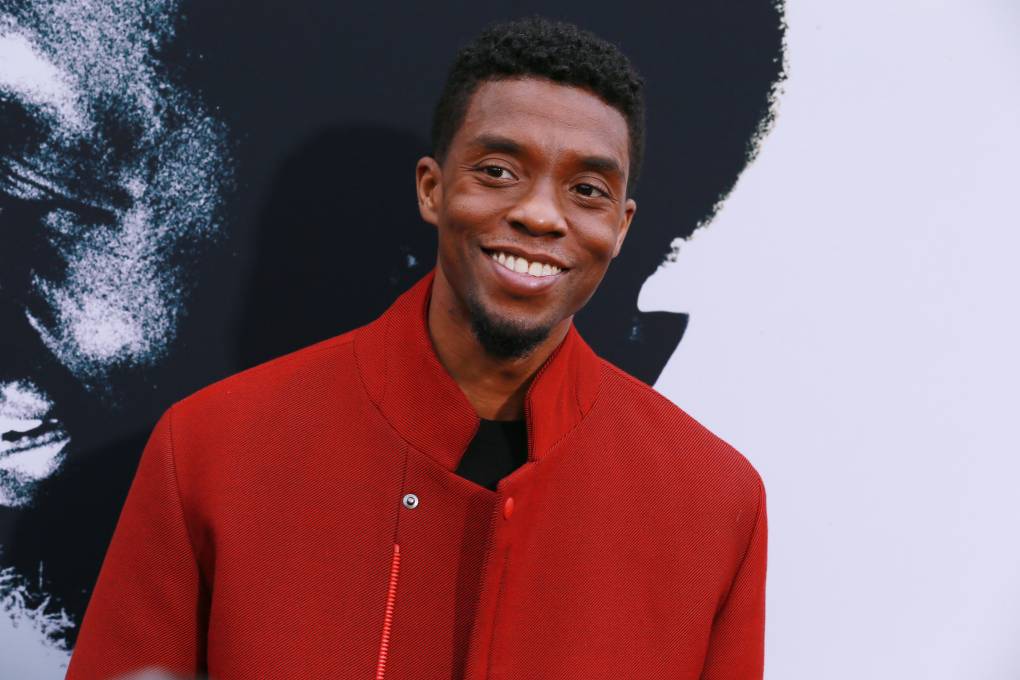
"caption": "Chadwick Boseman at the premiere of Netflix's 'The Black Godfather,' June 03, 2019, Hollywood. ",
"description": "Chadwick Boseman at the premiere of Netflix's 'The Black Godfather,' June 03, 2019, Hollywood. ",
"title": "Chadwick Boseman at the premiere of Netflix's 'The Black Godfather,' June 03, 2019, Hollywood.",
"credit": "Leon Bennett/Getty Images",
"status": "inherit",
"isLoading": false,
"fetchFailed": false
},
"arts_13885207": {
"type": "attachments",
"id": "arts_13885207",
"meta": {
"index": "attachments_1716263798",
"site": "arts",
"id": "13885207",
"found": true
},
"parent": 13885205,
"imgSizes": {
"thumbnail": {
"file": "https://ww2.kqed.org/app/uploads/sites/2/2020/08/JustinTownesEarle-160x90.jpg",
"width": 160,
"mimeType": "image/jpeg",
"height": 90
},
"post-thumbnail": {
"file": "https://ww2.kqed.org/app/uploads/sites/2/2020/08/JustinTownesEarle-672x372.jpg",
"width": 672,
"mimeType": "image/jpeg",
"height": 372
},
"kqedFullSize": {
"file": "https://ww2.kqed.org/app/uploads/sites/2/2020/08/JustinTownesEarle.jpg",
"width": 827,
"height": 465
},
"medium": {
"file": "https://ww2.kqed.org/app/uploads/sites/2/2020/08/JustinTownesEarle-800x450.jpg",
"width": 800,
"mimeType": "image/jpeg",
"height": 450
},
"medium_large": {
"file": "https://ww2.kqed.org/app/uploads/sites/2/2020/08/JustinTownesEarle-768x432.jpg",
"width": 768,
"mimeType": "image/jpeg",
"height": 432
}
},
"publishDate": 1598286809,
"modified": 1598286843,
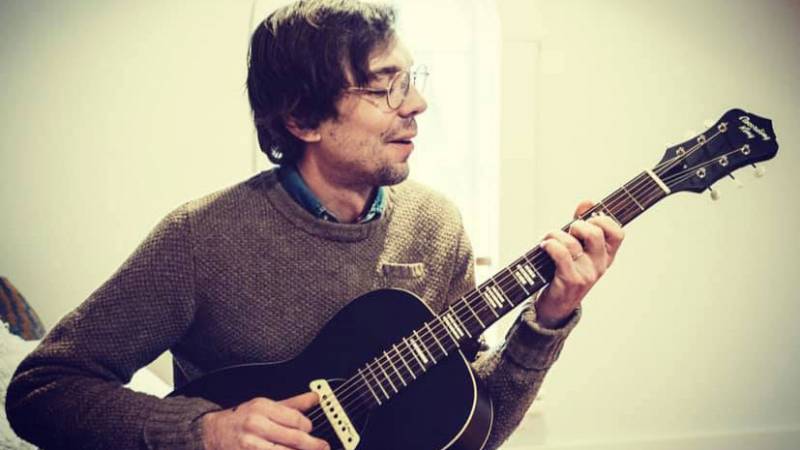
"caption": "Justin Townes Earle died Sunday at 38.",
"description": "Justin Townes Earle died Sunday at 38.",
"title": "JustinTownesEarle",
"credit": "Artist Photo/Facebook",
"status": "inherit",
"isLoading": false,
"fetchFailed": false
},
"arts_13883938": {
"type": "attachments",
"id": "arts_13883938",
"meta": {
"index": "attachments_1716263798",
"site": "arts",
"id": "13883938",
"found": true
},
"parent": 13883929,
"imgSizes": {
"twentyfourteen-full-width": {
"file": "https://ww2.kqed.org/app/uploads/sites/2/2020/07/MemorialSocial_Spanish-1038x576.jpg",
"width": 1038,
"mimeType": "image/jpeg",
"height": 576
},
"thumbnail": {
"file": "https://ww2.kqed.org/app/uploads/sites/2/2020/07/MemorialSocial_Spanish-160x90.jpg",
"width": 160,
"mimeType": "image/jpeg",
"height": 90
},
"post-thumbnail": {
"file": "https://ww2.kqed.org/app/uploads/sites/2/2020/07/MemorialSocial_Spanish-672x372.jpg",
"width": 672,
"mimeType": "image/jpeg",
"height": 372
},
"kqedFullSize": {
"file": "https://ww2.kqed.org/app/uploads/sites/2/2020/07/MemorialSocial_Spanish.jpg",
"width": 1920,
"height": 1080
},
"large": {
"file": "https://ww2.kqed.org/app/uploads/sites/2/2020/07/MemorialSocial_Spanish-1020x574.jpg",
"width": 1020,
"mimeType": "image/jpeg",
"height": 574
},
"1536x1536": {
"file": "https://ww2.kqed.org/app/uploads/sites/2/2020/07/MemorialSocial_Spanish-1536x864.jpg",
"width": 1536,
"mimeType": "image/jpeg",
"height": 864
},
"medium": {
"file": "https://ww2.kqed.org/app/uploads/sites/2/2020/07/MemorialSocial_Spanish-800x450.jpg",
"width": 800,
"mimeType": "image/jpeg",
"height": 450
},
"medium_large": {
"file": "https://ww2.kqed.org/app/uploads/sites/2/2020/07/MemorialSocial_Spanish-768x432.jpg",
"width": 768,
"mimeType": "image/jpeg",
"height": 432
}
},
"publishDate": 1595882172,
"modified": 1595882189,
"caption": "Si gusta conmemorar a alguien, le invitamos a que comparta su historia con nosotros.",
"description": "Si gusta conmemorar a alguien, le invitamos a que comparta su historia con nosotros.",
"title": "MemorialSocial_Spanish",
"credit": null,
"status": "inherit",
"isLoading": false,
"fetchFailed": false
},
"arts_13883958": {
"type": "attachments",
"id": "arts_13883958",
"meta": {
"index": "attachments_1716263798",
"site": "arts",
"id": "13883958",
"found": true
},
"parent": 13883905,
"imgSizes": {
"twentyfourteen-full-width": {
"file": "https://ww2.kqed.org/app/uploads/sites/2/2020/07/Memorialillo_v1-1038x576.png",
"width": 1038,
"mimeType": "image/png",
"height": 576
},
"thumbnail": {
"file": "https://ww2.kqed.org/app/uploads/sites/2/2020/07/Memorialillo_v1-160x90.png",
"width": 160,
"mimeType": "image/png",
"height": 90
},
"post-thumbnail": {
"file": "https://ww2.kqed.org/app/uploads/sites/2/2020/07/Memorialillo_v1-672x372.png",
"width": 672,
"mimeType": "image/png",
"height": 372
},
"kqedFullSize": {
"file": "https://ww2.kqed.org/app/uploads/sites/2/2020/07/Memorialillo_v1.png",
"width": 1920,
"height": 1080
},
"large": {
"file": "https://ww2.kqed.org/app/uploads/sites/2/2020/07/Memorialillo_v1-1020x574.png",
"width": 1020,
"mimeType": "image/png",
"height": 574
},
"1536x1536": {
"file": "https://ww2.kqed.org/app/uploads/sites/2/2020/07/Memorialillo_v1-1536x864.png",
"width": 1536,
"mimeType": "image/png",
"height": 864
},
"medium": {
"file": "https://ww2.kqed.org/app/uploads/sites/2/2020/07/Memorialillo_v1-800x450.png",
"width": 800,
"mimeType": "image/png",
"height": 450
},
"medium_large": {
"file": "https://ww2.kqed.org/app/uploads/sites/2/2020/07/Memorialillo_v1-768x432.png",
"width": 768,
"mimeType": "image/png",
"height": 432
}
},
"publishDate": 1595890238,
"modified": 1595890254,
"caption": null,
"description": null,
"title": "Share your memories",
"credit": null,
"status": "inherit",
"isLoading": false,
"fetchFailed": false
},
"arts_13884054": {
"type": "attachments",
"id": "arts_13884054",
"meta": {
"index": "attachments_1716263798",
"site": "arts",
"id": "13884054",
"found": true
},
"parent": 13883905,
"imgSizes": {
"thumbnail": {
"file": "https://ww2.kqed.org/app/uploads/sites/2/2020/07/Share-your-memories-TW-160x80.png",
"width": 160,
"mimeType": "image/png",
"height": 80
},
"post-thumbnail": {
"file": "https://ww2.kqed.org/app/uploads/sites/2/2020/07/Share-your-memories-TW-672x372.png",
"width": 672,
"mimeType": "image/png",
"height": 372
},
"kqedFullSize": {
"file": "https://ww2.kqed.org/app/uploads/sites/2/2020/07/Share-your-memories-TW.png",
"width": 1024,
"height": 512
},
"large": {
"file": "https://ww2.kqed.org/app/uploads/sites/2/2020/07/Share-your-memories-TW-1020x510.png",
"width": 1020,
"mimeType": "image/png",
"height": 510
},
"medium": {
"file": "https://ww2.kqed.org/app/uploads/sites/2/2020/07/Share-your-memories-TW-800x400.png",
"width": 800,
"mimeType": "image/png",
"height": 400
},
"medium_large": {
"file": "https://ww2.kqed.org/app/uploads/sites/2/2020/07/Share-your-memories-TW-768x384.png",
"width": 768,
"mimeType": "image/png",
"height": 384
}
},
"publishDate": 1595963893,
"modified": 1595963907,
"caption": null,
"description": null,
"title": "Share your memories",
"credit": null,
"status": "inherit",
"isLoading": false,
"fetchFailed": false
},
"arts_13883284": {
"type": "attachments",
"id": "arts_13883284",
"meta": {
"index": "attachments_1716263798",
"site": "arts",
"id": "13883284",
"found": true
},
"parent": 13883282,
"imgSizes": {
"twentyfourteen-full-width": {
"file": "https://ww2.kqed.org/app/uploads/sites/2/2020/07/GettyImages-480340070-1024x576.jpg",
"width": 1024,
"mimeType": "image/jpeg",
"height": 576
},
"thumbnail": {
"file": "https://ww2.kqed.org/app/uploads/sites/2/2020/07/GettyImages-480340070-160x107.jpg",
"width": 160,
"mimeType": "image/jpeg",
"height": 107
},
"post-thumbnail": {
"file": "https://ww2.kqed.org/app/uploads/sites/2/2020/07/GettyImages-480340070-672x372.jpg",
"width": 672,
"mimeType": "image/jpeg",
"height": 372
},
"kqedFullSize": {
"file": "https://ww2.kqed.org/app/uploads/sites/2/2020/07/GettyImages-480340070.jpg",
"width": 1024,
"height": 683
},
"large": {
"file": "https://ww2.kqed.org/app/uploads/sites/2/2020/07/GettyImages-480340070-1020x680.jpg",
"width": 1020,
"mimeType": "image/jpeg",
"height": 680
},
"medium": {
"file": "https://ww2.kqed.org/app/uploads/sites/2/2020/07/GettyImages-480340070-800x534.jpg",
"width": 800,
"mimeType": "image/jpeg",
"height": 534
},
"medium_large": {
"file": "https://ww2.kqed.org/app/uploads/sites/2/2020/07/GettyImages-480340070-768x512.jpg",
"width": 768,
"mimeType": "image/jpeg",
"height": 512
}
},
"publishDate": 1594753582,
"modified": 1594753648,
"caption": "Grant Imahara at the 'Sharknado 3' party during Comic-Con International 2015, San Diego. ",
"description": "Grant Imahara at the 'Sharknado 3' party during Comic-Con International 2015, San Diego. ",
"title": "Grant Imahara at the 'Sharknado 3' party during Comic-Con International 2015, San Diego.",
"credit": "Mark Davis/Getty Images",
"status": "inherit",
"isLoading": false,
"fetchFailed": false
},
"arts_13883223": {
"type": "attachments",
"id": "arts_13883223",
"meta": {
"index": "attachments_1716263798",
"site": "arts",
"id": "13883223",
"found": true
},
"parent": 13883222,
"imgSizes": {
"twentyfourteen-full-width": {
"file": "https://ww2.kqed.org/app/uploads/sites/2/2020/07/gettyimages-174345098_wide-ec0e44f3ccd55c5977ef7d8d3cfb49ec8e080586-1038x576.jpg",
"width": 1038,
"mimeType": "image/jpeg",
"height": 576
},
"thumbnail": {
"file": "https://ww2.kqed.org/app/uploads/sites/2/2020/07/gettyimages-174345098_wide-ec0e44f3ccd55c5977ef7d8d3cfb49ec8e080586-160x90.jpg",
"width": 160,
"mimeType": "image/jpeg",
"height": 90
},
"post-thumbnail": {
"file": "https://ww2.kqed.org/app/uploads/sites/2/2020/07/gettyimages-174345098_wide-ec0e44f3ccd55c5977ef7d8d3cfb49ec8e080586-672x372.jpg",
"width": 672,
"mimeType": "image/jpeg",
"height": 372
},
"kqedFullSize": {
"file": "https://ww2.kqed.org/app/uploads/sites/2/2020/07/gettyimages-174345098_wide-ec0e44f3ccd55c5977ef7d8d3cfb49ec8e080586-scaled-e1594668609352.jpg",
"width": 1920,
"height": 1080
},
"2048x2048": {
"file": "https://ww2.kqed.org/app/uploads/sites/2/2020/07/gettyimages-174345098_wide-ec0e44f3ccd55c5977ef7d8d3cfb49ec8e080586-2048x1152.jpg",
"width": 2048,
"mimeType": "image/jpeg",
"height": 1152
},
"large": {
"file": "https://ww2.kqed.org/app/uploads/sites/2/2020/07/gettyimages-174345098_wide-ec0e44f3ccd55c5977ef7d8d3cfb49ec8e080586-1020x574.jpg",
"width": 1020,
"mimeType": "image/jpeg",
"height": 574
},
"1536x1536": {
"file": "https://ww2.kqed.org/app/uploads/sites/2/2020/07/gettyimages-174345098_wide-ec0e44f3ccd55c5977ef7d8d3cfb49ec8e080586-1536x864.jpg",
"width": 1536,
"mimeType": "image/jpeg",
"height": 864
},
"full-width": {
"file": "https://ww2.kqed.org/app/uploads/sites/2/2020/07/gettyimages-174345098_wide-ec0e44f3ccd55c5977ef7d8d3cfb49ec8e080586-1920x1080.jpg",
"width": 1920,
"mimeType": "image/jpeg",
"height": 1080
},
"medium": {
"file": "https://ww2.kqed.org/app/uploads/sites/2/2020/07/gettyimages-174345098_wide-ec0e44f3ccd55c5977ef7d8d3cfb49ec8e080586-800x450.jpg",
"width": 800,
"mimeType": "image/jpeg",
"height": 450
},
"medium_large": {
"file": "https://ww2.kqed.org/app/uploads/sites/2/2020/07/gettyimages-174345098_wide-ec0e44f3ccd55c5977ef7d8d3cfb49ec8e080586-768x432.jpg",
"width": 768,
"mimeType": "image/jpeg",
"height": 432
}
},
"publishDate": 1594668357,
"modified": 1594668638,
"caption": "Naya Rivera poses for a portrait at the 2013 Giffoni Film Festival on July 24, 2013, in Giffoni Valle Piana, Italy.",
"description": "Naya Rivera poses for a portrait at the 2013 Giffoni Film Festival on July 24, 2013, in Giffoni Valle Piana, Italy.",
"title": "Naya Rivera poses for a portrait at the 2013 Giffoni Film Festival on July 24, 2013, in Giffoni Valle Piana, Italy.",
"credit": "Vittorio Zunino Celotto/Getty Images",
"status": "inherit",
"isLoading": false,
"fetchFailed": false
},
"arts_13883229": {
"type": "attachments",
"id": "arts_13883229",
"meta": {
"index": "attachments_1716263798",
"site": "arts",
"id": "13883229",
"found": true
},
"parent": 13883228,
"imgSizes": {
"twentyfourteen-full-width": {
"file": "https://ww2.kqed.org/app/uploads/sites/2/2020/07/gettyimages-958773036_wide-ef508aa2fa6944bdef7a0900e5f34d756c6ccb3b-1038x576.jpg",
"width": 1038,
"mimeType": "image/jpeg",
"height": 576
},
"thumbnail": {
"file": "https://ww2.kqed.org/app/uploads/sites/2/2020/07/gettyimages-958773036_wide-ef508aa2fa6944bdef7a0900e5f34d756c6ccb3b-160x90.jpg",
"width": 160,
"mimeType": "image/jpeg",
"height": 90
},
"post-thumbnail": {
"file": "https://ww2.kqed.org/app/uploads/sites/2/2020/07/gettyimages-958773036_wide-ef508aa2fa6944bdef7a0900e5f34d756c6ccb3b-672x372.jpg",
"width": 672,
"mimeType": "image/jpeg",
"height": 372
},
"kqedFullSize": {
"file": "https://ww2.kqed.org/app/uploads/sites/2/2020/07/gettyimages-958773036_wide-ef508aa2fa6944bdef7a0900e5f34d756c6ccb3b-scaled-e1594670674143.jpg",
"width": 1920,
"height": 1080
},
"2048x2048": {
"file": "https://ww2.kqed.org/app/uploads/sites/2/2020/07/gettyimages-958773036_wide-ef508aa2fa6944bdef7a0900e5f34d756c6ccb3b-2048x1152.jpg",
"width": 2048,
"mimeType": "image/jpeg",
"height": 1152
},
"large": {
"file": "https://ww2.kqed.org/app/uploads/sites/2/2020/07/gettyimages-958773036_wide-ef508aa2fa6944bdef7a0900e5f34d756c6ccb3b-1020x574.jpg",
"width": 1020,
"mimeType": "image/jpeg",
"height": 574
},
"1536x1536": {
"file": "https://ww2.kqed.org/app/uploads/sites/2/2020/07/gettyimages-958773036_wide-ef508aa2fa6944bdef7a0900e5f34d756c6ccb3b-1536x864.jpg",
"width": 1536,
"mimeType": "image/jpeg",
"height": 864
},
"full-width": {
"file": "https://ww2.kqed.org/app/uploads/sites/2/2020/07/gettyimages-958773036_wide-ef508aa2fa6944bdef7a0900e5f34d756c6ccb3b-1920x1080.jpg",
"width": 1920,
"mimeType": "image/jpeg",
"height": 1080
},
"medium": {
"file": "https://ww2.kqed.org/app/uploads/sites/2/2020/07/gettyimages-958773036_wide-ef508aa2fa6944bdef7a0900e5f34d756c6ccb3b-800x450.jpg",
"width": 800,
"mimeType": "image/jpeg",
"height": 450
},
"medium_large": {
"file": "https://ww2.kqed.org/app/uploads/sites/2/2020/07/gettyimages-958773036_wide-ef508aa2fa6944bdef7a0900e5f34d756c6ccb3b-768x432.jpg",
"width": 768,
"mimeType": "image/jpeg",
"height": 432
}
},
"publishDate": 1594670463,
"modified": 1594670713,
"caption": "Actress Kelly Preston with her husband, John Travolta, at the Cannes Film Festival in 2018. The actress died after a two-year fight with breast cancer.",
"description": "Actress Kelly Preston with her husband, John Travolta, at the Cannes Film Festival in 2018. The actress died after a two-year fight with breast cancer.",
"title": "Actress Kelly Preston with her husband, John Travolta, at the Cannes Film Festival in 2018. The actress died after a two-year fight with breast cancer.",
"credit": "Loic Venance/AFP via Getty Images",
"status": "inherit",
"isLoading": false,
"fetchFailed": false
},
"arts_13882931": {
"type": "attachments",
"id": "arts_13882931",
"meta": {
"index": "attachments_1716263798",
"site": "arts",
"id": "13882931",
"found": true
},
"parent": 13882929,
"imgSizes": {
"twentyfourteen-full-width": {
"file": "https://ww2.kqed.org/app/uploads/sites/2/2020/07/Ennio.MAIN_-1000x576.jpg",
"width": 1000,
"mimeType": "image/jpeg",
"height": 576
},
"thumbnail": {
"file": "https://ww2.kqed.org/app/uploads/sites/2/2020/07/Ennio.MAIN_-160x99.jpg",
"width": 160,
"mimeType": "image/jpeg",
"height": 99
},
"post-thumbnail": {
"file": "https://ww2.kqed.org/app/uploads/sites/2/2020/07/Ennio.MAIN_-672x372.jpg",
"width": 672,
"mimeType": "image/jpeg",
"height": 372
},
"kqedFullSize": {
"file": "https://ww2.kqed.org/app/uploads/sites/2/2020/07/Ennio.MAIN_.jpg",
"width": 1000,
"height": 616
},
"medium": {
"file": "https://ww2.kqed.org/app/uploads/sites/2/2020/07/Ennio.MAIN_-800x493.jpg",
"width": 800,
"mimeType": "image/jpeg",
"height": 493
},
"medium_large": {
"file": "https://ww2.kqed.org/app/uploads/sites/2/2020/07/Ennio.MAIN_-768x473.jpg",
"width": 768,
"mimeType": "image/jpeg",
"height": 473
}
},
"publishDate": 1594051809,
"modified": 1594051919,
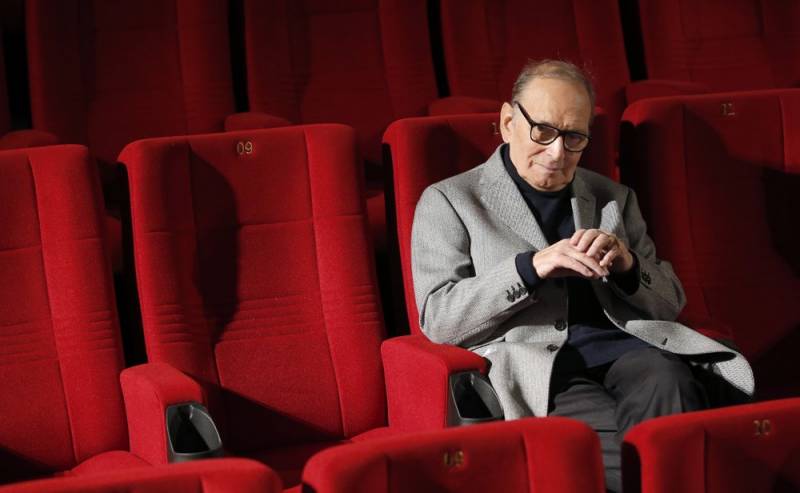
"caption": "Ennio Morricone, the giant of Spaghetti Western film scores, died Sunday night at 91. The composer is pictured here in 2013.",
"description": "Ennio Morricone, the giant of Spaghetti Western film scores, died Sunday night at 91. The composer is pictured here in 2013.",
"title": "Ennio.MAIN",
"credit": "AP Photo/Michael Sohn, file",
"status": "inherit",
"isLoading": false,
"fetchFailed": false
},
"arts_13882722": {
"type": "attachments",
"id": "arts_13882722",
"meta": {
"index": "attachments_1716263798",
"site": "arts",
"id": "13882722",
"found": true
},
"parent": 13882721,
"imgSizes": {
"twentyfourteen-full-width": {
"file": "https://ww2.kqed.org/app/uploads/sites/2/2020/06/ap_03053006144_custom-c425b05fba1a59717968c57018585954fb63552b-1038x576.jpg",
"width": 1038,
"mimeType": "image/jpeg",
"height": 576
},
"thumbnail": {
"file": "https://ww2.kqed.org/app/uploads/sites/2/2020/06/ap_03053006144_custom-c425b05fba1a59717968c57018585954fb63552b-160x111.jpg",
"width": 160,
"mimeType": "image/jpeg",
"height": 111
},
"post-thumbnail": {
"file": "https://ww2.kqed.org/app/uploads/sites/2/2020/06/ap_03053006144_custom-c425b05fba1a59717968c57018585954fb63552b-672x372.jpg",
"width": 672,
"mimeType": "image/jpeg",
"height": 372
},
"kqedFullSize": {
"file": "https://ww2.kqed.org/app/uploads/sites/2/2020/06/ap_03053006144_custom-c425b05fba1a59717968c57018585954fb63552b.jpg",
"width": 2000,
"height": 1391
},
"large": {
"file": "https://ww2.kqed.org/app/uploads/sites/2/2020/06/ap_03053006144_custom-c425b05fba1a59717968c57018585954fb63552b-1020x709.jpg",
"width": 1020,
"mimeType": "image/jpeg",
"height": 709
},
"1536x1536": {
"file": "https://ww2.kqed.org/app/uploads/sites/2/2020/06/ap_03053006144_custom-c425b05fba1a59717968c57018585954fb63552b-1536x1068.jpg",
"width": 1536,
"mimeType": "image/jpeg",
"height": 1068
},
"full-width": {
"file": "https://ww2.kqed.org/app/uploads/sites/2/2020/06/ap_03053006144_custom-c425b05fba1a59717968c57018585954fb63552b-1920x1335.jpg",
"width": 1920,
"mimeType": "image/jpeg",
"height": 1335
},
"medium": {
"file": "https://ww2.kqed.org/app/uploads/sites/2/2020/06/ap_03053006144_custom-c425b05fba1a59717968c57018585954fb63552b-800x556.jpg",
"width": 800,
"mimeType": "image/jpeg",
"height": 556
},
"medium_large": {
"file": "https://ww2.kqed.org/app/uploads/sites/2/2020/06/ap_03053006144_custom-c425b05fba1a59717968c57018585954fb63552b-768x534.jpg",
"width": 768,
"mimeType": "image/jpeg",
"height": 534
}
},
"publishDate": 1593531591,
"modified": 1593531591,
"caption": null,
"description": "Actor, director and author Carl Reiner, pictured at his home in Beverly Hills, Calif., in May 2003",
"title": "Actor, director and author Carl Reiner, pictured at his home in Beverly Hills, Calif., in May 2003.",
"credit": null,
"status": "inherit",
"isLoading": false,
"fetchFailed": false
},
"arts_13882327": {
"type": "attachments",
"id": "arts_13882327",
"meta": {
"index": "attachments_1716263798",
"site": "arts",
"id": "13882327",
"found": true
},
"parent": 13882326,
"imgSizes": {
"twentyfourteen-full-width": {
"file": "https://ww2.kqed.org/app/uploads/sites/2/2020/06/GettyImages-52046503-1038x576.jpg",
"width": 1038,
"mimeType": "image/jpeg",
"height": 576
},
"thumbnail": {
"file": "https://ww2.kqed.org/app/uploads/sites/2/2020/06/GettyImages-52046503-160x105.jpg",
"width": 160,
"mimeType": "image/jpeg",
"height": 105
},
"post-thumbnail": {
"file": "https://ww2.kqed.org/app/uploads/sites/2/2020/06/GettyImages-52046503-672x372.jpg",
"width": 672,
"mimeType": "image/jpeg",
"height": 372
},
"kqedFullSize": {
"file": "https://ww2.kqed.org/app/uploads/sites/2/2020/06/GettyImages-52046503-e1592862253508.jpg",
"width": 1920,
"height": 1265
},
"large": {
"file": "https://ww2.kqed.org/app/uploads/sites/2/2020/06/GettyImages-52046503-1020x672.jpg",
"width": 1020,
"mimeType": "image/jpeg",
"height": 672
},
"full-width": {
"file": "https://ww2.kqed.org/app/uploads/sites/2/2020/06/GettyImages-52046503-1920x1265.jpg",
"width": 1920,
"mimeType": "image/jpeg",
"height": 1265
},
"medium": {
"file": "https://ww2.kqed.org/app/uploads/sites/2/2020/06/GettyImages-52046503-800x527.jpg",
"width": 800,
"mimeType": "image/jpeg",
"height": 527
},
"medium_large": {
"file": "https://ww2.kqed.org/app/uploads/sites/2/2020/06/GettyImages-52046503-768x506.jpg",
"width": 768,
"mimeType": "image/jpeg",
"height": 506
}
},
"publishDate": 1592862238,
"modified": 1592862317,
"caption": "Joel Schumacher at the Bangkok International Film Festival, 2005. ",
"description": "Joel Schumacher at the Bangkok International Film Festival, 2005. ",
"title": "Joel Schumacher at the Bangkok International Film Festival, 2005.",
"credit": "Patrick Riviere/Getty Images",
"status": "inherit",
"isLoading": false,
"fetchFailed": false
},
"arts_13882100": {
"type": "attachments",
"id": "arts_13882100",
"meta": {
"index": "attachments_1716263798",
"site": "arts",
"id": "13882100",
"found": true
},
"parent": 13882068,
"imgSizes": {
"twentyfourteen-full-width": {
"file": "https://ww2.kqed.org/app/uploads/sites/2/2020/06/bailey-bigfoot-750x576.jpg",
"width": 750,
"mimeType": "image/jpeg",
"height": 576
},
"thumbnail": {
"file": "https://ww2.kqed.org/app/uploads/sites/2/2020/06/bailey-bigfoot-160x127.jpg",
"width": 160,
"mimeType": "image/jpeg",
"height": 127
},
"post-thumbnail": {
"file": "https://ww2.kqed.org/app/uploads/sites/2/2020/06/bailey-bigfoot-672x372.jpg",
"width": 672,
"mimeType": "image/jpeg",
"height": 372
},
"kqedFullSize": {
"file": "https://ww2.kqed.org/app/uploads/sites/2/2020/06/bailey-bigfoot.jpg",
"width": 750,
"height": 597
}
},
"publishDate": 1592355303,
"modified": 1592421741,
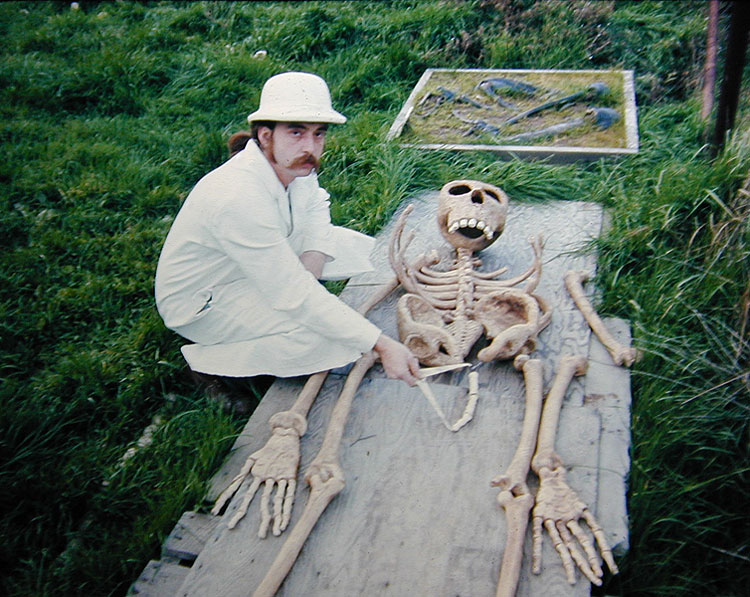
"caption": "Clayton Bailey's alter ego Dr. Gladstone uncovers a Bigfoot skeleton in Port Costa, CA.",
"description": "Clayton Bailey's alter ego Dr. Gladstone uncovers a Bigfoot skeleton in Port Costa, CA.",
"title": "Dr. Gladstone",
"credit": "Clayton Bailey website",
"status": "inherit",
"isLoading": false,
"fetchFailed": false
}
},
"audioPlayerReducer": {
"postId": "stream_live",
"isPaused": true,
"isPlaying": false,
"pfsActive": false,
"pledgeModalIsOpen": true,
"playerDrawerIsOpen": false,
"liveAudioPlayStartedAt": 0,
"liveAudioPlayContext": ""
},
"authorsReducer": {
"byline_arts_13885541": {
"type": "authors",
"id": "byline_arts_13885541",
"meta": {
"override": true
},
"slug": "byline_arts_13885541",
"name": "Ryan Pearson",
"isLoading": false
},
"byline_arts_13885205": {
"type": "authors",
"id": "byline_arts_13885205",
"meta": {
"override": true
},
"slug": "byline_arts_13885205",
"name": "Craig Havighurst, WMOT",
"isLoading": false
},
"byline_arts_13883282": {
"type": "authors",
"id": "byline_arts_13883282",
"meta": {
"override": true
},
"slug": "byline_arts_13883282",
"name": "Elizabeth Blair",
"isLoading": false
},
"byline_arts_13883222": {
"type": "authors",
"id": "byline_arts_13883222",
"meta": {
"override": true
},
"slug": "byline_arts_13883222",
"name": "Neda Ulaby",
"isLoading": false
},
"byline_arts_13883228": {
"type": "authors",
"id": "byline_arts_13883228",
"meta": {
"override": true
},
"slug": "byline_arts_13883228",
"name": "Andrew Limbong",
"isLoading": false
},
"byline_arts_13882929": {
"type": "authors",
"id": "byline_arts_13882929",
"meta": {
"override": true
},
"slug": "byline_arts_13882929",
"name": "Frances D'Emilio, Associated Press",
"isLoading": false
},
"byline_arts_13882721": {
"type": "authors",
"id": "byline_arts_13882721",
"meta": {
"override": true
},
"slug": "byline_arts_13882721",
"name": "Ted Robbins",
"isLoading": false
},
"byline_arts_13882326": {
"type": "authors",
"id": "byline_arts_13882326",
"meta": {
"override": true
},
"slug": "byline_arts_13882326",
"name": "Jake Coyle, Associated Press",
"isLoading": false
},
"kqedarts": {
"type": "authors",
"id": "92",
"meta": {
"index": "authors_1716337520",
"id": "92",
"found": true
},
"name": "KQED Arts",
"firstName": "KQED",
"lastName": "Arts",
"slug": "kqedarts",
"email": "arts@kqed.org",
"display_author_email": false,
"staff_mastheads": [],
"title": "KQED Staff",
"bio": null,
"avatar": "https://secure.gravatar.com/avatar/321c9ebfeb7736f9e55366a6d3399ab0?s=600&d=blank&r=g",
"twitter": null,
"facebook": null,
"instagram": "https://www.instagram.com/kqed_arts/",
"linkedin": null,
"sites": [
{
"site": "arts",
"roles": [
"contributor"
]
},
{
"site": "pop",
"roles": [
"contributor"
]
},
{
"site": "science",
"roles": [
"author"
]
},
{
"site": "food",
"roles": [
"contributor"
]
}
],
"headData": {
"title": "KQED Arts | KQED",
"description": "KQED Staff",
"ogImgSrc": "https://secure.gravatar.com/avatar/321c9ebfeb7736f9e55366a6d3399ab0?s=600&d=blank&r=g",
"twImgSrc": "https://secure.gravatar.com/avatar/321c9ebfeb7736f9e55366a6d3399ab0?s=600&d=blank&r=g"
},
"isLoading": false,
"link": "/author/kqedarts"
},
"jhesig": {
"type": "authors",
"id": "11333",
"meta": {
"index": "authors_1716337520",
"id": "11333",
"found": true
},
"name": "Janelle Hessig",
"firstName": "Janelle",
"lastName": "Hessig",
"slug": "jhesig",
"email": "jhessig@kqed.org",
"display_author_email": false,
"staff_mastheads": [],
"title": "KQED Contributor",
"bio": null,
"avatar": "https://secure.gravatar.com/avatar/27dd6e3cd88f82541593bd6d8f2aec4a?s=600&d=mm&r=g",
"twitter": null,
"facebook": null,
"instagram": null,
"linkedin": null,
"sites": [
{
"site": "arts",
"roles": []
},
{
"site": "food",
"roles": []
},
{
"site": "filmschoolshorts",
"roles": [
"editor"
]
}
],
"headData": {
"title": "Janelle Hessig | KQED",
"description": "KQED Contributor",
"ogImgSrc": "https://secure.gravatar.com/avatar/27dd6e3cd88f82541593bd6d8f2aec4a?s=600&d=mm&r=g",
"twImgSrc": "https://secure.gravatar.com/avatar/27dd6e3cd88f82541593bd6d8f2aec4a?s=600&d=mm&r=g"
},
"isLoading": false,
"link": "/author/jhesig"
},
"ngluckstern": {
"type": "authors",
"id": "11497",
"meta": {
"index": "authors_1716337520",
"id": "11497",
"found": true
},
"name": "Nicole Gluckstern",
"firstName": "Nicole",
"lastName": "Gluckstern",
"slug": "ngluckstern",
"email": "gluckstern.nicole@gmail.com",
"display_author_email": false,
"staff_mastheads": [],
"title": "KQED Contributor",
"bio": null,
"avatar": "https://secure.gravatar.com/avatar/2c3d593194017bfe811a998ad03140909de330b22abebf4889e1a564ce5b3495?s=600&d=blank&r=g",
"twitter": null,
"bluesky": null,
"facebook": null,
"instagram": null,
"linkedin": null,
"sites": [
{
"site": "arts",
"roles": [
"contributor"
]
}
],
"headData": {
"title": "Nicole Gluckstern | KQED",
"description": "KQED Contributor",
"ogImgSrc": "https://secure.gravatar.com/avatar/2c3d593194017bfe811a998ad03140909de330b22abebf4889e1a564ce5b3495?s=600&d=blank&r=g",
"twImgSrc": "https://secure.gravatar.com/avatar/2c3d593194017bfe811a998ad03140909de330b22abebf4889e1a564ce5b3495?s=600&d=blank&r=g"
},
"isLoading": false,
"link": "/author/ngluckstern"
},
"amorga": {
"type": "authors",
"id": "11629",
"meta": {
"index": "authors_1716337520",
"id": "11629",
"found": true
},
"name": "Adriana Morga",
"firstName": "Adriana",
"lastName": "Morga",
"slug": "amorga",
"email": "amorga@kqed.org",
"display_author_email": false,
"staff_mastheads": [],
"title": "KQED Contributor",
"bio": "Adriana Morga is an on-call Digital Producer for KQED en Español. She is also completing her journalism degree at San Francisco State University. She has experience working in print and radio. Morga, who was born in Tijuana, Mexico, has spent her developing career covering the Latino community for English and Spanish-language publications including KALW and El Tecolote.",
"avatar": "https://secure.gravatar.com/avatar/9ef1c5a7ff2f2ae1ab05809325f43d03?s=600&d=blank&r=g",
"twitter": null,
"facebook": null,
"instagram": null,
"linkedin": null,
"sites": [
{
"site": "arts",
"roles": []
},
{
"site": "news",
"roles": [
"author"
]
},
{
"site": "science",
"roles": [
"editor"
]
}
],
"headData": {
"title": "Adriana Morga | KQED",
"description": "KQED Contributor",
"ogImgSrc": "https://secure.gravatar.com/avatar/9ef1c5a7ff2f2ae1ab05809325f43d03?s=600&d=blank&r=g",
"twImgSrc": "https://secure.gravatar.com/avatar/9ef1c5a7ff2f2ae1ab05809325f43d03?s=600&d=blank&r=g"
},
"isLoading": false,
"link": "/author/amorga"
},
"spineda": {
"type": "authors",
"id": "11684",
"meta": {
"index": "authors_1716337520",
"id": "11684",
"found": true
},
"name": "Sarah Pineda",
"firstName": "Sarah",
"lastName": "Pineda",
"slug": "spineda",
"email": "spineda@kqed.org",
"display_author_email": true,
"staff_mastheads": [],
"title": "Engagement Producer",
"bio": "Sarah Pineda is a community engagement journalist working on building trust, deepening relationships and uplifting the work of community members for public media newsrooms. Before KQED, her engagement work contributions with Los Angeles' NPR-member station KPCC-LAist, was awarded ONA's 2019 Gather Award in Engaged Journalism.",
"avatar": "https://secure.gravatar.com/avatar/8213013f15f43594830671e7f557a820?s=600&d=blank&r=g",
"twitter": "sarahnpineda",
"facebook": null,
"instagram": null,
"linkedin": null,
"sites": [
{
"site": "arts",
"roles": [
"contributor"
]
},
{
"site": "pop",
"roles": [
"editor"
]
}
],
"headData": {
"title": "Sarah Pineda | KQED",
"description": "Engagement Producer",
"ogImgSrc": "https://secure.gravatar.com/avatar/8213013f15f43594830671e7f557a820?s=600&d=blank&r=g",
"twImgSrc": "https://secure.gravatar.com/avatar/8213013f15f43594830671e7f557a820?s=600&d=blank&r=g"
},
"isLoading": false,
"link": "/author/spineda"
}
},
"pagesReducer": {
"arts_category_remembrance": {
"type": "terms",
"id": "arts_1564",
"meta": {
"index": "terms_1716263798",
"site": "arts",
"id": "1564",
"score": 13.107925
},
"featImg": null,
"name": "Remembrance",
"description": null,
"taxonomy": "category",
"headData": {
"twImgId": null,
"twTitle": null,
"ogTitle": null,
"ogImgId": null,
"twDescription": null,
"description": null,
"title": "Remembrance Archives | KQED Arts",
"ogDescription": null
},
"ttid": 1576,
"slug": "remembrance",
"isLoading": false,
"title": "Remembrance",
"pageMeta": {
"site": "arts",
"WpPageTemplate": "page-topic-editorial",
"currentPage": 15
},
"blocks": [
{
"blockName": "kqed/post-list",
"attrs": {
"layout": "cardArticle2",
"query": "posts/arts?category=remembrance",
"seeMore": false,
"paginated": true,
"page": 15
}
},
{
"blockName": "kqed/ad"
}
]
}
},
"pfsSessionReducer": {},
"postsReducer": {
"stream_live": {
"type": "live",
"id": "stream_live",
"audioUrl": "https://streams.kqed.org/kqedradio",
"title": "Live Stream",
"excerpt": "Live Stream information currently unavailable.",
"link": "/radio",
"featImg": "",
"label": {
"name": "KQED Live",
"link": "/"
}
},
"stream_kqedNewscast": {
"type": "posts",
"id": "stream_kqedNewscast",
"audioUrl": "https://www.kqed.org/.stream/anon/radio/RDnews/newscast.mp3?_=1",
"title": "KQED Newscast",
"featImg": "",
"label": {
"name": "88.5 FM",
"link": "/"
}
},
"arts_13885565": {
"type": "posts",
"id": "arts_13885565",
"meta": {
"index": "posts_1716263798",
"site": "arts",
"id": "13885565",
"score": null,
"sort": [
1598972413000
]
},
"guestAuthors": [],
"slug": "too-weird-to-live-too-rare-to-die-a-tribute-to-michael-mikl-em-mcelligott",
"title": "Too Weird to Live, Too Rare to Die: A Tribute to Michael 'Mikl-em' McElligott",
"publishDate": 1598972413,
"format": "standard",
"headTitle": "Too Weird to Live, Too Rare to Die: A Tribute to Michael ‘Mikl-em’ McElligott | KQED",
"labelTerm": {
"site": "arts"
},
"content": "\u003cp>\u003cem>‘While many artists are conveniently and centrally located in museums and in art books on coffee tables, the Tentacle Sessions is dedicated to the assertion that a close encounter with a living artist also holds value.’—1999 promo for the Tentacle Sessions\u003c/em>\u003c/p>\n\u003cp>In April 1999, the Laughing Squid Tentacle Sessions kicked off their third event at the Blue Bar in North Beach, featuring co-founding producer Michael McElligott, a.k.a. Mikl-em. Billed as a “poet, playwright, actor, performance scientist, webpage, fashion challenge, conversationalist, and people person,” Mikl-em presented on a disparate array of personal obsessions—beat poets, fringe theatre, and obscure Scottish cinema.\u003c/p>\n\u003cp>As a person with wide-ranging passions, a staggering intellect, and an insatiable zest for life, Mikl-em was a linchpin of Bay Area counterculture for close to three decades, from Laughing Squid to the Cacophony Society; the San Francisco Fringe Festival to Popcorn Anti-Theater; Burning Man to the Saint Stupid’s Day Parade. His ability to land in the middle of whatever was happening (and frequently producing it as well) made him the perfect subject for the Tentacle Sessions—a long-running series dedicated to celebrating the great \u003cem>living \u003c/em>artists of our time.\u003c/p>\n\u003cp>Twenty-one years later—on Sunday, August 30, 2020, at the age of 50—this giant of the Bay Area’s storied underground arts scene passed away after a protracted battle with brain cancer. He leaves an incalculable void matched only by the enormity of his legacy.\u003c/p>\n\u003cfigure id=\"attachment_13885572\" class=\"wp-caption aligncenter\" style=\"max-width: 800px\">\u003cimg loading=\"lazy\" decoding=\"async\" class=\"size-medium wp-image-13885572\" src=\"https://ww2.kqed.org/app/uploads/sites/2/2020/08/Miklem_photocredit_RustyBlazenhoff_kqed-800x800.jpg\" alt=\"\" width=\"800\" height=\"800\" srcset=\"https://cdn.kqed.org/wp-content/uploads/sites/2/2020/08/Miklem_photocredit_RustyBlazenhoff_kqed-800x800.jpg 800w, https://cdn.kqed.org/wp-content/uploads/sites/2/2020/08/Miklem_photocredit_RustyBlazenhoff_kqed-160x160.jpg 160w, https://cdn.kqed.org/wp-content/uploads/sites/2/2020/08/Miklem_photocredit_RustyBlazenhoff_kqed-768x768.jpg 768w, https://cdn.kqed.org/wp-content/uploads/sites/2/2020/08/Miklem_photocredit_RustyBlazenhoff_kqed.jpg 1000w\" sizes=\"(max-width: 800px) 100vw, 800px\">\u003cfigcaption class=\"wp-caption-text\">Mikl-em ‘protesting’ the book launch of ‘Tales of the San Francisco Cacophony Society,’ by John Law, Carrie Galbraith, and Kevin Evans. \u003ccite>(Rusty Blazenhoff)\u003c/cite>\u003c/figcaption>\u003c/figure>\n\u003cp>As a multi-talented, multi-hyphenate, Mikl-em never stayed in any one particular lane. Freaky art happenings, poetry readings, comedy nights, theater performances, and cocktail hours were all prime Mikl-em territory. In recent years, he was the producer and host for the Long Now’s conversation series, the Executive Producer of Speechless LIVE at Public Works, the mastermind and writer’s-room wrangler behind Exquisite Corpse Theatre, a beloved DJ at Radio Valencia, a co-founder of the Anglerfish events page, and the secret identity of @bobkaufman on Twitter. Even as late as March, he was performing and producing at the Mission District’s Secret Alley, and was waitlisted for a spot in September’s San Francisco Fringe Festival.\u003c/p>\n\u003cp>[ad fullwidth]\u003c/p>\n\u003cp>“His creative and organizational knack for performance found a good home in the playa-dusted underground,” former Tentacle Session co-producer, D.S. Black recalls.\u003c/p>\n\u003cp>“We were about to have a pretty serious conversation about history, politics, and punk rock,” author Annalee Newitz recalls about their last talk together at the Interval. “And he somehow persuaded me to dance before we got started…totally egging me on. That was the kind of guy he was—switching between cerebral stuff and just rocking out.”\u003c/p>\n\u003cfigure id=\"attachment_13885569\" class=\"wp-caption aligncenter\" style=\"max-width: 800px\">\u003cimg loading=\"lazy\" decoding=\"async\" class=\"size-medium wp-image-13885569\" src=\"https://ww2.kqed.org/app/uploads/sites/2/2020/08/Miklem_withChickenJohn_DanNovy_Porn_e_oke_1999_kqed-800x530.jpeg\" alt=\"\" width=\"800\" height=\"530\" srcset=\"https://cdn.kqed.org/wp-content/uploads/sites/2/2020/08/Miklem_withChickenJohn_DanNovy_Porn_e_oke_1999_kqed-800x530.jpeg 800w, https://cdn.kqed.org/wp-content/uploads/sites/2/2020/08/Miklem_withChickenJohn_DanNovy_Porn_e_oke_1999_kqed-1020x675.jpeg 1020w, https://cdn.kqed.org/wp-content/uploads/sites/2/2020/08/Miklem_withChickenJohn_DanNovy_Porn_e_oke_1999_kqed-160x106.jpeg 160w, https://cdn.kqed.org/wp-content/uploads/sites/2/2020/08/Miklem_withChickenJohn_DanNovy_Porn_e_oke_1999_kqed-768x508.jpeg 768w, https://cdn.kqed.org/wp-content/uploads/sites/2/2020/08/Miklem_withChickenJohn_DanNovy_Porn_e_oke_1999_kqed.jpeg 1500w\" sizes=\"(max-width: 800px) 100vw, 800px\">\u003cfigcaption class=\"wp-caption-text\">Mikl-em performing at Porn-e-oke with Dan Novy in 1999, as Chicken John DJs. \u003ccite>(courtesy of Dan Novy)\u003c/cite>\u003c/figcaption>\u003c/figure>\n\u003cp>A connoisseur of both the highly esoteric and the gleefully irreverent, no scene was too far out or too lowbrow for Mikl-em to not find something to love. He was so ubiquitous that I can’t recall if the first time I saw him was in the company of the fabulously anarchic nEO-sURREALISTs, or with the equally avant-garde Banana Bag & Bodice—but it soon became apparent that no stage was too large \u003cem>or\u003c/em> too small to pique his creative interest. One of the great highlights of my own collaborations with Mikl-em was presenting him on a living room mini-tour, in a ribald Drag adaption called \u003cem>Fabulous Expectations\u003c/em>, by Gaea Denker. Pushing at and expanding the definition of “theater” was a life-long obsession for Mikl-em. And no alleyway, art gallery, warehouse, or dive bar was exempt from his brand of rigorous artistic exploration, and zealous pursuit of the absurd.\u003c/p>\n\u003cp>“We had a natural chemistry that kicked into extreme high gear when we were on stage together,” remembers Dan Novy, a.k.a. nEO-sURREALIST aGENT #1, who also claims responsibility for Mikl’s “first nude appearance,” in the San Francisco Fringe Festival. “Who were we to say no?”\u003c/p>\n\u003cfigure id=\"attachment_13885571\" class=\"wp-caption aligncenter\" style=\"max-width: 800px\">\u003cimg loading=\"lazy\" decoding=\"async\" class=\"wp-image-13885571 size-medium\" src=\"https://ww2.kqed.org/app/uploads/sites/2/2020/08/DaveKew_Miklem_CameronEng_fabulousexpectations_photocredit_KatrinaJames_kqed-800x605.jpeg\" alt=\"Dave McKew, Mikl-em, and Cameron Eng in Gaea Denker's 'Fabulous Expectations,' (performing in Dot Janson's living room), in 2015.\" width=\"800\" height=\"605\" srcset=\"https://cdn.kqed.org/wp-content/uploads/sites/2/2020/08/DaveKew_Miklem_CameronEng_fabulousexpectations_photocredit_KatrinaJames_kqed-800x605.jpeg 800w, https://cdn.kqed.org/wp-content/uploads/sites/2/2020/08/DaveKew_Miklem_CameronEng_fabulousexpectations_photocredit_KatrinaJames_kqed-1020x771.jpeg 1020w, https://cdn.kqed.org/wp-content/uploads/sites/2/2020/08/DaveKew_Miklem_CameronEng_fabulousexpectations_photocredit_KatrinaJames_kqed-160x121.jpeg 160w, https://cdn.kqed.org/wp-content/uploads/sites/2/2020/08/DaveKew_Miklem_CameronEng_fabulousexpectations_photocredit_KatrinaJames_kqed-768x581.jpeg 768w, https://cdn.kqed.org/wp-content/uploads/sites/2/2020/08/DaveKew_Miklem_CameronEng_fabulousexpectations_photocredit_KatrinaJames_kqed.jpeg 1500w\" sizes=\"(max-width: 800px) 100vw, 800px\">\u003cfigcaption class=\"wp-caption-text\">Dave McKew, Mikl-em, and Cameron Eng in Gaea Denker’s ‘Fabulous Expectations,’ (performing in Dot Janson’s living room), in 2015. \u003ccite>(Katrina James)\u003c/cite>\u003c/figcaption>\u003c/figure>\n\u003cp>[pullquote align='right' citation='Bob Kaufman']The Poet nailed to the\u003cbr>\nbone of the world\u003cbr>\ncomes in through a door,\u003cbr>\nto live until\u003cbr>\nhe dies.[/pullquote]\u003c/p>\n\u003cp>Although he spent plenty of time in the spotlight, what impressed me most was Mikl-em’s quiet dedication to giving it over to others. He had a knack for pulling together seemingly improbable shows with a natural ease, making space for his many creative collaborators to flourish and thrive. As producers, both he and his generous-spirited life partner, Danielle Engelman, set an admirably high bar: leading with kindness to get the job done, placing their trust in the artists to bring their all, and letting the foundation of the event be the container out of which unexpected magic might flow.\u003c/p>\n\u003cp>“Behind the scenes, one could always see the sheer joy Mikl had for performance and community, beaming from ear to ear,” reminisces performing artist Edna Mira Raia.\u003c/p>\n\u003cp>One of my favorite things about Mikl-em was our mutual love of poetry, and when I cast readers for a Bikes to Books launch party in 2013, he immediately begged the role of Kenneth Rexroth. When the day came, he dressed himself in the shabby Bohemian chic and bushy mustache befitting his literary hero, and solemnly read some of his favorite selections from Rexroth’s prodigal body of work. More than his attire, what occurred to me then (and over the years since) was that if there were a “Rexroth” of \u003cem>our\u003c/em> scene, it might well be Mikl-em.\u003c/p>\n\u003cfigure id=\"attachment_13885566\" class=\"wp-caption aligncenter\" style=\"max-width: 800px\">\u003cimg loading=\"lazy\" decoding=\"async\" class=\"size-medium wp-image-13885566\" src=\"https://ww2.kqed.org/app/uploads/sites/2/2020/08/Mikl-em_KennethRexroth_BikestoBooks2013_photocredit_NicoleGluckstern_kqed-800x600.jpeg\" alt=\"\" width=\"800\" height=\"600\" srcset=\"https://cdn.kqed.org/wp-content/uploads/sites/2/2020/08/Mikl-em_KennethRexroth_BikestoBooks2013_photocredit_NicoleGluckstern_kqed-800x600.jpeg 800w, https://cdn.kqed.org/wp-content/uploads/sites/2/2020/08/Mikl-em_KennethRexroth_BikestoBooks2013_photocredit_NicoleGluckstern_kqed-1020x765.jpeg 1020w, https://cdn.kqed.org/wp-content/uploads/sites/2/2020/08/Mikl-em_KennethRexroth_BikestoBooks2013_photocredit_NicoleGluckstern_kqed-160x120.jpeg 160w, https://cdn.kqed.org/wp-content/uploads/sites/2/2020/08/Mikl-em_KennethRexroth_BikestoBooks2013_photocredit_NicoleGluckstern_kqed-768x576.jpeg 768w, https://cdn.kqed.org/wp-content/uploads/sites/2/2020/08/Mikl-em_KennethRexroth_BikestoBooks2013_photocredit_NicoleGluckstern_kqed-1536x1152.jpeg 1536w, https://cdn.kqed.org/wp-content/uploads/sites/2/2020/08/Mikl-em_KennethRexroth_BikestoBooks2013_photocredit_NicoleGluckstern_kqed.jpeg 1824w\" sizes=\"(max-width: 800px) 100vw, 800px\">\u003cfigcaption class=\"wp-caption-text\">Mikl-em reading as Kenneth Rexroth for Bikes to Books, outside City Lights Books. \u003ccite>(Nicole Gluckstern)\u003c/cite>\u003c/figcaption>\u003c/figure>\n\u003cp>What is certain is that Mikl-em was a singular breed, like the “Babel bird” character he developed for a playful birding event at Heron’s Head, in 2017. Dressed in a costume constructed by long-time collaborator Helena “Noona” Nolan, Mikl-em covered himself with letters and literature, a “babble” of poems and stream-of-consciousness stories as his birdsong. Apropos plumage for such a rare bird.\u003c/p>\n\u003cfigure id=\"attachment_13885568\" class=\"wp-caption aligncenter\" style=\"max-width: 800px\">\u003cimg loading=\"lazy\" decoding=\"async\" class=\"size-medium wp-image-13885568\" src=\"https://ww2.kqed.org/app/uploads/sites/2/2020/08/Miklem_BabelBird_photocredit_RhiannonCharisse_kqed-800x536.jpeg\" alt=\"\" width=\"800\" height=\"536\" srcset=\"https://cdn.kqed.org/wp-content/uploads/sites/2/2020/08/Miklem_BabelBird_photocredit_RhiannonCharisse_kqed-800x536.jpeg 800w, https://cdn.kqed.org/wp-content/uploads/sites/2/2020/08/Miklem_BabelBird_photocredit_RhiannonCharisse_kqed-1020x683.jpeg 1020w, https://cdn.kqed.org/wp-content/uploads/sites/2/2020/08/Miklem_BabelBird_photocredit_RhiannonCharisse_kqed-160x107.jpeg 160w, https://cdn.kqed.org/wp-content/uploads/sites/2/2020/08/Miklem_BabelBird_photocredit_RhiannonCharisse_kqed-768x514.jpeg 768w, https://cdn.kqed.org/wp-content/uploads/sites/2/2020/08/Miklem_BabelBird_photocredit_RhiannonCharisse_kqed-1536x1028.jpeg 1536w, https://cdn.kqed.org/wp-content/uploads/sites/2/2020/08/Miklem_BabelBird_photocredit_RhiannonCharisse_kqed-1920x1285.jpeg 1920w, https://cdn.kqed.org/wp-content/uploads/sites/2/2020/08/Miklem_BabelBird_photocredit_RhiannonCharisse_kqed.jpeg 2000w\" sizes=\"(max-width: 800px) 100vw, 800px\">\u003cfigcaption class=\"wp-caption-text\">Mikl-em as the “Babel bird” at Heron’s Head in 2017. \u003ccite>(Rhiannon Charisse)\u003c/cite>\u003c/figcaption>\u003c/figure>\n\u003cp>“Mikl was a kinder, sweeter, and more wonderful weirdo than most anyone. His life was extraordinary—by his own design.” memorializes long-time Cacophonist, Rusty Blazenhoff.\u003c/p>\n\u003cp>For Sherilyn Connelly—former Bad Movie Night producer at the Dark Room Theater—a memory she holds dear is Mikl-em inviting her to see one of his personal favorite movies—\u003cem>Playtime\u003c/em>, by Jacques Tati. In the movie, as she describes, a high-class restaurant in Paris “descends into chaos” urged on by an American who “encourages them to drink, dance and be merry.” At which point, she recalls, Mikl-em turned to her with a smile and said, “I want to be \u003cem>that \u003c/em>guy when I grow up.”\u003c/p>\n\u003cp>For her, for myself, and for so many others, Mikl-em will always be \u003cem>that\u003c/em> guy.\u003c/p>\n\u003cfigure id=\"attachment_13885567\" class=\"wp-caption aligncenter\" style=\"max-width: 800px\">\u003cimg loading=\"lazy\" decoding=\"async\" class=\"size-medium wp-image-13885567\" src=\"https://ww2.kqed.org/app/uploads/sites/2/2020/08/Miklem_Hugo_DanielleEngelmann_photocredit_RyanWilkes_kqed-800x600.jpeg\" alt=\"\" width=\"800\" height=\"600\" srcset=\"https://cdn.kqed.org/wp-content/uploads/sites/2/2020/08/Miklem_Hugo_DanielleEngelmann_photocredit_RyanWilkes_kqed-800x600.jpeg 800w, https://cdn.kqed.org/wp-content/uploads/sites/2/2020/08/Miklem_Hugo_DanielleEngelmann_photocredit_RyanWilkes_kqed-160x120.jpeg 160w, https://cdn.kqed.org/wp-content/uploads/sites/2/2020/08/Miklem_Hugo_DanielleEngelmann_photocredit_RyanWilkes_kqed-768x576.jpeg 768w, https://cdn.kqed.org/wp-content/uploads/sites/2/2020/08/Miklem_Hugo_DanielleEngelmann_photocredit_RyanWilkes_kqed.jpeg 1000w\" sizes=\"(max-width: 800px) 100vw, 800px\">\u003cfigcaption class=\"wp-caption-text\">Mikl-em and Danielle Engelman with baby Hugo, the young son of their close friends, and the next generation. \u003ccite>(Ryan Wilkes)\u003c/cite>\u003c/figcaption>\u003c/figure>\n\u003cp>\u003cimg loading=\"lazy\" decoding=\"async\" class=\"aligncenter size-medium wp-image-12127869\" src=\"https://ww2.kqed.org/app/uploads/sites/2/2016/09/Q.Logo_.Break_-800x78.jpg\" alt=\"\" width=\"800\" height=\"78\" srcset=\"https://cdn.kqed.org/wp-content/uploads/sites/2/2016/09/Q.Logo_.Break_.jpg 800w, https://cdn.kqed.org/wp-content/uploads/sites/2/2016/09/Q.Logo_.Break_-400x39.jpg 400w, https://cdn.kqed.org/wp-content/uploads/sites/2/2016/09/Q.Logo_.Break_-768x75.jpg 768w\" sizes=\"(max-width: 800px) 100vw, 800px\">\u003c/p>\n\u003cp>[ad floatright]\u003c/p>\n\u003cp>\u003cem>Many thanks to everyone who generously shared their memories and photos of Mikl-em, including Rusty Blazenhoff, Helena “Noona” Nolan, P Segal, Ty Mckenzie, D.S. Black, Edna Mira Raia, Sandwich Girl, Dan Novy, Sherilyn Connelly, Annalee Newitz, Attaboy, Ryan Wilkes, Rhiannon Charisse, and Katrina James. It truly takes the village to write about our Jester King.\u003c/em>\u003c/p>\n\n",
"blocks": [],
"excerpt": "A giant of the underground, Mikl-em's life force illuminated all the many projects and people in his world.",
"status": "publish",
"parent": 0,
"modified": 1726761575,
"stats": {
"hasAudio": false,
"hasVideo": false,
"hasChartOrMap": false,
"iframeSrcs": [],
"hasGoogleForm": false,
"hasGallery": false,
"hasHearkenModule": false,
"hasPolis": false,
"paragraphCount": 21,
"wordCount": 1363
},
"headData": {
"title": "Too Weird to Live, Too Rare to Die: A Tribute to Michael 'Mikl-em' McElligott | KQED",
"description": "A giant of the underground, Mikl-em's life force illuminated all the many projects and people in his world.",
"ogTitle": "",
"ogDescription": "",
"ogImgId": "",
"twTitle": "",
"twDescription": "",
"twImgId": "",
"schema": {
"@context": "https://schema.org",
"@type": "Article",
"headline": "Too Weird to Live, Too Rare to Die: A Tribute to Michael 'Mikl-em' McElligott",
"datePublished": "2020-09-01T08:00:13-07:00",
"dateModified": "2024-09-19T08:59:35-07:00",
"image": "https://cdn.kqed.org/wp-content/uploads/2020/02/KQED-OG-Image@1x.png"
}
},
"sticky": false,
"templateType": "standard",
"featuredImageType": "standard",
"path": "/arts/13885565/too-weird-to-live-too-rare-to-die-a-tribute-to-michael-mikl-em-mcelligott",
"audioTrackLength": null,
"parsedContent": [
{
"type": "contentString",
"content": "\u003cdiv class=\"post-body\">\u003cp>\u003cp>\u003cem>‘While many artists are conveniently and centrally located in museums and in art books on coffee tables, the Tentacle Sessions is dedicated to the assertion that a close encounter with a living artist also holds value.’—1999 promo for the Tentacle Sessions\u003c/em>\u003c/p>\n\u003cp>In April 1999, the Laughing Squid Tentacle Sessions kicked off their third event at the Blue Bar in North Beach, featuring co-founding producer Michael McElligott, a.k.a. Mikl-em. Billed as a “poet, playwright, actor, performance scientist, webpage, fashion challenge, conversationalist, and people person,” Mikl-em presented on a disparate array of personal obsessions—beat poets, fringe theatre, and obscure Scottish cinema.\u003c/p>\n\u003cp>As a person with wide-ranging passions, a staggering intellect, and an insatiable zest for life, Mikl-em was a linchpin of Bay Area counterculture for close to three decades, from Laughing Squid to the Cacophony Society; the San Francisco Fringe Festival to Popcorn Anti-Theater; Burning Man to the Saint Stupid’s Day Parade. His ability to land in the middle of whatever was happening (and frequently producing it as well) made him the perfect subject for the Tentacle Sessions—a long-running series dedicated to celebrating the great \u003cem>living \u003c/em>artists of our time.\u003c/p>\n\u003cp>Twenty-one years later—on Sunday, August 30, 2020, at the age of 50—this giant of the Bay Area’s storied underground arts scene passed away after a protracted battle with brain cancer. He leaves an incalculable void matched only by the enormity of his legacy.\u003c/p>\n\u003cfigure id=\"attachment_13885572\" class=\"wp-caption aligncenter\" style=\"max-width: 800px\">\u003cimg loading=\"lazy\" decoding=\"async\" class=\"size-medium wp-image-13885572\" src=\"https://ww2.kqed.org/app/uploads/sites/2/2020/08/Miklem_photocredit_RustyBlazenhoff_kqed-800x800.jpg\" alt=\"\" width=\"800\" height=\"800\" srcset=\"https://cdn.kqed.org/wp-content/uploads/sites/2/2020/08/Miklem_photocredit_RustyBlazenhoff_kqed-800x800.jpg 800w, https://cdn.kqed.org/wp-content/uploads/sites/2/2020/08/Miklem_photocredit_RustyBlazenhoff_kqed-160x160.jpg 160w, https://cdn.kqed.org/wp-content/uploads/sites/2/2020/08/Miklem_photocredit_RustyBlazenhoff_kqed-768x768.jpg 768w, https://cdn.kqed.org/wp-content/uploads/sites/2/2020/08/Miklem_photocredit_RustyBlazenhoff_kqed.jpg 1000w\" sizes=\"(max-width: 800px) 100vw, 800px\">\u003cfigcaption class=\"wp-caption-text\">Mikl-em ‘protesting’ the book launch of ‘Tales of the San Francisco Cacophony Society,’ by John Law, Carrie Galbraith, and Kevin Evans. \u003ccite>(Rusty Blazenhoff)\u003c/cite>\u003c/figcaption>\u003c/figure>\n\u003cp>As a multi-talented, multi-hyphenate, Mikl-em never stayed in any one particular lane. Freaky art happenings, poetry readings, comedy nights, theater performances, and cocktail hours were all prime Mikl-em territory. In recent years, he was the producer and host for the Long Now’s conversation series, the Executive Producer of Speechless LIVE at Public Works, the mastermind and writer’s-room wrangler behind Exquisite Corpse Theatre, a beloved DJ at Radio Valencia, a co-founder of the Anglerfish events page, and the secret identity of @bobkaufman on Twitter. Even as late as March, he was performing and producing at the Mission District’s Secret Alley, and was waitlisted for a spot in September’s San Francisco Fringe Festival.\u003c/p>\n\u003cp>\u003c/p>\u003c/div>",
"attributes": {
"named": {},
"numeric": []
}
},
{
"type": "component",
"content": "",
"name": "ad",
"attributes": {
"named": {
"label": "fullwidth"
},
"numeric": [
"fullwidth"
]
}
},
{
"type": "contentString",
"content": "\u003cdiv class=\"post-body\">\u003cp>\u003c/p>\n\u003cp>“His creative and organizational knack for performance found a good home in the playa-dusted underground,” former Tentacle Session co-producer, D.S. Black recalls.\u003c/p>\n\u003cp>“We were about to have a pretty serious conversation about history, politics, and punk rock,” author Annalee Newitz recalls about their last talk together at the Interval. “And he somehow persuaded me to dance before we got started…totally egging me on. That was the kind of guy he was—switching between cerebral stuff and just rocking out.”\u003c/p>\n\u003cfigure id=\"attachment_13885569\" class=\"wp-caption aligncenter\" style=\"max-width: 800px\">\u003cimg loading=\"lazy\" decoding=\"async\" class=\"size-medium wp-image-13885569\" src=\"https://ww2.kqed.org/app/uploads/sites/2/2020/08/Miklem_withChickenJohn_DanNovy_Porn_e_oke_1999_kqed-800x530.jpeg\" alt=\"\" width=\"800\" height=\"530\" srcset=\"https://cdn.kqed.org/wp-content/uploads/sites/2/2020/08/Miklem_withChickenJohn_DanNovy_Porn_e_oke_1999_kqed-800x530.jpeg 800w, https://cdn.kqed.org/wp-content/uploads/sites/2/2020/08/Miklem_withChickenJohn_DanNovy_Porn_e_oke_1999_kqed-1020x675.jpeg 1020w, https://cdn.kqed.org/wp-content/uploads/sites/2/2020/08/Miklem_withChickenJohn_DanNovy_Porn_e_oke_1999_kqed-160x106.jpeg 160w, https://cdn.kqed.org/wp-content/uploads/sites/2/2020/08/Miklem_withChickenJohn_DanNovy_Porn_e_oke_1999_kqed-768x508.jpeg 768w, https://cdn.kqed.org/wp-content/uploads/sites/2/2020/08/Miklem_withChickenJohn_DanNovy_Porn_e_oke_1999_kqed.jpeg 1500w\" sizes=\"(max-width: 800px) 100vw, 800px\">\u003cfigcaption class=\"wp-caption-text\">Mikl-em performing at Porn-e-oke with Dan Novy in 1999, as Chicken John DJs. \u003ccite>(courtesy of Dan Novy)\u003c/cite>\u003c/figcaption>\u003c/figure>\n\u003cp>A connoisseur of both the highly esoteric and the gleefully irreverent, no scene was too far out or too lowbrow for Mikl-em to not find something to love. He was so ubiquitous that I can’t recall if the first time I saw him was in the company of the fabulously anarchic nEO-sURREALISTs, or with the equally avant-garde Banana Bag & Bodice—but it soon became apparent that no stage was too large \u003cem>or\u003c/em> too small to pique his creative interest. One of the great highlights of my own collaborations with Mikl-em was presenting him on a living room mini-tour, in a ribald Drag adaption called \u003cem>Fabulous Expectations\u003c/em>, by Gaea Denker. Pushing at and expanding the definition of “theater” was a life-long obsession for Mikl-em. And no alleyway, art gallery, warehouse, or dive bar was exempt from his brand of rigorous artistic exploration, and zealous pursuit of the absurd.\u003c/p>\n\u003cp>“We had a natural chemistry that kicked into extreme high gear when we were on stage together,” remembers Dan Novy, a.k.a. nEO-sURREALIST aGENT #1, who also claims responsibility for Mikl’s “first nude appearance,” in the San Francisco Fringe Festival. “Who were we to say no?”\u003c/p>\n\u003cfigure id=\"attachment_13885571\" class=\"wp-caption aligncenter\" style=\"max-width: 800px\">\u003cimg loading=\"lazy\" decoding=\"async\" class=\"wp-image-13885571 size-medium\" src=\"https://ww2.kqed.org/app/uploads/sites/2/2020/08/DaveKew_Miklem_CameronEng_fabulousexpectations_photocredit_KatrinaJames_kqed-800x605.jpeg\" alt=\"Dave McKew, Mikl-em, and Cameron Eng in Gaea Denker's 'Fabulous Expectations,' (performing in Dot Janson's living room), in 2015.\" width=\"800\" height=\"605\" srcset=\"https://cdn.kqed.org/wp-content/uploads/sites/2/2020/08/DaveKew_Miklem_CameronEng_fabulousexpectations_photocredit_KatrinaJames_kqed-800x605.jpeg 800w, https://cdn.kqed.org/wp-content/uploads/sites/2/2020/08/DaveKew_Miklem_CameronEng_fabulousexpectations_photocredit_KatrinaJames_kqed-1020x771.jpeg 1020w, https://cdn.kqed.org/wp-content/uploads/sites/2/2020/08/DaveKew_Miklem_CameronEng_fabulousexpectations_photocredit_KatrinaJames_kqed-160x121.jpeg 160w, https://cdn.kqed.org/wp-content/uploads/sites/2/2020/08/DaveKew_Miklem_CameronEng_fabulousexpectations_photocredit_KatrinaJames_kqed-768x581.jpeg 768w, https://cdn.kqed.org/wp-content/uploads/sites/2/2020/08/DaveKew_Miklem_CameronEng_fabulousexpectations_photocredit_KatrinaJames_kqed.jpeg 1500w\" sizes=\"(max-width: 800px) 100vw, 800px\">\u003cfigcaption class=\"wp-caption-text\">Dave McKew, Mikl-em, and Cameron Eng in Gaea Denker’s ‘Fabulous Expectations,’ (performing in Dot Janson’s living room), in 2015. \u003ccite>(Katrina James)\u003c/cite>\u003c/figcaption>\u003c/figure>\n\u003cp>\u003c/p>\u003c/div>",
"attributes": {
"named": {},
"numeric": []
}
},
{
"type": "component",
"content": "The Poet nailed to the\u003cbr>\nbone of the world\u003cbr>\ncomes in through a door,\u003cbr>\nto live until\u003cbr>\nhe dies.",
"name": "pullquote",
"attributes": {
"named": {
"align": "right",
"citation": "Bob Kaufman",
"label": ""
},
"numeric": []
}
},
{
"type": "contentString",
"content": "\u003cdiv class=\"post-body\">\u003cp>\u003c/p>\n\u003cp>Although he spent plenty of time in the spotlight, what impressed me most was Mikl-em’s quiet dedication to giving it over to others. He had a knack for pulling together seemingly improbable shows with a natural ease, making space for his many creative collaborators to flourish and thrive. As producers, both he and his generous-spirited life partner, Danielle Engelman, set an admirably high bar: leading with kindness to get the job done, placing their trust in the artists to bring their all, and letting the foundation of the event be the container out of which unexpected magic might flow.\u003c/p>\n\u003cp>“Behind the scenes, one could always see the sheer joy Mikl had for performance and community, beaming from ear to ear,” reminisces performing artist Edna Mira Raia.\u003c/p>\n\u003cp>One of my favorite things about Mikl-em was our mutual love of poetry, and when I cast readers for a Bikes to Books launch party in 2013, he immediately begged the role of Kenneth Rexroth. When the day came, he dressed himself in the shabby Bohemian chic and bushy mustache befitting his literary hero, and solemnly read some of his favorite selections from Rexroth’s prodigal body of work. More than his attire, what occurred to me then (and over the years since) was that if there were a “Rexroth” of \u003cem>our\u003c/em> scene, it might well be Mikl-em.\u003c/p>\n\u003cfigure id=\"attachment_13885566\" class=\"wp-caption aligncenter\" style=\"max-width: 800px\">\u003cimg loading=\"lazy\" decoding=\"async\" class=\"size-medium wp-image-13885566\" src=\"https://ww2.kqed.org/app/uploads/sites/2/2020/08/Mikl-em_KennethRexroth_BikestoBooks2013_photocredit_NicoleGluckstern_kqed-800x600.jpeg\" alt=\"\" width=\"800\" height=\"600\" srcset=\"https://cdn.kqed.org/wp-content/uploads/sites/2/2020/08/Mikl-em_KennethRexroth_BikestoBooks2013_photocredit_NicoleGluckstern_kqed-800x600.jpeg 800w, https://cdn.kqed.org/wp-content/uploads/sites/2/2020/08/Mikl-em_KennethRexroth_BikestoBooks2013_photocredit_NicoleGluckstern_kqed-1020x765.jpeg 1020w, https://cdn.kqed.org/wp-content/uploads/sites/2/2020/08/Mikl-em_KennethRexroth_BikestoBooks2013_photocredit_NicoleGluckstern_kqed-160x120.jpeg 160w, https://cdn.kqed.org/wp-content/uploads/sites/2/2020/08/Mikl-em_KennethRexroth_BikestoBooks2013_photocredit_NicoleGluckstern_kqed-768x576.jpeg 768w, https://cdn.kqed.org/wp-content/uploads/sites/2/2020/08/Mikl-em_KennethRexroth_BikestoBooks2013_photocredit_NicoleGluckstern_kqed-1536x1152.jpeg 1536w, https://cdn.kqed.org/wp-content/uploads/sites/2/2020/08/Mikl-em_KennethRexroth_BikestoBooks2013_photocredit_NicoleGluckstern_kqed.jpeg 1824w\" sizes=\"(max-width: 800px) 100vw, 800px\">\u003cfigcaption class=\"wp-caption-text\">Mikl-em reading as Kenneth Rexroth for Bikes to Books, outside City Lights Books. \u003ccite>(Nicole Gluckstern)\u003c/cite>\u003c/figcaption>\u003c/figure>\n\u003cp>What is certain is that Mikl-em was a singular breed, like the “Babel bird” character he developed for a playful birding event at Heron’s Head, in 2017. Dressed in a costume constructed by long-time collaborator Helena “Noona” Nolan, Mikl-em covered himself with letters and literature, a “babble” of poems and stream-of-consciousness stories as his birdsong. Apropos plumage for such a rare bird.\u003c/p>\n\u003cfigure id=\"attachment_13885568\" class=\"wp-caption aligncenter\" style=\"max-width: 800px\">\u003cimg loading=\"lazy\" decoding=\"async\" class=\"size-medium wp-image-13885568\" src=\"https://ww2.kqed.org/app/uploads/sites/2/2020/08/Miklem_BabelBird_photocredit_RhiannonCharisse_kqed-800x536.jpeg\" alt=\"\" width=\"800\" height=\"536\" srcset=\"https://cdn.kqed.org/wp-content/uploads/sites/2/2020/08/Miklem_BabelBird_photocredit_RhiannonCharisse_kqed-800x536.jpeg 800w, https://cdn.kqed.org/wp-content/uploads/sites/2/2020/08/Miklem_BabelBird_photocredit_RhiannonCharisse_kqed-1020x683.jpeg 1020w, https://cdn.kqed.org/wp-content/uploads/sites/2/2020/08/Miklem_BabelBird_photocredit_RhiannonCharisse_kqed-160x107.jpeg 160w, https://cdn.kqed.org/wp-content/uploads/sites/2/2020/08/Miklem_BabelBird_photocredit_RhiannonCharisse_kqed-768x514.jpeg 768w, https://cdn.kqed.org/wp-content/uploads/sites/2/2020/08/Miklem_BabelBird_photocredit_RhiannonCharisse_kqed-1536x1028.jpeg 1536w, https://cdn.kqed.org/wp-content/uploads/sites/2/2020/08/Miklem_BabelBird_photocredit_RhiannonCharisse_kqed-1920x1285.jpeg 1920w, https://cdn.kqed.org/wp-content/uploads/sites/2/2020/08/Miklem_BabelBird_photocredit_RhiannonCharisse_kqed.jpeg 2000w\" sizes=\"(max-width: 800px) 100vw, 800px\">\u003cfigcaption class=\"wp-caption-text\">Mikl-em as the “Babel bird” at Heron’s Head in 2017. \u003ccite>(Rhiannon Charisse)\u003c/cite>\u003c/figcaption>\u003c/figure>\n\u003cp>“Mikl was a kinder, sweeter, and more wonderful weirdo than most anyone. His life was extraordinary—by his own design.” memorializes long-time Cacophonist, Rusty Blazenhoff.\u003c/p>\n\u003cp>For Sherilyn Connelly—former Bad Movie Night producer at the Dark Room Theater—a memory she holds dear is Mikl-em inviting her to see one of his personal favorite movies—\u003cem>Playtime\u003c/em>, by Jacques Tati. In the movie, as she describes, a high-class restaurant in Paris “descends into chaos” urged on by an American who “encourages them to drink, dance and be merry.” At which point, she recalls, Mikl-em turned to her with a smile and said, “I want to be \u003cem>that \u003c/em>guy when I grow up.”\u003c/p>\n\u003cp>For her, for myself, and for so many others, Mikl-em will always be \u003cem>that\u003c/em> guy.\u003c/p>\n\u003cfigure id=\"attachment_13885567\" class=\"wp-caption aligncenter\" style=\"max-width: 800px\">\u003cimg loading=\"lazy\" decoding=\"async\" class=\"size-medium wp-image-13885567\" src=\"https://ww2.kqed.org/app/uploads/sites/2/2020/08/Miklem_Hugo_DanielleEngelmann_photocredit_RyanWilkes_kqed-800x600.jpeg\" alt=\"\" width=\"800\" height=\"600\" srcset=\"https://cdn.kqed.org/wp-content/uploads/sites/2/2020/08/Miklem_Hugo_DanielleEngelmann_photocredit_RyanWilkes_kqed-800x600.jpeg 800w, https://cdn.kqed.org/wp-content/uploads/sites/2/2020/08/Miklem_Hugo_DanielleEngelmann_photocredit_RyanWilkes_kqed-160x120.jpeg 160w, https://cdn.kqed.org/wp-content/uploads/sites/2/2020/08/Miklem_Hugo_DanielleEngelmann_photocredit_RyanWilkes_kqed-768x576.jpeg 768w, https://cdn.kqed.org/wp-content/uploads/sites/2/2020/08/Miklem_Hugo_DanielleEngelmann_photocredit_RyanWilkes_kqed.jpeg 1000w\" sizes=\"(max-width: 800px) 100vw, 800px\">\u003cfigcaption class=\"wp-caption-text\">Mikl-em and Danielle Engelman with baby Hugo, the young son of their close friends, and the next generation. \u003ccite>(Ryan Wilkes)\u003c/cite>\u003c/figcaption>\u003c/figure>\n\u003cp>\u003cimg loading=\"lazy\" decoding=\"async\" class=\"aligncenter size-medium wp-image-12127869\" src=\"https://ww2.kqed.org/app/uploads/sites/2/2016/09/Q.Logo_.Break_-800x78.jpg\" alt=\"\" width=\"800\" height=\"78\" srcset=\"https://cdn.kqed.org/wp-content/uploads/sites/2/2016/09/Q.Logo_.Break_.jpg 800w, https://cdn.kqed.org/wp-content/uploads/sites/2/2016/09/Q.Logo_.Break_-400x39.jpg 400w, https://cdn.kqed.org/wp-content/uploads/sites/2/2016/09/Q.Logo_.Break_-768x75.jpg 768w\" sizes=\"(max-width: 800px) 100vw, 800px\">\u003c/p>\n\u003cp>\u003c/p>\u003c/div>",
"attributes": {
"named": {},
"numeric": []
}
},
{
"type": "component",
"content": "",
"name": "ad",
"attributes": {
"named": {
"label": "floatright"
},
"numeric": [
"floatright"
]
}
},
{
"type": "contentString",
"content": "\u003cdiv class=\"post-body\">\u003cp>\u003c/p>\n\u003cp>\u003cem>Many thanks to everyone who generously shared their memories and photos of Mikl-em, including Rusty Blazenhoff, Helena “Noona” Nolan, P Segal, Ty Mckenzie, D.S. Black, Edna Mira Raia, Sandwich Girl, Dan Novy, Sherilyn Connelly, Annalee Newitz, Attaboy, Ryan Wilkes, Rhiannon Charisse, and Katrina James. It truly takes the village to write about our Jester King.\u003c/em>\u003c/p>\n\n\u003c/div>\u003c/p>",
"attributes": {
"named": {},
"numeric": []
}
}
],
"link": "/arts/13885565/too-weird-to-live-too-rare-to-die-a-tribute-to-michael-mikl-em-mcelligott",
"authors": [
"11497"
],
"categories": [
"arts_1",
"arts_73",
"arts_968",
"arts_1564",
"arts_967"
],
"tags": [
"arts_10278",
"arts_1091",
"arts_1072"
],
"featImg": "arts_13885570",
"label": "arts"
},
"arts_13885541": {
"type": "posts",
"id": "arts_13885541",
"meta": {
"index": "posts_1716263798",
"site": "arts",
"id": "13885541",
"score": null,
"sort": [
1598669355000
]
},
"parent": 0,
"labelTerm": {
"site": "arts"
},
"blocks": [],
"publishDate": 1598669355,
"format": "standard",
"title": "‘Black Panther’ Star Chadwick Boseman Dies of Cancer at 43",
"headTitle": "‘Black Panther’ Star Chadwick Boseman Dies of Cancer at 43 | KQED",
"content": "\u003cp>Actor Chadwick Boseman, who played Black icons Jackie Robinson and James Brown before finding fame as the regal Black Panther in the Marvel cinematic universe, died Friday of cancer, his representative said. He was 43.\u003c/p>\n\u003cp>Boseman died at his home in the Los Angeles area with his wife and family by his side, his publicist Nicki Fioravante told The Associated Press.\u003c/p>\n\u003cp>https://twitter.com/badboi861/status/1299737174867230720\u003c/p>\n\u003cp>Boseman was diagnosed with colon cancer four years ago, his family said in a statement.\u003c/p>\n\u003cp>“A true fighter, Chadwick persevered through it all, and brought you many of the films you have come to love so much,” his family said in the statement. “From \u003cem>Marshall\u003c/em> to \u003cem>Da 5 Bloods\u003c/em>, August Wilson’s \u003cem>Ma Rainey’s Black Bottom\u003c/em> and several more—all were filmed during and between countless surgeries and chemotherapy. It was the honor of his career to bring King T’Challa to life in \u003cem>Black Panther.\u003c/em>”\u003c/p>\n\u003cp>[ad fullwidth]\u003c/p>\n\u003cp>Boseman had not spoken publicly about his diagnosis.\u003c/p>\n\u003cp>https://twitter.com/JoeSaunders/status/1299644704242511872\u003c/p>\n\u003cp>Born in South Carolina, Boseman graduated from Howard University and had small roles in television before his first star turn in 2013. His striking portrayal of the stoic baseball star Robinson opposite Harrison Ford in 2013′s \u003cem>42\u003c/em> drew attention in Hollywood.\u003c/p>\n\u003cp>Boseman died on a day that Major League Baseball was celebrating Jackie Robinson day.\u003c/p>\n\u003cp>His T’Challa character was first introduced to the blockbuster Marvel movies in 2016′s \u003cem>Captain America: Civil War\u003c/em>, and his “Wakanda Forever” salute reverberated around the world after the release of \u003cem>Black Panther\u003c/em> two years ago.\u003c/p>\n\u003cp>https://twitter.com/SantiagoMejia/status/1299558558397202437\u003c/p>\n\u003cp>“This is a crushing blow” actor and director Jordan Peele said on Twitter, one of many expressing shock as the news spread across social media.\u003c/p>\n\u003cp>“This broke me,” said actor and writer Issa Rae.\u003c/p>\n\u003cp>\u003c/p>\n\u003cp>\u003cem>Copyright 2020 The Associated Press.\u003c/em>\u003c/p>\n\n",
"stats": {
"hasVideo": false,
"hasChartOrMap": false,
"hasAudio": false,
"hasPolis": false,
"wordCount": 325,
"hasGoogleForm": false,
"hasGallery": false,
"hasHearkenModule": false,
"iframeSrcs": [],
"paragraphCount": 13
},
"modified": 1705020203,
"excerpt": "Boseman was diagnosed with colon cancer four years ago, but had not spoken publicly about his diagnosis.",
"headData": {
"twImgId": "",
"twTitle": "",
"ogTitle": "",
"ogImgId": "",
"twDescription": "",
"description": "Boseman was diagnosed with colon cancer four years ago, but had not spoken publicly about his diagnosis.",
"title": "‘Black Panther’ Star Chadwick Boseman Dies of Cancer at 43 | KQED",
"ogDescription": "",
"schema": {
"@context": "https://schema.org",
"@type": "Article",
"headline": "‘Black Panther’ Star Chadwick Boseman Dies of Cancer at 43",
"datePublished": "2020-08-28T19:49:15-07:00",
"dateModified": "2024-01-11T16:43:23-08:00",
"image": "https://cdn.kqed.org/wp-content/uploads/2020/02/KQED-OG-Image@1x.png"
}
},
"guestAuthors": [],
"slug": "black-panther-star-chadwick-boseman-dies-of-cancer-at-43",
"status": "publish",
"templateType": "standard",
"nprByline": "Ryan Pearson",
"featuredImageType": "standard",
"sticky": false,
"path": "/arts/13885541/black-panther-star-chadwick-boseman-dies-of-cancer-at-43",
"audioTrackLength": null,
"parsedContent": [
{
"type": "contentString",
"content": "\u003cdiv class=\"post-body\">\u003cp>\u003cp>Actor Chadwick Boseman, who played Black icons Jackie Robinson and James Brown before finding fame as the regal Black Panther in the Marvel cinematic universe, died Friday of cancer, his representative said. He was 43.\u003c/p>\n\u003cp>Boseman died at his home in the Los Angeles area with his wife and family by his side, his publicist Nicki Fioravante told The Associated Press.\u003c/p>\u003c/p>\u003c/div>",
"attributes": {
"named": {},
"numeric": []
}
},
{
"type": "component",
"content": "",
"name": "singleTwitterStatus",
"attributes": {
"named": {
"id": "1299737174867230720"
},
"numeric": []
}
},
{
"type": "contentString",
"content": "\u003cdiv class=\"post-body\">\u003cp>\n\u003cp>Boseman was diagnosed with colon cancer four years ago, his family said in a statement.\u003c/p>\n\u003cp>“A true fighter, Chadwick persevered through it all, and brought you many of the films you have come to love so much,” his family said in the statement. “From \u003cem>Marshall\u003c/em> to \u003cem>Da 5 Bloods\u003c/em>, August Wilson’s \u003cem>Ma Rainey’s Black Bottom\u003c/em> and several more—all were filmed during and between countless surgeries and chemotherapy. It was the honor of his career to bring King T’Challa to life in \u003cem>Black Panther.\u003c/em>”\u003c/p>\n\u003cp>\u003c/p>\u003c/div>",
"attributes": {
"named": {},
"numeric": []
}
},
{
"type": "component",
"content": "",
"name": "ad",
"attributes": {
"named": {
"label": "fullwidth"
},
"numeric": [
"fullwidth"
]
}
},
{
"type": "contentString",
"content": "\u003cdiv class=\"post-body\">\u003cp>\u003c/p>\n\u003cp>Boseman had not spoken publicly about his diagnosis.\u003c/p>\u003c/p>\u003c/div>",
"attributes": {
"named": {},
"numeric": []
}
},
{
"type": "component",
"content": "",
"name": "singleTwitterStatus",
"attributes": {
"named": {
"id": "1299644704242511872"
},
"numeric": []
}
},
{
"type": "contentString",
"content": "\u003cdiv class=\"post-body\">\u003cp>\n\u003cp>Born in South Carolina, Boseman graduated from Howard University and had small roles in television before his first star turn in 2013. His striking portrayal of the stoic baseball star Robinson opposite Harrison Ford in 2013′s \u003cem>42\u003c/em> drew attention in Hollywood.\u003c/p>\n\u003cp>Boseman died on a day that Major League Baseball was celebrating Jackie Robinson day.\u003c/p>\n\u003cp>His T’Challa character was first introduced to the blockbuster Marvel movies in 2016′s \u003cem>Captain America: Civil War\u003c/em>, and his “Wakanda Forever” salute reverberated around the world after the release of \u003cem>Black Panther\u003c/em> two years ago.\u003c/p>\u003c/p>\u003c/div>",
"attributes": {
"named": {},
"numeric": []
}
},
{
"type": "component",
"content": "",
"name": "singleTwitterStatus",
"attributes": {
"named": {
"id": "1299558558397202437"
},
"numeric": []
}
},
{
"type": "contentString",
"content": "\u003cdiv class=\"post-body\">\u003cp>\n\u003cp>“This is a crushing blow” actor and director Jordan Peele said on Twitter, one of many expressing shock as the news spread across social media.\u003c/p>\n\u003cp>“This broke me,” said actor and writer Issa Rae.\u003c/p>\n\u003cp>\u003c/p>\n\u003cp>\u003cem>Copyright 2020 The Associated Press.\u003c/em>\u003c/p>\n\n\u003c/div>\u003c/p>",
"attributes": {
"named": {},
"numeric": []
}
}
],
"link": "/arts/13885541/black-panther-star-chadwick-boseman-dies-of-cancer-at-43",
"authors": [
"byline_arts_13885541"
],
"categories": [
"arts_1",
"arts_74",
"arts_1564"
],
"tags": [
"arts_3563",
"arts_11327",
"arts_10278"
],
"featImg": "arts_13885542",
"label": "arts"
},
"arts_13885205": {
"type": "posts",
"id": "arts_13885205",
"meta": {
"index": "posts_1716263798",
"site": "arts",
"id": "13885205",
"score": null,
"sort": [
1598286912000
]
},
"parent": 0,
"labelTerm": {
"site": "arts"
},
"blocks": [],
"publishDate": 1598286912,
"format": "standard",
"title": "Justin Townes Earle, Songwriter and Americana Performer, Dies at 38",
"headTitle": "Justin Townes Earle, Songwriter and Americana Performer, Dies at 38 | KQED",
"content": "\u003cp>Songwriter Justin Townes Earle, a Nashville native and a modern blues and country artist of rare talent, has died at 38 years old. He was the son of iconic Americana artist Steve Earle and Carol Ann Hunter Earle, his third wife. Named after Steve’s troubled friend Townes Van Zandt, Justin Townes channeled no small amount of darkness into songs that brimmed with life and old-world swing.\u003c/p>\n\u003cp>The news broke Sunday evening on the artist’s Facebook page \u003ca href=\"https://www.facebook.com/justintownesearle/photos/a.10155083744934865/10157797302184865/?type=3&theater\" rel=\"noopener noreferrer\" target=\"_blank\">with the statement\u003c/a>: “It is with tremendous sadness that we inform you of the passing of our son, husband, father and friend Justin. So many of you have relied on his music and lyrics over the years and we hope that his music will continue to guide you on your journeys. You will be missed dearly Justin.” No time or cause of death has yet been released.\u003c/p>\n\u003cp>Earle grew up in his mother’s home, largely estranged from his father for the first decade of his life. He started a couple of bands – ragtime and rock and roll – out of Nashville before launching a recording career with the EP \u003cem>Yuma\u003c/em> on Bloodshot Records in 2007. Eight albums later, he most recently put out \u003cem>The Saint Of Lost Causes\u003c/em> in 2019. He was name the Emerging Artist of the Year at the 2009 Americana Honors and Awards, and his album title track “Harlem River Blues” was Song of the Year for 2011. \u003c/p>\n\u003cp>Along the way, Earle struggled with some of the same addictions, including heroin, that beset his father, something he was candid about in numerous interviews. In 2010 \u003ca href=\"https://www.charlestoncitypaper.com/charleston/justin-townes-earle-talks-dope-bowties-and-subways/Content?oid=2528835\" rel=\"noopener noreferrer\" target=\"_blank\">he discussed\u003c/a> getting fired from Steve Earle’s own band in his teens because he couldn’t stay sober. “At the time, I’d been a junkie for a good portion of my life,” he said. “It’s kind of one of those things you just grow to expect when you have that lifestyle. You get fired. You lose things. You go to jail. You just kind of get used to it. It happens, even if it is family.”\u003c/p>\n\u003cp>Earle has said he was moved to want to write and perform music upon hearing Leadbelly at age 12, and his early music feels rooted in country blues and the honky tonk of Hank Williams. In the past ten years, we hear more moody electric embellishments, and Earle was admired in indie rock circles. But he was primarily a perceptive storyteller who made the hard and dark sides of life relatable and worthy of empathy. A fan of Woody Guthrie, he confronted injustice in his music as well, crafting the plight of Flint, Michigan’s poisoned drinking water into the snapping country rock tune “Don’t Drink The Water” on his most recent album.\u003c/p>\n\u003cp>[ad fullwidth]\u003c/p>\n\u003cp>“I believe as humans, we lose much more than we win,” Earle \u003ca href=\"https://www.scotsman.com/arts-and-culture/justin-townes-earle-battled-addiction-and-his-father-1515828\" rel=\"noopener noreferrer\" target=\"_blank\">told newspaper The Scottsman\u003c/a> in 2015. “And I realize that, when it comes right down to it, there’s nothing extraordinary about me. I just know how to lay words out. That’s what I know how to do in life, the rest of it I’m still pretty unsure about.”\u003c/p>\n\u003cp>\u003c/p>\n\u003cp>Justin Earle carved his own path and became a veteran of the most prestigious stages in country and roots music, including the Grand Ole Opry, Bonnaroo and the Bristol Rhythm & Roots Reunion. He left behind a vast number of admirers among fans, critics and fellow musicians.\u003c/p>\n\n",
"stats": {
"hasVideo": false,
"hasChartOrMap": false,
"hasAudio": false,
"hasPolis": false,
"wordCount": 600,
"hasGoogleForm": false,
"hasGallery": false,
"hasHearkenModule": false,
"iframeSrcs": [],
"paragraphCount": 9
},
"modified": 1705020239,
"excerpt": "The son of Steve Earle confronted injustice as well as emotional darkness in his music.",
"headData": {
"twImgId": "",
"twTitle": "",
"ogTitle": "",
"ogImgId": "",
"twDescription": "",
"description": "The son of Steve Earle confronted injustice as well as emotional darkness in his music.",
"title": "Justin Townes Earle, Songwriter and Americana Performer, Dies at 38 | KQED",
"ogDescription": "",
"schema": {
"@context": "https://schema.org",
"@type": "Article",
"headline": "Justin Townes Earle, Songwriter and Americana Performer, Dies at 38",
"datePublished": "2020-08-24T09:35:12-07:00",
"dateModified": "2024-01-11T16:43:59-08:00",
"image": "https://cdn.kqed.org/wp-content/uploads/2020/02/KQED-OG-Image@1x.png"
}
},
"guestAuthors": [],
"slug": "justin-townes-earle-songwriter-and-americana-performer-dies-at-38",
"status": "publish",
"templateType": "standard",
"nprByline": "Craig Havighurst, WMOT",
"featuredImageType": "standard",
"sticky": false,
"path": "/arts/13885205/justin-townes-earle-songwriter-and-americana-performer-dies-at-38",
"audioTrackLength": null,
"parsedContent": [
{
"type": "contentString",
"content": "\u003cdiv class=\"post-body\">\u003cp>\u003cp>Songwriter Justin Townes Earle, a Nashville native and a modern blues and country artist of rare talent, has died at 38 years old. He was the son of iconic Americana artist Steve Earle and Carol Ann Hunter Earle, his third wife. Named after Steve’s troubled friend Townes Van Zandt, Justin Townes channeled no small amount of darkness into songs that brimmed with life and old-world swing.\u003c/p>\n\u003cp>The news broke Sunday evening on the artist’s Facebook page \u003ca href=\"https://www.facebook.com/justintownesearle/photos/a.10155083744934865/10157797302184865/?type=3&theater\" rel=\"noopener noreferrer\" target=\"_blank\">with the statement\u003c/a>: “It is with tremendous sadness that we inform you of the passing of our son, husband, father and friend Justin. So many of you have relied on his music and lyrics over the years and we hope that his music will continue to guide you on your journeys. You will be missed dearly Justin.” No time or cause of death has yet been released.\u003c/p>\n\u003cp>Earle grew up in his mother’s home, largely estranged from his father for the first decade of his life. He started a couple of bands – ragtime and rock and roll – out of Nashville before launching a recording career with the EP \u003cem>Yuma\u003c/em> on Bloodshot Records in 2007. Eight albums later, he most recently put out \u003cem>The Saint Of Lost Causes\u003c/em> in 2019. He was name the Emerging Artist of the Year at the 2009 Americana Honors and Awards, and his album title track “Harlem River Blues” was Song of the Year for 2011. \u003c/p>\n\u003cp>Along the way, Earle struggled with some of the same addictions, including heroin, that beset his father, something he was candid about in numerous interviews. In 2010 \u003ca href=\"https://www.charlestoncitypaper.com/charleston/justin-townes-earle-talks-dope-bowties-and-subways/Content?oid=2528835\" rel=\"noopener noreferrer\" target=\"_blank\">he discussed\u003c/a> getting fired from Steve Earle’s own band in his teens because he couldn’t stay sober. “At the time, I’d been a junkie for a good portion of my life,” he said. “It’s kind of one of those things you just grow to expect when you have that lifestyle. You get fired. You lose things. You go to jail. You just kind of get used to it. It happens, even if it is family.”\u003c/p>\n\u003cp>Earle has said he was moved to want to write and perform music upon hearing Leadbelly at age 12, and his early music feels rooted in country blues and the honky tonk of Hank Williams. In the past ten years, we hear more moody electric embellishments, and Earle was admired in indie rock circles. But he was primarily a perceptive storyteller who made the hard and dark sides of life relatable and worthy of empathy. A fan of Woody Guthrie, he confronted injustice in his music as well, crafting the plight of Flint, Michigan’s poisoned drinking water into the snapping country rock tune “Don’t Drink The Water” on his most recent album.\u003c/p>\n\u003cp>\u003c/p>\u003c/div>",
"attributes": {
"named": {},
"numeric": []
}
},
{
"type": "component",
"content": "",
"name": "ad",
"attributes": {
"named": {
"label": "fullwidth"
},
"numeric": [
"fullwidth"
]
}
},
{
"type": "contentString",
"content": "\u003cdiv class=\"post-body\">\u003cp>\u003c/p>\n\u003cp>“I believe as humans, we lose much more than we win,” Earle \u003ca href=\"https://www.scotsman.com/arts-and-culture/justin-townes-earle-battled-addiction-and-his-father-1515828\" rel=\"noopener noreferrer\" target=\"_blank\">told newspaper The Scottsman\u003c/a> in 2015. “And I realize that, when it comes right down to it, there’s nothing extraordinary about me. I just know how to lay words out. That’s what I know how to do in life, the rest of it I’m still pretty unsure about.”\u003c/p>\n\u003cp>\u003c/p>\n\u003cp>Justin Earle carved his own path and became a veteran of the most prestigious stages in country and roots music, including the Grand Ole Opry, Bonnaroo and the Bristol Rhythm & Roots Reunion. He left behind a vast number of admirers among fans, critics and fellow musicians.\u003c/p>\n\n\u003c/div>\u003c/p>",
"attributes": {
"named": {},
"numeric": []
}
}
],
"link": "/arts/13885205/justin-townes-earle-songwriter-and-americana-performer-dies-at-38",
"authors": [
"byline_arts_13885205"
],
"categories": [
"arts_69",
"arts_1564"
],
"tags": [
"arts_10278"
],
"featImg": "arts_13885207",
"label": "arts"
},
"arts_13883929": {
"type": "posts",
"id": "arts_13883929",
"meta": {
"index": "posts_1716263798",
"site": "arts",
"id": "13883929",
"score": null,
"sort": [
1595954444000
]
},
"parent": 0,
"labelTerm": {
"site": "arts"
},
"blocks": [],
"publishDate": 1595954444,
"format": "standard",
"title": "Rinda tributo a su ser querido que ha fallecido por covid-19 en un homenaje colectivo",
"headTitle": "Rinda tributo a su ser querido que ha fallecido por covid-19 en un homenaje colectivo | KQED",
"content": "\u003cp>En colaboración con usted, KQED Arts & Culture está trabajando en un proyecto de conmemoración en honor a residentes del Área de la Bahía que nos han dejado a causa de covid-19.\u003c/p>\n\u003cp>Si tiene un ser querido que le gustaría que estuviera en esta conmemoración, \u003ca href=\"#covidcallout\">puede llenar el formulario al final del artículo.\u003c/a>\u003c/p>\n\u003cp>\u003cem>\u003ca href=\"https://www.kqed.org/arts/13883905/pay-tribute-to-your-loved-one-in-kqeds-covid-19-memorial\" target=\"_blank\" rel=\"noopener noreferrer\">Read in English\u003c/a>\u003c/em>\u003c/p>\n\u003ch3>¿Por qué estamos haciendo este proyecto?\u003c/h3>\n\u003cp>Por medio de estas memorias colectivas, planeamos crear y apoyar a la comunidad de personas que se encuentran de luto por la pérdida de un ser querido por covid-19. Les queremos ofrecer un espacio para recordar, vivir el duelo, conectarse el uno con el otro, y eliminar la soledad en proceso de pérdida.\u003c/p>\n\u003cp>Nos comprometemos a leer cada memoria y le pediremos su permiso antes de compartir cualquier cosa públicamente.\u003c/p>\n\u003ch3>¿Cómo puedo compartir la memoria de mi ser querido?\u003c/h3>\n\u003cul>\n\u003cli>Los momentos especiales de la persona: ¿Qué es algo que nunca va a olvidar de su ser querido? ¿Qué le gustaría que se recordara de su ser querido? ¿Cuál es la historia de la persona?\u003c/li>\n\u003cli>Una foto (proporcionada por la persona que envíe la historia) que será publicada en nuestro espacio de conmemoración junto con los seres queridos de otras personas.\u003c/li>\n\u003c/ul>\n\u003cp>Si usted se encuentra de luto en este momento y está buscando apoyo, puede visitar la siguiente lista de recursos:\u003c/p>\n\u003cul>\n\u003cli>\u003ca href=\"https://espanol.cdc.gov/coronavirus/2019-ncov/daily-life-coping/stress-coping/grief-loss.html\" target=\"_blank\" rel=\"noopener noreferrer\">El dolor y la pérdida durante la pandemia de covid-19\u003c/a>\u003c/li>\n\u003cli>\u003ca href=\"https://good-grief.org/recursos-de-apoyo-para-covid-19-en-espanol/\" target=\"_blank\" rel=\"noopener noreferrer\">Recursos de apoyo para covid-19\u003c/a>\u003c/li>\n\u003cli>\u003ca href=\"https://socoemergency.org/emergencia/novel-coronavirus/cuerpo-y-mentes-sanas/salud-mental/\" target=\"_blank\" rel=\"noopener noreferrer\">Salud mental y bienestar durante covid-1\u003c/a>\u003c/li>\n\u003cli>\u003ca href=\"https://laclinica.org/service/behavioral-health/\" target=\"_blank\" rel=\"noopener noreferrer\">La Clinica de la Raza Casa del Sol\u003c/a> (condado de Alameda)\u003c/li>\n\u003cli>\u003ca href=\"https://ifrsf.org/es/programs/la-clinica/\" target=\"_blank\" rel=\"noopener noreferrer\">Instituto Familiar de la Raza\u003c/a> (condado de San Francisco)\u003c/li>\n\u003c/ul>\n\u003cp>\u003cem>Si desea ver el proyecto cuando se publique, suscríbase al boletín de KQED en Español en el siguiente formulario.\u003c/em>\u003cbr />\n\u003ca id=\"covidcallout\">\u003c/a>\u003c/p>\n\u003cdiv class=\"typeform-widget\" data-url=\"https://form.typeform.com/to/JHxTodWy\" style=\"width: 100%; height: 500px;\">\u003c/div>\n\u003cp> \u003cscript> (function() { var qs,js,q,s,d=document, gi=d.getElementById, ce=d.createElement, gt=d.getElementsByTagName, id=\"typef_orm\", b=\"https://embed.typeform.com/\"; if(!gi.call(d,id)) { js=ce.call(d,\"script\"); js.id=id; js.src=b+\"embed.js\"; q=gt.call(d,\"script\")[0]; q.parentNode.insertBefore(js,q) } })() \u003c/script>\u003c/p>\n",
"stats": {
"hasVideo": false,
"hasChartOrMap": false,
"hasAudio": false,
"hasPolis": false,
"wordCount": 357,
"hasGoogleForm": false,
"hasGallery": false,
"hasHearkenModule": false,
"iframeSrcs": [],
"paragraphCount": 8
},
"modified": 1705020364,
"excerpt": "KQED está creando un espacio conmemorativo en línea en honor a aquellos que hemos perdido a causa de covid-19. Si usted le gustaría conmemorar a una persona, le invitamos a que comparta su historia con nosotros.",
"headData": {
"twImgId": "",
"twTitle": "",
"ogTitle": "",
"ogImgId": "",
"twDescription": "",
"description": "KQED is creating an online memorial to honor those who've passed due to COVID-19. If you have someone you’d like to pay tribute to, we invite you to share their story with us.",
"socialDescription": "KQED is creating an online memorial to honor those who've passed due to COVID-19. If you have someone you’d like to pay tribute to, we invite you to share their story with us.",
"title": "Rinda tributo a su ser querido que ha fallecido por covid-19 en un homenaje colectivo | KQED",
"ogDescription": "",
"schema": {
"@context": "https://schema.org",
"@type": "Article",
"headline": "Rinda tributo a su ser querido que ha fallecido por covid-19 en un homenaje colectivo",
"datePublished": "2020-07-28T09:40:44-07:00",
"dateModified": "2024-01-11T16:46:04-08:00",
"image": "https://cdn.kqed.org/wp-content/uploads/2020/02/KQED-OG-Image@1x.png"
}
},
"guestAuthors": [],
"slug": "rinda-tributo-a-su-ser-querido-que-ha-fallecido-por-covid-19-en-un-homenaje-colectivo",
"status": "publish",
"templateType": "standard",
"featuredImageType": "standard",
"sticky": false,
"path": "/arts/13883929/rinda-tributo-a-su-ser-querido-que-ha-fallecido-por-covid-19-en-un-homenaje-colectivo",
"audioTrackLength": null,
"parsedContent": [
{
"type": "contentString",
"content": "\u003cdiv class=\"post-body\">\u003cp>\u003cp>En colaboración con usted, KQED Arts & Culture está trabajando en un proyecto de conmemoración en honor a residentes del Área de la Bahía que nos han dejado a causa de covid-19.\u003c/p>\n\u003cp>Si tiene un ser querido que le gustaría que estuviera en esta conmemoración, \u003ca href=\"#covidcallout\">puede llenar el formulario al final del artículo.\u003c/a>\u003c/p>\n\u003cp>\u003cem>\u003ca href=\"https://www.kqed.org/arts/13883905/pay-tribute-to-your-loved-one-in-kqeds-covid-19-memorial\" target=\"_blank\" rel=\"noopener noreferrer\">Read in English\u003c/a>\u003c/em>\u003c/p>\n\u003ch3>¿Por qué estamos haciendo este proyecto?\u003c/h3>\n\u003cp>Por medio de estas memorias colectivas, planeamos crear y apoyar a la comunidad de personas que se encuentran de luto por la pérdida de un ser querido por covid-19. Les queremos ofrecer un espacio para recordar, vivir el duelo, conectarse el uno con el otro, y eliminar la soledad en proceso de pérdida.\u003c/p>\n\u003cp>Nos comprometemos a leer cada memoria y le pediremos su permiso antes de compartir cualquier cosa públicamente.\u003c/p>\n\u003ch3>¿Cómo puedo compartir la memoria de mi ser querido?\u003c/h3>\n\u003cul>\n\u003cli>Los momentos especiales de la persona: ¿Qué es algo que nunca va a olvidar de su ser querido? ¿Qué le gustaría que se recordara de su ser querido? ¿Cuál es la historia de la persona?\u003c/li>\n\u003cli>Una foto (proporcionada por la persona que envíe la historia) que será publicada en nuestro espacio de conmemoración junto con los seres queridos de otras personas.\u003c/li>\n\u003c/ul>\n\u003cp>Si usted se encuentra de luto en este momento y está buscando apoyo, puede visitar la siguiente lista de recursos:\u003c/p>\n\u003cul>\n\u003cli>\u003ca href=\"https://espanol.cdc.gov/coronavirus/2019-ncov/daily-life-coping/stress-coping/grief-loss.html\" target=\"_blank\" rel=\"noopener noreferrer\">El dolor y la pérdida durante la pandemia de covid-19\u003c/a>\u003c/li>\n\u003cli>\u003ca href=\"https://good-grief.org/recursos-de-apoyo-para-covid-19-en-espanol/\" target=\"_blank\" rel=\"noopener noreferrer\">Recursos de apoyo para covid-19\u003c/a>\u003c/li>\n\u003cli>\u003ca href=\"https://socoemergency.org/emergencia/novel-coronavirus/cuerpo-y-mentes-sanas/salud-mental/\" target=\"_blank\" rel=\"noopener noreferrer\">Salud mental y bienestar durante covid-1\u003c/a>\u003c/li>\n\u003cli>\u003ca href=\"https://laclinica.org/service/behavioral-health/\" target=\"_blank\" rel=\"noopener noreferrer\">La Clinica de la Raza Casa del Sol\u003c/a> (condado de Alameda)\u003c/li>\n\u003cli>\u003ca href=\"https://ifrsf.org/es/programs/la-clinica/\" target=\"_blank\" rel=\"noopener noreferrer\">Instituto Familiar de la Raza\u003c/a> (condado de San Francisco)\u003c/li>\n\u003c/ul>\n\u003cp>\u003cem>Si desea ver el proyecto cuando se publique, suscríbase al boletín de KQED en Español en el siguiente formulario.\u003c/em>\u003cbr />\n\u003ca id=\"covidcallout\">\u003c/a>\u003c/p>\n\u003cdiv class=\"typeform-widget\" data-url=\"https://form.typeform.com/to/JHxTodWy\" style=\"width: 100%; height: 500px;\">\u003c/div>\n\u003cp> \u003cscript> (function() { var qs,js,q,s,d=document, gi=d.getElementById, ce=d.createElement, gt=d.getElementsByTagName, id=\"typef_orm\", b=\"https://embed.typeform.com/\"; if(!gi.call(d,id)) { js=ce.call(d,\"script\"); js.id=id; js.src=b+\"embed.js\"; q=gt.call(d,\"script\")[0]; q.parentNode.insertBefore(js,q) } })() \u003c/script>\u003c/p>\n\u003c/div>\u003c/p>",
"attributes": {
"named": {},
"numeric": []
}
}
],
"link": "/arts/13883929/rinda-tributo-a-su-ser-querido-que-ha-fallecido-por-covid-19-en-un-homenaje-colectivo",
"authors": [
"11684",
"11629",
"92"
],
"categories": [
"arts_1",
"arts_1564"
],
"tags": [
"arts_1331",
"arts_10126",
"arts_11014",
"arts_10127",
"arts_6929",
"arts_11215",
"arts_11599",
"arts_11601",
"arts_11602"
],
"featImg": "arts_13883938",
"label": "arts"
},
"arts_13883905": {
"type": "posts",
"id": "arts_13883905",
"meta": {
"index": "posts_1716263798",
"site": "arts",
"id": "13883905",
"score": null,
"sort": [
1595954199000
]
},
"parent": 0,
"labelTerm": {
"site": "arts"
},
"blocks": [],
"publishDate": 1595954199,
"format": "standard",
"title": "Pay Tribute to Your Loved One in KQED's COVID-19 Memorial",
"headTitle": "Pay Tribute to Your Loved One in KQED’s COVID-19 Memorial | KQED",
"content": "\u003cp>In collaboration with you, our community, KQED is working on a remembrance series honoring the Bay Area residents who lost their lives to COVID-19.\u003c/p>\n\u003cp>If there’s someone whose memory you’d like to share with us, \u003ca href=\"#covidcallout\">please hit “Submit” on the box at the bottom of this page.\u003c/a>\u003c/p>\n\u003cp>\u003ca href=\"https://www.kqed.org/arts/13883929/rinda-tributo-a-su-ser-querido-que-ha-fallecido-por-covid-19-en-un-homenaje-colectivo\" target=\"_blank\" rel=\"noopener noreferrer\">\u003cem>Leer en español\u003c/em>\u003c/a>\u003c/p>\n\u003ch3>Why are we doing this?\u003c/h3>\n\u003cp>Through these collective memories, we hope to create and \u003ca href=\"#supportguide\">support\u003c/a> a community of those who may be grieving from the loss of a loved one to COVID-19. We want to offer a space to remember, grieve, connect with one another, and remove the isolation of loss.\u003c/p>\n\u003cp>The team at KQED commits to reading every of of your submissions. We’ll also ask for your permission before sharing anything publicly.\u003c/p>\n\u003ch3>How can I share my memory of someone?\u003c/h3>\n\u003cp>Each memorial will feature:\u003c/p>\n\u003cul>\n\u003cli>Your special memories of this person: \u003cem>What’s one thing you will never forget about your loved one? What would you like them to be remembered for? What is their story?\u003c/em>\u003c/li>\n\u003cli>A photo to be published in our memorial alongside other loved ones\u003c/li>\n\u003cli style=\"list-style-type: none\">\u003c/li>\n\u003c/ul>\n\u003cp>If you are actively grieving and looking for support,\u003ca href=\"https://www.kqed.org/arts/13881725/where-to-find-affordable-culturally-competent-therapy-in-bay-area-and-beyond\" target=\"_blank\" rel=\"noopener noreferrer\"> we have a guide to resources that offer help.\u003c/a>\u003c/p>\n\u003cp>Want us to keep you posted on when this series goes online? Sign up for KQED Arts & Culture’s newsletter when you fill out your details in the form.\u003cbr />\n\u003ca id=\"covidcallout\">\u003c/a>\u003c/p>\n\u003cdiv class=\"typeform-widget\" data-url=\"https://form.typeform.com/to/Nj9Dif13\" style=\"width: 100%; height: 500px;\">\u003c/div>\n\u003cp> \u003cscript> (function() { var qs,js,q,s,d=document, gi=d.getElementById, ce=d.createElement, gt=d.getElementsByTagName, id=\"typef_orm\", b=\"https://embed.typeform.com/\"; if(!gi.call(d,id)) { js=ce.call(d,\"script\"); js.id=id; js.src=b+\"embed.js\"; q=gt.call(d,\"script\")[0]; q.parentNode.insertBefore(js,q) } })() \u003c/script>\u003c/p>\n\u003cp>\u003cspan style=\"font-weight: 400\">[ad fullwidth]\u003c/span>\u003c/p>\n",
"stats": {
"hasVideo": false,
"hasChartOrMap": false,
"hasAudio": false,
"hasPolis": false,
"wordCount": 290,
"hasGoogleForm": false,
"hasGallery": false,
"hasHearkenModule": false,
"iframeSrcs": [],
"paragraphCount": 10
},
"modified": 1705020366,
"excerpt": null,
"headData": {
"twImgId": "arts_13884054",
"twTitle": "",
"ogTitle": "",
"ogImgId": "",
"twDescription": "",
"description": "KQED is creating an online memorial to honor those who've passed due to COVID-19. If you have someone you’d like to pay tribute to, we invite you to share their story with us.",
"socialDescription": "KQED is creating an online memorial to honor those who've passed due to COVID-19. If you have someone you’d like to pay tribute to, we invite you to share their story with us.",
"title": "Pay Tribute to Your Loved One in KQED's COVID-19 Memorial | KQED",
"ogDescription": "",
"schema": {
"@context": "https://schema.org",
"@type": "Article",
"headline": "Pay Tribute to Your Loved One in KQED's COVID-19 Memorial",
"datePublished": "2020-07-28T09:36:39-07:00",
"dateModified": "2024-01-11T16:46:06-08:00",
"image": "https://cdn.kqed.org/wp-content/uploads/2020/02/KQED-OG-Image@1x.png"
}
},
"guestAuthors": [],
"slug": "pay-tribute-to-your-loved-one-in-kqeds-covid-19-memorial",
"status": "publish",
"templateType": "standard",
"featuredImageType": "standard",
"sticky": false,
"path": "/arts/13883905/pay-tribute-to-your-loved-one-in-kqeds-covid-19-memorial",
"audioTrackLength": null,
"parsedContent": [
{
"type": "contentString",
"content": "\u003cdiv class=\"post-body\">\u003cp>\u003cp>In collaboration with you, our community, KQED is working on a remembrance series honoring the Bay Area residents who lost their lives to COVID-19.\u003c/p>\n\u003cp>If there’s someone whose memory you’d like to share with us, \u003ca href=\"#covidcallout\">please hit “Submit” on the box at the bottom of this page.\u003c/a>\u003c/p>\n\u003cp>\u003ca href=\"https://www.kqed.org/arts/13883929/rinda-tributo-a-su-ser-querido-que-ha-fallecido-por-covid-19-en-un-homenaje-colectivo\" target=\"_blank\" rel=\"noopener noreferrer\">\u003cem>Leer en español\u003c/em>\u003c/a>\u003c/p>\n\u003ch3>Why are we doing this?\u003c/h3>\n\u003cp>Through these collective memories, we hope to create and \u003ca href=\"#supportguide\">support\u003c/a> a community of those who may be grieving from the loss of a loved one to COVID-19. We want to offer a space to remember, grieve, connect with one another, and remove the isolation of loss.\u003c/p>\n\u003cp>The team at KQED commits to reading every of of your submissions. We’ll also ask for your permission before sharing anything publicly.\u003c/p>\n\u003ch3>How can I share my memory of someone?\u003c/h3>\n\u003cp>Each memorial will feature:\u003c/p>\n\u003cul>\n\u003cli>Your special memories of this person: \u003cem>What’s one thing you will never forget about your loved one? What would you like them to be remembered for? What is their story?\u003c/em>\u003c/li>\n\u003cli>A photo to be published in our memorial alongside other loved ones\u003c/li>\n\u003cli style=\"list-style-type: none\">\u003c/li>\n\u003c/ul>\n\u003cp>If you are actively grieving and looking for support,\u003ca href=\"https://www.kqed.org/arts/13881725/where-to-find-affordable-culturally-competent-therapy-in-bay-area-and-beyond\" target=\"_blank\" rel=\"noopener noreferrer\"> we have a guide to resources that offer help.\u003c/a>\u003c/p>\n\u003cp>Want us to keep you posted on when this series goes online? Sign up for KQED Arts & Culture’s newsletter when you fill out your details in the form.\u003cbr />\n\u003ca id=\"covidcallout\">\u003c/a>\u003c/p>\n\u003cdiv class=\"typeform-widget\" data-url=\"https://form.typeform.com/to/Nj9Dif13\" style=\"width: 100%; height: 500px;\">\u003c/div>\n\u003cp> \u003cscript> (function() { var qs,js,q,s,d=document, gi=d.getElementById, ce=d.createElement, gt=d.getElementsByTagName, id=\"typef_orm\", b=\"https://embed.typeform.com/\"; if(!gi.call(d,id)) { js=ce.call(d,\"script\"); js.id=id; js.src=b+\"embed.js\"; q=gt.call(d,\"script\")[0]; q.parentNode.insertBefore(js,q) } })() \u003c/script>\u003c/p>\n\u003cp>\u003cspan style=\"font-weight: 400\">\u003c/p>\u003c/div>",
"attributes": {
"named": {},
"numeric": []
}
},
{
"type": "component",
"content": "",
"name": "ad",
"attributes": {
"named": {
"label": "fullwidth"
},
"numeric": [
"fullwidth"
]
}
},
{
"type": "contentString",
"content": "\u003cdiv class=\"post-body\">\u003cp>\u003c/span>\u003c/p>\n\u003c/div>\u003c/p>",
"attributes": {
"named": {},
"numeric": []
}
}
],
"link": "/arts/13883905/pay-tribute-to-your-loved-one-in-kqeds-covid-19-memorial",
"authors": [
"11684",
"92"
],
"categories": [
"arts_1",
"arts_1564"
],
"tags": [
"arts_1331",
"arts_10126",
"arts_10127",
"arts_10278",
"arts_6929",
"arts_11599",
"arts_11601",
"arts_11602"
],
"featImg": "arts_13883958",
"label": "arts"
},
"arts_13883282": {
"type": "posts",
"id": "arts_13883282",
"meta": {
"index": "posts_1716263798",
"site": "arts",
"id": "13883282",
"score": null,
"sort": [
1594754101000
]
},
"parent": 0,
"labelTerm": {
"site": "arts",
"term": 137
},
"blocks": [],
"publishDate": 1594754101,
"format": "standard",
"title": "Grant Imahara, 'Mythbusters' Star and Robotics Wiz, Dies at 49",
"headTitle": "Grant Imahara, ‘Mythbusters’ Star and Robotics Wiz, Dies at 49 | KQED",
"content": "\u003cp>Electrical engineer, robotics wiz, \u003cem>Mythbusters\u003c/em>‘ cast member, Disney consultant, TV host and Hollywood animatronics designer Grant Imahara died Monday. He was 49.\u003c/p>\n\u003cp>“We are heartbroken to hear this sad news about Grant,” Discovery Channel wrote in a statement. “He was an important part of our Discovery family and a really wonderful man. Our thoughts and prayers go out to his family.”\u003c/p>\n\u003cp>Imahara was best known as a member of the “Build Team” on Discovery’s \u003cem>Mythbusters\u003c/em> along with Tory Belleci and Kari Byron. The trio managed to impart \u003cem>some\u003c/em> scientific knowledge while partaking in truly madcap, sophomoric experiments that fans around the world adored.\u003c/p>\n\u003cp>Imahara was undaunted by even the most outlandish technical challenges. When Craig Ferguson lamented he was the only late-night talk show host without a sidekick, Imahara built him a goofy-looking, skeletal robot with a metal mohawk named \u003ca href=\"https://www.youtube.com/watch?v=1fDHRrUN0hA&list=PLhDXmGOqxaH6cHKwxpF0THLnleZPUk0Zz&index=9\" target=\"_blank\" rel=\"noopener noreferrer\">Geoff Peterson\u003c/a>.\u003c/p>\n\u003cp>At George Lucas’ Industrial Light & Magic, he was one of a select group of R2-D2’s “official operators,” controlling the peripatetic robot’s movements in \u003cem>Star Wars.\u003c/em> To make sure the Energizer Bunny briskly drummed its way across the screen during those battery commercials, Imahara \u003ca href=\"https://go.discovery.com/tv-shows/mythbusters/bios/grant-imahara\" target=\"_blank\" rel=\"noopener noreferrer\">developed\u003c/a> “a custom circuit to cycle the Energizer Bunny’s arm beats and ears at a constant rate.”\u003c/p>\n\u003cp>[ad fullwidth]\u003c/p>\n\u003cp>A native of Los Angeles, Imahara received a bachelor of science degree in electrical engineering from the University of Southern California. In \u003ca href=\"https://www.wiley.com/en-us/Kickin%27+Bot%3A+An+Illustrated+Guide+to+Building+Combat+Robots-p-9780764541131\" target=\"_blank\" rel=\"noopener noreferrer\">his 2003 book\u003c/a>, \u003cem>Kickin’ Bot: An Illustrated Guide to Building Combat Robots\u003c/em>, he shared what he learned building remote-controlled robots and competing in the TV show \u003cem>BattleBots \u003c/em>with his champion machine \u003ca href=\"https://battlebots.fandom.com/wiki/Deadblow\" target=\"_blank\" rel=\"noopener noreferrer\">Deadblow\u003c/a>.\u003c/p>\n\u003cp>A constant tinkerer, Imahara was clearly thrilled with one of his last creations, a Baby Yoda that would tour children’s hospitals. “Pleased to present my newest creation: a fully \u003ca href=\"https://www.facebook.com/grant.imahara/videos/10159590399167782/?t=3\" target=\"_blank\" rel=\"noopener noreferrer\">animatronic Baby Yoda\u003c/a>,” he wrote on his \u003ca href=\"https://www.facebook.com/grantimaharaofficial/posts/2608019852746806\" target=\"_blank\" rel=\"noopener noreferrer\">Facebook\u003c/a> page in March. “It’s been three months of hard work and countless revisions. He’s a personal project that I started in early December. I did all the mechanical design, programming, and 3D printed the molds. He’s currently running a continuous sequence, but soon I’ll be able to trigger specific moods and reactions, as well as incorporate sound.”\u003c/p>\n\u003cp>\u003c/p>\n\u003cp>“Grant was a truly brilliant engineer, artist and performer, but also just such a generous, easygoing, and gentle PERSON,” \u003cem>Mythbusters\u003c/em> co-host Adam Savage \u003ca href=\"https://twitter.com/donttrythis/status/1282885559816347648?s=20\" target=\"_blank\" rel=\"noopener noreferrer\">wrote on Twitter\u003c/a>. “Working with Grant was so much fun. I’ll miss my friend.”\u003c/p>\n\u003cdiv class=\"fullattribution\">\u003cem>Copyright 2020 NPR. To see more, visit \u003ca href=\"https://www.npr.org\" target=\"_blank\" rel=\"noopener noreferrer\">NPR.\u003c/a>\u003cimg decoding=\"async\" src=\"https://www.google-analytics.com/__utm.gif?utmac=UA-5828686-4&utmdt=%27Mythbusters%27+Star+Grant+Imahara%2C+Electrical+Engineer+And+Robotics+Wiz%2C+Dies+At+49&utme=8(APIKey)9(MDAxOTAwOTE4MDEyMTkxMDAzNjczZDljZA004)\">\u003c/em>\u003c/div>\n\n",
"stats": {
"hasVideo": false,
"hasChartOrMap": false,
"hasAudio": false,
"hasPolis": false,
"wordCount": 444,
"hasGoogleForm": false,
"hasGallery": false,
"hasHearkenModule": false,
"iframeSrcs": [],
"paragraphCount": 10
},
"modified": 1705020438,
"excerpt": "The electrical engineer was best known for his work with 'Mythbusters,' Disney and George Lucas' Industrial Light & Magic. ",
"headData": {
"twImgId": "",
"twTitle": "",
"ogTitle": "",
"ogImgId": "",
"twDescription": "",
"description": "The electrical engineer was best known for his work with 'Mythbusters,' Disney and George Lucas' Industrial Light & Magic. ",
"title": "Grant Imahara, 'Mythbusters' Star and Robotics Wiz, Dies at 49 | KQED",
"ogDescription": "",
"schema": {
"@context": "https://schema.org",
"@type": "Article",
"headline": "Grant Imahara, 'Mythbusters' Star and Robotics Wiz, Dies at 49",
"datePublished": "2020-07-14T12:15:01-07:00",
"dateModified": "2024-01-11T16:47:18-08:00",
"image": "https://cdn.kqed.org/wp-content/uploads/2020/02/KQED-OG-Image@1x.png"
}
},
"guestAuthors": [],
"slug": "grant-imahara-mythbusters-star-and-robotics-wiz-dies-at-49",
"status": "publish",
"nprApiLink": "http://api.npr.org/query?id=890767525&apiKey=MDAxOTAwOTE4MDEyMTkxMDAzNjczZDljZA004",
"templateType": "standard",
"nprByline": "Elizabeth Blair",
"nprStoryDate": "Tue, 14 Jul 2020 12:33:50 -0400",
"nprLastModifiedDate": "Tue, 14 Jul 2020 13:36:39 -0400",
"featuredImageType": "standard",
"sticky": false,
"nprHtmlLink": "https://www.npr.org/2020/07/14/890767525/mythbuster-grant-imahara-electrical-engineer-and-robotics-wiz-dies-at-49?ft=nprml&f=890767525",
"nprStoryId": "890767525",
"nprRetrievedStory": "1",
"nprPubDate": "Tue, 14 Jul 2020 13:36:00 -0400",
"path": "/arts/13883282/grant-imahara-mythbusters-star-and-robotics-wiz-dies-at-49",
"audioTrackLength": null,
"parsedContent": [
{
"type": "contentString",
"content": "\u003cdiv class=\"post-body\">\u003cp>\u003cp>Electrical engineer, robotics wiz, \u003cem>Mythbusters\u003c/em>‘ cast member, Disney consultant, TV host and Hollywood animatronics designer Grant Imahara died Monday. He was 49.\u003c/p>\n\u003cp>“We are heartbroken to hear this sad news about Grant,” Discovery Channel wrote in a statement. “He was an important part of our Discovery family and a really wonderful man. Our thoughts and prayers go out to his family.”\u003c/p>\n\u003cp>Imahara was best known as a member of the “Build Team” on Discovery’s \u003cem>Mythbusters\u003c/em> along with Tory Belleci and Kari Byron. The trio managed to impart \u003cem>some\u003c/em> scientific knowledge while partaking in truly madcap, sophomoric experiments that fans around the world adored.\u003c/p>\n\u003cp>Imahara was undaunted by even the most outlandish technical challenges. When Craig Ferguson lamented he was the only late-night talk show host without a sidekick, Imahara built him a goofy-looking, skeletal robot with a metal mohawk named \u003ca href=\"https://www.youtube.com/watch?v=1fDHRrUN0hA&list=PLhDXmGOqxaH6cHKwxpF0THLnleZPUk0Zz&index=9\" target=\"_blank\" rel=\"noopener noreferrer\">Geoff Peterson\u003c/a>.\u003c/p>\n\u003cp>At George Lucas’ Industrial Light & Magic, he was one of a select group of R2-D2’s “official operators,” controlling the peripatetic robot’s movements in \u003cem>Star Wars.\u003c/em> To make sure the Energizer Bunny briskly drummed its way across the screen during those battery commercials, Imahara \u003ca href=\"https://go.discovery.com/tv-shows/mythbusters/bios/grant-imahara\" target=\"_blank\" rel=\"noopener noreferrer\">developed\u003c/a> “a custom circuit to cycle the Energizer Bunny’s arm beats and ears at a constant rate.”\u003c/p>\n\u003cp>\u003c/p>\u003c/div>",
"attributes": {
"named": {},
"numeric": []
}
},
{
"type": "component",
"content": "",
"name": "ad",
"attributes": {
"named": {
"label": "fullwidth"
},
"numeric": [
"fullwidth"
]
}
},
{
"type": "contentString",
"content": "\u003cdiv class=\"post-body\">\u003cp>\u003c/p>\n\u003cp>A native of Los Angeles, Imahara received a bachelor of science degree in electrical engineering from the University of Southern California. In \u003ca href=\"https://www.wiley.com/en-us/Kickin%27+Bot%3A+An+Illustrated+Guide+to+Building+Combat+Robots-p-9780764541131\" target=\"_blank\" rel=\"noopener noreferrer\">his 2003 book\u003c/a>, \u003cem>Kickin’ Bot: An Illustrated Guide to Building Combat Robots\u003c/em>, he shared what he learned building remote-controlled robots and competing in the TV show \u003cem>BattleBots \u003c/em>with his champion machine \u003ca href=\"https://battlebots.fandom.com/wiki/Deadblow\" target=\"_blank\" rel=\"noopener noreferrer\">Deadblow\u003c/a>.\u003c/p>\n\u003cp>A constant tinkerer, Imahara was clearly thrilled with one of his last creations, a Baby Yoda that would tour children’s hospitals. “Pleased to present my newest creation: a fully \u003ca href=\"https://www.facebook.com/grant.imahara/videos/10159590399167782/?t=3\" target=\"_blank\" rel=\"noopener noreferrer\">animatronic Baby Yoda\u003c/a>,” he wrote on his \u003ca href=\"https://www.facebook.com/grantimaharaofficial/posts/2608019852746806\" target=\"_blank\" rel=\"noopener noreferrer\">Facebook\u003c/a> page in March. “It’s been three months of hard work and countless revisions. He’s a personal project that I started in early December. I did all the mechanical design, programming, and 3D printed the molds. He’s currently running a continuous sequence, but soon I’ll be able to trigger specific moods and reactions, as well as incorporate sound.”\u003c/p>\n\u003cp>\u003c/p>\n\u003cp>“Grant was a truly brilliant engineer, artist and performer, but also just such a generous, easygoing, and gentle PERSON,” \u003cem>Mythbusters\u003c/em> co-host Adam Savage \u003ca href=\"https://twitter.com/donttrythis/status/1282885559816347648?s=20\" target=\"_blank\" rel=\"noopener noreferrer\">wrote on Twitter\u003c/a>. “Working with Grant was so much fun. I’ll miss my friend.”\u003c/p>\n\u003cdiv class=\"fullattribution\">\u003cem>Copyright 2020 NPR. To see more, visit \u003ca href=\"https://www.npr.org\" target=\"_blank\" rel=\"noopener noreferrer\">NPR.\u003c/a>\u003cimg decoding=\"async\" src=\"https://www.google-analytics.com/__utm.gif?utmac=UA-5828686-4&utmdt=%27Mythbusters%27+Star+Grant+Imahara%2C+Electrical+Engineer+And+Robotics+Wiz%2C+Dies+At+49&utme=8(APIKey)9(MDAxOTAwOTE4MDEyMTkxMDAzNjczZDljZA004)\">\u003c/em>\u003c/div>\n\n\u003c/div>\u003c/p>",
"attributes": {
"named": {},
"numeric": []
}
}
],
"link": "/arts/13883282/grant-imahara-mythbusters-star-and-robotics-wiz-dies-at-49",
"authors": [
"byline_arts_13883282"
],
"categories": [
"arts_1",
"arts_1564"
],
"tags": [
"arts_12322"
],
"affiliates": [
"arts_137"
],
"featImg": "arts_13883284",
"label": "arts_137"
},
"arts_13883222": {
"type": "posts",
"id": "arts_13883222",
"meta": {
"index": "posts_1716263798",
"site": "arts",
"id": "13883222",
"score": null,
"sort": [
1594686926000
]
},
"parent": 0,
"labelTerm": {
"site": "arts",
"term": 137
},
"blocks": [],
"publishDate": 1594686926,
"format": "standard",
"title": "‘Glee’ Actor Naya Rivera's Body Recovered From California Lake",
"headTitle": "‘Glee’ Actor Naya Rivera’s Body Recovered From California Lake | KQED",
"content": "\u003cp>The Ventura County Sheriff’s Office confirms it has recovered the body of Naya Rivera from a California lake. Divers have been searching the lake since shortly after Naya Rivera disappeared on July 8 while boating with her 4-year-old son. \u003c/p>\n\u003cp>Best known for her starring role on the Fox show \u003cem>Glee\u003c/em>, the actor is presumed to have drowned on Wednesday while boating on Lake Piru in the Los Padres National Forest, not far from Los Angeles. Rivera was 33 years old.\u003c/p>\n\u003cp>Sheriff William “Bill” Ayub says Rivera was not wearing a life vest, though one was found on the boat. \u003c/p>\n\u003cp>For six seasons, from 2009 to 2015, Rivera played the role of an unexpectedly popular television antihero. \u003cem>Glee\u003c/em>’s Santana Lopez was a cynical, initially closeted high school cheerleader with charisma to burn and an ax to grind. “The only straight I am is straight-up bitch,” Santana announced in Season 2. But the character’s bullying eventually yielded to team spirit and a tender romance with another cheerleader, the sweet natured but dim Brittany.\u003c/p>\n\u003cp>\u003cem>Glee\u003c/em> fans pushed for the storyline, which became one of the most popular arcs on the show. “Who knows if the writers would have taken that relationship so seriously if there hadn’t been such an outpouring for them to get together,” Rivera \u003ca href=\"https://www.latimes.com/entertainment/tv/la-xpm-2011-may-24-la-et-naya-rivera-20110524-story.html\" target=\"_blank\" rel=\"noopener noreferrer\">told \u003cem>The Los Angeles Times\u003c/em> in 2011\u003c/a>.\u003c/p>\n\u003cp>[ad fullwidth]\u003c/p>\n\u003cp>A child actor and model, Rivera was barely more than a toddler when she played Redd Foxx’s granddaughter on the CBS comedy \u003cem>The Royal Family\u003c/em>. More television work followed, with appearances on such programs as \u003cem>The Fresh Prince of Bel-Air\u003c/em>, \u003cem>Baywatch\u003c/em>, \u003cem>The Bernie Mac Show\u003c/em> and \u003cem>CSI: Miami\u003c/em>.\u003c/p>\n\u003cp>Her breakthrough character, \u003ci>Glee\u003c/i>’s Santana, was originally conceived as a minor role, but Rivera brought swagger and unexpected sensitivity to the spiky character. Although \u003ca href=\"https://www.npr.org/2013/01/02/168215115/whos-gay-on-tv-dads-journalists-investigators-and-footmen\" target=\"_blank\" rel=\"noopener noreferrer\">some critics at the time complained\u003c/a> about seeing yet another traditionally beautiful queer femme of color, the character has also been celebrated as an outspoken, charismatic Latinx who pushes back against stereotyping.\u003c/p>\n\u003cp>“Honestly, I never thought I’d actually be playing a teen lesbian,” Rivera said in \u003cem>The Los Angeles Times\u003c/em> interview. “I didn’t think it was going to go this far. But I’m glad that it did, because there have been a lot of fans who have expressed that they’ve been going through similar situations in their lives. I’ve heard from girls that are in high school—they’re 16, 17—and they’re like, ‘I came out to my mom,’ or ‘I came out to my friends, and thank you for helping me do that.’”\u003c/p>\n\u003cp>Rivera was not gay in real life; she was engaged to the rapper Big Sean, with whom she recorded a single in 2013. She later married the actor Ryan Dorsey, whom she divorced in 2018. After \u003cem>Glee\u003c/em> ended in 2015, Rivera appeared on the Lifetime show \u003cem>Devious Maids\u003c/em> and the YouTube Red series \u003cem>Step Up: High Water\u003c/em>.\u003c/p>\n\u003cp>Rivera rented a boat on the afternoon of Wednesday, July 8, with her 4-year-old son. The boy was found safely in the boat and told authorities that his mother had gone swimming. She is the third regular cast member of \u003cem>Glee \u003c/em>to have died tragically and unexpectedly in the past five years. \u003c/p>\n\u003cp>\u003c/p>\n\u003cp>\u003ci>Copyright 2020 \u003ca href=\"https://www.npr.org\" rel=\"noopener noreferrer\" target=\"_blank\">NPR\u003c/a>.\u003c/i>\u003c/p>\n\n",
"stats": {
"hasVideo": false,
"hasChartOrMap": false,
"hasAudio": false,
"hasPolis": false,
"wordCount": 578,
"hasGoogleForm": false,
"hasGallery": false,
"hasHearkenModule": false,
"iframeSrcs": [],
"paragraphCount": 13
},
"modified": 1705020444,
"excerpt": "Rivera was best known for her role as Santana Lopez, a take-no-prisoners cheerleader/singer. ",
"headData": {
"twImgId": "",
"twTitle": "",
"ogTitle": "",
"ogImgId": "",
"twDescription": "",
"description": "Rivera was best known for her role as Santana Lopez, a take-no-prisoners cheerleader/singer. ",
"title": "‘Glee’ Actor Naya Rivera's Body Recovered From California Lake | KQED",
"ogDescription": "",
"schema": {
"@context": "https://schema.org",
"@type": "Article",
"headline": "‘Glee’ Actor Naya Rivera's Body Recovered From California Lake",
"datePublished": "2020-07-13T17:35:26-07:00",
"dateModified": "2024-01-11T16:47:24-08:00",
"image": "https://cdn.kqed.org/wp-content/uploads/2020/02/KQED-OG-Image@1x.png"
}
},
"guestAuthors": [],
"slug": "body-found-in-california-lake-presumed-to-be-glee-actor-naya-rivera",
"status": "publish",
"nprApiLink": "http://api.npr.org/query?id=889544969&apiKey=MDAxOTAwOTE4MDEyMTkxMDAzNjczZDljZA004",
"templateType": "standard",
"nprStoryDate": "Mon, 13 Jul 2020 13:36:00 -0400",
"nprLastModifiedDate": "Mon, 13 Jul 2020 17:43:25 -0400",
"featuredImageType": "standard",
"nprHtmlLink": "https://www.npr.org/2020/07/13/889544969/body-found-in-california-lake-presumed-to-be-glee-actor-naya-rivera?ft=nprml&f=889544969",
"nprAudio": "https://ondemand.npr.org/anon.npr-mp3/npr/atc/2020/07/20200713_atc_body_found_in_california_lake_presumed_to_be_glee_actor_naya_rivera_.mp3?orgId=1&topicId=1062&d=156&p=2&story=889544969&ft=nprml&f=889544969",
"nprImageAgency": "Getty Images",
"nprAudioM3u": "http://api.npr.org/m3u/1890558125-25e0d3.m3u?orgId=1&topicId=1062&d=156&p=2&story=889544969&ft=nprml&f=889544969",
"nprStoryId": "889544969",
"nprByline": "Neda Ulaby",
"sticky": false,
"nprImageCredit": "Vittorio Zunino Celotto",
"nprRetrievedStory": "1",
"nprPubDate": "Mon, 13 Jul 2020 17:24:00 -0400",
"path": "/arts/13883222/body-found-in-california-lake-presumed-to-be-glee-actor-naya-rivera",
"audioUrl": "https://ondemand.npr.org/anon.npr-mp3/npr/atc/2020/07/20200713_atc_body_found_in_california_lake_presumed_to_be_glee_actor_naya_rivera_.mp3?orgId=1&topicId=1062&d=156&p=2&story=889544969&ft=nprml&f=889544969",
"audioTrackLength": null,
"parsedContent": [
{
"type": "contentString",
"content": "\u003cdiv class=\"post-body\">\u003cp>\u003cp>The Ventura County Sheriff’s Office confirms it has recovered the body of Naya Rivera from a California lake. Divers have been searching the lake since shortly after Naya Rivera disappeared on July 8 while boating with her 4-year-old son. \u003c/p>\n\u003cp>Best known for her starring role on the Fox show \u003cem>Glee\u003c/em>, the actor is presumed to have drowned on Wednesday while boating on Lake Piru in the Los Padres National Forest, not far from Los Angeles. Rivera was 33 years old.\u003c/p>\n\u003cp>Sheriff William “Bill” Ayub says Rivera was not wearing a life vest, though one was found on the boat. \u003c/p>\n\u003cp>For six seasons, from 2009 to 2015, Rivera played the role of an unexpectedly popular television antihero. \u003cem>Glee\u003c/em>’s Santana Lopez was a cynical, initially closeted high school cheerleader with charisma to burn and an ax to grind. “The only straight I am is straight-up bitch,” Santana announced in Season 2. But the character’s bullying eventually yielded to team spirit and a tender romance with another cheerleader, the sweet natured but dim Brittany.\u003c/p>\n\u003cp>\u003cem>Glee\u003c/em> fans pushed for the storyline, which became one of the most popular arcs on the show. “Who knows if the writers would have taken that relationship so seriously if there hadn’t been such an outpouring for them to get together,” Rivera \u003ca href=\"https://www.latimes.com/entertainment/tv/la-xpm-2011-may-24-la-et-naya-rivera-20110524-story.html\" target=\"_blank\" rel=\"noopener noreferrer\">told \u003cem>The Los Angeles Times\u003c/em> in 2011\u003c/a>.\u003c/p>\n\u003cp>\u003c/p>\u003c/div>",
"attributes": {
"named": {},
"numeric": []
}
},
{
"type": "component",
"content": "",
"name": "ad",
"attributes": {
"named": {
"label": "fullwidth"
},
"numeric": [
"fullwidth"
]
}
},
{
"type": "contentString",
"content": "\u003cdiv class=\"post-body\">\u003cp>\u003c/p>\n\u003cp>A child actor and model, Rivera was barely more than a toddler when she played Redd Foxx’s granddaughter on the CBS comedy \u003cem>The Royal Family\u003c/em>. More television work followed, with appearances on such programs as \u003cem>The Fresh Prince of Bel-Air\u003c/em>, \u003cem>Baywatch\u003c/em>, \u003cem>The Bernie Mac Show\u003c/em> and \u003cem>CSI: Miami\u003c/em>.\u003c/p>\n\u003cp>Her breakthrough character, \u003ci>Glee\u003c/i>’s Santana, was originally conceived as a minor role, but Rivera brought swagger and unexpected sensitivity to the spiky character. Although \u003ca href=\"https://www.npr.org/2013/01/02/168215115/whos-gay-on-tv-dads-journalists-investigators-and-footmen\" target=\"_blank\" rel=\"noopener noreferrer\">some critics at the time complained\u003c/a> about seeing yet another traditionally beautiful queer femme of color, the character has also been celebrated as an outspoken, charismatic Latinx who pushes back against stereotyping.\u003c/p>\n\u003cp>“Honestly, I never thought I’d actually be playing a teen lesbian,” Rivera said in \u003cem>The Los Angeles Times\u003c/em> interview. “I didn’t think it was going to go this far. But I’m glad that it did, because there have been a lot of fans who have expressed that they’ve been going through similar situations in their lives. I’ve heard from girls that are in high school—they’re 16, 17—and they’re like, ‘I came out to my mom,’ or ‘I came out to my friends, and thank you for helping me do that.’”\u003c/p>\n\u003cp>Rivera was not gay in real life; she was engaged to the rapper Big Sean, with whom she recorded a single in 2013. She later married the actor Ryan Dorsey, whom she divorced in 2018. After \u003cem>Glee\u003c/em> ended in 2015, Rivera appeared on the Lifetime show \u003cem>Devious Maids\u003c/em> and the YouTube Red series \u003cem>Step Up: High Water\u003c/em>.\u003c/p>\n\u003cp>Rivera rented a boat on the afternoon of Wednesday, July 8, with her 4-year-old son. The boy was found safely in the boat and told authorities that his mother had gone swimming. She is the third regular cast member of \u003cem>Glee \u003c/em>to have died tragically and unexpectedly in the past five years. \u003c/p>\n\u003cp>\u003c/p>\n\u003cp>\u003ci>Copyright 2020 \u003ca href=\"https://www.npr.org\" rel=\"noopener noreferrer\" target=\"_blank\">NPR\u003c/a>.\u003c/i>\u003c/p>\n\n\u003c/div>\u003c/p>",
"attributes": {
"named": {},
"numeric": []
}
}
],
"link": "/arts/13883222/body-found-in-california-lake-presumed-to-be-glee-actor-naya-rivera",
"authors": [
"byline_arts_13883222"
],
"categories": [
"arts_1",
"arts_1564"
],
"affiliates": [
"arts_137"
],
"featImg": "arts_13883223",
"label": "arts_137"
},
"arts_13883228": {
"type": "posts",
"id": "arts_13883228",
"meta": {
"index": "posts_1716263798",
"site": "arts",
"id": "13883228",
"score": null,
"sort": [
1594670801000
]
},
"parent": 0,
"labelTerm": {
"site": "arts",
"term": 137
},
"blocks": [],
"publishDate": 1594670801,
"format": "standard",
"title": "Kelly Preston, Actress and Wife of John Travolta, Dead at 57",
"headTitle": "Kelly Preston, Actress and Wife of John Travolta, Dead at 57 | KQED",
"content": "\u003cp>Actress Kelly Preston has died after a two-year battle with breast cancer, according to an \u003ca href=\"https://www.instagram.com/p/CCkgCG5ptxE/?utm_source=ig_embed\" target=\"_blank\" rel=\"noopener noreferrer\">Instagram post\u003c/a> from her husband, John Travolta. She was 57 years old.\u003c/p>\n\u003cp>“She fought a courageous fight with the love and support of so many,” the actor wrote. “My family and I will forever be grateful to her doctors and nurses at MD Anderson Cancer Center, all the medical centers that have helped, as well as her many friends and loved ones who have been by her side.”\u003c/p>\n\u003cp>A family representative told \u003cem>\u003ca href=\"https://people.com/movies/kelly-preston-dies-of-breast-cancer-at-57/\" target=\"_blank\" rel=\"noopener noreferrer\">People\u003c/a>\u003c/em> that Preston had been undergoing treatment for some time but chose to keep her illness private. “She was a bright, beautiful and loving soul who cared deeply about others and who brought life to everything she touched. Her family asks for your understanding of their need for privacy at this time,” the rep told the magazine.\u003c/p>\n\u003cp>Preston was born Oct. 13, 1962, in Honolulu. She acted in various TV shows but rose to fame after her role in the 1988 Arnold Schwarzenegger and Danny DeVito comedy, \u003cem>Twins\u003c/em>. She met her future husband shortly afterward on the set of the coming-of-age comedy \u003cem>The Experts\u003c/em>. The two got married in 1991.\u003c/p>\n\u003cp>She went on to act in movies such as \u003cem>Jerry Maguire\u003c/em> and\u003cem> Jack Frost\u003c/em>, and made an appearance in the Travolta sci-fi movie \u003cem>Battlefield Earth\u003c/em>. Preston also acted alongside her husband in the 2018 biopic \u003cem>Gotti\u003c/em>, playing the late mobster’s wife, Victoria.\u003c/p>\n\u003cp>[ad fullwidth]\u003c/p>\n\u003cp>\u003c/p>\n\u003cp>Travolta and Preston had three children together. Their son Jett died at age 16 in January 2009 after a seizure.\u003c/p>\n\u003cdiv class=\"fullattribution\">\u003cem>Copyright 2020 NPR. To see more, visit \u003ca href=\"https://www.npr.org\" target=\"_blank\" rel=\"noopener noreferrer\">NPR\u003c/a>.\u003cimg decoding=\"async\" src=\"https://www.google-analytics.com/__utm.gif?utmac=UA-5828686-4&utmdt=Kelly+Preston%2C+Actress+And+Wife+Of+John+Travolta%2C+Dead+At+57&utme=8(APIKey)9(MDAxOTAwOTE4MDEyMTkxMDAzNjczZDljZA004)\">\u003c/em>\u003c/div>\n\n",
"stats": {
"hasVideo": false,
"hasChartOrMap": false,
"hasAudio": false,
"hasPolis": false,
"wordCount": 281,
"hasGoogleForm": false,
"hasGallery": false,
"hasHearkenModule": false,
"iframeSrcs": [],
"paragraphCount": 8
},
"modified": 1705020448,
"excerpt": "Preston died after a two-year battle with breast cancer. She rose to fame after her role in the 1988 comedy, 'Twins.'",
"headData": {
"twImgId": "",
"twTitle": "",
"ogTitle": "",
"ogImgId": "",
"twDescription": "",
"description": "Preston died after a two-year battle with breast cancer. She rose to fame after her role in the 1988 comedy, 'Twins.'",
"title": "Kelly Preston, Actress and Wife of John Travolta, Dead at 57 | KQED",
"ogDescription": "",
"schema": {
"@context": "https://schema.org",
"@type": "Article",
"headline": "Kelly Preston, Actress and Wife of John Travolta, Dead at 57",
"datePublished": "2020-07-13T13:06:41-07:00",
"dateModified": "2024-01-11T16:47:28-08:00",
"image": "https://cdn.kqed.org/wp-content/uploads/2020/02/KQED-OG-Image@1x.png"
}
},
"guestAuthors": [],
"slug": "kelly-preston-actress-and-wife-of-john-travolta-dead-at-57",
"status": "publish",
"nprApiLink": "http://api.npr.org/query?id=890378450&apiKey=MDAxOTAwOTE4MDEyMTkxMDAzNjczZDljZA004",
"templateType": "standard",
"nprStoryDate": "Mon, 13 Jul 2020 11:54:00 -0400",
"nprLastModifiedDate": "Mon, 13 Jul 2020 12:33:09 -0400",
"featuredImageType": "standard",
"nprHtmlLink": "https://www.npr.org/2020/07/13/890378450/kelly-preston-actress-and-wife-of-john-travolta-dead-at-57?ft=nprml&f=890378450",
"nprImageAgency": "AFP via Getty Images",
"nprStoryId": "890378450",
"nprByline": "Andrew Limbong",
"sticky": false,
"nprImageCredit": "Loic Venance",
"nprRetrievedStory": "1",
"nprPubDate": "Mon, 13 Jul 2020 12:33:00 -0400",
"path": "/arts/13883228/kelly-preston-actress-and-wife-of-john-travolta-dead-at-57",
"audioTrackLength": null,
"parsedContent": [
{
"type": "contentString",
"content": "\u003cdiv class=\"post-body\">\u003cp>\u003cp>Actress Kelly Preston has died after a two-year battle with breast cancer, according to an \u003ca href=\"https://www.instagram.com/p/CCkgCG5ptxE/?utm_source=ig_embed\" target=\"_blank\" rel=\"noopener noreferrer\">Instagram post\u003c/a> from her husband, John Travolta. She was 57 years old.\u003c/p>\n\u003cp>“She fought a courageous fight with the love and support of so many,” the actor wrote. “My family and I will forever be grateful to her doctors and nurses at MD Anderson Cancer Center, all the medical centers that have helped, as well as her many friends and loved ones who have been by her side.”\u003c/p>\n\u003cp>A family representative told \u003cem>\u003ca href=\"https://people.com/movies/kelly-preston-dies-of-breast-cancer-at-57/\" target=\"_blank\" rel=\"noopener noreferrer\">People\u003c/a>\u003c/em> that Preston had been undergoing treatment for some time but chose to keep her illness private. “She was a bright, beautiful and loving soul who cared deeply about others and who brought life to everything she touched. Her family asks for your understanding of their need for privacy at this time,” the rep told the magazine.\u003c/p>\n\u003cp>Preston was born Oct. 13, 1962, in Honolulu. She acted in various TV shows but rose to fame after her role in the 1988 Arnold Schwarzenegger and Danny DeVito comedy, \u003cem>Twins\u003c/em>. She met her future husband shortly afterward on the set of the coming-of-age comedy \u003cem>The Experts\u003c/em>. The two got married in 1991.\u003c/p>\n\u003cp>She went on to act in movies such as \u003cem>Jerry Maguire\u003c/em> and\u003cem> Jack Frost\u003c/em>, and made an appearance in the Travolta sci-fi movie \u003cem>Battlefield Earth\u003c/em>. Preston also acted alongside her husband in the 2018 biopic \u003cem>Gotti\u003c/em>, playing the late mobster’s wife, Victoria.\u003c/p>\n\u003cp>\u003c/p>\u003c/div>",
"attributes": {
"named": {},
"numeric": []
}
},
{
"type": "component",
"content": "",
"name": "ad",
"attributes": {
"named": {
"label": "fullwidth"
},
"numeric": [
"fullwidth"
]
}
},
{
"type": "contentString",
"content": "\u003cdiv class=\"post-body\">\u003cp>\u003c/p>\n\u003cp>\u003c/p>\n\u003cp>Travolta and Preston had three children together. Their son Jett died at age 16 in January 2009 after a seizure.\u003c/p>\n\u003cdiv class=\"fullattribution\">\u003cem>Copyright 2020 NPR. To see more, visit \u003ca href=\"https://www.npr.org\" target=\"_blank\" rel=\"noopener noreferrer\">NPR\u003c/a>.\u003cimg decoding=\"async\" src=\"https://www.google-analytics.com/__utm.gif?utmac=UA-5828686-4&utmdt=Kelly+Preston%2C+Actress+And+Wife+Of+John+Travolta%2C+Dead+At+57&utme=8(APIKey)9(MDAxOTAwOTE4MDEyMTkxMDAzNjczZDljZA004)\">\u003c/em>\u003c/div>\n\n\u003c/div>\u003c/p>",
"attributes": {
"named": {},
"numeric": []
}
}
],
"link": "/arts/13883228/kelly-preston-actress-and-wife-of-john-travolta-dead-at-57",
"authors": [
"byline_arts_13883228"
],
"categories": [
"arts_1",
"arts_1564"
],
"tags": [
"arts_977"
],
"affiliates": [
"arts_137"
],
"featImg": "arts_13883229",
"label": "arts_137"
},
"arts_13882929": {
"type": "posts",
"id": "arts_13882929",
"meta": {
"index": "posts_1716263798",
"site": "arts",
"id": "13882929",
"score": null,
"sort": [
1594052388000
]
},
"parent": 0,
"labelTerm": {
"site": "arts"
},
"blocks": [],
"publishDate": 1594052388,
"format": "standard",
"title": "Film Composer Ennio Morricone, Genius of Film Scores, Dies at 91",
"headTitle": "Film Composer Ennio Morricone, Genius of Film Scores, Dies at 91 | KQED",
"content": "\u003cp>Ennio Morricone, the Oscar-winning Italian composer who created the coyote-howl theme for the iconic Spaghetti Western \u003cem>The Good, the Bad and the Ugly\u003c/em> and often haunting soundtracks for such classic Hollywood gangster movies as \u003cem>The Untouchables\u003c/em> and the epic \u003cem>Once Upon A Time In America\u003c/em>, died Monday. He was 91.\u003c/p>\n\u003cp>Morricone’s longtime lawyer, Giorgio Assumma, said “the Maestro,” as he was known, died in a Rome hospital of complications following surgery after a recent fall in which he broke a leg bone.\u003c/p>\n\u003cp>Outside the hospital, Assumma read a farewell message from Morricone.\u003c/p>\n\u003cp>“I am Ennio Morricone, and I am dead,” began the message. In the greeting, the composer went on to explain that the only reason he was saying goodbye this way and had requested a private funeral was: “I don’t want to bother anyone.”\u003c/p>\n\u003cp>During a career that spanned decades and earned him an Oscar for lifetime achievement in 2007, Morricone collaborated with some of Hollywood’s and Italy’s top directors, including on \u003cem>The Untouchables\u003c/em> by Brian de Palma, \u003cem>The Hateful Eight\u003c/em> by Quentin Tarantino , \u003cem>The Battle of Algiers\u003c/em> by Gillo Pontecorvo and \u003cem>Nuovo Cinema Paradiso\u003c/em>, a nostalgic ode to the importance of movie houses in Italian small town life, by Giuseppe Tornatore.\u003c/p>\n\u003cp>The Tarantino film would win him the Oscar for best original score in 2016. In accepting that award, Morricone told the audience at the ceremony: “There is no great music without a great film that inspires it.”\u003c/p>\n\u003cp>In total, he produced more than 400 original scores for feature films.\u003c/p>\n\u003cfigure id=\"attachment_13882932\" class=\"wp-caption aligncenter\" style=\"max-width: 800px\">\u003cimg loading=\"lazy\" decoding=\"async\" src=\"https://ww2.kqed.org/app/uploads/sites/2/2020/07/Ennio.Clint_-800x606.jpg\" alt=\"Ennio Morricone, left, accepts an honorary Oscar for his contributions to the art of film music as director Clint Eastwood looks on during the 79th Academy Awards in Los Angeles, in 2007.\" width=\"800\" height=\"606\" class=\"size-medium wp-image-13882932\" srcset=\"https://cdn.kqed.org/wp-content/uploads/sites/2/2020/07/Ennio.Clint_-800x606.jpg 800w, https://cdn.kqed.org/wp-content/uploads/sites/2/2020/07/Ennio.Clint_-160x121.jpg 160w, https://cdn.kqed.org/wp-content/uploads/sites/2/2020/07/Ennio.Clint_-768x581.jpg 768w, https://cdn.kqed.org/wp-content/uploads/sites/2/2020/07/Ennio.Clint_.jpg 1000w\" sizes=\"(max-width: 800px) 100vw, 800px\">\u003cfigcaption class=\"wp-caption-text\">Ennio Morricone, left, accepts an honorary Oscar for his contributions to the art of film music as director Clint Eastwood looks on during the 79th Academy Awards in Los Angeles, in 2007. \u003ccite>(AP Photo/Mark J. Terrill)\u003c/cite>\u003c/figcaption>\u003c/figure>\n\u003cp>His iconic so-called Spaghetti Western movies saw him work closely with the late Italian film director Sergio Leone, a former classmate.\u003c/p>\n\u003cp>Morricone practically reinvented music for Western genre movies through his partnership with Leone. Their partnership included the \u003cem>Dollars\u003c/em> trilogy starring Clint Eastwood as a quick-shooting, lonesome gunman: \u003cem>A Fistful of Dollars\u003c/em> in 1964, \u003cem>For a Few Dollars More\u003c/em> in 1965 and \u003cem>The Good, the Bad and the Ugly\u003c/em> a year later.\u003c/p>\n\u003cp>Morricone was celebrated for crafting just a few notes — like those played on a harmonica in Leone’s 1984 movie \u003cem>Once Upon A Time in America\u003c/em> — that would instantly become a film’s highly memorable motif.\u003c/p>\n\u003cp>That movie is a saga about Jewish gangsters in New York that explores themes of friendship, lost love and the passing of time, starring Robert De Niro and James Wood. It is considered by some to be Leone’s masterpiece, thanks in part to Morricone’s evocative score, including a lush section played on string instruments.\u003c/p>\n\u003cp>“Inspiration does not exist,” Morricone said in a 2004 interview with The Associated Press. “What exists is an idea, a minimal idea that the composer develops at the desk, and that small idea becomes something important.”\u003c/p>\n\u003cp>In a later interview, with Italian state TV, Morricone cited “study, discipline and curiosity” as the keys to his creative genius. “Writing music, like all creative arts, comes from a long path” along life’s experiences, he said.\u003c/p>\n\u003cp>“A great phenomenon of world music” was how Italian film director Dario Argento described Morricone, who scored five of his films.\u003c/p>\n\u003cfigure id=\"attachment_13882933\" class=\"wp-caption aligncenter\" style=\"max-width: 800px\">\u003cimg loading=\"lazy\" decoding=\"async\" src=\"https://ww2.kqed.org/app/uploads/sites/2/2020/07/Ennio.Conduct-800x560.jpg\" alt=\"Ennio Morricone conducts with the Budapest Symphonic Orchestra - Gyor in 2009.\" width=\"800\" height=\"560\" class=\"size-medium wp-image-13882933\" srcset=\"https://cdn.kqed.org/wp-content/uploads/sites/2/2020/07/Ennio.Conduct-800x560.jpg 800w, https://cdn.kqed.org/wp-content/uploads/sites/2/2020/07/Ennio.Conduct-160x112.jpg 160w, https://cdn.kqed.org/wp-content/uploads/sites/2/2020/07/Ennio.Conduct-768x538.jpg 768w, https://cdn.kqed.org/wp-content/uploads/sites/2/2020/07/Ennio.Conduct.jpg 1000w\" sizes=\"(max-width: 800px) 100vw, 800px\">\u003cfigcaption class=\"wp-caption-text\">Ennio Morricone conducts with the Budapest Symphonic Orchestra – Gyor in 2009. \u003ccite>(AP Photo/Boris Grdanoski)\u003c/cite>\u003c/figcaption>\u003c/figure>\n\u003cp>In his late 80s, Morricone provided the score for \u003cem>The Hateful Eight\u003c/em>, Tarantino’s 2015 70-mm epic and the first time in decades that he had composed new music for a Western. It was also the first time Tarantino had used an original score.\u003c/p>\n\u003cp>In accepting Morricone’s Golden Globe for the music in his place, Tarantino called him his favorite composer.\u003c/p>\n\u003cp>“When I say ‘favorite composer,’ I don’t mean movie composer. … I’m talking about Mozart, I’m talking about Beethoven, I’m talking about Schubert,” Tarantino said.\u003c/p>\n\u003cp>Italy’s head of state, President Sergio Mattarella, in a condolence message to the composer’s family, wrote: “Both a refined and popular musician, he left a deep footprint on the musical history of the second half of the 1900s.”\u003c/p>\n\u003cp>Morricone’s sound tracks, Mattarella said, “contributed greatly to spreading and reinforcing the prestige of Italy in the world.”\u003c/p>\n\u003cp>Morricone’s style was sparse, made of memorable tunes and unusual instruments and arrangements, and often stirred deep emotions.\u003c/p>\n\u003cp>His music punctuated the long silences typical of the Spaghetti Westerns, with the characters locked in close-ups, staring at each other and waiting for their next moves. The coyote howl, harmonicas and eerie whistling of \u003cem>The Good, the Bad and the Ugly\u003c/em> became Morricone’s trademark and one of the most easily recognizable soundtracks in cinema.\u003c/p>\n\u003cp>Minutes before handing Morricone the Oscar for lifetime achievement in 2007, Eastwood recalled hearing for the first time the score of \u003cem>A Fistful of Dollars\u003c/em> and thinking: “What actor wouldn’t want to ride into town with that kind of music playing behind him?”\u003c/p>\n\u003cp>It was a night to remember for Morricone, who had been nominated for Oscars five times (\u003cem>The Hateful Eight\u003c/em> was his sixth) but until then had never won.\u003c/p>\n\u003cp>[ad fullwidth]\u003c/p>\n\u003cp>Born in Rome on Nov. 10, 1928, Morricone was the oldest of the five children. His father was a trumpet player.\u003c/p>\n\u003cp>After studying trumpet and composition at the Conservatory of the Accademia Nazionale di Santa Cecilia in the Italian capital, he started working as a trumpeter and then as an arranger for record companies.\u003c/p>\n\u003cp>“I started working on very easy kinds of music pieces for the radio, for television and then for the theater, and then little by little I started to compose the film scores,” he told the AP in 2016.\u003c/p>\n\u003cp>In 1961 he wrote his first score for a movie, a bittersweet comedy set in the final moments of Fascism called \u003cem>Il Federale\u003c/em> (known in English as \u003cem>The Fascist\u003c/em>). That decade also saw Morricone cooperate with Pontecorvo, first on \u003cem>The Battle of Algiers\u003c/em>, the black-and-white classic depicting the Algerian uprising against the French; and later on \u003cem>Queimada\u003c/em>, a tale of colonialism starring Marlon Brando.\u003c/p>\n\u003cp>Morricone received his first Oscar nomination for original score with \u003cem>Days Of Heaven\u003c/em>, a 1978 movie by U.S. director Terence Malick. Beside \u003cem>The Hateful Eight\u003c/em>, the others were for \u003cem>The Mission\u003c/em> (1986), \u003cem>The Untouchables\u003c/em> (1987), \u003cem>Bugsy\u003c/em> (1991) and \u003cem>Malena\u003c/em> (2000).\u003c/p>\n\u003cp>Shortly before his lifetime Oscar, Morricone joked that he would have been happy without the coveted statuette, saying “I would have remained in the company of illustrious non-winners.”\u003c/p>\n\u003cp>But he also made no secret that he thought \u003cem>The Mission\u003c/em>, with its memorably sweet theme of “Gabriel’s Oboe,” deserved the Academy Award. That year, he lost to Herbie Hancock’s \u003cem>Round Midnight\u003c/em>.\u003c/p>\n\u003cp>Morricone had recently composed music to be performed in Genoa’s Carlo Felice Theater later this summer in honor of the 43 victims of that city’s 2018 Morandi Bridge collapse, Genoa Mayor Marco Bucci said. The music will be performed on the eve of a ceremony inaugurating the bridge’s replacement, the mayor said.\u003c/p>\n\u003cp>Highly versatile, Morricone also orchestrated Italian pop tunes that include enduring classics, like one version of an eternal summer hit, “Sapore di Sale” (“Taste of Salt”), which was written by famed Italian troubadour Gino Paoli.\u003c/p>\n\u003cp>Another renowned maestro, Riccardo Muti, cited his “friendship and admiration″ for Morricone. Muti on Monday recalled that when he directed the composer’s piece “Voci dal Silenzio” (“Voices from the Silence”) the work elicited “true emotion” from the audience, both in Chicago, where Muti directs the symphony orchestra, as well as during a performance in Ravenna, Italy.\u003c/p>\n\u003cp>Muti called Morricone an “extraordinary” composer both for films and in classical music.\u003c/p>\n\u003cp>Asked by Italian state TV a few years ago if there was one director he would have liked to have worked with but didn’t, Morricone said Stanley Kubrick had asked him to work on \u003cem>A Clockwork Orange\u003c/em>. But that collaboration didn’t happen because of a commitment to Leone, Morricone recalled.\u003c/p>\n\u003cp>Morricone is survived by his wife Maria Travia, whom he cited when accepting his 2016 Oscar. Married in 1956, the couple had four children, Marco, Alessandra, Andrea and Giovanni.\u003c/p>\n\u003cp>___\u003c/p>\n\u003cp>\u003cem>Biographical material for this report was contributed by former AP correspondent Alessandra Rizzo.\u003c/em>\u003c/p>\n\u003cp>[ad floatright]\u003c/p>\n",
"stats": {
"hasVideo": false,
"hasChartOrMap": false,
"hasAudio": false,
"hasPolis": false,
"wordCount": 1471,
"hasGoogleForm": false,
"hasGallery": false,
"hasHearkenModule": false,
"iframeSrcs": [],
"paragraphCount": 40
},
"modified": 1705020476,
"excerpt": "Morricone was best known for his work in Spaghetti Western films, such as 'The Good, the Bad and the Ugly.'",
"headData": {
"twImgId": "",
"twTitle": "",
"ogTitle": "",
"ogImgId": "",
"twDescription": "",
"description": "Morricone was best known for his work in Spaghetti Western films, such as 'The Good, the Bad and the Ugly.'",
"title": "Film Composer Ennio Morricone, Genius of Film Scores, Dies at 91 | KQED",
"ogDescription": "",
"schema": {
"@context": "https://schema.org",
"@type": "Article",
"headline": "Film Composer Ennio Morricone, Genius of Film Scores, Dies at 91",
"datePublished": "2020-07-06T09:19:48-07:00",
"dateModified": "2024-01-11T16:47:56-08:00",
"image": "https://cdn.kqed.org/wp-content/uploads/2020/02/KQED-OG-Image@1x.png"
}
},
"guestAuthors": [],
"slug": "film-composer-ennio-morricone-genius-of-western-film-scores-dies-at-91",
"status": "publish",
"templateType": "standard",
"nprByline": "Frances D'Emilio, Associated Press",
"featuredImageType": "standard",
"sticky": false,
"path": "/arts/13882929/film-composer-ennio-morricone-genius-of-western-film-scores-dies-at-91",
"audioTrackLength": null,
"parsedContent": [
{
"type": "contentString",
"content": "\u003cdiv class=\"post-body\">\u003cp>\u003cp>Ennio Morricone, the Oscar-winning Italian composer who created the coyote-howl theme for the iconic Spaghetti Western \u003cem>The Good, the Bad and the Ugly\u003c/em> and often haunting soundtracks for such classic Hollywood gangster movies as \u003cem>The Untouchables\u003c/em> and the epic \u003cem>Once Upon A Time In America\u003c/em>, died Monday. He was 91.\u003c/p>\n\u003cp>Morricone’s longtime lawyer, Giorgio Assumma, said “the Maestro,” as he was known, died in a Rome hospital of complications following surgery after a recent fall in which he broke a leg bone.\u003c/p>\n\u003cp>Outside the hospital, Assumma read a farewell message from Morricone.\u003c/p>\n\u003cp>“I am Ennio Morricone, and I am dead,” began the message. In the greeting, the composer went on to explain that the only reason he was saying goodbye this way and had requested a private funeral was: “I don’t want to bother anyone.”\u003c/p>\n\u003cp>During a career that spanned decades and earned him an Oscar for lifetime achievement in 2007, Morricone collaborated with some of Hollywood’s and Italy’s top directors, including on \u003cem>The Untouchables\u003c/em> by Brian de Palma, \u003cem>The Hateful Eight\u003c/em> by Quentin Tarantino , \u003cem>The Battle of Algiers\u003c/em> by Gillo Pontecorvo and \u003cem>Nuovo Cinema Paradiso\u003c/em>, a nostalgic ode to the importance of movie houses in Italian small town life, by Giuseppe Tornatore.\u003c/p>\n\u003cp>The Tarantino film would win him the Oscar for best original score in 2016. In accepting that award, Morricone told the audience at the ceremony: “There is no great music without a great film that inspires it.”\u003c/p>\n\u003cp>In total, he produced more than 400 original scores for feature films.\u003c/p>\n\u003cfigure id=\"attachment_13882932\" class=\"wp-caption aligncenter\" style=\"max-width: 800px\">\u003cimg loading=\"lazy\" decoding=\"async\" src=\"https://ww2.kqed.org/app/uploads/sites/2/2020/07/Ennio.Clint_-800x606.jpg\" alt=\"Ennio Morricone, left, accepts an honorary Oscar for his contributions to the art of film music as director Clint Eastwood looks on during the 79th Academy Awards in Los Angeles, in 2007.\" width=\"800\" height=\"606\" class=\"size-medium wp-image-13882932\" srcset=\"https://cdn.kqed.org/wp-content/uploads/sites/2/2020/07/Ennio.Clint_-800x606.jpg 800w, https://cdn.kqed.org/wp-content/uploads/sites/2/2020/07/Ennio.Clint_-160x121.jpg 160w, https://cdn.kqed.org/wp-content/uploads/sites/2/2020/07/Ennio.Clint_-768x581.jpg 768w, https://cdn.kqed.org/wp-content/uploads/sites/2/2020/07/Ennio.Clint_.jpg 1000w\" sizes=\"(max-width: 800px) 100vw, 800px\">\u003cfigcaption class=\"wp-caption-text\">Ennio Morricone, left, accepts an honorary Oscar for his contributions to the art of film music as director Clint Eastwood looks on during the 79th Academy Awards in Los Angeles, in 2007. \u003ccite>(AP Photo/Mark J. Terrill)\u003c/cite>\u003c/figcaption>\u003c/figure>\n\u003cp>His iconic so-called Spaghetti Western movies saw him work closely with the late Italian film director Sergio Leone, a former classmate.\u003c/p>\n\u003cp>Morricone practically reinvented music for Western genre movies through his partnership with Leone. Their partnership included the \u003cem>Dollars\u003c/em> trilogy starring Clint Eastwood as a quick-shooting, lonesome gunman: \u003cem>A Fistful of Dollars\u003c/em> in 1964, \u003cem>For a Few Dollars More\u003c/em> in 1965 and \u003cem>The Good, the Bad and the Ugly\u003c/em> a year later.\u003c/p>\n\u003cp>Morricone was celebrated for crafting just a few notes — like those played on a harmonica in Leone’s 1984 movie \u003cem>Once Upon A Time in America\u003c/em> — that would instantly become a film’s highly memorable motif.\u003c/p>\n\u003cp>That movie is a saga about Jewish gangsters in New York that explores themes of friendship, lost love and the passing of time, starring Robert De Niro and James Wood. It is considered by some to be Leone’s masterpiece, thanks in part to Morricone’s evocative score, including a lush section played on string instruments.\u003c/p>\n\u003cp>“Inspiration does not exist,” Morricone said in a 2004 interview with The Associated Press. “What exists is an idea, a minimal idea that the composer develops at the desk, and that small idea becomes something important.”\u003c/p>\n\u003cp>In a later interview, with Italian state TV, Morricone cited “study, discipline and curiosity” as the keys to his creative genius. “Writing music, like all creative arts, comes from a long path” along life’s experiences, he said.\u003c/p>\n\u003cp>“A great phenomenon of world music” was how Italian film director Dario Argento described Morricone, who scored five of his films.\u003c/p>\n\u003cfigure id=\"attachment_13882933\" class=\"wp-caption aligncenter\" style=\"max-width: 800px\">\u003cimg loading=\"lazy\" decoding=\"async\" src=\"https://ww2.kqed.org/app/uploads/sites/2/2020/07/Ennio.Conduct-800x560.jpg\" alt=\"Ennio Morricone conducts with the Budapest Symphonic Orchestra - Gyor in 2009.\" width=\"800\" height=\"560\" class=\"size-medium wp-image-13882933\" srcset=\"https://cdn.kqed.org/wp-content/uploads/sites/2/2020/07/Ennio.Conduct-800x560.jpg 800w, https://cdn.kqed.org/wp-content/uploads/sites/2/2020/07/Ennio.Conduct-160x112.jpg 160w, https://cdn.kqed.org/wp-content/uploads/sites/2/2020/07/Ennio.Conduct-768x538.jpg 768w, https://cdn.kqed.org/wp-content/uploads/sites/2/2020/07/Ennio.Conduct.jpg 1000w\" sizes=\"(max-width: 800px) 100vw, 800px\">\u003cfigcaption class=\"wp-caption-text\">Ennio Morricone conducts with the Budapest Symphonic Orchestra – Gyor in 2009. \u003ccite>(AP Photo/Boris Grdanoski)\u003c/cite>\u003c/figcaption>\u003c/figure>\n\u003cp>In his late 80s, Morricone provided the score for \u003cem>The Hateful Eight\u003c/em>, Tarantino’s 2015 70-mm epic and the first time in decades that he had composed new music for a Western. It was also the first time Tarantino had used an original score.\u003c/p>\n\u003cp>In accepting Morricone’s Golden Globe for the music in his place, Tarantino called him his favorite composer.\u003c/p>\n\u003cp>“When I say ‘favorite composer,’ I don’t mean movie composer. … I’m talking about Mozart, I’m talking about Beethoven, I’m talking about Schubert,” Tarantino said.\u003c/p>\n\u003cp>Italy’s head of state, President Sergio Mattarella, in a condolence message to the composer’s family, wrote: “Both a refined and popular musician, he left a deep footprint on the musical history of the second half of the 1900s.”\u003c/p>\n\u003cp>Morricone’s sound tracks, Mattarella said, “contributed greatly to spreading and reinforcing the prestige of Italy in the world.”\u003c/p>\n\u003cp>Morricone’s style was sparse, made of memorable tunes and unusual instruments and arrangements, and often stirred deep emotions.\u003c/p>\n\u003cp>His music punctuated the long silences typical of the Spaghetti Westerns, with the characters locked in close-ups, staring at each other and waiting for their next moves. The coyote howl, harmonicas and eerie whistling of \u003cem>The Good, the Bad and the Ugly\u003c/em> became Morricone’s trademark and one of the most easily recognizable soundtracks in cinema.\u003c/p>\n\u003cp>Minutes before handing Morricone the Oscar for lifetime achievement in 2007, Eastwood recalled hearing for the first time the score of \u003cem>A Fistful of Dollars\u003c/em> and thinking: “What actor wouldn’t want to ride into town with that kind of music playing behind him?”\u003c/p>\n\u003cp>It was a night to remember for Morricone, who had been nominated for Oscars five times (\u003cem>The Hateful Eight\u003c/em> was his sixth) but until then had never won.\u003c/p>\n\u003cp>\u003c/p>\u003c/div>",
"attributes": {
"named": {},
"numeric": []
}
},
{
"type": "component",
"content": "",
"name": "ad",
"attributes": {
"named": {
"label": "fullwidth"
},
"numeric": [
"fullwidth"
]
}
},
{
"type": "contentString",
"content": "\u003cdiv class=\"post-body\">\u003cp>\u003c/p>\n\u003cp>Born in Rome on Nov. 10, 1928, Morricone was the oldest of the five children. His father was a trumpet player.\u003c/p>\n\u003cp>After studying trumpet and composition at the Conservatory of the Accademia Nazionale di Santa Cecilia in the Italian capital, he started working as a trumpeter and then as an arranger for record companies.\u003c/p>\n\u003cp>“I started working on very easy kinds of music pieces for the radio, for television and then for the theater, and then little by little I started to compose the film scores,” he told the AP in 2016.\u003c/p>\n\u003cp>In 1961 he wrote his first score for a movie, a bittersweet comedy set in the final moments of Fascism called \u003cem>Il Federale\u003c/em> (known in English as \u003cem>The Fascist\u003c/em>). That decade also saw Morricone cooperate with Pontecorvo, first on \u003cem>The Battle of Algiers\u003c/em>, the black-and-white classic depicting the Algerian uprising against the French; and later on \u003cem>Queimada\u003c/em>, a tale of colonialism starring Marlon Brando.\u003c/p>\n\u003cp>Morricone received his first Oscar nomination for original score with \u003cem>Days Of Heaven\u003c/em>, a 1978 movie by U.S. director Terence Malick. Beside \u003cem>The Hateful Eight\u003c/em>, the others were for \u003cem>The Mission\u003c/em> (1986), \u003cem>The Untouchables\u003c/em> (1987), \u003cem>Bugsy\u003c/em> (1991) and \u003cem>Malena\u003c/em> (2000).\u003c/p>\n\u003cp>Shortly before his lifetime Oscar, Morricone joked that he would have been happy without the coveted statuette, saying “I would have remained in the company of illustrious non-winners.”\u003c/p>\n\u003cp>But he also made no secret that he thought \u003cem>The Mission\u003c/em>, with its memorably sweet theme of “Gabriel’s Oboe,” deserved the Academy Award. That year, he lost to Herbie Hancock’s \u003cem>Round Midnight\u003c/em>.\u003c/p>\n\u003cp>Morricone had recently composed music to be performed in Genoa’s Carlo Felice Theater later this summer in honor of the 43 victims of that city’s 2018 Morandi Bridge collapse, Genoa Mayor Marco Bucci said. The music will be performed on the eve of a ceremony inaugurating the bridge’s replacement, the mayor said.\u003c/p>\n\u003cp>Highly versatile, Morricone also orchestrated Italian pop tunes that include enduring classics, like one version of an eternal summer hit, “Sapore di Sale” (“Taste of Salt”), which was written by famed Italian troubadour Gino Paoli.\u003c/p>\n\u003cp>Another renowned maestro, Riccardo Muti, cited his “friendship and admiration″ for Morricone. Muti on Monday recalled that when he directed the composer’s piece “Voci dal Silenzio” (“Voices from the Silence”) the work elicited “true emotion” from the audience, both in Chicago, where Muti directs the symphony orchestra, as well as during a performance in Ravenna, Italy.\u003c/p>\n\u003cp>Muti called Morricone an “extraordinary” composer both for films and in classical music.\u003c/p>\n\u003cp>Asked by Italian state TV a few years ago if there was one director he would have liked to have worked with but didn’t, Morricone said Stanley Kubrick had asked him to work on \u003cem>A Clockwork Orange\u003c/em>. But that collaboration didn’t happen because of a commitment to Leone, Morricone recalled.\u003c/p>\n\u003cp>Morricone is survived by his wife Maria Travia, whom he cited when accepting his 2016 Oscar. Married in 1956, the couple had four children, Marco, Alessandra, Andrea and Giovanni.\u003c/p>\n\u003cp>___\u003c/p>\n\u003cp>\u003cem>Biographical material for this report was contributed by former AP correspondent Alessandra Rizzo.\u003c/em>\u003c/p>\n\u003cp>\u003c/p>\u003c/div>",
"attributes": {
"named": {},
"numeric": []
}
},
{
"type": "component",
"content": "",
"name": "ad",
"attributes": {
"named": {
"label": "floatright"
},
"numeric": [
"floatright"
]
}
},
{
"type": "contentString",
"content": "\u003cdiv class=\"post-body\">\u003cp>\u003c/p>\n\u003c/div>\u003c/p>",
"attributes": {
"named": {},
"numeric": []
}
}
],
"link": "/arts/13882929/film-composer-ennio-morricone-genius-of-western-film-scores-dies-at-91",
"authors": [
"byline_arts_13882929"
],
"categories": [
"arts_1",
"arts_74",
"arts_69",
"arts_235",
"arts_1564"
],
"tags": [
"arts_10278",
"arts_977"
],
"featImg": "arts_13882931",
"label": "arts"
},
"arts_13882721": {
"type": "posts",
"id": "arts_13882721",
"meta": {
"index": "posts_1716263798",
"site": "arts",
"id": "13882721",
"score": null,
"sort": [
1593532173000
]
},
"parent": 0,
"labelTerm": {
"site": "arts",
"term": 137
},
"blocks": [],
"publishDate": 1593532173,
"format": "standard",
"title": "Carl Reiner, Actor, Director, Writer, Producer And Mensch, Dies At 98",
"headTitle": "Carl Reiner, Actor, Director, Writer, Producer And Mensch, Dies At 98 | KQED",
"content": "\u003cp>Carl Reiner’s career began at the dawn of television comedy in the 1950s and lasted more than six decades. The actor, director, writer and producer died of natural causes Monday night at his home in Beverly Hills.\u003c/p>\n\u003cp>Reiner belonged to a generation of Jewish comics who helped define American comedy in the 20th century. He was born Carleton Reiner in the Bronx in 1922 to parents who had emigrated from Europe. He began as a serious actor, then a stand-up comic.\u003c/p>\n\u003cfigure id=\"attachment_13882727\" class=\"wp-caption aligncenter\" style=\"max-width: 800px\">\u003cimg loading=\"lazy\" decoding=\"async\" src=\"https://ww2.kqed.org/app/uploads/sites/2/2020/06/Reiner.Nation-800x617.jpg\" alt=\"Reiner (top center), Sid Caesar (left), and Howard Morris bother railroad commuter Nanette Fabray on an episode of the sketch comedy show 'Caesar's Hour' in 1955.\" width=\"800\" height=\"617\" class=\"size-medium wp-image-13882727\" srcset=\"https://cdn.kqed.org/wp-content/uploads/sites/2/2020/06/Reiner.Nation-800x617.jpg 800w, https://cdn.kqed.org/wp-content/uploads/sites/2/2020/06/Reiner.Nation-1020x786.jpg 1020w, https://cdn.kqed.org/wp-content/uploads/sites/2/2020/06/Reiner.Nation-160x123.jpg 160w, https://cdn.kqed.org/wp-content/uploads/sites/2/2020/06/Reiner.Nation-768x592.jpg 768w, https://cdn.kqed.org/wp-content/uploads/sites/2/2020/06/Reiner.Nation.jpg 1200w\" sizes=\"(max-width: 800px) 100vw, 800px\">\u003cfigcaption class=\"wp-caption-text\">Reiner (top center), Sid Caesar (left), and Howard Morris bother railroad commuter Nanette Fabray on an episode of the sketch comedy show ‘Caesar’s Hour’ in 1955. \u003ccite>(Associated Press)\u003c/cite>\u003c/figcaption>\u003c/figure>\n\u003cp>In 1950, comic actor Sid Caesar hired Reiner for the pioneering live TV sketch comedy program, \u003cem>Your Show of Shows.\u003c/em> Reiner was a writer alongside Woody Allen, Neil Simon and Mel Brooks. He also acted as a supporting player.\u003c/p>\n\u003cp>“Being a second banana to such a massive first banana … wasn’t a comedown at all for me,” said Reiner. “I realized I was working with the best.”\u003c/p>\n\u003cp>Reiner always seemed to work with the best — Caesar, Brooks, Steve Martin, Lily Tomlin, George Clooney, Amy Poehler.\u003c/p>\n\u003cp>[ad fullwidth]\u003c/p>\n\u003cp>Along with Brooks, Reiner co-created one of American comedy’s most memorable characters — the \u003ca href=\"https://www.youtube.com/watch?v=XOTKDgrdvdg\">2,000-year-old man\u003c/a>. It began as a party joke, and became a huge hit on albums, in clubs and on television. In the skit, Reiner would interview Brooks, who played the oldest man in the world.\u003c/p>\n\u003cp>https://youtu.be/XOTKDgrdvdg\u003c/p>\n\u003cp>“My job is the job of the audience,” \u003ca href=\"http://www.npr.org/templates/story/story.php?storyId=120909130\">Reiner told NPR’s Scott Simon\u003c/a> in 2009. “I’m asking all the questions the audience would die to ask a man who lived for 2,000 years.”\u003c/p>\n\u003cp>It was a combination of truth and incongruity that made it work.\u003c/p>\n\u003cp>Reiner’s most memorable solo creation came in 1960, when he wrote a script for a TV sitcom called \u003cem>Head of the Family.\u003c/em> It was about a TV comedy writer and he was the star. But Reiner couldn’t sell the show until someone else was cast in the lead — that someone else turned out to be Dick Van Dyke. \u003c/p>\n\u003cp>\u003cem> The Dick Van Dyke Show \u003c/em>was a milestone in American TV sitcoms. Reiner wrote many episodes and he played Alan Brady, the arrogant and egotistical star of the show within the show. The show ran from 1961 to 1966. It made stars of both Van Dyke and Mary Tyler Moore.\u003c/p>\n\u003cp>“He’s not only been my mentor and good friend, but possibly the best comedy writer who ever lived,” Van Dyke said of Reiner \u003ca href=\"http://www.npr.org/2015/10/11/447591736/dance-sing-just-keep-moving-dick-van-dyke-tells-seniors\">in a 2015 NPR interview\u003c/a>.\u003c/p>\n\u003cp>Reiner directed more than a dozen movies, including four with Steve Martin. “We became very, very close,” Martin said. “He was like a father to me — although I wouldn’t let him bathe me like he wanted to.”\u003c/p>\n\u003cfigure id=\"attachment_13882728\" class=\"wp-caption aligncenter\" style=\"max-width: 800px\">\u003cimg loading=\"lazy\" decoding=\"async\" src=\"https://ww2.kqed.org/app/uploads/sites/2/2020/06/Reiner.Awards-800x691.jpg\" alt=\"Reiner won an Emmy award for Outstanding Writing Achievement in Comedy for The Dick Van Dyke in 1963.\" width=\"800\" height=\"691\" class=\"size-medium wp-image-13882728\" srcset=\"https://cdn.kqed.org/wp-content/uploads/sites/2/2020/06/Reiner.Awards-800x691.jpg 800w, https://cdn.kqed.org/wp-content/uploads/sites/2/2020/06/Reiner.Awards-1020x881.jpg 1020w, https://cdn.kqed.org/wp-content/uploads/sites/2/2020/06/Reiner.Awards-160x138.jpg 160w, https://cdn.kqed.org/wp-content/uploads/sites/2/2020/06/Reiner.Awards-768x663.jpg 768w, https://cdn.kqed.org/wp-content/uploads/sites/2/2020/06/Reiner.Awards.jpg 1200w\" sizes=\"(max-width: 800px) 100vw, 800px\">\u003cfigcaption class=\"wp-caption-text\">Reiner won an Emmy award for Outstanding Writing Achievement in Comedy for The Dick Van Dyke in 1963. \u003ccite>(Associated Press)\u003c/cite>\u003c/figcaption>\u003c/figure>\n\u003cp>Reiner was a funny man. But if there’s a theme to his career, it was that he made other comics funnier. He was a \u003cem>mensch\u003c/em>. He won nine Emmys and a Grammy. And yet whenever it was time to take credit for something, Reiner would almost always deflect the credit to his partners, whether it was to his longtime collaborator Mel Brooks (“Mel Brooks is the single funniest human being that I ever met”) or his wife of almost 65 years, Estelle (“I never felt that I had enough words to be a writer, but my wife is the one who gave me the key.”)\u003c/p>\n\u003cp>Estelle Reiner died in 2008. They had three children, including Rob Reiner who — inspired by his father — has also directed and acted in dozens of movies and TV shows.\u003c/p>\n\u003cp>Reiner was active well into his 90s. On \u003cem>Parks and Recreation\u003c/em> he played a politically-powerful senior. He did voice-overs for the TV series \u003cem>Bob’s Burgers\u003c/em>. And \u003ca href=\"https://twitter.com/carlreiner\">he tweeted\u003c/a>.\u003c/p>\n\u003cp>The two old friends — Brooks and Reiner — had dinner together almost every night. In 2012, \u003ca href=\"http://comediansincarsgettingcoffee.com/carl-reiner-mel-brooks-i-want-sandwiches-i-want-chicken\">they did an episode\u003c/a> of Jerry Seinfeld’s Web series \u003cem>Comedians in Cars Getting Coffee.\u003c/em> As Seinfeld walked out the front door of Reiner’s house, he just \u003cem>had\u003c/em> to tell one more joke.\u003c/p>\n\u003cp>“Hey Jerry,” Reiner called. “You know the difference between a Jew and a Frenchman? A Frenchman leaves without saying goodbye. A Jew says goodbye and never leaves.”\u003c/p>\n\u003cp>\u003c/p>\n\u003cp>Goodbye, Carl Reiner. \u003c/p>\n\u003cdiv class=\"fullattribution\">Copyright 2020 NPR. To see more, visit \u003ca href=\"https://www.npr.org\" rel=\"noopener noreferrer\" target=\"_blank\">NPR\u003c/a>.\u003cimg decoding=\"async\" src=\"https://www.google-analytics.com/__utm.gif?utmac=UA-5828686-4&utmdt=Carl+Reiner%2C+Actor%2C+Director%2C+Writer%2C+Producer+And+Mensch%2C+Dies+At+98&utme=8(APIKey)9(MDAxOTAwOTE4MDEyMTkxMDAzNjczZDljZA004)\">\u003c/div>\n\n",
"stats": {
"hasVideo": false,
"hasChartOrMap": false,
"hasAudio": false,
"hasPolis": false,
"wordCount": 801,
"hasGoogleForm": false,
"hasGallery": false,
"hasHearkenModule": false,
"iframeSrcs": [],
"paragraphCount": 20
},
"modified": 1705020497,
"excerpt": "Reiner belonged to a generation of Jewish comics who helped define 20th century American comedy. ",
"headData": {
"twImgId": "",
"twTitle": "",
"ogTitle": "",
"ogImgId": "",
"twDescription": "",
"description": "Reiner belonged to a generation of Jewish comics who helped define 20th century American comedy. ",
"title": "Carl Reiner, Actor, Director, Writer, Producer And Mensch, Dies At 98 | KQED",
"ogDescription": "",
"schema": {
"@context": "https://schema.org",
"@type": "Article",
"headline": "Carl Reiner, Actor, Director, Writer, Producer And Mensch, Dies At 98",
"datePublished": "2020-06-30T08:49:33-07:00",
"dateModified": "2024-01-11T16:48:17-08:00",
"image": "https://cdn.kqed.org/wp-content/uploads/2020/02/KQED-OG-Image@1x.png"
}
},
"guestAuthors": [],
"slug": "carl-reiner-actor-director-writer-producer-and-mensch-dies-at-98",
"status": "publish",
"nprApiLink": "http://api.npr.org/query?id=510434234&apiKey=MDAxOTAwOTE4MDEyMTkxMDAzNjczZDljZA004",
"templateType": "standard",
"nprStoryDate": "Tue, 30 Jun 2020 10:20:00 -0400",
"nprLastModifiedDate": "Tue, 30 Jun 2020 11:32:23 -0400",
"featuredImageType": "standard",
"nprHtmlLink": "https://www.npr.org/2020/06/30/510434234/carl-reiner-actor-director-writer-producer-and-mensch-dies-at-98?ft=nprml&f=510434234",
"nprImageAgency": "AP",
"nprStoryId": "510434234",
"nprByline": "Ted Robbins",
"sticky": false,
"nprImageCredit": "Damian Dovarganes",
"nprRetrievedStory": "1",
"nprPubDate": "Tue, 30 Jun 2020 11:32:00 -0400",
"path": "/arts/13882721/carl-reiner-actor-director-writer-producer-and-mensch-dies-at-98",
"audioTrackLength": null,
"parsedContent": [
{
"type": "contentString",
"content": "\u003cdiv class=\"post-body\">\u003cp>\u003cp>Carl Reiner’s career began at the dawn of television comedy in the 1950s and lasted more than six decades. The actor, director, writer and producer died of natural causes Monday night at his home in Beverly Hills.\u003c/p>\n\u003cp>Reiner belonged to a generation of Jewish comics who helped define American comedy in the 20th century. He was born Carleton Reiner in the Bronx in 1922 to parents who had emigrated from Europe. He began as a serious actor, then a stand-up comic.\u003c/p>\n\u003cfigure id=\"attachment_13882727\" class=\"wp-caption aligncenter\" style=\"max-width: 800px\">\u003cimg loading=\"lazy\" decoding=\"async\" src=\"https://ww2.kqed.org/app/uploads/sites/2/2020/06/Reiner.Nation-800x617.jpg\" alt=\"Reiner (top center), Sid Caesar (left), and Howard Morris bother railroad commuter Nanette Fabray on an episode of the sketch comedy show 'Caesar's Hour' in 1955.\" width=\"800\" height=\"617\" class=\"size-medium wp-image-13882727\" srcset=\"https://cdn.kqed.org/wp-content/uploads/sites/2/2020/06/Reiner.Nation-800x617.jpg 800w, https://cdn.kqed.org/wp-content/uploads/sites/2/2020/06/Reiner.Nation-1020x786.jpg 1020w, https://cdn.kqed.org/wp-content/uploads/sites/2/2020/06/Reiner.Nation-160x123.jpg 160w, https://cdn.kqed.org/wp-content/uploads/sites/2/2020/06/Reiner.Nation-768x592.jpg 768w, https://cdn.kqed.org/wp-content/uploads/sites/2/2020/06/Reiner.Nation.jpg 1200w\" sizes=\"(max-width: 800px) 100vw, 800px\">\u003cfigcaption class=\"wp-caption-text\">Reiner (top center), Sid Caesar (left), and Howard Morris bother railroad commuter Nanette Fabray on an episode of the sketch comedy show ‘Caesar’s Hour’ in 1955. \u003ccite>(Associated Press)\u003c/cite>\u003c/figcaption>\u003c/figure>\n\u003cp>In 1950, comic actor Sid Caesar hired Reiner for the pioneering live TV sketch comedy program, \u003cem>Your Show of Shows.\u003c/em> Reiner was a writer alongside Woody Allen, Neil Simon and Mel Brooks. He also acted as a supporting player.\u003c/p>\n\u003cp>“Being a second banana to such a massive first banana … wasn’t a comedown at all for me,” said Reiner. “I realized I was working with the best.”\u003c/p>\n\u003cp>Reiner always seemed to work with the best — Caesar, Brooks, Steve Martin, Lily Tomlin, George Clooney, Amy Poehler.\u003c/p>\n\u003cp>\u003c/p>\u003c/div>",
"attributes": {
"named": {},
"numeric": []
}
},
{
"type": "component",
"content": "",
"name": "ad",
"attributes": {
"named": {
"label": "fullwidth"
},
"numeric": [
"fullwidth"
]
}
},
{
"type": "contentString",
"content": "\u003cdiv class=\"post-body\">\u003cp>\u003c/p>\n\u003cp>Along with Brooks, Reiner co-created one of American comedy’s most memorable characters — the \u003ca href=\"https://www.youtube.com/watch?v=XOTKDgrdvdg\">2,000-year-old man\u003c/a>. It began as a party joke, and became a huge hit on albums, in clubs and on television. In the skit, Reiner would interview Brooks, who played the oldest man in the world.\u003c/p>\u003c/p>\u003cp>\u003cspan class='utils-parseShortcode-shortcodes-__youtubeShortcode__embedYoutube'>\n \u003cspan class='utils-parseShortcode-shortcodes-__youtubeShortcode__embedYoutubeInside'>\n \u003ciframe\n loading='lazy'\n class='utils-parseShortcode-shortcodes-__youtubeShortcode__youtubePlayer'\n type='text/html'\n src='//www.youtube.com/embed/XOTKDgrdvdg'\n title='//www.youtube.com/embed/XOTKDgrdvdg'\n allowfullscreen='true'\n style='border:0;'>\u003c/iframe>\n \u003c/span>\n \u003c/span>\u003c/p>\u003cp>\u003cp>“My job is the job of the audience,” \u003ca href=\"http://www.npr.org/templates/story/story.php?storyId=120909130\">Reiner told NPR’s Scott Simon\u003c/a> in 2009. “I’m asking all the questions the audience would die to ask a man who lived for 2,000 years.”\u003c/p>\n\u003cp>It was a combination of truth and incongruity that made it work.\u003c/p>\n\u003cp>Reiner’s most memorable solo creation came in 1960, when he wrote a script for a TV sitcom called \u003cem>Head of the Family.\u003c/em> It was about a TV comedy writer and he was the star. But Reiner couldn’t sell the show until someone else was cast in the lead — that someone else turned out to be Dick Van Dyke. \u003c/p>\n\u003cp>\u003cem> The Dick Van Dyke Show \u003c/em>was a milestone in American TV sitcoms. Reiner wrote many episodes and he played Alan Brady, the arrogant and egotistical star of the show within the show. The show ran from 1961 to 1966. It made stars of both Van Dyke and Mary Tyler Moore.\u003c/p>\n\u003cp>“He’s not only been my mentor and good friend, but possibly the best comedy writer who ever lived,” Van Dyke said of Reiner \u003ca href=\"http://www.npr.org/2015/10/11/447591736/dance-sing-just-keep-moving-dick-van-dyke-tells-seniors\">in a 2015 NPR interview\u003c/a>.\u003c/p>\n\u003cp>Reiner directed more than a dozen movies, including four with Steve Martin. “We became very, very close,” Martin said. “He was like a father to me — although I wouldn’t let him bathe me like he wanted to.”\u003c/p>\n\u003cfigure id=\"attachment_13882728\" class=\"wp-caption aligncenter\" style=\"max-width: 800px\">\u003cimg loading=\"lazy\" decoding=\"async\" src=\"https://ww2.kqed.org/app/uploads/sites/2/2020/06/Reiner.Awards-800x691.jpg\" alt=\"Reiner won an Emmy award for Outstanding Writing Achievement in Comedy for The Dick Van Dyke in 1963.\" width=\"800\" height=\"691\" class=\"size-medium wp-image-13882728\" srcset=\"https://cdn.kqed.org/wp-content/uploads/sites/2/2020/06/Reiner.Awards-800x691.jpg 800w, https://cdn.kqed.org/wp-content/uploads/sites/2/2020/06/Reiner.Awards-1020x881.jpg 1020w, https://cdn.kqed.org/wp-content/uploads/sites/2/2020/06/Reiner.Awards-160x138.jpg 160w, https://cdn.kqed.org/wp-content/uploads/sites/2/2020/06/Reiner.Awards-768x663.jpg 768w, https://cdn.kqed.org/wp-content/uploads/sites/2/2020/06/Reiner.Awards.jpg 1200w\" sizes=\"(max-width: 800px) 100vw, 800px\">\u003cfigcaption class=\"wp-caption-text\">Reiner won an Emmy award for Outstanding Writing Achievement in Comedy for The Dick Van Dyke in 1963. \u003ccite>(Associated Press)\u003c/cite>\u003c/figcaption>\u003c/figure>\n\u003cp>Reiner was a funny man. But if there’s a theme to his career, it was that he made other comics funnier. He was a \u003cem>mensch\u003c/em>. He won nine Emmys and a Grammy. And yet whenever it was time to take credit for something, Reiner would almost always deflect the credit to his partners, whether it was to his longtime collaborator Mel Brooks (“Mel Brooks is the single funniest human being that I ever met”) or his wife of almost 65 years, Estelle (“I never felt that I had enough words to be a writer, but my wife is the one who gave me the key.”)\u003c/p>\n\u003cp>Estelle Reiner died in 2008. They had three children, including Rob Reiner who — inspired by his father — has also directed and acted in dozens of movies and TV shows.\u003c/p>\n\u003cp>Reiner was active well into his 90s. On \u003cem>Parks and Recreation\u003c/em> he played a politically-powerful senior. He did voice-overs for the TV series \u003cem>Bob’s Burgers\u003c/em>. And \u003ca href=\"https://twitter.com/carlreiner\">he tweeted\u003c/a>.\u003c/p>\n\u003cp>The two old friends — Brooks and Reiner — had dinner together almost every night. In 2012, \u003ca href=\"http://comediansincarsgettingcoffee.com/carl-reiner-mel-brooks-i-want-sandwiches-i-want-chicken\">they did an episode\u003c/a> of Jerry Seinfeld’s Web series \u003cem>Comedians in Cars Getting Coffee.\u003c/em> As Seinfeld walked out the front door of Reiner’s house, he just \u003cem>had\u003c/em> to tell one more joke.\u003c/p>\n\u003cp>“Hey Jerry,” Reiner called. “You know the difference between a Jew and a Frenchman? A Frenchman leaves without saying goodbye. A Jew says goodbye and never leaves.”\u003c/p>\n\u003cp>\u003c/p>\n\u003cp>Goodbye, Carl Reiner. \u003c/p>\n\u003cdiv class=\"fullattribution\">Copyright 2020 NPR. To see more, visit \u003ca href=\"https://www.npr.org\" rel=\"noopener noreferrer\" target=\"_blank\">NPR\u003c/a>.\u003cimg decoding=\"async\" src=\"https://www.google-analytics.com/__utm.gif?utmac=UA-5828686-4&utmdt=Carl+Reiner%2C+Actor%2C+Director%2C+Writer%2C+Producer+And+Mensch%2C+Dies+At+98&utme=8(APIKey)9(MDAxOTAwOTE4MDEyMTkxMDAzNjczZDljZA004)\">\u003c/div>\n\n\u003c/div>\u003c/p>",
"attributes": {
"named": {},
"numeric": []
}
}
],
"link": "/arts/13882721/carl-reiner-actor-director-writer-producer-and-mensch-dies-at-98",
"authors": [
"byline_arts_13882721"
],
"categories": [
"arts_1",
"arts_968",
"arts_235",
"arts_75",
"arts_1564",
"arts_990"
],
"tags": [
"arts_549",
"arts_10278"
],
"affiliates": [
"arts_137"
],
"featImg": "arts_13882722",
"label": "arts_137"
},
"arts_13882326": {
"type": "posts",
"id": "arts_13882326",
"meta": {
"index": "posts_1716263798",
"site": "arts",
"id": "13882326",
"score": null,
"sort": [
1592863206000
]
},
"parent": 0,
"labelTerm": {
"site": "arts"
},
"blocks": [],
"publishDate": 1592863206,
"format": "standard",
"title": "Joel Schumacher, Director of ‘St. Elmo's Fire,’ Dies at 80",
"headTitle": "Joel Schumacher, Director of ‘St. Elmo’s Fire,’ Dies at 80 | KQED",
"content": "\u003cp>Joel Schumacher, the eclectic and brazen filmmaker who dressed New York department store windows before shepherding the Brat Pack to the big screen in \u003cem>St. Elmo’s Fire\u003c/em> and steering the Batman franchise into its most baroque territory in \u003cem>Batman Forever\u003c/em> and \u003cem>Batman & Robin\u003c/em>, has died. He was 80.\u003c/p>\n\u003cp>A representative for Schumacher said the filmmaker died Monday in New York after a yearlong battle with cancer.\u003c/p>\n\u003cp>A native New Yorker, Schumacher was first a sensation in the fashion world after attending Parsons School of Design and decorating Henri Bendel’s windows. His entry to film came first as a costume designer. Schumacher dressed a pair of Woody Allen movies in the 1970s: \u003cem>Interiors\u003c/em> and \u003cem>Sleeper\u003c/em>.\u003c/p>\n\u003cp>As a director, he established himself as a filmmaker of great flare, if not often good reviews, in a string of mainstream films in the ’80s and ’90s. To the frequent frustration of critics but the delight of audiences, Schumacher favored entertainment over tastefulness—including those infamous sensual Batman and Robin suits with visible nipples—and he did so proudly.\u003c/p>\n\u003cp>“A movie that’s in a movie theater that runs at 2, 4, 6, 8 and 10 and there’s no one in the audience when that movie runs—what’s the point?” Schumacher once told Charlie Rose.\u003c/p>\n\u003cp>[ad fullwidth]\u003c/p>\n\u003cp>The success of his first hit, \u003cem>St. Elmo’s Fire\u003c/em>, with Rob Lowe, Demi Moore, Emilio Estevez and Ally Sheedy not only helped make a name for the Brat Pack but made Schumacher in-demand in Hollywood. He followed it up with 1987’s \u003cem>The Lost Boys\u003c/em>, with Jason Patric, Corey Haim, Kiefer Sutherland and Corey Feldman. A vampire horror comedy, it gave a darker, contemporary view of the perpetual adolescence of \u003cem>Peter Pan\u003c/em>.\u003c/p>\n\u003cp>Schumacher then made \u003cem>Flatliners\u003c/em>, about morbidly obsessed medical students, and a pair of John Grisham adaptations in \u003cem>The Client\u003c/em> and \u003cem>A Time to Kill\u003c/em>. \u003cem>Falling Down\u003c/em>, with Michael Douglas as a Los Angeles man whose anger from minute every-day interactions steadily builds in violence, was maybe his most critically acclaimed film, though its depictions of minorities—particularly a Korean grocer—were from the start hotly debated.\u003c/p>\n\u003cp>On the film’s 25th anniversary, April Wolfe of \u003cem>LA Weekly\u003c/em> wrote that it “remains one of Hollywood’s most overt yet morally complex depictions of the modern white-victimization narrative, one both adored and reviled by the extreme right.”\u003c/p>\n\u003cp>The slickness of those productions helped Schumacher inherit the DC universe from Tim Burton. In Schumacher’s hands, Batman received a garish overhaul that resulted in two of the the franchise’s most cartoonish movies in 1995’s \u003cem>Batman Forever\u003c/em> and 1997’s \u003cem>Batman & Robin\u003c/em>. The first was a box-office smash but the second fizzled and remains most often remembered for its infamous suits.\u003c/p>\n\u003cp>“It was like I had murdered a baby,” Schumacher said of the response to \u003cem>Batman & Robin\u003c/em>. Yet it, too, has developed a small cult following for those who prefer the antithesis of Christopher Nolan’s more grim Batman movies.\u003c/p>\n\u003cp>Schumacher was raised in Queens by his mother after his father died when he was four years old. As a youngster, he quickly became enmeshed in the city’s nightlife.\u003c/p>\n\u003cp>“The street was my education,” Schumacher told \u003cem>Vulture\u003c/em> earlier this year. “You could ride your bike over the 59th Street Bridge then. So I rode my bike everywhere. I was in Manhattan all the time and all over Queens. If you’re a kid on a bike, anything can happen, and predators come out of the woodwork, my God. I looked very innocent, but I wasn’t.”\u003c/p>\n\u003cp>Schumacher would often say he was fortunate to have survived the ’60s at all. He made habits of liquid Methadrine, acid and sex. Out long before many in Hollywood, Schumacher counted his lovers in “the double-digit thousands.” He was a warm and gossipy raconteur though Schumacher said he “never kissed and told about anybody who gives me the favor of sharing a bed with me.”\u003c/p>\n\u003cp>“I don’t not like talking about it, I just don’t believe it matters,” Schumacher said of his sexuality in a 2000 interview with the \u003cem>Guardian\u003c/em>. “I’ve lived my life very openly. I started drinking at nine. I started doing drugs in my early teens. I started smoking at 10 and I started sex at 11. So I’m not hiding anything. But I am totally and completely against labels.”\u003c/p>\n\u003cp>After \u003cem>Batman & Robin\u003c/em>, Schumacher turned to lower-budget thrillers: \u003cem>8mm\u003c/em>, with Nicholas Cage; \u003cem>Flawless\u003c/em>, with Robert De Niro; \u003cem>Phone Booth\u003c/em>, with Colin Farrell. Schumacher, behind the beginnings of so many careers, gave Farrell his first led role in 2000’s \u003cem>Tigerland\u003c/em>. In 2004, he took on Andrew Lloyd Weber’s \u003cem>Phantom of the Opera\u003c/em>, a late, gaudy flourish that combined Schumacher with perhaps his Broadway equivalent in the spectacle-making Weber. Most recently, he directed two episodes of Netflix’s \u003cem>House of Cards\u003c/em> in 2013.\u003c/p>\n\u003cp>In his last interview, with \u003cem>New York\u003c/em> magazine, Schumacher reflected on a show at London’s National Gallery of the now highly regarded works of James McNeill Whistler and John Singer Sargent.\u003c/p>\n\u003cp>\u003c/p>\n\u003cp>“They did a brilliant thing. Right next to them on the wall, framed right next to the paintings, were all their horrible reviews,” said Schumacher. “Who remembers these reviews?”\u003c/p>\n\n",
"stats": {
"hasVideo": false,
"hasChartOrMap": false,
"hasAudio": false,
"hasPolis": false,
"wordCount": 941,
"hasGoogleForm": false,
"hasGallery": false,
"hasHearkenModule": false,
"iframeSrcs": [],
"paragraphCount": 19
},
"modified": 1705020539,
"excerpt": "The crowd-pleasing filmmaker behind 'Falling Down,' 'Batman Forever' and 'Flatliners' has died after a battle with cancer.",
"headData": {
"twImgId": "",
"twTitle": "",
"ogTitle": "",
"ogImgId": "",
"twDescription": "",
"description": "The crowd-pleasing filmmaker behind 'Falling Down,' 'Batman Forever' and 'Flatliners' has died after a battle with cancer.",
"title": "Joel Schumacher, Director of ‘St. Elmo's Fire,’ Dies at 80 | KQED",
"ogDescription": "",
"schema": {
"@context": "https://schema.org",
"@type": "Article",
"headline": "Joel Schumacher, Director of ‘St. Elmo's Fire,’ Dies at 80",
"datePublished": "2020-06-22T15:00:06-07:00",
"dateModified": "2024-01-11T16:48:59-08:00",
"image": "https://cdn.kqed.org/wp-content/uploads/2020/02/KQED-OG-Image@1x.png"
}
},
"guestAuthors": [],
"slug": "joel-schumacher-director-of-st-elmos-fire-dies-at-80",
"status": "publish",
"templateType": "standard",
"nprByline": "Jake Coyle, Associated Press",
"featuredImageType": "standard",
"sticky": false,
"path": "/arts/13882326/joel-schumacher-director-of-st-elmos-fire-dies-at-80",
"audioTrackLength": null,
"parsedContent": [
{
"type": "contentString",
"content": "\u003cdiv class=\"post-body\">\u003cp>\u003cp>Joel Schumacher, the eclectic and brazen filmmaker who dressed New York department store windows before shepherding the Brat Pack to the big screen in \u003cem>St. Elmo’s Fire\u003c/em> and steering the Batman franchise into its most baroque territory in \u003cem>Batman Forever\u003c/em> and \u003cem>Batman & Robin\u003c/em>, has died. He was 80.\u003c/p>\n\u003cp>A representative for Schumacher said the filmmaker died Monday in New York after a yearlong battle with cancer.\u003c/p>\n\u003cp>A native New Yorker, Schumacher was first a sensation in the fashion world after attending Parsons School of Design and decorating Henri Bendel’s windows. His entry to film came first as a costume designer. Schumacher dressed a pair of Woody Allen movies in the 1970s: \u003cem>Interiors\u003c/em> and \u003cem>Sleeper\u003c/em>.\u003c/p>\n\u003cp>As a director, he established himself as a filmmaker of great flare, if not often good reviews, in a string of mainstream films in the ’80s and ’90s. To the frequent frustration of critics but the delight of audiences, Schumacher favored entertainment over tastefulness—including those infamous sensual Batman and Robin suits with visible nipples—and he did so proudly.\u003c/p>\n\u003cp>“A movie that’s in a movie theater that runs at 2, 4, 6, 8 and 10 and there’s no one in the audience when that movie runs—what’s the point?” Schumacher once told Charlie Rose.\u003c/p>\n\u003cp>\u003c/p>\u003c/div>",
"attributes": {
"named": {},
"numeric": []
}
},
{
"type": "component",
"content": "",
"name": "ad",
"attributes": {
"named": {
"label": "fullwidth"
},
"numeric": [
"fullwidth"
]
}
},
{
"type": "contentString",
"content": "\u003cdiv class=\"post-body\">\u003cp>\u003c/p>\n\u003cp>The success of his first hit, \u003cem>St. Elmo’s Fire\u003c/em>, with Rob Lowe, Demi Moore, Emilio Estevez and Ally Sheedy not only helped make a name for the Brat Pack but made Schumacher in-demand in Hollywood. He followed it up with 1987’s \u003cem>The Lost Boys\u003c/em>, with Jason Patric, Corey Haim, Kiefer Sutherland and Corey Feldman. A vampire horror comedy, it gave a darker, contemporary view of the perpetual adolescence of \u003cem>Peter Pan\u003c/em>.\u003c/p>\n\u003cp>Schumacher then made \u003cem>Flatliners\u003c/em>, about morbidly obsessed medical students, and a pair of John Grisham adaptations in \u003cem>The Client\u003c/em> and \u003cem>A Time to Kill\u003c/em>. \u003cem>Falling Down\u003c/em>, with Michael Douglas as a Los Angeles man whose anger from minute every-day interactions steadily builds in violence, was maybe his most critically acclaimed film, though its depictions of minorities—particularly a Korean grocer—were from the start hotly debated.\u003c/p>\n\u003cp>On the film’s 25th anniversary, April Wolfe of \u003cem>LA Weekly\u003c/em> wrote that it “remains one of Hollywood’s most overt yet morally complex depictions of the modern white-victimization narrative, one both adored and reviled by the extreme right.”\u003c/p>\n\u003cp>The slickness of those productions helped Schumacher inherit the DC universe from Tim Burton. In Schumacher’s hands, Batman received a garish overhaul that resulted in two of the the franchise’s most cartoonish movies in 1995’s \u003cem>Batman Forever\u003c/em> and 1997’s \u003cem>Batman & Robin\u003c/em>. The first was a box-office smash but the second fizzled and remains most often remembered for its infamous suits.\u003c/p>\n\u003cp>“It was like I had murdered a baby,” Schumacher said of the response to \u003cem>Batman & Robin\u003c/em>. Yet it, too, has developed a small cult following for those who prefer the antithesis of Christopher Nolan’s more grim Batman movies.\u003c/p>\n\u003cp>Schumacher was raised in Queens by his mother after his father died when he was four years old. As a youngster, he quickly became enmeshed in the city’s nightlife.\u003c/p>\n\u003cp>“The street was my education,” Schumacher told \u003cem>Vulture\u003c/em> earlier this year. “You could ride your bike over the 59th Street Bridge then. So I rode my bike everywhere. I was in Manhattan all the time and all over Queens. If you’re a kid on a bike, anything can happen, and predators come out of the woodwork, my God. I looked very innocent, but I wasn’t.”\u003c/p>\n\u003cp>Schumacher would often say he was fortunate to have survived the ’60s at all. He made habits of liquid Methadrine, acid and sex. Out long before many in Hollywood, Schumacher counted his lovers in “the double-digit thousands.” He was a warm and gossipy raconteur though Schumacher said he “never kissed and told about anybody who gives me the favor of sharing a bed with me.”\u003c/p>\n\u003cp>“I don’t not like talking about it, I just don’t believe it matters,” Schumacher said of his sexuality in a 2000 interview with the \u003cem>Guardian\u003c/em>. “I’ve lived my life very openly. I started drinking at nine. I started doing drugs in my early teens. I started smoking at 10 and I started sex at 11. So I’m not hiding anything. But I am totally and completely against labels.”\u003c/p>\n\u003cp>After \u003cem>Batman & Robin\u003c/em>, Schumacher turned to lower-budget thrillers: \u003cem>8mm\u003c/em>, with Nicholas Cage; \u003cem>Flawless\u003c/em>, with Robert De Niro; \u003cem>Phone Booth\u003c/em>, with Colin Farrell. Schumacher, behind the beginnings of so many careers, gave Farrell his first led role in 2000’s \u003cem>Tigerland\u003c/em>. In 2004, he took on Andrew Lloyd Weber’s \u003cem>Phantom of the Opera\u003c/em>, a late, gaudy flourish that combined Schumacher with perhaps his Broadway equivalent in the spectacle-making Weber. Most recently, he directed two episodes of Netflix’s \u003cem>House of Cards\u003c/em> in 2013.\u003c/p>\n\u003cp>In his last interview, with \u003cem>New York\u003c/em> magazine, Schumacher reflected on a show at London’s National Gallery of the now highly regarded works of James McNeill Whistler and John Singer Sargent.\u003c/p>\n\u003cp>\u003c/p>\n\u003cp>“They did a brilliant thing. Right next to them on the wall, framed right next to the paintings, were all their horrible reviews,” said Schumacher. “Who remembers these reviews?”\u003c/p>\n\n\u003c/div>\u003c/p>",
"attributes": {
"named": {},
"numeric": []
}
}
],
"link": "/arts/13882326/joel-schumacher-director-of-st-elmos-fire-dies-at-80",
"authors": [
"byline_arts_13882326"
],
"categories": [
"arts_1",
"arts_74",
"arts_1564"
],
"tags": [
"arts_977",
"arts_1091"
],
"featImg": "arts_13882327",
"label": "arts"
},
"arts_13882068": {
"type": "posts",
"id": "arts_13882068",
"meta": {
"index": "posts_1716263798",
"site": "arts",
"id": "13882068",
"score": null,
"sort": [
1592420456000
]
},
"parent": 0,
"labelTerm": {
"site": "arts"
},
"blocks": [],
"publishDate": 1592420456,
"format": "standard",
"title": "Saying Goodbye to Artist and Prankster Clayton Bailey",
"headTitle": "Saying Goodbye to Artist and Prankster Clayton Bailey | KQED",
"content": "\u003cp>\u003cspan style=\"font-size: 4.6875em;float: left;line-height: 0.733em;padding: 0.05em 0.1em 0 0;font-family: times, serif, georgia\">A\u003c/span> man equal parts imagination and mustache (his facial hair was rumored to be over 24 inches long in its full glory), the irreverent East Bay artist \u003ca href=\"http://www.claytonbailey.com/\" rel=\"noopener noreferrer\" target=\"_blank\">Clayton Bailey\u003c/a> died on June 6. His art was steeped in the universal languages of humor, curiosity and mischief, which allowed it to be accessible and beloved by everyone, fine art academics and young children included. As a longtime fan, I’m sad he’s gone, but comforted by the fact that I can’t think of anyone who led a better life than him. He passed as he lived: surrounded by loved ones, as well as legions of sketchy robots, burbling clay blobs, shrieking horn dogs, laboratory specimens and a triple-jointed “Bigfoot penis bone.”\u003c/p>\n\u003cp>Hailing from Antigo, Wisconsin, Clayton’s artistic impulses were first ignited while working as a comic book censor at a local drug store in the ’50s. His mother warned him that \u003ci>Mad Magazine\u003c/i> and EC horror comics would ruin his mind. “Maybe she was right,” he once told me. “But I got some good ideas and it has been a good life anyway.”\u003c/p>\n\u003cfigure id=\"attachment_13882107\" class=\"wp-caption alignright\" style=\"max-width: 543px\">\u003cimg loading=\"lazy\" decoding=\"async\" class=\"size-full wp-image-13882107\" src=\"https://ww2.kqed.org/app/uploads/sites/2/2020/06/claytonbailey-mustacheoil.jpg\" alt=\"Clayton Bailey mustache ceramics\" width=\"543\" height=\"800\" srcset=\"https://cdn.kqed.org/wp-content/uploads/sites/2/2020/06/claytonbailey-mustacheoil.jpg 543w, https://cdn.kqed.org/wp-content/uploads/sites/2/2020/06/claytonbailey-mustacheoil-160x236.jpg 160w\" sizes=\"(max-width: 543px) 100vw, 543px\">\u003cfigcaption class=\"wp-caption-text\">Clayton Bailey’s mustache oil. \u003ccite>(Janelle Hessig)\u003c/cite>\u003c/figcaption>\u003c/figure>\n\u003cp>In junior high, he met the love of his life, the artist \u003ca href=\"http://www.claytonbailey.com/bettyindex.htm\" rel=\"noopener noreferrer\" target=\"_blank\">Betty Bailey\u003c/a> (née Graveen). The two were married in the Midwest and had two kids, Kurt and Robin, before heeding the siren song of ’60s counterculture and moving to the Bay Area. They were core contributors to the Funk Art scene (and, later, the Nut Art scene), a loosely defined movement of absurdist and personal art that thumbed its nose at fine art pretension. Their contemporaries included local artists like \u003ca href=\"https://www.kqed.org/arts/12413395/the-10-shocking-toilets-that-helped-put-uc-davis-on-the-art-world-map\" rel=\"noopener noreferrer\" target=\"_blank\">Robert Arneson\u003c/a>, \u003ca href=\"http://www.maijapeeples-bright.com/\" rel=\"noopener noreferrer\" target=\"_blank\">Maija Peeples-Bright\u003c/a> and \u003ca href=\"https://www.kqed.org/arts/13148579/dogs-are-people-too-inside-the-fantastical-world-of-roy-de-forest\" rel=\"noopener noreferrer\" target=\"_blank\">Roy De Forest\u003c/a>.\u003c/p>\n\u003cp>The Baileys settled in the outskirts of Contra Costa County, first in an old storefront in the shadow of Crockett’s iconic C&H Sugar Factory, before ultimately landing in a house situated along the rural back roads known as the Carquinez Straits. Their house sat alone (save for neighbor Roy De Forest) in a little valley amid the rolling hills between Crockett and Port Costa. Once settled in, and with their ceramics kiln fired up, the house grew into a fantastical fortress guarded by ceramic demon dogs and giant metal insects clinging to the eaves of the roof. “The Crockett Rocket,” a pointy silver rocket ship reminiscent of a ’50s sci-fi paperback cover, juts over the top of the fence poised for take-off. This psychedelic oasis in the middle of the countryside would be the Baileys’ home for the next 50 years.\u003c/p>\n\u003cp>My fascination with Clayton Bailey was seeded in the ’90s through tales told by one of his former Cal State Hayward ceramics students. On late night adventures to Port Costa as a young punk, I would press my nose against the car window as we passed his house, hoping to catch sight of a new creation peeking out from behind the fence.\u003c/p>\n\u003cp>[ad fullwidth]\u003c/p>\n\u003cp>Port Costa is a rough-and-tumble little town, too small to warrant a traffic light. It ends in a dirt parking lot next to the train tracks and the Warehouse Bar, a cavernous and musty pit stop for bikers. The building is crammed full of vintage signage, dusty velvet bunting and dangling swag lamps; a large taxidermied polar bear rears up on its hind legs over the pool table.\u003c/p>\n\u003cfigure id=\"attachment_13882101\" class=\"wp-caption alignright\" style=\"max-width: 600px\">\u003cimg loading=\"lazy\" decoding=\"async\" class=\"size-full wp-image-13882101\" src=\"https://ww2.kqed.org/app/uploads/sites/2/2020/06/bigfootdropping2.jpg\" alt=\"Clayton Bailey Bigfoot dropping tester\" width=\"600\" height=\"800\" srcset=\"https://cdn.kqed.org/wp-content/uploads/sites/2/2020/06/bigfootdropping2.jpg 600w, https://cdn.kqed.org/wp-content/uploads/sites/2/2020/06/bigfootdropping2-160x213.jpg 160w\" sizes=\"(max-width: 600px) 100vw, 600px\">\u003cfigcaption class=\"wp-caption-text\">Scientific apparatus created by Dr. Gladstone to test Bigfoot droppings. \u003ccite>(Janelle Hessig)\u003c/cite>\u003c/figcaption>\u003c/figure>\n\u003cp>In 1976, this was the site of Clayton Bailey’s World of Wonders, an unnatural history museum where his P. T. Barnum tendencies could really run amok. Clayton had been sculpting full-size skeletons of mythical beasts like Bigfoot and Cyclops as part of a self-invented branch of pseudoscience called \u003ci>kaolism\u003c/i>. He buried these fossils “from the pre-credulous era of the Bone Age” in the hillside near his house and then brought in groups of school kids on archaeological expeditions to “discover” the bones (and have their minds blown). The fossils were exhibited at World of Wonders alongside certificates and scientific contraptions meant to “verify” their authenticity.\u003c/p>\n\u003cp>Clayton’s love of science, coupled with his mischievous spirit, synthesized into an alter ego named Dr. George Gladstone. Dr. Gladstone wore a pith helmet and a lab coat and served two purposes: to lend scientific credibility to Clayton’s art hoaxes and to operate as a stand-in able to discuss Clayton’s work. In true Andy Kaufman-level devotion to the bit, Clayton never conceded that Dr. Gladstone was just a character. (A UC Berkeley professor nominated Dr. Gladstone for a Nobel Prize in physics in 1976. Alas, he didn’t win.)\u003c/p>\n\u003cp>To lure visitors into the museum, Clayton decided he needed a hype man, an old-fashioned carnival barker to reel them in. This is how ON/OFF the Wonder Robot was conceived. ON/OFF was essentially a robot suit made of scrap metal worn by either Clayton or his son, Kurt. The robot would chase neighborhood children and had a thunderous amplified voice he used to command adults to feed him quarters and buy tickets to the museum. A trapdoor penis was later added to discourage curious people from non-consensually playing with his buttons and levers.\u003c/p>\n\u003cp>ON/OFF was the first in a long line of robots. While there would be no more suits, many of the robots were human-sized. Clayton pieced them together with familiar objects: coffee pots, brake pedals, vacuum parts and radio consoles. He scoured flea markets and the Custom Alloy scrap metal yard in Oakland for discarded home appliances that called out to be reborn into something greater and funnier than their original utilitarian form. As with all things, sex sells, and robots are no exception. A female robot with pointy breasts ultimately got Clayton removed from an exhibit at the Lawrence Hall of Science.\u003c/p>\n\u003cfigure id=\"attachment_13882106\" class=\"wp-caption alignnone\" style=\"max-width: 640px\">\u003cimg loading=\"lazy\" decoding=\"async\" class=\"size-full wp-image-13882106\" src=\"https://ww2.kqed.org/app/uploads/sites/2/2020/06/ONOFF.jpg\" alt=\"ON/OFF Clayton Bailey robot\" width=\"640\" height=\"623\" srcset=\"https://cdn.kqed.org/wp-content/uploads/sites/2/2020/06/ONOFF.jpg 640w, https://cdn.kqed.org/wp-content/uploads/sites/2/2020/06/ONOFF-160x156.jpg 160w\" sizes=\"(max-width: 640px) 100vw, 640px\">\u003cfigcaption class=\"wp-caption-text\">ON/OFF enjoying semi-retirement at the Bailey Art Gallery, 2014. \u003ccite>(Janelle Hessig)\u003c/cite>\u003c/figcaption>\u003c/figure>\n\u003cp>World of Wonders closed its doors after only two years, but it planted a seed in its creator’s mind. When the Bailey Art Museum opened in 2013, it was housed in Clayton and Betty’s original storefront home in Crockett. Finally, all of Clayton and Betty’s whimsical creations were available for the public to marvel over. The displays included a mad scientist lab with motion-activated animatronics. Lady Bigfoot (with high-heel foot bones), Cyclops and other fossils from the unnatural history museum returned to view. “Burping Bowls,” little ceramic blob creatures submerged in buckets of water, burbled up to the surface as visitors walked past, propelled by hidden fish tank pumps. A giant mounted pop gun allowed visitors to shoot a cork at a gong 30 feet away with a satisfying \u003ci>pop!\u003c/i> and \u003ci>ka-bong!\u003c/i> Hidden motion detectors triggered lights or radio fuzz in seemingly inactive robots. In a side room, the “Crime Fighting Device,” a suit of armor with a Bible burning in its belly, guaranteed the viewer psychic immunity from evil (for a small fee).\u003c/p>\n\u003cfigure id=\"attachment_13882109\" class=\"wp-caption alignnone\" style=\"max-width: 800px\">\u003cimg loading=\"lazy\" decoding=\"async\" class=\"size-medium wp-image-13882109\" src=\"https://ww2.kqed.org/app/uploads/sites/2/2020/06/blob2-800x600.jpg\" alt=\"Clayton Bailey blob\" width=\"800\" height=\"600\" srcset=\"https://cdn.kqed.org/wp-content/uploads/sites/2/2020/06/blob2.jpg 800w, https://cdn.kqed.org/wp-content/uploads/sites/2/2020/06/blob2-160x120.jpg 160w, https://cdn.kqed.org/wp-content/uploads/sites/2/2020/06/blob2-768x576.jpg 768w\" sizes=\"(max-width: 800px) 100vw, 800px\">\u003cfigcaption class=\"wp-caption-text\">The Blob: “It came from a bucket of mud!” \u003ccite>(Janelle Hessig)\u003c/cite>\u003c/figcaption>\u003c/figure>\n\u003cp>Apart from being near a major metropolis, the museum bore all the hallmarks that define a quintessential roadside attraction. And it wasn’t all about Clayton. The Baileys’ son, Kurt, displayed fluorescent monster art in the museum. One room was mostly devoted to Betty’s amazing and often hilarious watercolor pencil drawings, lively folk-art renderings of the everyday moments that define a life. In these works on paper, women smoke around a table, take trips to Reno, play bocce ball, stand in line and make hospital visits. I still chuckle over a piece depicting Whoopi Goldberg on \u003ci>The View\u003c/i>, advising women to “air it out.”\u003c/p>\n\u003cfigure id=\"attachment_13882142\" class=\"wp-caption aligncenter\" style=\"max-width: 2500px\">\u003cimg loading=\"lazy\" decoding=\"async\" class=\"size-full wp-image-13882142\" src=\"https://ww2.kqed.org/app/uploads/sites/2/2020/06/smokingparty.jpg\" alt=\"\" width=\"2500\" height=\"2095\" srcset=\"https://cdn.kqed.org/wp-content/uploads/sites/2/2020/06/smokingparty.jpg 2500w, https://cdn.kqed.org/wp-content/uploads/sites/2/2020/06/smokingparty-160x134.jpg 160w, https://cdn.kqed.org/wp-content/uploads/sites/2/2020/06/smokingparty-800x670.jpg 800w, https://cdn.kqed.org/wp-content/uploads/sites/2/2020/06/smokingparty-768x644.jpg 768w, https://cdn.kqed.org/wp-content/uploads/sites/2/2020/06/smokingparty-1020x855.jpg 1020w, https://cdn.kqed.org/wp-content/uploads/sites/2/2020/06/smokingparty-1920x1609.jpg 1920w\" sizes=\"(max-width: 2500px) 100vw, 2500px\">\u003cfigcaption class=\"wp-caption-text\">Betty Bailey, ‘A Smoking Party,’ 2005; Colored pencil and gouache on paper, 18 x 24 inches. \u003ccite>(Courtesy of \u003ca href=\"https://etaletc.com/betty-bailey-and-johanna-billing-jam-session\" target=\"_blank\">Et al.\u003c/a>)\u003c/cite>\u003c/figcaption>\u003c/figure>\n\u003cp>After conducting a fanzine interview with Clayton in 2002, we became pen pals. Once the museum opened its doors, I was a frequent visitor and eventually a friend. Every time I published something new, I dropped by for a hand delivery. If I had a special date or a new friend I wanted to impress, I brought them to the museum to chat with Clayton and Betty and to shoot the pop gun, to stick our hands in a demon dog’s mouth and trigger a sound effect. The Baileys had a knack for making everyone feel like the center of the universe and an honored guest. Their special brand of love and attention made me feel cool—and probably helped me land some second dates.\u003c/p>\n\u003cp>In 2018, Clayton suffered a stroke that left him partially paralyzed and mostly unable to speak. Later that year, Betty discovered the cancer she’d beat years before had returned. She passed away in 2019. Clayton’s old ceramics apprentice from the ’70s, Mary Smiley, moved into the house to keep him company for the remaining year of his life. He died shortly after his 81st birthday.\u003c/p>\n\u003cp>https://www.instagram.com/p/CBJxqOtDr9U/?igshid=2mbxohl0ib70\u003c/p>\n\u003cp>Clayton’s parting words in our 2002 interview were, “I think you need to be slightly out of whack to spend your life making personal things that are not really wanted or needed by anyone else but yourself.”\u003c/p>\n\u003cp>[ad floatright]\u003c/p>\n\u003cp>This may be true in its way. But in a world that would prefer we spend the majority of our days staring into screens and commodifying our creative impulses, being out of whack seems to be the only way to truly win. Clayton spent his life surrounded by love, with his lifelong sweetheart by his side, making art that was simultaneously poignant and goofy. In the end, by becoming the robot, Clayton beat the robot. He will be missed.\u003c/p>\n\n",
"stats": {
"hasVideo": false,
"hasChartOrMap": false,
"hasAudio": false,
"hasPolis": false,
"wordCount": 1694,
"hasGoogleForm": false,
"hasGallery": false,
"hasHearkenModule": false,
"iframeSrcs": [],
"paragraphCount": 18
},
"modified": 1705020564,
"excerpt": "The irreverent East Bay artist died on June 6, shortly after his 81st birthday.",
"headData": {
"twImgId": "",
"twTitle": "",
"ogTitle": "",
"ogImgId": "",
"twDescription": "",
"description": "The irreverent East Bay artist died on June 6, shortly after his 81st birthday.",
"title": "Saying Goodbye to Artist and Prankster Clayton Bailey | KQED",
"ogDescription": "",
"schema": {
"@context": "https://schema.org",
"@type": "Article",
"headline": "Saying Goodbye to Artist and Prankster Clayton Bailey",
"datePublished": "2020-06-17T12:00:56-07:00",
"dateModified": "2024-01-11T16:49:24-08:00",
"image": "https://cdn.kqed.org/wp-content/uploads/2020/02/KQED-OG-Image@1x.png"
}
},
"guestAuthors": [],
"slug": "clayton-bailey",
"status": "publish",
"templateType": "standard",
"featuredImageType": "standard",
"sticky": false,
"path": "/arts/13882068/clayton-bailey",
"audioTrackLength": null,
"parsedContent": [
{
"type": "contentString",
"content": "\u003cdiv class=\"post-body\">\u003cp>\u003cp>\u003cspan style=\"font-size: 4.6875em;float: left;line-height: 0.733em;padding: 0.05em 0.1em 0 0;font-family: times, serif, georgia\">A\u003c/span> man equal parts imagination and mustache (his facial hair was rumored to be over 24 inches long in its full glory), the irreverent East Bay artist \u003ca href=\"http://www.claytonbailey.com/\" rel=\"noopener noreferrer\" target=\"_blank\">Clayton Bailey\u003c/a> died on June 6. His art was steeped in the universal languages of humor, curiosity and mischief, which allowed it to be accessible and beloved by everyone, fine art academics and young children included. As a longtime fan, I’m sad he’s gone, but comforted by the fact that I can’t think of anyone who led a better life than him. He passed as he lived: surrounded by loved ones, as well as legions of sketchy robots, burbling clay blobs, shrieking horn dogs, laboratory specimens and a triple-jointed “Bigfoot penis bone.”\u003c/p>\n\u003cp>Hailing from Antigo, Wisconsin, Clayton’s artistic impulses were first ignited while working as a comic book censor at a local drug store in the ’50s. His mother warned him that \u003ci>Mad Magazine\u003c/i> and EC horror comics would ruin his mind. “Maybe she was right,” he once told me. “But I got some good ideas and it has been a good life anyway.”\u003c/p>\n\u003cfigure id=\"attachment_13882107\" class=\"wp-caption alignright\" style=\"max-width: 543px\">\u003cimg loading=\"lazy\" decoding=\"async\" class=\"size-full wp-image-13882107\" src=\"https://ww2.kqed.org/app/uploads/sites/2/2020/06/claytonbailey-mustacheoil.jpg\" alt=\"Clayton Bailey mustache ceramics\" width=\"543\" height=\"800\" srcset=\"https://cdn.kqed.org/wp-content/uploads/sites/2/2020/06/claytonbailey-mustacheoil.jpg 543w, https://cdn.kqed.org/wp-content/uploads/sites/2/2020/06/claytonbailey-mustacheoil-160x236.jpg 160w\" sizes=\"(max-width: 543px) 100vw, 543px\">\u003cfigcaption class=\"wp-caption-text\">Clayton Bailey’s mustache oil. \u003ccite>(Janelle Hessig)\u003c/cite>\u003c/figcaption>\u003c/figure>\n\u003cp>In junior high, he met the love of his life, the artist \u003ca href=\"http://www.claytonbailey.com/bettyindex.htm\" rel=\"noopener noreferrer\" target=\"_blank\">Betty Bailey\u003c/a> (née Graveen). The two were married in the Midwest and had two kids, Kurt and Robin, before heeding the siren song of ’60s counterculture and moving to the Bay Area. They were core contributors to the Funk Art scene (and, later, the Nut Art scene), a loosely defined movement of absurdist and personal art that thumbed its nose at fine art pretension. Their contemporaries included local artists like \u003ca href=\"https://www.kqed.org/arts/12413395/the-10-shocking-toilets-that-helped-put-uc-davis-on-the-art-world-map\" rel=\"noopener noreferrer\" target=\"_blank\">Robert Arneson\u003c/a>, \u003ca href=\"http://www.maijapeeples-bright.com/\" rel=\"noopener noreferrer\" target=\"_blank\">Maija Peeples-Bright\u003c/a> and \u003ca href=\"https://www.kqed.org/arts/13148579/dogs-are-people-too-inside-the-fantastical-world-of-roy-de-forest\" rel=\"noopener noreferrer\" target=\"_blank\">Roy De Forest\u003c/a>.\u003c/p>\n\u003cp>The Baileys settled in the outskirts of Contra Costa County, first in an old storefront in the shadow of Crockett’s iconic C&H Sugar Factory, before ultimately landing in a house situated along the rural back roads known as the Carquinez Straits. Their house sat alone (save for neighbor Roy De Forest) in a little valley amid the rolling hills between Crockett and Port Costa. Once settled in, and with their ceramics kiln fired up, the house grew into a fantastical fortress guarded by ceramic demon dogs and giant metal insects clinging to the eaves of the roof. “The Crockett Rocket,” a pointy silver rocket ship reminiscent of a ’50s sci-fi paperback cover, juts over the top of the fence poised for take-off. This psychedelic oasis in the middle of the countryside would be the Baileys’ home for the next 50 years.\u003c/p>\n\u003cp>My fascination with Clayton Bailey was seeded in the ’90s through tales told by one of his former Cal State Hayward ceramics students. On late night adventures to Port Costa as a young punk, I would press my nose against the car window as we passed his house, hoping to catch sight of a new creation peeking out from behind the fence.\u003c/p>\n\u003cp>\u003c/p>\u003c/div>",
"attributes": {
"named": {},
"numeric": []
}
},
{
"type": "component",
"content": "",
"name": "ad",
"attributes": {
"named": {
"label": "fullwidth"
},
"numeric": [
"fullwidth"
]
}
},
{
"type": "contentString",
"content": "\u003cdiv class=\"post-body\">\u003cp>\u003c/p>\n\u003cp>Port Costa is a rough-and-tumble little town, too small to warrant a traffic light. It ends in a dirt parking lot next to the train tracks and the Warehouse Bar, a cavernous and musty pit stop for bikers. The building is crammed full of vintage signage, dusty velvet bunting and dangling swag lamps; a large taxidermied polar bear rears up on its hind legs over the pool table.\u003c/p>\n\u003cfigure id=\"attachment_13882101\" class=\"wp-caption alignright\" style=\"max-width: 600px\">\u003cimg loading=\"lazy\" decoding=\"async\" class=\"size-full wp-image-13882101\" src=\"https://ww2.kqed.org/app/uploads/sites/2/2020/06/bigfootdropping2.jpg\" alt=\"Clayton Bailey Bigfoot dropping tester\" width=\"600\" height=\"800\" srcset=\"https://cdn.kqed.org/wp-content/uploads/sites/2/2020/06/bigfootdropping2.jpg 600w, https://cdn.kqed.org/wp-content/uploads/sites/2/2020/06/bigfootdropping2-160x213.jpg 160w\" sizes=\"(max-width: 600px) 100vw, 600px\">\u003cfigcaption class=\"wp-caption-text\">Scientific apparatus created by Dr. Gladstone to test Bigfoot droppings. \u003ccite>(Janelle Hessig)\u003c/cite>\u003c/figcaption>\u003c/figure>\n\u003cp>In 1976, this was the site of Clayton Bailey’s World of Wonders, an unnatural history museum where his P. T. Barnum tendencies could really run amok. Clayton had been sculpting full-size skeletons of mythical beasts like Bigfoot and Cyclops as part of a self-invented branch of pseudoscience called \u003ci>kaolism\u003c/i>. He buried these fossils “from the pre-credulous era of the Bone Age” in the hillside near his house and then brought in groups of school kids on archaeological expeditions to “discover” the bones (and have their minds blown). The fossils were exhibited at World of Wonders alongside certificates and scientific contraptions meant to “verify” their authenticity.\u003c/p>\n\u003cp>Clayton’s love of science, coupled with his mischievous spirit, synthesized into an alter ego named Dr. George Gladstone. Dr. Gladstone wore a pith helmet and a lab coat and served two purposes: to lend scientific credibility to Clayton’s art hoaxes and to operate as a stand-in able to discuss Clayton’s work. In true Andy Kaufman-level devotion to the bit, Clayton never conceded that Dr. Gladstone was just a character. (A UC Berkeley professor nominated Dr. Gladstone for a Nobel Prize in physics in 1976. Alas, he didn’t win.)\u003c/p>\n\u003cp>To lure visitors into the museum, Clayton decided he needed a hype man, an old-fashioned carnival barker to reel them in. This is how ON/OFF the Wonder Robot was conceived. ON/OFF was essentially a robot suit made of scrap metal worn by either Clayton or his son, Kurt. The robot would chase neighborhood children and had a thunderous amplified voice he used to command adults to feed him quarters and buy tickets to the museum. A trapdoor penis was later added to discourage curious people from non-consensually playing with his buttons and levers.\u003c/p>\n\u003cp>ON/OFF was the first in a long line of robots. While there would be no more suits, many of the robots were human-sized. Clayton pieced them together with familiar objects: coffee pots, brake pedals, vacuum parts and radio consoles. He scoured flea markets and the Custom Alloy scrap metal yard in Oakland for discarded home appliances that called out to be reborn into something greater and funnier than their original utilitarian form. As with all things, sex sells, and robots are no exception. A female robot with pointy breasts ultimately got Clayton removed from an exhibit at the Lawrence Hall of Science.\u003c/p>\n\u003cfigure id=\"attachment_13882106\" class=\"wp-caption alignnone\" style=\"max-width: 640px\">\u003cimg loading=\"lazy\" decoding=\"async\" class=\"size-full wp-image-13882106\" src=\"https://ww2.kqed.org/app/uploads/sites/2/2020/06/ONOFF.jpg\" alt=\"ON/OFF Clayton Bailey robot\" width=\"640\" height=\"623\" srcset=\"https://cdn.kqed.org/wp-content/uploads/sites/2/2020/06/ONOFF.jpg 640w, https://cdn.kqed.org/wp-content/uploads/sites/2/2020/06/ONOFF-160x156.jpg 160w\" sizes=\"(max-width: 640px) 100vw, 640px\">\u003cfigcaption class=\"wp-caption-text\">ON/OFF enjoying semi-retirement at the Bailey Art Gallery, 2014. \u003ccite>(Janelle Hessig)\u003c/cite>\u003c/figcaption>\u003c/figure>\n\u003cp>World of Wonders closed its doors after only two years, but it planted a seed in its creator’s mind. When the Bailey Art Museum opened in 2013, it was housed in Clayton and Betty’s original storefront home in Crockett. Finally, all of Clayton and Betty’s whimsical creations were available for the public to marvel over. The displays included a mad scientist lab with motion-activated animatronics. Lady Bigfoot (with high-heel foot bones), Cyclops and other fossils from the unnatural history museum returned to view. “Burping Bowls,” little ceramic blob creatures submerged in buckets of water, burbled up to the surface as visitors walked past, propelled by hidden fish tank pumps. A giant mounted pop gun allowed visitors to shoot a cork at a gong 30 feet away with a satisfying \u003ci>pop!\u003c/i> and \u003ci>ka-bong!\u003c/i> Hidden motion detectors triggered lights or radio fuzz in seemingly inactive robots. In a side room, the “Crime Fighting Device,” a suit of armor with a Bible burning in its belly, guaranteed the viewer psychic immunity from evil (for a small fee).\u003c/p>\n\u003cfigure id=\"attachment_13882109\" class=\"wp-caption alignnone\" style=\"max-width: 800px\">\u003cimg loading=\"lazy\" decoding=\"async\" class=\"size-medium wp-image-13882109\" src=\"https://ww2.kqed.org/app/uploads/sites/2/2020/06/blob2-800x600.jpg\" alt=\"Clayton Bailey blob\" width=\"800\" height=\"600\" srcset=\"https://cdn.kqed.org/wp-content/uploads/sites/2/2020/06/blob2.jpg 800w, https://cdn.kqed.org/wp-content/uploads/sites/2/2020/06/blob2-160x120.jpg 160w, https://cdn.kqed.org/wp-content/uploads/sites/2/2020/06/blob2-768x576.jpg 768w\" sizes=\"(max-width: 800px) 100vw, 800px\">\u003cfigcaption class=\"wp-caption-text\">The Blob: “It came from a bucket of mud!” \u003ccite>(Janelle Hessig)\u003c/cite>\u003c/figcaption>\u003c/figure>\n\u003cp>Apart from being near a major metropolis, the museum bore all the hallmarks that define a quintessential roadside attraction. And it wasn’t all about Clayton. The Baileys’ son, Kurt, displayed fluorescent monster art in the museum. One room was mostly devoted to Betty’s amazing and often hilarious watercolor pencil drawings, lively folk-art renderings of the everyday moments that define a life. In these works on paper, women smoke around a table, take trips to Reno, play bocce ball, stand in line and make hospital visits. I still chuckle over a piece depicting Whoopi Goldberg on \u003ci>The View\u003c/i>, advising women to “air it out.”\u003c/p>\n\u003cfigure id=\"attachment_13882142\" class=\"wp-caption aligncenter\" style=\"max-width: 2500px\">\u003cimg loading=\"lazy\" decoding=\"async\" class=\"size-full wp-image-13882142\" src=\"https://ww2.kqed.org/app/uploads/sites/2/2020/06/smokingparty.jpg\" alt=\"\" width=\"2500\" height=\"2095\" srcset=\"https://cdn.kqed.org/wp-content/uploads/sites/2/2020/06/smokingparty.jpg 2500w, https://cdn.kqed.org/wp-content/uploads/sites/2/2020/06/smokingparty-160x134.jpg 160w, https://cdn.kqed.org/wp-content/uploads/sites/2/2020/06/smokingparty-800x670.jpg 800w, https://cdn.kqed.org/wp-content/uploads/sites/2/2020/06/smokingparty-768x644.jpg 768w, https://cdn.kqed.org/wp-content/uploads/sites/2/2020/06/smokingparty-1020x855.jpg 1020w, https://cdn.kqed.org/wp-content/uploads/sites/2/2020/06/smokingparty-1920x1609.jpg 1920w\" sizes=\"(max-width: 2500px) 100vw, 2500px\">\u003cfigcaption class=\"wp-caption-text\">Betty Bailey, ‘A Smoking Party,’ 2005; Colored pencil and gouache on paper, 18 x 24 inches. \u003ccite>(Courtesy of \u003ca href=\"https://etaletc.com/betty-bailey-and-johanna-billing-jam-session\" target=\"_blank\">Et al.\u003c/a>)\u003c/cite>\u003c/figcaption>\u003c/figure>\n\u003cp>After conducting a fanzine interview with Clayton in 2002, we became pen pals. Once the museum opened its doors, I was a frequent visitor and eventually a friend. Every time I published something new, I dropped by for a hand delivery. If I had a special date or a new friend I wanted to impress, I brought them to the museum to chat with Clayton and Betty and to shoot the pop gun, to stick our hands in a demon dog’s mouth and trigger a sound effect. The Baileys had a knack for making everyone feel like the center of the universe and an honored guest. Their special brand of love and attention made me feel cool—and probably helped me land some second dates.\u003c/p>\n\u003cp>In 2018, Clayton suffered a stroke that left him partially paralyzed and mostly unable to speak. Later that year, Betty discovered the cancer she’d beat years before had returned. She passed away in 2019. Clayton’s old ceramics apprentice from the ’70s, Mary Smiley, moved into the house to keep him company for the remaining year of his life. He died shortly after his 81st birthday.\u003c/p>\u003c/p>\u003c/div>",
"attributes": {
"named": {},
"numeric": []
}
},
{
"type": "component",
"content": "",
"name": "instagramLink",
"attributes": {
"named": {
"instagramUrl": "https://www.instagram.com/p/CBJxqOtDr9U/?igshid=2mbxohl0ib70"
},
"numeric": []
}
},
{
"type": "contentString",
"content": "\u003cdiv class=\"post-body\">\u003cp>\u003cp>Clayton’s parting words in our 2002 interview were, “I think you need to be slightly out of whack to spend your life making personal things that are not really wanted or needed by anyone else but yourself.”\u003c/p>\n\u003cp>\u003c/p>\u003c/div>",
"attributes": {
"named": {},
"numeric": []
}
},
{
"type": "component",
"content": "",
"name": "ad",
"attributes": {
"named": {
"label": "floatright"
},
"numeric": [
"floatright"
]
}
},
{
"type": "contentString",
"content": "\u003cdiv class=\"post-body\">\u003cp>\u003c/p>\n\u003cp>This may be true in its way. But in a world that would prefer we spend the majority of our days staring into screens and commodifying our creative impulses, being out of whack seems to be the only way to truly win. Clayton spent his life surrounded by love, with his lifelong sweetheart by his side, making art that was simultaneously poignant and goofy. In the end, by becoming the robot, Clayton beat the robot. He will be missed.\u003c/p>\n\n\u003c/div>\u003c/p>",
"attributes": {
"named": {},
"numeric": []
}
}
],
"link": "/arts/13882068/clayton-bailey",
"authors": [
"11333"
],
"categories": [
"arts_1",
"arts_1564",
"arts_70"
],
"tags": [
"arts_11374",
"arts_4900",
"arts_10342",
"arts_11380",
"arts_1091",
"arts_21789"
],
"featImg": "arts_13882100",
"label": "arts"
}
},
"podcastsReducer": {
"isFetching": false,
"fetchFailed": false,
"hasFetched": false,
"podcasts": {}
},
"radioProgramsReducer": {
"isFetching": false,
"fetchFailed": false,
"hasFetched": false,
"radioPrograms": {}
},
"radioSearchSegmentsReducer": {},
"programsReducer": {
"all-things-considered": {
"id": "all-things-considered",
"title": "All Things Considered",
"info": "Every weekday, \u003cem>All Things Considered\u003c/em> hosts Robert Siegel, Audie Cornish, Ari Shapiro, and Kelly McEvers present the program's trademark mix of news, interviews, commentaries, reviews, and offbeat features. Michel Martin hosts on the weekends.",
"airtime": "MON-FRI 1pm-2pm, 4:30pm-6:30pm\u003cbr />SAT-SUN 5pm-6pm",
"imageSrc": "https://cdn.kqed.org/wp-content/uploads/2024/04/All-Things-Considered-Podcast-Tile-360x360-1.jpg",
"officialWebsiteLink": "https://www.npr.org/programs/all-things-considered/",
"meta": {
"site": "news",
"source": "npr"
},
"link": "/radio/program/all-things-considered"
},
"american-suburb-podcast": {
"id": "american-suburb-podcast",
"title": "American Suburb: The Podcast",
"tagline": "The flip side of gentrification, told through one town",
"info": "Gentrification is changing cities across America, forcing people from neighborhoods they have long called home. Call them the displaced. Now those priced out of the Bay Area are looking for a better life in an unlikely place. American Suburb follows this migration to one California town along the Delta, 45 miles from San Francisco. But is this once sleepy suburb ready for them?",
"imageSrc": "https://cdn.kqed.org/wp-content/uploads/2024/04/American-Suburb-Podcast-Tile-703x703-1.jpg",
"officialWebsiteLink": "/news/series/american-suburb-podcast",
"meta": {
"site": "news",
"source": "kqed",
"order": 19
},
"link": "/news/series/american-suburb-podcast/",
"subscribe": {
"npr": "https://rpb3r.app.goo.gl/RBrW",
"apple": "https://itunes.apple.com/WebObjects/MZStore.woa/wa/viewPodcast?mt=2&id=1287748328",
"tuneIn": "https://tunein.com/radio/American-Suburb-p1086805/",
"rss": "https://ww2.kqed.org/news/series/american-suburb-podcast/feed/podcast",
"google": "https://podcasts.google.com/feed/aHR0cHM6Ly9mZWVkcy5tZWdhcGhvbmUuZm0vS1FJTkMzMDExODgxNjA5"
}
},
"baycurious": {
"id": "baycurious",
"title": "Bay Curious",
"tagline": "Exploring the Bay Area, one question at a time",
"info": "KQED’s new podcast, Bay Curious, gets to the bottom of the mysteries — both profound and peculiar — that give the Bay Area its unique identity. And we’ll do it with your help! You ask the questions. You decide what Bay Curious investigates. And you join us on the journey to find the answers.",
"imageSrc": "https://cdn.kqed.org/wp-content/uploads/2024/04/Bay-Curious-Podcast-Tile-703x703-1.jpg",
"imageAlt": "KQED Bay Curious",
"officialWebsiteLink": "/news/series/baycurious",
"meta": {
"site": "news",
"source": "kqed",
"order": 3
},
"link": "/podcasts/baycurious",
"subscribe": {
"apple": "https://podcasts.apple.com/us/podcast/bay-curious/id1172473406",
"npr": "https://www.npr.org/podcasts/500557090/bay-curious",
"rss": "https://ww2.kqed.org/news/category/bay-curious-podcast/feed/podcast",
"amazon": "https://music.amazon.com/podcasts/9a90d476-aa04-455d-9a4c-0871ed6216d4/bay-curious",
"stitcher": "https://www.stitcher.com/podcast/kqed/bay-curious",
"spotify": "https://open.spotify.com/show/6O76IdmhixfijmhTZLIJ8k"
}
},
"bbc-world-service": {
"id": "bbc-world-service",
"title": "BBC World Service",
"info": "The day's top stories from BBC News compiled twice daily in the week, once at weekends.",
"airtime": "MON-FRI 9pm-10pm, TUE-FRI 1am-2am",
"imageSrc": "https://cdn.kqed.org/wp-content/uploads/2024/04/BBC-World-Service-Podcast-Tile-360x360-1.jpg",
"officialWebsiteLink": "https://www.bbc.co.uk/sounds/play/live:bbc_world_service",
"meta": {
"site": "news",
"source": "BBC World Service"
},
"link": "/radio/program/bbc-world-service",
"subscribe": {
"apple": "https://itunes.apple.com/us/podcast/global-news-podcast/id135067274?mt=2",
"tuneIn": "https://tunein.com/radio/BBC-World-Service-p455581/",
"rss": "https://podcasts.files.bbci.co.uk/p02nq0gn.rss"
}
},
"californiareport": {
"id": "californiareport",
"title": "The California Report",
"tagline": "California, day by day",
"info": "KQED’s statewide radio news program providing daily coverage of issues, trends and public policy decisions.",
"imageSrc": "https://cdn.kqed.org/wp-content/uploads/2024/04/The-California-Report-Podcast-Tile-703x703-1.jpg",
"imageAlt": "KQED The California Report",
"officialWebsiteLink": "/californiareport",
"meta": {
"site": "news",
"source": "kqed",
"order": 8
},
"link": "/californiareport",
"subscribe": {
"apple": "https://podcasts.apple.com/us/podcast/kqeds-the-california-report/id79681292",
"amazon": "https://music.amazon.com/podcasts/26099305-72af-4542-9dde-ac1807fe36d5/kqed-s-the-california-report",
"npr": "https://www.npr.org/podcasts/432285393/the-california-report",
"stitcher": "https://www.stitcher.com/podcast/kqedfm-kqeds-the-california-report-podcast-8838",
"rss": "https://ww2.kqed.org/news/tag/tcram/feed/podcast"
}
},
"californiareportmagazine": {
"id": "californiareportmagazine",
"title": "The California Report Magazine",
"tagline": "Your state, your stories",
"info": "Every week, The California Report Magazine takes you on a road trip for the ears: to visit the places and meet the people who make California unique. The in-depth storytelling podcast from the California Report.",
"airtime": "FRI 4:30pm-5pm, 6:30pm-7pm, 11pm-11:30pm",
"imageSrc": "https://cdn.kqed.org/wp-content/uploads/2024/04/The-California-Report-Magazine-Podcast-Tile-703x703-1.jpg",
"imageAlt": "KQED The California Report Magazine",
"officialWebsiteLink": "/californiareportmagazine",
"meta": {
"site": "news",
"source": "kqed",
"order": 10
},
"link": "/californiareportmagazine",
"subscribe": {
"apple": "https://podcasts.apple.com/us/podcast/the-california-report-magazine/id1314750545",
"google": "https://podcasts.google.com/feed/aHR0cHM6Ly9mZWVkcy5tZWdhcGhvbmUuZm0vS1FJTkM3NjkwNjk1OTAz",
"npr": "https://www.npr.org/podcasts/564733126/the-california-report-magazine",
"stitcher": "https://www.stitcher.com/podcast/kqed/the-california-report-magazine",
"rss": "https://ww2.kqed.org/news/tag/tcrmag/feed/podcast"
}
},
"city-arts": {
"id": "city-arts",
"title": "City Arts & Lectures",
"info": "A one-hour radio program to hear celebrated writers, artists and thinkers address contemporary ideas and values, often discussing the creative process. Please note: tapes or transcripts are not available",
"imageSrc": "https://ww2.kqed.org/radio/wp-content/uploads/sites/50/2018/05/cityartsandlecture-300x300.jpg",
"officialWebsiteLink": "https://www.cityarts.net/",
"airtime": "SUN 1pm-2pm, TUE 10pm, WED 1am",
"meta": {
"site": "news",
"source": "City Arts & Lectures"
},
"link": "https://www.cityarts.net",
"subscribe": {
"tuneIn": "https://tunein.com/radio/City-Arts-and-Lectures-p692/",
"rss": "https://www.cityarts.net/feed/"
}
},
"closealltabs": {
"id": "closealltabs",
"title": "Close All Tabs",
"tagline": "Your irreverent guide to the trends redefining our world",
"info": "Close All Tabs breaks down how digital culture shapes our world through thoughtful insights and irreverent humor.",
"imageSrc": "https://cdn.kqed.org/wp-content/uploads/2025/02/CAT_2_Tile-scaled.jpg",
"imageAlt": "KQED Close All Tabs",
"officialWebsiteLink": "/podcasts/closealltabs",
"meta": {
"site": "news",
"source": "kqed",
"order": 1
},
"link": "/podcasts/closealltabs",
"subscribe": {
"apple": "https://podcasts.apple.com/us/podcast/close-all-tabs/id214663465",
"rss": "https://feeds.megaphone.fm/KQINC6993880386",
"amazon": "https://music.amazon.com/podcasts/92d9d4ac-67a3-4eed-b10a-fb45d45b1ef2/close-all-tabs",
"spotify": "https://open.spotify.com/show/6LAJFHnGK1pYXYzv6SIol6?si=deb0cae19813417c"
}
},
"code-switch-life-kit": {
"id": "code-switch-life-kit",
"title": "Code Switch / Life Kit",
"info": "\u003cem>Code Switch\u003c/em>, which listeners will hear in the first part of the hour, has fearless and much-needed conversations about race. Hosted by journalists of color, the show tackles the subject of race head-on, exploring how it impacts every part of society — from politics and pop culture to history, sports and more.\u003cbr />\u003cbr />\u003cem>Life Kit\u003c/em>, which will be in the second part of the hour, guides you through spaces and feelings no one prepares you for — from finances to mental health, from workplace microaggressions to imposter syndrome, from relationships to parenting. The show features experts with real world experience and shares their knowledge. Because everyone needs a little help being human.\u003cbr />\u003cbr />\u003ca href=\"https://www.npr.org/podcasts/510312/codeswitch\">\u003cem>Code Switch\u003c/em> offical site and podcast\u003c/a>\u003cbr />\u003ca href=\"https://www.npr.org/lifekit\">\u003cem>Life Kit\u003c/em> offical site and podcast\u003c/a>\u003cbr />",
"airtime": "SUN 9pm-10pm",
"imageSrc": "https://cdn.kqed.org/wp-content/uploads/2024/04/Code-Switch-Life-Kit-Podcast-Tile-360x360-1.jpg",
"meta": {
"site": "radio",
"source": "npr"
},
"link": "/radio/program/code-switch-life-kit",
"subscribe": {
"apple": "https://podcasts.apple.com/podcast/1112190608?mt=2&at=11l79Y&ct=nprdirectory",
"google": "https://podcasts.google.com/feed/aHR0cHM6Ly93d3cubnByLm9yZy9yc3MvcG9kY2FzdC5waHA_aWQ9NTEwMzEy",
"spotify": "https://open.spotify.com/show/3bExJ9JQpkwNhoHvaIIuyV",
"rss": "https://feeds.npr.org/510312/podcast.xml"
}
},
"commonwealth-club": {
"id": "commonwealth-club",
"title": "Commonwealth Club of California Podcast",
"info": "The Commonwealth Club of California is the nation's oldest and largest public affairs forum. As a non-partisan forum, The Club brings to the public airwaves diverse viewpoints on important topics. The Club's weekly radio broadcast - the oldest in the U.S., dating back to 1924 - is carried across the nation on public radio stations and is now podcasting. Our website archive features audio of our recent programs, as well as selected speeches from our long and distinguished history. This podcast feed is usually updated twice a week and is always un-edited.",
"airtime": "THU 10pm, FRI 1am",
"imageSrc": "https://cdn.kqed.org/wp-content/uploads/2024/04/Commonwealth-Club-Podcast-Tile-360x360-1.jpg",
"officialWebsiteLink": "https://www.commonwealthclub.org/podcasts",
"meta": {
"site": "news",
"source": "Commonwealth Club of California"
},
"link": "/radio/program/commonwealth-club",
"subscribe": {
"apple": "https://itunes.apple.com/us/podcast/commonwealth-club-of-california-podcast/id976334034?mt=2",
"google": "https://podcasts.google.com/feed/aHR0cDovL3d3dy5jb21tb253ZWFsdGhjbHViLm9yZy9hdWRpby9wb2RjYXN0L3dlZWtseS54bWw",
"tuneIn": "https://tunein.com/radio/Commonwealth-Club-of-California-p1060/"
}
},
"forum": {
"id": "forum",
"title": "Forum",
"tagline": "The conversation starts here",
"info": "KQED’s live call-in program discussing local, state, national and international issues, as well as in-depth interviews.",
"airtime": "MON-FRI 9am-11am, 10pm-11pm",
"imageSrc": "https://cdn.kqed.org/wp-content/uploads/2024/04/Forum-Podcast-Tile-703x703-1.jpg",
"imageAlt": "KQED Forum with Mina Kim and Alexis Madrigal",
"officialWebsiteLink": "/forum",
"meta": {
"site": "news",
"source": "kqed",
"order": 9
},
"link": "/forum",
"subscribe": {
"apple": "https://podcasts.apple.com/us/podcast/kqeds-forum/id73329719",
"google": "https://podcasts.google.com/feed/aHR0cHM6Ly9mZWVkcy5tZWdhcGhvbmUuZm0vS1FJTkM5NTU3MzgxNjMz",
"npr": "https://www.npr.org/podcasts/432307980/forum",
"stitcher": "https://www.stitcher.com/podcast/kqedfm-kqeds-forum-podcast",
"rss": "https://feeds.megaphone.fm/KQINC9557381633"
}
},
"freakonomics-radio": {
"id": "freakonomics-radio",
"title": "Freakonomics Radio",
"info": "Freakonomics Radio is a one-hour award-winning podcast and public-radio project hosted by Stephen Dubner, with co-author Steve Levitt as a regular guest. It is produced in partnership with WNYC.",
"imageSrc": "https://ww2.kqed.org/news/wp-content/uploads/sites/10/2018/05/freakonomicsRadio.png",
"officialWebsiteLink": "http://freakonomics.com/",
"airtime": "SUN 1am-2am, SAT 3pm-4pm",
"meta": {
"site": "radio",
"source": "WNYC"
},
"link": "/radio/program/freakonomics-radio",
"subscribe": {
"npr": "https://rpb3r.app.goo.gl/4s8b",
"apple": "https://itunes.apple.com/us/podcast/freakonomics-radio/id354668519",
"tuneIn": "https://tunein.com/podcasts/WNYC-Podcasts/Freakonomics-Radio-p272293/",
"rss": "https://feeds.feedburner.com/freakonomicsradio"
}
},
"fresh-air": {
"id": "fresh-air",
"title": "Fresh Air",
"info": "Hosted by Terry Gross, \u003cem>Fresh Air from WHYY\u003c/em> is the Peabody Award-winning weekday magazine of contemporary arts and issues. One of public radio's most popular programs, Fresh Air features intimate conversations with today's biggest luminaries.",
"airtime": "MON-FRI 7pm-8pm",
"imageSrc": "https://cdn.kqed.org/wp-content/uploads/2024/04/Fresh-Air-Podcast-Tile-360x360-1.jpg",
"officialWebsiteLink": "https://www.npr.org/programs/fresh-air/",
"meta": {
"site": "radio",
"source": "npr"
},
"link": "/radio/program/fresh-air",
"subscribe": {
"npr": "https://rpb3r.app.goo.gl/4s8b",
"apple": "https://itunes.apple.com/WebObjects/MZStore.woa/wa/viewPodcast?s=143441&mt=2&id=214089682&at=11l79Y&ct=nprdirectory",
"tuneIn": "https://tunein.com/radio/Fresh-Air-p17/",
"rss": "https://feeds.npr.org/381444908/podcast.xml"
}
},
"here-and-now": {
"id": "here-and-now",
"title": "Here & Now",
"info": "A live production of NPR and WBUR Boston, in collaboration with stations across the country, Here & Now reflects the fluid world of news as it's happening in the middle of the day, with timely, in-depth news, interviews and conversation. Hosted by Robin Young, Jeremy Hobson and Tonya Mosley.",
"airtime": "MON-THU 11am-12pm",
"imageSrc": "https://cdn.kqed.org/wp-content/uploads/2024/04/Here-And-Now-Podcast-Tile-360x360-1.jpg",
"officialWebsiteLink": "http://www.wbur.org/hereandnow",
"meta": {
"site": "news",
"source": "npr"
},
"link": "/radio/program/here-and-now",
"subsdcribe": {
"apple": "https://itunes.apple.com/WebObjects/MZStore.woa/wa/viewPodcast?mt=2&id=426698661",
"tuneIn": "https://tunein.com/radio/Here--Now-p211/",
"rss": "https://feeds.npr.org/510051/podcast.xml"
}
},
"hidden-brain": {
"id": "hidden-brain",
"title": "Hidden Brain",
"info": "Shankar Vedantam uses science and storytelling to reveal the unconscious patterns that drive human behavior, shape our choices and direct our relationships.",
"imageSrc": "https://ww2.kqed.org/radio/wp-content/uploads/sites/50/2018/05/hiddenbrain.jpg",
"officialWebsiteLink": "https://www.npr.org/series/423302056/hidden-brain",
"airtime": "SUN 7pm-8pm",
"meta": {
"site": "news",
"source": "NPR"
},
"link": "/radio/program/hidden-brain",
"subscribe": {
"apple": "https://itunes.apple.com/us/podcast/hidden-brain/id1028908750?mt=2",
"tuneIn": "https://tunein.com/podcasts/Science-Podcasts/Hidden-Brain-p787503/",
"rss": "https://feeds.npr.org/510308/podcast.xml"
}
},
"how-i-built-this": {
"id": "how-i-built-this",
"title": "How I Built This with Guy Raz",
"info": "Guy Raz dives into the stories behind some of the world's best known companies. How I Built This weaves a narrative journey about innovators, entrepreneurs and idealists—and the movements they built.",
"imageSrc": "https://ww2.kqed.org/news/wp-content/uploads/sites/10/2018/05/howIBuiltThis.png",
"officialWebsiteLink": "https://www.npr.org/podcasts/510313/how-i-built-this",
"airtime": "SUN 7:30pm-8pm",
"meta": {
"site": "news",
"source": "npr"
},
"link": "/radio/program/how-i-built-this",
"subscribe": {
"npr": "https://rpb3r.app.goo.gl/3zxy",
"apple": "https://itunes.apple.com/us/podcast/how-i-built-this-with-guy-raz/id1150510297?mt=2",
"tuneIn": "https://tunein.com/podcasts/Arts--Culture-Podcasts/How-I-Built-This-p910896/",
"rss": "https://feeds.npr.org/510313/podcast.xml"
}
},
"hyphenacion": {
"id": "hyphenacion",
"title": "Hyphenación",
"tagline": "Where conversation and cultura meet",
"info": "What kind of no sabo word is Hyphenación? For us, it’s about living within a hyphenation. Like being a third-gen Mexican-American from the Texas border now living that Bay Area Chicano life. Like Xorje! Each week we bring together a couple of hyphenated Latinos to talk all about personal life choices: family, careers, relationships, belonging … everything is on the table. ",
"imageSrc": "https://cdn.kqed.org/wp-content/uploads/2025/03/Hyphenacion_FinalAssets_PodcastTile.png",
"imageAlt": "KQED Hyphenación",
"officialWebsiteLink": "/podcasts/hyphenacion",
"meta": {
"site": "news",
"source": "kqed",
"order": 15
},
"link": "/podcasts/hyphenacion",
"subscribe": {
"apple": "https://podcasts.apple.com/us/podcast/hyphenaci%C3%B3n/id1191591838",
"spotify": "https://open.spotify.com/show/2p3Fifq96nw9BPcmFdIq0o?si=39209f7b25774f38",
"youtube": "https://www.youtube.com/c/kqedarts",
"amazon": "https://music.amazon.com/podcasts/6c3dd23c-93fb-4aab-97ba-1725fa6315f1/hyphenaci%C3%B3n",
"rss": "https://feeds.megaphone.fm/KQINC2275451163"
}
},
"jerrybrown": {
"id": "jerrybrown",
"title": "The Political Mind of Jerry Brown",
"tagline": "Lessons from a lifetime in politics",
"info": "The Political Mind of Jerry Brown brings listeners the wisdom of the former Governor, Mayor, and presidential candidate. Scott Shafer interviewed Brown for more than 40 hours, covering the former governor's life and half-century in the political game – and Brown has some lessons he'd like to share. ",
"imageSrc": "https://cdn.kqed.org/wp-content/uploads/2024/04/The-Political-Mind-of-Jerry-Brown-Podcast-Tile-703x703-1.jpg",
"imageAlt": "KQED The Political Mind of Jerry Brown",
"officialWebsiteLink": "/podcasts/jerrybrown",
"meta": {
"site": "news",
"source": "kqed",
"order": 18
},
"link": "/podcasts/jerrybrown",
"subscribe": {
"npr": "https://www.npr.org/podcasts/790253322/the-political-mind-of-jerry-brown",
"apple": "https://itunes.apple.com/us/podcast/id1492194549",
"rss": "https://ww2.kqed.org/news/series/jerrybrown/feed/podcast/",
"tuneIn": "http://tun.in/pjGcK",
"stitcher": "https://www.stitcher.com/podcast/kqed/the-political-mind-of-jerry-brown",
"spotify": "https://open.spotify.com/show/54C1dmuyFyKMFttY6X2j6r?si=K8SgRCoISNK6ZbjpXrX5-w",
"amazon": "https://music.amazon.com/podcasts/44420f75-3b0e-4301-ab3b-16da6b09e543/the-political-mind-of-jerry-brown"
}
},
"latino-usa": {
"id": "latino-usa",
"title": "Latino USA",
"airtime": "MON 1am-2am, SUN 6pm-7pm",
"info": "Latino USA, the radio journal of news and culture, is the only national, English-language radio program produced from a Latino perspective.",
"imageSrc": "https://ww2.kqed.org/radio/wp-content/uploads/sites/50/2018/04/latinoUsa.jpg",
"officialWebsiteLink": "http://latinousa.org/",
"meta": {
"site": "news",
"source": "npr"
},
"link": "/radio/program/latino-usa",
"subscribe": {
"npr": "https://rpb3r.app.goo.gl/xtTd",
"apple": "https://itunes.apple.com/WebObjects/MZStore.woa/wa/viewPodcast?s=143441&mt=2&id=79681317&at=11l79Y&ct=nprdirectory",
"tuneIn": "https://tunein.com/radio/Latino-USA-p621/",
"rss": "https://feeds.npr.org/510016/podcast.xml"
}
},
"marketplace": {
"id": "marketplace",
"title": "Marketplace",
"info": "Our flagship program, helmed by Kai Ryssdal, examines what the day in money delivered, through stories, conversations, newsworthy numbers and more. Updated Monday through Friday at about 3:30 p.m. PT.",
"airtime": "MON-FRI 4pm-4:30pm, MON-WED 6:30pm-7pm",
"imageSrc": "https://cdn.kqed.org/wp-content/uploads/2024/04/Marketplace-Podcast-Tile-360x360-1.jpg",
"officialWebsiteLink": "https://www.marketplace.org/",
"meta": {
"site": "news",
"source": "American Public Media"
},
"link": "/radio/program/marketplace",
"subscribe": {
"apple": "https://itunes.apple.com/WebObjects/MZStore.woa/wa/viewPodcast?s=143441&mt=2&id=201853034&at=11l79Y&ct=nprdirectory",
"tuneIn": "https://tunein.com/radio/APM-Marketplace-p88/",
"rss": "https://feeds.publicradio.org/public_feeds/marketplace-pm/rss/rss"
}
},
"masters-of-scale": {
"id": "masters-of-scale",
"title": "Masters of Scale",
"info": "Masters of Scale is an original podcast in which LinkedIn co-founder and Greylock Partner Reid Hoffman sets out to describe and prove theories that explain how great entrepreneurs take their companies from zero to a gazillion in ingenious fashion.",
"airtime": "Every other Wednesday June 12 through October 16 at 8pm (repeats Thursdays at 2am)",
"imageSrc": "https://cdn.kqed.org/wp-content/uploads/2024/04/Masters-of-Scale-Podcast-Tile-360x360-1.jpg",
"officialWebsiteLink": "https://mastersofscale.com/",
"meta": {
"site": "radio",
"source": "WaitWhat"
},
"link": "/radio/program/masters-of-scale",
"subscribe": {
"apple": "http://mastersofscale.app.link/",
"rss": "https://rss.art19.com/masters-of-scale"
}
},
"mindshift": {
"id": "mindshift",
"title": "MindShift",
"tagline": "A podcast about the future of learning and how we raise our kids",
"info": "The MindShift podcast explores the innovations in education that are shaping how kids learn. Hosts Ki Sung and Katrina Schwartz introduce listeners to educators, researchers, parents and students who are developing effective ways to improve how kids learn. We cover topics like how fed-up administrators are developing surprising tactics to deal with classroom disruptions; how listening to podcasts are helping kids develop reading skills; the consequences of overparenting; and why interdisciplinary learning can engage students on all ends of the traditional achievement spectrum. This podcast is part of the MindShift education site, a division of KQED News. KQED is an NPR/PBS member station based in San Francisco. You can also visit the MindShift website for episodes and supplemental blog posts or tweet us \u003ca href=\"https://twitter.com/MindShiftKQED\">@MindShiftKQED\u003c/a> or visit us at \u003ca href=\"/mindshift\">MindShift.KQED.org\u003c/a>",
"imageSrc": "https://cdn.kqed.org/wp-content/uploads/2024/04/Mindshift-Podcast-Tile-703x703-1.jpg",
"imageAlt": "KQED MindShift: How We Will Learn",
"officialWebsiteLink": "/mindshift/",
"meta": {
"site": "news",
"source": "kqed",
"order": 12
},
"link": "/podcasts/mindshift",
"subscribe": {
"apple": "https://podcasts.apple.com/us/podcast/mindshift-podcast/id1078765985",
"google": "https://podcasts.google.com/feed/aHR0cHM6Ly9mZWVkcy5tZWdhcGhvbmUuZm0vS1FJTkM1NzY0NjAwNDI5",
"npr": "https://www.npr.org/podcasts/464615685/mind-shift-podcast",
"stitcher": "https://www.stitcher.com/podcast/kqed/stories-teachers-share",
"spotify": "https://open.spotify.com/show/0MxSpNYZKNprFLCl7eEtyx"
}
},
"morning-edition": {
"id": "morning-edition",
"title": "Morning Edition",
"info": "\u003cem>Morning Edition\u003c/em> takes listeners around the country and the world with multi-faceted stories and commentaries every weekday. Hosts Steve Inskeep, David Greene and Rachel Martin bring you the latest breaking news and features to prepare you for the day.",
"airtime": "MON-FRI 3am-9am",
"imageSrc": "https://cdn.kqed.org/wp-content/uploads/2024/04/Morning-Edition-Podcast-Tile-360x360-1.jpg",
"officialWebsiteLink": "https://www.npr.org/programs/morning-edition/",
"meta": {
"site": "news",
"source": "npr"
},
"link": "/radio/program/morning-edition"
},
"onourwatch": {
"id": "onourwatch",
"title": "On Our Watch",
"tagline": "Deeply-reported investigative journalism",
"info": "For decades, the process for how police police themselves has been inconsistent – if not opaque. In some states, like California, these proceedings were completely hidden. After a new police transparency law unsealed scores of internal affairs files, our reporters set out to examine these cases and the shadow world of police discipline. On Our Watch brings listeners into the rooms where officers are questioned and witnesses are interrogated to find out who this system is really protecting. Is it the officers, or the public they've sworn to serve?",
"imageSrc": "https://cdn.kqed.org/wp-content/uploads/2024/04/On-Our-Watch-Podcast-Tile-703x703-1.jpg",
"imageAlt": "On Our Watch from NPR and KQED",
"officialWebsiteLink": "/podcasts/onourwatch",
"meta": {
"site": "news",
"source": "kqed",
"order": 11
},
"link": "/podcasts/onourwatch",
"subscribe": {
"apple": "https://podcasts.apple.com/podcast/id1567098962",
"google": "https://podcasts.google.com/feed/aHR0cHM6Ly9mZWVkcy5ucHIub3JnLzUxMDM2MC9wb2RjYXN0LnhtbD9zYz1nb29nbGVwb2RjYXN0cw",
"npr": "https://rpb3r.app.goo.gl/onourwatch",
"spotify": "https://open.spotify.com/show/0OLWoyizopu6tY1XiuX70x",
"tuneIn": "https://tunein.com/radio/On-Our-Watch-p1436229/",
"stitcher": "https://www.stitcher.com/show/on-our-watch",
"rss": "https://feeds.npr.org/510360/podcast.xml"
}
},
"on-the-media": {
"id": "on-the-media",
"title": "On The Media",
"info": "Our weekly podcast explores how the media 'sausage' is made, casts an incisive eye on fluctuations in the marketplace of ideas, and examines threats to the freedom of information and expression in America and abroad. For one hour a week, the show tries to lift the veil from the process of \"making media,\" especially news media, because it's through that lens that we see the world and the world sees us",
"airtime": "SUN 2pm-3pm, MON 12am-1am",
"imageSrc": "https://ww2.kqed.org/radio/wp-content/uploads/sites/50/2018/04/onTheMedia.png",
"officialWebsiteLink": "https://www.wnycstudios.org/shows/otm",
"meta": {
"site": "news",
"source": "wnyc"
},
"link": "/radio/program/on-the-media",
"subscribe": {
"apple": "https://itunes.apple.com/us/podcast/on-the-media/id73330715?mt=2",
"tuneIn": "https://tunein.com/radio/On-the-Media-p69/",
"rss": "http://feeds.wnyc.org/onthemedia"
}
},
"pbs-newshour": {
"id": "pbs-newshour",
"title": "PBS NewsHour",
"info": "Analysis, background reports and updates from the PBS NewsHour putting today's news in context.",
"airtime": "MON-FRI 3pm-4pm",
"imageSrc": "https://cdn.kqed.org/wp-content/uploads/2024/04/PBS-News-Hour-Podcast-Tile-360x360-1.jpg",
"officialWebsiteLink": "https://www.pbs.org/newshour/",
"meta": {
"site": "news",
"source": "pbs"
},
"link": "/radio/program/pbs-newshour",
"subscribe": {
"apple": "https://itunes.apple.com/us/podcast/pbs-newshour-full-show/id394432287?mt=2",
"tuneIn": "https://tunein.com/radio/PBS-NewsHour---Full-Show-p425698/",
"rss": "https://www.pbs.org/newshour/feeds/rss/podcasts/show"
}
},
"perspectives": {
"id": "perspectives",
"title": "Perspectives",
"tagline": "KQED's series of daily listener commentaries since 1991",
"info": "KQED's series of daily listener commentaries since 1991.",
"imageSrc": "https://cdn.kqed.org/wp-content/uploads/2025/01/Perspectives_Tile_Final.jpg",
"imageAlt": "KQED Perspectives",
"officialWebsiteLink": "/perspectives/",
"meta": {
"site": "radio",
"source": "kqed",
"order": 14
},
"link": "/perspectives",
"subscribe": {
"apple": "https://podcasts.apple.com/us/podcast/id73801135",
"npr": "https://www.npr.org/podcasts/432309616/perspectives",
"rss": "https://ww2.kqed.org/perspectives/category/perspectives/feed/",
"google": "https://podcasts.google.com/feed/aHR0cHM6Ly93dzIua3FlZC5vcmcvcGVyc3BlY3RpdmVzL2NhdGVnb3J5L3BlcnNwZWN0aXZlcy9mZWVkLw"
}
},
"planet-money": {
"id": "planet-money",
"title": "Planet Money",
"info": "The economy explained. Imagine you could call up a friend and say, Meet me at the bar and tell me what's going on with the economy. Now imagine that's actually a fun evening.",
"airtime": "SUN 3pm-4pm",
"imageSrc": "https://ww2.kqed.org/radio/wp-content/uploads/sites/50/2018/04/planetmoney.jpg",
"officialWebsiteLink": "https://www.npr.org/sections/money/",
"meta": {
"site": "news",
"source": "npr"
},
"link": "/radio/program/planet-money",
"subscribe": {
"npr": "https://rpb3r.app.goo.gl/M4f5",
"apple": "https://itunes.apple.com/us/podcast/planet-money/id290783428?mt=2",
"tuneIn": "https://tunein.com/podcasts/Business--Economics-Podcasts/Planet-Money-p164680/",
"rss": "https://feeds.npr.org/510289/podcast.xml"
}
},
"politicalbreakdown": {
"id": "politicalbreakdown",
"title": "Political Breakdown",
"tagline": "Politics from a personal perspective",
"info": "Political Breakdown is a new series that explores the political intersection of California and the nation. Each week hosts Scott Shafer and Marisa Lagos are joined with a new special guest to unpack politics -- with personality — and offer an insider’s glimpse at how politics happens.",
"airtime": "THU 6:30pm-7pm",
"imageSrc": "https://cdn.kqed.org/wp-content/uploads/2024/04/Political-Breakdown-2024-Podcast-Tile-703x703-1.jpg",
"imageAlt": "KQED Political Breakdown",
"officialWebsiteLink": "/podcasts/politicalbreakdown",
"meta": {
"site": "radio",
"source": "kqed",
"order": 5
},
"link": "/podcasts/politicalbreakdown",
"subscribe": {
"apple": "https://podcasts.apple.com/us/podcast/political-breakdown/id1327641087",
"amazon": "https://music.amazon.com/podcasts/e0c2d153-ad36-4c8d-901d-f1da6a724824/political-breakdown",
"npr": "https://www.npr.org/podcasts/572155894/political-breakdown",
"stitcher": "https://www.stitcher.com/podcast/kqed/political-breakdown",
"spotify": "https://open.spotify.com/show/07RVyIjIdk2WDuVehvBMoN",
"rss": "https://ww2.kqed.org/news/tag/political-breakdown/feed/podcast"
}
},
"possible": {
"id": "possible",
"title": "Possible",
"info": "Possible is hosted by entrepreneur Reid Hoffman and writer Aria Finger. Together in Possible, Hoffman and Finger lead enlightening discussions about building a brighter collective future. The show features interviews with visionary guests like Trevor Noah, Sam Altman and Janette Sadik-Khan. Possible paints an optimistic portrait of the world we can create through science, policy, business, art and our shared humanity. It asks: What if everything goes right for once? How can we get there? Each episode also includes a short fiction story generated by advanced AI GPT-4, serving as a thought-provoking springboard to speculate how humanity could leverage technology for good.",
"airtime": "SUN 2pm",
"imageSrc": "https://cdn.kqed.org/wp-content/uploads/2024/04/Possible-Podcast-Tile-360x360-1.jpg",
"officialWebsiteLink": "https://www.possible.fm/",
"meta": {
"site": "news",
"source": "Possible"
},
"link": "/radio/program/possible",
"subscribe": {
"apple": "https://podcasts.apple.com/us/podcast/possible/id1677184070",
"spotify": "https://open.spotify.com/show/730YpdUSNlMyPQwNnyjp4k"
}
},
"pri-the-world": {
"id": "pri-the-world",
"title": "PRI's The World: Latest Edition",
"info": "Each weekday, host Marco Werman and his team of producers bring you the world's most interesting stories in an hour of radio that reminds us just how small our planet really is.",
"airtime": "MON-FRI 2pm-3pm",
"imageSrc": "https://cdn.kqed.org/wp-content/uploads/2024/04/The-World-Podcast-Tile-360x360-1.jpg",
"officialWebsiteLink": "https://www.pri.org/programs/the-world",
"meta": {
"site": "news",
"source": "PRI"
},
"link": "/radio/program/pri-the-world",
"subscribe": {
"apple": "https://itunes.apple.com/us/podcast/pris-the-world-latest-edition/id278196007?mt=2",
"tuneIn": "https://tunein.com/podcasts/News--Politics-Podcasts/PRIs-The-World-p24/",
"rss": "http://feeds.feedburner.com/pri/theworld"
}
},
"radiolab": {
"id": "radiolab",
"title": "Radiolab",
"info": "A two-time Peabody Award-winner, Radiolab is an investigation told through sounds and stories, and centered around one big idea. In the Radiolab world, information sounds like music and science and culture collide. Hosted by Jad Abumrad and Robert Krulwich, the show is designed for listeners who demand skepticism, but appreciate wonder. WNYC Studios is the producer of other leading podcasts including Freakonomics Radio, Death, Sex & Money, On the Media and many more.",
"airtime": "SUN 12am-1am, SAT 2pm-3pm",
"imageSrc": "https://ww2.kqed.org/radio/wp-content/uploads/sites/50/2018/04/radiolab1400.png",
"officialWebsiteLink": "https://www.wnycstudios.org/shows/radiolab/",
"meta": {
"site": "science",
"source": "WNYC"
},
"link": "/radio/program/radiolab",
"subscribe": {
"apple": "https://itunes.apple.com/us/podcast/radiolab/id152249110?mt=2",
"tuneIn": "https://tunein.com/radio/RadioLab-p68032/",
"rss": "https://feeds.wnyc.org/radiolab"
}
},
"reveal": {
"id": "reveal",
"title": "Reveal",
"info": "Created by The Center for Investigative Reporting and PRX, Reveal is public radios first one-hour weekly radio show and podcast dedicated to investigative reporting. Credible, fact based and without a partisan agenda, Reveal combines the power and artistry of driveway moment storytelling with data-rich reporting on critically important issues. The result is stories that inform and inspire, arming our listeners with information to right injustices, hold the powerful accountable and improve lives.Reveal is hosted by Al Letson and showcases the award-winning work of CIR and newsrooms large and small across the nation. In a radio and podcast market crowded with choices, Reveal focuses on important and often surprising stories that illuminate the world for our listeners.",
"airtime": "SAT 4pm-5pm",
"imageSrc": "https://ww2.kqed.org/radio/wp-content/uploads/sites/50/2018/04/reveal300px.png",
"officialWebsiteLink": "https://www.revealnews.org/episodes/",
"meta": {
"site": "news",
"source": "npr"
},
"link": "/radio/program/reveal",
"subscribe": {
"apple": "https://itunes.apple.com/us/podcast/reveal/id886009669",
"tuneIn": "https://tunein.com/radio/Reveal-p679597/",
"rss": "http://feeds.revealradio.org/revealpodcast"
}
},
"rightnowish": {
"id": "rightnowish",
"title": "Rightnowish",
"tagline": "Art is where you find it",
"info": "Rightnowish digs into life in the Bay Area right now… ish. Journalist Pendarvis Harshaw takes us to galleries painted on the sides of liquor stores in West Oakland. We'll dance in warehouses in the Bayview, make smoothies with kids in South Berkeley, and listen to classical music in a 1984 Cutlass Supreme in Richmond. Every week, Pen talks to movers and shakers about how the Bay Area shapes what they create, and how they shape the place we call home.",
"imageSrc": "https://cdn.kqed.org/wp-content/uploads/2024/04/Rightnowish-Podcast-Tile-500x500-1.jpg",
"imageAlt": "KQED Rightnowish with Pendarvis Harshaw",
"officialWebsiteLink": "/podcasts/rightnowish",
"meta": {
"site": "arts",
"source": "kqed",
"order": 16
},
"link": "/podcasts/rightnowish",
"subscribe": {
"npr": "https://www.npr.org/podcasts/721590300/rightnowish",
"rss": "https://ww2.kqed.org/arts/programs/rightnowish/feed/podcast",
"apple": "https://podcasts.apple.com/us/podcast/rightnowish/id1482187648",
"stitcher": "https://www.stitcher.com/podcast/kqed/rightnowish",
"google": "https://podcasts.google.com/feed/aHR0cHM6Ly9mZWVkcy5tZWdhcGhvbmUuZm0vS1FJTkMxMjU5MTY3NDc4",
"spotify": "https://open.spotify.com/show/7kEJuafTzTVan7B78ttz1I"
}
},
"science-friday": {
"id": "science-friday",
"title": "Science Friday",
"info": "Science Friday is a weekly science talk show, broadcast live over public radio stations nationwide. Each week, the show focuses on science topics that are in the news and tries to bring an educated, balanced discussion to bear on the scientific issues at hand. Panels of expert guests join host Ira Flatow, a veteran science journalist, to discuss science and to take questions from listeners during the call-in portion of the program.",
"airtime": "FRI 11am-1pm",
"imageSrc": "https://cdn.kqed.org/wp-content/uploads/2024/04/Science-Friday-Podcast-Tile-360x360-1.jpg",
"officialWebsiteLink": "https://www.wnycstudios.org/shows/science-friday",
"meta": {
"site": "news",
"source": "npr"
},
"link": "/radio/program/science-friday",
"subscribe": {
"apple": "https://itunes.apple.com/WebObjects/MZStore.woa/wa/viewPodcast?s=143441&mt=2&id=73329284&at=11l79Y&ct=nprdirectory",
"tuneIn": "https://tunein.com/radio/Science-Friday-p394/",
"rss": "http://feeds.wnyc.org/science-friday"
}
},
"snap-judgment": {
"id": "snap-judgment",
"title": "Snap Judgment",
"tagline": "Real stories with killer beats",
"info": "The Snap Judgment radio show and podcast mixes real stories with killer beats to produce cinematic, dramatic radio. Snap's musical brand of storytelling dares listeners to see the world through the eyes of another. This is storytelling... with a BEAT!! Snap first aired on public radio stations nationwide in July 2010. Today, Snap Judgment airs on over 450 public radio stations and is brought to the airwaves by KQED & PRX.",
"airtime": "SAT 1pm-2pm, 9pm-10pm",
"imageSrc": "https://cdn.kqed.org/wp-content/uploads/2024/05/Snap-Judgment-Podcast-Tile-703x703-1.jpg",
"imageAlt": "KQED Snap Judgment",
"officialWebsiteLink": "https://snapjudgment.org",
"meta": {
"site": "arts",
"source": "kqed",
"order": 4
},
"link": "https://snapjudgment.org",
"subscribe": {
"apple": "https://podcasts.apple.com/us/podcast/snap-judgment/id283657561",
"npr": "https://www.npr.org/podcasts/449018144/snap-judgment",
"stitcher": "https://www.pandora.com/podcast/snap-judgment/PC:241?source=stitcher-sunset",
"spotify": "https://open.spotify.com/show/3Cct7ZWmxHNAtLgBTqjC5v",
"rss": "https://snap.feed.snapjudgment.org/"
}
},
"soldout": {
"id": "soldout",
"title": "SOLD OUT: Rethinking Housing in America",
"tagline": "A new future for housing",
"info": "Sold Out: Rethinking Housing in America",
"imageSrc": "https://cdn.kqed.org/wp-content/uploads/2024/04/Sold-Out-Podcast-Tile-703x703-1.jpg",
"imageAlt": "KQED Sold Out: Rethinking Housing in America",
"officialWebsiteLink": "/podcasts/soldout",
"meta": {
"site": "news",
"source": "kqed",
"order": 13
},
"link": "/podcasts/soldout",
"subscribe": {
"npr": "https://www.npr.org/podcasts/911586047/s-o-l-d-o-u-t-a-new-future-for-housing",
"apple": "https://podcasts.apple.com/us/podcast/introducing-sold-out-rethinking-housing-in-america/id1531354937",
"rss": "https://feeds.megaphone.fm/soldout",
"spotify": "https://open.spotify.com/show/38dTBSk2ISFoPiyYNoKn1X",
"stitcher": "https://www.stitcher.com/podcast/kqed/sold-out-rethinking-housing-in-america",
"tunein": "https://tunein.com/radio/SOLD-OUT-Rethinking-Housing-in-America-p1365871/"
}
},
"spooked": {
"id": "spooked",
"title": "Spooked",
"tagline": "True-life supernatural stories",
"info": "",
"imageSrc": "https://cdn.kqed.org/wp-content/uploads/2024/10/Spooked-Podcast-Tile-703x703-1.jpg",
"imageAlt": "KQED Spooked",
"officialWebsiteLink": "https://spookedpodcast.org/",
"meta": {
"site": "news",
"source": "kqed",
"order": 7
},
"link": "https://spookedpodcast.org/",
"subscribe": {
"apple": "https://podcasts.apple.com/us/podcast/spooked/id1279361017",
"npr": "https://www.npr.org/podcasts/549547848/snap-judgment-presents-spooked",
"spotify": "https://open.spotify.com/show/76571Rfl3m7PLJQZKQIGCT",
"rss": "https://feeds.simplecast.com/TBotaapn"
}
},
"tech-nation": {
"id": "tech-nation",
"title": "Tech Nation Radio Podcast",
"info": "Tech Nation is a weekly public radio program, hosted by Dr. Moira Gunn. Founded in 1993, it has grown from a simple interview show to a multi-faceted production, featuring conversations with noted technology and science leaders, and a weekly science and technology-related commentary.",
"airtime": "FRI 10pm",
"imageSrc": "https://cdn.kqed.org/wp-content/uploads/2024/04/Tech-Nation-Radio-Podcast-Tile-360x360-1.jpg",
"officialWebsiteLink": "http://technation.podomatic.com/",
"meta": {
"site": "science",
"source": "Tech Nation Media"
},
"link": "/radio/program/tech-nation",
"subscribe": {
"rss": "https://technation.podomatic.com/rss2.xml"
}
},
"ted-radio-hour": {
"id": "ted-radio-hour",
"title": "TED Radio Hour",
"info": "The TED Radio Hour is a journey through fascinating ideas, astonishing inventions, fresh approaches to old problems, and new ways to think and create.",
"airtime": "SUN 3pm-4pm, SAT 10pm-11pm",
"imageSrc": "https://ww2.kqed.org/radio/wp-content/uploads/sites/50/2018/04/tedRadioHour.jpg",
"officialWebsiteLink": "https://www.npr.org/programs/ted-radio-hour/?showDate=2018-06-22",
"meta": {
"site": "news",
"source": "npr"
},
"link": "/radio/program/ted-radio-hour",
"subscribe": {
"npr": "https://rpb3r.app.goo.gl/8vsS",
"apple": "https://itunes.apple.com/WebObjects/MZStore.woa/wa/viewPodcast?s=143441&mt=2&id=523121474&at=11l79Y&ct=nprdirectory",
"tuneIn": "https://tunein.com/radio/TED-Radio-Hour-p418021/",
"rss": "https://feeds.npr.org/510298/podcast.xml"
}
},
"thebay": {
"id": "thebay",
"title": "The Bay",
"tagline": "Local news to keep you rooted",
"info": "Host Devin Katayama walks you through the biggest story of the day with reporters and newsmakers.",
"imageSrc": "https://cdn.kqed.org/wp-content/uploads/2024/04/The-Bay-Podcast-Tile-703x703-1.jpg",
"imageAlt": "KQED The Bay",
"officialWebsiteLink": "/podcasts/thebay",
"meta": {
"site": "radio",
"source": "kqed",
"order": 2
},
"link": "/podcasts/thebay",
"subscribe": {
"apple": "https://podcasts.apple.com/us/podcast/the-bay/id1350043452",
"amazon": "https://music.amazon.com/podcasts/d800ea4c-7a2c-42f2-b861-edaf78a5db0b/the-bay",
"npr": "https://www.npr.org/podcasts/586725995/the-bay",
"stitcher": "https://www.stitcher.com/podcast/kqed/the-bay",
"spotify": "https://open.spotify.com/show/4BIKBKIujizLHlIlBNaAqQ",
"rss": "https://feeds.megaphone.fm/KQINC8259786327"
}
},
"thelatest": {
"id": "thelatest",
"title": "The Latest",
"tagline": "Trusted local news in real time",
"info": "",
"imageSrc": "https://cdn.kqed.org/wp-content/uploads/2025/05/The-Latest-2025-Podcast-Tile-703x703-1.jpg",
"imageAlt": "KQED The Latest",
"officialWebsiteLink": "/thelatest",
"meta": {
"site": "news",
"source": "kqed",
"order": 6
},
"link": "/thelatest",
"subscribe": {
"apple": "https://podcasts.apple.com/us/podcast/the-latest-from-kqed/id1197721799",
"npr": "https://www.npr.org/podcasts/1257949365/the-latest-from-k-q-e-d",
"spotify": "https://open.spotify.com/show/5KIIXMgM9GTi5AepwOYvIZ?si=bd3053fec7244dba",
"rss": "https://feeds.megaphone.fm/KQINC9137121918"
}
},
"theleap": {
"id": "theleap",
"title": "The Leap",
"tagline": "What if you closed your eyes, and jumped?",
"info": "Stories about people making dramatic, risky changes, told by award-winning public radio reporter Judy Campbell.",
"imageSrc": "https://cdn.kqed.org/wp-content/uploads/2024/04/The-Leap-Podcast-Tile-703x703-1.jpg",
"imageAlt": "KQED The Leap",
"officialWebsiteLink": "/podcasts/theleap",
"meta": {
"site": "news",
"source": "kqed",
"order": 17
},
"link": "/podcasts/theleap",
"subscribe": {
"apple": "https://podcasts.apple.com/us/podcast/the-leap/id1046668171",
"npr": "https://www.npr.org/podcasts/447248267/the-leap",
"stitcher": "https://www.stitcher.com/podcast/kqed/the-leap",
"spotify": "https://open.spotify.com/show/3sSlVHHzU0ytLwuGs1SD1U",
"rss": "https://ww2.kqed.org/news/programs/the-leap/feed/podcast"
}
},
"the-moth-radio-hour": {
"id": "the-moth-radio-hour",
"title": "The Moth Radio Hour",
"info": "Since its launch in 1997, The Moth has presented thousands of true stories, told live and without notes, to standing-room-only crowds worldwide. Moth storytellers stand alone, under a spotlight, with only a microphone and a roomful of strangers. The storyteller and the audience embark on a high-wire act of shared experience which is both terrifying and exhilarating. Since 2008, The Moth podcast has featured many of our favorite stories told live on Moth stages around the country. For information on all of our programs and live events, visit themoth.org.",
"airtime": "SAT 8pm-9pm and SUN 11am-12pm",
"imageSrc": "https://ww2.kqed.org/radio/wp-content/uploads/sites/50/2018/04/theMoth.jpg",
"officialWebsiteLink": "https://themoth.org/",
"meta": {
"site": "arts",
"source": "prx"
},
"link": "/radio/program/the-moth-radio-hour",
"subscribe": {
"apple": "https://itunes.apple.com/us/podcast/the-moth-podcast/id275699983?mt=2",
"tuneIn": "https://tunein.com/radio/The-Moth-p273888/",
"rss": "http://feeds.themoth.org/themothpodcast"
}
},
"the-new-yorker-radio-hour": {
"id": "the-new-yorker-radio-hour",
"title": "The New Yorker Radio Hour",
"info": "The New Yorker Radio Hour is a weekly program presented by the magazine's editor, David Remnick, and produced by WNYC Studios and The New Yorker. Each episode features a diverse mix of interviews, profiles, storytelling, and an occasional burst of humor inspired by the magazine, and shaped by its writers, artists, and editors. This isn't a radio version of a magazine, but something all its own, reflecting the rich possibilities of audio storytelling and conversation. Theme music for the show was composed and performed by Merrill Garbus of tUnE-YArDs.",
"airtime": "SAT 10am-11am",
"imageSrc": "https://cdn.kqed.org/wp-content/uploads/2024/04/The-New-Yorker-Podcast-Tile-360x360-1.jpg",
"officialWebsiteLink": "https://www.wnycstudios.org/shows/tnyradiohour",
"meta": {
"site": "arts",
"source": "WNYC"
},
"link": "/radio/program/the-new-yorker-radio-hour",
"subscribe": {
"apple": "https://itunes.apple.com/us/podcast/id1050430296",
"tuneIn": "https://tunein.com/podcasts/WNYC-Podcasts/New-Yorker-Radio-Hour-p803804/",
"rss": "https://feeds.feedburner.com/newyorkerradiohour"
}
},
"the-sam-sanders-show": {
"id": "the-sam-sanders-show",
"title": "The Sam Sanders Show",
"info": "One of public radio's most dynamic voices, Sam Sanders helped launch The NPR Politics Podcast and hosted NPR's hit show It's Been A Minute. Now, the award-winning host returns with something brand new, The Sam Sanders Show. Every week, Sam Sanders and friends dig into the culture that shapes our lives: what's driving the biggest trends, how artists really think, and even the memes you can't stop scrolling past. Sam is beloved for his way of unpacking the world and bringing you up close to fresh currents and engaging conversations. The Sam Sanders Show is smart, funny and always a good time.",
"airtime": "FRI 12-1pm AND SAT 11am-12pm",
"imageSrc": "https://cdn.kqed.org/wp-content/uploads/2025/11/The-Sam-Sanders-Show-Podcast-Tile-400x400-1.jpg",
"officialWebsiteLink": "https://www.kcrw.com/shows/the-sam-sanders-show/latest",
"meta": {
"site": "arts",
"source": "KCRW"
},
"link": "https://www.kcrw.com/shows/the-sam-sanders-show/latest",
"subscribe": {
"rss": "https://feed.cdnstream1.com/zjb/feed/download/ac/28/59/ac28594c-e1d0-4231-8728-61865cdc80e8.xml"
}
},
"the-splendid-table": {
"id": "the-splendid-table",
"title": "The Splendid Table",
"info": "\u003cem>The Splendid Table\u003c/em> hosts our nation's conversations about cooking, sustainability and food culture.",
"imageSrc": "https://cdn.kqed.org/wp-content/uploads/2024/04/The-Splendid-Table-Podcast-Tile-360x360-1.jpg",
"officialWebsiteLink": "https://www.splendidtable.org/",
"airtime": "SUN 10-11 pm",
"meta": {
"site": "radio",
"source": "npr"
},
"link": "/radio/program/the-splendid-table"
},
"this-american-life": {
"id": "this-american-life",
"title": "This American Life",
"info": "This American Life is a weekly public radio show, heard by 2.2 million people on more than 500 stations. Another 2.5 million people download the weekly podcast. It is hosted by Ira Glass, produced in collaboration with Chicago Public Media, delivered to stations by PRX The Public Radio Exchange, and has won all of the major broadcasting awards.",
"airtime": "SAT 12pm-1pm, 7pm-8pm",
"imageSrc": "https://ww2.kqed.org/radio/wp-content/uploads/sites/50/2018/04/thisAmericanLife.png",
"officialWebsiteLink": "https://www.thisamericanlife.org/",
"meta": {
"site": "news",
"source": "wbez"
},
"link": "/radio/program/this-american-life",
"subscribe": {
"apple": "https://itunes.apple.com/WebObjects/MZStore.woa/wa/viewPodcast?s=143441&mt=2&id=201671138&at=11l79Y&ct=nprdirectory",
"rss": "https://www.thisamericanlife.org/podcast/rss.xml"
}
},
"tinydeskradio": {
"id": "tinydeskradio",
"title": "Tiny Desk Radio",
"info": "We're bringing the best of Tiny Desk to the airwaves, only on public radio.",
"airtime": "SUN 8pm and SAT 9pm",
"imageSrc": "https://cdn.kqed.org/wp-content/uploads/2025/04/300x300-For-Member-Station-Logo-Tiny-Desk-Radio-@2x.png",
"officialWebsiteLink": "https://www.npr.org/series/g-s1-52030/tiny-desk-radio",
"meta": {
"site": "news",
"source": "npr"
},
"link": "/radio/program/tinydeskradio",
"subscribe": {
"rss": "https://feeds.npr.org/g-s1-52030/rss.xml"
}
},
"wait-wait-dont-tell-me": {
"id": "wait-wait-dont-tell-me",
"title": "Wait Wait... Don't Tell Me!",
"info": "Peter Sagal and Bill Kurtis host the weekly NPR News quiz show alongside some of the best and brightest news and entertainment personalities.",
"airtime": "SUN 10am-11am, SAT 11am-12pm, SAT 6pm-7pm",
"imageSrc": "https://cdn.kqed.org/wp-content/uploads/2024/04/Wait-Wait-Podcast-Tile-300x300-1.jpg",
"officialWebsiteLink": "https://www.npr.org/programs/wait-wait-dont-tell-me/",
"meta": {
"site": "news",
"source": "npr"
},
"link": "/radio/program/wait-wait-dont-tell-me",
"subscribe": {
"npr": "https://rpb3r.app.goo.gl/Xogv",
"apple": "https://itunes.apple.com/WebObjects/MZStore.woa/wa/viewPodcast?s=143441&mt=2&id=121493804&at=11l79Y&ct=nprdirectory",
"tuneIn": "https://tunein.com/radio/Wait-Wait-Dont-Tell-Me-p46/",
"rss": "https://feeds.npr.org/344098539/podcast.xml"
}
},
"weekend-edition-saturday": {
"id": "weekend-edition-saturday",
"title": "Weekend Edition Saturday",
"info": "Weekend Edition Saturday wraps up the week's news and offers a mix of analysis and features on a wide range of topics, including arts, sports, entertainment, and human interest stories. The two-hour program is hosted by NPR's Peabody Award-winning Scott Simon.",
"airtime": "SAT 5am-10am",
"imageSrc": "https://cdn.kqed.org/wp-content/uploads/2024/04/Weekend-Edition-Podcast-Tile-360x360-1.jpg",
"officialWebsiteLink": "https://www.npr.org/programs/weekend-edition-saturday/",
"meta": {
"site": "news",
"source": "npr"
},
"link": "/radio/program/weekend-edition-saturday"
},
"weekend-edition-sunday": {
"id": "weekend-edition-sunday",
"title": "Weekend Edition Sunday",
"info": "Weekend Edition Sunday features interviews with newsmakers, artists, scientists, politicians, musicians, writers, theologians and historians. The program has covered news events from Nelson Mandela's 1990 release from a South African prison to the capture of Saddam Hussein.",
"airtime": "SUN 5am-10am",
"imageSrc": "https://cdn.kqed.org/wp-content/uploads/2024/04/Weekend-Edition-Podcast-Tile-360x360-1.jpg",
"officialWebsiteLink": "https://www.npr.org/programs/weekend-edition-sunday/",
"meta": {
"site": "news",
"source": "npr"
},
"link": "/radio/program/weekend-edition-sunday"
}
},
"racesReducer": {},
"racesGenElectionReducer": {},
"racesGenElection2026Reducer": {},
"racesGenElection2026PresidentialReducer": {},
"radioSchedulesReducer": {},
"listsReducer": {
"posts/arts?category=remembrance": {
"isFetching": false,
"latestQuery": {
"from": 168,
"size": 12
},
"vitalsOnly": false,
"totalRequested": 12,
"isLoading": false,
"isLoadingMore": true,
"total": {
"value": 298,
"relation": "eq"
},
"items": [
"arts_13885565",
"arts_13885541",
"arts_13885205",
"arts_13883929",
"arts_13883905",
"arts_13883282",
"arts_13883222",
"arts_13883228",
"arts_13882929",
"arts_13882721",
"arts_13882326",
"arts_13882068"
],
"complete": true
}
},
"recallGuideReducer": {
"intros": {},
"policy": {},
"candidates": {}
},
"savedArticleReducer": {
"articles": [],
"status": {}
},
"newslettersReducer": {
"isFetching": false,
"fetchFailed": false,
"hasFetched": false,
"newsletters": {},
"isSubscribing": false,
"isUnsubscribing": false,
"subscribedNewsletters": {}
},
"termsReducer": {
"about": {
"name": "About",
"type": "terms",
"id": "about",
"slug": "about",
"link": "/about",
"taxonomy": "site"
},
"arts": {
"name": "Arts & Culture",
"grouping": [
"arts",
"pop",
"trulyca"
],
"description": "KQED Arts provides daily in-depth coverage of the Bay Area's music, art, film, performing arts, literature and arts news, as well as cultural commentary and criticism.",
"type": "terms",
"id": "arts",
"slug": "arts",
"link": "/arts",
"taxonomy": "site"
},
"artschool": {
"name": "Art School",
"parent": "arts",
"type": "terms",
"id": "artschool",
"slug": "artschool",
"link": "/artschool",
"taxonomy": "site"
},
"bayareabites": {
"name": "KQED food",
"grouping": [
"food",
"bayareabites",
"checkplease"
],
"parent": "food",
"type": "terms",
"id": "bayareabites",
"slug": "bayareabites",
"link": "/food",
"taxonomy": "site"
},
"bayareahiphop": {
"name": "Bay Area Hiphop",
"type": "terms",
"id": "bayareahiphop",
"slug": "bayareahiphop",
"link": "/bayareahiphop",
"taxonomy": "site"
},
"campaign21": {
"name": "Campaign 21",
"type": "terms",
"id": "campaign21",
"slug": "campaign21",
"link": "/campaign21",
"taxonomy": "site"
},
"careers": {
"name": "Careers",
"type": "terms",
"id": "careers",
"slug": "careers",
"link": "/careers",
"taxonomy": "site"
},
"checkplease": {
"name": "KQED food",
"grouping": [
"food",
"bayareabites",
"checkplease"
],
"parent": "food",
"type": "terms",
"id": "checkplease",
"slug": "checkplease",
"link": "/food",
"taxonomy": "site"
},
"education": {
"name": "Education",
"grouping": [
"education"
],
"type": "terms",
"id": "education",
"slug": "education",
"link": "/education",
"taxonomy": "site"
},
"elections": {
"name": "Elections",
"type": "terms",
"id": "elections",
"slug": "elections",
"link": "/elections",
"taxonomy": "site"
},
"events": {
"name": "Events",
"type": "terms",
"id": "events",
"slug": "events",
"link": "/events",
"taxonomy": "site"
},
"event": {
"name": "Event",
"alias": "events",
"type": "terms",
"id": "event",
"slug": "event",
"link": "/event",
"taxonomy": "site"
},
"filmschoolshorts": {
"name": "Film School Shorts",
"type": "terms",
"id": "filmschoolshorts",
"slug": "filmschoolshorts",
"link": "/filmschoolshorts",
"taxonomy": "site"
},
"food": {
"name": "KQED food",
"grouping": [
"food",
"bayareabites",
"checkplease"
],
"type": "terms",
"id": "food",
"slug": "food",
"link": "/food",
"taxonomy": "site"
},
"forum": {
"name": "Forum",
"relatedContentQuery": "posts/forum?",
"parent": "news",
"type": "terms",
"id": "forum",
"slug": "forum",
"link": "/forum",
"taxonomy": "site"
},
"futureofyou": {
"name": "Future of You",
"grouping": [
"science",
"futureofyou"
],
"parent": "science",
"type": "terms",
"id": "futureofyou",
"slug": "futureofyou",
"link": "/futureofyou",
"taxonomy": "site"
},
"jpepinheart": {
"name": "KQED food",
"relatedContentQuery": "posts/food,bayareabites,checkplease",
"parent": "food",
"type": "terms",
"id": "jpepinheart",
"slug": "jpepinheart",
"link": "/food",
"taxonomy": "site"
},
"liveblog": {
"name": "Live Blog",
"type": "terms",
"id": "liveblog",
"slug": "liveblog",
"link": "/liveblog",
"taxonomy": "site"
},
"livetv": {
"name": "Live TV",
"parent": "tv",
"type": "terms",
"id": "livetv",
"slug": "livetv",
"link": "/livetv",
"taxonomy": "site"
},
"lowdown": {
"name": "The Lowdown",
"relatedContentQuery": "posts/lowdown?",
"parent": "news",
"type": "terms",
"id": "lowdown",
"slug": "lowdown",
"link": "/lowdown",
"taxonomy": "site"
},
"mindshift": {
"name": "Mindshift",
"parent": "news",
"description": "MindShift explores the future of education by highlighting the innovative – and sometimes counterintuitive – ways educators and parents are helping all children succeed.",
"type": "terms",
"id": "mindshift",
"slug": "mindshift",
"link": "/mindshift",
"taxonomy": "site"
},
"news": {
"name": "News",
"grouping": [
"news",
"forum"
],
"type": "terms",
"id": "news",
"slug": "news",
"link": "/news",
"taxonomy": "site"
},
"newsletters": {
"name": "newsletters",
"type": "terms",
"id": "newsletters",
"slug": "newsletters",
"link": "/newsletters",
"taxonomy": "site"
},
"perspectives": {
"name": "Perspectives",
"parent": "radio",
"type": "terms",
"id": "perspectives",
"slug": "perspectives",
"link": "/perspectives",
"taxonomy": "site"
},
"podcasts": {
"name": "Podcasts",
"type": "terms",
"id": "podcasts",
"slug": "podcasts",
"link": "/podcasts",
"taxonomy": "site"
},
"pop": {
"name": "Pop",
"parent": "arts",
"type": "terms",
"id": "pop",
"slug": "pop",
"link": "/pop",
"taxonomy": "site"
},
"pressroom": {
"name": "Pressroom",
"type": "terms",
"id": "pressroom",
"slug": "pressroom",
"link": "/pressroom",
"taxonomy": "site"
},
"quest": {
"name": "Quest",
"parent": "science",
"type": "terms",
"id": "quest",
"slug": "quest",
"link": "/quest",
"taxonomy": "site"
},
"radio": {
"name": "Radio",
"grouping": [
"forum",
"perspectives"
],
"description": "Listen to KQED Public Radio – home of Forum and The California Report – on 88.5 FM in San Francisco, 89.3 FM in Sacramento, 88.3 FM in Santa Rosa and 88.1 FM in Martinez.",
"type": "terms",
"id": "radio",
"slug": "radio",
"link": "/radio",
"taxonomy": "site"
},
"root": {
"name": "KQED",
"image": "https://ww2.kqed.org/app/uploads/2020/02/KQED-OG-Image@1x.png",
"imageWidth": 1200,
"imageHeight": 630,
"headData": {
"title": "KQED | News, Radio, Podcasts, TV | Public Media for Northern California",
"description": "KQED provides public radio, television, and independent reporting on issues that matter to the Bay Area. We’re the NPR and PBS member station for Northern California."
},
"type": "terms",
"id": "root",
"slug": "root",
"link": "/root",
"taxonomy": "site"
},
"science": {
"name": "Science",
"grouping": [
"science",
"futureofyou"
],
"description": "KQED Science brings you award-winning science and environment coverage from the Bay Area and beyond.",
"type": "terms",
"id": "science",
"slug": "science",
"link": "/science",
"taxonomy": "site"
},
"stateofhealth": {
"name": "State of Health",
"parent": "science",
"type": "terms",
"id": "stateofhealth",
"slug": "stateofhealth",
"link": "/stateofhealth",
"taxonomy": "site"
},
"support": {
"name": "Support",
"type": "terms",
"id": "support",
"slug": "support",
"link": "/support",
"taxonomy": "site"
},
"thedolist": {
"name": "The Do List",
"parent": "arts",
"type": "terms",
"id": "thedolist",
"slug": "thedolist",
"link": "/thedolist",
"taxonomy": "site"
},
"trulyca": {
"name": "Truly CA",
"grouping": [
"arts",
"pop",
"trulyca"
],
"parent": "arts",
"type": "terms",
"id": "trulyca",
"slug": "trulyca",
"link": "/trulyca",
"taxonomy": "site"
},
"tv": {
"name": "TV",
"type": "terms",
"id": "tv",
"slug": "tv",
"link": "/tv",
"taxonomy": "site"
},
"voterguide": {
"name": "Voter Guide",
"parent": "elections",
"alias": "elections",
"type": "terms",
"id": "voterguide",
"slug": "voterguide",
"link": "/voterguide",
"taxonomy": "site"
},
"guiaelectoral": {
"name": "Guia Electoral",
"parent": "elections",
"alias": "elections",
"type": "terms",
"id": "guiaelectoral",
"slug": "guiaelectoral",
"link": "/guiaelectoral",
"taxonomy": "site"
},
"arts_category_remembrance": {
"isLoading": true
},
"arts_1564": {
"type": "terms",
"id": "arts_1564",
"meta": {
"index": "terms_1716263798",
"site": "arts",
"id": "1564",
"found": true
},
"relationships": {},
"featImg": null,
"name": "Remembrance",
"description": null,
"taxonomy": "category",
"headData": {
"twImgId": null,
"twTitle": null,
"ogTitle": null,
"ogImgId": null,
"twDescription": null,
"description": null,
"title": "Remembrance Archives | KQED Arts",
"ogDescription": null
},
"ttid": 1576,
"slug": "remembrance",
"isLoading": false,
"link": "/arts/category/remembrance"
},
"arts_1": {
"type": "terms",
"id": "arts_1",
"meta": {
"index": "terms_1716263798",
"site": "arts",
"id": "1",
"found": true
},
"relationships": {},
"featImg": null,
"name": "Arts",
"description": null,
"taxonomy": "category",
"headData": {
"twImgId": null,
"twTitle": null,
"ogTitle": null,
"ogImgId": null,
"twDescription": null,
"description": null,
"title": "Arts Archives | KQED Arts",
"ogDescription": null
},
"ttid": 1,
"slug": "arts",
"isLoading": false,
"link": "/arts/category/arts"
},
"arts_73": {
"type": "terms",
"id": "arts_73",
"meta": {
"index": "terms_1716263798",
"site": "arts",
"id": "73",
"found": true
},
"relationships": {},
"featImg": null,
"name": "Books",
"description": null,
"taxonomy": "category",
"headData": {
"twImgId": null,
"twTitle": null,
"ogTitle": null,
"ogImgId": null,
"twDescription": null,
"description": null,
"title": "Books Archives | KQED Arts",
"ogDescription": null
},
"ttid": 74,
"slug": "literature",
"isLoading": false,
"link": "/arts/category/literature"
},
"arts_968": {
"type": "terms",
"id": "arts_968",
"meta": {
"index": "terms_1716263798",
"site": "arts",
"id": "968",
"found": true
},
"relationships": {},
"featImg": null,
"name": "Comedy",
"description": null,
"taxonomy": "category",
"headData": {
"twImgId": null,
"twTitle": null,
"ogTitle": null,
"ogImgId": null,
"twDescription": null,
"description": null,
"title": "Comedy Archives | KQED Arts",
"ogDescription": null
},
"ttid": 986,
"slug": "comedy",
"isLoading": false,
"link": "/arts/category/comedy"
},
"arts_967": {
"type": "terms",
"id": "arts_967",
"meta": {
"index": "terms_1716263798",
"site": "arts",
"id": "967",
"found": true
},
"relationships": {},
"featImg": null,
"name": "Theater",
"description": null,
"taxonomy": "category",
"headData": {
"twImgId": null,
"twTitle": null,
"ogTitle": null,
"ogImgId": null,
"twDescription": null,
"description": null,
"title": "Theater Archives | KQED Arts",
"ogDescription": null
},
"ttid": 985,
"slug": "theater",
"isLoading": false,
"link": "/arts/category/theater"
},
"arts_10278": {
"type": "terms",
"id": "arts_10278",
"meta": {
"index": "terms_1716263798",
"site": "arts",
"id": "10278",
"found": true
},
"relationships": {},
"featImg": null,
"name": "featured-arts",
"description": null,
"taxonomy": "tag",
"headData": {
"twImgId": null,
"twTitle": null,
"ogTitle": null,
"ogImgId": null,
"twDescription": null,
"description": null,
"title": "featured-arts Archives | KQED Arts",
"ogDescription": null
},
"ttid": 10290,
"slug": "featured-arts",
"isLoading": false,
"link": "/arts/tag/featured-arts"
},
"arts_1091": {
"type": "terms",
"id": "arts_1091",
"meta": {
"index": "terms_1716263798",
"site": "arts",
"id": "1091",
"found": true
},
"relationships": {},
"featImg": null,
"name": "obit",
"description": null,
"taxonomy": "tag",
"headData": {
"twImgId": null,
"twTitle": null,
"ogTitle": null,
"ogImgId": null,
"twDescription": null,
"description": null,
"title": "obit Archives | KQED Arts",
"ogDescription": null
},
"ttid": 1108,
"slug": "obit",
"isLoading": false,
"link": "/arts/tag/obit"
},
"arts_1072": {
"type": "terms",
"id": "arts_1072",
"meta": {
"index": "terms_1716263798",
"site": "arts",
"id": "1072",
"found": true
},
"relationships": {},
"featImg": null,
"name": "theater",
"description": null,
"taxonomy": "tag",
"headData": {
"twImgId": null,
"twTitle": null,
"ogTitle": null,
"ogImgId": null,
"twDescription": null,
"description": null,
"title": "theater Archives | KQED Arts",
"ogDescription": null
},
"ttid": 1089,
"slug": "theater",
"isLoading": false,
"link": "/arts/tag/theater"
},
"arts_74": {
"type": "terms",
"id": "arts_74",
"meta": {
"index": "terms_1716263798",
"site": "arts",
"id": "74",
"found": true
},
"relationships": {},
"featImg": null,
"name": "Movies",
"description": null,
"taxonomy": "category",
"headData": {
"twImgId": null,
"twTitle": null,
"ogTitle": null,
"ogImgId": null,
"twDescription": null,
"description": null,
"title": "Movies Archives | KQED Arts",
"ogDescription": null
},
"ttid": 75,
"slug": "movies",
"isLoading": false,
"link": "/arts/category/movies"
},
"arts_3563": {
"type": "terms",
"id": "arts_3563",
"meta": {
"index": "terms_1716263798",
"site": "arts",
"id": "3563",
"found": true
},
"relationships": {},
"featImg": null,
"name": "Black Panther",
"description": null,
"taxonomy": "tag",
"headData": {
"twImgId": null,
"twTitle": null,
"ogTitle": null,
"ogImgId": null,
"twDescription": null,
"description": null,
"title": "Black Panther Archives | KQED Arts",
"ogDescription": null
},
"ttid": 3575,
"slug": "black-panther",
"isLoading": false,
"link": "/arts/tag/black-panther"
},
"arts_11327": {
"type": "terms",
"id": "arts_11327",
"meta": {
"index": "terms_1716263798",
"site": "arts",
"id": "11327",
"found": true
},
"relationships": {},
"featImg": null,
"name": "Chadwick Boseman",
"description": null,
"taxonomy": "tag",
"headData": {
"twImgId": null,
"twTitle": null,
"ogTitle": null,
"ogImgId": null,
"twDescription": null,
"description": null,
"title": "Chadwick Boseman Archives | KQED Arts",
"ogDescription": null
},
"ttid": 11339,
"slug": "chadwick-boseman",
"isLoading": false,
"link": "/arts/tag/chadwick-boseman"
},
"arts_69": {
"type": "terms",
"id": "arts_69",
"meta": {
"index": "terms_1716263798",
"site": "arts",
"id": "69",
"found": true
},
"relationships": {},
"featImg": null,
"name": "Music",
"description": null,
"taxonomy": "category",
"headData": {
"twImgId": null,
"twTitle": null,
"ogTitle": null,
"ogImgId": null,
"twDescription": null,
"description": null,
"title": "Music Archives | KQED Arts",
"ogDescription": null
},
"ttid": 70,
"slug": "music",
"isLoading": false,
"link": "/arts/category/music"
},
"arts_1331": {
"type": "terms",
"id": "arts_1331",
"meta": {
"index": "terms_1716263798",
"site": "arts",
"id": "1331",
"found": true
},
"relationships": {},
"featImg": null,
"name": "bay area",
"description": null,
"taxonomy": "tag",
"headData": {
"twImgId": null,
"twTitle": null,
"ogTitle": null,
"ogImgId": null,
"twDescription": null,
"description": null,
"title": "bay area Archives | KQED Arts",
"ogDescription": null
},
"ttid": 1343,
"slug": "bay-area",
"isLoading": false,
"link": "/arts/tag/bay-area"
},
"arts_10126": {
"type": "terms",
"id": "arts_10126",
"meta": {
"index": "terms_1716263798",
"site": "arts",
"id": "10126",
"found": true
},
"relationships": {},
"featImg": null,
"name": "coronavirus",
"description": null,
"taxonomy": "tag",
"headData": {
"twImgId": null,
"twTitle": null,
"ogTitle": null,
"ogImgId": null,
"twDescription": null,
"description": null,
"title": "coronavirus Archives | KQED Arts",
"ogDescription": null
},
"ttid": 10138,
"slug": "coronavirus",
"isLoading": false,
"link": "/arts/tag/coronavirus"
},
"arts_11014": {
"type": "terms",
"id": "arts_11014",
"meta": {
"index": "terms_1716263798",
"site": "arts",
"id": "11014",
"found": true
},
"relationships": {},
"featImg": null,
"name": "COVID",
"description": null,
"taxonomy": "tag",
"headData": {
"twImgId": null,
"twTitle": null,
"ogTitle": null,
"ogImgId": null,
"twDescription": null,
"description": null,
"title": "COVID Archives | KQED Arts",
"ogDescription": null
},
"ttid": 11026,
"slug": "covid",
"isLoading": false,
"link": "/arts/tag/covid"
},
"arts_10127": {
"type": "terms",
"id": "arts_10127",
"meta": {
"index": "terms_1716263798",
"site": "arts",
"id": "10127",
"found": true
},
"relationships": {},
"featImg": null,
"name": "covid-19",
"description": null,
"taxonomy": "tag",
"headData": {
"twImgId": null,
"twTitle": null,
"ogTitle": null,
"ogImgId": null,
"twDescription": null,
"description": null,
"title": "covid-19 Archives | KQED Arts",
"ogDescription": null
},
"ttid": 10139,
"slug": "covid-19",
"isLoading": false,
"link": "/arts/tag/covid-19"
},
"arts_6929": {
"type": "terms",
"id": "arts_6929",
"meta": {
"index": "terms_1716263798",
"site": "arts",
"id": "6929",
"found": true
},
"relationships": {},
"featImg": null,
"name": "in remembrance",
"description": null,
"taxonomy": "tag",
"headData": {
"twImgId": null,
"twTitle": null,
"ogTitle": null,
"ogImgId": null,
"twDescription": null,
"description": null,
"title": "in remembrance Archives | KQED Arts",
"ogDescription": null
},
"ttid": 6941,
"slug": "in-remembrance",
"isLoading": false,
"link": "/arts/tag/in-remembrance"
},
"arts_11215": {
"type": "terms",
"id": "arts_11215",
"meta": {
"index": "terms_1716263798",
"site": "arts",
"id": "11215",
"found": true
},
"relationships": {},
"featImg": null,
"name": "kqed en español",
"description": null,
"taxonomy": "tag",
"headData": {
"twImgId": null,
"twTitle": null,
"ogTitle": null,
"ogImgId": null,
"twDescription": null,
"description": null,
"title": "kqed en español Archives | KQED Arts",
"ogDescription": null
},
"ttid": 11227,
"slug": "kqed-en-espanol",
"isLoading": false,
"link": "/arts/tag/kqed-en-espanol"
},
"arts_11599": {
"type": "terms",
"id": "arts_11599",
"meta": {
"index": "terms_1716263798",
"site": "arts",
"id": "11599",
"found": true
},
"relationships": {},
"featImg": null,
"name": "kqed-arts-engagement",
"description": null,
"taxonomy": "tag",
"headData": {
"twImgId": null,
"twTitle": null,
"ogTitle": null,
"ogImgId": null,
"twDescription": null,
"description": null,
"title": "kqed-arts-engagement Archives | KQED Arts",
"ogDescription": null
},
"ttid": 11611,
"slug": "kqed-arts-engagement",
"isLoading": false,
"link": "/arts/tag/kqed-arts-engagement"
},
"arts_11601": {
"type": "terms",
"id": "arts_11601",
"meta": {
"index": "terms_1716263798",
"site": "arts",
"id": "11601",
"found": true
},
"relationships": {},
"featImg": null,
"name": "public-service-journalism",
"description": null,
"taxonomy": "tag",
"headData": {
"twImgId": null,
"twTitle": null,
"ogTitle": null,
"ogImgId": null,
"twDescription": null,
"description": null,
"title": "public-service-journalism Archives | KQED Arts",
"ogDescription": null
},
"ttid": 11613,
"slug": "public-service-journalism",
"isLoading": false,
"link": "/arts/tag/public-service-journalism"
},
"arts_11602": {
"type": "terms",
"id": "arts_11602",
"meta": {
"index": "terms_1716263798",
"site": "arts",
"id": "11602",
"found": true
},
"relationships": {},
"featImg": null,
"name": "talk-to-us",
"description": null,
"taxonomy": "tag",
"headData": {
"twImgId": null,
"twTitle": null,
"ogTitle": null,
"ogImgId": null,
"twDescription": null,
"description": null,
"title": "talk-to-us Archives | KQED Arts",
"ogDescription": null
},
"ttid": 11614,
"slug": "talk-to-us",
"isLoading": false,
"link": "/arts/tag/talk-to-us"
},
"arts_12322": {
"type": "terms",
"id": "arts_12322",
"meta": {
"index": "terms_1716263798",
"site": "arts",
"id": "12322",
"found": true
},
"relationships": {},
"featImg": null,
"name": "films",
"description": null,
"taxonomy": "tag",
"headData": {
"twImgId": null,
"twTitle": null,
"ogTitle": null,
"ogImgId": null,
"twDescription": null,
"description": null,
"title": "films Archives | KQED Arts",
"ogDescription": null
},
"ttid": 12334,
"slug": "films",
"isLoading": false,
"link": "/arts/tag/films"
},
"arts_137": {
"type": "terms",
"id": "arts_137",
"meta": {
"index": "terms_1716263798",
"site": "arts",
"id": "137",
"found": true
},
"relationships": {},
"featImg": "https://ww2.kqed.org/app/uploads/sites/2/2014/04/logo-npr-lg1.png",
"name": "NPR",
"description": null,
"taxonomy": "affiliate",
"headData": {
"twImgId": null,
"twTitle": null,
"ogTitle": null,
"ogImgId": null,
"twDescription": null,
"description": null,
"title": "NPR Archives | KQED Arts",
"ogDescription": null
},
"ttid": 138,
"slug": "npr",
"isLoading": false,
"link": "/arts/affiliate/npr"
},
"arts_977": {
"type": "terms",
"id": "arts_977",
"meta": {
"index": "terms_1716263798",
"site": "arts",
"id": "977",
"found": true
},
"relationships": {},
"name": "Film",
"slug": "film",
"taxonomy": "tag",
"description": null,
"featImg": null,
"headData": {
"title": "Film Archives | KQED Arts",
"description": null,
"ogTitle": null,
"ogDescription": null,
"ogImgId": null,
"twTitle": null,
"twDescription": null,
"twImgId": null
},
"ttid": 995,
"isLoading": false,
"link": "/arts/tag/film"
},
"arts_235": {
"type": "terms",
"id": "arts_235",
"meta": {
"index": "terms_1716263798",
"site": "arts",
"id": "235",
"found": true
},
"relationships": {},
"featImg": null,
"name": "News",
"description": null,
"taxonomy": "category",
"headData": {
"twImgId": null,
"twTitle": null,
"ogTitle": null,
"ogImgId": null,
"twDescription": null,
"description": null,
"title": "News Archives | KQED Arts",
"ogDescription": null
},
"ttid": 236,
"slug": "news",
"isLoading": false,
"link": "/arts/category/news"
},
"arts_75": {
"type": "terms",
"id": "arts_75",
"meta": {
"index": "terms_1716263798",
"site": "arts",
"id": "75",
"found": true
},
"relationships": {},
"featImg": null,
"name": "Pop Culture",
"description": null,
"taxonomy": "category",
"headData": {
"twImgId": null,
"twTitle": null,
"ogTitle": null,
"ogImgId": null,
"twDescription": null,
"description": null,
"title": "Pop Culture Archives | KQED Arts",
"ogDescription": null
},
"ttid": 76,
"slug": "popculture",
"isLoading": false,
"link": "/arts/category/popculture"
},
"arts_990": {
"type": "terms",
"id": "arts_990",
"meta": {
"index": "terms_1716263798",
"site": "arts",
"id": "990",
"found": true
},
"relationships": {},
"featImg": null,
"name": "TV",
"description": null,
"taxonomy": "category",
"headData": {
"twImgId": null,
"twTitle": null,
"ogTitle": null,
"ogImgId": null,
"twDescription": null,
"description": null,
"title": "TV Archives | KQED Arts",
"ogDescription": null
},
"ttid": 1008,
"slug": "tv",
"isLoading": false,
"link": "/arts/category/tv"
},
"arts_549": {
"type": "terms",
"id": "arts_549",
"meta": {
"index": "terms_1716263798",
"site": "arts",
"id": "549",
"found": true
},
"relationships": {},
"featImg": null,
"name": "comedy",
"description": null,
"taxonomy": "tag",
"headData": {
"twImgId": null,
"twTitle": null,
"ogTitle": null,
"ogImgId": null,
"twDescription": null,
"description": null,
"title": "comedy Archives | KQED Arts",
"ogDescription": null
},
"ttid": 550,
"slug": "comedy",
"isLoading": false,
"link": "/arts/tag/comedy"
},
"arts_70": {
"type": "terms",
"id": "arts_70",
"meta": {
"index": "terms_1716263798",
"site": "arts",
"id": "70",
"found": true
},
"relationships": {},
"featImg": null,
"name": "Visual Arts",
"description": null,
"taxonomy": "category",
"headData": {
"twImgId": null,
"twTitle": null,
"ogTitle": null,
"ogImgId": null,
"twDescription": null,
"description": null,
"title": "Visual Arts Archives | KQED Arts",
"ogDescription": null
},
"ttid": 71,
"slug": "visualarts",
"isLoading": false,
"link": "/arts/category/visualarts"
},
"arts_11374": {
"type": "terms",
"id": "arts_11374",
"meta": {
"index": "terms_1716263798",
"site": "arts",
"id": "11374",
"found": true
},
"relationships": {},
"featImg": null,
"name": "arts-featured",
"description": null,
"taxonomy": "tag",
"headData": {
"twImgId": null,
"twTitle": null,
"ogTitle": null,
"ogImgId": null,
"twDescription": null,
"description": null,
"title": "arts-featured Archives | KQED Arts",
"ogDescription": null
},
"ttid": 11386,
"slug": "arts-featured",
"isLoading": false,
"link": "/arts/tag/arts-featured"
},
"arts_4900": {
"type": "terms",
"id": "arts_4900",
"meta": {
"index": "terms_1716263798",
"site": "arts",
"id": "4900",
"found": true
},
"relationships": {},
"featImg": null,
"name": "Crockett",
"description": null,
"taxonomy": "tag",
"headData": {
"twImgId": null,
"twTitle": null,
"ogTitle": null,
"ogImgId": null,
"twDescription": null,
"description": null,
"title": "Crockett Archives | KQED Arts",
"ogDescription": null
},
"ttid": 4912,
"slug": "crockett",
"isLoading": false,
"link": "/arts/tag/crockett"
},
"arts_10342": {
"type": "terms",
"id": "arts_10342",
"meta": {
"index": "terms_1716263798",
"site": "arts",
"id": "10342",
"found": true
},
"relationships": {},
"featImg": null,
"name": "editorspick",
"description": null,
"taxonomy": "tag",
"headData": {
"twImgId": null,
"twTitle": null,
"ogTitle": null,
"ogImgId": null,
"twDescription": null,
"description": null,
"title": "editorspick Archives | KQED Arts",
"ogDescription": null
},
"ttid": 10354,
"slug": "editorspick",
"isLoading": false,
"link": "/arts/tag/editorspick"
},
"arts_11380": {
"type": "terms",
"id": "arts_11380",
"meta": {
"index": "terms_1716263798",
"site": "arts",
"id": "11380",
"found": true
},
"relationships": {},
"featImg": null,
"name": "nut art",
"description": null,
"taxonomy": "tag",
"headData": {
"twImgId": null,
"twTitle": null,
"ogTitle": null,
"ogImgId": null,
"twDescription": null,
"description": null,
"title": "nut art Archives | KQED Arts",
"ogDescription": null
},
"ttid": 11392,
"slug": "nut-art",
"isLoading": false,
"link": "/arts/tag/nut-art"
},
"arts_21789": {
"type": "terms",
"id": "arts_21789",
"meta": {
"index": "terms_1716263798",
"site": "arts",
"id": "21789",
"found": true
},
"relationships": {},
"featImg": null,
"name": "obituary",
"description": null,
"taxonomy": "tag",
"headData": {
"twImgId": null,
"twTitle": null,
"ogTitle": null,
"ogImgId": null,
"twDescription": null,
"description": null,
"title": "obituary Archives | KQED Arts",
"ogDescription": null
},
"ttid": 21801,
"slug": "obituary",
"isLoading": false,
"link": "/arts/tag/obituary"
}
},
"userPermissionsReducer": {
"wpLoggedIn": false
},
"eventsReducer": {},
"fssReducer": {},
"tvDailyScheduleReducer": {},
"tvWeeklyScheduleReducer": {},
"tvPrimetimeScheduleReducer": {},
"tvMonthlyScheduleReducer": {},
"userAccountReducer": {
"user": {
"email": null,
"emailStatus": "EMAIL_UNVALIDATED",
"loggedStatus": "LOGGED_OUT",
"loggingChecked": false,
"articles": [],
"firstName": null,
"lastName": null,
"phoneNumber": null,
"fetchingMembership": false,
"membershipError": false,
"memberships": [
{
"id": null,
"startDate": null,
"firstName": null,
"lastName": null,
"familyNumber": null,
"memberNumber": null,
"memberSince": null,
"expirationDate": null,
"pfsEligible": false,
"isSustaining": false,
"membershipLevel": "Prospect",
"membershipStatus": "Non Member",
"lastGiftDate": null,
"renewalDate": null,
"lastDonationAmount": null
}
]
},
"authModal": {
"isOpen": false,
"view": "LANDING_VIEW"
},
"error": null
},
"youthMediaReducer": {},
"checkPleaseReducer": {
"filterData": {
"region": {
"key": "Restaurant Region",
"filters": [
"Any Region"
]
},
"cuisine": {
"key": "Restaurant Cuisine",
"filters": [
"Any Cuisine"
]
}
},
"restaurantDataById": {},
"restaurantIdsSorted": [],
"error": null
},
"userAgentReducer": {
"userAgent": "Mozilla/5.0 AppleWebKit/537.36 (KHTML, like Gecko; compatible; ClaudeBot/1.0; +claudebot@anthropic.com)",
"isBot": true
},
"requestOutcomesReducer": {
"notFound": []
}
}