window.__IS_SSR__=true
window.__INITIAL_STATE__={
"attachmentsReducer": {
"audio_0": {
"type": "attachments",
"id": "audio_0",
"imgSizes": {
"kqedFullSize": {
"file": "https://ww2.kqed.org/news/wp-content/themes/KQED-unified/img/audio_bgs/background0.jpg"
}
}
},
"audio_1": {
"type": "attachments",
"id": "audio_1",
"imgSizes": {
"kqedFullSize": {
"file": "https://ww2.kqed.org/news/wp-content/themes/KQED-unified/img/audio_bgs/background1.jpg"
}
}
},
"audio_2": {
"type": "attachments",
"id": "audio_2",
"imgSizes": {
"kqedFullSize": {
"file": "https://ww2.kqed.org/news/wp-content/themes/KQED-unified/img/audio_bgs/background2.jpg"
}
}
},
"audio_3": {
"type": "attachments",
"id": "audio_3",
"imgSizes": {
"kqedFullSize": {
"file": "https://ww2.kqed.org/news/wp-content/themes/KQED-unified/img/audio_bgs/background3.jpg"
}
}
},
"audio_4": {
"type": "attachments",
"id": "audio_4",
"imgSizes": {
"kqedFullSize": {
"file": "https://ww2.kqed.org/news/wp-content/themes/KQED-unified/img/audio_bgs/background4.jpg"
}
}
},
"placeholder": {
"type": "attachments",
"id": "placeholder",
"imgSizes": {
"thumbnail": {
"file": "https://cdn.kqed.org/wp-content/uploads/2024/12/KQED-Default-Image-816638274-2000x1333-1-160x107.jpg",
"width": 160,
"height": 107,
"mimeType": "image/jpeg"
},
"medium": {
"file": "https://cdn.kqed.org/wp-content/uploads/2024/12/KQED-Default-Image-816638274-2000x1333-1-800x533.jpg",
"width": 800,
"height": 533,
"mimeType": "image/jpeg"
},
"medium_large": {
"file": "https://cdn.kqed.org/wp-content/uploads/2024/12/KQED-Default-Image-816638274-2000x1333-1-768x512.jpg",
"width": 768,
"height": 512,
"mimeType": "image/jpeg"
},
"large": {
"file": "https://cdn.kqed.org/wp-content/uploads/2024/12/KQED-Default-Image-816638274-2000x1333-1-1020x680.jpg",
"width": 1020,
"height": 680,
"mimeType": "image/jpeg"
},
"1536x1536": {
"file": "https://cdn.kqed.org/wp-content/uploads/2024/12/KQED-Default-Image-816638274-2000x1333-1-1536x1024.jpg",
"width": 1536,
"height": 1024,
"mimeType": "image/jpeg"
},
"fd-lrg": {
"file": "https://cdn.kqed.org/wp-content/uploads/2024/12/KQED-Default-Image-816638274-2000x1333-1-1536x1024.jpg",
"width": 1536,
"height": 1024,
"mimeType": "image/jpeg"
},
"fd-med": {
"file": "https://cdn.kqed.org/wp-content/uploads/2024/12/KQED-Default-Image-816638274-2000x1333-1-1020x680.jpg",
"width": 1020,
"height": 680,
"mimeType": "image/jpeg"
},
"fd-sm": {
"file": "https://cdn.kqed.org/wp-content/uploads/2024/12/KQED-Default-Image-816638274-2000x1333-1-800x533.jpg",
"width": 800,
"height": 533,
"mimeType": "image/jpeg"
},
"post-thumbnail": {
"file": "https://cdn.kqed.org/wp-content/uploads/2024/12/KQED-Default-Image-816638274-2000x1333-1-672x372.jpg",
"width": 672,
"height": 372,
"mimeType": "image/jpeg"
},
"twentyfourteen-full-width": {
"file": "https://cdn.kqed.org/wp-content/uploads/2024/12/KQED-Default-Image-816638274-2000x1333-1-1038x576.jpg",
"width": 1038,
"height": 576,
"mimeType": "image/jpeg"
},
"xxsmall": {
"file": "https://cdn.kqed.org/wp-content/uploads/2024/12/KQED-Default-Image-816638274-2000x1333-1-160x107.jpg",
"width": 160,
"height": 107,
"mimeType": "image/jpeg"
},
"xsmall": {
"file": "https://cdn.kqed.org/wp-content/uploads/2024/12/KQED-Default-Image-816638274-2000x1333-1-672x372.jpg",
"width": 672,
"height": 372,
"mimeType": "image/jpeg"
},
"small": {
"file": "https://cdn.kqed.org/wp-content/uploads/2024/12/KQED-Default-Image-816638274-2000x1333-1-672x372.jpg",
"width": 672,
"height": 372,
"mimeType": "image/jpeg"
},
"xlarge": {
"file": "https://cdn.kqed.org/wp-content/uploads/2024/12/KQED-Default-Image-816638274-2000x1333-1-1020x680.jpg",
"width": 1020,
"height": 680,
"mimeType": "image/jpeg"
},
"full-width": {
"file": "https://cdn.kqed.org/wp-content/uploads/2024/12/KQED-Default-Image-816638274-2000x1333-1-1920x1280.jpg",
"width": 1920,
"height": 1280,
"mimeType": "image/jpeg"
},
"guest-author-32": {
"file": "https://cdn.kqed.org/wp-content/uploads/2025/01/KQED-Default-Image-816638274-1333x1333-1-160x160.jpg",
"width": 32,
"height": 32,
"mimeType": "image/jpeg"
},
"guest-author-50": {
"file": "https://cdn.kqed.org/wp-content/uploads/2025/01/KQED-Default-Image-816638274-1333x1333-1-160x160.jpg",
"width": 50,
"height": 50,
"mimeType": "image/jpeg"
},
"guest-author-64": {
"file": "https://cdn.kqed.org/wp-content/uploads/2025/01/KQED-Default-Image-816638274-1333x1333-1-160x160.jpg",
"width": 64,
"height": 64,
"mimeType": "image/jpeg"
},
"guest-author-96": {
"file": "https://cdn.kqed.org/wp-content/uploads/2025/01/KQED-Default-Image-816638274-1333x1333-1-160x160.jpg",
"width": 96,
"height": 96,
"mimeType": "image/jpeg"
},
"guest-author-128": {
"file": "https://cdn.kqed.org/wp-content/uploads/2025/01/KQED-Default-Image-816638274-1333x1333-1-160x160.jpg",
"width": 128,
"height": 128,
"mimeType": "image/jpeg"
},
"detail": {
"file": "https://cdn.kqed.org/wp-content/uploads/2025/01/KQED-Default-Image-816638274-1333x1333-1-160x160.jpg",
"width": 160,
"height": 160,
"mimeType": "image/jpeg"
},
"kqedFullSize": {
"file": "https://cdn.kqed.org/wp-content/uploads/2024/12/KQED-Default-Image-816638274-2000x1333-1.jpg",
"width": 2000,
"height": 1333
}
}
},
"arts_13922557": {
"type": "attachments",
"id": "arts_13922557",
"meta": {
"index": "attachments_1716263798",
"site": "arts",
"id": "13922557",
"found": true
},
"parent": 13922548,
"imgSizes": {
"twentyfourteen-full-width": {
"file": "https://ww2.kqed.org/app/uploads/sites/2/2022/12/GettyImages-1143940667-1-1-1038x576.jpg",
"width": 1038,
"mimeType": "image/jpeg",
"height": 576
},
"thumbnail": {
"file": "https://ww2.kqed.org/app/uploads/sites/2/2022/12/GettyImages-1143940667-1-1-160x88.jpg",
"width": 160,
"mimeType": "image/jpeg",
"height": 88
},
"post-thumbnail": {
"file": "https://ww2.kqed.org/app/uploads/sites/2/2022/12/GettyImages-1143940667-1-1-672x372.jpg",
"width": 672,
"mimeType": "image/jpeg",
"height": 372
},
"kqedFullSize": {
"file": "https://ww2.kqed.org/app/uploads/sites/2/2022/12/GettyImages-1143940667-1-1-scaled.jpg",
"width": 2560,
"height": 1414
},
"2048x2048": {
"file": "https://ww2.kqed.org/app/uploads/sites/2/2022/12/GettyImages-1143940667-1-1-2048x1131.jpg",
"width": 2048,
"mimeType": "image/jpeg",
"height": 1131
},
"large": {
"file": "https://ww2.kqed.org/app/uploads/sites/2/2022/12/GettyImages-1143940667-1-1-1020x563.jpg",
"width": 1020,
"mimeType": "image/jpeg",
"height": 563
},
"1536x1536": {
"file": "https://ww2.kqed.org/app/uploads/sites/2/2022/12/GettyImages-1143940667-1-1-1536x848.jpg",
"width": 1536,
"mimeType": "image/jpeg",
"height": 848
},
"full-width": {
"file": "https://ww2.kqed.org/app/uploads/sites/2/2022/12/GettyImages-1143940667-1-1-1920x1061.jpg",
"width": 1920,
"mimeType": "image/jpeg",
"height": 1061
},
"medium": {
"file": "https://ww2.kqed.org/app/uploads/sites/2/2022/12/GettyImages-1143940667-1-1-800x442.jpg",
"width": 800,
"mimeType": "image/jpeg",
"height": 442
},
"medium_large": {
"file": "https://ww2.kqed.org/app/uploads/sites/2/2022/12/GettyImages-1143940667-1-1-768x424.jpg",
"width": 768,
"mimeType": "image/jpeg",
"height": 424
}
},
"publishDate": 1670554455,
"modified": 1670611425,
"caption": "Too Short performs during the '25th Anniversary of Doggystyle' tour at ORACLE Arena in Oakland.",
"description": null,
"title": "Snoop Dogg With E40 And Too Short In Concert - Oakland, CA",
"credit": "Tim Mosenfelder/Getty Images",
"status": "inherit",
"altTag": "a Black man raps into a microphone on a stage with the words 'Too $hort' behind him in blue lights",
"isLoading": false,
"fetchFailed": false
},
"arts_13922538": {
"type": "attachments",
"id": "arts_13922538",
"meta": {
"index": "attachments_1716263798",
"site": "arts",
"id": "13922538",
"found": true
},
"parent": 13922511,
"imgSizes": {
"twentyfourteen-full-width": {
"file": "https://ww2.kqed.org/app/uploads/sites/2/2022/12/best-bay-area-albums-2022-1038x576.jpg",
"width": 1038,
"mimeType": "image/jpeg",
"height": 576
},
"thumbnail": {
"file": "https://ww2.kqed.org/app/uploads/sites/2/2022/12/best-bay-area-albums-2022-160x83.jpg",
"width": 160,
"mimeType": "image/jpeg",
"height": 83
},
"post-thumbnail": {
"file": "https://ww2.kqed.org/app/uploads/sites/2/2022/12/best-bay-area-albums-2022-672x372.jpg",
"width": 672,
"mimeType": "image/jpeg",
"height": 372
},
"kqedFullSize": {
"file": "https://ww2.kqed.org/app/uploads/sites/2/2022/12/best-bay-area-albums-2022.jpg",
"width": 1920,
"height": 1000
},
"large": {
"file": "https://ww2.kqed.org/app/uploads/sites/2/2022/12/best-bay-area-albums-2022-1020x531.jpg",
"width": 1020,
"mimeType": "image/jpeg",
"height": 531
},
"1536x1536": {
"file": "https://ww2.kqed.org/app/uploads/sites/2/2022/12/best-bay-area-albums-2022-1536x800.jpg",
"width": 1536,
"mimeType": "image/jpeg",
"height": 800
},
"medium": {
"file": "https://ww2.kqed.org/app/uploads/sites/2/2022/12/best-bay-area-albums-2022-800x417.jpg",
"width": 800,
"mimeType": "image/jpeg",
"height": 417
},
"medium_large": {
"file": "https://ww2.kqed.org/app/uploads/sites/2/2022/12/best-bay-area-albums-2022-768x400.jpg",
"width": 768,
"mimeType": "image/jpeg",
"height": 400
}
},
"publishDate": 1670539041,
"modified": 1670539214,
"caption": "Rexx Life Raj's 'The Blue Hour,' Toro Y Moi's 'MAHAL,' mxmtoon's 'rising' and Zyah Belle's 'Yam Grier' are four of our top 20 favorite Bay Area albums of the year.",
"description": null,
"title": "best bay area albums 2022",
"credit": "EMPIRE/Dead Oceans/AWAL Recordings America/Guin Records",
"status": "inherit",
"altTag": null,
"isLoading": false,
"fetchFailed": false
},
"arts_13922183": {
"type": "attachments",
"id": "arts_13922183",
"meta": {
"index": "attachments_1716263798",
"site": "arts",
"id": "13922183",
"found": true
},
"parent": 13922176,
"imgSizes": {
"twentyfourteen-full-width": {
"file": "https://ww2.kqed.org/app/uploads/sites/2/2022/12/Screenshot-2022-12-01-at-9.20.14-AM-1038x576.png",
"width": 1038,
"mimeType": "image/png",
"height": 576
},
"thumbnail": {
"file": "https://ww2.kqed.org/app/uploads/sites/2/2022/12/Screenshot-2022-12-01-at-9.20.14-AM-160x138.png",
"width": 160,
"mimeType": "image/png",
"height": 138
},
"post-thumbnail": {
"file": "https://ww2.kqed.org/app/uploads/sites/2/2022/12/Screenshot-2022-12-01-at-9.20.14-AM-672x372.png",
"width": 672,
"mimeType": "image/png",
"height": 372
},
"kqedFullSize": {
"file": "https://ww2.kqed.org/app/uploads/sites/2/2022/12/Screenshot-2022-12-01-at-9.20.14-AM.png",
"width": 1182,
"height": 1022
},
"large": {
"file": "https://ww2.kqed.org/app/uploads/sites/2/2022/12/Screenshot-2022-12-01-at-9.20.14-AM-1020x882.png",
"width": 1020,
"mimeType": "image/png",
"height": 882
},
"medium": {
"file": "https://ww2.kqed.org/app/uploads/sites/2/2022/12/Screenshot-2022-12-01-at-9.20.14-AM-800x692.png",
"width": 800,
"mimeType": "image/png",
"height": 692
},
"medium_large": {
"file": "https://ww2.kqed.org/app/uploads/sites/2/2022/12/Screenshot-2022-12-01-at-9.20.14-AM-768x664.png",
"width": 768,
"mimeType": "image/png",
"height": 664
}
},
"publishDate": 1669915219,
"modified": 1669915308,
"caption": "LarrenWong",
"description": "LarrenWong",
"title": "LarrenWong",
"credit": "Via LarrenWong",
"status": "inherit",
"altTag": "LarrenWong",
"isLoading": false,
"fetchFailed": false
},
"arts_13922228": {
"type": "attachments",
"id": "arts_13922228",
"meta": {
"index": "attachments_1716263798",
"site": "arts",
"id": "13922228",
"found": true
},
"parent": 13922154,
"imgSizes": {
"twentyfourteen-full-width": {
"file": "https://ww2.kqed.org/app/uploads/sites/2/2022/12/Screen-Shot-2022-11-30-at-5.56.20-PM-2-1038x576.png",
"width": 1038,
"mimeType": "image/png",
"height": 576
},
"thumbnail": {
"file": "https://ww2.kqed.org/app/uploads/sites/2/2022/12/Screen-Shot-2022-11-30-at-5.56.20-PM-2-160x119.png",
"width": 160,
"mimeType": "image/png",
"height": 119
},
"post-thumbnail": {
"file": "https://ww2.kqed.org/app/uploads/sites/2/2022/12/Screen-Shot-2022-11-30-at-5.56.20-PM-2-672x372.png",
"width": 672,
"mimeType": "image/png",
"height": 372
},
"kqedFullSize": {
"file": "https://ww2.kqed.org/app/uploads/sites/2/2022/12/Screen-Shot-2022-11-30-at-5.56.20-PM-2.png",
"width": 1920,
"height": 1424
},
"large": {
"file": "https://ww2.kqed.org/app/uploads/sites/2/2022/12/Screen-Shot-2022-11-30-at-5.56.20-PM-2-1020x757.png",
"width": 1020,
"mimeType": "image/png",
"height": 757
},
"1536x1536": {
"file": "https://ww2.kqed.org/app/uploads/sites/2/2022/12/Screen-Shot-2022-11-30-at-5.56.20-PM-2-1536x1139.png",
"width": 1536,
"mimeType": "image/png",
"height": 1139
},
"medium": {
"file": "https://ww2.kqed.org/app/uploads/sites/2/2022/12/Screen-Shot-2022-11-30-at-5.56.20-PM-2-800x593.png",
"width": 800,
"mimeType": "image/png",
"height": 593
},
"medium_large": {
"file": "https://ww2.kqed.org/app/uploads/sites/2/2022/12/Screen-Shot-2022-11-30-at-5.56.20-PM-2-768x570.png",
"width": 768,
"mimeType": "image/png",
"height": 570
}
},
"publishDate": 1669925263,
"modified": 1669925321,
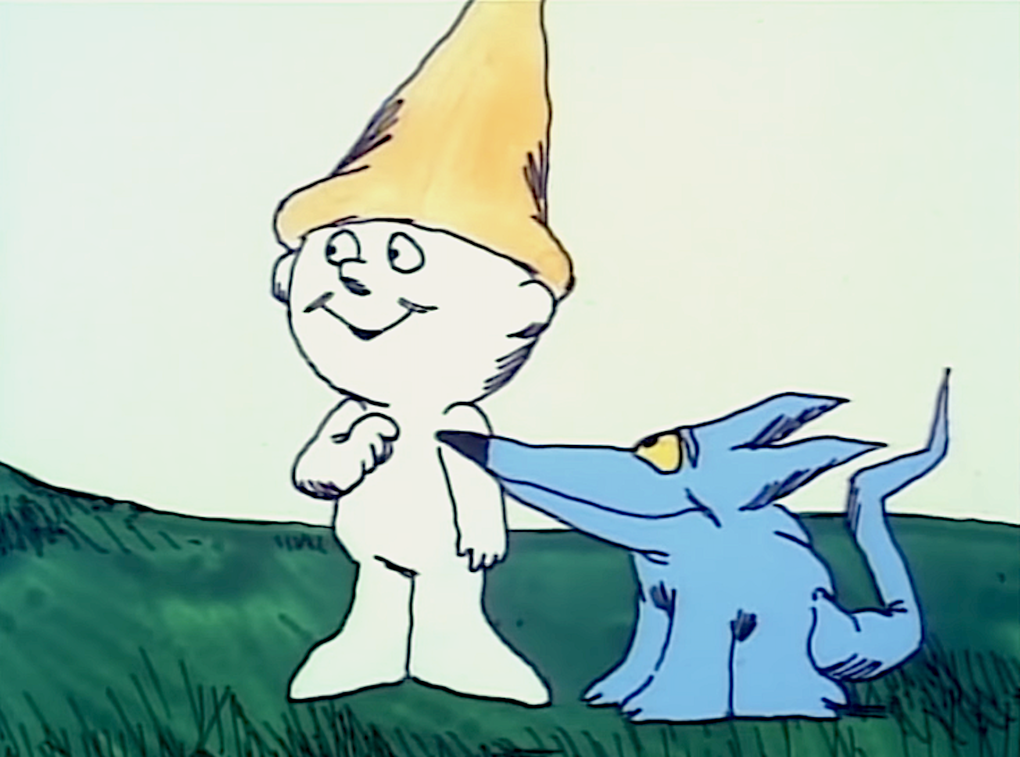
"caption": "A still from 'The Point!' (1971), the kind of kids' movie that acknowledges that kids like really trippy stuff too. ",
"description": null,
"title": "Screen Shot 2022-11-30 at 5.56.20 PM",
"credit": "YouTube",
"status": "inherit",
"altTag": "a screenshot from an animated movie of a boy in a pointed cap and a blue dog",
"isLoading": false,
"fetchFailed": false
},
"arts_13922029": {
"type": "attachments",
"id": "arts_13922029",
"meta": {
"index": "attachments_1716263798",
"site": "arts",
"id": "13922029",
"found": true
},
"parent": 13922004,
"imgSizes": {
"twentyfourteen-full-width": {
"file": "https://ww2.kqed.org/app/uploads/sites/2/2022/11/Dolly-Wink-white-1038x576.png",
"width": 1038,
"mimeType": "image/png",
"height": 576
},
"thumbnail": {
"file": "https://ww2.kqed.org/app/uploads/sites/2/2022/11/Dolly-Wink-white-160x100.png",
"width": 160,
"mimeType": "image/png",
"height": 100
},
"post-thumbnail": {
"file": "https://ww2.kqed.org/app/uploads/sites/2/2022/11/Dolly-Wink-white-672x372.png",
"width": 672,
"mimeType": "image/png",
"height": 372
},
"kqedFullSize": {
"file": "https://ww2.kqed.org/app/uploads/sites/2/2022/11/Dolly-Wink-white-e1669690297288.png",
"width": 1920,
"height": 1194
},
"2048x2048": {
"file": "https://ww2.kqed.org/app/uploads/sites/2/2022/11/Dolly-Wink-white-2048x1274.png",
"width": 2048,
"mimeType": "image/png",
"height": 1274
},
"large": {
"file": "https://ww2.kqed.org/app/uploads/sites/2/2022/11/Dolly-Wink-white-1020x635.png",
"width": 1020,
"mimeType": "image/png",
"height": 635
},
"1536x1536": {
"file": "https://ww2.kqed.org/app/uploads/sites/2/2022/11/Dolly-Wink-white-1536x956.png",
"width": 1536,
"mimeType": "image/png",
"height": 956
},
"full-width": {
"file": "https://ww2.kqed.org/app/uploads/sites/2/2022/11/Dolly-Wink-white-1920x1194.png",
"width": 1920,
"mimeType": "image/png",
"height": 1194
},
"medium": {
"file": "https://ww2.kqed.org/app/uploads/sites/2/2022/11/Dolly-Wink-white-800x498.png",
"width": 800,
"mimeType": "image/png",
"height": 498
},
"medium_large": {
"file": "https://ww2.kqed.org/app/uploads/sites/2/2022/11/Dolly-Wink-white-768x478.png",
"width": 768,
"mimeType": "image/png",
"height": 478
}
},
"publishDate": 1669690233,
"modified": 1669749361,
"caption": "Have you heard the good news about our lord and savior Jesus Christ? Hold onto your britches because you're about to!",
"description": null,
"title": "Have you heard the good news about our lord and savior Jesus Christ? Hold onto your britches because you're about to!",
"credit": null,
"status": "inherit",
"altTag": "Dolly Parton stands wearing a white dress, surrounded by falling snow, gazing upwards towards the camera. She is winking, a bright light covering her closed eyelid.",
"isLoading": false,
"fetchFailed": false
},
"arts_13922133": {
"type": "attachments",
"id": "arts_13922133",
"meta": {
"index": "attachments_1716263798",
"site": "arts",
"id": "13922133",
"found": true
},
"parent": 13922130,
"imgSizes": {
"twentyfourteen-full-width": {
"file": "https://ww2.kqed.org/app/uploads/sites/2/2022/11/this-one-1038x576.jpg",
"width": 1038,
"mimeType": "image/jpeg",
"height": 576
},
"thumbnail": {
"file": "https://ww2.kqed.org/app/uploads/sites/2/2022/11/this-one-160x90.jpg",
"width": 160,
"mimeType": "image/jpeg",
"height": 90
},
"post-thumbnail": {
"file": "https://ww2.kqed.org/app/uploads/sites/2/2022/11/this-one-672x372.jpg",
"width": 672,
"mimeType": "image/jpeg",
"height": 372
},
"kqedFullSize": {
"file": "https://ww2.kqed.org/app/uploads/sites/2/2022/11/this-one.jpg",
"width": 1458,
"height": 824
},
"large": {
"file": "https://ww2.kqed.org/app/uploads/sites/2/2022/11/this-one-1020x576.jpg",
"width": 1020,
"mimeType": "image/jpeg",
"height": 576
},
"medium": {
"file": "https://ww2.kqed.org/app/uploads/sites/2/2022/11/this-one-800x452.jpg",
"width": 800,
"mimeType": "image/jpeg",
"height": 452
},
"medium_large": {
"file": "https://ww2.kqed.org/app/uploads/sites/2/2022/11/this-one-768x434.jpg",
"width": 768,
"mimeType": "image/jpeg",
"height": 434
}
},
"publishDate": 1669841772,
"modified": 1669841839,
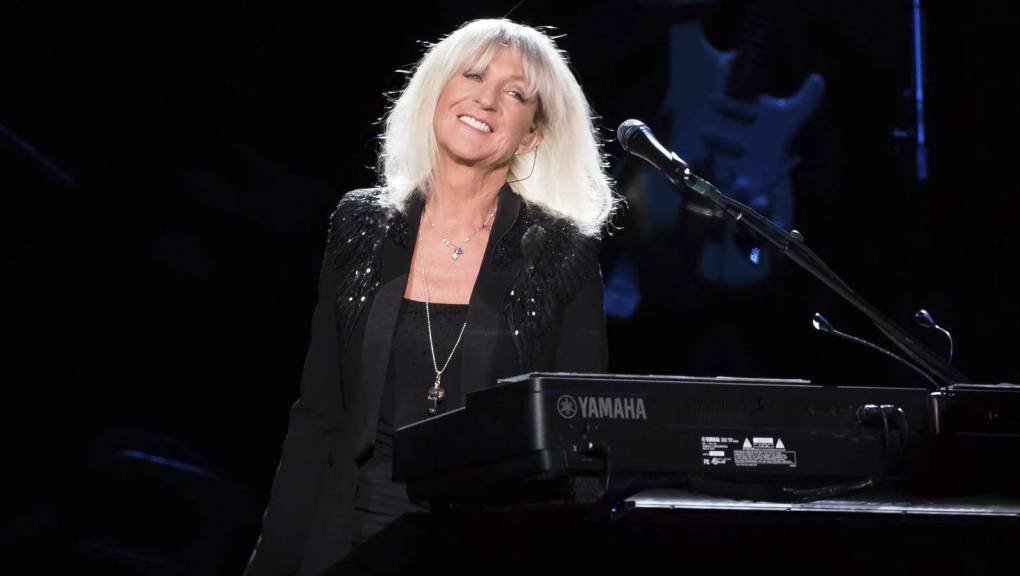
"caption": "Christine McVie from the band Fleetwood Mac performs at Madison Square Garden in New York on Oct. 6, 2014. The band announced her death on social media Wednesday.",
"description": null,
"title": "this one",
"credit": "Charles Sykes/Charles Sykes/Invision/AP",
"status": "inherit",
"altTag": "a white woman with light blonde hair in a black sparkly outfit smiles at a piano onstage",
"isLoading": false,
"fetchFailed": false
},
"arts_13922106": {
"type": "attachments",
"id": "arts_13922106",
"meta": {
"index": "attachments_1716263798",
"site": "arts",
"id": "13922106",
"found": true
},
"parent": 13922105,
"imgSizes": {
"twentyfourteen-full-width": {
"file": "https://ww2.kqed.org/app/uploads/sites/2/2022/11/composites-9-_wide-ac6d85b039d69065e982b38cc1bdbcec709f9180-1-1038x576.jpg",
"width": 1038,
"mimeType": "image/jpeg",
"height": 576
},
"thumbnail": {
"file": "https://ww2.kqed.org/app/uploads/sites/2/2022/11/composites-9-_wide-ac6d85b039d69065e982b38cc1bdbcec709f9180-1-160x90.jpg",
"width": 160,
"mimeType": "image/jpeg",
"height": 90
},
"post-thumbnail": {
"file": "https://ww2.kqed.org/app/uploads/sites/2/2022/11/composites-9-_wide-ac6d85b039d69065e982b38cc1bdbcec709f9180-1-672x372.jpg",
"width": 672,
"mimeType": "image/jpeg",
"height": 372
},
"kqedFullSize": {
"file": "https://ww2.kqed.org/app/uploads/sites/2/2022/11/composites-9-_wide-ac6d85b039d69065e982b38cc1bdbcec709f9180-1-e1669829961919.jpg",
"width": 1920,
"height": 1080
},
"2048x2048": {
"file": "https://ww2.kqed.org/app/uploads/sites/2/2022/11/composites-9-_wide-ac6d85b039d69065e982b38cc1bdbcec709f9180-1-2048x1152.jpg",
"width": 2048,
"mimeType": "image/jpeg",
"height": 1152
},
"large": {
"file": "https://ww2.kqed.org/app/uploads/sites/2/2022/11/composites-9-_wide-ac6d85b039d69065e982b38cc1bdbcec709f9180-1-1020x574.jpg",
"width": 1020,
"mimeType": "image/jpeg",
"height": 574
},
"1536x1536": {
"file": "https://ww2.kqed.org/app/uploads/sites/2/2022/11/composites-9-_wide-ac6d85b039d69065e982b38cc1bdbcec709f9180-1-1536x864.jpg",
"width": 1536,
"mimeType": "image/jpeg",
"height": 864
},
"full-width": {
"file": "https://ww2.kqed.org/app/uploads/sites/2/2022/11/composites-9-_wide-ac6d85b039d69065e982b38cc1bdbcec709f9180-1-1920x1080.jpg",
"width": 1920,
"mimeType": "image/jpeg",
"height": 1080
},
"medium": {
"file": "https://ww2.kqed.org/app/uploads/sites/2/2022/11/composites-9-_wide-ac6d85b039d69065e982b38cc1bdbcec709f9180-1-800x450.jpg",
"width": 800,
"mimeType": "image/jpeg",
"height": 450
},
"medium_large": {
"file": "https://ww2.kqed.org/app/uploads/sites/2/2022/11/composites-9-_wide-ac6d85b039d69065e982b38cc1bdbcec709f9180-1-768x432.jpg",
"width": 768,
"mimeType": "image/jpeg",
"height": 432
}
},
"publishDate": 1669829239,
"modified": 1669830141,
"caption": "The key change has been used by musicians like Beyoncé, Travis Scott, Brian Wilson of the Beach Boys and Michael Jackson for decades. Nowadays, it’s getting harder and harder to find in top songs.",
"description": null,
"title": "The key change has been used by musicians like Beyoncé, Travis Scott, Brian Wilson of the Beach Boys and Michael Jackson for decades. Nowadays, it’s getting harder and harder to find in top songs.",
"credit": "Kevin Winter/The Recording Academy/Getty Images; Rick Kern/Getty Images; Malcolm MacNeil/Mirrorpix/Getty Images; GARCIA/Gamma-Rapho/Getty Images",
"status": "inherit",
"altTag": "Images of four singers arranged in a rectangle. Left to right: Beyoncé smiling, Travis Scott rapping, Brian Wilson posing in the 1970s, Michael Jackson performing intensely on stage.",
"isLoading": false,
"fetchFailed": false
},
"arts_13922066": {
"type": "attachments",
"id": "arts_13922066",
"meta": {
"index": "attachments_1716263798",
"site": "arts",
"id": "13922066",
"found": true
},
"parent": 13922065,
"imgSizes": {
"twentyfourteen-full-width": {
"file": "https://ww2.kqed.org/app/uploads/sites/2/2022/11/AwesomeOrchestra.Alex_-1038x576.jpg",
"width": 1038,
"mimeType": "image/jpeg",
"height": 576
},
"thumbnail": {
"file": "https://ww2.kqed.org/app/uploads/sites/2/2022/11/AwesomeOrchestra.Alex_-160x90.jpg",
"width": 160,
"mimeType": "image/jpeg",
"height": 90
},
"post-thumbnail": {
"file": "https://ww2.kqed.org/app/uploads/sites/2/2022/11/AwesomeOrchestra.Alex_-672x372.jpg",
"width": 672,
"mimeType": "image/jpeg",
"height": 372
},
"kqedFullSize": {
"file": "https://ww2.kqed.org/app/uploads/sites/2/2022/11/AwesomeOrchestra.Alex_.jpg",
"width": 1600,
"height": 900
},
"large": {
"file": "https://ww2.kqed.org/app/uploads/sites/2/2022/11/AwesomeOrchestra.Alex_-1020x574.jpg",
"width": 1020,
"mimeType": "image/jpeg",
"height": 574
},
"1536x1536": {
"file": "https://ww2.kqed.org/app/uploads/sites/2/2022/11/AwesomeOrchestra.Alex_-1536x864.jpg",
"width": 1536,
"mimeType": "image/jpeg",
"height": 864
},
"medium": {
"file": "https://ww2.kqed.org/app/uploads/sites/2/2022/11/AwesomeOrchestra.Alex_-800x450.jpg",
"width": 800,
"mimeType": "image/jpeg",
"height": 450
},
"medium_large": {
"file": "https://ww2.kqed.org/app/uploads/sites/2/2022/11/AwesomeOrchestra.Alex_-768x432.jpg",
"width": 768,
"mimeType": "image/jpeg",
"height": 432
}
},
"publishDate": 1669758049,
"modified": 1669758545,
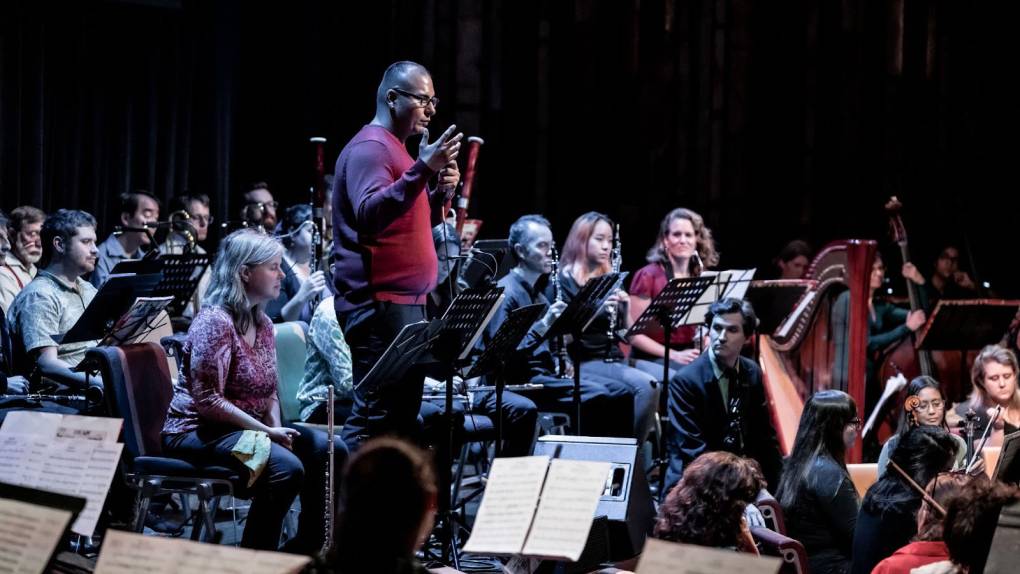
"caption": "Composer Arturo Rodriguez at Awesöme Orchestra's End-of-Year Concert in 2019.",
"description": null,
"title": "AwesomeOrchestra.Alex",
"credit": "Dave Weiland",
"status": "inherit",
"altTag": "A man in a red shirt stands among an orchestra, with members holding various instruments",
"isLoading": false,
"fetchFailed": false
},
"arts_13921923": {
"type": "attachments",
"id": "arts_13921923",
"meta": {
"index": "attachments_1716263798",
"site": "arts",
"id": "13921923",
"found": true
},
"parent": 13921900,
"imgSizes": {
"twentyfourteen-full-width": {
"file": "https://ww2.kqed.org/app/uploads/sites/2/2022/11/Screen-Shot-2022-11-22-at-4.46.25-PM-1038x576.png",
"width": 1038,
"mimeType": "image/png",
"height": 576
},
"thumbnail": {
"file": "https://ww2.kqed.org/app/uploads/sites/2/2022/11/Screen-Shot-2022-11-22-at-4.46.25-PM-160x101.png",
"width": 160,
"mimeType": "image/png",
"height": 101
},
"post-thumbnail": {
"file": "https://ww2.kqed.org/app/uploads/sites/2/2022/11/Screen-Shot-2022-11-22-at-4.46.25-PM-672x372.png",
"width": 672,
"mimeType": "image/png",
"height": 372
},
"kqedFullSize": {
"file": "https://ww2.kqed.org/app/uploads/sites/2/2022/11/Screen-Shot-2022-11-22-at-4.46.25-PM.png",
"width": 2094,
"height": 1324
},
"2048x2048": {
"file": "https://ww2.kqed.org/app/uploads/sites/2/2022/11/Screen-Shot-2022-11-22-at-4.46.25-PM-2048x1295.png",
"width": 2048,
"mimeType": "image/png",
"height": 1295
},
"large": {
"file": "https://ww2.kqed.org/app/uploads/sites/2/2022/11/Screen-Shot-2022-11-22-at-4.46.25-PM-1020x645.png",
"width": 1020,
"mimeType": "image/png",
"height": 645
},
"1536x1536": {
"file": "https://ww2.kqed.org/app/uploads/sites/2/2022/11/Screen-Shot-2022-11-22-at-4.46.25-PM-1536x971.png",
"width": 1536,
"mimeType": "image/png",
"height": 971
},
"full-width": {
"file": "https://ww2.kqed.org/app/uploads/sites/2/2022/11/Screen-Shot-2022-11-22-at-4.46.25-PM-1920x1214.png",
"width": 1920,
"mimeType": "image/png",
"height": 1214
},
"medium": {
"file": "https://ww2.kqed.org/app/uploads/sites/2/2022/11/Screen-Shot-2022-11-22-at-4.46.25-PM-800x506.png",
"width": 800,
"mimeType": "image/png",
"height": 506
},
"medium_large": {
"file": "https://ww2.kqed.org/app/uploads/sites/2/2022/11/Screen-Shot-2022-11-22-at-4.46.25-PM-768x486.png",
"width": 768,
"mimeType": "image/png",
"height": 486
}
},
"publishDate": 1669195854,
"modified": 1669195941,
"caption": "The Beastie Boys in their classic 1986 video, ‘(You Gotta) Fight For Your Right (To Party).’",
"description": null,
"title": "The Beastie Boys in their classic 1986 video, ‘(You Gotta) Fight For Your Right (To Party).’",
"credit": null,
"status": "inherit",
"altTag": "Three young men sit close on a couch, gesturing wildly and shouting.",
"isLoading": false,
"fetchFailed": false
},
"arts_13921893": {
"type": "attachments",
"id": "arts_13921893",
"meta": {
"index": "attachments_1716263798",
"site": "arts",
"id": "13921893",
"found": true
},
"parent": 13921890,
"imgSizes": {
"twentyfourteen-full-width": {
"file": "https://ww2.kqed.org/app/uploads/sites/2/2022/11/Traviata.16.9-1038x576.jpg",
"width": 1038,
"mimeType": "image/jpeg",
"height": 576
},
"thumbnail": {
"file": "https://ww2.kqed.org/app/uploads/sites/2/2022/11/Traviata.16.9-160x90.jpg",
"width": 160,
"mimeType": "image/jpeg",
"height": 90
},
"post-thumbnail": {
"file": "https://ww2.kqed.org/app/uploads/sites/2/2022/11/Traviata.16.9-672x372.jpg",
"width": 672,
"mimeType": "image/jpeg",
"height": 372
},
"kqedFullSize": {
"file": "https://ww2.kqed.org/app/uploads/sites/2/2022/11/Traviata.16.9.jpg",
"width": 1920,
"height": 1080
},
"large": {
"file": "https://ww2.kqed.org/app/uploads/sites/2/2022/11/Traviata.16.9-1020x574.jpg",
"width": 1020,
"mimeType": "image/jpeg",
"height": 574
},
"1536x1536": {
"file": "https://ww2.kqed.org/app/uploads/sites/2/2022/11/Traviata.16.9-1536x864.jpg",
"width": 1536,
"mimeType": "image/jpeg",
"height": 864
},
"medium": {
"file": "https://ww2.kqed.org/app/uploads/sites/2/2022/11/Traviata.16.9-800x450.jpg",
"width": 800,
"mimeType": "image/jpeg",
"height": 450
},
"medium_large": {
"file": "https://ww2.kqed.org/app/uploads/sites/2/2022/11/Traviata.16.9-768x432.jpg",
"width": 768,
"mimeType": "image/jpeg",
"height": 432
}
},
"publishDate": 1669161467,
"modified": 1669161738,
"caption": "Pretty Yende as Violetta in Verdi's 'La Traviata' at San Francisco Opera.",
"description": null,
"title": "Traviata.16.9",
"credit": "Cory Weaver",
"status": "inherit",
"altTag": "A Black woman in a red dress stands against a parlor wall of deep red, adorned with paintings",
"isLoading": false,
"fetchFailed": false
},
"arts_13921870": {
"type": "attachments",
"id": "arts_13921870",
"meta": {
"index": "attachments_1716263798",
"site": "arts",
"id": "13921870",
"found": true
},
"parent": 13921863,
"imgSizes": {
"twentyfourteen-full-width": {
"file": "https://ww2.kqed.org/app/uploads/sites/2/2022/11/suzanimal-pass-the-aux-1038x576.png",
"width": 1038,
"mimeType": "image/png",
"height": 576
},
"thumbnail": {
"file": "https://ww2.kqed.org/app/uploads/sites/2/2022/11/suzanimal-pass-the-aux-160x90.png",
"width": 160,
"mimeType": "image/png",
"height": 90
},
"post-thumbnail": {
"file": "https://ww2.kqed.org/app/uploads/sites/2/2022/11/suzanimal-pass-the-aux-672x372.png",
"width": 672,
"mimeType": "image/png",
"height": 372
},
"kqedFullSize": {
"file": "https://ww2.kqed.org/app/uploads/sites/2/2022/11/suzanimal-pass-the-aux.png",
"width": 1920,
"height": 1080
},
"large": {
"file": "https://ww2.kqed.org/app/uploads/sites/2/2022/11/suzanimal-pass-the-aux-1020x574.png",
"width": 1020,
"mimeType": "image/png",
"height": 574
},
"1536x1536": {
"file": "https://ww2.kqed.org/app/uploads/sites/2/2022/11/suzanimal-pass-the-aux-1536x864.png",
"width": 1536,
"mimeType": "image/png",
"height": 864
},
"medium": {
"file": "https://ww2.kqed.org/app/uploads/sites/2/2022/11/suzanimal-pass-the-aux-800x450.png",
"width": 800,
"mimeType": "image/png",
"height": 450
},
"medium_large": {
"file": "https://ww2.kqed.org/app/uploads/sites/2/2022/11/suzanimal-pass-the-aux-768x432.png",
"width": 768,
"mimeType": "image/png",
"height": 432
}
},
"publishDate": 1669146473,
"modified": 1669146582,
"caption": "Suzanne Galal leads the indie, funk and R&B outfit Suzanimal. ",
"description": null,
"title": "suzanimal pass the aux",
"credit": "Photo: Brittany Powers; illustration: Kelly Heigert",
"status": "inherit",
"altTag": null,
"isLoading": false,
"fetchFailed": false
},
"arts_13921780": {
"type": "attachments",
"id": "arts_13921780",
"meta": {
"index": "attachments_1716263798",
"site": "arts",
"id": "13921780",
"found": true
},
"parent": 13921777,
"imgSizes": {
"twentyfourteen-full-width": {
"file": "https://ww2.kqed.org/app/uploads/sites/2/2022/11/gettyimages-1418888016-5b267ae0a0c5d51a36064448b03c65d4a6703dd4-s1200-c85-1038x576.jpg",
"width": 1038,
"mimeType": "image/jpeg",
"height": 576
},
"thumbnail": {
"file": "https://ww2.kqed.org/app/uploads/sites/2/2022/11/gettyimages-1418888016-5b267ae0a0c5d51a36064448b03c65d4a6703dd4-s1200-c85-160x93.jpg",
"width": 160,
"mimeType": "image/jpeg",
"height": 93
},
"post-thumbnail": {
"file": "https://ww2.kqed.org/app/uploads/sites/2/2022/11/gettyimages-1418888016-5b267ae0a0c5d51a36064448b03c65d4a6703dd4-s1200-c85-672x372.jpg",
"width": 672,
"mimeType": "image/jpeg",
"height": 372
},
"kqedFullSize": {
"file": "https://ww2.kqed.org/app/uploads/sites/2/2022/11/gettyimages-1418888016-5b267ae0a0c5d51a36064448b03c65d4a6703dd4-s1200-c85.jpg",
"width": 1198,
"height": 697
},
"large": {
"file": "https://ww2.kqed.org/app/uploads/sites/2/2022/11/gettyimages-1418888016-5b267ae0a0c5d51a36064448b03c65d4a6703dd4-s1200-c85-1020x593.jpg",
"width": 1020,
"mimeType": "image/jpeg",
"height": 593
},
"medium": {
"file": "https://ww2.kqed.org/app/uploads/sites/2/2022/11/gettyimages-1418888016-5b267ae0a0c5d51a36064448b03c65d4a6703dd4-s1200-c85-800x465.jpg",
"width": 800,
"mimeType": "image/jpeg",
"height": 465
},
"medium_large": {
"file": "https://ww2.kqed.org/app/uploads/sites/2/2022/11/gettyimages-1418888016-5b267ae0a0c5d51a36064448b03c65d4a6703dd4-s1200-c85-768x447.jpg",
"width": 768,
"mimeType": "image/jpeg",
"height": 447
}
},
"publishDate": 1668729104,
"modified": 1668729143,
"caption": "Taylor Swift, pictured at the 2022 MTV VMAs in August, will embark on her first tour in five years this coming March. Over two million people bought tickets to The Eras Tour on the first day of pre-sale, despite major technical issues.",
"description": null,
"title": "gettyimages-1418888016-5b267ae0a0c5d51a36064448b03c65d4a6703dd4-s1200-c85",
"credit": "Jamie McCarthy/Getty Images for MTV/Paramount Global",
"status": "inherit",
"altTag": "a white woman in a rhinestone dress with red lipstick on a red carpet",
"isLoading": false,
"fetchFailed": false
}
},
"audioPlayerReducer": {
"postId": "stream_live",
"isPaused": true,
"isPlaying": false,
"pfsActive": false,
"pledgeModalIsOpen": true,
"playerDrawerIsOpen": false,
"liveAudioPlayStartedAt": 0,
"liveAudioPlayContext": ""
},
"authorsReducer": {
"byline_arts_13922511": {
"type": "authors",
"id": "byline_arts_13922511",
"meta": {
"override": true
},
"slug": "byline_arts_13922511",
"name": "KQED Arts & Culture",
"isLoading": false
},
"byline_arts_13922130": {
"type": "authors",
"id": "byline_arts_13922130",
"meta": {
"override": true
},
"slug": "byline_arts_13922130",
"name": "The Associated Press",
"isLoading": false
},
"byline_arts_13922105": {
"type": "authors",
"id": "byline_arts_13922105",
"meta": {
"override": true
},
"slug": "byline_arts_13922105",
"name": "Mallika Seshadri",
"isLoading": false
},
"byline_arts_13921777": {
"type": "authors",
"id": "byline_arts_13921777",
"meta": {
"override": true
},
"slug": "byline_arts_13921777",
"name": "Rachel Treisman",
"isLoading": false
},
"gmeline": {
"type": "authors",
"id": "185",
"meta": {
"index": "authors_1716337520",
"id": "185",
"found": true
},
"name": "Gabe Meline",
"firstName": "Gabe",
"lastName": "Meline",
"slug": "gmeline",
"email": "gmeline@kqed.org",
"display_author_email": true,
"staff_mastheads": [
"arts"
],
"title": "Senior Editor, KQED Arts & Culture",
"bio": "Gabe Meline entered journalism at age 15 making photocopied zines, and has since earned awards from the Edward R. Murrow Awards, the Society for Professional Journalists, the Online Journalism Awards, the Association of Alternative Newsweeklies and the California Newspaper Publishers Association. Prior to KQED, he was the editor of the \u003cem>North Bay Bohemian\u003c/em> and a touring musician. He lives with his wife and daughter in his hometown of Santa Rosa, CA.",
"avatar": "https://secure.gravatar.com/avatar/5bebe57be0d8bc2dd318934feb47299e2d2d10cba28d09d8d7afb389a2ce2bdd?s=600&d=blank&r=g",
"twitter": null,
"bluesky": null,
"facebook": null,
"instagram": null,
"linkedin": null,
"sites": [
{
"site": "",
"roles": [
"editor"
]
},
{
"site": "arts",
"roles": [
"administrator"
]
},
{
"site": "artschool",
"roles": [
"editor"
]
},
{
"site": "news",
"roles": [
"author"
]
},
{
"site": "pop",
"roles": [
"editor"
]
},
{
"site": "bayareabites",
"roles": [
"editor"
]
},
{
"site": "food",
"roles": [
"editor"
]
},
{
"site": "forum",
"roles": [
"administrator"
]
},
{
"site": "liveblog",
"roles": [
"editor"
]
},
{
"site": "hiphop",
"roles": [
"editor"
]
}
],
"headData": {
"title": "Gabe Meline | KQED",
"description": "Senior Editor, KQED Arts & Culture",
"ogImgSrc": "https://secure.gravatar.com/avatar/5bebe57be0d8bc2dd318934feb47299e2d2d10cba28d09d8d7afb389a2ce2bdd?s=600&d=blank&r=g",
"twImgSrc": "https://secure.gravatar.com/avatar/5bebe57be0d8bc2dd318934feb47299e2d2d10cba28d09d8d7afb389a2ce2bdd?s=600&d=blank&r=g"
},
"isLoading": false,
"link": "/author/gmeline"
},
"esilvers": {
"type": "authors",
"id": "7237",
"meta": {
"index": "authors_1716337520",
"id": "7237",
"found": true
},
"name": "Emma Silvers",
"firstName": "Emma",
"lastName": "Silvers",
"slug": "esilvers",
"email": "esilvers@kqed.org",
"display_author_email": false,
"staff_mastheads": [],
"title": "KQED Contributor",
"bio": "Emma Silvers is an editor at KQED Arts and a former digital producer at KQED News. Born and raised in the Bay Area, she has previously been an arts and entertainment editor at the \u003cem>San Francisco Chronicle\u003c/em>, \u003cem>SF Weekly\u003c/em> and the \u003cem>San Francisco Bay Guardian.\u003c/em> \u003ca href=\"https://www.emmasilvers.com\">Her work\u003c/a> has also appeared in \u003cem>Rolling Stone\u003c/em>, Pitchfork and \u003cem>Mother Jones\u003c/em>. In 2017 she was the recipient of the Society of Professional Journalists-Northern California's award for arts and culture reporting. In 1993 she \u003ca href=\"https://www.kqed.org/pop/16759/wait-what-my-coworker-was-a-voice-over-hyperventilator-for-jurassic-park\">hyperventilated in \u003cem>Jurassic Park\u003c/em>\u003c/a>.",
"avatar": "https://secure.gravatar.com/avatar/247beada39b88ea5759db1f51dba05cf?s=600&d=blank&r=g",
"twitter": "emmaruthless",
"facebook": null,
"instagram": null,
"linkedin": null,
"sites": [
{
"site": "arts",
"roles": [
"editor"
]
},
{
"site": "news",
"roles": [
"editor"
]
},
{
"site": "pop",
"roles": [
"contributor"
]
},
{
"site": "bayareabites",
"roles": [
"editor"
]
},
{
"site": "food",
"roles": [
"contributor"
]
},
{
"site": "liveblog",
"roles": [
"editor"
]
}
],
"headData": {
"title": "Emma Silvers | KQED",
"description": "KQED Contributor",
"ogImgSrc": "https://secure.gravatar.com/avatar/247beada39b88ea5759db1f51dba05cf?s=600&d=blank&r=g",
"twImgSrc": "https://secure.gravatar.com/avatar/247beada39b88ea5759db1f51dba05cf?s=600&d=blank&r=g"
},
"isLoading": false,
"link": "/author/esilvers"
},
"ralexandra": {
"type": "authors",
"id": "11242",
"meta": {
"index": "authors_1716337520",
"id": "11242",
"found": true
},
"name": "Rae Alexandra",
"firstName": "Rae",
"lastName": "Alexandra",
"slug": "ralexandra",
"email": "ralexandra@kqed.org",
"display_author_email": true,
"staff_mastheads": [],
"title": "Reporter/Producer",
"bio": "Rae Alexandra is a Reporter/Producer for KQED Arts & Culture, and the creator/author of the \u003ca href=\"https://www.kqed.org/arts/program/rebel-girls-from-bay-area-history\">Rebel Girls From Bay Area History\u003c/a> and \u003ca href=\"https://www.kqed.org/bizarrebayarea\">Bizarre Bay Area\u003c/a> series. Her debut book, \u003ca href=\"https://citylights.com/politics-current-events-history/unsung-heroines35-women-who-changed/\">Unsung Heroines: 35 Women Who Changed the Bay Area\u003c/a> was published by City Lights in March 2026. In 2023, Rae was awarded an SPJ Excellence in Journalism Award for Arts & Culture. Rae was born and raised in Wales and subsequently — even after two decades in Northern California — still uses phrases that regularly baffle her coworkers.",
"avatar": "https://secure.gravatar.com/avatar/edfee8176c80cc0a382b051190f5341997df378a934a5774dcb0977732dfd401?s=600&d=blank&r=g",
"twitter": null,
"bluesky": null,
"facebook": null,
"instagram": null,
"linkedin": null,
"sites": [
{
"site": "arts",
"roles": [
"subscriber"
]
},
{
"site": "news",
"roles": [
"subscriber"
]
},
{
"site": "pop",
"roles": [
"subscriber"
]
},
{
"site": "bayareabites",
"roles": [
"subscriber"
]
},
{
"site": "science",
"roles": [
"subscriber"
]
}
],
"headData": {
"title": "Rae Alexandra | KQED",
"description": "Reporter/Producer",
"ogImgSrc": "https://secure.gravatar.com/avatar/edfee8176c80cc0a382b051190f5341997df378a934a5774dcb0977732dfd401?s=600&d=blank&r=g",
"twImgSrc": "https://secure.gravatar.com/avatar/edfee8176c80cc0a382b051190f5341997df378a934a5774dcb0977732dfd401?s=600&d=blank&r=g"
},
"isLoading": false,
"link": "/author/ralexandra"
},
"nvoynovskaya": {
"type": "authors",
"id": "11387",
"meta": {
"index": "authors_1716337520",
"id": "11387",
"found": true
},
"name": "Nastia Voynovskaya",
"firstName": "Nastia",
"lastName": "Voynovskaya",
"slug": "nvoynovskaya",
"email": "nvoynovskaya@kqed.org",
"display_author_email": false,
"staff_mastheads": [
"arts"
],
"title": "Editor and reporter",
"bio": "Nastia Voynovskaya is a reporter, editor and host at KQED Arts & Culture. She's been covering the arts in the Bay Area for over a decade, with a focus on music, queer culture, labor issues and grassroots organizing. She has edited KQED story series such as Trans Bay: A History of San Francisco's Gender-Diverse Community, and co-created KQED's Bay Area hip-hop history project, That's My Word. Nastia's work has been recognized by the Society of Professional Journalists and San Francisco Press Club. She regularly appears on podcasts and radio programs, including NPR's All Songs Considered, and hosts live events where music, culture and conversation meet.",
"avatar": "https://secure.gravatar.com/avatar/5025ee460e5a85d69ca20ea6c6f2f80d7e17795c828f61ea3aecfcd924e9042e?s=600&d=blank&r=g",
"twitter": null,
"bluesky": null,
"facebook": null,
"instagram": "https://www.instagram.com/nananastia/",
"linkedin": null,
"sites": [
{
"site": "",
"roles": [
"editor"
]
},
{
"site": "arts",
"roles": [
"administrator"
]
},
{
"site": "news",
"roles": [
"editor"
]
},
{
"site": "pop",
"roles": [
"administrator"
]
},
{
"site": "bayareabites",
"roles": [
"editor"
]
},
{
"site": "podcasts",
"roles": [
"editor"
]
},
{
"site": "hiphop",
"roles": [
"editor"
]
}
],
"headData": {
"title": "Nastia Voynovskaya | KQED",
"description": "Editor and reporter",
"ogImgSrc": "https://secure.gravatar.com/avatar/5025ee460e5a85d69ca20ea6c6f2f80d7e17795c828f61ea3aecfcd924e9042e?s=600&d=blank&r=g",
"twImgSrc": "https://secure.gravatar.com/avatar/5025ee460e5a85d69ca20ea6c6f2f80d7e17795c828f61ea3aecfcd924e9042e?s=600&d=blank&r=g"
},
"isLoading": false,
"link": "/author/nvoynovskaya"
},
"ogpenn": {
"type": "authors",
"id": "11491",
"meta": {
"index": "authors_1716337520",
"id": "11491",
"found": true
},
"name": "Pendarvis Harshaw",
"firstName": "Pendarvis",
"lastName": "Harshaw",
"slug": "ogpenn",
"email": "ogpenn@gmail.com",
"display_author_email": false,
"staff_mastheads": [
"arts"
],
"title": "Community Engagement Reporter",
"bio": "Pendarvis Harshaw is an educator, host and writer with KQED Arts.",
"avatar": "https://secure.gravatar.com/avatar/972b77ee8e3f346ae2b00622661187fbfabd059b5693bbdc1475ea7a722fd4cd?s=600&d=blank&r=g",
"twitter": null,
"bluesky": null,
"facebook": null,
"instagram": "ogpenn",
"linkedin": null,
"sites": [
{
"site": "arts",
"roles": [
"administrator"
]
},
{
"site": "news",
"roles": [
"editor"
]
},
{
"site": "bayareabites",
"roles": [
"author"
]
},
{
"site": "hiphop",
"roles": [
"editor"
]
}
],
"headData": {
"title": "Pendarvis Harshaw | KQED",
"description": "Community Engagement Reporter",
"ogImgSrc": "https://secure.gravatar.com/avatar/972b77ee8e3f346ae2b00622661187fbfabd059b5693bbdc1475ea7a722fd4cd?s=600&d=blank&r=g",
"twImgSrc": "https://secure.gravatar.com/avatar/972b77ee8e3f346ae2b00622661187fbfabd059b5693bbdc1475ea7a722fd4cd?s=600&d=blank&r=g"
},
"isLoading": false,
"link": "/author/ogpenn"
},
"mmedina": {
"type": "authors",
"id": "11528",
"meta": {
"index": "authors_1716337520",
"id": "11528",
"found": true
},
"name": "Marisol Medina-Cadena",
"firstName": "Marisol",
"lastName": "Medina-Cadena",
"slug": "mmedina",
"email": "mmedina@KQED.org",
"display_author_email": true,
"staff_mastheads": [],
"title": "Producer, Rightnowish Podcast",
"bio": "Marisol Medina-Cadena is a radio reporter and podcast producer. Before working at KQED, she produced for PBS member station, KCET, in Los Angeles. In 2017, Marisol won an Emmy Award for her work on the televised documentary, \u003cem>City Rising\u003c/em>, examining California's affordable housing crisis and the historical roots of gentrification.",
"avatar": "https://secure.gravatar.com/avatar/6c3db46a1cabb5e1fe9a365b5f4e681e?s=600&d=blank&r=g",
"twitter": "marisolreports",
"facebook": null,
"instagram": null,
"linkedin": null,
"sites": [
{
"site": "arts",
"roles": []
},
{
"site": "news",
"roles": [
"edit_others_posts"
]
}
],
"headData": {
"title": "Marisol Medina-Cadena | KQED",
"description": "Producer, Rightnowish Podcast",
"ogImgSrc": "https://secure.gravatar.com/avatar/6c3db46a1cabb5e1fe9a365b5f4e681e?s=600&d=blank&r=g",
"twImgSrc": "https://secure.gravatar.com/avatar/6c3db46a1cabb5e1fe9a365b5f4e681e?s=600&d=blank&r=g"
},
"isLoading": false,
"link": "/author/mmedina"
},
"ksong": {
"type": "authors",
"id": "11813",
"meta": {
"index": "authors_1716337520",
"id": "11813",
"found": true
},
"name": "Kristie Song",
"firstName": "Kristie",
"lastName": "Song",
"slug": "ksong",
"email": "ksong@kqed.org",
"display_author_email": false,
"staff_mastheads": [],
"title": "Editorial Intern ",
"bio": "Kristie Song is an Arts & Culture Intern at KQED. She is currently a graduate student at UC Berkeley, where she studies audio and multimedia journalism. Previously, she covered the local community for Oakland North, produced episodes for The Science of Happiness, and served as news director for KUCI, UC Irvine’s radio station. Outside of reporting, she likes drawing comics, listening to angsty rock, and practicing the guitar.",
"avatar": "https://secure.gravatar.com/avatar/c1149e78c3c44f92d4945a8ab0711af6?s=600&d=blank&r=g",
"twitter": null,
"facebook": null,
"instagram": null,
"linkedin": null,
"sites": [
{
"site": "arts",
"roles": [
"editor"
]
}
],
"headData": {
"title": "Kristie Song | KQED",
"description": "Editorial Intern ",
"ogImgSrc": "https://secure.gravatar.com/avatar/c1149e78c3c44f92d4945a8ab0711af6?s=600&d=blank&r=g",
"twImgSrc": "https://secure.gravatar.com/avatar/c1149e78c3c44f92d4945a8ab0711af6?s=600&d=blank&r=g"
},
"isLoading": false,
"link": "/author/ksong"
}
},
"pagesReducer": {
"arts_category_music": {
"type": "terms",
"id": "arts_69",
"meta": {
"index": "terms_1716263798",
"site": "arts",
"id": "69",
"score": 10.851565
},
"featImg": null,
"name": "Music",
"description": null,
"taxonomy": "category",
"headData": {
"twImgId": null,
"twTitle": null,
"ogTitle": null,
"ogImgId": null,
"twDescription": null,
"description": null,
"title": "Music Archives | KQED Arts",
"ogDescription": null
},
"ttid": 70,
"slug": "music",
"isLoading": false,
"title": "Music",
"pageMeta": {
"site": "arts",
"WpPageTemplate": "page-topic-editorial",
"currentPage": 85
},
"blocks": [
{
"blockName": "kqed/post-list",
"attrs": {
"layout": "cardArticle2",
"query": "posts/arts?category=music",
"seeMore": false,
"paginated": true,
"page": 85
}
},
{
"blockName": "kqed/ad"
}
]
}
},
"pfsSessionReducer": {},
"postsReducer": {
"stream_live": {
"type": "live",
"id": "stream_live",
"audioUrl": "https://streams.kqed.org/kqedradio",
"title": "Live Stream",
"excerpt": "Live Stream information currently unavailable.",
"link": "/radio",
"featImg": "",
"label": {
"name": "KQED Live",
"link": "/"
}
},
"stream_kqedNewscast": {
"type": "posts",
"id": "stream_kqedNewscast",
"audioUrl": "https://www.kqed.org/.stream/anon/radio/RDnews/newscast.mp3?_=1",
"title": "KQED Newscast",
"featImg": "",
"label": {
"name": "88.5 FM",
"link": "/"
}
},
"arts_13922548": {
"type": "posts",
"id": "arts_13922548",
"meta": {
"index": "posts_1716263798",
"site": "arts",
"id": "13922548",
"score": null,
"sort": [
1670601638000
]
},
"guestAuthors": [],
"slug": "too-short-way-oakland-street-renamed",
"title": "Too $hort Paved the Way for Oakland Hip-Hop — and Now He's Getting His Own Street",
"publishDate": 1670601638,
"format": "standard",
"headTitle": "Too $hort Paved the Way for Oakland Hip-Hop — and Now He’s Getting His Own Street | KQED",
"labelTerm": {},
"content": "\u003cp>It’s been a big few weeks for Too $hort. The prolific rapper — real name Todd Anthony Shaw — helped put West Coast hip-hop on the map in the 1980s with his slow, funky and braggadocious raps about life on the Oakland streets. And now he’s getting a street of his own: On Dec. 6, Oakland City Council members voted in favor of \u003ca href=\"https://ww2.kqed.org/app/uploads/sites/2/2022/12/View-Legislation.pdf\">a resolution [PDF]\u003c/a> to rename Foothill Blvd. between High Street and 47th Avenue “Too $hort Way.” The stretch of road sits alongside Fremont High School, which the rapper attended as a teenager while beginning to produce music.\u003c/p>\n\u003cp>The resolution cites the far-reaching impact of Too $hort’s nearly 40-year career, which includes six platinum albums, numerous collaborations with fellow hip-hop legends and a continuing dedication to his craft. Importantly, Too $hort doesn’t shy away from his roots — he makes it loud and clear where he’s from, often name-checking and embodying the spirit of Oakland in his lyrics.\u003c/p>\n\u003cp>“His career blazed a path that opened the door for Bay Area artists to pursue their dreams,” reads the resolution, which was introduced by Oakland mayor Libby Schaaf and councilmember Noel Gallo. “It’s important that Oakland give him his flowers now, while he is here and can appreciate the ‘thank you’ from his hometown.” (This love affair between Too $hort and city officials, Bay Area hip-hop heads will note, would have been all but unimaginable when the MC was coming up 30 years ago, as local government responded to a rise in violence by cracking down on rap shows.)\u003c/p>\n\u003cp>The hip-hop veteran also appears to be headed for the big screen: Too $hort is set to executive-produce the upcoming film \u003cem>Freaky Tales\u003c/em>, named after his 1987 song. Set in that year, the film will feature stories inspired by director Ryan Fleck’s upbringing in the East Bay. The project, which has actors Pedro Pascal and Ben Mendelsohn attached, \u003ca href=\"https://twitter.com/jemmawei/status/1592971050899292162\">gained attention on Twitter\u003c/a> in mid-November, when residents began to notice crew filming in downtown Oakland.\u003c/p>\n\u003cp>Dec. 9 will see the release of the new record \u003cem>Snoop, Cube, 40, $hort\u003c/em> from Too $hort’s West Coast rap supergroup Mount Westmore. And on Dec. 10, fellow Oakland rapper and collaborator Mistah F.A.B. hosts a celebratory night for Too $hort at his club Dezi’s, playing Too $hort’s hits all night. “Let’s celebrate the icon and living legend,” said Mistah F.A.B. in a \u003ca href=\"https://www.instagram.com/p/ClzfILYPpZ4/?hl=en\">recent Instagram post\u003c/a>. Tickets start at $30; \u003ca href=\"https://clubdezis.square.site/\">more info here\u003c/a>.\u003c/p>\n\u003cp>[ad fullwidth]\u003c/p>\u003cp>\u003c/p>\n",
"blocks": [],
"excerpt": "Too $hort Way will run alongside Oakland's Fremont High School, which the veteran rapper attended.",
"status": "publish",
"parent": 0,
"modified": 1726759174,
"stats": {
"hasAudio": false,
"hasVideo": false,
"hasChartOrMap": false,
"iframeSrcs": [],
"hasGoogleForm": false,
"hasGallery": false,
"hasHearkenModule": false,
"hasPolis": false,
"paragraphCount": 7,
"wordCount": 454
},
"headData": {
"title": "Too $hort Paved the Way for Oakland Hip-Hop — and Now He's Getting His Own Street | KQED",
"description": "Too $hort Way will run alongside Oakland's Fremont High School, which the veteran rapper attended.",
"ogTitle": "",
"ogDescription": "",
"ogImgId": "",
"twTitle": "",
"twDescription": "",
"twImgId": "",
"schema": {
"@context": "https://schema.org",
"@type": "Article",
"headline": "Too $hort Paved the Way for Oakland Hip-Hop — and Now He's Getting His Own Street",
"datePublished": "2022-12-09T08:00:38-08:00",
"dateModified": "2024-09-19T08:19:34-07:00",
"image": "https://cdn.kqed.org/wp-content/uploads/2020/02/KQED-OG-Image@1x.png"
}
},
"source": "Food",
"sourceUrl": "https://www.kqed.org/food",
"sticky": false,
"WpOldSlug": "too-hort-paved-the-way-for-oakland-hip-hop-and-now-hes-getting-his-own-street",
"templateType": "standard",
"featuredImageType": "standard",
"excludeFromSiteSearch": "Include",
"path": "/arts/13922548/too-short-way-oakland-street-renamed",
"audioTrackLength": null,
"parsedContent": [
{
"type": "contentString",
"content": "\u003cdiv class=\"post-body\">\u003cp>\u003cp>It’s been a big few weeks for Too $hort. The prolific rapper — real name Todd Anthony Shaw — helped put West Coast hip-hop on the map in the 1980s with his slow, funky and braggadocious raps about life on the Oakland streets. And now he’s getting a street of his own: On Dec. 6, Oakland City Council members voted in favor of \u003ca href=\"https://ww2.kqed.org/app/uploads/sites/2/2022/12/View-Legislation.pdf\">a resolution [PDF]\u003c/a> to rename Foothill Blvd. between High Street and 47th Avenue “Too $hort Way.” The stretch of road sits alongside Fremont High School, which the rapper attended as a teenager while beginning to produce music.\u003c/p>\n\u003cp>The resolution cites the far-reaching impact of Too $hort’s nearly 40-year career, which includes six platinum albums, numerous collaborations with fellow hip-hop legends and a continuing dedication to his craft. Importantly, Too $hort doesn’t shy away from his roots — he makes it loud and clear where he’s from, often name-checking and embodying the spirit of Oakland in his lyrics.\u003c/p>\n\u003cp>“His career blazed a path that opened the door for Bay Area artists to pursue their dreams,” reads the resolution, which was introduced by Oakland mayor Libby Schaaf and councilmember Noel Gallo. “It’s important that Oakland give him his flowers now, while he is here and can appreciate the ‘thank you’ from his hometown.” (This love affair between Too $hort and city officials, Bay Area hip-hop heads will note, would have been all but unimaginable when the MC was coming up 30 years ago, as local government responded to a rise in violence by cracking down on rap shows.)\u003c/p>\n\u003cp>The hip-hop veteran also appears to be headed for the big screen: Too $hort is set to executive-produce the upcoming film \u003cem>Freaky Tales\u003c/em>, named after his 1987 song. Set in that year, the film will feature stories inspired by director Ryan Fleck’s upbringing in the East Bay. The project, which has actors Pedro Pascal and Ben Mendelsohn attached, \u003ca href=\"https://twitter.com/jemmawei/status/1592971050899292162\">gained attention on Twitter\u003c/a> in mid-November, when residents began to notice crew filming in downtown Oakland.\u003c/p>\n\u003cp>Dec. 9 will see the release of the new record \u003cem>Snoop, Cube, 40, $hort\u003c/em> from Too $hort’s West Coast rap supergroup Mount Westmore. And on Dec. 10, fellow Oakland rapper and collaborator Mistah F.A.B. hosts a celebratory night for Too $hort at his club Dezi’s, playing Too $hort’s hits all night. “Let’s celebrate the icon and living legend,” said Mistah F.A.B. in a \u003ca href=\"https://www.instagram.com/p/ClzfILYPpZ4/?hl=en\">recent Instagram post\u003c/a>. Tickets start at $30; \u003ca href=\"https://clubdezis.square.site/\">more info here\u003c/a>.\u003c/p>\n\u003cp>\u003c/p>\u003c/div>",
"attributes": {
"named": {},
"numeric": []
}
},
{
"type": "component",
"content": "",
"name": "ad",
"attributes": {
"named": {
"label": "fullwidth"
},
"numeric": [
"fullwidth"
]
}
},
{
"type": "contentString",
"content": "\u003cdiv class=\"post-body\">\u003cp>\u003c/p>\u003cp>\u003c/p>\n\u003c/div>\u003c/p>",
"attributes": {
"named": {},
"numeric": []
}
}
],
"link": "/arts/13922548/too-short-way-oakland-street-renamed",
"authors": [
"11813"
],
"categories": [
"arts_1",
"arts_74",
"arts_69"
],
"tags": [
"arts_8505",
"arts_10278",
"arts_3852",
"arts_6975",
"arts_1143",
"arts_7827",
"arts_9159",
"arts_3478"
],
"featImg": "arts_13922557",
"label": "source_arts_13922548"
},
"arts_13922511": {
"type": "posts",
"id": "arts_13922511",
"meta": {
"index": "posts_1716263798",
"site": "arts",
"id": "13922511",
"score": null,
"sort": [
1670539313000
]
},
"parent": 0,
"labelTerm": {
"site": "arts"
},
"blocks": [],
"publishDate": 1670539313,
"format": "standard",
"title": "The 20 Best Bay Area Albums of 2022",
"headTitle": "The 20 Best Bay Area Albums of 2022 | KQED",
"content": "\u003cp>Though the music industry has been \u003ca href=\"https://www.npr.org/2022/09/19/1122947022/tour-canceled-covid-safety-concerts-masks\">incredibly challenging for independent artists\u003c/a> since the start of the pandemic, the Bay Area brought it in 2022. Throughout the year, veteran artists and newcomers alike set new bars for ingenuity and excellence. They invited us to have fun and get inspired, but they also offered opportunities for catharsis, for processing global events and personal challenges.\u003c/p>\n\u003cp>Without further ado, these are KQED Arts & Culture’s favorite albums of the year, in no particular order. \u003cem>— Nastia Voynovskaya\u003c/em>\u003c/p>\n\u003cp>\u003c!-- iframe plugin v.4.3 wordpress.org/plugins/iframe/ -->\u003cbr>\n\u003ciframe style=\"border-radius:12px\" src=\"https://open.spotify.com/embed/album/2KvfsMy0IQ2XRd5Rh7Ur2Q?utm_source=generator\" width=\"100%\" height=\"80\" frameborder=\"0\" allowfullscreen allow=\"autoplay; clipboard-write; encrypted-media; fullscreen; picture-in-picture\" loading=\"lazy\" scrolling=\"yes\" class=\"iframe-class\">\u003c/iframe>\u003c/p>\n\u003ch2>Zyah Belle, \u003cem>Yam Grier\u003c/em> (Guin Records)\u003c/h2>\n\u003cp>Zyah Belle has range. On her most confident album yet, the Vallejo-raised singer delves into the many emotional shades of love, using them as a catalyst for growth and self-mastery. On the opening track, “Ready Or Not,” Belle arrives, heart bursting, approaching a new love as if it were a magical gateway to another realm. Her silky mezzo-soprano voice, honed in church choir, makes her rapture contagious. But passions cool on “Holding On,” a low-key disco track with lyrics about not wanting to accept that a relationship is past its expiration date.\u003c/p>\n\u003cp>We see Belle embrace her sexuality on “Back to Back,” a smoldering duet with Jordan Hawkins, where the singers yearn for a hookup too good not to pursue. And with standout track “Cold Blooded,” Belle shifts beyond pretty and embodies a darker persona — one who learned the game from Too $hort, who gets name-dropped in the track. The minimalist guitar strum of “Healing” offers a tender moment of reprieve, offering affirmations for anyone recovering from a setback. A solid companion piece to grown-woman R&B albums like Jazmine Sullivan’s \u003cem>Heaux Tales\u003c/em> and Ari Lennox’s \u003cem>Shea Butter Baby\u003c/em>, Belle’s \u003cem>Yam Grier\u003c/em> is emotionally honest, and full of sumptuous textures and smart storytelling. \u003cem>— Nastia Voynovskaya\u003c/em>\u003c/p>\n\u003cp>[ad fullwidth]\u003c/p>\n\u003cp>\u003c!-- iframe plugin v.4.3 wordpress.org/plugins/iframe/ -->\u003cbr>\n\u003ciframe style=\"border-radius:12px\" src=\"https://open.spotify.com/embed/album/5E5phS3ZeUFwzrDMqqQiwx?utm_source=generator\" width=\"100%\" height=\"80\" frameborder=\"0\" allowfullscreen allow=\"autoplay; clipboard-write; encrypted-media; fullscreen; picture-in-picture\" loading=\"lazy\" scrolling=\"yes\" class=\"iframe-class\">\u003c/iframe>\u003c/p>\n\u003ch2>Mistah F.A.B., \u003cem>Black Designer\u003c/em> (Faeva Afta)\u003c/h2>\n\u003cp>It doesn’t take long for Oakland rapper Mistah F.A.B. to articulate why \u003cem>Black Designer\u003c/em> is being called his “mature” album: just 22 seconds into its eponymous kickoff track, he raps, “Busy as hell but always answer when my daughter calls / Present when my son took his first steps.” Other song titles reference Black cultural icons — among them Duke Ellington, Dorothy Dandridge, Mansa Musa, and W.E.B. Du Bois. “George Washington Carver” could have easily been titled “Flower Shop” — it’s more about props than crops — but artistic license appears to be a by-product of F.A.B. owning his own masters.\u003c/p>\n\u003cp>F.A.B. has added adulting to a skillset that already included evocative imagery and nimble, punchline-laden flows. High-flying tales of lavish international trips fluidly contrast with socially conscious and inspirational messages: “I grew up poor, who ashamed of that? Not me / It’s just evidence that can’t nothing in life stop me,” he raps. \u003cem>Black Designer\u003c/em>’s 22 tracks, spanning over 80 minutes, run lyrical circles around 95% of rappers alive. Though rooted in boastfulness, the use of patterns, alliteration, slang and metaphors overflow with creative mojo and a newfound sense of purpose. The album eschews trap or drill beats, instead offering up lush beds of jazzy, soulful loops more consistent with hip-hop’s history than its present state. The result is one of the best Bay Area hip-hop albums in recent memory, one that knows the world is bigger than the block. \u003cem>—\u003c/em>\u003cem> Eric Arnold\u003c/em>\u003c/p>\n\u003cp>\u003c!-- iframe plugin v.4.3 wordpress.org/plugins/iframe/ -->\u003cbr>\n\u003ciframe style=\"border-radius:12px\" src=\"https://open.spotify.com/embed/album/4DTVVsFW3Jhi4Jw8flTAGR?utm_source=generator\" width=\"100%\" height=\"80\" frameborder=\"0\" allowfullscreen allow=\"autoplay; clipboard-write; encrypted-media; fullscreen; picture-in-picture\" loading=\"lazy\" scrolling=\"yes\" class=\"iframe-class\">\u003c/iframe>\u003c/p>\n\u003ch2>Rexx Life Raj, \u003cem>The Blue Hour\u003c/em> (Rexx Life/EMPIRE)\u003c/h2>\n\u003cp>After the recent passing of his mother and father, Berkeley’s Rexx Life Raj took time to pour his pain into a work of art, \u003cem>The Blue Hour\u003c/em>.\u003c/p>\n\u003cp>The 12-track album, named after the time of the day just before dawn, takes listeners through some of the darkest moments in Raj’s life. And still, between intimate details of grief, he finds space to slide in slices of levity, clever lyrics and a player lifestyle.\u003c/p>\n\u003cp>“Beauty in The Madness,” featuring Wale and Fireboy DML, is a club-ready track for those who like to dance. “Scared Money” is a raw display of real rapper bars over a beat that’s an audible punch in the face. “Jerry Curl,” featuring Larry June, is the soundtrack to smoke and ride to.\u003c/p>\n\u003cp>But it’s the song “Save Yourself” that’s arguably the most important song to come out of the region this year. Raj opens his first verse by rapping, “When I was down bad / Looked in the mirror and realized I was all that I had / Had fam and the gang is the landing pad / But if I don’t steer the plane, then it’ll still crash.”\u003c/p>\n\u003cp>He delivers a Sunday morning sermon about self-reliance while riding a bass-heavy beat. It taps directly into the cerebral cortex and pushes listeners to enter a transcendent state where pain and love merge in this thing we know as music.\u003c/p>\n\u003cp>It’s art at its highest form.\u003c/p>\n\u003cp>To mourn in public is to show the world your full humanity. To create art and invite others to share in the grieving process pushes all of us to be more fully human. \u003cem>— Pendarvis Harshaw\u003c/em>\u003c/p>\n\u003cp>\u003c!-- iframe plugin v.4.3 wordpress.org/plugins/iframe/ -->\u003cbr>\n\u003ciframe style=\"border-radius:12px\" src=\"https://open.spotify.com/embed/album/4C87UAmhJ3nhATyp9nCI4i?utm_source=generator\" width=\"100%\" height=\"80\" frameborder=\"0\" allowfullscreen allow=\"autoplay; clipboard-write; encrypted-media; fullscreen; picture-in-picture\" loading=\"lazy\" scrolling=\"yes\" class=\"iframe-class\">\u003c/iframe>\u003c/p>\n\u003ch2>Fantastic Negrito, \u003cem>White Jesus Black Problems\u003c/em> (Storefront Records)\u003c/h2>\n\u003cp>Liberated from the show-business pressures he encountered in the 1990s, when he was a young R&B singer with a major-label deal, Oakland’s Fantastic Negrito has earned a national following in recent years. The inaugural winner of NPR’s Tiny Desk Contest, and a three-time Grammy winner for Best Contemporary Blues Album, he’s emphasized honesty and a pursuit of self that honors his roots.\u003c/p>\n\u003cp>On Fantastic Negrito’s latest album, \u003cem>White Jesus Black Problems\u003c/em>, the angelically psychedelic chorus of opening track “Venomous Dogma” enraptures you and doesn’t let go. Another track, “You Don’t Belong Here,” is a sound-rich window into the realities of oppression and otherness.\u003c/p>\n\u003cp>Fantastic Negrito released \u003cem>White Jesus Black Problems\u003c/em> with a \u003ca href=\"https://www.youtube.com/watch?v=BGOBdCscvgo\" target=\"_blank\" rel=\"noopener noreferrer\">short film of the same title\u003c/a>. As he narrates in the introduction, it’s “a love story” — one that he lays bare on “Virginia Soil,” the last track on the album. It situates the listener in Oakland and Virginia at the same time, and honors Fantastic Negrito’s 18th-century ancestors. His white Scottish grandmother, Gallamore, and his enslaved African American grandfather — whom Negrito calls Courage — lived in defiance of the racist social order of their time. “Freedom will come,” Fantastic Negrito sings triumphantly on the track. As listeners, we’re better for his prophetic nudges towards liberty. \u003cem>— Camilo Garzón\u003c/em>\u003c/p>\n\u003cp>\u003c!-- iframe plugin v.4.3 wordpress.org/plugins/iframe/ -->\u003cbr>\n\u003ciframe style=\"border-radius:12px\" src=\"https://open.spotify.com/embed/album/3iIQrRl8NG7AgSJlStJdQw?utm_source=generator\" width=\"100%\" height=\"80\" frameborder=\"0\" allowfullscreen allow=\"autoplay; clipboard-write; encrypted-media; fullscreen; picture-in-picture\" loading=\"lazy\" scrolling=\"yes\" class=\"iframe-class\">\u003c/iframe>\u003c/p>\n\u003ch2>mxmtoon, \u003cem>rising\u003c/em> (AWAL Recordings America)\u003c/h2>\n\u003cp>When Maia — known as mxmtoon — was 17, she wrote “prom dress,” a sad yet upbeat anthem for lost teenagers overwhelmed by doubt and confusion. Now, four years later, the Oakland-born singer-songwriter reflects on how life has changed and her evolution in her latest album, \u003cem>rising\u003c/em>.\u003c/p>\n\u003cp>Like much of mxmtoon’s discography, \u003cem>rising\u003c/em> features tender, heartfelt lyrics and dreamy pop instrumentals delivered with high, soft vocals. Many songs on the album tackle aging, nostalgia, the pressures of societal expectations and what it means to look forward as you let go of your younger self. In “victim of nostalgia,” a track fit for a coming-of-age film, mxmtoon sings: “It’s the panic of growing up / It’s the fear of fallin’ down,” illustrating her unsteadiness as she enters her early 20s.\u003c/p>\n\u003cp>But this doubt is balanced by songs like “kaleidoscope,” where she accepts that the chaos the unknown is where she can truly grow. “Count all of my colors, but you’ll never know,” she sings, boldly accepting that this new era she enters is one of many to come. \u003cem>— Kristie Song\u003c/em>\u003c/p>\n\u003cp>\u003c!-- iframe plugin v.4.3 wordpress.org/plugins/iframe/ -->\u003cbr>\n\u003ciframe loading=\"lazy\" style=\"border: 0; width: 100%; height: 120px;\" src=\"https://bandcamp.com/EmbeddedPlayer/album=2855467910/size=large/bgcol=ffffff/linkcol=0687f5/tracklist=false/artwork=small/transparent=true/\" width=\"100%\" height=\"500\" scrolling=\"yes\" class=\"iframe-class\" frameborder=\"0\">\u003c/iframe>\u003c/p>\n\u003ch2>Toro Y Moi, \u003cem>Mahal\u003c/em> (Dead Oceans)\u003c/h2>\n\u003cp>Every single one of my teenage years was spent in the 1990s. While a lot of people look back on their formative years and cringe, I never have. I loved everything about that decade — the fashion, the music, the creative communities, the attitude. The current ’90s revival then, has been filling me with joy all year — and Toro Y Moi’s chillwave has proven to be the perfect soundtrack.\u003c/p>\n\u003cp>On \u003cem>Mahal\u003c/em>, the Oakland artist and producer (real name: Chaz Bear) mashes a plethora of ’90s trends seamlessly into one expansive, alluring mirage. Combining dreamy soundscapes, fuzzy indie-rock guitars, hip-hop beats (that occasionally nod in the direction of drum and bass) and the same ’70s funk sensibilities we embraced in the ’90s, Toro Y Moi is so retro, he’s entirely of the moment.\u003c/p>\n\u003cp>To me, \u003cem>Mahal\u003c/em> sounds like seven people smoking weed in a tiny dorm room, backpacks and skateboards piled up in the corner. It sounds like making out under the stars on the walk home. It sounds like dancing with your friends in a sweaty basement. It sounds like living, and it’s beautiful. \u003cem>— Rae Alexandra\u003c/em>\u003c/p>\n\u003cp>\u003c!-- iframe plugin v.4.3 wordpress.org/plugins/iframe/ -->\u003cbr>\n\u003ciframe style=\"border-radius:12px\" src=\"https://open.spotify.com/embed/album/3I7zgqesHxrk9YQ5ZrHz3v?utm_source=generator\" width=\"100%\" height=\"80\" frameborder=\"0\" allowfullscreen allow=\"autoplay; clipboard-write; encrypted-media; fullscreen; picture-in-picture\" loading=\"lazy\" scrolling=\"yes\" class=\"iframe-class\">\u003c/iframe>\u003c/p>\n\u003ch2>Various Artists, \u003cem>Tales of the Town\u003c/em> (Tales of the Town)\u003c/h2>\n\u003cp>It’s been a tremendously exciting year for Bay Area rap and R&B, and \u003cem>Tales of the Town\u003c/em> is the natural culmination. With a who’s-who of the region’s rich talent (including Guap, ShooterGang Kony, G-Eazy, P-Lo, Jane Handcock, Koran Streets, Pallaví, Shy’An G, Ian Kelly, ALLBLACK, Kevin Allen and others), the compilation isn’t a sampler so much as a statement of purpose. Concurrent with the \u003ca href=\"https://www.kqed.org/arts/13921254/introducing-tales-of-the-town-by-hella-black-podcast\" target=\"_blank\" rel=\"noopener noreferrer\">podcast of the same name\u003c/a> (presented by activist organization People’s Programs), \u003cem>Tales of the Town\u003c/em> addresses Oakland history, sports, police brutality, gentrification and the housing crisis — all while proving the case for Oakland as a center of Black Excellence.\u003c/p>\n\u003cp>The multigenerational result is verses from veterans like J Stalin, who addresses Oscar Grant (“Three years for a Black life / And they want you to praise Christ?”), and newcomers like LaRussell, who takes on police and environmental racism (“How they build a hood and a power plant adjacent?”). With spoken-word segues from Town figures like Tupac Shakur and an overarching trajectory toward making Oakland a more equitable city, \u003cem>Tales of the Town\u003c/em> is 2022’s sharpest musical snapshot of the Bay Area right now. \u003cem>— Gabe Meline\u003c/em>\u003c/p>\n\u003cp>\u003c!-- iframe plugin v.4.3 wordpress.org/plugins/iframe/ -->\u003cbr>\n\u003ciframe loading=\"lazy\" style=\"border: 0; width: 100%; height: 120px;\" src=\"https://bandcamp.com/EmbeddedPlayer/album=370607175/size=large/bgcol=ffffff/linkcol=0687f5/tracklist=false/artwork=small/transparent=true/\" width=\"100%\" height=\"500\" scrolling=\"yes\" class=\"iframe-class\" frameborder=\"0\">\u003c/iframe>\u003c/p>\n\u003ch2>Samora Pinderhughes, \u003cem>GRIEF\u003c/em> (Stretch Music/Ropeadope)\u003c/h2>\n\u003cp>The Bay Area got a deep look into the research that inspired Berkeley-reared pianist, songwriter and vocalist Samora Pinderhughes’ album \u003cem>GRIEF\u003c/em> last spring with \u003cem>The Healing Project\u003c/em>, a multimedia installation at Yerba Buena Center for the Arts produced by Anna Deavere Smith, Glenn Ligon and Vijay Iyer. A cool-toned but scorching \u003cem>cri de coeur\u003c/em> revealing the costs of mass incarceration, \u003cem>GRIEF\u003c/em> peels back the mounting losses one devastating track at a time.\u003c/p>\n\u003cp>Like on the title song, with its sinuous, whispered refrain of “death is much worse for the ones left behind,” the project’s inviting melodic hooks and luscious production generate crackling tension with the abject content. Spiritually charged but utterly grounded, the songs don’t attempt to put pieces back together as much as honor the wounds, hinting at avenues toward healing. Joined by a superlative ensemble featuring drummer Marcus Gilmore, electric bassist Boom Bishop, double bassist Clovis Nicolas, alto saxophonist Immanuel Wilkins, tenor saxophonist Lucas Pino and vocalists Nio Levon and Jehbreal Jackson — as well Samora’s younger sister Elena Pinderhughes on flute — \u003cem>GRIEF\u003c/em> marks Pinderhughes’ transformation from promising jazz pianist to visionary songwriter and producer with a rarified skillset and prophetic agenda. \u003cem>— Andrew Gilbert\u003c/em>\u003c/p>\n\u003cp>\u003c!-- iframe plugin v.4.3 wordpress.org/plugins/iframe/ -->\u003cbr>\n\u003ciframe loading=\"lazy\" width=\"100%\" height=\"300\" scrolling=\"no\" frameborder=\"no\" allow=\"autoplay\" src=\"https://w.soundcloud.com/player/?url=https%3A//api.soundcloud.com/playlists/1475871226&color=%23ff5500&auto_play=false&hide_related=false&show_comments=true&show_user=true&show_reposts=false&show_teaser=true&visual=true\" class=\"iframe-class\">\u003c/iframe>\u003c/p>\n\u003ch2>Hokage Simon, \u003cem>Neon Noir\u003c/em> (self-released)\u003c/h2>\n\u003cp>Vallejo artist Hokage Simon has had an eventful year. He’s been handling his business, playing keys for rising artists like LaRussell and Elujay, and even walking in the 2022 TOMBOGO fashion show. He dropped his seven-song album \u003cem>Neon Noir\u003c/em> this summer, following up on the joint album he released with LaRussell, \u003cem>For What It’s Worth\u003c/em>, in March. Simon wrote \u003cem>Neon Noir\u003c/em> while battling cancer, and he released it on the one-year anniversary of his recovery. On the summery song “Enough,” featuring Tomas Jordan, Simon fuses an R&B two-step with a funky undertone and light vocals. This album spotlights Simon’s expansive synth playing, traversing R&B, psychedelic pop, jazz and boogie. On another standout song, “Gullible,” Simon sings about being sprung over someone, taking the listener back to the nostalgia of early crushes. With \u003cem>Neon Noir\u003c/em>, Simon took a dark moment in his life and made something luminous. \u003cem>— Nia Coats\u003c/em>\u003c/p>\n\u003cp>\u003c!-- iframe plugin v.4.3 wordpress.org/plugins/iframe/ -->\u003cbr>\n\u003ciframe style=\"border-radius:12px\" src=\"https://open.spotify.com/embed/album/13EB3cUBrQNqkBZCUgCawi?utm_source=generator\" width=\"100%\" height=\"80\" frameborder=\"0\" allowfullscreen allow=\"autoplay; clipboard-write; encrypted-media; fullscreen; picture-in-picture\" loading=\"lazy\" scrolling=\"yes\" class=\"iframe-class\">\u003c/iframe>\u003c/p>\n\u003ch2>Kamaiyah, \u003cem>DIVINE TIMING (DELUXE)\u003c/em> (KEEP IT LIT ENT.)\u003c/h2>\n\u003cp>Since her 2016 debut, \u003cem>A Good Night in the Ghetto\u003c/em>, Kamaiyah has asserted her way to the top of the hip-hop food chain, claiming a 2017 \u003ci>XXL\u003c/i> Freshman title and collabing with rap’s biggest trendsetters, including Drake, YG, Lil Yachty and G-Eazy. This year, the Oakland star returned with a refined version of her trademark vibe on \u003cem>DIVINE TIMING (DELUXE)\u003c/em>. Her second studio album, this project is made for the slappaholics, hustlers and smooth talkers. It’s a soundtrack for those who yearn for G-funk’s synth and bass on songs like “WHEN I SWANG.” Then there are the drippy bells and relentless tales of braggadocio on “Play Too Much,” featuring Cash Kidd.\u003c/p>\n\u003cp>For Oakland’s rap queen, it’s not just about flexing lyrical muscle over West Coast house party beats. She’s also here to share knowledge and intimate memories from her journey. On the album’s only interlude, “Brenda Talks From Heaven,” an audio recording plays a distorted voice message from a departed loved one. The humanity of the artist sharing a tender moment in a time of pain provides a moment of transcendence.\u003c/p>\n\u003cp>\u003cem>DIVINE TIMING (DELUXE)\u003c/em> is laced with a generous but not-overly-saturated number of guest features, including Vallejo’s Da Boii, Detroit’s Sada Baby and Dej Loaf, and the late Stockton rapper Young Slo-Be. With twice as many tracks included on this deluxe version as the original release, Kamaiyah reminds us why her flow is limitless — and divinely timed for Bay Area fans. \u003cem>— Alan Chazaro\u003c/em>\u003c/p>\n\u003cp>\u003c!-- iframe plugin v.4.3 wordpress.org/plugins/iframe/ -->\u003cbr>\n\u003ciframe loading=\"lazy\" style=\"border: 0; width: 100%; height: 120px;\" src=\"https://bandcamp.com/EmbeddedPlayer/album=3201079726/size=large/bgcol=ffffff/linkcol=0687f5/tracklist=false/artwork=small/transparent=true/\" width=\"100%\" height=\"500\" scrolling=\"yes\" class=\"iframe-class\" frameborder=\"0\">\u003c/iframe>\u003c/p>\n\u003ch2>Brijean, \u003cem>Angelo\u003c/em> (Ghostly International)\u003c/h2>\n\u003cp>On the dance floor, we typically hear songs about love and desire, but disco-house duo Brijean offers an invitation to move our bodies as a form of release from pain. Their EP \u003ci>Angelo\u003c/i> opens with the echoes of singer-percussionist Brijean Murphy beckoning, “Which way to the club?” as if inviting us down an enchanted rabbit hole. But subtly and masterfully, the project weaves in themes of grief. Murphy and her musical and life partner, bassist-producer Doug Stuart, both lost parents over the past two years. The memory of Brijean’s father, Latin jazz percussionist Patrick Murphy, is embedded in \u003ci>Angelo\u003c/i>’s DNA through her dexterous conga rhythms, which the bandleader has referred to as family heirlooms.\u003c/p>\n\u003cp>“Shy Guy” and “Ooh La La” conjure a technicolor party somewhere balmy and tropical. But \u003ci>Angelo\u003c/i> comes to a more contemplative moment on the title track, named after the car in which Murphy and Stuart drove away from the Bay Area, first to care for ailing family members, and then to relocate to Los Angeles. That feeling of longing for loved ones, whether separated by distance or on another plane, comes into full view on “Caldwell’s Way,” a wistful, downtempo pop track with a keyboard solo that invites you to stare out the window in contemplation. \u003cem>— Nastia Voynovskaya\u003c/em>\u003c/p>\n\u003cp>\u003c!-- iframe plugin v.4.3 wordpress.org/plugins/iframe/ -->\u003cbr>\n\u003ciframe style=\"border-radius:12px\" src=\"https://open.spotify.com/embed/album/2eR6L5nfTqjp97Kty4fCgs?utm_source=generator\" width=\"100%\" height=\"80\" frameborder=\"0\" allowfullscreen allow=\"autoplay; clipboard-write; encrypted-media; fullscreen; picture-in-picture\" loading=\"lazy\" scrolling=\"yes\" class=\"iframe-class\">\u003c/iframe>\u003c/p>\n\u003ch2>Elujay, \u003cem>Circmvnt\u003c/em> (OneTime!)\u003c/h2>\n\u003cp>Elujay’s track “Ratrace” set the tone for 2022. The refreshing percussion, light keys and bright synths combine to create a head-nodding beat, over which the Oakland-raised artist floats lyrics about yearning to be removed from our fast-paced society.\u003c/p>\n\u003cp>“It is easier to disassociate / Forget the race, rat race/ I’d risk it for you,” sings Elujay over production by Chris Palowitch, Hokage Simon and Anthony Shogun.\u003c/p>\n\u003cp>“Ratrace” is the first single off Elujay’s January 2022 release, \u003cem>Circmvnt\u003c/em>, a project full of delightful harmonies and heavy lyrics. On “Pandemia,” for example, he writes about the dangers of overconsumption and critiques the notion of sending children to school in the middle of the pandemic. But the song is so chill that the magnitude of the lyrics might escape you if you don’t read along as Elujay sings.\u003c/p>\n\u003cp>The album isn’t solely deep meditations about existential crises and the ills of society. On “Luvaroq,” which features serpantwithfeet, Elujay brings fans into his version of a lovers’ rock track. And on “1080p” (with HXNS), Elujay gives listeners music to break a sweat on the dancefloor.\u003c/p>\n\u003cp>\u003cem>Circmvnt\u003c/em> is both a soundtrack for the cool kids who have 1980s nostalgia and the philosophers who contemplate the future of humankind. \u003cem>— Pendarvis Harshaw\u003c/em>\u003c/p>\n\u003cp>\u003c!-- iframe plugin v.4.3 wordpress.org/plugins/iframe/ -->\u003cbr>\n\u003ciframe loading=\"lazy\" style=\"border: 0; width: 100%; height: 120px;\" src=\"https://bandcamp.com/EmbeddedPlayer/album=2944541219/size=large/bgcol=ffffff/linkcol=0687f5/tracklist=false/artwork=small/transparent=true/\" width=\"100%\" height=\"500\" scrolling=\"yes\" class=\"iframe-class\" frameborder=\"0\">\u003c/iframe>\u003c/p>\n\u003ch2>Dregs One, \u003cem>Sucka Repellent\u003c/em> (Audio Vandals)\u003c/h2>\n\u003cp>Anyone who follows Dregs One on TikTok already knows: the man is a well of Bay Area hip-hop culture, broadcasting his mini-histories of legends like Mac Dre, Ill Mannered Playas, Hieroglyphics and RBL Posse to 41,000 followers. What’s not so widely known is Dregs’ own deep rap career — the latest installment of which, \u003cem>Sucka Repellent\u003c/em>, rolls up 30-plus years of Bay Area hip-hop history into 16 streetwise tracks.\u003c/p>\n\u003cp>Dregs nods to the bassline of Too Short’s “Blow the Whistle” in “28 Dubs”; the DJ Fresh-produced “Bobby Brown” calls for unity and blessings from “Frisco to San Jo, represent the Town bizness / Vallejo, Sacramento, Palo Alto, Richmond”; and guests like Husalah (“Geeked Up”), Cellski (“City Life”) and add an indelible Bay Area stamp.\u003c/p>\n\u003cp>But perhaps the most vivid encapsulation of Dregs’ own story comes on “Rap Cats.” In one succinct verse, Dregs recounts his aspirations as a hungry kid growing up in Lakeview: listening to \u003cem>The Wake Up Show\u003c/em>, wanting to sound like Tupac, digging in the crates, watching graffiti in the tunnels from the bus, selling albums on consignment and rocking house parties. With a guest verse from the one and only Spice 1, \u003cem>Sucka Repellent\u003c/em> comes full circle to an abiding truth: Frisco dreams really can come true. \u003cem>— Gabe Meline\u003c/em>\u003c/p>\n\u003cp>\u003c!-- iframe plugin v.4.3 wordpress.org/plugins/iframe/ -->\u003cbr>\n\u003ciframe loading=\"lazy\" style=\"border: 0; width: 100%; height: 120px;\" src=\"https://bandcamp.com/EmbeddedPlayer/album=306833697/size=large/bgcol=ffffff/linkcol=0687f5/tracklist=false/artwork=small/transparent=true/\" width=\"100%\" height=\"500\" scrolling=\"yes\" class=\"iframe-class\" frameborder=\"0\">\u003c/iframe>\u003c/p>\n\u003ch2>spacemoth, \u003cem>No Past No Future\u003c/em> (Wax Nine/Carpark Records)\u003c/h2>\n\u003cp>It’s an album that opens with an unflinching question — “When is this shit gonna end?” — and closes with a wholly depressing answer: “No future here.”\u003c/p>\n\u003cp>\u003cem>No Past No Future\u003c/em> is the disillusioned brainchild of Maryam Qudus, a studio engineer and producer that Bay Area locals might recognize from Women’s Audio Mission or Tiny Telephone studios. Qudus sounds like Stereolab’s cooler sister after spending an evening with Kathleen Hanna’s \u003cem>Julie Ruin\u003c/em> album, combining dreamy soundscapes, thoroughly dystopian lyrics and irresistibly lo-fi dance moments. (“Pipe and Pistol” and “Noise of Everyday Life” are upbeat highlights.) In between, Qudus touches on the racism she deals with because of her Afghan heritage (“L.O.T.F”) and offers a cleverly constructed critique of sexual harassment (“Asking for You”) that would’ve been at home on the \u003cem>Promising Young Woman\u003c/em> soundtrack.\u003c/p>\n\u003cp>Seamlessly combining sounds of the future with the persistent idea that there won’t be one isn’t a recipe that should work, but it is surprisingly satisfying in Qudus’ capable hands. Stash a copy in your doomsday bunker immediately. —\u003cem> Rae Alexandra\u003c/em>\u003c/p>\n\u003cp>\u003c!-- iframe plugin v.4.3 wordpress.org/plugins/iframe/ -->\u003cbr>\n\u003ciframe loading=\"lazy\" style=\"border: 0; width: 100%; height: 120px;\" src=\"https://bandcamp.com/EmbeddedPlayer/album=1909652176/size=large/bgcol=ffffff/linkcol=0687f5/tracklist=false/artwork=small/transparent=true/\" width=\"100%\" height=\"500\" scrolling=\"yes\" class=\"iframe-class\" frameborder=\"0\">\u003c/iframe>\u003c/p>\n\u003ch2>Mystic, \u003cem>Dreaming In Cursive: The Girl Who Loved Sparklers\u003c/em> (Beautifull Soundworks)\u003c/h2>\n\u003cp>Mystic’s long-awaited third album arrived in August, two decades after her now-classic \u003cem>Cuts For Luck and Scars For Freedom\u003c/em>. In that time, she’s become an educator and healer, working in youth development. The Oakland MC brings that perspective to \u003cem>Dreaming In Cursive\u003c/em>, along with her own lived experiences, resulting in that rare hip-hop album that grounds itself in love and revels in wisdom. The album overflows with positive affirmations, cognizant of human struggle, but aspirational in nature and spiritual in tone. Mystic promises to “show you magic,” yet her invocations have more to do with uplifting souls than occult sorcery.\u003c/p>\n\u003cp>Mystic has always been a unicorn, talented at rapping, singing and spoken word, while being both socially conscious and street-savvy. \u003cem>Dreaming In Cursive\u003c/em> trades some of the edginess of her debut for a mellower overall vibe, complete with tasteful keyboards and poetic interludes. Boom-bap beats don’t dominate every track, but when they do surface, as on the anthemic single “We Are the People,” they bring a strident urgency without overshadowing her lyrical message. Which is, simply, that love is a revolutionary, transformative act that is foundational to liberation. Loving unapologetically — the album’s preeminent theme — requires having faith, vulnerability and intentional openness. This isn’t what we normally hear from rappers, but it’s perhaps what we need to hear more often. \u003cem>— Eric Arnold\u003c/em>\u003c/p>\n\u003cp>\u003c!-- iframe plugin v.4.3 wordpress.org/plugins/iframe/ -->\u003cbr>\n\u003ciframe loading=\"lazy\" style=\"border: 0; width: 100%; height: 120px;\" src=\"https://bandcamp.com/EmbeddedPlayer/album=670857443/size=large/bgcol=ffffff/linkcol=0687f5/tracklist=false/artwork=small/transparent=true/\" width=\"100%\" height=\"500\" scrolling=\"yes\" class=\"iframe-class\" frameborder=\"0\">\u003c/iframe>\u003c/p>\n\u003ch2>Try the Pie, \u003cem>A Widening Burst of Forever\u003c/em> (Get Better Records)\u003c/h2>\n\u003cp>Equal parts cathartic and tender, Try the Pie’s \u003cem>A Widening Burst of Forever\u003c/em> features nine tracks that bounce between wistful and slow, loud and grungy. In “Asleep on the Lawn,” San Jose-raised singer-songwriter Bean Tupou’s clear and high vocals pierce the heavy reverberations of a simple guitar melody. “I didn’t see it like you,” they sing, soft and melancholic. Then, in “Last of You,” Tupou pivots into something grittier — with a more urgent vocal delivery and faster, cranked-up guitar riffs that collide into something worth headbanging to.\u003c/p>\n\u003cp>The album’s raw instrumentals are often paired with heartfelt lyrics. In “Awful Moon,” Tupou sings, “I’m just a fern below the dirt / unemerged,” confessing to an unnamed person that they are still delicate, still burgeoning, still growing into an unknown. \u003cem>— Kristie Song\u003c/em>\u003c/p>\n\u003cp>\u003c!-- iframe plugin v.4.3 wordpress.org/plugins/iframe/ -->\u003cbr>\n\u003ciframe loading=\"lazy\" style=\"border: 0; width: 100%; height: 120px;\" src=\"https://bandcamp.com/EmbeddedPlayer/album=1815539143/size=large/bgcol=ffffff/linkcol=0687f5/tracklist=false/artwork=small/transparent=true/\" width=\"100%\" height=\"500\" scrolling=\"yes\" class=\"iframe-class\" frameborder=\"0\">\u003c/iframe>\u003c/p>\n\u003ch2>Spote Breeze, \u003cem>Cascade Viewing\u003c/em> (Hot Record Societe)\u003c/h2>\n\u003cp>Spote Breeze is one the best-kept secrets of the Bay Area’s hip-hop scene. He’s usually hiding behind glasses and a hoodie, and rarely does he promote himself. But his music for self-described introverts shows that the quiet ones, the people who sit back and observe, often have the wisest things to say. On \u003ci>Cascade Viewing\u003c/i>, airy jazz- and soul-inflected beats by OG Jarin crackle with the sound of a vintage record player. With this vibe of an intimate listening session, the production gives the Oakland MC space to explore his inner world, as if writing diary entries in the blank pages of a notebook.\u003c/p>\n\u003cp>Spote’s story-rich verses ruminate on hard life experiences, eventually pulling out kernels of wisdom about friendship, personal growth and spirituality. Like the title \u003ci>Cascade Viewing\u003c/i> suggests (it’s an almost-homonym for “casket viewing”), brushes with death haunt the album’s 13 tracks. But even amid grim reminders of our mortality, Spote builds a more hopeful future, and his intricate rhymes are the foundation. \u003cem>— Nastia Voynovskaya\u003c/em>\u003c/p>\n\u003cp>\u003c!-- iframe plugin v.4.3 wordpress.org/plugins/iframe/ -->\u003cbr>\n\u003ciframe style=\"border-radius:12px\" src=\"https://open.spotify.com/embed/album/0BAcSuVdtXejNW6zQsIlJa?utm_source=generator\" width=\"100%\" height=\"80\" frameborder=\"0\" allowfullscreen allow=\"autoplay; clipboard-write; encrypted-media; fullscreen; picture-in-picture\" loading=\"lazy\" scrolling=\"yes\" class=\"iframe-class\">\u003c/iframe>\u003c/p>\n\u003ch2>Nate Curry and YMTK, \u003cem>By Design\u003c/em> (Self-Released)\u003c/h2>\n\u003cp>In February, Oakland’s YMTK and Sacramento’s Nate Curry dropped \u003cem>By Design\u003c/em>, a nine-track project that fuses modern R&B with touches of trip-hop, heavy basslines and a dash pop flare. It’s the definition of eclectic.\u003c/p>\n\u003cp>The album begins with a mellow title track, about the perseverance it takes to achieve your goals, and takes listeners through a journey of physical attraction, the pursuit of love and the process of healing from love lost.\u003c/p>\n\u003cp>The house-influenced “Miss That” is a feel-good song about a relationship ending — somewhat of a contradictory notion, but it works really well for the healing process. It’s followed by “Silence,” where Jay Anthony joins YMTK and Nate Curry on a beat with a blappin’, mobb music bassline. The album features Bay Area standouts Guap, P-Lo and Symba — and a rare verse from Lil B — as well as Los Angeles’ Iman Europe and Phabo.\u003c/p>\n\u003cp>The sonic diversity in this album is a nod to the talent of Nate Curry and YMTK, who’ve figured out ways to work with a wide range of artists from the region. When Northern Californian artists join to create quality work, it does wonders for all of us. \u003cem>— Pendarvis Harshaw\u003c/em>\u003c/p>\n\u003cp>\u003c!-- iframe plugin v.4.3 wordpress.org/plugins/iframe/ -->\u003cbr>\n\u003ciframe style=\"border-radius:12px\" src=\"https://open.spotify.com/embed/album/3Z9uDO0cSfAgKDhwHHh2mQ?utm_source=generator\" width=\"100%\" height=\"80\" frameborder=\"0\" allowfullscreen allow=\"autoplay; clipboard-write; encrypted-media; fullscreen; picture-in-picture\" loading=\"lazy\" scrolling=\"yes\" class=\"iframe-class\">\u003c/iframe>\u003c/p>\n\u003ch2>Calvin Keys, \u003cem>Blue Keys\u003c/em> (Wide Hive Records)\u003c/h2>\n\u003cp>On the cusp of his 80th birthday, Calvin Keys sounds as lean and potent as ever. The Oakland guitarist has been at the center of the Bay Area jazz since the mid-1970s, and his new album \u003cem>Blue Keys\u003c/em> finds him keeping company with a bevy of similarly distinguished masters, including former Bay Area-based percussionist Babatunde Lea, bassist Henry “The Skipper” Franklin, alto saxophonist Gary Bartz and trombonist Steve Turre (who also contributes on conch shells). As with many releases on Berkeley’s Wide Hive Records, label owner Gregory Howe is in the thick of the action as a pianist, organist, composer and overall sound designer. Rather than a late-career valedictory statement, Keys’ fourth release on Wide Hive is the work of an artist who still sounds hungry to extend his creative purview.\u003c/p>\n\u003cp>Keys is best known for his understated eloquence in straight-ahead jazz settings, placing each note for maximum rhythmic and emotional impact. Blue Keys surrounds him with thickly textured horns, kicking off with “Peregrines Dive.” Laced with the woozily surging opening refrain from Horace Silver’s hard-bop classic “Nutville,” the tune gains momentum and heft until the horns give way, and Keys resets the stage with a sharply etched, telegraphic solo. Turre’s gorgeous conch solo on “Ck 22” provides a striking tonal contrast to Keys’ stinging phrasing while the second half “At Arrival” opens up into a delicate Keys and Bartz duet that’s worth the price of admission alone. Smart, soulful and pleasingly concise, Keys is an improviser in his prime. \u003cem>— Andrew Gilbert\u003c/em>\u003c/p>\n\u003cp>\u003c!-- iframe plugin v.4.3 wordpress.org/plugins/iframe/ -->\u003cbr>\n\u003ciframe loading=\"lazy\" style=\"border: 0; width: 100%; height: 120px;\" src=\"https://bandcamp.com/EmbeddedPlayer/album=1280115653/size=large/bgcol=ffffff/linkcol=0687f5/tracklist=false/artwork=small/transparent=true/\" width=\"100%\" height=\"500\" scrolling=\"yes\" class=\"iframe-class\" frameborder=\"0\">\u003c/iframe>\u003c/p>\n\u003ch2>Richie Cunning, \u003cem>Big Deal\u003c/em> (Son of the City)\u003c/h2>\n\u003cp>Rappers often shout out Frank Sinatra for his style, his underworld ties and his attitude. But let’s face it: musically, the two are worlds apart. Pop-vocal easy listening from the 1950s mixed with today’s hip-hop? The idea sounds preposterous.\u003c/p>\n\u003cp>Enter San Francisco rapper Richie Cunning and his latest album, \u003cem>Big Deal\u003c/em>, filled with lush strings, muted trumpet, walking bass and tinkling piano. While Cunning raps with smooth ease, the voices of Sammy Davis Jr. and Bobby Darin weave in and out, and the whole thing is structured and paced to resemble a boom-bap microphone fiend time-traveling to a midnight set at an Eisenhower-era supper club.\u003c/p>\n\u003cp>[ad floatright]\u003c/p>\n\u003cp>Weirdly, it works. Cunning obviously cares about his source material and hip-hop in equal measure, and even seems to acknowledge the illusory myth that the 1950s provided (“Here’s to everybody hopin’ to escape their ghosts”). Each time I hear \u003cem>Big Deal\u003c/em>, I think the same thing: someone better book him at Yoshi’s soon. \u003cem>— Gabe Meline\u003c/em>\u003c/p>\n\n",
"stats": {
"hasVideo": false,
"hasChartOrMap": true,
"hasAudio": true,
"hasPolis": false,
"wordCount": 4730,
"hasGoogleForm": false,
"hasGallery": false,
"hasHearkenModule": false,
"iframeSrcs": [
"https://bandcamp.com/EmbeddedPlayer/album=2855467910/size=large/bgcol=ffffff/linkcol=0687f5/tracklist=false/artwork=small/transparent=true/",
"https://bandcamp.com/EmbeddedPlayer/album=370607175/size=large/bgcol=ffffff/linkcol=0687f5/tracklist=false/artwork=small/transparent=true/",
"https://bandcamp.com/EmbeddedPlayer/album=3201079726/size=large/bgcol=ffffff/linkcol=0687f5/tracklist=false/artwork=small/transparent=true/",
"https://bandcamp.com/EmbeddedPlayer/album=2944541219/size=large/bgcol=ffffff/linkcol=0687f5/tracklist=false/artwork=small/transparent=true/",
"https://bandcamp.com/EmbeddedPlayer/album=306833697/size=large/bgcol=ffffff/linkcol=0687f5/tracklist=false/artwork=small/transparent=true/",
"https://bandcamp.com/EmbeddedPlayer/album=1909652176/size=large/bgcol=ffffff/linkcol=0687f5/tracklist=false/artwork=small/transparent=true/",
"https://bandcamp.com/EmbeddedPlayer/album=670857443/size=large/bgcol=ffffff/linkcol=0687f5/tracklist=false/artwork=small/transparent=true/",
"https://bandcamp.com/EmbeddedPlayer/album=1815539143/size=large/bgcol=ffffff/linkcol=0687f5/tracklist=false/artwork=small/transparent=true/",
"https://bandcamp.com/EmbeddedPlayer/album=1280115653/size=large/bgcol=ffffff/linkcol=0687f5/tracklist=false/artwork=small/transparent=true/"
],
"paragraphCount": 80
},
"modified": 1705006078,
"excerpt": "KQED Arts & Culture highlights our favorite releases in rap, synth pop, jazz, R&B, indie rock and more.",
"headData": {
"twImgId": "",
"twTitle": "",
"ogTitle": "",
"ogImgId": "",
"twDescription": "",
"description": "KQED Arts & Culture highlights our favorite releases in rap, synth pop, jazz, R&B, indie rock and more.",
"title": "The 20 Best Bay Area Albums of 2022 | KQED",
"ogDescription": "",
"schema": {
"@context": "https://schema.org",
"@type": "Article",
"headline": "The 20 Best Bay Area Albums of 2022",
"datePublished": "2022-12-08T14:41:53-08:00",
"dateModified": "2024-01-11T12:47:58-08:00",
"image": "https://cdn.kqed.org/wp-content/uploads/2020/02/KQED-OG-Image@1x.png"
}
},
"guestAuthors": [],
"slug": "the-20-best-bay-area-albums-of-2022",
"status": "publish",
"templateType": "standard",
"nprByline": "KQED Arts & Culture",
"excludeFromSiteSearch": "Include",
"featuredImageType": "standard",
"sticky": false,
"showOnAuthorArchivePages": "No",
"path": "/arts/13922511/the-20-best-bay-area-albums-of-2022",
"audioTrackLength": null,
"parsedContent": [
{
"type": "contentString",
"content": "\u003cdiv class=\"post-body\">\u003cp>\u003cp>Though the music industry has been \u003ca href=\"https://www.npr.org/2022/09/19/1122947022/tour-canceled-covid-safety-concerts-masks\">incredibly challenging for independent artists\u003c/a> since the start of the pandemic, the Bay Area brought it in 2022. Throughout the year, veteran artists and newcomers alike set new bars for ingenuity and excellence. They invited us to have fun and get inspired, but they also offered opportunities for catharsis, for processing global events and personal challenges.\u003c/p>\n\u003cp>Without further ado, these are KQED Arts & Culture’s favorite albums of the year, in no particular order. \u003cem>— Nastia Voynovskaya\u003c/em>\u003c/p>\n\u003cp>\u003c!-- iframe plugin v.4.3 wordpress.org/plugins/iframe/ -->\u003cbr>\n\u003ciframe style=\"border-radius:12px\" src=\"https://open.spotify.com/embed/album/2KvfsMy0IQ2XRd5Rh7Ur2Q?utm_source=generator\" width=\"100%\" height=\"80\" frameborder=\"0\" allowfullscreen allow=\"autoplay; clipboard-write; encrypted-media; fullscreen; picture-in-picture\" loading=\"lazy\" scrolling=\"yes\" class=\"iframe-class\">\u003c/iframe>\u003c/p>\n\u003ch2>Zyah Belle, \u003cem>Yam Grier\u003c/em> (Guin Records)\u003c/h2>\n\u003cp>Zyah Belle has range. On her most confident album yet, the Vallejo-raised singer delves into the many emotional shades of love, using them as a catalyst for growth and self-mastery. On the opening track, “Ready Or Not,” Belle arrives, heart bursting, approaching a new love as if it were a magical gateway to another realm. Her silky mezzo-soprano voice, honed in church choir, makes her rapture contagious. But passions cool on “Holding On,” a low-key disco track with lyrics about not wanting to accept that a relationship is past its expiration date.\u003c/p>\n\u003cp>We see Belle embrace her sexuality on “Back to Back,” a smoldering duet with Jordan Hawkins, where the singers yearn for a hookup too good not to pursue. And with standout track “Cold Blooded,” Belle shifts beyond pretty and embodies a darker persona — one who learned the game from Too $hort, who gets name-dropped in the track. The minimalist guitar strum of “Healing” offers a tender moment of reprieve, offering affirmations for anyone recovering from a setback. A solid companion piece to grown-woman R&B albums like Jazmine Sullivan’s \u003cem>Heaux Tales\u003c/em> and Ari Lennox’s \u003cem>Shea Butter Baby\u003c/em>, Belle’s \u003cem>Yam Grier\u003c/em> is emotionally honest, and full of sumptuous textures and smart storytelling. \u003cem>— Nastia Voynovskaya\u003c/em>\u003c/p>\n\u003cp>\u003c/p>\u003c/div>",
"attributes": {
"named": {},
"numeric": []
}
},
{
"type": "component",
"content": "",
"name": "ad",
"attributes": {
"named": {
"label": "fullwidth"
},
"numeric": [
"fullwidth"
]
}
},
{
"type": "contentString",
"content": "\u003cdiv class=\"post-body\">\u003cp>\u003c/p>\n\u003cp>\u003c!-- iframe plugin v.4.3 wordpress.org/plugins/iframe/ -->\u003cbr>\n\u003ciframe style=\"border-radius:12px\" src=\"https://open.spotify.com/embed/album/5E5phS3ZeUFwzrDMqqQiwx?utm_source=generator\" width=\"100%\" height=\"80\" frameborder=\"0\" allowfullscreen allow=\"autoplay; clipboard-write; encrypted-media; fullscreen; picture-in-picture\" loading=\"lazy\" scrolling=\"yes\" class=\"iframe-class\">\u003c/iframe>\u003c/p>\n\u003ch2>Mistah F.A.B., \u003cem>Black Designer\u003c/em> (Faeva Afta)\u003c/h2>\n\u003cp>It doesn’t take long for Oakland rapper Mistah F.A.B. to articulate why \u003cem>Black Designer\u003c/em> is being called his “mature” album: just 22 seconds into its eponymous kickoff track, he raps, “Busy as hell but always answer when my daughter calls / Present when my son took his first steps.” Other song titles reference Black cultural icons — among them Duke Ellington, Dorothy Dandridge, Mansa Musa, and W.E.B. Du Bois. “George Washington Carver” could have easily been titled “Flower Shop” — it’s more about props than crops — but artistic license appears to be a by-product of F.A.B. owning his own masters.\u003c/p>\n\u003cp>F.A.B. has added adulting to a skillset that already included evocative imagery and nimble, punchline-laden flows. High-flying tales of lavish international trips fluidly contrast with socially conscious and inspirational messages: “I grew up poor, who ashamed of that? Not me / It’s just evidence that can’t nothing in life stop me,” he raps. \u003cem>Black Designer\u003c/em>’s 22 tracks, spanning over 80 minutes, run lyrical circles around 95% of rappers alive. Though rooted in boastfulness, the use of patterns, alliteration, slang and metaphors overflow with creative mojo and a newfound sense of purpose. The album eschews trap or drill beats, instead offering up lush beds of jazzy, soulful loops more consistent with hip-hop’s history than its present state. The result is one of the best Bay Area hip-hop albums in recent memory, one that knows the world is bigger than the block. \u003cem>—\u003c/em>\u003cem> Eric Arnold\u003c/em>\u003c/p>\n\u003cp>\u003c!-- iframe plugin v.4.3 wordpress.org/plugins/iframe/ -->\u003cbr>\n\u003ciframe style=\"border-radius:12px\" src=\"https://open.spotify.com/embed/album/4DTVVsFW3Jhi4Jw8flTAGR?utm_source=generator\" width=\"100%\" height=\"80\" frameborder=\"0\" allowfullscreen allow=\"autoplay; clipboard-write; encrypted-media; fullscreen; picture-in-picture\" loading=\"lazy\" scrolling=\"yes\" class=\"iframe-class\">\u003c/iframe>\u003c/p>\n\u003ch2>Rexx Life Raj, \u003cem>The Blue Hour\u003c/em> (Rexx Life/EMPIRE)\u003c/h2>\n\u003cp>After the recent passing of his mother and father, Berkeley’s Rexx Life Raj took time to pour his pain into a work of art, \u003cem>The Blue Hour\u003c/em>.\u003c/p>\n\u003cp>The 12-track album, named after the time of the day just before dawn, takes listeners through some of the darkest moments in Raj’s life. And still, between intimate details of grief, he finds space to slide in slices of levity, clever lyrics and a player lifestyle.\u003c/p>\n\u003cp>“Beauty in The Madness,” featuring Wale and Fireboy DML, is a club-ready track for those who like to dance. “Scared Money” is a raw display of real rapper bars over a beat that’s an audible punch in the face. “Jerry Curl,” featuring Larry June, is the soundtrack to smoke and ride to.\u003c/p>\n\u003cp>But it’s the song “Save Yourself” that’s arguably the most important song to come out of the region this year. Raj opens his first verse by rapping, “When I was down bad / Looked in the mirror and realized I was all that I had / Had fam and the gang is the landing pad / But if I don’t steer the plane, then it’ll still crash.”\u003c/p>\n\u003cp>He delivers a Sunday morning sermon about self-reliance while riding a bass-heavy beat. It taps directly into the cerebral cortex and pushes listeners to enter a transcendent state where pain and love merge in this thing we know as music.\u003c/p>\n\u003cp>It’s art at its highest form.\u003c/p>\n\u003cp>To mourn in public is to show the world your full humanity. To create art and invite others to share in the grieving process pushes all of us to be more fully human. \u003cem>— Pendarvis Harshaw\u003c/em>\u003c/p>\n\u003cp>\u003c!-- iframe plugin v.4.3 wordpress.org/plugins/iframe/ -->\u003cbr>\n\u003ciframe style=\"border-radius:12px\" src=\"https://open.spotify.com/embed/album/4C87UAmhJ3nhATyp9nCI4i?utm_source=generator\" width=\"100%\" height=\"80\" frameborder=\"0\" allowfullscreen allow=\"autoplay; clipboard-write; encrypted-media; fullscreen; picture-in-picture\" loading=\"lazy\" scrolling=\"yes\" class=\"iframe-class\">\u003c/iframe>\u003c/p>\n\u003ch2>Fantastic Negrito, \u003cem>White Jesus Black Problems\u003c/em> (Storefront Records)\u003c/h2>\n\u003cp>Liberated from the show-business pressures he encountered in the 1990s, when he was a young R&B singer with a major-label deal, Oakland’s Fantastic Negrito has earned a national following in recent years. The inaugural winner of NPR’s Tiny Desk Contest, and a three-time Grammy winner for Best Contemporary Blues Album, he’s emphasized honesty and a pursuit of self that honors his roots.\u003c/p>\n\u003cp>On Fantastic Negrito’s latest album, \u003cem>White Jesus Black Problems\u003c/em>, the angelically psychedelic chorus of opening track “Venomous Dogma” enraptures you and doesn’t let go. Another track, “You Don’t Belong Here,” is a sound-rich window into the realities of oppression and otherness.\u003c/p>\n\u003cp>Fantastic Negrito released \u003cem>White Jesus Black Problems\u003c/em> with a \u003ca href=\"https://www.youtube.com/watch?v=BGOBdCscvgo\" target=\"_blank\" rel=\"noopener noreferrer\">short film of the same title\u003c/a>. As he narrates in the introduction, it’s “a love story” — one that he lays bare on “Virginia Soil,” the last track on the album. It situates the listener in Oakland and Virginia at the same time, and honors Fantastic Negrito’s 18th-century ancestors. His white Scottish grandmother, Gallamore, and his enslaved African American grandfather — whom Negrito calls Courage — lived in defiance of the racist social order of their time. “Freedom will come,” Fantastic Negrito sings triumphantly on the track. As listeners, we’re better for his prophetic nudges towards liberty. \u003cem>— Camilo Garzón\u003c/em>\u003c/p>\n\u003cp>\u003c!-- iframe plugin v.4.3 wordpress.org/plugins/iframe/ -->\u003cbr>\n\u003ciframe style=\"border-radius:12px\" src=\"https://open.spotify.com/embed/album/3iIQrRl8NG7AgSJlStJdQw?utm_source=generator\" width=\"100%\" height=\"80\" frameborder=\"0\" allowfullscreen allow=\"autoplay; clipboard-write; encrypted-media; fullscreen; picture-in-picture\" loading=\"lazy\" scrolling=\"yes\" class=\"iframe-class\">\u003c/iframe>\u003c/p>\n\u003ch2>mxmtoon, \u003cem>rising\u003c/em> (AWAL Recordings America)\u003c/h2>\n\u003cp>When Maia — known as mxmtoon — was 17, she wrote “prom dress,” a sad yet upbeat anthem for lost teenagers overwhelmed by doubt and confusion. Now, four years later, the Oakland-born singer-songwriter reflects on how life has changed and her evolution in her latest album, \u003cem>rising\u003c/em>.\u003c/p>\n\u003cp>Like much of mxmtoon’s discography, \u003cem>rising\u003c/em> features tender, heartfelt lyrics and dreamy pop instrumentals delivered with high, soft vocals. Many songs on the album tackle aging, nostalgia, the pressures of societal expectations and what it means to look forward as you let go of your younger self. In “victim of nostalgia,” a track fit for a coming-of-age film, mxmtoon sings: “It’s the panic of growing up / It’s the fear of fallin’ down,” illustrating her unsteadiness as she enters her early 20s.\u003c/p>\n\u003cp>But this doubt is balanced by songs like “kaleidoscope,” where she accepts that the chaos the unknown is where she can truly grow. “Count all of my colors, but you’ll never know,” she sings, boldly accepting that this new era she enters is one of many to come. \u003cem>— Kristie Song\u003c/em>\u003c/p>\n\u003cp>\u003c!-- iframe plugin v.4.3 wordpress.org/plugins/iframe/ -->\u003cbr>\n\u003ciframe loading=\"lazy\" style=\"border: 0; width: 100%; height: 120px;\" src=\"https://bandcamp.com/EmbeddedPlayer/album=2855467910/size=large/bgcol=ffffff/linkcol=0687f5/tracklist=false/artwork=small/transparent=true/\" width=\"100%\" height=\"500\" scrolling=\"yes\" class=\"iframe-class\" frameborder=\"0\">\u003c/iframe>\u003c/p>\n\u003ch2>Toro Y Moi, \u003cem>Mahal\u003c/em> (Dead Oceans)\u003c/h2>\n\u003cp>Every single one of my teenage years was spent in the 1990s. While a lot of people look back on their formative years and cringe, I never have. I loved everything about that decade — the fashion, the music, the creative communities, the attitude. The current ’90s revival then, has been filling me with joy all year — and Toro Y Moi’s chillwave has proven to be the perfect soundtrack.\u003c/p>\n\u003cp>On \u003cem>Mahal\u003c/em>, the Oakland artist and producer (real name: Chaz Bear) mashes a plethora of ’90s trends seamlessly into one expansive, alluring mirage. Combining dreamy soundscapes, fuzzy indie-rock guitars, hip-hop beats (that occasionally nod in the direction of drum and bass) and the same ’70s funk sensibilities we embraced in the ’90s, Toro Y Moi is so retro, he’s entirely of the moment.\u003c/p>\n\u003cp>To me, \u003cem>Mahal\u003c/em> sounds like seven people smoking weed in a tiny dorm room, backpacks and skateboards piled up in the corner. It sounds like making out under the stars on the walk home. It sounds like dancing with your friends in a sweaty basement. It sounds like living, and it’s beautiful. \u003cem>— Rae Alexandra\u003c/em>\u003c/p>\n\u003cp>\u003c!-- iframe plugin v.4.3 wordpress.org/plugins/iframe/ -->\u003cbr>\n\u003ciframe style=\"border-radius:12px\" src=\"https://open.spotify.com/embed/album/3I7zgqesHxrk9YQ5ZrHz3v?utm_source=generator\" width=\"100%\" height=\"80\" frameborder=\"0\" allowfullscreen allow=\"autoplay; clipboard-write; encrypted-media; fullscreen; picture-in-picture\" loading=\"lazy\" scrolling=\"yes\" class=\"iframe-class\">\u003c/iframe>\u003c/p>\n\u003ch2>Various Artists, \u003cem>Tales of the Town\u003c/em> (Tales of the Town)\u003c/h2>\n\u003cp>It’s been a tremendously exciting year for Bay Area rap and R&B, and \u003cem>Tales of the Town\u003c/em> is the natural culmination. With a who’s-who of the region’s rich talent (including Guap, ShooterGang Kony, G-Eazy, P-Lo, Jane Handcock, Koran Streets, Pallaví, Shy’An G, Ian Kelly, ALLBLACK, Kevin Allen and others), the compilation isn’t a sampler so much as a statement of purpose. Concurrent with the \u003ca href=\"https://www.kqed.org/arts/13921254/introducing-tales-of-the-town-by-hella-black-podcast\" target=\"_blank\" rel=\"noopener noreferrer\">podcast of the same name\u003c/a> (presented by activist organization People’s Programs), \u003cem>Tales of the Town\u003c/em> addresses Oakland history, sports, police brutality, gentrification and the housing crisis — all while proving the case for Oakland as a center of Black Excellence.\u003c/p>\n\u003cp>The multigenerational result is verses from veterans like J Stalin, who addresses Oscar Grant (“Three years for a Black life / And they want you to praise Christ?”), and newcomers like LaRussell, who takes on police and environmental racism (“How they build a hood and a power plant adjacent?”). With spoken-word segues from Town figures like Tupac Shakur and an overarching trajectory toward making Oakland a more equitable city, \u003cem>Tales of the Town\u003c/em> is 2022’s sharpest musical snapshot of the Bay Area right now. \u003cem>— Gabe Meline\u003c/em>\u003c/p>\n\u003cp>\u003c!-- iframe plugin v.4.3 wordpress.org/plugins/iframe/ -->\u003cbr>\n\u003ciframe loading=\"lazy\" style=\"border: 0; width: 100%; height: 120px;\" src=\"https://bandcamp.com/EmbeddedPlayer/album=370607175/size=large/bgcol=ffffff/linkcol=0687f5/tracklist=false/artwork=small/transparent=true/\" width=\"100%\" height=\"500\" scrolling=\"yes\" class=\"iframe-class\" frameborder=\"0\">\u003c/iframe>\u003c/p>\n\u003ch2>Samora Pinderhughes, \u003cem>GRIEF\u003c/em> (Stretch Music/Ropeadope)\u003c/h2>\n\u003cp>The Bay Area got a deep look into the research that inspired Berkeley-reared pianist, songwriter and vocalist Samora Pinderhughes’ album \u003cem>GRIEF\u003c/em> last spring with \u003cem>The Healing Project\u003c/em>, a multimedia installation at Yerba Buena Center for the Arts produced by Anna Deavere Smith, Glenn Ligon and Vijay Iyer. A cool-toned but scorching \u003cem>cri de coeur\u003c/em> revealing the costs of mass incarceration, \u003cem>GRIEF\u003c/em> peels back the mounting losses one devastating track at a time.\u003c/p>\n\u003cp>Like on the title song, with its sinuous, whispered refrain of “death is much worse for the ones left behind,” the project’s inviting melodic hooks and luscious production generate crackling tension with the abject content. Spiritually charged but utterly grounded, the songs don’t attempt to put pieces back together as much as honor the wounds, hinting at avenues toward healing. Joined by a superlative ensemble featuring drummer Marcus Gilmore, electric bassist Boom Bishop, double bassist Clovis Nicolas, alto saxophonist Immanuel Wilkins, tenor saxophonist Lucas Pino and vocalists Nio Levon and Jehbreal Jackson — as well Samora’s younger sister Elena Pinderhughes on flute — \u003cem>GRIEF\u003c/em> marks Pinderhughes’ transformation from promising jazz pianist to visionary songwriter and producer with a rarified skillset and prophetic agenda. \u003cem>— Andrew Gilbert\u003c/em>\u003c/p>\n\u003cp>\u003c!-- iframe plugin v.4.3 wordpress.org/plugins/iframe/ -->\u003cbr>\n\u003ciframe loading=\"lazy\" width=\"100%\" height=\"300\" scrolling=\"no\" frameborder=\"no\" allow=\"autoplay\" src=\"https://w.soundcloud.com/player/?url=https%3A//api.soundcloud.com/playlists/1475871226&color=%23ff5500&auto_play=false&hide_related=false&show_comments=true&show_user=true&show_reposts=false&show_teaser=true&visual=true\" class=\"iframe-class\">\u003c/iframe>\u003c/p>\n\u003ch2>Hokage Simon, \u003cem>Neon Noir\u003c/em> (self-released)\u003c/h2>\n\u003cp>Vallejo artist Hokage Simon has had an eventful year. He’s been handling his business, playing keys for rising artists like LaRussell and Elujay, and even walking in the 2022 TOMBOGO fashion show. He dropped his seven-song album \u003cem>Neon Noir\u003c/em> this summer, following up on the joint album he released with LaRussell, \u003cem>For What It’s Worth\u003c/em>, in March. Simon wrote \u003cem>Neon Noir\u003c/em> while battling cancer, and he released it on the one-year anniversary of his recovery. On the summery song “Enough,” featuring Tomas Jordan, Simon fuses an R&B two-step with a funky undertone and light vocals. This album spotlights Simon’s expansive synth playing, traversing R&B, psychedelic pop, jazz and boogie. On another standout song, “Gullible,” Simon sings about being sprung over someone, taking the listener back to the nostalgia of early crushes. With \u003cem>Neon Noir\u003c/em>, Simon took a dark moment in his life and made something luminous. \u003cem>— Nia Coats\u003c/em>\u003c/p>\n\u003cp>\u003c!-- iframe plugin v.4.3 wordpress.org/plugins/iframe/ -->\u003cbr>\n\u003ciframe style=\"border-radius:12px\" src=\"https://open.spotify.com/embed/album/13EB3cUBrQNqkBZCUgCawi?utm_source=generator\" width=\"100%\" height=\"80\" frameborder=\"0\" allowfullscreen allow=\"autoplay; clipboard-write; encrypted-media; fullscreen; picture-in-picture\" loading=\"lazy\" scrolling=\"yes\" class=\"iframe-class\">\u003c/iframe>\u003c/p>\n\u003ch2>Kamaiyah, \u003cem>DIVINE TIMING (DELUXE)\u003c/em> (KEEP IT LIT ENT.)\u003c/h2>\n\u003cp>Since her 2016 debut, \u003cem>A Good Night in the Ghetto\u003c/em>, Kamaiyah has asserted her way to the top of the hip-hop food chain, claiming a 2017 \u003ci>XXL\u003c/i> Freshman title and collabing with rap’s biggest trendsetters, including Drake, YG, Lil Yachty and G-Eazy. This year, the Oakland star returned with a refined version of her trademark vibe on \u003cem>DIVINE TIMING (DELUXE)\u003c/em>. Her second studio album, this project is made for the slappaholics, hustlers and smooth talkers. It’s a soundtrack for those who yearn for G-funk’s synth and bass on songs like “WHEN I SWANG.” Then there are the drippy bells and relentless tales of braggadocio on “Play Too Much,” featuring Cash Kidd.\u003c/p>\n\u003cp>For Oakland’s rap queen, it’s not just about flexing lyrical muscle over West Coast house party beats. She’s also here to share knowledge and intimate memories from her journey. On the album’s only interlude, “Brenda Talks From Heaven,” an audio recording plays a distorted voice message from a departed loved one. The humanity of the artist sharing a tender moment in a time of pain provides a moment of transcendence.\u003c/p>\n\u003cp>\u003cem>DIVINE TIMING (DELUXE)\u003c/em> is laced with a generous but not-overly-saturated number of guest features, including Vallejo’s Da Boii, Detroit’s Sada Baby and Dej Loaf, and the late Stockton rapper Young Slo-Be. With twice as many tracks included on this deluxe version as the original release, Kamaiyah reminds us why her flow is limitless — and divinely timed for Bay Area fans. \u003cem>— Alan Chazaro\u003c/em>\u003c/p>\n\u003cp>\u003c!-- iframe plugin v.4.3 wordpress.org/plugins/iframe/ -->\u003cbr>\n\u003ciframe loading=\"lazy\" style=\"border: 0; width: 100%; height: 120px;\" src=\"https://bandcamp.com/EmbeddedPlayer/album=3201079726/size=large/bgcol=ffffff/linkcol=0687f5/tracklist=false/artwork=small/transparent=true/\" width=\"100%\" height=\"500\" scrolling=\"yes\" class=\"iframe-class\" frameborder=\"0\">\u003c/iframe>\u003c/p>\n\u003ch2>Brijean, \u003cem>Angelo\u003c/em> (Ghostly International)\u003c/h2>\n\u003cp>On the dance floor, we typically hear songs about love and desire, but disco-house duo Brijean offers an invitation to move our bodies as a form of release from pain. Their EP \u003ci>Angelo\u003c/i> opens with the echoes of singer-percussionist Brijean Murphy beckoning, “Which way to the club?” as if inviting us down an enchanted rabbit hole. But subtly and masterfully, the project weaves in themes of grief. Murphy and her musical and life partner, bassist-producer Doug Stuart, both lost parents over the past two years. The memory of Brijean’s father, Latin jazz percussionist Patrick Murphy, is embedded in \u003ci>Angelo\u003c/i>’s DNA through her dexterous conga rhythms, which the bandleader has referred to as family heirlooms.\u003c/p>\n\u003cp>“Shy Guy” and “Ooh La La” conjure a technicolor party somewhere balmy and tropical. But \u003ci>Angelo\u003c/i> comes to a more contemplative moment on the title track, named after the car in which Murphy and Stuart drove away from the Bay Area, first to care for ailing family members, and then to relocate to Los Angeles. That feeling of longing for loved ones, whether separated by distance or on another plane, comes into full view on “Caldwell’s Way,” a wistful, downtempo pop track with a keyboard solo that invites you to stare out the window in contemplation. \u003cem>— Nastia Voynovskaya\u003c/em>\u003c/p>\n\u003cp>\u003c!-- iframe plugin v.4.3 wordpress.org/plugins/iframe/ -->\u003cbr>\n\u003ciframe style=\"border-radius:12px\" src=\"https://open.spotify.com/embed/album/2eR6L5nfTqjp97Kty4fCgs?utm_source=generator\" width=\"100%\" height=\"80\" frameborder=\"0\" allowfullscreen allow=\"autoplay; clipboard-write; encrypted-media; fullscreen; picture-in-picture\" loading=\"lazy\" scrolling=\"yes\" class=\"iframe-class\">\u003c/iframe>\u003c/p>\n\u003ch2>Elujay, \u003cem>Circmvnt\u003c/em> (OneTime!)\u003c/h2>\n\u003cp>Elujay’s track “Ratrace” set the tone for 2022. The refreshing percussion, light keys and bright synths combine to create a head-nodding beat, over which the Oakland-raised artist floats lyrics about yearning to be removed from our fast-paced society.\u003c/p>\n\u003cp>“It is easier to disassociate / Forget the race, rat race/ I’d risk it for you,” sings Elujay over production by Chris Palowitch, Hokage Simon and Anthony Shogun.\u003c/p>\n\u003cp>“Ratrace” is the first single off Elujay’s January 2022 release, \u003cem>Circmvnt\u003c/em>, a project full of delightful harmonies and heavy lyrics. On “Pandemia,” for example, he writes about the dangers of overconsumption and critiques the notion of sending children to school in the middle of the pandemic. But the song is so chill that the magnitude of the lyrics might escape you if you don’t read along as Elujay sings.\u003c/p>\n\u003cp>The album isn’t solely deep meditations about existential crises and the ills of society. On “Luvaroq,” which features serpantwithfeet, Elujay brings fans into his version of a lovers’ rock track. And on “1080p” (with HXNS), Elujay gives listeners music to break a sweat on the dancefloor.\u003c/p>\n\u003cp>\u003cem>Circmvnt\u003c/em> is both a soundtrack for the cool kids who have 1980s nostalgia and the philosophers who contemplate the future of humankind. \u003cem>— Pendarvis Harshaw\u003c/em>\u003c/p>\n\u003cp>\u003c!-- iframe plugin v.4.3 wordpress.org/plugins/iframe/ -->\u003cbr>\n\u003ciframe loading=\"lazy\" style=\"border: 0; width: 100%; height: 120px;\" src=\"https://bandcamp.com/EmbeddedPlayer/album=2944541219/size=large/bgcol=ffffff/linkcol=0687f5/tracklist=false/artwork=small/transparent=true/\" width=\"100%\" height=\"500\" scrolling=\"yes\" class=\"iframe-class\" frameborder=\"0\">\u003c/iframe>\u003c/p>\n\u003ch2>Dregs One, \u003cem>Sucka Repellent\u003c/em> (Audio Vandals)\u003c/h2>\n\u003cp>Anyone who follows Dregs One on TikTok already knows: the man is a well of Bay Area hip-hop culture, broadcasting his mini-histories of legends like Mac Dre, Ill Mannered Playas, Hieroglyphics and RBL Posse to 41,000 followers. What’s not so widely known is Dregs’ own deep rap career — the latest installment of which, \u003cem>Sucka Repellent\u003c/em>, rolls up 30-plus years of Bay Area hip-hop history into 16 streetwise tracks.\u003c/p>\n\u003cp>Dregs nods to the bassline of Too Short’s “Blow the Whistle” in “28 Dubs”; the DJ Fresh-produced “Bobby Brown” calls for unity and blessings from “Frisco to San Jo, represent the Town bizness / Vallejo, Sacramento, Palo Alto, Richmond”; and guests like Husalah (“Geeked Up”), Cellski (“City Life”) and add an indelible Bay Area stamp.\u003c/p>\n\u003cp>But perhaps the most vivid encapsulation of Dregs’ own story comes on “Rap Cats.” In one succinct verse, Dregs recounts his aspirations as a hungry kid growing up in Lakeview: listening to \u003cem>The Wake Up Show\u003c/em>, wanting to sound like Tupac, digging in the crates, watching graffiti in the tunnels from the bus, selling albums on consignment and rocking house parties. With a guest verse from the one and only Spice 1, \u003cem>Sucka Repellent\u003c/em> comes full circle to an abiding truth: Frisco dreams really can come true. \u003cem>— Gabe Meline\u003c/em>\u003c/p>\n\u003cp>\u003c!-- iframe plugin v.4.3 wordpress.org/plugins/iframe/ -->\u003cbr>\n\u003ciframe loading=\"lazy\" style=\"border: 0; width: 100%; height: 120px;\" src=\"https://bandcamp.com/EmbeddedPlayer/album=306833697/size=large/bgcol=ffffff/linkcol=0687f5/tracklist=false/artwork=small/transparent=true/\" width=\"100%\" height=\"500\" scrolling=\"yes\" class=\"iframe-class\" frameborder=\"0\">\u003c/iframe>\u003c/p>\n\u003ch2>spacemoth, \u003cem>No Past No Future\u003c/em> (Wax Nine/Carpark Records)\u003c/h2>\n\u003cp>It’s an album that opens with an unflinching question — “When is this shit gonna end?” — and closes with a wholly depressing answer: “No future here.”\u003c/p>\n\u003cp>\u003cem>No Past No Future\u003c/em> is the disillusioned brainchild of Maryam Qudus, a studio engineer and producer that Bay Area locals might recognize from Women’s Audio Mission or Tiny Telephone studios. Qudus sounds like Stereolab’s cooler sister after spending an evening with Kathleen Hanna’s \u003cem>Julie Ruin\u003c/em> album, combining dreamy soundscapes, thoroughly dystopian lyrics and irresistibly lo-fi dance moments. (“Pipe and Pistol” and “Noise of Everyday Life” are upbeat highlights.) In between, Qudus touches on the racism she deals with because of her Afghan heritage (“L.O.T.F”) and offers a cleverly constructed critique of sexual harassment (“Asking for You”) that would’ve been at home on the \u003cem>Promising Young Woman\u003c/em> soundtrack.\u003c/p>\n\u003cp>Seamlessly combining sounds of the future with the persistent idea that there won’t be one isn’t a recipe that should work, but it is surprisingly satisfying in Qudus’ capable hands. Stash a copy in your doomsday bunker immediately. —\u003cem> Rae Alexandra\u003c/em>\u003c/p>\n\u003cp>\u003c!-- iframe plugin v.4.3 wordpress.org/plugins/iframe/ -->\u003cbr>\n\u003ciframe loading=\"lazy\" style=\"border: 0; width: 100%; height: 120px;\" src=\"https://bandcamp.com/EmbeddedPlayer/album=1909652176/size=large/bgcol=ffffff/linkcol=0687f5/tracklist=false/artwork=small/transparent=true/\" width=\"100%\" height=\"500\" scrolling=\"yes\" class=\"iframe-class\" frameborder=\"0\">\u003c/iframe>\u003c/p>\n\u003ch2>Mystic, \u003cem>Dreaming In Cursive: The Girl Who Loved Sparklers\u003c/em> (Beautifull Soundworks)\u003c/h2>\n\u003cp>Mystic’s long-awaited third album arrived in August, two decades after her now-classic \u003cem>Cuts For Luck and Scars For Freedom\u003c/em>. In that time, she’s become an educator and healer, working in youth development. The Oakland MC brings that perspective to \u003cem>Dreaming In Cursive\u003c/em>, along with her own lived experiences, resulting in that rare hip-hop album that grounds itself in love and revels in wisdom. The album overflows with positive affirmations, cognizant of human struggle, but aspirational in nature and spiritual in tone. Mystic promises to “show you magic,” yet her invocations have more to do with uplifting souls than occult sorcery.\u003c/p>\n\u003cp>Mystic has always been a unicorn, talented at rapping, singing and spoken word, while being both socially conscious and street-savvy. \u003cem>Dreaming In Cursive\u003c/em> trades some of the edginess of her debut for a mellower overall vibe, complete with tasteful keyboards and poetic interludes. Boom-bap beats don’t dominate every track, but when they do surface, as on the anthemic single “We Are the People,” they bring a strident urgency without overshadowing her lyrical message. Which is, simply, that love is a revolutionary, transformative act that is foundational to liberation. Loving unapologetically — the album’s preeminent theme — requires having faith, vulnerability and intentional openness. This isn’t what we normally hear from rappers, but it’s perhaps what we need to hear more often. \u003cem>— Eric Arnold\u003c/em>\u003c/p>\n\u003cp>\u003c!-- iframe plugin v.4.3 wordpress.org/plugins/iframe/ -->\u003cbr>\n\u003ciframe loading=\"lazy\" style=\"border: 0; width: 100%; height: 120px;\" src=\"https://bandcamp.com/EmbeddedPlayer/album=670857443/size=large/bgcol=ffffff/linkcol=0687f5/tracklist=false/artwork=small/transparent=true/\" width=\"100%\" height=\"500\" scrolling=\"yes\" class=\"iframe-class\" frameborder=\"0\">\u003c/iframe>\u003c/p>\n\u003ch2>Try the Pie, \u003cem>A Widening Burst of Forever\u003c/em> (Get Better Records)\u003c/h2>\n\u003cp>Equal parts cathartic and tender, Try the Pie’s \u003cem>A Widening Burst of Forever\u003c/em> features nine tracks that bounce between wistful and slow, loud and grungy. In “Asleep on the Lawn,” San Jose-raised singer-songwriter Bean Tupou’s clear and high vocals pierce the heavy reverberations of a simple guitar melody. “I didn’t see it like you,” they sing, soft and melancholic. Then, in “Last of You,” Tupou pivots into something grittier — with a more urgent vocal delivery and faster, cranked-up guitar riffs that collide into something worth headbanging to.\u003c/p>\n\u003cp>The album’s raw instrumentals are often paired with heartfelt lyrics. In “Awful Moon,” Tupou sings, “I’m just a fern below the dirt / unemerged,” confessing to an unnamed person that they are still delicate, still burgeoning, still growing into an unknown. \u003cem>— Kristie Song\u003c/em>\u003c/p>\n\u003cp>\u003c!-- iframe plugin v.4.3 wordpress.org/plugins/iframe/ -->\u003cbr>\n\u003ciframe loading=\"lazy\" style=\"border: 0; width: 100%; height: 120px;\" src=\"https://bandcamp.com/EmbeddedPlayer/album=1815539143/size=large/bgcol=ffffff/linkcol=0687f5/tracklist=false/artwork=small/transparent=true/\" width=\"100%\" height=\"500\" scrolling=\"yes\" class=\"iframe-class\" frameborder=\"0\">\u003c/iframe>\u003c/p>\n\u003ch2>Spote Breeze, \u003cem>Cascade Viewing\u003c/em> (Hot Record Societe)\u003c/h2>\n\u003cp>Spote Breeze is one the best-kept secrets of the Bay Area’s hip-hop scene. He’s usually hiding behind glasses and a hoodie, and rarely does he promote himself. But his music for self-described introverts shows that the quiet ones, the people who sit back and observe, often have the wisest things to say. On \u003ci>Cascade Viewing\u003c/i>, airy jazz- and soul-inflected beats by OG Jarin crackle with the sound of a vintage record player. With this vibe of an intimate listening session, the production gives the Oakland MC space to explore his inner world, as if writing diary entries in the blank pages of a notebook.\u003c/p>\n\u003cp>Spote’s story-rich verses ruminate on hard life experiences, eventually pulling out kernels of wisdom about friendship, personal growth and spirituality. Like the title \u003ci>Cascade Viewing\u003c/i> suggests (it’s an almost-homonym for “casket viewing”), brushes with death haunt the album’s 13 tracks. But even amid grim reminders of our mortality, Spote builds a more hopeful future, and his intricate rhymes are the foundation. \u003cem>— Nastia Voynovskaya\u003c/em>\u003c/p>\n\u003cp>\u003c!-- iframe plugin v.4.3 wordpress.org/plugins/iframe/ -->\u003cbr>\n\u003ciframe style=\"border-radius:12px\" src=\"https://open.spotify.com/embed/album/0BAcSuVdtXejNW6zQsIlJa?utm_source=generator\" width=\"100%\" height=\"80\" frameborder=\"0\" allowfullscreen allow=\"autoplay; clipboard-write; encrypted-media; fullscreen; picture-in-picture\" loading=\"lazy\" scrolling=\"yes\" class=\"iframe-class\">\u003c/iframe>\u003c/p>\n\u003ch2>Nate Curry and YMTK, \u003cem>By Design\u003c/em> (Self-Released)\u003c/h2>\n\u003cp>In February, Oakland’s YMTK and Sacramento’s Nate Curry dropped \u003cem>By Design\u003c/em>, a nine-track project that fuses modern R&B with touches of trip-hop, heavy basslines and a dash pop flare. It’s the definition of eclectic.\u003c/p>\n\u003cp>The album begins with a mellow title track, about the perseverance it takes to achieve your goals, and takes listeners through a journey of physical attraction, the pursuit of love and the process of healing from love lost.\u003c/p>\n\u003cp>The house-influenced “Miss That” is a feel-good song about a relationship ending — somewhat of a contradictory notion, but it works really well for the healing process. It’s followed by “Silence,” where Jay Anthony joins YMTK and Nate Curry on a beat with a blappin’, mobb music bassline. The album features Bay Area standouts Guap, P-Lo and Symba — and a rare verse from Lil B — as well as Los Angeles’ Iman Europe and Phabo.\u003c/p>\n\u003cp>The sonic diversity in this album is a nod to the talent of Nate Curry and YMTK, who’ve figured out ways to work with a wide range of artists from the region. When Northern Californian artists join to create quality work, it does wonders for all of us. \u003cem>— Pendarvis Harshaw\u003c/em>\u003c/p>\n\u003cp>\u003c!-- iframe plugin v.4.3 wordpress.org/plugins/iframe/ -->\u003cbr>\n\u003ciframe style=\"border-radius:12px\" src=\"https://open.spotify.com/embed/album/3Z9uDO0cSfAgKDhwHHh2mQ?utm_source=generator\" width=\"100%\" height=\"80\" frameborder=\"0\" allowfullscreen allow=\"autoplay; clipboard-write; encrypted-media; fullscreen; picture-in-picture\" loading=\"lazy\" scrolling=\"yes\" class=\"iframe-class\">\u003c/iframe>\u003c/p>\n\u003ch2>Calvin Keys, \u003cem>Blue Keys\u003c/em> (Wide Hive Records)\u003c/h2>\n\u003cp>On the cusp of his 80th birthday, Calvin Keys sounds as lean and potent as ever. The Oakland guitarist has been at the center of the Bay Area jazz since the mid-1970s, and his new album \u003cem>Blue Keys\u003c/em> finds him keeping company with a bevy of similarly distinguished masters, including former Bay Area-based percussionist Babatunde Lea, bassist Henry “The Skipper” Franklin, alto saxophonist Gary Bartz and trombonist Steve Turre (who also contributes on conch shells). As with many releases on Berkeley’s Wide Hive Records, label owner Gregory Howe is in the thick of the action as a pianist, organist, composer and overall sound designer. Rather than a late-career valedictory statement, Keys’ fourth release on Wide Hive is the work of an artist who still sounds hungry to extend his creative purview.\u003c/p>\n\u003cp>Keys is best known for his understated eloquence in straight-ahead jazz settings, placing each note for maximum rhythmic and emotional impact. Blue Keys surrounds him with thickly textured horns, kicking off with “Peregrines Dive.” Laced with the woozily surging opening refrain from Horace Silver’s hard-bop classic “Nutville,” the tune gains momentum and heft until the horns give way, and Keys resets the stage with a sharply etched, telegraphic solo. Turre’s gorgeous conch solo on “Ck 22” provides a striking tonal contrast to Keys’ stinging phrasing while the second half “At Arrival” opens up into a delicate Keys and Bartz duet that’s worth the price of admission alone. Smart, soulful and pleasingly concise, Keys is an improviser in his prime. \u003cem>— Andrew Gilbert\u003c/em>\u003c/p>\n\u003cp>\u003c!-- iframe plugin v.4.3 wordpress.org/plugins/iframe/ -->\u003cbr>\n\u003ciframe loading=\"lazy\" style=\"border: 0; width: 100%; height: 120px;\" src=\"https://bandcamp.com/EmbeddedPlayer/album=1280115653/size=large/bgcol=ffffff/linkcol=0687f5/tracklist=false/artwork=small/transparent=true/\" width=\"100%\" height=\"500\" scrolling=\"yes\" class=\"iframe-class\" frameborder=\"0\">\u003c/iframe>\u003c/p>\n\u003ch2>Richie Cunning, \u003cem>Big Deal\u003c/em> (Son of the City)\u003c/h2>\n\u003cp>Rappers often shout out Frank Sinatra for his style, his underworld ties and his attitude. But let’s face it: musically, the two are worlds apart. Pop-vocal easy listening from the 1950s mixed with today’s hip-hop? The idea sounds preposterous.\u003c/p>\n\u003cp>Enter San Francisco rapper Richie Cunning and his latest album, \u003cem>Big Deal\u003c/em>, filled with lush strings, muted trumpet, walking bass and tinkling piano. While Cunning raps with smooth ease, the voices of Sammy Davis Jr. and Bobby Darin weave in and out, and the whole thing is structured and paced to resemble a boom-bap microphone fiend time-traveling to a midnight set at an Eisenhower-era supper club.\u003c/p>\n\u003cp>\u003c/p>\u003c/div>",
"attributes": {
"named": {},
"numeric": []
}
},
{
"type": "component",
"content": "",
"name": "ad",
"attributes": {
"named": {
"label": "floatright"
},
"numeric": [
"floatright"
]
}
},
{
"type": "contentString",
"content": "\u003cdiv class=\"post-body\">\u003cp>\u003c/p>\n\u003cp>Weirdly, it works. Cunning obviously cares about his source material and hip-hop in equal measure, and even seems to acknowledge the illusory myth that the 1950s provided (“Here’s to everybody hopin’ to escape their ghosts”). Each time I hear \u003cem>Big Deal\u003c/em>, I think the same thing: someone better book him at Yoshi’s soon. \u003cem>— Gabe Meline\u003c/em>\u003c/p>\n\n\u003c/div>\u003c/p>",
"attributes": {
"named": {},
"numeric": []
}
}
],
"link": "/arts/13922511/the-20-best-bay-area-albums-of-2022",
"authors": [
"byline_arts_13922511"
],
"categories": [
"arts_1",
"arts_69"
],
"tags": [
"arts_10342",
"arts_1588",
"arts_10278",
"arts_831",
"arts_21788",
"arts_1420",
"arts_1558",
"arts_13352",
"arts_3477",
"arts_1983"
],
"featImg": "arts_13922538",
"label": "arts"
},
"arts_13922176": {
"type": "posts",
"id": "arts_13922176",
"meta": {
"index": "posts_1716263798",
"site": "arts",
"id": "13922176",
"score": null,
"sort": [
1669978857000
]
},
"parent": 0,
"labelTerm": {},
"blocks": [],
"publishDate": 1669978857,
"format": "audio",
"title": "From Pro Football to R&B, Larrenwong Puts His Heart Into It",
"headTitle": "From Pro Football to R&B, Larrenwong Puts His Heart Into It | KQED",
"content": "\u003cp>It seems like \u003ca href=\"https://www.instagram.com/larrenwong/?hl=en\" target=\"_blank\" rel=\"noopener noreferrer\">LarrenWong\u003c/a> can do a little bit of everything.\u003c/p>\n\u003cp>He’s a former linebacker who played football at James Logan High School and Northwestern University, before signing a professional contract with the Seattle Seahawks. He’s an avid reader, student of art history and a talented painter. He’s a rising R&B star who sings, writes and plays the guitar; earlier this year he dropped a quality album titled, \u003cem>\u003ca href=\"https://open.spotify.com/album/5M46rpIqXw0R1nfzXoQQMW\" target=\"_blank\" rel=\"noopener noreferrer\">Songs That I Hate To Sing\u003c/a>\u003c/em>.\u003c/p>\n\u003cfigure id=\"attachment_13922178\" class=\"wp-caption aligncenter\" style=\"max-width: 800px\">\u003cimg loading=\"lazy\" decoding=\"async\" class=\"size-medium wp-image-13922178\" src=\"https://ww2.kqed.org/app/uploads/sites/2/2022/12/Screenshot-2022-12-01-at-8.58.50-AM-800x813.png\" alt=\"R&B singer LarrenWong raises his left hand as he stands on stage singing during a show. \" width=\"800\" height=\"813\" srcset=\"https://cdn.kqed.org/wp-content/uploads/sites/2/2022/12/Screenshot-2022-12-01-at-8.58.50-AM-800x813.png 800w, https://cdn.kqed.org/wp-content/uploads/sites/2/2022/12/Screenshot-2022-12-01-at-8.58.50-AM-1020x1037.png 1020w, https://cdn.kqed.org/wp-content/uploads/sites/2/2022/12/Screenshot-2022-12-01-at-8.58.50-AM-160x163.png 160w, https://cdn.kqed.org/wp-content/uploads/sites/2/2022/12/Screenshot-2022-12-01-at-8.58.50-AM-768x781.png 768w, https://cdn.kqed.org/wp-content/uploads/sites/2/2022/12/Screenshot-2022-12-01-at-8.58.50-AM.png 1314w\" sizes=\"(max-width: 800px) 100vw, 800px\">\u003cfigcaption class=\"wp-caption-text\">R&B singer LarrenWong raises his left hand as he stands on stage singing during a show. \u003ccite>(Via LarrenWong)\u003c/cite>\u003c/figcaption>\u003c/figure>\n\u003cp>Raised in Union City where he was exposed to different cultures, competitive athletes and creative individuals, Larren says his earliest musical influence came from inside of own his home. His grandfather, Mr. B (Butler Wong), was a former member of the New York Philharmonic and one of Larren’s first musical instructors.\u003c/p>\n\u003cp>Larren took those lessons and built on them. He learned to play the guitar and write music. After stepping away from his football career, Larren jumped full-time into music and he’s been making waves ever since.\u003c/p>\n\u003cp>\u003ciframe loading=\"lazy\" title=\"Larrenwong - Mama | A COLORS SHOW\" width=\"500\" height=\"281\" src=\"https://www.youtube.com/embed/efjvYfhMpXc?feature=oembed\" frameborder=\"0\" allow=\"accelerometer; autoplay; clipboard-write; encrypted-media; gyroscope; picture-in-picture\" allowfullscreen>\u003c/iframe>\u003c/p>\n\u003cp>His work is spreading. Earlier this year Larren was invited to perform the song “Mama” off his latest project for the web-based musical performance series, \u003ca href=\"https://www.youtube.com/watch?v=efjvYfhMpXc\" target=\"_blank\" rel=\"noopener noreferrer\">COLORS Studios\u003c/a>.\u003c/p>\n\u003cp>And this week Larren sits down with the Rightnowish team to discuss it all.\u003c/p>\n\u003cp>\u003c!-- iframe plugin v.4.3 wordpress.org/plugins/iframe/ -->\u003cbr>\n\u003ciframe loading=\"lazy\" frameborder=\"0\" height=\"200\" scrolling=\"no\" src=\"https://playlist.megaphone.fm?e=KQINC8877001697&light=true\" width=\"100%\" class=\"iframe-class\">\u003c/iframe>\u003c/p>\n\u003cp>\u003ca href=\"https://bit.ly/3XTrw4j\">Read the transcript\u003c/a>\u003c/p>\n\u003cp> \u003c/p>\n\u003cp>\u003cstrong>Below are lightly edited excerpts of my conversation with Larrenwong\u003c/strong>\u003c/p>\n\u003cp>\u003cb>PEN: \u003c/b>\u003cspan style=\"font-weight: 400\">This year, 2022, you dropped \u003c/span>\u003ci>\u003cspan style=\"font-weight: 400\">Songs That I Hate to Sing.\u003c/span>\u003c/i>\u003cspan style=\"font-weight: 400\"> There’s a lot of like almost like baby-making music, a\u003c/span> lot of love and things that go along with love. The standout one of the standout tracks is “Mama”, a track about a significant other, a woman talking to her mother about their significant other or somebody who they’ve broken up with, is what I gathered from it.\u003c/p>\n\u003cp>\u003cb>LARREN: \u003c/b>\u003cspan style=\"font-weight: 400\">Shout out Drew Banga for doing the bass line on “Mama.” Shout out Ramone Criswell and my boy Lyrical Miracle, Camp Kid for helping me write the record and shout out uh, yeah, shout out the inspiration for that song. \u003c/span>\u003c/p>\n\u003cp>\u003cb>PEN:\u003c/b>\u003cspan style=\"font-weight: 400\"> The inspiration! Come on man. You beating around the bush. That’s what I wanna know. You wrote this song about a real life situation? \u003c/span>\u003c/p>\n\u003cp>\u003cb>LARREN: \u003c/b>\u003cspan style=\"font-weight: 400\"> Yes. \u003c/span>\u003c/p>\n\u003cp>\u003cb>PEN:\u003c/b>\u003cspan style=\"font-weight: 400\"> Okay now we are talking.\u003c/span>\u003c/p>\n\u003cp>\u003cb>LARREN: \u003c/b>\u003cspan style=\"font-weight: 400\"> It feels dope that people like, resonate with it. You know, it feels dope that every time I challenge myself to just be honest, you know, and candid about how I’m feeling about certain things and to see how people grav- like how it resonates with people. It’s been pretty amazing to see, especially when you do it on the road.\u003c/span>\u003c/p>\n\u003cp>\u003cb>PEN:\u003c/b>\u003cspan style=\"font-weight: 400\"> “Only Heaven Knows” , what was the thought process behind that song ? \u003c/span>\u003c/p>\n\u003cp>\u003cb>LARREN: \u003c/b>\u003cspan style=\"font-weight: 400\"> Women bro, women [laughs] is usually the inspiration for the music. But me and Solo were both talking to two girls at the time, at the end of college, they were both at pivotal moments, so we kinda wrote the record to that, speaking to them. \u003c/span>\u003c/p>\n\u003cp>\u003cspan style=\"font-weight: 400\">Shout out Kristen Holt. She’s the female voice on that song. Funny enough, she doesn’t record that often as a musical artist and put stuff out. She’s fire.\u003c/span>\u003c/p>\n\u003cp>\u003cb>PEN:\u003c/b>\u003cspan style=\"font-weight: 400\"> Being self-taught, also having the family influence, how have artists in the Bay Area influenced your craft?\u003c/span>\u003c/p>\n\u003cp>\u003cb>LARREN: \u003c/b>\u003cspan style=\"font-weight: 400\">As I got into high school, I started to do more history and see that it’s like, oh, it’s not just hip hop. It’s actually like a crazy lineage of artistry out here, like Sly And The Family Stone, Tony! Toni! Toné!, Raphael Saadiq. Yeah and I listen, I study, I listen to it religiously. Like the VH1 soul stage where Raphael was wearing the yellow suit, I could sing that thing verbatim. \u003c/span>\u003cspan style=\"font-weight: 400\">Being a sponge that I try to be, it bleeds into my music.\u003c/span>\u003c/p>\n\u003cp>\u003cb>PEN:\u003c/b>\u003cspan style=\"font-weight: 400\"> Jay Ant and HBK Gang, what role did they play in developing, in helping you develop your craft?\u003c/span>\u003c/p>\n\u003cp>\u003cb>LARREN: \u003c/b>\u003cspan style=\"font-weight: 400\"> After I stopped playing football, I started to come out to L.A. more, and I met Jay. I literally came up as a fan like “Wass up bro.” Like, he called me the next day, apparently he had listened to, like, you know, the music I sent him and stuff I had out, he was like, “Bro, you need to come out to L.A. immediately.” He had a situation where he was writing music for other people, so he would bring me to all the sessions. Yeah, kind of just gave me my footing. He allowed me to get my footing in the industry out here. \u003c/span>\u003c/p>\n\u003cp>\u003cb>PEN: \u003c/b>\u003cspan style=\"font-weight: 400\">So thinking of your legacy and taking influence from the Bay and also your family, what is your legacy? \u003c/span>\u003c/p>\n\u003cp>\u003cb>LARREN: \u003c/b>\u003cspan style=\"font-weight: 400\"> I just want people to trust themselves. I just want to be an inspiration to people. Just show, like, if I could do that, I’m from Union City. There’s no big music artists, you know? It was really kind of all cultivated by the community that I was in.\u003c/span>\u003c/p>\n\u003cp>\u003cimg loading=\"lazy\" decoding=\"async\" class=\"aligncenter size-full wp-image-12127869\" src=\"https://ww2.kqed.org/app/uploads/sites/2/2016/09/Q.Logo_.Break_.jpg\" alt=\"\" width=\"800\" height=\"78\" srcset=\"https://cdn.kqed.org/wp-content/uploads/sites/2/2016/09/Q.Logo_.Break_.jpg 800w, https://cdn.kqed.org/wp-content/uploads/sites/2/2016/09/Q.Logo_.Break_-400x39.jpg 400w, https://cdn.kqed.org/wp-content/uploads/sites/2/2016/09/Q.Logo_.Break_-768x75.jpg 768w\" sizes=\"(max-width: 800px) 100vw, 800px\">\u003c/p>\n\u003cp>\u003cstrong>\u003cem>Rightnowish is an arts and culture podcast produced at KQED. Listen to it wherever you get your podcasts or click the play button at the top of this page and subscribe to the show on \u003ca href=\"https://www.npr.org/podcasts/721590300/rightnowish\">NPR One\u003c/a>, \u003ca href=\"https://open.spotify.com/show/7kEJuafTzTVan7B78ttz1I\">Spotify\u003c/a>, \u003ca href=\"https://podcasts.apple.com/us/podcast/rightnowish/id1482187648\">Apple Podcasts\u003c/a>, \u003ca href=\"https://tunein.com/podcasts/Arts--Culture-Podcasts/Rightnowish-p1258245/\">TuneIn\u003c/a>, \u003ca href=\"https://www.stitcher.com/podcast/kqed/rightnowish\">Stitcher\u003c/a> or wherever you get your podcasts. \u003c/em>\u003c/strong>\u003c/p>\n\u003cp>[ad fullwidth]=\u003c/p>\n\u003cp>\u003c/p>\n",
"stats": {
"hasVideo": true,
"hasChartOrMap": false,
"hasAudio": true,
"hasPolis": false,
"wordCount": 958,
"hasGoogleForm": false,
"hasGallery": false,
"hasHearkenModule": false,
"iframeSrcs": [],
"paragraphCount": 29
},
"modified": 1705006102,
"excerpt": "Larren Wong is a rising R&B star who sings, writes and plays the guitar. He pivoted from pro football to commit to his artistic side.",
"headData": {
"twImgId": "",
"twTitle": "",
"ogTitle": "",
"ogImgId": "",
"twDescription": "",
"description": "Larren Wong is a rising R&B star who sings, writes and plays the guitar. He pivoted from pro football to commit to his artistic side.",
"title": "From Pro Football to R&B, Larrenwong Puts His Heart Into It | KQED",
"ogDescription": "",
"schema": {
"@context": "https://schema.org",
"@type": "Article",
"headline": "From Pro Football to R&B, Larrenwong Puts His Heart Into It",
"datePublished": "2022-12-02T03:00:57-08:00",
"dateModified": "2024-01-11T12:48:22-08:00",
"image": "https://cdn.kqed.org/wp-content/uploads/2020/02/KQED-OG-Image@1x.png"
}
},
"guestAuthors": [],
"slug": "from-pro-football-to-rb-larrenwong-puts-his-heart-into-it",
"status": "publish",
"sourceUrl": "/food/",
"audioUrl": "https://www.podtrac.com/pts/redirect.mp3/traffic.megaphone.fm/KQINC8877001697.mp3?updated=1669939111",
"excludeFromSiteSearch": "Include",
"sticky": false,
"source": "Food",
"path": "/arts/13922176/from-pro-football-to-rb-larrenwong-puts-his-heart-into-it",
"audioTrackLength": null,
"parsedContent": [
{
"type": "contentString",
"content": "\u003cdiv class=\"post-body\">\u003cp>\u003cp>It seems like \u003ca href=\"https://www.instagram.com/larrenwong/?hl=en\" target=\"_blank\" rel=\"noopener noreferrer\">LarrenWong\u003c/a> can do a little bit of everything.\u003c/p>\n\u003cp>He’s a former linebacker who played football at James Logan High School and Northwestern University, before signing a professional contract with the Seattle Seahawks. He’s an avid reader, student of art history and a talented painter. He’s a rising R&B star who sings, writes and plays the guitar; earlier this year he dropped a quality album titled, \u003cem>\u003ca href=\"https://open.spotify.com/album/5M46rpIqXw0R1nfzXoQQMW\" target=\"_blank\" rel=\"noopener noreferrer\">Songs That I Hate To Sing\u003c/a>\u003c/em>.\u003c/p>\n\u003cfigure id=\"attachment_13922178\" class=\"wp-caption aligncenter\" style=\"max-width: 800px\">\u003cimg loading=\"lazy\" decoding=\"async\" class=\"size-medium wp-image-13922178\" src=\"https://ww2.kqed.org/app/uploads/sites/2/2022/12/Screenshot-2022-12-01-at-8.58.50-AM-800x813.png\" alt=\"R&B singer LarrenWong raises his left hand as he stands on stage singing during a show. \" width=\"800\" height=\"813\" srcset=\"https://cdn.kqed.org/wp-content/uploads/sites/2/2022/12/Screenshot-2022-12-01-at-8.58.50-AM-800x813.png 800w, https://cdn.kqed.org/wp-content/uploads/sites/2/2022/12/Screenshot-2022-12-01-at-8.58.50-AM-1020x1037.png 1020w, https://cdn.kqed.org/wp-content/uploads/sites/2/2022/12/Screenshot-2022-12-01-at-8.58.50-AM-160x163.png 160w, https://cdn.kqed.org/wp-content/uploads/sites/2/2022/12/Screenshot-2022-12-01-at-8.58.50-AM-768x781.png 768w, https://cdn.kqed.org/wp-content/uploads/sites/2/2022/12/Screenshot-2022-12-01-at-8.58.50-AM.png 1314w\" sizes=\"(max-width: 800px) 100vw, 800px\">\u003cfigcaption class=\"wp-caption-text\">R&B singer LarrenWong raises his left hand as he stands on stage singing during a show. \u003ccite>(Via LarrenWong)\u003c/cite>\u003c/figcaption>\u003c/figure>\n\u003cp>Raised in Union City where he was exposed to different cultures, competitive athletes and creative individuals, Larren says his earliest musical influence came from inside of own his home. His grandfather, Mr. B (Butler Wong), was a former member of the New York Philharmonic and one of Larren’s first musical instructors.\u003c/p>\n\u003cp>Larren took those lessons and built on them. He learned to play the guitar and write music. After stepping away from his football career, Larren jumped full-time into music and he’s been making waves ever since.\u003c/p>\n\u003cp>\u003ciframe loading=\"lazy\" title=\"Larrenwong - Mama | A COLORS SHOW\" width=\"500\" height=\"281\" src=\"https://www.youtube.com/embed/efjvYfhMpXc?feature=oembed\" frameborder=\"0\" allow=\"accelerometer; autoplay; clipboard-write; encrypted-media; gyroscope; picture-in-picture\" allowfullscreen>\u003c/iframe>\u003c/p>\n\u003cp>His work is spreading. Earlier this year Larren was invited to perform the song “Mama” off his latest project for the web-based musical performance series, \u003ca href=\"https://www.youtube.com/watch?v=efjvYfhMpXc\" target=\"_blank\" rel=\"noopener noreferrer\">COLORS Studios\u003c/a>.\u003c/p>\n\u003cp>And this week Larren sits down with the Rightnowish team to discuss it all.\u003c/p>\n\u003cp>\u003c!-- iframe plugin v.4.3 wordpress.org/plugins/iframe/ -->\u003cbr>\n\u003ciframe loading=\"lazy\" frameborder=\"0\" height=\"200\" scrolling=\"no\" src=\"https://playlist.megaphone.fm?e=KQINC8877001697&light=true\" width=\"100%\" class=\"iframe-class\">\u003c/iframe>\u003c/p>\n\u003cp>\u003ca href=\"https://bit.ly/3XTrw4j\">Read the transcript\u003c/a>\u003c/p>\n\u003cp> \u003c/p>\n\u003cp>\u003cstrong>Below are lightly edited excerpts of my conversation with Larrenwong\u003c/strong>\u003c/p>\n\u003cp>\u003cb>PEN: \u003c/b>\u003cspan style=\"font-weight: 400\">This year, 2022, you dropped \u003c/span>\u003ci>\u003cspan style=\"font-weight: 400\">Songs That I Hate to Sing.\u003c/span>\u003c/i>\u003cspan style=\"font-weight: 400\"> There’s a lot of like almost like baby-making music, a\u003c/span> lot of love and things that go along with love. The standout one of the standout tracks is “Mama”, a track about a significant other, a woman talking to her mother about their significant other or somebody who they’ve broken up with, is what I gathered from it.\u003c/p>\n\u003cp>\u003cb>LARREN: \u003c/b>\u003cspan style=\"font-weight: 400\">Shout out Drew Banga for doing the bass line on “Mama.” Shout out Ramone Criswell and my boy Lyrical Miracle, Camp Kid for helping me write the record and shout out uh, yeah, shout out the inspiration for that song. \u003c/span>\u003c/p>\n\u003cp>\u003cb>PEN:\u003c/b>\u003cspan style=\"font-weight: 400\"> The inspiration! Come on man. You beating around the bush. That’s what I wanna know. You wrote this song about a real life situation? \u003c/span>\u003c/p>\n\u003cp>\u003cb>LARREN: \u003c/b>\u003cspan style=\"font-weight: 400\"> Yes. \u003c/span>\u003c/p>\n\u003cp>\u003cb>PEN:\u003c/b>\u003cspan style=\"font-weight: 400\"> Okay now we are talking.\u003c/span>\u003c/p>\n\u003cp>\u003cb>LARREN: \u003c/b>\u003cspan style=\"font-weight: 400\"> It feels dope that people like, resonate with it. You know, it feels dope that every time I challenge myself to just be honest, you know, and candid about how I’m feeling about certain things and to see how people grav- like how it resonates with people. It’s been pretty amazing to see, especially when you do it on the road.\u003c/span>\u003c/p>\n\u003cp>\u003cb>PEN:\u003c/b>\u003cspan style=\"font-weight: 400\"> “Only Heaven Knows” , what was the thought process behind that song ? \u003c/span>\u003c/p>\n\u003cp>\u003cb>LARREN: \u003c/b>\u003cspan style=\"font-weight: 400\"> Women bro, women [laughs] is usually the inspiration for the music. But me and Solo were both talking to two girls at the time, at the end of college, they were both at pivotal moments, so we kinda wrote the record to that, speaking to them. \u003c/span>\u003c/p>\n\u003cp>\u003cspan style=\"font-weight: 400\">Shout out Kristen Holt. She’s the female voice on that song. Funny enough, she doesn’t record that often as a musical artist and put stuff out. She’s fire.\u003c/span>\u003c/p>\n\u003cp>\u003cb>PEN:\u003c/b>\u003cspan style=\"font-weight: 400\"> Being self-taught, also having the family influence, how have artists in the Bay Area influenced your craft?\u003c/span>\u003c/p>\n\u003cp>\u003cb>LARREN: \u003c/b>\u003cspan style=\"font-weight: 400\">As I got into high school, I started to do more history and see that it’s like, oh, it’s not just hip hop. It’s actually like a crazy lineage of artistry out here, like Sly And The Family Stone, Tony! Toni! Toné!, Raphael Saadiq. Yeah and I listen, I study, I listen to it religiously. Like the VH1 soul stage where Raphael was wearing the yellow suit, I could sing that thing verbatim. \u003c/span>\u003cspan style=\"font-weight: 400\">Being a sponge that I try to be, it bleeds into my music.\u003c/span>\u003c/p>\n\u003cp>\u003cb>PEN:\u003c/b>\u003cspan style=\"font-weight: 400\"> Jay Ant and HBK Gang, what role did they play in developing, in helping you develop your craft?\u003c/span>\u003c/p>\n\u003cp>\u003cb>LARREN: \u003c/b>\u003cspan style=\"font-weight: 400\"> After I stopped playing football, I started to come out to L.A. more, and I met Jay. I literally came up as a fan like “Wass up bro.” Like, he called me the next day, apparently he had listened to, like, you know, the music I sent him and stuff I had out, he was like, “Bro, you need to come out to L.A. immediately.” He had a situation where he was writing music for other people, so he would bring me to all the sessions. Yeah, kind of just gave me my footing. He allowed me to get my footing in the industry out here. \u003c/span>\u003c/p>\n\u003cp>\u003cb>PEN: \u003c/b>\u003cspan style=\"font-weight: 400\">So thinking of your legacy and taking influence from the Bay and also your family, what is your legacy? \u003c/span>\u003c/p>\n\u003cp>\u003cb>LARREN: \u003c/b>\u003cspan style=\"font-weight: 400\"> I just want people to trust themselves. I just want to be an inspiration to people. Just show, like, if I could do that, I’m from Union City. There’s no big music artists, you know? It was really kind of all cultivated by the community that I was in.\u003c/span>\u003c/p>\n\u003cp>\u003cimg loading=\"lazy\" decoding=\"async\" class=\"aligncenter size-full wp-image-12127869\" src=\"https://ww2.kqed.org/app/uploads/sites/2/2016/09/Q.Logo_.Break_.jpg\" alt=\"\" width=\"800\" height=\"78\" srcset=\"https://cdn.kqed.org/wp-content/uploads/sites/2/2016/09/Q.Logo_.Break_.jpg 800w, https://cdn.kqed.org/wp-content/uploads/sites/2/2016/09/Q.Logo_.Break_-400x39.jpg 400w, https://cdn.kqed.org/wp-content/uploads/sites/2/2016/09/Q.Logo_.Break_-768x75.jpg 768w\" sizes=\"(max-width: 800px) 100vw, 800px\">\u003c/p>\n\u003cp>\u003cstrong>\u003cem>Rightnowish is an arts and culture podcast produced at KQED. Listen to it wherever you get your podcasts or click the play button at the top of this page and subscribe to the show on \u003ca href=\"https://www.npr.org/podcasts/721590300/rightnowish\">NPR One\u003c/a>, \u003ca href=\"https://open.spotify.com/show/7kEJuafTzTVan7B78ttz1I\">Spotify\u003c/a>, \u003ca href=\"https://podcasts.apple.com/us/podcast/rightnowish/id1482187648\">Apple Podcasts\u003c/a>, \u003ca href=\"https://tunein.com/podcasts/Arts--Culture-Podcasts/Rightnowish-p1258245/\">TuneIn\u003c/a>, \u003ca href=\"https://www.stitcher.com/podcast/kqed/rightnowish\">Stitcher\u003c/a> or wherever you get your podcasts. \u003c/em>\u003c/strong>\u003c/p>\n\u003cp>\u003c/p>\u003c/div>",
"attributes": {
"named": {},
"numeric": []
}
},
{
"type": "component",
"content": "",
"name": "ad",
"attributes": {
"named": {
"label": "fullwidth"
},
"numeric": [
"fullwidth"
]
}
},
{
"type": "contentString",
"content": "\u003cdiv class=\"post-body\">\u003cp>=\u003c/p>\n\u003cp>\u003c/p>\n\u003c/div>\u003c/p>",
"attributes": {
"named": {},
"numeric": []
}
}
],
"link": "/arts/13922176/from-pro-football-to-rb-larrenwong-puts-his-heart-into-it",
"authors": [
"11491",
"11528"
],
"programs": [
"arts_8720"
],
"categories": [
"arts_1",
"arts_69",
"arts_21759"
],
"tags": [
"arts_924",
"arts_18037"
],
"featImg": "arts_13922183",
"label": "source_arts_13922176"
},
"arts_13922154": {
"type": "posts",
"id": "arts_13922154",
"meta": {
"index": "posts_1716263798",
"site": "arts",
"id": "13922154",
"score": null,
"sort": [
1669937436000
]
},
"parent": 0,
"labelTerm": {},
"blocks": [],
"publishDate": 1669937436,
"format": "standard",
"title": "How Listening to Nilsson’s ‘The Point!’ With My Kid Helps Me Not Hate Everything",
"headTitle": "How Listening to Nilsson’s ‘The Point!’ With My Kid Helps Me Not Hate Everything | KQED",
"content": "\u003cp>\u003cem>This week, as we near the end of 2022, the writers and editors of KQED Arts & Culture are reflecting on \u003ca href=\"https://www.kqed.org/arts/tag/one-beautiful-thing\">One Beautiful Thing\u003c/a> from the year. Here, in a very discouraging year for human rights and freedom of expression, editor Emma Silvers finds solace and hope in a Nixon-era TV special.\u003c/em>\u003c/p>\n\u003cp>\u003cspan style=\"font-size: 4.6875em;float: left;line-height: 0.733em;padding: 0.05em 0.1em 0 0;font-family: times, serif, georgia\">I\u003c/span>’ve always been skeptical of people who boast about their children’s taste in music. At best, it comes off like a stretch of the truth. (“Oh, your kindergartener likes Led Zeppelin? My 18-month-old’s first words were Sigur Rós, in a perfect Icelandic accent!”) At worst, there’s an icky, narcissistic undercurrent to it — a view of child-as-accessory — like we’re keeping score in some kind of demented Pitchfork “Best New Kid” competition.\u003c/p>\n\u003cp>\u003cimg loading=\"lazy\" decoding=\"async\" class=\"alignright size-full wp-image-13922205\" src=\"https://ww2.kqed.org/app/uploads/sites/2/2022/12/Emma.bio_.headshot.caption.jpg\" alt=\"\" width=\"160\" height=\"180\">And yet. My reading of this tendency changed when I actually had a baby, and came to understand one reason people get legitimately excited about their kids liking good stuff: because the vast majority of children’s entertainment makes parents want to \u003cem>stab themselves in the ears with a screwdriver\u003c/em>. And whatever your child likes, you, as a parent, are going to wind up watching or listening to it over and over again.\u003c/p>\n\u003cp>Enter \u003cem>The Point!.\u003c/em>\u003c/p>\n\u003cp>For the uninitiated, \u003cem>The Point!\u003c/em> refers to both the \u003ca href=\"https://www.npr.org/2020/02/15/806149966/50-years-of-the-point-harry-nilsson-s-wonderful-weird-musical-fable\">dreamy 1970 concept album\u003c/a> by singer-songwriter Harry Nilsson and its accompanying animated film (narrated by Dustin Hoffman, Ringo Starr or Alan Thicke, depending on which version your parents taped off TV). A classic hero’s journey, it tells the tale of a boy named Oblio who’s born “different” from everyone else, and he and his dog Arrow get cast out for it. In the so-called Pointless Forest, Oblio comes to understand the beauty in differences, then returns home to help everyone around him learn that lesson too. Along the way there’s an evil count, a doofy king, a giant pterodactyl and a jazzcat-riffing, Buddhist wisdom-dispensing pile of rocks.\u003c/p>\n\u003cp>For a Nixon-era primetime network TV special — it was a 1971 ABC Movie of the Week — it’s an exceptionally beautiful, quietly anti-authoritarian and \u003ca href=\"https://insheepsclothinghifi.com/harry-nilsson-the-point-1971/\">100% LSD-influenced\u003c/a> work of art.\u003c/p>\n\u003cfigure id=\"attachment_13922193\" class=\"wp-caption aligncenter\" style=\"max-width: 800px\">\u003ca href=\"https://ww2.kqed.org/app/uploads/sites/2/2022/12/GettyImages-532828927.jpg\">\u003cimg loading=\"lazy\" decoding=\"async\" class=\"size-medium wp-image-13922193\" src=\"https://ww2.kqed.org/app/uploads/sites/2/2022/12/GettyImages-532828927-800x531.jpg\" alt=\"a black and white photo of a white man with a cigarette in his mouth at a piano\" width=\"800\" height=\"531\" srcset=\"https://cdn.kqed.org/wp-content/uploads/sites/2/2022/12/GettyImages-532828927-800x531.jpg 800w, https://cdn.kqed.org/wp-content/uploads/sites/2/2022/12/GettyImages-532828927-1020x677.jpg 1020w, https://cdn.kqed.org/wp-content/uploads/sites/2/2022/12/GettyImages-532828927-160x106.jpg 160w, https://cdn.kqed.org/wp-content/uploads/sites/2/2022/12/GettyImages-532828927-768x510.jpg 768w, https://cdn.kqed.org/wp-content/uploads/sites/2/2022/12/GettyImages-532828927.jpg 1024w\" sizes=\"(max-width: 800px) 100vw, 800px\">\u003c/a>\u003cfigcaption class=\"wp-caption-text\">Harry Nilsson at the piano, 1972. \u003ccite>(Stan Meagher/Daily Express/Hulton Archive/Getty Images)\u003c/cite>\u003c/figcaption>\u003c/figure>\n\u003cp>I didn’t put too much thought into it \u003ca href=\"https://twitter.com/emmaruthless/status/1498134265258668033\">when I first showed Miles \u003cem>The Point!\u003c/em> \u003c/a>(though I knew that it wasn’t \u003cem>Cars\u003c/em> again, nor, god forbid, \u003cem>Cars 2\u003c/em>). I’ve always loved Nilsson’s music, and I was pleased to see that the 50-year-old, hand-drawn animation held my 3-year-old’s attention just as well as the frenetic, computer-generated kids’ shows that currently populate any streaming service. What I did not expect, until he began to request it — repeatedly — is the catharsis it would provide over the course of a strange and at times infuriating year.\u003c/p>\n\u003cp>But there it was, on in the car, in the living room; too weird to be a lullaby, too soothing to be anything else; an IV drip insisting on the existence of \u003cem>meaning\u003c/em>, even on the days it was really hard to find. Warmly but firmly, it kept my nihilism in check: After \u003ca href=\"https://www.kqed.org/arts/13899378/blackalicious-gift-of-gab-a-celebrated-mc-dies-at-age-50\">Gift of Gab died\u003c/a>, I listened to “Blazing Arrow” (built around a buoyant sample of Nilsson’s “Me and My Arrow”) and marveled at the beauty of two very different lyricists leaving behind such a wildly creative conversation. The week Roe v. Wade was overturned, and I became an expert at crying in efficient spurts before getting back to the task at hand, Nilsson’s “Think About Your Troubles” got me to see teardrops in a sort of pretty, conceptual way, reminded me they were normal and necessary. It helped to zoom out, even just momentarily, and think about cycles: of water systems, of sorrow, of history.\u003c/p>\n\u003cp>Miles sings this song to himself in the bath these days (“think about the bubbles!”), and no matter what else I am currently screwing up on as a parent, it makes me feel like I’ve done one thing right.\u003c/p>\n\u003cp>https://www.youtube.com/watch?v=guqFqcV4Po0\u003c/p>\n\u003cp>Lately, I find myself thinking about \u003cem>The Point!\u003c/em> when politicians say dangerous, moronic things about queer youth: I think of the old, evil count who’s terrified of change and of losing power, and the complacent king who tries to keep to the letter of law regardless of the necessary shift happening before his eyes.\u003c/p>\n\u003cp>At the end of the story, Oblio helps the townspeople realize that rote conformity shouldn’t be the goal; that everyone has value and deserves respect; that empathy, exploration and new perspectives all matter. He and Arrow are welcomed home, the crowd cheers and that’s pretty much it.\u003c/p>\n\u003cp>Life isn’t that simple, of course. But the old, evil counts are real, and it is true that they cannot keep their vise grip on the rest of us forever. The kids of our world have seen the cracks in the old order, and they’re building a new one — they will tell you about what matters there if you’re willing to listen.\u003c/p>\n\u003cp>I guess I’ve come to accept my role as a mostly useless townsperson in this analogy. But when I’m in the car, singing along with a preschooler to a half-century-old album that feels relevant as ever, I briefly have enough faith in humanity to want to grab a hammer too.\u003c/p>\n\u003cp>\u003cimg loading=\"lazy\" decoding=\"async\" class=\"aligncenter size-full wp-image-12127869\" src=\"https://ww2.kqed.org/app/uploads/sites/2/2016/09/Q.Logo_.Break_.jpg\" alt=\"\" width=\"800\" height=\"78\" srcset=\"https://cdn.kqed.org/wp-content/uploads/sites/2/2016/09/Q.Logo_.Break_.jpg 800w, https://cdn.kqed.org/wp-content/uploads/sites/2/2016/09/Q.Logo_.Break_-400x39.jpg 400w, https://cdn.kqed.org/wp-content/uploads/sites/2/2016/09/Q.Logo_.Break_-768x75.jpg 768w\" sizes=\"(max-width: 800px) 100vw, 800px\">\u003c/p>\n\u003cp>[ad fullwidth]\u003c/p>\n\u003cp>\u003c/p>\n",
"stats": {
"hasVideo": true,
"hasChartOrMap": false,
"hasAudio": false,
"hasPolis": false,
"wordCount": 962,
"hasGoogleForm": false,
"hasGallery": false,
"hasHearkenModule": false,
"iframeSrcs": [],
"paragraphCount": 16
},
"modified": 1705006104,
"excerpt": "In which a whimsical, LSD-influenced concept album from 1970 proves surprisingly successful at staving off nihilism in 2022.",
"headData": {
"twImgId": "",
"twTitle": "",
"ogTitle": "",
"ogImgId": "",
"twDescription": "",
"description": "In which a whimsical, LSD-influenced concept album from 1970 proves surprisingly successful at staving off nihilism in 2022.",
"title": "How Listening to Nilsson’s ‘The Point!’ With My Kid Helps Me Not Hate Everything | KQED",
"ogDescription": "",
"schema": {
"@context": "https://schema.org",
"@type": "Article",
"headline": "How Listening to Nilsson’s ‘The Point!’ With My Kid Helps Me Not Hate Everything",
"datePublished": "2022-12-01T15:30:36-08:00",
"dateModified": "2024-01-11T12:48:24-08:00",
"image": "https://cdn.kqed.org/wp-content/uploads/2020/02/KQED-OG-Image@1x.png"
}
},
"guestAuthors": [],
"slug": "how-listening-to-nilssons-the-point-with-my-kid-helps-me-not-hate-everything",
"status": "publish",
"sourceUrl": "https://www.kqed.org/arts/tag/one-beautiful-thing",
"templateType": "standard",
"excludeFromSiteSearch": "Include",
"featuredImageType": "standard",
"sticky": false,
"source": "One Beautiful Thing From 2022",
"path": "/arts/13922154/how-listening-to-nilssons-the-point-with-my-kid-helps-me-not-hate-everything",
"audioTrackLength": null,
"parsedContent": [
{
"type": "contentString",
"content": "\u003cdiv class=\"post-body\">\u003cp>\u003cp>\u003cem>This week, as we near the end of 2022, the writers and editors of KQED Arts & Culture are reflecting on \u003ca href=\"https://www.kqed.org/arts/tag/one-beautiful-thing\">One Beautiful Thing\u003c/a> from the year. Here, in a very discouraging year for human rights and freedom of expression, editor Emma Silvers finds solace and hope in a Nixon-era TV special.\u003c/em>\u003c/p>\n\u003cp>\u003cspan style=\"font-size: 4.6875em;float: left;line-height: 0.733em;padding: 0.05em 0.1em 0 0;font-family: times, serif, georgia\">I\u003c/span>’ve always been skeptical of people who boast about their children’s taste in music. At best, it comes off like a stretch of the truth. (“Oh, your kindergartener likes Led Zeppelin? My 18-month-old’s first words were Sigur Rós, in a perfect Icelandic accent!”) At worst, there’s an icky, narcissistic undercurrent to it — a view of child-as-accessory — like we’re keeping score in some kind of demented Pitchfork “Best New Kid” competition.\u003c/p>\n\u003cp>\u003cimg loading=\"lazy\" decoding=\"async\" class=\"alignright size-full wp-image-13922205\" src=\"https://ww2.kqed.org/app/uploads/sites/2/2022/12/Emma.bio_.headshot.caption.jpg\" alt=\"\" width=\"160\" height=\"180\">And yet. My reading of this tendency changed when I actually had a baby, and came to understand one reason people get legitimately excited about their kids liking good stuff: because the vast majority of children’s entertainment makes parents want to \u003cem>stab themselves in the ears with a screwdriver\u003c/em>. And whatever your child likes, you, as a parent, are going to wind up watching or listening to it over and over again.\u003c/p>\n\u003cp>Enter \u003cem>The Point!.\u003c/em>\u003c/p>\n\u003cp>For the uninitiated, \u003cem>The Point!\u003c/em> refers to both the \u003ca href=\"https://www.npr.org/2020/02/15/806149966/50-years-of-the-point-harry-nilsson-s-wonderful-weird-musical-fable\">dreamy 1970 concept album\u003c/a> by singer-songwriter Harry Nilsson and its accompanying animated film (narrated by Dustin Hoffman, Ringo Starr or Alan Thicke, depending on which version your parents taped off TV). A classic hero’s journey, it tells the tale of a boy named Oblio who’s born “different” from everyone else, and he and his dog Arrow get cast out for it. In the so-called Pointless Forest, Oblio comes to understand the beauty in differences, then returns home to help everyone around him learn that lesson too. Along the way there’s an evil count, a doofy king, a giant pterodactyl and a jazzcat-riffing, Buddhist wisdom-dispensing pile of rocks.\u003c/p>\n\u003cp>For a Nixon-era primetime network TV special — it was a 1971 ABC Movie of the Week — it’s an exceptionally beautiful, quietly anti-authoritarian and \u003ca href=\"https://insheepsclothinghifi.com/harry-nilsson-the-point-1971/\">100% LSD-influenced\u003c/a> work of art.\u003c/p>\n\u003cfigure id=\"attachment_13922193\" class=\"wp-caption aligncenter\" style=\"max-width: 800px\">\u003ca href=\"https://ww2.kqed.org/app/uploads/sites/2/2022/12/GettyImages-532828927.jpg\">\u003cimg loading=\"lazy\" decoding=\"async\" class=\"size-medium wp-image-13922193\" src=\"https://ww2.kqed.org/app/uploads/sites/2/2022/12/GettyImages-532828927-800x531.jpg\" alt=\"a black and white photo of a white man with a cigarette in his mouth at a piano\" width=\"800\" height=\"531\" srcset=\"https://cdn.kqed.org/wp-content/uploads/sites/2/2022/12/GettyImages-532828927-800x531.jpg 800w, https://cdn.kqed.org/wp-content/uploads/sites/2/2022/12/GettyImages-532828927-1020x677.jpg 1020w, https://cdn.kqed.org/wp-content/uploads/sites/2/2022/12/GettyImages-532828927-160x106.jpg 160w, https://cdn.kqed.org/wp-content/uploads/sites/2/2022/12/GettyImages-532828927-768x510.jpg 768w, https://cdn.kqed.org/wp-content/uploads/sites/2/2022/12/GettyImages-532828927.jpg 1024w\" sizes=\"(max-width: 800px) 100vw, 800px\">\u003c/a>\u003cfigcaption class=\"wp-caption-text\">Harry Nilsson at the piano, 1972. \u003ccite>(Stan Meagher/Daily Express/Hulton Archive/Getty Images)\u003c/cite>\u003c/figcaption>\u003c/figure>\n\u003cp>I didn’t put too much thought into it \u003ca href=\"https://twitter.com/emmaruthless/status/1498134265258668033\">when I first showed Miles \u003cem>The Point!\u003c/em> \u003c/a>(though I knew that it wasn’t \u003cem>Cars\u003c/em> again, nor, god forbid, \u003cem>Cars 2\u003c/em>). I’ve always loved Nilsson’s music, and I was pleased to see that the 50-year-old, hand-drawn animation held my 3-year-old’s attention just as well as the frenetic, computer-generated kids’ shows that currently populate any streaming service. What I did not expect, until he began to request it — repeatedly — is the catharsis it would provide over the course of a strange and at times infuriating year.\u003c/p>\n\u003cp>But there it was, on in the car, in the living room; too weird to be a lullaby, too soothing to be anything else; an IV drip insisting on the existence of \u003cem>meaning\u003c/em>, even on the days it was really hard to find. Warmly but firmly, it kept my nihilism in check: After \u003ca href=\"https://www.kqed.org/arts/13899378/blackalicious-gift-of-gab-a-celebrated-mc-dies-at-age-50\">Gift of Gab died\u003c/a>, I listened to “Blazing Arrow” (built around a buoyant sample of Nilsson’s “Me and My Arrow”) and marveled at the beauty of two very different lyricists leaving behind such a wildly creative conversation. The week Roe v. Wade was overturned, and I became an expert at crying in efficient spurts before getting back to the task at hand, Nilsson’s “Think About Your Troubles” got me to see teardrops in a sort of pretty, conceptual way, reminded me they were normal and necessary. It helped to zoom out, even just momentarily, and think about cycles: of water systems, of sorrow, of history.\u003c/p>\n\u003cp>Miles sings this song to himself in the bath these days (“think about the bubbles!”), and no matter what else I am currently screwing up on as a parent, it makes me feel like I’ve done one thing right.\u003c/p>\u003c/p>\u003cp>\u003cspan class='utils-parseShortcode-shortcodes-__youtubeShortcode__embedYoutube'>\n \u003cspan class='utils-parseShortcode-shortcodes-__youtubeShortcode__embedYoutubeInside'>\n \u003ciframe\n loading='lazy'\n class='utils-parseShortcode-shortcodes-__youtubeShortcode__youtubePlayer'\n type='text/html'\n src='//www.youtube.com/embed/guqFqcV4Po0'\n title='//www.youtube.com/embed/guqFqcV4Po0'\n allowfullscreen='true'\n style='border:0;'>\u003c/iframe>\n \u003c/span>\n \u003c/span>\u003c/p>\u003cp>\u003cp>Lately, I find myself thinking about \u003cem>The Point!\u003c/em> when politicians say dangerous, moronic things about queer youth: I think of the old, evil count who’s terrified of change and of losing power, and the complacent king who tries to keep to the letter of law regardless of the necessary shift happening before his eyes.\u003c/p>\n\u003cp>At the end of the story, Oblio helps the townspeople realize that rote conformity shouldn’t be the goal; that everyone has value and deserves respect; that empathy, exploration and new perspectives all matter. He and Arrow are welcomed home, the crowd cheers and that’s pretty much it.\u003c/p>\n\u003cp>Life isn’t that simple, of course. But the old, evil counts are real, and it is true that they cannot keep their vise grip on the rest of us forever. The kids of our world have seen the cracks in the old order, and they’re building a new one — they will tell you about what matters there if you’re willing to listen.\u003c/p>\n\u003cp>I guess I’ve come to accept my role as a mostly useless townsperson in this analogy. But when I’m in the car, singing along with a preschooler to a half-century-old album that feels relevant as ever, I briefly have enough faith in humanity to want to grab a hammer too.\u003c/p>\n\u003cp>\u003cimg loading=\"lazy\" decoding=\"async\" class=\"aligncenter size-full wp-image-12127869\" src=\"https://ww2.kqed.org/app/uploads/sites/2/2016/09/Q.Logo_.Break_.jpg\" alt=\"\" width=\"800\" height=\"78\" srcset=\"https://cdn.kqed.org/wp-content/uploads/sites/2/2016/09/Q.Logo_.Break_.jpg 800w, https://cdn.kqed.org/wp-content/uploads/sites/2/2016/09/Q.Logo_.Break_-400x39.jpg 400w, https://cdn.kqed.org/wp-content/uploads/sites/2/2016/09/Q.Logo_.Break_-768x75.jpg 768w\" sizes=\"(max-width: 800px) 100vw, 800px\">\u003c/p>\n\u003cp>\u003c/p>\u003c/div>",
"attributes": {
"named": {},
"numeric": []
}
},
{
"type": "component",
"content": "",
"name": "ad",
"attributes": {
"named": {
"label": "fullwidth"
},
"numeric": [
"fullwidth"
]
}
},
{
"type": "contentString",
"content": "\u003cdiv class=\"post-body\">\u003cp>\u003c/p>\n\u003cp>\u003c/p>\n\u003c/div>\u003c/p>",
"attributes": {
"named": {},
"numeric": []
}
}
],
"link": "/arts/13922154/how-listening-to-nilssons-the-point-with-my-kid-helps-me-not-hate-everything",
"authors": [
"7237"
],
"categories": [
"arts_1",
"arts_74",
"arts_69"
],
"tags": [
"arts_4262",
"arts_3788",
"arts_10342",
"arts_10278",
"arts_19127",
"arts_6285",
"arts_2792"
],
"featImg": "arts_13922228",
"label": "source_arts_13922154"
},
"arts_13922004": {
"type": "posts",
"id": "arts_13922004",
"meta": {
"index": "posts_1716263798",
"site": "arts",
"id": "13922004",
"score": null,
"sort": [
1669914698000
]
},
"guestAuthors": [],
"slug": "dolly-partons-mountain-magic-christmas-special-nbc-miley-billy-ray-cyrus",
"title": "‘Dolly Parton’s Mountain Magic Christmas’ Is Here to Melt Your Brain",
"publishDate": 1669914698,
"format": "standard",
"headTitle": "‘Dolly Parton’s Mountain Magic Christmas’ Is Here to Melt Your Brain | KQED",
"labelTerm": {
"term": 140,
"site": "arts"
},
"content": "\u003cp>Oh look, it’s Dec. 1! That can mean only one thing! We have officially reached that special point in the year when Dolly Parton bestows upon us a preposterous Christmas movie. Her latest, \u003cem>Dolly Parton’s Mountain Magic Christmas\u003c/em> is even weirder than usual — significantly weirder than this trailer suggests, in fact.\u003c/p>\n\u003cp>https://www.youtube.com/watch?v=ooOAxj7mK84\u003c/p>\n\u003cp>I’m going to break this thing down for you minute-by-minute (spoilers are coming), so get ready. This movie mashes together fiction, a TV special, supernatural country stars, sections where Dolly breaks the fourth wall to share lessons that aren’t really lessons, one entire dance routine that happens inside her mind, and more stilted dialog than a ’70s porno.\u003c/p>\n\u003cp>Let’s do this!\u003c/p>\n\u003cp>2:53: Dolly plays a show in Tahoe and is caught completely off guard when it starts snowing in a region of the country that’s known for its skiing. K.\u003c/p>\n\u003cfigure id=\"attachment_13922015\" class=\"wp-caption aligncenter\" style=\"max-width: 800px\">\u003cimg loading=\"lazy\" decoding=\"async\" class=\"size-medium wp-image-13922015\" src=\"https://ww2.kqed.org/app/uploads/sites/2/2022/11/dollface-800x528.png\" alt=\"Dolly Parton, with a look of complete astonishment on her face.\" width=\"800\" height=\"528\" srcset=\"https://cdn.kqed.org/wp-content/uploads/sites/2/2022/11/dollface-800x528.png 800w, https://cdn.kqed.org/wp-content/uploads/sites/2/2022/11/dollface-1020x673.png 1020w, https://cdn.kqed.org/wp-content/uploads/sites/2/2022/11/dollface-160x106.png 160w, https://cdn.kqed.org/wp-content/uploads/sites/2/2022/11/dollface-768x507.png 768w, https://cdn.kqed.org/wp-content/uploads/sites/2/2022/11/dollface-1536x1013.png 1536w, https://cdn.kqed.org/wp-content/uploads/sites/2/2022/11/dollface-1920x1267.png 1920w, https://cdn.kqed.org/wp-content/uploads/sites/2/2022/11/dollface.png 2046w\" sizes=\"(max-width: 800px) 100vw, 800px\">\u003cfigcaption class=\"wp-caption-text\">It’s not the apocalypse, Dolly. Calm down. \u003ccite>(NBC Universal)\u003c/cite>\u003c/figcaption>\u003c/figure>\n\u003cp>3:10: Driven into a frenzy by the sight of snow, Dolly decides on the spot that she simply must do a TV special “to bring that mountain magic to everyone this Christmas.” She calls a TV producer named Sam to share this suggestion and wakes him up in the middle of the night. Sam immediately turns on a light, grins, gets up and starts shamelessly kissing Dolly’s ass. This is 100% the appropriate response to a middle-of-the-night phone call from Dolly Parton.\u003c/p>\n\u003cp>[ad fullwidth]\u003c/p>\n\u003cp>4:00: It is expressly stated repeatedly that Dolly wants to film the special at Dollywood and broadcast it on NBC. Oh crap. This whole movie is going to be a really long commercial for Dollywood and NBC isn’t it?\u003c/p>\n\u003cp>4:48: Opening credits roll, featuring Dolly sitting in a meadow, singing a song, surrounded by sunflowers. I presume this is exactly where she wakes up every morning, flawless from the dawn sunlight and surrounded by talking squirrels.\u003c/p>\n\u003cp>6:26: Ana Gasteyer is in this as an NBC employee named Susan. Susan wants Dolly’s TV special to be a live event, but does little else for the rest of this movie. What a waste of Ana Gasteyer.\u003c/p>\n\u003cfigure id=\"attachment_13922017\" class=\"wp-caption alignnone\" style=\"max-width: 800px\">\u003cimg loading=\"lazy\" decoding=\"async\" class=\"size-medium wp-image-13922017\" src=\"https://ww2.kqed.org/app/uploads/sites/2/2022/11/NUP_198664_13626-800x534.jpg\" alt=\"A middle aged white woman with long dark blonde hair, speaking on the telephone at an office desk.\" width=\"800\" height=\"534\" srcset=\"https://cdn.kqed.org/wp-content/uploads/sites/2/2022/11/NUP_198664_13626-800x534.jpg 800w, https://cdn.kqed.org/wp-content/uploads/sites/2/2022/11/NUP_198664_13626-160x107.jpg 160w, https://cdn.kqed.org/wp-content/uploads/sites/2/2022/11/NUP_198664_13626-768x512.jpg 768w, https://cdn.kqed.org/wp-content/uploads/sites/2/2022/11/NUP_198664_13626.jpg 1000w\" sizes=\"(max-width: 800px) 100vw, 800px\">\u003cfigcaption class=\"wp-caption-text\">Ana Gasteyer in a role that in no way allows her to be funny. What is the meaning of this? Aside from squeezing that NBC logo into the background, I mean. \u003ccite>(Katherine Bomboy/NBC)\u003c/cite>\u003c/figcaption>\u003c/figure>\n\u003cp>8:35: Dolly is in Dollywood’s main square wearing a dress that I recognize from her 2020 movie, \u003cem>Christmas on the Square\u003c/em>. (Thrifty!) Dolly is surrounded by unfeasibly happy people waving large candy canes and what can only be described as excessive wreaths. This initially appears to be a regular-ass musical scene, but then…\u003c/p>\n\u003cp>8:40: Dolly starts shouting “Go tell it!” and “Spread the word!” and the assembled crowds automatically repeat everything she says, in unison. Is Dollywood housing a cult? Has anyone looked into this? Someone should look into this.\u003c/p>\n\u003cp>8:47: Dolly yells “Jesus Christ is born!” and everyone in the square magically knows to respond: “Hallelujah! He is born!” Okay, now I’m scared.\u003c/p>\n\u003cp>9:01: Dolly starts singing “Go Tell It on the Mountain,” and everyone in the vicinity starts line dancing. These people include: the candy cane and wreath people, cowboys and cowgirls flinging each other around, 1950s sock hop petticoat folks, casual bystanders and — oh but \u003cem>of course\u003c/em> — Mary and Joseph impersonators. (Mary’s a ballerina, naturally.) I went to a wedding in Bastrop, Texas once that was actually a lot like this.\u003c/p>\n\u003cfigure id=\"attachment_13922034\" class=\"wp-caption aligncenter\" style=\"max-width: 800px\">\u003cimg loading=\"lazy\" decoding=\"async\" class=\"size-medium wp-image-13922034\" src=\"https://ww2.kqed.org/app/uploads/sites/2/2022/11/NUP_198664_07850-800x534.jpg\" alt=\"An eclectic mix of people dance in a town square while large crowds watch on from behind.\" width=\"800\" height=\"534\" srcset=\"https://cdn.kqed.org/wp-content/uploads/sites/2/2022/11/NUP_198664_07850-800x534.jpg 800w, https://cdn.kqed.org/wp-content/uploads/sites/2/2022/11/NUP_198664_07850-160x107.jpg 160w, https://cdn.kqed.org/wp-content/uploads/sites/2/2022/11/NUP_198664_07850-768x512.jpg 768w, https://cdn.kqed.org/wp-content/uploads/sites/2/2022/11/NUP_198664_07850.jpg 1000w\" sizes=\"(max-width: 800px) 100vw, 800px\">\u003cfigcaption class=\"wp-caption-text\">Cult members? Jury’s still out. \u003ccite>(Katherine Bomboy/NBC)\u003c/cite>\u003c/figcaption>\u003c/figure>\n\u003cp>11:09: Dolly sings “He’s alive and I’m forgiven / Heaven’s gates are open wide!” Dollywood is definitely housing a cult.\u003c/p>\n\u003cp>13:33: It’s now “the morning of the live show” and everyone is talking to Dolly like she’s a maniac who might kick them in the crotch if they stop working compliments about her into every single sentence. Why is everyone so scared of Dolly Parton? Is this an Ellen situation? Someone should look into this too.\u003c/p>\n\u003cp>[aside postid='arts_13889581']14:27: NBC decides it simply must work the Rockettes into this movie somehow, so invents a flimsy side plot where the show’s choreographer ditches Dolly to go work with the kicky dance troupe at the last minute. Hey NBC, we know you’ve got Radio City Music Hall tickets to sell and everything, but LITERALLY NOBODY THINKS THE ROCKETTES ARE COOLER THAN DOLLY PARTON. This would never happen.\u003c/p>\n\u003cp>15:39: Jimmy Fallon is in this because NBC is determined to ruin this entire movie.\u003c/p>\n\u003cp>15:43: Jimmy Fallon is wearing a leather jacket with “JIMMY FALLON” bedazzled on the back of it. He is doing an impersonation of \u003cem>Grease\u003c/em>’s Danny Zuko with all the skill of your drunk cousin at a wedding. There is a good chance, I now realize, that I might keel over and die from watching this movie.\u003c/p>\n\u003cp>16:35: Dolly and Jimmy begin singing “It’s Almost Too Early for Christmas” at a Dollywood diner lunch table. It’s supposed to be live and spur of the moment. So either Jimmy Fallon’s voice naturally comes out aggressively auto-tuned, or he’s a robot now. Which actually would go some way to explaining his dance moves.\u003c/p>\n\u003cfigure id=\"attachment_13922016\" class=\"wp-caption aligncenter\" style=\"max-width: 800px\">\u003cimg loading=\"lazy\" decoding=\"async\" class=\"size-medium wp-image-13922016\" src=\"https://ww2.kqed.org/app/uploads/sites/2/2022/11/Dolly-and-Jimmy-800x516.png\" alt=\"Dolly Parton in a tight red and black that's tied at the waist. Jimmy Fallon in a leather jacket. They are dancing inside a diner. \" width=\"800\" height=\"516\" srcset=\"https://cdn.kqed.org/wp-content/uploads/sites/2/2022/11/Dolly-and-Jimmy-800x516.png 800w, https://cdn.kqed.org/wp-content/uploads/sites/2/2022/11/Dolly-and-Jimmy-1020x658.png 1020w, https://cdn.kqed.org/wp-content/uploads/sites/2/2022/11/Dolly-and-Jimmy-160x103.png 160w, https://cdn.kqed.org/wp-content/uploads/sites/2/2022/11/Dolly-and-Jimmy-768x496.png 768w, https://cdn.kqed.org/wp-content/uploads/sites/2/2022/11/Dolly-and-Jimmy-1536x991.png 1536w, https://cdn.kqed.org/wp-content/uploads/sites/2/2022/11/Dolly-and-Jimmy.png 1782w\" sizes=\"(max-width: 800px) 100vw, 800px\">\u003cfigcaption class=\"wp-caption-text\">Dolly Parton and Jimmy Fallon: All of the chemistry of your new boyfriend trying to dance with your reluctant mom. \u003ccite>(NBC Universal)\u003c/cite>\u003c/figcaption>\u003c/figure>\n\u003cp>17:30: Someone must’ve recognized this dance number wasn’t really working, so two much younger, zippier people have been subbed in wearing the same outfits as Dolly and Jimmy, to pretend to be them. The camera is not moving quickly enough to disguise the fact that the people dancing are definitely not Jimmy Fallon and Dolly Parton. This is … terrible. Just really, really quantifiably terrible.\u003c/p>\n\u003cp>19:34: Jimmy Fallon asks Dolly: “Why do you look as troubled as a tap dancer with a piece of corn in their shoe? Sorry. These mountains bring out the folksy similes in me.” Is this supposed to be funny? I don’t think this is supposed to be funny. But if it’s not supposed to be funny … what even is it?\u003c/p>\n\u003cp>20:22: Dolly remembers this movie is actually a Dollywood infomercial and slips this dialog in: “Everything in this park is about my life. We’ve even got the old cabin I grew up in, we’ve got the church I went to, there’s even that old grist mill we used to play in.” What the hell is a grist mill?\u003c/p>\n\u003cp>20:27: Dolly, suddenly wearing an entirely different outfit, is now at the grist mill (*shrugs*), and walks inside looking wistful. Gold magic dust swirls in the center of the room and Willie Nelson appears. Because anytime \u003cem>anyone\u003c/em> feels wistful in the vicinity of a mill, Willie Nelson teleports in, clutching a guitar.\u003c/p>\n\u003cp>20:56: Willie Nelson is wearing a headband with his own name on it, lest someone on the planet still doesn’t know who Willie Nelson is.\u003c/p>\n\u003cfigure id=\"attachment_13922018\" class=\"wp-caption aligncenter\" style=\"max-width: 800px\">\u003cimg loading=\"lazy\" decoding=\"async\" class=\"size-medium wp-image-13922018\" src=\"https://ww2.kqed.org/app/uploads/sites/2/2022/11/willie-800x558.png\" alt=\"A senior man with long gray hair braided over his shoulders, wearing a red headband with the words Willie Nelson on it.\" width=\"800\" height=\"558\" srcset=\"https://cdn.kqed.org/wp-content/uploads/sites/2/2022/11/willie-800x558.png 800w, https://cdn.kqed.org/wp-content/uploads/sites/2/2022/11/willie-1020x711.png 1020w, https://cdn.kqed.org/wp-content/uploads/sites/2/2022/11/willie-160x112.png 160w, https://cdn.kqed.org/wp-content/uploads/sites/2/2022/11/willie-768x535.png 768w, https://cdn.kqed.org/wp-content/uploads/sites/2/2022/11/willie-1536x1070.png 1536w, https://cdn.kqed.org/wp-content/uploads/sites/2/2022/11/willie.png 1808w\" sizes=\"(max-width: 800px) 100vw, 800px\">\u003cfigcaption class=\"wp-caption-text\">You’ve been alive literally longer than most people on the planet. We know who you are, Willie Nelson. \u003ccite>(NBC Universal)\u003c/cite>\u003c/figcaption>\u003c/figure>\n\u003cp>21:57: Dolly and Willie sing “Pretty Paper.” It is so genuinely delightful, I almost forget about the Jimmy Fallon atrocity we just witnessed. (\u003cem>Almost\u003c/em>. Realistically, it may never leave me.)\u003c/p>\n\u003cp>[aside postid='pop_14182']26:07: Over a quarter into this movie and Dolly has \u003cem>just\u003c/em> decided to break the fourth wall for the first time, totally out of the blue. She wants the audience to know that “everyone is a kid at Christmas.” And that’s about it. Why was it necessary to dedicate an entire aside to this? This movie is completely bananas.\u003c/p>\n\u003cp>27:16: Producers are bickering over the opening number for the TV special and Dolly doesn’t like it. “All that anger and cussing. That ain’t nothin’ but the devil’s doings,” she says. “We’re trying to lift people up and Satan is trying to tear us down.” (Please let there be a twist where Jimmy Fallon is Satan, please let there be a twist where Jimmy Fallon is Satan…)\u003c/p>\n\u003cp>29:09: Dolly breaks out into a choreographed rendition of “Go to Hell” that is neither part of the fictional plot, \u003cem>nor\u003c/em> the TV special within the movie. So it’s happening … inside her head? Whoever wrote this movie was on drugs. A lot of super religious drugs.\u003c/p>\n\u003cfigure id=\"attachment_13922019\" class=\"wp-caption aligncenter\" style=\"max-width: 800px\">\u003cimg loading=\"lazy\" decoding=\"async\" class=\"size-medium wp-image-13922019\" src=\"https://ww2.kqed.org/app/uploads/sites/2/2022/11/Go-to-Hell-800x534.jpg\" alt=\"Dolly Parton, wearing a red sequined jumpsuit sings, arms raised, surrounded by dancers dressed in gospel choir garb.\" width=\"800\" height=\"534\" srcset=\"https://cdn.kqed.org/wp-content/uploads/sites/2/2022/11/Go-to-Hell-800x534.jpg 800w, https://cdn.kqed.org/wp-content/uploads/sites/2/2022/11/Go-to-Hell-160x107.jpg 160w, https://cdn.kqed.org/wp-content/uploads/sites/2/2022/11/Go-to-Hell-768x512.jpg 768w, https://cdn.kqed.org/wp-content/uploads/sites/2/2022/11/Go-to-Hell.jpg 1000w\" sizes=\"(max-width: 800px) 100vw, 800px\">\u003cfigcaption class=\"wp-caption-text\">This movie is very, very biblical in a super weird way. \u003ccite>(Katherine Bomboy/NBC)\u003c/cite>\u003c/figcaption>\u003c/figure>\n\u003cp>29:38: A smug-looking man in a suit arrives halfway through “Go to Hell”, as a representation of Satan himself. But get this: He looks \u003cem>exactly\u003c/em> like Tom Cruise. That’s right! Dolly is trolling Scientologists! Somewhere, off in the distance, \u003ca href=\"https://www.aetv.com/shows/leah-remini-scientology-and-the-aftermath\" target=\"_blank\" rel=\"noopener noreferrer\">Leah Remini\u003c/a> is rhythmically \u003ca href=\"https://www.youtube.com/watch?v=1g8sPWiKw-4\" target=\"_blank\" rel=\"noopener noreferrer\">rubbing her acrylic nails together\u003c/a> in appreciation.\u003c/p>\n\u003cp>33:59: Shameless plug for Dolly Parton’s Imagination Library which has given away 200 million books to kids who really need them. I am genuinely grateful for this reminder that Dolly Parton is really good at things that aren’t Christmas specials.\u003c/p>\n\u003cp>35:03: Dolly Parton is playing the banjo.\u003c/p>\n\u003cp>36:03: Dolly Parton is playing a bedazzled acoustic guitar.\u003c/p>\n\u003cp>37:48: Dolly Parton has been trying to work in her real-life “grand-nephew Liam” into this plot for the last 40 minutes and Jesus Christ, the things our families make us do.\u003c/p>\n\u003cfigure id=\"attachment_13922020\" class=\"wp-caption aligncenter\" style=\"max-width: 800px\">\u003cimg loading=\"lazy\" decoding=\"async\" class=\"size-medium wp-image-13922020\" src=\"https://ww2.kqed.org/app/uploads/sites/2/2022/11/NUP_198664_23008-800x534.jpg\" alt=\"A cute 6 or 7 year old blonde boy, looks off into the distance smiling. He is wearing a red sweatshirt and white and green checked overalls.\" width=\"800\" height=\"534\" srcset=\"https://cdn.kqed.org/wp-content/uploads/sites/2/2022/11/NUP_198664_23008-800x534.jpg 800w, https://cdn.kqed.org/wp-content/uploads/sites/2/2022/11/NUP_198664_23008-160x107.jpg 160w, https://cdn.kqed.org/wp-content/uploads/sites/2/2022/11/NUP_198664_23008-768x512.jpg 768w, https://cdn.kqed.org/wp-content/uploads/sites/2/2022/11/NUP_198664_23008.jpg 1000w\" sizes=\"(max-width: 800px) 100vw, 800px\">\u003cfigcaption class=\"wp-caption-text\">Liam: No teeth, no real reason to be in this movie. \u003ccite>(Katherine Bomboy/NBC)\u003c/cite>\u003c/figcaption>\u003c/figure>\n\u003cp>38:16: Dolly is talking directly to the camera again to tell us that Liam is “a special little boy” who is going to “grow up to be something special.” STOP TRYING TO BREAK LIAM INTO SHOW BUSINESS, DOLLY.\u003c/p>\n\u003cp>38:50: Dolly is singing a feverish rendition of “Whoever You Are, Be That.” (Basically “Born This Way” for country people.) You can practically hear grandparents across the country slowly getting up from their armchairs and excusing themselves to the bathroom to get away from this.\u003c/p>\n\u003cp>42:15: Dolly is breaking the fourth wall. \u003cem>Again\u003c/em>. This time just to introduce “The Seeker,” which she sings in her dressing room. Is this part of the TV special within the movie? Personal downtime? This movie has entirely forgotten what it is supposed to be doing.\u003c/p>\n\u003cp>45:12: Dolly is talking to God. She seems to think he’s in the light fixtures.\u003c/p>\n\u003cp>46:29: With zero segue from the Very Earnest God Song we just heard, Dolly is now dressed as (I’m not lying) a reindeer and singing with Jimmie Allen. (Please note, non-country fans, that Jimmie Allen is not, in fact, a Jimmy Fallon comedy persona. And let’s all thank our lucky stars for that.)\u003c/p>\n\u003cfigure id=\"attachment_13922021\" class=\"wp-caption aligncenter\" style=\"max-width: 800px\">\u003cimg loading=\"lazy\" decoding=\"async\" class=\"size-medium wp-image-13922021\" src=\"https://ww2.kqed.org/app/uploads/sites/2/2022/11/My-antlers-are-up-here-800x541.png\" alt=\"Dolly Parton dressed as a reindeer and Jimmie Allen in a fringed brown suede jacket and matching wide brimmed hat.\" width=\"800\" height=\"541\">\u003cfigcaption class=\"wp-caption-text\">“Hey man, my antlers are up here!” \u003ccite>(NBC Universal)\u003c/cite>\u003c/figcaption>\u003c/figure>\n\u003cp>46:35: There are reindeer ladies playing air guitar in the background of this scene and, dear god, this is worse than \u003cem>Cats\u003c/em>. And that had James Corden in it.\u003c/p>\n\u003cp>48:27: Producer Sam refers to a female coworker as “that shy little thing” to her face and she responds to this HR violation by unceremoniously announcing that she grew up in miserable foster homes. What?\u003c/p>\n\u003cp>50:45: Dolly goes to the train station to ponder the direction of the TV special. (If only someone had done something similar before this movie was made.) A magic steam train shows up carrying Billy Ray Cyrus because, sure, why not.\u003c/p>\n\u003cp>Billy Ray has the face of Barry Gibb and the ombré hairstyle of Jennifer Aniston in Season 8 of \u003cem>Friends\u003c/em>. It is genuinely mesmerizing.\u003c/p>\n\u003cfigure id=\"attachment_13922050\" class=\"wp-caption aligncenter\" style=\"max-width: 800px\">\u003cimg loading=\"lazy\" decoding=\"async\" class=\"size-medium wp-image-13922050\" src=\"https://ww2.kqed.org/app/uploads/sites/2/2022/11/Billy-Ray-Math-2-800x247.jpg\" alt=\"A photo of Barry Gibb, a plus sign, a photo of Jennifer Aniston, an equals sign, a screenshot of Billy Ray Cyrus.\" width=\"800\" height=\"247\" srcset=\"https://cdn.kqed.org/wp-content/uploads/sites/2/2022/11/Billy-Ray-Math-2-800x247.jpg 800w, https://cdn.kqed.org/wp-content/uploads/sites/2/2022/11/Billy-Ray-Math-2-1020x315.jpg 1020w, https://cdn.kqed.org/wp-content/uploads/sites/2/2022/11/Billy-Ray-Math-2-160x49.jpg 160w, https://cdn.kqed.org/wp-content/uploads/sites/2/2022/11/Billy-Ray-Math-2-768x237.jpg 768w, https://cdn.kqed.org/wp-content/uploads/sites/2/2022/11/Billy-Ray-Math-2-1536x475.jpg 1536w, https://cdn.kqed.org/wp-content/uploads/sites/2/2022/11/Billy-Ray-Math-2-2048x633.jpg 2048w, https://cdn.kqed.org/wp-content/uploads/sites/2/2022/11/Billy-Ray-Math-2-1920x594.jpg 1920w\" sizes=\"(max-width: 800px) 100vw, 800px\">\u003cfigcaption class=\"wp-caption-text\">Tell me you don’t see it. \u003ccite>(Getty Images and Ron Galella / 'Friends' / NBC Universal)\u003c/cite>\u003c/figcaption>\u003c/figure>\n\u003cp>51:40: Billy Ray and Dolly start singing at each other. I’m realizing that up until this moment, I have managed to live my whole entire life without ever knowingly listening to a Billy Ray Cyrus song that wasn’t “Achy Breaky Heart.” I feel duped. \u003cem>Duped!\u003c/em>\u003c/p>\n\u003cp>54:38: Plot twist! Turns out that Billy Ray Cyrus is invisible to everyone except for Dolly Parton. If only this were reality.\u003c/p>\n\u003cp>56:26: Dolly and Miley Cyrus conduct a completely normal conversation about Dollywood roller coasters, just in case we haven’t considered visiting Dollywood in the last 10 minutes. Then they get up and sing a heartfelt ballad about Christmas. If you turn the sound off, they look like speakers at a sketchy sales convention.\u003c/p>\n\u003cfigure id=\"attachment_13922025\" class=\"wp-caption aligncenter\" style=\"max-width: 800px\">\u003cimg loading=\"lazy\" decoding=\"async\" class=\"size-medium wp-image-13922025\" src=\"https://ww2.kqed.org/app/uploads/sites/2/2022/11/Dolly-and-Miley-800x559.png\" alt=\"Dolly Parton and Miley Cyrus both wearing formal black and white dresses stand before a Christmas tree.\" width=\"800\" height=\"559\" srcset=\"https://cdn.kqed.org/wp-content/uploads/sites/2/2022/11/Dolly-and-Miley-800x559.png 800w, https://cdn.kqed.org/wp-content/uploads/sites/2/2022/11/Dolly-and-Miley-1020x712.png 1020w, https://cdn.kqed.org/wp-content/uploads/sites/2/2022/11/Dolly-and-Miley-160x112.png 160w, https://cdn.kqed.org/wp-content/uploads/sites/2/2022/11/Dolly-and-Miley-768x536.png 768w, https://cdn.kqed.org/wp-content/uploads/sites/2/2022/11/Dolly-and-Miley.png 1458w\" sizes=\"(max-width: 800px) 100vw, 800px\">\u003cfigcaption class=\"wp-caption-text\">Dolly and Miley looking like a mother-daughter team trying to get you involved in a pyramid scheme. \u003ccite>(NBC Universal)\u003c/cite>\u003c/figcaption>\u003c/figure>\n\u003cp>1:01:34: Zach Williams shows up and Dolly explains that her TV special isn’t going quite as she imagined. (SAME, DOLLY. SAME.) Zach decides this calls for a talk about — what else? — Jesus.\u003c/p>\n\u003cp>Please now enjoy one of Zach and Dolly’s very natural exchanges.\u003c/p>\n\u003cp>[aside postid='arts_13889748']Dolly: “Zach Williams, don’t tell me you’re another one of those wise mountain men I’m going to see today.”\u003cbr>\nZach: “Well, I don’t know how wise I am, but I do know a wiser man than both of us and he’s telling me you can use a friend.”\u003c/p>\n\u003cp>JESUS CALLED ZACH WILLIAMS TO TALK ABOUT DOLLY PARTON, YOU GUYS. WHAT A GOSSIP.\u003c/p>\n\u003cp>1:03:02: Zach and Dolly sing “There Was Jesus” and it’s actually kind of a banger.\u003c/p>\n\u003cp>1:05:53: Dolly keeps working the term “wise men” into the conversation and I’m only now getting the fact that Willie, Billy and Zach are supposed to represent the Three Wise Men in this mess of a movie. Jesus literal Christ.\u003c/p>\n\u003cp>1:06:27: Dolly brings out her sisters Cassie and Rachel to sing with her because she is contractually obliged to do this every few years. If you don’t believe me, just watch this crowded cabin of backcombed hair and shiny lace from the 1980s:\u003c/p>\n\u003cp>https://www.youtube.com/watch?v=Em8tdr2UBQ0\u003c/p>\n\u003cp>1:07:32 The following exchange just happened:\u003c/p>\n\u003cp>Dolly: “You know, I think I love snow so much because I was born in a big old snowstorm.”\u003cbr>\nCassie: “Daddy had to ride down and bring up Dr. Thomas to deliver you. We paid for you with a sack of cornmeal.”\u003c/p>\n\u003cp>“We paid for you with a sack of cornmeal” is going to be my go-to insult for the entirety of 2023.\u003c/p>\n\u003cp>[aside postid='arts_13921477']1:08:06: Dolly and her sisters are now singing a confounding song called “\u003ca href=\"https://www.youtube.com/watch?v=NrSBY_mCO9g\" target=\"_blank\" rel=\"noopener noreferrer\">E-Shay As-Way, Eye-May, Est-Bay, End-Fray\u003c/a>” and I am fairly certain my brain just shattered into a million pieces.\u003c/p>\n\u003cp>1:09:46: Thirteen more members of the Parton family (that apparently don’t warrant formal introductions) have arrived to sing a song about how crappy they all are to one another. This song contains lyrics like, “When it’s family, you forgive them, for they know not what they do / When it’s family, you accept them, ‘cause you have no choice but to.” If this is the nicest they can be about each other in public, on television, at Christmas, I would hate to hear their Thanksgiving dinner conversation.\u003c/p>\n\u003cp>1:15:03: Ana Gasteyer just showed back up to remind everyone that this is a Dollywood infomercial. “You know, it’s Dollywood,” she says. “The minute I walked through those gates, all my burdens just disappeared.” I am very tired now.\u003c/p>\n\u003cp>1:16:52: Sam asks Dolly “How’s my beautiful girl?” Why has no one at NBC HR ever had words with this man?\u003c/p>\n\u003cp>\u003ca href=\"https://www.kqed.org/arts/13918217/snl-sexual-assault-horatio-sanz-jimmy-fallon-lorne-michaels-tracy-morgan-saturday\" target=\"_blank\" rel=\"noopener noreferrer\">Oh, wait. That’s right…\u003c/a>\u003c/p>\n\u003cfigure id=\"attachment_13922026\" class=\"wp-caption alignnone\" style=\"max-width: 800px\">\u003cimg loading=\"lazy\" decoding=\"async\" class=\"size-medium wp-image-13922026\" src=\"https://ww2.kqed.org/app/uploads/sites/2/2022/11/Screen-Shot-2022-11-28-at-6.34.17-PM-800x471.png\" alt=\"A screenshot of a KQED Arts article titled 'At SNL, Allegations of Sexual Assault During Its Golden Era for Women.\" width=\"800\" height=\"471\" srcset=\"https://cdn.kqed.org/wp-content/uploads/sites/2/2022/11/Screen-Shot-2022-11-28-at-6.34.17-PM-800x471.png 800w, https://cdn.kqed.org/wp-content/uploads/sites/2/2022/11/Screen-Shot-2022-11-28-at-6.34.17-PM-1020x601.png 1020w, https://cdn.kqed.org/wp-content/uploads/sites/2/2022/11/Screen-Shot-2022-11-28-at-6.34.17-PM-160x94.png 160w, https://cdn.kqed.org/wp-content/uploads/sites/2/2022/11/Screen-Shot-2022-11-28-at-6.34.17-PM-768x452.png 768w, https://cdn.kqed.org/wp-content/uploads/sites/2/2022/11/Screen-Shot-2022-11-28-at-6.34.17-PM-1536x904.png 1536w, https://cdn.kqed.org/wp-content/uploads/sites/2/2022/11/Screen-Shot-2022-11-28-at-6.34.17-PM-2048x1206.png 2048w, https://cdn.kqed.org/wp-content/uploads/sites/2/2022/11/Screen-Shot-2022-11-28-at-6.34.17-PM-1920x1131.png 1920w\" sizes=\"(max-width: 800px) 100vw, 800px\">\u003cfigcaption class=\"wp-caption-text\">Nothing to see here.\u003c/figcaption>\u003c/figure>\n\u003cp>1:19:40: I can sense the movie is winding down now because Dolly is talking directly to the camera again. “I hope I haven’t crammed God or Jesus down anybody’s throat,” she says, knowing full well that she has. “I hated that when it happened to me, but it is the season.” Sure, Dolly, okay.\u003c/p>\n\u003cp>1:20:12: “Now I believe the kingdom of heaven is within, and God is good and God is love,” Dolly says. WE LITERALLY JUST TALKED ABOUT THIS, DOLLY.\u003c/p>\n\u003cp>1:22:37: Dolly closes the TV special within the TV special with “Life Is Good Again,” which is a good song. Sexual harassment specialist Sam watches the performance from the side of the stage with a facial expression that is best described as “sad-thirsty.”\u003c/p>\n\u003cp>Then everyone goes outside to stand and sing in the snow.\u003c/p>\n\u003cfigure id=\"attachment_13922027\" class=\"wp-caption aligncenter\" style=\"max-width: 800px\">\u003cimg loading=\"lazy\" decoding=\"async\" class=\"size-medium wp-image-13922027\" src=\"https://ww2.kqed.org/app/uploads/sites/2/2022/11/theater-scene-800x597.png\" alt=\"Dolly Parton stands under the marquee of the Palace Theater at Dollywood, surrounded by audiences members.\" width=\"800\" height=\"597\">\u003cfigcaption class=\"wp-caption-text\">Why finish a show on the stage indoors, when there is snow and inconvenience outside? \u003ccite>(NBC Universal)\u003c/cite>\u003c/figcaption>\u003c/figure>\n\u003cp>The End.\u003c/p>\n\u003cp>Might we suggest that Dolly’s Christmas special next year just be a simple duets format? Please? Pretty please? With tinsel on top?\u003c/p>\n\u003cp>\u003cimg loading=\"lazy\" decoding=\"async\" class=\"aligncenter size-medium wp-image-12127869\" src=\"https://ww2.kqed.org/arts/wp-content/uploads/sites/2/2016/09/Q.Logo_.Break_-800x78.jpg\" alt=\"\" width=\"800\" height=\"78\" srcset=\"https://cdn.kqed.org/wp-content/uploads/sites/2/2016/09/Q.Logo_.Break_.jpg 800w, https://cdn.kqed.org/wp-content/uploads/sites/2/2016/09/Q.Logo_.Break_-400x39.jpg 400w, https://cdn.kqed.org/wp-content/uploads/sites/2/2016/09/Q.Logo_.Break_-768x75.jpg 768w\" sizes=\"(max-width: 800px) 100vw, 800px\">\u003c/p>\n\u003cp>[ad floatright]\u003c/p>\n\u003cp>\u003cem>‘Dolly Parton’s Mountain Magic Christmas’ premieres on Dec. 1 at 8 p.m. on NBC, and is available to stream on Peacock from Dec. 2.\u003c/em>\u003c/p>\n\n",
"blocks": [],
"excerpt": "Dolly Parton + Jesus + magic country stars + gratuitous family members + a show within a movie = Absolutely unhinged TV.",
"status": "publish",
"parent": 0,
"modified": 1733168682,
"stats": {
"hasAudio": false,
"hasVideo": true,
"hasChartOrMap": false,
"iframeSrcs": [],
"hasGoogleForm": false,
"hasGallery": false,
"hasHearkenModule": false,
"hasPolis": false,
"paragraphCount": 69,
"wordCount": 3012
},
"headData": {
"title": "‘Dolly Parton’s Magic Mountain Christmas’ By-The-Minute Analysis | KQED",
"description": "Dolly Parton + Jesus + magic country stars + gratuitous family members + a show within a movie = Absolutely unhinged TV.",
"ogTitle": "‘Dolly Parton’s Mountain Magic Christmas’ Is Here to Melt Your Brain",
"ogDescription": "",
"ogImgId": "",
"twTitle": "‘Dolly Parton’s Mountain Magic Christmas’ Is Here to Melt Your Brain",
"twDescription": "",
"twImgId": "",
"socialTitle": "‘Dolly Parton’s Magic Mountain Christmas’ By-The-Minute Analysis %%page%% %%sep%% KQED",
"schema": {
"@context": "https://schema.org",
"@type": "Article",
"headline": "‘Dolly Parton’s Mountain Magic Christmas’ Is Here to Melt Your Brain",
"datePublished": "2022-12-01T09:11:38-08:00",
"dateModified": "2024-12-02T11:44:42-08:00",
"image": "https://cdn.kqed.org/wp-content/uploads/2020/02/KQED-OG-Image@1x.png"
}
},
"sticky": false,
"templateType": "standard",
"featuredImageType": "standard",
"excludeFromSiteSearch": "Include",
"articleAge": "0",
"path": "/arts/13922004/dolly-partons-mountain-magic-christmas-special-nbc-miley-billy-ray-cyrus",
"audioTrackLength": null,
"parsedContent": [
{
"type": "contentString",
"content": "\u003cdiv class=\"post-body\">\u003cp>\u003cp>Oh look, it’s Dec. 1! That can mean only one thing! We have officially reached that special point in the year when Dolly Parton bestows upon us a preposterous Christmas movie. Her latest, \u003cem>Dolly Parton’s Mountain Magic Christmas\u003c/em> is even weirder than usual — significantly weirder than this trailer suggests, in fact.\u003c/p>\u003c/p>\u003cp>\u003cspan class='utils-parseShortcode-shortcodes-__youtubeShortcode__embedYoutube'>\n \u003cspan class='utils-parseShortcode-shortcodes-__youtubeShortcode__embedYoutubeInside'>\n \u003ciframe\n loading='lazy'\n class='utils-parseShortcode-shortcodes-__youtubeShortcode__youtubePlayer'\n type='text/html'\n src='//www.youtube.com/embed/ooOAxj7mK84'\n title='//www.youtube.com/embed/ooOAxj7mK84'\n allowfullscreen='true'\n style='border:0;'>\u003c/iframe>\n \u003c/span>\n \u003c/span>\u003c/p>\u003cp>\u003cp>I’m going to break this thing down for you minute-by-minute (spoilers are coming), so get ready. This movie mashes together fiction, a TV special, supernatural country stars, sections where Dolly breaks the fourth wall to share lessons that aren’t really lessons, one entire dance routine that happens inside her mind, and more stilted dialog than a ’70s porno.\u003c/p>\n\u003cp>Let’s do this!\u003c/p>\n\u003cp>2:53: Dolly plays a show in Tahoe and is caught completely off guard when it starts snowing in a region of the country that’s known for its skiing. K.\u003c/p>\n\u003cfigure id=\"attachment_13922015\" class=\"wp-caption aligncenter\" style=\"max-width: 800px\">\u003cimg loading=\"lazy\" decoding=\"async\" class=\"size-medium wp-image-13922015\" src=\"https://ww2.kqed.org/app/uploads/sites/2/2022/11/dollface-800x528.png\" alt=\"Dolly Parton, with a look of complete astonishment on her face.\" width=\"800\" height=\"528\" srcset=\"https://cdn.kqed.org/wp-content/uploads/sites/2/2022/11/dollface-800x528.png 800w, https://cdn.kqed.org/wp-content/uploads/sites/2/2022/11/dollface-1020x673.png 1020w, https://cdn.kqed.org/wp-content/uploads/sites/2/2022/11/dollface-160x106.png 160w, https://cdn.kqed.org/wp-content/uploads/sites/2/2022/11/dollface-768x507.png 768w, https://cdn.kqed.org/wp-content/uploads/sites/2/2022/11/dollface-1536x1013.png 1536w, https://cdn.kqed.org/wp-content/uploads/sites/2/2022/11/dollface-1920x1267.png 1920w, https://cdn.kqed.org/wp-content/uploads/sites/2/2022/11/dollface.png 2046w\" sizes=\"(max-width: 800px) 100vw, 800px\">\u003cfigcaption class=\"wp-caption-text\">It’s not the apocalypse, Dolly. Calm down. \u003ccite>(NBC Universal)\u003c/cite>\u003c/figcaption>\u003c/figure>\n\u003cp>3:10: Driven into a frenzy by the sight of snow, Dolly decides on the spot that she simply must do a TV special “to bring that mountain magic to everyone this Christmas.” She calls a TV producer named Sam to share this suggestion and wakes him up in the middle of the night. Sam immediately turns on a light, grins, gets up and starts shamelessly kissing Dolly’s ass. This is 100% the appropriate response to a middle-of-the-night phone call from Dolly Parton.\u003c/p>\n\u003cp>\u003c/p>\u003c/div>",
"attributes": {
"named": {},
"numeric": []
}
},
{
"type": "component",
"content": "",
"name": "ad",
"attributes": {
"named": {
"label": "fullwidth"
},
"numeric": [
"fullwidth"
]
}
},
{
"type": "contentString",
"content": "\u003cdiv class=\"post-body\">\u003cp>\u003c/p>\n\u003cp>4:00: It is expressly stated repeatedly that Dolly wants to film the special at Dollywood and broadcast it on NBC. Oh crap. This whole movie is going to be a really long commercial for Dollywood and NBC isn’t it?\u003c/p>\n\u003cp>4:48: Opening credits roll, featuring Dolly sitting in a meadow, singing a song, surrounded by sunflowers. I presume this is exactly where she wakes up every morning, flawless from the dawn sunlight and surrounded by talking squirrels.\u003c/p>\n\u003cp>6:26: Ana Gasteyer is in this as an NBC employee named Susan. Susan wants Dolly’s TV special to be a live event, but does little else for the rest of this movie. What a waste of Ana Gasteyer.\u003c/p>\n\u003cfigure id=\"attachment_13922017\" class=\"wp-caption alignnone\" style=\"max-width: 800px\">\u003cimg loading=\"lazy\" decoding=\"async\" class=\"size-medium wp-image-13922017\" src=\"https://ww2.kqed.org/app/uploads/sites/2/2022/11/NUP_198664_13626-800x534.jpg\" alt=\"A middle aged white woman with long dark blonde hair, speaking on the telephone at an office desk.\" width=\"800\" height=\"534\" srcset=\"https://cdn.kqed.org/wp-content/uploads/sites/2/2022/11/NUP_198664_13626-800x534.jpg 800w, https://cdn.kqed.org/wp-content/uploads/sites/2/2022/11/NUP_198664_13626-160x107.jpg 160w, https://cdn.kqed.org/wp-content/uploads/sites/2/2022/11/NUP_198664_13626-768x512.jpg 768w, https://cdn.kqed.org/wp-content/uploads/sites/2/2022/11/NUP_198664_13626.jpg 1000w\" sizes=\"(max-width: 800px) 100vw, 800px\">\u003cfigcaption class=\"wp-caption-text\">Ana Gasteyer in a role that in no way allows her to be funny. What is the meaning of this? Aside from squeezing that NBC logo into the background, I mean. \u003ccite>(Katherine Bomboy/NBC)\u003c/cite>\u003c/figcaption>\u003c/figure>\n\u003cp>8:35: Dolly is in Dollywood’s main square wearing a dress that I recognize from her 2020 movie, \u003cem>Christmas on the Square\u003c/em>. (Thrifty!) Dolly is surrounded by unfeasibly happy people waving large candy canes and what can only be described as excessive wreaths. This initially appears to be a regular-ass musical scene, but then…\u003c/p>\n\u003cp>8:40: Dolly starts shouting “Go tell it!” and “Spread the word!” and the assembled crowds automatically repeat everything she says, in unison. Is Dollywood housing a cult? Has anyone looked into this? Someone should look into this.\u003c/p>\n\u003cp>8:47: Dolly yells “Jesus Christ is born!” and everyone in the square magically knows to respond: “Hallelujah! He is born!” Okay, now I’m scared.\u003c/p>\n\u003cp>9:01: Dolly starts singing “Go Tell It on the Mountain,” and everyone in the vicinity starts line dancing. These people include: the candy cane and wreath people, cowboys and cowgirls flinging each other around, 1950s sock hop petticoat folks, casual bystanders and — oh but \u003cem>of course\u003c/em> — Mary and Joseph impersonators. (Mary’s a ballerina, naturally.) I went to a wedding in Bastrop, Texas once that was actually a lot like this.\u003c/p>\n\u003cfigure id=\"attachment_13922034\" class=\"wp-caption aligncenter\" style=\"max-width: 800px\">\u003cimg loading=\"lazy\" decoding=\"async\" class=\"size-medium wp-image-13922034\" src=\"https://ww2.kqed.org/app/uploads/sites/2/2022/11/NUP_198664_07850-800x534.jpg\" alt=\"An eclectic mix of people dance in a town square while large crowds watch on from behind.\" width=\"800\" height=\"534\" srcset=\"https://cdn.kqed.org/wp-content/uploads/sites/2/2022/11/NUP_198664_07850-800x534.jpg 800w, https://cdn.kqed.org/wp-content/uploads/sites/2/2022/11/NUP_198664_07850-160x107.jpg 160w, https://cdn.kqed.org/wp-content/uploads/sites/2/2022/11/NUP_198664_07850-768x512.jpg 768w, https://cdn.kqed.org/wp-content/uploads/sites/2/2022/11/NUP_198664_07850.jpg 1000w\" sizes=\"(max-width: 800px) 100vw, 800px\">\u003cfigcaption class=\"wp-caption-text\">Cult members? Jury’s still out. \u003ccite>(Katherine Bomboy/NBC)\u003c/cite>\u003c/figcaption>\u003c/figure>\n\u003cp>11:09: Dolly sings “He’s alive and I’m forgiven / Heaven’s gates are open wide!” Dollywood is definitely housing a cult.\u003c/p>\n\u003cp>13:33: It’s now “the morning of the live show” and everyone is talking to Dolly like she’s a maniac who might kick them in the crotch if they stop working compliments about her into every single sentence. Why is everyone so scared of Dolly Parton? Is this an Ellen situation? Someone should look into this too.\u003c/p>\n\u003cp>\u003c/p>\u003c/div>",
"attributes": {
"named": {},
"numeric": []
}
},
{
"type": "component",
"content": "",
"name": "aside",
"attributes": {
"named": {
"postid": "arts_13889581",
"label": ""
},
"numeric": []
}
},
{
"type": "contentString",
"content": "\u003cdiv class=\"post-body\">\u003cp>14:27: NBC decides it simply must work the Rockettes into this movie somehow, so invents a flimsy side plot where the show’s choreographer ditches Dolly to go work with the kicky dance troupe at the last minute. Hey NBC, we know you’ve got Radio City Music Hall tickets to sell and everything, but LITERALLY NOBODY THINKS THE ROCKETTES ARE COOLER THAN DOLLY PARTON. This would never happen.\u003c/p>\n\u003cp>15:39: Jimmy Fallon is in this because NBC is determined to ruin this entire movie.\u003c/p>\n\u003cp>15:43: Jimmy Fallon is wearing a leather jacket with “JIMMY FALLON” bedazzled on the back of it. He is doing an impersonation of \u003cem>Grease\u003c/em>’s Danny Zuko with all the skill of your drunk cousin at a wedding. There is a good chance, I now realize, that I might keel over and die from watching this movie.\u003c/p>\n\u003cp>16:35: Dolly and Jimmy begin singing “It’s Almost Too Early for Christmas” at a Dollywood diner lunch table. It’s supposed to be live and spur of the moment. So either Jimmy Fallon’s voice naturally comes out aggressively auto-tuned, or he’s a robot now. Which actually would go some way to explaining his dance moves.\u003c/p>\n\u003cfigure id=\"attachment_13922016\" class=\"wp-caption aligncenter\" style=\"max-width: 800px\">\u003cimg loading=\"lazy\" decoding=\"async\" class=\"size-medium wp-image-13922016\" src=\"https://ww2.kqed.org/app/uploads/sites/2/2022/11/Dolly-and-Jimmy-800x516.png\" alt=\"Dolly Parton in a tight red and black that's tied at the waist. Jimmy Fallon in a leather jacket. They are dancing inside a diner. \" width=\"800\" height=\"516\" srcset=\"https://cdn.kqed.org/wp-content/uploads/sites/2/2022/11/Dolly-and-Jimmy-800x516.png 800w, https://cdn.kqed.org/wp-content/uploads/sites/2/2022/11/Dolly-and-Jimmy-1020x658.png 1020w, https://cdn.kqed.org/wp-content/uploads/sites/2/2022/11/Dolly-and-Jimmy-160x103.png 160w, https://cdn.kqed.org/wp-content/uploads/sites/2/2022/11/Dolly-and-Jimmy-768x496.png 768w, https://cdn.kqed.org/wp-content/uploads/sites/2/2022/11/Dolly-and-Jimmy-1536x991.png 1536w, https://cdn.kqed.org/wp-content/uploads/sites/2/2022/11/Dolly-and-Jimmy.png 1782w\" sizes=\"(max-width: 800px) 100vw, 800px\">\u003cfigcaption class=\"wp-caption-text\">Dolly Parton and Jimmy Fallon: All of the chemistry of your new boyfriend trying to dance with your reluctant mom. \u003ccite>(NBC Universal)\u003c/cite>\u003c/figcaption>\u003c/figure>\n\u003cp>17:30: Someone must’ve recognized this dance number wasn’t really working, so two much younger, zippier people have been subbed in wearing the same outfits as Dolly and Jimmy, to pretend to be them. The camera is not moving quickly enough to disguise the fact that the people dancing are definitely not Jimmy Fallon and Dolly Parton. This is … terrible. Just really, really quantifiably terrible.\u003c/p>\n\u003cp>19:34: Jimmy Fallon asks Dolly: “Why do you look as troubled as a tap dancer with a piece of corn in their shoe? Sorry. These mountains bring out the folksy similes in me.” Is this supposed to be funny? I don’t think this is supposed to be funny. But if it’s not supposed to be funny … what even is it?\u003c/p>\n\u003cp>20:22: Dolly remembers this movie is actually a Dollywood infomercial and slips this dialog in: “Everything in this park is about my life. We’ve even got the old cabin I grew up in, we’ve got the church I went to, there’s even that old grist mill we used to play in.” What the hell is a grist mill?\u003c/p>\n\u003cp>20:27: Dolly, suddenly wearing an entirely different outfit, is now at the grist mill (*shrugs*), and walks inside looking wistful. Gold magic dust swirls in the center of the room and Willie Nelson appears. Because anytime \u003cem>anyone\u003c/em> feels wistful in the vicinity of a mill, Willie Nelson teleports in, clutching a guitar.\u003c/p>\n\u003cp>20:56: Willie Nelson is wearing a headband with his own name on it, lest someone on the planet still doesn’t know who Willie Nelson is.\u003c/p>\n\u003cfigure id=\"attachment_13922018\" class=\"wp-caption aligncenter\" style=\"max-width: 800px\">\u003cimg loading=\"lazy\" decoding=\"async\" class=\"size-medium wp-image-13922018\" src=\"https://ww2.kqed.org/app/uploads/sites/2/2022/11/willie-800x558.png\" alt=\"A senior man with long gray hair braided over his shoulders, wearing a red headband with the words Willie Nelson on it.\" width=\"800\" height=\"558\" srcset=\"https://cdn.kqed.org/wp-content/uploads/sites/2/2022/11/willie-800x558.png 800w, https://cdn.kqed.org/wp-content/uploads/sites/2/2022/11/willie-1020x711.png 1020w, https://cdn.kqed.org/wp-content/uploads/sites/2/2022/11/willie-160x112.png 160w, https://cdn.kqed.org/wp-content/uploads/sites/2/2022/11/willie-768x535.png 768w, https://cdn.kqed.org/wp-content/uploads/sites/2/2022/11/willie-1536x1070.png 1536w, https://cdn.kqed.org/wp-content/uploads/sites/2/2022/11/willie.png 1808w\" sizes=\"(max-width: 800px) 100vw, 800px\">\u003cfigcaption class=\"wp-caption-text\">You’ve been alive literally longer than most people on the planet. We know who you are, Willie Nelson. \u003ccite>(NBC Universal)\u003c/cite>\u003c/figcaption>\u003c/figure>\n\u003cp>21:57: Dolly and Willie sing “Pretty Paper.” It is so genuinely delightful, I almost forget about the Jimmy Fallon atrocity we just witnessed. (\u003cem>Almost\u003c/em>. Realistically, it may never leave me.)\u003c/p>\n\u003cp>\u003c/p>\u003c/div>",
"attributes": {
"named": {},
"numeric": []
}
},
{
"type": "component",
"content": "",
"name": "aside",
"attributes": {
"named": {
"postid": "pop_14182",
"label": ""
},
"numeric": []
}
},
{
"type": "contentString",
"content": "\u003cdiv class=\"post-body\">\u003cp>26:07: Over a quarter into this movie and Dolly has \u003cem>just\u003c/em> decided to break the fourth wall for the first time, totally out of the blue. She wants the audience to know that “everyone is a kid at Christmas.” And that’s about it. Why was it necessary to dedicate an entire aside to this? This movie is completely bananas.\u003c/p>\n\u003cp>27:16: Producers are bickering over the opening number for the TV special and Dolly doesn’t like it. “All that anger and cussing. That ain’t nothin’ but the devil’s doings,” she says. “We’re trying to lift people up and Satan is trying to tear us down.” (Please let there be a twist where Jimmy Fallon is Satan, please let there be a twist where Jimmy Fallon is Satan…)\u003c/p>\n\u003cp>29:09: Dolly breaks out into a choreographed rendition of “Go to Hell” that is neither part of the fictional plot, \u003cem>nor\u003c/em> the TV special within the movie. So it’s happening … inside her head? Whoever wrote this movie was on drugs. A lot of super religious drugs.\u003c/p>\n\u003cfigure id=\"attachment_13922019\" class=\"wp-caption aligncenter\" style=\"max-width: 800px\">\u003cimg loading=\"lazy\" decoding=\"async\" class=\"size-medium wp-image-13922019\" src=\"https://ww2.kqed.org/app/uploads/sites/2/2022/11/Go-to-Hell-800x534.jpg\" alt=\"Dolly Parton, wearing a red sequined jumpsuit sings, arms raised, surrounded by dancers dressed in gospel choir garb.\" width=\"800\" height=\"534\" srcset=\"https://cdn.kqed.org/wp-content/uploads/sites/2/2022/11/Go-to-Hell-800x534.jpg 800w, https://cdn.kqed.org/wp-content/uploads/sites/2/2022/11/Go-to-Hell-160x107.jpg 160w, https://cdn.kqed.org/wp-content/uploads/sites/2/2022/11/Go-to-Hell-768x512.jpg 768w, https://cdn.kqed.org/wp-content/uploads/sites/2/2022/11/Go-to-Hell.jpg 1000w\" sizes=\"(max-width: 800px) 100vw, 800px\">\u003cfigcaption class=\"wp-caption-text\">This movie is very, very biblical in a super weird way. \u003ccite>(Katherine Bomboy/NBC)\u003c/cite>\u003c/figcaption>\u003c/figure>\n\u003cp>29:38: A smug-looking man in a suit arrives halfway through “Go to Hell”, as a representation of Satan himself. But get this: He looks \u003cem>exactly\u003c/em> like Tom Cruise. That’s right! Dolly is trolling Scientologists! Somewhere, off in the distance, \u003ca href=\"https://www.aetv.com/shows/leah-remini-scientology-and-the-aftermath\" target=\"_blank\" rel=\"noopener noreferrer\">Leah Remini\u003c/a> is rhythmically \u003ca href=\"https://www.youtube.com/watch?v=1g8sPWiKw-4\" target=\"_blank\" rel=\"noopener noreferrer\">rubbing her acrylic nails together\u003c/a> in appreciation.\u003c/p>\n\u003cp>33:59: Shameless plug for Dolly Parton’s Imagination Library which has given away 200 million books to kids who really need them. I am genuinely grateful for this reminder that Dolly Parton is really good at things that aren’t Christmas specials.\u003c/p>\n\u003cp>35:03: Dolly Parton is playing the banjo.\u003c/p>\n\u003cp>36:03: Dolly Parton is playing a bedazzled acoustic guitar.\u003c/p>\n\u003cp>37:48: Dolly Parton has been trying to work in her real-life “grand-nephew Liam” into this plot for the last 40 minutes and Jesus Christ, the things our families make us do.\u003c/p>\n\u003cfigure id=\"attachment_13922020\" class=\"wp-caption aligncenter\" style=\"max-width: 800px\">\u003cimg loading=\"lazy\" decoding=\"async\" class=\"size-medium wp-image-13922020\" src=\"https://ww2.kqed.org/app/uploads/sites/2/2022/11/NUP_198664_23008-800x534.jpg\" alt=\"A cute 6 or 7 year old blonde boy, looks off into the distance smiling. He is wearing a red sweatshirt and white and green checked overalls.\" width=\"800\" height=\"534\" srcset=\"https://cdn.kqed.org/wp-content/uploads/sites/2/2022/11/NUP_198664_23008-800x534.jpg 800w, https://cdn.kqed.org/wp-content/uploads/sites/2/2022/11/NUP_198664_23008-160x107.jpg 160w, https://cdn.kqed.org/wp-content/uploads/sites/2/2022/11/NUP_198664_23008-768x512.jpg 768w, https://cdn.kqed.org/wp-content/uploads/sites/2/2022/11/NUP_198664_23008.jpg 1000w\" sizes=\"(max-width: 800px) 100vw, 800px\">\u003cfigcaption class=\"wp-caption-text\">Liam: No teeth, no real reason to be in this movie. \u003ccite>(Katherine Bomboy/NBC)\u003c/cite>\u003c/figcaption>\u003c/figure>\n\u003cp>38:16: Dolly is talking directly to the camera again to tell us that Liam is “a special little boy” who is going to “grow up to be something special.” STOP TRYING TO BREAK LIAM INTO SHOW BUSINESS, DOLLY.\u003c/p>\n\u003cp>38:50: Dolly is singing a feverish rendition of “Whoever You Are, Be That.” (Basically “Born This Way” for country people.) You can practically hear grandparents across the country slowly getting up from their armchairs and excusing themselves to the bathroom to get away from this.\u003c/p>\n\u003cp>42:15: Dolly is breaking the fourth wall. \u003cem>Again\u003c/em>. This time just to introduce “The Seeker,” which she sings in her dressing room. Is this part of the TV special within the movie? Personal downtime? This movie has entirely forgotten what it is supposed to be doing.\u003c/p>\n\u003cp>45:12: Dolly is talking to God. She seems to think he’s in the light fixtures.\u003c/p>\n\u003cp>46:29: With zero segue from the Very Earnest God Song we just heard, Dolly is now dressed as (I’m not lying) a reindeer and singing with Jimmie Allen. (Please note, non-country fans, that Jimmie Allen is not, in fact, a Jimmy Fallon comedy persona. And let’s all thank our lucky stars for that.)\u003c/p>\n\u003cfigure id=\"attachment_13922021\" class=\"wp-caption aligncenter\" style=\"max-width: 800px\">\u003cimg loading=\"lazy\" decoding=\"async\" class=\"size-medium wp-image-13922021\" src=\"https://ww2.kqed.org/app/uploads/sites/2/2022/11/My-antlers-are-up-here-800x541.png\" alt=\"Dolly Parton dressed as a reindeer and Jimmie Allen in a fringed brown suede jacket and matching wide brimmed hat.\" width=\"800\" height=\"541\">\u003cfigcaption class=\"wp-caption-text\">“Hey man, my antlers are up here!” \u003ccite>(NBC Universal)\u003c/cite>\u003c/figcaption>\u003c/figure>\n\u003cp>46:35: There are reindeer ladies playing air guitar in the background of this scene and, dear god, this is worse than \u003cem>Cats\u003c/em>. And that had James Corden in it.\u003c/p>\n\u003cp>48:27: Producer Sam refers to a female coworker as “that shy little thing” to her face and she responds to this HR violation by unceremoniously announcing that she grew up in miserable foster homes. What?\u003c/p>\n\u003cp>50:45: Dolly goes to the train station to ponder the direction of the TV special. (If only someone had done something similar before this movie was made.) A magic steam train shows up carrying Billy Ray Cyrus because, sure, why not.\u003c/p>\n\u003cp>Billy Ray has the face of Barry Gibb and the ombré hairstyle of Jennifer Aniston in Season 8 of \u003cem>Friends\u003c/em>. It is genuinely mesmerizing.\u003c/p>\n\u003cfigure id=\"attachment_13922050\" class=\"wp-caption aligncenter\" style=\"max-width: 800px\">\u003cimg loading=\"lazy\" decoding=\"async\" class=\"size-medium wp-image-13922050\" src=\"https://ww2.kqed.org/app/uploads/sites/2/2022/11/Billy-Ray-Math-2-800x247.jpg\" alt=\"A photo of Barry Gibb, a plus sign, a photo of Jennifer Aniston, an equals sign, a screenshot of Billy Ray Cyrus.\" width=\"800\" height=\"247\" srcset=\"https://cdn.kqed.org/wp-content/uploads/sites/2/2022/11/Billy-Ray-Math-2-800x247.jpg 800w, https://cdn.kqed.org/wp-content/uploads/sites/2/2022/11/Billy-Ray-Math-2-1020x315.jpg 1020w, https://cdn.kqed.org/wp-content/uploads/sites/2/2022/11/Billy-Ray-Math-2-160x49.jpg 160w, https://cdn.kqed.org/wp-content/uploads/sites/2/2022/11/Billy-Ray-Math-2-768x237.jpg 768w, https://cdn.kqed.org/wp-content/uploads/sites/2/2022/11/Billy-Ray-Math-2-1536x475.jpg 1536w, https://cdn.kqed.org/wp-content/uploads/sites/2/2022/11/Billy-Ray-Math-2-2048x633.jpg 2048w, https://cdn.kqed.org/wp-content/uploads/sites/2/2022/11/Billy-Ray-Math-2-1920x594.jpg 1920w\" sizes=\"(max-width: 800px) 100vw, 800px\">\u003cfigcaption class=\"wp-caption-text\">Tell me you don’t see it. \u003ccite>(Getty Images and Ron Galella / 'Friends' / NBC Universal)\u003c/cite>\u003c/figcaption>\u003c/figure>\n\u003cp>51:40: Billy Ray and Dolly start singing at each other. I’m realizing that up until this moment, I have managed to live my whole entire life without ever knowingly listening to a Billy Ray Cyrus song that wasn’t “Achy Breaky Heart.” I feel duped. \u003cem>Duped!\u003c/em>\u003c/p>\n\u003cp>54:38: Plot twist! Turns out that Billy Ray Cyrus is invisible to everyone except for Dolly Parton. If only this were reality.\u003c/p>\n\u003cp>56:26: Dolly and Miley Cyrus conduct a completely normal conversation about Dollywood roller coasters, just in case we haven’t considered visiting Dollywood in the last 10 minutes. Then they get up and sing a heartfelt ballad about Christmas. If you turn the sound off, they look like speakers at a sketchy sales convention.\u003c/p>\n\u003cfigure id=\"attachment_13922025\" class=\"wp-caption aligncenter\" style=\"max-width: 800px\">\u003cimg loading=\"lazy\" decoding=\"async\" class=\"size-medium wp-image-13922025\" src=\"https://ww2.kqed.org/app/uploads/sites/2/2022/11/Dolly-and-Miley-800x559.png\" alt=\"Dolly Parton and Miley Cyrus both wearing formal black and white dresses stand before a Christmas tree.\" width=\"800\" height=\"559\" srcset=\"https://cdn.kqed.org/wp-content/uploads/sites/2/2022/11/Dolly-and-Miley-800x559.png 800w, https://cdn.kqed.org/wp-content/uploads/sites/2/2022/11/Dolly-and-Miley-1020x712.png 1020w, https://cdn.kqed.org/wp-content/uploads/sites/2/2022/11/Dolly-and-Miley-160x112.png 160w, https://cdn.kqed.org/wp-content/uploads/sites/2/2022/11/Dolly-and-Miley-768x536.png 768w, https://cdn.kqed.org/wp-content/uploads/sites/2/2022/11/Dolly-and-Miley.png 1458w\" sizes=\"(max-width: 800px) 100vw, 800px\">\u003cfigcaption class=\"wp-caption-text\">Dolly and Miley looking like a mother-daughter team trying to get you involved in a pyramid scheme. \u003ccite>(NBC Universal)\u003c/cite>\u003c/figcaption>\u003c/figure>\n\u003cp>1:01:34: Zach Williams shows up and Dolly explains that her TV special isn’t going quite as she imagined. (SAME, DOLLY. SAME.) Zach decides this calls for a talk about — what else? — Jesus.\u003c/p>\n\u003cp>Please now enjoy one of Zach and Dolly’s very natural exchanges.\u003c/p>\n\u003cp>\u003c/p>\u003c/div>",
"attributes": {
"named": {},
"numeric": []
}
},
{
"type": "component",
"content": "",
"name": "aside",
"attributes": {
"named": {
"postid": "arts_13889748",
"label": ""
},
"numeric": []
}
},
{
"type": "contentString",
"content": "\u003cdiv class=\"post-body\">\u003cp>Dolly: “Zach Williams, don’t tell me you’re another one of those wise mountain men I’m going to see today.”\u003cbr>\nZach: “Well, I don’t know how wise I am, but I do know a wiser man than both of us and he’s telling me you can use a friend.”\u003c/p>\n\u003cp>JESUS CALLED ZACH WILLIAMS TO TALK ABOUT DOLLY PARTON, YOU GUYS. WHAT A GOSSIP.\u003c/p>\n\u003cp>1:03:02: Zach and Dolly sing “There Was Jesus” and it’s actually kind of a banger.\u003c/p>\n\u003cp>1:05:53: Dolly keeps working the term “wise men” into the conversation and I’m only now getting the fact that Willie, Billy and Zach are supposed to represent the Three Wise Men in this mess of a movie. Jesus literal Christ.\u003c/p>\n\u003cp>1:06:27: Dolly brings out her sisters Cassie and Rachel to sing with her because she is contractually obliged to do this every few years. If you don’t believe me, just watch this crowded cabin of backcombed hair and shiny lace from the 1980s:\u003c/p>\u003c/p>\u003cp>\u003cspan class='utils-parseShortcode-shortcodes-__youtubeShortcode__embedYoutube'>\n \u003cspan class='utils-parseShortcode-shortcodes-__youtubeShortcode__embedYoutubeInside'>\n \u003ciframe\n loading='lazy'\n class='utils-parseShortcode-shortcodes-__youtubeShortcode__youtubePlayer'\n type='text/html'\n src='//www.youtube.com/embed/Em8tdr2UBQ0'\n title='//www.youtube.com/embed/Em8tdr2UBQ0'\n allowfullscreen='true'\n style='border:0;'>\u003c/iframe>\n \u003c/span>\n \u003c/span>\u003c/p>\u003cp>\u003cp>1:07:32 The following exchange just happened:\u003c/p>\n\u003cp>Dolly: “You know, I think I love snow so much because I was born in a big old snowstorm.”\u003cbr>\nCassie: “Daddy had to ride down and bring up Dr. Thomas to deliver you. We paid for you with a sack of cornmeal.”\u003c/p>\n\u003cp>“We paid for you with a sack of cornmeal” is going to be my go-to insult for the entirety of 2023.\u003c/p>\n\u003cp>\u003c/p>\u003c/div>",
"attributes": {
"named": {},
"numeric": []
}
},
{
"type": "component",
"content": "",
"name": "aside",
"attributes": {
"named": {
"postid": "arts_13921477",
"label": ""
},
"numeric": []
}
},
{
"type": "contentString",
"content": "\u003cdiv class=\"post-body\">\u003cp>1:08:06: Dolly and her sisters are now singing a confounding song called “\u003ca href=\"https://www.youtube.com/watch?v=NrSBY_mCO9g\" target=\"_blank\" rel=\"noopener noreferrer\">E-Shay As-Way, Eye-May, Est-Bay, End-Fray\u003c/a>” and I am fairly certain my brain just shattered into a million pieces.\u003c/p>\n\u003cp>1:09:46: Thirteen more members of the Parton family (that apparently don’t warrant formal introductions) have arrived to sing a song about how crappy they all are to one another. This song contains lyrics like, “When it’s family, you forgive them, for they know not what they do / When it’s family, you accept them, ‘cause you have no choice but to.” If this is the nicest they can be about each other in public, on television, at Christmas, I would hate to hear their Thanksgiving dinner conversation.\u003c/p>\n\u003cp>1:15:03: Ana Gasteyer just showed back up to remind everyone that this is a Dollywood infomercial. “You know, it’s Dollywood,” she says. “The minute I walked through those gates, all my burdens just disappeared.” I am very tired now.\u003c/p>\n\u003cp>1:16:52: Sam asks Dolly “How’s my beautiful girl?” Why has no one at NBC HR ever had words with this man?\u003c/p>\n\u003cp>\u003ca href=\"https://www.kqed.org/arts/13918217/snl-sexual-assault-horatio-sanz-jimmy-fallon-lorne-michaels-tracy-morgan-saturday\" target=\"_blank\" rel=\"noopener noreferrer\">Oh, wait. That’s right…\u003c/a>\u003c/p>\n\u003cfigure id=\"attachment_13922026\" class=\"wp-caption alignnone\" style=\"max-width: 800px\">\u003cimg loading=\"lazy\" decoding=\"async\" class=\"size-medium wp-image-13922026\" src=\"https://ww2.kqed.org/app/uploads/sites/2/2022/11/Screen-Shot-2022-11-28-at-6.34.17-PM-800x471.png\" alt=\"A screenshot of a KQED Arts article titled 'At SNL, Allegations of Sexual Assault During Its Golden Era for Women.\" width=\"800\" height=\"471\" srcset=\"https://cdn.kqed.org/wp-content/uploads/sites/2/2022/11/Screen-Shot-2022-11-28-at-6.34.17-PM-800x471.png 800w, https://cdn.kqed.org/wp-content/uploads/sites/2/2022/11/Screen-Shot-2022-11-28-at-6.34.17-PM-1020x601.png 1020w, https://cdn.kqed.org/wp-content/uploads/sites/2/2022/11/Screen-Shot-2022-11-28-at-6.34.17-PM-160x94.png 160w, https://cdn.kqed.org/wp-content/uploads/sites/2/2022/11/Screen-Shot-2022-11-28-at-6.34.17-PM-768x452.png 768w, https://cdn.kqed.org/wp-content/uploads/sites/2/2022/11/Screen-Shot-2022-11-28-at-6.34.17-PM-1536x904.png 1536w, https://cdn.kqed.org/wp-content/uploads/sites/2/2022/11/Screen-Shot-2022-11-28-at-6.34.17-PM-2048x1206.png 2048w, https://cdn.kqed.org/wp-content/uploads/sites/2/2022/11/Screen-Shot-2022-11-28-at-6.34.17-PM-1920x1131.png 1920w\" sizes=\"(max-width: 800px) 100vw, 800px\">\u003cfigcaption class=\"wp-caption-text\">Nothing to see here.\u003c/figcaption>\u003c/figure>\n\u003cp>1:19:40: I can sense the movie is winding down now because Dolly is talking directly to the camera again. “I hope I haven’t crammed God or Jesus down anybody’s throat,” she says, knowing full well that she has. “I hated that when it happened to me, but it is the season.” Sure, Dolly, okay.\u003c/p>\n\u003cp>1:20:12: “Now I believe the kingdom of heaven is within, and God is good and God is love,” Dolly says. WE LITERALLY JUST TALKED ABOUT THIS, DOLLY.\u003c/p>\n\u003cp>1:22:37: Dolly closes the TV special within the TV special with “Life Is Good Again,” which is a good song. Sexual harassment specialist Sam watches the performance from the side of the stage with a facial expression that is best described as “sad-thirsty.”\u003c/p>\n\u003cp>Then everyone goes outside to stand and sing in the snow.\u003c/p>\n\u003cfigure id=\"attachment_13922027\" class=\"wp-caption aligncenter\" style=\"max-width: 800px\">\u003cimg loading=\"lazy\" decoding=\"async\" class=\"size-medium wp-image-13922027\" src=\"https://ww2.kqed.org/app/uploads/sites/2/2022/11/theater-scene-800x597.png\" alt=\"Dolly Parton stands under the marquee of the Palace Theater at Dollywood, surrounded by audiences members.\" width=\"800\" height=\"597\">\u003cfigcaption class=\"wp-caption-text\">Why finish a show on the stage indoors, when there is snow and inconvenience outside? \u003ccite>(NBC Universal)\u003c/cite>\u003c/figcaption>\u003c/figure>\n\u003cp>The End.\u003c/p>\n\u003cp>Might we suggest that Dolly’s Christmas special next year just be a simple duets format? Please? Pretty please? With tinsel on top?\u003c/p>\n\u003cp>\u003cimg loading=\"lazy\" decoding=\"async\" class=\"aligncenter size-medium wp-image-12127869\" src=\"https://ww2.kqed.org/arts/wp-content/uploads/sites/2/2016/09/Q.Logo_.Break_-800x78.jpg\" alt=\"\" width=\"800\" height=\"78\" srcset=\"https://cdn.kqed.org/wp-content/uploads/sites/2/2016/09/Q.Logo_.Break_.jpg 800w, https://cdn.kqed.org/wp-content/uploads/sites/2/2016/09/Q.Logo_.Break_-400x39.jpg 400w, https://cdn.kqed.org/wp-content/uploads/sites/2/2016/09/Q.Logo_.Break_-768x75.jpg 768w\" sizes=\"(max-width: 800px) 100vw, 800px\">\u003c/p>\n\u003cp>\u003c/p>\u003c/div>",
"attributes": {
"named": {},
"numeric": []
}
},
{
"type": "component",
"content": "",
"name": "ad",
"attributes": {
"named": {
"label": "floatright"
},
"numeric": [
"floatright"
]
}
},
{
"type": "contentString",
"content": "\u003cdiv class=\"post-body\">\u003cp>\u003c/p>\n\u003cp>\u003cem>‘Dolly Parton’s Mountain Magic Christmas’ premieres on Dec. 1 at 8 p.m. on NBC, and is available to stream on Peacock from Dec. 2.\u003c/em>\u003c/p>\n\n\u003c/div>\u003c/p>",
"attributes": {
"named": {},
"numeric": []
}
}
],
"link": "/arts/13922004/dolly-partons-mountain-magic-christmas-special-nbc-miley-billy-ray-cyrus",
"authors": [
"11242"
],
"programs": [
"arts_140"
],
"categories": [
"arts_1",
"arts_74",
"arts_69",
"arts_75",
"arts_990"
],
"tags": [
"arts_3388",
"arts_4088",
"arts_10278",
"arts_3247",
"arts_8480",
"arts_6012",
"arts_585"
],
"featImg": "arts_13922029",
"label": "arts_140"
},
"arts_13922130": {
"type": "posts",
"id": "arts_13922130",
"meta": {
"index": "posts_1716263798",
"site": "arts",
"id": "13922130",
"score": null,
"sort": [
1669842126000
]
},
"parent": 0,
"labelTerm": {
"site": "arts",
"term": 10778
},
"blocks": [],
"publishDate": 1669842126,
"format": "standard",
"title": "Fleetwood Mac Singer-Songwriter Christine McVie Dies at 79",
"headTitle": "Fleetwood Mac Singer-Songwriter Christine McVie Dies at 79 | KQED",
"content": "\u003cp>Christine McVie, the British-born \u003ca href=\"https://www.npr.org/artists/102442872/fleetwood-mac\">Fleetwood Mac\u003c/a> vocalist, songwriter and keyboard player whose cool, soulful contralto helped define such classics as “You Make Loving Fun,” “Everywhere” and “Don’t Stop,” died Wednesday at age 79.\u003c/p>\n\u003cp>Her death was announced on the band’s social media accounts. No cause of death or other details were immediately provided, but a family statement said she “passed away peacefully at hospital this morning” with family around her after a “short illness.”\u003c/p>\n\u003cp>“She was truly one-of-a-kind, special and talented beyond measure,” the band’s statement reads in part.\u003c/p>\n\u003cfigure id=\"attachment_13922131\" class=\"wp-caption aligncenter\" style=\"max-width: 800px\">\u003ca href=\"https://ww2.kqed.org/app/uploads/sites/2/2022/11/ap22334719466144_custom-891063e1a8b88f4b49bb371a048e7450175642c3-scaled.jpg\">\u003cimg loading=\"lazy\" decoding=\"async\" class=\"size-medium wp-image-13922131\" src=\"https://ww2.kqed.org/app/uploads/sites/2/2022/11/ap22334719466144_custom-891063e1a8b88f4b49bb371a048e7450175642c3-800x565.jpg\" alt=\"a black and white photo of a five-person band in the seventies\" width=\"800\" height=\"565\" srcset=\"https://cdn.kqed.org/wp-content/uploads/sites/2/2022/11/ap22334719466144_custom-891063e1a8b88f4b49bb371a048e7450175642c3-800x565.jpg 800w, https://cdn.kqed.org/wp-content/uploads/sites/2/2022/11/ap22334719466144_custom-891063e1a8b88f4b49bb371a048e7450175642c3-1020x720.jpg 1020w, https://cdn.kqed.org/wp-content/uploads/sites/2/2022/11/ap22334719466144_custom-891063e1a8b88f4b49bb371a048e7450175642c3-160x113.jpg 160w, https://cdn.kqed.org/wp-content/uploads/sites/2/2022/11/ap22334719466144_custom-891063e1a8b88f4b49bb371a048e7450175642c3-768x542.jpg 768w, https://cdn.kqed.org/wp-content/uploads/sites/2/2022/11/ap22334719466144_custom-891063e1a8b88f4b49bb371a048e7450175642c3-1536x1084.jpg 1536w, https://cdn.kqed.org/wp-content/uploads/sites/2/2022/11/ap22334719466144_custom-891063e1a8b88f4b49bb371a048e7450175642c3-2048x1445.jpg 2048w, https://cdn.kqed.org/wp-content/uploads/sites/2/2022/11/ap22334719466144_custom-891063e1a8b88f4b49bb371a048e7450175642c3-1920x1355.jpg 1920w\" sizes=\"(max-width: 800px) 100vw, 800px\">\u003c/a>\u003cfigcaption class=\"wp-caption-text\">Members of the rock group Fleetwood Mac, from left, Lindsey Buckingham, Stevie Nicks, Christine McVie, Mick Fleetwood, and John McVie pose with their Album of the Year Grammy Award for ‘Rumours’ in Los Angeles, Feb. 23, 1978. Christine McVie, the soulful British musician who sang lead on many of Fleetwood Mac’s biggest hits, has died at 79. The band announced her death on social media Wednesday. \u003ccite>(AP Photo/Richard Drew/File)\u003c/cite>\u003c/figcaption>\u003c/figure>\n\u003cp>McVie was a steady presence and personality in a band known for its frequent lineup changes and volatile personalities — notably fellow singer-songwriters \u003ca href=\"https://www.npr.org/2020/11/04/930448701/stevie-nicks-on-tiktok-tom-petty-and-claiming-whats-yours\">Stevie Nicks \u003c/a>and \u003ca href=\"https://www.npr.org/2011/09/17/140513778/lindsey-buckingham-a-time-to-every-purpose\">Lindsey Buckingham\u003c/a>.\u003c/p>\n\u003cp>During its peak commercial years, from 1975-80, the band sold tens of millions of records and was an ongoing source of fascination for fans as it transformed personal battles into melodic, compelling songs. McVie herself had been married to bassist John McVie, and their breakup — along with the split of Nicks and Buckingham — was famously documented on the 1977 release \u003ca href=\"https://www.npr.org/sections/allsongs/2013/01/29/170552631/why-ive-never-liked-fleetwood-macs-rumours\">“Rumours,”\u003c/a> among the bestselling albums of all time.\u003c/p>\n\u003cp>[ad fullwidth]\u003c/p>\n\u003cp>\u003c/p>\n\u003cp>Fleetwood Mac, co-founded by drummer Mick Fleetwood in 1967, was inducted into the Rock and Roll Hall of Fame in 1998. The group’s many other hit singles included “Dreams,” “Go Your Own Way” and “Little Lies.”\u003c/p>\n\u003cdiv class=\"fullattribution\">Copyright 2022 NPR. To see more, visit https://www.npr.org.\u003cimg decoding=\"async\" src=\"https://www.google-analytics.com/__utm.gif?utmac=UA-5828686-4&utmdt=Fleetwood+Mac+singer-songwriter+Christine+McVie+dies+at+79&utme=8(APIKey)9(MDAxOTAwOTE4MDEyMTkxMDAzNjczZDljZA004)\">\u003c/div>\n\n",
"stats": {
"hasVideo": false,
"hasChartOrMap": false,
"hasAudio": false,
"hasPolis": false,
"wordCount": 346,
"hasGoogleForm": false,
"hasGallery": false,
"hasHearkenModule": false,
"iframeSrcs": [],
"paragraphCount": 8
},
"modified": 1705006114,
"excerpt": "The British-born vocalist, songwriter and keyboard player whose cool, soulful contralto helped define such classics as \"You Make Loving Fun,\" \"Everywhere\" and \"Don't Stop,\" died Wednesday.",
"headData": {
"twImgId": "",
"twTitle": "",
"ogTitle": "",
"ogImgId": "",
"twDescription": "",
"description": "The British-born vocalist, songwriter and keyboard player whose cool, soulful contralto helped define such classics as "You Make Loving Fun," "Everywhere" and "Don't Stop," died Wednesday.",
"title": "Fleetwood Mac Singer-Songwriter Christine McVie Dies at 79 | KQED",
"ogDescription": "",
"schema": {
"@context": "https://schema.org",
"@type": "Article",
"headline": "Fleetwood Mac Singer-Songwriter Christine McVie Dies at 79",
"datePublished": "2022-11-30T13:02:06-08:00",
"dateModified": "2024-01-11T12:48:34-08:00",
"image": "https://cdn.kqed.org/wp-content/uploads/2020/02/KQED-OG-Image@1x.png"
}
},
"guestAuthors": [],
"slug": "fleetwood-mac-singer-songwriter-christine-mcvie-dies-at-79",
"status": "publish",
"nprApiLink": "http://api.npr.org/query?id=1139955248&apiKey=MDAxOTAwOTE4MDEyMTkxMDAzNjczZDljZA004",
"nprByline": "The Associated Press",
"nprStoryDate": "Wed, 30 Nov 2022 15:25:24 -0500",
"excludeFromSiteSearch": "Include",
"nprLastModifiedDate": "Wed, 30 Nov 2022 15:41:33 -0500",
"sticky": false,
"nprHtmlLink": "https://www.npr.org/2022/11/30/1139955248/fleetwood-mac-singer-songwriter-christine-mcvie-dies-at-79?ft=nprml&f=1139955248",
"showOnAuthorArchivePages": "No",
"nprStoryId": "1139955248",
"nprRetrievedStory": "1",
"nprPubDate": "Wed, 30 Nov 2022 15:41:00 -0500",
"path": "/arts/13922130/fleetwood-mac-singer-songwriter-christine-mcvie-dies-at-79",
"audioTrackLength": null,
"parsedContent": [
{
"type": "contentString",
"content": "\u003cdiv class=\"post-body\">\u003cp>\u003cp>Christine McVie, the British-born \u003ca href=\"https://www.npr.org/artists/102442872/fleetwood-mac\">Fleetwood Mac\u003c/a> vocalist, songwriter and keyboard player whose cool, soulful contralto helped define such classics as “You Make Loving Fun,” “Everywhere” and “Don’t Stop,” died Wednesday at age 79.\u003c/p>\n\u003cp>Her death was announced on the band’s social media accounts. No cause of death or other details were immediately provided, but a family statement said she “passed away peacefully at hospital this morning” with family around her after a “short illness.”\u003c/p>\n\u003cp>“She was truly one-of-a-kind, special and talented beyond measure,” the band’s statement reads in part.\u003c/p>\n\u003cfigure id=\"attachment_13922131\" class=\"wp-caption aligncenter\" style=\"max-width: 800px\">\u003ca href=\"https://ww2.kqed.org/app/uploads/sites/2/2022/11/ap22334719466144_custom-891063e1a8b88f4b49bb371a048e7450175642c3-scaled.jpg\">\u003cimg loading=\"lazy\" decoding=\"async\" class=\"size-medium wp-image-13922131\" src=\"https://ww2.kqed.org/app/uploads/sites/2/2022/11/ap22334719466144_custom-891063e1a8b88f4b49bb371a048e7450175642c3-800x565.jpg\" alt=\"a black and white photo of a five-person band in the seventies\" width=\"800\" height=\"565\" srcset=\"https://cdn.kqed.org/wp-content/uploads/sites/2/2022/11/ap22334719466144_custom-891063e1a8b88f4b49bb371a048e7450175642c3-800x565.jpg 800w, https://cdn.kqed.org/wp-content/uploads/sites/2/2022/11/ap22334719466144_custom-891063e1a8b88f4b49bb371a048e7450175642c3-1020x720.jpg 1020w, https://cdn.kqed.org/wp-content/uploads/sites/2/2022/11/ap22334719466144_custom-891063e1a8b88f4b49bb371a048e7450175642c3-160x113.jpg 160w, https://cdn.kqed.org/wp-content/uploads/sites/2/2022/11/ap22334719466144_custom-891063e1a8b88f4b49bb371a048e7450175642c3-768x542.jpg 768w, https://cdn.kqed.org/wp-content/uploads/sites/2/2022/11/ap22334719466144_custom-891063e1a8b88f4b49bb371a048e7450175642c3-1536x1084.jpg 1536w, https://cdn.kqed.org/wp-content/uploads/sites/2/2022/11/ap22334719466144_custom-891063e1a8b88f4b49bb371a048e7450175642c3-2048x1445.jpg 2048w, https://cdn.kqed.org/wp-content/uploads/sites/2/2022/11/ap22334719466144_custom-891063e1a8b88f4b49bb371a048e7450175642c3-1920x1355.jpg 1920w\" sizes=\"(max-width: 800px) 100vw, 800px\">\u003c/a>\u003cfigcaption class=\"wp-caption-text\">Members of the rock group Fleetwood Mac, from left, Lindsey Buckingham, Stevie Nicks, Christine McVie, Mick Fleetwood, and John McVie pose with their Album of the Year Grammy Award for ‘Rumours’ in Los Angeles, Feb. 23, 1978. Christine McVie, the soulful British musician who sang lead on many of Fleetwood Mac’s biggest hits, has died at 79. The band announced her death on social media Wednesday. \u003ccite>(AP Photo/Richard Drew/File)\u003c/cite>\u003c/figcaption>\u003c/figure>\n\u003cp>McVie was a steady presence and personality in a band known for its frequent lineup changes and volatile personalities — notably fellow singer-songwriters \u003ca href=\"https://www.npr.org/2020/11/04/930448701/stevie-nicks-on-tiktok-tom-petty-and-claiming-whats-yours\">Stevie Nicks \u003c/a>and \u003ca href=\"https://www.npr.org/2011/09/17/140513778/lindsey-buckingham-a-time-to-every-purpose\">Lindsey Buckingham\u003c/a>.\u003c/p>\n\u003cp>During its peak commercial years, from 1975-80, the band sold tens of millions of records and was an ongoing source of fascination for fans as it transformed personal battles into melodic, compelling songs. McVie herself had been married to bassist John McVie, and their breakup — along with the split of Nicks and Buckingham — was famously documented on the 1977 release \u003ca href=\"https://www.npr.org/sections/allsongs/2013/01/29/170552631/why-ive-never-liked-fleetwood-macs-rumours\">“Rumours,”\u003c/a> among the bestselling albums of all time.\u003c/p>\n\u003cp>\u003c/p>\u003c/div>",
"attributes": {
"named": {},
"numeric": []
}
},
{
"type": "component",
"content": "",
"name": "ad",
"attributes": {
"named": {
"label": "fullwidth"
},
"numeric": [
"fullwidth"
]
}
},
{
"type": "contentString",
"content": "\u003cdiv class=\"post-body\">\u003cp>\u003c/p>\n\u003cp>\u003c/p>\n\u003cp>Fleetwood Mac, co-founded by drummer Mick Fleetwood in 1967, was inducted into the Rock and Roll Hall of Fame in 1998. The group’s many other hit singles included “Dreams,” “Go Your Own Way” and “Little Lies.”\u003c/p>\n\u003cdiv class=\"fullattribution\">Copyright 2022 NPR. To see more, visit https://www.npr.org.\u003cimg decoding=\"async\" src=\"https://www.google-analytics.com/__utm.gif?utmac=UA-5828686-4&utmdt=Fleetwood+Mac+singer-songwriter+Christine+McVie+dies+at+79&utme=8(APIKey)9(MDAxOTAwOTE4MDEyMTkxMDAzNjczZDljZA004)\">\u003c/div>\n\n\u003c/div>\u003c/p>",
"attributes": {
"named": {},
"numeric": []
}
}
],
"link": "/arts/13922130/fleetwood-mac-singer-songwriter-christine-mcvie-dies-at-79",
"authors": [
"byline_arts_13922130"
],
"categories": [
"arts_1",
"arts_69",
"arts_235"
],
"tags": [
"arts_2836",
"arts_1091",
"arts_905"
],
"affiliates": [
"arts_10778"
],
"featImg": "arts_13922133",
"label": "arts_10778"
},
"arts_13922105": {
"type": "posts",
"id": "arts_13922105",
"meta": {
"index": "posts_1716263798",
"site": "arts",
"id": "13922105",
"score": null,
"sort": [
1669830368000
]
},
"parent": 0,
"labelTerm": {
"site": "arts",
"term": 137
},
"blocks": [],
"publishDate": 1669830368,
"format": "standard",
"title": "Where Did All the Key Changes Go?",
"headTitle": "Where Did All the Key Changes Go? | KQED",
"content": "\u003cp>Many of the biggest hits in pop music used to have something in common: a key change, like the one you hear in Whitney Houston’s “I Wanna Dance With Somebody.”\u003c/p>\n\u003cp>But key changes have become harder to find in top hits.\u003c/p>\n\u003cp>Chris Dalla Riva, a musician and data analyst at Audiomack, wanted to learn more about what it takes to compose a top hit. He spent the last few years listening to every number one hit listed on the Billboard Hot 100 since 1958 — more than 1100 songs.\u003c/p>\n\u003cp>“I just started noticing some trends, and I set down to writing about them,” says Dalla Riva, who published some of those findings in an article for the website \u003ca href=\"https://tedium.co/2022/11/09/the-death-of-the-key-change/\">Tedium\u003c/a>.\u003c/p>\n\u003cp>He found that about a quarter of those songs from the 1960s to the 1990s included a key change.\u003c/p>\n\u003cp>[ad fullwidth]\u003c/p>\n\u003cp>But from 2010 to 2020, there was just one top song: Travis Scott’s 2018 track, “Sicko Mode.”\u003c/p>\n\u003cp>https://www.youtube.com/watch?v=6ONRf7h3Mdk&t=1s\u003c/p>\n\u003cp>\u003cstrong>How the key change is used in pop music \u003c/strong>\u003c/p>\n\u003cp>According to Dalla Riva, changing the key — or shifting the base scale of a song — is a tool used across musical genres to “inject energy” into a pop number.\u003c/p>\n\u003cp>There are two common ways to place a key change into a top hit, he says. The first is to take the key up toward the end of a number, like Beyoncé does in her 2011 song “Love on Top,” which took listeners through four consecutive key changes. This placement helps a song crescendo to its climax.\u003c/p>\n\u003cp>https://www.youtube.com/watch?v=Ob7vObnFUJc\u003c/p>\n\u003cp>The second common placement, Dalla Riva says, is in the middle of a song to signal a change in mood. The Beach Boys took this approach in their 1966 release “\u003ca href=\"https://www.youtube.com/watch?v=apBWI6xrbLY\">Good Vibrations\u003c/a>,” as did Scott’s “Sicko Mode.”\u003c/p>\n\u003cp>“The key is just a tool,” Dalla Riva says. “And like all tools and music, the idea is to evoke emotion.”\u003c/p>\n\u003cp>\u003cstrong>Key changes falling flat \u003c/strong>\u003c/p>\n\u003cp>[aside postid='arts_13921576']According to NYU professor and author of \u003cem>Dilla Time\u003c/em> Dan Charnas, the key change has faded out of popularity alongside the often slow and emotional ballad, which he calls a “bastion of key changes.” Meanwhile, hip-hop has taken center stage.\u003c/p>\n\u003cp>“Hip-hop is a rejection of a lot of the tropes of traditional musicianship,” Charnas says. Music composition has also changed, prioritizing rhythm and texture over individual notes and chords.\u003c/p>\n\u003cp>There are some numbers from the late ‘80s, like Michael Jackson’s 1988 hit “Man in the Mirror,” where the key change can be seen as both a mark of beauty and a cliché.\u003c/p>\n\u003cp>https://www.youtube.com/watch?v=PivWY9wn5ps\u003c/p>\n\u003cp>“You can look at that song in two different ways. On one level, it’s a perfectly constructed song, a beautiful piece of songwriting. A lot of craft goes into it,” Charnas says. “In another view, it’s tropey, maudlin and completely manipulative.”\u003c/p>\n\u003cp>While the key change was once a mark of musical sophistication, many now consider it a crutch. Dalla Riva says a lot of his peers think using the key change is lazy.\u003c/p>\n\u003cp>“It’s just like you get to the last chorus and you’re like, all right, we need to inject some more energy. Let’s just shift the key up a half-step or a whole step.”\u003c/p>\n\u003cp>\u003cstrong>Where pop music is headed \u003c/strong>\u003c/p>\n\u003cp>Some fans and pop music experts might be inclined to mourn the “death” of the key change, but Charnas says musical tools and composition techniques are constantly evolving.\u003c/p>\n\u003cp>“There’s lots of ways to get dynamics in a song and in a composition,” Charnas says. “Key change is just one of the ways.”\u003c/p>\n\u003cp>[aside postid='arts_13921777']In the absence of key changes — and in a time where hip-hop and electronic music have gained popularity — composers have turned to varying rhythmic patterns and more evocative lyrics.\u003c/p>\n\u003cp>And if you’re one of those folks who wants the key change to come back, Charnas believes there’s one way to do it: fund music education.\u003c/p>\n\u003cp>“You want to know why Motown was such an incredible font of composition? Three words: Detroit Public Schools.”\u003c/p>\n\u003cp>Though it can be cliched, Charnas says he does miss hearing a key change when it’s used at its best.\u003c/p>\n\u003cp>\u003c/p>\n\u003cp>“Do I miss good key changes? Absolutely. Do I wish more people could rock a key change like Stevie Wonder? Absolutely.”\u003c/p>\n\u003cdiv class=\"fullattribution\">\u003cem>Copyright 2022 NPR. To see more, \u003ca href=\"https://www.npr.org\" target=\"_blank\" rel=\"noopener noreferrer\">visit NPR\u003c/a>.\u003cimg decoding=\"async\" src=\"https://www.google-analytics.com/__utm.gif?utmac=UA-5828686-4&utmdt=Where+did+all+the+key+changes+go%3F&utme=8(APIKey)9(MDAxOTAwOTE4MDEyMTkxMDAzNjczZDljZA004)\">\u003c/em>\u003c/div>\n\n",
"stats": {
"hasVideo": true,
"hasChartOrMap": false,
"hasAudio": false,
"hasPolis": false,
"wordCount": 808,
"hasGoogleForm": false,
"hasGallery": false,
"hasHearkenModule": false,
"iframeSrcs": [],
"paragraphCount": 28
},
"modified": 1705006117,
"excerpt": "Many of the biggest hits in pop music used to have a key change, but it’s getting harder and harder to find in top hits.",
"headData": {
"twImgId": "",
"twTitle": "",
"ogTitle": "",
"ogImgId": "",
"twDescription": "",
"description": "Many of the biggest hits in pop music used to have a key change, but it’s getting harder and harder to find in top hits.",
"title": "Where Did All the Key Changes Go? | KQED",
"ogDescription": "",
"schema": {
"@context": "https://schema.org",
"@type": "Article",
"headline": "Where Did All the Key Changes Go?",
"datePublished": "2022-11-30T09:46:08-08:00",
"dateModified": "2024-01-11T12:48:37-08:00",
"image": "https://cdn.kqed.org/wp-content/uploads/2020/02/KQED-OG-Image@1x.png"
}
},
"guestAuthors": [],
"slug": "where-did-all-the-key-changes-go",
"status": "publish",
"nprApiLink": "http://api.npr.org/query?id=1139707179&apiKey=MDAxOTAwOTE4MDEyMTkxMDAzNjczZDljZA004",
"templateType": "standard",
"nprStoryDate": "Wed, 30 Nov 2022 05:01:05 -0500",
"excludeFromSiteSearch": "Include",
"nprLastModifiedDate": "Wed, 30 Nov 2022 05:01:05 -0500",
"featuredImageType": "standard",
"nprHtmlLink": "https://www.npr.org/2022/11/30/1139707179/where-did-all-the-key-changes-go?ft=nprml&f=1139707179",
"nprAudio": "https://ondemand.npr.org/anon.npr-mp3/npr/atc/2022/11/20221125_atc_why_the_key_change_has_disappeared_from_top-charting_tunes.mp3?orgId=1&topicId=613820055&d=159&story=1139707179&ft=nprml&f=1139707179",
"nprImageAgency": "Kevin Winter/The Recording Academy/Getty Images; Rick Kern/Getty Images; Malcolm MacNeil/Mirrorpix/Getty Images; GARCIA/Gamma-Rapho/Getty Images",
"nprAudioM3u": "http://api.npr.org/m3u/11139769053-fcd448.m3u?orgId=1&topicId=613820055&d=159&story=1139707179&ft=nprml&f=1139707179",
"nprStoryId": "1139707179",
"nprByline": "Mallika Seshadri",
"sticky": false,
"showOnAuthorArchivePages": "No",
"nprRetrievedStory": "1",
"nprPubDate": "Wed, 30 Nov 2022 05:01:00 -0500",
"path": "/arts/13922105/where-did-all-the-key-changes-go",
"audioUrl": "https://ondemand.npr.org/anon.npr-mp3/npr/atc/2022/11/20221125_atc_why_the_key_change_has_disappeared_from_top-charting_tunes.mp3?orgId=1&topicId=613820055&d=159&story=1139707179&ft=nprml&f=1139707179",
"audioTrackLength": null,
"parsedContent": [
{
"type": "contentString",
"content": "\u003cdiv class=\"post-body\">\u003cp>\u003cp>Many of the biggest hits in pop music used to have something in common: a key change, like the one you hear in Whitney Houston’s “I Wanna Dance With Somebody.”\u003c/p>\n\u003cp>But key changes have become harder to find in top hits.\u003c/p>\n\u003cp>Chris Dalla Riva, a musician and data analyst at Audiomack, wanted to learn more about what it takes to compose a top hit. He spent the last few years listening to every number one hit listed on the Billboard Hot 100 since 1958 — more than 1100 songs.\u003c/p>\n\u003cp>“I just started noticing some trends, and I set down to writing about them,” says Dalla Riva, who published some of those findings in an article for the website \u003ca href=\"https://tedium.co/2022/11/09/the-death-of-the-key-change/\">Tedium\u003c/a>.\u003c/p>\n\u003cp>He found that about a quarter of those songs from the 1960s to the 1990s included a key change.\u003c/p>\n\u003cp>\u003c/p>\u003c/div>",
"attributes": {
"named": {},
"numeric": []
}
},
{
"type": "component",
"content": "",
"name": "ad",
"attributes": {
"named": {
"label": "fullwidth"
},
"numeric": [
"fullwidth"
]
}
},
{
"type": "contentString",
"content": "\u003cdiv class=\"post-body\">\u003cp>\u003c/p>\n\u003cp>But from 2010 to 2020, there was just one top song: Travis Scott’s 2018 track, “Sicko Mode.”\u003c/p>\u003c/p>\u003cp>\u003cspan class='utils-parseShortcode-shortcodes-__youtubeShortcode__embedYoutube'>\n \u003cspan class='utils-parseShortcode-shortcodes-__youtubeShortcode__embedYoutubeInside'>\n \u003ciframe\n loading='lazy'\n class='utils-parseShortcode-shortcodes-__youtubeShortcode__youtubePlayer'\n type='text/html'\n src='//www.youtube.com/embed/6ONRf7h3Mdk'\n title='//www.youtube.com/embed/6ONRf7h3Mdk'\n allowfullscreen='true'\n style='border:0;'>\u003c/iframe>\n \u003c/span>\n \u003c/span>\u003c/p>\u003cp>\u003cp>\u003cstrong>How the key change is used in pop music \u003c/strong>\u003c/p>\n\u003cp>According to Dalla Riva, changing the key — or shifting the base scale of a song — is a tool used across musical genres to “inject energy” into a pop number.\u003c/p>\n\u003cp>There are two common ways to place a key change into a top hit, he says. The first is to take the key up toward the end of a number, like Beyoncé does in her 2011 song “Love on Top,” which took listeners through four consecutive key changes. This placement helps a song crescendo to its climax.\u003c/p>\u003c/p>\u003cp>\u003cspan class='utils-parseShortcode-shortcodes-__youtubeShortcode__embedYoutube'>\n \u003cspan class='utils-parseShortcode-shortcodes-__youtubeShortcode__embedYoutubeInside'>\n \u003ciframe\n loading='lazy'\n class='utils-parseShortcode-shortcodes-__youtubeShortcode__youtubePlayer'\n type='text/html'\n src='//www.youtube.com/embed/Ob7vObnFUJc'\n title='//www.youtube.com/embed/Ob7vObnFUJc'\n allowfullscreen='true'\n style='border:0;'>\u003c/iframe>\n \u003c/span>\n \u003c/span>\u003c/p>\u003cp>\u003cp>The second common placement, Dalla Riva says, is in the middle of a song to signal a change in mood. The Beach Boys took this approach in their 1966 release “\u003ca href=\"https://www.youtube.com/watch?v=apBWI6xrbLY\">Good Vibrations\u003c/a>,” as did Scott’s “Sicko Mode.”\u003c/p>\n\u003cp>“The key is just a tool,” Dalla Riva says. “And like all tools and music, the idea is to evoke emotion.”\u003c/p>\n\u003cp>\u003cstrong>Key changes falling flat \u003c/strong>\u003c/p>\n\u003cp>\u003c/p>\u003c/div>",
"attributes": {
"named": {},
"numeric": []
}
},
{
"type": "component",
"content": "",
"name": "aside",
"attributes": {
"named": {
"postid": "arts_13921576",
"label": ""
},
"numeric": []
}
},
{
"type": "contentString",
"content": "\u003cdiv class=\"post-body\">\u003cp>According to NYU professor and author of \u003cem>Dilla Time\u003c/em> Dan Charnas, the key change has faded out of popularity alongside the often slow and emotional ballad, which he calls a “bastion of key changes.” Meanwhile, hip-hop has taken center stage.\u003c/p>\n\u003cp>“Hip-hop is a rejection of a lot of the tropes of traditional musicianship,” Charnas says. Music composition has also changed, prioritizing rhythm and texture over individual notes and chords.\u003c/p>\n\u003cp>There are some numbers from the late ‘80s, like Michael Jackson’s 1988 hit “Man in the Mirror,” where the key change can be seen as both a mark of beauty and a cliché.\u003c/p>\u003c/p>\u003cp>\u003cspan class='utils-parseShortcode-shortcodes-__youtubeShortcode__embedYoutube'>\n \u003cspan class='utils-parseShortcode-shortcodes-__youtubeShortcode__embedYoutubeInside'>\n \u003ciframe\n loading='lazy'\n class='utils-parseShortcode-shortcodes-__youtubeShortcode__youtubePlayer'\n type='text/html'\n src='//www.youtube.com/embed/PivWY9wn5ps'\n title='//www.youtube.com/embed/PivWY9wn5ps'\n allowfullscreen='true'\n style='border:0;'>\u003c/iframe>\n \u003c/span>\n \u003c/span>\u003c/p>\u003cp>\u003cp>“You can look at that song in two different ways. On one level, it’s a perfectly constructed song, a beautiful piece of songwriting. A lot of craft goes into it,” Charnas says. “In another view, it’s tropey, maudlin and completely manipulative.”\u003c/p>\n\u003cp>While the key change was once a mark of musical sophistication, many now consider it a crutch. Dalla Riva says a lot of his peers think using the key change is lazy.\u003c/p>\n\u003cp>“It’s just like you get to the last chorus and you’re like, all right, we need to inject some more energy. Let’s just shift the key up a half-step or a whole step.”\u003c/p>\n\u003cp>\u003cstrong>Where pop music is headed \u003c/strong>\u003c/p>\n\u003cp>Some fans and pop music experts might be inclined to mourn the “death” of the key change, but Charnas says musical tools and composition techniques are constantly evolving.\u003c/p>\n\u003cp>“There’s lots of ways to get dynamics in a song and in a composition,” Charnas says. “Key change is just one of the ways.”\u003c/p>\n\u003cp>\u003c/p>\u003c/div>",
"attributes": {
"named": {},
"numeric": []
}
},
{
"type": "component",
"content": "",
"name": "aside",
"attributes": {
"named": {
"postid": "arts_13921777",
"label": ""
},
"numeric": []
}
},
{
"type": "contentString",
"content": "\u003cdiv class=\"post-body\">\u003cp>In the absence of key changes — and in a time where hip-hop and electronic music have gained popularity — composers have turned to varying rhythmic patterns and more evocative lyrics.\u003c/p>\n\u003cp>And if you’re one of those folks who wants the key change to come back, Charnas believes there’s one way to do it: fund music education.\u003c/p>\n\u003cp>“You want to know why Motown was such an incredible font of composition? Three words: Detroit Public Schools.”\u003c/p>\n\u003cp>Though it can be cliched, Charnas says he does miss hearing a key change when it’s used at its best.\u003c/p>\n\u003cp>\u003c/p>\n\u003cp>“Do I miss good key changes? Absolutely. Do I wish more people could rock a key change like Stevie Wonder? Absolutely.”\u003c/p>\n\u003cdiv class=\"fullattribution\">\u003cem>Copyright 2022 NPR. To see more, \u003ca href=\"https://www.npr.org\" target=\"_blank\" rel=\"noopener noreferrer\">visit NPR\u003c/a>.\u003cimg decoding=\"async\" src=\"https://www.google-analytics.com/__utm.gif?utmac=UA-5828686-4&utmdt=Where+did+all+the+key+changes+go%3F&utme=8(APIKey)9(MDAxOTAwOTE4MDEyMTkxMDAzNjczZDljZA004)\">\u003c/em>\u003c/div>\n\n\u003c/div>\u003c/p>",
"attributes": {
"named": {},
"numeric": []
}
}
],
"link": "/arts/13922105/where-did-all-the-key-changes-go",
"authors": [
"byline_arts_13922105"
],
"categories": [
"arts_1",
"arts_69",
"arts_75"
],
"tags": [
"arts_1686",
"arts_4919",
"arts_5634"
],
"affiliates": [
"arts_137"
],
"featImg": "arts_13922106",
"label": "arts_137"
},
"arts_13922065": {
"type": "posts",
"id": "arts_13922065",
"meta": {
"index": "posts_1716263798",
"site": "arts",
"id": "13922065",
"score": null,
"sort": [
1669759148000
]
},
"parent": 0,
"labelTerm": {
"site": "arts",
"term": 140
},
"blocks": [],
"publishDate": 1669759148,
"format": "standard",
"title": "‘Requiem Sinfónica’ Honors Ghost Ship Victims with Music and Hope",
"headTitle": "‘Requiem Sinfónica’ Honors Ghost Ship Victims with Music and Hope | KQED",
"content": "\u003cp>In the late hours of Dec. 2, 2016, a fire swept through the Ghost Ship warehouse in Oakland and \u003ca href=\"https://www.kqed.org/ghostshipmemorial\">claimed the lives of 36 people\u003c/a> — a loss that left friends, families and the Oakland artist community confused and hollow. Angry and disheartened at the lack of answers and accountability following the tragedy, flutist and composer \u003ca href=\"https://artietrodriguez.wixsite.com/artierodriguezflute\">Arturo Rodriguez\u003c/a> began developing \u003cem>Requiem Sinfónica: A Requiem Without Words\u003c/em>, a commemorative nine-movement orchestral suite that \u003ca href=\"https://www.eventbrite.com/e/awesome-orchestra-presents-requiem-sinfonica-requiem-without-words-tickets-420791989167\">debuts in full on Saturday, Dec. 3\u003c/a>, at the Malonga Casquelourd Center in Oakland.\u003c/p>\n\u003cp>For Rodriguez, the process of writing the requiem mirrored his restlessness about the tragedy. Melodies and themes floated in and out of his head. Unrefined echoes of cello and lower bass notes appeared like shadows, looming overhead as he tried to jot them all down. As Rodriguez contemplated the form of the musical requiem, where the journey of souls toward paradise is traditionally explored through lyricism, he opted to forego a choir and focus on the instrumentation.\u003c/p>\n\u003cp>[aside link1='https://www.kqed.org/ghostshipmemorial,Honoring Those Lost to the Ghost Ship Fire' hero='https://cdn.kqed.org/wp-content/uploads/sites/2/2017/02/OaklandFireMemorial-11x17.jpg']“My work is supposed to represent the silencing of voices. I don’t know what their last words were,” Rodriguez said. “I can only imagine what they were thinking to themselves. So in a way, this music is their thoughts in musical form: it’s their acceptance, their trauma, their anger, hate, every emotion.”\u003c/p>\n\u003cp>With the support of fellow members from \u003ca href=\"https://awesomeorchestra.org/\">Awesöme Orchestra Collective\u003c/a>, a nonprofit that hosts open music-reading sessions to make orchestral music and performance more accessible, Rodriguez hopes to highlight the sense of hope and family he’s gained from connecting with musicians and family members personally impacted by the tragedy.\u003c/p>\n\u003cp>“It’s so beautifully humanizing, the way that they love each other and look out for each other. I think, because the music is so involved, I became involved,” said Rodriguez. “It was an opportunity to really become invested in something that was not myself and my own musical exploration. It was also like, ‘What do I want to tell the families with this music? How do I want to express my gratitude to them?’”\u003c/p>\n\u003cfigure id=\"attachment_13922067\" class=\"wp-caption aligncenter\" style=\"max-width: 800px\">\u003cimg loading=\"lazy\" decoding=\"async\" src=\"https://ww2.kqed.org/app/uploads/sites/2/2022/11/AOC.rehearsal-800x411.jpg\" alt=\"A room of symphonic musicians plays with music stands and instruments\" width=\"800\" height=\"411\" class=\"size-medium wp-image-13922067\" srcset=\"https://cdn.kqed.org/wp-content/uploads/sites/2/2022/11/AOC.rehearsal-800x411.jpg 800w, https://cdn.kqed.org/wp-content/uploads/sites/2/2022/11/AOC.rehearsal-1020x523.jpg 1020w, https://cdn.kqed.org/wp-content/uploads/sites/2/2022/11/AOC.rehearsal-160x82.jpg 160w, https://cdn.kqed.org/wp-content/uploads/sites/2/2022/11/AOC.rehearsal-768x394.jpg 768w, https://cdn.kqed.org/wp-content/uploads/sites/2/2022/11/AOC.rehearsal-1536x788.jpg 1536w, https://cdn.kqed.org/wp-content/uploads/sites/2/2022/11/AOC.rehearsal.jpg 1600w\" sizes=\"(max-width: 800px) 100vw, 800px\">\u003cfigcaption class=\"wp-caption-text\">Awesöme Orchestra members rehearse ‘Requiem Sinfónica.’\u003cbr> \u003ccite>(Courtesy Arturo Rodriguez)\u003c/cite>\u003c/figcaption>\u003c/figure>\n\u003cp>Through nine movements, Rodriguez layers various percussion, brass, woodwind and strings into lush musical scenes that depict coming to terms with death, and a journey toward peace. David Möschler, Awesöme Orchestra artistic director and Requiem Sinfónica conductor, explains that many of the musicians in the 65-piece ensemble have a personal connection to the fire, and have been rehearsing arduously to perfect Rodriguez’s complex composition.\u003c/p>\n\u003cp>[ad fullwidth]\u003c/p>\n\u003cp>“The music requires a lot of endurance from the players because of its length. Because of the wide range of eclectic, stylistic influences, the music can switch really quickly from one mood to another,” said Möschler. “Any of the players will tell you, it’s not a piece to show up and just sort of sightread. It really requires focus and knowing how it goes, and the style and the sound.”\u003c/p>\n\u003cp>[aside postID='arts_13793868']Rodriguez spent over three years revising and workshopping the 90-minute requiem, with the entire process spanning six years. And as the various musical elements shifted, his intentions evolved.\u003c/p>\n\u003cp>“I’m starting to look at it [Requiem Sinfónica] as an ask to our political leaders and social leaders to allow us to have more of a voice,” said Rodriguez. “What does a safe artist’s space look like? How do we take care of the people that essentially create the culture that life is based on? These are questions that I want answered.” \u003c/p>\n\u003cp>On Saturday, the concert hall will fill with the low hum and vibrations of tuning instruments. Swirling with these sounds will be anticipation, grief, celebration and hope — and as family and friends hold one another, their loved ones will continue to live on in the music all around them.\u003c/p>\n\u003cp>\u003cimg loading=\"lazy\" decoding=\"async\" src=\"https://ww2.kqed.org/app/uploads/sites/2/2017/03/Q.Logo_.Break_-400x39.jpg\" alt=\"\" width=\"400\" height=\"39\" class=\"aligncenter size-full wp-image-12904247\" srcset=\"https://cdn.kqed.org/wp-content/uploads/sites/2/2017/03/Q.Logo_.Break_-400x39.jpg 400w, https://cdn.kqed.org/wp-content/uploads/sites/2/2017/03/Q.Logo_.Break_-400x39-160x16.jpg 160w, https://cdn.kqed.org/wp-content/uploads/sites/2/2017/03/Q.Logo_.Break_-400x39-240x23.jpg 240w, https://cdn.kqed.org/wp-content/uploads/sites/2/2017/03/Q.Logo_.Break_-400x39-375x37.jpg 375w\" sizes=\"(max-width: 400px) 100vw, 400px\">\u003c/p>\n\u003cp>\u003c/p>\n\u003cp>\u003cem>‘Requiem Sinfónica: A Requiem Without Words’ premieres Saturday, Dec. 3, at the Malonga Casquelord Center for the Arts in Oakland. Attendance is free. In-person seats are limited; a \u003ca href=\"https://docs.google.com/forms/d/e/1FAIpQLSe2h0-cz_kL9WySNOpDadnFsyRWHUdW_J5rOdWlt-aoLjWhAg/viewform\">livestream link is available\u003c/a> upon RSVP. \u003ca href=\"https://www.eventbrite.com/e/awesome-orchestra-presents-requiem-sinfonica-requiem-without-words-tickets-420791989167\">Details here\u003c/a>.\u003c/em>\u003c/p>\n\n",
"stats": {
"hasVideo": false,
"hasChartOrMap": false,
"hasAudio": false,
"hasPolis": false,
"wordCount": 755,
"hasGoogleForm": false,
"hasGallery": false,
"hasHearkenModule": false,
"iframeSrcs": [],
"paragraphCount": 14
},
"modified": 1705006119,
"excerpt": "Composer Arturo Rodriguez premieres his musical remembrance for the 36 people who died in the 2016 Ghost Ship fire in Oakland.",
"headData": {
"twImgId": "",
"twTitle": "",
"ogTitle": "",
"ogImgId": "",
"twDescription": "",
"description": "Composer Arturo Rodriguez premieres his musical remembrance for the 36 people who died in the 2016 Ghost Ship fire in Oakland.",
"title": "‘Requiem Sinfónica’ Honors Ghost Ship Victims with Music and Hope | KQED",
"ogDescription": "",
"schema": {
"@context": "https://schema.org",
"@type": "Article",
"headline": "‘Requiem Sinfónica’ Honors Ghost Ship Victims with Music and Hope",
"datePublished": "2022-11-29T13:59:08-08:00",
"dateModified": "2024-01-11T12:48:39-08:00",
"image": "https://cdn.kqed.org/wp-content/uploads/2020/02/KQED-OG-Image@1x.png"
}
},
"guestAuthors": [],
"slug": "requiem-sinfonica-ghost-ship",
"status": "publish",
"templateType": "standard",
"excludeFromSiteSearch": "Include",
"featuredImageType": "standard",
"sticky": false,
"WpOldSlug": "requiem-sinfonica-honors-ghost-ship-victims-with-music-and-hope",
"path": "/arts/13922065/requiem-sinfonica-ghost-ship",
"audioTrackLength": null,
"parsedContent": [
{
"type": "contentString",
"content": "\u003cdiv class=\"post-body\">\u003cp>\u003cp>In the late hours of Dec. 2, 2016, a fire swept through the Ghost Ship warehouse in Oakland and \u003ca href=\"https://www.kqed.org/ghostshipmemorial\">claimed the lives of 36 people\u003c/a> — a loss that left friends, families and the Oakland artist community confused and hollow. Angry and disheartened at the lack of answers and accountability following the tragedy, flutist and composer \u003ca href=\"https://artietrodriguez.wixsite.com/artierodriguezflute\">Arturo Rodriguez\u003c/a> began developing \u003cem>Requiem Sinfónica: A Requiem Without Words\u003c/em>, a commemorative nine-movement orchestral suite that \u003ca href=\"https://www.eventbrite.com/e/awesome-orchestra-presents-requiem-sinfonica-requiem-without-words-tickets-420791989167\">debuts in full on Saturday, Dec. 3\u003c/a>, at the Malonga Casquelourd Center in Oakland.\u003c/p>\n\u003cp>For Rodriguez, the process of writing the requiem mirrored his restlessness about the tragedy. Melodies and themes floated in and out of his head. Unrefined echoes of cello and lower bass notes appeared like shadows, looming overhead as he tried to jot them all down. As Rodriguez contemplated the form of the musical requiem, where the journey of souls toward paradise is traditionally explored through lyricism, he opted to forego a choir and focus on the instrumentation.\u003c/p>\n\u003cp>\u003c/p>\u003c/div>",
"attributes": {
"named": {},
"numeric": []
}
},
{
"type": "component",
"content": "",
"name": "aside",
"attributes": {
"named": {
"link1": "https://www.kqed.org/ghostshipmemorial,Honoring Those Lost to the Ghost Ship Fire",
"hero": "https://cdn.kqed.org/wp-content/uploads/sites/2/2017/02/OaklandFireMemorial-11x17.jpg",
"label": ""
},
"numeric": []
}
},
{
"type": "contentString",
"content": "\u003cdiv class=\"post-body\">\u003cp>“My work is supposed to represent the silencing of voices. I don’t know what their last words were,” Rodriguez said. “I can only imagine what they were thinking to themselves. So in a way, this music is their thoughts in musical form: it’s their acceptance, their trauma, their anger, hate, every emotion.”\u003c/p>\n\u003cp>With the support of fellow members from \u003ca href=\"https://awesomeorchestra.org/\">Awesöme Orchestra Collective\u003c/a>, a nonprofit that hosts open music-reading sessions to make orchestral music and performance more accessible, Rodriguez hopes to highlight the sense of hope and family he’s gained from connecting with musicians and family members personally impacted by the tragedy.\u003c/p>\n\u003cp>“It’s so beautifully humanizing, the way that they love each other and look out for each other. I think, because the music is so involved, I became involved,” said Rodriguez. “It was an opportunity to really become invested in something that was not myself and my own musical exploration. It was also like, ‘What do I want to tell the families with this music? How do I want to express my gratitude to them?’”\u003c/p>\n\u003cfigure id=\"attachment_13922067\" class=\"wp-caption aligncenter\" style=\"max-width: 800px\">\u003cimg loading=\"lazy\" decoding=\"async\" src=\"https://ww2.kqed.org/app/uploads/sites/2/2022/11/AOC.rehearsal-800x411.jpg\" alt=\"A room of symphonic musicians plays with music stands and instruments\" width=\"800\" height=\"411\" class=\"size-medium wp-image-13922067\" srcset=\"https://cdn.kqed.org/wp-content/uploads/sites/2/2022/11/AOC.rehearsal-800x411.jpg 800w, https://cdn.kqed.org/wp-content/uploads/sites/2/2022/11/AOC.rehearsal-1020x523.jpg 1020w, https://cdn.kqed.org/wp-content/uploads/sites/2/2022/11/AOC.rehearsal-160x82.jpg 160w, https://cdn.kqed.org/wp-content/uploads/sites/2/2022/11/AOC.rehearsal-768x394.jpg 768w, https://cdn.kqed.org/wp-content/uploads/sites/2/2022/11/AOC.rehearsal-1536x788.jpg 1536w, https://cdn.kqed.org/wp-content/uploads/sites/2/2022/11/AOC.rehearsal.jpg 1600w\" sizes=\"(max-width: 800px) 100vw, 800px\">\u003cfigcaption class=\"wp-caption-text\">Awesöme Orchestra members rehearse ‘Requiem Sinfónica.’\u003cbr> \u003ccite>(Courtesy Arturo Rodriguez)\u003c/cite>\u003c/figcaption>\u003c/figure>\n\u003cp>Through nine movements, Rodriguez layers various percussion, brass, woodwind and strings into lush musical scenes that depict coming to terms with death, and a journey toward peace. David Möschler, Awesöme Orchestra artistic director and Requiem Sinfónica conductor, explains that many of the musicians in the 65-piece ensemble have a personal connection to the fire, and have been rehearsing arduously to perfect Rodriguez’s complex composition.\u003c/p>\n\u003cp>\u003c/p>\u003c/div>",
"attributes": {
"named": {},
"numeric": []
}
},
{
"type": "component",
"content": "",
"name": "ad",
"attributes": {
"named": {
"label": "fullwidth"
},
"numeric": [
"fullwidth"
]
}
},
{
"type": "contentString",
"content": "\u003cdiv class=\"post-body\">\u003cp>\u003c/p>\n\u003cp>“The music requires a lot of endurance from the players because of its length. Because of the wide range of eclectic, stylistic influences, the music can switch really quickly from one mood to another,” said Möschler. “Any of the players will tell you, it’s not a piece to show up and just sort of sightread. It really requires focus and knowing how it goes, and the style and the sound.”\u003c/p>\n\u003cp>\u003c/p>\u003c/div>",
"attributes": {
"named": {},
"numeric": []
}
},
{
"type": "component",
"content": "",
"name": "aside",
"attributes": {
"named": {
"postid": "arts_13793868",
"label": ""
},
"numeric": []
}
},
{
"type": "contentString",
"content": "\u003cdiv class=\"post-body\">\u003cp>Rodriguez spent over three years revising and workshopping the 90-minute requiem, with the entire process spanning six years. And as the various musical elements shifted, his intentions evolved.\u003c/p>\n\u003cp>“I’m starting to look at it [Requiem Sinfónica] as an ask to our political leaders and social leaders to allow us to have more of a voice,” said Rodriguez. “What does a safe artist’s space look like? How do we take care of the people that essentially create the culture that life is based on? These are questions that I want answered.” \u003c/p>\n\u003cp>On Saturday, the concert hall will fill with the low hum and vibrations of tuning instruments. Swirling with these sounds will be anticipation, grief, celebration and hope — and as family and friends hold one another, their loved ones will continue to live on in the music all around them.\u003c/p>\n\u003cp>\u003cimg loading=\"lazy\" decoding=\"async\" src=\"https://ww2.kqed.org/app/uploads/sites/2/2017/03/Q.Logo_.Break_-400x39.jpg\" alt=\"\" width=\"400\" height=\"39\" class=\"aligncenter size-full wp-image-12904247\" srcset=\"https://cdn.kqed.org/wp-content/uploads/sites/2/2017/03/Q.Logo_.Break_-400x39.jpg 400w, https://cdn.kqed.org/wp-content/uploads/sites/2/2017/03/Q.Logo_.Break_-400x39-160x16.jpg 160w, https://cdn.kqed.org/wp-content/uploads/sites/2/2017/03/Q.Logo_.Break_-400x39-240x23.jpg 240w, https://cdn.kqed.org/wp-content/uploads/sites/2/2017/03/Q.Logo_.Break_-400x39-375x37.jpg 375w\" sizes=\"(max-width: 400px) 100vw, 400px\">\u003c/p>\n\u003cp>\u003c/p>\n\u003cp>\u003cem>‘Requiem Sinfónica: A Requiem Without Words’ premieres Saturday, Dec. 3, at the Malonga Casquelord Center for the Arts in Oakland. Attendance is free. In-person seats are limited; a \u003ca href=\"https://docs.google.com/forms/d/e/1FAIpQLSe2h0-cz_kL9WySNOpDadnFsyRWHUdW_J5rOdWlt-aoLjWhAg/viewform\">livestream link is available\u003c/a> upon RSVP. \u003ca href=\"https://www.eventbrite.com/e/awesome-orchestra-presents-requiem-sinfonica-requiem-without-words-tickets-420791989167\">Details here\u003c/a>.\u003c/em>\u003c/p>\n\n\u003c/div>\u003c/p>",
"attributes": {
"named": {},
"numeric": []
}
}
],
"link": "/arts/13922065/requiem-sinfonica-ghost-ship",
"authors": [
"11813"
],
"programs": [
"arts_140"
],
"categories": [
"arts_1",
"arts_69",
"arts_1564"
],
"tags": [
"arts_15393",
"arts_1559",
"arts_1627",
"arts_2819",
"arts_1143",
"arts_585"
],
"featImg": "arts_13922066",
"label": "arts_140"
},
"arts_13921900": {
"type": "posts",
"id": "arts_13921900",
"meta": {
"index": "posts_1716263798",
"site": "arts",
"id": "13921900",
"score": null,
"sort": [
1669669992000
]
},
"parent": 0,
"labelTerm": {},
"blocks": [],
"publishDate": 1669669992,
"format": "standard",
"title": "Gen Z Kids Still Wanna Fight [dun-dun] for Their Right [da-dun] to Paaaaaaartayyy",
"headTitle": "Gen Z Kids Still Wanna Fight [dun-dun] for Their Right [da-dun] to Paaaaaaartayyy | KQED",
"content": "\u003cp>\u003cem>This week, as we near the end of 2022, the writers and editors of KQED Arts & Culture are reflecting on \u003ca href=\"https://ww2.kqed.org/arts/tag/one-beautiful-thing\" target=\"_blank\" rel=\"noopener noreferrer\">One Beautiful Thing\u003c/a> from the year. Here, among a year that saw our tactile relationship to music further deteriorating, writer Rae Alexandra finds joy in a chance encounter affirming that certain icons haven’t been forgotten.\u003c/em>\u003c/p>\n\u003cp>\u003cimg loading=\"lazy\" decoding=\"async\" class=\"alignright size-thumbnail wp-image-13882786\" src=\"https://ww2.kqed.org/app/uploads/sites/2/2020/07/Rae-Alexandra-KQED_180_final-160x176.jpg\" alt=\"\" width=\"160\" height=\"176\" srcset=\"https://cdn.kqed.org/wp-content/uploads/sites/2/2020/07/Rae-Alexandra-KQED_180_final-160x176.jpg 160w, https://cdn.kqed.org/wp-content/uploads/sites/2/2020/07/Rae-Alexandra-KQED_180_final.jpg 180w\" sizes=\"(max-width: 160px) 100vw, 160px\">\u003cspan style=\"font-size: 4.6875em;float: left;line-height: 0.733em;padding: 0.05em 0.1em 0 0;font-family: times, serif, georgia\">I\u003c/span>n August, I was strolling the packed Santa Cruz Beach Boardwalk with a friend when a trio of teens suddenly caught my eye. Casually walking in the opposite direction, the boys, complete strangers to me, were instantly recognizable.\u003c/p>\n\u003cp>One kid wore a red baseball cap and red shirt with the word “Stuyvesant” on it. The second had scruffy black hair and (despite the very hot weather) sported a black leather jacket over a white T-shirt. The third kid had on blue double denim paired with a FILA logo shirt, a baseball cap, and a VW chain hanging around his neck. The words leapt out of my mouth before I’d had a chance to even think about them. “It’s the Beastie Boys!” I yelled across the boardwalk.\u003c/p>\n\u003cp>All three boys heard me and immediately erupted into the kind of undiluted glee that only comes when someone finally recognizes your brilliance for the first time. Once they’d calmed down a bit, I asked if I could take their photo for posterity. The trio happily obliged, then went on their way, excitedly chatting about what had just happened.\u003c/p>\n\u003cfigure id=\"attachment_13921908\" class=\"wp-caption aligncenter\" style=\"max-width: 800px\">\u003cimg loading=\"lazy\" decoding=\"async\" class=\"size-medium wp-image-13921908\" src=\"https://ww2.kqed.org/app/uploads/sites/2/2022/11/Screen-Shot-2022-11-22-at-4.54.26-PM-800x847.png\" alt=\"Three teenage boys huddle together, smiling broadly, while dressed like the Beastie Boys.\" width=\"800\" height=\"847\" srcset=\"https://cdn.kqed.org/wp-content/uploads/sites/2/2022/11/Screen-Shot-2022-11-22-at-4.54.26-PM-800x847.png 800w, https://cdn.kqed.org/wp-content/uploads/sites/2/2022/11/Screen-Shot-2022-11-22-at-4.54.26-PM-1020x1079.png 1020w, https://cdn.kqed.org/wp-content/uploads/sites/2/2022/11/Screen-Shot-2022-11-22-at-4.54.26-PM-160x169.png 160w, https://cdn.kqed.org/wp-content/uploads/sites/2/2022/11/Screen-Shot-2022-11-22-at-4.54.26-PM-768x813.png 768w, https://cdn.kqed.org/wp-content/uploads/sites/2/2022/11/Screen-Shot-2022-11-22-at-4.54.26-PM.png 1066w\" sizes=\"(max-width: 800px) 100vw, 800px\">\u003cfigcaption class=\"wp-caption-text\">The super-rad teens who walked around Santa Cruz Beach Boardwalk dressed like 1986 Beastie Boys for no reason. \u003ccite>(Rae Alexandra)\u003c/cite>\u003c/figcaption>\u003c/figure>\n\u003cp>I didn’t ask these goofy, incredibly cool kids their names. I didn’t ask them any questions. We simply shared a moment of mutual respect. I respected them for their musical knowledge and attention to detail; they respected that I recognized their point of reference. I suspect our brief exchange was far more important to me, however, than it was to them.\u003c/p>\n\u003cp>[ad fullwidth]\u003c/p>\n\u003cp>I was 8 years old when the music video for “\u003ca href=\"https://www.youtube.com/watch?v=eBShN8qT4lk\" target=\"_blank\" rel=\"noopener noreferrer\">(You Gotta) Fight For Your Right (To Party)\u003c/a>” — the source of the Santa Cruz teenagers’ outfits — was released. The Beastie Boys went on to soundtrack most of my formative years. I spent the mid-’90s cultivating a wardrobe almost entirely based on the band’s “\u003ca href=\"https://www.youtube.com/watch?v=ru3gH27Fn6E\" target=\"_blank\" rel=\"noopener noreferrer\">So What’cha Want\u003c/a>” video. In 1996, when Kathleen Hanna from Bikini Kill starting dating the Beasties’ Ad Rock, it absolved me of the feminist guilt that had plagued me for still appreciating their earliest records. In college, I noticed that the Beastie Boys were the great leveler — the one thing the punk rock kids, the hip-hop kids, the skater kids and the stoner kids could all agree on.\u003c/p>\n\u003cp>Back then, truly loving a band was hard work. You had to own physical copies of their records (including imports) in order to listen to them. Sometimes you had to order these from the record store, or a mail-order catalog, and sometimes that took over a month. You had to keep a blank tape in the VCR at all times if you wanted to watch your favorite videos on demand later. In the pre-internet age, I remember that coming by Beastie Boys merch — let alone a copy of \u003cem>Grand Royal\u003c/em>, the band’s own fanzine — required patience, persistence and a fair amount of postage. But there was joy in the hunt, and unbelievable satisfaction in finally getting your hands on what you’d wanted.\u003c/p>\n\u003cp>Truthfully, I’ve spent years now feeling bad for Gen Z and their relationship with music. When you have every song in the history of the world in your pocket, the joy of discovery is reduced. The tactile joys of the record store are absent. The price of concert tickets is now astronomically high in part because physical album sales figures are so low — which results in bands being way less physically accessible. Worst of all, with streaming services’ \u003ca href=\"https://www.theverge.com/2021/11/10/22774897/spotify-connect-autoplay-default-speaker-music-streaming\" target=\"_blank\" rel=\"noopener noreferrer\">insistence on autoplay\u003c/a>, songs are often listened to by algorithm, and not by complete album as the artist originally intended. When the hunt is gone, I’ve long worried, the rewards are fleeting.\u003c/p>\n\u003cp>So the teenaged Beastie Boys of Santa Cruz carried some important lessons for 44-year-old me. They taught me that, despite having all the musical options in the world, Gen Z kids still know a Really Great Anthem when they hear it. They let me know that young energy once spent on hunting for music and merch hasn’t disappeared; it’s merely transformed into new forms of dedication. (Like, I don’t know, spending Monday afternoon dressed up like a band most of your friends haven’t even heard of.)\u003c/p>\n\u003cp>\u003c/p>\n\u003cp>My boardwalk Beasties encounter also taught me that the Beastie Boys are \u003cem>still\u003c/em> a great leveler — and that the spirit of teen rebellion transcends generational barriers. More than anything, these teens let me know that, while they may not do music fandom exactly how we did it, the Gen Z kids are just fine.\u003c/p>\n\n",
"stats": {
"hasVideo": false,
"hasChartOrMap": false,
"hasAudio": false,
"hasPolis": false,
"wordCount": 876,
"hasGoogleForm": false,
"hasGallery": false,
"hasHearkenModule": false,
"iframeSrcs": [],
"paragraphCount": 12
},
"modified": 1705006124,
"excerpt": "How a chance encounter with teenaged Beastie Boys impersonators restored my faith in modern music fandom.",
"headData": {
"twImgId": "",
"twTitle": "",
"ogTitle": "",
"ogImgId": "",
"twDescription": "",
"description": "How a chance encounter with teenaged Beastie Boys impersonators restored my faith in modern music fandom.",
"title": "Gen Z Kids Still Wanna Fight [dun-dun] for Their Right [da-dun] to Paaaaaaartayyy | KQED",
"ogDescription": "",
"schema": {
"@context": "https://schema.org",
"@type": "Article",
"headline": "Gen Z Kids Still Wanna Fight [dun-dun] for Their Right [da-dun] to Paaaaaaartayyy",
"datePublished": "2022-11-28T13:13:12-08:00",
"dateModified": "2024-01-11T12:48:44-08:00",
"image": "https://cdn.kqed.org/wp-content/uploads/2020/02/KQED-OG-Image@1x.png"
}
},
"guestAuthors": [],
"slug": "best-of-2022-beastie-boys-santa-cruz",
"status": "publish",
"sourceUrl": "https://ww2.kqed.org/arts/tag/one-beautiful-thing",
"templateType": "standard",
"excludeFromSiteSearch": "Include",
"featuredImageType": "standard",
"sticky": false,
"source": "One Beautiful Thing From 2022",
"path": "/arts/13921900/best-of-2022-beastie-boys-santa-cruz",
"audioTrackLength": null,
"parsedContent": [
{
"type": "contentString",
"content": "\u003cdiv class=\"post-body\">\u003cp>\u003cp>\u003cem>This week, as we near the end of 2022, the writers and editors of KQED Arts & Culture are reflecting on \u003ca href=\"https://ww2.kqed.org/arts/tag/one-beautiful-thing\" target=\"_blank\" rel=\"noopener noreferrer\">One Beautiful Thing\u003c/a> from the year. Here, among a year that saw our tactile relationship to music further deteriorating, writer Rae Alexandra finds joy in a chance encounter affirming that certain icons haven’t been forgotten.\u003c/em>\u003c/p>\n\u003cp>\u003cimg loading=\"lazy\" decoding=\"async\" class=\"alignright size-thumbnail wp-image-13882786\" src=\"https://ww2.kqed.org/app/uploads/sites/2/2020/07/Rae-Alexandra-KQED_180_final-160x176.jpg\" alt=\"\" width=\"160\" height=\"176\" srcset=\"https://cdn.kqed.org/wp-content/uploads/sites/2/2020/07/Rae-Alexandra-KQED_180_final-160x176.jpg 160w, https://cdn.kqed.org/wp-content/uploads/sites/2/2020/07/Rae-Alexandra-KQED_180_final.jpg 180w\" sizes=\"(max-width: 160px) 100vw, 160px\">\u003cspan style=\"font-size: 4.6875em;float: left;line-height: 0.733em;padding: 0.05em 0.1em 0 0;font-family: times, serif, georgia\">I\u003c/span>n August, I was strolling the packed Santa Cruz Beach Boardwalk with a friend when a trio of teens suddenly caught my eye. Casually walking in the opposite direction, the boys, complete strangers to me, were instantly recognizable.\u003c/p>\n\u003cp>One kid wore a red baseball cap and red shirt with the word “Stuyvesant” on it. The second had scruffy black hair and (despite the very hot weather) sported a black leather jacket over a white T-shirt. The third kid had on blue double denim paired with a FILA logo shirt, a baseball cap, and a VW chain hanging around his neck. The words leapt out of my mouth before I’d had a chance to even think about them. “It’s the Beastie Boys!” I yelled across the boardwalk.\u003c/p>\n\u003cp>All three boys heard me and immediately erupted into the kind of undiluted glee that only comes when someone finally recognizes your brilliance for the first time. Once they’d calmed down a bit, I asked if I could take their photo for posterity. The trio happily obliged, then went on their way, excitedly chatting about what had just happened.\u003c/p>\n\u003cfigure id=\"attachment_13921908\" class=\"wp-caption aligncenter\" style=\"max-width: 800px\">\u003cimg loading=\"lazy\" decoding=\"async\" class=\"size-medium wp-image-13921908\" src=\"https://ww2.kqed.org/app/uploads/sites/2/2022/11/Screen-Shot-2022-11-22-at-4.54.26-PM-800x847.png\" alt=\"Three teenage boys huddle together, smiling broadly, while dressed like the Beastie Boys.\" width=\"800\" height=\"847\" srcset=\"https://cdn.kqed.org/wp-content/uploads/sites/2/2022/11/Screen-Shot-2022-11-22-at-4.54.26-PM-800x847.png 800w, https://cdn.kqed.org/wp-content/uploads/sites/2/2022/11/Screen-Shot-2022-11-22-at-4.54.26-PM-1020x1079.png 1020w, https://cdn.kqed.org/wp-content/uploads/sites/2/2022/11/Screen-Shot-2022-11-22-at-4.54.26-PM-160x169.png 160w, https://cdn.kqed.org/wp-content/uploads/sites/2/2022/11/Screen-Shot-2022-11-22-at-4.54.26-PM-768x813.png 768w, https://cdn.kqed.org/wp-content/uploads/sites/2/2022/11/Screen-Shot-2022-11-22-at-4.54.26-PM.png 1066w\" sizes=\"(max-width: 800px) 100vw, 800px\">\u003cfigcaption class=\"wp-caption-text\">The super-rad teens who walked around Santa Cruz Beach Boardwalk dressed like 1986 Beastie Boys for no reason. \u003ccite>(Rae Alexandra)\u003c/cite>\u003c/figcaption>\u003c/figure>\n\u003cp>I didn’t ask these goofy, incredibly cool kids their names. I didn’t ask them any questions. We simply shared a moment of mutual respect. I respected them for their musical knowledge and attention to detail; they respected that I recognized their point of reference. I suspect our brief exchange was far more important to me, however, than it was to them.\u003c/p>\n\u003cp>\u003c/p>\u003c/div>",
"attributes": {
"named": {},
"numeric": []
}
},
{
"type": "component",
"content": "",
"name": "ad",
"attributes": {
"named": {
"label": "fullwidth"
},
"numeric": [
"fullwidth"
]
}
},
{
"type": "contentString",
"content": "\u003cdiv class=\"post-body\">\u003cp>\u003c/p>\n\u003cp>I was 8 years old when the music video for “\u003ca href=\"https://www.youtube.com/watch?v=eBShN8qT4lk\" target=\"_blank\" rel=\"noopener noreferrer\">(You Gotta) Fight For Your Right (To Party)\u003c/a>” — the source of the Santa Cruz teenagers’ outfits — was released. The Beastie Boys went on to soundtrack most of my formative years. I spent the mid-’90s cultivating a wardrobe almost entirely based on the band’s “\u003ca href=\"https://www.youtube.com/watch?v=ru3gH27Fn6E\" target=\"_blank\" rel=\"noopener noreferrer\">So What’cha Want\u003c/a>” video. In 1996, when Kathleen Hanna from Bikini Kill starting dating the Beasties’ Ad Rock, it absolved me of the feminist guilt that had plagued me for still appreciating their earliest records. In college, I noticed that the Beastie Boys were the great leveler — the one thing the punk rock kids, the hip-hop kids, the skater kids and the stoner kids could all agree on.\u003c/p>\n\u003cp>Back then, truly loving a band was hard work. You had to own physical copies of their records (including imports) in order to listen to them. Sometimes you had to order these from the record store, or a mail-order catalog, and sometimes that took over a month. You had to keep a blank tape in the VCR at all times if you wanted to watch your favorite videos on demand later. In the pre-internet age, I remember that coming by Beastie Boys merch — let alone a copy of \u003cem>Grand Royal\u003c/em>, the band’s own fanzine — required patience, persistence and a fair amount of postage. But there was joy in the hunt, and unbelievable satisfaction in finally getting your hands on what you’d wanted.\u003c/p>\n\u003cp>Truthfully, I’ve spent years now feeling bad for Gen Z and their relationship with music. When you have every song in the history of the world in your pocket, the joy of discovery is reduced. The tactile joys of the record store are absent. The price of concert tickets is now astronomically high in part because physical album sales figures are so low — which results in bands being way less physically accessible. Worst of all, with streaming services’ \u003ca href=\"https://www.theverge.com/2021/11/10/22774897/spotify-connect-autoplay-default-speaker-music-streaming\" target=\"_blank\" rel=\"noopener noreferrer\">insistence on autoplay\u003c/a>, songs are often listened to by algorithm, and not by complete album as the artist originally intended. When the hunt is gone, I’ve long worried, the rewards are fleeting.\u003c/p>\n\u003cp>So the teenaged Beastie Boys of Santa Cruz carried some important lessons for 44-year-old me. They taught me that, despite having all the musical options in the world, Gen Z kids still know a Really Great Anthem when they hear it. They let me know that young energy once spent on hunting for music and merch hasn’t disappeared; it’s merely transformed into new forms of dedication. (Like, I don’t know, spending Monday afternoon dressed up like a band most of your friends haven’t even heard of.)\u003c/p>\n\u003cp>\u003c/p>\n\u003cp>My boardwalk Beasties encounter also taught me that the Beastie Boys are \u003cem>still\u003c/em> a great leveler — and that the spirit of teen rebellion transcends generational barriers. More than anything, these teens let me know that, while they may not do music fandom exactly how we did it, the Gen Z kids are just fine.\u003c/p>\n\n\u003c/div>\u003c/p>",
"attributes": {
"named": {},
"numeric": []
}
}
],
"link": "/arts/13921900/best-of-2022-beastie-boys-santa-cruz",
"authors": [
"11242"
],
"categories": [
"arts_1",
"arts_69",
"arts_75"
],
"tags": [
"arts_5665",
"arts_10342",
"arts_10278",
"arts_12735",
"arts_19127"
],
"featImg": "arts_13921923",
"label": "source_arts_13921900"
},
"arts_13921890": {
"type": "posts",
"id": "arts_13921890",
"meta": {
"index": "posts_1716263798",
"site": "arts",
"id": "13921890",
"score": null,
"sort": [
1669222800000
]
},
"parent": 0,
"labelTerm": {
"site": "arts",
"term": 140
},
"blocks": [],
"publishDate": 1669222800,
"format": "aside",
"title": "A Tale of Two 'Traviatas'",
"headTitle": "A Tale of Two ‘Traviatas’ | KQED",
"content": "\u003cfigure id=\"attachment_13921894\" class=\"wp-caption aligncenter\" style=\"max-width: 1920px\">\u003cimg loading=\"lazy\" decoding=\"async\" src=\"https://ww2.kqed.org/app/uploads/sites/2/2022/11/Traviata.MAIN_.jpg\" alt=\"A Black woman in a red dress stands against a parlor wall of deep red, adorned with paintings\" width=\"1920\" height=\"1280\" class=\"size-full wp-image-13921894\" srcset=\"https://cdn.kqed.org/wp-content/uploads/sites/2/2022/11/Traviata.MAIN_.jpg 1920w, https://cdn.kqed.org/wp-content/uploads/sites/2/2022/11/Traviata.MAIN_-800x533.jpg 800w, https://cdn.kqed.org/wp-content/uploads/sites/2/2022/11/Traviata.MAIN_-1020x680.jpg 1020w, https://cdn.kqed.org/wp-content/uploads/sites/2/2022/11/Traviata.MAIN_-160x107.jpg 160w, https://cdn.kqed.org/wp-content/uploads/sites/2/2022/11/Traviata.MAIN_-768x512.jpg 768w, https://cdn.kqed.org/wp-content/uploads/sites/2/2022/11/Traviata.MAIN_-1536x1024.jpg 1536w\" sizes=\"(max-width: 1920px) 100vw, 1920px\">\u003cfigcaption class=\"wp-caption-text\">Pretty Yende as Violetta in Verdi’s ‘La Traviata’ at San Francisco Opera. \u003ccite>(Cory Weaver)\u003c/cite>\u003c/figcaption>\u003c/figure>\n\u003cp>I’m used to New York looking down on the Bay Area, but I never realized until recently that its condescension extended to, of all things, opera. \u003c/p>\n\u003cp>Scene: I’m at Lincoln Center in New York a couple weeks ago to see Verdi’s \u003cem>La Traviata\u003c/em>, and a man nearby strikes up a conversation. When he learns I’m from the Bay Area, he furrows his brow: “Oh, I have heard about San Francisco opera. Not so good.” \u003c/p>\n\u003cp>[aside postID='arts_13919101']Coupled with \u003ci>The New York Times\u003c/i> \u003ca href=\"https://www.nytimes.com/2022/09/11/arts/music/john-adams-antony-cleopatra-opera.html\">weirdly slamming\u003c/a> Berkeley-based composer John Adams’ San Francisco premiere of \u003cem>Antony and Cleopatra\u003c/em>, a original and engrossing work, I had to wonder: what gives?\u003c/p>\n\u003cp>Seeing \u003cem>La Traviata\u003c/em> as a first-time visitor to the Met in New York, I couldn’t help but be a little awed by its elegant red-and-white lobby, ascending chandeliers and famous facade. As for the top-notch performance of Nadine Sierra as Violetta? It brought me to tears. \u003c/p>\n\u003cp>But if the package comes with haughtiness, like so many things in New York do (see: the Yankees’ fanbase, Notorious B.I.G. zealots, \u003ca href=\"https://www.nytimes.com/2022/08/29/arts/design/san-francisco-art-market.html\">whatever this Grade-A horse manure is\u003c/a>), then gimme San Francisco’s brand of opera any day.\u003c/p>\n\u003cfigure id=\"attachment_13921896\" class=\"wp-caption aligncenter\" style=\"max-width: 1920px\">\u003cimg loading=\"lazy\" decoding=\"async\" src=\"https://ww2.kqed.org/app/uploads/sites/2/2022/11/LaTraviataGroup.jpg\" alt=\"A Black woman in a blue dress stands above a crowd engaged in revelry \" width=\"1920\" height=\"1280\" class=\"size-full wp-image-13921896\" srcset=\"https://cdn.kqed.org/wp-content/uploads/sites/2/2022/11/LaTraviataGroup.jpg 1920w, https://cdn.kqed.org/wp-content/uploads/sites/2/2022/11/LaTraviataGroup-800x533.jpg 800w, https://cdn.kqed.org/wp-content/uploads/sites/2/2022/11/LaTraviataGroup-1020x680.jpg 1020w, https://cdn.kqed.org/wp-content/uploads/sites/2/2022/11/LaTraviataGroup-160x107.jpg 160w, https://cdn.kqed.org/wp-content/uploads/sites/2/2022/11/LaTraviataGroup-768x512.jpg 768w, https://cdn.kqed.org/wp-content/uploads/sites/2/2022/11/LaTraviataGroup-1536x1024.jpg 1536w\" sizes=\"(max-width: 1920px) 100vw, 1920px\">\u003cfigcaption class=\"wp-caption-text\">Pretty Yende as Violetta among members of the ensemble in Verdi’s ‘La Traviata’ at San Francisco Opera. \u003ccite>(Cory Weaver)\u003c/cite>\u003c/figcaption>\u003c/figure>\n\u003cp>I decided to see \u003cem>La Traviata\u003c/em> again, at SF Opera, just a week after seeing it at the Met, to compare. The primary difference is that the casting is simply more interesting. At the Met, Sierra may have the more gossamer timbre. But in San Francisco, soprano Pretty Yende brings a wholly different dimension to the role, extracting more of the wonder and pathos of Violetta’s predicament. (Jonathan Tetelman as Alfredo and Simone Piazzola as Giorgio, both making their SF Opera debuts, deliver convincing performances as well.)\u003c/p>\n\u003cp>[ad fullwidth]\u003c/p>\n\u003cp>The set in New York? Virtually unchanging, save for some furniture swaps, as well as towers of wooden lattice to convey “the country.” In San Francisco, meanwhile, the audience audibly gasped when the curtain rose on the beautiful, decor-laden deep red set for Act II’s party scene. \u003c/p>\n\u003cp>San Francisco’s \u003cem>Traviata\u003c/em> is also directed by a woman, Shawna Lucey — which, considering its tensions over a woman’s place in society and the men who have the power to reduce it, should be the rule for every staging of \u003cem>La Traviata\u003c/em>. \u003c/p>\n\u003cp>In short, the Met is nice, but we’ve got something special here in the Bay Area. I can guarantee one other difference, too: unlike at the Met, a cup of coffee and a cookie at intermission won’t set you back $19.\u003c/p>\n\u003cp>\u003cimg loading=\"lazy\" decoding=\"async\" src=\"https://ww2.kqed.org/app/uploads/sites/2/2017/03/Q.Logo_.Break_-400x39.jpg\" alt=\"\" width=\"400\" height=\"39\" class=\"aligncenter size-full wp-image-12904247\" srcset=\"https://cdn.kqed.org/wp-content/uploads/sites/2/2017/03/Q.Logo_.Break_-400x39.jpg 400w, https://cdn.kqed.org/wp-content/uploads/sites/2/2017/03/Q.Logo_.Break_-400x39-160x16.jpg 160w, https://cdn.kqed.org/wp-content/uploads/sites/2/2017/03/Q.Logo_.Break_-400x39-240x23.jpg 240w, https://cdn.kqed.org/wp-content/uploads/sites/2/2017/03/Q.Logo_.Break_-400x39-375x37.jpg 375w\" sizes=\"(max-width: 400px) 100vw, 400px\">\u003c/p>\n\u003cp>\u003c/p>\n\u003cp>\u003cem>‘La Traviata’ runs through Saturday, Dec. 3, at the War Memorial Opera House in San Francisco. \u003ca href=\"https://www.sfopera.com/operas/la-traviata/\">Details here\u003c/a>.\u003c/em>\u003c/p>\n\n",
"stats": {
"hasVideo": false,
"hasChartOrMap": false,
"hasAudio": false,
"hasPolis": false,
"wordCount": 509,
"hasGoogleForm": false,
"hasGallery": false,
"hasHearkenModule": false,
"iframeSrcs": [],
"paragraphCount": 13
},
"modified": 1705006132,
"excerpt": "A report on seeing both the Met’s ‘La Traviata’ and SF Opera’s ‘La Traviata’ in the same week.",
"headData": {
"twImgId": "",
"twTitle": "",
"socialTitle": "‘La Traviata’ Review: NY Has Nothing on SF Opera %%page%% %%sep%% KQED",
"ogTitle": "",
"ogImgId": "",
"twDescription": "",
"description": "A report on seeing both the Met’s ‘La Traviata’ and SF Opera’s ‘La Traviata’ in the same week.",
"title": "‘La Traviata’ Review: NY Has Nothing on SF Opera | KQED",
"ogDescription": "",
"schema": {
"@context": "https://schema.org",
"@type": "Article",
"headline": "A Tale of Two 'Traviatas'",
"datePublished": "2022-11-23T09:00:00-08:00",
"dateModified": "2024-01-11T12:48:52-08:00",
"image": "https://cdn.kqed.org/wp-content/uploads/2020/02/KQED-OG-Image@1x.png"
}
},
"guestAuthors": [],
"slug": "la-traviata-sf-opera-versus-ny-met",
"status": "publish",
"templateType": "standard",
"excludeFromSiteSearch": "Include",
"featuredImageType": "standard",
"sticky": false,
"path": "/arts/13921890/la-traviata-sf-opera-versus-ny-met",
"audioTrackLength": null,
"parsedContent": [
{
"type": "contentString",
"content": "\u003cdiv class=\"post-body\">\u003cp>\u003cfigure id=\"attachment_13921894\" class=\"wp-caption aligncenter\" style=\"max-width: 1920px\">\u003cimg loading=\"lazy\" decoding=\"async\" src=\"https://ww2.kqed.org/app/uploads/sites/2/2022/11/Traviata.MAIN_.jpg\" alt=\"A Black woman in a red dress stands against a parlor wall of deep red, adorned with paintings\" width=\"1920\" height=\"1280\" class=\"size-full wp-image-13921894\" srcset=\"https://cdn.kqed.org/wp-content/uploads/sites/2/2022/11/Traviata.MAIN_.jpg 1920w, https://cdn.kqed.org/wp-content/uploads/sites/2/2022/11/Traviata.MAIN_-800x533.jpg 800w, https://cdn.kqed.org/wp-content/uploads/sites/2/2022/11/Traviata.MAIN_-1020x680.jpg 1020w, https://cdn.kqed.org/wp-content/uploads/sites/2/2022/11/Traviata.MAIN_-160x107.jpg 160w, https://cdn.kqed.org/wp-content/uploads/sites/2/2022/11/Traviata.MAIN_-768x512.jpg 768w, https://cdn.kqed.org/wp-content/uploads/sites/2/2022/11/Traviata.MAIN_-1536x1024.jpg 1536w\" sizes=\"(max-width: 1920px) 100vw, 1920px\">\u003cfigcaption class=\"wp-caption-text\">Pretty Yende as Violetta in Verdi’s ‘La Traviata’ at San Francisco Opera. \u003ccite>(Cory Weaver)\u003c/cite>\u003c/figcaption>\u003c/figure>\n\u003cp>I’m used to New York looking down on the Bay Area, but I never realized until recently that its condescension extended to, of all things, opera. \u003c/p>\n\u003cp>Scene: I’m at Lincoln Center in New York a couple weeks ago to see Verdi’s \u003cem>La Traviata\u003c/em>, and a man nearby strikes up a conversation. When he learns I’m from the Bay Area, he furrows his brow: “Oh, I have heard about San Francisco opera. Not so good.” \u003c/p>\n\u003cp>\u003c/p>\u003c/div>",
"attributes": {
"named": {},
"numeric": []
}
},
{
"type": "component",
"content": "",
"name": "aside",
"attributes": {
"named": {
"postid": "arts_13919101",
"label": ""
},
"numeric": []
}
},
{
"type": "contentString",
"content": "\u003cdiv class=\"post-body\">\u003cp>Coupled with \u003ci>The New York Times\u003c/i> \u003ca href=\"https://www.nytimes.com/2022/09/11/arts/music/john-adams-antony-cleopatra-opera.html\">weirdly slamming\u003c/a> Berkeley-based composer John Adams’ San Francisco premiere of \u003cem>Antony and Cleopatra\u003c/em>, a original and engrossing work, I had to wonder: what gives?\u003c/p>\n\u003cp>Seeing \u003cem>La Traviata\u003c/em> as a first-time visitor to the Met in New York, I couldn’t help but be a little awed by its elegant red-and-white lobby, ascending chandeliers and famous facade. As for the top-notch performance of Nadine Sierra as Violetta? It brought me to tears. \u003c/p>\n\u003cp>But if the package comes with haughtiness, like so many things in New York do (see: the Yankees’ fanbase, Notorious B.I.G. zealots, \u003ca href=\"https://www.nytimes.com/2022/08/29/arts/design/san-francisco-art-market.html\">whatever this Grade-A horse manure is\u003c/a>), then gimme San Francisco’s brand of opera any day.\u003c/p>\n\u003cfigure id=\"attachment_13921896\" class=\"wp-caption aligncenter\" style=\"max-width: 1920px\">\u003cimg loading=\"lazy\" decoding=\"async\" src=\"https://ww2.kqed.org/app/uploads/sites/2/2022/11/LaTraviataGroup.jpg\" alt=\"A Black woman in a blue dress stands above a crowd engaged in revelry \" width=\"1920\" height=\"1280\" class=\"size-full wp-image-13921896\" srcset=\"https://cdn.kqed.org/wp-content/uploads/sites/2/2022/11/LaTraviataGroup.jpg 1920w, https://cdn.kqed.org/wp-content/uploads/sites/2/2022/11/LaTraviataGroup-800x533.jpg 800w, https://cdn.kqed.org/wp-content/uploads/sites/2/2022/11/LaTraviataGroup-1020x680.jpg 1020w, https://cdn.kqed.org/wp-content/uploads/sites/2/2022/11/LaTraviataGroup-160x107.jpg 160w, https://cdn.kqed.org/wp-content/uploads/sites/2/2022/11/LaTraviataGroup-768x512.jpg 768w, https://cdn.kqed.org/wp-content/uploads/sites/2/2022/11/LaTraviataGroup-1536x1024.jpg 1536w\" sizes=\"(max-width: 1920px) 100vw, 1920px\">\u003cfigcaption class=\"wp-caption-text\">Pretty Yende as Violetta among members of the ensemble in Verdi’s ‘La Traviata’ at San Francisco Opera. \u003ccite>(Cory Weaver)\u003c/cite>\u003c/figcaption>\u003c/figure>\n\u003cp>I decided to see \u003cem>La Traviata\u003c/em> again, at SF Opera, just a week after seeing it at the Met, to compare. The primary difference is that the casting is simply more interesting. At the Met, Sierra may have the more gossamer timbre. But in San Francisco, soprano Pretty Yende brings a wholly different dimension to the role, extracting more of the wonder and pathos of Violetta’s predicament. (Jonathan Tetelman as Alfredo and Simone Piazzola as Giorgio, both making their SF Opera debuts, deliver convincing performances as well.)\u003c/p>\n\u003cp>\u003c/p>\u003c/div>",
"attributes": {
"named": {},
"numeric": []
}
},
{
"type": "component",
"content": "",
"name": "ad",
"attributes": {
"named": {
"label": "fullwidth"
},
"numeric": [
"fullwidth"
]
}
},
{
"type": "contentString",
"content": "\u003cdiv class=\"post-body\">\u003cp>\u003c/p>\n\u003cp>The set in New York? Virtually unchanging, save for some furniture swaps, as well as towers of wooden lattice to convey “the country.” In San Francisco, meanwhile, the audience audibly gasped when the curtain rose on the beautiful, decor-laden deep red set for Act II’s party scene. \u003c/p>\n\u003cp>San Francisco’s \u003cem>Traviata\u003c/em> is also directed by a woman, Shawna Lucey — which, considering its tensions over a woman’s place in society and the men who have the power to reduce it, should be the rule for every staging of \u003cem>La Traviata\u003c/em>. \u003c/p>\n\u003cp>In short, the Met is nice, but we’ve got something special here in the Bay Area. I can guarantee one other difference, too: unlike at the Met, a cup of coffee and a cookie at intermission won’t set you back $19.\u003c/p>\n\u003cp>\u003cimg loading=\"lazy\" decoding=\"async\" src=\"https://ww2.kqed.org/app/uploads/sites/2/2017/03/Q.Logo_.Break_-400x39.jpg\" alt=\"\" width=\"400\" height=\"39\" class=\"aligncenter size-full wp-image-12904247\" srcset=\"https://cdn.kqed.org/wp-content/uploads/sites/2/2017/03/Q.Logo_.Break_-400x39.jpg 400w, https://cdn.kqed.org/wp-content/uploads/sites/2/2017/03/Q.Logo_.Break_-400x39-160x16.jpg 160w, https://cdn.kqed.org/wp-content/uploads/sites/2/2017/03/Q.Logo_.Break_-400x39-240x23.jpg 240w, https://cdn.kqed.org/wp-content/uploads/sites/2/2017/03/Q.Logo_.Break_-400x39-375x37.jpg 375w\" sizes=\"(max-width: 400px) 100vw, 400px\">\u003c/p>\n\u003cp>\u003c/p>\n\u003cp>\u003cem>‘La Traviata’ runs through Saturday, Dec. 3, at the War Memorial Opera House in San Francisco. \u003ca href=\"https://www.sfopera.com/operas/la-traviata/\">Details here\u003c/a>.\u003c/em>\u003c/p>\n\n\u003c/div>\u003c/p>",
"attributes": {
"named": {},
"numeric": []
}
}
],
"link": "/arts/13921890/la-traviata-sf-opera-versus-ny-met",
"authors": [
"185"
],
"programs": [
"arts_140"
],
"categories": [
"arts_1",
"arts_69",
"arts_967"
],
"tags": [
"arts_13090",
"arts_763",
"arts_3316",
"arts_585"
],
"featImg": "arts_13921893",
"label": "arts_140"
},
"arts_13921863": {
"type": "posts",
"id": "arts_13921863",
"meta": {
"index": "posts_1716263798",
"site": "arts",
"id": "13921863",
"score": null,
"sort": [
1669150924000
]
},
"parent": 0,
"labelTerm": {},
"blocks": [],
"publishDate": 1669150924,
"format": "standard",
"title": "Processing New Motherhood, Suzanimal Sings From a Sea Creature’s Perspective",
"headTitle": "Processing New Motherhood, Suzanimal Sings From a Sea Creature’s Perspective | KQED",
"content": "\u003cp>\u003cem>Welcome to \u003ca href=\"http://kqed.org/passtheaux\">Pass the Aux\u003c/a>, where KQED Arts & Culture brings you our favorite new tracks by Bay Area artists.\u003c/em>\u003c/p>\n\u003cp>When Suzanne Galal first had her son, she found herself contemplating her next life phase as she walked along the murky waters of Oakland’s Lake Merritt. Her indie, funk and R&B outfit Suzanimal had just begun to get traction in the Bay Area’s live music scene. Now that she was a parent, would she have time to pursue her passion while holding down her career as a pharmacy professor at the University of the Pacific? [aside postid='arts_13830553']\u003c/p>\n\u003cp>Doubts crept in as Galal pushed her son’s stroller around the edges of the lake. “I was in a time where there’s lots of hormones, and almost, like, grief and trying to find myself again,” says Galal.\u003c/p>\n\u003cp>As she walked, the melody of what would become the song “Eel” began to come to her. In the sweeping, cinematic track, Galal inhabits the persona of a sea creature at the bottom of the lake as she takes time to herself to sort out her emotions. Graham Patzner’s violin playing and Kelly McFarling’s choral backing vocals lend the track rich textures as Galal explores the bittersweetness of saying goodbye to one stage of life while welcoming another.\u003c/p>\n\u003cp>The idea for the chorus, in which she acceptingly repeats “I don’t mind,” came to her after a friend worked with a \u003ca href=\"https://idontmind.com/\">mental health awareness campaign of the same name\u003c/a>. “And so it was like, ‘OK, it’s OK to be sad, but there’s people to reach out to. And it’s also equally empowering, being sad and gaining strength from that moment in my life,” Galal reflects.\u003c/p>\n\u003cp>[ad fullwidth]\u003c/p>\n\u003cp>\u003c!-- iframe plugin v.4.3 wordpress.org/plugins/iframe/ -->\u003cbr>\n\u003ciframe loading=\"lazy\" style=\"border: 0; width: 100%; height: 120px;\" src=\"https://bandcamp.com/EmbeddedPlayer/album=1203792050/size=large/bgcol=ffffff/linkcol=0687f5/tracklist=false/artwork=small/track=386374829/transparent=true/\" width=\"100%\" height=\"500\" scrolling=\"yes\" class=\"iframe-class\" frameborder=\"0\">\u003c/iframe>\u003c/p>\n\u003cp>“Eel” is part of Galal’s September album \u003cem>Passing\u003c/em>, which invites the listener to groove and dance, even as it takes stock of life’s difficulties during the pandemic. And on an optimistic note, Galal surprised herself with how creative and productive she’s been since the arrival of her son. “He’s really actually made things better, and I feel even more inspired and am coming up with new songs, and writing even faster, since he’s been around,” she says.\u003c/p>\n\u003cp>Galal says she’s already working on her next project, due in early 2023, and is performing some of her new, unreleased music at her next live show at Amado’s in San Francisco on Dec. 2.\u003c/p>\n\u003cp>\u003cimg loading=\"lazy\" decoding=\"async\" class=\"aligncenter size-medium wp-image-12127869\" src=\"https://ww2.kqed.org/app/uploads/sites/2/2016/09/Q.Logo_.Break_-800x78.jpg\" alt=\"\" width=\"800\" height=\"78\" srcset=\"https://cdn.kqed.org/wp-content/uploads/sites/2/2016/09/Q.Logo_.Break_.jpg 800w, https://cdn.kqed.org/wp-content/uploads/sites/2/2016/09/Q.Logo_.Break_-400x39.jpg 400w, https://cdn.kqed.org/wp-content/uploads/sites/2/2016/09/Q.Logo_.Break_-768x75.jpg 768w\" sizes=\"(max-width: 800px) 100vw, 800px\">\u003c/p>\n\u003cp>\u003c/p>\n\u003cp>\u003cem>Suzanimal performs with Joshua James Jackson and Fiero at Amado’s in San Francisco on Dec. 2. \u003ca href=\"http://www.amadossf.com/shows/2022/12/2/suzanimal-joshua-james-jackson-fiero\">Details here\u003c/a>.\u003c/em>\u003c/p>\n\n",
"stats": {
"hasVideo": false,
"hasChartOrMap": true,
"hasAudio": false,
"hasPolis": false,
"wordCount": 463,
"hasGoogleForm": false,
"hasGallery": false,
"hasHearkenModule": false,
"iframeSrcs": [
"https://bandcamp.com/EmbeddedPlayer/album=1203792050/size=large/bgcol=ffffff/linkcol=0687f5/tracklist=false/artwork=small/track=386374829/transparent=true/"
],
"paragraphCount": 12
},
"modified": 1705006134,
"excerpt": "The cinematic track ‘Eel’ came into focus on lakeside walks, contemplating the next phase of her life.",
"headData": {
"twImgId": "",
"twTitle": "Processing New Motherhood, Suzanimal Sings From a Sea Creature’s Perspective",
"socialTitle": "Suzanimal Channels a Sea Creature in a Song About Motherhood %%page%% %%sep%% KQED",
"ogTitle": "Processing New Motherhood, Suzanimal Sings From a Sea Creature’s Perspective",
"ogImgId": "",
"twDescription": "",
"description": "The cinematic track ‘Eel’ came into focus on lakeside walks, contemplating the next phase of her life.",
"title": "Suzanimal Channels a Sea Creature in a Song About Motherhood | KQED",
"ogDescription": "",
"schema": {
"@context": "https://schema.org",
"@type": "Article",
"headline": "Processing New Motherhood, Suzanimal Sings From a Sea Creature’s Perspective",
"datePublished": "2022-11-22T13:02:04-08:00",
"dateModified": "2024-01-11T12:48:54-08:00",
"image": "https://cdn.kqed.org/wp-content/uploads/2020/02/KQED-OG-Image@1x.png"
}
},
"guestAuthors": [],
"slug": "suzanimal-eel-pass-the-aux-new-motherhood",
"status": "publish",
"sourceUrl": "https://www.kqed.org/passtheaux",
"templateType": "standard",
"excludeFromSiteSearch": "Include",
"featuredImageType": "standard",
"sticky": false,
"source": "Pass the Aux",
"path": "/arts/13921863/suzanimal-eel-pass-the-aux-new-motherhood",
"audioTrackLength": null,
"parsedContent": [
{
"type": "contentString",
"content": "\u003cdiv class=\"post-body\">\u003cp>\u003cp>\u003cem>Welcome to \u003ca href=\"http://kqed.org/passtheaux\">Pass the Aux\u003c/a>, where KQED Arts & Culture brings you our favorite new tracks by Bay Area artists.\u003c/em>\u003c/p>\n\u003cp>When Suzanne Galal first had her son, she found herself contemplating her next life phase as she walked along the murky waters of Oakland’s Lake Merritt. Her indie, funk and R&B outfit Suzanimal had just begun to get traction in the Bay Area’s live music scene. Now that she was a parent, would she have time to pursue her passion while holding down her career as a pharmacy professor at the University of the Pacific? \u003c/p>\u003c/div>",
"attributes": {
"named": {},
"numeric": []
}
},
{
"type": "component",
"content": "",
"name": "aside",
"attributes": {
"named": {
"postid": "arts_13830553",
"label": ""
},
"numeric": []
}
},
{
"type": "contentString",
"content": "\u003cdiv class=\"post-body\">\u003cp>\u003c/p>\n\u003cp>Doubts crept in as Galal pushed her son’s stroller around the edges of the lake. “I was in a time where there’s lots of hormones, and almost, like, grief and trying to find myself again,” says Galal.\u003c/p>\n\u003cp>As she walked, the melody of what would become the song “Eel” began to come to her. In the sweeping, cinematic track, Galal inhabits the persona of a sea creature at the bottom of the lake as she takes time to herself to sort out her emotions. Graham Patzner’s violin playing and Kelly McFarling’s choral backing vocals lend the track rich textures as Galal explores the bittersweetness of saying goodbye to one stage of life while welcoming another.\u003c/p>\n\u003cp>The idea for the chorus, in which she acceptingly repeats “I don’t mind,” came to her after a friend worked with a \u003ca href=\"https://idontmind.com/\">mental health awareness campaign of the same name\u003c/a>. “And so it was like, ‘OK, it’s OK to be sad, but there’s people to reach out to. And it’s also equally empowering, being sad and gaining strength from that moment in my life,” Galal reflects.\u003c/p>\n\u003cp>\u003c/p>\u003c/div>",
"attributes": {
"named": {},
"numeric": []
}
},
{
"type": "component",
"content": "",
"name": "ad",
"attributes": {
"named": {
"label": "fullwidth"
},
"numeric": [
"fullwidth"
]
}
},
{
"type": "contentString",
"content": "\u003cdiv class=\"post-body\">\u003cp>\u003c/p>\n\u003cp>\u003c!-- iframe plugin v.4.3 wordpress.org/plugins/iframe/ -->\u003cbr>\n\u003ciframe loading=\"lazy\" style=\"border: 0; width: 100%; height: 120px;\" src=\"https://bandcamp.com/EmbeddedPlayer/album=1203792050/size=large/bgcol=ffffff/linkcol=0687f5/tracklist=false/artwork=small/track=386374829/transparent=true/\" width=\"100%\" height=\"500\" scrolling=\"yes\" class=\"iframe-class\" frameborder=\"0\">\u003c/iframe>\u003c/p>\n\u003cp>“Eel” is part of Galal’s September album \u003cem>Passing\u003c/em>, which invites the listener to groove and dance, even as it takes stock of life’s difficulties during the pandemic. And on an optimistic note, Galal surprised herself with how creative and productive she’s been since the arrival of her son. “He’s really actually made things better, and I feel even more inspired and am coming up with new songs, and writing even faster, since he’s been around,” she says.\u003c/p>\n\u003cp>Galal says she’s already working on her next project, due in early 2023, and is performing some of her new, unreleased music at her next live show at Amado’s in San Francisco on Dec. 2.\u003c/p>\n\u003cp>\u003cimg loading=\"lazy\" decoding=\"async\" class=\"aligncenter size-medium wp-image-12127869\" src=\"https://ww2.kqed.org/app/uploads/sites/2/2016/09/Q.Logo_.Break_-800x78.jpg\" alt=\"\" width=\"800\" height=\"78\" srcset=\"https://cdn.kqed.org/wp-content/uploads/sites/2/2016/09/Q.Logo_.Break_.jpg 800w, https://cdn.kqed.org/wp-content/uploads/sites/2/2016/09/Q.Logo_.Break_-400x39.jpg 400w, https://cdn.kqed.org/wp-content/uploads/sites/2/2016/09/Q.Logo_.Break_-768x75.jpg 768w\" sizes=\"(max-width: 800px) 100vw, 800px\">\u003c/p>\n\u003cp>\u003c/p>\n\u003cp>\u003cem>Suzanimal performs with Joshua James Jackson and Fiero at Amado’s in San Francisco on Dec. 2. \u003ca href=\"http://www.amadossf.com/shows/2022/12/2/suzanimal-joshua-james-jackson-fiero\">Details here\u003c/a>.\u003c/em>\u003c/p>\n\n\u003c/div>\u003c/p>",
"attributes": {
"named": {},
"numeric": []
}
}
],
"link": "/arts/13921863/suzanimal-eel-pass-the-aux-new-motherhood",
"authors": [
"11387"
],
"categories": [
"arts_1",
"arts_69"
],
"tags": [
"arts_10278",
"arts_13240"
],
"featImg": "arts_13921870",
"label": "source_arts_13921863"
},
"arts_13921777": {
"type": "posts",
"id": "arts_13921777",
"meta": {
"index": "posts_1716263798",
"site": "arts",
"id": "13921777",
"score": null,
"sort": [
1668729274000
]
},
"parent": 0,
"labelTerm": {
"site": "arts",
"term": 10778
},
"blocks": [],
"publishDate": 1668729274,
"format": "standard",
"title": "The Taylor Swift Ticket Fiasco Is Refocusing a Spotlight on Ticketmaster's Dominance",
"headTitle": "The Taylor Swift Ticket Fiasco Is Refocusing a Spotlight on Ticketmaster’s Dominance | KQED",
"content": "\u003cp>Ticket sales for Taylor Swift’s upcoming tour have not gone, in the words of the chart-topping singer, \u003ca href=\"https://www.npr.org/sections/now-playing/2021/11/12/1054886542/taylor-swift-all-too-well-10-minute-version-taylors-version-from-the-vault\">all too well\u003c/a>.\u003c/p>\n\u003cp>Mixed messages, long wait times and temporary \u003ca href=\"https://www.nbcnews.com/business/ticket-sales-taylor-swift-tour-reignite-fan-frustration-ticketmaster-rcna57164\">outages on the Ticketmaster website\u003c/a> left scores of fans frustrated and empty-handed when the first wave of tickets for the 52-date Eras Tour, scheduled for next year and Swift’s first since 2018, went on sale on Tuesday.\u003c/p>\n\u003cp>[aside postid='arts_13906513']Ticketmaster rescheduled additional rounds due to \u003ca href=\"https://twitter.com/Ticketmaster/status/1592579481449168898?s=20&t=aoZMp_rOwRJKG1d-0boJrQ\">what it called\u003c/a> “historically unprecedented demand,” saying “millions” had tried to buy pre-sale tickets and hundreds of thousands had done so successfully.\u003c/p>\n\u003cp>On Thursday afternoon, the day before tickets were due to open to the general public, \u003ca href=\"https://twitter.com/Ticketmaster/status/1593333211769106433?s=20&t=FUhACuptuukloKgaS0D_8A\">it announced\u003c/a> that the sale had been cancelled altogether due to “extraordinarily high demands on ticketing systems and insufficient remaining ticket inventory to meet that demand.”\u003c/p>\n\u003cp>The frenzy has brought renewed scrutiny to the giant Ticketmaster, which critics have long accused of abusing its market power at the expense of consumers. Would-be concertgoers have complained vocally about recent incidents with \u003ca href=\"https://www.npr.org/2021/12/10/1063237219/olivia-rodrigo-sour-tour-tickets\">near-instant sellouts\u003c/a> and \u003ca href=\"https://dailyhive.com/vancouver/ticketmaster-harry-styles-concert\">skyrocketing prices\u003c/a>, and artists like \u003ca href=\"https://www.nytimes.com/1994/07/01/arts/pearl-jam-musicians-testify-on-ticketmaster-s-prices.html\">Pearl Jam\u003c/a> and \u003ca href=\"https://www.rollingstone.com/music/music-news/bruce-springsteen-furious-at-ticketmaster-rails-against-live-nation-merger-97368/\">Bruce Springsteen\u003c/a> have feuded with it over the decades.\u003c/p>\n\u003cp>[ad fullwidth]\u003c/p>\n\u003cp>One common complaint is that there doesn’t seem to be a clear alternative or competitor to Ticketmaster, especially after it \u003ca href=\"https://www.npr.org/templates/story/story.php?storyId=122970946\">merged with concert provider Live Nation\u003c/a> in 2010 (a controversial move that required conditional approval from the U.S. Department of Justice).\u003c/p>\n\u003cp>Now Tennessee’s attorney general, a Republican, is opening a \u003ca href=\"https://www.cnbc.com/2022/11/17/tennessee-ag-investigating-ticketmaster-after-taylor-swift-ticket-chaos.html\">consumer protection investigation\u003c/a> into the incident and Democratic lawmakers are asking questions about the company’s dominance — not for the first time.\u003c/p>\n\u003cp>Ticketmaster has not responded to NPR’s request for comment, but did \u003ca href=\"https://business.ticketmaster.com/business-solutions/the-taylor-swift-on-sale-explained-2/\">publish a statement\u003c/a> on Thursday called ”The Taylor Swift On Sale Explained.”\u003c/p>\n\u003cp>“Taylor Swift’s tour sale is a perfect example of how the Live Nation/Ticketmaster merger harms consumers by creating a near-monopoly,” \u003ca href=\"https://twitter.com/SenBlumenthal/status/1592719426486693888?s=20&t=6NMdGIyJyVdkFRiIViR22Q\">tweeted \u003c/a>Sen. Richard Blumenthal (D-Conn.), one of several lawmakers who has long \u003ca href=\"https://twitter.com/SenBlumenthal/status/1593041603756986370?s=20&t=qDLR5WiReLMexu-3jldnmA\">called for investigation\u003c/a> and accountability into the company, especially after becoming a subsidiary of concert behemoth Live Nation.\u003c/p>\n\u003cp>And he took some inspiration from the lyrics of Swift herself: “Consumers deserve better than this \u003ca href=\"https://www.youtube.com/watch?v=b1kbLwvqugk\">anti-hero\u003c/a> behavior.”\u003c/p>\n\u003ch2>Lawmakers have long been skeptical of Ticketmaster’s ‘reputation’\u003c/h2>\n\u003cp>Various Democratic lawmakers have called for greater antitrust enforcement over the years, including urging the Justice Department to investigate the state of competition in the ticketing market as recently as \u003ca href=\"https://twitter.com/RepCicilline/status/1592631480563675136?s=20&t=f40vMZ71zLcqFzmvwY9JrA\">April 2021\u003c/a> and \u003ca href=\"https://www.blumenthal.senate.gov/newsroom/press/release/blumenthal-and-klobuchar-urge-doj-action-to-restore-competition-in-the-concert_live-entertainment-market\">March of this year\u003c/a>.\u003c/p>\n\u003cp>Some also want to hear from Ticketmaster directly — including Sen. Amy Klobuchar, chair of the Senate Judiciary Subcommittee on Competition Policy, Antitrust, and Consumer Rights.\u003c/p>\n\u003cp>Klobuchar announced on Thursday that she had \u003ca href=\"https://www.klobuchar.senate.gov/public/index.cfm/news-releases?ID=A32B7DB3-6D73-4ED7-94E5-BD6E205A0F8E\">sent a letter\u003c/a> to Ticketmaster president and CEO Michael Rapino expressing concern about the lack of competition and asking about certain company practices.\u003c/p>\n\u003cp>[aside postid='arts_13846754']“Ticketmaster’s power in the primary ticket market insulates it from the competitive pressures that typically push companies to innovate and improve their services,” she wrote. “That can result in the types of dramatic service failures we saw this week, where consumers are the ones that pay the price.”\u003c/p>\n\u003cp>Ticketmaster was only able to merge Live Nation under an antitrust consent decree, with certain conditions aimed at preventing it from abusing its market position. Citing numerous complaints, Klobuchar expressed concern about a “pattern of non-compliance” with those legal obligations.\u003c/p>\n\u003cp>She requested that Rapino respond in writing by Wednesday to a set of five questions, including: how much the company has invested in upgrading its systems to address demand surges, what percentage of high-profile tour tickets are typically available to the general public and whether it is aware of any complaints to government agencies about noncompliance in the past 12 months.\u003c/p>\n\u003cp>Klobuchar also notes that her concerns date back much further than that.\u003c/p>\n\u003cp>“I have been skeptical of the combination of these companies since you merged in 2011, when the Senate held a hearing into the merger,” she wrote. “At that hearing, you appeared as a witness and pledged to ‘develop an easy-access, one-stop platform that can deliver … tickets.’ And you said that you were ‘confident this plan will work.’ It appears that your confidence was misplaced.”\u003c/p>\n\u003ch2>Critics don’t want Ticketmaster to just ‘shake it off’\u003c/h2>\n\u003cp>Several Democrat lawmakers turned to Twitter to air their bad blood against the company, with many calling it a monopoly and calling for change.\u003c/p>\n\u003cp>“Daily reminder that Ticketmaster is a monopoly, its merger with Live Nation should never have been approved, and they need to be reigned in,” wrote Rep. \u003ca href=\"https://twitter.com/AOC/status/1592587226801934336?s=20&t=FTi6d-kBb5uiFF0QzlvgVw\">Alexandria Ocasio-Cortez\u003c/a> (D-N.Y.). “Break them up.”\u003c/p>\n\u003cp>[aside postid='arts_13841293']Rep. \u003ca href=\"https://twitter.com/RepCicilline/status/1592631477463707650?s=20&t=CTuO9eWVmVEpL-AB5otrgA\">David Cicilline \u003c/a>(D-R.I.), who chairs the House Subcommittee of Antitrust, Commercial and Administrative Law, described Ticketmaster’s wait times and fees as “the symptom of a larger problem.”\u003c/p>\n\u003cp>“It’s no secret that Live Nation-Ticketmaster is an unchecked monopoly,” he added.\u003c/p>\n\u003cp>Rep. Bill Pascrell (D-N.J.) wasted no time weighing in on the Swift fiasco.\u003c/p>\n\u003cp>“You’d think with their endless list of fees Ticketmaster could have a working website,” he \u003ca href=\"https://twitter.com/BillPascrell/status/1593261951664136193?s=20&t=vRyIClxSWX9A_8pzJn60Kw\">tweeted on Thursday\u003c/a>, reiterating comments he made on Tuesday. “Break up the Live Nation-Ticketmaster monopoly.”\u003c/p>\n\u003ch2>Ticketmaster says the sale broke records — and its website\u003c/h2>\n\u003cp>In its Thursday statement, Ticketmaster explained how it prepared for the pre-sale period, noting that 3.5 million people pre-registered for the Verified Fan program, the largest such number in its history and one that “informed the artist team’s decision to add additional dates” to the tour.\u003c/p>\n\u003cp>The company says that using Verified Fan invite codes has historically helped manage the volume of users visiting the website to buy tickets, though that wasn’t the case on Tuesday.\u003c/p>\n\u003cp>“The staggering number of bot attacks as well as fans who didn’t have invite codes drove unprecedented traffic on our site, resulting in 3.5 billion total system requests — 4x our previous peak,” it said, adding that it slowed down some sales and pushed back others to stabilize its systems, resulting in longer wait times for some users.\u003c/p>\n\u003cp>It estimates that about 15% of interactions across the website experienced issues, which it said is “15% too many.” But it also said a record-breaking number of fans were able to buy tickets: More than 2 million were sold on Tuesday for Swift’s tour, the most ever for an artist in a single day.\u003c/p>\n\u003cp>[aside postid='arts_13884673']Ticketmaster acknowledged that in-demand sales pose technical challenges, and says that even if that were not the case, many fans would still be left without tickets.\u003c/p>\n\u003cp>“For example: based on the volume of traffic to our site, Taylor would need to perform over 900 stadium shows (almost 20x the number of shows she is doing),” it said. “That’s a stadium show every single night for the next 2.5 years.”\u003c/p>\n\u003cp>Ticketmaster’s largest shareholder also appeared to place the blame on Swift in an interview on Thursday.\u003c/p>\n\u003cp>Greg Maffei, CEO of Liberty Media, which owns a majority stake of Live Nation, told \u003ca href=\"https://www.cnbc.com/2022/11/17/taylor-swift-ticketmaster-fiasco-due-to-demand-bots-liberty-media-ceo-says.html\">CNBC’s \u003cem>Squawk on the Street\u003c/em>\u003c/a> that the company is sympathetic to fans but the demand was simply too great, which he suggested was due to the fact that Swift hasn’t toured in five years.\u003c/p>\n\u003cp>“It’s a function of Taylor Swift,” he said. “The site was supposed to open up for 1.5 million verified Taylor Swift fans. We had 14 million people hit the site, including bots, which are not supposed to be there.”\u003c/p>\n\u003cp>[ad floatright]\u003c/p>\n\u003cp>Fans did not take kindly to that explanation, if the outpouring of \u003ca href=\"https://twitter.com/matthewstoller/status/1593257010702692354/retweets/with_comments\">angry tweets\u003c/a> has been any indication. Swift hasn’t commented publicly on the Ticketmaster fiasco, though a quick scan of her \u003ca href=\"https://www.instagram.com/taylorswift/\">Instagram account\u003c/a> shows that her bio still bears the lyrics from one of her latest hits: “I’m the problem, it’s me.”\u003c/p>\n\u003cdiv class=\"fullattribution\">\u003cem>Copyright 2022 NPR. To see more, \u003ca href=\"https://www.npr.org\" target=\"_blank\" rel=\"noopener noreferrer\">visit NPR\u003c/a>.\u003cimg decoding=\"async\" src=\"https://www.google-analytics.com/__utm.gif?utmac=UA-5828686-4&utmdt=The+Taylor+Swift+ticket+fiasco+is+refocusing+a+spotlight+on+Ticketmaster%27s+dominance&utme=8(APIKey)9(MDAxOTAwOTE4MDEyMTkxMDAzNjczZDljZA004)\">\u003c/em>\u003c/div>\n\n",
"stats": {
"hasVideo": false,
"hasChartOrMap": false,
"hasAudio": false,
"hasPolis": false,
"wordCount": 1413,
"hasGoogleForm": false,
"hasGallery": false,
"hasHearkenModule": false,
"iframeSrcs": [],
"paragraphCount": 36
},
"modified": 1705006144,
"excerpt": "Ticketmaster says unprecedented demand caused tech issues, frustrating fans. Some Democrats say the problem is actually with the company's market power.",
"headData": {
"twImgId": "",
"twTitle": "",
"ogTitle": "",
"ogImgId": "",
"twDescription": "",
"description": "Ticketmaster says unprecedented demand caused tech issues, frustrating fans. Some Democrats say the problem is actually with the company's market power.",
"title": "The Taylor Swift Ticket Fiasco Is Refocusing a Spotlight on Ticketmaster's Dominance | KQED",
"ogDescription": "",
"schema": {
"@context": "https://schema.org",
"@type": "Article",
"headline": "The Taylor Swift Ticket Fiasco Is Refocusing a Spotlight on Ticketmaster's Dominance",
"datePublished": "2022-11-17T15:54:34-08:00",
"dateModified": "2024-01-11T12:49:04-08:00",
"image": "https://cdn.kqed.org/wp-content/uploads/2020/02/KQED-OG-Image@1x.png"
}
},
"guestAuthors": [],
"slug": "the-taylor-swift-ticket-fiasco-is-refocusing-a-spotlight-on-ticketmasters-dominance",
"status": "publish",
"nprApiLink": "http://api.npr.org/query?id=1137465465&apiKey=MDAxOTAwOTE4MDEyMTkxMDAzNjczZDljZA004",
"templateType": "standard",
"nprStoryDate": "Thu, 17 Nov 2022 15:57:10 -0500",
"excludeFromSiteSearch": "Include",
"nprLastModifiedDate": "Thu, 17 Nov 2022 15:57:10 -0500",
"featuredImageType": "standard",
"nprHtmlLink": "https://www.npr.org/2022/11/17/1137465465/taylor-swift-ticketmaster-klobuchar-tennessee?ft=nprml&f=1137465465",
"nprImageAgency": "Getty Images for MTV/Paramount G",
"nprStoryId": "1137465465",
"nprByline": "Rachel Treisman",
"sticky": false,
"nprImageCredit": "Jamie McCarthy",
"showOnAuthorArchivePages": "No",
"nprRetrievedStory": "1",
"nprPubDate": "Thu, 17 Nov 2022 15:57:00 -0500",
"path": "/arts/13921777/the-taylor-swift-ticket-fiasco-is-refocusing-a-spotlight-on-ticketmasters-dominance",
"audioTrackLength": null,
"parsedContent": [
{
"type": "contentString",
"content": "\u003cdiv class=\"post-body\">\u003cp>\u003cp>Ticket sales for Taylor Swift’s upcoming tour have not gone, in the words of the chart-topping singer, \u003ca href=\"https://www.npr.org/sections/now-playing/2021/11/12/1054886542/taylor-swift-all-too-well-10-minute-version-taylors-version-from-the-vault\">all too well\u003c/a>.\u003c/p>\n\u003cp>Mixed messages, long wait times and temporary \u003ca href=\"https://www.nbcnews.com/business/ticket-sales-taylor-swift-tour-reignite-fan-frustration-ticketmaster-rcna57164\">outages on the Ticketmaster website\u003c/a> left scores of fans frustrated and empty-handed when the first wave of tickets for the 52-date Eras Tour, scheduled for next year and Swift’s first since 2018, went on sale on Tuesday.\u003c/p>\n\u003cp>\u003c/p>\u003c/div>",
"attributes": {
"named": {},
"numeric": []
}
},
{
"type": "component",
"content": "",
"name": "aside",
"attributes": {
"named": {
"postid": "arts_13906513",
"label": ""
},
"numeric": []
}
},
{
"type": "contentString",
"content": "\u003cdiv class=\"post-body\">\u003cp>Ticketmaster rescheduled additional rounds due to \u003ca href=\"https://twitter.com/Ticketmaster/status/1592579481449168898?s=20&t=aoZMp_rOwRJKG1d-0boJrQ\">what it called\u003c/a> “historically unprecedented demand,” saying “millions” had tried to buy pre-sale tickets and hundreds of thousands had done so successfully.\u003c/p>\n\u003cp>On Thursday afternoon, the day before tickets were due to open to the general public, \u003ca href=\"https://twitter.com/Ticketmaster/status/1593333211769106433?s=20&t=FUhACuptuukloKgaS0D_8A\">it announced\u003c/a> that the sale had been cancelled altogether due to “extraordinarily high demands on ticketing systems and insufficient remaining ticket inventory to meet that demand.”\u003c/p>\n\u003cp>The frenzy has brought renewed scrutiny to the giant Ticketmaster, which critics have long accused of abusing its market power at the expense of consumers. Would-be concertgoers have complained vocally about recent incidents with \u003ca href=\"https://www.npr.org/2021/12/10/1063237219/olivia-rodrigo-sour-tour-tickets\">near-instant sellouts\u003c/a> and \u003ca href=\"https://dailyhive.com/vancouver/ticketmaster-harry-styles-concert\">skyrocketing prices\u003c/a>, and artists like \u003ca href=\"https://www.nytimes.com/1994/07/01/arts/pearl-jam-musicians-testify-on-ticketmaster-s-prices.html\">Pearl Jam\u003c/a> and \u003ca href=\"https://www.rollingstone.com/music/music-news/bruce-springsteen-furious-at-ticketmaster-rails-against-live-nation-merger-97368/\">Bruce Springsteen\u003c/a> have feuded with it over the decades.\u003c/p>\n\u003cp>\u003c/p>\u003c/div>",
"attributes": {
"named": {},
"numeric": []
}
},
{
"type": "component",
"content": "",
"name": "ad",
"attributes": {
"named": {
"label": "fullwidth"
},
"numeric": [
"fullwidth"
]
}
},
{
"type": "contentString",
"content": "\u003cdiv class=\"post-body\">\u003cp>\u003c/p>\n\u003cp>One common complaint is that there doesn’t seem to be a clear alternative or competitor to Ticketmaster, especially after it \u003ca href=\"https://www.npr.org/templates/story/story.php?storyId=122970946\">merged with concert provider Live Nation\u003c/a> in 2010 (a controversial move that required conditional approval from the U.S. Department of Justice).\u003c/p>\n\u003cp>Now Tennessee’s attorney general, a Republican, is opening a \u003ca href=\"https://www.cnbc.com/2022/11/17/tennessee-ag-investigating-ticketmaster-after-taylor-swift-ticket-chaos.html\">consumer protection investigation\u003c/a> into the incident and Democratic lawmakers are asking questions about the company’s dominance — not for the first time.\u003c/p>\n\u003cp>Ticketmaster has not responded to NPR’s request for comment, but did \u003ca href=\"https://business.ticketmaster.com/business-solutions/the-taylor-swift-on-sale-explained-2/\">publish a statement\u003c/a> on Thursday called ”The Taylor Swift On Sale Explained.”\u003c/p>\n\u003cp>“Taylor Swift’s tour sale is a perfect example of how the Live Nation/Ticketmaster merger harms consumers by creating a near-monopoly,” \u003ca href=\"https://twitter.com/SenBlumenthal/status/1592719426486693888?s=20&t=6NMdGIyJyVdkFRiIViR22Q\">tweeted \u003c/a>Sen. Richard Blumenthal (D-Conn.), one of several lawmakers who has long \u003ca href=\"https://twitter.com/SenBlumenthal/status/1593041603756986370?s=20&t=qDLR5WiReLMexu-3jldnmA\">called for investigation\u003c/a> and accountability into the company, especially after becoming a subsidiary of concert behemoth Live Nation.\u003c/p>\n\u003cp>And he took some inspiration from the lyrics of Swift herself: “Consumers deserve better than this \u003ca href=\"https://www.youtube.com/watch?v=b1kbLwvqugk\">anti-hero\u003c/a> behavior.”\u003c/p>\n\u003ch2>Lawmakers have long been skeptical of Ticketmaster’s ‘reputation’\u003c/h2>\n\u003cp>Various Democratic lawmakers have called for greater antitrust enforcement over the years, including urging the Justice Department to investigate the state of competition in the ticketing market as recently as \u003ca href=\"https://twitter.com/RepCicilline/status/1592631480563675136?s=20&t=f40vMZ71zLcqFzmvwY9JrA\">April 2021\u003c/a> and \u003ca href=\"https://www.blumenthal.senate.gov/newsroom/press/release/blumenthal-and-klobuchar-urge-doj-action-to-restore-competition-in-the-concert_live-entertainment-market\">March of this year\u003c/a>.\u003c/p>\n\u003cp>Some also want to hear from Ticketmaster directly — including Sen. Amy Klobuchar, chair of the Senate Judiciary Subcommittee on Competition Policy, Antitrust, and Consumer Rights.\u003c/p>\n\u003cp>Klobuchar announced on Thursday that she had \u003ca href=\"https://www.klobuchar.senate.gov/public/index.cfm/news-releases?ID=A32B7DB3-6D73-4ED7-94E5-BD6E205A0F8E\">sent a letter\u003c/a> to Ticketmaster president and CEO Michael Rapino expressing concern about the lack of competition and asking about certain company practices.\u003c/p>\n\u003cp>\u003c/p>\u003c/div>",
"attributes": {
"named": {},
"numeric": []
}
},
{
"type": "component",
"content": "",
"name": "aside",
"attributes": {
"named": {
"postid": "arts_13846754",
"label": ""
},
"numeric": []
}
},
{
"type": "contentString",
"content": "\u003cdiv class=\"post-body\">\u003cp>“Ticketmaster’s power in the primary ticket market insulates it from the competitive pressures that typically push companies to innovate and improve their services,” she wrote. “That can result in the types of dramatic service failures we saw this week, where consumers are the ones that pay the price.”\u003c/p>\n\u003cp>Ticketmaster was only able to merge Live Nation under an antitrust consent decree, with certain conditions aimed at preventing it from abusing its market position. Citing numerous complaints, Klobuchar expressed concern about a “pattern of non-compliance” with those legal obligations.\u003c/p>\n\u003cp>She requested that Rapino respond in writing by Wednesday to a set of five questions, including: how much the company has invested in upgrading its systems to address demand surges, what percentage of high-profile tour tickets are typically available to the general public and whether it is aware of any complaints to government agencies about noncompliance in the past 12 months.\u003c/p>\n\u003cp>Klobuchar also notes that her concerns date back much further than that.\u003c/p>\n\u003cp>“I have been skeptical of the combination of these companies since you merged in 2011, when the Senate held a hearing into the merger,” she wrote. “At that hearing, you appeared as a witness and pledged to ‘develop an easy-access, one-stop platform that can deliver … tickets.’ And you said that you were ‘confident this plan will work.’ It appears that your confidence was misplaced.”\u003c/p>\n\u003ch2>Critics don’t want Ticketmaster to just ‘shake it off’\u003c/h2>\n\u003cp>Several Democrat lawmakers turned to Twitter to air their bad blood against the company, with many calling it a monopoly and calling for change.\u003c/p>\n\u003cp>“Daily reminder that Ticketmaster is a monopoly, its merger with Live Nation should never have been approved, and they need to be reigned in,” wrote Rep. \u003ca href=\"https://twitter.com/AOC/status/1592587226801934336?s=20&t=FTi6d-kBb5uiFF0QzlvgVw\">Alexandria Ocasio-Cortez\u003c/a> (D-N.Y.). “Break them up.”\u003c/p>\n\u003cp>\u003c/p>\u003c/div>",
"attributes": {
"named": {},
"numeric": []
}
},
{
"type": "component",
"content": "",
"name": "aside",
"attributes": {
"named": {
"postid": "arts_13841293",
"label": ""
},
"numeric": []
}
},
{
"type": "contentString",
"content": "\u003cdiv class=\"post-body\">\u003cp>Rep. \u003ca href=\"https://twitter.com/RepCicilline/status/1592631477463707650?s=20&t=CTuO9eWVmVEpL-AB5otrgA\">David Cicilline \u003c/a>(D-R.I.), who chairs the House Subcommittee of Antitrust, Commercial and Administrative Law, described Ticketmaster’s wait times and fees as “the symptom of a larger problem.”\u003c/p>\n\u003cp>“It’s no secret that Live Nation-Ticketmaster is an unchecked monopoly,” he added.\u003c/p>\n\u003cp>Rep. Bill Pascrell (D-N.J.) wasted no time weighing in on the Swift fiasco.\u003c/p>\n\u003cp>“You’d think with their endless list of fees Ticketmaster could have a working website,” he \u003ca href=\"https://twitter.com/BillPascrell/status/1593261951664136193?s=20&t=vRyIClxSWX9A_8pzJn60Kw\">tweeted on Thursday\u003c/a>, reiterating comments he made on Tuesday. “Break up the Live Nation-Ticketmaster monopoly.”\u003c/p>\n\u003ch2>Ticketmaster says the sale broke records — and its website\u003c/h2>\n\u003cp>In its Thursday statement, Ticketmaster explained how it prepared for the pre-sale period, noting that 3.5 million people pre-registered for the Verified Fan program, the largest such number in its history and one that “informed the artist team’s decision to add additional dates” to the tour.\u003c/p>\n\u003cp>The company says that using Verified Fan invite codes has historically helped manage the volume of users visiting the website to buy tickets, though that wasn’t the case on Tuesday.\u003c/p>\n\u003cp>“The staggering number of bot attacks as well as fans who didn’t have invite codes drove unprecedented traffic on our site, resulting in 3.5 billion total system requests — 4x our previous peak,” it said, adding that it slowed down some sales and pushed back others to stabilize its systems, resulting in longer wait times for some users.\u003c/p>\n\u003cp>It estimates that about 15% of interactions across the website experienced issues, which it said is “15% too many.” But it also said a record-breaking number of fans were able to buy tickets: More than 2 million were sold on Tuesday for Swift’s tour, the most ever for an artist in a single day.\u003c/p>\n\u003cp>\u003c/p>\u003c/div>",
"attributes": {
"named": {},
"numeric": []
}
},
{
"type": "component",
"content": "",
"name": "aside",
"attributes": {
"named": {
"postid": "arts_13884673",
"label": ""
},
"numeric": []
}
},
{
"type": "contentString",
"content": "\u003cdiv class=\"post-body\">\u003cp>Ticketmaster acknowledged that in-demand sales pose technical challenges, and says that even if that were not the case, many fans would still be left without tickets.\u003c/p>\n\u003cp>“For example: based on the volume of traffic to our site, Taylor would need to perform over 900 stadium shows (almost 20x the number of shows she is doing),” it said. “That’s a stadium show every single night for the next 2.5 years.”\u003c/p>\n\u003cp>Ticketmaster’s largest shareholder also appeared to place the blame on Swift in an interview on Thursday.\u003c/p>\n\u003cp>Greg Maffei, CEO of Liberty Media, which owns a majority stake of Live Nation, told \u003ca href=\"https://www.cnbc.com/2022/11/17/taylor-swift-ticketmaster-fiasco-due-to-demand-bots-liberty-media-ceo-says.html\">CNBC’s \u003cem>Squawk on the Street\u003c/em>\u003c/a> that the company is sympathetic to fans but the demand was simply too great, which he suggested was due to the fact that Swift hasn’t toured in five years.\u003c/p>\n\u003cp>“It’s a function of Taylor Swift,” he said. “The site was supposed to open up for 1.5 million verified Taylor Swift fans. We had 14 million people hit the site, including bots, which are not supposed to be there.”\u003c/p>\n\u003cp>\u003c/p>\u003c/div>",
"attributes": {
"named": {},
"numeric": []
}
},
{
"type": "component",
"content": "",
"name": "ad",
"attributes": {
"named": {
"label": "floatright"
},
"numeric": [
"floatright"
]
}
},
{
"type": "contentString",
"content": "\u003cdiv class=\"post-body\">\u003cp>\u003c/p>\n\u003cp>Fans did not take kindly to that explanation, if the outpouring of \u003ca href=\"https://twitter.com/matthewstoller/status/1593257010702692354/retweets/with_comments\">angry tweets\u003c/a> has been any indication. Swift hasn’t commented publicly on the Ticketmaster fiasco, though a quick scan of her \u003ca href=\"https://www.instagram.com/taylorswift/\">Instagram account\u003c/a> shows that her bio still bears the lyrics from one of her latest hits: “I’m the problem, it’s me.”\u003c/p>\n\u003cdiv class=\"fullattribution\">\u003cem>Copyright 2022 NPR. To see more, \u003ca href=\"https://www.npr.org\" target=\"_blank\" rel=\"noopener noreferrer\">visit NPR\u003c/a>.\u003cimg decoding=\"async\" src=\"https://www.google-analytics.com/__utm.gif?utmac=UA-5828686-4&utmdt=The+Taylor+Swift+ticket+fiasco+is+refocusing+a+spotlight+on+Ticketmaster%27s+dominance&utme=8(APIKey)9(MDAxOTAwOTE4MDEyMTkxMDAzNjczZDljZA004)\">\u003c/em>\u003c/div>\n\n\u003c/div>\u003c/p>",
"attributes": {
"named": {},
"numeric": []
}
}
],
"link": "/arts/13921777/the-taylor-swift-ticket-fiasco-is-refocusing-a-spotlight-on-ticketmasters-dominance",
"authors": [
"byline_arts_13921777"
],
"categories": [
"arts_1",
"arts_69",
"arts_235",
"arts_75"
],
"tags": [
"arts_19106",
"arts_3219",
"arts_3026",
"arts_4802"
],
"affiliates": [
"arts_10778"
],
"featImg": "arts_13921780",
"label": "arts_10778"
}
},
"podcastsReducer": {
"isFetching": false,
"fetchFailed": false,
"hasFetched": false,
"podcasts": {}
},
"radioProgramsReducer": {
"isFetching": false,
"fetchFailed": false,
"hasFetched": false,
"radioPrograms": {}
},
"radioSearchSegmentsReducer": {},
"programsReducer": {
"all-things-considered": {
"id": "all-things-considered",
"title": "All Things Considered",
"info": "Every weekday, \u003cem>All Things Considered\u003c/em> hosts Robert Siegel, Audie Cornish, Ari Shapiro, and Kelly McEvers present the program's trademark mix of news, interviews, commentaries, reviews, and offbeat features. Michel Martin hosts on the weekends.",
"airtime": "MON-FRI 1pm-2pm, 4:30pm-6:30pm\u003cbr />SAT-SUN 5pm-6pm",
"imageSrc": "https://cdn.kqed.org/wp-content/uploads/2024/04/All-Things-Considered-Podcast-Tile-360x360-1.jpg",
"officialWebsiteLink": "https://www.npr.org/programs/all-things-considered/",
"meta": {
"site": "news",
"source": "npr"
},
"link": "/radio/program/all-things-considered"
},
"american-suburb-podcast": {
"id": "american-suburb-podcast",
"title": "American Suburb: The Podcast",
"tagline": "The flip side of gentrification, told through one town",
"info": "Gentrification is changing cities across America, forcing people from neighborhoods they have long called home. Call them the displaced. Now those priced out of the Bay Area are looking for a better life in an unlikely place. American Suburb follows this migration to one California town along the Delta, 45 miles from San Francisco. But is this once sleepy suburb ready for them?",
"imageSrc": "https://cdn.kqed.org/wp-content/uploads/2024/04/American-Suburb-Podcast-Tile-703x703-1.jpg",
"officialWebsiteLink": "/news/series/american-suburb-podcast",
"meta": {
"site": "news",
"source": "kqed",
"order": 19
},
"link": "/news/series/american-suburb-podcast/",
"subscribe": {
"npr": "https://rpb3r.app.goo.gl/RBrW",
"apple": "https://itunes.apple.com/WebObjects/MZStore.woa/wa/viewPodcast?mt=2&id=1287748328",
"tuneIn": "https://tunein.com/radio/American-Suburb-p1086805/",
"rss": "https://ww2.kqed.org/news/series/american-suburb-podcast/feed/podcast",
"google": "https://podcasts.google.com/feed/aHR0cHM6Ly9mZWVkcy5tZWdhcGhvbmUuZm0vS1FJTkMzMDExODgxNjA5"
}
},
"baycurious": {
"id": "baycurious",
"title": "Bay Curious",
"tagline": "Exploring the Bay Area, one question at a time",
"info": "KQED’s new podcast, Bay Curious, gets to the bottom of the mysteries — both profound and peculiar — that give the Bay Area its unique identity. And we’ll do it with your help! You ask the questions. You decide what Bay Curious investigates. And you join us on the journey to find the answers.",
"imageSrc": "https://cdn.kqed.org/wp-content/uploads/2024/04/Bay-Curious-Podcast-Tile-703x703-1.jpg",
"imageAlt": "KQED Bay Curious",
"officialWebsiteLink": "/news/series/baycurious",
"meta": {
"site": "news",
"source": "kqed",
"order": 3
},
"link": "/podcasts/baycurious",
"subscribe": {
"apple": "https://podcasts.apple.com/us/podcast/bay-curious/id1172473406",
"npr": "https://www.npr.org/podcasts/500557090/bay-curious",
"rss": "https://ww2.kqed.org/news/category/bay-curious-podcast/feed/podcast",
"amazon": "https://music.amazon.com/podcasts/9a90d476-aa04-455d-9a4c-0871ed6216d4/bay-curious",
"stitcher": "https://www.stitcher.com/podcast/kqed/bay-curious",
"spotify": "https://open.spotify.com/show/6O76IdmhixfijmhTZLIJ8k"
}
},
"bbc-world-service": {
"id": "bbc-world-service",
"title": "BBC World Service",
"info": "The day's top stories from BBC News compiled twice daily in the week, once at weekends.",
"airtime": "MON-FRI 9pm-10pm, TUE-FRI 1am-2am",
"imageSrc": "https://cdn.kqed.org/wp-content/uploads/2024/04/BBC-World-Service-Podcast-Tile-360x360-1.jpg",
"officialWebsiteLink": "https://www.bbc.co.uk/sounds/play/live:bbc_world_service",
"meta": {
"site": "news",
"source": "BBC World Service"
},
"link": "/radio/program/bbc-world-service",
"subscribe": {
"apple": "https://itunes.apple.com/us/podcast/global-news-podcast/id135067274?mt=2",
"tuneIn": "https://tunein.com/radio/BBC-World-Service-p455581/",
"rss": "https://podcasts.files.bbci.co.uk/p02nq0gn.rss"
}
},
"californiareport": {
"id": "californiareport",
"title": "The California Report",
"tagline": "California, day by day",
"info": "KQED’s statewide radio news program providing daily coverage of issues, trends and public policy decisions.",
"imageSrc": "https://cdn.kqed.org/wp-content/uploads/2024/04/The-California-Report-Podcast-Tile-703x703-1.jpg",
"imageAlt": "KQED The California Report",
"officialWebsiteLink": "/californiareport",
"meta": {
"site": "news",
"source": "kqed",
"order": 8
},
"link": "/californiareport",
"subscribe": {
"apple": "https://podcasts.apple.com/us/podcast/kqeds-the-california-report/id79681292",
"amazon": "https://music.amazon.com/podcasts/26099305-72af-4542-9dde-ac1807fe36d5/kqed-s-the-california-report",
"npr": "https://www.npr.org/podcasts/432285393/the-california-report",
"stitcher": "https://www.stitcher.com/podcast/kqedfm-kqeds-the-california-report-podcast-8838",
"rss": "https://ww2.kqed.org/news/tag/tcram/feed/podcast"
}
},
"californiareportmagazine": {
"id": "californiareportmagazine",
"title": "The California Report Magazine",
"tagline": "Your state, your stories",
"info": "Every week, The California Report Magazine takes you on a road trip for the ears: to visit the places and meet the people who make California unique. The in-depth storytelling podcast from the California Report.",
"airtime": "FRI 4:30pm-5pm, 6:30pm-7pm, 11pm-11:30pm",
"imageSrc": "https://cdn.kqed.org/wp-content/uploads/2024/04/The-California-Report-Magazine-Podcast-Tile-703x703-1.jpg",
"imageAlt": "KQED The California Report Magazine",
"officialWebsiteLink": "/californiareportmagazine",
"meta": {
"site": "news",
"source": "kqed",
"order": 10
},
"link": "/californiareportmagazine",
"subscribe": {
"apple": "https://podcasts.apple.com/us/podcast/the-california-report-magazine/id1314750545",
"google": "https://podcasts.google.com/feed/aHR0cHM6Ly9mZWVkcy5tZWdhcGhvbmUuZm0vS1FJTkM3NjkwNjk1OTAz",
"npr": "https://www.npr.org/podcasts/564733126/the-california-report-magazine",
"stitcher": "https://www.stitcher.com/podcast/kqed/the-california-report-magazine",
"rss": "https://ww2.kqed.org/news/tag/tcrmag/feed/podcast"
}
},
"city-arts": {
"id": "city-arts",
"title": "City Arts & Lectures",
"info": "A one-hour radio program to hear celebrated writers, artists and thinkers address contemporary ideas and values, often discussing the creative process. Please note: tapes or transcripts are not available",
"imageSrc": "https://ww2.kqed.org/radio/wp-content/uploads/sites/50/2018/05/cityartsandlecture-300x300.jpg",
"officialWebsiteLink": "https://www.cityarts.net/",
"airtime": "SUN 1pm-2pm, TUE 10pm, WED 1am",
"meta": {
"site": "news",
"source": "City Arts & Lectures"
},
"link": "https://www.cityarts.net",
"subscribe": {
"tuneIn": "https://tunein.com/radio/City-Arts-and-Lectures-p692/",
"rss": "https://www.cityarts.net/feed/"
}
},
"closealltabs": {
"id": "closealltabs",
"title": "Close All Tabs",
"tagline": "Your irreverent guide to the trends redefining our world",
"info": "Close All Tabs breaks down how digital culture shapes our world through thoughtful insights and irreverent humor.",
"imageSrc": "https://cdn.kqed.org/wp-content/uploads/2025/02/CAT_2_Tile-scaled.jpg",
"imageAlt": "KQED Close All Tabs",
"officialWebsiteLink": "/podcasts/closealltabs",
"meta": {
"site": "news",
"source": "kqed",
"order": 1
},
"link": "/podcasts/closealltabs",
"subscribe": {
"apple": "https://podcasts.apple.com/us/podcast/close-all-tabs/id214663465",
"rss": "https://feeds.megaphone.fm/KQINC6993880386",
"amazon": "https://music.amazon.com/podcasts/92d9d4ac-67a3-4eed-b10a-fb45d45b1ef2/close-all-tabs",
"spotify": "https://open.spotify.com/show/6LAJFHnGK1pYXYzv6SIol6?si=deb0cae19813417c"
}
},
"code-switch-life-kit": {
"id": "code-switch-life-kit",
"title": "Code Switch / Life Kit",
"info": "\u003cem>Code Switch\u003c/em>, which listeners will hear in the first part of the hour, has fearless and much-needed conversations about race. Hosted by journalists of color, the show tackles the subject of race head-on, exploring how it impacts every part of society — from politics and pop culture to history, sports and more.\u003cbr />\u003cbr />\u003cem>Life Kit\u003c/em>, which will be in the second part of the hour, guides you through spaces and feelings no one prepares you for — from finances to mental health, from workplace microaggressions to imposter syndrome, from relationships to parenting. The show features experts with real world experience and shares their knowledge. Because everyone needs a little help being human.\u003cbr />\u003cbr />\u003ca href=\"https://www.npr.org/podcasts/510312/codeswitch\">\u003cem>Code Switch\u003c/em> offical site and podcast\u003c/a>\u003cbr />\u003ca href=\"https://www.npr.org/lifekit\">\u003cem>Life Kit\u003c/em> offical site and podcast\u003c/a>\u003cbr />",
"airtime": "SUN 9pm-10pm",
"imageSrc": "https://cdn.kqed.org/wp-content/uploads/2024/04/Code-Switch-Life-Kit-Podcast-Tile-360x360-1.jpg",
"meta": {
"site": "radio",
"source": "npr"
},
"link": "/radio/program/code-switch-life-kit",
"subscribe": {
"apple": "https://podcasts.apple.com/podcast/1112190608?mt=2&at=11l79Y&ct=nprdirectory",
"google": "https://podcasts.google.com/feed/aHR0cHM6Ly93d3cubnByLm9yZy9yc3MvcG9kY2FzdC5waHA_aWQ9NTEwMzEy",
"spotify": "https://open.spotify.com/show/3bExJ9JQpkwNhoHvaIIuyV",
"rss": "https://feeds.npr.org/510312/podcast.xml"
}
},
"commonwealth-club": {
"id": "commonwealth-club",
"title": "Commonwealth Club of California Podcast",
"info": "The Commonwealth Club of California is the nation's oldest and largest public affairs forum. As a non-partisan forum, The Club brings to the public airwaves diverse viewpoints on important topics. The Club's weekly radio broadcast - the oldest in the U.S., dating back to 1924 - is carried across the nation on public radio stations and is now podcasting. Our website archive features audio of our recent programs, as well as selected speeches from our long and distinguished history. This podcast feed is usually updated twice a week and is always un-edited.",
"airtime": "THU 10pm, FRI 1am",
"imageSrc": "https://cdn.kqed.org/wp-content/uploads/2024/04/Commonwealth-Club-Podcast-Tile-360x360-1.jpg",
"officialWebsiteLink": "https://www.commonwealthclub.org/podcasts",
"meta": {
"site": "news",
"source": "Commonwealth Club of California"
},
"link": "/radio/program/commonwealth-club",
"subscribe": {
"apple": "https://itunes.apple.com/us/podcast/commonwealth-club-of-california-podcast/id976334034?mt=2",
"google": "https://podcasts.google.com/feed/aHR0cDovL3d3dy5jb21tb253ZWFsdGhjbHViLm9yZy9hdWRpby9wb2RjYXN0L3dlZWtseS54bWw",
"tuneIn": "https://tunein.com/radio/Commonwealth-Club-of-California-p1060/"
}
},
"forum": {
"id": "forum",
"title": "Forum",
"tagline": "The conversation starts here",
"info": "KQED’s live call-in program discussing local, state, national and international issues, as well as in-depth interviews.",
"airtime": "MON-FRI 9am-11am, 10pm-11pm",
"imageSrc": "https://cdn.kqed.org/wp-content/uploads/2024/04/Forum-Podcast-Tile-703x703-1.jpg",
"imageAlt": "KQED Forum with Mina Kim and Alexis Madrigal",
"officialWebsiteLink": "/forum",
"meta": {
"site": "news",
"source": "kqed",
"order": 9
},
"link": "/forum",
"subscribe": {
"apple": "https://podcasts.apple.com/us/podcast/kqeds-forum/id73329719",
"google": "https://podcasts.google.com/feed/aHR0cHM6Ly9mZWVkcy5tZWdhcGhvbmUuZm0vS1FJTkM5NTU3MzgxNjMz",
"npr": "https://www.npr.org/podcasts/432307980/forum",
"stitcher": "https://www.stitcher.com/podcast/kqedfm-kqeds-forum-podcast",
"rss": "https://feeds.megaphone.fm/KQINC9557381633"
}
},
"freakonomics-radio": {
"id": "freakonomics-radio",
"title": "Freakonomics Radio",
"info": "Freakonomics Radio is a one-hour award-winning podcast and public-radio project hosted by Stephen Dubner, with co-author Steve Levitt as a regular guest. It is produced in partnership with WNYC.",
"imageSrc": "https://ww2.kqed.org/news/wp-content/uploads/sites/10/2018/05/freakonomicsRadio.png",
"officialWebsiteLink": "http://freakonomics.com/",
"airtime": "SUN 1am-2am, SAT 3pm-4pm",
"meta": {
"site": "radio",
"source": "WNYC"
},
"link": "/radio/program/freakonomics-radio",
"subscribe": {
"npr": "https://rpb3r.app.goo.gl/4s8b",
"apple": "https://itunes.apple.com/us/podcast/freakonomics-radio/id354668519",
"tuneIn": "https://tunein.com/podcasts/WNYC-Podcasts/Freakonomics-Radio-p272293/",
"rss": "https://feeds.feedburner.com/freakonomicsradio"
}
},
"fresh-air": {
"id": "fresh-air",
"title": "Fresh Air",
"info": "Hosted by Terry Gross, \u003cem>Fresh Air from WHYY\u003c/em> is the Peabody Award-winning weekday magazine of contemporary arts and issues. One of public radio's most popular programs, Fresh Air features intimate conversations with today's biggest luminaries.",
"airtime": "MON-FRI 7pm-8pm",
"imageSrc": "https://cdn.kqed.org/wp-content/uploads/2024/04/Fresh-Air-Podcast-Tile-360x360-1.jpg",
"officialWebsiteLink": "https://www.npr.org/programs/fresh-air/",
"meta": {
"site": "radio",
"source": "npr"
},
"link": "/radio/program/fresh-air",
"subscribe": {
"npr": "https://rpb3r.app.goo.gl/4s8b",
"apple": "https://itunes.apple.com/WebObjects/MZStore.woa/wa/viewPodcast?s=143441&mt=2&id=214089682&at=11l79Y&ct=nprdirectory",
"tuneIn": "https://tunein.com/radio/Fresh-Air-p17/",
"rss": "https://feeds.npr.org/381444908/podcast.xml"
}
},
"here-and-now": {
"id": "here-and-now",
"title": "Here & Now",
"info": "A live production of NPR and WBUR Boston, in collaboration with stations across the country, Here & Now reflects the fluid world of news as it's happening in the middle of the day, with timely, in-depth news, interviews and conversation. Hosted by Robin Young, Jeremy Hobson and Tonya Mosley.",
"airtime": "MON-THU 11am-12pm",
"imageSrc": "https://cdn.kqed.org/wp-content/uploads/2024/04/Here-And-Now-Podcast-Tile-360x360-1.jpg",
"officialWebsiteLink": "http://www.wbur.org/hereandnow",
"meta": {
"site": "news",
"source": "npr"
},
"link": "/radio/program/here-and-now",
"subsdcribe": {
"apple": "https://itunes.apple.com/WebObjects/MZStore.woa/wa/viewPodcast?mt=2&id=426698661",
"tuneIn": "https://tunein.com/radio/Here--Now-p211/",
"rss": "https://feeds.npr.org/510051/podcast.xml"
}
},
"hidden-brain": {
"id": "hidden-brain",
"title": "Hidden Brain",
"info": "Shankar Vedantam uses science and storytelling to reveal the unconscious patterns that drive human behavior, shape our choices and direct our relationships.",
"imageSrc": "https://ww2.kqed.org/radio/wp-content/uploads/sites/50/2018/05/hiddenbrain.jpg",
"officialWebsiteLink": "https://www.npr.org/series/423302056/hidden-brain",
"airtime": "SUN 7pm-8pm",
"meta": {
"site": "news",
"source": "NPR"
},
"link": "/radio/program/hidden-brain",
"subscribe": {
"apple": "https://itunes.apple.com/us/podcast/hidden-brain/id1028908750?mt=2",
"tuneIn": "https://tunein.com/podcasts/Science-Podcasts/Hidden-Brain-p787503/",
"rss": "https://feeds.npr.org/510308/podcast.xml"
}
},
"how-i-built-this": {
"id": "how-i-built-this",
"title": "How I Built This with Guy Raz",
"info": "Guy Raz dives into the stories behind some of the world's best known companies. How I Built This weaves a narrative journey about innovators, entrepreneurs and idealists—and the movements they built.",
"imageSrc": "https://ww2.kqed.org/news/wp-content/uploads/sites/10/2018/05/howIBuiltThis.png",
"officialWebsiteLink": "https://www.npr.org/podcasts/510313/how-i-built-this",
"airtime": "SUN 7:30pm-8pm",
"meta": {
"site": "news",
"source": "npr"
},
"link": "/radio/program/how-i-built-this",
"subscribe": {
"npr": "https://rpb3r.app.goo.gl/3zxy",
"apple": "https://itunes.apple.com/us/podcast/how-i-built-this-with-guy-raz/id1150510297?mt=2",
"tuneIn": "https://tunein.com/podcasts/Arts--Culture-Podcasts/How-I-Built-This-p910896/",
"rss": "https://feeds.npr.org/510313/podcast.xml"
}
},
"hyphenacion": {
"id": "hyphenacion",
"title": "Hyphenación",
"tagline": "Where conversation and cultura meet",
"info": "What kind of no sabo word is Hyphenación? For us, it’s about living within a hyphenation. Like being a third-gen Mexican-American from the Texas border now living that Bay Area Chicano life. Like Xorje! Each week we bring together a couple of hyphenated Latinos to talk all about personal life choices: family, careers, relationships, belonging … everything is on the table. ",
"imageSrc": "https://cdn.kqed.org/wp-content/uploads/2025/03/Hyphenacion_FinalAssets_PodcastTile.png",
"imageAlt": "KQED Hyphenación",
"officialWebsiteLink": "/podcasts/hyphenacion",
"meta": {
"site": "news",
"source": "kqed",
"order": 15
},
"link": "/podcasts/hyphenacion",
"subscribe": {
"apple": "https://podcasts.apple.com/us/podcast/hyphenaci%C3%B3n/id1191591838",
"spotify": "https://open.spotify.com/show/2p3Fifq96nw9BPcmFdIq0o?si=39209f7b25774f38",
"youtube": "https://www.youtube.com/c/kqedarts",
"amazon": "https://music.amazon.com/podcasts/6c3dd23c-93fb-4aab-97ba-1725fa6315f1/hyphenaci%C3%B3n",
"rss": "https://feeds.megaphone.fm/KQINC2275451163"
}
},
"jerrybrown": {
"id": "jerrybrown",
"title": "The Political Mind of Jerry Brown",
"tagline": "Lessons from a lifetime in politics",
"info": "The Political Mind of Jerry Brown brings listeners the wisdom of the former Governor, Mayor, and presidential candidate. Scott Shafer interviewed Brown for more than 40 hours, covering the former governor's life and half-century in the political game – and Brown has some lessons he'd like to share. ",
"imageSrc": "https://cdn.kqed.org/wp-content/uploads/2024/04/The-Political-Mind-of-Jerry-Brown-Podcast-Tile-703x703-1.jpg",
"imageAlt": "KQED The Political Mind of Jerry Brown",
"officialWebsiteLink": "/podcasts/jerrybrown",
"meta": {
"site": "news",
"source": "kqed",
"order": 18
},
"link": "/podcasts/jerrybrown",
"subscribe": {
"npr": "https://www.npr.org/podcasts/790253322/the-political-mind-of-jerry-brown",
"apple": "https://itunes.apple.com/us/podcast/id1492194549",
"rss": "https://ww2.kqed.org/news/series/jerrybrown/feed/podcast/",
"tuneIn": "http://tun.in/pjGcK",
"stitcher": "https://www.stitcher.com/podcast/kqed/the-political-mind-of-jerry-brown",
"spotify": "https://open.spotify.com/show/54C1dmuyFyKMFttY6X2j6r?si=K8SgRCoISNK6ZbjpXrX5-w",
"amazon": "https://music.amazon.com/podcasts/44420f75-3b0e-4301-ab3b-16da6b09e543/the-political-mind-of-jerry-brown"
}
},
"latino-usa": {
"id": "latino-usa",
"title": "Latino USA",
"airtime": "MON 1am-2am, SUN 6pm-7pm",
"info": "Latino USA, the radio journal of news and culture, is the only national, English-language radio program produced from a Latino perspective.",
"imageSrc": "https://ww2.kqed.org/radio/wp-content/uploads/sites/50/2018/04/latinoUsa.jpg",
"officialWebsiteLink": "http://latinousa.org/",
"meta": {
"site": "news",
"source": "npr"
},
"link": "/radio/program/latino-usa",
"subscribe": {
"npr": "https://rpb3r.app.goo.gl/xtTd",
"apple": "https://itunes.apple.com/WebObjects/MZStore.woa/wa/viewPodcast?s=143441&mt=2&id=79681317&at=11l79Y&ct=nprdirectory",
"tuneIn": "https://tunein.com/radio/Latino-USA-p621/",
"rss": "https://feeds.npr.org/510016/podcast.xml"
}
},
"marketplace": {
"id": "marketplace",
"title": "Marketplace",
"info": "Our flagship program, helmed by Kai Ryssdal, examines what the day in money delivered, through stories, conversations, newsworthy numbers and more. Updated Monday through Friday at about 3:30 p.m. PT.",
"airtime": "MON-FRI 4pm-4:30pm, MON-WED 6:30pm-7pm",
"imageSrc": "https://cdn.kqed.org/wp-content/uploads/2024/04/Marketplace-Podcast-Tile-360x360-1.jpg",
"officialWebsiteLink": "https://www.marketplace.org/",
"meta": {
"site": "news",
"source": "American Public Media"
},
"link": "/radio/program/marketplace",
"subscribe": {
"apple": "https://itunes.apple.com/WebObjects/MZStore.woa/wa/viewPodcast?s=143441&mt=2&id=201853034&at=11l79Y&ct=nprdirectory",
"tuneIn": "https://tunein.com/radio/APM-Marketplace-p88/",
"rss": "https://feeds.publicradio.org/public_feeds/marketplace-pm/rss/rss"
}
},
"masters-of-scale": {
"id": "masters-of-scale",
"title": "Masters of Scale",
"info": "Masters of Scale is an original podcast in which LinkedIn co-founder and Greylock Partner Reid Hoffman sets out to describe and prove theories that explain how great entrepreneurs take their companies from zero to a gazillion in ingenious fashion.",
"airtime": "Every other Wednesday June 12 through October 16 at 8pm (repeats Thursdays at 2am)",
"imageSrc": "https://cdn.kqed.org/wp-content/uploads/2024/04/Masters-of-Scale-Podcast-Tile-360x360-1.jpg",
"officialWebsiteLink": "https://mastersofscale.com/",
"meta": {
"site": "radio",
"source": "WaitWhat"
},
"link": "/radio/program/masters-of-scale",
"subscribe": {
"apple": "http://mastersofscale.app.link/",
"rss": "https://rss.art19.com/masters-of-scale"
}
},
"mindshift": {
"id": "mindshift",
"title": "MindShift",
"tagline": "A podcast about the future of learning and how we raise our kids",
"info": "The MindShift podcast explores the innovations in education that are shaping how kids learn. Hosts Ki Sung and Katrina Schwartz introduce listeners to educators, researchers, parents and students who are developing effective ways to improve how kids learn. We cover topics like how fed-up administrators are developing surprising tactics to deal with classroom disruptions; how listening to podcasts are helping kids develop reading skills; the consequences of overparenting; and why interdisciplinary learning can engage students on all ends of the traditional achievement spectrum. This podcast is part of the MindShift education site, a division of KQED News. KQED is an NPR/PBS member station based in San Francisco. You can also visit the MindShift website for episodes and supplemental blog posts or tweet us \u003ca href=\"https://twitter.com/MindShiftKQED\">@MindShiftKQED\u003c/a> or visit us at \u003ca href=\"/mindshift\">MindShift.KQED.org\u003c/a>",
"imageSrc": "https://cdn.kqed.org/wp-content/uploads/2024/04/Mindshift-Podcast-Tile-703x703-1.jpg",
"imageAlt": "KQED MindShift: How We Will Learn",
"officialWebsiteLink": "/mindshift/",
"meta": {
"site": "news",
"source": "kqed",
"order": 12
},
"link": "/podcasts/mindshift",
"subscribe": {
"apple": "https://podcasts.apple.com/us/podcast/mindshift-podcast/id1078765985",
"google": "https://podcasts.google.com/feed/aHR0cHM6Ly9mZWVkcy5tZWdhcGhvbmUuZm0vS1FJTkM1NzY0NjAwNDI5",
"npr": "https://www.npr.org/podcasts/464615685/mind-shift-podcast",
"stitcher": "https://www.stitcher.com/podcast/kqed/stories-teachers-share",
"spotify": "https://open.spotify.com/show/0MxSpNYZKNprFLCl7eEtyx"
}
},
"morning-edition": {
"id": "morning-edition",
"title": "Morning Edition",
"info": "\u003cem>Morning Edition\u003c/em> takes listeners around the country and the world with multi-faceted stories and commentaries every weekday. Hosts Steve Inskeep, David Greene and Rachel Martin bring you the latest breaking news and features to prepare you for the day.",
"airtime": "MON-FRI 3am-9am",
"imageSrc": "https://cdn.kqed.org/wp-content/uploads/2024/04/Morning-Edition-Podcast-Tile-360x360-1.jpg",
"officialWebsiteLink": "https://www.npr.org/programs/morning-edition/",
"meta": {
"site": "news",
"source": "npr"
},
"link": "/radio/program/morning-edition"
},
"onourwatch": {
"id": "onourwatch",
"title": "On Our Watch",
"tagline": "Deeply-reported investigative journalism",
"info": "For decades, the process for how police police themselves has been inconsistent – if not opaque. In some states, like California, these proceedings were completely hidden. After a new police transparency law unsealed scores of internal affairs files, our reporters set out to examine these cases and the shadow world of police discipline. On Our Watch brings listeners into the rooms where officers are questioned and witnesses are interrogated to find out who this system is really protecting. Is it the officers, or the public they've sworn to serve?",
"imageSrc": "https://cdn.kqed.org/wp-content/uploads/2024/04/On-Our-Watch-Podcast-Tile-703x703-1.jpg",
"imageAlt": "On Our Watch from NPR and KQED",
"officialWebsiteLink": "/podcasts/onourwatch",
"meta": {
"site": "news",
"source": "kqed",
"order": 11
},
"link": "/podcasts/onourwatch",
"subscribe": {
"apple": "https://podcasts.apple.com/podcast/id1567098962",
"google": "https://podcasts.google.com/feed/aHR0cHM6Ly9mZWVkcy5ucHIub3JnLzUxMDM2MC9wb2RjYXN0LnhtbD9zYz1nb29nbGVwb2RjYXN0cw",
"npr": "https://rpb3r.app.goo.gl/onourwatch",
"spotify": "https://open.spotify.com/show/0OLWoyizopu6tY1XiuX70x",
"tuneIn": "https://tunein.com/radio/On-Our-Watch-p1436229/",
"stitcher": "https://www.stitcher.com/show/on-our-watch",
"rss": "https://feeds.npr.org/510360/podcast.xml"
}
},
"on-the-media": {
"id": "on-the-media",
"title": "On The Media",
"info": "Our weekly podcast explores how the media 'sausage' is made, casts an incisive eye on fluctuations in the marketplace of ideas, and examines threats to the freedom of information and expression in America and abroad. For one hour a week, the show tries to lift the veil from the process of \"making media,\" especially news media, because it's through that lens that we see the world and the world sees us",
"airtime": "SUN 2pm-3pm, MON 12am-1am",
"imageSrc": "https://ww2.kqed.org/radio/wp-content/uploads/sites/50/2018/04/onTheMedia.png",
"officialWebsiteLink": "https://www.wnycstudios.org/shows/otm",
"meta": {
"site": "news",
"source": "wnyc"
},
"link": "/radio/program/on-the-media",
"subscribe": {
"apple": "https://itunes.apple.com/us/podcast/on-the-media/id73330715?mt=2",
"tuneIn": "https://tunein.com/radio/On-the-Media-p69/",
"rss": "http://feeds.wnyc.org/onthemedia"
}
},
"pbs-newshour": {
"id": "pbs-newshour",
"title": "PBS NewsHour",
"info": "Analysis, background reports and updates from the PBS NewsHour putting today's news in context.",
"airtime": "MON-FRI 3pm-4pm",
"imageSrc": "https://cdn.kqed.org/wp-content/uploads/2024/04/PBS-News-Hour-Podcast-Tile-360x360-1.jpg",
"officialWebsiteLink": "https://www.pbs.org/newshour/",
"meta": {
"site": "news",
"source": "pbs"
},
"link": "/radio/program/pbs-newshour",
"subscribe": {
"apple": "https://itunes.apple.com/us/podcast/pbs-newshour-full-show/id394432287?mt=2",
"tuneIn": "https://tunein.com/radio/PBS-NewsHour---Full-Show-p425698/",
"rss": "https://www.pbs.org/newshour/feeds/rss/podcasts/show"
}
},
"perspectives": {
"id": "perspectives",
"title": "Perspectives",
"tagline": "KQED's series of daily listener commentaries since 1991",
"info": "KQED's series of daily listener commentaries since 1991.",
"imageSrc": "https://cdn.kqed.org/wp-content/uploads/2025/01/Perspectives_Tile_Final.jpg",
"imageAlt": "KQED Perspectives",
"officialWebsiteLink": "/perspectives/",
"meta": {
"site": "radio",
"source": "kqed",
"order": 14
},
"link": "/perspectives",
"subscribe": {
"apple": "https://podcasts.apple.com/us/podcast/id73801135",
"npr": "https://www.npr.org/podcasts/432309616/perspectives",
"rss": "https://ww2.kqed.org/perspectives/category/perspectives/feed/",
"google": "https://podcasts.google.com/feed/aHR0cHM6Ly93dzIua3FlZC5vcmcvcGVyc3BlY3RpdmVzL2NhdGVnb3J5L3BlcnNwZWN0aXZlcy9mZWVkLw"
}
},
"planet-money": {
"id": "planet-money",
"title": "Planet Money",
"info": "The economy explained. Imagine you could call up a friend and say, Meet me at the bar and tell me what's going on with the economy. Now imagine that's actually a fun evening.",
"airtime": "SUN 3pm-4pm",
"imageSrc": "https://ww2.kqed.org/radio/wp-content/uploads/sites/50/2018/04/planetmoney.jpg",
"officialWebsiteLink": "https://www.npr.org/sections/money/",
"meta": {
"site": "news",
"source": "npr"
},
"link": "/radio/program/planet-money",
"subscribe": {
"npr": "https://rpb3r.app.goo.gl/M4f5",
"apple": "https://itunes.apple.com/us/podcast/planet-money/id290783428?mt=2",
"tuneIn": "https://tunein.com/podcasts/Business--Economics-Podcasts/Planet-Money-p164680/",
"rss": "https://feeds.npr.org/510289/podcast.xml"
}
},
"politicalbreakdown": {
"id": "politicalbreakdown",
"title": "Political Breakdown",
"tagline": "Politics from a personal perspective",
"info": "Political Breakdown is a new series that explores the political intersection of California and the nation. Each week hosts Scott Shafer and Marisa Lagos are joined with a new special guest to unpack politics -- with personality — and offer an insider’s glimpse at how politics happens.",
"airtime": "THU 6:30pm-7pm",
"imageSrc": "https://cdn.kqed.org/wp-content/uploads/2024/04/Political-Breakdown-2024-Podcast-Tile-703x703-1.jpg",
"imageAlt": "KQED Political Breakdown",
"officialWebsiteLink": "/podcasts/politicalbreakdown",
"meta": {
"site": "radio",
"source": "kqed",
"order": 5
},
"link": "/podcasts/politicalbreakdown",
"subscribe": {
"apple": "https://podcasts.apple.com/us/podcast/political-breakdown/id1327641087",
"amazon": "https://music.amazon.com/podcasts/e0c2d153-ad36-4c8d-901d-f1da6a724824/political-breakdown",
"npr": "https://www.npr.org/podcasts/572155894/political-breakdown",
"stitcher": "https://www.stitcher.com/podcast/kqed/political-breakdown",
"spotify": "https://open.spotify.com/show/07RVyIjIdk2WDuVehvBMoN",
"rss": "https://ww2.kqed.org/news/tag/political-breakdown/feed/podcast"
}
},
"possible": {
"id": "possible",
"title": "Possible",
"info": "Possible is hosted by entrepreneur Reid Hoffman and writer Aria Finger. Together in Possible, Hoffman and Finger lead enlightening discussions about building a brighter collective future. The show features interviews with visionary guests like Trevor Noah, Sam Altman and Janette Sadik-Khan. Possible paints an optimistic portrait of the world we can create through science, policy, business, art and our shared humanity. It asks: What if everything goes right for once? How can we get there? Each episode also includes a short fiction story generated by advanced AI GPT-4, serving as a thought-provoking springboard to speculate how humanity could leverage technology for good.",
"airtime": "SUN 2pm",
"imageSrc": "https://cdn.kqed.org/wp-content/uploads/2024/04/Possible-Podcast-Tile-360x360-1.jpg",
"officialWebsiteLink": "https://www.possible.fm/",
"meta": {
"site": "news",
"source": "Possible"
},
"link": "/radio/program/possible",
"subscribe": {
"apple": "https://podcasts.apple.com/us/podcast/possible/id1677184070",
"spotify": "https://open.spotify.com/show/730YpdUSNlMyPQwNnyjp4k"
}
},
"pri-the-world": {
"id": "pri-the-world",
"title": "PRI's The World: Latest Edition",
"info": "Each weekday, host Marco Werman and his team of producers bring you the world's most interesting stories in an hour of radio that reminds us just how small our planet really is.",
"airtime": "MON-FRI 2pm-3pm",
"imageSrc": "https://cdn.kqed.org/wp-content/uploads/2024/04/The-World-Podcast-Tile-360x360-1.jpg",
"officialWebsiteLink": "https://www.pri.org/programs/the-world",
"meta": {
"site": "news",
"source": "PRI"
},
"link": "/radio/program/pri-the-world",
"subscribe": {
"apple": "https://itunes.apple.com/us/podcast/pris-the-world-latest-edition/id278196007?mt=2",
"tuneIn": "https://tunein.com/podcasts/News--Politics-Podcasts/PRIs-The-World-p24/",
"rss": "http://feeds.feedburner.com/pri/theworld"
}
},
"radiolab": {
"id": "radiolab",
"title": "Radiolab",
"info": "A two-time Peabody Award-winner, Radiolab is an investigation told through sounds and stories, and centered around one big idea. In the Radiolab world, information sounds like music and science and culture collide. Hosted by Jad Abumrad and Robert Krulwich, the show is designed for listeners who demand skepticism, but appreciate wonder. WNYC Studios is the producer of other leading podcasts including Freakonomics Radio, Death, Sex & Money, On the Media and many more.",
"airtime": "SUN 12am-1am, SAT 2pm-3pm",
"imageSrc": "https://ww2.kqed.org/radio/wp-content/uploads/sites/50/2018/04/radiolab1400.png",
"officialWebsiteLink": "https://www.wnycstudios.org/shows/radiolab/",
"meta": {
"site": "science",
"source": "WNYC"
},
"link": "/radio/program/radiolab",
"subscribe": {
"apple": "https://itunes.apple.com/us/podcast/radiolab/id152249110?mt=2",
"tuneIn": "https://tunein.com/radio/RadioLab-p68032/",
"rss": "https://feeds.wnyc.org/radiolab"
}
},
"reveal": {
"id": "reveal",
"title": "Reveal",
"info": "Created by The Center for Investigative Reporting and PRX, Reveal is public radios first one-hour weekly radio show and podcast dedicated to investigative reporting. Credible, fact based and without a partisan agenda, Reveal combines the power and artistry of driveway moment storytelling with data-rich reporting on critically important issues. The result is stories that inform and inspire, arming our listeners with information to right injustices, hold the powerful accountable and improve lives.Reveal is hosted by Al Letson and showcases the award-winning work of CIR and newsrooms large and small across the nation. In a radio and podcast market crowded with choices, Reveal focuses on important and often surprising stories that illuminate the world for our listeners.",
"airtime": "SAT 4pm-5pm",
"imageSrc": "https://ww2.kqed.org/radio/wp-content/uploads/sites/50/2018/04/reveal300px.png",
"officialWebsiteLink": "https://www.revealnews.org/episodes/",
"meta": {
"site": "news",
"source": "npr"
},
"link": "/radio/program/reveal",
"subscribe": {
"apple": "https://itunes.apple.com/us/podcast/reveal/id886009669",
"tuneIn": "https://tunein.com/radio/Reveal-p679597/",
"rss": "http://feeds.revealradio.org/revealpodcast"
}
},
"rightnowish": {
"id": "rightnowish",
"title": "Rightnowish",
"tagline": "Art is where you find it",
"info": "Rightnowish digs into life in the Bay Area right now… ish. Journalist Pendarvis Harshaw takes us to galleries painted on the sides of liquor stores in West Oakland. We'll dance in warehouses in the Bayview, make smoothies with kids in South Berkeley, and listen to classical music in a 1984 Cutlass Supreme in Richmond. Every week, Pen talks to movers and shakers about how the Bay Area shapes what they create, and how they shape the place we call home.",
"imageSrc": "https://cdn.kqed.org/wp-content/uploads/2024/04/Rightnowish-Podcast-Tile-500x500-1.jpg",
"imageAlt": "KQED Rightnowish with Pendarvis Harshaw",
"officialWebsiteLink": "/podcasts/rightnowish",
"meta": {
"site": "arts",
"source": "kqed",
"order": 16
},
"link": "/podcasts/rightnowish",
"subscribe": {
"npr": "https://www.npr.org/podcasts/721590300/rightnowish",
"rss": "https://ww2.kqed.org/arts/programs/rightnowish/feed/podcast",
"apple": "https://podcasts.apple.com/us/podcast/rightnowish/id1482187648",
"stitcher": "https://www.stitcher.com/podcast/kqed/rightnowish",
"google": "https://podcasts.google.com/feed/aHR0cHM6Ly9mZWVkcy5tZWdhcGhvbmUuZm0vS1FJTkMxMjU5MTY3NDc4",
"spotify": "https://open.spotify.com/show/7kEJuafTzTVan7B78ttz1I"
}
},
"science-friday": {
"id": "science-friday",
"title": "Science Friday",
"info": "Science Friday is a weekly science talk show, broadcast live over public radio stations nationwide. Each week, the show focuses on science topics that are in the news and tries to bring an educated, balanced discussion to bear on the scientific issues at hand. Panels of expert guests join host Ira Flatow, a veteran science journalist, to discuss science and to take questions from listeners during the call-in portion of the program.",
"airtime": "FRI 11am-1pm",
"imageSrc": "https://cdn.kqed.org/wp-content/uploads/2024/04/Science-Friday-Podcast-Tile-360x360-1.jpg",
"officialWebsiteLink": "https://www.wnycstudios.org/shows/science-friday",
"meta": {
"site": "news",
"source": "npr"
},
"link": "/radio/program/science-friday",
"subscribe": {
"apple": "https://itunes.apple.com/WebObjects/MZStore.woa/wa/viewPodcast?s=143441&mt=2&id=73329284&at=11l79Y&ct=nprdirectory",
"tuneIn": "https://tunein.com/radio/Science-Friday-p394/",
"rss": "http://feeds.wnyc.org/science-friday"
}
},
"snap-judgment": {
"id": "snap-judgment",
"title": "Snap Judgment",
"tagline": "Real stories with killer beats",
"info": "The Snap Judgment radio show and podcast mixes real stories with killer beats to produce cinematic, dramatic radio. Snap's musical brand of storytelling dares listeners to see the world through the eyes of another. This is storytelling... with a BEAT!! Snap first aired on public radio stations nationwide in July 2010. Today, Snap Judgment airs on over 450 public radio stations and is brought to the airwaves by KQED & PRX.",
"airtime": "SAT 1pm-2pm, 9pm-10pm",
"imageSrc": "https://cdn.kqed.org/wp-content/uploads/2024/05/Snap-Judgment-Podcast-Tile-703x703-1.jpg",
"imageAlt": "KQED Snap Judgment",
"officialWebsiteLink": "https://snapjudgment.org",
"meta": {
"site": "arts",
"source": "kqed",
"order": 4
},
"link": "https://snapjudgment.org",
"subscribe": {
"apple": "https://podcasts.apple.com/us/podcast/snap-judgment/id283657561",
"npr": "https://www.npr.org/podcasts/449018144/snap-judgment",
"stitcher": "https://www.pandora.com/podcast/snap-judgment/PC:241?source=stitcher-sunset",
"spotify": "https://open.spotify.com/show/3Cct7ZWmxHNAtLgBTqjC5v",
"rss": "https://snap.feed.snapjudgment.org/"
}
},
"soldout": {
"id": "soldout",
"title": "SOLD OUT: Rethinking Housing in America",
"tagline": "A new future for housing",
"info": "Sold Out: Rethinking Housing in America",
"imageSrc": "https://cdn.kqed.org/wp-content/uploads/2024/04/Sold-Out-Podcast-Tile-703x703-1.jpg",
"imageAlt": "KQED Sold Out: Rethinking Housing in America",
"officialWebsiteLink": "/podcasts/soldout",
"meta": {
"site": "news",
"source": "kqed",
"order": 13
},
"link": "/podcasts/soldout",
"subscribe": {
"npr": "https://www.npr.org/podcasts/911586047/s-o-l-d-o-u-t-a-new-future-for-housing",
"apple": "https://podcasts.apple.com/us/podcast/introducing-sold-out-rethinking-housing-in-america/id1531354937",
"rss": "https://feeds.megaphone.fm/soldout",
"spotify": "https://open.spotify.com/show/38dTBSk2ISFoPiyYNoKn1X",
"stitcher": "https://www.stitcher.com/podcast/kqed/sold-out-rethinking-housing-in-america",
"tunein": "https://tunein.com/radio/SOLD-OUT-Rethinking-Housing-in-America-p1365871/"
}
},
"spooked": {
"id": "spooked",
"title": "Spooked",
"tagline": "True-life supernatural stories",
"info": "",
"imageSrc": "https://cdn.kqed.org/wp-content/uploads/2024/10/Spooked-Podcast-Tile-703x703-1.jpg",
"imageAlt": "KQED Spooked",
"officialWebsiteLink": "https://spookedpodcast.org/",
"meta": {
"site": "news",
"source": "kqed",
"order": 7
},
"link": "https://spookedpodcast.org/",
"subscribe": {
"apple": "https://podcasts.apple.com/us/podcast/spooked/id1279361017",
"npr": "https://www.npr.org/podcasts/549547848/snap-judgment-presents-spooked",
"spotify": "https://open.spotify.com/show/76571Rfl3m7PLJQZKQIGCT",
"rss": "https://feeds.simplecast.com/TBotaapn"
}
},
"tech-nation": {
"id": "tech-nation",
"title": "Tech Nation Radio Podcast",
"info": "Tech Nation is a weekly public radio program, hosted by Dr. Moira Gunn. Founded in 1993, it has grown from a simple interview show to a multi-faceted production, featuring conversations with noted technology and science leaders, and a weekly science and technology-related commentary.",
"airtime": "FRI 10pm",
"imageSrc": "https://cdn.kqed.org/wp-content/uploads/2024/04/Tech-Nation-Radio-Podcast-Tile-360x360-1.jpg",
"officialWebsiteLink": "http://technation.podomatic.com/",
"meta": {
"site": "science",
"source": "Tech Nation Media"
},
"link": "/radio/program/tech-nation",
"subscribe": {
"rss": "https://technation.podomatic.com/rss2.xml"
}
},
"ted-radio-hour": {
"id": "ted-radio-hour",
"title": "TED Radio Hour",
"info": "The TED Radio Hour is a journey through fascinating ideas, astonishing inventions, fresh approaches to old problems, and new ways to think and create.",
"airtime": "SUN 3pm-4pm, SAT 10pm-11pm",
"imageSrc": "https://ww2.kqed.org/radio/wp-content/uploads/sites/50/2018/04/tedRadioHour.jpg",
"officialWebsiteLink": "https://www.npr.org/programs/ted-radio-hour/?showDate=2018-06-22",
"meta": {
"site": "news",
"source": "npr"
},
"link": "/radio/program/ted-radio-hour",
"subscribe": {
"npr": "https://rpb3r.app.goo.gl/8vsS",
"apple": "https://itunes.apple.com/WebObjects/MZStore.woa/wa/viewPodcast?s=143441&mt=2&id=523121474&at=11l79Y&ct=nprdirectory",
"tuneIn": "https://tunein.com/radio/TED-Radio-Hour-p418021/",
"rss": "https://feeds.npr.org/510298/podcast.xml"
}
},
"thebay": {
"id": "thebay",
"title": "The Bay",
"tagline": "Local news to keep you rooted",
"info": "Host Devin Katayama walks you through the biggest story of the day with reporters and newsmakers.",
"imageSrc": "https://cdn.kqed.org/wp-content/uploads/2024/04/The-Bay-Podcast-Tile-703x703-1.jpg",
"imageAlt": "KQED The Bay",
"officialWebsiteLink": "/podcasts/thebay",
"meta": {
"site": "radio",
"source": "kqed",
"order": 2
},
"link": "/podcasts/thebay",
"subscribe": {
"apple": "https://podcasts.apple.com/us/podcast/the-bay/id1350043452",
"amazon": "https://music.amazon.com/podcasts/d800ea4c-7a2c-42f2-b861-edaf78a5db0b/the-bay",
"npr": "https://www.npr.org/podcasts/586725995/the-bay",
"stitcher": "https://www.stitcher.com/podcast/kqed/the-bay",
"spotify": "https://open.spotify.com/show/4BIKBKIujizLHlIlBNaAqQ",
"rss": "https://feeds.megaphone.fm/KQINC8259786327"
}
},
"thelatest": {
"id": "thelatest",
"title": "The Latest",
"tagline": "Trusted local news in real time",
"info": "",
"imageSrc": "https://cdn.kqed.org/wp-content/uploads/2025/05/The-Latest-2025-Podcast-Tile-703x703-1.jpg",
"imageAlt": "KQED The Latest",
"officialWebsiteLink": "/thelatest",
"meta": {
"site": "news",
"source": "kqed",
"order": 6
},
"link": "/thelatest",
"subscribe": {
"apple": "https://podcasts.apple.com/us/podcast/the-latest-from-kqed/id1197721799",
"npr": "https://www.npr.org/podcasts/1257949365/the-latest-from-k-q-e-d",
"spotify": "https://open.spotify.com/show/5KIIXMgM9GTi5AepwOYvIZ?si=bd3053fec7244dba",
"rss": "https://feeds.megaphone.fm/KQINC9137121918"
}
},
"theleap": {
"id": "theleap",
"title": "The Leap",
"tagline": "What if you closed your eyes, and jumped?",
"info": "Stories about people making dramatic, risky changes, told by award-winning public radio reporter Judy Campbell.",
"imageSrc": "https://cdn.kqed.org/wp-content/uploads/2024/04/The-Leap-Podcast-Tile-703x703-1.jpg",
"imageAlt": "KQED The Leap",
"officialWebsiteLink": "/podcasts/theleap",
"meta": {
"site": "news",
"source": "kqed",
"order": 17
},
"link": "/podcasts/theleap",
"subscribe": {
"apple": "https://podcasts.apple.com/us/podcast/the-leap/id1046668171",
"npr": "https://www.npr.org/podcasts/447248267/the-leap",
"stitcher": "https://www.stitcher.com/podcast/kqed/the-leap",
"spotify": "https://open.spotify.com/show/3sSlVHHzU0ytLwuGs1SD1U",
"rss": "https://ww2.kqed.org/news/programs/the-leap/feed/podcast"
}
},
"the-moth-radio-hour": {
"id": "the-moth-radio-hour",
"title": "The Moth Radio Hour",
"info": "Since its launch in 1997, The Moth has presented thousands of true stories, told live and without notes, to standing-room-only crowds worldwide. Moth storytellers stand alone, under a spotlight, with only a microphone and a roomful of strangers. The storyteller and the audience embark on a high-wire act of shared experience which is both terrifying and exhilarating. Since 2008, The Moth podcast has featured many of our favorite stories told live on Moth stages around the country. For information on all of our programs and live events, visit themoth.org.",
"airtime": "SAT 8pm-9pm and SUN 11am-12pm",
"imageSrc": "https://ww2.kqed.org/radio/wp-content/uploads/sites/50/2018/04/theMoth.jpg",
"officialWebsiteLink": "https://themoth.org/",
"meta": {
"site": "arts",
"source": "prx"
},
"link": "/radio/program/the-moth-radio-hour",
"subscribe": {
"apple": "https://itunes.apple.com/us/podcast/the-moth-podcast/id275699983?mt=2",
"tuneIn": "https://tunein.com/radio/The-Moth-p273888/",
"rss": "http://feeds.themoth.org/themothpodcast"
}
},
"the-new-yorker-radio-hour": {
"id": "the-new-yorker-radio-hour",
"title": "The New Yorker Radio Hour",
"info": "The New Yorker Radio Hour is a weekly program presented by the magazine's editor, David Remnick, and produced by WNYC Studios and The New Yorker. Each episode features a diverse mix of interviews, profiles, storytelling, and an occasional burst of humor inspired by the magazine, and shaped by its writers, artists, and editors. This isn't a radio version of a magazine, but something all its own, reflecting the rich possibilities of audio storytelling and conversation. Theme music for the show was composed and performed by Merrill Garbus of tUnE-YArDs.",
"airtime": "SAT 10am-11am",
"imageSrc": "https://cdn.kqed.org/wp-content/uploads/2024/04/The-New-Yorker-Podcast-Tile-360x360-1.jpg",
"officialWebsiteLink": "https://www.wnycstudios.org/shows/tnyradiohour",
"meta": {
"site": "arts",
"source": "WNYC"
},
"link": "/radio/program/the-new-yorker-radio-hour",
"subscribe": {
"apple": "https://itunes.apple.com/us/podcast/id1050430296",
"tuneIn": "https://tunein.com/podcasts/WNYC-Podcasts/New-Yorker-Radio-Hour-p803804/",
"rss": "https://feeds.feedburner.com/newyorkerradiohour"
}
},
"the-sam-sanders-show": {
"id": "the-sam-sanders-show",
"title": "The Sam Sanders Show",
"info": "One of public radio's most dynamic voices, Sam Sanders helped launch The NPR Politics Podcast and hosted NPR's hit show It's Been A Minute. Now, the award-winning host returns with something brand new, The Sam Sanders Show. Every week, Sam Sanders and friends dig into the culture that shapes our lives: what's driving the biggest trends, how artists really think, and even the memes you can't stop scrolling past. Sam is beloved for his way of unpacking the world and bringing you up close to fresh currents and engaging conversations. The Sam Sanders Show is smart, funny and always a good time.",
"airtime": "FRI 12-1pm AND SAT 11am-12pm",
"imageSrc": "https://cdn.kqed.org/wp-content/uploads/2025/11/The-Sam-Sanders-Show-Podcast-Tile-400x400-1.jpg",
"officialWebsiteLink": "https://www.kcrw.com/shows/the-sam-sanders-show/latest",
"meta": {
"site": "arts",
"source": "KCRW"
},
"link": "https://www.kcrw.com/shows/the-sam-sanders-show/latest",
"subscribe": {
"rss": "https://feed.cdnstream1.com/zjb/feed/download/ac/28/59/ac28594c-e1d0-4231-8728-61865cdc80e8.xml"
}
},
"the-splendid-table": {
"id": "the-splendid-table",
"title": "The Splendid Table",
"info": "\u003cem>The Splendid Table\u003c/em> hosts our nation's conversations about cooking, sustainability and food culture.",
"imageSrc": "https://cdn.kqed.org/wp-content/uploads/2024/04/The-Splendid-Table-Podcast-Tile-360x360-1.jpg",
"officialWebsiteLink": "https://www.splendidtable.org/",
"airtime": "SUN 10-11 pm",
"meta": {
"site": "radio",
"source": "npr"
},
"link": "/radio/program/the-splendid-table"
},
"this-american-life": {
"id": "this-american-life",
"title": "This American Life",
"info": "This American Life is a weekly public radio show, heard by 2.2 million people on more than 500 stations. Another 2.5 million people download the weekly podcast. It is hosted by Ira Glass, produced in collaboration with Chicago Public Media, delivered to stations by PRX The Public Radio Exchange, and has won all of the major broadcasting awards.",
"airtime": "SAT 12pm-1pm, 7pm-8pm",
"imageSrc": "https://ww2.kqed.org/radio/wp-content/uploads/sites/50/2018/04/thisAmericanLife.png",
"officialWebsiteLink": "https://www.thisamericanlife.org/",
"meta": {
"site": "news",
"source": "wbez"
},
"link": "/radio/program/this-american-life",
"subscribe": {
"apple": "https://itunes.apple.com/WebObjects/MZStore.woa/wa/viewPodcast?s=143441&mt=2&id=201671138&at=11l79Y&ct=nprdirectory",
"rss": "https://www.thisamericanlife.org/podcast/rss.xml"
}
},
"tinydeskradio": {
"id": "tinydeskradio",
"title": "Tiny Desk Radio",
"info": "We're bringing the best of Tiny Desk to the airwaves, only on public radio.",
"airtime": "SUN 8pm and SAT 9pm",
"imageSrc": "https://cdn.kqed.org/wp-content/uploads/2025/04/300x300-For-Member-Station-Logo-Tiny-Desk-Radio-@2x.png",
"officialWebsiteLink": "https://www.npr.org/series/g-s1-52030/tiny-desk-radio",
"meta": {
"site": "news",
"source": "npr"
},
"link": "/radio/program/tinydeskradio",
"subscribe": {
"rss": "https://feeds.npr.org/g-s1-52030/rss.xml"
}
},
"wait-wait-dont-tell-me": {
"id": "wait-wait-dont-tell-me",
"title": "Wait Wait... Don't Tell Me!",
"info": "Peter Sagal and Bill Kurtis host the weekly NPR News quiz show alongside some of the best and brightest news and entertainment personalities.",
"airtime": "SUN 10am-11am, SAT 11am-12pm, SAT 6pm-7pm",
"imageSrc": "https://cdn.kqed.org/wp-content/uploads/2024/04/Wait-Wait-Podcast-Tile-300x300-1.jpg",
"officialWebsiteLink": "https://www.npr.org/programs/wait-wait-dont-tell-me/",
"meta": {
"site": "news",
"source": "npr"
},
"link": "/radio/program/wait-wait-dont-tell-me",
"subscribe": {
"npr": "https://rpb3r.app.goo.gl/Xogv",
"apple": "https://itunes.apple.com/WebObjects/MZStore.woa/wa/viewPodcast?s=143441&mt=2&id=121493804&at=11l79Y&ct=nprdirectory",
"tuneIn": "https://tunein.com/radio/Wait-Wait-Dont-Tell-Me-p46/",
"rss": "https://feeds.npr.org/344098539/podcast.xml"
}
},
"weekend-edition-saturday": {
"id": "weekend-edition-saturday",
"title": "Weekend Edition Saturday",
"info": "Weekend Edition Saturday wraps up the week's news and offers a mix of analysis and features on a wide range of topics, including arts, sports, entertainment, and human interest stories. The two-hour program is hosted by NPR's Peabody Award-winning Scott Simon.",
"airtime": "SAT 5am-10am",
"imageSrc": "https://cdn.kqed.org/wp-content/uploads/2024/04/Weekend-Edition-Podcast-Tile-360x360-1.jpg",
"officialWebsiteLink": "https://www.npr.org/programs/weekend-edition-saturday/",
"meta": {
"site": "news",
"source": "npr"
},
"link": "/radio/program/weekend-edition-saturday"
},
"weekend-edition-sunday": {
"id": "weekend-edition-sunday",
"title": "Weekend Edition Sunday",
"info": "Weekend Edition Sunday features interviews with newsmakers, artists, scientists, politicians, musicians, writers, theologians and historians. The program has covered news events from Nelson Mandela's 1990 release from a South African prison to the capture of Saddam Hussein.",
"airtime": "SUN 5am-10am",
"imageSrc": "https://cdn.kqed.org/wp-content/uploads/2024/04/Weekend-Edition-Podcast-Tile-360x360-1.jpg",
"officialWebsiteLink": "https://www.npr.org/programs/weekend-edition-sunday/",
"meta": {
"site": "news",
"source": "npr"
},
"link": "/radio/program/weekend-edition-sunday"
}
},
"racesReducer": {},
"racesGenElectionReducer": {},
"racesGenElection2026Reducer": {},
"racesGenElection2026PresidentialReducer": {},
"radioSchedulesReducer": {},
"listsReducer": {
"posts/arts?category=music": {
"isFetching": false,
"latestQuery": {
"from": 1008,
"size": 12
},
"vitalsOnly": false,
"totalRequested": 12,
"isLoading": false,
"isLoadingMore": true,
"total": {
"value": 4931,
"relation": "eq"
},
"items": [
"arts_13922548",
"arts_13922511",
"arts_13922176",
"arts_13922154",
"arts_13922004",
"arts_13922130",
"arts_13922105",
"arts_13922065",
"arts_13921900",
"arts_13921890",
"arts_13921863",
"arts_13921777"
],
"complete": true
}
},
"recallGuideReducer": {
"intros": {},
"policy": {},
"candidates": {}
},
"savedArticleReducer": {
"articles": [],
"status": {}
},
"newslettersReducer": {
"isFetching": false,
"fetchFailed": false,
"hasFetched": false,
"newsletters": {},
"isSubscribing": false,
"isUnsubscribing": false,
"subscribedNewsletters": {}
},
"termsReducer": {
"about": {
"name": "About",
"type": "terms",
"id": "about",
"slug": "about",
"link": "/about",
"taxonomy": "site"
},
"arts": {
"name": "Arts & Culture",
"grouping": [
"arts",
"pop",
"trulyca"
],
"description": "KQED Arts provides daily in-depth coverage of the Bay Area's music, art, film, performing arts, literature and arts news, as well as cultural commentary and criticism.",
"type": "terms",
"id": "arts",
"slug": "arts",
"link": "/arts",
"taxonomy": "site"
},
"artschool": {
"name": "Art School",
"parent": "arts",
"type": "terms",
"id": "artschool",
"slug": "artschool",
"link": "/artschool",
"taxonomy": "site"
},
"bayareabites": {
"name": "KQED food",
"grouping": [
"food",
"bayareabites",
"checkplease"
],
"parent": "food",
"type": "terms",
"id": "bayareabites",
"slug": "bayareabites",
"link": "/food",
"taxonomy": "site"
},
"bayareahiphop": {
"name": "Bay Area Hiphop",
"type": "terms",
"id": "bayareahiphop",
"slug": "bayareahiphop",
"link": "/bayareahiphop",
"taxonomy": "site"
},
"campaign21": {
"name": "Campaign 21",
"type": "terms",
"id": "campaign21",
"slug": "campaign21",
"link": "/campaign21",
"taxonomy": "site"
},
"careers": {
"name": "Careers",
"type": "terms",
"id": "careers",
"slug": "careers",
"link": "/careers",
"taxonomy": "site"
},
"checkplease": {
"name": "KQED food",
"grouping": [
"food",
"bayareabites",
"checkplease"
],
"parent": "food",
"type": "terms",
"id": "checkplease",
"slug": "checkplease",
"link": "/food",
"taxonomy": "site"
},
"education": {
"name": "Education",
"grouping": [
"education"
],
"type": "terms",
"id": "education",
"slug": "education",
"link": "/education",
"taxonomy": "site"
},
"elections": {
"name": "Elections",
"type": "terms",
"id": "elections",
"slug": "elections",
"link": "/elections",
"taxonomy": "site"
},
"events": {
"name": "Events",
"type": "terms",
"id": "events",
"slug": "events",
"link": "/events",
"taxonomy": "site"
},
"event": {
"name": "Event",
"alias": "events",
"type": "terms",
"id": "event",
"slug": "event",
"link": "/event",
"taxonomy": "site"
},
"filmschoolshorts": {
"name": "Film School Shorts",
"type": "terms",
"id": "filmschoolshorts",
"slug": "filmschoolshorts",
"link": "/filmschoolshorts",
"taxonomy": "site"
},
"food": {
"name": "KQED food",
"grouping": [
"food",
"bayareabites",
"checkplease"
],
"type": "terms",
"id": "food",
"slug": "food",
"link": "/food",
"taxonomy": "site"
},
"forum": {
"name": "Forum",
"relatedContentQuery": "posts/forum?",
"parent": "news",
"type": "terms",
"id": "forum",
"slug": "forum",
"link": "/forum",
"taxonomy": "site"
},
"futureofyou": {
"name": "Future of You",
"grouping": [
"science",
"futureofyou"
],
"parent": "science",
"type": "terms",
"id": "futureofyou",
"slug": "futureofyou",
"link": "/futureofyou",
"taxonomy": "site"
},
"jpepinheart": {
"name": "KQED food",
"relatedContentQuery": "posts/food,bayareabites,checkplease",
"parent": "food",
"type": "terms",
"id": "jpepinheart",
"slug": "jpepinheart",
"link": "/food",
"taxonomy": "site"
},
"liveblog": {
"name": "Live Blog",
"type": "terms",
"id": "liveblog",
"slug": "liveblog",
"link": "/liveblog",
"taxonomy": "site"
},
"livetv": {
"name": "Live TV",
"parent": "tv",
"type": "terms",
"id": "livetv",
"slug": "livetv",
"link": "/livetv",
"taxonomy": "site"
},
"lowdown": {
"name": "The Lowdown",
"relatedContentQuery": "posts/lowdown?",
"parent": "news",
"type": "terms",
"id": "lowdown",
"slug": "lowdown",
"link": "/lowdown",
"taxonomy": "site"
},
"mindshift": {
"name": "Mindshift",
"parent": "news",
"description": "MindShift explores the future of education by highlighting the innovative – and sometimes counterintuitive – ways educators and parents are helping all children succeed.",
"type": "terms",
"id": "mindshift",
"slug": "mindshift",
"link": "/mindshift",
"taxonomy": "site"
},
"news": {
"name": "News",
"grouping": [
"news",
"forum"
],
"type": "terms",
"id": "news",
"slug": "news",
"link": "/news",
"taxonomy": "site"
},
"newsletters": {
"name": "newsletters",
"type": "terms",
"id": "newsletters",
"slug": "newsletters",
"link": "/newsletters",
"taxonomy": "site"
},
"perspectives": {
"name": "Perspectives",
"parent": "radio",
"type": "terms",
"id": "perspectives",
"slug": "perspectives",
"link": "/perspectives",
"taxonomy": "site"
},
"podcasts": {
"name": "Podcasts",
"type": "terms",
"id": "podcasts",
"slug": "podcasts",
"link": "/podcasts",
"taxonomy": "site"
},
"pop": {
"name": "Pop",
"parent": "arts",
"type": "terms",
"id": "pop",
"slug": "pop",
"link": "/pop",
"taxonomy": "site"
},
"pressroom": {
"name": "Pressroom",
"type": "terms",
"id": "pressroom",
"slug": "pressroom",
"link": "/pressroom",
"taxonomy": "site"
},
"quest": {
"name": "Quest",
"parent": "science",
"type": "terms",
"id": "quest",
"slug": "quest",
"link": "/quest",
"taxonomy": "site"
},
"radio": {
"name": "Radio",
"grouping": [
"forum",
"perspectives"
],
"description": "Listen to KQED Public Radio – home of Forum and The California Report – on 88.5 FM in San Francisco, 89.3 FM in Sacramento, 88.3 FM in Santa Rosa and 88.1 FM in Martinez.",
"type": "terms",
"id": "radio",
"slug": "radio",
"link": "/radio",
"taxonomy": "site"
},
"root": {
"name": "KQED",
"image": "https://ww2.kqed.org/app/uploads/2020/02/KQED-OG-Image@1x.png",
"imageWidth": 1200,
"imageHeight": 630,
"headData": {
"title": "KQED | News, Radio, Podcasts, TV | Public Media for Northern California",
"description": "KQED provides public radio, television, and independent reporting on issues that matter to the Bay Area. We’re the NPR and PBS member station for Northern California."
},
"type": "terms",
"id": "root",
"slug": "root",
"link": "/root",
"taxonomy": "site"
},
"science": {
"name": "Science",
"grouping": [
"science",
"futureofyou"
],
"description": "KQED Science brings you award-winning science and environment coverage from the Bay Area and beyond.",
"type": "terms",
"id": "science",
"slug": "science",
"link": "/science",
"taxonomy": "site"
},
"stateofhealth": {
"name": "State of Health",
"parent": "science",
"type": "terms",
"id": "stateofhealth",
"slug": "stateofhealth",
"link": "/stateofhealth",
"taxonomy": "site"
},
"support": {
"name": "Support",
"type": "terms",
"id": "support",
"slug": "support",
"link": "/support",
"taxonomy": "site"
},
"thedolist": {
"name": "The Do List",
"parent": "arts",
"type": "terms",
"id": "thedolist",
"slug": "thedolist",
"link": "/thedolist",
"taxonomy": "site"
},
"trulyca": {
"name": "Truly CA",
"grouping": [
"arts",
"pop",
"trulyca"
],
"parent": "arts",
"type": "terms",
"id": "trulyca",
"slug": "trulyca",
"link": "/trulyca",
"taxonomy": "site"
},
"tv": {
"name": "TV",
"type": "terms",
"id": "tv",
"slug": "tv",
"link": "/tv",
"taxonomy": "site"
},
"voterguide": {
"name": "Voter Guide",
"parent": "elections",
"alias": "elections",
"type": "terms",
"id": "voterguide",
"slug": "voterguide",
"link": "/voterguide",
"taxonomy": "site"
},
"guiaelectoral": {
"name": "Guia Electoral",
"parent": "elections",
"alias": "elections",
"type": "terms",
"id": "guiaelectoral",
"slug": "guiaelectoral",
"link": "/guiaelectoral",
"taxonomy": "site"
},
"arts_category_music": {
"isLoading": true
},
"arts_69": {
"type": "terms",
"id": "arts_69",
"meta": {
"index": "terms_1716263798",
"site": "arts",
"id": "69",
"found": true
},
"relationships": {},
"featImg": null,
"name": "Music",
"description": null,
"taxonomy": "category",
"headData": {
"twImgId": null,
"twTitle": null,
"ogTitle": null,
"ogImgId": null,
"twDescription": null,
"description": null,
"title": "Music Archives | KQED Arts",
"ogDescription": null
},
"ttid": 70,
"slug": "music",
"isLoading": false,
"link": "/arts/category/music"
},
"source_arts_13922548": {
"type": "terms",
"id": "source_arts_13922548",
"meta": {
"override": true
},
"name": "Food",
"link": "https://www.kqed.org/food",
"isLoading": false
},
"source_arts_13922176": {
"type": "terms",
"id": "source_arts_13922176",
"meta": {
"override": true
},
"name": "Food",
"link": "/food/",
"isLoading": false
},
"source_arts_13922154": {
"type": "terms",
"id": "source_arts_13922154",
"meta": {
"override": true
},
"name": "One Beautiful Thing From 2022",
"link": "https://www.kqed.org/arts/tag/one-beautiful-thing",
"isLoading": false
},
"source_arts_13921900": {
"type": "terms",
"id": "source_arts_13921900",
"meta": {
"override": true
},
"name": "One Beautiful Thing From 2022",
"link": "https://ww2.kqed.org/arts/tag/one-beautiful-thing",
"isLoading": false
},
"source_arts_13921863": {
"type": "terms",
"id": "source_arts_13921863",
"meta": {
"override": true
},
"name": "Pass the Aux",
"link": "https://www.kqed.org/passtheaux",
"isLoading": false
},
"arts_1": {
"type": "terms",
"id": "arts_1",
"meta": {
"index": "terms_1716263798",
"site": "arts",
"id": "1",
"found": true
},
"relationships": {},
"featImg": null,
"name": "Arts",
"description": null,
"taxonomy": "category",
"headData": {
"twImgId": null,
"twTitle": null,
"ogTitle": null,
"ogImgId": null,
"twDescription": null,
"description": null,
"title": "Arts Archives | KQED Arts",
"ogDescription": null
},
"ttid": 1,
"slug": "arts",
"isLoading": false,
"link": "/arts/category/arts"
},
"arts_74": {
"type": "terms",
"id": "arts_74",
"meta": {
"index": "terms_1716263798",
"site": "arts",
"id": "74",
"found": true
},
"relationships": {},
"featImg": null,
"name": "Movies",
"description": null,
"taxonomy": "category",
"headData": {
"twImgId": null,
"twTitle": null,
"ogTitle": null,
"ogImgId": null,
"twDescription": null,
"description": null,
"title": "Movies Archives | KQED Arts",
"ogDescription": null
},
"ttid": 75,
"slug": "movies",
"isLoading": false,
"link": "/arts/category/movies"
},
"arts_8505": {
"type": "terms",
"id": "arts_8505",
"meta": {
"index": "terms_1716263798",
"site": "arts",
"id": "8505",
"found": true
},
"relationships": {},
"featImg": null,
"name": "bay area hip-hop",
"description": null,
"taxonomy": "tag",
"headData": {
"twImgId": null,
"twTitle": null,
"ogTitle": null,
"ogImgId": null,
"twDescription": null,
"description": null,
"title": "bay area hip-hop Archives | KQED Arts",
"ogDescription": null
},
"ttid": 8517,
"slug": "bay-area-hip-hop",
"isLoading": false,
"link": "/arts/tag/bay-area-hip-hop"
},
"arts_10278": {
"type": "terms",
"id": "arts_10278",
"meta": {
"index": "terms_1716263798",
"site": "arts",
"id": "10278",
"found": true
},
"relationships": {},
"featImg": null,
"name": "featured-arts",
"description": null,
"taxonomy": "tag",
"headData": {
"twImgId": null,
"twTitle": null,
"ogTitle": null,
"ogImgId": null,
"twDescription": null,
"description": null,
"title": "featured-arts Archives | KQED Arts",
"ogDescription": null
},
"ttid": 10290,
"slug": "featured-arts",
"isLoading": false,
"link": "/arts/tag/featured-arts"
},
"arts_3852": {
"type": "terms",
"id": "arts_3852",
"meta": {
"index": "terms_1716263798",
"site": "arts",
"id": "3852",
"found": true
},
"relationships": {},
"featImg": null,
"name": "filmmaking",
"description": null,
"taxonomy": "tag",
"headData": {
"twImgId": null,
"twTitle": null,
"ogTitle": null,
"ogImgId": null,
"twDescription": null,
"description": null,
"title": "filmmaking Archives | KQED Arts",
"ogDescription": null
},
"ttid": 3864,
"slug": "filmmaking",
"isLoading": false,
"link": "/arts/tag/filmmaking"
},
"arts_6975": {
"type": "terms",
"id": "arts_6975",
"meta": {
"index": "terms_1716263798",
"site": "arts",
"id": "6975",
"found": true
},
"relationships": {},
"featImg": null,
"name": "Hyphy",
"description": null,
"taxonomy": "tag",
"headData": {
"twImgId": null,
"twTitle": null,
"ogTitle": null,
"ogImgId": null,
"twDescription": null,
"description": null,
"title": "Hyphy Archives | KQED Arts",
"ogDescription": null
},
"ttid": 6987,
"slug": "hyphy",
"isLoading": false,
"link": "/arts/tag/hyphy"
},
"arts_1143": {
"type": "terms",
"id": "arts_1143",
"meta": {
"index": "terms_1716263798",
"site": "arts",
"id": "1143",
"found": true
},
"relationships": {},
"featImg": null,
"name": "Oakland",
"description": null,
"taxonomy": "tag",
"headData": {
"twImgId": null,
"twTitle": null,
"ogTitle": null,
"ogImgId": null,
"twDescription": null,
"description": null,
"title": "Oakland Archives | KQED Arts",
"ogDescription": null
},
"ttid": 692,
"slug": "oakland",
"isLoading": false,
"link": "/arts/tag/oakland"
},
"arts_7827": {
"type": "terms",
"id": "arts_7827",
"meta": {
"index": "terms_1716263798",
"site": "arts",
"id": "7827",
"found": true
},
"relationships": {},
"featImg": null,
"name": "oakland hip-hop",
"description": null,
"taxonomy": "tag",
"headData": {
"twImgId": null,
"twTitle": null,
"ogTitle": null,
"ogImgId": null,
"twDescription": null,
"description": null,
"title": "oakland hip-hop Archives | KQED Arts",
"ogDescription": null
},
"ttid": 7839,
"slug": "oakland-hip-hop",
"isLoading": false,
"link": "/arts/tag/oakland-hip-hop"
},
"arts_9159": {
"type": "terms",
"id": "arts_9159",
"meta": {
"index": "terms_1716263798",
"site": "arts",
"id": "9159",
"found": true
},
"relationships": {},
"featImg": null,
"name": "schools",
"description": null,
"taxonomy": "tag",
"headData": {
"twImgId": null,
"twTitle": null,
"ogTitle": null,
"ogImgId": null,
"twDescription": null,
"description": null,
"title": "schools Archives | KQED Arts",
"ogDescription": null
},
"ttid": 9171,
"slug": "schools",
"isLoading": false,
"link": "/arts/tag/schools"
},
"arts_3478": {
"type": "terms",
"id": "arts_3478",
"meta": {
"index": "terms_1716263798",
"site": "arts",
"id": "3478",
"found": true
},
"relationships": {},
"featImg": null,
"name": "Too Short",
"description": null,
"taxonomy": "tag",
"headData": {
"twImgId": null,
"twTitle": null,
"ogTitle": null,
"ogImgId": null,
"twDescription": null,
"description": null,
"title": "Too Short Archives | KQED Arts",
"ogDescription": null
},
"ttid": 3490,
"slug": "too-short",
"isLoading": false,
"link": "/arts/tag/too-short"
},
"arts_10342": {
"type": "terms",
"id": "arts_10342",
"meta": {
"index": "terms_1716263798",
"site": "arts",
"id": "10342",
"found": true
},
"relationships": {},
"featImg": null,
"name": "editorspick",
"description": null,
"taxonomy": "tag",
"headData": {
"twImgId": null,
"twTitle": null,
"ogTitle": null,
"ogImgId": null,
"twDescription": null,
"description": null,
"title": "editorspick Archives | KQED Arts",
"ogDescription": null
},
"ttid": 10354,
"slug": "editorspick",
"isLoading": false,
"link": "/arts/tag/editorspick"
},
"arts_1588": {
"type": "terms",
"id": "arts_1588",
"meta": {
"index": "terms_1716263798",
"site": "arts",
"id": "1588",
"found": true
},
"relationships": {},
"name": "Fantastic Negrito",
"slug": "fantastic-negrito",
"taxonomy": "tag",
"description": null,
"featImg": null,
"headData": {
"title": "Fantastic Negrito | KQED Arts",
"description": null,
"ogTitle": null,
"ogDescription": null,
"ogImgId": null,
"twTitle": null,
"twDescription": null,
"twImgId": null
},
"ttid": 1600,
"isLoading": false,
"link": "/arts/tag/fantastic-negrito"
},
"arts_831": {
"type": "terms",
"id": "arts_831",
"meta": {
"index": "terms_1716263798",
"site": "arts",
"id": "831",
"found": true
},
"relationships": {},
"featImg": null,
"name": "Hip Hop",
"description": null,
"taxonomy": "tag",
"headData": {
"twImgId": null,
"twTitle": null,
"socialTitle": "Fresh Off the Streets: Get Amped by the Bay's Hottest Hip-Hop Stories",
"ogTitle": null,
"ogImgId": null,
"twDescription": null,
"description": "Discover rising stars, hidden gems, and live events that'll keep your head nodding. Find your next favorite local hip hop artist right here.",
"metaRobotsNoIndex": "index",
"title": "Fresh Off the Streets: Get Amped by the Bay's Hottest Hip-Hop Stories",
"ogDescription": null
},
"ttid": 849,
"slug": "hip-hop",
"isLoading": false,
"link": "/arts/tag/hip-hop"
},
"arts_21788": {
"type": "terms",
"id": "arts_21788",
"meta": {
"index": "terms_1716263798",
"site": "arts",
"id": "21788",
"found": true
},
"relationships": {},
"featImg": null,
"name": "indie rock",
"description": null,
"taxonomy": "tag",
"headData": {
"twImgId": null,
"twTitle": null,
"ogTitle": null,
"ogImgId": null,
"twDescription": null,
"description": null,
"title": "indie rock Archives | KQED Arts",
"ogDescription": null
},
"ttid": 21800,
"slug": "indie-rock",
"isLoading": false,
"link": "/arts/tag/indie-rock"
},
"arts_1420": {
"type": "terms",
"id": "arts_1420",
"meta": {
"index": "terms_1716263798",
"site": "arts",
"id": "1420",
"found": true
},
"relationships": {},
"featImg": null,
"name": "jazz",
"description": null,
"taxonomy": "tag",
"headData": {
"twImgId": null,
"twTitle": null,
"ogTitle": null,
"ogImgId": null,
"twDescription": null,
"description": null,
"title": "jazz Archives | KQED Arts",
"ogDescription": null
},
"ttid": 1432,
"slug": "jazz",
"isLoading": false,
"link": "/arts/tag/jazz"
},
"arts_1558": {
"type": "terms",
"id": "arts_1558",
"meta": {
"index": "terms_1716263798",
"site": "arts",
"id": "1558",
"found": true
},
"relationships": {},
"featImg": null,
"name": "kamaiyah",
"description": null,
"taxonomy": "tag",
"headData": {
"twImgId": null,
"twTitle": null,
"ogTitle": null,
"ogImgId": null,
"twDescription": null,
"description": null,
"title": "kamaiyah Archives | KQED Arts",
"ogDescription": null
},
"ttid": 1570,
"slug": "kamaiyah",
"isLoading": false,
"link": "/arts/tag/kamaiyah"
},
"arts_13352": {
"type": "terms",
"id": "arts_13352",
"meta": {
"index": "terms_1716263798",
"site": "arts",
"id": "13352",
"found": true
},
"relationships": {},
"featImg": null,
"name": "Mistah F.A.B.",
"description": null,
"taxonomy": "tag",
"headData": {
"twImgId": null,
"twTitle": null,
"ogTitle": null,
"ogImgId": null,
"twDescription": null,
"description": null,
"title": "Mistah F.A.B. Archives | KQED Arts",
"ogDescription": null
},
"ttid": 13364,
"slug": "mistah-f-a-b",
"isLoading": false,
"link": "/arts/tag/mistah-f-a-b"
},
"arts_3477": {
"type": "terms",
"id": "arts_3477",
"meta": {
"index": "terms_1716263798",
"site": "arts",
"id": "3477",
"found": true
},
"relationships": {},
"featImg": null,
"name": "Mystic",
"description": null,
"taxonomy": "tag",
"headData": {
"twImgId": null,
"twTitle": null,
"ogTitle": null,
"ogImgId": null,
"twDescription": null,
"description": null,
"title": "Mystic Archives | KQED Arts",
"ogDescription": null
},
"ttid": 3489,
"slug": "mystic",
"isLoading": false,
"link": "/arts/tag/mystic"
},
"arts_1983": {
"type": "terms",
"id": "arts_1983",
"meta": {
"index": "terms_1716263798",
"site": "arts",
"id": "1983",
"found": true
},
"relationships": {},
"featImg": null,
"name": "rexx life raj",
"description": null,
"taxonomy": "tag",
"headData": {
"twImgId": null,
"twTitle": null,
"ogTitle": null,
"ogImgId": null,
"twDescription": null,
"description": null,
"title": "rexx life raj Archives | KQED Arts",
"ogDescription": null
},
"ttid": 1995,
"slug": "rexx-life-raj",
"isLoading": false,
"link": "/arts/tag/rexx-life-raj"
},
"arts_8720": {
"type": "terms",
"id": "arts_8720",
"meta": {
"index": "terms_1716263798",
"site": "arts",
"id": "8720",
"found": true
},
"relationships": {},
"featImg": null,
"name": "Rightnowish",
"description": null,
"taxonomy": "program",
"headData": {
"twImgId": null,
"twTitle": null,
"ogTitle": null,
"ogImgId": null,
"twDescription": null,
"description": null,
"title": "Rightnowish Archives | KQED Arts",
"ogDescription": null
},
"ttid": 8732,
"slug": "rightnowish",
"isLoading": false,
"link": "/arts/program/rightnowish"
},
"arts_21759": {
"type": "terms",
"id": "arts_21759",
"meta": {
"index": "terms_1716263798",
"site": "arts",
"id": "21759",
"found": true
},
"relationships": {},
"featImg": null,
"name": "Podcast",
"description": null,
"taxonomy": "category",
"headData": {
"twImgId": null,
"twTitle": null,
"ogTitle": null,
"ogImgId": null,
"twDescription": null,
"description": null,
"title": "Podcast Archives | KQED Arts",
"ogDescription": null
},
"ttid": 21771,
"slug": "podcast",
"isLoading": false,
"link": "/arts/category/podcast"
},
"arts_924": {
"type": "terms",
"id": "arts_924",
"meta": {
"index": "terms_1716263798",
"site": "arts",
"id": "924",
"found": true
},
"relationships": {},
"featImg": null,
"name": "R&B",
"description": null,
"taxonomy": "tag",
"headData": {
"twImgId": null,
"twTitle": null,
"ogTitle": null,
"ogImgId": null,
"twDescription": null,
"description": null,
"title": "R&B Archives | KQED Arts",
"ogDescription": null
},
"ttid": 942,
"slug": "rb",
"isLoading": false,
"link": "/arts/tag/rb"
},
"arts_18037": {
"type": "terms",
"id": "arts_18037",
"meta": {
"index": "terms_1716263798",
"site": "arts",
"id": "18037",
"found": true
},
"relationships": {},
"featImg": null,
"name": "Union City",
"description": null,
"taxonomy": "tag",
"headData": {
"twImgId": null,
"twTitle": null,
"ogTitle": null,
"ogImgId": null,
"twDescription": null,
"description": null,
"title": "Union City Archives | KQED Arts",
"ogDescription": null
},
"ttid": 18049,
"slug": "union-city",
"isLoading": false,
"link": "/arts/tag/union-city"
},
"arts_4262": {
"type": "terms",
"id": "arts_4262",
"meta": {
"index": "terms_1716263798",
"site": "arts",
"id": "4262",
"found": true
},
"relationships": {},
"featImg": null,
"name": "animation",
"description": null,
"taxonomy": "tag",
"headData": {
"twImgId": null,
"twTitle": null,
"ogTitle": null,
"ogImgId": null,
"twDescription": null,
"description": null,
"title": "animation Archives | KQED Arts",
"ogDescription": null
},
"ttid": 4274,
"slug": "animation",
"isLoading": false,
"link": "/arts/tag/animation"
},
"arts_3788": {
"type": "terms",
"id": "arts_3788",
"meta": {
"index": "terms_1716263798",
"site": "arts",
"id": "3788",
"found": true
},
"relationships": {},
"featImg": null,
"name": "drugs",
"description": null,
"taxonomy": "tag",
"headData": {
"twImgId": null,
"twTitle": null,
"ogTitle": null,
"ogImgId": null,
"twDescription": null,
"description": null,
"title": "drugs Archives | KQED Arts",
"ogDescription": null
},
"ttid": 3800,
"slug": "drugs",
"isLoading": false,
"link": "/arts/tag/drugs"
},
"arts_19127": {
"type": "terms",
"id": "arts_19127",
"meta": {
"index": "terms_1716263798",
"site": "arts",
"id": "19127",
"found": true
},
"relationships": {},
"name": "One Beautiful Thing",
"slug": "one-beautiful-thing",
"taxonomy": "tag",
"description": null,
"featImg": null,
"headData": {
"title": "One Beautiful Thing | KQED Arts",
"description": null,
"ogTitle": null,
"ogDescription": null,
"ogImgId": null,
"twTitle": null,
"twDescription": null,
"twImgId": null
},
"ttid": 19139,
"isLoading": false,
"link": "/arts/tag/one-beautiful-thing"
},
"arts_6285": {
"type": "terms",
"id": "arts_6285",
"meta": {
"index": "terms_1716263798",
"site": "arts",
"id": "6285",
"found": true
},
"relationships": {},
"featImg": null,
"name": "Parenthood",
"description": null,
"taxonomy": "tag",
"headData": {
"twImgId": null,
"twTitle": null,
"ogTitle": null,
"ogImgId": null,
"twDescription": null,
"description": null,
"title": "Parenthood Archives | KQED Arts",
"ogDescription": null
},
"ttid": 6297,
"slug": "parenthood",
"isLoading": false,
"link": "/arts/tag/parenthood"
},
"arts_2792": {
"type": "terms",
"id": "arts_2792",
"meta": {
"index": "terms_1716263798",
"site": "arts",
"id": "2792",
"found": true
},
"relationships": {},
"featImg": null,
"name": "tv",
"description": null,
"taxonomy": "tag",
"headData": {
"twImgId": null,
"twTitle": null,
"ogTitle": null,
"ogImgId": null,
"twDescription": null,
"description": null,
"title": "tv Archives | KQED Arts",
"ogDescription": null
},
"ttid": 2804,
"slug": "tv",
"isLoading": false,
"link": "/arts/tag/tv"
},
"arts_140": {
"type": "terms",
"id": "arts_140",
"meta": {
"index": "terms_1716263798",
"site": "arts",
"id": "140",
"found": true
},
"relationships": {},
"name": "The Do List",
"slug": "the-do-list",
"taxonomy": "program",
"description": null,
"featImg": "https://cdn.kqed.org/wp-content/uploads/sites/2/2015/11/The-Do-LIst-logo-2014-horizontal-015.png",
"headData": {
"title": "The Do List Archives | KQED Arts",
"description": null,
"ogTitle": null,
"ogDescription": null,
"ogImgId": null,
"twTitle": null,
"twDescription": null,
"twImgId": null
},
"ttid": 141,
"isLoading": false,
"link": "/arts/program/the-do-list"
},
"arts_75": {
"type": "terms",
"id": "arts_75",
"meta": {
"index": "terms_1716263798",
"site": "arts",
"id": "75",
"found": true
},
"relationships": {},
"featImg": null,
"name": "Pop Culture",
"description": null,
"taxonomy": "category",
"headData": {
"twImgId": null,
"twTitle": null,
"ogTitle": null,
"ogImgId": null,
"twDescription": null,
"description": null,
"title": "Pop Culture Archives | KQED Arts",
"ogDescription": null
},
"ttid": 76,
"slug": "popculture",
"isLoading": false,
"link": "/arts/category/popculture"
},
"arts_990": {
"type": "terms",
"id": "arts_990",
"meta": {
"index": "terms_1716263798",
"site": "arts",
"id": "990",
"found": true
},
"relationships": {},
"featImg": null,
"name": "TV",
"description": null,
"taxonomy": "category",
"headData": {
"twImgId": null,
"twTitle": null,
"ogTitle": null,
"ogImgId": null,
"twDescription": null,
"description": null,
"title": "TV Archives | KQED Arts",
"ogDescription": null
},
"ttid": 1008,
"slug": "tv",
"isLoading": false,
"link": "/arts/category/tv"
},
"arts_3388": {
"type": "terms",
"id": "arts_3388",
"meta": {
"index": "terms_1716263798",
"site": "arts",
"id": "3388",
"found": true
},
"relationships": {},
"featImg": null,
"name": "christmas",
"description": null,
"taxonomy": "tag",
"headData": {
"twImgId": null,
"twTitle": null,
"ogTitle": null,
"ogImgId": null,
"twDescription": null,
"description": null,
"title": "christmas Archives | KQED Arts",
"ogDescription": null
},
"ttid": 3400,
"slug": "christmas",
"isLoading": false,
"link": "/arts/tag/christmas"
},
"arts_4088": {
"type": "terms",
"id": "arts_4088",
"meta": {
"index": "terms_1716263798",
"site": "arts",
"id": "4088",
"found": true
},
"relationships": {},
"name": "Dolly Parton",
"slug": "dolly-parton",
"taxonomy": "tag",
"description": null,
"featImg": null,
"headData": {
"title": "Dolly Parton | KQED Arts",
"description": null,
"ogTitle": null,
"ogDescription": null,
"ogImgId": null,
"twTitle": null,
"twDescription": null,
"twImgId": null
},
"ttid": 4100,
"isLoading": false,
"link": "/arts/tag/dolly-parton"
},
"arts_3247": {
"type": "terms",
"id": "arts_3247",
"meta": {
"index": "terms_1716263798",
"site": "arts",
"id": "3247",
"found": true
},
"relationships": {},
"featImg": null,
"name": "holidays",
"description": null,
"taxonomy": "tag",
"headData": {
"twImgId": null,
"twTitle": null,
"ogTitle": null,
"ogImgId": null,
"twDescription": null,
"description": null,
"title": "holidays Archives | KQED Arts",
"ogDescription": null
},
"ttid": 3259,
"slug": "holidays",
"isLoading": false,
"link": "/arts/tag/holidays"
},
"arts_8480": {
"type": "terms",
"id": "arts_8480",
"meta": {
"index": "terms_1716263798",
"site": "arts",
"id": "8480",
"found": true
},
"relationships": {},
"featImg": null,
"name": "NBC",
"description": null,
"taxonomy": "tag",
"headData": {
"twImgId": null,
"twTitle": null,
"ogTitle": null,
"ogImgId": null,
"twDescription": null,
"description": null,
"title": "NBC Archives | KQED Arts",
"ogDescription": null
},
"ttid": 8492,
"slug": "nbc",
"isLoading": false,
"link": "/arts/tag/nbc"
},
"arts_6012": {
"type": "terms",
"id": "arts_6012",
"meta": {
"index": "terms_1716263798",
"site": "arts",
"id": "6012",
"found": true
},
"relationships": {},
"featImg": null,
"name": "pop music",
"description": null,
"taxonomy": "tag",
"headData": {
"twImgId": null,
"twTitle": null,
"ogTitle": null,
"ogImgId": null,
"twDescription": null,
"description": null,
"title": "pop music Archives | KQED Arts",
"ogDescription": null
},
"ttid": 6024,
"slug": "pop-music",
"isLoading": false,
"link": "/arts/tag/pop-music"
},
"arts_585": {
"type": "terms",
"id": "arts_585",
"meta": {
"index": "terms_1716263798",
"site": "arts",
"id": "585",
"found": true
},
"relationships": {},
"featImg": null,
"name": "thedolist",
"description": null,
"taxonomy": "tag",
"headData": {
"twImgId": null,
"twTitle": null,
"ogTitle": null,
"ogImgId": null,
"twDescription": null,
"description": null,
"title": "thedolist Archives | KQED Arts",
"ogDescription": null
},
"ttid": 590,
"slug": "thedolist",
"isLoading": false,
"link": "/arts/tag/thedolist"
},
"arts_235": {
"type": "terms",
"id": "arts_235",
"meta": {
"index": "terms_1716263798",
"site": "arts",
"id": "235",
"found": true
},
"relationships": {},
"featImg": null,
"name": "News",
"description": null,
"taxonomy": "category",
"headData": {
"twImgId": null,
"twTitle": null,
"ogTitle": null,
"ogImgId": null,
"twDescription": null,
"description": null,
"title": "News Archives | KQED Arts",
"ogDescription": null
},
"ttid": 236,
"slug": "news",
"isLoading": false,
"link": "/arts/category/news"
},
"arts_2836": {
"type": "terms",
"id": "arts_2836",
"meta": {
"index": "terms_1716263798",
"site": "arts",
"id": "2836",
"found": true
},
"relationships": {},
"featImg": null,
"name": "death",
"description": null,
"taxonomy": "tag",
"headData": {
"twImgId": null,
"twTitle": null,
"ogTitle": null,
"ogImgId": null,
"twDescription": null,
"description": null,
"title": "death Archives | KQED Arts",
"ogDescription": null
},
"ttid": 2848,
"slug": "death",
"isLoading": false,
"link": "/arts/tag/death"
},
"arts_1091": {
"type": "terms",
"id": "arts_1091",
"meta": {
"index": "terms_1716263798",
"site": "arts",
"id": "1091",
"found": true
},
"relationships": {},
"featImg": null,
"name": "obit",
"description": null,
"taxonomy": "tag",
"headData": {
"twImgId": null,
"twTitle": null,
"ogTitle": null,
"ogImgId": null,
"twDescription": null,
"description": null,
"title": "obit Archives | KQED Arts",
"ogDescription": null
},
"ttid": 1108,
"slug": "obit",
"isLoading": false,
"link": "/arts/tag/obit"
},
"arts_905": {
"type": "terms",
"id": "arts_905",
"meta": {
"index": "terms_1716263798",
"site": "arts",
"id": "905",
"found": true
},
"relationships": {},
"featImg": null,
"name": "rock",
"description": null,
"taxonomy": "tag",
"headData": {
"twImgId": null,
"twTitle": null,
"ogTitle": null,
"ogImgId": null,
"twDescription": null,
"description": null,
"title": "rock Archives | KQED Arts",
"ogDescription": null
},
"ttid": 923,
"slug": "rock",
"isLoading": false,
"link": "/arts/tag/rock"
},
"arts_10778": {
"type": "terms",
"id": "arts_10778",
"meta": {
"index": "terms_1716263798",
"site": "arts",
"id": "10778",
"found": true
},
"relationships": {},
"featImg": null,
"name": "NPR",
"description": null,
"taxonomy": "affiliate",
"headData": {
"twImgId": null,
"twTitle": null,
"ogTitle": null,
"ogImgId": null,
"twDescription": null,
"description": null,
"title": "NPR Archives | KQED Arts",
"ogDescription": null
},
"ttid": 10790,
"slug": "his-is-a-good-time-to-start-a-garden-heres-how",
"isLoading": false,
"link": "/arts/affiliate/his-is-a-good-time-to-start-a-garden-heres-how"
},
"arts_1686": {
"type": "terms",
"id": "arts_1686",
"meta": {
"index": "terms_1716263798",
"site": "arts",
"id": "1686",
"found": true
},
"relationships": {},
"featImg": null,
"name": "beyonce",
"description": null,
"taxonomy": "tag",
"headData": {
"twImgId": null,
"twTitle": null,
"ogTitle": null,
"ogImgId": null,
"twDescription": null,
"description": null,
"title": "beyonce Archives | KQED Arts",
"ogDescription": null
},
"ttid": 1698,
"slug": "beyonce",
"isLoading": false,
"link": "/arts/tag/beyonce"
},
"arts_4919": {
"type": "terms",
"id": "arts_4919",
"meta": {
"index": "terms_1716263798",
"site": "arts",
"id": "4919",
"found": true
},
"relationships": {},
"featImg": null,
"name": "Michael Jackson",
"description": null,
"taxonomy": "tag",
"headData": {
"twImgId": null,
"twTitle": null,
"ogTitle": null,
"ogImgId": null,
"twDescription": null,
"description": null,
"title": "Michael Jackson Archives | KQED Arts",
"ogDescription": null
},
"ttid": 4931,
"slug": "michael-jackson",
"isLoading": false,
"link": "/arts/tag/michael-jackson"
},
"arts_5634": {
"type": "terms",
"id": "arts_5634",
"meta": {
"index": "terms_1716263798",
"site": "arts",
"id": "5634",
"found": true
},
"relationships": {},
"featImg": null,
"name": "travis scott",
"description": null,
"taxonomy": "tag",
"headData": {
"twImgId": null,
"twTitle": null,
"ogTitle": null,
"ogImgId": null,
"twDescription": null,
"description": null,
"title": "travis scott Archives | KQED Arts",
"ogDescription": null
},
"ttid": 5646,
"slug": "travis-scott",
"isLoading": false,
"link": "/arts/tag/travis-scott"
},
"arts_137": {
"type": "terms",
"id": "arts_137",
"meta": {
"index": "terms_1716263798",
"site": "arts",
"id": "137",
"found": true
},
"relationships": {},
"featImg": "https://ww2.kqed.org/app/uploads/sites/2/2014/04/logo-npr-lg1.png",
"name": "NPR",
"description": null,
"taxonomy": "affiliate",
"headData": {
"twImgId": null,
"twTitle": null,
"ogTitle": null,
"ogImgId": null,
"twDescription": null,
"description": null,
"title": "NPR Archives | KQED Arts",
"ogDescription": null
},
"ttid": 138,
"slug": "npr",
"isLoading": false,
"link": "/arts/affiliate/npr"
},
"arts_1564": {
"type": "terms",
"id": "arts_1564",
"meta": {
"index": "terms_1716263798",
"site": "arts",
"id": "1564",
"found": true
},
"relationships": {},
"featImg": null,
"name": "Remembrance",
"description": null,
"taxonomy": "category",
"headData": {
"twImgId": null,
"twTitle": null,
"ogTitle": null,
"ogImgId": null,
"twDescription": null,
"description": null,
"title": "Remembrance Archives | KQED Arts",
"ogDescription": null
},
"ttid": 1576,
"slug": "remembrance",
"isLoading": false,
"link": "/arts/category/remembrance"
},
"arts_15393": {
"type": "terms",
"id": "arts_15393",
"meta": {
"index": "terms_1716263798",
"site": "arts",
"id": "15393",
"found": true
},
"relationships": {},
"featImg": null,
"name": "classical",
"description": null,
"taxonomy": "tag",
"headData": {
"twImgId": null,
"twTitle": null,
"ogTitle": null,
"ogImgId": null,
"twDescription": null,
"description": null,
"title": "classical Archives | KQED Arts",
"ogDescription": null
},
"ttid": 15405,
"slug": "classical",
"isLoading": false,
"link": "/arts/tag/classical"
},
"arts_1559": {
"type": "terms",
"id": "arts_1559",
"meta": {
"index": "terms_1716263798",
"site": "arts",
"id": "1559",
"found": true
},
"relationships": {},
"featImg": null,
"name": "ghost ship",
"description": null,
"taxonomy": "tag",
"headData": {
"twImgId": null,
"twTitle": null,
"ogTitle": null,
"ogImgId": null,
"twDescription": null,
"description": null,
"title": "ghost ship Archives | KQED Arts",
"ogDescription": null
},
"ttid": 1571,
"slug": "ghost-ship",
"isLoading": false,
"link": "/arts/tag/ghost-ship"
},
"arts_1627": {
"type": "terms",
"id": "arts_1627",
"meta": {
"index": "terms_1716263798",
"site": "arts",
"id": "1627",
"found": true
},
"relationships": {},
"featImg": null,
"name": "Ghost Ship fire",
"description": null,
"taxonomy": "tag",
"headData": {
"twImgId": null,
"twTitle": null,
"ogTitle": null,
"ogImgId": null,
"twDescription": null,
"description": null,
"title": "Ghost Ship fire Archives | KQED Arts",
"ogDescription": null
},
"ttid": 1639,
"slug": "ghost-ship-fire",
"isLoading": false,
"link": "/arts/tag/ghost-ship-fire"
},
"arts_2819": {
"type": "terms",
"id": "arts_2819",
"meta": {
"index": "terms_1716263798",
"site": "arts",
"id": "2819",
"found": true
},
"relationships": {},
"featImg": null,
"name": "Malonga Casquelourd Center for the Arts",
"description": null,
"taxonomy": "tag",
"headData": {
"twImgId": null,
"twTitle": null,
"ogTitle": null,
"ogImgId": null,
"twDescription": null,
"description": null,
"title": "Malonga Casquelourd Center for the Arts Archives | KQED Arts",
"ogDescription": null
},
"ttid": 2831,
"slug": "malonga-casquelourd-center-for-the-arts",
"isLoading": false,
"link": "/arts/tag/malonga-casquelourd-center-for-the-arts"
},
"arts_5665": {
"type": "terms",
"id": "arts_5665",
"meta": {
"index": "terms_1716263798",
"site": "arts",
"id": "5665",
"found": true
},
"relationships": {},
"featImg": null,
"name": "beastie boys",
"description": null,
"taxonomy": "tag",
"headData": {
"twImgId": null,
"twTitle": null,
"ogTitle": null,
"ogImgId": null,
"twDescription": null,
"description": null,
"title": "beastie boys Archives | KQED Arts",
"ogDescription": null
},
"ttid": 5677,
"slug": "beastie-boys",
"isLoading": false,
"link": "/arts/tag/beastie-boys"
},
"arts_12735": {
"type": "terms",
"id": "arts_12735",
"meta": {
"index": "terms_1716263798",
"site": "arts",
"id": "12735",
"found": true
},
"relationships": {},
"featImg": null,
"name": "Gen Z",
"description": null,
"taxonomy": "tag",
"headData": {
"twImgId": null,
"twTitle": null,
"ogTitle": null,
"ogImgId": null,
"twDescription": null,
"description": null,
"title": "Gen Z Archives | KQED Arts",
"ogDescription": null
},
"ttid": 12747,
"slug": "gen-z",
"isLoading": false,
"link": "/arts/tag/gen-z"
},
"arts_967": {
"type": "terms",
"id": "arts_967",
"meta": {
"index": "terms_1716263798",
"site": "arts",
"id": "967",
"found": true
},
"relationships": {},
"featImg": null,
"name": "Theater",
"description": null,
"taxonomy": "category",
"headData": {
"twImgId": null,
"twTitle": null,
"ogTitle": null,
"ogImgId": null,
"twDescription": null,
"description": null,
"title": "Theater Archives | KQED Arts",
"ogDescription": null
},
"ttid": 985,
"slug": "theater",
"isLoading": false,
"link": "/arts/category/theater"
},
"arts_13090": {
"type": "terms",
"id": "arts_13090",
"meta": {
"index": "terms_1716263798",
"site": "arts",
"id": "13090",
"found": true
},
"relationships": {},
"featImg": null,
"name": "New York City",
"description": null,
"taxonomy": "tag",
"headData": {
"twImgId": null,
"twTitle": null,
"ogTitle": null,
"ogImgId": null,
"twDescription": null,
"description": null,
"title": "New York City Archives | KQED Arts",
"ogDescription": null
},
"ttid": 13102,
"slug": "new-york-city",
"isLoading": false,
"link": "/arts/tag/new-york-city"
},
"arts_763": {
"type": "terms",
"id": "arts_763",
"meta": {
"index": "terms_1716263798",
"site": "arts",
"id": "763",
"found": true
},
"relationships": {},
"featImg": null,
"name": "Opera",
"description": null,
"taxonomy": "tag",
"headData": {
"twImgId": null,
"twTitle": null,
"ogTitle": null,
"ogImgId": null,
"twDescription": null,
"description": null,
"title": "Opera Archives | KQED Arts",
"ogDescription": null
},
"ttid": 781,
"slug": "opera",
"isLoading": false,
"link": "/arts/tag/opera"
},
"arts_3316": {
"type": "terms",
"id": "arts_3316",
"meta": {
"index": "terms_1716263798",
"site": "arts",
"id": "3316",
"found": true
},
"relationships": {},
"featImg": null,
"name": "SF Opera",
"description": null,
"taxonomy": "tag",
"headData": {
"twImgId": null,
"twTitle": null,
"ogTitle": null,
"ogImgId": null,
"twDescription": null,
"description": null,
"title": "SF Opera Archives | KQED Arts",
"ogDescription": null
},
"ttid": 3328,
"slug": "sf-opera",
"isLoading": false,
"link": "/arts/tag/sf-opera"
},
"arts_13240": {
"type": "terms",
"id": "arts_13240",
"meta": {
"index": "terms_1716263798",
"site": "arts",
"id": "13240",
"found": true
},
"relationships": {},
"featImg": null,
"name": "Pass the Aux",
"description": null,
"taxonomy": "tag",
"headData": {
"twImgId": null,
"twTitle": null,
"socialTitle": "Bay Area Beats: Discover New Music with KQED's Pass the Aux",
"ogTitle": null,
"ogImgId": null,
"twDescription": null,
"description": "Discover rising stars, genre-bending gems, and local legends recommended by our music experts. Tune in, crank it up, and find your next musical obsession.",
"metaRobotsNoIndex": "index",
"title": "Bay Area Beats: Discover New Music with KQED's Pass the Aux",
"ogDescription": null
},
"ttid": 13252,
"slug": "pass-the-aux",
"isLoading": false,
"link": "/arts/tag/pass-the-aux"
},
"arts_19106": {
"type": "terms",
"id": "arts_19106",
"meta": {
"index": "terms_1716263798",
"site": "arts",
"id": "19106",
"found": true
},
"relationships": {},
"featImg": null,
"name": "eras",
"description": null,
"taxonomy": "tag",
"headData": {
"twImgId": null,
"twTitle": null,
"ogTitle": null,
"ogImgId": null,
"twDescription": null,
"description": null,
"title": "eras Archives | KQED Arts",
"ogDescription": null
},
"ttid": 19118,
"slug": "eras",
"isLoading": false,
"link": "/arts/tag/eras"
},
"arts_3219": {
"type": "terms",
"id": "arts_3219",
"meta": {
"index": "terms_1716263798",
"site": "arts",
"id": "3219",
"found": true
},
"relationships": {},
"featImg": null,
"name": "Live Nation",
"description": null,
"taxonomy": "tag",
"headData": {
"twImgId": null,
"twTitle": null,
"ogTitle": null,
"ogImgId": null,
"twDescription": null,
"description": null,
"title": "Live Nation Archives | KQED Arts",
"ogDescription": null
},
"ttid": 3231,
"slug": "live-nation",
"isLoading": false,
"link": "/arts/tag/live-nation"
},
"arts_3026": {
"type": "terms",
"id": "arts_3026",
"meta": {
"index": "terms_1716263798",
"site": "arts",
"id": "3026",
"found": true
},
"relationships": {},
"featImg": null,
"name": "Taylor Swift",
"description": null,
"taxonomy": "tag",
"headData": {
"twImgId": null,
"twTitle": null,
"ogTitle": null,
"ogImgId": null,
"twDescription": null,
"description": null,
"title": "Taylor Swift Archives | KQED Arts",
"ogDescription": null
},
"ttid": 3038,
"slug": "taylor-swift",
"isLoading": false,
"link": "/arts/tag/taylor-swift"
},
"arts_4802": {
"type": "terms",
"id": "arts_4802",
"meta": {
"index": "terms_1716263798",
"site": "arts",
"id": "4802",
"found": true
},
"relationships": {},
"featImg": null,
"name": "ticketmaster",
"description": null,
"taxonomy": "tag",
"headData": {
"twImgId": null,
"twTitle": null,
"ogTitle": null,
"ogImgId": null,
"twDescription": null,
"description": null,
"title": "ticketmaster Archives | KQED Arts",
"ogDescription": null
},
"ttid": 4814,
"slug": "ticketmaster",
"isLoading": false,
"link": "/arts/tag/ticketmaster"
}
},
"userPermissionsReducer": {
"wpLoggedIn": false
},
"eventsReducer": {},
"fssReducer": {},
"tvDailyScheduleReducer": {},
"tvWeeklyScheduleReducer": {},
"tvPrimetimeScheduleReducer": {},
"tvMonthlyScheduleReducer": {},
"userAccountReducer": {
"user": {
"email": null,
"emailStatus": "EMAIL_UNVALIDATED",
"loggedStatus": "LOGGED_OUT",
"loggingChecked": false,
"articles": [],
"firstName": null,
"lastName": null,
"phoneNumber": null,
"fetchingMembership": false,
"membershipError": false,
"memberships": [
{
"id": null,
"startDate": null,
"firstName": null,
"lastName": null,
"familyNumber": null,
"memberNumber": null,
"memberSince": null,
"expirationDate": null,
"pfsEligible": false,
"isSustaining": false,
"membershipLevel": "Prospect",
"membershipStatus": "Non Member",
"lastGiftDate": null,
"renewalDate": null,
"lastDonationAmount": null
}
]
},
"authModal": {
"isOpen": false,
"view": "LANDING_VIEW"
},
"error": null
},
"youthMediaReducer": {},
"checkPleaseReducer": {
"filterData": {
"region": {
"key": "Restaurant Region",
"filters": [
"Any Region"
]
},
"cuisine": {
"key": "Restaurant Cuisine",
"filters": [
"Any Cuisine"
]
}
},
"restaurantDataById": {},
"restaurantIdsSorted": [],
"error": null
},
"userAgentReducer": {
"userAgent": "Mozilla/5.0 AppleWebKit/537.36 (KHTML, like Gecko; compatible; ClaudeBot/1.0; +claudebot@anthropic.com)",
"isBot": true
},
"requestOutcomesReducer": {
"notFound": []
}
}