window.__IS_SSR__=true
window.__INITIAL_STATE__={
"attachmentsReducer": {
"audio_0": {
"type": "attachments",
"id": "audio_0",
"imgSizes": {
"kqedFullSize": {
"file": "https://ww2.kqed.org/news/wp-content/themes/KQED-unified/img/audio_bgs/background0.jpg"
}
}
},
"audio_1": {
"type": "attachments",
"id": "audio_1",
"imgSizes": {
"kqedFullSize": {
"file": "https://ww2.kqed.org/news/wp-content/themes/KQED-unified/img/audio_bgs/background1.jpg"
}
}
},
"audio_2": {
"type": "attachments",
"id": "audio_2",
"imgSizes": {
"kqedFullSize": {
"file": "https://ww2.kqed.org/news/wp-content/themes/KQED-unified/img/audio_bgs/background2.jpg"
}
}
},
"audio_3": {
"type": "attachments",
"id": "audio_3",
"imgSizes": {
"kqedFullSize": {
"file": "https://ww2.kqed.org/news/wp-content/themes/KQED-unified/img/audio_bgs/background3.jpg"
}
}
},
"audio_4": {
"type": "attachments",
"id": "audio_4",
"imgSizes": {
"kqedFullSize": {
"file": "https://ww2.kqed.org/news/wp-content/themes/KQED-unified/img/audio_bgs/background4.jpg"
}
}
},
"placeholder": {
"type": "attachments",
"id": "placeholder",
"imgSizes": {
"thumbnail": {
"file": "https://cdn.kqed.org/wp-content/uploads/2024/12/KQED-Default-Image-816638274-2000x1333-1-160x107.jpg",
"width": 160,
"height": 107,
"mimeType": "image/jpeg"
},
"medium": {
"file": "https://cdn.kqed.org/wp-content/uploads/2024/12/KQED-Default-Image-816638274-2000x1333-1-800x533.jpg",
"width": 800,
"height": 533,
"mimeType": "image/jpeg"
},
"medium_large": {
"file": "https://cdn.kqed.org/wp-content/uploads/2024/12/KQED-Default-Image-816638274-2000x1333-1-768x512.jpg",
"width": 768,
"height": 512,
"mimeType": "image/jpeg"
},
"large": {
"file": "https://cdn.kqed.org/wp-content/uploads/2024/12/KQED-Default-Image-816638274-2000x1333-1-1020x680.jpg",
"width": 1020,
"height": 680,
"mimeType": "image/jpeg"
},
"1536x1536": {
"file": "https://cdn.kqed.org/wp-content/uploads/2024/12/KQED-Default-Image-816638274-2000x1333-1-1536x1024.jpg",
"width": 1536,
"height": 1024,
"mimeType": "image/jpeg"
},
"fd-lrg": {
"file": "https://cdn.kqed.org/wp-content/uploads/2024/12/KQED-Default-Image-816638274-2000x1333-1-1536x1024.jpg",
"width": 1536,
"height": 1024,
"mimeType": "image/jpeg"
},
"fd-med": {
"file": "https://cdn.kqed.org/wp-content/uploads/2024/12/KQED-Default-Image-816638274-2000x1333-1-1020x680.jpg",
"width": 1020,
"height": 680,
"mimeType": "image/jpeg"
},
"fd-sm": {
"file": "https://cdn.kqed.org/wp-content/uploads/2024/12/KQED-Default-Image-816638274-2000x1333-1-800x533.jpg",
"width": 800,
"height": 533,
"mimeType": "image/jpeg"
},
"post-thumbnail": {
"file": "https://cdn.kqed.org/wp-content/uploads/2024/12/KQED-Default-Image-816638274-2000x1333-1-672x372.jpg",
"width": 672,
"height": 372,
"mimeType": "image/jpeg"
},
"twentyfourteen-full-width": {
"file": "https://cdn.kqed.org/wp-content/uploads/2024/12/KQED-Default-Image-816638274-2000x1333-1-1038x576.jpg",
"width": 1038,
"height": 576,
"mimeType": "image/jpeg"
},
"xxsmall": {
"file": "https://cdn.kqed.org/wp-content/uploads/2024/12/KQED-Default-Image-816638274-2000x1333-1-160x107.jpg",
"width": 160,
"height": 107,
"mimeType": "image/jpeg"
},
"xsmall": {
"file": "https://cdn.kqed.org/wp-content/uploads/2024/12/KQED-Default-Image-816638274-2000x1333-1-672x372.jpg",
"width": 672,
"height": 372,
"mimeType": "image/jpeg"
},
"small": {
"file": "https://cdn.kqed.org/wp-content/uploads/2024/12/KQED-Default-Image-816638274-2000x1333-1-672x372.jpg",
"width": 672,
"height": 372,
"mimeType": "image/jpeg"
},
"xlarge": {
"file": "https://cdn.kqed.org/wp-content/uploads/2024/12/KQED-Default-Image-816638274-2000x1333-1-1020x680.jpg",
"width": 1020,
"height": 680,
"mimeType": "image/jpeg"
},
"full-width": {
"file": "https://cdn.kqed.org/wp-content/uploads/2024/12/KQED-Default-Image-816638274-2000x1333-1-1920x1280.jpg",
"width": 1920,
"height": 1280,
"mimeType": "image/jpeg"
},
"guest-author-32": {
"file": "https://cdn.kqed.org/wp-content/uploads/2025/01/KQED-Default-Image-816638274-1333x1333-1-160x160.jpg",
"width": 32,
"height": 32,
"mimeType": "image/jpeg"
},
"guest-author-50": {
"file": "https://cdn.kqed.org/wp-content/uploads/2025/01/KQED-Default-Image-816638274-1333x1333-1-160x160.jpg",
"width": 50,
"height": 50,
"mimeType": "image/jpeg"
},
"guest-author-64": {
"file": "https://cdn.kqed.org/wp-content/uploads/2025/01/KQED-Default-Image-816638274-1333x1333-1-160x160.jpg",
"width": 64,
"height": 64,
"mimeType": "image/jpeg"
},
"guest-author-96": {
"file": "https://cdn.kqed.org/wp-content/uploads/2025/01/KQED-Default-Image-816638274-1333x1333-1-160x160.jpg",
"width": 96,
"height": 96,
"mimeType": "image/jpeg"
},
"guest-author-128": {
"file": "https://cdn.kqed.org/wp-content/uploads/2025/01/KQED-Default-Image-816638274-1333x1333-1-160x160.jpg",
"width": 128,
"height": 128,
"mimeType": "image/jpeg"
},
"detail": {
"file": "https://cdn.kqed.org/wp-content/uploads/2025/01/KQED-Default-Image-816638274-1333x1333-1-160x160.jpg",
"width": 160,
"height": 160,
"mimeType": "image/jpeg"
},
"kqedFullSize": {
"file": "https://cdn.kqed.org/wp-content/uploads/2024/12/KQED-Default-Image-816638274-2000x1333-1.jpg",
"width": 2000,
"height": 1333
}
}
},
"arts_13930318": {
"type": "attachments",
"id": "arts_13930318",
"meta": {
"index": "attachments_1716263798",
"site": "arts",
"id": "13930318",
"found": true
},
"parent": 13930249,
"imgSizes": {
"twentyfourteen-full-width": {
"file": "https://ww2.kqed.org/app/uploads/sites/2/2023/06/Liner-Notes-collage-1038x576.png",
"width": 1038,
"mimeType": "image/png",
"height": 576
},
"thumbnail": {
"file": "https://ww2.kqed.org/app/uploads/sites/2/2023/06/Liner-Notes-collage-160x90.png",
"width": 160,
"mimeType": "image/png",
"height": 90
},
"post-thumbnail": {
"file": "https://ww2.kqed.org/app/uploads/sites/2/2023/06/Liner-Notes-collage-672x372.png",
"width": 672,
"mimeType": "image/png",
"height": 372
},
"kqedFullSize": {
"file": "https://ww2.kqed.org/app/uploads/sites/2/2023/06/Liner-Notes-collage.png",
"width": 1920,
"height": 1080
},
"large": {
"file": "https://ww2.kqed.org/app/uploads/sites/2/2023/06/Liner-Notes-collage-1020x574.png",
"width": 1020,
"mimeType": "image/png",
"height": 574
},
"1536x1536": {
"file": "https://ww2.kqed.org/app/uploads/sites/2/2023/06/Liner-Notes-collage-1536x864.png",
"width": 1536,
"mimeType": "image/png",
"height": 864
},
"medium": {
"file": "https://ww2.kqed.org/app/uploads/sites/2/2023/06/Liner-Notes-collage-800x450.png",
"width": 800,
"mimeType": "image/png",
"height": 450
},
"medium_large": {
"file": "https://ww2.kqed.org/app/uploads/sites/2/2023/06/Liner-Notes-collage-768x432.png",
"width": 768,
"mimeType": "image/png",
"height": 432
}
},
"publishDate": 1686257322,
"modified": 1686257543,
"caption": "From right to left Dr. Angela Wellman, Elena Pinderhughes, Lidia Rodriguez, Greg Bridges, Giulio Xavier Cetto.\n",
"description": null,
"title": "Liner Notes collage",
"credit": "Photo collage by Ryce Stoughtenborough",
"status": "inherit",
"altTag": "Black and white images of series guests in front of a purple background with aqua colored outlines of jazz instruments.",
"isLoading": false,
"fetchFailed": false
},
"arts_13930241": {
"type": "attachments",
"id": "arts_13930241",
"meta": {
"index": "attachments_1716263798",
"site": "arts",
"id": "13930241",
"found": true
},
"parent": 13930236,
"imgSizes": {
"twentyfourteen-full-width": {
"file": "https://ww2.kqed.org/app/uploads/sites/2/2023/06/GettyImages-1235570644-1038x576.jpg",
"width": 1038,
"mimeType": "image/jpeg",
"height": 576
},
"thumbnail": {
"file": "https://ww2.kqed.org/app/uploads/sites/2/2023/06/GettyImages-1235570644-160x106.jpg",
"width": 160,
"mimeType": "image/jpeg",
"height": 106
},
"post-thumbnail": {
"file": "https://ww2.kqed.org/app/uploads/sites/2/2023/06/GettyImages-1235570644-672x372.jpg",
"width": 672,
"mimeType": "image/jpeg",
"height": 372
},
"kqedFullSize": {
"file": "https://ww2.kqed.org/app/uploads/sites/2/2023/06/GettyImages-1235570644-scaled.jpg",
"width": 2560,
"height": 1703
},
"2048x2048": {
"file": "https://ww2.kqed.org/app/uploads/sites/2/2023/06/GettyImages-1235570644-2048x1363.jpg",
"width": 2048,
"mimeType": "image/jpeg",
"height": 1363
},
"large": {
"file": "https://ww2.kqed.org/app/uploads/sites/2/2023/06/GettyImages-1235570644-1020x679.jpg",
"width": 1020,
"mimeType": "image/jpeg",
"height": 679
},
"1536x1536": {
"file": "https://ww2.kqed.org/app/uploads/sites/2/2023/06/GettyImages-1235570644-1536x1022.jpg",
"width": 1536,
"mimeType": "image/jpeg",
"height": 1022
},
"full-width": {
"file": "https://ww2.kqed.org/app/uploads/sites/2/2023/06/GettyImages-1235570644-1920x1277.jpg",
"width": 1920,
"mimeType": "image/jpeg",
"height": 1277
},
"medium": {
"file": "https://ww2.kqed.org/app/uploads/sites/2/2023/06/GettyImages-1235570644-800x532.jpg",
"width": 800,
"mimeType": "image/jpeg",
"height": 532
},
"medium_large": {
"file": "https://ww2.kqed.org/app/uploads/sites/2/2023/06/GettyImages-1235570644-768x511.jpg",
"width": 768,
"mimeType": "image/jpeg",
"height": 511
}
},
"publishDate": 1686173410,
"modified": 1686174041,
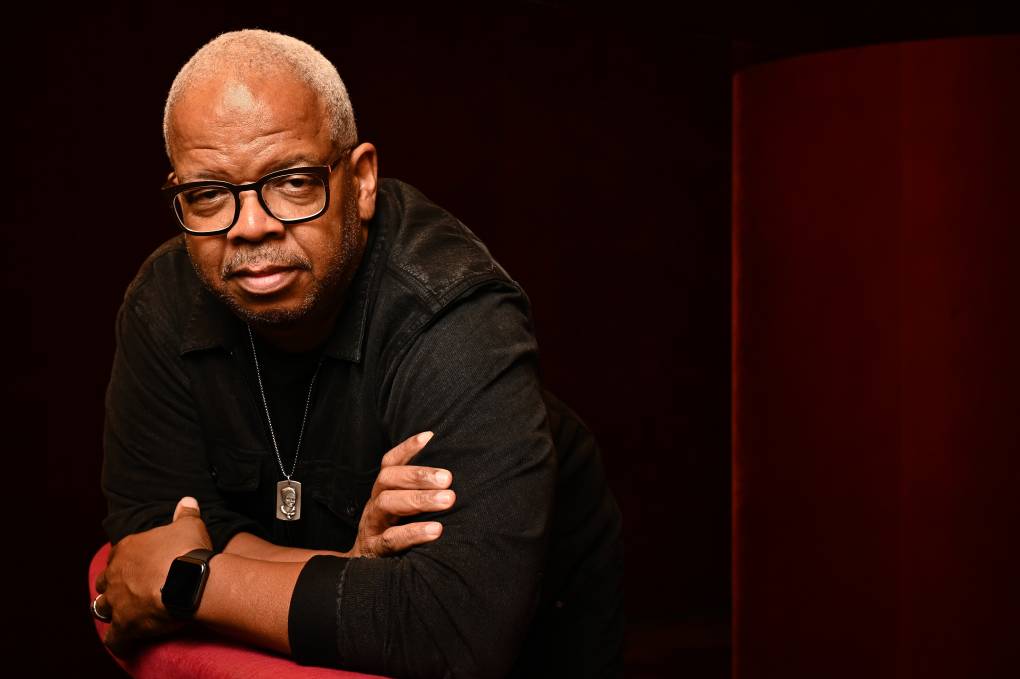
"caption": "Acclaimed trumpeter, pianist and composer Terence Blanchard will be the second executive director in SFJAZZ's history.",
"description": null,
"title": "The First Opera Composed By A Black Composer",
"credit": "Marvin Joseph/The Washington Post via Getty Images",
"status": "inherit",
"altTag": "a Black man with glasses in a long-sleeve black shirt with his arms crossed",
"isLoading": false,
"fetchFailed": false
},
"arts_13930125": {
"type": "attachments",
"id": "arts_13930125",
"meta": {
"index": "attachments_1716263798",
"site": "arts",
"id": "13930125",
"found": true
},
"parent": 13930122,
"imgSizes": {
"twentyfourteen-full-width": {
"file": "https://ww2.kqed.org/app/uploads/sites/2/2023/06/RS65564_013_KQEDArts_HipHop4ChangeBayview_05082023-qut-1038x576.jpg",
"width": 1038,
"mimeType": "image/jpeg",
"height": 576
},
"thumbnail": {
"file": "https://ww2.kqed.org/app/uploads/sites/2/2023/06/RS65564_013_KQEDArts_HipHop4ChangeBayview_05082023-qut-160x107.jpg",
"width": 160,
"mimeType": "image/jpeg",
"height": 107
},
"post-thumbnail": {
"file": "https://ww2.kqed.org/app/uploads/sites/2/2023/06/RS65564_013_KQEDArts_HipHop4ChangeBayview_05082023-qut-672x372.jpg",
"width": 672,
"mimeType": "image/jpeg",
"height": 372
},
"kqedFullSize": {
"file": "https://ww2.kqed.org/app/uploads/sites/2/2023/06/RS65564_013_KQEDArts_HipHop4ChangeBayview_05082023-qut.jpg",
"width": 1920,
"height": 1280
},
"large": {
"file": "https://ww2.kqed.org/app/uploads/sites/2/2023/06/RS65564_013_KQEDArts_HipHop4ChangeBayview_05082023-qut-1020x680.jpg",
"width": 1020,
"mimeType": "image/jpeg",
"height": 680
},
"1536x1536": {
"file": "https://ww2.kqed.org/app/uploads/sites/2/2023/06/RS65564_013_KQEDArts_HipHop4ChangeBayview_05082023-qut-1536x1024.jpg",
"width": 1536,
"mimeType": "image/jpeg",
"height": 1024
},
"medium": {
"file": "https://ww2.kqed.org/app/uploads/sites/2/2023/06/RS65564_013_KQEDArts_HipHop4ChangeBayview_05082023-qut-800x533.jpg",
"width": 800,
"mimeType": "image/jpeg",
"height": 533
},
"medium_large": {
"file": "https://ww2.kqed.org/app/uploads/sites/2/2023/06/RS65564_013_KQEDArts_HipHop4ChangeBayview_05082023-qut-768x512.jpg",
"width": 768,
"mimeType": "image/jpeg",
"height": 512
}
},
"publishDate": 1686075051,
"modified": 1686090701,
"caption": "The Hip Hop for Change leadership team (from left) Marlon Richardson, Pallavi Kidambi, Marc Stretch and Malina King at the organization's new Bayview-Hunters Point film and recording studio in San Francisco on May 8, 2023.",
"description": null,
"title": "RS65564_013_KQEDArts_HipHop4ChangeBayview_05082023-qut",
"credit": "Beth LaBerge/KQED",
"status": "inherit",
"altTag": "The four Hip-Hop for Change leaders, two men and two women, stand in front of a red studio backdrop covered in graffiti.",
"isLoading": false,
"fetchFailed": false
},
"arts_13930118": {
"type": "attachments",
"id": "arts_13930118",
"meta": {
"index": "attachments_1716263798",
"site": "arts",
"id": "13930118",
"found": true
},
"parent": 13930117,
"imgSizes": {
"twentyfourteen-full-width": {
"file": "https://ww2.kqed.org/app/uploads/sites/2/2023/06/lily-rose-depp_0_wide-a89d2672e905da8b8da775085ad1d860cd7decab-1038x576.jpg",
"width": 1038,
"mimeType": "image/jpeg",
"height": 576
},
"thumbnail": {
"file": "https://ww2.kqed.org/app/uploads/sites/2/2023/06/lily-rose-depp_0_wide-a89d2672e905da8b8da775085ad1d860cd7decab-160x90.jpg",
"width": 160,
"mimeType": "image/jpeg",
"height": 90
},
"post-thumbnail": {
"file": "https://ww2.kqed.org/app/uploads/sites/2/2023/06/lily-rose-depp_0_wide-a89d2672e905da8b8da775085ad1d860cd7decab-672x372.jpg",
"width": 672,
"mimeType": "image/jpeg",
"height": 372
},
"kqedFullSize": {
"file": "https://ww2.kqed.org/app/uploads/sites/2/2023/06/lily-rose-depp_0_wide-a89d2672e905da8b8da775085ad1d860cd7decab.jpg",
"width": 1273,
"height": 717
},
"large": {
"file": "https://ww2.kqed.org/app/uploads/sites/2/2023/06/lily-rose-depp_0_wide-a89d2672e905da8b8da775085ad1d860cd7decab-1020x575.jpg",
"width": 1020,
"mimeType": "image/jpeg",
"height": 575
},
"medium": {
"file": "https://ww2.kqed.org/app/uploads/sites/2/2023/06/lily-rose-depp_0_wide-a89d2672e905da8b8da775085ad1d860cd7decab-800x451.jpg",
"width": 800,
"mimeType": "image/jpeg",
"height": 451
},
"medium_large": {
"file": "https://ww2.kqed.org/app/uploads/sites/2/2023/06/lily-rose-depp_0_wide-a89d2672e905da8b8da775085ad1d860cd7decab-768x433.jpg",
"width": 768,
"mimeType": "image/jpeg",
"height": 433
}
},
"publishDate": 1686073795,
"modified": 1686077379,
"caption": "The troubles of Jocelyn in ‘The Idol’ feel out of step with what's demanded of mainstream music stars in 2023.",
"description": null,
"title": "The troubles of Jocelyn in ‘The Idol’ feel out of step with what's demanded of mainstream music stars in 2023.",
"credit": "HBO",
"status": "inherit",
"altTag": "A young, very slim woman with long blonde hair dyed pink at the edges strokes her hair away from her shoulder. She is wearing a barely-there stage costume that leaves little to the imagination.",
"isLoading": false,
"fetchFailed": false
},
"arts_13929977": {
"type": "attachments",
"id": "arts_13929977",
"meta": {
"index": "attachments_1716263798",
"site": "arts",
"id": "13929977",
"found": true
},
"parent": 13929970,
"imgSizes": {
"twentyfourteen-full-width": {
"file": "https://ww2.kqed.org/app/uploads/sites/2/2023/06/Screen-Shot-2023-06-01-at-10.41.57-AM-1038x576.png",
"width": 1038,
"mimeType": "image/png",
"height": 576
},
"thumbnail": {
"file": "https://ww2.kqed.org/app/uploads/sites/2/2023/06/Screen-Shot-2023-06-01-at-10.41.57-AM-160x104.png",
"width": 160,
"mimeType": "image/png",
"height": 104
},
"post-thumbnail": {
"file": "https://ww2.kqed.org/app/uploads/sites/2/2023/06/Screen-Shot-2023-06-01-at-10.41.57-AM-672x372.png",
"width": 672,
"mimeType": "image/png",
"height": 372
},
"kqedFullSize": {
"file": "https://ww2.kqed.org/app/uploads/sites/2/2023/06/Screen-Shot-2023-06-01-at-10.41.57-AM.png",
"width": 1160,
"height": 756
},
"large": {
"file": "https://ww2.kqed.org/app/uploads/sites/2/2023/06/Screen-Shot-2023-06-01-at-10.41.57-AM-1020x665.png",
"width": 1020,
"mimeType": "image/png",
"height": 665
},
"medium": {
"file": "https://ww2.kqed.org/app/uploads/sites/2/2023/06/Screen-Shot-2023-06-01-at-10.41.57-AM-800x521.png",
"width": 800,
"mimeType": "image/png",
"height": 521
},
"medium_large": {
"file": "https://ww2.kqed.org/app/uploads/sites/2/2023/06/Screen-Shot-2023-06-01-at-10.41.57-AM-768x501.png",
"width": 768,
"mimeType": "image/png",
"height": 501
}
},
"publishDate": 1685641335,
"modified": 1685641383,
"caption": "John Coltrane (left) and Eric Dolphy on stage at the Village Gate in New York City in the summer of 1961. A recording of the performance, once thought lost, was recently discovered in the New York Public Library.",
"description": null,
"title": "John Coltrane (left) and Eric Dolphy on stage at the Village Gate in New York City in the summer of 1961. A recording of the performance, once thought lost, was recently discovered in the New York Public Library.",
"credit": "Herb Snitzer/Courtesy of Impulse! Records",
"status": "inherit",
"altTag": "A Black man passionately plays saxophone on stage, while another watches on.",
"isLoading": false,
"fetchFailed": false
},
"arts_13929874": {
"type": "attachments",
"id": "arts_13929874",
"meta": {
"index": "attachments_1716263798",
"site": "arts",
"id": "13929874",
"found": true
},
"parent": 13929861,
"imgSizes": {
"twentyfourteen-full-width": {
"file": "https://ww2.kqed.org/app/uploads/sites/2/2023/05/Latyrx.Square.fin_-1038x576.jpg",
"width": 1038,
"mimeType": "image/jpeg",
"height": 576
},
"thumbnail": {
"file": "https://ww2.kqed.org/app/uploads/sites/2/2023/05/Latyrx.Square.fin_-160x160.jpg",
"width": 160,
"mimeType": "image/jpeg",
"height": 160
},
"post-thumbnail": {
"file": "https://ww2.kqed.org/app/uploads/sites/2/2023/05/Latyrx.Square.fin_-672x372.jpg",
"width": 672,
"mimeType": "image/jpeg",
"height": 372
},
"kqedFullSize": {
"file": "https://ww2.kqed.org/app/uploads/sites/2/2023/05/Latyrx.Square.fin_.jpg",
"width": 1920,
"height": 1920
},
"large": {
"file": "https://ww2.kqed.org/app/uploads/sites/2/2023/05/Latyrx.Square.fin_-1020x1020.jpg",
"width": 1020,
"mimeType": "image/jpeg",
"height": 1020
},
"1536x1536": {
"file": "https://ww2.kqed.org/app/uploads/sites/2/2023/05/Latyrx.Square.fin_-1536x1536.jpg",
"width": 1536,
"mimeType": "image/jpeg",
"height": 1536
},
"medium": {
"file": "https://ww2.kqed.org/app/uploads/sites/2/2023/05/Latyrx.Square.fin_-800x800.jpg",
"width": 800,
"mimeType": "image/jpeg",
"height": 800
},
"medium_large": {
"file": "https://ww2.kqed.org/app/uploads/sites/2/2023/05/Latyrx.Square.fin_-768x768.jpg",
"width": 768,
"mimeType": "image/jpeg",
"height": 768
}
},
"publishDate": 1685547787,
"modified": 1685547826,
"caption": "Lateef the Truthspeaker and Lyrics Born (L–R) interviewed at KQED on April 29, 2023.",
"description": null,
"title": "Latyrx.Square.fin",
"credit": "Alain McLaughlin",
"status": "inherit",
"altTag": "Two men in streetwear sit on a green couch, holding microphones",
"isLoading": false,
"fetchFailed": false
},
"arts_13929728": {
"type": "attachments",
"id": "arts_13929728",
"meta": {
"index": "attachments_1716263798",
"site": "arts",
"id": "13929728",
"found": true
},
"parent": 13929691,
"imgSizes": {
"twentyfourteen-full-width": {
"file": "https://ww2.kqed.org/app/uploads/sites/2/2023/05/Marshall.Allen_-1024x576.jpg",
"width": 1024,
"mimeType": "image/jpeg",
"height": 576
},
"thumbnail": {
"file": "https://ww2.kqed.org/app/uploads/sites/2/2023/05/Marshall.Allen_-160x106.jpg",
"width": 160,
"mimeType": "image/jpeg",
"height": 106
},
"post-thumbnail": {
"file": "https://ww2.kqed.org/app/uploads/sites/2/2023/05/Marshall.Allen_-672x372.jpg",
"width": 672,
"mimeType": "image/jpeg",
"height": 372
},
"kqedFullSize": {
"file": "https://ww2.kqed.org/app/uploads/sites/2/2023/05/Marshall.Allen_.jpg",
"width": 1024,
"height": 681
},
"large": {
"file": "https://ww2.kqed.org/app/uploads/sites/2/2023/05/Marshall.Allen_-1020x678.jpg",
"width": 1020,
"mimeType": "image/jpeg",
"height": 678
},
"medium": {
"file": "https://ww2.kqed.org/app/uploads/sites/2/2023/05/Marshall.Allen_-800x532.jpg",
"width": 800,
"mimeType": "image/jpeg",
"height": 532
},
"medium_large": {
"file": "https://ww2.kqed.org/app/uploads/sites/2/2023/05/Marshall.Allen_-768x511.jpg",
"width": 768,
"mimeType": "image/jpeg",
"height": 511
}
},
"publishDate": 1685075153,
"modified": 1685075209,
"caption": "Marshall Allen of the Sun Ra Arkestra performs on stage in the United Kingdom in 2012. ",
"description": null,
"title": "ATP Curated By Jeff Mangum: Day 3",
"credit": "Gary Wolstenholme/Redferns via Getty Images",
"status": "inherit",
"altTag": null,
"isLoading": false,
"fetchFailed": false
},
"arts_13929592": {
"type": "attachments",
"id": "arts_13929592",
"meta": {
"index": "attachments_1716263798",
"site": "arts",
"id": "13929592",
"found": true
},
"parent": 0,
"imgSizes": {
"thumbnail": {
"file": "https://ww2.kqed.org/app/uploads/sites/2/2023/05/TinaTuner-160x90.jpg",
"width": 160,
"mimeType": "image/jpeg",
"height": 90
},
"post-thumbnail": {
"file": "https://ww2.kqed.org/app/uploads/sites/2/2023/05/TinaTuner-672x372.jpg",
"width": 672,
"mimeType": "image/jpeg",
"height": 372
},
"kqedFullSize": {
"file": "https://ww2.kqed.org/app/uploads/sites/2/2023/05/TinaTuner.jpg",
"width": 1024,
"height": 576
},
"large": {
"file": "https://ww2.kqed.org/app/uploads/sites/2/2023/05/TinaTuner-1020x574.jpg",
"width": 1020,
"mimeType": "image/jpeg",
"height": 574
},
"medium": {
"file": "https://ww2.kqed.org/app/uploads/sites/2/2023/05/TinaTuner-800x450.jpg",
"width": 800,
"mimeType": "image/jpeg",
"height": 450
},
"medium_large": {
"file": "https://ww2.kqed.org/app/uploads/sites/2/2023/05/TinaTuner-768x432.jpg",
"width": 768,
"mimeType": "image/jpeg",
"height": 432
}
},
"publishDate": 1684955731,
"modified": 1684955806,
"caption": "Tina Turner performing in 1985, at the height of her mainstream popularity.",
"description": null,
"title": "TinaTuner",
"credit": "Brian Rasic/Getty Images",
"status": "inherit",
"altTag": "A woman sings into a microphone",
"isLoading": false,
"fetchFailed": false
},
"arts_13929520": {
"type": "attachments",
"id": "arts_13929520",
"meta": {
"index": "attachments_1716263798",
"site": "arts",
"id": "13929520",
"found": true
},
"parent": 13929406,
"imgSizes": {
"twentyfourteen-full-width": {
"file": "https://ww2.kqed.org/app/uploads/sites/2/2023/05/GettyImages-1467763369-1024x576.jpg",
"width": 1024,
"mimeType": "image/jpeg",
"height": 576
},
"thumbnail": {
"file": "https://ww2.kqed.org/app/uploads/sites/2/2023/05/GettyImages-1467763369-160x107.jpg",
"width": 160,
"mimeType": "image/jpeg",
"height": 107
},
"post-thumbnail": {
"file": "https://ww2.kqed.org/app/uploads/sites/2/2023/05/GettyImages-1467763369-672x372.jpg",
"width": 672,
"mimeType": "image/jpeg",
"height": 372
},
"kqedFullSize": {
"file": "https://ww2.kqed.org/app/uploads/sites/2/2023/05/GettyImages-1467763369.jpg",
"width": 1024,
"height": 683
},
"large": {
"file": "https://ww2.kqed.org/app/uploads/sites/2/2023/05/GettyImages-1467763369-1020x680.jpg",
"width": 1020,
"mimeType": "image/jpeg",
"height": 680
},
"medium": {
"file": "https://ww2.kqed.org/app/uploads/sites/2/2023/05/GettyImages-1467763369-800x534.jpg",
"width": 800,
"mimeType": "image/jpeg",
"height": 534
},
"medium_large": {
"file": "https://ww2.kqed.org/app/uploads/sites/2/2023/05/GettyImages-1467763369-768x512.jpg",
"width": 768,
"mimeType": "image/jpeg",
"height": 512
}
},
"publishDate": 1684857478,
"modified": 1684857612,
"caption": "A wave of Brazilian musicians come to the Bay Area this spring. Here, singer Zeca Pagodinho (appearing at the UC Theatre on June 3) performs during 2023 Carnival parades at Marquês de Sapucaí Sambodrome in Rio de Janeiro.",
"description": null,
"title": "Rio de Janeiro Carnival 2023 - Samdrodrome Parades",
"credit": "Buda Mendes/Getty Images",
"status": "inherit",
"altTag": "Rio de Janeiro Carnival 2023 - Samdrodrome Parades",
"isLoading": false,
"fetchFailed": false
},
"arts_13929530": {
"type": "attachments",
"id": "arts_13929530",
"meta": {
"index": "attachments_1716263798",
"site": "arts",
"id": "13929530",
"found": true
},
"parent": 13929529,
"imgSizes": {
"twentyfourteen-full-width": {
"file": "https://ww2.kqed.org/app/uploads/sites/2/2023/05/jeans-1038x576.jpg",
"width": 1038,
"mimeType": "image/jpeg",
"height": 576
},
"thumbnail": {
"file": "https://ww2.kqed.org/app/uploads/sites/2/2023/05/jeans-160x120.jpg",
"width": 160,
"mimeType": "image/jpeg",
"height": 120
},
"post-thumbnail": {
"file": "https://ww2.kqed.org/app/uploads/sites/2/2023/05/jeans-672x372.jpg",
"width": 672,
"mimeType": "image/jpeg",
"height": 372
},
"kqedFullSize": {
"file": "https://ww2.kqed.org/app/uploads/sites/2/2023/05/jeans.jpg",
"width": 1999,
"height": 1500
},
"large": {
"file": "https://ww2.kqed.org/app/uploads/sites/2/2023/05/jeans-1020x765.jpg",
"width": 1020,
"mimeType": "image/jpeg",
"height": 765
},
"1536x1536": {
"file": "https://ww2.kqed.org/app/uploads/sites/2/2023/05/jeans-1536x1153.jpg",
"width": 1536,
"mimeType": "image/jpeg",
"height": 1153
},
"full-width": {
"file": "https://ww2.kqed.org/app/uploads/sites/2/2023/05/jeans-1920x1441.jpg",
"width": 1920,
"mimeType": "image/jpeg",
"height": 1441
},
"medium": {
"file": "https://ww2.kqed.org/app/uploads/sites/2/2023/05/jeans-800x600.jpg",
"width": 800,
"mimeType": "image/jpeg",
"height": 600
},
"medium_large": {
"file": "https://ww2.kqed.org/app/uploads/sites/2/2023/05/jeans-768x576.jpg",
"width": 768,
"mimeType": "image/jpeg",
"height": 576
}
},
"publishDate": 1684866071,
"modified": 1684866219,
"caption": "Jeans that have been restored by Paolo Cui using the ancient Japanese technique of sashiko. Cui's work is part of the Levi's 501 Experience at the Armory in San Francisco. ",
"description": null,
"title": "jeans",
"credit": "Idle Worship/Instagram",
"status": "inherit",
"altTag": null,
"isLoading": false,
"fetchFailed": false
},
"arts_13929276": {
"type": "attachments",
"id": "arts_13929276",
"meta": {
"index": "attachments_1716263798",
"site": "arts",
"id": "13929276",
"found": true
},
"parent": 13929248,
"imgSizes": {
"twentyfourteen-full-width": {
"file": "https://cdn.kqed.org/wp-content/uploads/sites/2/2023/05/GettyImages-1471382956-1024x576.jpg",
"width": 1024,
"mimeType": "image/jpeg",
"height": 576
},
"thumbnail": {
"file": "https://cdn.kqed.org/wp-content/uploads/sites/2/2023/05/GettyImages-1471382956-160x107.jpg",
"width": 160,
"mimeType": "image/jpeg",
"height": 107
},
"post-thumbnail": {
"file": "https://cdn.kqed.org/wp-content/uploads/sites/2/2023/05/GettyImages-1471382956-672x372.jpg",
"width": 672,
"mimeType": "image/jpeg",
"height": 372
},
"kqedFullSize": {
"file": "https://cdn.kqed.org/wp-content/uploads/sites/2/2023/05/GettyImages-1471382956.jpg",
"width": 1024,
"height": 683
},
"large": {
"file": "https://cdn.kqed.org/wp-content/uploads/sites/2/2023/05/GettyImages-1471382956-1020x680.jpg",
"width": 1020,
"mimeType": "image/jpeg",
"height": 680
},
"medium": {
"file": "https://cdn.kqed.org/wp-content/uploads/sites/2/2023/05/GettyImages-1471382956-800x534.jpg",
"width": 800,
"mimeType": "image/jpeg",
"height": 534
},
"medium_large": {
"file": "https://cdn.kqed.org/wp-content/uploads/sites/2/2023/05/GettyImages-1471382956-768x512.jpg",
"width": 768,
"mimeType": "image/jpeg",
"height": 512
}
},
"publishDate": 1684351026,
"modified": 1713894734,
"caption": "Larry June performs at 2023 Rolling Loud Los Angeles at Hollywood Park Grounds on March 4, 2023, in Inglewood, California.",
"description": null,
"title": "2023 Rolling Loud Los Angeles",
"credit": "Photo by Timothy Norris/WireImage",
"status": "inherit",
"altTag": "Larry June raps into the microphone on a big festival stage. He's wearing a bucket hat, designer sunglasses and a bandana and is smiling.",
"isLoading": false,
"fetchFailed": false
},
"arts_13929378": {
"type": "attachments",
"id": "arts_13929378",
"meta": {
"index": "attachments_1716263798",
"site": "arts",
"id": "13929378",
"found": true
},
"parent": 13929372,
"imgSizes": {
"twentyfourteen-full-width": {
"file": "https://ww2.kqed.org/app/uploads/sites/2/2023/05/Screen-Shot-2023-05-18-at-9.39.43-PM-1038x576.png",
"width": 1038,
"mimeType": "image/png",
"height": 576
},
"thumbnail": {
"file": "https://ww2.kqed.org/app/uploads/sites/2/2023/05/Screen-Shot-2023-05-18-at-9.39.43-PM-160x101.png",
"width": 160,
"mimeType": "image/png",
"height": 101
},
"post-thumbnail": {
"file": "https://ww2.kqed.org/app/uploads/sites/2/2023/05/Screen-Shot-2023-05-18-at-9.39.43-PM-672x372.png",
"width": 672,
"mimeType": "image/png",
"height": 372
},
"kqedFullSize": {
"file": "https://ww2.kqed.org/app/uploads/sites/2/2023/05/Screen-Shot-2023-05-18-at-9.39.43-PM.png",
"width": 1950,
"height": 1228
},
"large": {
"file": "https://ww2.kqed.org/app/uploads/sites/2/2023/05/Screen-Shot-2023-05-18-at-9.39.43-PM-1020x642.png",
"width": 1020,
"mimeType": "image/png",
"height": 642
},
"1536x1536": {
"file": "https://ww2.kqed.org/app/uploads/sites/2/2023/05/Screen-Shot-2023-05-18-at-9.39.43-PM-1536x967.png",
"width": 1536,
"mimeType": "image/png",
"height": 967
},
"full-width": {
"file": "https://ww2.kqed.org/app/uploads/sites/2/2023/05/Screen-Shot-2023-05-18-at-9.39.43-PM-1920x1209.png",
"width": 1920,
"mimeType": "image/png",
"height": 1209
},
"medium": {
"file": "https://ww2.kqed.org/app/uploads/sites/2/2023/05/Screen-Shot-2023-05-18-at-9.39.43-PM-800x504.png",
"width": 800,
"mimeType": "image/png",
"height": 504
},
"medium_large": {
"file": "https://ww2.kqed.org/app/uploads/sites/2/2023/05/Screen-Shot-2023-05-18-at-9.39.43-PM-768x484.png",
"width": 768,
"mimeType": "image/png",
"height": 484
}
},
"publishDate": 1684471198,
"modified": 1684471260,
"caption": "‘Love to You, Donna Summer’ debuts on Saturday, May 20, on HBO.",
"description": null,
"title": "‘Love to You, Donna Summer’ debuts on Saturday, May 20, on HBO.",
"credit": null,
"status": "inherit",
"altTag": "An attractive Black woman wearing a leather jacket and beret looks off to one side, distracted. She is wearing headphones and sitting behind a microphone.",
"isLoading": false,
"fetchFailed": false
}
},
"audioPlayerReducer": {
"postId": "stream_live",
"isPaused": true,
"isPlaying": false,
"pfsActive": false,
"pledgeModalIsOpen": true,
"playerDrawerIsOpen": false,
"liveAudioPlayStartedAt": 0,
"liveAudioPlayContext": ""
},
"authorsReducer": {
"byline_arts_13930117": {
"type": "authors",
"id": "byline_arts_13930117",
"meta": {
"override": true
},
"slug": "byline_arts_13930117",
"name": "Hazel Cills",
"isLoading": false
},
"byline_arts_13929970": {
"type": "authors",
"id": "byline_arts_13929970",
"meta": {
"override": true
},
"slug": "byline_arts_13929970",
"name": "Nate Chinen",
"isLoading": false
},
"byline_arts_13929587": {
"type": "authors",
"id": "byline_arts_13929587",
"meta": {
"override": true
},
"slug": "byline_arts_13929587",
"name": "Annie Zaleski",
"isLoading": false
},
"byline_arts_13929372": {
"type": "authors",
"id": "byline_arts_13929372",
"meta": {
"override": true
},
"slug": "byline_arts_13929372",
"name": "Eric Deggans",
"isLoading": false
},
"agilbert": {
"type": "authors",
"id": "86",
"meta": {
"index": "authors_1716337520",
"id": "86",
"found": true
},
"name": "Andrew Gilbert",
"firstName": "Andrew",
"lastName": "Gilbert",
"slug": "agilbert",
"email": "jazzscribe@aol.com",
"display_author_email": false,
"staff_mastheads": [],
"title": "KQED Contributor",
"bio": "A Los Angeles native based in the Berkeley area since 1996, Andrew Gilbert covers jazz, international music and dance for KQED's \u003ci>California Report, \u003c/i>the\u003ci> Mercury News\u003c/i>, \u003ci>San Francisco Chronicle\u003c/i>, \u003ci>Berkeleyside.com\u003c/i>, and other publications. He is available for weddings and bar and bat mitzvahs. #jazzscribe",
"avatar": "https://secure.gravatar.com/avatar/d7bcafdbefdd39e9a68f88724ca616eb4e7a5a6bff9cdfb62de652a1e1751471?s=600&d=blank&r=g",
"twitter": null,
"bluesky": null,
"facebook": null,
"instagram": null,
"linkedin": null,
"sites": [
{
"site": "arts",
"roles": [
"Contributor",
"author"
]
},
{
"site": "news",
"roles": [
"author"
]
}
],
"headData": {
"title": "Andrew Gilbert | KQED",
"description": "KQED Contributor",
"ogImgSrc": "https://secure.gravatar.com/avatar/d7bcafdbefdd39e9a68f88724ca616eb4e7a5a6bff9cdfb62de652a1e1751471?s=600&d=blank&r=g",
"twImgSrc": "https://secure.gravatar.com/avatar/d7bcafdbefdd39e9a68f88724ca616eb4e7a5a6bff9cdfb62de652a1e1751471?s=600&d=blank&r=g"
},
"isLoading": false,
"link": "/author/agilbert"
},
"gmeline": {
"type": "authors",
"id": "185",
"meta": {
"index": "authors_1716337520",
"id": "185",
"found": true
},
"name": "Gabe Meline",
"firstName": "Gabe",
"lastName": "Meline",
"slug": "gmeline",
"email": "gmeline@kqed.org",
"display_author_email": true,
"staff_mastheads": [
"arts"
],
"title": "Senior Editor, KQED Arts & Culture",
"bio": "Gabe Meline entered journalism at age 15 making photocopied zines, and has since earned awards from the Edward R. Murrow Awards, the Society for Professional Journalists, the Online Journalism Awards, the Association of Alternative Newsweeklies and the California Newspaper Publishers Association. Prior to KQED, he was the editor of the \u003cem>North Bay Bohemian\u003c/em> and a touring musician. He lives with his wife and daughter in his hometown of Santa Rosa, CA.",
"avatar": "https://secure.gravatar.com/avatar/5bebe57be0d8bc2dd318934feb47299e2d2d10cba28d09d8d7afb389a2ce2bdd?s=600&d=blank&r=g",
"twitter": null,
"bluesky": null,
"facebook": null,
"instagram": null,
"linkedin": null,
"sites": [
{
"site": "",
"roles": [
"editor"
]
},
{
"site": "arts",
"roles": [
"administrator"
]
},
{
"site": "artschool",
"roles": [
"editor"
]
},
{
"site": "news",
"roles": [
"author"
]
},
{
"site": "pop",
"roles": [
"editor"
]
},
{
"site": "bayareabites",
"roles": [
"editor"
]
},
{
"site": "food",
"roles": [
"editor"
]
},
{
"site": "forum",
"roles": [
"administrator"
]
},
{
"site": "liveblog",
"roles": [
"editor"
]
},
{
"site": "hiphop",
"roles": [
"editor"
]
}
],
"headData": {
"title": "Gabe Meline | KQED",
"description": "Senior Editor, KQED Arts & Culture",
"ogImgSrc": "https://secure.gravatar.com/avatar/5bebe57be0d8bc2dd318934feb47299e2d2d10cba28d09d8d7afb389a2ce2bdd?s=600&d=blank&r=g",
"twImgSrc": "https://secure.gravatar.com/avatar/5bebe57be0d8bc2dd318934feb47299e2d2d10cba28d09d8d7afb389a2ce2bdd?s=600&d=blank&r=g"
},
"isLoading": false,
"link": "/author/gmeline"
},
"nvoynovskaya": {
"type": "authors",
"id": "11387",
"meta": {
"index": "authors_1716337520",
"id": "11387",
"found": true
},
"name": "Nastia Voynovskaya",
"firstName": "Nastia",
"lastName": "Voynovskaya",
"slug": "nvoynovskaya",
"email": "nvoynovskaya@kqed.org",
"display_author_email": false,
"staff_mastheads": [
"arts"
],
"title": "Editor and reporter",
"bio": "Nastia Voynovskaya is a reporter, editor and host at KQED Arts & Culture. She's been covering the arts in the Bay Area for over a decade, with a focus on music, queer culture, labor issues and grassroots organizing. She has edited KQED story series such as Trans Bay: A History of San Francisco's Gender-Diverse Community, and co-created KQED's Bay Area hip-hop history project, That's My Word. Nastia's work has been recognized by the Society of Professional Journalists and San Francisco Press Club. She regularly appears on podcasts and radio programs, including NPR's All Songs Considered, and hosts live events where music, culture and conversation meet.",
"avatar": "https://secure.gravatar.com/avatar/5025ee460e5a85d69ca20ea6c6f2f80d7e17795c828f61ea3aecfcd924e9042e?s=600&d=blank&r=g",
"twitter": null,
"bluesky": null,
"facebook": null,
"instagram": "https://www.instagram.com/nananastia/",
"linkedin": null,
"sites": [
{
"site": "",
"roles": [
"editor"
]
},
{
"site": "arts",
"roles": [
"administrator"
]
},
{
"site": "news",
"roles": [
"editor"
]
},
{
"site": "pop",
"roles": [
"administrator"
]
},
{
"site": "bayareabites",
"roles": [
"editor"
]
},
{
"site": "podcasts",
"roles": [
"editor"
]
},
{
"site": "hiphop",
"roles": [
"editor"
]
}
],
"headData": {
"title": "Nastia Voynovskaya | KQED",
"description": "Editor and reporter",
"ogImgSrc": "https://secure.gravatar.com/avatar/5025ee460e5a85d69ca20ea6c6f2f80d7e17795c828f61ea3aecfcd924e9042e?s=600&d=blank&r=g",
"twImgSrc": "https://secure.gravatar.com/avatar/5025ee460e5a85d69ca20ea6c6f2f80d7e17795c828f61ea3aecfcd924e9042e?s=600&d=blank&r=g"
},
"isLoading": false,
"link": "/author/nvoynovskaya"
},
"ogpenn": {
"type": "authors",
"id": "11491",
"meta": {
"index": "authors_1716337520",
"id": "11491",
"found": true
},
"name": "Pendarvis Harshaw",
"firstName": "Pendarvis",
"lastName": "Harshaw",
"slug": "ogpenn",
"email": "ogpenn@gmail.com",
"display_author_email": false,
"staff_mastheads": [
"arts"
],
"title": "Community Engagement Reporter",
"bio": "Pendarvis Harshaw is an educator, host and writer with KQED Arts.",
"avatar": "https://secure.gravatar.com/avatar/972b77ee8e3f346ae2b00622661187fbfabd059b5693bbdc1475ea7a722fd4cd?s=600&d=blank&r=g",
"twitter": null,
"bluesky": null,
"facebook": null,
"instagram": "ogpenn",
"linkedin": null,
"sites": [
{
"site": "arts",
"roles": [
"administrator"
]
},
{
"site": "news",
"roles": [
"editor"
]
},
{
"site": "bayareabites",
"roles": [
"author"
]
},
{
"site": "hiphop",
"roles": [
"editor"
]
}
],
"headData": {
"title": "Pendarvis Harshaw | KQED",
"description": "Community Engagement Reporter",
"ogImgSrc": "https://secure.gravatar.com/avatar/972b77ee8e3f346ae2b00622661187fbfabd059b5693bbdc1475ea7a722fd4cd?s=600&d=blank&r=g",
"twImgSrc": "https://secure.gravatar.com/avatar/972b77ee8e3f346ae2b00622661187fbfabd059b5693bbdc1475ea7a722fd4cd?s=600&d=blank&r=g"
},
"isLoading": false,
"link": "/author/ogpenn"
},
"mmedina": {
"type": "authors",
"id": "11528",
"meta": {
"index": "authors_1716337520",
"id": "11528",
"found": true
},
"name": "Marisol Medina-Cadena",
"firstName": "Marisol",
"lastName": "Medina-Cadena",
"slug": "mmedina",
"email": "mmedina@KQED.org",
"display_author_email": true,
"staff_mastheads": [],
"title": "Producer, Rightnowish Podcast",
"bio": "Marisol Medina-Cadena is a radio reporter and podcast producer. Before working at KQED, she produced for PBS member station, KCET, in Los Angeles. In 2017, Marisol won an Emmy Award for her work on the televised documentary, \u003cem>City Rising\u003c/em>, examining California's affordable housing crisis and the historical roots of gentrification.",
"avatar": "https://secure.gravatar.com/avatar/6c3db46a1cabb5e1fe9a365b5f4e681e?s=600&d=blank&r=g",
"twitter": "marisolreports",
"facebook": null,
"instagram": null,
"linkedin": null,
"sites": [
{
"site": "arts",
"roles": []
},
{
"site": "news",
"roles": [
"edit_others_posts"
]
}
],
"headData": {
"title": "Marisol Medina-Cadena | KQED",
"description": "Producer, Rightnowish Podcast",
"ogImgSrc": "https://secure.gravatar.com/avatar/6c3db46a1cabb5e1fe9a365b5f4e681e?s=600&d=blank&r=g",
"twImgSrc": "https://secure.gravatar.com/avatar/6c3db46a1cabb5e1fe9a365b5f4e681e?s=600&d=blank&r=g"
},
"isLoading": false,
"link": "/author/mmedina"
},
"achazaro": {
"type": "authors",
"id": "11748",
"meta": {
"index": "authors_1716337520",
"id": "11748",
"found": true
},
"name": "Alan Chazaro",
"firstName": "Alan",
"lastName": "Chazaro",
"slug": "achazaro",
"email": "agchazaro@gmail.com",
"display_author_email": true,
"staff_mastheads": [],
"title": "Food Writer and Reporter",
"bio": "Alan Chazaro is the author of \u003cem>This Is Not a Frank Ocean Cover Album\u003c/em> (Black Lawrence Press, 2019), \u003cem>Piñata Theory\u003c/em> (Black Lawrence Press, 2020), and \u003cem>Notes from the Eastern Span of the Bay Bridge\u003c/em> (Ghost City Press, 2021). He is a graduate of June Jordan’s Poetry for the People program at UC Berkeley and a former Lawrence Ferlinghetti Fellow at the University of San Francisco. He writes about sports, food, art, music, education, and culture while repping the Bay on \u003ca href=\"https://twitter.com/alan_chazaro\">Twitter\u003c/a> and \u003ca href=\"https://www.instagram.com/alan_chazaro/?hl=en\">Instagram\u003c/a> at @alan_chazaro.",
"avatar": "https://secure.gravatar.com/avatar/ea8b6dd970fc5c29e7a188e7d5861df7?s=600&d=blank&r=g",
"twitter": "alan_chazaro",
"facebook": null,
"instagram": null,
"linkedin": null,
"sites": [
{
"site": "arts",
"roles": [
"contributor"
]
},
{
"site": "news",
"roles": [
"editor"
]
}
],
"headData": {
"title": "Alan Chazaro | KQED",
"description": "Food Writer and Reporter",
"ogImgSrc": "https://secure.gravatar.com/avatar/ea8b6dd970fc5c29e7a188e7d5861df7?s=600&d=blank&r=g",
"twImgSrc": "https://secure.gravatar.com/avatar/ea8b6dd970fc5c29e7a188e7d5861df7?s=600&d=blank&r=g"
},
"isLoading": false,
"link": "/author/achazaro"
},
"ksong": {
"type": "authors",
"id": "11813",
"meta": {
"index": "authors_1716337520",
"id": "11813",
"found": true
},
"name": "Kristie Song",
"firstName": "Kristie",
"lastName": "Song",
"slug": "ksong",
"email": "ksong@kqed.org",
"display_author_email": false,
"staff_mastheads": [],
"title": "Editorial Intern ",
"bio": "Kristie Song is an Arts & Culture Intern at KQED. She is currently a graduate student at UC Berkeley, where she studies audio and multimedia journalism. Previously, she covered the local community for Oakland North, produced episodes for The Science of Happiness, and served as news director for KUCI, UC Irvine’s radio station. Outside of reporting, she likes drawing comics, listening to angsty rock, and practicing the guitar.",
"avatar": "https://secure.gravatar.com/avatar/c1149e78c3c44f92d4945a8ab0711af6?s=600&d=blank&r=g",
"twitter": null,
"facebook": null,
"instagram": null,
"linkedin": null,
"sites": [
{
"site": "arts",
"roles": [
"editor"
]
}
],
"headData": {
"title": "Kristie Song | KQED",
"description": "Editorial Intern ",
"ogImgSrc": "https://secure.gravatar.com/avatar/c1149e78c3c44f92d4945a8ab0711af6?s=600&d=blank&r=g",
"twImgSrc": "https://secure.gravatar.com/avatar/c1149e78c3c44f92d4945a8ab0711af6?s=600&d=blank&r=g"
},
"isLoading": false,
"link": "/author/ksong"
}
},
"pagesReducer": {
"arts_category_music": {
"type": "terms",
"id": "arts_69",
"meta": {
"index": "terms_1716263798",
"site": "arts",
"id": "69",
"score": 10.851607
},
"featImg": null,
"name": "Music",
"description": null,
"taxonomy": "category",
"headData": {
"twImgId": null,
"twTitle": null,
"ogTitle": null,
"ogImgId": null,
"twDescription": null,
"description": null,
"title": "Music Archives | KQED Arts",
"ogDescription": null
},
"ttid": 70,
"slug": "music",
"isLoading": false,
"title": "Music",
"pageMeta": {
"site": "arts",
"WpPageTemplate": "page-topic-editorial",
"currentPage": 76
},
"blocks": [
{
"blockName": "kqed/post-list",
"attrs": {
"layout": "cardArticle2",
"query": "posts/arts?category=music",
"seeMore": false,
"paginated": true,
"page": 76
}
},
{
"blockName": "kqed/ad"
}
]
}
},
"pfsSessionReducer": {},
"postsReducer": {
"stream_live": {
"type": "live",
"id": "stream_live",
"audioUrl": "https://streams.kqed.org/kqedradio",
"title": "Live Stream",
"excerpt": "Live Stream information currently unavailable.",
"link": "/radio",
"featImg": "",
"label": {
"name": "KQED Live",
"link": "/"
}
},
"stream_kqedNewscast": {
"type": "posts",
"id": "stream_kqedNewscast",
"audioUrl": "https://www.kqed.org/.stream/anon/radio/RDnews/newscast.mp3?_=1",
"title": "KQED Newscast",
"featImg": "",
"label": {
"name": "88.5 FM",
"link": "/"
}
},
"arts_13930249": {
"type": "posts",
"id": "arts_13930249",
"meta": {
"index": "posts_1716263798",
"site": "arts",
"id": "13930249",
"score": null,
"sort": [
1686301256000
]
},
"parent": 0,
"labelTerm": {
"site": "arts",
"term": 8720
},
"blocks": [],
"publishDate": 1686301256,
"format": "audio",
"title": "Rightnowish Presents: Liner Notes",
"headTitle": "Rightnowish Presents: Liner Notes | KQED",
"content": "\u003cp>Welcome to Liner Notes, the Rightnowish podcast series all about jazz in the Bay Area. Through five conversations with key players in the scene, we gain some insight into the past and present of jazz in the Bay Area.\u003c/p>\n\u003cp style=\"text-align: center\">…\u003c/p>\n\u003cfigure id=\"attachment_13930276\" class=\"wp-caption alignnone\" style=\"max-width: 800px\">\u003cimg loading=\"lazy\" decoding=\"async\" class=\"wp-image-13930276 size-medium\" src=\"https://ww2.kqed.org/app/uploads/sites/2/2023/06/Screenshot-2023-06-08-at-9.39.18-AM-800x439.png\" alt=\"Greg Bridges is photographed in black and white as he sits behind a microphone and soundboard at KPFA studios in Berkeley, while hosting his jazz radio show. He is holding a cd case and reading the track list. \" width=\"800\" height=\"439\" srcset=\"https://cdn.kqed.org/wp-content/uploads/sites/2/2023/06/Screenshot-2023-06-08-at-9.39.18-AM-800x439.png 800w, https://cdn.kqed.org/wp-content/uploads/sites/2/2023/06/Screenshot-2023-06-08-at-9.39.18-AM-1020x560.png 1020w, https://cdn.kqed.org/wp-content/uploads/sites/2/2023/06/Screenshot-2023-06-08-at-9.39.18-AM-160x88.png 160w, https://cdn.kqed.org/wp-content/uploads/sites/2/2023/06/Screenshot-2023-06-08-at-9.39.18-AM-768x422.png 768w, https://cdn.kqed.org/wp-content/uploads/sites/2/2023/06/Screenshot-2023-06-08-at-9.39.18-AM-1536x843.png 1536w, https://cdn.kqed.org/wp-content/uploads/sites/2/2023/06/Screenshot-2023-06-08-at-9.39.18-AM-2048x1124.png 2048w, https://cdn.kqed.org/wp-content/uploads/sites/2/2023/06/Screenshot-2023-06-08-at-9.39.18-AM-1920x1054.png 1920w\" sizes=\"(max-width: 800px) 100vw, 800px\">\u003cfigcaption class=\"wp-caption-text\">Greg Bridges is photographed in black and white as he sits behind a microphone and soundboard at KPFA studios in Berkeley, while hosting a jazz radio show. \u003ccite>(Pendarvis Harshaw)\u003c/cite>\u003c/figcaption>\u003c/figure>\n\u003cp>\u003c!-- iframe plugin v.4.3 wordpress.org/plugins/iframe/ -->\u003cbr>\n\u003ciframe loading=\"lazy\" frameborder=\"0\" height=\"200\" scrolling=\"no\" src=\"https://playlist.megaphone.fm/?e=KQINC4300364745&light=true\" width=\"100%\" class=\"iframe-class\">\u003c/iframe>\u003c/p>\n\u003cp>\u003cstrong>Greg Bridges, Jazz Radio Host and Journalist\u003c/strong>\u003c/p>\n\u003cp>We start with a conversation with someone who has a wealth of knowledge, especially when it comes to jazz in the Bay: \u003ca href=\"https://www.instagram.com/g1rhythm/\" target=\"_blank\" rel=\"noopener\">Greg Bridges.\u003c/a>\u003c/p>\n\u003cp>As a journalist and longtime radio host at Bay Area radio stations KCSM and KPFA, Greg is steeped in Bay Area jazz history. And as a reoccurring host of events like the San Jose Jazz Festival, he has his finger on the current pulse of the culture. But this isn’t just a career choice, he was born into the world of jazz.\u003c/p>\n\u003cp>In this episode Greg shares some family history and gives us the lay of the land when it comes to jazz in the Bay. He also shares the secret ingredient that makes the Bay Area’s jazz scene unique.\u003c/p>\n\u003cfigure id=\"attachment_13930297\" class=\"wp-caption aligncenter\" style=\"max-width: 800px\">\u003cimg loading=\"lazy\" decoding=\"async\" class=\"wp-image-13930297 size-medium\" src=\"https://ww2.kqed.org/app/uploads/sites/2/2023/06/IMG_3040-800x533.jpeg\" alt=\"Lidia Rodriguez is poses with her baritone saxophone. She looks off camera and in her left hand holds a succulent in a skeleton-themed pot. \" width=\"800\" height=\"533\" srcset=\"https://cdn.kqed.org/wp-content/uploads/sites/2/2023/06/IMG_3040-800x533.jpeg 800w, https://cdn.kqed.org/wp-content/uploads/sites/2/2023/06/IMG_3040-1020x680.jpeg 1020w, https://cdn.kqed.org/wp-content/uploads/sites/2/2023/06/IMG_3040-160x107.jpeg 160w, https://cdn.kqed.org/wp-content/uploads/sites/2/2023/06/IMG_3040-768x512.jpeg 768w, https://cdn.kqed.org/wp-content/uploads/sites/2/2023/06/IMG_3040-1536x1024.jpeg 1536w, https://cdn.kqed.org/wp-content/uploads/sites/2/2023/06/IMG_3040-2048x1365.jpeg 2048w, https://cdn.kqed.org/wp-content/uploads/sites/2/2023/06/IMG_3040-1920x1280.jpeg 1920w\" sizes=\"(max-width: 800px) 100vw, 800px\">\u003cfigcaption class=\"wp-caption-text\">Lidia Rodriguez is a prominent baritone saxophone player based in San Jose by way of Stockton. She’s on a mission to spread peace and love through her instrument one show at a time. \u003ccite>(Via Lidia Rodriguez )\u003c/cite>\u003c/figcaption>\u003c/figure>\n\u003cp>\u003c!-- iframe plugin v.4.3 wordpress.org/plugins/iframe/ -->\u003cbr>\n\u003ciframe loading=\"lazy\" frameborder=\"0\" height=\"200\" scrolling=\"no\" src=\"https://playlist.megaphone.fm/?e=KQINC2510938176&light=true\" width=\"100%\" class=\"iframe-class\">\u003c/iframe>\u003cbr>\n\u003cb>\u003cbr>\nLidia Rodriguez, Baritone Saxophonist and Music Educator \u003c/b>\u003c/p>\n\u003cp>\u003ca href=\"https://www.lidiapeacelovesax.com/\">Lidia Rodriguez\u003c/a> is a premier baritone saxophone player who grew up in Mudville a.k.a. Stockton, CA. Now based in San Jose, Lidia teaches music education to K-5th grade students, helping young people discover the joys of playing instruments, and practice self-love and self-expression. In the evenings, Lidia can be found playing shows with a number of bands, including the Golden State Warriors’ jazz band, the Bay Blue Notes, and the percussive electronic artist Madame Gandhi.\u003c/p>\n\u003cp>In case you didn’t know, the baritone saxophone stands out among the other saxophones because it’s the biggest in size and plays the lowest notes. Lidia’s big personality and big curly hair are a perfect match for the baritone saxophone— together they command audience attention. To watch Lidia on the “bari sax” is to witness an artist be totally in sync with an instrument. Real talk, Lidia can go dumb playing Mac Dre on the sax.\u003c/p>\n\u003cp>In this episode, Lidia shares with us her journey from being a cantankerous kid who once took all the screws out of a flute, to an adult who shuts down machismo in the music scene, all while becoming a rockstar educator and performer.\u003c/p>\n\u003cfigure id=\"attachment_13930304\" class=\"wp-caption aligncenter\" style=\"max-width: 415px\">\u003cimg loading=\"lazy\" decoding=\"async\" class=\"wp-image-13930304 \" src=\"https://ww2.kqed.org/app/uploads/sites/2/2023/06/AMW-graduation-1-1020x1952.jpg\" alt=\"Dr. Angela Wellman wears a graduation cap and gown as she receives her PHD. \" width=\"415\" height=\"794\" srcset=\"https://cdn.kqed.org/wp-content/uploads/sites/2/2023/06/AMW-graduation-1-1020x1952.jpg 1020w, https://cdn.kqed.org/wp-content/uploads/sites/2/2023/06/AMW-graduation-1-800x1531.jpg 800w, https://cdn.kqed.org/wp-content/uploads/sites/2/2023/06/AMW-graduation-1-160x306.jpg 160w, https://cdn.kqed.org/wp-content/uploads/sites/2/2023/06/AMW-graduation-1-768x1470.jpg 768w, https://cdn.kqed.org/wp-content/uploads/sites/2/2023/06/AMW-graduation-1-803x1536.jpg 803w, https://cdn.kqed.org/wp-content/uploads/sites/2/2023/06/AMW-graduation-1.jpg 1070w\" sizes=\"(max-width: 415px) 100vw, 415px\">\u003cfigcaption class=\"wp-caption-text\">Dr. Angela Wellman celebrates her 2023 graduation. \u003ccite>(Via Dr. Angela Wellman)\u003c/cite>\u003c/figcaption>\u003c/figure>\n\u003cp>\u003c!-- iframe plugin v.4.3 wordpress.org/plugins/iframe/ -->\u003cbr>\n\u003ciframe loading=\"lazy\" frameborder=\"0\" height=\"200\" scrolling=\"no\" src=\"https://playlist.megaphone.fm/?e=KQINC8994929597&light=true\" width=\"100%\" class=\"iframe-class\">\u003c/iframe>\u003cbr>\n\u003cstrong>\u003cbr>\nDr. Angela Wellman, Trombonist and Music Education Activist\u003c/strong>\u003c/p>\n\u003cp>\u003ca href=\"https://www.instagram.com/wellmanangela/\" target=\"_blank\" rel=\"noopener\">Dr. Angela Wellman’s\u003c/a> musical journey traces back to her upbringing in Kansas City, MO. As a young person involved in a music training initiative that was backed by the CETA (Comprehensive Employment and Training Act) program, she found the trombone– or rather, it found her.\u003c/p>\n\u003cp>In 2005, after music carried her around the map, Angela founded the \u003ca href=\"https://opcclasses.squarespace.com/\" target=\"_blank\" rel=\"noopener\">Oakland Public Conservatory of Music \u003c/a>as a way to assist Black and brown kids in accessing musical education. Now, after receiving numerous accolades for her work, including the National Endowment for the Arts Jazz Study Fellowship and being inducted into the Alameda County Women’s Hall of Fame, Dr. Wellman recently completed her doctorate degree in education. The focus of her dissertation: the importance of access to music for Black and brown children.\u003c/p>\n\u003cfigure id=\"attachment_13930308\" class=\"wp-caption aligncenter\" style=\"max-width: 439px\">\u003cimg loading=\"lazy\" decoding=\"async\" class=\"wp-image-13930308 \" src=\"https://ww2.kqed.org/app/uploads/sites/2/2023/06/photo-by-Donovan-Washington.jpg\" alt=\"A black and white photo of musician Giulio Xavier Cetto playing an upright bass.\" width=\"439\" height=\"585\" srcset=\"https://cdn.kqed.org/wp-content/uploads/sites/2/2023/06/photo-by-Donovan-Washington.jpg 769w, https://cdn.kqed.org/wp-content/uploads/sites/2/2023/06/photo-by-Donovan-Washington-160x213.jpg 160w\" sizes=\"(max-width: 439px) 100vw, 439px\">\u003cfigcaption class=\"wp-caption-text\">Between touring and recording with notable musicians, bass player Giulio Xavier Cetto composes original music for his band Big Trippin. \u003ccite>(Donovan Washington)\u003c/cite>\u003c/figcaption>\u003c/figure>\n\u003cp>\u003c!-- iframe plugin v.4.3 wordpress.org/plugins/iframe/ -->\u003cbr>\n\u003ciframe loading=\"lazy\" frameborder=\"0\" height=\"200\" scrolling=\"no\" src=\"https://playlist.megaphone.fm/?e=KQINC3420729776&light=true\" width=\"100%\" class=\"iframe-class\">\u003c/iframe>\u003c/p>\n\u003cp>\u003cstrong>Giulio Xavier Cetto, Bass player and Composer\u003cbr>\n\u003c/strong>\u003c/p>\n\u003cp>Raised in musical family, \u003ca href=\"https://www.giulioxaviercetto.com/\">Giulio Xavier Cetto’s\u003c/a> musical influences range from his Venezuelan-Italian heritage to Bay Area rap. Giulio can play multiple styles and genres with ease, but at the intersection of jazz and hip hop is where his artistry truly shines. He brings an electric energy to his performances, encouraging audiences to not only vibe, but to get up and dance.\u003c/p>\n\u003cp>Playing tribute to these genres, Giulio hosts and performs at a reoccurring “Sunday Slaps” night at San Francisco’s beloved jazz venue, Black Cat. He also curates a weekly jazz set at Golden Gate Park’s Stowe Lake Boathouse.\u003c/p>\n\u003cp>Between gigging and recording with notable musicians including Kev Choice, Spelling, Kassa Overall, and Fantastic Negrito, he leads and composes original music for his own jazz band, Big Trippin. On their debut album, which drops this year, you can hear Giulio’s passion for jazz and hip hop.\u003c/p>\n\u003cp>On Rightnowish, Giulio talks about his favorite San Francisco venues to perform in, how the synthesis between jazz and hip-hop shape his sound and why the bass (upright and electric) is the heart of music.\u003c/p>\n\u003cfigure id=\"attachment_13930309\" class=\"wp-caption alignnone\" style=\"max-width: 486px\">\u003cimg loading=\"lazy\" decoding=\"async\" class=\"wp-image-13930309 \" style=\"background-color: transparent;font-weight: bold;color: #767676\" src=\"https://ww2.kqed.org/app/uploads/sites/2/2023/06/Elena-3-1020x1020.jpg\" alt=\"Elena Pinderhughes, an extremely talented flutist and vocalist from Berkeley, is pictured in a stylish brown and beige jacket and mocha shirt, hoop earrings and braids as she poses for a photo. \" width=\"486\" height=\"486\" srcset=\"https://cdn.kqed.org/wp-content/uploads/sites/2/2023/06/Elena-3-1020x1020.jpg 1020w, https://cdn.kqed.org/wp-content/uploads/sites/2/2023/06/Elena-3-800x800.jpg 800w, https://cdn.kqed.org/wp-content/uploads/sites/2/2023/06/Elena-3-160x160.jpg 160w, https://cdn.kqed.org/wp-content/uploads/sites/2/2023/06/Elena-3-768x768.jpg 768w, https://cdn.kqed.org/wp-content/uploads/sites/2/2023/06/Elena-3-1536x1536.jpg 1536w, https://cdn.kqed.org/wp-content/uploads/sites/2/2023/06/Elena-3-2048x2048.jpg 2048w, https://cdn.kqed.org/wp-content/uploads/sites/2/2023/06/Elena-3-1920x1920.jpg 1920w\" sizes=\"(max-width: 486px) 100vw, 486px\">\u003cfigcaption class=\"wp-caption-text\">Elena Pinderhughes is an extremely talented flutist and vocalist from Berkeley. \u003ccite>(Darrin Baldridge)\u003c/cite>\u003c/figcaption>\u003c/figure>\n\u003cp>\u003c!-- iframe plugin v.4.3 wordpress.org/plugins/iframe/ -->\u003cbr>\n\u003ciframe loading=\"lazy\" frameborder=\"0\" height=\"200\" scrolling=\"no\" src=\"https://playlist.megaphone.fm/?e=KQINC9039639824&light=true\" width=\"100%\" class=\"iframe-class\">\u003c/iframe>\u003cbr>\n\u003cstrong>\u003cbr>\nElena Pinderhughes, Vocalist and Flutist \u003c/strong>\u003c/p>\n\u003cp>\u003ca href=\"https://www.instagram.com/iamelena/\" target=\"_blank\" rel=\"noopener\">Elena Pinderhughes\u003c/a> has been around the East Bay jazz scene since before she learned how to walk. After recording her first published work as a kid, she has gone on to share stages with Herbie Hancock and work with Carlos Santana. She’s also played NPR’s Tiny Desk with Chief Xian aTunde Adjuah (formerly Christian Scott) and even rocked on stage at Coachella with Future.\u003c/p>\n\u003cp>But Elena says she wouldn’t be where she is today without family support and the musical institutions of the East Bay. While working with her brother, pianist and vocalist Samora Pinderhughes, assisted her growth at home, organizations like the \u003ca href=\"https://www.youngmusiciansco.org/\" target=\"_blank\" rel=\"noopener\">Young Musicians Choral Orchestra\u003c/a> aided her progress in the community.\u003c/p>\n\u003cp>Elena is preparing for the next iteration of her career, relying on the tools given to her by the Bay Area’s multi-talented musical community, as she moves into the world of scoring films, making R&B music and more.\u003c/p>\n\u003cp>\u003cimg loading=\"lazy\" decoding=\"async\" class=\"aligncenter size-full wp-image-12127869\" src=\"https://ww2.kqed.org/app/uploads/sites/2/2016/09/Q.Logo_.Break_.jpg\" alt=\"\" width=\"800\" height=\"78\" srcset=\"https://cdn.kqed.org/wp-content/uploads/sites/2/2016/09/Q.Logo_.Break_.jpg 800w, https://cdn.kqed.org/wp-content/uploads/sites/2/2016/09/Q.Logo_.Break_-400x39.jpg 400w, https://cdn.kqed.org/wp-content/uploads/sites/2/2016/09/Q.Logo_.Break_-768x75.jpg 768w\" sizes=\"(max-width: 800px) 100vw, 800px\">\u003c/p>\n\u003cp>\u003cstrong>\u003cem>Rightnowish is an arts and culture podcast produced at KQED. Listen to it wherever you get your podcasts or click the play button at the top of this page and subscribe to the show on \u003ca href=\"https://www.npr.org/podcasts/721590300/rightnowish\">NPR One\u003c/a>, \u003ca href=\"https://open.spotify.com/show/7kEJuafTzTVan7B78ttz1I\">Spotify\u003c/a>, \u003ca href=\"https://podcasts.apple.com/us/podcast/rightnowish/id1482187648\">Apple Podcasts\u003c/a>, \u003ca href=\"https://tunein.com/podcasts/Arts--Culture-Podcasts/Rightnowish-p1258245/\">TuneIn\u003c/a>, \u003ca href=\"https://www.stitcher.com/podcast/kqed/rightnowish\">Stitcher\u003c/a> or wherever you get your podcasts. \u003c/em>\u003c/strong>\u003c/p>\n\u003cp>[ad fullwidth]=\u003c/p>\n\u003cp>[ad floatright]\u003c/p>\n",
"stats": {
"hasVideo": false,
"hasChartOrMap": false,
"hasAudio": true,
"hasPolis": false,
"wordCount": 1075,
"hasGoogleForm": false,
"hasGallery": false,
"hasHearkenModule": false,
"iframeSrcs": [],
"paragraphCount": 27
},
"modified": 1710986345,
"excerpt": "Welcome to Liner Notes, the Rightnowish podcast series all about jazz in the Bay Area. ",
"headData": {
"twImgId": "",
"twTitle": "",
"ogTitle": "",
"ogImgId": "",
"twDescription": "",
"description": "Welcome to Liner Notes, the Rightnowish podcast series all about jazz in the Bay Area. ",
"title": "Rightnowish Presents: Liner Notes | KQED",
"ogDescription": "",
"schema": {
"@context": "https://schema.org",
"@type": "Article",
"headline": "Rightnowish Presents: Liner Notes",
"datePublished": "2023-06-09T02:00:56-07:00",
"dateModified": "2024-03-20T18:59:05-07:00",
"image": "https://cdn.kqed.org/wp-content/uploads/2020/02/KQED-OG-Image@1x.png"
}
},
"guestAuthors": [],
"slug": "rightnowish-presents-liner-notes",
"status": "publish",
"excludeFromSiteSearch": "Include",
"sticky": false,
"subhead": "Stories About Jazz in The Bay Area",
"articleAge": "0",
"path": "/arts/13930249/rightnowish-presents-liner-notes",
"audioTrackLength": null,
"parsedContent": [
{
"type": "contentString",
"content": "\u003cdiv class=\"post-body\">\u003cp>\u003cp>Welcome to Liner Notes, the Rightnowish podcast series all about jazz in the Bay Area. Through five conversations with key players in the scene, we gain some insight into the past and present of jazz in the Bay Area.\u003c/p>\n\u003cp style=\"text-align: center\">…\u003c/p>\n\u003cfigure id=\"attachment_13930276\" class=\"wp-caption alignnone\" style=\"max-width: 800px\">\u003cimg loading=\"lazy\" decoding=\"async\" class=\"wp-image-13930276 size-medium\" src=\"https://ww2.kqed.org/app/uploads/sites/2/2023/06/Screenshot-2023-06-08-at-9.39.18-AM-800x439.png\" alt=\"Greg Bridges is photographed in black and white as he sits behind a microphone and soundboard at KPFA studios in Berkeley, while hosting his jazz radio show. He is holding a cd case and reading the track list. \" width=\"800\" height=\"439\" srcset=\"https://cdn.kqed.org/wp-content/uploads/sites/2/2023/06/Screenshot-2023-06-08-at-9.39.18-AM-800x439.png 800w, https://cdn.kqed.org/wp-content/uploads/sites/2/2023/06/Screenshot-2023-06-08-at-9.39.18-AM-1020x560.png 1020w, https://cdn.kqed.org/wp-content/uploads/sites/2/2023/06/Screenshot-2023-06-08-at-9.39.18-AM-160x88.png 160w, https://cdn.kqed.org/wp-content/uploads/sites/2/2023/06/Screenshot-2023-06-08-at-9.39.18-AM-768x422.png 768w, https://cdn.kqed.org/wp-content/uploads/sites/2/2023/06/Screenshot-2023-06-08-at-9.39.18-AM-1536x843.png 1536w, https://cdn.kqed.org/wp-content/uploads/sites/2/2023/06/Screenshot-2023-06-08-at-9.39.18-AM-2048x1124.png 2048w, https://cdn.kqed.org/wp-content/uploads/sites/2/2023/06/Screenshot-2023-06-08-at-9.39.18-AM-1920x1054.png 1920w\" sizes=\"(max-width: 800px) 100vw, 800px\">\u003cfigcaption class=\"wp-caption-text\">Greg Bridges is photographed in black and white as he sits behind a microphone and soundboard at KPFA studios in Berkeley, while hosting a jazz radio show. \u003ccite>(Pendarvis Harshaw)\u003c/cite>\u003c/figcaption>\u003c/figure>\n\u003cp>\u003c!-- iframe plugin v.4.3 wordpress.org/plugins/iframe/ -->\u003cbr>\n\u003ciframe loading=\"lazy\" frameborder=\"0\" height=\"200\" scrolling=\"no\" src=\"https://playlist.megaphone.fm/?e=KQINC4300364745&light=true\" width=\"100%\" class=\"iframe-class\">\u003c/iframe>\u003c/p>\n\u003cp>\u003cstrong>Greg Bridges, Jazz Radio Host and Journalist\u003c/strong>\u003c/p>\n\u003cp>We start with a conversation with someone who has a wealth of knowledge, especially when it comes to jazz in the Bay: \u003ca href=\"https://www.instagram.com/g1rhythm/\" target=\"_blank\" rel=\"noopener\">Greg Bridges.\u003c/a>\u003c/p>\n\u003cp>As a journalist and longtime radio host at Bay Area radio stations KCSM and KPFA, Greg is steeped in Bay Area jazz history. And as a reoccurring host of events like the San Jose Jazz Festival, he has his finger on the current pulse of the culture. But this isn’t just a career choice, he was born into the world of jazz.\u003c/p>\n\u003cp>In this episode Greg shares some family history and gives us the lay of the land when it comes to jazz in the Bay. He also shares the secret ingredient that makes the Bay Area’s jazz scene unique.\u003c/p>\n\u003cfigure id=\"attachment_13930297\" class=\"wp-caption aligncenter\" style=\"max-width: 800px\">\u003cimg loading=\"lazy\" decoding=\"async\" class=\"wp-image-13930297 size-medium\" src=\"https://ww2.kqed.org/app/uploads/sites/2/2023/06/IMG_3040-800x533.jpeg\" alt=\"Lidia Rodriguez is poses with her baritone saxophone. She looks off camera and in her left hand holds a succulent in a skeleton-themed pot. \" width=\"800\" height=\"533\" srcset=\"https://cdn.kqed.org/wp-content/uploads/sites/2/2023/06/IMG_3040-800x533.jpeg 800w, https://cdn.kqed.org/wp-content/uploads/sites/2/2023/06/IMG_3040-1020x680.jpeg 1020w, https://cdn.kqed.org/wp-content/uploads/sites/2/2023/06/IMG_3040-160x107.jpeg 160w, https://cdn.kqed.org/wp-content/uploads/sites/2/2023/06/IMG_3040-768x512.jpeg 768w, https://cdn.kqed.org/wp-content/uploads/sites/2/2023/06/IMG_3040-1536x1024.jpeg 1536w, https://cdn.kqed.org/wp-content/uploads/sites/2/2023/06/IMG_3040-2048x1365.jpeg 2048w, https://cdn.kqed.org/wp-content/uploads/sites/2/2023/06/IMG_3040-1920x1280.jpeg 1920w\" sizes=\"(max-width: 800px) 100vw, 800px\">\u003cfigcaption class=\"wp-caption-text\">Lidia Rodriguez is a prominent baritone saxophone player based in San Jose by way of Stockton. She’s on a mission to spread peace and love through her instrument one show at a time. \u003ccite>(Via Lidia Rodriguez )\u003c/cite>\u003c/figcaption>\u003c/figure>\n\u003cp>\u003c!-- iframe plugin v.4.3 wordpress.org/plugins/iframe/ -->\u003cbr>\n\u003ciframe loading=\"lazy\" frameborder=\"0\" height=\"200\" scrolling=\"no\" src=\"https://playlist.megaphone.fm/?e=KQINC2510938176&light=true\" width=\"100%\" class=\"iframe-class\">\u003c/iframe>\u003cbr>\n\u003cb>\u003cbr>\nLidia Rodriguez, Baritone Saxophonist and Music Educator \u003c/b>\u003c/p>\n\u003cp>\u003ca href=\"https://www.lidiapeacelovesax.com/\">Lidia Rodriguez\u003c/a> is a premier baritone saxophone player who grew up in Mudville a.k.a. Stockton, CA. Now based in San Jose, Lidia teaches music education to K-5th grade students, helping young people discover the joys of playing instruments, and practice self-love and self-expression. In the evenings, Lidia can be found playing shows with a number of bands, including the Golden State Warriors’ jazz band, the Bay Blue Notes, and the percussive electronic artist Madame Gandhi.\u003c/p>\n\u003cp>In case you didn’t know, the baritone saxophone stands out among the other saxophones because it’s the biggest in size and plays the lowest notes. Lidia’s big personality and big curly hair are a perfect match for the baritone saxophone— together they command audience attention. To watch Lidia on the “bari sax” is to witness an artist be totally in sync with an instrument. Real talk, Lidia can go dumb playing Mac Dre on the sax.\u003c/p>\n\u003cp>In this episode, Lidia shares with us her journey from being a cantankerous kid who once took all the screws out of a flute, to an adult who shuts down machismo in the music scene, all while becoming a rockstar educator and performer.\u003c/p>\n\u003cfigure id=\"attachment_13930304\" class=\"wp-caption aligncenter\" style=\"max-width: 415px\">\u003cimg loading=\"lazy\" decoding=\"async\" class=\"wp-image-13930304 \" src=\"https://ww2.kqed.org/app/uploads/sites/2/2023/06/AMW-graduation-1-1020x1952.jpg\" alt=\"Dr. Angela Wellman wears a graduation cap and gown as she receives her PHD. \" width=\"415\" height=\"794\" srcset=\"https://cdn.kqed.org/wp-content/uploads/sites/2/2023/06/AMW-graduation-1-1020x1952.jpg 1020w, https://cdn.kqed.org/wp-content/uploads/sites/2/2023/06/AMW-graduation-1-800x1531.jpg 800w, https://cdn.kqed.org/wp-content/uploads/sites/2/2023/06/AMW-graduation-1-160x306.jpg 160w, https://cdn.kqed.org/wp-content/uploads/sites/2/2023/06/AMW-graduation-1-768x1470.jpg 768w, https://cdn.kqed.org/wp-content/uploads/sites/2/2023/06/AMW-graduation-1-803x1536.jpg 803w, https://cdn.kqed.org/wp-content/uploads/sites/2/2023/06/AMW-graduation-1.jpg 1070w\" sizes=\"(max-width: 415px) 100vw, 415px\">\u003cfigcaption class=\"wp-caption-text\">Dr. Angela Wellman celebrates her 2023 graduation. \u003ccite>(Via Dr. Angela Wellman)\u003c/cite>\u003c/figcaption>\u003c/figure>\n\u003cp>\u003c!-- iframe plugin v.4.3 wordpress.org/plugins/iframe/ -->\u003cbr>\n\u003ciframe loading=\"lazy\" frameborder=\"0\" height=\"200\" scrolling=\"no\" src=\"https://playlist.megaphone.fm/?e=KQINC8994929597&light=true\" width=\"100%\" class=\"iframe-class\">\u003c/iframe>\u003cbr>\n\u003cstrong>\u003cbr>\nDr. Angela Wellman, Trombonist and Music Education Activist\u003c/strong>\u003c/p>\n\u003cp>\u003ca href=\"https://www.instagram.com/wellmanangela/\" target=\"_blank\" rel=\"noopener\">Dr. Angela Wellman’s\u003c/a> musical journey traces back to her upbringing in Kansas City, MO. As a young person involved in a music training initiative that was backed by the CETA (Comprehensive Employment and Training Act) program, she found the trombone– or rather, it found her.\u003c/p>\n\u003cp>In 2005, after music carried her around the map, Angela founded the \u003ca href=\"https://opcclasses.squarespace.com/\" target=\"_blank\" rel=\"noopener\">Oakland Public Conservatory of Music \u003c/a>as a way to assist Black and brown kids in accessing musical education. Now, after receiving numerous accolades for her work, including the National Endowment for the Arts Jazz Study Fellowship and being inducted into the Alameda County Women’s Hall of Fame, Dr. Wellman recently completed her doctorate degree in education. The focus of her dissertation: the importance of access to music for Black and brown children.\u003c/p>\n\u003cfigure id=\"attachment_13930308\" class=\"wp-caption aligncenter\" style=\"max-width: 439px\">\u003cimg loading=\"lazy\" decoding=\"async\" class=\"wp-image-13930308 \" src=\"https://ww2.kqed.org/app/uploads/sites/2/2023/06/photo-by-Donovan-Washington.jpg\" alt=\"A black and white photo of musician Giulio Xavier Cetto playing an upright bass.\" width=\"439\" height=\"585\" srcset=\"https://cdn.kqed.org/wp-content/uploads/sites/2/2023/06/photo-by-Donovan-Washington.jpg 769w, https://cdn.kqed.org/wp-content/uploads/sites/2/2023/06/photo-by-Donovan-Washington-160x213.jpg 160w\" sizes=\"(max-width: 439px) 100vw, 439px\">\u003cfigcaption class=\"wp-caption-text\">Between touring and recording with notable musicians, bass player Giulio Xavier Cetto composes original music for his band Big Trippin. \u003ccite>(Donovan Washington)\u003c/cite>\u003c/figcaption>\u003c/figure>\n\u003cp>\u003c!-- iframe plugin v.4.3 wordpress.org/plugins/iframe/ -->\u003cbr>\n\u003ciframe loading=\"lazy\" frameborder=\"0\" height=\"200\" scrolling=\"no\" src=\"https://playlist.megaphone.fm/?e=KQINC3420729776&light=true\" width=\"100%\" class=\"iframe-class\">\u003c/iframe>\u003c/p>\n\u003cp>\u003cstrong>Giulio Xavier Cetto, Bass player and Composer\u003cbr>\n\u003c/strong>\u003c/p>\n\u003cp>Raised in musical family, \u003ca href=\"https://www.giulioxaviercetto.com/\">Giulio Xavier Cetto’s\u003c/a> musical influences range from his Venezuelan-Italian heritage to Bay Area rap. Giulio can play multiple styles and genres with ease, but at the intersection of jazz and hip hop is where his artistry truly shines. He brings an electric energy to his performances, encouraging audiences to not only vibe, but to get up and dance.\u003c/p>\n\u003cp>Playing tribute to these genres, Giulio hosts and performs at a reoccurring “Sunday Slaps” night at San Francisco’s beloved jazz venue, Black Cat. He also curates a weekly jazz set at Golden Gate Park’s Stowe Lake Boathouse.\u003c/p>\n\u003cp>Between gigging and recording with notable musicians including Kev Choice, Spelling, Kassa Overall, and Fantastic Negrito, he leads and composes original music for his own jazz band, Big Trippin. On their debut album, which drops this year, you can hear Giulio’s passion for jazz and hip hop.\u003c/p>\n\u003cp>On Rightnowish, Giulio talks about his favorite San Francisco venues to perform in, how the synthesis between jazz and hip-hop shape his sound and why the bass (upright and electric) is the heart of music.\u003c/p>\n\u003cfigure id=\"attachment_13930309\" class=\"wp-caption alignnone\" style=\"max-width: 486px\">\u003cimg loading=\"lazy\" decoding=\"async\" class=\"wp-image-13930309 \" style=\"background-color: transparent;font-weight: bold;color: #767676\" src=\"https://ww2.kqed.org/app/uploads/sites/2/2023/06/Elena-3-1020x1020.jpg\" alt=\"Elena Pinderhughes, an extremely talented flutist and vocalist from Berkeley, is pictured in a stylish brown and beige jacket and mocha shirt, hoop earrings and braids as she poses for a photo. \" width=\"486\" height=\"486\" srcset=\"https://cdn.kqed.org/wp-content/uploads/sites/2/2023/06/Elena-3-1020x1020.jpg 1020w, https://cdn.kqed.org/wp-content/uploads/sites/2/2023/06/Elena-3-800x800.jpg 800w, https://cdn.kqed.org/wp-content/uploads/sites/2/2023/06/Elena-3-160x160.jpg 160w, https://cdn.kqed.org/wp-content/uploads/sites/2/2023/06/Elena-3-768x768.jpg 768w, https://cdn.kqed.org/wp-content/uploads/sites/2/2023/06/Elena-3-1536x1536.jpg 1536w, https://cdn.kqed.org/wp-content/uploads/sites/2/2023/06/Elena-3-2048x2048.jpg 2048w, https://cdn.kqed.org/wp-content/uploads/sites/2/2023/06/Elena-3-1920x1920.jpg 1920w\" sizes=\"(max-width: 486px) 100vw, 486px\">\u003cfigcaption class=\"wp-caption-text\">Elena Pinderhughes is an extremely talented flutist and vocalist from Berkeley. \u003ccite>(Darrin Baldridge)\u003c/cite>\u003c/figcaption>\u003c/figure>\n\u003cp>\u003c!-- iframe plugin v.4.3 wordpress.org/plugins/iframe/ -->\u003cbr>\n\u003ciframe loading=\"lazy\" frameborder=\"0\" height=\"200\" scrolling=\"no\" src=\"https://playlist.megaphone.fm/?e=KQINC9039639824&light=true\" width=\"100%\" class=\"iframe-class\">\u003c/iframe>\u003cbr>\n\u003cstrong>\u003cbr>\nElena Pinderhughes, Vocalist and Flutist \u003c/strong>\u003c/p>\n\u003cp>\u003ca href=\"https://www.instagram.com/iamelena/\" target=\"_blank\" rel=\"noopener\">Elena Pinderhughes\u003c/a> has been around the East Bay jazz scene since before she learned how to walk. After recording her first published work as a kid, she has gone on to share stages with Herbie Hancock and work with Carlos Santana. She’s also played NPR’s Tiny Desk with Chief Xian aTunde Adjuah (formerly Christian Scott) and even rocked on stage at Coachella with Future.\u003c/p>\n\u003cp>But Elena says she wouldn’t be where she is today without family support and the musical institutions of the East Bay. While working with her brother, pianist and vocalist Samora Pinderhughes, assisted her growth at home, organizations like the \u003ca href=\"https://www.youngmusiciansco.org/\" target=\"_blank\" rel=\"noopener\">Young Musicians Choral Orchestra\u003c/a> aided her progress in the community.\u003c/p>\n\u003cp>Elena is preparing for the next iteration of her career, relying on the tools given to her by the Bay Area’s multi-talented musical community, as she moves into the world of scoring films, making R&B music and more.\u003c/p>\n\u003cp>\u003cimg loading=\"lazy\" decoding=\"async\" class=\"aligncenter size-full wp-image-12127869\" src=\"https://ww2.kqed.org/app/uploads/sites/2/2016/09/Q.Logo_.Break_.jpg\" alt=\"\" width=\"800\" height=\"78\" srcset=\"https://cdn.kqed.org/wp-content/uploads/sites/2/2016/09/Q.Logo_.Break_.jpg 800w, https://cdn.kqed.org/wp-content/uploads/sites/2/2016/09/Q.Logo_.Break_-400x39.jpg 400w, https://cdn.kqed.org/wp-content/uploads/sites/2/2016/09/Q.Logo_.Break_-768x75.jpg 768w\" sizes=\"(max-width: 800px) 100vw, 800px\">\u003c/p>\n\u003cp>\u003cstrong>\u003cem>Rightnowish is an arts and culture podcast produced at KQED. Listen to it wherever you get your podcasts or click the play button at the top of this page and subscribe to the show on \u003ca href=\"https://www.npr.org/podcasts/721590300/rightnowish\">NPR One\u003c/a>, \u003ca href=\"https://open.spotify.com/show/7kEJuafTzTVan7B78ttz1I\">Spotify\u003c/a>, \u003ca href=\"https://podcasts.apple.com/us/podcast/rightnowish/id1482187648\">Apple Podcasts\u003c/a>, \u003ca href=\"https://tunein.com/podcasts/Arts--Culture-Podcasts/Rightnowish-p1258245/\">TuneIn\u003c/a>, \u003ca href=\"https://www.stitcher.com/podcast/kqed/rightnowish\">Stitcher\u003c/a> or wherever you get your podcasts. \u003c/em>\u003c/strong>\u003c/p>\n\u003cp>\u003c/p>\u003c/div>",
"attributes": {
"named": {},
"numeric": []
}
},
{
"type": "component",
"content": "",
"name": "ad",
"attributes": {
"named": {
"label": "fullwidth"
},
"numeric": [
"fullwidth"
]
}
},
{
"type": "contentString",
"content": "\u003cdiv class=\"post-body\">\u003cp>=\u003c/p>\n\u003cp>\u003c/p>\u003c/div>",
"attributes": {
"named": {},
"numeric": []
}
},
{
"type": "component",
"content": "",
"name": "ad",
"attributes": {
"named": {
"label": "floatright"
},
"numeric": [
"floatright"
]
}
},
{
"type": "contentString",
"content": "\u003cdiv class=\"post-body\">\u003cp>\u003c/p>\n\u003c/div>\u003c/p>",
"attributes": {
"named": {},
"numeric": []
}
}
],
"link": "/arts/13930249/rightnowish-presents-liner-notes",
"authors": [
"11491",
"11528"
],
"programs": [
"arts_8720"
],
"categories": [
"arts_1",
"arts_69",
"arts_21759"
],
"tags": [
"arts_1270",
"arts_1420",
"arts_22035",
"arts_1143",
"arts_6764",
"arts_1146",
"arts_1084"
],
"featImg": "arts_13930318",
"label": "arts_8720"
},
"arts_13930236": {
"type": "posts",
"id": "arts_13930236",
"meta": {
"index": "posts_1716263798",
"site": "arts",
"id": "13930236",
"score": null,
"sort": [
1686247257000
]
},
"guestAuthors": [],
"slug": "sfjazz-terence-blanchard-new-executive-artistic-director",
"title": "Terence Blanchard, Award-Winning Musician and Composer, to Lead SFJAZZ",
"publishDate": 1686247257,
"format": "standard",
"headTitle": "Terence Blanchard, Award-Winning Musician and Composer, to Lead SFJAZZ | KQED",
"labelTerm": {
"site": "arts"
},
"content": "\u003cp>\u003ca href=\"https://www.instagram.com/terence_blanchard\">Terence Blanchard\u003c/a>, an Academy Award-nominated and Grammy-winning jazz musician and composer, will be the new executive artistic director at SFJAZZ, the organization announced June 8.\u003c/p>\n\u003cp>Known for his rich and lively film scores, which have appeared in notable Spike Lee films like \u003cem>Da 5 Bloods\u003c/em> and \u003cem>BlacKkKlansman\u003c/em>, Blanchard has carved out an indelible presence within the contemporary jazz scene. In 2021, he was the first Black composer to have an opera staged at the Metropolitan Opera, breaking a long legacy of exclusion.[aside postid='arts_13928699']\u003c/p>\n\u003cp>Blanchard will succeed SFJAZZ executive artistic director and founder \u003ca href=\"https://www.kqed.org/arts/13910898/randall-kline-stepping-down-from-sfjazz\">Randall Kline, who plans to step down\u003c/a> from his role in November. Blanchard will lead the organization’s artistic programming, with duties including planning year-round concerts, community engagement events and educational opportunities.\u003c/p>\n\u003cp>Blanchard will also head the organization’s creative direction, with a goal of ushering in a new era of forward-thinking artistry. In a \u003ca href=\"https://www.youtube.com/watch?v=IIDG4GkqrhE\">2021 conversation with writer Hua Hsu\u003c/a>, Blanchard discussed the roles jazz greats John Coltrane and Thelonious Monk have had in his development as a musician. “But I’m not trying to be them,” said Blanchard. “I’m trying to find the sound for my generation.”\u003c/p>\n\u003cfigure id=\"attachment_13930243\" class=\"wp-caption aligncenter\" style=\"max-width: 800px\">\u003ca href=\"https://ww2.kqed.org/app/uploads/sites/2/2023/06/SFJAZZ-Executive-Artistic-Director-Terence-Blanchard-at-SFJAZZ-Center-in-San-Francisco-CA.-Photo-credit-Scott-Chernis.-2-scaled.jpeg\">\u003cimg loading=\"lazy\" decoding=\"async\" class=\"size-medium wp-image-13930243\" src=\"https://ww2.kqed.org/app/uploads/sites/2/2023/06/SFJAZZ-Executive-Artistic-Director-Terence-Blanchard-at-SFJAZZ-Center-in-San-Francisco-CA.-Photo-credit-Scott-Chernis.-2-800x1199.jpeg\" alt=\"a Black man with black glasses in a denim jacket stands in a window, you can see the letters spelling 'SFJAZZ' on the building behind him\" width=\"800\" height=\"1199\" srcset=\"https://cdn.kqed.org/wp-content/uploads/sites/2/2023/06/SFJAZZ-Executive-Artistic-Director-Terence-Blanchard-at-SFJAZZ-Center-in-San-Francisco-CA.-Photo-credit-Scott-Chernis.-2-800x1199.jpeg 800w, https://cdn.kqed.org/wp-content/uploads/sites/2/2023/06/SFJAZZ-Executive-Artistic-Director-Terence-Blanchard-at-SFJAZZ-Center-in-San-Francisco-CA.-Photo-credit-Scott-Chernis.-2-1020x1529.jpeg 1020w, https://cdn.kqed.org/wp-content/uploads/sites/2/2023/06/SFJAZZ-Executive-Artistic-Director-Terence-Blanchard-at-SFJAZZ-Center-in-San-Francisco-CA.-Photo-credit-Scott-Chernis.-2-160x240.jpeg 160w, https://cdn.kqed.org/wp-content/uploads/sites/2/2023/06/SFJAZZ-Executive-Artistic-Director-Terence-Blanchard-at-SFJAZZ-Center-in-San-Francisco-CA.-Photo-credit-Scott-Chernis.-2-768x1151.jpeg 768w, https://cdn.kqed.org/wp-content/uploads/sites/2/2023/06/SFJAZZ-Executive-Artistic-Director-Terence-Blanchard-at-SFJAZZ-Center-in-San-Francisco-CA.-Photo-credit-Scott-Chernis.-2-1025x1536.jpeg 1025w, https://cdn.kqed.org/wp-content/uploads/sites/2/2023/06/SFJAZZ-Executive-Artistic-Director-Terence-Blanchard-at-SFJAZZ-Center-in-San-Francisco-CA.-Photo-credit-Scott-Chernis.-2-1366x2048.jpeg 1366w, https://cdn.kqed.org/wp-content/uploads/sites/2/2023/06/SFJAZZ-Executive-Artistic-Director-Terence-Blanchard-at-SFJAZZ-Center-in-San-Francisco-CA.-Photo-credit-Scott-Chernis.-2-1920x2879.jpeg 1920w, https://cdn.kqed.org/wp-content/uploads/sites/2/2023/06/SFJAZZ-Executive-Artistic-Director-Terence-Blanchard-at-SFJAZZ-Center-in-San-Francisco-CA.-Photo-credit-Scott-Chernis.-2-scaled.jpeg 1708w\" sizes=\"(max-width: 800px) 100vw, 800px\">\u003c/a>\u003cfigcaption class=\"wp-caption-text\">Incoming SFJAZZ Executive Artistic Director Terence Blanchard at SFJAZZ Center in San Francisco. \u003ccite>(Scott Chernis)\u003c/cite>\u003c/figcaption>\u003c/figure>\n\u003cp>Dedicated to honoring the traditions of jazz music and its importance in Black culture and history, Blanchard is also looking towards the ways the genre is evolving and expanding — and incorporating that into SFJAZZ programming. In the announcement, Blanchard discussed his plans for the role: “I am looking forward to collaborating with the staff while also bringing my own ideas about how to move our music forward and continue the SFJAZZ mission to explore the full spectrum of jazz — from its origins to its diverse and evolving expressions around the world today.”\u003c/p>\n\u003cp>Terence Blanchard will join SFJAZZ for its \u003ca href=\"https://www.sfjazz.org/tickets/seasons-series/2023-summer-season/\">40th San Francisco Jazz Festival\u003c/a>, which began June 7, as well as its \u003ca href=\"https://www.sfjazz.org/tickets/seasons-series/2023-24-season/\">2023-2024\u003c/a> season, which begins Sept. 7.\u003c/p>\n\u003cp>\u003cimg loading=\"lazy\" decoding=\"async\" class=\"aligncenter size-full wp-image-12127869\" src=\"https://ww2.kqed.org/app/uploads/sites/2/2016/09/Q.Logo_.Break_.jpg\" alt=\"\" width=\"800\" height=\"78\" srcset=\"https://cdn.kqed.org/wp-content/uploads/sites/2/2016/09/Q.Logo_.Break_.jpg 800w, https://cdn.kqed.org/wp-content/uploads/sites/2/2016/09/Q.Logo_.Break_-400x39.jpg 400w, https://cdn.kqed.org/wp-content/uploads/sites/2/2016/09/Q.Logo_.Break_-768x75.jpg 768w\" sizes=\"(max-width: 800px) 100vw, 800px\">\u003c/p>\n\u003cp>[ad fullwidth]\u003c/p>\n\u003cp>\u003c/p>\n",
"blocks": [],
"excerpt": "The acclaimed trumpeter will succeed SFJAZZ founder Randall Kline, who plans to step down from his role in November.",
"status": "publish",
"parent": 0,
"modified": 1726758552,
"stats": {
"hasAudio": false,
"hasVideo": false,
"hasChartOrMap": false,
"iframeSrcs": [],
"hasGoogleForm": false,
"hasGallery": false,
"hasHearkenModule": false,
"hasPolis": false,
"paragraphCount": 9,
"wordCount": 346
},
"headData": {
"title": "Terence Blanchard, Acclaimed Trumpeter, to Lead SFJAZZ | KQED",
"description": "The acclaimed trumpeter will succeed SFJAZZ founder Randall Kline, who plans to step down from his role in November.",
"ogTitle": "Terence Blanchard, Award-Winning Musician and Composer, to Lead SFJAZZ",
"ogDescription": "",
"ogImgId": "",
"twTitle": "Terence Blanchard, Award-Winning Musician and Composer, to Lead SFJAZZ",
"twDescription": "",
"twImgId": "",
"socialTitle": "Terence Blanchard, Acclaimed Trumpeter, to Lead SFJAZZ %%page%% %%sep%% KQED",
"schema": {
"@context": "https://schema.org",
"@type": "Article",
"headline": "Terence Blanchard, Award-Winning Musician and Composer, to Lead SFJAZZ",
"datePublished": "2023-06-08T11:00:57-07:00",
"dateModified": "2024-09-19T08:09:12-07:00",
"image": "https://cdn.kqed.org/wp-content/uploads/2020/02/KQED-OG-Image@1x.png"
}
},
"sticky": false,
"templateType": "standard",
"featuredImageType": "standard",
"excludeFromSiteSearch": "Include",
"articleAge": "0",
"path": "/arts/13930236/sfjazz-terence-blanchard-new-executive-artistic-director",
"audioTrackLength": null,
"parsedContent": [
{
"type": "contentString",
"content": "\u003cdiv class=\"post-body\">\u003cp>\u003cp>\u003ca href=\"https://www.instagram.com/terence_blanchard\">Terence Blanchard\u003c/a>, an Academy Award-nominated and Grammy-winning jazz musician and composer, will be the new executive artistic director at SFJAZZ, the organization announced June 8.\u003c/p>\n\u003cp>Known for his rich and lively film scores, which have appeared in notable Spike Lee films like \u003cem>Da 5 Bloods\u003c/em> and \u003cem>BlacKkKlansman\u003c/em>, Blanchard has carved out an indelible presence within the contemporary jazz scene. In 2021, he was the first Black composer to have an opera staged at the Metropolitan Opera, breaking a long legacy of exclusion.\u003c/p>\u003c/div>",
"attributes": {
"named": {},
"numeric": []
}
},
{
"type": "component",
"content": "",
"name": "aside",
"attributes": {
"named": {
"postid": "arts_13928699",
"label": ""
},
"numeric": []
}
},
{
"type": "contentString",
"content": "\u003cdiv class=\"post-body\">\u003cp>\u003c/p>\n\u003cp>Blanchard will succeed SFJAZZ executive artistic director and founder \u003ca href=\"https://www.kqed.org/arts/13910898/randall-kline-stepping-down-from-sfjazz\">Randall Kline, who plans to step down\u003c/a> from his role in November. Blanchard will lead the organization’s artistic programming, with duties including planning year-round concerts, community engagement events and educational opportunities.\u003c/p>\n\u003cp>Blanchard will also head the organization’s creative direction, with a goal of ushering in a new era of forward-thinking artistry. In a \u003ca href=\"https://www.youtube.com/watch?v=IIDG4GkqrhE\">2021 conversation with writer Hua Hsu\u003c/a>, Blanchard discussed the roles jazz greats John Coltrane and Thelonious Monk have had in his development as a musician. “But I’m not trying to be them,” said Blanchard. “I’m trying to find the sound for my generation.”\u003c/p>\n\u003cfigure id=\"attachment_13930243\" class=\"wp-caption aligncenter\" style=\"max-width: 800px\">\u003ca href=\"https://ww2.kqed.org/app/uploads/sites/2/2023/06/SFJAZZ-Executive-Artistic-Director-Terence-Blanchard-at-SFJAZZ-Center-in-San-Francisco-CA.-Photo-credit-Scott-Chernis.-2-scaled.jpeg\">\u003cimg loading=\"lazy\" decoding=\"async\" class=\"size-medium wp-image-13930243\" src=\"https://ww2.kqed.org/app/uploads/sites/2/2023/06/SFJAZZ-Executive-Artistic-Director-Terence-Blanchard-at-SFJAZZ-Center-in-San-Francisco-CA.-Photo-credit-Scott-Chernis.-2-800x1199.jpeg\" alt=\"a Black man with black glasses in a denim jacket stands in a window, you can see the letters spelling 'SFJAZZ' on the building behind him\" width=\"800\" height=\"1199\" srcset=\"https://cdn.kqed.org/wp-content/uploads/sites/2/2023/06/SFJAZZ-Executive-Artistic-Director-Terence-Blanchard-at-SFJAZZ-Center-in-San-Francisco-CA.-Photo-credit-Scott-Chernis.-2-800x1199.jpeg 800w, https://cdn.kqed.org/wp-content/uploads/sites/2/2023/06/SFJAZZ-Executive-Artistic-Director-Terence-Blanchard-at-SFJAZZ-Center-in-San-Francisco-CA.-Photo-credit-Scott-Chernis.-2-1020x1529.jpeg 1020w, https://cdn.kqed.org/wp-content/uploads/sites/2/2023/06/SFJAZZ-Executive-Artistic-Director-Terence-Blanchard-at-SFJAZZ-Center-in-San-Francisco-CA.-Photo-credit-Scott-Chernis.-2-160x240.jpeg 160w, https://cdn.kqed.org/wp-content/uploads/sites/2/2023/06/SFJAZZ-Executive-Artistic-Director-Terence-Blanchard-at-SFJAZZ-Center-in-San-Francisco-CA.-Photo-credit-Scott-Chernis.-2-768x1151.jpeg 768w, https://cdn.kqed.org/wp-content/uploads/sites/2/2023/06/SFJAZZ-Executive-Artistic-Director-Terence-Blanchard-at-SFJAZZ-Center-in-San-Francisco-CA.-Photo-credit-Scott-Chernis.-2-1025x1536.jpeg 1025w, https://cdn.kqed.org/wp-content/uploads/sites/2/2023/06/SFJAZZ-Executive-Artistic-Director-Terence-Blanchard-at-SFJAZZ-Center-in-San-Francisco-CA.-Photo-credit-Scott-Chernis.-2-1366x2048.jpeg 1366w, https://cdn.kqed.org/wp-content/uploads/sites/2/2023/06/SFJAZZ-Executive-Artistic-Director-Terence-Blanchard-at-SFJAZZ-Center-in-San-Francisco-CA.-Photo-credit-Scott-Chernis.-2-1920x2879.jpeg 1920w, https://cdn.kqed.org/wp-content/uploads/sites/2/2023/06/SFJAZZ-Executive-Artistic-Director-Terence-Blanchard-at-SFJAZZ-Center-in-San-Francisco-CA.-Photo-credit-Scott-Chernis.-2-scaled.jpeg 1708w\" sizes=\"(max-width: 800px) 100vw, 800px\">\u003c/a>\u003cfigcaption class=\"wp-caption-text\">Incoming SFJAZZ Executive Artistic Director Terence Blanchard at SFJAZZ Center in San Francisco. \u003ccite>(Scott Chernis)\u003c/cite>\u003c/figcaption>\u003c/figure>\n\u003cp>Dedicated to honoring the traditions of jazz music and its importance in Black culture and history, Blanchard is also looking towards the ways the genre is evolving and expanding — and incorporating that into SFJAZZ programming. In the announcement, Blanchard discussed his plans for the role: “I am looking forward to collaborating with the staff while also bringing my own ideas about how to move our music forward and continue the SFJAZZ mission to explore the full spectrum of jazz — from its origins to its diverse and evolving expressions around the world today.”\u003c/p>\n\u003cp>Terence Blanchard will join SFJAZZ for its \u003ca href=\"https://www.sfjazz.org/tickets/seasons-series/2023-summer-season/\">40th San Francisco Jazz Festival\u003c/a>, which began June 7, as well as its \u003ca href=\"https://www.sfjazz.org/tickets/seasons-series/2023-24-season/\">2023-2024\u003c/a> season, which begins Sept. 7.\u003c/p>\n\u003cp>\u003cimg loading=\"lazy\" decoding=\"async\" class=\"aligncenter size-full wp-image-12127869\" src=\"https://ww2.kqed.org/app/uploads/sites/2/2016/09/Q.Logo_.Break_.jpg\" alt=\"\" width=\"800\" height=\"78\" srcset=\"https://cdn.kqed.org/wp-content/uploads/sites/2/2016/09/Q.Logo_.Break_.jpg 800w, https://cdn.kqed.org/wp-content/uploads/sites/2/2016/09/Q.Logo_.Break_-400x39.jpg 400w, https://cdn.kqed.org/wp-content/uploads/sites/2/2016/09/Q.Logo_.Break_-768x75.jpg 768w\" sizes=\"(max-width: 800px) 100vw, 800px\">\u003c/p>\n\u003cp>\u003c/p>\u003c/div>",
"attributes": {
"named": {},
"numeric": []
}
},
{
"type": "component",
"content": "",
"name": "ad",
"attributes": {
"named": {
"label": "fullwidth"
},
"numeric": [
"fullwidth"
]
}
},
{
"type": "contentString",
"content": "\u003cdiv class=\"post-body\">\u003cp>\u003c/p>\n\u003cp>\u003c/p>\n\u003c/div>\u003c/p>",
"attributes": {
"named": {},
"numeric": []
}
}
],
"link": "/arts/13930236/sfjazz-terence-blanchard-new-executive-artistic-director",
"authors": [
"11813"
],
"categories": [
"arts_1",
"arts_69"
],
"tags": [
"arts_10278",
"arts_1420",
"arts_2048",
"arts_6463"
],
"featImg": "arts_13930241",
"label": "arts"
},
"arts_13930122": {
"type": "posts",
"id": "arts_13930122",
"meta": {
"index": "posts_1716263798",
"site": "arts",
"id": "13930122",
"score": null,
"sort": [
1686157218000
]
},
"guestAuthors": [],
"slug": "hip-hop-for-change-studio-oakland-san-francisco-leadership-change",
"title": "At Hip Hop For Change, Two New Creative Studios and a Seismic Shift",
"publishDate": 1686157218,
"format": "standard",
"headTitle": "At Hip Hop For Change, Two New Creative Studios and a Seismic Shift | KQED",
"labelTerm": {},
"content": "\u003cp>\u003cem>\u003cstrong>Editor’s note\u003c/strong>: This story is part of \u003ca href=\"https://www.kqed.org/bayareahiphop\">That’s My Word\u003c/a>, KQED’s year-long exploration of \u003ca href=\"https://www.kqed.org/bayareahiphop\">Bay Area hip-hop\u003c/a> history.\u003c/em>\u003c/p>\n\u003cp>There’s a new creative hub blossoming between auto shops and construction businesses in San Francisco’s Bayview-Hunters Point. On a recent afternoon, \u003ca href=\"https://www.hiphopforchange.org/\">Hip Hop For Change\u003c/a>’s education director Marlon Richardson beams with excitement as he walks us through the 1,200-square-foot studio, which will soon come alive with possibilities: a recording space for music and podcasts; a lighting set-up for photography and video shoots; a screen-printing press for artist merch.\u003c/p>\n\u003cp>On June 26, Hip Hop For Change’s new San Francisco studio will be ready to welcome the thousands of children and young people the organization serves every year, plus local artists from its staff and the surrounding community. A second studio is coming soon to the organization’s North Oakland headquarters. And other developments are on the horizon, including a 24/7 online radio station and Pipeline 2 Positivity, a paid internship program for system-impacted youth to get training in artistic, professional and restorative justice skills.\u003c/p>\n\u003cp>“We’re putting them in a system that’s going to change the individual for the better, that’s going to prepare them for a world that has historically kept them out of the equation,” says Richardson, an MC and producer who performs as \u003ca href=\"https://www.instagram.com/unlearntheworld/\">UnLearn The World\u003c/a>. “And we’re saying that you can do so by being your most authentic self, finding your voice and letting your voice be heard as loud as possible across all these different creative spectrums.”\u003c/p>\n\u003cp>These new, ambitious projects come at an exciting time for Hip Hop For Change, but also one of seismic shifts for the organization. The most prominent hip-hop education nonprofit in the Bay Area has recently received an influx of funding from partners such as Meta and the San Francisco 49ers, which has allowed it to expand its youth programming. And the organization has ambitions to take its hip-hop curriculum — which teaches history, culture, beatmaking and other music skills at schools throughout California — nationwide.\u003c/p>\n\u003cfigure id=\"attachment_13930126\" class=\"wp-caption aligncenter\" style=\"max-width: 800px\">\u003cimg loading=\"lazy\" decoding=\"async\" class=\"size-medium wp-image-13930126\" src=\"https://ww2.kqed.org/app/uploads/sites/2/2023/06/RS65563_016_KQEDArts_HipHop4ChangeBayview_05082023-qut-800x533.jpg\" alt=\"\" width=\"800\" height=\"533\" srcset=\"https://cdn.kqed.org/wp-content/uploads/sites/2/2023/06/RS65563_016_KQEDArts_HipHop4ChangeBayview_05082023-qut-800x533.jpg 800w, https://cdn.kqed.org/wp-content/uploads/sites/2/2023/06/RS65563_016_KQEDArts_HipHop4ChangeBayview_05082023-qut-1020x680.jpg 1020w, https://cdn.kqed.org/wp-content/uploads/sites/2/2023/06/RS65563_016_KQEDArts_HipHop4ChangeBayview_05082023-qut-160x107.jpg 160w, https://cdn.kqed.org/wp-content/uploads/sites/2/2023/06/RS65563_016_KQEDArts_HipHop4ChangeBayview_05082023-qut-768x512.jpg 768w, https://cdn.kqed.org/wp-content/uploads/sites/2/2023/06/RS65563_016_KQEDArts_HipHop4ChangeBayview_05082023-qut-1536x1024.jpg 1536w, https://cdn.kqed.org/wp-content/uploads/sites/2/2023/06/RS65563_016_KQEDArts_HipHop4ChangeBayview_05082023-qut.jpg 1920w\" sizes=\"(max-width: 800px) 100vw, 800px\">\u003cfigcaption class=\"wp-caption-text\">Marlon Richardson, education director, poses for a portrait at Hip Hop For Change’s new Bayview-Hunters Point film and recording studio in San Francisco on May 8, 2023. \u003ccite>(Beth LaBerge/KQED)\u003c/cite>\u003c/figcaption>\u003c/figure>\n\u003cp>This period of growth has not been without turbulence: In March, the nonprofit announced on its Instagram that founder Khafre James was removed as executive director in January, and that he subsequently resigned. James, who oversaw the growth of the organization from a grassroots initiative, had been the face of the organization for 10 years, and the announcement stirred up controversy and speculation.\u003c/p>\n\u003cp>[ad fullwidth]\u003c/p>\n\u003cp>Since James’ departure, Hip Hop For Change is now collectively helmed by Richardson, grassroots director Malina King, marketing and creative director \u003ca href=\"https://www.instagram.com/stretchito/\">Marc Stretch\u003c/a> and grants manager \u003ca href=\"https://www.instagram.com/pallavi.kidambi/\">Pallavi Kidambi\u003c/a>. And the four of them were tight-lipped during our interview about the circumstances surrounding James’ departure, saying only that the organization’s board of directors hired an outside investigator to look into allegations about his leadership, which led to his removal. When reached by KQED, James pointed to a “disgruntled employee” and said “there was no merit” to the allegations.\u003c/p>\n\u003cp>“I’ve always been proud of what I started at Hip Hop For Change, and I wish them the best simply for the fact that they’re teaching babies in the community, the culture,” says James, whose new nonprofit, Hip Hop For the People, is hosting a free health and wellness summit at the New Parish with Inspectah Deck of Wu-Tang Clan on June 25. “As long as they’re doing that, they have my full blessing.”\u003c/p>\n\u003cfigure id=\"attachment_13930127\" class=\"wp-caption aligncenter\" style=\"max-width: 800px\">\u003cimg loading=\"lazy\" decoding=\"async\" class=\"size-medium wp-image-13930127\" src=\"https://ww2.kqed.org/app/uploads/sites/2/2023/06/RS65568_018_KQEDArts_HipHop4ChangeBayview_05082023-qut-800x533.jpg\" alt=\"\" width=\"800\" height=\"533\" srcset=\"https://cdn.kqed.org/wp-content/uploads/sites/2/2023/06/RS65568_018_KQEDArts_HipHop4ChangeBayview_05082023-qut-800x533.jpg 800w, https://cdn.kqed.org/wp-content/uploads/sites/2/2023/06/RS65568_018_KQEDArts_HipHop4ChangeBayview_05082023-qut-1020x680.jpg 1020w, https://cdn.kqed.org/wp-content/uploads/sites/2/2023/06/RS65568_018_KQEDArts_HipHop4ChangeBayview_05082023-qut-160x107.jpg 160w, https://cdn.kqed.org/wp-content/uploads/sites/2/2023/06/RS65568_018_KQEDArts_HipHop4ChangeBayview_05082023-qut-768x512.jpg 768w, https://cdn.kqed.org/wp-content/uploads/sites/2/2023/06/RS65568_018_KQEDArts_HipHop4ChangeBayview_05082023-qut-1536x1024.jpg 1536w, https://cdn.kqed.org/wp-content/uploads/sites/2/2023/06/RS65568_018_KQEDArts_HipHop4ChangeBayview_05082023-qut.jpg 1920w\" sizes=\"(max-width: 800px) 100vw, 800px\">\u003cfigcaption class=\"wp-caption-text\">Malina King, grassroots director, poses for a portrait at Hip Hop For Change’s new Bayview film and recording studio in San Francisco on May 8, 2023. \u003ccite>(Beth LaBerge/KQED)\u003c/cite>\u003c/figcaption>\u003c/figure>\n\u003cp>At Hip Hop For Change, its four leaders are focused on forward motion. King is building up the grassroots staff — the canvassing team with clipboards often seen asking passersby if they want to help end white supremacy — and expanding their professional development opportunities. Richardson is busy getting more hip-hop history and musical programming into schools up and down the state, from Los Angeles to Santa Rosa.\u003c/p>\n\u003cp>A number of schools have already seen those programs unlock students’ creativity and self-expression. Dr. Delores Thompson, the pathway coordinator at Oakland School for the Arts who began her career at Black-owned television station \u003ca href=\"https://www.kqed.org/arts/13877570/a-tribute-to-soul-beat-tv-the-black-owned-network-of-east-oakland\">Soul Beat TV\u003c/a>, says she appreciates Hip Hop For Change’s emphasis on storytelling — an empowering facet of the culture that is often neglected in the mainstream music industry.\u003c/p>\n\u003cfigure id=\"attachment_13930128\" class=\"wp-caption aligncenter\" style=\"max-width: 800px\">\u003cimg loading=\"lazy\" decoding=\"async\" class=\"size-medium wp-image-13930128\" src=\"https://ww2.kqed.org/app/uploads/sites/2/2023/06/RS65573_023_KQEDArts_HipHop4ChangeBayview_05082023-qut-800x533.jpg\" alt=\"\" width=\"800\" height=\"533\" srcset=\"https://cdn.kqed.org/wp-content/uploads/sites/2/2023/06/RS65573_023_KQEDArts_HipHop4ChangeBayview_05082023-qut-800x533.jpg 800w, https://cdn.kqed.org/wp-content/uploads/sites/2/2023/06/RS65573_023_KQEDArts_HipHop4ChangeBayview_05082023-qut-1020x680.jpg 1020w, https://cdn.kqed.org/wp-content/uploads/sites/2/2023/06/RS65573_023_KQEDArts_HipHop4ChangeBayview_05082023-qut-160x107.jpg 160w, https://cdn.kqed.org/wp-content/uploads/sites/2/2023/06/RS65573_023_KQEDArts_HipHop4ChangeBayview_05082023-qut-768x512.jpg 768w, https://cdn.kqed.org/wp-content/uploads/sites/2/2023/06/RS65573_023_KQEDArts_HipHop4ChangeBayview_05082023-qut-1536x1024.jpg 1536w, https://cdn.kqed.org/wp-content/uploads/sites/2/2023/06/RS65573_023_KQEDArts_HipHop4ChangeBayview_05082023-qut.jpg 1920w\" sizes=\"(max-width: 800px) 100vw, 800px\">\u003cfigcaption class=\"wp-caption-text\">Pallavi Kidambi, grants manager, poses for a portrait at Hip Hop for Change’s new Bayview film and recording studio in San Francisco on May 8, 2023. \u003ccite>(Beth LaBerge/KQED)\u003c/cite>\u003c/figcaption>\u003c/figure>\n\u003cp>“We’ve had hip-hop artists like Grandmaster Flash, ‘The Message,’ Public Enemy, you know, all these people that actually told stories and either undergirded movements and or started movements,” she says.\u003c/p>\n\u003cp>“Storytellers not only can lift up our community, but they can also help our community to go to the next level or kind of kite us to where we’re going,” Thompson adds. [aside postid='arts_13929183']\u003c/p>\n\u003cp>Kidambi, the grants manager, is securing more funding and also working on next year’s annual Women’s Empowerment Summit. Along with Stretch, the four Hip Hop For Change leaders are moving as a unit. All artists themselves, the youngest among them are still establishing themselves within hip-hop while the oldest have seen its evolution into a global force. As conversations about inclusivity evolve, the team has embraced intergenerational collaboration, and is a rare example of an explicitly pro-woman and pro-LGBTQ+ hip-hop organization.\u003c/p>\n\u003cfigure id=\"attachment_13930129\" class=\"wp-caption aligncenter\" style=\"max-width: 800px\">\u003cimg loading=\"lazy\" decoding=\"async\" class=\"size-medium wp-image-13930129\" src=\"https://ww2.kqed.org/app/uploads/sites/2/2023/06/RS65575_026_KQEDArts_HipHop4ChangeBayview_05082023-qut-800x533.jpg\" alt=\"\" width=\"800\" height=\"533\" srcset=\"https://cdn.kqed.org/wp-content/uploads/sites/2/2023/06/RS65575_026_KQEDArts_HipHop4ChangeBayview_05082023-qut-800x533.jpg 800w, https://cdn.kqed.org/wp-content/uploads/sites/2/2023/06/RS65575_026_KQEDArts_HipHop4ChangeBayview_05082023-qut-1020x680.jpg 1020w, https://cdn.kqed.org/wp-content/uploads/sites/2/2023/06/RS65575_026_KQEDArts_HipHop4ChangeBayview_05082023-qut-160x107.jpg 160w, https://cdn.kqed.org/wp-content/uploads/sites/2/2023/06/RS65575_026_KQEDArts_HipHop4ChangeBayview_05082023-qut-768x512.jpg 768w, https://cdn.kqed.org/wp-content/uploads/sites/2/2023/06/RS65575_026_KQEDArts_HipHop4ChangeBayview_05082023-qut-1536x1024.jpg 1536w, https://cdn.kqed.org/wp-content/uploads/sites/2/2023/06/RS65575_026_KQEDArts_HipHop4ChangeBayview_05082023-qut.jpg 1920w\" sizes=\"(max-width: 800px) 100vw, 800px\">\u003cfigcaption class=\"wp-caption-text\">Marc Stretch, marketing and creative director, poses for a portrait at Hip Hop For Change’s new Bayview film and recording studio in San Francisco on May 8, 2023. \u003ccite>(Beth LaBerge/KQED)\u003c/cite>\u003c/figcaption>\u003c/figure>\n\u003cp>“I am a Black Latina queer woman from East Oakland, and that is hip-hop,” says King. “I’m in the right place.”\u003c/p>\n\u003cp>“Hip-hop is expansive,” says Stretch. “It’s not defined by the ’90s, it’s not defined by the 2000s. It’s defined by whoever is listening to it, whoever’s creating it. … The culture is for all of us now, and we take from it what’s important to us. And sometimes the important part is just to be quiet and listen to someone else.”\u003c/p>\n\u003cp>\u003cimg loading=\"lazy\" decoding=\"async\" class=\"aligncenter size-medium wp-image-11687704\" src=\"https://ww2.kqed.org/app/uploads/sites/2/2016/06/Turntable.Break_-800x60.jpg\" alt=\"\" width=\"800\" height=\"60\" srcset=\"https://cdn.kqed.org/wp-content/uploads/sites/2/2016/06/Turntable.Break_.jpg 800w, https://cdn.kqed.org/wp-content/uploads/sites/2/2016/06/Turntable.Break_-400x30.jpg 400w, https://cdn.kqed.org/wp-content/uploads/sites/2/2016/06/Turntable.Break_-768x58.jpg 768w\" sizes=\"(max-width: 800px) 100vw, 800px\">\u003c/p>\n\u003cp>\u003cem>Hip Hop For Change’s \u003ca href=\"https://www.hiphopforchange.org/copy-of-agents-of-change\">Pipeline 2 Positivity\u003c/a> youth internship program is currently accepting applications. The organization’s San Francisco studio opens for bookings on June 26.\u003c/em>\u003c/p>\n\u003cp>\u003cem>UnLearn The World hosts a \u003ca href=\"https://www.instagram.com/p/CtH_AFluII8/\">youth MC Competition for Town Nights\u003c/a> with \u003ca href=\"https://www.kqed.org/arts/13918908/oakland-department-violence-prevention-curyj-restorative-justice-town-nights\">CURYJ\u003c/a> on June 16 at Josie de la Cruz Park in Oakland. UnLearn The World and Marc Stretch host \u003ca href=\"https://enjoymillvalley.com/double-the-juneteenth-mill-valleys-freedom-festival-on-downtown-plaza-is-june-17-marin-citys-follows-on-june-19/\">Mill Valley’s Juneteenth celebration\u003c/a> on June 17. And Hip Hop For Change curates a youth performance showcase at the \u003ca href=\"https://www.sjearthquakes.com/news/news-earthquakes-announce-2023-theme-nights\">San Jose Earthquakes\u003c/a> soccer game on July 1, celebrating hip-hop’s 50th anniversary.\u003c/em>\u003c/p>\n\u003cp>[ad floatright]\u003c/p>\n\u003cp>\u003cstrong>\u003cem>Correction: \u003c/em>\u003c/strong>\u003cem>This story listed the size of Hip Hop For Change’s San Francisco studio as 12,000 square feet when it is 1,200. \u003c/em>\u003c/p>\n\n",
"blocks": [],
"excerpt": "The Oakland educational nonprofit opens new facilities and expands its scope after its founder’s departure. ",
"status": "publish",
"parent": 0,
"modified": 1726791173,
"stats": {
"hasAudio": false,
"hasVideo": false,
"hasChartOrMap": false,
"iframeSrcs": [],
"hasGoogleForm": false,
"hasGallery": false,
"hasHearkenModule": false,
"hasPolis": false,
"paragraphCount": 21,
"wordCount": 1282
},
"headData": {
"title": "At Hip Hop for Change, New Leadership and an SF Studio | KQED",
"description": "The Oakland educational nonprofit opens new facilities and expands its scope after its founder’s departure. ",
"ogTitle": "At Hip Hop For Change, Two New Creative Studios and a Seismic Shift",
"ogDescription": "",
"ogImgId": "",
"twTitle": "At Hip Hop For Change, Two New Creative Studios and a Seismic Shift",
"twDescription": "",
"twImgId": "",
"socialTitle": "At Hip Hop for Change, New Leadership and an SF Studio %%page%% %%sep%% KQED",
"schema": {
"@context": "https://schema.org",
"@type": "Article",
"headline": "At Hip Hop For Change, Two New Creative Studios and a Seismic Shift",
"datePublished": "2023-06-07T10:00:18-07:00",
"dateModified": "2024-09-19T17:12:53-07:00",
"image": "https://cdn.kqed.org/wp-content/uploads/2020/02/KQED-OG-Image@1x.png"
}
},
"source": "That's My Word",
"sourceUrl": "https://www.kqed.org/bayareahiphop",
"sticky": false,
"templateType": "standard",
"featuredImageType": "standard",
"excludeFromSiteSearch": "Include",
"articleAge": "0",
"path": "/arts/13930122/hip-hop-for-change-studio-oakland-san-francisco-leadership-change",
"audioTrackLength": null,
"parsedContent": [
{
"type": "contentString",
"content": "\u003cdiv class=\"post-body\">\u003cp>\u003cp>\u003cem>\u003cstrong>Editor’s note\u003c/strong>: This story is part of \u003ca href=\"https://www.kqed.org/bayareahiphop\">That’s My Word\u003c/a>, KQED’s year-long exploration of \u003ca href=\"https://www.kqed.org/bayareahiphop\">Bay Area hip-hop\u003c/a> history.\u003c/em>\u003c/p>\n\u003cp>There’s a new creative hub blossoming between auto shops and construction businesses in San Francisco’s Bayview-Hunters Point. On a recent afternoon, \u003ca href=\"https://www.hiphopforchange.org/\">Hip Hop For Change\u003c/a>’s education director Marlon Richardson beams with excitement as he walks us through the 1,200-square-foot studio, which will soon come alive with possibilities: a recording space for music and podcasts; a lighting set-up for photography and video shoots; a screen-printing press for artist merch.\u003c/p>\n\u003cp>On June 26, Hip Hop For Change’s new San Francisco studio will be ready to welcome the thousands of children and young people the organization serves every year, plus local artists from its staff and the surrounding community. A second studio is coming soon to the organization’s North Oakland headquarters. And other developments are on the horizon, including a 24/7 online radio station and Pipeline 2 Positivity, a paid internship program for system-impacted youth to get training in artistic, professional and restorative justice skills.\u003c/p>\n\u003cp>“We’re putting them in a system that’s going to change the individual for the better, that’s going to prepare them for a world that has historically kept them out of the equation,” says Richardson, an MC and producer who performs as \u003ca href=\"https://www.instagram.com/unlearntheworld/\">UnLearn The World\u003c/a>. “And we’re saying that you can do so by being your most authentic self, finding your voice and letting your voice be heard as loud as possible across all these different creative spectrums.”\u003c/p>\n\u003cp>These new, ambitious projects come at an exciting time for Hip Hop For Change, but also one of seismic shifts for the organization. The most prominent hip-hop education nonprofit in the Bay Area has recently received an influx of funding from partners such as Meta and the San Francisco 49ers, which has allowed it to expand its youth programming. And the organization has ambitions to take its hip-hop curriculum — which teaches history, culture, beatmaking and other music skills at schools throughout California — nationwide.\u003c/p>\n\u003cfigure id=\"attachment_13930126\" class=\"wp-caption aligncenter\" style=\"max-width: 800px\">\u003cimg loading=\"lazy\" decoding=\"async\" class=\"size-medium wp-image-13930126\" src=\"https://ww2.kqed.org/app/uploads/sites/2/2023/06/RS65563_016_KQEDArts_HipHop4ChangeBayview_05082023-qut-800x533.jpg\" alt=\"\" width=\"800\" height=\"533\" srcset=\"https://cdn.kqed.org/wp-content/uploads/sites/2/2023/06/RS65563_016_KQEDArts_HipHop4ChangeBayview_05082023-qut-800x533.jpg 800w, https://cdn.kqed.org/wp-content/uploads/sites/2/2023/06/RS65563_016_KQEDArts_HipHop4ChangeBayview_05082023-qut-1020x680.jpg 1020w, https://cdn.kqed.org/wp-content/uploads/sites/2/2023/06/RS65563_016_KQEDArts_HipHop4ChangeBayview_05082023-qut-160x107.jpg 160w, https://cdn.kqed.org/wp-content/uploads/sites/2/2023/06/RS65563_016_KQEDArts_HipHop4ChangeBayview_05082023-qut-768x512.jpg 768w, https://cdn.kqed.org/wp-content/uploads/sites/2/2023/06/RS65563_016_KQEDArts_HipHop4ChangeBayview_05082023-qut-1536x1024.jpg 1536w, https://cdn.kqed.org/wp-content/uploads/sites/2/2023/06/RS65563_016_KQEDArts_HipHop4ChangeBayview_05082023-qut.jpg 1920w\" sizes=\"(max-width: 800px) 100vw, 800px\">\u003cfigcaption class=\"wp-caption-text\">Marlon Richardson, education director, poses for a portrait at Hip Hop For Change’s new Bayview-Hunters Point film and recording studio in San Francisco on May 8, 2023. \u003ccite>(Beth LaBerge/KQED)\u003c/cite>\u003c/figcaption>\u003c/figure>\n\u003cp>This period of growth has not been without turbulence: In March, the nonprofit announced on its Instagram that founder Khafre James was removed as executive director in January, and that he subsequently resigned. James, who oversaw the growth of the organization from a grassroots initiative, had been the face of the organization for 10 years, and the announcement stirred up controversy and speculation.\u003c/p>\n\u003cp>\u003c/p>\u003c/div>",
"attributes": {
"named": {},
"numeric": []
}
},
{
"type": "component",
"content": "",
"name": "ad",
"attributes": {
"named": {
"label": "fullwidth"
},
"numeric": [
"fullwidth"
]
}
},
{
"type": "contentString",
"content": "\u003cdiv class=\"post-body\">\u003cp>\u003c/p>\n\u003cp>Since James’ departure, Hip Hop For Change is now collectively helmed by Richardson, grassroots director Malina King, marketing and creative director \u003ca href=\"https://www.instagram.com/stretchito/\">Marc Stretch\u003c/a> and grants manager \u003ca href=\"https://www.instagram.com/pallavi.kidambi/\">Pallavi Kidambi\u003c/a>. And the four of them were tight-lipped during our interview about the circumstances surrounding James’ departure, saying only that the organization’s board of directors hired an outside investigator to look into allegations about his leadership, which led to his removal. When reached by KQED, James pointed to a “disgruntled employee” and said “there was no merit” to the allegations.\u003c/p>\n\u003cp>“I’ve always been proud of what I started at Hip Hop For Change, and I wish them the best simply for the fact that they’re teaching babies in the community, the culture,” says James, whose new nonprofit, Hip Hop For the People, is hosting a free health and wellness summit at the New Parish with Inspectah Deck of Wu-Tang Clan on June 25. “As long as they’re doing that, they have my full blessing.”\u003c/p>\n\u003cfigure id=\"attachment_13930127\" class=\"wp-caption aligncenter\" style=\"max-width: 800px\">\u003cimg loading=\"lazy\" decoding=\"async\" class=\"size-medium wp-image-13930127\" src=\"https://ww2.kqed.org/app/uploads/sites/2/2023/06/RS65568_018_KQEDArts_HipHop4ChangeBayview_05082023-qut-800x533.jpg\" alt=\"\" width=\"800\" height=\"533\" srcset=\"https://cdn.kqed.org/wp-content/uploads/sites/2/2023/06/RS65568_018_KQEDArts_HipHop4ChangeBayview_05082023-qut-800x533.jpg 800w, https://cdn.kqed.org/wp-content/uploads/sites/2/2023/06/RS65568_018_KQEDArts_HipHop4ChangeBayview_05082023-qut-1020x680.jpg 1020w, https://cdn.kqed.org/wp-content/uploads/sites/2/2023/06/RS65568_018_KQEDArts_HipHop4ChangeBayview_05082023-qut-160x107.jpg 160w, https://cdn.kqed.org/wp-content/uploads/sites/2/2023/06/RS65568_018_KQEDArts_HipHop4ChangeBayview_05082023-qut-768x512.jpg 768w, https://cdn.kqed.org/wp-content/uploads/sites/2/2023/06/RS65568_018_KQEDArts_HipHop4ChangeBayview_05082023-qut-1536x1024.jpg 1536w, https://cdn.kqed.org/wp-content/uploads/sites/2/2023/06/RS65568_018_KQEDArts_HipHop4ChangeBayview_05082023-qut.jpg 1920w\" sizes=\"(max-width: 800px) 100vw, 800px\">\u003cfigcaption class=\"wp-caption-text\">Malina King, grassroots director, poses for a portrait at Hip Hop For Change’s new Bayview film and recording studio in San Francisco on May 8, 2023. \u003ccite>(Beth LaBerge/KQED)\u003c/cite>\u003c/figcaption>\u003c/figure>\n\u003cp>At Hip Hop For Change, its four leaders are focused on forward motion. King is building up the grassroots staff — the canvassing team with clipboards often seen asking passersby if they want to help end white supremacy — and expanding their professional development opportunities. Richardson is busy getting more hip-hop history and musical programming into schools up and down the state, from Los Angeles to Santa Rosa.\u003c/p>\n\u003cp>A number of schools have already seen those programs unlock students’ creativity and self-expression. Dr. Delores Thompson, the pathway coordinator at Oakland School for the Arts who began her career at Black-owned television station \u003ca href=\"https://www.kqed.org/arts/13877570/a-tribute-to-soul-beat-tv-the-black-owned-network-of-east-oakland\">Soul Beat TV\u003c/a>, says she appreciates Hip Hop For Change’s emphasis on storytelling — an empowering facet of the culture that is often neglected in the mainstream music industry.\u003c/p>\n\u003cfigure id=\"attachment_13930128\" class=\"wp-caption aligncenter\" style=\"max-width: 800px\">\u003cimg loading=\"lazy\" decoding=\"async\" class=\"size-medium wp-image-13930128\" src=\"https://ww2.kqed.org/app/uploads/sites/2/2023/06/RS65573_023_KQEDArts_HipHop4ChangeBayview_05082023-qut-800x533.jpg\" alt=\"\" width=\"800\" height=\"533\" srcset=\"https://cdn.kqed.org/wp-content/uploads/sites/2/2023/06/RS65573_023_KQEDArts_HipHop4ChangeBayview_05082023-qut-800x533.jpg 800w, https://cdn.kqed.org/wp-content/uploads/sites/2/2023/06/RS65573_023_KQEDArts_HipHop4ChangeBayview_05082023-qut-1020x680.jpg 1020w, https://cdn.kqed.org/wp-content/uploads/sites/2/2023/06/RS65573_023_KQEDArts_HipHop4ChangeBayview_05082023-qut-160x107.jpg 160w, https://cdn.kqed.org/wp-content/uploads/sites/2/2023/06/RS65573_023_KQEDArts_HipHop4ChangeBayview_05082023-qut-768x512.jpg 768w, https://cdn.kqed.org/wp-content/uploads/sites/2/2023/06/RS65573_023_KQEDArts_HipHop4ChangeBayview_05082023-qut-1536x1024.jpg 1536w, https://cdn.kqed.org/wp-content/uploads/sites/2/2023/06/RS65573_023_KQEDArts_HipHop4ChangeBayview_05082023-qut.jpg 1920w\" sizes=\"(max-width: 800px) 100vw, 800px\">\u003cfigcaption class=\"wp-caption-text\">Pallavi Kidambi, grants manager, poses for a portrait at Hip Hop for Change’s new Bayview film and recording studio in San Francisco on May 8, 2023. \u003ccite>(Beth LaBerge/KQED)\u003c/cite>\u003c/figcaption>\u003c/figure>\n\u003cp>“We’ve had hip-hop artists like Grandmaster Flash, ‘The Message,’ Public Enemy, you know, all these people that actually told stories and either undergirded movements and or started movements,” she says.\u003c/p>\n\u003cp>“Storytellers not only can lift up our community, but they can also help our community to go to the next level or kind of kite us to where we’re going,” Thompson adds. \u003c/p>\u003c/div>",
"attributes": {
"named": {},
"numeric": []
}
},
{
"type": "component",
"content": "",
"name": "aside",
"attributes": {
"named": {
"postid": "arts_13929183",
"label": ""
},
"numeric": []
}
},
{
"type": "contentString",
"content": "\u003cdiv class=\"post-body\">\u003cp>\u003c/p>\n\u003cp>Kidambi, the grants manager, is securing more funding and also working on next year’s annual Women’s Empowerment Summit. Along with Stretch, the four Hip Hop For Change leaders are moving as a unit. All artists themselves, the youngest among them are still establishing themselves within hip-hop while the oldest have seen its evolution into a global force. As conversations about inclusivity evolve, the team has embraced intergenerational collaboration, and is a rare example of an explicitly pro-woman and pro-LGBTQ+ hip-hop organization.\u003c/p>\n\u003cfigure id=\"attachment_13930129\" class=\"wp-caption aligncenter\" style=\"max-width: 800px\">\u003cimg loading=\"lazy\" decoding=\"async\" class=\"size-medium wp-image-13930129\" src=\"https://ww2.kqed.org/app/uploads/sites/2/2023/06/RS65575_026_KQEDArts_HipHop4ChangeBayview_05082023-qut-800x533.jpg\" alt=\"\" width=\"800\" height=\"533\" srcset=\"https://cdn.kqed.org/wp-content/uploads/sites/2/2023/06/RS65575_026_KQEDArts_HipHop4ChangeBayview_05082023-qut-800x533.jpg 800w, https://cdn.kqed.org/wp-content/uploads/sites/2/2023/06/RS65575_026_KQEDArts_HipHop4ChangeBayview_05082023-qut-1020x680.jpg 1020w, https://cdn.kqed.org/wp-content/uploads/sites/2/2023/06/RS65575_026_KQEDArts_HipHop4ChangeBayview_05082023-qut-160x107.jpg 160w, https://cdn.kqed.org/wp-content/uploads/sites/2/2023/06/RS65575_026_KQEDArts_HipHop4ChangeBayview_05082023-qut-768x512.jpg 768w, https://cdn.kqed.org/wp-content/uploads/sites/2/2023/06/RS65575_026_KQEDArts_HipHop4ChangeBayview_05082023-qut-1536x1024.jpg 1536w, https://cdn.kqed.org/wp-content/uploads/sites/2/2023/06/RS65575_026_KQEDArts_HipHop4ChangeBayview_05082023-qut.jpg 1920w\" sizes=\"(max-width: 800px) 100vw, 800px\">\u003cfigcaption class=\"wp-caption-text\">Marc Stretch, marketing and creative director, poses for a portrait at Hip Hop For Change’s new Bayview film and recording studio in San Francisco on May 8, 2023. \u003ccite>(Beth LaBerge/KQED)\u003c/cite>\u003c/figcaption>\u003c/figure>\n\u003cp>“I am a Black Latina queer woman from East Oakland, and that is hip-hop,” says King. “I’m in the right place.”\u003c/p>\n\u003cp>“Hip-hop is expansive,” says Stretch. “It’s not defined by the ’90s, it’s not defined by the 2000s. It’s defined by whoever is listening to it, whoever’s creating it. … The culture is for all of us now, and we take from it what’s important to us. And sometimes the important part is just to be quiet and listen to someone else.”\u003c/p>\n\u003cp>\u003cimg loading=\"lazy\" decoding=\"async\" class=\"aligncenter size-medium wp-image-11687704\" src=\"https://ww2.kqed.org/app/uploads/sites/2/2016/06/Turntable.Break_-800x60.jpg\" alt=\"\" width=\"800\" height=\"60\" srcset=\"https://cdn.kqed.org/wp-content/uploads/sites/2/2016/06/Turntable.Break_.jpg 800w, https://cdn.kqed.org/wp-content/uploads/sites/2/2016/06/Turntable.Break_-400x30.jpg 400w, https://cdn.kqed.org/wp-content/uploads/sites/2/2016/06/Turntable.Break_-768x58.jpg 768w\" sizes=\"(max-width: 800px) 100vw, 800px\">\u003c/p>\n\u003cp>\u003cem>Hip Hop For Change’s \u003ca href=\"https://www.hiphopforchange.org/copy-of-agents-of-change\">Pipeline 2 Positivity\u003c/a> youth internship program is currently accepting applications. The organization’s San Francisco studio opens for bookings on June 26.\u003c/em>\u003c/p>\n\u003cp>\u003cem>UnLearn The World hosts a \u003ca href=\"https://www.instagram.com/p/CtH_AFluII8/\">youth MC Competition for Town Nights\u003c/a> with \u003ca href=\"https://www.kqed.org/arts/13918908/oakland-department-violence-prevention-curyj-restorative-justice-town-nights\">CURYJ\u003c/a> on June 16 at Josie de la Cruz Park in Oakland. UnLearn The World and Marc Stretch host \u003ca href=\"https://enjoymillvalley.com/double-the-juneteenth-mill-valleys-freedom-festival-on-downtown-plaza-is-june-17-marin-citys-follows-on-june-19/\">Mill Valley’s Juneteenth celebration\u003c/a> on June 17. And Hip Hop For Change curates a youth performance showcase at the \u003ca href=\"https://www.sjearthquakes.com/news/news-earthquakes-announce-2023-theme-nights\">San Jose Earthquakes\u003c/a> soccer game on July 1, celebrating hip-hop’s 50th anniversary.\u003c/em>\u003c/p>\n\u003cp>\u003c/p>\u003c/div>",
"attributes": {
"named": {},
"numeric": []
}
},
{
"type": "component",
"content": "",
"name": "ad",
"attributes": {
"named": {
"label": "floatright"
},
"numeric": [
"floatright"
]
}
},
{
"type": "contentString",
"content": "\u003cdiv class=\"post-body\">\u003cp>\u003c/p>\n\u003cp>\u003cstrong>\u003cem>Correction: \u003c/em>\u003c/strong>\u003cem>This story listed the size of Hip Hop For Change’s San Francisco studio as 12,000 square feet when it is 1,200. \u003c/em>\u003c/p>\n\n\u003c/div>\u003c/p>",
"attributes": {
"named": {},
"numeric": []
}
}
],
"link": "/arts/13930122/hip-hop-for-change-studio-oakland-san-francisco-leadership-change",
"authors": [
"11387"
],
"series": [
"arts_22314"
],
"categories": [
"arts_1",
"arts_69"
],
"tags": [
"arts_8505",
"arts_10278",
"arts_831",
"arts_1143",
"arts_1146",
"arts_19347"
],
"featImg": "arts_13930125",
"label": "source_arts_13930122"
},
"arts_13930117": {
"type": "posts",
"id": "arts_13930117",
"meta": {
"index": "posts_1716263798",
"site": "arts",
"id": "13930117",
"score": null,
"sort": [
1686080193000
]
},
"parent": 0,
"labelTerm": {
"site": "arts",
"term": 137
},
"blocks": [],
"publishDate": 1686080193,
"format": "standard",
"title": "Why Can't Hollywood Get Pop Stardom Right?",
"headTitle": "Why Can’t Hollywood Get Pop Stardom Right? | KQED",
"content": "\u003cp>These days, according to the parlance of stan armies, you’re either a “main pop girl,” or you’re not. Main pop girl-ism is nebulous, but, like pornography, you know it when you see it. She emerges into the spotlight according to album “eras” (what ancient civilizations once referred to as \u003cem>cycles\u003c/em>). At some point she has, via red carpet outfit or awards performance or interaction with paparazzi, minorly scandalized a nation. “Authenticity” is not a word that appears in her marketing plan. She can often \u003cem>actually dance\u003c/em>. Drag queens impersonate her, and rockists bicker over the number of writers credited to her hits.\u003c/p>\n\u003cp>[aside postid='arts_13891785']She may or may not actually, by pure album sales or streaming numbers or radio plays, be \u003cem>popular\u003c/em>. The domination of her type peaked in the late 2000s to early 2010s, when the American charts were crowded with muscled, alpha entertainers like Britney, Christina, Beyoncé, Rihanna, Gaga etc. But there isn’t just one main pop girl; rather, it’s an \u003ca href=\"https://www.billboard.com/music/music-news/dua-lipa-pop-girl-energy-dazed-interview-1235335755/\">energy\u003c/a> \u003ca href=\"https://www.rollingstone.com/music/music-features/charli-xcx-new-album-crash-alone-together-1297016/\">to embody\u003c/a> — fantasy aware it’s serving fantasy, Bush-era raunch. Music is just one part of her celebrity to consume, along with relationships cataloged in the press, her breakdowns and traumas (to which many documentaries are likely dedicated).\u003c/p>\n\u003cp>Jocelyn, the superstar around whom the plot of the contentious \u003ca href=\"https://www.npr.org/2023/06/05/1180083160/tv-review-hbo-the-idol-premiere\">new HBO show \u003cem>The Idol\u003c/em>\u003c/a> swarms, has main pop girl energy. Played by Lily-Rose Depp, the singer is about to release a new single called “World Class Sinner” (the lyrics of which are about being a freak and not much else, and the quality of which wouldn’t earn a spot on Ava Max’s next record) and is still processing her mothers’ death from cancer. We meet her in the middle of a sexy photoshoot, hospital wristband still on her arm. When a compromising photo of Jocelyn leaks and becomes “the number one trending topic on Twitter,” her team leaps into damage control, worried about her suffering from another “psychotic break.”\u003c/p>\n\u003cp>“I think what Britney and Jocelyn have gone through is really unique, but ultimately universal, you know?” one handler, played by Dan Levy, says. There’s a lot for Jocelyn to prove, from her ability to execute perfect choreography to the illusion of mental stamina (“prioritizing wellness,” one team member calls it). When a shady club-owner played by The Weeknd’s Abel Tesfaye comes into her life, she seems attracted to his honesty when so few people exercise it with her. “When you’re famous, everyone lies to you,” she tells him.\u003c/p>\n\u003cp>https://www.youtube.com/watch?v=xVYUKxF0wMc\u003c/p>\n\u003cp>[ad fullwidth]\u003c/p>\n\u003cp>Jocelyn’s suffering and alienation under the weight of her surveilled pop career feels all too familiar. She’s the young woman ensnared in the music industry machine, coached by handlers, every bit of her body lit flatteringly for the camera, her personality and humanity sanded down for the sake of the brand. You’ve seen her in film or television before. Take, for instance, Natalie Portman’s role as Celeste in 2018’s \u003cem>Vox Lux\u003c/em>, which follows the character as a teenager after she pens a proto-viral track following her survival of a school shooting in the early ’00s. Immediately, she’s signed by a team eager to capitalize on her trauma, whisked away to New York City, then Stockholm. Celeste transforms from innocent into self-destructive megastar, battling drug and alcohol abuse, sneering at journalists and riding fame so immense she can’t walk down the street without being accosted by fans dressed in her image.\u003c/p>\n\u003cp>https://www.youtube.com/watch?v=fMCYE9hKP68\u003c/p>\n\u003cp>The pressure cooker is similarly distressing for Noni (Gugu Mbatha-Raw), the star in 2014’s \u003cem>Beyond the Lights\u003c/em>, a singer in the image of early Rihanna or Ciara (though if she had it her way, she’d be the next Nina Simone.) Groomed for fame by an overbearing momager, Noni’s life is a cycle of producing indecipherable hits, topless photoshoots and a label-orchestrated romance. When she tries to jump off a balcony, she’s stopped by a cop (Nate Parker) and the two fall in love. As her handlers try to contain her image, tainted by her near-suicide, Noni ultimately strips down to her true self, the one who wants to write and perform her own music.\u003c/p>\n\u003cp>https://www.youtube.com/watch?v=rieoWn9BdrQ\u003c/p>\n\u003cp>We see that careful industry transformation in reverse in 2018’s \u003cem>A Star is Born\u003c/em>, as Lady Gaga’s Ally becomes a lip-syncing, orange-haired pop singer, her husband Jackson (Bradley Cooper) disgusted by the artifice that creeps into her performances. It’s never quite clear whether Ally’s transformative choices were her own or that of her new handler, but the film positions the character’s makeover as an affront and a threat to the artistic and romantic bond between her and Jackson. And despite the fact that Ally’s songs, co-written by Gaga, \u003cem>were\u003c/em> bangers (they may have sounded intentionally dated but I won’t tolerate “\u003ca href=\"https://www.youtube.com/watch?v=01nGbIaT4Wk\">Hair Body Face\u003c/a>” slander), the new Ally was positioned as a veneer over the “real” artist lurking still underneath.\u003c/p>\n\u003cp>https://www.youtube.com/watch?v=nSbzyEJ8X9E\u003c/p>\n\u003cp>There’s something exhausting about Hollywood’s copy-paste of the bubblegum star as the vessel through which all the industry’s worst impulses can be articulated or satirized. In Jocelyn’s case, her troubles also don’t feel in step with what’s demanded of mainstream music stars in 2023. The extreme, over-sexed artifice championed by her team hasn’t been en vogue these days among the tween audience I imagine her label is trying to court, who’d sooner find themselves in the lived-in songwriting of stars like Olivia Rodrigo, Lizzy McAlpine, SZA, Lana Del Rey and Taylor Swift.\u003c/p>\n\u003cp>[aside postid='pop_112407']There’s also the issue of what could erupt an artist’s career at Jocelyn’s level; pop stars cancel global tours \u003ca href=\"https://www.theguardian.com/music/2022/sep/22/this-should-not-be-normalised-why-musicians-are-cancelling-tours-to-protect-their-mental-health\">to protect\u003c/a> their “mental health” regularly, after all, and many go so far as to make that mission a marketing angle or the central thesis of a new project. \u003cem>The Idol\u003c/em> may bill itself as a project “from the gutters of Hollywood,” but have Jocelyn’s Hollywood peers ever been tamer? So removed from the glare of any \u003cem>TMZ \u003c/em>camera crew, you’re more likely to be inundated with pap photos of stars carting $14 Erewhon smoothies to pilates than sloppily stumbling out of a club at 4 a.m.? Dua Lipa is too busy \u003ca href=\"https://www.npr.org/2022/04/28/1094567222/in-dua-lipas-ever-expanding-world-theres-no-time-limit-and-theres-no-what-ifs\">podcasting\u003c/a>, anyway.\u003c/p>\n\u003cp>I can’t help but think about what on-screen depictions of messy music superstardom would look like if they turned their gaze away from pop girls like Jocelyn. The genres that soapy TV shows like \u003cem>Nashville \u003c/em>and \u003cem>Empire\u003c/em> first mined nearly a decade ago, country and hip-hop respectively, now indisputably produce America’s most popular music stars. Where is the show about the handling of an artist like Morgan Wallen? The country star was \u003ca href=\"https://www.npr.org/2021/02/03/963664999/country-star-morgan-wallen-suspended-by-label-dropped-by-radio-cmt-after-using-s\">suspended by\u003c/a> his record label, pulled from radio rotation and banned from the CMA Awards after a video surfaced of him using a racial slur. And yet it only seemed to make him \u003cem>more\u003c/em> popular — album sales for his 2021 album \u003cem>Dangerous\u003c/em> \u003ca href=\"https://www.nytimes.com/2021/02/15/arts/music/wallen-dangerous-billboard.html\">increased\u003c/a> after the scandal, and his most recent album \u003cem>One Thing at a Time\u003c/em> \u003ca href=\"https://www.nytimes.com/2023/05/30/arts/music/morgan-wallen-one-thing-at-a-time-chart.html\">dominated\u003c/a> the charts for 12 straight weeks.\u003c/p>\n\u003cp>If we had to hold a contest for who actually embodies “main pop girl” spirit and chaos in the \u003cem>Billboard\u003c/em>-charting set, Drake might actually be closer to the title than any current popstress. Or even The Weeknd himself, who is positioned as a dorky, rat-tailed scumbag in \u003cem>The Idol \u003c/em>rather than a dark, sexy singer prone to debauchery (as he was, briefly stealing Howard Ratner’s girl, in his \u003cem>Uncut Gems\u003c/em> cameo).\u003c/p>\n\u003cp>There is also a wealth of stories worth telling about the music industry’s predations and unspoken rules beyond the cliched respectability web in which Jocelyn and her fictional pop girl brethren are often caught. I’m reminded of the hip-hop drama \u003cem>Atlanta\u003c/em>, its episodes grounded in Donald Glover’s experiences with the music industry. That show depicted the way a local scene could become a viral, global export, and the co-option of hip-hop’s stories and aesthetics by white companies and benefactors Earn and Paper Boi mingle with. An early scene in which the two of them visit a Spotify-type company and witness a rapper dancing atop a table for an audience of white start-up office workers, or episodes like the final season’s “Born 2 Die” in which the concept of the “YWA” (“Young White Avatar”) is introduced as a pathway for Paper Boi out of music-making, feel far more cutting than \u003cem>The Idol\u003c/em>‘s goofy jabs at publicists trying to control a star’s X-rated photo being leaked.\u003c/p>\n\u003cp>[aside postid='arts_13909218']Of course, a more holistic on-screen depiction of the music industry’s careful narrative-building around its stars may not be nearly as titillating to someone like Levinson, whose \u003ca href=\"https://www.npr.org/2022/02/22/1082288241/unlocking-the-sensory-overload-of-euphoria#:~:text=Press-,Unlocking%20the%20sensory%20overload%20of%20'Euphoria'%20%3A%20Pop%20Culture%20Happy,violence%2C%20and%20so%20much%20more.\">body of work\u003c/a> thrives on titillation. \u003cem>The Idol\u003c/em>‘s first episode isn’t about the music industry, so much as it is about carefully maintaining a certain strain of celebrity.\u003c/p>\n\u003cp>“Pop music is the ultimate Trojan Horse,” Tesfaye’s character Tedros tells Jocelyn. “You get people to dance. You get people to sing along.” The issue is that \u003cem>The Idol\u003c/em>‘s thin conception of what pop music sounds like (not to mention the femininity Jocelyn is selling), wouldn’t actually be as popular in today’s landscape as the show’s world makes it out to be. That a character \u003cem>within\u003c/em> the show has to evoke Britney Spears as Jocelyn’s spiritual counterpart confirms Levinson’s dated ideas about stardom and the pop music that facilitates it.\u003c/p>\n\u003cp>[ad floatright]\u003c/p>\n\u003cp>Modern pop music \u003cem>can\u003c/em> be a Trojan Horse for transgressive or revolutionary ideas — \u003ca href=\"https://www.npr.org/2019/12/10/786451710/billie-eilish-is-the-class-of-2019s-weird-achiever\">about identity\u003c/a>, \u003ca href=\"https://www.npr.org/2021/12/28/1068323960/lil-nas-x-pop-revolutionary\">about sex\u003c/a>, about \u003ca href=\"https://www.npr.org/sections/therecord/2016/04/26/475629479/close-to-home-a-conversation-about-beyonc-s-lemonade\">real hardship and trauma\u003c/a>. But \u003cem>The Idol\u003c/em> is yet another project about a fictional star that swerves past reality in favor of a focus on trappings of a fame that feels chained to a bygone era, one where main pop girls reigned supreme.\u003c/p>\n\u003cdiv class=\"fullattribution\">\u003cem>Copyright 2023 NPR. To see more, \u003ca href=\"https://www.npr.org\">visit NPR\u003c/a>.\u003cimg decoding=\"async\" src=\"https://www.google-analytics.com/__utm.gif?utmac=UA-5828686-4&utmdt=Why+can%27t+Hollywood+get+pop+stardom+right%3F&utme=8(APIKey)9(MDAxOTAwOTE4MDEyMTkxMDAzNjczZDljZA004)\">\u003c/em>\u003c/div>\n\n",
"stats": {
"hasVideo": true,
"hasChartOrMap": false,
"hasAudio": false,
"hasPolis": false,
"wordCount": 1816,
"hasGoogleForm": false,
"hasGallery": false,
"hasHearkenModule": false,
"iframeSrcs": [],
"paragraphCount": 17
},
"modified": 1705005411,
"excerpt": "HBO series ‘The Idol’ is awfully familiar — a copy-paste of the pop star as a vessel for the music industry's worst impulses.",
"headData": {
"twImgId": "",
"twTitle": "",
"ogTitle": "",
"ogImgId": "",
"twDescription": "",
"description": "HBO series ‘The Idol’ is awfully familiar — a copy-paste of the pop star as a vessel for the music industry's worst impulses.",
"title": "Why Can't Hollywood Get Pop Stardom Right? | KQED",
"ogDescription": "",
"schema": {
"@context": "https://schema.org",
"@type": "Article",
"headline": "Why Can't Hollywood Get Pop Stardom Right?",
"datePublished": "2023-06-06T12:36:33-07:00",
"dateModified": "2024-01-11T12:36:51-08:00",
"image": "https://cdn.kqed.org/wp-content/uploads/2020/02/KQED-OG-Image@1x.png"
}
},
"guestAuthors": [],
"slug": "why-cant-hollywood-get-pop-stardom-right",
"status": "publish",
"nprApiLink": "http://api.npr.org/query?id=1180140432&apiKey=MDAxOTAwOTE4MDEyMTkxMDAzNjczZDljZA004",
"templateType": "standard",
"nprStoryDate": "Tue, 06 Jun 2023 09:32:46 -0400",
"excludeFromSiteSearch": "Include",
"nprLastModifiedDate": "Tue, 06 Jun 2023 09:32:46 -0400",
"featuredImageType": "standard",
"nprHtmlLink": "https://www.npr.org/2023/06/06/1180140432/why-cant-hollywood-get-pop-stardom-right?ft=nprml&f=1180140432",
"nprImageAgency": "HBO",
"nprStoryId": "1180140432",
"nprByline": "Hazel Cills",
"sticky": false,
"showOnAuthorArchivePages": "No",
"articleAge": "0",
"nprRetrievedStory": "1",
"nprPubDate": "Tue, 06 Jun 2023 09:32:00 -0400",
"path": "/arts/13930117/why-cant-hollywood-get-pop-stardom-right",
"audioTrackLength": null,
"parsedContent": [
{
"type": "contentString",
"content": "\u003cdiv class=\"post-body\">\u003cp>\u003cp>These days, according to the parlance of stan armies, you’re either a “main pop girl,” or you’re not. Main pop girl-ism is nebulous, but, like pornography, you know it when you see it. She emerges into the spotlight according to album “eras” (what ancient civilizations once referred to as \u003cem>cycles\u003c/em>). At some point she has, via red carpet outfit or awards performance or interaction with paparazzi, minorly scandalized a nation. “Authenticity” is not a word that appears in her marketing plan. She can often \u003cem>actually dance\u003c/em>. Drag queens impersonate her, and rockists bicker over the number of writers credited to her hits.\u003c/p>\n\u003cp>\u003c/p>\u003c/div>",
"attributes": {
"named": {},
"numeric": []
}
},
{
"type": "component",
"content": "",
"name": "aside",
"attributes": {
"named": {
"postid": "arts_13891785",
"label": ""
},
"numeric": []
}
},
{
"type": "contentString",
"content": "\u003cdiv class=\"post-body\">\u003cp>She may or may not actually, by pure album sales or streaming numbers or radio plays, be \u003cem>popular\u003c/em>. The domination of her type peaked in the late 2000s to early 2010s, when the American charts were crowded with muscled, alpha entertainers like Britney, Christina, Beyoncé, Rihanna, Gaga etc. But there isn’t just one main pop girl; rather, it’s an \u003ca href=\"https://www.billboard.com/music/music-news/dua-lipa-pop-girl-energy-dazed-interview-1235335755/\">energy\u003c/a> \u003ca href=\"https://www.rollingstone.com/music/music-features/charli-xcx-new-album-crash-alone-together-1297016/\">to embody\u003c/a> — fantasy aware it’s serving fantasy, Bush-era raunch. Music is just one part of her celebrity to consume, along with relationships cataloged in the press, her breakdowns and traumas (to which many documentaries are likely dedicated).\u003c/p>\n\u003cp>Jocelyn, the superstar around whom the plot of the contentious \u003ca href=\"https://www.npr.org/2023/06/05/1180083160/tv-review-hbo-the-idol-premiere\">new HBO show \u003cem>The Idol\u003c/em>\u003c/a> swarms, has main pop girl energy. Played by Lily-Rose Depp, the singer is about to release a new single called “World Class Sinner” (the lyrics of which are about being a freak and not much else, and the quality of which wouldn’t earn a spot on Ava Max’s next record) and is still processing her mothers’ death from cancer. We meet her in the middle of a sexy photoshoot, hospital wristband still on her arm. When a compromising photo of Jocelyn leaks and becomes “the number one trending topic on Twitter,” her team leaps into damage control, worried about her suffering from another “psychotic break.”\u003c/p>\n\u003cp>“I think what Britney and Jocelyn have gone through is really unique, but ultimately universal, you know?” one handler, played by Dan Levy, says. There’s a lot for Jocelyn to prove, from her ability to execute perfect choreography to the illusion of mental stamina (“prioritizing wellness,” one team member calls it). When a shady club-owner played by The Weeknd’s Abel Tesfaye comes into her life, she seems attracted to his honesty when so few people exercise it with her. “When you’re famous, everyone lies to you,” she tells him.\u003c/p>\u003c/p>\u003cp>\u003cspan class='utils-parseShortcode-shortcodes-__youtubeShortcode__embedYoutube'>\n \u003cspan class='utils-parseShortcode-shortcodes-__youtubeShortcode__embedYoutubeInside'>\n \u003ciframe\n loading='lazy'\n class='utils-parseShortcode-shortcodes-__youtubeShortcode__youtubePlayer'\n type='text/html'\n src='//www.youtube.com/embed/xVYUKxF0wMc'\n title='//www.youtube.com/embed/xVYUKxF0wMc'\n allowfullscreen='true'\n style='border:0;'>\u003c/iframe>\n \u003c/span>\n \u003c/span>\u003c/p>\u003cp>\u003cp>\u003c/p>\u003c/div>",
"attributes": {
"named": {},
"numeric": []
}
},
{
"type": "component",
"content": "",
"name": "ad",
"attributes": {
"named": {
"label": "fullwidth"
},
"numeric": [
"fullwidth"
]
}
},
{
"type": "contentString",
"content": "\u003cdiv class=\"post-body\">\u003cp>\u003c/p>\n\u003cp>Jocelyn’s suffering and alienation under the weight of her surveilled pop career feels all too familiar. She’s the young woman ensnared in the music industry machine, coached by handlers, every bit of her body lit flatteringly for the camera, her personality and humanity sanded down for the sake of the brand. You’ve seen her in film or television before. Take, for instance, Natalie Portman’s role as Celeste in 2018’s \u003cem>Vox Lux\u003c/em>, which follows the character as a teenager after she pens a proto-viral track following her survival of a school shooting in the early ’00s. Immediately, she’s signed by a team eager to capitalize on her trauma, whisked away to New York City, then Stockholm. Celeste transforms from innocent into self-destructive megastar, battling drug and alcohol abuse, sneering at journalists and riding fame so immense she can’t walk down the street without being accosted by fans dressed in her image.\u003c/p>\u003c/p>\u003cp>\u003cspan class='utils-parseShortcode-shortcodes-__youtubeShortcode__embedYoutube'>\n \u003cspan class='utils-parseShortcode-shortcodes-__youtubeShortcode__embedYoutubeInside'>\n \u003ciframe\n loading='lazy'\n class='utils-parseShortcode-shortcodes-__youtubeShortcode__youtubePlayer'\n type='text/html'\n src='//www.youtube.com/embed/fMCYE9hKP68'\n title='//www.youtube.com/embed/fMCYE9hKP68'\n allowfullscreen='true'\n style='border:0;'>\u003c/iframe>\n \u003c/span>\n \u003c/span>\u003c/p>\u003cp>\u003cp>The pressure cooker is similarly distressing for Noni (Gugu Mbatha-Raw), the star in 2014’s \u003cem>Beyond the Lights\u003c/em>, a singer in the image of early Rihanna or Ciara (though if she had it her way, she’d be the next Nina Simone.) Groomed for fame by an overbearing momager, Noni’s life is a cycle of producing indecipherable hits, topless photoshoots and a label-orchestrated romance. When she tries to jump off a balcony, she’s stopped by a cop (Nate Parker) and the two fall in love. As her handlers try to contain her image, tainted by her near-suicide, Noni ultimately strips down to her true self, the one who wants to write and perform her own music.\u003c/p>\u003c/p>\u003cp>\u003cspan class='utils-parseShortcode-shortcodes-__youtubeShortcode__embedYoutube'>\n \u003cspan class='utils-parseShortcode-shortcodes-__youtubeShortcode__embedYoutubeInside'>\n \u003ciframe\n loading='lazy'\n class='utils-parseShortcode-shortcodes-__youtubeShortcode__youtubePlayer'\n type='text/html'\n src='//www.youtube.com/embed/rieoWn9BdrQ'\n title='//www.youtube.com/embed/rieoWn9BdrQ'\n allowfullscreen='true'\n style='border:0;'>\u003c/iframe>\n \u003c/span>\n \u003c/span>\u003c/p>\u003cp>\u003cp>We see that careful industry transformation in reverse in 2018’s \u003cem>A Star is Born\u003c/em>, as Lady Gaga’s Ally becomes a lip-syncing, orange-haired pop singer, her husband Jackson (Bradley Cooper) disgusted by the artifice that creeps into her performances. It’s never quite clear whether Ally’s transformative choices were her own or that of her new handler, but the film positions the character’s makeover as an affront and a threat to the artistic and romantic bond between her and Jackson. And despite the fact that Ally’s songs, co-written by Gaga, \u003cem>were\u003c/em> bangers (they may have sounded intentionally dated but I won’t tolerate “\u003ca href=\"https://www.youtube.com/watch?v=01nGbIaT4Wk\">Hair Body Face\u003c/a>” slander), the new Ally was positioned as a veneer over the “real” artist lurking still underneath.\u003c/p>\u003c/p>\u003cp>\u003cspan class='utils-parseShortcode-shortcodes-__youtubeShortcode__embedYoutube'>\n \u003cspan class='utils-parseShortcode-shortcodes-__youtubeShortcode__embedYoutubeInside'>\n \u003ciframe\n loading='lazy'\n class='utils-parseShortcode-shortcodes-__youtubeShortcode__youtubePlayer'\n type='text/html'\n src='//www.youtube.com/embed/nSbzyEJ8X9E'\n title='//www.youtube.com/embed/nSbzyEJ8X9E'\n allowfullscreen='true'\n style='border:0;'>\u003c/iframe>\n \u003c/span>\n \u003c/span>\u003c/p>\u003cp>\u003cp>There’s something exhausting about Hollywood’s copy-paste of the bubblegum star as the vessel through which all the industry’s worst impulses can be articulated or satirized. In Jocelyn’s case, her troubles also don’t feel in step with what’s demanded of mainstream music stars in 2023. The extreme, over-sexed artifice championed by her team hasn’t been en vogue these days among the tween audience I imagine her label is trying to court, who’d sooner find themselves in the lived-in songwriting of stars like Olivia Rodrigo, Lizzy McAlpine, SZA, Lana Del Rey and Taylor Swift.\u003c/p>\n\u003cp>\u003c/p>\u003c/div>",
"attributes": {
"named": {},
"numeric": []
}
},
{
"type": "component",
"content": "",
"name": "aside",
"attributes": {
"named": {
"postid": "pop_112407",
"label": ""
},
"numeric": []
}
},
{
"type": "contentString",
"content": "\u003cdiv class=\"post-body\">\u003cp>There’s also the issue of what could erupt an artist’s career at Jocelyn’s level; pop stars cancel global tours \u003ca href=\"https://www.theguardian.com/music/2022/sep/22/this-should-not-be-normalised-why-musicians-are-cancelling-tours-to-protect-their-mental-health\">to protect\u003c/a> their “mental health” regularly, after all, and many go so far as to make that mission a marketing angle or the central thesis of a new project. \u003cem>The Idol\u003c/em> may bill itself as a project “from the gutters of Hollywood,” but have Jocelyn’s Hollywood peers ever been tamer? So removed from the glare of any \u003cem>TMZ \u003c/em>camera crew, you’re more likely to be inundated with pap photos of stars carting $14 Erewhon smoothies to pilates than sloppily stumbling out of a club at 4 a.m.? Dua Lipa is too busy \u003ca href=\"https://www.npr.org/2022/04/28/1094567222/in-dua-lipas-ever-expanding-world-theres-no-time-limit-and-theres-no-what-ifs\">podcasting\u003c/a>, anyway.\u003c/p>\n\u003cp>I can’t help but think about what on-screen depictions of messy music superstardom would look like if they turned their gaze away from pop girls like Jocelyn. The genres that soapy TV shows like \u003cem>Nashville \u003c/em>and \u003cem>Empire\u003c/em> first mined nearly a decade ago, country and hip-hop respectively, now indisputably produce America’s most popular music stars. Where is the show about the handling of an artist like Morgan Wallen? The country star was \u003ca href=\"https://www.npr.org/2021/02/03/963664999/country-star-morgan-wallen-suspended-by-label-dropped-by-radio-cmt-after-using-s\">suspended by\u003c/a> his record label, pulled from radio rotation and banned from the CMA Awards after a video surfaced of him using a racial slur. And yet it only seemed to make him \u003cem>more\u003c/em> popular — album sales for his 2021 album \u003cem>Dangerous\u003c/em> \u003ca href=\"https://www.nytimes.com/2021/02/15/arts/music/wallen-dangerous-billboard.html\">increased\u003c/a> after the scandal, and his most recent album \u003cem>One Thing at a Time\u003c/em> \u003ca href=\"https://www.nytimes.com/2023/05/30/arts/music/morgan-wallen-one-thing-at-a-time-chart.html\">dominated\u003c/a> the charts for 12 straight weeks.\u003c/p>\n\u003cp>If we had to hold a contest for who actually embodies “main pop girl” spirit and chaos in the \u003cem>Billboard\u003c/em>-charting set, Drake might actually be closer to the title than any current popstress. Or even The Weeknd himself, who is positioned as a dorky, rat-tailed scumbag in \u003cem>The Idol \u003c/em>rather than a dark, sexy singer prone to debauchery (as he was, briefly stealing Howard Ratner’s girl, in his \u003cem>Uncut Gems\u003c/em> cameo).\u003c/p>\n\u003cp>There is also a wealth of stories worth telling about the music industry’s predations and unspoken rules beyond the cliched respectability web in which Jocelyn and her fictional pop girl brethren are often caught. I’m reminded of the hip-hop drama \u003cem>Atlanta\u003c/em>, its episodes grounded in Donald Glover’s experiences with the music industry. That show depicted the way a local scene could become a viral, global export, and the co-option of hip-hop’s stories and aesthetics by white companies and benefactors Earn and Paper Boi mingle with. An early scene in which the two of them visit a Spotify-type company and witness a rapper dancing atop a table for an audience of white start-up office workers, or episodes like the final season’s “Born 2 Die” in which the concept of the “YWA” (“Young White Avatar”) is introduced as a pathway for Paper Boi out of music-making, feel far more cutting than \u003cem>The Idol\u003c/em>‘s goofy jabs at publicists trying to control a star’s X-rated photo being leaked.\u003c/p>\n\u003cp>\u003c/p>\u003c/div>",
"attributes": {
"named": {},
"numeric": []
}
},
{
"type": "component",
"content": "",
"name": "aside",
"attributes": {
"named": {
"postid": "arts_13909218",
"label": ""
},
"numeric": []
}
},
{
"type": "contentString",
"content": "\u003cdiv class=\"post-body\">\u003cp>Of course, a more holistic on-screen depiction of the music industry’s careful narrative-building around its stars may not be nearly as titillating to someone like Levinson, whose \u003ca href=\"https://www.npr.org/2022/02/22/1082288241/unlocking-the-sensory-overload-of-euphoria#:~:text=Press-,Unlocking%20the%20sensory%20overload%20of%20'Euphoria'%20%3A%20Pop%20Culture%20Happy,violence%2C%20and%20so%20much%20more.\">body of work\u003c/a> thrives on titillation. \u003cem>The Idol\u003c/em>‘s first episode isn’t about the music industry, so much as it is about carefully maintaining a certain strain of celebrity.\u003c/p>\n\u003cp>“Pop music is the ultimate Trojan Horse,” Tesfaye’s character Tedros tells Jocelyn. “You get people to dance. You get people to sing along.” The issue is that \u003cem>The Idol\u003c/em>‘s thin conception of what pop music sounds like (not to mention the femininity Jocelyn is selling), wouldn’t actually be as popular in today’s landscape as the show’s world makes it out to be. That a character \u003cem>within\u003c/em> the show has to evoke Britney Spears as Jocelyn’s spiritual counterpart confirms Levinson’s dated ideas about stardom and the pop music that facilitates it.\u003c/p>\n\u003cp>\u003c/p>\u003c/div>",
"attributes": {
"named": {},
"numeric": []
}
},
{
"type": "component",
"content": "",
"name": "ad",
"attributes": {
"named": {
"label": "floatright"
},
"numeric": [
"floatright"
]
}
},
{
"type": "contentString",
"content": "\u003cdiv class=\"post-body\">\u003cp>\u003c/p>\n\u003cp>Modern pop music \u003cem>can\u003c/em> be a Trojan Horse for transgressive or revolutionary ideas — \u003ca href=\"https://www.npr.org/2019/12/10/786451710/billie-eilish-is-the-class-of-2019s-weird-achiever\">about identity\u003c/a>, \u003ca href=\"https://www.npr.org/2021/12/28/1068323960/lil-nas-x-pop-revolutionary\">about sex\u003c/a>, about \u003ca href=\"https://www.npr.org/sections/therecord/2016/04/26/475629479/close-to-home-a-conversation-about-beyonc-s-lemonade\">real hardship and trauma\u003c/a>. But \u003cem>The Idol\u003c/em> is yet another project about a fictional star that swerves past reality in favor of a focus on trappings of a fame that feels chained to a bygone era, one where main pop girls reigned supreme.\u003c/p>\n\u003cdiv class=\"fullattribution\">\u003cem>Copyright 2023 NPR. To see more, \u003ca href=\"https://www.npr.org\">visit NPR\u003c/a>.\u003cimg decoding=\"async\" src=\"https://www.google-analytics.com/__utm.gif?utmac=UA-5828686-4&utmdt=Why+can%27t+Hollywood+get+pop+stardom+right%3F&utme=8(APIKey)9(MDAxOTAwOTE4MDEyMTkxMDAzNjczZDljZA004)\">\u003c/em>\u003c/div>\n\n\u003c/div>\u003c/p>",
"attributes": {
"named": {},
"numeric": []
}
}
],
"link": "/arts/13930117/why-cant-hollywood-get-pop-stardom-right",
"authors": [
"byline_arts_13930117"
],
"categories": [
"arts_1",
"arts_74",
"arts_69",
"arts_75",
"arts_990"
],
"tags": [
"arts_977",
"arts_2797",
"arts_6186"
],
"affiliates": [
"arts_137"
],
"featImg": "arts_13930118",
"label": "arts_137"
},
"arts_13929970": {
"type": "posts",
"id": "arts_13929970",
"meta": {
"index": "posts_1716263798",
"site": "arts",
"id": "13929970",
"score": null,
"sort": [
1685641800000
]
},
"parent": 0,
"labelTerm": {
"site": "arts",
"term": 137
},
"blocks": [],
"publishDate": 1685641800,
"format": "standard",
"title": "John Coltrane and Eric Dolphy’s Fearless Experiment Sets a New Album Ablaze",
"headTitle": "John Coltrane and Eric Dolphy’s Fearless Experiment Sets a New Album Ablaze | KQED",
"content": "\u003cp>A little over 60 years ago, the editor-in-chief of \u003cem>DownBeat\u003c/em> magazine asked John Coltrane and Eric Dolphy a deceptively simple question: \u003cem>What are you trying to do? \u003c/em>He rephrased slightly: \u003cem>What are you doing? \u003c/em>The two saxophonists sat for a long 30 seconds before Dolphy broke the silence. “That’s a good question,” he said.\u003c/p>\n\u003cp>The \u003cem>DownBeat \u003c/em>editor, Don DeMicheal, printed this exchange in the April 1962 issue, as part of \u003ca href=\"https://downbeat.com/microsites/prestige/dolphy-interview.html\">a fascinating article\u003c/a> headlined “John Coltrane and Eric Dolphy Answer the \u003ca href=\"https://www.kqed.org/arts/tag/jazz\">Jazz\u003c/a> Critics.” Regular readers of the magazine would have known precisely what provoked this gesture: a scathing review of Coltrane’s quintet with Dolphy, decrying “an anarchistic course in their music that can but be termed anti-jazz.”\u003c/p>\n\u003cp>[aside postid='arts_13929691']1961 had been a prolific and pivotal year for Coltrane. That spring, his sleek, intriguing quartet version of “My Favorite Things,” from \u003cem>The Sound of Music, \u003c/em>became a breakout hit. But later that year, as he signed to a new label, Impulse! Records, he wasn’t putting a premium on commercial success. Instead, he was exploring new sounds and configurations, often testing ideas on the bandstand. One such idea was the addition of Dolphy, a wildly original voice on both reeds and flute, and a close personal friend.\u003c/p>\n\u003cp>The intrepid depth of their musical rapport takes center stage on a stunning new archival release, \u003cem>Evenings at the Village Gate: John Coltrane with Eric Dolphy\u003c/em>, which \u003ca href=\"https://JohnColtrane.lnk.to/Shop\">Impulse! will release on July 14\u003c/a>. Tomorrow the label will share a preview track, “Impressions,” featuring Coltrane on soprano saxophone and Dolphy on alto saxophone and bass clarinet — along with drummer Elvin Jones, pianist McCoy Tyner and bassist Reggie Workman, who together make the song feel something like a runaway train. (Until then, you can hear it — exclusively — here.)\u003c/p>\n\u003cp>https://www.youtube.com/watch?v=DYja5pH7ciM\u003c/p>\n\u003cp>[ad fullwidth]\u003c/p>\n\u003cp>“Any time that we worked with John,” Workman, who is a few weeks shy of 86, tells NPR, “you could always hear transition in his music.” This was maybe never truer than it is here, in a recording made during a month-long residency in late-summer of 1961. \u003cem>Evenings at the Village Gate \u003c/em>actually opens with a version of “My Favorite Things,” and closes with the droning, polyrhythmic churn of “Africa.” Coltrane was in the process of reinventing his language, and by extension the language of jazz.\u003c/p>\n\u003cp>“He was growing into a place where he did not want to be inhibited by the steps and the changes that were prescribed by certain structures,” Workman says, adding: “He wanted us to be about a chant.”\u003c/p>\n\u003cfigure id=\"attachment_13929976\" class=\"wp-caption aligncenter\" style=\"max-width: 800px\">\u003cimg loading=\"lazy\" decoding=\"async\" class=\"size-medium wp-image-13929976\" src=\"https://ww2.kqed.org/app/uploads/sites/2/2023/06/Screen-Shot-2023-06-01-at-10.33.31-AM-800x625.png\" alt=\"\" width=\"800\" height=\"625\" srcset=\"https://cdn.kqed.org/wp-content/uploads/sites/2/2023/06/Screen-Shot-2023-06-01-at-10.33.31-AM-800x625.png 800w, https://cdn.kqed.org/wp-content/uploads/sites/2/2023/06/Screen-Shot-2023-06-01-at-10.33.31-AM-1020x796.png 1020w, https://cdn.kqed.org/wp-content/uploads/sites/2/2023/06/Screen-Shot-2023-06-01-at-10.33.31-AM-160x125.png 160w, https://cdn.kqed.org/wp-content/uploads/sites/2/2023/06/Screen-Shot-2023-06-01-at-10.33.31-AM-768x600.png 768w, https://cdn.kqed.org/wp-content/uploads/sites/2/2023/06/Screen-Shot-2023-06-01-at-10.33.31-AM.png 1158w\" sizes=\"(max-width: 800px) 100vw, 800px\">\u003cfigcaption class=\"wp-caption-text\">A photo of the marquee at the Village Gate in New York, advertising John Coltrane’s performances in the summer of 1961. \u003ccite>(Herb Snitzer/Courtesy of Impulse! Records)\u003c/cite>\u003c/figcaption>\u003c/figure>\n\u003cp>The Village Gate was a large basement room with a growing reputation in 1961, home to folksingers and comedy acts as well as artists like Nina Simone. Coltrane worked there in August as part of a triple bill, alongside groups led by drummer Art Blakey and pianist Horace Silver. (A photograph of the club marquee by Herb Snitzer shows Coltrane billed with a quartet, underscoring how recently Dolphy had joined the fray.)\u003c/p>\n\u003cp>[aside postid='arts_13927947']The Gate had a state-of-the-art sound system, installed by an ambitious young engineer named Richard Alderson. One night during Coltrane’s run, Alderson decided to test the system by capturing the band, using a single RCA ribbon microphone suspended above the stage, with a line running to a reel-to-reel tape recorder. The tapes were never intended for public consumption, and unauthorized in any case, so Alderson set them aside. They found their way to a collection at the New York Public Library for the Performing Arts, where they were recently rediscovered by a Bob Dylan archivist.\u003c/p>\n\u003cfigure id=\"attachment_13929973\" class=\"wp-caption alignright\" style=\"max-width: 200px\">\u003cimg loading=\"lazy\" decoding=\"async\" class=\"size-full wp-image-13929973\" src=\"https://ww2.kqed.org/app/uploads/sites/2/2023/05/jc-ed_3000x3000_packshot_revised_custom-330d48681258a72348dda94428b70420669ce944.jpg\" alt=\"An album cover depicts two men performing on stage, in shadow.\" width=\"200\" height=\"200\" srcset=\"https://cdn.kqed.org/wp-content/uploads/sites/2/2023/05/jc-ed_3000x3000_packshot_revised_custom-330d48681258a72348dda94428b70420669ce944.jpg 200w, https://cdn.kqed.org/wp-content/uploads/sites/2/2023/05/jc-ed_3000x3000_packshot_revised_custom-330d48681258a72348dda94428b70420669ce944-160x160.jpg 160w\" sizes=\"(max-width: 200px) 100vw, 200px\">\u003cfigcaption class=\"wp-caption-text\">‘Evenings at the Village Gate’ by John Coltrane with Eric Dolphy. \u003ccite>(Courtesy of Impulse! Records)\u003c/cite>\u003c/figcaption>\u003c/figure>\n\u003cp>For Coltrane admirers, jazz historians and anyone intrigued by the experimental end of improvisational music, \u003cem>Evenings at the Village Gate \u003c/em>will represent not only a welcome new find but also a link in a chain. The Coltrane-and-Dolphy frontline was short-lived, in part because it faced such strong headwinds from the jazz establishment, but it did leave behind a major testament: \u003cem>Coltrane “Live” at the Village Vanguard, \u003c/em>recorded at a different Greenwich Village club in November 1961, the same month that their unruly output jarred loose the indelible phrase “anti-jazz.”\u003c/p>\n\u003cp>Those Village Vanguard tapes, which later yielded a monumental four-disc set, amount to one of the most mysterious and thrilling documents in jazz history. A couple of years ago, Ben Ratliff, author of \u003cem>Coltrane: The Story of a Sound\u003c/em>, placed this music within a cultural context of “ambivalent possibility,” in a vivid essay for the \u003cem>Washington Post \u003c/em>titled “\u003ca href=\"https://www.washingtonpost.com/arts-entertainment/2021/11/03/john-coltrane-village-vanguard-1961/\">John Coltrane and the Essence of 1961\u003c/a>.” He observes: “The music sounds post-heroic and pre-cynical; interestingly free from grandiosity; full of room for the listener to find a place within it and make up their own mind.”\u003c/p>\n\u003cp>Last week, after hearing the version of “Impressions” from \u003cem>Evenings at the Gate, \u003c/em>Ratliff elaborated on this idea. “It’s very hard to label or encapsulate, but it’s just so ferociously full of life force,” he said of the performance. “The musicians know how good this is, and they know how exciting it is — but beyond that, they don’t really know much, and it hasn’t been called anything yet. There’s a lot of the unknown here.”\u003c/p>\n\u003cfigure id=\"attachment_13929974\" class=\"wp-caption alignright\" style=\"max-width: 200px\">\u003cimg loading=\"lazy\" decoding=\"async\" class=\"size-full wp-image-13929974\" src=\"https://ww2.kqed.org/app/uploads/sites/2/2023/05/1961_johncoltrane_herbsnitzer_photographicprint_2-copy_custom-f56222536ca8d06c927a5cde2b64884d8f143a42.jpg\" alt=\"\" width=\"200\" height=\"247\" srcset=\"https://cdn.kqed.org/wp-content/uploads/sites/2/2023/05/1961_johncoltrane_herbsnitzer_photographicprint_2-copy_custom-f56222536ca8d06c927a5cde2b64884d8f143a42.jpg 200w, https://cdn.kqed.org/wp-content/uploads/sites/2/2023/05/1961_johncoltrane_herbsnitzer_photographicprint_2-copy_custom-f56222536ca8d06c927a5cde2b64884d8f143a42-160x198.jpg 160w\" sizes=\"(max-width: 200px) 100vw, 200px\">\u003cfigcaption class=\"wp-caption-text\">A photograph of Eric Dolphy (left) and John Coltrane taken by Herb Snitzer during a performance at the Village Gate in New York in 1961. \u003ccite>(Herb Snitzer/Courtesy of Impulse! Records)\u003c/cite>\u003c/figcaption>\u003c/figure>\n\u003cp>What came next for Coltrane was the most stable period of his career, as he solidified the personnel of his quartet — Tyner, Jones and bassist Jimmy Garrison, who can be heard on parts of the Village Vanguard corpus — and made venerated albums like \u003cem>Crescent, Ballads \u003c/em>and \u003cem>A Love Supreme.\u003c/em> Parting ways, Dolphy refocused on his own visionary music, making strong statements until his tragically untimely death, of a diabetic coma, in 1964. (Coltrane died only three years later, of liver cancer.) The last several years have brought revelatory archival releases from both saxophonists, but \u003cem>Evenings at the Gate\u003c/em> is a window onto the early bloom of their collaboration, when it must have felt like pure possibility to all involved.\u003c/p>\n\u003cp>The 80-minute album — which will be released in physical formats with illuminating liner essays by Workman, Alderson, Grammy-winning jazz writer Ashley Kahn, and saxophonists Branford Marsalis and Lakecia Benjamin — seems guaranteed to reignite conversation about an incipient phase in Coltrane’s restless evolution. And it’s worth recalling part of the answer he finally gave DeMicheal, for the piece in \u003cem>DownBeat.\u003c/em>\u003c/p>\n\u003cp>[ad floatright]\u003c/p>\n\u003cp>[aside postid='arts_13921584']“I think the main thing a musician would like to do is to give a picture to the listener of the many wonderful things he knows of and senses in the universe,” Coltrane said, sounding not the least bit defensive. “That’s what music is to me — it’s just another way of saying this is a big, beautiful universe we live in, that’s been given to us, and here’s an example of just how magnificent and encompassing it is. That’s what I would like to do. I think that’s one of the greatest things you can do in life, and we all try to do it in some way. The musician’s is through his music.”\u003c/p>\n\u003cdiv class=\"fullattribution\">\u003cem>Copyright 2023 NPR. To see more, \u003ca href=\"https://www.npr.org\">visit NPR\u003c/a>.\u003cimg decoding=\"async\" src=\"https://www.google-analytics.com/__utm.gif?utmac=UA-5828686-4&utmdt=John+Coltrane+and+Eric+Dolphy%27s+fearless+experiment+sets+a+new+album+ablaze+&utme=8(APIKey)9(MDAxOTAwOTE4MDEyMTkxMDAzNjczZDljZA004)\">\u003c/em>\u003c/div>\n\n",
"stats": {
"hasVideo": true,
"hasChartOrMap": false,
"hasAudio": false,
"hasPolis": false,
"wordCount": 1342,
"hasGoogleForm": false,
"hasGallery": false,
"hasHearkenModule": false,
"iframeSrcs": [],
"paragraphCount": 16
},
"modified": 1705005428,
"excerpt": "The recording made at NYC's Village Gate during the summer of 1961 was recently discovered in the New York Public Library.",
"headData": {
"twImgId": "",
"twTitle": "",
"ogTitle": "",
"ogImgId": "",
"twDescription": "",
"description": "The recording made at NYC's Village Gate during the summer of 1961 was recently discovered in the New York Public Library.",
"title": "John Coltrane and Eric Dolphy’s Fearless Experiment Sets a New Album Ablaze | KQED",
"ogDescription": "",
"schema": {
"@context": "https://schema.org",
"@type": "Article",
"headline": "John Coltrane and Eric Dolphy’s Fearless Experiment Sets a New Album Ablaze",
"datePublished": "2023-06-01T10:50:00-07:00",
"dateModified": "2024-01-11T12:37:08-08:00",
"image": "https://cdn.kqed.org/wp-content/uploads/2020/02/KQED-OG-Image@1x.png"
}
},
"guestAuthors": [],
"slug": "john-coltrane-and-eric-dolphy-album-evenings-at-the-village-gate-jazz",
"status": "publish",
"nprApiLink": "http://api.npr.org/query?id=1179098682&apiKey=MDAxOTAwOTE4MDEyMTkxMDAzNjczZDljZA004",
"templateType": "standard",
"nprStoryDate": "Wed, 31 May 2023 16:07:25 -0400",
"excludeFromSiteSearch": "Include",
"nprLastModifiedDate": "Wed, 31 May 2023 20:16:59 -0400",
"featuredImageType": "standard",
"nprHtmlLink": "https://www.npr.org/2023/05/31/1179098682/john-coltrane-eric-dolphy-village-gate-1961-lost-album?ft=nprml&f=1179098682",
"nprAudio": "https://ondemand.npr.org/anon.npr-mp3/npr/atc/2023/05/20230531_atc_john_coltrane_and_eric_dolphys_fearless_experiment_sets_a_new_album_ablaze_.mp3?orgId=1&topicId=1106&d=273&p=2&story=1179098682&ft=nprml&f=1179098682",
"nprImageAgency": "Courtesy of Impulse! Records",
"nprAudioM3u": "http://api.npr.org/m3u/11179241589-72adbf.m3u?orgId=1&topicId=1106&d=273&p=2&story=1179098682&ft=nprml&f=1179098682",
"nprStoryId": "1179098682",
"nprByline": "Nate Chinen",
"sticky": false,
"nprImageCredit": "Herb Snitzer",
"showOnAuthorArchivePages": "No",
"articleAge": "0",
"nprRetrievedStory": "1",
"nprPubDate": "Wed, 31 May 2023 20:16:00 -0400",
"path": "/arts/13929970/john-coltrane-and-eric-dolphy-album-evenings-at-the-village-gate-jazz",
"audioUrl": "https://ondemand.npr.org/anon.npr-mp3/npr/atc/2023/05/20230531_atc_john_coltrane_and_eric_dolphys_fearless_experiment_sets_a_new_album_ablaze_.mp3?orgId=1&topicId=1106&d=273&p=2&story=1179098682&ft=nprml&f=1179098682",
"audioTrackLength": null,
"parsedContent": [
{
"type": "contentString",
"content": "\u003cdiv class=\"post-body\">\u003cp>\u003cp>A little over 60 years ago, the editor-in-chief of \u003cem>DownBeat\u003c/em> magazine asked John Coltrane and Eric Dolphy a deceptively simple question: \u003cem>What are you trying to do? \u003c/em>He rephrased slightly: \u003cem>What are you doing? \u003c/em>The two saxophonists sat for a long 30 seconds before Dolphy broke the silence. “That’s a good question,” he said.\u003c/p>\n\u003cp>The \u003cem>DownBeat \u003c/em>editor, Don DeMicheal, printed this exchange in the April 1962 issue, as part of \u003ca href=\"https://downbeat.com/microsites/prestige/dolphy-interview.html\">a fascinating article\u003c/a> headlined “John Coltrane and Eric Dolphy Answer the \u003ca href=\"https://www.kqed.org/arts/tag/jazz\">Jazz\u003c/a> Critics.” Regular readers of the magazine would have known precisely what provoked this gesture: a scathing review of Coltrane’s quintet with Dolphy, decrying “an anarchistic course in their music that can but be termed anti-jazz.”\u003c/p>\n\u003cp>\u003c/p>\u003c/div>",
"attributes": {
"named": {},
"numeric": []
}
},
{
"type": "component",
"content": "",
"name": "aside",
"attributes": {
"named": {
"postid": "arts_13929691",
"label": ""
},
"numeric": []
}
},
{
"type": "contentString",
"content": "\u003cdiv class=\"post-body\">\u003cp>1961 had been a prolific and pivotal year for Coltrane. That spring, his sleek, intriguing quartet version of “My Favorite Things,” from \u003cem>The Sound of Music, \u003c/em>became a breakout hit. But later that year, as he signed to a new label, Impulse! Records, he wasn’t putting a premium on commercial success. Instead, he was exploring new sounds and configurations, often testing ideas on the bandstand. One such idea was the addition of Dolphy, a wildly original voice on both reeds and flute, and a close personal friend.\u003c/p>\n\u003cp>The intrepid depth of their musical rapport takes center stage on a stunning new archival release, \u003cem>Evenings at the Village Gate: John Coltrane with Eric Dolphy\u003c/em>, which \u003ca href=\"https://JohnColtrane.lnk.to/Shop\">Impulse! will release on July 14\u003c/a>. Tomorrow the label will share a preview track, “Impressions,” featuring Coltrane on soprano saxophone and Dolphy on alto saxophone and bass clarinet — along with drummer Elvin Jones, pianist McCoy Tyner and bassist Reggie Workman, who together make the song feel something like a runaway train. (Until then, you can hear it — exclusively — here.)\u003c/p>\u003c/p>\u003cp>\u003cspan class='utils-parseShortcode-shortcodes-__youtubeShortcode__embedYoutube'>\n \u003cspan class='utils-parseShortcode-shortcodes-__youtubeShortcode__embedYoutubeInside'>\n \u003ciframe\n loading='lazy'\n class='utils-parseShortcode-shortcodes-__youtubeShortcode__youtubePlayer'\n type='text/html'\n src='//www.youtube.com/embed/DYja5pH7ciM'\n title='//www.youtube.com/embed/DYja5pH7ciM'\n allowfullscreen='true'\n style='border:0;'>\u003c/iframe>\n \u003c/span>\n \u003c/span>\u003c/p>\u003cp>\u003cp>\u003c/p>\u003c/div>",
"attributes": {
"named": {},
"numeric": []
}
},
{
"type": "component",
"content": "",
"name": "ad",
"attributes": {
"named": {
"label": "fullwidth"
},
"numeric": [
"fullwidth"
]
}
},
{
"type": "contentString",
"content": "\u003cdiv class=\"post-body\">\u003cp>\u003c/p>\n\u003cp>“Any time that we worked with John,” Workman, who is a few weeks shy of 86, tells NPR, “you could always hear transition in his music.” This was maybe never truer than it is here, in a recording made during a month-long residency in late-summer of 1961. \u003cem>Evenings at the Village Gate \u003c/em>actually opens with a version of “My Favorite Things,” and closes with the droning, polyrhythmic churn of “Africa.” Coltrane was in the process of reinventing his language, and by extension the language of jazz.\u003c/p>\n\u003cp>“He was growing into a place where he did not want to be inhibited by the steps and the changes that were prescribed by certain structures,” Workman says, adding: “He wanted us to be about a chant.”\u003c/p>\n\u003cfigure id=\"attachment_13929976\" class=\"wp-caption aligncenter\" style=\"max-width: 800px\">\u003cimg loading=\"lazy\" decoding=\"async\" class=\"size-medium wp-image-13929976\" src=\"https://ww2.kqed.org/app/uploads/sites/2/2023/06/Screen-Shot-2023-06-01-at-10.33.31-AM-800x625.png\" alt=\"\" width=\"800\" height=\"625\" srcset=\"https://cdn.kqed.org/wp-content/uploads/sites/2/2023/06/Screen-Shot-2023-06-01-at-10.33.31-AM-800x625.png 800w, https://cdn.kqed.org/wp-content/uploads/sites/2/2023/06/Screen-Shot-2023-06-01-at-10.33.31-AM-1020x796.png 1020w, https://cdn.kqed.org/wp-content/uploads/sites/2/2023/06/Screen-Shot-2023-06-01-at-10.33.31-AM-160x125.png 160w, https://cdn.kqed.org/wp-content/uploads/sites/2/2023/06/Screen-Shot-2023-06-01-at-10.33.31-AM-768x600.png 768w, https://cdn.kqed.org/wp-content/uploads/sites/2/2023/06/Screen-Shot-2023-06-01-at-10.33.31-AM.png 1158w\" sizes=\"(max-width: 800px) 100vw, 800px\">\u003cfigcaption class=\"wp-caption-text\">A photo of the marquee at the Village Gate in New York, advertising John Coltrane’s performances in the summer of 1961. \u003ccite>(Herb Snitzer/Courtesy of Impulse! Records)\u003c/cite>\u003c/figcaption>\u003c/figure>\n\u003cp>The Village Gate was a large basement room with a growing reputation in 1961, home to folksingers and comedy acts as well as artists like Nina Simone. Coltrane worked there in August as part of a triple bill, alongside groups led by drummer Art Blakey and pianist Horace Silver. (A photograph of the club marquee by Herb Snitzer shows Coltrane billed with a quartet, underscoring how recently Dolphy had joined the fray.)\u003c/p>\n\u003cp>\u003c/p>\u003c/div>",
"attributes": {
"named": {},
"numeric": []
}
},
{
"type": "component",
"content": "",
"name": "aside",
"attributes": {
"named": {
"postid": "arts_13927947",
"label": ""
},
"numeric": []
}
},
{
"type": "contentString",
"content": "\u003cdiv class=\"post-body\">\u003cp>The Gate had a state-of-the-art sound system, installed by an ambitious young engineer named Richard Alderson. One night during Coltrane’s run, Alderson decided to test the system by capturing the band, using a single RCA ribbon microphone suspended above the stage, with a line running to a reel-to-reel tape recorder. The tapes were never intended for public consumption, and unauthorized in any case, so Alderson set them aside. They found their way to a collection at the New York Public Library for the Performing Arts, where they were recently rediscovered by a Bob Dylan archivist.\u003c/p>\n\u003cfigure id=\"attachment_13929973\" class=\"wp-caption alignright\" style=\"max-width: 200px\">\u003cimg loading=\"lazy\" decoding=\"async\" class=\"size-full wp-image-13929973\" src=\"https://ww2.kqed.org/app/uploads/sites/2/2023/05/jc-ed_3000x3000_packshot_revised_custom-330d48681258a72348dda94428b70420669ce944.jpg\" alt=\"An album cover depicts two men performing on stage, in shadow.\" width=\"200\" height=\"200\" srcset=\"https://cdn.kqed.org/wp-content/uploads/sites/2/2023/05/jc-ed_3000x3000_packshot_revised_custom-330d48681258a72348dda94428b70420669ce944.jpg 200w, https://cdn.kqed.org/wp-content/uploads/sites/2/2023/05/jc-ed_3000x3000_packshot_revised_custom-330d48681258a72348dda94428b70420669ce944-160x160.jpg 160w\" sizes=\"(max-width: 200px) 100vw, 200px\">\u003cfigcaption class=\"wp-caption-text\">‘Evenings at the Village Gate’ by John Coltrane with Eric Dolphy. \u003ccite>(Courtesy of Impulse! Records)\u003c/cite>\u003c/figcaption>\u003c/figure>\n\u003cp>For Coltrane admirers, jazz historians and anyone intrigued by the experimental end of improvisational music, \u003cem>Evenings at the Village Gate \u003c/em>will represent not only a welcome new find but also a link in a chain. The Coltrane-and-Dolphy frontline was short-lived, in part because it faced such strong headwinds from the jazz establishment, but it did leave behind a major testament: \u003cem>Coltrane “Live” at the Village Vanguard, \u003c/em>recorded at a different Greenwich Village club in November 1961, the same month that their unruly output jarred loose the indelible phrase “anti-jazz.”\u003c/p>\n\u003cp>Those Village Vanguard tapes, which later yielded a monumental four-disc set, amount to one of the most mysterious and thrilling documents in jazz history. A couple of years ago, Ben Ratliff, author of \u003cem>Coltrane: The Story of a Sound\u003c/em>, placed this music within a cultural context of “ambivalent possibility,” in a vivid essay for the \u003cem>Washington Post \u003c/em>titled “\u003ca href=\"https://www.washingtonpost.com/arts-entertainment/2021/11/03/john-coltrane-village-vanguard-1961/\">John Coltrane and the Essence of 1961\u003c/a>.” He observes: “The music sounds post-heroic and pre-cynical; interestingly free from grandiosity; full of room for the listener to find a place within it and make up their own mind.”\u003c/p>\n\u003cp>Last week, after hearing the version of “Impressions” from \u003cem>Evenings at the Gate, \u003c/em>Ratliff elaborated on this idea. “It’s very hard to label or encapsulate, but it’s just so ferociously full of life force,” he said of the performance. “The musicians know how good this is, and they know how exciting it is — but beyond that, they don’t really know much, and it hasn’t been called anything yet. There’s a lot of the unknown here.”\u003c/p>\n\u003cfigure id=\"attachment_13929974\" class=\"wp-caption alignright\" style=\"max-width: 200px\">\u003cimg loading=\"lazy\" decoding=\"async\" class=\"size-full wp-image-13929974\" src=\"https://ww2.kqed.org/app/uploads/sites/2/2023/05/1961_johncoltrane_herbsnitzer_photographicprint_2-copy_custom-f56222536ca8d06c927a5cde2b64884d8f143a42.jpg\" alt=\"\" width=\"200\" height=\"247\" srcset=\"https://cdn.kqed.org/wp-content/uploads/sites/2/2023/05/1961_johncoltrane_herbsnitzer_photographicprint_2-copy_custom-f56222536ca8d06c927a5cde2b64884d8f143a42.jpg 200w, https://cdn.kqed.org/wp-content/uploads/sites/2/2023/05/1961_johncoltrane_herbsnitzer_photographicprint_2-copy_custom-f56222536ca8d06c927a5cde2b64884d8f143a42-160x198.jpg 160w\" sizes=\"(max-width: 200px) 100vw, 200px\">\u003cfigcaption class=\"wp-caption-text\">A photograph of Eric Dolphy (left) and John Coltrane taken by Herb Snitzer during a performance at the Village Gate in New York in 1961. \u003ccite>(Herb Snitzer/Courtesy of Impulse! Records)\u003c/cite>\u003c/figcaption>\u003c/figure>\n\u003cp>What came next for Coltrane was the most stable period of his career, as he solidified the personnel of his quartet — Tyner, Jones and bassist Jimmy Garrison, who can be heard on parts of the Village Vanguard corpus — and made venerated albums like \u003cem>Crescent, Ballads \u003c/em>and \u003cem>A Love Supreme.\u003c/em> Parting ways, Dolphy refocused on his own visionary music, making strong statements until his tragically untimely death, of a diabetic coma, in 1964. (Coltrane died only three years later, of liver cancer.) The last several years have brought revelatory archival releases from both saxophonists, but \u003cem>Evenings at the Gate\u003c/em> is a window onto the early bloom of their collaboration, when it must have felt like pure possibility to all involved.\u003c/p>\n\u003cp>The 80-minute album — which will be released in physical formats with illuminating liner essays by Workman, Alderson, Grammy-winning jazz writer Ashley Kahn, and saxophonists Branford Marsalis and Lakecia Benjamin — seems guaranteed to reignite conversation about an incipient phase in Coltrane’s restless evolution. And it’s worth recalling part of the answer he finally gave DeMicheal, for the piece in \u003cem>DownBeat.\u003c/em>\u003c/p>\n\u003cp>\u003c/p>\u003c/div>",
"attributes": {
"named": {},
"numeric": []
}
},
{
"type": "component",
"content": "",
"name": "ad",
"attributes": {
"named": {
"label": "floatright"
},
"numeric": [
"floatright"
]
}
},
{
"type": "contentString",
"content": "\u003cdiv class=\"post-body\">\u003cp>\u003c/p>\n\u003cp>\u003c/p>\u003c/div>",
"attributes": {
"named": {},
"numeric": []
}
},
{
"type": "component",
"content": "",
"name": "aside",
"attributes": {
"named": {
"postid": "arts_13921584",
"label": ""
},
"numeric": []
}
},
{
"type": "contentString",
"content": "\u003cdiv class=\"post-body\">\u003cp>“I think the main thing a musician would like to do is to give a picture to the listener of the many wonderful things he knows of and senses in the universe,” Coltrane said, sounding not the least bit defensive. “That’s what music is to me — it’s just another way of saying this is a big, beautiful universe we live in, that’s been given to us, and here’s an example of just how magnificent and encompassing it is. That’s what I would like to do. I think that’s one of the greatest things you can do in life, and we all try to do it in some way. The musician’s is through his music.”\u003c/p>\n\u003cdiv class=\"fullattribution\">\u003cem>Copyright 2023 NPR. To see more, \u003ca href=\"https://www.npr.org\">visit NPR\u003c/a>.\u003cimg decoding=\"async\" src=\"https://www.google-analytics.com/__utm.gif?utmac=UA-5828686-4&utmdt=John+Coltrane+and+Eric+Dolphy%27s+fearless+experiment+sets+a+new+album+ablaze+&utme=8(APIKey)9(MDAxOTAwOTE4MDEyMTkxMDAzNjczZDljZA004)\">\u003c/em>\u003c/div>\n\n\u003c/div>\u003c/p>",
"attributes": {
"named": {},
"numeric": []
}
}
],
"link": "/arts/13929970/john-coltrane-and-eric-dolphy-album-evenings-at-the-village-gate-jazz",
"authors": [
"byline_arts_13929970"
],
"categories": [
"arts_1",
"arts_7862",
"arts_69"
],
"tags": [
"arts_1420",
"arts_2269"
],
"affiliates": [
"arts_137"
],
"featImg": "arts_13929977",
"label": "arts_137"
},
"arts_13929861": {
"type": "posts",
"id": "arts_13929861",
"meta": {
"index": "posts_1716263798",
"site": "arts",
"id": "13929861",
"score": null,
"sort": [
1685566853000
]
},
"guestAuthors": [],
"slug": "latyrx-lateef-lyrics-born-solesides-quannum",
"title": "Lateef and Lyrics Born on Latyrx’s Early Years",
"publishDate": 1685566853,
"format": "video",
"headTitle": "Lateef and Lyrics Born on Latyrx’s Early Years | KQED",
"labelTerm": {},
"content": "\u003cp>\u003cem>\u003cstrong>Editor’s note\u003c/strong>: This story is part of \u003ca href=\"https://www.kqed.org/bayareahiphop\">That’s My Word\u003c/a>, KQED’s year-long exploration of \u003ca href=\"https://www.kqed.org/bayareahiphop\">Bay Area hip-hop\u003c/a> history.\u003c/em>\u003c/p>\n\u003cp>In the Hall of Game that is Bay Area hip-hop, independent collectives loom large. Along with Hieroglyphics and Living Legends, the fiercely creative, multicultural group \u003ca href=\"http://www.kqed.org/bayareahiphop/timeline#solesides-makes-its-debut\">Solesides\u003c/a> helped define a certain only-in-the-Bay sensibility. With groundbreaking artists like \u003ca href=\"https://www.kqed.org/arts/13842646/hip-hop-photographer-b-shot-just-about-anyone-that-mattered\">DJ Shadow\u003c/a> and \u003ca href=\"https://www.kqed.org/arts/13899416/the-gift-of-gab-5-songs-to-know-by-the-blackalicious-legend\">Blackalicious\u003c/a>, the crew added a new, abstracted dimension to Bay Area hip-hop. \u003c/p>\n\u003cp>One of its most dizzying groups was Latyrx. Above, watch Latyrx’s Lateef and Lyrics Born discuss Solesides’ early formation at UC Davis, its transformation into Quannum and its high-profile successes as a diverse Bay Area collective — as well as their enduring respect for their Bay Area colleagues and each other. \u003c/p>\n\u003cp>[aside postID='arts_13923938']\u003cem>Select questions from the interview, edited for length and clarity:\u003c/em>\u003c/p>\n\u003cp>\u003cstrong>In your own words, what makes Bay Area hip-hop special? \u003c/strong>\u003c/p>\n\u003cp>[ad fullwidth]\u003c/p>\n\u003cp>\u003cstrong>Lateef\u003c/strong>: The Bay Area has always been a hodgepodge of a lot of different cultures and communities. And you see a reflection of that in Bay Area hip-hop in a way that you don’t in a lot of the other parts of the country. So here you have early, early on, contributing, folks of all different cultures. You got the \u003ca href=\"https://www.kqed.org/arts/13905208/a-new-generation-of-filipino-hip-hop-builds-on-a-deep-bay-area-legacy\">Invisibl Skratch Piklz\u003c/a>, which have been holding down the Bay for a long time. Obviously you have \u003ca href=\"https://www.kqed.org/arts/13927349/bay-area-hip-hop-1980s\">Too Short\u003c/a>, \u003ca href=\"https://www.kqed.org/arts/13927692/del-funky-homosapien-no-need-for-alarm-30-years-anniversary\">Del\u003c/a>, \u003ca href=\"https://www.kqed.org/arts/13927349/bay-area-hip-hop-1980s\">MC Hammer\u003c/a>. Those three styles right there. Too Short is as gangster and pimp shit as it gets. MC Hammer, who’s the blueprint for what Puff Daddy did — just the idea that you could take over the world with your music, and it didn’t matter that you were from the Bay Area. That’s part of the Bay Area identity. Musically, Del, just extreme creativity. I sound the way that I do because of Del. And \u003ca href=\"https://www.kqed.org/arts/13824571/oakland-sideshows-legalize-macarthur\">Richie Rich\u003c/a>. I sound the way I do because of \u003cem>all\u003c/em> of those people. \u003c/p>\n\u003cfigure id=\"attachment_13929863\" class=\"wp-caption aligncenter\" style=\"max-width: 800px\">\u003cimg loading=\"lazy\" decoding=\"async\" src=\"https://ww2.kqed.org/app/uploads/sites/2/2023/05/Latyrx.Lateef-800x532.jpg\" alt=\"\" width=\"800\" height=\"532\" class=\"size-medium wp-image-13929863\" srcset=\"https://cdn.kqed.org/wp-content/uploads/sites/2/2023/05/Latyrx.Lateef-800x532.jpg 800w, https://cdn.kqed.org/wp-content/uploads/sites/2/2023/05/Latyrx.Lateef-1020x678.jpg 1020w, https://cdn.kqed.org/wp-content/uploads/sites/2/2023/05/Latyrx.Lateef-160x106.jpg 160w, https://cdn.kqed.org/wp-content/uploads/sites/2/2023/05/Latyrx.Lateef-768x511.jpg 768w, https://cdn.kqed.org/wp-content/uploads/sites/2/2023/05/Latyrx.Lateef-1536x1022.jpg 1536w, https://cdn.kqed.org/wp-content/uploads/sites/2/2023/05/Latyrx.Lateef.jpg 1920w\" sizes=\"(max-width: 800px) 100vw, 800px\">\u003cfigcaption class=\"wp-caption-text\">Lateef the Truthspeaker onstage at KQED. \u003ccite>(Alain McLaughlin)\u003c/cite>\u003c/figcaption>\u003c/figure>\n\u003cp>\u003cstrong>One thing we find in Bay Area hip-hop is this rich tradition of the independent hustle. You came together in the 1990s at this incredible scene around KDVS, the radio station at UC Davis, and became a major part of this lineage of independent collectives. Can you tell people a little bit about that? \u003c/strong>\u003c/p>\n\u003cp>\u003cstrong>Lyrics Born\u003c/strong>: You can’t really talk about music, in particular hip-hop, in the Bay Area without talking about this independent spirit. And then the label and music movement that spawned from that. You just have this intersectionality of free thought and politics and culture and history. You have all these dynamics that kind of converge. We have this very special culture. And the other thing that I think is notable is that we’re \u003cem>not\u003c/em> in New York. We’re \u003cem>not\u003c/em> in LA. So when we started Quannum and Solesides, it wasn’t because we wanted to set the world on fire as executives. Nobody else would put our music out! We had no choice. If we didn’t put it out, nobody else would. \u003c/p>\n\u003cp>\u003cstrong>Right out of the gate, Solesides and Latyrx reflected that multiculturalism of the Bay Area. Lyrics Born, you’re Japanese-American. Born in Tokyo, raised in Berkeley. And Lateef, you’re half Black, half Puerto Rican, some Algerian. How would you say your personal identity has come through in your music?\u003c/strong>\u003c/p>\n\u003cp>\u003cstrong>Lyrics Born\u003c/strong>: The interesting thing about the Bay Area, and particularly Solesides and Quannum in the early ’90s, is that it’s kind of a case study in how multicultural groups can really succeed. We had probably the most diverse group collective of professional musicians, successful professional musicians, maybe in the history of music. Right? Period. Black, white, Indian, Japanese, Chinese, Italian, Algerian, Puerto Rican. Every single food group was represented.\u003c/p>\n\u003cfigure id=\"attachment_13929864\" class=\"wp-caption aligncenter\" style=\"max-width: 800px\">\u003cimg loading=\"lazy\" decoding=\"async\" src=\"https://ww2.kqed.org/app/uploads/sites/2/2023/05/Latyrx.LyricsBorn-800x532.jpg\" alt=\"\" width=\"800\" height=\"532\" class=\"size-medium wp-image-13929864\" srcset=\"https://cdn.kqed.org/wp-content/uploads/sites/2/2023/05/Latyrx.LyricsBorn-800x532.jpg 800w, https://cdn.kqed.org/wp-content/uploads/sites/2/2023/05/Latyrx.LyricsBorn-1020x678.jpg 1020w, https://cdn.kqed.org/wp-content/uploads/sites/2/2023/05/Latyrx.LyricsBorn-160x106.jpg 160w, https://cdn.kqed.org/wp-content/uploads/sites/2/2023/05/Latyrx.LyricsBorn-768x511.jpg 768w, https://cdn.kqed.org/wp-content/uploads/sites/2/2023/05/Latyrx.LyricsBorn-1536x1022.jpg 1536w, https://cdn.kqed.org/wp-content/uploads/sites/2/2023/05/Latyrx.LyricsBorn.jpg 1920w\" sizes=\"(max-width: 800px) 100vw, 800px\">\u003cfigcaption class=\"wp-caption-text\">Lyrics Born onstage at KQED. \u003ccite>(Alain McLaughlin)\u003c/cite>\u003c/figcaption>\u003c/figure>\n\u003cp>\u003cstrong>Lateef\u003c/strong>: I’m going to add to this question of cultural diversity, and I’m just going to point out that, you know, one of the things that I was always impressed by with Lyrics Born, from the first time that I met him, was his originality. Even when we were really young, he found his voice very early, and it didn’t sound like anybody else’s voice.\u003c/p>\n\u003cp>But here’s the thing about him, that I think people don’t really realize, is that as far as Asian American males in music, Lyrics Born is like, the most successful pioneer. I consider myself to be revolutionary and, you know, on the edge and all that. But I’m supporting someone who is arguably more … there’s a quality to what Lyrics Born has been able to do that you can’t replicate. I don’t really care who you are. You can only be the first person to step on the moon. Only one person gets to do that! You know what I mean? And it’s like outside of Don Ho, this guy’s got the most records.\u003c/p>\n\u003cp>So when you talk about diversity, that’s true in a lot of ways for the Bay Area, and a lot of artists from here. But also for this man in particular. \u003c/p>\n\u003cp>\u003cem>Watch the whole interview above.\u003c/em>\u003c/p>\n\u003cp>\u003c/p>\n\u003cp>\u003cimg loading=\"lazy\" decoding=\"async\" src=\"https://ww2.kqed.org/app/uploads/sites/2/2016/06/Turntable.Break_-800x60.jpg\" alt=\"\" width=\"800\" height=\"60\" class=\"aligncenter size-medium wp-image-11687704\" srcset=\"https://cdn.kqed.org/wp-content/uploads/sites/2/2016/06/Turntable.Break_.jpg 800w, https://cdn.kqed.org/wp-content/uploads/sites/2/2016/06/Turntable.Break_-400x30.jpg 400w, https://cdn.kqed.org/wp-content/uploads/sites/2/2016/06/Turntable.Break_-768x58.jpg 768w\" sizes=\"(max-width: 800px) 100vw, 800px\">\u003c/p>\n\n",
"blocks": [],
"excerpt": "Watch Latyrx onstage at KQED, discussing their Solesides/Quannum crew and its place in Bay Area hip-hop.",
"status": "publish",
"parent": 0,
"modified": 1726791175,
"stats": {
"hasAudio": false,
"hasVideo": false,
"hasChartOrMap": false,
"iframeSrcs": [],
"hasGoogleForm": false,
"hasGallery": false,
"hasHearkenModule": false,
"hasPolis": false,
"paragraphCount": 17,
"wordCount": 912
},
"headData": {
"title": "Lateef and Lyrics Born on Latyrx’s Early Years | KQED",
"description": "Watch Latyrx onstage at KQED, discussing their Solesides/Quannum crew and its place in Bay Area hip-hop.",
"ogTitle": "",
"ogDescription": "",
"ogImgId": "",
"twTitle": "",
"twDescription": "",
"twImgId": "",
"schema": {
"@context": "https://schema.org",
"@type": "Article",
"headline": "Lateef and Lyrics Born on Latyrx’s Early Years",
"datePublished": "2023-05-31T14:00:53-07:00",
"dateModified": "2024-09-19T17:12:55-07:00",
"image": "https://cdn.kqed.org/wp-content/uploads/2020/02/KQED-OG-Image@1x.png"
}
},
"videoEmbed": "https://www.youtube.com/watch?v=JYcxUdaO1n4",
"source": "That's My Word ",
"sourceUrl": "/bayareahiphop",
"sticky": false,
"WpOldSlug": "lateef-and-lyrics-born-on-latyrxs-early-years",
"templateType": "standard",
"featuredImageType": "standard",
"excludeFromSiteSearch": "Include",
"articleAge": "0",
"path": "/arts/13929861/latyrx-lateef-lyrics-born-solesides-quannum",
"audioTrackLength": null,
"parsedContent": [
{
"type": "contentString",
"content": "\u003cdiv class=\"post-body\">\u003cp>\u003cp>\u003cem>\u003cstrong>Editor’s note\u003c/strong>: This story is part of \u003ca href=\"https://www.kqed.org/bayareahiphop\">That’s My Word\u003c/a>, KQED’s year-long exploration of \u003ca href=\"https://www.kqed.org/bayareahiphop\">Bay Area hip-hop\u003c/a> history.\u003c/em>\u003c/p>\n\u003cp>In the Hall of Game that is Bay Area hip-hop, independent collectives loom large. Along with Hieroglyphics and Living Legends, the fiercely creative, multicultural group \u003ca href=\"http://www.kqed.org/bayareahiphop/timeline#solesides-makes-its-debut\">Solesides\u003c/a> helped define a certain only-in-the-Bay sensibility. With groundbreaking artists like \u003ca href=\"https://www.kqed.org/arts/13842646/hip-hop-photographer-b-shot-just-about-anyone-that-mattered\">DJ Shadow\u003c/a> and \u003ca href=\"https://www.kqed.org/arts/13899416/the-gift-of-gab-5-songs-to-know-by-the-blackalicious-legend\">Blackalicious\u003c/a>, the crew added a new, abstracted dimension to Bay Area hip-hop. \u003c/p>\n\u003cp>One of its most dizzying groups was Latyrx. Above, watch Latyrx’s Lateef and Lyrics Born discuss Solesides’ early formation at UC Davis, its transformation into Quannum and its high-profile successes as a diverse Bay Area collective — as well as their enduring respect for their Bay Area colleagues and each other. \u003c/p>\n\u003cp>\u003c/p>\u003c/div>",
"attributes": {
"named": {},
"numeric": []
}
},
{
"type": "component",
"content": "",
"name": "aside",
"attributes": {
"named": {
"postid": "arts_13923938",
"label": ""
},
"numeric": []
}
},
{
"type": "contentString",
"content": "\u003cdiv class=\"post-body\">\u003cp>\u003cem>Select questions from the interview, edited for length and clarity:\u003c/em>\u003c/p>\n\u003cp>\u003cstrong>In your own words, what makes Bay Area hip-hop special? \u003c/strong>\u003c/p>\n\u003cp>\u003c/p>\u003c/div>",
"attributes": {
"named": {},
"numeric": []
}
},
{
"type": "component",
"content": "",
"name": "ad",
"attributes": {
"named": {
"label": "fullwidth"
},
"numeric": [
"fullwidth"
]
}
},
{
"type": "contentString",
"content": "\u003cdiv class=\"post-body\">\u003cp>\u003c/p>\n\u003cp>\u003cstrong>Lateef\u003c/strong>: The Bay Area has always been a hodgepodge of a lot of different cultures and communities. And you see a reflection of that in Bay Area hip-hop in a way that you don’t in a lot of the other parts of the country. So here you have early, early on, contributing, folks of all different cultures. You got the \u003ca href=\"https://www.kqed.org/arts/13905208/a-new-generation-of-filipino-hip-hop-builds-on-a-deep-bay-area-legacy\">Invisibl Skratch Piklz\u003c/a>, which have been holding down the Bay for a long time. Obviously you have \u003ca href=\"https://www.kqed.org/arts/13927349/bay-area-hip-hop-1980s\">Too Short\u003c/a>, \u003ca href=\"https://www.kqed.org/arts/13927692/del-funky-homosapien-no-need-for-alarm-30-years-anniversary\">Del\u003c/a>, \u003ca href=\"https://www.kqed.org/arts/13927349/bay-area-hip-hop-1980s\">MC Hammer\u003c/a>. Those three styles right there. Too Short is as gangster and pimp shit as it gets. MC Hammer, who’s the blueprint for what Puff Daddy did — just the idea that you could take over the world with your music, and it didn’t matter that you were from the Bay Area. That’s part of the Bay Area identity. Musically, Del, just extreme creativity. I sound the way that I do because of Del. And \u003ca href=\"https://www.kqed.org/arts/13824571/oakland-sideshows-legalize-macarthur\">Richie Rich\u003c/a>. I sound the way I do because of \u003cem>all\u003c/em> of those people. \u003c/p>\n\u003cfigure id=\"attachment_13929863\" class=\"wp-caption aligncenter\" style=\"max-width: 800px\">\u003cimg loading=\"lazy\" decoding=\"async\" src=\"https://ww2.kqed.org/app/uploads/sites/2/2023/05/Latyrx.Lateef-800x532.jpg\" alt=\"\" width=\"800\" height=\"532\" class=\"size-medium wp-image-13929863\" srcset=\"https://cdn.kqed.org/wp-content/uploads/sites/2/2023/05/Latyrx.Lateef-800x532.jpg 800w, https://cdn.kqed.org/wp-content/uploads/sites/2/2023/05/Latyrx.Lateef-1020x678.jpg 1020w, https://cdn.kqed.org/wp-content/uploads/sites/2/2023/05/Latyrx.Lateef-160x106.jpg 160w, https://cdn.kqed.org/wp-content/uploads/sites/2/2023/05/Latyrx.Lateef-768x511.jpg 768w, https://cdn.kqed.org/wp-content/uploads/sites/2/2023/05/Latyrx.Lateef-1536x1022.jpg 1536w, https://cdn.kqed.org/wp-content/uploads/sites/2/2023/05/Latyrx.Lateef.jpg 1920w\" sizes=\"(max-width: 800px) 100vw, 800px\">\u003cfigcaption class=\"wp-caption-text\">Lateef the Truthspeaker onstage at KQED. \u003ccite>(Alain McLaughlin)\u003c/cite>\u003c/figcaption>\u003c/figure>\n\u003cp>\u003cstrong>One thing we find in Bay Area hip-hop is this rich tradition of the independent hustle. You came together in the 1990s at this incredible scene around KDVS, the radio station at UC Davis, and became a major part of this lineage of independent collectives. Can you tell people a little bit about that? \u003c/strong>\u003c/p>\n\u003cp>\u003cstrong>Lyrics Born\u003c/strong>: You can’t really talk about music, in particular hip-hop, in the Bay Area without talking about this independent spirit. And then the label and music movement that spawned from that. You just have this intersectionality of free thought and politics and culture and history. You have all these dynamics that kind of converge. We have this very special culture. And the other thing that I think is notable is that we’re \u003cem>not\u003c/em> in New York. We’re \u003cem>not\u003c/em> in LA. So when we started Quannum and Solesides, it wasn’t because we wanted to set the world on fire as executives. Nobody else would put our music out! We had no choice. If we didn’t put it out, nobody else would. \u003c/p>\n\u003cp>\u003cstrong>Right out of the gate, Solesides and Latyrx reflected that multiculturalism of the Bay Area. Lyrics Born, you’re Japanese-American. Born in Tokyo, raised in Berkeley. And Lateef, you’re half Black, half Puerto Rican, some Algerian. How would you say your personal identity has come through in your music?\u003c/strong>\u003c/p>\n\u003cp>\u003cstrong>Lyrics Born\u003c/strong>: The interesting thing about the Bay Area, and particularly Solesides and Quannum in the early ’90s, is that it’s kind of a case study in how multicultural groups can really succeed. We had probably the most diverse group collective of professional musicians, successful professional musicians, maybe in the history of music. Right? Period. Black, white, Indian, Japanese, Chinese, Italian, Algerian, Puerto Rican. Every single food group was represented.\u003c/p>\n\u003cfigure id=\"attachment_13929864\" class=\"wp-caption aligncenter\" style=\"max-width: 800px\">\u003cimg loading=\"lazy\" decoding=\"async\" src=\"https://ww2.kqed.org/app/uploads/sites/2/2023/05/Latyrx.LyricsBorn-800x532.jpg\" alt=\"\" width=\"800\" height=\"532\" class=\"size-medium wp-image-13929864\" srcset=\"https://cdn.kqed.org/wp-content/uploads/sites/2/2023/05/Latyrx.LyricsBorn-800x532.jpg 800w, https://cdn.kqed.org/wp-content/uploads/sites/2/2023/05/Latyrx.LyricsBorn-1020x678.jpg 1020w, https://cdn.kqed.org/wp-content/uploads/sites/2/2023/05/Latyrx.LyricsBorn-160x106.jpg 160w, https://cdn.kqed.org/wp-content/uploads/sites/2/2023/05/Latyrx.LyricsBorn-768x511.jpg 768w, https://cdn.kqed.org/wp-content/uploads/sites/2/2023/05/Latyrx.LyricsBorn-1536x1022.jpg 1536w, https://cdn.kqed.org/wp-content/uploads/sites/2/2023/05/Latyrx.LyricsBorn.jpg 1920w\" sizes=\"(max-width: 800px) 100vw, 800px\">\u003cfigcaption class=\"wp-caption-text\">Lyrics Born onstage at KQED. \u003ccite>(Alain McLaughlin)\u003c/cite>\u003c/figcaption>\u003c/figure>\n\u003cp>\u003cstrong>Lateef\u003c/strong>: I’m going to add to this question of cultural diversity, and I’m just going to point out that, you know, one of the things that I was always impressed by with Lyrics Born, from the first time that I met him, was his originality. Even when we were really young, he found his voice very early, and it didn’t sound like anybody else’s voice.\u003c/p>\n\u003cp>But here’s the thing about him, that I think people don’t really realize, is that as far as Asian American males in music, Lyrics Born is like, the most successful pioneer. I consider myself to be revolutionary and, you know, on the edge and all that. But I’m supporting someone who is arguably more … there’s a quality to what Lyrics Born has been able to do that you can’t replicate. I don’t really care who you are. You can only be the first person to step on the moon. Only one person gets to do that! You know what I mean? And it’s like outside of Don Ho, this guy’s got the most records.\u003c/p>\n\u003cp>So when you talk about diversity, that’s true in a lot of ways for the Bay Area, and a lot of artists from here. But also for this man in particular. \u003c/p>\n\u003cp>\u003cem>Watch the whole interview above.\u003c/em>\u003c/p>\n\u003cp>\u003c/p>\n\u003cp>\u003cimg loading=\"lazy\" decoding=\"async\" src=\"https://ww2.kqed.org/app/uploads/sites/2/2016/06/Turntable.Break_-800x60.jpg\" alt=\"\" width=\"800\" height=\"60\" class=\"aligncenter size-medium wp-image-11687704\" srcset=\"https://cdn.kqed.org/wp-content/uploads/sites/2/2016/06/Turntable.Break_.jpg 800w, https://cdn.kqed.org/wp-content/uploads/sites/2/2016/06/Turntable.Break_-400x30.jpg 400w, https://cdn.kqed.org/wp-content/uploads/sites/2/2016/06/Turntable.Break_-768x58.jpg 768w\" sizes=\"(max-width: 800px) 100vw, 800px\">\u003c/p>\n\n\u003c/div>\u003c/p>",
"attributes": {
"named": {},
"numeric": []
}
}
],
"link": "/arts/13929861/latyrx-lateef-lyrics-born-solesides-quannum",
"authors": [
"185"
],
"series": [
"arts_22314"
],
"categories": [
"arts_1",
"arts_69"
],
"tags": [
"arts_10278",
"arts_831",
"arts_11789",
"arts_20720",
"arts_20719",
"arts_19347",
"arts_3478"
],
"featImg": "arts_13929874",
"label": "source_arts_13929861"
},
"arts_13929691": {
"type": "posts",
"id": "arts_13929691",
"meta": {
"index": "posts_1716263798",
"site": "arts",
"id": "13929691",
"score": null,
"sort": [
1685106044000
]
},
"guestAuthors": [],
"slug": "10-jazz-and-classical-performances-to-catch-in-the-bay-area-this-summer",
"title": "10 Jazz and Classical Performances to Catch in the Bay Area This Summer",
"publishDate": 1685106044,
"format": "aside",
"headTitle": "10 Jazz and Classical Performances to Catch in the Bay Area This Summer | KQED",
"labelTerm": {},
"content": "\u003cp>They say that jazz is best as a cool, late-night experience, and classical concerts are often a nighttime affair. But don’t let that notion get in the way of enjoying the season where both genres hang a little loose, and let their formal suit buttons out. Here’s a solid list of picks for the club, concert hall and outdoor setting this summer.\u003c/p>\n\u003cfigure id=\"attachment_13929696\" class=\"wp-caption aligncenter\" style=\"max-width: 800px\">\u003cimg loading=\"lazy\" decoding=\"async\" class=\"size-full wp-image-13929696\" src=\"https://ww2.kqed.org/app/uploads/sites/2/2023/05/AndyBrick.GameOn.jpg\" alt=\"\" width=\"800\" height=\"532\" srcset=\"https://cdn.kqed.org/wp-content/uploads/sites/2/2023/05/AndyBrick.GameOn.jpg 800w, https://cdn.kqed.org/wp-content/uploads/sites/2/2023/05/AndyBrick.GameOn-160x106.jpg 160w, https://cdn.kqed.org/wp-content/uploads/sites/2/2023/05/AndyBrick.GameOn-768x511.jpg 768w\" sizes=\"auto, (max-width: 800px) 100vw, 800px\">\u003cfigcaption class=\"wp-caption-text\">Video game composer Andy Brock conducts ‘Game On!’ \u003ccite>(Courtesy Andy Brick)\u003c/cite>\u003c/figcaption>\u003c/figure>\n\u003ch2>‘\u003ca href=\"https://www.symphonysanjose.org/season/\">Game On!\u003c/a>’\u003c/h2>\n\u003cp>\u003cem>May 26 and 27\u003cbr>\nSan Jose Center for the Performing Arts\u003c/em>\u003c/p>\n\u003cp>Like trap music or TikTok, video game music is a generational divider: younger people who came of age playing \u003cem>Super Mario Bros.\u003c/em> recognize it as high art, and a certain older generation dismisses it as commercial decoration. While not all video game scores rise to the brilliant level of, say, \u003cem>Final Fantasy VII\u003c/em>, there’s enough craft in the canon at this point that symphonic concerts of video game music have become frequent — and popular. In \u003cem>Game On!\u003c/em>, game composer Andy Brick conducts the San Jose Symphony in an evening of music from titles like \u003cem>World of Warcraft, Diablo, Assassin’s Creed, League of Legends, Until Dawn\u003c/em> and more.\u003c/p>\n\u003cfigure id=\"attachment_13929695\" class=\"wp-caption aligncenter\" style=\"max-width: 800px\">\u003cimg loading=\"lazy\" decoding=\"async\" class=\"size-medium wp-image-13929695\" src=\"https://ww2.kqed.org/app/uploads/sites/2/2023/05/NavayeAzadiEnsemble-800x600.jpg\" alt=\"\" width=\"800\" height=\"600\" srcset=\"https://cdn.kqed.org/wp-content/uploads/sites/2/2023/05/NavayeAzadiEnsemble-800x600.jpg 800w, https://cdn.kqed.org/wp-content/uploads/sites/2/2023/05/NavayeAzadiEnsemble-1020x765.jpg 1020w, https://cdn.kqed.org/wp-content/uploads/sites/2/2023/05/NavayeAzadiEnsemble-160x120.jpg 160w, https://cdn.kqed.org/wp-content/uploads/sites/2/2023/05/NavayeAzadiEnsemble-768x576.jpg 768w, https://cdn.kqed.org/wp-content/uploads/sites/2/2023/05/NavayeAzadiEnsemble.jpg 1280w\" sizes=\"auto, (max-width: 800px) 100vw, 800px\">\u003cfigcaption class=\"wp-caption-text\">The Navaye Azadi Ensemble sings of the ‘women, life, freedom’ movement in Iran. \u003ccite>(SFIAF)\u003c/cite>\u003c/figcaption>\u003c/figure>\n\u003ch2>\u003ca href=\"https://www.sfiaf.org/2023_navaye_azadi\">Navaye Azadi Ensemble\u003c/a>\u003c/h2>\n\u003cp>\u003cem>June 11\u003cbr>\nBrava Theater, San Francisco\u003c/em>\u003c/p>\n\u003cp>As inspiring as the \u003ca href=\"https://en.wikipedia.org/wiki/Woman,_Life,_Freedom\">Women, Life, Freedom\u003c/a> movement in Iran may be, it’s important to remember that the opposition of the country’s morality police is strong, deadly, and not waning. To keep the movement in the public eye, and to express the issues of women’s rights and democracy through song, the Navaya Azadi Ensemble sings contemporary texts in Farsi, accompanied by violin and piano. The concert is part of the \u003ca href=\"https://www.sfiaf.org/\">San Francisco International Arts Festival\u003c/a>, itself a cornucopia of socially conscious performances over an 11-day span.\u003c/p>\n\u003cfigure id=\"attachment_13929694\" class=\"wp-caption aligncenter\" style=\"max-width: 800px\">\u003cimg loading=\"lazy\" decoding=\"async\" class=\"size-medium wp-image-13929694\" src=\"https://ww2.kqed.org/app/uploads/sites/2/2023/05/FridaDiego.CRED_.CarliKadelSDOpera-800x534.jpg\" alt=\"\" width=\"800\" height=\"534\" srcset=\"https://cdn.kqed.org/wp-content/uploads/sites/2/2023/05/FridaDiego.CRED_.CarliKadelSDOpera-800x534.jpg 800w, https://cdn.kqed.org/wp-content/uploads/sites/2/2023/05/FridaDiego.CRED_.CarliKadelSDOpera-1020x680.jpg 1020w, https://cdn.kqed.org/wp-content/uploads/sites/2/2023/05/FridaDiego.CRED_.CarliKadelSDOpera-160x107.jpg 160w, https://cdn.kqed.org/wp-content/uploads/sites/2/2023/05/FridaDiego.CRED_.CarliKadelSDOpera-768x512.jpg 768w, https://cdn.kqed.org/wp-content/uploads/sites/2/2023/05/FridaDiego.CRED_.CarliKadelSDOpera-1536x1024.jpg 1536w, https://cdn.kqed.org/wp-content/uploads/sites/2/2023/05/FridaDiego.CRED_.CarliKadelSDOpera.jpg 1600w\" sizes=\"auto, (max-width: 800px) 100vw, 800px\">\u003cfigcaption class=\"wp-caption-text\">Guadalupe Paz and Alfredo Daza in the San Diego Opera world premiere of ‘El ultimo sueño de Frida y Diego.’ \u003ccite>(Karli Cadel / San Diego Opera)\u003c/cite>\u003c/figcaption>\u003c/figure>\n\u003ch2>‘\u003ca href=\"https://www.sfopera.com/operas/el-ultimo-sueno-de-frida-y-diego/\">El último sueño de Frida y Diego\u003c/a>’\u003c/h2>\n\u003cp>\u003cem>June 13–30\u003cbr>\nWar Memorial Opera House, San Francisco\u003c/em>\u003c/p>\n\u003cp>[ad fullwidth]\u003c/p>\n\u003cp>In this summer’s most anticipated new work, the story of Frida Kahlo and Diego Rivera’s rollercoaster romance gets a creative treatment by Boonville-based composer Gabriela Lena Frank and librettist Nilo Cruz. Set three years after Kahlo’s death, and weeks before Rivera’s own, the opera imagines Rivera (Alfredo Daza) pining to see his wife Frida (Daniela Mack) one last time. Since it happens to be Día de los Muertos, his wish becomes an absorbing journey for both of them. With a relatively short run time of just over two hours, consider \u003cem>Frida y Diego\u003c/em> a perfect option for introducing first-timers to the opera.\u003c/p>\n\u003cfigure id=\"attachment_10811128\" class=\"wp-caption aligncenter\" style=\"max-width: 640px\">\u003cimg loading=\"lazy\" decoding=\"async\" class=\"size-full wp-image-10811128\" src=\"https://ww2.kqed.org/app/uploads/sites/2/2015/06/TerryDavid.jpg\" alt=\"\" width=\"640\" height=\"427\" srcset=\"https://cdn.kqed.org/wp-content/uploads/sites/2/2015/06/TerryDavid.jpg 640w, https://cdn.kqed.org/wp-content/uploads/sites/2/2015/06/TerryDavid-400x267.jpg 400w\" sizes=\"auto, (max-width: 640px) 100vw, 640px\">\u003cfigcaption class=\"wp-caption-text\">Terry Riley with the Kronos Quartet’s David Harrington at the SFJAZZ Center. \u003ccite>(Evan Neff)\u003c/cite>\u003c/figcaption>\u003c/figure>\n\u003ch2>\u003ca href=\"https://kronosquartet.org/kronos-festival-2023/\">Kronos Festival\u003c/a>\u003c/h2>\n\u003cp>\u003cem>June 22–24\u003cbr>\nSFJAZZ Center, San Francisco\u003c/em>\u003c/p>\n\u003cp>Put the classical canon in an air fryer, send it 50 years into the future, and play it at 1.5x speed, and you’d get something close to the atmospheres created by the Kronos Quartet. The Bay Area institution’s annual festival is always thrilling, with guest performers and daring works. This year’s lineup includes pieces by West African singer Angélique Kidjo, Pulitzer winner Henry Threadgill, Bay Area composer Gullermo Galindo, jazz-thrash polyglot Trey Spruance, and even some reliable standbys like Terry Riley (above) and Philip Glass. With Aizuri Quartet, Attacca Quartet and Friction Quartet joining Kronos, check your preconceptions at the door.\u003c/p>\n\u003cfigure id=\"attachment_13929699\" class=\"wp-caption aligncenter\" style=\"max-width: 800px\">\u003cimg loading=\"lazy\" decoding=\"async\" class=\"size-full wp-image-13929699\" src=\"https://ww2.kqed.org/app/uploads/sites/2/2023/05/IsaiahCollier.jpg\" alt=\"\" width=\"800\" height=\"519\" srcset=\"https://cdn.kqed.org/wp-content/uploads/sites/2/2023/05/IsaiahCollier.jpg 800w, https://cdn.kqed.org/wp-content/uploads/sites/2/2023/05/IsaiahCollier-160x104.jpg 160w, https://cdn.kqed.org/wp-content/uploads/sites/2/2023/05/IsaiahCollier-768x498.jpg 768w\" sizes=\"auto, (max-width: 800px) 100vw, 800px\">\u003cfigcaption class=\"wp-caption-text\">Isaiah Collier. \u003ccite>(Tiffany Smith)\u003c/cite>\u003c/figcaption>\u003c/figure>\n\u003ch2>\u003ca href=\"https://blackcatsf.turntabletickets.com/\">Isaiah Collier & the Chosen Few\u003c/a>\u003c/h2>\n\u003cp>\u003cem>June 22–25\u003cbr>\nThe Black Cat, San Francisco\u003c/em>\u003c/p>\n\u003cp>If you’ve ever wanted to travel back in time to see John Coltrane recording his landmark album \u003cem>A Love Supreme\u003c/em>, Isaiah Collier & the Chosen Few have a deal for you. For the saxophonist’s 2021 album \u003cem>Cosmic Transitions\u003c/em>, he brought his group to the same recording studio where \u003cem>A Love Supreme\u003c/em> was made, and on John Coltrane’s birthday, no less. This quaint anecdote could have ended there — if the results weren’t so vital and stunning. Live, Collier is always on his game, and in the classic confines of this Tenderloin basement club, his sets are bound to be a transporting experience.\u003c/p>\n\u003cfigure id=\"attachment_13929700\" class=\"wp-caption aligncenter\" style=\"max-width: 660px\">\u003cimg loading=\"lazy\" decoding=\"async\" class=\"size-full wp-image-13929700\" src=\"https://ww2.kqed.org/app/uploads/sites/2/2023/05/WillieColon.jpg\" alt=\"\" width=\"660\" height=\"480\" srcset=\"https://cdn.kqed.org/wp-content/uploads/sites/2/2023/05/WillieColon.jpg 660w, https://cdn.kqed.org/wp-content/uploads/sites/2/2023/05/WillieColon-160x116.jpg 160w\" sizes=\"auto, (max-width: 660px) 100vw, 660px\">\u003cfigcaption class=\"wp-caption-text\">Willie Colón. \u003ccite>(Artist photo)\u003c/cite>\u003c/figcaption>\u003c/figure>\n\u003ch2>\u003ca href=\"https://www.livenation.com/event/G5vYZ9Pb4EECE/cafe-con-leche-starring-willie-colon\">Willie Colón\u003c/a>\u003c/h2>\n\u003cp>\u003cem>July 15\u003cbr>\nShoreline Amphitheater, Mountain View\u003c/em>\u003c/p>\n\u003cp>Willie Colón’s name is near-synonymous with the New York Salsa renaissance of the early 1970s. In a series of underworld-themed albums on the Fania label, the trombonist, vocalist and bandleader worked with Hector Lavoe, Celia Cruz, Ruben Blades and many others. The Latin music legend headlines this package tour with Los Hermanos Rosario, Hector Acosta, Los Hermanos Flores and Fulanito. Pro tip: For a free concert of New York Latin music without the snarled traffic into and out of the parking lot, the Latin soul legend \u003ca href=\"https://ybgfestival.org/event/joe-bataan_la-dona/\">Joe Bataan plays with Mission District favorite La Doña at Yerba Buena Gardens\u003c/a> on the same day, July 15.\u003c/p>\n\u003cfigure id=\"attachment_13929728\" class=\"wp-caption aligncenter\" style=\"max-width: 800px\">\u003cimg loading=\"lazy\" decoding=\"async\" class=\"size-medium wp-image-13929728\" src=\"https://ww2.kqed.org/app/uploads/sites/2/2023/05/Marshall.Allen_-800x532.jpg\" alt=\"\" width=\"800\" height=\"532\" srcset=\"https://cdn.kqed.org/wp-content/uploads/sites/2/2023/05/Marshall.Allen_-800x532.jpg 800w, https://cdn.kqed.org/wp-content/uploads/sites/2/2023/05/Marshall.Allen_-1020x678.jpg 1020w, https://cdn.kqed.org/wp-content/uploads/sites/2/2023/05/Marshall.Allen_-160x106.jpg 160w, https://cdn.kqed.org/wp-content/uploads/sites/2/2023/05/Marshall.Allen_-768x511.jpg 768w, https://cdn.kqed.org/wp-content/uploads/sites/2/2023/05/Marshall.Allen_.jpg 1024w\" sizes=\"auto, (max-width: 800px) 100vw, 800px\">\u003cfigcaption class=\"wp-caption-text\">Marshall Allen of the Sun Ra Arkestra performs on stage in the United Kingdom in 2012. \u003ccite>(Gary Wolstenholme/Redferns via Getty Images)\u003c/cite>\u003c/figcaption>\u003c/figure>\n\u003ch2>\u003ca href=\"https://www.sfjazz.org/tickets/productions/summer23/sun-ra-arkestra-adventure-into-outer-space/\">Sun Ra Arkestra\u003c/a>\u003c/h2>\n\u003cp>\u003cem>July 20–23\u003cbr>\nSFJAZZ Center, San Francisco\u003c/em>\u003c/p>\n\u003cp>The music and mystique of Sun Ra just keep growing, and while Ra himself left this Earth to travel the outer spaceways in 1993, his mission is, thankfully, kept alive by 99-year-old saxophonist and bandleader Marshall Allen. (Note: Allen, 99, is no longer performing on the road with the band, and will not appear at these shows.) Cunningly, the group’s residency is split in half: two nights of Ra’s more borderless, avant-garde music, and two nights of his singular take on big-band swing. Attendees are advised to be ready for a journey — no one who experiences the music of Sun Ra in a live setting leaves unchanged.\u003c/p>\n\u003cfigure id=\"attachment_13929729\" class=\"wp-caption aligncenter\" style=\"max-width: 800px\">\u003cimg loading=\"lazy\" decoding=\"async\" class=\"size-medium wp-image-13929729\" src=\"https://ww2.kqed.org/app/uploads/sites/2/2023/05/Peter.Drake_-800x394.jpg\" alt=\"\" width=\"800\" height=\"394\" srcset=\"https://cdn.kqed.org/wp-content/uploads/sites/2/2023/05/Peter.Drake_-800x394.jpg 800w, https://cdn.kqed.org/wp-content/uploads/sites/2/2023/05/Peter.Drake_-160x79.jpg 160w, https://cdn.kqed.org/wp-content/uploads/sites/2/2023/05/Peter.Drake_-768x378.jpg 768w, https://cdn.kqed.org/wp-content/uploads/sites/2/2023/05/Peter.Drake_.jpg 1015w\" sizes=\"auto, (max-width: 800px) 100vw, 800px\">\u003cfigcaption class=\"wp-caption-text\">Tchaikovsky and… Drake?\u003c/figcaption>\u003c/figure>\n\u003ch2>\u003ca href=\"https://www.sfsymphony.org/Buy-Tickets/2022-23/Hackman-Tchaikovsky-X-Drake\">Tchaikovsky x Drake\u003c/a>\u003c/h2>\n\u003cp>\u003cem>July 29\u003cbr>\nDavis Symphony Hall, San Francisco\u003c/em>\u003c/p>\n\u003cp>Dude, I don’t know either. The classical establishment is always looking for ways to make classical music more enticing to younger people, and this seems to be its latest attempt: a touring production that blends the symphonies of Tchaikovsky with the half-melodic melodies and incel-adjacent bars of the famous Canadian rapper Drake. For a more local spin on this experiment, San Francisco rap icon \u003ca href=\"https://www.cityboxoffice.com/eventperformances.asp?evt=2867\">Andre Nickatina hosts a “reimagining” of his music with a classical ensemble\u003c/a> just one block away from Davies on June 24. Attention, NBA Youngboy and Yo-Yo Ma: your move!\u003c/p>\n\u003cfigure id=\"attachment_13929730\" class=\"wp-caption aligncenter\" style=\"max-width: 800px\">\u003cimg loading=\"lazy\" decoding=\"async\" class=\"size-medium wp-image-13929730\" src=\"https://ww2.kqed.org/app/uploads/sites/2/2023/05/Ahya.Simone-800x534.jpg\" alt=\"\" width=\"800\" height=\"534\" srcset=\"https://cdn.kqed.org/wp-content/uploads/sites/2/2023/05/Ahya.Simone-800x534.jpg 800w, https://cdn.kqed.org/wp-content/uploads/sites/2/2023/05/Ahya.Simone-1020x681.jpg 1020w, https://cdn.kqed.org/wp-content/uploads/sites/2/2023/05/Ahya.Simone-160x107.jpg 160w, https://cdn.kqed.org/wp-content/uploads/sites/2/2023/05/Ahya.Simone-768x513.jpg 768w, https://cdn.kqed.org/wp-content/uploads/sites/2/2023/05/Ahya.Simone.jpg 1298w\" sizes=\"auto, (max-width: 800px) 100vw, 800px\">\u003cfigcaption class=\"wp-caption-text\">Ahya Simone. \u003ccite>(Artist photo)\u003c/cite>\u003c/figcaption>\u003c/figure>\n\u003ch2>‘\u003ca href=\"https://operaparallele.org/expansive/\">Expansive: A Showcase of Transgender and Non-Binary Classical Artists\u003c/a>’\u003c/h2>\n\u003cp>\u003cem>Aug. 3 and 4\u003cbr>\nStrand Theater, San Francisco\u003c/em>\u003c/p>\n\u003cp>San Francisco’s first-of-its-kind Transgender District was founded in 2017, and in 2022, it partnered with Opera Parallèle to celebrate trans and nonbinary classical musicians. The series returns in a year that’s seen increased attacks on trans rights, both in distant state legislatures and on San Francisco’s own streets. Performing this year are singer Katherine Goforth, harpist Ahya Simone (above) and mezzo-soprano Nikola Printz. With host Afrika America, expect poignancy, humor and artistry of high order.\u003c/p>\n\u003cfigure id=\"attachment_13929731\" class=\"wp-caption aligncenter\" style=\"max-width: 800px\">\u003cimg loading=\"lazy\" decoding=\"async\" class=\"size-medium wp-image-13929731\" src=\"https://ww2.kqed.org/app/uploads/sites/2/2023/05/Patrice-Rushen-800x494.jpg\" alt=\"\" width=\"800\" height=\"494\" srcset=\"https://cdn.kqed.org/wp-content/uploads/sites/2/2023/05/Patrice-Rushen-800x494.jpg 800w, https://cdn.kqed.org/wp-content/uploads/sites/2/2023/05/Patrice-Rushen-1020x629.jpg 1020w, https://cdn.kqed.org/wp-content/uploads/sites/2/2023/05/Patrice-Rushen-160x99.jpg 160w, https://cdn.kqed.org/wp-content/uploads/sites/2/2023/05/Patrice-Rushen-768x474.jpg 768w, https://cdn.kqed.org/wp-content/uploads/sites/2/2023/05/Patrice-Rushen.jpg 1332w\" sizes=\"auto, (max-width: 800px) 100vw, 800px\">\u003cfigcaption class=\"wp-caption-text\">Patrice Rushen. \u003ccite>(San Jose Jazz)\u003c/cite>\u003c/figcaption>\u003c/figure>\n\u003ch2>\u003ca href=\"https://summerfest.sanjosejazz.org/\">San Jose Jazz Summer Fest\u003c/a>\u003c/h2>\n\u003cp>\u003cem>Aug. 11-13\u003cbr>\nVarious venues, downtown San Jose\u003c/em>\u003c/p>\n\u003cp>It’s remarkably common for small festivals to lose their steam and peter out after a couple years. Rare is the festival, like San Jose Summerfest, that just gets bigger and better each year. This year’s fun comes in the form of headliners like bassist extraordinaire Marcus Miller, experimentalists The Bad Plus, Zambian rock band W.I.T.C.H., soulful vocalist Gregory Porter and jazz phenomenon Veronica Swift. Spread out over central San Jose, the festival offers the sublime opportunity to listen to Patrice Rushen (above) on a Sunday afternoon, laying on a blanket in Plaza de César Chávez. Does summertime get much better?\u003c/p>\n\u003cp>\u003cem>\u003cstrong>Correction:\u003c/strong> \u003c/em>\u003cem>This story previously stated that San Jose Jazz Summer Fest takes place Aug. 3 and 4. The correct dates are Aug. 11-13. \u003c/em>\u003c/p>\n\u003cp>[ad floatright]\u003c/p>\n\u003cp>\u003cem>This story has also been updated to reflect that Marshall Allen is not performing with the Sun Ra Arkestra in Sam Francisco.\u003c/em>\u003c/p>\n\n",
"blocks": [],
"excerpt": "A Frida Kahlo opera, a salsa legend, an afrofuturist big band and, ahem, a mash-up between Tchaikovsky and Drake keep the jazz and classical scene lively this summer.",
"status": "publish",
"parent": 0,
"modified": 1743093841,
"stats": {
"hasAudio": false,
"hasVideo": false,
"hasChartOrMap": false,
"iframeSrcs": [],
"hasGoogleForm": false,
"hasGallery": false,
"hasHearkenModule": false,
"hasPolis": false,
"paragraphCount": 25,
"wordCount": 1441
},
"headData": {
"title": "10 Jazz and Classical Performances to Catch in the Bay Area This Summer | KQED",
"description": "A Frida Kahlo opera, a salsa legend, an afrofuturist big band and, ahem, a mash-up between Tchaikovsky and Drake keep the jazz and classical scene lively this summer.",
"ogTitle": "",
"ogDescription": "",
"ogImgId": "",
"twTitle": "",
"twDescription": "",
"twImgId": "",
"schema": {
"@context": "https://schema.org",
"@type": "Article",
"headline": "10 Jazz and Classical Performances to Catch in the Bay Area This Summer",
"datePublished": "2023-05-26T06:00:44-07:00",
"dateModified": "2025-03-27T09:44:01-07:00",
"image": "https://cdn.kqed.org/wp-content/uploads/2020/02/KQED-OG-Image@1x.png"
}
},
"source": "Hot Summer Guide 2023",
"sourceUrl": "http://www.kqed.org/summerguide2023",
"sticky": false,
"templateType": "standard",
"featuredImageType": "standard",
"excludeFromSiteSearch": "Include",
"articleAge": "0",
"path": "/arts/13929691/10-jazz-and-classical-performances-to-catch-in-the-bay-area-this-summer",
"audioTrackLength": null,
"parsedContent": [
{
"type": "contentString",
"content": "\u003cdiv class=\"post-body\">\u003cp>\u003cp>They say that jazz is best as a cool, late-night experience, and classical concerts are often a nighttime affair. But don’t let that notion get in the way of enjoying the season where both genres hang a little loose, and let their formal suit buttons out. Here’s a solid list of picks for the club, concert hall and outdoor setting this summer.\u003c/p>\n\u003cfigure id=\"attachment_13929696\" class=\"wp-caption aligncenter\" style=\"max-width: 800px\">\u003cimg loading=\"lazy\" decoding=\"async\" class=\"size-full wp-image-13929696\" src=\"https://ww2.kqed.org/app/uploads/sites/2/2023/05/AndyBrick.GameOn.jpg\" alt=\"\" width=\"800\" height=\"532\" srcset=\"https://cdn.kqed.org/wp-content/uploads/sites/2/2023/05/AndyBrick.GameOn.jpg 800w, https://cdn.kqed.org/wp-content/uploads/sites/2/2023/05/AndyBrick.GameOn-160x106.jpg 160w, https://cdn.kqed.org/wp-content/uploads/sites/2/2023/05/AndyBrick.GameOn-768x511.jpg 768w\" sizes=\"auto, (max-width: 800px) 100vw, 800px\">\u003cfigcaption class=\"wp-caption-text\">Video game composer Andy Brock conducts ‘Game On!’ \u003ccite>(Courtesy Andy Brick)\u003c/cite>\u003c/figcaption>\u003c/figure>\n\u003ch2>‘\u003ca href=\"https://www.symphonysanjose.org/season/\">Game On!\u003c/a>’\u003c/h2>\n\u003cp>\u003cem>May 26 and 27\u003cbr>\nSan Jose Center for the Performing Arts\u003c/em>\u003c/p>\n\u003cp>Like trap music or TikTok, video game music is a generational divider: younger people who came of age playing \u003cem>Super Mario Bros.\u003c/em> recognize it as high art, and a certain older generation dismisses it as commercial decoration. While not all video game scores rise to the brilliant level of, say, \u003cem>Final Fantasy VII\u003c/em>, there’s enough craft in the canon at this point that symphonic concerts of video game music have become frequent — and popular. In \u003cem>Game On!\u003c/em>, game composer Andy Brick conducts the San Jose Symphony in an evening of music from titles like \u003cem>World of Warcraft, Diablo, Assassin’s Creed, League of Legends, Until Dawn\u003c/em> and more.\u003c/p>\n\u003cfigure id=\"attachment_13929695\" class=\"wp-caption aligncenter\" style=\"max-width: 800px\">\u003cimg loading=\"lazy\" decoding=\"async\" class=\"size-medium wp-image-13929695\" src=\"https://ww2.kqed.org/app/uploads/sites/2/2023/05/NavayeAzadiEnsemble-800x600.jpg\" alt=\"\" width=\"800\" height=\"600\" srcset=\"https://cdn.kqed.org/wp-content/uploads/sites/2/2023/05/NavayeAzadiEnsemble-800x600.jpg 800w, https://cdn.kqed.org/wp-content/uploads/sites/2/2023/05/NavayeAzadiEnsemble-1020x765.jpg 1020w, https://cdn.kqed.org/wp-content/uploads/sites/2/2023/05/NavayeAzadiEnsemble-160x120.jpg 160w, https://cdn.kqed.org/wp-content/uploads/sites/2/2023/05/NavayeAzadiEnsemble-768x576.jpg 768w, https://cdn.kqed.org/wp-content/uploads/sites/2/2023/05/NavayeAzadiEnsemble.jpg 1280w\" sizes=\"auto, (max-width: 800px) 100vw, 800px\">\u003cfigcaption class=\"wp-caption-text\">The Navaye Azadi Ensemble sings of the ‘women, life, freedom’ movement in Iran. \u003ccite>(SFIAF)\u003c/cite>\u003c/figcaption>\u003c/figure>\n\u003ch2>\u003ca href=\"https://www.sfiaf.org/2023_navaye_azadi\">Navaye Azadi Ensemble\u003c/a>\u003c/h2>\n\u003cp>\u003cem>June 11\u003cbr>\nBrava Theater, San Francisco\u003c/em>\u003c/p>\n\u003cp>As inspiring as the \u003ca href=\"https://en.wikipedia.org/wiki/Woman,_Life,_Freedom\">Women, Life, Freedom\u003c/a> movement in Iran may be, it’s important to remember that the opposition of the country’s morality police is strong, deadly, and not waning. To keep the movement in the public eye, and to express the issues of women’s rights and democracy through song, the Navaya Azadi Ensemble sings contemporary texts in Farsi, accompanied by violin and piano. The concert is part of the \u003ca href=\"https://www.sfiaf.org/\">San Francisco International Arts Festival\u003c/a>, itself a cornucopia of socially conscious performances over an 11-day span.\u003c/p>\n\u003cfigure id=\"attachment_13929694\" class=\"wp-caption aligncenter\" style=\"max-width: 800px\">\u003cimg loading=\"lazy\" decoding=\"async\" class=\"size-medium wp-image-13929694\" src=\"https://ww2.kqed.org/app/uploads/sites/2/2023/05/FridaDiego.CRED_.CarliKadelSDOpera-800x534.jpg\" alt=\"\" width=\"800\" height=\"534\" srcset=\"https://cdn.kqed.org/wp-content/uploads/sites/2/2023/05/FridaDiego.CRED_.CarliKadelSDOpera-800x534.jpg 800w, https://cdn.kqed.org/wp-content/uploads/sites/2/2023/05/FridaDiego.CRED_.CarliKadelSDOpera-1020x680.jpg 1020w, https://cdn.kqed.org/wp-content/uploads/sites/2/2023/05/FridaDiego.CRED_.CarliKadelSDOpera-160x107.jpg 160w, https://cdn.kqed.org/wp-content/uploads/sites/2/2023/05/FridaDiego.CRED_.CarliKadelSDOpera-768x512.jpg 768w, https://cdn.kqed.org/wp-content/uploads/sites/2/2023/05/FridaDiego.CRED_.CarliKadelSDOpera-1536x1024.jpg 1536w, https://cdn.kqed.org/wp-content/uploads/sites/2/2023/05/FridaDiego.CRED_.CarliKadelSDOpera.jpg 1600w\" sizes=\"auto, (max-width: 800px) 100vw, 800px\">\u003cfigcaption class=\"wp-caption-text\">Guadalupe Paz and Alfredo Daza in the San Diego Opera world premiere of ‘El ultimo sueño de Frida y Diego.’ \u003ccite>(Karli Cadel / San Diego Opera)\u003c/cite>\u003c/figcaption>\u003c/figure>\n\u003ch2>‘\u003ca href=\"https://www.sfopera.com/operas/el-ultimo-sueno-de-frida-y-diego/\">El último sueño de Frida y Diego\u003c/a>’\u003c/h2>\n\u003cp>\u003cem>June 13–30\u003cbr>\nWar Memorial Opera House, San Francisco\u003c/em>\u003c/p>\n\u003cp>\u003c/p>\u003c/div>",
"attributes": {
"named": {},
"numeric": []
}
},
{
"type": "component",
"content": "",
"name": "ad",
"attributes": {
"named": {
"label": "fullwidth"
},
"numeric": [
"fullwidth"
]
}
},
{
"type": "contentString",
"content": "\u003cdiv class=\"post-body\">\u003cp>\u003c/p>\n\u003cp>In this summer’s most anticipated new work, the story of Frida Kahlo and Diego Rivera’s rollercoaster romance gets a creative treatment by Boonville-based composer Gabriela Lena Frank and librettist Nilo Cruz. Set three years after Kahlo’s death, and weeks before Rivera’s own, the opera imagines Rivera (Alfredo Daza) pining to see his wife Frida (Daniela Mack) one last time. Since it happens to be Día de los Muertos, his wish becomes an absorbing journey for both of them. With a relatively short run time of just over two hours, consider \u003cem>Frida y Diego\u003c/em> a perfect option for introducing first-timers to the opera.\u003c/p>\n\u003cfigure id=\"attachment_10811128\" class=\"wp-caption aligncenter\" style=\"max-width: 640px\">\u003cimg loading=\"lazy\" decoding=\"async\" class=\"size-full wp-image-10811128\" src=\"https://ww2.kqed.org/app/uploads/sites/2/2015/06/TerryDavid.jpg\" alt=\"\" width=\"640\" height=\"427\" srcset=\"https://cdn.kqed.org/wp-content/uploads/sites/2/2015/06/TerryDavid.jpg 640w, https://cdn.kqed.org/wp-content/uploads/sites/2/2015/06/TerryDavid-400x267.jpg 400w\" sizes=\"auto, (max-width: 640px) 100vw, 640px\">\u003cfigcaption class=\"wp-caption-text\">Terry Riley with the Kronos Quartet’s David Harrington at the SFJAZZ Center. \u003ccite>(Evan Neff)\u003c/cite>\u003c/figcaption>\u003c/figure>\n\u003ch2>\u003ca href=\"https://kronosquartet.org/kronos-festival-2023/\">Kronos Festival\u003c/a>\u003c/h2>\n\u003cp>\u003cem>June 22–24\u003cbr>\nSFJAZZ Center, San Francisco\u003c/em>\u003c/p>\n\u003cp>Put the classical canon in an air fryer, send it 50 years into the future, and play it at 1.5x speed, and you’d get something close to the atmospheres created by the Kronos Quartet. The Bay Area institution’s annual festival is always thrilling, with guest performers and daring works. This year’s lineup includes pieces by West African singer Angélique Kidjo, Pulitzer winner Henry Threadgill, Bay Area composer Gullermo Galindo, jazz-thrash polyglot Trey Spruance, and even some reliable standbys like Terry Riley (above) and Philip Glass. With Aizuri Quartet, Attacca Quartet and Friction Quartet joining Kronos, check your preconceptions at the door.\u003c/p>\n\u003cfigure id=\"attachment_13929699\" class=\"wp-caption aligncenter\" style=\"max-width: 800px\">\u003cimg loading=\"lazy\" decoding=\"async\" class=\"size-full wp-image-13929699\" src=\"https://ww2.kqed.org/app/uploads/sites/2/2023/05/IsaiahCollier.jpg\" alt=\"\" width=\"800\" height=\"519\" srcset=\"https://cdn.kqed.org/wp-content/uploads/sites/2/2023/05/IsaiahCollier.jpg 800w, https://cdn.kqed.org/wp-content/uploads/sites/2/2023/05/IsaiahCollier-160x104.jpg 160w, https://cdn.kqed.org/wp-content/uploads/sites/2/2023/05/IsaiahCollier-768x498.jpg 768w\" sizes=\"auto, (max-width: 800px) 100vw, 800px\">\u003cfigcaption class=\"wp-caption-text\">Isaiah Collier. \u003ccite>(Tiffany Smith)\u003c/cite>\u003c/figcaption>\u003c/figure>\n\u003ch2>\u003ca href=\"https://blackcatsf.turntabletickets.com/\">Isaiah Collier & the Chosen Few\u003c/a>\u003c/h2>\n\u003cp>\u003cem>June 22–25\u003cbr>\nThe Black Cat, San Francisco\u003c/em>\u003c/p>\n\u003cp>If you’ve ever wanted to travel back in time to see John Coltrane recording his landmark album \u003cem>A Love Supreme\u003c/em>, Isaiah Collier & the Chosen Few have a deal for you. For the saxophonist’s 2021 album \u003cem>Cosmic Transitions\u003c/em>, he brought his group to the same recording studio where \u003cem>A Love Supreme\u003c/em> was made, and on John Coltrane’s birthday, no less. This quaint anecdote could have ended there — if the results weren’t so vital and stunning. Live, Collier is always on his game, and in the classic confines of this Tenderloin basement club, his sets are bound to be a transporting experience.\u003c/p>\n\u003cfigure id=\"attachment_13929700\" class=\"wp-caption aligncenter\" style=\"max-width: 660px\">\u003cimg loading=\"lazy\" decoding=\"async\" class=\"size-full wp-image-13929700\" src=\"https://ww2.kqed.org/app/uploads/sites/2/2023/05/WillieColon.jpg\" alt=\"\" width=\"660\" height=\"480\" srcset=\"https://cdn.kqed.org/wp-content/uploads/sites/2/2023/05/WillieColon.jpg 660w, https://cdn.kqed.org/wp-content/uploads/sites/2/2023/05/WillieColon-160x116.jpg 160w\" sizes=\"auto, (max-width: 660px) 100vw, 660px\">\u003cfigcaption class=\"wp-caption-text\">Willie Colón. \u003ccite>(Artist photo)\u003c/cite>\u003c/figcaption>\u003c/figure>\n\u003ch2>\u003ca href=\"https://www.livenation.com/event/G5vYZ9Pb4EECE/cafe-con-leche-starring-willie-colon\">Willie Colón\u003c/a>\u003c/h2>\n\u003cp>\u003cem>July 15\u003cbr>\nShoreline Amphitheater, Mountain View\u003c/em>\u003c/p>\n\u003cp>Willie Colón’s name is near-synonymous with the New York Salsa renaissance of the early 1970s. In a series of underworld-themed albums on the Fania label, the trombonist, vocalist and bandleader worked with Hector Lavoe, Celia Cruz, Ruben Blades and many others. The Latin music legend headlines this package tour with Los Hermanos Rosario, Hector Acosta, Los Hermanos Flores and Fulanito. Pro tip: For a free concert of New York Latin music without the snarled traffic into and out of the parking lot, the Latin soul legend \u003ca href=\"https://ybgfestival.org/event/joe-bataan_la-dona/\">Joe Bataan plays with Mission District favorite La Doña at Yerba Buena Gardens\u003c/a> on the same day, July 15.\u003c/p>\n\u003cfigure id=\"attachment_13929728\" class=\"wp-caption aligncenter\" style=\"max-width: 800px\">\u003cimg loading=\"lazy\" decoding=\"async\" class=\"size-medium wp-image-13929728\" src=\"https://ww2.kqed.org/app/uploads/sites/2/2023/05/Marshall.Allen_-800x532.jpg\" alt=\"\" width=\"800\" height=\"532\" srcset=\"https://cdn.kqed.org/wp-content/uploads/sites/2/2023/05/Marshall.Allen_-800x532.jpg 800w, https://cdn.kqed.org/wp-content/uploads/sites/2/2023/05/Marshall.Allen_-1020x678.jpg 1020w, https://cdn.kqed.org/wp-content/uploads/sites/2/2023/05/Marshall.Allen_-160x106.jpg 160w, https://cdn.kqed.org/wp-content/uploads/sites/2/2023/05/Marshall.Allen_-768x511.jpg 768w, https://cdn.kqed.org/wp-content/uploads/sites/2/2023/05/Marshall.Allen_.jpg 1024w\" sizes=\"auto, (max-width: 800px) 100vw, 800px\">\u003cfigcaption class=\"wp-caption-text\">Marshall Allen of the Sun Ra Arkestra performs on stage in the United Kingdom in 2012. \u003ccite>(Gary Wolstenholme/Redferns via Getty Images)\u003c/cite>\u003c/figcaption>\u003c/figure>\n\u003ch2>\u003ca href=\"https://www.sfjazz.org/tickets/productions/summer23/sun-ra-arkestra-adventure-into-outer-space/\">Sun Ra Arkestra\u003c/a>\u003c/h2>\n\u003cp>\u003cem>July 20–23\u003cbr>\nSFJAZZ Center, San Francisco\u003c/em>\u003c/p>\n\u003cp>The music and mystique of Sun Ra just keep growing, and while Ra himself left this Earth to travel the outer spaceways in 1993, his mission is, thankfully, kept alive by 99-year-old saxophonist and bandleader Marshall Allen. (Note: Allen, 99, is no longer performing on the road with the band, and will not appear at these shows.) Cunningly, the group’s residency is split in half: two nights of Ra’s more borderless, avant-garde music, and two nights of his singular take on big-band swing. Attendees are advised to be ready for a journey — no one who experiences the music of Sun Ra in a live setting leaves unchanged.\u003c/p>\n\u003cfigure id=\"attachment_13929729\" class=\"wp-caption aligncenter\" style=\"max-width: 800px\">\u003cimg loading=\"lazy\" decoding=\"async\" class=\"size-medium wp-image-13929729\" src=\"https://ww2.kqed.org/app/uploads/sites/2/2023/05/Peter.Drake_-800x394.jpg\" alt=\"\" width=\"800\" height=\"394\" srcset=\"https://cdn.kqed.org/wp-content/uploads/sites/2/2023/05/Peter.Drake_-800x394.jpg 800w, https://cdn.kqed.org/wp-content/uploads/sites/2/2023/05/Peter.Drake_-160x79.jpg 160w, https://cdn.kqed.org/wp-content/uploads/sites/2/2023/05/Peter.Drake_-768x378.jpg 768w, https://cdn.kqed.org/wp-content/uploads/sites/2/2023/05/Peter.Drake_.jpg 1015w\" sizes=\"auto, (max-width: 800px) 100vw, 800px\">\u003cfigcaption class=\"wp-caption-text\">Tchaikovsky and… Drake?\u003c/figcaption>\u003c/figure>\n\u003ch2>\u003ca href=\"https://www.sfsymphony.org/Buy-Tickets/2022-23/Hackman-Tchaikovsky-X-Drake\">Tchaikovsky x Drake\u003c/a>\u003c/h2>\n\u003cp>\u003cem>July 29\u003cbr>\nDavis Symphony Hall, San Francisco\u003c/em>\u003c/p>\n\u003cp>Dude, I don’t know either. The classical establishment is always looking for ways to make classical music more enticing to younger people, and this seems to be its latest attempt: a touring production that blends the symphonies of Tchaikovsky with the half-melodic melodies and incel-adjacent bars of the famous Canadian rapper Drake. For a more local spin on this experiment, San Francisco rap icon \u003ca href=\"https://www.cityboxoffice.com/eventperformances.asp?evt=2867\">Andre Nickatina hosts a “reimagining” of his music with a classical ensemble\u003c/a> just one block away from Davies on June 24. Attention, NBA Youngboy and Yo-Yo Ma: your move!\u003c/p>\n\u003cfigure id=\"attachment_13929730\" class=\"wp-caption aligncenter\" style=\"max-width: 800px\">\u003cimg loading=\"lazy\" decoding=\"async\" class=\"size-medium wp-image-13929730\" src=\"https://ww2.kqed.org/app/uploads/sites/2/2023/05/Ahya.Simone-800x534.jpg\" alt=\"\" width=\"800\" height=\"534\" srcset=\"https://cdn.kqed.org/wp-content/uploads/sites/2/2023/05/Ahya.Simone-800x534.jpg 800w, https://cdn.kqed.org/wp-content/uploads/sites/2/2023/05/Ahya.Simone-1020x681.jpg 1020w, https://cdn.kqed.org/wp-content/uploads/sites/2/2023/05/Ahya.Simone-160x107.jpg 160w, https://cdn.kqed.org/wp-content/uploads/sites/2/2023/05/Ahya.Simone-768x513.jpg 768w, https://cdn.kqed.org/wp-content/uploads/sites/2/2023/05/Ahya.Simone.jpg 1298w\" sizes=\"auto, (max-width: 800px) 100vw, 800px\">\u003cfigcaption class=\"wp-caption-text\">Ahya Simone. \u003ccite>(Artist photo)\u003c/cite>\u003c/figcaption>\u003c/figure>\n\u003ch2>‘\u003ca href=\"https://operaparallele.org/expansive/\">Expansive: A Showcase of Transgender and Non-Binary Classical Artists\u003c/a>’\u003c/h2>\n\u003cp>\u003cem>Aug. 3 and 4\u003cbr>\nStrand Theater, San Francisco\u003c/em>\u003c/p>\n\u003cp>San Francisco’s first-of-its-kind Transgender District was founded in 2017, and in 2022, it partnered with Opera Parallèle to celebrate trans and nonbinary classical musicians. The series returns in a year that’s seen increased attacks on trans rights, both in distant state legislatures and on San Francisco’s own streets. Performing this year are singer Katherine Goforth, harpist Ahya Simone (above) and mezzo-soprano Nikola Printz. With host Afrika America, expect poignancy, humor and artistry of high order.\u003c/p>\n\u003cfigure id=\"attachment_13929731\" class=\"wp-caption aligncenter\" style=\"max-width: 800px\">\u003cimg loading=\"lazy\" decoding=\"async\" class=\"size-medium wp-image-13929731\" src=\"https://ww2.kqed.org/app/uploads/sites/2/2023/05/Patrice-Rushen-800x494.jpg\" alt=\"\" width=\"800\" height=\"494\" srcset=\"https://cdn.kqed.org/wp-content/uploads/sites/2/2023/05/Patrice-Rushen-800x494.jpg 800w, https://cdn.kqed.org/wp-content/uploads/sites/2/2023/05/Patrice-Rushen-1020x629.jpg 1020w, https://cdn.kqed.org/wp-content/uploads/sites/2/2023/05/Patrice-Rushen-160x99.jpg 160w, https://cdn.kqed.org/wp-content/uploads/sites/2/2023/05/Patrice-Rushen-768x474.jpg 768w, https://cdn.kqed.org/wp-content/uploads/sites/2/2023/05/Patrice-Rushen.jpg 1332w\" sizes=\"auto, (max-width: 800px) 100vw, 800px\">\u003cfigcaption class=\"wp-caption-text\">Patrice Rushen. \u003ccite>(San Jose Jazz)\u003c/cite>\u003c/figcaption>\u003c/figure>\n\u003ch2>\u003ca href=\"https://summerfest.sanjosejazz.org/\">San Jose Jazz Summer Fest\u003c/a>\u003c/h2>\n\u003cp>\u003cem>Aug. 11-13\u003cbr>\nVarious venues, downtown San Jose\u003c/em>\u003c/p>\n\u003cp>It’s remarkably common for small festivals to lose their steam and peter out after a couple years. Rare is the festival, like San Jose Summerfest, that just gets bigger and better each year. This year’s fun comes in the form of headliners like bassist extraordinaire Marcus Miller, experimentalists The Bad Plus, Zambian rock band W.I.T.C.H., soulful vocalist Gregory Porter and jazz phenomenon Veronica Swift. Spread out over central San Jose, the festival offers the sublime opportunity to listen to Patrice Rushen (above) on a Sunday afternoon, laying on a blanket in Plaza de César Chávez. Does summertime get much better?\u003c/p>\n\u003cp>\u003cem>\u003cstrong>Correction:\u003c/strong> \u003c/em>\u003cem>This story previously stated that San Jose Jazz Summer Fest takes place Aug. 3 and 4. The correct dates are Aug. 11-13. \u003c/em>\u003c/p>\n\u003cp>\u003c/p>\u003c/div>",
"attributes": {
"named": {},
"numeric": []
}
},
{
"type": "component",
"content": "",
"name": "ad",
"attributes": {
"named": {
"label": "floatright"
},
"numeric": [
"floatright"
]
}
},
{
"type": "contentString",
"content": "\u003cdiv class=\"post-body\">\u003cp>\u003c/p>\n\u003cp>\u003cem>This story has also been updated to reflect that Marshall Allen is not performing with the Sun Ra Arkestra in Sam Francisco.\u003c/em>\u003c/p>\n\n\u003c/div>\u003c/p>",
"attributes": {
"named": {},
"numeric": []
}
}
],
"link": "/arts/13929691/10-jazz-and-classical-performances-to-catch-in-the-bay-area-this-summer",
"authors": [
"185"
],
"programs": [
"arts_140"
],
"categories": [
"arts_1",
"arts_69",
"arts_235"
],
"tags": [
"arts_1175",
"arts_1312",
"arts_10278",
"arts_1420",
"arts_1367",
"arts_2078",
"arts_3316",
"arts_2048",
"arts_22188",
"arts_585"
],
"featImg": "arts_13929728",
"label": "source_arts_13929691"
},
"arts_13929587": {
"type": "posts",
"id": "arts_13929587",
"meta": {
"index": "posts_1716263798",
"site": "arts",
"id": "13929587",
"score": null,
"sort": [
1684955901000
]
},
"guestAuthors": [],
"slug": "tina-turner-rock-and-roll-icon-dies-at-83",
"title": "Tina Turner, Rock and Roll Icon, Dies at 83",
"publishDate": 1684955901,
"format": "standard",
"headTitle": "Tina Turner, Rock and Roll Icon, Dies at 83 | KQED",
"labelTerm": {
"term": 10778,
"site": "arts"
},
"content": "\u003cp>Tina Turner, a soul and rock powerhouse known for her octave-defying voice and mesmerizing stage moves, has died at the age of 83.\u003c/p>\n\u003cp>Her death was announced in \u003ca href=\"https://www.facebook.com/TinaTurner/posts/pfbid02vTXDmuG5YSzJkE5W1V38YSYVCiopsy1Y779NKEknhHvw1psagk6dPot2KFntAkRJl\">a statement on her official Facebook page\u003c/a>, but offered no details about the cause. In her 2018 memoir, \u003cem>Tina Turner: My Love Story\u003c/em>, Turner detailed a litany of health issues she had dealt with since 2013, including a stroke, intestinal cancer and kidney failure. Her second husband, Erwin Bach, donated a kidney to her in 2017, saving her life.\u003c/p>\n\u003cfigure id=\"attachment_13929598\" class=\"wp-caption aligncenter\" style=\"max-width: 800px\">\u003cimg loading=\"lazy\" decoding=\"async\" class=\"size-medium wp-image-13929598\" src=\"https://ww2.kqed.org/app/uploads/sites/2/2023/05/TinaTurner.singing-800x530.jpg\" alt=\"\" width=\"800\" height=\"530\" srcset=\"https://cdn.kqed.org/wp-content/uploads/sites/2/2023/05/TinaTurner.singing-800x530.jpg 800w, https://cdn.kqed.org/wp-content/uploads/sites/2/2023/05/TinaTurner.singing-1020x675.jpg 1020w, https://cdn.kqed.org/wp-content/uploads/sites/2/2023/05/TinaTurner.singing-160x106.jpg 160w, https://cdn.kqed.org/wp-content/uploads/sites/2/2023/05/TinaTurner.singing-768x509.jpg 768w, https://cdn.kqed.org/wp-content/uploads/sites/2/2023/05/TinaTurner.singing.jpg 1024w\" sizes=\"(max-width: 800px) 100vw, 800px\">\u003cfigcaption class=\"wp-caption-text\">Tina Turner performs in Rotterdam, Netherlands, in 1985. \u003ccite>(Paul Bergen/Redferns)\u003c/cite>\u003c/figcaption>\u003c/figure>\n\u003cp>In a recording career that spanned six decades, Turner found fame both as a solo artist and in a duo with her first husband, Ike Turner. With the latter, she was inducted into the Rock & Roll Hall of Fame and became a staple of the U.S. pop and R&B charts in the 1960s and ’70s. The duo’s high-energy soul and rock was informed by Tina’s disparate vocal influences. She grew up listening to country music, but had many idols: ’50s R&B singers LaVern Baker and Faye Adams; gospel great Mahalia Jackson and rock pioneer Sister Rosetta Tharpe; blues legend B.B. King; and soul greats Ray Charles and Sam Cooke. Accordingly, she had a malleable and versatile voice, and could unleash a scalding rock growl, or dip into her lower register and sing the smoky blues or velvety R&B numbers. One of Ike & Tina’s most well-known songs, “River Deep, Mountain High,” was even a Phil Spector-produced, orchestral-gospel triumph.\u003c/p>\n\u003cp>An agile vocal interpreter, Turner also made other people’s iconic songs her own — adding a tone of yearning and desperation to The Beatles’ already-pleading “Come Together,” and layering on more of a country twang to The Rolling Stones’ “Honky Tonk Women.” Her signature tune, a fiery transformation of Creedence Clearwater Revival’s laid-back “Proud Mary,” became a showcase for her sultry soul drawl and raspy rock ‘n’ roll yelp. The latter song won Turner her first Grammy Award, for best R&B performance by a duo or group with vocal. She would win eight Grammys overall — including best female rock vocal performance for three years in a row during the ’80s.\u003c/p>\n\u003cp>https://www.youtube.com/watch?v=n-AzcJMkbjA\u003c/p>\n\u003cp>[ad fullwidth]\u003c/p>\n\u003cp>In addition to her vocal prowess, Turner had a commanding stage presence that was often characterized as “electrifying.” This descriptor somehow always seemed like an understatement: At the microphone, Turner vibrated with energy, like a simmering pot about to boil over, and she possessed natural athleticism that translated to lithe but powerful onstage dancing. “Someone once called Tina ‘the female Mick Jagger,'” \u003cem>Rolling Stone’\u003c/em>s Ben Fong-Torres\u003ca href=\"https://www.rollingstone.com/music/music-features/tales-of-ike-and-tina-turner-237489/\"> wrote\u003c/a> in 1971. “In fact, to be more accurate, one should call Mick ‘the male Tina Turner.'” (This is no mere critical hyperbole: In the same \u003cem>Rolling Stone\u003c/em> feature, Turner herself insinuated that Jagger studied her moves rather closely when she and Ike toured with the Rolling Stones in 1969.) Naturally, when the pair teamed up for a\u003ca href=\"https://www.youtube.com/watch?v=d2c4114eKGQ\"> barnburning cover\u003c/a> of the Jacksons’ “State of Shock” at Live Aid in 1985, the combination was incendiary.\u003c/p>\n\u003cp>Born Anna Mae Bullock on Nov. 26, 1939, Turner grew up in rural Nutbush, Tenn., but also spent time in Knoxville, as her parents moved there for work. Growing up, she had a distant relationship with both her father, who abandoned the family when she was 13, and mother. But performing came naturally, and became her solace. In \u003cem>Tina Turner: My Love Story\u003c/em>, she describes music-filled shopping excursions — being 4 or 5 years old and being paid by salesgirls to sing radio hits she had memorized — and the exhilaration of leading her cousins, half-sister Evelyn, and sister Alline in pretend stage shows. Later, she honed her performing presence further by singing at picnics with a regionally famous trombonist named Mr. Bootsy Whitelaw.\u003c/p>\n\u003cp>Turner moved to St. Louis at age 16 to live with Alline and her mother, and began going to the famed East St. Louis venue Club Manhattan, where she first saw Ike Turner & The Kings of Rhythm. In 1957, she ended up joining the group after her impromptu performance of B.B. King’s “You Know I Love You” wowed the bandleader. The troupe was eventually rechristened the Ike and Tina Turner Revue, highlighting her elevated role.\u003c/p>\n\u003cfigure id=\"attachment_13929597\" class=\"wp-caption aligncenter\" style=\"max-width: 800px\">\u003cimg loading=\"lazy\" decoding=\"async\" class=\"size-medium wp-image-13929597\" src=\"https://ww2.kqed.org/app/uploads/sites/2/2023/05/GettyImages-74299189-800x616.jpg\" alt=\"\" width=\"800\" height=\"616\" srcset=\"https://cdn.kqed.org/wp-content/uploads/sites/2/2023/05/GettyImages-74299189-800x616.jpg 800w, https://cdn.kqed.org/wp-content/uploads/sites/2/2023/05/GettyImages-74299189-1020x786.jpg 1020w, https://cdn.kqed.org/wp-content/uploads/sites/2/2023/05/GettyImages-74299189-160x123.jpg 160w, https://cdn.kqed.org/wp-content/uploads/sites/2/2023/05/GettyImages-74299189-768x592.jpg 768w, https://cdn.kqed.org/wp-content/uploads/sites/2/2023/05/GettyImages-74299189.jpg 1024w\" sizes=\"(max-width: 800px) 100vw, 800px\">\u003cfigcaption class=\"wp-caption-text\">Tina Turner of the husband-and-wife R&B duo Ike & Tina Turner poses for a portrait, circa 1973. \u003ccite>(Michael Ochs Archives/Getty Images)\u003c/cite>\u003c/figcaption>\u003c/figure>\n\u003cp>By all accounts, Ike was excessively cruel toward Tina, both personally and professionally. “Looking back, I realize that my relationship with Ike was doomed the day he figured out that I was going to be his meal ticket, his moneymaker,” Turner wrote in \u003cem>My Love Story\u003c/em>. She then described how she was a last-minute replacement to sing on “A Fool In Love” — which became the duo’s first hit, reaching No. 2 on the R&B charts in 1960 — and was impressive enough that a label head told Ike to make Tina the group’s centerpiece. “What went through Ike’s head when he heard that advice?” she continued. “He had to find a way to protect his interests, and that’s when the trouble began.”\u003c/p>\n\u003cp>Over the years, Turner has been open about certain aspects of their time together, although she told the\u003ca href=\"https://www.nytimes.com/2019/09/09/theater/tina-turner-musical.html\"> \u003cem>New York Times\u003c/em>\u003c/a> in 2019 that she’s never divulged all: “I think I’m ashamed. I feel I told enough.” But Ike was mentally controlling — for example, he rechristened her “Tina Turner” and then trademarked the name, both without her consent — and physically abusive. She was nearly penniless when she left him in 1976, while the pair were on tour in Dallas. “I walked out without anything and had to make it on my own for my family and everyone so I just went back to work for myself,” she said during a 2017 appearance on\u003ca href=\"https://people.com/music/tina-turner-ike-abusive-relationship-risked-life/\"> The Jonathan Ross Show\u003c/a>.[aside postid='arts_13894392']\u003c/p>\n\u003cp>Turner had released two solo albums while still performing with Ike, 1974’s \u003cem>Tina Turns the Country On! — \u003c/em>a stripped-down LP featuring her take on songs by Bob Dylan, Dolly Parton and Kris Kristofferson — and 1975’s rock-oriented covers album \u003cem>Acid Queen.\u003c/em> Her first entertainment forays post-split geared toward mainstream fare — the game show \u003cem>Hollywood Squares\u003c/em> and Cher’s variety TV series — and cabaret-style live concerts, as well as two albums that didn’t chart. She also recorded a sleek, electro-pop take on the Temptations’ “Ball of Confusion” on \u003cem>Music Of Quality & Distinction, Volume One\u003c/em>, an album released by Heaven 17 members Martyn Ware and Ian Craig Marsh under the name B.E.F.\u003c/p>\n\u003cp>The year 1984 would be pivotal for Turner. She dueted with David Bowie on the reggae-influenced title track of his \u003cem>Tonight \u003c/em>LP, and finally achieved widespread mainstream success on her own thanks to the blockbuster \u003cem>Private Dancer\u003c/em>. As with “Ball of Confusion,” the album embraced the decade’s slicker, cutting-edge production values—in fact, two songs were co-produced by Ware—while still highlighting Turner’s muscular voice and eclectic influences.\u003c/p>\n\u003cfigure id=\"attachment_13929598\" class=\"wp-caption aligncenter\" style=\"max-width: 800px\">\u003cimg loading=\"lazy\" decoding=\"async\" class=\"size-medium wp-image-13929598\" src=\"https://ww2.kqed.org/app/uploads/sites/2/2023/05/TinaTurner.singing-800x530.jpg\" alt=\"\" width=\"800\" height=\"530\" srcset=\"https://cdn.kqed.org/wp-content/uploads/sites/2/2023/05/TinaTurner.singing-800x530.jpg 800w, https://cdn.kqed.org/wp-content/uploads/sites/2/2023/05/TinaTurner.singing-1020x675.jpg 1020w, https://cdn.kqed.org/wp-content/uploads/sites/2/2023/05/TinaTurner.singing-160x106.jpg 160w, https://cdn.kqed.org/wp-content/uploads/sites/2/2023/05/TinaTurner.singing-768x509.jpg 768w, https://cdn.kqed.org/wp-content/uploads/sites/2/2023/05/TinaTurner.singing.jpg 1024w\" sizes=\"(max-width: 800px) 100vw, 800px\">\u003cfigcaption class=\"wp-caption-text\">Tina Turner performs in Rotterdam, Netherlands, in 1985. \u003ccite>(Paul Bergen/Redferns)\u003c/cite>\u003c/figcaption>\u003c/figure>\n\u003cp>The album’s tracklisting included the Mark Knopfler-penned title track, as well as covers of tunes by David Bowie (“1984”), the Beatles (“Help!”), and Ann Peebles (“I Can’t Stand the Rain”). \u003cem>Private Dancer\u003c/em> also featured her first and only solo No. 1 hit, the vulnerable and luxurious “What’s Love Got to Do With It.” The single, which also won Grammy Awards for Record of the Year and Best Female Pop Vocal Performance, boasted a cathartic, lived-in vocal performance that ushered in her sophisticated second act and cemented her reputation as a survivor, a tag and aesthetic she embraced.\u003c/p>\n\u003cp>Turner’s commercial renaissance continued as the decade progressed. She co-starred in the 1985 film \u003cem>Mad Max Beyond Thunderdome\u003c/em>, which spawned the dramatic power ballad “We Don’t Need Another Hero (Thunderdome)” and the Grammy-winning “One of the Living,” and racked up more hits with the Bryan Adams duet “It’s Only Love,” breezy seduction “Typical Male,” and the empowerment anthem “The Best.” With her spiky wig and power miniskirts that showed off her legendary legs, Turner also became an early MTV icon: She\u003ca href=\"https://www.youtube.com/watch?v=TmF8LJtc6Tw\"> performed\u003c/a> at the first-ever MTV Video Music Awards in 1984, and won Best Female Video the following year for “What’s Love Got to Do With It.”\u003c/p>\n\u003cp>Turner continued to be a commercial force into the ’90s, notably thanks to the 1993 biopic, \u003cem>What’s Love Got to Do With It\u003c/em>. Based on her 1986 autobiography, \u003cem>I, Tina\u003c/em>, the movie starred Laurence Fishburne as Ike and Angela Bassett as Tina. Both actors were nominated for Oscars, while Bassett won a Golden Globe for Best Performance by an Actress in a Motion Picture—Comedy/Musical. Turner herself also received a career boost, as the soundtrack song “I Don’t Wanna Fight” became a worldwide hit, including going top 10 in the U.S. In 1995, she landed another prestigious honor, singing the slinky, elegant James Bond theme song “GoldenEye” for the titular film.\u003c/p>\n\u003cp>[ad floatright]\u003c/p>\n\u003cp>Turner, who moved to Switzerland in 1995, started easing up on her workload in the late ’90s and ’00s, and ended up retiring after a 50th anniversary tour in 2009. However, she was still an active steward of her own legacy; in fact she also worked closely on the development of \u003cem>Tina: The Tina Turner Musical\u003c/em>, which opened on Broadway in fall 2019. And at the 2008 Grammy Awards, she performed a\u003ca href=\"https://www.youtube.com/watch?v=-sao4Ki3KHw\"> showstopping version\u003c/a> of “Proud Mary” with Beyoncé. With hindsight, it’s easy to interpret the moment as Turner passing the torch to a younger musician. However, the performance also once again reaffirmed that she was squarely in control of her rich musical legacy.\u003c/p>\n\u003cdiv class=\"fullattribution\">\u003cem>Copyright 2023 NPR. To see more, visit https://www.npr.org.\u003cimg decoding=\"async\" src=\"https://www.google-analytics.com/__utm.gif?utmac=UA-5828686-4&utmdt=Tina+Turner%2C+rock+and+roll+icon%2C+dead+at+83&utme=8(APIKey)9(MDAxOTAwOTE4MDEyMTkxMDAzNjczZDljZA004)\">\u003c/em>\u003c/div>\n\n",
"blocks": [],
"excerpt": "The pioneering vocalist, who played a pivotal role in the history of rock and soul music, had suffered a litany of health issues in recent years.",
"status": "publish",
"parent": 0,
"modified": 1726758625,
"stats": {
"hasAudio": false,
"hasVideo": true,
"hasChartOrMap": false,
"iframeSrcs": [],
"hasGoogleForm": false,
"hasGallery": false,
"hasHearkenModule": false,
"hasPolis": false,
"paragraphCount": 17,
"wordCount": 1803
},
"headData": {
"title": "Tina Turner, Rock and Roll Icon, Dies at 83 | KQED",
"description": "The pioneering vocalist, who played a pivotal role in the history of rock and soul music, had suffered a litany of health issues in recent years.",
"ogTitle": "",
"ogDescription": "",
"ogImgId": "",
"twTitle": "",
"twDescription": "",
"twImgId": "",
"schema": {
"@context": "https://schema.org",
"@type": "Article",
"headline": "Tina Turner, Rock and Roll Icon, Dies at 83",
"datePublished": "2023-05-24T12:18:21-07:00",
"dateModified": "2024-09-19T08:10:25-07:00",
"image": "https://cdn.kqed.org/wp-content/uploads/2020/02/KQED-OG-Image@1x.png"
}
},
"sticky": false,
"nprImageCredit": "Georg Wendt",
"nprByline": "Annie Zaleski",
"nprImageAgency": "DPA/AFP via Getty Images",
"nprStoryId": "834507345",
"nprApiLink": "http://api.npr.org/query?id=834507345&apiKey=MDAxOTAwOTE4MDEyMTkxMDAzNjczZDljZA004",
"nprHtmlLink": "https://www.npr.org/2023/05/24/834507345/tina-turner-rock-and-roll-icon-dead-at-83?ft=nprml&f=834507345",
"nprRetrievedStory": "1",
"nprPubDate": "Wed, 24 May 2023 15:14:00 -0400",
"nprStoryDate": "Wed, 24 May 2023 14:58:26 -0400",
"nprLastModifiedDate": "Wed, 24 May 2023 15:14:04 -0400",
"templateType": "standard",
"featuredImageType": "standard",
"excludeFromSiteSearch": "Include",
"showOnAuthorArchivePages": "No",
"articleAge": "0",
"path": "/arts/13929587/tina-turner-rock-and-roll-icon-dies-at-83",
"audioTrackLength": null,
"parsedContent": [
{
"type": "contentString",
"content": "\u003cdiv class=\"post-body\">\u003cp>\u003cp>Tina Turner, a soul and rock powerhouse known for her octave-defying voice and mesmerizing stage moves, has died at the age of 83.\u003c/p>\n\u003cp>Her death was announced in \u003ca href=\"https://www.facebook.com/TinaTurner/posts/pfbid02vTXDmuG5YSzJkE5W1V38YSYVCiopsy1Y779NKEknhHvw1psagk6dPot2KFntAkRJl\">a statement on her official Facebook page\u003c/a>, but offered no details about the cause. In her 2018 memoir, \u003cem>Tina Turner: My Love Story\u003c/em>, Turner detailed a litany of health issues she had dealt with since 2013, including a stroke, intestinal cancer and kidney failure. Her second husband, Erwin Bach, donated a kidney to her in 2017, saving her life.\u003c/p>\n\u003cfigure id=\"attachment_13929598\" class=\"wp-caption aligncenter\" style=\"max-width: 800px\">\u003cimg loading=\"lazy\" decoding=\"async\" class=\"size-medium wp-image-13929598\" src=\"https://ww2.kqed.org/app/uploads/sites/2/2023/05/TinaTurner.singing-800x530.jpg\" alt=\"\" width=\"800\" height=\"530\" srcset=\"https://cdn.kqed.org/wp-content/uploads/sites/2/2023/05/TinaTurner.singing-800x530.jpg 800w, https://cdn.kqed.org/wp-content/uploads/sites/2/2023/05/TinaTurner.singing-1020x675.jpg 1020w, https://cdn.kqed.org/wp-content/uploads/sites/2/2023/05/TinaTurner.singing-160x106.jpg 160w, https://cdn.kqed.org/wp-content/uploads/sites/2/2023/05/TinaTurner.singing-768x509.jpg 768w, https://cdn.kqed.org/wp-content/uploads/sites/2/2023/05/TinaTurner.singing.jpg 1024w\" sizes=\"(max-width: 800px) 100vw, 800px\">\u003cfigcaption class=\"wp-caption-text\">Tina Turner performs in Rotterdam, Netherlands, in 1985. \u003ccite>(Paul Bergen/Redferns)\u003c/cite>\u003c/figcaption>\u003c/figure>\n\u003cp>In a recording career that spanned six decades, Turner found fame both as a solo artist and in a duo with her first husband, Ike Turner. With the latter, she was inducted into the Rock & Roll Hall of Fame and became a staple of the U.S. pop and R&B charts in the 1960s and ’70s. The duo’s high-energy soul and rock was informed by Tina’s disparate vocal influences. She grew up listening to country music, but had many idols: ’50s R&B singers LaVern Baker and Faye Adams; gospel great Mahalia Jackson and rock pioneer Sister Rosetta Tharpe; blues legend B.B. King; and soul greats Ray Charles and Sam Cooke. Accordingly, she had a malleable and versatile voice, and could unleash a scalding rock growl, or dip into her lower register and sing the smoky blues or velvety R&B numbers. One of Ike & Tina’s most well-known songs, “River Deep, Mountain High,” was even a Phil Spector-produced, orchestral-gospel triumph.\u003c/p>\n\u003cp>An agile vocal interpreter, Turner also made other people’s iconic songs her own — adding a tone of yearning and desperation to The Beatles’ already-pleading “Come Together,” and layering on more of a country twang to The Rolling Stones’ “Honky Tonk Women.” Her signature tune, a fiery transformation of Creedence Clearwater Revival’s laid-back “Proud Mary,” became a showcase for her sultry soul drawl and raspy rock ‘n’ roll yelp. The latter song won Turner her first Grammy Award, for best R&B performance by a duo or group with vocal. She would win eight Grammys overall — including best female rock vocal performance for three years in a row during the ’80s.\u003c/p>\u003c/p>\u003cp>\u003cspan class='utils-parseShortcode-shortcodes-__youtubeShortcode__embedYoutube'>\n \u003cspan class='utils-parseShortcode-shortcodes-__youtubeShortcode__embedYoutubeInside'>\n \u003ciframe\n loading='lazy'\n class='utils-parseShortcode-shortcodes-__youtubeShortcode__youtubePlayer'\n type='text/html'\n src='//www.youtube.com/embed/n-AzcJMkbjA'\n title='//www.youtube.com/embed/n-AzcJMkbjA'\n allowfullscreen='true'\n style='border:0;'>\u003c/iframe>\n \u003c/span>\n \u003c/span>\u003c/p>\u003cp>\u003cp>\u003c/p>\u003c/div>",
"attributes": {
"named": {},
"numeric": []
}
},
{
"type": "component",
"content": "",
"name": "ad",
"attributes": {
"named": {
"label": "fullwidth"
},
"numeric": [
"fullwidth"
]
}
},
{
"type": "contentString",
"content": "\u003cdiv class=\"post-body\">\u003cp>\u003c/p>\n\u003cp>In addition to her vocal prowess, Turner had a commanding stage presence that was often characterized as “electrifying.” This descriptor somehow always seemed like an understatement: At the microphone, Turner vibrated with energy, like a simmering pot about to boil over, and she possessed natural athleticism that translated to lithe but powerful onstage dancing. “Someone once called Tina ‘the female Mick Jagger,'” \u003cem>Rolling Stone’\u003c/em>s Ben Fong-Torres\u003ca href=\"https://www.rollingstone.com/music/music-features/tales-of-ike-and-tina-turner-237489/\"> wrote\u003c/a> in 1971. “In fact, to be more accurate, one should call Mick ‘the male Tina Turner.'” (This is no mere critical hyperbole: In the same \u003cem>Rolling Stone\u003c/em> feature, Turner herself insinuated that Jagger studied her moves rather closely when she and Ike toured with the Rolling Stones in 1969.) Naturally, when the pair teamed up for a\u003ca href=\"https://www.youtube.com/watch?v=d2c4114eKGQ\"> barnburning cover\u003c/a> of the Jacksons’ “State of Shock” at Live Aid in 1985, the combination was incendiary.\u003c/p>\n\u003cp>Born Anna Mae Bullock on Nov. 26, 1939, Turner grew up in rural Nutbush, Tenn., but also spent time in Knoxville, as her parents moved there for work. Growing up, she had a distant relationship with both her father, who abandoned the family when she was 13, and mother. But performing came naturally, and became her solace. In \u003cem>Tina Turner: My Love Story\u003c/em>, she describes music-filled shopping excursions — being 4 or 5 years old and being paid by salesgirls to sing radio hits she had memorized — and the exhilaration of leading her cousins, half-sister Evelyn, and sister Alline in pretend stage shows. Later, she honed her performing presence further by singing at picnics with a regionally famous trombonist named Mr. Bootsy Whitelaw.\u003c/p>\n\u003cp>Turner moved to St. Louis at age 16 to live with Alline and her mother, and began going to the famed East St. Louis venue Club Manhattan, where she first saw Ike Turner & The Kings of Rhythm. In 1957, she ended up joining the group after her impromptu performance of B.B. King’s “You Know I Love You” wowed the bandleader. The troupe was eventually rechristened the Ike and Tina Turner Revue, highlighting her elevated role.\u003c/p>\n\u003cfigure id=\"attachment_13929597\" class=\"wp-caption aligncenter\" style=\"max-width: 800px\">\u003cimg loading=\"lazy\" decoding=\"async\" class=\"size-medium wp-image-13929597\" src=\"https://ww2.kqed.org/app/uploads/sites/2/2023/05/GettyImages-74299189-800x616.jpg\" alt=\"\" width=\"800\" height=\"616\" srcset=\"https://cdn.kqed.org/wp-content/uploads/sites/2/2023/05/GettyImages-74299189-800x616.jpg 800w, https://cdn.kqed.org/wp-content/uploads/sites/2/2023/05/GettyImages-74299189-1020x786.jpg 1020w, https://cdn.kqed.org/wp-content/uploads/sites/2/2023/05/GettyImages-74299189-160x123.jpg 160w, https://cdn.kqed.org/wp-content/uploads/sites/2/2023/05/GettyImages-74299189-768x592.jpg 768w, https://cdn.kqed.org/wp-content/uploads/sites/2/2023/05/GettyImages-74299189.jpg 1024w\" sizes=\"(max-width: 800px) 100vw, 800px\">\u003cfigcaption class=\"wp-caption-text\">Tina Turner of the husband-and-wife R&B duo Ike & Tina Turner poses for a portrait, circa 1973. \u003ccite>(Michael Ochs Archives/Getty Images)\u003c/cite>\u003c/figcaption>\u003c/figure>\n\u003cp>By all accounts, Ike was excessively cruel toward Tina, both personally and professionally. “Looking back, I realize that my relationship with Ike was doomed the day he figured out that I was going to be his meal ticket, his moneymaker,” Turner wrote in \u003cem>My Love Story\u003c/em>. She then described how she was a last-minute replacement to sing on “A Fool In Love” — which became the duo’s first hit, reaching No. 2 on the R&B charts in 1960 — and was impressive enough that a label head told Ike to make Tina the group’s centerpiece. “What went through Ike’s head when he heard that advice?” she continued. “He had to find a way to protect his interests, and that’s when the trouble began.”\u003c/p>\n\u003cp>Over the years, Turner has been open about certain aspects of their time together, although she told the\u003ca href=\"https://www.nytimes.com/2019/09/09/theater/tina-turner-musical.html\"> \u003cem>New York Times\u003c/em>\u003c/a> in 2019 that she’s never divulged all: “I think I’m ashamed. I feel I told enough.” But Ike was mentally controlling — for example, he rechristened her “Tina Turner” and then trademarked the name, both without her consent — and physically abusive. She was nearly penniless when she left him in 1976, while the pair were on tour in Dallas. “I walked out without anything and had to make it on my own for my family and everyone so I just went back to work for myself,” she said during a 2017 appearance on\u003ca href=\"https://people.com/music/tina-turner-ike-abusive-relationship-risked-life/\"> The Jonathan Ross Show\u003c/a>.\u003c/p>\u003c/div>",
"attributes": {
"named": {},
"numeric": []
}
},
{
"type": "component",
"content": "",
"name": "aside",
"attributes": {
"named": {
"postid": "arts_13894392",
"label": ""
},
"numeric": []
}
},
{
"type": "contentString",
"content": "\u003cdiv class=\"post-body\">\u003cp>\u003c/p>\n\u003cp>Turner had released two solo albums while still performing with Ike, 1974’s \u003cem>Tina Turns the Country On! — \u003c/em>a stripped-down LP featuring her take on songs by Bob Dylan, Dolly Parton and Kris Kristofferson — and 1975’s rock-oriented covers album \u003cem>Acid Queen.\u003c/em> Her first entertainment forays post-split geared toward mainstream fare — the game show \u003cem>Hollywood Squares\u003c/em> and Cher’s variety TV series — and cabaret-style live concerts, as well as two albums that didn’t chart. She also recorded a sleek, electro-pop take on the Temptations’ “Ball of Confusion” on \u003cem>Music Of Quality & Distinction, Volume One\u003c/em>, an album released by Heaven 17 members Martyn Ware and Ian Craig Marsh under the name B.E.F.\u003c/p>\n\u003cp>The year 1984 would be pivotal for Turner. She dueted with David Bowie on the reggae-influenced title track of his \u003cem>Tonight \u003c/em>LP, and finally achieved widespread mainstream success on her own thanks to the blockbuster \u003cem>Private Dancer\u003c/em>. As with “Ball of Confusion,” the album embraced the decade’s slicker, cutting-edge production values—in fact, two songs were co-produced by Ware—while still highlighting Turner’s muscular voice and eclectic influences.\u003c/p>\n\u003cfigure id=\"attachment_13929598\" class=\"wp-caption aligncenter\" style=\"max-width: 800px\">\u003cimg loading=\"lazy\" decoding=\"async\" class=\"size-medium wp-image-13929598\" src=\"https://ww2.kqed.org/app/uploads/sites/2/2023/05/TinaTurner.singing-800x530.jpg\" alt=\"\" width=\"800\" height=\"530\" srcset=\"https://cdn.kqed.org/wp-content/uploads/sites/2/2023/05/TinaTurner.singing-800x530.jpg 800w, https://cdn.kqed.org/wp-content/uploads/sites/2/2023/05/TinaTurner.singing-1020x675.jpg 1020w, https://cdn.kqed.org/wp-content/uploads/sites/2/2023/05/TinaTurner.singing-160x106.jpg 160w, https://cdn.kqed.org/wp-content/uploads/sites/2/2023/05/TinaTurner.singing-768x509.jpg 768w, https://cdn.kqed.org/wp-content/uploads/sites/2/2023/05/TinaTurner.singing.jpg 1024w\" sizes=\"(max-width: 800px) 100vw, 800px\">\u003cfigcaption class=\"wp-caption-text\">Tina Turner performs in Rotterdam, Netherlands, in 1985. \u003ccite>(Paul Bergen/Redferns)\u003c/cite>\u003c/figcaption>\u003c/figure>\n\u003cp>The album’s tracklisting included the Mark Knopfler-penned title track, as well as covers of tunes by David Bowie (“1984”), the Beatles (“Help!”), and Ann Peebles (“I Can’t Stand the Rain”). \u003cem>Private Dancer\u003c/em> also featured her first and only solo No. 1 hit, the vulnerable and luxurious “What’s Love Got to Do With It.” The single, which also won Grammy Awards for Record of the Year and Best Female Pop Vocal Performance, boasted a cathartic, lived-in vocal performance that ushered in her sophisticated second act and cemented her reputation as a survivor, a tag and aesthetic she embraced.\u003c/p>\n\u003cp>Turner’s commercial renaissance continued as the decade progressed. She co-starred in the 1985 film \u003cem>Mad Max Beyond Thunderdome\u003c/em>, which spawned the dramatic power ballad “We Don’t Need Another Hero (Thunderdome)” and the Grammy-winning “One of the Living,” and racked up more hits with the Bryan Adams duet “It’s Only Love,” breezy seduction “Typical Male,” and the empowerment anthem “The Best.” With her spiky wig and power miniskirts that showed off her legendary legs, Turner also became an early MTV icon: She\u003ca href=\"https://www.youtube.com/watch?v=TmF8LJtc6Tw\"> performed\u003c/a> at the first-ever MTV Video Music Awards in 1984, and won Best Female Video the following year for “What’s Love Got to Do With It.”\u003c/p>\n\u003cp>Turner continued to be a commercial force into the ’90s, notably thanks to the 1993 biopic, \u003cem>What’s Love Got to Do With It\u003c/em>. Based on her 1986 autobiography, \u003cem>I, Tina\u003c/em>, the movie starred Laurence Fishburne as Ike and Angela Bassett as Tina. Both actors were nominated for Oscars, while Bassett won a Golden Globe for Best Performance by an Actress in a Motion Picture—Comedy/Musical. Turner herself also received a career boost, as the soundtrack song “I Don’t Wanna Fight” became a worldwide hit, including going top 10 in the U.S. In 1995, she landed another prestigious honor, singing the slinky, elegant James Bond theme song “GoldenEye” for the titular film.\u003c/p>\n\u003cp>\u003c/p>\u003c/div>",
"attributes": {
"named": {},
"numeric": []
}
},
{
"type": "component",
"content": "",
"name": "ad",
"attributes": {
"named": {
"label": "floatright"
},
"numeric": [
"floatright"
]
}
},
{
"type": "contentString",
"content": "\u003cdiv class=\"post-body\">\u003cp>\u003c/p>\n\u003cp>Turner, who moved to Switzerland in 1995, started easing up on her workload in the late ’90s and ’00s, and ended up retiring after a 50th anniversary tour in 2009. However, she was still an active steward of her own legacy; in fact she also worked closely on the development of \u003cem>Tina: The Tina Turner Musical\u003c/em>, which opened on Broadway in fall 2019. And at the 2008 Grammy Awards, she performed a\u003ca href=\"https://www.youtube.com/watch?v=-sao4Ki3KHw\"> showstopping version\u003c/a> of “Proud Mary” with Beyoncé. With hindsight, it’s easy to interpret the moment as Turner passing the torch to a younger musician. However, the performance also once again reaffirmed that she was squarely in control of her rich musical legacy.\u003c/p>\n\u003cdiv class=\"fullattribution\">\u003cem>Copyright 2023 NPR. To see more, visit https://www.npr.org.\u003cimg decoding=\"async\" src=\"https://www.google-analytics.com/__utm.gif?utmac=UA-5828686-4&utmdt=Tina+Turner%2C+rock+and+roll+icon%2C+dead+at+83&utme=8(APIKey)9(MDAxOTAwOTE4MDEyMTkxMDAzNjczZDljZA004)\">\u003c/em>\u003c/div>\n\n\u003c/div>\u003c/p>",
"attributes": {
"named": {},
"numeric": []
}
}
],
"link": "/arts/13929587/tina-turner-rock-and-roll-icon-dies-at-83",
"authors": [
"byline_arts_13929587"
],
"categories": [
"arts_1",
"arts_69",
"arts_235"
],
"tags": [
"arts_6929",
"arts_1091",
"arts_12942"
],
"affiliates": [
"arts_10778"
],
"featImg": "arts_13929592",
"label": "arts_10778"
},
"arts_13929406": {
"type": "posts",
"id": "arts_13929406",
"meta": {
"index": "posts_1716263798",
"site": "arts",
"id": "13929406",
"score": null,
"sort": [
1684872016000
]
},
"parent": 0,
"labelTerm": {
"site": "arts",
"term": 140
},
"blocks": [],
"publishDate": 1684872016,
"format": "standard",
"title": "A Brazilian Music Invasion in the Bay Area",
"headTitle": "A Brazilian Music Invasion in the Bay Area | KQED",
"content": "\u003cp>As a vast continental nation with a culture foundationally shaped by the unresolved legacy of chattel slavery, Brazil often feels like a Southern hemispheric mirror image of the United States. At times, it’s a distorted funhouse reflection (though it’s hard to choose, between Trump or Bolsonaro, which country’s former president casts a more grotesque figure).\u003c/p>\n\u003cp>But when it comes to music, Brazil shines with a kaleidoscopic intensity that should be making a deeper impression in North America. The sheer profusion of styles, rhythms and regionally based idioms from Brazil would take an entire lifetime to explore. Care for a starter’s course? With a pandemic-induced backlog breaking open on the touring circuit, four definitive Brazilian acts perform in the Bay Area over the next two weeks.\u003c/p>\n\u003cp>\u003cstrong>Hermeto Pascoal\u003c/strong>, a figure so deep and prodigious that Miles Davis himself hailed him as “the most complete musician I’ve ever met,” makes an all-too-rare visit to the region next month. Under the auspices of the Los Angeles label and production house Jazz Is Dead, the 86-year-old composer and multi-instrumentalist brings his longtime band to Santa Cruz’s \u003ca href=\"https://www.kuumbwajazz.org/calendar/hermeto-pascoal-grupo/\">Kuumbwa Jazz Center on June 2\u003c/a> and Berkeley’s \u003ca href=\"https://theuctheatre.org/events/buy-tickets/jazz-is-dead-hermeto-pasqual/detail\">UC Theatre on June 4\u003c/a>, fresh off of accepting an \u003ca href=\"https://www.juilliard.edu/news/162526/juilliard-school-celebrates-classes-2023-commencement-ceremonies-may-19-and-20\">honorary doctorate from Juilliard\u003c/a>.\u003c/p>\n\u003cp>https://www.youtube.com/watch?v=UP8_ZTtgxYs\u003c/p>\n\u003cp> \u003c/p>\n\u003cp>[ad fullwidth]\u003c/p>\n\u003cp>A famously fecund ensemble that’s shaped major composers and improvisers for decades, Pascoal’s group has been anchored since 1977 by bassist Itiberê Zwarg (a formidable bandleader and composer himself). As much a family as a band, the sextet includes Hermeto’s son, the percussionist, soprano saxophonist and producer Fabio Pascoal, who came on board in 1987, and drummer Ajurinã Zwarg, the son of bassist Itiberê. Pianist André Marques was 18 when he jumped into the Pascoal pool two decades ago, and saxophonist and flutist Jota P. has been in the group for more than a decade.\u003c/p>\n\u003cp>“I look for musicians that are very highly trained, very skillful, with fast fingers and a lot of education,” Pascoal said on a recent video call, speaking in Portuguese, and emphasizing the importance he places on spontaneity. “They need a base before, but when you join, you can be very loose. Whoever walks a fixed line is a train. It’s universal music. My music is like the wind. It comes, passes through you, and causes a sensation and won’t come again. The next time it’s going to be different.”\u003c/p>\n\u003cp>https://www.youtube.com/watch?v=uAHlq2vkobc\u003c/p>\n\u003cp> \u003c/p>\n\u003cp>Known with reverence and affection in Brazil as “O Bruxo” (The Sorcerer), Pascoal was a revolutionary figure in Brazilian instrumental music in the mid-1960s, profoundly shaping the post-bossa nova landscape via recordings with rising stars Elis Regina, Edu Lobo, and Cesar Camargo Mariano. His influence expanded via a series of groups with percussionist Airto Moreira, and he became a sensation in 1970 when Airto brought him into Miles Davis’s volatile electric band, a relationship documented on the album \u003cem>Live-Evil\u003c/em>, which includes Pascoal’s tunes “Nem um Talvez” (Not Even A Maybe) and “Igrejinha” (Little Church).\u003c/p>\n\u003cp>Back in Brazil, Pascoal cultivated a verdantly rich musical world combining jazz, rock and contemporary classical music with Brazilian styles like frevo and samba, xaxado and forró. His closest associate in the Bay Area is Rio de Janeiro-born vocalist, pianist, composer and percussionist \u003cstrong>Claudia Villela\u003c/strong>, who’s been based in the Santa Cruz area since the mid-1980s. The last time Pascoal performed in California, he brought Villela on stage at the SFJAZZ Center and hailed her as a fellow sonic adventurer. She performs with her group at \u003ca href=\"https://www.kuumbwajazz.org/calendar/claudia-villela/\">Kuumbwa June 26\u003c/a>.\u003c/p>\n\u003cp>“I shortened my trip coming back because I want to catch him at Kuumbwa,” Villela said recently via video call from Rio, where she was performing with the great composer and guitarist Guinga. “I wouldn’t do for anybody else. Hermeto embodies the whole gestalt. An amalgam of everything Brazilian and beyond, every sound starting to make sense and connecting.”\u003c/p>\n\u003cp>https://www.youtube.com/watch?v=XUqDnKKHdM0\u003c/p>\n\u003cp> \u003c/p>\n\u003cp>If Pascoal embodies the experimental ethos in Brazilian jazz, then \u003cstrong>Zeca Pagodinho\u003c/strong> is the people’s choice — a samba superstar with a four-decade career making hits that speak to the lives of struggling and aspiring Brazilians. On his only Bay Area date, he plays the \u003ca href=\"https://theuctheatre.org/events/buy-tickets/zeca-pagodinho/detail\">UC Theatre on June 3\u003c/a>, one of only six U.S. shows on his schedule. As a songwriter, he’s the patriarch of pagode, a propulsive style of samba that emerged in early ’80s Rio characterized by the sharp sound of four-string banjo. He’s been turning out popular albums ever since.\u003c/p>\n\u003cp>“He came from a very violent area of Rio and never forgot his origins,” said Villela in explaining Pagodinho’s intense bond with the Brazilian people. “He still translates the existence of workers. His humor is a little sarcastic. His ‘paintings’ of the favelas are very artistic. He’s another face of Brazil, and speaks to a great majority. Even people who love a little bit more sophisticated music, who identify with Hermeto, they love Zeca too. He’s integral, very Carioca.”\u003c/p>\n\u003cp>https://www.youtube.com/watch?v=HHNkleVOms0\u003c/p>\n\u003cp> \u003c/p>\n\u003cp>In a similar way, guitarist \u003cstrong>Lulu Santos\u003c/strong> represents progressive Brazilian rock. A prolific and popular figure since the early 1980s, he ends a rare U.S. tour \u003ca href=\"https://theuctheatre.org/events/buy-tickets/lulu-santos/detail\">May 28 at the UC Theatre\u003c/a>. Working closely with lyricist Nelson Motta, he recorded a series of hits “combining pop aesthetics and philosophy, talking about surfers and Buddhism,” Villela said. He broke new ground when he came out, managing to maintain his pop star status with a gay identity. “It was a big deal, because Brazil is such a macho country,” Villela said. “He was very candid. He’s still very loved, the same as Zeca, reaching across all strata.”\u003c/p>\n\u003cp>No Brazilian band is more inextricably linked to a particular moment than \u003cstrong>Os Mutantes\u003c/strong>, who emerged from São Paulo as teenagers in 1966 to spearhead the hugely influential but short-lived art movement known as Tropicalia (along with fellow Paulista Tom Zé and Gilberto Gil, Caetano Veloso, and Gal Costa, all from Salvador de Bahia). Created by Rita Lee and the brothers \u003ca href=\"http://en.wikipedia.org/wiki/Arnaldo_Baptista\">Arnaldo Baptista\u003c/a> and \u003ca href=\"http://en.wikipedia.org/w/index.php?title=S%C3%A9rgio_Dias&action=edit\">Sérgio Dias\u003c/a>, the band created a sound steeped in psychedelia and acid rock, combining a gleefully absurdist sense of humor, outrageous costumes and cagey use of musical pastiche. After decades of dormancy, the group reunited in the mid-aughts, and the incarnation playing at \u003ca href=\"https://thechapelsf.com/event/os-mutantes/\">The Chapel on May 27\u003c/a> features only one original member, \u003ca href=\"http://en.wikipedia.org/w/index.php?title=S%C3%A9rgio_Dias&action=edit\">Sérgio Dias\u003c/a>.\u003c/p>\n\u003cp>https://www.youtube.com/watch?v=gfs9DC4GNr0\u003c/p>\n\u003cp> \u003c/p>\n\u003cp>The group’s legacy received a burst of attention with the death on May 8 of Lee, who was thrown out of Mutantes in 1972 and went on to became Brazil’s biggest female rock star. A proud leftist, she hailed from an American family that fled the confederacy after the Civil War looking for a country that permitted slavery. (Brazil became the last country in the Americas to end de jure slavery, in 1888.) In Mutantes and as a solo artist, Lee was a champion of freedom, facing off against the military government.\u003c/p>\n\u003cp>“Mutantes were very important, with that pantomime and circus, the new aesthetics, some Brazilian rhythm and a little Beatles,” Villela said. “The hook of the whole thing was Rita Lee. Her ability to get right to the heart of the matter with her lyrics. In the ’60s, she sang with a bridal dress, pregnant, totally against the grain. They were a big piece of the kaleidoscope.”\u003c/p>\n\u003cp>[ad floatright]\u003c/p>\n\u003cp>\u003cimg loading=\"lazy\" decoding=\"async\" src=\"https://ww2.kqed.org/app/uploads/sites/2/2017/03/Q.Logo_.Break_-400x39.jpg\" alt=\"\" width=\"400\" height=\"39\" class=\"aligncenter size-full wp-image-12904247\" srcset=\"https://cdn.kqed.org/wp-content/uploads/sites/2/2017/03/Q.Logo_.Break_-400x39.jpg 400w, https://cdn.kqed.org/wp-content/uploads/sites/2/2017/03/Q.Logo_.Break_-400x39-160x16.jpg 160w, https://cdn.kqed.org/wp-content/uploads/sites/2/2017/03/Q.Logo_.Break_-400x39-240x23.jpg 240w, https://cdn.kqed.org/wp-content/uploads/sites/2/2017/03/Q.Logo_.Break_-400x39-375x37.jpg 375w\" sizes=\"(max-width: 400px) 100vw, 400px\">\u003c/p>\n\n",
"stats": {
"hasVideo": true,
"hasChartOrMap": false,
"hasAudio": false,
"hasPolis": false,
"wordCount": 1344,
"hasGoogleForm": false,
"hasGallery": false,
"hasHearkenModule": false,
"iframeSrcs": [],
"paragraphCount": 17
},
"modified": 1705005464,
"excerpt": "Legends such as Hermeto Pascoal, Zeca Pagodinho, Lulu Santos and Os Mutantes perform over a two-week span.",
"headData": {
"twImgId": "",
"twTitle": "",
"ogTitle": "",
"ogImgId": "",
"twDescription": "",
"description": "Legends such as Hermeto Pascoal, Zeca Pagodinho, Lulu Santos and Os Mutantes perform over a two-week span.",
"title": "A Brazilian Music Invasion in the Bay Area | KQED",
"ogDescription": "",
"schema": {
"@context": "https://schema.org",
"@type": "Article",
"headline": "A Brazilian Music Invasion in the Bay Area",
"datePublished": "2023-05-23T13:00:16-07:00",
"dateModified": "2024-01-11T12:37:44-08:00",
"image": "https://cdn.kqed.org/wp-content/uploads/2020/02/KQED-OG-Image@1x.png"
}
},
"guestAuthors": [],
"slug": "a-brazilian-music-invasion-in-the-bay-area",
"status": "publish",
"templateType": "standard",
"excludeFromSiteSearch": "Include",
"featuredImageType": "standard",
"sticky": false,
"articleAge": "0",
"path": "/arts/13929406/a-brazilian-music-invasion-in-the-bay-area",
"audioTrackLength": null,
"parsedContent": [
{
"type": "contentString",
"content": "\u003cdiv class=\"post-body\">\u003cp>\u003cp>As a vast continental nation with a culture foundationally shaped by the unresolved legacy of chattel slavery, Brazil often feels like a Southern hemispheric mirror image of the United States. At times, it’s a distorted funhouse reflection (though it’s hard to choose, between Trump or Bolsonaro, which country’s former president casts a more grotesque figure).\u003c/p>\n\u003cp>But when it comes to music, Brazil shines with a kaleidoscopic intensity that should be making a deeper impression in North America. The sheer profusion of styles, rhythms and regionally based idioms from Brazil would take an entire lifetime to explore. Care for a starter’s course? With a pandemic-induced backlog breaking open on the touring circuit, four definitive Brazilian acts perform in the Bay Area over the next two weeks.\u003c/p>\n\u003cp>\u003cstrong>Hermeto Pascoal\u003c/strong>, a figure so deep and prodigious that Miles Davis himself hailed him as “the most complete musician I’ve ever met,” makes an all-too-rare visit to the region next month. Under the auspices of the Los Angeles label and production house Jazz Is Dead, the 86-year-old composer and multi-instrumentalist brings his longtime band to Santa Cruz’s \u003ca href=\"https://www.kuumbwajazz.org/calendar/hermeto-pascoal-grupo/\">Kuumbwa Jazz Center on June 2\u003c/a> and Berkeley’s \u003ca href=\"https://theuctheatre.org/events/buy-tickets/jazz-is-dead-hermeto-pasqual/detail\">UC Theatre on June 4\u003c/a>, fresh off of accepting an \u003ca href=\"https://www.juilliard.edu/news/162526/juilliard-school-celebrates-classes-2023-commencement-ceremonies-may-19-and-20\">honorary doctorate from Juilliard\u003c/a>.\u003c/p>\u003c/p>\u003cp>\u003cspan class='utils-parseShortcode-shortcodes-__youtubeShortcode__embedYoutube'>\n \u003cspan class='utils-parseShortcode-shortcodes-__youtubeShortcode__embedYoutubeInside'>\n \u003ciframe\n loading='lazy'\n class='utils-parseShortcode-shortcodes-__youtubeShortcode__youtubePlayer'\n type='text/html'\n src='//www.youtube.com/embed/UP8_ZTtgxYs'\n title='//www.youtube.com/embed/UP8_ZTtgxYs'\n allowfullscreen='true'\n style='border:0;'>\u003c/iframe>\n \u003c/span>\n \u003c/span>\u003c/p>\u003cp>\u003cp> \u003c/p>\n\u003cp>\u003c/p>\u003c/div>",
"attributes": {
"named": {},
"numeric": []
}
},
{
"type": "component",
"content": "",
"name": "ad",
"attributes": {
"named": {
"label": "fullwidth"
},
"numeric": [
"fullwidth"
]
}
},
{
"type": "contentString",
"content": "\u003cdiv class=\"post-body\">\u003cp>\u003c/p>\n\u003cp>A famously fecund ensemble that’s shaped major composers and improvisers for decades, Pascoal’s group has been anchored since 1977 by bassist Itiberê Zwarg (a formidable bandleader and composer himself). As much a family as a band, the sextet includes Hermeto’s son, the percussionist, soprano saxophonist and producer Fabio Pascoal, who came on board in 1987, and drummer Ajurinã Zwarg, the son of bassist Itiberê. Pianist André Marques was 18 when he jumped into the Pascoal pool two decades ago, and saxophonist and flutist Jota P. has been in the group for more than a decade.\u003c/p>\n\u003cp>“I look for musicians that are very highly trained, very skillful, with fast fingers and a lot of education,” Pascoal said on a recent video call, speaking in Portuguese, and emphasizing the importance he places on spontaneity. “They need a base before, but when you join, you can be very loose. Whoever walks a fixed line is a train. It’s universal music. My music is like the wind. It comes, passes through you, and causes a sensation and won’t come again. The next time it’s going to be different.”\u003c/p>\u003c/p>\u003cp>\u003cspan class='utils-parseShortcode-shortcodes-__youtubeShortcode__embedYoutube'>\n \u003cspan class='utils-parseShortcode-shortcodes-__youtubeShortcode__embedYoutubeInside'>\n \u003ciframe\n loading='lazy'\n class='utils-parseShortcode-shortcodes-__youtubeShortcode__youtubePlayer'\n type='text/html'\n src='//www.youtube.com/embed/uAHlq2vkobc'\n title='//www.youtube.com/embed/uAHlq2vkobc'\n allowfullscreen='true'\n style='border:0;'>\u003c/iframe>\n \u003c/span>\n \u003c/span>\u003c/p>\u003cp>\u003cp> \u003c/p>\n\u003cp>Known with reverence and affection in Brazil as “O Bruxo” (The Sorcerer), Pascoal was a revolutionary figure in Brazilian instrumental music in the mid-1960s, profoundly shaping the post-bossa nova landscape via recordings with rising stars Elis Regina, Edu Lobo, and Cesar Camargo Mariano. His influence expanded via a series of groups with percussionist Airto Moreira, and he became a sensation in 1970 when Airto brought him into Miles Davis’s volatile electric band, a relationship documented on the album \u003cem>Live-Evil\u003c/em>, which includes Pascoal’s tunes “Nem um Talvez” (Not Even A Maybe) and “Igrejinha” (Little Church).\u003c/p>\n\u003cp>Back in Brazil, Pascoal cultivated a verdantly rich musical world combining jazz, rock and contemporary classical music with Brazilian styles like frevo and samba, xaxado and forró. His closest associate in the Bay Area is Rio de Janeiro-born vocalist, pianist, composer and percussionist \u003cstrong>Claudia Villela\u003c/strong>, who’s been based in the Santa Cruz area since the mid-1980s. The last time Pascoal performed in California, he brought Villela on stage at the SFJAZZ Center and hailed her as a fellow sonic adventurer. She performs with her group at \u003ca href=\"https://www.kuumbwajazz.org/calendar/claudia-villela/\">Kuumbwa June 26\u003c/a>.\u003c/p>\n\u003cp>“I shortened my trip coming back because I want to catch him at Kuumbwa,” Villela said recently via video call from Rio, where she was performing with the great composer and guitarist Guinga. “I wouldn’t do for anybody else. Hermeto embodies the whole gestalt. An amalgam of everything Brazilian and beyond, every sound starting to make sense and connecting.”\u003c/p>\u003c/p>\u003cp>\u003cspan class='utils-parseShortcode-shortcodes-__youtubeShortcode__embedYoutube'>\n \u003cspan class='utils-parseShortcode-shortcodes-__youtubeShortcode__embedYoutubeInside'>\n \u003ciframe\n loading='lazy'\n class='utils-parseShortcode-shortcodes-__youtubeShortcode__youtubePlayer'\n type='text/html'\n src='//www.youtube.com/embed/XUqDnKKHdM0'\n title='//www.youtube.com/embed/XUqDnKKHdM0'\n allowfullscreen='true'\n style='border:0;'>\u003c/iframe>\n \u003c/span>\n \u003c/span>\u003c/p>\u003cp>\u003cp> \u003c/p>\n\u003cp>If Pascoal embodies the experimental ethos in Brazilian jazz, then \u003cstrong>Zeca Pagodinho\u003c/strong> is the people’s choice — a samba superstar with a four-decade career making hits that speak to the lives of struggling and aspiring Brazilians. On his only Bay Area date, he plays the \u003ca href=\"https://theuctheatre.org/events/buy-tickets/zeca-pagodinho/detail\">UC Theatre on June 3\u003c/a>, one of only six U.S. shows on his schedule. As a songwriter, he’s the patriarch of pagode, a propulsive style of samba that emerged in early ’80s Rio characterized by the sharp sound of four-string banjo. He’s been turning out popular albums ever since.\u003c/p>\n\u003cp>“He came from a very violent area of Rio and never forgot his origins,” said Villela in explaining Pagodinho’s intense bond with the Brazilian people. “He still translates the existence of workers. His humor is a little sarcastic. His ‘paintings’ of the favelas are very artistic. He’s another face of Brazil, and speaks to a great majority. Even people who love a little bit more sophisticated music, who identify with Hermeto, they love Zeca too. He’s integral, very Carioca.”\u003c/p>\u003c/p>\u003cp>\u003cspan class='utils-parseShortcode-shortcodes-__youtubeShortcode__embedYoutube'>\n \u003cspan class='utils-parseShortcode-shortcodes-__youtubeShortcode__embedYoutubeInside'>\n \u003ciframe\n loading='lazy'\n class='utils-parseShortcode-shortcodes-__youtubeShortcode__youtubePlayer'\n type='text/html'\n src='//www.youtube.com/embed/HHNkleVOms0'\n title='//www.youtube.com/embed/HHNkleVOms0'\n allowfullscreen='true'\n style='border:0;'>\u003c/iframe>\n \u003c/span>\n \u003c/span>\u003c/p>\u003cp>\u003cp> \u003c/p>\n\u003cp>In a similar way, guitarist \u003cstrong>Lulu Santos\u003c/strong> represents progressive Brazilian rock. A prolific and popular figure since the early 1980s, he ends a rare U.S. tour \u003ca href=\"https://theuctheatre.org/events/buy-tickets/lulu-santos/detail\">May 28 at the UC Theatre\u003c/a>. Working closely with lyricist Nelson Motta, he recorded a series of hits “combining pop aesthetics and philosophy, talking about surfers and Buddhism,” Villela said. He broke new ground when he came out, managing to maintain his pop star status with a gay identity. “It was a big deal, because Brazil is such a macho country,” Villela said. “He was very candid. He’s still very loved, the same as Zeca, reaching across all strata.”\u003c/p>\n\u003cp>No Brazilian band is more inextricably linked to a particular moment than \u003cstrong>Os Mutantes\u003c/strong>, who emerged from São Paulo as teenagers in 1966 to spearhead the hugely influential but short-lived art movement known as Tropicalia (along with fellow Paulista Tom Zé and Gilberto Gil, Caetano Veloso, and Gal Costa, all from Salvador de Bahia). Created by Rita Lee and the brothers \u003ca href=\"http://en.wikipedia.org/wiki/Arnaldo_Baptista\">Arnaldo Baptista\u003c/a> and \u003ca href=\"http://en.wikipedia.org/w/index.php?title=S%C3%A9rgio_Dias&action=edit\">Sérgio Dias\u003c/a>, the band created a sound steeped in psychedelia and acid rock, combining a gleefully absurdist sense of humor, outrageous costumes and cagey use of musical pastiche. After decades of dormancy, the group reunited in the mid-aughts, and the incarnation playing at \u003ca href=\"https://thechapelsf.com/event/os-mutantes/\">The Chapel on May 27\u003c/a> features only one original member, \u003ca href=\"http://en.wikipedia.org/w/index.php?title=S%C3%A9rgio_Dias&action=edit\">Sérgio Dias\u003c/a>.\u003c/p>\u003c/p>\u003cp>\u003cspan class='utils-parseShortcode-shortcodes-__youtubeShortcode__embedYoutube'>\n \u003cspan class='utils-parseShortcode-shortcodes-__youtubeShortcode__embedYoutubeInside'>\n \u003ciframe\n loading='lazy'\n class='utils-parseShortcode-shortcodes-__youtubeShortcode__youtubePlayer'\n type='text/html'\n src='//www.youtube.com/embed/gfs9DC4GNr0'\n title='//www.youtube.com/embed/gfs9DC4GNr0'\n allowfullscreen='true'\n style='border:0;'>\u003c/iframe>\n \u003c/span>\n \u003c/span>\u003c/p>\u003cp>\u003cp> \u003c/p>\n\u003cp>The group’s legacy received a burst of attention with the death on May 8 of Lee, who was thrown out of Mutantes in 1972 and went on to became Brazil’s biggest female rock star. A proud leftist, she hailed from an American family that fled the confederacy after the Civil War looking for a country that permitted slavery. (Brazil became the last country in the Americas to end de jure slavery, in 1888.) In Mutantes and as a solo artist, Lee was a champion of freedom, facing off against the military government.\u003c/p>\n\u003cp>“Mutantes were very important, with that pantomime and circus, the new aesthetics, some Brazilian rhythm and a little Beatles,” Villela said. “The hook of the whole thing was Rita Lee. Her ability to get right to the heart of the matter with her lyrics. In the ’60s, she sang with a bridal dress, pregnant, totally against the grain. They were a big piece of the kaleidoscope.”\u003c/p>\n\u003cp>\u003c/p>\u003c/div>",
"attributes": {
"named": {},
"numeric": []
}
},
{
"type": "component",
"content": "",
"name": "ad",
"attributes": {
"named": {
"label": "floatright"
},
"numeric": [
"floatright"
]
}
},
{
"type": "contentString",
"content": "\u003cdiv class=\"post-body\">\u003cp>\u003c/p>\n\u003cp>\u003cimg loading=\"lazy\" decoding=\"async\" src=\"https://ww2.kqed.org/app/uploads/sites/2/2017/03/Q.Logo_.Break_-400x39.jpg\" alt=\"\" width=\"400\" height=\"39\" class=\"aligncenter size-full wp-image-12904247\" srcset=\"https://cdn.kqed.org/wp-content/uploads/sites/2/2017/03/Q.Logo_.Break_-400x39.jpg 400w, https://cdn.kqed.org/wp-content/uploads/sites/2/2017/03/Q.Logo_.Break_-400x39-160x16.jpg 160w, https://cdn.kqed.org/wp-content/uploads/sites/2/2017/03/Q.Logo_.Break_-400x39-240x23.jpg 240w, https://cdn.kqed.org/wp-content/uploads/sites/2/2017/03/Q.Logo_.Break_-400x39-375x37.jpg 375w\" sizes=\"(max-width: 400px) 100vw, 400px\">\u003c/p>\n\n\u003c/div>\u003c/p>",
"attributes": {
"named": {},
"numeric": []
}
}
],
"link": "/arts/13929406/a-brazilian-music-invasion-in-the-bay-area",
"authors": [
"86"
],
"programs": [
"arts_140"
],
"categories": [
"arts_1",
"arts_69"
],
"tags": [
"arts_1420",
"arts_585",
"arts_2093"
],
"featImg": "arts_13929520",
"label": "arts_140"
},
"arts_13929529": {
"type": "posts",
"id": "arts_13929529",
"meta": {
"index": "posts_1716263798",
"site": "arts",
"id": "13929529",
"score": null,
"sort": [
1684866421000
]
},
"parent": 0,
"labelTerm": {
"site": "arts",
"term": 140
},
"blocks": [],
"publishDate": 1684866421,
"format": "standard",
"title": "Sewing New Life Into Levi's Jeans",
"headTitle": "Sewing New Life Into Levi’s Jeans | KQED",
"content": "\u003cp>If I were asked to name some of San Francisco’s technological contributions, I’d probably cringe at the immediate examples: \u003ca href=\"https://theintercept.com/2023/01/10/tesla-crash-footage-autopilot/\">self-driving cars that cause pile-up crashes\u003c/a> on the Bay Bridge and an artificial intelligence platform that \u003ca href=\"https://www.kqed.org/arts/13928457/chatgpt-says-these-are-the-best-bay-area-rap-albums-of-all-time\">thinks Eazy-E is from the Bay Area\u003c/a>.\u003c/p>\n\u003cp>Yet, one of the dopest local innovations has nothing to do with computers or startups. It’s actually something much simpler, though equally revolutionary at the time, and with a massive worldwide impact: Levi’s blue denim jeans.\u003c/p>\n\u003cp>Yes, some longtime locals have never forgiven Levi’s for shifting production overseas and \u003ca href=\"https://www.sfgate.com/business/article/Levi-Strauss-buttoning-up-its-S-F-operations-2853739.php\">closing down its Valencia Street plant in 2002\u003c/a>, resulting in 100 people being laid off. Now, four blocks away, the company is looking to stitch up any damage.\u003c/p>\n\u003cp>The \u003ca href=\"https://www.levi.com/US/en_US/features/501experience\">501 Experience\u003c/a> is a 10-day pop-up with workshops, vendors, music and a 150-year retrospective on the influence of Levi’s jeans. The event includes a full-sized loom that can pump out customized jeans, live musicians and DJs, and a rotating cast of artisans and designers who embody the brand’s creative spirit.\u003c/p>\n\u003cp>One of those makers is \u003ca href=\"https://www.instagram.com/paocarisweat/\">Paolo Cui\u003c/a>, a Filipino San Franciscan whose independent clothing company, \u003ca href=\"https://www.instagram.com/idle.worship/\">Idle Worship\u003c/a>, specializes in dyeing clothes. In his spare time, Cui upcycles tattered jeans with Japanese techniques like sashiko — an ancient geometric quilting method for repairing ripped materials.\u003c/p>\n\u003cp>[ad fullwidth]\u003c/p>\n\u003cp>For Cui, working with Levi’s is a way to showcase his niche passion while leading workshops for others to learn about his craft and mission.\u003c/p>\n\u003cp>“It’s called visible mending,” Cui says about the art of repairing jeans. “It’s about giving new life to [fabric] that has been shredded. Repairing brings more years to materials that are old. It’s literally sustainable. It’s expressive. It’s custom. It’s one-of-one.”\u003c/p>\n\u003cp>Cui will have seven specially made jeans available as part of the pop-up with \u003ca href=\"https://www.instagram.com/silverlakemarket/\">Silverlake Market\u003c/a>, an LA-based outlet that offers vintage denim. Other vendors include \u003ca href=\"https://www.instagram.com/shoprelove/\">ReLove\u003c/a>, a Black-owned consignment shop in SF and Oakland, neighborhood food makers like \u003ca href=\"https://www.instagram.com/humphryslocombe/?hl=en\">Humphry Slocombe Ice Cream\u003c/a> and \u003ca href=\"https://www.instagram.com/vervecoffee/\">Verve Coffee Roasters\u003c/a>, and Ocean Beach outpost \u003ca href=\"https://www.instagram.com/tunnelrecords/\">Tunnel Records\u003c/a>.\u003c/p>\n\u003cp>Naturally, the iconic work pants with rivets and pockets, patented in San Francisco after the Gold Rush in 1873, are the event’s main focus. From Harvey Milk’s actual jeans to never-before-seen garments being made in real-time, the anniversary celebration is a reminder that San Francisco’s tech developments shouldn’t always be measured by the height of the Salesforce Tower or the algorithmic potency of an app; there are many creators here who are cutting edges with their hands, too.\u003c/p>\n\u003cp>“It’s something I really enjoy because it takes a long time to do. You can’t do it by machine really, and you can tell when it’s by hand,” says Cui. “If you’ve ever worn a pair of Levi’s, you should go to this exhibit. It’s like a full-circle thing.”\u003c/p>\n\u003cp>\u003cimg loading=\"lazy\" decoding=\"async\" class=\"aligncenter size-medium wp-image-12127869\" src=\"https://ww2.kqed.org/app/uploads/sites/2/2016/09/Q.Logo_.Break_-800x78.jpg\" alt=\"\" width=\"800\" height=\"78\" srcset=\"https://cdn.kqed.org/wp-content/uploads/sites/2/2016/09/Q.Logo_.Break_.jpg 800w, https://cdn.kqed.org/wp-content/uploads/sites/2/2016/09/Q.Logo_.Break_-400x39.jpg 400w, https://cdn.kqed.org/wp-content/uploads/sites/2/2016/09/Q.Logo_.Break_-768x75.jpg 768w\" sizes=\"(max-width: 800px) 100vw, 800px\">\u003c/p>\n\u003cp>\u003cem>The Levi’s 501 Experience runs daily through Saturday, May 27, at the Armory in San Francisco, with a closing performance on May 27 by Tommy Guerrero. Admission is free. \u003ca href=\"https://www.levi.com/US/en_US/features/501experience\">Details here\u003c/a>. \u003c/em>\u003c/p>\n\u003cp>\u003c/p>\n\u003cp>\u003cem>Idle Worship is \u003ca href=\"https://idle-worship.com/\">available online\u003c/a>. Cui also leads “Softwear Patch,” a denim sustainability and upcycling workshop, this summer in San Francisco. Check for \u003ca href=\"https://twitter.com/paocarisweat\">updates\u003c/a> on times and locations.\u003c/em>\u003c/p>\n\n",
"stats": {
"hasVideo": false,
"hasChartOrMap": false,
"hasAudio": false,
"hasPolis": false,
"wordCount": 597,
"hasGoogleForm": false,
"hasGallery": false,
"hasHearkenModule": false,
"iframeSrcs": [],
"paragraphCount": 15
},
"modified": 1705005466,
"excerpt": "At a Levi's retrospective pop-up in San Francisco, Paolo Cui uses the Japanese technique of sashiko to restore ripped and worn jeans. ",
"headData": {
"twImgId": "",
"twTitle": "",
"ogTitle": "",
"ogImgId": "",
"twDescription": "",
"description": "At a Levi's retrospective pop-up in San Francisco, Paolo Cui uses the Japanese technique of sashiko to restore ripped and worn jeans. ",
"title": "Sewing New Life Into Levi's Jeans | KQED",
"ogDescription": "",
"schema": {
"@context": "https://schema.org",
"@type": "Article",
"headline": "Sewing New Life Into Levi's Jeans",
"datePublished": "2023-05-23T11:27:01-07:00",
"dateModified": "2024-01-11T12:37:46-08:00",
"image": "https://cdn.kqed.org/wp-content/uploads/2020/02/KQED-OG-Image@1x.png"
}
},
"guestAuthors": [],
"slug": "sewing-new-life-into-levis-jeans",
"status": "publish",
"templateType": "standard",
"excludeFromSiteSearch": "Include",
"featuredImageType": "standard",
"sticky": false,
"articleAge": "0",
"path": "/arts/13929529/sewing-new-life-into-levis-jeans",
"audioTrackLength": null,
"parsedContent": [
{
"type": "contentString",
"content": "\u003cdiv class=\"post-body\">\u003cp>\u003cp>If I were asked to name some of San Francisco’s technological contributions, I’d probably cringe at the immediate examples: \u003ca href=\"https://theintercept.com/2023/01/10/tesla-crash-footage-autopilot/\">self-driving cars that cause pile-up crashes\u003c/a> on the Bay Bridge and an artificial intelligence platform that \u003ca href=\"https://www.kqed.org/arts/13928457/chatgpt-says-these-are-the-best-bay-area-rap-albums-of-all-time\">thinks Eazy-E is from the Bay Area\u003c/a>.\u003c/p>\n\u003cp>Yet, one of the dopest local innovations has nothing to do with computers or startups. It’s actually something much simpler, though equally revolutionary at the time, and with a massive worldwide impact: Levi’s blue denim jeans.\u003c/p>\n\u003cp>Yes, some longtime locals have never forgiven Levi’s for shifting production overseas and \u003ca href=\"https://www.sfgate.com/business/article/Levi-Strauss-buttoning-up-its-S-F-operations-2853739.php\">closing down its Valencia Street plant in 2002\u003c/a>, resulting in 100 people being laid off. Now, four blocks away, the company is looking to stitch up any damage.\u003c/p>\n\u003cp>The \u003ca href=\"https://www.levi.com/US/en_US/features/501experience\">501 Experience\u003c/a> is a 10-day pop-up with workshops, vendors, music and a 150-year retrospective on the influence of Levi’s jeans. The event includes a full-sized loom that can pump out customized jeans, live musicians and DJs, and a rotating cast of artisans and designers who embody the brand’s creative spirit.\u003c/p>\n\u003cp>One of those makers is \u003ca href=\"https://www.instagram.com/paocarisweat/\">Paolo Cui\u003c/a>, a Filipino San Franciscan whose independent clothing company, \u003ca href=\"https://www.instagram.com/idle.worship/\">Idle Worship\u003c/a>, specializes in dyeing clothes. In his spare time, Cui upcycles tattered jeans with Japanese techniques like sashiko — an ancient geometric quilting method for repairing ripped materials.\u003c/p>\n\u003cp>\u003c/p>\u003c/div>",
"attributes": {
"named": {},
"numeric": []
}
},
{
"type": "component",
"content": "",
"name": "ad",
"attributes": {
"named": {
"label": "fullwidth"
},
"numeric": [
"fullwidth"
]
}
},
{
"type": "contentString",
"content": "\u003cdiv class=\"post-body\">\u003cp>\u003c/p>\n\u003cp>For Cui, working with Levi’s is a way to showcase his niche passion while leading workshops for others to learn about his craft and mission.\u003c/p>\n\u003cp>“It’s called visible mending,” Cui says about the art of repairing jeans. “It’s about giving new life to [fabric] that has been shredded. Repairing brings more years to materials that are old. It’s literally sustainable. It’s expressive. It’s custom. It’s one-of-one.”\u003c/p>\n\u003cp>Cui will have seven specially made jeans available as part of the pop-up with \u003ca href=\"https://www.instagram.com/silverlakemarket/\">Silverlake Market\u003c/a>, an LA-based outlet that offers vintage denim. Other vendors include \u003ca href=\"https://www.instagram.com/shoprelove/\">ReLove\u003c/a>, a Black-owned consignment shop in SF and Oakland, neighborhood food makers like \u003ca href=\"https://www.instagram.com/humphryslocombe/?hl=en\">Humphry Slocombe Ice Cream\u003c/a> and \u003ca href=\"https://www.instagram.com/vervecoffee/\">Verve Coffee Roasters\u003c/a>, and Ocean Beach outpost \u003ca href=\"https://www.instagram.com/tunnelrecords/\">Tunnel Records\u003c/a>.\u003c/p>\n\u003cp>Naturally, the iconic work pants with rivets and pockets, patented in San Francisco after the Gold Rush in 1873, are the event’s main focus. From Harvey Milk’s actual jeans to never-before-seen garments being made in real-time, the anniversary celebration is a reminder that San Francisco’s tech developments shouldn’t always be measured by the height of the Salesforce Tower or the algorithmic potency of an app; there are many creators here who are cutting edges with their hands, too.\u003c/p>\n\u003cp>“It’s something I really enjoy because it takes a long time to do. You can’t do it by machine really, and you can tell when it’s by hand,” says Cui. “If you’ve ever worn a pair of Levi’s, you should go to this exhibit. It’s like a full-circle thing.”\u003c/p>\n\u003cp>\u003cimg loading=\"lazy\" decoding=\"async\" class=\"aligncenter size-medium wp-image-12127869\" src=\"https://ww2.kqed.org/app/uploads/sites/2/2016/09/Q.Logo_.Break_-800x78.jpg\" alt=\"\" width=\"800\" height=\"78\" srcset=\"https://cdn.kqed.org/wp-content/uploads/sites/2/2016/09/Q.Logo_.Break_.jpg 800w, https://cdn.kqed.org/wp-content/uploads/sites/2/2016/09/Q.Logo_.Break_-400x39.jpg 400w, https://cdn.kqed.org/wp-content/uploads/sites/2/2016/09/Q.Logo_.Break_-768x75.jpg 768w\" sizes=\"(max-width: 800px) 100vw, 800px\">\u003c/p>\n\u003cp>\u003cem>The Levi’s 501 Experience runs daily through Saturday, May 27, at the Armory in San Francisco, with a closing performance on May 27 by Tommy Guerrero. Admission is free. \u003ca href=\"https://www.levi.com/US/en_US/features/501experience\">Details here\u003c/a>. \u003c/em>\u003c/p>\n\u003cp>\u003c/p>\n\u003cp>\u003cem>Idle Worship is \u003ca href=\"https://idle-worship.com/\">available online\u003c/a>. Cui also leads “Softwear Patch,” a denim sustainability and upcycling workshop, this summer in San Francisco. Check for \u003ca href=\"https://twitter.com/paocarisweat\">updates\u003c/a> on times and locations.\u003c/em>\u003c/p>\n\n\u003c/div>\u003c/p>",
"attributes": {
"named": {},
"numeric": []
}
}
],
"link": "/arts/13929529/sewing-new-life-into-levis-jeans",
"authors": [
"11748"
],
"programs": [
"arts_140"
],
"categories": [
"arts_1",
"arts_76",
"arts_69",
"arts_70"
],
"tags": [
"arts_20650",
"arts_1257",
"arts_585"
],
"featImg": "arts_13929530",
"label": "arts_140"
},
"arts_13929248": {
"type": "posts",
"id": "arts_13929248",
"meta": {
"index": "posts_1716263798",
"site": "arts",
"id": "13929248",
"score": null,
"sort": [
1684857603000
]
},
"parent": 0,
"labelTerm": {},
"blocks": [],
"publishDate": 1684857603,
"format": "aside",
"title": "10 Bay Area Summer Concerts Not to Miss in 2023",
"headTitle": "10 Bay Area Summer Concerts Not to Miss in 2023 | KQED",
"content": "\u003cp>\u003cem>\u003cstrong>Be sure to check out our full \u003ca href=\"https://www.kqed.org/summerguide2023\">2023 Summer Arts Guide to live music, movies, art, theater, festivals and more\u003c/a> in the Bay Area. \u003c/strong>\u003c/em>\u003c/p>\n\u003cp>Feeling the sun’s warmth, sipping something cold and dancing with friends is life-giving. And we need more of that medicine after three years of pandemic living. Fortunately for Bay Area music fans, there’s plenty of opportunity to do all of the above with a summer calendar packed with festivals and concerts. The events we’ve rounded up range from $free.99 to splurge-worthy experiences to help you get out there and make the most of our warm(ish)-weather months.\u003c/p>\n\u003cfigure id=\"attachment_13918676\" class=\"wp-caption aligncenter\" style=\"max-width: 800px\">\u003cimg loading=\"lazy\" decoding=\"async\" class=\"size-medium wp-image-13918676\" src=\"https://ww2.kqed.org/app/uploads/sites/2/2022/09/LaRussell-performs-at-Hiero-Day-on-Monday-Sept.-6-2022.-003-Estefany-Gonzalez-800x533.jpg\" alt=\"\" width=\"800\" height=\"533\" srcset=\"https://cdn.kqed.org/wp-content/uploads/sites/2/2022/09/LaRussell-performs-at-Hiero-Day-on-Monday-Sept.-6-2022.-003-Estefany-Gonzalez-800x533.jpg 800w, https://cdn.kqed.org/wp-content/uploads/sites/2/2022/09/LaRussell-performs-at-Hiero-Day-on-Monday-Sept.-6-2022.-003-Estefany-Gonzalez-1020x680.jpg 1020w, https://cdn.kqed.org/wp-content/uploads/sites/2/2022/09/LaRussell-performs-at-Hiero-Day-on-Monday-Sept.-6-2022.-003-Estefany-Gonzalez-160x107.jpg 160w, https://cdn.kqed.org/wp-content/uploads/sites/2/2022/09/LaRussell-performs-at-Hiero-Day-on-Monday-Sept.-6-2022.-003-Estefany-Gonzalez-768x512.jpg 768w, https://cdn.kqed.org/wp-content/uploads/sites/2/2022/09/LaRussell-performs-at-Hiero-Day-on-Monday-Sept.-6-2022.-003-Estefany-Gonzalez-1536x1024.jpg 1536w, https://cdn.kqed.org/wp-content/uploads/sites/2/2022/09/LaRussell-performs-at-Hiero-Day-on-Monday-Sept.-6-2022.-003-Estefany-Gonzalez.jpg 1920w\" sizes=\"(max-width: 800px) 100vw, 800px\">\u003cfigcaption class=\"wp-caption-text\">LaRussell performs at Hiero Day on Monday, Sept. 5, 2022. \u003ccite>(Estefany Gonzalez)\u003c/cite>\u003c/figcaption>\u003c/figure>\n\u003ch2>\u003ca href=\"https://www.whatstba.com/creator/larussell\">LaRussell Live From the Pergola\u003c/a>\u003c/h2>\n\u003cp>\u003ci>June 4–Aug. 6, 2023\u003cbr>\nVallejo\u003cbr>\nPay what you want\u003c/i>\u003c/p>\n\u003cp>Don’t let the boyish grin and Crocs fool you — \u003ca href=\"https://www.kqed.org/arts/13906706/the-year-larussell-called-his-shot\">LaRussell\u003c/a>’s \u003ca href=\"https://youtu.be/8FP5sc687-I\">razor-sharp lyrics\u003c/a> and savvy business maneuvers command respect. Truly a man of the people, he’s built a successful brand by selling pay-what-you-want concert tickets, and transparently narrating his artistic journey on social media in real time. His grassroots momentum has caught the eye of crucial industry figures: most recently, he appeared on a \u003ca href=\"https://www.youtube.com/watch?v=ITgGDY_B6mI\">DJ Drama mixtape\u003c/a> alongside Lil Wayne, Lil Baby and Tyler, the Creator. It probably won’t be too much longer that his backyard can contain his growing fanbase, so consider his summer Live from the Pergola shows a special opportunity to see the rising Vallejo artist perform at his parents’ house, surrounded by his real-life friends and family.\u003c/p>\n\u003cfigure id=\"attachment_13925602\" class=\"wp-caption aligncenter\" style=\"max-width: 800px\">\u003cimg loading=\"lazy\" decoding=\"async\" class=\"size-medium wp-image-13925602\" src=\"https://ww2.kqed.org/app/uploads/sites/2/2023/02/The-crowd-at-Kilowatt-Bar-in-San-Francisco-on-night-six-of-the-Noise-Pop-Music-and-Art-Festival-on-Saturday-Feb.-27-2023.-002-800x533.jpg\" alt=\"\" width=\"800\" height=\"533\" srcset=\"https://cdn.kqed.org/wp-content/uploads/sites/2/2023/02/The-crowd-at-Kilowatt-Bar-in-San-Francisco-on-night-six-of-the-Noise-Pop-Music-and-Art-Festival-on-Saturday-Feb.-27-2023.-002-800x533.jpg 800w, https://cdn.kqed.org/wp-content/uploads/sites/2/2023/02/The-crowd-at-Kilowatt-Bar-in-San-Francisco-on-night-six-of-the-Noise-Pop-Music-and-Art-Festival-on-Saturday-Feb.-27-2023.-002-1020x680.jpg 1020w, https://cdn.kqed.org/wp-content/uploads/sites/2/2023/02/The-crowd-at-Kilowatt-Bar-in-San-Francisco-on-night-six-of-the-Noise-Pop-Music-and-Art-Festival-on-Saturday-Feb.-27-2023.-002-160x107.jpg 160w, https://cdn.kqed.org/wp-content/uploads/sites/2/2023/02/The-crowd-at-Kilowatt-Bar-in-San-Francisco-on-night-six-of-the-Noise-Pop-Music-and-Art-Festival-on-Saturday-Feb.-27-2023.-002-768x512.jpg 768w, https://cdn.kqed.org/wp-content/uploads/sites/2/2023/02/The-crowd-at-Kilowatt-Bar-in-San-Francisco-on-night-six-of-the-Noise-Pop-Music-and-Art-Festival-on-Saturday-Feb.-27-2023.-002-1536x1024.jpg 1536w, https://cdn.kqed.org/wp-content/uploads/sites/2/2023/02/The-crowd-at-Kilowatt-Bar-in-San-Francisco-on-night-six-of-the-Noise-Pop-Music-and-Art-Festival-on-Saturday-Feb.-27-2023.-002.jpg 1920w\" sizes=\"(max-width: 800px) 100vw, 800px\">\u003cfigcaption class=\"wp-caption-text\">The crowd at Kilowatt Bar in San Francisco on night six of the Noise Pop Music and Art Festival on Saturday, Feb. 25, 2023. \u003ccite>(Estefany Gonzalez)\u003c/cite>\u003c/figcaption>\u003c/figure>\n\u003ch2>\u003ca href=\"https://www.summerofmusicsf.com/\">Summer of Music SF\u003c/a>\u003c/h2>\n\u003cp>\u003ci>Saturdays, June 17–Sept. 2023\u003cbr>\nVarious locations, San Francisco\u003cbr>\nFree\u003c/i>\u003c/p>\n\u003cp>[ad fullwidth]\u003c/p>\n\u003cp>Local musicians need a leg up to rebound from the \u003ca href=\"https://www.npr.org/2022/09/19/1122947022/tour-canceled-covid-safety-concerts-masks\">many difficulties they’ve faced during the pandemic\u003c/a>. And so do small businesses in neighborhoods with dwindling foot traffic and empty storefronts. As part of the solution, local promoter \u003ca href=\"https://www.kqed.org/arts/13925590/noise-pop-festival-2023-review\">Noise Pop\u003c/a> and the nonprofit \u003ca href=\"https://www.civicspacefoundation.org/\">Civic Joy Fund\u003c/a> are hoping to create a positive feedback loop of fun to bolster San Francisco’s culture and economy. Their new Summer of Music SF concert series kicks off in June, with free shows to be announced in neighborhoods such as the Mission, the Castro, Chinatown, Bayview and more.\u003c/p>\n\u003cfigure id=\"attachment_13842757\" class=\"wp-caption aligncenter\" style=\"max-width: 800px\">\u003cimg loading=\"lazy\" decoding=\"async\" class=\"size-medium wp-image-13842757\" src=\"https://ww2.kqed.org/app/uploads/sites/2/2018/10/MG_3471-800x533.jpg\" alt=\"Santigold performs at Treasure Island Music Festival on Oct. 13, 2018.\" width=\"800\" height=\"533\" srcset=\"https://cdn.kqed.org/wp-content/uploads/sites/2/2018/10/MG_3471.jpg 800w, https://cdn.kqed.org/wp-content/uploads/sites/2/2018/10/MG_3471-160x107.jpg 160w, https://cdn.kqed.org/wp-content/uploads/sites/2/2018/10/MG_3471-768x512.jpg 768w, https://cdn.kqed.org/wp-content/uploads/sites/2/2018/10/MG_3471-240x160.jpg 240w, https://cdn.kqed.org/wp-content/uploads/sites/2/2018/10/MG_3471-375x250.jpg 375w, https://cdn.kqed.org/wp-content/uploads/sites/2/2018/10/MG_3471-520x346.jpg 520w\" sizes=\"(max-width: 800px) 100vw, 800px\">\u003cfigcaption class=\"wp-caption-text\">Santigold performs at Treasure Island Music Festival on Oct. 13, 2018. \u003ccite>(Estefany Gonzalez)\u003c/cite>\u003c/figcaption>\u003c/figure>\n\u003ch2>\u003ca href=\"https://www.sterngrove.org/\">Stern Grove\u003c/a>\u003c/h2>\n\u003cp>\u003ci>Sundays, June 18–Aug. 20, 2023\u003cbr>\nStern Grove Meadow, San Francisco\u003cbr>\nFree with RSVP\u003c/i>\u003c/p>\n\u003cp>Stern Grove is a San Francisco institution, and this year the free series of park concerts kicks off with a performance by jazz fusion band Snarky Puppy. Other lineup highlights include the gritty synthpop of Santigold, the San Francisco Symphony, punk poet laureate Patti Smith and the Flaming Lips, who close out the festival at its annual Big Picnic.\u003c/p>\n\u003cfigure id=\"attachment_13929275\" class=\"wp-caption aligncenter\" style=\"max-width: 800px\">\u003cimg loading=\"lazy\" decoding=\"async\" class=\"size-medium wp-image-13929275\" src=\"https://ww2.kqed.org/app/uploads/sites/2/2023/05/GettyImages-500243726-800x534.jpg\" alt=\"Peaches, wearing faux-hawk, dark eye shadow and a pink, swirly costume, does a full split while holding the microphone out to the audience. \" width=\"800\" height=\"534\" srcset=\"https://cdn.kqed.org/wp-content/uploads/sites/2/2023/05/GettyImages-500243726-800x534.jpg 800w, https://cdn.kqed.org/wp-content/uploads/sites/2/2023/05/GettyImages-500243726-1020x680.jpg 1020w, https://cdn.kqed.org/wp-content/uploads/sites/2/2023/05/GettyImages-500243726-160x107.jpg 160w, https://cdn.kqed.org/wp-content/uploads/sites/2/2023/05/GettyImages-500243726-768x512.jpg 768w, https://cdn.kqed.org/wp-content/uploads/sites/2/2023/05/GettyImages-500243726.jpg 1024w\" sizes=\"(max-width: 800px) 100vw, 800px\">\u003cfigcaption class=\"wp-caption-text\">Peaches performs at Electric Ballroom on December 6, 2015 in London, England. \u003ccite>(Jim Dyson/Redferns)\u003c/cite>\u003c/figcaption>\u003c/figure>\n\u003ch2>\u003ca href=\"https://wl.seetickets.us/event/QUEERLY-BELOVEDPRIDE/548317?afflky=1015Folsom\">Peaches\u003c/a>\u003c/h2>\n\u003cp>\u003ci>With Micahtron and Your Muther\u003cbr>\nJune 25, 2023\u003cbr>\n1015 Folsom, San Francisco\u003cbr>\n$40+\u003c/i>\u003c/p>\n\u003cp>Way before it was mainstream, Peaches made anthems for the pursuit of feminine sexual pleasure — with album art that featured natural-body nudity, fake beards, balaclavas and other provocative fun that doesn’t cater to the male gaze. Now it seems like the world has caught up to the cult-favorite indie star, who’s been paving the way since 2000. \u003ca href=\"https://youtu.be/DgYSM91vJko\">\u003cem>What else is in the teaches of Peaches?\u003c/em>\u003c/a> If there’s one Pride event you can’t miss, it’s Peaches in a live show produced by feminist adult performer Courtney Trouble. Rapper Micahtron and genre-bending DJ Your Muther will open, with performances by Club Mercy BDSM Burlesque and more.\u003c/p>\n\u003cfigure id=\"attachment_13915730\" class=\"wp-caption aligncenter\" style=\"max-width: 800px\">\u003cimg loading=\"lazy\" decoding=\"async\" class=\"size-medium wp-image-13915730\" src=\"https://ww2.kqed.org/app/uploads/sites/2/2022/07/Bikini-Kill-headline-Mosswood-Meltdown-in-Oakland-on-Sunday-July-3-2022.-003-800x533.jpg\" alt=\"\" width=\"800\" height=\"533\" srcset=\"https://cdn.kqed.org/wp-content/uploads/sites/2/2022/07/Bikini-Kill-headline-Mosswood-Meltdown-in-Oakland-on-Sunday-July-3-2022.-003-800x533.jpg 800w, https://cdn.kqed.org/wp-content/uploads/sites/2/2022/07/Bikini-Kill-headline-Mosswood-Meltdown-in-Oakland-on-Sunday-July-3-2022.-003-1020x680.jpg 1020w, https://cdn.kqed.org/wp-content/uploads/sites/2/2022/07/Bikini-Kill-headline-Mosswood-Meltdown-in-Oakland-on-Sunday-July-3-2022.-003-160x107.jpg 160w, https://cdn.kqed.org/wp-content/uploads/sites/2/2022/07/Bikini-Kill-headline-Mosswood-Meltdown-in-Oakland-on-Sunday-July-3-2022.-003-768x512.jpg 768w, https://cdn.kqed.org/wp-content/uploads/sites/2/2022/07/Bikini-Kill-headline-Mosswood-Meltdown-in-Oakland-on-Sunday-July-3-2022.-003-1536x1024.jpg 1536w, https://cdn.kqed.org/wp-content/uploads/sites/2/2022/07/Bikini-Kill-headline-Mosswood-Meltdown-in-Oakland-on-Sunday-July-3-2022.-003.jpg 1920w\" sizes=\"(max-width: 800px) 100vw, 800px\">\u003cfigcaption class=\"wp-caption-text\">Bikini Kill on stage at Mosswood Meltdown in Oakland on Sunday, July 3, 2022. \u003ccite>(Estefany Gonzalez)\u003c/cite>\u003c/figcaption>\u003c/figure>\n\u003ch2>\u003ca href=\"https://mosswoodmeltdown.com/\">Mosswood Meltdown\u003c/a>\u003c/h2>\n\u003cp>\u003ci>July 1–2, 2023\u003cbr>\nMosswood Park, Oakland\u003cbr>\n$89+\u003c/i>\u003c/p>\n\u003cp>Mosswood Meltdown is a wholesome gathering for punks of all ages, and this year’s fest — hosted, as always, by counterculture godfather John Waters — brings some rare treats. Following last year’s \u003ca href=\"https://www.kqed.org/arts/13915779/mosswood-meltdown-2022-bikini-kill-kim-gordon\">near-spiritual Bikini Kill set\u003c/a>, Kathleen Hanna returns in a rare appearance with her electroclash outfit \u003ca href=\"https://youtu.be/aqhntKPh2EY\">Le Tigre\u003c/a>. Veteran female rap group JJ Fad, \u003ca href=\"https://www.kqed.org/food/series/cooking-with-brontez\">Brontez Purnell\u003c/a>’s lovably chaotic band Gravy Train!!!! and punky funk veterans ESG are among the standout acts.\u003c/p>\n\u003cfigure id=\"attachment_13848943\" class=\"wp-caption aligncenter\" style=\"max-width: 800px\">\u003cimg loading=\"lazy\" decoding=\"async\" class=\"size-medium wp-image-13848943\" src=\"https://ww2.kqed.org/app/uploads/sites/2/2019/01/IC3PEAK-800x450.jpg\" alt='Still from \"Смерти Больше Нет /Death No More.\"' width=\"800\" height=\"450\" srcset=\"https://cdn.kqed.org/wp-content/uploads/sites/2/2019/01/IC3PEAK-800x450.jpg 800w, https://cdn.kqed.org/wp-content/uploads/sites/2/2019/01/IC3PEAK-160x90.jpg 160w, https://cdn.kqed.org/wp-content/uploads/sites/2/2019/01/IC3PEAK-768x432.jpg 768w, https://cdn.kqed.org/wp-content/uploads/sites/2/2019/01/IC3PEAK-1020x574.jpg 1020w, https://cdn.kqed.org/wp-content/uploads/sites/2/2019/01/IC3PEAK-1200x675.jpg 1200w, https://cdn.kqed.org/wp-content/uploads/sites/2/2019/01/IC3PEAK.jpg 1920w, https://cdn.kqed.org/wp-content/uploads/sites/2/2019/01/IC3PEAK-1180x664.jpg 1180w, https://cdn.kqed.org/wp-content/uploads/sites/2/2019/01/IC3PEAK-960x540.jpg 960w, https://cdn.kqed.org/wp-content/uploads/sites/2/2019/01/IC3PEAK-240x135.jpg 240w, https://cdn.kqed.org/wp-content/uploads/sites/2/2019/01/IC3PEAK-375x211.jpg 375w, https://cdn.kqed.org/wp-content/uploads/sites/2/2019/01/IC3PEAK-520x293.jpg 520w\" sizes=\"(max-width: 800px) 100vw, 800px\">\u003cfigcaption class=\"wp-caption-text\">Still from “Смерти Больше Нет /Death No More.” \u003ccite>((IC3PEAK/YouTube))\u003c/cite>\u003c/figcaption>\u003c/figure>\n\u003ch2>\u003ca href=\"https://www.ticketweb.com/event/ic3peak-the-independent-tickets/13163608?pl=independentsf&REFID=clientsitewp\">Ic3peak\u003c/a>\u003c/h2>\n\u003cp>\u003ci>July 12, 2023\u003cbr>\nThe Independent, San Francisco\u003cbr>\n$25+\u003c/i>\u003c/p>\n\u003cp>Ic3peak embodies true punk — not just because of their screamo vocals or dark makeup, but because the Russian duo has made it their mission to stand against oppression in an era when political dissent is criminalized in their home country. The two have previously \u003ca href=\"https://www.kqed.org/arts/13848939/young-russian-musicians-struggle-under-government-scrutiny\">risked arrest\u003c/a> over anti-police lyrics. More recently, they’ve boldly taken a public anti-war stance, which carries a jail sentence in Russia. Fortunately their international profile is expanding, especially with their 2022 album \u003ca href=\"https://youtu.be/QZ8FOyJrgUg\">\u003ci>Kiss of Death\u003c/i>\u003c/a>, which features Russian and English lyrics in an exquisite nu metal, hyperpop and rap mashup.\u003c/p>\n\u003cfigure id=\"attachment_13929276\" class=\"wp-caption aligncenter\" style=\"max-width: 800px\">\u003cimg loading=\"lazy\" decoding=\"async\" class=\"size-medium wp-image-13929276\" src=\"https://ww2.kqed.org/app/uploads/sites/2/2023/05/GettyImages-1471382956-800x534.jpg\" alt=\"Larry June raps into the microphone on a big festival stage. He's wearing a bucket hat, designer sunglasses and a bandana and is smiling. \" width=\"800\" height=\"534\" srcset=\"https://cdn.kqed.org/wp-content/uploads/sites/2/2023/05/GettyImages-1471382956-800x534.jpg 800w, https://cdn.kqed.org/wp-content/uploads/sites/2/2023/05/GettyImages-1471382956-1020x680.jpg 1020w, https://cdn.kqed.org/wp-content/uploads/sites/2/2023/05/GettyImages-1471382956-160x107.jpg 160w, https://cdn.kqed.org/wp-content/uploads/sites/2/2023/05/GettyImages-1471382956-768x512.jpg 768w, https://cdn.kqed.org/wp-content/uploads/sites/2/2023/05/GettyImages-1471382956.jpg 1024w\" sizes=\"(max-width: 800px) 100vw, 800px\">\u003cfigcaption class=\"wp-caption-text\">Larry June performs during 2023 Rolling Loud Los Angeles at Hollywood Park Grounds on March 04, 2023 in Inglewood, California. \u003ccite>(Photo by Timothy Norris/WireImage)\u003c/cite>\u003c/figcaption>\u003c/figure>\n\u003ch2>\u003ca href=\"https://thefoxoakland.com/events/larry-june-230726\">Larry June\u003c/a>\u003c/h2>\n\u003cp>\u003ci>With The Alchemist, Monroe Flow and Dvme\u003cbr>\nJuly 26, 2023\u003cbr>\nThe Fox Theater, Oakland\u003cbr>\n$49.50+\u003c/i>\u003c/p>\n\u003cp>Larry June has had an impressive come-up this year. After a decade of grinding it out in the local scene — from early SoundCloud mixtapes to opening a \u003ca href=\"https://www.kqed.org/forum/2010101892498/all-you-can-eat-the-bay-areas-hip-hop-food-hustles\">boba shop\u003c/a> — the entrepreneurial rapper exploded nationally with his Alchemist-produced album \u003ca href=\"https://youtu.be/Kt_Q9DxNP9Q\">\u003ci>The Great Escape\u003c/i>\u003c/a>, a collection of luxuriously laidback rhymes for coastal drives to cliffside mansions. Aspirational yet playful, June’s raps bridge hip-hop generations, and he has a proud legion of fans at home in the Bay watching his rise. The two hometown dates of his national tour sold out, but fortunately The Fox Theater has added a third night with tickets available.\u003c/p>\n\u003cfigure id=\"attachment_13929299\" class=\"wp-caption aligncenter\" style=\"max-width: 800px\">\u003cimg loading=\"lazy\" decoding=\"async\" class=\"size-medium wp-image-13929299\" src=\"https://ww2.kqed.org/app/uploads/sites/2/2023/05/GettyImages-1168538954-800x546.jpg\" alt=\"Mary J. Blige sings into the mic while wearing a head-to-toe gold sequins outfit. \" width=\"800\" height=\"546\" srcset=\"https://cdn.kqed.org/wp-content/uploads/sites/2/2023/05/GettyImages-1168538954-800x546.jpg 800w, https://cdn.kqed.org/wp-content/uploads/sites/2/2023/05/GettyImages-1168538954-1020x696.jpg 1020w, https://cdn.kqed.org/wp-content/uploads/sites/2/2023/05/GettyImages-1168538954-160x109.jpg 160w, https://cdn.kqed.org/wp-content/uploads/sites/2/2023/05/GettyImages-1168538954-768x524.jpg 768w, https://cdn.kqed.org/wp-content/uploads/sites/2/2023/05/GettyImages-1168538954.jpg 1024w\" sizes=\"(max-width: 800px) 100vw, 800px\">\u003cfigcaption class=\"wp-caption-text\">Mary J. Blige performs at The Joint inside the Hard Rock Hotel & Casino on August 16, 2019 in Las Vegas, Nevada. \u003ccite>(Ethan Miller/Getty Images)\u003c/cite>\u003c/figcaption>\u003c/figure>\n\u003ch2>\u003ca href=\"https://www.bluenotejazz.com/jazz-festival-napa/tickets/\">Blue Note Jazz Festival\u003c/a>\u003c/h2>\n\u003cp>\u003ci>July 28–30, 2023\u003cbr>\nSilverado Resort, Napa\u003cbr>\nSingle-day general admission: $225+, three-day pass: $575+\u003c/i>\u003c/p>\n\u003cp>The 2010s saw the explosion of mega-fests like Coachella, whose lineups are enormous enough to appeal to hundreds of thousands of fans. But there’s something to be said for a more intimate experience catering to the diehards of a specific scene. Blue Note Jazz Festival is that event for the \u003ca href=\"https://www.kqed.org/arts/13916940/review-blue-note-jazz-festival-napa-valley\">grown-and-sexy hip-hop, jazz and soul crowd\u003c/a>. It’s definitely on the pricey side, and in a remote wine country location, but seeing Mary J. Blige, Nas and Chance the Rapper in a small-ish crowd as the sun sets behind oak trees sounds like a peak experience to me. This festival celebrates top-tier Black musical excellence: the 2023 lineup also includes funk legend \u003ca href=\"https://www.kqed.org/arts/13839952/its-that-naughty-feeling-george-clinton-on-funks-enduring-appeal\">George Clinton\u003c/a>, drum virtuoso Yussef Dayes and powerhouse vocalists like Ari Lennox.\u003c/p>\n\u003cfigure id=\"attachment_13829540\" class=\"wp-caption aligncenter\" style=\"max-width: 800px\">\u003cimg loading=\"lazy\" decoding=\"async\" class=\"size-medium wp-image-13829540\" src=\"https://ww2.kqed.org/app/uploads/sites/2/2018/04/gettyimages-922462102_custom-62c989e150c595ced4e24feb8de7a9f219abcd09-800x533.jpg\" alt=\"Kendrick Lamar, whose album DAMN. won this year's Pulitzer Prize for music, performs in London earlier this year.\" width=\"800\" height=\"533\" srcset=\"https://cdn.kqed.org/wp-content/uploads/sites/2/2018/04/gettyimages-922462102_custom-62c989e150c595ced4e24feb8de7a9f219abcd09-800x533.jpg 800w, https://cdn.kqed.org/wp-content/uploads/sites/2/2018/04/gettyimages-922462102_custom-62c989e150c595ced4e24feb8de7a9f219abcd09-160x107.jpg 160w, https://cdn.kqed.org/wp-content/uploads/sites/2/2018/04/gettyimages-922462102_custom-62c989e150c595ced4e24feb8de7a9f219abcd09-768x511.jpg 768w, https://cdn.kqed.org/wp-content/uploads/sites/2/2018/04/gettyimages-922462102_custom-62c989e150c595ced4e24feb8de7a9f219abcd09-1020x679.jpg 1020w, https://cdn.kqed.org/wp-content/uploads/sites/2/2018/04/gettyimages-922462102_custom-62c989e150c595ced4e24feb8de7a9f219abcd09-1200x799.jpg 1200w, https://cdn.kqed.org/wp-content/uploads/sites/2/2018/04/gettyimages-922462102_custom-62c989e150c595ced4e24feb8de7a9f219abcd09-1920x1278.jpg 1920w, https://cdn.kqed.org/wp-content/uploads/sites/2/2018/04/gettyimages-922462102_custom-62c989e150c595ced4e24feb8de7a9f219abcd09-1180x786.jpg 1180w, https://cdn.kqed.org/wp-content/uploads/sites/2/2018/04/gettyimages-922462102_custom-62c989e150c595ced4e24feb8de7a9f219abcd09-960x639.jpg 960w, https://cdn.kqed.org/wp-content/uploads/sites/2/2018/04/gettyimages-922462102_custom-62c989e150c595ced4e24feb8de7a9f219abcd09-240x160.jpg 240w, https://cdn.kqed.org/wp-content/uploads/sites/2/2018/04/gettyimages-922462102_custom-62c989e150c595ced4e24feb8de7a9f219abcd09-375x250.jpg 375w, https://cdn.kqed.org/wp-content/uploads/sites/2/2018/04/gettyimages-922462102_custom-62c989e150c595ced4e24feb8de7a9f219abcd09-520x346.jpg 520w, https://cdn.kqed.org/wp-content/uploads/sites/2/2018/04/gettyimages-922462102_custom-62c989e150c595ced4e24feb8de7a9f219abcd09.jpg 2048w\" sizes=\"(max-width: 800px) 100vw, 800px\">\u003cfigcaption class=\"wp-caption-text\">Kendrick Lamar live in London in 2018. \u003ccite>(Daniel Leal-Olivas/AFP/Getty Images)\u003c/cite>\u003c/figcaption>\u003c/figure>\n\u003ch2>\u003ca href=\"https://sfoutsidelands.com/\">Outside Lands Music & Arts Festival\u003c/a>\u003c/h2>\n\u003cp>\u003ci>Aug. 11–13, 2023\u003cbr>\nGolden Gate Park, San Francisco\u003cbr>\nSingle-day general admission: $199+, three-day pass: $449+ \u003c/i>[aside postid='arts_13929461']\u003c/p>\n\u003cp>Two words: Kendrick Lamar. Outside Lands, one of San Francisco’s most popular music festivals, secured one of this generation’s brightest hip-hop talents this year. The rest of its lineup features some pretty special selections, including sad-girl icon Lana Del Rey, queer country crooner Orville Peck, our nation’s hot girl-in-chief Megan Thee Stallion and Afrofuturist pop star Janelle Monáe — who just announced that they’ll usher in a\u003ca href=\"https://youtu.be/Y7S6wLP_vsY\"> luxuriously sex-positive summer\u003c/a> with their June album, \u003ci>The Age of Pleasure\u003c/i>.\u003c/p>\n\u003cfigure id=\"attachment_13929302\" class=\"wp-caption aligncenter\" style=\"max-width: 800px\">\u003cimg loading=\"lazy\" decoding=\"async\" class=\"size-medium wp-image-13929302\" src=\"https://ww2.kqed.org/app/uploads/sites/2/2023/05/GettyImages-172749170-800x533.jpg\" alt=\"The four MCs of Souls of Mischief - Opio, Tajai, Phesto and A-Plus - pose together at nightlife venue. \" width=\"800\" height=\"533\" srcset=\"https://cdn.kqed.org/wp-content/uploads/sites/2/2023/05/GettyImages-172749170-800x533.jpg 800w, https://cdn.kqed.org/wp-content/uploads/sites/2/2023/05/GettyImages-172749170-1020x680.jpg 1020w, https://cdn.kqed.org/wp-content/uploads/sites/2/2023/05/GettyImages-172749170-160x107.jpg 160w, https://cdn.kqed.org/wp-content/uploads/sites/2/2023/05/GettyImages-172749170-768x512.jpg 768w, https://cdn.kqed.org/wp-content/uploads/sites/2/2023/05/GettyImages-172749170-1536x1024.jpg 1536w, https://cdn.kqed.org/wp-content/uploads/sites/2/2023/05/GettyImages-172749170.jpg 1920w\" sizes=\"(max-width: 800px) 100vw, 800px\">\u003cfigcaption class=\"wp-caption-text\">Souls Of Mischief attends S.O.B.’s on July 3, 2013 in New York City. \u003ccite>(Johnny Nunez/WireImage)\u003c/cite>\u003c/figcaption>\u003c/figure>\n\u003ch2>\u003ca href=\"https://wl.seetickets.us/event/Souls-ofMischief/531255?afflky=GreatAmericanMusicHall\">Souls of Mischief\u003c/a>\u003c/h2>\n\u003cp>\u003ci>Aug. 14, 2023\u003cbr>\nGreat American Music Hall, San Francisco\u003cbr>\n$27+ \u003c/i>\u003c/p>\n\u003cp>[ad floatright]\u003c/p>\n\u003cp>Souls of Mischief have been chilling from \u003ca href=\"https://youtu.be/fXJc2NYwHjw\">\u003ci>93 ’til Infinity\u003c/i>\u003c/a>, and their Oakland alternative hip-hop opus turned 30 years old this year. The group is spending the year celebrating with a 93-stop world tour, which culminates in an intimate concert at the Great American Music Hall. Souls of Mischief and their larger collective, Hieroglyphics, set the bar for MCs of their generation with quick-witted, acrobatic rhymes. And they’ve given back to hip-hop culture through their annual festival \u003ca href=\"https://www.kqed.org/arts/tag/hiero-day\">Hiero Day\u003c/a>, which takes place a couple weeks after the GAMH show on Sept. 4 (lineup to be announced).\u003c/p>\n\n",
"stats": {
"hasVideo": false,
"hasChartOrMap": false,
"hasAudio": false,
"hasPolis": false,
"wordCount": 1492,
"hasGoogleForm": false,
"hasGallery": false,
"hasHearkenModule": false,
"iframeSrcs": [],
"paragraphCount": 24
},
"modified": 1705005469,
"excerpt": "Larry June headlines the Fox, Le Tigre returns at Mosswood Meltdown and LaRussell invites fans to his backyard.",
"headData": {
"twImgId": "",
"twTitle": "",
"ogTitle": "",
"ogImgId": "",
"twDescription": "",
"description": "Larry June headlines the Fox, Le Tigre returns at Mosswood Meltdown and LaRussell invites fans to his backyard.",
"title": "10 Bay Area Summer Concerts Not to Miss in 2023 | KQED",
"ogDescription": "",
"schema": {
"@context": "https://schema.org",
"@type": "Article",
"headline": "10 Bay Area Summer Concerts Not to Miss in 2023",
"datePublished": "2023-05-23T09:00:03-07:00",
"dateModified": "2024-01-11T12:37:49-08:00",
"image": "https://cdn.kqed.org/wp-content/uploads/2020/02/KQED-OG-Image@1x.png"
}
},
"guestAuthors": [],
"slug": "10-bay-area-summer-concerts-not-to-miss-in-2023",
"status": "publish",
"sourceUrl": "kqed.org/summerguide2023",
"templateType": "standard",
"excludeFromSiteSearch": "Include",
"featuredImageType": "standard",
"sticky": false,
"source": "Hot Summer Guide 2023",
"articleAge": "0",
"path": "/arts/13929248/10-bay-area-summer-concerts-not-to-miss-in-2023",
"audioTrackLength": null,
"parsedContent": [
{
"type": "contentString",
"content": "\u003cdiv class=\"post-body\">\u003cp>\u003cp>\u003cem>\u003cstrong>Be sure to check out our full \u003ca href=\"https://www.kqed.org/summerguide2023\">2023 Summer Arts Guide to live music, movies, art, theater, festivals and more\u003c/a> in the Bay Area. \u003c/strong>\u003c/em>\u003c/p>\n\u003cp>Feeling the sun’s warmth, sipping something cold and dancing with friends is life-giving. And we need more of that medicine after three years of pandemic living. Fortunately for Bay Area music fans, there’s plenty of opportunity to do all of the above with a summer calendar packed with festivals and concerts. The events we’ve rounded up range from $free.99 to splurge-worthy experiences to help you get out there and make the most of our warm(ish)-weather months.\u003c/p>\n\u003cfigure id=\"attachment_13918676\" class=\"wp-caption aligncenter\" style=\"max-width: 800px\">\u003cimg loading=\"lazy\" decoding=\"async\" class=\"size-medium wp-image-13918676\" src=\"https://ww2.kqed.org/app/uploads/sites/2/2022/09/LaRussell-performs-at-Hiero-Day-on-Monday-Sept.-6-2022.-003-Estefany-Gonzalez-800x533.jpg\" alt=\"\" width=\"800\" height=\"533\" srcset=\"https://cdn.kqed.org/wp-content/uploads/sites/2/2022/09/LaRussell-performs-at-Hiero-Day-on-Monday-Sept.-6-2022.-003-Estefany-Gonzalez-800x533.jpg 800w, https://cdn.kqed.org/wp-content/uploads/sites/2/2022/09/LaRussell-performs-at-Hiero-Day-on-Monday-Sept.-6-2022.-003-Estefany-Gonzalez-1020x680.jpg 1020w, https://cdn.kqed.org/wp-content/uploads/sites/2/2022/09/LaRussell-performs-at-Hiero-Day-on-Monday-Sept.-6-2022.-003-Estefany-Gonzalez-160x107.jpg 160w, https://cdn.kqed.org/wp-content/uploads/sites/2/2022/09/LaRussell-performs-at-Hiero-Day-on-Monday-Sept.-6-2022.-003-Estefany-Gonzalez-768x512.jpg 768w, https://cdn.kqed.org/wp-content/uploads/sites/2/2022/09/LaRussell-performs-at-Hiero-Day-on-Monday-Sept.-6-2022.-003-Estefany-Gonzalez-1536x1024.jpg 1536w, https://cdn.kqed.org/wp-content/uploads/sites/2/2022/09/LaRussell-performs-at-Hiero-Day-on-Monday-Sept.-6-2022.-003-Estefany-Gonzalez.jpg 1920w\" sizes=\"(max-width: 800px) 100vw, 800px\">\u003cfigcaption class=\"wp-caption-text\">LaRussell performs at Hiero Day on Monday, Sept. 5, 2022. \u003ccite>(Estefany Gonzalez)\u003c/cite>\u003c/figcaption>\u003c/figure>\n\u003ch2>\u003ca href=\"https://www.whatstba.com/creator/larussell\">LaRussell Live From the Pergola\u003c/a>\u003c/h2>\n\u003cp>\u003ci>June 4–Aug. 6, 2023\u003cbr>\nVallejo\u003cbr>\nPay what you want\u003c/i>\u003c/p>\n\u003cp>Don’t let the boyish grin and Crocs fool you — \u003ca href=\"https://www.kqed.org/arts/13906706/the-year-larussell-called-his-shot\">LaRussell\u003c/a>’s \u003ca href=\"https://youtu.be/8FP5sc687-I\">razor-sharp lyrics\u003c/a> and savvy business maneuvers command respect. Truly a man of the people, he’s built a successful brand by selling pay-what-you-want concert tickets, and transparently narrating his artistic journey on social media in real time. His grassroots momentum has caught the eye of crucial industry figures: most recently, he appeared on a \u003ca href=\"https://www.youtube.com/watch?v=ITgGDY_B6mI\">DJ Drama mixtape\u003c/a> alongside Lil Wayne, Lil Baby and Tyler, the Creator. It probably won’t be too much longer that his backyard can contain his growing fanbase, so consider his summer Live from the Pergola shows a special opportunity to see the rising Vallejo artist perform at his parents’ house, surrounded by his real-life friends and family.\u003c/p>\n\u003cfigure id=\"attachment_13925602\" class=\"wp-caption aligncenter\" style=\"max-width: 800px\">\u003cimg loading=\"lazy\" decoding=\"async\" class=\"size-medium wp-image-13925602\" src=\"https://ww2.kqed.org/app/uploads/sites/2/2023/02/The-crowd-at-Kilowatt-Bar-in-San-Francisco-on-night-six-of-the-Noise-Pop-Music-and-Art-Festival-on-Saturday-Feb.-27-2023.-002-800x533.jpg\" alt=\"\" width=\"800\" height=\"533\" srcset=\"https://cdn.kqed.org/wp-content/uploads/sites/2/2023/02/The-crowd-at-Kilowatt-Bar-in-San-Francisco-on-night-six-of-the-Noise-Pop-Music-and-Art-Festival-on-Saturday-Feb.-27-2023.-002-800x533.jpg 800w, https://cdn.kqed.org/wp-content/uploads/sites/2/2023/02/The-crowd-at-Kilowatt-Bar-in-San-Francisco-on-night-six-of-the-Noise-Pop-Music-and-Art-Festival-on-Saturday-Feb.-27-2023.-002-1020x680.jpg 1020w, https://cdn.kqed.org/wp-content/uploads/sites/2/2023/02/The-crowd-at-Kilowatt-Bar-in-San-Francisco-on-night-six-of-the-Noise-Pop-Music-and-Art-Festival-on-Saturday-Feb.-27-2023.-002-160x107.jpg 160w, https://cdn.kqed.org/wp-content/uploads/sites/2/2023/02/The-crowd-at-Kilowatt-Bar-in-San-Francisco-on-night-six-of-the-Noise-Pop-Music-and-Art-Festival-on-Saturday-Feb.-27-2023.-002-768x512.jpg 768w, https://cdn.kqed.org/wp-content/uploads/sites/2/2023/02/The-crowd-at-Kilowatt-Bar-in-San-Francisco-on-night-six-of-the-Noise-Pop-Music-and-Art-Festival-on-Saturday-Feb.-27-2023.-002-1536x1024.jpg 1536w, https://cdn.kqed.org/wp-content/uploads/sites/2/2023/02/The-crowd-at-Kilowatt-Bar-in-San-Francisco-on-night-six-of-the-Noise-Pop-Music-and-Art-Festival-on-Saturday-Feb.-27-2023.-002.jpg 1920w\" sizes=\"(max-width: 800px) 100vw, 800px\">\u003cfigcaption class=\"wp-caption-text\">The crowd at Kilowatt Bar in San Francisco on night six of the Noise Pop Music and Art Festival on Saturday, Feb. 25, 2023. \u003ccite>(Estefany Gonzalez)\u003c/cite>\u003c/figcaption>\u003c/figure>\n\u003ch2>\u003ca href=\"https://www.summerofmusicsf.com/\">Summer of Music SF\u003c/a>\u003c/h2>\n\u003cp>\u003ci>Saturdays, June 17–Sept. 2023\u003cbr>\nVarious locations, San Francisco\u003cbr>\nFree\u003c/i>\u003c/p>\n\u003cp>\u003c/p>\u003c/div>",
"attributes": {
"named": {},
"numeric": []
}
},
{
"type": "component",
"content": "",
"name": "ad",
"attributes": {
"named": {
"label": "fullwidth"
},
"numeric": [
"fullwidth"
]
}
},
{
"type": "contentString",
"content": "\u003cdiv class=\"post-body\">\u003cp>\u003c/p>\n\u003cp>Local musicians need a leg up to rebound from the \u003ca href=\"https://www.npr.org/2022/09/19/1122947022/tour-canceled-covid-safety-concerts-masks\">many difficulties they’ve faced during the pandemic\u003c/a>. And so do small businesses in neighborhoods with dwindling foot traffic and empty storefronts. As part of the solution, local promoter \u003ca href=\"https://www.kqed.org/arts/13925590/noise-pop-festival-2023-review\">Noise Pop\u003c/a> and the nonprofit \u003ca href=\"https://www.civicspacefoundation.org/\">Civic Joy Fund\u003c/a> are hoping to create a positive feedback loop of fun to bolster San Francisco’s culture and economy. Their new Summer of Music SF concert series kicks off in June, with free shows to be announced in neighborhoods such as the Mission, the Castro, Chinatown, Bayview and more.\u003c/p>\n\u003cfigure id=\"attachment_13842757\" class=\"wp-caption aligncenter\" style=\"max-width: 800px\">\u003cimg loading=\"lazy\" decoding=\"async\" class=\"size-medium wp-image-13842757\" src=\"https://ww2.kqed.org/app/uploads/sites/2/2018/10/MG_3471-800x533.jpg\" alt=\"Santigold performs at Treasure Island Music Festival on Oct. 13, 2018.\" width=\"800\" height=\"533\" srcset=\"https://cdn.kqed.org/wp-content/uploads/sites/2/2018/10/MG_3471.jpg 800w, https://cdn.kqed.org/wp-content/uploads/sites/2/2018/10/MG_3471-160x107.jpg 160w, https://cdn.kqed.org/wp-content/uploads/sites/2/2018/10/MG_3471-768x512.jpg 768w, https://cdn.kqed.org/wp-content/uploads/sites/2/2018/10/MG_3471-240x160.jpg 240w, https://cdn.kqed.org/wp-content/uploads/sites/2/2018/10/MG_3471-375x250.jpg 375w, https://cdn.kqed.org/wp-content/uploads/sites/2/2018/10/MG_3471-520x346.jpg 520w\" sizes=\"(max-width: 800px) 100vw, 800px\">\u003cfigcaption class=\"wp-caption-text\">Santigold performs at Treasure Island Music Festival on Oct. 13, 2018. \u003ccite>(Estefany Gonzalez)\u003c/cite>\u003c/figcaption>\u003c/figure>\n\u003ch2>\u003ca href=\"https://www.sterngrove.org/\">Stern Grove\u003c/a>\u003c/h2>\n\u003cp>\u003ci>Sundays, June 18–Aug. 20, 2023\u003cbr>\nStern Grove Meadow, San Francisco\u003cbr>\nFree with RSVP\u003c/i>\u003c/p>\n\u003cp>Stern Grove is a San Francisco institution, and this year the free series of park concerts kicks off with a performance by jazz fusion band Snarky Puppy. Other lineup highlights include the gritty synthpop of Santigold, the San Francisco Symphony, punk poet laureate Patti Smith and the Flaming Lips, who close out the festival at its annual Big Picnic.\u003c/p>\n\u003cfigure id=\"attachment_13929275\" class=\"wp-caption aligncenter\" style=\"max-width: 800px\">\u003cimg loading=\"lazy\" decoding=\"async\" class=\"size-medium wp-image-13929275\" src=\"https://ww2.kqed.org/app/uploads/sites/2/2023/05/GettyImages-500243726-800x534.jpg\" alt=\"Peaches, wearing faux-hawk, dark eye shadow and a pink, swirly costume, does a full split while holding the microphone out to the audience. \" width=\"800\" height=\"534\" srcset=\"https://cdn.kqed.org/wp-content/uploads/sites/2/2023/05/GettyImages-500243726-800x534.jpg 800w, https://cdn.kqed.org/wp-content/uploads/sites/2/2023/05/GettyImages-500243726-1020x680.jpg 1020w, https://cdn.kqed.org/wp-content/uploads/sites/2/2023/05/GettyImages-500243726-160x107.jpg 160w, https://cdn.kqed.org/wp-content/uploads/sites/2/2023/05/GettyImages-500243726-768x512.jpg 768w, https://cdn.kqed.org/wp-content/uploads/sites/2/2023/05/GettyImages-500243726.jpg 1024w\" sizes=\"(max-width: 800px) 100vw, 800px\">\u003cfigcaption class=\"wp-caption-text\">Peaches performs at Electric Ballroom on December 6, 2015 in London, England. \u003ccite>(Jim Dyson/Redferns)\u003c/cite>\u003c/figcaption>\u003c/figure>\n\u003ch2>\u003ca href=\"https://wl.seetickets.us/event/QUEERLY-BELOVEDPRIDE/548317?afflky=1015Folsom\">Peaches\u003c/a>\u003c/h2>\n\u003cp>\u003ci>With Micahtron and Your Muther\u003cbr>\nJune 25, 2023\u003cbr>\n1015 Folsom, San Francisco\u003cbr>\n$40+\u003c/i>\u003c/p>\n\u003cp>Way before it was mainstream, Peaches made anthems for the pursuit of feminine sexual pleasure — with album art that featured natural-body nudity, fake beards, balaclavas and other provocative fun that doesn’t cater to the male gaze. Now it seems like the world has caught up to the cult-favorite indie star, who’s been paving the way since 2000. \u003ca href=\"https://youtu.be/DgYSM91vJko\">\u003cem>What else is in the teaches of Peaches?\u003c/em>\u003c/a> If there’s one Pride event you can’t miss, it’s Peaches in a live show produced by feminist adult performer Courtney Trouble. Rapper Micahtron and genre-bending DJ Your Muther will open, with performances by Club Mercy BDSM Burlesque and more.\u003c/p>\n\u003cfigure id=\"attachment_13915730\" class=\"wp-caption aligncenter\" style=\"max-width: 800px\">\u003cimg loading=\"lazy\" decoding=\"async\" class=\"size-medium wp-image-13915730\" src=\"https://ww2.kqed.org/app/uploads/sites/2/2022/07/Bikini-Kill-headline-Mosswood-Meltdown-in-Oakland-on-Sunday-July-3-2022.-003-800x533.jpg\" alt=\"\" width=\"800\" height=\"533\" srcset=\"https://cdn.kqed.org/wp-content/uploads/sites/2/2022/07/Bikini-Kill-headline-Mosswood-Meltdown-in-Oakland-on-Sunday-July-3-2022.-003-800x533.jpg 800w, https://cdn.kqed.org/wp-content/uploads/sites/2/2022/07/Bikini-Kill-headline-Mosswood-Meltdown-in-Oakland-on-Sunday-July-3-2022.-003-1020x680.jpg 1020w, https://cdn.kqed.org/wp-content/uploads/sites/2/2022/07/Bikini-Kill-headline-Mosswood-Meltdown-in-Oakland-on-Sunday-July-3-2022.-003-160x107.jpg 160w, https://cdn.kqed.org/wp-content/uploads/sites/2/2022/07/Bikini-Kill-headline-Mosswood-Meltdown-in-Oakland-on-Sunday-July-3-2022.-003-768x512.jpg 768w, https://cdn.kqed.org/wp-content/uploads/sites/2/2022/07/Bikini-Kill-headline-Mosswood-Meltdown-in-Oakland-on-Sunday-July-3-2022.-003-1536x1024.jpg 1536w, https://cdn.kqed.org/wp-content/uploads/sites/2/2022/07/Bikini-Kill-headline-Mosswood-Meltdown-in-Oakland-on-Sunday-July-3-2022.-003.jpg 1920w\" sizes=\"(max-width: 800px) 100vw, 800px\">\u003cfigcaption class=\"wp-caption-text\">Bikini Kill on stage at Mosswood Meltdown in Oakland on Sunday, July 3, 2022. \u003ccite>(Estefany Gonzalez)\u003c/cite>\u003c/figcaption>\u003c/figure>\n\u003ch2>\u003ca href=\"https://mosswoodmeltdown.com/\">Mosswood Meltdown\u003c/a>\u003c/h2>\n\u003cp>\u003ci>July 1–2, 2023\u003cbr>\nMosswood Park, Oakland\u003cbr>\n$89+\u003c/i>\u003c/p>\n\u003cp>Mosswood Meltdown is a wholesome gathering for punks of all ages, and this year’s fest — hosted, as always, by counterculture godfather John Waters — brings some rare treats. Following last year’s \u003ca href=\"https://www.kqed.org/arts/13915779/mosswood-meltdown-2022-bikini-kill-kim-gordon\">near-spiritual Bikini Kill set\u003c/a>, Kathleen Hanna returns in a rare appearance with her electroclash outfit \u003ca href=\"https://youtu.be/aqhntKPh2EY\">Le Tigre\u003c/a>. Veteran female rap group JJ Fad, \u003ca href=\"https://www.kqed.org/food/series/cooking-with-brontez\">Brontez Purnell\u003c/a>’s lovably chaotic band Gravy Train!!!! and punky funk veterans ESG are among the standout acts.\u003c/p>\n\u003cfigure id=\"attachment_13848943\" class=\"wp-caption aligncenter\" style=\"max-width: 800px\">\u003cimg loading=\"lazy\" decoding=\"async\" class=\"size-medium wp-image-13848943\" src=\"https://ww2.kqed.org/app/uploads/sites/2/2019/01/IC3PEAK-800x450.jpg\" alt='Still from \"Смерти Больше Нет /Death No More.\"' width=\"800\" height=\"450\" srcset=\"https://cdn.kqed.org/wp-content/uploads/sites/2/2019/01/IC3PEAK-800x450.jpg 800w, https://cdn.kqed.org/wp-content/uploads/sites/2/2019/01/IC3PEAK-160x90.jpg 160w, https://cdn.kqed.org/wp-content/uploads/sites/2/2019/01/IC3PEAK-768x432.jpg 768w, https://cdn.kqed.org/wp-content/uploads/sites/2/2019/01/IC3PEAK-1020x574.jpg 1020w, https://cdn.kqed.org/wp-content/uploads/sites/2/2019/01/IC3PEAK-1200x675.jpg 1200w, https://cdn.kqed.org/wp-content/uploads/sites/2/2019/01/IC3PEAK.jpg 1920w, https://cdn.kqed.org/wp-content/uploads/sites/2/2019/01/IC3PEAK-1180x664.jpg 1180w, https://cdn.kqed.org/wp-content/uploads/sites/2/2019/01/IC3PEAK-960x540.jpg 960w, https://cdn.kqed.org/wp-content/uploads/sites/2/2019/01/IC3PEAK-240x135.jpg 240w, https://cdn.kqed.org/wp-content/uploads/sites/2/2019/01/IC3PEAK-375x211.jpg 375w, https://cdn.kqed.org/wp-content/uploads/sites/2/2019/01/IC3PEAK-520x293.jpg 520w\" sizes=\"(max-width: 800px) 100vw, 800px\">\u003cfigcaption class=\"wp-caption-text\">Still from “Смерти Больше Нет /Death No More.” \u003ccite>((IC3PEAK/YouTube))\u003c/cite>\u003c/figcaption>\u003c/figure>\n\u003ch2>\u003ca href=\"https://www.ticketweb.com/event/ic3peak-the-independent-tickets/13163608?pl=independentsf&REFID=clientsitewp\">Ic3peak\u003c/a>\u003c/h2>\n\u003cp>\u003ci>July 12, 2023\u003cbr>\nThe Independent, San Francisco\u003cbr>\n$25+\u003c/i>\u003c/p>\n\u003cp>Ic3peak embodies true punk — not just because of their screamo vocals or dark makeup, but because the Russian duo has made it their mission to stand against oppression in an era when political dissent is criminalized in their home country. The two have previously \u003ca href=\"https://www.kqed.org/arts/13848939/young-russian-musicians-struggle-under-government-scrutiny\">risked arrest\u003c/a> over anti-police lyrics. More recently, they’ve boldly taken a public anti-war stance, which carries a jail sentence in Russia. Fortunately their international profile is expanding, especially with their 2022 album \u003ca href=\"https://youtu.be/QZ8FOyJrgUg\">\u003ci>Kiss of Death\u003c/i>\u003c/a>, which features Russian and English lyrics in an exquisite nu metal, hyperpop and rap mashup.\u003c/p>\n\u003cfigure id=\"attachment_13929276\" class=\"wp-caption aligncenter\" style=\"max-width: 800px\">\u003cimg loading=\"lazy\" decoding=\"async\" class=\"size-medium wp-image-13929276\" src=\"https://ww2.kqed.org/app/uploads/sites/2/2023/05/GettyImages-1471382956-800x534.jpg\" alt=\"Larry June raps into the microphone on a big festival stage. He's wearing a bucket hat, designer sunglasses and a bandana and is smiling. \" width=\"800\" height=\"534\" srcset=\"https://cdn.kqed.org/wp-content/uploads/sites/2/2023/05/GettyImages-1471382956-800x534.jpg 800w, https://cdn.kqed.org/wp-content/uploads/sites/2/2023/05/GettyImages-1471382956-1020x680.jpg 1020w, https://cdn.kqed.org/wp-content/uploads/sites/2/2023/05/GettyImages-1471382956-160x107.jpg 160w, https://cdn.kqed.org/wp-content/uploads/sites/2/2023/05/GettyImages-1471382956-768x512.jpg 768w, https://cdn.kqed.org/wp-content/uploads/sites/2/2023/05/GettyImages-1471382956.jpg 1024w\" sizes=\"(max-width: 800px) 100vw, 800px\">\u003cfigcaption class=\"wp-caption-text\">Larry June performs during 2023 Rolling Loud Los Angeles at Hollywood Park Grounds on March 04, 2023 in Inglewood, California. \u003ccite>(Photo by Timothy Norris/WireImage)\u003c/cite>\u003c/figcaption>\u003c/figure>\n\u003ch2>\u003ca href=\"https://thefoxoakland.com/events/larry-june-230726\">Larry June\u003c/a>\u003c/h2>\n\u003cp>\u003ci>With The Alchemist, Monroe Flow and Dvme\u003cbr>\nJuly 26, 2023\u003cbr>\nThe Fox Theater, Oakland\u003cbr>\n$49.50+\u003c/i>\u003c/p>\n\u003cp>Larry June has had an impressive come-up this year. After a decade of grinding it out in the local scene — from early SoundCloud mixtapes to opening a \u003ca href=\"https://www.kqed.org/forum/2010101892498/all-you-can-eat-the-bay-areas-hip-hop-food-hustles\">boba shop\u003c/a> — the entrepreneurial rapper exploded nationally with his Alchemist-produced album \u003ca href=\"https://youtu.be/Kt_Q9DxNP9Q\">\u003ci>The Great Escape\u003c/i>\u003c/a>, a collection of luxuriously laidback rhymes for coastal drives to cliffside mansions. Aspirational yet playful, June’s raps bridge hip-hop generations, and he has a proud legion of fans at home in the Bay watching his rise. The two hometown dates of his national tour sold out, but fortunately The Fox Theater has added a third night with tickets available.\u003c/p>\n\u003cfigure id=\"attachment_13929299\" class=\"wp-caption aligncenter\" style=\"max-width: 800px\">\u003cimg loading=\"lazy\" decoding=\"async\" class=\"size-medium wp-image-13929299\" src=\"https://ww2.kqed.org/app/uploads/sites/2/2023/05/GettyImages-1168538954-800x546.jpg\" alt=\"Mary J. Blige sings into the mic while wearing a head-to-toe gold sequins outfit. \" width=\"800\" height=\"546\" srcset=\"https://cdn.kqed.org/wp-content/uploads/sites/2/2023/05/GettyImages-1168538954-800x546.jpg 800w, https://cdn.kqed.org/wp-content/uploads/sites/2/2023/05/GettyImages-1168538954-1020x696.jpg 1020w, https://cdn.kqed.org/wp-content/uploads/sites/2/2023/05/GettyImages-1168538954-160x109.jpg 160w, https://cdn.kqed.org/wp-content/uploads/sites/2/2023/05/GettyImages-1168538954-768x524.jpg 768w, https://cdn.kqed.org/wp-content/uploads/sites/2/2023/05/GettyImages-1168538954.jpg 1024w\" sizes=\"(max-width: 800px) 100vw, 800px\">\u003cfigcaption class=\"wp-caption-text\">Mary J. Blige performs at The Joint inside the Hard Rock Hotel & Casino on August 16, 2019 in Las Vegas, Nevada. \u003ccite>(Ethan Miller/Getty Images)\u003c/cite>\u003c/figcaption>\u003c/figure>\n\u003ch2>\u003ca href=\"https://www.bluenotejazz.com/jazz-festival-napa/tickets/\">Blue Note Jazz Festival\u003c/a>\u003c/h2>\n\u003cp>\u003ci>July 28–30, 2023\u003cbr>\nSilverado Resort, Napa\u003cbr>\nSingle-day general admission: $225+, three-day pass: $575+\u003c/i>\u003c/p>\n\u003cp>The 2010s saw the explosion of mega-fests like Coachella, whose lineups are enormous enough to appeal to hundreds of thousands of fans. But there’s something to be said for a more intimate experience catering to the diehards of a specific scene. Blue Note Jazz Festival is that event for the \u003ca href=\"https://www.kqed.org/arts/13916940/review-blue-note-jazz-festival-napa-valley\">grown-and-sexy hip-hop, jazz and soul crowd\u003c/a>. It’s definitely on the pricey side, and in a remote wine country location, but seeing Mary J. Blige, Nas and Chance the Rapper in a small-ish crowd as the sun sets behind oak trees sounds like a peak experience to me. This festival celebrates top-tier Black musical excellence: the 2023 lineup also includes funk legend \u003ca href=\"https://www.kqed.org/arts/13839952/its-that-naughty-feeling-george-clinton-on-funks-enduring-appeal\">George Clinton\u003c/a>, drum virtuoso Yussef Dayes and powerhouse vocalists like Ari Lennox.\u003c/p>\n\u003cfigure id=\"attachment_13829540\" class=\"wp-caption aligncenter\" style=\"max-width: 800px\">\u003cimg loading=\"lazy\" decoding=\"async\" class=\"size-medium wp-image-13829540\" src=\"https://ww2.kqed.org/app/uploads/sites/2/2018/04/gettyimages-922462102_custom-62c989e150c595ced4e24feb8de7a9f219abcd09-800x533.jpg\" alt=\"Kendrick Lamar, whose album DAMN. won this year's Pulitzer Prize for music, performs in London earlier this year.\" width=\"800\" height=\"533\" srcset=\"https://cdn.kqed.org/wp-content/uploads/sites/2/2018/04/gettyimages-922462102_custom-62c989e150c595ced4e24feb8de7a9f219abcd09-800x533.jpg 800w, https://cdn.kqed.org/wp-content/uploads/sites/2/2018/04/gettyimages-922462102_custom-62c989e150c595ced4e24feb8de7a9f219abcd09-160x107.jpg 160w, https://cdn.kqed.org/wp-content/uploads/sites/2/2018/04/gettyimages-922462102_custom-62c989e150c595ced4e24feb8de7a9f219abcd09-768x511.jpg 768w, https://cdn.kqed.org/wp-content/uploads/sites/2/2018/04/gettyimages-922462102_custom-62c989e150c595ced4e24feb8de7a9f219abcd09-1020x679.jpg 1020w, https://cdn.kqed.org/wp-content/uploads/sites/2/2018/04/gettyimages-922462102_custom-62c989e150c595ced4e24feb8de7a9f219abcd09-1200x799.jpg 1200w, https://cdn.kqed.org/wp-content/uploads/sites/2/2018/04/gettyimages-922462102_custom-62c989e150c595ced4e24feb8de7a9f219abcd09-1920x1278.jpg 1920w, https://cdn.kqed.org/wp-content/uploads/sites/2/2018/04/gettyimages-922462102_custom-62c989e150c595ced4e24feb8de7a9f219abcd09-1180x786.jpg 1180w, https://cdn.kqed.org/wp-content/uploads/sites/2/2018/04/gettyimages-922462102_custom-62c989e150c595ced4e24feb8de7a9f219abcd09-960x639.jpg 960w, https://cdn.kqed.org/wp-content/uploads/sites/2/2018/04/gettyimages-922462102_custom-62c989e150c595ced4e24feb8de7a9f219abcd09-240x160.jpg 240w, https://cdn.kqed.org/wp-content/uploads/sites/2/2018/04/gettyimages-922462102_custom-62c989e150c595ced4e24feb8de7a9f219abcd09-375x250.jpg 375w, https://cdn.kqed.org/wp-content/uploads/sites/2/2018/04/gettyimages-922462102_custom-62c989e150c595ced4e24feb8de7a9f219abcd09-520x346.jpg 520w, https://cdn.kqed.org/wp-content/uploads/sites/2/2018/04/gettyimages-922462102_custom-62c989e150c595ced4e24feb8de7a9f219abcd09.jpg 2048w\" sizes=\"(max-width: 800px) 100vw, 800px\">\u003cfigcaption class=\"wp-caption-text\">Kendrick Lamar live in London in 2018. \u003ccite>(Daniel Leal-Olivas/AFP/Getty Images)\u003c/cite>\u003c/figcaption>\u003c/figure>\n\u003ch2>\u003ca href=\"https://sfoutsidelands.com/\">Outside Lands Music & Arts Festival\u003c/a>\u003c/h2>\n\u003cp>\u003ci>Aug. 11–13, 2023\u003cbr>\nGolden Gate Park, San Francisco\u003cbr>\nSingle-day general admission: $199+, three-day pass: $449+ \u003c/i>\u003c/p>\u003c/div>",
"attributes": {
"named": {},
"numeric": []
}
},
{
"type": "component",
"content": "",
"name": "aside",
"attributes": {
"named": {
"postid": "arts_13929461",
"label": ""
},
"numeric": []
}
},
{
"type": "contentString",
"content": "\u003cdiv class=\"post-body\">\u003cp>\u003c/p>\n\u003cp>Two words: Kendrick Lamar. Outside Lands, one of San Francisco’s most popular music festivals, secured one of this generation’s brightest hip-hop talents this year. The rest of its lineup features some pretty special selections, including sad-girl icon Lana Del Rey, queer country crooner Orville Peck, our nation’s hot girl-in-chief Megan Thee Stallion and Afrofuturist pop star Janelle Monáe — who just announced that they’ll usher in a\u003ca href=\"https://youtu.be/Y7S6wLP_vsY\"> luxuriously sex-positive summer\u003c/a> with their June album, \u003ci>The Age of Pleasure\u003c/i>.\u003c/p>\n\u003cfigure id=\"attachment_13929302\" class=\"wp-caption aligncenter\" style=\"max-width: 800px\">\u003cimg loading=\"lazy\" decoding=\"async\" class=\"size-medium wp-image-13929302\" src=\"https://ww2.kqed.org/app/uploads/sites/2/2023/05/GettyImages-172749170-800x533.jpg\" alt=\"The four MCs of Souls of Mischief - Opio, Tajai, Phesto and A-Plus - pose together at nightlife venue. \" width=\"800\" height=\"533\" srcset=\"https://cdn.kqed.org/wp-content/uploads/sites/2/2023/05/GettyImages-172749170-800x533.jpg 800w, https://cdn.kqed.org/wp-content/uploads/sites/2/2023/05/GettyImages-172749170-1020x680.jpg 1020w, https://cdn.kqed.org/wp-content/uploads/sites/2/2023/05/GettyImages-172749170-160x107.jpg 160w, https://cdn.kqed.org/wp-content/uploads/sites/2/2023/05/GettyImages-172749170-768x512.jpg 768w, https://cdn.kqed.org/wp-content/uploads/sites/2/2023/05/GettyImages-172749170-1536x1024.jpg 1536w, https://cdn.kqed.org/wp-content/uploads/sites/2/2023/05/GettyImages-172749170.jpg 1920w\" sizes=\"(max-width: 800px) 100vw, 800px\">\u003cfigcaption class=\"wp-caption-text\">Souls Of Mischief attends S.O.B.’s on July 3, 2013 in New York City. \u003ccite>(Johnny Nunez/WireImage)\u003c/cite>\u003c/figcaption>\u003c/figure>\n\u003ch2>\u003ca href=\"https://wl.seetickets.us/event/Souls-ofMischief/531255?afflky=GreatAmericanMusicHall\">Souls of Mischief\u003c/a>\u003c/h2>\n\u003cp>\u003ci>Aug. 14, 2023\u003cbr>\nGreat American Music Hall, San Francisco\u003cbr>\n$27+ \u003c/i>\u003c/p>\n\u003cp>\u003c/p>\u003c/div>",
"attributes": {
"named": {},
"numeric": []
}
},
{
"type": "component",
"content": "",
"name": "ad",
"attributes": {
"named": {
"label": "floatright"
},
"numeric": [
"floatright"
]
}
},
{
"type": "contentString",
"content": "\u003cdiv class=\"post-body\">\u003cp>\u003c/p>\n\u003cp>Souls of Mischief have been chilling from \u003ca href=\"https://youtu.be/fXJc2NYwHjw\">\u003ci>93 ’til Infinity\u003c/i>\u003c/a>, and their Oakland alternative hip-hop opus turned 30 years old this year. The group is spending the year celebrating with a 93-stop world tour, which culminates in an intimate concert at the Great American Music Hall. Souls of Mischief and their larger collective, Hieroglyphics, set the bar for MCs of their generation with quick-witted, acrobatic rhymes. And they’ve given back to hip-hop culture through their annual festival \u003ca href=\"https://www.kqed.org/arts/tag/hiero-day\">Hiero Day\u003c/a>, which takes place a couple weeks after the GAMH show on Sept. 4 (lineup to be announced).\u003c/p>\n\n\u003c/div>\u003c/p>",
"attributes": {
"named": {},
"numeric": []
}
}
],
"link": "/arts/13929248/10-bay-area-summer-concerts-not-to-miss-in-2023",
"authors": [
"11387"
],
"programs": [
"arts_140"
],
"categories": [
"arts_1",
"arts_69",
"arts_235"
],
"tags": [
"arts_10278",
"arts_1006",
"arts_831",
"arts_1774",
"arts_9337",
"arts_13246",
"arts_1694",
"arts_6387",
"arts_1739",
"arts_1788",
"arts_20565",
"arts_585"
],
"featImg": "arts_13929276",
"label": "source_arts_13929248"
},
"arts_13929372": {
"type": "posts",
"id": "arts_13929372",
"meta": {
"index": "posts_1716263798",
"site": "arts",
"id": "13929372",
"score": null,
"sort": [
1684528432000
]
},
"parent": 0,
"labelTerm": {
"site": "arts",
"term": 140
},
"blocks": [],
"publishDate": 1684528432,
"format": "standard",
"title": "'Love to Love You, Donna Summer' Documents the Disco Queen — But at a Distance",
"headTitle": "‘Love to Love You, Donna Summer’ Documents the Disco Queen — But at a Distance | KQED",
"content": "\u003cp>This may sound odd now, but when Donna Summer first hit America’s pop music charts in 1975, it was a steamy, scandalous moment.\u003c/p>\n\u003cp>Her first hit, “Love to Love You Baby,” featured Summer making noises of pleasure which sounded seriously sexual, inspiring the BBC to initially \u003ca href=\"https://www.telegraph.co.uk/music/what-to-listen-to/30-songs-banned-by-the-bbc/\">refuse to play the record \u003c/a>and interviewers to ask what exactly she was doing while tracking the vocals.\u003c/p>\n\u003cp>But as Summer explains in a clip from HBO’s documentary \u003cem>Love to Love You, Donna Summer\u003c/em>, the singer was not actually a sultry, sexy seductress.\u003c/p>\n\u003cp>“It wasn’t me, it was something I was playing,” she says. “It was a role. Everyone that knew me would call me up and say, ‘That’s not you, [moaning on the record] is it?’ Yeah, it’s me.”\u003c/p>\n\u003cp>https://www.youtube.com/watch?v=xQXInltKe8E\u003c/p>\n\u003ch3>A secretive artist\u003c/h3>\n\u003cp>Unfortunately, HBO’s film struggles to define who Summer actually was, despite knitting together interviews with family members, archival clips and home movie footage — all guided, in part, by her daughter Brooklyn Sudano.\u003c/p>\n\u003cp>[ad fullwidth]\u003c/p>\n\u003cp>Sudano co-directed the film with Oscar- and Emmy-winning documentarian Roger Ross Williams, searching for meaning in her mother’s story. The movie notes even Summer’s children sometimes found her tough to know — including one scene in which Sudano’s sister, Amanda Ramirez, talks about how secretive their mother could be.\u003c/p>\n\u003cp>“We were never allowed in her room; the door was always locked,” Ramirez says. “We would find out things by reading newspaper articles … I actually remember the first time that we heard ‘Love to Love You.’ Didn’t even know it existed. Brooklyn came in the room and was like, ‘Have I got a song for you to hear!'”\u003c/p>\n\u003cfigure id=\"attachment_13929374\" class=\"wp-caption aligncenter\" style=\"max-width: 800px\">\u003cimg loading=\"lazy\" decoding=\"async\" class=\"size-medium wp-image-13929374\" src=\"https://ww2.kqed.org/app/uploads/sites/2/2023/05/brooklyn-sudano_custom-ad3232b6b888181b37cf5017567e591ba28b7bb6-800x602.jpe\" alt=\"A beautiful light-skinned Black womam with long curly hair faces forward. She is wearing a red shirt.\" width=\"800\" height=\"602\" srcset=\"https://cdn.kqed.org/wp-content/uploads/sites/2/2023/05/brooklyn-sudano_custom-ad3232b6b888181b37cf5017567e591ba28b7bb6-800x602.jpe 800w, https://cdn.kqed.org/wp-content/uploads/sites/2/2023/05/brooklyn-sudano_custom-ad3232b6b888181b37cf5017567e591ba28b7bb6-1020x768.jpe 1020w, https://cdn.kqed.org/wp-content/uploads/sites/2/2023/05/brooklyn-sudano_custom-ad3232b6b888181b37cf5017567e591ba28b7bb6-160x120.jpe 160w, https://cdn.kqed.org/wp-content/uploads/sites/2/2023/05/brooklyn-sudano_custom-ad3232b6b888181b37cf5017567e591ba28b7bb6-768x578.jpe 768w, https://cdn.kqed.org/wp-content/uploads/sites/2/2023/05/brooklyn-sudano_custom-ad3232b6b888181b37cf5017567e591ba28b7bb6.jpe 1142w\" sizes=\"(max-width: 800px) 100vw, 800px\">\u003cfigcaption class=\"wp-caption-text\">Summer’s daughter, Brooklyn Sudano. \u003ccite>(HBO)\u003c/cite>\u003c/figcaption>\u003c/figure>\n\u003cp>One thing the film does make clear: Summer’s towering abilities as a singer, performer and songwriter. It shows how she suggested the title for “Love to Love You”; was inspired by an exhausted restroom attendant to write “She Works Hard for the Money”; and co-wrote the percolating synthesizer riff which powers her 1977 hit “I Feel Love” with disco-producing legend Giorgio Moroder.\u003c/p>\n\u003cp>[aside postid='trulyca_3474']Elton John spoke about that song’s impact in a clip used by the film. “I remember when ‘I Feel Love’ came on at Studio 54,” he says. “You just stopped in your tracks. What is this? It sounded like no other record.”\u003c/p>\n\u003cp>Summer says they were going for a specific vibe in the studio. “When I went in to do it I had the sense that I was floating. And that’s what … we wanted to maintain, that floaty kind of — that elation that you feel when you’re in love.”\u003c/p>\n\u003cfigure id=\"attachment_13929375\" class=\"wp-caption alignnone\" style=\"max-width: 800px\">\u003cimg loading=\"lazy\" decoding=\"async\" class=\"size-medium wp-image-13929375\" src=\"https://ww2.kqed.org/app/uploads/sites/2/2023/05/donna-summer-and-giorgio-moroder_custom-1d86d1a633efa8a88c37a4f5cbd9770f9db457e5-800x593.jpg\" alt=\"A Black woman and white bearded man sit behind the mixing desk of a recording studio. The walls are wood paneled. \" width=\"800\" height=\"593\" srcset=\"https://cdn.kqed.org/wp-content/uploads/sites/2/2023/05/donna-summer-and-giorgio-moroder_custom-1d86d1a633efa8a88c37a4f5cbd9770f9db457e5-800x593.jpg 800w, https://cdn.kqed.org/wp-content/uploads/sites/2/2023/05/donna-summer-and-giorgio-moroder_custom-1d86d1a633efa8a88c37a4f5cbd9770f9db457e5-1020x755.jpg 1020w, https://cdn.kqed.org/wp-content/uploads/sites/2/2023/05/donna-summer-and-giorgio-moroder_custom-1d86d1a633efa8a88c37a4f5cbd9770f9db457e5-160x119.jpg 160w, https://cdn.kqed.org/wp-content/uploads/sites/2/2023/05/donna-summer-and-giorgio-moroder_custom-1d86d1a633efa8a88c37a4f5cbd9770f9db457e5-768x569.jpg 768w, https://cdn.kqed.org/wp-content/uploads/sites/2/2023/05/donna-summer-and-giorgio-moroder_custom-1d86d1a633efa8a88c37a4f5cbd9770f9db457e5-1536x1138.jpg 1536w, https://cdn.kqed.org/wp-content/uploads/sites/2/2023/05/donna-summer-and-giorgio-moroder_custom-1d86d1a633efa8a88c37a4f5cbd9770f9db457e5.jpg 1920w\" sizes=\"(max-width: 800px) 100vw, 800px\">\u003cfigcaption class=\"wp-caption-text\">Summer in the studio with disco-producing legend Giorgio Moroder. \u003ccite>(HBO)\u003c/cite>\u003c/figcaption>\u003c/figure>\n\u003cp>Born LaDonna Adrian Gaines and raised in Boston, Summer grew up singing in church. Later, she moved to Germany for a production of the musical \u003cem>Hair\u003c/em> and began making records. The film offers lots of performance footage and behind-the-scenes clips, recounting her fights with her record company, abusive lovers and the struggle to be recognized as more than just a disco queen.\u003c/p>\n\u003cp>[aside postid='trulyca_3323']But perhaps because Summer held back from her family, the film rarely digs deeply into any aspect of her life before moving on. This is especially noticeable when Sudano asks her uncle Ric Gaines about allegations Summer was molested by a church pastor.\u003c/p>\n\u003cp>“It became a defining moment in her life,” Gaines says. “It’s not easy when you don’t tell or [don’t] have the ability to tell people.” But it’s tough to see exactly how this incident defined her life, or at least why her brother believed it did.\u003c/p>\n\u003cfigure id=\"attachment_13929376\" class=\"wp-caption aligncenter\" style=\"max-width: 800px\">\u003cimg loading=\"lazy\" decoding=\"async\" class=\"size-medium wp-image-13929376\" src=\"https://ww2.kqed.org/app/uploads/sites/2/2023/05/donna-summer_0_custom-302e00d88ff1ce32e70fcccb6058875fe14e04d0-800x968.jpg\" alt=\"A Black womam sits at a piano, hands on keys, looking sullen.\" width=\"800\" height=\"968\" srcset=\"https://cdn.kqed.org/wp-content/uploads/sites/2/2023/05/donna-summer_0_custom-302e00d88ff1ce32e70fcccb6058875fe14e04d0-800x968.jpg 800w, https://cdn.kqed.org/wp-content/uploads/sites/2/2023/05/donna-summer_0_custom-302e00d88ff1ce32e70fcccb6058875fe14e04d0-1020x1234.jpg 1020w, https://cdn.kqed.org/wp-content/uploads/sites/2/2023/05/donna-summer_0_custom-302e00d88ff1ce32e70fcccb6058875fe14e04d0-160x194.jpg 160w, https://cdn.kqed.org/wp-content/uploads/sites/2/2023/05/donna-summer_0_custom-302e00d88ff1ce32e70fcccb6058875fe14e04d0-768x929.jpg 768w, https://cdn.kqed.org/wp-content/uploads/sites/2/2023/05/donna-summer_0_custom-302e00d88ff1ce32e70fcccb6058875fe14e04d0-1269x1536.jpg 1269w, https://cdn.kqed.org/wp-content/uploads/sites/2/2023/05/donna-summer_0_custom-302e00d88ff1ce32e70fcccb6058875fe14e04d0.jpg 1332w\" sizes=\"(max-width: 800px) 100vw, 800px\">\u003cfigcaption class=\"wp-caption-text\">Summer at her piano. \u003ccite>(HBO)\u003c/cite>\u003c/figcaption>\u003c/figure>\n\u003ch3>A structure that feeds confusion\u003c/h3>\n\u003cp>The film’s structure doesn’t help. Subjects speaking about Summer’s life are often not shown talking on camera, so it’s difficult to know if you’re hearing an archival interview or something recorded for the film. And Sudano doesn’t reveal much about how she pulled the movie together, making it hard to judge why some elements are used the way they are.\u003c/p>\n\u003cp>[aside postid='trulyca_3390']Even Summer’s death in 2012 from lung cancer is handled obliquely, with fleeting glimpses of what she went through. Such pivotal moments deserve a bit more detail; without them, the audience remains at a distance.\u003c/p>\n\u003cp>For those who only know Summer through hits like “She Works Hard for the Money” and “Last Dance,” HBO’s film offers important context about her talent and lots of great performance footage. But like the artist herself, the film can also be maddeningly enigmatic, just when you want to know more.\u003c/p>\n\u003cdiv class=\"fullattribution\">\u003cem>Copyright 2023 NPR. To see more, \u003ca href=\"https://www.npr.org/\">visit NPR\u003c/a>.\u003cimg decoding=\"async\" src=\"https://www.google-analytics.com/__utm.gif?utmac=UA-5828686-4&utmdt=%27Love+to+You%2C+Donna+Summer%27+documents+the+disco+queen+%E2%80%94+but+at+a+distance&utme=8(APIKey)9(MDAxOTAwOTE4MDEyMTkxMDAzNjczZDljZA004)\">\u003c/em>\u003c/div>\n\u003cp>\u003cimg loading=\"lazy\" decoding=\"async\" class=\"aligncenter wp-image-12127869\" src=\"https://ww2.kqed.org/arts/wp-content/uploads/sites/2/2016/09/Q.Logo_.Break_-800x78.jpg\" alt=\"\" width=\"800\" height=\"78\" srcset=\"https://cdn.kqed.org/wp-content/uploads/sites/2/2016/09/Q.Logo_.Break_.jpg 800w, https://cdn.kqed.org/wp-content/uploads/sites/2/2016/09/Q.Logo_.Break_-400x39.jpg 400w, https://cdn.kqed.org/wp-content/uploads/sites/2/2016/09/Q.Logo_.Break_-768x75.jpg 768w\" sizes=\"(max-width: 800px) 100vw, 800px\">\u003c/p>\n\u003cp>\u003c/p>\n\u003cp>\u003cem>‘Love to Love You, Donna Summer’ premieres on HBO on May 20, 2023.\u003c/em>\u003c/p>\n\n",
"stats": {
"hasVideo": true,
"hasChartOrMap": false,
"hasAudio": false,
"hasPolis": false,
"wordCount": 884,
"hasGoogleForm": false,
"hasGallery": false,
"hasHearkenModule": false,
"iframeSrcs": [],
"paragraphCount": 20
},
"modified": 1705005476,
"excerpt": "The HBO documentary struggles to define who Summer really was, despite interviews with family, archival and home movie footage.",
"headData": {
"twImgId": "",
"twTitle": "'Love to You, Donna Summer' Documents the Disco Queen — But at a Distance",
"socialTitle": "Donna Summer Documentary Review: An Uneven Examination%%page%% %%sep%% KQED",
"ogTitle": "'Love to You, Donna Summer' Documents the Disco Queen — But at a Distance",
"ogImgId": "",
"twDescription": "",
"description": "The HBO documentary struggles to define who Summer really was, despite interviews with family, archival and home movie footage.",
"title": "Donna Summer Documentary Review: An Uneven Examination | KQED",
"ogDescription": "",
"schema": {
"@context": "https://schema.org",
"@type": "Article",
"headline": "'Love to Love You, Donna Summer' Documents the Disco Queen — But at a Distance",
"datePublished": "2023-05-19T13:33:52-07:00",
"dateModified": "2024-01-11T12:37:56-08:00",
"image": "https://cdn.kqed.org/wp-content/uploads/2020/02/KQED-OG-Image@1x.png"
}
},
"guestAuthors": [],
"slug": "donna-summer-documentary-disco-queen-love-to-love-you",
"status": "publish",
"nprApiLink": "http://api.npr.org/query?id=1176733530&apiKey=MDAxOTAwOTE4MDEyMTkxMDAzNjczZDljZA004",
"templateType": "standard",
"nprStoryDate": "Thu, 18 May 2023 16:09:25 -0400",
"excludeFromSiteSearch": "Include",
"nprLastModifiedDate": "Thu, 18 May 2023 16:09:30 -0400",
"featuredImageType": "standard",
"nprHtmlLink": "https://www.npr.org/2023/05/18/1176733530/love-to-you-donna-summer-review-hbo-disco-documentary?ft=nprml&f=1176733530",
"nprAudio": "https://ondemand.npr.org/anon.npr-mp3/npr/atc/2023/05/20230518_atc_love_to_you_donna_summer_documents_the_disco_queen_but_at_a_distance.mp3?orgId=1&topicId=1163&d=243&p=2&story=1176733530&ft=nprml&f=1176733530",
"nprImageAgency": "HBO",
"nprAudioM3u": "http://api.npr.org/m3u/11176935532-5fccb8.m3u?orgId=1&topicId=1163&d=243&p=2&story=1176733530&ft=nprml&f=1176733530",
"nprStoryId": "1176733530",
"nprByline": "Eric Deggans",
"sticky": false,
"showOnAuthorArchivePages": "No",
"articleAge": "0",
"nprRetrievedStory": "1",
"nprPubDate": "Thu, 18 May 2023 17:38:00 -0400",
"path": "/arts/13929372/donna-summer-documentary-disco-queen-love-to-love-you",
"audioUrl": "https://ondemand.npr.org/anon.npr-mp3/npr/atc/2023/05/20230518_atc_love_to_you_donna_summer_documents_the_disco_queen_but_at_a_distance.mp3?orgId=1&topicId=1163&d=243&p=2&story=1176733530&ft=nprml&f=1176733530",
"audioTrackLength": null,
"parsedContent": [
{
"type": "contentString",
"content": "\u003cdiv class=\"post-body\">\u003cp>\u003cp>This may sound odd now, but when Donna Summer first hit America’s pop music charts in 1975, it was a steamy, scandalous moment.\u003c/p>\n\u003cp>Her first hit, “Love to Love You Baby,” featured Summer making noises of pleasure which sounded seriously sexual, inspiring the BBC to initially \u003ca href=\"https://www.telegraph.co.uk/music/what-to-listen-to/30-songs-banned-by-the-bbc/\">refuse to play the record \u003c/a>and interviewers to ask what exactly she was doing while tracking the vocals.\u003c/p>\n\u003cp>But as Summer explains in a clip from HBO’s documentary \u003cem>Love to Love You, Donna Summer\u003c/em>, the singer was not actually a sultry, sexy seductress.\u003c/p>\n\u003cp>“It wasn’t me, it was something I was playing,” she says. “It was a role. Everyone that knew me would call me up and say, ‘That’s not you, [moaning on the record] is it?’ Yeah, it’s me.”\u003c/p>\u003c/p>\u003cp>\u003cspan class='utils-parseShortcode-shortcodes-__youtubeShortcode__embedYoutube'>\n \u003cspan class='utils-parseShortcode-shortcodes-__youtubeShortcode__embedYoutubeInside'>\n \u003ciframe\n loading='lazy'\n class='utils-parseShortcode-shortcodes-__youtubeShortcode__youtubePlayer'\n type='text/html'\n src='//www.youtube.com/embed/xQXInltKe8E'\n title='//www.youtube.com/embed/xQXInltKe8E'\n allowfullscreen='true'\n style='border:0;'>\u003c/iframe>\n \u003c/span>\n \u003c/span>\u003c/p>\u003cp>\u003ch3>A secretive artist\u003c/h3>\n\u003cp>Unfortunately, HBO’s film struggles to define who Summer actually was, despite knitting together interviews with family members, archival clips and home movie footage — all guided, in part, by her daughter Brooklyn Sudano.\u003c/p>\n\u003cp>\u003c/p>\u003c/div>",
"attributes": {
"named": {},
"numeric": []
}
},
{
"type": "component",
"content": "",
"name": "ad",
"attributes": {
"named": {
"label": "fullwidth"
},
"numeric": [
"fullwidth"
]
}
},
{
"type": "contentString",
"content": "\u003cdiv class=\"post-body\">\u003cp>\u003c/p>\n\u003cp>Sudano co-directed the film with Oscar- and Emmy-winning documentarian Roger Ross Williams, searching for meaning in her mother’s story. The movie notes even Summer’s children sometimes found her tough to know — including one scene in which Sudano’s sister, Amanda Ramirez, talks about how secretive their mother could be.\u003c/p>\n\u003cp>“We were never allowed in her room; the door was always locked,” Ramirez says. “We would find out things by reading newspaper articles … I actually remember the first time that we heard ‘Love to Love You.’ Didn’t even know it existed. Brooklyn came in the room and was like, ‘Have I got a song for you to hear!'”\u003c/p>\n\u003cfigure id=\"attachment_13929374\" class=\"wp-caption aligncenter\" style=\"max-width: 800px\">\u003cimg loading=\"lazy\" decoding=\"async\" class=\"size-medium wp-image-13929374\" src=\"https://ww2.kqed.org/app/uploads/sites/2/2023/05/brooklyn-sudano_custom-ad3232b6b888181b37cf5017567e591ba28b7bb6-800x602.jpe\" alt=\"A beautiful light-skinned Black womam with long curly hair faces forward. She is wearing a red shirt.\" width=\"800\" height=\"602\" srcset=\"https://cdn.kqed.org/wp-content/uploads/sites/2/2023/05/brooklyn-sudano_custom-ad3232b6b888181b37cf5017567e591ba28b7bb6-800x602.jpe 800w, https://cdn.kqed.org/wp-content/uploads/sites/2/2023/05/brooklyn-sudano_custom-ad3232b6b888181b37cf5017567e591ba28b7bb6-1020x768.jpe 1020w, https://cdn.kqed.org/wp-content/uploads/sites/2/2023/05/brooklyn-sudano_custom-ad3232b6b888181b37cf5017567e591ba28b7bb6-160x120.jpe 160w, https://cdn.kqed.org/wp-content/uploads/sites/2/2023/05/brooklyn-sudano_custom-ad3232b6b888181b37cf5017567e591ba28b7bb6-768x578.jpe 768w, https://cdn.kqed.org/wp-content/uploads/sites/2/2023/05/brooklyn-sudano_custom-ad3232b6b888181b37cf5017567e591ba28b7bb6.jpe 1142w\" sizes=\"(max-width: 800px) 100vw, 800px\">\u003cfigcaption class=\"wp-caption-text\">Summer’s daughter, Brooklyn Sudano. \u003ccite>(HBO)\u003c/cite>\u003c/figcaption>\u003c/figure>\n\u003cp>One thing the film does make clear: Summer’s towering abilities as a singer, performer and songwriter. It shows how she suggested the title for “Love to Love You”; was inspired by an exhausted restroom attendant to write “She Works Hard for the Money”; and co-wrote the percolating synthesizer riff which powers her 1977 hit “I Feel Love” with disco-producing legend Giorgio Moroder.\u003c/p>\n\u003cp>\u003c/p>\u003c/div>",
"attributes": {
"named": {},
"numeric": []
}
},
{
"type": "component",
"content": "",
"name": "aside",
"attributes": {
"named": {
"postid": "trulyca_3474",
"label": ""
},
"numeric": []
}
},
{
"type": "contentString",
"content": "\u003cdiv class=\"post-body\">\u003cp>Elton John spoke about that song’s impact in a clip used by the film. “I remember when ‘I Feel Love’ came on at Studio 54,” he says. “You just stopped in your tracks. What is this? It sounded like no other record.”\u003c/p>\n\u003cp>Summer says they were going for a specific vibe in the studio. “When I went in to do it I had the sense that I was floating. And that’s what … we wanted to maintain, that floaty kind of — that elation that you feel when you’re in love.”\u003c/p>\n\u003cfigure id=\"attachment_13929375\" class=\"wp-caption alignnone\" style=\"max-width: 800px\">\u003cimg loading=\"lazy\" decoding=\"async\" class=\"size-medium wp-image-13929375\" src=\"https://ww2.kqed.org/app/uploads/sites/2/2023/05/donna-summer-and-giorgio-moroder_custom-1d86d1a633efa8a88c37a4f5cbd9770f9db457e5-800x593.jpg\" alt=\"A Black woman and white bearded man sit behind the mixing desk of a recording studio. The walls are wood paneled. \" width=\"800\" height=\"593\" srcset=\"https://cdn.kqed.org/wp-content/uploads/sites/2/2023/05/donna-summer-and-giorgio-moroder_custom-1d86d1a633efa8a88c37a4f5cbd9770f9db457e5-800x593.jpg 800w, https://cdn.kqed.org/wp-content/uploads/sites/2/2023/05/donna-summer-and-giorgio-moroder_custom-1d86d1a633efa8a88c37a4f5cbd9770f9db457e5-1020x755.jpg 1020w, https://cdn.kqed.org/wp-content/uploads/sites/2/2023/05/donna-summer-and-giorgio-moroder_custom-1d86d1a633efa8a88c37a4f5cbd9770f9db457e5-160x119.jpg 160w, https://cdn.kqed.org/wp-content/uploads/sites/2/2023/05/donna-summer-and-giorgio-moroder_custom-1d86d1a633efa8a88c37a4f5cbd9770f9db457e5-768x569.jpg 768w, https://cdn.kqed.org/wp-content/uploads/sites/2/2023/05/donna-summer-and-giorgio-moroder_custom-1d86d1a633efa8a88c37a4f5cbd9770f9db457e5-1536x1138.jpg 1536w, https://cdn.kqed.org/wp-content/uploads/sites/2/2023/05/donna-summer-and-giorgio-moroder_custom-1d86d1a633efa8a88c37a4f5cbd9770f9db457e5.jpg 1920w\" sizes=\"(max-width: 800px) 100vw, 800px\">\u003cfigcaption class=\"wp-caption-text\">Summer in the studio with disco-producing legend Giorgio Moroder. \u003ccite>(HBO)\u003c/cite>\u003c/figcaption>\u003c/figure>\n\u003cp>Born LaDonna Adrian Gaines and raised in Boston, Summer grew up singing in church. Later, she moved to Germany for a production of the musical \u003cem>Hair\u003c/em> and began making records. The film offers lots of performance footage and behind-the-scenes clips, recounting her fights with her record company, abusive lovers and the struggle to be recognized as more than just a disco queen.\u003c/p>\n\u003cp>\u003c/p>\u003c/div>",
"attributes": {
"named": {},
"numeric": []
}
},
{
"type": "component",
"content": "",
"name": "aside",
"attributes": {
"named": {
"postid": "trulyca_3323",
"label": ""
},
"numeric": []
}
},
{
"type": "contentString",
"content": "\u003cdiv class=\"post-body\">\u003cp>But perhaps because Summer held back from her family, the film rarely digs deeply into any aspect of her life before moving on. This is especially noticeable when Sudano asks her uncle Ric Gaines about allegations Summer was molested by a church pastor.\u003c/p>\n\u003cp>“It became a defining moment in her life,” Gaines says. “It’s not easy when you don’t tell or [don’t] have the ability to tell people.” But it’s tough to see exactly how this incident defined her life, or at least why her brother believed it did.\u003c/p>\n\u003cfigure id=\"attachment_13929376\" class=\"wp-caption aligncenter\" style=\"max-width: 800px\">\u003cimg loading=\"lazy\" decoding=\"async\" class=\"size-medium wp-image-13929376\" src=\"https://ww2.kqed.org/app/uploads/sites/2/2023/05/donna-summer_0_custom-302e00d88ff1ce32e70fcccb6058875fe14e04d0-800x968.jpg\" alt=\"A Black womam sits at a piano, hands on keys, looking sullen.\" width=\"800\" height=\"968\" srcset=\"https://cdn.kqed.org/wp-content/uploads/sites/2/2023/05/donna-summer_0_custom-302e00d88ff1ce32e70fcccb6058875fe14e04d0-800x968.jpg 800w, https://cdn.kqed.org/wp-content/uploads/sites/2/2023/05/donna-summer_0_custom-302e00d88ff1ce32e70fcccb6058875fe14e04d0-1020x1234.jpg 1020w, https://cdn.kqed.org/wp-content/uploads/sites/2/2023/05/donna-summer_0_custom-302e00d88ff1ce32e70fcccb6058875fe14e04d0-160x194.jpg 160w, https://cdn.kqed.org/wp-content/uploads/sites/2/2023/05/donna-summer_0_custom-302e00d88ff1ce32e70fcccb6058875fe14e04d0-768x929.jpg 768w, https://cdn.kqed.org/wp-content/uploads/sites/2/2023/05/donna-summer_0_custom-302e00d88ff1ce32e70fcccb6058875fe14e04d0-1269x1536.jpg 1269w, https://cdn.kqed.org/wp-content/uploads/sites/2/2023/05/donna-summer_0_custom-302e00d88ff1ce32e70fcccb6058875fe14e04d0.jpg 1332w\" sizes=\"(max-width: 800px) 100vw, 800px\">\u003cfigcaption class=\"wp-caption-text\">Summer at her piano. \u003ccite>(HBO)\u003c/cite>\u003c/figcaption>\u003c/figure>\n\u003ch3>A structure that feeds confusion\u003c/h3>\n\u003cp>The film’s structure doesn’t help. Subjects speaking about Summer’s life are often not shown talking on camera, so it’s difficult to know if you’re hearing an archival interview or something recorded for the film. And Sudano doesn’t reveal much about how she pulled the movie together, making it hard to judge why some elements are used the way they are.\u003c/p>\n\u003cp>\u003c/p>\u003c/div>",
"attributes": {
"named": {},
"numeric": []
}
},
{
"type": "component",
"content": "",
"name": "aside",
"attributes": {
"named": {
"postid": "trulyca_3390",
"label": ""
},
"numeric": []
}
},
{
"type": "contentString",
"content": "\u003cdiv class=\"post-body\">\u003cp>Even Summer’s death in 2012 from lung cancer is handled obliquely, with fleeting glimpses of what she went through. Such pivotal moments deserve a bit more detail; without them, the audience remains at a distance.\u003c/p>\n\u003cp>For those who only know Summer through hits like “She Works Hard for the Money” and “Last Dance,” HBO’s film offers important context about her talent and lots of great performance footage. But like the artist herself, the film can also be maddeningly enigmatic, just when you want to know more.\u003c/p>\n\u003cdiv class=\"fullattribution\">\u003cem>Copyright 2023 NPR. To see more, \u003ca href=\"https://www.npr.org/\">visit NPR\u003c/a>.\u003cimg decoding=\"async\" src=\"https://www.google-analytics.com/__utm.gif?utmac=UA-5828686-4&utmdt=%27Love+to+You%2C+Donna+Summer%27+documents+the+disco+queen+%E2%80%94+but+at+a+distance&utme=8(APIKey)9(MDAxOTAwOTE4MDEyMTkxMDAzNjczZDljZA004)\">\u003c/em>\u003c/div>\n\u003cp>\u003cimg loading=\"lazy\" decoding=\"async\" class=\"aligncenter wp-image-12127869\" src=\"https://ww2.kqed.org/arts/wp-content/uploads/sites/2/2016/09/Q.Logo_.Break_-800x78.jpg\" alt=\"\" width=\"800\" height=\"78\" srcset=\"https://cdn.kqed.org/wp-content/uploads/sites/2/2016/09/Q.Logo_.Break_.jpg 800w, https://cdn.kqed.org/wp-content/uploads/sites/2/2016/09/Q.Logo_.Break_-400x39.jpg 400w, https://cdn.kqed.org/wp-content/uploads/sites/2/2016/09/Q.Logo_.Break_-768x75.jpg 768w\" sizes=\"(max-width: 800px) 100vw, 800px\">\u003c/p>\n\u003cp>\u003c/p>\n\u003cp>\u003cem>‘Love to Love You, Donna Summer’ premieres on HBO on May 20, 2023.\u003c/em>\u003c/p>\n\n\u003c/div>\u003c/p>",
"attributes": {
"named": {},
"numeric": []
}
}
],
"link": "/arts/13929372/donna-summer-documentary-disco-queen-love-to-love-you",
"authors": [
"byline_arts_13929372"
],
"programs": [
"arts_140"
],
"categories": [
"arts_1",
"arts_74",
"arts_69",
"arts_75"
],
"tags": [
"arts_13672",
"arts_8350",
"arts_20624",
"arts_585"
],
"affiliates": [
"arts_137"
],
"featImg": "arts_13929378",
"label": "arts_140"
}
},
"podcastsReducer": {
"isFetching": false,
"fetchFailed": false,
"hasFetched": false,
"podcasts": {}
},
"radioProgramsReducer": {
"isFetching": false,
"fetchFailed": false,
"hasFetched": false,
"radioPrograms": {}
},
"radioSearchSegmentsReducer": {},
"programsReducer": {
"all-things-considered": {
"id": "all-things-considered",
"title": "All Things Considered",
"info": "Every weekday, \u003cem>All Things Considered\u003c/em> hosts Robert Siegel, Audie Cornish, Ari Shapiro, and Kelly McEvers present the program's trademark mix of news, interviews, commentaries, reviews, and offbeat features. Michel Martin hosts on the weekends.",
"airtime": "MON-FRI 1pm-2pm, 4:30pm-6:30pm\u003cbr />SAT-SUN 5pm-6pm",
"imageSrc": "https://cdn.kqed.org/wp-content/uploads/2024/04/All-Things-Considered-Podcast-Tile-360x360-1.jpg",
"officialWebsiteLink": "https://www.npr.org/programs/all-things-considered/",
"meta": {
"site": "news",
"source": "npr"
},
"link": "/radio/program/all-things-considered"
},
"american-suburb-podcast": {
"id": "american-suburb-podcast",
"title": "American Suburb: The Podcast",
"tagline": "The flip side of gentrification, told through one town",
"info": "Gentrification is changing cities across America, forcing people from neighborhoods they have long called home. Call them the displaced. Now those priced out of the Bay Area are looking for a better life in an unlikely place. American Suburb follows this migration to one California town along the Delta, 45 miles from San Francisco. But is this once sleepy suburb ready for them?",
"imageSrc": "https://cdn.kqed.org/wp-content/uploads/2024/04/American-Suburb-Podcast-Tile-703x703-1.jpg",
"officialWebsiteLink": "/news/series/american-suburb-podcast",
"meta": {
"site": "news",
"source": "kqed",
"order": 19
},
"link": "/news/series/american-suburb-podcast/",
"subscribe": {
"npr": "https://rpb3r.app.goo.gl/RBrW",
"apple": "https://itunes.apple.com/WebObjects/MZStore.woa/wa/viewPodcast?mt=2&id=1287748328",
"tuneIn": "https://tunein.com/radio/American-Suburb-p1086805/",
"rss": "https://ww2.kqed.org/news/series/american-suburb-podcast/feed/podcast",
"google": "https://podcasts.google.com/feed/aHR0cHM6Ly9mZWVkcy5tZWdhcGhvbmUuZm0vS1FJTkMzMDExODgxNjA5"
}
},
"baycurious": {
"id": "baycurious",
"title": "Bay Curious",
"tagline": "Exploring the Bay Area, one question at a time",
"info": "KQED’s new podcast, Bay Curious, gets to the bottom of the mysteries — both profound and peculiar — that give the Bay Area its unique identity. And we’ll do it with your help! You ask the questions. You decide what Bay Curious investigates. And you join us on the journey to find the answers.",
"imageSrc": "https://cdn.kqed.org/wp-content/uploads/2024/04/Bay-Curious-Podcast-Tile-703x703-1.jpg",
"imageAlt": "KQED Bay Curious",
"officialWebsiteLink": "/news/series/baycurious",
"meta": {
"site": "news",
"source": "kqed",
"order": 3
},
"link": "/podcasts/baycurious",
"subscribe": {
"apple": "https://podcasts.apple.com/us/podcast/bay-curious/id1172473406",
"npr": "https://www.npr.org/podcasts/500557090/bay-curious",
"rss": "https://ww2.kqed.org/news/category/bay-curious-podcast/feed/podcast",
"amazon": "https://music.amazon.com/podcasts/9a90d476-aa04-455d-9a4c-0871ed6216d4/bay-curious",
"stitcher": "https://www.stitcher.com/podcast/kqed/bay-curious",
"spotify": "https://open.spotify.com/show/6O76IdmhixfijmhTZLIJ8k"
}
},
"bbc-world-service": {
"id": "bbc-world-service",
"title": "BBC World Service",
"info": "The day's top stories from BBC News compiled twice daily in the week, once at weekends.",
"airtime": "MON-FRI 9pm-10pm, TUE-FRI 1am-2am",
"imageSrc": "https://cdn.kqed.org/wp-content/uploads/2024/04/BBC-World-Service-Podcast-Tile-360x360-1.jpg",
"officialWebsiteLink": "https://www.bbc.co.uk/sounds/play/live:bbc_world_service",
"meta": {
"site": "news",
"source": "BBC World Service"
},
"link": "/radio/program/bbc-world-service",
"subscribe": {
"apple": "https://itunes.apple.com/us/podcast/global-news-podcast/id135067274?mt=2",
"tuneIn": "https://tunein.com/radio/BBC-World-Service-p455581/",
"rss": "https://podcasts.files.bbci.co.uk/p02nq0gn.rss"
}
},
"californiareport": {
"id": "californiareport",
"title": "The California Report",
"tagline": "California, day by day",
"info": "KQED’s statewide radio news program providing daily coverage of issues, trends and public policy decisions.",
"imageSrc": "https://cdn.kqed.org/wp-content/uploads/2024/04/The-California-Report-Podcast-Tile-703x703-1.jpg",
"imageAlt": "KQED The California Report",
"officialWebsiteLink": "/californiareport",
"meta": {
"site": "news",
"source": "kqed",
"order": 8
},
"link": "/californiareport",
"subscribe": {
"apple": "https://podcasts.apple.com/us/podcast/kqeds-the-california-report/id79681292",
"amazon": "https://music.amazon.com/podcasts/26099305-72af-4542-9dde-ac1807fe36d5/kqed-s-the-california-report",
"npr": "https://www.npr.org/podcasts/432285393/the-california-report",
"stitcher": "https://www.stitcher.com/podcast/kqedfm-kqeds-the-california-report-podcast-8838",
"rss": "https://ww2.kqed.org/news/tag/tcram/feed/podcast"
}
},
"californiareportmagazine": {
"id": "californiareportmagazine",
"title": "The California Report Magazine",
"tagline": "Your state, your stories",
"info": "Every week, The California Report Magazine takes you on a road trip for the ears: to visit the places and meet the people who make California unique. The in-depth storytelling podcast from the California Report.",
"airtime": "FRI 4:30pm-5pm, 6:30pm-7pm, 11pm-11:30pm",
"imageSrc": "https://cdn.kqed.org/wp-content/uploads/2024/04/The-California-Report-Magazine-Podcast-Tile-703x703-1.jpg",
"imageAlt": "KQED The California Report Magazine",
"officialWebsiteLink": "/californiareportmagazine",
"meta": {
"site": "news",
"source": "kqed",
"order": 10
},
"link": "/californiareportmagazine",
"subscribe": {
"apple": "https://podcasts.apple.com/us/podcast/the-california-report-magazine/id1314750545",
"google": "https://podcasts.google.com/feed/aHR0cHM6Ly9mZWVkcy5tZWdhcGhvbmUuZm0vS1FJTkM3NjkwNjk1OTAz",
"npr": "https://www.npr.org/podcasts/564733126/the-california-report-magazine",
"stitcher": "https://www.stitcher.com/podcast/kqed/the-california-report-magazine",
"rss": "https://ww2.kqed.org/news/tag/tcrmag/feed/podcast"
}
},
"city-arts": {
"id": "city-arts",
"title": "City Arts & Lectures",
"info": "A one-hour radio program to hear celebrated writers, artists and thinkers address contemporary ideas and values, often discussing the creative process. Please note: tapes or transcripts are not available",
"imageSrc": "https://ww2.kqed.org/radio/wp-content/uploads/sites/50/2018/05/cityartsandlecture-300x300.jpg",
"officialWebsiteLink": "https://www.cityarts.net/",
"airtime": "SUN 1pm-2pm, TUE 10pm, WED 1am",
"meta": {
"site": "news",
"source": "City Arts & Lectures"
},
"link": "https://www.cityarts.net",
"subscribe": {
"tuneIn": "https://tunein.com/radio/City-Arts-and-Lectures-p692/",
"rss": "https://www.cityarts.net/feed/"
}
},
"closealltabs": {
"id": "closealltabs",
"title": "Close All Tabs",
"tagline": "Your irreverent guide to the trends redefining our world",
"info": "Close All Tabs breaks down how digital culture shapes our world through thoughtful insights and irreverent humor.",
"imageSrc": "https://cdn.kqed.org/wp-content/uploads/2025/02/CAT_2_Tile-scaled.jpg",
"imageAlt": "KQED Close All Tabs",
"officialWebsiteLink": "/podcasts/closealltabs",
"meta": {
"site": "news",
"source": "kqed",
"order": 1
},
"link": "/podcasts/closealltabs",
"subscribe": {
"apple": "https://podcasts.apple.com/us/podcast/close-all-tabs/id214663465",
"rss": "https://feeds.megaphone.fm/KQINC6993880386",
"amazon": "https://music.amazon.com/podcasts/92d9d4ac-67a3-4eed-b10a-fb45d45b1ef2/close-all-tabs",
"spotify": "https://open.spotify.com/show/6LAJFHnGK1pYXYzv6SIol6?si=deb0cae19813417c"
}
},
"code-switch-life-kit": {
"id": "code-switch-life-kit",
"title": "Code Switch / Life Kit",
"info": "\u003cem>Code Switch\u003c/em>, which listeners will hear in the first part of the hour, has fearless and much-needed conversations about race. Hosted by journalists of color, the show tackles the subject of race head-on, exploring how it impacts every part of society — from politics and pop culture to history, sports and more.\u003cbr />\u003cbr />\u003cem>Life Kit\u003c/em>, which will be in the second part of the hour, guides you through spaces and feelings no one prepares you for — from finances to mental health, from workplace microaggressions to imposter syndrome, from relationships to parenting. The show features experts with real world experience and shares their knowledge. Because everyone needs a little help being human.\u003cbr />\u003cbr />\u003ca href=\"https://www.npr.org/podcasts/510312/codeswitch\">\u003cem>Code Switch\u003c/em> offical site and podcast\u003c/a>\u003cbr />\u003ca href=\"https://www.npr.org/lifekit\">\u003cem>Life Kit\u003c/em> offical site and podcast\u003c/a>\u003cbr />",
"airtime": "SUN 9pm-10pm",
"imageSrc": "https://cdn.kqed.org/wp-content/uploads/2024/04/Code-Switch-Life-Kit-Podcast-Tile-360x360-1.jpg",
"meta": {
"site": "radio",
"source": "npr"
},
"link": "/radio/program/code-switch-life-kit",
"subscribe": {
"apple": "https://podcasts.apple.com/podcast/1112190608?mt=2&at=11l79Y&ct=nprdirectory",
"google": "https://podcasts.google.com/feed/aHR0cHM6Ly93d3cubnByLm9yZy9yc3MvcG9kY2FzdC5waHA_aWQ9NTEwMzEy",
"spotify": "https://open.spotify.com/show/3bExJ9JQpkwNhoHvaIIuyV",
"rss": "https://feeds.npr.org/510312/podcast.xml"
}
},
"commonwealth-club": {
"id": "commonwealth-club",
"title": "Commonwealth Club of California Podcast",
"info": "The Commonwealth Club of California is the nation's oldest and largest public affairs forum. As a non-partisan forum, The Club brings to the public airwaves diverse viewpoints on important topics. The Club's weekly radio broadcast - the oldest in the U.S., dating back to 1924 - is carried across the nation on public radio stations and is now podcasting. Our website archive features audio of our recent programs, as well as selected speeches from our long and distinguished history. This podcast feed is usually updated twice a week and is always un-edited.",
"airtime": "THU 10pm, FRI 1am",
"imageSrc": "https://cdn.kqed.org/wp-content/uploads/2024/04/Commonwealth-Club-Podcast-Tile-360x360-1.jpg",
"officialWebsiteLink": "https://www.commonwealthclub.org/podcasts",
"meta": {
"site": "news",
"source": "Commonwealth Club of California"
},
"link": "/radio/program/commonwealth-club",
"subscribe": {
"apple": "https://itunes.apple.com/us/podcast/commonwealth-club-of-california-podcast/id976334034?mt=2",
"google": "https://podcasts.google.com/feed/aHR0cDovL3d3dy5jb21tb253ZWFsdGhjbHViLm9yZy9hdWRpby9wb2RjYXN0L3dlZWtseS54bWw",
"tuneIn": "https://tunein.com/radio/Commonwealth-Club-of-California-p1060/"
}
},
"forum": {
"id": "forum",
"title": "Forum",
"tagline": "The conversation starts here",
"info": "KQED’s live call-in program discussing local, state, national and international issues, as well as in-depth interviews.",
"airtime": "MON-FRI 9am-11am, 10pm-11pm",
"imageSrc": "https://cdn.kqed.org/wp-content/uploads/2024/04/Forum-Podcast-Tile-703x703-1.jpg",
"imageAlt": "KQED Forum with Mina Kim and Alexis Madrigal",
"officialWebsiteLink": "/forum",
"meta": {
"site": "news",
"source": "kqed",
"order": 9
},
"link": "/forum",
"subscribe": {
"apple": "https://podcasts.apple.com/us/podcast/kqeds-forum/id73329719",
"google": "https://podcasts.google.com/feed/aHR0cHM6Ly9mZWVkcy5tZWdhcGhvbmUuZm0vS1FJTkM5NTU3MzgxNjMz",
"npr": "https://www.npr.org/podcasts/432307980/forum",
"stitcher": "https://www.stitcher.com/podcast/kqedfm-kqeds-forum-podcast",
"rss": "https://feeds.megaphone.fm/KQINC9557381633"
}
},
"freakonomics-radio": {
"id": "freakonomics-radio",
"title": "Freakonomics Radio",
"info": "Freakonomics Radio is a one-hour award-winning podcast and public-radio project hosted by Stephen Dubner, with co-author Steve Levitt as a regular guest. It is produced in partnership with WNYC.",
"imageSrc": "https://ww2.kqed.org/news/wp-content/uploads/sites/10/2018/05/freakonomicsRadio.png",
"officialWebsiteLink": "http://freakonomics.com/",
"airtime": "SUN 1am-2am, SAT 3pm-4pm",
"meta": {
"site": "radio",
"source": "WNYC"
},
"link": "/radio/program/freakonomics-radio",
"subscribe": {
"npr": "https://rpb3r.app.goo.gl/4s8b",
"apple": "https://itunes.apple.com/us/podcast/freakonomics-radio/id354668519",
"tuneIn": "https://tunein.com/podcasts/WNYC-Podcasts/Freakonomics-Radio-p272293/",
"rss": "https://feeds.feedburner.com/freakonomicsradio"
}
},
"fresh-air": {
"id": "fresh-air",
"title": "Fresh Air",
"info": "Hosted by Terry Gross, \u003cem>Fresh Air from WHYY\u003c/em> is the Peabody Award-winning weekday magazine of contemporary arts and issues. One of public radio's most popular programs, Fresh Air features intimate conversations with today's biggest luminaries.",
"airtime": "MON-FRI 7pm-8pm",
"imageSrc": "https://cdn.kqed.org/wp-content/uploads/2024/04/Fresh-Air-Podcast-Tile-360x360-1.jpg",
"officialWebsiteLink": "https://www.npr.org/programs/fresh-air/",
"meta": {
"site": "radio",
"source": "npr"
},
"link": "/radio/program/fresh-air",
"subscribe": {
"npr": "https://rpb3r.app.goo.gl/4s8b",
"apple": "https://itunes.apple.com/WebObjects/MZStore.woa/wa/viewPodcast?s=143441&mt=2&id=214089682&at=11l79Y&ct=nprdirectory",
"tuneIn": "https://tunein.com/radio/Fresh-Air-p17/",
"rss": "https://feeds.npr.org/381444908/podcast.xml"
}
},
"here-and-now": {
"id": "here-and-now",
"title": "Here & Now",
"info": "A live production of NPR and WBUR Boston, in collaboration with stations across the country, Here & Now reflects the fluid world of news as it's happening in the middle of the day, with timely, in-depth news, interviews and conversation. Hosted by Robin Young, Jeremy Hobson and Tonya Mosley.",
"airtime": "MON-THU 11am-12pm",
"imageSrc": "https://cdn.kqed.org/wp-content/uploads/2024/04/Here-And-Now-Podcast-Tile-360x360-1.jpg",
"officialWebsiteLink": "http://www.wbur.org/hereandnow",
"meta": {
"site": "news",
"source": "npr"
},
"link": "/radio/program/here-and-now",
"subsdcribe": {
"apple": "https://itunes.apple.com/WebObjects/MZStore.woa/wa/viewPodcast?mt=2&id=426698661",
"tuneIn": "https://tunein.com/radio/Here--Now-p211/",
"rss": "https://feeds.npr.org/510051/podcast.xml"
}
},
"hidden-brain": {
"id": "hidden-brain",
"title": "Hidden Brain",
"info": "Shankar Vedantam uses science and storytelling to reveal the unconscious patterns that drive human behavior, shape our choices and direct our relationships.",
"imageSrc": "https://ww2.kqed.org/radio/wp-content/uploads/sites/50/2018/05/hiddenbrain.jpg",
"officialWebsiteLink": "https://www.npr.org/series/423302056/hidden-brain",
"airtime": "SUN 7pm-8pm",
"meta": {
"site": "news",
"source": "NPR"
},
"link": "/radio/program/hidden-brain",
"subscribe": {
"apple": "https://itunes.apple.com/us/podcast/hidden-brain/id1028908750?mt=2",
"tuneIn": "https://tunein.com/podcasts/Science-Podcasts/Hidden-Brain-p787503/",
"rss": "https://feeds.npr.org/510308/podcast.xml"
}
},
"how-i-built-this": {
"id": "how-i-built-this",
"title": "How I Built This with Guy Raz",
"info": "Guy Raz dives into the stories behind some of the world's best known companies. How I Built This weaves a narrative journey about innovators, entrepreneurs and idealists—and the movements they built.",
"imageSrc": "https://ww2.kqed.org/news/wp-content/uploads/sites/10/2018/05/howIBuiltThis.png",
"officialWebsiteLink": "https://www.npr.org/podcasts/510313/how-i-built-this",
"airtime": "SUN 7:30pm-8pm",
"meta": {
"site": "news",
"source": "npr"
},
"link": "/radio/program/how-i-built-this",
"subscribe": {
"npr": "https://rpb3r.app.goo.gl/3zxy",
"apple": "https://itunes.apple.com/us/podcast/how-i-built-this-with-guy-raz/id1150510297?mt=2",
"tuneIn": "https://tunein.com/podcasts/Arts--Culture-Podcasts/How-I-Built-This-p910896/",
"rss": "https://feeds.npr.org/510313/podcast.xml"
}
},
"hyphenacion": {
"id": "hyphenacion",
"title": "Hyphenación",
"tagline": "Where conversation and cultura meet",
"info": "What kind of no sabo word is Hyphenación? For us, it’s about living within a hyphenation. Like being a third-gen Mexican-American from the Texas border now living that Bay Area Chicano life. Like Xorje! Each week we bring together a couple of hyphenated Latinos to talk all about personal life choices: family, careers, relationships, belonging … everything is on the table. ",
"imageSrc": "https://cdn.kqed.org/wp-content/uploads/2025/03/Hyphenacion_FinalAssets_PodcastTile.png",
"imageAlt": "KQED Hyphenación",
"officialWebsiteLink": "/podcasts/hyphenacion",
"meta": {
"site": "news",
"source": "kqed",
"order": 15
},
"link": "/podcasts/hyphenacion",
"subscribe": {
"apple": "https://podcasts.apple.com/us/podcast/hyphenaci%C3%B3n/id1191591838",
"spotify": "https://open.spotify.com/show/2p3Fifq96nw9BPcmFdIq0o?si=39209f7b25774f38",
"youtube": "https://www.youtube.com/c/kqedarts",
"amazon": "https://music.amazon.com/podcasts/6c3dd23c-93fb-4aab-97ba-1725fa6315f1/hyphenaci%C3%B3n",
"rss": "https://feeds.megaphone.fm/KQINC2275451163"
}
},
"jerrybrown": {
"id": "jerrybrown",
"title": "The Political Mind of Jerry Brown",
"tagline": "Lessons from a lifetime in politics",
"info": "The Political Mind of Jerry Brown brings listeners the wisdom of the former Governor, Mayor, and presidential candidate. Scott Shafer interviewed Brown for more than 40 hours, covering the former governor's life and half-century in the political game – and Brown has some lessons he'd like to share. ",
"imageSrc": "https://cdn.kqed.org/wp-content/uploads/2024/04/The-Political-Mind-of-Jerry-Brown-Podcast-Tile-703x703-1.jpg",
"imageAlt": "KQED The Political Mind of Jerry Brown",
"officialWebsiteLink": "/podcasts/jerrybrown",
"meta": {
"site": "news",
"source": "kqed",
"order": 18
},
"link": "/podcasts/jerrybrown",
"subscribe": {
"npr": "https://www.npr.org/podcasts/790253322/the-political-mind-of-jerry-brown",
"apple": "https://itunes.apple.com/us/podcast/id1492194549",
"rss": "https://ww2.kqed.org/news/series/jerrybrown/feed/podcast/",
"tuneIn": "http://tun.in/pjGcK",
"stitcher": "https://www.stitcher.com/podcast/kqed/the-political-mind-of-jerry-brown",
"spotify": "https://open.spotify.com/show/54C1dmuyFyKMFttY6X2j6r?si=K8SgRCoISNK6ZbjpXrX5-w",
"amazon": "https://music.amazon.com/podcasts/44420f75-3b0e-4301-ab3b-16da6b09e543/the-political-mind-of-jerry-brown"
}
},
"latino-usa": {
"id": "latino-usa",
"title": "Latino USA",
"airtime": "MON 1am-2am, SUN 6pm-7pm",
"info": "Latino USA, the radio journal of news and culture, is the only national, English-language radio program produced from a Latino perspective.",
"imageSrc": "https://ww2.kqed.org/radio/wp-content/uploads/sites/50/2018/04/latinoUsa.jpg",
"officialWebsiteLink": "http://latinousa.org/",
"meta": {
"site": "news",
"source": "npr"
},
"link": "/radio/program/latino-usa",
"subscribe": {
"npr": "https://rpb3r.app.goo.gl/xtTd",
"apple": "https://itunes.apple.com/WebObjects/MZStore.woa/wa/viewPodcast?s=143441&mt=2&id=79681317&at=11l79Y&ct=nprdirectory",
"tuneIn": "https://tunein.com/radio/Latino-USA-p621/",
"rss": "https://feeds.npr.org/510016/podcast.xml"
}
},
"marketplace": {
"id": "marketplace",
"title": "Marketplace",
"info": "Our flagship program, helmed by Kai Ryssdal, examines what the day in money delivered, through stories, conversations, newsworthy numbers and more. Updated Monday through Friday at about 3:30 p.m. PT.",
"airtime": "MON-FRI 4pm-4:30pm, MON-WED 6:30pm-7pm",
"imageSrc": "https://cdn.kqed.org/wp-content/uploads/2024/04/Marketplace-Podcast-Tile-360x360-1.jpg",
"officialWebsiteLink": "https://www.marketplace.org/",
"meta": {
"site": "news",
"source": "American Public Media"
},
"link": "/radio/program/marketplace",
"subscribe": {
"apple": "https://itunes.apple.com/WebObjects/MZStore.woa/wa/viewPodcast?s=143441&mt=2&id=201853034&at=11l79Y&ct=nprdirectory",
"tuneIn": "https://tunein.com/radio/APM-Marketplace-p88/",
"rss": "https://feeds.publicradio.org/public_feeds/marketplace-pm/rss/rss"
}
},
"masters-of-scale": {
"id": "masters-of-scale",
"title": "Masters of Scale",
"info": "Masters of Scale is an original podcast in which LinkedIn co-founder and Greylock Partner Reid Hoffman sets out to describe and prove theories that explain how great entrepreneurs take their companies from zero to a gazillion in ingenious fashion.",
"airtime": "Every other Wednesday June 12 through October 16 at 8pm (repeats Thursdays at 2am)",
"imageSrc": "https://cdn.kqed.org/wp-content/uploads/2024/04/Masters-of-Scale-Podcast-Tile-360x360-1.jpg",
"officialWebsiteLink": "https://mastersofscale.com/",
"meta": {
"site": "radio",
"source": "WaitWhat"
},
"link": "/radio/program/masters-of-scale",
"subscribe": {
"apple": "http://mastersofscale.app.link/",
"rss": "https://rss.art19.com/masters-of-scale"
}
},
"mindshift": {
"id": "mindshift",
"title": "MindShift",
"tagline": "A podcast about the future of learning and how we raise our kids",
"info": "The MindShift podcast explores the innovations in education that are shaping how kids learn. Hosts Ki Sung and Katrina Schwartz introduce listeners to educators, researchers, parents and students who are developing effective ways to improve how kids learn. We cover topics like how fed-up administrators are developing surprising tactics to deal with classroom disruptions; how listening to podcasts are helping kids develop reading skills; the consequences of overparenting; and why interdisciplinary learning can engage students on all ends of the traditional achievement spectrum. This podcast is part of the MindShift education site, a division of KQED News. KQED is an NPR/PBS member station based in San Francisco. You can also visit the MindShift website for episodes and supplemental blog posts or tweet us \u003ca href=\"https://twitter.com/MindShiftKQED\">@MindShiftKQED\u003c/a> or visit us at \u003ca href=\"/mindshift\">MindShift.KQED.org\u003c/a>",
"imageSrc": "https://cdn.kqed.org/wp-content/uploads/2024/04/Mindshift-Podcast-Tile-703x703-1.jpg",
"imageAlt": "KQED MindShift: How We Will Learn",
"officialWebsiteLink": "/mindshift/",
"meta": {
"site": "news",
"source": "kqed",
"order": 12
},
"link": "/podcasts/mindshift",
"subscribe": {
"apple": "https://podcasts.apple.com/us/podcast/mindshift-podcast/id1078765985",
"google": "https://podcasts.google.com/feed/aHR0cHM6Ly9mZWVkcy5tZWdhcGhvbmUuZm0vS1FJTkM1NzY0NjAwNDI5",
"npr": "https://www.npr.org/podcasts/464615685/mind-shift-podcast",
"stitcher": "https://www.stitcher.com/podcast/kqed/stories-teachers-share",
"spotify": "https://open.spotify.com/show/0MxSpNYZKNprFLCl7eEtyx"
}
},
"morning-edition": {
"id": "morning-edition",
"title": "Morning Edition",
"info": "\u003cem>Morning Edition\u003c/em> takes listeners around the country and the world with multi-faceted stories and commentaries every weekday. Hosts Steve Inskeep, David Greene and Rachel Martin bring you the latest breaking news and features to prepare you for the day.",
"airtime": "MON-FRI 3am-9am",
"imageSrc": "https://cdn.kqed.org/wp-content/uploads/2024/04/Morning-Edition-Podcast-Tile-360x360-1.jpg",
"officialWebsiteLink": "https://www.npr.org/programs/morning-edition/",
"meta": {
"site": "news",
"source": "npr"
},
"link": "/radio/program/morning-edition"
},
"onourwatch": {
"id": "onourwatch",
"title": "On Our Watch",
"tagline": "Deeply-reported investigative journalism",
"info": "For decades, the process for how police police themselves has been inconsistent – if not opaque. In some states, like California, these proceedings were completely hidden. After a new police transparency law unsealed scores of internal affairs files, our reporters set out to examine these cases and the shadow world of police discipline. On Our Watch brings listeners into the rooms where officers are questioned and witnesses are interrogated to find out who this system is really protecting. Is it the officers, or the public they've sworn to serve?",
"imageSrc": "https://cdn.kqed.org/wp-content/uploads/2024/04/On-Our-Watch-Podcast-Tile-703x703-1.jpg",
"imageAlt": "On Our Watch from NPR and KQED",
"officialWebsiteLink": "/podcasts/onourwatch",
"meta": {
"site": "news",
"source": "kqed",
"order": 11
},
"link": "/podcasts/onourwatch",
"subscribe": {
"apple": "https://podcasts.apple.com/podcast/id1567098962",
"google": "https://podcasts.google.com/feed/aHR0cHM6Ly9mZWVkcy5ucHIub3JnLzUxMDM2MC9wb2RjYXN0LnhtbD9zYz1nb29nbGVwb2RjYXN0cw",
"npr": "https://rpb3r.app.goo.gl/onourwatch",
"spotify": "https://open.spotify.com/show/0OLWoyizopu6tY1XiuX70x",
"tuneIn": "https://tunein.com/radio/On-Our-Watch-p1436229/",
"stitcher": "https://www.stitcher.com/show/on-our-watch",
"rss": "https://feeds.npr.org/510360/podcast.xml"
}
},
"on-the-media": {
"id": "on-the-media",
"title": "On The Media",
"info": "Our weekly podcast explores how the media 'sausage' is made, casts an incisive eye on fluctuations in the marketplace of ideas, and examines threats to the freedom of information and expression in America and abroad. For one hour a week, the show tries to lift the veil from the process of \"making media,\" especially news media, because it's through that lens that we see the world and the world sees us",
"airtime": "SUN 2pm-3pm, MON 12am-1am",
"imageSrc": "https://ww2.kqed.org/radio/wp-content/uploads/sites/50/2018/04/onTheMedia.png",
"officialWebsiteLink": "https://www.wnycstudios.org/shows/otm",
"meta": {
"site": "news",
"source": "wnyc"
},
"link": "/radio/program/on-the-media",
"subscribe": {
"apple": "https://itunes.apple.com/us/podcast/on-the-media/id73330715?mt=2",
"tuneIn": "https://tunein.com/radio/On-the-Media-p69/",
"rss": "http://feeds.wnyc.org/onthemedia"
}
},
"pbs-newshour": {
"id": "pbs-newshour",
"title": "PBS NewsHour",
"info": "Analysis, background reports and updates from the PBS NewsHour putting today's news in context.",
"airtime": "MON-FRI 3pm-4pm",
"imageSrc": "https://cdn.kqed.org/wp-content/uploads/2024/04/PBS-News-Hour-Podcast-Tile-360x360-1.jpg",
"officialWebsiteLink": "https://www.pbs.org/newshour/",
"meta": {
"site": "news",
"source": "pbs"
},
"link": "/radio/program/pbs-newshour",
"subscribe": {
"apple": "https://itunes.apple.com/us/podcast/pbs-newshour-full-show/id394432287?mt=2",
"tuneIn": "https://tunein.com/radio/PBS-NewsHour---Full-Show-p425698/",
"rss": "https://www.pbs.org/newshour/feeds/rss/podcasts/show"
}
},
"perspectives": {
"id": "perspectives",
"title": "Perspectives",
"tagline": "KQED's series of daily listener commentaries since 1991",
"info": "KQED's series of daily listener commentaries since 1991.",
"imageSrc": "https://cdn.kqed.org/wp-content/uploads/2025/01/Perspectives_Tile_Final.jpg",
"imageAlt": "KQED Perspectives",
"officialWebsiteLink": "/perspectives/",
"meta": {
"site": "radio",
"source": "kqed",
"order": 14
},
"link": "/perspectives",
"subscribe": {
"apple": "https://podcasts.apple.com/us/podcast/id73801135",
"npr": "https://www.npr.org/podcasts/432309616/perspectives",
"rss": "https://ww2.kqed.org/perspectives/category/perspectives/feed/",
"google": "https://podcasts.google.com/feed/aHR0cHM6Ly93dzIua3FlZC5vcmcvcGVyc3BlY3RpdmVzL2NhdGVnb3J5L3BlcnNwZWN0aXZlcy9mZWVkLw"
}
},
"planet-money": {
"id": "planet-money",
"title": "Planet Money",
"info": "The economy explained. Imagine you could call up a friend and say, Meet me at the bar and tell me what's going on with the economy. Now imagine that's actually a fun evening.",
"airtime": "SUN 3pm-4pm",
"imageSrc": "https://ww2.kqed.org/radio/wp-content/uploads/sites/50/2018/04/planetmoney.jpg",
"officialWebsiteLink": "https://www.npr.org/sections/money/",
"meta": {
"site": "news",
"source": "npr"
},
"link": "/radio/program/planet-money",
"subscribe": {
"npr": "https://rpb3r.app.goo.gl/M4f5",
"apple": "https://itunes.apple.com/us/podcast/planet-money/id290783428?mt=2",
"tuneIn": "https://tunein.com/podcasts/Business--Economics-Podcasts/Planet-Money-p164680/",
"rss": "https://feeds.npr.org/510289/podcast.xml"
}
},
"politicalbreakdown": {
"id": "politicalbreakdown",
"title": "Political Breakdown",
"tagline": "Politics from a personal perspective",
"info": "Political Breakdown is a new series that explores the political intersection of California and the nation. Each week hosts Scott Shafer and Marisa Lagos are joined with a new special guest to unpack politics -- with personality — and offer an insider’s glimpse at how politics happens.",
"airtime": "THU 6:30pm-7pm",
"imageSrc": "https://cdn.kqed.org/wp-content/uploads/2024/04/Political-Breakdown-2024-Podcast-Tile-703x703-1.jpg",
"imageAlt": "KQED Political Breakdown",
"officialWebsiteLink": "/podcasts/politicalbreakdown",
"meta": {
"site": "radio",
"source": "kqed",
"order": 5
},
"link": "/podcasts/politicalbreakdown",
"subscribe": {
"apple": "https://podcasts.apple.com/us/podcast/political-breakdown/id1327641087",
"amazon": "https://music.amazon.com/podcasts/e0c2d153-ad36-4c8d-901d-f1da6a724824/political-breakdown",
"npr": "https://www.npr.org/podcasts/572155894/political-breakdown",
"stitcher": "https://www.stitcher.com/podcast/kqed/political-breakdown",
"spotify": "https://open.spotify.com/show/07RVyIjIdk2WDuVehvBMoN",
"rss": "https://ww2.kqed.org/news/tag/political-breakdown/feed/podcast"
}
},
"possible": {
"id": "possible",
"title": "Possible",
"info": "Possible is hosted by entrepreneur Reid Hoffman and writer Aria Finger. Together in Possible, Hoffman and Finger lead enlightening discussions about building a brighter collective future. The show features interviews with visionary guests like Trevor Noah, Sam Altman and Janette Sadik-Khan. Possible paints an optimistic portrait of the world we can create through science, policy, business, art and our shared humanity. It asks: What if everything goes right for once? How can we get there? Each episode also includes a short fiction story generated by advanced AI GPT-4, serving as a thought-provoking springboard to speculate how humanity could leverage technology for good.",
"airtime": "SUN 2pm",
"imageSrc": "https://cdn.kqed.org/wp-content/uploads/2024/04/Possible-Podcast-Tile-360x360-1.jpg",
"officialWebsiteLink": "https://www.possible.fm/",
"meta": {
"site": "news",
"source": "Possible"
},
"link": "/radio/program/possible",
"subscribe": {
"apple": "https://podcasts.apple.com/us/podcast/possible/id1677184070",
"spotify": "https://open.spotify.com/show/730YpdUSNlMyPQwNnyjp4k"
}
},
"pri-the-world": {
"id": "pri-the-world",
"title": "PRI's The World: Latest Edition",
"info": "Each weekday, host Marco Werman and his team of producers bring you the world's most interesting stories in an hour of radio that reminds us just how small our planet really is.",
"airtime": "MON-FRI 2pm-3pm",
"imageSrc": "https://cdn.kqed.org/wp-content/uploads/2024/04/The-World-Podcast-Tile-360x360-1.jpg",
"officialWebsiteLink": "https://www.pri.org/programs/the-world",
"meta": {
"site": "news",
"source": "PRI"
},
"link": "/radio/program/pri-the-world",
"subscribe": {
"apple": "https://itunes.apple.com/us/podcast/pris-the-world-latest-edition/id278196007?mt=2",
"tuneIn": "https://tunein.com/podcasts/News--Politics-Podcasts/PRIs-The-World-p24/",
"rss": "http://feeds.feedburner.com/pri/theworld"
}
},
"radiolab": {
"id": "radiolab",
"title": "Radiolab",
"info": "A two-time Peabody Award-winner, Radiolab is an investigation told through sounds and stories, and centered around one big idea. In the Radiolab world, information sounds like music and science and culture collide. Hosted by Jad Abumrad and Robert Krulwich, the show is designed for listeners who demand skepticism, but appreciate wonder. WNYC Studios is the producer of other leading podcasts including Freakonomics Radio, Death, Sex & Money, On the Media and many more.",
"airtime": "SUN 12am-1am, SAT 2pm-3pm",
"imageSrc": "https://ww2.kqed.org/radio/wp-content/uploads/sites/50/2018/04/radiolab1400.png",
"officialWebsiteLink": "https://www.wnycstudios.org/shows/radiolab/",
"meta": {
"site": "science",
"source": "WNYC"
},
"link": "/radio/program/radiolab",
"subscribe": {
"apple": "https://itunes.apple.com/us/podcast/radiolab/id152249110?mt=2",
"tuneIn": "https://tunein.com/radio/RadioLab-p68032/",
"rss": "https://feeds.wnyc.org/radiolab"
}
},
"reveal": {
"id": "reveal",
"title": "Reveal",
"info": "Created by The Center for Investigative Reporting and PRX, Reveal is public radios first one-hour weekly radio show and podcast dedicated to investigative reporting. Credible, fact based and without a partisan agenda, Reveal combines the power and artistry of driveway moment storytelling with data-rich reporting on critically important issues. The result is stories that inform and inspire, arming our listeners with information to right injustices, hold the powerful accountable and improve lives.Reveal is hosted by Al Letson and showcases the award-winning work of CIR and newsrooms large and small across the nation. In a radio and podcast market crowded with choices, Reveal focuses on important and often surprising stories that illuminate the world for our listeners.",
"airtime": "SAT 4pm-5pm",
"imageSrc": "https://ww2.kqed.org/radio/wp-content/uploads/sites/50/2018/04/reveal300px.png",
"officialWebsiteLink": "https://www.revealnews.org/episodes/",
"meta": {
"site": "news",
"source": "npr"
},
"link": "/radio/program/reveal",
"subscribe": {
"apple": "https://itunes.apple.com/us/podcast/reveal/id886009669",
"tuneIn": "https://tunein.com/radio/Reveal-p679597/",
"rss": "http://feeds.revealradio.org/revealpodcast"
}
},
"rightnowish": {
"id": "rightnowish",
"title": "Rightnowish",
"tagline": "Art is where you find it",
"info": "Rightnowish digs into life in the Bay Area right now… ish. Journalist Pendarvis Harshaw takes us to galleries painted on the sides of liquor stores in West Oakland. We'll dance in warehouses in the Bayview, make smoothies with kids in South Berkeley, and listen to classical music in a 1984 Cutlass Supreme in Richmond. Every week, Pen talks to movers and shakers about how the Bay Area shapes what they create, and how they shape the place we call home.",
"imageSrc": "https://cdn.kqed.org/wp-content/uploads/2024/04/Rightnowish-Podcast-Tile-500x500-1.jpg",
"imageAlt": "KQED Rightnowish with Pendarvis Harshaw",
"officialWebsiteLink": "/podcasts/rightnowish",
"meta": {
"site": "arts",
"source": "kqed",
"order": 16
},
"link": "/podcasts/rightnowish",
"subscribe": {
"npr": "https://www.npr.org/podcasts/721590300/rightnowish",
"rss": "https://ww2.kqed.org/arts/programs/rightnowish/feed/podcast",
"apple": "https://podcasts.apple.com/us/podcast/rightnowish/id1482187648",
"stitcher": "https://www.stitcher.com/podcast/kqed/rightnowish",
"google": "https://podcasts.google.com/feed/aHR0cHM6Ly9mZWVkcy5tZWdhcGhvbmUuZm0vS1FJTkMxMjU5MTY3NDc4",
"spotify": "https://open.spotify.com/show/7kEJuafTzTVan7B78ttz1I"
}
},
"science-friday": {
"id": "science-friday",
"title": "Science Friday",
"info": "Science Friday is a weekly science talk show, broadcast live over public radio stations nationwide. Each week, the show focuses on science topics that are in the news and tries to bring an educated, balanced discussion to bear on the scientific issues at hand. Panels of expert guests join host Ira Flatow, a veteran science journalist, to discuss science and to take questions from listeners during the call-in portion of the program.",
"airtime": "FRI 11am-1pm",
"imageSrc": "https://cdn.kqed.org/wp-content/uploads/2024/04/Science-Friday-Podcast-Tile-360x360-1.jpg",
"officialWebsiteLink": "https://www.wnycstudios.org/shows/science-friday",
"meta": {
"site": "news",
"source": "npr"
},
"link": "/radio/program/science-friday",
"subscribe": {
"apple": "https://itunes.apple.com/WebObjects/MZStore.woa/wa/viewPodcast?s=143441&mt=2&id=73329284&at=11l79Y&ct=nprdirectory",
"tuneIn": "https://tunein.com/radio/Science-Friday-p394/",
"rss": "http://feeds.wnyc.org/science-friday"
}
},
"snap-judgment": {
"id": "snap-judgment",
"title": "Snap Judgment",
"tagline": "Real stories with killer beats",
"info": "The Snap Judgment radio show and podcast mixes real stories with killer beats to produce cinematic, dramatic radio. Snap's musical brand of storytelling dares listeners to see the world through the eyes of another. This is storytelling... with a BEAT!! Snap first aired on public radio stations nationwide in July 2010. Today, Snap Judgment airs on over 450 public radio stations and is brought to the airwaves by KQED & PRX.",
"airtime": "SAT 1pm-2pm, 9pm-10pm",
"imageSrc": "https://cdn.kqed.org/wp-content/uploads/2024/05/Snap-Judgment-Podcast-Tile-703x703-1.jpg",
"imageAlt": "KQED Snap Judgment",
"officialWebsiteLink": "https://snapjudgment.org",
"meta": {
"site": "arts",
"source": "kqed",
"order": 4
},
"link": "https://snapjudgment.org",
"subscribe": {
"apple": "https://podcasts.apple.com/us/podcast/snap-judgment/id283657561",
"npr": "https://www.npr.org/podcasts/449018144/snap-judgment",
"stitcher": "https://www.pandora.com/podcast/snap-judgment/PC:241?source=stitcher-sunset",
"spotify": "https://open.spotify.com/show/3Cct7ZWmxHNAtLgBTqjC5v",
"rss": "https://snap.feed.snapjudgment.org/"
}
},
"soldout": {
"id": "soldout",
"title": "SOLD OUT: Rethinking Housing in America",
"tagline": "A new future for housing",
"info": "Sold Out: Rethinking Housing in America",
"imageSrc": "https://cdn.kqed.org/wp-content/uploads/2024/04/Sold-Out-Podcast-Tile-703x703-1.jpg",
"imageAlt": "KQED Sold Out: Rethinking Housing in America",
"officialWebsiteLink": "/podcasts/soldout",
"meta": {
"site": "news",
"source": "kqed",
"order": 13
},
"link": "/podcasts/soldout",
"subscribe": {
"npr": "https://www.npr.org/podcasts/911586047/s-o-l-d-o-u-t-a-new-future-for-housing",
"apple": "https://podcasts.apple.com/us/podcast/introducing-sold-out-rethinking-housing-in-america/id1531354937",
"rss": "https://feeds.megaphone.fm/soldout",
"spotify": "https://open.spotify.com/show/38dTBSk2ISFoPiyYNoKn1X",
"stitcher": "https://www.stitcher.com/podcast/kqed/sold-out-rethinking-housing-in-america",
"tunein": "https://tunein.com/radio/SOLD-OUT-Rethinking-Housing-in-America-p1365871/"
}
},
"spooked": {
"id": "spooked",
"title": "Spooked",
"tagline": "True-life supernatural stories",
"info": "",
"imageSrc": "https://cdn.kqed.org/wp-content/uploads/2024/10/Spooked-Podcast-Tile-703x703-1.jpg",
"imageAlt": "KQED Spooked",
"officialWebsiteLink": "https://spookedpodcast.org/",
"meta": {
"site": "news",
"source": "kqed",
"order": 7
},
"link": "https://spookedpodcast.org/",
"subscribe": {
"apple": "https://podcasts.apple.com/us/podcast/spooked/id1279361017",
"npr": "https://www.npr.org/podcasts/549547848/snap-judgment-presents-spooked",
"spotify": "https://open.spotify.com/show/76571Rfl3m7PLJQZKQIGCT",
"rss": "https://feeds.simplecast.com/TBotaapn"
}
},
"tech-nation": {
"id": "tech-nation",
"title": "Tech Nation Radio Podcast",
"info": "Tech Nation is a weekly public radio program, hosted by Dr. Moira Gunn. Founded in 1993, it has grown from a simple interview show to a multi-faceted production, featuring conversations with noted technology and science leaders, and a weekly science and technology-related commentary.",
"airtime": "FRI 10pm",
"imageSrc": "https://cdn.kqed.org/wp-content/uploads/2024/04/Tech-Nation-Radio-Podcast-Tile-360x360-1.jpg",
"officialWebsiteLink": "http://technation.podomatic.com/",
"meta": {
"site": "science",
"source": "Tech Nation Media"
},
"link": "/radio/program/tech-nation",
"subscribe": {
"rss": "https://technation.podomatic.com/rss2.xml"
}
},
"ted-radio-hour": {
"id": "ted-radio-hour",
"title": "TED Radio Hour",
"info": "The TED Radio Hour is a journey through fascinating ideas, astonishing inventions, fresh approaches to old problems, and new ways to think and create.",
"airtime": "SUN 3pm-4pm, SAT 10pm-11pm",
"imageSrc": "https://ww2.kqed.org/radio/wp-content/uploads/sites/50/2018/04/tedRadioHour.jpg",
"officialWebsiteLink": "https://www.npr.org/programs/ted-radio-hour/?showDate=2018-06-22",
"meta": {
"site": "news",
"source": "npr"
},
"link": "/radio/program/ted-radio-hour",
"subscribe": {
"npr": "https://rpb3r.app.goo.gl/8vsS",
"apple": "https://itunes.apple.com/WebObjects/MZStore.woa/wa/viewPodcast?s=143441&mt=2&id=523121474&at=11l79Y&ct=nprdirectory",
"tuneIn": "https://tunein.com/radio/TED-Radio-Hour-p418021/",
"rss": "https://feeds.npr.org/510298/podcast.xml"
}
},
"thebay": {
"id": "thebay",
"title": "The Bay",
"tagline": "Local news to keep you rooted",
"info": "Host Devin Katayama walks you through the biggest story of the day with reporters and newsmakers.",
"imageSrc": "https://cdn.kqed.org/wp-content/uploads/2024/04/The-Bay-Podcast-Tile-703x703-1.jpg",
"imageAlt": "KQED The Bay",
"officialWebsiteLink": "/podcasts/thebay",
"meta": {
"site": "radio",
"source": "kqed",
"order": 2
},
"link": "/podcasts/thebay",
"subscribe": {
"apple": "https://podcasts.apple.com/us/podcast/the-bay/id1350043452",
"amazon": "https://music.amazon.com/podcasts/d800ea4c-7a2c-42f2-b861-edaf78a5db0b/the-bay",
"npr": "https://www.npr.org/podcasts/586725995/the-bay",
"stitcher": "https://www.stitcher.com/podcast/kqed/the-bay",
"spotify": "https://open.spotify.com/show/4BIKBKIujizLHlIlBNaAqQ",
"rss": "https://feeds.megaphone.fm/KQINC8259786327"
}
},
"thelatest": {
"id": "thelatest",
"title": "The Latest",
"tagline": "Trusted local news in real time",
"info": "",
"imageSrc": "https://cdn.kqed.org/wp-content/uploads/2025/05/The-Latest-2025-Podcast-Tile-703x703-1.jpg",
"imageAlt": "KQED The Latest",
"officialWebsiteLink": "/thelatest",
"meta": {
"site": "news",
"source": "kqed",
"order": 6
},
"link": "/thelatest",
"subscribe": {
"apple": "https://podcasts.apple.com/us/podcast/the-latest-from-kqed/id1197721799",
"npr": "https://www.npr.org/podcasts/1257949365/the-latest-from-k-q-e-d",
"spotify": "https://open.spotify.com/show/5KIIXMgM9GTi5AepwOYvIZ?si=bd3053fec7244dba",
"rss": "https://feeds.megaphone.fm/KQINC9137121918"
}
},
"theleap": {
"id": "theleap",
"title": "The Leap",
"tagline": "What if you closed your eyes, and jumped?",
"info": "Stories about people making dramatic, risky changes, told by award-winning public radio reporter Judy Campbell.",
"imageSrc": "https://cdn.kqed.org/wp-content/uploads/2024/04/The-Leap-Podcast-Tile-703x703-1.jpg",
"imageAlt": "KQED The Leap",
"officialWebsiteLink": "/podcasts/theleap",
"meta": {
"site": "news",
"source": "kqed",
"order": 17
},
"link": "/podcasts/theleap",
"subscribe": {
"apple": "https://podcasts.apple.com/us/podcast/the-leap/id1046668171",
"npr": "https://www.npr.org/podcasts/447248267/the-leap",
"stitcher": "https://www.stitcher.com/podcast/kqed/the-leap",
"spotify": "https://open.spotify.com/show/3sSlVHHzU0ytLwuGs1SD1U",
"rss": "https://ww2.kqed.org/news/programs/the-leap/feed/podcast"
}
},
"the-moth-radio-hour": {
"id": "the-moth-radio-hour",
"title": "The Moth Radio Hour",
"info": "Since its launch in 1997, The Moth has presented thousands of true stories, told live and without notes, to standing-room-only crowds worldwide. Moth storytellers stand alone, under a spotlight, with only a microphone and a roomful of strangers. The storyteller and the audience embark on a high-wire act of shared experience which is both terrifying and exhilarating. Since 2008, The Moth podcast has featured many of our favorite stories told live on Moth stages around the country. For information on all of our programs and live events, visit themoth.org.",
"airtime": "SAT 8pm-9pm and SUN 11am-12pm",
"imageSrc": "https://ww2.kqed.org/radio/wp-content/uploads/sites/50/2018/04/theMoth.jpg",
"officialWebsiteLink": "https://themoth.org/",
"meta": {
"site": "arts",
"source": "prx"
},
"link": "/radio/program/the-moth-radio-hour",
"subscribe": {
"apple": "https://itunes.apple.com/us/podcast/the-moth-podcast/id275699983?mt=2",
"tuneIn": "https://tunein.com/radio/The-Moth-p273888/",
"rss": "http://feeds.themoth.org/themothpodcast"
}
},
"the-new-yorker-radio-hour": {
"id": "the-new-yorker-radio-hour",
"title": "The New Yorker Radio Hour",
"info": "The New Yorker Radio Hour is a weekly program presented by the magazine's editor, David Remnick, and produced by WNYC Studios and The New Yorker. Each episode features a diverse mix of interviews, profiles, storytelling, and an occasional burst of humor inspired by the magazine, and shaped by its writers, artists, and editors. This isn't a radio version of a magazine, but something all its own, reflecting the rich possibilities of audio storytelling and conversation. Theme music for the show was composed and performed by Merrill Garbus of tUnE-YArDs.",
"airtime": "SAT 10am-11am",
"imageSrc": "https://cdn.kqed.org/wp-content/uploads/2024/04/The-New-Yorker-Podcast-Tile-360x360-1.jpg",
"officialWebsiteLink": "https://www.wnycstudios.org/shows/tnyradiohour",
"meta": {
"site": "arts",
"source": "WNYC"
},
"link": "/radio/program/the-new-yorker-radio-hour",
"subscribe": {
"apple": "https://itunes.apple.com/us/podcast/id1050430296",
"tuneIn": "https://tunein.com/podcasts/WNYC-Podcasts/New-Yorker-Radio-Hour-p803804/",
"rss": "https://feeds.feedburner.com/newyorkerradiohour"
}
},
"the-sam-sanders-show": {
"id": "the-sam-sanders-show",
"title": "The Sam Sanders Show",
"info": "One of public radio's most dynamic voices, Sam Sanders helped launch The NPR Politics Podcast and hosted NPR's hit show It's Been A Minute. Now, the award-winning host returns with something brand new, The Sam Sanders Show. Every week, Sam Sanders and friends dig into the culture that shapes our lives: what's driving the biggest trends, how artists really think, and even the memes you can't stop scrolling past. Sam is beloved for his way of unpacking the world and bringing you up close to fresh currents and engaging conversations. The Sam Sanders Show is smart, funny and always a good time.",
"airtime": "FRI 12-1pm AND SAT 11am-12pm",
"imageSrc": "https://cdn.kqed.org/wp-content/uploads/2025/11/The-Sam-Sanders-Show-Podcast-Tile-400x400-1.jpg",
"officialWebsiteLink": "https://www.kcrw.com/shows/the-sam-sanders-show/latest",
"meta": {
"site": "arts",
"source": "KCRW"
},
"link": "https://www.kcrw.com/shows/the-sam-sanders-show/latest",
"subscribe": {
"rss": "https://feed.cdnstream1.com/zjb/feed/download/ac/28/59/ac28594c-e1d0-4231-8728-61865cdc80e8.xml"
}
},
"the-splendid-table": {
"id": "the-splendid-table",
"title": "The Splendid Table",
"info": "\u003cem>The Splendid Table\u003c/em> hosts our nation's conversations about cooking, sustainability and food culture.",
"imageSrc": "https://cdn.kqed.org/wp-content/uploads/2024/04/The-Splendid-Table-Podcast-Tile-360x360-1.jpg",
"officialWebsiteLink": "https://www.splendidtable.org/",
"airtime": "SUN 10-11 pm",
"meta": {
"site": "radio",
"source": "npr"
},
"link": "/radio/program/the-splendid-table"
},
"this-american-life": {
"id": "this-american-life",
"title": "This American Life",
"info": "This American Life is a weekly public radio show, heard by 2.2 million people on more than 500 stations. Another 2.5 million people download the weekly podcast. It is hosted by Ira Glass, produced in collaboration with Chicago Public Media, delivered to stations by PRX The Public Radio Exchange, and has won all of the major broadcasting awards.",
"airtime": "SAT 12pm-1pm, 7pm-8pm",
"imageSrc": "https://ww2.kqed.org/radio/wp-content/uploads/sites/50/2018/04/thisAmericanLife.png",
"officialWebsiteLink": "https://www.thisamericanlife.org/",
"meta": {
"site": "news",
"source": "wbez"
},
"link": "/radio/program/this-american-life",
"subscribe": {
"apple": "https://itunes.apple.com/WebObjects/MZStore.woa/wa/viewPodcast?s=143441&mt=2&id=201671138&at=11l79Y&ct=nprdirectory",
"rss": "https://www.thisamericanlife.org/podcast/rss.xml"
}
},
"tinydeskradio": {
"id": "tinydeskradio",
"title": "Tiny Desk Radio",
"info": "We're bringing the best of Tiny Desk to the airwaves, only on public radio.",
"airtime": "SUN 8pm and SAT 9pm",
"imageSrc": "https://cdn.kqed.org/wp-content/uploads/2025/04/300x300-For-Member-Station-Logo-Tiny-Desk-Radio-@2x.png",
"officialWebsiteLink": "https://www.npr.org/series/g-s1-52030/tiny-desk-radio",
"meta": {
"site": "news",
"source": "npr"
},
"link": "/radio/program/tinydeskradio",
"subscribe": {
"rss": "https://feeds.npr.org/g-s1-52030/rss.xml"
}
},
"wait-wait-dont-tell-me": {
"id": "wait-wait-dont-tell-me",
"title": "Wait Wait... Don't Tell Me!",
"info": "Peter Sagal and Bill Kurtis host the weekly NPR News quiz show alongside some of the best and brightest news and entertainment personalities.",
"airtime": "SUN 10am-11am, SAT 11am-12pm, SAT 6pm-7pm",
"imageSrc": "https://cdn.kqed.org/wp-content/uploads/2024/04/Wait-Wait-Podcast-Tile-300x300-1.jpg",
"officialWebsiteLink": "https://www.npr.org/programs/wait-wait-dont-tell-me/",
"meta": {
"site": "news",
"source": "npr"
},
"link": "/radio/program/wait-wait-dont-tell-me",
"subscribe": {
"npr": "https://rpb3r.app.goo.gl/Xogv",
"apple": "https://itunes.apple.com/WebObjects/MZStore.woa/wa/viewPodcast?s=143441&mt=2&id=121493804&at=11l79Y&ct=nprdirectory",
"tuneIn": "https://tunein.com/radio/Wait-Wait-Dont-Tell-Me-p46/",
"rss": "https://feeds.npr.org/344098539/podcast.xml"
}
},
"weekend-edition-saturday": {
"id": "weekend-edition-saturday",
"title": "Weekend Edition Saturday",
"info": "Weekend Edition Saturday wraps up the week's news and offers a mix of analysis and features on a wide range of topics, including arts, sports, entertainment, and human interest stories. The two-hour program is hosted by NPR's Peabody Award-winning Scott Simon.",
"airtime": "SAT 5am-10am",
"imageSrc": "https://cdn.kqed.org/wp-content/uploads/2024/04/Weekend-Edition-Podcast-Tile-360x360-1.jpg",
"officialWebsiteLink": "https://www.npr.org/programs/weekend-edition-saturday/",
"meta": {
"site": "news",
"source": "npr"
},
"link": "/radio/program/weekend-edition-saturday"
},
"weekend-edition-sunday": {
"id": "weekend-edition-sunday",
"title": "Weekend Edition Sunday",
"info": "Weekend Edition Sunday features interviews with newsmakers, artists, scientists, politicians, musicians, writers, theologians and historians. The program has covered news events from Nelson Mandela's 1990 release from a South African prison to the capture of Saddam Hussein.",
"airtime": "SUN 5am-10am",
"imageSrc": "https://cdn.kqed.org/wp-content/uploads/2024/04/Weekend-Edition-Podcast-Tile-360x360-1.jpg",
"officialWebsiteLink": "https://www.npr.org/programs/weekend-edition-sunday/",
"meta": {
"site": "news",
"source": "npr"
},
"link": "/radio/program/weekend-edition-sunday"
}
},
"racesReducer": {},
"racesGenElectionReducer": {},
"racesGenElection2026Reducer": {},
"racesGenElection2026PresidentialReducer": {},
"radioSchedulesReducer": {},
"listsReducer": {
"posts/arts?category=music": {
"isFetching": false,
"latestQuery": {
"from": 900,
"size": 12
},
"vitalsOnly": false,
"totalRequested": 12,
"isLoading": false,
"isLoadingMore": true,
"total": {
"value": 4931,
"relation": "eq"
},
"items": [
"arts_13930249",
"arts_13930236",
"arts_13930122",
"arts_13930117",
"arts_13929970",
"arts_13929861",
"arts_13929691",
"arts_13929587",
"arts_13929406",
"arts_13929529",
"arts_13929248",
"arts_13929372"
],
"complete": true
}
},
"recallGuideReducer": {
"intros": {},
"policy": {},
"candidates": {}
},
"savedArticleReducer": {
"articles": [],
"status": {}
},
"newslettersReducer": {
"isFetching": false,
"fetchFailed": false,
"hasFetched": false,
"newsletters": {},
"isSubscribing": false,
"isUnsubscribing": false,
"subscribedNewsletters": {}
},
"termsReducer": {
"about": {
"name": "About",
"type": "terms",
"id": "about",
"slug": "about",
"link": "/about",
"taxonomy": "site"
},
"arts": {
"name": "Arts & Culture",
"grouping": [
"arts",
"pop",
"trulyca"
],
"description": "KQED Arts provides daily in-depth coverage of the Bay Area's music, art, film, performing arts, literature and arts news, as well as cultural commentary and criticism.",
"type": "terms",
"id": "arts",
"slug": "arts",
"link": "/arts",
"taxonomy": "site"
},
"artschool": {
"name": "Art School",
"parent": "arts",
"type": "terms",
"id": "artschool",
"slug": "artschool",
"link": "/artschool",
"taxonomy": "site"
},
"bayareabites": {
"name": "KQED food",
"grouping": [
"food",
"bayareabites",
"checkplease"
],
"parent": "food",
"type": "terms",
"id": "bayareabites",
"slug": "bayareabites",
"link": "/food",
"taxonomy": "site"
},
"bayareahiphop": {
"name": "Bay Area Hiphop",
"type": "terms",
"id": "bayareahiphop",
"slug": "bayareahiphop",
"link": "/bayareahiphop",
"taxonomy": "site"
},
"campaign21": {
"name": "Campaign 21",
"type": "terms",
"id": "campaign21",
"slug": "campaign21",
"link": "/campaign21",
"taxonomy": "site"
},
"careers": {
"name": "Careers",
"type": "terms",
"id": "careers",
"slug": "careers",
"link": "/careers",
"taxonomy": "site"
},
"checkplease": {
"name": "KQED food",
"grouping": [
"food",
"bayareabites",
"checkplease"
],
"parent": "food",
"type": "terms",
"id": "checkplease",
"slug": "checkplease",
"link": "/food",
"taxonomy": "site"
},
"education": {
"name": "Education",
"grouping": [
"education"
],
"type": "terms",
"id": "education",
"slug": "education",
"link": "/education",
"taxonomy": "site"
},
"elections": {
"name": "Elections",
"type": "terms",
"id": "elections",
"slug": "elections",
"link": "/elections",
"taxonomy": "site"
},
"events": {
"name": "Events",
"type": "terms",
"id": "events",
"slug": "events",
"link": "/events",
"taxonomy": "site"
},
"event": {
"name": "Event",
"alias": "events",
"type": "terms",
"id": "event",
"slug": "event",
"link": "/event",
"taxonomy": "site"
},
"filmschoolshorts": {
"name": "Film School Shorts",
"type": "terms",
"id": "filmschoolshorts",
"slug": "filmschoolshorts",
"link": "/filmschoolshorts",
"taxonomy": "site"
},
"food": {
"name": "KQED food",
"grouping": [
"food",
"bayareabites",
"checkplease"
],
"type": "terms",
"id": "food",
"slug": "food",
"link": "/food",
"taxonomy": "site"
},
"forum": {
"name": "Forum",
"relatedContentQuery": "posts/forum?",
"parent": "news",
"type": "terms",
"id": "forum",
"slug": "forum",
"link": "/forum",
"taxonomy": "site"
},
"futureofyou": {
"name": "Future of You",
"grouping": [
"science",
"futureofyou"
],
"parent": "science",
"type": "terms",
"id": "futureofyou",
"slug": "futureofyou",
"link": "/futureofyou",
"taxonomy": "site"
},
"jpepinheart": {
"name": "KQED food",
"relatedContentQuery": "posts/food,bayareabites,checkplease",
"parent": "food",
"type": "terms",
"id": "jpepinheart",
"slug": "jpepinheart",
"link": "/food",
"taxonomy": "site"
},
"liveblog": {
"name": "Live Blog",
"type": "terms",
"id": "liveblog",
"slug": "liveblog",
"link": "/liveblog",
"taxonomy": "site"
},
"livetv": {
"name": "Live TV",
"parent": "tv",
"type": "terms",
"id": "livetv",
"slug": "livetv",
"link": "/livetv",
"taxonomy": "site"
},
"lowdown": {
"name": "The Lowdown",
"relatedContentQuery": "posts/lowdown?",
"parent": "news",
"type": "terms",
"id": "lowdown",
"slug": "lowdown",
"link": "/lowdown",
"taxonomy": "site"
},
"mindshift": {
"name": "Mindshift",
"parent": "news",
"description": "MindShift explores the future of education by highlighting the innovative – and sometimes counterintuitive – ways educators and parents are helping all children succeed.",
"type": "terms",
"id": "mindshift",
"slug": "mindshift",
"link": "/mindshift",
"taxonomy": "site"
},
"news": {
"name": "News",
"grouping": [
"news",
"forum"
],
"type": "terms",
"id": "news",
"slug": "news",
"link": "/news",
"taxonomy": "site"
},
"newsletters": {
"name": "newsletters",
"type": "terms",
"id": "newsletters",
"slug": "newsletters",
"link": "/newsletters",
"taxonomy": "site"
},
"perspectives": {
"name": "Perspectives",
"parent": "radio",
"type": "terms",
"id": "perspectives",
"slug": "perspectives",
"link": "/perspectives",
"taxonomy": "site"
},
"podcasts": {
"name": "Podcasts",
"type": "terms",
"id": "podcasts",
"slug": "podcasts",
"link": "/podcasts",
"taxonomy": "site"
},
"pop": {
"name": "Pop",
"parent": "arts",
"type": "terms",
"id": "pop",
"slug": "pop",
"link": "/pop",
"taxonomy": "site"
},
"pressroom": {
"name": "Pressroom",
"type": "terms",
"id": "pressroom",
"slug": "pressroom",
"link": "/pressroom",
"taxonomy": "site"
},
"quest": {
"name": "Quest",
"parent": "science",
"type": "terms",
"id": "quest",
"slug": "quest",
"link": "/quest",
"taxonomy": "site"
},
"radio": {
"name": "Radio",
"grouping": [
"forum",
"perspectives"
],
"description": "Listen to KQED Public Radio – home of Forum and The California Report – on 88.5 FM in San Francisco, 89.3 FM in Sacramento, 88.3 FM in Santa Rosa and 88.1 FM in Martinez.",
"type": "terms",
"id": "radio",
"slug": "radio",
"link": "/radio",
"taxonomy": "site"
},
"root": {
"name": "KQED",
"image": "https://ww2.kqed.org/app/uploads/2020/02/KQED-OG-Image@1x.png",
"imageWidth": 1200,
"imageHeight": 630,
"headData": {
"title": "KQED | News, Radio, Podcasts, TV | Public Media for Northern California",
"description": "KQED provides public radio, television, and independent reporting on issues that matter to the Bay Area. We’re the NPR and PBS member station for Northern California."
},
"type": "terms",
"id": "root",
"slug": "root",
"link": "/root",
"taxonomy": "site"
},
"science": {
"name": "Science",
"grouping": [
"science",
"futureofyou"
],
"description": "KQED Science brings you award-winning science and environment coverage from the Bay Area and beyond.",
"type": "terms",
"id": "science",
"slug": "science",
"link": "/science",
"taxonomy": "site"
},
"stateofhealth": {
"name": "State of Health",
"parent": "science",
"type": "terms",
"id": "stateofhealth",
"slug": "stateofhealth",
"link": "/stateofhealth",
"taxonomy": "site"
},
"support": {
"name": "Support",
"type": "terms",
"id": "support",
"slug": "support",
"link": "/support",
"taxonomy": "site"
},
"thedolist": {
"name": "The Do List",
"parent": "arts",
"type": "terms",
"id": "thedolist",
"slug": "thedolist",
"link": "/thedolist",
"taxonomy": "site"
},
"trulyca": {
"name": "Truly CA",
"grouping": [
"arts",
"pop",
"trulyca"
],
"parent": "arts",
"type": "terms",
"id": "trulyca",
"slug": "trulyca",
"link": "/trulyca",
"taxonomy": "site"
},
"tv": {
"name": "TV",
"type": "terms",
"id": "tv",
"slug": "tv",
"link": "/tv",
"taxonomy": "site"
},
"voterguide": {
"name": "Voter Guide",
"parent": "elections",
"alias": "elections",
"type": "terms",
"id": "voterguide",
"slug": "voterguide",
"link": "/voterguide",
"taxonomy": "site"
},
"guiaelectoral": {
"name": "Guia Electoral",
"parent": "elections",
"alias": "elections",
"type": "terms",
"id": "guiaelectoral",
"slug": "guiaelectoral",
"link": "/guiaelectoral",
"taxonomy": "site"
},
"arts_category_music": {
"isLoading": true
},
"arts_69": {
"type": "terms",
"id": "arts_69",
"meta": {
"index": "terms_1716263798",
"site": "arts",
"id": "69",
"found": true
},
"relationships": {},
"featImg": null,
"name": "Music",
"description": null,
"taxonomy": "category",
"headData": {
"twImgId": null,
"twTitle": null,
"ogTitle": null,
"ogImgId": null,
"twDescription": null,
"description": null,
"title": "Music Archives | KQED Arts",
"ogDescription": null
},
"ttid": 70,
"slug": "music",
"isLoading": false,
"link": "/arts/category/music"
},
"source_arts_13930122": {
"type": "terms",
"id": "source_arts_13930122",
"meta": {
"override": true
},
"name": "That's My Word",
"link": "https://www.kqed.org/bayareahiphop",
"isLoading": false
},
"source_arts_13929861": {
"type": "terms",
"id": "source_arts_13929861",
"meta": {
"override": true
},
"name": "That's My Word ",
"link": "/bayareahiphop",
"isLoading": false
},
"source_arts_13929691": {
"type": "terms",
"id": "source_arts_13929691",
"meta": {
"override": true
},
"name": "Hot Summer Guide 2023",
"link": "http://www.kqed.org/summerguide2023",
"isLoading": false
},
"source_arts_13929248": {
"type": "terms",
"id": "source_arts_13929248",
"meta": {
"override": true
},
"name": "Hot Summer Guide 2023",
"link": "kqed.org/summerguide2023",
"isLoading": false
},
"arts_8720": {
"type": "terms",
"id": "arts_8720",
"meta": {
"index": "terms_1716263798",
"site": "arts",
"id": "8720",
"found": true
},
"relationships": {},
"featImg": null,
"name": "Rightnowish",
"description": null,
"taxonomy": "program",
"headData": {
"twImgId": null,
"twTitle": null,
"ogTitle": null,
"ogImgId": null,
"twDescription": null,
"description": null,
"title": "Rightnowish Archives | KQED Arts",
"ogDescription": null
},
"ttid": 8732,
"slug": "rightnowish",
"isLoading": false,
"link": "/arts/program/rightnowish"
},
"arts_1": {
"type": "terms",
"id": "arts_1",
"meta": {
"index": "terms_1716263798",
"site": "arts",
"id": "1",
"found": true
},
"relationships": {},
"featImg": null,
"name": "Arts",
"description": null,
"taxonomy": "category",
"headData": {
"twImgId": null,
"twTitle": null,
"ogTitle": null,
"ogImgId": null,
"twDescription": null,
"description": null,
"title": "Arts Archives | KQED Arts",
"ogDescription": null
},
"ttid": 1,
"slug": "arts",
"isLoading": false,
"link": "/arts/category/arts"
},
"arts_21759": {
"type": "terms",
"id": "arts_21759",
"meta": {
"index": "terms_1716263798",
"site": "arts",
"id": "21759",
"found": true
},
"relationships": {},
"featImg": null,
"name": "Podcast",
"description": null,
"taxonomy": "category",
"headData": {
"twImgId": null,
"twTitle": null,
"ogTitle": null,
"ogImgId": null,
"twDescription": null,
"description": null,
"title": "Podcast Archives | KQED Arts",
"ogDescription": null
},
"ttid": 21771,
"slug": "podcast",
"isLoading": false,
"link": "/arts/category/podcast"
},
"arts_1270": {
"type": "terms",
"id": "arts_1270",
"meta": {
"index": "terms_1716263798",
"site": "arts",
"id": "1270",
"found": true
},
"relationships": {},
"featImg": null,
"name": "Berkeley",
"description": null,
"taxonomy": "tag",
"headData": {
"twImgId": null,
"twTitle": null,
"ogTitle": null,
"ogImgId": null,
"twDescription": null,
"description": null,
"title": "Berkeley Archives | KQED Arts",
"ogDescription": null
},
"ttid": 1282,
"slug": "berkeley",
"isLoading": false,
"link": "/arts/tag/berkeley"
},
"arts_1420": {
"type": "terms",
"id": "arts_1420",
"meta": {
"index": "terms_1716263798",
"site": "arts",
"id": "1420",
"found": true
},
"relationships": {},
"featImg": null,
"name": "jazz",
"description": null,
"taxonomy": "tag",
"headData": {
"twImgId": null,
"twTitle": null,
"ogTitle": null,
"ogImgId": null,
"twDescription": null,
"description": null,
"title": "jazz Archives | KQED Arts",
"ogDescription": null
},
"ttid": 1432,
"slug": "jazz",
"isLoading": false,
"link": "/arts/tag/jazz"
},
"arts_22035": {
"type": "terms",
"id": "arts_22035",
"meta": {
"index": "terms_1716263798",
"site": "arts",
"id": "22035",
"found": true
},
"relationships": {},
"featImg": null,
"name": "liner-notes",
"description": null,
"taxonomy": "tag",
"headData": {
"twImgId": null,
"twTitle": null,
"ogTitle": null,
"ogImgId": null,
"twDescription": null,
"description": null,
"title": "liner-notes Archives | KQED Arts",
"ogDescription": null
},
"ttid": 22047,
"slug": "liner-notes",
"isLoading": false,
"link": "/arts/tag/liner-notes"
},
"arts_1143": {
"type": "terms",
"id": "arts_1143",
"meta": {
"index": "terms_1716263798",
"site": "arts",
"id": "1143",
"found": true
},
"relationships": {},
"featImg": null,
"name": "Oakland",
"description": null,
"taxonomy": "tag",
"headData": {
"twImgId": null,
"twTitle": null,
"ogTitle": null,
"ogImgId": null,
"twDescription": null,
"description": null,
"title": "Oakland Archives | KQED Arts",
"ogDescription": null
},
"ttid": 692,
"slug": "oakland",
"isLoading": false,
"link": "/arts/tag/oakland"
},
"arts_6764": {
"type": "terms",
"id": "arts_6764",
"meta": {
"index": "terms_1716263798",
"site": "arts",
"id": "6764",
"found": true
},
"relationships": {},
"featImg": "https://ww2.kqed.org/app/uploads/sites/2/2019/02/Rightnowish-Link-for-Social.jpg",
"name": "Rightnowish",
"description": "Art is where you find it. Each week, follow lifelong Oaklander, Pendarvis Harshaw, on a brief but memorable trip through the Bay Area’s creative hubs. ",
"taxonomy": "tag",
"headData": {
"twImgId": null,
"twTitle": null,
"ogTitle": null,
"ogImgId": null,
"twDescription": null,
"description": "Art is where you find it. Each week, follow lifelong Oaklander, Pendarvis Harshaw, on a brief but memorable trip through the Bay Area’s creative hubs.",
"title": "Rightnowish Archives | KQED Arts",
"ogDescription": null
},
"ttid": 6776,
"slug": "rightnowish",
"isLoading": false,
"link": "/arts/tag/rightnowish"
},
"arts_1146": {
"type": "terms",
"id": "arts_1146",
"meta": {
"index": "terms_1716263798",
"site": "arts",
"id": "1146",
"found": true
},
"relationships": {},
"featImg": null,
"name": "San Francisco",
"description": null,
"taxonomy": "tag",
"headData": {
"twImgId": null,
"twTitle": null,
"ogTitle": null,
"ogImgId": null,
"twDescription": null,
"description": null,
"title": "San Francisco Archives | KQED Arts",
"ogDescription": null
},
"ttid": 701,
"slug": "san-francisco",
"isLoading": false,
"link": "/arts/tag/san-francisco"
},
"arts_1084": {
"type": "terms",
"id": "arts_1084",
"meta": {
"index": "terms_1716263798",
"site": "arts",
"id": "1084",
"found": true
},
"relationships": {},
"featImg": null,
"name": "San Jose",
"description": null,
"taxonomy": "tag",
"headData": {
"twImgId": null,
"twTitle": null,
"ogTitle": null,
"ogImgId": null,
"twDescription": null,
"description": null,
"title": "San Jose Archives | KQED Arts",
"ogDescription": null
},
"ttid": 1101,
"slug": "san-jose",
"isLoading": false,
"link": "/arts/tag/san-jose"
},
"arts_10278": {
"type": "terms",
"id": "arts_10278",
"meta": {
"index": "terms_1716263798",
"site": "arts",
"id": "10278",
"found": true
},
"relationships": {},
"featImg": null,
"name": "featured-arts",
"description": null,
"taxonomy": "tag",
"headData": {
"twImgId": null,
"twTitle": null,
"ogTitle": null,
"ogImgId": null,
"twDescription": null,
"description": null,
"title": "featured-arts Archives | KQED Arts",
"ogDescription": null
},
"ttid": 10290,
"slug": "featured-arts",
"isLoading": false,
"link": "/arts/tag/featured-arts"
},
"arts_2048": {
"type": "terms",
"id": "arts_2048",
"meta": {
"index": "terms_1716263798",
"site": "arts",
"id": "2048",
"found": true
},
"relationships": {},
"featImg": null,
"name": "SFJAZZ",
"description": null,
"taxonomy": "tag",
"headData": {
"twImgId": null,
"twTitle": null,
"ogTitle": null,
"ogImgId": null,
"twDescription": null,
"description": null,
"title": "SFJAZZ Archives | KQED Arts",
"ogDescription": null
},
"ttid": 2060,
"slug": "sfjazz",
"isLoading": false,
"link": "/arts/tag/sfjazz"
},
"arts_6463": {
"type": "terms",
"id": "arts_6463",
"meta": {
"index": "terms_1716263798",
"site": "arts",
"id": "6463",
"found": true
},
"relationships": {},
"featImg": null,
"name": "spike lee",
"description": null,
"taxonomy": "tag",
"headData": {
"twImgId": null,
"twTitle": null,
"ogTitle": null,
"ogImgId": null,
"twDescription": null,
"description": null,
"title": "spike lee Archives | KQED Arts",
"ogDescription": null
},
"ttid": 6475,
"slug": "spike-lee",
"isLoading": false,
"link": "/arts/tag/spike-lee"
},
"arts_22314": {
"type": "terms",
"id": "arts_22314",
"meta": {
"index": "terms_1716263798",
"site": "arts",
"id": "22314",
"found": true
},
"relationships": {},
"name": "That’s My Word",
"slug": "thats-my-word",
"taxonomy": "series",
"description": null,
"featImg": null,
"headData": {
"title": "That’s My Word | KQED Arts",
"description": null,
"ogTitle": null,
"ogDescription": null,
"ogImgId": null,
"twTitle": null,
"twDescription": null,
"twImgId": null
},
"ttid": 22326,
"isLoading": false,
"link": "/arts/series/thats-my-word"
},
"arts_8505": {
"type": "terms",
"id": "arts_8505",
"meta": {
"index": "terms_1716263798",
"site": "arts",
"id": "8505",
"found": true
},
"relationships": {},
"featImg": null,
"name": "bay area hip-hop",
"description": null,
"taxonomy": "tag",
"headData": {
"twImgId": null,
"twTitle": null,
"ogTitle": null,
"ogImgId": null,
"twDescription": null,
"description": null,
"title": "bay area hip-hop Archives | KQED Arts",
"ogDescription": null
},
"ttid": 8517,
"slug": "bay-area-hip-hop",
"isLoading": false,
"link": "/arts/tag/bay-area-hip-hop"
},
"arts_831": {
"type": "terms",
"id": "arts_831",
"meta": {
"index": "terms_1716263798",
"site": "arts",
"id": "831",
"found": true
},
"relationships": {},
"featImg": null,
"name": "Hip Hop",
"description": null,
"taxonomy": "tag",
"headData": {
"twImgId": null,
"twTitle": null,
"socialTitle": "Fresh Off the Streets: Get Amped by the Bay's Hottest Hip-Hop Stories",
"ogTitle": null,
"ogImgId": null,
"twDescription": null,
"description": "Discover rising stars, hidden gems, and live events that'll keep your head nodding. Find your next favorite local hip hop artist right here.",
"metaRobotsNoIndex": "index",
"title": "Fresh Off the Streets: Get Amped by the Bay's Hottest Hip-Hop Stories",
"ogDescription": null
},
"ttid": 849,
"slug": "hip-hop",
"isLoading": false,
"link": "/arts/tag/hip-hop"
},
"arts_19347": {
"type": "terms",
"id": "arts_19347",
"meta": {
"index": "terms_1716263798",
"site": "arts",
"id": "19347",
"found": true
},
"relationships": {},
"featImg": null,
"name": "tmw-latest",
"description": null,
"taxonomy": "tag",
"headData": {
"twImgId": null,
"twTitle": null,
"ogTitle": null,
"ogImgId": null,
"twDescription": null,
"description": null,
"title": "tmw-latest Archives | KQED Arts",
"ogDescription": null
},
"ttid": 19359,
"slug": "tmw-latest",
"isLoading": false,
"link": "/arts/tag/tmw-latest"
},
"arts_74": {
"type": "terms",
"id": "arts_74",
"meta": {
"index": "terms_1716263798",
"site": "arts",
"id": "74",
"found": true
},
"relationships": {},
"featImg": null,
"name": "Movies",
"description": null,
"taxonomy": "category",
"headData": {
"twImgId": null,
"twTitle": null,
"ogTitle": null,
"ogImgId": null,
"twDescription": null,
"description": null,
"title": "Movies Archives | KQED Arts",
"ogDescription": null
},
"ttid": 75,
"slug": "movies",
"isLoading": false,
"link": "/arts/category/movies"
},
"arts_75": {
"type": "terms",
"id": "arts_75",
"meta": {
"index": "terms_1716263798",
"site": "arts",
"id": "75",
"found": true
},
"relationships": {},
"featImg": null,
"name": "Pop Culture",
"description": null,
"taxonomy": "category",
"headData": {
"twImgId": null,
"twTitle": null,
"ogTitle": null,
"ogImgId": null,
"twDescription": null,
"description": null,
"title": "Pop Culture Archives | KQED Arts",
"ogDescription": null
},
"ttid": 76,
"slug": "popculture",
"isLoading": false,
"link": "/arts/category/popculture"
},
"arts_990": {
"type": "terms",
"id": "arts_990",
"meta": {
"index": "terms_1716263798",
"site": "arts",
"id": "990",
"found": true
},
"relationships": {},
"featImg": null,
"name": "TV",
"description": null,
"taxonomy": "category",
"headData": {
"twImgId": null,
"twTitle": null,
"ogTitle": null,
"ogImgId": null,
"twDescription": null,
"description": null,
"title": "TV Archives | KQED Arts",
"ogDescription": null
},
"ttid": 1008,
"slug": "tv",
"isLoading": false,
"link": "/arts/category/tv"
},
"arts_977": {
"type": "terms",
"id": "arts_977",
"meta": {
"index": "terms_1716263798",
"site": "arts",
"id": "977",
"found": true
},
"relationships": {},
"name": "Film",
"slug": "film",
"taxonomy": "tag",
"description": null,
"featImg": null,
"headData": {
"title": "Film Archives | KQED Arts",
"description": null,
"ogTitle": null,
"ogDescription": null,
"ogImgId": null,
"twTitle": null,
"twDescription": null,
"twImgId": null
},
"ttid": 995,
"isLoading": false,
"link": "/arts/tag/film"
},
"arts_2797": {
"type": "terms",
"id": "arts_2797",
"meta": {
"index": "terms_1716263798",
"site": "arts",
"id": "2797",
"found": true
},
"relationships": {},
"featImg": null,
"name": "Lady Gaga",
"description": null,
"taxonomy": "tag",
"headData": {
"twImgId": null,
"twTitle": null,
"ogTitle": null,
"ogImgId": null,
"twDescription": null,
"description": null,
"title": "Lady Gaga Archives | KQED Arts",
"ogDescription": null
},
"ttid": 2809,
"slug": "lady-gaga",
"isLoading": false,
"link": "/arts/tag/lady-gaga"
},
"arts_6186": {
"type": "terms",
"id": "arts_6186",
"meta": {
"index": "terms_1716263798",
"site": "arts",
"id": "6186",
"found": true
},
"relationships": {},
"featImg": null,
"name": "natalie portman",
"description": null,
"taxonomy": "tag",
"headData": {
"twImgId": null,
"twTitle": null,
"ogTitle": null,
"ogImgId": null,
"twDescription": null,
"description": null,
"title": "natalie portman Archives | KQED Arts",
"ogDescription": null
},
"ttid": 6198,
"slug": "natalie-portman",
"isLoading": false,
"link": "/arts/tag/natalie-portman"
},
"arts_137": {
"type": "terms",
"id": "arts_137",
"meta": {
"index": "terms_1716263798",
"site": "arts",
"id": "137",
"found": true
},
"relationships": {},
"featImg": "https://ww2.kqed.org/app/uploads/sites/2/2014/04/logo-npr-lg1.png",
"name": "NPR",
"description": null,
"taxonomy": "affiliate",
"headData": {
"twImgId": null,
"twTitle": null,
"ogTitle": null,
"ogImgId": null,
"twDescription": null,
"description": null,
"title": "NPR Archives | KQED Arts",
"ogDescription": null
},
"ttid": 138,
"slug": "npr",
"isLoading": false,
"link": "/arts/affiliate/npr"
},
"arts_7862": {
"type": "terms",
"id": "arts_7862",
"meta": {
"index": "terms_1716263798",
"site": "arts",
"id": "7862",
"found": true
},
"relationships": {},
"featImg": null,
"name": "History",
"description": null,
"taxonomy": "category",
"headData": {
"twImgId": null,
"twTitle": null,
"ogTitle": null,
"ogImgId": null,
"twDescription": null,
"description": null,
"title": "History Archives | KQED Arts",
"ogDescription": null
},
"ttid": 7874,
"slug": "history",
"isLoading": false,
"link": "/arts/category/history"
},
"arts_2269": {
"type": "terms",
"id": "arts_2269",
"meta": {
"index": "terms_1716263798",
"site": "arts",
"id": "2269",
"found": true
},
"relationships": {},
"featImg": null,
"name": "john coltrane",
"description": null,
"taxonomy": "tag",
"headData": {
"twImgId": null,
"twTitle": null,
"ogTitle": null,
"ogImgId": null,
"twDescription": null,
"description": null,
"title": "john coltrane Archives | KQED Arts",
"ogDescription": null
},
"ttid": 2281,
"slug": "john-coltrane",
"isLoading": false,
"link": "/arts/tag/john-coltrane"
},
"arts_11789": {
"type": "terms",
"id": "arts_11789",
"meta": {
"index": "terms_1716263798",
"site": "arts",
"id": "11789",
"found": true
},
"relationships": {},
"featImg": null,
"name": "Jeff Chang",
"description": null,
"taxonomy": "tag",
"headData": {
"twImgId": null,
"twTitle": null,
"ogTitle": null,
"ogImgId": null,
"twDescription": null,
"description": null,
"title": "Jeff Chang Archives | KQED Arts",
"ogDescription": null
},
"ttid": 11801,
"slug": "jeff-chang",
"isLoading": false,
"link": "/arts/tag/jeff-chang"
},
"arts_20720": {
"type": "terms",
"id": "arts_20720",
"meta": {
"index": "terms_1716263798",
"site": "arts",
"id": "20720",
"found": true
},
"relationships": {},
"featImg": null,
"name": "latyrx",
"description": null,
"taxonomy": "tag",
"headData": {
"twImgId": null,
"twTitle": null,
"ogTitle": null,
"ogImgId": null,
"twDescription": null,
"description": null,
"title": "latyrx Archives | KQED Arts",
"ogDescription": null
},
"ttid": 20732,
"slug": "latyrx",
"isLoading": false,
"link": "/arts/tag/latyrx"
},
"arts_20719": {
"type": "terms",
"id": "arts_20719",
"meta": {
"index": "terms_1716263798",
"site": "arts",
"id": "20719",
"found": true
},
"relationships": {},
"featImg": null,
"name": "lyrics born",
"description": null,
"taxonomy": "tag",
"headData": {
"twImgId": null,
"twTitle": null,
"ogTitle": null,
"ogImgId": null,
"twDescription": null,
"description": null,
"title": "lyrics born Archives | KQED Arts",
"ogDescription": null
},
"ttid": 20731,
"slug": "lyrics-born",
"isLoading": false,
"link": "/arts/tag/lyrics-born"
},
"arts_3478": {
"type": "terms",
"id": "arts_3478",
"meta": {
"index": "terms_1716263798",
"site": "arts",
"id": "3478",
"found": true
},
"relationships": {},
"featImg": null,
"name": "Too Short",
"description": null,
"taxonomy": "tag",
"headData": {
"twImgId": null,
"twTitle": null,
"ogTitle": null,
"ogImgId": null,
"twDescription": null,
"description": null,
"title": "Too Short Archives | KQED Arts",
"ogDescription": null
},
"ttid": 3490,
"slug": "too-short",
"isLoading": false,
"link": "/arts/tag/too-short"
},
"arts_140": {
"type": "terms",
"id": "arts_140",
"meta": {
"index": "terms_1716263798",
"site": "arts",
"id": "140",
"found": true
},
"relationships": {},
"name": "The Do List",
"slug": "the-do-list",
"taxonomy": "program",
"description": null,
"featImg": "https://cdn.kqed.org/wp-content/uploads/sites/2/2015/11/The-Do-LIst-logo-2014-horizontal-015.png",
"headData": {
"title": "The Do List Archives | KQED Arts",
"description": null,
"ogTitle": null,
"ogDescription": null,
"ogImgId": null,
"twTitle": null,
"twDescription": null,
"twImgId": null
},
"ttid": 141,
"isLoading": false,
"link": "/arts/program/the-do-list"
},
"arts_235": {
"type": "terms",
"id": "arts_235",
"meta": {
"index": "terms_1716263798",
"site": "arts",
"id": "235",
"found": true
},
"relationships": {},
"featImg": null,
"name": "News",
"description": null,
"taxonomy": "category",
"headData": {
"twImgId": null,
"twTitle": null,
"ogTitle": null,
"ogImgId": null,
"twDescription": null,
"description": null,
"title": "News Archives | KQED Arts",
"ogDescription": null
},
"ttid": 236,
"slug": "news",
"isLoading": false,
"link": "/arts/category/news"
},
"arts_1175": {
"type": "terms",
"id": "arts_1175",
"meta": {
"index": "terms_1716263798",
"site": "arts",
"id": "1175",
"found": true
},
"relationships": {},
"featImg": null,
"name": "American Conservatory Theater",
"description": null,
"taxonomy": "tag",
"headData": {
"twImgId": null,
"twTitle": null,
"ogTitle": null,
"ogImgId": null,
"twDescription": null,
"description": null,
"title": "American Conservatory Theater Archives | KQED Arts",
"ogDescription": null
},
"ttid": 1187,
"slug": "american-conservatory-theater",
"isLoading": false,
"link": "/arts/tag/american-conservatory-theater"
},
"arts_1312": {
"type": "terms",
"id": "arts_1312",
"meta": {
"index": "terms_1716263798",
"site": "arts",
"id": "1312",
"found": true
},
"relationships": {},
"featImg": null,
"name": "classical music",
"description": null,
"taxonomy": "tag",
"headData": {
"twImgId": null,
"twTitle": null,
"socialTitle": "From Symphony Hall to Hidden Gems: Bay Area's Classical Music Stories",
"ogTitle": null,
"ogImgId": null,
"twDescription": null,
"description": "Immerse yourself in the Bay Area's rich classical music world! KQED brings you news, educational resources, and event listings.",
"metaRobotsNoIndex": "index",
"title": "From Symphony Hall to Hidden Gems: Bay Area's Classical Music Stories",
"ogDescription": null
},
"ttid": 1324,
"slug": "classical-music",
"isLoading": false,
"link": "/arts/tag/classical-music"
},
"arts_1367": {
"type": "terms",
"id": "arts_1367",
"meta": {
"index": "terms_1716263798",
"site": "arts",
"id": "1367",
"found": true
},
"relationships": {},
"featImg": null,
"name": "San Francisco Symphony",
"description": null,
"taxonomy": "tag",
"headData": {
"twImgId": null,
"twTitle": null,
"ogTitle": null,
"ogImgId": null,
"twDescription": null,
"description": null,
"title": "San Francisco Symphony Archives | KQED Arts",
"ogDescription": null
},
"ttid": 1379,
"slug": "san-francisco-symphony",
"isLoading": false,
"link": "/arts/tag/san-francisco-symphony"
},
"arts_2078": {
"type": "terms",
"id": "arts_2078",
"meta": {
"index": "terms_1716263798",
"site": "arts",
"id": "2078",
"found": true
},
"relationships": {},
"featImg": null,
"name": "san jose jazz",
"description": null,
"taxonomy": "tag",
"headData": {
"twImgId": null,
"twTitle": null,
"ogTitle": null,
"ogImgId": null,
"twDescription": null,
"description": null,
"title": "san jose jazz Archives | KQED Arts",
"ogDescription": null
},
"ttid": 2090,
"slug": "san-jose-jazz",
"isLoading": false,
"link": "/arts/tag/san-jose-jazz"
},
"arts_3316": {
"type": "terms",
"id": "arts_3316",
"meta": {
"index": "terms_1716263798",
"site": "arts",
"id": "3316",
"found": true
},
"relationships": {},
"featImg": null,
"name": "SF Opera",
"description": null,
"taxonomy": "tag",
"headData": {
"twImgId": null,
"twTitle": null,
"ogTitle": null,
"ogImgId": null,
"twDescription": null,
"description": null,
"title": "SF Opera Archives | KQED Arts",
"ogDescription": null
},
"ttid": 3328,
"slug": "sf-opera",
"isLoading": false,
"link": "/arts/tag/sf-opera"
},
"arts_22188": {
"type": "terms",
"id": "arts_22188",
"meta": {
"index": "terms_1716263798",
"site": "arts",
"id": "22188",
"found": true
},
"relationships": {},
"name": "sun ra",
"slug": "sun-ra",
"taxonomy": "tag",
"description": null,
"featImg": null,
"headData": {
"title": "sun ra Archives | KQED Arts",
"description": null,
"ogTitle": null,
"ogDescription": null,
"ogImgId": null,
"twTitle": null,
"twDescription": null,
"twImgId": null
},
"ttid": 22200,
"isLoading": false,
"link": "/arts/tag/sun-ra"
},
"arts_585": {
"type": "terms",
"id": "arts_585",
"meta": {
"index": "terms_1716263798",
"site": "arts",
"id": "585",
"found": true
},
"relationships": {},
"featImg": null,
"name": "thedolist",
"description": null,
"taxonomy": "tag",
"headData": {
"twImgId": null,
"twTitle": null,
"ogTitle": null,
"ogImgId": null,
"twDescription": null,
"description": null,
"title": "thedolist Archives | KQED Arts",
"ogDescription": null
},
"ttid": 590,
"slug": "thedolist",
"isLoading": false,
"link": "/arts/tag/thedolist"
},
"arts_6929": {
"type": "terms",
"id": "arts_6929",
"meta": {
"index": "terms_1716263798",
"site": "arts",
"id": "6929",
"found": true
},
"relationships": {},
"featImg": null,
"name": "in remembrance",
"description": null,
"taxonomy": "tag",
"headData": {
"twImgId": null,
"twTitle": null,
"ogTitle": null,
"ogImgId": null,
"twDescription": null,
"description": null,
"title": "in remembrance Archives | KQED Arts",
"ogDescription": null
},
"ttid": 6941,
"slug": "in-remembrance",
"isLoading": false,
"link": "/arts/tag/in-remembrance"
},
"arts_1091": {
"type": "terms",
"id": "arts_1091",
"meta": {
"index": "terms_1716263798",
"site": "arts",
"id": "1091",
"found": true
},
"relationships": {},
"featImg": null,
"name": "obit",
"description": null,
"taxonomy": "tag",
"headData": {
"twImgId": null,
"twTitle": null,
"ogTitle": null,
"ogImgId": null,
"twDescription": null,
"description": null,
"title": "obit Archives | KQED Arts",
"ogDescription": null
},
"ttid": 1108,
"slug": "obit",
"isLoading": false,
"link": "/arts/tag/obit"
},
"arts_12942": {
"type": "terms",
"id": "arts_12942",
"meta": {
"index": "terms_1716263798",
"site": "arts",
"id": "12942",
"found": true
},
"relationships": {},
"featImg": null,
"name": "Tina Turner",
"description": null,
"taxonomy": "tag",
"headData": {
"twImgId": null,
"twTitle": null,
"ogTitle": null,
"ogImgId": null,
"twDescription": null,
"description": null,
"title": "Tina Turner Archives | KQED Arts",
"ogDescription": null
},
"ttid": 12954,
"slug": "tina-turner",
"isLoading": false,
"link": "/arts/tag/tina-turner"
},
"arts_10778": {
"type": "terms",
"id": "arts_10778",
"meta": {
"index": "terms_1716263798",
"site": "arts",
"id": "10778",
"found": true
},
"relationships": {},
"featImg": null,
"name": "NPR",
"description": null,
"taxonomy": "affiliate",
"headData": {
"twImgId": null,
"twTitle": null,
"ogTitle": null,
"ogImgId": null,
"twDescription": null,
"description": null,
"title": "NPR Archives | KQED Arts",
"ogDescription": null
},
"ttid": 10790,
"slug": "his-is-a-good-time-to-start-a-garden-heres-how",
"isLoading": false,
"link": "/arts/affiliate/his-is-a-good-time-to-start-a-garden-heres-how"
},
"arts_2093": {
"type": "terms",
"id": "arts_2093",
"meta": {
"index": "terms_1716263798",
"site": "arts",
"id": "2093",
"found": true
},
"relationships": {},
"featImg": null,
"name": "uc theatre",
"description": null,
"taxonomy": "tag",
"headData": {
"twImgId": null,
"twTitle": null,
"ogTitle": null,
"ogImgId": null,
"twDescription": null,
"description": null,
"title": "uc theatre Archives | KQED Arts",
"ogDescription": null
},
"ttid": 2105,
"slug": "uc-theatre",
"isLoading": false,
"link": "/arts/tag/uc-theatre"
},
"arts_76": {
"type": "terms",
"id": "arts_76",
"meta": {
"index": "terms_1716263798",
"site": "arts",
"id": "76",
"found": true
},
"relationships": {},
"featImg": null,
"name": "Fashion/Design",
"description": null,
"taxonomy": "category",
"headData": {
"twImgId": null,
"twTitle": null,
"ogTitle": null,
"ogImgId": null,
"twDescription": null,
"description": null,
"title": "Fashion/Design Archives | KQED Arts",
"ogDescription": null
},
"ttid": 77,
"slug": "design",
"isLoading": false,
"link": "/arts/category/design"
},
"arts_70": {
"type": "terms",
"id": "arts_70",
"meta": {
"index": "terms_1716263798",
"site": "arts",
"id": "70",
"found": true
},
"relationships": {},
"featImg": null,
"name": "Visual Arts",
"description": null,
"taxonomy": "category",
"headData": {
"twImgId": null,
"twTitle": null,
"ogTitle": null,
"ogImgId": null,
"twDescription": null,
"description": null,
"title": "Visual Arts Archives | KQED Arts",
"ogDescription": null
},
"ttid": 71,
"slug": "visualarts",
"isLoading": false,
"link": "/arts/category/visualarts"
},
"arts_20650": {
"type": "terms",
"id": "arts_20650",
"meta": {
"index": "terms_1716263798",
"site": "arts",
"id": "20650",
"found": true
},
"relationships": {},
"featImg": null,
"name": "denim",
"description": null,
"taxonomy": "tag",
"headData": {
"twImgId": null,
"twTitle": null,
"ogTitle": null,
"ogImgId": null,
"twDescription": null,
"description": null,
"title": "denim Archives | KQED Arts",
"ogDescription": null
},
"ttid": 20662,
"slug": "denim",
"isLoading": false,
"link": "/arts/tag/denim"
},
"arts_1257": {
"type": "terms",
"id": "arts_1257",
"meta": {
"index": "terms_1716263798",
"site": "arts",
"id": "1257",
"found": true
},
"relationships": {},
"featImg": null,
"name": "Mission District",
"description": null,
"taxonomy": "tag",
"headData": {
"twImgId": null,
"twTitle": null,
"ogTitle": null,
"ogImgId": null,
"twDescription": null,
"description": null,
"title": "Mission District Archives | KQED Arts",
"ogDescription": null
},
"ttid": 1269,
"slug": "mission-district",
"isLoading": false,
"link": "/arts/tag/mission-district"
},
"arts_1006": {
"type": "terms",
"id": "arts_1006",
"meta": {
"index": "terms_1716263798",
"site": "arts",
"id": "1006",
"found": true
},
"relationships": {},
"featImg": null,
"name": "guide",
"description": null,
"taxonomy": "tag",
"headData": {
"twImgId": null,
"twTitle": null,
"ogTitle": null,
"ogImgId": null,
"twDescription": null,
"description": null,
"title": "guide Archives | KQED Arts",
"ogDescription": null
},
"ttid": 1023,
"slug": "guide",
"isLoading": false,
"link": "/arts/tag/guide"
},
"arts_1774": {
"type": "terms",
"id": "arts_1774",
"meta": {
"index": "terms_1716263798",
"site": "arts",
"id": "1774",
"found": true
},
"relationships": {},
"featImg": null,
"name": "kendrick lamar",
"description": null,
"taxonomy": "tag",
"headData": {
"twImgId": null,
"twTitle": null,
"ogTitle": null,
"ogImgId": null,
"twDescription": null,
"description": null,
"title": "kendrick lamar Archives | KQED Arts",
"ogDescription": null
},
"ttid": 1786,
"slug": "kendrick-lamar",
"isLoading": false,
"link": "/arts/tag/kendrick-lamar"
},
"arts_9337": {
"type": "terms",
"id": "arts_9337",
"meta": {
"index": "terms_1716263798",
"site": "arts",
"id": "9337",
"found": true
},
"relationships": {},
"featImg": null,
"name": "larry june",
"description": null,
"taxonomy": "tag",
"headData": {
"twImgId": null,
"twTitle": null,
"ogTitle": null,
"ogImgId": null,
"twDescription": null,
"description": null,
"title": "larry june Archives | KQED Arts",
"ogDescription": null
},
"ttid": 9349,
"slug": "larry-june",
"isLoading": false,
"link": "/arts/tag/larry-june"
},
"arts_13246": {
"type": "terms",
"id": "arts_13246",
"meta": {
"index": "terms_1716263798",
"site": "arts",
"id": "13246",
"found": true
},
"relationships": {},
"featImg": null,
"name": "LaRussell",
"description": null,
"taxonomy": "tag",
"headData": {
"twImgId": null,
"twTitle": null,
"ogTitle": null,
"ogImgId": null,
"twDescription": null,
"description": null,
"title": "LaRussell Archives | KQED Arts",
"ogDescription": null
},
"ttid": 13258,
"slug": "larussell",
"isLoading": false,
"link": "/arts/tag/larussell"
},
"arts_1694": {
"type": "terms",
"id": "arts_1694",
"meta": {
"index": "terms_1716263798",
"site": "arts",
"id": "1694",
"found": true
},
"relationships": {},
"featImg": null,
"name": "music festivals",
"description": null,
"taxonomy": "tag",
"headData": {
"twImgId": null,
"twTitle": null,
"ogTitle": null,
"ogImgId": null,
"twDescription": null,
"description": null,
"title": "music festivals Archives | KQED Arts",
"ogDescription": null
},
"ttid": 1706,
"slug": "music-festivals",
"isLoading": false,
"link": "/arts/tag/music-festivals"
},
"arts_6387": {
"type": "terms",
"id": "arts_6387",
"meta": {
"index": "terms_1716263798",
"site": "arts",
"id": "6387",
"found": true
},
"relationships": {},
"featImg": null,
"name": "music venues",
"description": null,
"taxonomy": "tag",
"headData": {
"twImgId": null,
"twTitle": null,
"ogTitle": null,
"ogImgId": null,
"twDescription": null,
"description": null,
"title": "music venues Archives | KQED Arts",
"ogDescription": null
},
"ttid": 6399,
"slug": "music-venues",
"isLoading": false,
"link": "/arts/tag/music-venues"
},
"arts_1739": {
"type": "terms",
"id": "arts_1739",
"meta": {
"index": "terms_1716263798",
"site": "arts",
"id": "1739",
"found": true
},
"relationships": {},
"name": "Outside Lands",
"slug": "outside-lands",
"taxonomy": "tag",
"description": null,
"featImg": null,
"headData": {
"title": "Outside Lands | KQED Arts",
"description": null,
"ogTitle": null,
"ogDescription": null,
"ogImgId": null,
"twTitle": null,
"twDescription": null,
"twImgId": null
},
"ttid": 1751,
"isLoading": false,
"link": "/arts/tag/outside-lands"
},
"arts_1788": {
"type": "terms",
"id": "arts_1788",
"meta": {
"index": "terms_1716263798",
"site": "arts",
"id": "1788",
"found": true
},
"relationships": {},
"featImg": null,
"name": "stern grove",
"description": null,
"taxonomy": "tag",
"headData": {
"twImgId": null,
"twTitle": null,
"ogTitle": null,
"ogImgId": null,
"twDescription": null,
"description": null,
"title": "stern grove Archives | KQED Arts",
"ogDescription": null
},
"ttid": 1800,
"slug": "stern-grove",
"isLoading": false,
"link": "/arts/tag/stern-grove"
},
"arts_20565": {
"type": "terms",
"id": "arts_20565",
"meta": {
"index": "terms_1716263798",
"site": "arts",
"id": "20565",
"found": true
},
"relationships": {},
"featImg": null,
"name": "summerguide2023",
"description": null,
"taxonomy": "tag",
"headData": {
"twImgId": null,
"twTitle": null,
"ogTitle": null,
"ogImgId": null,
"twDescription": null,
"description": null,
"title": "summerguide2023 Archives | KQED Arts",
"ogDescription": null
},
"ttid": 20577,
"slug": "summerguide2023",
"isLoading": false,
"link": "/arts/tag/summerguide2023"
},
"arts_13672": {
"type": "terms",
"id": "arts_13672",
"meta": {
"index": "terms_1716263798",
"site": "arts",
"id": "13672",
"found": true
},
"relationships": {},
"name": "Documentaries",
"slug": "documentaries",
"taxonomy": "tag",
"description": null,
"featImg": null,
"headData": {
"title": "Documentaries | KQED Arts",
"description": null,
"ogTitle": null,
"ogDescription": null,
"ogImgId": null,
"twTitle": null,
"twDescription": null,
"twImgId": null
},
"ttid": 13684,
"isLoading": false,
"link": "/arts/tag/documentaries"
},
"arts_8350": {
"type": "terms",
"id": "arts_8350",
"meta": {
"index": "terms_1716263798",
"site": "arts",
"id": "8350",
"found": true
},
"relationships": {},
"featImg": null,
"name": "HBO",
"description": null,
"taxonomy": "tag",
"headData": {
"twImgId": null,
"twTitle": null,
"ogTitle": null,
"ogImgId": null,
"twDescription": null,
"description": null,
"title": "HBO Archives | KQED Arts",
"ogDescription": null
},
"ttid": 8362,
"slug": "hbo",
"isLoading": false,
"link": "/arts/tag/hbo"
},
"arts_20624": {
"type": "terms",
"id": "arts_20624",
"meta": {
"index": "terms_1716263798",
"site": "arts",
"id": "20624",
"found": true
},
"relationships": {},
"featImg": null,
"name": "Max",
"description": null,
"taxonomy": "tag",
"headData": {
"twImgId": null,
"twTitle": null,
"ogTitle": null,
"ogImgId": null,
"twDescription": null,
"description": null,
"title": "Max Archives | KQED Arts",
"ogDescription": null
},
"ttid": 20636,
"slug": "max",
"isLoading": false,
"link": "/arts/tag/max"
}
},
"userPermissionsReducer": {
"wpLoggedIn": false
},
"eventsReducer": {},
"fssReducer": {},
"tvDailyScheduleReducer": {},
"tvWeeklyScheduleReducer": {},
"tvPrimetimeScheduleReducer": {},
"tvMonthlyScheduleReducer": {},
"userAccountReducer": {
"user": {
"email": null,
"emailStatus": "EMAIL_UNVALIDATED",
"loggedStatus": "LOGGED_OUT",
"loggingChecked": false,
"articles": [],
"firstName": null,
"lastName": null,
"phoneNumber": null,
"fetchingMembership": false,
"membershipError": false,
"memberships": [
{
"id": null,
"startDate": null,
"firstName": null,
"lastName": null,
"familyNumber": null,
"memberNumber": null,
"memberSince": null,
"expirationDate": null,
"pfsEligible": false,
"isSustaining": false,
"membershipLevel": "Prospect",
"membershipStatus": "Non Member",
"lastGiftDate": null,
"renewalDate": null,
"lastDonationAmount": null
}
]
},
"authModal": {
"isOpen": false,
"view": "LANDING_VIEW"
},
"error": null
},
"youthMediaReducer": {},
"checkPleaseReducer": {
"filterData": {
"region": {
"key": "Restaurant Region",
"filters": [
"Any Region"
]
},
"cuisine": {
"key": "Restaurant Cuisine",
"filters": [
"Any Cuisine"
]
}
},
"restaurantDataById": {},
"restaurantIdsSorted": [],
"error": null
},
"userAgentReducer": {
"userAgent": "Mozilla/5.0 AppleWebKit/537.36 (KHTML, like Gecko; compatible; ClaudeBot/1.0; +claudebot@anthropic.com)",
"isBot": true
},
"requestOutcomesReducer": {
"notFound": []
}
}