window.__IS_SSR__=true
window.__INITIAL_STATE__={
"attachmentsReducer": {
"audio_0": {
"type": "attachments",
"id": "audio_0",
"imgSizes": {
"kqedFullSize": {
"file": "https://ww2.kqed.org/news/wp-content/themes/KQED-unified/img/audio_bgs/background0.jpg"
}
}
},
"audio_1": {
"type": "attachments",
"id": "audio_1",
"imgSizes": {
"kqedFullSize": {
"file": "https://ww2.kqed.org/news/wp-content/themes/KQED-unified/img/audio_bgs/background1.jpg"
}
}
},
"audio_2": {
"type": "attachments",
"id": "audio_2",
"imgSizes": {
"kqedFullSize": {
"file": "https://ww2.kqed.org/news/wp-content/themes/KQED-unified/img/audio_bgs/background2.jpg"
}
}
},
"audio_3": {
"type": "attachments",
"id": "audio_3",
"imgSizes": {
"kqedFullSize": {
"file": "https://ww2.kqed.org/news/wp-content/themes/KQED-unified/img/audio_bgs/background3.jpg"
}
}
},
"audio_4": {
"type": "attachments",
"id": "audio_4",
"imgSizes": {
"kqedFullSize": {
"file": "https://ww2.kqed.org/news/wp-content/themes/KQED-unified/img/audio_bgs/background4.jpg"
}
}
},
"placeholder": {
"type": "attachments",
"id": "placeholder",
"imgSizes": {
"thumbnail": {
"file": "https://cdn.kqed.org/wp-content/uploads/2024/12/KQED-Default-Image-816638274-2000x1333-1-160x107.jpg",
"width": 160,
"height": 107,
"mimeType": "image/jpeg"
},
"medium": {
"file": "https://cdn.kqed.org/wp-content/uploads/2024/12/KQED-Default-Image-816638274-2000x1333-1-800x533.jpg",
"width": 800,
"height": 533,
"mimeType": "image/jpeg"
},
"medium_large": {
"file": "https://cdn.kqed.org/wp-content/uploads/2024/12/KQED-Default-Image-816638274-2000x1333-1-768x512.jpg",
"width": 768,
"height": 512,
"mimeType": "image/jpeg"
},
"large": {
"file": "https://cdn.kqed.org/wp-content/uploads/2024/12/KQED-Default-Image-816638274-2000x1333-1-1020x680.jpg",
"width": 1020,
"height": 680,
"mimeType": "image/jpeg"
},
"1536x1536": {
"file": "https://cdn.kqed.org/wp-content/uploads/2024/12/KQED-Default-Image-816638274-2000x1333-1-1536x1024.jpg",
"width": 1536,
"height": 1024,
"mimeType": "image/jpeg"
},
"fd-lrg": {
"file": "https://cdn.kqed.org/wp-content/uploads/2024/12/KQED-Default-Image-816638274-2000x1333-1-1536x1024.jpg",
"width": 1536,
"height": 1024,
"mimeType": "image/jpeg"
},
"fd-med": {
"file": "https://cdn.kqed.org/wp-content/uploads/2024/12/KQED-Default-Image-816638274-2000x1333-1-1020x680.jpg",
"width": 1020,
"height": 680,
"mimeType": "image/jpeg"
},
"fd-sm": {
"file": "https://cdn.kqed.org/wp-content/uploads/2024/12/KQED-Default-Image-816638274-2000x1333-1-800x533.jpg",
"width": 800,
"height": 533,
"mimeType": "image/jpeg"
},
"post-thumbnail": {
"file": "https://cdn.kqed.org/wp-content/uploads/2024/12/KQED-Default-Image-816638274-2000x1333-1-672x372.jpg",
"width": 672,
"height": 372,
"mimeType": "image/jpeg"
},
"twentyfourteen-full-width": {
"file": "https://cdn.kqed.org/wp-content/uploads/2024/12/KQED-Default-Image-816638274-2000x1333-1-1038x576.jpg",
"width": 1038,
"height": 576,
"mimeType": "image/jpeg"
},
"xxsmall": {
"file": "https://cdn.kqed.org/wp-content/uploads/2024/12/KQED-Default-Image-816638274-2000x1333-1-160x107.jpg",
"width": 160,
"height": 107,
"mimeType": "image/jpeg"
},
"xsmall": {
"file": "https://cdn.kqed.org/wp-content/uploads/2024/12/KQED-Default-Image-816638274-2000x1333-1-672x372.jpg",
"width": 672,
"height": 372,
"mimeType": "image/jpeg"
},
"small": {
"file": "https://cdn.kqed.org/wp-content/uploads/2024/12/KQED-Default-Image-816638274-2000x1333-1-672x372.jpg",
"width": 672,
"height": 372,
"mimeType": "image/jpeg"
},
"xlarge": {
"file": "https://cdn.kqed.org/wp-content/uploads/2024/12/KQED-Default-Image-816638274-2000x1333-1-1020x680.jpg",
"width": 1020,
"height": 680,
"mimeType": "image/jpeg"
},
"full-width": {
"file": "https://cdn.kqed.org/wp-content/uploads/2024/12/KQED-Default-Image-816638274-2000x1333-1-1920x1280.jpg",
"width": 1920,
"height": 1280,
"mimeType": "image/jpeg"
},
"guest-author-32": {
"file": "https://cdn.kqed.org/wp-content/uploads/2025/01/KQED-Default-Image-816638274-1333x1333-1-160x160.jpg",
"width": 32,
"height": 32,
"mimeType": "image/jpeg"
},
"guest-author-50": {
"file": "https://cdn.kqed.org/wp-content/uploads/2025/01/KQED-Default-Image-816638274-1333x1333-1-160x160.jpg",
"width": 50,
"height": 50,
"mimeType": "image/jpeg"
},
"guest-author-64": {
"file": "https://cdn.kqed.org/wp-content/uploads/2025/01/KQED-Default-Image-816638274-1333x1333-1-160x160.jpg",
"width": 64,
"height": 64,
"mimeType": "image/jpeg"
},
"guest-author-96": {
"file": "https://cdn.kqed.org/wp-content/uploads/2025/01/KQED-Default-Image-816638274-1333x1333-1-160x160.jpg",
"width": 96,
"height": 96,
"mimeType": "image/jpeg"
},
"guest-author-128": {
"file": "https://cdn.kqed.org/wp-content/uploads/2025/01/KQED-Default-Image-816638274-1333x1333-1-160x160.jpg",
"width": 128,
"height": 128,
"mimeType": "image/jpeg"
},
"detail": {
"file": "https://cdn.kqed.org/wp-content/uploads/2025/01/KQED-Default-Image-816638274-1333x1333-1-160x160.jpg",
"width": 160,
"height": 160,
"mimeType": "image/jpeg"
},
"kqedFullSize": {
"file": "https://cdn.kqed.org/wp-content/uploads/2024/12/KQED-Default-Image-816638274-2000x1333-1.jpg",
"width": 2000,
"height": 1333
}
}
},
"arts_13954638": {
"type": "attachments",
"id": "arts_13954638",
"meta": {
"index": "attachments_1716263798",
"site": "arts",
"id": "13954638",
"found": true
},
"parent": 13954637,
"imgSizes": {
"twentyfourteen-full-width": {
"file": "https://cdn.kqed.org/wp-content/uploads/sites/2/2024/03/ap24081712561271-e92433dc98ac71e47b09e3f8345af804735e44e0-1038x576.jpg",
"width": 1038,
"mimeType": "image/jpeg",
"height": 576
},
"thumbnail": {
"file": "https://cdn.kqed.org/wp-content/uploads/sites/2/2024/03/ap24081712561271-e92433dc98ac71e47b09e3f8345af804735e44e0-160x120.jpg",
"width": 160,
"mimeType": "image/jpeg",
"height": 120
},
"post-thumbnail": {
"file": "https://cdn.kqed.org/wp-content/uploads/sites/2/2024/03/ap24081712561271-e92433dc98ac71e47b09e3f8345af804735e44e0-672x372.jpg",
"width": 672,
"mimeType": "image/jpeg",
"height": 372
},
"kqedFullSize": {
"file": "https://cdn.kqed.org/wp-content/uploads/sites/2/2024/03/ap24081712561271-e92433dc98ac71e47b09e3f8345af804735e44e0-scaled.jpg",
"width": 2560,
"height": 1920
},
"2048x2048": {
"file": "https://cdn.kqed.org/wp-content/uploads/sites/2/2024/03/ap24081712561271-e92433dc98ac71e47b09e3f8345af804735e44e0-2048x1536.jpg",
"width": 2048,
"mimeType": "image/jpeg",
"height": 1536
},
"large": {
"file": "https://cdn.kqed.org/wp-content/uploads/sites/2/2024/03/ap24081712561271-e92433dc98ac71e47b09e3f8345af804735e44e0-1020x765.jpg",
"width": 1020,
"mimeType": "image/jpeg",
"height": 765
},
"1536x1536": {
"file": "https://cdn.kqed.org/wp-content/uploads/sites/2/2024/03/ap24081712561271-e92433dc98ac71e47b09e3f8345af804735e44e0-1536x1152.jpg",
"width": 1536,
"mimeType": "image/jpeg",
"height": 1152
},
"full-width": {
"file": "https://cdn.kqed.org/wp-content/uploads/sites/2/2024/03/ap24081712561271-e92433dc98ac71e47b09e3f8345af804735e44e0-1920x1440.jpg",
"width": 1920,
"mimeType": "image/jpeg",
"height": 1440
},
"medium": {
"file": "https://cdn.kqed.org/wp-content/uploads/sites/2/2024/03/ap24081712561271-e92433dc98ac71e47b09e3f8345af804735e44e0-800x600.jpg",
"width": 800,
"mimeType": "image/jpeg",
"height": 600
},
"medium_large": {
"file": "https://cdn.kqed.org/wp-content/uploads/sites/2/2024/03/ap24081712561271-e92433dc98ac71e47b09e3f8345af804735e44e0-768x576.jpg",
"width": 768,
"mimeType": "image/jpeg",
"height": 576
}
},
"publishDate": 1711141233,
"modified": 1711141813,
"caption": "Country music star Luke Bryan gives a fist bump to Gov. Bill before Lee signed a bill Thursday, March 21, 2024, in Nashville, Tenn. The legislation is designed to protect songwriters, performers and other music industry professionals against the potential dangers of artificial intelligence. The signing took place in Robert's Western World, an historic honky tonk in downtown Nashville. ",
"description": "Country music star Luke Bryan gives a fist bump to Gov. Bill before Lee signed a bill Thursday, March 21, 2024, in Nashville, Tenn. The legislation is designed to protect songwriters, performers and other music industry professionals against the potential dangers of artificial intelligence. The signing took place in Robert's Western World, an historic honky tonk in downtown Nashville. (AP Photo/Mark Humphrey)",
"title": "Country music star Luke Bryan gives a fist bump to Gov. Bill before Lee signed a bill Thursday, March 21, 2024, in Nashville, Tenn.",
"credit": "AP Photo/Mark Humphrey",
"status": "inherit",
"altTag": "A man in a flannel patterned shirt gives a fist-bump to a man in a suit as the American flag hangs in the background, indoors",
"isLoading": false,
"fetchFailed": false
},
"arts_13954503": {
"type": "attachments",
"id": "arts_13954503",
"meta": {
"index": "attachments_1716263798",
"site": "arts",
"id": "13954503",
"found": true
},
"parent": 13954502,
"imgSizes": {
"twentyfourteen-full-width": {
"file": "https://cdn.kqed.org/wp-content/uploads/sites/2/2024/03/ap24072654334909-e8c9ed18583807b921e8d572c687f6805ac9cb1b-1038x576.jpg",
"width": 1038,
"mimeType": "image/jpeg",
"height": 576
},
"thumbnail": {
"file": "https://cdn.kqed.org/wp-content/uploads/sites/2/2024/03/ap24072654334909-e8c9ed18583807b921e8d572c687f6805ac9cb1b-160x120.jpg",
"width": 160,
"mimeType": "image/jpeg",
"height": 120
},
"post-thumbnail": {
"file": "https://cdn.kqed.org/wp-content/uploads/sites/2/2024/03/ap24072654334909-e8c9ed18583807b921e8d572c687f6805ac9cb1b-672x372.jpg",
"width": 672,
"mimeType": "image/jpeg",
"height": 372
},
"kqedFullSize": {
"file": "https://cdn.kqed.org/wp-content/uploads/sites/2/2024/03/ap24072654334909-e8c9ed18583807b921e8d572c687f6805ac9cb1b.jpg",
"width": 2207,
"height": 1655
},
"2048x2048": {
"file": "https://cdn.kqed.org/wp-content/uploads/sites/2/2024/03/ap24072654334909-e8c9ed18583807b921e8d572c687f6805ac9cb1b-2048x1536.jpg",
"width": 2048,
"mimeType": "image/jpeg",
"height": 1536
},
"large": {
"file": "https://cdn.kqed.org/wp-content/uploads/sites/2/2024/03/ap24072654334909-e8c9ed18583807b921e8d572c687f6805ac9cb1b-1020x765.jpg",
"width": 1020,
"mimeType": "image/jpeg",
"height": 765
},
"1536x1536": {
"file": "https://cdn.kqed.org/wp-content/uploads/sites/2/2024/03/ap24072654334909-e8c9ed18583807b921e8d572c687f6805ac9cb1b-1536x1152.jpg",
"width": 1536,
"mimeType": "image/jpeg",
"height": 1152
},
"full-width": {
"file": "https://cdn.kqed.org/wp-content/uploads/sites/2/2024/03/ap24072654334909-e8c9ed18583807b921e8d572c687f6805ac9cb1b-1920x1440.jpg",
"width": 1920,
"mimeType": "image/jpeg",
"height": 1440
},
"medium": {
"file": "https://cdn.kqed.org/wp-content/uploads/sites/2/2024/03/ap24072654334909-e8c9ed18583807b921e8d572c687f6805ac9cb1b-800x600.jpg",
"width": 800,
"mimeType": "image/jpeg",
"height": 600
},
"medium_large": {
"file": "https://cdn.kqed.org/wp-content/uploads/sites/2/2024/03/ap24072654334909-e8c9ed18583807b921e8d572c687f6805ac9cb1b-768x576.jpg",
"width": 768,
"mimeType": "image/jpeg",
"height": 576
}
},
"publishDate": 1710975788,
"modified": 1711054668,
"caption": "Beyoncé performing in November 2016, in Cleveland, Ohio. ",
"description": null,
"title": "Beyoncé performs at the Wolstein Center, Nov. 4, 2016, in Cleveland, Ohio. Beyoncé is full of surprises — and on March 12, 2024, she announced she is dropping a new album: Act II: Cowboy Carter.",
"credit": "AP Photo/ Andrew Harnik, File",
"status": "inherit",
"altTag": "A Black woman on stage smiling with her long blonde hair blowing in the wind.",
"isLoading": false,
"fetchFailed": false
},
"arts_13849055": {
"type": "attachments",
"id": "arts_13849055",
"meta": {
"index": "attachments_1716263798",
"site": "arts",
"id": "13849055",
"found": true
},
"parent": 13849044,
"imgSizes": {
"twentyfourteen-full-width": {
"file": "https://ww2.kqed.org/app/uploads/sites/2/2019/01/EsaPekkaSalonenSymphonyDebu-1038x576.jpg",
"width": 1038,
"mimeType": "image/jpeg",
"height": 576
},
"thumbnail": {
"file": "https://ww2.kqed.org/app/uploads/sites/2/2019/01/EsaPekkaSalonenSymphonyDebu-160x90.jpg",
"width": 160,
"mimeType": "image/jpeg",
"height": 90
},
"post-thumbnail": {
"file": "https://ww2.kqed.org/app/uploads/sites/2/2019/01/EsaPekkaSalonenSymphonyDebu-672x372.jpg",
"width": 672,
"mimeType": "image/jpeg",
"height": 372
},
"kqedFullSize": {
"file": "https://ww2.kqed.org/app/uploads/sites/2/2019/01/EsaPekkaSalonenSymphonyDebu.jpg",
"width": 1920,
"height": 1080
},
"large": {
"file": "https://ww2.kqed.org/app/uploads/sites/2/2019/01/EsaPekkaSalonenSymphonyDebu-1020x574.jpg",
"width": 1020,
"mimeType": "image/jpeg",
"height": 574
},
"complete_open_graph": {
"file": "https://ww2.kqed.org/app/uploads/sites/2/2019/01/EsaPekkaSalonenSymphonyDebu-1200x675.jpg",
"width": 1200,
"mimeType": "image/jpeg",
"height": 675
},
"guest-author-50": {
"file": "https://ww2.kqed.org/app/uploads/sites/2/2019/01/EsaPekkaSalonenSymphonyDebu-50x50.jpg",
"width": 50,
"mimeType": "image/jpeg",
"height": 50
},
"guest-author-96": {
"file": "https://ww2.kqed.org/app/uploads/sites/2/2019/01/EsaPekkaSalonenSymphonyDebu-96x96.jpg",
"width": 96,
"mimeType": "image/jpeg",
"height": 96
},
"medium": {
"file": "https://ww2.kqed.org/app/uploads/sites/2/2019/01/EsaPekkaSalonenSymphonyDebu-800x450.jpg",
"width": 800,
"mimeType": "image/jpeg",
"height": 450
},
"guest-author-64": {
"file": "https://ww2.kqed.org/app/uploads/sites/2/2019/01/EsaPekkaSalonenSymphonyDebu-64x64.jpg",
"width": 64,
"mimeType": "image/jpeg",
"height": 64
},
"guest-author-32": {
"file": "https://ww2.kqed.org/app/uploads/sites/2/2019/01/EsaPekkaSalonenSymphonyDebu-32x32.jpg",
"width": 32,
"mimeType": "image/jpeg",
"height": 32
},
"full-width": {
"file": "https://ww2.kqed.org/app/uploads/sites/2/2019/01/EsaPekkaSalonenSymphonyDebu-1920x1080.jpg",
"width": 1920,
"mimeType": "image/jpeg",
"height": 1080
},
"detail": {
"file": "https://ww2.kqed.org/app/uploads/sites/2/2019/01/EsaPekkaSalonenSymphonyDebu-150x150.jpg",
"width": 150,
"mimeType": "image/jpeg",
"height": 150
},
"medium_large": {
"file": "https://ww2.kqed.org/app/uploads/sites/2/2019/01/EsaPekkaSalonenSymphonyDebu-768x432.jpg",
"width": 768,
"mimeType": "image/jpeg",
"height": 432
},
"guest-author-128": {
"file": "https://ww2.kqed.org/app/uploads/sites/2/2019/01/EsaPekkaSalonenSymphonyDebu-128x128.jpg",
"width": 128,
"mimeType": "image/jpeg",
"height": 128
}
},
"publishDate": 1547922692,
"modified": 1582057428,
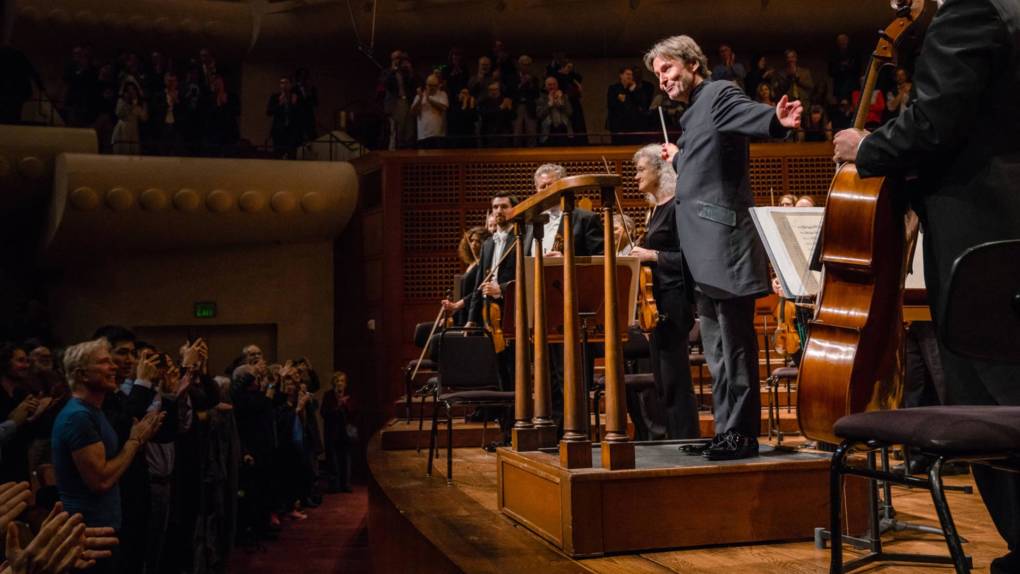
"caption": "Esa-Pekka Salonen conducts the San Francisco Symphony on Jan. 18, 2019.\n",
"description": "Esa-Pekka Salonen conducts the San Francisco Symphony on Jan. 18, 2019.\n",
"title": "EsaPekkaSalonenSymphonyDebu",
"credit": "Brandon Patoc/San Francisco Symphony",
"status": "inherit",
"isLoading": false,
"fetchFailed": false
},
"arts_13954332": {
"type": "attachments",
"id": "arts_13954332",
"meta": {
"index": "attachments_1716263798",
"site": "arts",
"id": "13954332",
"found": true
},
"parent": 13954331,
"imgSizes": {
"twentyfourteen-full-width": {
"file": "https://cdn.kqed.org/wp-content/uploads/sites/2/2024/03/GettyImages-1486539997-1038x576.jpg",
"width": 1038,
"mimeType": "image/jpeg",
"height": 576
},
"thumbnail": {
"file": "https://cdn.kqed.org/wp-content/uploads/sites/2/2024/03/GettyImages-1486539997-160x107.jpg",
"width": 160,
"mimeType": "image/jpeg",
"height": 107
},
"post-thumbnail": {
"file": "https://cdn.kqed.org/wp-content/uploads/sites/2/2024/03/GettyImages-1486539997-672x372.jpg",
"width": 672,
"mimeType": "image/jpeg",
"height": 372
},
"kqedFullSize": {
"file": "https://cdn.kqed.org/wp-content/uploads/sites/2/2024/03/GettyImages-1486539997-scaled.jpg",
"width": 2560,
"height": 1707
},
"2048x2048": {
"file": "https://cdn.kqed.org/wp-content/uploads/sites/2/2024/03/GettyImages-1486539997-2048x1365.jpg",
"width": 2048,
"mimeType": "image/jpeg",
"height": 1365
},
"large": {
"file": "https://cdn.kqed.org/wp-content/uploads/sites/2/2024/03/GettyImages-1486539997-1020x680.jpg",
"width": 1020,
"mimeType": "image/jpeg",
"height": 680
},
"1536x1536": {
"file": "https://cdn.kqed.org/wp-content/uploads/sites/2/2024/03/GettyImages-1486539997-1536x1024.jpg",
"width": 1536,
"mimeType": "image/jpeg",
"height": 1024
},
"full-width": {
"file": "https://cdn.kqed.org/wp-content/uploads/sites/2/2024/03/GettyImages-1486539997-1920x1280.jpg",
"width": 1920,
"mimeType": "image/jpeg",
"height": 1280
},
"medium": {
"file": "https://cdn.kqed.org/wp-content/uploads/sites/2/2024/03/GettyImages-1486539997-800x533.jpg",
"width": 800,
"mimeType": "image/jpeg",
"height": 533
},
"medium_large": {
"file": "https://cdn.kqed.org/wp-content/uploads/sites/2/2024/03/GettyImages-1486539997-768x512.jpg",
"width": 768,
"mimeType": "image/jpeg",
"height": 512
}
},
"publishDate": 1710871146,
"modified": 1710871219,
"caption": "Rapper Scarface performs on stage on April 29, 2023 in Sugar Land, Texas. ",
"description": null,
"title": "GettyImages-1486539997",
"credit": "Marcus Ingram/Getty Images",
"status": "inherit",
"altTag": "A Black man in baseball jersey and cap is seen from below, rapping into a microphone",
"isLoading": false,
"fetchFailed": false
},
"arts_13954282": {
"type": "attachments",
"id": "arts_13954282",
"meta": {
"index": "attachments_1716263798",
"site": "arts",
"id": "13954282",
"found": true
},
"parent": 13954077,
"imgSizes": {
"twentyfourteen-full-width": {
"file": "https://cdn.kqed.org/wp-content/uploads/sites/2/2024/03/August-1038x576.jpg",
"width": 1038,
"mimeType": "image/jpeg",
"height": 576
},
"thumbnail": {
"file": "https://cdn.kqed.org/wp-content/uploads/sites/2/2024/03/August-160x90.jpg",
"width": 160,
"mimeType": "image/jpeg",
"height": 90
},
"post-thumbnail": {
"file": "https://cdn.kqed.org/wp-content/uploads/sites/2/2024/03/August-672x372.jpg",
"width": 672,
"mimeType": "image/jpeg",
"height": 372
},
"kqedFullSize": {
"file": "https://cdn.kqed.org/wp-content/uploads/sites/2/2024/03/August.jpg",
"width": 1047,
"height": 589
},
"large": {
"file": "https://cdn.kqed.org/wp-content/uploads/sites/2/2024/03/August-1020x574.jpg",
"width": 1020,
"mimeType": "image/jpeg",
"height": 574
},
"medium": {
"file": "https://cdn.kqed.org/wp-content/uploads/sites/2/2024/03/August-800x450.jpg",
"width": 800,
"mimeType": "image/jpeg",
"height": 450
},
"medium_large": {
"file": "https://cdn.kqed.org/wp-content/uploads/sites/2/2024/03/August-768x432.jpg",
"width": 768,
"mimeType": "image/jpeg",
"height": 432
}
},
"publishDate": 1710793726,
"modified": 1710793887,
"caption": "August Lee Stevens' new EP, 'Better Places,' drops March 21. 'A lot of the songs that I write are usually me processing different things I’ve gone through, different emotions that I’ve gone through,' she says.",
"description": null,
"title": "August",
"credit": "Janett Perez",
"status": "inherit",
"altTag": "A young Black woman pictured from above, laying in a field of grass and surrounded by flowers, photographed with a wide-angle lens.",
"isLoading": false,
"fetchFailed": false
},
"arts_13954060": {
"type": "attachments",
"id": "arts_13954060",
"meta": {
"index": "attachments_1716263798",
"site": "arts",
"id": "13954060",
"found": true
},
"parent": 13954039,
"imgSizes": {
"twentyfourteen-full-width": {
"file": "https://cdn.kqed.org/wp-content/uploads/sites/2/2024/03/JoeHisaishi.OmarCruz-1038x576.jpg",
"width": 1038,
"mimeType": "image/jpeg",
"height": 576
},
"thumbnail": {
"file": "https://cdn.kqed.org/wp-content/uploads/sites/2/2024/03/JoeHisaishi.OmarCruz-160x100.jpg",
"width": 160,
"mimeType": "image/jpeg",
"height": 100
},
"post-thumbnail": {
"file": "https://cdn.kqed.org/wp-content/uploads/sites/2/2024/03/JoeHisaishi.OmarCruz-672x372.jpg",
"width": 672,
"mimeType": "image/jpeg",
"height": 372
},
"kqedFullSize": {
"file": "https://cdn.kqed.org/wp-content/uploads/sites/2/2024/03/JoeHisaishi.OmarCruz.jpg",
"width": 2500,
"height": 1563
},
"2048x2048": {
"file": "https://cdn.kqed.org/wp-content/uploads/sites/2/2024/03/JoeHisaishi.OmarCruz-2048x1280.jpg",
"width": 2048,
"mimeType": "image/jpeg",
"height": 1280
},
"large": {
"file": "https://cdn.kqed.org/wp-content/uploads/sites/2/2024/03/JoeHisaishi.OmarCruz-1020x638.jpg",
"width": 1020,
"mimeType": "image/jpeg",
"height": 638
},
"1536x1536": {
"file": "https://cdn.kqed.org/wp-content/uploads/sites/2/2024/03/JoeHisaishi.OmarCruz-1536x960.jpg",
"width": 1536,
"mimeType": "image/jpeg",
"height": 960
},
"full-width": {
"file": "https://cdn.kqed.org/wp-content/uploads/sites/2/2024/03/JoeHisaishi.OmarCruz-1920x1200.jpg",
"width": 1920,
"mimeType": "image/jpeg",
"height": 1200
},
"medium": {
"file": "https://cdn.kqed.org/wp-content/uploads/sites/2/2024/03/JoeHisaishi.OmarCruz-800x500.jpg",
"width": 800,
"mimeType": "image/jpeg",
"height": 500
},
"medium_large": {
"file": "https://cdn.kqed.org/wp-content/uploads/sites/2/2024/03/JoeHisaishi.OmarCruz-768x480.jpg",
"width": 768,
"mimeType": "image/jpeg",
"height": 480
}
},
"publishDate": 1710374240,
"modified": 1710374848,
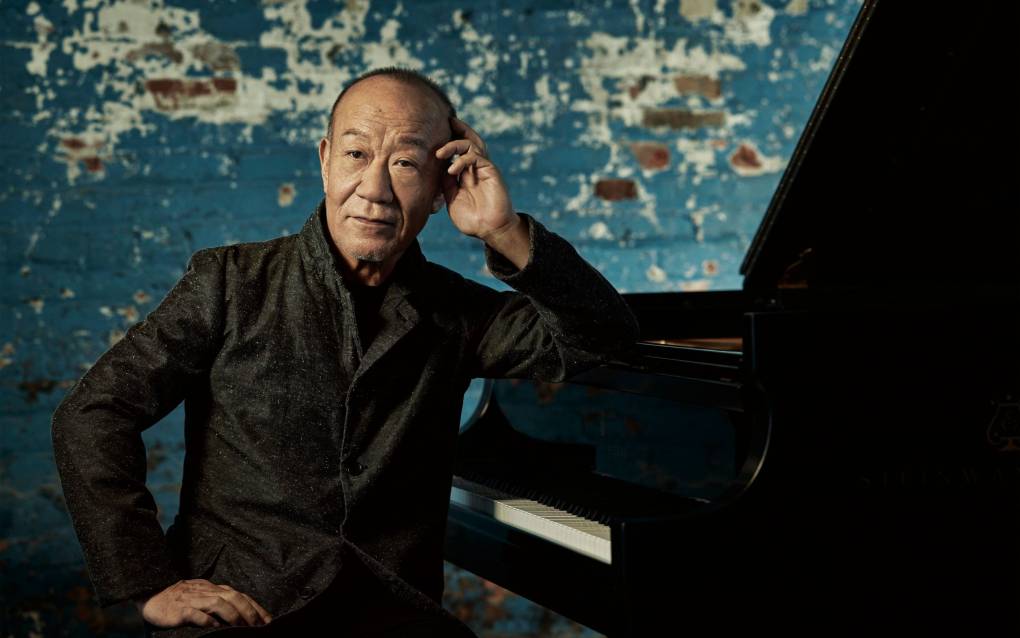
"caption": "Joe Hisaishi, who has composed music for Studio Ghibli films for four decades, conducts the San Francisco Symphony in a program of his famous film scores on Sept. 5–8 at Davies Symphony Hall.",
"description": null,
"title": "JoeHisaishi.OmarCruz",
"credit": "Omar Cruz",
"status": "inherit",
"altTag": "A Japanese man sits at a piano with an abstract pattern on the wall in the background",
"isLoading": false,
"fetchFailed": false
},
"arts_13954087": {
"type": "attachments",
"id": "arts_13954087",
"meta": {
"index": "attachments_1716263798",
"site": "arts",
"id": "13954087",
"found": true
},
"parent": 13954083,
"imgSizes": {
"twentyfourteen-full-width": {
"file": "https://cdn.kqed.org/wp-content/uploads/sites/2/2024/03/Salonen.Thumb_.16x9-1038x576.jpg",
"width": 1038,
"mimeType": "image/jpeg",
"height": 576
},
"thumbnail": {
"file": "https://cdn.kqed.org/wp-content/uploads/sites/2/2024/03/Salonen.Thumb_.16x9-160x90.jpg",
"width": 160,
"mimeType": "image/jpeg",
"height": 90
},
"post-thumbnail": {
"file": "https://cdn.kqed.org/wp-content/uploads/sites/2/2024/03/Salonen.Thumb_.16x9-672x372.jpg",
"width": 672,
"mimeType": "image/jpeg",
"height": 372
},
"kqedFullSize": {
"file": "https://cdn.kqed.org/wp-content/uploads/sites/2/2024/03/Salonen.Thumb_.16x9.jpg",
"width": 1920,
"height": 1080
},
"large": {
"file": "https://cdn.kqed.org/wp-content/uploads/sites/2/2024/03/Salonen.Thumb_.16x9-1020x574.jpg",
"width": 1020,
"mimeType": "image/jpeg",
"height": 574
},
"1536x1536": {
"file": "https://cdn.kqed.org/wp-content/uploads/sites/2/2024/03/Salonen.Thumb_.16x9-1536x864.jpg",
"width": 1536,
"mimeType": "image/jpeg",
"height": 864
},
"medium": {
"file": "https://cdn.kqed.org/wp-content/uploads/sites/2/2024/03/Salonen.Thumb_.16x9-800x450.jpg",
"width": 800,
"mimeType": "image/jpeg",
"height": 450
},
"medium_large": {
"file": "https://cdn.kqed.org/wp-content/uploads/sites/2/2024/03/Salonen.Thumb_.16x9-768x432.jpg",
"width": 768,
"mimeType": "image/jpeg",
"height": 432
}
},
"publishDate": 1710433521,
"modified": 1710433552,
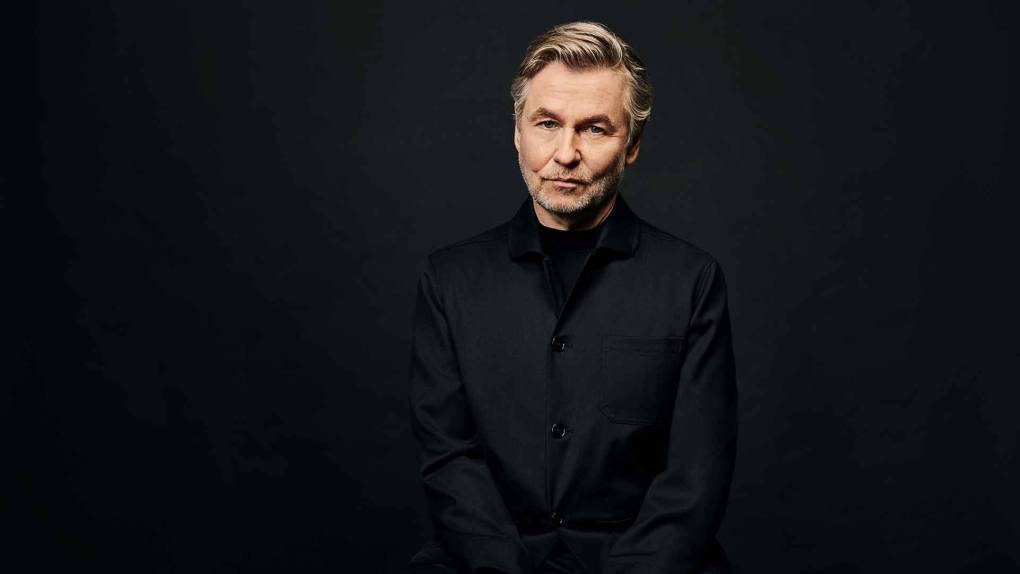
"caption": "Esa-Pekka Salonen, Music Director of the San Francisco Symphony, will exit his position in June 2025 at the end of his five-year contract.",
"description": null,
"title": "Salonen.Thumb.16x9",
"credit": "Cody Pickens",
"status": "inherit",
"altTag": "A middle-aged white man in black clothing stands against a black background, hands clasped at front.",
"isLoading": false,
"fetchFailed": false
},
"arts_13954041": {
"type": "attachments",
"id": "arts_13954041",
"meta": {
"index": "attachments_1716263798",
"site": "arts",
"id": "13954041",
"found": true
},
"parent": 13954030,
"imgSizes": {
"twentyfourteen-full-width": {
"file": "https://cdn.kqed.org/wp-content/uploads/sites/2/2024/03/GettyImages-462428552-1024x576.jpg",
"width": 1024,
"mimeType": "image/jpeg",
"height": 576
},
"thumbnail": {
"file": "https://cdn.kqed.org/wp-content/uploads/sites/2/2024/03/GettyImages-462428552-160x107.jpg",
"width": 160,
"mimeType": "image/jpeg",
"height": 107
},
"post-thumbnail": {
"file": "https://cdn.kqed.org/wp-content/uploads/sites/2/2024/03/GettyImages-462428552-672x372.jpg",
"width": 672,
"mimeType": "image/jpeg",
"height": 372
},
"kqedFullSize": {
"file": "https://cdn.kqed.org/wp-content/uploads/sites/2/2024/03/GettyImages-462428552.jpg",
"width": 1024,
"height": 683
},
"large": {
"file": "https://cdn.kqed.org/wp-content/uploads/sites/2/2024/03/GettyImages-462428552-1020x680.jpg",
"width": 1020,
"mimeType": "image/jpeg",
"height": 680
},
"medium": {
"file": "https://cdn.kqed.org/wp-content/uploads/sites/2/2024/03/GettyImages-462428552-800x534.jpg",
"width": 800,
"mimeType": "image/jpeg",
"height": 534
},
"medium_large": {
"file": "https://cdn.kqed.org/wp-content/uploads/sites/2/2024/03/GettyImages-462428552-768x512.jpg",
"width": 768,
"mimeType": "image/jpeg",
"height": 512
}
},
"publishDate": 1710366394,
"modified": 1710370970,
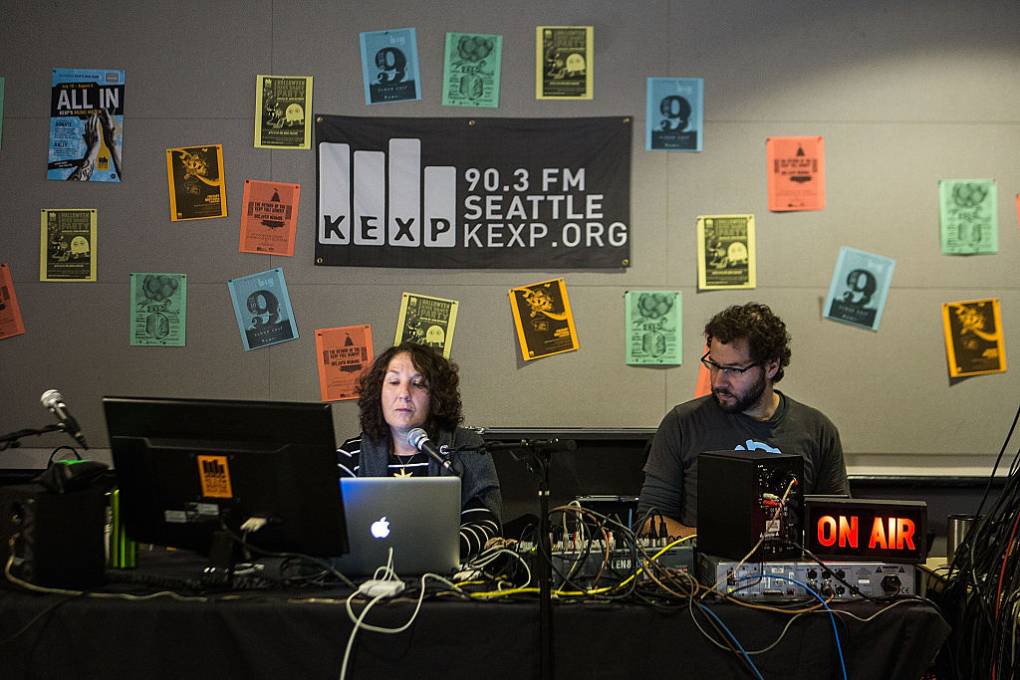
"caption": "KEXP DJ Cheryl Waters broadcasts out of the Seattle Center on January 28, 2015 in Seattle, Washington.",
"description": null,
"title": "KEXP Ground Breaking Open House",
"credit": "Suzi Pratt/Getty Images",
"status": "inherit",
"altTag": "A radio host and engineer sit in a studio in front of a sign that reads \"KEXP Seattle.\"",
"isLoading": false,
"fetchFailed": false
},
"arts_13953972": {
"type": "attachments",
"id": "arts_13953972",
"meta": {
"index": "attachments_1716263798",
"site": "arts",
"id": "13953972",
"found": true
},
"parent": 13953970,
"imgSizes": {
"twentyfourteen-full-width": {
"file": "https://cdn.kqed.org/wp-content/uploads/sites/2/2024/03/Screenshot-2024-03-12-at-9.37.56-PM-1038x576.png",
"width": 1038,
"mimeType": "image/png",
"height": 576
},
"thumbnail": {
"file": "https://cdn.kqed.org/wp-content/uploads/sites/2/2024/03/Screenshot-2024-03-12-at-9.37.56-PM-160x130.png",
"width": 160,
"mimeType": "image/png",
"height": 130
},
"post-thumbnail": {
"file": "https://cdn.kqed.org/wp-content/uploads/sites/2/2024/03/Screenshot-2024-03-12-at-9.37.56-PM-672x372.png",
"width": 672,
"mimeType": "image/png",
"height": 372
},
"kqedFullSize": {
"file": "https://cdn.kqed.org/wp-content/uploads/sites/2/2024/03/Screenshot-2024-03-12-at-9.37.56-PM.png",
"width": 1106,
"height": 902
},
"large": {
"file": "https://cdn.kqed.org/wp-content/uploads/sites/2/2024/03/Screenshot-2024-03-12-at-9.37.56-PM-1020x832.png",
"width": 1020,
"mimeType": "image/png",
"height": 832
},
"medium": {
"file": "https://cdn.kqed.org/wp-content/uploads/sites/2/2024/03/Screenshot-2024-03-12-at-9.37.56-PM-800x652.png",
"width": 800,
"mimeType": "image/png",
"height": 652
},
"medium_large": {
"file": "https://cdn.kqed.org/wp-content/uploads/sites/2/2024/03/Screenshot-2024-03-12-at-9.37.56-PM-768x626.png",
"width": 768,
"mimeType": "image/png",
"height": 626
}
},
"publishDate": 1710304696,
"modified": 1710353634,
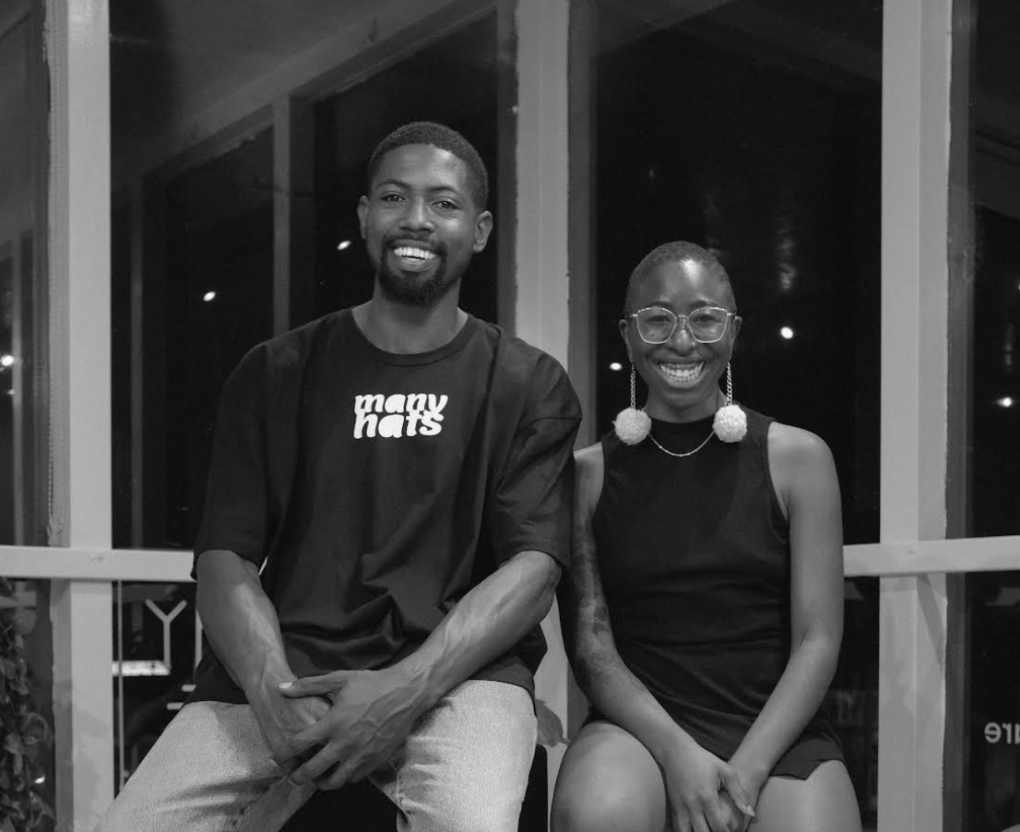
"caption": "Andreas Tillman Jr. and Camille Janae, the duo behind the Out The Way on J event series.",
"description": "Andreas Tillman Jr. and Camille Janae, the duo behind the Out The Way on J event series. ",
"title": null,
"credit": "Lara Kaur",
"status": "inherit",
"altTag": "Andreas Tillman Jr. and Camille Janae sit next to each other, looking at the camera as they pose for a photo.",
"isLoading": false,
"fetchFailed": false
},
"arts_13953880": {
"type": "attachments",
"id": "arts_13953880",
"meta": {
"index": "attachments_1716263798",
"site": "arts",
"id": "13953880",
"found": true
},
"parent": 13953773,
"imgSizes": {
"twentyfourteen-full-width": {
"file": "https://cdn.kqed.org/wp-content/uploads/sites/2/2024/03/Tammy-Hall-by-Janice-Rickert.16x9-1038x576.jpg",
"width": 1038,
"mimeType": "image/jpeg",
"height": 576
},
"thumbnail": {
"file": "https://cdn.kqed.org/wp-content/uploads/sites/2/2024/03/Tammy-Hall-by-Janice-Rickert.16x9-160x90.jpg",
"width": 160,
"mimeType": "image/jpeg",
"height": 90
},
"post-thumbnail": {
"file": "https://cdn.kqed.org/wp-content/uploads/sites/2/2024/03/Tammy-Hall-by-Janice-Rickert.16x9-672x372.jpg",
"width": 672,
"mimeType": "image/jpeg",
"height": 372
},
"kqedFullSize": {
"file": "https://cdn.kqed.org/wp-content/uploads/sites/2/2024/03/Tammy-Hall-by-Janice-Rickert.16x9.jpg",
"width": 2048,
"height": 1152
},
"large": {
"file": "https://cdn.kqed.org/wp-content/uploads/sites/2/2024/03/Tammy-Hall-by-Janice-Rickert.16x9-1020x574.jpg",
"width": 1020,
"mimeType": "image/jpeg",
"height": 574
},
"1536x1536": {
"file": "https://cdn.kqed.org/wp-content/uploads/sites/2/2024/03/Tammy-Hall-by-Janice-Rickert.16x9-1536x864.jpg",
"width": 1536,
"mimeType": "image/jpeg",
"height": 864
},
"full-width": {
"file": "https://cdn.kqed.org/wp-content/uploads/sites/2/2024/03/Tammy-Hall-by-Janice-Rickert.16x9-1920x1080.jpg",
"width": 1920,
"mimeType": "image/jpeg",
"height": 1080
},
"medium": {
"file": "https://cdn.kqed.org/wp-content/uploads/sites/2/2024/03/Tammy-Hall-by-Janice-Rickert.16x9-800x450.jpg",
"width": 800,
"mimeType": "image/jpeg",
"height": 450
},
"medium_large": {
"file": "https://cdn.kqed.org/wp-content/uploads/sites/2/2024/03/Tammy-Hall-by-Janice-Rickert.16x9-768x432.jpg",
"width": 768,
"mimeType": "image/jpeg",
"height": 432
}
},
"publishDate": 1710189561,
"modified": 1710189695,
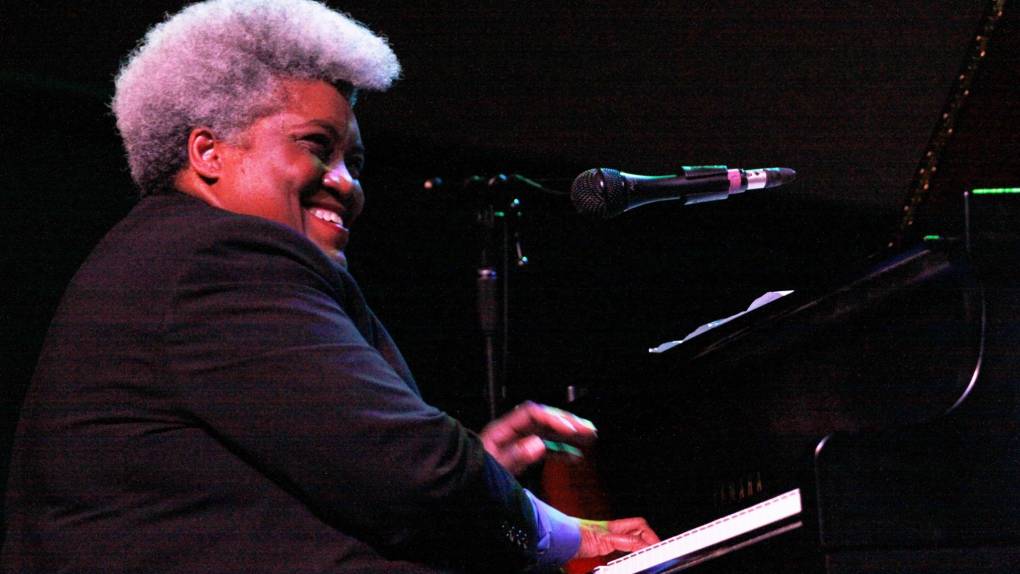
"caption": "Tammy Hall, one of the most in-demand vocal accompanists in the Bay Area jazz scene, plays a full slate of shows this month — and gets honored by others in a special tribute.",
"description": null,
"title": "Tammy Hall by Janice Rickert.16x9",
"credit": "Janice Rickert",
"status": "inherit",
"altTag": "A Black woman in black top and greyish hair styled up plays the piano.",
"isLoading": false,
"fetchFailed": false
},
"arts_13805251": {
"type": "attachments",
"id": "arts_13805251",
"meta": {
"index": "attachments_1716263798",
"site": "arts",
"id": "13805251",
"found": true
},
"parent": 0,
"imgSizes": {
"small": {
"file": "https://cdn.kqed.org/wp-content/uploads/sites/2/2017/08/MG_4770-520x347.jpg",
"width": 520,
"mimeType": "image/jpeg",
"height": 347
},
"twentyfourteen-full-width": {
"file": "https://cdn.kqed.org/wp-content/uploads/sites/2/2017/08/MG_4770-1038x576.jpg",
"width": 1038,
"mimeType": "image/jpeg",
"height": 576
},
"thumbnail": {
"file": "https://cdn.kqed.org/wp-content/uploads/sites/2/2017/08/MG_4770-160x107.jpg",
"width": 160,
"mimeType": "image/jpeg",
"height": 107
},
"fd-sm": {
"file": "https://cdn.kqed.org/wp-content/uploads/sites/2/2017/08/MG_4770-960x640.jpg",
"width": 960,
"mimeType": "image/jpeg",
"height": 640
},
"post-thumbnail": {
"file": "https://cdn.kqed.org/wp-content/uploads/sites/2/2017/08/MG_4770-672x372.jpg",
"width": 672,
"mimeType": "image/jpeg",
"height": 372
},
"xsmall": {
"file": "https://cdn.kqed.org/wp-content/uploads/sites/2/2017/08/MG_4770-375x250.jpg",
"width": 375,
"mimeType": "image/jpeg",
"height": 250
},
"kqedFullSize": {
"file": "https://cdn.kqed.org/wp-content/uploads/sites/2/2017/08/MG_4770.jpg",
"width": 1920,
"height": 1280
},
"large": {
"file": "https://cdn.kqed.org/wp-content/uploads/sites/2/2017/08/MG_4770-1020x680.jpg",
"width": 1020,
"mimeType": "image/jpeg",
"height": 680
},
"xlarge": {
"file": "https://cdn.kqed.org/wp-content/uploads/sites/2/2017/08/MG_4770-1180x787.jpg",
"width": 1180,
"mimeType": "image/jpeg",
"height": 787
},
"guest-author-50": {
"file": "https://cdn.kqed.org/wp-content/uploads/sites/2/2017/08/MG_4770-50x50.jpg",
"width": 50,
"mimeType": "image/jpeg",
"height": 50
},
"guest-author-96": {
"file": "https://cdn.kqed.org/wp-content/uploads/sites/2/2017/08/MG_4770-96x96.jpg",
"width": 96,
"mimeType": "image/jpeg",
"height": 96
},
"medium": {
"file": "https://cdn.kqed.org/wp-content/uploads/sites/2/2017/08/MG_4770-800x533.jpg",
"width": 800,
"mimeType": "image/jpeg",
"height": 533
},
"guest-author-64": {
"file": "https://cdn.kqed.org/wp-content/uploads/sites/2/2017/08/MG_4770-64x64.jpg",
"width": 64,
"mimeType": "image/jpeg",
"height": 64
},
"guest-author-32": {
"file": "https://cdn.kqed.org/wp-content/uploads/sites/2/2017/08/MG_4770-32x32.jpg",
"width": 32,
"mimeType": "image/jpeg",
"height": 32
},
"fd-lrg": {
"file": "https://cdn.kqed.org/wp-content/uploads/sites/2/2017/08/MG_4770-1920x1280.jpg",
"width": 1920,
"mimeType": "image/jpeg",
"height": 1280
},
"fd-med": {
"file": "https://cdn.kqed.org/wp-content/uploads/sites/2/2017/08/MG_4770-1180x787.jpg",
"width": 1180,
"mimeType": "image/jpeg",
"height": 787
},
"full-width": {
"file": "https://cdn.kqed.org/wp-content/uploads/sites/2/2017/08/MG_4770-1920x1280.jpg",
"width": 1920,
"mimeType": "image/jpeg",
"height": 1280
},
"detail": {
"file": "https://cdn.kqed.org/wp-content/uploads/sites/2/2017/08/MG_4770-150x150.jpg",
"width": 150,
"mimeType": "image/jpeg",
"height": 150
},
"medium_large": {
"file": "https://cdn.kqed.org/wp-content/uploads/sites/2/2017/08/MG_4770-768x512.jpg",
"width": 768,
"mimeType": "image/jpeg",
"height": 512
},
"guest-author-128": {
"file": "https://cdn.kqed.org/wp-content/uploads/sites/2/2017/08/MG_4770-128x128.jpg",
"width": 128,
"mimeType": "image/jpeg",
"height": 128
},
"xxsmall": {
"file": "https://cdn.kqed.org/wp-content/uploads/sites/2/2017/08/MG_4770-240x160.jpg",
"width": 240,
"mimeType": "image/jpeg",
"height": 160
}
},
"publishDate": 1502539152,
"modified": 1710183668,
"caption": "Fleet Foxes perform at the Outside Lands music festival in San Francisco, Aug. 11, 2017.",
"description": null,
"title": "Fleet Foxes performs at the Outside Lands music festival in San Francisco, Aug. 11, 2017.",
"credit": "Estefany Gonzalez for KQED",
"status": "inherit",
"altTag": "Fleet Foxes performs at the Outside Lands music festival in San Francisco, Aug. 11, 2017.",
"isLoading": false,
"fetchFailed": false
},
"arts_13953841": {
"type": "attachments",
"id": "arts_13953841",
"meta": {
"index": "attachments_1716263798",
"site": "arts",
"id": "13953841",
"found": true
},
"parent": 0,
"imgSizes": {
"twentyfourteen-full-width": {
"file": "https://cdn.kqed.org/wp-content/uploads/sites/2/2024/03/Brandee-Younger-SFJAZZ.Mar_.9.photo-Jack-Brown.16x9-1038x576.jpg",
"width": 1038,
"mimeType": "image/jpeg",
"height": 576
},
"thumbnail": {
"file": "https://cdn.kqed.org/wp-content/uploads/sites/2/2024/03/Brandee-Younger-SFJAZZ.Mar_.9.photo-Jack-Brown.16x9-160x90.jpg",
"width": 160,
"mimeType": "image/jpeg",
"height": 90
},
"post-thumbnail": {
"file": "https://cdn.kqed.org/wp-content/uploads/sites/2/2024/03/Brandee-Younger-SFJAZZ.Mar_.9.photo-Jack-Brown.16x9-672x372.jpg",
"width": 672,
"mimeType": "image/jpeg",
"height": 372
},
"kqedFullSize": {
"file": "https://cdn.kqed.org/wp-content/uploads/sites/2/2024/03/Brandee-Younger-SFJAZZ.Mar_.9.photo-Jack-Brown.16x9.jpg",
"width": 1920,
"height": 1080
},
"large": {
"file": "https://cdn.kqed.org/wp-content/uploads/sites/2/2024/03/Brandee-Younger-SFJAZZ.Mar_.9.photo-Jack-Brown.16x9-1020x574.jpg",
"width": 1020,
"mimeType": "image/jpeg",
"height": 574
},
"1536x1536": {
"file": "https://cdn.kqed.org/wp-content/uploads/sites/2/2024/03/Brandee-Younger-SFJAZZ.Mar_.9.photo-Jack-Brown.16x9-1536x864.jpg",
"width": 1536,
"mimeType": "image/jpeg",
"height": 864
},
"medium": {
"file": "https://cdn.kqed.org/wp-content/uploads/sites/2/2024/03/Brandee-Younger-SFJAZZ.Mar_.9.photo-Jack-Brown.16x9-800x450.jpg",
"width": 800,
"mimeType": "image/jpeg",
"height": 450
},
"medium_large": {
"file": "https://cdn.kqed.org/wp-content/uploads/sites/2/2024/03/Brandee-Younger-SFJAZZ.Mar_.9.photo-Jack-Brown.16x9-768x432.jpg",
"width": 768,
"mimeType": "image/jpeg",
"height": 432
}
},
"publishDate": 1710171979,
"modified": 1710172092,
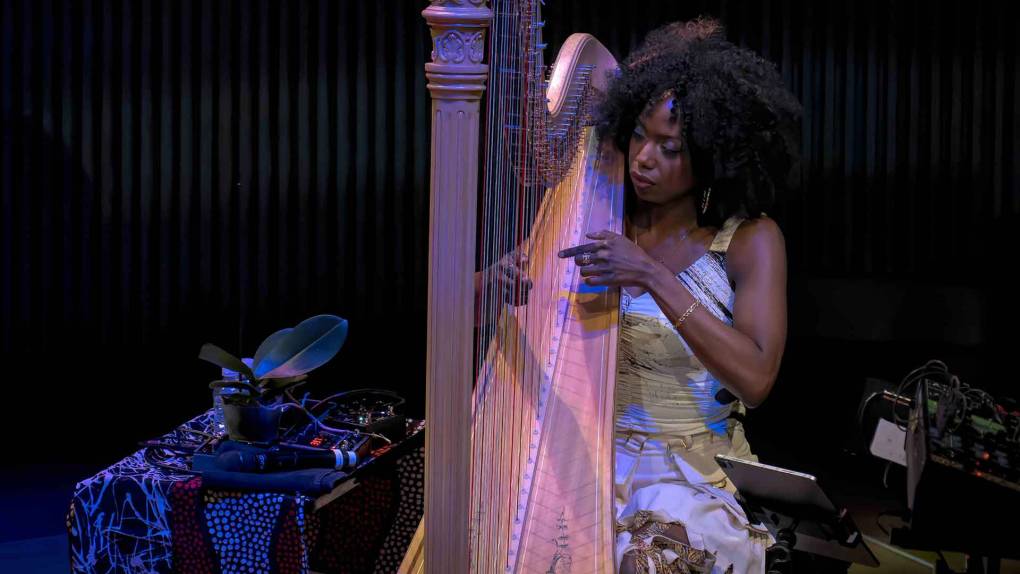
"caption": "Brandee Younger performs the music of Alice Coltrane at the SFJAZZ Center in San Francisco on Saturday, March 9, 2024. ",
"description": null,
"title": "Brandee-Younger,-SFJAZZ.Mar.9.photo-Jack-Brown.16x9",
"credit": "Jack Brown/SFJAZZ",
"status": "inherit",
"altTag": "A Black woman sitting in white dress plays the harp with musical equipment and a potted plant nearby",
"isLoading": false,
"fetchFailed": false
}
},
"audioPlayerReducer": {
"postId": "stream_live",
"isPaused": true,
"isPlaying": false,
"pfsActive": false,
"pledgeModalIsOpen": true,
"playerDrawerIsOpen": false,
"liveAudioPlayStartedAt": 0,
"liveAudioPlayContext": ""
},
"authorsReducer": {
"byline_arts_13954637": {
"type": "authors",
"id": "byline_arts_13954637",
"meta": {
"override": true
},
"slug": "byline_arts_13954637",
"name": "Rebecca Rosman",
"isLoading": false
},
"byline_arts_13954502": {
"type": "authors",
"id": "byline_arts_13954502",
"meta": {
"override": true
},
"slug": "byline_arts_13954502",
"name": "Jonathan Franklin",
"isLoading": false
},
"agilbert": {
"type": "authors",
"id": "86",
"meta": {
"index": "authors_1716337520",
"id": "86",
"found": true
},
"name": "Andrew Gilbert",
"firstName": "Andrew",
"lastName": "Gilbert",
"slug": "agilbert",
"email": "jazzscribe@aol.com",
"display_author_email": false,
"staff_mastheads": [],
"title": "KQED Contributor",
"bio": "A Los Angeles native based in the Berkeley area since 1996, Andrew Gilbert covers jazz, international music and dance for KQED's \u003ci>California Report, \u003c/i>the\u003ci> Mercury News\u003c/i>, \u003ci>San Francisco Chronicle\u003c/i>, \u003ci>Berkeleyside.com\u003c/i>, and other publications. He is available for weddings and bar and bat mitzvahs. #jazzscribe",
"avatar": "https://secure.gravatar.com/avatar/d7bcafdbefdd39e9a68f88724ca616eb4e7a5a6bff9cdfb62de652a1e1751471?s=600&d=blank&r=g",
"twitter": null,
"bluesky": null,
"facebook": null,
"instagram": null,
"linkedin": null,
"sites": [
{
"site": "arts",
"roles": [
"Contributor",
"author"
]
},
{
"site": "news",
"roles": [
"author"
]
}
],
"headData": {
"title": "Andrew Gilbert | KQED",
"description": "KQED Contributor",
"ogImgSrc": "https://secure.gravatar.com/avatar/d7bcafdbefdd39e9a68f88724ca616eb4e7a5a6bff9cdfb62de652a1e1751471?s=600&d=blank&r=g",
"twImgSrc": "https://secure.gravatar.com/avatar/d7bcafdbefdd39e9a68f88724ca616eb4e7a5a6bff9cdfb62de652a1e1751471?s=600&d=blank&r=g"
},
"isLoading": false,
"link": "/author/agilbert"
},
"gmeline": {
"type": "authors",
"id": "185",
"meta": {
"index": "authors_1716337520",
"id": "185",
"found": true
},
"name": "Gabe Meline",
"firstName": "Gabe",
"lastName": "Meline",
"slug": "gmeline",
"email": "gmeline@kqed.org",
"display_author_email": true,
"staff_mastheads": [
"arts"
],
"title": "Senior Editor, KQED Arts & Culture",
"bio": "Gabe Meline entered journalism at age 15 making photocopied zines, and has since earned awards from the Edward R. Murrow Awards, the Society for Professional Journalists, the Online Journalism Awards, the Association of Alternative Newsweeklies and the California Newspaper Publishers Association. Prior to KQED, he was the editor of the \u003cem>North Bay Bohemian\u003c/em> and a touring musician. He lives with his wife and daughter in his hometown of Santa Rosa, CA.",
"avatar": "https://secure.gravatar.com/avatar/5bebe57be0d8bc2dd318934feb47299e2d2d10cba28d09d8d7afb389a2ce2bdd?s=600&d=blank&r=g",
"twitter": null,
"bluesky": null,
"facebook": null,
"instagram": null,
"linkedin": null,
"sites": [
{
"site": "",
"roles": [
"editor"
]
},
{
"site": "arts",
"roles": [
"administrator"
]
},
{
"site": "artschool",
"roles": [
"editor"
]
},
{
"site": "news",
"roles": [
"author"
]
},
{
"site": "pop",
"roles": [
"editor"
]
},
{
"site": "bayareabites",
"roles": [
"editor"
]
},
{
"site": "food",
"roles": [
"editor"
]
},
{
"site": "forum",
"roles": [
"administrator"
]
},
{
"site": "liveblog",
"roles": [
"editor"
]
},
{
"site": "hiphop",
"roles": [
"editor"
]
}
],
"headData": {
"title": "Gabe Meline | KQED",
"description": "Senior Editor, KQED Arts & Culture",
"ogImgSrc": "https://secure.gravatar.com/avatar/5bebe57be0d8bc2dd318934feb47299e2d2d10cba28d09d8d7afb389a2ce2bdd?s=600&d=blank&r=g",
"twImgSrc": "https://secure.gravatar.com/avatar/5bebe57be0d8bc2dd318934feb47299e2d2d10cba28d09d8d7afb389a2ce2bdd?s=600&d=blank&r=g"
},
"isLoading": false,
"link": "/author/gmeline"
},
"nvoynovskaya": {
"type": "authors",
"id": "11387",
"meta": {
"index": "authors_1716337520",
"id": "11387",
"found": true
},
"name": "Nastia Voynovskaya",
"firstName": "Nastia",
"lastName": "Voynovskaya",
"slug": "nvoynovskaya",
"email": "nvoynovskaya@kqed.org",
"display_author_email": false,
"staff_mastheads": [
"arts"
],
"title": "Editor and reporter",
"bio": "Nastia Voynovskaya is a reporter, editor and host at KQED Arts & Culture. She's been covering the arts in the Bay Area for over a decade, with a focus on music, queer culture, labor issues and grassroots organizing. She has edited KQED story series such as Trans Bay: A History of San Francisco's Gender-Diverse Community, and co-created KQED's Bay Area hip-hop history project, That's My Word. Nastia's work has been recognized by the Society of Professional Journalists and San Francisco Press Club. She regularly appears on podcasts and radio programs, including NPR's All Songs Considered, and hosts live events where music, culture and conversation meet.",
"avatar": "https://secure.gravatar.com/avatar/5025ee460e5a85d69ca20ea6c6f2f80d7e17795c828f61ea3aecfcd924e9042e?s=600&d=blank&r=g",
"twitter": null,
"bluesky": null,
"facebook": null,
"instagram": "https://www.instagram.com/nananastia/",
"linkedin": null,
"sites": [
{
"site": "",
"roles": [
"editor"
]
},
{
"site": "arts",
"roles": [
"administrator"
]
},
{
"site": "news",
"roles": [
"editor"
]
},
{
"site": "pop",
"roles": [
"administrator"
]
},
{
"site": "bayareabites",
"roles": [
"editor"
]
},
{
"site": "podcasts",
"roles": [
"editor"
]
},
{
"site": "hiphop",
"roles": [
"editor"
]
}
],
"headData": {
"title": "Nastia Voynovskaya | KQED",
"description": "Editor and reporter",
"ogImgSrc": "https://secure.gravatar.com/avatar/5025ee460e5a85d69ca20ea6c6f2f80d7e17795c828f61ea3aecfcd924e9042e?s=600&d=blank&r=g",
"twImgSrc": "https://secure.gravatar.com/avatar/5025ee460e5a85d69ca20ea6c6f2f80d7e17795c828f61ea3aecfcd924e9042e?s=600&d=blank&r=g"
},
"isLoading": false,
"link": "/author/nvoynovskaya"
},
"ogpenn": {
"type": "authors",
"id": "11491",
"meta": {
"index": "authors_1716337520",
"id": "11491",
"found": true
},
"name": "Pendarvis Harshaw",
"firstName": "Pendarvis",
"lastName": "Harshaw",
"slug": "ogpenn",
"email": "ogpenn@gmail.com",
"display_author_email": false,
"staff_mastheads": [
"arts"
],
"title": "Community Engagement Reporter",
"bio": "Pendarvis Harshaw is an educator, host and writer with KQED Arts.",
"avatar": "https://secure.gravatar.com/avatar/972b77ee8e3f346ae2b00622661187fbfabd059b5693bbdc1475ea7a722fd4cd?s=600&d=blank&r=g",
"twitter": null,
"bluesky": null,
"facebook": null,
"instagram": "ogpenn",
"linkedin": null,
"sites": [
{
"site": "arts",
"roles": [
"administrator"
]
},
{
"site": "news",
"roles": [
"editor"
]
},
{
"site": "bayareabites",
"roles": [
"author"
]
},
{
"site": "hiphop",
"roles": [
"editor"
]
}
],
"headData": {
"title": "Pendarvis Harshaw | KQED",
"description": "Community Engagement Reporter",
"ogImgSrc": "https://secure.gravatar.com/avatar/972b77ee8e3f346ae2b00622661187fbfabd059b5693bbdc1475ea7a722fd4cd?s=600&d=blank&r=g",
"twImgSrc": "https://secure.gravatar.com/avatar/972b77ee8e3f346ae2b00622661187fbfabd059b5693bbdc1475ea7a722fd4cd?s=600&d=blank&r=g"
},
"isLoading": false,
"link": "/author/ogpenn"
}
},
"pagesReducer": {
"arts_category_music": {
"type": "terms",
"id": "arts_69",
"meta": {
"index": "terms_1716263798",
"site": "arts",
"id": "69",
"score": 10.850889
},
"featImg": null,
"name": "Music",
"description": null,
"taxonomy": "category",
"headData": {
"twImgId": null,
"twTitle": null,
"ogTitle": null,
"ogImgId": null,
"twDescription": null,
"description": null,
"title": "Music Archives | KQED Arts",
"ogDescription": null
},
"ttid": 70,
"slug": "music",
"isLoading": false,
"title": "Music",
"pageMeta": {
"site": "arts",
"WpPageTemplate": "page-topic-editorial",
"currentPage": 57
},
"blocks": [
{
"blockName": "kqed/post-list",
"attrs": {
"layout": "cardArticle2",
"query": "posts/arts?category=music",
"seeMore": false,
"paginated": true,
"page": 57
}
},
{
"blockName": "kqed/ad"
}
]
}
},
"pfsSessionReducer": {},
"postsReducer": {
"stream_live": {
"type": "live",
"id": "stream_live",
"audioUrl": "https://streams.kqed.org/kqedradio",
"title": "Live Stream",
"excerpt": "Live Stream information currently unavailable.",
"link": "/radio",
"featImg": "",
"label": {
"name": "KQED Live",
"link": "/"
}
},
"stream_kqedNewscast": {
"type": "posts",
"id": "stream_kqedNewscast",
"audioUrl": "https://www.kqed.org/.stream/anon/radio/RDnews/newscast.mp3?_=1",
"title": "KQED Newscast",
"featImg": "",
"label": {
"name": "88.5 FM",
"link": "/"
}
},
"arts_13954637": {
"type": "posts",
"id": "arts_13954637",
"meta": {
"index": "posts_1716263798",
"site": "arts",
"id": "13954637",
"score": null,
"sort": [
1711141939000
]
},
"parent": 0,
"labelTerm": {
"site": "arts"
},
"blocks": [],
"publishDate": 1711141939,
"format": "standard",
"title": "Tennessee Becomes the First State to Protect Musicians and Other Artists Against AI",
"headTitle": "Tennessee Becomes the First State to Protect Musicians and Other Artists Against AI | KQED",
"content": "\u003cp>Tennessee made history on Thursday, becoming the first U.S. state to sign off on legislation to protect musicians from unauthorized artificial intelligence impersonation.\u003c/p>\n\u003cp>“Tennessee is the music capital of the world, & we’re leading the nation with historic protections for Tennessee artists & songwriters against emerging AI technology,” Gov. Bill Lee \u003ca href=\"https://www.facebook.com/GovBillLee/posts/pfbid028sw61e5jvPuXr92Gm8khqz325gmrUQxYk8Kkdp5pJMjYuaSW6CvEQZVXwkcmL65zl\">announced on social media\u003c/a>.\u003c/p>\n\u003cp>The Ensuring Likeness Voice and Image Security Act, or ELVIS Act, is an updated version of the state’s old right of publicity law. While the old law protected an artist’s name, photograph or likeness, the new legislation includes AI-specific protections. \u003c/p>\n\u003cp>[aside postID='arts_13928457']Once the law takes effect on July 1, people will be prohibited from using AI to mimic an artist’s voice without permission.\u003c/p>\n\u003cp>Lee signed the bill inside Robert’s Western World, the famed Nashville honky tonk, where he was gathered with country music superstars Chris Janson and Luke Bryan.\u003c/p>\n\u003cp>[ad fullwidth]\u003c/p>\n\u003cp>“What an amazing precedent for Tennessee to get in front of this,” Bryan told the crowd. \u003c/p>\n\u003cp>“To know that our state protects us and what we’re about and what we worked so hard for is just a testament to how great this state is.”\u003c/p>\n\u003cp>Tennessee has long been known as a musical powerhouse state, from country to blues music. The state has been a launching pad for the careers of some of the country’s biggest superstars, including Elvis Presley, Dolly Parton, BB King, and Taylor Swift. \u003c/p>\n\u003cp>[aside postID='arts_13952796']The state’s music industry supports more than 61,000 jobs and hosts more than 4,500 music venues, according to the governor’s office. \u003c/p>\n\u003cp>“From Beale Street to Broadway, to Bristol and beyond, Tennessee is known for our rich artistic heritage that tells the story of our great state,” said Lee in a press release \u003ca href=\"https://www.tn.gov/governor/news/2024/1/10/tennessee-first-in-the-nation-to-address-ai-impact-on-music-industry.html\">about\u003c/a> the bill when it was introduced in January. \u003c/p>\n\u003cp>“As the technology landscape evolves with artificial intelligence, I thank the General Assembly for its partnership in creating legal protection for our best-in-class artists and songwriters.” \u003c/p>\n\u003cp>Lawmakers have been struggling to keep up with the rapid acceleration of AI technology, as it continues to impact multiple industries. In the music industry, songwriters, singers, and producers have expressed concerns about the current lack of protections over things like copyrights and intellectual property.\u003c/p>\n\u003cp>[aside postID='mindshift_63390']Last year, music fans responded with \u003ca href=\"https://www.npr.org/2023/04/21/1171032649/ai-music-heart-on-my-sleeve-drake-the-weeknd\">disbelief\u003c/a> after an anonymous TikTok user used AI to simulate the voices of artists Drake and The Weeknd to create the viral song “Heart on My Sleeve.” The artists’ label owner Universal Music Group invoked copyright violation to get the song removed from platforms including TikTok, Spotify and YouTube. \u003c/p>\n\u003cp>While largely viewed as a threat, producers have also been using the technology to make some impressive breakthroughs. \u003c/p>\n\u003cp>\u003c/p>\n\u003cp>It was AI tools that made it possible for The Beatles to release what they’ve referred to as their \u003ca href=\"https://www.npr.org/2023/11/07/1197955845/all-songs-considered-draft-11-07-2023\">final\u003c/a> song, “Now and Then,” which was published in November 2023. The artist Grimes has also \u003ca href=\"https://www.npr.org/2023/04/24/1171738670/grimes-ai-songs-voice\">encouraged\u003c/a> the use of AI in song making, going as far to encourage creators to use AI-generated versions of her voice to make new music, offering to split 50% royalties on any successful hits. \u003c/p>\n\u003cdiv class=\"fullattribution\">Copyright 2024 NPR. To see more, visit \u003ca href=\"https://www.npr.org\">NPR\u003c/a>.\u003cimg decoding=\"async\" src=\"https://www.google-analytics.com/__utm.gif?utmac=UA-5828686-4&utmdt=Tennessee+becomes+the+first+state+to+protect+musicians+and+other+artists+against+AI&utme=8(APIKey)9(MDAxOTAwOTE4MDEyMTkxMDAzNjczZDljZA004)\">\u003c/div>\n\n",
"stats": {
"hasVideo": false,
"hasChartOrMap": false,
"hasAudio": false,
"hasPolis": false,
"wordCount": 564,
"hasGoogleForm": false,
"hasGallery": false,
"hasHearkenModule": false,
"iframeSrcs": [],
"paragraphCount": 17
},
"modified": 1711141939,
"excerpt": "The ELVIS Acts prohibits the use of AI to mimic an artist's voice without permission.",
"headData": {
"twImgId": "",
"twTitle": "",
"ogTitle": "",
"ogImgId": "",
"twDescription": "",
"description": "The ELVIS Acts prohibits the use of AI to mimic an artist's voice without permission.",
"title": "Tennessee Becomes the First State to Protect Musicians and Other Artists Against AI | KQED",
"ogDescription": "",
"schema": {
"@context": "https://schema.org",
"@type": "Article",
"headline": "Tennessee Becomes the First State to Protect Musicians and Other Artists Against AI",
"datePublished": "2024-03-22T14:12:19-07:00",
"dateModified": "2024-03-22T14:12:19-07:00",
"image": "https://cdn.kqed.org/wp-content/uploads/2020/02/KQED-OG-Image@1x.png"
}
},
"guestAuthors": [],
"slug": "tennessee-becomes-the-first-state-to-protect-musicians-and-other-artists-against-ai",
"status": "publish",
"nprApiLink": "http://api.npr.org/query?id=1240114159&apiKey=MDAxOTAwOTE4MDEyMTkxMDAzNjczZDljZA004",
"templateType": "standard",
"nprStoryDate": "Fri, 22 Mar 2024 05:50:17 -0400",
"excludeFromSiteSearch": "Include",
"nprLastModifiedDate": "Fri, 22 Mar 2024 05:50:17 -0400",
"featuredImageType": "standard",
"nprHtmlLink": "https://www.npr.org/2024/03/22/1240114159/tennessee-protect-musicians-artists-ai?ft=nprml&f=1240114159",
"nprImageAgency": "AP",
"nprStoryId": "1240114159",
"nprByline": "Rebecca Rosman",
"sticky": false,
"nprImageCredit": "Mark Humphrey",
"showOnAuthorArchivePages": "No",
"articleAge": "0",
"nprRetrievedStory": "1",
"nprPubDate": "Fri, 22 Mar 2024 05:50:00 -0400",
"path": "/arts/13954637/tennessee-becomes-the-first-state-to-protect-musicians-and-other-artists-against-ai",
"audioTrackLength": null,
"parsedContent": [
{
"type": "contentString",
"content": "\u003cdiv class=\"post-body\">\u003cp>\u003cp>Tennessee made history on Thursday, becoming the first U.S. state to sign off on legislation to protect musicians from unauthorized artificial intelligence impersonation.\u003c/p>\n\u003cp>“Tennessee is the music capital of the world, & we’re leading the nation with historic protections for Tennessee artists & songwriters against emerging AI technology,” Gov. Bill Lee \u003ca href=\"https://www.facebook.com/GovBillLee/posts/pfbid028sw61e5jvPuXr92Gm8khqz325gmrUQxYk8Kkdp5pJMjYuaSW6CvEQZVXwkcmL65zl\">announced on social media\u003c/a>.\u003c/p>\n\u003cp>The Ensuring Likeness Voice and Image Security Act, or ELVIS Act, is an updated version of the state’s old right of publicity law. While the old law protected an artist’s name, photograph or likeness, the new legislation includes AI-specific protections. \u003c/p>\n\u003cp>\u003c/p>\u003c/div>",
"attributes": {
"named": {},
"numeric": []
}
},
{
"type": "component",
"content": "",
"name": "aside",
"attributes": {
"named": {
"postid": "arts_13928457",
"label": ""
},
"numeric": []
}
},
{
"type": "contentString",
"content": "\u003cdiv class=\"post-body\">\u003cp>Once the law takes effect on July 1, people will be prohibited from using AI to mimic an artist’s voice without permission.\u003c/p>\n\u003cp>Lee signed the bill inside Robert’s Western World, the famed Nashville honky tonk, where he was gathered with country music superstars Chris Janson and Luke Bryan.\u003c/p>\n\u003cp>\u003c/p>\u003c/div>",
"attributes": {
"named": {},
"numeric": []
}
},
{
"type": "component",
"content": "",
"name": "ad",
"attributes": {
"named": {
"label": "fullwidth"
},
"numeric": [
"fullwidth"
]
}
},
{
"type": "contentString",
"content": "\u003cdiv class=\"post-body\">\u003cp>\u003c/p>\n\u003cp>“What an amazing precedent for Tennessee to get in front of this,” Bryan told the crowd. \u003c/p>\n\u003cp>“To know that our state protects us and what we’re about and what we worked so hard for is just a testament to how great this state is.”\u003c/p>\n\u003cp>Tennessee has long been known as a musical powerhouse state, from country to blues music. The state has been a launching pad for the careers of some of the country’s biggest superstars, including Elvis Presley, Dolly Parton, BB King, and Taylor Swift. \u003c/p>\n\u003cp>\u003c/p>\u003c/div>",
"attributes": {
"named": {},
"numeric": []
}
},
{
"type": "component",
"content": "",
"name": "aside",
"attributes": {
"named": {
"postid": "arts_13952796",
"label": ""
},
"numeric": []
}
},
{
"type": "contentString",
"content": "\u003cdiv class=\"post-body\">\u003cp>The state’s music industry supports more than 61,000 jobs and hosts more than 4,500 music venues, according to the governor’s office. \u003c/p>\n\u003cp>“From Beale Street to Broadway, to Bristol and beyond, Tennessee is known for our rich artistic heritage that tells the story of our great state,” said Lee in a press release \u003ca href=\"https://www.tn.gov/governor/news/2024/1/10/tennessee-first-in-the-nation-to-address-ai-impact-on-music-industry.html\">about\u003c/a> the bill when it was introduced in January. \u003c/p>\n\u003cp>“As the technology landscape evolves with artificial intelligence, I thank the General Assembly for its partnership in creating legal protection for our best-in-class artists and songwriters.” \u003c/p>\n\u003cp>Lawmakers have been struggling to keep up with the rapid acceleration of AI technology, as it continues to impact multiple industries. In the music industry, songwriters, singers, and producers have expressed concerns about the current lack of protections over things like copyrights and intellectual property.\u003c/p>\n\u003cp>\u003c/p>\u003c/div>",
"attributes": {
"named": {},
"numeric": []
}
},
{
"type": "component",
"content": "",
"name": "aside",
"attributes": {
"named": {
"postid": "mindshift_63390",
"label": ""
},
"numeric": []
}
},
{
"type": "contentString",
"content": "\u003cdiv class=\"post-body\">\u003cp>Last year, music fans responded with \u003ca href=\"https://www.npr.org/2023/04/21/1171032649/ai-music-heart-on-my-sleeve-drake-the-weeknd\">disbelief\u003c/a> after an anonymous TikTok user used AI to simulate the voices of artists Drake and The Weeknd to create the viral song “Heart on My Sleeve.” The artists’ label owner Universal Music Group invoked copyright violation to get the song removed from platforms including TikTok, Spotify and YouTube. \u003c/p>\n\u003cp>While largely viewed as a threat, producers have also been using the technology to make some impressive breakthroughs. \u003c/p>\n\u003cp>\u003c/p>\n\u003cp>It was AI tools that made it possible for The Beatles to release what they’ve referred to as their \u003ca href=\"https://www.npr.org/2023/11/07/1197955845/all-songs-considered-draft-11-07-2023\">final\u003c/a> song, “Now and Then,” which was published in November 2023. The artist Grimes has also \u003ca href=\"https://www.npr.org/2023/04/24/1171738670/grimes-ai-songs-voice\">encouraged\u003c/a> the use of AI in song making, going as far to encourage creators to use AI-generated versions of her voice to make new music, offering to split 50% royalties on any successful hits. \u003c/p>\n\u003cdiv class=\"fullattribution\">Copyright 2024 NPR. To see more, visit \u003ca href=\"https://www.npr.org\">NPR\u003c/a>.\u003cimg decoding=\"async\" src=\"https://www.google-analytics.com/__utm.gif?utmac=UA-5828686-4&utmdt=Tennessee+becomes+the+first+state+to+protect+musicians+and+other+artists+against+AI&utme=8(APIKey)9(MDAxOTAwOTE4MDEyMTkxMDAzNjczZDljZA004)\">\u003c/div>\n\n\u003c/div>\u003c/p>",
"attributes": {
"named": {},
"numeric": []
}
}
],
"link": "/arts/13954637/tennessee-becomes-the-first-state-to-protect-musicians-and-other-artists-against-ai",
"authors": [
"byline_arts_13954637"
],
"categories": [
"arts_1",
"arts_74",
"arts_69",
"arts_70"
],
"tags": [
"arts_21891",
"arts_22039",
"arts_7534"
],
"featImg": "arts_13954638",
"label": "arts"
},
"arts_13954502": {
"type": "posts",
"id": "arts_13954502",
"meta": {
"index": "posts_1716263798",
"site": "arts",
"id": "13954502",
"score": null,
"sort": [
1711055118000
]
},
"parent": 0,
"labelTerm": {
"site": "arts",
"term": 137
},
"blocks": [],
"publishDate": 1711055118,
"format": "standard",
"title": "Beyoncé’s New Album Is Inspired by Backlash to Her Entering the Country Music Genre",
"headTitle": "Beyoncé’s New Album Is Inspired by Backlash to Her Entering the Country Music Genre | KQED",
"content": "\u003cp>The Queen Bey has entered the country music genre but make no mistake, this is no random sliding into the charts.\u003c/p>\n\u003cp>With less than 10 days left until the release of her eighth studio album \u003cem>Cowboy Carter\u003c/em>, Beyoncé is reflecting on making the upcoming album — as she explained to fans the inspiration behind it and how exactly the piece of art came to life.\u003c/p>\n\u003cp>[aside postid='arts_13940030']In an \u003ca href=\"https://www.instagram.com/p/C4s6Zr7rlwA/?utm_source=ig_web_copy_link&igsh=MzRlODBiNWFlZA==\">Instagram post\u003c/a> on Tuesday, the singer-songwriter shared a new photo of herself wearing a red, white and blue outfit sitting on a horse while holding up an American flag.\u003c/p>\n\u003cp>“Thank you from the bottom of my heart to all of the supporters of TEXAS HOLD ‘EM and 16 CARRIAGES. I feel honored to be the first Black woman with the number one single on the Hot Country Songs chart,” Beyoncé wrote.\u003c/p>\n\u003cp>“That would not have happened without the outpouring of support from each and every one of you. My hope is that years from now, the mention of an artist’s race, as it relates to releasing genres of music, will be irrelevant,” she added.\u003c/p>\n\u003cp>[ad fullwidth]\u003c/p>\n\u003cp>\u003ca href=\"https://www.instagram.com/p/C4s6Zr7rlwA/\">\u003cimg loading=\"lazy\" decoding=\"async\" class=\"aligncenter size-full wp-image-13954505\" src=\"https://cdn.kqed.org/wp-content/uploads/sites/2/2024/03/Screen-Shot-2024-03-20-at-4.04.51-PM.png\" alt=\"A Black woman dressed in red, white and blue sits side saddle on a galloping white horse, holding up an American flag.\" width=\"914\" height=\"1242\" srcset=\"https://cdn.kqed.org/wp-content/uploads/sites/2/2024/03/Screen-Shot-2024-03-20-at-4.04.51-PM.png 914w, https://cdn.kqed.org/wp-content/uploads/sites/2/2024/03/Screen-Shot-2024-03-20-at-4.04.51-PM-800x1087.png 800w, https://cdn.kqed.org/wp-content/uploads/sites/2/2024/03/Screen-Shot-2024-03-20-at-4.04.51-PM-160x217.png 160w, https://cdn.kqed.org/wp-content/uploads/sites/2/2024/03/Screen-Shot-2024-03-20-at-4.04.51-PM-768x1044.png 768w\" sizes=\"(max-width: 914px) 100vw, 914px\">\u003c/a>\u003c/p>\n\u003cp>Beyoncé wrote in her long caption that she’d been working on \u003cem>Cowboy Carter\u003c/em> for five years, a project that was “born out of an experience” that she had years ago where she “did not feel welcomed.”\u003c/p>\n\u003cp>“… and it was very clear that I wasn’t,” she added.\u003c/p>\n\u003cp>While the 42-year-old did not go into detail about what experience made her feel unwelcomed, fans speculate the singer was referencing her\u003ca href=\"https://www.youtube.com/watch?v=-3Ygnx9C5AU\"> 2016 appearance at the CMA Awards\u003c/a>, when she performed her country pop song “Daddy Lessons” off her \u003cem>Lemonade \u003c/em>album alongside The Chicks (formerly known as The Dixie Chicks).\u003c/p>\n\u003cp>https://www.youtube.com/watch?v=Jj1T7uHdBcY\u003c/p>\n\u003cp>While the crowd reacted positively to the performance, Beyoncé herself received \u003ca href=\"https://www.billboard.com/music/music-news/beyonce-cmas-cowboy-carter-1235636304/\">racist backlash from some country fans\u003c/a> who criticized the CMA’s decision to let her perform, \u003cem>HuffPost\u003c/em> reported.\u003c/p>\n\u003ch3>“This ain’t a Country album. This is a Beyoncé album”\u003c/h3>\n\u003cp>“But, because of that experience, I did a deeper dive into the history of Country music and studied our rich musical archive,” the singer said, adding how music can play an important role in the world.\u003c/p>\n\u003cp>“This ain’t a Country album. This is a ‘Beyoncé album,” she concluded.\u003c/p>\n\u003cp>\u003cem>Act II: Cowboy Carter\u003c/em> is the 32-time Grammy award-winner’s second installment of her three-act project following her 2022 dance album \u003cem>Act I: Renaissance\u003c/em>.\u003c/p>\n\u003cp>[aside postid='arts_13953532']Her single, “Texas Hold ‘Em” — which was released alongside “16 Carriages” on Feb. 11 \u003ca href=\"https://www.kqed.org/arts/13952067/beyonce-new-songs-super-bowl-16-carriages-texas-hold-em\">during the Super Bowl\u003c/a> — debuted at No. 1 on Billboard’s Hot Country Songs chart, \u003ca href=\"https://www.billboard.com/music/chart-beat/beyonce-texas-hold-em-number-1-hot-country-songs-chart-1235610582/\">the publication said.\u003c/a>\u003c/p>\n\u003cp>Beyoncé became the only other solo woman alongside Taylor Swift to achieve the feat with no accompanying artists, according to Billboard. Additionally, “16 Carriages,” debuted at No. 9 on the Hot Country Songs chart and No. 38 on the Hot 100 chart.\u003c/p>\n\u003cp>\u003c/p>\n\u003cp>\u003cem>Cowboy Carter\u003c/em> is set to be released on (Good) Friday, March 29.\u003c/p>\n\u003cdiv class=\"fullattribution\">\u003cem>Copyright 2024 NPR. To see more, \u003ca href=\"https://www.npr.org\">visit NPR\u003c/a>.\u003cimg decoding=\"async\" src=\"https://www.google-analytics.com/__utm.gif?utmac=UA-5828686-4&utmdt=Beyonc%C3%A9%27s+new+album+is+inspired+by+backlash+to+her+entering+the+country+music+genre&utme=8(APIKey)9(MDAxOTAwOTE4MDEyMTkxMDAzNjczZDljZA004)\">\u003c/em>\u003c/div>\n\n",
"stats": {
"hasVideo": true,
"hasChartOrMap": false,
"hasAudio": false,
"hasPolis": false,
"wordCount": 553,
"hasGoogleForm": false,
"hasGallery": false,
"hasHearkenModule": false,
"iframeSrcs": [],
"paragraphCount": 18
},
"modified": 1711055118,
"excerpt": "Beyoncé’s new album ‘Cowboy Carter’ is released on March 29, 2024.",
"headData": {
"twImgId": "",
"twTitle": "Beyoncé’s New Album Is Inspired by Backlash to Her Entering the Country Music Genre",
"ogTitle": "Beyoncé’s New Album Is Inspired by Backlash to Her Entering the Country Music Genre",
"ogImgId": "",
"twDescription": "",
"description": "Beyoncé’s new album ‘Cowboy Carter’ is released on March 29, 2024.",
"title": "Beyoncé’s New Album Is Inspired by Backlash to Her Entering the Country Music Genre | KQED",
"ogDescription": "",
"schema": {
"@context": "https://schema.org",
"@type": "Article",
"headline": "Beyoncé’s New Album Is Inspired by Backlash to Her Entering the Country Music Genre",
"datePublished": "2024-03-21T14:05:18-07:00",
"dateModified": "2024-03-21T14:05:18-07:00",
"image": "https://cdn.kqed.org/wp-content/uploads/2020/02/KQED-OG-Image@1x.png"
}
},
"guestAuthors": [],
"slug": "beyonces-new-album-is-inspired-by-backlash-to-her-entering-the-country-music-genre",
"status": "publish",
"nprApiLink": "http://api.npr.org/query?id=1239543914&apiKey=MDAxOTAwOTE4MDEyMTkxMDAzNjczZDljZA004",
"templateType": "standard",
"nprStoryDate": "Tue, 19 Mar 2024 20:34:34 -0400",
"excludeFromSiteSearch": "Include",
"nprLastModifiedDate": "Wed, 20 Mar 2024 12:38:03 -0400",
"featuredImageType": "standard",
"nprHtmlLink": "https://www.npr.org/2024/03/19/1239543914/beyonce-cowboy-carter-album-inspiration-country-music?ft=nprml&f=1239543914",
"nprImageAgency": "AP",
"nprStoryId": "1239543914",
"nprByline": "Jonathan Franklin",
"sticky": false,
"nprImageCredit": "Andrew Harnik",
"showOnAuthorArchivePages": "No",
"articleAge": "0",
"nprRetrievedStory": "1",
"nprPubDate": "Wed, 20 Mar 2024 12:38:00 -0400",
"path": "/arts/13954502/beyonces-new-album-is-inspired-by-backlash-to-her-entering-the-country-music-genre",
"audioTrackLength": null,
"parsedContent": [
{
"type": "contentString",
"content": "\u003cdiv class=\"post-body\">\u003cp>\u003cp>The Queen Bey has entered the country music genre but make no mistake, this is no random sliding into the charts.\u003c/p>\n\u003cp>With less than 10 days left until the release of her eighth studio album \u003cem>Cowboy Carter\u003c/em>, Beyoncé is reflecting on making the upcoming album — as she explained to fans the inspiration behind it and how exactly the piece of art came to life.\u003c/p>\n\u003cp>\u003c/p>\u003c/div>",
"attributes": {
"named": {},
"numeric": []
}
},
{
"type": "component",
"content": "",
"name": "aside",
"attributes": {
"named": {
"postid": "arts_13940030",
"label": ""
},
"numeric": []
}
},
{
"type": "contentString",
"content": "\u003cdiv class=\"post-body\">\u003cp>In an \u003ca href=\"https://www.instagram.com/p/C4s6Zr7rlwA/?utm_source=ig_web_copy_link&igsh=MzRlODBiNWFlZA==\">Instagram post\u003c/a> on Tuesday, the singer-songwriter shared a new photo of herself wearing a red, white and blue outfit sitting on a horse while holding up an American flag.\u003c/p>\n\u003cp>“Thank you from the bottom of my heart to all of the supporters of TEXAS HOLD ‘EM and 16 CARRIAGES. I feel honored to be the first Black woman with the number one single on the Hot Country Songs chart,” Beyoncé wrote.\u003c/p>\n\u003cp>“That would not have happened without the outpouring of support from each and every one of you. My hope is that years from now, the mention of an artist’s race, as it relates to releasing genres of music, will be irrelevant,” she added.\u003c/p>\n\u003cp>\u003c/p>\u003c/div>",
"attributes": {
"named": {},
"numeric": []
}
},
{
"type": "component",
"content": "",
"name": "ad",
"attributes": {
"named": {
"label": "fullwidth"
},
"numeric": [
"fullwidth"
]
}
},
{
"type": "contentString",
"content": "\u003cdiv class=\"post-body\">\u003cp>\u003c/p>\n\u003cp>\u003ca href=\"https://www.instagram.com/p/C4s6Zr7rlwA/\">\u003cimg loading=\"lazy\" decoding=\"async\" class=\"aligncenter size-full wp-image-13954505\" src=\"https://cdn.kqed.org/wp-content/uploads/sites/2/2024/03/Screen-Shot-2024-03-20-at-4.04.51-PM.png\" alt=\"A Black woman dressed in red, white and blue sits side saddle on a galloping white horse, holding up an American flag.\" width=\"914\" height=\"1242\" srcset=\"https://cdn.kqed.org/wp-content/uploads/sites/2/2024/03/Screen-Shot-2024-03-20-at-4.04.51-PM.png 914w, https://cdn.kqed.org/wp-content/uploads/sites/2/2024/03/Screen-Shot-2024-03-20-at-4.04.51-PM-800x1087.png 800w, https://cdn.kqed.org/wp-content/uploads/sites/2/2024/03/Screen-Shot-2024-03-20-at-4.04.51-PM-160x217.png 160w, https://cdn.kqed.org/wp-content/uploads/sites/2/2024/03/Screen-Shot-2024-03-20-at-4.04.51-PM-768x1044.png 768w\" sizes=\"(max-width: 914px) 100vw, 914px\">\u003c/a>\u003c/p>\n\u003cp>Beyoncé wrote in her long caption that she’d been working on \u003cem>Cowboy Carter\u003c/em> for five years, a project that was “born out of an experience” that she had years ago where she “did not feel welcomed.”\u003c/p>\n\u003cp>“… and it was very clear that I wasn’t,” she added.\u003c/p>\n\u003cp>While the 42-year-old did not go into detail about what experience made her feel unwelcomed, fans speculate the singer was referencing her\u003ca href=\"https://www.youtube.com/watch?v=-3Ygnx9C5AU\"> 2016 appearance at the CMA Awards\u003c/a>, when she performed her country pop song “Daddy Lessons” off her \u003cem>Lemonade \u003c/em>album alongside The Chicks (formerly known as The Dixie Chicks).\u003c/p>\u003c/p>\u003cp>\u003cspan class='utils-parseShortcode-shortcodes-__youtubeShortcode__embedYoutube'>\n \u003cspan class='utils-parseShortcode-shortcodes-__youtubeShortcode__embedYoutubeInside'>\n \u003ciframe\n loading='lazy'\n class='utils-parseShortcode-shortcodes-__youtubeShortcode__youtubePlayer'\n type='text/html'\n src='//www.youtube.com/embed/Jj1T7uHdBcY'\n title='//www.youtube.com/embed/Jj1T7uHdBcY'\n allowfullscreen='true'\n style='border:0;'>\u003c/iframe>\n \u003c/span>\n \u003c/span>\u003c/p>\u003cp>\u003cp>While the crowd reacted positively to the performance, Beyoncé herself received \u003ca href=\"https://www.billboard.com/music/music-news/beyonce-cmas-cowboy-carter-1235636304/\">racist backlash from some country fans\u003c/a> who criticized the CMA’s decision to let her perform, \u003cem>HuffPost\u003c/em> reported.\u003c/p>\n\u003ch3>“This ain’t a Country album. This is a Beyoncé album”\u003c/h3>\n\u003cp>“But, because of that experience, I did a deeper dive into the history of Country music and studied our rich musical archive,” the singer said, adding how music can play an important role in the world.\u003c/p>\n\u003cp>“This ain’t a Country album. This is a ‘Beyoncé album,” she concluded.\u003c/p>\n\u003cp>\u003cem>Act II: Cowboy Carter\u003c/em> is the 32-time Grammy award-winner’s second installment of her three-act project following her 2022 dance album \u003cem>Act I: Renaissance\u003c/em>.\u003c/p>\n\u003cp>\u003c/p>\u003c/div>",
"attributes": {
"named": {},
"numeric": []
}
},
{
"type": "component",
"content": "",
"name": "aside",
"attributes": {
"named": {
"postid": "arts_13953532",
"label": ""
},
"numeric": []
}
},
{
"type": "contentString",
"content": "\u003cdiv class=\"post-body\">\u003cp>Her single, “Texas Hold ‘Em” — which was released alongside “16 Carriages” on Feb. 11 \u003ca href=\"https://www.kqed.org/arts/13952067/beyonce-new-songs-super-bowl-16-carriages-texas-hold-em\">during the Super Bowl\u003c/a> — debuted at No. 1 on Billboard’s Hot Country Songs chart, \u003ca href=\"https://www.billboard.com/music/chart-beat/beyonce-texas-hold-em-number-1-hot-country-songs-chart-1235610582/\">the publication said.\u003c/a>\u003c/p>\n\u003cp>Beyoncé became the only other solo woman alongside Taylor Swift to achieve the feat with no accompanying artists, according to Billboard. Additionally, “16 Carriages,” debuted at No. 9 on the Hot Country Songs chart and No. 38 on the Hot 100 chart.\u003c/p>\n\u003cp>\u003c/p>\n\u003cp>\u003cem>Cowboy Carter\u003c/em> is set to be released on (Good) Friday, March 29.\u003c/p>\n\u003cdiv class=\"fullattribution\">\u003cem>Copyright 2024 NPR. To see more, \u003ca href=\"https://www.npr.org\">visit NPR\u003c/a>.\u003cimg decoding=\"async\" src=\"https://www.google-analytics.com/__utm.gif?utmac=UA-5828686-4&utmdt=Beyonc%C3%A9%27s+new+album+is+inspired+by+backlash+to+her+entering+the+country+music+genre&utme=8(APIKey)9(MDAxOTAwOTE4MDEyMTkxMDAzNjczZDljZA004)\">\u003c/em>\u003c/div>\n\n\u003c/div>\u003c/p>",
"attributes": {
"named": {},
"numeric": []
}
}
],
"link": "/arts/13954502/beyonces-new-album-is-inspired-by-backlash-to-her-entering-the-country-music-genre",
"authors": [
"byline_arts_13954502"
],
"categories": [
"arts_1",
"arts_69",
"arts_75"
],
"tags": [
"arts_1686",
"arts_7534"
],
"affiliates": [
"arts_137"
],
"featImg": "arts_13954503",
"label": "arts_137"
},
"arts_13954297": {
"type": "posts",
"id": "arts_13954297",
"meta": {
"index": "posts_1716263798",
"site": "arts",
"id": "13954297",
"score": null,
"sort": [
1710981176000
]
},
"parent": 0,
"labelTerm": {
"site": "arts"
},
"blocks": [],
"publishDate": 1710981176,
"format": "standard",
"title": "San Francisco Symphony Musicians Urge Leadership to Keep Esa-Pekka Salonen",
"headTitle": "San Francisco Symphony Musicians Urge Leadership to Keep Esa-Pekka Salonen | KQED",
"content": "\u003cp>The musicians of the San Francisco Symphony are calling for the Symphony’s board to retain Esa-Pekka Salonen as music director.\u003c/p>\n\u003cp>The Symphony announced on March 14 that \u003ca href=\"https://www.kqed.org/arts/13954083/esa-pekka-salonen-steps-down-sf-symphony\">the upcoming 2024–25 season will be Salonen’s last as music director\u003c/a>, framing the departure as a simple contract expiration.\u003c/p>\n\u003cp>But in a statement shared with KQED, Salonen said, “I do not share the same goals for the future of the institution as the Board of Governors,” without elaborating.\u003c/p>\n\u003cp>Later that day, the orchestra delivered a bouquet of flowers onstage to Salonen. After a performance on Saturday, musicians stationed outside Davies Symphony Hall distributed flyers to patrons, asking them to email Symphony leadership and “urge them to do what it takes to retain our world-class Maestro.”\u003c/p>\n\u003cfigure id=\"attachment_13954507\" class=\"wp-caption aligncenter\" style=\"max-width: 688px\">\u003cimg loading=\"lazy\" decoding=\"async\" src=\"https://cdn.kqed.org/wp-content/uploads/sites/2/2024/03/SFS.Flyer_.jpg\" alt=\"\" width=\"688\" height=\"912\" class=\"size-full wp-image-13954507\" srcset=\"https://cdn.kqed.org/wp-content/uploads/sites/2/2024/03/SFS.Flyer_.jpg 688w, https://cdn.kqed.org/wp-content/uploads/sites/2/2024/03/SFS.Flyer_-160x212.jpg 160w\" sizes=\"(max-width: 688px) 100vw, 688px\">\u003cfigcaption class=\"wp-caption-text\">A flyer distributed outside Davies Symphony Hall on Saturday, March 16, 2024, calling on patrons to urge the Symphony to keep Esa-Pekka Salonen as music director.\u003c/figcaption>\u003c/figure>\n\u003cp>The dispute is widely understood to be about cost-cutting measures. \u003c/p>\n\u003cp>[ad fullwidth]\u003c/p>\n\u003cp>In the flyer and a press release distributed on Monday, orchestra musicians criticized the board’s decision to cancel the orchestra’s European tour and make cuts to its digital projects, educational initiatives and its nightclub-environment series, SoundBox. They added that the cancellations and cuts raise “serious questions about the future of the Symphony.”\u003c/p>\n\u003cp>Through a representative, Salonen declined comment to KQED. \u003c/p>\n\u003cp>[aside postID='arts_13954083']“Esa-Pekka is a force for innovation and experimentation in classical music, and that kind of innovation requires investment,” said Catherine Payne, the Symphony’s piccolo player and a representative from the musicians’ artistic and action committees. \u003c/p>\n\u003cp>Payne believes it’s still feasible for the Symphony board to reverse course and keep Salonen, who, at least to the orchestra, appears to want to stay, should certain conditions be met. According to the musicians’ flyer, Salonen had also personally argued for the Symphony to restore musicians’ salaries to pre-pandemic levels, like other major orchestras have done. \u003c/p>\n\u003cp>The Symphony provided no immediate comment for this story. \u003c/p>\n\u003cp>Musicians argue that the Symphony’s endowment — currently among the largest of American orchestras, at $324.5 million — should be utilized to pay for restoring programs, touring and Salonen’s salary. \u003c/p>\n\u003cp>According to publicly available records that the Symphony is required to file as a nonprofit, Salonen’s total compensation for the fiscal year ending in August of 2021 was $2,065,642, comparable to that of his predecessor, Michael Tilson Thomas. \u003c/p>\n\u003cfigure id=\"attachment_13954086\" class=\"wp-caption aligncenter\" style=\"max-width: 1920px\">\u003cimg loading=\"lazy\" decoding=\"async\" src=\"https://cdn.kqed.org/wp-content/uploads/sites/2/2024/03/03_ESA_PEKKA_II_SF_SYMPHONY_0557.jpg\" alt=\"A middle-aged white man in black clothing stands against a black background, hands clasped at front.\" width=\"1920\" height=\"1440\" class=\"size-full wp-image-13954086\" srcset=\"https://cdn.kqed.org/wp-content/uploads/sites/2/2024/03/03_ESA_PEKKA_II_SF_SYMPHONY_0557.jpg 1920w, https://cdn.kqed.org/wp-content/uploads/sites/2/2024/03/03_ESA_PEKKA_II_SF_SYMPHONY_0557-800x600.jpg 800w, https://cdn.kqed.org/wp-content/uploads/sites/2/2024/03/03_ESA_PEKKA_II_SF_SYMPHONY_0557-1020x765.jpg 1020w, https://cdn.kqed.org/wp-content/uploads/sites/2/2024/03/03_ESA_PEKKA_II_SF_SYMPHONY_0557-160x120.jpg 160w, https://cdn.kqed.org/wp-content/uploads/sites/2/2024/03/03_ESA_PEKKA_II_SF_SYMPHONY_0557-768x576.jpg 768w, https://cdn.kqed.org/wp-content/uploads/sites/2/2024/03/03_ESA_PEKKA_II_SF_SYMPHONY_0557-1536x1152.jpg 1536w\" sizes=\"(max-width: 1920px) 100vw, 1920px\">\u003cfigcaption class=\"wp-caption-text\">Esa-Pekka Salonen, Music Director of the San Francisco Symphony, will exit his position in June 2025. \u003ccite>(Cody Pickens)\u003c/cite>\u003c/figcaption>\u003c/figure>\n\u003cp>Large nonprofits are typically hesitant to dip into endowment funds to cover deficits. \u003c/p>\n\u003cp>“But what is the endowment for?” asked Payne. “Is it to fund the music director’s artistic vision, or is it to just sit there and be added to, and grown and grown? The money in the endowment is to fund programing and the kind of projects that the orchestra is known for.”\u003c/p>\n\u003cp>As \u003ca href=\"https://www.yahoo.com/entertainment/esa-pekka-salonens-resignation-san-180044875.html\">classical music critic Mark Swed of the \u003cem>Los Angeles Times\u003c/em> wrote\u003c/a>, “Boards tend to be composed of highly successful individuals who are not always in the habit of listening to others, especially others who want to risk their money.”\u003c/p>\n\u003cp>Matthew Spivey, the Symphony’s CEO, told other outlets last week that he understood Salonen’s decision to leave in the wake of the cuts to programming, and that the organization faced “significant financial pressures” that had become “impossible to ignore.”\u003c/p>\n\u003cp>[aside postID='arts_13953312']Salonen’s tenure began in 2020, during the pandemic, which worsened what Spivey characterized as already existing budget problems. Spivey announced the canceled European tour and other programming cuts to the orchestra in January of this year. \u003c/p>\n\u003cp>Payne said that the musicians have been “deeply troubled” by the board’s decisions, adding that Salonen, who had been attracted to the creative possibilities of the Bay Area’s technology sector, had plans for new digital projects with Apple and Google on the horizon.\u003c/p>\n\u003cp>\u003c/p>\n\u003cp>“We’re really a flagship institution that constantly pushes the boundaries of classical music, and is doing cutting-edge things,” said Payne, who has been with the orchestra for nearly 30 years. “It’s so sad to see all the progress that we’ve made over the decades, and how quickly that is going away.”\u003c/p>\n\n",
"stats": {
"hasVideo": false,
"hasChartOrMap": false,
"hasAudio": false,
"hasPolis": false,
"wordCount": 764,
"hasGoogleForm": false,
"hasGallery": false,
"hasHearkenModule": false,
"iframeSrcs": [],
"paragraphCount": 21
},
"modified": 1711124200,
"excerpt": "Orchestra members say the cost-cutting decision raises ‘serious questions about the future of the Symphony.’",
"headData": {
"twImgId": "",
"twTitle": "",
"ogTitle": "",
"ogImgId": "",
"twDescription": "",
"description": "Orchestra members say the cost-cutting decision raises ‘serious questions about the future of the Symphony.’",
"title": "San Francisco Symphony Musicians Urge Leadership to Keep Esa-Pekka Salonen | KQED",
"ogDescription": "",
"schema": {
"@context": "https://schema.org",
"@type": "Article",
"headline": "San Francisco Symphony Musicians Urge Leadership to Keep Esa-Pekka Salonen",
"datePublished": "2024-03-20T17:32:56-07:00",
"dateModified": "2024-03-22T09:16:40-07:00",
"image": "https://cdn.kqed.org/wp-content/uploads/2020/02/KQED-OG-Image@1x.png"
}
},
"guestAuthors": [],
"slug": "san-francisco-symphony-musicians-urge-leadership-to-keep-esa-pekka-salonen",
"status": "publish",
"templateType": "standard",
"excludeFromSiteSearch": "Include",
"featuredImageType": "standard",
"sticky": false,
"articleAge": "0",
"path": "/arts/13954297/san-francisco-symphony-musicians-urge-leadership-to-keep-esa-pekka-salonen",
"audioTrackLength": null,
"parsedContent": [
{
"type": "contentString",
"content": "\u003cdiv class=\"post-body\">\u003cp>\u003cp>The musicians of the San Francisco Symphony are calling for the Symphony’s board to retain Esa-Pekka Salonen as music director.\u003c/p>\n\u003cp>The Symphony announced on March 14 that \u003ca href=\"https://www.kqed.org/arts/13954083/esa-pekka-salonen-steps-down-sf-symphony\">the upcoming 2024–25 season will be Salonen’s last as music director\u003c/a>, framing the departure as a simple contract expiration.\u003c/p>\n\u003cp>But in a statement shared with KQED, Salonen said, “I do not share the same goals for the future of the institution as the Board of Governors,” without elaborating.\u003c/p>\n\u003cp>Later that day, the orchestra delivered a bouquet of flowers onstage to Salonen. After a performance on Saturday, musicians stationed outside Davies Symphony Hall distributed flyers to patrons, asking them to email Symphony leadership and “urge them to do what it takes to retain our world-class Maestro.”\u003c/p>\n\u003cfigure id=\"attachment_13954507\" class=\"wp-caption aligncenter\" style=\"max-width: 688px\">\u003cimg loading=\"lazy\" decoding=\"async\" src=\"https://cdn.kqed.org/wp-content/uploads/sites/2/2024/03/SFS.Flyer_.jpg\" alt=\"\" width=\"688\" height=\"912\" class=\"size-full wp-image-13954507\" srcset=\"https://cdn.kqed.org/wp-content/uploads/sites/2/2024/03/SFS.Flyer_.jpg 688w, https://cdn.kqed.org/wp-content/uploads/sites/2/2024/03/SFS.Flyer_-160x212.jpg 160w\" sizes=\"(max-width: 688px) 100vw, 688px\">\u003cfigcaption class=\"wp-caption-text\">A flyer distributed outside Davies Symphony Hall on Saturday, March 16, 2024, calling on patrons to urge the Symphony to keep Esa-Pekka Salonen as music director.\u003c/figcaption>\u003c/figure>\n\u003cp>The dispute is widely understood to be about cost-cutting measures. \u003c/p>\n\u003cp>\u003c/p>\u003c/div>",
"attributes": {
"named": {},
"numeric": []
}
},
{
"type": "component",
"content": "",
"name": "ad",
"attributes": {
"named": {
"label": "fullwidth"
},
"numeric": [
"fullwidth"
]
}
},
{
"type": "contentString",
"content": "\u003cdiv class=\"post-body\">\u003cp>\u003c/p>\n\u003cp>In the flyer and a press release distributed on Monday, orchestra musicians criticized the board’s decision to cancel the orchestra’s European tour and make cuts to its digital projects, educational initiatives and its nightclub-environment series, SoundBox. They added that the cancellations and cuts raise “serious questions about the future of the Symphony.”\u003c/p>\n\u003cp>Through a representative, Salonen declined comment to KQED. \u003c/p>\n\u003cp>\u003c/p>\u003c/div>",
"attributes": {
"named": {},
"numeric": []
}
},
{
"type": "component",
"content": "",
"name": "aside",
"attributes": {
"named": {
"postid": "arts_13954083",
"label": ""
},
"numeric": []
}
},
{
"type": "contentString",
"content": "\u003cdiv class=\"post-body\">\u003cp>“Esa-Pekka is a force for innovation and experimentation in classical music, and that kind of innovation requires investment,” said Catherine Payne, the Symphony’s piccolo player and a representative from the musicians’ artistic and action committees. \u003c/p>\n\u003cp>Payne believes it’s still feasible for the Symphony board to reverse course and keep Salonen, who, at least to the orchestra, appears to want to stay, should certain conditions be met. According to the musicians’ flyer, Salonen had also personally argued for the Symphony to restore musicians’ salaries to pre-pandemic levels, like other major orchestras have done. \u003c/p>\n\u003cp>The Symphony provided no immediate comment for this story. \u003c/p>\n\u003cp>Musicians argue that the Symphony’s endowment — currently among the largest of American orchestras, at $324.5 million — should be utilized to pay for restoring programs, touring and Salonen’s salary. \u003c/p>\n\u003cp>According to publicly available records that the Symphony is required to file as a nonprofit, Salonen’s total compensation for the fiscal year ending in August of 2021 was $2,065,642, comparable to that of his predecessor, Michael Tilson Thomas. \u003c/p>\n\u003cfigure id=\"attachment_13954086\" class=\"wp-caption aligncenter\" style=\"max-width: 1920px\">\u003cimg loading=\"lazy\" decoding=\"async\" src=\"https://cdn.kqed.org/wp-content/uploads/sites/2/2024/03/03_ESA_PEKKA_II_SF_SYMPHONY_0557.jpg\" alt=\"A middle-aged white man in black clothing stands against a black background, hands clasped at front.\" width=\"1920\" height=\"1440\" class=\"size-full wp-image-13954086\" srcset=\"https://cdn.kqed.org/wp-content/uploads/sites/2/2024/03/03_ESA_PEKKA_II_SF_SYMPHONY_0557.jpg 1920w, https://cdn.kqed.org/wp-content/uploads/sites/2/2024/03/03_ESA_PEKKA_II_SF_SYMPHONY_0557-800x600.jpg 800w, https://cdn.kqed.org/wp-content/uploads/sites/2/2024/03/03_ESA_PEKKA_II_SF_SYMPHONY_0557-1020x765.jpg 1020w, https://cdn.kqed.org/wp-content/uploads/sites/2/2024/03/03_ESA_PEKKA_II_SF_SYMPHONY_0557-160x120.jpg 160w, https://cdn.kqed.org/wp-content/uploads/sites/2/2024/03/03_ESA_PEKKA_II_SF_SYMPHONY_0557-768x576.jpg 768w, https://cdn.kqed.org/wp-content/uploads/sites/2/2024/03/03_ESA_PEKKA_II_SF_SYMPHONY_0557-1536x1152.jpg 1536w\" sizes=\"(max-width: 1920px) 100vw, 1920px\">\u003cfigcaption class=\"wp-caption-text\">Esa-Pekka Salonen, Music Director of the San Francisco Symphony, will exit his position in June 2025. \u003ccite>(Cody Pickens)\u003c/cite>\u003c/figcaption>\u003c/figure>\n\u003cp>Large nonprofits are typically hesitant to dip into endowment funds to cover deficits. \u003c/p>\n\u003cp>“But what is the endowment for?” asked Payne. “Is it to fund the music director’s artistic vision, or is it to just sit there and be added to, and grown and grown? The money in the endowment is to fund programing and the kind of projects that the orchestra is known for.”\u003c/p>\n\u003cp>As \u003ca href=\"https://www.yahoo.com/entertainment/esa-pekka-salonens-resignation-san-180044875.html\">classical music critic Mark Swed of the \u003cem>Los Angeles Times\u003c/em> wrote\u003c/a>, “Boards tend to be composed of highly successful individuals who are not always in the habit of listening to others, especially others who want to risk their money.”\u003c/p>\n\u003cp>Matthew Spivey, the Symphony’s CEO, told other outlets last week that he understood Salonen’s decision to leave in the wake of the cuts to programming, and that the organization faced “significant financial pressures” that had become “impossible to ignore.”\u003c/p>\n\u003cp>\u003c/p>\u003c/div>",
"attributes": {
"named": {},
"numeric": []
}
},
{
"type": "component",
"content": "",
"name": "aside",
"attributes": {
"named": {
"postid": "arts_13953312",
"label": ""
},
"numeric": []
}
},
{
"type": "contentString",
"content": "\u003cdiv class=\"post-body\">\u003cp>Salonen’s tenure began in 2020, during the pandemic, which worsened what Spivey characterized as already existing budget problems. Spivey announced the canceled European tour and other programming cuts to the orchestra in January of this year. \u003c/p>\n\u003cp>Payne said that the musicians have been “deeply troubled” by the board’s decisions, adding that Salonen, who had been attracted to the creative possibilities of the Bay Area’s technology sector, had plans for new digital projects with Apple and Google on the horizon.\u003c/p>\n\u003cp>\u003c/p>\n\u003cp>“We’re really a flagship institution that constantly pushes the boundaries of classical music, and is doing cutting-edge things,” said Payne, who has been with the orchestra for nearly 30 years. “It’s so sad to see all the progress that we’ve made over the decades, and how quickly that is going away.”\u003c/p>\n\n\u003c/div>\u003c/p>",
"attributes": {
"named": {},
"numeric": []
}
}
],
"link": "/arts/13954297/san-francisco-symphony-musicians-urge-leadership-to-keep-esa-pekka-salonen",
"authors": [
"185"
],
"categories": [
"arts_1",
"arts_69",
"arts_235"
],
"tags": [
"arts_1312",
"arts_10342",
"arts_6180",
"arts_10278",
"arts_1146",
"arts_1367"
],
"featImg": "arts_13849055",
"label": "arts"
},
"arts_13954331": {
"type": "posts",
"id": "arts_13954331",
"meta": {
"index": "posts_1716263798",
"site": "arts",
"id": "13954331",
"score": null,
"sort": [
1710872071000
]
},
"parent": 0,
"labelTerm": {
"site": "arts",
"term": 140
},
"blocks": [],
"publishDate": 1710872071,
"format": "standard",
"title": "Scarface, One of Hip-Hop's Best Storytellers, Returns to the Bay Area",
"headTitle": "Scarface, One of Hip-Hop’s Best Storytellers, Returns to the Bay Area | KQED",
"content": "\u003cp>Public media loves “storytelling,” so when Houston rapper Scarface \u003ca href=\"https://www.youtube.com/watch?v=ajNYTJcF6rE\">was booked into NPR’s Tiny Desk\u003c/a> late last year, who could be surprised? Scarface, along with Nas and Slick Rick, is undeniably among hip-hop’s greatest and most vivid storytellers.\u003c/p>\n\u003cp>[aside postID='arts_13939056']Take the 1997 track “\u003ca href=\"https://www.youtube.com/watch?v=QXBSkipMFL8\">Southside\u003c/a>,” where in just one minute and 13 seconds, Scarface tells you everything you need to know. He’s broke, high and walking past his neighborhood high school, thinking about his probation that’s worried his mom and reactivated his father’s depression. Terrified by visions of the devil, Scarface thinks of his own inherited depressive tendencies, and the reality that Black men like him rarely talk about mental health, worsening their alienation: “Somebody help the lost souls find a savior,” he pleads.\u003c/p>\n\u003cp>One verse. That’s it, that’s the whole song. And that’s what Scarface does over and over again across a catalog that’s remarkably consistent: “Mind Playin’ Tricks on Me” and other early work with the Geto Boys, his 1994 masterpiece \u003cem>The Diary\u003c/em>, his renaissance album \u003cem>The Fix\u003c/em>, and every live show he’s played since, full touring band in tow.\u003c/p>\n\u003cp>https://www.youtube.com/watch?v=ajNYTJcF6rE\u003c/p>\n\u003cp>Performing at Oakland jazz club Yoshi’s in 2019, Scarface let his band stretch out: whether in psychedelic fashion (he’s a huge fan of Pink Floyd), or replicating Houston legend DJ Screw’s chopped-and-screwed sound. “Smile” turned into a remembrance of Tupac Shakur; “Mind Playin’ Tricks on Me” was recited line-for-line by the well-dressed crowd, and “I Seen a Man Die” very nearly opened up the ceiling and touched the heavens.\u003c/p>\n\u003cp>[ad fullwidth]\u003c/p>\n\u003cp>\u003c/p>\n\u003cp>In other words: don’t miss Scarface when he returns to the Bay Area with his live band on Saturday, March 23, at the Regency Ballroom in San Francisco. \u003ca href=\"https://www.theregencyballroom.com/events/detail/531644\">Details here\u003c/a>.\u003c/p>\n\n",
"stats": {
"hasVideo": true,
"hasChartOrMap": false,
"hasAudio": false,
"hasPolis": false,
"wordCount": 341,
"hasGoogleForm": false,
"hasGallery": false,
"hasHearkenModule": false,
"iframeSrcs": [],
"paragraphCount": 7
},
"modified": 1711125828,
"excerpt": "Fresh off a Tiny Desk Concert, Houston rapper Scarface brings his live band to San Francisco.",
"headData": {
"twImgId": "",
"twTitle": "",
"ogTitle": "",
"ogImgId": "",
"twDescription": "",
"description": "Fresh off a Tiny Desk Concert, Houston rapper Scarface brings his live band to San Francisco.",
"title": "Scarface, One of Hip-Hop's Best Storytellers, Returns to the Bay Area | KQED",
"ogDescription": "",
"schema": {
"@context": "https://schema.org",
"@type": "Article",
"headline": "Scarface, One of Hip-Hop's Best Storytellers, Returns to the Bay Area",
"datePublished": "2024-03-19T11:14:31-07:00",
"dateModified": "2024-03-22T09:43:48-07:00",
"image": "https://cdn.kqed.org/wp-content/uploads/2020/02/KQED-OG-Image@1x.png"
}
},
"guestAuthors": [],
"slug": "scarface-houston-live-band-san-francisco",
"status": "publish",
"templateType": "standard",
"excludeFromSiteSearch": "Include",
"featuredImageType": "standard",
"sticky": false,
"WpOldSlug": "one-of-hip-hops-best-storytellers-returns-to-the-bay-area",
"articleAge": "0",
"path": "/arts/13954331/scarface-houston-live-band-san-francisco",
"audioTrackLength": null,
"parsedContent": [
{
"type": "contentString",
"content": "\u003cdiv class=\"post-body\">\u003cp>\u003cp>Public media loves “storytelling,” so when Houston rapper Scarface \u003ca href=\"https://www.youtube.com/watch?v=ajNYTJcF6rE\">was booked into NPR’s Tiny Desk\u003c/a> late last year, who could be surprised? Scarface, along with Nas and Slick Rick, is undeniably among hip-hop’s greatest and most vivid storytellers.\u003c/p>\n\u003cp>\u003c/p>\u003c/div>",
"attributes": {
"named": {},
"numeric": []
}
},
{
"type": "component",
"content": "",
"name": "aside",
"attributes": {
"named": {
"postid": "arts_13939056",
"label": ""
},
"numeric": []
}
},
{
"type": "contentString",
"content": "\u003cdiv class=\"post-body\">\u003cp>Take the 1997 track “\u003ca href=\"https://www.youtube.com/watch?v=QXBSkipMFL8\">Southside\u003c/a>,” where in just one minute and 13 seconds, Scarface tells you everything you need to know. He’s broke, high and walking past his neighborhood high school, thinking about his probation that’s worried his mom and reactivated his father’s depression. Terrified by visions of the devil, Scarface thinks of his own inherited depressive tendencies, and the reality that Black men like him rarely talk about mental health, worsening their alienation: “Somebody help the lost souls find a savior,” he pleads.\u003c/p>\n\u003cp>One verse. That’s it, that’s the whole song. And that’s what Scarface does over and over again across a catalog that’s remarkably consistent: “Mind Playin’ Tricks on Me” and other early work with the Geto Boys, his 1994 masterpiece \u003cem>The Diary\u003c/em>, his renaissance album \u003cem>The Fix\u003c/em>, and every live show he’s played since, full touring band in tow.\u003c/p>\u003c/p>\u003cp>\u003cspan class='utils-parseShortcode-shortcodes-__youtubeShortcode__embedYoutube'>\n \u003cspan class='utils-parseShortcode-shortcodes-__youtubeShortcode__embedYoutubeInside'>\n \u003ciframe\n loading='lazy'\n class='utils-parseShortcode-shortcodes-__youtubeShortcode__youtubePlayer'\n type='text/html'\n src='//www.youtube.com/embed/ajNYTJcF6rE'\n title='//www.youtube.com/embed/ajNYTJcF6rE'\n allowfullscreen='true'\n style='border:0;'>\u003c/iframe>\n \u003c/span>\n \u003c/span>\u003c/p>\u003cp>\u003cp>Performing at Oakland jazz club Yoshi’s in 2019, Scarface let his band stretch out: whether in psychedelic fashion (he’s a huge fan of Pink Floyd), or replicating Houston legend DJ Screw’s chopped-and-screwed sound. “Smile” turned into a remembrance of Tupac Shakur; “Mind Playin’ Tricks on Me” was recited line-for-line by the well-dressed crowd, and “I Seen a Man Die” very nearly opened up the ceiling and touched the heavens.\u003c/p>\n\u003cp>\u003c/p>\u003c/div>",
"attributes": {
"named": {},
"numeric": []
}
},
{
"type": "component",
"content": "",
"name": "ad",
"attributes": {
"named": {
"label": "fullwidth"
},
"numeric": [
"fullwidth"
]
}
},
{
"type": "contentString",
"content": "\u003cdiv class=\"post-body\">\u003cp>\u003c/p>\n\u003cp>\u003c/p>\n\u003cp>In other words: don’t miss Scarface when he returns to the Bay Area with his live band on Saturday, March 23, at the Regency Ballroom in San Francisco. \u003ca href=\"https://www.theregencyballroom.com/events/detail/531644\">Details here\u003c/a>.\u003c/p>\n\n\u003c/div>\u003c/p>",
"attributes": {
"named": {},
"numeric": []
}
}
],
"link": "/arts/13954331/scarface-houston-live-band-san-francisco",
"authors": [
"185"
],
"programs": [
"arts_140"
],
"categories": [
"arts_1",
"arts_69"
],
"tags": [
"arts_831",
"arts_22029",
"arts_585",
"arts_4271",
"arts_4107"
],
"featImg": "arts_13954332",
"label": "arts_140"
},
"arts_13954077": {
"type": "posts",
"id": "arts_13954077",
"meta": {
"index": "posts_1716263798",
"site": "arts",
"id": "13954077",
"score": null,
"sort": [
1710800620000
]
},
"parent": 0,
"labelTerm": {
"site": "arts"
},
"blocks": [],
"publishDate": 1710800620,
"format": "aside",
"title": "Vulnerable Yet Strong, August Lee Stevens Envisions ‘Better Places’",
"headTitle": "Vulnerable Yet Strong, August Lee Stevens Envisions ‘Better Places’ | KQED",
"content": "\u003cfigure id=\"attachment_13954078\" class=\"wp-caption aligncenter\" style=\"max-width: 1047px\">\u003cimg loading=\"lazy\" decoding=\"async\" class=\"wp-image-13954078 size-full\" src=\"https://cdn.kqed.org/wp-content/uploads/sites/2/2024/03/20240211_ALS-2708.jpg\" alt=\"A young Black woman pictured from above, laying in a field of grass and surrounded by flowers, photographed with a wide-angle lens.\" width=\"1047\" height=\"698\" srcset=\"https://cdn.kqed.org/wp-content/uploads/sites/2/2024/03/20240211_ALS-2708.jpg 1047w, https://cdn.kqed.org/wp-content/uploads/sites/2/2024/03/20240211_ALS-2708-800x533.jpg 800w, https://cdn.kqed.org/wp-content/uploads/sites/2/2024/03/20240211_ALS-2708-1020x680.jpg 1020w, https://cdn.kqed.org/wp-content/uploads/sites/2/2024/03/20240211_ALS-2708-160x107.jpg 160w, https://cdn.kqed.org/wp-content/uploads/sites/2/2024/03/20240211_ALS-2708-768x512.jpg 768w\" sizes=\"(max-width: 1047px) 100vw, 1047px\">\u003cfigcaption class=\"wp-caption-text\">August Lee Stevens’ new EP, ‘Better Places,’ drops April 5. ‘A lot of the songs that I write are usually me processing different things I’ve gone through, different emotions that I’ve gone through,’ she says. \u003ccite>(Janett Perez)\u003c/cite>\u003c/figcaption>\u003c/figure>\n\u003cp>When you listen to the song “Better Places” by August Lee Stevens, be ready. Light a candle, take a deep breath and maybe even grab a seat on the floor, and prepare to connect with the spirits of those no longer here in physical form.\u003c/p>\n\u003cp>During the six-minute, meditative track, Stevens uses her powerful voice and moving lyrics to create an ode to a fallen schooolmate and their family. Complete with a truly electrifying guitar solo by Jesús Rico, the song inspires a silent prayer; you’ll reflect on people you’ve lost as well.\u003c/p>\n\u003cp>Across the four songs on Stevens’ debut EP \u003cem>Better Places\u003c/em>, the multitalented 24-year-old musician from Hercules shows off her pen game as well as her musicianship. Recorded in collaboration with \u003ca href=\"https://womensaudiomission.org/\" target=\"_blank\" rel=\"noopener\">Women’s Audio Mission\u003c/a> during a residency last year, \u003cem>Better Places\u003c/em> drops April 5. She’ll perform songs from the project on March 21 at \u003ca href=\"https://www.ticketweb.com/event/mara-hruby-with-special-guest-the-new-parish-tickets/13390798?pl=newparish&REFID=clientsitewp&edpPlParam=%3Fpl%3Dnewparish\" target=\"_blank\" rel=\"noopener\">the New Parish in Oakland\u003c/a>, as Stevens will open for well-known singer and songwriter \u003ca href=\"https://linktr.ee/marahruby\" target=\"_blank\" rel=\"noopener\">Mara Hruby\u003c/a>.\u003c/p>\n\u003cfigure id=\"attachment_13954079\" class=\"wp-caption aligncenter\" style=\"max-width: 1080px\">\u003cimg loading=\"lazy\" decoding=\"async\" class=\"size-full wp-image-13954079\" src=\"https://cdn.kqed.org/wp-content/uploads/sites/2/2024/03/20240211_ALS-2640.jpg\" alt=\"Singer and musician August Lee Stevens lays in a field of grass next to her full-sized keyboard.\" width=\"1080\" height=\"720\" srcset=\"https://cdn.kqed.org/wp-content/uploads/sites/2/2024/03/20240211_ALS-2640.jpg 1080w, https://cdn.kqed.org/wp-content/uploads/sites/2/2024/03/20240211_ALS-2640-800x533.jpg 800w, https://cdn.kqed.org/wp-content/uploads/sites/2/2024/03/20240211_ALS-2640-1020x680.jpg 1020w, https://cdn.kqed.org/wp-content/uploads/sites/2/2024/03/20240211_ALS-2640-160x107.jpg 160w, https://cdn.kqed.org/wp-content/uploads/sites/2/2024/03/20240211_ALS-2640-768x512.jpg 768w\" sizes=\"(max-width: 1080px) 100vw, 1080px\">\u003cfigcaption class=\"wp-caption-text\">August Lee Stevens. \u003ccite>(Janett Perez)\u003c/cite>\u003c/figcaption>\u003c/figure>\n\u003cp>It marks Stevens’ first time at the New Parish as a main performer instead of a backup singer. “This is the first time I’m doing my own material, with my own band,” she says. “I’m really excited. It’s been my dream for a while.”\u003c/p>\n\u003cp>Stevens is a classically trained pianist who picked up singing during her senior year of high school and mastered the guitar during the pandemic. She began molding her creative talents just around the corner from the New Parish at Oakland School of The Arts, where she attended both middle and high school.\u003c/p>\n\u003cp>[ad fullwidth]\u003c/p>\n\u003cp>When asked what audience members should expect during the upcoming show, she replies immediately: “Lots of healing and lots of vulnerability.” It’s one thing she and Mara Hruby have in common, she says. “I gravitate towards her because of her gentleness and vulnerability, and that’s something she’s picked up in my music.”\u003c/p>\n\u003cp>In addition to moments where people might be moved to tears, Stevens leaves room for lighthearted jokes as well. “When I’m on stage,” Stevens tells me, “I can’t stop rambling between songs when there’s no music, and I’ll often say some bad puns.” Her band members might get mad at her for it, she says with a laugh, but she doesn’t mind — it’s how she lets her guard down. Sometimes, she’ll even make herself the butt of the joke.\u003c/p>\n\u003cp>https://www.youtube.com/watch?v=Wk8Wj_skMQc\u003c/p>\n\u003cp>But her music is far from comical.\u003c/p>\n\u003cp>Stevens wrote \u003cem>Better Places\u003c/em> over the span of a few years. Its single, “\u003ca href=\"https://augustleestevens.bandcamp.com/track/in-my-head\">In My Head\u003c/a>,” is built around a simple, soulful arrangement that starts slow and builds, allowing Stevens to show off her tonal range and long vocal riffs.\u003c/p>\n\u003cp>Over keys, a smooth drum pattern, a jazzy xylophone and a strong-sounding horn, Stevens sings: “I wish you could see all the beauty that’s left to be found, and what this could be / But we’re fighting with every doubt, so don’t let it be all in my head.” (Stevens says the track was initially inspired by her dog Clyde, a Rhodesian Ridgeback who comes to her shows. “I want him to be famous,” Stevens says.)\u003c/p>\n\u003cp>[aside postID='arts_13953970']The EP’s first track, “Sweet Thing,” is slow with church-like keys and a breathtaking horn. “Keep Trying,” the EP’s most uptempo song, has the vibe of a movie — it could easily soundtrack a transitional montage where the protagonist gets their life together and becomes who they’re born to be.\u003c/p>\n\u003cp>The final track, “Better Places,” is clearly the star of the show. Starting slow, it builds epically, filled with emotion and grief as Stevens sings, “’Cause if we’re moving on, we can’t be weighed down anymore / And we tried another way to find it, only breaking down what was left with our open hands and empty pockets, searching for what we know is there.”\u003c/p>\n\u003cp>https://www.youtube.com/watch?v=E-RTVfNf000\u003c/p>\n\u003cp>Her big vocals continue through the song’s hook of “Better places, better places, better places, we’re going to reach for those better places.” Although made in honor of a fallen former schoolmate, the song is an uplifting example of how beauty can be birthed out of tragedy.\u003c/p>\n\u003cp>She credits Women’s Audio Mission, specifically studio manager and engineer Arielle Flinkman, for providing an environment where she, other women and gender-expansive people can feel comfortable to create. She also worked with Spain-based producer Jake Lloyd to create the project.\u003c/p>\n\u003cp>Stevens, who’s played shows in San Francisco, Santa Cruz and Sacramento, and was recently featured in \u003ca href=\"https://www.instagram.com/p/C4arwrRskHE/\" target=\"_blank\" rel=\"noopener\">NPR’s Tiny Desk\u003c/a> submission roundup, is clear: this project is an opportunity to showcase who she is as an artist.\u003c/p>\n\u003cp>[aside postID='arts_13953475']“A lot of the songs that I write are usually me processing different things I’ve gone through, different emotions that I’ve gone through,” reflects Stevens. “I feel like I have trouble speaking in person, and so sometimes it gives me the chance to go back and reflect about it — to know what I wanted to say, or to know what I was actually feeling,” says Stevens.\u003c/p>\n\u003cp>A poet and prose writer on top of being a musician, Stevens says it’s never too late to express yourself.\u003c/p>\n\u003cp>“There’s power in speaking your truth when you deem it a good time, when it feels comfortable and safe for you,” says Stevens. “That’s the main message that I hope people get from the music, that knowing it’s not too late to talk about what’s going on. You should talk about it at some point, you should express it at some point. And,” adds Stevens, emphasizing the power of personal choice, “\u003cem>you\u003c/em> should determine when and how \u003cem>you\u003c/em> do that.”\u003c/p>\n\u003cp>\u003cimg loading=\"lazy\" decoding=\"async\" class=\"aligncenter size-full wp-image-12127869\" src=\"https://cdn.kqed.org/wp-content/uploads/sites/2/2016/09/Q.Logo_.Break_.jpg\" alt=\"\" width=\"800\" height=\"78\" srcset=\"https://cdn.kqed.org/wp-content/uploads/sites/2/2016/09/Q.Logo_.Break_.jpg 800w, https://cdn.kqed.org/wp-content/uploads/sites/2/2016/09/Q.Logo_.Break_-400x39.jpg 400w, https://cdn.kqed.org/wp-content/uploads/sites/2/2016/09/Q.Logo_.Break_-768x75.jpg 768w\" sizes=\"(max-width: 800px) 100vw, 800px\">\u003c/p>\n\u003cp>[ad floatright]\u003c/p>\n\u003cp>\u003cem>August Lee Stevens performs at the New Parish in Oakland on Thursday, March 21, at 9 p.m. \u003ca href=\"https://www.ticketweb.com/event/mara-hruby-with-special-guest-the-new-parish-tickets/13390798\" target=\"_blank\" rel=\"noopener\">Details here.\u003c/a>\u003c/em>\u003c/p>\n\n",
"stats": {
"hasVideo": true,
"hasChartOrMap": false,
"hasAudio": false,
"hasPolis": false,
"wordCount": 1140,
"hasGoogleForm": false,
"hasGallery": false,
"hasHearkenModule": false,
"iframeSrcs": [],
"paragraphCount": 22
},
"modified": 1710808831,
"excerpt": "On her debut release, the Hercules-based singer crafts songs that connect with the spirits.",
"headData": {
"twImgId": "",
"twTitle": "",
"ogTitle": "",
"ogImgId": "",
"twDescription": "",
"description": "On her debut release, the Hercules-based singer crafts songs that connect with the spirits.",
"title": "Vulnerable Yet Strong, August Lee Stevens Envisions ‘Better Places’ | KQED",
"ogDescription": "",
"schema": {
"@context": "https://schema.org",
"@type": "Article",
"headline": "Vulnerable Yet Strong, August Lee Stevens Envisions ‘Better Places’",
"datePublished": "2024-03-18T15:23:40-07:00",
"dateModified": "2024-03-18T17:40:31-07:00",
"image": "https://cdn.kqed.org/wp-content/uploads/2020/02/KQED-OG-Image@1x.png"
}
},
"guestAuthors": [],
"slug": "august-lee-stevens-better-places",
"status": "publish",
"templateType": "standard",
"excludeFromSiteSearch": "Include",
"featuredImageType": "standard",
"sticky": false,
"articleAge": "0",
"path": "/arts/13954077/august-lee-stevens-better-places",
"audioTrackLength": null,
"parsedContent": [
{
"type": "contentString",
"content": "\u003cdiv class=\"post-body\">\u003cp>\u003cfigure id=\"attachment_13954078\" class=\"wp-caption aligncenter\" style=\"max-width: 1047px\">\u003cimg loading=\"lazy\" decoding=\"async\" class=\"wp-image-13954078 size-full\" src=\"https://cdn.kqed.org/wp-content/uploads/sites/2/2024/03/20240211_ALS-2708.jpg\" alt=\"A young Black woman pictured from above, laying in a field of grass and surrounded by flowers, photographed with a wide-angle lens.\" width=\"1047\" height=\"698\" srcset=\"https://cdn.kqed.org/wp-content/uploads/sites/2/2024/03/20240211_ALS-2708.jpg 1047w, https://cdn.kqed.org/wp-content/uploads/sites/2/2024/03/20240211_ALS-2708-800x533.jpg 800w, https://cdn.kqed.org/wp-content/uploads/sites/2/2024/03/20240211_ALS-2708-1020x680.jpg 1020w, https://cdn.kqed.org/wp-content/uploads/sites/2/2024/03/20240211_ALS-2708-160x107.jpg 160w, https://cdn.kqed.org/wp-content/uploads/sites/2/2024/03/20240211_ALS-2708-768x512.jpg 768w\" sizes=\"(max-width: 1047px) 100vw, 1047px\">\u003cfigcaption class=\"wp-caption-text\">August Lee Stevens’ new EP, ‘Better Places,’ drops April 5. ‘A lot of the songs that I write are usually me processing different things I’ve gone through, different emotions that I’ve gone through,’ she says. \u003ccite>(Janett Perez)\u003c/cite>\u003c/figcaption>\u003c/figure>\n\u003cp>When you listen to the song “Better Places” by August Lee Stevens, be ready. Light a candle, take a deep breath and maybe even grab a seat on the floor, and prepare to connect with the spirits of those no longer here in physical form.\u003c/p>\n\u003cp>During the six-minute, meditative track, Stevens uses her powerful voice and moving lyrics to create an ode to a fallen schooolmate and their family. Complete with a truly electrifying guitar solo by Jesús Rico, the song inspires a silent prayer; you’ll reflect on people you’ve lost as well.\u003c/p>\n\u003cp>Across the four songs on Stevens’ debut EP \u003cem>Better Places\u003c/em>, the multitalented 24-year-old musician from Hercules shows off her pen game as well as her musicianship. Recorded in collaboration with \u003ca href=\"https://womensaudiomission.org/\" target=\"_blank\" rel=\"noopener\">Women’s Audio Mission\u003c/a> during a residency last year, \u003cem>Better Places\u003c/em> drops April 5. She’ll perform songs from the project on March 21 at \u003ca href=\"https://www.ticketweb.com/event/mara-hruby-with-special-guest-the-new-parish-tickets/13390798?pl=newparish&REFID=clientsitewp&edpPlParam=%3Fpl%3Dnewparish\" target=\"_blank\" rel=\"noopener\">the New Parish in Oakland\u003c/a>, as Stevens will open for well-known singer and songwriter \u003ca href=\"https://linktr.ee/marahruby\" target=\"_blank\" rel=\"noopener\">Mara Hruby\u003c/a>.\u003c/p>\n\u003cfigure id=\"attachment_13954079\" class=\"wp-caption aligncenter\" style=\"max-width: 1080px\">\u003cimg loading=\"lazy\" decoding=\"async\" class=\"size-full wp-image-13954079\" src=\"https://cdn.kqed.org/wp-content/uploads/sites/2/2024/03/20240211_ALS-2640.jpg\" alt=\"Singer and musician August Lee Stevens lays in a field of grass next to her full-sized keyboard.\" width=\"1080\" height=\"720\" srcset=\"https://cdn.kqed.org/wp-content/uploads/sites/2/2024/03/20240211_ALS-2640.jpg 1080w, https://cdn.kqed.org/wp-content/uploads/sites/2/2024/03/20240211_ALS-2640-800x533.jpg 800w, https://cdn.kqed.org/wp-content/uploads/sites/2/2024/03/20240211_ALS-2640-1020x680.jpg 1020w, https://cdn.kqed.org/wp-content/uploads/sites/2/2024/03/20240211_ALS-2640-160x107.jpg 160w, https://cdn.kqed.org/wp-content/uploads/sites/2/2024/03/20240211_ALS-2640-768x512.jpg 768w\" sizes=\"(max-width: 1080px) 100vw, 1080px\">\u003cfigcaption class=\"wp-caption-text\">August Lee Stevens. \u003ccite>(Janett Perez)\u003c/cite>\u003c/figcaption>\u003c/figure>\n\u003cp>It marks Stevens’ first time at the New Parish as a main performer instead of a backup singer. “This is the first time I’m doing my own material, with my own band,” she says. “I’m really excited. It’s been my dream for a while.”\u003c/p>\n\u003cp>Stevens is a classically trained pianist who picked up singing during her senior year of high school and mastered the guitar during the pandemic. She began molding her creative talents just around the corner from the New Parish at Oakland School of The Arts, where she attended both middle and high school.\u003c/p>\n\u003cp>\u003c/p>\u003c/div>",
"attributes": {
"named": {},
"numeric": []
}
},
{
"type": "component",
"content": "",
"name": "ad",
"attributes": {
"named": {
"label": "fullwidth"
},
"numeric": [
"fullwidth"
]
}
},
{
"type": "contentString",
"content": "\u003cdiv class=\"post-body\">\u003cp>\u003c/p>\n\u003cp>When asked what audience members should expect during the upcoming show, she replies immediately: “Lots of healing and lots of vulnerability.” It’s one thing she and Mara Hruby have in common, she says. “I gravitate towards her because of her gentleness and vulnerability, and that’s something she’s picked up in my music.”\u003c/p>\n\u003cp>In addition to moments where people might be moved to tears, Stevens leaves room for lighthearted jokes as well. “When I’m on stage,” Stevens tells me, “I can’t stop rambling between songs when there’s no music, and I’ll often say some bad puns.” Her band members might get mad at her for it, she says with a laugh, but she doesn’t mind — it’s how she lets her guard down. Sometimes, she’ll even make herself the butt of the joke.\u003c/p>\u003c/p>\u003cp>\u003cspan class='utils-parseShortcode-shortcodes-__youtubeShortcode__embedYoutube'>\n \u003cspan class='utils-parseShortcode-shortcodes-__youtubeShortcode__embedYoutubeInside'>\n \u003ciframe\n loading='lazy'\n class='utils-parseShortcode-shortcodes-__youtubeShortcode__youtubePlayer'\n type='text/html'\n src='//www.youtube.com/embed/Wk8Wj_skMQc'\n title='//www.youtube.com/embed/Wk8Wj_skMQc'\n allowfullscreen='true'\n style='border:0;'>\u003c/iframe>\n \u003c/span>\n \u003c/span>\u003c/p>\u003cp>\u003cp>But her music is far from comical.\u003c/p>\n\u003cp>Stevens wrote \u003cem>Better Places\u003c/em> over the span of a few years. Its single, “\u003ca href=\"https://augustleestevens.bandcamp.com/track/in-my-head\">In My Head\u003c/a>,” is built around a simple, soulful arrangement that starts slow and builds, allowing Stevens to show off her tonal range and long vocal riffs.\u003c/p>\n\u003cp>Over keys, a smooth drum pattern, a jazzy xylophone and a strong-sounding horn, Stevens sings: “I wish you could see all the beauty that’s left to be found, and what this could be / But we’re fighting with every doubt, so don’t let it be all in my head.” (Stevens says the track was initially inspired by her dog Clyde, a Rhodesian Ridgeback who comes to her shows. “I want him to be famous,” Stevens says.)\u003c/p>\n\u003cp>\u003c/p>\u003c/div>",
"attributes": {
"named": {},
"numeric": []
}
},
{
"type": "component",
"content": "",
"name": "aside",
"attributes": {
"named": {
"postid": "arts_13953970",
"label": ""
},
"numeric": []
}
},
{
"type": "contentString",
"content": "\u003cdiv class=\"post-body\">\u003cp>The EP’s first track, “Sweet Thing,” is slow with church-like keys and a breathtaking horn. “Keep Trying,” the EP’s most uptempo song, has the vibe of a movie — it could easily soundtrack a transitional montage where the protagonist gets their life together and becomes who they’re born to be.\u003c/p>\n\u003cp>The final track, “Better Places,” is clearly the star of the show. Starting slow, it builds epically, filled with emotion and grief as Stevens sings, “’Cause if we’re moving on, we can’t be weighed down anymore / And we tried another way to find it, only breaking down what was left with our open hands and empty pockets, searching for what we know is there.”\u003c/p>\u003c/p>\u003cp>\u003cspan class='utils-parseShortcode-shortcodes-__youtubeShortcode__embedYoutube'>\n \u003cspan class='utils-parseShortcode-shortcodes-__youtubeShortcode__embedYoutubeInside'>\n \u003ciframe\n loading='lazy'\n class='utils-parseShortcode-shortcodes-__youtubeShortcode__youtubePlayer'\n type='text/html'\n src='//www.youtube.com/embed/E-RTVfNf000'\n title='//www.youtube.com/embed/E-RTVfNf000'\n allowfullscreen='true'\n style='border:0;'>\u003c/iframe>\n \u003c/span>\n \u003c/span>\u003c/p>\u003cp>\u003cp>Her big vocals continue through the song’s hook of “Better places, better places, better places, we’re going to reach for those better places.” Although made in honor of a fallen former schoolmate, the song is an uplifting example of how beauty can be birthed out of tragedy.\u003c/p>\n\u003cp>She credits Women’s Audio Mission, specifically studio manager and engineer Arielle Flinkman, for providing an environment where she, other women and gender-expansive people can feel comfortable to create. She also worked with Spain-based producer Jake Lloyd to create the project.\u003c/p>\n\u003cp>Stevens, who’s played shows in San Francisco, Santa Cruz and Sacramento, and was recently featured in \u003ca href=\"https://www.instagram.com/p/C4arwrRskHE/\" target=\"_blank\" rel=\"noopener\">NPR’s Tiny Desk\u003c/a> submission roundup, is clear: this project is an opportunity to showcase who she is as an artist.\u003c/p>\n\u003cp>\u003c/p>\u003c/div>",
"attributes": {
"named": {},
"numeric": []
}
},
{
"type": "component",
"content": "",
"name": "aside",
"attributes": {
"named": {
"postid": "arts_13953475",
"label": ""
},
"numeric": []
}
},
{
"type": "contentString",
"content": "\u003cdiv class=\"post-body\">\u003cp>“A lot of the songs that I write are usually me processing different things I’ve gone through, different emotions that I’ve gone through,” reflects Stevens. “I feel like I have trouble speaking in person, and so sometimes it gives me the chance to go back and reflect about it — to know what I wanted to say, or to know what I was actually feeling,” says Stevens.\u003c/p>\n\u003cp>A poet and prose writer on top of being a musician, Stevens says it’s never too late to express yourself.\u003c/p>\n\u003cp>“There’s power in speaking your truth when you deem it a good time, when it feels comfortable and safe for you,” says Stevens. “That’s the main message that I hope people get from the music, that knowing it’s not too late to talk about what’s going on. You should talk about it at some point, you should express it at some point. And,” adds Stevens, emphasizing the power of personal choice, “\u003cem>you\u003c/em> should determine when and how \u003cem>you\u003c/em> do that.”\u003c/p>\n\u003cp>\u003cimg loading=\"lazy\" decoding=\"async\" class=\"aligncenter size-full wp-image-12127869\" src=\"https://cdn.kqed.org/wp-content/uploads/sites/2/2016/09/Q.Logo_.Break_.jpg\" alt=\"\" width=\"800\" height=\"78\" srcset=\"https://cdn.kqed.org/wp-content/uploads/sites/2/2016/09/Q.Logo_.Break_.jpg 800w, https://cdn.kqed.org/wp-content/uploads/sites/2/2016/09/Q.Logo_.Break_-400x39.jpg 400w, https://cdn.kqed.org/wp-content/uploads/sites/2/2016/09/Q.Logo_.Break_-768x75.jpg 768w\" sizes=\"(max-width: 800px) 100vw, 800px\">\u003c/p>\n\u003cp>\u003c/p>\u003c/div>",
"attributes": {
"named": {},
"numeric": []
}
},
{
"type": "component",
"content": "",
"name": "ad",
"attributes": {
"named": {
"label": "floatright"
},
"numeric": [
"floatright"
]
}
},
{
"type": "contentString",
"content": "\u003cdiv class=\"post-body\">\u003cp>\u003c/p>\n\u003cp>\u003cem>August Lee Stevens performs at the New Parish in Oakland on Thursday, March 21, at 9 p.m. \u003ca href=\"https://www.ticketweb.com/event/mara-hruby-with-special-guest-the-new-parish-tickets/13390798\" target=\"_blank\" rel=\"noopener\">Details here.\u003c/a>\u003c/em>\u003c/p>\n\n\u003c/div>\u003c/p>",
"attributes": {
"named": {},
"numeric": []
}
}
],
"link": "/arts/13954077/august-lee-stevens-better-places",
"authors": [
"11491"
],
"categories": [
"arts_1",
"arts_69"
],
"tags": [
"arts_22021",
"arts_1220",
"arts_1143",
"arts_1146",
"arts_22027",
"arts_3448"
],
"featImg": "arts_13954282",
"label": "arts"
},
"arts_13954039": {
"type": "posts",
"id": "arts_13954039",
"meta": {
"index": "posts_1716263798",
"site": "arts",
"id": "13954039",
"score": null,
"sort": [
1710435600000
]
},
"guestAuthors": [],
"slug": "studio-ghibli-music-joe-hisaishi-san-francisco-symphony",
"title": "Studio Ghibli Composer Joe Hisaishi is Coming to San Francisco",
"publishDate": 1710435600,
"format": "standard",
"headTitle": "Studio Ghibli Composer Joe Hisaishi is Coming to San Francisco | KQED",
"labelTerm": {
"term": 140,
"site": "arts"
},
"content": "\u003cp>Joe Hisaishi, the composer for timeless Studio Ghibli films such as \u003cem>Spirited Away\u003c/em>, \u003cem>My Neighbor Totoro\u003c/em>, \u003cem>Kiki’s Delivery Service\u003c/em> and others, is coming to Davies Symphony Hall in September for four performances with the San Francisco Symphony. \u003c/p>\n\u003cp>As a right-hand man to director Hayao Miyazaki since 1984’s \u003cem>Nausicaä of the Valley of the Wind\u003c/em>, Hisaishi has played a key role in shaping the tone of four decades’ worth of Studio Ghibli films, be it the buoyancy of \u003cem>Ponyo\u003c/em> or the tension of \u003cem>Princess Mononoke\u003c/em>.\u003c/p>\n\u003cp>Hisaishi’s appearances conducting the San Francisco Symphony, running Sept. 5–8, will feature both orchestra and chorus, as well as clips from classic Studio Ghibli films.\u003c/p>\n\u003cfigure id=\"attachment_13954061\" class=\"wp-caption aligncenter\" style=\"max-width: 2560px\">\u003cimg loading=\"lazy\" decoding=\"async\" src=\"https://cdn.kqed.org/wp-content/uploads/sites/2/2024/03/SpiritedAway-scaled.jpg\" alt=\"\" width=\"2560\" height=\"1384\" class=\"size-full wp-image-13954061\" srcset=\"https://cdn.kqed.org/wp-content/uploads/sites/2/2024/03/SpiritedAway-scaled.jpg 2560w, https://cdn.kqed.org/wp-content/uploads/sites/2/2024/03/SpiritedAway-800x432.jpg 800w, https://cdn.kqed.org/wp-content/uploads/sites/2/2024/03/SpiritedAway-1020x551.jpg 1020w, https://cdn.kqed.org/wp-content/uploads/sites/2/2024/03/SpiritedAway-160x86.jpg 160w, https://cdn.kqed.org/wp-content/uploads/sites/2/2024/03/SpiritedAway-768x415.jpg 768w, https://cdn.kqed.org/wp-content/uploads/sites/2/2024/03/SpiritedAway-1536x830.jpg 1536w, https://cdn.kqed.org/wp-content/uploads/sites/2/2024/03/SpiritedAway-2048x1107.jpg 2048w, https://cdn.kqed.org/wp-content/uploads/sites/2/2024/03/SpiritedAway-1920x1038.jpg 1920w\" sizes=\"auto, (max-width: 2560px) 100vw, 2560px\">\u003cfigcaption class=\"wp-caption-text\">A still from ‘Spirited Away,’ Hayao Miyazaki’s 2001 film which won the Academy Award for Best Animated Feature. \u003ccite>(Studio Ghibli)\u003c/cite>\u003c/figcaption>\u003c/figure>\n\u003cp>Ticket tip: the last time Hisaishi was in the Bay Area, at Symphony San Jose in 2018, all five shows sold out. So be ready when tickets go on sale for single symphony events on July 20 — or opt for a film series subscription package, available today, which includes screenings with a live orchestral score of \u003cem>Amadeus\u003c/em>, \u003cem>Titanic\u003c/em> and \u003cem>Lord of the Rings: The Two Towers\u003c/em>. (Other films with a live orchestral score in the symphony’s season include \u003cem>Psycho\u003c/em>, \u003cem>Coco\u003c/em> and \u003cem>Top Gun: Maverick\u003c/em>.)\u003c/p>\n\u003cp>[aside postID='arts_13954083']Hisaishi’s shows kick off the symphony’s 2024–25 season, \u003ca href=\"https://www.sfsymphony.org/Calendar/2024-25/Overview\">announced today\u003c/a>, which includes six commissions, five world premieres, 14 works by living composers and 14 artist debuts. It was also announced that \u003ca href=\"https://www.kqed.org/arts/13954083/esa-pekka-salonen-steps-down-sf-symphony\">this will be the final season for Music Director Esa-Pekka Salonen\u003c/a> before he steps down.\u003c/p>\n\u003cp>[ad fullwidth]\u003c/p>\n\u003cp>For film buffs, a Jan. 24–25 program conducted by Mark Elder includes Richard Strauss’ \u003cem>Also sprach Zarathustra\u003c/em> (you know it as the theme from \u003cem>2001: A Space Odyssey\u003c/em>), alongside works by Berlioz and Debussy, and Berkeley composer John Adams’ brisk, joyous \u003cem>Short Ride in a Fast Machine\u003c/em>. \u003c/p>\n\u003cfigure id=\"attachment_13954064\" class=\"wp-caption aligncenter\" style=\"max-width: 1200px\">\u003cimg loading=\"lazy\" decoding=\"async\" src=\"https://cdn.kqed.org/wp-content/uploads/sites/2/2024/03/Xavier-matt-dine-hires1-Medium-res.jpg\" alt=\"\" width=\"1200\" height=\"936\" class=\"size-full wp-image-13954064\" srcset=\"https://cdn.kqed.org/wp-content/uploads/sites/2/2024/03/Xavier-matt-dine-hires1-Medium-res.jpg 1200w, https://cdn.kqed.org/wp-content/uploads/sites/2/2024/03/Xavier-matt-dine-hires1-Medium-res-800x624.jpg 800w, https://cdn.kqed.org/wp-content/uploads/sites/2/2024/03/Xavier-matt-dine-hires1-Medium-res-1020x796.jpg 1020w, https://cdn.kqed.org/wp-content/uploads/sites/2/2024/03/Xavier-matt-dine-hires1-Medium-res-160x125.jpg 160w, https://cdn.kqed.org/wp-content/uploads/sites/2/2024/03/Xavier-matt-dine-hires1-Medium-res-768x599.jpg 768w\" sizes=\"auto, (max-width: 1200px) 100vw, 1200px\">\u003cfigcaption class=\"wp-caption-text\">Double bassist Xavier Foley. \u003ccite>(Matt Dine)\u003c/cite>\u003c/figcaption>\u003c/figure>\n\u003cp>The season also includes unusual combinations of musicians, such as a June 4 duo recital with double bassist Xavier Foley and pianist Kelly Lin, or a piano duet performance with Yuja Wang and Víkingur Ólafsson playing the music of Luciano Berio, Dave Brubeck, Conlon Nancarrow, Arvo Pärt and others.\u003c/p>\n\u003cp>Esteemed conductor Marin Alsop leads an April 10–12 program of American composers, including debut performances of works by Gabriela Ortiz and Gabriela Montero alongside Aaron Copland and Samuel Barber. \u003c/p>\n\u003cp>Guest artists include Lang Lang (at the symphony’s Sept. 25 gala performance), Joshua Bell, Emanuel Ax, Yuja Wang, Jean-Yves Thibaudet, Hilary Hahn, Anne-Sophie Mutter and Itzhak Perlman, among others. \u003c/p>\n\u003cfigure id=\"attachment_13954066\" class=\"wp-caption aligncenter\" style=\"max-width: 1200px\">\u003cimg loading=\"lazy\" decoding=\"async\" src=\"https://cdn.kqed.org/wp-content/uploads/sites/2/2024/03/Marin-Alsop-Credit-Nancy-Horowitz-DSC06568.jpg\" alt=\"\" width=\"1200\" height=\"840\" class=\"size-full wp-image-13954066\" srcset=\"https://cdn.kqed.org/wp-content/uploads/sites/2/2024/03/Marin-Alsop-Credit-Nancy-Horowitz-DSC06568.jpg 1200w, https://cdn.kqed.org/wp-content/uploads/sites/2/2024/03/Marin-Alsop-Credit-Nancy-Horowitz-DSC06568-800x560.jpg 800w, https://cdn.kqed.org/wp-content/uploads/sites/2/2024/03/Marin-Alsop-Credit-Nancy-Horowitz-DSC06568-1020x714.jpg 1020w, https://cdn.kqed.org/wp-content/uploads/sites/2/2024/03/Marin-Alsop-Credit-Nancy-Horowitz-DSC06568-160x112.jpg 160w, https://cdn.kqed.org/wp-content/uploads/sites/2/2024/03/Marin-Alsop-Credit-Nancy-Horowitz-DSC06568-768x538.jpg 768w\" sizes=\"auto, (max-width: 1200px) 100vw, 1200px\">\u003cfigcaption class=\"wp-caption-text\">Marin Alsop. \u003ccite>(Nancy Horowitz)\u003c/cite>\u003c/figcaption>\u003c/figure>\n\u003cp>Soundbox, the symphony’s more casual nightclub performance series, has been scaled down to just two programs, curated by percussionist and composer Andy Akiho and New Orleans-based composer Courtney Bryan.\u003c/p>\n\u003cp>Other programs include performances of Verdi’s Requiem, Brahms’ Symphony No. 4, Beethoven’s Symphony No. 6, Mahler’s Symphony No. 7, Fauré’s Requiem, Elgar’s \u003cem>Enigma\u003c/em> Variations, Orff’s \u003cem>Carmina burana\u003c/em>, Brahms’ Symphony No. 1, Stravinsky’s \u003cem>The Rite of Spring\u003c/em>, Tchaikovsky’s Symphony No. 6 and other classics of the classical canon. \u003c/p>\n\u003cp>\u003cimg loading=\"lazy\" decoding=\"async\" src=\"https://cdn.kqed.org/wp-content/uploads/sites/2/2016/09/Q.Logo_.Break_.jpg\" alt=\"\" width=\"800\" height=\"78\" class=\"aligncenter size-full wp-image-12127869\" srcset=\"https://cdn.kqed.org/wp-content/uploads/sites/2/2016/09/Q.Logo_.Break_.jpg 800w, https://cdn.kqed.org/wp-content/uploads/sites/2/2016/09/Q.Logo_.Break_-400x39.jpg 400w, https://cdn.kqed.org/wp-content/uploads/sites/2/2016/09/Q.Logo_.Break_-768x75.jpg 768w\" sizes=\"auto, (max-width: 800px) 100vw, 800px\">\u003c/p>\n\u003cp>\u003c/p>\n\u003cp>\u003cem>Joe Hisaishi conducts the San Francisco Symphony in a prorgram of Studio Ghibli film scores on Sept. 5–8 at Davies Symphony Hall in San Francisco. The San Francisco Symphony’s 2024–25 season runs through June 2025; for a full list of programs and events, see the \u003ca href=\"https://www.sfsymphony.org/Calendar/2024-25/Overview\">season announcement\u003c/a>. \u003c/em>\u003c/p>\n\n",
"blocks": [],
"excerpt": "The composer for films such as 'Spirited Away' and 'My Neighbor Totoro' will conduct four performances with the San Francisco Symphony.",
"status": "publish",
"parent": 0,
"modified": 1777396690,
"stats": {
"hasAudio": false,
"hasVideo": false,
"hasChartOrMap": false,
"iframeSrcs": [],
"hasGoogleForm": false,
"hasGallery": false,
"hasHearkenModule": false,
"hasPolis": false,
"paragraphCount": 15,
"wordCount": 619
},
"headData": {
"title": "Studio Ghibli Composer Joe Hisaishi is Coming to San Francisco | KQED",
"description": "The composer for films such as 'Spirited Away' and 'My Neighbor Totoro' will conduct four performances with the San Francisco Symphony.",
"ogTitle": "",
"ogDescription": "",
"ogImgId": "",
"twTitle": "",
"twDescription": "",
"twImgId": "",
"schema": {
"@context": "https://schema.org",
"@type": "Article",
"headline": "Studio Ghibli Composer Joe Hisaishi is Coming to San Francisco",
"datePublished": "2024-03-14T10:00:00-07:00",
"dateModified": "2026-04-28T10:18:10-07:00",
"image": "https://cdn.kqed.org/wp-content/uploads/2020/02/KQED-OG-Image@1x.png"
}
},
"primaryCategory": {
"termId": 1,
"slug": "arts",
"name": "Arts"
},
"sticky": false,
"templateType": "standard",
"featuredImageType": "standard",
"excludeFromSiteSearch": "Include",
"articleAge": "0",
"path": "/arts/13954039/studio-ghibli-music-joe-hisaishi-san-francisco-symphony",
"audioTrackLength": null,
"parsedContent": [
{
"type": "contentString",
"content": "\u003cdiv class=\"post-body\">\u003cp>\u003cp>Joe Hisaishi, the composer for timeless Studio Ghibli films such as \u003cem>Spirited Away\u003c/em>, \u003cem>My Neighbor Totoro\u003c/em>, \u003cem>Kiki’s Delivery Service\u003c/em> and others, is coming to Davies Symphony Hall in September for four performances with the San Francisco Symphony. \u003c/p>\n\u003cp>As a right-hand man to director Hayao Miyazaki since 1984’s \u003cem>Nausicaä of the Valley of the Wind\u003c/em>, Hisaishi has played a key role in shaping the tone of four decades’ worth of Studio Ghibli films, be it the buoyancy of \u003cem>Ponyo\u003c/em> or the tension of \u003cem>Princess Mononoke\u003c/em>.\u003c/p>\n\u003cp>Hisaishi’s appearances conducting the San Francisco Symphony, running Sept. 5–8, will feature both orchestra and chorus, as well as clips from classic Studio Ghibli films.\u003c/p>\n\u003cfigure id=\"attachment_13954061\" class=\"wp-caption aligncenter\" style=\"max-width: 2560px\">\u003cimg loading=\"lazy\" decoding=\"async\" src=\"https://cdn.kqed.org/wp-content/uploads/sites/2/2024/03/SpiritedAway-scaled.jpg\" alt=\"\" width=\"2560\" height=\"1384\" class=\"size-full wp-image-13954061\" srcset=\"https://cdn.kqed.org/wp-content/uploads/sites/2/2024/03/SpiritedAway-scaled.jpg 2560w, https://cdn.kqed.org/wp-content/uploads/sites/2/2024/03/SpiritedAway-800x432.jpg 800w, https://cdn.kqed.org/wp-content/uploads/sites/2/2024/03/SpiritedAway-1020x551.jpg 1020w, https://cdn.kqed.org/wp-content/uploads/sites/2/2024/03/SpiritedAway-160x86.jpg 160w, https://cdn.kqed.org/wp-content/uploads/sites/2/2024/03/SpiritedAway-768x415.jpg 768w, https://cdn.kqed.org/wp-content/uploads/sites/2/2024/03/SpiritedAway-1536x830.jpg 1536w, https://cdn.kqed.org/wp-content/uploads/sites/2/2024/03/SpiritedAway-2048x1107.jpg 2048w, https://cdn.kqed.org/wp-content/uploads/sites/2/2024/03/SpiritedAway-1920x1038.jpg 1920w\" sizes=\"auto, (max-width: 2560px) 100vw, 2560px\">\u003cfigcaption class=\"wp-caption-text\">A still from ‘Spirited Away,’ Hayao Miyazaki’s 2001 film which won the Academy Award for Best Animated Feature. \u003ccite>(Studio Ghibli)\u003c/cite>\u003c/figcaption>\u003c/figure>\n\u003cp>Ticket tip: the last time Hisaishi was in the Bay Area, at Symphony San Jose in 2018, all five shows sold out. So be ready when tickets go on sale for single symphony events on July 20 — or opt for a film series subscription package, available today, which includes screenings with a live orchestral score of \u003cem>Amadeus\u003c/em>, \u003cem>Titanic\u003c/em> and \u003cem>Lord of the Rings: The Two Towers\u003c/em>. (Other films with a live orchestral score in the symphony’s season include \u003cem>Psycho\u003c/em>, \u003cem>Coco\u003c/em> and \u003cem>Top Gun: Maverick\u003c/em>.)\u003c/p>\n\u003cp>\u003c/p>\u003c/div>",
"attributes": {
"named": {},
"numeric": []
}
},
{
"type": "component",
"content": "",
"name": "aside",
"attributes": {
"named": {
"postid": "arts_13954083",
"label": ""
},
"numeric": []
}
},
{
"type": "contentString",
"content": "\u003cdiv class=\"post-body\">\u003cp>Hisaishi’s shows kick off the symphony’s 2024–25 season, \u003ca href=\"https://www.sfsymphony.org/Calendar/2024-25/Overview\">announced today\u003c/a>, which includes six commissions, five world premieres, 14 works by living composers and 14 artist debuts. It was also announced that \u003ca href=\"https://www.kqed.org/arts/13954083/esa-pekka-salonen-steps-down-sf-symphony\">this will be the final season for Music Director Esa-Pekka Salonen\u003c/a> before he steps down.\u003c/p>\n\u003cp>\u003c/p>\u003c/div>",
"attributes": {
"named": {},
"numeric": []
}
},
{
"type": "component",
"content": "",
"name": "ad",
"attributes": {
"named": {
"label": "fullwidth"
},
"numeric": [
"fullwidth"
]
}
},
{
"type": "contentString",
"content": "\u003cdiv class=\"post-body\">\u003cp>\u003c/p>\n\u003cp>For film buffs, a Jan. 24–25 program conducted by Mark Elder includes Richard Strauss’ \u003cem>Also sprach Zarathustra\u003c/em> (you know it as the theme from \u003cem>2001: A Space Odyssey\u003c/em>), alongside works by Berlioz and Debussy, and Berkeley composer John Adams’ brisk, joyous \u003cem>Short Ride in a Fast Machine\u003c/em>. \u003c/p>\n\u003cfigure id=\"attachment_13954064\" class=\"wp-caption aligncenter\" style=\"max-width: 1200px\">\u003cimg loading=\"lazy\" decoding=\"async\" src=\"https://cdn.kqed.org/wp-content/uploads/sites/2/2024/03/Xavier-matt-dine-hires1-Medium-res.jpg\" alt=\"\" width=\"1200\" height=\"936\" class=\"size-full wp-image-13954064\" srcset=\"https://cdn.kqed.org/wp-content/uploads/sites/2/2024/03/Xavier-matt-dine-hires1-Medium-res.jpg 1200w, https://cdn.kqed.org/wp-content/uploads/sites/2/2024/03/Xavier-matt-dine-hires1-Medium-res-800x624.jpg 800w, https://cdn.kqed.org/wp-content/uploads/sites/2/2024/03/Xavier-matt-dine-hires1-Medium-res-1020x796.jpg 1020w, https://cdn.kqed.org/wp-content/uploads/sites/2/2024/03/Xavier-matt-dine-hires1-Medium-res-160x125.jpg 160w, https://cdn.kqed.org/wp-content/uploads/sites/2/2024/03/Xavier-matt-dine-hires1-Medium-res-768x599.jpg 768w\" sizes=\"auto, (max-width: 1200px) 100vw, 1200px\">\u003cfigcaption class=\"wp-caption-text\">Double bassist Xavier Foley. \u003ccite>(Matt Dine)\u003c/cite>\u003c/figcaption>\u003c/figure>\n\u003cp>The season also includes unusual combinations of musicians, such as a June 4 duo recital with double bassist Xavier Foley and pianist Kelly Lin, or a piano duet performance with Yuja Wang and Víkingur Ólafsson playing the music of Luciano Berio, Dave Brubeck, Conlon Nancarrow, Arvo Pärt and others.\u003c/p>\n\u003cp>Esteemed conductor Marin Alsop leads an April 10–12 program of American composers, including debut performances of works by Gabriela Ortiz and Gabriela Montero alongside Aaron Copland and Samuel Barber. \u003c/p>\n\u003cp>Guest artists include Lang Lang (at the symphony’s Sept. 25 gala performance), Joshua Bell, Emanuel Ax, Yuja Wang, Jean-Yves Thibaudet, Hilary Hahn, Anne-Sophie Mutter and Itzhak Perlman, among others. \u003c/p>\n\u003cfigure id=\"attachment_13954066\" class=\"wp-caption aligncenter\" style=\"max-width: 1200px\">\u003cimg loading=\"lazy\" decoding=\"async\" src=\"https://cdn.kqed.org/wp-content/uploads/sites/2/2024/03/Marin-Alsop-Credit-Nancy-Horowitz-DSC06568.jpg\" alt=\"\" width=\"1200\" height=\"840\" class=\"size-full wp-image-13954066\" srcset=\"https://cdn.kqed.org/wp-content/uploads/sites/2/2024/03/Marin-Alsop-Credit-Nancy-Horowitz-DSC06568.jpg 1200w, https://cdn.kqed.org/wp-content/uploads/sites/2/2024/03/Marin-Alsop-Credit-Nancy-Horowitz-DSC06568-800x560.jpg 800w, https://cdn.kqed.org/wp-content/uploads/sites/2/2024/03/Marin-Alsop-Credit-Nancy-Horowitz-DSC06568-1020x714.jpg 1020w, https://cdn.kqed.org/wp-content/uploads/sites/2/2024/03/Marin-Alsop-Credit-Nancy-Horowitz-DSC06568-160x112.jpg 160w, https://cdn.kqed.org/wp-content/uploads/sites/2/2024/03/Marin-Alsop-Credit-Nancy-Horowitz-DSC06568-768x538.jpg 768w\" sizes=\"auto, (max-width: 1200px) 100vw, 1200px\">\u003cfigcaption class=\"wp-caption-text\">Marin Alsop. \u003ccite>(Nancy Horowitz)\u003c/cite>\u003c/figcaption>\u003c/figure>\n\u003cp>Soundbox, the symphony’s more casual nightclub performance series, has been scaled down to just two programs, curated by percussionist and composer Andy Akiho and New Orleans-based composer Courtney Bryan.\u003c/p>\n\u003cp>Other programs include performances of Verdi’s Requiem, Brahms’ Symphony No. 4, Beethoven’s Symphony No. 6, Mahler’s Symphony No. 7, Fauré’s Requiem, Elgar’s \u003cem>Enigma\u003c/em> Variations, Orff’s \u003cem>Carmina burana\u003c/em>, Brahms’ Symphony No. 1, Stravinsky’s \u003cem>The Rite of Spring\u003c/em>, Tchaikovsky’s Symphony No. 6 and other classics of the classical canon. \u003c/p>\n\u003cp>\u003cimg loading=\"lazy\" decoding=\"async\" src=\"https://cdn.kqed.org/wp-content/uploads/sites/2/2016/09/Q.Logo_.Break_.jpg\" alt=\"\" width=\"800\" height=\"78\" class=\"aligncenter size-full wp-image-12127869\" srcset=\"https://cdn.kqed.org/wp-content/uploads/sites/2/2016/09/Q.Logo_.Break_.jpg 800w, https://cdn.kqed.org/wp-content/uploads/sites/2/2016/09/Q.Logo_.Break_-400x39.jpg 400w, https://cdn.kqed.org/wp-content/uploads/sites/2/2016/09/Q.Logo_.Break_-768x75.jpg 768w\" sizes=\"auto, (max-width: 800px) 100vw, 800px\">\u003c/p>\n\u003cp>\u003c/p>\n\u003cp>\u003cem>Joe Hisaishi conducts the San Francisco Symphony in a prorgram of Studio Ghibli film scores on Sept. 5–8 at Davies Symphony Hall in San Francisco. The San Francisco Symphony’s 2024–25 season runs through June 2025; for a full list of programs and events, see the \u003ca href=\"https://www.sfsymphony.org/Calendar/2024-25/Overview\">season announcement\u003c/a>. \u003c/em>\u003c/p>\n\n\u003c/div>\u003c/p>",
"attributes": {
"named": {},
"numeric": []
}
}
],
"link": "/arts/13954039/studio-ghibli-music-joe-hisaishi-san-francisco-symphony",
"authors": [
"185"
],
"programs": [
"arts_140"
],
"categories": [
"arts_1",
"arts_74",
"arts_69"
],
"tags": [
"arts_22013",
"arts_1677",
"arts_1146",
"arts_1367",
"arts_22014"
],
"featImg": "arts_13954060",
"label": "arts_140"
},
"arts_13954083": {
"type": "posts",
"id": "arts_13954083",
"meta": {
"index": "posts_1716263798",
"site": "arts",
"id": "13954083",
"score": null,
"sort": [
1710435588000
]
},
"parent": 0,
"labelTerm": {
"site": "arts"
},
"blocks": [],
"publishDate": 1710435588,
"format": "aside",
"title": "Esa-Pekka Salonen to Step Down as SF Symphony Music Director in 2025",
"headTitle": "Esa-Pekka Salonen to Step Down as SF Symphony Music Director in 2025 | KQED",
"content": "\u003cfigure id=\"attachment_13954086\" class=\"wp-caption aligncenter\" style=\"max-width: 1920px\">\u003cimg loading=\"lazy\" decoding=\"async\" src=\"https://cdn.kqed.org/wp-content/uploads/sites/2/2024/03/03_ESA_PEKKA_II_SF_SYMPHONY_0557.jpg\" alt=\"A middle-aged white man in black clothing stands against a black background, hands clasped at front.\" width=\"1920\" height=\"1440\" class=\"size-full wp-image-13954086\" srcset=\"https://cdn.kqed.org/wp-content/uploads/sites/2/2024/03/03_ESA_PEKKA_II_SF_SYMPHONY_0557.jpg 1920w, https://cdn.kqed.org/wp-content/uploads/sites/2/2024/03/03_ESA_PEKKA_II_SF_SYMPHONY_0557-800x600.jpg 800w, https://cdn.kqed.org/wp-content/uploads/sites/2/2024/03/03_ESA_PEKKA_II_SF_SYMPHONY_0557-1020x765.jpg 1020w, https://cdn.kqed.org/wp-content/uploads/sites/2/2024/03/03_ESA_PEKKA_II_SF_SYMPHONY_0557-160x120.jpg 160w, https://cdn.kqed.org/wp-content/uploads/sites/2/2024/03/03_ESA_PEKKA_II_SF_SYMPHONY_0557-768x576.jpg 768w, https://cdn.kqed.org/wp-content/uploads/sites/2/2024/03/03_ESA_PEKKA_II_SF_SYMPHONY_0557-1536x1152.jpg 1536w\" sizes=\"(max-width: 1920px) 100vw, 1920px\">\u003cfigcaption class=\"wp-caption-text\">Esa-Pekka Salonen, Music Director of the San Francisco Symphony. \u003ccite>(Cody Pickens)\u003c/cite>\u003c/figcaption>\u003c/figure>\n\u003cp>Esa-Pekka Salonen will step down as the San Francisco Symphony’s music director in June of 2025, at the end of his five-year contract, the symphony announced today.\u003c/p>\n\u003cp>Salonen, a major figure in the classical music world, surprised many when he joined the symphony in 2020. After 17 years as Music Director of the Los Angeles Philharmonic, he had repeatedly said he was uninterested in leading another major orchestra.\u003c/p>\n\u003cp>But Salonen’s creative vision and tech-friendly approach made a fit for San Francisco, where he presented innovative programs at Davies Symphony Hall and assembled an eight-member “brain trust” of younger artists to steer the orchestra into the future.\u003c/p>\n\u003cp>In a \u003ca href=\"https://www.sfchronicle.com/entertainment/article/esa-pekka-salonen-sf-symphony-18941145.php\">statement\u003c/a> to KQED, Salonen explained that he was leaving the symphony because “I do not share the same goals for the future of the institution as the Board of Governors,” without elaborating.\u003c/p>\n\u003cp>“I am sincerely looking forward to the many exciting programs we have planned for my final season as Music Director,” Salonen continued, “and am proud to continue working with the world-class musicians of the San Francisco Symphony.”\u003c/p>\n\u003cp>[ad fullwidth]\u003c/p>\n\u003cp>The symphony has not yet named a replacement. \u003c/p>\n\u003cfigure id=\"attachment_13846588\" class=\"wp-caption aligncenter\" style=\"max-width: 1920px\">\u003cimg loading=\"lazy\" decoding=\"async\" src=\"https://cdn.kqed.org/wp-content/uploads/sites/2/2018/12/EsaPekka.MAINREV.jpg\" alt=\"Esa-Pekka Salonen accepts his appointment as new Music Director of the San Francisco Symphony at a welcome party, Dec. 5, 2018.\" width=\"1920\" height=\"1080\" class=\"size-full wp-image-13846588\" srcset=\"https://cdn.kqed.org/wp-content/uploads/sites/2/2018/12/EsaPekka.MAINREV.jpg 1920w, https://cdn.kqed.org/wp-content/uploads/sites/2/2018/12/EsaPekka.MAINREV-160x90.jpg 160w, https://cdn.kqed.org/wp-content/uploads/sites/2/2018/12/EsaPekka.MAINREV-800x450.jpg 800w, https://cdn.kqed.org/wp-content/uploads/sites/2/2018/12/EsaPekka.MAINREV-768x432.jpg 768w, https://cdn.kqed.org/wp-content/uploads/sites/2/2018/12/EsaPekka.MAINREV-1020x574.jpg 1020w, https://cdn.kqed.org/wp-content/uploads/sites/2/2018/12/EsaPekka.MAINREV-1200x675.jpg 1200w, https://cdn.kqed.org/wp-content/uploads/sites/2/2018/12/EsaPekka.MAINREV-1180x664.jpg 1180w, https://cdn.kqed.org/wp-content/uploads/sites/2/2018/12/EsaPekka.MAINREV-960x540.jpg 960w, https://cdn.kqed.org/wp-content/uploads/sites/2/2018/12/EsaPekka.MAINREV-240x135.jpg 240w, https://cdn.kqed.org/wp-content/uploads/sites/2/2018/12/EsaPekka.MAINREV-375x211.jpg 375w, https://cdn.kqed.org/wp-content/uploads/sites/2/2018/12/EsaPekka.MAINREV-520x293.jpg 520w\" sizes=\"(max-width: 1920px) 100vw, 1920px\">\u003cfigcaption class=\"wp-caption-text\">Esa-Pekka Salonen accepts his appointment as new Music Director of the San Francisco Symphony at a welcome party, Dec. 5, 2018. \u003ccite>(Gabe Meline/KQED)\u003c/cite>\u003c/figcaption>\u003c/figure>\n\u003cp>In a statement, San Francisco Symphony CEO Matthew Spivey praised Salonen’s creative vision and hard work to address the challenges of the pandemic in the fall of 2020, when his tenure began. \u003c/p>\n\u003cp>“Over his time as Music Director, Esa-Pekka has brought with him a palpable spirit of collaboration and adventure to the San Francisco Symphony that has inspired our musicians, staff, board, and audiences to think more expansively about the possibilities of the orchestral experience,” Spivey said.\u003c/p>\n\u003cp>[aside postID='arts_13953312']Salonen, who was part of a 2014 iPad campaign for Apple, notably engaged with the tech sector following his appointment; a \u003cem>New York Times\u003c/em> headline called him a “disrupter” in the classical world. An \u003ca href=\"https://www.sfsymphony.org/Buy-Tickets/2023-24/SoundBox-CAROL-REILEY\">upcoming SoundBox program\u003c/a> at the symphony in April curated by Carol Reiley, a roboticist and member of Salonen’s creative partner team, will feature music made with the help of robots and AI.\u003c/p>\n\u003cp>Earlier this month, Salonen conducted Scriabin’s \u003cem>Prometheus, The Poem of Fire\u003c/em> \u003ca href=\"https://www.kqed.org/arts/13953312/scriabin-prometheus-san-francisco-symphony-review\">augmented by colorful lights, smoke cannons and piped-in scents\u003c/a>. \u003c/p>\n\u003cfigure id=\"attachment_13953338\" class=\"wp-caption aligncenter\" style=\"max-width: 1920px\">\u003cimg loading=\"lazy\" decoding=\"async\" src=\"https://cdn.kqed.org/wp-content/uploads/sites/2/2024/03/2324-Concerts-Prometheus-Bluebeard-Brandon-Patoc_0005.jpg\" alt=\"\" width=\"1920\" height=\"1280\" class=\"size-full wp-image-13953338\" srcset=\"https://cdn.kqed.org/wp-content/uploads/sites/2/2024/03/2324-Concerts-Prometheus-Bluebeard-Brandon-Patoc_0005.jpg 1920w, https://cdn.kqed.org/wp-content/uploads/sites/2/2024/03/2324-Concerts-Prometheus-Bluebeard-Brandon-Patoc_0005-800x533.jpg 800w, https://cdn.kqed.org/wp-content/uploads/sites/2/2024/03/2324-Concerts-Prometheus-Bluebeard-Brandon-Patoc_0005-1020x680.jpg 1020w, https://cdn.kqed.org/wp-content/uploads/sites/2/2024/03/2324-Concerts-Prometheus-Bluebeard-Brandon-Patoc_0005-160x107.jpg 160w, https://cdn.kqed.org/wp-content/uploads/sites/2/2024/03/2324-Concerts-Prometheus-Bluebeard-Brandon-Patoc_0005-768x512.jpg 768w, https://cdn.kqed.org/wp-content/uploads/sites/2/2024/03/2324-Concerts-Prometheus-Bluebeard-Brandon-Patoc_0005-1536x1024.jpg 1536w\" sizes=\"(max-width: 1920px) 100vw, 1920px\">\u003cfigcaption class=\"wp-caption-text\">Esa-Pekka Salonen conducts the orchestra with pianist Jean-Yves Thibaudet as the San Francisco Symphony performs Alexander Scriabin’s ‘Prometheus, The Poem of Fire’ at Davies Symphony Hall on March 1, 2024. \u003ccite>(Brandon Patoc)\u003c/cite>\u003c/figcaption>\u003c/figure>\n\u003cp>And yet Salonen has kept one foot in classical music’s traditions. In his final concert as Music Director next June, he will conduct Gustav Mahler, a favorite composer of Salonen’s predecessor Michael Tilson-Thomas and of Thomas’ mentor Leonard Bernstein.\u003c/p>\n\u003cp>“Esa-Pekka’s time as Music Director has been artistically rewarding and exciting for our whole organization, and though this moment is bittersweet, I’m looking forward to experiencing his creativity and artistry through his final programs in this role during the 2024–25 season,” said San Francisco Symphony Board Chair Priscilla Geeslin in a statement.\u003c/p>\n\u003cp>The news of Salonen’s exit, made public Thursday, coincided with \u003ca href=\"https://www.kqed.org/arts/13954039/studio-ghibli-music-joe-hisaishi-san-francisco-symphony\">the symphony’s 2024–25 season announcement\u003c/a>. In his final season, Salonen will conduct 12 programs, starting with Verdi’s Requiem in September. He will also conduct several world premieres, by Gabriella Smith, Nico Muhly and Xavier Muzik, as well as his own cello concerto.\u003c/p>\n\u003cp>The season includes six commissions, five world premieres, 14 works by living composers and 14 artist debuts, along with classic repertoire from Beethoven, Brahms, Debussy, Sibelius and Strauss.\u003c/p>\n\u003cfigure id=\"attachment_13849049\" class=\"wp-caption aligncenter\" style=\"max-width: 2048px\">\u003cimg loading=\"lazy\" decoding=\"async\" src=\"https://cdn.kqed.org/wp-content/uploads/sites/2/2019/01/SFS_Esa-Pekka_Concert_Preview_Brandon_Patoc_0010-1.jpg\" alt=\"Esa-Pekka Salonen conducts the San Francisco Symphony on Jan. 18.\" width=\"2048\" height=\"1366\" class=\"size-full wp-image-13849049\" srcset=\"https://cdn.kqed.org/wp-content/uploads/sites/2/2019/01/SFS_Esa-Pekka_Concert_Preview_Brandon_Patoc_0010-1.jpg 2048w, https://cdn.kqed.org/wp-content/uploads/sites/2/2019/01/SFS_Esa-Pekka_Concert_Preview_Brandon_Patoc_0010-1-160x107.jpg 160w, https://cdn.kqed.org/wp-content/uploads/sites/2/2019/01/SFS_Esa-Pekka_Concert_Preview_Brandon_Patoc_0010-1-800x534.jpg 800w, https://cdn.kqed.org/wp-content/uploads/sites/2/2019/01/SFS_Esa-Pekka_Concert_Preview_Brandon_Patoc_0010-1-768x512.jpg 768w, https://cdn.kqed.org/wp-content/uploads/sites/2/2019/01/SFS_Esa-Pekka_Concert_Preview_Brandon_Patoc_0010-1-1020x680.jpg 1020w, https://cdn.kqed.org/wp-content/uploads/sites/2/2019/01/SFS_Esa-Pekka_Concert_Preview_Brandon_Patoc_0010-1-1200x800.jpg 1200w, https://cdn.kqed.org/wp-content/uploads/sites/2/2019/01/SFS_Esa-Pekka_Concert_Preview_Brandon_Patoc_0010-1-1920x1281.jpg 1920w\" sizes=\"(max-width: 2048px) 100vw, 2048px\">\u003cfigcaption class=\"wp-caption-text\">Esa-Pekka Salonen leading the San Francisco Symphony on Jan. 18, 2019. \u003ccite>(Brandon Patoc/San Francisco Symphony)\u003c/cite>\u003c/figcaption>\u003c/figure>\n\u003cp>Salonen’s tenure in San Francisco has been marked, perhaps more than anything else, by a sense of wonder. At a party announcing his appointment in 2018, he addressed the crowd about the task of leading an orchestra. \u003c/p>\n\u003cp>“I’ve been doing this for a long time, and I still don’t understand how it works,” he said.\u003c/p>\n\u003cp>\u003c/p>\n\u003cp>Salonen is expected to continue collaborating with the symphony as a guest conductor after his tenure ends. His final season as music director commences in September, and concludes with a program of Mahler’s Symphony No. 2 on June 12–14, 2025.\u003c/p>\n\n",
"stats": {
"hasVideo": false,
"hasChartOrMap": false,
"hasAudio": false,
"hasPolis": false,
"wordCount": 775,
"hasGoogleForm": false,
"hasGallery": false,
"hasHearkenModule": false,
"iframeSrcs": [],
"paragraphCount": 19
},
"modified": 1710523175,
"excerpt": "\"I do not share the same goals for the future of the institution,\" Esa-Pekka Salonen stated.",
"headData": {
"twImgId": "",
"twTitle": "",
"ogTitle": "",
"ogImgId": "",
"twDescription": "",
"description": ""I do not share the same goals for the future of the institution," Esa-Pekka Salonen stated.",
"title": "Esa-Pekka Salonen to Step Down as SF Symphony Music Director in 2025 | KQED",
"ogDescription": "",
"schema": {
"@context": "https://schema.org",
"@type": "Article",
"headline": "Esa-Pekka Salonen to Step Down as SF Symphony Music Director in 2025",
"datePublished": "2024-03-14T09:59:48-07:00",
"dateModified": "2024-03-15T10:19:35-07:00",
"image": "https://cdn.kqed.org/wp-content/uploads/2020/02/KQED-OG-Image@1x.png"
}
},
"guestAuthors": [],
"slug": "esa-pekka-salonen-steps-down-sf-symphony",
"status": "publish",
"templateType": "standard",
"excludeFromSiteSearch": "Include",
"featuredImageType": "standard",
"sticky": false,
"articleAge": "0",
"path": "/arts/13954083/esa-pekka-salonen-steps-down-sf-symphony",
"audioTrackLength": null,
"parsedContent": [
{
"type": "contentString",
"content": "\u003cdiv class=\"post-body\">\u003cp>\u003cfigure id=\"attachment_13954086\" class=\"wp-caption aligncenter\" style=\"max-width: 1920px\">\u003cimg loading=\"lazy\" decoding=\"async\" src=\"https://cdn.kqed.org/wp-content/uploads/sites/2/2024/03/03_ESA_PEKKA_II_SF_SYMPHONY_0557.jpg\" alt=\"A middle-aged white man in black clothing stands against a black background, hands clasped at front.\" width=\"1920\" height=\"1440\" class=\"size-full wp-image-13954086\" srcset=\"https://cdn.kqed.org/wp-content/uploads/sites/2/2024/03/03_ESA_PEKKA_II_SF_SYMPHONY_0557.jpg 1920w, https://cdn.kqed.org/wp-content/uploads/sites/2/2024/03/03_ESA_PEKKA_II_SF_SYMPHONY_0557-800x600.jpg 800w, https://cdn.kqed.org/wp-content/uploads/sites/2/2024/03/03_ESA_PEKKA_II_SF_SYMPHONY_0557-1020x765.jpg 1020w, https://cdn.kqed.org/wp-content/uploads/sites/2/2024/03/03_ESA_PEKKA_II_SF_SYMPHONY_0557-160x120.jpg 160w, https://cdn.kqed.org/wp-content/uploads/sites/2/2024/03/03_ESA_PEKKA_II_SF_SYMPHONY_0557-768x576.jpg 768w, https://cdn.kqed.org/wp-content/uploads/sites/2/2024/03/03_ESA_PEKKA_II_SF_SYMPHONY_0557-1536x1152.jpg 1536w\" sizes=\"(max-width: 1920px) 100vw, 1920px\">\u003cfigcaption class=\"wp-caption-text\">Esa-Pekka Salonen, Music Director of the San Francisco Symphony. \u003ccite>(Cody Pickens)\u003c/cite>\u003c/figcaption>\u003c/figure>\n\u003cp>Esa-Pekka Salonen will step down as the San Francisco Symphony’s music director in June of 2025, at the end of his five-year contract, the symphony announced today.\u003c/p>\n\u003cp>Salonen, a major figure in the classical music world, surprised many when he joined the symphony in 2020. After 17 years as Music Director of the Los Angeles Philharmonic, he had repeatedly said he was uninterested in leading another major orchestra.\u003c/p>\n\u003cp>But Salonen’s creative vision and tech-friendly approach made a fit for San Francisco, where he presented innovative programs at Davies Symphony Hall and assembled an eight-member “brain trust” of younger artists to steer the orchestra into the future.\u003c/p>\n\u003cp>In a \u003ca href=\"https://www.sfchronicle.com/entertainment/article/esa-pekka-salonen-sf-symphony-18941145.php\">statement\u003c/a> to KQED, Salonen explained that he was leaving the symphony because “I do not share the same goals for the future of the institution as the Board of Governors,” without elaborating.\u003c/p>\n\u003cp>“I am sincerely looking forward to the many exciting programs we have planned for my final season as Music Director,” Salonen continued, “and am proud to continue working with the world-class musicians of the San Francisco Symphony.”\u003c/p>\n\u003cp>\u003c/p>\u003c/div>",
"attributes": {
"named": {},
"numeric": []
}
},
{
"type": "component",
"content": "",
"name": "ad",
"attributes": {
"named": {
"label": "fullwidth"
},
"numeric": [
"fullwidth"
]
}
},
{
"type": "contentString",
"content": "\u003cdiv class=\"post-body\">\u003cp>\u003c/p>\n\u003cp>The symphony has not yet named a replacement. \u003c/p>\n\u003cfigure id=\"attachment_13846588\" class=\"wp-caption aligncenter\" style=\"max-width: 1920px\">\u003cimg loading=\"lazy\" decoding=\"async\" src=\"https://cdn.kqed.org/wp-content/uploads/sites/2/2018/12/EsaPekka.MAINREV.jpg\" alt=\"Esa-Pekka Salonen accepts his appointment as new Music Director of the San Francisco Symphony at a welcome party, Dec. 5, 2018.\" width=\"1920\" height=\"1080\" class=\"size-full wp-image-13846588\" srcset=\"https://cdn.kqed.org/wp-content/uploads/sites/2/2018/12/EsaPekka.MAINREV.jpg 1920w, https://cdn.kqed.org/wp-content/uploads/sites/2/2018/12/EsaPekka.MAINREV-160x90.jpg 160w, https://cdn.kqed.org/wp-content/uploads/sites/2/2018/12/EsaPekka.MAINREV-800x450.jpg 800w, https://cdn.kqed.org/wp-content/uploads/sites/2/2018/12/EsaPekka.MAINREV-768x432.jpg 768w, https://cdn.kqed.org/wp-content/uploads/sites/2/2018/12/EsaPekka.MAINREV-1020x574.jpg 1020w, https://cdn.kqed.org/wp-content/uploads/sites/2/2018/12/EsaPekka.MAINREV-1200x675.jpg 1200w, https://cdn.kqed.org/wp-content/uploads/sites/2/2018/12/EsaPekka.MAINREV-1180x664.jpg 1180w, https://cdn.kqed.org/wp-content/uploads/sites/2/2018/12/EsaPekka.MAINREV-960x540.jpg 960w, https://cdn.kqed.org/wp-content/uploads/sites/2/2018/12/EsaPekka.MAINREV-240x135.jpg 240w, https://cdn.kqed.org/wp-content/uploads/sites/2/2018/12/EsaPekka.MAINREV-375x211.jpg 375w, https://cdn.kqed.org/wp-content/uploads/sites/2/2018/12/EsaPekka.MAINREV-520x293.jpg 520w\" sizes=\"(max-width: 1920px) 100vw, 1920px\">\u003cfigcaption class=\"wp-caption-text\">Esa-Pekka Salonen accepts his appointment as new Music Director of the San Francisco Symphony at a welcome party, Dec. 5, 2018. \u003ccite>(Gabe Meline/KQED)\u003c/cite>\u003c/figcaption>\u003c/figure>\n\u003cp>In a statement, San Francisco Symphony CEO Matthew Spivey praised Salonen’s creative vision and hard work to address the challenges of the pandemic in the fall of 2020, when his tenure began. \u003c/p>\n\u003cp>“Over his time as Music Director, Esa-Pekka has brought with him a palpable spirit of collaboration and adventure to the San Francisco Symphony that has inspired our musicians, staff, board, and audiences to think more expansively about the possibilities of the orchestral experience,” Spivey said.\u003c/p>\n\u003cp>\u003c/p>\u003c/div>",
"attributes": {
"named": {},
"numeric": []
}
},
{
"type": "component",
"content": "",
"name": "aside",
"attributes": {
"named": {
"postid": "arts_13953312",
"label": ""
},
"numeric": []
}
},
{
"type": "contentString",
"content": "\u003cdiv class=\"post-body\">\u003cp>Salonen, who was part of a 2014 iPad campaign for Apple, notably engaged with the tech sector following his appointment; a \u003cem>New York Times\u003c/em> headline called him a “disrupter” in the classical world. An \u003ca href=\"https://www.sfsymphony.org/Buy-Tickets/2023-24/SoundBox-CAROL-REILEY\">upcoming SoundBox program\u003c/a> at the symphony in April curated by Carol Reiley, a roboticist and member of Salonen’s creative partner team, will feature music made with the help of robots and AI.\u003c/p>\n\u003cp>Earlier this month, Salonen conducted Scriabin’s \u003cem>Prometheus, The Poem of Fire\u003c/em> \u003ca href=\"https://www.kqed.org/arts/13953312/scriabin-prometheus-san-francisco-symphony-review\">augmented by colorful lights, smoke cannons and piped-in scents\u003c/a>. \u003c/p>\n\u003cfigure id=\"attachment_13953338\" class=\"wp-caption aligncenter\" style=\"max-width: 1920px\">\u003cimg loading=\"lazy\" decoding=\"async\" src=\"https://cdn.kqed.org/wp-content/uploads/sites/2/2024/03/2324-Concerts-Prometheus-Bluebeard-Brandon-Patoc_0005.jpg\" alt=\"\" width=\"1920\" height=\"1280\" class=\"size-full wp-image-13953338\" srcset=\"https://cdn.kqed.org/wp-content/uploads/sites/2/2024/03/2324-Concerts-Prometheus-Bluebeard-Brandon-Patoc_0005.jpg 1920w, https://cdn.kqed.org/wp-content/uploads/sites/2/2024/03/2324-Concerts-Prometheus-Bluebeard-Brandon-Patoc_0005-800x533.jpg 800w, https://cdn.kqed.org/wp-content/uploads/sites/2/2024/03/2324-Concerts-Prometheus-Bluebeard-Brandon-Patoc_0005-1020x680.jpg 1020w, https://cdn.kqed.org/wp-content/uploads/sites/2/2024/03/2324-Concerts-Prometheus-Bluebeard-Brandon-Patoc_0005-160x107.jpg 160w, https://cdn.kqed.org/wp-content/uploads/sites/2/2024/03/2324-Concerts-Prometheus-Bluebeard-Brandon-Patoc_0005-768x512.jpg 768w, https://cdn.kqed.org/wp-content/uploads/sites/2/2024/03/2324-Concerts-Prometheus-Bluebeard-Brandon-Patoc_0005-1536x1024.jpg 1536w\" sizes=\"(max-width: 1920px) 100vw, 1920px\">\u003cfigcaption class=\"wp-caption-text\">Esa-Pekka Salonen conducts the orchestra with pianist Jean-Yves Thibaudet as the San Francisco Symphony performs Alexander Scriabin’s ‘Prometheus, The Poem of Fire’ at Davies Symphony Hall on March 1, 2024. \u003ccite>(Brandon Patoc)\u003c/cite>\u003c/figcaption>\u003c/figure>\n\u003cp>And yet Salonen has kept one foot in classical music’s traditions. In his final concert as Music Director next June, he will conduct Gustav Mahler, a favorite composer of Salonen’s predecessor Michael Tilson-Thomas and of Thomas’ mentor Leonard Bernstein.\u003c/p>\n\u003cp>“Esa-Pekka’s time as Music Director has been artistically rewarding and exciting for our whole organization, and though this moment is bittersweet, I’m looking forward to experiencing his creativity and artistry through his final programs in this role during the 2024–25 season,” said San Francisco Symphony Board Chair Priscilla Geeslin in a statement.\u003c/p>\n\u003cp>The news of Salonen’s exit, made public Thursday, coincided with \u003ca href=\"https://www.kqed.org/arts/13954039/studio-ghibli-music-joe-hisaishi-san-francisco-symphony\">the symphony’s 2024–25 season announcement\u003c/a>. In his final season, Salonen will conduct 12 programs, starting with Verdi’s Requiem in September. He will also conduct several world premieres, by Gabriella Smith, Nico Muhly and Xavier Muzik, as well as his own cello concerto.\u003c/p>\n\u003cp>The season includes six commissions, five world premieres, 14 works by living composers and 14 artist debuts, along with classic repertoire from Beethoven, Brahms, Debussy, Sibelius and Strauss.\u003c/p>\n\u003cfigure id=\"attachment_13849049\" class=\"wp-caption aligncenter\" style=\"max-width: 2048px\">\u003cimg loading=\"lazy\" decoding=\"async\" src=\"https://cdn.kqed.org/wp-content/uploads/sites/2/2019/01/SFS_Esa-Pekka_Concert_Preview_Brandon_Patoc_0010-1.jpg\" alt=\"Esa-Pekka Salonen conducts the San Francisco Symphony on Jan. 18.\" width=\"2048\" height=\"1366\" class=\"size-full wp-image-13849049\" srcset=\"https://cdn.kqed.org/wp-content/uploads/sites/2/2019/01/SFS_Esa-Pekka_Concert_Preview_Brandon_Patoc_0010-1.jpg 2048w, https://cdn.kqed.org/wp-content/uploads/sites/2/2019/01/SFS_Esa-Pekka_Concert_Preview_Brandon_Patoc_0010-1-160x107.jpg 160w, https://cdn.kqed.org/wp-content/uploads/sites/2/2019/01/SFS_Esa-Pekka_Concert_Preview_Brandon_Patoc_0010-1-800x534.jpg 800w, https://cdn.kqed.org/wp-content/uploads/sites/2/2019/01/SFS_Esa-Pekka_Concert_Preview_Brandon_Patoc_0010-1-768x512.jpg 768w, https://cdn.kqed.org/wp-content/uploads/sites/2/2019/01/SFS_Esa-Pekka_Concert_Preview_Brandon_Patoc_0010-1-1020x680.jpg 1020w, https://cdn.kqed.org/wp-content/uploads/sites/2/2019/01/SFS_Esa-Pekka_Concert_Preview_Brandon_Patoc_0010-1-1200x800.jpg 1200w, https://cdn.kqed.org/wp-content/uploads/sites/2/2019/01/SFS_Esa-Pekka_Concert_Preview_Brandon_Patoc_0010-1-1920x1281.jpg 1920w\" sizes=\"(max-width: 2048px) 100vw, 2048px\">\u003cfigcaption class=\"wp-caption-text\">Esa-Pekka Salonen leading the San Francisco Symphony on Jan. 18, 2019. \u003ccite>(Brandon Patoc/San Francisco Symphony)\u003c/cite>\u003c/figcaption>\u003c/figure>\n\u003cp>Salonen’s tenure in San Francisco has been marked, perhaps more than anything else, by a sense of wonder. At a party announcing his appointment in 2018, he addressed the crowd about the task of leading an orchestra. \u003c/p>\n\u003cp>“I’ve been doing this for a long time, and I still don’t understand how it works,” he said.\u003c/p>\n\u003cp>\u003c/p>\n\u003cp>Salonen is expected to continue collaborating with the symphony as a guest conductor after his tenure ends. His final season as music director commences in September, and concludes with a program of Mahler’s Symphony No. 2 on June 12–14, 2025.\u003c/p>\n\n\u003c/div>\u003c/p>",
"attributes": {
"named": {},
"numeric": []
}
}
],
"link": "/arts/13954083/esa-pekka-salonen-steps-down-sf-symphony",
"authors": [
"185"
],
"categories": [
"arts_1",
"arts_69",
"arts_235"
],
"tags": [
"arts_1312",
"arts_4058",
"arts_6180",
"arts_10278",
"arts_1146",
"arts_1367"
],
"featImg": "arts_13954087",
"label": "arts"
},
"arts_13954030": {
"type": "posts",
"id": "arts_13954030",
"meta": {
"index": "posts_1716263798",
"site": "arts",
"id": "13954030",
"score": null,
"sort": [
1710371075000
]
},
"guestAuthors": [],
"slug": "kexp-san-francisco-bay-area-expansion-92-7-fm",
"title": "Seattle’s Independent Music Station KEXP Hits Bay Area Airwaves",
"publishDate": 1710371075,
"format": "standard",
"headTitle": "Seattle’s Independent Music Station KEXP Hits Bay Area Airwaves | KQED",
"labelTerm": {
"site": "arts"
},
"content": "\u003cp>If you’re a fan of acts like Japanese pop-funk band \u003ca href=\"https://www.youtube.com/watch?v=vQ4r1Wf75Jk\">CHAI\u003c/a>, Amsterdam Turkish psych rockers \u003ca href=\"https://www.youtube.com/watch?v=uLayWDyFrAo\">Altin Gün\u003c/a> or Colombian electro-pop band \u003ca href=\"https://www.youtube.com/watch?v=qU50MDtbkEk\">Bomba Estéreo\u003c/a>, there’s a chance that you’ve heard \u003ca href=\"https://www.kexp.org/\">KEXP\u003c/a>. The Seattle public radio station has 3.2 million subscribers on YouTube, where its in-studio concerts regularly garner tens of thousands of views. In fact, a large portion KEXP’s fanbase resides in the Bay Area — making the region well suited for KEXP’s expansion, which hits local airwaves March 19 on 92.7 FM.\u003c/p>\n\u003cp>[aside postID='arts_13926316']“We hope that we can add value to the local ecosystem. And in that, one of our focuses has been to connect with and to build relationships with the other stations out there, both terrestrial and online,” said Chief Programming Officer Chris Kellogg in a recent interview.\u003c/p>\n\u003cp>Those other like-minded stations include San Francisco’s KALW, which features DJs active in the Bay Area’s live music and nightlife scenes, UC Berkeley’s KALX and BFF.FM, which streams an eclectic array of DIY programing out of San Francisco’s Mission District.\u003c/p>\n\u003cp>“We really think that there is space for all of us and that we can and look forward to opportunities for us to uplift each other,” Kellogg added.\u003c/p>\n\u003cp>KEXP emerged out of University of Washington in 1972, and established itself as a tastemaker in the late 1980s, when Nirvana and Soundgarden put the spotlight on Seattle.\u003c/p>\n\u003cp>[ad fullwidth]\u003c/p>\n\u003cp>Its Bay Area expansion materialized in October 2023, when it won an auction to purchase KREV 92.7 FM Alameda/San Francisco, which most recently operated as a hip-hop station. KEXP sources about half its budget from listener pledges, and funded the acquisition thanks to a $10 million bequest in a donor’s will, which the station has strategically invested.\u003c/p>\n\u003cp>Programming on KEXP Bay Area will mirror the DJ-driven, genre-less array of shows on KEXP Seattle, and the station will soon begin recruiting a host for a Bay Area music show it plans to launch, tentatively, in August. Already, KEXP Seattle boasts the longest running local music show in the Northwest, \u003ca href=\"https://www.kexp.org/shows/Audioasis/\">\u003cem>Audioasis\u003c/em>\u003c/a>. [aside postid='arts_13953497']\u003c/p>\n\u003cp>“My hope — and what success will look like — is that over time, we’re able to develop that same sort of trust that we have with a lot of local folks here [in Seattle], as a destination to tap into what’s happening currently in the Bay Area musically across many, many genres,” Kellogg said. “When you tune in to 92.7 FM on Saturday nights when we launch the local music show, you’re going to likely hear something that you haven’t heard before, and you’re going to hear it alongside something that you do know, and that’s going to be exciting.”\u003c/p>\n\u003cp>\u003c/p>\n\u003cp>In the meantime, KEXP’s CEO Ethan Raup is \u003ca href=\"https://www.kexp.org/about/kexp-bay-area-radio/\">soliciting feedback\u003c/a> from Bay Area music lovers and artists.\u003c/p>\n\n",
"blocks": [],
"excerpt": "The station brings its eclectic musical programming to 92.7 FM San Francisco. ",
"status": "publish",
"parent": 0,
"modified": 1723836774,
"stats": {
"hasAudio": false,
"hasVideo": false,
"hasChartOrMap": false,
"iframeSrcs": [],
"hasGoogleForm": false,
"hasGallery": false,
"hasHearkenModule": false,
"hasPolis": false,
"paragraphCount": 11,
"wordCount": 519
},
"headData": {
"title": "Seattle Music Station KEXP Hits Bay Area Airwaves Next Week | KQED",
"description": "The station brings its eclectic musical programming to 92.7 FM San Francisco. ",
"ogTitle": "",
"ogDescription": "",
"ogImgId": "",
"twTitle": "",
"twDescription": "",
"twImgId": "",
"socialTitle": "Seattle Music Station KEXP Hits Bay Area Airwaves Next Week %%page%% %%sep%% KQED",
"schema": {
"@context": "https://schema.org",
"@type": "Article",
"headline": "Seattle’s Independent Music Station KEXP Hits Bay Area Airwaves",
"datePublished": "2024-03-13T16:04:35-07:00",
"dateModified": "2024-08-16T12:32:54-07:00",
"image": "https://cdn.kqed.org/wp-content/uploads/2020/02/KQED-OG-Image@1x.png"
}
},
"sticky": false,
"templateType": "standard",
"featuredImageType": "standard",
"excludeFromSiteSearch": "Include",
"articleAge": "0",
"path": "/arts/13954030/kexp-san-francisco-bay-area-expansion-92-7-fm",
"audioTrackLength": null,
"parsedContent": [
{
"type": "contentString",
"content": "\u003cdiv class=\"post-body\">\u003cp>\u003cp>If you’re a fan of acts like Japanese pop-funk band \u003ca href=\"https://www.youtube.com/watch?v=vQ4r1Wf75Jk\">CHAI\u003c/a>, Amsterdam Turkish psych rockers \u003ca href=\"https://www.youtube.com/watch?v=uLayWDyFrAo\">Altin Gün\u003c/a> or Colombian electro-pop band \u003ca href=\"https://www.youtube.com/watch?v=qU50MDtbkEk\">Bomba Estéreo\u003c/a>, there’s a chance that you’ve heard \u003ca href=\"https://www.kexp.org/\">KEXP\u003c/a>. The Seattle public radio station has 3.2 million subscribers on YouTube, where its in-studio concerts regularly garner tens of thousands of views. In fact, a large portion KEXP’s fanbase resides in the Bay Area — making the region well suited for KEXP’s expansion, which hits local airwaves March 19 on 92.7 FM.\u003c/p>\n\u003cp>\u003c/p>\u003c/div>",
"attributes": {
"named": {},
"numeric": []
}
},
{
"type": "component",
"content": "",
"name": "aside",
"attributes": {
"named": {
"postid": "arts_13926316",
"label": ""
},
"numeric": []
}
},
{
"type": "contentString",
"content": "\u003cdiv class=\"post-body\">\u003cp>“We hope that we can add value to the local ecosystem. And in that, one of our focuses has been to connect with and to build relationships with the other stations out there, both terrestrial and online,” said Chief Programming Officer Chris Kellogg in a recent interview.\u003c/p>\n\u003cp>Those other like-minded stations include San Francisco’s KALW, which features DJs active in the Bay Area’s live music and nightlife scenes, UC Berkeley’s KALX and BFF.FM, which streams an eclectic array of DIY programing out of San Francisco’s Mission District.\u003c/p>\n\u003cp>“We really think that there is space for all of us and that we can and look forward to opportunities for us to uplift each other,” Kellogg added.\u003c/p>\n\u003cp>KEXP emerged out of University of Washington in 1972, and established itself as a tastemaker in the late 1980s, when Nirvana and Soundgarden put the spotlight on Seattle.\u003c/p>\n\u003cp>\u003c/p>\u003c/div>",
"attributes": {
"named": {},
"numeric": []
}
},
{
"type": "component",
"content": "",
"name": "ad",
"attributes": {
"named": {
"label": "fullwidth"
},
"numeric": [
"fullwidth"
]
}
},
{
"type": "contentString",
"content": "\u003cdiv class=\"post-body\">\u003cp>\u003c/p>\n\u003cp>Its Bay Area expansion materialized in October 2023, when it won an auction to purchase KREV 92.7 FM Alameda/San Francisco, which most recently operated as a hip-hop station. KEXP sources about half its budget from listener pledges, and funded the acquisition thanks to a $10 million bequest in a donor’s will, which the station has strategically invested.\u003c/p>\n\u003cp>Programming on KEXP Bay Area will mirror the DJ-driven, genre-less array of shows on KEXP Seattle, and the station will soon begin recruiting a host for a Bay Area music show it plans to launch, tentatively, in August. Already, KEXP Seattle boasts the longest running local music show in the Northwest, \u003ca href=\"https://www.kexp.org/shows/Audioasis/\">\u003cem>Audioasis\u003c/em>\u003c/a>. \u003c/p>\u003c/div>",
"attributes": {
"named": {},
"numeric": []
}
},
{
"type": "component",
"content": "",
"name": "aside",
"attributes": {
"named": {
"postid": "arts_13953497",
"label": ""
},
"numeric": []
}
},
{
"type": "contentString",
"content": "\u003cdiv class=\"post-body\">\u003cp>\u003c/p>\n\u003cp>“My hope — and what success will look like — is that over time, we’re able to develop that same sort of trust that we have with a lot of local folks here [in Seattle], as a destination to tap into what’s happening currently in the Bay Area musically across many, many genres,” Kellogg said. “When you tune in to 92.7 FM on Saturday nights when we launch the local music show, you’re going to likely hear something that you haven’t heard before, and you’re going to hear it alongside something that you do know, and that’s going to be exciting.”\u003c/p>\n\u003cp>\u003c/p>\n\u003cp>In the meantime, KEXP’s CEO Ethan Raup is \u003ca href=\"https://www.kexp.org/about/kexp-bay-area-radio/\">soliciting feedback\u003c/a> from Bay Area music lovers and artists.\u003c/p>\n\n\u003c/div>\u003c/p>",
"attributes": {
"named": {},
"numeric": []
}
}
],
"link": "/arts/13954030/kexp-san-francisco-bay-area-expansion-92-7-fm",
"authors": [
"11387"
],
"categories": [
"arts_1",
"arts_69",
"arts_235"
],
"tags": [
"arts_10278",
"arts_12987",
"arts_1146"
],
"featImg": "arts_13954041",
"label": "arts"
},
"arts_13953970": {
"type": "posts",
"id": "arts_13953970",
"meta": {
"index": "posts_1716263798",
"site": "arts",
"id": "13953970",
"score": null,
"sort": [
1710362129000
]
},
"parent": 0,
"labelTerm": {
"site": "arts"
},
"blocks": [],
"publishDate": 1710362129,
"format": "standard",
"title": "Out The Way on J: An Artist Pipeline From Sac to the Bay",
"headTitle": "Out The Way on J: An Artist Pipeline From Sac to the Bay | KQED",
"content": "\u003cp>Above the bustling one-way traffic on J Street, a main thoroughfare in Sacramento’s midtown, sits a second-story hair salon named \u003ca href=\"https://www.mahoganyandrose.com/\">Mahogany and Rose\u003c/a> that doubles as a live performance venue once a month. On every third Saturday, dim lights, big plants and sultry incense smoke welcome attendees at the event series known as \u003ca href=\"https://www.mahoganyandrose.com/events\">Out The Way on J\u003c/a>.\u003c/p>\n\u003cp>On a typical night, live musicians play as poets, singers and rappers take the stage in front of an intimate yet energetic crowd of roughly 40 to 50 people. Many of the attendees and artists hail from Sacramento and its surrounding cities, while others drive up Interstate 80 from Richmond, Oakland and the greater Bay Area. That’s what makes Out The Way on J unique: it’s representative of the entire region.\u003c/p>\n\u003cfigure id=\"attachment_13953978\" class=\"wp-caption aligncenter\" style=\"max-width: 1234px\">\u003cimg loading=\"lazy\" decoding=\"async\" src=\"https://cdn.kqed.org/wp-content/uploads/sites/2/2024/03/0-10.jpg\" alt=\"Purple mood lighting sets the tone as a live band plays during an Out The Way on J event.\" width=\"1234\" height=\"1645\" class=\"size-full wp-image-13953978\" srcset=\"https://cdn.kqed.org/wp-content/uploads/sites/2/2024/03/0-10.jpg 1234w, https://cdn.kqed.org/wp-content/uploads/sites/2/2024/03/0-10-800x1066.jpg 800w, https://cdn.kqed.org/wp-content/uploads/sites/2/2024/03/0-10-1020x1360.jpg 1020w, https://cdn.kqed.org/wp-content/uploads/sites/2/2024/03/0-10-160x213.jpg 160w, https://cdn.kqed.org/wp-content/uploads/sites/2/2024/03/0-10-768x1024.jpg 768w, https://cdn.kqed.org/wp-content/uploads/sites/2/2024/03/0-10-1152x1536.jpg 1152w\" sizes=\"(max-width: 1234px) 100vw, 1234px\">\u003cfigcaption class=\"wp-caption-text\">A typical Out The Way on J event features live musicians, rappers, singers and poetry. \u003ccite>(Camille Janae)\u003c/cite>\u003c/figcaption>\u003c/figure>\n\u003cp>While the Sacramento metro area and the Bay Area have their differences — namely the weather and the cost of living — the connections are undeniable. \u003c/p>\n\u003cp>There’s been a longstanding exchange between the two regions, both in population and culture. Many Bay Areans, like Mac Dre and Raphael Saadiq, have called the state capital home. The inverse has happened too, with folks like Sacramento-raised Hall of Famer and former San Francisco Giants skipper Dusty Baker, renowned \u003cem>Chronicle\u003c/em> columnist Herb Caen, and musician-slash-model Saweetie.\u003c/p>\n\u003cp>The connections are also shown through organizations, like the Black Panther Party for Self-Defense, which originated in Oakland and once had an office in Sacramento’s Oak Park. Or how about by geology, as the Sacramento River is one of the main tributaries of freshwater flowing into the San Francisco Bay? Or even by American history: when settlers came in search of gold during the 1800s, many of them entered Northern California through the Bay before making their way into the Sacramento foothills. \u003c/p>\n\u003cp>[ad fullwidth]\u003c/p>\n\u003cp>Even the phone dial once connected the regions. “We all shared the same area code once upon a time,”says Andreas “Dre-T” Tilman Jr., co-founder of Out The Way on J. “\u003ca href=\"https://www.lincmad.com/map1947.html\">It was all 415\u003c/a>.” \u003c/p>\n\u003cfigure id=\"attachment_13953974\" class=\"wp-caption aligncenter\" style=\"max-width: 2048px\">\u003cimg loading=\"lazy\" decoding=\"async\" src=\"https://cdn.kqed.org/wp-content/uploads/sites/2/2024/03/0-6.jpg\" alt=\"The spotlight shows Andreas Tillman Jr. holding the mic with his eyes closed as he stands on the stage at Out The Way on J.\" width=\"2048\" height=\"1365\" class=\"size-full wp-image-13953974\" srcset=\"https://cdn.kqed.org/wp-content/uploads/sites/2/2024/03/0-6.jpg 2048w, https://cdn.kqed.org/wp-content/uploads/sites/2/2024/03/0-6-800x533.jpg 800w, https://cdn.kqed.org/wp-content/uploads/sites/2/2024/03/0-6-1020x680.jpg 1020w, https://cdn.kqed.org/wp-content/uploads/sites/2/2024/03/0-6-160x107.jpg 160w, https://cdn.kqed.org/wp-content/uploads/sites/2/2024/03/0-6-768x512.jpg 768w, https://cdn.kqed.org/wp-content/uploads/sites/2/2024/03/0-6-1536x1024.jpg 1536w, https://cdn.kqed.org/wp-content/uploads/sites/2/2024/03/0-6-1920x1280.jpg 1920w\" sizes=\"(max-width: 2048px) 100vw, 2048px\">\u003cfigcaption class=\"wp-caption-text\">Andreas Tillman Jr., onstage at Out The Way on J. \u003ccite>(Cristian Gonzalez)\u003c/cite>\u003c/figcaption>\u003c/figure>\n\u003cp>Tillman Jr. is a true product of the region himself. His mother was raised in San Francisco, his father grew up in Sacramento’s Oak Park neighborhood and his grandmother was a founding member of San Mateo’s concert series \u003ca href=\"https://collegeofsanmateo.edu/jazzonthehill/\">Jazz on the Hill\u003c/a>. Now, Tillman Jr. is continuing that legacy of connecting the region and presenting live music. \u003c/p>\n\u003cp>“We’re greater than we could even imagine when that music gets to playing,” says Tillman Jr., who is also an MC and producer. “That’s why I think it’s important to bring the region together through music, because so many other movements branch from it.”\u003c/p>\n\u003cp>[aside postID='arts_13953471']Out The Way on J has one full season under its belt, during which it’s played host to over 20 artists, including the likes of Sacramento-area based poet \u003ca href=\"https://www.instagram.com/natachi.life/\" target=\"_blank\" rel=\"noopener\">Natachi Mez\u003c/a> and multitalented musician \u003ca href=\"https://www.instagram.com/thephilharmonik/?img_index=1\" target=\"_blank\" rel=\"noopener\">The Philharmonik\u003c/a>, as well as Richmond poet and author \u003ca href=\"https://www.instagram.com/donblak/\" target=\"_blank\" rel=\"noopener\">Donté Clark\u003c/a> and Bay Area-raised vocalist \u003ca href=\"https://www.instagram.com/lizzyparismusic/\" target=\"_blank\" rel=\"noopener\">Lizzy Paris\u003c/a>. This coming Saturday’s show is headlined by East Oakland MC \u003ca href=\"https://www.instagram.com/firstnameian/\" target=\"_blank\" rel=\"noopener\">Ian Kelly\u003c/a> and Stockton Poet Laureate \u003ca href=\"https://www.instagram.com/elderjazz/?img_index=1\" target=\"_blank\" rel=\"noopener\">Jazmarie LaTour.\u003c/a>\u003c/p>\n\u003cp>“We have no sponsors, we’re doing this all independently, funded by the people,” says Tillman Jr., noting that they’ve compensated over $3,500 to independent artists so far. “We want to be able to give them more,” Tillman Jr. says. “We look at these artists the same way the masses look at the million-stream type of artists.” \u003c/p>\n\u003cfigure id=\"attachment_13953975\" class=\"wp-caption aligncenter\" style=\"max-width: 2048px\">\u003cimg loading=\"lazy\" decoding=\"async\" src=\"https://cdn.kqed.org/wp-content/uploads/sites/2/2024/03/0-7.jpg\" alt=\"A slice of light catches the face of Camille Janae, owner of Mahogany & Rose Hair Studio, as she graces the stage during a set at Out The Way on J.\" width=\"2048\" height=\"1365\" class=\"size-full wp-image-13953975\" srcset=\"https://cdn.kqed.org/wp-content/uploads/sites/2/2024/03/0-7.jpg 2048w, https://cdn.kqed.org/wp-content/uploads/sites/2/2024/03/0-7-800x533.jpg 800w, https://cdn.kqed.org/wp-content/uploads/sites/2/2024/03/0-7-1020x680.jpg 1020w, https://cdn.kqed.org/wp-content/uploads/sites/2/2024/03/0-7-160x107.jpg 160w, https://cdn.kqed.org/wp-content/uploads/sites/2/2024/03/0-7-768x512.jpg 768w, https://cdn.kqed.org/wp-content/uploads/sites/2/2024/03/0-7-1536x1024.jpg 1536w, https://cdn.kqed.org/wp-content/uploads/sites/2/2024/03/0-7-1920x1280.jpg 1920w\" sizes=\"(max-width: 2048px) 100vw, 2048px\">\u003cfigcaption class=\"wp-caption-text\">Camille Janae, owner of Mahogany & Rose Hair Studio, onstage during a set at Out The Way on J. \u003ccite>(Cristian Gonzalez)\u003c/cite>\u003c/figcaption>\u003c/figure>\n\u003cp>“A big part of it was us wanting to showcase the talent in Sacramento,” says \u003ca href=\"https://www.instagram.com/mscamillejanae/\" target=\"_blank\" rel=\"noopener\">Camille Janae\u003c/a>, salon owner of Mahogany and Rose and co-lead of the event series. A secondary part of their effort, she adds, is about “showing that there is a space in Sacramento to showcase that talent in a way that will bring in artists from the Bay Area as well.”\u003c/p>\n\u003cp>Janae and Tillman Jr. were on the same page: people from Sacramento always drive to the Bay Area for shows, so they wanted to create a venue where folks from the Bay Area would be encouraged to drive to Sacramento. “We’re just trying to bridge that gap,” says Janae, adding that they intentionally invite community that’s local and folks who are “willing to make a little drive.” \u003c/p>\n\u003cp>Janae, a hair stylist and spoken-word artist who grew up in Sacramento and attended the University of San Francisco, has owned Mahogany and Rose since 2018. She moved the business into its current spot in October of 2022. \u003c/p>\n\u003cfigure id=\"attachment_13953976\" class=\"wp-caption aligncenter\" style=\"max-width: 2048px\">\u003cimg loading=\"lazy\" decoding=\"async\" src=\"https://cdn.kqed.org/wp-content/uploads/sites/2/2024/03/0-9.jpg\" alt=\"A moody black and white photo of Out The Way on J attendees shows a few silhouettes of folks sitting in the front row of a recent show.\" width=\"2048\" height=\"1365\" class=\"size-full wp-image-13953976\" srcset=\"https://cdn.kqed.org/wp-content/uploads/sites/2/2024/03/0-9.jpg 2048w, https://cdn.kqed.org/wp-content/uploads/sites/2/2024/03/0-9-800x533.jpg 800w, https://cdn.kqed.org/wp-content/uploads/sites/2/2024/03/0-9-1020x680.jpg 1020w, https://cdn.kqed.org/wp-content/uploads/sites/2/2024/03/0-9-160x107.jpg 160w, https://cdn.kqed.org/wp-content/uploads/sites/2/2024/03/0-9-768x512.jpg 768w, https://cdn.kqed.org/wp-content/uploads/sites/2/2024/03/0-9-1536x1024.jpg 1536w, https://cdn.kqed.org/wp-content/uploads/sites/2/2024/03/0-9-1920x1280.jpg 1920w\" sizes=\"(max-width: 2048px) 100vw, 2048px\">\u003cfigcaption class=\"wp-caption-text\">Audience members watch that evening’s performance at Out The Way on J. \u003ccite>(Cristian Gonzalez)\u003c/cite>\u003c/figcaption>\u003c/figure>\n\u003cp>“It’s a space during the day where we specialize in curly hair and locs,” Janae tells me. “It’s a space that I wanted specifically Black women to feel wanted and celebrated.” \u003c/p>\n\u003cp>Sacramento’s midtown is an area well-known for arts and culture, but not very well-known for being home to Black owned businesses, and Janae wanted their presence felt. “So it’s kind of cool to use the space beyond doing hair,” says Janae. \u003c/p>\n\u003cp>Tillman Jr. explains that the Out The Way series has been making noise even before it moved to its current space. \u003c/p>\n\u003cp>[aside postID='arts_13952672']The event was born out of underground sessions Tillman Jr. held at venues around Sacramento, like the \u003ca href=\"https://www.instagram.com/cmb.neighborprogram/\" target=\"_blank\" rel=\"noopener\">Neighbor Program’s Shakur Center\u003c/a> and \u003ca href=\"https://www.instagram.com/estate_farms/\" target=\"_blank\" rel=\"noopener\">Estate Farms\u003c/a>. He’d invite artists to come and cipher, and show off their skills. Instead of going into a studio, he’d hook up the speakers and mics as if they were doing a live show. And then he’d record it.\u003c/p>\n\u003cp>“I started to see how much of a community we were building,” says Tillman Jr., adding that several artists who’ve performed at the current incarnation of Out the Way on J are from connections forged during earlier iterations. \u003c/p>\n\u003cp>“All I wanted,” says Tillman Jr., “was to see everyone who has something to offer work together.” \u003c/p>\n\u003cfigure id=\"attachment_13953977\" class=\"wp-caption aligncenter\" style=\"max-width: 2048px\">\u003cimg loading=\"lazy\" decoding=\"async\" src=\"https://cdn.kqed.org/wp-content/uploads/sites/2/2024/03/0-13.jpg\" alt=\"The light shines on the face of Elk Grove-based poet, Natachi Mez, during a performance at Out The Way on J.\" width=\"2048\" height=\"1365\" class=\"size-full wp-image-13953977\" srcset=\"https://cdn.kqed.org/wp-content/uploads/sites/2/2024/03/0-13.jpg 2048w, https://cdn.kqed.org/wp-content/uploads/sites/2/2024/03/0-13-800x533.jpg 800w, https://cdn.kqed.org/wp-content/uploads/sites/2/2024/03/0-13-1020x680.jpg 1020w, https://cdn.kqed.org/wp-content/uploads/sites/2/2024/03/0-13-160x107.jpg 160w, https://cdn.kqed.org/wp-content/uploads/sites/2/2024/03/0-13-768x512.jpg 768w, https://cdn.kqed.org/wp-content/uploads/sites/2/2024/03/0-13-1536x1024.jpg 1536w, https://cdn.kqed.org/wp-content/uploads/sites/2/2024/03/0-13-1920x1280.jpg 1920w\" sizes=\"(max-width: 2048px) 100vw, 2048px\">\u003cfigcaption class=\"wp-caption-text\">The light shines on the face of Elk Grove-based poet, Natachi Mez, during a performance at Out The Way on J. \u003ccite>(Cristian Gonzalez)\u003c/cite>\u003c/figcaption>\u003c/figure>\n\u003cp>Tillman Jr. and Janae initially met in 2013 at an open mic called the Mahogany Urban Poetry Series. “This goes back to why maintaining this ecosystem within the region is so important,” Tillman Jr. tells me. The poetry series “was one of the longest running open mics in our region,” says Tillman Jr., noting that it exposed him to creatives like the Bay Area’s Grammy-nominated poetry duo \u003ca href=\"https://www.instagram.com/prenticepowell1906/\" target=\"_blank\" rel=\"noopener\">Prentice Powell\u003c/a> and \u003ca href=\"https://www.instagram.com/iamshawnwilliam/\" target=\"_blank\" rel=\"noopener\">Shawn William\u003c/a>.\u003c/p>\n\u003cp>To those looking to get a dose of Out The Way on J, Janae says to come with an open mind, and be ready to receive whichever art form is showcased. Her hope is that people will leave “feeling like they’re a part of something bigger than themselves.”\u003c/p>\n\u003cp>Maybe even something as big as Northern California itself. \u003c/p>\n\u003cp>\u003cimg loading=\"lazy\" decoding=\"async\" src=\"https://cdn.kqed.org/wp-content/uploads/sites/2/2016/09/Q.Logo_.Break_.jpg\" alt=\"\" width=\"800\" height=\"78\" class=\"aligncenter size-full wp-image-12127869\" srcset=\"https://cdn.kqed.org/wp-content/uploads/sites/2/2016/09/Q.Logo_.Break_.jpg 800w, https://cdn.kqed.org/wp-content/uploads/sites/2/2016/09/Q.Logo_.Break_-400x39.jpg 400w, https://cdn.kqed.org/wp-content/uploads/sites/2/2016/09/Q.Logo_.Break_-768x75.jpg 768w\" sizes=\"(max-width: 800px) 100vw, 800px\">\u003c/p>\n\u003cp>[ad floatright]\u003c/p>\n\u003cp>\u003cem>The next iteration of Out The Way on J gets underway on Saturday, March 16, at Mahogany & Rose in Sacramento from 6:30 p.m. to 9 p.m. \u003ca href=\"https://www.mahoganyandrose.com/event-details/out-the-way-on-j-march-16th\">Details here\u003c/a>. \u003c/em>\u003c/p>\n\n",
"stats": {
"hasVideo": false,
"hasChartOrMap": false,
"hasAudio": false,
"hasPolis": false,
"wordCount": 1321,
"hasGoogleForm": false,
"hasGallery": false,
"hasHearkenModule": false,
"iframeSrcs": [],
"paragraphCount": 26
},
"modified": 1710362151,
"excerpt": "At a second-story hair salon in Sacramento's midtown, a regular live music series is making waves.",
"headData": {
"twImgId": "",
"twTitle": "",
"ogTitle": "",
"ogImgId": "",
"twDescription": "",
"description": "At a second-story hair salon in Sacramento's midtown, a regular live music series is making waves.",
"title": "Out The Way on J: An Artist Pipeline From Sac to the Bay | KQED",
"ogDescription": "",
"schema": {
"@context": "https://schema.org",
"@type": "Article",
"headline": "Out The Way on J: An Artist Pipeline From Sac to the Bay",
"datePublished": "2024-03-13T13:35:29-07:00",
"dateModified": "2024-03-13T13:35:51-07:00",
"image": "https://cdn.kqed.org/wp-content/uploads/2020/02/KQED-OG-Image@1x.png"
}
},
"guestAuthors": [],
"slug": "sacramento-out-the-way-on-j-music-midtown",
"status": "publish",
"templateType": "standard",
"excludeFromSiteSearch": "Include",
"featuredImageType": "standard",
"sticky": false,
"articleAge": "0",
"path": "/arts/13953970/sacramento-out-the-way-on-j-music-midtown",
"audioTrackLength": null,
"parsedContent": [
{
"type": "contentString",
"content": "\u003cdiv class=\"post-body\">\u003cp>\u003cp>Above the bustling one-way traffic on J Street, a main thoroughfare in Sacramento’s midtown, sits a second-story hair salon named \u003ca href=\"https://www.mahoganyandrose.com/\">Mahogany and Rose\u003c/a> that doubles as a live performance venue once a month. On every third Saturday, dim lights, big plants and sultry incense smoke welcome attendees at the event series known as \u003ca href=\"https://www.mahoganyandrose.com/events\">Out The Way on J\u003c/a>.\u003c/p>\n\u003cp>On a typical night, live musicians play as poets, singers and rappers take the stage in front of an intimate yet energetic crowd of roughly 40 to 50 people. Many of the attendees and artists hail from Sacramento and its surrounding cities, while others drive up Interstate 80 from Richmond, Oakland and the greater Bay Area. That’s what makes Out The Way on J unique: it’s representative of the entire region.\u003c/p>\n\u003cfigure id=\"attachment_13953978\" class=\"wp-caption aligncenter\" style=\"max-width: 1234px\">\u003cimg loading=\"lazy\" decoding=\"async\" src=\"https://cdn.kqed.org/wp-content/uploads/sites/2/2024/03/0-10.jpg\" alt=\"Purple mood lighting sets the tone as a live band plays during an Out The Way on J event.\" width=\"1234\" height=\"1645\" class=\"size-full wp-image-13953978\" srcset=\"https://cdn.kqed.org/wp-content/uploads/sites/2/2024/03/0-10.jpg 1234w, https://cdn.kqed.org/wp-content/uploads/sites/2/2024/03/0-10-800x1066.jpg 800w, https://cdn.kqed.org/wp-content/uploads/sites/2/2024/03/0-10-1020x1360.jpg 1020w, https://cdn.kqed.org/wp-content/uploads/sites/2/2024/03/0-10-160x213.jpg 160w, https://cdn.kqed.org/wp-content/uploads/sites/2/2024/03/0-10-768x1024.jpg 768w, https://cdn.kqed.org/wp-content/uploads/sites/2/2024/03/0-10-1152x1536.jpg 1152w\" sizes=\"(max-width: 1234px) 100vw, 1234px\">\u003cfigcaption class=\"wp-caption-text\">A typical Out The Way on J event features live musicians, rappers, singers and poetry. \u003ccite>(Camille Janae)\u003c/cite>\u003c/figcaption>\u003c/figure>\n\u003cp>While the Sacramento metro area and the Bay Area have their differences — namely the weather and the cost of living — the connections are undeniable. \u003c/p>\n\u003cp>There’s been a longstanding exchange between the two regions, both in population and culture. Many Bay Areans, like Mac Dre and Raphael Saadiq, have called the state capital home. The inverse has happened too, with folks like Sacramento-raised Hall of Famer and former San Francisco Giants skipper Dusty Baker, renowned \u003cem>Chronicle\u003c/em> columnist Herb Caen, and musician-slash-model Saweetie.\u003c/p>\n\u003cp>The connections are also shown through organizations, like the Black Panther Party for Self-Defense, which originated in Oakland and once had an office in Sacramento’s Oak Park. Or how about by geology, as the Sacramento River is one of the main tributaries of freshwater flowing into the San Francisco Bay? Or even by American history: when settlers came in search of gold during the 1800s, many of them entered Northern California through the Bay before making their way into the Sacramento foothills. \u003c/p>\n\u003cp>\u003c/p>\u003c/div>",
"attributes": {
"named": {},
"numeric": []
}
},
{
"type": "component",
"content": "",
"name": "ad",
"attributes": {
"named": {
"label": "fullwidth"
},
"numeric": [
"fullwidth"
]
}
},
{
"type": "contentString",
"content": "\u003cdiv class=\"post-body\">\u003cp>\u003c/p>\n\u003cp>Even the phone dial once connected the regions. “We all shared the same area code once upon a time,”says Andreas “Dre-T” Tilman Jr., co-founder of Out The Way on J. “\u003ca href=\"https://www.lincmad.com/map1947.html\">It was all 415\u003c/a>.” \u003c/p>\n\u003cfigure id=\"attachment_13953974\" class=\"wp-caption aligncenter\" style=\"max-width: 2048px\">\u003cimg loading=\"lazy\" decoding=\"async\" src=\"https://cdn.kqed.org/wp-content/uploads/sites/2/2024/03/0-6.jpg\" alt=\"The spotlight shows Andreas Tillman Jr. holding the mic with his eyes closed as he stands on the stage at Out The Way on J.\" width=\"2048\" height=\"1365\" class=\"size-full wp-image-13953974\" srcset=\"https://cdn.kqed.org/wp-content/uploads/sites/2/2024/03/0-6.jpg 2048w, https://cdn.kqed.org/wp-content/uploads/sites/2/2024/03/0-6-800x533.jpg 800w, https://cdn.kqed.org/wp-content/uploads/sites/2/2024/03/0-6-1020x680.jpg 1020w, https://cdn.kqed.org/wp-content/uploads/sites/2/2024/03/0-6-160x107.jpg 160w, https://cdn.kqed.org/wp-content/uploads/sites/2/2024/03/0-6-768x512.jpg 768w, https://cdn.kqed.org/wp-content/uploads/sites/2/2024/03/0-6-1536x1024.jpg 1536w, https://cdn.kqed.org/wp-content/uploads/sites/2/2024/03/0-6-1920x1280.jpg 1920w\" sizes=\"(max-width: 2048px) 100vw, 2048px\">\u003cfigcaption class=\"wp-caption-text\">Andreas Tillman Jr., onstage at Out The Way on J. \u003ccite>(Cristian Gonzalez)\u003c/cite>\u003c/figcaption>\u003c/figure>\n\u003cp>Tillman Jr. is a true product of the region himself. His mother was raised in San Francisco, his father grew up in Sacramento’s Oak Park neighborhood and his grandmother was a founding member of San Mateo’s concert series \u003ca href=\"https://collegeofsanmateo.edu/jazzonthehill/\">Jazz on the Hill\u003c/a>. Now, Tillman Jr. is continuing that legacy of connecting the region and presenting live music. \u003c/p>\n\u003cp>“We’re greater than we could even imagine when that music gets to playing,” says Tillman Jr., who is also an MC and producer. “That’s why I think it’s important to bring the region together through music, because so many other movements branch from it.”\u003c/p>\n\u003cp>\u003c/p>\u003c/div>",
"attributes": {
"named": {},
"numeric": []
}
},
{
"type": "component",
"content": "",
"name": "aside",
"attributes": {
"named": {
"postid": "arts_13953471",
"label": ""
},
"numeric": []
}
},
{
"type": "contentString",
"content": "\u003cdiv class=\"post-body\">\u003cp>Out The Way on J has one full season under its belt, during which it’s played host to over 20 artists, including the likes of Sacramento-area based poet \u003ca href=\"https://www.instagram.com/natachi.life/\" target=\"_blank\" rel=\"noopener\">Natachi Mez\u003c/a> and multitalented musician \u003ca href=\"https://www.instagram.com/thephilharmonik/?img_index=1\" target=\"_blank\" rel=\"noopener\">The Philharmonik\u003c/a>, as well as Richmond poet and author \u003ca href=\"https://www.instagram.com/donblak/\" target=\"_blank\" rel=\"noopener\">Donté Clark\u003c/a> and Bay Area-raised vocalist \u003ca href=\"https://www.instagram.com/lizzyparismusic/\" target=\"_blank\" rel=\"noopener\">Lizzy Paris\u003c/a>. This coming Saturday’s show is headlined by East Oakland MC \u003ca href=\"https://www.instagram.com/firstnameian/\" target=\"_blank\" rel=\"noopener\">Ian Kelly\u003c/a> and Stockton Poet Laureate \u003ca href=\"https://www.instagram.com/elderjazz/?img_index=1\" target=\"_blank\" rel=\"noopener\">Jazmarie LaTour.\u003c/a>\u003c/p>\n\u003cp>“We have no sponsors, we’re doing this all independently, funded by the people,” says Tillman Jr., noting that they’ve compensated over $3,500 to independent artists so far. “We want to be able to give them more,” Tillman Jr. says. “We look at these artists the same way the masses look at the million-stream type of artists.” \u003c/p>\n\u003cfigure id=\"attachment_13953975\" class=\"wp-caption aligncenter\" style=\"max-width: 2048px\">\u003cimg loading=\"lazy\" decoding=\"async\" src=\"https://cdn.kqed.org/wp-content/uploads/sites/2/2024/03/0-7.jpg\" alt=\"A slice of light catches the face of Camille Janae, owner of Mahogany & Rose Hair Studio, as she graces the stage during a set at Out The Way on J.\" width=\"2048\" height=\"1365\" class=\"size-full wp-image-13953975\" srcset=\"https://cdn.kqed.org/wp-content/uploads/sites/2/2024/03/0-7.jpg 2048w, https://cdn.kqed.org/wp-content/uploads/sites/2/2024/03/0-7-800x533.jpg 800w, https://cdn.kqed.org/wp-content/uploads/sites/2/2024/03/0-7-1020x680.jpg 1020w, https://cdn.kqed.org/wp-content/uploads/sites/2/2024/03/0-7-160x107.jpg 160w, https://cdn.kqed.org/wp-content/uploads/sites/2/2024/03/0-7-768x512.jpg 768w, https://cdn.kqed.org/wp-content/uploads/sites/2/2024/03/0-7-1536x1024.jpg 1536w, https://cdn.kqed.org/wp-content/uploads/sites/2/2024/03/0-7-1920x1280.jpg 1920w\" sizes=\"(max-width: 2048px) 100vw, 2048px\">\u003cfigcaption class=\"wp-caption-text\">Camille Janae, owner of Mahogany & Rose Hair Studio, onstage during a set at Out The Way on J. \u003ccite>(Cristian Gonzalez)\u003c/cite>\u003c/figcaption>\u003c/figure>\n\u003cp>“A big part of it was us wanting to showcase the talent in Sacramento,” says \u003ca href=\"https://www.instagram.com/mscamillejanae/\" target=\"_blank\" rel=\"noopener\">Camille Janae\u003c/a>, salon owner of Mahogany and Rose and co-lead of the event series. A secondary part of their effort, she adds, is about “showing that there is a space in Sacramento to showcase that talent in a way that will bring in artists from the Bay Area as well.”\u003c/p>\n\u003cp>Janae and Tillman Jr. were on the same page: people from Sacramento always drive to the Bay Area for shows, so they wanted to create a venue where folks from the Bay Area would be encouraged to drive to Sacramento. “We’re just trying to bridge that gap,” says Janae, adding that they intentionally invite community that’s local and folks who are “willing to make a little drive.” \u003c/p>\n\u003cp>Janae, a hair stylist and spoken-word artist who grew up in Sacramento and attended the University of San Francisco, has owned Mahogany and Rose since 2018. She moved the business into its current spot in October of 2022. \u003c/p>\n\u003cfigure id=\"attachment_13953976\" class=\"wp-caption aligncenter\" style=\"max-width: 2048px\">\u003cimg loading=\"lazy\" decoding=\"async\" src=\"https://cdn.kqed.org/wp-content/uploads/sites/2/2024/03/0-9.jpg\" alt=\"A moody black and white photo of Out The Way on J attendees shows a few silhouettes of folks sitting in the front row of a recent show.\" width=\"2048\" height=\"1365\" class=\"size-full wp-image-13953976\" srcset=\"https://cdn.kqed.org/wp-content/uploads/sites/2/2024/03/0-9.jpg 2048w, https://cdn.kqed.org/wp-content/uploads/sites/2/2024/03/0-9-800x533.jpg 800w, https://cdn.kqed.org/wp-content/uploads/sites/2/2024/03/0-9-1020x680.jpg 1020w, https://cdn.kqed.org/wp-content/uploads/sites/2/2024/03/0-9-160x107.jpg 160w, https://cdn.kqed.org/wp-content/uploads/sites/2/2024/03/0-9-768x512.jpg 768w, https://cdn.kqed.org/wp-content/uploads/sites/2/2024/03/0-9-1536x1024.jpg 1536w, https://cdn.kqed.org/wp-content/uploads/sites/2/2024/03/0-9-1920x1280.jpg 1920w\" sizes=\"(max-width: 2048px) 100vw, 2048px\">\u003cfigcaption class=\"wp-caption-text\">Audience members watch that evening’s performance at Out The Way on J. \u003ccite>(Cristian Gonzalez)\u003c/cite>\u003c/figcaption>\u003c/figure>\n\u003cp>“It’s a space during the day where we specialize in curly hair and locs,” Janae tells me. “It’s a space that I wanted specifically Black women to feel wanted and celebrated.” \u003c/p>\n\u003cp>Sacramento’s midtown is an area well-known for arts and culture, but not very well-known for being home to Black owned businesses, and Janae wanted their presence felt. “So it’s kind of cool to use the space beyond doing hair,” says Janae. \u003c/p>\n\u003cp>Tillman Jr. explains that the Out The Way series has been making noise even before it moved to its current space. \u003c/p>\n\u003cp>\u003c/p>\u003c/div>",
"attributes": {
"named": {},
"numeric": []
}
},
{
"type": "component",
"content": "",
"name": "aside",
"attributes": {
"named": {
"postid": "arts_13952672",
"label": ""
},
"numeric": []
}
},
{
"type": "contentString",
"content": "\u003cdiv class=\"post-body\">\u003cp>The event was born out of underground sessions Tillman Jr. held at venues around Sacramento, like the \u003ca href=\"https://www.instagram.com/cmb.neighborprogram/\" target=\"_blank\" rel=\"noopener\">Neighbor Program’s Shakur Center\u003c/a> and \u003ca href=\"https://www.instagram.com/estate_farms/\" target=\"_blank\" rel=\"noopener\">Estate Farms\u003c/a>. He’d invite artists to come and cipher, and show off their skills. Instead of going into a studio, he’d hook up the speakers and mics as if they were doing a live show. And then he’d record it.\u003c/p>\n\u003cp>“I started to see how much of a community we were building,” says Tillman Jr., adding that several artists who’ve performed at the current incarnation of Out the Way on J are from connections forged during earlier iterations. \u003c/p>\n\u003cp>“All I wanted,” says Tillman Jr., “was to see everyone who has something to offer work together.” \u003c/p>\n\u003cfigure id=\"attachment_13953977\" class=\"wp-caption aligncenter\" style=\"max-width: 2048px\">\u003cimg loading=\"lazy\" decoding=\"async\" src=\"https://cdn.kqed.org/wp-content/uploads/sites/2/2024/03/0-13.jpg\" alt=\"The light shines on the face of Elk Grove-based poet, Natachi Mez, during a performance at Out The Way on J.\" width=\"2048\" height=\"1365\" class=\"size-full wp-image-13953977\" srcset=\"https://cdn.kqed.org/wp-content/uploads/sites/2/2024/03/0-13.jpg 2048w, https://cdn.kqed.org/wp-content/uploads/sites/2/2024/03/0-13-800x533.jpg 800w, https://cdn.kqed.org/wp-content/uploads/sites/2/2024/03/0-13-1020x680.jpg 1020w, https://cdn.kqed.org/wp-content/uploads/sites/2/2024/03/0-13-160x107.jpg 160w, https://cdn.kqed.org/wp-content/uploads/sites/2/2024/03/0-13-768x512.jpg 768w, https://cdn.kqed.org/wp-content/uploads/sites/2/2024/03/0-13-1536x1024.jpg 1536w, https://cdn.kqed.org/wp-content/uploads/sites/2/2024/03/0-13-1920x1280.jpg 1920w\" sizes=\"(max-width: 2048px) 100vw, 2048px\">\u003cfigcaption class=\"wp-caption-text\">The light shines on the face of Elk Grove-based poet, Natachi Mez, during a performance at Out The Way on J. \u003ccite>(Cristian Gonzalez)\u003c/cite>\u003c/figcaption>\u003c/figure>\n\u003cp>Tillman Jr. and Janae initially met in 2013 at an open mic called the Mahogany Urban Poetry Series. “This goes back to why maintaining this ecosystem within the region is so important,” Tillman Jr. tells me. The poetry series “was one of the longest running open mics in our region,” says Tillman Jr., noting that it exposed him to creatives like the Bay Area’s Grammy-nominated poetry duo \u003ca href=\"https://www.instagram.com/prenticepowell1906/\" target=\"_blank\" rel=\"noopener\">Prentice Powell\u003c/a> and \u003ca href=\"https://www.instagram.com/iamshawnwilliam/\" target=\"_blank\" rel=\"noopener\">Shawn William\u003c/a>.\u003c/p>\n\u003cp>To those looking to get a dose of Out The Way on J, Janae says to come with an open mind, and be ready to receive whichever art form is showcased. Her hope is that people will leave “feeling like they’re a part of something bigger than themselves.”\u003c/p>\n\u003cp>Maybe even something as big as Northern California itself. \u003c/p>\n\u003cp>\u003cimg loading=\"lazy\" decoding=\"async\" src=\"https://cdn.kqed.org/wp-content/uploads/sites/2/2016/09/Q.Logo_.Break_.jpg\" alt=\"\" width=\"800\" height=\"78\" class=\"aligncenter size-full wp-image-12127869\" srcset=\"https://cdn.kqed.org/wp-content/uploads/sites/2/2016/09/Q.Logo_.Break_.jpg 800w, https://cdn.kqed.org/wp-content/uploads/sites/2/2016/09/Q.Logo_.Break_-400x39.jpg 400w, https://cdn.kqed.org/wp-content/uploads/sites/2/2016/09/Q.Logo_.Break_-768x75.jpg 768w\" sizes=\"(max-width: 800px) 100vw, 800px\">\u003c/p>\n\u003cp>\u003c/p>\u003c/div>",
"attributes": {
"named": {},
"numeric": []
}
},
{
"type": "component",
"content": "",
"name": "ad",
"attributes": {
"named": {
"label": "floatright"
},
"numeric": [
"floatright"
]
}
},
{
"type": "contentString",
"content": "\u003cdiv class=\"post-body\">\u003cp>\u003c/p>\n\u003cp>\u003cem>The next iteration of Out The Way on J gets underway on Saturday, March 16, at Mahogany & Rose in Sacramento from 6:30 p.m. to 9 p.m. \u003ca href=\"https://www.mahoganyandrose.com/event-details/out-the-way-on-j-march-16th\">Details here\u003c/a>. \u003c/em>\u003c/p>\n\n\u003c/div>\u003c/p>",
"attributes": {
"named": {},
"numeric": []
}
}
],
"link": "/arts/13953970/sacramento-out-the-way-on-j-music-midtown",
"authors": [
"11491"
],
"categories": [
"arts_1",
"arts_69"
],
"tags": [
"arts_10278",
"arts_6129",
"arts_22012",
"arts_5779"
],
"featImg": "arts_13953972",
"label": "arts"
},
"arts_13953773": {
"type": "posts",
"id": "arts_13953773",
"meta": {
"index": "posts_1716263798",
"site": "arts",
"id": "13953773",
"score": null,
"sort": [
1710190794000
]
},
"parent": 0,
"labelTerm": {
"site": "arts"
},
"blocks": [],
"publishDate": 1710190794,
"format": "aside",
"title": "In Praise of Tammy Hall, the Bay Area’s Indispensable Jazz Accompanist",
"headTitle": "In Praise of Tammy Hall, the Bay Area’s Indispensable Jazz Accompanist | KQED",
"content": "\u003cfigure id=\"attachment_13953882\" class=\"wp-caption aligncenter\" style=\"max-width: 800px\">\u003cimg loading=\"lazy\" decoding=\"async\" src=\"https://cdn.kqed.org/wp-content/uploads/sites/2/2024/03/Tammy-Hall-by-Janice-Rickert-800x533.jpg\" alt=\"A Black woman in black top and greyish hair styled up plays the piano.\" width=\"800\" height=\"533\" class=\"size-medium wp-image-13953882\" srcset=\"https://cdn.kqed.org/wp-content/uploads/sites/2/2024/03/Tammy-Hall-by-Janice-Rickert-800x533.jpg 800w, https://cdn.kqed.org/wp-content/uploads/sites/2/2024/03/Tammy-Hall-by-Janice-Rickert-1020x680.jpg 1020w, https://cdn.kqed.org/wp-content/uploads/sites/2/2024/03/Tammy-Hall-by-Janice-Rickert-160x107.jpg 160w, https://cdn.kqed.org/wp-content/uploads/sites/2/2024/03/Tammy-Hall-by-Janice-Rickert-768x512.jpg 768w, https://cdn.kqed.org/wp-content/uploads/sites/2/2024/03/Tammy-Hall-by-Janice-Rickert-1536x1024.jpg 1536w, https://cdn.kqed.org/wp-content/uploads/sites/2/2024/03/Tammy-Hall-by-Janice-Rickert-1920x1280.jpg 1920w, https://cdn.kqed.org/wp-content/uploads/sites/2/2024/03/Tammy-Hall-by-Janice-Rickert.jpg 2048w\" sizes=\"(max-width: 800px) 100vw, 800px\">\u003cfigcaption class=\"wp-caption-text\">Tammy Hall, one of the most in-demand vocal accompanists in the Bay Area jazz scene, plays a full slate of shows this month — and gets honored by others in a special tribute. \u003ccite>(Janice Rickert)\u003c/cite>\u003c/figcaption>\u003c/figure>\n\u003cp>The art of vocal accompaniment requires a pianist to hover in the background. The paradox of Tammy Hall is that, in mastering this selfless role of subsuming oneself, she’s turned herself into the Bay Area’s conspicuously indispensable woman — a near-iconic figure fought over by jazz divas, blues belters, Brazilian singers and stars of women’s music alike.\u003c/p>\n\u003cp>A supremely soulful player with a fierce left hand, Hall is a consummate musician who cherishes elevating other artists, keeping her chops in check so as not to call attention away from the singer. Hall isn’t averse to leading a combo; she’s delivered many a thrilling performance with a trio or quartet. But it’s the Jedi practice of attaining invisibility while shaping a vocalist’s performance that has made Hall a ubiquitous presence at venues around the region.\u003c/p>\n\u003cp>In a recent conversation from her home in Seaside, where she moved three years ago “to be with the love of my life” after being priced out of San Francisco, Hall described some of the attributes required for effective accompaniment.\u003c/p>\n\u003cp>https://www.youtube.com/watch?v=VFb0SR6WdIo\u003c/p>\n\u003cp> \u003c/p>\n\u003cp>[ad fullwidth]\u003c/p>\n\u003cp>“You cannot have an ego,” she said. “At its best, you don’t know where you begin and the singer ends. Playing with Kim Nalley for her Nina Simone tribute, it was feeling like I was breathing with her. There has to be a marked amount of empathy. Not everybody has the capacity. And if you get a solo, you better be really saying something, not just spouting out a lot of notes.”\u003c/p>\n\u003cp>Some serious health setbacks at the end of last year took Hall out of circulation for several months, and she’s still working to rebuild her stamina. She’s going to need it. Throughout March, she’s got a punishing schedule, including curating SFJAZZ’s four-part “\u003ca href=\"https://www.sfjazz.org/tickets/productions/23-24/education/discover-jazz/seen-heard-bay-area-women-jazz/\">Seen & Heard: Bay Area Women in Jazz & Beyond\u003c/a>.”\u003c/p>\n\u003cp>[aside postID='arts_13926121']Part of the organization’s Discover Jazz education program, the Wednesday night series kicked off last week and continues March 13 with Melba’s Kitchen, the all-women big band that performs compositions and arrangements by the late trombone great Melba Liston (with a generous helping of material by innovative pianist and composer Mary Lou Williams).\u003c/p>\n\u003cp>Trombonist Pat Mullan, who co-directs Melba’s Kitchen, started hearing Hall around three decades ago, shortly after the pianist returned to the Bay Area following a productive three-year stint in Brussels. Hall made a powerful impression backing jazz chanteuse Denise Perrier, but Mullan got a fuller sense of her power in the Montclair Women’s Big Band, “where I began to hear the extent of her genius,” Mullan said. “She could make that band swing!”\u003c/p>\n\u003cp>During the years when Mullan kept the East Bay’s long-running Junius Courtney Big Band going following the 2003 death of its namesake trumpeter, she sought out Hall for collaborations that revealed the depth of the pianist’s jazz knowledge. For a 2011 Freight & Salvage performance celebrating the legacy of Earl “Fatha” Hines, a pervasively influential pianist in the decades before World War II, she brought a “really clear vision, instructing the band about what she wanted from the group,” Mullan said. “She has a facility of getting her message across to musicians, and if you can do that, you can get it across to audiences. She really had Hines in her body.”\u003c/p>\n\u003cp>https://www.youtube.com/watch?v=i6qIICqjY4w\u003c/p>\n\u003cp> \u003c/p>\n\u003cp>It’s entirely in keeping with Hall’s personality and career that her SFJAZZ series turns the spotlight on other artists. On March 20, an illustrious cast comes together in the Joe Henderson Lab to celebrate Afro-Cuban vocalist Bobi Céspedes, a key figure on the Bay Area’s Latin music scene since the 1980s. Hall’s series concludes March 27 back in Miner Auditorium with a night dedicated to powerhouse vocalist Linda Tillery — who, like Hall, was deeply involved with the women’s music movement centered around \u003ca href=\"https://www.kqed.org/arts/13926121/barbara-higbie-teresa-trull-olivia-records\">Olivia Records\u003c/a>, which opened up space for a stylistically diverse array of lesbian musicians in the 1970s and ’80s.\u003c/p>\n\u003cp>“I’m really excited we get to celebrate Linda,” Hall said. “She’s been a vital and indelible force in this music. I remember first seeing her at Ollie’s in the back room playing drums.”\u003c/p>\n\u003cp>Darlene “Ollie” Oliveira’s namesake club in Oakland’s Temescal was a headquarters for lesbian musicians in the 1980s, and it was where Hall, who grew up in Dallas, landed one of her first regular Bay Area gigs, playing Sundays with a fusion band Beyond Definition. She’s since stayed connected to the women’s music scene, particularly through Holly Near, with whom she performs at \u003ca href=\"https://secure.thefreight.org/13987/holly-near-0518\">Freight & Salvage on May 18\u003c/a> for Near’s “Almost 75th Birthday Party” show.\u003c/p>\n\u003cfigure id=\"attachment_13953881\" class=\"wp-caption aligncenter\" style=\"max-width: 884px\">\u003cimg loading=\"lazy\" decoding=\"async\" src=\"https://cdn.kqed.org/wp-content/uploads/sites/2/2024/03/Tammy-Hall-courtesy-of-the-artist.jpg\" alt=\"\" width=\"884\" height=\"462\" class=\"size-full wp-image-13953881\" srcset=\"https://cdn.kqed.org/wp-content/uploads/sites/2/2024/03/Tammy-Hall-courtesy-of-the-artist.jpg 884w, https://cdn.kqed.org/wp-content/uploads/sites/2/2024/03/Tammy-Hall-courtesy-of-the-artist-800x418.jpg 800w, https://cdn.kqed.org/wp-content/uploads/sites/2/2024/03/Tammy-Hall-courtesy-of-the-artist-160x84.jpg 160w, https://cdn.kqed.org/wp-content/uploads/sites/2/2024/03/Tammy-Hall-courtesy-of-the-artist-768x401.jpg 768w\" sizes=\"(max-width: 884px) 100vw, 884px\">\u003cfigcaption class=\"wp-caption-text\">Tammy Hall. \u003ccite>(Courtesy Tammy Hall)\u003c/cite>\u003c/figcaption>\u003c/figure>\n\u003cp>While Hall hands out well-deserved bouquets to other women, the Civic Center jazz spot Mr. Tipple’s is ensuring she gets a floral arrangement of her own. She hasn’t just been a regular presence at Mr. Tipple’s: Tracy Piper’s \u003ca href=\"https://mitziemee.com/wp-content/uploads/2022/03/2022-3-28.jpg\">striking mural of the pianist\u003c/a> graces the club’s otherwise nondescript Fell Street façade. So turning \u003ca href=\"https://mrtipplessf.com/calendar/\">March 16 into a marathon toast\u003c/a> for Hall seems entirely fitting. Club proprietor Jay Bordeleau has booked five shows through the course of the night, including an early set by Hall’s trio, followed by the Santa Cruz samba band SambaDá and jazz vocalists Azure McCall, Christelle Durandy and Tiffany Austin.\u003c/p>\n\u003cp>“How do you book Women’s History Month without Tammy?” Bordeleau said. “Tiffany Austin said, ‘Let’s give Tammy her flowers and do a tribute she can enjoy.’ So we decided to do a celebration for her in her style, but not rely on her. I told her, ‘You can sit in the audience and just enjoy the shows.’”\u003c/p>\n\u003cp>[aside postID='arts_13830544']Hall backs another bevy of women players on March 23 at Freight & Salvage as the leader of the Lillian Armstrong Tribute Band for vocalist Rhonda Benin’s \u003ca href=\"https://secure.thefreight.org/13801/rhonda-benins-0202\">10th Annual Just Like a Woman\u003c/a> revue. And she’s back at \u003ca href=\"https://www.sfjazz.org/tickets/productions/23-24/education/family-matinee/tammy-l-hall/\">SFJAZZ’s Miner Auditorium on May 18\u003c/a> for a family matinee celebrating Mary Lou Williams and Brazilian pianist Tania Maria.\u003c/p>\n\u003cp>Rebeca Mauleón, a formidable pianist herself who’s worked closely with Hall over the years as director of education at SFJAZZ, has always admired Hall’s “rare combination of power and grace.”\u003c/p>\n\u003cp>[ad floatright]\u003c/p>\n\u003cp>“It’s as if she cradles the piano while knocking it on its rear end! Her musical generosity and humanity are always front and center,” Mauleón said. “Tammy truly shows up for her bandmates, for her colleagues, and for her students. She is unequivocally one of our Bay Area treasures.”\u003c/p>\n\n",
"stats": {
"hasVideo": true,
"hasChartOrMap": false,
"hasAudio": false,
"hasPolis": false,
"wordCount": 1258,
"hasGoogleForm": false,
"hasGallery": false,
"hasHearkenModule": false,
"iframeSrcs": [],
"paragraphCount": 18
},
"modified": 1710211165,
"excerpt": "The supremely talented jazz pianist and fixture at local clubs is busy this month receiving her flowers.",
"headData": {
"twImgId": "",
"twTitle": "",
"ogTitle": "",
"ogImgId": "",
"twDescription": "",
"description": "The supremely talented jazz pianist and fixture at local clubs is busy this month receiving her flowers.",
"title": "In Praise of Tammy Hall, the Bay Area’s Indispensable Jazz Accompanist | KQED",
"ogDescription": "",
"schema": {
"@context": "https://schema.org",
"@type": "Article",
"headline": "In Praise of Tammy Hall, the Bay Area’s Indispensable Jazz Accompanist",
"datePublished": "2024-03-11T13:59:54-07:00",
"dateModified": "2024-03-11T19:39:25-07:00",
"image": "https://cdn.kqed.org/wp-content/uploads/2020/02/KQED-OG-Image@1x.png"
}
},
"guestAuthors": [],
"slug": "in-praise-of-tammy-hall-bay-area-jazz-piano",
"status": "publish",
"templateType": "standard",
"excludeFromSiteSearch": "Include",
"featuredImageType": "standard",
"sticky": false,
"WpOldSlug": "in-praise-of-tammy-hall-the-bay-areas-indispensable-jazz-accompanist",
"articleAge": "0",
"path": "/arts/13953773/in-praise-of-tammy-hall-bay-area-jazz-piano",
"audioTrackLength": null,
"parsedContent": [
{
"type": "contentString",
"content": "\u003cdiv class=\"post-body\">\u003cp>\u003cfigure id=\"attachment_13953882\" class=\"wp-caption aligncenter\" style=\"max-width: 800px\">\u003cimg loading=\"lazy\" decoding=\"async\" src=\"https://cdn.kqed.org/wp-content/uploads/sites/2/2024/03/Tammy-Hall-by-Janice-Rickert-800x533.jpg\" alt=\"A Black woman in black top and greyish hair styled up plays the piano.\" width=\"800\" height=\"533\" class=\"size-medium wp-image-13953882\" srcset=\"https://cdn.kqed.org/wp-content/uploads/sites/2/2024/03/Tammy-Hall-by-Janice-Rickert-800x533.jpg 800w, https://cdn.kqed.org/wp-content/uploads/sites/2/2024/03/Tammy-Hall-by-Janice-Rickert-1020x680.jpg 1020w, https://cdn.kqed.org/wp-content/uploads/sites/2/2024/03/Tammy-Hall-by-Janice-Rickert-160x107.jpg 160w, https://cdn.kqed.org/wp-content/uploads/sites/2/2024/03/Tammy-Hall-by-Janice-Rickert-768x512.jpg 768w, https://cdn.kqed.org/wp-content/uploads/sites/2/2024/03/Tammy-Hall-by-Janice-Rickert-1536x1024.jpg 1536w, https://cdn.kqed.org/wp-content/uploads/sites/2/2024/03/Tammy-Hall-by-Janice-Rickert-1920x1280.jpg 1920w, https://cdn.kqed.org/wp-content/uploads/sites/2/2024/03/Tammy-Hall-by-Janice-Rickert.jpg 2048w\" sizes=\"(max-width: 800px) 100vw, 800px\">\u003cfigcaption class=\"wp-caption-text\">Tammy Hall, one of the most in-demand vocal accompanists in the Bay Area jazz scene, plays a full slate of shows this month — and gets honored by others in a special tribute. \u003ccite>(Janice Rickert)\u003c/cite>\u003c/figcaption>\u003c/figure>\n\u003cp>The art of vocal accompaniment requires a pianist to hover in the background. The paradox of Tammy Hall is that, in mastering this selfless role of subsuming oneself, she’s turned herself into the Bay Area’s conspicuously indispensable woman — a near-iconic figure fought over by jazz divas, blues belters, Brazilian singers and stars of women’s music alike.\u003c/p>\n\u003cp>A supremely soulful player with a fierce left hand, Hall is a consummate musician who cherishes elevating other artists, keeping her chops in check so as not to call attention away from the singer. Hall isn’t averse to leading a combo; she’s delivered many a thrilling performance with a trio or quartet. But it’s the Jedi practice of attaining invisibility while shaping a vocalist’s performance that has made Hall a ubiquitous presence at venues around the region.\u003c/p>\n\u003cp>In a recent conversation from her home in Seaside, where she moved three years ago “to be with the love of my life” after being priced out of San Francisco, Hall described some of the attributes required for effective accompaniment.\u003c/p>\u003c/p>\u003cp>\u003cspan class='utils-parseShortcode-shortcodes-__youtubeShortcode__embedYoutube'>\n \u003cspan class='utils-parseShortcode-shortcodes-__youtubeShortcode__embedYoutubeInside'>\n \u003ciframe\n loading='lazy'\n class='utils-parseShortcode-shortcodes-__youtubeShortcode__youtubePlayer'\n type='text/html'\n src='//www.youtube.com/embed/VFb0SR6WdIo'\n title='//www.youtube.com/embed/VFb0SR6WdIo'\n allowfullscreen='true'\n style='border:0;'>\u003c/iframe>\n \u003c/span>\n \u003c/span>\u003c/p>\u003cp>\u003cp> \u003c/p>\n\u003cp>\u003c/p>\u003c/div>",
"attributes": {
"named": {},
"numeric": []
}
},
{
"type": "component",
"content": "",
"name": "ad",
"attributes": {
"named": {
"label": "fullwidth"
},
"numeric": [
"fullwidth"
]
}
},
{
"type": "contentString",
"content": "\u003cdiv class=\"post-body\">\u003cp>\u003c/p>\n\u003cp>“You cannot have an ego,” she said. “At its best, you don’t know where you begin and the singer ends. Playing with Kim Nalley for her Nina Simone tribute, it was feeling like I was breathing with her. There has to be a marked amount of empathy. Not everybody has the capacity. And if you get a solo, you better be really saying something, not just spouting out a lot of notes.”\u003c/p>\n\u003cp>Some serious health setbacks at the end of last year took Hall out of circulation for several months, and she’s still working to rebuild her stamina. She’s going to need it. Throughout March, she’s got a punishing schedule, including curating SFJAZZ’s four-part “\u003ca href=\"https://www.sfjazz.org/tickets/productions/23-24/education/discover-jazz/seen-heard-bay-area-women-jazz/\">Seen & Heard: Bay Area Women in Jazz & Beyond\u003c/a>.”\u003c/p>\n\u003cp>\u003c/p>\u003c/div>",
"attributes": {
"named": {},
"numeric": []
}
},
{
"type": "component",
"content": "",
"name": "aside",
"attributes": {
"named": {
"postid": "arts_13926121",
"label": ""
},
"numeric": []
}
},
{
"type": "contentString",
"content": "\u003cdiv class=\"post-body\">\u003cp>Part of the organization’s Discover Jazz education program, the Wednesday night series kicked off last week and continues March 13 with Melba’s Kitchen, the all-women big band that performs compositions and arrangements by the late trombone great Melba Liston (with a generous helping of material by innovative pianist and composer Mary Lou Williams).\u003c/p>\n\u003cp>Trombonist Pat Mullan, who co-directs Melba’s Kitchen, started hearing Hall around three decades ago, shortly after the pianist returned to the Bay Area following a productive three-year stint in Brussels. Hall made a powerful impression backing jazz chanteuse Denise Perrier, but Mullan got a fuller sense of her power in the Montclair Women’s Big Band, “where I began to hear the extent of her genius,” Mullan said. “She could make that band swing!”\u003c/p>\n\u003cp>During the years when Mullan kept the East Bay’s long-running Junius Courtney Big Band going following the 2003 death of its namesake trumpeter, she sought out Hall for collaborations that revealed the depth of the pianist’s jazz knowledge. For a 2011 Freight & Salvage performance celebrating the legacy of Earl “Fatha” Hines, a pervasively influential pianist in the decades before World War II, she brought a “really clear vision, instructing the band about what she wanted from the group,” Mullan said. “She has a facility of getting her message across to musicians, and if you can do that, you can get it across to audiences. She really had Hines in her body.”\u003c/p>\u003c/p>\u003cp>\u003cspan class='utils-parseShortcode-shortcodes-__youtubeShortcode__embedYoutube'>\n \u003cspan class='utils-parseShortcode-shortcodes-__youtubeShortcode__embedYoutubeInside'>\n \u003ciframe\n loading='lazy'\n class='utils-parseShortcode-shortcodes-__youtubeShortcode__youtubePlayer'\n type='text/html'\n src='//www.youtube.com/embed/i6qIICqjY4w'\n title='//www.youtube.com/embed/i6qIICqjY4w'\n allowfullscreen='true'\n style='border:0;'>\u003c/iframe>\n \u003c/span>\n \u003c/span>\u003c/p>\u003cp>\u003cp> \u003c/p>\n\u003cp>It’s entirely in keeping with Hall’s personality and career that her SFJAZZ series turns the spotlight on other artists. On March 20, an illustrious cast comes together in the Joe Henderson Lab to celebrate Afro-Cuban vocalist Bobi Céspedes, a key figure on the Bay Area’s Latin music scene since the 1980s. Hall’s series concludes March 27 back in Miner Auditorium with a night dedicated to powerhouse vocalist Linda Tillery — who, like Hall, was deeply involved with the women’s music movement centered around \u003ca href=\"https://www.kqed.org/arts/13926121/barbara-higbie-teresa-trull-olivia-records\">Olivia Records\u003c/a>, which opened up space for a stylistically diverse array of lesbian musicians in the 1970s and ’80s.\u003c/p>\n\u003cp>“I’m really excited we get to celebrate Linda,” Hall said. “She’s been a vital and indelible force in this music. I remember first seeing her at Ollie’s in the back room playing drums.”\u003c/p>\n\u003cp>Darlene “Ollie” Oliveira’s namesake club in Oakland’s Temescal was a headquarters for lesbian musicians in the 1980s, and it was where Hall, who grew up in Dallas, landed one of her first regular Bay Area gigs, playing Sundays with a fusion band Beyond Definition. She’s since stayed connected to the women’s music scene, particularly through Holly Near, with whom she performs at \u003ca href=\"https://secure.thefreight.org/13987/holly-near-0518\">Freight & Salvage on May 18\u003c/a> for Near’s “Almost 75th Birthday Party” show.\u003c/p>\n\u003cfigure id=\"attachment_13953881\" class=\"wp-caption aligncenter\" style=\"max-width: 884px\">\u003cimg loading=\"lazy\" decoding=\"async\" src=\"https://cdn.kqed.org/wp-content/uploads/sites/2/2024/03/Tammy-Hall-courtesy-of-the-artist.jpg\" alt=\"\" width=\"884\" height=\"462\" class=\"size-full wp-image-13953881\" srcset=\"https://cdn.kqed.org/wp-content/uploads/sites/2/2024/03/Tammy-Hall-courtesy-of-the-artist.jpg 884w, https://cdn.kqed.org/wp-content/uploads/sites/2/2024/03/Tammy-Hall-courtesy-of-the-artist-800x418.jpg 800w, https://cdn.kqed.org/wp-content/uploads/sites/2/2024/03/Tammy-Hall-courtesy-of-the-artist-160x84.jpg 160w, https://cdn.kqed.org/wp-content/uploads/sites/2/2024/03/Tammy-Hall-courtesy-of-the-artist-768x401.jpg 768w\" sizes=\"(max-width: 884px) 100vw, 884px\">\u003cfigcaption class=\"wp-caption-text\">Tammy Hall. \u003ccite>(Courtesy Tammy Hall)\u003c/cite>\u003c/figcaption>\u003c/figure>\n\u003cp>While Hall hands out well-deserved bouquets to other women, the Civic Center jazz spot Mr. Tipple’s is ensuring she gets a floral arrangement of her own. She hasn’t just been a regular presence at Mr. Tipple’s: Tracy Piper’s \u003ca href=\"https://mitziemee.com/wp-content/uploads/2022/03/2022-3-28.jpg\">striking mural of the pianist\u003c/a> graces the club’s otherwise nondescript Fell Street façade. So turning \u003ca href=\"https://mrtipplessf.com/calendar/\">March 16 into a marathon toast\u003c/a> for Hall seems entirely fitting. Club proprietor Jay Bordeleau has booked five shows through the course of the night, including an early set by Hall’s trio, followed by the Santa Cruz samba band SambaDá and jazz vocalists Azure McCall, Christelle Durandy and Tiffany Austin.\u003c/p>\n\u003cp>“How do you book Women’s History Month without Tammy?” Bordeleau said. “Tiffany Austin said, ‘Let’s give Tammy her flowers and do a tribute she can enjoy.’ So we decided to do a celebration for her in her style, but not rely on her. I told her, ‘You can sit in the audience and just enjoy the shows.’”\u003c/p>\n\u003cp>\u003c/p>\u003c/div>",
"attributes": {
"named": {},
"numeric": []
}
},
{
"type": "component",
"content": "",
"name": "aside",
"attributes": {
"named": {
"postid": "arts_13830544",
"label": ""
},
"numeric": []
}
},
{
"type": "contentString",
"content": "\u003cdiv class=\"post-body\">\u003cp>Hall backs another bevy of women players on March 23 at Freight & Salvage as the leader of the Lillian Armstrong Tribute Band for vocalist Rhonda Benin’s \u003ca href=\"https://secure.thefreight.org/13801/rhonda-benins-0202\">10th Annual Just Like a Woman\u003c/a> revue. And she’s back at \u003ca href=\"https://www.sfjazz.org/tickets/productions/23-24/education/family-matinee/tammy-l-hall/\">SFJAZZ’s Miner Auditorium on May 18\u003c/a> for a family matinee celebrating Mary Lou Williams and Brazilian pianist Tania Maria.\u003c/p>\n\u003cp>Rebeca Mauleón, a formidable pianist herself who’s worked closely with Hall over the years as director of education at SFJAZZ, has always admired Hall’s “rare combination of power and grace.”\u003c/p>\n\u003cp>\u003c/p>\u003c/div>",
"attributes": {
"named": {},
"numeric": []
}
},
{
"type": "component",
"content": "",
"name": "ad",
"attributes": {
"named": {
"label": "floatright"
},
"numeric": [
"floatright"
]
}
},
{
"type": "contentString",
"content": "\u003cdiv class=\"post-body\">\u003cp>\u003c/p>\n\u003cp>“It’s as if she cradles the piano while knocking it on its rear end! Her musical generosity and humanity are always front and center,” Mauleón said. “Tammy truly shows up for her bandmates, for her colleagues, and for her students. She is unequivocally one of our Bay Area treasures.”\u003c/p>\n\n\u003c/div>\u003c/p>",
"attributes": {
"named": {},
"numeric": []
}
}
],
"link": "/arts/13953773/in-praise-of-tammy-hall-bay-area-jazz-piano",
"authors": [
"86"
],
"categories": [
"arts_1",
"arts_69"
],
"tags": [
"arts_10278",
"arts_1420",
"arts_3226",
"arts_22007",
"arts_2048"
],
"featImg": "arts_13953880",
"label": "arts"
},
"arts_13953850": {
"type": "posts",
"id": "arts_13953850",
"meta": {
"index": "posts_1716263798",
"site": "arts",
"id": "13953850",
"score": null,
"sort": [
1710185439000
]
},
"parent": 0,
"labelTerm": {
"site": "arts",
"term": 140
},
"blocks": [],
"publishDate": 1710185439,
"format": "standard",
"title": "Fleet Foxes, Greensky Bluegrass to Headline Mill Valley Music Festival",
"headTitle": "Fleet Foxes, Greensky Bluegrass to Headline Mill Valley Music Festival | KQED",
"content": "\u003cp>Fans of folk, bluegrass, soul \u003cspan style=\"font-weight: 400\">— \u003c/span>and live musical excellence in general \u003cspan style=\"font-weight: 400\">—\u003c/span> have plenty to look forward to at the \u003ca href=\"https://www.millvalleymusicfest.com/\">Mill Valley Music Festival\u003c/a>, just 20 minutes north of the Golden Gate Bridge.\u003c/p>\n\u003cp>Now in its third year, the festival running May 11 and 12 at Friends Field features Fleet Foxes as Saturday’s headliner. The Seattle indie folk band, going strong since the late 2000s, most recently earned acclaim with their 2020 album \u003cem>Shore\u003c/em>, which perfects the group’s signature vocal harmonies and spiritually uplifting lyrical approach. Sunday’s headliner, Greensky Bluegrass, bring high-energy, foot-stomping Americana from Michigan. (The band’s live sets are also known for their epic light show.)\u003c/p>\n\u003cp>Another lineup highlight is Danielle Ponder, whose chill-inducing vocals soar over propulsive, R&B-meets-indie-rock instrumentals. Several acts offer modern takes on classic soul music, including Thee Sacred Souls, St. Paul and the Broken Bones, Eric Lindell and Elliott Peck (the latter two of whom are Bay Area locals). Other lineup additions include country singer-songwriter Margo Price, indie-folk band Fruit Bats and the Rebirth Brass Band, which has been holding down the New Orleans scene since 1983.\u003c/p>\n\u003cp>The two-day event, jointly produced by the Mill Valley Chamber of Commerce and Noise Pop, takes place in its namesake town of Mill Valley at the foot of glorious Mt. Tamalpais. The festival includes food, artist vendors and a local music stage curated by the Sweetwater Music Hall. Shuttles from San Francisco and Oakland are available.\u003c/p>\n\u003cp>\u003cimg loading=\"lazy\" decoding=\"async\" class=\"aligncenter size-medium wp-image-12127869\" src=\"https://cdn.kqed.org/wp-content/uploads/sites/2/2016/09/Q.Logo_.Break_-800x78.jpg\" alt=\"\" width=\"800\" height=\"78\" srcset=\"https://cdn.kqed.org/wp-content/uploads/sites/2/2016/09/Q.Logo_.Break_.jpg 800w, https://cdn.kqed.org/wp-content/uploads/sites/2/2016/09/Q.Logo_.Break_-400x39.jpg 400w, https://cdn.kqed.org/wp-content/uploads/sites/2/2016/09/Q.Logo_.Break_-768x75.jpg 768w\" sizes=\"(max-width: 800px) 100vw, 800px\">\u003c/p>\n\u003cp>[ad fullwidth]\u003c/p>\n\u003cp>\u003c/p>\n\u003cp>\u003cem>The Mill Valley Music Festival takes place May 11 and 12. General admission single-day tickets are $135, with discounts for teens and seniors. \u003ca href=\"https://www.millvalleymusicfest.com/\">Details here\u003c/a>. \u003c/em>\u003c/p>\n\n",
"stats": {
"hasVideo": false,
"hasChartOrMap": false,
"hasAudio": false,
"hasPolis": false,
"wordCount": 288,
"hasGoogleForm": false,
"hasGallery": false,
"hasHearkenModule": false,
"iframeSrcs": [],
"paragraphCount": 8
},
"modified": 1710185439,
"excerpt": "The North Bay festival also features R&B standouts Danielle Ponder, Thee Sacred Souls and more.",
"headData": {
"twImgId": "",
"twTitle": "",
"ogTitle": "",
"ogImgId": "",
"twDescription": "",
"description": "The North Bay festival also features R&B standouts Danielle Ponder, Thee Sacred Souls and more.",
"title": "Fleet Foxes, Greensky Bluegrass to Headline Mill Valley Music Festival | KQED",
"ogDescription": "",
"schema": {
"@context": "https://schema.org",
"@type": "Article",
"headline": "Fleet Foxes, Greensky Bluegrass to Headline Mill Valley Music Festival",
"datePublished": "2024-03-11T12:30:39-07:00",
"dateModified": "2024-03-11T12:30:39-07:00",
"image": "https://cdn.kqed.org/wp-content/uploads/2020/02/KQED-OG-Image@1x.png"
}
},
"guestAuthors": [],
"slug": "fleet-foxes-greensky-bluegrass-mill-valley-music-festival",
"status": "publish",
"templateType": "standard",
"excludeFromSiteSearch": "Include",
"featuredImageType": "standard",
"sticky": false,
"articleAge": "0",
"path": "/arts/13953850/fleet-foxes-greensky-bluegrass-mill-valley-music-festival",
"audioTrackLength": null,
"parsedContent": [
{
"type": "contentString",
"content": "\u003cdiv class=\"post-body\">\u003cp>\u003cp>Fans of folk, bluegrass, soul \u003cspan style=\"font-weight: 400\">— \u003c/span>and live musical excellence in general \u003cspan style=\"font-weight: 400\">—\u003c/span> have plenty to look forward to at the \u003ca href=\"https://www.millvalleymusicfest.com/\">Mill Valley Music Festival\u003c/a>, just 20 minutes north of the Golden Gate Bridge.\u003c/p>\n\u003cp>Now in its third year, the festival running May 11 and 12 at Friends Field features Fleet Foxes as Saturday’s headliner. The Seattle indie folk band, going strong since the late 2000s, most recently earned acclaim with their 2020 album \u003cem>Shore\u003c/em>, which perfects the group’s signature vocal harmonies and spiritually uplifting lyrical approach. Sunday’s headliner, Greensky Bluegrass, bring high-energy, foot-stomping Americana from Michigan. (The band’s live sets are also known for their epic light show.)\u003c/p>\n\u003cp>Another lineup highlight is Danielle Ponder, whose chill-inducing vocals soar over propulsive, R&B-meets-indie-rock instrumentals. Several acts offer modern takes on classic soul music, including Thee Sacred Souls, St. Paul and the Broken Bones, Eric Lindell and Elliott Peck (the latter two of whom are Bay Area locals). Other lineup additions include country singer-songwriter Margo Price, indie-folk band Fruit Bats and the Rebirth Brass Band, which has been holding down the New Orleans scene since 1983.\u003c/p>\n\u003cp>The two-day event, jointly produced by the Mill Valley Chamber of Commerce and Noise Pop, takes place in its namesake town of Mill Valley at the foot of glorious Mt. Tamalpais. The festival includes food, artist vendors and a local music stage curated by the Sweetwater Music Hall. Shuttles from San Francisco and Oakland are available.\u003c/p>\n\u003cp>\u003cimg loading=\"lazy\" decoding=\"async\" class=\"aligncenter size-medium wp-image-12127869\" src=\"https://cdn.kqed.org/wp-content/uploads/sites/2/2016/09/Q.Logo_.Break_-800x78.jpg\" alt=\"\" width=\"800\" height=\"78\" srcset=\"https://cdn.kqed.org/wp-content/uploads/sites/2/2016/09/Q.Logo_.Break_.jpg 800w, https://cdn.kqed.org/wp-content/uploads/sites/2/2016/09/Q.Logo_.Break_-400x39.jpg 400w, https://cdn.kqed.org/wp-content/uploads/sites/2/2016/09/Q.Logo_.Break_-768x75.jpg 768w\" sizes=\"(max-width: 800px) 100vw, 800px\">\u003c/p>\n\u003cp>\u003c/p>\u003c/div>",
"attributes": {
"named": {},
"numeric": []
}
},
{
"type": "component",
"content": "",
"name": "ad",
"attributes": {
"named": {
"label": "fullwidth"
},
"numeric": [
"fullwidth"
]
}
},
{
"type": "contentString",
"content": "\u003cdiv class=\"post-body\">\u003cp>\u003c/p>\n\u003cp>\u003c/p>\n\u003cp>\u003cem>The Mill Valley Music Festival takes place May 11 and 12. General admission single-day tickets are $135, with discounts for teens and seniors. \u003ca href=\"https://www.millvalleymusicfest.com/\">Details here\u003c/a>. \u003c/em>\u003c/p>\n\n\u003c/div>\u003c/p>",
"attributes": {
"named": {},
"numeric": []
}
}
],
"link": "/arts/13953850/fleet-foxes-greensky-bluegrass-mill-valley-music-festival",
"authors": [
"11387"
],
"programs": [
"arts_140"
],
"categories": [
"arts_1",
"arts_69"
],
"tags": [
"arts_13077",
"arts_1022",
"arts_7515",
"arts_585"
],
"featImg": "arts_13805251",
"label": "arts_140"
},
"arts_13953845": {
"type": "posts",
"id": "arts_13953845",
"meta": {
"index": "posts_1716263798",
"site": "arts",
"id": "13953845",
"score": null,
"sort": [
1710184551000
]
},
"parent": 0,
"labelTerm": {
"site": "arts"
},
"blocks": [],
"publishDate": 1710184551,
"format": "aside",
"title": "Review: Brandee Younger Honors the Music — and Spirit — of Alice Coltrane at SFJAZZ",
"headTitle": "Review: Brandee Younger Honors the Music — and Spirit — of Alice Coltrane at SFJAZZ | KQED",
"content": "\u003cfigure id=\"attachment_13953842\" class=\"wp-caption aligncenter\" style=\"max-width: 800px\">\u003cimg loading=\"lazy\" decoding=\"async\" src=\"https://cdn.kqed.org/wp-content/uploads/sites/2/2024/03/Brandee-Younger-SFJAZZ-Center-March-9-2024-photo-Jack-Brown-800x533.jpg\" alt=\"A Black woman sitting in white dress plays the harp with musical equipment and a potted plant nearby\" width=\"800\" height=\"533\" class=\"size-medium wp-image-13953842\" srcset=\"https://cdn.kqed.org/wp-content/uploads/sites/2/2024/03/Brandee-Younger-SFJAZZ-Center-March-9-2024-photo-Jack-Brown-800x533.jpg 800w, https://cdn.kqed.org/wp-content/uploads/sites/2/2024/03/Brandee-Younger-SFJAZZ-Center-March-9-2024-photo-Jack-Brown-1020x680.jpg 1020w, https://cdn.kqed.org/wp-content/uploads/sites/2/2024/03/Brandee-Younger-SFJAZZ-Center-March-9-2024-photo-Jack-Brown-160x107.jpg 160w, https://cdn.kqed.org/wp-content/uploads/sites/2/2024/03/Brandee-Younger-SFJAZZ-Center-March-9-2024-photo-Jack-Brown-768x512.jpg 768w, https://cdn.kqed.org/wp-content/uploads/sites/2/2024/03/Brandee-Younger-SFJAZZ-Center-March-9-2024-photo-Jack-Brown-1536x1024.jpg 1536w, https://cdn.kqed.org/wp-content/uploads/sites/2/2024/03/Brandee-Younger-SFJAZZ-Center-March-9-2024-photo-Jack-Brown.jpg 1920w\" sizes=\"(max-width: 800px) 100vw, 800px\">\u003cfigcaption class=\"wp-caption-text\">Brandee Younger performs the music of Alice Coltrane at the SFJAZZ Center in San Francisco on Saturday, March 9, 2024. \u003ccite>(Jack Brown/SFJAZZ)\u003c/cite>\u003c/figcaption>\u003c/figure>\n\u003cp>I had started to worry about the term “spiritual jazz.” \u003c/p>\n\u003cp>For the past six or seven years, it has become divorced from its radical roots to become the new \u003ca href=\"https://putumayo.bandcamp.com/\">Putumayo Music\u003c/a> — a hip, vaguely “exotic” sound for well-to-do middle-aged white people to dabble in its aesthetics in order to feel sophisticated. It is no longer the social and political undercurrent of “\u003ca href=\"https://www.youtube.com/watch?v=OQ3vbrwabuM\">Alabama\u003c/a>,” “\u003ca href=\"https://www.youtube.com/watch?v=dokLwszdUgY\">Space is the Place\u003c/a>” or “\u003ca href=\"https://www.youtube.com/watch?v=FkDvkR5l1eg\">Colors\u003c/a>,” but playlist wallpaper. A few years ago, when I was in one of those lifestyle boutiques on Valencia Street — you know the kind, with candles, bespoke jewelry and a single rack of long dresses — and heard Alice Coltrane’s \u003cem>Journey in Satchidananda\u003c/em>, I knew something was amiss culturally, like something reverent was being stolen.\u003c/p>\n\u003cp>Thankfully, Brandee Younger came to the SFJAZZ Center this past weekend to take it back. \u003c/p>\n\u003cfigure id=\"attachment_13953843\" class=\"wp-caption aligncenter\" style=\"max-width: 800px\">\u003cimg loading=\"lazy\" decoding=\"async\" src=\"https://cdn.kqed.org/wp-content/uploads/sites/2/2024/03/Branddee-Younger-at-SFJAZZ-Center-March-9-2024-credit-Jack-Brown-800x533.jpg\" alt=\"\" width=\"800\" height=\"533\" class=\"size-medium wp-image-13953843\" srcset=\"https://cdn.kqed.org/wp-content/uploads/sites/2/2024/03/Branddee-Younger-at-SFJAZZ-Center-March-9-2024-credit-Jack-Brown-800x533.jpg 800w, https://cdn.kqed.org/wp-content/uploads/sites/2/2024/03/Branddee-Younger-at-SFJAZZ-Center-March-9-2024-credit-Jack-Brown-1020x680.jpg 1020w, https://cdn.kqed.org/wp-content/uploads/sites/2/2024/03/Branddee-Younger-at-SFJAZZ-Center-March-9-2024-credit-Jack-Brown-160x107.jpg 160w, https://cdn.kqed.org/wp-content/uploads/sites/2/2024/03/Branddee-Younger-at-SFJAZZ-Center-March-9-2024-credit-Jack-Brown-768x512.jpg 768w, https://cdn.kqed.org/wp-content/uploads/sites/2/2024/03/Branddee-Younger-at-SFJAZZ-Center-March-9-2024-credit-Jack-Brown-1536x1024.jpg 1536w, https://cdn.kqed.org/wp-content/uploads/sites/2/2024/03/Branddee-Younger-at-SFJAZZ-Center-March-9-2024-credit-Jack-Brown.jpg 1920w\" sizes=\"(max-width: 800px) 100vw, 800px\">\u003cfigcaption class=\"wp-caption-text\">Brandee Younger, second from right, performs the music of Alice Coltrane at the SFJAZZ Center in San Francisco on Saturday, March 9, 2024 with her ensemble. Left to right: string ensemble conducted by De’Sean Jones, drummer Makaya McCraven, flautist Nicole Mitchell, bassist Rashaan Carter, saxophonist Ravi Coltrane, harpist Younger, and pianist/ keyboardist Marc Cary. \u003ccite>(Jack Brown/SFJAZZ)\u003c/cite>\u003c/figcaption>\u003c/figure>\n\u003cp>For her program dedicated to the music of Alice Coltrane, Younger brought players closely connected to the music’s lineage. Nicole Mitchell, founder of the \u003ca href=\"https://www.youtube.com/watch?v=ZbCd6iPoQCA\">Black Earth Ensemble\u003c/a> and former chair of the \u003ca href=\"https://www.youtube.com/watch?v=c5CTjuCYOTw\">Association for the Advancement of Creative Musicians\u003c/a>, played flute. On drums was Makaya McCraven, whose father played with \u003ca href=\"https://www.youtube.com/watch?v=75MCN2k1tQw\">Archie Shepp\u003c/a>. On saxophone, well, you can’t do much better than Ravi Coltrane, the son of John and Alice Coltrane.\u003c/p>\n\u003cp>But it was Younger’s total immersion in the music, and commitment to honoring it deeply and properly, that elevated the program from surface-level tribute to sacred ritual. From lesser-known songs like set opener “Rama Rama” to eternal compositions like “Turiya & Ramakrishna,” Younger played solos that dug probingly into Coltrane’s modal chord figures and prodded the band to moments of transcendental alchemy. \u003c/p>\n\u003cp>[ad fullwidth]\u003c/p>\n\u003cp>That Alice Coltrane was overlooked in her time is no secret; plainly sexist notions, of her as mere wife of one of jazz’s most prominent musicians, kept the world from recognizing her genius. Shattered by her husband’s untimely death at the tail end of the civil rights era, she turned to religious education, founded Sai Anantam Ashram in Southern California and recorded privately pressed cassettes of Hindu devotional songs.\u003c/p>\n\u003cp>In other words, she lived with intention — and the group on Saturday night matched it. There were quite simply no weak links on stage. Credit must go to De’Sean Jones, who conducted a string sextet with a keen ear for dynamics, especially on the delicate “Pranadhana,” played by just harp, soprano sax and strings. Bassist Rashaan Carter anchored the group (the bass line for “Journey in Satchidananda” was one of the first he ever learned, remarked Younger after the song) and included a few brilliant solos of hammer-ons and pull-offs that never got too flashy for their own good. \u003c/p>\n\u003cp>[aside postID='news_11693821']Mitchell traded fours with Coltrane on the perpetually accelerating “Los Caballos,” which gave McCraven a chance to break out of his support role and play the disassembled beats he’s known for. On “Blue Nile” — a song that Alice Coltrane performed at her \u003ca href=\"https://www.eastbaytimes.com/2006/11/07/fans-share-a-love-supreme-with-alice-coltrane-and-son/\">last-ever concert\u003c/a>, at San Francisco’s Masonic Auditorium in 2006 — Mitchell infused her invigorating alto flute solo with a bluesy, human cry of experience. (\u003ca href=\"https://www.kqed.org/arts/13950805/andre-3000-tickets-san-francisco-bimbos-the-independent\">Andre 3000\u003c/a>, take notes.)\u003c/p>\n\u003cp>Ravi Coltrane, who just gets more revelatory every year, propelled the uptempo “Affinity” with a thrilling solo that maneuvered inside and out of the music. As for Marc Cary, who played piano and synthesizer? At the end of “Prema,” he soloed so bracingly up the piano keys that his fingers kept right on playing, off the right edge of the piano, into the air. \u003c/p>\n\u003cp>\u003c/p>\n\u003cp>Younger’s high regard for Alice Coltrane is more than evident; she introduced three different songs as “my favorite Alice Coltrane composition.” What she \u003cem>did\u003c/em> with that esteem at SFJAZZ on Saturday night, though? You won’t get it in a spiritual jazz playlist piped through Sonos speakers at a Thai fusion restaurant in Napa. You just had to be there, and let it wash over you.\u003c/p>\n\n",
"stats": {
"hasVideo": false,
"hasChartOrMap": false,
"hasAudio": false,
"hasPolis": false,
"wordCount": 787,
"hasGoogleForm": false,
"hasGallery": false,
"hasHearkenModule": false,
"iframeSrcs": [],
"paragraphCount": 12
},
"modified": 1710203624,
"excerpt": "With an ensemble connected to the roots of Coltrane's music, the harpist created sheer transcendence.",
"headData": {
"twImgId": "",
"twTitle": "",
"ogTitle": "",
"ogImgId": "",
"twDescription": "",
"description": "With an ensemble connected to the roots of Coltrane's music, the harpist created sheer transcendence.",
"title": "Review: Brandee Younger Honors the Music — and Spirit — of Alice Coltrane at SFJAZZ | KQED",
"ogDescription": "",
"schema": {
"@context": "https://schema.org",
"@type": "Article",
"headline": "Review: Brandee Younger Honors the Music — and Spirit — of Alice Coltrane at SFJAZZ",
"datePublished": "2024-03-11T12:15:51-07:00",
"dateModified": "2024-03-11T17:33:44-07:00",
"image": "https://cdn.kqed.org/wp-content/uploads/2020/02/KQED-OG-Image@1x.png"
}
},
"guestAuthors": [],
"slug": "review-brandee-younger-alice-coltrane-san-francisco-sfjazz",
"status": "publish",
"templateType": "standard",
"excludeFromSiteSearch": "Include",
"featuredImageType": "standard",
"sticky": false,
"WpOldSlug": "review-brandee-younger-honors-the-music-and-spirit-of-alice-coltrane-at-sfjazz",
"articleAge": "0",
"path": "/arts/13953845/review-brandee-younger-alice-coltrane-san-francisco-sfjazz",
"audioTrackLength": null,
"parsedContent": [
{
"type": "contentString",
"content": "\u003cdiv class=\"post-body\">\u003cp>\u003cfigure id=\"attachment_13953842\" class=\"wp-caption aligncenter\" style=\"max-width: 800px\">\u003cimg loading=\"lazy\" decoding=\"async\" src=\"https://cdn.kqed.org/wp-content/uploads/sites/2/2024/03/Brandee-Younger-SFJAZZ-Center-March-9-2024-photo-Jack-Brown-800x533.jpg\" alt=\"A Black woman sitting in white dress plays the harp with musical equipment and a potted plant nearby\" width=\"800\" height=\"533\" class=\"size-medium wp-image-13953842\" srcset=\"https://cdn.kqed.org/wp-content/uploads/sites/2/2024/03/Brandee-Younger-SFJAZZ-Center-March-9-2024-photo-Jack-Brown-800x533.jpg 800w, https://cdn.kqed.org/wp-content/uploads/sites/2/2024/03/Brandee-Younger-SFJAZZ-Center-March-9-2024-photo-Jack-Brown-1020x680.jpg 1020w, https://cdn.kqed.org/wp-content/uploads/sites/2/2024/03/Brandee-Younger-SFJAZZ-Center-March-9-2024-photo-Jack-Brown-160x107.jpg 160w, https://cdn.kqed.org/wp-content/uploads/sites/2/2024/03/Brandee-Younger-SFJAZZ-Center-March-9-2024-photo-Jack-Brown-768x512.jpg 768w, https://cdn.kqed.org/wp-content/uploads/sites/2/2024/03/Brandee-Younger-SFJAZZ-Center-March-9-2024-photo-Jack-Brown-1536x1024.jpg 1536w, https://cdn.kqed.org/wp-content/uploads/sites/2/2024/03/Brandee-Younger-SFJAZZ-Center-March-9-2024-photo-Jack-Brown.jpg 1920w\" sizes=\"(max-width: 800px) 100vw, 800px\">\u003cfigcaption class=\"wp-caption-text\">Brandee Younger performs the music of Alice Coltrane at the SFJAZZ Center in San Francisco on Saturday, March 9, 2024. \u003ccite>(Jack Brown/SFJAZZ)\u003c/cite>\u003c/figcaption>\u003c/figure>\n\u003cp>I had started to worry about the term “spiritual jazz.” \u003c/p>\n\u003cp>For the past six or seven years, it has become divorced from its radical roots to become the new \u003ca href=\"https://putumayo.bandcamp.com/\">Putumayo Music\u003c/a> — a hip, vaguely “exotic” sound for well-to-do middle-aged white people to dabble in its aesthetics in order to feel sophisticated. It is no longer the social and political undercurrent of “\u003ca href=\"https://www.youtube.com/watch?v=OQ3vbrwabuM\">Alabama\u003c/a>,” “\u003ca href=\"https://www.youtube.com/watch?v=dokLwszdUgY\">Space is the Place\u003c/a>” or “\u003ca href=\"https://www.youtube.com/watch?v=FkDvkR5l1eg\">Colors\u003c/a>,” but playlist wallpaper. A few years ago, when I was in one of those lifestyle boutiques on Valencia Street — you know the kind, with candles, bespoke jewelry and a single rack of long dresses — and heard Alice Coltrane’s \u003cem>Journey in Satchidananda\u003c/em>, I knew something was amiss culturally, like something reverent was being stolen.\u003c/p>\n\u003cp>Thankfully, Brandee Younger came to the SFJAZZ Center this past weekend to take it back. \u003c/p>\n\u003cfigure id=\"attachment_13953843\" class=\"wp-caption aligncenter\" style=\"max-width: 800px\">\u003cimg loading=\"lazy\" decoding=\"async\" src=\"https://cdn.kqed.org/wp-content/uploads/sites/2/2024/03/Branddee-Younger-at-SFJAZZ-Center-March-9-2024-credit-Jack-Brown-800x533.jpg\" alt=\"\" width=\"800\" height=\"533\" class=\"size-medium wp-image-13953843\" srcset=\"https://cdn.kqed.org/wp-content/uploads/sites/2/2024/03/Branddee-Younger-at-SFJAZZ-Center-March-9-2024-credit-Jack-Brown-800x533.jpg 800w, https://cdn.kqed.org/wp-content/uploads/sites/2/2024/03/Branddee-Younger-at-SFJAZZ-Center-March-9-2024-credit-Jack-Brown-1020x680.jpg 1020w, https://cdn.kqed.org/wp-content/uploads/sites/2/2024/03/Branddee-Younger-at-SFJAZZ-Center-March-9-2024-credit-Jack-Brown-160x107.jpg 160w, https://cdn.kqed.org/wp-content/uploads/sites/2/2024/03/Branddee-Younger-at-SFJAZZ-Center-March-9-2024-credit-Jack-Brown-768x512.jpg 768w, https://cdn.kqed.org/wp-content/uploads/sites/2/2024/03/Branddee-Younger-at-SFJAZZ-Center-March-9-2024-credit-Jack-Brown-1536x1024.jpg 1536w, https://cdn.kqed.org/wp-content/uploads/sites/2/2024/03/Branddee-Younger-at-SFJAZZ-Center-March-9-2024-credit-Jack-Brown.jpg 1920w\" sizes=\"(max-width: 800px) 100vw, 800px\">\u003cfigcaption class=\"wp-caption-text\">Brandee Younger, second from right, performs the music of Alice Coltrane at the SFJAZZ Center in San Francisco on Saturday, March 9, 2024 with her ensemble. Left to right: string ensemble conducted by De’Sean Jones, drummer Makaya McCraven, flautist Nicole Mitchell, bassist Rashaan Carter, saxophonist Ravi Coltrane, harpist Younger, and pianist/ keyboardist Marc Cary. \u003ccite>(Jack Brown/SFJAZZ)\u003c/cite>\u003c/figcaption>\u003c/figure>\n\u003cp>For her program dedicated to the music of Alice Coltrane, Younger brought players closely connected to the music’s lineage. Nicole Mitchell, founder of the \u003ca href=\"https://www.youtube.com/watch?v=ZbCd6iPoQCA\">Black Earth Ensemble\u003c/a> and former chair of the \u003ca href=\"https://www.youtube.com/watch?v=c5CTjuCYOTw\">Association for the Advancement of Creative Musicians\u003c/a>, played flute. On drums was Makaya McCraven, whose father played with \u003ca href=\"https://www.youtube.com/watch?v=75MCN2k1tQw\">Archie Shepp\u003c/a>. On saxophone, well, you can’t do much better than Ravi Coltrane, the son of John and Alice Coltrane.\u003c/p>\n\u003cp>But it was Younger’s total immersion in the music, and commitment to honoring it deeply and properly, that elevated the program from surface-level tribute to sacred ritual. From lesser-known songs like set opener “Rama Rama” to eternal compositions like “Turiya & Ramakrishna,” Younger played solos that dug probingly into Coltrane’s modal chord figures and prodded the band to moments of transcendental alchemy. \u003c/p>\n\u003cp>\u003c/p>\u003c/div>",
"attributes": {
"named": {},
"numeric": []
}
},
{
"type": "component",
"content": "",
"name": "ad",
"attributes": {
"named": {
"label": "fullwidth"
},
"numeric": [
"fullwidth"
]
}
},
{
"type": "contentString",
"content": "\u003cdiv class=\"post-body\">\u003cp>\u003c/p>\n\u003cp>That Alice Coltrane was overlooked in her time is no secret; plainly sexist notions, of her as mere wife of one of jazz’s most prominent musicians, kept the world from recognizing her genius. Shattered by her husband’s untimely death at the tail end of the civil rights era, she turned to religious education, founded Sai Anantam Ashram in Southern California and recorded privately pressed cassettes of Hindu devotional songs.\u003c/p>\n\u003cp>In other words, she lived with intention — and the group on Saturday night matched it. There were quite simply no weak links on stage. Credit must go to De’Sean Jones, who conducted a string sextet with a keen ear for dynamics, especially on the delicate “Pranadhana,” played by just harp, soprano sax and strings. Bassist Rashaan Carter anchored the group (the bass line for “Journey in Satchidananda” was one of the first he ever learned, remarked Younger after the song) and included a few brilliant solos of hammer-ons and pull-offs that never got too flashy for their own good. \u003c/p>\n\u003cp>\u003c/p>\u003c/div>",
"attributes": {
"named": {},
"numeric": []
}
},
{
"type": "component",
"content": "",
"name": "aside",
"attributes": {
"named": {
"postid": "news_11693821",
"label": ""
},
"numeric": []
}
},
{
"type": "contentString",
"content": "\u003cdiv class=\"post-body\">\u003cp>Mitchell traded fours with Coltrane on the perpetually accelerating “Los Caballos,” which gave McCraven a chance to break out of his support role and play the disassembled beats he’s known for. On “Blue Nile” — a song that Alice Coltrane performed at her \u003ca href=\"https://www.eastbaytimes.com/2006/11/07/fans-share-a-love-supreme-with-alice-coltrane-and-son/\">last-ever concert\u003c/a>, at San Francisco’s Masonic Auditorium in 2006 — Mitchell infused her invigorating alto flute solo with a bluesy, human cry of experience. (\u003ca href=\"https://www.kqed.org/arts/13950805/andre-3000-tickets-san-francisco-bimbos-the-independent\">Andre 3000\u003c/a>, take notes.)\u003c/p>\n\u003cp>Ravi Coltrane, who just gets more revelatory every year, propelled the uptempo “Affinity” with a thrilling solo that maneuvered inside and out of the music. As for Marc Cary, who played piano and synthesizer? At the end of “Prema,” he soloed so bracingly up the piano keys that his fingers kept right on playing, off the right edge of the piano, into the air. \u003c/p>\n\u003cp>\u003c/p>\n\u003cp>Younger’s high regard for Alice Coltrane is more than evident; she introduced three different songs as “my favorite Alice Coltrane composition.” What she \u003cem>did\u003c/em> with that esteem at SFJAZZ on Saturday night, though? You won’t get it in a spiritual jazz playlist piped through Sonos speakers at a Thai fusion restaurant in Napa. You just had to be there, and let it wash over you.\u003c/p>\n\n\u003c/div>\u003c/p>",
"attributes": {
"named": {},
"numeric": []
}
}
],
"link": "/arts/13953845/review-brandee-younger-alice-coltrane-san-francisco-sfjazz",
"authors": [
"185"
],
"categories": [
"arts_1",
"arts_69"
],
"tags": [
"arts_22002",
"arts_10278",
"arts_1420",
"arts_2269",
"arts_769",
"arts_1146",
"arts_2048"
],
"featImg": "arts_13953841",
"label": "arts"
}
},
"podcastsReducer": {
"isFetching": false,
"fetchFailed": false,
"hasFetched": false,
"podcasts": {}
},
"radioProgramsReducer": {
"isFetching": false,
"fetchFailed": false,
"hasFetched": false,
"radioPrograms": {}
},
"radioSearchSegmentsReducer": {},
"programsReducer": {
"all-things-considered": {
"id": "all-things-considered",
"title": "All Things Considered",
"info": "Every weekday, \u003cem>All Things Considered\u003c/em> hosts Robert Siegel, Audie Cornish, Ari Shapiro, and Kelly McEvers present the program's trademark mix of news, interviews, commentaries, reviews, and offbeat features. Michel Martin hosts on the weekends.",
"airtime": "MON-FRI 1pm-2pm, 4:30pm-6:30pm\u003cbr />SAT-SUN 5pm-6pm",
"imageSrc": "https://cdn.kqed.org/wp-content/uploads/2024/04/All-Things-Considered-Podcast-Tile-360x360-1.jpg",
"officialWebsiteLink": "https://www.npr.org/programs/all-things-considered/",
"meta": {
"site": "news",
"source": "npr"
},
"link": "/radio/program/all-things-considered"
},
"american-suburb-podcast": {
"id": "american-suburb-podcast",
"title": "American Suburb: The Podcast",
"tagline": "The flip side of gentrification, told through one town",
"info": "Gentrification is changing cities across America, forcing people from neighborhoods they have long called home. Call them the displaced. Now those priced out of the Bay Area are looking for a better life in an unlikely place. American Suburb follows this migration to one California town along the Delta, 45 miles from San Francisco. But is this once sleepy suburb ready for them?",
"imageSrc": "https://cdn.kqed.org/wp-content/uploads/2024/04/American-Suburb-Podcast-Tile-703x703-1.jpg",
"officialWebsiteLink": "/news/series/american-suburb-podcast",
"meta": {
"site": "news",
"source": "kqed",
"order": 19
},
"link": "/news/series/american-suburb-podcast/",
"subscribe": {
"npr": "https://rpb3r.app.goo.gl/RBrW",
"apple": "https://itunes.apple.com/WebObjects/MZStore.woa/wa/viewPodcast?mt=2&id=1287748328",
"tuneIn": "https://tunein.com/radio/American-Suburb-p1086805/",
"rss": "https://ww2.kqed.org/news/series/american-suburb-podcast/feed/podcast",
"google": "https://podcasts.google.com/feed/aHR0cHM6Ly9mZWVkcy5tZWdhcGhvbmUuZm0vS1FJTkMzMDExODgxNjA5"
}
},
"baycurious": {
"id": "baycurious",
"title": "Bay Curious",
"tagline": "Exploring the Bay Area, one question at a time",
"info": "KQED’s new podcast, Bay Curious, gets to the bottom of the mysteries — both profound and peculiar — that give the Bay Area its unique identity. And we’ll do it with your help! You ask the questions. You decide what Bay Curious investigates. And you join us on the journey to find the answers.",
"imageSrc": "https://cdn.kqed.org/wp-content/uploads/2024/04/Bay-Curious-Podcast-Tile-703x703-1.jpg",
"imageAlt": "KQED Bay Curious",
"officialWebsiteLink": "/news/series/baycurious",
"meta": {
"site": "news",
"source": "kqed",
"order": 3
},
"link": "/podcasts/baycurious",
"subscribe": {
"apple": "https://podcasts.apple.com/us/podcast/bay-curious/id1172473406",
"npr": "https://www.npr.org/podcasts/500557090/bay-curious",
"rss": "https://ww2.kqed.org/news/category/bay-curious-podcast/feed/podcast",
"amazon": "https://music.amazon.com/podcasts/9a90d476-aa04-455d-9a4c-0871ed6216d4/bay-curious",
"stitcher": "https://www.stitcher.com/podcast/kqed/bay-curious",
"spotify": "https://open.spotify.com/show/6O76IdmhixfijmhTZLIJ8k"
}
},
"bbc-world-service": {
"id": "bbc-world-service",
"title": "BBC World Service",
"info": "The day's top stories from BBC News compiled twice daily in the week, once at weekends.",
"airtime": "MON-FRI 9pm-10pm, TUE-FRI 1am-2am",
"imageSrc": "https://cdn.kqed.org/wp-content/uploads/2024/04/BBC-World-Service-Podcast-Tile-360x360-1.jpg",
"officialWebsiteLink": "https://www.bbc.co.uk/sounds/play/live:bbc_world_service",
"meta": {
"site": "news",
"source": "BBC World Service"
},
"link": "/radio/program/bbc-world-service",
"subscribe": {
"apple": "https://itunes.apple.com/us/podcast/global-news-podcast/id135067274?mt=2",
"tuneIn": "https://tunein.com/radio/BBC-World-Service-p455581/",
"rss": "https://podcasts.files.bbci.co.uk/p02nq0gn.rss"
}
},
"californiareport": {
"id": "californiareport",
"title": "The California Report",
"tagline": "California, day by day",
"info": "KQED’s statewide radio news program providing daily coverage of issues, trends and public policy decisions.",
"imageSrc": "https://cdn.kqed.org/wp-content/uploads/2024/04/The-California-Report-Podcast-Tile-703x703-1.jpg",
"imageAlt": "KQED The California Report",
"officialWebsiteLink": "/californiareport",
"meta": {
"site": "news",
"source": "kqed",
"order": 8
},
"link": "/californiareport",
"subscribe": {
"apple": "https://podcasts.apple.com/us/podcast/kqeds-the-california-report/id79681292",
"amazon": "https://music.amazon.com/podcasts/26099305-72af-4542-9dde-ac1807fe36d5/kqed-s-the-california-report",
"npr": "https://www.npr.org/podcasts/432285393/the-california-report",
"stitcher": "https://www.stitcher.com/podcast/kqedfm-kqeds-the-california-report-podcast-8838",
"rss": "https://ww2.kqed.org/news/tag/tcram/feed/podcast"
}
},
"californiareportmagazine": {
"id": "californiareportmagazine",
"title": "The California Report Magazine",
"tagline": "Your state, your stories",
"info": "Every week, The California Report Magazine takes you on a road trip for the ears: to visit the places and meet the people who make California unique. The in-depth storytelling podcast from the California Report.",
"airtime": "FRI 4:30pm-5pm, 6:30pm-7pm, 11pm-11:30pm",
"imageSrc": "https://cdn.kqed.org/wp-content/uploads/2024/04/The-California-Report-Magazine-Podcast-Tile-703x703-1.jpg",
"imageAlt": "KQED The California Report Magazine",
"officialWebsiteLink": "/californiareportmagazine",
"meta": {
"site": "news",
"source": "kqed",
"order": 10
},
"link": "/californiareportmagazine",
"subscribe": {
"apple": "https://podcasts.apple.com/us/podcast/the-california-report-magazine/id1314750545",
"google": "https://podcasts.google.com/feed/aHR0cHM6Ly9mZWVkcy5tZWdhcGhvbmUuZm0vS1FJTkM3NjkwNjk1OTAz",
"npr": "https://www.npr.org/podcasts/564733126/the-california-report-magazine",
"stitcher": "https://www.stitcher.com/podcast/kqed/the-california-report-magazine",
"rss": "https://ww2.kqed.org/news/tag/tcrmag/feed/podcast"
}
},
"city-arts": {
"id": "city-arts",
"title": "City Arts & Lectures",
"info": "A one-hour radio program to hear celebrated writers, artists and thinkers address contemporary ideas and values, often discussing the creative process. Please note: tapes or transcripts are not available",
"imageSrc": "https://ww2.kqed.org/radio/wp-content/uploads/sites/50/2018/05/cityartsandlecture-300x300.jpg",
"officialWebsiteLink": "https://www.cityarts.net/",
"airtime": "SUN 1pm-2pm, TUE 10pm, WED 1am",
"meta": {
"site": "news",
"source": "City Arts & Lectures"
},
"link": "https://www.cityarts.net",
"subscribe": {
"tuneIn": "https://tunein.com/radio/City-Arts-and-Lectures-p692/",
"rss": "https://www.cityarts.net/feed/"
}
},
"closealltabs": {
"id": "closealltabs",
"title": "Close All Tabs",
"tagline": "Your irreverent guide to the trends redefining our world",
"info": "Close All Tabs breaks down how digital culture shapes our world through thoughtful insights and irreverent humor.",
"imageSrc": "https://cdn.kqed.org/wp-content/uploads/2025/02/CAT_2_Tile-scaled.jpg",
"imageAlt": "KQED Close All Tabs",
"officialWebsiteLink": "/podcasts/closealltabs",
"meta": {
"site": "news",
"source": "kqed",
"order": 1
},
"link": "/podcasts/closealltabs",
"subscribe": {
"apple": "https://podcasts.apple.com/us/podcast/close-all-tabs/id214663465",
"rss": "https://feeds.megaphone.fm/KQINC6993880386",
"amazon": "https://music.amazon.com/podcasts/92d9d4ac-67a3-4eed-b10a-fb45d45b1ef2/close-all-tabs",
"spotify": "https://open.spotify.com/show/6LAJFHnGK1pYXYzv6SIol6?si=deb0cae19813417c"
}
},
"code-switch-life-kit": {
"id": "code-switch-life-kit",
"title": "Code Switch / Life Kit",
"info": "\u003cem>Code Switch\u003c/em>, which listeners will hear in the first part of the hour, has fearless and much-needed conversations about race. Hosted by journalists of color, the show tackles the subject of race head-on, exploring how it impacts every part of society — from politics and pop culture to history, sports and more.\u003cbr />\u003cbr />\u003cem>Life Kit\u003c/em>, which will be in the second part of the hour, guides you through spaces and feelings no one prepares you for — from finances to mental health, from workplace microaggressions to imposter syndrome, from relationships to parenting. The show features experts with real world experience and shares their knowledge. Because everyone needs a little help being human.\u003cbr />\u003cbr />\u003ca href=\"https://www.npr.org/podcasts/510312/codeswitch\">\u003cem>Code Switch\u003c/em> offical site and podcast\u003c/a>\u003cbr />\u003ca href=\"https://www.npr.org/lifekit\">\u003cem>Life Kit\u003c/em> offical site and podcast\u003c/a>\u003cbr />",
"airtime": "SUN 9pm-10pm",
"imageSrc": "https://cdn.kqed.org/wp-content/uploads/2024/04/Code-Switch-Life-Kit-Podcast-Tile-360x360-1.jpg",
"meta": {
"site": "radio",
"source": "npr"
},
"link": "/radio/program/code-switch-life-kit",
"subscribe": {
"apple": "https://podcasts.apple.com/podcast/1112190608?mt=2&at=11l79Y&ct=nprdirectory",
"google": "https://podcasts.google.com/feed/aHR0cHM6Ly93d3cubnByLm9yZy9yc3MvcG9kY2FzdC5waHA_aWQ9NTEwMzEy",
"spotify": "https://open.spotify.com/show/3bExJ9JQpkwNhoHvaIIuyV",
"rss": "https://feeds.npr.org/510312/podcast.xml"
}
},
"commonwealth-club": {
"id": "commonwealth-club",
"title": "Commonwealth Club of California Podcast",
"info": "The Commonwealth Club of California is the nation's oldest and largest public affairs forum. As a non-partisan forum, The Club brings to the public airwaves diverse viewpoints on important topics. The Club's weekly radio broadcast - the oldest in the U.S., dating back to 1924 - is carried across the nation on public radio stations and is now podcasting. Our website archive features audio of our recent programs, as well as selected speeches from our long and distinguished history. This podcast feed is usually updated twice a week and is always un-edited.",
"airtime": "THU 10pm, FRI 1am",
"imageSrc": "https://cdn.kqed.org/wp-content/uploads/2024/04/Commonwealth-Club-Podcast-Tile-360x360-1.jpg",
"officialWebsiteLink": "https://www.commonwealthclub.org/podcasts",
"meta": {
"site": "news",
"source": "Commonwealth Club of California"
},
"link": "/radio/program/commonwealth-club",
"subscribe": {
"apple": "https://itunes.apple.com/us/podcast/commonwealth-club-of-california-podcast/id976334034?mt=2",
"google": "https://podcasts.google.com/feed/aHR0cDovL3d3dy5jb21tb253ZWFsdGhjbHViLm9yZy9hdWRpby9wb2RjYXN0L3dlZWtseS54bWw",
"tuneIn": "https://tunein.com/radio/Commonwealth-Club-of-California-p1060/"
}
},
"forum": {
"id": "forum",
"title": "Forum",
"tagline": "The conversation starts here",
"info": "KQED’s live call-in program discussing local, state, national and international issues, as well as in-depth interviews.",
"airtime": "MON-FRI 9am-11am, 10pm-11pm",
"imageSrc": "https://cdn.kqed.org/wp-content/uploads/2024/04/Forum-Podcast-Tile-703x703-1.jpg",
"imageAlt": "KQED Forum with Mina Kim and Alexis Madrigal",
"officialWebsiteLink": "/forum",
"meta": {
"site": "news",
"source": "kqed",
"order": 9
},
"link": "/forum",
"subscribe": {
"apple": "https://podcasts.apple.com/us/podcast/kqeds-forum/id73329719",
"google": "https://podcasts.google.com/feed/aHR0cHM6Ly9mZWVkcy5tZWdhcGhvbmUuZm0vS1FJTkM5NTU3MzgxNjMz",
"npr": "https://www.npr.org/podcasts/432307980/forum",
"stitcher": "https://www.stitcher.com/podcast/kqedfm-kqeds-forum-podcast",
"rss": "https://feeds.megaphone.fm/KQINC9557381633"
}
},
"freakonomics-radio": {
"id": "freakonomics-radio",
"title": "Freakonomics Radio",
"info": "Freakonomics Radio is a one-hour award-winning podcast and public-radio project hosted by Stephen Dubner, with co-author Steve Levitt as a regular guest. It is produced in partnership with WNYC.",
"imageSrc": "https://ww2.kqed.org/news/wp-content/uploads/sites/10/2018/05/freakonomicsRadio.png",
"officialWebsiteLink": "http://freakonomics.com/",
"airtime": "SUN 1am-2am, SAT 3pm-4pm",
"meta": {
"site": "radio",
"source": "WNYC"
},
"link": "/radio/program/freakonomics-radio",
"subscribe": {
"npr": "https://rpb3r.app.goo.gl/4s8b",
"apple": "https://itunes.apple.com/us/podcast/freakonomics-radio/id354668519",
"tuneIn": "https://tunein.com/podcasts/WNYC-Podcasts/Freakonomics-Radio-p272293/",
"rss": "https://feeds.feedburner.com/freakonomicsradio"
}
},
"fresh-air": {
"id": "fresh-air",
"title": "Fresh Air",
"info": "Hosted by Terry Gross, \u003cem>Fresh Air from WHYY\u003c/em> is the Peabody Award-winning weekday magazine of contemporary arts and issues. One of public radio's most popular programs, Fresh Air features intimate conversations with today's biggest luminaries.",
"airtime": "MON-FRI 7pm-8pm",
"imageSrc": "https://cdn.kqed.org/wp-content/uploads/2024/04/Fresh-Air-Podcast-Tile-360x360-1.jpg",
"officialWebsiteLink": "https://www.npr.org/programs/fresh-air/",
"meta": {
"site": "radio",
"source": "npr"
},
"link": "/radio/program/fresh-air",
"subscribe": {
"npr": "https://rpb3r.app.goo.gl/4s8b",
"apple": "https://itunes.apple.com/WebObjects/MZStore.woa/wa/viewPodcast?s=143441&mt=2&id=214089682&at=11l79Y&ct=nprdirectory",
"tuneIn": "https://tunein.com/radio/Fresh-Air-p17/",
"rss": "https://feeds.npr.org/381444908/podcast.xml"
}
},
"here-and-now": {
"id": "here-and-now",
"title": "Here & Now",
"info": "A live production of NPR and WBUR Boston, in collaboration with stations across the country, Here & Now reflects the fluid world of news as it's happening in the middle of the day, with timely, in-depth news, interviews and conversation. Hosted by Robin Young, Jeremy Hobson and Tonya Mosley.",
"airtime": "MON-THU 11am-12pm",
"imageSrc": "https://cdn.kqed.org/wp-content/uploads/2024/04/Here-And-Now-Podcast-Tile-360x360-1.jpg",
"officialWebsiteLink": "http://www.wbur.org/hereandnow",
"meta": {
"site": "news",
"source": "npr"
},
"link": "/radio/program/here-and-now",
"subsdcribe": {
"apple": "https://itunes.apple.com/WebObjects/MZStore.woa/wa/viewPodcast?mt=2&id=426698661",
"tuneIn": "https://tunein.com/radio/Here--Now-p211/",
"rss": "https://feeds.npr.org/510051/podcast.xml"
}
},
"hidden-brain": {
"id": "hidden-brain",
"title": "Hidden Brain",
"info": "Shankar Vedantam uses science and storytelling to reveal the unconscious patterns that drive human behavior, shape our choices and direct our relationships.",
"imageSrc": "https://ww2.kqed.org/radio/wp-content/uploads/sites/50/2018/05/hiddenbrain.jpg",
"officialWebsiteLink": "https://www.npr.org/series/423302056/hidden-brain",
"airtime": "SUN 7pm-8pm",
"meta": {
"site": "news",
"source": "NPR"
},
"link": "/radio/program/hidden-brain",
"subscribe": {
"apple": "https://itunes.apple.com/us/podcast/hidden-brain/id1028908750?mt=2",
"tuneIn": "https://tunein.com/podcasts/Science-Podcasts/Hidden-Brain-p787503/",
"rss": "https://feeds.npr.org/510308/podcast.xml"
}
},
"how-i-built-this": {
"id": "how-i-built-this",
"title": "How I Built This with Guy Raz",
"info": "Guy Raz dives into the stories behind some of the world's best known companies. How I Built This weaves a narrative journey about innovators, entrepreneurs and idealists—and the movements they built.",
"imageSrc": "https://ww2.kqed.org/news/wp-content/uploads/sites/10/2018/05/howIBuiltThis.png",
"officialWebsiteLink": "https://www.npr.org/podcasts/510313/how-i-built-this",
"airtime": "SUN 7:30pm-8pm",
"meta": {
"site": "news",
"source": "npr"
},
"link": "/radio/program/how-i-built-this",
"subscribe": {
"npr": "https://rpb3r.app.goo.gl/3zxy",
"apple": "https://itunes.apple.com/us/podcast/how-i-built-this-with-guy-raz/id1150510297?mt=2",
"tuneIn": "https://tunein.com/podcasts/Arts--Culture-Podcasts/How-I-Built-This-p910896/",
"rss": "https://feeds.npr.org/510313/podcast.xml"
}
},
"hyphenacion": {
"id": "hyphenacion",
"title": "Hyphenación",
"tagline": "Where conversation and cultura meet",
"info": "What kind of no sabo word is Hyphenación? For us, it’s about living within a hyphenation. Like being a third-gen Mexican-American from the Texas border now living that Bay Area Chicano life. Like Xorje! Each week we bring together a couple of hyphenated Latinos to talk all about personal life choices: family, careers, relationships, belonging … everything is on the table. ",
"imageSrc": "https://cdn.kqed.org/wp-content/uploads/2025/03/Hyphenacion_FinalAssets_PodcastTile.png",
"imageAlt": "KQED Hyphenación",
"officialWebsiteLink": "/podcasts/hyphenacion",
"meta": {
"site": "news",
"source": "kqed",
"order": 15
},
"link": "/podcasts/hyphenacion",
"subscribe": {
"apple": "https://podcasts.apple.com/us/podcast/hyphenaci%C3%B3n/id1191591838",
"spotify": "https://open.spotify.com/show/2p3Fifq96nw9BPcmFdIq0o?si=39209f7b25774f38",
"youtube": "https://www.youtube.com/c/kqedarts",
"amazon": "https://music.amazon.com/podcasts/6c3dd23c-93fb-4aab-97ba-1725fa6315f1/hyphenaci%C3%B3n",
"rss": "https://feeds.megaphone.fm/KQINC2275451163"
}
},
"jerrybrown": {
"id": "jerrybrown",
"title": "The Political Mind of Jerry Brown",
"tagline": "Lessons from a lifetime in politics",
"info": "The Political Mind of Jerry Brown brings listeners the wisdom of the former Governor, Mayor, and presidential candidate. Scott Shafer interviewed Brown for more than 40 hours, covering the former governor's life and half-century in the political game – and Brown has some lessons he'd like to share. ",
"imageSrc": "https://cdn.kqed.org/wp-content/uploads/2024/04/The-Political-Mind-of-Jerry-Brown-Podcast-Tile-703x703-1.jpg",
"imageAlt": "KQED The Political Mind of Jerry Brown",
"officialWebsiteLink": "/podcasts/jerrybrown",
"meta": {
"site": "news",
"source": "kqed",
"order": 18
},
"link": "/podcasts/jerrybrown",
"subscribe": {
"npr": "https://www.npr.org/podcasts/790253322/the-political-mind-of-jerry-brown",
"apple": "https://itunes.apple.com/us/podcast/id1492194549",
"rss": "https://ww2.kqed.org/news/series/jerrybrown/feed/podcast/",
"tuneIn": "http://tun.in/pjGcK",
"stitcher": "https://www.stitcher.com/podcast/kqed/the-political-mind-of-jerry-brown",
"spotify": "https://open.spotify.com/show/54C1dmuyFyKMFttY6X2j6r?si=K8SgRCoISNK6ZbjpXrX5-w",
"amazon": "https://music.amazon.com/podcasts/44420f75-3b0e-4301-ab3b-16da6b09e543/the-political-mind-of-jerry-brown"
}
},
"latino-usa": {
"id": "latino-usa",
"title": "Latino USA",
"airtime": "MON 1am-2am, SUN 6pm-7pm",
"info": "Latino USA, the radio journal of news and culture, is the only national, English-language radio program produced from a Latino perspective.",
"imageSrc": "https://ww2.kqed.org/radio/wp-content/uploads/sites/50/2018/04/latinoUsa.jpg",
"officialWebsiteLink": "http://latinousa.org/",
"meta": {
"site": "news",
"source": "npr"
},
"link": "/radio/program/latino-usa",
"subscribe": {
"npr": "https://rpb3r.app.goo.gl/xtTd",
"apple": "https://itunes.apple.com/WebObjects/MZStore.woa/wa/viewPodcast?s=143441&mt=2&id=79681317&at=11l79Y&ct=nprdirectory",
"tuneIn": "https://tunein.com/radio/Latino-USA-p621/",
"rss": "https://feeds.npr.org/510016/podcast.xml"
}
},
"marketplace": {
"id": "marketplace",
"title": "Marketplace",
"info": "Our flagship program, helmed by Kai Ryssdal, examines what the day in money delivered, through stories, conversations, newsworthy numbers and more. Updated Monday through Friday at about 3:30 p.m. PT.",
"airtime": "MON-FRI 4pm-4:30pm, MON-WED 6:30pm-7pm",
"imageSrc": "https://cdn.kqed.org/wp-content/uploads/2024/04/Marketplace-Podcast-Tile-360x360-1.jpg",
"officialWebsiteLink": "https://www.marketplace.org/",
"meta": {
"site": "news",
"source": "American Public Media"
},
"link": "/radio/program/marketplace",
"subscribe": {
"apple": "https://itunes.apple.com/WebObjects/MZStore.woa/wa/viewPodcast?s=143441&mt=2&id=201853034&at=11l79Y&ct=nprdirectory",
"tuneIn": "https://tunein.com/radio/APM-Marketplace-p88/",
"rss": "https://feeds.publicradio.org/public_feeds/marketplace-pm/rss/rss"
}
},
"masters-of-scale": {
"id": "masters-of-scale",
"title": "Masters of Scale",
"info": "Masters of Scale is an original podcast in which LinkedIn co-founder and Greylock Partner Reid Hoffman sets out to describe and prove theories that explain how great entrepreneurs take their companies from zero to a gazillion in ingenious fashion.",
"airtime": "Every other Wednesday June 12 through October 16 at 8pm (repeats Thursdays at 2am)",
"imageSrc": "https://cdn.kqed.org/wp-content/uploads/2024/04/Masters-of-Scale-Podcast-Tile-360x360-1.jpg",
"officialWebsiteLink": "https://mastersofscale.com/",
"meta": {
"site": "radio",
"source": "WaitWhat"
},
"link": "/radio/program/masters-of-scale",
"subscribe": {
"apple": "http://mastersofscale.app.link/",
"rss": "https://rss.art19.com/masters-of-scale"
}
},
"mindshift": {
"id": "mindshift",
"title": "MindShift",
"tagline": "A podcast about the future of learning and how we raise our kids",
"info": "The MindShift podcast explores the innovations in education that are shaping how kids learn. Hosts Ki Sung and Katrina Schwartz introduce listeners to educators, researchers, parents and students who are developing effective ways to improve how kids learn. We cover topics like how fed-up administrators are developing surprising tactics to deal with classroom disruptions; how listening to podcasts are helping kids develop reading skills; the consequences of overparenting; and why interdisciplinary learning can engage students on all ends of the traditional achievement spectrum. This podcast is part of the MindShift education site, a division of KQED News. KQED is an NPR/PBS member station based in San Francisco. You can also visit the MindShift website for episodes and supplemental blog posts or tweet us \u003ca href=\"https://twitter.com/MindShiftKQED\">@MindShiftKQED\u003c/a> or visit us at \u003ca href=\"/mindshift\">MindShift.KQED.org\u003c/a>",
"imageSrc": "https://cdn.kqed.org/wp-content/uploads/2024/04/Mindshift-Podcast-Tile-703x703-1.jpg",
"imageAlt": "KQED MindShift: How We Will Learn",
"officialWebsiteLink": "/mindshift/",
"meta": {
"site": "news",
"source": "kqed",
"order": 12
},
"link": "/podcasts/mindshift",
"subscribe": {
"apple": "https://podcasts.apple.com/us/podcast/mindshift-podcast/id1078765985",
"google": "https://podcasts.google.com/feed/aHR0cHM6Ly9mZWVkcy5tZWdhcGhvbmUuZm0vS1FJTkM1NzY0NjAwNDI5",
"npr": "https://www.npr.org/podcasts/464615685/mind-shift-podcast",
"stitcher": "https://www.stitcher.com/podcast/kqed/stories-teachers-share",
"spotify": "https://open.spotify.com/show/0MxSpNYZKNprFLCl7eEtyx"
}
},
"morning-edition": {
"id": "morning-edition",
"title": "Morning Edition",
"info": "\u003cem>Morning Edition\u003c/em> takes listeners around the country and the world with multi-faceted stories and commentaries every weekday. Hosts Steve Inskeep, David Greene and Rachel Martin bring you the latest breaking news and features to prepare you for the day.",
"airtime": "MON-FRI 3am-9am",
"imageSrc": "https://cdn.kqed.org/wp-content/uploads/2024/04/Morning-Edition-Podcast-Tile-360x360-1.jpg",
"officialWebsiteLink": "https://www.npr.org/programs/morning-edition/",
"meta": {
"site": "news",
"source": "npr"
},
"link": "/radio/program/morning-edition"
},
"onourwatch": {
"id": "onourwatch",
"title": "On Our Watch",
"tagline": "Deeply-reported investigative journalism",
"info": "For decades, the process for how police police themselves has been inconsistent – if not opaque. In some states, like California, these proceedings were completely hidden. After a new police transparency law unsealed scores of internal affairs files, our reporters set out to examine these cases and the shadow world of police discipline. On Our Watch brings listeners into the rooms where officers are questioned and witnesses are interrogated to find out who this system is really protecting. Is it the officers, or the public they've sworn to serve?",
"imageSrc": "https://cdn.kqed.org/wp-content/uploads/2024/04/On-Our-Watch-Podcast-Tile-703x703-1.jpg",
"imageAlt": "On Our Watch from NPR and KQED",
"officialWebsiteLink": "/podcasts/onourwatch",
"meta": {
"site": "news",
"source": "kqed",
"order": 11
},
"link": "/podcasts/onourwatch",
"subscribe": {
"apple": "https://podcasts.apple.com/podcast/id1567098962",
"google": "https://podcasts.google.com/feed/aHR0cHM6Ly9mZWVkcy5ucHIub3JnLzUxMDM2MC9wb2RjYXN0LnhtbD9zYz1nb29nbGVwb2RjYXN0cw",
"npr": "https://rpb3r.app.goo.gl/onourwatch",
"spotify": "https://open.spotify.com/show/0OLWoyizopu6tY1XiuX70x",
"tuneIn": "https://tunein.com/radio/On-Our-Watch-p1436229/",
"stitcher": "https://www.stitcher.com/show/on-our-watch",
"rss": "https://feeds.npr.org/510360/podcast.xml"
}
},
"on-the-media": {
"id": "on-the-media",
"title": "On The Media",
"info": "Our weekly podcast explores how the media 'sausage' is made, casts an incisive eye on fluctuations in the marketplace of ideas, and examines threats to the freedom of information and expression in America and abroad. For one hour a week, the show tries to lift the veil from the process of \"making media,\" especially news media, because it's through that lens that we see the world and the world sees us",
"airtime": "SUN 2pm-3pm, MON 12am-1am",
"imageSrc": "https://ww2.kqed.org/radio/wp-content/uploads/sites/50/2018/04/onTheMedia.png",
"officialWebsiteLink": "https://www.wnycstudios.org/shows/otm",
"meta": {
"site": "news",
"source": "wnyc"
},
"link": "/radio/program/on-the-media",
"subscribe": {
"apple": "https://itunes.apple.com/us/podcast/on-the-media/id73330715?mt=2",
"tuneIn": "https://tunein.com/radio/On-the-Media-p69/",
"rss": "http://feeds.wnyc.org/onthemedia"
}
},
"pbs-newshour": {
"id": "pbs-newshour",
"title": "PBS NewsHour",
"info": "Analysis, background reports and updates from the PBS NewsHour putting today's news in context.",
"airtime": "MON-FRI 3pm-4pm",
"imageSrc": "https://cdn.kqed.org/wp-content/uploads/2024/04/PBS-News-Hour-Podcast-Tile-360x360-1.jpg",
"officialWebsiteLink": "https://www.pbs.org/newshour/",
"meta": {
"site": "news",
"source": "pbs"
},
"link": "/radio/program/pbs-newshour",
"subscribe": {
"apple": "https://itunes.apple.com/us/podcast/pbs-newshour-full-show/id394432287?mt=2",
"tuneIn": "https://tunein.com/radio/PBS-NewsHour---Full-Show-p425698/",
"rss": "https://www.pbs.org/newshour/feeds/rss/podcasts/show"
}
},
"perspectives": {
"id": "perspectives",
"title": "Perspectives",
"tagline": "KQED's series of daily listener commentaries since 1991",
"info": "KQED's series of daily listener commentaries since 1991.",
"imageSrc": "https://cdn.kqed.org/wp-content/uploads/2025/01/Perspectives_Tile_Final.jpg",
"imageAlt": "KQED Perspectives",
"officialWebsiteLink": "/perspectives/",
"meta": {
"site": "radio",
"source": "kqed",
"order": 14
},
"link": "/perspectives",
"subscribe": {
"apple": "https://podcasts.apple.com/us/podcast/id73801135",
"npr": "https://www.npr.org/podcasts/432309616/perspectives",
"rss": "https://ww2.kqed.org/perspectives/category/perspectives/feed/",
"google": "https://podcasts.google.com/feed/aHR0cHM6Ly93dzIua3FlZC5vcmcvcGVyc3BlY3RpdmVzL2NhdGVnb3J5L3BlcnNwZWN0aXZlcy9mZWVkLw"
}
},
"planet-money": {
"id": "planet-money",
"title": "Planet Money",
"info": "The economy explained. Imagine you could call up a friend and say, Meet me at the bar and tell me what's going on with the economy. Now imagine that's actually a fun evening.",
"airtime": "SUN 3pm-4pm",
"imageSrc": "https://ww2.kqed.org/radio/wp-content/uploads/sites/50/2018/04/planetmoney.jpg",
"officialWebsiteLink": "https://www.npr.org/sections/money/",
"meta": {
"site": "news",
"source": "npr"
},
"link": "/radio/program/planet-money",
"subscribe": {
"npr": "https://rpb3r.app.goo.gl/M4f5",
"apple": "https://itunes.apple.com/us/podcast/planet-money/id290783428?mt=2",
"tuneIn": "https://tunein.com/podcasts/Business--Economics-Podcasts/Planet-Money-p164680/",
"rss": "https://feeds.npr.org/510289/podcast.xml"
}
},
"politicalbreakdown": {
"id": "politicalbreakdown",
"title": "Political Breakdown",
"tagline": "Politics from a personal perspective",
"info": "Political Breakdown is a new series that explores the political intersection of California and the nation. Each week hosts Scott Shafer and Marisa Lagos are joined with a new special guest to unpack politics -- with personality — and offer an insider’s glimpse at how politics happens.",
"airtime": "THU 6:30pm-7pm",
"imageSrc": "https://cdn.kqed.org/wp-content/uploads/2024/04/Political-Breakdown-2024-Podcast-Tile-703x703-1.jpg",
"imageAlt": "KQED Political Breakdown",
"officialWebsiteLink": "/podcasts/politicalbreakdown",
"meta": {
"site": "radio",
"source": "kqed",
"order": 5
},
"link": "/podcasts/politicalbreakdown",
"subscribe": {
"apple": "https://podcasts.apple.com/us/podcast/political-breakdown/id1327641087",
"amazon": "https://music.amazon.com/podcasts/e0c2d153-ad36-4c8d-901d-f1da6a724824/political-breakdown",
"npr": "https://www.npr.org/podcasts/572155894/political-breakdown",
"stitcher": "https://www.stitcher.com/podcast/kqed/political-breakdown",
"spotify": "https://open.spotify.com/show/07RVyIjIdk2WDuVehvBMoN",
"rss": "https://ww2.kqed.org/news/tag/political-breakdown/feed/podcast"
}
},
"possible": {
"id": "possible",
"title": "Possible",
"info": "Possible is hosted by entrepreneur Reid Hoffman and writer Aria Finger. Together in Possible, Hoffman and Finger lead enlightening discussions about building a brighter collective future. The show features interviews with visionary guests like Trevor Noah, Sam Altman and Janette Sadik-Khan. Possible paints an optimistic portrait of the world we can create through science, policy, business, art and our shared humanity. It asks: What if everything goes right for once? How can we get there? Each episode also includes a short fiction story generated by advanced AI GPT-4, serving as a thought-provoking springboard to speculate how humanity could leverage technology for good.",
"airtime": "SUN 2pm",
"imageSrc": "https://cdn.kqed.org/wp-content/uploads/2024/04/Possible-Podcast-Tile-360x360-1.jpg",
"officialWebsiteLink": "https://www.possible.fm/",
"meta": {
"site": "news",
"source": "Possible"
},
"link": "/radio/program/possible",
"subscribe": {
"apple": "https://podcasts.apple.com/us/podcast/possible/id1677184070",
"spotify": "https://open.spotify.com/show/730YpdUSNlMyPQwNnyjp4k"
}
},
"pri-the-world": {
"id": "pri-the-world",
"title": "PRI's The World: Latest Edition",
"info": "Each weekday, host Marco Werman and his team of producers bring you the world's most interesting stories in an hour of radio that reminds us just how small our planet really is.",
"airtime": "MON-FRI 2pm-3pm",
"imageSrc": "https://cdn.kqed.org/wp-content/uploads/2024/04/The-World-Podcast-Tile-360x360-1.jpg",
"officialWebsiteLink": "https://www.pri.org/programs/the-world",
"meta": {
"site": "news",
"source": "PRI"
},
"link": "/radio/program/pri-the-world",
"subscribe": {
"apple": "https://itunes.apple.com/us/podcast/pris-the-world-latest-edition/id278196007?mt=2",
"tuneIn": "https://tunein.com/podcasts/News--Politics-Podcasts/PRIs-The-World-p24/",
"rss": "http://feeds.feedburner.com/pri/theworld"
}
},
"radiolab": {
"id": "radiolab",
"title": "Radiolab",
"info": "A two-time Peabody Award-winner, Radiolab is an investigation told through sounds and stories, and centered around one big idea. In the Radiolab world, information sounds like music and science and culture collide. Hosted by Jad Abumrad and Robert Krulwich, the show is designed for listeners who demand skepticism, but appreciate wonder. WNYC Studios is the producer of other leading podcasts including Freakonomics Radio, Death, Sex & Money, On the Media and many more.",
"airtime": "SUN 12am-1am, SAT 2pm-3pm",
"imageSrc": "https://ww2.kqed.org/radio/wp-content/uploads/sites/50/2018/04/radiolab1400.png",
"officialWebsiteLink": "https://www.wnycstudios.org/shows/radiolab/",
"meta": {
"site": "science",
"source": "WNYC"
},
"link": "/radio/program/radiolab",
"subscribe": {
"apple": "https://itunes.apple.com/us/podcast/radiolab/id152249110?mt=2",
"tuneIn": "https://tunein.com/radio/RadioLab-p68032/",
"rss": "https://feeds.wnyc.org/radiolab"
}
},
"reveal": {
"id": "reveal",
"title": "Reveal",
"info": "Created by The Center for Investigative Reporting and PRX, Reveal is public radios first one-hour weekly radio show and podcast dedicated to investigative reporting. Credible, fact based and without a partisan agenda, Reveal combines the power and artistry of driveway moment storytelling with data-rich reporting on critically important issues. The result is stories that inform and inspire, arming our listeners with information to right injustices, hold the powerful accountable and improve lives.Reveal is hosted by Al Letson and showcases the award-winning work of CIR and newsrooms large and small across the nation. In a radio and podcast market crowded with choices, Reveal focuses on important and often surprising stories that illuminate the world for our listeners.",
"airtime": "SAT 4pm-5pm",
"imageSrc": "https://ww2.kqed.org/radio/wp-content/uploads/sites/50/2018/04/reveal300px.png",
"officialWebsiteLink": "https://www.revealnews.org/episodes/",
"meta": {
"site": "news",
"source": "npr"
},
"link": "/radio/program/reveal",
"subscribe": {
"apple": "https://itunes.apple.com/us/podcast/reveal/id886009669",
"tuneIn": "https://tunein.com/radio/Reveal-p679597/",
"rss": "http://feeds.revealradio.org/revealpodcast"
}
},
"rightnowish": {
"id": "rightnowish",
"title": "Rightnowish",
"tagline": "Art is where you find it",
"info": "Rightnowish digs into life in the Bay Area right now… ish. Journalist Pendarvis Harshaw takes us to galleries painted on the sides of liquor stores in West Oakland. We'll dance in warehouses in the Bayview, make smoothies with kids in South Berkeley, and listen to classical music in a 1984 Cutlass Supreme in Richmond. Every week, Pen talks to movers and shakers about how the Bay Area shapes what they create, and how they shape the place we call home.",
"imageSrc": "https://cdn.kqed.org/wp-content/uploads/2024/04/Rightnowish-Podcast-Tile-500x500-1.jpg",
"imageAlt": "KQED Rightnowish with Pendarvis Harshaw",
"officialWebsiteLink": "/podcasts/rightnowish",
"meta": {
"site": "arts",
"source": "kqed",
"order": 16
},
"link": "/podcasts/rightnowish",
"subscribe": {
"npr": "https://www.npr.org/podcasts/721590300/rightnowish",
"rss": "https://ww2.kqed.org/arts/programs/rightnowish/feed/podcast",
"apple": "https://podcasts.apple.com/us/podcast/rightnowish/id1482187648",
"stitcher": "https://www.stitcher.com/podcast/kqed/rightnowish",
"google": "https://podcasts.google.com/feed/aHR0cHM6Ly9mZWVkcy5tZWdhcGhvbmUuZm0vS1FJTkMxMjU5MTY3NDc4",
"spotify": "https://open.spotify.com/show/7kEJuafTzTVan7B78ttz1I"
}
},
"science-friday": {
"id": "science-friday",
"title": "Science Friday",
"info": "Science Friday is a weekly science talk show, broadcast live over public radio stations nationwide. Each week, the show focuses on science topics that are in the news and tries to bring an educated, balanced discussion to bear on the scientific issues at hand. Panels of expert guests join host Ira Flatow, a veteran science journalist, to discuss science and to take questions from listeners during the call-in portion of the program.",
"airtime": "FRI 11am-1pm",
"imageSrc": "https://cdn.kqed.org/wp-content/uploads/2024/04/Science-Friday-Podcast-Tile-360x360-1.jpg",
"officialWebsiteLink": "https://www.wnycstudios.org/shows/science-friday",
"meta": {
"site": "news",
"source": "npr"
},
"link": "/radio/program/science-friday",
"subscribe": {
"apple": "https://itunes.apple.com/WebObjects/MZStore.woa/wa/viewPodcast?s=143441&mt=2&id=73329284&at=11l79Y&ct=nprdirectory",
"tuneIn": "https://tunein.com/radio/Science-Friday-p394/",
"rss": "http://feeds.wnyc.org/science-friday"
}
},
"snap-judgment": {
"id": "snap-judgment",
"title": "Snap Judgment",
"tagline": "Real stories with killer beats",
"info": "The Snap Judgment radio show and podcast mixes real stories with killer beats to produce cinematic, dramatic radio. Snap's musical brand of storytelling dares listeners to see the world through the eyes of another. This is storytelling... with a BEAT!! Snap first aired on public radio stations nationwide in July 2010. Today, Snap Judgment airs on over 450 public radio stations and is brought to the airwaves by KQED & PRX.",
"airtime": "SAT 1pm-2pm, 9pm-10pm",
"imageSrc": "https://cdn.kqed.org/wp-content/uploads/2024/05/Snap-Judgment-Podcast-Tile-703x703-1.jpg",
"imageAlt": "KQED Snap Judgment",
"officialWebsiteLink": "https://snapjudgment.org",
"meta": {
"site": "arts",
"source": "kqed",
"order": 4
},
"link": "https://snapjudgment.org",
"subscribe": {
"apple": "https://podcasts.apple.com/us/podcast/snap-judgment/id283657561",
"npr": "https://www.npr.org/podcasts/449018144/snap-judgment",
"stitcher": "https://www.pandora.com/podcast/snap-judgment/PC:241?source=stitcher-sunset",
"spotify": "https://open.spotify.com/show/3Cct7ZWmxHNAtLgBTqjC5v",
"rss": "https://snap.feed.snapjudgment.org/"
}
},
"soldout": {
"id": "soldout",
"title": "SOLD OUT: Rethinking Housing in America",
"tagline": "A new future for housing",
"info": "Sold Out: Rethinking Housing in America",
"imageSrc": "https://cdn.kqed.org/wp-content/uploads/2024/04/Sold-Out-Podcast-Tile-703x703-1.jpg",
"imageAlt": "KQED Sold Out: Rethinking Housing in America",
"officialWebsiteLink": "/podcasts/soldout",
"meta": {
"site": "news",
"source": "kqed",
"order": 13
},
"link": "/podcasts/soldout",
"subscribe": {
"npr": "https://www.npr.org/podcasts/911586047/s-o-l-d-o-u-t-a-new-future-for-housing",
"apple": "https://podcasts.apple.com/us/podcast/introducing-sold-out-rethinking-housing-in-america/id1531354937",
"rss": "https://feeds.megaphone.fm/soldout",
"spotify": "https://open.spotify.com/show/38dTBSk2ISFoPiyYNoKn1X",
"stitcher": "https://www.stitcher.com/podcast/kqed/sold-out-rethinking-housing-in-america",
"tunein": "https://tunein.com/radio/SOLD-OUT-Rethinking-Housing-in-America-p1365871/"
}
},
"spooked": {
"id": "spooked",
"title": "Spooked",
"tagline": "True-life supernatural stories",
"info": "",
"imageSrc": "https://cdn.kqed.org/wp-content/uploads/2024/10/Spooked-Podcast-Tile-703x703-1.jpg",
"imageAlt": "KQED Spooked",
"officialWebsiteLink": "https://spookedpodcast.org/",
"meta": {
"site": "news",
"source": "kqed",
"order": 7
},
"link": "https://spookedpodcast.org/",
"subscribe": {
"apple": "https://podcasts.apple.com/us/podcast/spooked/id1279361017",
"npr": "https://www.npr.org/podcasts/549547848/snap-judgment-presents-spooked",
"spotify": "https://open.spotify.com/show/76571Rfl3m7PLJQZKQIGCT",
"rss": "https://feeds.simplecast.com/TBotaapn"
}
},
"tech-nation": {
"id": "tech-nation",
"title": "Tech Nation Radio Podcast",
"info": "Tech Nation is a weekly public radio program, hosted by Dr. Moira Gunn. Founded in 1993, it has grown from a simple interview show to a multi-faceted production, featuring conversations with noted technology and science leaders, and a weekly science and technology-related commentary.",
"airtime": "FRI 10pm",
"imageSrc": "https://cdn.kqed.org/wp-content/uploads/2024/04/Tech-Nation-Radio-Podcast-Tile-360x360-1.jpg",
"officialWebsiteLink": "http://technation.podomatic.com/",
"meta": {
"site": "science",
"source": "Tech Nation Media"
},
"link": "/radio/program/tech-nation",
"subscribe": {
"rss": "https://technation.podomatic.com/rss2.xml"
}
},
"ted-radio-hour": {
"id": "ted-radio-hour",
"title": "TED Radio Hour",
"info": "The TED Radio Hour is a journey through fascinating ideas, astonishing inventions, fresh approaches to old problems, and new ways to think and create.",
"airtime": "SUN 3pm-4pm, SAT 10pm-11pm",
"imageSrc": "https://ww2.kqed.org/radio/wp-content/uploads/sites/50/2018/04/tedRadioHour.jpg",
"officialWebsiteLink": "https://www.npr.org/programs/ted-radio-hour/?showDate=2018-06-22",
"meta": {
"site": "news",
"source": "npr"
},
"link": "/radio/program/ted-radio-hour",
"subscribe": {
"npr": "https://rpb3r.app.goo.gl/8vsS",
"apple": "https://itunes.apple.com/WebObjects/MZStore.woa/wa/viewPodcast?s=143441&mt=2&id=523121474&at=11l79Y&ct=nprdirectory",
"tuneIn": "https://tunein.com/radio/TED-Radio-Hour-p418021/",
"rss": "https://feeds.npr.org/510298/podcast.xml"
}
},
"thebay": {
"id": "thebay",
"title": "The Bay",
"tagline": "Local news to keep you rooted",
"info": "Host Devin Katayama walks you through the biggest story of the day with reporters and newsmakers.",
"imageSrc": "https://cdn.kqed.org/wp-content/uploads/2024/04/The-Bay-Podcast-Tile-703x703-1.jpg",
"imageAlt": "KQED The Bay",
"officialWebsiteLink": "/podcasts/thebay",
"meta": {
"site": "radio",
"source": "kqed",
"order": 2
},
"link": "/podcasts/thebay",
"subscribe": {
"apple": "https://podcasts.apple.com/us/podcast/the-bay/id1350043452",
"amazon": "https://music.amazon.com/podcasts/d800ea4c-7a2c-42f2-b861-edaf78a5db0b/the-bay",
"npr": "https://www.npr.org/podcasts/586725995/the-bay",
"stitcher": "https://www.stitcher.com/podcast/kqed/the-bay",
"spotify": "https://open.spotify.com/show/4BIKBKIujizLHlIlBNaAqQ",
"rss": "https://feeds.megaphone.fm/KQINC8259786327"
}
},
"thelatest": {
"id": "thelatest",
"title": "The Latest",
"tagline": "Trusted local news in real time",
"info": "",
"imageSrc": "https://cdn.kqed.org/wp-content/uploads/2025/05/The-Latest-2025-Podcast-Tile-703x703-1.jpg",
"imageAlt": "KQED The Latest",
"officialWebsiteLink": "/thelatest",
"meta": {
"site": "news",
"source": "kqed",
"order": 6
},
"link": "/thelatest",
"subscribe": {
"apple": "https://podcasts.apple.com/us/podcast/the-latest-from-kqed/id1197721799",
"npr": "https://www.npr.org/podcasts/1257949365/the-latest-from-k-q-e-d",
"spotify": "https://open.spotify.com/show/5KIIXMgM9GTi5AepwOYvIZ?si=bd3053fec7244dba",
"rss": "https://feeds.megaphone.fm/KQINC9137121918"
}
},
"theleap": {
"id": "theleap",
"title": "The Leap",
"tagline": "What if you closed your eyes, and jumped?",
"info": "Stories about people making dramatic, risky changes, told by award-winning public radio reporter Judy Campbell.",
"imageSrc": "https://cdn.kqed.org/wp-content/uploads/2024/04/The-Leap-Podcast-Tile-703x703-1.jpg",
"imageAlt": "KQED The Leap",
"officialWebsiteLink": "/podcasts/theleap",
"meta": {
"site": "news",
"source": "kqed",
"order": 17
},
"link": "/podcasts/theleap",
"subscribe": {
"apple": "https://podcasts.apple.com/us/podcast/the-leap/id1046668171",
"npr": "https://www.npr.org/podcasts/447248267/the-leap",
"stitcher": "https://www.stitcher.com/podcast/kqed/the-leap",
"spotify": "https://open.spotify.com/show/3sSlVHHzU0ytLwuGs1SD1U",
"rss": "https://ww2.kqed.org/news/programs/the-leap/feed/podcast"
}
},
"the-moth-radio-hour": {
"id": "the-moth-radio-hour",
"title": "The Moth Radio Hour",
"info": "Since its launch in 1997, The Moth has presented thousands of true stories, told live and without notes, to standing-room-only crowds worldwide. Moth storytellers stand alone, under a spotlight, with only a microphone and a roomful of strangers. The storyteller and the audience embark on a high-wire act of shared experience which is both terrifying and exhilarating. Since 2008, The Moth podcast has featured many of our favorite stories told live on Moth stages around the country. For information on all of our programs and live events, visit themoth.org.",
"airtime": "SAT 8pm-9pm and SUN 11am-12pm",
"imageSrc": "https://ww2.kqed.org/radio/wp-content/uploads/sites/50/2018/04/theMoth.jpg",
"officialWebsiteLink": "https://themoth.org/",
"meta": {
"site": "arts",
"source": "prx"
},
"link": "/radio/program/the-moth-radio-hour",
"subscribe": {
"apple": "https://itunes.apple.com/us/podcast/the-moth-podcast/id275699983?mt=2",
"tuneIn": "https://tunein.com/radio/The-Moth-p273888/",
"rss": "http://feeds.themoth.org/themothpodcast"
}
},
"the-new-yorker-radio-hour": {
"id": "the-new-yorker-radio-hour",
"title": "The New Yorker Radio Hour",
"info": "The New Yorker Radio Hour is a weekly program presented by the magazine's editor, David Remnick, and produced by WNYC Studios and The New Yorker. Each episode features a diverse mix of interviews, profiles, storytelling, and an occasional burst of humor inspired by the magazine, and shaped by its writers, artists, and editors. This isn't a radio version of a magazine, but something all its own, reflecting the rich possibilities of audio storytelling and conversation. Theme music for the show was composed and performed by Merrill Garbus of tUnE-YArDs.",
"airtime": "SAT 10am-11am",
"imageSrc": "https://cdn.kqed.org/wp-content/uploads/2024/04/The-New-Yorker-Podcast-Tile-360x360-1.jpg",
"officialWebsiteLink": "https://www.wnycstudios.org/shows/tnyradiohour",
"meta": {
"site": "arts",
"source": "WNYC"
},
"link": "/radio/program/the-new-yorker-radio-hour",
"subscribe": {
"apple": "https://itunes.apple.com/us/podcast/id1050430296",
"tuneIn": "https://tunein.com/podcasts/WNYC-Podcasts/New-Yorker-Radio-Hour-p803804/",
"rss": "https://feeds.feedburner.com/newyorkerradiohour"
}
},
"the-sam-sanders-show": {
"id": "the-sam-sanders-show",
"title": "The Sam Sanders Show",
"info": "One of public radio's most dynamic voices, Sam Sanders helped launch The NPR Politics Podcast and hosted NPR's hit show It's Been A Minute. Now, the award-winning host returns with something brand new, The Sam Sanders Show. Every week, Sam Sanders and friends dig into the culture that shapes our lives: what's driving the biggest trends, how artists really think, and even the memes you can't stop scrolling past. Sam is beloved for his way of unpacking the world and bringing you up close to fresh currents and engaging conversations. The Sam Sanders Show is smart, funny and always a good time.",
"airtime": "FRI 12-1pm AND SAT 11am-12pm",
"imageSrc": "https://cdn.kqed.org/wp-content/uploads/2025/11/The-Sam-Sanders-Show-Podcast-Tile-400x400-1.jpg",
"officialWebsiteLink": "https://www.kcrw.com/shows/the-sam-sanders-show/latest",
"meta": {
"site": "arts",
"source": "KCRW"
},
"link": "https://www.kcrw.com/shows/the-sam-sanders-show/latest",
"subscribe": {
"rss": "https://feed.cdnstream1.com/zjb/feed/download/ac/28/59/ac28594c-e1d0-4231-8728-61865cdc80e8.xml"
}
},
"the-splendid-table": {
"id": "the-splendid-table",
"title": "The Splendid Table",
"info": "\u003cem>The Splendid Table\u003c/em> hosts our nation's conversations about cooking, sustainability and food culture.",
"imageSrc": "https://cdn.kqed.org/wp-content/uploads/2024/04/The-Splendid-Table-Podcast-Tile-360x360-1.jpg",
"officialWebsiteLink": "https://www.splendidtable.org/",
"airtime": "SUN 10-11 pm",
"meta": {
"site": "radio",
"source": "npr"
},
"link": "/radio/program/the-splendid-table"
},
"this-american-life": {
"id": "this-american-life",
"title": "This American Life",
"info": "This American Life is a weekly public radio show, heard by 2.2 million people on more than 500 stations. Another 2.5 million people download the weekly podcast. It is hosted by Ira Glass, produced in collaboration with Chicago Public Media, delivered to stations by PRX The Public Radio Exchange, and has won all of the major broadcasting awards.",
"airtime": "SAT 12pm-1pm, 7pm-8pm",
"imageSrc": "https://ww2.kqed.org/radio/wp-content/uploads/sites/50/2018/04/thisAmericanLife.png",
"officialWebsiteLink": "https://www.thisamericanlife.org/",
"meta": {
"site": "news",
"source": "wbez"
},
"link": "/radio/program/this-american-life",
"subscribe": {
"apple": "https://itunes.apple.com/WebObjects/MZStore.woa/wa/viewPodcast?s=143441&mt=2&id=201671138&at=11l79Y&ct=nprdirectory",
"rss": "https://www.thisamericanlife.org/podcast/rss.xml"
}
},
"tinydeskradio": {
"id": "tinydeskradio",
"title": "Tiny Desk Radio",
"info": "We're bringing the best of Tiny Desk to the airwaves, only on public radio.",
"airtime": "SUN 8pm and SAT 9pm",
"imageSrc": "https://cdn.kqed.org/wp-content/uploads/2025/04/300x300-For-Member-Station-Logo-Tiny-Desk-Radio-@2x.png",
"officialWebsiteLink": "https://www.npr.org/series/g-s1-52030/tiny-desk-radio",
"meta": {
"site": "news",
"source": "npr"
},
"link": "/radio/program/tinydeskradio",
"subscribe": {
"rss": "https://feeds.npr.org/g-s1-52030/rss.xml"
}
},
"wait-wait-dont-tell-me": {
"id": "wait-wait-dont-tell-me",
"title": "Wait Wait... Don't Tell Me!",
"info": "Peter Sagal and Bill Kurtis host the weekly NPR News quiz show alongside some of the best and brightest news and entertainment personalities.",
"airtime": "SUN 10am-11am, SAT 11am-12pm, SAT 6pm-7pm",
"imageSrc": "https://cdn.kqed.org/wp-content/uploads/2024/04/Wait-Wait-Podcast-Tile-300x300-1.jpg",
"officialWebsiteLink": "https://www.npr.org/programs/wait-wait-dont-tell-me/",
"meta": {
"site": "news",
"source": "npr"
},
"link": "/radio/program/wait-wait-dont-tell-me",
"subscribe": {
"npr": "https://rpb3r.app.goo.gl/Xogv",
"apple": "https://itunes.apple.com/WebObjects/MZStore.woa/wa/viewPodcast?s=143441&mt=2&id=121493804&at=11l79Y&ct=nprdirectory",
"tuneIn": "https://tunein.com/radio/Wait-Wait-Dont-Tell-Me-p46/",
"rss": "https://feeds.npr.org/344098539/podcast.xml"
}
},
"weekend-edition-saturday": {
"id": "weekend-edition-saturday",
"title": "Weekend Edition Saturday",
"info": "Weekend Edition Saturday wraps up the week's news and offers a mix of analysis and features on a wide range of topics, including arts, sports, entertainment, and human interest stories. The two-hour program is hosted by NPR's Peabody Award-winning Scott Simon.",
"airtime": "SAT 5am-10am",
"imageSrc": "https://cdn.kqed.org/wp-content/uploads/2024/04/Weekend-Edition-Podcast-Tile-360x360-1.jpg",
"officialWebsiteLink": "https://www.npr.org/programs/weekend-edition-saturday/",
"meta": {
"site": "news",
"source": "npr"
},
"link": "/radio/program/weekend-edition-saturday"
},
"weekend-edition-sunday": {
"id": "weekend-edition-sunday",
"title": "Weekend Edition Sunday",
"info": "Weekend Edition Sunday features interviews with newsmakers, artists, scientists, politicians, musicians, writers, theologians and historians. The program has covered news events from Nelson Mandela's 1990 release from a South African prison to the capture of Saddam Hussein.",
"airtime": "SUN 5am-10am",
"imageSrc": "https://cdn.kqed.org/wp-content/uploads/2024/04/Weekend-Edition-Podcast-Tile-360x360-1.jpg",
"officialWebsiteLink": "https://www.npr.org/programs/weekend-edition-sunday/",
"meta": {
"site": "news",
"source": "npr"
},
"link": "/radio/program/weekend-edition-sunday"
}
},
"racesReducer": {},
"racesGenElectionReducer": {},
"racesGenElection2026Reducer": {},
"racesGenElection2026PresidentialReducer": {},
"radioSchedulesReducer": {},
"listsReducer": {
"posts/arts?category=music": {
"isFetching": false,
"latestQuery": {
"from": 672,
"size": 12
},
"vitalsOnly": false,
"totalRequested": 12,
"isLoading": false,
"isLoadingMore": true,
"total": {
"value": 4930,
"relation": "eq"
},
"items": [
"arts_13954637",
"arts_13954502",
"arts_13954297",
"arts_13954331",
"arts_13954077",
"arts_13954039",
"arts_13954083",
"arts_13954030",
"arts_13953970",
"arts_13953773",
"arts_13953850",
"arts_13953845"
],
"complete": true
}
},
"recallGuideReducer": {
"intros": {},
"policy": {},
"candidates": {}
},
"savedArticleReducer": {
"articles": [],
"status": {}
},
"newslettersReducer": {
"isFetching": false,
"fetchFailed": false,
"hasFetched": false,
"newsletters": {},
"isSubscribing": false,
"isUnsubscribing": false,
"subscribedNewsletters": {}
},
"termsReducer": {
"about": {
"name": "About",
"type": "terms",
"id": "about",
"slug": "about",
"link": "/about",
"taxonomy": "site"
},
"arts": {
"name": "Arts & Culture",
"grouping": [
"arts",
"pop",
"trulyca"
],
"description": "KQED Arts provides daily in-depth coverage of the Bay Area's music, art, film, performing arts, literature and arts news, as well as cultural commentary and criticism.",
"type": "terms",
"id": "arts",
"slug": "arts",
"link": "/arts",
"taxonomy": "site"
},
"artschool": {
"name": "Art School",
"parent": "arts",
"type": "terms",
"id": "artschool",
"slug": "artschool",
"link": "/artschool",
"taxonomy": "site"
},
"bayareabites": {
"name": "KQED food",
"grouping": [
"food",
"bayareabites",
"checkplease"
],
"parent": "food",
"type": "terms",
"id": "bayareabites",
"slug": "bayareabites",
"link": "/food",
"taxonomy": "site"
},
"bayareahiphop": {
"name": "Bay Area Hiphop",
"type": "terms",
"id": "bayareahiphop",
"slug": "bayareahiphop",
"link": "/bayareahiphop",
"taxonomy": "site"
},
"campaign21": {
"name": "Campaign 21",
"type": "terms",
"id": "campaign21",
"slug": "campaign21",
"link": "/campaign21",
"taxonomy": "site"
},
"careers": {
"name": "Careers",
"type": "terms",
"id": "careers",
"slug": "careers",
"link": "/careers",
"taxonomy": "site"
},
"checkplease": {
"name": "KQED food",
"grouping": [
"food",
"bayareabites",
"checkplease"
],
"parent": "food",
"type": "terms",
"id": "checkplease",
"slug": "checkplease",
"link": "/food",
"taxonomy": "site"
},
"education": {
"name": "Education",
"grouping": [
"education"
],
"type": "terms",
"id": "education",
"slug": "education",
"link": "/education",
"taxonomy": "site"
},
"elections": {
"name": "Elections",
"type": "terms",
"id": "elections",
"slug": "elections",
"link": "/elections",
"taxonomy": "site"
},
"events": {
"name": "Events",
"type": "terms",
"id": "events",
"slug": "events",
"link": "/events",
"taxonomy": "site"
},
"event": {
"name": "Event",
"alias": "events",
"type": "terms",
"id": "event",
"slug": "event",
"link": "/event",
"taxonomy": "site"
},
"filmschoolshorts": {
"name": "Film School Shorts",
"type": "terms",
"id": "filmschoolshorts",
"slug": "filmschoolshorts",
"link": "/filmschoolshorts",
"taxonomy": "site"
},
"food": {
"name": "KQED food",
"grouping": [
"food",
"bayareabites",
"checkplease"
],
"type": "terms",
"id": "food",
"slug": "food",
"link": "/food",
"taxonomy": "site"
},
"forum": {
"name": "Forum",
"relatedContentQuery": "posts/forum?",
"parent": "news",
"type": "terms",
"id": "forum",
"slug": "forum",
"link": "/forum",
"taxonomy": "site"
},
"futureofyou": {
"name": "Future of You",
"grouping": [
"science",
"futureofyou"
],
"parent": "science",
"type": "terms",
"id": "futureofyou",
"slug": "futureofyou",
"link": "/futureofyou",
"taxonomy": "site"
},
"jpepinheart": {
"name": "KQED food",
"relatedContentQuery": "posts/food,bayareabites,checkplease",
"parent": "food",
"type": "terms",
"id": "jpepinheart",
"slug": "jpepinheart",
"link": "/food",
"taxonomy": "site"
},
"liveblog": {
"name": "Live Blog",
"type": "terms",
"id": "liveblog",
"slug": "liveblog",
"link": "/liveblog",
"taxonomy": "site"
},
"livetv": {
"name": "Live TV",
"parent": "tv",
"type": "terms",
"id": "livetv",
"slug": "livetv",
"link": "/livetv",
"taxonomy": "site"
},
"lowdown": {
"name": "The Lowdown",
"relatedContentQuery": "posts/lowdown?",
"parent": "news",
"type": "terms",
"id": "lowdown",
"slug": "lowdown",
"link": "/lowdown",
"taxonomy": "site"
},
"mindshift": {
"name": "Mindshift",
"parent": "news",
"description": "MindShift explores the future of education by highlighting the innovative – and sometimes counterintuitive – ways educators and parents are helping all children succeed.",
"type": "terms",
"id": "mindshift",
"slug": "mindshift",
"link": "/mindshift",
"taxonomy": "site"
},
"news": {
"name": "News",
"grouping": [
"news",
"forum"
],
"type": "terms",
"id": "news",
"slug": "news",
"link": "/news",
"taxonomy": "site"
},
"newsletters": {
"name": "newsletters",
"type": "terms",
"id": "newsletters",
"slug": "newsletters",
"link": "/newsletters",
"taxonomy": "site"
},
"perspectives": {
"name": "Perspectives",
"parent": "radio",
"type": "terms",
"id": "perspectives",
"slug": "perspectives",
"link": "/perspectives",
"taxonomy": "site"
},
"podcasts": {
"name": "Podcasts",
"type": "terms",
"id": "podcasts",
"slug": "podcasts",
"link": "/podcasts",
"taxonomy": "site"
},
"pop": {
"name": "Pop",
"parent": "arts",
"type": "terms",
"id": "pop",
"slug": "pop",
"link": "/pop",
"taxonomy": "site"
},
"pressroom": {
"name": "Pressroom",
"type": "terms",
"id": "pressroom",
"slug": "pressroom",
"link": "/pressroom",
"taxonomy": "site"
},
"quest": {
"name": "Quest",
"parent": "science",
"type": "terms",
"id": "quest",
"slug": "quest",
"link": "/quest",
"taxonomy": "site"
},
"radio": {
"name": "Radio",
"grouping": [
"forum",
"perspectives"
],
"description": "Listen to KQED Public Radio – home of Forum and The California Report – on 88.5 FM in San Francisco, 89.3 FM in Sacramento, 88.3 FM in Santa Rosa and 88.1 FM in Martinez.",
"type": "terms",
"id": "radio",
"slug": "radio",
"link": "/radio",
"taxonomy": "site"
},
"root": {
"name": "KQED",
"image": "https://ww2.kqed.org/app/uploads/2020/02/KQED-OG-Image@1x.png",
"imageWidth": 1200,
"imageHeight": 630,
"headData": {
"title": "KQED | News, Radio, Podcasts, TV | Public Media for Northern California",
"description": "KQED provides public radio, television, and independent reporting on issues that matter to the Bay Area. We’re the NPR and PBS member station for Northern California."
},
"type": "terms",
"id": "root",
"slug": "root",
"link": "/root",
"taxonomy": "site"
},
"science": {
"name": "Science",
"grouping": [
"science",
"futureofyou"
],
"description": "KQED Science brings you award-winning science and environment coverage from the Bay Area and beyond.",
"type": "terms",
"id": "science",
"slug": "science",
"link": "/science",
"taxonomy": "site"
},
"stateofhealth": {
"name": "State of Health",
"parent": "science",
"type": "terms",
"id": "stateofhealth",
"slug": "stateofhealth",
"link": "/stateofhealth",
"taxonomy": "site"
},
"support": {
"name": "Support",
"type": "terms",
"id": "support",
"slug": "support",
"link": "/support",
"taxonomy": "site"
},
"thedolist": {
"name": "The Do List",
"parent": "arts",
"type": "terms",
"id": "thedolist",
"slug": "thedolist",
"link": "/thedolist",
"taxonomy": "site"
},
"trulyca": {
"name": "Truly CA",
"grouping": [
"arts",
"pop",
"trulyca"
],
"parent": "arts",
"type": "terms",
"id": "trulyca",
"slug": "trulyca",
"link": "/trulyca",
"taxonomy": "site"
},
"tv": {
"name": "TV",
"type": "terms",
"id": "tv",
"slug": "tv",
"link": "/tv",
"taxonomy": "site"
},
"voterguide": {
"name": "Voter Guide",
"parent": "elections",
"alias": "elections",
"type": "terms",
"id": "voterguide",
"slug": "voterguide",
"link": "/voterguide",
"taxonomy": "site"
},
"guiaelectoral": {
"name": "Guia Electoral",
"parent": "elections",
"alias": "elections",
"type": "terms",
"id": "guiaelectoral",
"slug": "guiaelectoral",
"link": "/guiaelectoral",
"taxonomy": "site"
},
"arts_category_music": {
"isLoading": true
},
"arts_69": {
"type": "terms",
"id": "arts_69",
"meta": {
"index": "terms_1716263798",
"site": "arts",
"id": "69",
"found": true
},
"relationships": {},
"featImg": null,
"name": "Music",
"description": null,
"taxonomy": "category",
"headData": {
"twImgId": null,
"twTitle": null,
"ogTitle": null,
"ogImgId": null,
"twDescription": null,
"description": null,
"title": "Music Archives | KQED Arts",
"ogDescription": null
},
"ttid": 70,
"slug": "music",
"isLoading": false,
"link": "/arts/category/music"
},
"arts_1": {
"type": "terms",
"id": "arts_1",
"meta": {
"index": "terms_1716263798",
"site": "arts",
"id": "1",
"found": true
},
"relationships": {},
"featImg": null,
"name": "Arts",
"description": null,
"taxonomy": "category",
"headData": {
"twImgId": null,
"twTitle": null,
"ogTitle": null,
"ogImgId": null,
"twDescription": null,
"description": null,
"title": "Arts Archives | KQED Arts",
"ogDescription": null
},
"ttid": 1,
"slug": "arts",
"isLoading": false,
"link": "/arts/category/arts"
},
"arts_74": {
"type": "terms",
"id": "arts_74",
"meta": {
"index": "terms_1716263798",
"site": "arts",
"id": "74",
"found": true
},
"relationships": {},
"featImg": null,
"name": "Movies",
"description": null,
"taxonomy": "category",
"headData": {
"twImgId": null,
"twTitle": null,
"ogTitle": null,
"ogImgId": null,
"twDescription": null,
"description": null,
"title": "Movies Archives | KQED Arts",
"ogDescription": null
},
"ttid": 75,
"slug": "movies",
"isLoading": false,
"link": "/arts/category/movies"
},
"arts_70": {
"type": "terms",
"id": "arts_70",
"meta": {
"index": "terms_1716263798",
"site": "arts",
"id": "70",
"found": true
},
"relationships": {},
"featImg": null,
"name": "Visual Arts",
"description": null,
"taxonomy": "category",
"headData": {
"twImgId": null,
"twTitle": null,
"ogTitle": null,
"ogImgId": null,
"twDescription": null,
"description": null,
"title": "Visual Arts Archives | KQED Arts",
"ogDescription": null
},
"ttid": 71,
"slug": "visualarts",
"isLoading": false,
"link": "/arts/category/visualarts"
},
"arts_21891": {
"type": "terms",
"id": "arts_21891",
"meta": {
"index": "terms_1716263798",
"site": "arts",
"id": "21891",
"found": true
},
"relationships": {},
"featImg": null,
"name": "ai",
"description": null,
"taxonomy": "tag",
"headData": {
"twImgId": null,
"twTitle": null,
"ogTitle": null,
"ogImgId": null,
"twDescription": null,
"description": null,
"title": "ai Archives | KQED Arts",
"ogDescription": null
},
"ttid": 21903,
"slug": "ai",
"isLoading": false,
"link": "/arts/tag/ai"
},
"arts_22039": {
"type": "terms",
"id": "arts_22039",
"meta": {
"index": "terms_1716263798",
"site": "arts",
"id": "22039",
"found": true
},
"relationships": {},
"featImg": null,
"name": "artifical intelligence",
"description": null,
"taxonomy": "tag",
"headData": {
"twImgId": null,
"twTitle": null,
"ogTitle": null,
"ogImgId": null,
"twDescription": null,
"description": null,
"title": "artifical intelligence Archives | KQED Arts",
"ogDescription": null
},
"ttid": 22051,
"slug": "artifical-intelligence",
"isLoading": false,
"link": "/arts/tag/artifical-intelligence"
},
"arts_7534": {
"type": "terms",
"id": "arts_7534",
"meta": {
"index": "terms_1716263798",
"site": "arts",
"id": "7534",
"found": true
},
"relationships": {},
"featImg": null,
"name": "country music",
"description": null,
"taxonomy": "tag",
"headData": {
"twImgId": null,
"twTitle": null,
"ogTitle": null,
"ogImgId": null,
"twDescription": null,
"description": null,
"title": "country music Archives | KQED Arts",
"ogDescription": null
},
"ttid": 7546,
"slug": "country-music",
"isLoading": false,
"link": "/arts/tag/country-music"
},
"arts_21866": {
"type": "terms",
"id": "arts_21866",
"meta": {
"index": "terms_1716263798",
"site": "arts",
"id": "21866",
"found": true
},
"relationships": {},
"featImg": null,
"name": "Arts and Culture",
"description": null,
"taxonomy": "interest",
"headData": {
"twImgId": null,
"twTitle": null,
"ogTitle": null,
"ogImgId": null,
"twDescription": null,
"description": null,
"title": "Arts and Culture Archives | KQED Arts",
"ogDescription": null
},
"ttid": 21878,
"slug": "arts-and-culture",
"isLoading": false,
"link": "/arts/interest/arts-and-culture"
},
"arts_21879": {
"type": "terms",
"id": "arts_21879",
"meta": {
"index": "terms_1716263798",
"site": "arts",
"id": "21879",
"found": true
},
"relationships": {},
"featImg": null,
"name": "Entertainment",
"description": null,
"taxonomy": "interest",
"headData": {
"twImgId": null,
"twTitle": null,
"ogTitle": null,
"ogImgId": null,
"twDescription": null,
"description": null,
"title": "Entertainment Archives | KQED Arts",
"ogDescription": null
},
"ttid": 21891,
"slug": "entertainment",
"isLoading": false,
"link": "/arts/interest/entertainment"
},
"arts_21863": {
"type": "terms",
"id": "arts_21863",
"meta": {
"index": "terms_1716263798",
"site": "arts",
"id": "21863",
"found": true
},
"relationships": {},
"featImg": null,
"name": "News",
"description": null,
"taxonomy": "interest",
"headData": {
"twImgId": null,
"twTitle": null,
"ogTitle": null,
"ogImgId": null,
"twDescription": null,
"description": null,
"title": "News Archives | KQED Arts",
"ogDescription": null
},
"ttid": 21875,
"slug": "news",
"isLoading": false,
"link": "/arts/interest/news"
},
"arts_21862": {
"type": "terms",
"id": "arts_21862",
"meta": {
"index": "terms_1716263798",
"site": "arts",
"id": "21862",
"found": true
},
"relationships": {},
"featImg": null,
"name": "Technology",
"description": null,
"taxonomy": "interest",
"headData": {
"twImgId": null,
"twTitle": null,
"ogTitle": null,
"ogImgId": null,
"twDescription": null,
"description": null,
"title": "Technology Archives | KQED Arts",
"ogDescription": null
},
"ttid": 21874,
"slug": "technology",
"isLoading": false,
"link": "/arts/interest/technology"
},
"arts_75": {
"type": "terms",
"id": "arts_75",
"meta": {
"index": "terms_1716263798",
"site": "arts",
"id": "75",
"found": true
},
"relationships": {},
"featImg": null,
"name": "Pop Culture",
"description": null,
"taxonomy": "category",
"headData": {
"twImgId": null,
"twTitle": null,
"ogTitle": null,
"ogImgId": null,
"twDescription": null,
"description": null,
"title": "Pop Culture Archives | KQED Arts",
"ogDescription": null
},
"ttid": 76,
"slug": "popculture",
"isLoading": false,
"link": "/arts/category/popculture"
},
"arts_1686": {
"type": "terms",
"id": "arts_1686",
"meta": {
"index": "terms_1716263798",
"site": "arts",
"id": "1686",
"found": true
},
"relationships": {},
"featImg": null,
"name": "beyonce",
"description": null,
"taxonomy": "tag",
"headData": {
"twImgId": null,
"twTitle": null,
"ogTitle": null,
"ogImgId": null,
"twDescription": null,
"description": null,
"title": "beyonce Archives | KQED Arts",
"ogDescription": null
},
"ttid": 1698,
"slug": "beyonce",
"isLoading": false,
"link": "/arts/tag/beyonce"
},
"arts_137": {
"type": "terms",
"id": "arts_137",
"meta": {
"index": "terms_1716263798",
"site": "arts",
"id": "137",
"found": true
},
"relationships": {},
"featImg": "https://ww2.kqed.org/app/uploads/sites/2/2014/04/logo-npr-lg1.png",
"name": "NPR",
"description": null,
"taxonomy": "affiliate",
"headData": {
"twImgId": null,
"twTitle": null,
"ogTitle": null,
"ogImgId": null,
"twDescription": null,
"description": null,
"title": "NPR Archives | KQED Arts",
"ogDescription": null
},
"ttid": 138,
"slug": "npr",
"isLoading": false,
"link": "/arts/affiliate/npr"
},
"arts_235": {
"type": "terms",
"id": "arts_235",
"meta": {
"index": "terms_1716263798",
"site": "arts",
"id": "235",
"found": true
},
"relationships": {},
"featImg": null,
"name": "News",
"description": null,
"taxonomy": "category",
"headData": {
"twImgId": null,
"twTitle": null,
"ogTitle": null,
"ogImgId": null,
"twDescription": null,
"description": null,
"title": "News Archives | KQED Arts",
"ogDescription": null
},
"ttid": 236,
"slug": "news",
"isLoading": false,
"link": "/arts/category/news"
},
"arts_1312": {
"type": "terms",
"id": "arts_1312",
"meta": {
"index": "terms_1716263798",
"site": "arts",
"id": "1312",
"found": true
},
"relationships": {},
"featImg": null,
"name": "classical music",
"description": null,
"taxonomy": "tag",
"headData": {
"twImgId": null,
"twTitle": null,
"socialTitle": "From Symphony Hall to Hidden Gems: Bay Area's Classical Music Stories",
"ogTitle": null,
"ogImgId": null,
"twDescription": null,
"description": "Immerse yourself in the Bay Area's rich classical music world! KQED brings you news, educational resources, and event listings.",
"metaRobotsNoIndex": "index",
"title": "From Symphony Hall to Hidden Gems: Bay Area's Classical Music Stories",
"ogDescription": null
},
"ttid": 1324,
"slug": "classical-music",
"isLoading": false,
"link": "/arts/tag/classical-music"
},
"arts_10342": {
"type": "terms",
"id": "arts_10342",
"meta": {
"index": "terms_1716263798",
"site": "arts",
"id": "10342",
"found": true
},
"relationships": {},
"featImg": null,
"name": "editorspick",
"description": null,
"taxonomy": "tag",
"headData": {
"twImgId": null,
"twTitle": null,
"ogTitle": null,
"ogImgId": null,
"twDescription": null,
"description": null,
"title": "editorspick Archives | KQED Arts",
"ogDescription": null
},
"ttid": 10354,
"slug": "editorspick",
"isLoading": false,
"link": "/arts/tag/editorspick"
},
"arts_6180": {
"type": "terms",
"id": "arts_6180",
"meta": {
"index": "terms_1716263798",
"site": "arts",
"id": "6180",
"found": true
},
"relationships": {},
"featImg": null,
"name": "esa-pekka salonen",
"description": null,
"taxonomy": "tag",
"headData": {
"twImgId": null,
"twTitle": null,
"ogTitle": null,
"ogImgId": null,
"twDescription": null,
"description": null,
"title": "esa-pekka salonen Archives | KQED Arts",
"ogDescription": null
},
"ttid": 6192,
"slug": "esa-pekka-salonen",
"isLoading": false,
"link": "/arts/tag/esa-pekka-salonen"
},
"arts_10278": {
"type": "terms",
"id": "arts_10278",
"meta": {
"index": "terms_1716263798",
"site": "arts",
"id": "10278",
"found": true
},
"relationships": {},
"featImg": null,
"name": "featured-arts",
"description": null,
"taxonomy": "tag",
"headData": {
"twImgId": null,
"twTitle": null,
"ogTitle": null,
"ogImgId": null,
"twDescription": null,
"description": null,
"title": "featured-arts Archives | KQED Arts",
"ogDescription": null
},
"ttid": 10290,
"slug": "featured-arts",
"isLoading": false,
"link": "/arts/tag/featured-arts"
},
"arts_1146": {
"type": "terms",
"id": "arts_1146",
"meta": {
"index": "terms_1716263798",
"site": "arts",
"id": "1146",
"found": true
},
"relationships": {},
"featImg": null,
"name": "San Francisco",
"description": null,
"taxonomy": "tag",
"headData": {
"twImgId": null,
"twTitle": null,
"ogTitle": null,
"ogImgId": null,
"twDescription": null,
"description": null,
"title": "San Francisco Archives | KQED Arts",
"ogDescription": null
},
"ttid": 701,
"slug": "san-francisco",
"isLoading": false,
"link": "/arts/tag/san-francisco"
},
"arts_1367": {
"type": "terms",
"id": "arts_1367",
"meta": {
"index": "terms_1716263798",
"site": "arts",
"id": "1367",
"found": true
},
"relationships": {},
"featImg": null,
"name": "San Francisco Symphony",
"description": null,
"taxonomy": "tag",
"headData": {
"twImgId": null,
"twTitle": null,
"ogTitle": null,
"ogImgId": null,
"twDescription": null,
"description": null,
"title": "San Francisco Symphony Archives | KQED Arts",
"ogDescription": null
},
"ttid": 1379,
"slug": "san-francisco-symphony",
"isLoading": false,
"link": "/arts/tag/san-francisco-symphony"
},
"arts_140": {
"type": "terms",
"id": "arts_140",
"meta": {
"index": "terms_1716263798",
"site": "arts",
"id": "140",
"found": true
},
"relationships": {},
"name": "The Do List",
"slug": "the-do-list",
"taxonomy": "program",
"description": null,
"featImg": "https://cdn.kqed.org/wp-content/uploads/sites/2/2015/11/The-Do-LIst-logo-2014-horizontal-015.png",
"headData": {
"title": "The Do List Archives | KQED Arts",
"description": null,
"ogTitle": null,
"ogDescription": null,
"ogImgId": null,
"twTitle": null,
"twDescription": null,
"twImgId": null
},
"ttid": 141,
"isLoading": false,
"link": "/arts/program/the-do-list"
},
"arts_831": {
"type": "terms",
"id": "arts_831",
"meta": {
"index": "terms_1716263798",
"site": "arts",
"id": "831",
"found": true
},
"relationships": {},
"featImg": null,
"name": "Hip Hop",
"description": null,
"taxonomy": "tag",
"headData": {
"twImgId": null,
"twTitle": null,
"socialTitle": "Fresh Off the Streets: Get Amped by the Bay's Hottest Hip-Hop Stories",
"ogTitle": null,
"ogImgId": null,
"twDescription": null,
"description": "Discover rising stars, hidden gems, and live events that'll keep your head nodding. Find your next favorite local hip hop artist right here.",
"metaRobotsNoIndex": "index",
"title": "Fresh Off the Streets: Get Amped by the Bay's Hottest Hip-Hop Stories",
"ogDescription": null
},
"ttid": 849,
"slug": "hip-hop",
"isLoading": false,
"link": "/arts/tag/hip-hop"
},
"arts_22029": {
"type": "terms",
"id": "arts_22029",
"meta": {
"index": "terms_1716263798",
"site": "arts",
"id": "22029",
"found": true
},
"relationships": {},
"featImg": null,
"name": "regency ballroom",
"description": null,
"taxonomy": "tag",
"headData": {
"twImgId": null,
"twTitle": null,
"ogTitle": null,
"ogImgId": null,
"twDescription": null,
"description": null,
"title": "regency ballroom Archives | KQED Arts",
"ogDescription": null
},
"ttid": 22041,
"slug": "regency-ballroom",
"isLoading": false,
"link": "/arts/tag/regency-ballroom"
},
"arts_585": {
"type": "terms",
"id": "arts_585",
"meta": {
"index": "terms_1716263798",
"site": "arts",
"id": "585",
"found": true
},
"relationships": {},
"featImg": null,
"name": "thedolist",
"description": null,
"taxonomy": "tag",
"headData": {
"twImgId": null,
"twTitle": null,
"ogTitle": null,
"ogImgId": null,
"twDescription": null,
"description": null,
"title": "thedolist Archives | KQED Arts",
"ogDescription": null
},
"ttid": 590,
"slug": "thedolist",
"isLoading": false,
"link": "/arts/tag/thedolist"
},
"arts_4271": {
"type": "terms",
"id": "arts_4271",
"meta": {
"index": "terms_1716263798",
"site": "arts",
"id": "4271",
"found": true
},
"relationships": {},
"featImg": null,
"name": "tiny desk concert",
"description": null,
"taxonomy": "tag",
"headData": {
"twImgId": null,
"twTitle": null,
"ogTitle": null,
"ogImgId": null,
"twDescription": null,
"description": null,
"title": "tiny desk concert Archives | KQED Arts",
"ogDescription": null
},
"ttid": 4283,
"slug": "tiny-desk-concert",
"isLoading": false,
"link": "/arts/tag/tiny-desk-concert"
},
"arts_4107": {
"type": "terms",
"id": "arts_4107",
"meta": {
"index": "terms_1716263798",
"site": "arts",
"id": "4107",
"found": true
},
"relationships": {},
"featImg": null,
"name": "Yoshis",
"description": null,
"taxonomy": "tag",
"headData": {
"twImgId": null,
"twTitle": null,
"ogTitle": null,
"ogImgId": null,
"twDescription": null,
"description": null,
"title": "Yoshis Archives | KQED Arts",
"ogDescription": null
},
"ttid": 4119,
"slug": "yoshis",
"isLoading": false,
"link": "/arts/tag/yoshis"
},
"arts_21870": {
"type": "terms",
"id": "arts_21870",
"meta": {
"index": "terms_1716263798",
"site": "arts",
"id": "21870",
"found": true
},
"relationships": {},
"featImg": null,
"name": "Events",
"description": null,
"taxonomy": "interest",
"headData": {
"twImgId": null,
"twTitle": null,
"ogTitle": null,
"ogImgId": null,
"twDescription": null,
"description": null,
"title": "Events Archives | KQED Arts",
"ogDescription": null
},
"ttid": 21882,
"slug": "events",
"isLoading": false,
"link": "/arts/interest/events"
},
"arts_21859": {
"type": "terms",
"id": "arts_21859",
"meta": {
"index": "terms_1716263798",
"site": "arts",
"id": "21859",
"found": true
},
"relationships": {},
"featImg": null,
"name": "San Francisco",
"description": null,
"taxonomy": "interest",
"headData": {
"twImgId": null,
"twTitle": null,
"ogTitle": null,
"ogImgId": null,
"twDescription": null,
"description": null,
"title": "San Francisco Archives | KQED Arts",
"ogDescription": null
},
"ttid": 21871,
"slug": "san-francisco",
"isLoading": false,
"link": "/arts/interest/san-francisco"
},
"arts_22021": {
"type": "terms",
"id": "arts_22021",
"meta": {
"index": "terms_1716263798",
"site": "arts",
"id": "22021",
"found": true
},
"relationships": {},
"featImg": null,
"name": "Hercules",
"description": null,
"taxonomy": "tag",
"headData": {
"twImgId": null,
"twTitle": null,
"ogTitle": null,
"ogImgId": null,
"twDescription": null,
"description": null,
"title": "Hercules Archives | KQED Arts",
"ogDescription": null
},
"ttid": 22033,
"slug": "hercules",
"isLoading": false,
"link": "/arts/tag/hercules"
},
"arts_1220": {
"type": "terms",
"id": "arts_1220",
"meta": {
"index": "terms_1716263798",
"site": "arts",
"id": "1220",
"found": true
},
"relationships": {},
"featImg": null,
"name": "New Parish",
"description": null,
"taxonomy": "tag",
"headData": {
"twImgId": null,
"twTitle": null,
"ogTitle": null,
"ogImgId": null,
"twDescription": null,
"description": null,
"title": "New Parish Archives | KQED Arts",
"ogDescription": null
},
"ttid": 1232,
"slug": "new-parish",
"isLoading": false,
"link": "/arts/tag/new-parish"
},
"arts_1143": {
"type": "terms",
"id": "arts_1143",
"meta": {
"index": "terms_1716263798",
"site": "arts",
"id": "1143",
"found": true
},
"relationships": {},
"featImg": null,
"name": "Oakland",
"description": null,
"taxonomy": "tag",
"headData": {
"twImgId": null,
"twTitle": null,
"ogTitle": null,
"ogImgId": null,
"twDescription": null,
"description": null,
"title": "Oakland Archives | KQED Arts",
"ogDescription": null
},
"ttid": 692,
"slug": "oakland",
"isLoading": false,
"link": "/arts/tag/oakland"
},
"arts_22027": {
"type": "terms",
"id": "arts_22027",
"meta": {
"index": "terms_1716263798",
"site": "arts",
"id": "22027",
"found": true
},
"relationships": {},
"featImg": null,
"name": "women's audio",
"description": null,
"taxonomy": "tag",
"headData": {
"twImgId": null,
"twTitle": null,
"ogTitle": null,
"ogImgId": null,
"twDescription": null,
"description": null,
"title": "women's audio Archives | KQED Arts",
"ogDescription": null
},
"ttid": 22039,
"slug": "womens-audio",
"isLoading": false,
"link": "/arts/tag/womens-audio"
},
"arts_3448": {
"type": "terms",
"id": "arts_3448",
"meta": {
"index": "terms_1716263798",
"site": "arts",
"id": "3448",
"found": true
},
"relationships": {},
"featImg": null,
"name": "women's audio mission",
"description": null,
"taxonomy": "tag",
"headData": {
"twImgId": null,
"twTitle": null,
"ogTitle": null,
"ogImgId": null,
"twDescription": null,
"description": null,
"title": "women's audio mission Archives | KQED Arts",
"ogDescription": null
},
"ttid": 3460,
"slug": "womens-audio-mission",
"isLoading": false,
"link": "/arts/tag/womens-audio-mission"
},
"arts_22013": {
"type": "terms",
"id": "arts_22013",
"meta": {
"index": "terms_1716263798",
"site": "arts",
"id": "22013",
"found": true
},
"relationships": {},
"featImg": null,
"name": "anime",
"description": null,
"taxonomy": "tag",
"headData": {
"twImgId": null,
"twTitle": null,
"ogTitle": null,
"ogImgId": null,
"twDescription": null,
"description": null,
"title": "anime Archives | KQED Arts",
"ogDescription": null
},
"ttid": 22025,
"slug": "anime",
"isLoading": false,
"link": "/arts/tag/anime"
},
"arts_1677": {
"type": "terms",
"id": "arts_1677",
"meta": {
"index": "terms_1716263798",
"site": "arts",
"id": "1677",
"found": true
},
"relationships": {},
"featImg": null,
"name": "john adams",
"description": null,
"taxonomy": "tag",
"headData": {
"twImgId": null,
"twTitle": null,
"ogTitle": null,
"ogImgId": null,
"twDescription": null,
"description": null,
"title": "john adams Archives | KQED Arts",
"ogDescription": null
},
"ttid": 1689,
"slug": "john-adams",
"isLoading": false,
"link": "/arts/tag/john-adams"
},
"arts_22014": {
"type": "terms",
"id": "arts_22014",
"meta": {
"index": "terms_1716263798",
"site": "arts",
"id": "22014",
"found": true
},
"relationships": {},
"featImg": null,
"name": "soundbox",
"description": null,
"taxonomy": "tag",
"headData": {
"twImgId": null,
"twTitle": null,
"ogTitle": null,
"ogImgId": null,
"twDescription": null,
"description": null,
"title": "soundbox Archives | KQED Arts",
"ogDescription": null
},
"ttid": 22026,
"slug": "soundbox",
"isLoading": false,
"link": "/arts/tag/soundbox"
},
"arts_4058": {
"type": "terms",
"id": "arts_4058",
"meta": {
"index": "terms_1716263798",
"site": "arts",
"id": "4058",
"found": true
},
"relationships": {},
"featImg": null,
"name": "davies symphony hall",
"description": null,
"taxonomy": "tag",
"headData": {
"twImgId": null,
"twTitle": null,
"ogTitle": null,
"ogImgId": null,
"twDescription": null,
"description": null,
"title": "davies symphony hall Archives | KQED Arts",
"ogDescription": null
},
"ttid": 4070,
"slug": "davies-symphony-hall",
"isLoading": false,
"link": "/arts/tag/davies-symphony-hall"
},
"arts_12987": {
"type": "terms",
"id": "arts_12987",
"meta": {
"index": "terms_1716263798",
"site": "arts",
"id": "12987",
"found": true
},
"relationships": {},
"featImg": null,
"name": "radio",
"description": null,
"taxonomy": "tag",
"headData": {
"twImgId": null,
"twTitle": null,
"ogTitle": null,
"ogImgId": null,
"twDescription": null,
"description": null,
"title": "radio Archives | KQED Arts",
"ogDescription": null
},
"ttid": 12999,
"slug": "radio",
"isLoading": false,
"link": "/arts/tag/radio"
},
"arts_6129": {
"type": "terms",
"id": "arts_6129",
"meta": {
"index": "terms_1716263798",
"site": "arts",
"id": "6129",
"found": true
},
"relationships": {},
"featImg": null,
"name": "Ian Kelly",
"description": null,
"taxonomy": "tag",
"headData": {
"twImgId": null,
"twTitle": null,
"ogTitle": null,
"ogImgId": null,
"twDescription": null,
"description": null,
"title": "Ian Kelly Archives | KQED Arts",
"ogDescription": null
},
"ttid": 6141,
"slug": "ian-kelly",
"isLoading": false,
"link": "/arts/tag/ian-kelly"
},
"arts_22012": {
"type": "terms",
"id": "arts_22012",
"meta": {
"index": "terms_1716263798",
"site": "arts",
"id": "22012",
"found": true
},
"relationships": {},
"featImg": null,
"name": "Northern California",
"description": null,
"taxonomy": "tag",
"headData": {
"twImgId": null,
"twTitle": null,
"ogTitle": null,
"ogImgId": null,
"twDescription": null,
"description": null,
"title": "Northern California Archives | KQED Arts",
"ogDescription": null
},
"ttid": 22024,
"slug": "northern-california",
"isLoading": false,
"link": "/arts/tag/northern-california"
},
"arts_5779": {
"type": "terms",
"id": "arts_5779",
"meta": {
"index": "terms_1716263798",
"site": "arts",
"id": "5779",
"found": true
},
"relationships": {},
"featImg": null,
"name": "sacramento",
"description": null,
"taxonomy": "tag",
"headData": {
"twImgId": null,
"twTitle": null,
"ogTitle": null,
"ogImgId": null,
"twDescription": null,
"description": null,
"title": "sacramento Archives | KQED Arts",
"ogDescription": null
},
"ttid": 5791,
"slug": "sacramento",
"isLoading": false,
"link": "/arts/tag/sacramento"
},
"arts_1420": {
"type": "terms",
"id": "arts_1420",
"meta": {
"index": "terms_1716263798",
"site": "arts",
"id": "1420",
"found": true
},
"relationships": {},
"featImg": null,
"name": "jazz",
"description": null,
"taxonomy": "tag",
"headData": {
"twImgId": null,
"twTitle": null,
"ogTitle": null,
"ogImgId": null,
"twDescription": null,
"description": null,
"title": "jazz Archives | KQED Arts",
"ogDescription": null
},
"ttid": 1432,
"slug": "jazz",
"isLoading": false,
"link": "/arts/tag/jazz"
},
"arts_3226": {
"type": "terms",
"id": "arts_3226",
"meta": {
"index": "terms_1716263798",
"site": "arts",
"id": "3226",
"found": true
},
"relationships": {},
"name": "LGBTQ+",
"slug": "lgbtq",
"taxonomy": "tag",
"description": null,
"featImg": null,
"headData": {
"title": "LGBTQ+ | KQED Arts",
"description": null,
"ogTitle": null,
"ogDescription": null,
"ogImgId": null,
"twTitle": null,
"twDescription": null,
"twImgId": null
},
"ttid": 3238,
"isLoading": false,
"link": "/arts/tag/lgbtq"
},
"arts_22007": {
"type": "terms",
"id": "arts_22007",
"meta": {
"index": "terms_1716263798",
"site": "arts",
"id": "22007",
"found": true
},
"relationships": {},
"featImg": null,
"name": "mr. tipples",
"description": null,
"taxonomy": "tag",
"headData": {
"twImgId": null,
"twTitle": null,
"ogTitle": null,
"ogImgId": null,
"twDescription": null,
"description": null,
"title": "mr. tipples Archives | KQED Arts",
"ogDescription": null
},
"ttid": 22019,
"slug": "mr-tipples",
"isLoading": false,
"link": "/arts/tag/mr-tipples"
},
"arts_2048": {
"type": "terms",
"id": "arts_2048",
"meta": {
"index": "terms_1716263798",
"site": "arts",
"id": "2048",
"found": true
},
"relationships": {},
"featImg": null,
"name": "SFJAZZ",
"description": null,
"taxonomy": "tag",
"headData": {
"twImgId": null,
"twTitle": null,
"ogTitle": null,
"ogImgId": null,
"twDescription": null,
"description": null,
"title": "SFJAZZ Archives | KQED Arts",
"ogDescription": null
},
"ttid": 2060,
"slug": "sfjazz",
"isLoading": false,
"link": "/arts/tag/sfjazz"
},
"arts_13077": {
"type": "terms",
"id": "arts_13077",
"meta": {
"index": "terms_1716263798",
"site": "arts",
"id": "13077",
"found": true
},
"relationships": {},
"featImg": null,
"name": "mill valley",
"description": null,
"taxonomy": "tag",
"headData": {
"twImgId": null,
"twTitle": null,
"ogTitle": null,
"ogImgId": null,
"twDescription": null,
"description": null,
"title": "mill valley Archives | KQED Arts",
"ogDescription": null
},
"ttid": 13089,
"slug": "mill-valley",
"isLoading": false,
"link": "/arts/tag/mill-valley"
},
"arts_1022": {
"type": "terms",
"id": "arts_1022",
"meta": {
"index": "terms_1716263798",
"site": "arts",
"id": "1022",
"found": true
},
"relationships": {},
"featImg": null,
"name": "noise pop",
"description": null,
"taxonomy": "tag",
"headData": {
"twImgId": null,
"twTitle": null,
"ogTitle": null,
"ogImgId": null,
"twDescription": null,
"description": null,
"title": "noise pop Archives | KQED Arts",
"ogDescription": null
},
"ttid": 1039,
"slug": "noise-pop",
"isLoading": false,
"link": "/arts/tag/noise-pop"
},
"arts_7515": {
"type": "terms",
"id": "arts_7515",
"meta": {
"index": "terms_1716263798",
"site": "arts",
"id": "7515",
"found": true
},
"relationships": {},
"featImg": null,
"name": "north bay",
"description": null,
"taxonomy": "tag",
"headData": {
"twImgId": null,
"twTitle": null,
"ogTitle": null,
"ogImgId": null,
"twDescription": null,
"description": null,
"title": "north bay Archives | KQED Arts",
"ogDescription": null
},
"ttid": 7527,
"slug": "north-bay",
"isLoading": false,
"link": "/arts/tag/north-bay"
},
"arts_22002": {
"type": "terms",
"id": "arts_22002",
"meta": {
"index": "terms_1716263798",
"site": "arts",
"id": "22002",
"found": true
},
"relationships": {},
"featImg": null,
"name": "alice coltrane",
"description": null,
"taxonomy": "tag",
"headData": {
"twImgId": null,
"twTitle": null,
"ogTitle": null,
"ogImgId": null,
"twDescription": null,
"description": null,
"title": "alice coltrane Archives | KQED Arts",
"ogDescription": null
},
"ttid": 22014,
"slug": "alice-coltrane",
"isLoading": false,
"link": "/arts/tag/alice-coltrane"
},
"arts_2269": {
"type": "terms",
"id": "arts_2269",
"meta": {
"index": "terms_1716263798",
"site": "arts",
"id": "2269",
"found": true
},
"relationships": {},
"featImg": null,
"name": "john coltrane",
"description": null,
"taxonomy": "tag",
"headData": {
"twImgId": null,
"twTitle": null,
"ogTitle": null,
"ogImgId": null,
"twDescription": null,
"description": null,
"title": "john coltrane Archives | KQED Arts",
"ogDescription": null
},
"ttid": 2281,
"slug": "john-coltrane",
"isLoading": false,
"link": "/arts/tag/john-coltrane"
},
"arts_769": {
"type": "terms",
"id": "arts_769",
"meta": {
"index": "terms_1716263798",
"site": "arts",
"id": "769",
"found": true
},
"relationships": {},
"featImg": null,
"name": "review",
"description": null,
"taxonomy": "tag",
"headData": {
"twImgId": null,
"twTitle": null,
"ogTitle": null,
"ogImgId": null,
"twDescription": null,
"description": null,
"title": "review Archives | KQED Arts",
"ogDescription": null
},
"ttid": 787,
"slug": "review",
"isLoading": false,
"link": "/arts/tag/review"
}
},
"userPermissionsReducer": {
"wpLoggedIn": false
},
"eventsReducer": {},
"fssReducer": {},
"tvDailyScheduleReducer": {},
"tvWeeklyScheduleReducer": {},
"tvPrimetimeScheduleReducer": {},
"tvMonthlyScheduleReducer": {},
"userAccountReducer": {
"user": {
"email": null,
"emailStatus": "EMAIL_UNVALIDATED",
"loggedStatus": "LOGGED_OUT",
"loggingChecked": false,
"articles": [],
"firstName": null,
"lastName": null,
"phoneNumber": null,
"fetchingMembership": false,
"membershipError": false,
"memberships": [
{
"id": null,
"startDate": null,
"firstName": null,
"lastName": null,
"familyNumber": null,
"memberNumber": null,
"memberSince": null,
"expirationDate": null,
"pfsEligible": false,
"isSustaining": false,
"membershipLevel": "Prospect",
"membershipStatus": "Non Member",
"lastGiftDate": null,
"renewalDate": null,
"lastDonationAmount": null
}
]
},
"authModal": {
"isOpen": false,
"view": "LANDING_VIEW"
},
"error": null
},
"youthMediaReducer": {},
"checkPleaseReducer": {
"filterData": {
"region": {
"key": "Restaurant Region",
"filters": [
"Any Region"
]
},
"cuisine": {
"key": "Restaurant Cuisine",
"filters": [
"Any Cuisine"
]
}
},
"restaurantDataById": {},
"restaurantIdsSorted": [],
"error": null
},
"userAgentReducer": {
"userAgent": "Mozilla/5.0 AppleWebKit/537.36 (KHTML, like Gecko; compatible; ClaudeBot/1.0; +claudebot@anthropic.com)",
"isBot": true
},
"requestOutcomesReducer": {
"notFound": []
}
}