window.__IS_SSR__=true
window.__INITIAL_STATE__={
"attachmentsReducer": {
"audio_0": {
"type": "attachments",
"id": "audio_0",
"imgSizes": {
"kqedFullSize": {
"file": "https://ww2.kqed.org/news/wp-content/themes/KQED-unified/img/audio_bgs/background0.jpg"
}
}
},
"audio_1": {
"type": "attachments",
"id": "audio_1",
"imgSizes": {
"kqedFullSize": {
"file": "https://ww2.kqed.org/news/wp-content/themes/KQED-unified/img/audio_bgs/background1.jpg"
}
}
},
"audio_2": {
"type": "attachments",
"id": "audio_2",
"imgSizes": {
"kqedFullSize": {
"file": "https://ww2.kqed.org/news/wp-content/themes/KQED-unified/img/audio_bgs/background2.jpg"
}
}
},
"audio_3": {
"type": "attachments",
"id": "audio_3",
"imgSizes": {
"kqedFullSize": {
"file": "https://ww2.kqed.org/news/wp-content/themes/KQED-unified/img/audio_bgs/background3.jpg"
}
}
},
"audio_4": {
"type": "attachments",
"id": "audio_4",
"imgSizes": {
"kqedFullSize": {
"file": "https://ww2.kqed.org/news/wp-content/themes/KQED-unified/img/audio_bgs/background4.jpg"
}
}
},
"placeholder": {
"type": "attachments",
"id": "placeholder",
"imgSizes": {
"thumbnail": {
"file": "https://cdn.kqed.org/wp-content/uploads/2024/12/KQED-Default-Image-816638274-2000x1333-1-160x107.jpg",
"width": 160,
"height": 107,
"mimeType": "image/jpeg"
},
"medium": {
"file": "https://cdn.kqed.org/wp-content/uploads/2024/12/KQED-Default-Image-816638274-2000x1333-1-800x533.jpg",
"width": 800,
"height": 533,
"mimeType": "image/jpeg"
},
"medium_large": {
"file": "https://cdn.kqed.org/wp-content/uploads/2024/12/KQED-Default-Image-816638274-2000x1333-1-768x512.jpg",
"width": 768,
"height": 512,
"mimeType": "image/jpeg"
},
"large": {
"file": "https://cdn.kqed.org/wp-content/uploads/2024/12/KQED-Default-Image-816638274-2000x1333-1-1020x680.jpg",
"width": 1020,
"height": 680,
"mimeType": "image/jpeg"
},
"1536x1536": {
"file": "https://cdn.kqed.org/wp-content/uploads/2024/12/KQED-Default-Image-816638274-2000x1333-1-1536x1024.jpg",
"width": 1536,
"height": 1024,
"mimeType": "image/jpeg"
},
"fd-lrg": {
"file": "https://cdn.kqed.org/wp-content/uploads/2024/12/KQED-Default-Image-816638274-2000x1333-1-1536x1024.jpg",
"width": 1536,
"height": 1024,
"mimeType": "image/jpeg"
},
"fd-med": {
"file": "https://cdn.kqed.org/wp-content/uploads/2024/12/KQED-Default-Image-816638274-2000x1333-1-1020x680.jpg",
"width": 1020,
"height": 680,
"mimeType": "image/jpeg"
},
"fd-sm": {
"file": "https://cdn.kqed.org/wp-content/uploads/2024/12/KQED-Default-Image-816638274-2000x1333-1-800x533.jpg",
"width": 800,
"height": 533,
"mimeType": "image/jpeg"
},
"post-thumbnail": {
"file": "https://cdn.kqed.org/wp-content/uploads/2024/12/KQED-Default-Image-816638274-2000x1333-1-672x372.jpg",
"width": 672,
"height": 372,
"mimeType": "image/jpeg"
},
"twentyfourteen-full-width": {
"file": "https://cdn.kqed.org/wp-content/uploads/2024/12/KQED-Default-Image-816638274-2000x1333-1-1038x576.jpg",
"width": 1038,
"height": 576,
"mimeType": "image/jpeg"
},
"xxsmall": {
"file": "https://cdn.kqed.org/wp-content/uploads/2024/12/KQED-Default-Image-816638274-2000x1333-1-160x107.jpg",
"width": 160,
"height": 107,
"mimeType": "image/jpeg"
},
"xsmall": {
"file": "https://cdn.kqed.org/wp-content/uploads/2024/12/KQED-Default-Image-816638274-2000x1333-1-672x372.jpg",
"width": 672,
"height": 372,
"mimeType": "image/jpeg"
},
"small": {
"file": "https://cdn.kqed.org/wp-content/uploads/2024/12/KQED-Default-Image-816638274-2000x1333-1-672x372.jpg",
"width": 672,
"height": 372,
"mimeType": "image/jpeg"
},
"xlarge": {
"file": "https://cdn.kqed.org/wp-content/uploads/2024/12/KQED-Default-Image-816638274-2000x1333-1-1020x680.jpg",
"width": 1020,
"height": 680,
"mimeType": "image/jpeg"
},
"full-width": {
"file": "https://cdn.kqed.org/wp-content/uploads/2024/12/KQED-Default-Image-816638274-2000x1333-1-1920x1280.jpg",
"width": 1920,
"height": 1280,
"mimeType": "image/jpeg"
},
"guest-author-32": {
"file": "https://cdn.kqed.org/wp-content/uploads/2025/01/KQED-Default-Image-816638274-1333x1333-1-160x160.jpg",
"width": 32,
"height": 32,
"mimeType": "image/jpeg"
},
"guest-author-50": {
"file": "https://cdn.kqed.org/wp-content/uploads/2025/01/KQED-Default-Image-816638274-1333x1333-1-160x160.jpg",
"width": 50,
"height": 50,
"mimeType": "image/jpeg"
},
"guest-author-64": {
"file": "https://cdn.kqed.org/wp-content/uploads/2025/01/KQED-Default-Image-816638274-1333x1333-1-160x160.jpg",
"width": 64,
"height": 64,
"mimeType": "image/jpeg"
},
"guest-author-96": {
"file": "https://cdn.kqed.org/wp-content/uploads/2025/01/KQED-Default-Image-816638274-1333x1333-1-160x160.jpg",
"width": 96,
"height": 96,
"mimeType": "image/jpeg"
},
"guest-author-128": {
"file": "https://cdn.kqed.org/wp-content/uploads/2025/01/KQED-Default-Image-816638274-1333x1333-1-160x160.jpg",
"width": 128,
"height": 128,
"mimeType": "image/jpeg"
},
"detail": {
"file": "https://cdn.kqed.org/wp-content/uploads/2025/01/KQED-Default-Image-816638274-1333x1333-1-160x160.jpg",
"width": 160,
"height": 160,
"mimeType": "image/jpeg"
},
"kqedFullSize": {
"file": "https://cdn.kqed.org/wp-content/uploads/2024/12/KQED-Default-Image-816638274-2000x1333-1.jpg",
"width": 2000,
"height": 1333
}
}
},
"arts_13953615": {
"type": "attachments",
"id": "arts_13953615",
"meta": {
"index": "attachments_1716263798",
"site": "arts",
"id": "13953615",
"found": true
},
"parent": 13953497,
"imgSizes": {
"twentyfourteen-full-width": {
"file": "https://cdn.kqed.org/wp-content/uploads/sites/2/2024/03/240217-OAKLAND-QUEER-SPACES-KSM-18-KQED-1038x576.jpg",
"width": 1038,
"mimeType": "image/jpeg",
"height": 576
},
"thumbnail": {
"file": "https://cdn.kqed.org/wp-content/uploads/sites/2/2024/03/240217-OAKLAND-QUEER-SPACES-KSM-18-KQED-160x90.jpg",
"width": 160,
"mimeType": "image/jpeg",
"height": 90
},
"post-thumbnail": {
"file": "https://cdn.kqed.org/wp-content/uploads/sites/2/2024/03/240217-OAKLAND-QUEER-SPACES-KSM-18-KQED-672x372.jpg",
"width": 672,
"mimeType": "image/jpeg",
"height": 372
},
"kqedFullSize": {
"file": "https://cdn.kqed.org/wp-content/uploads/sites/2/2024/03/240217-OAKLAND-QUEER-SPACES-KSM-18-KQED.jpg",
"width": 1920,
"height": 1080
},
"large": {
"file": "https://cdn.kqed.org/wp-content/uploads/sites/2/2024/03/240217-OAKLAND-QUEER-SPACES-KSM-18-KQED-1020x574.jpg",
"width": 1020,
"mimeType": "image/jpeg",
"height": 574
},
"1536x1536": {
"file": "https://cdn.kqed.org/wp-content/uploads/sites/2/2024/03/240217-OAKLAND-QUEER-SPACES-KSM-18-KQED-1536x864.jpg",
"width": 1536,
"mimeType": "image/jpeg",
"height": 864
},
"medium": {
"file": "https://cdn.kqed.org/wp-content/uploads/sites/2/2024/03/240217-OAKLAND-QUEER-SPACES-KSM-18-KQED-800x450.jpg",
"width": 800,
"mimeType": "image/jpeg",
"height": 450
},
"medium_large": {
"file": "https://cdn.kqed.org/wp-content/uploads/sites/2/2024/03/240217-OAKLAND-QUEER-SPACES-KSM-18-KQED-768x432.jpg",
"width": 768,
"mimeType": "image/jpeg",
"height": 432
}
},
"publishDate": 1709773930,
"modified": 1709773987,
"caption": "Sarahfe Harris Juarbe aka Bruja Fe dances at the Marimacha dance party in Oakland on Feb. 17, 2024.",
"description": null,
"title": "240217-OAKLAND-QUEER-SPACES-KSM-18-KQED",
"credit": "Kathryn Styer Martínez/KQED",
"status": "inherit",
"altTag": null,
"isLoading": false,
"fetchFailed": false
},
"arts_13953631": {
"type": "attachments",
"id": "arts_13953631",
"meta": {
"index": "attachments_1716263798",
"site": "arts",
"id": "13953631",
"found": true
},
"parent": 13953628,
"imgSizes": {
"twentyfourteen-full-width": {
"file": "https://cdn.kqed.org/wp-content/uploads/sites/2/2024/03/Photo-Cred-Deb-Frazin-1038x576.jpg",
"width": 1038,
"mimeType": "image/jpeg",
"height": 576
},
"thumbnail": {
"file": "https://cdn.kqed.org/wp-content/uploads/sites/2/2024/03/Photo-Cred-Deb-Frazin-160x107.jpg",
"width": 160,
"mimeType": "image/jpeg",
"height": 107
},
"post-thumbnail": {
"file": "https://cdn.kqed.org/wp-content/uploads/sites/2/2024/03/Photo-Cred-Deb-Frazin-672x372.jpg",
"width": 672,
"mimeType": "image/jpeg",
"height": 372
},
"kqedFullSize": {
"file": "https://cdn.kqed.org/wp-content/uploads/sites/2/2024/03/Photo-Cred-Deb-Frazin-scaled.jpg",
"width": 2560,
"height": 1714
},
"2048x2048": {
"file": "https://cdn.kqed.org/wp-content/uploads/sites/2/2024/03/Photo-Cred-Deb-Frazin-2048x1371.jpg",
"width": 2048,
"mimeType": "image/jpeg",
"height": 1371
},
"large": {
"file": "https://cdn.kqed.org/wp-content/uploads/sites/2/2024/03/Photo-Cred-Deb-Frazin-1020x683.jpg",
"width": 1020,
"mimeType": "image/jpeg",
"height": 683
},
"1536x1536": {
"file": "https://cdn.kqed.org/wp-content/uploads/sites/2/2024/03/Photo-Cred-Deb-Frazin-1536x1028.jpg",
"width": 1536,
"mimeType": "image/jpeg",
"height": 1028
},
"full-width": {
"file": "https://cdn.kqed.org/wp-content/uploads/sites/2/2024/03/Photo-Cred-Deb-Frazin-1920x1285.jpg",
"width": 1920,
"mimeType": "image/jpeg",
"height": 1285
},
"medium": {
"file": "https://cdn.kqed.org/wp-content/uploads/sites/2/2024/03/Photo-Cred-Deb-Frazin-800x536.jpg",
"width": 800,
"mimeType": "image/jpeg",
"height": 536
},
"medium_large": {
"file": "https://cdn.kqed.org/wp-content/uploads/sites/2/2024/03/Photo-Cred-Deb-Frazin-768x514.jpg",
"width": 768,
"mimeType": "image/jpeg",
"height": 514
}
},
"publishDate": 1709784235,
"modified": 1709784976,
"caption": "Punk writer Michelle Cruz Gonzales reads from her memoir, The Spitboy Rule: Tales of a Xicana in a Female Punk Band",
"description": "Woman with chin length red hair, and wearing glasses, is positioned in front of a microphone stand. She is speaking while looking at the book she holds in her left hand.",
"title": "Photo Cred - Deb Frazin",
"credit": "Deb Frazin",
"status": "inherit",
"altTag": null,
"isLoading": false,
"fetchFailed": false
},
"arts_13953538": {
"type": "attachments",
"id": "arts_13953538",
"meta": {
"index": "attachments_1716263798",
"site": "arts",
"id": "13953538",
"found": true
},
"parent": 13953532,
"imgSizes": {
"twentyfourteen-full-width": {
"file": "https://cdn.kqed.org/wp-content/uploads/sites/2/2024/03/RE-MIKO_MARKS-0258-1038x576.jpg",
"width": 1038,
"mimeType": "image/jpeg",
"height": 576
},
"thumbnail": {
"file": "https://cdn.kqed.org/wp-content/uploads/sites/2/2024/03/RE-MIKO_MARKS-0258-160x114.jpg",
"width": 160,
"mimeType": "image/jpeg",
"height": 114
},
"post-thumbnail": {
"file": "https://cdn.kqed.org/wp-content/uploads/sites/2/2024/03/RE-MIKO_MARKS-0258-672x372.jpg",
"width": 672,
"mimeType": "image/jpeg",
"height": 372
},
"kqedFullSize": {
"file": "https://cdn.kqed.org/wp-content/uploads/sites/2/2024/03/RE-MIKO_MARKS-0258-scaled.jpg",
"width": 2560,
"height": 1829
},
"2048x2048": {
"file": "https://cdn.kqed.org/wp-content/uploads/sites/2/2024/03/RE-MIKO_MARKS-0258-2048x1463.jpg",
"width": 2048,
"mimeType": "image/jpeg",
"height": 1463
},
"large": {
"file": "https://cdn.kqed.org/wp-content/uploads/sites/2/2024/03/RE-MIKO_MARKS-0258-1020x729.jpg",
"width": 1020,
"mimeType": "image/jpeg",
"height": 729
},
"1536x1536": {
"file": "https://cdn.kqed.org/wp-content/uploads/sites/2/2024/03/RE-MIKO_MARKS-0258-1536x1097.jpg",
"width": 1536,
"mimeType": "image/jpeg",
"height": 1097
},
"full-width": {
"file": "https://cdn.kqed.org/wp-content/uploads/sites/2/2024/03/RE-MIKO_MARKS-0258-1920x1371.jpg",
"width": 1920,
"mimeType": "image/jpeg",
"height": 1371
},
"medium": {
"file": "https://cdn.kqed.org/wp-content/uploads/sites/2/2024/03/RE-MIKO_MARKS-0258-800x571.jpg",
"width": 800,
"mimeType": "image/jpeg",
"height": 571
},
"medium_large": {
"file": "https://cdn.kqed.org/wp-content/uploads/sites/2/2024/03/RE-MIKO_MARKS-0258-768x549.jpg",
"width": 768,
"mimeType": "image/jpeg",
"height": 549
}
},
"publishDate": 1709758558,
"modified": 1709758647,
"caption": "Oakland-based country singer Miko Marks is currently performing on the \"Trailblazing Women Of Country: A Tribute To Patsy, Loretta, and Dolly\" tour.",
"description": null,
"title": "RE-MIKO_MARKS-0258",
"credit": "Karen Santos",
"status": "inherit",
"altTag": "A black and white profile shot of a Black women with long dreadlocks in a white dress.",
"isLoading": false,
"fetchFailed": false
},
"arts_13953390": {
"type": "attachments",
"id": "arts_13953390",
"meta": {
"index": "attachments_1716263798",
"site": "arts",
"id": "13953390",
"found": true
},
"parent": 13953389,
"imgSizes": {
"twentyfourteen-full-width": {
"file": "https://cdn.kqed.org/wp-content/uploads/sites/2/2024/03/10.-New-Meklit-EP-LexMexArt-9-1038x576.jpg",
"width": 1038,
"mimeType": "image/jpeg",
"height": 576
},
"thumbnail": {
"file": "https://cdn.kqed.org/wp-content/uploads/sites/2/2024/03/10.-New-Meklit-EP-LexMexArt-9-160x107.jpg",
"width": 160,
"mimeType": "image/jpeg",
"height": 107
},
"post-thumbnail": {
"file": "https://cdn.kqed.org/wp-content/uploads/sites/2/2024/03/10.-New-Meklit-EP-LexMexArt-9-672x372.jpg",
"width": 672,
"mimeType": "image/jpeg",
"height": 372
},
"kqedFullSize": {
"file": "https://cdn.kqed.org/wp-content/uploads/sites/2/2024/03/10.-New-Meklit-EP-LexMexArt-9-scaled.jpg",
"width": 2560,
"height": 1707
},
"2048x2048": {
"file": "https://cdn.kqed.org/wp-content/uploads/sites/2/2024/03/10.-New-Meklit-EP-LexMexArt-9-2048x1365.jpg",
"width": 2048,
"mimeType": "image/jpeg",
"height": 1365
},
"large": {
"file": "https://cdn.kqed.org/wp-content/uploads/sites/2/2024/03/10.-New-Meklit-EP-LexMexArt-9-1020x680.jpg",
"width": 1020,
"mimeType": "image/jpeg",
"height": 680
},
"1536x1536": {
"file": "https://cdn.kqed.org/wp-content/uploads/sites/2/2024/03/10.-New-Meklit-EP-LexMexArt-9-1536x1024.jpg",
"width": 1536,
"mimeType": "image/jpeg",
"height": 1024
},
"full-width": {
"file": "https://cdn.kqed.org/wp-content/uploads/sites/2/2024/03/10.-New-Meklit-EP-LexMexArt-9-1920x1280.jpg",
"width": 1920,
"mimeType": "image/jpeg",
"height": 1280
},
"medium": {
"file": "https://cdn.kqed.org/wp-content/uploads/sites/2/2024/03/10.-New-Meklit-EP-LexMexArt-9-800x533.jpg",
"width": 800,
"mimeType": "image/jpeg",
"height": 533
},
"medium_large": {
"file": "https://cdn.kqed.org/wp-content/uploads/sites/2/2024/03/10.-New-Meklit-EP-LexMexArt-9-768x512.jpg",
"width": 768,
"mimeType": "image/jpeg",
"height": 512
}
},
"publishDate": 1709666723,
"modified": 1709666911,
"caption": "Meklit performs an album release show for her new EP, 'Ethio-Blue,' at Brava Theater in San Francisco on March 9, 2024. ",
"description": null,
"title": "10. New - Meklit-EP-LexMexArt-9",
"credit": "Alexa Trevino",
"status": "inherit",
"altTag": "a Black woman in a silvery dress poses lying on a mirrored floor, propped up against one arm, looking at the camera",
"isLoading": false,
"fetchFailed": false
},
"arts_13908381": {
"type": "attachments",
"id": "arts_13908381",
"meta": {
"index": "attachments_1716263798",
"site": "arts",
"id": "13908381",
"found": true
},
"parent": 13908367,
"imgSizes": {
"twentyfourteen-full-width": {
"file": "https://cdn.kqed.org/wp-content/uploads/sites/2/2022/01/download-4-1038x576.jpg",
"width": 1038,
"mimeType": "image/jpeg",
"height": 576
},
"thumbnail": {
"file": "https://cdn.kqed.org/wp-content/uploads/sites/2/2022/01/download-4-160x107.jpg",
"width": 160,
"mimeType": "image/jpeg",
"height": 107
},
"post-thumbnail": {
"file": "https://cdn.kqed.org/wp-content/uploads/sites/2/2022/01/download-4-672x372.jpg",
"width": 672,
"mimeType": "image/jpeg",
"height": 372
},
"kqedFullSize": {
"file": "https://cdn.kqed.org/wp-content/uploads/sites/2/2022/01/download-4.jpg",
"width": 1280,
"height": 853
},
"large": {
"file": "https://cdn.kqed.org/wp-content/uploads/sites/2/2022/01/download-4-1020x680.jpg",
"width": 1020,
"mimeType": "image/jpeg",
"height": 680
},
"medium": {
"file": "https://cdn.kqed.org/wp-content/uploads/sites/2/2022/01/download-4-800x533.jpg",
"width": 800,
"mimeType": "image/jpeg",
"height": 533
},
"medium_large": {
"file": "https://cdn.kqed.org/wp-content/uploads/sites/2/2022/01/download-4-768x512.jpg",
"width": 768,
"mimeType": "image/jpeg",
"height": 512
}
},
"publishDate": 1642718047,
"modified": 1709761575,
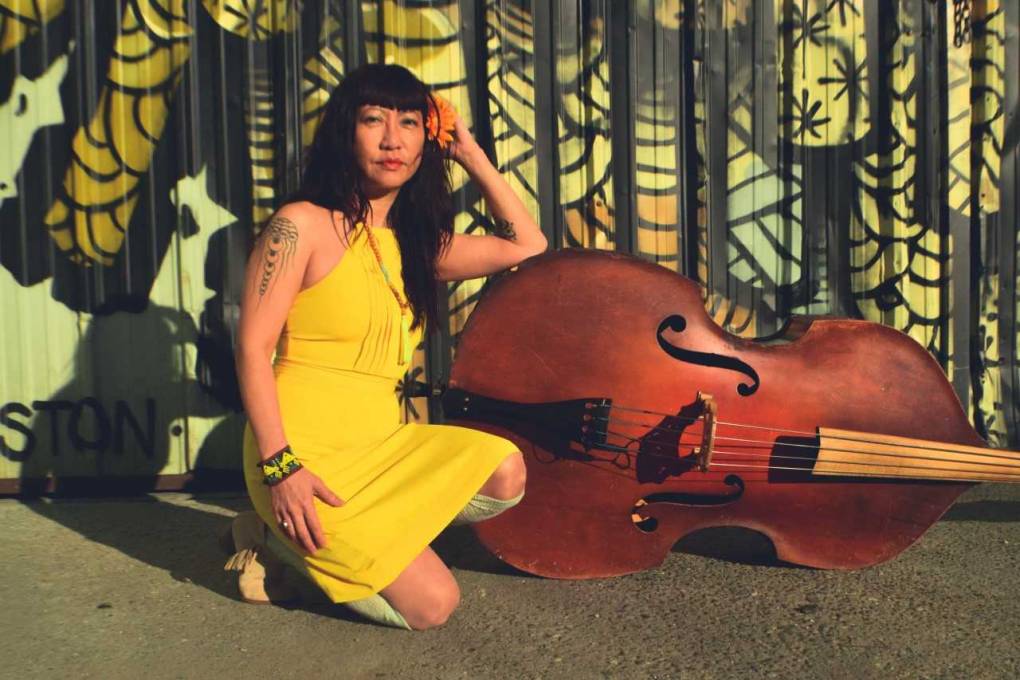
"caption": "Jazz musician Caroline Chung was one of the musicians selected for Bay Beats in 2023. Now the streaming platform is looking for more Bay Area music. ",
"description": "Jazz musician Caroline Chung was one of the musicians selected for Bay Beats in 2023. Now the streaming platform is looking for more Bay Area music. ",
"title": "Jazz musician Caroline Chung wear a bright yellow dress as she bends down, posing next to her upright bass.",
"credit": "Via Caroline Chung",
"status": "inherit",
"altTag": "Jazz musician Caroline Chung wear a bright yellow dress as she bends down, posing next to her upright bass.",
"isLoading": false,
"fetchFailed": false
},
"arts_13953480": {
"type": "attachments",
"id": "arts_13953480",
"meta": {
"index": "attachments_1716263798",
"site": "arts",
"id": "13953480",
"found": true
},
"parent": 13953471,
"imgSizes": {
"twentyfourteen-full-width": {
"file": "https://cdn.kqed.org/wp-content/uploads/sites/2/2024/03/240117-COUCHDATE-MD-04_qut-1038x576.jpg",
"width": 1038,
"mimeType": "image/jpeg",
"height": 576
},
"thumbnail": {
"file": "https://cdn.kqed.org/wp-content/uploads/sites/2/2024/03/240117-COUCHDATE-MD-04_qut-160x107.jpg",
"width": 160,
"mimeType": "image/jpeg",
"height": 107
},
"post-thumbnail": {
"file": "https://cdn.kqed.org/wp-content/uploads/sites/2/2024/03/240117-COUCHDATE-MD-04_qut-672x372.jpg",
"width": 672,
"mimeType": "image/jpeg",
"height": 372
},
"kqedFullSize": {
"file": "https://cdn.kqed.org/wp-content/uploads/sites/2/2024/03/240117-COUCHDATE-MD-04_qut.jpg",
"width": 1920,
"height": 1280
},
"large": {
"file": "https://cdn.kqed.org/wp-content/uploads/sites/2/2024/03/240117-COUCHDATE-MD-04_qut-1020x680.jpg",
"width": 1020,
"mimeType": "image/jpeg",
"height": 680
},
"1536x1536": {
"file": "https://cdn.kqed.org/wp-content/uploads/sites/2/2024/03/240117-COUCHDATE-MD-04_qut-1536x1024.jpg",
"width": 1536,
"mimeType": "image/jpeg",
"height": 1024
},
"medium": {
"file": "https://cdn.kqed.org/wp-content/uploads/sites/2/2024/03/240117-COUCHDATE-MD-04_qut-800x533.jpg",
"width": 800,
"mimeType": "image/jpeg",
"height": 533
},
"medium_large": {
"file": "https://cdn.kqed.org/wp-content/uploads/sites/2/2024/03/240117-COUCHDATE-MD-04_qut-768x512.jpg",
"width": 768,
"mimeType": "image/jpeg",
"height": 512
}
},
"publishDate": 1709746668,
"modified": 1709746743,
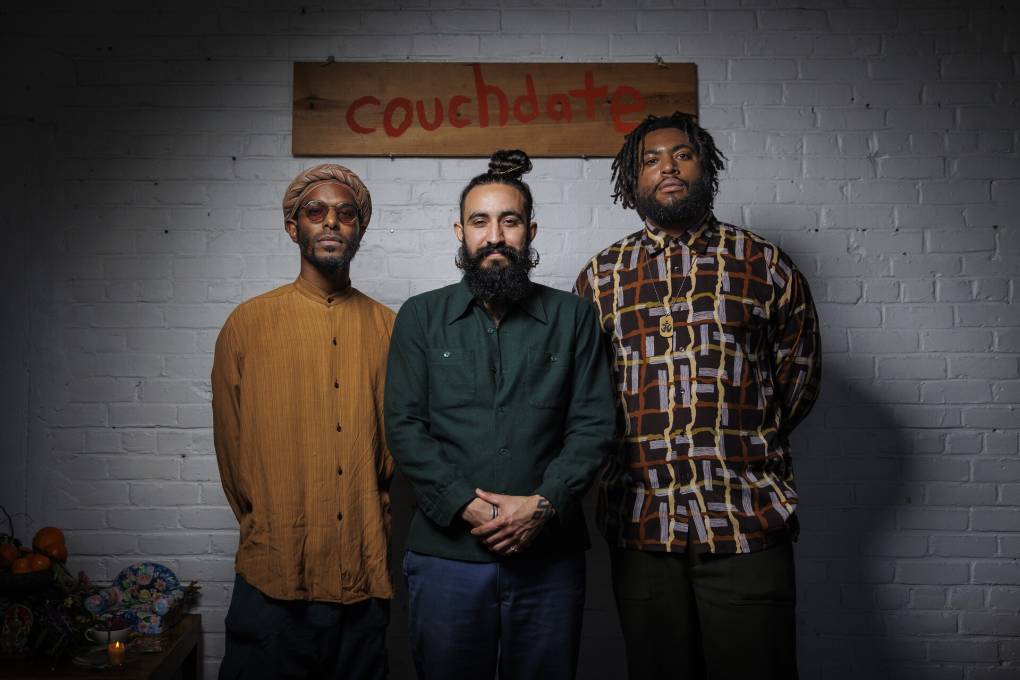
"caption": "From left, Akh Graystone, Emmanuel Singh and Afiba Ntama of Couchdate in Oakland on Jan. 18, 2024.",
"description": null,
"title": "240117-COUCHDATE-MD-04_qut",
"credit": "Martin do Nascimento/KQED",
"status": "inherit",
"altTag": "Three men stand facing the camera in front of a wooden sign that read \"couchdate\"",
"isLoading": false,
"fetchFailed": false
},
"arts_13953487": {
"type": "attachments",
"id": "arts_13953487",
"meta": {
"index": "attachments_1716263798",
"site": "arts",
"id": "13953487",
"found": true
},
"parent": 13953486,
"imgSizes": {
"twentyfourteen-full-width": {
"file": "https://cdn.kqed.org/wp-content/uploads/sites/2/2024/03/5grid-template-normal-square-043b16471fdb7cf50022d6617dab384107062a01-1038x576.jpg",
"width": 1038,
"mimeType": "image/jpeg",
"height": 576
},
"thumbnail": {
"file": "https://cdn.kqed.org/wp-content/uploads/sites/2/2024/03/5grid-template-normal-square-043b16471fdb7cf50022d6617dab384107062a01-160x120.jpg",
"width": 160,
"mimeType": "image/jpeg",
"height": 120
},
"post-thumbnail": {
"file": "https://cdn.kqed.org/wp-content/uploads/sites/2/2024/03/5grid-template-normal-square-043b16471fdb7cf50022d6617dab384107062a01-672x372.jpg",
"width": 672,
"mimeType": "image/jpeg",
"height": 372
},
"kqedFullSize": {
"file": "https://cdn.kqed.org/wp-content/uploads/sites/2/2024/03/5grid-template-normal-square-043b16471fdb7cf50022d6617dab384107062a01.jpg",
"width": 1438,
"height": 1078
},
"large": {
"file": "https://cdn.kqed.org/wp-content/uploads/sites/2/2024/03/5grid-template-normal-square-043b16471fdb7cf50022d6617dab384107062a01-1020x765.jpg",
"width": 1020,
"mimeType": "image/jpeg",
"height": 765
},
"medium": {
"file": "https://cdn.kqed.org/wp-content/uploads/sites/2/2024/03/5grid-template-normal-square-043b16471fdb7cf50022d6617dab384107062a01-800x600.jpg",
"width": 800,
"mimeType": "image/jpeg",
"height": 600
},
"medium_large": {
"file": "https://cdn.kqed.org/wp-content/uploads/sites/2/2024/03/5grid-template-normal-square-043b16471fdb7cf50022d6617dab384107062a01-768x576.jpg",
"width": 768,
"mimeType": "image/jpeg",
"height": 576
}
},
"publishDate": 1709748677,
"modified": 1709750608,
"caption": "The songwriters who could take home the Best Song Oscar include (clockwise from upper left) Billie Eilish, Mark Ronson, Scott George, Diane Warren and Jon Batiste.",
"description": null,
"title": "The songwriters who could take home the Best Song Oscar include (clockwise from upper left) Billie Eilish, Mark Ronson, Scott George, Diane Warren and Jon Batiste.",
"credit": "Getty Images",
"status": "inherit",
"altTag": "Five separate photos of two women and three men, arranged into two rows.",
"isLoading": false,
"fetchFailed": false
},
"arts_13953443": {
"type": "attachments",
"id": "arts_13953443",
"meta": {
"index": "attachments_1716263798",
"site": "arts",
"id": "13953443",
"found": true
},
"parent": 13953430,
"imgSizes": {
"twentyfourteen-full-width": {
"file": "https://cdn.kqed.org/wp-content/uploads/sites/2/2024/03/delaciio-1038x576.jpg",
"width": 1038,
"mimeType": "image/jpeg",
"height": 576
},
"thumbnail": {
"file": "https://cdn.kqed.org/wp-content/uploads/sites/2/2024/03/delaciio-160x107.jpg",
"width": 160,
"mimeType": "image/jpeg",
"height": 107
},
"post-thumbnail": {
"file": "https://cdn.kqed.org/wp-content/uploads/sites/2/2024/03/delaciio-672x372.jpg",
"width": 672,
"mimeType": "image/jpeg",
"height": 372
},
"kqedFullSize": {
"file": "https://cdn.kqed.org/wp-content/uploads/sites/2/2024/03/delaciio.jpg",
"width": 1920,
"height": 1280
},
"large": {
"file": "https://cdn.kqed.org/wp-content/uploads/sites/2/2024/03/delaciio-1020x680.jpg",
"width": 1020,
"mimeType": "image/jpeg",
"height": 680
},
"1536x1536": {
"file": "https://cdn.kqed.org/wp-content/uploads/sites/2/2024/03/delaciio-1536x1024.jpg",
"width": 1536,
"mimeType": "image/jpeg",
"height": 1024
},
"medium": {
"file": "https://cdn.kqed.org/wp-content/uploads/sites/2/2024/03/delaciio-800x533.jpg",
"width": 800,
"mimeType": "image/jpeg",
"height": 533
},
"medium_large": {
"file": "https://cdn.kqed.org/wp-content/uploads/sites/2/2024/03/delaciio-768x512.jpg",
"width": 768,
"mimeType": "image/jpeg",
"height": 512
}
},
"publishDate": 1709683931,
"modified": 1709684103,
"caption": "DELACiiO's new song 'Humo' is what he calls a corrido verde about the Bay Area's cannabis scene.",
"description": null,
"title": "delaciio",
"credit": "Courtesy of the artist",
"status": "inherit",
"altTag": "An artist poses in a cannabis farm among plants.",
"isLoading": false,
"fetchFailed": false
},
"arts_13953337": {
"type": "attachments",
"id": "arts_13953337",
"meta": {
"index": "attachments_1716263798",
"site": "arts",
"id": "13953337",
"found": true
},
"parent": 13953312,
"imgSizes": {
"twentyfourteen-full-width": {
"file": "https://cdn.kqed.org/wp-content/uploads/sites/2/2024/03/2324-Concerts-Prometheus-Bluebeard-Brandon-Patoc_0028-1038x576.jpg",
"width": 1038,
"mimeType": "image/jpeg",
"height": 576
},
"thumbnail": {
"file": "https://cdn.kqed.org/wp-content/uploads/sites/2/2024/03/2324-Concerts-Prometheus-Bluebeard-Brandon-Patoc_0028-160x107.jpg",
"width": 160,
"mimeType": "image/jpeg",
"height": 107
},
"post-thumbnail": {
"file": "https://cdn.kqed.org/wp-content/uploads/sites/2/2024/03/2324-Concerts-Prometheus-Bluebeard-Brandon-Patoc_0028-672x372.jpg",
"width": 672,
"mimeType": "image/jpeg",
"height": 372
},
"kqedFullSize": {
"file": "https://cdn.kqed.org/wp-content/uploads/sites/2/2024/03/2324-Concerts-Prometheus-Bluebeard-Brandon-Patoc_0028.jpg",
"width": 1920,
"height": 1280
},
"large": {
"file": "https://cdn.kqed.org/wp-content/uploads/sites/2/2024/03/2324-Concerts-Prometheus-Bluebeard-Brandon-Patoc_0028-1020x680.jpg",
"width": 1020,
"mimeType": "image/jpeg",
"height": 680
},
"1536x1536": {
"file": "https://cdn.kqed.org/wp-content/uploads/sites/2/2024/03/2324-Concerts-Prometheus-Bluebeard-Brandon-Patoc_0028-1536x1024.jpg",
"width": 1536,
"mimeType": "image/jpeg",
"height": 1024
},
"medium": {
"file": "https://cdn.kqed.org/wp-content/uploads/sites/2/2024/03/2324-Concerts-Prometheus-Bluebeard-Brandon-Patoc_0028-800x533.jpg",
"width": 800,
"mimeType": "image/jpeg",
"height": 533
},
"medium_large": {
"file": "https://cdn.kqed.org/wp-content/uploads/sites/2/2024/03/2324-Concerts-Prometheus-Bluebeard-Brandon-Patoc_0028-768x512.jpg",
"width": 768,
"mimeType": "image/jpeg",
"height": 512
}
},
"publishDate": 1709579203,
"modified": 1709579569,
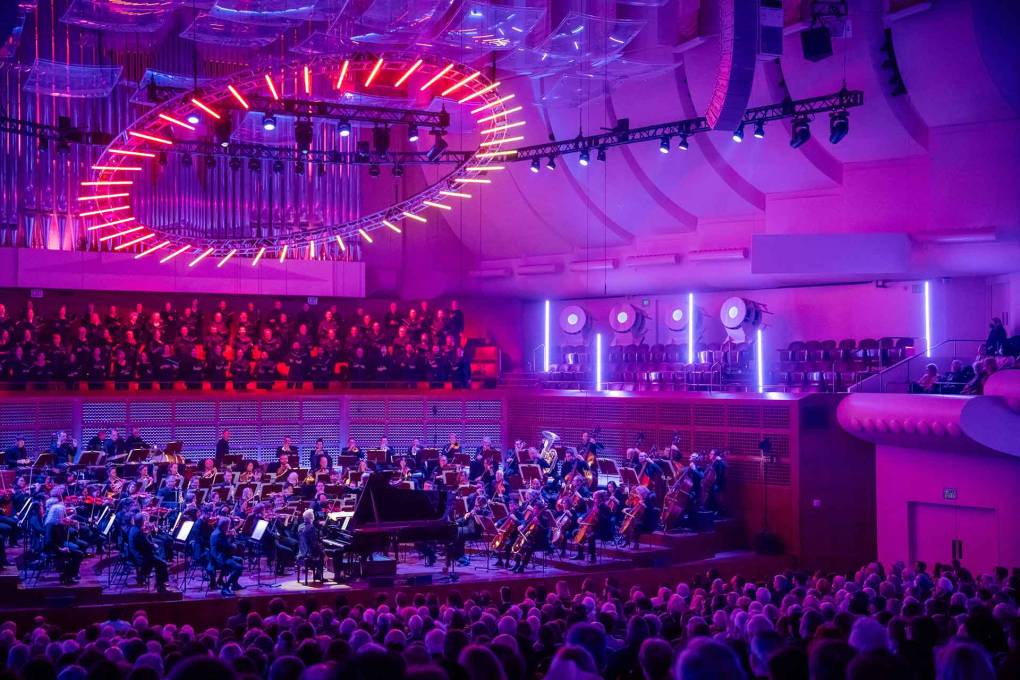
"caption": "The San Francisco Symphony performs Alexander Scriabin's 'Prometheus, The Poem of Fire' at Davies Symphony Hall on March 1, 2024.",
"description": null,
"title": "2324-Concerts-Prometheus-Bluebeard-Brandon-Patoc_0028",
"credit": "Brandon Patoc",
"status": "inherit",
"altTag": "A circle of red lights hovers above a symphony orchestra, bathed in indigo hues, inside a concert hall",
"isLoading": false,
"fetchFailed": false
},
"arts_13953307": {
"type": "attachments",
"id": "arts_13953307",
"meta": {
"index": "attachments_1716263798",
"site": "arts",
"id": "13953307",
"found": true
},
"parent": 0,
"imgSizes": {
"twentyfourteen-full-width": {
"file": "https://cdn.kqed.org/wp-content/uploads/sites/2/2024/03/Bad-Bunny-34_qut-1038x576.jpg",
"width": 1038,
"mimeType": "image/jpeg",
"height": 576
},
"thumbnail": {
"file": "https://cdn.kqed.org/wp-content/uploads/sites/2/2024/03/Bad-Bunny-34_qut-160x107.jpg",
"width": 160,
"mimeType": "image/jpeg",
"height": 107
},
"post-thumbnail": {
"file": "https://cdn.kqed.org/wp-content/uploads/sites/2/2024/03/Bad-Bunny-34_qut-672x372.jpg",
"width": 672,
"mimeType": "image/jpeg",
"height": 372
},
"kqedFullSize": {
"file": "https://cdn.kqed.org/wp-content/uploads/sites/2/2024/03/Bad-Bunny-34_qut.jpg",
"width": 1920,
"height": 1280
},
"large": {
"file": "https://cdn.kqed.org/wp-content/uploads/sites/2/2024/03/Bad-Bunny-34_qut-1020x680.jpg",
"width": 1020,
"mimeType": "image/jpeg",
"height": 680
},
"1536x1536": {
"file": "https://cdn.kqed.org/wp-content/uploads/sites/2/2024/03/Bad-Bunny-34_qut-1536x1024.jpg",
"width": 1536,
"mimeType": "image/jpeg",
"height": 1024
},
"medium": {
"file": "https://cdn.kqed.org/wp-content/uploads/sites/2/2024/03/Bad-Bunny-34_qut-800x533.jpg",
"width": 800,
"mimeType": "image/jpeg",
"height": 533
},
"medium_large": {
"file": "https://cdn.kqed.org/wp-content/uploads/sites/2/2024/03/Bad-Bunny-34_qut-768x512.jpg",
"width": 768,
"mimeType": "image/jpeg",
"height": 512
}
},
"publishDate": 1709484911,
"modified": 1709485235,
"caption": "Bad Bunny performs at the Chase Center in San Francisco on Saturday, March 2, 2024.",
"description": null,
"title": "Bad Bunny-34_qut",
"credit": "Michaela Vatcheva for KQED",
"status": "inherit",
"altTag": null,
"isLoading": false,
"fetchFailed": false
},
"arts_13953288": {
"type": "attachments",
"id": "arts_13953288",
"meta": {
"index": "attachments_1716263798",
"site": "arts",
"id": "13953288",
"found": true
},
"parent": 13953284,
"imgSizes": {
"twentyfourteen-full-width": {
"file": "https://cdn.kqed.org/wp-content/uploads/sites/2/2024/03/NickiMinaj.Oakland.16x9-1038x576.jpg",
"width": 1038,
"mimeType": "image/jpeg",
"height": 576
},
"thumbnail": {
"file": "https://cdn.kqed.org/wp-content/uploads/sites/2/2024/03/NickiMinaj.Oakland.16x9-160x90.jpg",
"width": 160,
"mimeType": "image/jpeg",
"height": 90
},
"post-thumbnail": {
"file": "https://cdn.kqed.org/wp-content/uploads/sites/2/2024/03/NickiMinaj.Oakland.16x9-672x372.jpg",
"width": 672,
"mimeType": "image/jpeg",
"height": 372
},
"kqedFullSize": {
"file": "https://cdn.kqed.org/wp-content/uploads/sites/2/2024/03/NickiMinaj.Oakland.16x9-scaled.jpg",
"width": 2560,
"height": 1440
},
"2048x2048": {
"file": "https://cdn.kqed.org/wp-content/uploads/sites/2/2024/03/NickiMinaj.Oakland.16x9-2048x1152.jpg",
"width": 2048,
"mimeType": "image/jpeg",
"height": 1152
},
"large": {
"file": "https://cdn.kqed.org/wp-content/uploads/sites/2/2024/03/NickiMinaj.Oakland.16x9-1020x574.jpg",
"width": 1020,
"mimeType": "image/jpeg",
"height": 574
},
"1536x1536": {
"file": "https://cdn.kqed.org/wp-content/uploads/sites/2/2024/03/NickiMinaj.Oakland.16x9-1536x864.jpg",
"width": 1536,
"mimeType": "image/jpeg",
"height": 864
},
"full-width": {
"file": "https://cdn.kqed.org/wp-content/uploads/sites/2/2024/03/NickiMinaj.Oakland.16x9-1920x1080.jpg",
"width": 1920,
"mimeType": "image/jpeg",
"height": 1080
},
"medium": {
"file": "https://cdn.kqed.org/wp-content/uploads/sites/2/2024/03/NickiMinaj.Oakland.16x9-800x450.jpg",
"width": 800,
"mimeType": "image/jpeg",
"height": 450
},
"medium_large": {
"file": "https://cdn.kqed.org/wp-content/uploads/sites/2/2024/03/NickiMinaj.Oakland.16x9-768x432.jpg",
"width": 768,
"mimeType": "image/jpeg",
"height": 432
}
},
"publishDate": 1709407624,
"modified": 1709407836,
"caption": "Nicki Minaj performs during the opening night of her Pink Friday 2 World Tour at the Oakland Arena on March 1, 2024.",
"description": null,
"title": "NickiMinaj.Oakland.16x9",
"credit": "Kevin Mazur/WireImage for Live Nation",
"status": "inherit",
"altTag": "a woman in a silvery bodysuit smiles on stage with a microphone in a big arena with pink and purple lighting behind her",
"isLoading": false,
"fetchFailed": false
},
"arts_13953153": {
"type": "attachments",
"id": "arts_13953153",
"meta": {
"index": "attachments_1716263798",
"site": "arts",
"id": "13953153",
"found": true
},
"parent": 13953137,
"imgSizes": {
"twentyfourteen-full-width": {
"file": "https://cdn.kqed.org/wp-content/uploads/sites/2/2024/02/GettyImages-1739697467-1038x576.jpg",
"width": 1038,
"mimeType": "image/jpeg",
"height": 576
},
"thumbnail": {
"file": "https://cdn.kqed.org/wp-content/uploads/sites/2/2024/02/GettyImages-1739697467-160x108.jpg",
"width": 160,
"mimeType": "image/jpeg",
"height": 108
},
"post-thumbnail": {
"file": "https://cdn.kqed.org/wp-content/uploads/sites/2/2024/02/GettyImages-1739697467-672x372.jpg",
"width": 672,
"mimeType": "image/jpeg",
"height": 372
},
"kqedFullSize": {
"file": "https://cdn.kqed.org/wp-content/uploads/sites/2/2024/02/GettyImages-1739697467-scaled.jpg",
"width": 2560,
"height": 1725
},
"2048x2048": {
"file": "https://cdn.kqed.org/wp-content/uploads/sites/2/2024/02/GettyImages-1739697467-2048x1380.jpg",
"width": 2048,
"mimeType": "image/jpeg",
"height": 1380
},
"large": {
"file": "https://cdn.kqed.org/wp-content/uploads/sites/2/2024/02/GettyImages-1739697467-1020x687.jpg",
"width": 1020,
"mimeType": "image/jpeg",
"height": 687
},
"1536x1536": {
"file": "https://cdn.kqed.org/wp-content/uploads/sites/2/2024/02/GettyImages-1739697467-1536x1035.jpg",
"width": 1536,
"mimeType": "image/jpeg",
"height": 1035
},
"full-width": {
"file": "https://cdn.kqed.org/wp-content/uploads/sites/2/2024/02/GettyImages-1739697467-1920x1294.jpg",
"width": 1920,
"mimeType": "image/jpeg",
"height": 1294
},
"medium": {
"file": "https://cdn.kqed.org/wp-content/uploads/sites/2/2024/02/GettyImages-1739697467-800x539.jpg",
"width": 800,
"mimeType": "image/jpeg",
"height": 539
},
"medium_large": {
"file": "https://cdn.kqed.org/wp-content/uploads/sites/2/2024/02/GettyImages-1739697467-768x518.jpg",
"width": 768,
"mimeType": "image/jpeg",
"height": 518
}
},
"publishDate": 1709152331,
"modified": 1709152398,
"caption": "Madonna performs during The Celebration Tour at The O2 Arena in London on Oct. 15, 2023. The singer performed at Chase Center in San Francisco on Feb. 27, 2024. ",
"description": null,
"title": "Madonna: The Celebration Tour - London",
"credit": "Kevin Mazur/WireImage for Live Nation",
"status": "inherit",
"altTag": "Madonna in black leather and lace",
"isLoading": false,
"fetchFailed": false
}
},
"audioPlayerReducer": {
"postId": "stream_live",
"isPaused": true,
"isPlaying": false,
"pfsActive": false,
"pledgeModalIsOpen": true,
"playerDrawerIsOpen": false,
"liveAudioPlayStartedAt": 0,
"liveAudioPlayContext": ""
},
"authorsReducer": {
"byline_arts_13953486": {
"type": "authors",
"id": "byline_arts_13953486",
"meta": {
"override": true
},
"slug": "byline_arts_13953486",
"name": "Stephen Thompson",
"isLoading": false
},
"byline_arts_13953430": {
"type": "authors",
"id": "byline_arts_13953430",
"meta": {
"override": true
},
"slug": "byline_arts_13953430",
"name": "Adrian Spinelli ",
"isLoading": false
},
"gmeline": {
"type": "authors",
"id": "185",
"meta": {
"index": "authors_1716337520",
"id": "185",
"found": true
},
"name": "Gabe Meline",
"firstName": "Gabe",
"lastName": "Meline",
"slug": "gmeline",
"email": "gmeline@kqed.org",
"display_author_email": true,
"staff_mastheads": [
"arts"
],
"title": "Senior Editor, KQED Arts & Culture",
"bio": "Gabe Meline entered journalism at age 15 making photocopied zines, and has since earned awards from the Edward R. Murrow Awards, the Society for Professional Journalists, the Online Journalism Awards, the Association of Alternative Newsweeklies and the California Newspaper Publishers Association. Prior to KQED, he was the editor of the \u003cem>North Bay Bohemian\u003c/em> and a touring musician. He lives with his wife and daughter in his hometown of Santa Rosa, CA.",
"avatar": "https://secure.gravatar.com/avatar/5bebe57be0d8bc2dd318934feb47299e2d2d10cba28d09d8d7afb389a2ce2bdd?s=600&d=blank&r=g",
"twitter": null,
"bluesky": null,
"facebook": null,
"instagram": null,
"linkedin": null,
"sites": [
{
"site": "",
"roles": [
"editor"
]
},
{
"site": "arts",
"roles": [
"administrator"
]
},
{
"site": "artschool",
"roles": [
"editor"
]
},
{
"site": "news",
"roles": [
"author"
]
},
{
"site": "pop",
"roles": [
"editor"
]
},
{
"site": "bayareabites",
"roles": [
"editor"
]
},
{
"site": "food",
"roles": [
"editor"
]
},
{
"site": "forum",
"roles": [
"administrator"
]
},
{
"site": "liveblog",
"roles": [
"editor"
]
},
{
"site": "hiphop",
"roles": [
"editor"
]
}
],
"headData": {
"title": "Gabe Meline | KQED",
"description": "Senior Editor, KQED Arts & Culture",
"ogImgSrc": "https://secure.gravatar.com/avatar/5bebe57be0d8bc2dd318934feb47299e2d2d10cba28d09d8d7afb389a2ce2bdd?s=600&d=blank&r=g",
"twImgSrc": "https://secure.gravatar.com/avatar/5bebe57be0d8bc2dd318934feb47299e2d2d10cba28d09d8d7afb389a2ce2bdd?s=600&d=blank&r=g"
},
"isLoading": false,
"link": "/author/gmeline"
},
"esilvers": {
"type": "authors",
"id": "7237",
"meta": {
"index": "authors_1716337520",
"id": "7237",
"found": true
},
"name": "Emma Silvers",
"firstName": "Emma",
"lastName": "Silvers",
"slug": "esilvers",
"email": "esilvers@kqed.org",
"display_author_email": false,
"staff_mastheads": [],
"title": "KQED Contributor",
"bio": "Emma Silvers is an editor at KQED Arts and a former digital producer at KQED News. Born and raised in the Bay Area, she has previously been an arts and entertainment editor at the \u003cem>San Francisco Chronicle\u003c/em>, \u003cem>SF Weekly\u003c/em> and the \u003cem>San Francisco Bay Guardian.\u003c/em> \u003ca href=\"https://www.emmasilvers.com\">Her work\u003c/a> has also appeared in \u003cem>Rolling Stone\u003c/em>, Pitchfork and \u003cem>Mother Jones\u003c/em>. In 2017 she was the recipient of the Society of Professional Journalists-Northern California's award for arts and culture reporting. In 1993 she \u003ca href=\"https://www.kqed.org/pop/16759/wait-what-my-coworker-was-a-voice-over-hyperventilator-for-jurassic-park\">hyperventilated in \u003cem>Jurassic Park\u003c/em>\u003c/a>.",
"avatar": "https://secure.gravatar.com/avatar/247beada39b88ea5759db1f51dba05cf?s=600&d=blank&r=g",
"twitter": "emmaruthless",
"facebook": null,
"instagram": null,
"linkedin": null,
"sites": [
{
"site": "arts",
"roles": [
"editor"
]
},
{
"site": "news",
"roles": [
"editor"
]
},
{
"site": "pop",
"roles": [
"contributor"
]
},
{
"site": "bayareabites",
"roles": [
"editor"
]
},
{
"site": "food",
"roles": [
"contributor"
]
},
{
"site": "liveblog",
"roles": [
"editor"
]
}
],
"headData": {
"title": "Emma Silvers | KQED",
"description": "KQED Contributor",
"ogImgSrc": "https://secure.gravatar.com/avatar/247beada39b88ea5759db1f51dba05cf?s=600&d=blank&r=g",
"twImgSrc": "https://secure.gravatar.com/avatar/247beada39b88ea5759db1f51dba05cf?s=600&d=blank&r=g"
},
"isLoading": false,
"link": "/author/esilvers"
},
"ralexandra": {
"type": "authors",
"id": "11242",
"meta": {
"index": "authors_1716337520",
"id": "11242",
"found": true
},
"name": "Rae Alexandra",
"firstName": "Rae",
"lastName": "Alexandra",
"slug": "ralexandra",
"email": "ralexandra@kqed.org",
"display_author_email": true,
"staff_mastheads": [],
"title": "Reporter/Producer",
"bio": "Rae Alexandra is a Reporter/Producer for KQED Arts & Culture, and the creator/author of the \u003ca href=\"https://www.kqed.org/arts/program/rebel-girls-from-bay-area-history\">Rebel Girls From Bay Area History\u003c/a> and \u003ca href=\"https://www.kqed.org/bizarrebayarea\">Bizarre Bay Area\u003c/a> series. Her debut book, \u003ca href=\"https://citylights.com/politics-current-events-history/unsung-heroines35-women-who-changed/\">Unsung Heroines: 35 Women Who Changed the Bay Area\u003c/a> was published by City Lights in March 2026. In 2023, Rae was awarded an SPJ Excellence in Journalism Award for Arts & Culture. Rae was born and raised in Wales and subsequently — even after two decades in Northern California — still uses phrases that regularly baffle her coworkers.",
"avatar": "https://secure.gravatar.com/avatar/edfee8176c80cc0a382b051190f5341997df378a934a5774dcb0977732dfd401?s=600&d=blank&r=g",
"twitter": null,
"bluesky": null,
"facebook": null,
"instagram": null,
"linkedin": null,
"sites": [
{
"site": "arts",
"roles": [
"subscriber"
]
},
{
"site": "news",
"roles": [
"subscriber"
]
},
{
"site": "pop",
"roles": [
"subscriber"
]
},
{
"site": "bayareabites",
"roles": [
"subscriber"
]
},
{
"site": "science",
"roles": [
"subscriber"
]
}
],
"headData": {
"title": "Rae Alexandra | KQED",
"description": "Reporter/Producer",
"ogImgSrc": "https://secure.gravatar.com/avatar/edfee8176c80cc0a382b051190f5341997df378a934a5774dcb0977732dfd401?s=600&d=blank&r=g",
"twImgSrc": "https://secure.gravatar.com/avatar/edfee8176c80cc0a382b051190f5341997df378a934a5774dcb0977732dfd401?s=600&d=blank&r=g"
},
"isLoading": false,
"link": "/author/ralexandra"
},
"aproehl": {
"type": "authors",
"id": "11296",
"meta": {
"index": "authors_1716337520",
"id": "11296",
"found": true
},
"name": "Ariana Proehl",
"firstName": "Ariana",
"lastName": "Proehl",
"slug": "aproehl",
"email": "aproehl@KQED.org",
"display_author_email": true,
"staff_mastheads": [
"news"
],
"title": "Culture Reporter, KQED",
"bio": "Ariana Proehl is a Culture Reporter and Host.",
"avatar": "https://secure.gravatar.com/avatar/c96b24567eb5bb3a4f8bb295ed53e232?s=600&d=blank&r=g",
"twitter": "ArianaProehl",
"facebook": null,
"instagram": null,
"linkedin": null,
"sites": [
{
"site": "arts",
"roles": []
},
{
"site": "news",
"roles": []
},
{
"site": "education",
"roles": []
},
{
"site": "forum",
"roles": []
}
],
"headData": {
"title": "Ariana Proehl | KQED",
"description": "Culture Reporter, KQED",
"ogImgSrc": "https://secure.gravatar.com/avatar/c96b24567eb5bb3a4f8bb295ed53e232?s=600&d=blank&r=g",
"twImgSrc": "https://secure.gravatar.com/avatar/c96b24567eb5bb3a4f8bb295ed53e232?s=600&d=blank&r=g"
},
"isLoading": false,
"link": "/author/aproehl"
},
"nvoynovskaya": {
"type": "authors",
"id": "11387",
"meta": {
"index": "authors_1716337520",
"id": "11387",
"found": true
},
"name": "Nastia Voynovskaya",
"firstName": "Nastia",
"lastName": "Voynovskaya",
"slug": "nvoynovskaya",
"email": "nvoynovskaya@kqed.org",
"display_author_email": false,
"staff_mastheads": [
"arts"
],
"title": "Editor and reporter",
"bio": "Nastia Voynovskaya is a reporter, editor and host at KQED Arts & Culture. She's been covering the arts in the Bay Area for over a decade, with a focus on music, queer culture, labor issues and grassroots organizing. She has edited KQED story series such as Trans Bay: A History of San Francisco's Gender-Diverse Community, and co-created KQED's Bay Area hip-hop history project, That's My Word. Nastia's work has been recognized by the Society of Professional Journalists and San Francisco Press Club. She regularly appears on podcasts and radio programs, including NPR's All Songs Considered, and hosts live events where music, culture and conversation meet.",
"avatar": "https://secure.gravatar.com/avatar/5025ee460e5a85d69ca20ea6c6f2f80d7e17795c828f61ea3aecfcd924e9042e?s=600&d=blank&r=g",
"twitter": null,
"bluesky": null,
"facebook": null,
"instagram": "https://www.instagram.com/nananastia/",
"linkedin": null,
"sites": [
{
"site": "",
"roles": [
"editor"
]
},
{
"site": "arts",
"roles": [
"administrator"
]
},
{
"site": "news",
"roles": [
"editor"
]
},
{
"site": "pop",
"roles": [
"administrator"
]
},
{
"site": "bayareabites",
"roles": [
"editor"
]
},
{
"site": "podcasts",
"roles": [
"editor"
]
},
{
"site": "hiphop",
"roles": [
"editor"
]
}
],
"headData": {
"title": "Nastia Voynovskaya | KQED",
"description": "Editor and reporter",
"ogImgSrc": "https://secure.gravatar.com/avatar/5025ee460e5a85d69ca20ea6c6f2f80d7e17795c828f61ea3aecfcd924e9042e?s=600&d=blank&r=g",
"twImgSrc": "https://secure.gravatar.com/avatar/5025ee460e5a85d69ca20ea6c6f2f80d7e17795c828f61ea3aecfcd924e9042e?s=600&d=blank&r=g"
},
"isLoading": false,
"link": "/author/nvoynovskaya"
},
"ccabreralomeli": {
"type": "authors",
"id": "11708",
"meta": {
"index": "authors_1716337520",
"id": "11708",
"found": true
},
"name": "Carlos Cabrera-Lomelí",
"firstName": "Carlos",
"lastName": "Cabrera-Lomelí",
"slug": "ccabreralomeli",
"email": "ccabreralomeli@KQED.org",
"display_author_email": true,
"staff_mastheads": [
"news"
],
"title": "Community Reporter",
"bio": "Carlos Cabrera-Lomelí is a community reporter with KQED's digital engagement team. He also reports and co-produces for KQED's bilingual news hub KQED en Español. He grew up in San Francisco's Mission District and has previously worked with Univision, 48 Hills and REFORMA in Mexico City.",
"avatar": "https://secure.gravatar.com/avatar/c309be9665e484f887b818c89e273ecc673004f426f36b24d00a4d813a2e0518?s=600&d=blank&r=g",
"twitter": "@LomeliCabrera",
"bluesky": null,
"facebook": null,
"instagram": null,
"linkedin": null,
"sites": [
{
"site": "arts",
"roles": [
"editor"
]
},
{
"site": "news",
"roles": [
"editor"
]
},
{
"site": "about",
"roles": [
"editor"
]
},
{
"site": "science",
"roles": [
"editor"
]
},
{
"site": "perspectives",
"roles": [
"editor"
]
},
{
"site": "elections",
"roles": [
"editor"
]
},
{
"site": "liveblog",
"roles": [
"contributor"
]
}
],
"headData": {
"title": "Carlos Cabrera-Lomelí | KQED",
"description": "Community Reporter",
"ogImgSrc": "https://secure.gravatar.com/avatar/c309be9665e484f887b818c89e273ecc673004f426f36b24d00a4d813a2e0518?s=600&d=blank&r=g",
"twImgSrc": "https://secure.gravatar.com/avatar/c309be9665e484f887b818c89e273ecc673004f426f36b24d00a4d813a2e0518?s=600&d=blank&r=g"
},
"isLoading": false,
"link": "/author/ccabreralomeli"
},
"sbishop": {
"type": "authors",
"id": "11888",
"meta": {
"index": "authors_1716337520",
"id": "11888",
"found": true
},
"name": "Sheree Bishop",
"firstName": "Sheree",
"lastName": "Bishop",
"slug": "sbishop",
"email": "sbishop@kqed.org",
"display_author_email": false,
"staff_mastheads": [],
"title": "KQED Contributor",
"bio": null,
"avatar": "https://secure.gravatar.com/avatar/d270d5771820af60139e08567425307c?s=600&d=blank&r=g",
"twitter": null,
"facebook": null,
"instagram": null,
"linkedin": null,
"sites": [
{
"site": "arts",
"roles": []
},
{
"site": "podcasts",
"roles": [
"editor"
]
}
],
"headData": {
"title": "Sheree Bishop | KQED",
"description": "KQED Contributor",
"ogImgSrc": "https://secure.gravatar.com/avatar/d270d5771820af60139e08567425307c?s=600&d=blank&r=g",
"twImgSrc": "https://secure.gravatar.com/avatar/d270d5771820af60139e08567425307c?s=600&d=blank&r=g"
},
"isLoading": false,
"link": "/author/sbishop"
}
},
"pagesReducer": {
"arts_category_music": {
"type": "terms",
"id": "arts_69",
"meta": {
"index": "terms_1716263798",
"site": "arts",
"id": "69",
"score": 10.851354
},
"featImg": null,
"name": "Music",
"description": null,
"taxonomy": "category",
"headData": {
"twImgId": null,
"twTitle": null,
"ogTitle": null,
"ogImgId": null,
"twDescription": null,
"description": null,
"title": "Music Archives | KQED Arts",
"ogDescription": null
},
"ttid": 70,
"slug": "music",
"isLoading": false,
"title": "Music",
"pageMeta": {
"site": "arts",
"WpPageTemplate": "page-topic-editorial",
"currentPage": 58
},
"blocks": [
{
"blockName": "kqed/post-list",
"attrs": {
"layout": "cardArticle2",
"query": "posts/arts?category=music",
"seeMore": false,
"paginated": true,
"page": 58
}
},
{
"blockName": "kqed/ad"
}
]
}
},
"pfsSessionReducer": {},
"postsReducer": {
"stream_live": {
"type": "live",
"id": "stream_live",
"audioUrl": "https://streams.kqed.org/kqedradio",
"title": "Live Stream",
"excerpt": "Live Stream information currently unavailable.",
"link": "/radio",
"featImg": "",
"label": {
"name": "KQED Live",
"link": "/"
}
},
"stream_kqedNewscast": {
"type": "posts",
"id": "stream_kqedNewscast",
"audioUrl": "https://www.kqed.org/.stream/anon/radio/RDnews/newscast.mp3?_=1",
"title": "KQED Newscast",
"featImg": "",
"label": {
"name": "88.5 FM",
"link": "/"
}
},
"arts_13953497": {
"type": "posts",
"id": "arts_13953497",
"meta": {
"index": "posts_1716263798",
"site": "arts",
"id": "13953497",
"score": null,
"sort": [
1709832346000
]
},
"guestAuthors": [],
"slug": "a-queer-party-renaissance-brings-new-life-to-downtown-oakland",
"title": "A Queer Party Renaissance Brings New Life to Downtown Oakland",
"publishDate": 1709832346,
"format": "aside",
"headTitle": "A Queer Party Renaissance Brings New Life to Downtown Oakland | KQED",
"labelTerm": {
"site": "arts"
},
"content": "\u003cfigure id=\"attachment_13952711\" class=\"wp-caption aligncenter\" style=\"max-width: 2000px\">\u003cimg loading=\"lazy\" decoding=\"async\" class=\"size-full wp-image-13952711\" src=\"https://cdn.kqed.org/wp-content/uploads/sites/2/2024/02/240217-OAKLAND-QUEER-SPACES-KSM-18-KQED.jpg\" alt=\"\" width=\"2000\" height=\"1333\" srcset=\"https://cdn.kqed.org/wp-content/uploads/sites/2/2024/02/240217-OAKLAND-QUEER-SPACES-KSM-18-KQED.jpg 2000w, https://cdn.kqed.org/wp-content/uploads/sites/2/2024/02/240217-OAKLAND-QUEER-SPACES-KSM-18-KQED-800x533.jpg 800w, https://cdn.kqed.org/wp-content/uploads/sites/2/2024/02/240217-OAKLAND-QUEER-SPACES-KSM-18-KQED-1020x680.jpg 1020w, https://cdn.kqed.org/wp-content/uploads/sites/2/2024/02/240217-OAKLAND-QUEER-SPACES-KSM-18-KQED-160x107.jpg 160w, https://cdn.kqed.org/wp-content/uploads/sites/2/2024/02/240217-OAKLAND-QUEER-SPACES-KSM-18-KQED-768x512.jpg 768w, https://cdn.kqed.org/wp-content/uploads/sites/2/2024/02/240217-OAKLAND-QUEER-SPACES-KSM-18-KQED-1536x1024.jpg 1536w, https://cdn.kqed.org/wp-content/uploads/sites/2/2024/02/240217-OAKLAND-QUEER-SPACES-KSM-18-KQED-1920x1280.jpg 1920w\" sizes=\"(max-width: 2000px) 100vw, 2000px\">\u003cfigcaption class=\"wp-caption-text\">Sarahfe Harris Juarbe, a.k.a. Bruja Fe, dances at the Marimacha dance party in Oakland on Feb. 17, 2024. \u003ccite>(Kathryn Styer Martínez/KQED)\u003c/cite>\u003c/figcaption>\u003c/figure>\n\u003cp>It’s 11 p.m. on a recent Saturday, and the dance floor at Oakland’s \u003ca href=\"https://fluid510.com/\">Fluid510\u003c/a> starts filling up with people in cowboy hats and boots, platforms and mesh, neck tattoos and baggy polos, and head-to-toe leather.\u003c/p>\n\u003cp>Here at a new queer party called Marimacha, the DJ, \u003ca href=\"https://www.instagram.com/xulaquiles/\">Xulaquiles\u003c/a>, switches the vibe from 2000s reggaeton to Kali Uchis’ “\u003ca href=\"https://youtu.be/_h-Vcm7hqb4?si=DJOQZ3r3QjD-JH24\">Dame Beso // Muévete\u003c/a>.” The dancers, mostly women and gender-nonconforming people of every style and expression, react accordingly, going from throwing it back to twirling each other in time with the merengue rhythm.\u003c/p>\n\u003cfigure id=\"attachment_13952710\" class=\"wp-caption aligncenter\" style=\"max-width: 2000px\">\u003cimg loading=\"lazy\" decoding=\"async\" class=\"size-full wp-image-13952710\" src=\"https://cdn.kqed.org/wp-content/uploads/sites/2/2024/02/240217-OAKLAND-QUEER-SPACES-KSM-15-KQED.jpg\" alt=\"\" width=\"2000\" height=\"1333\" srcset=\"https://cdn.kqed.org/wp-content/uploads/sites/2/2024/02/240217-OAKLAND-QUEER-SPACES-KSM-15-KQED.jpg 2000w, https://cdn.kqed.org/wp-content/uploads/sites/2/2024/02/240217-OAKLAND-QUEER-SPACES-KSM-15-KQED-800x533.jpg 800w, https://cdn.kqed.org/wp-content/uploads/sites/2/2024/02/240217-OAKLAND-QUEER-SPACES-KSM-15-KQED-1020x680.jpg 1020w, https://cdn.kqed.org/wp-content/uploads/sites/2/2024/02/240217-OAKLAND-QUEER-SPACES-KSM-15-KQED-160x107.jpg 160w, https://cdn.kqed.org/wp-content/uploads/sites/2/2024/02/240217-OAKLAND-QUEER-SPACES-KSM-15-KQED-768x512.jpg 768w, https://cdn.kqed.org/wp-content/uploads/sites/2/2024/02/240217-OAKLAND-QUEER-SPACES-KSM-15-KQED-1536x1024.jpg 1536w, https://cdn.kqed.org/wp-content/uploads/sites/2/2024/02/240217-OAKLAND-QUEER-SPACES-KSM-15-KQED-1920x1280.jpg 1920w\" sizes=\"(max-width: 2000px) 100vw, 2000px\">\u003cfigcaption class=\"wp-caption-text\">Victoria Fajardo, a.k.a. DJ Xulaquiles a.k.a. Kiki, plays her set at the Marimacha dance party at Fluid510 in Oakland on Feb. 17, 2024. \u003ccite>(Kathryn Styer Martínez/KQED)\u003c/cite>\u003c/figcaption>\u003c/figure>\n\u003cp>Marimacha is among an exciting new surge in queer parties right now in downtown Oakland. On any given Friday or Saturday night, clubgoers can walk from drag show to queer cocktail lounge to Afrobeats night to house music party, all within a half-mile radius. Even more queer events — speed dating, kink workshops, board game nights, open mics and food pop-ups — offer a wealth of weeknight and evening options for those who want more than drinking and dancing.\u003c/p>\n\u003cp>\u003ca href=\"https://www.kqed.org/arts/13952162/oakland-public-safety-crime-commentary\">Downtown Oakland’s struggles\u003c/a> get a lot of airtime. But if you only watch cable news and read Nextdoor posts about bipping and chain store closures, you’ll miss the fact that the Town’s LGBTQ+ nightlife scene is flourishing in ways it hasn’t in years.\u003c/p>\n\u003cp>Oakland now boasts at least eight queer venues, many of which opened in the past year. Along with a \u003ca href=\"https://oaklandside.org/2023/11/07/oakland-lakeshore-lgbtq-cultural-district-lake-merritt/\">newly designated LGBTQ+ District\u003c/a> near Lakeshore Avenue, this explosion of nightlife has brought new events just as eclectic, creative and politically engaged as Oakland’s queer community itself.\u003c/p>\n\u003cfigure id=\"attachment_13952709\" class=\"wp-caption aligncenter\" style=\"max-width: 2000px\">\u003cimg loading=\"lazy\" decoding=\"async\" class=\"size-full wp-image-13952709\" src=\"https://cdn.kqed.org/wp-content/uploads/sites/2/2024/02/240217-OAKLAND-QUEER-SPACES-KSM-14-KQED.jpg\" alt=\"\" width=\"2000\" height=\"1333\" srcset=\"https://cdn.kqed.org/wp-content/uploads/sites/2/2024/02/240217-OAKLAND-QUEER-SPACES-KSM-14-KQED.jpg 2000w, https://cdn.kqed.org/wp-content/uploads/sites/2/2024/02/240217-OAKLAND-QUEER-SPACES-KSM-14-KQED-800x533.jpg 800w, https://cdn.kqed.org/wp-content/uploads/sites/2/2024/02/240217-OAKLAND-QUEER-SPACES-KSM-14-KQED-1020x680.jpg 1020w, https://cdn.kqed.org/wp-content/uploads/sites/2/2024/02/240217-OAKLAND-QUEER-SPACES-KSM-14-KQED-160x107.jpg 160w, https://cdn.kqed.org/wp-content/uploads/sites/2/2024/02/240217-OAKLAND-QUEER-SPACES-KSM-14-KQED-768x512.jpg 768w, https://cdn.kqed.org/wp-content/uploads/sites/2/2024/02/240217-OAKLAND-QUEER-SPACES-KSM-14-KQED-1536x1024.jpg 1536w, https://cdn.kqed.org/wp-content/uploads/sites/2/2024/02/240217-OAKLAND-QUEER-SPACES-KSM-14-KQED-1920x1280.jpg 1920w\" sizes=\"(max-width: 2000px) 100vw, 2000px\">\u003cfigcaption class=\"wp-caption-text\">People dance at the Marimacha dance party at Fluid510 in Oakland on Feb. 17, 2024. \u003ccite>(Kathryn Styer Martínez/KQED)\u003c/cite>\u003c/figcaption>\u003c/figure>\n\u003cp>“I feel like there’s a renaissance happening right now,” says \u003ca href=\"https://www.instagram.com/beauty_botanica/\">Olivia Bianco-Chaidez\u003c/a>, who co-produced Marimacha. “Things are getting spicier again.”\u003c/p>\n\u003cul>\n\u003cli>\u003cstrong>\u003ca href=\"#queeroaklandvenuelist\">Jump to: Our list of queer venues in Oakland\u003c/a>\u003c/strong>\u003c/li>\n\u003c/ul>\n\u003ch2>The lay of the land\u003c/h2>\n\u003cp>Queer nightlife in Oakland has always been more diverse across race and gender than in San Francisco, whose gayborhood, the Castro, has skewed white and male since becoming a mecca over 50 years ago. And while Oakland has long been a haven for queer and trans people of color, pre-pandemic hangout options were slim; brick-and-mortar establishments one could visit any night of the week numbered at less than a handful. [aside postid='arts_13938947']\u003c/p>\n\u003cp>January 2020 saw the closure of two adjoining Broadway venues, \u003ca href=\"https://www.kqed.org/arts/13871726/sf-developer-displaces-club-bnb-and-club-21-reducing-oakland-lgbtq-bars-by-half\">Club BnB and Club 21\u003c/a>, after the landlord doubled the clubs’ rent and replaced them with tech offices. At the time, the closure cut Oakland’s number of queer nightlife venues in half, leaving just the \u003ca href=\"https://www.instagram.com/whitehorsebar/?hl=en\">White Horse\u003c/a> — the North Oakland standby on Telegraph that’s been open since the 1930s — and the drag-and-dancing Broadway hotspot Port Bar, which closed this February, also \u003ca href=\"https://oaklandside.org/2024/01/30/oakland-port-bar-closure-landlord-dispute/\">due to a landlord dispute\u003c/a>. (Another landlord dispute forced Bianco-Chaidez and her partner in work and life, Mar Mendoza, who DJs as \u003ca href=\"https://www.instagram.com/dreamsthedj\">Dreams\u003c/a>, to close their underground venue El Afters last fall, though they \u003ca href=\"https://www.instagram.com/elaftersoakland/\">continue to produce events under that banner\u003c/a>.)\u003c/p>\n\u003cfigure id=\"attachment_13952707\" class=\"wp-caption aligncenter\" style=\"max-width: 2000px\">\u003cimg loading=\"lazy\" decoding=\"async\" class=\"size-full wp-image-13952707\" src=\"https://cdn.kqed.org/wp-content/uploads/sites/2/2024/02/240217-OAKLAND-QUEER-SPACES-KSM-04-KQED.jpg\" alt=\"\" width=\"2000\" height=\"1333\" srcset=\"https://cdn.kqed.org/wp-content/uploads/sites/2/2024/02/240217-OAKLAND-QUEER-SPACES-KSM-04-KQED.jpg 2000w, https://cdn.kqed.org/wp-content/uploads/sites/2/2024/02/240217-OAKLAND-QUEER-SPACES-KSM-04-KQED-800x533.jpg 800w, https://cdn.kqed.org/wp-content/uploads/sites/2/2024/02/240217-OAKLAND-QUEER-SPACES-KSM-04-KQED-1020x680.jpg 1020w, https://cdn.kqed.org/wp-content/uploads/sites/2/2024/02/240217-OAKLAND-QUEER-SPACES-KSM-04-KQED-160x107.jpg 160w, https://cdn.kqed.org/wp-content/uploads/sites/2/2024/02/240217-OAKLAND-QUEER-SPACES-KSM-04-KQED-768x512.jpg 768w, https://cdn.kqed.org/wp-content/uploads/sites/2/2024/02/240217-OAKLAND-QUEER-SPACES-KSM-04-KQED-1536x1024.jpg 1536w, https://cdn.kqed.org/wp-content/uploads/sites/2/2024/02/240217-OAKLAND-QUEER-SPACES-KSM-04-KQED-1920x1280.jpg 1920w\" sizes=\"(max-width: 2000px) 100vw, 2000px\">\u003cfigcaption class=\"wp-caption-text\">Olivia Bianco-Chaidez (left) and Mar Mendoza, a.k.a. Dreams (right), at Fluid510 in Oakland on Feb. 17, 2024. Bianco-Chaidez and Mendoza co-hosted their inaugural Marimacha party, celebrating “the buchona baddies, cunty cabronas, diablo daddies, and all of our sexy community.” \u003ccite>(Kathryn Styer Martínez/KQED)\u003c/cite>\u003c/figcaption>\u003c/figure>\n\u003cp>Still, against the odds, a flurry of new activity emerged out of the pandemic’s shutdowns. “It was years of turmoil, but also years of envisioning and imagining,” says event producer Yanni Brump, who DJs as \u003ca href=\"https://www.instagram.com/djprincessdxddy/\">Princess Dxddy\u003c/a>. “So now, you see the offspring of that in people’s manifestation of having the events they want, the spaces they want to gather.”\u003c/p>\n\u003cp>Queer-owned cocktail lounge \u003ca href=\"https://www.instagram.com/friendsandfamilybar/\">Friends and Family\u003c/a> — open to all, but known as a sapphic safe space — launched with to-go service when COVID-19 restrictions began to lift, and now makes a thriving hub on 25th Street for queer chefs, vintners and mixologists. (Its neon-lit bathroom might also be queer Oakland’s most popular dating profile photo backdrop.)\u003c/p>\n\u003cp>By 2021, Oakland’s downtown also saw the opening of \u003ca href=\"https://www.instagram.com/quericonightclub/\">Que Rico\u003c/a>, the Latinx-focused venue on 15th Street. It’s home to drag and dancing, as well as parties-with-a-purpose like \u003ca href=\"https://www.instagram.com/qumbiaqrew/\">Queer Qumbia\u003c/a>, which recently fundraised for Palestinian Youth Movement and Arab Resource and Organizing Center. Also in 2021, \u003ca href=\"https://www.thebarsummer.com/\">Summer Bar & Lounge\u003c/a> opened its doors in Old Oakland, and now boasts a packed weekly program of karaoke, drag and go-go dancers.\u003c/p>\n\u003cfigure id=\"attachment_13953620\" class=\"wp-caption aligncenter\" style=\"max-width: 1200px\">\u003cimg loading=\"lazy\" decoding=\"async\" class=\"size-full wp-image-13953620\" src=\"https://cdn.kqed.org/wp-content/uploads/sites/2/2024/03/download.jpg\" alt=\"\" width=\"1200\" height=\"800\" srcset=\"https://cdn.kqed.org/wp-content/uploads/sites/2/2024/03/download.jpg 1200w, https://cdn.kqed.org/wp-content/uploads/sites/2/2024/03/download-800x533.jpg 800w, https://cdn.kqed.org/wp-content/uploads/sites/2/2024/03/download-1020x680.jpg 1020w, https://cdn.kqed.org/wp-content/uploads/sites/2/2024/03/download-160x107.jpg 160w, https://cdn.kqed.org/wp-content/uploads/sites/2/2024/03/download-768x512.jpg 768w\" sizes=\"(max-width: 1200px) 100vw, 1200px\">\u003cfigcaption class=\"wp-caption-text\">Edward Booker (left) pours a drink while Vivi Sousa (right) looks on at Nectar Social Club in Oakland, Calif. on Friday, Feb. 2, 2024. \u003ccite>(Kathryn Styer Martínez/KQED)\u003c/cite>\u003c/figcaption>\u003c/figure>\n\u003cp>Oakland’s queer nightlife renaissance began to crystalize in 2023, when a critical mass of new venues arrived, catering to a wide array of identities and interests. Across from Que Rico is \u003ca href=\"https://www.instagram.com/nectarsocialclub/?hl=en\">Nectar Social Club\u003c/a>, which celebrated its opening last fall with a sprawling block party produced by \u003ca href=\"https://www.kqed.org/arts/13929138/in-oakland-a-drag-fest-for-the-community-by-the-community\">Oaklash\u003c/a>, the progressive drag festival that champions trans performers as well as racial and disability justice.\u003c/p>\n\u003cp>Since, Nectar’s programming has flourished, with some of the most creative events the Town has to offer. “I focus on people who are doing things that are a little bit alternative, who are building things in a grassroots way, who really understand how to bring together community around whatever creative offering they have,” says owner Jeremy Redford, who DJs as FloridaWTR.\u003c/p>\n\u003cfigure id=\"attachment_13951613\" class=\"wp-caption aligncenter\" style=\"max-width: 2000px\">\u003cimg loading=\"lazy\" decoding=\"async\" class=\"size-full wp-image-13951613\" src=\"https://cdn.kqed.org/wp-content/uploads/sites/2/2024/02/240202-OAKLANDQUEERSPACES-KSM-08-KQED.jpg\" alt=\"\" width=\"2000\" height=\"1333\" srcset=\"https://cdn.kqed.org/wp-content/uploads/sites/2/2024/02/240202-OAKLANDQUEERSPACES-KSM-08-KQED.jpg 2000w, https://cdn.kqed.org/wp-content/uploads/sites/2/2024/02/240202-OAKLANDQUEERSPACES-KSM-08-KQED-800x533.jpg 800w, https://cdn.kqed.org/wp-content/uploads/sites/2/2024/02/240202-OAKLANDQUEERSPACES-KSM-08-KQED-1020x680.jpg 1020w, https://cdn.kqed.org/wp-content/uploads/sites/2/2024/02/240202-OAKLANDQUEERSPACES-KSM-08-KQED-160x107.jpg 160w, https://cdn.kqed.org/wp-content/uploads/sites/2/2024/02/240202-OAKLANDQUEERSPACES-KSM-08-KQED-768x512.jpg 768w, https://cdn.kqed.org/wp-content/uploads/sites/2/2024/02/240202-OAKLANDQUEERSPACES-KSM-08-KQED-1536x1024.jpg 1536w, https://cdn.kqed.org/wp-content/uploads/sites/2/2024/02/240202-OAKLANDQUEERSPACES-KSM-08-KQED-1920x1280.jpg 1920w\" sizes=\"(max-width: 2000px) 100vw, 2000px\">\u003cfigcaption class=\"wp-caption-text\">Jeremy Redford, owner of Nectar Social Club in Oakland, on Feb. 2, 2024. \u003ccite>(Kathryn Styer Martínez/KQED)\u003c/cite>\u003c/figcaption>\u003c/figure>\n\u003cp>On a recent Friday afternoon, Nectar, which operates as a coffee shop by day and a bar by night, is filled with clusters of friends working on laptops, drawing and gossiping over lattes. After dark, DJ Romii and friends spin house music as a couple makes out in the corner and dancers bop around sipping espresso martinis and mocktails.\u003c/p>\n\u003cp>\u003ca href=\"https://feelmoresocial.com/\">Feelmore Social Club\u003c/a> is just a couple blocks away on Broadway — it’s a grown-and-sexy cocktail lounge spin-off of Nenna Joiner’s long-running sex shop of the same name. With vintage erotic art adorning the walls, it welcomes the kinky and curious.\u003c/p>\n\u003cp>“What we really wanted to bring to the bar landscape was a space where sex-positive people could actually expect and think of when you’re talking about like, ‘Hey, where do we [go] for a poly meetup?’” says Joiner, seated at a barstool while a Sade song plays through the speakers.\u003c/p>\n\u003cfigure id=\"attachment_13951616\" class=\"wp-caption aligncenter\" style=\"max-width: 2000px\">\u003cimg loading=\"lazy\" decoding=\"async\" class=\"size-full wp-image-13951616\" src=\"https://cdn.kqed.org/wp-content/uploads/sites/2/2024/02/240202-OAKLANDQUEERSPACES-KSM-17-KQED.jpg\" alt=\"\" width=\"2000\" height=\"1333\" srcset=\"https://cdn.kqed.org/wp-content/uploads/sites/2/2024/02/240202-OAKLANDQUEERSPACES-KSM-17-KQED.jpg 2000w, https://cdn.kqed.org/wp-content/uploads/sites/2/2024/02/240202-OAKLANDQUEERSPACES-KSM-17-KQED-800x533.jpg 800w, https://cdn.kqed.org/wp-content/uploads/sites/2/2024/02/240202-OAKLANDQUEERSPACES-KSM-17-KQED-1020x680.jpg 1020w, https://cdn.kqed.org/wp-content/uploads/sites/2/2024/02/240202-OAKLANDQUEERSPACES-KSM-17-KQED-160x107.jpg 160w, https://cdn.kqed.org/wp-content/uploads/sites/2/2024/02/240202-OAKLANDQUEERSPACES-KSM-17-KQED-768x512.jpg 768w, https://cdn.kqed.org/wp-content/uploads/sites/2/2024/02/240202-OAKLANDQUEERSPACES-KSM-17-KQED-1536x1024.jpg 1536w, https://cdn.kqed.org/wp-content/uploads/sites/2/2024/02/240202-OAKLANDQUEERSPACES-KSM-17-KQED-1920x1280.jpg 1920w\" sizes=\"(max-width: 2000px) 100vw, 2000px\">\u003cfigcaption class=\"wp-caption-text\">Nenna Joiner, owner of Feelmore Social Club, on Feb 2., 2024 in Oakland. \u003ccite>(Kathryn Styer Martínez/KQED)\u003c/cite>\u003c/figcaption>\u003c/figure>\n\u003cp>Last May, Richard Fuentes and Sean Sullivan (the owners of the now-closed Port Bar) opened Fluid510, the aforementioned 250-capacity nightclub next door to Feelmore. As the name might suggest, its programming leans heavily, though not exclusively, queer.\u003c/p>\n\u003cp>Just a few blocks north toward the Paramount Theater is the elegant, Art Deco-inspired \u003ca href=\"https://www.goingtotownoakland.com/\">Town Bar & Lounge\u003c/a>, whose omnivorous event schedule includes \u003ci>RuPaul’s Drag Race\u003c/i> watch parties, food pop-ups, disco nights and live R&B concerts. On Thursday nights, Town Bar hosts Femme Suite, a weekly Thursday ladies night produced by Dennise Chakra-Kan and Lady Ryan, the power couple behind Lvrgrl at the White Horse and roaming day party The Sweet Spot.\u003c/p>\n\u003cp>“I think me and Ryan definitely have the same vision of curating a space that is safe for our community, and making sure that Black and Brown people are definitely at the forefront of things,” says Chakra-Kan.\u003c/p>\n\u003cfigure id=\"attachment_13953589\" class=\"wp-caption aligncenter\" style=\"max-width: 2048px\">\u003cimg loading=\"lazy\" decoding=\"async\" class=\"size-full wp-image-13953589\" src=\"https://cdn.kqed.org/wp-content/uploads/sites/2/2024/03/1N8A8439-scaled.jpeg\" alt=\"\" width=\"2048\" height=\"2560\" srcset=\"https://cdn.kqed.org/wp-content/uploads/sites/2/2024/03/1N8A8439-scaled.jpeg 2048w, https://cdn.kqed.org/wp-content/uploads/sites/2/2024/03/1N8A8439-800x1000.jpeg 800w, https://cdn.kqed.org/wp-content/uploads/sites/2/2024/03/1N8A8439-1020x1275.jpeg 1020w, https://cdn.kqed.org/wp-content/uploads/sites/2/2024/03/1N8A8439-160x200.jpeg 160w, https://cdn.kqed.org/wp-content/uploads/sites/2/2024/03/1N8A8439-768x960.jpeg 768w, https://cdn.kqed.org/wp-content/uploads/sites/2/2024/03/1N8A8439-1229x1536.jpeg 1229w, https://cdn.kqed.org/wp-content/uploads/sites/2/2024/03/1N8A8439-1638x2048.jpeg 1638w, https://cdn.kqed.org/wp-content/uploads/sites/2/2024/03/1N8A8439-1920x2400.jpeg 1920w\" sizes=\"(max-width: 2048px) 100vw, 2048px\">\u003cfigcaption class=\"wp-caption-text\">Dennise Chakra-Kan and Lady Ryan (left to right) at their Sweet Spot New Year’s Eve party at the White Horse on Dec. 31, 2023. \u003ccite>(Stephen Flynn)\u003c/cite>\u003c/figcaption>\u003c/figure>\n\u003ch2>Ready to mingle\u003c/h2>\n\u003cp>At a day party called Love Spell in February, a distinctly flirty energy buzzes in the room of mostly women at Oakland’s High 5ive Rooftop Bar. Two speed dating rounds — for ages 25-35 and 35+ — just wrapped, and few exuberant folks get the dance floor started. Couples lean in close or sit on each other’s laps, while those who arrived alone browse jewelry and clothing from queer vendors, glancing around in the hopes of making eye contact with an attractive stranger.\u003c/p>\n\u003cp>In our age of Tinder, Feeld and Hinge, it turns out meeting in person is back in style. “I think we’re experiencing phone fatigue and app fatigue,” says Montana Hooks, the one-woman team behind events platform and online publication \u003ca href=\"https://www.queerinoakland.com/\">Queer In Oakland\u003c/a>, which co-produced Love Spell. “It’s almost going full circle again to the simpler times before apps totally saturated the way that we connect socially, and it’s fun and it’s novel again. I definitely think that the popularity of mixers and speed dating in queer communities can speak to that.”\u003c/p>\n\u003cfigure id=\"attachment_13953582\" class=\"wp-caption aligncenter\" style=\"max-width: 1920px\">\u003cimg loading=\"lazy\" decoding=\"async\" class=\"size-full wp-image-13953582\" src=\"https://cdn.kqed.org/wp-content/uploads/sites/2/2024/03/240301-Oakland-Queer-Spaces-Montana-Hooks-KSM-01_qut.jpg\" alt=\"\" width=\"1920\" height=\"1280\" srcset=\"https://cdn.kqed.org/wp-content/uploads/sites/2/2024/03/240301-Oakland-Queer-Spaces-Montana-Hooks-KSM-01_qut.jpg 1920w, https://cdn.kqed.org/wp-content/uploads/sites/2/2024/03/240301-Oakland-Queer-Spaces-Montana-Hooks-KSM-01_qut-800x533.jpg 800w, https://cdn.kqed.org/wp-content/uploads/sites/2/2024/03/240301-Oakland-Queer-Spaces-Montana-Hooks-KSM-01_qut-1020x680.jpg 1020w, https://cdn.kqed.org/wp-content/uploads/sites/2/2024/03/240301-Oakland-Queer-Spaces-Montana-Hooks-KSM-01_qut-160x107.jpg 160w, https://cdn.kqed.org/wp-content/uploads/sites/2/2024/03/240301-Oakland-Queer-Spaces-Montana-Hooks-KSM-01_qut-768x512.jpg 768w, https://cdn.kqed.org/wp-content/uploads/sites/2/2024/03/240301-Oakland-Queer-Spaces-Montana-Hooks-KSM-01_qut-1536x1024.jpg 1536w\" sizes=\"(max-width: 1920px) 100vw, 1920px\">\u003cfigcaption class=\"wp-caption-text\">Montana Hooks of Queer In Oakland at Fluid510 in Oakland on Feb. 18, 2024. \u003ccite>(Kathryn Styer Martínez/KQED)\u003c/cite>\u003c/figcaption>\u003c/figure>\n\u003cp>Hooks, a longtime Oakland resident who grew up in Fremont, started Queer In Oakland because she struggled to find queer community herself after returning to the Bay from a brief stint in Seattle. The project began with a humble Google calendar of event listings in 2017. After throwing some entrepreneurial mixers — and online events during COVID shutdowns — in 2023 Hooks turned her focus to producing parties, which have now flourished into \u003ca href=\"https://www.instagram.com/queerinoakland/\">some of the most eclectic queer events\u003c/a> the Town has to offer.\u003c/p>\n\u003cp>In recent weeks, she’s put on an indie music night and a mixer for queer creatives at Nectar Social Club, and a house music night that packed out Amber Lounge on a Thursday. On March 9 at Night Heron, there’s Instinct, a sexy dance party with a dark dress code of red, black, leather and fishnets. A singles night for queer and trans people of color called Tease is slated at Sessions on 15th on March 14, followed by a queer cowgirl party called Wild West (co-produced with Reverse Cowgirl) at Fluid510 on March 30.\u003c/p>\n\u003cfigure id=\"attachment_13953621\" class=\"wp-caption aligncenter\" style=\"max-width: 1200px\">\u003cimg loading=\"lazy\" decoding=\"async\" class=\"size-full wp-image-13953621\" src=\"https://cdn.kqed.org/wp-content/uploads/sites/2/2024/03/download-1.jpg\" alt=\"\" width=\"1200\" height=\"800\" srcset=\"https://cdn.kqed.org/wp-content/uploads/sites/2/2024/03/download-1.jpg 1200w, https://cdn.kqed.org/wp-content/uploads/sites/2/2024/03/download-1-800x533.jpg 800w, https://cdn.kqed.org/wp-content/uploads/sites/2/2024/03/download-1-1020x680.jpg 1020w, https://cdn.kqed.org/wp-content/uploads/sites/2/2024/03/download-1-160x107.jpg 160w, https://cdn.kqed.org/wp-content/uploads/sites/2/2024/03/download-1-768x512.jpg 768w\" sizes=\"(max-width: 1200px) 100vw, 1200px\">\u003cfigcaption class=\"wp-caption-text\">A dancer moves in rhythm as the party gets started on Feb. 17, 2024. The Marimacha dance party at Fluid510 is billed as ‘a friki nite of perreo, reggaeton, cumbias & club music.’ \u003ccite>(Kathryn Styer Martínez/KQED)\u003c/cite>\u003c/figcaption>\u003c/figure>\n\u003cp>“As we’re becoming stronger as a queer community, I feel we can take up space now in ways that less marginalized communities don’t even have to give a second thought to,” Hooks says.\u003c/p>\n\u003cp>Nectar Social Club is certainly doing its part to strengthen the community on and off the dance floor. Recently, it hosted a photography show and launch party for \u003ca href=\"https://pusseimagazine.com/\">\u003ci>Pussei* Magazine\u003c/i>\u003c/a>, as well as artist Shreya’s exhibition of futuristic paintings inspired by South Asian folklore. Rapper and activist Aima the Dreamer, who co-produces the long-running day party \u003ca href=\"https://www.instagram.com/wearesoulovely/?hl=en\">Soulovely\u003c/a>, recently launched an open mic night and artist showcase called Groove Gallery, where the night begins with a ritual and freewriting prompt, followed by music and poetry focused on Black and Brown, queer and trans liberation.\u003c/p>\n\u003cfigure id=\"attachment_13951618\" class=\"wp-caption aligncenter\" style=\"max-width: 2000px\">\u003cimg loading=\"lazy\" decoding=\"async\" class=\"size-full wp-image-13951618\" src=\"https://cdn.kqed.org/wp-content/uploads/sites/2/2024/02/240202-OAKLANDQUEERSPACES-KSM-22-KQED.jpg\" alt=\"\" width=\"2000\" height=\"1333\" srcset=\"https://cdn.kqed.org/wp-content/uploads/sites/2/2024/02/240202-OAKLANDQUEERSPACES-KSM-22-KQED.jpg 2000w, https://cdn.kqed.org/wp-content/uploads/sites/2/2024/02/240202-OAKLANDQUEERSPACES-KSM-22-KQED-800x533.jpg 800w, https://cdn.kqed.org/wp-content/uploads/sites/2/2024/02/240202-OAKLANDQUEERSPACES-KSM-22-KQED-1020x680.jpg 1020w, https://cdn.kqed.org/wp-content/uploads/sites/2/2024/02/240202-OAKLANDQUEERSPACES-KSM-22-KQED-160x107.jpg 160w, https://cdn.kqed.org/wp-content/uploads/sites/2/2024/02/240202-OAKLANDQUEERSPACES-KSM-22-KQED-768x512.jpg 768w, https://cdn.kqed.org/wp-content/uploads/sites/2/2024/02/240202-OAKLANDQUEERSPACES-KSM-22-KQED-1536x1024.jpg 1536w, https://cdn.kqed.org/wp-content/uploads/sites/2/2024/02/240202-OAKLANDQUEERSPACES-KSM-22-KQED-1920x1280.jpg 1920w\" sizes=\"(max-width: 2000px) 100vw, 2000px\">\u003cfigcaption class=\"wp-caption-text\">Malik Bey (center) and Ashley Hughes (right) work at their laptops at the bar inside Nectar Social Club on Feb. 2, 2024 in Oakland. \u003ccite>(Kathryn Styer Martínez/KQED)\u003c/cite>\u003c/figcaption>\u003c/figure>\n\u003cp>“The future seems so uncertain, and we’ve been holding all of these deep political, social, health-based, economic tensions,” Redford says. “And more so than ever, we need community.”\u003c/p>\n\u003cp>“[We’re] tapping into people who are just really creative and understand how to get people into the moment, how to get people out of their shell,” he adds.\u003c/p>\n\u003cp>One of those people is Brump, a.k.a. Princess Dxddy. The model and fashion-show producer started DJing last year. They connected with Redford through Oaklash’s Skills for Nightlife Accelerator Program and bonded over a love of music with Afro-diasporic rhythms. Earlier this year, Brump debuted Spirit, an Afrobeats, amapiano and global dance music party at Nectar.\u003c/p>\n\u003cp>“Music touches parts of our spirit, and allows our innermost worlds to come to the forefront,” says Brump, noting the importance of safe spaces for femmes and gender-nonconforming people. “To allow ourselves to be free is a very spiritual experience.”\u003c/p>\n\u003cfigure id=\"attachment_13953618\" class=\"wp-caption aligncenter\" style=\"max-width: 1707px\">\u003cimg loading=\"lazy\" decoding=\"async\" class=\"size-full wp-image-13953618\" src=\"https://cdn.kqed.org/wp-content/uploads/sites/2/2024/03/dsc01245-scaled.jpg\" alt=\"a man in white t shirt and necklace DJs with blue lights and a patterned ceiling in the background\" width=\"1707\" height=\"2560\" srcset=\"https://cdn.kqed.org/wp-content/uploads/sites/2/2024/03/dsc01245-scaled.jpg 1707w, https://cdn.kqed.org/wp-content/uploads/sites/2/2024/03/dsc01245-800x1200.jpg 800w, https://cdn.kqed.org/wp-content/uploads/sites/2/2024/03/dsc01245-1020x1530.jpg 1020w, https://cdn.kqed.org/wp-content/uploads/sites/2/2024/03/dsc01245-160x240.jpg 160w, https://cdn.kqed.org/wp-content/uploads/sites/2/2024/03/dsc01245-768x1152.jpg 768w, https://cdn.kqed.org/wp-content/uploads/sites/2/2024/03/dsc01245-1024x1536.jpg 1024w, https://cdn.kqed.org/wp-content/uploads/sites/2/2024/03/dsc01245-1365x2048.jpg 1365w, https://cdn.kqed.org/wp-content/uploads/sites/2/2024/03/dsc01245-1920x2880.jpg 1920w\" sizes=\"(max-width: 1707px) 100vw, 1707px\">\u003cfigcaption class=\"wp-caption-text\">Yanni Brump, who DJs as Princess Dxddy, at their Afrobeats and amapiano party Spirit on Jan. 26, 2024 at Nectar Social Club. \u003ccite>(Courtesy of Nectar Social Club)\u003c/cite>\u003c/figcaption>\u003c/figure>\n\u003ch2>‘We still gon’ thrive no matter what’\u003c/h2>\n\u003cp>Even with all this new activity, downtown Oakland does feel sleepy these days. The First Friday street fair — a major foot traffic driver for businesses — went on hiatus from January to March, citing financial strain.\u003c/p>\n\u003cp>Maybe it’s the rain; maybe it’s grocery and gas prices; maybe it’s safety concerns or shuttered businesses — you’re not really seeing groups of young people hopping from bar to food truck to bar as they did in previous years.\u003c/p>\n\u003cp>Redford points to a new pattern he’s picked up on from event-goers. “The days of people waking up on a Friday and saying, ‘I’m just going to go out in downtown Oakland and walk around’ seem like they’re coming to an end,” he says. “So many people are following and tracking the community leaders [and] builders who they feel aligned with, and they’re putting on their calendars the events … that really resonate with them.”\u003c/p>\n\u003cfigure id=\"attachment_13953622\" class=\"wp-caption aligncenter\" style=\"max-width: 1200px\">\u003cimg loading=\"lazy\" decoding=\"async\" class=\"size-full wp-image-13953622\" src=\"https://cdn.kqed.org/wp-content/uploads/sites/2/2024/03/download-2.jpg\" alt=\"\" width=\"1200\" height=\"800\" srcset=\"https://cdn.kqed.org/wp-content/uploads/sites/2/2024/03/download-2.jpg 1200w, https://cdn.kqed.org/wp-content/uploads/sites/2/2024/03/download-2-800x533.jpg 800w, https://cdn.kqed.org/wp-content/uploads/sites/2/2024/03/download-2-1020x680.jpg 1020w, https://cdn.kqed.org/wp-content/uploads/sites/2/2024/03/download-2-160x107.jpg 160w, https://cdn.kqed.org/wp-content/uploads/sites/2/2024/03/download-2-768x512.jpg 768w\" sizes=\"(max-width: 1200px) 100vw, 1200px\">\u003cfigcaption class=\"wp-caption-text\">Sarahfe Harris Juarbe, a.k.a. Bruja Fe, towls off during a break from dancing at the Marimacha dance party in Oakland on Feb. 17, 2024. Harris Juarbe said they had three costumes to change into for the inaugural party. \u003ccite>(Kathryn Styer Martínez/KQED)\u003c/cite>\u003c/figcaption>\u003c/figure>\n\u003cp>Town Bar owner Joshua Huynh alluded to something similar when I visited him on a Friday before doors opened. “You really want something for everyone, literally everyone,” he says of his event schedule.\u003c/p>\n\u003cp>Of all the dance parties and chef pop-ups he’s hosted, the night that reflects the spirit of Town Bar for him was a low-key cookie decorating party on Christmas Eve. “People were like, ‘I had nowhere to go’ and ‘thank you.’ It was a home-y thing, so that was nice,” he recalls.\u003c/p>\n\u003cfigure id=\"attachment_13951620\" class=\"wp-caption aligncenter\" style=\"max-width: 2000px\">\u003cimg loading=\"lazy\" decoding=\"async\" class=\"size-full wp-image-13951620\" src=\"https://cdn.kqed.org/wp-content/uploads/sites/2/2024/02/240202-OAKLANDQUEERSPACES-KSM-24-KQED.jpg\" alt=\"\" width=\"2000\" height=\"1333\" srcset=\"https://cdn.kqed.org/wp-content/uploads/sites/2/2024/02/240202-OAKLANDQUEERSPACES-KSM-24-KQED.jpg 2000w, https://cdn.kqed.org/wp-content/uploads/sites/2/2024/02/240202-OAKLANDQUEERSPACES-KSM-24-KQED-800x533.jpg 800w, https://cdn.kqed.org/wp-content/uploads/sites/2/2024/02/240202-OAKLANDQUEERSPACES-KSM-24-KQED-1020x680.jpg 1020w, https://cdn.kqed.org/wp-content/uploads/sites/2/2024/02/240202-OAKLANDQUEERSPACES-KSM-24-KQED-160x107.jpg 160w, https://cdn.kqed.org/wp-content/uploads/sites/2/2024/02/240202-OAKLANDQUEERSPACES-KSM-24-KQED-768x512.jpg 768w, https://cdn.kqed.org/wp-content/uploads/sites/2/2024/02/240202-OAKLANDQUEERSPACES-KSM-24-KQED-1536x1024.jpg 1536w, https://cdn.kqed.org/wp-content/uploads/sites/2/2024/02/240202-OAKLANDQUEERSPACES-KSM-24-KQED-1920x1280.jpg 1920w\" sizes=\"(max-width: 2000px) 100vw, 2000px\">\u003cfigcaption class=\"wp-caption-text\">Joshua Huynh, owner of Town Bar and Lounge in Oakland, on Feb. 2, 2024. \u003ccite>(Kathryn Styer Martínez/KQED)\u003c/cite>\u003c/figcaption>\u003c/figure>\n\u003cp>Huynh puts that community feeling into action: He regularly collects donations at the door for the Oakland LGBTQ Community Center’s food bank, and says he’s raised over $15,000 for it since Town Bar opened in April 2023.\u003c/p>\n\u003cp>“I know 100% of our money’s directly giving back to the community without a middleman taking a cut,” he says.\u003c/p>\n\u003cp>For decades, that’s been the spirit of Oakland’s queer community. It’s led by people who find themselves at the intersections of multiple marginalized identities, whether immigrant, Black, gender-nonconforming, all of the above or something else entirely. And despite challenges in Oakland and society at large, our queer and trans culture-makers have always poured themselves into creating refuges for joy, self-expression and solidarity.\u003c/p>\n\u003cp>As Bianco-Chaidez, the co-producer of the new Marimacha party, says: “We still gon’ thrive no matter what.”\u003c/p>\n\u003cfigure id=\"attachment_13952708\" class=\"wp-caption aligncenter\" style=\"max-width: 2000px\">\u003cimg loading=\"lazy\" decoding=\"async\" class=\"size-full wp-image-13952708\" src=\"https://cdn.kqed.org/wp-content/uploads/sites/2/2024/02/240217-OAKLAND-QUEER-SPACES-KSM-07-KQED.jpg\" alt=\"\" width=\"2000\" height=\"1333\" srcset=\"https://cdn.kqed.org/wp-content/uploads/sites/2/2024/02/240217-OAKLAND-QUEER-SPACES-KSM-07-KQED.jpg 2000w, https://cdn.kqed.org/wp-content/uploads/sites/2/2024/02/240217-OAKLAND-QUEER-SPACES-KSM-07-KQED-800x533.jpg 800w, https://cdn.kqed.org/wp-content/uploads/sites/2/2024/02/240217-OAKLAND-QUEER-SPACES-KSM-07-KQED-1020x680.jpg 1020w, https://cdn.kqed.org/wp-content/uploads/sites/2/2024/02/240217-OAKLAND-QUEER-SPACES-KSM-07-KQED-160x107.jpg 160w, https://cdn.kqed.org/wp-content/uploads/sites/2/2024/02/240217-OAKLAND-QUEER-SPACES-KSM-07-KQED-768x512.jpg 768w, https://cdn.kqed.org/wp-content/uploads/sites/2/2024/02/240217-OAKLAND-QUEER-SPACES-KSM-07-KQED-1536x1024.jpg 1536w, https://cdn.kqed.org/wp-content/uploads/sites/2/2024/02/240217-OAKLAND-QUEER-SPACES-KSM-07-KQED-1920x1280.jpg 1920w\" sizes=\"(max-width: 2000px) 100vw, 2000px\">\u003cfigcaption class=\"wp-caption-text\">Dancers at the Marimacha party hosted by EL AFTERS X SFLA QUEER NIGHTLIFE at Fluid510 in Oakland on Feb. 17, 2024. \u003ccite>(Kathryn Styer Martínez/KQED)\u003c/cite>\u003c/figcaption>\u003c/figure>\n\u003ch2>\u003ca id=\"queeroaklandvenuelist\">\u003c/a>Where to find queer nightlife in Oakland\u003c/h2>\n\u003cp>\u003cem>\u003cstrong>\u003ca href=\"https://www.instagram.com/elaftersoakland/\">El Afters\u003c/a>. \u003c/strong>\u003c/em>\u003cem>Parties and events at rotating venues.\u003c/em>\u003c/p>\n\u003cp>\u003cem>\u003ca href=\"https://www.instagram.com/friendsandfamilybar/\">\u003cstrong>Friends and Family\u003c/strong>\u003c/a> (468 25th Street). Cocktail lounge with light bites and events. Open Monday and Tuesday 5-11 p.m., Wednesday-Saturday 5 p.m.-midnight.\u003c/em>\u003c/p>\n\u003cp>\u003cem>\u003ca href=\"https://feelmoresocial.com/\">\u003cstrong>Feelmore Social Club\u003c/strong>\u003c/a> (1542 Broadway Avenue). Cocktail lounge with kink and sex-positive events. Open Sunday 11-5 p.m., Monday 5-11 p.m., Tuesday-Saturday 11 a.m.-12:30 p.m.\u003c/em>\u003c/p>\n\u003cp>\u003cem>\u003ca href=\"https://fluid510.com/\">\u003cstrong>Fluid510\u003c/strong>\u003c/a> (1544 Broadway Avenue). Large nightclub with weekly parties, serves food. Open Wednesday and Thursday 4 p.m.-midnight, Friday 4 p.m.-2 a.m., Saturday 11 a.m. – 2 a.m., Sunday 11 a.m.-midnight. \u003c/em>\u003c/p>\n\u003cp>\u003cem>\u003ca href=\"https://www.instagram.com/nectarsocialclub/?hl=en\">\u003cstrong>Nectar Social Club\u003c/strong>\u003c/a> (408 15th Street). Coffee shop and bar with evening events and late-night dance parties. Open Tuesday and Wednesday 10 a.m.-6 p.m., Thursday-Saturday 10 a.m.-10 p.m. and until 2 a.m. for special events. \u003c/em>\u003c/p>\n\u003cp>\u003cem>\u003ca href=\"https://www.instagram.com/queerinoakland/\">\u003cstrong>Queer in Oakland\u003c/strong>\u003c/a>. Parties and events at rotating venues.\u003c/em>\u003c/p>\n\u003cp>\u003cem>\u003ca href=\"https://www.instagram.com/quericonightclub/\">\u003cstrong>Que Rico\u003c/strong>\u003c/a> (381 15th Street). Nightclub with drag and DJs. Open Tuesday 6 p.m.–11 p.m., Wednesday and Thursday 5–10:30 p.m., Fridays and Saturdays 5 p.m. – 2 a.m.\u003c/em>\u003c/p>\n\u003cp>\u003cem>\u003ca href=\"https://www.instagram.com/wearesoulovely/?hl=en\">\u003cstrong>Soulovely\u003c/strong>\u003c/a>. Monthly day party on Second Sundays April-October at 7th West (1255 7th Street).\u003c/em>\u003c/p>\n\u003cp>\u003cem>\u003ca href=\"https://www.thebarsummer.com/\">\u003cstrong>Summer Bar & Lounge\u003c/strong>\u003c/a> (526 8th Street). Intimate venue with karaoke, drag and dancing. Tuesday-Thursday 8 p.m.-midnight, Friday and Saturday, 8 p.m.-1:30 a.m., Sunday 4-8 p.m.\u003c/em>\u003c/p>\n\u003cp>\u003cem>\u003ca href=\"https://www.goingtotownoakland.com/\">\u003cstrong>Town Bar & Lounge\u003c/strong>\u003c/a> (2001 Broadway Avenue). Art-deco lounge with dancing, food pop-ups and other events. Sunday-Wednesday, 5-11 p.m., Thursday 5 p.m.-midnight, Friday and Saturday 5 p.m.-2 a.m.\u003c/em>\u003c/p>\n\u003cp>\u003cem>\u003ca href=\"https://www.instagram.com/thesweetspotoak/\">\u003cstrong>The Sweet Spot\u003c/strong>\u003c/a>. Parties and events at rotating venues.\u003c/em>\u003c/p>\n\u003cp>\u003cem>\u003ca href=\"https://www.instagram.com/whitehorsebar/?hl=en\">\u003cstrong>White Horse Bar\u003c/strong>\u003c/a> (6551 Telegraph Avenue). Historic bar and nightclub with a DJs, karaoke, drag and special events. Tuesday-Thursday 5 p.m.-midnight. Friday 5 p.m.-2 a.m. Saturday 3 p.m.-2 a.m. Sunday 3-10 p.m. Monday 4-9 p.m. [ad fullwidth]\u003c/em>\u003c/p>\n\u003cp>[ad floatright]\u003c/p>\n",
"blocks": [],
"excerpt": "An explosion of new queer nightlife within a half-mile radius has Oakland popping with action.",
"status": "publish",
"parent": 0,
"modified": 1718050316,
"stats": {
"hasAudio": false,
"hasVideo": false,
"hasChartOrMap": false,
"iframeSrcs": [],
"hasGoogleForm": false,
"hasGallery": false,
"hasHearkenModule": false,
"hasPolis": false,
"paragraphCount": 51,
"wordCount": 3114
},
"headData": {
"title": "Where to Find LGBTQ+ Nightlife in Oakland | KQED",
"description": "An explosion of new queer nightlife within a half-mile radius has Oakland popping with action.",
"ogTitle": "A Queer Party Renaissance Brings New Life to Downtown Oakland",
"ogDescription": "",
"ogImgId": "",
"twTitle": "A Queer Party Renaissance Brings New Life to Downtown Oakland",
"twDescription": "",
"twImgId": "",
"socialTitle": "Where to Find LGBTQ+ Nightlife in Oakland %%page%% %%sep%% KQED",
"schema": {
"@context": "https://schema.org",
"@type": "Article",
"headline": "A Queer Party Renaissance Brings New Life to Downtown Oakland",
"datePublished": "2024-03-07T09:25:46-08:00",
"dateModified": "2024-06-10T13:11:56-07:00",
"image": "https://cdn.kqed.org/wp-content/uploads/2020/02/KQED-OG-Image@1x.png"
}
},
"sticky": false,
"nprStoryId": "kqed-13953497",
"templateType": "standard",
"featuredImageType": "standard",
"excludeFromSiteSearch": "Include",
"articleAge": "0",
"path": "/arts/13953497/a-queer-party-renaissance-brings-new-life-to-downtown-oakland",
"audioTrackLength": null,
"parsedContent": [
{
"type": "contentString",
"content": "\u003cdiv class=\"post-body\">\u003cp>\u003cfigure id=\"attachment_13952711\" class=\"wp-caption aligncenter\" style=\"max-width: 2000px\">\u003cimg loading=\"lazy\" decoding=\"async\" class=\"size-full wp-image-13952711\" src=\"https://cdn.kqed.org/wp-content/uploads/sites/2/2024/02/240217-OAKLAND-QUEER-SPACES-KSM-18-KQED.jpg\" alt=\"\" width=\"2000\" height=\"1333\" srcset=\"https://cdn.kqed.org/wp-content/uploads/sites/2/2024/02/240217-OAKLAND-QUEER-SPACES-KSM-18-KQED.jpg 2000w, https://cdn.kqed.org/wp-content/uploads/sites/2/2024/02/240217-OAKLAND-QUEER-SPACES-KSM-18-KQED-800x533.jpg 800w, https://cdn.kqed.org/wp-content/uploads/sites/2/2024/02/240217-OAKLAND-QUEER-SPACES-KSM-18-KQED-1020x680.jpg 1020w, https://cdn.kqed.org/wp-content/uploads/sites/2/2024/02/240217-OAKLAND-QUEER-SPACES-KSM-18-KQED-160x107.jpg 160w, https://cdn.kqed.org/wp-content/uploads/sites/2/2024/02/240217-OAKLAND-QUEER-SPACES-KSM-18-KQED-768x512.jpg 768w, https://cdn.kqed.org/wp-content/uploads/sites/2/2024/02/240217-OAKLAND-QUEER-SPACES-KSM-18-KQED-1536x1024.jpg 1536w, https://cdn.kqed.org/wp-content/uploads/sites/2/2024/02/240217-OAKLAND-QUEER-SPACES-KSM-18-KQED-1920x1280.jpg 1920w\" sizes=\"(max-width: 2000px) 100vw, 2000px\">\u003cfigcaption class=\"wp-caption-text\">Sarahfe Harris Juarbe, a.k.a. Bruja Fe, dances at the Marimacha dance party in Oakland on Feb. 17, 2024. \u003ccite>(Kathryn Styer Martínez/KQED)\u003c/cite>\u003c/figcaption>\u003c/figure>\n\u003cp>It’s 11 p.m. on a recent Saturday, and the dance floor at Oakland’s \u003ca href=\"https://fluid510.com/\">Fluid510\u003c/a> starts filling up with people in cowboy hats and boots, platforms and mesh, neck tattoos and baggy polos, and head-to-toe leather.\u003c/p>\n\u003cp>Here at a new queer party called Marimacha, the DJ, \u003ca href=\"https://www.instagram.com/xulaquiles/\">Xulaquiles\u003c/a>, switches the vibe from 2000s reggaeton to Kali Uchis’ “\u003ca href=\"https://youtu.be/_h-Vcm7hqb4?si=DJOQZ3r3QjD-JH24\">Dame Beso // Muévete\u003c/a>.” The dancers, mostly women and gender-nonconforming people of every style and expression, react accordingly, going from throwing it back to twirling each other in time with the merengue rhythm.\u003c/p>\n\u003cfigure id=\"attachment_13952710\" class=\"wp-caption aligncenter\" style=\"max-width: 2000px\">\u003cimg loading=\"lazy\" decoding=\"async\" class=\"size-full wp-image-13952710\" src=\"https://cdn.kqed.org/wp-content/uploads/sites/2/2024/02/240217-OAKLAND-QUEER-SPACES-KSM-15-KQED.jpg\" alt=\"\" width=\"2000\" height=\"1333\" srcset=\"https://cdn.kqed.org/wp-content/uploads/sites/2/2024/02/240217-OAKLAND-QUEER-SPACES-KSM-15-KQED.jpg 2000w, https://cdn.kqed.org/wp-content/uploads/sites/2/2024/02/240217-OAKLAND-QUEER-SPACES-KSM-15-KQED-800x533.jpg 800w, https://cdn.kqed.org/wp-content/uploads/sites/2/2024/02/240217-OAKLAND-QUEER-SPACES-KSM-15-KQED-1020x680.jpg 1020w, https://cdn.kqed.org/wp-content/uploads/sites/2/2024/02/240217-OAKLAND-QUEER-SPACES-KSM-15-KQED-160x107.jpg 160w, https://cdn.kqed.org/wp-content/uploads/sites/2/2024/02/240217-OAKLAND-QUEER-SPACES-KSM-15-KQED-768x512.jpg 768w, https://cdn.kqed.org/wp-content/uploads/sites/2/2024/02/240217-OAKLAND-QUEER-SPACES-KSM-15-KQED-1536x1024.jpg 1536w, https://cdn.kqed.org/wp-content/uploads/sites/2/2024/02/240217-OAKLAND-QUEER-SPACES-KSM-15-KQED-1920x1280.jpg 1920w\" sizes=\"(max-width: 2000px) 100vw, 2000px\">\u003cfigcaption class=\"wp-caption-text\">Victoria Fajardo, a.k.a. DJ Xulaquiles a.k.a. Kiki, plays her set at the Marimacha dance party at Fluid510 in Oakland on Feb. 17, 2024. \u003ccite>(Kathryn Styer Martínez/KQED)\u003c/cite>\u003c/figcaption>\u003c/figure>\n\u003cp>Marimacha is among an exciting new surge in queer parties right now in downtown Oakland. On any given Friday or Saturday night, clubgoers can walk from drag show to queer cocktail lounge to Afrobeats night to house music party, all within a half-mile radius. Even more queer events — speed dating, kink workshops, board game nights, open mics and food pop-ups — offer a wealth of weeknight and evening options for those who want more than drinking and dancing.\u003c/p>\n\u003cp>\u003ca href=\"https://www.kqed.org/arts/13952162/oakland-public-safety-crime-commentary\">Downtown Oakland’s struggles\u003c/a> get a lot of airtime. But if you only watch cable news and read Nextdoor posts about bipping and chain store closures, you’ll miss the fact that the Town’s LGBTQ+ nightlife scene is flourishing in ways it hasn’t in years.\u003c/p>\n\u003cp>Oakland now boasts at least eight queer venues, many of which opened in the past year. Along with a \u003ca href=\"https://oaklandside.org/2023/11/07/oakland-lakeshore-lgbtq-cultural-district-lake-merritt/\">newly designated LGBTQ+ District\u003c/a> near Lakeshore Avenue, this explosion of nightlife has brought new events just as eclectic, creative and politically engaged as Oakland’s queer community itself.\u003c/p>\n\u003cfigure id=\"attachment_13952709\" class=\"wp-caption aligncenter\" style=\"max-width: 2000px\">\u003cimg loading=\"lazy\" decoding=\"async\" class=\"size-full wp-image-13952709\" src=\"https://cdn.kqed.org/wp-content/uploads/sites/2/2024/02/240217-OAKLAND-QUEER-SPACES-KSM-14-KQED.jpg\" alt=\"\" width=\"2000\" height=\"1333\" srcset=\"https://cdn.kqed.org/wp-content/uploads/sites/2/2024/02/240217-OAKLAND-QUEER-SPACES-KSM-14-KQED.jpg 2000w, https://cdn.kqed.org/wp-content/uploads/sites/2/2024/02/240217-OAKLAND-QUEER-SPACES-KSM-14-KQED-800x533.jpg 800w, https://cdn.kqed.org/wp-content/uploads/sites/2/2024/02/240217-OAKLAND-QUEER-SPACES-KSM-14-KQED-1020x680.jpg 1020w, https://cdn.kqed.org/wp-content/uploads/sites/2/2024/02/240217-OAKLAND-QUEER-SPACES-KSM-14-KQED-160x107.jpg 160w, https://cdn.kqed.org/wp-content/uploads/sites/2/2024/02/240217-OAKLAND-QUEER-SPACES-KSM-14-KQED-768x512.jpg 768w, https://cdn.kqed.org/wp-content/uploads/sites/2/2024/02/240217-OAKLAND-QUEER-SPACES-KSM-14-KQED-1536x1024.jpg 1536w, https://cdn.kqed.org/wp-content/uploads/sites/2/2024/02/240217-OAKLAND-QUEER-SPACES-KSM-14-KQED-1920x1280.jpg 1920w\" sizes=\"(max-width: 2000px) 100vw, 2000px\">\u003cfigcaption class=\"wp-caption-text\">People dance at the Marimacha dance party at Fluid510 in Oakland on Feb. 17, 2024. \u003ccite>(Kathryn Styer Martínez/KQED)\u003c/cite>\u003c/figcaption>\u003c/figure>\n\u003cp>“I feel like there’s a renaissance happening right now,” says \u003ca href=\"https://www.instagram.com/beauty_botanica/\">Olivia Bianco-Chaidez\u003c/a>, who co-produced Marimacha. “Things are getting spicier again.”\u003c/p>\n\u003cul>\n\u003cli>\u003cstrong>\u003ca href=\"#queeroaklandvenuelist\">Jump to: Our list of queer venues in Oakland\u003c/a>\u003c/strong>\u003c/li>\n\u003c/ul>\n\u003ch2>The lay of the land\u003c/h2>\n\u003cp>Queer nightlife in Oakland has always been more diverse across race and gender than in San Francisco, whose gayborhood, the Castro, has skewed white and male since becoming a mecca over 50 years ago. And while Oakland has long been a haven for queer and trans people of color, pre-pandemic hangout options were slim; brick-and-mortar establishments one could visit any night of the week numbered at less than a handful. \u003c/p>\u003c/div>",
"attributes": {
"named": {},
"numeric": []
}
},
{
"type": "component",
"content": "",
"name": "aside",
"attributes": {
"named": {
"postid": "arts_13938947",
"label": ""
},
"numeric": []
}
},
{
"type": "contentString",
"content": "\u003cdiv class=\"post-body\">\u003cp>\u003c/p>\n\u003cp>January 2020 saw the closure of two adjoining Broadway venues, \u003ca href=\"https://www.kqed.org/arts/13871726/sf-developer-displaces-club-bnb-and-club-21-reducing-oakland-lgbtq-bars-by-half\">Club BnB and Club 21\u003c/a>, after the landlord doubled the clubs’ rent and replaced them with tech offices. At the time, the closure cut Oakland’s number of queer nightlife venues in half, leaving just the \u003ca href=\"https://www.instagram.com/whitehorsebar/?hl=en\">White Horse\u003c/a> — the North Oakland standby on Telegraph that’s been open since the 1930s — and the drag-and-dancing Broadway hotspot Port Bar, which closed this February, also \u003ca href=\"https://oaklandside.org/2024/01/30/oakland-port-bar-closure-landlord-dispute/\">due to a landlord dispute\u003c/a>. (Another landlord dispute forced Bianco-Chaidez and her partner in work and life, Mar Mendoza, who DJs as \u003ca href=\"https://www.instagram.com/dreamsthedj\">Dreams\u003c/a>, to close their underground venue El Afters last fall, though they \u003ca href=\"https://www.instagram.com/elaftersoakland/\">continue to produce events under that banner\u003c/a>.)\u003c/p>\n\u003cfigure id=\"attachment_13952707\" class=\"wp-caption aligncenter\" style=\"max-width: 2000px\">\u003cimg loading=\"lazy\" decoding=\"async\" class=\"size-full wp-image-13952707\" src=\"https://cdn.kqed.org/wp-content/uploads/sites/2/2024/02/240217-OAKLAND-QUEER-SPACES-KSM-04-KQED.jpg\" alt=\"\" width=\"2000\" height=\"1333\" srcset=\"https://cdn.kqed.org/wp-content/uploads/sites/2/2024/02/240217-OAKLAND-QUEER-SPACES-KSM-04-KQED.jpg 2000w, https://cdn.kqed.org/wp-content/uploads/sites/2/2024/02/240217-OAKLAND-QUEER-SPACES-KSM-04-KQED-800x533.jpg 800w, https://cdn.kqed.org/wp-content/uploads/sites/2/2024/02/240217-OAKLAND-QUEER-SPACES-KSM-04-KQED-1020x680.jpg 1020w, https://cdn.kqed.org/wp-content/uploads/sites/2/2024/02/240217-OAKLAND-QUEER-SPACES-KSM-04-KQED-160x107.jpg 160w, https://cdn.kqed.org/wp-content/uploads/sites/2/2024/02/240217-OAKLAND-QUEER-SPACES-KSM-04-KQED-768x512.jpg 768w, https://cdn.kqed.org/wp-content/uploads/sites/2/2024/02/240217-OAKLAND-QUEER-SPACES-KSM-04-KQED-1536x1024.jpg 1536w, https://cdn.kqed.org/wp-content/uploads/sites/2/2024/02/240217-OAKLAND-QUEER-SPACES-KSM-04-KQED-1920x1280.jpg 1920w\" sizes=\"(max-width: 2000px) 100vw, 2000px\">\u003cfigcaption class=\"wp-caption-text\">Olivia Bianco-Chaidez (left) and Mar Mendoza, a.k.a. Dreams (right), at Fluid510 in Oakland on Feb. 17, 2024. Bianco-Chaidez and Mendoza co-hosted their inaugural Marimacha party, celebrating “the buchona baddies, cunty cabronas, diablo daddies, and all of our sexy community.” \u003ccite>(Kathryn Styer Martínez/KQED)\u003c/cite>\u003c/figcaption>\u003c/figure>\n\u003cp>Still, against the odds, a flurry of new activity emerged out of the pandemic’s shutdowns. “It was years of turmoil, but also years of envisioning and imagining,” says event producer Yanni Brump, who DJs as \u003ca href=\"https://www.instagram.com/djprincessdxddy/\">Princess Dxddy\u003c/a>. “So now, you see the offspring of that in people’s manifestation of having the events they want, the spaces they want to gather.”\u003c/p>\n\u003cp>Queer-owned cocktail lounge \u003ca href=\"https://www.instagram.com/friendsandfamilybar/\">Friends and Family\u003c/a> — open to all, but known as a sapphic safe space — launched with to-go service when COVID-19 restrictions began to lift, and now makes a thriving hub on 25th Street for queer chefs, vintners and mixologists. (Its neon-lit bathroom might also be queer Oakland’s most popular dating profile photo backdrop.)\u003c/p>\n\u003cp>By 2021, Oakland’s downtown also saw the opening of \u003ca href=\"https://www.instagram.com/quericonightclub/\">Que Rico\u003c/a>, the Latinx-focused venue on 15th Street. It’s home to drag and dancing, as well as parties-with-a-purpose like \u003ca href=\"https://www.instagram.com/qumbiaqrew/\">Queer Qumbia\u003c/a>, which recently fundraised for Palestinian Youth Movement and Arab Resource and Organizing Center. Also in 2021, \u003ca href=\"https://www.thebarsummer.com/\">Summer Bar & Lounge\u003c/a> opened its doors in Old Oakland, and now boasts a packed weekly program of karaoke, drag and go-go dancers.\u003c/p>\n\u003cfigure id=\"attachment_13953620\" class=\"wp-caption aligncenter\" style=\"max-width: 1200px\">\u003cimg loading=\"lazy\" decoding=\"async\" class=\"size-full wp-image-13953620\" src=\"https://cdn.kqed.org/wp-content/uploads/sites/2/2024/03/download.jpg\" alt=\"\" width=\"1200\" height=\"800\" srcset=\"https://cdn.kqed.org/wp-content/uploads/sites/2/2024/03/download.jpg 1200w, https://cdn.kqed.org/wp-content/uploads/sites/2/2024/03/download-800x533.jpg 800w, https://cdn.kqed.org/wp-content/uploads/sites/2/2024/03/download-1020x680.jpg 1020w, https://cdn.kqed.org/wp-content/uploads/sites/2/2024/03/download-160x107.jpg 160w, https://cdn.kqed.org/wp-content/uploads/sites/2/2024/03/download-768x512.jpg 768w\" sizes=\"(max-width: 1200px) 100vw, 1200px\">\u003cfigcaption class=\"wp-caption-text\">Edward Booker (left) pours a drink while Vivi Sousa (right) looks on at Nectar Social Club in Oakland, Calif. on Friday, Feb. 2, 2024. \u003ccite>(Kathryn Styer Martínez/KQED)\u003c/cite>\u003c/figcaption>\u003c/figure>\n\u003cp>Oakland’s queer nightlife renaissance began to crystalize in 2023, when a critical mass of new venues arrived, catering to a wide array of identities and interests. Across from Que Rico is \u003ca href=\"https://www.instagram.com/nectarsocialclub/?hl=en\">Nectar Social Club\u003c/a>, which celebrated its opening last fall with a sprawling block party produced by \u003ca href=\"https://www.kqed.org/arts/13929138/in-oakland-a-drag-fest-for-the-community-by-the-community\">Oaklash\u003c/a>, the progressive drag festival that champions trans performers as well as racial and disability justice.\u003c/p>\n\u003cp>Since, Nectar’s programming has flourished, with some of the most creative events the Town has to offer. “I focus on people who are doing things that are a little bit alternative, who are building things in a grassroots way, who really understand how to bring together community around whatever creative offering they have,” says owner Jeremy Redford, who DJs as FloridaWTR.\u003c/p>\n\u003cfigure id=\"attachment_13951613\" class=\"wp-caption aligncenter\" style=\"max-width: 2000px\">\u003cimg loading=\"lazy\" decoding=\"async\" class=\"size-full wp-image-13951613\" src=\"https://cdn.kqed.org/wp-content/uploads/sites/2/2024/02/240202-OAKLANDQUEERSPACES-KSM-08-KQED.jpg\" alt=\"\" width=\"2000\" height=\"1333\" srcset=\"https://cdn.kqed.org/wp-content/uploads/sites/2/2024/02/240202-OAKLANDQUEERSPACES-KSM-08-KQED.jpg 2000w, https://cdn.kqed.org/wp-content/uploads/sites/2/2024/02/240202-OAKLANDQUEERSPACES-KSM-08-KQED-800x533.jpg 800w, https://cdn.kqed.org/wp-content/uploads/sites/2/2024/02/240202-OAKLANDQUEERSPACES-KSM-08-KQED-1020x680.jpg 1020w, https://cdn.kqed.org/wp-content/uploads/sites/2/2024/02/240202-OAKLANDQUEERSPACES-KSM-08-KQED-160x107.jpg 160w, https://cdn.kqed.org/wp-content/uploads/sites/2/2024/02/240202-OAKLANDQUEERSPACES-KSM-08-KQED-768x512.jpg 768w, https://cdn.kqed.org/wp-content/uploads/sites/2/2024/02/240202-OAKLANDQUEERSPACES-KSM-08-KQED-1536x1024.jpg 1536w, https://cdn.kqed.org/wp-content/uploads/sites/2/2024/02/240202-OAKLANDQUEERSPACES-KSM-08-KQED-1920x1280.jpg 1920w\" sizes=\"(max-width: 2000px) 100vw, 2000px\">\u003cfigcaption class=\"wp-caption-text\">Jeremy Redford, owner of Nectar Social Club in Oakland, on Feb. 2, 2024. \u003ccite>(Kathryn Styer Martínez/KQED)\u003c/cite>\u003c/figcaption>\u003c/figure>\n\u003cp>On a recent Friday afternoon, Nectar, which operates as a coffee shop by day and a bar by night, is filled with clusters of friends working on laptops, drawing and gossiping over lattes. After dark, DJ Romii and friends spin house music as a couple makes out in the corner and dancers bop around sipping espresso martinis and mocktails.\u003c/p>\n\u003cp>\u003ca href=\"https://feelmoresocial.com/\">Feelmore Social Club\u003c/a> is just a couple blocks away on Broadway — it’s a grown-and-sexy cocktail lounge spin-off of Nenna Joiner’s long-running sex shop of the same name. With vintage erotic art adorning the walls, it welcomes the kinky and curious.\u003c/p>\n\u003cp>“What we really wanted to bring to the bar landscape was a space where sex-positive people could actually expect and think of when you’re talking about like, ‘Hey, where do we [go] for a poly meetup?’” says Joiner, seated at a barstool while a Sade song plays through the speakers.\u003c/p>\n\u003cfigure id=\"attachment_13951616\" class=\"wp-caption aligncenter\" style=\"max-width: 2000px\">\u003cimg loading=\"lazy\" decoding=\"async\" class=\"size-full wp-image-13951616\" src=\"https://cdn.kqed.org/wp-content/uploads/sites/2/2024/02/240202-OAKLANDQUEERSPACES-KSM-17-KQED.jpg\" alt=\"\" width=\"2000\" height=\"1333\" srcset=\"https://cdn.kqed.org/wp-content/uploads/sites/2/2024/02/240202-OAKLANDQUEERSPACES-KSM-17-KQED.jpg 2000w, https://cdn.kqed.org/wp-content/uploads/sites/2/2024/02/240202-OAKLANDQUEERSPACES-KSM-17-KQED-800x533.jpg 800w, https://cdn.kqed.org/wp-content/uploads/sites/2/2024/02/240202-OAKLANDQUEERSPACES-KSM-17-KQED-1020x680.jpg 1020w, https://cdn.kqed.org/wp-content/uploads/sites/2/2024/02/240202-OAKLANDQUEERSPACES-KSM-17-KQED-160x107.jpg 160w, https://cdn.kqed.org/wp-content/uploads/sites/2/2024/02/240202-OAKLANDQUEERSPACES-KSM-17-KQED-768x512.jpg 768w, https://cdn.kqed.org/wp-content/uploads/sites/2/2024/02/240202-OAKLANDQUEERSPACES-KSM-17-KQED-1536x1024.jpg 1536w, https://cdn.kqed.org/wp-content/uploads/sites/2/2024/02/240202-OAKLANDQUEERSPACES-KSM-17-KQED-1920x1280.jpg 1920w\" sizes=\"(max-width: 2000px) 100vw, 2000px\">\u003cfigcaption class=\"wp-caption-text\">Nenna Joiner, owner of Feelmore Social Club, on Feb 2., 2024 in Oakland. \u003ccite>(Kathryn Styer Martínez/KQED)\u003c/cite>\u003c/figcaption>\u003c/figure>\n\u003cp>Last May, Richard Fuentes and Sean Sullivan (the owners of the now-closed Port Bar) opened Fluid510, the aforementioned 250-capacity nightclub next door to Feelmore. As the name might suggest, its programming leans heavily, though not exclusively, queer.\u003c/p>\n\u003cp>Just a few blocks north toward the Paramount Theater is the elegant, Art Deco-inspired \u003ca href=\"https://www.goingtotownoakland.com/\">Town Bar & Lounge\u003c/a>, whose omnivorous event schedule includes \u003ci>RuPaul’s Drag Race\u003c/i> watch parties, food pop-ups, disco nights and live R&B concerts. On Thursday nights, Town Bar hosts Femme Suite, a weekly Thursday ladies night produced by Dennise Chakra-Kan and Lady Ryan, the power couple behind Lvrgrl at the White Horse and roaming day party The Sweet Spot.\u003c/p>\n\u003cp>“I think me and Ryan definitely have the same vision of curating a space that is safe for our community, and making sure that Black and Brown people are definitely at the forefront of things,” says Chakra-Kan.\u003c/p>\n\u003cfigure id=\"attachment_13953589\" class=\"wp-caption aligncenter\" style=\"max-width: 2048px\">\u003cimg loading=\"lazy\" decoding=\"async\" class=\"size-full wp-image-13953589\" src=\"https://cdn.kqed.org/wp-content/uploads/sites/2/2024/03/1N8A8439-scaled.jpeg\" alt=\"\" width=\"2048\" height=\"2560\" srcset=\"https://cdn.kqed.org/wp-content/uploads/sites/2/2024/03/1N8A8439-scaled.jpeg 2048w, https://cdn.kqed.org/wp-content/uploads/sites/2/2024/03/1N8A8439-800x1000.jpeg 800w, https://cdn.kqed.org/wp-content/uploads/sites/2/2024/03/1N8A8439-1020x1275.jpeg 1020w, https://cdn.kqed.org/wp-content/uploads/sites/2/2024/03/1N8A8439-160x200.jpeg 160w, https://cdn.kqed.org/wp-content/uploads/sites/2/2024/03/1N8A8439-768x960.jpeg 768w, https://cdn.kqed.org/wp-content/uploads/sites/2/2024/03/1N8A8439-1229x1536.jpeg 1229w, https://cdn.kqed.org/wp-content/uploads/sites/2/2024/03/1N8A8439-1638x2048.jpeg 1638w, https://cdn.kqed.org/wp-content/uploads/sites/2/2024/03/1N8A8439-1920x2400.jpeg 1920w\" sizes=\"(max-width: 2048px) 100vw, 2048px\">\u003cfigcaption class=\"wp-caption-text\">Dennise Chakra-Kan and Lady Ryan (left to right) at their Sweet Spot New Year’s Eve party at the White Horse on Dec. 31, 2023. \u003ccite>(Stephen Flynn)\u003c/cite>\u003c/figcaption>\u003c/figure>\n\u003ch2>Ready to mingle\u003c/h2>\n\u003cp>At a day party called Love Spell in February, a distinctly flirty energy buzzes in the room of mostly women at Oakland’s High 5ive Rooftop Bar. Two speed dating rounds — for ages 25-35 and 35+ — just wrapped, and few exuberant folks get the dance floor started. Couples lean in close or sit on each other’s laps, while those who arrived alone browse jewelry and clothing from queer vendors, glancing around in the hopes of making eye contact with an attractive stranger.\u003c/p>\n\u003cp>In our age of Tinder, Feeld and Hinge, it turns out meeting in person is back in style. “I think we’re experiencing phone fatigue and app fatigue,” says Montana Hooks, the one-woman team behind events platform and online publication \u003ca href=\"https://www.queerinoakland.com/\">Queer In Oakland\u003c/a>, which co-produced Love Spell. “It’s almost going full circle again to the simpler times before apps totally saturated the way that we connect socially, and it’s fun and it’s novel again. I definitely think that the popularity of mixers and speed dating in queer communities can speak to that.”\u003c/p>\n\u003cfigure id=\"attachment_13953582\" class=\"wp-caption aligncenter\" style=\"max-width: 1920px\">\u003cimg loading=\"lazy\" decoding=\"async\" class=\"size-full wp-image-13953582\" src=\"https://cdn.kqed.org/wp-content/uploads/sites/2/2024/03/240301-Oakland-Queer-Spaces-Montana-Hooks-KSM-01_qut.jpg\" alt=\"\" width=\"1920\" height=\"1280\" srcset=\"https://cdn.kqed.org/wp-content/uploads/sites/2/2024/03/240301-Oakland-Queer-Spaces-Montana-Hooks-KSM-01_qut.jpg 1920w, https://cdn.kqed.org/wp-content/uploads/sites/2/2024/03/240301-Oakland-Queer-Spaces-Montana-Hooks-KSM-01_qut-800x533.jpg 800w, https://cdn.kqed.org/wp-content/uploads/sites/2/2024/03/240301-Oakland-Queer-Spaces-Montana-Hooks-KSM-01_qut-1020x680.jpg 1020w, https://cdn.kqed.org/wp-content/uploads/sites/2/2024/03/240301-Oakland-Queer-Spaces-Montana-Hooks-KSM-01_qut-160x107.jpg 160w, https://cdn.kqed.org/wp-content/uploads/sites/2/2024/03/240301-Oakland-Queer-Spaces-Montana-Hooks-KSM-01_qut-768x512.jpg 768w, https://cdn.kqed.org/wp-content/uploads/sites/2/2024/03/240301-Oakland-Queer-Spaces-Montana-Hooks-KSM-01_qut-1536x1024.jpg 1536w\" sizes=\"(max-width: 1920px) 100vw, 1920px\">\u003cfigcaption class=\"wp-caption-text\">Montana Hooks of Queer In Oakland at Fluid510 in Oakland on Feb. 18, 2024. \u003ccite>(Kathryn Styer Martínez/KQED)\u003c/cite>\u003c/figcaption>\u003c/figure>\n\u003cp>Hooks, a longtime Oakland resident who grew up in Fremont, started Queer In Oakland because she struggled to find queer community herself after returning to the Bay from a brief stint in Seattle. The project began with a humble Google calendar of event listings in 2017. After throwing some entrepreneurial mixers — and online events during COVID shutdowns — in 2023 Hooks turned her focus to producing parties, which have now flourished into \u003ca href=\"https://www.instagram.com/queerinoakland/\">some of the most eclectic queer events\u003c/a> the Town has to offer.\u003c/p>\n\u003cp>In recent weeks, she’s put on an indie music night and a mixer for queer creatives at Nectar Social Club, and a house music night that packed out Amber Lounge on a Thursday. On March 9 at Night Heron, there’s Instinct, a sexy dance party with a dark dress code of red, black, leather and fishnets. A singles night for queer and trans people of color called Tease is slated at Sessions on 15th on March 14, followed by a queer cowgirl party called Wild West (co-produced with Reverse Cowgirl) at Fluid510 on March 30.\u003c/p>\n\u003cfigure id=\"attachment_13953621\" class=\"wp-caption aligncenter\" style=\"max-width: 1200px\">\u003cimg loading=\"lazy\" decoding=\"async\" class=\"size-full wp-image-13953621\" src=\"https://cdn.kqed.org/wp-content/uploads/sites/2/2024/03/download-1.jpg\" alt=\"\" width=\"1200\" height=\"800\" srcset=\"https://cdn.kqed.org/wp-content/uploads/sites/2/2024/03/download-1.jpg 1200w, https://cdn.kqed.org/wp-content/uploads/sites/2/2024/03/download-1-800x533.jpg 800w, https://cdn.kqed.org/wp-content/uploads/sites/2/2024/03/download-1-1020x680.jpg 1020w, https://cdn.kqed.org/wp-content/uploads/sites/2/2024/03/download-1-160x107.jpg 160w, https://cdn.kqed.org/wp-content/uploads/sites/2/2024/03/download-1-768x512.jpg 768w\" sizes=\"(max-width: 1200px) 100vw, 1200px\">\u003cfigcaption class=\"wp-caption-text\">A dancer moves in rhythm as the party gets started on Feb. 17, 2024. The Marimacha dance party at Fluid510 is billed as ‘a friki nite of perreo, reggaeton, cumbias & club music.’ \u003ccite>(Kathryn Styer Martínez/KQED)\u003c/cite>\u003c/figcaption>\u003c/figure>\n\u003cp>“As we’re becoming stronger as a queer community, I feel we can take up space now in ways that less marginalized communities don’t even have to give a second thought to,” Hooks says.\u003c/p>\n\u003cp>Nectar Social Club is certainly doing its part to strengthen the community on and off the dance floor. Recently, it hosted a photography show and launch party for \u003ca href=\"https://pusseimagazine.com/\">\u003ci>Pussei* Magazine\u003c/i>\u003c/a>, as well as artist Shreya’s exhibition of futuristic paintings inspired by South Asian folklore. Rapper and activist Aima the Dreamer, who co-produces the long-running day party \u003ca href=\"https://www.instagram.com/wearesoulovely/?hl=en\">Soulovely\u003c/a>, recently launched an open mic night and artist showcase called Groove Gallery, where the night begins with a ritual and freewriting prompt, followed by music and poetry focused on Black and Brown, queer and trans liberation.\u003c/p>\n\u003cfigure id=\"attachment_13951618\" class=\"wp-caption aligncenter\" style=\"max-width: 2000px\">\u003cimg loading=\"lazy\" decoding=\"async\" class=\"size-full wp-image-13951618\" src=\"https://cdn.kqed.org/wp-content/uploads/sites/2/2024/02/240202-OAKLANDQUEERSPACES-KSM-22-KQED.jpg\" alt=\"\" width=\"2000\" height=\"1333\" srcset=\"https://cdn.kqed.org/wp-content/uploads/sites/2/2024/02/240202-OAKLANDQUEERSPACES-KSM-22-KQED.jpg 2000w, https://cdn.kqed.org/wp-content/uploads/sites/2/2024/02/240202-OAKLANDQUEERSPACES-KSM-22-KQED-800x533.jpg 800w, https://cdn.kqed.org/wp-content/uploads/sites/2/2024/02/240202-OAKLANDQUEERSPACES-KSM-22-KQED-1020x680.jpg 1020w, https://cdn.kqed.org/wp-content/uploads/sites/2/2024/02/240202-OAKLANDQUEERSPACES-KSM-22-KQED-160x107.jpg 160w, https://cdn.kqed.org/wp-content/uploads/sites/2/2024/02/240202-OAKLANDQUEERSPACES-KSM-22-KQED-768x512.jpg 768w, https://cdn.kqed.org/wp-content/uploads/sites/2/2024/02/240202-OAKLANDQUEERSPACES-KSM-22-KQED-1536x1024.jpg 1536w, https://cdn.kqed.org/wp-content/uploads/sites/2/2024/02/240202-OAKLANDQUEERSPACES-KSM-22-KQED-1920x1280.jpg 1920w\" sizes=\"(max-width: 2000px) 100vw, 2000px\">\u003cfigcaption class=\"wp-caption-text\">Malik Bey (center) and Ashley Hughes (right) work at their laptops at the bar inside Nectar Social Club on Feb. 2, 2024 in Oakland. \u003ccite>(Kathryn Styer Martínez/KQED)\u003c/cite>\u003c/figcaption>\u003c/figure>\n\u003cp>“The future seems so uncertain, and we’ve been holding all of these deep political, social, health-based, economic tensions,” Redford says. “And more so than ever, we need community.”\u003c/p>\n\u003cp>“[We’re] tapping into people who are just really creative and understand how to get people into the moment, how to get people out of their shell,” he adds.\u003c/p>\n\u003cp>One of those people is Brump, a.k.a. Princess Dxddy. The model and fashion-show producer started DJing last year. They connected with Redford through Oaklash’s Skills for Nightlife Accelerator Program and bonded over a love of music with Afro-diasporic rhythms. Earlier this year, Brump debuted Spirit, an Afrobeats, amapiano and global dance music party at Nectar.\u003c/p>\n\u003cp>“Music touches parts of our spirit, and allows our innermost worlds to come to the forefront,” says Brump, noting the importance of safe spaces for femmes and gender-nonconforming people. “To allow ourselves to be free is a very spiritual experience.”\u003c/p>\n\u003cfigure id=\"attachment_13953618\" class=\"wp-caption aligncenter\" style=\"max-width: 1707px\">\u003cimg loading=\"lazy\" decoding=\"async\" class=\"size-full wp-image-13953618\" src=\"https://cdn.kqed.org/wp-content/uploads/sites/2/2024/03/dsc01245-scaled.jpg\" alt=\"a man in white t shirt and necklace DJs with blue lights and a patterned ceiling in the background\" width=\"1707\" height=\"2560\" srcset=\"https://cdn.kqed.org/wp-content/uploads/sites/2/2024/03/dsc01245-scaled.jpg 1707w, https://cdn.kqed.org/wp-content/uploads/sites/2/2024/03/dsc01245-800x1200.jpg 800w, https://cdn.kqed.org/wp-content/uploads/sites/2/2024/03/dsc01245-1020x1530.jpg 1020w, https://cdn.kqed.org/wp-content/uploads/sites/2/2024/03/dsc01245-160x240.jpg 160w, https://cdn.kqed.org/wp-content/uploads/sites/2/2024/03/dsc01245-768x1152.jpg 768w, https://cdn.kqed.org/wp-content/uploads/sites/2/2024/03/dsc01245-1024x1536.jpg 1024w, https://cdn.kqed.org/wp-content/uploads/sites/2/2024/03/dsc01245-1365x2048.jpg 1365w, https://cdn.kqed.org/wp-content/uploads/sites/2/2024/03/dsc01245-1920x2880.jpg 1920w\" sizes=\"(max-width: 1707px) 100vw, 1707px\">\u003cfigcaption class=\"wp-caption-text\">Yanni Brump, who DJs as Princess Dxddy, at their Afrobeats and amapiano party Spirit on Jan. 26, 2024 at Nectar Social Club. \u003ccite>(Courtesy of Nectar Social Club)\u003c/cite>\u003c/figcaption>\u003c/figure>\n\u003ch2>‘We still gon’ thrive no matter what’\u003c/h2>\n\u003cp>Even with all this new activity, downtown Oakland does feel sleepy these days. The First Friday street fair — a major foot traffic driver for businesses — went on hiatus from January to March, citing financial strain.\u003c/p>\n\u003cp>Maybe it’s the rain; maybe it’s grocery and gas prices; maybe it’s safety concerns or shuttered businesses — you’re not really seeing groups of young people hopping from bar to food truck to bar as they did in previous years.\u003c/p>\n\u003cp>Redford points to a new pattern he’s picked up on from event-goers. “The days of people waking up on a Friday and saying, ‘I’m just going to go out in downtown Oakland and walk around’ seem like they’re coming to an end,” he says. “So many people are following and tracking the community leaders [and] builders who they feel aligned with, and they’re putting on their calendars the events … that really resonate with them.”\u003c/p>\n\u003cfigure id=\"attachment_13953622\" class=\"wp-caption aligncenter\" style=\"max-width: 1200px\">\u003cimg loading=\"lazy\" decoding=\"async\" class=\"size-full wp-image-13953622\" src=\"https://cdn.kqed.org/wp-content/uploads/sites/2/2024/03/download-2.jpg\" alt=\"\" width=\"1200\" height=\"800\" srcset=\"https://cdn.kqed.org/wp-content/uploads/sites/2/2024/03/download-2.jpg 1200w, https://cdn.kqed.org/wp-content/uploads/sites/2/2024/03/download-2-800x533.jpg 800w, https://cdn.kqed.org/wp-content/uploads/sites/2/2024/03/download-2-1020x680.jpg 1020w, https://cdn.kqed.org/wp-content/uploads/sites/2/2024/03/download-2-160x107.jpg 160w, https://cdn.kqed.org/wp-content/uploads/sites/2/2024/03/download-2-768x512.jpg 768w\" sizes=\"(max-width: 1200px) 100vw, 1200px\">\u003cfigcaption class=\"wp-caption-text\">Sarahfe Harris Juarbe, a.k.a. Bruja Fe, towls off during a break from dancing at the Marimacha dance party in Oakland on Feb. 17, 2024. Harris Juarbe said they had three costumes to change into for the inaugural party. \u003ccite>(Kathryn Styer Martínez/KQED)\u003c/cite>\u003c/figcaption>\u003c/figure>\n\u003cp>Town Bar owner Joshua Huynh alluded to something similar when I visited him on a Friday before doors opened. “You really want something for everyone, literally everyone,” he says of his event schedule.\u003c/p>\n\u003cp>Of all the dance parties and chef pop-ups he’s hosted, the night that reflects the spirit of Town Bar for him was a low-key cookie decorating party on Christmas Eve. “People were like, ‘I had nowhere to go’ and ‘thank you.’ It was a home-y thing, so that was nice,” he recalls.\u003c/p>\n\u003cfigure id=\"attachment_13951620\" class=\"wp-caption aligncenter\" style=\"max-width: 2000px\">\u003cimg loading=\"lazy\" decoding=\"async\" class=\"size-full wp-image-13951620\" src=\"https://cdn.kqed.org/wp-content/uploads/sites/2/2024/02/240202-OAKLANDQUEERSPACES-KSM-24-KQED.jpg\" alt=\"\" width=\"2000\" height=\"1333\" srcset=\"https://cdn.kqed.org/wp-content/uploads/sites/2/2024/02/240202-OAKLANDQUEERSPACES-KSM-24-KQED.jpg 2000w, https://cdn.kqed.org/wp-content/uploads/sites/2/2024/02/240202-OAKLANDQUEERSPACES-KSM-24-KQED-800x533.jpg 800w, https://cdn.kqed.org/wp-content/uploads/sites/2/2024/02/240202-OAKLANDQUEERSPACES-KSM-24-KQED-1020x680.jpg 1020w, https://cdn.kqed.org/wp-content/uploads/sites/2/2024/02/240202-OAKLANDQUEERSPACES-KSM-24-KQED-160x107.jpg 160w, https://cdn.kqed.org/wp-content/uploads/sites/2/2024/02/240202-OAKLANDQUEERSPACES-KSM-24-KQED-768x512.jpg 768w, https://cdn.kqed.org/wp-content/uploads/sites/2/2024/02/240202-OAKLANDQUEERSPACES-KSM-24-KQED-1536x1024.jpg 1536w, https://cdn.kqed.org/wp-content/uploads/sites/2/2024/02/240202-OAKLANDQUEERSPACES-KSM-24-KQED-1920x1280.jpg 1920w\" sizes=\"(max-width: 2000px) 100vw, 2000px\">\u003cfigcaption class=\"wp-caption-text\">Joshua Huynh, owner of Town Bar and Lounge in Oakland, on Feb. 2, 2024. \u003ccite>(Kathryn Styer Martínez/KQED)\u003c/cite>\u003c/figcaption>\u003c/figure>\n\u003cp>Huynh puts that community feeling into action: He regularly collects donations at the door for the Oakland LGBTQ Community Center’s food bank, and says he’s raised over $15,000 for it since Town Bar opened in April 2023.\u003c/p>\n\u003cp>“I know 100% of our money’s directly giving back to the community without a middleman taking a cut,” he says.\u003c/p>\n\u003cp>For decades, that’s been the spirit of Oakland’s queer community. It’s led by people who find themselves at the intersections of multiple marginalized identities, whether immigrant, Black, gender-nonconforming, all of the above or something else entirely. And despite challenges in Oakland and society at large, our queer and trans culture-makers have always poured themselves into creating refuges for joy, self-expression and solidarity.\u003c/p>\n\u003cp>As Bianco-Chaidez, the co-producer of the new Marimacha party, says: “We still gon’ thrive no matter what.”\u003c/p>\n\u003cfigure id=\"attachment_13952708\" class=\"wp-caption aligncenter\" style=\"max-width: 2000px\">\u003cimg loading=\"lazy\" decoding=\"async\" class=\"size-full wp-image-13952708\" src=\"https://cdn.kqed.org/wp-content/uploads/sites/2/2024/02/240217-OAKLAND-QUEER-SPACES-KSM-07-KQED.jpg\" alt=\"\" width=\"2000\" height=\"1333\" srcset=\"https://cdn.kqed.org/wp-content/uploads/sites/2/2024/02/240217-OAKLAND-QUEER-SPACES-KSM-07-KQED.jpg 2000w, https://cdn.kqed.org/wp-content/uploads/sites/2/2024/02/240217-OAKLAND-QUEER-SPACES-KSM-07-KQED-800x533.jpg 800w, https://cdn.kqed.org/wp-content/uploads/sites/2/2024/02/240217-OAKLAND-QUEER-SPACES-KSM-07-KQED-1020x680.jpg 1020w, https://cdn.kqed.org/wp-content/uploads/sites/2/2024/02/240217-OAKLAND-QUEER-SPACES-KSM-07-KQED-160x107.jpg 160w, https://cdn.kqed.org/wp-content/uploads/sites/2/2024/02/240217-OAKLAND-QUEER-SPACES-KSM-07-KQED-768x512.jpg 768w, https://cdn.kqed.org/wp-content/uploads/sites/2/2024/02/240217-OAKLAND-QUEER-SPACES-KSM-07-KQED-1536x1024.jpg 1536w, https://cdn.kqed.org/wp-content/uploads/sites/2/2024/02/240217-OAKLAND-QUEER-SPACES-KSM-07-KQED-1920x1280.jpg 1920w\" sizes=\"(max-width: 2000px) 100vw, 2000px\">\u003cfigcaption class=\"wp-caption-text\">Dancers at the Marimacha party hosted by EL AFTERS X SFLA QUEER NIGHTLIFE at Fluid510 in Oakland on Feb. 17, 2024. \u003ccite>(Kathryn Styer Martínez/KQED)\u003c/cite>\u003c/figcaption>\u003c/figure>\n\u003ch2>\u003ca id=\"queeroaklandvenuelist\">\u003c/a>Where to find queer nightlife in Oakland\u003c/h2>\n\u003cp>\u003cem>\u003cstrong>\u003ca href=\"https://www.instagram.com/elaftersoakland/\">El Afters\u003c/a>. \u003c/strong>\u003c/em>\u003cem>Parties and events at rotating venues.\u003c/em>\u003c/p>\n\u003cp>\u003cem>\u003ca href=\"https://www.instagram.com/friendsandfamilybar/\">\u003cstrong>Friends and Family\u003c/strong>\u003c/a> (468 25th Street). Cocktail lounge with light bites and events. Open Monday and Tuesday 5-11 p.m., Wednesday-Saturday 5 p.m.-midnight.\u003c/em>\u003c/p>\n\u003cp>\u003cem>\u003ca href=\"https://feelmoresocial.com/\">\u003cstrong>Feelmore Social Club\u003c/strong>\u003c/a> (1542 Broadway Avenue). Cocktail lounge with kink and sex-positive events. Open Sunday 11-5 p.m., Monday 5-11 p.m., Tuesday-Saturday 11 a.m.-12:30 p.m.\u003c/em>\u003c/p>\n\u003cp>\u003cem>\u003ca href=\"https://fluid510.com/\">\u003cstrong>Fluid510\u003c/strong>\u003c/a> (1544 Broadway Avenue). Large nightclub with weekly parties, serves food. Open Wednesday and Thursday 4 p.m.-midnight, Friday 4 p.m.-2 a.m., Saturday 11 a.m. – 2 a.m., Sunday 11 a.m.-midnight. \u003c/em>\u003c/p>\n\u003cp>\u003cem>\u003ca href=\"https://www.instagram.com/nectarsocialclub/?hl=en\">\u003cstrong>Nectar Social Club\u003c/strong>\u003c/a> (408 15th Street). Coffee shop and bar with evening events and late-night dance parties. Open Tuesday and Wednesday 10 a.m.-6 p.m., Thursday-Saturday 10 a.m.-10 p.m. and until 2 a.m. for special events. \u003c/em>\u003c/p>\n\u003cp>\u003cem>\u003ca href=\"https://www.instagram.com/queerinoakland/\">\u003cstrong>Queer in Oakland\u003c/strong>\u003c/a>. Parties and events at rotating venues.\u003c/em>\u003c/p>\n\u003cp>\u003cem>\u003ca href=\"https://www.instagram.com/quericonightclub/\">\u003cstrong>Que Rico\u003c/strong>\u003c/a> (381 15th Street). Nightclub with drag and DJs. Open Tuesday 6 p.m.–11 p.m., Wednesday and Thursday 5–10:30 p.m., Fridays and Saturdays 5 p.m. – 2 a.m.\u003c/em>\u003c/p>\n\u003cp>\u003cem>\u003ca href=\"https://www.instagram.com/wearesoulovely/?hl=en\">\u003cstrong>Soulovely\u003c/strong>\u003c/a>. Monthly day party on Second Sundays April-October at 7th West (1255 7th Street).\u003c/em>\u003c/p>\n\u003cp>\u003cem>\u003ca href=\"https://www.thebarsummer.com/\">\u003cstrong>Summer Bar & Lounge\u003c/strong>\u003c/a> (526 8th Street). Intimate venue with karaoke, drag and dancing. Tuesday-Thursday 8 p.m.-midnight, Friday and Saturday, 8 p.m.-1:30 a.m., Sunday 4-8 p.m.\u003c/em>\u003c/p>\n\u003cp>\u003cem>\u003ca href=\"https://www.goingtotownoakland.com/\">\u003cstrong>Town Bar & Lounge\u003c/strong>\u003c/a> (2001 Broadway Avenue). Art-deco lounge with dancing, food pop-ups and other events. Sunday-Wednesday, 5-11 p.m., Thursday 5 p.m.-midnight, Friday and Saturday 5 p.m.-2 a.m.\u003c/em>\u003c/p>\n\u003cp>\u003cem>\u003ca href=\"https://www.instagram.com/thesweetspotoak/\">\u003cstrong>The Sweet Spot\u003c/strong>\u003c/a>. Parties and events at rotating venues.\u003c/em>\u003c/p>\n\u003cp>\u003cem>\u003ca href=\"https://www.instagram.com/whitehorsebar/?hl=en\">\u003cstrong>White Horse Bar\u003c/strong>\u003c/a> (6551 Telegraph Avenue). Historic bar and nightclub with a DJs, karaoke, drag and special events. Tuesday-Thursday 5 p.m.-midnight. Friday 5 p.m.-2 a.m. Saturday 3 p.m.-2 a.m. Sunday 3-10 p.m. Monday 4-9 p.m. \u003c/p>\u003c/div>",
"attributes": {
"named": {},
"numeric": []
}
},
{
"type": "component",
"content": "",
"name": "ad",
"attributes": {
"named": {
"label": "fullwidth"
},
"numeric": [
"fullwidth"
]
}
},
{
"type": "contentString",
"content": "\u003cdiv class=\"post-body\">\u003cp>\u003c/em>\u003c/p>\n\u003cp>\u003c/p>\u003c/div>",
"attributes": {
"named": {},
"numeric": []
}
},
{
"type": "component",
"content": "",
"name": "ad",
"attributes": {
"named": {
"label": "floatright"
},
"numeric": [
"floatright"
]
}
},
{
"type": "contentString",
"content": "\u003cdiv class=\"post-body\">\u003cp>\u003c/p>\n\u003c/div>\u003c/p>",
"attributes": {
"named": {},
"numeric": []
}
}
],
"link": "/arts/13953497/a-queer-party-renaissance-brings-new-life-to-downtown-oakland",
"authors": [
"11387"
],
"categories": [
"arts_1",
"arts_69",
"arts_235"
],
"tags": [
"arts_10342",
"arts_10278",
"arts_3226",
"arts_7520",
"arts_5351",
"arts_1143",
"arts_822",
"arts_22180",
"arts_12080"
],
"featImg": "arts_13953615",
"label": "arts"
},
"arts_13953628": {
"type": "posts",
"id": "arts_13953628",
"meta": {
"index": "posts_1716263798",
"site": "arts",
"id": "13953628",
"score": null,
"sort": [
1709809210000
]
},
"guestAuthors": [],
"slug": "michelle-cruz-gonzales-of-spitboy-is-punk-af-and-lived-to-teach-about-it",
"title": "Michelle Cruz Gonzales of Spitboy is Punk AF and Lived to Teach About It",
"publishDate": 1709809210,
"format": "audio",
"headTitle": "Michelle Cruz Gonzales of Spitboy is Punk AF and Lived to Teach About It | KQED",
"labelTerm": {
"term": 8720,
"site": "arts"
},
"content": "\u003cp> \u003c/p>\n\u003cp>\u003cem>Warning: This episode contains explicit language.\u003c/em>\u003c/p>\n\u003cp>\u003ca href=\"#episode-transcript\">\u003cem>View the full episode transcript.\u003c/em>\u003c/a>\u003c/p>\n\u003cp>Michelle Cruz Gonzales spent her teenage years and the beginning of her adulthood immersed in the Punk scene in the East Bay. She performed under a stage name, “Todd,” in two iconic, all-female groups: Kamala and the Karnivores, and then Spitboy. While Spitboy was active, they toured multiple countries including Canada, Italy, England, and Japan. After Spitboy split in 1995, Gonzales and two other members of the band continued to perform for a few years, under the name Instant Girl.\u003c/p>\n\u003cp>While Gonzales enjoyed performing, she often had to deal with an indifferent, colorblind attitude from others who didn’t seem to acknowledge racial and ethnic differences: She says, “Punk rock, I think, put some barriers in between me and reclaiming my chicanisma, because I was so kind of, concerned with being in the band, fitting into the scene. I didn’t want to be invisible, but also, you know, there’s this whole system of things that are put into place, that if you’re a person of color, you could easily not be noticed.”\u003c/p>\n\u003cp>Gonzales went on to write about her experiences in her memoir, \u003cem>The Spitboy Rule: Tales of a Xicana in a Female Punk Band\u003c/em>. The book features a series of vignettes, pulled from moments in her life, detailing performances and dealing with sexism from concert goers, how the band formed, how she started performing, and more. Now, Gonzales is an English professor at Las Positas College, and teaches courses with other books that were written by punk musicians and artists.\u003c/p>\n\u003cp>When asked how it feels to see a new generation of people keeping the punk scene alive, Gonzales responded, “It just makes me happy that the scene is like, thriving, and that kind of art is still important. It’s not about it being a zine. It’s not about it being a band. It’s about it being independent. It’s about that there’s this third space for young people that supports these ideas for young people, and encourages young people to not wait for some Columbus to come and discover them.”\u003c/p>\n\u003cp>\u003cem>The Spitboy Rule: Tales of a Xicana in a Female Punk Band\u003c/em> is currently available through both Amazon and \u003ca href=\"https://www.pmpress.org/index.php?l=product_detail&p=777\">PM Press\u003c/a>.\u003c/p>\n\u003cp>\u003c!-- iframe plugin v.4.3 wordpress.org/plugins/iframe/ -->\u003cbr>\n\u003ciframe loading=\"lazy\" frameborder=\"0\" height=\"200\" scrolling=\"no\" src=\"https://playlist.megaphone.fm/?e=KQINC8491706882\" width=\"100%\" class=\"iframe-class\">\u003c/iframe>\u003c/p>\n\u003ch2 id=\"episode-transcript\">Episode Transcript\u003c/h2>\n\u003cp>\u003cstrong>Sheree Bishop, host:\u003c/strong> Hey y’all, it’s me, Sheree, the production intern on Rightnowish. I’m back with another episode. This time, I got to speak to punk writer, Michelle Cruz Gonzales.\u003c/p>\n\u003cp>\u003cstrong>Michelle Cruz Gonzales, guest:\u003c/strong> I was already viewed as a freak as a person of color in the small town I grew up in. And I was just like, fuck it,y ou know. If you think I’m a freak, I’ll show you a freak. I’mma be a fucking freak. I’ll be in a band of women that just yells and screams in your face. I’ll be a girl who plays the drums. [gasps] Oh,God forbid, oh so scary!\u003c/p>\n\u003cp>\u003cstrong>Sheree Bishop:\u003c/strong> As a teenager, Michelle started performing in a band called Bitch Fight. Then as an adult in San Francisco, she performed under her stage name “Todd” first as a guitarist in Kamala and the Karnivores, and then as a drummer for Spitboy. Both of these were iconic, all-female bands. Spitboy was unlike a lot of bands at the time, because their lyrics were a blunt response to unchecked sexism.\u003c/p>\n\u003cp>For those of you who don’t know, San Francisco’s East Bay is widely considered one of the epicenters of punk music. It’s home to venues like 924 Gilman and the nationwide zine Maximum RocknRoll. Many now-famous bands got their start right here in the Bay, and then went on to gain fame and notoriety across the country, and in many cases, internationally.\u003c/p>\n\u003cp>Michelle’s memoir, The Spitboy Rule, talks about being a Xicana woman in this same East Bay scene that, at the time, didn’t seem to recognize her for who she really was.\u003c/p>\n\u003cp>In 2016, her book joined a roster of several ones written by punk musicians from the Bay. Books like these document the history of a culture that has deep roots here, from a perspective that often gets erased.\u003c/p>\n\u003cp>We’ll talk about how Michelle found herself through performing, feeling seen as a person of color, and more, right after this.\u003c/p>\n\u003cp>\u003cstrong>Sheree Bishop:\u003c/strong> For people who don’t know, never been, paint the picture of like a typical show. What are like some details? What does it look like? We all know what it sounds like. Where do you fit into this picture?\u003cbr>\n\u003cstrong>Michelle Cruz Gonzales:\u003c/strong> A lot of the shows I went to were at Gilman and, um, the stage is a funny shape and there’s this one side on the right that’s kind of, um, off to the side because the shape is, the shape of the stage, they’ve changed it recently, had like a narrower end on the right side when you’re standing looking at the stage\u003cbr>\nI would often be on that side, away from the mosh pit, because, you know, even though, you know, they had rules at Gilman, they still do, about, you know, no sexism, no racism, no homophobia, et cetera, no alcohol and all that, um, there were a lot of guys who would try to grab your boob or like touch you, you know, when they were going around in the pit and just be disgusting. And I would like, I would wind up getting in fights or almost fights with those guys and so rather than escalating the situation, I would just try to stand on the side.\u003cbr>\nI also didn’t really care that much for moshing. I’m five feet tall. I don’t, I don’t really want to like, be smashed around.\u003cbr>\nRight after Bitch Fight and before Spitboy, I hung out with this group of girls, super multicultural group of girls, who all love to dance. And we would go to every single Operation Ivy show. We’d go to every Crimpshrine show. We’d go to every Green Day show, and we would be in that little corner where we wouldn’t get moshed into, or no one would grab us, and we would just dance.\u003cbr>\nAnd that was, I think, those are some of my funnest times at Gilman. You know, I wasn’t having to worry about playing, or being on stage, or setting up my drums, or guys, you know, saying dumb stuff to me like, “Oh, you hit really hard for a girl,” um, stuff that people would say to me after shows. Um, that was a more carefree time before I was in a band, after Bitch Fight, before Spit Boy. We were just there to support the bands and support the music.\u003c/p>\n\u003cp>\u003cstrong>Sheree Bishop:\u003c/strong> You’ve performed in a lot of places, literally all over the world.\u003c/p>\n\u003cp>\u003cstrong>Michelle Cruz Gonzales:\u003c/strong> Yep.\u003c/p>\n\u003cp>\u003cstrong>Sheree Bishop:\u003c/strong> What sets East Bay punk apart?\u003c/p>\n\u003cp>\u003cstrong>Michelle Cruz Gonzales:\u003c/strong> I think what sets it apart is it, it was born out of, among other things, like Maximum RocknRoll, Gilman Street was born out of a desire to create a safe punk zone for young kids who were into punk.\u003cbr>\nAnd 21 and over clubs weren’t safe, well you couldn’t get into them. And then you had these other smaller shows where there were a lot of fights and a lot of violence. And, you know, just like a lot of, like, toxic male energy that was tolerated. And, um, Gilman Street wanted to create a place where that wouldn’t be tolerated so people could like go to shows and have fun and not feel unsafe. Even though we didn’t talk about gender issues enough and even though we didn’t talk about people of color issues enough and everyone was all like, “Oh, I don’t see race.I’m colorblind.” I’m like, ‘oh, that’s weird.’ Even though that was happening, people also didn’t shun you and didn’t exclude you.\u003cbr>\nWe had people of color from all different backgrounds. We had older people like Murray, you know, rest in peace, Murray, who, you know, who guided us and made us feel safe, but also were like artists and like, had jobs and he like, took all the photographs and documented everything.\u003cbr>\nAnd there were other people at Gilman, like Pat, who also passed away recently, who looked out for the young people and no matter who you were or what your background was. I think that really made it different. It wasn’t just a club where where they were trying to make money. Gilman was always way more than that so I think that’s totally what distinguishes it.\u003c/p>\n\u003cp>\u003cem>[Music]\u003c/em>\u003c/p>\n\u003cp>\u003cstrong>Sheree Bishop:\u003c/strong> Gilman is still active today and like you said, a little different and stuff like that. And so I’m wondering, like when you see folks in the East Bay today and they’re doing shows, they’re making zines, they’re doing the same things that you and your friends and your peers did, what, like, feelings does this bring up for you to see people doing the same thing today, especially women of color?\u003c/p>\n\u003cp>\u003cstrong>Michelle Cruz Gonzales:\u003c/strong> Um, I mean it makes me so happy that punk is so black and brown now. And the fact that we have bands like Deseos Primitivos in Oakland, who sing in Spanish, You know, there’s so many bands with women in them now, um, queer folks in bands, you know, who are, who are out, um, trans folks in bands.\u003cbr>\nKeep making zines, please, because some of the best new ideas and art, you know, is in zines.\u003cbr>\nUm, so it just makes me happy that the scene is like thriving and that kind of art is still important. Um, and it’s not about it being a zine. It’s not about it being a band. It’s about it being independent. It’s about that, that there’s this third space for young people that supports this ideas for young people and encourages young people to not wait for some Columbus to come and discover them.\u003c/p>\n\u003cp>\u003cstrong>Sheree Bishop:\u003c/strong> This seems to have like taken up and defined like a huge chunk of your life. And so to see people like, having obviously not the same, but experiences with similar music in the same places, um, that’s, that’s really cool, that it’s like, still bringing you joy, even when you’re not actively doing it.\u003c/p>\n\u003cp>\u003cstrong>Michelle Cruz Gonzales:\u003c/strong> Totally, and now, as a community college, you know, writing and English professor, I’m teaching like, punk memoirs. I’m teaching James Spooner’s book in two of my classes, and you know, introducing these ideas, um, to young people at the community college level. I don’t know why. Like, after my sabbatical recently, I was like, why am I not teaching any punk books? I mean, there haven’t been that many for, you know, for a long time there weren’t that many.\u003cbr>\nNow there are so many more punk memoirs and literature and, um, punk is, is a more mainstream idea or concept now. It’s more socially acceptable and that’s not why I’m teaching it, but I, for some reason before I didn’t even think to do it. And now I’m like, young people, of course, like young people are trying to figure out who they are and they’re feeling rebellious and punk rock is doing all those same things. Like why not teach about punk in my, in my literature classes, in my English classes?\u003c/p>\n\u003cp>\u003cstrong>Sheree Bishop:\u003c/strong> In your memoir, you mention a lot of these instances of just hecklers. Like you would be in the middle of introducing a song in the middle of playing, and people would start to say stuff that just didn’t make any sense and just was like very derogatory and like rude. And so I’m wondering, like, what did your experiences in Spit Boy teach you about like, dealing with people, especially people who feel the need to insert themselves like that?\u003c/p>\n\u003cp>\u003cstrong>Michelle Cruz Gonzales:\u003c/strong> A lot of those comments were really sexist because it was just so threatening for, you know, punk rock, hardcore punk rock dudes at the time to see women on stage. And again, we were, you know, giving our gender studies lesson at the same time, which was not appreciated. Apparently they just wanted to mosh. I just feel like the things that it taught me were….\u003cbr>\nSometimes you just have to, like, get mad and give it back to them. But it, it also just taught us, and me, that there are a variety of different ways you can respond, and um…sometimes the best answer is for me to just click the song in and play the song as the answer. Oftentimes the song that we are about to play just addresses, you know, the sexism in the room just as well.\u003cbr>\nA lot of those experiences were really traumatizing, and there were times when we cried our eyes out afterwards. I’m not going to say that like, those people should have done that so we could toughen up, definitely not. But, it does teach you a lot. It really does.\u003c/p>\n\u003cp>\u003cstrong>Sheree Bishop:\u003c/strong> Did you ever feel like you were othered within the scene? And what did those moments look like for you?\u003c/p>\n\u003cp>\u003cstrong>Michelle Cruz Gonzales:\u003c/strong> I didn’t really expect to be othered in the scene, you know? Um, I remember there’s this kind of scenester guy and he was like talking to me and he said, “Oh, you’re like the whitest Mexican I ever met in my whole life.\u003c/p>\n\u003cp>\u003cem>[Music]\u003c/em>\u003c/p>\n\u003cp>\u003cstrong>Michelle Cruz Gonzales:\u003c/strong> And I was like, Oh, yikes, I don’t, don’t say that. I mean, I didn’t say that to him. I actually just said nothing and swallowed it and just felt really awful about myself.\u003cbr>\nAnd then I remember just times where I really, you know, you hear people talking shit about people of color, Mexicans, or just making racist jokes. You realize, like, whoa, they don’t, like, do they know I’m in the room? Am I, like, invisible to them?\u003cbr>\nI also just remember a lot of times where I really wanted to, just naturally, wanted to just be all the different selves that I am, and not have to, like, separate them all, all the time and feeling like I couldn’t do that because, um, we had this, this informal system, punk points. And it was a joke. It was supposed to be a joke. Like, we would, people would say, like a lot of the dude scenesters would say like, “Oh, you just lost your punk points because, you know, you grew your hair long,” or so and so “lost their punk points because, um, we found out they’re from Walnut Creek,” or whatever, you know. And punk rock…that was one of the reasons why I broke up with punk rock, like, briefly.\u003cbr>\nI just remember, like, I would always cut my hair really short and then grow it long, cut it short and grow it long. And I remember every time I grew it long, it was because I felt like nobody really saw who I was. No one really…they just saw me as Todd, the drummer of Spitboy, and not like Michelle Gonzales, not like the Xicana who I am.\u003c/p>\n\u003cp>\u003cstrong>Sheree Bishop:\u003c/strong> You mentioned that punk exists as this like, third space that’s free from capitalism and consumerism. So what happens when materialism and consumerism does seep in?\u003c/p>\n\u003cp>\u003cstrong>Michelle Cruz Gonzales:\u003c/strong> Well, I mean, consumerism sneaks in all the time because we’re part of the larger culture. But punk does, can, does, can, and has existed as a third space, um, where people sometimes are trading, um, goods, um, selling their own wares without, you know, a middle person or an agency or a company that they have to pay back or anything like that.\u003cbr>\nI think the result of materialism in a lot of ways has been that a lot of those pop punk bands that are like, are punk…. they call themselves punk, but they’re like, mainstream. And they- a lot of them just sound totally alike. That to me is one of the main like, things that I’ve noticed. That materialism creates kind of like a stereo- a punk stereotype and, and rolls with the punk stereotype, like hard and fast music, and, um, you know, people drinking, and like, you know, maybe being too rough, getting into fights, very kind of like, kind of like, just kind of this toxic male energy thing that, that um, the media likes to latch on to, materialism likes to latch on to.\u003cbr>\nLike, we were a message first band. Spitboy was never going to make it on a major label. We would have never changed who we were. We would have never become this, like, girly, beautiful, you know, gussied up band. That wasn’t our aim, but I don’t fault anyone else for… for having a different strategy.\u003cbr>\nWe need to support artists, just no matter what, I mean, whether it’s punk or whether it’s jazz. My son is a jazz musician. We need to support the arts more, um, across the board. That takes money to a certain extent. That takes materialism and capitalism, right? So it’s a… it is a conundrum.\u003cbr>\nI don’t have the same kind of ideas that a lot of punkers have about, um, quote unquote selling out.\u003c/p>\n\u003cp>\u003cem>[Music]\u003c/em>\u003c/p>\n\u003cp>\u003cstrong>Michelle Cruz Gonzales:\u003c/strong> Like, my favorite band is The Clash. Everything I learned about politics as a teenager was from The Clash.\u003cbr>\nIf they hadn’t quote unquote sold out, I wouldn’t, I grew up in a small town, I wouldn’t know, I wouldn’t have known anything about Nicaragua, El Salvador, I wouldn’t have learned about imperialism in Afghanista., I mean, there are just so many things I learned from The Clash because they sold-they were on a major label and I was able to buy their records from Value Giant, you know, in Tuolumne or whatever.\u003cbr>\nAnd then my grandmother, my sister’s grandmother, like, bought me a couple of Clash records for my, for Christmas because that’s what I wanted. She was able to go to the mall and get them. You know, if they hadn’t sold out, I wouldn’t have had access to them and to their ideals, which um, were instrumental in shaping my politics, my values, and, and all of that.\u003c/p>\n\u003cp>\u003cstrong>Sheree Bishop:\u003c/strong> I also wanted to know how did being an East Bay punk affect your perception of yourself? If you weren’t like, how do you think your perception of yourself would be different?\u003c/p>\n\u003cp>\u003cstrong>Michelle Cruz Gonzales:\u003c/strong> I didn’t grow up in a town with a, with a Latinx or Latine community. I grew up in a really small town in California in the Gold Rush country. I mean, there are like 700 people in the town that I grew up in. So moving to the Bay Area changed my sense of identity.\u003cbr>\nI went in and out of trying to figure out how could I really be myself, um, and, and not also not really understanding what that meant because I was born in LA. We’d go visit my family and, you know, everyone speaks Spanish there and I didn’t grow up speaking Spanish. And, um, I really felt such a strong pull to my like Chola cousins and my grandmother, who was bilingual.\u003cbr>\nBut at the same time, I didn’t grow up in that. So like my way of expressing my Mexicanisma was, you know, just largely through food growing up and then I moved to the Bay Area and I just felt like… like I just had to try to fit in as much as I could to punk rock because I was so tired of being bullied and wanted, I wanted a community. I wanted to fit in and I couldn’t move, I wasn’t going to move to L.A., that wasn’t like… I was a band, I was here.\u003cbr>\nPunk rock, I think, made it… put some barriers in, in between me and reclaiming my, my Xicanisma, because I was so kind of concerned with being in the band, fitting into the scene. Not… I didn’t want to be invisible, but also you know, there’s this whole system of things that are put into place, that if you’re a person of color, you could easily not be noticed. Like, a lot of the time you went by your first name, and then your band name. So I was always Todd Bitchfight or I was Todd Spitboy. I would hardly ever use my last name. Finally, at one point, we all decided we wanted to use our last names on our record, and I was so happy and so relieved because I finally got to, like, put it out there that my last name is Gonzalez.\u003cbr>\n\u003cem>[Music]\u003c/em>\u003cbr>\n\u003cstrong>Michelle Cruz Gonzales:\u003c/strong> I do remember there was this woman, a friend of Karen, our guitar player, and she said the nicest thing that anyone’s ever said to me. She asked me what my last name was, and I told her, and she said, “Oh, are you Mexican?” And I was like, Oh, and I just was like, ‘Yeah, I am actually,’ and she’s like, “Oh gosh, I don’t know why I didn’t realize that until just now until you said that.” I said, ‘What do you mean?’\u003cbr>\nAnd she said, “Well, you know, like in punk, I guess it’s just like we all just like go around being all like punk rock and like, you know, our first names and not really talking about our families or our backgrounds that much.” I mean, she said something along these lines. And, um, she’s just like, “I just want to say, I’m really sorry, I didn’t realize that sooner. I should have, I should have seen that on my own,” and I was just like, oh my gosh, no one had ever said anything to me like that.\u003c/p>\n\u003cp>\u003cstrong>Sheree Bishop:\u003c/strong> How did it feel to like, feel seen like that? And have you had, like, any other moments like that?\u003c/p>\n\u003cp>\u003cstrong>Michelle Cruz Gonzales:\u003c/strong> \u003cem>[laughs]\u003c/em> Um, felt really good. I mean, that was the thing about it. It felt really, really good. I was like, wow, like this is a thing. Like I didn’t even know that was the thing that, that another person could really see me and make me feel that good, and also like, apologize for her privilege or take responsibility for her privilege.\u003cbr>\nAnd this was before people were talking about white privilege. This was before people, like, felt like there was any need to, like, you know, accommodate other people other than, you know, the dominant culture. So it really, it really felt, it felt great. And it was a, it was a real kindness.\u003cbr>\n\u003cstrong>Sheree Bishop:\u003c/strong> I love that. I love that so much. It’s like one of those moments where it kind of like, opens up like your world a little bit because you resign yourself. And you’re like, that’s not gonna happen, like I have to keep this separate, like, they’re not gonna care, but it’s like people do care and people might also care if you like are open about the parts of yourself that you can’t change and that people choose not to recognize, so.\u003c/p>\n\u003cp>\u003cstrong>Michelle Cruz Gonzales:\u003c/strong> And I think that’s the thing, you’re hitting on something really important, that is, if we’re our authentic selves, people will appreciate that. Um, I mean, of course there’s racism and all that, but like, people in your communities, even if they’re not comfortable completely with different backgrounds that they’re not familiar with, if you are who you are, if you’re authentic, um, that will make you more human, in the very least.\u003c/p>\n\u003cp>\u003cem>[Music]\u003c/em>\u003c/p>\n\u003cp>\u003cstrong>Sheree Bishop:\u003c/strong> I want to give a huge shoutout to Michelle Cruz Gonzales. You’ve accomplished so much just by being who you are, and being an in your face artist, regardless of what other people want to say.\u003c/p>\n\u003cp>Michelle’s memoir, \u003cem>The Spitboy Rule\u003c/em>, where she talks about performing all over the world, is available on Amazon or directly from the publisher, PM Press. If you’d like to see what she’s writing right now, you can check out her website, https://punk-writer-michelle-cruz-gonzales.com, which is written with a dash between each word. You can hear music by Spitboy, and Kamala and the Karnivores on multiple streaming platforms.\u003c/p>\n\u003cp>This episode was hosted by me, Sheree Bishop. Chris Hambrick is our editor. Christopher Beale is our engineer. This episode was also made possible by Pendarvis Harshaw and Marisol Medina-Cadena\u003c/p>\n\u003cp>The Rightnowish team also includes Cesar Saldaña, Katie Sprenger, Ugur Dursun, Jen Chien, and Holly Kernan.\u003c/p>\n\u003cp>Take it easy, and don’t forget to support the musicians, writers, zine makers, and other artists in your area. They’re doing all kinds of cool stuff, literally all the time.\u003c/p>\n\u003cp>Rightnowish is a KQED production.\u003c/p>\n\u003cp>\u003cimg loading=\"lazy\" decoding=\"async\" class=\"aligncenter size-full wp-image-12127869\" src=\"https://ww2.kqed.org/app/uploads/sites/2/2016/09/Q.Logo_.Break_.jpg\" alt=\"\" width=\"800\" height=\"78\" srcset=\"https://cdn.kqed.org/wp-content/uploads/sites/2/2016/09/Q.Logo_.Break_.jpg 800w, https://cdn.kqed.org/wp-content/uploads/sites/2/2016/09/Q.Logo_.Break_-400x39.jpg 400w, https://cdn.kqed.org/wp-content/uploads/sites/2/2016/09/Q.Logo_.Break_-768x75.jpg 768w\" sizes=\"(max-width: 800px) 100vw, 800px\">\u003c/p>\n\u003cp>\u003cstrong>\u003cem>Rightnowish is an arts and culture podcast produced at KQED. Listen to it wherever you get your podcasts or click the play button at the top of this page and subscribe to the show on \u003ca href=\"https://www.npr.org/podcasts/721590300/rightnowish\">NPR One\u003c/a>, \u003ca href=\"https://open.spotify.com/show/7kEJuafTzTVan7B78ttz1I\">Spotify\u003c/a>, \u003ca href=\"https://podcasts.apple.com/us/podcast/rightnowish/id1482187648\">Apple Podcasts\u003c/a>, \u003ca href=\"https://tunein.com/podcasts/Arts--Culture-Podcasts/Rightnowish-p1258245/\">TuneIn\u003c/a>, \u003ca href=\"https://www.stitcher.com/podcast/kqed/rightnowish\">Stitcher\u003c/a> or wherever you get your podcasts. \u003c/em>\u003c/strong>\u003c/p>\n\u003cp>[ad fullwidth]=\u003c/p>\n\u003cp>[ad floatright]\u003c/p>\n",
"blocks": [],
"excerpt": "Punk musician turned author, Michelle Cruz Gonzales talks about how east bay punk shaped her personality.",
"status": "publish",
"parent": 0,
"modified": 1726875411,
"stats": {
"hasAudio": true,
"hasVideo": false,
"hasChartOrMap": false,
"iframeSrcs": [],
"hasGoogleForm": false,
"hasGallery": false,
"hasHearkenModule": false,
"hasPolis": false,
"paragraphCount": 51,
"wordCount": 4536
},
"headData": {
"title": "Michelle Cruz Gonzales of Spitboy is Punk AF and Lived to Teach About It | KQED",
"description": "Michelle Cruz Gonzales spent the late 90s in two iconic all-female punk bands, Spitboy, and Kamala and the Karnivores. In 2016, she released a memoir about her time in Spitboy and being the only woman of color in that band. Now, she teaches English classes with Punk literature at Las Positas College. Michelle talks about feeling seen as a person of color, the importance of supporting artists and musicians, dealing with toxic masculinity, and how east bay punk shaped her personality.",
"ogTitle": "",
"ogDescription": "",
"ogImgId": "",
"twTitle": "",
"twDescription": "",
"twImgId": "",
"socialDescription": "Michelle Cruz Gonzales spent the late 90s in two iconic all-female punk bands, Spitboy, and Kamala and the Karnivores. In 2016, she released a memoir about her time in Spitboy and being the only woman of color in that band. Now, she teaches English classes with Punk literature at Las Positas College. Michelle talks about feeling seen as a person of color, the importance of supporting artists and musicians, dealing with toxic masculinity, and how east bay punk shaped her personality.",
"schema": {
"@context": "https://schema.org",
"@type": "Article",
"headline": "Michelle Cruz Gonzales of Spitboy is Punk AF and Lived to Teach About It",
"datePublished": "2024-03-07T03:00:10-08:00",
"dateModified": "2024-09-20T16:36:51-07:00",
"image": "https://cdn.kqed.org/wp-content/uploads/2020/02/KQED-OG-Image@1x.png"
}
},
"audioUrl": "https://www.podtrac.com/pts/redirect.mp3/chrt.fm/track/G6C7C3/traffic.megaphone.fm/KQINC8491706882.mp3?updated=1710379065",
"sticky": false,
"excludeFromSiteSearch": "Include",
"articleAge": "0",
"path": "/arts/13953628/michelle-cruz-gonzales-of-spitboy-is-punk-af-and-lived-to-teach-about-it",
"audioTrackLength": null,
"parsedContent": [
{
"type": "contentString",
"content": "\u003cdiv class=\"post-body\">\u003cp>\u003cp> \u003c/p>\n\u003cp>\u003cem>Warning: This episode contains explicit language.\u003c/em>\u003c/p>\n\u003cp>\u003ca href=\"#episode-transcript\">\u003cem>View the full episode transcript.\u003c/em>\u003c/a>\u003c/p>\n\u003cp>Michelle Cruz Gonzales spent her teenage years and the beginning of her adulthood immersed in the Punk scene in the East Bay. She performed under a stage name, “Todd,” in two iconic, all-female groups: Kamala and the Karnivores, and then Spitboy. While Spitboy was active, they toured multiple countries including Canada, Italy, England, and Japan. After Spitboy split in 1995, Gonzales and two other members of the band continued to perform for a few years, under the name Instant Girl.\u003c/p>\n\u003cp>While Gonzales enjoyed performing, she often had to deal with an indifferent, colorblind attitude from others who didn’t seem to acknowledge racial and ethnic differences: She says, “Punk rock, I think, put some barriers in between me and reclaiming my chicanisma, because I was so kind of, concerned with being in the band, fitting into the scene. I didn’t want to be invisible, but also, you know, there’s this whole system of things that are put into place, that if you’re a person of color, you could easily not be noticed.”\u003c/p>\n\u003cp>Gonzales went on to write about her experiences in her memoir, \u003cem>The Spitboy Rule: Tales of a Xicana in a Female Punk Band\u003c/em>. The book features a series of vignettes, pulled from moments in her life, detailing performances and dealing with sexism from concert goers, how the band formed, how she started performing, and more. Now, Gonzales is an English professor at Las Positas College, and teaches courses with other books that were written by punk musicians and artists.\u003c/p>\n\u003cp>When asked how it feels to see a new generation of people keeping the punk scene alive, Gonzales responded, “It just makes me happy that the scene is like, thriving, and that kind of art is still important. It’s not about it being a zine. It’s not about it being a band. It’s about it being independent. It’s about that there’s this third space for young people that supports these ideas for young people, and encourages young people to not wait for some Columbus to come and discover them.”\u003c/p>\n\u003cp>\u003cem>The Spitboy Rule: Tales of a Xicana in a Female Punk Band\u003c/em> is currently available through both Amazon and \u003ca href=\"https://www.pmpress.org/index.php?l=product_detail&p=777\">PM Press\u003c/a>.\u003c/p>\n\u003cp>\u003c!-- iframe plugin v.4.3 wordpress.org/plugins/iframe/ -->\u003cbr>\n\u003ciframe loading=\"lazy\" frameborder=\"0\" height=\"200\" scrolling=\"no\" src=\"https://playlist.megaphone.fm/?e=KQINC8491706882\" width=\"100%\" class=\"iframe-class\">\u003c/iframe>\u003c/div>",
"attributes": {
"named": {},
"numeric": []
}
},
{
"type": "contentString",
"content": "\u003cdiv class=\"post-content post-body\">\u003ch2 id=\"episode-transcript\">Episode Transcript\u003c/h2>\n\u003cp>\u003cstrong>Sheree Bishop, host:\u003c/strong> Hey y’all, it’s me, Sheree, the production intern on Rightnowish. I’m back with another episode. This time, I got to speak to punk writer, Michelle Cruz Gonzales.\u003c/p>\n\u003cp>\u003cstrong>Michelle Cruz Gonzales, guest:\u003c/strong> I was already viewed as a freak as a person of color in the small town I grew up in. And I was just like, fuck it,y ou know. If you think I’m a freak, I’ll show you a freak. I’mma be a fucking freak. I’ll be in a band of women that just yells and screams in your face. I’ll be a girl who plays the drums. [gasps] Oh,God forbid, oh so scary!\u003c/p>\n\u003cp>\u003cstrong>Sheree Bishop:\u003c/strong> As a teenager, Michelle started performing in a band called Bitch Fight. Then as an adult in San Francisco, she performed under her stage name “Todd” first as a guitarist in Kamala and the Karnivores, and then as a drummer for Spitboy. Both of these were iconic, all-female bands. Spitboy was unlike a lot of bands at the time, because their lyrics were a blunt response to unchecked sexism.\u003c/p>\n\u003cp>For those of you who don’t know, San Francisco’s East Bay is widely considered one of the epicenters of punk music. It’s home to venues like 924 Gilman and the nationwide zine Maximum RocknRoll. Many now-famous bands got their start right here in the Bay, and then went on to gain fame and notoriety across the country, and in many cases, internationally.\u003c/p>\n\u003cp>Michelle’s memoir, The Spitboy Rule, talks about being a Xicana woman in this same East Bay scene that, at the time, didn’t seem to recognize her for who she really was.\u003c/p>\n\u003cp>In 2016, her book joined a roster of several ones written by punk musicians from the Bay. Books like these document the history of a culture that has deep roots here, from a perspective that often gets erased.\u003c/p>\n\u003cp>We’ll talk about how Michelle found herself through performing, feeling seen as a person of color, and more, right after this.\u003c/p>\n\u003cp>\u003cstrong>Sheree Bishop:\u003c/strong> For people who don’t know, never been, paint the picture of like a typical show. What are like some details? What does it look like? We all know what it sounds like. Where do you fit into this picture?\u003cbr>\n\u003cstrong>Michelle Cruz Gonzales:\u003c/strong> A lot of the shows I went to were at Gilman and, um, the stage is a funny shape and there’s this one side on the right that’s kind of, um, off to the side because the shape is, the shape of the stage, they’ve changed it recently, had like a narrower end on the right side when you’re standing looking at the stage\u003cbr>\nI would often be on that side, away from the mosh pit, because, you know, even though, you know, they had rules at Gilman, they still do, about, you know, no sexism, no racism, no homophobia, et cetera, no alcohol and all that, um, there were a lot of guys who would try to grab your boob or like touch you, you know, when they were going around in the pit and just be disgusting. And I would like, I would wind up getting in fights or almost fights with those guys and so rather than escalating the situation, I would just try to stand on the side.\u003cbr>\nI also didn’t really care that much for moshing. I’m five feet tall. I don’t, I don’t really want to like, be smashed around.\u003cbr>\nRight after Bitch Fight and before Spitboy, I hung out with this group of girls, super multicultural group of girls, who all love to dance. And we would go to every single Operation Ivy show. We’d go to every Crimpshrine show. We’d go to every Green Day show, and we would be in that little corner where we wouldn’t get moshed into, or no one would grab us, and we would just dance.\u003cbr>\nAnd that was, I think, those are some of my funnest times at Gilman. You know, I wasn’t having to worry about playing, or being on stage, or setting up my drums, or guys, you know, saying dumb stuff to me like, “Oh, you hit really hard for a girl,” um, stuff that people would say to me after shows. Um, that was a more carefree time before I was in a band, after Bitch Fight, before Spit Boy. We were just there to support the bands and support the music.\u003c/p>\n\u003cp>\u003cstrong>Sheree Bishop:\u003c/strong> You’ve performed in a lot of places, literally all over the world.\u003c/p>\n\u003cp>\u003cstrong>Michelle Cruz Gonzales:\u003c/strong> Yep.\u003c/p>\n\u003cp>\u003cstrong>Sheree Bishop:\u003c/strong> What sets East Bay punk apart?\u003c/p>\n\u003cp>\u003cstrong>Michelle Cruz Gonzales:\u003c/strong> I think what sets it apart is it, it was born out of, among other things, like Maximum RocknRoll, Gilman Street was born out of a desire to create a safe punk zone for young kids who were into punk.\u003cbr>\nAnd 21 and over clubs weren’t safe, well you couldn’t get into them. And then you had these other smaller shows where there were a lot of fights and a lot of violence. And, you know, just like a lot of, like, toxic male energy that was tolerated. And, um, Gilman Street wanted to create a place where that wouldn’t be tolerated so people could like go to shows and have fun and not feel unsafe. Even though we didn’t talk about gender issues enough and even though we didn’t talk about people of color issues enough and everyone was all like, “Oh, I don’t see race.I’m colorblind.” I’m like, ‘oh, that’s weird.’ Even though that was happening, people also didn’t shun you and didn’t exclude you.\u003cbr>\nWe had people of color from all different backgrounds. We had older people like Murray, you know, rest in peace, Murray, who, you know, who guided us and made us feel safe, but also were like artists and like, had jobs and he like, took all the photographs and documented everything.\u003cbr>\nAnd there were other people at Gilman, like Pat, who also passed away recently, who looked out for the young people and no matter who you were or what your background was. I think that really made it different. It wasn’t just a club where where they were trying to make money. Gilman was always way more than that so I think that’s totally what distinguishes it.\u003c/p>\n\u003cp>\u003cem>[Music]\u003c/em>\u003c/p>\n\u003cp>\u003cstrong>Sheree Bishop:\u003c/strong> Gilman is still active today and like you said, a little different and stuff like that. And so I’m wondering, like when you see folks in the East Bay today and they’re doing shows, they’re making zines, they’re doing the same things that you and your friends and your peers did, what, like, feelings does this bring up for you to see people doing the same thing today, especially women of color?\u003c/p>\n\u003cp>\u003cstrong>Michelle Cruz Gonzales:\u003c/strong> Um, I mean it makes me so happy that punk is so black and brown now. And the fact that we have bands like Deseos Primitivos in Oakland, who sing in Spanish, You know, there’s so many bands with women in them now, um, queer folks in bands, you know, who are, who are out, um, trans folks in bands.\u003cbr>\nKeep making zines, please, because some of the best new ideas and art, you know, is in zines.\u003cbr>\nUm, so it just makes me happy that the scene is like thriving and that kind of art is still important. Um, and it’s not about it being a zine. It’s not about it being a band. It’s about it being independent. It’s about that, that there’s this third space for young people that supports this ideas for young people and encourages young people to not wait for some Columbus to come and discover them.\u003c/p>\n\u003cp>\u003cstrong>Sheree Bishop:\u003c/strong> This seems to have like taken up and defined like a huge chunk of your life. And so to see people like, having obviously not the same, but experiences with similar music in the same places, um, that’s, that’s really cool, that it’s like, still bringing you joy, even when you’re not actively doing it.\u003c/p>\n\u003cp>\u003cstrong>Michelle Cruz Gonzales:\u003c/strong> Totally, and now, as a community college, you know, writing and English professor, I’m teaching like, punk memoirs. I’m teaching James Spooner’s book in two of my classes, and you know, introducing these ideas, um, to young people at the community college level. I don’t know why. Like, after my sabbatical recently, I was like, why am I not teaching any punk books? I mean, there haven’t been that many for, you know, for a long time there weren’t that many.\u003cbr>\nNow there are so many more punk memoirs and literature and, um, punk is, is a more mainstream idea or concept now. It’s more socially acceptable and that’s not why I’m teaching it, but I, for some reason before I didn’t even think to do it. And now I’m like, young people, of course, like young people are trying to figure out who they are and they’re feeling rebellious and punk rock is doing all those same things. Like why not teach about punk in my, in my literature classes, in my English classes?\u003c/p>\n\u003cp>\u003cstrong>Sheree Bishop:\u003c/strong> In your memoir, you mention a lot of these instances of just hecklers. Like you would be in the middle of introducing a song in the middle of playing, and people would start to say stuff that just didn’t make any sense and just was like very derogatory and like rude. And so I’m wondering, like, what did your experiences in Spit Boy teach you about like, dealing with people, especially people who feel the need to insert themselves like that?\u003c/p>\n\u003cp>\u003cstrong>Michelle Cruz Gonzales:\u003c/strong> A lot of those comments were really sexist because it was just so threatening for, you know, punk rock, hardcore punk rock dudes at the time to see women on stage. And again, we were, you know, giving our gender studies lesson at the same time, which was not appreciated. Apparently they just wanted to mosh. I just feel like the things that it taught me were….\u003cbr>\nSometimes you just have to, like, get mad and give it back to them. But it, it also just taught us, and me, that there are a variety of different ways you can respond, and um…sometimes the best answer is for me to just click the song in and play the song as the answer. Oftentimes the song that we are about to play just addresses, you know, the sexism in the room just as well.\u003cbr>\nA lot of those experiences were really traumatizing, and there were times when we cried our eyes out afterwards. I’m not going to say that like, those people should have done that so we could toughen up, definitely not. But, it does teach you a lot. It really does.\u003c/p>\n\u003cp>\u003cstrong>Sheree Bishop:\u003c/strong> Did you ever feel like you were othered within the scene? And what did those moments look like for you?\u003c/p>\n\u003cp>\u003cstrong>Michelle Cruz Gonzales:\u003c/strong> I didn’t really expect to be othered in the scene, you know? Um, I remember there’s this kind of scenester guy and he was like talking to me and he said, “Oh, you’re like the whitest Mexican I ever met in my whole life.\u003c/p>\n\u003cp>\u003cem>[Music]\u003c/em>\u003c/p>\n\u003cp>\u003cstrong>Michelle Cruz Gonzales:\u003c/strong> And I was like, Oh, yikes, I don’t, don’t say that. I mean, I didn’t say that to him. I actually just said nothing and swallowed it and just felt really awful about myself.\u003cbr>\nAnd then I remember just times where I really, you know, you hear people talking shit about people of color, Mexicans, or just making racist jokes. You realize, like, whoa, they don’t, like, do they know I’m in the room? Am I, like, invisible to them?\u003cbr>\nI also just remember a lot of times where I really wanted to, just naturally, wanted to just be all the different selves that I am, and not have to, like, separate them all, all the time and feeling like I couldn’t do that because, um, we had this, this informal system, punk points. And it was a joke. It was supposed to be a joke. Like, we would, people would say, like a lot of the dude scenesters would say like, “Oh, you just lost your punk points because, you know, you grew your hair long,” or so and so “lost their punk points because, um, we found out they’re from Walnut Creek,” or whatever, you know. And punk rock…that was one of the reasons why I broke up with punk rock, like, briefly.\u003cbr>\nI just remember, like, I would always cut my hair really short and then grow it long, cut it short and grow it long. And I remember every time I grew it long, it was because I felt like nobody really saw who I was. No one really…they just saw me as Todd, the drummer of Spitboy, and not like Michelle Gonzales, not like the Xicana who I am.\u003c/p>\n\u003cp>\u003cstrong>Sheree Bishop:\u003c/strong> You mentioned that punk exists as this like, third space that’s free from capitalism and consumerism. So what happens when materialism and consumerism does seep in?\u003c/p>\n\u003cp>\u003cstrong>Michelle Cruz Gonzales:\u003c/strong> Well, I mean, consumerism sneaks in all the time because we’re part of the larger culture. But punk does, can, does, can, and has existed as a third space, um, where people sometimes are trading, um, goods, um, selling their own wares without, you know, a middle person or an agency or a company that they have to pay back or anything like that.\u003cbr>\nI think the result of materialism in a lot of ways has been that a lot of those pop punk bands that are like, are punk…. they call themselves punk, but they’re like, mainstream. And they- a lot of them just sound totally alike. That to me is one of the main like, things that I’ve noticed. That materialism creates kind of like a stereo- a punk stereotype and, and rolls with the punk stereotype, like hard and fast music, and, um, you know, people drinking, and like, you know, maybe being too rough, getting into fights, very kind of like, kind of like, just kind of this toxic male energy thing that, that um, the media likes to latch on to, materialism likes to latch on to.\u003cbr>\nLike, we were a message first band. Spitboy was never going to make it on a major label. We would have never changed who we were. We would have never become this, like, girly, beautiful, you know, gussied up band. That wasn’t our aim, but I don’t fault anyone else for… for having a different strategy.\u003cbr>\nWe need to support artists, just no matter what, I mean, whether it’s punk or whether it’s jazz. My son is a jazz musician. We need to support the arts more, um, across the board. That takes money to a certain extent. That takes materialism and capitalism, right? So it’s a… it is a conundrum.\u003cbr>\nI don’t have the same kind of ideas that a lot of punkers have about, um, quote unquote selling out.\u003c/p>\n\u003cp>\u003cem>[Music]\u003c/em>\u003c/p>\n\u003cp>\u003cstrong>Michelle Cruz Gonzales:\u003c/strong> Like, my favorite band is The Clash. Everything I learned about politics as a teenager was from The Clash.\u003cbr>\nIf they hadn’t quote unquote sold out, I wouldn’t, I grew up in a small town, I wouldn’t know, I wouldn’t have known anything about Nicaragua, El Salvador, I wouldn’t have learned about imperialism in Afghanista., I mean, there are just so many things I learned from The Clash because they sold-they were on a major label and I was able to buy their records from Value Giant, you know, in Tuolumne or whatever.\u003cbr>\nAnd then my grandmother, my sister’s grandmother, like, bought me a couple of Clash records for my, for Christmas because that’s what I wanted. She was able to go to the mall and get them. You know, if they hadn’t sold out, I wouldn’t have had access to them and to their ideals, which um, were instrumental in shaping my politics, my values, and, and all of that.\u003c/p>\n\u003cp>\u003cstrong>Sheree Bishop:\u003c/strong> I also wanted to know how did being an East Bay punk affect your perception of yourself? If you weren’t like, how do you think your perception of yourself would be different?\u003c/p>\n\u003cp>\u003cstrong>Michelle Cruz Gonzales:\u003c/strong> I didn’t grow up in a town with a, with a Latinx or Latine community. I grew up in a really small town in California in the Gold Rush country. I mean, there are like 700 people in the town that I grew up in. So moving to the Bay Area changed my sense of identity.\u003cbr>\nI went in and out of trying to figure out how could I really be myself, um, and, and not also not really understanding what that meant because I was born in LA. We’d go visit my family and, you know, everyone speaks Spanish there and I didn’t grow up speaking Spanish. And, um, I really felt such a strong pull to my like Chola cousins and my grandmother, who was bilingual.\u003cbr>\nBut at the same time, I didn’t grow up in that. So like my way of expressing my Mexicanisma was, you know, just largely through food growing up and then I moved to the Bay Area and I just felt like… like I just had to try to fit in as much as I could to punk rock because I was so tired of being bullied and wanted, I wanted a community. I wanted to fit in and I couldn’t move, I wasn’t going to move to L.A., that wasn’t like… I was a band, I was here.\u003cbr>\nPunk rock, I think, made it… put some barriers in, in between me and reclaiming my, my Xicanisma, because I was so kind of concerned with being in the band, fitting into the scene. Not… I didn’t want to be invisible, but also you know, there’s this whole system of things that are put into place, that if you’re a person of color, you could easily not be noticed. Like, a lot of the time you went by your first name, and then your band name. So I was always Todd Bitchfight or I was Todd Spitboy. I would hardly ever use my last name. Finally, at one point, we all decided we wanted to use our last names on our record, and I was so happy and so relieved because I finally got to, like, put it out there that my last name is Gonzalez.\u003cbr>\n\u003cem>[Music]\u003c/em>\u003cbr>\n\u003cstrong>Michelle Cruz Gonzales:\u003c/strong> I do remember there was this woman, a friend of Karen, our guitar player, and she said the nicest thing that anyone’s ever said to me. She asked me what my last name was, and I told her, and she said, “Oh, are you Mexican?” And I was like, Oh, and I just was like, ‘Yeah, I am actually,’ and she’s like, “Oh gosh, I don’t know why I didn’t realize that until just now until you said that.” I said, ‘What do you mean?’\u003cbr>\nAnd she said, “Well, you know, like in punk, I guess it’s just like we all just like go around being all like punk rock and like, you know, our first names and not really talking about our families or our backgrounds that much.” I mean, she said something along these lines. And, um, she’s just like, “I just want to say, I’m really sorry, I didn’t realize that sooner. I should have, I should have seen that on my own,” and I was just like, oh my gosh, no one had ever said anything to me like that.\u003c/p>\n\u003cp>\u003cstrong>Sheree Bishop:\u003c/strong> How did it feel to like, feel seen like that? And have you had, like, any other moments like that?\u003c/p>\n\u003cp>\u003cstrong>Michelle Cruz Gonzales:\u003c/strong> \u003cem>[laughs]\u003c/em> Um, felt really good. I mean, that was the thing about it. It felt really, really good. I was like, wow, like this is a thing. Like I didn’t even know that was the thing that, that another person could really see me and make me feel that good, and also like, apologize for her privilege or take responsibility for her privilege.\u003cbr>\nAnd this was before people were talking about white privilege. This was before people, like, felt like there was any need to, like, you know, accommodate other people other than, you know, the dominant culture. So it really, it really felt, it felt great. And it was a, it was a real kindness.\u003cbr>\n\u003cstrong>Sheree Bishop:\u003c/strong> I love that. I love that so much. It’s like one of those moments where it kind of like, opens up like your world a little bit because you resign yourself. And you’re like, that’s not gonna happen, like I have to keep this separate, like, they’re not gonna care, but it’s like people do care and people might also care if you like are open about the parts of yourself that you can’t change and that people choose not to recognize, so.\u003c/p>\n\u003cp>\u003cstrong>Michelle Cruz Gonzales:\u003c/strong> And I think that’s the thing, you’re hitting on something really important, that is, if we’re our authentic selves, people will appreciate that. Um, I mean, of course there’s racism and all that, but like, people in your communities, even if they’re not comfortable completely with different backgrounds that they’re not familiar with, if you are who you are, if you’re authentic, um, that will make you more human, in the very least.\u003c/p>\n\u003cp>\u003cem>[Music]\u003c/em>\u003c/p>\n\u003cp>\u003cstrong>Sheree Bishop:\u003c/strong> I want to give a huge shoutout to Michelle Cruz Gonzales. You’ve accomplished so much just by being who you are, and being an in your face artist, regardless of what other people want to say.\u003c/p>\n\u003cp>Michelle’s memoir, \u003cem>The Spitboy Rule\u003c/em>, where she talks about performing all over the world, is available on Amazon or directly from the publisher, PM Press. If you’d like to see what she’s writing right now, you can check out her website, https://punk-writer-michelle-cruz-gonzales.com, which is written with a dash between each word. You can hear music by Spitboy, and Kamala and the Karnivores on multiple streaming platforms.\u003c/p>\n\u003cp>This episode was hosted by me, Sheree Bishop. Chris Hambrick is our editor. Christopher Beale is our engineer. This episode was also made possible by Pendarvis Harshaw and Marisol Medina-Cadena\u003c/p>\n\u003cp>The Rightnowish team also includes Cesar Saldaña, Katie Sprenger, Ugur Dursun, Jen Chien, and Holly Kernan.\u003c/p>\n\u003cp>Take it easy, and don’t forget to support the musicians, writers, zine makers, and other artists in your area. They’re doing all kinds of cool stuff, literally all the time.\u003c/p>\n\u003cp>Rightnowish is a KQED production.\u003c/p>\n\u003cp>\u003cimg loading=\"lazy\" decoding=\"async\" class=\"aligncenter size-full wp-image-12127869\" src=\"https://ww2.kqed.org/app/uploads/sites/2/2016/09/Q.Logo_.Break_.jpg\" alt=\"\" width=\"800\" height=\"78\" srcset=\"https://cdn.kqed.org/wp-content/uploads/sites/2/2016/09/Q.Logo_.Break_.jpg 800w, https://cdn.kqed.org/wp-content/uploads/sites/2/2016/09/Q.Logo_.Break_-400x39.jpg 400w, https://cdn.kqed.org/wp-content/uploads/sites/2/2016/09/Q.Logo_.Break_-768x75.jpg 768w\" sizes=\"(max-width: 800px) 100vw, 800px\">\u003c/p>\n\u003cp>\u003cstrong>\u003cem>Rightnowish is an arts and culture podcast produced at KQED. Listen to it wherever you get your podcasts or click the play button at the top of this page and subscribe to the show on \u003ca href=\"https://www.npr.org/podcasts/721590300/rightnowish\">NPR One\u003c/a>, \u003ca href=\"https://open.spotify.com/show/7kEJuafTzTVan7B78ttz1I\">Spotify\u003c/a>, \u003ca href=\"https://podcasts.apple.com/us/podcast/rightnowish/id1482187648\">Apple Podcasts\u003c/a>, \u003ca href=\"https://tunein.com/podcasts/Arts--Culture-Podcasts/Rightnowish-p1258245/\">TuneIn\u003c/a>, \u003ca href=\"https://www.stitcher.com/podcast/kqed/rightnowish\">Stitcher\u003c/a> or wherever you get your podcasts. \u003c/em>\u003c/strong>\u003c/p>\n\u003cp>=\u003c/p>\n\u003cp>\u003c/p>\n\u003c/div>"
}
],
"link": "/arts/13953628/michelle-cruz-gonzales-of-spitboy-is-punk-af-and-lived-to-teach-about-it",
"authors": [
"11888"
],
"programs": [
"arts_8720"
],
"categories": [
"arts_1",
"arts_69",
"arts_21759"
],
"tags": [
"arts_9964",
"arts_21997",
"arts_21998",
"arts_21996"
],
"featImg": "arts_13953631",
"label": "arts_8720"
},
"arts_13953532": {
"type": "posts",
"id": "arts_13953532",
"meta": {
"index": "posts_1716263798",
"site": "arts",
"id": "13953532",
"score": null,
"sort": [
1709772419000
]
},
"parent": 0,
"labelTerm": {
"site": "arts"
},
"blocks": [],
"publishDate": 1709772419,
"format": "standard",
"title": "‘We Belong Here’: Miko Marks Talks Black Women, Country Music and Beyoncé",
"headTitle": "‘We Belong Here’: Miko Marks Talks Black Women, Country Music and Beyoncé | KQED",
"content": "\u003cp>A new national tour paying homage to \u003ca href=\"https://imgartists.com/roster/trailblazing-tour/\">“Trailblazing Women of Country”\u003c/a> comes to Northern California this weekend featuring a familiar Bay Area voice: country singer \u003ca href=\"https://www.mikomarks.com/\">Miko Marks\u003c/a>.\u003c/p>\n\u003cp>Marks, based out of Oakland, will hit the stage alongside Nashville-based singer Kristina Train and an all-female band to cover music from the beloved songbooks of Patsy Cline, Loretta Lynn and Dolly Parton. The tour stops at Rohnert Park’s \u003ca href=\"https://gmc.sonoma.edu/trailblazing-women/\">Green Music Center on March 9\u003c/a> and Livermore’s \u003ca href=\"https://livermorearts.org/events/trailblazing-women-of-country-from-patsy-to-loretta-to-dolly/\">Livermore Valley Performing Arts Center on March 15\u003c/a>.\u003c/p>\n\u003cp>I spoke with Miko Marks via Zoom about the tour, and what these legendary artists mean to her. Of course, we also talked about Black country music artists getting a spotlight following the buzz around Beyoncé’s \u003ca href=\"https://www.billboard.com/music/chart-beat/beyonce-texas-hold-em-hot-100-number-one-second-week-1235621285/\">chart-topping new country music\u003c/a>.\u003c/p>\n\u003cp>\u003ci>Interview has been edited and condensed for clarity.\u003c/i>\u003c/p>\n\u003cp>\u003cb>Ariana Proehl: I saw a quote where you say this tour feels like your childhood reimagined. Tell me more about that – what memories does it conjure for you?\u003c/b>\u003c/p>\n\u003cp>[ad fullwidth]\u003c/p>\n\u003cp>\u003cb>Miko Marks: \u003c/b>I grew up with my grandmother who migrated from Mississippi to Flint, Michigan. She brought the music and the culture from Mississippi. I would come over to her house after school, try to watch cartoons and she’d be like, “Baby, turn that off. Let’s put this music on. I want you to hear this.” And she just fed me — Dolly, Loretta, Patsy. Kenny Rogers, Johnny Paycheck, Waylon Jennings. She had such a plethora of music in her wheelhouse. There was R&B, there was jazz, but there was mostly country and gospel.\u003c/p>\n\u003cp>The [country] songs really stuck out to me, because they told stories that I could relate to. Like Loretta talked about being a \u003ca href=\"https://www.youtube.com/watch?v=uEeR576KyjU\">coal miner’s daughter\u003c/a> – how they didn’t have much, but her dad made sure they had enough, and that they had love. I feel like that’s where I came from. We didn’t have much, but my mom was out there working second and third shifts, and my grandmother was there to love on me and gave me my first listens to country music. I’m really grateful for that, because it put me on the path that I’m on, which I really love.\u003c/p>\n\u003cp>https://www.youtube.com/watch?v=VWZ-319bOS0\u003c/p>\n\u003cp>\u003cb>Is there a particular song you’re excited to cover for the tour? \u003c/b>\u003c/p>\n\u003cp>I love performing “Coal Miner’s Daughter,” and I love performing “\u003ca href=\"https://www.youtube.com/watch?v=6EbJeJYZ7LU\">Coat of Many Colors\u003c/a>” by Dolly Parton. [Dolly] actually said that’s her most favorite song that she wrote. She’s like, “My coat is beautiful.” It was just sewn together with rags that people sent her mom, but she couldn’t wait to wear that coat. That pureness and innocence is really precious to me, because I felt that same way. I would go to school, kids would laugh at my clothes and make fun of me. But I felt like, “My mama got this for me. My granny gave me this.” I had some pride around that. So those two songs are really, really special. Sometimes I well up in tears because it takes me back to my upbringing.\u003c/p>\n\u003cp>[aside postID='arts_13859970']\u003cb>Tell me about being backed by an all-female band for this tour! How does that feel? \u003c/b>\u003c/p>\n\u003cp>It’s so exciting. It’s unlike anything I’ve ever done. This is a Nashville-based women’s band. We all met each other and had the material on our own, and when we put it together, it was like magic. I can tell that this is not the end for us. Like once this tour’s over, we’re going to continue to do things. I can just feel that.\u003c/p>\n\u003cp>\u003cb>So let’s talk Beyoncé, who recently made history by being the \u003ca href=\"https://www.vulture.com/article/beyonce-texas-hold-em-no-1-country-chart.html\">first Black woman to get a No. 1 song on the country music charts\u003c/a>. She’s sparked all sorts of thinkpieces around Black people and country music. As someone who’s a Black woman in this industry, what’s your take on all the conversation she’s stirred up? \u003c/b>\u003c/p>\n\u003cp>First of all, I’m very happy for the recognition it’s bringing to artists who have been in the game for a long time. They’re being seen now. And she brought that to this level, to where people are actually going down the rabbit hole of music made by Black country artists or Black artists in Americana. That’s the glass half full on it.\u003c/p>\n\u003cp>But it does sadden me to a degree that it took Beyoncé to come and shine this light. Nevertheless, I’m so grateful for the light. There have been so many artists that have been in this genre for so long working diligently, making really good music and now that’s being seen. So I’m thinking it’s a positive, because it is really opening up the gates for the masses to see that we are here, and we belong here, and we helped create this genre.\u003c/p>\n\u003cp>[aside postID='news_11934967']\u003cb>Right, and folk/Americana musician \u003c/b>\u003ca href=\"https://rhiannongiddens.com/\">\u003cb>Rhiannon Giddens\u003c/b>\u003c/a> (\u003cb>who plays banjo and viola on Beyonc\u003c/b>\u003cb>é\u003c/b>\u003cb>’s \u003c/b>\u003ca href=\"https://www.youtube.com/watch?v=238Z4YaAr1g\">\u003cb>“Texas Hold ‘Em”\u003c/b>\u003c/a>\u003cb> track ) wrote \u003c/b>\u003ca href=\"https://www.theguardian.com/music/2024/feb/27/black-artistry-is-woven-into-the-fabric-of-country-music-it-belongs-to-everyone-beyonce-texas-hold-em-rhiannon-giddens\">\u003cb>a piece for the Guardian\u003c/b>\u003c/a>\u003cb> to really underline, ‘Hey, we co-created this. This is not just Black people taking something and putting our spin on it. We’ve been here since the origin of it.’\u003c/b>\u003c/p>\n\u003cp>I love how Rhiannon is going back [through history] and showing that. There’s so much to pull from historically that has been pushed under the rug. So it’s nice to see everything rise to the top. She and \u003ca href=\"https://rissipalmermusic.com/\">Rissi Palmer\u003c/a> – they’re our champion spokeswomen. I’m honored having them as champions, and being one myself. It’s nice that people are getting educated on the true history of country music. It’s 2024, but no time like the present.\u003c/p>\n\u003cp>https://www.youtube.com/watch?v=Y2BZJTQFuZQ\u003c/p>\n\u003cp>\u003cb>With all that being said, does it feel meaningful that you, a Black woman, are one of the two vocalists performing on this tour – which is likely to have a more white demographic in the audience?\u003c/b>\u003c/p>\n\u003cp>Absolutely. Our first song that we do together is [Loretta Lynn’s] “\u003ca href=\"https://www.youtube.com/watch?v=hTEA9ffM8DA\">You’re Looking at Country\u003c/a>.” And the first night we did that, I was like, here’s a Black woman and a white woman standing here saying, “You’re looking at country.” And this is true – we are representations of what our country, fortunately, looks like.\u003c/p>\n\u003cp>As I sing that song, I’m thinking about what the audience might be thinking. But I know what they’re thinking at the end of the show, because they greet me with love, kindness, purchasing of my merchandise and just being really connected. So I’m pretty excited about the whole visual and the whole presentation of Kristina Train and me. \u003ca href=\"https://www.instagram.com/reel/C35B6grgQac/?utm_source=ig_embed&utm_campaign=loading\">Our voices blend so well together\u003c/a>, and it’s just good to have all women [on stage], and be a reflection of what country music really looks like.\u003c/p>\n\u003cp>\u003cimg loading=\"lazy\" decoding=\"async\" class=\"aligncenter size-full wp-image-12127869\" src=\"https://cdn.kqed.org/wp-content/uploads/sites/2/2016/09/Q.Logo_.Break_.jpg\" alt=\"\" width=\"800\" height=\"78\" srcset=\"https://cdn.kqed.org/wp-content/uploads/sites/2/2016/09/Q.Logo_.Break_.jpg 800w, https://cdn.kqed.org/wp-content/uploads/sites/2/2016/09/Q.Logo_.Break_-400x39.jpg 400w, https://cdn.kqed.org/wp-content/uploads/sites/2/2016/09/Q.Logo_.Break_-768x75.jpg 768w\" sizes=\"(max-width: 800px) 100vw, 800px\">\u003c/p>\n\u003cp>[ad floatright]\u003c/p>\n\u003cp>\u003ci>The Trailblazing Women of Country Tour plays the \u003ca href=\"https://gmc.sonoma.edu/trailblazing-women/\">Green Music Center in Rohnert Park on March 9\u003c/a> and the \u003ca href=\"https://livermorearts.org/events/trailblazing-women-of-country-from-patsy-to-loretta-to-dolly/\">Livermore Valley Performing Arts Center in Livermore on March 15\u003c/a>. \u003c/i>\u003ca href=\"https://imgartists.com/roster/trailblazing-tour/\">\u003ci>Ticket info here.\u003c/i>\u003c/a>\u003c/p>\n\n",
"stats": {
"hasVideo": true,
"hasChartOrMap": false,
"hasAudio": false,
"hasPolis": false,
"wordCount": 1285,
"hasGoogleForm": false,
"hasGallery": false,
"hasHearkenModule": false,
"iframeSrcs": [],
"paragraphCount": 23
},
"modified": 1710454274,
"excerpt": "As Beyoncé tops the country charts, the Oakland singer sets out on a tour honoring the genre's women.",
"headData": {
"twImgId": "",
"twTitle": "",
"ogTitle": "",
"ogImgId": "",
"twDescription": "",
"description": "As Beyoncé tops the country charts, the Oakland singer sets out on a tour honoring the genre's women.",
"title": "‘We Belong Here’: Miko Marks Talks Black Women, Country Music and Beyoncé | KQED",
"ogDescription": "",
"schema": {
"@context": "https://schema.org",
"@type": "Article",
"headline": "‘We Belong Here’: Miko Marks Talks Black Women, Country Music and Beyoncé",
"datePublished": "2024-03-06T16:46:59-08:00",
"dateModified": "2024-03-14T15:11:14-07:00",
"image": "https://cdn.kqed.org/wp-content/uploads/2020/02/KQED-OG-Image@1x.png"
}
},
"guestAuthors": [],
"slug": "miko-marks-black-women-country-music-beyonce",
"status": "publish",
"templateType": "standard",
"audioUrl": "https://traffic.omny.fm/d/clips/0af137ef-751e-4b19-a055-aaef00d2d578/ffca7e9f-6831-41c5-bcaf-aaef00f5a073/6358cd82-944d-4927-9d99-b133016072a9/audio.mp3",
"excludeFromSiteSearch": "Include",
"featuredImageType": "standard",
"sticky": false,
"WpOldSlug": "we-belong-here-miko-marks-talks-black-women-country-music-and-beyonce",
"articleAge": "0",
"path": "/arts/13953532/miko-marks-black-women-country-music-beyonce",
"audioTrackLength": null,
"parsedContent": [
{
"type": "contentString",
"content": "\u003cdiv class=\"post-body\">\u003cp>\u003cp>A new national tour paying homage to \u003ca href=\"https://imgartists.com/roster/trailblazing-tour/\">“Trailblazing Women of Country”\u003c/a> comes to Northern California this weekend featuring a familiar Bay Area voice: country singer \u003ca href=\"https://www.mikomarks.com/\">Miko Marks\u003c/a>.\u003c/p>\n\u003cp>Marks, based out of Oakland, will hit the stage alongside Nashville-based singer Kristina Train and an all-female band to cover music from the beloved songbooks of Patsy Cline, Loretta Lynn and Dolly Parton. The tour stops at Rohnert Park’s \u003ca href=\"https://gmc.sonoma.edu/trailblazing-women/\">Green Music Center on March 9\u003c/a> and Livermore’s \u003ca href=\"https://livermorearts.org/events/trailblazing-women-of-country-from-patsy-to-loretta-to-dolly/\">Livermore Valley Performing Arts Center on March 15\u003c/a>.\u003c/p>\n\u003cp>I spoke with Miko Marks via Zoom about the tour, and what these legendary artists mean to her. Of course, we also talked about Black country music artists getting a spotlight following the buzz around Beyoncé’s \u003ca href=\"https://www.billboard.com/music/chart-beat/beyonce-texas-hold-em-hot-100-number-one-second-week-1235621285/\">chart-topping new country music\u003c/a>.\u003c/p>\n\u003cp>\u003ci>Interview has been edited and condensed for clarity.\u003c/i>\u003c/p>\n\u003cp>\u003cb>Ariana Proehl: I saw a quote where you say this tour feels like your childhood reimagined. Tell me more about that – what memories does it conjure for you?\u003c/b>\u003c/p>\n\u003cp>\u003c/p>\u003c/div>",
"attributes": {
"named": {},
"numeric": []
}
},
{
"type": "component",
"content": "",
"name": "ad",
"attributes": {
"named": {
"label": "fullwidth"
},
"numeric": [
"fullwidth"
]
}
},
{
"type": "contentString",
"content": "\u003cdiv class=\"post-body\">\u003cp>\u003c/p>\n\u003cp>\u003cb>Miko Marks: \u003c/b>I grew up with my grandmother who migrated from Mississippi to Flint, Michigan. She brought the music and the culture from Mississippi. I would come over to her house after school, try to watch cartoons and she’d be like, “Baby, turn that off. Let’s put this music on. I want you to hear this.” And she just fed me — Dolly, Loretta, Patsy. Kenny Rogers, Johnny Paycheck, Waylon Jennings. She had such a plethora of music in her wheelhouse. There was R&B, there was jazz, but there was mostly country and gospel.\u003c/p>\n\u003cp>The [country] songs really stuck out to me, because they told stories that I could relate to. Like Loretta talked about being a \u003ca href=\"https://www.youtube.com/watch?v=uEeR576KyjU\">coal miner’s daughter\u003c/a> – how they didn’t have much, but her dad made sure they had enough, and that they had love. I feel like that’s where I came from. We didn’t have much, but my mom was out there working second and third shifts, and my grandmother was there to love on me and gave me my first listens to country music. I’m really grateful for that, because it put me on the path that I’m on, which I really love.\u003c/p>\u003c/p>\u003cp>\u003cspan class='utils-parseShortcode-shortcodes-__youtubeShortcode__embedYoutube'>\n \u003cspan class='utils-parseShortcode-shortcodes-__youtubeShortcode__embedYoutubeInside'>\n \u003ciframe\n loading='lazy'\n class='utils-parseShortcode-shortcodes-__youtubeShortcode__youtubePlayer'\n type='text/html'\n src='//www.youtube.com/embed/VWZ-319bOS0'\n title='//www.youtube.com/embed/VWZ-319bOS0'\n allowfullscreen='true'\n style='border:0;'>\u003c/iframe>\n \u003c/span>\n \u003c/span>\u003c/p>\u003cp>\u003cp>\u003cb>Is there a particular song you’re excited to cover for the tour? \u003c/b>\u003c/p>\n\u003cp>I love performing “Coal Miner’s Daughter,” and I love performing “\u003ca href=\"https://www.youtube.com/watch?v=6EbJeJYZ7LU\">Coat of Many Colors\u003c/a>” by Dolly Parton. [Dolly] actually said that’s her most favorite song that she wrote. She’s like, “My coat is beautiful.” It was just sewn together with rags that people sent her mom, but she couldn’t wait to wear that coat. That pureness and innocence is really precious to me, because I felt that same way. I would go to school, kids would laugh at my clothes and make fun of me. But I felt like, “My mama got this for me. My granny gave me this.” I had some pride around that. So those two songs are really, really special. Sometimes I well up in tears because it takes me back to my upbringing.\u003c/p>\n\u003cp>\u003c/p>\u003c/div>",
"attributes": {
"named": {},
"numeric": []
}
},
{
"type": "component",
"content": "",
"name": "aside",
"attributes": {
"named": {
"postid": "arts_13859970",
"label": ""
},
"numeric": []
}
},
{
"type": "contentString",
"content": "\u003cdiv class=\"post-body\">\u003cp>\u003cb>Tell me about being backed by an all-female band for this tour! How does that feel? \u003c/b>\u003c/p>\n\u003cp>It’s so exciting. It’s unlike anything I’ve ever done. This is a Nashville-based women’s band. We all met each other and had the material on our own, and when we put it together, it was like magic. I can tell that this is not the end for us. Like once this tour’s over, we’re going to continue to do things. I can just feel that.\u003c/p>\n\u003cp>\u003cb>So let’s talk Beyoncé, who recently made history by being the \u003ca href=\"https://www.vulture.com/article/beyonce-texas-hold-em-no-1-country-chart.html\">first Black woman to get a No. 1 song on the country music charts\u003c/a>. She’s sparked all sorts of thinkpieces around Black people and country music. As someone who’s a Black woman in this industry, what’s your take on all the conversation she’s stirred up? \u003c/b>\u003c/p>\n\u003cp>First of all, I’m very happy for the recognition it’s bringing to artists who have been in the game for a long time. They’re being seen now. And she brought that to this level, to where people are actually going down the rabbit hole of music made by Black country artists or Black artists in Americana. That’s the glass half full on it.\u003c/p>\n\u003cp>But it does sadden me to a degree that it took Beyoncé to come and shine this light. Nevertheless, I’m so grateful for the light. There have been so many artists that have been in this genre for so long working diligently, making really good music and now that’s being seen. So I’m thinking it’s a positive, because it is really opening up the gates for the masses to see that we are here, and we belong here, and we helped create this genre.\u003c/p>\n\u003cp>\u003c/p>\u003c/div>",
"attributes": {
"named": {},
"numeric": []
}
},
{
"type": "component",
"content": "",
"name": "aside",
"attributes": {
"named": {
"postid": "news_11934967",
"label": ""
},
"numeric": []
}
},
{
"type": "contentString",
"content": "\u003cdiv class=\"post-body\">\u003cp>\u003cb>Right, and folk/Americana musician \u003c/b>\u003ca href=\"https://rhiannongiddens.com/\">\u003cb>Rhiannon Giddens\u003c/b>\u003c/a> (\u003cb>who plays banjo and viola on Beyonc\u003c/b>\u003cb>é\u003c/b>\u003cb>’s \u003c/b>\u003ca href=\"https://www.youtube.com/watch?v=238Z4YaAr1g\">\u003cb>“Texas Hold ‘Em”\u003c/b>\u003c/a>\u003cb> track ) wrote \u003c/b>\u003ca href=\"https://www.theguardian.com/music/2024/feb/27/black-artistry-is-woven-into-the-fabric-of-country-music-it-belongs-to-everyone-beyonce-texas-hold-em-rhiannon-giddens\">\u003cb>a piece for the Guardian\u003c/b>\u003c/a>\u003cb> to really underline, ‘Hey, we co-created this. This is not just Black people taking something and putting our spin on it. We’ve been here since the origin of it.’\u003c/b>\u003c/p>\n\u003cp>I love how Rhiannon is going back [through history] and showing that. There’s so much to pull from historically that has been pushed under the rug. So it’s nice to see everything rise to the top. She and \u003ca href=\"https://rissipalmermusic.com/\">Rissi Palmer\u003c/a> – they’re our champion spokeswomen. I’m honored having them as champions, and being one myself. It’s nice that people are getting educated on the true history of country music. It’s 2024, but no time like the present.\u003c/p>\u003c/p>\u003cp>\u003cspan class='utils-parseShortcode-shortcodes-__youtubeShortcode__embedYoutube'>\n \u003cspan class='utils-parseShortcode-shortcodes-__youtubeShortcode__embedYoutubeInside'>\n \u003ciframe\n loading='lazy'\n class='utils-parseShortcode-shortcodes-__youtubeShortcode__youtubePlayer'\n type='text/html'\n src='//www.youtube.com/embed/Y2BZJTQFuZQ'\n title='//www.youtube.com/embed/Y2BZJTQFuZQ'\n allowfullscreen='true'\n style='border:0;'>\u003c/iframe>\n \u003c/span>\n \u003c/span>\u003c/p>\u003cp>\u003cp>\u003cb>With all that being said, does it feel meaningful that you, a Black woman, are one of the two vocalists performing on this tour – which is likely to have a more white demographic in the audience?\u003c/b>\u003c/p>\n\u003cp>Absolutely. Our first song that we do together is [Loretta Lynn’s] “\u003ca href=\"https://www.youtube.com/watch?v=hTEA9ffM8DA\">You’re Looking at Country\u003c/a>.” And the first night we did that, I was like, here’s a Black woman and a white woman standing here saying, “You’re looking at country.” And this is true – we are representations of what our country, fortunately, looks like.\u003c/p>\n\u003cp>As I sing that song, I’m thinking about what the audience might be thinking. But I know what they’re thinking at the end of the show, because they greet me with love, kindness, purchasing of my merchandise and just being really connected. So I’m pretty excited about the whole visual and the whole presentation of Kristina Train and me. \u003ca href=\"https://www.instagram.com/reel/C35B6grgQac/?utm_source=ig_embed&utm_campaign=loading\">Our voices blend so well together\u003c/a>, and it’s just good to have all women [on stage], and be a reflection of what country music really looks like.\u003c/p>\n\u003cp>\u003cimg loading=\"lazy\" decoding=\"async\" class=\"aligncenter size-full wp-image-12127869\" src=\"https://cdn.kqed.org/wp-content/uploads/sites/2/2016/09/Q.Logo_.Break_.jpg\" alt=\"\" width=\"800\" height=\"78\" srcset=\"https://cdn.kqed.org/wp-content/uploads/sites/2/2016/09/Q.Logo_.Break_.jpg 800w, https://cdn.kqed.org/wp-content/uploads/sites/2/2016/09/Q.Logo_.Break_-400x39.jpg 400w, https://cdn.kqed.org/wp-content/uploads/sites/2/2016/09/Q.Logo_.Break_-768x75.jpg 768w\" sizes=\"(max-width: 800px) 100vw, 800px\">\u003c/p>\n\u003cp>\u003c/p>\u003c/div>",
"attributes": {
"named": {},
"numeric": []
}
},
{
"type": "component",
"content": "",
"name": "ad",
"attributes": {
"named": {
"label": "floatright"
},
"numeric": [
"floatright"
]
}
},
{
"type": "contentString",
"content": "\u003cdiv class=\"post-body\">\u003cp>\u003c/p>\n\u003cp>\u003ci>The Trailblazing Women of Country Tour plays the \u003ca href=\"https://gmc.sonoma.edu/trailblazing-women/\">Green Music Center in Rohnert Park on March 9\u003c/a> and the \u003ca href=\"https://livermorearts.org/events/trailblazing-women-of-country-from-patsy-to-loretta-to-dolly/\">Livermore Valley Performing Arts Center in Livermore on March 15\u003c/a>. \u003c/i>\u003ca href=\"https://imgartists.com/roster/trailblazing-tour/\">\u003ci>Ticket info here.\u003c/i>\u003c/a>\u003c/p>\n\n\u003c/div>\u003c/p>",
"attributes": {
"named": {},
"numeric": []
}
}
],
"link": "/arts/13953532/miko-marks-black-women-country-music-beyonce",
"authors": [
"11296"
],
"categories": [
"arts_1",
"arts_69",
"arts_235"
],
"tags": [
"arts_888",
"arts_1686",
"arts_7534",
"arts_4088",
"arts_10278",
"arts_21995"
],
"featImg": "arts_13953538",
"label": "arts"
},
"arts_13953389": {
"type": "posts",
"id": "arts_13953389",
"meta": {
"index": "posts_1716263798",
"site": "arts",
"id": "13953389",
"score": null,
"sort": [
1709764454000
]
},
"parent": 0,
"labelTerm": {
"site": "arts",
"term": 140
},
"blocks": [],
"publishDate": 1709764454,
"format": "standard",
"title": "‘Nourished and Replenished’: Meklit’s New EP Delivers an Antidote for Uncertain Times",
"headTitle": "‘Nourished and Replenished’: Meklit’s New EP Delivers an Antidote for Uncertain Times | KQED",
"content": "\u003cp>“Everyday dreaming, everyday songs / Everyday pushing, we keep keeping on,” sings \u003ca href=\"https://www.meklitmusic.com/\">Meklit\u003c/a> on “Antidote,” the first track on the San Francisco musician’s new EP, as a hopeful saxophone line from \u003ca href=\"https://www.kqed.org/arts/tag/howard-wiley\">Howard Wiley\u003c/a> rises up behind her. “Everyday passage, everyday bread / You yourself are an offer, turn the world on its head.”\u003c/p>\n\u003cp>[aside postID='arts_13817300']It’s classic Meklit, finding beauty in the mundane — a thread that runs through most of her work. The Ethiopian-American singer-songwriter, who’s earned critical acclaim for her inventive blend of jazz, folk and East African music, is a true Bay Area multihyphenate. A speaker, scholar and organizer, she’s been a TED Senior Fellow, founded the nonprofit \u003ca href=\"https://www.bu.edu/arts/nile-project/\">Nile Project\u003c/a> and held a programming role at Yerba Buena Center for the Arts until 2022. Her podcast and performance series \u003cem>\u003ca href=\"https://movementstories.com/\">Movement\u003c/a>\u003c/em>, which debuted in 2020 nationwide on PRX’s The World, explores stories of migration and the malleable concept of home.\u003c/p>\n\u003cp>But, man, does it feel like an extra special gift when she decides to release new music. \u003ca href=\"https://meklitsings.bandcamp.com/album/ethio-blue\">\u003cem>Ethio Blue\u003c/em>\u003c/a>, out Friday, March 8, is Meklit’s first release in seven years. She’ll celebrate it with \u003ca href=\"https://www.brava.org/all-events/ethio-blue\">a full-band live show at San Francisco’s Brava theater\u003c/a> on Saturday, March 9.\u003c/p>\n\u003cp>\u003c!-- iframe plugin v.4.3 wordpress.org/plugins/iframe/ -->\u003cbr>\n\u003ciframe loading=\"lazy\" style=\"border: 0; width: 100%; height: 120px;\" src=\"https://bandcamp.com/EmbeddedPlayer/track=1122803803/size=large/bgcol=ffffff/linkcol=0687f5/tracklist=false/artwork=small/transparent=true/\" width=\"100%\" height=\"500\" scrolling=\"yes\" class=\"iframe-class\" frameborder=\"0\">\u003c/iframe>\u003c/p>\n\u003cp>On first listen, one might assume the collection of six songs is a pandemic album. These songs play with grief and hope; they’re unmistakably intimate, introspective and tender, even as funk grooves lock into place, percussion builds to epic proportions and Meklit’s vocal power fills the room.\u003c/p>\n\u003cp>That assumption would be wrong: Meklit wrote and recorded most of these songs in 2019, while on the verge of becoming a first-time mother, and trying to process the daily horrors of the Trump Administration.\u003c/p>\n\u003cp>“I was thinking about what kind of world I wanted this child to be in,” recalls the songwriter of that tumultuous time. “And then every other week there would be a new way of assaulting immigrants, or assaulting women, and everyone just seemed so worn down … I wanted to write healing songs, to help people feel nourished and replenished, remind people of their strengths and capacities and power.”\u003c/p>\n\u003cfigure id=\"attachment_13953527\" class=\"wp-caption aligncenter\" style=\"max-width: 2560px\">\u003ca href=\"https://cdn.kqed.org/wp-content/uploads/sites/2/2024/03/Meklit-at-Helsinki-Festival-by-Petri_Anttila-smaller-scaled.jpg\">\u003cimg loading=\"lazy\" decoding=\"async\" class=\"size-full wp-image-13953527\" src=\"https://cdn.kqed.org/wp-content/uploads/sites/2/2024/03/Meklit-at-Helsinki-Festival-by-Petri_Anttila-smaller-scaled.jpg\" alt=\"a smiling woman performs at a microphone on stage\" width=\"2560\" height=\"1707\" srcset=\"https://cdn.kqed.org/wp-content/uploads/sites/2/2024/03/Meklit-at-Helsinki-Festival-by-Petri_Anttila-smaller-scaled.jpg 2560w, https://cdn.kqed.org/wp-content/uploads/sites/2/2024/03/Meklit-at-Helsinki-Festival-by-Petri_Anttila-smaller-800x533.jpg 800w, https://cdn.kqed.org/wp-content/uploads/sites/2/2024/03/Meklit-at-Helsinki-Festival-by-Petri_Anttila-smaller-1020x680.jpg 1020w, https://cdn.kqed.org/wp-content/uploads/sites/2/2024/03/Meklit-at-Helsinki-Festival-by-Petri_Anttila-smaller-160x107.jpg 160w, https://cdn.kqed.org/wp-content/uploads/sites/2/2024/03/Meklit-at-Helsinki-Festival-by-Petri_Anttila-smaller-768x512.jpg 768w, https://cdn.kqed.org/wp-content/uploads/sites/2/2024/03/Meklit-at-Helsinki-Festival-by-Petri_Anttila-smaller-1536x1024.jpg 1536w, https://cdn.kqed.org/wp-content/uploads/sites/2/2024/03/Meklit-at-Helsinki-Festival-by-Petri_Anttila-smaller-2048x1365.jpg 2048w, https://cdn.kqed.org/wp-content/uploads/sites/2/2024/03/Meklit-at-Helsinki-Festival-by-Petri_Anttila-smaller-1920x1280.jpg 1920w\" sizes=\"(max-width: 2560px) 100vw, 2560px\">\u003c/a>\u003cfigcaption class=\"wp-caption-text\">Meklit performs at a festival in Helsinki. \u003ccite>(Petri Anttila)\u003c/cite>\u003c/figcaption>\u003c/figure>\n\u003cp>To that end, she sought out sounds and words that made \u003cem>her\u003c/em> feel nourished. The track “Hagere Ethiopia,” which she sings in Amharic, was born of a lyrical collaboration with \u003ca href=\"https://www.tayitu.org/copy-of-history\">Alemtsehay Wedajo\u003c/a>, a longtime poet, theater actress and activist whom Meklit describes as a giant in contemporary Ethiopian art and culture.\u003c/p>\n\u003cp>“She was so openhearted and excited about it,” says Meklit. The upbeat song, adapted from a poem of Wedajo’s, names rivers, caves and other ecological features of Ethiopia, describing them as precious heirlooms. “She’s so powerful, and in Ethiopia she’s a legend, but because she’s not writing in English she’s not really known here. I wanted to acknowledge her … and honor our women heroes, who often don’t get acknowledged while they’re still alive.”\u003c/p>\n\u003cp>Elsewhere, Meklit drew inspiration from right outside her window: “Birdsong” pulls its melody and feel from, yes, a bird the singer recorded one morning; there’s also a stunning clarinet part from Ismail Lumanovski that sounds like a flight path. The production, from Dan Wilson (Jon Batiste, Leon Bridges, John Legend), is somehow both earthy and pristine.\u003c/p>\n\u003cp>\u003c!-- iframe plugin v.4.3 wordpress.org/plugins/iframe/ -->\u003cbr>\n\u003ciframe loading=\"lazy\" style=\"border: 0; width: 100%; height: 120px;\" src=\"https://bandcamp.com/EmbeddedPlayer/track=2988072889/size=large/bgcol=ffffff/linkcol=0687f5/tracklist=false/artwork=small/transparent=true/\" width=\"100%\" height=\"500\" scrolling=\"yes\" class=\"iframe-class\" frameborder=\"0\">\u003c/iframe>\u003c/p>\n\u003cp>Five years after she wrote these songs, some things have changed: the quietude of pregnancy has been replaced by the joyful cacophony of a 4-year-old, who often accompanies his parents — Meklit and her partner, percussionist Marco Peris Coppola — on the road. But \u003cem>Ethio Blue\u003c/em>’s determined hope in the face of uncertainty has persisted, and, in these songs, aged quite well.\u003c/p>\n\u003cp>[aside postID='arts_13951290']“We have all kinds of reasons to feel terrified,” acknowledges Meklit, noting that the specter of Trump once again hangs over the national mood. And yet “there’s also never been more space for me in the public sphere, as an African woman, as a Black woman, as an immigrant woman. … For me, it’s thinking about places where our power is expanding, our abilities to shape worlds for ourselves.”\u003c/p>\n\u003cp>Music helps, she says, by forcing her to stay present — and she hopes to offer the same to people who come to her shows.\u003c/p>\n\u003cp>“Look at the neuroscience of what’s happening at a show: our brains are doing entrainment, syncing up with the rhythm, so our brain waves are moving together. We’re singing, so our breath is moving together,” says the artist.\u003c/p>\n\u003cp>“We have the things we need to make us feel connected in our own well-being, and our own sense of possibility,” she adds. “We just have to remember them.”\u003c/p>\n\u003cp>\u003cimg loading=\"lazy\" decoding=\"async\" class=\"aligncenter size-full wp-image-12127869\" src=\"https://ww2.kqed.org/app/uploads/sites/2/2016/09/Q.Logo_.Break_.jpg\" alt=\"\" width=\"800\" height=\"78\" srcset=\"https://cdn.kqed.org/wp-content/uploads/sites/2/2016/09/Q.Logo_.Break_.jpg 800w, https://cdn.kqed.org/wp-content/uploads/sites/2/2016/09/Q.Logo_.Break_-400x39.jpg 400w, https://cdn.kqed.org/wp-content/uploads/sites/2/2016/09/Q.Logo_.Break_-768x75.jpg 768w\" sizes=\"(max-width: 800px) 100vw, 800px\">\u003c/p>\n\u003cp>\u003cem>Meklit performs her EP release show at 8 p.m. on Saturday, March 9, at Brava Theater (2789 24th St.) in San Francisco. Oakland’s LoCura opens. \u003ca href=\"https://www.brava.org/all-events/ethio-blue\">Tickets ($25 and up) and more info here\u003c/a>. \u003c/em>\u003c/p>\n\u003cp>[ad fullwidth]\u003c/p>\n\u003cp>\u003c/p>\n",
"stats": {
"hasVideo": false,
"hasChartOrMap": true,
"hasAudio": false,
"hasPolis": false,
"wordCount": 885,
"hasGoogleForm": false,
"hasGallery": false,
"hasHearkenModule": false,
"iframeSrcs": [
"https://bandcamp.com/EmbeddedPlayer/track=1122803803/size=large/bgcol=ffffff/linkcol=0687f5/tracklist=false/artwork=small/transparent=true/",
"https://bandcamp.com/EmbeddedPlayer/track=2988072889/size=large/bgcol=ffffff/linkcol=0687f5/tracklist=false/artwork=small/transparent=true/"
],
"paragraphCount": 20
},
"modified": 1710020280,
"excerpt": "The San Francisco artist’s ‘Ethio Blue’ is a meditation on inner strength — and music as a powerful medicine.",
"headData": {
"twImgId": "",
"twTitle": "",
"ogTitle": "",
"ogImgId": "",
"twDescription": "",
"description": "The San Francisco artist’s ‘Ethio Blue’ is a meditation on inner strength — and music as a powerful medicine.",
"title": "‘Nourished and Replenished’: Meklit’s New EP Delivers an Antidote for Uncertain Times | KQED",
"ogDescription": "",
"schema": {
"@context": "https://schema.org",
"@type": "Article",
"headline": "‘Nourished and Replenished’: Meklit’s New EP Delivers an Antidote for Uncertain Times",
"datePublished": "2024-03-06T14:34:14-08:00",
"dateModified": "2024-03-09T13:38:00-08:00",
"image": "https://cdn.kqed.org/wp-content/uploads/2020/02/KQED-OG-Image@1x.png"
}
},
"guestAuthors": [],
"slug": "meklit-new-ep-ethio-blue-movement-brava",
"status": "publish",
"templateType": "standard",
"excludeFromSiteSearch": "Include",
"featuredImageType": "standard",
"sticky": false,
"WpOldSlug": "nourished-and-replenished-meklits-new-ep-delivers-an-antidote-for-uncertain-times",
"articleAge": "0",
"path": "/arts/13953389/meklit-new-ep-ethio-blue-movement-brava",
"audioTrackLength": null,
"parsedContent": [
{
"type": "contentString",
"content": "\u003cdiv class=\"post-body\">\u003cp>\u003cp>“Everyday dreaming, everyday songs / Everyday pushing, we keep keeping on,” sings \u003ca href=\"https://www.meklitmusic.com/\">Meklit\u003c/a> on “Antidote,” the first track on the San Francisco musician’s new EP, as a hopeful saxophone line from \u003ca href=\"https://www.kqed.org/arts/tag/howard-wiley\">Howard Wiley\u003c/a> rises up behind her. “Everyday passage, everyday bread / You yourself are an offer, turn the world on its head.”\u003c/p>\n\u003cp>\u003c/p>\u003c/div>",
"attributes": {
"named": {},
"numeric": []
}
},
{
"type": "component",
"content": "",
"name": "aside",
"attributes": {
"named": {
"postid": "arts_13817300",
"label": ""
},
"numeric": []
}
},
{
"type": "contentString",
"content": "\u003cdiv class=\"post-body\">\u003cp>It’s classic Meklit, finding beauty in the mundane — a thread that runs through most of her work. The Ethiopian-American singer-songwriter, who’s earned critical acclaim for her inventive blend of jazz, folk and East African music, is a true Bay Area multihyphenate. A speaker, scholar and organizer, she’s been a TED Senior Fellow, founded the nonprofit \u003ca href=\"https://www.bu.edu/arts/nile-project/\">Nile Project\u003c/a> and held a programming role at Yerba Buena Center for the Arts until 2022. Her podcast and performance series \u003cem>\u003ca href=\"https://movementstories.com/\">Movement\u003c/a>\u003c/em>, which debuted in 2020 nationwide on PRX’s The World, explores stories of migration and the malleable concept of home.\u003c/p>\n\u003cp>But, man, does it feel like an extra special gift when she decides to release new music. \u003ca href=\"https://meklitsings.bandcamp.com/album/ethio-blue\">\u003cem>Ethio Blue\u003c/em>\u003c/a>, out Friday, March 8, is Meklit’s first release in seven years. She’ll celebrate it with \u003ca href=\"https://www.brava.org/all-events/ethio-blue\">a full-band live show at San Francisco’s Brava theater\u003c/a> on Saturday, March 9.\u003c/p>\n\u003cp>\u003c!-- iframe plugin v.4.3 wordpress.org/plugins/iframe/ -->\u003cbr>\n\u003ciframe loading=\"lazy\" style=\"border: 0; width: 100%; height: 120px;\" src=\"https://bandcamp.com/EmbeddedPlayer/track=1122803803/size=large/bgcol=ffffff/linkcol=0687f5/tracklist=false/artwork=small/transparent=true/\" width=\"100%\" height=\"500\" scrolling=\"yes\" class=\"iframe-class\" frameborder=\"0\">\u003c/iframe>\u003c/p>\n\u003cp>On first listen, one might assume the collection of six songs is a pandemic album. These songs play with grief and hope; they’re unmistakably intimate, introspective and tender, even as funk grooves lock into place, percussion builds to epic proportions and Meklit’s vocal power fills the room.\u003c/p>\n\u003cp>That assumption would be wrong: Meklit wrote and recorded most of these songs in 2019, while on the verge of becoming a first-time mother, and trying to process the daily horrors of the Trump Administration.\u003c/p>\n\u003cp>“I was thinking about what kind of world I wanted this child to be in,” recalls the songwriter of that tumultuous time. “And then every other week there would be a new way of assaulting immigrants, or assaulting women, and everyone just seemed so worn down … I wanted to write healing songs, to help people feel nourished and replenished, remind people of their strengths and capacities and power.”\u003c/p>\n\u003cfigure id=\"attachment_13953527\" class=\"wp-caption aligncenter\" style=\"max-width: 2560px\">\u003ca href=\"https://cdn.kqed.org/wp-content/uploads/sites/2/2024/03/Meklit-at-Helsinki-Festival-by-Petri_Anttila-smaller-scaled.jpg\">\u003cimg loading=\"lazy\" decoding=\"async\" class=\"size-full wp-image-13953527\" src=\"https://cdn.kqed.org/wp-content/uploads/sites/2/2024/03/Meklit-at-Helsinki-Festival-by-Petri_Anttila-smaller-scaled.jpg\" alt=\"a smiling woman performs at a microphone on stage\" width=\"2560\" height=\"1707\" srcset=\"https://cdn.kqed.org/wp-content/uploads/sites/2/2024/03/Meklit-at-Helsinki-Festival-by-Petri_Anttila-smaller-scaled.jpg 2560w, https://cdn.kqed.org/wp-content/uploads/sites/2/2024/03/Meklit-at-Helsinki-Festival-by-Petri_Anttila-smaller-800x533.jpg 800w, https://cdn.kqed.org/wp-content/uploads/sites/2/2024/03/Meklit-at-Helsinki-Festival-by-Petri_Anttila-smaller-1020x680.jpg 1020w, https://cdn.kqed.org/wp-content/uploads/sites/2/2024/03/Meklit-at-Helsinki-Festival-by-Petri_Anttila-smaller-160x107.jpg 160w, https://cdn.kqed.org/wp-content/uploads/sites/2/2024/03/Meklit-at-Helsinki-Festival-by-Petri_Anttila-smaller-768x512.jpg 768w, https://cdn.kqed.org/wp-content/uploads/sites/2/2024/03/Meklit-at-Helsinki-Festival-by-Petri_Anttila-smaller-1536x1024.jpg 1536w, https://cdn.kqed.org/wp-content/uploads/sites/2/2024/03/Meklit-at-Helsinki-Festival-by-Petri_Anttila-smaller-2048x1365.jpg 2048w, https://cdn.kqed.org/wp-content/uploads/sites/2/2024/03/Meklit-at-Helsinki-Festival-by-Petri_Anttila-smaller-1920x1280.jpg 1920w\" sizes=\"(max-width: 2560px) 100vw, 2560px\">\u003c/a>\u003cfigcaption class=\"wp-caption-text\">Meklit performs at a festival in Helsinki. \u003ccite>(Petri Anttila)\u003c/cite>\u003c/figcaption>\u003c/figure>\n\u003cp>To that end, she sought out sounds and words that made \u003cem>her\u003c/em> feel nourished. The track “Hagere Ethiopia,” which she sings in Amharic, was born of a lyrical collaboration with \u003ca href=\"https://www.tayitu.org/copy-of-history\">Alemtsehay Wedajo\u003c/a>, a longtime poet, theater actress and activist whom Meklit describes as a giant in contemporary Ethiopian art and culture.\u003c/p>\n\u003cp>“She was so openhearted and excited about it,” says Meklit. The upbeat song, adapted from a poem of Wedajo’s, names rivers, caves and other ecological features of Ethiopia, describing them as precious heirlooms. “She’s so powerful, and in Ethiopia she’s a legend, but because she’s not writing in English she’s not really known here. I wanted to acknowledge her … and honor our women heroes, who often don’t get acknowledged while they’re still alive.”\u003c/p>\n\u003cp>Elsewhere, Meklit drew inspiration from right outside her window: “Birdsong” pulls its melody and feel from, yes, a bird the singer recorded one morning; there’s also a stunning clarinet part from Ismail Lumanovski that sounds like a flight path. The production, from Dan Wilson (Jon Batiste, Leon Bridges, John Legend), is somehow both earthy and pristine.\u003c/p>\n\u003cp>\u003c!-- iframe plugin v.4.3 wordpress.org/plugins/iframe/ -->\u003cbr>\n\u003ciframe loading=\"lazy\" style=\"border: 0; width: 100%; height: 120px;\" src=\"https://bandcamp.com/EmbeddedPlayer/track=2988072889/size=large/bgcol=ffffff/linkcol=0687f5/tracklist=false/artwork=small/transparent=true/\" width=\"100%\" height=\"500\" scrolling=\"yes\" class=\"iframe-class\" frameborder=\"0\">\u003c/iframe>\u003c/p>\n\u003cp>Five years after she wrote these songs, some things have changed: the quietude of pregnancy has been replaced by the joyful cacophony of a 4-year-old, who often accompanies his parents — Meklit and her partner, percussionist Marco Peris Coppola — on the road. But \u003cem>Ethio Blue\u003c/em>’s determined hope in the face of uncertainty has persisted, and, in these songs, aged quite well.\u003c/p>\n\u003cp>\u003c/p>\u003c/div>",
"attributes": {
"named": {},
"numeric": []
}
},
{
"type": "component",
"content": "",
"name": "aside",
"attributes": {
"named": {
"postid": "arts_13951290",
"label": ""
},
"numeric": []
}
},
{
"type": "contentString",
"content": "\u003cdiv class=\"post-body\">\u003cp>“We have all kinds of reasons to feel terrified,” acknowledges Meklit, noting that the specter of Trump once again hangs over the national mood. And yet “there’s also never been more space for me in the public sphere, as an African woman, as a Black woman, as an immigrant woman. … For me, it’s thinking about places where our power is expanding, our abilities to shape worlds for ourselves.”\u003c/p>\n\u003cp>Music helps, she says, by forcing her to stay present — and she hopes to offer the same to people who come to her shows.\u003c/p>\n\u003cp>“Look at the neuroscience of what’s happening at a show: our brains are doing entrainment, syncing up with the rhythm, so our brain waves are moving together. We’re singing, so our breath is moving together,” says the artist.\u003c/p>\n\u003cp>“We have the things we need to make us feel connected in our own well-being, and our own sense of possibility,” she adds. “We just have to remember them.”\u003c/p>\n\u003cp>\u003cimg loading=\"lazy\" decoding=\"async\" class=\"aligncenter size-full wp-image-12127869\" src=\"https://ww2.kqed.org/app/uploads/sites/2/2016/09/Q.Logo_.Break_.jpg\" alt=\"\" width=\"800\" height=\"78\" srcset=\"https://cdn.kqed.org/wp-content/uploads/sites/2/2016/09/Q.Logo_.Break_.jpg 800w, https://cdn.kqed.org/wp-content/uploads/sites/2/2016/09/Q.Logo_.Break_-400x39.jpg 400w, https://cdn.kqed.org/wp-content/uploads/sites/2/2016/09/Q.Logo_.Break_-768x75.jpg 768w\" sizes=\"(max-width: 800px) 100vw, 800px\">\u003c/p>\n\u003cp>\u003cem>Meklit performs her EP release show at 8 p.m. on Saturday, March 9, at Brava Theater (2789 24th St.) in San Francisco. Oakland’s LoCura opens. \u003ca href=\"https://www.brava.org/all-events/ethio-blue\">Tickets ($25 and up) and more info here\u003c/a>. \u003c/em>\u003c/p>\n\u003cp>\u003c/p>\u003c/div>",
"attributes": {
"named": {},
"numeric": []
}
},
{
"type": "component",
"content": "",
"name": "ad",
"attributes": {
"named": {
"label": "fullwidth"
},
"numeric": [
"fullwidth"
]
}
},
{
"type": "contentString",
"content": "\u003cdiv class=\"post-body\">\u003cp>\u003c/p>\n\u003cp>\u003c/p>\n\u003c/div>\u003c/p>",
"attributes": {
"named": {},
"numeric": []
}
}
],
"link": "/arts/13953389/meklit-new-ep-ethio-blue-movement-brava",
"authors": [
"7237"
],
"programs": [
"arts_140"
],
"categories": [
"arts_1",
"arts_69"
],
"tags": [
"arts_1252",
"arts_10278",
"arts_21990",
"arts_1146",
"arts_585"
],
"featImg": "arts_13953390",
"label": "arts_140"
},
"arts_13952702": {
"type": "posts",
"id": "arts_13952702",
"meta": {
"index": "posts_1716263798",
"site": "arts",
"id": "13952702",
"score": null,
"sort": [
1709764411000
]
},
"guestAuthors": [],
"slug": "sf-library-music-streaming-submissions-bay-beats",
"title": "Bay Beats, the Library’s Streaming Service, Seeks New Bay Area Music",
"publishDate": 1709764411,
"format": "standard",
"headTitle": "Bay Beats, the Library’s Streaming Service, Seeks New Bay Area Music | KQED",
"labelTerm": {
"site": "arts"
},
"content": "\u003cp>Calling all musicians! Submissions are back open for \u003ca href=\"https://baybeats.sfpl.org/\">Bay Beats\u003c/a>, the San Francisco Public Library’s free music streaming platform.\u003c/p>\n\u003cp>Dedicated exclusively to spotlighting Bay Area talent, \u003ca href=\"https://www.kqed.org/arts/13936864/bay-beats-san-francisco-public-library-streaming-local-music\">Bay Beats first launched in October 2023\u003c/a>, six months after a call for work by bands, musicians and composers from the region’s nine counties. In that time, 600 submissions were whittled down to 144, with selected artists each receiving a $250 honorarium for their contributions.\u003c/p>\n\u003cp>Last year’s artists were chosen by an all-star panel of local jurors including \u003ca href=\"https://www.kqed.org/arts/13931155/dregs-one-history-of-the-bay-intluniz-mac-mall-keak-da-sneak-midway\">Dregs One\u003c/a>, \u003ca href=\"https://www.kqed.org/arts/13910566/la-dona-penas-con-pan-music-video\">La Doña\u003c/a> and Avengers frontwoman \u003ca href=\"https://www.kqed.org/arts/13930570/hit-girls-bay-area-punk-avengers-frightwig-penelope-houston-jen-larson-sfpl\">Penelope Houston\u003c/a>. Houston — who was a longtime employee at San Francisco’s main library before retiring in 2020 — is returning again this year to decide which artists will make the cut. She tells KQED Arts she’s really looking forward to listening to the submissions.\u003c/p>\n\u003cp>“It’s a great way to discover other sounds, for the jurors and, ultimately, for the many SFPL library card holders who explore the chosen music,” Houston says. (The Bay Beats catalog is currently free to stream for anyone with an internet connection, and downloadable for library card holders.)\u003c/p>\n\u003cp>“Really it’s a win-win situation for everyone,” Houston continues. “Hopefully lots of entries will come in and Bay Beats will grow every year.”\u003c/p>\n\u003cp>[ad fullwidth]\u003c/p>\n\u003cp>Houston’s fellow judges this year include Berkeley pianist Sarah Cahill, Club Foot Orchestra’s Beth Custer, composer and musician James Fei, DJ and writer \u003ca href=\"https://www.kqed.org/author/tamarapalmer\">Tamara Palmer\u003c/a>, Latin jazz aficionado Jesse Varela, journalist and radio producer Emmanuel Nado and musician and composer David James. Rounding out this year’s panel is MC and producer\u003ca href=\"https://www.kqed.org/arts/13930122/hip-hop-for-change-studio-oakland-san-francisco-leadership-change\"> Unlearn the World\u003c/a>, aka Marlon Richardson.\u003c/p>\n\u003cp>“I’m looking for inspiration and [something] groundbreaking,” Richardson tells KQED Arts. “There’s so much cookie-cutter microwave music coming out every single day. I want to hear something that sticks to ya ribs, that stays in your brain and your heart.”\u003c/p>\n\u003cp>While each juror will approach how they select finalists differently, Richardson plans to follow his gut.\u003c/p>\n\u003cp>“Regardless of genre, I wanna hear music that can translate from the speakers to the soul,” he says. “Something that strikes a chord with you emotionally and makes you want to hear it over and over again.”\u003c/p>\n\u003cp>\u003c/p>\n\u003cp>Artists who’d like to have their music considered are invited to upload two or three songs, all for a total of no more than 30 minutes of music, to \u003ca href=\"https://baybeats.sfpl.org/submit/album-data\">Bay Beats’ submissions page\u003c/a>. The closing date is May 31, 2024, and a maximum of 150 artists will eventually be added to the streaming platform. Good luck!\u003c/p>\n\n",
"blocks": [],
"excerpt": "The SFPL's music platform is expanding again — and you have until May 31 to send in your tunes. ",
"status": "publish",
"parent": 0,
"modified": 1726771018,
"stats": {
"hasAudio": false,
"hasVideo": false,
"hasChartOrMap": false,
"iframeSrcs": [],
"hasGoogleForm": false,
"hasGallery": false,
"hasHearkenModule": false,
"hasPolis": false,
"paragraphCount": 12,
"wordCount": 461
},
"headData": {
"title": "New Bay Area Music Wanted for SF Library's Streaming Platform | KQED",
"description": "The SFPL's music platform is expanding again — and you have until May 31 to send in your tunes. ",
"ogTitle": "Bay Beats, the Library’s Streaming Service, Seeks New Bay Area Music",
"ogDescription": "",
"ogImgId": "",
"twTitle": "Bay Beats, the Library’s Streaming Service, Seeks New Bay Area Music",
"twDescription": "",
"twImgId": "",
"socialTitle": "New Bay Area Music Wanted for SF Library's Streaming Platform %%page%% %%sep%% KQED",
"schema": {
"@context": "https://schema.org",
"@type": "Article",
"headline": "Bay Beats, the Library’s Streaming Service, Seeks New Bay Area Music",
"datePublished": "2024-03-06T14:33:31-08:00",
"dateModified": "2024-09-19T11:36:58-07:00",
"image": "https://cdn.kqed.org/wp-content/uploads/2020/02/KQED-OG-Image@1x.png"
}
},
"sticky": false,
"templateType": "standard",
"featuredImageType": "standard",
"excludeFromSiteSearch": "Include",
"articleAge": "0",
"path": "/arts/13952702/sf-library-music-streaming-submissions-bay-beats",
"audioTrackLength": null,
"parsedContent": [
{
"type": "contentString",
"content": "\u003cdiv class=\"post-body\">\u003cp>\u003cp>Calling all musicians! Submissions are back open for \u003ca href=\"https://baybeats.sfpl.org/\">Bay Beats\u003c/a>, the San Francisco Public Library’s free music streaming platform.\u003c/p>\n\u003cp>Dedicated exclusively to spotlighting Bay Area talent, \u003ca href=\"https://www.kqed.org/arts/13936864/bay-beats-san-francisco-public-library-streaming-local-music\">Bay Beats first launched in October 2023\u003c/a>, six months after a call for work by bands, musicians and composers from the region’s nine counties. In that time, 600 submissions were whittled down to 144, with selected artists each receiving a $250 honorarium for their contributions.\u003c/p>\n\u003cp>Last year’s artists were chosen by an all-star panel of local jurors including \u003ca href=\"https://www.kqed.org/arts/13931155/dregs-one-history-of-the-bay-intluniz-mac-mall-keak-da-sneak-midway\">Dregs One\u003c/a>, \u003ca href=\"https://www.kqed.org/arts/13910566/la-dona-penas-con-pan-music-video\">La Doña\u003c/a> and Avengers frontwoman \u003ca href=\"https://www.kqed.org/arts/13930570/hit-girls-bay-area-punk-avengers-frightwig-penelope-houston-jen-larson-sfpl\">Penelope Houston\u003c/a>. Houston — who was a longtime employee at San Francisco’s main library before retiring in 2020 — is returning again this year to decide which artists will make the cut. She tells KQED Arts she’s really looking forward to listening to the submissions.\u003c/p>\n\u003cp>“It’s a great way to discover other sounds, for the jurors and, ultimately, for the many SFPL library card holders who explore the chosen music,” Houston says. (The Bay Beats catalog is currently free to stream for anyone with an internet connection, and downloadable for library card holders.)\u003c/p>\n\u003cp>“Really it’s a win-win situation for everyone,” Houston continues. “Hopefully lots of entries will come in and Bay Beats will grow every year.”\u003c/p>\n\u003cp>\u003c/p>\u003c/div>",
"attributes": {
"named": {},
"numeric": []
}
},
{
"type": "component",
"content": "",
"name": "ad",
"attributes": {
"named": {
"label": "fullwidth"
},
"numeric": [
"fullwidth"
]
}
},
{
"type": "contentString",
"content": "\u003cdiv class=\"post-body\">\u003cp>\u003c/p>\n\u003cp>Houston’s fellow judges this year include Berkeley pianist Sarah Cahill, Club Foot Orchestra’s Beth Custer, composer and musician James Fei, DJ and writer \u003ca href=\"https://www.kqed.org/author/tamarapalmer\">Tamara Palmer\u003c/a>, Latin jazz aficionado Jesse Varela, journalist and radio producer Emmanuel Nado and musician and composer David James. Rounding out this year’s panel is MC and producer\u003ca href=\"https://www.kqed.org/arts/13930122/hip-hop-for-change-studio-oakland-san-francisco-leadership-change\"> Unlearn the World\u003c/a>, aka Marlon Richardson.\u003c/p>\n\u003cp>“I’m looking for inspiration and [something] groundbreaking,” Richardson tells KQED Arts. “There’s so much cookie-cutter microwave music coming out every single day. I want to hear something that sticks to ya ribs, that stays in your brain and your heart.”\u003c/p>\n\u003cp>While each juror will approach how they select finalists differently, Richardson plans to follow his gut.\u003c/p>\n\u003cp>“Regardless of genre, I wanna hear music that can translate from the speakers to the soul,” he says. “Something that strikes a chord with you emotionally and makes you want to hear it over and over again.”\u003c/p>\n\u003cp>\u003c/p>\n\u003cp>Artists who’d like to have their music considered are invited to upload two or three songs, all for a total of no more than 30 minutes of music, to \u003ca href=\"https://baybeats.sfpl.org/submit/album-data\">Bay Beats’ submissions page\u003c/a>. The closing date is May 31, 2024, and a maximum of 150 artists will eventually be added to the streaming platform. Good luck!\u003c/p>\n\n\u003c/div>\u003c/p>",
"attributes": {
"named": {},
"numeric": []
}
}
],
"link": "/arts/13952702/sf-library-music-streaming-submissions-bay-beats",
"authors": [
"11242"
],
"categories": [
"arts_1",
"arts_69",
"arts_235"
],
"tags": [
"arts_10278",
"arts_1720",
"arts_7221",
"arts_6427"
],
"featImg": "arts_13908381",
"label": "arts"
},
"arts_13953471": {
"type": "posts",
"id": "arts_13953471",
"meta": {
"index": "posts_1716263798",
"site": "arts",
"id": "13953471",
"score": null,
"sort": [
1709752829000
]
},
"guestAuthors": [],
"slug": "oaklands-couchdate-launches-new-pop-up-model-following-eviction",
"title": "Oakland’s couchdate Launches New Pop-Up Model Following Eviction",
"publishDate": 1709752829,
"format": "standard",
"headTitle": "Oakland’s couchdate Launches New Pop-Up Model Following Eviction | KQED",
"labelTerm": {
"site": "arts"
},
"content": "\u003cp>\u003cspan style=\"font-weight: 400\">After eight months of hosting events like vinyl listening parties and jam sessions in a downtown Oakland warehouse, couchdate founder Emmanuel Singh posted a stunning announcement on Instagram: “Everything has its seasons. couchdate is being evicted.” The Feb. 29 post, which has since been deleted, detailed that they would be looking for a new space. \u003c/span>\u003c/p>\n\u003cp>\u003cspan style=\"font-weight: 400\">Singh and couchdate had been unofficially subleasing their space at 1431 Martin Luther King Jr. Way from the tenant on record. The building’s management company cited failure to address an unspecified lease violation and ordered the tenant to vacate by the end of March, according to a March 1 eviction notice reviewed by KQED. [aside postid='arts_13952472']\u003c/span>\u003c/p>\n\u003cp>\u003cspan style=\"font-weight: 400\">Despite the news, Singh is undeterred. “couchdate isn’t going anywhere,” he says in a phone call. Since the eviction notice, he and couchdate co-organizers Afiba Ntama and Akh Graystone have received a swell of community support as they plot their next steps. \u003c/span>\u003c/p>\n\u003cp>\u003cspan style=\"font-weight: 400\">Today, they posted their \u003ca href=\"https://www.instagram.com/p/C4LVgeHLXF9/?img_index=1\">March calendar of events\u003c/a>, reflecting a new pop-up model they will test over the next few months while they seek a more permanent home for couchdate. They also launched a tiered, \u003c/span>\u003ca href=\"https://www.patreon.com/couchdate\">\u003cspan style=\"font-weight: 400\">monthly membership option on Patreon\u003c/span>\u003c/a>\u003cspan style=\"font-weight: 400\"> for those who wish to show more dedicated support. \u003c/span>\u003c/p>\n\u003cp>\u003cspan style=\"font-weight: 400\">“As couchdate becomes more public, it’s really, really important for us to maintain the kind of energy and safe space we’ve made for Brown and Black people,” Singh says. To start, couchdate will host pop-up events at downtown Oakland venues \u003c/span>\u003ca href=\"https://www.instagram.com/thisisbabas.house/?hl=en\">\u003cspan style=\"font-weight: 400\">Baba’s House\u003c/span>\u003c/a>\u003cspan style=\"font-weight: 400\">, \u003c/span>\u003ca href=\"https://www.instagram.com/goodmothergallery/\">\u003cspan style=\"font-weight: 400\">Good Mother Gallery\u003c/span>\u003c/a>\u003cspan style=\"font-weight: 400\"> and the space at 102 Frank H. Ogawa Plaza, which most recently housed Slug wine bar until its closure last August. They’re talking with additional venues for April. \u003c/span>\u003c/p>\n\u003cp>[ad fullwidth]\u003c/p>\n\u003cp>\u003cspan style=\"font-weight: 400\">As Singh has had conversations about couchdate’s next moves, though, he’s heard some discouraging reflections from some downtown Oakland business owners. According to Singh, “A lot of them are like, ‘It’s really rough. The city’s showing us no love.’” \u003c/span>\u003c/p>\n\u003cp>\u003cspan style=\"font-weight: 400\">One of his more optimistic advisers is Jenn Lui, co-founder of \u003ca href=\"https://www.thisisbabashouse.com/\">Baba’s House,\u003c/a> an event space on 15th and Franklin Streets with a similar community-building mission as couchdate. Lui says Oakland needs more spaces like these to help revitalize downtown.\u003c/span>\u003cspan style=\"font-weight: 400\"> “People are looking for these safe spaces even if they don’t realize it,” Lui says. “couchdate is one of those places, and it definitely needs to be here for the long run.” \u003c/span>\u003c/p>\n\u003cp>\u003cspan style=\"font-weight: 400\">Lui relayed concerns she’s heard from other downtown business owners around Broadway and Telegraph, especially about crime. “Hopefully the city will come through and figure out extra security,” Lui says of Singh’s plans to hold some of the pop-ups at 102 Frank H. Ogawa Plaza.\u003c/span>\u003c/p>\n\u003cp>\u003cspan style=\"font-weight: 400\">When Singh reflects on some of the factors that led to taking on the now-defunct sublease agreement in the first place, he cites the city’s red tape and the high cost of doing business in Oakland, where commercial rent is notoriously unaffordable — especially for more grassroots, creative projects like couchdate. “It’s unfriendly and so, so difficult to do things ‘the right away’,” Singh says. \u003c/span>\u003c/p>\n\u003cp>\u003cspan style=\"font-weight: 400\">But in this next chapter, Singh is hoping to find ways to partner with the City of Oakland. He says he plans to reach out to people like Steve Snider, CEO of Oakland Venue Management, which has a history of coordinating with the city for events. \u003c/span>\u003c/p>\n\u003cp>\u003cspan style=\"font-weight: 400\">Ultimately, Singh says the circumstances and subsequent pivot have inspired a new tagline, now seen on couchdate’s Instagram page: \u003c/span>\u003ci>\u003cspan style=\"font-weight: 400\">lovers come & go but couchdate is forever.\u003c/span>\u003c/i>\u003cspan style=\"font-weight: 400\"> “couchdate is a community, it is a culture, it is a vibe,” Singh adds. “It’s not tied to a physical place.”\u003c/span>\u003c/p>\n\u003cp>\u003cimg loading=\"lazy\" decoding=\"async\" class=\"aligncenter size-medium wp-image-12127869\" src=\"https://cdn.kqed.org/wp-content/uploads/sites/2/2016/09/Q.Logo_.Break_-800x78.jpg\" alt=\"\" width=\"800\" height=\"78\" srcset=\"https://cdn.kqed.org/wp-content/uploads/sites/2/2016/09/Q.Logo_.Break_.jpg 800w, https://cdn.kqed.org/wp-content/uploads/sites/2/2016/09/Q.Logo_.Break_-400x39.jpg 400w, https://cdn.kqed.org/wp-content/uploads/sites/2/2016/09/Q.Logo_.Break_-768x75.jpg 768w\" sizes=\"(max-width: 800px) 100vw, 800px\">\u003c/p>\n\u003cp>\u003c/p>\n\u003cp>\u003ci>\u003cspan style=\"font-weight: 400\">For couchdate’s latest pop-up location information and calendar of events, visit their \u003c/span>\u003c/i>\u003ca href=\"https://www.instagram.com/couchdate/?hl=en\">\u003ci>\u003cspan style=\"font-weight: 400\">Instagram page\u003c/span>\u003c/i>\u003c/a>\u003ci>\u003cspan style=\"font-weight: 400\">. \u003c/span>\u003c/i>\u003c/p>\n\n",
"blocks": [],
"excerpt": "Its jam sessions, listening parties and events will spread out to other downtown Oakland venues in March.",
"status": "publish",
"parent": 0,
"modified": 1726701889,
"stats": {
"hasAudio": false,
"hasVideo": false,
"hasChartOrMap": false,
"iframeSrcs": [],
"hasGoogleForm": false,
"hasGallery": false,
"hasHearkenModule": false,
"hasPolis": false,
"paragraphCount": 15,
"wordCount": 686
},
"headData": {
"title": "Oakland’s couchdate Launches New Pop-Up Model Following Eviction | KQED",
"description": "Its jam sessions, listening parties and events will spread out to other downtown Oakland venues in March.",
"ogTitle": "",
"ogDescription": "",
"ogImgId": "",
"twTitle": "",
"twDescription": "",
"twImgId": "",
"schema": {
"@context": "https://schema.org",
"@type": "Article",
"headline": "Oakland’s couchdate Launches New Pop-Up Model Following Eviction",
"datePublished": "2024-03-06T11:20:29-08:00",
"dateModified": "2024-09-18T16:24:49-07:00",
"image": "https://cdn.kqed.org/wp-content/uploads/2020/02/KQED-OG-Image@1x.png"
}
},
"sticky": false,
"templateType": "standard",
"featuredImageType": "standard",
"excludeFromSiteSearch": "Include",
"articleAge": "0",
"path": "/arts/13953471/oaklands-couchdate-launches-new-pop-up-model-following-eviction",
"audioTrackLength": null,
"parsedContent": [
{
"type": "contentString",
"content": "\u003cdiv class=\"post-body\">\u003cp>\u003cp>\u003cspan style=\"font-weight: 400\">After eight months of hosting events like vinyl listening parties and jam sessions in a downtown Oakland warehouse, couchdate founder Emmanuel Singh posted a stunning announcement on Instagram: “Everything has its seasons. couchdate is being evicted.” The Feb. 29 post, which has since been deleted, detailed that they would be looking for a new space. \u003c/span>\u003c/p>\n\u003cp>\u003cspan style=\"font-weight: 400\">Singh and couchdate had been unofficially subleasing their space at 1431 Martin Luther King Jr. Way from the tenant on record. The building’s management company cited failure to address an unspecified lease violation and ordered the tenant to vacate by the end of March, according to a March 1 eviction notice reviewed by KQED. \u003c/p>\u003c/div>",
"attributes": {
"named": {},
"numeric": []
}
},
{
"type": "component",
"content": "",
"name": "aside",
"attributes": {
"named": {
"postid": "arts_13952472",
"label": ""
},
"numeric": []
}
},
{
"type": "contentString",
"content": "\u003cdiv class=\"post-body\">\u003cp>\u003c/span>\u003c/p>\n\u003cp>\u003cspan style=\"font-weight: 400\">Despite the news, Singh is undeterred. “couchdate isn’t going anywhere,” he says in a phone call. Since the eviction notice, he and couchdate co-organizers Afiba Ntama and Akh Graystone have received a swell of community support as they plot their next steps. \u003c/span>\u003c/p>\n\u003cp>\u003cspan style=\"font-weight: 400\">Today, they posted their \u003ca href=\"https://www.instagram.com/p/C4LVgeHLXF9/?img_index=1\">March calendar of events\u003c/a>, reflecting a new pop-up model they will test over the next few months while they seek a more permanent home for couchdate. They also launched a tiered, \u003c/span>\u003ca href=\"https://www.patreon.com/couchdate\">\u003cspan style=\"font-weight: 400\">monthly membership option on Patreon\u003c/span>\u003c/a>\u003cspan style=\"font-weight: 400\"> for those who wish to show more dedicated support. \u003c/span>\u003c/p>\n\u003cp>\u003cspan style=\"font-weight: 400\">“As couchdate becomes more public, it’s really, really important for us to maintain the kind of energy and safe space we’ve made for Brown and Black people,” Singh says. To start, couchdate will host pop-up events at downtown Oakland venues \u003c/span>\u003ca href=\"https://www.instagram.com/thisisbabas.house/?hl=en\">\u003cspan style=\"font-weight: 400\">Baba’s House\u003c/span>\u003c/a>\u003cspan style=\"font-weight: 400\">, \u003c/span>\u003ca href=\"https://www.instagram.com/goodmothergallery/\">\u003cspan style=\"font-weight: 400\">Good Mother Gallery\u003c/span>\u003c/a>\u003cspan style=\"font-weight: 400\"> and the space at 102 Frank H. Ogawa Plaza, which most recently housed Slug wine bar until its closure last August. They’re talking with additional venues for April. \u003c/span>\u003c/p>\n\u003cp>\u003c/p>\u003c/div>",
"attributes": {
"named": {},
"numeric": []
}
},
{
"type": "component",
"content": "",
"name": "ad",
"attributes": {
"named": {
"label": "fullwidth"
},
"numeric": [
"fullwidth"
]
}
},
{
"type": "contentString",
"content": "\u003cdiv class=\"post-body\">\u003cp>\u003c/p>\n\u003cp>\u003cspan style=\"font-weight: 400\">As Singh has had conversations about couchdate’s next moves, though, he’s heard some discouraging reflections from some downtown Oakland business owners. According to Singh, “A lot of them are like, ‘It’s really rough. The city’s showing us no love.’” \u003c/span>\u003c/p>\n\u003cp>\u003cspan style=\"font-weight: 400\">One of his more optimistic advisers is Jenn Lui, co-founder of \u003ca href=\"https://www.thisisbabashouse.com/\">Baba’s House,\u003c/a> an event space on 15th and Franklin Streets with a similar community-building mission as couchdate. Lui says Oakland needs more spaces like these to help revitalize downtown.\u003c/span>\u003cspan style=\"font-weight: 400\"> “People are looking for these safe spaces even if they don’t realize it,” Lui says. “couchdate is one of those places, and it definitely needs to be here for the long run.” \u003c/span>\u003c/p>\n\u003cp>\u003cspan style=\"font-weight: 400\">Lui relayed concerns she’s heard from other downtown business owners around Broadway and Telegraph, especially about crime. “Hopefully the city will come through and figure out extra security,” Lui says of Singh’s plans to hold some of the pop-ups at 102 Frank H. Ogawa Plaza.\u003c/span>\u003c/p>\n\u003cp>\u003cspan style=\"font-weight: 400\">When Singh reflects on some of the factors that led to taking on the now-defunct sublease agreement in the first place, he cites the city’s red tape and the high cost of doing business in Oakland, where commercial rent is notoriously unaffordable — especially for more grassroots, creative projects like couchdate. “It’s unfriendly and so, so difficult to do things ‘the right away’,” Singh says. \u003c/span>\u003c/p>\n\u003cp>\u003cspan style=\"font-weight: 400\">But in this next chapter, Singh is hoping to find ways to partner with the City of Oakland. He says he plans to reach out to people like Steve Snider, CEO of Oakland Venue Management, which has a history of coordinating with the city for events. \u003c/span>\u003c/p>\n\u003cp>\u003cspan style=\"font-weight: 400\">Ultimately, Singh says the circumstances and subsequent pivot have inspired a new tagline, now seen on couchdate’s Instagram page: \u003c/span>\u003ci>\u003cspan style=\"font-weight: 400\">lovers come & go but couchdate is forever.\u003c/span>\u003c/i>\u003cspan style=\"font-weight: 400\"> “couchdate is a community, it is a culture, it is a vibe,” Singh adds. “It’s not tied to a physical place.”\u003c/span>\u003c/p>\n\u003cp>\u003cimg loading=\"lazy\" decoding=\"async\" class=\"aligncenter size-medium wp-image-12127869\" src=\"https://cdn.kqed.org/wp-content/uploads/sites/2/2016/09/Q.Logo_.Break_-800x78.jpg\" alt=\"\" width=\"800\" height=\"78\" srcset=\"https://cdn.kqed.org/wp-content/uploads/sites/2/2016/09/Q.Logo_.Break_.jpg 800w, https://cdn.kqed.org/wp-content/uploads/sites/2/2016/09/Q.Logo_.Break_-400x39.jpg 400w, https://cdn.kqed.org/wp-content/uploads/sites/2/2016/09/Q.Logo_.Break_-768x75.jpg 768w\" sizes=\"(max-width: 800px) 100vw, 800px\">\u003c/p>\n\u003cp>\u003c/p>\n\u003cp>\u003ci>\u003cspan style=\"font-weight: 400\">For couchdate’s latest pop-up location information and calendar of events, visit their \u003c/span>\u003c/i>\u003ca href=\"https://www.instagram.com/couchdate/?hl=en\">\u003ci>\u003cspan style=\"font-weight: 400\">Instagram page\u003c/span>\u003c/i>\u003c/a>\u003ci>\u003cspan style=\"font-weight: 400\">. \u003c/span>\u003c/i>\u003c/p>\n\n\u003c/div>\u003c/p>",
"attributes": {
"named": {},
"numeric": []
}
}
],
"link": "/arts/13953471/oaklands-couchdate-launches-new-pop-up-model-following-eviction",
"authors": [
"11296"
],
"categories": [
"arts_1",
"arts_69"
],
"tags": [
"arts_10278",
"arts_1143"
],
"featImg": "arts_13953480",
"label": "arts"
},
"arts_13953486": {
"type": "posts",
"id": "arts_13953486",
"meta": {
"index": "posts_1716263798",
"site": "arts",
"id": "13953486",
"score": null,
"sort": [
1709751353000
]
},
"parent": 0,
"labelTerm": {
"site": "arts",
"term": 137
},
"blocks": [],
"publishDate": 1709751353,
"format": "standard",
"title": "The 2024 Oscars’ Best Original Song Nominees, Cruelly Ranked",
"headTitle": "The 2024 Oscars’ Best Original Song Nominees, Cruelly Ranked | KQED",
"content": "\u003cp>Given the commercial and awards dominance of \u003cem>Barbie\u003c/em>‘s soundtrack — which was, if you remember, the most-nominated album at this year’s Grammys — you’d be forgiven for thinking that this year’s race for the best original song Oscar boils down to Fun Barbie (Ryan Gosling’s “I’m Just Ken”) vs. Pensive Barbie (Billie Eilish’s “What Was I Made For?”). But the field has even more going for it than that, from a lovely Jon Batiste ballad to a moving piece by the Osage Tribal Singers to … well, the umpteenth nomination for songwriter Diane Warren, and even \u003cem>that\u003c/em> song isn’t terrible!\u003c/p>\n\u003cp>This is the sixth year I’ve ranked the nominated songs for NPR — here’s \u003ca href=\"https://www.npr.org/2023/03/06/1155451988/the-2023-oscars-best-original-song-nominees-cruelly-ranked\">2023\u003c/a>, \u003ca href=\"https://www.npr.org/2023/02/07/1083945317/the-2022-oscars-best-original-song-nominees-cruelly-ranked\">2022\u003c/a>, \u003ca href=\"https://www.npr.org/2021/04/21/987253460/the-2021-oscars-best-original-song-nominees-cruelly-ranked\">2021\u003c/a>, \u003ca href=\"https://www.npr.org/2020/02/07/803636380/the-2020-oscars-best-original-song-nominees-cruelly-ranked\">2020\u003c/a> and \u003ca href=\"https://www.npr.org/2019/02/23/697103948/the-2019-oscars-best-original-song-nominees-cruelly-ranked\">2019\u003c/a> — and this is one of the better fields all around. So let’s tee ’em up, in ascending order of quality.\u003c/p>\n\u003cp>\u003cstrong>5. “The Fire Inside,” \u003c/strong>\u003cem>\u003cstrong>Flamin’ Hot\u003c/strong>\u003c/em>\u003cstrong>, performed by Becky G (Diane Warren, songwriter)\u003c/strong>\u003c/p>\n\u003cp>It’s hard to devise new ways to say that a Diane Warren composition gets nominated in this category every single year, invariably at the expense of superior songs. She’s locked into an eternal paradox: enough institutional support for a seventh consecutive nomination (!!), never enough juice to win.\u003c/p>\n\u003cp>[aside postid='arts_13953424']So here we are, yet again, pondering Doomed Nomination No. 15 and thanking our lucky stars that “The Fire Inside” is actually … decent, as recent-vintage Diane Warren songs go. Lyrically, it’s just another slice of quasi-inspirational, nominally defiant boilerplate, dragged down by couplets that would cause a generative AI program to resign in embarrassment (“They will think they can stop you / But there’s no stopping you”). Rise, stand, fight, you got this, they can’t hold you back, blah blah blah, seriously, \u003cem>have ChatGPT and Diane Warren ever been seen in the same room together?\u003c/em>\u003c/p>\n\u003cp>[ad fullwidth]\u003c/p>\n\u003cp>Musically, “The Fire Inside” is an effervescent and thoroughly inoffensive trifle, brought home by a charismatic vocal from Becky G. As a whole, this is probably Warren’s best Oscar-nominated song since 2015’s “Til It Happens to You” (a Lady Gaga collaboration that should have beaten Sam Smith’s “Writing’s on the Wall”), which is at least saying something. Just, you know, not \u003cem>much\u003c/em>. Had \u003cem>Flamin’ Hot\u003c/em> never existed — and how sad it would have been for the world to be denied Eva Longoria’s sub-featherweight brand-fluffing biopic! — Warren would have just gotten nominated for “\u003ca href=\"https://www.youtube.com/watch?v=58BzTRqQt4Y\">Gonna Be You\u003c/a>” from \u003cem>80 for Brady\u003c/em>.\u003c/p>\n\u003cp>https://www.youtube.com/watch?v=COXSy3rp6Vc\u003c/p>\n\u003cp>\u003cstrong>4. “Wahzhazhe (A Song for My People),” \u003c/strong>\u003cem>\u003cstrong>Killers of the Flower Moon\u003c/strong>\u003c/em>\u003cstrong>, performed by Osage Tribal Singers (Scott George, songwriter)\u003c/strong>\u003c/p>\n\u003cp>Maybe I’m riding high on the thrill of not having to write about Diane Warren for another 12 months, but this is a strong field! Next up is “Wahzhazhe (A Song for My People),” which closes Martin Scorsese’s epic \u003cem>Killers of the Flower Moon\u003c/em> — and pointedly gives the Osage Nation the last word. An unconventional entry in a field typically reserved for English-language songs by well-known artists, “Wahzhazhe” had an unusual number of hurdles to clear in order to get nominated, starting with the fact that it had \u003ca href=\"https://www.billboard.com/music/awards/oscar-2024-nominations-music-best-original-song-score-1235604053/\">never been written down\u003c/a> prior to submission.\u003c/p>\n\u003cp>The first Native American nominated for best original song, songwriter Scott George crafted a rousing work that transcends its place in a movie’s closing credits: It’s a work of celebration that suits its moment in the film while speaking to the Osage Nation’s resilience in the face of systemic discrimination and murder. And it’ll surely sound terrific when performed on Oscar night, which is just one more reason among many to cheer its inclusion.\u003c/p>\n\u003cp>https://www.youtube.com/watch?v=nyWCr1ly4oc\u003c/p>\n\u003cp>\u003cstrong>3. “It Never Went Away,” \u003c/strong>\u003cem>\u003cstrong>American Symphony\u003c/strong>\u003c/em>\u003cstrong>, performed by Jon Batiste (Jon Batiste and Dan Wilson, songwriters)\u003c/strong>\u003c/p>\n\u003cp>\u003cem>American Symphony\u003c/em> documents 2021 Oscar winner Jon Batiste’s efforts to write a symphony while his wife, bestselling author Suleika Jaouad, battled leukemia. As documentaries go, it’s moving without being terribly revealing — which can also be said for the Oscar-nominated ballad that plays over the film’s closing credits. But the gorgeous piano line that propels “It Never Went Away” sure does hit hard, as Batiste serenades his wife in a lullaby of devotion.\u003c/p>\n\u003cp>Unlike so many Oscar-nominated closing-credits songs before it, “It Never Went Away” feels richly connected to the themes of the movie preceding it. The words Batiste sings aren’t exactly novel — “Thought I was a wise lad / When you plan, God laughs” — but the song as a whole beautifully captures the experience of love as an accumulation of hard-won moments, forged in shared sacrifice.\u003c/p>\n\u003cp>https://www.youtube.com/watch?v=27jnCQYRXLc\u003c/p>\n\u003cp>\u003cstrong>2. “I’m Just Ken,” \u003c/strong>\u003cem>\u003cstrong>Barbie\u003c/strong>\u003c/em>\u003cstrong>, performed by Ryan Gosling (Mark Ronson and Andrew Wyatt, songwriters)\u003c/strong>\u003c/p>\n\u003cp>It’s virtually impossible to choose which eligible \u003cem>Barbie\u003c/em> song most deserves this year’s Oscar: You could make a strong case for both nominated songs, as well as Dua Lipa’s effervescent “\u003ca href=\"https://www.youtube.com/watch?v=OiC1rgCPmUQ\">Dance the Night\u003c/a>,” which was shortlisted but missed the cut. (These days, Oscar rules stipulate that no more than two songs can be nominated from a single film.)\u003c/p>\n\u003cp>[aside postid='arts_13931753']So, seriously, think of Ryan Gosling’s wild, joke-dense “I’m Just Ken” as No. 1a more than No. 2 — though it does seem fitting that poor Ken would be relegated to second place yet again. Part inspirational battle anthem, \u003ca href=\"https://www.kqed.org/arts/13953424/film-critics-oscars-alternative-awards-best-movie-dog-stunt-cameo-song\">part dream ballet\u003c/a>, part ’80s power-ballad pastiche, “I’m Just Ken” soundtracks one of \u003cem>Barbie\u003c/em>‘s many key scenes, advancing the plot even as it dispenses catchphrases (“Can you feel the Kenergy?”) and asks the questions so many of us have asked of ourselves (“Am I not hot when I’m in my feelings?”).\u003c/p>\n\u003cp>Though “What Was I Made For?” remains this year’s likely winner, it wouldn’t be a massive shock if “I’m Just Ken” were to rise up and snatch the Oscar from its more somber \u003cem>Barbie\u003c/em> counterpart. The song pulls off a genuinely awesome feat: a grand and clever piece of comedic spectacle that is, among other superlatives, great at doing stuff. And, if you’re not grateful for “I’m Just Ken” now, just wait until it shows up to enliven a three-and-a-half-hour Oscars telecast.\u003c/p>\n\u003cp>https://www.youtube.com/watch?v=wwux9KiBMjE\u003c/p>\n\u003cp>\u003cstrong>1. “What Was I Made For?,” \u003c/strong>\u003cem>\u003cstrong>Barbie\u003c/strong>\u003c/em>\u003cstrong>, performed by Billie Eilish (Billie Eilish and Finneas O’Connell, songwriters)\u003c/strong>\u003c/p>\n\u003cp>I’m never going to fault anyone for choosing jokes over feelings, so you’re more than forgiven if you prefer “I’m Just Ken” to “What Was I Made For?” But, \u003cem>man\u003c/em>, this is a gorgeous song: melodically rich, a radiant vocal performance from Billie Eilish, a compelling way to magnify the pathos in \u003cem>Barbie\u003c/em>‘s story of self-awakening, and an actual chart hit to boot.\u003c/p>\n\u003cp>[aside postid='arts_13931981']It’s worth noting once again how often the Oscars’ best original song field gets dominated by songs that roll harmlessly over closing credits — and, more to the point, that fail to convey or reflect on what their films were trying to say. This season, only the Diane Warren song really falls short in that regard; though they play over their respective credits, “Wahzhazhe (A Song for My People)” could only come from \u003cem>Killers of the Flower Moon\u003c/em> and “It Never Went Away” could only come from \u003cem>American Symphony\u003c/em>. That’s a big step up from most years, which says nothing of how integral “I’m Just Ken” and “What Was I Made For?” are to \u003cem>Barbie\u003c/em>.\u003c/p>\n\u003cp>Last year’s Oscar field produced one of the best and most satisfying winners this category has ever produced in “\u003ca href=\"https://www.youtube.com/watch?v=OsU0CGZoV8E\">Naatu Naatu\u003c/a>” from \u003cem>RRR\u003c/em>. As long as Barbie gets its due this time around, we’re in for another all-timer.\u003c/p>\n\u003cp>[ad floatright]\u003c/p>\n\u003cp>https://www.youtube.com/watch?v=ML0zd8UAuq8\u003c/p>\n\u003cdiv class=\"fullattribution\">\u003cem>Copyright 2024 NPR. To see more, \u003ca href=\"https://www.npr.org\">visit NPR\u003c/a>.\u003cimg decoding=\"async\" src=\"https://www.google-analytics.com/__utm.gif?utmac=UA-5828686-4&utmdt=The+2024+Oscars%27+best+original+song+nominees%2C+cruelly+ranked&utme=8(APIKey)9(MDAxOTAwOTE4MDEyMTkxMDAzNjczZDljZA004)\">\u003c/em>\u003c/div>\n\n",
"stats": {
"hasVideo": true,
"hasChartOrMap": false,
"hasAudio": false,
"hasPolis": false,
"wordCount": 1477,
"hasGoogleForm": false,
"hasGallery": false,
"hasHearkenModule": false,
"iframeSrcs": [],
"paragraphCount": 22
},
"modified": 1709751353,
"excerpt": "Every nominee could’ve been from ‘Barbie’ this year and we’d have been fine with it.",
"headData": {
"twImgId": "",
"twTitle": "The 2024 Oscars’ Best Original Song Nominees, Cruelly Ranked",
"socialTitle": "Who Will Win the Best Song Oscar in 2024? %%page%% %%sep%% KQED",
"ogTitle": "The 2024 Oscars’ Best Original Song Nominees, Cruelly Ranked",
"ogImgId": "",
"twDescription": "",
"description": "Every nominee could’ve been from ‘Barbie’ this year and we’d have been fine with it.",
"title": "Who Will Win the Best Song Oscar in 2024? | KQED",
"ogDescription": "",
"schema": {
"@context": "https://schema.org",
"@type": "Article",
"headline": "The 2024 Oscars’ Best Original Song Nominees, Cruelly Ranked",
"datePublished": "2024-03-06T10:55:53-08:00",
"dateModified": "2024-03-06T10:55:53-08:00",
"image": "https://cdn.kqed.org/wp-content/uploads/2020/02/KQED-OG-Image@1x.png"
}
},
"guestAuthors": [],
"slug": "best-original-song-oscar-nominees-2024-academy-awards-music",
"status": "publish",
"nprApiLink": "http://api.npr.org/query?id=1235972242&apiKey=MDAxOTAwOTE4MDEyMTkxMDAzNjczZDljZA004",
"templateType": "standard",
"nprStoryDate": "Tue, 05 Mar 2024 11:59:13 -0500",
"excludeFromSiteSearch": "Include",
"nprLastModifiedDate": "Wed, 06 Mar 2024 11:28:10 -0500",
"featuredImageType": "standard",
"nprHtmlLink": "https://www.npr.org/2024/03/05/1235972242/the-2024-oscars-best-songs-ranked?ft=nprml&f=1235972242",
"nprImageAgency": "Getty Images",
"nprStoryId": "1235972242",
"nprByline": "Stephen Thompson",
"sticky": false,
"showOnAuthorArchivePages": "No",
"articleAge": "0",
"nprRetrievedStory": "1",
"nprPubDate": "Wed, 06 Mar 2024 11:28:00 -0500",
"path": "/arts/13953486/best-original-song-oscar-nominees-2024-academy-awards-music",
"audioTrackLength": null,
"parsedContent": [
{
"type": "contentString",
"content": "\u003cdiv class=\"post-body\">\u003cp>\u003cp>Given the commercial and awards dominance of \u003cem>Barbie\u003c/em>‘s soundtrack — which was, if you remember, the most-nominated album at this year’s Grammys — you’d be forgiven for thinking that this year’s race for the best original song Oscar boils down to Fun Barbie (Ryan Gosling’s “I’m Just Ken”) vs. Pensive Barbie (Billie Eilish’s “What Was I Made For?”). But the field has even more going for it than that, from a lovely Jon Batiste ballad to a moving piece by the Osage Tribal Singers to … well, the umpteenth nomination for songwriter Diane Warren, and even \u003cem>that\u003c/em> song isn’t terrible!\u003c/p>\n\u003cp>This is the sixth year I’ve ranked the nominated songs for NPR — here’s \u003ca href=\"https://www.npr.org/2023/03/06/1155451988/the-2023-oscars-best-original-song-nominees-cruelly-ranked\">2023\u003c/a>, \u003ca href=\"https://www.npr.org/2023/02/07/1083945317/the-2022-oscars-best-original-song-nominees-cruelly-ranked\">2022\u003c/a>, \u003ca href=\"https://www.npr.org/2021/04/21/987253460/the-2021-oscars-best-original-song-nominees-cruelly-ranked\">2021\u003c/a>, \u003ca href=\"https://www.npr.org/2020/02/07/803636380/the-2020-oscars-best-original-song-nominees-cruelly-ranked\">2020\u003c/a> and \u003ca href=\"https://www.npr.org/2019/02/23/697103948/the-2019-oscars-best-original-song-nominees-cruelly-ranked\">2019\u003c/a> — and this is one of the better fields all around. So let’s tee ’em up, in ascending order of quality.\u003c/p>\n\u003cp>\u003cstrong>5. “The Fire Inside,” \u003c/strong>\u003cem>\u003cstrong>Flamin’ Hot\u003c/strong>\u003c/em>\u003cstrong>, performed by Becky G (Diane Warren, songwriter)\u003c/strong>\u003c/p>\n\u003cp>It’s hard to devise new ways to say that a Diane Warren composition gets nominated in this category every single year, invariably at the expense of superior songs. She’s locked into an eternal paradox: enough institutional support for a seventh consecutive nomination (!!), never enough juice to win.\u003c/p>\n\u003cp>\u003c/p>\u003c/div>",
"attributes": {
"named": {},
"numeric": []
}
},
{
"type": "component",
"content": "",
"name": "aside",
"attributes": {
"named": {
"postid": "arts_13953424",
"label": ""
},
"numeric": []
}
},
{
"type": "contentString",
"content": "\u003cdiv class=\"post-body\">\u003cp>So here we are, yet again, pondering Doomed Nomination No. 15 and thanking our lucky stars that “The Fire Inside” is actually … decent, as recent-vintage Diane Warren songs go. Lyrically, it’s just another slice of quasi-inspirational, nominally defiant boilerplate, dragged down by couplets that would cause a generative AI program to resign in embarrassment (“They will think they can stop you / But there’s no stopping you”). Rise, stand, fight, you got this, they can’t hold you back, blah blah blah, seriously, \u003cem>have ChatGPT and Diane Warren ever been seen in the same room together?\u003c/em>\u003c/p>\n\u003cp>\u003c/p>\u003c/div>",
"attributes": {
"named": {},
"numeric": []
}
},
{
"type": "component",
"content": "",
"name": "ad",
"attributes": {
"named": {
"label": "fullwidth"
},
"numeric": [
"fullwidth"
]
}
},
{
"type": "contentString",
"content": "\u003cdiv class=\"post-body\">\u003cp>\u003c/p>\n\u003cp>Musically, “The Fire Inside” is an effervescent and thoroughly inoffensive trifle, brought home by a charismatic vocal from Becky G. As a whole, this is probably Warren’s best Oscar-nominated song since 2015’s “Til It Happens to You” (a Lady Gaga collaboration that should have beaten Sam Smith’s “Writing’s on the Wall”), which is at least saying something. Just, you know, not \u003cem>much\u003c/em>. Had \u003cem>Flamin’ Hot\u003c/em> never existed — and how sad it would have been for the world to be denied Eva Longoria’s sub-featherweight brand-fluffing biopic! — Warren would have just gotten nominated for “\u003ca href=\"https://www.youtube.com/watch?v=58BzTRqQt4Y\">Gonna Be You\u003c/a>” from \u003cem>80 for Brady\u003c/em>.\u003c/p>\u003c/p>\u003cp>\u003cspan class='utils-parseShortcode-shortcodes-__youtubeShortcode__embedYoutube'>\n \u003cspan class='utils-parseShortcode-shortcodes-__youtubeShortcode__embedYoutubeInside'>\n \u003ciframe\n loading='lazy'\n class='utils-parseShortcode-shortcodes-__youtubeShortcode__youtubePlayer'\n type='text/html'\n src='//www.youtube.com/embed/COXSy3rp6Vc'\n title='//www.youtube.com/embed/COXSy3rp6Vc'\n allowfullscreen='true'\n style='border:0;'>\u003c/iframe>\n \u003c/span>\n \u003c/span>\u003c/p>\u003cp>\u003cp>\u003cstrong>4. “Wahzhazhe (A Song for My People),” \u003c/strong>\u003cem>\u003cstrong>Killers of the Flower Moon\u003c/strong>\u003c/em>\u003cstrong>, performed by Osage Tribal Singers (Scott George, songwriter)\u003c/strong>\u003c/p>\n\u003cp>Maybe I’m riding high on the thrill of not having to write about Diane Warren for another 12 months, but this is a strong field! Next up is “Wahzhazhe (A Song for My People),” which closes Martin Scorsese’s epic \u003cem>Killers of the Flower Moon\u003c/em> — and pointedly gives the Osage Nation the last word. An unconventional entry in a field typically reserved for English-language songs by well-known artists, “Wahzhazhe” had an unusual number of hurdles to clear in order to get nominated, starting with the fact that it had \u003ca href=\"https://www.billboard.com/music/awards/oscar-2024-nominations-music-best-original-song-score-1235604053/\">never been written down\u003c/a> prior to submission.\u003c/p>\n\u003cp>The first Native American nominated for best original song, songwriter Scott George crafted a rousing work that transcends its place in a movie’s closing credits: It’s a work of celebration that suits its moment in the film while speaking to the Osage Nation’s resilience in the face of systemic discrimination and murder. And it’ll surely sound terrific when performed on Oscar night, which is just one more reason among many to cheer its inclusion.\u003c/p>\u003c/p>\u003cp>\u003cspan class='utils-parseShortcode-shortcodes-__youtubeShortcode__embedYoutube'>\n \u003cspan class='utils-parseShortcode-shortcodes-__youtubeShortcode__embedYoutubeInside'>\n \u003ciframe\n loading='lazy'\n class='utils-parseShortcode-shortcodes-__youtubeShortcode__youtubePlayer'\n type='text/html'\n src='//www.youtube.com/embed/nyWCr1ly4oc'\n title='//www.youtube.com/embed/nyWCr1ly4oc'\n allowfullscreen='true'\n style='border:0;'>\u003c/iframe>\n \u003c/span>\n \u003c/span>\u003c/p>\u003cp>\u003cp>\u003cstrong>3. “It Never Went Away,” \u003c/strong>\u003cem>\u003cstrong>American Symphony\u003c/strong>\u003c/em>\u003cstrong>, performed by Jon Batiste (Jon Batiste and Dan Wilson, songwriters)\u003c/strong>\u003c/p>\n\u003cp>\u003cem>American Symphony\u003c/em> documents 2021 Oscar winner Jon Batiste’s efforts to write a symphony while his wife, bestselling author Suleika Jaouad, battled leukemia. As documentaries go, it’s moving without being terribly revealing — which can also be said for the Oscar-nominated ballad that plays over the film’s closing credits. But the gorgeous piano line that propels “It Never Went Away” sure does hit hard, as Batiste serenades his wife in a lullaby of devotion.\u003c/p>\n\u003cp>Unlike so many Oscar-nominated closing-credits songs before it, “It Never Went Away” feels richly connected to the themes of the movie preceding it. The words Batiste sings aren’t exactly novel — “Thought I was a wise lad / When you plan, God laughs” — but the song as a whole beautifully captures the experience of love as an accumulation of hard-won moments, forged in shared sacrifice.\u003c/p>\u003c/p>\u003cp>\u003cspan class='utils-parseShortcode-shortcodes-__youtubeShortcode__embedYoutube'>\n \u003cspan class='utils-parseShortcode-shortcodes-__youtubeShortcode__embedYoutubeInside'>\n \u003ciframe\n loading='lazy'\n class='utils-parseShortcode-shortcodes-__youtubeShortcode__youtubePlayer'\n type='text/html'\n src='//www.youtube.com/embed/27jnCQYRXLc'\n title='//www.youtube.com/embed/27jnCQYRXLc'\n allowfullscreen='true'\n style='border:0;'>\u003c/iframe>\n \u003c/span>\n \u003c/span>\u003c/p>\u003cp>\u003cp>\u003cstrong>2. “I’m Just Ken,” \u003c/strong>\u003cem>\u003cstrong>Barbie\u003c/strong>\u003c/em>\u003cstrong>, performed by Ryan Gosling (Mark Ronson and Andrew Wyatt, songwriters)\u003c/strong>\u003c/p>\n\u003cp>It’s virtually impossible to choose which eligible \u003cem>Barbie\u003c/em> song most deserves this year’s Oscar: You could make a strong case for both nominated songs, as well as Dua Lipa’s effervescent “\u003ca href=\"https://www.youtube.com/watch?v=OiC1rgCPmUQ\">Dance the Night\u003c/a>,” which was shortlisted but missed the cut. (These days, Oscar rules stipulate that no more than two songs can be nominated from a single film.)\u003c/p>\n\u003cp>\u003c/p>\u003c/div>",
"attributes": {
"named": {},
"numeric": []
}
},
{
"type": "component",
"content": "",
"name": "aside",
"attributes": {
"named": {
"postid": "arts_13931753",
"label": ""
},
"numeric": []
}
},
{
"type": "contentString",
"content": "\u003cdiv class=\"post-body\">\u003cp>So, seriously, think of Ryan Gosling’s wild, joke-dense “I’m Just Ken” as No. 1a more than No. 2 — though it does seem fitting that poor Ken would be relegated to second place yet again. Part inspirational battle anthem, \u003ca href=\"https://www.kqed.org/arts/13953424/film-critics-oscars-alternative-awards-best-movie-dog-stunt-cameo-song\">part dream ballet\u003c/a>, part ’80s power-ballad pastiche, “I’m Just Ken” soundtracks one of \u003cem>Barbie\u003c/em>‘s many key scenes, advancing the plot even as it dispenses catchphrases (“Can you feel the Kenergy?”) and asks the questions so many of us have asked of ourselves (“Am I not hot when I’m in my feelings?”).\u003c/p>\n\u003cp>Though “What Was I Made For?” remains this year’s likely winner, it wouldn’t be a massive shock if “I’m Just Ken” were to rise up and snatch the Oscar from its more somber \u003cem>Barbie\u003c/em> counterpart. The song pulls off a genuinely awesome feat: a grand and clever piece of comedic spectacle that is, among other superlatives, great at doing stuff. And, if you’re not grateful for “I’m Just Ken” now, just wait until it shows up to enliven a three-and-a-half-hour Oscars telecast.\u003c/p>\u003c/p>\u003cp>\u003cspan class='utils-parseShortcode-shortcodes-__youtubeShortcode__embedYoutube'>\n \u003cspan class='utils-parseShortcode-shortcodes-__youtubeShortcode__embedYoutubeInside'>\n \u003ciframe\n loading='lazy'\n class='utils-parseShortcode-shortcodes-__youtubeShortcode__youtubePlayer'\n type='text/html'\n src='//www.youtube.com/embed/wwux9KiBMjE'\n title='//www.youtube.com/embed/wwux9KiBMjE'\n allowfullscreen='true'\n style='border:0;'>\u003c/iframe>\n \u003c/span>\n \u003c/span>\u003c/p>\u003cp>\u003cp>\u003cstrong>1. “What Was I Made For?,” \u003c/strong>\u003cem>\u003cstrong>Barbie\u003c/strong>\u003c/em>\u003cstrong>, performed by Billie Eilish (Billie Eilish and Finneas O’Connell, songwriters)\u003c/strong>\u003c/p>\n\u003cp>I’m never going to fault anyone for choosing jokes over feelings, so you’re more than forgiven if you prefer “I’m Just Ken” to “What Was I Made For?” But, \u003cem>man\u003c/em>, this is a gorgeous song: melodically rich, a radiant vocal performance from Billie Eilish, a compelling way to magnify the pathos in \u003cem>Barbie\u003c/em>‘s story of self-awakening, and an actual chart hit to boot.\u003c/p>\n\u003cp>\u003c/p>\u003c/div>",
"attributes": {
"named": {},
"numeric": []
}
},
{
"type": "component",
"content": "",
"name": "aside",
"attributes": {
"named": {
"postid": "arts_13931981",
"label": ""
},
"numeric": []
}
},
{
"type": "contentString",
"content": "\u003cdiv class=\"post-body\">\u003cp>It’s worth noting once again how often the Oscars’ best original song field gets dominated by songs that roll harmlessly over closing credits — and, more to the point, that fail to convey or reflect on what their films were trying to say. This season, only the Diane Warren song really falls short in that regard; though they play over their respective credits, “Wahzhazhe (A Song for My People)” could only come from \u003cem>Killers of the Flower Moon\u003c/em> and “It Never Went Away” could only come from \u003cem>American Symphony\u003c/em>. That’s a big step up from most years, which says nothing of how integral “I’m Just Ken” and “What Was I Made For?” are to \u003cem>Barbie\u003c/em>.\u003c/p>\n\u003cp>Last year’s Oscar field produced one of the best and most satisfying winners this category has ever produced in “\u003ca href=\"https://www.youtube.com/watch?v=OsU0CGZoV8E\">Naatu Naatu\u003c/a>” from \u003cem>RRR\u003c/em>. As long as Barbie gets its due this time around, we’re in for another all-timer.\u003c/p>\n\u003cp>\u003c/p>\u003c/div>",
"attributes": {
"named": {},
"numeric": []
}
},
{
"type": "component",
"content": "",
"name": "ad",
"attributes": {
"named": {
"label": "floatright"
},
"numeric": [
"floatright"
]
}
},
{
"type": "contentString",
"content": "\u003cdiv class=\"post-body\">\u003cp>\u003c/p>\u003c/p>\u003cp>\u003cspan class='utils-parseShortcode-shortcodes-__youtubeShortcode__embedYoutube'>\n \u003cspan class='utils-parseShortcode-shortcodes-__youtubeShortcode__embedYoutubeInside'>\n \u003ciframe\n loading='lazy'\n class='utils-parseShortcode-shortcodes-__youtubeShortcode__youtubePlayer'\n type='text/html'\n src='//www.youtube.com/embed/ML0zd8UAuq8'\n title='//www.youtube.com/embed/ML0zd8UAuq8'\n allowfullscreen='true'\n style='border:0;'>\u003c/iframe>\n \u003c/span>\n \u003c/span>\u003c/p>\u003cp>\u003cdiv class=\"fullattribution\">\u003cem>Copyright 2024 NPR. To see more, \u003ca href=\"https://www.npr.org\">visit NPR\u003c/a>.\u003cimg decoding=\"async\" src=\"https://www.google-analytics.com/__utm.gif?utmac=UA-5828686-4&utmdt=The+2024+Oscars%27+best+original+song+nominees%2C+cruelly+ranked&utme=8(APIKey)9(MDAxOTAwOTE4MDEyMTkxMDAzNjczZDljZA004)\">\u003c/em>\u003c/div>\n\n\u003c/div>\u003c/p>",
"attributes": {
"named": {},
"numeric": []
}
}
],
"link": "/arts/13953486/best-original-song-oscar-nominees-2024-academy-awards-music",
"authors": [
"byline_arts_13953486"
],
"categories": [
"arts_1",
"arts_74",
"arts_69",
"arts_75"
],
"tags": [
"arts_3701",
"arts_8417",
"arts_3698",
"arts_769",
"arts_1771"
],
"affiliates": [
"arts_137"
],
"featImg": "arts_13953487",
"label": "arts_137"
},
"arts_13953430": {
"type": "posts",
"id": "arts_13953430",
"meta": {
"index": "posts_1716263798",
"site": "arts",
"id": "13953430",
"score": null,
"sort": [
1709684749000
]
},
"guestAuthors": [],
"slug": "oakland-delaciio-regional-mexican-music",
"title": "DELACiiO Morphs From Rapper to Regional Mexican Music Standout",
"publishDate": 1709684749,
"format": "standard",
"headTitle": "DELACiiO Morphs From Rapper to Regional Mexican Music Standout | KQED",
"labelTerm": {
"site": "arts"
},
"content": "\u003cp>It’s Thursday night and \u003ca href=\"https://www.instagram.com/delaciio/\">DELACiiO\u003c/a> is packing his bags for Vegas, where he’s MCing a reggaeton party at the Hard Rock Hotel. The following week, he’ll be back in the Bay to host the official \u003ca href=\"https://www.kqed.org/arts/13953317/live-review-bad-bunny-gets-in-his-feels-at-san-franciscos-chase-center\">Bad Bunny\u003c/a> afterparty in San Francisco. Gigs like these have been a part of his hustle for the past couple of years. It’s how the vocalist stays on his grind, and gets to travel and build community in the process — a natural evolution for the former protégé of Oakland’s Grammy-nominated Panamanian rap crew, \u003ca href=\"https://www.kqed.org/arts/tag/los-rakas\">Los Rakas\u003c/a>.\u003c/p>\n\u003cp>Hip-hop always made sense for DELACiiO, who was born in Oakland to Mexican parents from Michoacán. He came up in Oakland’s Youth UpRising Center, where he got his first taste of working in a studio. He never looked back, and it’s shaped his life. Now 27, he’s at the age when people typically strive to better understand their history, identity and heritage.\u003c/p>\n\u003cp>So in what feels like an unpredictable 180 on the surface, DELACiiO is beginning to stand out as a regional Mexican music artist. But it’s more than just a whim.\u003c/p>\n\u003cp>“I wanted to be embedded in my roots and embrace that,” says DELACiiO. He stayed connected to Mexico by going back every summer growing up. “My parents gave me that culture. Even if there were hard times, I still went back to Mexico on the regular, and it kept me rooted in who I am.”\u003c/p>\n\u003cp>https://www.youtube.com/watch?v=_cbLGCP6qGY\u003c/p>\n\u003cp>[ad fullwidth]\u003c/p>\n\u003cp>In 2021 he released one of his first corridos, “En La Bahía,” a paean to the Bay Area that touts crossing the bridge from East Oakland to San Pancho (Frisco), the style, the weed and how it’s “hella diferente” out here. It’s a locally inspired take on the genre’s anecdotal lyrical style — the song’s title translates to “In the Bay.”\u003c/p>\n\u003cp>In 2022, he sharpened his pen on the ballad “Te Falle” (“I Failed You”), where he laments breaking a lover’s heart and begging for another chance. (His backing band, Estilo Improvisado, is made up of his cousins.) He took cues from the Mexican telenovelas he watched with family growing up; the response from fans (especially ladies) juiced him up to make more regional music.\u003c/p>\n\u003cp>“I feel like I’m a desperado … like my life is a novela, with these love stories that happened in my life now incorporated into my music,” he says.\u003c/p>\n\u003cp>\u003c!-- iframe plugin v.4.3 wordpress.org/plugins/iframe/ -->\u003cbr>\n\u003ciframe loading=\"lazy\" style=\"border: 0; width: 100%; height: 120px;\" src=\"https://bandcamp.com/EmbeddedPlayer/track=2430816185/size=large/bgcol=ffffff/linkcol=0687f5/tracklist=false/artwork=small/transparent=true/\" width=\"100%\" height=\"500\" scrolling=\"yes\" class=\"iframe-class\" frameborder=\"0\">\u003c/iframe>\u003c/p>\n\u003cp>It’s on his latest cut, “Humo,” that DELACiiO really comes into his own. It’s a different kind of love story, one about weed, and a different kind of corrido altogether. Not to be confused with narcocorridos, which tell often perilous tales of the border-crossing drug trade, DELACiiO calls “Humo” a corrido verde — a legal narcocorrido, if you will, that serves as a theme song of sorts for a Salinas-based, Latinx-owned cannabis company of the same name. The video features DELACiiO along with a slew of the cannabis farm workers in their element.\u003c/p>\n\u003cp>https://www.youtube.com/watch?v=G3XpDM9ol_A\u003c/p>\n\u003cp>“I really like his awareness to connect, in any environment really,” says DELACiiO’s producer Stylolive, who was behind the boards for “Humo” and “Te Falle.” “He’s aware of his surroundings and he knows what to pull, how to impact the moment and the people around it.”\u003c/p>\n\u003cp>Both songs were released via \u003ca href=\"https://www.succosounds.com/\">Succo Sounds\u003c/a>, the Latin music label Stylo co-founded that puts his multi-dimensional aesthetics at the forefront. The pair met when Stylo was producing for Los Rakas as a core member of the group. He’s since moved to Los Angeles, where he’s positioned himself in the eye of the storm that has made regional Mexican music stars like Peso Pluma household names in the U.S.\u003c/p>\n\u003cfigure id=\"attachment_13953445\" class=\"wp-caption alignright\" style=\"max-width: 800px\">\u003cimg loading=\"lazy\" decoding=\"async\" class=\"size-medium wp-image-13953445\" src=\"https://cdn.kqed.org/wp-content/uploads/sites/2/2024/03/image2-800x510.png\" alt=\"\" width=\"800\" height=\"510\" srcset=\"https://cdn.kqed.org/wp-content/uploads/sites/2/2024/03/image2-800x510.png 800w, https://cdn.kqed.org/wp-content/uploads/sites/2/2024/03/image2-1020x651.png 1020w, https://cdn.kqed.org/wp-content/uploads/sites/2/2024/03/image2-160x102.png 160w, https://cdn.kqed.org/wp-content/uploads/sites/2/2024/03/image2-768x490.png 768w, https://cdn.kqed.org/wp-content/uploads/sites/2/2024/03/image2.png 1160w\" sizes=\"(max-width: 800px) 100vw, 800px\">\u003cfigcaption class=\"wp-caption-text\">Producer Stylo in is LA studio. \u003ccite>(Steven Blanco)\u003c/cite>\u003c/figcaption>\u003c/figure>\n\u003cp>Peso Pluma’s ascent has been significant, and parallels how Puerto Rico’s Bad Bunny quickly rose in the ranks of reggaeton to become today’s alpha artist in the genre. Both DELACiiO and Stylo cite Peso Pluma as a primary influence in how they’re approaching this endeavor, and they’ve even gone a step beyond just inspiration. Guitarist Leo Gama and bassist Mark Kram, who played on Peso Pluma’s Grammy-winning album, \u003cem>Génesis\u003c/em> (and on Xavi’s massive hit “\u003ca href=\"https://youtu.be/HfzbN5ky5Co?si=FiENG0O-Vo1oh0LU\">La Diabla\u003c/a>“), appear on DELACiiO’s upcoming EP, \u003cem>Color\u003c/em>.\u003c/p>\n\u003cp>\u003cem>Color\u003c/em> is predicated on DELACiiO’s regional Mexican music, but also flashes his full breadth of styles too. And there’s something from “la Bahía” that’s setting him apart.\u003c/p>\n\u003cp>“His urbano and reggaeton top lines, and the life that he and his family lived out here, is unique from what you might find in L.A.,” Stylo says. “If you dive deep into what’s happening musically in Mexico right now, it’s gonna be the new Puerto Rico or new Colombia. This is where the industry is headed, and DELACiiO can really be that catalyst who makes a mark as a homegrown Bay Area artist.”\u003c/p>\n\u003cp>\u003c/p>\n\u003cp>\u003cimg loading=\"lazy\" decoding=\"async\" class=\"aligncenter size-medium wp-image-12127869\" src=\"https://cdn.kqed.org/wp-content/uploads/sites/2/2016/09/Q.Logo_.Break_-800x78.jpg\" alt=\"\" width=\"800\" height=\"78\" srcset=\"https://cdn.kqed.org/wp-content/uploads/sites/2/2016/09/Q.Logo_.Break_.jpg 800w, https://cdn.kqed.org/wp-content/uploads/sites/2/2016/09/Q.Logo_.Break_-400x39.jpg 400w, https://cdn.kqed.org/wp-content/uploads/sites/2/2016/09/Q.Logo_.Break_-768x75.jpg 768w\" sizes=\"(max-width: 800px) 100vw, 800px\">\u003c/p>\n\n",
"blocks": [],
"excerpt": "The Oakland vocalist taps into his roots and enlists some of Peso Pluma's collaborators for his new EP. ",
"status": "publish",
"parent": 0,
"modified": 1726701894,
"stats": {
"hasAudio": false,
"hasVideo": true,
"hasChartOrMap": true,
"iframeSrcs": [
"https://bandcamp.com/EmbeddedPlayer/track=2430816185/size=large/bgcol=ffffff/linkcol=0687f5/tracklist=false/artwork=small/transparent=true/"
],
"hasGoogleForm": false,
"hasGallery": false,
"hasHearkenModule": false,
"hasPolis": false,
"paragraphCount": 17,
"wordCount": 932
},
"headData": {
"title": "DELACiiO Morphs From Rapper to Regional Mexican Music Standout | KQED",
"description": "The Oakland vocalist taps into his roots and enlists some of Peso Pluma's collaborators for his new EP. ",
"ogTitle": "",
"ogDescription": "",
"ogImgId": "",
"twTitle": "",
"twDescription": "",
"twImgId": "",
"schema": {
"@context": "https://schema.org",
"@type": "Article",
"headline": "DELACiiO Morphs From Rapper to Regional Mexican Music Standout",
"datePublished": "2024-03-05T16:25:49-08:00",
"dateModified": "2024-09-18T16:24:54-07:00",
"image": "https://cdn.kqed.org/wp-content/uploads/2020/02/KQED-OG-Image@1x.png"
}
},
"sticky": false,
"nprByline": "Adrian Spinelli ",
"templateType": "standard",
"featuredImageType": "standard",
"excludeFromSiteSearch": "Include",
"showOnAuthorArchivePages": "No",
"articleAge": "0",
"path": "/arts/13953430/oakland-delaciio-regional-mexican-music",
"audioTrackLength": null,
"parsedContent": [
{
"type": "contentString",
"content": "\u003cdiv class=\"post-body\">\u003cp>\u003cp>It’s Thursday night and \u003ca href=\"https://www.instagram.com/delaciio/\">DELACiiO\u003c/a> is packing his bags for Vegas, where he’s MCing a reggaeton party at the Hard Rock Hotel. The following week, he’ll be back in the Bay to host the official \u003ca href=\"https://www.kqed.org/arts/13953317/live-review-bad-bunny-gets-in-his-feels-at-san-franciscos-chase-center\">Bad Bunny\u003c/a> afterparty in San Francisco. Gigs like these have been a part of his hustle for the past couple of years. It’s how the vocalist stays on his grind, and gets to travel and build community in the process — a natural evolution for the former protégé of Oakland’s Grammy-nominated Panamanian rap crew, \u003ca href=\"https://www.kqed.org/arts/tag/los-rakas\">Los Rakas\u003c/a>.\u003c/p>\n\u003cp>Hip-hop always made sense for DELACiiO, who was born in Oakland to Mexican parents from Michoacán. He came up in Oakland’s Youth UpRising Center, where he got his first taste of working in a studio. He never looked back, and it’s shaped his life. Now 27, he’s at the age when people typically strive to better understand their history, identity and heritage.\u003c/p>\n\u003cp>So in what feels like an unpredictable 180 on the surface, DELACiiO is beginning to stand out as a regional Mexican music artist. But it’s more than just a whim.\u003c/p>\n\u003cp>“I wanted to be embedded in my roots and embrace that,” says DELACiiO. He stayed connected to Mexico by going back every summer growing up. “My parents gave me that culture. Even if there were hard times, I still went back to Mexico on the regular, and it kept me rooted in who I am.”\u003c/p>\u003c/p>\u003cp>\u003cspan class='utils-parseShortcode-shortcodes-__youtubeShortcode__embedYoutube'>\n \u003cspan class='utils-parseShortcode-shortcodes-__youtubeShortcode__embedYoutubeInside'>\n \u003ciframe\n loading='lazy'\n class='utils-parseShortcode-shortcodes-__youtubeShortcode__youtubePlayer'\n type='text/html'\n src='//www.youtube.com/embed/_cbLGCP6qGY'\n title='//www.youtube.com/embed/_cbLGCP6qGY'\n allowfullscreen='true'\n style='border:0;'>\u003c/iframe>\n \u003c/span>\n \u003c/span>\u003c/p>\u003cp>\u003cp>\u003c/p>\u003c/div>",
"attributes": {
"named": {},
"numeric": []
}
},
{
"type": "component",
"content": "",
"name": "ad",
"attributes": {
"named": {
"label": "fullwidth"
},
"numeric": [
"fullwidth"
]
}
},
{
"type": "contentString",
"content": "\u003cdiv class=\"post-body\">\u003cp>\u003c/p>\n\u003cp>In 2021 he released one of his first corridos, “En La Bahía,” a paean to the Bay Area that touts crossing the bridge from East Oakland to San Pancho (Frisco), the style, the weed and how it’s “hella diferente” out here. It’s a locally inspired take on the genre’s anecdotal lyrical style — the song’s title translates to “In the Bay.”\u003c/p>\n\u003cp>In 2022, he sharpened his pen on the ballad “Te Falle” (“I Failed You”), where he laments breaking a lover’s heart and begging for another chance. (His backing band, Estilo Improvisado, is made up of his cousins.) He took cues from the Mexican telenovelas he watched with family growing up; the response from fans (especially ladies) juiced him up to make more regional music.\u003c/p>\n\u003cp>“I feel like I’m a desperado … like my life is a novela, with these love stories that happened in my life now incorporated into my music,” he says.\u003c/p>\n\u003cp>\u003c!-- iframe plugin v.4.3 wordpress.org/plugins/iframe/ -->\u003cbr>\n\u003ciframe loading=\"lazy\" style=\"border: 0; width: 100%; height: 120px;\" src=\"https://bandcamp.com/EmbeddedPlayer/track=2430816185/size=large/bgcol=ffffff/linkcol=0687f5/tracklist=false/artwork=small/transparent=true/\" width=\"100%\" height=\"500\" scrolling=\"yes\" class=\"iframe-class\" frameborder=\"0\">\u003c/iframe>\u003c/p>\n\u003cp>It’s on his latest cut, “Humo,” that DELACiiO really comes into his own. It’s a different kind of love story, one about weed, and a different kind of corrido altogether. Not to be confused with narcocorridos, which tell often perilous tales of the border-crossing drug trade, DELACiiO calls “Humo” a corrido verde — a legal narcocorrido, if you will, that serves as a theme song of sorts for a Salinas-based, Latinx-owned cannabis company of the same name. The video features DELACiiO along with a slew of the cannabis farm workers in their element.\u003c/p>\u003c/p>\u003cp>\u003cspan class='utils-parseShortcode-shortcodes-__youtubeShortcode__embedYoutube'>\n \u003cspan class='utils-parseShortcode-shortcodes-__youtubeShortcode__embedYoutubeInside'>\n \u003ciframe\n loading='lazy'\n class='utils-parseShortcode-shortcodes-__youtubeShortcode__youtubePlayer'\n type='text/html'\n src='//www.youtube.com/embed/G3XpDM9ol_A'\n title='//www.youtube.com/embed/G3XpDM9ol_A'\n allowfullscreen='true'\n style='border:0;'>\u003c/iframe>\n \u003c/span>\n \u003c/span>\u003c/p>\u003cp>\u003cp>“I really like his awareness to connect, in any environment really,” says DELACiiO’s producer Stylolive, who was behind the boards for “Humo” and “Te Falle.” “He’s aware of his surroundings and he knows what to pull, how to impact the moment and the people around it.”\u003c/p>\n\u003cp>Both songs were released via \u003ca href=\"https://www.succosounds.com/\">Succo Sounds\u003c/a>, the Latin music label Stylo co-founded that puts his multi-dimensional aesthetics at the forefront. The pair met when Stylo was producing for Los Rakas as a core member of the group. He’s since moved to Los Angeles, where he’s positioned himself in the eye of the storm that has made regional Mexican music stars like Peso Pluma household names in the U.S.\u003c/p>\n\u003cfigure id=\"attachment_13953445\" class=\"wp-caption alignright\" style=\"max-width: 800px\">\u003cimg loading=\"lazy\" decoding=\"async\" class=\"size-medium wp-image-13953445\" src=\"https://cdn.kqed.org/wp-content/uploads/sites/2/2024/03/image2-800x510.png\" alt=\"\" width=\"800\" height=\"510\" srcset=\"https://cdn.kqed.org/wp-content/uploads/sites/2/2024/03/image2-800x510.png 800w, https://cdn.kqed.org/wp-content/uploads/sites/2/2024/03/image2-1020x651.png 1020w, https://cdn.kqed.org/wp-content/uploads/sites/2/2024/03/image2-160x102.png 160w, https://cdn.kqed.org/wp-content/uploads/sites/2/2024/03/image2-768x490.png 768w, https://cdn.kqed.org/wp-content/uploads/sites/2/2024/03/image2.png 1160w\" sizes=\"(max-width: 800px) 100vw, 800px\">\u003cfigcaption class=\"wp-caption-text\">Producer Stylo in is LA studio. \u003ccite>(Steven Blanco)\u003c/cite>\u003c/figcaption>\u003c/figure>\n\u003cp>Peso Pluma’s ascent has been significant, and parallels how Puerto Rico’s Bad Bunny quickly rose in the ranks of reggaeton to become today’s alpha artist in the genre. Both DELACiiO and Stylo cite Peso Pluma as a primary influence in how they’re approaching this endeavor, and they’ve even gone a step beyond just inspiration. Guitarist Leo Gama and bassist Mark Kram, who played on Peso Pluma’s Grammy-winning album, \u003cem>Génesis\u003c/em> (and on Xavi’s massive hit “\u003ca href=\"https://youtu.be/HfzbN5ky5Co?si=FiENG0O-Vo1oh0LU\">La Diabla\u003c/a>“), appear on DELACiiO’s upcoming EP, \u003cem>Color\u003c/em>.\u003c/p>\n\u003cp>\u003cem>Color\u003c/em> is predicated on DELACiiO’s regional Mexican music, but also flashes his full breadth of styles too. And there’s something from “la Bahía” that’s setting him apart.\u003c/p>\n\u003cp>“His urbano and reggaeton top lines, and the life that he and his family lived out here, is unique from what you might find in L.A.,” Stylo says. “If you dive deep into what’s happening musically in Mexico right now, it’s gonna be the new Puerto Rico or new Colombia. This is where the industry is headed, and DELACiiO can really be that catalyst who makes a mark as a homegrown Bay Area artist.”\u003c/p>\n\u003cp>\u003c/p>\n\u003cp>\u003cimg loading=\"lazy\" decoding=\"async\" class=\"aligncenter size-medium wp-image-12127869\" src=\"https://cdn.kqed.org/wp-content/uploads/sites/2/2016/09/Q.Logo_.Break_-800x78.jpg\" alt=\"\" width=\"800\" height=\"78\" srcset=\"https://cdn.kqed.org/wp-content/uploads/sites/2/2016/09/Q.Logo_.Break_.jpg 800w, https://cdn.kqed.org/wp-content/uploads/sites/2/2016/09/Q.Logo_.Break_-400x39.jpg 400w, https://cdn.kqed.org/wp-content/uploads/sites/2/2016/09/Q.Logo_.Break_-768x75.jpg 768w\" sizes=\"(max-width: 800px) 100vw, 800px\">\u003c/p>\n\n\u003c/div>\u003c/p>",
"attributes": {
"named": {},
"numeric": []
}
}
],
"link": "/arts/13953430/oakland-delaciio-regional-mexican-music",
"authors": [
"byline_arts_13953430"
],
"categories": [
"arts_1",
"arts_69"
],
"tags": [
"arts_10278",
"arts_21992"
],
"featImg": "arts_13953443",
"label": "arts"
},
"arts_13953312": {
"type": "posts",
"id": "arts_13953312",
"meta": {
"index": "posts_1716263798",
"site": "arts",
"id": "13953312",
"score": null,
"sort": [
1709584511000
]
},
"parent": 0,
"labelTerm": {
"site": "arts"
},
"blocks": [],
"publishDate": 1709584511,
"format": "standard",
"title": "Smelling Music? A Multisensory ‘Prometheus’ Delights at the SF Symphony",
"headTitle": "Smelling Music? A Multisensory ‘Prometheus’ Delights at the SF Symphony | KQED",
"content": "\u003cp>So here’s the challenge: How does one present a 114-year-old piece of music by a composer said to be afflicted with \u003ca href=\"https://www.psychologytoday.com/us/basics/synesthesia\">synesthesia\u003c/a> who, in the score, calls for a “\u003ca href=\"https://en.wikipedia.org/wiki/Clavier_%C3%A0_lumi%C3%A8res\">color organ\u003c/a>” — an instrument that does not exist?\u003c/p>\n\u003cp>Furthermore, how does one interpret this composer’s mysticism and artistic philosophy of merging the senses? How does one weave together so many intangibles and unknowns in a way that says, “Yes, yes, this is the way he would want it performed” — even though it involves significant labor and cost, and, oh right, only lasts 20 minutes?\u003c/p>\n\u003cp>[aside postID='arts_13951043']That’s the challenge Esa-Pekka Salonen and the San Francisco Symphony faced when deciding to undertake Alexander Scriabin’s \u003cem>Prometheus, The Poem of Fire\u003c/em>, a piece rarely performed due to risks both aesthetic and logistic. (It’s not exactly an easy commercial sell, either.)\u003c/p>\n\u003cp>And yet on Sunday, with colorful light splashed around the inside of Davies Symphony Hall, and special scents piped throughout the audience, \u003cem>Prometheus\u003c/em> was a dazzling success.\u003c/p>\n\u003cfigure id=\"attachment_13953338\" class=\"wp-caption aligncenter\" style=\"max-width: 1920px\">\u003cimg loading=\"lazy\" decoding=\"async\" class=\"size-full wp-image-13953338\" src=\"https://cdn.kqed.org/wp-content/uploads/sites/2/2024/03/2324-Concerts-Prometheus-Bluebeard-Brandon-Patoc_0005.jpg\" alt=\"\" width=\"1920\" height=\"1280\" srcset=\"https://cdn.kqed.org/wp-content/uploads/sites/2/2024/03/2324-Concerts-Prometheus-Bluebeard-Brandon-Patoc_0005.jpg 1920w, https://cdn.kqed.org/wp-content/uploads/sites/2/2024/03/2324-Concerts-Prometheus-Bluebeard-Brandon-Patoc_0005-800x533.jpg 800w, https://cdn.kqed.org/wp-content/uploads/sites/2/2024/03/2324-Concerts-Prometheus-Bluebeard-Brandon-Patoc_0005-1020x680.jpg 1020w, https://cdn.kqed.org/wp-content/uploads/sites/2/2024/03/2324-Concerts-Prometheus-Bluebeard-Brandon-Patoc_0005-160x107.jpg 160w, https://cdn.kqed.org/wp-content/uploads/sites/2/2024/03/2324-Concerts-Prometheus-Bluebeard-Brandon-Patoc_0005-768x512.jpg 768w, https://cdn.kqed.org/wp-content/uploads/sites/2/2024/03/2324-Concerts-Prometheus-Bluebeard-Brandon-Patoc_0005-1536x1024.jpg 1536w\" sizes=\"(max-width: 1920px) 100vw, 1920px\">\u003cfigcaption class=\"wp-caption-text\">Esa-Pekka Salonen conducts the orchestra with pianist Jean-Yves Thibaudet as the San Francisco Symphony performs Alexander Scriabin’s ‘Prometheus, The Poem of Fire’ at Davies Symphony Hall on March 1, 2024. \u003ccite>(Brandon Patoc)\u003c/cite>\u003c/figcaption>\u003c/figure>\n\u003cp>Before the orchestra played a single note, Davies resembled elements from the film \u003cem>2001\u003c/em>; bathed in red light, the sound baffling conjured \u003ca href=\"https://www.kqed.org/pop/102906/50-years-later-2001-a-space-odyssey-is-still-a-cinematic-landmark\">David Bowman’s spherical helmet\u003c/a>, and the grid of square holes in the stage wall recalled \u003ca href=\"https://www.kinolab.org/FilmClip.php?id=790\">HAL’s central circuit boards\u003c/a>. A giant circular lighting rig hovered over the stage. Around the side terraces and floor were situated 12 \u003ca href=\"https://www.nytimes.com/2024/02/23/arts/music/scriabin-prometheus-san-francisco-perfume-cartier.html\">wooden contraptions looking like space pods\u003c/a>.\u003c/p>\n\u003cp>[ad fullwidth]\u003c/p>\n\u003cp>And then? The piece started in complete darkness. A faint spotlight appeared on conductor Esa-Pekka Salonen, then vertical lights down the orchestra floor turned indigo. Overhead, the circle glowed green, illuminating pianist Jean-Yves Thibaudet.\u003c/p>\n\u003cp>Three minutes in, I could smell the aroma developed by Mathilde Laurent from Cartier. I’d figured it’d resemble women’s perfume, but no — this was a complex, earthy scent. The lights changed colors corresponding to the music. A dextrous solo passage by Thibaudet was bathed in deep purple, and during one loud portion, what I thought was someone opening the concert hall’s doors to the bright afternoon sun turned out to be the side lighting burning bright white.\u003c/p>\n\u003cp>The scent got stronger — I thought of fern, madrone and damp bay leaves — and the music more swirling and intense. Swelling brass played against full-fingered piano runs as Scriabin’s score approached the moment, in the Greek myth of Prometheus (and, coincidentally, the beginning of \u003cem>2001\u003c/em>), when humankind is gifted with the power of harnessing fire.\u003c/p>\n\u003cfigure id=\"attachment_13953336\" class=\"wp-caption aligncenter\" style=\"max-width: 1920px\">\u003cimg loading=\"lazy\" decoding=\"async\" class=\"size-full wp-image-13953336\" src=\"https://cdn.kqed.org/wp-content/uploads/sites/2/2024/03/2324-Concerts-Prometheus-Bluebeard-Brandon-Patoc_0021.jpg\" alt=\"\" width=\"1920\" height=\"1280\" srcset=\"https://cdn.kqed.org/wp-content/uploads/sites/2/2024/03/2324-Concerts-Prometheus-Bluebeard-Brandon-Patoc_0021.jpg 1920w, https://cdn.kqed.org/wp-content/uploads/sites/2/2024/03/2324-Concerts-Prometheus-Bluebeard-Brandon-Patoc_0021-800x533.jpg 800w, https://cdn.kqed.org/wp-content/uploads/sites/2/2024/03/2324-Concerts-Prometheus-Bluebeard-Brandon-Patoc_0021-1020x680.jpg 1020w, https://cdn.kqed.org/wp-content/uploads/sites/2/2024/03/2324-Concerts-Prometheus-Bluebeard-Brandon-Patoc_0021-160x107.jpg 160w, https://cdn.kqed.org/wp-content/uploads/sites/2/2024/03/2324-Concerts-Prometheus-Bluebeard-Brandon-Patoc_0021-768x512.jpg 768w, https://cdn.kqed.org/wp-content/uploads/sites/2/2024/03/2324-Concerts-Prometheus-Bluebeard-Brandon-Patoc_0021-1536x1024.jpg 1536w\" sizes=\"(max-width: 1920px) 100vw, 1920px\">\u003cfigcaption class=\"wp-caption-text\">The San Francisco Symphony performs Alexander Scriabin’s ‘Prometheus, The Poem of Fire’ at Davies Symphony Hall, outfitted with special lighting and smoke cannons, on March 1, 2024. \u003ccite>(Brandon Patoc)\u003c/cite>\u003c/figcaption>\u003c/figure>\n\u003cp>That arrived at the 13-minute mark, when the round doors of the space pods slowly opened, emanating wisps of mist. As the orchestra crescendoed to a climax, \u003cem>boom!\u003c/em> — the space pod cannons launched smoke rings across the hall, zig-zagging over the audience in vibrant red and yellow light. The scent suddenly changed, lighter and less musky, to what seemed like citrus and lychee. I may or may not have whispered, “Oh my God.”\u003c/p>\n\u003cp>Did I say that was the climax? Alas, the joke was on me, because a 77-piece choir started filing into the center terrace to sing thunderously as the music intensified and the scent changed yet again, this time to a sweet herbal note reminiscent of Fernet Branca being poured in a houseplant boutique.\u003c/p>\n\u003cp>What followed in the final six minutes was pure wonderment at the scope of it all, and the capacity of humans to undertake such a vigorous challenge. At the gigantic fortississimo ending, Davies shimmered with red and yellow until a full blackout after the final thrilling chord.\u003c/p>\n\u003cfigure id=\"attachment_13953335\" class=\"wp-caption aligncenter\" style=\"max-width: 1920px\">\u003cimg loading=\"lazy\" decoding=\"async\" class=\"size-full wp-image-13953335\" src=\"https://cdn.kqed.org/wp-content/uploads/sites/2/2024/03/2324-Concerts-Prometheus-Bluebeard-Brandon-Patoc_0035.jpg\" alt=\"\" width=\"1920\" height=\"1280\" srcset=\"https://cdn.kqed.org/wp-content/uploads/sites/2/2024/03/2324-Concerts-Prometheus-Bluebeard-Brandon-Patoc_0035.jpg 1920w, https://cdn.kqed.org/wp-content/uploads/sites/2/2024/03/2324-Concerts-Prometheus-Bluebeard-Brandon-Patoc_0035-800x533.jpg 800w, https://cdn.kqed.org/wp-content/uploads/sites/2/2024/03/2324-Concerts-Prometheus-Bluebeard-Brandon-Patoc_0035-1020x680.jpg 1020w, https://cdn.kqed.org/wp-content/uploads/sites/2/2024/03/2324-Concerts-Prometheus-Bluebeard-Brandon-Patoc_0035-160x107.jpg 160w, https://cdn.kqed.org/wp-content/uploads/sites/2/2024/03/2324-Concerts-Prometheus-Bluebeard-Brandon-Patoc_0035-768x512.jpg 768w, https://cdn.kqed.org/wp-content/uploads/sites/2/2024/03/2324-Concerts-Prometheus-Bluebeard-Brandon-Patoc_0035-1536x1024.jpg 1536w\" sizes=\"(max-width: 1920px) 100vw, 1920px\">\u003cfigcaption class=\"wp-caption-text\">A curtain call for the San Francisco Symphony performance of Alexander Scriabin’s ‘Prometheus, The Poem of Fire’ at Davies Symphony Hall on March 1, 2024. Left to right: Music Director Esa-Pekka Salonen, Chorus Director Jenny Wong, lighting designer Luke Kritzeck, pianist Jean-Yves Thibaudet and Cartier’s in-house perfumer Mathilde Laurent. \u003ccite>(Brandon Patoc)\u003c/cite>\u003c/figcaption>\u003c/figure>\n\u003cp>After the intermission, Béla Bartók’s \u003cem>Duke Bluebeard’s Castle\u003c/em> felt a bit like Carly Rae Jepsen having to follow Beyoncé. Gerald Finley and Michelle DeYoung were in fine form singing the tale of a doomed wife exploring a blood-stained castle, and the special lighting was used intermittently. But it was no match for the first half.\u003c/p>\n\u003cp>Scriabin is a composer with a diehard fanbase. During a 2015 performance of Scriabin’s piano sonatas at SFJAZZ by Garrick Ohlsson, some audience members had sheet music in their laps to follow along. Their passion comes from those moments when his singular, strange vision of music is beautifully realized.\u003c/p>\n\u003cp>\u003c/p>\n\u003cp>It doesn’t happen often. Leave it up to San Francisco to pull it off.\u003c/p>\n\n",
"stats": {
"hasVideo": false,
"hasChartOrMap": false,
"hasAudio": false,
"hasPolis": false,
"wordCount": 878,
"hasGoogleForm": false,
"hasGallery": false,
"hasHearkenModule": false,
"iframeSrcs": [],
"paragraphCount": 16
},
"modified": 1709586547,
"excerpt": "Alexander Scriabin's mystical work soared with radiant lighting and immersive scents at Davis Symphony Hall. ",
"headData": {
"twImgId": "",
"twTitle": "",
"socialTitle": "Smelling Music? A Multisensory ‘Prometheus’ at SF Symphony %%page%% %%sep%% KQED",
"ogTitle": "",
"ogImgId": "",
"twDescription": "",
"description": "Alexander Scriabin's mystical work soared with radiant lighting and immersive scents at Davis Symphony Hall. ",
"title": "Smelling Music? A Multisensory ‘Prometheus’ at SF Symphony | KQED",
"ogDescription": "",
"schema": {
"@context": "https://schema.org",
"@type": "Article",
"headline": "Smelling Music? A Multisensory ‘Prometheus’ Delights at the SF Symphony",
"datePublished": "2024-03-04T12:35:11-08:00",
"dateModified": "2024-03-04T13:09:07-08:00",
"image": "https://cdn.kqed.org/wp-content/uploads/2020/02/KQED-OG-Image@1x.png"
}
},
"guestAuthors": [],
"slug": "scriabin-prometheus-san-francisco-symphony-review",
"status": "publish",
"templateType": "standard",
"excludeFromSiteSearch": "Include",
"featuredImageType": "standard",
"sticky": false,
"articleAge": "0",
"path": "/arts/13953312/scriabin-prometheus-san-francisco-symphony-review",
"audioTrackLength": null,
"parsedContent": [
{
"type": "contentString",
"content": "\u003cdiv class=\"post-body\">\u003cp>\u003cp>So here’s the challenge: How does one present a 114-year-old piece of music by a composer said to be afflicted with \u003ca href=\"https://www.psychologytoday.com/us/basics/synesthesia\">synesthesia\u003c/a> who, in the score, calls for a “\u003ca href=\"https://en.wikipedia.org/wiki/Clavier_%C3%A0_lumi%C3%A8res\">color organ\u003c/a>” — an instrument that does not exist?\u003c/p>\n\u003cp>Furthermore, how does one interpret this composer’s mysticism and artistic philosophy of merging the senses? How does one weave together so many intangibles and unknowns in a way that says, “Yes, yes, this is the way he would want it performed” — even though it involves significant labor and cost, and, oh right, only lasts 20 minutes?\u003c/p>\n\u003cp>\u003c/p>\u003c/div>",
"attributes": {
"named": {},
"numeric": []
}
},
{
"type": "component",
"content": "",
"name": "aside",
"attributes": {
"named": {
"postid": "arts_13951043",
"label": ""
},
"numeric": []
}
},
{
"type": "contentString",
"content": "\u003cdiv class=\"post-body\">\u003cp>That’s the challenge Esa-Pekka Salonen and the San Francisco Symphony faced when deciding to undertake Alexander Scriabin’s \u003cem>Prometheus, The Poem of Fire\u003c/em>, a piece rarely performed due to risks both aesthetic and logistic. (It’s not exactly an easy commercial sell, either.)\u003c/p>\n\u003cp>And yet on Sunday, with colorful light splashed around the inside of Davies Symphony Hall, and special scents piped throughout the audience, \u003cem>Prometheus\u003c/em> was a dazzling success.\u003c/p>\n\u003cfigure id=\"attachment_13953338\" class=\"wp-caption aligncenter\" style=\"max-width: 1920px\">\u003cimg loading=\"lazy\" decoding=\"async\" class=\"size-full wp-image-13953338\" src=\"https://cdn.kqed.org/wp-content/uploads/sites/2/2024/03/2324-Concerts-Prometheus-Bluebeard-Brandon-Patoc_0005.jpg\" alt=\"\" width=\"1920\" height=\"1280\" srcset=\"https://cdn.kqed.org/wp-content/uploads/sites/2/2024/03/2324-Concerts-Prometheus-Bluebeard-Brandon-Patoc_0005.jpg 1920w, https://cdn.kqed.org/wp-content/uploads/sites/2/2024/03/2324-Concerts-Prometheus-Bluebeard-Brandon-Patoc_0005-800x533.jpg 800w, https://cdn.kqed.org/wp-content/uploads/sites/2/2024/03/2324-Concerts-Prometheus-Bluebeard-Brandon-Patoc_0005-1020x680.jpg 1020w, https://cdn.kqed.org/wp-content/uploads/sites/2/2024/03/2324-Concerts-Prometheus-Bluebeard-Brandon-Patoc_0005-160x107.jpg 160w, https://cdn.kqed.org/wp-content/uploads/sites/2/2024/03/2324-Concerts-Prometheus-Bluebeard-Brandon-Patoc_0005-768x512.jpg 768w, https://cdn.kqed.org/wp-content/uploads/sites/2/2024/03/2324-Concerts-Prometheus-Bluebeard-Brandon-Patoc_0005-1536x1024.jpg 1536w\" sizes=\"(max-width: 1920px) 100vw, 1920px\">\u003cfigcaption class=\"wp-caption-text\">Esa-Pekka Salonen conducts the orchestra with pianist Jean-Yves Thibaudet as the San Francisco Symphony performs Alexander Scriabin’s ‘Prometheus, The Poem of Fire’ at Davies Symphony Hall on March 1, 2024. \u003ccite>(Brandon Patoc)\u003c/cite>\u003c/figcaption>\u003c/figure>\n\u003cp>Before the orchestra played a single note, Davies resembled elements from the film \u003cem>2001\u003c/em>; bathed in red light, the sound baffling conjured \u003ca href=\"https://www.kqed.org/pop/102906/50-years-later-2001-a-space-odyssey-is-still-a-cinematic-landmark\">David Bowman’s spherical helmet\u003c/a>, and the grid of square holes in the stage wall recalled \u003ca href=\"https://www.kinolab.org/FilmClip.php?id=790\">HAL’s central circuit boards\u003c/a>. A giant circular lighting rig hovered over the stage. Around the side terraces and floor were situated 12 \u003ca href=\"https://www.nytimes.com/2024/02/23/arts/music/scriabin-prometheus-san-francisco-perfume-cartier.html\">wooden contraptions looking like space pods\u003c/a>.\u003c/p>\n\u003cp>\u003c/p>\u003c/div>",
"attributes": {
"named": {},
"numeric": []
}
},
{
"type": "component",
"content": "",
"name": "ad",
"attributes": {
"named": {
"label": "fullwidth"
},
"numeric": [
"fullwidth"
]
}
},
{
"type": "contentString",
"content": "\u003cdiv class=\"post-body\">\u003cp>\u003c/p>\n\u003cp>And then? The piece started in complete darkness. A faint spotlight appeared on conductor Esa-Pekka Salonen, then vertical lights down the orchestra floor turned indigo. Overhead, the circle glowed green, illuminating pianist Jean-Yves Thibaudet.\u003c/p>\n\u003cp>Three minutes in, I could smell the aroma developed by Mathilde Laurent from Cartier. I’d figured it’d resemble women’s perfume, but no — this was a complex, earthy scent. The lights changed colors corresponding to the music. A dextrous solo passage by Thibaudet was bathed in deep purple, and during one loud portion, what I thought was someone opening the concert hall’s doors to the bright afternoon sun turned out to be the side lighting burning bright white.\u003c/p>\n\u003cp>The scent got stronger — I thought of fern, madrone and damp bay leaves — and the music more swirling and intense. Swelling brass played against full-fingered piano runs as Scriabin’s score approached the moment, in the Greek myth of Prometheus (and, coincidentally, the beginning of \u003cem>2001\u003c/em>), when humankind is gifted with the power of harnessing fire.\u003c/p>\n\u003cfigure id=\"attachment_13953336\" class=\"wp-caption aligncenter\" style=\"max-width: 1920px\">\u003cimg loading=\"lazy\" decoding=\"async\" class=\"size-full wp-image-13953336\" src=\"https://cdn.kqed.org/wp-content/uploads/sites/2/2024/03/2324-Concerts-Prometheus-Bluebeard-Brandon-Patoc_0021.jpg\" alt=\"\" width=\"1920\" height=\"1280\" srcset=\"https://cdn.kqed.org/wp-content/uploads/sites/2/2024/03/2324-Concerts-Prometheus-Bluebeard-Brandon-Patoc_0021.jpg 1920w, https://cdn.kqed.org/wp-content/uploads/sites/2/2024/03/2324-Concerts-Prometheus-Bluebeard-Brandon-Patoc_0021-800x533.jpg 800w, https://cdn.kqed.org/wp-content/uploads/sites/2/2024/03/2324-Concerts-Prometheus-Bluebeard-Brandon-Patoc_0021-1020x680.jpg 1020w, https://cdn.kqed.org/wp-content/uploads/sites/2/2024/03/2324-Concerts-Prometheus-Bluebeard-Brandon-Patoc_0021-160x107.jpg 160w, https://cdn.kqed.org/wp-content/uploads/sites/2/2024/03/2324-Concerts-Prometheus-Bluebeard-Brandon-Patoc_0021-768x512.jpg 768w, https://cdn.kqed.org/wp-content/uploads/sites/2/2024/03/2324-Concerts-Prometheus-Bluebeard-Brandon-Patoc_0021-1536x1024.jpg 1536w\" sizes=\"(max-width: 1920px) 100vw, 1920px\">\u003cfigcaption class=\"wp-caption-text\">The San Francisco Symphony performs Alexander Scriabin’s ‘Prometheus, The Poem of Fire’ at Davies Symphony Hall, outfitted with special lighting and smoke cannons, on March 1, 2024. \u003ccite>(Brandon Patoc)\u003c/cite>\u003c/figcaption>\u003c/figure>\n\u003cp>That arrived at the 13-minute mark, when the round doors of the space pods slowly opened, emanating wisps of mist. As the orchestra crescendoed to a climax, \u003cem>boom!\u003c/em> — the space pod cannons launched smoke rings across the hall, zig-zagging over the audience in vibrant red and yellow light. The scent suddenly changed, lighter and less musky, to what seemed like citrus and lychee. I may or may not have whispered, “Oh my God.”\u003c/p>\n\u003cp>Did I say that was the climax? Alas, the joke was on me, because a 77-piece choir started filing into the center terrace to sing thunderously as the music intensified and the scent changed yet again, this time to a sweet herbal note reminiscent of Fernet Branca being poured in a houseplant boutique.\u003c/p>\n\u003cp>What followed in the final six minutes was pure wonderment at the scope of it all, and the capacity of humans to undertake such a vigorous challenge. At the gigantic fortississimo ending, Davies shimmered with red and yellow until a full blackout after the final thrilling chord.\u003c/p>\n\u003cfigure id=\"attachment_13953335\" class=\"wp-caption aligncenter\" style=\"max-width: 1920px\">\u003cimg loading=\"lazy\" decoding=\"async\" class=\"size-full wp-image-13953335\" src=\"https://cdn.kqed.org/wp-content/uploads/sites/2/2024/03/2324-Concerts-Prometheus-Bluebeard-Brandon-Patoc_0035.jpg\" alt=\"\" width=\"1920\" height=\"1280\" srcset=\"https://cdn.kqed.org/wp-content/uploads/sites/2/2024/03/2324-Concerts-Prometheus-Bluebeard-Brandon-Patoc_0035.jpg 1920w, https://cdn.kqed.org/wp-content/uploads/sites/2/2024/03/2324-Concerts-Prometheus-Bluebeard-Brandon-Patoc_0035-800x533.jpg 800w, https://cdn.kqed.org/wp-content/uploads/sites/2/2024/03/2324-Concerts-Prometheus-Bluebeard-Brandon-Patoc_0035-1020x680.jpg 1020w, https://cdn.kqed.org/wp-content/uploads/sites/2/2024/03/2324-Concerts-Prometheus-Bluebeard-Brandon-Patoc_0035-160x107.jpg 160w, https://cdn.kqed.org/wp-content/uploads/sites/2/2024/03/2324-Concerts-Prometheus-Bluebeard-Brandon-Patoc_0035-768x512.jpg 768w, https://cdn.kqed.org/wp-content/uploads/sites/2/2024/03/2324-Concerts-Prometheus-Bluebeard-Brandon-Patoc_0035-1536x1024.jpg 1536w\" sizes=\"(max-width: 1920px) 100vw, 1920px\">\u003cfigcaption class=\"wp-caption-text\">A curtain call for the San Francisco Symphony performance of Alexander Scriabin’s ‘Prometheus, The Poem of Fire’ at Davies Symphony Hall on March 1, 2024. Left to right: Music Director Esa-Pekka Salonen, Chorus Director Jenny Wong, lighting designer Luke Kritzeck, pianist Jean-Yves Thibaudet and Cartier’s in-house perfumer Mathilde Laurent. \u003ccite>(Brandon Patoc)\u003c/cite>\u003c/figcaption>\u003c/figure>\n\u003cp>After the intermission, Béla Bartók’s \u003cem>Duke Bluebeard’s Castle\u003c/em> felt a bit like Carly Rae Jepsen having to follow Beyoncé. Gerald Finley and Michelle DeYoung were in fine form singing the tale of a doomed wife exploring a blood-stained castle, and the special lighting was used intermittently. But it was no match for the first half.\u003c/p>\n\u003cp>Scriabin is a composer with a diehard fanbase. During a 2015 performance of Scriabin’s piano sonatas at SFJAZZ by Garrick Ohlsson, some audience members had sheet music in their laps to follow along. Their passion comes from those moments when his singular, strange vision of music is beautifully realized.\u003c/p>\n\u003cp>\u003c/p>\n\u003cp>It doesn’t happen often. Leave it up to San Francisco to pull it off.\u003c/p>\n\n\u003c/div>\u003c/p>",
"attributes": {
"named": {},
"numeric": []
}
}
],
"link": "/arts/13953312/scriabin-prometheus-san-francisco-symphony-review",
"authors": [
"185"
],
"categories": [
"arts_1",
"arts_69",
"arts_235"
],
"tags": [
"arts_1312",
"arts_4058",
"arts_6180",
"arts_10278",
"arts_769",
"arts_1146",
"arts_1367"
],
"featImg": "arts_13953337",
"label": "arts"
},
"arts_13953317": {
"type": "posts",
"id": "arts_13953317",
"meta": {
"index": "posts_1716263798",
"site": "arts",
"id": "13953317",
"score": null,
"sort": [
1709526213000
]
},
"parent": 0,
"labelTerm": {
"site": "arts"
},
"blocks": [],
"publishDate": 1709526213,
"format": "standard",
"title": "Live Review: Bad Bunny Gets in His Feels at San Francisco’s Chase Center",
"headTitle": "Live Review: Bad Bunny Gets in His Feels at San Francisco’s Chase Center | KQED",
"content": "\u003cp>If I hadn’t known Bad Bunny was headlining at the Chase Center on Saturday night, I would have sworn, judging by the fans heading inside, that I was at an Eslabon Armado or Grupo Firme show. In force were thick jean jackets, cowboy hats, cowboy boots — and I’m not talking about just any boots, but \u003cem>botas\u003c/em> with full embroidery and bling.\u003c/p>\n\u003cp>I’d never seen a ranchero aesthetic showing up so strongly for a reggaeton artist. It proved that Bad Bunny has fulfilled the promise of his latest album, \u003cem>Nadie Sabe Lo Que Va a Pasar Mañana\u003c/em>, by seamlessly bringing together a multiplicity of genres — banda, trap, dembow, Jersey club — with his irresistible looks and style.\u003c/p>\n\u003cfigure id=\"attachment_13953309\" class=\"wp-caption aligncenter\" style=\"max-width: 1920px\">\u003cimg loading=\"lazy\" decoding=\"async\" src=\"https://cdn.kqed.org/wp-content/uploads/sites/2/2024/03/Bad-Bunny-46_qut.jpg\" alt=\"\" width=\"1920\" height=\"1281\" class=\"size-full wp-image-13953309\" srcset=\"https://cdn.kqed.org/wp-content/uploads/sites/2/2024/03/Bad-Bunny-46_qut.jpg 1920w, https://cdn.kqed.org/wp-content/uploads/sites/2/2024/03/Bad-Bunny-46_qut-800x534.jpg 800w, https://cdn.kqed.org/wp-content/uploads/sites/2/2024/03/Bad-Bunny-46_qut-1020x681.jpg 1020w, https://cdn.kqed.org/wp-content/uploads/sites/2/2024/03/Bad-Bunny-46_qut-160x107.jpg 160w, https://cdn.kqed.org/wp-content/uploads/sites/2/2024/03/Bad-Bunny-46_qut-768x512.jpg 768w, https://cdn.kqed.org/wp-content/uploads/sites/2/2024/03/Bad-Bunny-46_qut-1536x1025.jpg 1536w\" sizes=\"(max-width: 1920px) 100vw, 1920px\">\u003cfigcaption class=\"wp-caption-text\">A group of friends show off their hats outside the Chase Center before Bad Bunny’s concert in San Francisco on Saturday, March 2, 2024. \u003ccite>(Michaela Vatcheva for KQED)\u003c/cite>\u003c/figcaption>\u003c/figure>\n\u003cp>After an intro by a live orchestra (violins, cellos, brass and all), Benito rose from the floor on a second stage, hidden in a cloud of smoke. Opening with the somber new track “Nadie Sabe,” he leaned on the mic in a dark jacket and black Dodgers cap, with no backup dancers — just the man and the stage. (Regardless of how many chart-breaking summer anthems he cranks out year after year, El Conejo Malo keeps true to his sadboy side.)\u003c/p>\n\u003cp>It wasn’t until the second song, “Monaco,” that backup dancers arrived. But just like Bad Bunny, they wore simple black clothing, and kept their choreography low-key. In contrast with his previous tour, which was all about having a big, colorful summer party on the beach (oh, to be back in May 2022 and hear \u003cem>Un Verano Sin Ti\u003c/em> for the first time again), the Benito on this year’s Most Wanted Tour is a whole different person: serious, mature, grounded. I’ll add mysterious, too; for much of the show, Benito kept his face obscured, at one point donning a ski mask and sunglasses.\u003c/p>\n\u003cfigure id=\"attachment_13953305\" class=\"wp-caption aligncenter\" style=\"max-width: 1920px\">\u003cimg loading=\"lazy\" decoding=\"async\" src=\"https://cdn.kqed.org/wp-content/uploads/sites/2/2024/03/Bad-Bunny-7_qut.jpg\" alt=\"\" width=\"1920\" height=\"1280\" class=\"size-full wp-image-13953305\" srcset=\"https://cdn.kqed.org/wp-content/uploads/sites/2/2024/03/Bad-Bunny-7_qut.jpg 1920w, https://cdn.kqed.org/wp-content/uploads/sites/2/2024/03/Bad-Bunny-7_qut-800x533.jpg 800w, https://cdn.kqed.org/wp-content/uploads/sites/2/2024/03/Bad-Bunny-7_qut-1020x680.jpg 1020w, https://cdn.kqed.org/wp-content/uploads/sites/2/2024/03/Bad-Bunny-7_qut-160x107.jpg 160w, https://cdn.kqed.org/wp-content/uploads/sites/2/2024/03/Bad-Bunny-7_qut-768x512.jpg 768w, https://cdn.kqed.org/wp-content/uploads/sites/2/2024/03/Bad-Bunny-7_qut-1536x1024.jpg 1536w\" sizes=\"(max-width: 1920px) 100vw, 1920px\">\u003cfigcaption class=\"wp-caption-text\">Bad Bunny performs at the Chase Center in San Francisco on Saturday, March 2, 2024. \u003ccite>(Michaela Vatcheva for KQED)\u003c/cite>\u003c/figcaption>\u003c/figure>\n\u003cp>Most of the show was dedicated to tracks from \u003cem>Nadie Sabe Lo Que Va a Pasar Mañana\u003c/em>, like “Fina” and “Where She Goes.” (Unfortunately for the fans in their ranchero fits, only a snippet appeared of “un x100to,” which features Mexican regional band Grupo Frontera.) Benito’s love for trap had the spotlight, and it wasn’t until the second half of the show that he performed the perreo anthems of years past. As “La Santa” and “Me Porto Bonito” came paired with fireworks, lasers, fog machines and thousands of LED lights from necklaces distributed to fans before the show, the stage became the center of what felt like the biggest club in the world — think Coco Bongo Cancún.\u003c/p>\n\u003cp>[ad fullwidth]\u003c/p>\n\u003cp>[aside postID='arts_13953284']Mind you, it was still a club with \u003cem>showmanship\u003c/em>. To open the second act of his set, Benito entered the stage on a horse. It was the first time I’d ever seen a reggaetonero perform with a horse, and brought me flashbacks to \u003ca href=\"https://www.youtube.com/watch?v=pXRYAp00yhw\">Joan Sebastian singing on a horse in his jaripeos\u003c/a>. This aligns with the idea of the tour: that Benito is a lone horseman on the run, “most wanted” after breaking the law.\u003c/p>\n\u003cp>But I couldn’t help but ask myself: \u003cem>What is he on the run from? What force is threatening this man?\u003c/em> After all, Benito is no longer the up-and-coming rookie teased by other reggaetoneros for his painted nails and earrings — Bad Bunny \u003cem>is\u003c/em> the face of reggaeton now to a global audience. His market success and impact on younger artists stands on par with legends of the genre like Ivy Queen and Plan B.\u003c/p>\n\u003cfigure id=\"attachment_13953306\" class=\"wp-caption aligncenter\" style=\"max-width: 1920px\">\u003cimg loading=\"lazy\" decoding=\"async\" src=\"https://cdn.kqed.org/wp-content/uploads/sites/2/2024/03/Bad-Bunny-27_qut.jpg\" alt=\"\" width=\"1920\" height=\"1280\" class=\"size-full wp-image-13953306\" srcset=\"https://cdn.kqed.org/wp-content/uploads/sites/2/2024/03/Bad-Bunny-27_qut.jpg 1920w, https://cdn.kqed.org/wp-content/uploads/sites/2/2024/03/Bad-Bunny-27_qut-800x533.jpg 800w, https://cdn.kqed.org/wp-content/uploads/sites/2/2024/03/Bad-Bunny-27_qut-1020x680.jpg 1020w, https://cdn.kqed.org/wp-content/uploads/sites/2/2024/03/Bad-Bunny-27_qut-160x107.jpg 160w, https://cdn.kqed.org/wp-content/uploads/sites/2/2024/03/Bad-Bunny-27_qut-768x512.jpg 768w, https://cdn.kqed.org/wp-content/uploads/sites/2/2024/03/Bad-Bunny-27_qut-1536x1024.jpg 1536w\" sizes=\"(max-width: 1920px) 100vw, 1920px\">\u003cfigcaption class=\"wp-caption-text\">Bad Bunny performs at the Chase Center in San Francisco on Saturday, March 2, 2024. \u003ccite>(Michaela Vatcheva for KQED)\u003c/cite>\u003c/figcaption>\u003c/figure>\n\u003cp>Benito, however, gave several interpretations of what it means to be “Most Wanted.” When he reached “Baticano,” he paused to talk to the audience. “Es imposible creer que este lugar se llenó con tanta gente,” he said — “It’s impossible to believe that this whole place is filled up with so many people.”\u003c/p>\n\u003cp>With just a few lights on stage, Benito started reflecting out loud: “Yo estoy siempre seguro que quizás muchos de ustedes aquí en esta noche están pasando por una situación sufrida, una situación un poco difícil … pero aun así vinieron aquí y dejaron los problemas afuera un poco para estar conmigo,” he said, nearly drowned out by the sound of thousands of fans cheering. “I am always sure that many of you here tonight are going through tough, difficult situations … but despite that, you came here, left your problems for a bit, to come here and be with me.”\u003c/p>\n\u003cp>“Yo se los agradezco mucho … ustedes también me hacen sentir mejor,” he added. “I deeply thank you … all of you make me feel better as well.”\u003c/p>\n\u003cfigure id=\"attachment_13953308\" class=\"wp-caption aligncenter\" style=\"max-width: 1920px\">\u003cimg loading=\"lazy\" decoding=\"async\" src=\"https://cdn.kqed.org/wp-content/uploads/sites/2/2024/03/Bad-Bunny-35_qut.jpg\" alt=\"\" width=\"1920\" height=\"1280\" class=\"size-full wp-image-13953308\" srcset=\"https://cdn.kqed.org/wp-content/uploads/sites/2/2024/03/Bad-Bunny-35_qut.jpg 1920w, https://cdn.kqed.org/wp-content/uploads/sites/2/2024/03/Bad-Bunny-35_qut-800x533.jpg 800w, https://cdn.kqed.org/wp-content/uploads/sites/2/2024/03/Bad-Bunny-35_qut-1020x680.jpg 1020w, https://cdn.kqed.org/wp-content/uploads/sites/2/2024/03/Bad-Bunny-35_qut-160x107.jpg 160w, https://cdn.kqed.org/wp-content/uploads/sites/2/2024/03/Bad-Bunny-35_qut-768x512.jpg 768w, https://cdn.kqed.org/wp-content/uploads/sites/2/2024/03/Bad-Bunny-35_qut-1536x1024.jpg 1536w\" sizes=\"(max-width: 1920px) 100vw, 1920px\">\u003cfigcaption class=\"wp-caption-text\">Bad Bunny performs at the Chase Center in San Francisco on Saturday, March 2, 2024. \u003ccite>(Michaela Vatcheva for KQED)\u003c/cite>\u003c/figcaption>\u003c/figure>\n\u003cp>Important to remember is that this tour comes after Bad Bunny shared that he was “\u003ca href=\"https://www.billboard.com/video/bad-bunny-talks-about-touring-taking-a-break-reflects-on-his-journey-to-the-top-and-more-billboard-cover/\">taking a break\u003c/a>” to focus on himself at the end of 2022. In 2023, he came under scrutiny after a video went viral that showed him \u003ca href=\"https://www.rollingstone.com/music/music-latin/bad-bunny-response-throwing-fan-phone-1234655208/\">grabbing and tossing away a fan’s phone\u003c/a>. And last December, he and Kendall Jenner \u003ca href=\"https://people.com/bad-bunny-kendall-jenner-split-source-8402569\">ended their relationship\u003c/a> — a union that was \u003ca href=\"https://www.vanityfair.com/style/2023/09/bad-bunny-on-sex-social-media-and-kendall-jenner\">criticized by fans\u003c/a> who felt it was “a form of cultural betrayal.” All told, 2023 was the year \u003cem>everyone\u003c/em> had an opinion on \u003cem>everything\u003c/em> Bad Bunny said and did.\u003c/p>\n\u003cp>“Most Wanted” could also represent the pressure that comes with being a global icon, when everyone, fans and haters alike, feel like they know who you are. As if to answer to this, in a clip shown on massive screens between songs, Benito’s voice intones: “Yo sé quién soy.” “I know who I am.”\u003c/p>\n\u003cfigure id=\"attachment_13953310\" class=\"wp-caption aligncenter\" style=\"max-width: 1920px\">\u003cimg loading=\"lazy\" decoding=\"async\" src=\"https://cdn.kqed.org/wp-content/uploads/sites/2/2024/03/Bad-Bunny-53_qut.jpg\" alt=\"\" width=\"1920\" height=\"1281\" class=\"size-full wp-image-13953310\" srcset=\"https://cdn.kqed.org/wp-content/uploads/sites/2/2024/03/Bad-Bunny-53_qut.jpg 1920w, https://cdn.kqed.org/wp-content/uploads/sites/2/2024/03/Bad-Bunny-53_qut-800x534.jpg 800w, https://cdn.kqed.org/wp-content/uploads/sites/2/2024/03/Bad-Bunny-53_qut-1020x681.jpg 1020w, https://cdn.kqed.org/wp-content/uploads/sites/2/2024/03/Bad-Bunny-53_qut-160x107.jpg 160w, https://cdn.kqed.org/wp-content/uploads/sites/2/2024/03/Bad-Bunny-53_qut-768x512.jpg 768w, https://cdn.kqed.org/wp-content/uploads/sites/2/2024/03/Bad-Bunny-53_qut-1536x1025.jpg 1536w\" sizes=\"(max-width: 1920px) 100vw, 1920px\">\u003cfigcaption class=\"wp-caption-text\">An orchestra plays during Bad Bunny’s performance at the Chase Center in San Francisco on Saturday, March 2, 2024. \u003ccite>(Michaela Vatcheva for KQED)\u003c/cite>\u003c/figcaption>\u003c/figure>\n\u003cp>The fans I met loved seeing Bad Bunny fully claim himself. Karla de la Fuente came all the way from Texas to see the show with Bay Area friends, and despite being a longtime fan, she confessed that she felt a bit unsure about Benito this time around, citing the fan cell phone incident and the Kendall Jenner relationship. After the show, she said that Benito won her heart once more.\u003c/p>\n\u003cp>“When he spoke to the crowd that we are all going through difficult moments but can pause to be together and dance,” she said, “he struck a chord.”\u003c/p>\n\u003cfigure id=\"attachment_13953324\" class=\"wp-caption aligncenter\" style=\"max-width: 1920px\">\u003cimg loading=\"lazy\" decoding=\"async\" src=\"https://cdn.kqed.org/wp-content/uploads/sites/2/2024/03/Bad-Bunny-45_qut.jpg\" alt=\"\" width=\"1920\" height=\"1281\" class=\"size-full wp-image-13953324\" srcset=\"https://cdn.kqed.org/wp-content/uploads/sites/2/2024/03/Bad-Bunny-45_qut.jpg 1920w, https://cdn.kqed.org/wp-content/uploads/sites/2/2024/03/Bad-Bunny-45_qut-800x534.jpg 800w, https://cdn.kqed.org/wp-content/uploads/sites/2/2024/03/Bad-Bunny-45_qut-1020x681.jpg 1020w, https://cdn.kqed.org/wp-content/uploads/sites/2/2024/03/Bad-Bunny-45_qut-160x107.jpg 160w, https://cdn.kqed.org/wp-content/uploads/sites/2/2024/03/Bad-Bunny-45_qut-768x512.jpg 768w, https://cdn.kqed.org/wp-content/uploads/sites/2/2024/03/Bad-Bunny-45_qut-1536x1025.jpg 1536w\" sizes=\"(max-width: 1920px) 100vw, 1920px\">\u003cfigcaption class=\"wp-caption-text\">A group of friends show off their boots outside Bad Bunny’s concert at the Chase Center in San Francisco on Saturday, March 2, 2024. \u003ccite>(Michaela Vatcheva for KQED)\u003c/cite>\u003c/figcaption>\u003c/figure>\n\u003cp>Regardless of whichever new genre Bad Bunny dabbles in, whether he dresses up as a ranchero one day and a tropical cyberpunk the day after, he brings a characteristic sense of vulnerability. It’s what marks his contribution to the genre: being a baddie but openly expressing his emotions, be it heartbreak, anger, joy or loneliness. The man is eternally in his feels.\u003c/p>\n\u003cp>“I always appreciate that aspect of him,” said Vannesa Gurrola, who came to the show from East Palo Alto, “because I’m someone who is learning to express their feelings and have always used music to try to figure that out.”\u003c/p>\n\u003cp>[ad floatright]\u003c/p>\n\u003cp>As long as Bad Bunny keeps wearing his heart on his sleeve, fans will keep coming back.\u003c/p>\n\n",
"stats": {
"hasVideo": false,
"hasChartOrMap": false,
"hasAudio": false,
"hasPolis": false,
"wordCount": 1372,
"hasGoogleForm": false,
"hasGallery": false,
"hasHearkenModule": false,
"iframeSrcs": [],
"paragraphCount": 19
},
"modified": 1709528040,
"excerpt": "In a more introverted show, the hugely popular reggaeton star connected on a personal level with fans. \r\n",
"headData": {
"twImgId": "",
"twTitle": "",
"ogTitle": "",
"ogImgId": "",
"twDescription": "",
"description": "In a more introverted show, the hugely popular reggaeton star connected on a personal level with fans. \r\n",
"title": "Live Review: Bad Bunny Gets in His Feels at San Francisco’s Chase Center | KQED",
"ogDescription": "",
"schema": {
"@context": "https://schema.org",
"@type": "Article",
"headline": "Live Review: Bad Bunny Gets in His Feels at San Francisco’s Chase Center",
"datePublished": "2024-03-03T20:23:33-08:00",
"dateModified": "2024-03-03T20:54:00-08:00",
"image": "https://cdn.kqed.org/wp-content/uploads/2020/02/KQED-OG-Image@1x.png"
}
},
"guestAuthors": [],
"slug": "live-review-bad-bunny-gets-in-his-feels-at-san-franciscos-chase-center",
"status": "publish",
"templateType": "standard",
"excludeFromSiteSearch": "Include",
"featuredImageType": "standard",
"sticky": false,
"articleAge": "0",
"path": "/arts/13953317/live-review-bad-bunny-gets-in-his-feels-at-san-franciscos-chase-center",
"audioTrackLength": null,
"parsedContent": [
{
"type": "contentString",
"content": "\u003cdiv class=\"post-body\">\u003cp>\u003cp>If I hadn’t known Bad Bunny was headlining at the Chase Center on Saturday night, I would have sworn, judging by the fans heading inside, that I was at an Eslabon Armado or Grupo Firme show. In force were thick jean jackets, cowboy hats, cowboy boots — and I’m not talking about just any boots, but \u003cem>botas\u003c/em> with full embroidery and bling.\u003c/p>\n\u003cp>I’d never seen a ranchero aesthetic showing up so strongly for a reggaeton artist. It proved that Bad Bunny has fulfilled the promise of his latest album, \u003cem>Nadie Sabe Lo Que Va a Pasar Mañana\u003c/em>, by seamlessly bringing together a multiplicity of genres — banda, trap, dembow, Jersey club — with his irresistible looks and style.\u003c/p>\n\u003cfigure id=\"attachment_13953309\" class=\"wp-caption aligncenter\" style=\"max-width: 1920px\">\u003cimg loading=\"lazy\" decoding=\"async\" src=\"https://cdn.kqed.org/wp-content/uploads/sites/2/2024/03/Bad-Bunny-46_qut.jpg\" alt=\"\" width=\"1920\" height=\"1281\" class=\"size-full wp-image-13953309\" srcset=\"https://cdn.kqed.org/wp-content/uploads/sites/2/2024/03/Bad-Bunny-46_qut.jpg 1920w, https://cdn.kqed.org/wp-content/uploads/sites/2/2024/03/Bad-Bunny-46_qut-800x534.jpg 800w, https://cdn.kqed.org/wp-content/uploads/sites/2/2024/03/Bad-Bunny-46_qut-1020x681.jpg 1020w, https://cdn.kqed.org/wp-content/uploads/sites/2/2024/03/Bad-Bunny-46_qut-160x107.jpg 160w, https://cdn.kqed.org/wp-content/uploads/sites/2/2024/03/Bad-Bunny-46_qut-768x512.jpg 768w, https://cdn.kqed.org/wp-content/uploads/sites/2/2024/03/Bad-Bunny-46_qut-1536x1025.jpg 1536w\" sizes=\"(max-width: 1920px) 100vw, 1920px\">\u003cfigcaption class=\"wp-caption-text\">A group of friends show off their hats outside the Chase Center before Bad Bunny’s concert in San Francisco on Saturday, March 2, 2024. \u003ccite>(Michaela Vatcheva for KQED)\u003c/cite>\u003c/figcaption>\u003c/figure>\n\u003cp>After an intro by a live orchestra (violins, cellos, brass and all), Benito rose from the floor on a second stage, hidden in a cloud of smoke. Opening with the somber new track “Nadie Sabe,” he leaned on the mic in a dark jacket and black Dodgers cap, with no backup dancers — just the man and the stage. (Regardless of how many chart-breaking summer anthems he cranks out year after year, El Conejo Malo keeps true to his sadboy side.)\u003c/p>\n\u003cp>It wasn’t until the second song, “Monaco,” that backup dancers arrived. But just like Bad Bunny, they wore simple black clothing, and kept their choreography low-key. In contrast with his previous tour, which was all about having a big, colorful summer party on the beach (oh, to be back in May 2022 and hear \u003cem>Un Verano Sin Ti\u003c/em> for the first time again), the Benito on this year’s Most Wanted Tour is a whole different person: serious, mature, grounded. I’ll add mysterious, too; for much of the show, Benito kept his face obscured, at one point donning a ski mask and sunglasses.\u003c/p>\n\u003cfigure id=\"attachment_13953305\" class=\"wp-caption aligncenter\" style=\"max-width: 1920px\">\u003cimg loading=\"lazy\" decoding=\"async\" src=\"https://cdn.kqed.org/wp-content/uploads/sites/2/2024/03/Bad-Bunny-7_qut.jpg\" alt=\"\" width=\"1920\" height=\"1280\" class=\"size-full wp-image-13953305\" srcset=\"https://cdn.kqed.org/wp-content/uploads/sites/2/2024/03/Bad-Bunny-7_qut.jpg 1920w, https://cdn.kqed.org/wp-content/uploads/sites/2/2024/03/Bad-Bunny-7_qut-800x533.jpg 800w, https://cdn.kqed.org/wp-content/uploads/sites/2/2024/03/Bad-Bunny-7_qut-1020x680.jpg 1020w, https://cdn.kqed.org/wp-content/uploads/sites/2/2024/03/Bad-Bunny-7_qut-160x107.jpg 160w, https://cdn.kqed.org/wp-content/uploads/sites/2/2024/03/Bad-Bunny-7_qut-768x512.jpg 768w, https://cdn.kqed.org/wp-content/uploads/sites/2/2024/03/Bad-Bunny-7_qut-1536x1024.jpg 1536w\" sizes=\"(max-width: 1920px) 100vw, 1920px\">\u003cfigcaption class=\"wp-caption-text\">Bad Bunny performs at the Chase Center in San Francisco on Saturday, March 2, 2024. \u003ccite>(Michaela Vatcheva for KQED)\u003c/cite>\u003c/figcaption>\u003c/figure>\n\u003cp>Most of the show was dedicated to tracks from \u003cem>Nadie Sabe Lo Que Va a Pasar Mañana\u003c/em>, like “Fina” and “Where She Goes.” (Unfortunately for the fans in their ranchero fits, only a snippet appeared of “un x100to,” which features Mexican regional band Grupo Frontera.) Benito’s love for trap had the spotlight, and it wasn’t until the second half of the show that he performed the perreo anthems of years past. As “La Santa” and “Me Porto Bonito” came paired with fireworks, lasers, fog machines and thousands of LED lights from necklaces distributed to fans before the show, the stage became the center of what felt like the biggest club in the world — think Coco Bongo Cancún.\u003c/p>\n\u003cp>\u003c/p>\u003c/div>",
"attributes": {
"named": {},
"numeric": []
}
},
{
"type": "component",
"content": "",
"name": "ad",
"attributes": {
"named": {
"label": "fullwidth"
},
"numeric": [
"fullwidth"
]
}
},
{
"type": "contentString",
"content": "\u003cdiv class=\"post-body\">\u003cp>\u003c/p>\n\u003cp>\u003c/p>\u003c/div>",
"attributes": {
"named": {},
"numeric": []
}
},
{
"type": "component",
"content": "",
"name": "aside",
"attributes": {
"named": {
"postid": "arts_13953284",
"label": ""
},
"numeric": []
}
},
{
"type": "contentString",
"content": "\u003cdiv class=\"post-body\">\u003cp>Mind you, it was still a club with \u003cem>showmanship\u003c/em>. To open the second act of his set, Benito entered the stage on a horse. It was the first time I’d ever seen a reggaetonero perform with a horse, and brought me flashbacks to \u003ca href=\"https://www.youtube.com/watch?v=pXRYAp00yhw\">Joan Sebastian singing on a horse in his jaripeos\u003c/a>. This aligns with the idea of the tour: that Benito is a lone horseman on the run, “most wanted” after breaking the law.\u003c/p>\n\u003cp>But I couldn’t help but ask myself: \u003cem>What is he on the run from? What force is threatening this man?\u003c/em> After all, Benito is no longer the up-and-coming rookie teased by other reggaetoneros for his painted nails and earrings — Bad Bunny \u003cem>is\u003c/em> the face of reggaeton now to a global audience. His market success and impact on younger artists stands on par with legends of the genre like Ivy Queen and Plan B.\u003c/p>\n\u003cfigure id=\"attachment_13953306\" class=\"wp-caption aligncenter\" style=\"max-width: 1920px\">\u003cimg loading=\"lazy\" decoding=\"async\" src=\"https://cdn.kqed.org/wp-content/uploads/sites/2/2024/03/Bad-Bunny-27_qut.jpg\" alt=\"\" width=\"1920\" height=\"1280\" class=\"size-full wp-image-13953306\" srcset=\"https://cdn.kqed.org/wp-content/uploads/sites/2/2024/03/Bad-Bunny-27_qut.jpg 1920w, https://cdn.kqed.org/wp-content/uploads/sites/2/2024/03/Bad-Bunny-27_qut-800x533.jpg 800w, https://cdn.kqed.org/wp-content/uploads/sites/2/2024/03/Bad-Bunny-27_qut-1020x680.jpg 1020w, https://cdn.kqed.org/wp-content/uploads/sites/2/2024/03/Bad-Bunny-27_qut-160x107.jpg 160w, https://cdn.kqed.org/wp-content/uploads/sites/2/2024/03/Bad-Bunny-27_qut-768x512.jpg 768w, https://cdn.kqed.org/wp-content/uploads/sites/2/2024/03/Bad-Bunny-27_qut-1536x1024.jpg 1536w\" sizes=\"(max-width: 1920px) 100vw, 1920px\">\u003cfigcaption class=\"wp-caption-text\">Bad Bunny performs at the Chase Center in San Francisco on Saturday, March 2, 2024. \u003ccite>(Michaela Vatcheva for KQED)\u003c/cite>\u003c/figcaption>\u003c/figure>\n\u003cp>Benito, however, gave several interpretations of what it means to be “Most Wanted.” When he reached “Baticano,” he paused to talk to the audience. “Es imposible creer que este lugar se llenó con tanta gente,” he said — “It’s impossible to believe that this whole place is filled up with so many people.”\u003c/p>\n\u003cp>With just a few lights on stage, Benito started reflecting out loud: “Yo estoy siempre seguro que quizás muchos de ustedes aquí en esta noche están pasando por una situación sufrida, una situación un poco difícil … pero aun así vinieron aquí y dejaron los problemas afuera un poco para estar conmigo,” he said, nearly drowned out by the sound of thousands of fans cheering. “I am always sure that many of you here tonight are going through tough, difficult situations … but despite that, you came here, left your problems for a bit, to come here and be with me.”\u003c/p>\n\u003cp>“Yo se los agradezco mucho … ustedes también me hacen sentir mejor,” he added. “I deeply thank you … all of you make me feel better as well.”\u003c/p>\n\u003cfigure id=\"attachment_13953308\" class=\"wp-caption aligncenter\" style=\"max-width: 1920px\">\u003cimg loading=\"lazy\" decoding=\"async\" src=\"https://cdn.kqed.org/wp-content/uploads/sites/2/2024/03/Bad-Bunny-35_qut.jpg\" alt=\"\" width=\"1920\" height=\"1280\" class=\"size-full wp-image-13953308\" srcset=\"https://cdn.kqed.org/wp-content/uploads/sites/2/2024/03/Bad-Bunny-35_qut.jpg 1920w, https://cdn.kqed.org/wp-content/uploads/sites/2/2024/03/Bad-Bunny-35_qut-800x533.jpg 800w, https://cdn.kqed.org/wp-content/uploads/sites/2/2024/03/Bad-Bunny-35_qut-1020x680.jpg 1020w, https://cdn.kqed.org/wp-content/uploads/sites/2/2024/03/Bad-Bunny-35_qut-160x107.jpg 160w, https://cdn.kqed.org/wp-content/uploads/sites/2/2024/03/Bad-Bunny-35_qut-768x512.jpg 768w, https://cdn.kqed.org/wp-content/uploads/sites/2/2024/03/Bad-Bunny-35_qut-1536x1024.jpg 1536w\" sizes=\"(max-width: 1920px) 100vw, 1920px\">\u003cfigcaption class=\"wp-caption-text\">Bad Bunny performs at the Chase Center in San Francisco on Saturday, March 2, 2024. \u003ccite>(Michaela Vatcheva for KQED)\u003c/cite>\u003c/figcaption>\u003c/figure>\n\u003cp>Important to remember is that this tour comes after Bad Bunny shared that he was “\u003ca href=\"https://www.billboard.com/video/bad-bunny-talks-about-touring-taking-a-break-reflects-on-his-journey-to-the-top-and-more-billboard-cover/\">taking a break\u003c/a>” to focus on himself at the end of 2022. In 2023, he came under scrutiny after a video went viral that showed him \u003ca href=\"https://www.rollingstone.com/music/music-latin/bad-bunny-response-throwing-fan-phone-1234655208/\">grabbing and tossing away a fan’s phone\u003c/a>. And last December, he and Kendall Jenner \u003ca href=\"https://people.com/bad-bunny-kendall-jenner-split-source-8402569\">ended their relationship\u003c/a> — a union that was \u003ca href=\"https://www.vanityfair.com/style/2023/09/bad-bunny-on-sex-social-media-and-kendall-jenner\">criticized by fans\u003c/a> who felt it was “a form of cultural betrayal.” All told, 2023 was the year \u003cem>everyone\u003c/em> had an opinion on \u003cem>everything\u003c/em> Bad Bunny said and did.\u003c/p>\n\u003cp>“Most Wanted” could also represent the pressure that comes with being a global icon, when everyone, fans and haters alike, feel like they know who you are. As if to answer to this, in a clip shown on massive screens between songs, Benito’s voice intones: “Yo sé quién soy.” “I know who I am.”\u003c/p>\n\u003cfigure id=\"attachment_13953310\" class=\"wp-caption aligncenter\" style=\"max-width: 1920px\">\u003cimg loading=\"lazy\" decoding=\"async\" src=\"https://cdn.kqed.org/wp-content/uploads/sites/2/2024/03/Bad-Bunny-53_qut.jpg\" alt=\"\" width=\"1920\" height=\"1281\" class=\"size-full wp-image-13953310\" srcset=\"https://cdn.kqed.org/wp-content/uploads/sites/2/2024/03/Bad-Bunny-53_qut.jpg 1920w, https://cdn.kqed.org/wp-content/uploads/sites/2/2024/03/Bad-Bunny-53_qut-800x534.jpg 800w, https://cdn.kqed.org/wp-content/uploads/sites/2/2024/03/Bad-Bunny-53_qut-1020x681.jpg 1020w, https://cdn.kqed.org/wp-content/uploads/sites/2/2024/03/Bad-Bunny-53_qut-160x107.jpg 160w, https://cdn.kqed.org/wp-content/uploads/sites/2/2024/03/Bad-Bunny-53_qut-768x512.jpg 768w, https://cdn.kqed.org/wp-content/uploads/sites/2/2024/03/Bad-Bunny-53_qut-1536x1025.jpg 1536w\" sizes=\"(max-width: 1920px) 100vw, 1920px\">\u003cfigcaption class=\"wp-caption-text\">An orchestra plays during Bad Bunny’s performance at the Chase Center in San Francisco on Saturday, March 2, 2024. \u003ccite>(Michaela Vatcheva for KQED)\u003c/cite>\u003c/figcaption>\u003c/figure>\n\u003cp>The fans I met loved seeing Bad Bunny fully claim himself. Karla de la Fuente came all the way from Texas to see the show with Bay Area friends, and despite being a longtime fan, she confessed that she felt a bit unsure about Benito this time around, citing the fan cell phone incident and the Kendall Jenner relationship. After the show, she said that Benito won her heart once more.\u003c/p>\n\u003cp>“When he spoke to the crowd that we are all going through difficult moments but can pause to be together and dance,” she said, “he struck a chord.”\u003c/p>\n\u003cfigure id=\"attachment_13953324\" class=\"wp-caption aligncenter\" style=\"max-width: 1920px\">\u003cimg loading=\"lazy\" decoding=\"async\" src=\"https://cdn.kqed.org/wp-content/uploads/sites/2/2024/03/Bad-Bunny-45_qut.jpg\" alt=\"\" width=\"1920\" height=\"1281\" class=\"size-full wp-image-13953324\" srcset=\"https://cdn.kqed.org/wp-content/uploads/sites/2/2024/03/Bad-Bunny-45_qut.jpg 1920w, https://cdn.kqed.org/wp-content/uploads/sites/2/2024/03/Bad-Bunny-45_qut-800x534.jpg 800w, https://cdn.kqed.org/wp-content/uploads/sites/2/2024/03/Bad-Bunny-45_qut-1020x681.jpg 1020w, https://cdn.kqed.org/wp-content/uploads/sites/2/2024/03/Bad-Bunny-45_qut-160x107.jpg 160w, https://cdn.kqed.org/wp-content/uploads/sites/2/2024/03/Bad-Bunny-45_qut-768x512.jpg 768w, https://cdn.kqed.org/wp-content/uploads/sites/2/2024/03/Bad-Bunny-45_qut-1536x1025.jpg 1536w\" sizes=\"(max-width: 1920px) 100vw, 1920px\">\u003cfigcaption class=\"wp-caption-text\">A group of friends show off their boots outside Bad Bunny’s concert at the Chase Center in San Francisco on Saturday, March 2, 2024. \u003ccite>(Michaela Vatcheva for KQED)\u003c/cite>\u003c/figcaption>\u003c/figure>\n\u003cp>Regardless of whichever new genre Bad Bunny dabbles in, whether he dresses up as a ranchero one day and a tropical cyberpunk the day after, he brings a characteristic sense of vulnerability. It’s what marks his contribution to the genre: being a baddie but openly expressing his emotions, be it heartbreak, anger, joy or loneliness. The man is eternally in his feels.\u003c/p>\n\u003cp>“I always appreciate that aspect of him,” said Vannesa Gurrola, who came to the show from East Palo Alto, “because I’m someone who is learning to express their feelings and have always used music to try to figure that out.”\u003c/p>\n\u003cp>\u003c/p>\u003c/div>",
"attributes": {
"named": {},
"numeric": []
}
},
{
"type": "component",
"content": "",
"name": "ad",
"attributes": {
"named": {
"label": "floatright"
},
"numeric": [
"floatright"
]
}
},
{
"type": "contentString",
"content": "\u003cdiv class=\"post-body\">\u003cp>\u003c/p>\n\u003cp>As long as Bad Bunny keeps wearing his heart on his sleeve, fans will keep coming back.\u003c/p>\n\n\u003c/div>\u003c/p>",
"attributes": {
"named": {},
"numeric": []
}
}
],
"link": "/arts/13953317/live-review-bad-bunny-gets-in-his-feels-at-san-franciscos-chase-center",
"authors": [
"11708"
],
"categories": [
"arts_1",
"arts_69",
"arts_235"
],
"tags": [
"arts_21989",
"arts_6926",
"arts_10278",
"arts_2519",
"arts_769",
"arts_1146"
],
"featImg": "arts_13953307",
"label": "arts"
},
"arts_13953284": {
"type": "posts",
"id": "arts_13953284",
"meta": {
"index": "posts_1716263798",
"site": "arts",
"id": "13953284",
"score": null,
"sort": [
1709412130000
]
},
"parent": 0,
"labelTerm": {
"site": "arts"
},
"blocks": [],
"publishDate": 1709412130,
"format": "aside",
"title": "Live Review: Nicki Minaj Reclaims Her Crown at Pink Friday 2 Tour Kickoff in Oakland",
"headTitle": "Live Review: Nicki Minaj Reclaims Her Crown at Pink Friday 2 Tour Kickoff in Oakland | KQED",
"content": "\u003cfigure id=\"attachment_13953285\" class=\"wp-caption aligncenter\" style=\"max-width: 2560px\">\u003cimg loading=\"lazy\" decoding=\"async\" src=\"https://cdn.kqed.org/wp-content/uploads/sites/2/2024/03/GettyImages-2053270171-scaled.jpg\" alt=\"a woman in a silvery bodysuit smiles on stage with a microphone in a big arena with pink and purple lighting behind her\" width=\"2560\" height=\"1797\" class=\"size-full wp-image-13953285\" srcset=\"https://cdn.kqed.org/wp-content/uploads/sites/2/2024/03/GettyImages-2053270171-scaled.jpg 2560w, https://cdn.kqed.org/wp-content/uploads/sites/2/2024/03/GettyImages-2053270171-800x562.jpg 800w, https://cdn.kqed.org/wp-content/uploads/sites/2/2024/03/GettyImages-2053270171-1020x716.jpg 1020w, https://cdn.kqed.org/wp-content/uploads/sites/2/2024/03/GettyImages-2053270171-160x112.jpg 160w, https://cdn.kqed.org/wp-content/uploads/sites/2/2024/03/GettyImages-2053270171-768x539.jpg 768w, https://cdn.kqed.org/wp-content/uploads/sites/2/2024/03/GettyImages-2053270171-1536x1078.jpg 1536w, https://cdn.kqed.org/wp-content/uploads/sites/2/2024/03/GettyImages-2053270171-2048x1438.jpg 2048w, https://cdn.kqed.org/wp-content/uploads/sites/2/2024/03/GettyImages-2053270171-1920x1348.jpg 1920w\" sizes=\"(max-width: 2560px) 100vw, 2560px\">\u003cfigcaption class=\"wp-caption-text\">Nicki Minaj performs during the opening night of her Pink Friday 2 World Tour at the Oakland Arena on March 1, 2024. \u003ccite>(Kevin Mazur/WireImage for Live Nation)\u003c/cite>\u003c/figcaption>\u003c/figure>\n\u003cp>You’d be right to have worried that the first show of Nicki Minaj’s Pink Friday 2 tour in Oakland on Friday might be, well, a mess.\u003c/p>\n\u003cp>Known more for controversies and \u003ca href=\"https://variety.com/2024/music/news/nicki-minaj-megan-thee-stallion-feud-timeline-1235890487/\">feuds\u003c/a> in recent years than the immense talent that once made her the world’s most feared rapper, Nicki Minaj victoriously spent two hours at her tour kickoff reminding a sold-out Oakland Arena that she still sings, raps, dances and brings the heat.\u003c/p>\n\u003cfigure id=\"attachment_13953290\" class=\"wp-caption aligncenter\" style=\"max-width: 1920px\">\u003cimg loading=\"lazy\" decoding=\"async\" src=\"https://cdn.kqed.org/wp-content/uploads/sites/2/2024/03/GettyImages-2053278167.jpg\" alt=\"\" width=\"1920\" height=\"1280\" class=\"size-full wp-image-13953290\" srcset=\"https://cdn.kqed.org/wp-content/uploads/sites/2/2024/03/GettyImages-2053278167.jpg 1920w, https://cdn.kqed.org/wp-content/uploads/sites/2/2024/03/GettyImages-2053278167-800x533.jpg 800w, https://cdn.kqed.org/wp-content/uploads/sites/2/2024/03/GettyImages-2053278167-1020x680.jpg 1020w, https://cdn.kqed.org/wp-content/uploads/sites/2/2024/03/GettyImages-2053278167-160x107.jpg 160w, https://cdn.kqed.org/wp-content/uploads/sites/2/2024/03/GettyImages-2053278167-768x512.jpg 768w, https://cdn.kqed.org/wp-content/uploads/sites/2/2024/03/GettyImages-2053278167-1536x1024.jpg 1536w\" sizes=\"(max-width: 1920px) 100vw, 1920px\">\u003cfigcaption class=\"wp-caption-text\">Nicki Minaj performs ‘Feelin’ Myself’ during the opening night of her Pink Friday 2 World Tour at the Oakland Arena on March 1, 2024. \u003ccite>(Kevin Mazur/WireImage for Live Nation)\u003c/cite>\u003c/figcaption>\u003c/figure>\n\u003cp>This was clear right from the start of the show, when Nicki rose from below the stage rapping with noticeable vigor on the throwback opener “I’m the Best” (key line: “Which world tour should I go on today?”). In one moment, all the \u003ca href=\"https://twitter.com/NICKIMINAJ/status/1751290347957911700\">Ben Shapiro tweets\u003c/a>, \u003ca href=\"https://www.washingtonpost.com/arts-entertainment/2021/09/14/nicki-minaj-covid-19-vaccine-conspiracy/\">COVID conspiracies\u003c/a>, irredeemable \u003ca href=\"https://www.reddit.com/r/rateyourmusic/comments/1aeyxcl/nicki_minajs_bigfoot_is_now_the_second_lowest/\">diss tracks\u003c/a> and \u003ca href=\"https://www.instagram.com/p/C3jycgCO7ih/\">scattered whisper-rambles on Instagram Live\u003c/a> became distant memories. She was not here to play. \u003c/p>\n\u003cp>We are talking about a \u003ca href=\"https://www.setlist.fm/setlist/nicki-minaj/2024/oakland-arena-oakland-ca-53ad7bb5.html\">36-song setlist\u003c/a>, with smash hits and deep cuts alike. Six costume changes, robot dancers, a subway train, phone booths for her different alter egos. Lots of simulated copulation — group, duo and solo. Nicki, at age 41, coming for vengeance on workouts like “Roman’s Revenge,” and showing off her vocals on “Save Me.” And, just three months after being released, Nicki’s new songs from \u003cem>Pink Friday 2\u003c/em> — a smoldering “Big Difference,” set closer “Everybody” — coming off like classics. \u003c/p>\n\u003cfigure id=\"attachment_13953294\" class=\"wp-caption aligncenter\" style=\"max-width: 1920px\">\u003cimg loading=\"lazy\" decoding=\"async\" src=\"https://cdn.kqed.org/wp-content/uploads/sites/2/2024/03/GettyImages-2053279794.jpg\" alt=\"\" width=\"1920\" height=\"1280\" class=\"size-full wp-image-13953294\" srcset=\"https://cdn.kqed.org/wp-content/uploads/sites/2/2024/03/GettyImages-2053279794.jpg 1920w, https://cdn.kqed.org/wp-content/uploads/sites/2/2024/03/GettyImages-2053279794-800x533.jpg 800w, https://cdn.kqed.org/wp-content/uploads/sites/2/2024/03/GettyImages-2053279794-1020x680.jpg 1020w, https://cdn.kqed.org/wp-content/uploads/sites/2/2024/03/GettyImages-2053279794-160x107.jpg 160w, https://cdn.kqed.org/wp-content/uploads/sites/2/2024/03/GettyImages-2053279794-768x512.jpg 768w, https://cdn.kqed.org/wp-content/uploads/sites/2/2024/03/GettyImages-2053279794-1536x1024.jpg 1536w\" sizes=\"(max-width: 1920px) 100vw, 1920px\">\u003cfigcaption class=\"wp-caption-text\">Nicki Minaj performs during the opening night of her Pink Friday 2 World Tour at the Oakland Arena on March 1, 2024. \u003ccite>(Kevin Mazur/WireImage for Live Nation)\u003c/cite>\u003c/figcaption>\u003c/figure>\n\u003cp>What’s evident is Nicki is \u003cem>hungry\u003c/em> again. Maybe the competition got to her, and she upped her game. Maybe it was always in hiding. While she performed, I found myself wondering if her whole meandering, is-she-on-drugs-or-isn’t-she thing of late has been an elaborate psy-op to hide intense training and rehearsal. Whatever happened, it’s resulted in her giving 100% again. The show (“this magical historic night,” Nicki declared) recalled the first time I saw her headline the Bay Area, \u003ca href=\"https://bohemian.com/live-review-nicki-minaj-at-the-paramount-theater-oakland/\">in 2012 at the Paramount Theatre\u003c/a> — how unstoppable she seemed then, how she gave her all to the crowd. \u003c/p>\n\u003cp>[ad fullwidth]\u003c/p>\n\u003cp>There have been rough patches in the interim, to be sure. Bay Area fans may remember a fraught Concord Pavilion show in 2015 that suffered from beleaguered choreography and a strange detachment that seemed concerning, especially after \u003cem>The Pinkprint\u003c/em>’s multiple references to Percocet. The show ended with a \u003ca href=\"https://www.vibe.com/music/music-news/nicki-minaj-concert-brawl-video-369856/\">giant brawl in the crowd\u003c/a>; as I left I saw one guy \u003ca href=\"https://twitter.com/gmeline/status/632463878668943360\">face-down, knocked out\u003c/a>. The vibes, as they say, were off.\u003c/p>\n\u003cfigure id=\"attachment_13953293\" class=\"wp-caption aligncenter\" style=\"max-width: 1920px\">\u003cimg loading=\"lazy\" decoding=\"async\" src=\"https://cdn.kqed.org/wp-content/uploads/sites/2/2024/03/GettyImages-2053279787.jpg\" alt=\"\" width=\"1920\" height=\"1280\" class=\"size-full wp-image-13953293\" srcset=\"https://cdn.kqed.org/wp-content/uploads/sites/2/2024/03/GettyImages-2053279787.jpg 1920w, https://cdn.kqed.org/wp-content/uploads/sites/2/2024/03/GettyImages-2053279787-800x533.jpg 800w, https://cdn.kqed.org/wp-content/uploads/sites/2/2024/03/GettyImages-2053279787-1020x680.jpg 1020w, https://cdn.kqed.org/wp-content/uploads/sites/2/2024/03/GettyImages-2053279787-160x107.jpg 160w, https://cdn.kqed.org/wp-content/uploads/sites/2/2024/03/GettyImages-2053279787-768x512.jpg 768w, https://cdn.kqed.org/wp-content/uploads/sites/2/2024/03/GettyImages-2053279787-1536x1024.jpg 1536w\" sizes=\"(max-width: 1920px) 100vw, 1920px\">\u003cfigcaption class=\"wp-caption-text\">Nicki Minaj performs during the opening night of her Pink Friday 2 World Tour at the Oakland Arena on March 1, 2024. \u003ccite>(Kevin Mazur/WireImage for Live Nation)\u003c/cite>\u003c/figcaption>\u003c/figure>\n\u003cp>Friday night, fans got the old Nicki. And not just with older deep cuts like “Favorite” and “Win Again,” which roused diehards but caused the overall energy to dip. One of the show’s early peaks was “FTCU,” and the modern phenomenon of an arena screaming the \u003ca href=\"https://www.tiktok.com/tag/ftcu?lang=en\">30 seconds of a song that are famous on TikTok\u003c/a>.\u003c/p>\n\u003cp>The inspirational Nicki showed up too, during “The Night Is Still Young.” “I wanna tell you guys something right now,” she said. “No matter what is happening right now outside of Gag City, inside here, we are radiating positivity, success, prosperity, intelligence and wisdom” — later telling her audience, many clad in in sequined skirts, pink wigs, fuzzy hats and platform heels, “You still have time to do what you have to do! Don’t waste a minute of your life! Promise me that!” \u003c/p>\n\u003cfigure id=\"attachment_13953295\" class=\"wp-caption aligncenter\" style=\"max-width: 1920px\">\u003cimg loading=\"lazy\" decoding=\"async\" src=\"https://cdn.kqed.org/wp-content/uploads/sites/2/2024/03/GettyImages-2053284188.jpg\" alt=\"\" width=\"1920\" height=\"1280\" class=\"size-full wp-image-13953295\" srcset=\"https://cdn.kqed.org/wp-content/uploads/sites/2/2024/03/GettyImages-2053284188.jpg 1920w, https://cdn.kqed.org/wp-content/uploads/sites/2/2024/03/GettyImages-2053284188-800x533.jpg 800w, https://cdn.kqed.org/wp-content/uploads/sites/2/2024/03/GettyImages-2053284188-1020x680.jpg 1020w, https://cdn.kqed.org/wp-content/uploads/sites/2/2024/03/GettyImages-2053284188-160x107.jpg 160w, https://cdn.kqed.org/wp-content/uploads/sites/2/2024/03/GettyImages-2053284188-768x512.jpg 768w, https://cdn.kqed.org/wp-content/uploads/sites/2/2024/03/GettyImages-2053284188-1536x1024.jpg 1536w\" sizes=\"(max-width: 1920px) 100vw, 1920px\">\u003cfigcaption class=\"wp-caption-text\">Nicki Minaj performs ‘Cowgirl’ during the opening night of her Pink Friday 2 World Tour at the Oakland Arena on March 1, 2024. \u003ccite>(Kevin Mazur/WireImage for Live Nation)\u003c/cite>\u003c/figcaption>\u003c/figure>\n\u003cp>Fans also got the sex-positive Nicki. After a costume change into a basketball jersey-inspired yellow dress and boxing hoodie, Nicki did her best impression of Prince’s “Darling Nikki” upon the stage floor, complete with 90-degree leg lifts and a strategically positioned microphone. Cue the Beyoncé duet “Feelin’ Myself,” followed by undulating with three leather-clad beefcakes on steel beds (“Cowgirl”) and a straight-up face sit (“RNB”). \u003c/p>\n\u003cp>Provocative? Sure. But she knows what she’s doing. Nicki is hyper-aware of the meta narratives around her every move — and I’m not sure that’s always a good thing. As a longtime fan, part of my hesitation about this tour is that she’s seemed less interested in being the world’s greatest rapper, and more interested in \u003cem>hearing people say\u003c/em> she’s the world’s greatest rapper. It’s been giving self-doubt, and made me hear her music as telegraphing “greatness” instead of embodying it.\u003c/p>\n\u003cfigure id=\"attachment_13953291\" class=\"wp-caption aligncenter\" style=\"max-width: 1920px\">\u003cimg loading=\"lazy\" decoding=\"async\" src=\"https://cdn.kqed.org/wp-content/uploads/sites/2/2024/03/GettyImages-2053284690.jpg\" alt=\"\" width=\"1920\" height=\"1280\" class=\"size-full wp-image-13953291\" srcset=\"https://cdn.kqed.org/wp-content/uploads/sites/2/2024/03/GettyImages-2053284690.jpg 1920w, https://cdn.kqed.org/wp-content/uploads/sites/2/2024/03/GettyImages-2053284690-800x533.jpg 800w, https://cdn.kqed.org/wp-content/uploads/sites/2/2024/03/GettyImages-2053284690-1020x680.jpg 1020w, https://cdn.kqed.org/wp-content/uploads/sites/2/2024/03/GettyImages-2053284690-160x107.jpg 160w, https://cdn.kqed.org/wp-content/uploads/sites/2/2024/03/GettyImages-2053284690-768x512.jpg 768w, https://cdn.kqed.org/wp-content/uploads/sites/2/2024/03/GettyImages-2053284690-1536x1024.jpg 1536w\" sizes=\"(max-width: 1920px) 100vw, 1920px\">\u003cfigcaption class=\"wp-caption-text\">Nicki Minaj performs ‘Red Ruby da Sleeze’ during the opening night of her Pink Friday 2 World Tour at the Oakland Arena on March 1, 2024. \u003ccite>(Kevin Mazur/WireImage for Live Nation)\u003c/cite>\u003c/figcaption>\u003c/figure>\n\u003cp>But if anyone’s earned the right to rest on her laurels, it’s Nicki. You can hear her carefree flamboyance in Doja Cat, her winking humor in Cardi B, her boss-bitch confidence in — yes — Megan Thee Stallion. But primarily, 24 years into her career, Nicki’s influence is in the fact we are talking about any of these talented women at all.\u003c/p>\n\u003cp>It is really, really hard to convey to younger fans the unfair reality in which we lived, for years, that allowed for one and only one female rapper at a time. Nicki blew that notion apart. With her many alter egos and endless flows, she paved a multitude of ways for women to make their mark in the industry. On Friday, she also let \u003ca href=\"https://twitter.com/BARIJUKU/status/1763827847473635820\">national treasure Monica\u003c/a> perform a simmering set of a half-dozen songs during her headlining set, rather than making her open to a half-full arena.\u003c/p>\n\u003cfigure id=\"attachment_13953292\" class=\"wp-caption aligncenter\" style=\"max-width: 1920px\">\u003cimg loading=\"lazy\" decoding=\"async\" src=\"https://cdn.kqed.org/wp-content/uploads/sites/2/2024/03/GettyImages-2053288493.jpg\" alt=\"\" width=\"1920\" height=\"1280\" class=\"size-full wp-image-13953292\" srcset=\"https://cdn.kqed.org/wp-content/uploads/sites/2/2024/03/GettyImages-2053288493.jpg 1920w, https://cdn.kqed.org/wp-content/uploads/sites/2/2024/03/GettyImages-2053288493-800x533.jpg 800w, https://cdn.kqed.org/wp-content/uploads/sites/2/2024/03/GettyImages-2053288493-1020x680.jpg 1020w, https://cdn.kqed.org/wp-content/uploads/sites/2/2024/03/GettyImages-2053288493-160x107.jpg 160w, https://cdn.kqed.org/wp-content/uploads/sites/2/2024/03/GettyImages-2053288493-768x512.jpg 768w, https://cdn.kqed.org/wp-content/uploads/sites/2/2024/03/GettyImages-2053288493-1536x1024.jpg 1536w\" sizes=\"(max-width: 1920px) 100vw, 1920px\">\u003cfigcaption class=\"wp-caption-text\">Nicki Minaj performs ‘FTCU’ during the opening night of her Pink Friday 2 World Tour at the Oakland Arena on March 1, 2024. \u003ccite>(Kevin Mazur/WireImage for Live Nation)\u003c/cite>\u003c/figcaption>\u003c/figure>\n\u003cp>During the show, I thought of the prom scene in \u003cem>Mean Girls\u003c/em>, where Cady Heron hands out pieces of her crown to the other girls at school. That’s what Nicki did. I don’t think she really wants the crown back. She just wants people to know where it came from. \u003c/p>\n\u003cp>[ad floatright]\u003c/p>\n\u003cp>During her joyous finale in Oakland — with favorites “Moment for Life,” “Starships” and the eternal “Super Bass” — she made a convincing closing argument for that fact. This jury’s verdict is in: Nicki’s resurrected herself. \u003c/p>\n\n",
"stats": {
"hasVideo": false,
"hasChartOrMap": false,
"hasAudio": false,
"hasPolis": false,
"wordCount": 1253,
"hasGoogleForm": false,
"hasGallery": false,
"hasHearkenModule": false,
"iframeSrcs": [],
"paragraphCount": 16
},
"modified": 1710174100,
"excerpt": "Forget what you've heard. In a revelatory two-hour set, Nicki Minaj proved she’s hungry again.",
"headData": {
"twImgId": "",
"twTitle": "",
"socialTitle": "Live Review: Nicki Minaj Reclaims Her Crown at Tour Kickoff in Oakland %%page%% %%sep%% KQED",
"ogTitle": "",
"ogImgId": "",
"twDescription": "",
"description": "Forget what you've heard. In a revelatory two-hour set, Nicki Minaj proved she’s hungry again.",
"socialDescription": "Forget what you've heard. In a revelatory two-hour set, Nicki Minaj proved she’s hungry again.",
"title": "Live Review: Nicki Minaj Reclaims Her Crown at Tour Kickoff in Oakland | KQED",
"ogDescription": "",
"schema": {
"@context": "https://schema.org",
"@type": "Article",
"headline": "Live Review: Nicki Minaj Reclaims Her Crown at Pink Friday 2 Tour Kickoff in Oakland",
"datePublished": "2024-03-02T12:42:10-08:00",
"dateModified": "2024-03-11T09:21:40-07:00",
"image": "https://cdn.kqed.org/wp-content/uploads/2020/02/KQED-OG-Image@1x.png"
}
},
"guestAuthors": [],
"slug": "nicki-minaj-review-oakland-arena-pink-friday-2-tour",
"status": "publish",
"templateType": "standard",
"excludeFromSiteSearch": "Include",
"featuredImageType": "standard",
"sticky": false,
"articleAge": "0",
"path": "/arts/13953284/nicki-minaj-review-oakland-arena-pink-friday-2-tour",
"audioTrackLength": null,
"parsedContent": [
{
"type": "contentString",
"content": "\u003cdiv class=\"post-body\">\u003cp>\u003cfigure id=\"attachment_13953285\" class=\"wp-caption aligncenter\" style=\"max-width: 2560px\">\u003cimg loading=\"lazy\" decoding=\"async\" src=\"https://cdn.kqed.org/wp-content/uploads/sites/2/2024/03/GettyImages-2053270171-scaled.jpg\" alt=\"a woman in a silvery bodysuit smiles on stage with a microphone in a big arena with pink and purple lighting behind her\" width=\"2560\" height=\"1797\" class=\"size-full wp-image-13953285\" srcset=\"https://cdn.kqed.org/wp-content/uploads/sites/2/2024/03/GettyImages-2053270171-scaled.jpg 2560w, https://cdn.kqed.org/wp-content/uploads/sites/2/2024/03/GettyImages-2053270171-800x562.jpg 800w, https://cdn.kqed.org/wp-content/uploads/sites/2/2024/03/GettyImages-2053270171-1020x716.jpg 1020w, https://cdn.kqed.org/wp-content/uploads/sites/2/2024/03/GettyImages-2053270171-160x112.jpg 160w, https://cdn.kqed.org/wp-content/uploads/sites/2/2024/03/GettyImages-2053270171-768x539.jpg 768w, https://cdn.kqed.org/wp-content/uploads/sites/2/2024/03/GettyImages-2053270171-1536x1078.jpg 1536w, https://cdn.kqed.org/wp-content/uploads/sites/2/2024/03/GettyImages-2053270171-2048x1438.jpg 2048w, https://cdn.kqed.org/wp-content/uploads/sites/2/2024/03/GettyImages-2053270171-1920x1348.jpg 1920w\" sizes=\"(max-width: 2560px) 100vw, 2560px\">\u003cfigcaption class=\"wp-caption-text\">Nicki Minaj performs during the opening night of her Pink Friday 2 World Tour at the Oakland Arena on March 1, 2024. \u003ccite>(Kevin Mazur/WireImage for Live Nation)\u003c/cite>\u003c/figcaption>\u003c/figure>\n\u003cp>You’d be right to have worried that the first show of Nicki Minaj’s Pink Friday 2 tour in Oakland on Friday might be, well, a mess.\u003c/p>\n\u003cp>Known more for controversies and \u003ca href=\"https://variety.com/2024/music/news/nicki-minaj-megan-thee-stallion-feud-timeline-1235890487/\">feuds\u003c/a> in recent years than the immense talent that once made her the world’s most feared rapper, Nicki Minaj victoriously spent two hours at her tour kickoff reminding a sold-out Oakland Arena that she still sings, raps, dances and brings the heat.\u003c/p>\n\u003cfigure id=\"attachment_13953290\" class=\"wp-caption aligncenter\" style=\"max-width: 1920px\">\u003cimg loading=\"lazy\" decoding=\"async\" src=\"https://cdn.kqed.org/wp-content/uploads/sites/2/2024/03/GettyImages-2053278167.jpg\" alt=\"\" width=\"1920\" height=\"1280\" class=\"size-full wp-image-13953290\" srcset=\"https://cdn.kqed.org/wp-content/uploads/sites/2/2024/03/GettyImages-2053278167.jpg 1920w, https://cdn.kqed.org/wp-content/uploads/sites/2/2024/03/GettyImages-2053278167-800x533.jpg 800w, https://cdn.kqed.org/wp-content/uploads/sites/2/2024/03/GettyImages-2053278167-1020x680.jpg 1020w, https://cdn.kqed.org/wp-content/uploads/sites/2/2024/03/GettyImages-2053278167-160x107.jpg 160w, https://cdn.kqed.org/wp-content/uploads/sites/2/2024/03/GettyImages-2053278167-768x512.jpg 768w, https://cdn.kqed.org/wp-content/uploads/sites/2/2024/03/GettyImages-2053278167-1536x1024.jpg 1536w\" sizes=\"(max-width: 1920px) 100vw, 1920px\">\u003cfigcaption class=\"wp-caption-text\">Nicki Minaj performs ‘Feelin’ Myself’ during the opening night of her Pink Friday 2 World Tour at the Oakland Arena on March 1, 2024. \u003ccite>(Kevin Mazur/WireImage for Live Nation)\u003c/cite>\u003c/figcaption>\u003c/figure>\n\u003cp>This was clear right from the start of the show, when Nicki rose from below the stage rapping with noticeable vigor on the throwback opener “I’m the Best” (key line: “Which world tour should I go on today?”). In one moment, all the \u003ca href=\"https://twitter.com/NICKIMINAJ/status/1751290347957911700\">Ben Shapiro tweets\u003c/a>, \u003ca href=\"https://www.washingtonpost.com/arts-entertainment/2021/09/14/nicki-minaj-covid-19-vaccine-conspiracy/\">COVID conspiracies\u003c/a>, irredeemable \u003ca href=\"https://www.reddit.com/r/rateyourmusic/comments/1aeyxcl/nicki_minajs_bigfoot_is_now_the_second_lowest/\">diss tracks\u003c/a> and \u003ca href=\"https://www.instagram.com/p/C3jycgCO7ih/\">scattered whisper-rambles on Instagram Live\u003c/a> became distant memories. She was not here to play. \u003c/p>\n\u003cp>We are talking about a \u003ca href=\"https://www.setlist.fm/setlist/nicki-minaj/2024/oakland-arena-oakland-ca-53ad7bb5.html\">36-song setlist\u003c/a>, with smash hits and deep cuts alike. Six costume changes, robot dancers, a subway train, phone booths for her different alter egos. Lots of simulated copulation — group, duo and solo. Nicki, at age 41, coming for vengeance on workouts like “Roman’s Revenge,” and showing off her vocals on “Save Me.” And, just three months after being released, Nicki’s new songs from \u003cem>Pink Friday 2\u003c/em> — a smoldering “Big Difference,” set closer “Everybody” — coming off like classics. \u003c/p>\n\u003cfigure id=\"attachment_13953294\" class=\"wp-caption aligncenter\" style=\"max-width: 1920px\">\u003cimg loading=\"lazy\" decoding=\"async\" src=\"https://cdn.kqed.org/wp-content/uploads/sites/2/2024/03/GettyImages-2053279794.jpg\" alt=\"\" width=\"1920\" height=\"1280\" class=\"size-full wp-image-13953294\" srcset=\"https://cdn.kqed.org/wp-content/uploads/sites/2/2024/03/GettyImages-2053279794.jpg 1920w, https://cdn.kqed.org/wp-content/uploads/sites/2/2024/03/GettyImages-2053279794-800x533.jpg 800w, https://cdn.kqed.org/wp-content/uploads/sites/2/2024/03/GettyImages-2053279794-1020x680.jpg 1020w, https://cdn.kqed.org/wp-content/uploads/sites/2/2024/03/GettyImages-2053279794-160x107.jpg 160w, https://cdn.kqed.org/wp-content/uploads/sites/2/2024/03/GettyImages-2053279794-768x512.jpg 768w, https://cdn.kqed.org/wp-content/uploads/sites/2/2024/03/GettyImages-2053279794-1536x1024.jpg 1536w\" sizes=\"(max-width: 1920px) 100vw, 1920px\">\u003cfigcaption class=\"wp-caption-text\">Nicki Minaj performs during the opening night of her Pink Friday 2 World Tour at the Oakland Arena on March 1, 2024. \u003ccite>(Kevin Mazur/WireImage for Live Nation)\u003c/cite>\u003c/figcaption>\u003c/figure>\n\u003cp>What’s evident is Nicki is \u003cem>hungry\u003c/em> again. Maybe the competition got to her, and she upped her game. Maybe it was always in hiding. While she performed, I found myself wondering if her whole meandering, is-she-on-drugs-or-isn’t-she thing of late has been an elaborate psy-op to hide intense training and rehearsal. Whatever happened, it’s resulted in her giving 100% again. The show (“this magical historic night,” Nicki declared) recalled the first time I saw her headline the Bay Area, \u003ca href=\"https://bohemian.com/live-review-nicki-minaj-at-the-paramount-theater-oakland/\">in 2012 at the Paramount Theatre\u003c/a> — how unstoppable she seemed then, how she gave her all to the crowd. \u003c/p>\n\u003cp>\u003c/p>\u003c/div>",
"attributes": {
"named": {},
"numeric": []
}
},
{
"type": "component",
"content": "",
"name": "ad",
"attributes": {
"named": {
"label": "fullwidth"
},
"numeric": [
"fullwidth"
]
}
},
{
"type": "contentString",
"content": "\u003cdiv class=\"post-body\">\u003cp>\u003c/p>\n\u003cp>There have been rough patches in the interim, to be sure. Bay Area fans may remember a fraught Concord Pavilion show in 2015 that suffered from beleaguered choreography and a strange detachment that seemed concerning, especially after \u003cem>The Pinkprint\u003c/em>’s multiple references to Percocet. The show ended with a \u003ca href=\"https://www.vibe.com/music/music-news/nicki-minaj-concert-brawl-video-369856/\">giant brawl in the crowd\u003c/a>; as I left I saw one guy \u003ca href=\"https://twitter.com/gmeline/status/632463878668943360\">face-down, knocked out\u003c/a>. The vibes, as they say, were off.\u003c/p>\n\u003cfigure id=\"attachment_13953293\" class=\"wp-caption aligncenter\" style=\"max-width: 1920px\">\u003cimg loading=\"lazy\" decoding=\"async\" src=\"https://cdn.kqed.org/wp-content/uploads/sites/2/2024/03/GettyImages-2053279787.jpg\" alt=\"\" width=\"1920\" height=\"1280\" class=\"size-full wp-image-13953293\" srcset=\"https://cdn.kqed.org/wp-content/uploads/sites/2/2024/03/GettyImages-2053279787.jpg 1920w, https://cdn.kqed.org/wp-content/uploads/sites/2/2024/03/GettyImages-2053279787-800x533.jpg 800w, https://cdn.kqed.org/wp-content/uploads/sites/2/2024/03/GettyImages-2053279787-1020x680.jpg 1020w, https://cdn.kqed.org/wp-content/uploads/sites/2/2024/03/GettyImages-2053279787-160x107.jpg 160w, https://cdn.kqed.org/wp-content/uploads/sites/2/2024/03/GettyImages-2053279787-768x512.jpg 768w, https://cdn.kqed.org/wp-content/uploads/sites/2/2024/03/GettyImages-2053279787-1536x1024.jpg 1536w\" sizes=\"(max-width: 1920px) 100vw, 1920px\">\u003cfigcaption class=\"wp-caption-text\">Nicki Minaj performs during the opening night of her Pink Friday 2 World Tour at the Oakland Arena on March 1, 2024. \u003ccite>(Kevin Mazur/WireImage for Live Nation)\u003c/cite>\u003c/figcaption>\u003c/figure>\n\u003cp>Friday night, fans got the old Nicki. And not just with older deep cuts like “Favorite” and “Win Again,” which roused diehards but caused the overall energy to dip. One of the show’s early peaks was “FTCU,” and the modern phenomenon of an arena screaming the \u003ca href=\"https://www.tiktok.com/tag/ftcu?lang=en\">30 seconds of a song that are famous on TikTok\u003c/a>.\u003c/p>\n\u003cp>The inspirational Nicki showed up too, during “The Night Is Still Young.” “I wanna tell you guys something right now,” she said. “No matter what is happening right now outside of Gag City, inside here, we are radiating positivity, success, prosperity, intelligence and wisdom” — later telling her audience, many clad in in sequined skirts, pink wigs, fuzzy hats and platform heels, “You still have time to do what you have to do! Don’t waste a minute of your life! Promise me that!” \u003c/p>\n\u003cfigure id=\"attachment_13953295\" class=\"wp-caption aligncenter\" style=\"max-width: 1920px\">\u003cimg loading=\"lazy\" decoding=\"async\" src=\"https://cdn.kqed.org/wp-content/uploads/sites/2/2024/03/GettyImages-2053284188.jpg\" alt=\"\" width=\"1920\" height=\"1280\" class=\"size-full wp-image-13953295\" srcset=\"https://cdn.kqed.org/wp-content/uploads/sites/2/2024/03/GettyImages-2053284188.jpg 1920w, https://cdn.kqed.org/wp-content/uploads/sites/2/2024/03/GettyImages-2053284188-800x533.jpg 800w, https://cdn.kqed.org/wp-content/uploads/sites/2/2024/03/GettyImages-2053284188-1020x680.jpg 1020w, https://cdn.kqed.org/wp-content/uploads/sites/2/2024/03/GettyImages-2053284188-160x107.jpg 160w, https://cdn.kqed.org/wp-content/uploads/sites/2/2024/03/GettyImages-2053284188-768x512.jpg 768w, https://cdn.kqed.org/wp-content/uploads/sites/2/2024/03/GettyImages-2053284188-1536x1024.jpg 1536w\" sizes=\"(max-width: 1920px) 100vw, 1920px\">\u003cfigcaption class=\"wp-caption-text\">Nicki Minaj performs ‘Cowgirl’ during the opening night of her Pink Friday 2 World Tour at the Oakland Arena on March 1, 2024. \u003ccite>(Kevin Mazur/WireImage for Live Nation)\u003c/cite>\u003c/figcaption>\u003c/figure>\n\u003cp>Fans also got the sex-positive Nicki. After a costume change into a basketball jersey-inspired yellow dress and boxing hoodie, Nicki did her best impression of Prince’s “Darling Nikki” upon the stage floor, complete with 90-degree leg lifts and a strategically positioned microphone. Cue the Beyoncé duet “Feelin’ Myself,” followed by undulating with three leather-clad beefcakes on steel beds (“Cowgirl”) and a straight-up face sit (“RNB”). \u003c/p>\n\u003cp>Provocative? Sure. But she knows what she’s doing. Nicki is hyper-aware of the meta narratives around her every move — and I’m not sure that’s always a good thing. As a longtime fan, part of my hesitation about this tour is that she’s seemed less interested in being the world’s greatest rapper, and more interested in \u003cem>hearing people say\u003c/em> she’s the world’s greatest rapper. It’s been giving self-doubt, and made me hear her music as telegraphing “greatness” instead of embodying it.\u003c/p>\n\u003cfigure id=\"attachment_13953291\" class=\"wp-caption aligncenter\" style=\"max-width: 1920px\">\u003cimg loading=\"lazy\" decoding=\"async\" src=\"https://cdn.kqed.org/wp-content/uploads/sites/2/2024/03/GettyImages-2053284690.jpg\" alt=\"\" width=\"1920\" height=\"1280\" class=\"size-full wp-image-13953291\" srcset=\"https://cdn.kqed.org/wp-content/uploads/sites/2/2024/03/GettyImages-2053284690.jpg 1920w, https://cdn.kqed.org/wp-content/uploads/sites/2/2024/03/GettyImages-2053284690-800x533.jpg 800w, https://cdn.kqed.org/wp-content/uploads/sites/2/2024/03/GettyImages-2053284690-1020x680.jpg 1020w, https://cdn.kqed.org/wp-content/uploads/sites/2/2024/03/GettyImages-2053284690-160x107.jpg 160w, https://cdn.kqed.org/wp-content/uploads/sites/2/2024/03/GettyImages-2053284690-768x512.jpg 768w, https://cdn.kqed.org/wp-content/uploads/sites/2/2024/03/GettyImages-2053284690-1536x1024.jpg 1536w\" sizes=\"(max-width: 1920px) 100vw, 1920px\">\u003cfigcaption class=\"wp-caption-text\">Nicki Minaj performs ‘Red Ruby da Sleeze’ during the opening night of her Pink Friday 2 World Tour at the Oakland Arena on March 1, 2024. \u003ccite>(Kevin Mazur/WireImage for Live Nation)\u003c/cite>\u003c/figcaption>\u003c/figure>\n\u003cp>But if anyone’s earned the right to rest on her laurels, it’s Nicki. You can hear her carefree flamboyance in Doja Cat, her winking humor in Cardi B, her boss-bitch confidence in — yes — Megan Thee Stallion. But primarily, 24 years into her career, Nicki’s influence is in the fact we are talking about any of these talented women at all.\u003c/p>\n\u003cp>It is really, really hard to convey to younger fans the unfair reality in which we lived, for years, that allowed for one and only one female rapper at a time. Nicki blew that notion apart. With her many alter egos and endless flows, she paved a multitude of ways for women to make their mark in the industry. On Friday, she also let \u003ca href=\"https://twitter.com/BARIJUKU/status/1763827847473635820\">national treasure Monica\u003c/a> perform a simmering set of a half-dozen songs during her headlining set, rather than making her open to a half-full arena.\u003c/p>\n\u003cfigure id=\"attachment_13953292\" class=\"wp-caption aligncenter\" style=\"max-width: 1920px\">\u003cimg loading=\"lazy\" decoding=\"async\" src=\"https://cdn.kqed.org/wp-content/uploads/sites/2/2024/03/GettyImages-2053288493.jpg\" alt=\"\" width=\"1920\" height=\"1280\" class=\"size-full wp-image-13953292\" srcset=\"https://cdn.kqed.org/wp-content/uploads/sites/2/2024/03/GettyImages-2053288493.jpg 1920w, https://cdn.kqed.org/wp-content/uploads/sites/2/2024/03/GettyImages-2053288493-800x533.jpg 800w, https://cdn.kqed.org/wp-content/uploads/sites/2/2024/03/GettyImages-2053288493-1020x680.jpg 1020w, https://cdn.kqed.org/wp-content/uploads/sites/2/2024/03/GettyImages-2053288493-160x107.jpg 160w, https://cdn.kqed.org/wp-content/uploads/sites/2/2024/03/GettyImages-2053288493-768x512.jpg 768w, https://cdn.kqed.org/wp-content/uploads/sites/2/2024/03/GettyImages-2053288493-1536x1024.jpg 1536w\" sizes=\"(max-width: 1920px) 100vw, 1920px\">\u003cfigcaption class=\"wp-caption-text\">Nicki Minaj performs ‘FTCU’ during the opening night of her Pink Friday 2 World Tour at the Oakland Arena on March 1, 2024. \u003ccite>(Kevin Mazur/WireImage for Live Nation)\u003c/cite>\u003c/figcaption>\u003c/figure>\n\u003cp>During the show, I thought of the prom scene in \u003cem>Mean Girls\u003c/em>, where Cady Heron hands out pieces of her crown to the other girls at school. That’s what Nicki did. I don’t think she really wants the crown back. She just wants people to know where it came from. \u003c/p>\n\u003cp>\u003c/p>\u003c/div>",
"attributes": {
"named": {},
"numeric": []
}
},
{
"type": "component",
"content": "",
"name": "ad",
"attributes": {
"named": {
"label": "floatright"
},
"numeric": [
"floatright"
]
}
},
{
"type": "contentString",
"content": "\u003cdiv class=\"post-body\">\u003cp>\u003c/p>\n\u003cp>During her joyous finale in Oakland — with favorites “Moment for Life,” “Starships” and the eternal “Super Bass” — she made a convincing closing argument for that fact. This jury’s verdict is in: Nicki’s resurrected herself. \u003c/p>\n\n\u003c/div>\u003c/p>",
"attributes": {
"named": {},
"numeric": []
}
}
],
"link": "/arts/13953284/nicki-minaj-review-oakland-arena-pink-friday-2-tour",
"authors": [
"185"
],
"categories": [
"arts_1",
"arts_69",
"arts_235",
"arts_75"
],
"tags": [
"arts_10342",
"arts_10278",
"arts_831",
"arts_21987",
"arts_1143",
"arts_21988",
"arts_974",
"arts_769"
],
"featImg": "arts_13953288",
"label": "arts"
},
"arts_13953137": {
"type": "posts",
"id": "arts_13953137",
"meta": {
"index": "posts_1716263798",
"site": "arts",
"id": "13953137",
"score": null,
"sort": [
1709153166000
]
},
"parent": 0,
"labelTerm": {
"site": "arts"
},
"blocks": [],
"publishDate": 1709153166,
"format": "standard",
"title": "Live Review: Madonna Gives a Master Class in ‘Eras’ in San Francisco",
"headTitle": "Live Review: Madonna Gives a Master Class in ‘Eras’ in San Francisco | KQED",
"content": "\u003cp>Let’s get this out of the way: She looked great. Sure, we could talk about Madonna’s face — about how we require aesthetic perfection from women, demand they stay frozen in amber after 40, then become cruel if they try \u003cem>too\u003c/em> hard to maintain the appearance that’s tied to their economic and cultural value — but it’s actually the least interesting thing about her. And if that’s what you wanna talk about, you clearly were not at her Celebration Tour at Chase Center in San Francisco on Tuesday night, because if you were, the only thing you would say about Madonna’s appearance is: Bitch looked \u003cem>great\u003c/em>.\u003c/p>\n\u003cp>Even more impressive? This show was rescheduled from October, because the whole Celebration Tour was postponed for six months after a bacterial infection put Madonna in a medically induced coma for several days. Then she got better, got back to rehearsals and went on the damn tour, because she’s Madonna.\u003c/p>\n\u003cfigure id=\"attachment_13953149\" class=\"wp-caption aligncenter\" style=\"max-width: 2560px\">\u003ca href=\"https://cdn.kqed.org/wp-content/uploads/sites/2/2024/02/GettyImages-1739697593-scaled.jpg\">\u003cimg loading=\"lazy\" decoding=\"async\" class=\"size-full wp-image-13953149\" src=\"https://cdn.kqed.org/wp-content/uploads/sites/2/2024/02/GettyImages-1739697593-scaled.jpg\" alt=\"a young Black man and an older blonde woman stand side by side on a stage with guitars in western gear\" width=\"2560\" height=\"1707\" srcset=\"https://cdn.kqed.org/wp-content/uploads/sites/2/2024/02/GettyImages-1739697593-scaled.jpg 2560w, https://cdn.kqed.org/wp-content/uploads/sites/2/2024/02/GettyImages-1739697593-800x533.jpg 800w, https://cdn.kqed.org/wp-content/uploads/sites/2/2024/02/GettyImages-1739697593-1020x680.jpg 1020w, https://cdn.kqed.org/wp-content/uploads/sites/2/2024/02/GettyImages-1739697593-160x107.jpg 160w, https://cdn.kqed.org/wp-content/uploads/sites/2/2024/02/GettyImages-1739697593-768x512.jpg 768w, https://cdn.kqed.org/wp-content/uploads/sites/2/2024/02/GettyImages-1739697593-1536x1024.jpg 1536w, https://cdn.kqed.org/wp-content/uploads/sites/2/2024/02/GettyImages-1739697593-2048x1366.jpg 2048w, https://cdn.kqed.org/wp-content/uploads/sites/2/2024/02/GettyImages-1739697593-1920x1280.jpg 1920w\" sizes=\"(max-width: 2560px) 100vw, 2560px\">\u003c/a>\u003cfigcaption class=\"wp-caption-text\">Madonna and her son David Banda perform during The Celebration Tour at The O2 Arena in London on Oct. 15, 2023. \u003ccite>(Kevin Mazur/WireImage for Live Nation)\u003c/cite>\u003c/figcaption>\u003c/figure>\n\u003cp>“We honor our mothers, always, don’t we? They gave us life. No matter what, we honor our mothers. Even if they’re motherfuckers!” said the 65-year-old pop star, clad in a leather corset, cowboy hat and fishnets, as the stadium full of people in sparkles, leather and fishnets roared back at her. This was about 90 minutes into a two-hour-and-15 minute set that careened sonically, visually and not-quite-chronologically across her four decades in show business — all for the cumulative effect of a sometimes unintentionally funny but nonetheless captivating musical about Madonna’s life, written, directed and produced by (and of course starring) Madonna.[aside postID='arts_13812867']\u003c/p>\n\u003cp>This show had everything: Versace bodysuits; a voguing competition; athletic and scantily clad dancers; Bob the Drag Queen; vaguely Y2K screensaver-esque visuals; Prince and Michael Jackson tributes; an abridged but otherwise transcendent version of “Like a Prayer” flanked by rotating neon crosses; and charming appearances by three of Madonna’s musically talented children (her youngest, voguing in a Versace bodysuit, natch). There was also such a high volume of pop culture references, delivered at such a frenetic clip, that when images of Che Guevara and James Baldwin flashed on screen amid clips of Cher and Ariana Grande sometime near the finale, I kinda just went “Sure, that makes sense.”\u003c/p>\n\u003cfigure id=\"attachment_13953148\" class=\"wp-caption aligncenter\" style=\"max-width: 2560px\">\u003ca href=\"https://cdn.kqed.org/wp-content/uploads/sites/2/2024/02/Getty-Images-_-Kevin-Mazur-6-scaled.jpg\">\u003cimg loading=\"lazy\" decoding=\"async\" class=\"size-full wp-image-13953148\" src=\"https://cdn.kqed.org/wp-content/uploads/sites/2/2024/02/Getty-Images-_-Kevin-Mazur-6-scaled.jpg\" alt=\"four people in sparkly outfits pose and vogue during a stadium show\" width=\"2560\" height=\"1750\" srcset=\"https://cdn.kqed.org/wp-content/uploads/sites/2/2024/02/Getty-Images-_-Kevin-Mazur-6-scaled.jpg 2560w, https://cdn.kqed.org/wp-content/uploads/sites/2/2024/02/Getty-Images-_-Kevin-Mazur-6-800x547.jpg 800w, https://cdn.kqed.org/wp-content/uploads/sites/2/2024/02/Getty-Images-_-Kevin-Mazur-6-1020x697.jpg 1020w, https://cdn.kqed.org/wp-content/uploads/sites/2/2024/02/Getty-Images-_-Kevin-Mazur-6-160x109.jpg 160w, https://cdn.kqed.org/wp-content/uploads/sites/2/2024/02/Getty-Images-_-Kevin-Mazur-6-768x525.jpg 768w, https://cdn.kqed.org/wp-content/uploads/sites/2/2024/02/Getty-Images-_-Kevin-Mazur-6-1536x1050.jpg 1536w, https://cdn.kqed.org/wp-content/uploads/sites/2/2024/02/Getty-Images-_-Kevin-Mazur-6-2048x1400.jpg 2048w, https://cdn.kqed.org/wp-content/uploads/sites/2/2024/02/Getty-Images-_-Kevin-Mazur-6-1920x1313.jpg 1920w\" sizes=\"(max-width: 2560px) 100vw, 2560px\">\u003c/a>\u003cfigcaption class=\"wp-caption-text\">Bob the Drag Queen and Madonna’s daughter Estere perform during “Vogue” at Madonna’s Celebration Tour show in New York. \u003ccite>(Kevin Mazur/WireImage for Live Nation)\u003c/cite>\u003c/figcaption>\u003c/figure>\n\u003cp>If you wanna talk “eras,” you have to talk about Madonna, who has — unlike some artists who use the word to describe album cycles — actually reinvented herself a dozen times over the course of 40 years. Back in the “mother” era of the show, as it were, she’d just performed “Mother and Father” with her son, guitarist David Banda, in front of giant photos of both their biological mothers.\u003c/p>\n\u003cp>“And as a mother, I want to say a prayer for peace for the children of the world who are being killed, kidnapped, hurt, harmed, the list goes on,” said Madonna. After imploring the crowd to “do the research, learn the history…not just pick sides and call names,” she told us to turn our phone flashlights on, then led us in a stripped down sing-along of “Express Yourself,” her voice strong and unencumbered without a backing track. Four minutes later we were transported to “La Isla Bonita.” Tropical island breeze, all of nature wild and free, you know the one.\u003c/p>\n\u003cfigure id=\"attachment_13953140\" class=\"wp-caption aligncenter\" style=\"max-width: 2560px\">\u003ca href=\"https://cdn.kqed.org/wp-content/uploads/sites/2/2024/02/Getty-Images-_-Kevin-Mazur-8-scaled.jpg\">\u003cimg loading=\"lazy\" decoding=\"async\" class=\"size-full wp-image-13953140\" src=\"https://cdn.kqed.org/wp-content/uploads/sites/2/2024/02/Getty-Images-_-Kevin-Mazur-8-scaled.jpg\" alt=\"a blond woman performs on a rotating stage in a stadium with dancers\" width=\"2560\" height=\"1546\" srcset=\"https://cdn.kqed.org/wp-content/uploads/sites/2/2024/02/Getty-Images-_-Kevin-Mazur-8-scaled.jpg 2560w, https://cdn.kqed.org/wp-content/uploads/sites/2/2024/02/Getty-Images-_-Kevin-Mazur-8-800x483.jpg 800w, https://cdn.kqed.org/wp-content/uploads/sites/2/2024/02/Getty-Images-_-Kevin-Mazur-8-1020x616.jpg 1020w, https://cdn.kqed.org/wp-content/uploads/sites/2/2024/02/Getty-Images-_-Kevin-Mazur-8-160x97.jpg 160w, https://cdn.kqed.org/wp-content/uploads/sites/2/2024/02/Getty-Images-_-Kevin-Mazur-8-768x464.jpg 768w, https://cdn.kqed.org/wp-content/uploads/sites/2/2024/02/Getty-Images-_-Kevin-Mazur-8-1536x928.jpg 1536w, https://cdn.kqed.org/wp-content/uploads/sites/2/2024/02/Getty-Images-_-Kevin-Mazur-8-2048x1237.jpg 2048w, https://cdn.kqed.org/wp-content/uploads/sites/2/2024/02/Getty-Images-_-Kevin-Mazur-8-1920x1160.jpg 1920w\" sizes=\"(max-width: 2560px) 100vw, 2560px\">\u003c/a>\u003cfigcaption class=\"wp-caption-text\">Madonna performs during The Celebration Tour at Barclays Center in New York on Dec. 14, 2023. The pop star performed at Chase Center in San Francisco on Feb. 27, 2024. \u003ccite>(Kevin Mazur/WireImage for Live Nation)\u003c/cite>\u003c/figcaption>\u003c/figure>\n\u003cp>If the tonal shift seemed abrupt, well, Madonna had a lot of career left to pack in. As she reminded us over the course of seven musical “acts” about her life, Madonna has not just courted controversy over her four decades in the spotlight; she drew the blueprint for making a career of it. In the ’80s and ’90s, she challenged societal norms by expressing female sexuality in a way that made enemies out of the Catholic Church, Tipper Gore’s \u003ca href=\"https://www.kqed.org/pop/18111/the-tipper-sticker-at-30-the-most-entertaining-and-least-effective-attempt-at-censorship-in-rock-history\">Parents Music Resource Center\u003c/a> and countless other arbiters of so-called family values. (In one of several between-song skits with her dancers, she dramatized her 1990 near-arrest by Toronto police for simulating masturbation onstage while performing “Like a Virgin.”)\u003c/p>\n\u003cp>Since the aughts, as Madonna herself noted in a voice-over during a montage of outraged headlines, she’s battled ageism along with misogyny: “The most controversial thing I’ve ever done is stick around.” I think that’s probably true. And yet… at some point, after I lost count of how many times she seemed to be visually likening herself to Jesus, I wrote in my notes that “Madonna is always being persecuted!!!?” Which is, frankly, a hilarious framing for someone worth an estimated $850 million, with seven Grammys and two Golden Globes, who was recently re-certified by the Guiness Book of World Records as the reigning \u003cem>best-selling female artist of all time.\u003c/em>\u003c/p>\n\u003cfigure id=\"attachment_13953164\" class=\"wp-caption aligncenter\" style=\"max-width: 1920px\">\u003ca href=\"https://cdn.kqed.org/wp-content/uploads/sites/2/2024/02/240227-MadonnaFans-27-BL_qut.jpg\">\u003cimg loading=\"lazy\" decoding=\"async\" class=\"size-full wp-image-13953164\" src=\"https://cdn.kqed.org/wp-content/uploads/sites/2/2024/02/240227-MadonnaFans-27-BL_qut.jpg\" alt=\"jeans with pictures of Madonna on them\" width=\"1920\" height=\"1280\" srcset=\"https://cdn.kqed.org/wp-content/uploads/sites/2/2024/02/240227-MadonnaFans-27-BL_qut.jpg 1920w, https://cdn.kqed.org/wp-content/uploads/sites/2/2024/02/240227-MadonnaFans-27-BL_qut-800x533.jpg 800w, https://cdn.kqed.org/wp-content/uploads/sites/2/2024/02/240227-MadonnaFans-27-BL_qut-1020x680.jpg 1020w, https://cdn.kqed.org/wp-content/uploads/sites/2/2024/02/240227-MadonnaFans-27-BL_qut-160x107.jpg 160w, https://cdn.kqed.org/wp-content/uploads/sites/2/2024/02/240227-MadonnaFans-27-BL_qut-768x512.jpg 768w, https://cdn.kqed.org/wp-content/uploads/sites/2/2024/02/240227-MadonnaFans-27-BL_qut-1536x1024.jpg 1536w\" sizes=\"(max-width: 1920px) 100vw, 1920px\">\u003c/a>\u003cfigcaption class=\"wp-caption-text\">Fan Heather Breiling wears Madonna pants while attending the Madonna Celebration Tour concert at Chase Center in San Francisco on Feb. 27, 2024. \u003ccite>(Beth LaBerge/KQED)\u003c/cite>\u003c/figcaption>\u003c/figure>\n\u003cp>Part of the dissonance, surely, is that pop has evolved since Madonna helped build MTV with shock value, and some of what made her a visionary now seems tame: “Like a Virgin” no longer ruffles feathers in a world with “WAP.” One could argue that’s what happens when visionaries are successful at pushing culture forward — what was once rule-breaking becomes the industry standard.\u003c/p>\n\u003cp>What is undeniable is just how much she still means to people. Specifically, to the LGBTQ community — to whom Madonna has been an outspoken ally since before the word “ally” was part of our lexicon — and who showed up and showed out last night in style. Local legends from the queer community were everywhere, if you looked, including Sister Roma, Peaches Christ, Honey Mahogany and more.\u003c/p>\n\u003cfigure id=\"attachment_13953144\" class=\"wp-caption aligncenter\" style=\"max-width: 1920px\">\u003ca href=\"https://cdn.kqed.org/wp-content/uploads/sites/2/2024/02/240227-MadonnaFans-09-BL_qut.jpg\">\u003cimg loading=\"lazy\" decoding=\"async\" class=\"size-full wp-image-13953144\" src=\"https://cdn.kqed.org/wp-content/uploads/sites/2/2024/02/240227-MadonnaFans-09-BL_qut.jpg\" alt=\"a drag performer in white makeup and a purple wig poses in front of a sign reading Madonna the celebration tour\" width=\"1920\" height=\"1280\" srcset=\"https://cdn.kqed.org/wp-content/uploads/sites/2/2024/02/240227-MadonnaFans-09-BL_qut.jpg 1920w, https://cdn.kqed.org/wp-content/uploads/sites/2/2024/02/240227-MadonnaFans-09-BL_qut-800x533.jpg 800w, https://cdn.kqed.org/wp-content/uploads/sites/2/2024/02/240227-MadonnaFans-09-BL_qut-1020x680.jpg 1020w, https://cdn.kqed.org/wp-content/uploads/sites/2/2024/02/240227-MadonnaFans-09-BL_qut-160x107.jpg 160w, https://cdn.kqed.org/wp-content/uploads/sites/2/2024/02/240227-MadonnaFans-09-BL_qut-768x512.jpg 768w, https://cdn.kqed.org/wp-content/uploads/sites/2/2024/02/240227-MadonnaFans-09-BL_qut-1536x1024.jpg 1536w\" sizes=\"(max-width: 1920px) 100vw, 1920px\">\u003c/a>\u003cfigcaption class=\"wp-caption-text\">Sister Roma poses before the Madonna Celebration Tour concert at the Chase Center in San Francisco on Feb. 27, 2024. \u003ccite>(Beth LaBerge/KQED)\u003c/cite>\u003c/figcaption>\u003c/figure>\n\u003cp>It made sense, then, when the most genuinely moving moment of the show arrived with a tribute to people who died from AIDS, introduced as an ecstatic performance of “Holiday” drew to a close. The backing track suddenly sounded like a warped record as one of Madonna’s dancers slowly collapsed on the rotating stage. The singer bent to check his pulse, and draped her coat over his body before they both sank into the floor.\u003c/p>\n\u003cfigure id=\"attachment_13953151\" class=\"wp-caption aligncenter\" style=\"max-width: 2560px\">\u003ca href=\"https://cdn.kqed.org/wp-content/uploads/sites/2/2024/02/GettyImages-1736271119-scaled.jpg\">\u003cimg loading=\"lazy\" decoding=\"async\" class=\"size-full wp-image-13953151\" src=\"https://cdn.kqed.org/wp-content/uploads/sites/2/2024/02/GettyImages-1736271119-scaled.jpg\" alt=\"a tribute to people who have died from AIDS\" width=\"2560\" height=\"1707\" srcset=\"https://cdn.kqed.org/wp-content/uploads/sites/2/2024/02/GettyImages-1736271119-scaled.jpg 2560w, https://cdn.kqed.org/wp-content/uploads/sites/2/2024/02/GettyImages-1736271119-800x533.jpg 800w, https://cdn.kqed.org/wp-content/uploads/sites/2/2024/02/GettyImages-1736271119-1020x680.jpg 1020w, https://cdn.kqed.org/wp-content/uploads/sites/2/2024/02/GettyImages-1736271119-160x107.jpg 160w, https://cdn.kqed.org/wp-content/uploads/sites/2/2024/02/GettyImages-1736271119-768x512.jpg 768w, https://cdn.kqed.org/wp-content/uploads/sites/2/2024/02/GettyImages-1736271119-1536x1024.jpg 1536w, https://cdn.kqed.org/wp-content/uploads/sites/2/2024/02/GettyImages-1736271119-2048x1366.jpg 2048w, https://cdn.kqed.org/wp-content/uploads/sites/2/2024/02/GettyImages-1736271119-1920x1280.jpg 1920w\" sizes=\"(max-width: 2560px) 100vw, 2560px\">\u003c/a>\u003cfigcaption class=\"wp-caption-text\">A tribute to people who died from AIDS during Madonna’s Celebration Tour at The O2 Arena in London on Oct.14, 2023. \u003ccite>(Kevin Mazur/WireImage for Live Nation)\u003c/cite>\u003c/figcaption>\u003c/figure>\n\u003cp>Then, as she traversed the stadium in an aerial box performing “Live to Tell,” massive screens began to show black and white photos of Keith Haring, Martin Burgoyne, Alvin Ailey, Arthur Ashe, Freddie Mercury and more, until there were hundreds of tiny photos surrounding us, willing us, here in a city whose gay community was devastated by the AIDS crisis, to look each one of them in the eye.\u003c/p>\n\u003cp>Madonna has built a career out of pushing forward, and has until now eschewed the idea of a “greatest hits” show, which I’ve always respected. But that moment alone lifted the exercise out of the ordinary, for me. It was the kind of thing that could only really be pulled off, one might say, by someone who’s had the audacity to stick around.\u003c/p>\n\u003cp>\u003cimg loading=\"lazy\" decoding=\"async\" class=\"aligncenter size-full wp-image-12127869\" src=\"https://ww2.kqed.org/app/uploads/sites/2/2016/09/Q.Logo_.Break_.jpg\" alt=\"\" width=\"800\" height=\"78\" srcset=\"https://cdn.kqed.org/wp-content/uploads/sites/2/2016/09/Q.Logo_.Break_.jpg 800w, https://cdn.kqed.org/wp-content/uploads/sites/2/2016/09/Q.Logo_.Break_-400x39.jpg 400w, https://cdn.kqed.org/wp-content/uploads/sites/2/2016/09/Q.Logo_.Break_-768x75.jpg 768w\" sizes=\"(max-width: 800px) 100vw, 800px\">\u003c/p>\n\u003cp>\u003cem>Madonna performs again tonight, Wednesday, Feb. 28, at Chase Center in San Francisco. \u003c/em>\u003c/p>\n\u003cp>[ad fullwidth]\u003c/p>\n\u003cp>[ad floatright]\u003c/p>\n",
"stats": {
"hasVideo": false,
"hasChartOrMap": false,
"hasAudio": false,
"hasPolis": false,
"wordCount": 1399,
"hasGoogleForm": false,
"hasGallery": false,
"hasHearkenModule": false,
"iframeSrcs": [],
"paragraphCount": 17
},
"modified": 1709254447,
"excerpt": "The pop star’s captivating show at Chase Center careened through four decades of music and controversy.",
"headData": {
"twImgId": "",
"twTitle": "",
"ogTitle": "",
"ogImgId": "",
"twDescription": "",
"description": "The pop star’s captivating show at Chase Center careened through four decades of music and controversy.",
"title": "Live Review: Madonna Gives a Master Class in ‘Eras’ in San Francisco | KQED",
"ogDescription": "",
"schema": {
"@context": "https://schema.org",
"@type": "Article",
"headline": "Live Review: Madonna Gives a Master Class in ‘Eras’ in San Francisco",
"datePublished": "2024-02-28T12:46:06-08:00",
"dateModified": "2024-02-29T16:54:07-08:00",
"image": "https://cdn.kqed.org/wp-content/uploads/2020/02/KQED-OG-Image@1x.png"
}
},
"guestAuthors": [],
"slug": "live-review-madonna-gives-a-master-class-in-eras-in-san-francisco",
"status": "publish",
"templateType": "standard",
"excludeFromSiteSearch": "Include",
"featuredImageType": "standard",
"sticky": false,
"articleAge": "0",
"path": "/arts/13953137/live-review-madonna-gives-a-master-class-in-eras-in-san-francisco",
"audioTrackLength": null,
"parsedContent": [
{
"type": "contentString",
"content": "\u003cdiv class=\"post-body\">\u003cp>\u003cp>Let’s get this out of the way: She looked great. Sure, we could talk about Madonna’s face — about how we require aesthetic perfection from women, demand they stay frozen in amber after 40, then become cruel if they try \u003cem>too\u003c/em> hard to maintain the appearance that’s tied to their economic and cultural value — but it’s actually the least interesting thing about her. And if that’s what you wanna talk about, you clearly were not at her Celebration Tour at Chase Center in San Francisco on Tuesday night, because if you were, the only thing you would say about Madonna’s appearance is: Bitch looked \u003cem>great\u003c/em>.\u003c/p>\n\u003cp>Even more impressive? This show was rescheduled from October, because the whole Celebration Tour was postponed for six months after a bacterial infection put Madonna in a medically induced coma for several days. Then she got better, got back to rehearsals and went on the damn tour, because she’s Madonna.\u003c/p>\n\u003cfigure id=\"attachment_13953149\" class=\"wp-caption aligncenter\" style=\"max-width: 2560px\">\u003ca href=\"https://cdn.kqed.org/wp-content/uploads/sites/2/2024/02/GettyImages-1739697593-scaled.jpg\">\u003cimg loading=\"lazy\" decoding=\"async\" class=\"size-full wp-image-13953149\" src=\"https://cdn.kqed.org/wp-content/uploads/sites/2/2024/02/GettyImages-1739697593-scaled.jpg\" alt=\"a young Black man and an older blonde woman stand side by side on a stage with guitars in western gear\" width=\"2560\" height=\"1707\" srcset=\"https://cdn.kqed.org/wp-content/uploads/sites/2/2024/02/GettyImages-1739697593-scaled.jpg 2560w, https://cdn.kqed.org/wp-content/uploads/sites/2/2024/02/GettyImages-1739697593-800x533.jpg 800w, https://cdn.kqed.org/wp-content/uploads/sites/2/2024/02/GettyImages-1739697593-1020x680.jpg 1020w, https://cdn.kqed.org/wp-content/uploads/sites/2/2024/02/GettyImages-1739697593-160x107.jpg 160w, https://cdn.kqed.org/wp-content/uploads/sites/2/2024/02/GettyImages-1739697593-768x512.jpg 768w, https://cdn.kqed.org/wp-content/uploads/sites/2/2024/02/GettyImages-1739697593-1536x1024.jpg 1536w, https://cdn.kqed.org/wp-content/uploads/sites/2/2024/02/GettyImages-1739697593-2048x1366.jpg 2048w, https://cdn.kqed.org/wp-content/uploads/sites/2/2024/02/GettyImages-1739697593-1920x1280.jpg 1920w\" sizes=\"(max-width: 2560px) 100vw, 2560px\">\u003c/a>\u003cfigcaption class=\"wp-caption-text\">Madonna and her son David Banda perform during The Celebration Tour at The O2 Arena in London on Oct. 15, 2023. \u003ccite>(Kevin Mazur/WireImage for Live Nation)\u003c/cite>\u003c/figcaption>\u003c/figure>\n\u003cp>“We honor our mothers, always, don’t we? They gave us life. No matter what, we honor our mothers. Even if they’re motherfuckers!” said the 65-year-old pop star, clad in a leather corset, cowboy hat and fishnets, as the stadium full of people in sparkles, leather and fishnets roared back at her. This was about 90 minutes into a two-hour-and-15 minute set that careened sonically, visually and not-quite-chronologically across her four decades in show business — all for the cumulative effect of a sometimes unintentionally funny but nonetheless captivating musical about Madonna’s life, written, directed and produced by (and of course starring) Madonna.\u003c/p>\u003c/div>",
"attributes": {
"named": {},
"numeric": []
}
},
{
"type": "component",
"content": "",
"name": "aside",
"attributes": {
"named": {
"postid": "arts_13812867",
"label": ""
},
"numeric": []
}
},
{
"type": "contentString",
"content": "\u003cdiv class=\"post-body\">\u003cp>\u003c/p>\n\u003cp>This show had everything: Versace bodysuits; a voguing competition; athletic and scantily clad dancers; Bob the Drag Queen; vaguely Y2K screensaver-esque visuals; Prince and Michael Jackson tributes; an abridged but otherwise transcendent version of “Like a Prayer” flanked by rotating neon crosses; and charming appearances by three of Madonna’s musically talented children (her youngest, voguing in a Versace bodysuit, natch). There was also such a high volume of pop culture references, delivered at such a frenetic clip, that when images of Che Guevara and James Baldwin flashed on screen amid clips of Cher and Ariana Grande sometime near the finale, I kinda just went “Sure, that makes sense.”\u003c/p>\n\u003cfigure id=\"attachment_13953148\" class=\"wp-caption aligncenter\" style=\"max-width: 2560px\">\u003ca href=\"https://cdn.kqed.org/wp-content/uploads/sites/2/2024/02/Getty-Images-_-Kevin-Mazur-6-scaled.jpg\">\u003cimg loading=\"lazy\" decoding=\"async\" class=\"size-full wp-image-13953148\" src=\"https://cdn.kqed.org/wp-content/uploads/sites/2/2024/02/Getty-Images-_-Kevin-Mazur-6-scaled.jpg\" alt=\"four people in sparkly outfits pose and vogue during a stadium show\" width=\"2560\" height=\"1750\" srcset=\"https://cdn.kqed.org/wp-content/uploads/sites/2/2024/02/Getty-Images-_-Kevin-Mazur-6-scaled.jpg 2560w, https://cdn.kqed.org/wp-content/uploads/sites/2/2024/02/Getty-Images-_-Kevin-Mazur-6-800x547.jpg 800w, https://cdn.kqed.org/wp-content/uploads/sites/2/2024/02/Getty-Images-_-Kevin-Mazur-6-1020x697.jpg 1020w, https://cdn.kqed.org/wp-content/uploads/sites/2/2024/02/Getty-Images-_-Kevin-Mazur-6-160x109.jpg 160w, https://cdn.kqed.org/wp-content/uploads/sites/2/2024/02/Getty-Images-_-Kevin-Mazur-6-768x525.jpg 768w, https://cdn.kqed.org/wp-content/uploads/sites/2/2024/02/Getty-Images-_-Kevin-Mazur-6-1536x1050.jpg 1536w, https://cdn.kqed.org/wp-content/uploads/sites/2/2024/02/Getty-Images-_-Kevin-Mazur-6-2048x1400.jpg 2048w, https://cdn.kqed.org/wp-content/uploads/sites/2/2024/02/Getty-Images-_-Kevin-Mazur-6-1920x1313.jpg 1920w\" sizes=\"(max-width: 2560px) 100vw, 2560px\">\u003c/a>\u003cfigcaption class=\"wp-caption-text\">Bob the Drag Queen and Madonna’s daughter Estere perform during “Vogue” at Madonna’s Celebration Tour show in New York. \u003ccite>(Kevin Mazur/WireImage for Live Nation)\u003c/cite>\u003c/figcaption>\u003c/figure>\n\u003cp>If you wanna talk “eras,” you have to talk about Madonna, who has — unlike some artists who use the word to describe album cycles — actually reinvented herself a dozen times over the course of 40 years. Back in the “mother” era of the show, as it were, she’d just performed “Mother and Father” with her son, guitarist David Banda, in front of giant photos of both their biological mothers.\u003c/p>\n\u003cp>“And as a mother, I want to say a prayer for peace for the children of the world who are being killed, kidnapped, hurt, harmed, the list goes on,” said Madonna. After imploring the crowd to “do the research, learn the history…not just pick sides and call names,” she told us to turn our phone flashlights on, then led us in a stripped down sing-along of “Express Yourself,” her voice strong and unencumbered without a backing track. Four minutes later we were transported to “La Isla Bonita.” Tropical island breeze, all of nature wild and free, you know the one.\u003c/p>\n\u003cfigure id=\"attachment_13953140\" class=\"wp-caption aligncenter\" style=\"max-width: 2560px\">\u003ca href=\"https://cdn.kqed.org/wp-content/uploads/sites/2/2024/02/Getty-Images-_-Kevin-Mazur-8-scaled.jpg\">\u003cimg loading=\"lazy\" decoding=\"async\" class=\"size-full wp-image-13953140\" src=\"https://cdn.kqed.org/wp-content/uploads/sites/2/2024/02/Getty-Images-_-Kevin-Mazur-8-scaled.jpg\" alt=\"a blond woman performs on a rotating stage in a stadium with dancers\" width=\"2560\" height=\"1546\" srcset=\"https://cdn.kqed.org/wp-content/uploads/sites/2/2024/02/Getty-Images-_-Kevin-Mazur-8-scaled.jpg 2560w, https://cdn.kqed.org/wp-content/uploads/sites/2/2024/02/Getty-Images-_-Kevin-Mazur-8-800x483.jpg 800w, https://cdn.kqed.org/wp-content/uploads/sites/2/2024/02/Getty-Images-_-Kevin-Mazur-8-1020x616.jpg 1020w, https://cdn.kqed.org/wp-content/uploads/sites/2/2024/02/Getty-Images-_-Kevin-Mazur-8-160x97.jpg 160w, https://cdn.kqed.org/wp-content/uploads/sites/2/2024/02/Getty-Images-_-Kevin-Mazur-8-768x464.jpg 768w, https://cdn.kqed.org/wp-content/uploads/sites/2/2024/02/Getty-Images-_-Kevin-Mazur-8-1536x928.jpg 1536w, https://cdn.kqed.org/wp-content/uploads/sites/2/2024/02/Getty-Images-_-Kevin-Mazur-8-2048x1237.jpg 2048w, https://cdn.kqed.org/wp-content/uploads/sites/2/2024/02/Getty-Images-_-Kevin-Mazur-8-1920x1160.jpg 1920w\" sizes=\"(max-width: 2560px) 100vw, 2560px\">\u003c/a>\u003cfigcaption class=\"wp-caption-text\">Madonna performs during The Celebration Tour at Barclays Center in New York on Dec. 14, 2023. The pop star performed at Chase Center in San Francisco on Feb. 27, 2024. \u003ccite>(Kevin Mazur/WireImage for Live Nation)\u003c/cite>\u003c/figcaption>\u003c/figure>\n\u003cp>If the tonal shift seemed abrupt, well, Madonna had a lot of career left to pack in. As she reminded us over the course of seven musical “acts” about her life, Madonna has not just courted controversy over her four decades in the spotlight; she drew the blueprint for making a career of it. In the ’80s and ’90s, she challenged societal norms by expressing female sexuality in a way that made enemies out of the Catholic Church, Tipper Gore’s \u003ca href=\"https://www.kqed.org/pop/18111/the-tipper-sticker-at-30-the-most-entertaining-and-least-effective-attempt-at-censorship-in-rock-history\">Parents Music Resource Center\u003c/a> and countless other arbiters of so-called family values. (In one of several between-song skits with her dancers, she dramatized her 1990 near-arrest by Toronto police for simulating masturbation onstage while performing “Like a Virgin.”)\u003c/p>\n\u003cp>Since the aughts, as Madonna herself noted in a voice-over during a montage of outraged headlines, she’s battled ageism along with misogyny: “The most controversial thing I’ve ever done is stick around.” I think that’s probably true. And yet… at some point, after I lost count of how many times she seemed to be visually likening herself to Jesus, I wrote in my notes that “Madonna is always being persecuted!!!?” Which is, frankly, a hilarious framing for someone worth an estimated $850 million, with seven Grammys and two Golden Globes, who was recently re-certified by the Guiness Book of World Records as the reigning \u003cem>best-selling female artist of all time.\u003c/em>\u003c/p>\n\u003cfigure id=\"attachment_13953164\" class=\"wp-caption aligncenter\" style=\"max-width: 1920px\">\u003ca href=\"https://cdn.kqed.org/wp-content/uploads/sites/2/2024/02/240227-MadonnaFans-27-BL_qut.jpg\">\u003cimg loading=\"lazy\" decoding=\"async\" class=\"size-full wp-image-13953164\" src=\"https://cdn.kqed.org/wp-content/uploads/sites/2/2024/02/240227-MadonnaFans-27-BL_qut.jpg\" alt=\"jeans with pictures of Madonna on them\" width=\"1920\" height=\"1280\" srcset=\"https://cdn.kqed.org/wp-content/uploads/sites/2/2024/02/240227-MadonnaFans-27-BL_qut.jpg 1920w, https://cdn.kqed.org/wp-content/uploads/sites/2/2024/02/240227-MadonnaFans-27-BL_qut-800x533.jpg 800w, https://cdn.kqed.org/wp-content/uploads/sites/2/2024/02/240227-MadonnaFans-27-BL_qut-1020x680.jpg 1020w, https://cdn.kqed.org/wp-content/uploads/sites/2/2024/02/240227-MadonnaFans-27-BL_qut-160x107.jpg 160w, https://cdn.kqed.org/wp-content/uploads/sites/2/2024/02/240227-MadonnaFans-27-BL_qut-768x512.jpg 768w, https://cdn.kqed.org/wp-content/uploads/sites/2/2024/02/240227-MadonnaFans-27-BL_qut-1536x1024.jpg 1536w\" sizes=\"(max-width: 1920px) 100vw, 1920px\">\u003c/a>\u003cfigcaption class=\"wp-caption-text\">Fan Heather Breiling wears Madonna pants while attending the Madonna Celebration Tour concert at Chase Center in San Francisco on Feb. 27, 2024. \u003ccite>(Beth LaBerge/KQED)\u003c/cite>\u003c/figcaption>\u003c/figure>\n\u003cp>Part of the dissonance, surely, is that pop has evolved since Madonna helped build MTV with shock value, and some of what made her a visionary now seems tame: “Like a Virgin” no longer ruffles feathers in a world with “WAP.” One could argue that’s what happens when visionaries are successful at pushing culture forward — what was once rule-breaking becomes the industry standard.\u003c/p>\n\u003cp>What is undeniable is just how much she still means to people. Specifically, to the LGBTQ community — to whom Madonna has been an outspoken ally since before the word “ally” was part of our lexicon — and who showed up and showed out last night in style. Local legends from the queer community were everywhere, if you looked, including Sister Roma, Peaches Christ, Honey Mahogany and more.\u003c/p>\n\u003cfigure id=\"attachment_13953144\" class=\"wp-caption aligncenter\" style=\"max-width: 1920px\">\u003ca href=\"https://cdn.kqed.org/wp-content/uploads/sites/2/2024/02/240227-MadonnaFans-09-BL_qut.jpg\">\u003cimg loading=\"lazy\" decoding=\"async\" class=\"size-full wp-image-13953144\" src=\"https://cdn.kqed.org/wp-content/uploads/sites/2/2024/02/240227-MadonnaFans-09-BL_qut.jpg\" alt=\"a drag performer in white makeup and a purple wig poses in front of a sign reading Madonna the celebration tour\" width=\"1920\" height=\"1280\" srcset=\"https://cdn.kqed.org/wp-content/uploads/sites/2/2024/02/240227-MadonnaFans-09-BL_qut.jpg 1920w, https://cdn.kqed.org/wp-content/uploads/sites/2/2024/02/240227-MadonnaFans-09-BL_qut-800x533.jpg 800w, https://cdn.kqed.org/wp-content/uploads/sites/2/2024/02/240227-MadonnaFans-09-BL_qut-1020x680.jpg 1020w, https://cdn.kqed.org/wp-content/uploads/sites/2/2024/02/240227-MadonnaFans-09-BL_qut-160x107.jpg 160w, https://cdn.kqed.org/wp-content/uploads/sites/2/2024/02/240227-MadonnaFans-09-BL_qut-768x512.jpg 768w, https://cdn.kqed.org/wp-content/uploads/sites/2/2024/02/240227-MadonnaFans-09-BL_qut-1536x1024.jpg 1536w\" sizes=\"(max-width: 1920px) 100vw, 1920px\">\u003c/a>\u003cfigcaption class=\"wp-caption-text\">Sister Roma poses before the Madonna Celebration Tour concert at the Chase Center in San Francisco on Feb. 27, 2024. \u003ccite>(Beth LaBerge/KQED)\u003c/cite>\u003c/figcaption>\u003c/figure>\n\u003cp>It made sense, then, when the most genuinely moving moment of the show arrived with a tribute to people who died from AIDS, introduced as an ecstatic performance of “Holiday” drew to a close. The backing track suddenly sounded like a warped record as one of Madonna’s dancers slowly collapsed on the rotating stage. The singer bent to check his pulse, and draped her coat over his body before they both sank into the floor.\u003c/p>\n\u003cfigure id=\"attachment_13953151\" class=\"wp-caption aligncenter\" style=\"max-width: 2560px\">\u003ca href=\"https://cdn.kqed.org/wp-content/uploads/sites/2/2024/02/GettyImages-1736271119-scaled.jpg\">\u003cimg loading=\"lazy\" decoding=\"async\" class=\"size-full wp-image-13953151\" src=\"https://cdn.kqed.org/wp-content/uploads/sites/2/2024/02/GettyImages-1736271119-scaled.jpg\" alt=\"a tribute to people who have died from AIDS\" width=\"2560\" height=\"1707\" srcset=\"https://cdn.kqed.org/wp-content/uploads/sites/2/2024/02/GettyImages-1736271119-scaled.jpg 2560w, https://cdn.kqed.org/wp-content/uploads/sites/2/2024/02/GettyImages-1736271119-800x533.jpg 800w, https://cdn.kqed.org/wp-content/uploads/sites/2/2024/02/GettyImages-1736271119-1020x680.jpg 1020w, https://cdn.kqed.org/wp-content/uploads/sites/2/2024/02/GettyImages-1736271119-160x107.jpg 160w, https://cdn.kqed.org/wp-content/uploads/sites/2/2024/02/GettyImages-1736271119-768x512.jpg 768w, https://cdn.kqed.org/wp-content/uploads/sites/2/2024/02/GettyImages-1736271119-1536x1024.jpg 1536w, https://cdn.kqed.org/wp-content/uploads/sites/2/2024/02/GettyImages-1736271119-2048x1366.jpg 2048w, https://cdn.kqed.org/wp-content/uploads/sites/2/2024/02/GettyImages-1736271119-1920x1280.jpg 1920w\" sizes=\"(max-width: 2560px) 100vw, 2560px\">\u003c/a>\u003cfigcaption class=\"wp-caption-text\">A tribute to people who died from AIDS during Madonna’s Celebration Tour at The O2 Arena in London on Oct.14, 2023. \u003ccite>(Kevin Mazur/WireImage for Live Nation)\u003c/cite>\u003c/figcaption>\u003c/figure>\n\u003cp>Then, as she traversed the stadium in an aerial box performing “Live to Tell,” massive screens began to show black and white photos of Keith Haring, Martin Burgoyne, Alvin Ailey, Arthur Ashe, Freddie Mercury and more, until there were hundreds of tiny photos surrounding us, willing us, here in a city whose gay community was devastated by the AIDS crisis, to look each one of them in the eye.\u003c/p>\n\u003cp>Madonna has built a career out of pushing forward, and has until now eschewed the idea of a “greatest hits” show, which I’ve always respected. But that moment alone lifted the exercise out of the ordinary, for me. It was the kind of thing that could only really be pulled off, one might say, by someone who’s had the audacity to stick around.\u003c/p>\n\u003cp>\u003cimg loading=\"lazy\" decoding=\"async\" class=\"aligncenter size-full wp-image-12127869\" src=\"https://ww2.kqed.org/app/uploads/sites/2/2016/09/Q.Logo_.Break_.jpg\" alt=\"\" width=\"800\" height=\"78\" srcset=\"https://cdn.kqed.org/wp-content/uploads/sites/2/2016/09/Q.Logo_.Break_.jpg 800w, https://cdn.kqed.org/wp-content/uploads/sites/2/2016/09/Q.Logo_.Break_-400x39.jpg 400w, https://cdn.kqed.org/wp-content/uploads/sites/2/2016/09/Q.Logo_.Break_-768x75.jpg 768w\" sizes=\"(max-width: 800px) 100vw, 800px\">\u003c/p>\n\u003cp>\u003cem>Madonna performs again tonight, Wednesday, Feb. 28, at Chase Center in San Francisco. \u003c/em>\u003c/p>\n\u003cp>\u003c/p>\u003c/div>",
"attributes": {
"named": {},
"numeric": []
}
},
{
"type": "component",
"content": "",
"name": "ad",
"attributes": {
"named": {
"label": "fullwidth"
},
"numeric": [
"fullwidth"
]
}
},
{
"type": "contentString",
"content": "\u003cdiv class=\"post-body\">\u003cp>\u003c/p>\n\u003cp>\u003c/p>\u003c/div>",
"attributes": {
"named": {},
"numeric": []
}
},
{
"type": "component",
"content": "",
"name": "ad",
"attributes": {
"named": {
"label": "floatright"
},
"numeric": [
"floatright"
]
}
},
{
"type": "contentString",
"content": "\u003cdiv class=\"post-body\">\u003cp>\u003c/p>\n\u003c/div>\u003c/p>",
"attributes": {
"named": {},
"numeric": []
}
}
],
"link": "/arts/13953137/live-review-madonna-gives-a-master-class-in-eras-in-san-francisco",
"authors": [
"7237"
],
"categories": [
"arts_1",
"arts_69",
"arts_235"
],
"tags": [
"arts_10342",
"arts_10278",
"arts_21808",
"arts_8572"
],
"featImg": "arts_13953153",
"label": "arts"
}
},
"podcastsReducer": {
"isFetching": false,
"fetchFailed": false,
"hasFetched": false,
"podcasts": {}
},
"radioProgramsReducer": {
"isFetching": false,
"fetchFailed": false,
"hasFetched": false,
"radioPrograms": {}
},
"radioSearchSegmentsReducer": {},
"programsReducer": {
"all-things-considered": {
"id": "all-things-considered",
"title": "All Things Considered",
"info": "Every weekday, \u003cem>All Things Considered\u003c/em> hosts Robert Siegel, Audie Cornish, Ari Shapiro, and Kelly McEvers present the program's trademark mix of news, interviews, commentaries, reviews, and offbeat features. Michel Martin hosts on the weekends.",
"airtime": "MON-FRI 1pm-2pm, 4:30pm-6:30pm\u003cbr />SAT-SUN 5pm-6pm",
"imageSrc": "https://cdn.kqed.org/wp-content/uploads/2024/04/All-Things-Considered-Podcast-Tile-360x360-1.jpg",
"officialWebsiteLink": "https://www.npr.org/programs/all-things-considered/",
"meta": {
"site": "news",
"source": "npr"
},
"link": "/radio/program/all-things-considered"
},
"american-suburb-podcast": {
"id": "american-suburb-podcast",
"title": "American Suburb: The Podcast",
"tagline": "The flip side of gentrification, told through one town",
"info": "Gentrification is changing cities across America, forcing people from neighborhoods they have long called home. Call them the displaced. Now those priced out of the Bay Area are looking for a better life in an unlikely place. American Suburb follows this migration to one California town along the Delta, 45 miles from San Francisco. But is this once sleepy suburb ready for them?",
"imageSrc": "https://cdn.kqed.org/wp-content/uploads/2024/04/American-Suburb-Podcast-Tile-703x703-1.jpg",
"officialWebsiteLink": "/news/series/american-suburb-podcast",
"meta": {
"site": "news",
"source": "kqed",
"order": 19
},
"link": "/news/series/american-suburb-podcast/",
"subscribe": {
"npr": "https://rpb3r.app.goo.gl/RBrW",
"apple": "https://itunes.apple.com/WebObjects/MZStore.woa/wa/viewPodcast?mt=2&id=1287748328",
"tuneIn": "https://tunein.com/radio/American-Suburb-p1086805/",
"rss": "https://ww2.kqed.org/news/series/american-suburb-podcast/feed/podcast",
"google": "https://podcasts.google.com/feed/aHR0cHM6Ly9mZWVkcy5tZWdhcGhvbmUuZm0vS1FJTkMzMDExODgxNjA5"
}
},
"baycurious": {
"id": "baycurious",
"title": "Bay Curious",
"tagline": "Exploring the Bay Area, one question at a time",
"info": "KQED’s new podcast, Bay Curious, gets to the bottom of the mysteries — both profound and peculiar — that give the Bay Area its unique identity. And we’ll do it with your help! You ask the questions. You decide what Bay Curious investigates. And you join us on the journey to find the answers.",
"imageSrc": "https://cdn.kqed.org/wp-content/uploads/2024/04/Bay-Curious-Podcast-Tile-703x703-1.jpg",
"imageAlt": "KQED Bay Curious",
"officialWebsiteLink": "/news/series/baycurious",
"meta": {
"site": "news",
"source": "kqed",
"order": 3
},
"link": "/podcasts/baycurious",
"subscribe": {
"apple": "https://podcasts.apple.com/us/podcast/bay-curious/id1172473406",
"npr": "https://www.npr.org/podcasts/500557090/bay-curious",
"rss": "https://ww2.kqed.org/news/category/bay-curious-podcast/feed/podcast",
"amazon": "https://music.amazon.com/podcasts/9a90d476-aa04-455d-9a4c-0871ed6216d4/bay-curious",
"stitcher": "https://www.stitcher.com/podcast/kqed/bay-curious",
"spotify": "https://open.spotify.com/show/6O76IdmhixfijmhTZLIJ8k"
}
},
"bbc-world-service": {
"id": "bbc-world-service",
"title": "BBC World Service",
"info": "The day's top stories from BBC News compiled twice daily in the week, once at weekends.",
"airtime": "MON-FRI 9pm-10pm, TUE-FRI 1am-2am",
"imageSrc": "https://cdn.kqed.org/wp-content/uploads/2024/04/BBC-World-Service-Podcast-Tile-360x360-1.jpg",
"officialWebsiteLink": "https://www.bbc.co.uk/sounds/play/live:bbc_world_service",
"meta": {
"site": "news",
"source": "BBC World Service"
},
"link": "/radio/program/bbc-world-service",
"subscribe": {
"apple": "https://itunes.apple.com/us/podcast/global-news-podcast/id135067274?mt=2",
"tuneIn": "https://tunein.com/radio/BBC-World-Service-p455581/",
"rss": "https://podcasts.files.bbci.co.uk/p02nq0gn.rss"
}
},
"californiareport": {
"id": "californiareport",
"title": "The California Report",
"tagline": "California, day by day",
"info": "KQED’s statewide radio news program providing daily coverage of issues, trends and public policy decisions.",
"imageSrc": "https://cdn.kqed.org/wp-content/uploads/2024/04/The-California-Report-Podcast-Tile-703x703-1.jpg",
"imageAlt": "KQED The California Report",
"officialWebsiteLink": "/californiareport",
"meta": {
"site": "news",
"source": "kqed",
"order": 8
},
"link": "/californiareport",
"subscribe": {
"apple": "https://podcasts.apple.com/us/podcast/kqeds-the-california-report/id79681292",
"amazon": "https://music.amazon.com/podcasts/26099305-72af-4542-9dde-ac1807fe36d5/kqed-s-the-california-report",
"npr": "https://www.npr.org/podcasts/432285393/the-california-report",
"stitcher": "https://www.stitcher.com/podcast/kqedfm-kqeds-the-california-report-podcast-8838",
"rss": "https://ww2.kqed.org/news/tag/tcram/feed/podcast"
}
},
"californiareportmagazine": {
"id": "californiareportmagazine",
"title": "The California Report Magazine",
"tagline": "Your state, your stories",
"info": "Every week, The California Report Magazine takes you on a road trip for the ears: to visit the places and meet the people who make California unique. The in-depth storytelling podcast from the California Report.",
"airtime": "FRI 4:30pm-5pm, 6:30pm-7pm, 11pm-11:30pm",
"imageSrc": "https://cdn.kqed.org/wp-content/uploads/2024/04/The-California-Report-Magazine-Podcast-Tile-703x703-1.jpg",
"imageAlt": "KQED The California Report Magazine",
"officialWebsiteLink": "/californiareportmagazine",
"meta": {
"site": "news",
"source": "kqed",
"order": 10
},
"link": "/californiareportmagazine",
"subscribe": {
"apple": "https://podcasts.apple.com/us/podcast/the-california-report-magazine/id1314750545",
"google": "https://podcasts.google.com/feed/aHR0cHM6Ly9mZWVkcy5tZWdhcGhvbmUuZm0vS1FJTkM3NjkwNjk1OTAz",
"npr": "https://www.npr.org/podcasts/564733126/the-california-report-magazine",
"stitcher": "https://www.stitcher.com/podcast/kqed/the-california-report-magazine",
"rss": "https://ww2.kqed.org/news/tag/tcrmag/feed/podcast"
}
},
"city-arts": {
"id": "city-arts",
"title": "City Arts & Lectures",
"info": "A one-hour radio program to hear celebrated writers, artists and thinkers address contemporary ideas and values, often discussing the creative process. Please note: tapes or transcripts are not available",
"imageSrc": "https://ww2.kqed.org/radio/wp-content/uploads/sites/50/2018/05/cityartsandlecture-300x300.jpg",
"officialWebsiteLink": "https://www.cityarts.net/",
"airtime": "SUN 1pm-2pm, TUE 10pm, WED 1am",
"meta": {
"site": "news",
"source": "City Arts & Lectures"
},
"link": "https://www.cityarts.net",
"subscribe": {
"tuneIn": "https://tunein.com/radio/City-Arts-and-Lectures-p692/",
"rss": "https://www.cityarts.net/feed/"
}
},
"closealltabs": {
"id": "closealltabs",
"title": "Close All Tabs",
"tagline": "Your irreverent guide to the trends redefining our world",
"info": "Close All Tabs breaks down how digital culture shapes our world through thoughtful insights and irreverent humor.",
"imageSrc": "https://cdn.kqed.org/wp-content/uploads/2025/02/CAT_2_Tile-scaled.jpg",
"imageAlt": "KQED Close All Tabs",
"officialWebsiteLink": "/podcasts/closealltabs",
"meta": {
"site": "news",
"source": "kqed",
"order": 1
},
"link": "/podcasts/closealltabs",
"subscribe": {
"apple": "https://podcasts.apple.com/us/podcast/close-all-tabs/id214663465",
"rss": "https://feeds.megaphone.fm/KQINC6993880386",
"amazon": "https://music.amazon.com/podcasts/92d9d4ac-67a3-4eed-b10a-fb45d45b1ef2/close-all-tabs",
"spotify": "https://open.spotify.com/show/6LAJFHnGK1pYXYzv6SIol6?si=deb0cae19813417c"
}
},
"code-switch-life-kit": {
"id": "code-switch-life-kit",
"title": "Code Switch / Life Kit",
"info": "\u003cem>Code Switch\u003c/em>, which listeners will hear in the first part of the hour, has fearless and much-needed conversations about race. Hosted by journalists of color, the show tackles the subject of race head-on, exploring how it impacts every part of society — from politics and pop culture to history, sports and more.\u003cbr />\u003cbr />\u003cem>Life Kit\u003c/em>, which will be in the second part of the hour, guides you through spaces and feelings no one prepares you for — from finances to mental health, from workplace microaggressions to imposter syndrome, from relationships to parenting. The show features experts with real world experience and shares their knowledge. Because everyone needs a little help being human.\u003cbr />\u003cbr />\u003ca href=\"https://www.npr.org/podcasts/510312/codeswitch\">\u003cem>Code Switch\u003c/em> offical site and podcast\u003c/a>\u003cbr />\u003ca href=\"https://www.npr.org/lifekit\">\u003cem>Life Kit\u003c/em> offical site and podcast\u003c/a>\u003cbr />",
"airtime": "SUN 9pm-10pm",
"imageSrc": "https://cdn.kqed.org/wp-content/uploads/2024/04/Code-Switch-Life-Kit-Podcast-Tile-360x360-1.jpg",
"meta": {
"site": "radio",
"source": "npr"
},
"link": "/radio/program/code-switch-life-kit",
"subscribe": {
"apple": "https://podcasts.apple.com/podcast/1112190608?mt=2&at=11l79Y&ct=nprdirectory",
"google": "https://podcasts.google.com/feed/aHR0cHM6Ly93d3cubnByLm9yZy9yc3MvcG9kY2FzdC5waHA_aWQ9NTEwMzEy",
"spotify": "https://open.spotify.com/show/3bExJ9JQpkwNhoHvaIIuyV",
"rss": "https://feeds.npr.org/510312/podcast.xml"
}
},
"commonwealth-club": {
"id": "commonwealth-club",
"title": "Commonwealth Club of California Podcast",
"info": "The Commonwealth Club of California is the nation's oldest and largest public affairs forum. As a non-partisan forum, The Club brings to the public airwaves diverse viewpoints on important topics. The Club's weekly radio broadcast - the oldest in the U.S., dating back to 1924 - is carried across the nation on public radio stations and is now podcasting. Our website archive features audio of our recent programs, as well as selected speeches from our long and distinguished history. This podcast feed is usually updated twice a week and is always un-edited.",
"airtime": "THU 10pm, FRI 1am",
"imageSrc": "https://cdn.kqed.org/wp-content/uploads/2024/04/Commonwealth-Club-Podcast-Tile-360x360-1.jpg",
"officialWebsiteLink": "https://www.commonwealthclub.org/podcasts",
"meta": {
"site": "news",
"source": "Commonwealth Club of California"
},
"link": "/radio/program/commonwealth-club",
"subscribe": {
"apple": "https://itunes.apple.com/us/podcast/commonwealth-club-of-california-podcast/id976334034?mt=2",
"google": "https://podcasts.google.com/feed/aHR0cDovL3d3dy5jb21tb253ZWFsdGhjbHViLm9yZy9hdWRpby9wb2RjYXN0L3dlZWtseS54bWw",
"tuneIn": "https://tunein.com/radio/Commonwealth-Club-of-California-p1060/"
}
},
"forum": {
"id": "forum",
"title": "Forum",
"tagline": "The conversation starts here",
"info": "KQED’s live call-in program discussing local, state, national and international issues, as well as in-depth interviews.",
"airtime": "MON-FRI 9am-11am, 10pm-11pm",
"imageSrc": "https://cdn.kqed.org/wp-content/uploads/2024/04/Forum-Podcast-Tile-703x703-1.jpg",
"imageAlt": "KQED Forum with Mina Kim and Alexis Madrigal",
"officialWebsiteLink": "/forum",
"meta": {
"site": "news",
"source": "kqed",
"order": 9
},
"link": "/forum",
"subscribe": {
"apple": "https://podcasts.apple.com/us/podcast/kqeds-forum/id73329719",
"google": "https://podcasts.google.com/feed/aHR0cHM6Ly9mZWVkcy5tZWdhcGhvbmUuZm0vS1FJTkM5NTU3MzgxNjMz",
"npr": "https://www.npr.org/podcasts/432307980/forum",
"stitcher": "https://www.stitcher.com/podcast/kqedfm-kqeds-forum-podcast",
"rss": "https://feeds.megaphone.fm/KQINC9557381633"
}
},
"freakonomics-radio": {
"id": "freakonomics-radio",
"title": "Freakonomics Radio",
"info": "Freakonomics Radio is a one-hour award-winning podcast and public-radio project hosted by Stephen Dubner, with co-author Steve Levitt as a regular guest. It is produced in partnership with WNYC.",
"imageSrc": "https://ww2.kqed.org/news/wp-content/uploads/sites/10/2018/05/freakonomicsRadio.png",
"officialWebsiteLink": "http://freakonomics.com/",
"airtime": "SUN 1am-2am, SAT 3pm-4pm",
"meta": {
"site": "radio",
"source": "WNYC"
},
"link": "/radio/program/freakonomics-radio",
"subscribe": {
"npr": "https://rpb3r.app.goo.gl/4s8b",
"apple": "https://itunes.apple.com/us/podcast/freakonomics-radio/id354668519",
"tuneIn": "https://tunein.com/podcasts/WNYC-Podcasts/Freakonomics-Radio-p272293/",
"rss": "https://feeds.feedburner.com/freakonomicsradio"
}
},
"fresh-air": {
"id": "fresh-air",
"title": "Fresh Air",
"info": "Hosted by Terry Gross, \u003cem>Fresh Air from WHYY\u003c/em> is the Peabody Award-winning weekday magazine of contemporary arts and issues. One of public radio's most popular programs, Fresh Air features intimate conversations with today's biggest luminaries.",
"airtime": "MON-FRI 7pm-8pm",
"imageSrc": "https://cdn.kqed.org/wp-content/uploads/2024/04/Fresh-Air-Podcast-Tile-360x360-1.jpg",
"officialWebsiteLink": "https://www.npr.org/programs/fresh-air/",
"meta": {
"site": "radio",
"source": "npr"
},
"link": "/radio/program/fresh-air",
"subscribe": {
"npr": "https://rpb3r.app.goo.gl/4s8b",
"apple": "https://itunes.apple.com/WebObjects/MZStore.woa/wa/viewPodcast?s=143441&mt=2&id=214089682&at=11l79Y&ct=nprdirectory",
"tuneIn": "https://tunein.com/radio/Fresh-Air-p17/",
"rss": "https://feeds.npr.org/381444908/podcast.xml"
}
},
"here-and-now": {
"id": "here-and-now",
"title": "Here & Now",
"info": "A live production of NPR and WBUR Boston, in collaboration with stations across the country, Here & Now reflects the fluid world of news as it's happening in the middle of the day, with timely, in-depth news, interviews and conversation. Hosted by Robin Young, Jeremy Hobson and Tonya Mosley.",
"airtime": "MON-THU 11am-12pm",
"imageSrc": "https://cdn.kqed.org/wp-content/uploads/2024/04/Here-And-Now-Podcast-Tile-360x360-1.jpg",
"officialWebsiteLink": "http://www.wbur.org/hereandnow",
"meta": {
"site": "news",
"source": "npr"
},
"link": "/radio/program/here-and-now",
"subsdcribe": {
"apple": "https://itunes.apple.com/WebObjects/MZStore.woa/wa/viewPodcast?mt=2&id=426698661",
"tuneIn": "https://tunein.com/radio/Here--Now-p211/",
"rss": "https://feeds.npr.org/510051/podcast.xml"
}
},
"hidden-brain": {
"id": "hidden-brain",
"title": "Hidden Brain",
"info": "Shankar Vedantam uses science and storytelling to reveal the unconscious patterns that drive human behavior, shape our choices and direct our relationships.",
"imageSrc": "https://ww2.kqed.org/radio/wp-content/uploads/sites/50/2018/05/hiddenbrain.jpg",
"officialWebsiteLink": "https://www.npr.org/series/423302056/hidden-brain",
"airtime": "SUN 7pm-8pm",
"meta": {
"site": "news",
"source": "NPR"
},
"link": "/radio/program/hidden-brain",
"subscribe": {
"apple": "https://itunes.apple.com/us/podcast/hidden-brain/id1028908750?mt=2",
"tuneIn": "https://tunein.com/podcasts/Science-Podcasts/Hidden-Brain-p787503/",
"rss": "https://feeds.npr.org/510308/podcast.xml"
}
},
"how-i-built-this": {
"id": "how-i-built-this",
"title": "How I Built This with Guy Raz",
"info": "Guy Raz dives into the stories behind some of the world's best known companies. How I Built This weaves a narrative journey about innovators, entrepreneurs and idealists—and the movements they built.",
"imageSrc": "https://ww2.kqed.org/news/wp-content/uploads/sites/10/2018/05/howIBuiltThis.png",
"officialWebsiteLink": "https://www.npr.org/podcasts/510313/how-i-built-this",
"airtime": "SUN 7:30pm-8pm",
"meta": {
"site": "news",
"source": "npr"
},
"link": "/radio/program/how-i-built-this",
"subscribe": {
"npr": "https://rpb3r.app.goo.gl/3zxy",
"apple": "https://itunes.apple.com/us/podcast/how-i-built-this-with-guy-raz/id1150510297?mt=2",
"tuneIn": "https://tunein.com/podcasts/Arts--Culture-Podcasts/How-I-Built-This-p910896/",
"rss": "https://feeds.npr.org/510313/podcast.xml"
}
},
"hyphenacion": {
"id": "hyphenacion",
"title": "Hyphenación",
"tagline": "Where conversation and cultura meet",
"info": "What kind of no sabo word is Hyphenación? For us, it’s about living within a hyphenation. Like being a third-gen Mexican-American from the Texas border now living that Bay Area Chicano life. Like Xorje! Each week we bring together a couple of hyphenated Latinos to talk all about personal life choices: family, careers, relationships, belonging … everything is on the table. ",
"imageSrc": "https://cdn.kqed.org/wp-content/uploads/2025/03/Hyphenacion_FinalAssets_PodcastTile.png",
"imageAlt": "KQED Hyphenación",
"officialWebsiteLink": "/podcasts/hyphenacion",
"meta": {
"site": "news",
"source": "kqed",
"order": 15
},
"link": "/podcasts/hyphenacion",
"subscribe": {
"apple": "https://podcasts.apple.com/us/podcast/hyphenaci%C3%B3n/id1191591838",
"spotify": "https://open.spotify.com/show/2p3Fifq96nw9BPcmFdIq0o?si=39209f7b25774f38",
"youtube": "https://www.youtube.com/c/kqedarts",
"amazon": "https://music.amazon.com/podcasts/6c3dd23c-93fb-4aab-97ba-1725fa6315f1/hyphenaci%C3%B3n",
"rss": "https://feeds.megaphone.fm/KQINC2275451163"
}
},
"jerrybrown": {
"id": "jerrybrown",
"title": "The Political Mind of Jerry Brown",
"tagline": "Lessons from a lifetime in politics",
"info": "The Political Mind of Jerry Brown brings listeners the wisdom of the former Governor, Mayor, and presidential candidate. Scott Shafer interviewed Brown for more than 40 hours, covering the former governor's life and half-century in the political game – and Brown has some lessons he'd like to share. ",
"imageSrc": "https://cdn.kqed.org/wp-content/uploads/2024/04/The-Political-Mind-of-Jerry-Brown-Podcast-Tile-703x703-1.jpg",
"imageAlt": "KQED The Political Mind of Jerry Brown",
"officialWebsiteLink": "/podcasts/jerrybrown",
"meta": {
"site": "news",
"source": "kqed",
"order": 18
},
"link": "/podcasts/jerrybrown",
"subscribe": {
"npr": "https://www.npr.org/podcasts/790253322/the-political-mind-of-jerry-brown",
"apple": "https://itunes.apple.com/us/podcast/id1492194549",
"rss": "https://ww2.kqed.org/news/series/jerrybrown/feed/podcast/",
"tuneIn": "http://tun.in/pjGcK",
"stitcher": "https://www.stitcher.com/podcast/kqed/the-political-mind-of-jerry-brown",
"spotify": "https://open.spotify.com/show/54C1dmuyFyKMFttY6X2j6r?si=K8SgRCoISNK6ZbjpXrX5-w",
"amazon": "https://music.amazon.com/podcasts/44420f75-3b0e-4301-ab3b-16da6b09e543/the-political-mind-of-jerry-brown"
}
},
"latino-usa": {
"id": "latino-usa",
"title": "Latino USA",
"airtime": "MON 1am-2am, SUN 6pm-7pm",
"info": "Latino USA, the radio journal of news and culture, is the only national, English-language radio program produced from a Latino perspective.",
"imageSrc": "https://ww2.kqed.org/radio/wp-content/uploads/sites/50/2018/04/latinoUsa.jpg",
"officialWebsiteLink": "http://latinousa.org/",
"meta": {
"site": "news",
"source": "npr"
},
"link": "/radio/program/latino-usa",
"subscribe": {
"npr": "https://rpb3r.app.goo.gl/xtTd",
"apple": "https://itunes.apple.com/WebObjects/MZStore.woa/wa/viewPodcast?s=143441&mt=2&id=79681317&at=11l79Y&ct=nprdirectory",
"tuneIn": "https://tunein.com/radio/Latino-USA-p621/",
"rss": "https://feeds.npr.org/510016/podcast.xml"
}
},
"marketplace": {
"id": "marketplace",
"title": "Marketplace",
"info": "Our flagship program, helmed by Kai Ryssdal, examines what the day in money delivered, through stories, conversations, newsworthy numbers and more. Updated Monday through Friday at about 3:30 p.m. PT.",
"airtime": "MON-FRI 4pm-4:30pm, MON-WED 6:30pm-7pm",
"imageSrc": "https://cdn.kqed.org/wp-content/uploads/2024/04/Marketplace-Podcast-Tile-360x360-1.jpg",
"officialWebsiteLink": "https://www.marketplace.org/",
"meta": {
"site": "news",
"source": "American Public Media"
},
"link": "/radio/program/marketplace",
"subscribe": {
"apple": "https://itunes.apple.com/WebObjects/MZStore.woa/wa/viewPodcast?s=143441&mt=2&id=201853034&at=11l79Y&ct=nprdirectory",
"tuneIn": "https://tunein.com/radio/APM-Marketplace-p88/",
"rss": "https://feeds.publicradio.org/public_feeds/marketplace-pm/rss/rss"
}
},
"masters-of-scale": {
"id": "masters-of-scale",
"title": "Masters of Scale",
"info": "Masters of Scale is an original podcast in which LinkedIn co-founder and Greylock Partner Reid Hoffman sets out to describe and prove theories that explain how great entrepreneurs take their companies from zero to a gazillion in ingenious fashion.",
"airtime": "Every other Wednesday June 12 through October 16 at 8pm (repeats Thursdays at 2am)",
"imageSrc": "https://cdn.kqed.org/wp-content/uploads/2024/04/Masters-of-Scale-Podcast-Tile-360x360-1.jpg",
"officialWebsiteLink": "https://mastersofscale.com/",
"meta": {
"site": "radio",
"source": "WaitWhat"
},
"link": "/radio/program/masters-of-scale",
"subscribe": {
"apple": "http://mastersofscale.app.link/",
"rss": "https://rss.art19.com/masters-of-scale"
}
},
"mindshift": {
"id": "mindshift",
"title": "MindShift",
"tagline": "A podcast about the future of learning and how we raise our kids",
"info": "The MindShift podcast explores the innovations in education that are shaping how kids learn. Hosts Ki Sung and Katrina Schwartz introduce listeners to educators, researchers, parents and students who are developing effective ways to improve how kids learn. We cover topics like how fed-up administrators are developing surprising tactics to deal with classroom disruptions; how listening to podcasts are helping kids develop reading skills; the consequences of overparenting; and why interdisciplinary learning can engage students on all ends of the traditional achievement spectrum. This podcast is part of the MindShift education site, a division of KQED News. KQED is an NPR/PBS member station based in San Francisco. You can also visit the MindShift website for episodes and supplemental blog posts or tweet us \u003ca href=\"https://twitter.com/MindShiftKQED\">@MindShiftKQED\u003c/a> or visit us at \u003ca href=\"/mindshift\">MindShift.KQED.org\u003c/a>",
"imageSrc": "https://cdn.kqed.org/wp-content/uploads/2024/04/Mindshift-Podcast-Tile-703x703-1.jpg",
"imageAlt": "KQED MindShift: How We Will Learn",
"officialWebsiteLink": "/mindshift/",
"meta": {
"site": "news",
"source": "kqed",
"order": 12
},
"link": "/podcasts/mindshift",
"subscribe": {
"apple": "https://podcasts.apple.com/us/podcast/mindshift-podcast/id1078765985",
"google": "https://podcasts.google.com/feed/aHR0cHM6Ly9mZWVkcy5tZWdhcGhvbmUuZm0vS1FJTkM1NzY0NjAwNDI5",
"npr": "https://www.npr.org/podcasts/464615685/mind-shift-podcast",
"stitcher": "https://www.stitcher.com/podcast/kqed/stories-teachers-share",
"spotify": "https://open.spotify.com/show/0MxSpNYZKNprFLCl7eEtyx"
}
},
"morning-edition": {
"id": "morning-edition",
"title": "Morning Edition",
"info": "\u003cem>Morning Edition\u003c/em> takes listeners around the country and the world with multi-faceted stories and commentaries every weekday. Hosts Steve Inskeep, David Greene and Rachel Martin bring you the latest breaking news and features to prepare you for the day.",
"airtime": "MON-FRI 3am-9am",
"imageSrc": "https://cdn.kqed.org/wp-content/uploads/2024/04/Morning-Edition-Podcast-Tile-360x360-1.jpg",
"officialWebsiteLink": "https://www.npr.org/programs/morning-edition/",
"meta": {
"site": "news",
"source": "npr"
},
"link": "/radio/program/morning-edition"
},
"onourwatch": {
"id": "onourwatch",
"title": "On Our Watch",
"tagline": "Deeply-reported investigative journalism",
"info": "For decades, the process for how police police themselves has been inconsistent – if not opaque. In some states, like California, these proceedings were completely hidden. After a new police transparency law unsealed scores of internal affairs files, our reporters set out to examine these cases and the shadow world of police discipline. On Our Watch brings listeners into the rooms where officers are questioned and witnesses are interrogated to find out who this system is really protecting. Is it the officers, or the public they've sworn to serve?",
"imageSrc": "https://cdn.kqed.org/wp-content/uploads/2024/04/On-Our-Watch-Podcast-Tile-703x703-1.jpg",
"imageAlt": "On Our Watch from NPR and KQED",
"officialWebsiteLink": "/podcasts/onourwatch",
"meta": {
"site": "news",
"source": "kqed",
"order": 11
},
"link": "/podcasts/onourwatch",
"subscribe": {
"apple": "https://podcasts.apple.com/podcast/id1567098962",
"google": "https://podcasts.google.com/feed/aHR0cHM6Ly9mZWVkcy5ucHIub3JnLzUxMDM2MC9wb2RjYXN0LnhtbD9zYz1nb29nbGVwb2RjYXN0cw",
"npr": "https://rpb3r.app.goo.gl/onourwatch",
"spotify": "https://open.spotify.com/show/0OLWoyizopu6tY1XiuX70x",
"tuneIn": "https://tunein.com/radio/On-Our-Watch-p1436229/",
"stitcher": "https://www.stitcher.com/show/on-our-watch",
"rss": "https://feeds.npr.org/510360/podcast.xml"
}
},
"on-the-media": {
"id": "on-the-media",
"title": "On The Media",
"info": "Our weekly podcast explores how the media 'sausage' is made, casts an incisive eye on fluctuations in the marketplace of ideas, and examines threats to the freedom of information and expression in America and abroad. For one hour a week, the show tries to lift the veil from the process of \"making media,\" especially news media, because it's through that lens that we see the world and the world sees us",
"airtime": "SUN 2pm-3pm, MON 12am-1am",
"imageSrc": "https://ww2.kqed.org/radio/wp-content/uploads/sites/50/2018/04/onTheMedia.png",
"officialWebsiteLink": "https://www.wnycstudios.org/shows/otm",
"meta": {
"site": "news",
"source": "wnyc"
},
"link": "/radio/program/on-the-media",
"subscribe": {
"apple": "https://itunes.apple.com/us/podcast/on-the-media/id73330715?mt=2",
"tuneIn": "https://tunein.com/radio/On-the-Media-p69/",
"rss": "http://feeds.wnyc.org/onthemedia"
}
},
"pbs-newshour": {
"id": "pbs-newshour",
"title": "PBS NewsHour",
"info": "Analysis, background reports and updates from the PBS NewsHour putting today's news in context.",
"airtime": "MON-FRI 3pm-4pm",
"imageSrc": "https://cdn.kqed.org/wp-content/uploads/2024/04/PBS-News-Hour-Podcast-Tile-360x360-1.jpg",
"officialWebsiteLink": "https://www.pbs.org/newshour/",
"meta": {
"site": "news",
"source": "pbs"
},
"link": "/radio/program/pbs-newshour",
"subscribe": {
"apple": "https://itunes.apple.com/us/podcast/pbs-newshour-full-show/id394432287?mt=2",
"tuneIn": "https://tunein.com/radio/PBS-NewsHour---Full-Show-p425698/",
"rss": "https://www.pbs.org/newshour/feeds/rss/podcasts/show"
}
},
"perspectives": {
"id": "perspectives",
"title": "Perspectives",
"tagline": "KQED's series of daily listener commentaries since 1991",
"info": "KQED's series of daily listener commentaries since 1991.",
"imageSrc": "https://cdn.kqed.org/wp-content/uploads/2025/01/Perspectives_Tile_Final.jpg",
"imageAlt": "KQED Perspectives",
"officialWebsiteLink": "/perspectives/",
"meta": {
"site": "radio",
"source": "kqed",
"order": 14
},
"link": "/perspectives",
"subscribe": {
"apple": "https://podcasts.apple.com/us/podcast/id73801135",
"npr": "https://www.npr.org/podcasts/432309616/perspectives",
"rss": "https://ww2.kqed.org/perspectives/category/perspectives/feed/",
"google": "https://podcasts.google.com/feed/aHR0cHM6Ly93dzIua3FlZC5vcmcvcGVyc3BlY3RpdmVzL2NhdGVnb3J5L3BlcnNwZWN0aXZlcy9mZWVkLw"
}
},
"planet-money": {
"id": "planet-money",
"title": "Planet Money",
"info": "The economy explained. Imagine you could call up a friend and say, Meet me at the bar and tell me what's going on with the economy. Now imagine that's actually a fun evening.",
"airtime": "SUN 3pm-4pm",
"imageSrc": "https://ww2.kqed.org/radio/wp-content/uploads/sites/50/2018/04/planetmoney.jpg",
"officialWebsiteLink": "https://www.npr.org/sections/money/",
"meta": {
"site": "news",
"source": "npr"
},
"link": "/radio/program/planet-money",
"subscribe": {
"npr": "https://rpb3r.app.goo.gl/M4f5",
"apple": "https://itunes.apple.com/us/podcast/planet-money/id290783428?mt=2",
"tuneIn": "https://tunein.com/podcasts/Business--Economics-Podcasts/Planet-Money-p164680/",
"rss": "https://feeds.npr.org/510289/podcast.xml"
}
},
"politicalbreakdown": {
"id": "politicalbreakdown",
"title": "Political Breakdown",
"tagline": "Politics from a personal perspective",
"info": "Political Breakdown is a new series that explores the political intersection of California and the nation. Each week hosts Scott Shafer and Marisa Lagos are joined with a new special guest to unpack politics -- with personality — and offer an insider’s glimpse at how politics happens.",
"airtime": "THU 6:30pm-7pm",
"imageSrc": "https://cdn.kqed.org/wp-content/uploads/2024/04/Political-Breakdown-2024-Podcast-Tile-703x703-1.jpg",
"imageAlt": "KQED Political Breakdown",
"officialWebsiteLink": "/podcasts/politicalbreakdown",
"meta": {
"site": "radio",
"source": "kqed",
"order": 5
},
"link": "/podcasts/politicalbreakdown",
"subscribe": {
"apple": "https://podcasts.apple.com/us/podcast/political-breakdown/id1327641087",
"amazon": "https://music.amazon.com/podcasts/e0c2d153-ad36-4c8d-901d-f1da6a724824/political-breakdown",
"npr": "https://www.npr.org/podcasts/572155894/political-breakdown",
"stitcher": "https://www.stitcher.com/podcast/kqed/political-breakdown",
"spotify": "https://open.spotify.com/show/07RVyIjIdk2WDuVehvBMoN",
"rss": "https://ww2.kqed.org/news/tag/political-breakdown/feed/podcast"
}
},
"possible": {
"id": "possible",
"title": "Possible",
"info": "Possible is hosted by entrepreneur Reid Hoffman and writer Aria Finger. Together in Possible, Hoffman and Finger lead enlightening discussions about building a brighter collective future. The show features interviews with visionary guests like Trevor Noah, Sam Altman and Janette Sadik-Khan. Possible paints an optimistic portrait of the world we can create through science, policy, business, art and our shared humanity. It asks: What if everything goes right for once? How can we get there? Each episode also includes a short fiction story generated by advanced AI GPT-4, serving as a thought-provoking springboard to speculate how humanity could leverage technology for good.",
"airtime": "SUN 2pm",
"imageSrc": "https://cdn.kqed.org/wp-content/uploads/2024/04/Possible-Podcast-Tile-360x360-1.jpg",
"officialWebsiteLink": "https://www.possible.fm/",
"meta": {
"site": "news",
"source": "Possible"
},
"link": "/radio/program/possible",
"subscribe": {
"apple": "https://podcasts.apple.com/us/podcast/possible/id1677184070",
"spotify": "https://open.spotify.com/show/730YpdUSNlMyPQwNnyjp4k"
}
},
"pri-the-world": {
"id": "pri-the-world",
"title": "PRI's The World: Latest Edition",
"info": "Each weekday, host Marco Werman and his team of producers bring you the world's most interesting stories in an hour of radio that reminds us just how small our planet really is.",
"airtime": "MON-FRI 2pm-3pm",
"imageSrc": "https://cdn.kqed.org/wp-content/uploads/2024/04/The-World-Podcast-Tile-360x360-1.jpg",
"officialWebsiteLink": "https://www.pri.org/programs/the-world",
"meta": {
"site": "news",
"source": "PRI"
},
"link": "/radio/program/pri-the-world",
"subscribe": {
"apple": "https://itunes.apple.com/us/podcast/pris-the-world-latest-edition/id278196007?mt=2",
"tuneIn": "https://tunein.com/podcasts/News--Politics-Podcasts/PRIs-The-World-p24/",
"rss": "http://feeds.feedburner.com/pri/theworld"
}
},
"radiolab": {
"id": "radiolab",
"title": "Radiolab",
"info": "A two-time Peabody Award-winner, Radiolab is an investigation told through sounds and stories, and centered around one big idea. In the Radiolab world, information sounds like music and science and culture collide. Hosted by Jad Abumrad and Robert Krulwich, the show is designed for listeners who demand skepticism, but appreciate wonder. WNYC Studios is the producer of other leading podcasts including Freakonomics Radio, Death, Sex & Money, On the Media and many more.",
"airtime": "SUN 12am-1am, SAT 2pm-3pm",
"imageSrc": "https://ww2.kqed.org/radio/wp-content/uploads/sites/50/2018/04/radiolab1400.png",
"officialWebsiteLink": "https://www.wnycstudios.org/shows/radiolab/",
"meta": {
"site": "science",
"source": "WNYC"
},
"link": "/radio/program/radiolab",
"subscribe": {
"apple": "https://itunes.apple.com/us/podcast/radiolab/id152249110?mt=2",
"tuneIn": "https://tunein.com/radio/RadioLab-p68032/",
"rss": "https://feeds.wnyc.org/radiolab"
}
},
"reveal": {
"id": "reveal",
"title": "Reveal",
"info": "Created by The Center for Investigative Reporting and PRX, Reveal is public radios first one-hour weekly radio show and podcast dedicated to investigative reporting. Credible, fact based and without a partisan agenda, Reveal combines the power and artistry of driveway moment storytelling with data-rich reporting on critically important issues. The result is stories that inform and inspire, arming our listeners with information to right injustices, hold the powerful accountable and improve lives.Reveal is hosted by Al Letson and showcases the award-winning work of CIR and newsrooms large and small across the nation. In a radio and podcast market crowded with choices, Reveal focuses on important and often surprising stories that illuminate the world for our listeners.",
"airtime": "SAT 4pm-5pm",
"imageSrc": "https://ww2.kqed.org/radio/wp-content/uploads/sites/50/2018/04/reveal300px.png",
"officialWebsiteLink": "https://www.revealnews.org/episodes/",
"meta": {
"site": "news",
"source": "npr"
},
"link": "/radio/program/reveal",
"subscribe": {
"apple": "https://itunes.apple.com/us/podcast/reveal/id886009669",
"tuneIn": "https://tunein.com/radio/Reveal-p679597/",
"rss": "http://feeds.revealradio.org/revealpodcast"
}
},
"rightnowish": {
"id": "rightnowish",
"title": "Rightnowish",
"tagline": "Art is where you find it",
"info": "Rightnowish digs into life in the Bay Area right now… ish. Journalist Pendarvis Harshaw takes us to galleries painted on the sides of liquor stores in West Oakland. We'll dance in warehouses in the Bayview, make smoothies with kids in South Berkeley, and listen to classical music in a 1984 Cutlass Supreme in Richmond. Every week, Pen talks to movers and shakers about how the Bay Area shapes what they create, and how they shape the place we call home.",
"imageSrc": "https://cdn.kqed.org/wp-content/uploads/2024/04/Rightnowish-Podcast-Tile-500x500-1.jpg",
"imageAlt": "KQED Rightnowish with Pendarvis Harshaw",
"officialWebsiteLink": "/podcasts/rightnowish",
"meta": {
"site": "arts",
"source": "kqed",
"order": 16
},
"link": "/podcasts/rightnowish",
"subscribe": {
"npr": "https://www.npr.org/podcasts/721590300/rightnowish",
"rss": "https://ww2.kqed.org/arts/programs/rightnowish/feed/podcast",
"apple": "https://podcasts.apple.com/us/podcast/rightnowish/id1482187648",
"stitcher": "https://www.stitcher.com/podcast/kqed/rightnowish",
"google": "https://podcasts.google.com/feed/aHR0cHM6Ly9mZWVkcy5tZWdhcGhvbmUuZm0vS1FJTkMxMjU5MTY3NDc4",
"spotify": "https://open.spotify.com/show/7kEJuafTzTVan7B78ttz1I"
}
},
"science-friday": {
"id": "science-friday",
"title": "Science Friday",
"info": "Science Friday is a weekly science talk show, broadcast live over public radio stations nationwide. Each week, the show focuses on science topics that are in the news and tries to bring an educated, balanced discussion to bear on the scientific issues at hand. Panels of expert guests join host Ira Flatow, a veteran science journalist, to discuss science and to take questions from listeners during the call-in portion of the program.",
"airtime": "FRI 11am-1pm",
"imageSrc": "https://cdn.kqed.org/wp-content/uploads/2024/04/Science-Friday-Podcast-Tile-360x360-1.jpg",
"officialWebsiteLink": "https://www.wnycstudios.org/shows/science-friday",
"meta": {
"site": "news",
"source": "npr"
},
"link": "/radio/program/science-friday",
"subscribe": {
"apple": "https://itunes.apple.com/WebObjects/MZStore.woa/wa/viewPodcast?s=143441&mt=2&id=73329284&at=11l79Y&ct=nprdirectory",
"tuneIn": "https://tunein.com/radio/Science-Friday-p394/",
"rss": "http://feeds.wnyc.org/science-friday"
}
},
"snap-judgment": {
"id": "snap-judgment",
"title": "Snap Judgment",
"tagline": "Real stories with killer beats",
"info": "The Snap Judgment radio show and podcast mixes real stories with killer beats to produce cinematic, dramatic radio. Snap's musical brand of storytelling dares listeners to see the world through the eyes of another. This is storytelling... with a BEAT!! Snap first aired on public radio stations nationwide in July 2010. Today, Snap Judgment airs on over 450 public radio stations and is brought to the airwaves by KQED & PRX.",
"airtime": "SAT 1pm-2pm, 9pm-10pm",
"imageSrc": "https://cdn.kqed.org/wp-content/uploads/2024/05/Snap-Judgment-Podcast-Tile-703x703-1.jpg",
"imageAlt": "KQED Snap Judgment",
"officialWebsiteLink": "https://snapjudgment.org",
"meta": {
"site": "arts",
"source": "kqed",
"order": 4
},
"link": "https://snapjudgment.org",
"subscribe": {
"apple": "https://podcasts.apple.com/us/podcast/snap-judgment/id283657561",
"npr": "https://www.npr.org/podcasts/449018144/snap-judgment",
"stitcher": "https://www.pandora.com/podcast/snap-judgment/PC:241?source=stitcher-sunset",
"spotify": "https://open.spotify.com/show/3Cct7ZWmxHNAtLgBTqjC5v",
"rss": "https://snap.feed.snapjudgment.org/"
}
},
"soldout": {
"id": "soldout",
"title": "SOLD OUT: Rethinking Housing in America",
"tagline": "A new future for housing",
"info": "Sold Out: Rethinking Housing in America",
"imageSrc": "https://cdn.kqed.org/wp-content/uploads/2024/04/Sold-Out-Podcast-Tile-703x703-1.jpg",
"imageAlt": "KQED Sold Out: Rethinking Housing in America",
"officialWebsiteLink": "/podcasts/soldout",
"meta": {
"site": "news",
"source": "kqed",
"order": 13
},
"link": "/podcasts/soldout",
"subscribe": {
"npr": "https://www.npr.org/podcasts/911586047/s-o-l-d-o-u-t-a-new-future-for-housing",
"apple": "https://podcasts.apple.com/us/podcast/introducing-sold-out-rethinking-housing-in-america/id1531354937",
"rss": "https://feeds.megaphone.fm/soldout",
"spotify": "https://open.spotify.com/show/38dTBSk2ISFoPiyYNoKn1X",
"stitcher": "https://www.stitcher.com/podcast/kqed/sold-out-rethinking-housing-in-america",
"tunein": "https://tunein.com/radio/SOLD-OUT-Rethinking-Housing-in-America-p1365871/"
}
},
"spooked": {
"id": "spooked",
"title": "Spooked",
"tagline": "True-life supernatural stories",
"info": "",
"imageSrc": "https://cdn.kqed.org/wp-content/uploads/2024/10/Spooked-Podcast-Tile-703x703-1.jpg",
"imageAlt": "KQED Spooked",
"officialWebsiteLink": "https://spookedpodcast.org/",
"meta": {
"site": "news",
"source": "kqed",
"order": 7
},
"link": "https://spookedpodcast.org/",
"subscribe": {
"apple": "https://podcasts.apple.com/us/podcast/spooked/id1279361017",
"npr": "https://www.npr.org/podcasts/549547848/snap-judgment-presents-spooked",
"spotify": "https://open.spotify.com/show/76571Rfl3m7PLJQZKQIGCT",
"rss": "https://feeds.simplecast.com/TBotaapn"
}
},
"tech-nation": {
"id": "tech-nation",
"title": "Tech Nation Radio Podcast",
"info": "Tech Nation is a weekly public radio program, hosted by Dr. Moira Gunn. Founded in 1993, it has grown from a simple interview show to a multi-faceted production, featuring conversations with noted technology and science leaders, and a weekly science and technology-related commentary.",
"airtime": "FRI 10pm",
"imageSrc": "https://cdn.kqed.org/wp-content/uploads/2024/04/Tech-Nation-Radio-Podcast-Tile-360x360-1.jpg",
"officialWebsiteLink": "http://technation.podomatic.com/",
"meta": {
"site": "science",
"source": "Tech Nation Media"
},
"link": "/radio/program/tech-nation",
"subscribe": {
"rss": "https://technation.podomatic.com/rss2.xml"
}
},
"ted-radio-hour": {
"id": "ted-radio-hour",
"title": "TED Radio Hour",
"info": "The TED Radio Hour is a journey through fascinating ideas, astonishing inventions, fresh approaches to old problems, and new ways to think and create.",
"airtime": "SUN 3pm-4pm, SAT 10pm-11pm",
"imageSrc": "https://ww2.kqed.org/radio/wp-content/uploads/sites/50/2018/04/tedRadioHour.jpg",
"officialWebsiteLink": "https://www.npr.org/programs/ted-radio-hour/?showDate=2018-06-22",
"meta": {
"site": "news",
"source": "npr"
},
"link": "/radio/program/ted-radio-hour",
"subscribe": {
"npr": "https://rpb3r.app.goo.gl/8vsS",
"apple": "https://itunes.apple.com/WebObjects/MZStore.woa/wa/viewPodcast?s=143441&mt=2&id=523121474&at=11l79Y&ct=nprdirectory",
"tuneIn": "https://tunein.com/radio/TED-Radio-Hour-p418021/",
"rss": "https://feeds.npr.org/510298/podcast.xml"
}
},
"thebay": {
"id": "thebay",
"title": "The Bay",
"tagline": "Local news to keep you rooted",
"info": "Host Devin Katayama walks you through the biggest story of the day with reporters and newsmakers.",
"imageSrc": "https://cdn.kqed.org/wp-content/uploads/2024/04/The-Bay-Podcast-Tile-703x703-1.jpg",
"imageAlt": "KQED The Bay",
"officialWebsiteLink": "/podcasts/thebay",
"meta": {
"site": "radio",
"source": "kqed",
"order": 2
},
"link": "/podcasts/thebay",
"subscribe": {
"apple": "https://podcasts.apple.com/us/podcast/the-bay/id1350043452",
"amazon": "https://music.amazon.com/podcasts/d800ea4c-7a2c-42f2-b861-edaf78a5db0b/the-bay",
"npr": "https://www.npr.org/podcasts/586725995/the-bay",
"stitcher": "https://www.stitcher.com/podcast/kqed/the-bay",
"spotify": "https://open.spotify.com/show/4BIKBKIujizLHlIlBNaAqQ",
"rss": "https://feeds.megaphone.fm/KQINC8259786327"
}
},
"thelatest": {
"id": "thelatest",
"title": "The Latest",
"tagline": "Trusted local news in real time",
"info": "",
"imageSrc": "https://cdn.kqed.org/wp-content/uploads/2025/05/The-Latest-2025-Podcast-Tile-703x703-1.jpg",
"imageAlt": "KQED The Latest",
"officialWebsiteLink": "/thelatest",
"meta": {
"site": "news",
"source": "kqed",
"order": 6
},
"link": "/thelatest",
"subscribe": {
"apple": "https://podcasts.apple.com/us/podcast/the-latest-from-kqed/id1197721799",
"npr": "https://www.npr.org/podcasts/1257949365/the-latest-from-k-q-e-d",
"spotify": "https://open.spotify.com/show/5KIIXMgM9GTi5AepwOYvIZ?si=bd3053fec7244dba",
"rss": "https://feeds.megaphone.fm/KQINC9137121918"
}
},
"theleap": {
"id": "theleap",
"title": "The Leap",
"tagline": "What if you closed your eyes, and jumped?",
"info": "Stories about people making dramatic, risky changes, told by award-winning public radio reporter Judy Campbell.",
"imageSrc": "https://cdn.kqed.org/wp-content/uploads/2024/04/The-Leap-Podcast-Tile-703x703-1.jpg",
"imageAlt": "KQED The Leap",
"officialWebsiteLink": "/podcasts/theleap",
"meta": {
"site": "news",
"source": "kqed",
"order": 17
},
"link": "/podcasts/theleap",
"subscribe": {
"apple": "https://podcasts.apple.com/us/podcast/the-leap/id1046668171",
"npr": "https://www.npr.org/podcasts/447248267/the-leap",
"stitcher": "https://www.stitcher.com/podcast/kqed/the-leap",
"spotify": "https://open.spotify.com/show/3sSlVHHzU0ytLwuGs1SD1U",
"rss": "https://ww2.kqed.org/news/programs/the-leap/feed/podcast"
}
},
"the-moth-radio-hour": {
"id": "the-moth-radio-hour",
"title": "The Moth Radio Hour",
"info": "Since its launch in 1997, The Moth has presented thousands of true stories, told live and without notes, to standing-room-only crowds worldwide. Moth storytellers stand alone, under a spotlight, with only a microphone and a roomful of strangers. The storyteller and the audience embark on a high-wire act of shared experience which is both terrifying and exhilarating. Since 2008, The Moth podcast has featured many of our favorite stories told live on Moth stages around the country. For information on all of our programs and live events, visit themoth.org.",
"airtime": "SAT 8pm-9pm and SUN 11am-12pm",
"imageSrc": "https://ww2.kqed.org/radio/wp-content/uploads/sites/50/2018/04/theMoth.jpg",
"officialWebsiteLink": "https://themoth.org/",
"meta": {
"site": "arts",
"source": "prx"
},
"link": "/radio/program/the-moth-radio-hour",
"subscribe": {
"apple": "https://itunes.apple.com/us/podcast/the-moth-podcast/id275699983?mt=2",
"tuneIn": "https://tunein.com/radio/The-Moth-p273888/",
"rss": "http://feeds.themoth.org/themothpodcast"
}
},
"the-new-yorker-radio-hour": {
"id": "the-new-yorker-radio-hour",
"title": "The New Yorker Radio Hour",
"info": "The New Yorker Radio Hour is a weekly program presented by the magazine's editor, David Remnick, and produced by WNYC Studios and The New Yorker. Each episode features a diverse mix of interviews, profiles, storytelling, and an occasional burst of humor inspired by the magazine, and shaped by its writers, artists, and editors. This isn't a radio version of a magazine, but something all its own, reflecting the rich possibilities of audio storytelling and conversation. Theme music for the show was composed and performed by Merrill Garbus of tUnE-YArDs.",
"airtime": "SAT 10am-11am",
"imageSrc": "https://cdn.kqed.org/wp-content/uploads/2024/04/The-New-Yorker-Podcast-Tile-360x360-1.jpg",
"officialWebsiteLink": "https://www.wnycstudios.org/shows/tnyradiohour",
"meta": {
"site": "arts",
"source": "WNYC"
},
"link": "/radio/program/the-new-yorker-radio-hour",
"subscribe": {
"apple": "https://itunes.apple.com/us/podcast/id1050430296",
"tuneIn": "https://tunein.com/podcasts/WNYC-Podcasts/New-Yorker-Radio-Hour-p803804/",
"rss": "https://feeds.feedburner.com/newyorkerradiohour"
}
},
"the-sam-sanders-show": {
"id": "the-sam-sanders-show",
"title": "The Sam Sanders Show",
"info": "One of public radio's most dynamic voices, Sam Sanders helped launch The NPR Politics Podcast and hosted NPR's hit show It's Been A Minute. Now, the award-winning host returns with something brand new, The Sam Sanders Show. Every week, Sam Sanders and friends dig into the culture that shapes our lives: what's driving the biggest trends, how artists really think, and even the memes you can't stop scrolling past. Sam is beloved for his way of unpacking the world and bringing you up close to fresh currents and engaging conversations. The Sam Sanders Show is smart, funny and always a good time.",
"airtime": "FRI 12-1pm AND SAT 11am-12pm",
"imageSrc": "https://cdn.kqed.org/wp-content/uploads/2025/11/The-Sam-Sanders-Show-Podcast-Tile-400x400-1.jpg",
"officialWebsiteLink": "https://www.kcrw.com/shows/the-sam-sanders-show/latest",
"meta": {
"site": "arts",
"source": "KCRW"
},
"link": "https://www.kcrw.com/shows/the-sam-sanders-show/latest",
"subscribe": {
"rss": "https://feed.cdnstream1.com/zjb/feed/download/ac/28/59/ac28594c-e1d0-4231-8728-61865cdc80e8.xml"
}
},
"the-splendid-table": {
"id": "the-splendid-table",
"title": "The Splendid Table",
"info": "\u003cem>The Splendid Table\u003c/em> hosts our nation's conversations about cooking, sustainability and food culture.",
"imageSrc": "https://cdn.kqed.org/wp-content/uploads/2024/04/The-Splendid-Table-Podcast-Tile-360x360-1.jpg",
"officialWebsiteLink": "https://www.splendidtable.org/",
"airtime": "SUN 10-11 pm",
"meta": {
"site": "radio",
"source": "npr"
},
"link": "/radio/program/the-splendid-table"
},
"this-american-life": {
"id": "this-american-life",
"title": "This American Life",
"info": "This American Life is a weekly public radio show, heard by 2.2 million people on more than 500 stations. Another 2.5 million people download the weekly podcast. It is hosted by Ira Glass, produced in collaboration with Chicago Public Media, delivered to stations by PRX The Public Radio Exchange, and has won all of the major broadcasting awards.",
"airtime": "SAT 12pm-1pm, 7pm-8pm",
"imageSrc": "https://ww2.kqed.org/radio/wp-content/uploads/sites/50/2018/04/thisAmericanLife.png",
"officialWebsiteLink": "https://www.thisamericanlife.org/",
"meta": {
"site": "news",
"source": "wbez"
},
"link": "/radio/program/this-american-life",
"subscribe": {
"apple": "https://itunes.apple.com/WebObjects/MZStore.woa/wa/viewPodcast?s=143441&mt=2&id=201671138&at=11l79Y&ct=nprdirectory",
"rss": "https://www.thisamericanlife.org/podcast/rss.xml"
}
},
"tinydeskradio": {
"id": "tinydeskradio",
"title": "Tiny Desk Radio",
"info": "We're bringing the best of Tiny Desk to the airwaves, only on public radio.",
"airtime": "SUN 8pm and SAT 9pm",
"imageSrc": "https://cdn.kqed.org/wp-content/uploads/2025/04/300x300-For-Member-Station-Logo-Tiny-Desk-Radio-@2x.png",
"officialWebsiteLink": "https://www.npr.org/series/g-s1-52030/tiny-desk-radio",
"meta": {
"site": "news",
"source": "npr"
},
"link": "/radio/program/tinydeskradio",
"subscribe": {
"rss": "https://feeds.npr.org/g-s1-52030/rss.xml"
}
},
"wait-wait-dont-tell-me": {
"id": "wait-wait-dont-tell-me",
"title": "Wait Wait... Don't Tell Me!",
"info": "Peter Sagal and Bill Kurtis host the weekly NPR News quiz show alongside some of the best and brightest news and entertainment personalities.",
"airtime": "SUN 10am-11am, SAT 11am-12pm, SAT 6pm-7pm",
"imageSrc": "https://cdn.kqed.org/wp-content/uploads/2024/04/Wait-Wait-Podcast-Tile-300x300-1.jpg",
"officialWebsiteLink": "https://www.npr.org/programs/wait-wait-dont-tell-me/",
"meta": {
"site": "news",
"source": "npr"
},
"link": "/radio/program/wait-wait-dont-tell-me",
"subscribe": {
"npr": "https://rpb3r.app.goo.gl/Xogv",
"apple": "https://itunes.apple.com/WebObjects/MZStore.woa/wa/viewPodcast?s=143441&mt=2&id=121493804&at=11l79Y&ct=nprdirectory",
"tuneIn": "https://tunein.com/radio/Wait-Wait-Dont-Tell-Me-p46/",
"rss": "https://feeds.npr.org/344098539/podcast.xml"
}
},
"weekend-edition-saturday": {
"id": "weekend-edition-saturday",
"title": "Weekend Edition Saturday",
"info": "Weekend Edition Saturday wraps up the week's news and offers a mix of analysis and features on a wide range of topics, including arts, sports, entertainment, and human interest stories. The two-hour program is hosted by NPR's Peabody Award-winning Scott Simon.",
"airtime": "SAT 5am-10am",
"imageSrc": "https://cdn.kqed.org/wp-content/uploads/2024/04/Weekend-Edition-Podcast-Tile-360x360-1.jpg",
"officialWebsiteLink": "https://www.npr.org/programs/weekend-edition-saturday/",
"meta": {
"site": "news",
"source": "npr"
},
"link": "/radio/program/weekend-edition-saturday"
},
"weekend-edition-sunday": {
"id": "weekend-edition-sunday",
"title": "Weekend Edition Sunday",
"info": "Weekend Edition Sunday features interviews with newsmakers, artists, scientists, politicians, musicians, writers, theologians and historians. The program has covered news events from Nelson Mandela's 1990 release from a South African prison to the capture of Saddam Hussein.",
"airtime": "SUN 5am-10am",
"imageSrc": "https://cdn.kqed.org/wp-content/uploads/2024/04/Weekend-Edition-Podcast-Tile-360x360-1.jpg",
"officialWebsiteLink": "https://www.npr.org/programs/weekend-edition-sunday/",
"meta": {
"site": "news",
"source": "npr"
},
"link": "/radio/program/weekend-edition-sunday"
}
},
"racesReducer": {},
"racesGenElectionReducer": {},
"racesGenElection2026Reducer": {},
"racesGenElection2026PresidentialReducer": {},
"radioSchedulesReducer": {},
"listsReducer": {
"posts/arts?category=music": {
"isFetching": false,
"latestQuery": {
"from": 684,
"size": 12
},
"vitalsOnly": false,
"totalRequested": 12,
"isLoading": false,
"isLoadingMore": true,
"total": {
"value": 4930,
"relation": "eq"
},
"items": [
"arts_13953497",
"arts_13953628",
"arts_13953532",
"arts_13953389",
"arts_13952702",
"arts_13953471",
"arts_13953486",
"arts_13953430",
"arts_13953312",
"arts_13953317",
"arts_13953284",
"arts_13953137"
],
"complete": true
}
},
"recallGuideReducer": {
"intros": {},
"policy": {},
"candidates": {}
},
"savedArticleReducer": {
"articles": [],
"status": {}
},
"newslettersReducer": {
"isFetching": false,
"fetchFailed": false,
"hasFetched": false,
"newsletters": {},
"isSubscribing": false,
"isUnsubscribing": false,
"subscribedNewsletters": {}
},
"termsReducer": {
"about": {
"name": "About",
"type": "terms",
"id": "about",
"slug": "about",
"link": "/about",
"taxonomy": "site"
},
"arts": {
"name": "Arts & Culture",
"grouping": [
"arts",
"pop",
"trulyca"
],
"description": "KQED Arts provides daily in-depth coverage of the Bay Area's music, art, film, performing arts, literature and arts news, as well as cultural commentary and criticism.",
"type": "terms",
"id": "arts",
"slug": "arts",
"link": "/arts",
"taxonomy": "site"
},
"artschool": {
"name": "Art School",
"parent": "arts",
"type": "terms",
"id": "artschool",
"slug": "artschool",
"link": "/artschool",
"taxonomy": "site"
},
"bayareabites": {
"name": "KQED food",
"grouping": [
"food",
"bayareabites",
"checkplease"
],
"parent": "food",
"type": "terms",
"id": "bayareabites",
"slug": "bayareabites",
"link": "/food",
"taxonomy": "site"
},
"bayareahiphop": {
"name": "Bay Area Hiphop",
"type": "terms",
"id": "bayareahiphop",
"slug": "bayareahiphop",
"link": "/bayareahiphop",
"taxonomy": "site"
},
"campaign21": {
"name": "Campaign 21",
"type": "terms",
"id": "campaign21",
"slug": "campaign21",
"link": "/campaign21",
"taxonomy": "site"
},
"careers": {
"name": "Careers",
"type": "terms",
"id": "careers",
"slug": "careers",
"link": "/careers",
"taxonomy": "site"
},
"checkplease": {
"name": "KQED food",
"grouping": [
"food",
"bayareabites",
"checkplease"
],
"parent": "food",
"type": "terms",
"id": "checkplease",
"slug": "checkplease",
"link": "/food",
"taxonomy": "site"
},
"education": {
"name": "Education",
"grouping": [
"education"
],
"type": "terms",
"id": "education",
"slug": "education",
"link": "/education",
"taxonomy": "site"
},
"elections": {
"name": "Elections",
"type": "terms",
"id": "elections",
"slug": "elections",
"link": "/elections",
"taxonomy": "site"
},
"events": {
"name": "Events",
"type": "terms",
"id": "events",
"slug": "events",
"link": "/events",
"taxonomy": "site"
},
"event": {
"name": "Event",
"alias": "events",
"type": "terms",
"id": "event",
"slug": "event",
"link": "/event",
"taxonomy": "site"
},
"filmschoolshorts": {
"name": "Film School Shorts",
"type": "terms",
"id": "filmschoolshorts",
"slug": "filmschoolshorts",
"link": "/filmschoolshorts",
"taxonomy": "site"
},
"food": {
"name": "KQED food",
"grouping": [
"food",
"bayareabites",
"checkplease"
],
"type": "terms",
"id": "food",
"slug": "food",
"link": "/food",
"taxonomy": "site"
},
"forum": {
"name": "Forum",
"relatedContentQuery": "posts/forum?",
"parent": "news",
"type": "terms",
"id": "forum",
"slug": "forum",
"link": "/forum",
"taxonomy": "site"
},
"futureofyou": {
"name": "Future of You",
"grouping": [
"science",
"futureofyou"
],
"parent": "science",
"type": "terms",
"id": "futureofyou",
"slug": "futureofyou",
"link": "/futureofyou",
"taxonomy": "site"
},
"jpepinheart": {
"name": "KQED food",
"relatedContentQuery": "posts/food,bayareabites,checkplease",
"parent": "food",
"type": "terms",
"id": "jpepinheart",
"slug": "jpepinheart",
"link": "/food",
"taxonomy": "site"
},
"liveblog": {
"name": "Live Blog",
"type": "terms",
"id": "liveblog",
"slug": "liveblog",
"link": "/liveblog",
"taxonomy": "site"
},
"livetv": {
"name": "Live TV",
"parent": "tv",
"type": "terms",
"id": "livetv",
"slug": "livetv",
"link": "/livetv",
"taxonomy": "site"
},
"lowdown": {
"name": "The Lowdown",
"relatedContentQuery": "posts/lowdown?",
"parent": "news",
"type": "terms",
"id": "lowdown",
"slug": "lowdown",
"link": "/lowdown",
"taxonomy": "site"
},
"mindshift": {
"name": "Mindshift",
"parent": "news",
"description": "MindShift explores the future of education by highlighting the innovative – and sometimes counterintuitive – ways educators and parents are helping all children succeed.",
"type": "terms",
"id": "mindshift",
"slug": "mindshift",
"link": "/mindshift",
"taxonomy": "site"
},
"news": {
"name": "News",
"grouping": [
"news",
"forum"
],
"type": "terms",
"id": "news",
"slug": "news",
"link": "/news",
"taxonomy": "site"
},
"newsletters": {
"name": "newsletters",
"type": "terms",
"id": "newsletters",
"slug": "newsletters",
"link": "/newsletters",
"taxonomy": "site"
},
"perspectives": {
"name": "Perspectives",
"parent": "radio",
"type": "terms",
"id": "perspectives",
"slug": "perspectives",
"link": "/perspectives",
"taxonomy": "site"
},
"podcasts": {
"name": "Podcasts",
"type": "terms",
"id": "podcasts",
"slug": "podcasts",
"link": "/podcasts",
"taxonomy": "site"
},
"pop": {
"name": "Pop",
"parent": "arts",
"type": "terms",
"id": "pop",
"slug": "pop",
"link": "/pop",
"taxonomy": "site"
},
"pressroom": {
"name": "Pressroom",
"type": "terms",
"id": "pressroom",
"slug": "pressroom",
"link": "/pressroom",
"taxonomy": "site"
},
"quest": {
"name": "Quest",
"parent": "science",
"type": "terms",
"id": "quest",
"slug": "quest",
"link": "/quest",
"taxonomy": "site"
},
"radio": {
"name": "Radio",
"grouping": [
"forum",
"perspectives"
],
"description": "Listen to KQED Public Radio – home of Forum and The California Report – on 88.5 FM in San Francisco, 89.3 FM in Sacramento, 88.3 FM in Santa Rosa and 88.1 FM in Martinez.",
"type": "terms",
"id": "radio",
"slug": "radio",
"link": "/radio",
"taxonomy": "site"
},
"root": {
"name": "KQED",
"image": "https://ww2.kqed.org/app/uploads/2020/02/KQED-OG-Image@1x.png",
"imageWidth": 1200,
"imageHeight": 630,
"headData": {
"title": "KQED | News, Radio, Podcasts, TV | Public Media for Northern California",
"description": "KQED provides public radio, television, and independent reporting on issues that matter to the Bay Area. We’re the NPR and PBS member station for Northern California."
},
"type": "terms",
"id": "root",
"slug": "root",
"link": "/root",
"taxonomy": "site"
},
"science": {
"name": "Science",
"grouping": [
"science",
"futureofyou"
],
"description": "KQED Science brings you award-winning science and environment coverage from the Bay Area and beyond.",
"type": "terms",
"id": "science",
"slug": "science",
"link": "/science",
"taxonomy": "site"
},
"stateofhealth": {
"name": "State of Health",
"parent": "science",
"type": "terms",
"id": "stateofhealth",
"slug": "stateofhealth",
"link": "/stateofhealth",
"taxonomy": "site"
},
"support": {
"name": "Support",
"type": "terms",
"id": "support",
"slug": "support",
"link": "/support",
"taxonomy": "site"
},
"thedolist": {
"name": "The Do List",
"parent": "arts",
"type": "terms",
"id": "thedolist",
"slug": "thedolist",
"link": "/thedolist",
"taxonomy": "site"
},
"trulyca": {
"name": "Truly CA",
"grouping": [
"arts",
"pop",
"trulyca"
],
"parent": "arts",
"type": "terms",
"id": "trulyca",
"slug": "trulyca",
"link": "/trulyca",
"taxonomy": "site"
},
"tv": {
"name": "TV",
"type": "terms",
"id": "tv",
"slug": "tv",
"link": "/tv",
"taxonomy": "site"
},
"voterguide": {
"name": "Voter Guide",
"parent": "elections",
"alias": "elections",
"type": "terms",
"id": "voterguide",
"slug": "voterguide",
"link": "/voterguide",
"taxonomy": "site"
},
"guiaelectoral": {
"name": "Guia Electoral",
"parent": "elections",
"alias": "elections",
"type": "terms",
"id": "guiaelectoral",
"slug": "guiaelectoral",
"link": "/guiaelectoral",
"taxonomy": "site"
},
"arts_category_music": {
"isLoading": true
},
"arts_69": {
"type": "terms",
"id": "arts_69",
"meta": {
"index": "terms_1716263798",
"site": "arts",
"id": "69",
"found": true
},
"relationships": {},
"featImg": null,
"name": "Music",
"description": null,
"taxonomy": "category",
"headData": {
"twImgId": null,
"twTitle": null,
"ogTitle": null,
"ogImgId": null,
"twDescription": null,
"description": null,
"title": "Music Archives | KQED Arts",
"ogDescription": null
},
"ttid": 70,
"slug": "music",
"isLoading": false,
"link": "/arts/category/music"
},
"arts_1": {
"type": "terms",
"id": "arts_1",
"meta": {
"index": "terms_1716263798",
"site": "arts",
"id": "1",
"found": true
},
"relationships": {},
"featImg": null,
"name": "Arts",
"description": null,
"taxonomy": "category",
"headData": {
"twImgId": null,
"twTitle": null,
"ogTitle": null,
"ogImgId": null,
"twDescription": null,
"description": null,
"title": "Arts Archives | KQED Arts",
"ogDescription": null
},
"ttid": 1,
"slug": "arts",
"isLoading": false,
"link": "/arts/category/arts"
},
"arts_235": {
"type": "terms",
"id": "arts_235",
"meta": {
"index": "terms_1716263798",
"site": "arts",
"id": "235",
"found": true
},
"relationships": {},
"featImg": null,
"name": "News",
"description": null,
"taxonomy": "category",
"headData": {
"twImgId": null,
"twTitle": null,
"ogTitle": null,
"ogImgId": null,
"twDescription": null,
"description": null,
"title": "News Archives | KQED Arts",
"ogDescription": null
},
"ttid": 236,
"slug": "news",
"isLoading": false,
"link": "/arts/category/news"
},
"arts_10342": {
"type": "terms",
"id": "arts_10342",
"meta": {
"index": "terms_1716263798",
"site": "arts",
"id": "10342",
"found": true
},
"relationships": {},
"featImg": null,
"name": "editorspick",
"description": null,
"taxonomy": "tag",
"headData": {
"twImgId": null,
"twTitle": null,
"ogTitle": null,
"ogImgId": null,
"twDescription": null,
"description": null,
"title": "editorspick Archives | KQED Arts",
"ogDescription": null
},
"ttid": 10354,
"slug": "editorspick",
"isLoading": false,
"link": "/arts/tag/editorspick"
},
"arts_10278": {
"type": "terms",
"id": "arts_10278",
"meta": {
"index": "terms_1716263798",
"site": "arts",
"id": "10278",
"found": true
},
"relationships": {},
"featImg": null,
"name": "featured-arts",
"description": null,
"taxonomy": "tag",
"headData": {
"twImgId": null,
"twTitle": null,
"ogTitle": null,
"ogImgId": null,
"twDescription": null,
"description": null,
"title": "featured-arts Archives | KQED Arts",
"ogDescription": null
},
"ttid": 10290,
"slug": "featured-arts",
"isLoading": false,
"link": "/arts/tag/featured-arts"
},
"arts_3226": {
"type": "terms",
"id": "arts_3226",
"meta": {
"index": "terms_1716263798",
"site": "arts",
"id": "3226",
"found": true
},
"relationships": {},
"name": "LGBTQ+",
"slug": "lgbtq",
"taxonomy": "tag",
"description": null,
"featImg": null,
"headData": {
"title": "LGBTQ+ | KQED Arts",
"description": null,
"ogTitle": null,
"ogDescription": null,
"ogImgId": null,
"twTitle": null,
"twDescription": null,
"twImgId": null
},
"ttid": 3238,
"isLoading": false,
"link": "/arts/tag/lgbtq"
},
"arts_7520": {
"type": "terms",
"id": "arts_7520",
"meta": {
"index": "terms_1716263798",
"site": "arts",
"id": "7520",
"found": true
},
"relationships": {},
"featImg": null,
"name": "nenna joiner",
"description": null,
"taxonomy": "tag",
"headData": {
"twImgId": null,
"twTitle": null,
"ogTitle": null,
"ogImgId": null,
"twDescription": null,
"description": null,
"title": "nenna joiner Archives | KQED Arts",
"ogDescription": null
},
"ttid": 7532,
"slug": "nenna-joiner",
"isLoading": false,
"link": "/arts/tag/nenna-joiner"
},
"arts_5351": {
"type": "terms",
"id": "arts_5351",
"meta": {
"index": "terms_1716263798",
"site": "arts",
"id": "5351",
"found": true
},
"relationships": {},
"featImg": null,
"name": "nightlife",
"description": null,
"taxonomy": "tag",
"headData": {
"twImgId": null,
"twTitle": null,
"ogTitle": null,
"ogImgId": null,
"twDescription": null,
"description": null,
"title": "nightlife Archives | KQED Arts",
"ogDescription": null
},
"ttid": 5363,
"slug": "nightlife",
"isLoading": false,
"link": "/arts/tag/nightlife"
},
"arts_1143": {
"type": "terms",
"id": "arts_1143",
"meta": {
"index": "terms_1716263798",
"site": "arts",
"id": "1143",
"found": true
},
"relationships": {},
"featImg": null,
"name": "Oakland",
"description": null,
"taxonomy": "tag",
"headData": {
"twImgId": null,
"twTitle": null,
"ogTitle": null,
"ogImgId": null,
"twDescription": null,
"description": null,
"title": "Oakland Archives | KQED Arts",
"ogDescription": null
},
"ttid": 692,
"slug": "oakland",
"isLoading": false,
"link": "/arts/tag/oakland"
},
"arts_822": {
"type": "terms",
"id": "arts_822",
"meta": {
"index": "terms_1716263798",
"site": "arts",
"id": "822",
"found": true
},
"relationships": {},
"featImg": null,
"name": "photography",
"description": null,
"taxonomy": "tag",
"headData": {
"twImgId": null,
"twTitle": null,
"ogTitle": null,
"ogImgId": null,
"twDescription": null,
"description": null,
"title": "photography Archives | KQED Arts",
"ogDescription": null
},
"ttid": 840,
"slug": "photography",
"isLoading": false,
"link": "/arts/tag/photography"
},
"arts_22180": {
"type": "terms",
"id": "arts_22180",
"meta": {
"index": "terms_1716263798",
"site": "arts",
"id": "22180",
"found": true
},
"relationships": {},
"name": "pride resources",
"slug": "pride-resources",
"taxonomy": "tag",
"description": null,
"featImg": null,
"headData": {
"title": "pride resources Archives | KQED Arts",
"description": null,
"ogTitle": null,
"ogDescription": null,
"ogImgId": null,
"twTitle": null,
"twDescription": null,
"twImgId": null
},
"ttid": 22192,
"isLoading": false,
"link": "/arts/tag/pride-resources"
},
"arts_12080": {
"type": "terms",
"id": "arts_12080",
"meta": {
"index": "terms_1716263798",
"site": "arts",
"id": "12080",
"found": true
},
"relationships": {},
"featImg": null,
"name": "queer culture",
"description": null,
"taxonomy": "tag",
"headData": {
"twImgId": null,
"twTitle": null,
"ogTitle": null,
"ogImgId": null,
"twDescription": null,
"description": null,
"title": "queer culture Archives | KQED Arts",
"ogDescription": null
},
"ttid": 12092,
"slug": "queer-culture",
"isLoading": false,
"link": "/arts/tag/queer-culture"
},
"arts_8720": {
"type": "terms",
"id": "arts_8720",
"meta": {
"index": "terms_1716263798",
"site": "arts",
"id": "8720",
"found": true
},
"relationships": {},
"featImg": null,
"name": "Rightnowish",
"description": null,
"taxonomy": "program",
"headData": {
"twImgId": null,
"twTitle": null,
"ogTitle": null,
"ogImgId": null,
"twDescription": null,
"description": null,
"title": "Rightnowish Archives | KQED Arts",
"ogDescription": null
},
"ttid": 8732,
"slug": "rightnowish",
"isLoading": false,
"link": "/arts/program/rightnowish"
},
"arts_21759": {
"type": "terms",
"id": "arts_21759",
"meta": {
"index": "terms_1716263798",
"site": "arts",
"id": "21759",
"found": true
},
"relationships": {},
"featImg": null,
"name": "Podcast",
"description": null,
"taxonomy": "category",
"headData": {
"twImgId": null,
"twTitle": null,
"ogTitle": null,
"ogImgId": null,
"twDescription": null,
"description": null,
"title": "Podcast Archives | KQED Arts",
"ogDescription": null
},
"ttid": 21771,
"slug": "podcast",
"isLoading": false,
"link": "/arts/category/podcast"
},
"arts_9964": {
"type": "terms",
"id": "arts_9964",
"meta": {
"index": "terms_1716263798",
"site": "arts",
"id": "9964",
"found": true
},
"relationships": {},
"featImg": null,
"name": "bay area punk",
"description": null,
"taxonomy": "tag",
"headData": {
"twImgId": null,
"twTitle": null,
"ogTitle": null,
"ogImgId": null,
"twDescription": null,
"description": null,
"title": "bay area punk Archives | KQED Arts",
"ogDescription": null
},
"ttid": 9976,
"slug": "bay-area-punk",
"isLoading": false,
"link": "/arts/tag/bay-area-punk"
},
"arts_21997": {
"type": "terms",
"id": "arts_21997",
"meta": {
"index": "terms_1716263798",
"site": "arts",
"id": "21997",
"found": true
},
"relationships": {},
"featImg": null,
"name": "Michelle Cruz Gonzales",
"description": null,
"taxonomy": "tag",
"headData": {
"twImgId": null,
"twTitle": null,
"ogTitle": null,
"ogImgId": null,
"twDescription": null,
"description": null,
"title": "Michelle Cruz Gonzales Archives | KQED Arts",
"ogDescription": null
},
"ttid": 22009,
"slug": "michelle-cruz-gonzales",
"isLoading": false,
"link": "/arts/tag/michelle-cruz-gonzales"
},
"arts_21998": {
"type": "terms",
"id": "arts_21998",
"meta": {
"index": "terms_1716263798",
"site": "arts",
"id": "21998",
"found": true
},
"relationships": {},
"featImg": null,
"name": "punk music",
"description": null,
"taxonomy": "tag",
"headData": {
"twImgId": null,
"twTitle": null,
"ogTitle": null,
"ogImgId": null,
"twDescription": null,
"description": null,
"title": "punk music Archives | KQED Arts",
"ogDescription": null
},
"ttid": 22010,
"slug": "punk-music",
"isLoading": false,
"link": "/arts/tag/punk-music"
},
"arts_21996": {
"type": "terms",
"id": "arts_21996",
"meta": {
"index": "terms_1716263798",
"site": "arts",
"id": "21996",
"found": true
},
"relationships": {},
"featImg": null,
"name": "Spitboy",
"description": null,
"taxonomy": "tag",
"headData": {
"twImgId": null,
"twTitle": null,
"ogTitle": null,
"ogImgId": null,
"twDescription": null,
"description": null,
"title": "Spitboy Archives | KQED Arts",
"ogDescription": null
},
"ttid": 22008,
"slug": "spitboy",
"isLoading": false,
"link": "/arts/tag/spitboy"
},
"arts_21866": {
"type": "terms",
"id": "arts_21866",
"meta": {
"index": "terms_1716263798",
"site": "arts",
"id": "21866",
"found": true
},
"relationships": {},
"featImg": null,
"name": "Arts and Culture",
"description": null,
"taxonomy": "interest",
"headData": {
"twImgId": null,
"twTitle": null,
"ogTitle": null,
"ogImgId": null,
"twDescription": null,
"description": null,
"title": "Arts and Culture Archives | KQED Arts",
"ogDescription": null
},
"ttid": 21878,
"slug": "arts-and-culture",
"isLoading": false,
"link": "/arts/interest/arts-and-culture"
},
"arts_21871": {
"type": "terms",
"id": "arts_21871",
"meta": {
"index": "terms_1716263798",
"site": "arts",
"id": "21871",
"found": true
},
"relationships": {},
"featImg": null,
"name": "East Bay",
"description": null,
"taxonomy": "interest",
"headData": {
"twImgId": null,
"twTitle": null,
"ogTitle": null,
"ogImgId": null,
"twDescription": null,
"description": null,
"title": "East Bay Archives | KQED Arts",
"ogDescription": null
},
"ttid": 21883,
"slug": "east-bay",
"isLoading": false,
"link": "/arts/interest/east-bay"
},
"arts_888": {
"type": "terms",
"id": "arts_888",
"meta": {
"index": "terms_1716263798",
"site": "arts",
"id": "888",
"found": true
},
"relationships": {},
"featImg": null,
"name": "African American",
"description": null,
"taxonomy": "tag",
"headData": {
"twImgId": null,
"twTitle": null,
"ogTitle": null,
"ogImgId": null,
"twDescription": null,
"description": null,
"title": "African American Archives | KQED Arts",
"ogDescription": null
},
"ttid": 906,
"slug": "african-american",
"isLoading": false,
"link": "/arts/tag/african-american"
},
"arts_1686": {
"type": "terms",
"id": "arts_1686",
"meta": {
"index": "terms_1716263798",
"site": "arts",
"id": "1686",
"found": true
},
"relationships": {},
"featImg": null,
"name": "beyonce",
"description": null,
"taxonomy": "tag",
"headData": {
"twImgId": null,
"twTitle": null,
"ogTitle": null,
"ogImgId": null,
"twDescription": null,
"description": null,
"title": "beyonce Archives | KQED Arts",
"ogDescription": null
},
"ttid": 1698,
"slug": "beyonce",
"isLoading": false,
"link": "/arts/tag/beyonce"
},
"arts_7534": {
"type": "terms",
"id": "arts_7534",
"meta": {
"index": "terms_1716263798",
"site": "arts",
"id": "7534",
"found": true
},
"relationships": {},
"featImg": null,
"name": "country music",
"description": null,
"taxonomy": "tag",
"headData": {
"twImgId": null,
"twTitle": null,
"ogTitle": null,
"ogImgId": null,
"twDescription": null,
"description": null,
"title": "country music Archives | KQED Arts",
"ogDescription": null
},
"ttid": 7546,
"slug": "country-music",
"isLoading": false,
"link": "/arts/tag/country-music"
},
"arts_4088": {
"type": "terms",
"id": "arts_4088",
"meta": {
"index": "terms_1716263798",
"site": "arts",
"id": "4088",
"found": true
},
"relationships": {},
"name": "Dolly Parton",
"slug": "dolly-parton",
"taxonomy": "tag",
"description": null,
"featImg": null,
"headData": {
"title": "Dolly Parton | KQED Arts",
"description": null,
"ogTitle": null,
"ogDescription": null,
"ogImgId": null,
"twTitle": null,
"twDescription": null,
"twImgId": null
},
"ttid": 4100,
"isLoading": false,
"link": "/arts/tag/dolly-parton"
},
"arts_21995": {
"type": "terms",
"id": "arts_21995",
"meta": {
"index": "terms_1716263798",
"site": "arts",
"id": "21995",
"found": true
},
"relationships": {},
"featImg": null,
"name": "miko marks",
"description": null,
"taxonomy": "tag",
"headData": {
"twImgId": null,
"twTitle": null,
"ogTitle": null,
"ogImgId": null,
"twDescription": null,
"description": null,
"title": "miko marks Archives | KQED Arts",
"ogDescription": null
},
"ttid": 22007,
"slug": "miko-marks",
"isLoading": false,
"link": "/arts/tag/miko-marks"
},
"arts_140": {
"type": "terms",
"id": "arts_140",
"meta": {
"index": "terms_1716263798",
"site": "arts",
"id": "140",
"found": true
},
"relationships": {},
"name": "The Do List",
"slug": "the-do-list",
"taxonomy": "program",
"description": null,
"featImg": "https://cdn.kqed.org/wp-content/uploads/sites/2/2015/11/The-Do-LIst-logo-2014-horizontal-015.png",
"headData": {
"title": "The Do List Archives | KQED Arts",
"description": null,
"ogTitle": null,
"ogDescription": null,
"ogImgId": null,
"twTitle": null,
"twDescription": null,
"twImgId": null
},
"ttid": 141,
"isLoading": false,
"link": "/arts/program/the-do-list"
},
"arts_1252": {
"type": "terms",
"id": "arts_1252",
"meta": {
"index": "terms_1716263798",
"site": "arts",
"id": "1252",
"found": true
},
"relationships": {},
"featImg": null,
"name": "Brava Theater",
"description": null,
"taxonomy": "tag",
"headData": {
"twImgId": null,
"twTitle": null,
"ogTitle": null,
"ogImgId": null,
"twDescription": null,
"description": null,
"title": "Brava Theater Archives | KQED Arts",
"ogDescription": null
},
"ttid": 1264,
"slug": "brava-theater",
"isLoading": false,
"link": "/arts/tag/brava-theater"
},
"arts_21990": {
"type": "terms",
"id": "arts_21990",
"meta": {
"index": "terms_1716263798",
"site": "arts",
"id": "21990",
"found": true
},
"relationships": {},
"featImg": null,
"name": "meklit",
"description": null,
"taxonomy": "tag",
"headData": {
"twImgId": null,
"twTitle": null,
"ogTitle": null,
"ogImgId": null,
"twDescription": null,
"description": null,
"title": "meklit Archives | KQED Arts",
"ogDescription": null
},
"ttid": 22002,
"slug": "meklit",
"isLoading": false,
"link": "/arts/tag/meklit"
},
"arts_1146": {
"type": "terms",
"id": "arts_1146",
"meta": {
"index": "terms_1716263798",
"site": "arts",
"id": "1146",
"found": true
},
"relationships": {},
"featImg": null,
"name": "San Francisco",
"description": null,
"taxonomy": "tag",
"headData": {
"twImgId": null,
"twTitle": null,
"ogTitle": null,
"ogImgId": null,
"twDescription": null,
"description": null,
"title": "San Francisco Archives | KQED Arts",
"ogDescription": null
},
"ttid": 701,
"slug": "san-francisco",
"isLoading": false,
"link": "/arts/tag/san-francisco"
},
"arts_585": {
"type": "terms",
"id": "arts_585",
"meta": {
"index": "terms_1716263798",
"site": "arts",
"id": "585",
"found": true
},
"relationships": {},
"featImg": null,
"name": "thedolist",
"description": null,
"taxonomy": "tag",
"headData": {
"twImgId": null,
"twTitle": null,
"ogTitle": null,
"ogImgId": null,
"twDescription": null,
"description": null,
"title": "thedolist Archives | KQED Arts",
"ogDescription": null
},
"ttid": 590,
"slug": "thedolist",
"isLoading": false,
"link": "/arts/tag/thedolist"
},
"arts_1720": {
"type": "terms",
"id": "arts_1720",
"meta": {
"index": "terms_1716263798",
"site": "arts",
"id": "1720",
"found": true
},
"relationships": {},
"featImg": null,
"name": "local music",
"description": null,
"taxonomy": "tag",
"headData": {
"twImgId": null,
"twTitle": null,
"ogTitle": null,
"ogImgId": null,
"twDescription": null,
"description": null,
"title": "local music Archives | KQED Arts",
"ogDescription": null
},
"ttid": 1732,
"slug": "local-music",
"isLoading": false,
"link": "/arts/tag/local-music"
},
"arts_7221": {
"type": "terms",
"id": "arts_7221",
"meta": {
"index": "terms_1716263798",
"site": "arts",
"id": "7221",
"found": true
},
"relationships": {},
"featImg": null,
"name": "sfpl",
"description": null,
"taxonomy": "tag",
"headData": {
"twImgId": null,
"twTitle": null,
"ogTitle": null,
"ogImgId": null,
"twDescription": null,
"description": null,
"title": "sfpl Archives | KQED Arts",
"ogDescription": null
},
"ttid": 7233,
"slug": "sfpl",
"isLoading": false,
"link": "/arts/tag/sfpl"
},
"arts_6427": {
"type": "terms",
"id": "arts_6427",
"meta": {
"index": "terms_1716263798",
"site": "arts",
"id": "6427",
"found": true
},
"relationships": {},
"featImg": null,
"name": "streaming",
"description": null,
"taxonomy": "tag",
"headData": {
"twImgId": null,
"twTitle": null,
"ogTitle": null,
"ogImgId": null,
"twDescription": null,
"description": null,
"title": "streaming Archives | KQED Arts",
"ogDescription": null
},
"ttid": 6439,
"slug": "streaming",
"isLoading": false,
"link": "/arts/tag/streaming"
},
"arts_74": {
"type": "terms",
"id": "arts_74",
"meta": {
"index": "terms_1716263798",
"site": "arts",
"id": "74",
"found": true
},
"relationships": {},
"featImg": null,
"name": "Movies",
"description": null,
"taxonomy": "category",
"headData": {
"twImgId": null,
"twTitle": null,
"ogTitle": null,
"ogImgId": null,
"twDescription": null,
"description": null,
"title": "Movies Archives | KQED Arts",
"ogDescription": null
},
"ttid": 75,
"slug": "movies",
"isLoading": false,
"link": "/arts/category/movies"
},
"arts_75": {
"type": "terms",
"id": "arts_75",
"meta": {
"index": "terms_1716263798",
"site": "arts",
"id": "75",
"found": true
},
"relationships": {},
"featImg": null,
"name": "Pop Culture",
"description": null,
"taxonomy": "category",
"headData": {
"twImgId": null,
"twTitle": null,
"ogTitle": null,
"ogImgId": null,
"twDescription": null,
"description": null,
"title": "Pop Culture Archives | KQED Arts",
"ogDescription": null
},
"ttid": 76,
"slug": "popculture",
"isLoading": false,
"link": "/arts/category/popculture"
},
"arts_3701": {
"type": "terms",
"id": "arts_3701",
"meta": {
"index": "terms_1716263798",
"site": "arts",
"id": "3701",
"found": true
},
"relationships": {},
"featImg": null,
"name": "academy awards",
"description": null,
"taxonomy": "tag",
"headData": {
"twImgId": null,
"twTitle": null,
"ogTitle": null,
"ogImgId": null,
"twDescription": null,
"description": null,
"title": "academy awards Archives | KQED Arts",
"ogDescription": null
},
"ttid": 3713,
"slug": "academy-awards",
"isLoading": false,
"link": "/arts/tag/academy-awards"
},
"arts_8417": {
"type": "terms",
"id": "arts_8417",
"meta": {
"index": "terms_1716263798",
"site": "arts",
"id": "8417",
"found": true
},
"relationships": {},
"featImg": null,
"name": "awards shows",
"description": null,
"taxonomy": "tag",
"headData": {
"twImgId": null,
"twTitle": null,
"ogTitle": null,
"ogImgId": null,
"twDescription": null,
"description": null,
"title": "awards shows Archives | KQED Arts",
"ogDescription": null
},
"ttid": 8429,
"slug": "awards-shows",
"isLoading": false,
"link": "/arts/tag/awards-shows"
},
"arts_3698": {
"type": "terms",
"id": "arts_3698",
"meta": {
"index": "terms_1716263798",
"site": "arts",
"id": "3698",
"found": true
},
"relationships": {},
"featImg": null,
"name": "oscars",
"description": null,
"taxonomy": "tag",
"headData": {
"twImgId": null,
"twTitle": null,
"ogTitle": null,
"ogImgId": null,
"twDescription": null,
"description": null,
"title": "oscars Archives | KQED Arts",
"ogDescription": null
},
"ttid": 3710,
"slug": "oscars",
"isLoading": false,
"link": "/arts/tag/oscars"
},
"arts_769": {
"type": "terms",
"id": "arts_769",
"meta": {
"index": "terms_1716263798",
"site": "arts",
"id": "769",
"found": true
},
"relationships": {},
"featImg": null,
"name": "review",
"description": null,
"taxonomy": "tag",
"headData": {
"twImgId": null,
"twTitle": null,
"ogTitle": null,
"ogImgId": null,
"twDescription": null,
"description": null,
"title": "review Archives | KQED Arts",
"ogDescription": null
},
"ttid": 787,
"slug": "review",
"isLoading": false,
"link": "/arts/tag/review"
},
"arts_1771": {
"type": "terms",
"id": "arts_1771",
"meta": {
"index": "terms_1716263798",
"site": "arts",
"id": "1771",
"found": true
},
"relationships": {},
"featImg": null,
"name": "soundtracks",
"description": null,
"taxonomy": "tag",
"headData": {
"twImgId": null,
"twTitle": null,
"ogTitle": null,
"ogImgId": null,
"twDescription": null,
"description": null,
"title": "soundtracks Archives | KQED Arts",
"ogDescription": null
},
"ttid": 1783,
"slug": "soundtracks",
"isLoading": false,
"link": "/arts/tag/soundtracks"
},
"arts_137": {
"type": "terms",
"id": "arts_137",
"meta": {
"index": "terms_1716263798",
"site": "arts",
"id": "137",
"found": true
},
"relationships": {},
"featImg": "https://ww2.kqed.org/app/uploads/sites/2/2014/04/logo-npr-lg1.png",
"name": "NPR",
"description": null,
"taxonomy": "affiliate",
"headData": {
"twImgId": null,
"twTitle": null,
"ogTitle": null,
"ogImgId": null,
"twDescription": null,
"description": null,
"title": "NPR Archives | KQED Arts",
"ogDescription": null
},
"ttid": 138,
"slug": "npr",
"isLoading": false,
"link": "/arts/affiliate/npr"
},
"arts_21992": {
"type": "terms",
"id": "arts_21992",
"meta": {
"index": "terms_1716263798",
"site": "arts",
"id": "21992",
"found": true
},
"relationships": {},
"featImg": null,
"name": "Mexican regional music",
"description": null,
"taxonomy": "tag",
"headData": {
"twImgId": null,
"twTitle": null,
"ogTitle": null,
"ogImgId": null,
"twDescription": null,
"description": null,
"title": "Mexican regional music Archives | KQED Arts",
"ogDescription": null
},
"ttid": 22004,
"slug": "mexican-regional-music",
"isLoading": false,
"link": "/arts/tag/mexican-regional-music"
},
"arts_1312": {
"type": "terms",
"id": "arts_1312",
"meta": {
"index": "terms_1716263798",
"site": "arts",
"id": "1312",
"found": true
},
"relationships": {},
"featImg": null,
"name": "classical music",
"description": null,
"taxonomy": "tag",
"headData": {
"twImgId": null,
"twTitle": null,
"socialTitle": "From Symphony Hall to Hidden Gems: Bay Area's Classical Music Stories",
"ogTitle": null,
"ogImgId": null,
"twDescription": null,
"description": "Immerse yourself in the Bay Area's rich classical music world! KQED brings you news, educational resources, and event listings.",
"metaRobotsNoIndex": "index",
"title": "From Symphony Hall to Hidden Gems: Bay Area's Classical Music Stories",
"ogDescription": null
},
"ttid": 1324,
"slug": "classical-music",
"isLoading": false,
"link": "/arts/tag/classical-music"
},
"arts_4058": {
"type": "terms",
"id": "arts_4058",
"meta": {
"index": "terms_1716263798",
"site": "arts",
"id": "4058",
"found": true
},
"relationships": {},
"featImg": null,
"name": "davies symphony hall",
"description": null,
"taxonomy": "tag",
"headData": {
"twImgId": null,
"twTitle": null,
"ogTitle": null,
"ogImgId": null,
"twDescription": null,
"description": null,
"title": "davies symphony hall Archives | KQED Arts",
"ogDescription": null
},
"ttid": 4070,
"slug": "davies-symphony-hall",
"isLoading": false,
"link": "/arts/tag/davies-symphony-hall"
},
"arts_6180": {
"type": "terms",
"id": "arts_6180",
"meta": {
"index": "terms_1716263798",
"site": "arts",
"id": "6180",
"found": true
},
"relationships": {},
"featImg": null,
"name": "esa-pekka salonen",
"description": null,
"taxonomy": "tag",
"headData": {
"twImgId": null,
"twTitle": null,
"ogTitle": null,
"ogImgId": null,
"twDescription": null,
"description": null,
"title": "esa-pekka salonen Archives | KQED Arts",
"ogDescription": null
},
"ttid": 6192,
"slug": "esa-pekka-salonen",
"isLoading": false,
"link": "/arts/tag/esa-pekka-salonen"
},
"arts_1367": {
"type": "terms",
"id": "arts_1367",
"meta": {
"index": "terms_1716263798",
"site": "arts",
"id": "1367",
"found": true
},
"relationships": {},
"featImg": null,
"name": "San Francisco Symphony",
"description": null,
"taxonomy": "tag",
"headData": {
"twImgId": null,
"twTitle": null,
"ogTitle": null,
"ogImgId": null,
"twDescription": null,
"description": null,
"title": "San Francisco Symphony Archives | KQED Arts",
"ogDescription": null
},
"ttid": 1379,
"slug": "san-francisco-symphony",
"isLoading": false,
"link": "/arts/tag/san-francisco-symphony"
},
"arts_21989": {
"type": "terms",
"id": "arts_21989",
"meta": {
"index": "terms_1716263798",
"site": "arts",
"id": "21989",
"found": true
},
"relationships": {},
"featImg": null,
"name": "bad bunny",
"description": null,
"taxonomy": "tag",
"headData": {
"twImgId": null,
"twTitle": null,
"ogTitle": null,
"ogImgId": null,
"twDescription": null,
"description": null,
"title": "bad bunny Archives | KQED Arts",
"ogDescription": null
},
"ttid": 22001,
"slug": "bad-bunny",
"isLoading": false,
"link": "/arts/tag/bad-bunny"
},
"arts_6926": {
"type": "terms",
"id": "arts_6926",
"meta": {
"index": "terms_1716263798",
"site": "arts",
"id": "6926",
"found": true
},
"relationships": {},
"featImg": null,
"name": "chase center",
"description": null,
"taxonomy": "tag",
"headData": {
"twImgId": null,
"twTitle": null,
"ogTitle": null,
"ogImgId": null,
"twDescription": null,
"description": null,
"title": "chase center Archives | KQED Arts",
"ogDescription": null
},
"ttid": 6938,
"slug": "chase-center",
"isLoading": false,
"link": "/arts/tag/chase-center"
},
"arts_2519": {
"type": "terms",
"id": "arts_2519",
"meta": {
"index": "terms_1716263798",
"site": "arts",
"id": "2519",
"found": true
},
"relationships": {},
"featImg": null,
"name": "Latin music",
"description": null,
"taxonomy": "tag",
"headData": {
"twImgId": null,
"twTitle": null,
"ogTitle": null,
"ogImgId": null,
"twDescription": null,
"description": null,
"title": "Latin music Archives | KQED Arts",
"ogDescription": null
},
"ttid": 2531,
"slug": "latin-music",
"isLoading": false,
"link": "/arts/tag/latin-music"
},
"arts_831": {
"type": "terms",
"id": "arts_831",
"meta": {
"index": "terms_1716263798",
"site": "arts",
"id": "831",
"found": true
},
"relationships": {},
"featImg": null,
"name": "Hip Hop",
"description": null,
"taxonomy": "tag",
"headData": {
"twImgId": null,
"twTitle": null,
"socialTitle": "Fresh Off the Streets: Get Amped by the Bay's Hottest Hip-Hop Stories",
"ogTitle": null,
"ogImgId": null,
"twDescription": null,
"description": "Discover rising stars, hidden gems, and live events that'll keep your head nodding. Find your next favorite local hip hop artist right here.",
"metaRobotsNoIndex": "index",
"title": "Fresh Off the Streets: Get Amped by the Bay's Hottest Hip-Hop Stories",
"ogDescription": null
},
"ttid": 849,
"slug": "hip-hop",
"isLoading": false,
"link": "/arts/tag/hip-hop"
},
"arts_21987": {
"type": "terms",
"id": "arts_21987",
"meta": {
"index": "terms_1716263798",
"site": "arts",
"id": "21987",
"found": true
},
"relationships": {},
"featImg": null,
"name": "nicki minaj",
"description": null,
"taxonomy": "tag",
"headData": {
"twImgId": null,
"twTitle": null,
"ogTitle": null,
"ogImgId": null,
"twDescription": null,
"description": null,
"title": "nicki minaj Archives | KQED Arts",
"ogDescription": null
},
"ttid": 21999,
"slug": "nicki-minaj",
"isLoading": false,
"link": "/arts/tag/nicki-minaj"
},
"arts_21988": {
"type": "terms",
"id": "arts_21988",
"meta": {
"index": "terms_1716263798",
"site": "arts",
"id": "21988",
"found": true
},
"relationships": {},
"featImg": null,
"name": "oakland arena",
"description": null,
"taxonomy": "tag",
"headData": {
"twImgId": null,
"twTitle": null,
"ogTitle": null,
"ogImgId": null,
"twDescription": null,
"description": null,
"title": "oakland arena Archives | KQED Arts",
"ogDescription": null
},
"ttid": 22000,
"slug": "oakland-arena",
"isLoading": false,
"link": "/arts/tag/oakland-arena"
},
"arts_974": {
"type": "terms",
"id": "arts_974",
"meta": {
"index": "terms_1716263798",
"site": "arts",
"id": "974",
"found": true
},
"relationships": {},
"featImg": null,
"name": "rap",
"description": null,
"taxonomy": "tag",
"headData": {
"twImgId": null,
"twTitle": null,
"ogTitle": null,
"ogImgId": null,
"twDescription": null,
"description": null,
"title": "rap Archives | KQED Arts",
"ogDescription": null
},
"ttid": 992,
"slug": "rap",
"isLoading": false,
"link": "/arts/tag/rap"
},
"arts_21808": {
"type": "terms",
"id": "arts_21808",
"meta": {
"index": "terms_1716263798",
"site": "arts",
"id": "21808",
"found": true
},
"relationships": {},
"featImg": null,
"name": "live review",
"description": null,
"taxonomy": "tag",
"headData": {
"twImgId": null,
"twTitle": null,
"ogTitle": null,
"ogImgId": null,
"twDescription": null,
"description": null,
"title": "live review Archives | KQED Arts",
"ogDescription": null
},
"ttid": 21820,
"slug": "live-review",
"isLoading": false,
"link": "/arts/tag/live-review"
},
"arts_8572": {
"type": "terms",
"id": "arts_8572",
"meta": {
"index": "terms_1716263798",
"site": "arts",
"id": "8572",
"found": true
},
"relationships": {},
"featImg": null,
"name": "madonna",
"description": null,
"taxonomy": "tag",
"headData": {
"twImgId": null,
"twTitle": null,
"ogTitle": null,
"ogImgId": null,
"twDescription": null,
"description": null,
"title": "madonna Archives | KQED Arts",
"ogDescription": null
},
"ttid": 8584,
"slug": "madonna",
"isLoading": false,
"link": "/arts/tag/madonna"
}
},
"userPermissionsReducer": {
"wpLoggedIn": false
},
"eventsReducer": {},
"fssReducer": {},
"tvDailyScheduleReducer": {},
"tvWeeklyScheduleReducer": {},
"tvPrimetimeScheduleReducer": {},
"tvMonthlyScheduleReducer": {},
"userAccountReducer": {
"user": {
"email": null,
"emailStatus": "EMAIL_UNVALIDATED",
"loggedStatus": "LOGGED_OUT",
"loggingChecked": false,
"articles": [],
"firstName": null,
"lastName": null,
"phoneNumber": null,
"fetchingMembership": false,
"membershipError": false,
"memberships": [
{
"id": null,
"startDate": null,
"firstName": null,
"lastName": null,
"familyNumber": null,
"memberNumber": null,
"memberSince": null,
"expirationDate": null,
"pfsEligible": false,
"isSustaining": false,
"membershipLevel": "Prospect",
"membershipStatus": "Non Member",
"lastGiftDate": null,
"renewalDate": null,
"lastDonationAmount": null
}
]
},
"authModal": {
"isOpen": false,
"view": "LANDING_VIEW"
},
"error": null
},
"youthMediaReducer": {},
"checkPleaseReducer": {
"filterData": {
"region": {
"key": "Restaurant Region",
"filters": [
"Any Region"
]
},
"cuisine": {
"key": "Restaurant Cuisine",
"filters": [
"Any Cuisine"
]
}
},
"restaurantDataById": {},
"restaurantIdsSorted": [],
"error": null
},
"userAgentReducer": {
"userAgent": "Mozilla/5.0 AppleWebKit/537.36 (KHTML, like Gecko; compatible; ClaudeBot/1.0; +claudebot@anthropic.com)",
"isBot": true
},
"requestOutcomesReducer": {
"notFound": []
}
}