window.__IS_SSR__=true
window.__INITIAL_STATE__={
"attachmentsReducer": {
"audio_0": {
"type": "attachments",
"id": "audio_0",
"imgSizes": {
"kqedFullSize": {
"file": "https://ww2.kqed.org/news/wp-content/themes/KQED-unified/img/audio_bgs/background0.jpg"
}
}
},
"audio_1": {
"type": "attachments",
"id": "audio_1",
"imgSizes": {
"kqedFullSize": {
"file": "https://ww2.kqed.org/news/wp-content/themes/KQED-unified/img/audio_bgs/background1.jpg"
}
}
},
"audio_2": {
"type": "attachments",
"id": "audio_2",
"imgSizes": {
"kqedFullSize": {
"file": "https://ww2.kqed.org/news/wp-content/themes/KQED-unified/img/audio_bgs/background2.jpg"
}
}
},
"audio_3": {
"type": "attachments",
"id": "audio_3",
"imgSizes": {
"kqedFullSize": {
"file": "https://ww2.kqed.org/news/wp-content/themes/KQED-unified/img/audio_bgs/background3.jpg"
}
}
},
"audio_4": {
"type": "attachments",
"id": "audio_4",
"imgSizes": {
"kqedFullSize": {
"file": "https://ww2.kqed.org/news/wp-content/themes/KQED-unified/img/audio_bgs/background4.jpg"
}
}
},
"placeholder": {
"type": "attachments",
"id": "placeholder",
"imgSizes": {
"thumbnail": {
"file": "https://cdn.kqed.org/wp-content/uploads/2024/12/KQED-Default-Image-816638274-2000x1333-1-160x107.jpg",
"width": 160,
"height": 107,
"mimeType": "image/jpeg"
},
"medium": {
"file": "https://cdn.kqed.org/wp-content/uploads/2024/12/KQED-Default-Image-816638274-2000x1333-1-800x533.jpg",
"width": 800,
"height": 533,
"mimeType": "image/jpeg"
},
"medium_large": {
"file": "https://cdn.kqed.org/wp-content/uploads/2024/12/KQED-Default-Image-816638274-2000x1333-1-768x512.jpg",
"width": 768,
"height": 512,
"mimeType": "image/jpeg"
},
"large": {
"file": "https://cdn.kqed.org/wp-content/uploads/2024/12/KQED-Default-Image-816638274-2000x1333-1-1020x680.jpg",
"width": 1020,
"height": 680,
"mimeType": "image/jpeg"
},
"1536x1536": {
"file": "https://cdn.kqed.org/wp-content/uploads/2024/12/KQED-Default-Image-816638274-2000x1333-1-1536x1024.jpg",
"width": 1536,
"height": 1024,
"mimeType": "image/jpeg"
},
"fd-lrg": {
"file": "https://cdn.kqed.org/wp-content/uploads/2024/12/KQED-Default-Image-816638274-2000x1333-1-1536x1024.jpg",
"width": 1536,
"height": 1024,
"mimeType": "image/jpeg"
},
"fd-med": {
"file": "https://cdn.kqed.org/wp-content/uploads/2024/12/KQED-Default-Image-816638274-2000x1333-1-1020x680.jpg",
"width": 1020,
"height": 680,
"mimeType": "image/jpeg"
},
"fd-sm": {
"file": "https://cdn.kqed.org/wp-content/uploads/2024/12/KQED-Default-Image-816638274-2000x1333-1-800x533.jpg",
"width": 800,
"height": 533,
"mimeType": "image/jpeg"
},
"post-thumbnail": {
"file": "https://cdn.kqed.org/wp-content/uploads/2024/12/KQED-Default-Image-816638274-2000x1333-1-672x372.jpg",
"width": 672,
"height": 372,
"mimeType": "image/jpeg"
},
"twentyfourteen-full-width": {
"file": "https://cdn.kqed.org/wp-content/uploads/2024/12/KQED-Default-Image-816638274-2000x1333-1-1038x576.jpg",
"width": 1038,
"height": 576,
"mimeType": "image/jpeg"
},
"xxsmall": {
"file": "https://cdn.kqed.org/wp-content/uploads/2024/12/KQED-Default-Image-816638274-2000x1333-1-160x107.jpg",
"width": 160,
"height": 107,
"mimeType": "image/jpeg"
},
"xsmall": {
"file": "https://cdn.kqed.org/wp-content/uploads/2024/12/KQED-Default-Image-816638274-2000x1333-1-672x372.jpg",
"width": 672,
"height": 372,
"mimeType": "image/jpeg"
},
"small": {
"file": "https://cdn.kqed.org/wp-content/uploads/2024/12/KQED-Default-Image-816638274-2000x1333-1-672x372.jpg",
"width": 672,
"height": 372,
"mimeType": "image/jpeg"
},
"xlarge": {
"file": "https://cdn.kqed.org/wp-content/uploads/2024/12/KQED-Default-Image-816638274-2000x1333-1-1020x680.jpg",
"width": 1020,
"height": 680,
"mimeType": "image/jpeg"
},
"full-width": {
"file": "https://cdn.kqed.org/wp-content/uploads/2024/12/KQED-Default-Image-816638274-2000x1333-1-1920x1280.jpg",
"width": 1920,
"height": 1280,
"mimeType": "image/jpeg"
},
"guest-author-32": {
"file": "https://cdn.kqed.org/wp-content/uploads/2025/01/KQED-Default-Image-816638274-1333x1333-1-160x160.jpg",
"width": 32,
"height": 32,
"mimeType": "image/jpeg"
},
"guest-author-50": {
"file": "https://cdn.kqed.org/wp-content/uploads/2025/01/KQED-Default-Image-816638274-1333x1333-1-160x160.jpg",
"width": 50,
"height": 50,
"mimeType": "image/jpeg"
},
"guest-author-64": {
"file": "https://cdn.kqed.org/wp-content/uploads/2025/01/KQED-Default-Image-816638274-1333x1333-1-160x160.jpg",
"width": 64,
"height": 64,
"mimeType": "image/jpeg"
},
"guest-author-96": {
"file": "https://cdn.kqed.org/wp-content/uploads/2025/01/KQED-Default-Image-816638274-1333x1333-1-160x160.jpg",
"width": 96,
"height": 96,
"mimeType": "image/jpeg"
},
"guest-author-128": {
"file": "https://cdn.kqed.org/wp-content/uploads/2025/01/KQED-Default-Image-816638274-1333x1333-1-160x160.jpg",
"width": 128,
"height": 128,
"mimeType": "image/jpeg"
},
"detail": {
"file": "https://cdn.kqed.org/wp-content/uploads/2025/01/KQED-Default-Image-816638274-1333x1333-1-160x160.jpg",
"width": 160,
"height": 160,
"mimeType": "image/jpeg"
},
"kqedFullSize": {
"file": "https://cdn.kqed.org/wp-content/uploads/2024/12/KQED-Default-Image-816638274-2000x1333-1.jpg",
"width": 2000,
"height": 1333
}
}
},
"arts_13955261": {
"type": "attachments",
"id": "arts_13955261",
"meta": {
"index": "attachments_1716263798",
"site": "arts",
"id": "13955261",
"found": true
},
"parent": 13955255,
"imgSizes": {
"twentyfourteen-full-width": {
"file": "https://cdn.kqed.org/wp-content/uploads/sites/2/2024/04/BH22-2235-credit-TristanWilliams-1038x576.jpg",
"width": 1038,
"mimeType": "image/jpeg",
"height": 576
},
"thumbnail": {
"file": "https://cdn.kqed.org/wp-content/uploads/sites/2/2024/04/BH22-2235-credit-TristanWilliams-160x107.jpg",
"width": 160,
"mimeType": "image/jpeg",
"height": 107
},
"post-thumbnail": {
"file": "https://cdn.kqed.org/wp-content/uploads/sites/2/2024/04/BH22-2235-credit-TristanWilliams-672x372.jpg",
"width": 672,
"mimeType": "image/jpeg",
"height": 372
},
"kqedFullSize": {
"file": "https://cdn.kqed.org/wp-content/uploads/sites/2/2024/04/BH22-2235-credit-TristanWilliams.jpg",
"width": 2048,
"height": 1366
},
"large": {
"file": "https://cdn.kqed.org/wp-content/uploads/sites/2/2024/04/BH22-2235-credit-TristanWilliams-1020x680.jpg",
"width": 1020,
"mimeType": "image/jpeg",
"height": 680
},
"1536x1536": {
"file": "https://cdn.kqed.org/wp-content/uploads/sites/2/2024/04/BH22-2235-credit-TristanWilliams-1536x1025.jpg",
"width": 1536,
"mimeType": "image/jpeg",
"height": 1025
},
"full-width": {
"file": "https://cdn.kqed.org/wp-content/uploads/sites/2/2024/04/BH22-2235-credit-TristanWilliams-1920x1281.jpg",
"width": 1920,
"mimeType": "image/jpeg",
"height": 1281
},
"medium": {
"file": "https://cdn.kqed.org/wp-content/uploads/sites/2/2024/04/BH22-2235-credit-TristanWilliams-800x534.jpg",
"width": 800,
"mimeType": "image/jpeg",
"height": 534
},
"medium_large": {
"file": "https://cdn.kqed.org/wp-content/uploads/sites/2/2024/04/BH22-2235-credit-TristanWilliams-768x512.jpg",
"width": 768,
"mimeType": "image/jpeg",
"height": 512
}
},
"publishDate": 1712086895,
"modified": 1712102498,
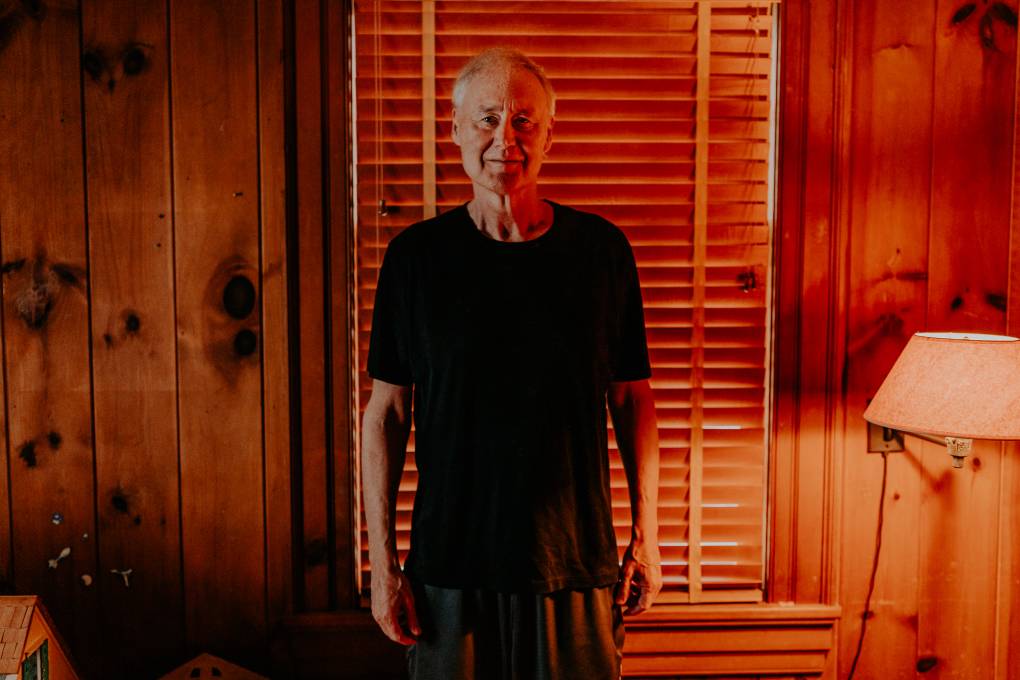
"caption": "Bruce Hornsby’s new album is 'Deep Sea Vents.' He stops in San Francisco and Santa Rosa on his latest tour, performing with the ensemble yMusic.",
"description": null,
"title": "BH22-2235-credit-TristanWilliams",
"credit": "Tristan Williams",
"status": "inherit",
"altTag": "An elder white man in a black t-shirt stands in front of a window with closed blinds.",
"isLoading": false,
"fetchFailed": false
},
"arts_13955323": {
"type": "attachments",
"id": "arts_13955323",
"meta": {
"index": "attachments_1716263798",
"site": "arts",
"id": "13955323",
"found": true
},
"parent": 0,
"imgSizes": {
"twentyfourteen-full-width": {
"file": "https://cdn.kqed.org/wp-content/uploads/sites/2/2024/04/Greg-Schneider-04-1038x576.jpg",
"width": 1038,
"mimeType": "image/jpeg",
"height": 576
},
"thumbnail": {
"file": "https://cdn.kqed.org/wp-content/uploads/sites/2/2024/04/Greg-Schneider-04-160x90.jpg",
"width": 160,
"mimeType": "image/jpeg",
"height": 90
},
"post-thumbnail": {
"file": "https://cdn.kqed.org/wp-content/uploads/sites/2/2024/04/Greg-Schneider-04-672x372.jpg",
"width": 672,
"mimeType": "image/jpeg",
"height": 372
},
"kqedFullSize": {
"file": "https://cdn.kqed.org/wp-content/uploads/sites/2/2024/04/Greg-Schneider-04.jpg",
"width": 1920,
"height": 1080
},
"large": {
"file": "https://cdn.kqed.org/wp-content/uploads/sites/2/2024/04/Greg-Schneider-04-1020x574.jpg",
"width": 1020,
"mimeType": "image/jpeg",
"height": 574
},
"1536x1536": {
"file": "https://cdn.kqed.org/wp-content/uploads/sites/2/2024/04/Greg-Schneider-04-1536x864.jpg",
"width": 1536,
"mimeType": "image/jpeg",
"height": 864
},
"medium": {
"file": "https://cdn.kqed.org/wp-content/uploads/sites/2/2024/04/Greg-Schneider-04-800x450.jpg",
"width": 800,
"mimeType": "image/jpeg",
"height": 450
},
"medium_large": {
"file": "https://cdn.kqed.org/wp-content/uploads/sites/2/2024/04/Greg-Schneider-04-768x432.jpg",
"width": 768,
"mimeType": "image/jpeg",
"height": 432
}
},
"publishDate": 1712137337,
"modified": 1712137447,
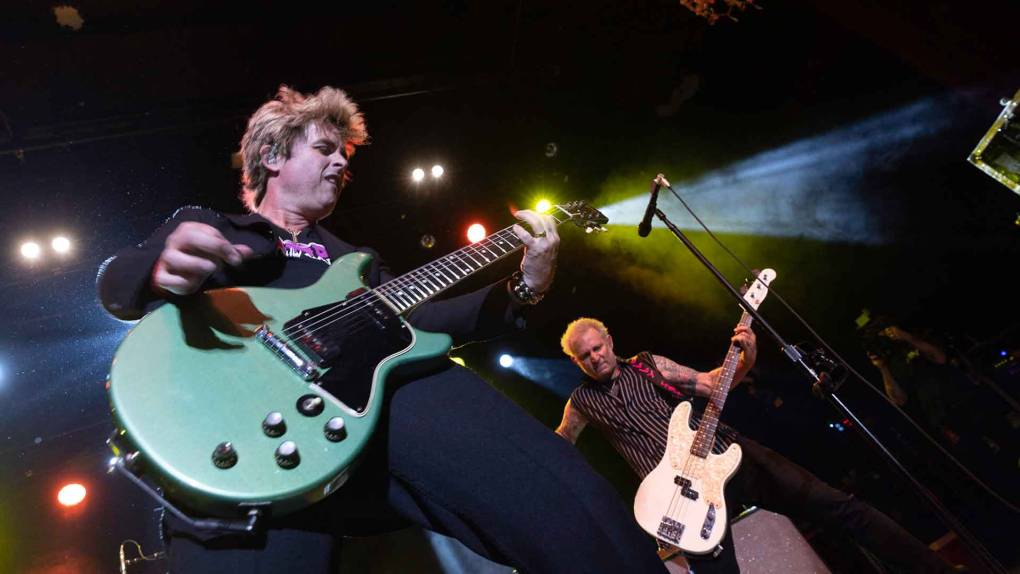
"caption": "Billie Joe Armstrong and Mike Dirnt of Green Day perform at The Fillmore in San Francisco on Tuesday, April 2, 2024. ",
"description": null,
"title": "Greg-Schneider-04",
"credit": "Greg Schneider",
"status": "inherit",
"altTag": "A man plays a Les Paul-style guitar, photographed from below, with a man playing bass and stage lights in the background",
"isLoading": false,
"fetchFailed": false
},
"arts_13955048": {
"type": "attachments",
"id": "arts_13955048",
"meta": {
"index": "attachments_1716263798",
"site": "arts",
"id": "13955048",
"found": true
},
"parent": 13955045,
"imgSizes": {
"thumbnail": {
"file": "https://cdn.kqed.org/wp-content/uploads/sites/2/2024/03/IMG_7753-160x107.jpeg",
"width": 160,
"mimeType": "image/jpeg",
"height": 107
},
"post-thumbnail": {
"file": "https://cdn.kqed.org/wp-content/uploads/sites/2/2024/03/IMG_7753-672x372.jpeg",
"width": 672,
"mimeType": "image/jpeg",
"height": 372
},
"kqedFullSize": {
"file": "https://cdn.kqed.org/wp-content/uploads/sites/2/2024/03/IMG_7753.jpeg",
"width": 750,
"height": 500
}
},
"publishDate": 1711761322,
"modified": 1711762355,
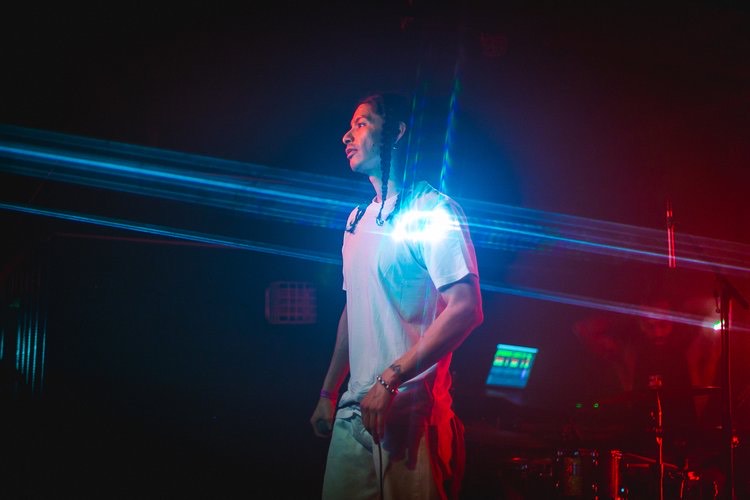
"caption": "A.CHAL's latest album, ESPÍRITU, is garnering national attention. He'll be performing in San Francisco this week.",
"description": null,
"title": "IMG_7753",
"credit": "Courtesy Cold Medina",
"status": "inherit",
"altTag": "a Peruvian rapper is on a darkly lit stage during a music performance",
"isLoading": false,
"fetchFailed": false
},
"arts_13955104": {
"type": "attachments",
"id": "arts_13955104",
"meta": {
"index": "attachments_1716263798",
"site": "arts",
"id": "13955104",
"found": true
},
"title": "Ramy Youssef and Bowen Yang in SNL’s Tiny Desk skit.",
"publishDate": 1711993346,
"status": "inherit",
"parent": 13955101,
"modified": 1739492610,
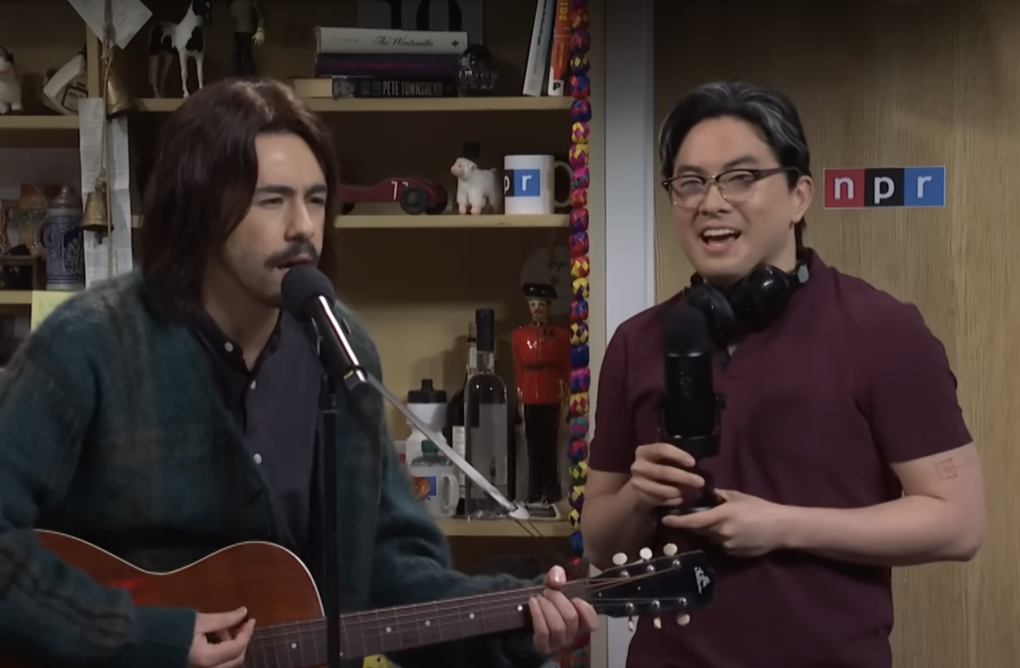
"caption": "Ramy Youssef and Bowen Yang in SNL’s 2024 ‘Tiny Desk’ sketch spoofing the NPR concert series.",
"credit": "SNL/ YouTube",
"altTag": "A man with long brown hair plays an acoustic guitar and sings into a microphone while a man stands nearby holding a radio mic and talking, headphones around his neck. They are in an office setting.",
"description": null,
"imgSizes": {
"medium": {
"file": "https://cdn.kqed.org/wp-content/uploads/sites/2/2024/04/Screen-Shot-2024-04-01-at-10.42.06-AM-800x524.png",
"width": 800,
"height": 524,
"mimeType": "image/png"
},
"large": {
"file": "https://cdn.kqed.org/wp-content/uploads/sites/2/2024/04/Screen-Shot-2024-04-01-at-10.42.06-AM-1020x668.png",
"width": 1020,
"height": 668,
"mimeType": "image/png"
},
"thumbnail": {
"file": "https://cdn.kqed.org/wp-content/uploads/sites/2/2024/04/Screen-Shot-2024-04-01-at-10.42.06-AM-160x105.png",
"width": 160,
"height": 105,
"mimeType": "image/png"
},
"medium_large": {
"file": "https://cdn.kqed.org/wp-content/uploads/sites/2/2024/04/Screen-Shot-2024-04-01-at-10.42.06-AM-768x503.png",
"width": 768,
"height": 503,
"mimeType": "image/png"
},
"1536x1536": {
"file": "https://cdn.kqed.org/wp-content/uploads/sites/2/2024/04/Screen-Shot-2024-04-01-at-10.42.06-AM-1536x1007.png",
"width": 1536,
"height": 1007,
"mimeType": "image/png"
},
"post-thumbnail": {
"file": "https://cdn.kqed.org/wp-content/uploads/sites/2/2024/04/Screen-Shot-2024-04-01-at-10.42.06-AM-672x372.png",
"width": 672,
"height": 372,
"mimeType": "image/png"
},
"twentyfourteen-full-width": {
"file": "https://cdn.kqed.org/wp-content/uploads/sites/2/2024/04/Screen-Shot-2024-04-01-at-10.42.06-AM-1038x576.png",
"width": 1038,
"height": 576,
"mimeType": "image/png"
},
"full-width": {
"file": "https://cdn.kqed.org/wp-content/uploads/sites/2/2024/04/Screen-Shot-2024-04-01-at-10.42.06-AM-1920x1258.png",
"width": 1920,
"height": 1258,
"mimeType": "image/png"
},
"kqedFullSize": {
"file": "https://cdn.kqed.org/wp-content/uploads/sites/2/2024/04/Screen-Shot-2024-04-01-at-10.42.06-AM.png",
"width": 1932,
"height": 1266
}
},
"isLoading": false,
"fetchFailed": false
},
"arts_13954721": {
"type": "attachments",
"id": "arts_13954721",
"meta": {
"index": "attachments_1716263798",
"site": "arts",
"id": "13954721",
"found": true
},
"parent": 13954716,
"imgSizes": {
"twentyfourteen-full-width": {
"file": "https://cdn.kqed.org/wp-content/uploads/sites/2/2024/03/SJD2023_FullSet-178_websize-1038x576.jpg",
"width": 1038,
"mimeType": "image/jpeg",
"height": 576
},
"thumbnail": {
"file": "https://cdn.kqed.org/wp-content/uploads/sites/2/2024/03/SJD2023_FullSet-178_websize-160x107.jpg",
"width": 160,
"mimeType": "image/jpeg",
"height": 107
},
"post-thumbnail": {
"file": "https://cdn.kqed.org/wp-content/uploads/sites/2/2024/03/SJD2023_FullSet-178_websize-672x372.jpg",
"width": 672,
"mimeType": "image/jpeg",
"height": 372
},
"kqedFullSize": {
"file": "https://cdn.kqed.org/wp-content/uploads/sites/2/2024/03/SJD2023_FullSet-178_websize.jpg",
"width": 1600,
"height": 1067
},
"large": {
"file": "https://cdn.kqed.org/wp-content/uploads/sites/2/2024/03/SJD2023_FullSet-178_websize-1020x680.jpg",
"width": 1020,
"mimeType": "image/jpeg",
"height": 680
},
"1536x1536": {
"file": "https://cdn.kqed.org/wp-content/uploads/sites/2/2024/03/SJD2023_FullSet-178_websize-1536x1024.jpg",
"width": 1536,
"mimeType": "image/jpeg",
"height": 1024
},
"medium": {
"file": "https://cdn.kqed.org/wp-content/uploads/sites/2/2024/03/SJD2023_FullSet-178_websize-800x534.jpg",
"width": 800,
"mimeType": "image/jpeg",
"height": 534
},
"medium_large": {
"file": "https://cdn.kqed.org/wp-content/uploads/sites/2/2024/03/SJD2023_FullSet-178_websize-768x512.jpg",
"width": 768,
"mimeType": "image/jpeg",
"height": 512
}
},
"publishDate": 1711409032,
"modified": 1711476904,
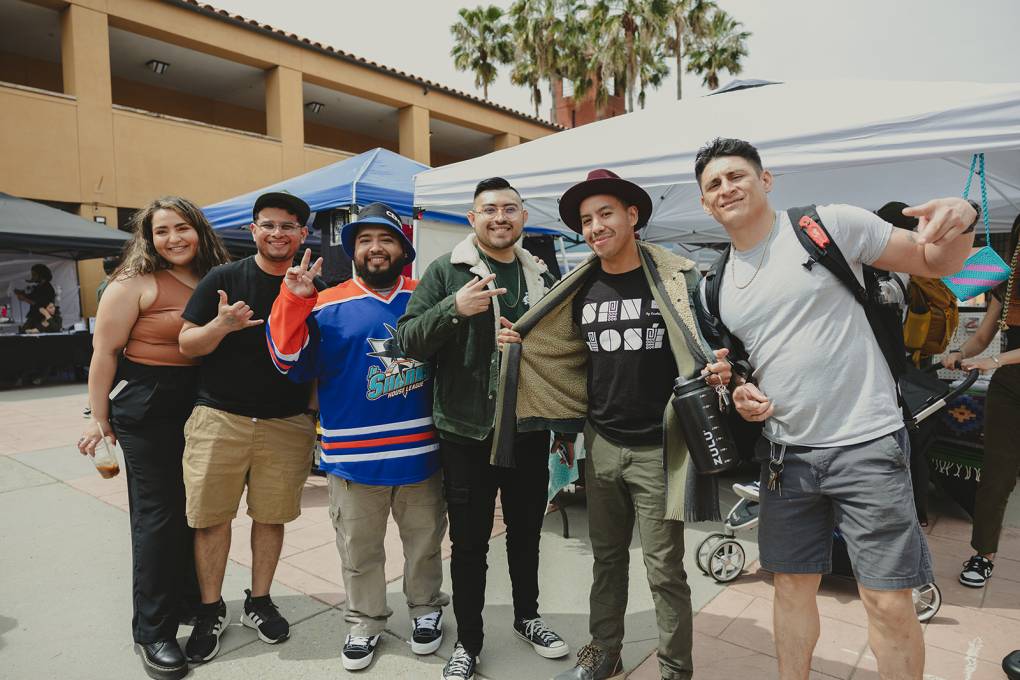
"caption": "A group of San Jose activists, artists and organizers gather for San Jose Day in 2023. ",
"description": null,
"title": "San Jose Day 2023",
"credit": "Alex Knowbody",
"status": "inherit",
"altTag": "a group of San Jose residents stand outside during a festival in their city",
"isLoading": false,
"fetchFailed": false
},
"arts_13955025": {
"type": "attachments",
"id": "arts_13955025",
"meta": {
"index": "attachments_1716263798",
"site": "arts",
"id": "13955025",
"found": true
},
"parent": 13955021,
"imgSizes": {
"twentyfourteen-full-width": {
"file": "https://cdn.kqed.org/wp-content/uploads/sites/2/2024/03/Beyonce-Cowboy-Carter-1038x576.jpg",
"width": 1038,
"mimeType": "image/jpeg",
"height": 576
},
"thumbnail": {
"file": "https://cdn.kqed.org/wp-content/uploads/sites/2/2024/03/Beyonce-Cowboy-Carter-160x80.jpg",
"width": 160,
"mimeType": "image/jpeg",
"height": 80
},
"post-thumbnail": {
"file": "https://cdn.kqed.org/wp-content/uploads/sites/2/2024/03/Beyonce-Cowboy-Carter-672x372.jpg",
"width": 672,
"mimeType": "image/jpeg",
"height": 372
},
"kqedFullSize": {
"file": "https://cdn.kqed.org/wp-content/uploads/sites/2/2024/03/Beyonce-Cowboy-Carter.jpg",
"width": 1920,
"height": 960
},
"large": {
"file": "https://cdn.kqed.org/wp-content/uploads/sites/2/2024/03/Beyonce-Cowboy-Carter-1020x510.jpg",
"width": 1020,
"mimeType": "image/jpeg",
"height": 510
},
"1536x1536": {
"file": "https://cdn.kqed.org/wp-content/uploads/sites/2/2024/03/Beyonce-Cowboy-Carter-1536x768.jpg",
"width": 1536,
"mimeType": "image/jpeg",
"height": 768
},
"medium": {
"file": "https://cdn.kqed.org/wp-content/uploads/sites/2/2024/03/Beyonce-Cowboy-Carter-800x400.jpg",
"width": 800,
"mimeType": "image/jpeg",
"height": 400
},
"medium_large": {
"file": "https://cdn.kqed.org/wp-content/uploads/sites/2/2024/03/Beyonce-Cowboy-Carter-768x384.jpg",
"width": 768,
"mimeType": "image/jpeg",
"height": 384
}
},
"publishDate": 1711733277,
"modified": 1711733349,
"caption": "Beyoncé's 'Cowboy Carter.'",
"description": null,
"title": "Beyonce-Cowboy-Carter",
"credit": "Parkwood Entertainment",
"status": "inherit",
"altTag": "A woman in red white and blue clothes, with a sash reading 'Cowboy Carter,' sitting side saddle on a horse and holding an American flag",
"isLoading": false,
"fetchFailed": false
},
"arts_13955007": {
"type": "attachments",
"id": "arts_13955007",
"meta": {
"index": "attachments_1716263798",
"site": "arts",
"id": "13955007",
"found": true
},
"parent": 13955006,
"imgSizes": {
"twentyfourteen-full-width": {
"file": "https://cdn.kqed.org/wp-content/uploads/sites/2/2024/03/IMG_7692-Edit-1038x576.jpg",
"width": 1038,
"mimeType": "image/jpeg",
"height": 576
},
"thumbnail": {
"file": "https://cdn.kqed.org/wp-content/uploads/sites/2/2024/03/IMG_7692-Edit-160x114.jpg",
"width": 160,
"mimeType": "image/jpeg",
"height": 114
},
"post-thumbnail": {
"file": "https://cdn.kqed.org/wp-content/uploads/sites/2/2024/03/IMG_7692-Edit-672x372.jpg",
"width": 672,
"mimeType": "image/jpeg",
"height": 372
},
"kqedFullSize": {
"file": "https://cdn.kqed.org/wp-content/uploads/sites/2/2024/03/IMG_7692-Edit-scaled.jpg",
"width": 2560,
"height": 1829
},
"2048x2048": {
"file": "https://cdn.kqed.org/wp-content/uploads/sites/2/2024/03/IMG_7692-Edit-2048x1463.jpg",
"width": 2048,
"mimeType": "image/jpeg",
"height": 1463
},
"large": {
"file": "https://cdn.kqed.org/wp-content/uploads/sites/2/2024/03/IMG_7692-Edit-1020x729.jpg",
"width": 1020,
"mimeType": "image/jpeg",
"height": 729
},
"1536x1536": {
"file": "https://cdn.kqed.org/wp-content/uploads/sites/2/2024/03/IMG_7692-Edit-1536x1097.jpg",
"width": 1536,
"mimeType": "image/jpeg",
"height": 1097
},
"full-width": {
"file": "https://cdn.kqed.org/wp-content/uploads/sites/2/2024/03/IMG_7692-Edit-1920x1372.jpg",
"width": 1920,
"mimeType": "image/jpeg",
"height": 1372
},
"medium": {
"file": "https://cdn.kqed.org/wp-content/uploads/sites/2/2024/03/IMG_7692-Edit-800x572.jpg",
"width": 800,
"mimeType": "image/jpeg",
"height": 572
},
"medium_large": {
"file": "https://cdn.kqed.org/wp-content/uploads/sites/2/2024/03/IMG_7692-Edit-768x549.jpg",
"width": 768,
"mimeType": "image/jpeg",
"height": 549
}
},
"publishDate": 1711672265,
"modified": 1711672337,
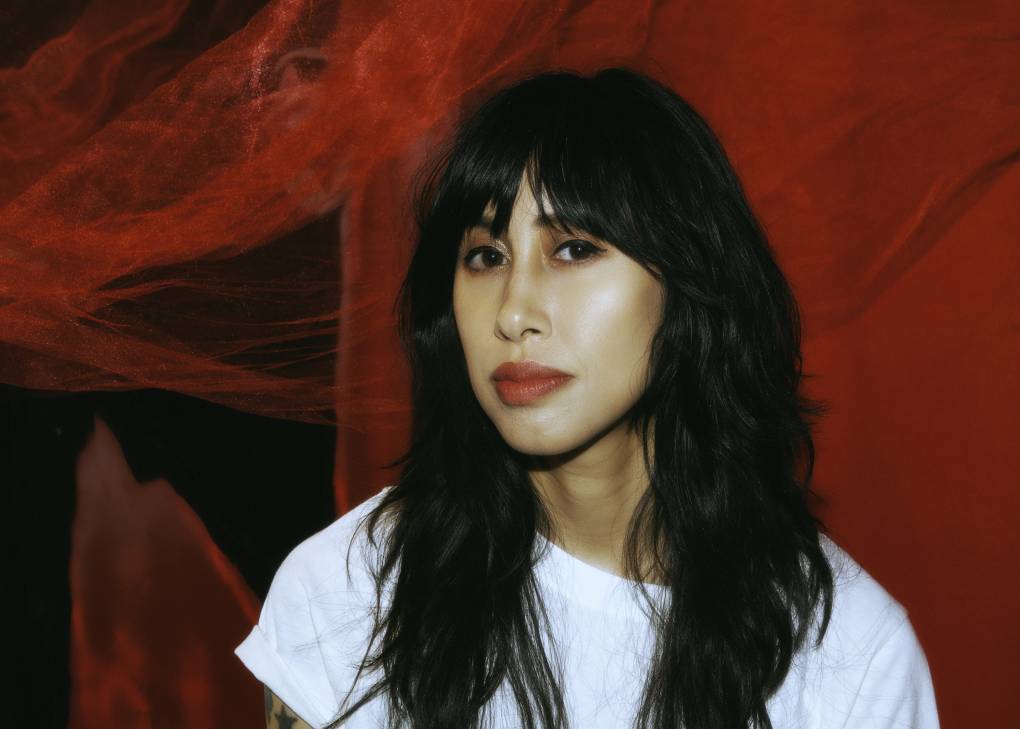
"caption": "Lizzie Killian of Teens in Trouble.",
"description": null,
"title": "IMG_7692-Edit",
"credit": "sasss world",
"status": "inherit",
"altTag": "A musician with long hair poses for a portrait.",
"isLoading": false,
"fetchFailed": false
},
"arts_12374066": {
"type": "attachments",
"id": "arts_12374066",
"meta": {
"index": "attachments_1716263798",
"site": "arts",
"id": "12374066",
"found": true
},
"parent": 12373880,
"imgSizes": {
"small": {
"file": "https://cdn.kqed.org/wp-content/uploads/sites/2/2016/11/billie-1-520x347.jpg",
"width": 520,
"mimeType": "image/jpeg",
"height": 347
},
"twentyfourteen-full-width": {
"file": "https://cdn.kqed.org/wp-content/uploads/sites/2/2016/11/billie-1-1038x576.jpg",
"width": 1038,
"mimeType": "image/jpeg",
"height": 576
},
"thumbnail": {
"file": "https://cdn.kqed.org/wp-content/uploads/sites/2/2016/11/billie-1-160x107.jpg",
"width": 160,
"mimeType": "image/jpeg",
"height": 107
},
"fd-sm": {
"file": "https://cdn.kqed.org/wp-content/uploads/sites/2/2016/11/billie-1-960x640.jpg",
"width": 960,
"mimeType": "image/jpeg",
"height": 640
},
"post-thumbnail": {
"file": "https://cdn.kqed.org/wp-content/uploads/sites/2/2016/11/billie-1-672x372.jpg",
"width": 672,
"mimeType": "image/jpeg",
"height": 372
},
"xsmall": {
"file": "https://cdn.kqed.org/wp-content/uploads/sites/2/2016/11/billie-1-375x250.jpg",
"width": 375,
"mimeType": "image/jpeg",
"height": 250
},
"kqedFullSize": {
"file": "https://cdn.kqed.org/wp-content/uploads/sites/2/2016/11/billie-1.jpg",
"width": 5760,
"height": 3840
},
"large": {
"file": "https://cdn.kqed.org/wp-content/uploads/sites/2/2016/11/billie-1-1020x680.jpg",
"width": 1020,
"mimeType": "image/jpeg",
"height": 680
},
"xlarge": {
"file": "https://cdn.kqed.org/wp-content/uploads/sites/2/2016/11/billie-1-1180x787.jpg",
"width": 1180,
"mimeType": "image/jpeg",
"height": 787
},
"guest-author-50": {
"file": "https://cdn.kqed.org/wp-content/uploads/sites/2/2016/11/billie-1-50x50.jpg",
"width": 50,
"mimeType": "image/jpeg",
"height": 50
},
"guest-author-96": {
"file": "https://cdn.kqed.org/wp-content/uploads/sites/2/2016/11/billie-1-96x96.jpg",
"width": 96,
"mimeType": "image/jpeg",
"height": 96
},
"medium": {
"file": "https://cdn.kqed.org/wp-content/uploads/sites/2/2016/11/billie-1-800x533.jpg",
"width": 800,
"mimeType": "image/jpeg",
"height": 533
},
"guest-author-64": {
"file": "https://cdn.kqed.org/wp-content/uploads/sites/2/2016/11/billie-1-64x64.jpg",
"width": 64,
"mimeType": "image/jpeg",
"height": 64
},
"guest-author-32": {
"file": "https://cdn.kqed.org/wp-content/uploads/sites/2/2016/11/billie-1-32x32.jpg",
"width": 32,
"mimeType": "image/jpeg",
"height": 32
},
"fd-lrg": {
"file": "https://cdn.kqed.org/wp-content/uploads/sites/2/2016/11/billie-1-1920x1280.jpg",
"width": 1920,
"mimeType": "image/jpeg",
"height": 1280
},
"fd-med": {
"file": "https://cdn.kqed.org/wp-content/uploads/sites/2/2016/11/billie-1-1180x787.jpg",
"width": 1180,
"mimeType": "image/jpeg",
"height": 787
},
"full-width": {
"file": "https://cdn.kqed.org/wp-content/uploads/sites/2/2016/11/billie-1-1920x1280.jpg",
"width": 1920,
"mimeType": "image/jpeg",
"height": 1280
},
"detail": {
"file": "https://cdn.kqed.org/wp-content/uploads/sites/2/2016/11/billie-1-150x150.jpg",
"width": 150,
"mimeType": "image/jpeg",
"height": 150
},
"medium_large": {
"file": "https://cdn.kqed.org/wp-content/uploads/sites/2/2016/11/billie-1-768x512.jpg",
"width": 768,
"mimeType": "image/jpeg",
"height": 512
},
"guest-author-128": {
"file": "https://cdn.kqed.org/wp-content/uploads/sites/2/2016/11/billie-1-128x128.jpg",
"width": 128,
"mimeType": "image/jpeg",
"height": 128
},
"xxsmall": {
"file": "https://cdn.kqed.org/wp-content/uploads/sites/2/2016/11/billie-1-240x160.jpg",
"width": 240,
"mimeType": "image/jpeg",
"height": 160
}
},
"publishDate": 1479703913,
"modified": 1711654115,
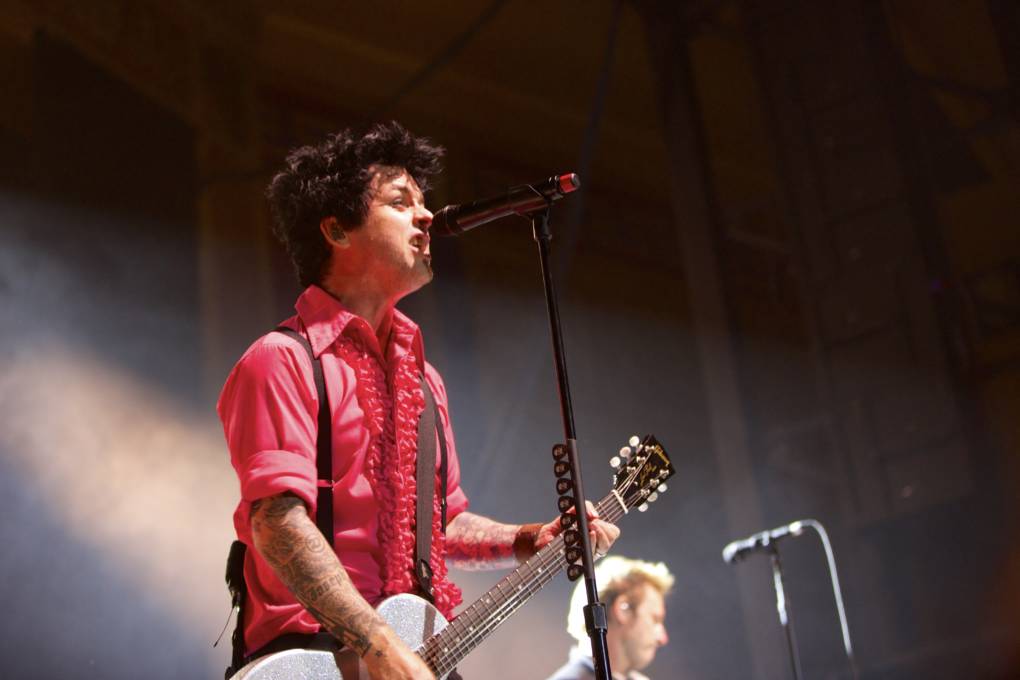
"caption": "Green Day at Berkeley’s UC Theatre on Oct. 20, 2016.",
"description": null,
"title": "Green Day at Berkeley’s UC Theatre on Oct. 20, 2016.",
"credit": "Emma Silvers/ KQED",
"status": "inherit",
"altTag": "A white man with black hair sings on stage, while playing a white guitar and wearing a red shirt and black suspenders.",
"isLoading": false,
"fetchFailed": false
},
"arts_13863664": {
"type": "attachments",
"id": "arts_13863664",
"meta": {
"index": "attachments_1716263798",
"site": "arts",
"id": "13863664",
"found": true
},
"parent": 13863632,
"imgSizes": {
"twentyfourteen-full-width": {
"file": "https://cdn.kqed.org/wp-content/uploads/sites/2/2019/08/TierraWhack.MAIN_-1038x576.jpg",
"width": 1038,
"mimeType": "image/jpeg",
"height": 576
},
"thumbnail": {
"file": "https://cdn.kqed.org/wp-content/uploads/sites/2/2019/08/TierraWhack.MAIN_-160x90.jpg",
"width": 160,
"mimeType": "image/jpeg",
"height": 90
},
"post-thumbnail": {
"file": "https://cdn.kqed.org/wp-content/uploads/sites/2/2019/08/TierraWhack.MAIN_-672x372.jpg",
"width": 672,
"mimeType": "image/jpeg",
"height": 372
},
"kqedFullSize": {
"file": "https://cdn.kqed.org/wp-content/uploads/sites/2/2019/08/TierraWhack.MAIN_.jpg",
"width": 1920,
"height": 1080
},
"large": {
"file": "https://cdn.kqed.org/wp-content/uploads/sites/2/2019/08/TierraWhack.MAIN_-1020x574.jpg",
"width": 1020,
"mimeType": "image/jpeg",
"height": 574
},
"complete_open_graph": {
"file": "https://cdn.kqed.org/wp-content/uploads/sites/2/2019/08/TierraWhack.MAIN_-1200x675.jpg",
"width": 1200,
"mimeType": "image/jpeg",
"height": 675
},
"full-width": {
"file": "https://cdn.kqed.org/wp-content/uploads/sites/2/2019/08/TierraWhack.MAIN_-1920x1080.jpg",
"width": 1920,
"mimeType": "image/jpeg",
"height": 1080
},
"medium": {
"file": "https://cdn.kqed.org/wp-content/uploads/sites/2/2019/08/TierraWhack.MAIN_-800x450.jpg",
"width": 800,
"mimeType": "image/jpeg",
"height": 450
},
"medium_large": {
"file": "https://cdn.kqed.org/wp-content/uploads/sites/2/2019/08/TierraWhack.MAIN_-768x432.jpg",
"width": 768,
"mimeType": "image/jpeg",
"height": 432
}
},
"publishDate": 1565534298,
"modified": 1711648336,
"caption": "Tierra Whack performs at Outside Lands music festival in San Francisco, Aug. 10, 2019.",
"description": "Tierra Whack performs at Outside Lands music festival in San Francisco, Aug. 10, 2019.",
"title": "TierraWhack.MAIN",
"credit": "Estefany Gonzalez for KQED",
"status": "inherit",
"altTag": "Tierra Whack performs at Outside Lands music festival in San Francisco, Aug. 10, 2019.",
"isLoading": false,
"fetchFailed": false
},
"arts_13954777": {
"type": "attachments",
"id": "arts_13954777",
"meta": {
"index": "attachments_1716263798",
"site": "arts",
"id": "13954777",
"found": true
},
"parent": 13954740,
"imgSizes": {
"twentyfourteen-full-width": {
"file": "https://cdn.kqed.org/wp-content/uploads/sites/2/2024/03/GettyImages-2105335069-1038x576.jpg",
"width": 1038,
"mimeType": "image/jpeg",
"height": 576
},
"thumbnail": {
"file": "https://cdn.kqed.org/wp-content/uploads/sites/2/2024/03/GettyImages-2105335069-160x107.jpg",
"width": 160,
"mimeType": "image/jpeg",
"height": 107
},
"post-thumbnail": {
"file": "https://cdn.kqed.org/wp-content/uploads/sites/2/2024/03/GettyImages-2105335069-672x372.jpg",
"width": 672,
"mimeType": "image/jpeg",
"height": 372
},
"kqedFullSize": {
"file": "https://cdn.kqed.org/wp-content/uploads/sites/2/2024/03/GettyImages-2105335069-scaled-e1711491345539.jpg",
"width": 1920,
"height": 1280
},
"2048x2048": {
"file": "https://cdn.kqed.org/wp-content/uploads/sites/2/2024/03/GettyImages-2105335069-2048x1366.jpg",
"width": 2048,
"mimeType": "image/jpeg",
"height": 1366
},
"large": {
"file": "https://cdn.kqed.org/wp-content/uploads/sites/2/2024/03/GettyImages-2105335069-1020x680.jpg",
"width": 1020,
"mimeType": "image/jpeg",
"height": 680
},
"1536x1536": {
"file": "https://cdn.kqed.org/wp-content/uploads/sites/2/2024/03/GettyImages-2105335069-1536x1024.jpg",
"width": 1536,
"mimeType": "image/jpeg",
"height": 1024
},
"full-width": {
"file": "https://cdn.kqed.org/wp-content/uploads/sites/2/2024/03/GettyImages-2105335069-1920x1280.jpg",
"width": 1920,
"mimeType": "image/jpeg",
"height": 1280
},
"medium": {
"file": "https://cdn.kqed.org/wp-content/uploads/sites/2/2024/03/GettyImages-2105335069-800x533.jpg",
"width": 800,
"mimeType": "image/jpeg",
"height": 533
},
"medium_large": {
"file": "https://cdn.kqed.org/wp-content/uploads/sites/2/2024/03/GettyImages-2105335069-768x512.jpg",
"width": 768,
"mimeType": "image/jpeg",
"height": 512
}
},
"publishDate": 1711491161,
"modified": 1711491580,
"caption": "Sean ‘Diddy’ Combs at the MTV VMAs in September 2023, where he won the Global Icon award.",
"description": null,
"title": "Sean ‘Diddy’ Combs at the MTV VMAs in September 2023, where he won the Global Icon award.",
"credit": "ANGELA WEISS/ AFP via Getty Images",
"status": "inherit",
"altTag": "A Black man wearing dark sunglasses and a red coat faces the camera, visible from the shoulders up.",
"isLoading": false,
"fetchFailed": false
},
"arts_13954798": {
"type": "attachments",
"id": "arts_13954798",
"meta": {
"index": "attachments_1716263798",
"site": "arts",
"id": "13954798",
"found": true
},
"parent": 13954764,
"imgSizes": {
"twentyfourteen-full-width": {
"file": "https://cdn.kqed.org/wp-content/uploads/sites/2/2024/03/Salonen.Scriabin-1038x576.jpg",
"width": 1038,
"mimeType": "image/jpeg",
"height": 576
},
"thumbnail": {
"file": "https://cdn.kqed.org/wp-content/uploads/sites/2/2024/03/Salonen.Scriabin-160x90.jpg",
"width": 160,
"mimeType": "image/jpeg",
"height": 90
},
"post-thumbnail": {
"file": "https://cdn.kqed.org/wp-content/uploads/sites/2/2024/03/Salonen.Scriabin-672x372.jpg",
"width": 672,
"mimeType": "image/jpeg",
"height": 372
},
"kqedFullSize": {
"file": "https://cdn.kqed.org/wp-content/uploads/sites/2/2024/03/Salonen.Scriabin.jpg",
"width": 1920,
"height": 1080
},
"large": {
"file": "https://cdn.kqed.org/wp-content/uploads/sites/2/2024/03/Salonen.Scriabin-1020x574.jpg",
"width": 1020,
"mimeType": "image/jpeg",
"height": 574
},
"1536x1536": {
"file": "https://cdn.kqed.org/wp-content/uploads/sites/2/2024/03/Salonen.Scriabin-1536x864.jpg",
"width": 1536,
"mimeType": "image/jpeg",
"height": 864
},
"medium": {
"file": "https://cdn.kqed.org/wp-content/uploads/sites/2/2024/03/Salonen.Scriabin-800x450.jpg",
"width": 800,
"mimeType": "image/jpeg",
"height": 450
},
"medium_large": {
"file": "https://cdn.kqed.org/wp-content/uploads/sites/2/2024/03/Salonen.Scriabin-768x432.jpg",
"width": 768,
"mimeType": "image/jpeg",
"height": 432
}
},
"publishDate": 1711493233,
"modified": 1711493272,
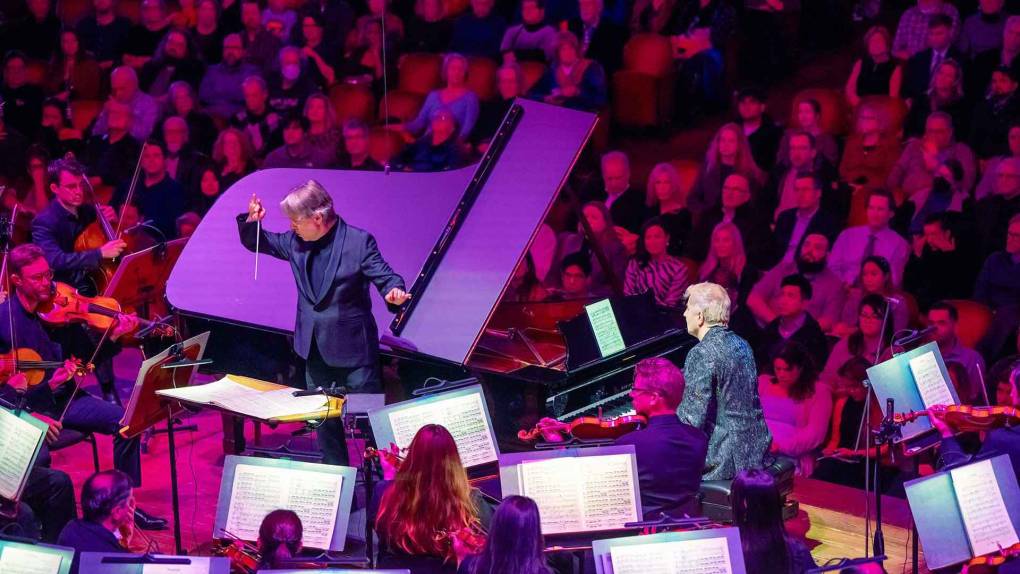
"caption": "Esa-Pekka Salonen conducts the orchestra with pianist Jean-Yves Thibaudet as the San Francisco Symphony performs Alexander Scriabin's 'Prometheus, The Poem of Fire' at Davies Symphony Hall on March 1, 2024.",
"description": null,
"title": "Salonen.Scriabin",
"credit": "Brandon Patoc",
"status": "inherit",
"altTag": "A man conducts an orchestra aside a pianist at a grand piano, on stage, bathed in purple light",
"isLoading": false,
"fetchFailed": false
},
"arts_13954775": {
"type": "attachments",
"id": "arts_13954775",
"meta": {
"index": "attachments_1716263798",
"site": "arts",
"id": "13954775",
"found": true
},
"parent": 13954771,
"imgSizes": {
"twentyfourteen-full-width": {
"file": "https://cdn.kqed.org/wp-content/uploads/sites/2/2024/03/IMG_9530-1038x576.jpg",
"width": 1038,
"mimeType": "image/jpeg",
"height": 576
},
"thumbnail": {
"file": "https://cdn.kqed.org/wp-content/uploads/sites/2/2024/03/IMG_9530-160x105.jpg",
"width": 160,
"mimeType": "image/jpeg",
"height": 105
},
"post-thumbnail": {
"file": "https://cdn.kqed.org/wp-content/uploads/sites/2/2024/03/IMG_9530-672x372.jpg",
"width": 672,
"mimeType": "image/jpeg",
"height": 372
},
"kqedFullSize": {
"file": "https://cdn.kqed.org/wp-content/uploads/sites/2/2024/03/IMG_9530.jpg",
"width": 1691,
"height": 1113
},
"large": {
"file": "https://cdn.kqed.org/wp-content/uploads/sites/2/2024/03/IMG_9530-1020x671.jpg",
"width": 1020,
"mimeType": "image/jpeg",
"height": 671
},
"1536x1536": {
"file": "https://cdn.kqed.org/wp-content/uploads/sites/2/2024/03/IMG_9530-1536x1011.jpg",
"width": 1536,
"mimeType": "image/jpeg",
"height": 1011
},
"medium": {
"file": "https://cdn.kqed.org/wp-content/uploads/sites/2/2024/03/IMG_9530-800x527.jpg",
"width": 800,
"mimeType": "image/jpeg",
"height": 527
},
"medium_large": {
"file": "https://cdn.kqed.org/wp-content/uploads/sites/2/2024/03/IMG_9530-768x505.jpg",
"width": 768,
"mimeType": "image/jpeg",
"height": 505
}
},
"publishDate": 1711490773,
"modified": 1711558576,
"caption": "Rapper A-1 and producer Baghead make a formidable team on their album 'STEPxSTEP.'",
"description": null,
"title": "IMG_9530",
"credit": "Daniel Valencia",
"status": "inherit",
"altTag": null,
"isLoading": false,
"fetchFailed": false
}
},
"audioPlayerReducer": {
"postId": "stream_live",
"isPaused": true,
"isPlaying": false,
"pfsActive": false,
"pledgeModalIsOpen": true,
"playerDrawerIsOpen": false,
"liveAudioPlayStartedAt": 0,
"liveAudioPlayContext": ""
},
"authorsReducer": {
"byline_arts_13955101": {
"type": "authors",
"id": "byline_arts_13955101",
"meta": {
"override": true
},
"slug": "byline_arts_13955101",
"name": "Juliana Kim",
"isLoading": false
},
"byline_arts_13955006": {
"type": "authors",
"id": "byline_arts_13955006",
"meta": {
"override": true
},
"slug": "byline_arts_13955006",
"name": "Danny Acosta",
"isLoading": false
},
"byline_arts_13954949": {
"type": "authors",
"id": "byline_arts_13954949",
"meta": {
"override": true
},
"slug": "byline_arts_13954949",
"name": "Maria Sherman, Associated Press",
"isLoading": false
},
"gmeline": {
"type": "authors",
"id": "185",
"meta": {
"index": "authors_1716337520",
"id": "185",
"found": true
},
"name": "Gabe Meline",
"firstName": "Gabe",
"lastName": "Meline",
"slug": "gmeline",
"email": "gmeline@kqed.org",
"display_author_email": true,
"staff_mastheads": [
"arts"
],
"title": "Senior Editor, KQED Arts & Culture",
"bio": "Gabe Meline entered journalism at age 15 making photocopied zines, and has since earned awards from the Edward R. Murrow Awards, the Society for Professional Journalists, the Online Journalism Awards, the Association of Alternative Newsweeklies and the California Newspaper Publishers Association. Prior to KQED, he was the editor of the \u003cem>North Bay Bohemian\u003c/em> and a touring musician. He lives with his wife and daughter in his hometown of Santa Rosa, CA.",
"avatar": "https://secure.gravatar.com/avatar/5bebe57be0d8bc2dd318934feb47299e2d2d10cba28d09d8d7afb389a2ce2bdd?s=600&d=blank&r=g",
"twitter": null,
"bluesky": null,
"facebook": null,
"instagram": null,
"linkedin": null,
"sites": [
{
"site": "",
"roles": [
"editor"
]
},
{
"site": "arts",
"roles": [
"administrator"
]
},
{
"site": "artschool",
"roles": [
"editor"
]
},
{
"site": "news",
"roles": [
"author"
]
},
{
"site": "pop",
"roles": [
"editor"
]
},
{
"site": "bayareabites",
"roles": [
"editor"
]
},
{
"site": "food",
"roles": [
"editor"
]
},
{
"site": "forum",
"roles": [
"administrator"
]
},
{
"site": "liveblog",
"roles": [
"editor"
]
},
{
"site": "hiphop",
"roles": [
"editor"
]
}
],
"headData": {
"title": "Gabe Meline | KQED",
"description": "Senior Editor, KQED Arts & Culture",
"ogImgSrc": "https://secure.gravatar.com/avatar/5bebe57be0d8bc2dd318934feb47299e2d2d10cba28d09d8d7afb389a2ce2bdd?s=600&d=blank&r=g",
"twImgSrc": "https://secure.gravatar.com/avatar/5bebe57be0d8bc2dd318934feb47299e2d2d10cba28d09d8d7afb389a2ce2bdd?s=600&d=blank&r=g"
},
"isLoading": false,
"link": "/author/gmeline"
},
"ralexandra": {
"type": "authors",
"id": "11242",
"meta": {
"index": "authors_1716337520",
"id": "11242",
"found": true
},
"name": "Rae Alexandra",
"firstName": "Rae",
"lastName": "Alexandra",
"slug": "ralexandra",
"email": "ralexandra@kqed.org",
"display_author_email": true,
"staff_mastheads": [],
"title": "Reporter/Producer",
"bio": "Rae Alexandra is a Reporter/Producer for KQED Arts & Culture, and the creator/author of the \u003ca href=\"https://www.kqed.org/arts/program/rebel-girls-from-bay-area-history\">Rebel Girls From Bay Area History\u003c/a> and \u003ca href=\"https://www.kqed.org/bizarrebayarea\">Bizarre Bay Area\u003c/a> series. Her debut book, \u003ca href=\"https://citylights.com/politics-current-events-history/unsung-heroines35-women-who-changed/\">Unsung Heroines: 35 Women Who Changed the Bay Area\u003c/a> was published by City Lights in March 2026. In 2023, Rae was awarded an SPJ Excellence in Journalism Award for Arts & Culture. Rae was born and raised in Wales and subsequently — even after two decades in Northern California — still uses phrases that regularly baffle her coworkers.",
"avatar": "https://secure.gravatar.com/avatar/edfee8176c80cc0a382b051190f5341997df378a934a5774dcb0977732dfd401?s=600&d=blank&r=g",
"twitter": null,
"bluesky": null,
"facebook": null,
"instagram": null,
"linkedin": null,
"sites": [
{
"site": "arts",
"roles": [
"subscriber"
]
},
{
"site": "news",
"roles": [
"subscriber"
]
},
{
"site": "pop",
"roles": [
"subscriber"
]
},
{
"site": "bayareabites",
"roles": [
"subscriber"
]
},
{
"site": "science",
"roles": [
"subscriber"
]
}
],
"headData": {
"title": "Rae Alexandra | KQED",
"description": "Reporter/Producer",
"ogImgSrc": "https://secure.gravatar.com/avatar/edfee8176c80cc0a382b051190f5341997df378a934a5774dcb0977732dfd401?s=600&d=blank&r=g",
"twImgSrc": "https://secure.gravatar.com/avatar/edfee8176c80cc0a382b051190f5341997df378a934a5774dcb0977732dfd401?s=600&d=blank&r=g"
},
"isLoading": false,
"link": "/author/ralexandra"
},
"aproehl": {
"type": "authors",
"id": "11296",
"meta": {
"index": "authors_1716337520",
"id": "11296",
"found": true
},
"name": "Ariana Proehl",
"firstName": "Ariana",
"lastName": "Proehl",
"slug": "aproehl",
"email": "aproehl@KQED.org",
"display_author_email": true,
"staff_mastheads": [
"news"
],
"title": "Culture Reporter, KQED",
"bio": "Ariana Proehl is a Culture Reporter and Host.",
"avatar": "https://secure.gravatar.com/avatar/c96b24567eb5bb3a4f8bb295ed53e232?s=600&d=blank&r=g",
"twitter": "ArianaProehl",
"facebook": null,
"instagram": null,
"linkedin": null,
"sites": [
{
"site": "arts",
"roles": []
},
{
"site": "news",
"roles": []
},
{
"site": "education",
"roles": []
},
{
"site": "forum",
"roles": []
}
],
"headData": {
"title": "Ariana Proehl | KQED",
"description": "Culture Reporter, KQED",
"ogImgSrc": "https://secure.gravatar.com/avatar/c96b24567eb5bb3a4f8bb295ed53e232?s=600&d=blank&r=g",
"twImgSrc": "https://secure.gravatar.com/avatar/c96b24567eb5bb3a4f8bb295ed53e232?s=600&d=blank&r=g"
},
"isLoading": false,
"link": "/author/aproehl"
},
"nvoynovskaya": {
"type": "authors",
"id": "11387",
"meta": {
"index": "authors_1716337520",
"id": "11387",
"found": true
},
"name": "Nastia Voynovskaya",
"firstName": "Nastia",
"lastName": "Voynovskaya",
"slug": "nvoynovskaya",
"email": "nvoynovskaya@kqed.org",
"display_author_email": false,
"staff_mastheads": [
"arts"
],
"title": "Editor and reporter",
"bio": "Nastia Voynovskaya is a reporter, editor and host at KQED Arts & Culture. She's been covering the arts in the Bay Area for over a decade, with a focus on music, queer culture, labor issues and grassroots organizing. She has edited KQED story series such as Trans Bay: A History of San Francisco's Gender-Diverse Community, and co-created KQED's Bay Area hip-hop history project, That's My Word. Nastia's work has been recognized by the Society of Professional Journalists and San Francisco Press Club. She regularly appears on podcasts and radio programs, including NPR's All Songs Considered, and hosts live events where music, culture and conversation meet.",
"avatar": "https://secure.gravatar.com/avatar/5025ee460e5a85d69ca20ea6c6f2f80d7e17795c828f61ea3aecfcd924e9042e?s=600&d=blank&r=g",
"twitter": null,
"bluesky": null,
"facebook": null,
"instagram": "https://www.instagram.com/nananastia/",
"linkedin": null,
"sites": [
{
"site": "",
"roles": [
"editor"
]
},
{
"site": "arts",
"roles": [
"administrator"
]
},
{
"site": "news",
"roles": [
"editor"
]
},
{
"site": "pop",
"roles": [
"administrator"
]
},
{
"site": "bayareabites",
"roles": [
"editor"
]
},
{
"site": "podcasts",
"roles": [
"editor"
]
},
{
"site": "hiphop",
"roles": [
"editor"
]
}
],
"headData": {
"title": "Nastia Voynovskaya | KQED",
"description": "Editor and reporter",
"ogImgSrc": "https://secure.gravatar.com/avatar/5025ee460e5a85d69ca20ea6c6f2f80d7e17795c828f61ea3aecfcd924e9042e?s=600&d=blank&r=g",
"twImgSrc": "https://secure.gravatar.com/avatar/5025ee460e5a85d69ca20ea6c6f2f80d7e17795c828f61ea3aecfcd924e9042e?s=600&d=blank&r=g"
},
"isLoading": false,
"link": "/author/nvoynovskaya"
},
"eromero": {
"type": "authors",
"id": "11746",
"meta": {
"index": "authors_1716337520",
"id": "11746",
"found": true
},
"name": "Ezra David Romero",
"firstName": "Ezra David",
"lastName": "Romero",
"slug": "eromero",
"email": "eromero@kqed.org",
"display_author_email": true,
"staff_mastheads": [
"news",
"science"
],
"title": "Climate Reporter",
"bio": "Ezra David Romero is a climate reporter for KQED News. He covers the absence and excess of water in the Bay Area — think sea level rise, flooding and drought. For nearly a decade he’s covered how warming temperatures are altering the lives of Californians. He’s reported on farmers worried their pistachio trees aren’t getting enough sleep, families desperate for water, scientists studying dying giant sequoias, and alongside firefighters containing wildfires. His work has appeared on local stations across California and nationally on public radio shows like Morning Edition, Here and Now, All Things Considered and Science Friday. ",
"avatar": "https://secure.gravatar.com/avatar/c76404d287c10ed40224227551ac36e24352c7306f106632caf6fead76f8801f?s=600&d=blank&r=g",
"twitter": "ezraromero",
"bluesky": null,
"facebook": null,
"instagram": null,
"linkedin": null,
"sites": [
{
"site": "arts",
"roles": [
"editor"
]
},
{
"site": "news",
"roles": [
"editor"
]
},
{
"site": "science",
"roles": [
"editor"
]
},
{
"site": "liveblog",
"roles": [
"author"
]
}
],
"headData": {
"title": "Ezra David Romero | KQED",
"description": "Climate Reporter",
"ogImgSrc": "https://secure.gravatar.com/avatar/c76404d287c10ed40224227551ac36e24352c7306f106632caf6fead76f8801f?s=600&d=blank&r=g",
"twImgSrc": "https://secure.gravatar.com/avatar/c76404d287c10ed40224227551ac36e24352c7306f106632caf6fead76f8801f?s=600&d=blank&r=g"
},
"isLoading": false,
"link": "/author/eromero"
},
"achazaro": {
"type": "authors",
"id": "11748",
"meta": {
"index": "authors_1716337520",
"id": "11748",
"found": true
},
"name": "Alan Chazaro",
"firstName": "Alan",
"lastName": "Chazaro",
"slug": "achazaro",
"email": "agchazaro@gmail.com",
"display_author_email": true,
"staff_mastheads": [],
"title": "Food Writer and Reporter",
"bio": "Alan Chazaro is the author of \u003cem>This Is Not a Frank Ocean Cover Album\u003c/em> (Black Lawrence Press, 2019), \u003cem>Piñata Theory\u003c/em> (Black Lawrence Press, 2020), and \u003cem>Notes from the Eastern Span of the Bay Bridge\u003c/em> (Ghost City Press, 2021). He is a graduate of June Jordan’s Poetry for the People program at UC Berkeley and a former Lawrence Ferlinghetti Fellow at the University of San Francisco. He writes about sports, food, art, music, education, and culture while repping the Bay on \u003ca href=\"https://twitter.com/alan_chazaro\">Twitter\u003c/a> and \u003ca href=\"https://www.instagram.com/alan_chazaro/?hl=en\">Instagram\u003c/a> at @alan_chazaro.",
"avatar": "https://secure.gravatar.com/avatar/ea8b6dd970fc5c29e7a188e7d5861df7?s=600&d=blank&r=g",
"twitter": "alan_chazaro",
"facebook": null,
"instagram": null,
"linkedin": null,
"sites": [
{
"site": "arts",
"roles": [
"contributor"
]
},
{
"site": "news",
"roles": [
"editor"
]
}
],
"headData": {
"title": "Alan Chazaro | KQED",
"description": "Food Writer and Reporter",
"ogImgSrc": "https://secure.gravatar.com/avatar/ea8b6dd970fc5c29e7a188e7d5861df7?s=600&d=blank&r=g",
"twImgSrc": "https://secure.gravatar.com/avatar/ea8b6dd970fc5c29e7a188e7d5861df7?s=600&d=blank&r=g"
},
"isLoading": false,
"link": "/author/achazaro"
},
"nkhan": {
"type": "authors",
"id": "11867",
"meta": {
"index": "authors_1716337520",
"id": "11867",
"found": true
},
"name": "Nisa Khan",
"firstName": "Nisa",
"lastName": "Khan",
"slug": "nkhan",
"email": "nkhan@kqed.org",
"display_author_email": false,
"staff_mastheads": [],
"title": "KQED Contributor",
"bio": "Nisa Khan is a reporter for KQED's Audience News Desk. She was formerly a data reporter at Michigan Radio. She earned a Bachelor of Science in Information from the University of Michigan and a Master of Arts in Communication from Stanford University.",
"avatar": "https://secure.gravatar.com/avatar/8720459eef081ff64582b3506b124d58523e80e120704a0cbd9892533c914991?s=600&d=blank&r=g",
"twitter": "mnisakhan",
"bluesky": null,
"facebook": null,
"instagram": null,
"linkedin": null,
"sites": [
{
"site": "arts",
"roles": [
"editor"
]
},
{
"site": "news",
"roles": [
"editor"
]
},
{
"site": "science",
"roles": [
"editor",
"author"
]
},
{
"site": "forum",
"roles": [
"editor"
]
},
{
"site": "liveblog",
"roles": [
"contributor"
]
}
],
"headData": {
"title": "Nisa Khan | KQED",
"description": "KQED Contributor",
"ogImgSrc": "https://secure.gravatar.com/avatar/8720459eef081ff64582b3506b124d58523e80e120704a0cbd9892533c914991?s=600&d=blank&r=g",
"twImgSrc": "https://secure.gravatar.com/avatar/8720459eef081ff64582b3506b124d58523e80e120704a0cbd9892533c914991?s=600&d=blank&r=g"
},
"isLoading": false,
"link": "/author/nkhan"
},
"udursun": {
"type": "authors",
"id": "11883",
"meta": {
"index": "authors_1716337520",
"id": "11883",
"found": true
},
"name": "Ugur Dursun",
"firstName": "Ugur",
"lastName": "Dursun",
"slug": "udursun",
"email": "udursun@kqed.org",
"display_author_email": true,
"staff_mastheads": [
"arts"
],
"title": "Engagement Producer, KQED Arts & Culture",
"bio": "Ugur Dursun is a reporter and audience engagement producer for KQED Arts. Previously, her reporting has appeared on SFGate, East Bay Times, The Mercury News, KTVU, NBC Bay Area, The Stanford Daily, and other Bay Area local news outlets. In 2023, she was a recipient of Online News Association's \u003ca href=\"https://journalists.org/programs/mj-bear-fellowship/\">MJ Bear Fellowship\u003c/a>, which honors six standout journalists under the age of 30 who are pushing innovation in digital news.",
"avatar": "https://secure.gravatar.com/avatar/9c5fe6a93389635670fe02d7fa44666938055adfbfc2cfd7fffc1de9e29072a2?s=600&d=blank&r=g",
"twitter": null,
"bluesky": null,
"facebook": null,
"instagram": null,
"linkedin": null,
"sites": [
{
"site": "arts",
"roles": [
"administrator"
]
},
{
"site": "news",
"roles": [
"editor"
]
}
],
"headData": {
"title": "Ugur Dursun | KQED",
"description": "Engagement Producer, KQED Arts & Culture",
"ogImgSrc": "https://secure.gravatar.com/avatar/9c5fe6a93389635670fe02d7fa44666938055adfbfc2cfd7fffc1de9e29072a2?s=600&d=blank&r=g",
"twImgSrc": "https://secure.gravatar.com/avatar/9c5fe6a93389635670fe02d7fa44666938055adfbfc2cfd7fffc1de9e29072a2?s=600&d=blank&r=g"
},
"isLoading": false,
"link": "/author/udursun"
}
},
"pagesReducer": {
"arts_category_music": {
"type": "terms",
"id": "arts_69",
"meta": {
"index": "terms_1716263798",
"site": "arts",
"id": "69",
"score": 10.850847
},
"featImg": null,
"name": "Music",
"description": null,
"taxonomy": "category",
"headData": {
"twImgId": null,
"twTitle": null,
"ogTitle": null,
"ogImgId": null,
"twDescription": null,
"description": null,
"title": "Music Archives | KQED Arts",
"ogDescription": null
},
"ttid": 70,
"slug": "music",
"isLoading": false,
"title": "Music",
"pageMeta": {
"site": "arts",
"WpPageTemplate": "page-topic-editorial",
"currentPage": 56
},
"blocks": [
{
"blockName": "kqed/post-list",
"attrs": {
"layout": "cardArticle2",
"query": "posts/arts?category=music",
"seeMore": false,
"paginated": true,
"page": 56
}
},
{
"blockName": "kqed/ad"
}
]
}
},
"pfsSessionReducer": {},
"postsReducer": {
"stream_live": {
"type": "live",
"id": "stream_live",
"audioUrl": "https://streams.kqed.org/kqedradio",
"title": "Live Stream",
"excerpt": "Live Stream information currently unavailable.",
"link": "/radio",
"featImg": "",
"label": {
"name": "KQED Live",
"link": "/"
}
},
"stream_kqedNewscast": {
"type": "posts",
"id": "stream_kqedNewscast",
"audioUrl": "https://www.kqed.org/.stream/anon/radio/RDnews/newscast.mp3?_=1",
"title": "KQED Newscast",
"featImg": "",
"label": {
"name": "88.5 FM",
"link": "/"
}
},
"arts_13955255": {
"type": "posts",
"id": "arts_13955255",
"meta": {
"index": "posts_1716263798",
"site": "arts",
"id": "13955255",
"score": null,
"sort": [
1712152813000
]
},
"parent": 0,
"labelTerm": {
"site": "arts",
"term": 140
},
"blocks": [],
"publishDate": 1712152813,
"format": "standard",
"title": "Bruce Hornsby Brings New ‘Deep Sea Vents’ Tour to the Bay Area",
"headTitle": "Bruce Hornsby Brings New ‘Deep Sea Vents’ Tour to the Bay Area | KQED",
"content": "\u003cp>Songwriter and musician \u003ca href=\"https://www.brucehornsby.com/\">Bruce Hornsby\u003c/a> has one of \u003ci>the\u003c/i> most recognizable piano intros in music. Those clear, cascading notes on “\u003ca href=\"https://www.youtube.com/watch?v=cOeKidp-iWo\">The Way It Is\u003c/a>,” off the 1986 album of the same name, became a launching pad for a storied career that has traversed genres and had him working with a wide range of collaborations.\u003c/p>\n\u003cp>Those collaborations include some Bay Area ties — like playing with The Grateful Dead in the early ’90s, putting his piano on iconic tracks like Bonnie Raitt’s “\u003ca href=\"https://www.youtube.com/watch?v=nW9Cu6GYqxo\">I Can’t Make You Love Me\u003c/a>,” and being sampled by Tupac for one of the rapper’s biggest songs, “\u003ca href=\"https://www.youtube.com/watch?v=eXvBjCO19QY\">Changes\u003c/a>.”\u003c/p>\n\u003cp>Hornsby’s latest project is a new water-themed album, \u003ca href=\"https://www.brucehornsby.com/deep-sea-vents\">\u003ci>Deep Sea Vents\u003c/i>\u003c/a>, in collaboration with the sextet \u003ca href=\"https://www.ymusicensemble.com/\">yMusic\u003c/a>. Performing together as BrhyM (pronounced “Brim”), they’re headed to San Francisco’s \u003ca href=\"https://www.ticketmaster.com/event/1C005F582CB36991\">Herbst Theatre on April 5\u003c/a> and Santa Rosa’s \u003ca href=\"https://lutherburbankcenter.org/event/bruce-hornsby24/\">Luther Burbank Center for the Arts on April 7\u003c/a>.\u003c/p>\n\u003cp>I talked with Hornsby over Zoom about his Bay Area music memories (which involved pranking the band Journey), the inspiration behind his new album and always exploring different sounds in his music, haters be damned.\u003c/p>\n\u003cp>\u003ci>Interview has been edited for length and clarity.\u003c/i>\u003c/p>\n\u003cp>[ad fullwidth]\u003c/p>\n\u003cp>\u003cb>Ariana Proehl:\u003c/b> \u003cstrong>You’ve performed in the Bay Area a lot over the years. And some may not know that you recorded some of your first album \u003ci>The Way It Is\u003c/i> in Sausalito back in the ’80s. What stands out to you when you look back at that time, recording out here?\u003c/strong>\u003c/p>\n\u003cp>\u003cb>Bruce Hornsby:\u003c/b> The group Journey was working next to us, and so somehow we got it into our heads to start phone pranking Journey. So I did that and called in to speak to [Journey lead guitarist] Neal Schon. I was a young man trying to get an audition for the group, that I referred to as “The Journeys.” “Hi, I’m trying to get an audition with The Journeys, is this Neal Schons?” I was using the pseudonym Melvin “Mooney” Minkins after a guy I went to high school with. So this just went on and on. So much so that in the credits for Journey’s record \u003ci>Raised on Radio\u003c/i>, there’s a special thanks to Melvin Minkins, and that’s why. I was phone pranking their manager, Herbie Herbert. They found out about it, and then they liked it. They got such a kick out of it, they had me phone pranking other people, friends of theirs.\u003c/p>\n\u003cp>I used to phone prank [Jerry] Garcia for that matter, in the later years.\u003c/p>\n\u003cp>\u003cb>Speaking of Jerry Garcia and Bay Area memories, you toured with The Grateful Dead in the early ’90s, playing keyboards for over 100 shows. What are some of your favorite memories playing with them?\u003c/b>\u003c/p>\n\u003cp>Oh, there are so many. Touring through Europe. Just the origin — the first gigs I did with them, I basically came in off the street and started winging it with them with, no rehearsal, at Madison Square Garden. That was crazy. And I used to play in my older brother’s Grateful Dead cover band in Charlottesville, Virginia. The name of the band was Bobby Hi-Test and the Octane Kids. And my brother is Bobby Hornsby. So imagine all those people who used to hang around with us, going to these great alcohol and hippie frat parties at University of Virginia playing Dead covers. Imagine them 16 years later, coming to Madison Square Garden to watch me start playing with that band. It was just an incomparable experience. Truly transcendent.\u003c/p>\n\u003cp>https://www.youtube.com/watch?v=LTu5BmFFt00\u003c/p>\n\u003cp>\u003cb>Let’s talk about what brings you to the Bay Area this time around – your new album \u003ci>Deep Sea Vents\u003c/i>, with the ensemble yMusic. What sparked this album? \u003c/b>\u003c/p>\n\u003cp>In the fall of 2019, they called me up and asked me if I would do a little five-song tour with them. Then Rob [Moose of yMusic] asked if I’d be interested in writing a song with him that we could play as our encore every night. So I said, “Sure, send me a track.” They sent me this track and I wrote a song called “\u003ca href=\"https://www.youtube.com/watch?v=l--wZYW0Au0\">Deep Sea Vents\u003c/a>.” \u003cspan style=\"font-weight: 400\">We had a great time playing that at our five concerts. And after the last one we said, “hey, let’s keep doing this, let’s keep writing.” \u003c/span>Then a week later, the COVID shutdown occurred. In the fall, we reconvened on the phone. They would send me a track every two months or so. And we just kept on going. I was reading \u003ci>Moby Dick\u003c/i> at the time. And all of a sudden they sent me this track that sounded like the book. So I decided to channel Herman Melville and write this song “The Wild Whaling Life.”\u003c/p>\n\u003cp>https://www.youtube.com/watch?v=4vu5cF3YhFg\u003c/p>\n\u003cp>And they sent me another song — their working title was “Duck Hunt.” It starts off with these sort of quacking sounding clarinets and trumpet. I thought, “Well, okay, I’m going to write about the platypus.” Sort of taking my cue from John Lennon’s “\u003ca href=\"https://www.youtube.com/watch?v=Ws5klxbI87I\">I Am the Walrus\u003c/a>.” So I wrote the song “\u003ca href=\"https://youtu.be/IQIorHlOLC0?feature=shared\">Platypus Wow\u003c/a>” over their track. These three songs together signaled very clearly that this record really should have a running theme. And so I decided every song that I write from here on out will be ocean-related or aquatic-related.\u003c/p>\n\u003cp>\u003cb>You’re known for taking your music in all kinds of directions. I scanned some of the YouTube comments for your \u003ci>Deep Sea Vents\u003c/i> album tracks and one fan mentioned loving your music because you’re true to yourself and not a style. Does that resonate? \u003c/b>\u003c/p>\n\u003cp>Well, now you’re being very kind to read the nice comments because there are always naysayers — people who would like me to make the same record stylistically for my entire life. I’m a bit of a restless soul. I’m an old music school nerd and I love so many different types of music. And I’ve just ended up being reached out to by so many people from so many disparate areas of musical life. So consequently, I’ve made bluegrass records \u003ca href=\"https://music.youtube.com/playlist?list=OLAK5uy_kklijAlIjpugeonmOdV-MPNXh9aQXYn3Y\">with Ricky Skaggs\u003c/a>. I’ve made jazz records \u003ca href=\"https://www.youtube.com/watch?v=lnY2NOGdNfg\">with Jack DeJohnette and Christian McBride\u003c/a>, just on and on. And [\u003ci>Deep Sea Vents\u003c/i>] is just another version of all that. Another area to mine and to explore.\u003c/p>\n\u003cp>https://www.youtube.com/watch?v=hqXDZgxdhyQ\u003c/p>\n\u003cp>I’m always looking for new inspiration. Thirty-nine years into this crazy career, the page is pretty filled in and I don’t like to repeat myself. So I’m interested in the new. I’m interested in the modern. Mind you, I say that, but I also tend to always write a couple of songs that come from the folk world. And that folk world was being mined early on in my music — \u003ci>The Way It Is\u003c/i> record, \u003ci>Scenes from the Southside\u003c/i> record — and I’ve kept on doing that. So hopefully there’s always something for the old-time listener who really isn’t interested in much else than that. But yes, that’s been my life, and it’s been extremely fulfilling. But you were very kind to not cite some of the nasty ones because I always get them. I’ve been getting nasty letters from fans since my second record saying, “How dare you change?” And my reaction was, “Well, okay, but you haven’t seen anything yet.” And that’s been my life.\u003c/p>\n\u003cp>\u003cb>We’re seeing this kind of conversation on the biggest of stages right now, because we just had one of the world’s biggest artists, Beyoncé, making something that people aren’t used to hearing her make with \u003ci>Cowboy Carter\u003c/i>. It will be interesting to see how we continue to evolve as a society in terms of thinking about genre and \u003ci>not\u003c/i> thinking about genre. \u003c/b>\u003c/p>\n\u003cp>I feel that Beyoncé’s record is nodding to the country world, but it’s hardly trying to be that. It is her own thing. It is Beyoncé music that leans now and then into a bit of a country flavor with the instrumentation, say, on the “Texas Hold ’Em” song.\u003c/p>\n\u003cp>\u003cb>Right, and \u003ca href=\"https://www.instagram.com/p/C4s6Zr7rlwA/?igsh=OGJlbGx0ODBqemc5\">she even said\u003c/a>, “This ain’t a Country album. This is a ‘Beyoncé’ album.” And so I feel like with you – you have a trend as well of being able to say, you know, this isn’t a “this or that” album, this is a Bruce Hornsby album. And where I go, is where I go.\u003c/b>\u003c/p>\n\u003cp>Well, okay. So I guess we’re kindred spirits, Beyoncé and I [laughter]. I’ll take it, because, of course, she’s absolutely fantastic. And this record [\u003ci>Cowboy Carter\u003c/i>] is more of that same high bar, high level.\u003c/p>\n\u003cp>\u003cb>With all that said, back to the tour at hand: how are you approaching it? Are you staying focused on new music? What can audiences expect?\u003c/b>\u003c/p>\n\u003cp>We are playing three or four old, well-known songs from 1986 to 1992. And Rob Moose [of yMusic] wrote some gorgeous arrangements of these songs. So the concert every night will include that. We’re not just “inflicting modernity” all night. We are also playing those songs, but in a very beautiful and modern fashion.\u003c/p>\n\u003cp>\u003cimg loading=\"lazy\" decoding=\"async\" class=\"aligncenter size-full wp-image-12127869\" src=\"https://cdn.kqed.org/wp-content/uploads/sites/2/2016/09/Q.Logo_.Break_.jpg\" alt=\"\" width=\"800\" height=\"78\" srcset=\"https://cdn.kqed.org/wp-content/uploads/sites/2/2016/09/Q.Logo_.Break_.jpg 800w, https://cdn.kqed.org/wp-content/uploads/sites/2/2016/09/Q.Logo_.Break_-400x39.jpg 400w, https://cdn.kqed.org/wp-content/uploads/sites/2/2016/09/Q.Logo_.Break_-768x75.jpg 768w\" sizes=\"(max-width: 800px) 100vw, 800px\">\u003c/p>\n\u003cp>[ad floatright]\u003c/p>\n\u003cp>\u003ci>Bruce Hornsby and yMusic perform as BryhM at the Herbst Theatre (401 Van Ness St., San Francisco) on April 5, and at the Luther Burbank Center for the Arts (50 Mark West Springs Rd., Santa Rosa) on April 7. \u003ca href=\"https://www.brucehornsby.com/tour\">Click here for ticket information\u003c/a>.\u003c/i>\u003c/p>\n\n",
"stats": {
"hasVideo": true,
"hasChartOrMap": false,
"hasAudio": false,
"hasPolis": false,
"wordCount": 1703,
"hasGoogleForm": false,
"hasGallery": false,
"hasHearkenModule": false,
"iframeSrcs": [],
"paragraphCount": 26
},
"modified": 1712334677,
"excerpt": "The musician talks about pranking Journey, his collaboration with yMusic and being kindred spirits with Beyoncé.",
"headData": {
"twImgId": "",
"twTitle": "",
"ogTitle": "",
"ogImgId": "",
"twDescription": "",
"description": "The musician talks about pranking Journey, his collaboration with yMusic and being kindred spirits with Beyoncé.",
"title": "Bruce Hornsby Brings New ‘Deep Sea Vents’ Tour to the Bay Area | KQED",
"ogDescription": "",
"schema": {
"@context": "https://schema.org",
"@type": "Article",
"headline": "Bruce Hornsby Brings New ‘Deep Sea Vents’ Tour to the Bay Area",
"datePublished": "2024-04-03T07:00:13-07:00",
"dateModified": "2024-04-05T09:31:17-07:00",
"image": "https://cdn.kqed.org/wp-content/uploads/2020/02/KQED-OG-Image@1x.png"
}
},
"guestAuthors": [],
"slug": "bruce-hornsby-bryhm-deep-sea-vents-tour",
"status": "publish",
"templateType": "standard",
"audioUrl": "https://traffic.omny.fm/d/clips/0af137ef-751e-4b19-a055-aaef00d2d578/ffca7e9f-6831-41c5-bcaf-aaef00f5a073/a673b774-33b6-4187-bdbb-b149010e0cb1/audio.mp3",
"excludeFromSiteSearch": "Include",
"featuredImageType": "standard",
"sticky": false,
"articleAge": "0",
"path": "/arts/13955255/bruce-hornsby-bryhm-deep-sea-vents-tour",
"audioTrackLength": null,
"parsedContent": [
{
"type": "contentString",
"content": "\u003cdiv class=\"post-body\">\u003cp>\u003cp>Songwriter and musician \u003ca href=\"https://www.brucehornsby.com/\">Bruce Hornsby\u003c/a> has one of \u003ci>the\u003c/i> most recognizable piano intros in music. Those clear, cascading notes on “\u003ca href=\"https://www.youtube.com/watch?v=cOeKidp-iWo\">The Way It Is\u003c/a>,” off the 1986 album of the same name, became a launching pad for a storied career that has traversed genres and had him working with a wide range of collaborations.\u003c/p>\n\u003cp>Those collaborations include some Bay Area ties — like playing with The Grateful Dead in the early ’90s, putting his piano on iconic tracks like Bonnie Raitt’s “\u003ca href=\"https://www.youtube.com/watch?v=nW9Cu6GYqxo\">I Can’t Make You Love Me\u003c/a>,” and being sampled by Tupac for one of the rapper’s biggest songs, “\u003ca href=\"https://www.youtube.com/watch?v=eXvBjCO19QY\">Changes\u003c/a>.”\u003c/p>\n\u003cp>Hornsby’s latest project is a new water-themed album, \u003ca href=\"https://www.brucehornsby.com/deep-sea-vents\">\u003ci>Deep Sea Vents\u003c/i>\u003c/a>, in collaboration with the sextet \u003ca href=\"https://www.ymusicensemble.com/\">yMusic\u003c/a>. Performing together as BrhyM (pronounced “Brim”), they’re headed to San Francisco’s \u003ca href=\"https://www.ticketmaster.com/event/1C005F582CB36991\">Herbst Theatre on April 5\u003c/a> and Santa Rosa’s \u003ca href=\"https://lutherburbankcenter.org/event/bruce-hornsby24/\">Luther Burbank Center for the Arts on April 7\u003c/a>.\u003c/p>\n\u003cp>I talked with Hornsby over Zoom about his Bay Area music memories (which involved pranking the band Journey), the inspiration behind his new album and always exploring different sounds in his music, haters be damned.\u003c/p>\n\u003cp>\u003ci>Interview has been edited for length and clarity.\u003c/i>\u003c/p>\n\u003cp>\u003c/p>\u003c/div>",
"attributes": {
"named": {},
"numeric": []
}
},
{
"type": "component",
"content": "",
"name": "ad",
"attributes": {
"named": {
"label": "fullwidth"
},
"numeric": [
"fullwidth"
]
}
},
{
"type": "contentString",
"content": "\u003cdiv class=\"post-body\">\u003cp>\u003c/p>\n\u003cp>\u003cb>Ariana Proehl:\u003c/b> \u003cstrong>You’ve performed in the Bay Area a lot over the years. And some may not know that you recorded some of your first album \u003ci>The Way It Is\u003c/i> in Sausalito back in the ’80s. What stands out to you when you look back at that time, recording out here?\u003c/strong>\u003c/p>\n\u003cp>\u003cb>Bruce Hornsby:\u003c/b> The group Journey was working next to us, and so somehow we got it into our heads to start phone pranking Journey. So I did that and called in to speak to [Journey lead guitarist] Neal Schon. I was a young man trying to get an audition for the group, that I referred to as “The Journeys.” “Hi, I’m trying to get an audition with The Journeys, is this Neal Schons?” I was using the pseudonym Melvin “Mooney” Minkins after a guy I went to high school with. So this just went on and on. So much so that in the credits for Journey’s record \u003ci>Raised on Radio\u003c/i>, there’s a special thanks to Melvin Minkins, and that’s why. I was phone pranking their manager, Herbie Herbert. They found out about it, and then they liked it. They got such a kick out of it, they had me phone pranking other people, friends of theirs.\u003c/p>\n\u003cp>I used to phone prank [Jerry] Garcia for that matter, in the later years.\u003c/p>\n\u003cp>\u003cb>Speaking of Jerry Garcia and Bay Area memories, you toured with The Grateful Dead in the early ’90s, playing keyboards for over 100 shows. What are some of your favorite memories playing with them?\u003c/b>\u003c/p>\n\u003cp>Oh, there are so many. Touring through Europe. Just the origin — the first gigs I did with them, I basically came in off the street and started winging it with them with, no rehearsal, at Madison Square Garden. That was crazy. And I used to play in my older brother’s Grateful Dead cover band in Charlottesville, Virginia. The name of the band was Bobby Hi-Test and the Octane Kids. And my brother is Bobby Hornsby. So imagine all those people who used to hang around with us, going to these great alcohol and hippie frat parties at University of Virginia playing Dead covers. Imagine them 16 years later, coming to Madison Square Garden to watch me start playing with that band. It was just an incomparable experience. Truly transcendent.\u003c/p>\u003c/p>\u003cp>\u003cspan class='utils-parseShortcode-shortcodes-__youtubeShortcode__embedYoutube'>\n \u003cspan class='utils-parseShortcode-shortcodes-__youtubeShortcode__embedYoutubeInside'>\n \u003ciframe\n loading='lazy'\n class='utils-parseShortcode-shortcodes-__youtubeShortcode__youtubePlayer'\n type='text/html'\n src='//www.youtube.com/embed/LTu5BmFFt00'\n title='//www.youtube.com/embed/LTu5BmFFt00'\n allowfullscreen='true'\n style='border:0;'>\u003c/iframe>\n \u003c/span>\n \u003c/span>\u003c/p>\u003cp>\u003cp>\u003cb>Let’s talk about what brings you to the Bay Area this time around – your new album \u003ci>Deep Sea Vents\u003c/i>, with the ensemble yMusic. What sparked this album? \u003c/b>\u003c/p>\n\u003cp>In the fall of 2019, they called me up and asked me if I would do a little five-song tour with them. Then Rob [Moose of yMusic] asked if I’d be interested in writing a song with him that we could play as our encore every night. So I said, “Sure, send me a track.” They sent me this track and I wrote a song called “\u003ca href=\"https://www.youtube.com/watch?v=l--wZYW0Au0\">Deep Sea Vents\u003c/a>.” \u003cspan style=\"font-weight: 400\">We had a great time playing that at our five concerts. And after the last one we said, “hey, let’s keep doing this, let’s keep writing.” \u003c/span>Then a week later, the COVID shutdown occurred. In the fall, we reconvened on the phone. They would send me a track every two months or so. And we just kept on going. I was reading \u003ci>Moby Dick\u003c/i> at the time. And all of a sudden they sent me this track that sounded like the book. So I decided to channel Herman Melville and write this song “The Wild Whaling Life.”\u003c/p>\u003c/p>\u003cp>\u003cspan class='utils-parseShortcode-shortcodes-__youtubeShortcode__embedYoutube'>\n \u003cspan class='utils-parseShortcode-shortcodes-__youtubeShortcode__embedYoutubeInside'>\n \u003ciframe\n loading='lazy'\n class='utils-parseShortcode-shortcodes-__youtubeShortcode__youtubePlayer'\n type='text/html'\n src='//www.youtube.com/embed/4vu5cF3YhFg'\n title='//www.youtube.com/embed/4vu5cF3YhFg'\n allowfullscreen='true'\n style='border:0;'>\u003c/iframe>\n \u003c/span>\n \u003c/span>\u003c/p>\u003cp>\u003cp>And they sent me another song — their working title was “Duck Hunt.” It starts off with these sort of quacking sounding clarinets and trumpet. I thought, “Well, okay, I’m going to write about the platypus.” Sort of taking my cue from John Lennon’s “\u003ca href=\"https://www.youtube.com/watch?v=Ws5klxbI87I\">I Am the Walrus\u003c/a>.” So I wrote the song “\u003ca href=\"https://youtu.be/IQIorHlOLC0?feature=shared\">Platypus Wow\u003c/a>” over their track. These three songs together signaled very clearly that this record really should have a running theme. And so I decided every song that I write from here on out will be ocean-related or aquatic-related.\u003c/p>\n\u003cp>\u003cb>You’re known for taking your music in all kinds of directions. I scanned some of the YouTube comments for your \u003ci>Deep Sea Vents\u003c/i> album tracks and one fan mentioned loving your music because you’re true to yourself and not a style. Does that resonate? \u003c/b>\u003c/p>\n\u003cp>Well, now you’re being very kind to read the nice comments because there are always naysayers — people who would like me to make the same record stylistically for my entire life. I’m a bit of a restless soul. I’m an old music school nerd and I love so many different types of music. And I’ve just ended up being reached out to by so many people from so many disparate areas of musical life. So consequently, I’ve made bluegrass records \u003ca href=\"https://music.youtube.com/playlist?list=OLAK5uy_kklijAlIjpugeonmOdV-MPNXh9aQXYn3Y\">with Ricky Skaggs\u003c/a>. I’ve made jazz records \u003ca href=\"https://www.youtube.com/watch?v=lnY2NOGdNfg\">with Jack DeJohnette and Christian McBride\u003c/a>, just on and on. And [\u003ci>Deep Sea Vents\u003c/i>] is just another version of all that. Another area to mine and to explore.\u003c/p>\u003c/p>\u003cp>\u003cspan class='utils-parseShortcode-shortcodes-__youtubeShortcode__embedYoutube'>\n \u003cspan class='utils-parseShortcode-shortcodes-__youtubeShortcode__embedYoutubeInside'>\n \u003ciframe\n loading='lazy'\n class='utils-parseShortcode-shortcodes-__youtubeShortcode__youtubePlayer'\n type='text/html'\n src='//www.youtube.com/embed/hqXDZgxdhyQ'\n title='//www.youtube.com/embed/hqXDZgxdhyQ'\n allowfullscreen='true'\n style='border:0;'>\u003c/iframe>\n \u003c/span>\n \u003c/span>\u003c/p>\u003cp>\u003cp>I’m always looking for new inspiration. Thirty-nine years into this crazy career, the page is pretty filled in and I don’t like to repeat myself. So I’m interested in the new. I’m interested in the modern. Mind you, I say that, but I also tend to always write a couple of songs that come from the folk world. And that folk world was being mined early on in my music — \u003ci>The Way It Is\u003c/i> record, \u003ci>Scenes from the Southside\u003c/i> record — and I’ve kept on doing that. So hopefully there’s always something for the old-time listener who really isn’t interested in much else than that. But yes, that’s been my life, and it’s been extremely fulfilling. But you were very kind to not cite some of the nasty ones because I always get them. I’ve been getting nasty letters from fans since my second record saying, “How dare you change?” And my reaction was, “Well, okay, but you haven’t seen anything yet.” And that’s been my life.\u003c/p>\n\u003cp>\u003cb>We’re seeing this kind of conversation on the biggest of stages right now, because we just had one of the world’s biggest artists, Beyoncé, making something that people aren’t used to hearing her make with \u003ci>Cowboy Carter\u003c/i>. It will be interesting to see how we continue to evolve as a society in terms of thinking about genre and \u003ci>not\u003c/i> thinking about genre. \u003c/b>\u003c/p>\n\u003cp>I feel that Beyoncé’s record is nodding to the country world, but it’s hardly trying to be that. It is her own thing. It is Beyoncé music that leans now and then into a bit of a country flavor with the instrumentation, say, on the “Texas Hold ’Em” song.\u003c/p>\n\u003cp>\u003cb>Right, and \u003ca href=\"https://www.instagram.com/p/C4s6Zr7rlwA/?igsh=OGJlbGx0ODBqemc5\">she even said\u003c/a>, “This ain’t a Country album. This is a ‘Beyoncé’ album.” And so I feel like with you – you have a trend as well of being able to say, you know, this isn’t a “this or that” album, this is a Bruce Hornsby album. And where I go, is where I go.\u003c/b>\u003c/p>\n\u003cp>Well, okay. So I guess we’re kindred spirits, Beyoncé and I [laughter]. I’ll take it, because, of course, she’s absolutely fantastic. And this record [\u003ci>Cowboy Carter\u003c/i>] is more of that same high bar, high level.\u003c/p>\n\u003cp>\u003cb>With all that said, back to the tour at hand: how are you approaching it? Are you staying focused on new music? What can audiences expect?\u003c/b>\u003c/p>\n\u003cp>We are playing three or four old, well-known songs from 1986 to 1992. And Rob Moose [of yMusic] wrote some gorgeous arrangements of these songs. So the concert every night will include that. We’re not just “inflicting modernity” all night. We are also playing those songs, but in a very beautiful and modern fashion.\u003c/p>\n\u003cp>\u003cimg loading=\"lazy\" decoding=\"async\" class=\"aligncenter size-full wp-image-12127869\" src=\"https://cdn.kqed.org/wp-content/uploads/sites/2/2016/09/Q.Logo_.Break_.jpg\" alt=\"\" width=\"800\" height=\"78\" srcset=\"https://cdn.kqed.org/wp-content/uploads/sites/2/2016/09/Q.Logo_.Break_.jpg 800w, https://cdn.kqed.org/wp-content/uploads/sites/2/2016/09/Q.Logo_.Break_-400x39.jpg 400w, https://cdn.kqed.org/wp-content/uploads/sites/2/2016/09/Q.Logo_.Break_-768x75.jpg 768w\" sizes=\"(max-width: 800px) 100vw, 800px\">\u003c/p>\n\u003cp>\u003c/p>\u003c/div>",
"attributes": {
"named": {},
"numeric": []
}
},
{
"type": "component",
"content": "",
"name": "ad",
"attributes": {
"named": {
"label": "floatright"
},
"numeric": [
"floatright"
]
}
},
{
"type": "contentString",
"content": "\u003cdiv class=\"post-body\">\u003cp>\u003c/p>\n\u003cp>\u003ci>Bruce Hornsby and yMusic perform as BryhM at the Herbst Theatre (401 Van Ness St., San Francisco) on April 5, and at the Luther Burbank Center for the Arts (50 Mark West Springs Rd., Santa Rosa) on April 7. \u003ca href=\"https://www.brucehornsby.com/tour\">Click here for ticket information\u003c/a>.\u003c/i>\u003c/p>\n\n\u003c/div>\u003c/p>",
"attributes": {
"named": {},
"numeric": []
}
}
],
"link": "/arts/13955255/bruce-hornsby-bryhm-deep-sea-vents-tour",
"authors": [
"11296"
],
"programs": [
"arts_140"
],
"categories": [
"arts_1",
"arts_69"
],
"tags": [
"arts_10278",
"arts_1988",
"arts_1146",
"arts_2721",
"arts_585"
],
"featImg": "arts_13955261",
"label": "arts_140"
},
"arts_13955312": {
"type": "posts",
"id": "arts_13955312",
"meta": {
"index": "posts_1716263798",
"site": "arts",
"id": "13955312",
"score": null,
"sort": [
1712139760000
]
},
"guestAuthors": [],
"slug": "review-green-day-fillmore-photos-san-francisco",
"title": "Live Review: Green Day Thrills the Fillmore In an Intimate Two-Hour Show",
"publishDate": 1712139760,
"format": "standard",
"headTitle": "Live Review: Green Day Thrills the Fillmore In an Intimate Two-Hour Show | KQED",
"labelTerm": {
"site": "arts"
},
"content": "\u003cp>It wasn’t until we all shuffled down the stairs of the Fillmore, ears ringing from an epic two-hour Green Day set, sweat dripping off our shirts and the cold San Francisco night air hitting our bewildered faces, that I realized just what we’d all just witnessed. \u003c/p>\n\u003cp>After all, it’s not often that Green Day, who \u003ca href=\"https://greenday.com/tour\">headline a tour of huge baseball stadiums\u003c/a> later this summer, play a small show at a 1,300-capacity room like the Fillmore. Outside at the 8 p.m. showtime on Tuesday night, over a dozen people walked the sidewalk with hopeful signs: “Dad who needs 1 ticket,” “Name Your Price,” and “Help! Need a ticket to join my wife and 8-year-old stepson for the show… and it’s our wedding anniversary today! Please!!”\u003c/p>\n\u003cfigure id=\"attachment_13955324\" class=\"wp-caption aligncenter\" style=\"max-width: 2560px\">\u003cimg loading=\"lazy\" decoding=\"async\" src=\"https://cdn.kqed.org/wp-content/uploads/sites/2/2024/04/IMG_6103.jpg\" alt=\"\" width=\"2560\" height=\"1920\" class=\"size-full wp-image-13955324\" srcset=\"https://cdn.kqed.org/wp-content/uploads/sites/2/2024/04/IMG_6103.jpg 2560w, https://cdn.kqed.org/wp-content/uploads/sites/2/2024/04/IMG_6103-800x600.jpg 800w, https://cdn.kqed.org/wp-content/uploads/sites/2/2024/04/IMG_6103-1020x765.jpg 1020w, https://cdn.kqed.org/wp-content/uploads/sites/2/2024/04/IMG_6103-160x120.jpg 160w, https://cdn.kqed.org/wp-content/uploads/sites/2/2024/04/IMG_6103-768x576.jpg 768w, https://cdn.kqed.org/wp-content/uploads/sites/2/2024/04/IMG_6103-1536x1152.jpg 1536w, https://cdn.kqed.org/wp-content/uploads/sites/2/2024/04/IMG_6103-2048x1536.jpg 2048w, https://cdn.kqed.org/wp-content/uploads/sites/2/2024/04/IMG_6103-1920x1440.jpg 1920w\" sizes=\"auto, (max-width: 2560px) 100vw, 2560px\">\u003cfigcaption class=\"wp-caption-text\">Christian Williams from San Leandro was one of many hopefuls outside the Green Day show at the Fillmore in San Francisco on Tuesday, April 2, 2024. \u003ccite>(Gabe Meline/KQED)\u003c/cite>\u003c/figcaption>\u003c/figure>\n\u003cp>Those who did get in, however, were treated to two hours of the Bay Area’s greatest rock ‘n’ roll export (sorry, Metallica), and at one of the country’s best venues, no less.\u003c/p>\n\u003cp>Here’s what I can say definitively. In the past 35 years — starting in 1989, yeesh — I’ve seen Green Day at youth centers, warehouses, house parties, high schools and Rotary Club halls. And though they know how to rock a stadium just fine, they always thrive in small spaces, face-to-face with the crowd and making the tiniest room feel like the entire universe. \u003c/p>\n\u003cfigure id=\"attachment_13955319\" class=\"wp-caption aligncenter\" style=\"max-width: 1920px\">\u003cimg loading=\"lazy\" decoding=\"async\" src=\"https://cdn.kqed.org/wp-content/uploads/sites/2/2024/04/Greg-Schneider-13.jpg\" alt=\"\" width=\"1920\" height=\"1281\" class=\"size-full wp-image-13955319\" srcset=\"https://cdn.kqed.org/wp-content/uploads/sites/2/2024/04/Greg-Schneider-13.jpg 1920w, https://cdn.kqed.org/wp-content/uploads/sites/2/2024/04/Greg-Schneider-13-800x534.jpg 800w, https://cdn.kqed.org/wp-content/uploads/sites/2/2024/04/Greg-Schneider-13-1020x681.jpg 1020w, https://cdn.kqed.org/wp-content/uploads/sites/2/2024/04/Greg-Schneider-13-160x107.jpg 160w, https://cdn.kqed.org/wp-content/uploads/sites/2/2024/04/Greg-Schneider-13-768x512.jpg 768w, https://cdn.kqed.org/wp-content/uploads/sites/2/2024/04/Greg-Schneider-13-1536x1025.jpg 1536w\" sizes=\"auto, (max-width: 1920px) 100vw, 1920px\">\u003cfigcaption class=\"wp-caption-text\">Billie Joe Armstrong performs with Green Day at The Fillmore in San Francisco on Tuesday, April 2, 2024. \u003ccite>(Greg Schneider)\u003c/cite>\u003c/figcaption>\u003c/figure>\n\u003cp>The Fillmore show Tuesday night — a benefit for United Nations Human Rights climate justice initiatives and the Recording Academy’s MusiCares charity — was no exception. As Green Day \u003ca href=\"https://www.youtube.com/watch?v=Ecqil_eZgYs\">had announced\u003c/a> the day prior, they played the entirety of their new album \u003cem>Saviors\u003c/em>, and the entirety of their 2004 opus \u003cem>American Idiot\u003c/em>. Big, anthemic stuff. \u003c/p>\n\u003cp>[ad fullwidth]\u003c/p>\n\u003cp>But without needing to play to the nosebleed seats in Section 327 above third base, they were able to give focus to epic songs like “Jesus of Suburbia” and “Homecoming.” Dressed in a sport jacket and Cramps T-shirt, Billie Joe Armstrong didn’t have to engage in much rockstar cosplay — for a hometown crowd, he still felt like just plain Billie from Rodeo, who you might bump into at Winchell’s after the Corrupted Morals show at Gilman.\u003c/p>\n\u003cfigure id=\"attachment_13955317\" class=\"wp-caption aligncenter\" style=\"max-width: 1280px\">\u003cimg loading=\"lazy\" decoding=\"async\" src=\"https://cdn.kqed.org/wp-content/uploads/sites/2/2024/04/Greg-Schneider-11.jpg\" alt=\"\" width=\"1280\" height=\"1920\" class=\"size-full wp-image-13955317\" srcset=\"https://cdn.kqed.org/wp-content/uploads/sites/2/2024/04/Greg-Schneider-11.jpg 1280w, https://cdn.kqed.org/wp-content/uploads/sites/2/2024/04/Greg-Schneider-11-800x1200.jpg 800w, https://cdn.kqed.org/wp-content/uploads/sites/2/2024/04/Greg-Schneider-11-1020x1530.jpg 1020w, https://cdn.kqed.org/wp-content/uploads/sites/2/2024/04/Greg-Schneider-11-160x240.jpg 160w, https://cdn.kqed.org/wp-content/uploads/sites/2/2024/04/Greg-Schneider-11-768x1152.jpg 768w, https://cdn.kqed.org/wp-content/uploads/sites/2/2024/04/Greg-Schneider-11-1024x1536.jpg 1024w\" sizes=\"auto, (max-width: 1280px) 100vw, 1280px\">\u003cfigcaption class=\"wp-caption-text\">Mike Dirnt performs with Green Day at The Fillmore in San Francisco on Tuesday, April 2, 2024. \u003ccite>(Greg Schneider)\u003c/cite>\u003c/figcaption>\u003c/figure>\n\u003cp>What was evident onstage — what he and Mike and Tré have picked up along the way since those early days — is not only a tight musicianship bordering on the miraculous, but a thespian’s skill for selling their songs and connecting with an audience.\u003c/p>\n\u003cp>[aside postID='arts_13950877']During the \u003cem>Saviors\u003c/em> track “Bobby Sox,” a fan in the second row waved a bisexual flag in fervent recognition of \u003ca href=\"https://americansongwriter.com/billie-joe-armstrong-opens-up-about-being-a-bisexual-icon-discusses-green-days-new-anthem-bobby-sox/\">the song’s love-who-you-want themes\u003c/a>. For “Father to a Son,” echoes were present of Armstrong’s son’s opening band, Ultra Q. Acknowledging the upcoming election that nobody wants to think about, during “Letterbomb,” Billie interjected, “Whose finger do you want to be on the nuclear bomb?!”\u003c/p>\n\u003cp>These sorts of things might come off as corny if they weren’t so sincere. Singing the final lines of the West Contra Costa anthem “Jesus of Suburbia,” about running away from the pain of a broken home, Billie appeared to briefly lose his voice; it was soon apparent that he was instead choking back tears.\u003c/p>\n\u003cfigure id=\"attachment_13955318\" class=\"wp-caption aligncenter\" style=\"max-width: 1920px\">\u003cimg loading=\"lazy\" decoding=\"async\" src=\"https://cdn.kqed.org/wp-content/uploads/sites/2/2024/04/Greg-Schneider-15.jpg\" alt=\"\" width=\"1920\" height=\"1281\" class=\"size-full wp-image-13955318\" srcset=\"https://cdn.kqed.org/wp-content/uploads/sites/2/2024/04/Greg-Schneider-15.jpg 1920w, https://cdn.kqed.org/wp-content/uploads/sites/2/2024/04/Greg-Schneider-15-800x534.jpg 800w, https://cdn.kqed.org/wp-content/uploads/sites/2/2024/04/Greg-Schneider-15-1020x681.jpg 1020w, https://cdn.kqed.org/wp-content/uploads/sites/2/2024/04/Greg-Schneider-15-160x107.jpg 160w, https://cdn.kqed.org/wp-content/uploads/sites/2/2024/04/Greg-Schneider-15-768x512.jpg 768w, https://cdn.kqed.org/wp-content/uploads/sites/2/2024/04/Greg-Schneider-15-1536x1025.jpg 1536w\" sizes=\"auto, (max-width: 1920px) 100vw, 1920px\">\u003cfigcaption class=\"wp-caption-text\">Billie Joe Armstrong performs with Green Day at The Fillmore in San Francisco on Tuesday, April 2, 2024. \u003ccite>(Greg Schneider)\u003c/cite>\u003c/figcaption>\u003c/figure>\n\u003cp>\u003cem>This is how you do it\u003c/em>, Green Day seemed to say on Tuesday. \u003cem>Write songs about your turbulent life, find a supportive circle, stick with your convictions, play damn loud and sing even louder to anyone who’ll listen, in every city around the world, record an unrivaled catalog of songs, and then, when you’re too famous to do so, play at the Fillmore anyway, this place where you once \u003ca href=\"https://www.instagram.com/p/C5RvizvvnLI/\">saw the Replacements and the Church as a teenager and got stoned off a stranger’s joint\u003c/a>, and get out there on stage and scream from the monitors and leap unimaginably high into the air and play like your life depends on it because somewhere, out in the crowd, is another 15-year-old kid with disapproving parents who doesn’t fit in at school, and who needs the same thing you needed when you were baptized into the gospel of rock ‘n’ roll liberation. \u003c/em>\u003c/p>\n\u003cfigure id=\"attachment_13955322\" class=\"wp-caption aligncenter\" style=\"max-width: 1920px\">\u003cimg loading=\"lazy\" decoding=\"async\" src=\"https://cdn.kqed.org/wp-content/uploads/sites/2/2024/04/Greg-Schneider-07.jpg\" alt=\"\" width=\"1920\" height=\"1281\" class=\"size-full wp-image-13955322\" srcset=\"https://cdn.kqed.org/wp-content/uploads/sites/2/2024/04/Greg-Schneider-07.jpg 1920w, https://cdn.kqed.org/wp-content/uploads/sites/2/2024/04/Greg-Schneider-07-800x534.jpg 800w, https://cdn.kqed.org/wp-content/uploads/sites/2/2024/04/Greg-Schneider-07-1020x681.jpg 1020w, https://cdn.kqed.org/wp-content/uploads/sites/2/2024/04/Greg-Schneider-07-160x107.jpg 160w, https://cdn.kqed.org/wp-content/uploads/sites/2/2024/04/Greg-Schneider-07-768x512.jpg 768w, https://cdn.kqed.org/wp-content/uploads/sites/2/2024/04/Greg-Schneider-07-1536x1025.jpg 1536w\" sizes=\"auto, (max-width: 1920px) 100vw, 1920px\">\u003cfigcaption class=\"wp-caption-text\">Green Day performs at The Fillmore in San Francisco on Tuesday, April 2, 2024. \u003ccite>(Greg Schneider)\u003c/cite>\u003c/figcaption>\u003c/figure>\n\u003cp>After the show, out on the Fillmore overcrossing above Geary, was living proof of those types of kids: \u003ca href=\"https://www.facebook.com/people/Mary-Jane-Mafia/100086618806194/\">Mary Jane Mafia\u003c/a>, a Green Day tribute band from Fremont playing a pop-up show of covers like “Walking Contradiction” and “2,000 Light Years Away” on the sidewalk to a dancing group of onlookers and a few bemused cops. \u003c/p>\n\u003cp>See, they didn’t get in. They didn’t get to hear Green Day play new songs that have no business being as good as they are, like the \u003ca href=\"https://www.youtube.com/watch?v=UrkDYKwAN-o\">brutally honest\u003c/a> “Dilemma,” or jump in the pit for “St. Jimmy,” or sing along for the zillionth time to encore “Basket Case.” But what Green Day does is a thread, one that weaves from the Clash to the Replacements to Operation Ivy and onward to a thousand bands on sidewalks and in garages around the world. \u003c/p>\n\u003cp>\u003c/p>\n\u003cp>So yeah — it was a show, but it was also a \u003cem>lineage\u003c/em>. I really wish you coulda seen it. \u003c/p>\n\n",
"blocks": [],
"excerpt": "Playing 'American Idiot' and 'Saviors' back-to-back, the band thrived in the small venue for a hometown crowd.",
"status": "publish",
"parent": 0,
"modified": 1757343058,
"stats": {
"hasAudio": false,
"hasVideo": false,
"hasChartOrMap": false,
"iframeSrcs": [],
"hasGoogleForm": false,
"hasGallery": false,
"hasHearkenModule": false,
"hasPolis": false,
"paragraphCount": 15,
"wordCount": 1031
},
"headData": {
"title": "Live Review: Green Day Thrills the Fillmore In an Intimate Two-Hour Show | KQED",
"description": "Playing 'American Idiot' and 'Saviors' back-to-back, the band thrived in the small venue for a hometown crowd.",
"ogTitle": "",
"ogDescription": "",
"ogImgId": "",
"twTitle": "",
"twDescription": "",
"twImgId": "",
"schema": {
"@context": "https://schema.org",
"@type": "Article",
"headline": "Live Review: Green Day Thrills the Fillmore In an Intimate Two-Hour Show",
"datePublished": "2024-04-03T03:22:40-07:00",
"dateModified": "2025-09-08T07:50:58-07:00",
"image": "https://cdn.kqed.org/wp-content/uploads/2020/02/KQED-OG-Image@1x.png"
}
},
"primaryCategory": {
"termId": 1,
"slug": "arts",
"name": "Arts"
},
"sticky": false,
"templateType": "standard",
"featuredImageType": "standard",
"excludeFromSiteSearch": "Include",
"articleAge": "0",
"path": "/arts/13955312/review-green-day-fillmore-photos-san-francisco",
"audioTrackLength": null,
"parsedContent": [
{
"type": "contentString",
"content": "\u003cdiv class=\"post-body\">\u003cp>\u003cp>It wasn’t until we all shuffled down the stairs of the Fillmore, ears ringing from an epic two-hour Green Day set, sweat dripping off our shirts and the cold San Francisco night air hitting our bewildered faces, that I realized just what we’d all just witnessed. \u003c/p>\n\u003cp>After all, it’s not often that Green Day, who \u003ca href=\"https://greenday.com/tour\">headline a tour of huge baseball stadiums\u003c/a> later this summer, play a small show at a 1,300-capacity room like the Fillmore. Outside at the 8 p.m. showtime on Tuesday night, over a dozen people walked the sidewalk with hopeful signs: “Dad who needs 1 ticket,” “Name Your Price,” and “Help! Need a ticket to join my wife and 8-year-old stepson for the show… and it’s our wedding anniversary today! Please!!”\u003c/p>\n\u003cfigure id=\"attachment_13955324\" class=\"wp-caption aligncenter\" style=\"max-width: 2560px\">\u003cimg loading=\"lazy\" decoding=\"async\" src=\"https://cdn.kqed.org/wp-content/uploads/sites/2/2024/04/IMG_6103.jpg\" alt=\"\" width=\"2560\" height=\"1920\" class=\"size-full wp-image-13955324\" srcset=\"https://cdn.kqed.org/wp-content/uploads/sites/2/2024/04/IMG_6103.jpg 2560w, https://cdn.kqed.org/wp-content/uploads/sites/2/2024/04/IMG_6103-800x600.jpg 800w, https://cdn.kqed.org/wp-content/uploads/sites/2/2024/04/IMG_6103-1020x765.jpg 1020w, https://cdn.kqed.org/wp-content/uploads/sites/2/2024/04/IMG_6103-160x120.jpg 160w, https://cdn.kqed.org/wp-content/uploads/sites/2/2024/04/IMG_6103-768x576.jpg 768w, https://cdn.kqed.org/wp-content/uploads/sites/2/2024/04/IMG_6103-1536x1152.jpg 1536w, https://cdn.kqed.org/wp-content/uploads/sites/2/2024/04/IMG_6103-2048x1536.jpg 2048w, https://cdn.kqed.org/wp-content/uploads/sites/2/2024/04/IMG_6103-1920x1440.jpg 1920w\" sizes=\"auto, (max-width: 2560px) 100vw, 2560px\">\u003cfigcaption class=\"wp-caption-text\">Christian Williams from San Leandro was one of many hopefuls outside the Green Day show at the Fillmore in San Francisco on Tuesday, April 2, 2024. \u003ccite>(Gabe Meline/KQED)\u003c/cite>\u003c/figcaption>\u003c/figure>\n\u003cp>Those who did get in, however, were treated to two hours of the Bay Area’s greatest rock ‘n’ roll export (sorry, Metallica), and at one of the country’s best venues, no less.\u003c/p>\n\u003cp>Here’s what I can say definitively. In the past 35 years — starting in 1989, yeesh — I’ve seen Green Day at youth centers, warehouses, house parties, high schools and Rotary Club halls. And though they know how to rock a stadium just fine, they always thrive in small spaces, face-to-face with the crowd and making the tiniest room feel like the entire universe. \u003c/p>\n\u003cfigure id=\"attachment_13955319\" class=\"wp-caption aligncenter\" style=\"max-width: 1920px\">\u003cimg loading=\"lazy\" decoding=\"async\" src=\"https://cdn.kqed.org/wp-content/uploads/sites/2/2024/04/Greg-Schneider-13.jpg\" alt=\"\" width=\"1920\" height=\"1281\" class=\"size-full wp-image-13955319\" srcset=\"https://cdn.kqed.org/wp-content/uploads/sites/2/2024/04/Greg-Schneider-13.jpg 1920w, https://cdn.kqed.org/wp-content/uploads/sites/2/2024/04/Greg-Schneider-13-800x534.jpg 800w, https://cdn.kqed.org/wp-content/uploads/sites/2/2024/04/Greg-Schneider-13-1020x681.jpg 1020w, https://cdn.kqed.org/wp-content/uploads/sites/2/2024/04/Greg-Schneider-13-160x107.jpg 160w, https://cdn.kqed.org/wp-content/uploads/sites/2/2024/04/Greg-Schneider-13-768x512.jpg 768w, https://cdn.kqed.org/wp-content/uploads/sites/2/2024/04/Greg-Schneider-13-1536x1025.jpg 1536w\" sizes=\"auto, (max-width: 1920px) 100vw, 1920px\">\u003cfigcaption class=\"wp-caption-text\">Billie Joe Armstrong performs with Green Day at The Fillmore in San Francisco on Tuesday, April 2, 2024. \u003ccite>(Greg Schneider)\u003c/cite>\u003c/figcaption>\u003c/figure>\n\u003cp>The Fillmore show Tuesday night — a benefit for United Nations Human Rights climate justice initiatives and the Recording Academy’s MusiCares charity — was no exception. As Green Day \u003ca href=\"https://www.youtube.com/watch?v=Ecqil_eZgYs\">had announced\u003c/a> the day prior, they played the entirety of their new album \u003cem>Saviors\u003c/em>, and the entirety of their 2004 opus \u003cem>American Idiot\u003c/em>. Big, anthemic stuff. \u003c/p>\n\u003cp>\u003c/p>\u003c/div>",
"attributes": {
"named": {},
"numeric": []
}
},
{
"type": "component",
"content": "",
"name": "ad",
"attributes": {
"named": {
"label": "fullwidth"
},
"numeric": [
"fullwidth"
]
}
},
{
"type": "contentString",
"content": "\u003cdiv class=\"post-body\">\u003cp>\u003c/p>\n\u003cp>But without needing to play to the nosebleed seats in Section 327 above third base, they were able to give focus to epic songs like “Jesus of Suburbia” and “Homecoming.” Dressed in a sport jacket and Cramps T-shirt, Billie Joe Armstrong didn’t have to engage in much rockstar cosplay — for a hometown crowd, he still felt like just plain Billie from Rodeo, who you might bump into at Winchell’s after the Corrupted Morals show at Gilman.\u003c/p>\n\u003cfigure id=\"attachment_13955317\" class=\"wp-caption aligncenter\" style=\"max-width: 1280px\">\u003cimg loading=\"lazy\" decoding=\"async\" src=\"https://cdn.kqed.org/wp-content/uploads/sites/2/2024/04/Greg-Schneider-11.jpg\" alt=\"\" width=\"1280\" height=\"1920\" class=\"size-full wp-image-13955317\" srcset=\"https://cdn.kqed.org/wp-content/uploads/sites/2/2024/04/Greg-Schneider-11.jpg 1280w, https://cdn.kqed.org/wp-content/uploads/sites/2/2024/04/Greg-Schneider-11-800x1200.jpg 800w, https://cdn.kqed.org/wp-content/uploads/sites/2/2024/04/Greg-Schneider-11-1020x1530.jpg 1020w, https://cdn.kqed.org/wp-content/uploads/sites/2/2024/04/Greg-Schneider-11-160x240.jpg 160w, https://cdn.kqed.org/wp-content/uploads/sites/2/2024/04/Greg-Schneider-11-768x1152.jpg 768w, https://cdn.kqed.org/wp-content/uploads/sites/2/2024/04/Greg-Schneider-11-1024x1536.jpg 1024w\" sizes=\"auto, (max-width: 1280px) 100vw, 1280px\">\u003cfigcaption class=\"wp-caption-text\">Mike Dirnt performs with Green Day at The Fillmore in San Francisco on Tuesday, April 2, 2024. \u003ccite>(Greg Schneider)\u003c/cite>\u003c/figcaption>\u003c/figure>\n\u003cp>What was evident onstage — what he and Mike and Tré have picked up along the way since those early days — is not only a tight musicianship bordering on the miraculous, but a thespian’s skill for selling their songs and connecting with an audience.\u003c/p>\n\u003cp>\u003c/p>\u003c/div>",
"attributes": {
"named": {},
"numeric": []
}
},
{
"type": "component",
"content": "",
"name": "aside",
"attributes": {
"named": {
"postid": "arts_13950877",
"label": ""
},
"numeric": []
}
},
{
"type": "contentString",
"content": "\u003cdiv class=\"post-body\">\u003cp>During the \u003cem>Saviors\u003c/em> track “Bobby Sox,” a fan in the second row waved a bisexual flag in fervent recognition of \u003ca href=\"https://americansongwriter.com/billie-joe-armstrong-opens-up-about-being-a-bisexual-icon-discusses-green-days-new-anthem-bobby-sox/\">the song’s love-who-you-want themes\u003c/a>. For “Father to a Son,” echoes were present of Armstrong’s son’s opening band, Ultra Q. Acknowledging the upcoming election that nobody wants to think about, during “Letterbomb,” Billie interjected, “Whose finger do you want to be on the nuclear bomb?!”\u003c/p>\n\u003cp>These sorts of things might come off as corny if they weren’t so sincere. Singing the final lines of the West Contra Costa anthem “Jesus of Suburbia,” about running away from the pain of a broken home, Billie appeared to briefly lose his voice; it was soon apparent that he was instead choking back tears.\u003c/p>\n\u003cfigure id=\"attachment_13955318\" class=\"wp-caption aligncenter\" style=\"max-width: 1920px\">\u003cimg loading=\"lazy\" decoding=\"async\" src=\"https://cdn.kqed.org/wp-content/uploads/sites/2/2024/04/Greg-Schneider-15.jpg\" alt=\"\" width=\"1920\" height=\"1281\" class=\"size-full wp-image-13955318\" srcset=\"https://cdn.kqed.org/wp-content/uploads/sites/2/2024/04/Greg-Schneider-15.jpg 1920w, https://cdn.kqed.org/wp-content/uploads/sites/2/2024/04/Greg-Schneider-15-800x534.jpg 800w, https://cdn.kqed.org/wp-content/uploads/sites/2/2024/04/Greg-Schneider-15-1020x681.jpg 1020w, https://cdn.kqed.org/wp-content/uploads/sites/2/2024/04/Greg-Schneider-15-160x107.jpg 160w, https://cdn.kqed.org/wp-content/uploads/sites/2/2024/04/Greg-Schneider-15-768x512.jpg 768w, https://cdn.kqed.org/wp-content/uploads/sites/2/2024/04/Greg-Schneider-15-1536x1025.jpg 1536w\" sizes=\"auto, (max-width: 1920px) 100vw, 1920px\">\u003cfigcaption class=\"wp-caption-text\">Billie Joe Armstrong performs with Green Day at The Fillmore in San Francisco on Tuesday, April 2, 2024. \u003ccite>(Greg Schneider)\u003c/cite>\u003c/figcaption>\u003c/figure>\n\u003cp>\u003cem>This is how you do it\u003c/em>, Green Day seemed to say on Tuesday. \u003cem>Write songs about your turbulent life, find a supportive circle, stick with your convictions, play damn loud and sing even louder to anyone who’ll listen, in every city around the world, record an unrivaled catalog of songs, and then, when you’re too famous to do so, play at the Fillmore anyway, this place where you once \u003ca href=\"https://www.instagram.com/p/C5RvizvvnLI/\">saw the Replacements and the Church as a teenager and got stoned off a stranger’s joint\u003c/a>, and get out there on stage and scream from the monitors and leap unimaginably high into the air and play like your life depends on it because somewhere, out in the crowd, is another 15-year-old kid with disapproving parents who doesn’t fit in at school, and who needs the same thing you needed when you were baptized into the gospel of rock ‘n’ roll liberation. \u003c/em>\u003c/p>\n\u003cfigure id=\"attachment_13955322\" class=\"wp-caption aligncenter\" style=\"max-width: 1920px\">\u003cimg loading=\"lazy\" decoding=\"async\" src=\"https://cdn.kqed.org/wp-content/uploads/sites/2/2024/04/Greg-Schneider-07.jpg\" alt=\"\" width=\"1920\" height=\"1281\" class=\"size-full wp-image-13955322\" srcset=\"https://cdn.kqed.org/wp-content/uploads/sites/2/2024/04/Greg-Schneider-07.jpg 1920w, https://cdn.kqed.org/wp-content/uploads/sites/2/2024/04/Greg-Schneider-07-800x534.jpg 800w, https://cdn.kqed.org/wp-content/uploads/sites/2/2024/04/Greg-Schneider-07-1020x681.jpg 1020w, https://cdn.kqed.org/wp-content/uploads/sites/2/2024/04/Greg-Schneider-07-160x107.jpg 160w, https://cdn.kqed.org/wp-content/uploads/sites/2/2024/04/Greg-Schneider-07-768x512.jpg 768w, https://cdn.kqed.org/wp-content/uploads/sites/2/2024/04/Greg-Schneider-07-1536x1025.jpg 1536w\" sizes=\"auto, (max-width: 1920px) 100vw, 1920px\">\u003cfigcaption class=\"wp-caption-text\">Green Day performs at The Fillmore in San Francisco on Tuesday, April 2, 2024. \u003ccite>(Greg Schneider)\u003c/cite>\u003c/figcaption>\u003c/figure>\n\u003cp>After the show, out on the Fillmore overcrossing above Geary, was living proof of those types of kids: \u003ca href=\"https://www.facebook.com/people/Mary-Jane-Mafia/100086618806194/\">Mary Jane Mafia\u003c/a>, a Green Day tribute band from Fremont playing a pop-up show of covers like “Walking Contradiction” and “2,000 Light Years Away” on the sidewalk to a dancing group of onlookers and a few bemused cops. \u003c/p>\n\u003cp>See, they didn’t get in. They didn’t get to hear Green Day play new songs that have no business being as good as they are, like the \u003ca href=\"https://www.youtube.com/watch?v=UrkDYKwAN-o\">brutally honest\u003c/a> “Dilemma,” or jump in the pit for “St. Jimmy,” or sing along for the zillionth time to encore “Basket Case.” But what Green Day does is a thread, one that weaves from the Clash to the Replacements to Operation Ivy and onward to a thousand bands on sidewalks and in garages around the world. \u003c/p>\n\u003cp>\u003c/p>\n\u003cp>So yeah — it was a show, but it was also a \u003cem>lineage\u003c/em>. I really wish you coulda seen it. \u003c/p>\n\n\u003c/div>\u003c/p>",
"attributes": {
"named": {},
"numeric": []
}
}
],
"link": "/arts/13955312/review-green-day-fillmore-photos-san-francisco",
"authors": [
"185"
],
"categories": [
"arts_1",
"arts_69",
"arts_235"
],
"tags": [
"arts_9964",
"arts_10278",
"arts_1543",
"arts_22057",
"arts_769",
"arts_1146",
"arts_2996"
],
"featImg": "arts_13955323",
"label": "arts"
},
"arts_13955045": {
"type": "posts",
"id": "arts_13955045",
"meta": {
"index": "posts_1716263798",
"site": "arts",
"id": "13955045",
"score": null,
"sort": [
1711999083000
]
},
"guestAuthors": [],
"slug": "a-chal-cold-medina-the-chapel-san-francisco",
"title": "A.CHAL to Bring Genre-Bending, Bilingual Rap to the Chapel",
"publishDate": 1711999083,
"format": "standard",
"headTitle": "A.CHAL to Bring Genre-Bending, Bilingual Rap to the Chapel | KQED",
"labelTerm": {},
"content": "\u003cp>\u003cspan style=\"font-weight: 400\">If you’re like me, you might’ve been sleeping on \u003c/span>\u003ca href=\"https://www.instagram.com/a.chal/?hl=en\">\u003cspan style=\"font-weight: 400\">A.CHAL\u003c/span>\u003c/a>\u003cspan style=\"font-weight: 400\"> — the trippy Peruvian-born wordsmith and producer whose bars switch from English to Spanish to Spanglish and back like a dirt bike churning over an uneven jungle path.\u003c/span>\u003c/p>\n\u003cp>\u003cspan style=\"font-weight: 400\">The millennial’s expansive vibe pulls from ’80s synthpop and goth, with underlying hints of trap, corridos tumbados, rock en español and reggaeton. A.CHAL in many ways embodies today’s diverse Latinx musicscape — a broad category that has been propelled into the stratosphere by genre-bending artists like Bad Bunny, Karol G, Kali Uchis, Peso Pluma and so many others.\u003c/span>\u003c/p>\n\u003cp>\u003cspan style=\"font-weight: 400\">A.CHAL’s new work could easily fit on a playlist of that caliber. And on Thurs., Apr. 4, he’ll be pulling up to the Bay to perform at \u003ca href=\"https://wl.seetickets.us/event/achal/587924?afflky=TheChapel\">The Chapel\u003c/a> in San Francisco’s Mission District as part of his nationwide tour.\u003c/span>\u003c/p>\n\u003cp>\u003cspan style=\"font-weight: 400\">With his latest album release, \u003c/span>\u003ca href=\"https://www.youtube.com/playlist?list=OLAK5uy_k6Q7AdJy8rXQy-6OOZt6hUmO9ugSrhUYQ\">\u003ci>\u003cspan style=\"font-weight: 400\">ESPÍRITU\u003c/span>\u003c/i>\u003c/a>\u003ci>\u003cspan style=\"font-weight: 400\">, \u003c/span>\u003c/i>\u003cspan style=\"font-weight: 400\">A.CHAL — whose family immigrated to Queens, New York when he was only four years old — is entering his prime. After \u003c/span>\u003ca href=\"https://remezcla.com/features/music/interview-a-chal-explores-psychedelic-existentialism-on-espiritu/\">\u003cspan style=\"font-weight: 400\">recently spending two years in his native country\u003c/span>\u003c/a>\u003cspan style=\"font-weight: 400\"> exploring the mountainside of Trujillo, Peru, the blossoming artist is hitting his stride and \u003c/span>\u003ca href=\"https://www.rollingstone.com/music/music-features/a-chal-espiritu-new-album-interview-1234979042/\">\u003cspan style=\"font-weight: 400\">garnering national attention\u003c/span>\u003c/a>\u003cspan style=\"font-weight: 400\">. At times, A.CHAL sounds like a young Latinx Weeknd. On other tracks, he’s reminiscent of a lazy-flowing Benito. \u003c/span>\u003c/p>\n\u003cp>\u003cspan style=\"font-weight: 400\">Though he may be new to some West Coast listeners, A.CHAL has been a factor for years. He’s someone that \u003c/span>\u003ca href=\"https://www.instagram.com/thecoldmedina/\">\u003cspan style=\"font-weight: 400\">Cold Medina, a local Mexican and Nicaraguan rapper from Frisco\u003c/span>\u003c/a>\u003cspan style=\"font-weight: 400\">, has had on his radar for some time. Cold Medina will be opening up for A.CHAL on his Bay Area stop.\u003c/span>\u003c/p>\n\u003cp>[ad fullwidth]\u003c/p>\n\u003cp>\u003cspan style=\"font-weight: 400\">“A few years back when I was a teaching artist at an after-school program, one of my students showed me a song of his and told me I needed to work with him, so this is a little bit of a full circle moment for me in that regard,” Cold Medina says about the upcoming show.\u003c/span>\u003c/p>\n\u003cfigure id=\"attachment_13955051\" class=\"wp-caption alignleft\" style=\"max-width: 584px\">\u003cimg loading=\"lazy\" decoding=\"async\" class=\"size-full wp-image-13955051\" src=\"https://cdn.kqed.org/wp-content/uploads/sites/2/2024/03/Screen-Shot-2024-03-29-at-6.25.42-PM.png\" alt=\"A Latinx man stands on an outdoor balcony with his sunglasses on while looking downard\" width=\"584\" height=\"720\" srcset=\"https://cdn.kqed.org/wp-content/uploads/sites/2/2024/03/Screen-Shot-2024-03-29-at-6.25.42-PM.png 584w, https://cdn.kqed.org/wp-content/uploads/sites/2/2024/03/Screen-Shot-2024-03-29-at-6.25.42-PM-160x197.png 160w\" sizes=\"(max-width: 584px) 100vw, 584px\">\u003cfigcaption class=\"wp-caption-text\">Cold Medina has been involved in the Bay Area’s arts and education scene for years. He’s now opening for A.CHAL, whose music a former student first introduced him to. \u003ccite>(Courtesy Cold Medina)\u003c/cite>\u003c/figcaption>\u003c/figure>\n\u003cp>\u003cspan style=\"font-weight: 400\">Like A.CHAL, Cold Medina’s vibe is at once tropical, chill and clouded by weed smoke. On his 2023 EP, \u003c/span>\u003ca href=\"https://thecoldmedina.bandcamp.com/album/a-quest-called-medina\">\u003ci>\u003cspan style=\"font-weight: 400\">A Quest Called Medina \u003c/span>\u003c/i>\u003c/a>\u003cspan style=\"font-weight: 400\">with Vallejo producer \u003c/span>\u003ca href=\"https://www.instagram.com/_sydequest/\">\u003cspan style=\"font-weight: 400\">Sydequest\u003c/span>\u003c/a>\u003cspan style=\"font-weight: 400\">, he flaunts his conscious lyricism with an array of references to Mexican culture and Bay slang. Parallel to A.CHAL’s journey, Medina has spent his adult years traveling to his ancestral homeland, and it shows in the music, which often references — through either direct language or music video settings — an earnest connection to Latin America.\u003c/span>\u003c/p>\n\u003cp>\u003cspan style=\"font-weight: 400\">“There’s a lot more space for Latinx artists to grow their platforms and get some well deserved attention,” Cold Medina says. “The industry still has a narrow view of what a Latinx artist is and can be, [and] with mainstream exposure it can be easy for artists to get pigeonholed. [But] the Latinx experience is very unique and diverse. You are going to get some indigenous perspective and sounds rooted in that experience.”\u003c/span>\u003c/p>\n\u003cp>That spiritual essence will be in full effect when the two bilingual artists synergize on Valencia Street later this week.\u003c/p>\n\u003cp>\u003cimg loading=\"lazy\" decoding=\"async\" class=\"alignnone size-full wp-image-12127869\" src=\"https://cdn.kqed.org/wp-content/uploads/sites/2/2016/09/Q.Logo_.Break_.jpg\" alt=\"\" width=\"800\" height=\"78\" srcset=\"https://cdn.kqed.org/wp-content/uploads/sites/2/2016/09/Q.Logo_.Break_.jpg 800w, https://cdn.kqed.org/wp-content/uploads/sites/2/2016/09/Q.Logo_.Break_-400x39.jpg 400w, https://cdn.kqed.org/wp-content/uploads/sites/2/2016/09/Q.Logo_.Break_-768x75.jpg 768w\" sizes=\"(max-width: 800px) 100vw, 800px\">\u003c/p>\n\u003cp>\u003c/p>\n\u003cp>\u003ci>\u003cspan style=\"font-weight: 400\">\u003ca href=\"https://www.instagram.com/a.chal/?hl=en\">A.CHAL\u003c/a> and \u003ca href=\"https://www.instagram.com/thecoldmedina/\">Cold Medina\u003c/a> will be performing at The Chapel (777 Valencia St., SF) on Thurs. Apr. 4 at 7 p.m. \u003c/span>\u003c/i>\u003ca href=\"https://wl.seetickets.us/event/achal/587924?afflky=TheChapel\">\u003ci>\u003cspan style=\"font-weight: 400\">Tickets and details here\u003c/span>\u003c/i>\u003c/a>\u003ci>\u003cspan style=\"font-weight: 400\">.\u003c/span>\u003c/i>\u003c/p>\n\n",
"blocks": [],
"excerpt": "The Peruvian New York rapper and his SF collaborator Cold Medina embody today's diverse Latinx musical landscape.",
"status": "publish",
"parent": 0,
"modified": 1726701779,
"stats": {
"hasAudio": false,
"hasVideo": false,
"hasChartOrMap": false,
"iframeSrcs": [],
"hasGoogleForm": false,
"hasGallery": false,
"hasHearkenModule": false,
"hasPolis": false,
"paragraphCount": 13,
"wordCount": 606
},
"headData": {
"title": "A.CHAL to Bring Genre-Bending, Bilingual Rap to the Chapel | KQED",
"description": "The Peruvian New York rapper and his SF collaborator Cold Medina embody today's diverse Latinx musical landscape.",
"ogTitle": "",
"ogDescription": "",
"ogImgId": "",
"twTitle": "",
"twDescription": "",
"twImgId": "",
"schema": {
"@context": "https://schema.org",
"@type": "Article",
"headline": "A.CHAL to Bring Genre-Bending, Bilingual Rap to the Chapel",
"datePublished": "2024-04-01T12:18:03-07:00",
"dateModified": "2024-09-18T16:22:59-07:00",
"image": "https://cdn.kqed.org/wp-content/uploads/2020/02/KQED-OG-Image@1x.png"
}
},
"source": "Food",
"sourceUrl": "https://www.kqed.org/food",
"sticky": false,
"templateType": "standard",
"featuredImageType": "standard",
"excludeFromSiteSearch": "Include",
"articleAge": "0",
"path": "/arts/13955045/a-chal-cold-medina-the-chapel-san-francisco",
"audioTrackLength": null,
"parsedContent": [
{
"type": "contentString",
"content": "\u003cdiv class=\"post-body\">\u003cp>\u003cp>\u003cspan style=\"font-weight: 400\">If you’re like me, you might’ve been sleeping on \u003c/span>\u003ca href=\"https://www.instagram.com/a.chal/?hl=en\">\u003cspan style=\"font-weight: 400\">A.CHAL\u003c/span>\u003c/a>\u003cspan style=\"font-weight: 400\"> — the trippy Peruvian-born wordsmith and producer whose bars switch from English to Spanish to Spanglish and back like a dirt bike churning over an uneven jungle path.\u003c/span>\u003c/p>\n\u003cp>\u003cspan style=\"font-weight: 400\">The millennial’s expansive vibe pulls from ’80s synthpop and goth, with underlying hints of trap, corridos tumbados, rock en español and reggaeton. A.CHAL in many ways embodies today’s diverse Latinx musicscape — a broad category that has been propelled into the stratosphere by genre-bending artists like Bad Bunny, Karol G, Kali Uchis, Peso Pluma and so many others.\u003c/span>\u003c/p>\n\u003cp>\u003cspan style=\"font-weight: 400\">A.CHAL’s new work could easily fit on a playlist of that caliber. And on Thurs., Apr. 4, he’ll be pulling up to the Bay to perform at \u003ca href=\"https://wl.seetickets.us/event/achal/587924?afflky=TheChapel\">The Chapel\u003c/a> in San Francisco’s Mission District as part of his nationwide tour.\u003c/span>\u003c/p>\n\u003cp>\u003cspan style=\"font-weight: 400\">With his latest album release, \u003c/span>\u003ca href=\"https://www.youtube.com/playlist?list=OLAK5uy_k6Q7AdJy8rXQy-6OOZt6hUmO9ugSrhUYQ\">\u003ci>\u003cspan style=\"font-weight: 400\">ESPÍRITU\u003c/span>\u003c/i>\u003c/a>\u003ci>\u003cspan style=\"font-weight: 400\">, \u003c/span>\u003c/i>\u003cspan style=\"font-weight: 400\">A.CHAL — whose family immigrated to Queens, New York when he was only four years old — is entering his prime. After \u003c/span>\u003ca href=\"https://remezcla.com/features/music/interview-a-chal-explores-psychedelic-existentialism-on-espiritu/\">\u003cspan style=\"font-weight: 400\">recently spending two years in his native country\u003c/span>\u003c/a>\u003cspan style=\"font-weight: 400\"> exploring the mountainside of Trujillo, Peru, the blossoming artist is hitting his stride and \u003c/span>\u003ca href=\"https://www.rollingstone.com/music/music-features/a-chal-espiritu-new-album-interview-1234979042/\">\u003cspan style=\"font-weight: 400\">garnering national attention\u003c/span>\u003c/a>\u003cspan style=\"font-weight: 400\">. At times, A.CHAL sounds like a young Latinx Weeknd. On other tracks, he’s reminiscent of a lazy-flowing Benito. \u003c/span>\u003c/p>\n\u003cp>\u003cspan style=\"font-weight: 400\">Though he may be new to some West Coast listeners, A.CHAL has been a factor for years. He’s someone that \u003c/span>\u003ca href=\"https://www.instagram.com/thecoldmedina/\">\u003cspan style=\"font-weight: 400\">Cold Medina, a local Mexican and Nicaraguan rapper from Frisco\u003c/span>\u003c/a>\u003cspan style=\"font-weight: 400\">, has had on his radar for some time. Cold Medina will be opening up for A.CHAL on his Bay Area stop.\u003c/span>\u003c/p>\n\u003cp>\u003c/p>\u003c/div>",
"attributes": {
"named": {},
"numeric": []
}
},
{
"type": "component",
"content": "",
"name": "ad",
"attributes": {
"named": {
"label": "fullwidth"
},
"numeric": [
"fullwidth"
]
}
},
{
"type": "contentString",
"content": "\u003cdiv class=\"post-body\">\u003cp>\u003c/p>\n\u003cp>\u003cspan style=\"font-weight: 400\">“A few years back when I was a teaching artist at an after-school program, one of my students showed me a song of his and told me I needed to work with him, so this is a little bit of a full circle moment for me in that regard,” Cold Medina says about the upcoming show.\u003c/span>\u003c/p>\n\u003cfigure id=\"attachment_13955051\" class=\"wp-caption alignleft\" style=\"max-width: 584px\">\u003cimg loading=\"lazy\" decoding=\"async\" class=\"size-full wp-image-13955051\" src=\"https://cdn.kqed.org/wp-content/uploads/sites/2/2024/03/Screen-Shot-2024-03-29-at-6.25.42-PM.png\" alt=\"A Latinx man stands on an outdoor balcony with his sunglasses on while looking downard\" width=\"584\" height=\"720\" srcset=\"https://cdn.kqed.org/wp-content/uploads/sites/2/2024/03/Screen-Shot-2024-03-29-at-6.25.42-PM.png 584w, https://cdn.kqed.org/wp-content/uploads/sites/2/2024/03/Screen-Shot-2024-03-29-at-6.25.42-PM-160x197.png 160w\" sizes=\"(max-width: 584px) 100vw, 584px\">\u003cfigcaption class=\"wp-caption-text\">Cold Medina has been involved in the Bay Area’s arts and education scene for years. He’s now opening for A.CHAL, whose music a former student first introduced him to. \u003ccite>(Courtesy Cold Medina)\u003c/cite>\u003c/figcaption>\u003c/figure>\n\u003cp>\u003cspan style=\"font-weight: 400\">Like A.CHAL, Cold Medina’s vibe is at once tropical, chill and clouded by weed smoke. On his 2023 EP, \u003c/span>\u003ca href=\"https://thecoldmedina.bandcamp.com/album/a-quest-called-medina\">\u003ci>\u003cspan style=\"font-weight: 400\">A Quest Called Medina \u003c/span>\u003c/i>\u003c/a>\u003cspan style=\"font-weight: 400\">with Vallejo producer \u003c/span>\u003ca href=\"https://www.instagram.com/_sydequest/\">\u003cspan style=\"font-weight: 400\">Sydequest\u003c/span>\u003c/a>\u003cspan style=\"font-weight: 400\">, he flaunts his conscious lyricism with an array of references to Mexican culture and Bay slang. Parallel to A.CHAL’s journey, Medina has spent his adult years traveling to his ancestral homeland, and it shows in the music, which often references — through either direct language or music video settings — an earnest connection to Latin America.\u003c/span>\u003c/p>\n\u003cp>\u003cspan style=\"font-weight: 400\">“There’s a lot more space for Latinx artists to grow their platforms and get some well deserved attention,” Cold Medina says. “The industry still has a narrow view of what a Latinx artist is and can be, [and] with mainstream exposure it can be easy for artists to get pigeonholed. [But] the Latinx experience is very unique and diverse. You are going to get some indigenous perspective and sounds rooted in that experience.”\u003c/span>\u003c/p>\n\u003cp>That spiritual essence will be in full effect when the two bilingual artists synergize on Valencia Street later this week.\u003c/p>\n\u003cp>\u003cimg loading=\"lazy\" decoding=\"async\" class=\"alignnone size-full wp-image-12127869\" src=\"https://cdn.kqed.org/wp-content/uploads/sites/2/2016/09/Q.Logo_.Break_.jpg\" alt=\"\" width=\"800\" height=\"78\" srcset=\"https://cdn.kqed.org/wp-content/uploads/sites/2/2016/09/Q.Logo_.Break_.jpg 800w, https://cdn.kqed.org/wp-content/uploads/sites/2/2016/09/Q.Logo_.Break_-400x39.jpg 400w, https://cdn.kqed.org/wp-content/uploads/sites/2/2016/09/Q.Logo_.Break_-768x75.jpg 768w\" sizes=\"(max-width: 800px) 100vw, 800px\">\u003c/p>\n\u003cp>\u003c/p>\n\u003cp>\u003ci>\u003cspan style=\"font-weight: 400\">\u003ca href=\"https://www.instagram.com/a.chal/?hl=en\">A.CHAL\u003c/a> and \u003ca href=\"https://www.instagram.com/thecoldmedina/\">Cold Medina\u003c/a> will be performing at The Chapel (777 Valencia St., SF) on Thurs. Apr. 4 at 7 p.m. \u003c/span>\u003c/i>\u003ca href=\"https://wl.seetickets.us/event/achal/587924?afflky=TheChapel\">\u003ci>\u003cspan style=\"font-weight: 400\">Tickets and details here\u003c/span>\u003c/i>\u003c/a>\u003ci>\u003cspan style=\"font-weight: 400\">.\u003c/span>\u003c/i>\u003c/p>\n\n\u003c/div>\u003c/p>",
"attributes": {
"named": {},
"numeric": []
}
}
],
"link": "/arts/13955045/a-chal-cold-medina-the-chapel-san-francisco",
"authors": [
"11748"
],
"programs": [
"arts_140"
],
"categories": [
"arts_1",
"arts_69"
],
"tags": [
"arts_4435",
"arts_831",
"arts_1720",
"arts_1257",
"arts_974",
"arts_1146"
],
"featImg": "arts_13955048",
"label": "source_arts_13955045"
},
"arts_13955101": {
"type": "posts",
"id": "arts_13955101",
"meta": {
"index": "posts_1716263798",
"site": "arts",
"id": "13955101",
"score": null,
"sort": [
1711995147000
]
},
"parent": 0,
"labelTerm": {
"site": "arts",
"term": 137
},
"blocks": [],
"publishDate": 1711995147,
"format": "standard",
"title": "‘SNL’ Sends Up the NPR Tiny Desk With an Intern Who Pleads, ‘Keep the Ruckus Down’",
"headTitle": "‘SNL’ Sends Up the NPR Tiny Desk With an Intern Who Pleads, ‘Keep the Ruckus Down’ | KQED",
"content": "\u003cp>If imitation is the sincerest form of flattery, count us flattered. \u003ca href=\"https://www.kqed.org/arts/tag/saturday-night-live\">\u003cem>Saturday Night Live\u003c/em>\u003c/a> poked fun at \u003ca href=\"https://www.npr.org/series/tiny-desk-concerts/\">NPR’s Tiny Desk\u003c/a> this weekend in a skit about an office concert gone awry after it gets interrupted by a work-obsessed NPR intern.\u003c/p>\n\u003cp>The skit opens up at the Tiny Desk with this weekend’s host, \u003ca href=\"https://video.kqed.org/video/ramy-youssef-discusses-his-hulu-comedy-series-ramy-x9ovpl/\">Ramy Youssef\u003c/a>, playing the part of the lead singer of a band that’s performing to a crowd of NPR staff.\u003c/p>\n\u003cp>https://www.youtube.com/watch?v=e_Ae2uz4IJU\u003c/p>\n\u003cp>“Thank you so much NPR. We are the Jonah Hughes Band. I’m Jonah Hughes,” Youssef says. “That last one usually has a lot more synth, but since this is a Tiny Desk concert, we got to be quirking it up.”\u003c/p>\n\u003cp>His bandmate interjects, “Yup, that’s why I play a milk carton shaker.”\u003c/p>\n\u003cp>[ad fullwidth]\u003c/p>\n\u003cp>“She is usually on the cello,” Youssef says.\u003c/p>\n\u003cp>As the band starts up its next song about an ex-girlfriend — titled “Crazy Girl (Amanda)” — a 35-year-old NPR intern played by Bowen Yang walks in asks the band to “keep the ruckus down.”\u003c/p>\n\u003cp>Another employee explains that Yang is working on a podcast about “AI and rural queers,” to which Yang waltzes back in to announce that he landed on a title for the podcast.\u003c/p>\n\u003cp>[aside postid='arts_13919975']“It’s called \u003cem>Beep Boop I’m Gay Now\u003c/em>. It’s a play on \u003ca href=\"https://www.npr.org/programs/wait-wait-dont-tell-me/\">\u003cem>Wait Wait Don’t Tell Me\u003c/em>\u003c/a>, but it’s not funny at all,” Yang says.\u003c/p>\n\u003cp>Youssef attempts to keep performing, but Yang interrupts again to say, “I’m just on an important zoom with Ira and Terry — Glass and Gross.”\u003c/p>\n\u003cp>Facing backlash from the angry crowd, Yang’s character tries to drop a hard truth: “I’m brave enough to say it, that desk is not tiny. Never was. Just feels small because there’s so much crap on it,” he says.\u003c/p>\n\u003cp>As the argument grows, Yang picks up a microphone and breaks into an impromptu taping for his podcast. Youssef agrees to participate — and even comes up with a theme song for the show.\u003c/p>\n\u003cp>\u003c/p>\n\u003cp>“If you’re gay or a robot in a small rural town, beep beep beep boop,” the band sings.\u003c/p>\n\u003cdiv class=\"fullattribution\">\u003cem>Copyright 2024 NPR. To see more, \u003ca href=\"https://www.npr.org\">visit NPR\u003c/a>.\u003cimg decoding=\"async\" src=\"https://www.google-analytics.com/__utm.gif?utmac=UA-5828686-4&utmdt=%27SNL%27+sends+up+the+NPR+Tiny+Desk+with+an+intern+who+pleads%2C+%27keep+the+ruckus+down%27&utme=8(APIKey)9(MDAxOTAwOTE4MDEyMTkxMDAzNjczZDljZA004)\">\u003c/em>\u003c/div>\n\n",
"stats": {
"hasVideo": true,
"hasChartOrMap": false,
"hasAudio": false,
"hasPolis": false,
"wordCount": 415,
"hasGoogleForm": false,
"hasGallery": false,
"hasHearkenModule": false,
"iframeSrcs": [],
"paragraphCount": 14
},
"modified": 1711995147,
"excerpt": "‘Saturday Night Live’ poked fun at NPR’s Tiny Desk over the weekend, with the assistance of Bowen Yang and Ramy Youssef.",
"headData": {
"twImgId": "",
"twTitle": "‘SNL’ Sends Up the NPR Tiny Desk With an Intern Who Pleads, ‘Keep the Ruckus Down’",
"socialTitle": "SNL’s Tiny Desk Skit With Ramy Youssef Lovingly Prods NPR%%page%% %%sep%% KQED",
"ogTitle": "‘SNL’ Sends Up the NPR Tiny Desk With an Intern Who Pleads, ‘Keep the Ruckus Down’",
"ogImgId": "",
"twDescription": "",
"description": "‘Saturday Night Live’ poked fun at NPR’s Tiny Desk over the weekend, with the assistance of Bowen Yang and Ramy Youssef.",
"title": "SNL’s Tiny Desk Skit With Ramy Youssef Lovingly Prods NPR | KQED",
"ogDescription": "",
"schema": {
"@context": "https://schema.org",
"@type": "Article",
"headline": "‘SNL’ Sends Up the NPR Tiny Desk With an Intern Who Pleads, ‘Keep the Ruckus Down’",
"datePublished": "2024-04-01T11:12:27-07:00",
"dateModified": "2024-04-01T11:12:27-07:00",
"image": "https://cdn.kqed.org/wp-content/uploads/2020/02/KQED-OG-Image@1x.png"
}
},
"guestAuthors": [],
"slug": "snl-tiny-desk-skit-npr-bowen-yang-ramy-youssef",
"status": "publish",
"nprApiLink": "http://api.npr.org/query?id=1241891854&apiKey=MDAxOTAwOTE4MDEyMTkxMDAzNjczZDljZA004",
"templateType": "standard",
"nprStoryDate": "Sun, 31 Mar 2024 11:54:59 -0400",
"excludeFromSiteSearch": "Include",
"nprLastModifiedDate": "Mon, 01 Apr 2024 07:08:53 -0400",
"featuredImageType": "standard",
"nprHtmlLink": "https://www.npr.org/2024/03/31/1241891854/snl-tiny-desk?ft=nprml&f=1241891854",
"nprImageAgency": "NPR",
"nprStoryId": "1241891854",
"nprByline": "Juliana Kim",
"sticky": false,
"showOnAuthorArchivePages": "No",
"articleAge": "0",
"nprRetrievedStory": "1",
"nprPubDate": "Mon, 01 Apr 2024 07:08:00 -0400",
"path": "/arts/13955101/snl-tiny-desk-skit-npr-bowen-yang-ramy-youssef",
"audioTrackLength": null,
"parsedContent": [
{
"type": "contentString",
"content": "\u003cdiv class=\"post-body\">\u003cp>\u003cp>If imitation is the sincerest form of flattery, count us flattered. \u003ca href=\"https://www.kqed.org/arts/tag/saturday-night-live\">\u003cem>Saturday Night Live\u003c/em>\u003c/a> poked fun at \u003ca href=\"https://www.npr.org/series/tiny-desk-concerts/\">NPR’s Tiny Desk\u003c/a> this weekend in a skit about an office concert gone awry after it gets interrupted by a work-obsessed NPR intern.\u003c/p>\n\u003cp>The skit opens up at the Tiny Desk with this weekend’s host, \u003ca href=\"https://video.kqed.org/video/ramy-youssef-discusses-his-hulu-comedy-series-ramy-x9ovpl/\">Ramy Youssef\u003c/a>, playing the part of the lead singer of a band that’s performing to a crowd of NPR staff.\u003c/p>\u003c/p>\u003cp>\u003cspan class='utils-parseShortcode-shortcodes-__youtubeShortcode__embedYoutube'>\n \u003cspan class='utils-parseShortcode-shortcodes-__youtubeShortcode__embedYoutubeInside'>\n \u003ciframe\n loading='lazy'\n class='utils-parseShortcode-shortcodes-__youtubeShortcode__youtubePlayer'\n type='text/html'\n src='//www.youtube.com/embed/e_Ae2uz4IJU'\n title='//www.youtube.com/embed/e_Ae2uz4IJU'\n allowfullscreen='true'\n style='border:0;'>\u003c/iframe>\n \u003c/span>\n \u003c/span>\u003c/p>\u003cp>\u003cp>“Thank you so much NPR. We are the Jonah Hughes Band. I’m Jonah Hughes,” Youssef says. “That last one usually has a lot more synth, but since this is a Tiny Desk concert, we got to be quirking it up.”\u003c/p>\n\u003cp>His bandmate interjects, “Yup, that’s why I play a milk carton shaker.”\u003c/p>\n\u003cp>\u003c/p>\u003c/div>",
"attributes": {
"named": {},
"numeric": []
}
},
{
"type": "component",
"content": "",
"name": "ad",
"attributes": {
"named": {
"label": "fullwidth"
},
"numeric": [
"fullwidth"
]
}
},
{
"type": "contentString",
"content": "\u003cdiv class=\"post-body\">\u003cp>\u003c/p>\n\u003cp>“She is usually on the cello,” Youssef says.\u003c/p>\n\u003cp>As the band starts up its next song about an ex-girlfriend — titled “Crazy Girl (Amanda)” — a 35-year-old NPR intern played by Bowen Yang walks in asks the band to “keep the ruckus down.”\u003c/p>\n\u003cp>Another employee explains that Yang is working on a podcast about “AI and rural queers,” to which Yang waltzes back in to announce that he landed on a title for the podcast.\u003c/p>\n\u003cp>\u003c/p>\u003c/div>",
"attributes": {
"named": {},
"numeric": []
}
},
{
"type": "component",
"content": "",
"name": "aside",
"attributes": {
"named": {
"postid": "arts_13919975",
"label": ""
},
"numeric": []
}
},
{
"type": "contentString",
"content": "\u003cdiv class=\"post-body\">\u003cp>“It’s called \u003cem>Beep Boop I’m Gay Now\u003c/em>. It’s a play on \u003ca href=\"https://www.npr.org/programs/wait-wait-dont-tell-me/\">\u003cem>Wait Wait Don’t Tell Me\u003c/em>\u003c/a>, but it’s not funny at all,” Yang says.\u003c/p>\n\u003cp>Youssef attempts to keep performing, but Yang interrupts again to say, “I’m just on an important zoom with Ira and Terry — Glass and Gross.”\u003c/p>\n\u003cp>Facing backlash from the angry crowd, Yang’s character tries to drop a hard truth: “I’m brave enough to say it, that desk is not tiny. Never was. Just feels small because there’s so much crap on it,” he says.\u003c/p>\n\u003cp>As the argument grows, Yang picks up a microphone and breaks into an impromptu taping for his podcast. Youssef agrees to participate — and even comes up with a theme song for the show.\u003c/p>\n\u003cp>\u003c/p>\n\u003cp>“If you’re gay or a robot in a small rural town, beep beep beep boop,” the band sings.\u003c/p>\n\u003cdiv class=\"fullattribution\">\u003cem>Copyright 2024 NPR. To see more, \u003ca href=\"https://www.npr.org\">visit NPR\u003c/a>.\u003cimg decoding=\"async\" src=\"https://www.google-analytics.com/__utm.gif?utmac=UA-5828686-4&utmdt=%27SNL%27+sends+up+the+NPR+Tiny+Desk+with+an+intern+who+pleads%2C+%27keep+the+ruckus+down%27&utme=8(APIKey)9(MDAxOTAwOTE4MDEyMTkxMDAzNjczZDljZA004)\">\u003c/em>\u003c/div>\n\n\u003c/div>\u003c/p>",
"attributes": {
"named": {},
"numeric": []
}
}
],
"link": "/arts/13955101/snl-tiny-desk-skit-npr-bowen-yang-ramy-youssef",
"authors": [
"byline_arts_13955101"
],
"categories": [
"arts_1",
"arts_968",
"arts_69",
"arts_75"
],
"tags": [
"arts_8480",
"arts_9247"
],
"affiliates": [
"arts_137"
],
"featImg": "arts_13955104",
"label": "arts_137"
},
"arts_13954716": {
"type": "posts",
"id": "arts_13954716",
"meta": {
"index": "posts_1716263798",
"site": "arts",
"id": "13954716",
"score": null,
"sort": [
1711986334000
]
},
"guestAuthors": [],
"slug": "san-jose-day-returns-to-celebrate-the-408",
"title": "San Jose Day Returns to Celebrate the 408 in Japantown",
"publishDate": 1711986334,
"format": "standard",
"headTitle": "San Jose Day Returns to Celebrate the 408 in Japantown | KQED",
"labelTerm": {
"term": 140,
"site": "arts"
},
"content": "\u003cp>When Haley Cardamon interviewed \u003ca href=\"https://www.kqed.org/arts/13950855/underground-rap-playa-sht-political-joints-equipto-has-bars\">rapper and activist Equipto\u003c/a> in 2016, she was inspired by how hard he repped his hometown of San Francisco.\u003c/p>\n\u003cp>Cardamon — at the time a community college student running a local arts publication, \u003ca href=\"https://www.awesomefoundation.org/en/projects/80940-bay-area-creatives-klub-magazine\">\u003ci>B.A.C.K Magazine\u003c/i>\u003c/a> — learned from the Filipino lyricist about \u003ca href=\"https://www.kqed.org/arts/13895377/rightnowish-baghead-cerealforthekids\">415 Day\u003c/a>, a celebratory gathering for San Franciscans to uplift one another. The event officially debuted that same year at Dolores Park.\u003c/p>\n\u003cp>As someone born and raised in San Jose’s East Side and downtown neighborhoods, Cardamon realized the hometown she loved didn’t have any equivalent. “Girl, you could do it,” Cardamon recalls Equipto telling her.\u003c/p>\n\u003cp>That’s how San Jose Day, formerly known as 408 Day, was born, with its first iteration held downtown in 2017. It gained traction and continued annually until 2020, when the event was shut down by the pandemic. It made its return in 2023.\u003c/p>\n\u003cp>https://www.youtube.com/watch?v=j793qAWhjqA\u003c/p>\n\u003cp>[ad fullwidth]\u003c/p>\n\u003cp> \u003c/p>\n\u003cp>This year, the event is back and bigger than ever. Feeling reinvigorated, Cardamon believes San Jose is primed for a cultural renaissance.\u003c/p>\n\u003cp>“I’ll be honest, I don’t have a big interest in going to San Francisco and Oakland,” Cardamon says. “San Jose has so much going on. It’s very creative, and our culture has blossomed and grown in a way where people are collaborative and respectful of each other’s lanes. We survive in one of the toughest cities to make a living, and we hustle for each other.”\u003c/p>\n\u003cp>The 6th Annual San Jose Day will include live music, food vendors, Aztec and folklórico dancers, educational awareness groups, gallery artists and more. Among them, Cardamon is especially proud of the \u003ca href=\"https://siliconvalleydownsyndromenetwork.wildapricot.org/\">Silicon Valley Down Syndrome Network\u003c/a>, which is hosting a Japanese Taiko performance.\u003c/p>\n\u003cp>“I’m excited about that; I’ve never seen a festival host a special needs group of youth doing a performance,” says Cardamon. “And everyone’s getting paid. That’s special to me.”\u003c/p>\n\u003cfigure id=\"attachment_13954723\" class=\"wp-caption alignnone\" style=\"max-width: 1600px\">\u003cimg loading=\"lazy\" decoding=\"async\" class=\"size-full wp-image-13954723\" src=\"https://cdn.kqed.org/wp-content/uploads/sites/2/2024/03/SJD2023_FullSet-340_websize.jpg\" alt=\"a musical performer is on stage in front of a large audience in San Jose\" width=\"1600\" height=\"900\" srcset=\"https://cdn.kqed.org/wp-content/uploads/sites/2/2024/03/SJD2023_FullSet-340_websize.jpg 1600w, https://cdn.kqed.org/wp-content/uploads/sites/2/2024/03/SJD2023_FullSet-340_websize-800x450.jpg 800w, https://cdn.kqed.org/wp-content/uploads/sites/2/2024/03/SJD2023_FullSet-340_websize-1020x574.jpg 1020w, https://cdn.kqed.org/wp-content/uploads/sites/2/2024/03/SJD2023_FullSet-340_websize-160x90.jpg 160w, https://cdn.kqed.org/wp-content/uploads/sites/2/2024/03/SJD2023_FullSet-340_websize-768x432.jpg 768w, https://cdn.kqed.org/wp-content/uploads/sites/2/2024/03/SJD2023_FullSet-340_websize-1536x864.jpg 1536w\" sizes=\"(max-width: 1600px) 100vw, 1600px\">\u003cfigcaption class=\"wp-caption-text\">A San Jose performer captivates the crowd during San Jose Day in 2023. \u003ccite>(Alex Knowbody)\u003c/cite>\u003c/figcaption>\u003c/figure>\n\u003cp>Cardamon is a San Jose ride-or-die advocate. Having experienced housing insecurity during the 2008 recession in the city as a youth, she’s intimately familiar with the region’s struggles and the often inaccessible pathways for artists to thrive. That’s especially true in Silicon Valley, where tech innovation frequently eclipses the work of art innovators — both economically and culturally.\u003c/p>\n\u003cp>Like Cardamon herself, the event has roamed around San Jose’s diverse communities. It’s been held in the Gordon Biersch lot in downtown San Jose as well as the famed Mexican Heritage Plaza on Alum Rock Avenue. On April 6, \u003ca href=\"https://www.instagram.com/empire7studios/?hl=en\">Empire Seven Studios\u003c/a> in Japantown — \u003ca href=\"https://www.kqed.org/arts/13952476/san-jose-japantown-photo-night-cukui\">which has a bubbling creative scene\u003c/a> — hosts this year’s edition.\u003c/p>\n\u003cp>Having brought in more than 7,500 attendees last year, Cardamon feels a surging momentum in her city.\u003c/p>\n\u003cp>https://www.youtube.com/watch?v=X9cSIPpBz9Q\u003c/p>\n\u003cp> \u003c/p>\n\u003cp>“The energy was vividly euphoric and positive, so much love,” says Cardamon of last year’s festivities. “It was a pivotal moment for our event to know, and people were like ‘Oh shit, we’ve never heard of it before.’ We had over 98 artists involved. That made me realize I could do this. I want to give more of myself to this.”\u003c/p>\n\u003cp>Cardamon is in the process of finalizing her 501(c)(3) status as a nonprofit, and has also developed an arts and culture board to review applications for participating artists, vendors and community members.\u003c/p>\n\u003cp>Though not quite yet at the level of recognition as 415 Day or 510 Day, San Jose Day — in the hub of the Bay Area’s most populous county — is bound to keep growing. And as it does, Cardamon will be at the center, waving her San Jose flag.\u003c/p>\n\u003cp>\u003cimg loading=\"lazy\" decoding=\"async\" class=\"alignnone size-full wp-image-12127869\" src=\"https://cdn.kqed.org/wp-content/uploads/sites/2/2016/09/Q.Logo_.Break_.jpg\" alt=\"\" width=\"800\" height=\"78\" srcset=\"https://cdn.kqed.org/wp-content/uploads/sites/2/2016/09/Q.Logo_.Break_.jpg 800w, https://cdn.kqed.org/wp-content/uploads/sites/2/2016/09/Q.Logo_.Break_-400x39.jpg 400w, https://cdn.kqed.org/wp-content/uploads/sites/2/2016/09/Q.Logo_.Break_-768x75.jpg 768w\" sizes=\"(max-width: 800px) 100vw, 800px\">\u003c/p>\n\u003cp>\u003c/p>\n\u003cp>\u003ci>\u003ca href=\"https://www.sanjoseday.org/sjd2024\">San Jose Day\u003c/a> takes place on Saturday, April 6, from noon–6 p.m., at 525 N. 7th St., San Jose. Entry is free. \u003ca href=\"https://www.sanjoseday.org/sjd2024\">Details here\u003c/a>.\u003c/i>\u003c/p>\n\n",
"blocks": [],
"excerpt": "This year’s edition of the cultural festival takes place in San Jose’s thriving Japantown.",
"status": "publish",
"parent": 0,
"modified": 1726701788,
"stats": {
"hasAudio": false,
"hasVideo": true,
"hasChartOrMap": false,
"iframeSrcs": [],
"hasGoogleForm": false,
"hasGallery": false,
"hasHearkenModule": false,
"hasPolis": false,
"paragraphCount": 18,
"wordCount": 704
},
"headData": {
"title": "San Jose Day Returns to Celebrate the 408 in Japantown | KQED",
"description": "This year’s edition of the cultural festival takes place in San Jose’s thriving Japantown.",
"ogTitle": "",
"ogDescription": "",
"ogImgId": "",
"twTitle": "",
"twDescription": "",
"twImgId": "",
"schema": {
"@context": "https://schema.org",
"@type": "Article",
"headline": "San Jose Day Returns to Celebrate the 408 in Japantown",
"datePublished": "2024-04-01T08:45:34-07:00",
"dateModified": "2024-09-18T16:23:08-07:00",
"image": "https://cdn.kqed.org/wp-content/uploads/2020/02/KQED-OG-Image@1x.png"
}
},
"sticky": false,
"templateType": "standard",
"featuredImageType": "standard",
"excludeFromSiteSearch": "Include",
"articleAge": "0",
"path": "/arts/13954716/san-jose-day-returns-to-celebrate-the-408",
"audioTrackLength": null,
"parsedContent": [
{
"type": "contentString",
"content": "\u003cdiv class=\"post-body\">\u003cp>\u003cp>When Haley Cardamon interviewed \u003ca href=\"https://www.kqed.org/arts/13950855/underground-rap-playa-sht-political-joints-equipto-has-bars\">rapper and activist Equipto\u003c/a> in 2016, she was inspired by how hard he repped his hometown of San Francisco.\u003c/p>\n\u003cp>Cardamon — at the time a community college student running a local arts publication, \u003ca href=\"https://www.awesomefoundation.org/en/projects/80940-bay-area-creatives-klub-magazine\">\u003ci>B.A.C.K Magazine\u003c/i>\u003c/a> — learned from the Filipino lyricist about \u003ca href=\"https://www.kqed.org/arts/13895377/rightnowish-baghead-cerealforthekids\">415 Day\u003c/a>, a celebratory gathering for San Franciscans to uplift one another. The event officially debuted that same year at Dolores Park.\u003c/p>\n\u003cp>As someone born and raised in San Jose’s East Side and downtown neighborhoods, Cardamon realized the hometown she loved didn’t have any equivalent. “Girl, you could do it,” Cardamon recalls Equipto telling her.\u003c/p>\n\u003cp>That’s how San Jose Day, formerly known as 408 Day, was born, with its first iteration held downtown in 2017. It gained traction and continued annually until 2020, when the event was shut down by the pandemic. It made its return in 2023.\u003c/p>\u003c/p>\u003cp>\u003cspan class='utils-parseShortcode-shortcodes-__youtubeShortcode__embedYoutube'>\n \u003cspan class='utils-parseShortcode-shortcodes-__youtubeShortcode__embedYoutubeInside'>\n \u003ciframe\n loading='lazy'\n class='utils-parseShortcode-shortcodes-__youtubeShortcode__youtubePlayer'\n type='text/html'\n src='//www.youtube.com/embed/j793qAWhjqA'\n title='//www.youtube.com/embed/j793qAWhjqA'\n allowfullscreen='true'\n style='border:0;'>\u003c/iframe>\n \u003c/span>\n \u003c/span>\u003c/p>\u003cp>\u003cp>\u003c/p>\u003c/div>",
"attributes": {
"named": {},
"numeric": []
}
},
{
"type": "component",
"content": "",
"name": "ad",
"attributes": {
"named": {
"label": "fullwidth"
},
"numeric": [
"fullwidth"
]
}
},
{
"type": "contentString",
"content": "\u003cdiv class=\"post-body\">\u003cp>\u003c/p>\n\u003cp> \u003c/p>\n\u003cp>This year, the event is back and bigger than ever. Feeling reinvigorated, Cardamon believes San Jose is primed for a cultural renaissance.\u003c/p>\n\u003cp>“I’ll be honest, I don’t have a big interest in going to San Francisco and Oakland,” Cardamon says. “San Jose has so much going on. It’s very creative, and our culture has blossomed and grown in a way where people are collaborative and respectful of each other’s lanes. We survive in one of the toughest cities to make a living, and we hustle for each other.”\u003c/p>\n\u003cp>The 6th Annual San Jose Day will include live music, food vendors, Aztec and folklórico dancers, educational awareness groups, gallery artists and more. Among them, Cardamon is especially proud of the \u003ca href=\"https://siliconvalleydownsyndromenetwork.wildapricot.org/\">Silicon Valley Down Syndrome Network\u003c/a>, which is hosting a Japanese Taiko performance.\u003c/p>\n\u003cp>“I’m excited about that; I’ve never seen a festival host a special needs group of youth doing a performance,” says Cardamon. “And everyone’s getting paid. That’s special to me.”\u003c/p>\n\u003cfigure id=\"attachment_13954723\" class=\"wp-caption alignnone\" style=\"max-width: 1600px\">\u003cimg loading=\"lazy\" decoding=\"async\" class=\"size-full wp-image-13954723\" src=\"https://cdn.kqed.org/wp-content/uploads/sites/2/2024/03/SJD2023_FullSet-340_websize.jpg\" alt=\"a musical performer is on stage in front of a large audience in San Jose\" width=\"1600\" height=\"900\" srcset=\"https://cdn.kqed.org/wp-content/uploads/sites/2/2024/03/SJD2023_FullSet-340_websize.jpg 1600w, https://cdn.kqed.org/wp-content/uploads/sites/2/2024/03/SJD2023_FullSet-340_websize-800x450.jpg 800w, https://cdn.kqed.org/wp-content/uploads/sites/2/2024/03/SJD2023_FullSet-340_websize-1020x574.jpg 1020w, https://cdn.kqed.org/wp-content/uploads/sites/2/2024/03/SJD2023_FullSet-340_websize-160x90.jpg 160w, https://cdn.kqed.org/wp-content/uploads/sites/2/2024/03/SJD2023_FullSet-340_websize-768x432.jpg 768w, https://cdn.kqed.org/wp-content/uploads/sites/2/2024/03/SJD2023_FullSet-340_websize-1536x864.jpg 1536w\" sizes=\"(max-width: 1600px) 100vw, 1600px\">\u003cfigcaption class=\"wp-caption-text\">A San Jose performer captivates the crowd during San Jose Day in 2023. \u003ccite>(Alex Knowbody)\u003c/cite>\u003c/figcaption>\u003c/figure>\n\u003cp>Cardamon is a San Jose ride-or-die advocate. Having experienced housing insecurity during the 2008 recession in the city as a youth, she’s intimately familiar with the region’s struggles and the often inaccessible pathways for artists to thrive. That’s especially true in Silicon Valley, where tech innovation frequently eclipses the work of art innovators — both economically and culturally.\u003c/p>\n\u003cp>Like Cardamon herself, the event has roamed around San Jose’s diverse communities. It’s been held in the Gordon Biersch lot in downtown San Jose as well as the famed Mexican Heritage Plaza on Alum Rock Avenue. On April 6, \u003ca href=\"https://www.instagram.com/empire7studios/?hl=en\">Empire Seven Studios\u003c/a> in Japantown — \u003ca href=\"https://www.kqed.org/arts/13952476/san-jose-japantown-photo-night-cukui\">which has a bubbling creative scene\u003c/a> — hosts this year’s edition.\u003c/p>\n\u003cp>Having brought in more than 7,500 attendees last year, Cardamon feels a surging momentum in her city.\u003c/p>\u003c/p>\u003cp>\u003cspan class='utils-parseShortcode-shortcodes-__youtubeShortcode__embedYoutube'>\n \u003cspan class='utils-parseShortcode-shortcodes-__youtubeShortcode__embedYoutubeInside'>\n \u003ciframe\n loading='lazy'\n class='utils-parseShortcode-shortcodes-__youtubeShortcode__youtubePlayer'\n type='text/html'\n src='//www.youtube.com/embed/X9cSIPpBz9Q'\n title='//www.youtube.com/embed/X9cSIPpBz9Q'\n allowfullscreen='true'\n style='border:0;'>\u003c/iframe>\n \u003c/span>\n \u003c/span>\u003c/p>\u003cp>\u003cp> \u003c/p>\n\u003cp>“The energy was vividly euphoric and positive, so much love,” says Cardamon of last year’s festivities. “It was a pivotal moment for our event to know, and people were like ‘Oh shit, we’ve never heard of it before.’ We had over 98 artists involved. That made me realize I could do this. I want to give more of myself to this.”\u003c/p>\n\u003cp>Cardamon is in the process of finalizing her 501(c)(3) status as a nonprofit, and has also developed an arts and culture board to review applications for participating artists, vendors and community members.\u003c/p>\n\u003cp>Though not quite yet at the level of recognition as 415 Day or 510 Day, San Jose Day — in the hub of the Bay Area’s most populous county — is bound to keep growing. And as it does, Cardamon will be at the center, waving her San Jose flag.\u003c/p>\n\u003cp>\u003cimg loading=\"lazy\" decoding=\"async\" class=\"alignnone size-full wp-image-12127869\" src=\"https://cdn.kqed.org/wp-content/uploads/sites/2/2016/09/Q.Logo_.Break_.jpg\" alt=\"\" width=\"800\" height=\"78\" srcset=\"https://cdn.kqed.org/wp-content/uploads/sites/2/2016/09/Q.Logo_.Break_.jpg 800w, https://cdn.kqed.org/wp-content/uploads/sites/2/2016/09/Q.Logo_.Break_-400x39.jpg 400w, https://cdn.kqed.org/wp-content/uploads/sites/2/2016/09/Q.Logo_.Break_-768x75.jpg 768w\" sizes=\"(max-width: 800px) 100vw, 800px\">\u003c/p>\n\u003cp>\u003c/p>\n\u003cp>\u003ci>\u003ca href=\"https://www.sanjoseday.org/sjd2024\">San Jose Day\u003c/a> takes place on Saturday, April 6, from noon–6 p.m., at 525 N. 7th St., San Jose. Entry is free. \u003ca href=\"https://www.sanjoseday.org/sjd2024\">Details here\u003c/a>.\u003c/i>\u003c/p>\n\n\u003c/div>\u003c/p>",
"attributes": {
"named": {},
"numeric": []
}
}
],
"link": "/arts/13954716/san-jose-day-returns-to-celebrate-the-408",
"authors": [
"11748"
],
"programs": [
"arts_140"
],
"categories": [
"arts_1",
"arts_966",
"arts_69"
],
"tags": [
"arts_8167",
"arts_5684",
"arts_879",
"arts_14294",
"arts_1084",
"arts_3001",
"arts_2475",
"arts_585"
],
"featImg": "arts_13954721",
"label": "arts_140"
},
"arts_13955021": {
"type": "posts",
"id": "arts_13955021",
"meta": {
"index": "posts_1716263798",
"site": "arts",
"id": "13955021",
"score": null,
"sort": [
1711735614000
]
},
"parent": 0,
"labelTerm": {
"site": "arts"
},
"blocks": [],
"publishDate": 1711735614,
"format": "aside",
"title": "Beyoncé’s ‘Cowboy Carter’ Is Here: Our First Impressions",
"headTitle": "Beyoncé’s ‘Cowboy Carter’ Is Here: Our First Impressions | KQED",
"content": "\u003cfigure id=\"attachment_13955024\" class=\"wp-caption aligncenter\" style=\"max-width: 1920px\">\u003cimg loading=\"lazy\" decoding=\"async\" src=\"https://cdn.kqed.org/wp-content/uploads/sites/2/2024/03/beyonce-album-cover-te-240328-0b8c2c.jpg\" alt=\"A woman in red white and blue clothes, with a sash reading 'Cowboy Carter,' sitting side saddle on a horse and holding an American flag\" width=\"1920\" height=\"1920\" class=\"size-full wp-image-13955024\" srcset=\"https://cdn.kqed.org/wp-content/uploads/sites/2/2024/03/beyonce-album-cover-te-240328-0b8c2c.jpg 1920w, https://cdn.kqed.org/wp-content/uploads/sites/2/2024/03/beyonce-album-cover-te-240328-0b8c2c-800x800.jpg 800w, https://cdn.kqed.org/wp-content/uploads/sites/2/2024/03/beyonce-album-cover-te-240328-0b8c2c-1020x1020.jpg 1020w, https://cdn.kqed.org/wp-content/uploads/sites/2/2024/03/beyonce-album-cover-te-240328-0b8c2c-160x160.jpg 160w, https://cdn.kqed.org/wp-content/uploads/sites/2/2024/03/beyonce-album-cover-te-240328-0b8c2c-768x768.jpg 768w, https://cdn.kqed.org/wp-content/uploads/sites/2/2024/03/beyonce-album-cover-te-240328-0b8c2c-1536x1536.jpg 1536w\" sizes=\"(max-width: 1920px) 100vw, 1920px\">\u003cfigcaption class=\"wp-caption-text\">It turns out that Beyoncé’s ‘Cowboy Carter’ is much more than the country album that fans expected. \u003ccite>(Parkwood Entertainment)\u003c/cite>\u003c/figcaption>\u003c/figure>\n\u003cp>Beyoncé’s \u003cem>Cowboy Carter\u003c/em> is here — the artist’s eighth studio album and second in a trilogy to reclaim the overlooked Black contributions to American music. Of course, we devoured it as soon as it dropped. Hours after its release, here are some first impressions. \u003c/p>\n\u003cp>https://www.youtube.com/watch?v=ycwtqqhV6UE\u003c/p>\n\u003ch2>This Ain’t Country\u003c/h2>\n\u003cp>So yeah, \u003ca href=\"https://www.instagram.com/p/C4s6Zr7rlwA/\">Beyoncé didn’t lie\u003c/a>: this ain’t a country album. Beyoncé is better at \u003cem>telegraphing\u003c/em> country music than encapsulating it, anyway. On “Texas Hold ‘Em,” the signifiers are off. A country song wouldn’t need to specify you’re headed to a dive bar, since every bar in a country song is a dive bar, and you certainly wouldn’t need to say you “always thought” it was “nice.” That’s the girl in \u003cem>Ghost World\u003c/em> who thinks the local diner is “\u003ca href=\"https://www.youtube.com/watch?v=nxlccAn4UjI\">sooo… you know… \u003cem>funky\u003c/em>!\u003c/a>”\u003c/p>\n\u003cp>Charlie Parker, the jazz saxophonist, was once asked why he liked listening to country radio; “The stories,” he replied, “listen to the stories.” Are there story songs on \u003cem>Cowboy Carter\u003c/em>? Not many. Are there country songs, even? Not many. But what’s there is something even bigger and broader: Americana and indie-ish songs, a rap song, an opera aria, a whole lotta other stuff like Jersey Club and Son House and the Beach Boys, all in a big, ambitious swirling mix, greater than the sum of its parts. \u003c/p>\n\u003cp>Anyway, Beyoncé already wrote a great country song years ago. It has a car, a box of old stuff, and a cheating boyfriend. It’s called “Irreplaceable.”—\u003cem>Gabe Meline\u003c/em>\u003c/p>\n\u003cp>[ad fullwidth]\u003c/p>\n\u003cp>https://www.youtube.com/watch?v=MxNMvZ5BhSU\u003c/p>\n\u003ch2>How They Made Me: Houston Texas, Baby\u003c/h2>\n\u003cp>In reality, Beyoncé never stopped being country — from the autobiographical \u003cem>Lemonade\u003c/em> track “Daddy Lessons,” which she performed at the 2016 Country Music Awards with the Chicks, to the Southern ancestry of “Formation,” her Creole roots have always been essential to her musical identity.\u003c/p>\n\u003cp>“Spaghettii” establishes this idea at the center of the album. The track opens with a clip of \u003ca href=\"https://pitchfork.com/reviews/albums/linda-martel-color-me-country/\">Linda Martell\u003c/a>, who many credit as the first commercially successful Black female artist in country music. “Genres are a funny little concept,” she says. “In theory, they have a simple definition that’s easy to understand, but in practice, well, some may feel confined.” Beyoncé then raps over a Brazilian funk sample: “They call me the captain, the catwalk assassin / When they know it’s slappin’, then here come the yappin’,” referring to her haute couture getups and this album’s inevitable discourse.\u003c/p>\n\u003cp>Martell returns to introduce “Ya Ya”: “This particular tune stretches across a range of genres, and that’s what makes it a unique listening experience.” That may be the best description of \u003cem>Cowboy Carter\u003c/em> – a journey that Beyoncé takes the listener on, beyond the realm of pop, R&B and country.\u003cem>—Ugur Dursun\u003c/em>\u003c/p>\n\u003cp>https://www.youtube.com/watch?v=7GVDWWi3i-E\u003c/p>\n\u003ch2>Sometimes tha Side Chick Ain’t Even a Chick, \u003ca href=\"https://pbs.twimg.com/media/GHSa0ZbbUAAxs3Q?format=jpg&name=small\">It’s the Gorgeous and Proud Nation of Ireland\u003c/a>\u003c/h2>\n\u003cp>Ireland is having a hot streak: Cillian Murphy won an Oscar, the people’s princess Ayo Edebiri and normal person Paul Mescal \u003ca href=\"https://www.eonline.com/news/1397582/why-this-photo-of-paul-mescal-and-ayo-edebiri-has-the-internet-buzzing\">maybe or maybe not announced a relationship\u003c/a> and/or \u003ca href=\"https://variety.com/2024/tv/news/emily-henry-ayo-edebiri-paul-mescal-rumor-beach-read-casting-1235951258/\">a movie\u003c/a> on St. Patrick’s Day, Hozier released a new song, and now Beyonce’s “Riiverdance.” \u003c/p>\n\u003cp>https://twitter.com/sweatpantspapi/status/1773577746020495687\u003c/p>\n\u003cp>Anyways. The reason why I was so taken by \u003cem>Renaissance\u003c/em> – and why listening to \u003cem>Cowboy Carter\u003c/em> is such a journey – is because I’m listening to years and years of music references, collaborations, genres and history woven together in something so sharp, thoughtful and rich. I just can’t wait to read essays about every production choice and homage in this album – every detail, every lyric about the life of a country singer, every little clack of her nails. I love learning! \u003c/p>\n\u003cp>Aaah, these sweeping, choir-sounding cinematic qualities of the album, like “Ameriican Requiem!” Damn, it’s such a cool, excellent piece of work. (It’s why I’m just going to ignore “Jolene” real hard (sorry sorry sorry sorry.))\u003cem>—Nisa Khan\u003c/em>\u003c/p>\n\u003cp>https://www.youtube.com/watch?v=f4xrblI8Tvw\u003c/p>\n\u003ch2>Beyoncé as Guardian and ‘Protector’\u003c/h2>\n\u003cp>I wasn’t sure what to expect after the foot-stomping radio single “Texas Hold ’Em,” but wow — the harmonies. From opening track “Ameriican Requiem” and throughout \u003cem>Cowboy Carter\u003c/em>, Beyoncé envelops us in wispy layers of her vocals, which feel as expansive as looking up at a night sky somewhere down a winding back road. Much like how I was dazzled by the stripped-down opening of her Renaissance tour, I love when Beyoncé reminds us that, beyond her maximalist showmanship, she’s built this empire because she can really \u003ci>sing\u003c/i>. \u003c/p>\n\u003cp>Even at 27 tracks, \u003ci>Cowboy Carter\u003c/i> doesn’t feel bloated. Amid the wide range of styles, and the nods to both mainstream country icons and unsung heroes, a new theme reveals itself: Beyoncé tapping into her strength as a defender and guardian of the vulnerable. She embodies that beautifully on “Protector,” a delicately strummed ballad dedicated to her children. On “Daughter,” she shows the aggressive side of that same energy: “If you cross me, I’m just like my father / I am colder than titanic waters.” In past work, Beyoncé has often embodied an archetypal femininity of being gazed upon and wanted. It’s cool seeing her in the driver’s seat here, shotgun in her lap.\u003cem>—Nastia Voynovskaya\u003c/em>\u003c/p>\n\u003cp>https://www.youtube.com/watch?v=E9qjKyMk9iI\u003c/p>\n\u003ch2>The Fresno Family Station Wagon\u003c/h2>\n\u003cp>[ad floatright]\u003c/p>\n\u003cp>Beyoncé and I go way back to when I had no bills. Whenever my Christian parents went shopping, I’d sit in the family station wagon and turn the radio dial past Central Valley country stations to B95, Fresno’s hip-hop hits powerhouse. \u003cem>Cowboy Carter\u003c/em> comes full circle for me. So many Black and brown Americans live in rural areas inundated by white country radio hits, and \u003cem>maybe\u003c/em> a single hip-hop station. Beyoncé links the two in this album. The dreamy wails of “Ameriican Requiem,” the backseat road trip feel of “Bodyguard,” the operatic tones of “Daughter,” the reclaiming of “Jolene” — I walked San Francisco’s meandering avenues, listening last night and feeling like I was back in my parent’s rusted silver car, flipping through the stations. What lingers is the spaghetti Beyoncé’s thrown at the wall: a fun genre-bending concept where she isn’t afraid to show her scars.—\u003cem>Ezra David Romero\u003c/em>\u003c/p>\n\n",
"stats": {
"hasVideo": true,
"hasChartOrMap": false,
"hasAudio": false,
"hasPolis": false,
"wordCount": 1223,
"hasGoogleForm": false,
"hasGallery": false,
"hasHearkenModule": false,
"iframeSrcs": [],
"paragraphCount": 15
},
"modified": 1711747000,
"excerpt": "A roundtable about the only album anyone's talking about this week.",
"headData": {
"twImgId": "",
"twTitle": "",
"ogTitle": "",
"ogImgId": "",
"twDescription": "",
"description": "A roundtable about the only album anyone's talking about this week.",
"title": "Beyoncé’s ‘Cowboy Carter’ Is Here: Our First Impressions | KQED",
"ogDescription": "",
"schema": {
"@context": "https://schema.org",
"@type": "Article",
"headline": "Beyoncé’s ‘Cowboy Carter’ Is Here: Our First Impressions",
"datePublished": "2024-03-29T11:06:54-07:00",
"dateModified": "2024-03-29T14:16:40-07:00",
"image": "https://cdn.kqed.org/wp-content/uploads/2020/02/KQED-OG-Image@1x.png"
}
},
"guestAuthors": [],
"slug": "beyonces-cowboy-carter-first-impressions",
"status": "publish",
"templateType": "standard",
"excludeFromSiteSearch": "Include",
"featuredImageType": "standard",
"sticky": false,
"articleAge": "0",
"path": "/arts/13955021/beyonces-cowboy-carter-first-impressions",
"audioTrackLength": null,
"parsedContent": [
{
"type": "contentString",
"content": "\u003cdiv class=\"post-body\">\u003cp>\u003cfigure id=\"attachment_13955024\" class=\"wp-caption aligncenter\" style=\"max-width: 1920px\">\u003cimg loading=\"lazy\" decoding=\"async\" src=\"https://cdn.kqed.org/wp-content/uploads/sites/2/2024/03/beyonce-album-cover-te-240328-0b8c2c.jpg\" alt=\"A woman in red white and blue clothes, with a sash reading 'Cowboy Carter,' sitting side saddle on a horse and holding an American flag\" width=\"1920\" height=\"1920\" class=\"size-full wp-image-13955024\" srcset=\"https://cdn.kqed.org/wp-content/uploads/sites/2/2024/03/beyonce-album-cover-te-240328-0b8c2c.jpg 1920w, https://cdn.kqed.org/wp-content/uploads/sites/2/2024/03/beyonce-album-cover-te-240328-0b8c2c-800x800.jpg 800w, https://cdn.kqed.org/wp-content/uploads/sites/2/2024/03/beyonce-album-cover-te-240328-0b8c2c-1020x1020.jpg 1020w, https://cdn.kqed.org/wp-content/uploads/sites/2/2024/03/beyonce-album-cover-te-240328-0b8c2c-160x160.jpg 160w, https://cdn.kqed.org/wp-content/uploads/sites/2/2024/03/beyonce-album-cover-te-240328-0b8c2c-768x768.jpg 768w, https://cdn.kqed.org/wp-content/uploads/sites/2/2024/03/beyonce-album-cover-te-240328-0b8c2c-1536x1536.jpg 1536w\" sizes=\"(max-width: 1920px) 100vw, 1920px\">\u003cfigcaption class=\"wp-caption-text\">It turns out that Beyoncé’s ‘Cowboy Carter’ is much more than the country album that fans expected. \u003ccite>(Parkwood Entertainment)\u003c/cite>\u003c/figcaption>\u003c/figure>\n\u003cp>Beyoncé’s \u003cem>Cowboy Carter\u003c/em> is here — the artist’s eighth studio album and second in a trilogy to reclaim the overlooked Black contributions to American music. Of course, we devoured it as soon as it dropped. Hours after its release, here are some first impressions. \u003c/p>\u003c/p>\u003cp>\u003cspan class='utils-parseShortcode-shortcodes-__youtubeShortcode__embedYoutube'>\n \u003cspan class='utils-parseShortcode-shortcodes-__youtubeShortcode__embedYoutubeInside'>\n \u003ciframe\n loading='lazy'\n class='utils-parseShortcode-shortcodes-__youtubeShortcode__youtubePlayer'\n type='text/html'\n src='//www.youtube.com/embed/ycwtqqhV6UE'\n title='//www.youtube.com/embed/ycwtqqhV6UE'\n allowfullscreen='true'\n style='border:0;'>\u003c/iframe>\n \u003c/span>\n \u003c/span>\u003c/p>\u003cp>\u003ch2>This Ain’t Country\u003c/h2>\n\u003cp>So yeah, \u003ca href=\"https://www.instagram.com/p/C4s6Zr7rlwA/\">Beyoncé didn’t lie\u003c/a>: this ain’t a country album. Beyoncé is better at \u003cem>telegraphing\u003c/em> country music than encapsulating it, anyway. On “Texas Hold ‘Em,” the signifiers are off. A country song wouldn’t need to specify you’re headed to a dive bar, since every bar in a country song is a dive bar, and you certainly wouldn’t need to say you “always thought” it was “nice.” That’s the girl in \u003cem>Ghost World\u003c/em> who thinks the local diner is “\u003ca href=\"https://www.youtube.com/watch?v=nxlccAn4UjI\">sooo… you know… \u003cem>funky\u003c/em>!\u003c/a>”\u003c/p>\n\u003cp>Charlie Parker, the jazz saxophonist, was once asked why he liked listening to country radio; “The stories,” he replied, “listen to the stories.” Are there story songs on \u003cem>Cowboy Carter\u003c/em>? Not many. Are there country songs, even? Not many. But what’s there is something even bigger and broader: Americana and indie-ish songs, a rap song, an opera aria, a whole lotta other stuff like Jersey Club and Son House and the Beach Boys, all in a big, ambitious swirling mix, greater than the sum of its parts. \u003c/p>\n\u003cp>Anyway, Beyoncé already wrote a great country song years ago. It has a car, a box of old stuff, and a cheating boyfriend. It’s called “Irreplaceable.”—\u003cem>Gabe Meline\u003c/em>\u003c/p>\n\u003cp>\u003c/p>\u003c/div>",
"attributes": {
"named": {},
"numeric": []
}
},
{
"type": "component",
"content": "",
"name": "ad",
"attributes": {
"named": {
"label": "fullwidth"
},
"numeric": [
"fullwidth"
]
}
},
{
"type": "contentString",
"content": "\u003cdiv class=\"post-body\">\u003cp>\u003c/p>\u003c/p>\u003cp>\u003cspan class='utils-parseShortcode-shortcodes-__youtubeShortcode__embedYoutube'>\n \u003cspan class='utils-parseShortcode-shortcodes-__youtubeShortcode__embedYoutubeInside'>\n \u003ciframe\n loading='lazy'\n class='utils-parseShortcode-shortcodes-__youtubeShortcode__youtubePlayer'\n type='text/html'\n src='//www.youtube.com/embed/MxNMvZ5BhSU'\n title='//www.youtube.com/embed/MxNMvZ5BhSU'\n allowfullscreen='true'\n style='border:0;'>\u003c/iframe>\n \u003c/span>\n \u003c/span>\u003c/p>\u003cp>\u003ch2>How They Made Me: Houston Texas, Baby\u003c/h2>\n\u003cp>In reality, Beyoncé never stopped being country — from the autobiographical \u003cem>Lemonade\u003c/em> track “Daddy Lessons,” which she performed at the 2016 Country Music Awards with the Chicks, to the Southern ancestry of “Formation,” her Creole roots have always been essential to her musical identity.\u003c/p>\n\u003cp>“Spaghettii” establishes this idea at the center of the album. The track opens with a clip of \u003ca href=\"https://pitchfork.com/reviews/albums/linda-martel-color-me-country/\">Linda Martell\u003c/a>, who many credit as the first commercially successful Black female artist in country music. “Genres are a funny little concept,” she says. “In theory, they have a simple definition that’s easy to understand, but in practice, well, some may feel confined.” Beyoncé then raps over a Brazilian funk sample: “They call me the captain, the catwalk assassin / When they know it’s slappin’, then here come the yappin’,” referring to her haute couture getups and this album’s inevitable discourse.\u003c/p>\n\u003cp>Martell returns to introduce “Ya Ya”: “This particular tune stretches across a range of genres, and that’s what makes it a unique listening experience.” That may be the best description of \u003cem>Cowboy Carter\u003c/em> – a journey that Beyoncé takes the listener on, beyond the realm of pop, R&B and country.\u003cem>—Ugur Dursun\u003c/em>\u003c/p>\u003c/p>\u003cp>\u003cspan class='utils-parseShortcode-shortcodes-__youtubeShortcode__embedYoutube'>\n \u003cspan class='utils-parseShortcode-shortcodes-__youtubeShortcode__embedYoutubeInside'>\n \u003ciframe\n loading='lazy'\n class='utils-parseShortcode-shortcodes-__youtubeShortcode__youtubePlayer'\n type='text/html'\n src='//www.youtube.com/embed/7GVDWWi3i-E'\n title='//www.youtube.com/embed/7GVDWWi3i-E'\n allowfullscreen='true'\n style='border:0;'>\u003c/iframe>\n \u003c/span>\n \u003c/span>\u003c/p>\u003cp>\u003ch2>Sometimes tha Side Chick Ain’t Even a Chick, \u003ca href=\"https://pbs.twimg.com/media/GHSa0ZbbUAAxs3Q?format=jpg&name=small\">It’s the Gorgeous and Proud Nation of Ireland\u003c/a>\u003c/h2>\n\u003cp>Ireland is having a hot streak: Cillian Murphy won an Oscar, the people’s princess Ayo Edebiri and normal person Paul Mescal \u003ca href=\"https://www.eonline.com/news/1397582/why-this-photo-of-paul-mescal-and-ayo-edebiri-has-the-internet-buzzing\">maybe or maybe not announced a relationship\u003c/a> and/or \u003ca href=\"https://variety.com/2024/tv/news/emily-henry-ayo-edebiri-paul-mescal-rumor-beach-read-casting-1235951258/\">a movie\u003c/a> on St. Patrick’s Day, Hozier released a new song, and now Beyonce’s “Riiverdance.” \u003c/p>\u003c/p>\u003c/div>",
"attributes": {
"named": {},
"numeric": []
}
},
{
"type": "component",
"content": "",
"name": "singleTwitterStatus",
"attributes": {
"named": {
"id": "1773577746020495687"
},
"numeric": []
}
},
{
"type": "contentString",
"content": "\u003cdiv class=\"post-body\">\u003cp>\n\u003cp>Anyways. The reason why I was so taken by \u003cem>Renaissance\u003c/em> – and why listening to \u003cem>Cowboy Carter\u003c/em> is such a journey – is because I’m listening to years and years of music references, collaborations, genres and history woven together in something so sharp, thoughtful and rich. I just can’t wait to read essays about every production choice and homage in this album – every detail, every lyric about the life of a country singer, every little clack of her nails. I love learning! \u003c/p>\n\u003cp>Aaah, these sweeping, choir-sounding cinematic qualities of the album, like “Ameriican Requiem!” Damn, it’s such a cool, excellent piece of work. (It’s why I’m just going to ignore “Jolene” real hard (sorry sorry sorry sorry.))\u003cem>—Nisa Khan\u003c/em>\u003c/p>\u003c/p>\u003cp>\u003cspan class='utils-parseShortcode-shortcodes-__youtubeShortcode__embedYoutube'>\n \u003cspan class='utils-parseShortcode-shortcodes-__youtubeShortcode__embedYoutubeInside'>\n \u003ciframe\n loading='lazy'\n class='utils-parseShortcode-shortcodes-__youtubeShortcode__youtubePlayer'\n type='text/html'\n src='//www.youtube.com/embed/f4xrblI8Tvw'\n title='//www.youtube.com/embed/f4xrblI8Tvw'\n allowfullscreen='true'\n style='border:0;'>\u003c/iframe>\n \u003c/span>\n \u003c/span>\u003c/p>\u003cp>\u003ch2>Beyoncé as Guardian and ‘Protector’\u003c/h2>\n\u003cp>I wasn’t sure what to expect after the foot-stomping radio single “Texas Hold ’Em,” but wow — the harmonies. From opening track “Ameriican Requiem” and throughout \u003cem>Cowboy Carter\u003c/em>, Beyoncé envelops us in wispy layers of her vocals, which feel as expansive as looking up at a night sky somewhere down a winding back road. Much like how I was dazzled by the stripped-down opening of her Renaissance tour, I love when Beyoncé reminds us that, beyond her maximalist showmanship, she’s built this empire because she can really \u003ci>sing\u003c/i>. \u003c/p>\n\u003cp>Even at 27 tracks, \u003ci>Cowboy Carter\u003c/i> doesn’t feel bloated. Amid the wide range of styles, and the nods to both mainstream country icons and unsung heroes, a new theme reveals itself: Beyoncé tapping into her strength as a defender and guardian of the vulnerable. She embodies that beautifully on “Protector,” a delicately strummed ballad dedicated to her children. On “Daughter,” she shows the aggressive side of that same energy: “If you cross me, I’m just like my father / I am colder than titanic waters.” In past work, Beyoncé has often embodied an archetypal femininity of being gazed upon and wanted. It’s cool seeing her in the driver’s seat here, shotgun in her lap.\u003cem>—Nastia Voynovskaya\u003c/em>\u003c/p>\u003c/p>\u003cp>\u003cspan class='utils-parseShortcode-shortcodes-__youtubeShortcode__embedYoutube'>\n \u003cspan class='utils-parseShortcode-shortcodes-__youtubeShortcode__embedYoutubeInside'>\n \u003ciframe\n loading='lazy'\n class='utils-parseShortcode-shortcodes-__youtubeShortcode__youtubePlayer'\n type='text/html'\n src='//www.youtube.com/embed/E9qjKyMk9iI'\n title='//www.youtube.com/embed/E9qjKyMk9iI'\n allowfullscreen='true'\n style='border:0;'>\u003c/iframe>\n \u003c/span>\n \u003c/span>\u003c/p>\u003cp>\u003ch2>The Fresno Family Station Wagon\u003c/h2>\n\u003cp>\u003c/p>\u003c/div>",
"attributes": {
"named": {},
"numeric": []
}
},
{
"type": "component",
"content": "",
"name": "ad",
"attributes": {
"named": {
"label": "floatright"
},
"numeric": [
"floatright"
]
}
},
{
"type": "contentString",
"content": "\u003cdiv class=\"post-body\">\u003cp>\u003c/p>\n\u003cp>Beyoncé and I go way back to when I had no bills. Whenever my Christian parents went shopping, I’d sit in the family station wagon and turn the radio dial past Central Valley country stations to B95, Fresno’s hip-hop hits powerhouse. \u003cem>Cowboy Carter\u003c/em> comes full circle for me. So many Black and brown Americans live in rural areas inundated by white country radio hits, and \u003cem>maybe\u003c/em> a single hip-hop station. Beyoncé links the two in this album. The dreamy wails of “Ameriican Requiem,” the backseat road trip feel of “Bodyguard,” the operatic tones of “Daughter,” the reclaiming of “Jolene” — I walked San Francisco’s meandering avenues, listening last night and feeling like I was back in my parent’s rusted silver car, flipping through the stations. What lingers is the spaghetti Beyoncé’s thrown at the wall: a fun genre-bending concept where she isn’t afraid to show her scars.—\u003cem>Ezra David Romero\u003c/em>\u003c/p>\n\n\u003c/div>\u003c/p>",
"attributes": {
"named": {},
"numeric": []
}
}
],
"link": "/arts/13955021/beyonces-cowboy-carter-first-impressions",
"authors": [
"185",
"11883",
"11867",
"11387",
"11746"
],
"categories": [
"arts_1",
"arts_69"
],
"tags": [
"arts_1686",
"arts_7534",
"arts_10278"
],
"featImg": "arts_13955025",
"label": "arts"
},
"arts_13955006": {
"type": "posts",
"id": "arts_13955006",
"meta": {
"index": "posts_1716263798",
"site": "arts",
"id": "13955006",
"score": null,
"sort": [
1711724444000
]
},
"parent": 0,
"labelTerm": {
"site": "arts"
},
"blocks": [],
"publishDate": 1711724444,
"format": "standard",
"title": "Pinay Punk Original Lizzie Killian Finds a New Groove With Teens in Trouble",
"headTitle": "Pinay Punk Original Lizzie Killian Finds a New Groove With Teens in Trouble | KQED",
"content": "\u003cp>Lizzie Killian is an overnight success two decades in the making thanks to her new project, Teens in Trouble.\u003c/p>\n\u003cp>The band’s debut full-length album, \u003ca href=\"https://teensintrouble.bandcamp.com/album/whats-mine-2\">\u003cem>What’s Mine \u003c/em>\u003c/a>(out March 29 via \u003ca href=\"https://asianmanrecords.com/\">Asian Man Records\u003c/a>), graduates this Bay Area original from the background to the lead. With contemplative slacker protests in sonically punchy packages, Killian’s songwriting excels with melodic tracks that linger. From the anthemic opening single, “You Don’t Want to Mess with Me,” to the record’s finale, “I’m Not Perfect,” there’s a musical maturity that complements her own journey laid bare on the record.\u003c/p>\n\u003cp>https://youtu.be/EAtv3MtHmis?si=V2sxH5M-rmKC8xff\u003c/p>\n\u003cp>“The weird thing is I’ve just been trying to use this project as a way to dig into my authentic self or whatever, hokey stuff like that, and really trying to tune into what feels good for me,” Killian says.\u003c/p>\n\u003cp>The approach seems to be working: Teens in Trouble recently came off a tour run supporting veteran rockers RX Bandits. “Ever since I’ve been doing that, these opportunities have been presenting themselves,” Killian reflects.\u003c/p>\n\u003cp>[ad fullwidth]\u003c/p>\n\u003cp>Raised in San Francisco’s Outer Sunset district in a Filipino immigrant household, Killian got her first taste of D.I.Y. when she saved enough money to buy her first electric guitar. She spent her teen years waiting outside 21-and-up venues to play with the band she joined, the Filipina-led \u003ca href=\"https://www.youtube.com/watch?v=nunYEBLbrPQ\">Sputterdoll\u003c/a>.\u003c/p>\n\u003cp>“Being a Filipina woman myself, it made me realize there was more than the white guy-fronted bands that I had been listening to, that we can rock just as hard,” she says. [aside postid='arts_13954914']\u003c/p>\n\u003cp>Sputterdoll played Warped Tour’s Shiragirls stage in 2005. They played The Pound — a great rock club out of horror movie central casting on Pier 96 — with Plain White T’s before Plain White T’s churned out a national hit. Of course, rocking DNA Lounge is part of her local lore. Unfortunately, pursuing music caused her to clash with her parents. She eventually worked three jobs to support herself, all while trying to keep her music dreams alive.\u003c/p>\n\u003cp>Once Killian became a certified musical veteran, she noticed her contemporaries in the Bay Area’s music scene mostly moved on or moved out. Teens in Trouble was born from a need to be independent and active, but she was twisting in the wind, and the project immediately stalled.\u003c/p>\n\u003cp>“My brain was so focused on work, that I didn’t know how to write songs anymore. At least, that’s what it felt like,” she says. “There was a point in 2017 where I was like, ‘Maybe that’s it for me. I guess I’m done with music or something.’”\u003c/p>\n\u003cp>\u003c!-- iframe plugin v.4.3 wordpress.org/plugins/iframe/ -->\u003cbr>\n\u003ciframe loading=\"lazy\" style=\"border: 0; width: 100%; height: 120px;\" src=\"https://bandcamp.com/EmbeddedPlayer/album=3779175158/size=large/bgcol=ffffff/linkcol=0687f5/tracklist=false/artwork=small/transparent=true/\" width=\"100%\" height=\"500\" scrolling=\"yes\" class=\"iframe-class\" frameborder=\"0\">\u003c/iframe>\u003c/p>\n\u003cp>Killian loves to bet on herself, though, and music is her gamble of choice. So in 2022, she doubled-down, asserting herself as a songwriter and performer, launching Teens in Trouble in earnest. Killian’s D.I.Y.-ethos meshes well with the label that signed her. San Jose’s Asian Man Records is Mike Park’s long-running operation out of his mom’s South Bay garage. That support energized Lizzie to assemble musicians to fully realize Teens in Trouble under her guidance.\u003c/p>\n\u003cp>https://youtu.be/9NvLKmCjK30?si=Z5GzC2pYBMEjJ85i\u003c/p>\n\u003cp>Despite moving to Raleigh, North Carolina right before the pandemic, Killian’s Bay Area network has been key to her momentum for \u003cem>What’s Mine\u003c/em>, recorded at District Recording in San Jose.\u003c/p>\n\u003cp>A slew of music videos with her best friend, director and cinematographer Aja Pop (another San Francisco Filipina), have amplified Teens in Trouble’s presence in the Bay and beyond. The visuals for the singles on \u003cem>What’s Mine\u003c/em> — “You Don’t Want to Mess with Me,” “Playlist” and “It’s Up To Me” — all feature Aja Pop’s quirky and dreamy creative signature, inspired by French filmmaker’s Michel Gondry’s work with The White Stripes, and bolster Teens in Trouble’s proper arrival.\u003c/p>\n\u003cp>“I was not at all surprised that [Lizzie] figured it out, and got her act together — so to speak — to make this project happen,” says Pop. “I encourage all my friends to get their act together literally and figuratively because once you got that, that’s a sign of self-love.” [aside postid='arts_13954771']\u003c/p>\n\u003cp>Randy Moore, a San Jose-based bassist and producer, became part of Teens in Trouble through working with Asian Man Records. In a strangers-must-be-friends scenario, Killian entrusted Moore to produce her music — his first time producing an entire album for someone other than himself. A shared love of early Weezer’s vulnerability informed their common goals. Killian’s only directive? If the song didn’t make her move, it had to be reworked.\u003c/p>\n\u003cp>“A lot of the topics Lizzie talks about are vulnerable subjects, but instead of doing a somber overall record, guitars are big, guitars are heavy — we still like to rock out, but we still like to talk about our feelings,” Moore says. “That was the mantra going into it.”\u003c/p>\n\u003cp>Rounding out the lineup are lead guitarist Mike Huguenor of San Jose, whose old band Shinobu was often found on bills with Sputterdoll, and drummer Henry Chadwick from Santa Cruz, now based in Portland.\u003c/p>\n\u003cp>According to Killian, it all happened so fast — assembling a reliable team, getting onto a label, playing shows regularly again and now a full-length album. So it goes for an overnight success decades in the making.\u003c/p>\n\u003cp>“It’s been kind of a wild ride. In some regards, it feels like it went from zero to 100,” Killian says.\u003c/p>\n\u003cp>https://youtu.be/Ly3z1QG5EjM?si=cMm5Gb4FJgmJtkFx\u003c/p>\n\u003cp>Aja Pop adds: ”We’re Filipino-American girls living out our creative fantasies, not only in the Bay Area, but coast to coast, in places you wouldn’t expect.”\u003c/p>\n\u003cp>As for Lizzie’s relationship with her parents?\u003c/p>\n\u003cp>“We get along great now. They love Teens in Trouble,” she says. “Every time I visit, my mom’s always watching the same four videos that are on YouTube right now. I’m like, ‘Mom, we have other songs too, I swear.’” [aside postid='arts_13954854']\u003c/p>\n\u003cp>With \u003cem>What’s Mine\u003c/em>, Killian is making music that would feel at home blasting out of an Outer Sunset garage, from a surf van at Ocean Beach or out of someone’s headphones on the N Judah train on another foggy day of hating work. It’s a cohesive, well-sequenced listen that invites an immediate replay.\u003c/p>\n\u003cp>“That’s kinda funny about putting music out, especially in this time where everything is so visible for people. People are watching my growth as a musician or artist through these releases,” Killian reflects, “which is both scary, but also I’m proud of the music I’m putting out and my progress.”\u003c/p>\n\u003cp>\u003cimg loading=\"lazy\" decoding=\"async\" class=\"aligncenter size-full wp-image-12127869\" src=\"https://cdn.kqed.org/wp-content/uploads/sites/2/2016/09/Q.Logo_.Break_.jpg\" alt=\"\" width=\"800\" height=\"78\" srcset=\"https://cdn.kqed.org/wp-content/uploads/sites/2/2016/09/Q.Logo_.Break_.jpg 800w, https://cdn.kqed.org/wp-content/uploads/sites/2/2016/09/Q.Logo_.Break_-400x39.jpg 400w, https://cdn.kqed.org/wp-content/uploads/sites/2/2016/09/Q.Logo_.Break_-768x75.jpg 768w\" sizes=\"(max-width: 800px) 100vw, 800px\">\u003c/p>\n\u003cp>[ad floatright]\u003c/p>\n\u003cp>\u003cem>Teens in Trouble celebrates ‘What’s Mine’ with a \u003ca href=\"https://teensintrouble.bandcamp.com/merch/whats-mine-listening-party\">virtual listening party\u003c/a> on Bandcamp on Friday, March 29, at 9.a.m.\u003c/em>\u003c/p>\n\n",
"stats": {
"hasVideo": false,
"hasChartOrMap": true,
"hasAudio": false,
"hasPolis": false,
"wordCount": 1263,
"hasGoogleForm": false,
"hasGallery": false,
"hasHearkenModule": false,
"iframeSrcs": [
"https://bandcamp.com/EmbeddedPlayer/album=3779175158/size=large/bgcol=ffffff/linkcol=0687f5/tracklist=false/artwork=small/transparent=true/"
],
"paragraphCount": 28
},
"modified": 1711674718,
"excerpt": "The band's debut album 'What's Mine' offers contemplative slacker protests in sonically punchy packages.",
"headData": {
"twImgId": "",
"twTitle": "",
"ogTitle": "",
"ogImgId": "",
"twDescription": "",
"description": "The band's debut album 'What's Mine' offers contemplative slacker protests in sonically punchy packages.",
"title": "Pinay Punk Original Lizzie Killian Finds a New Groove With Teens in Trouble | KQED",
"ogDescription": "",
"schema": {
"@context": "https://schema.org",
"@type": "Article",
"headline": "Pinay Punk Original Lizzie Killian Finds a New Groove With Teens in Trouble",
"datePublished": "2024-03-29T08:00:44-07:00",
"dateModified": "2024-03-28T18:11:58-07:00",
"image": "https://cdn.kqed.org/wp-content/uploads/2020/02/KQED-OG-Image@1x.png"
}
},
"guestAuthors": [],
"slug": "teens-in-trouble-asian-man-records-whats-mine-lizzie-killian",
"status": "publish",
"templateType": "standard",
"nprByline": "Danny Acosta",
"excludeFromSiteSearch": "Include",
"featuredImageType": "standard",
"sticky": false,
"showOnAuthorArchivePages": "No",
"articleAge": "0",
"path": "/arts/13955006/teens-in-trouble-asian-man-records-whats-mine-lizzie-killian",
"audioTrackLength": null,
"parsedContent": [
{
"type": "contentString",
"content": "\u003cdiv class=\"post-body\">\u003cp>\u003cp>Lizzie Killian is an overnight success two decades in the making thanks to her new project, Teens in Trouble.\u003c/p>\n\u003cp>The band’s debut full-length album, \u003ca href=\"https://teensintrouble.bandcamp.com/album/whats-mine-2\">\u003cem>What’s Mine \u003c/em>\u003c/a>(out March 29 via \u003ca href=\"https://asianmanrecords.com/\">Asian Man Records\u003c/a>), graduates this Bay Area original from the background to the lead. With contemplative slacker protests in sonically punchy packages, Killian’s songwriting excels with melodic tracks that linger. From the anthemic opening single, “You Don’t Want to Mess with Me,” to the record’s finale, “I’m Not Perfect,” there’s a musical maturity that complements her own journey laid bare on the record.\u003c/p>\u003c/p>\u003cp>\u003cspan class='utils-parseShortcode-shortcodes-__youtubeShortcode__embedYoutube'>\n \u003cspan class='utils-parseShortcode-shortcodes-__youtubeShortcode__embedYoutubeInside'>\n \u003ciframe\n loading='lazy'\n class='utils-parseShortcode-shortcodes-__youtubeShortcode__youtubePlayer'\n type='text/html'\n src='//www.youtube.com/embed/EAtv3MtHmis'\n title='//www.youtube.com/embed/EAtv3MtHmis'\n allowfullscreen='true'\n style='border:0;'>\u003c/iframe>\n \u003c/span>\n \u003c/span>\u003c/p>\u003cp>\u003cp>“The weird thing is I’ve just been trying to use this project as a way to dig into my authentic self or whatever, hokey stuff like that, and really trying to tune into what feels good for me,” Killian says.\u003c/p>\n\u003cp>The approach seems to be working: Teens in Trouble recently came off a tour run supporting veteran rockers RX Bandits. “Ever since I’ve been doing that, these opportunities have been presenting themselves,” Killian reflects.\u003c/p>\n\u003cp>\u003c/p>\u003c/div>",
"attributes": {
"named": {},
"numeric": []
}
},
{
"type": "component",
"content": "",
"name": "ad",
"attributes": {
"named": {
"label": "fullwidth"
},
"numeric": [
"fullwidth"
]
}
},
{
"type": "contentString",
"content": "\u003cdiv class=\"post-body\">\u003cp>\u003c/p>\n\u003cp>Raised in San Francisco’s Outer Sunset district in a Filipino immigrant household, Killian got her first taste of D.I.Y. when she saved enough money to buy her first electric guitar. She spent her teen years waiting outside 21-and-up venues to play with the band she joined, the Filipina-led \u003ca href=\"https://www.youtube.com/watch?v=nunYEBLbrPQ\">Sputterdoll\u003c/a>.\u003c/p>\n\u003cp>“Being a Filipina woman myself, it made me realize there was more than the white guy-fronted bands that I had been listening to, that we can rock just as hard,” she says. \u003c/p>\u003c/div>",
"attributes": {
"named": {},
"numeric": []
}
},
{
"type": "component",
"content": "",
"name": "aside",
"attributes": {
"named": {
"postid": "arts_13954914",
"label": ""
},
"numeric": []
}
},
{
"type": "contentString",
"content": "\u003cdiv class=\"post-body\">\u003cp>\u003c/p>\n\u003cp>Sputterdoll played Warped Tour’s Shiragirls stage in 2005. They played The Pound — a great rock club out of horror movie central casting on Pier 96 — with Plain White T’s before Plain White T’s churned out a national hit. Of course, rocking DNA Lounge is part of her local lore. Unfortunately, pursuing music caused her to clash with her parents. She eventually worked three jobs to support herself, all while trying to keep her music dreams alive.\u003c/p>\n\u003cp>Once Killian became a certified musical veteran, she noticed her contemporaries in the Bay Area’s music scene mostly moved on or moved out. Teens in Trouble was born from a need to be independent and active, but she was twisting in the wind, and the project immediately stalled.\u003c/p>\n\u003cp>“My brain was so focused on work, that I didn’t know how to write songs anymore. At least, that’s what it felt like,” she says. “There was a point in 2017 where I was like, ‘Maybe that’s it for me. I guess I’m done with music or something.’”\u003c/p>\n\u003cp>\u003c!-- iframe plugin v.4.3 wordpress.org/plugins/iframe/ -->\u003cbr>\n\u003ciframe loading=\"lazy\" style=\"border: 0; width: 100%; height: 120px;\" src=\"https://bandcamp.com/EmbeddedPlayer/album=3779175158/size=large/bgcol=ffffff/linkcol=0687f5/tracklist=false/artwork=small/transparent=true/\" width=\"100%\" height=\"500\" scrolling=\"yes\" class=\"iframe-class\" frameborder=\"0\">\u003c/iframe>\u003c/p>\n\u003cp>Killian loves to bet on herself, though, and music is her gamble of choice. So in 2022, she doubled-down, asserting herself as a songwriter and performer, launching Teens in Trouble in earnest. Killian’s D.I.Y.-ethos meshes well with the label that signed her. San Jose’s Asian Man Records is Mike Park’s long-running operation out of his mom’s South Bay garage. That support energized Lizzie to assemble musicians to fully realize Teens in Trouble under her guidance.\u003c/p>\u003c/p>\u003cp>\u003cspan class='utils-parseShortcode-shortcodes-__youtubeShortcode__embedYoutube'>\n \u003cspan class='utils-parseShortcode-shortcodes-__youtubeShortcode__embedYoutubeInside'>\n \u003ciframe\n loading='lazy'\n class='utils-parseShortcode-shortcodes-__youtubeShortcode__youtubePlayer'\n type='text/html'\n src='//www.youtube.com/embed/9NvLKmCjK30'\n title='//www.youtube.com/embed/9NvLKmCjK30'\n allowfullscreen='true'\n style='border:0;'>\u003c/iframe>\n \u003c/span>\n \u003c/span>\u003c/p>\u003cp>\u003cp>Despite moving to Raleigh, North Carolina right before the pandemic, Killian’s Bay Area network has been key to her momentum for \u003cem>What’s Mine\u003c/em>, recorded at District Recording in San Jose.\u003c/p>\n\u003cp>A slew of music videos with her best friend, director and cinematographer Aja Pop (another San Francisco Filipina), have amplified Teens in Trouble’s presence in the Bay and beyond. The visuals for the singles on \u003cem>What’s Mine\u003c/em> — “You Don’t Want to Mess with Me,” “Playlist” and “It’s Up To Me” — all feature Aja Pop’s quirky and dreamy creative signature, inspired by French filmmaker’s Michel Gondry’s work with The White Stripes, and bolster Teens in Trouble’s proper arrival.\u003c/p>\n\u003cp>“I was not at all surprised that [Lizzie] figured it out, and got her act together — so to speak — to make this project happen,” says Pop. “I encourage all my friends to get their act together literally and figuratively because once you got that, that’s a sign of self-love.” \u003c/p>\u003c/div>",
"attributes": {
"named": {},
"numeric": []
}
},
{
"type": "component",
"content": "",
"name": "aside",
"attributes": {
"named": {
"postid": "arts_13954771",
"label": ""
},
"numeric": []
}
},
{
"type": "contentString",
"content": "\u003cdiv class=\"post-body\">\u003cp>\u003c/p>\n\u003cp>Randy Moore, a San Jose-based bassist and producer, became part of Teens in Trouble through working with Asian Man Records. In a strangers-must-be-friends scenario, Killian entrusted Moore to produce her music — his first time producing an entire album for someone other than himself. A shared love of early Weezer’s vulnerability informed their common goals. Killian’s only directive? If the song didn’t make her move, it had to be reworked.\u003c/p>\n\u003cp>“A lot of the topics Lizzie talks about are vulnerable subjects, but instead of doing a somber overall record, guitars are big, guitars are heavy — we still like to rock out, but we still like to talk about our feelings,” Moore says. “That was the mantra going into it.”\u003c/p>\n\u003cp>Rounding out the lineup are lead guitarist Mike Huguenor of San Jose, whose old band Shinobu was often found on bills with Sputterdoll, and drummer Henry Chadwick from Santa Cruz, now based in Portland.\u003c/p>\n\u003cp>According to Killian, it all happened so fast — assembling a reliable team, getting onto a label, playing shows regularly again and now a full-length album. So it goes for an overnight success decades in the making.\u003c/p>\n\u003cp>“It’s been kind of a wild ride. In some regards, it feels like it went from zero to 100,” Killian says.\u003c/p>\u003c/p>\u003cp>\u003cspan class='utils-parseShortcode-shortcodes-__youtubeShortcode__embedYoutube'>\n \u003cspan class='utils-parseShortcode-shortcodes-__youtubeShortcode__embedYoutubeInside'>\n \u003ciframe\n loading='lazy'\n class='utils-parseShortcode-shortcodes-__youtubeShortcode__youtubePlayer'\n type='text/html'\n src='//www.youtube.com/embed/Ly3z1QG5EjM'\n title='//www.youtube.com/embed/Ly3z1QG5EjM'\n allowfullscreen='true'\n style='border:0;'>\u003c/iframe>\n \u003c/span>\n \u003c/span>\u003c/p>\u003cp>\u003cp>Aja Pop adds: ”We’re Filipino-American girls living out our creative fantasies, not only in the Bay Area, but coast to coast, in places you wouldn’t expect.”\u003c/p>\n\u003cp>As for Lizzie’s relationship with her parents?\u003c/p>\n\u003cp>“We get along great now. They love Teens in Trouble,” she says. “Every time I visit, my mom’s always watching the same four videos that are on YouTube right now. I’m like, ‘Mom, we have other songs too, I swear.’” \u003c/p>\u003c/div>",
"attributes": {
"named": {},
"numeric": []
}
},
{
"type": "component",
"content": "",
"name": "aside",
"attributes": {
"named": {
"postid": "arts_13954854",
"label": ""
},
"numeric": []
}
},
{
"type": "contentString",
"content": "\u003cdiv class=\"post-body\">\u003cp>\u003c/p>\n\u003cp>With \u003cem>What’s Mine\u003c/em>, Killian is making music that would feel at home blasting out of an Outer Sunset garage, from a surf van at Ocean Beach or out of someone’s headphones on the N Judah train on another foggy day of hating work. It’s a cohesive, well-sequenced listen that invites an immediate replay.\u003c/p>\n\u003cp>“That’s kinda funny about putting music out, especially in this time where everything is so visible for people. People are watching my growth as a musician or artist through these releases,” Killian reflects, “which is both scary, but also I’m proud of the music I’m putting out and my progress.”\u003c/p>\n\u003cp>\u003cimg loading=\"lazy\" decoding=\"async\" class=\"aligncenter size-full wp-image-12127869\" src=\"https://cdn.kqed.org/wp-content/uploads/sites/2/2016/09/Q.Logo_.Break_.jpg\" alt=\"\" width=\"800\" height=\"78\" srcset=\"https://cdn.kqed.org/wp-content/uploads/sites/2/2016/09/Q.Logo_.Break_.jpg 800w, https://cdn.kqed.org/wp-content/uploads/sites/2/2016/09/Q.Logo_.Break_-400x39.jpg 400w, https://cdn.kqed.org/wp-content/uploads/sites/2/2016/09/Q.Logo_.Break_-768x75.jpg 768w\" sizes=\"(max-width: 800px) 100vw, 800px\">\u003c/p>\n\u003cp>\u003c/p>\u003c/div>",
"attributes": {
"named": {},
"numeric": []
}
},
{
"type": "component",
"content": "",
"name": "ad",
"attributes": {
"named": {
"label": "floatright"
},
"numeric": [
"floatright"
]
}
},
{
"type": "contentString",
"content": "\u003cdiv class=\"post-body\">\u003cp>\u003c/p>\n\u003cp>\u003cem>Teens in Trouble celebrates ‘What’s Mine’ with a \u003ca href=\"https://teensintrouble.bandcamp.com/merch/whats-mine-listening-party\">virtual listening party\u003c/a> on Bandcamp on Friday, March 29, at 9.a.m.\u003c/em>\u003c/p>\n\n\u003c/div>\u003c/p>",
"attributes": {
"named": {},
"numeric": []
}
}
],
"link": "/arts/13955006/teens-in-trouble-asian-man-records-whats-mine-lizzie-killian",
"authors": [
"byline_arts_13955006"
],
"categories": [
"arts_1",
"arts_69"
],
"tags": [
"arts_10278",
"arts_21788",
"arts_1146"
],
"featImg": "arts_13955007",
"label": "arts"
},
"arts_13954949": {
"type": "posts",
"id": "arts_13954949",
"meta": {
"index": "posts_1716263798",
"site": "arts",
"id": "13954949",
"score": null,
"sort": [
1711654616000
]
},
"guestAuthors": [],
"slug": "green-day-fillmore-sf-get-tickets-livenation",
"title": "Ticket Alert: Green Day Is Playing The Fillmore on April 2",
"publishDate": 1711654616,
"format": "standard",
"headTitle": "Ticket Alert: Green Day Is Playing The Fillmore on April 2 | KQED",
"labelTerm": {
"term": 140,
"site": "arts"
},
"content": "\u003cp>\u003ca href=\"https://www.kqed.org/arts/tag/green-day\">Green Day\u003c/a> will headline a United Nations Human Rights-backed global climate concert on April 2 at the Fillmore in San Francisco.\u003c/p>\n\u003cp>The intimate event, which is co-hosted by the Recording Academy, aims to bring attention to the inequalities exasperated by climate change.\u003c/p>\n\u003cp>[aside postid='arts_13955312']Ultra Q, an alternative rock band fronted by Billie Joe Armstrong’s son Jakob Danger, will open.\u003c/p>\n\u003cp>Proceeds from the concert will go to United Nations Human Rights climate justice initiatives and a \u003ca href=\"https://www.musicares.org/\">MusiCares\u003c/a> climate fund to benefit musicians affected by climate change.\u003c/p>\n\u003cp>The \u003ca href=\"https://www.righthererightnow.global/\">Right Here, Right Now Global Climate Alliance\u003c/a> will honor Green Day for their “long-standing commitment to social justice and environmental causes,” according to a press release.\u003c/p>\n\u003cp>[ad fullwidth]\u003c/p>\n\u003cp>“As world renowned artists and activists, Green Day continues to leverage its major influence and platform to bring awareness to the impact of climate change on the people and the environment,” Volker Türk, the United Nations High Commissioner for Human Rights said in a statement.\u003c/p>\n\u003cp>“The United Nations was founded in San Francisco almost 80 years ago to safeguard human rights and dignity from crisis and tragedy. It is only fitting that we are back in San Francisco.”\u003c/p>\n\u003cp>“Music is one of humanity’s greatest resources. It moves the world,” Harvey Mason jr., CEO of the Recording Academy added. “And we are grateful for Green Day’s longstanding dedication to promoting social justice.”\u003c/p>\n\u003cp>\u003cimg loading=\"lazy\" decoding=\"async\" class=\"aligncenter size-medium wp-image-12127869\" src=\"https://ww2.kqed.org/arts/wp-content/uploads/sites/2/2016/09/Q.Logo_.Break_-800x78.jpg\" alt=\"\" width=\"800\" height=\"78\" srcset=\"https://cdn.kqed.org/wp-content/uploads/sites/2/2016/09/Q.Logo_.Break_.jpg 800w, https://cdn.kqed.org/wp-content/uploads/sites/2/2016/09/Q.Logo_.Break_-400x39.jpg 400w, https://cdn.kqed.org/wp-content/uploads/sites/2/2016/09/Q.Logo_.Break_-768x75.jpg 768w\" sizes=\"(max-width: 800px) 100vw, 800px\">\u003c/p>\n\u003cp>\u003c/p>\n\u003cp>\u003cem>Tickets for Green Day’s April 2 show at The Fillmore go on sale \u003ca href=\"https://concerts.livenation.com/green-day-san-francisco-california-04-02-2024/event/1C006079927614B5?_gl=1*1qfbzox*_gcl_au*ODk2MjAxNjIuMTcwOTE0NDk2Mw..*_ga*MTM0NTgwNzQuMTcwOTE0NDk2Mw..*_ga_C1T806G4DF*MTcxMTY1MzQ1Ny4xLjAuMTcxMTY1MzQ2NS41Mi4wLjA.*_ga_H1KKSGW33X*MTcxMTY1MzQ1Ny4xLjAuMTcxMTY1MzQ2NS41Mi4wLjA.&_ga=2.49975855.827973097.1711653457-13458074.1709144963\">via LiveNation.com\u003c/a> on March 29, at 12 p.m.\u003c/em> \u003cem>Tickets will not be available from The Fillmore’s box office. \u003c/em>\u003c/p>\n\n",
"blocks": [],
"excerpt": "The Bay Area punk legends will headline the United Nations-backed show to benefit climate-related causes.",
"status": "publish",
"parent": 0,
"modified": 1729111656,
"stats": {
"hasAudio": false,
"hasVideo": false,
"hasChartOrMap": false,
"iframeSrcs": [],
"hasGoogleForm": false,
"hasGallery": false,
"hasHearkenModule": false,
"hasPolis": false,
"paragraphCount": 12,
"wordCount": 287
},
"headData": {
"title": "Where to Get Tickets for Green Day at The Fillmore | KQED",
"description": "The Bay Area punk legends will headline the United Nations-backed show to benefit climate-related causes.",
"ogTitle": "Ticket Alert: Green Day Is Playing The Fillmore on April 2",
"ogDescription": "",
"ogImgId": "",
"twTitle": "Ticket Alert: Green Day Is Playing The Fillmore on April 2",
"twDescription": "",
"twImgId": "",
"socialTitle": "Where to Get Tickets for Green Day at The Fillmore %%page%% %%sep%% KQED",
"schema": {
"@context": "https://schema.org",
"@type": "Article",
"headline": "Ticket Alert: Green Day Is Playing The Fillmore on April 2",
"datePublished": "2024-03-28T12:36:56-07:00",
"dateModified": "2024-10-16T13:47:36-07:00",
"image": "https://cdn.kqed.org/wp-content/uploads/2020/02/KQED-OG-Image@1x.png"
}
},
"sticky": false,
"nprByline": "Maria Sherman, Associated Press",
"templateType": "standard",
"featuredImageType": "standard",
"excludeFromSiteSearch": "Include",
"showOnAuthorArchivePages": "No",
"articleAge": "0",
"path": "/arts/13954949/green-day-fillmore-sf-get-tickets-livenation",
"audioTrackLength": null,
"parsedContent": [
{
"type": "contentString",
"content": "\u003cdiv class=\"post-body\">\u003cp>\u003cp>\u003ca href=\"https://www.kqed.org/arts/tag/green-day\">Green Day\u003c/a> will headline a United Nations Human Rights-backed global climate concert on April 2 at the Fillmore in San Francisco.\u003c/p>\n\u003cp>The intimate event, which is co-hosted by the Recording Academy, aims to bring attention to the inequalities exasperated by climate change.\u003c/p>\n\u003cp>\u003c/p>\u003c/div>",
"attributes": {
"named": {},
"numeric": []
}
},
{
"type": "component",
"content": "",
"name": "aside",
"attributes": {
"named": {
"postid": "arts_13955312",
"label": ""
},
"numeric": []
}
},
{
"type": "contentString",
"content": "\u003cdiv class=\"post-body\">\u003cp>Ultra Q, an alternative rock band fronted by Billie Joe Armstrong’s son Jakob Danger, will open.\u003c/p>\n\u003cp>Proceeds from the concert will go to United Nations Human Rights climate justice initiatives and a \u003ca href=\"https://www.musicares.org/\">MusiCares\u003c/a> climate fund to benefit musicians affected by climate change.\u003c/p>\n\u003cp>The \u003ca href=\"https://www.righthererightnow.global/\">Right Here, Right Now Global Climate Alliance\u003c/a> will honor Green Day for their “long-standing commitment to social justice and environmental causes,” according to a press release.\u003c/p>\n\u003cp>\u003c/p>\u003c/div>",
"attributes": {
"named": {},
"numeric": []
}
},
{
"type": "component",
"content": "",
"name": "ad",
"attributes": {
"named": {
"label": "fullwidth"
},
"numeric": [
"fullwidth"
]
}
},
{
"type": "contentString",
"content": "\u003cdiv class=\"post-body\">\u003cp>\u003c/p>\n\u003cp>“As world renowned artists and activists, Green Day continues to leverage its major influence and platform to bring awareness to the impact of climate change on the people and the environment,” Volker Türk, the United Nations High Commissioner for Human Rights said in a statement.\u003c/p>\n\u003cp>“The United Nations was founded in San Francisco almost 80 years ago to safeguard human rights and dignity from crisis and tragedy. It is only fitting that we are back in San Francisco.”\u003c/p>\n\u003cp>“Music is one of humanity’s greatest resources. It moves the world,” Harvey Mason jr., CEO of the Recording Academy added. “And we are grateful for Green Day’s longstanding dedication to promoting social justice.”\u003c/p>\n\u003cp>\u003cimg loading=\"lazy\" decoding=\"async\" class=\"aligncenter size-medium wp-image-12127869\" src=\"https://ww2.kqed.org/arts/wp-content/uploads/sites/2/2016/09/Q.Logo_.Break_-800x78.jpg\" alt=\"\" width=\"800\" height=\"78\" srcset=\"https://cdn.kqed.org/wp-content/uploads/sites/2/2016/09/Q.Logo_.Break_.jpg 800w, https://cdn.kqed.org/wp-content/uploads/sites/2/2016/09/Q.Logo_.Break_-400x39.jpg 400w, https://cdn.kqed.org/wp-content/uploads/sites/2/2016/09/Q.Logo_.Break_-768x75.jpg 768w\" sizes=\"(max-width: 800px) 100vw, 800px\">\u003c/p>\n\u003cp>\u003c/p>\n\u003cp>\u003cem>Tickets for Green Day’s April 2 show at The Fillmore go on sale \u003ca href=\"https://concerts.livenation.com/green-day-san-francisco-california-04-02-2024/event/1C006079927614B5?_gl=1*1qfbzox*_gcl_au*ODk2MjAxNjIuMTcwOTE0NDk2Mw..*_ga*MTM0NTgwNzQuMTcwOTE0NDk2Mw..*_ga_C1T806G4DF*MTcxMTY1MzQ1Ny4xLjAuMTcxMTY1MzQ2NS41Mi4wLjA.*_ga_H1KKSGW33X*MTcxMTY1MzQ1Ny4xLjAuMTcxMTY1MzQ2NS41Mi4wLjA.&_ga=2.49975855.827973097.1711653457-13458074.1709144963\">via LiveNation.com\u003c/a> on March 29, at 12 p.m.\u003c/em> \u003cem>Tickets will not be available from The Fillmore’s box office. \u003c/em>\u003c/p>\n\n\u003c/div>\u003c/p>",
"attributes": {
"named": {},
"numeric": []
}
}
],
"link": "/arts/13954949/green-day-fillmore-sf-get-tickets-livenation",
"authors": [
"byline_arts_13954949"
],
"programs": [
"arts_140"
],
"categories": [
"arts_1",
"arts_22351",
"arts_69",
"arts_75"
],
"tags": [
"arts_9964",
"arts_1407",
"arts_1543",
"arts_913",
"arts_1146",
"arts_585"
],
"featImg": "arts_12374066",
"label": "arts_140"
},
"arts_13954914": {
"type": "posts",
"id": "arts_13954914",
"meta": {
"index": "posts_1716263798",
"site": "arts",
"id": "13954914",
"score": null,
"sort": [
1711653203000
]
},
"parent": 0,
"labelTerm": {
"site": "arts",
"term": 140
},
"blocks": [],
"publishDate": 1711653203,
"format": "standard",
"title": "Tierra Whack Brings Her Surreal Vision to SFMOMA",
"headTitle": "Tierra Whack Brings Her Surreal Vision to SFMOMA | KQED",
"content": "\u003cp>If there’s anyone who should perform in an art museum, it’s \u003ca href=\"https://www.instagram.com/tierrawhack/?hl=en\">Tierra Whack\u003c/a>. The North Philly singer and rapper introduced fans to her multiverse with 2018’s \u003cem>Whack World\u003c/em>, where each 30-second song builds out a world of off-kilter characters that — like a Pixar movie for adults — embody a full spectrum of emotion. This month, her long-awaited debut album, \u003cem>World Wide Whack\u003c/em>, cemented her as one of this generation’s most fiercely original songwriters. Whack hasn’t yet announced an official tour, but Bay Area fans have a chance to see her early at SFMOMA’s Art Bash, where she’s performing an hour-long set on April 24.\u003c/p>\n\u003cp>A bit more intimate than your standard concert setting, \u003ca href=\"https://www.sfmoma.org/event/series/art-bash/\">Art Bash\u003c/a> is a fundraiser party for San Francisco’s contemporary art museum. And if you’re not a well-heeled art patron who can afford to donate thousands of dollars, the museum offers lower-tier ticket prices comparable to the cost of an arena concert. A $250 party ticket will get you in to see Whack’s entire set, and a $95 late-night party ticket will allow you to see the second half of her performance and then catch the rest of the entertainment.\u003c/p>\n\u003cp>Among art activations created specifically for the event, the offerings include a drag stage curated by storied LGBTQ+ club Oasis and DJ sets from some of the Bay’s best selectors: experimental online radio station Lower Grand Radio and genre-defying Latin music party Sazon Libre.\u003c/p>\n\u003cp>https://youtu.be/g3DfekebzW8?si=ZgSGU92WDTN7PeIv\u003c/p>\n\u003cp>On \u003cem>World Wide Whack\u003c/em>, Whack strips away the personas and lays bare her real, human struggles. Though her flows and song arrangements remain playful, she reveals the \u003ca href=\"https://www.npr.org/2024/03/23/1240368835/tierra-whack-world-wide-whack-interview\">mental health challenges that accompanied her rapid ascent\u003c/a>, and opens up about overcoming suicidal ideation and impostor syndrome. The archetype of the sad clown is ever-present. In the colorful, stylized music video for “27 CLUB,” off-puttingly happy cheerleaders dance around her as she takes off masks and sings about a deep depression. And in the visual for “TWO NIGHT,” she becomes an inflatable parade float crashing through a city while getting damaged and abused by townsfolk.\u003c/p>\n\u003cp>[ad fullwidth]\u003c/p>\n\u003cp>In a music industry that often flouts glamour, sex and success, \u003cem>World Wide Whack\u003c/em> feels refreshingly inventive and honest. It’ll be a treat to see Whack in an intimate setting that celebrates imagination.\u003c/p>\n\u003cp>\u003cimg loading=\"lazy\" decoding=\"async\" class=\"aligncenter size-full wp-image-12127869\" src=\"https://cdn.kqed.org/wp-content/uploads/sites/2/2016/09/Q.Logo_.Break_.jpg\" alt=\"\" width=\"800\" height=\"78\" srcset=\"https://cdn.kqed.org/wp-content/uploads/sites/2/2016/09/Q.Logo_.Break_.jpg 800w, https://cdn.kqed.org/wp-content/uploads/sites/2/2016/09/Q.Logo_.Break_-400x39.jpg 400w, https://cdn.kqed.org/wp-content/uploads/sites/2/2016/09/Q.Logo_.Break_-768x75.jpg 768w\" sizes=\"(max-width: 800px) 100vw, 800px\">\u003c/p>\n\u003cp>\u003cem>SFMOMA’s Art Bash takes place on April 24, 5 p.m.–1 a.m. Tierra Whack performs 9:30–10:30 p.m. \u003ca href=\"https://www.sfmoma.org/event/series/art-bash/\">Full program and tickets here\u003c/a>.\u003c/em>\u003c/p>\n\u003cp>\u003c/p>\n\u003cp>\u003cem>For confidential mental health support, contact the \u003ca href=\"https://988lifeline.org/\">988 Suicide & Crisis Lifeline\u003c/a> by dialing 9-8-8, or the \u003ca href=\"http://www.crisistextline.org/\">Crisis Text Line\u003c/a> by texting HOME to 741741.\u003c/em>\u003c/p>\n\n",
"stats": {
"hasVideo": false,
"hasChartOrMap": false,
"hasAudio": false,
"hasPolis": false,
"wordCount": 484,
"hasGoogleForm": false,
"hasGallery": false,
"hasHearkenModule": false,
"iframeSrcs": [],
"paragraphCount": 10
},
"modified": 1711653203,
"excerpt": "The ‘World Wide Whack’ rapper will headline the museum’s Art Bash on April 24.",
"headData": {
"twImgId": "",
"twTitle": "",
"ogTitle": "",
"ogImgId": "",
"twDescription": "",
"description": "The ‘World Wide Whack’ rapper will headline the museum’s Art Bash on April 24.",
"title": "Tierra Whack Brings Her Surreal Vision to SFMOMA | KQED",
"ogDescription": "",
"schema": {
"@context": "https://schema.org",
"@type": "Article",
"headline": "Tierra Whack Brings Her Surreal Vision to SFMOMA",
"datePublished": "2024-03-28T12:13:23-07:00",
"dateModified": "2024-03-28T12:13:23-07:00",
"image": "https://cdn.kqed.org/wp-content/uploads/2020/02/KQED-OG-Image@1x.png"
}
},
"guestAuthors": [],
"slug": "tierra-whack-sfmoma-art-bash",
"status": "publish",
"templateType": "standard",
"excludeFromSiteSearch": "Include",
"featuredImageType": "standard",
"sticky": false,
"articleAge": "0",
"path": "/arts/13954914/tierra-whack-sfmoma-art-bash",
"audioTrackLength": null,
"parsedContent": [
{
"type": "contentString",
"content": "\u003cdiv class=\"post-body\">\u003cp>\u003cp>If there’s anyone who should perform in an art museum, it’s \u003ca href=\"https://www.instagram.com/tierrawhack/?hl=en\">Tierra Whack\u003c/a>. The North Philly singer and rapper introduced fans to her multiverse with 2018’s \u003cem>Whack World\u003c/em>, where each 30-second song builds out a world of off-kilter characters that — like a Pixar movie for adults — embody a full spectrum of emotion. This month, her long-awaited debut album, \u003cem>World Wide Whack\u003c/em>, cemented her as one of this generation’s most fiercely original songwriters. Whack hasn’t yet announced an official tour, but Bay Area fans have a chance to see her early at SFMOMA’s Art Bash, where she’s performing an hour-long set on April 24.\u003c/p>\n\u003cp>A bit more intimate than your standard concert setting, \u003ca href=\"https://www.sfmoma.org/event/series/art-bash/\">Art Bash\u003c/a> is a fundraiser party for San Francisco’s contemporary art museum. And if you’re not a well-heeled art patron who can afford to donate thousands of dollars, the museum offers lower-tier ticket prices comparable to the cost of an arena concert. A $250 party ticket will get you in to see Whack’s entire set, and a $95 late-night party ticket will allow you to see the second half of her performance and then catch the rest of the entertainment.\u003c/p>\n\u003cp>Among art activations created specifically for the event, the offerings include a drag stage curated by storied LGBTQ+ club Oasis and DJ sets from some of the Bay’s best selectors: experimental online radio station Lower Grand Radio and genre-defying Latin music party Sazon Libre.\u003c/p>\u003c/p>\u003cp>\u003cspan class='utils-parseShortcode-shortcodes-__youtubeShortcode__embedYoutube'>\n \u003cspan class='utils-parseShortcode-shortcodes-__youtubeShortcode__embedYoutubeInside'>\n \u003ciframe\n loading='lazy'\n class='utils-parseShortcode-shortcodes-__youtubeShortcode__youtubePlayer'\n type='text/html'\n src='//www.youtube.com/embed/g3DfekebzW8'\n title='//www.youtube.com/embed/g3DfekebzW8'\n allowfullscreen='true'\n style='border:0;'>\u003c/iframe>\n \u003c/span>\n \u003c/span>\u003c/p>\u003cp>\u003cp>On \u003cem>World Wide Whack\u003c/em>, Whack strips away the personas and lays bare her real, human struggles. Though her flows and song arrangements remain playful, she reveals the \u003ca href=\"https://www.npr.org/2024/03/23/1240368835/tierra-whack-world-wide-whack-interview\">mental health challenges that accompanied her rapid ascent\u003c/a>, and opens up about overcoming suicidal ideation and impostor syndrome. The archetype of the sad clown is ever-present. In the colorful, stylized music video for “27 CLUB,” off-puttingly happy cheerleaders dance around her as she takes off masks and sings about a deep depression. And in the visual for “TWO NIGHT,” she becomes an inflatable parade float crashing through a city while getting damaged and abused by townsfolk.\u003c/p>\n\u003cp>\u003c/p>\u003c/div>",
"attributes": {
"named": {},
"numeric": []
}
},
{
"type": "component",
"content": "",
"name": "ad",
"attributes": {
"named": {
"label": "fullwidth"
},
"numeric": [
"fullwidth"
]
}
},
{
"type": "contentString",
"content": "\u003cdiv class=\"post-body\">\u003cp>\u003c/p>\n\u003cp>In a music industry that often flouts glamour, sex and success, \u003cem>World Wide Whack\u003c/em> feels refreshingly inventive and honest. It’ll be a treat to see Whack in an intimate setting that celebrates imagination.\u003c/p>\n\u003cp>\u003cimg loading=\"lazy\" decoding=\"async\" class=\"aligncenter size-full wp-image-12127869\" src=\"https://cdn.kqed.org/wp-content/uploads/sites/2/2016/09/Q.Logo_.Break_.jpg\" alt=\"\" width=\"800\" height=\"78\" srcset=\"https://cdn.kqed.org/wp-content/uploads/sites/2/2016/09/Q.Logo_.Break_.jpg 800w, https://cdn.kqed.org/wp-content/uploads/sites/2/2016/09/Q.Logo_.Break_-400x39.jpg 400w, https://cdn.kqed.org/wp-content/uploads/sites/2/2016/09/Q.Logo_.Break_-768x75.jpg 768w\" sizes=\"(max-width: 800px) 100vw, 800px\">\u003c/p>\n\u003cp>\u003cem>SFMOMA’s Art Bash takes place on April 24, 5 p.m.–1 a.m. Tierra Whack performs 9:30–10:30 p.m. \u003ca href=\"https://www.sfmoma.org/event/series/art-bash/\">Full program and tickets here\u003c/a>.\u003c/em>\u003c/p>\n\u003cp>\u003c/p>\n\u003cp>\u003cem>For confidential mental health support, contact the \u003ca href=\"https://988lifeline.org/\">988 Suicide & Crisis Lifeline\u003c/a> by dialing 9-8-8, or the \u003ca href=\"http://www.crisistextline.org/\">Crisis Text Line\u003c/a> by texting HOME to 741741.\u003c/em>\u003c/p>\n\n\u003c/div>\u003c/p>",
"attributes": {
"named": {},
"numeric": []
}
}
],
"link": "/arts/13954914/tierra-whack-sfmoma-art-bash",
"authors": [
"11387"
],
"programs": [
"arts_140"
],
"categories": [
"arts_1",
"arts_69"
],
"tags": [
"arts_10278",
"arts_831",
"arts_1381",
"arts_585"
],
"featImg": "arts_13863664",
"label": "arts_140"
},
"arts_13954740": {
"type": "posts",
"id": "arts_13954740",
"meta": {
"index": "posts_1716263798",
"site": "arts",
"id": "13954740",
"score": null,
"sort": [
1711500325000
]
},
"guestAuthors": [],
"slug": "diddy-allegations-sean-combs-raids-sex-trafficking-cassie-joi-rod-harve-pierre-jane-doe",
"title": "A Complete Timeline of Sean ‘Diddy’ Combs’ Assault and Harassment Accusations",
"publishDate": 1711500325,
"format": "standard",
"headTitle": "A Complete Timeline of Sean ‘Diddy’ Combs’ Assault and Harassment Accusations | KQED",
"labelTerm": {
"site": "arts"
},
"content": "\u003cp>On March 25, Sean “Diddy” Combs’ houses in Los Angeles and Miami were raided by Homeland Security agents, apparently prompted by an ongoing federal investigation in New York.\u003c/p>\n\u003cp>The home searches were the culmination of months of legal trouble for the rap mogul after he was accused by multiple individuals of sex trafficking, assault and harassment. The alleged incidents span over several years, with some dating back decades.\u003c/p>\n\u003cp>Here are all the accusations that Combs has so far faced and, in some cases, already settled.\u003c/p>\n\u003ch2>May 8, 2017: Combs’ former chef sues\u003c/h2>\n\u003cp>Cindy Rueda, Combs’ former chef, sued Combs in 2017 for sexual harassment, a hostile work environment and wrongful dismissal.\u003c/p>\n\u003cp>\u003ca href=\"https://mynewsla.com/wp-content/uploads/2017/05/Rueda-v-Combs.pdf\">Rueda’s suit\u003c/a> alleged that, during her time working for Combs, between Jan. 2016 and May 8, 2016, she was:\u003c/p>\n\u003cul>\n\u003cli>Chronically underpaid and expected to work excessive hours\u003c/li>\n\u003cli>Asked to serve food to Combs and his guests “while … or immediately following sexual activity”\u003c/li>\n\u003cli>Exposed to “offensive objects”\u003c/li>\n\u003cli>Sexually harassed by Combs while he was naked\u003c/li>\n\u003cli>Sexually harassed by one of Combs’ naked friends while she was cooking\u003c/li>\n\u003cli>Falsely accused of theft and fired after complaining about her working conditions\u003c/li>\n\u003c/ul>\n\u003cp>A representative for Combs called Rueda “disgruntled” and the lawsuit “frivolous.” The two ultimately settled the case in February of 2019.\u003c/p>\n\u003ch2>Nov. 16, 2023: Cassie sues, Combs quickly settles\u003c/h2>\n\u003cfigure id=\"attachment_13954776\" class=\"wp-caption aligncenter\" style=\"max-width: 1920px\">\u003cimg loading=\"lazy\" decoding=\"async\" class=\"size-full wp-image-13954776\" src=\"https://cdn.kqed.org/wp-content/uploads/sites/2/2024/03/GettyImages-1780923026-scaled-e1711490898243.jpg\" alt=\"A Black man wearing a suit and very long couture coat stands holding hands with a Black woman wearing an elaborate black gown and purse in the shape of a skull.\" width=\"1920\" height=\"1277\">\u003cfigcaption class=\"wp-caption-text\">Sean Combs and Cassie at the 2017 Met Gala. \u003ccite>(Clint Spaulding/ Penske Media via Getty Images)\u003c/cite>\u003c/figcaption>\u003c/figure>\n\u003cp>Singer Casandra Ventura — better known as Cassie — filed a lawsuit in November of 2023 that accused Combs of ongoing abuse during a relationship that started in 2005 and lasted over a decade. Ventura was 19 when she met the then-37-year-old Combs. Cassie’s self-titled album was released by his Bad Boy Records in 2006.\u003c/p>\n\u003cp>[ad fullwidth]\u003c/p>\n\u003cp>\u003ca href=\"https://s3.documentcloud.org/documents/24169743/ventura-v-combs.pdf\">Ventura’s suit\u003c/a> alleged that Combs:\u003c/p>\n\u003cul>\n\u003cli>Raped Ventura after she attempted to leave him\u003c/li>\n\u003cli>Beat and kicked Ventura, causing multiple injuries\u003c/li>\n\u003cli>“Blew up a man’s car” after learning of his romantic interest in Ventura\u003c/li>\n\u003cli>Forced Ventura to engage in “sex acts with male sex workers while masturbating and filming the encounters” in different cities across the U.S.\u003c/li>\n\u003cli>Required Ventura to “procure illicit prescriptions” for his personal use\u003c/li>\n\u003c/ul>\n\u003cp>On Nov. 17, just one day after Ventura filed the case, \u003ca href=\"https://apnews.com/article/sean-combs-cassie-lawsuit-2d2a4c8938eb82c34b62c01a30969554\">Combs settled with her for an undisclosed amount\u003c/a>.\u003c/p>\n\u003cp>On May 17, 2024, \u003ca href=\"https://www.cnn.com/2024/05/17/entertainment/sean-combs-cassie-ventura/index.html\">surveillance footage was released by CNN\u003c/a> showing Combs shoving, kicking and dragging Cassie across the hallway of a Los Angeles hotel. \u003ca href=\"https://www.instagram.com/reel/C7J4iUFRGUk/?igsh=MTdnejMxZXZ3YXpxNA%3D%3D\">Combs posted an apology video\u003c/a> to Instagram, stating in part: “My behavior on that video is inexcusable. I take full responsibility for my actions in that video. I was disgusted then when I did it, and I’m disgusted now.”\u003c/p>\n\u003ch2>Nov. 23, 2023: Joi Dickerson-Neal sues\u003c/h2>\n\u003cp>Joi Dickerson-Neal — who ran in similar circles to Combs, and also appeared with him in Finesse & Synquis’ “\u003ca href=\"https://www.youtube.com/watch?v=1k9h8LvGYSs\">Straight From The Soul\u003c/a>” music video — accused Combs of drugging and raping her in 1991.\u003c/p>\n\u003cp>[aside postid='arts_13954225']Dickerson-Neal’s November 2023 lawsuit alleges that, while the two were out having dinner, Combs secretly drugged her drink, leaving her “in a physical state where she could not independently stand or walk.” The lawsuit goes on to allege that Dickerson-Neal, then 19 years old, was later taken to Combs’ home, raped and filmed without her consent. The suit also alleges that Combs showed the video to a group of men that included her friend DeVante Swing from Jodeci. It was Swing, Dickerson-Neal claims, who alerted her to the existence of the tape.\u003c/p>\n\u003cp>Shortly after Dickerson-Neal filed her lawsuit, a representative for Combs told multiple outlets that it was “a money grab.”\u003c/p>\n\u003ch2>Nov. 23, 2023: Liza Gardner sues\u003c/h2>\n\u003cp>Liza Gardner filed a lawsuit that accused Combs and singer \u003ca href=\"https://en.wikipedia.org/wiki/Aaron_Hall_(singer)\">Aaron Hall\u003c/a> of a series of assaults against her and her then-roommate in 1990. At the time, Gardner was 16 and on vacation in New York with some friends from North Carolina who had connections in the music industry.\u003c/p>\n\u003cp>The suit alleges that, after providing Gardner and her friend with alcohol during an MCA Records event, Combs and Hall invited them back to Hall’s for an afterparty where more alcohol was provided. At some point in the evening, Gardner says she was coerced into having sex with Combs, which left her feeling “shocked and traumatized.” As Gardner was getting dressed afterwards, the court filing alleges, “Hall barged into the room, pinned her down, and forced [her] to have sex with him.”\u003c/p>\n\u003cp>The suit alleges that Gardner’s roommate was also forced to have sex with both men in another room. Further, it alleged that Combs, concerned that one of the girls might tell other people what happened, came to where the teens were staying a few days later and choked Gardner to the point that she passed out.\u003c/p>\n\u003ch2>Dec. 6, 2023: Jane Doe sues\u003c/h2>\n\u003cfigure id=\"attachment_13954773\" class=\"wp-caption aligncenter\" style=\"max-width: 1920px\">\u003cimg loading=\"lazy\" decoding=\"async\" class=\"size-full wp-image-13954773\" src=\"https://cdn.kqed.org/wp-content/uploads/sites/2/2024/03/GettyImages-97628587-scaled-e1711490700758.jpg\" alt=\"Two Black men pose for the camera wearing black hats and clothes. One of them is smiling with his mouth open and wearing sunglasses.\" width=\"1920\" height=\"1277\">\u003cfigcaption class=\"wp-caption-text\">Harve Pierre and Sean ‘Diddy’ Combs in New York, March 2010. \u003ccite>(Johnny Nunez/ WireImage)\u003c/cite>\u003c/figcaption>\u003c/figure>\n\u003cp>In December, a Canadian woman alleged that when she was 17, she was raped by Combs, then-president of Bad Boy Records Harve Pierre, and a third, unnamed man.\u003c/p>\n\u003cp>In court filings, \u003ca href=\"https://www.courthousenews.com/wp-content/uploads/2023/12/sean-diddy-combs-lawsuit-sdny.pdf\">Doe \u003c/a>alleged that the 2003 incident happened in a bathroom at Combs’ Daddy’s House Recording Studio in New York City after the teenager had been “plied with drugs and alcohol.” The woman claimed she was introduced to Combs over the phone after meeting Pierre and the third man in a Detroit lounge. Combs allegedly persuaded her to fly to New Jersey by private jet with the two men shortly afterwards. Photos included in the lawsuit are said to show Doe in the studio with Combs.\u003c/p>\n\u003cp>[aside postid='arts_13934462']Before they left, Pierre allegedly smoked crack and forced Doe to give him oral sex.\u003c/p>\n\u003cp>In November, \u003ca href=\"https://people.com/former-bad-boy-president-harve-pierre-sued-for-sexual-assault-negligence-8406218\">Pierre was named in a separate suit\u003c/a> by a former assistant, accusing him of multiple incidents of sexual harassment and assault during 2016 and 2017. “Seeing other women bravely speak out against Mr. Combs and Mr. Pierre, respectively,” Doe’s complaint stated, “gave Ms. Doe the confidence to tell her story as well.”\u003c/p>\n\u003cp>Combs released a statement saying, “I did not do any of the awful things being alleged.”\u003c/p>\n\u003ch2>February 2024: ‘Love Album’ producer sues\u003c/h2>\n\u003cp>Producer and videographer Rodney “Lil Rod” Jones filed a $30 million \u003ca href=\"https://www.scribd.com/document/709272125/Complaint-Rodney-Jones-v-Sean-Combs-et-al\">lawsuit against Combs as well as a variety of Combs’ business and personal associates\u003c/a>. The suit concerned incidents Jones says took place between September of 2022 and November of 2023, while he was working on Combs’ \u003cem>The Love Album\u003c/em>.\u003c/p>\n\u003cp>The lawsuit alleged that Combs:\u003c/p>\n\u003cul>\n\u003cli>Repeatedly groped and touched Jones against his will\u003c/li>\n\u003cli>Entertained underage girls at his homes\u003c/li>\n\u003cli>Forced Jones to solicit sex workers and engage in intimate acts with them\u003c/li>\n\u003cli>Served drinks laced with drugs at parties\u003c/li>\n\u003cli>Asked Jones to work in the same room while Combs was naked\u003c/li>\n\u003cli>Forced Jones to lie to police about a shooting incident in which one man was injured\u003c/li>\n\u003c/ul>\n\u003cp>The court filing also included multiple screenshots claimed to pertain to the allegations. (Jones alleged that he was required to film Combs at length and that he recorded hours of footage of the rapper and others “engaging in serious illegal activity.”)\u003c/p>\n\u003cp>One of Combs’ attorneys called the allegations “pure fiction” and “a transparent attempt to garner headlines.”\u003c/p>\n\u003ch2>March 25, 2024: Home raids begin\u003c/h2>\n\u003cfigure id=\"attachment_13954772\" class=\"wp-caption aligncenter\" style=\"max-width: 1920px\">\u003cimg loading=\"lazy\" decoding=\"async\" class=\"size-full wp-image-13954772\" src=\"https://cdn.kqed.org/wp-content/uploads/sites/2/2024/03/GettyImages-2105337314-scaled-e1711490438517.jpg\" alt=\"At dusk, three officers wearing HSI vests stand in a paved driveway. One of them is leading a German Shepherd away.\" width=\"1920\" height=\"1280\">\u003cfigcaption class=\"wp-caption-text\">Homeland Security Investigation agents are seen at the entrance Sean ‘Diddy’ Combs’ home at Star Island in Miami Beach on March 25, 2024. \u003ccite>(GIORGIO VIERA/ AFP via Getty Images)\u003c/cite>\u003c/figcaption>\u003c/figure>\n\u003cp>After Combs’ Los Angeles and Miami homes were raided, Homeland Security Investigations confirmed that it “executed law enforcement actions as part of an ongoing investigation, with assistance from HSI Los Angeles, HSI Miami, and our local law enforcement partners.”\u003c/p>\n\u003cp>In a statement about the raid, Combs’ attorney Aaron Dyer said: “This unprecedented ambush — paired with an advanced, coordinated media presence — leads to a premature rush to judgment of Mr. Combs and is nothing more than a witch hunt based on meritless accusations made in civil lawsuits.”\u003c/p>\n\u003ch2>April 4, 2024: Grace O’Marcaigh sues Combs and his son\u003c/h2>\n\u003cp>In December 2022, O’Marcaigh worked as a crew member on a yacht that Combs had leased for the holidays. The then-25-year-old worked from 6 p.m to 6 a.m nightly, and was tasked with serving dinner and drinks to Combs, his friends and, allegedly, a variety of sex workers.\u003c/p>\n\u003cp>[aside postid='arts_13933160']\u003ca href=\"https://deadline.com/wp-content/uploads/2024/04/combs-conformed-suit.pdf\">The lawsuit\u003c/a> makes clear that O’Marcaigh strongly suspected that drinks on board were regularly laced with drugs. She also alleges that on Dec. 28, Combs’ son Christian arrived “heavily intoxicated,” manhandled her while she was trying to serve him drinks and forced her to sit with him. O’Marcaigh claims that, once in that position, she was intimately groped by both Sean and Christian Combs. In addition, the lawsuit includes transcripts of recordings apparently made by Rodney ‘Lil Rod’ Jones in which O’Marcaigh repeatedly tells Christian to stop touching her, asks to leave since her shift has finished and openly questions the content of the tequila he is pressuring her to consume.\u003c/p>\n\u003cp>O’Marcaigh claims that Christian then used the excuse of needing to be shown to sleeping quarters in order to get her alone and sexually assault her. She says that she succeeded in getting away from him only after another staff member entered the room. O’Marcaigh says that she was forced to continue serving the Combs family even after complaining to the ship’s captain, and that the senior Combs had given the captain “a generous tip … in order to keep [him] quiet.”\u003c/p>\n\u003ch2>May 21, 2024: Crystal McKinney files a lawsuit\u003c/h2>\n\u003cp>\u003ca href=\"https://www.digitalmusicnews.com/wp-content/uploads/2024/05/diddy-v-crystal-mckinney-complaint-may-2024.pdf\">McKinney’s lawsuit\u003c/a> states that in 2003, when she was 22 and working as a model, she was introduced to Combs by a fashion designer in New York. After having dinner together, Combs invited McKinney to his studio where, she alleges, she was given a joint that she believes was laced with something stronger than weed.\u003c/p>\n\u003cp>McKinney says that once she was visibly intoxicated, Combs led her to a bathroom and forced her to perform oral sex, after which she passed out. McKinney claims she woke up in a taxi and quickly realized that she had been sexually assaulted. McKinney also believes that Combs then used his influence to hamper her career.\u003c/p>\n\u003cp>\u003cimg loading=\"lazy\" decoding=\"async\" class=\"aligncenter size-medium wp-image-12127869\" src=\"https://ww2.kqed.org/arts/wp-content/uploads/sites/2/2016/09/Q.Logo_.Break_-800x78.jpg\" alt=\"\" width=\"800\" height=\"78\" srcset=\"https://cdn.kqed.org/wp-content/uploads/sites/2/2016/09/Q.Logo_.Break_.jpg 800w, https://cdn.kqed.org/wp-content/uploads/sites/2/2016/09/Q.Logo_.Break_-400x39.jpg 400w, https://cdn.kqed.org/wp-content/uploads/sites/2/2016/09/Q.Logo_.Break_-768x75.jpg 768w\" sizes=\"(max-width: 800px) 100vw, 800px\">\u003c/p>\n\u003cp>[ad floatright]\u003c/p>\n\u003cp>\u003cem>If you are struggling with issues relating to sexual assault, please call RAINN’s National Sexual Assault Hotline (800.656.HOPE) or \u003ca href=\"https://hotline.rainn.org/online\">chat online with one of their counselors\u003c/a>.\u003c/em>\u003c/p>\n\n",
"blocks": [],
"excerpt": "Six people have accused Diddy of sexual harassment, assault and trafficking in lawsuits since 2017.",
"status": "publish",
"parent": 0,
"modified": 1716569620,
"stats": {
"hasAudio": false,
"hasVideo": false,
"hasChartOrMap": false,
"iframeSrcs": [],
"hasGoogleForm": false,
"hasGallery": false,
"hasHearkenModule": false,
"hasPolis": false,
"paragraphCount": 36,
"wordCount": 1851
},
"headData": {
"title": "Why Were Diddy’s Homes Raided? A Timeline of His Legal Woes | KQED",
"description": "Six people have accused Diddy of sexual harassment, assault and trafficking in lawsuits since 2017.",
"ogTitle": "A Complete Timeline of Sean ‘Diddy’ Combs’ Assault and Harassment Accusations",
"ogDescription": "",
"ogImgId": "",
"twTitle": "A Complete Timeline of Sean ‘Diddy’ Combs’ Assault and Harassment Accusations",
"twDescription": "",
"twImgId": "",
"socialTitle": "Why Were Diddy’s Homes Raided? A Timeline of His Legal Woes %%page%% %%sep%% KQED",
"schema": {
"@context": "https://schema.org",
"@type": "Article",
"headline": "A Complete Timeline of Sean ‘Diddy’ Combs’ Assault and Harassment Accusations",
"datePublished": "2024-03-26T17:45:25-07:00",
"dateModified": "2024-05-24T09:53:40-07:00",
"image": "https://cdn.kqed.org/wp-content/uploads/2020/02/KQED-OG-Image@1x.png"
}
},
"sticky": false,
"templateType": "standard",
"featuredImageType": "standard",
"excludeFromSiteSearch": "Include",
"articleAge": "0",
"path": "/arts/13954740/diddy-allegations-sean-combs-raids-sex-trafficking-cassie-joi-rod-harve-pierre-jane-doe",
"audioTrackLength": null,
"parsedContent": [
{
"type": "contentString",
"content": "\u003cdiv class=\"post-body\">\u003cp>\u003cp>On March 25, Sean “Diddy” Combs’ houses in Los Angeles and Miami were raided by Homeland Security agents, apparently prompted by an ongoing federal investigation in New York.\u003c/p>\n\u003cp>The home searches were the culmination of months of legal trouble for the rap mogul after he was accused by multiple individuals of sex trafficking, assault and harassment. The alleged incidents span over several years, with some dating back decades.\u003c/p>\n\u003cp>Here are all the accusations that Combs has so far faced and, in some cases, already settled.\u003c/p>\n\u003ch2>May 8, 2017: Combs’ former chef sues\u003c/h2>\n\u003cp>Cindy Rueda, Combs’ former chef, sued Combs in 2017 for sexual harassment, a hostile work environment and wrongful dismissal.\u003c/p>\n\u003cp>\u003ca href=\"https://mynewsla.com/wp-content/uploads/2017/05/Rueda-v-Combs.pdf\">Rueda’s suit\u003c/a> alleged that, during her time working for Combs, between Jan. 2016 and May 8, 2016, she was:\u003c/p>\n\u003cul>\n\u003cli>Chronically underpaid and expected to work excessive hours\u003c/li>\n\u003cli>Asked to serve food to Combs and his guests “while … or immediately following sexual activity”\u003c/li>\n\u003cli>Exposed to “offensive objects”\u003c/li>\n\u003cli>Sexually harassed by Combs while he was naked\u003c/li>\n\u003cli>Sexually harassed by one of Combs’ naked friends while she was cooking\u003c/li>\n\u003cli>Falsely accused of theft and fired after complaining about her working conditions\u003c/li>\n\u003c/ul>\n\u003cp>A representative for Combs called Rueda “disgruntled” and the lawsuit “frivolous.” The two ultimately settled the case in February of 2019.\u003c/p>\n\u003ch2>Nov. 16, 2023: Cassie sues, Combs quickly settles\u003c/h2>\n\u003cfigure id=\"attachment_13954776\" class=\"wp-caption aligncenter\" style=\"max-width: 1920px\">\u003cimg loading=\"lazy\" decoding=\"async\" class=\"size-full wp-image-13954776\" src=\"https://cdn.kqed.org/wp-content/uploads/sites/2/2024/03/GettyImages-1780923026-scaled-e1711490898243.jpg\" alt=\"A Black man wearing a suit and very long couture coat stands holding hands with a Black woman wearing an elaborate black gown and purse in the shape of a skull.\" width=\"1920\" height=\"1277\">\u003cfigcaption class=\"wp-caption-text\">Sean Combs and Cassie at the 2017 Met Gala. \u003ccite>(Clint Spaulding/ Penske Media via Getty Images)\u003c/cite>\u003c/figcaption>\u003c/figure>\n\u003cp>Singer Casandra Ventura — better known as Cassie — filed a lawsuit in November of 2023 that accused Combs of ongoing abuse during a relationship that started in 2005 and lasted over a decade. Ventura was 19 when she met the then-37-year-old Combs. Cassie’s self-titled album was released by his Bad Boy Records in 2006.\u003c/p>\n\u003cp>\u003c/p>\u003c/div>",
"attributes": {
"named": {},
"numeric": []
}
},
{
"type": "component",
"content": "",
"name": "ad",
"attributes": {
"named": {
"label": "fullwidth"
},
"numeric": [
"fullwidth"
]
}
},
{
"type": "contentString",
"content": "\u003cdiv class=\"post-body\">\u003cp>\u003c/p>\n\u003cp>\u003ca href=\"https://s3.documentcloud.org/documents/24169743/ventura-v-combs.pdf\">Ventura’s suit\u003c/a> alleged that Combs:\u003c/p>\n\u003cul>\n\u003cli>Raped Ventura after she attempted to leave him\u003c/li>\n\u003cli>Beat and kicked Ventura, causing multiple injuries\u003c/li>\n\u003cli>“Blew up a man’s car” after learning of his romantic interest in Ventura\u003c/li>\n\u003cli>Forced Ventura to engage in “sex acts with male sex workers while masturbating and filming the encounters” in different cities across the U.S.\u003c/li>\n\u003cli>Required Ventura to “procure illicit prescriptions” for his personal use\u003c/li>\n\u003c/ul>\n\u003cp>On Nov. 17, just one day after Ventura filed the case, \u003ca href=\"https://apnews.com/article/sean-combs-cassie-lawsuit-2d2a4c8938eb82c34b62c01a30969554\">Combs settled with her for an undisclosed amount\u003c/a>.\u003c/p>\n\u003cp>On May 17, 2024, \u003ca href=\"https://www.cnn.com/2024/05/17/entertainment/sean-combs-cassie-ventura/index.html\">surveillance footage was released by CNN\u003c/a> showing Combs shoving, kicking and dragging Cassie across the hallway of a Los Angeles hotel. \u003ca href=\"https://www.instagram.com/reel/C7J4iUFRGUk/?igsh=MTdnejMxZXZ3YXpxNA%3D%3D\">Combs posted an apology video\u003c/a> to Instagram, stating in part: “My behavior on that video is inexcusable. I take full responsibility for my actions in that video. I was disgusted then when I did it, and I’m disgusted now.”\u003c/p>\n\u003ch2>Nov. 23, 2023: Joi Dickerson-Neal sues\u003c/h2>\n\u003cp>Joi Dickerson-Neal — who ran in similar circles to Combs, and also appeared with him in Finesse & Synquis’ “\u003ca href=\"https://www.youtube.com/watch?v=1k9h8LvGYSs\">Straight From The Soul\u003c/a>” music video — accused Combs of drugging and raping her in 1991.\u003c/p>\n\u003cp>\u003c/p>\u003c/div>",
"attributes": {
"named": {},
"numeric": []
}
},
{
"type": "component",
"content": "",
"name": "aside",
"attributes": {
"named": {
"postid": "arts_13954225",
"label": ""
},
"numeric": []
}
},
{
"type": "contentString",
"content": "\u003cdiv class=\"post-body\">\u003cp>Dickerson-Neal’s November 2023 lawsuit alleges that, while the two were out having dinner, Combs secretly drugged her drink, leaving her “in a physical state where she could not independently stand or walk.” The lawsuit goes on to allege that Dickerson-Neal, then 19 years old, was later taken to Combs’ home, raped and filmed without her consent. The suit also alleges that Combs showed the video to a group of men that included her friend DeVante Swing from Jodeci. It was Swing, Dickerson-Neal claims, who alerted her to the existence of the tape.\u003c/p>\n\u003cp>Shortly after Dickerson-Neal filed her lawsuit, a representative for Combs told multiple outlets that it was “a money grab.”\u003c/p>\n\u003ch2>Nov. 23, 2023: Liza Gardner sues\u003c/h2>\n\u003cp>Liza Gardner filed a lawsuit that accused Combs and singer \u003ca href=\"https://en.wikipedia.org/wiki/Aaron_Hall_(singer)\">Aaron Hall\u003c/a> of a series of assaults against her and her then-roommate in 1990. At the time, Gardner was 16 and on vacation in New York with some friends from North Carolina who had connections in the music industry.\u003c/p>\n\u003cp>The suit alleges that, after providing Gardner and her friend with alcohol during an MCA Records event, Combs and Hall invited them back to Hall’s for an afterparty where more alcohol was provided. At some point in the evening, Gardner says she was coerced into having sex with Combs, which left her feeling “shocked and traumatized.” As Gardner was getting dressed afterwards, the court filing alleges, “Hall barged into the room, pinned her down, and forced [her] to have sex with him.”\u003c/p>\n\u003cp>The suit alleges that Gardner’s roommate was also forced to have sex with both men in another room. Further, it alleged that Combs, concerned that one of the girls might tell other people what happened, came to where the teens were staying a few days later and choked Gardner to the point that she passed out.\u003c/p>\n\u003ch2>Dec. 6, 2023: Jane Doe sues\u003c/h2>\n\u003cfigure id=\"attachment_13954773\" class=\"wp-caption aligncenter\" style=\"max-width: 1920px\">\u003cimg loading=\"lazy\" decoding=\"async\" class=\"size-full wp-image-13954773\" src=\"https://cdn.kqed.org/wp-content/uploads/sites/2/2024/03/GettyImages-97628587-scaled-e1711490700758.jpg\" alt=\"Two Black men pose for the camera wearing black hats and clothes. One of them is smiling with his mouth open and wearing sunglasses.\" width=\"1920\" height=\"1277\">\u003cfigcaption class=\"wp-caption-text\">Harve Pierre and Sean ‘Diddy’ Combs in New York, March 2010. \u003ccite>(Johnny Nunez/ WireImage)\u003c/cite>\u003c/figcaption>\u003c/figure>\n\u003cp>In December, a Canadian woman alleged that when she was 17, she was raped by Combs, then-president of Bad Boy Records Harve Pierre, and a third, unnamed man.\u003c/p>\n\u003cp>In court filings, \u003ca href=\"https://www.courthousenews.com/wp-content/uploads/2023/12/sean-diddy-combs-lawsuit-sdny.pdf\">Doe \u003c/a>alleged that the 2003 incident happened in a bathroom at Combs’ Daddy’s House Recording Studio in New York City after the teenager had been “plied with drugs and alcohol.” The woman claimed she was introduced to Combs over the phone after meeting Pierre and the third man in a Detroit lounge. Combs allegedly persuaded her to fly to New Jersey by private jet with the two men shortly afterwards. Photos included in the lawsuit are said to show Doe in the studio with Combs.\u003c/p>\n\u003cp>\u003c/p>\u003c/div>",
"attributes": {
"named": {},
"numeric": []
}
},
{
"type": "component",
"content": "",
"name": "aside",
"attributes": {
"named": {
"postid": "arts_13934462",
"label": ""
},
"numeric": []
}
},
{
"type": "contentString",
"content": "\u003cdiv class=\"post-body\">\u003cp>Before they left, Pierre allegedly smoked crack and forced Doe to give him oral sex.\u003c/p>\n\u003cp>In November, \u003ca href=\"https://people.com/former-bad-boy-president-harve-pierre-sued-for-sexual-assault-negligence-8406218\">Pierre was named in a separate suit\u003c/a> by a former assistant, accusing him of multiple incidents of sexual harassment and assault during 2016 and 2017. “Seeing other women bravely speak out against Mr. Combs and Mr. Pierre, respectively,” Doe’s complaint stated, “gave Ms. Doe the confidence to tell her story as well.”\u003c/p>\n\u003cp>Combs released a statement saying, “I did not do any of the awful things being alleged.”\u003c/p>\n\u003ch2>February 2024: ‘Love Album’ producer sues\u003c/h2>\n\u003cp>Producer and videographer Rodney “Lil Rod” Jones filed a $30 million \u003ca href=\"https://www.scribd.com/document/709272125/Complaint-Rodney-Jones-v-Sean-Combs-et-al\">lawsuit against Combs as well as a variety of Combs’ business and personal associates\u003c/a>. The suit concerned incidents Jones says took place between September of 2022 and November of 2023, while he was working on Combs’ \u003cem>The Love Album\u003c/em>.\u003c/p>\n\u003cp>The lawsuit alleged that Combs:\u003c/p>\n\u003cul>\n\u003cli>Repeatedly groped and touched Jones against his will\u003c/li>\n\u003cli>Entertained underage girls at his homes\u003c/li>\n\u003cli>Forced Jones to solicit sex workers and engage in intimate acts with them\u003c/li>\n\u003cli>Served drinks laced with drugs at parties\u003c/li>\n\u003cli>Asked Jones to work in the same room while Combs was naked\u003c/li>\n\u003cli>Forced Jones to lie to police about a shooting incident in which one man was injured\u003c/li>\n\u003c/ul>\n\u003cp>The court filing also included multiple screenshots claimed to pertain to the allegations. (Jones alleged that he was required to film Combs at length and that he recorded hours of footage of the rapper and others “engaging in serious illegal activity.”)\u003c/p>\n\u003cp>One of Combs’ attorneys called the allegations “pure fiction” and “a transparent attempt to garner headlines.”\u003c/p>\n\u003ch2>March 25, 2024: Home raids begin\u003c/h2>\n\u003cfigure id=\"attachment_13954772\" class=\"wp-caption aligncenter\" style=\"max-width: 1920px\">\u003cimg loading=\"lazy\" decoding=\"async\" class=\"size-full wp-image-13954772\" src=\"https://cdn.kqed.org/wp-content/uploads/sites/2/2024/03/GettyImages-2105337314-scaled-e1711490438517.jpg\" alt=\"At dusk, three officers wearing HSI vests stand in a paved driveway. One of them is leading a German Shepherd away.\" width=\"1920\" height=\"1280\">\u003cfigcaption class=\"wp-caption-text\">Homeland Security Investigation agents are seen at the entrance Sean ‘Diddy’ Combs’ home at Star Island in Miami Beach on March 25, 2024. \u003ccite>(GIORGIO VIERA/ AFP via Getty Images)\u003c/cite>\u003c/figcaption>\u003c/figure>\n\u003cp>After Combs’ Los Angeles and Miami homes were raided, Homeland Security Investigations confirmed that it “executed law enforcement actions as part of an ongoing investigation, with assistance from HSI Los Angeles, HSI Miami, and our local law enforcement partners.”\u003c/p>\n\u003cp>In a statement about the raid, Combs’ attorney Aaron Dyer said: “This unprecedented ambush — paired with an advanced, coordinated media presence — leads to a premature rush to judgment of Mr. Combs and is nothing more than a witch hunt based on meritless accusations made in civil lawsuits.”\u003c/p>\n\u003ch2>April 4, 2024: Grace O’Marcaigh sues Combs and his son\u003c/h2>\n\u003cp>In December 2022, O’Marcaigh worked as a crew member on a yacht that Combs had leased for the holidays. The then-25-year-old worked from 6 p.m to 6 a.m nightly, and was tasked with serving dinner and drinks to Combs, his friends and, allegedly, a variety of sex workers.\u003c/p>\n\u003cp>\u003c/p>\u003c/div>",
"attributes": {
"named": {},
"numeric": []
}
},
{
"type": "component",
"content": "",
"name": "aside",
"attributes": {
"named": {
"postid": "arts_13933160",
"label": ""
},
"numeric": []
}
},
{
"type": "contentString",
"content": "\u003cdiv class=\"post-body\">\u003cp>\u003ca href=\"https://deadline.com/wp-content/uploads/2024/04/combs-conformed-suit.pdf\">The lawsuit\u003c/a> makes clear that O’Marcaigh strongly suspected that drinks on board were regularly laced with drugs. She also alleges that on Dec. 28, Combs’ son Christian arrived “heavily intoxicated,” manhandled her while she was trying to serve him drinks and forced her to sit with him. O’Marcaigh claims that, once in that position, she was intimately groped by both Sean and Christian Combs. In addition, the lawsuit includes transcripts of recordings apparently made by Rodney ‘Lil Rod’ Jones in which O’Marcaigh repeatedly tells Christian to stop touching her, asks to leave since her shift has finished and openly questions the content of the tequila he is pressuring her to consume.\u003c/p>\n\u003cp>O’Marcaigh claims that Christian then used the excuse of needing to be shown to sleeping quarters in order to get her alone and sexually assault her. She says that she succeeded in getting away from him only after another staff member entered the room. O’Marcaigh says that she was forced to continue serving the Combs family even after complaining to the ship’s captain, and that the senior Combs had given the captain “a generous tip … in order to keep [him] quiet.”\u003c/p>\n\u003ch2>May 21, 2024: Crystal McKinney files a lawsuit\u003c/h2>\n\u003cp>\u003ca href=\"https://www.digitalmusicnews.com/wp-content/uploads/2024/05/diddy-v-crystal-mckinney-complaint-may-2024.pdf\">McKinney’s lawsuit\u003c/a> states that in 2003, when she was 22 and working as a model, she was introduced to Combs by a fashion designer in New York. After having dinner together, Combs invited McKinney to his studio where, she alleges, she was given a joint that she believes was laced with something stronger than weed.\u003c/p>\n\u003cp>McKinney says that once she was visibly intoxicated, Combs led her to a bathroom and forced her to perform oral sex, after which she passed out. McKinney claims she woke up in a taxi and quickly realized that she had been sexually assaulted. McKinney also believes that Combs then used his influence to hamper her career.\u003c/p>\n\u003cp>\u003cimg loading=\"lazy\" decoding=\"async\" class=\"aligncenter size-medium wp-image-12127869\" src=\"https://ww2.kqed.org/arts/wp-content/uploads/sites/2/2016/09/Q.Logo_.Break_-800x78.jpg\" alt=\"\" width=\"800\" height=\"78\" srcset=\"https://cdn.kqed.org/wp-content/uploads/sites/2/2016/09/Q.Logo_.Break_.jpg 800w, https://cdn.kqed.org/wp-content/uploads/sites/2/2016/09/Q.Logo_.Break_-400x39.jpg 400w, https://cdn.kqed.org/wp-content/uploads/sites/2/2016/09/Q.Logo_.Break_-768x75.jpg 768w\" sizes=\"(max-width: 800px) 100vw, 800px\">\u003c/p>\n\u003cp>\u003c/p>\u003c/div>",
"attributes": {
"named": {},
"numeric": []
}
},
{
"type": "component",
"content": "",
"name": "ad",
"attributes": {
"named": {
"label": "floatright"
},
"numeric": [
"floatright"
]
}
},
{
"type": "contentString",
"content": "\u003cdiv class=\"post-body\">\u003cp>\u003c/p>\n\u003cp>\u003cem>If you are struggling with issues relating to sexual assault, please call RAINN’s National Sexual Assault Hotline (800.656.HOPE) or \u003ca href=\"https://hotline.rainn.org/online\">chat online with one of their counselors\u003c/a>.\u003c/em>\u003c/p>\n\n\u003c/div>\u003c/p>",
"attributes": {
"named": {},
"numeric": []
}
}
],
"link": "/arts/13954740/diddy-allegations-sean-combs-raids-sex-trafficking-cassie-joi-rod-harve-pierre-jane-doe",
"authors": [
"11242"
],
"categories": [
"arts_1",
"arts_69",
"arts_75"
],
"tags": [
"arts_2798",
"arts_21822",
"arts_3620",
"arts_7580",
"arts_5676"
],
"featImg": "arts_13954777",
"label": "arts"
},
"arts_13954764": {
"type": "posts",
"id": "arts_13954764",
"meta": {
"index": "posts_1716263798",
"site": "arts",
"id": "13954764",
"score": null,
"sort": [
1711495560000
]
},
"parent": 0,
"labelTerm": {
"site": "arts"
},
"blocks": [],
"publishDate": 1711495560,
"format": "standard",
"title": "SF Symphony Leadership Addresses Financial Issues After Musicians’ Protest",
"headTitle": "SF Symphony Leadership Addresses Financial Issues After Musicians’ Protest | KQED",
"content": "\u003cp>The leadership of the San Francisco Symphony has attempted to offer more transparency into its financial challenges after Esa-Pekka Salonen’s decision to step down as music director. Over the past two weeks, \u003ca href=\"https://www.kqed.org/arts/13954297/san-francisco-symphony-musicians-urge-leadership-to-keep-esa-pekka-salonen\">orchestra musicians have protested\u003c/a> both Salonen’s impending departure and the Symphony’s cuts to programs. \u003c/p>\n\u003cp>In \u003ca href=\"https://www.sfsymphony.org/SanFrancisco/media/SanFrancisco/Press%20Room/Statement-on-San-Francisco-Symphony-organizational-context.pdf\">a four-page statement\u003c/a> issued Monday, the Symphony said that it “deeply values” the musicians of the orchestra, as well as its relationship with Salonen, who on March 14 said he was stepping down from the Symphony “because I do not share the same goals for the future of the institution as the Board of Governors.”\u003c/p>\n\u003cp>Those goals are widely understood to be about Salonen’s creative vision for the Symphony, which includes international tours, special concerts, commissions and community programs, which the Symphony has either canceled or postponed. (As \u003ca href=\"https://www-hs-fi.translate.goog/kulttuuri/art-2000010292468.html?_x_tr_sl=auto&_x_tr_tl=en&_x_tr_hl=en&_x_tr_pto=wapp&_x_tr_hist=true&fbclid=IwAR3lLiC1drjtCx-DzU9k_ZYznsmIFuVXpQKVRwMRruugzjNels8ilQxGEi4\">Salonen explained to the Finnish newspaper \u003cem>Helsingin Sanomat\u003c/em>\u003c/a>, “The board has decided on big and dramatic cuts that affect the orchestra’s artistic profile so deeply that I don’t consider it possible to continue my contract.”)\u003c/p>\n\u003cp>“We would love nothing more than to be able to immediately restore the number of SoundBox performances, semi-staged productions, and new commissions; to resume touring; and to reinstate Concerts for Kids,” the Symphony’s statement reads. “The limiting factor prohibiting us from doing so is not a lack of desire, drive, or ambition. It is solely a lack of immediate financial resources.” \u003c/p>\n\u003cp>[aside postID='arts_13954297']The unsigned statement goes into additional detail about the Symphony’s declarations that its expenses exceed its revenue, asserting that in 2022–23, “the Symphony’s operating expenses totaled $78.6 million, while operating revenues, exclusive of extraordinary one-time contributions, totaled just $67.4 million.”\u003c/p>\n\u003cp>[ad fullwidth]\u003c/p>\n\u003cp>Without taking action or receiving additional funding, “we anticipate that our cumulative cash losses could grow by an additional $80 million over the next five years,” the statement reads.\u003c/p>\n\u003cp>Andy Lynch, a spokesperson for the musicians, said the orchestra is still disappointed. \u003c/p>\n\u003cp>“While we are glad that the administration is responding to the overwhelming outpouring of concern regarding the departure of Esa-Pekka Salonen due to cuts to programming, education, and touring, there is still no plan nor timeline for the reinstatement of these supposedly temporary cuts. The administration claims they are committed to transparency and ensuring the Symphony remains a world-class organization, but their recent actions have driven away a world-class Music Director and left more questions than answers related to Symphony finances and endowment,” Lynch said in a statement.\u003c/p>\n\u003cp>“Despite our requests, the administration has still not provided us with audited financial statements to support their claims, which we are now only hearing about through a press release.”\u003c/p>\n\u003cp>Orchestra musicians \u003ca href=\"https://www.kqed.org/arts/13954297/san-francisco-symphony-musicians-urge-leadership-to-keep-esa-pekka-salonen\">have argued\u003c/a> that the symphony should draw on its $325 million endowment — the second-largest of the country’s symphony orchestras — to keep programs afloat and, by extension, retain Salonen on the podium. \u003c/p>\n\u003cp>On this, the Symphony claims its hands are tied. \u003c/p>\n\u003cp>“There is a common misconception that endowments can be accessed like a savings account and used to support operating expenses at any time. In reality, our flexibility in spending from the endowment is limited by California law, as well as by legally binding donor applied restrictions,” the statement reads. (Restrictions on a nonprofit’s endowment can also be self-applied by the board.)\u003c/p>\n\u003cp>[aside postID='arts_13954083']Draws from the endowment provide an annual source of revenue for the organization. Musicians had provided figures to KQED showing a 4.4% draw on the endowment in 2022. The Symphony’s statement says the board has now authorized a larger draw of 6.45% for the 2024–25 season. \u003c/p>\n\u003cp>Another sticking point for the musicians has been their salaries, which have not been restored to pre-pandemic levels like those of their counterparts in other orchestras. (According to \u003ca href=\"https://cdn.kqed.org/wp-content/uploads/sites/2/2024/03/SFS.Flyer_.jpg\">a flyer distributed by musicians to patrons at Davies Symphony Hall\u003c/a> on March 16, Salonen has personally argued for musicians’ pay to be restored.) The Symphony statement, however, did not mention nor address musicians’ pay. \u003c/p>\n\u003cp>\u003c/p>\n\u003cp>Meanwhile, a \u003ca href=\"https://www.change.org/p/sf-symphony-board-retain-esa-pekka-salonen-invest-in-the-symphony\">Change.org petition addressed to the Symphony board\u003c/a>, calling to retain Salonen and reinvest in Symphony programs, has received over 5,000 signatures.\u003c/p>\n\n",
"stats": {
"hasVideo": false,
"hasChartOrMap": false,
"hasAudio": false,
"hasPolis": false,
"wordCount": 741,
"hasGoogleForm": false,
"hasGallery": false,
"hasHearkenModule": false,
"iframeSrcs": [],
"paragraphCount": 17
},
"modified": 1711554662,
"excerpt": "News of Esa-Pekka Salonen’s departure as music director has brought scrutiny on the Symphony’s finances.",
"headData": {
"twImgId": "",
"twTitle": "",
"ogTitle": "",
"ogImgId": "",
"twDescription": "",
"description": "News of Esa-Pekka Salonen’s departure as music director has brought scrutiny on the Symphony’s finances.",
"title": "SF Symphony Leadership Addresses Financial Issues After Musicians’ Protest | KQED",
"ogDescription": "",
"schema": {
"@context": "https://schema.org",
"@type": "Article",
"headline": "SF Symphony Leadership Addresses Financial Issues After Musicians’ Protest",
"datePublished": "2024-03-26T16:26:00-07:00",
"dateModified": "2024-03-27T08:51:02-07:00",
"image": "https://cdn.kqed.org/wp-content/uploads/2020/02/KQED-OG-Image@1x.png"
}
},
"guestAuthors": [],
"slug": "sf-symphony-leadership-esa-pekka-salonen-musicians-protest",
"status": "publish",
"templateType": "standard",
"excludeFromSiteSearch": "Include",
"featuredImageType": "standard",
"sticky": false,
"articleAge": "0",
"path": "/arts/13954764/sf-symphony-leadership-esa-pekka-salonen-musicians-protest",
"audioTrackLength": null,
"parsedContent": [
{
"type": "contentString",
"content": "\u003cdiv class=\"post-body\">\u003cp>\u003cp>The leadership of the San Francisco Symphony has attempted to offer more transparency into its financial challenges after Esa-Pekka Salonen’s decision to step down as music director. Over the past two weeks, \u003ca href=\"https://www.kqed.org/arts/13954297/san-francisco-symphony-musicians-urge-leadership-to-keep-esa-pekka-salonen\">orchestra musicians have protested\u003c/a> both Salonen’s impending departure and the Symphony’s cuts to programs. \u003c/p>\n\u003cp>In \u003ca href=\"https://www.sfsymphony.org/SanFrancisco/media/SanFrancisco/Press%20Room/Statement-on-San-Francisco-Symphony-organizational-context.pdf\">a four-page statement\u003c/a> issued Monday, the Symphony said that it “deeply values” the musicians of the orchestra, as well as its relationship with Salonen, who on March 14 said he was stepping down from the Symphony “because I do not share the same goals for the future of the institution as the Board of Governors.”\u003c/p>\n\u003cp>Those goals are widely understood to be about Salonen’s creative vision for the Symphony, which includes international tours, special concerts, commissions and community programs, which the Symphony has either canceled or postponed. (As \u003ca href=\"https://www-hs-fi.translate.goog/kulttuuri/art-2000010292468.html?_x_tr_sl=auto&_x_tr_tl=en&_x_tr_hl=en&_x_tr_pto=wapp&_x_tr_hist=true&fbclid=IwAR3lLiC1drjtCx-DzU9k_ZYznsmIFuVXpQKVRwMRruugzjNels8ilQxGEi4\">Salonen explained to the Finnish newspaper \u003cem>Helsingin Sanomat\u003c/em>\u003c/a>, “The board has decided on big and dramatic cuts that affect the orchestra’s artistic profile so deeply that I don’t consider it possible to continue my contract.”)\u003c/p>\n\u003cp>“We would love nothing more than to be able to immediately restore the number of SoundBox performances, semi-staged productions, and new commissions; to resume touring; and to reinstate Concerts for Kids,” the Symphony’s statement reads. “The limiting factor prohibiting us from doing so is not a lack of desire, drive, or ambition. It is solely a lack of immediate financial resources.” \u003c/p>\n\u003cp>\u003c/p>\u003c/div>",
"attributes": {
"named": {},
"numeric": []
}
},
{
"type": "component",
"content": "",
"name": "aside",
"attributes": {
"named": {
"postid": "arts_13954297",
"label": ""
},
"numeric": []
}
},
{
"type": "contentString",
"content": "\u003cdiv class=\"post-body\">\u003cp>The unsigned statement goes into additional detail about the Symphony’s declarations that its expenses exceed its revenue, asserting that in 2022–23, “the Symphony’s operating expenses totaled $78.6 million, while operating revenues, exclusive of extraordinary one-time contributions, totaled just $67.4 million.”\u003c/p>\n\u003cp>\u003c/p>\u003c/div>",
"attributes": {
"named": {},
"numeric": []
}
},
{
"type": "component",
"content": "",
"name": "ad",
"attributes": {
"named": {
"label": "fullwidth"
},
"numeric": [
"fullwidth"
]
}
},
{
"type": "contentString",
"content": "\u003cdiv class=\"post-body\">\u003cp>\u003c/p>\n\u003cp>Without taking action or receiving additional funding, “we anticipate that our cumulative cash losses could grow by an additional $80 million over the next five years,” the statement reads.\u003c/p>\n\u003cp>Andy Lynch, a spokesperson for the musicians, said the orchestra is still disappointed. \u003c/p>\n\u003cp>“While we are glad that the administration is responding to the overwhelming outpouring of concern regarding the departure of Esa-Pekka Salonen due to cuts to programming, education, and touring, there is still no plan nor timeline for the reinstatement of these supposedly temporary cuts. The administration claims they are committed to transparency and ensuring the Symphony remains a world-class organization, but their recent actions have driven away a world-class Music Director and left more questions than answers related to Symphony finances and endowment,” Lynch said in a statement.\u003c/p>\n\u003cp>“Despite our requests, the administration has still not provided us with audited financial statements to support their claims, which we are now only hearing about through a press release.”\u003c/p>\n\u003cp>Orchestra musicians \u003ca href=\"https://www.kqed.org/arts/13954297/san-francisco-symphony-musicians-urge-leadership-to-keep-esa-pekka-salonen\">have argued\u003c/a> that the symphony should draw on its $325 million endowment — the second-largest of the country’s symphony orchestras — to keep programs afloat and, by extension, retain Salonen on the podium. \u003c/p>\n\u003cp>On this, the Symphony claims its hands are tied. \u003c/p>\n\u003cp>“There is a common misconception that endowments can be accessed like a savings account and used to support operating expenses at any time. In reality, our flexibility in spending from the endowment is limited by California law, as well as by legally binding donor applied restrictions,” the statement reads. (Restrictions on a nonprofit’s endowment can also be self-applied by the board.)\u003c/p>\n\u003cp>\u003c/p>\u003c/div>",
"attributes": {
"named": {},
"numeric": []
}
},
{
"type": "component",
"content": "",
"name": "aside",
"attributes": {
"named": {
"postid": "arts_13954083",
"label": ""
},
"numeric": []
}
},
{
"type": "contentString",
"content": "\u003cdiv class=\"post-body\">\u003cp>Draws from the endowment provide an annual source of revenue for the organization. Musicians had provided figures to KQED showing a 4.4% draw on the endowment in 2022. The Symphony’s statement says the board has now authorized a larger draw of 6.45% for the 2024–25 season. \u003c/p>\n\u003cp>Another sticking point for the musicians has been their salaries, which have not been restored to pre-pandemic levels like those of their counterparts in other orchestras. (According to \u003ca href=\"https://cdn.kqed.org/wp-content/uploads/sites/2/2024/03/SFS.Flyer_.jpg\">a flyer distributed by musicians to patrons at Davies Symphony Hall\u003c/a> on March 16, Salonen has personally argued for musicians’ pay to be restored.) The Symphony statement, however, did not mention nor address musicians’ pay. \u003c/p>\n\u003cp>\u003c/p>\n\u003cp>Meanwhile, a \u003ca href=\"https://www.change.org/p/sf-symphony-board-retain-esa-pekka-salonen-invest-in-the-symphony\">Change.org petition addressed to the Symphony board\u003c/a>, calling to retain Salonen and reinvest in Symphony programs, has received over 5,000 signatures.\u003c/p>\n\n\u003c/div>\u003c/p>",
"attributes": {
"named": {},
"numeric": []
}
}
],
"link": "/arts/13954764/sf-symphony-leadership-esa-pekka-salonen-musicians-protest",
"authors": [
"185"
],
"categories": [
"arts_1",
"arts_69",
"arts_235"
],
"tags": [
"arts_1312",
"arts_6180",
"arts_10278",
"arts_1367"
],
"featImg": "arts_13954798",
"label": "arts"
},
"arts_13954771": {
"type": "posts",
"id": "arts_13954771",
"meta": {
"index": "posts_1716263798",
"site": "arts",
"id": "13954771",
"score": null,
"sort": [
1711494937000
]
},
"parent": 0,
"labelTerm": {
"site": "arts",
"term": 140
},
"blocks": [],
"publishDate": 1711494937,
"format": "standard",
"title": "A-1 and Baghead Headline a Rap Show with Heart at SF's SOMArts",
"headTitle": "A-1 and Baghead Headline a Rap Show with Heart at SF’s SOMArts | KQED",
"content": "\u003cp>On their collab album \u003ci>STEPxSTEP\u003c/i>, San Francisco rapper \u003ca href=\"https://www.instagram.com/adamraps/?hl=en\">A-1\u003c/a> and producer \u003ca href=\"https://www.instagram.com/baghead.fng/?hl=en\">Baghead\u003c/a> strike a balance with finesse. It’s a smart record without being full of itself, and flows naturally between heartfelt self-reflection, rallying cries for justice and a few danceable tracks prime for sun-drenched summer day parties.\u003c/p>\n\u003cp>Bay Area hip-hop fans might’ve missed it when it came out this past December — that notorious dead zone between year-end album lists and the holidays. But there’s now a chance to appreciate it live when the duo headlines San Francisco’s \u003ca href=\"https://posh.vip/e/a1-bags-big-headline-show?t=posh\">SOMArts\u003c/a> on April 6 to celebrate the release and A-1’s birthday.\u003c/p>\n\u003cp>\u003ci>STEPxSTEP\u003c/i> marks a resurgence for A-1, whose thoughtful bars on 2011’s \u003ci>The Book of Adam\u003c/i> established him as a standout in the local rap scene and earned him opportunities to open for heroes like E-40. After a major label deal gone wrong, he stayed mostly quiet, save for a few sporadic singles where he publicly grappled with the roadblocks of pursuing his dreams.\u003c/p>\n\u003cp>Now, he’s hit his stride once again in this collaboration with Baghead, the \u003ca href=\"https://www.kqed.org/arts/tag/family-not-a-group\">Family Not a Group\u003c/a> producer, DJ and community organizer whose clear-eyed commentary on San Francisco gentrification and human rights abuses in Gaza has \u003ca href=\"https://www.instagram.com/p/Cytj0mPvhhk/\">galvanized the local music scene\u003c/a>.\u003c/p>\n\u003cp>\u003c!-- iframe plugin v.4.3 wordpress.org/plugins/iframe/ -->\u003cbr>\n\u003ciframe style=\"border-radius:12px\" src=\"https://open.spotify.com/embed/album/3SoR0mOQOVvHwR1RAsri0z?utm_source=generator\" width=\"100%\" height=\"352\" frameborder=\"0\" allowfullscreen allow=\"autoplay; clipboard-write; encrypted-media; fullscreen; picture-in-picture\" loading=\"lazy\" scrolling=\"yes\" class=\"iframe-class\">\u003c/iframe>\u003c/p>\n\u003cp>[ad fullwidth]\u003c/p>\n\u003cp>Over Baghead’s smooth and soulful beats, A-1 raps with heart about current social and political upheaval. On “Campaign to Save the Planet,” he reflects on billionaires getting over on the working poor. “What’s the Love For Then?” shares a reminder not to give up, communicated to him by an ancestor in a dream. Party track “H2O,” with a hip-swaying hook perfect for chanting along, and uptempo house song “The Freak Show!” break out of the serious mood and acknowledge that fun is part of liberation. The album concludes with a recording of protesters calling for Palestinian freedom.\u003c/p>\n\u003cp>https://youtu.be/1SskbQhV0Ac?si=UsKm31VXIBF4u0to\u003c/p>\n\u003cp>In this time of collective struggle, \u003ci>STEPxSTEP\u003c/i> is real about what’s happening in the world, and provides a reminder that working towards change takes courage and resolve, and that community and joy are necessary.\u003c/p>\n\u003cp>At the SOMArts show, Baghead and A-1 are joined by \u003ca href=\"https://www.kqed.org/arts/13951286/the-qing-of-queens\">Qing Qi\u003c/a>, a rapper and actress known for her raunchy, unfiltered bars, along with \u003ca href=\"https://www.kqed.org/forum/2010101895281/best-bay-area-music-of-2023\">Afterthought\u003c/a> and the \u003ca href=\"https://www.kqed.org/arts/13952088/cellski-mr-predicter-live-band-frisco\">Top Chefs\u003c/a>, whose heartwarming hip-hop and jazz stylings inspire listeners to see the best in themselves and each other.\u003c/p>\n\u003cp>\u003cimg loading=\"lazy\" decoding=\"async\" class=\"aligncenter size-full wp-image-11687704\" src=\"https://cdn.kqed.org/wp-content/uploads/sites/2/2016/06/Turntable.Break_.jpg\" alt=\"\" width=\"800\" height=\"60\" srcset=\"https://cdn.kqed.org/wp-content/uploads/sites/2/2016/06/Turntable.Break_.jpg 800w, https://cdn.kqed.org/wp-content/uploads/sites/2/2016/06/Turntable.Break_-400x30.jpg 400w, https://cdn.kqed.org/wp-content/uploads/sites/2/2016/06/Turntable.Break_-768x58.jpg 768w\" sizes=\"(max-width: 800px) 100vw, 800px\">\u003c/p>\n\u003cp>\u003c/p>\n\u003cp>\u003cem>A-1 and Baghead perform with Qing Qi and Afterthought and the Top Chefs on Saturday, April 6, at SOMArts in San Francisco. \u003ca href=\"https://posh.vip/e/a1-bags-big-headline-show?t=posh\">Details here\u003c/a>. \u003c/em>\u003c/p>\n\n",
"stats": {
"hasVideo": false,
"hasChartOrMap": false,
"hasAudio": false,
"hasPolis": false,
"wordCount": 455,
"hasGoogleForm": false,
"hasGallery": false,
"hasHearkenModule": false,
"iframeSrcs": [],
"paragraphCount": 12
},
"modified": 1711558581,
"excerpt": "On April 6, the duo celebrates their album 'STEPxSTEP,' which infuses hope and joy into real talk about the state of the world. ",
"headData": {
"twImgId": "",
"twTitle": "",
"ogTitle": "",
"ogImgId": "",
"twDescription": "",
"description": "On April 6, the duo celebrates their album 'STEPxSTEP,' which infuses hope and joy into real talk about the state of the world. ",
"title": "A-1 and Baghead Headline a Rap Show with Heart at SF's SOMArts | KQED",
"ogDescription": "",
"schema": {
"@context": "https://schema.org",
"@type": "Article",
"headline": "A-1 and Baghead Headline a Rap Show with Heart at SF's SOMArts",
"datePublished": "2024-03-26T16:15:37-07:00",
"dateModified": "2024-03-27T09:56:21-07:00",
"image": "https://cdn.kqed.org/wp-content/uploads/2020/02/KQED-OG-Image@1x.png"
}
},
"guestAuthors": [],
"slug": "baghead-a1-somarts-san-francisco-stepxstep",
"status": "publish",
"templateType": "standard",
"excludeFromSiteSearch": "Include",
"featuredImageType": "standard",
"sticky": false,
"articleAge": "0",
"path": "/arts/13954771/baghead-a1-somarts-san-francisco-stepxstep",
"audioTrackLength": null,
"parsedContent": [
{
"type": "contentString",
"content": "\u003cdiv class=\"post-body\">\u003cp>\u003cp>On their collab album \u003ci>STEPxSTEP\u003c/i>, San Francisco rapper \u003ca href=\"https://www.instagram.com/adamraps/?hl=en\">A-1\u003c/a> and producer \u003ca href=\"https://www.instagram.com/baghead.fng/?hl=en\">Baghead\u003c/a> strike a balance with finesse. It’s a smart record without being full of itself, and flows naturally between heartfelt self-reflection, rallying cries for justice and a few danceable tracks prime for sun-drenched summer day parties.\u003c/p>\n\u003cp>Bay Area hip-hop fans might’ve missed it when it came out this past December — that notorious dead zone between year-end album lists and the holidays. But there’s now a chance to appreciate it live when the duo headlines San Francisco’s \u003ca href=\"https://posh.vip/e/a1-bags-big-headline-show?t=posh\">SOMArts\u003c/a> on April 6 to celebrate the release and A-1’s birthday.\u003c/p>\n\u003cp>\u003ci>STEPxSTEP\u003c/i> marks a resurgence for A-1, whose thoughtful bars on 2011’s \u003ci>The Book of Adam\u003c/i> established him as a standout in the local rap scene and earned him opportunities to open for heroes like E-40. After a major label deal gone wrong, he stayed mostly quiet, save for a few sporadic singles where he publicly grappled with the roadblocks of pursuing his dreams.\u003c/p>\n\u003cp>Now, he’s hit his stride once again in this collaboration with Baghead, the \u003ca href=\"https://www.kqed.org/arts/tag/family-not-a-group\">Family Not a Group\u003c/a> producer, DJ and community organizer whose clear-eyed commentary on San Francisco gentrification and human rights abuses in Gaza has \u003ca href=\"https://www.instagram.com/p/Cytj0mPvhhk/\">galvanized the local music scene\u003c/a>.\u003c/p>\n\u003cp>\u003c!-- iframe plugin v.4.3 wordpress.org/plugins/iframe/ -->\u003cbr>\n\u003ciframe style=\"border-radius:12px\" src=\"https://open.spotify.com/embed/album/3SoR0mOQOVvHwR1RAsri0z?utm_source=generator\" width=\"100%\" height=\"352\" frameborder=\"0\" allowfullscreen allow=\"autoplay; clipboard-write; encrypted-media; fullscreen; picture-in-picture\" loading=\"lazy\" scrolling=\"yes\" class=\"iframe-class\">\u003c/iframe>\u003c/p>\n\u003cp>\u003c/p>\u003c/div>",
"attributes": {
"named": {},
"numeric": []
}
},
{
"type": "component",
"content": "",
"name": "ad",
"attributes": {
"named": {
"label": "fullwidth"
},
"numeric": [
"fullwidth"
]
}
},
{
"type": "contentString",
"content": "\u003cdiv class=\"post-body\">\u003cp>\u003c/p>\n\u003cp>Over Baghead’s smooth and soulful beats, A-1 raps with heart about current social and political upheaval. On “Campaign to Save the Planet,” he reflects on billionaires getting over on the working poor. “What’s the Love For Then?” shares a reminder not to give up, communicated to him by an ancestor in a dream. Party track “H2O,” with a hip-swaying hook perfect for chanting along, and uptempo house song “The Freak Show!” break out of the serious mood and acknowledge that fun is part of liberation. The album concludes with a recording of protesters calling for Palestinian freedom.\u003c/p>\u003c/p>\u003cp>\u003cspan class='utils-parseShortcode-shortcodes-__youtubeShortcode__embedYoutube'>\n \u003cspan class='utils-parseShortcode-shortcodes-__youtubeShortcode__embedYoutubeInside'>\n \u003ciframe\n loading='lazy'\n class='utils-parseShortcode-shortcodes-__youtubeShortcode__youtubePlayer'\n type='text/html'\n src='//www.youtube.com/embed/1SskbQhV0Ac'\n title='//www.youtube.com/embed/1SskbQhV0Ac'\n allowfullscreen='true'\n style='border:0;'>\u003c/iframe>\n \u003c/span>\n \u003c/span>\u003c/p>\u003cp>\u003cp>In this time of collective struggle, \u003ci>STEPxSTEP\u003c/i> is real about what’s happening in the world, and provides a reminder that working towards change takes courage and resolve, and that community and joy are necessary.\u003c/p>\n\u003cp>At the SOMArts show, Baghead and A-1 are joined by \u003ca href=\"https://www.kqed.org/arts/13951286/the-qing-of-queens\">Qing Qi\u003c/a>, a rapper and actress known for her raunchy, unfiltered bars, along with \u003ca href=\"https://www.kqed.org/forum/2010101895281/best-bay-area-music-of-2023\">Afterthought\u003c/a> and the \u003ca href=\"https://www.kqed.org/arts/13952088/cellski-mr-predicter-live-band-frisco\">Top Chefs\u003c/a>, whose heartwarming hip-hop and jazz stylings inspire listeners to see the best in themselves and each other.\u003c/p>\n\u003cp>\u003cimg loading=\"lazy\" decoding=\"async\" class=\"aligncenter size-full wp-image-11687704\" src=\"https://cdn.kqed.org/wp-content/uploads/sites/2/2016/06/Turntable.Break_.jpg\" alt=\"\" width=\"800\" height=\"60\" srcset=\"https://cdn.kqed.org/wp-content/uploads/sites/2/2016/06/Turntable.Break_.jpg 800w, https://cdn.kqed.org/wp-content/uploads/sites/2/2016/06/Turntable.Break_-400x30.jpg 400w, https://cdn.kqed.org/wp-content/uploads/sites/2/2016/06/Turntable.Break_-768x58.jpg 768w\" sizes=\"(max-width: 800px) 100vw, 800px\">\u003c/p>\n\u003cp>\u003c/p>\n\u003cp>\u003cem>A-1 and Baghead perform with Qing Qi and Afterthought and the Top Chefs on Saturday, April 6, at SOMArts in San Francisco. \u003ca href=\"https://posh.vip/e/a1-bags-big-headline-show?t=posh\">Details here\u003c/a>. \u003c/em>\u003c/p>\n\n\u003c/div>\u003c/p>",
"attributes": {
"named": {},
"numeric": []
}
}
],
"link": "/arts/13954771/baghead-a1-somarts-san-francisco-stepxstep",
"authors": [
"11387"
],
"programs": [
"arts_140"
],
"categories": [
"arts_1",
"arts_69"
],
"tags": [
"arts_8505",
"arts_21930",
"arts_10278",
"arts_1146",
"arts_585"
],
"featImg": "arts_13954775",
"label": "arts_140"
}
},
"podcastsReducer": {
"isFetching": false,
"fetchFailed": false,
"hasFetched": false,
"podcasts": {}
},
"radioProgramsReducer": {
"isFetching": false,
"fetchFailed": false,
"hasFetched": false,
"radioPrograms": {}
},
"radioSearchSegmentsReducer": {},
"programsReducer": {
"all-things-considered": {
"id": "all-things-considered",
"title": "All Things Considered",
"info": "Every weekday, \u003cem>All Things Considered\u003c/em> hosts Robert Siegel, Audie Cornish, Ari Shapiro, and Kelly McEvers present the program's trademark mix of news, interviews, commentaries, reviews, and offbeat features. Michel Martin hosts on the weekends.",
"airtime": "MON-FRI 1pm-2pm, 4:30pm-6:30pm\u003cbr />SAT-SUN 5pm-6pm",
"imageSrc": "https://cdn.kqed.org/wp-content/uploads/2024/04/All-Things-Considered-Podcast-Tile-360x360-1.jpg",
"officialWebsiteLink": "https://www.npr.org/programs/all-things-considered/",
"meta": {
"site": "news",
"source": "npr"
},
"link": "/radio/program/all-things-considered"
},
"american-suburb-podcast": {
"id": "american-suburb-podcast",
"title": "American Suburb: The Podcast",
"tagline": "The flip side of gentrification, told through one town",
"info": "Gentrification is changing cities across America, forcing people from neighborhoods they have long called home. Call them the displaced. Now those priced out of the Bay Area are looking for a better life in an unlikely place. American Suburb follows this migration to one California town along the Delta, 45 miles from San Francisco. But is this once sleepy suburb ready for them?",
"imageSrc": "https://cdn.kqed.org/wp-content/uploads/2024/04/American-Suburb-Podcast-Tile-703x703-1.jpg",
"officialWebsiteLink": "/news/series/american-suburb-podcast",
"meta": {
"site": "news",
"source": "kqed",
"order": 19
},
"link": "/news/series/american-suburb-podcast/",
"subscribe": {
"npr": "https://rpb3r.app.goo.gl/RBrW",
"apple": "https://itunes.apple.com/WebObjects/MZStore.woa/wa/viewPodcast?mt=2&id=1287748328",
"tuneIn": "https://tunein.com/radio/American-Suburb-p1086805/",
"rss": "https://ww2.kqed.org/news/series/american-suburb-podcast/feed/podcast",
"google": "https://podcasts.google.com/feed/aHR0cHM6Ly9mZWVkcy5tZWdhcGhvbmUuZm0vS1FJTkMzMDExODgxNjA5"
}
},
"baycurious": {
"id": "baycurious",
"title": "Bay Curious",
"tagline": "Exploring the Bay Area, one question at a time",
"info": "KQED’s new podcast, Bay Curious, gets to the bottom of the mysteries — both profound and peculiar — that give the Bay Area its unique identity. And we’ll do it with your help! You ask the questions. You decide what Bay Curious investigates. And you join us on the journey to find the answers.",
"imageSrc": "https://cdn.kqed.org/wp-content/uploads/2024/04/Bay-Curious-Podcast-Tile-703x703-1.jpg",
"imageAlt": "KQED Bay Curious",
"officialWebsiteLink": "/news/series/baycurious",
"meta": {
"site": "news",
"source": "kqed",
"order": 3
},
"link": "/podcasts/baycurious",
"subscribe": {
"apple": "https://podcasts.apple.com/us/podcast/bay-curious/id1172473406",
"npr": "https://www.npr.org/podcasts/500557090/bay-curious",
"rss": "https://ww2.kqed.org/news/category/bay-curious-podcast/feed/podcast",
"amazon": "https://music.amazon.com/podcasts/9a90d476-aa04-455d-9a4c-0871ed6216d4/bay-curious",
"stitcher": "https://www.stitcher.com/podcast/kqed/bay-curious",
"spotify": "https://open.spotify.com/show/6O76IdmhixfijmhTZLIJ8k"
}
},
"bbc-world-service": {
"id": "bbc-world-service",
"title": "BBC World Service",
"info": "The day's top stories from BBC News compiled twice daily in the week, once at weekends.",
"airtime": "MON-FRI 9pm-10pm, TUE-FRI 1am-2am",
"imageSrc": "https://cdn.kqed.org/wp-content/uploads/2024/04/BBC-World-Service-Podcast-Tile-360x360-1.jpg",
"officialWebsiteLink": "https://www.bbc.co.uk/sounds/play/live:bbc_world_service",
"meta": {
"site": "news",
"source": "BBC World Service"
},
"link": "/radio/program/bbc-world-service",
"subscribe": {
"apple": "https://itunes.apple.com/us/podcast/global-news-podcast/id135067274?mt=2",
"tuneIn": "https://tunein.com/radio/BBC-World-Service-p455581/",
"rss": "https://podcasts.files.bbci.co.uk/p02nq0gn.rss"
}
},
"californiareport": {
"id": "californiareport",
"title": "The California Report",
"tagline": "California, day by day",
"info": "KQED’s statewide radio news program providing daily coverage of issues, trends and public policy decisions.",
"imageSrc": "https://cdn.kqed.org/wp-content/uploads/2024/04/The-California-Report-Podcast-Tile-703x703-1.jpg",
"imageAlt": "KQED The California Report",
"officialWebsiteLink": "/californiareport",
"meta": {
"site": "news",
"source": "kqed",
"order": 8
},
"link": "/californiareport",
"subscribe": {
"apple": "https://podcasts.apple.com/us/podcast/kqeds-the-california-report/id79681292",
"amazon": "https://music.amazon.com/podcasts/26099305-72af-4542-9dde-ac1807fe36d5/kqed-s-the-california-report",
"npr": "https://www.npr.org/podcasts/432285393/the-california-report",
"stitcher": "https://www.stitcher.com/podcast/kqedfm-kqeds-the-california-report-podcast-8838",
"rss": "https://ww2.kqed.org/news/tag/tcram/feed/podcast"
}
},
"californiareportmagazine": {
"id": "californiareportmagazine",
"title": "The California Report Magazine",
"tagline": "Your state, your stories",
"info": "Every week, The California Report Magazine takes you on a road trip for the ears: to visit the places and meet the people who make California unique. The in-depth storytelling podcast from the California Report.",
"airtime": "FRI 4:30pm-5pm, 6:30pm-7pm, 11pm-11:30pm",
"imageSrc": "https://cdn.kqed.org/wp-content/uploads/2024/04/The-California-Report-Magazine-Podcast-Tile-703x703-1.jpg",
"imageAlt": "KQED The California Report Magazine",
"officialWebsiteLink": "/californiareportmagazine",
"meta": {
"site": "news",
"source": "kqed",
"order": 10
},
"link": "/californiareportmagazine",
"subscribe": {
"apple": "https://podcasts.apple.com/us/podcast/the-california-report-magazine/id1314750545",
"google": "https://podcasts.google.com/feed/aHR0cHM6Ly9mZWVkcy5tZWdhcGhvbmUuZm0vS1FJTkM3NjkwNjk1OTAz",
"npr": "https://www.npr.org/podcasts/564733126/the-california-report-magazine",
"stitcher": "https://www.stitcher.com/podcast/kqed/the-california-report-magazine",
"rss": "https://ww2.kqed.org/news/tag/tcrmag/feed/podcast"
}
},
"city-arts": {
"id": "city-arts",
"title": "City Arts & Lectures",
"info": "A one-hour radio program to hear celebrated writers, artists and thinkers address contemporary ideas and values, often discussing the creative process. Please note: tapes or transcripts are not available",
"imageSrc": "https://ww2.kqed.org/radio/wp-content/uploads/sites/50/2018/05/cityartsandlecture-300x300.jpg",
"officialWebsiteLink": "https://www.cityarts.net/",
"airtime": "SUN 1pm-2pm, TUE 10pm, WED 1am",
"meta": {
"site": "news",
"source": "City Arts & Lectures"
},
"link": "https://www.cityarts.net",
"subscribe": {
"tuneIn": "https://tunein.com/radio/City-Arts-and-Lectures-p692/",
"rss": "https://www.cityarts.net/feed/"
}
},
"closealltabs": {
"id": "closealltabs",
"title": "Close All Tabs",
"tagline": "Your irreverent guide to the trends redefining our world",
"info": "Close All Tabs breaks down how digital culture shapes our world through thoughtful insights and irreverent humor.",
"imageSrc": "https://cdn.kqed.org/wp-content/uploads/2025/02/CAT_2_Tile-scaled.jpg",
"imageAlt": "KQED Close All Tabs",
"officialWebsiteLink": "/podcasts/closealltabs",
"meta": {
"site": "news",
"source": "kqed",
"order": 1
},
"link": "/podcasts/closealltabs",
"subscribe": {
"apple": "https://podcasts.apple.com/us/podcast/close-all-tabs/id214663465",
"rss": "https://feeds.megaphone.fm/KQINC6993880386",
"amazon": "https://music.amazon.com/podcasts/92d9d4ac-67a3-4eed-b10a-fb45d45b1ef2/close-all-tabs",
"spotify": "https://open.spotify.com/show/6LAJFHnGK1pYXYzv6SIol6?si=deb0cae19813417c"
}
},
"code-switch-life-kit": {
"id": "code-switch-life-kit",
"title": "Code Switch / Life Kit",
"info": "\u003cem>Code Switch\u003c/em>, which listeners will hear in the first part of the hour, has fearless and much-needed conversations about race. Hosted by journalists of color, the show tackles the subject of race head-on, exploring how it impacts every part of society — from politics and pop culture to history, sports and more.\u003cbr />\u003cbr />\u003cem>Life Kit\u003c/em>, which will be in the second part of the hour, guides you through spaces and feelings no one prepares you for — from finances to mental health, from workplace microaggressions to imposter syndrome, from relationships to parenting. The show features experts with real world experience and shares their knowledge. Because everyone needs a little help being human.\u003cbr />\u003cbr />\u003ca href=\"https://www.npr.org/podcasts/510312/codeswitch\">\u003cem>Code Switch\u003c/em> offical site and podcast\u003c/a>\u003cbr />\u003ca href=\"https://www.npr.org/lifekit\">\u003cem>Life Kit\u003c/em> offical site and podcast\u003c/a>\u003cbr />",
"airtime": "SUN 9pm-10pm",
"imageSrc": "https://cdn.kqed.org/wp-content/uploads/2024/04/Code-Switch-Life-Kit-Podcast-Tile-360x360-1.jpg",
"meta": {
"site": "radio",
"source": "npr"
},
"link": "/radio/program/code-switch-life-kit",
"subscribe": {
"apple": "https://podcasts.apple.com/podcast/1112190608?mt=2&at=11l79Y&ct=nprdirectory",
"google": "https://podcasts.google.com/feed/aHR0cHM6Ly93d3cubnByLm9yZy9yc3MvcG9kY2FzdC5waHA_aWQ9NTEwMzEy",
"spotify": "https://open.spotify.com/show/3bExJ9JQpkwNhoHvaIIuyV",
"rss": "https://feeds.npr.org/510312/podcast.xml"
}
},
"commonwealth-club": {
"id": "commonwealth-club",
"title": "Commonwealth Club of California Podcast",
"info": "The Commonwealth Club of California is the nation's oldest and largest public affairs forum. As a non-partisan forum, The Club brings to the public airwaves diverse viewpoints on important topics. The Club's weekly radio broadcast - the oldest in the U.S., dating back to 1924 - is carried across the nation on public radio stations and is now podcasting. Our website archive features audio of our recent programs, as well as selected speeches from our long and distinguished history. This podcast feed is usually updated twice a week and is always un-edited.",
"airtime": "THU 10pm, FRI 1am",
"imageSrc": "https://cdn.kqed.org/wp-content/uploads/2024/04/Commonwealth-Club-Podcast-Tile-360x360-1.jpg",
"officialWebsiteLink": "https://www.commonwealthclub.org/podcasts",
"meta": {
"site": "news",
"source": "Commonwealth Club of California"
},
"link": "/radio/program/commonwealth-club",
"subscribe": {
"apple": "https://itunes.apple.com/us/podcast/commonwealth-club-of-california-podcast/id976334034?mt=2",
"google": "https://podcasts.google.com/feed/aHR0cDovL3d3dy5jb21tb253ZWFsdGhjbHViLm9yZy9hdWRpby9wb2RjYXN0L3dlZWtseS54bWw",
"tuneIn": "https://tunein.com/radio/Commonwealth-Club-of-California-p1060/"
}
},
"forum": {
"id": "forum",
"title": "Forum",
"tagline": "The conversation starts here",
"info": "KQED’s live call-in program discussing local, state, national and international issues, as well as in-depth interviews.",
"airtime": "MON-FRI 9am-11am, 10pm-11pm",
"imageSrc": "https://cdn.kqed.org/wp-content/uploads/2024/04/Forum-Podcast-Tile-703x703-1.jpg",
"imageAlt": "KQED Forum with Mina Kim and Alexis Madrigal",
"officialWebsiteLink": "/forum",
"meta": {
"site": "news",
"source": "kqed",
"order": 9
},
"link": "/forum",
"subscribe": {
"apple": "https://podcasts.apple.com/us/podcast/kqeds-forum/id73329719",
"google": "https://podcasts.google.com/feed/aHR0cHM6Ly9mZWVkcy5tZWdhcGhvbmUuZm0vS1FJTkM5NTU3MzgxNjMz",
"npr": "https://www.npr.org/podcasts/432307980/forum",
"stitcher": "https://www.stitcher.com/podcast/kqedfm-kqeds-forum-podcast",
"rss": "https://feeds.megaphone.fm/KQINC9557381633"
}
},
"freakonomics-radio": {
"id": "freakonomics-radio",
"title": "Freakonomics Radio",
"info": "Freakonomics Radio is a one-hour award-winning podcast and public-radio project hosted by Stephen Dubner, with co-author Steve Levitt as a regular guest. It is produced in partnership with WNYC.",
"imageSrc": "https://ww2.kqed.org/news/wp-content/uploads/sites/10/2018/05/freakonomicsRadio.png",
"officialWebsiteLink": "http://freakonomics.com/",
"airtime": "SUN 1am-2am, SAT 3pm-4pm",
"meta": {
"site": "radio",
"source": "WNYC"
},
"link": "/radio/program/freakonomics-radio",
"subscribe": {
"npr": "https://rpb3r.app.goo.gl/4s8b",
"apple": "https://itunes.apple.com/us/podcast/freakonomics-radio/id354668519",
"tuneIn": "https://tunein.com/podcasts/WNYC-Podcasts/Freakonomics-Radio-p272293/",
"rss": "https://feeds.feedburner.com/freakonomicsradio"
}
},
"fresh-air": {
"id": "fresh-air",
"title": "Fresh Air",
"info": "Hosted by Terry Gross, \u003cem>Fresh Air from WHYY\u003c/em> is the Peabody Award-winning weekday magazine of contemporary arts and issues. One of public radio's most popular programs, Fresh Air features intimate conversations with today's biggest luminaries.",
"airtime": "MON-FRI 7pm-8pm",
"imageSrc": "https://cdn.kqed.org/wp-content/uploads/2024/04/Fresh-Air-Podcast-Tile-360x360-1.jpg",
"officialWebsiteLink": "https://www.npr.org/programs/fresh-air/",
"meta": {
"site": "radio",
"source": "npr"
},
"link": "/radio/program/fresh-air",
"subscribe": {
"npr": "https://rpb3r.app.goo.gl/4s8b",
"apple": "https://itunes.apple.com/WebObjects/MZStore.woa/wa/viewPodcast?s=143441&mt=2&id=214089682&at=11l79Y&ct=nprdirectory",
"tuneIn": "https://tunein.com/radio/Fresh-Air-p17/",
"rss": "https://feeds.npr.org/381444908/podcast.xml"
}
},
"here-and-now": {
"id": "here-and-now",
"title": "Here & Now",
"info": "A live production of NPR and WBUR Boston, in collaboration with stations across the country, Here & Now reflects the fluid world of news as it's happening in the middle of the day, with timely, in-depth news, interviews and conversation. Hosted by Robin Young, Jeremy Hobson and Tonya Mosley.",
"airtime": "MON-THU 11am-12pm",
"imageSrc": "https://cdn.kqed.org/wp-content/uploads/2024/04/Here-And-Now-Podcast-Tile-360x360-1.jpg",
"officialWebsiteLink": "http://www.wbur.org/hereandnow",
"meta": {
"site": "news",
"source": "npr"
},
"link": "/radio/program/here-and-now",
"subsdcribe": {
"apple": "https://itunes.apple.com/WebObjects/MZStore.woa/wa/viewPodcast?mt=2&id=426698661",
"tuneIn": "https://tunein.com/radio/Here--Now-p211/",
"rss": "https://feeds.npr.org/510051/podcast.xml"
}
},
"hidden-brain": {
"id": "hidden-brain",
"title": "Hidden Brain",
"info": "Shankar Vedantam uses science and storytelling to reveal the unconscious patterns that drive human behavior, shape our choices and direct our relationships.",
"imageSrc": "https://ww2.kqed.org/radio/wp-content/uploads/sites/50/2018/05/hiddenbrain.jpg",
"officialWebsiteLink": "https://www.npr.org/series/423302056/hidden-brain",
"airtime": "SUN 7pm-8pm",
"meta": {
"site": "news",
"source": "NPR"
},
"link": "/radio/program/hidden-brain",
"subscribe": {
"apple": "https://itunes.apple.com/us/podcast/hidden-brain/id1028908750?mt=2",
"tuneIn": "https://tunein.com/podcasts/Science-Podcasts/Hidden-Brain-p787503/",
"rss": "https://feeds.npr.org/510308/podcast.xml"
}
},
"how-i-built-this": {
"id": "how-i-built-this",
"title": "How I Built This with Guy Raz",
"info": "Guy Raz dives into the stories behind some of the world's best known companies. How I Built This weaves a narrative journey about innovators, entrepreneurs and idealists—and the movements they built.",
"imageSrc": "https://ww2.kqed.org/news/wp-content/uploads/sites/10/2018/05/howIBuiltThis.png",
"officialWebsiteLink": "https://www.npr.org/podcasts/510313/how-i-built-this",
"airtime": "SUN 7:30pm-8pm",
"meta": {
"site": "news",
"source": "npr"
},
"link": "/radio/program/how-i-built-this",
"subscribe": {
"npr": "https://rpb3r.app.goo.gl/3zxy",
"apple": "https://itunes.apple.com/us/podcast/how-i-built-this-with-guy-raz/id1150510297?mt=2",
"tuneIn": "https://tunein.com/podcasts/Arts--Culture-Podcasts/How-I-Built-This-p910896/",
"rss": "https://feeds.npr.org/510313/podcast.xml"
}
},
"hyphenacion": {
"id": "hyphenacion",
"title": "Hyphenación",
"tagline": "Where conversation and cultura meet",
"info": "What kind of no sabo word is Hyphenación? For us, it’s about living within a hyphenation. Like being a third-gen Mexican-American from the Texas border now living that Bay Area Chicano life. Like Xorje! Each week we bring together a couple of hyphenated Latinos to talk all about personal life choices: family, careers, relationships, belonging … everything is on the table. ",
"imageSrc": "https://cdn.kqed.org/wp-content/uploads/2025/03/Hyphenacion_FinalAssets_PodcastTile.png",
"imageAlt": "KQED Hyphenación",
"officialWebsiteLink": "/podcasts/hyphenacion",
"meta": {
"site": "news",
"source": "kqed",
"order": 15
},
"link": "/podcasts/hyphenacion",
"subscribe": {
"apple": "https://podcasts.apple.com/us/podcast/hyphenaci%C3%B3n/id1191591838",
"spotify": "https://open.spotify.com/show/2p3Fifq96nw9BPcmFdIq0o?si=39209f7b25774f38",
"youtube": "https://www.youtube.com/c/kqedarts",
"amazon": "https://music.amazon.com/podcasts/6c3dd23c-93fb-4aab-97ba-1725fa6315f1/hyphenaci%C3%B3n",
"rss": "https://feeds.megaphone.fm/KQINC2275451163"
}
},
"jerrybrown": {
"id": "jerrybrown",
"title": "The Political Mind of Jerry Brown",
"tagline": "Lessons from a lifetime in politics",
"info": "The Political Mind of Jerry Brown brings listeners the wisdom of the former Governor, Mayor, and presidential candidate. Scott Shafer interviewed Brown for more than 40 hours, covering the former governor's life and half-century in the political game – and Brown has some lessons he'd like to share. ",
"imageSrc": "https://cdn.kqed.org/wp-content/uploads/2024/04/The-Political-Mind-of-Jerry-Brown-Podcast-Tile-703x703-1.jpg",
"imageAlt": "KQED The Political Mind of Jerry Brown",
"officialWebsiteLink": "/podcasts/jerrybrown",
"meta": {
"site": "news",
"source": "kqed",
"order": 18
},
"link": "/podcasts/jerrybrown",
"subscribe": {
"npr": "https://www.npr.org/podcasts/790253322/the-political-mind-of-jerry-brown",
"apple": "https://itunes.apple.com/us/podcast/id1492194549",
"rss": "https://ww2.kqed.org/news/series/jerrybrown/feed/podcast/",
"tuneIn": "http://tun.in/pjGcK",
"stitcher": "https://www.stitcher.com/podcast/kqed/the-political-mind-of-jerry-brown",
"spotify": "https://open.spotify.com/show/54C1dmuyFyKMFttY6X2j6r?si=K8SgRCoISNK6ZbjpXrX5-w",
"amazon": "https://music.amazon.com/podcasts/44420f75-3b0e-4301-ab3b-16da6b09e543/the-political-mind-of-jerry-brown"
}
},
"latino-usa": {
"id": "latino-usa",
"title": "Latino USA",
"airtime": "MON 1am-2am, SUN 6pm-7pm",
"info": "Latino USA, the radio journal of news and culture, is the only national, English-language radio program produced from a Latino perspective.",
"imageSrc": "https://ww2.kqed.org/radio/wp-content/uploads/sites/50/2018/04/latinoUsa.jpg",
"officialWebsiteLink": "http://latinousa.org/",
"meta": {
"site": "news",
"source": "npr"
},
"link": "/radio/program/latino-usa",
"subscribe": {
"npr": "https://rpb3r.app.goo.gl/xtTd",
"apple": "https://itunes.apple.com/WebObjects/MZStore.woa/wa/viewPodcast?s=143441&mt=2&id=79681317&at=11l79Y&ct=nprdirectory",
"tuneIn": "https://tunein.com/radio/Latino-USA-p621/",
"rss": "https://feeds.npr.org/510016/podcast.xml"
}
},
"marketplace": {
"id": "marketplace",
"title": "Marketplace",
"info": "Our flagship program, helmed by Kai Ryssdal, examines what the day in money delivered, through stories, conversations, newsworthy numbers and more. Updated Monday through Friday at about 3:30 p.m. PT.",
"airtime": "MON-FRI 4pm-4:30pm, MON-WED 6:30pm-7pm",
"imageSrc": "https://cdn.kqed.org/wp-content/uploads/2024/04/Marketplace-Podcast-Tile-360x360-1.jpg",
"officialWebsiteLink": "https://www.marketplace.org/",
"meta": {
"site": "news",
"source": "American Public Media"
},
"link": "/radio/program/marketplace",
"subscribe": {
"apple": "https://itunes.apple.com/WebObjects/MZStore.woa/wa/viewPodcast?s=143441&mt=2&id=201853034&at=11l79Y&ct=nprdirectory",
"tuneIn": "https://tunein.com/radio/APM-Marketplace-p88/",
"rss": "https://feeds.publicradio.org/public_feeds/marketplace-pm/rss/rss"
}
},
"masters-of-scale": {
"id": "masters-of-scale",
"title": "Masters of Scale",
"info": "Masters of Scale is an original podcast in which LinkedIn co-founder and Greylock Partner Reid Hoffman sets out to describe and prove theories that explain how great entrepreneurs take their companies from zero to a gazillion in ingenious fashion.",
"airtime": "Every other Wednesday June 12 through October 16 at 8pm (repeats Thursdays at 2am)",
"imageSrc": "https://cdn.kqed.org/wp-content/uploads/2024/04/Masters-of-Scale-Podcast-Tile-360x360-1.jpg",
"officialWebsiteLink": "https://mastersofscale.com/",
"meta": {
"site": "radio",
"source": "WaitWhat"
},
"link": "/radio/program/masters-of-scale",
"subscribe": {
"apple": "http://mastersofscale.app.link/",
"rss": "https://rss.art19.com/masters-of-scale"
}
},
"mindshift": {
"id": "mindshift",
"title": "MindShift",
"tagline": "A podcast about the future of learning and how we raise our kids",
"info": "The MindShift podcast explores the innovations in education that are shaping how kids learn. Hosts Ki Sung and Katrina Schwartz introduce listeners to educators, researchers, parents and students who are developing effective ways to improve how kids learn. We cover topics like how fed-up administrators are developing surprising tactics to deal with classroom disruptions; how listening to podcasts are helping kids develop reading skills; the consequences of overparenting; and why interdisciplinary learning can engage students on all ends of the traditional achievement spectrum. This podcast is part of the MindShift education site, a division of KQED News. KQED is an NPR/PBS member station based in San Francisco. You can also visit the MindShift website for episodes and supplemental blog posts or tweet us \u003ca href=\"https://twitter.com/MindShiftKQED\">@MindShiftKQED\u003c/a> or visit us at \u003ca href=\"/mindshift\">MindShift.KQED.org\u003c/a>",
"imageSrc": "https://cdn.kqed.org/wp-content/uploads/2024/04/Mindshift-Podcast-Tile-703x703-1.jpg",
"imageAlt": "KQED MindShift: How We Will Learn",
"officialWebsiteLink": "/mindshift/",
"meta": {
"site": "news",
"source": "kqed",
"order": 12
},
"link": "/podcasts/mindshift",
"subscribe": {
"apple": "https://podcasts.apple.com/us/podcast/mindshift-podcast/id1078765985",
"google": "https://podcasts.google.com/feed/aHR0cHM6Ly9mZWVkcy5tZWdhcGhvbmUuZm0vS1FJTkM1NzY0NjAwNDI5",
"npr": "https://www.npr.org/podcasts/464615685/mind-shift-podcast",
"stitcher": "https://www.stitcher.com/podcast/kqed/stories-teachers-share",
"spotify": "https://open.spotify.com/show/0MxSpNYZKNprFLCl7eEtyx"
}
},
"morning-edition": {
"id": "morning-edition",
"title": "Morning Edition",
"info": "\u003cem>Morning Edition\u003c/em> takes listeners around the country and the world with multi-faceted stories and commentaries every weekday. Hosts Steve Inskeep, David Greene and Rachel Martin bring you the latest breaking news and features to prepare you for the day.",
"airtime": "MON-FRI 3am-9am",
"imageSrc": "https://cdn.kqed.org/wp-content/uploads/2024/04/Morning-Edition-Podcast-Tile-360x360-1.jpg",
"officialWebsiteLink": "https://www.npr.org/programs/morning-edition/",
"meta": {
"site": "news",
"source": "npr"
},
"link": "/radio/program/morning-edition"
},
"onourwatch": {
"id": "onourwatch",
"title": "On Our Watch",
"tagline": "Deeply-reported investigative journalism",
"info": "For decades, the process for how police police themselves has been inconsistent – if not opaque. In some states, like California, these proceedings were completely hidden. After a new police transparency law unsealed scores of internal affairs files, our reporters set out to examine these cases and the shadow world of police discipline. On Our Watch brings listeners into the rooms where officers are questioned and witnesses are interrogated to find out who this system is really protecting. Is it the officers, or the public they've sworn to serve?",
"imageSrc": "https://cdn.kqed.org/wp-content/uploads/2024/04/On-Our-Watch-Podcast-Tile-703x703-1.jpg",
"imageAlt": "On Our Watch from NPR and KQED",
"officialWebsiteLink": "/podcasts/onourwatch",
"meta": {
"site": "news",
"source": "kqed",
"order": 11
},
"link": "/podcasts/onourwatch",
"subscribe": {
"apple": "https://podcasts.apple.com/podcast/id1567098962",
"google": "https://podcasts.google.com/feed/aHR0cHM6Ly9mZWVkcy5ucHIub3JnLzUxMDM2MC9wb2RjYXN0LnhtbD9zYz1nb29nbGVwb2RjYXN0cw",
"npr": "https://rpb3r.app.goo.gl/onourwatch",
"spotify": "https://open.spotify.com/show/0OLWoyizopu6tY1XiuX70x",
"tuneIn": "https://tunein.com/radio/On-Our-Watch-p1436229/",
"stitcher": "https://www.stitcher.com/show/on-our-watch",
"rss": "https://feeds.npr.org/510360/podcast.xml"
}
},
"on-the-media": {
"id": "on-the-media",
"title": "On The Media",
"info": "Our weekly podcast explores how the media 'sausage' is made, casts an incisive eye on fluctuations in the marketplace of ideas, and examines threats to the freedom of information and expression in America and abroad. For one hour a week, the show tries to lift the veil from the process of \"making media,\" especially news media, because it's through that lens that we see the world and the world sees us",
"airtime": "SUN 2pm-3pm, MON 12am-1am",
"imageSrc": "https://ww2.kqed.org/radio/wp-content/uploads/sites/50/2018/04/onTheMedia.png",
"officialWebsiteLink": "https://www.wnycstudios.org/shows/otm",
"meta": {
"site": "news",
"source": "wnyc"
},
"link": "/radio/program/on-the-media",
"subscribe": {
"apple": "https://itunes.apple.com/us/podcast/on-the-media/id73330715?mt=2",
"tuneIn": "https://tunein.com/radio/On-the-Media-p69/",
"rss": "http://feeds.wnyc.org/onthemedia"
}
},
"pbs-newshour": {
"id": "pbs-newshour",
"title": "PBS NewsHour",
"info": "Analysis, background reports and updates from the PBS NewsHour putting today's news in context.",
"airtime": "MON-FRI 3pm-4pm",
"imageSrc": "https://cdn.kqed.org/wp-content/uploads/2024/04/PBS-News-Hour-Podcast-Tile-360x360-1.jpg",
"officialWebsiteLink": "https://www.pbs.org/newshour/",
"meta": {
"site": "news",
"source": "pbs"
},
"link": "/radio/program/pbs-newshour",
"subscribe": {
"apple": "https://itunes.apple.com/us/podcast/pbs-newshour-full-show/id394432287?mt=2",
"tuneIn": "https://tunein.com/radio/PBS-NewsHour---Full-Show-p425698/",
"rss": "https://www.pbs.org/newshour/feeds/rss/podcasts/show"
}
},
"perspectives": {
"id": "perspectives",
"title": "Perspectives",
"tagline": "KQED's series of daily listener commentaries since 1991",
"info": "KQED's series of daily listener commentaries since 1991.",
"imageSrc": "https://cdn.kqed.org/wp-content/uploads/2025/01/Perspectives_Tile_Final.jpg",
"imageAlt": "KQED Perspectives",
"officialWebsiteLink": "/perspectives/",
"meta": {
"site": "radio",
"source": "kqed",
"order": 14
},
"link": "/perspectives",
"subscribe": {
"apple": "https://podcasts.apple.com/us/podcast/id73801135",
"npr": "https://www.npr.org/podcasts/432309616/perspectives",
"rss": "https://ww2.kqed.org/perspectives/category/perspectives/feed/",
"google": "https://podcasts.google.com/feed/aHR0cHM6Ly93dzIua3FlZC5vcmcvcGVyc3BlY3RpdmVzL2NhdGVnb3J5L3BlcnNwZWN0aXZlcy9mZWVkLw"
}
},
"planet-money": {
"id": "planet-money",
"title": "Planet Money",
"info": "The economy explained. Imagine you could call up a friend and say, Meet me at the bar and tell me what's going on with the economy. Now imagine that's actually a fun evening.",
"airtime": "SUN 3pm-4pm",
"imageSrc": "https://ww2.kqed.org/radio/wp-content/uploads/sites/50/2018/04/planetmoney.jpg",
"officialWebsiteLink": "https://www.npr.org/sections/money/",
"meta": {
"site": "news",
"source": "npr"
},
"link": "/radio/program/planet-money",
"subscribe": {
"npr": "https://rpb3r.app.goo.gl/M4f5",
"apple": "https://itunes.apple.com/us/podcast/planet-money/id290783428?mt=2",
"tuneIn": "https://tunein.com/podcasts/Business--Economics-Podcasts/Planet-Money-p164680/",
"rss": "https://feeds.npr.org/510289/podcast.xml"
}
},
"politicalbreakdown": {
"id": "politicalbreakdown",
"title": "Political Breakdown",
"tagline": "Politics from a personal perspective",
"info": "Political Breakdown is a new series that explores the political intersection of California and the nation. Each week hosts Scott Shafer and Marisa Lagos are joined with a new special guest to unpack politics -- with personality — and offer an insider’s glimpse at how politics happens.",
"airtime": "THU 6:30pm-7pm",
"imageSrc": "https://cdn.kqed.org/wp-content/uploads/2024/04/Political-Breakdown-2024-Podcast-Tile-703x703-1.jpg",
"imageAlt": "KQED Political Breakdown",
"officialWebsiteLink": "/podcasts/politicalbreakdown",
"meta": {
"site": "radio",
"source": "kqed",
"order": 5
},
"link": "/podcasts/politicalbreakdown",
"subscribe": {
"apple": "https://podcasts.apple.com/us/podcast/political-breakdown/id1327641087",
"amazon": "https://music.amazon.com/podcasts/e0c2d153-ad36-4c8d-901d-f1da6a724824/political-breakdown",
"npr": "https://www.npr.org/podcasts/572155894/political-breakdown",
"stitcher": "https://www.stitcher.com/podcast/kqed/political-breakdown",
"spotify": "https://open.spotify.com/show/07RVyIjIdk2WDuVehvBMoN",
"rss": "https://ww2.kqed.org/news/tag/political-breakdown/feed/podcast"
}
},
"possible": {
"id": "possible",
"title": "Possible",
"info": "Possible is hosted by entrepreneur Reid Hoffman and writer Aria Finger. Together in Possible, Hoffman and Finger lead enlightening discussions about building a brighter collective future. The show features interviews with visionary guests like Trevor Noah, Sam Altman and Janette Sadik-Khan. Possible paints an optimistic portrait of the world we can create through science, policy, business, art and our shared humanity. It asks: What if everything goes right for once? How can we get there? Each episode also includes a short fiction story generated by advanced AI GPT-4, serving as a thought-provoking springboard to speculate how humanity could leverage technology for good.",
"airtime": "SUN 2pm",
"imageSrc": "https://cdn.kqed.org/wp-content/uploads/2024/04/Possible-Podcast-Tile-360x360-1.jpg",
"officialWebsiteLink": "https://www.possible.fm/",
"meta": {
"site": "news",
"source": "Possible"
},
"link": "/radio/program/possible",
"subscribe": {
"apple": "https://podcasts.apple.com/us/podcast/possible/id1677184070",
"spotify": "https://open.spotify.com/show/730YpdUSNlMyPQwNnyjp4k"
}
},
"pri-the-world": {
"id": "pri-the-world",
"title": "PRI's The World: Latest Edition",
"info": "Each weekday, host Marco Werman and his team of producers bring you the world's most interesting stories in an hour of radio that reminds us just how small our planet really is.",
"airtime": "MON-FRI 2pm-3pm",
"imageSrc": "https://cdn.kqed.org/wp-content/uploads/2024/04/The-World-Podcast-Tile-360x360-1.jpg",
"officialWebsiteLink": "https://www.pri.org/programs/the-world",
"meta": {
"site": "news",
"source": "PRI"
},
"link": "/radio/program/pri-the-world",
"subscribe": {
"apple": "https://itunes.apple.com/us/podcast/pris-the-world-latest-edition/id278196007?mt=2",
"tuneIn": "https://tunein.com/podcasts/News--Politics-Podcasts/PRIs-The-World-p24/",
"rss": "http://feeds.feedburner.com/pri/theworld"
}
},
"radiolab": {
"id": "radiolab",
"title": "Radiolab",
"info": "A two-time Peabody Award-winner, Radiolab is an investigation told through sounds and stories, and centered around one big idea. In the Radiolab world, information sounds like music and science and culture collide. Hosted by Jad Abumrad and Robert Krulwich, the show is designed for listeners who demand skepticism, but appreciate wonder. WNYC Studios is the producer of other leading podcasts including Freakonomics Radio, Death, Sex & Money, On the Media and many more.",
"airtime": "SUN 12am-1am, SAT 2pm-3pm",
"imageSrc": "https://ww2.kqed.org/radio/wp-content/uploads/sites/50/2018/04/radiolab1400.png",
"officialWebsiteLink": "https://www.wnycstudios.org/shows/radiolab/",
"meta": {
"site": "science",
"source": "WNYC"
},
"link": "/radio/program/radiolab",
"subscribe": {
"apple": "https://itunes.apple.com/us/podcast/radiolab/id152249110?mt=2",
"tuneIn": "https://tunein.com/radio/RadioLab-p68032/",
"rss": "https://feeds.wnyc.org/radiolab"
}
},
"reveal": {
"id": "reveal",
"title": "Reveal",
"info": "Created by The Center for Investigative Reporting and PRX, Reveal is public radios first one-hour weekly radio show and podcast dedicated to investigative reporting. Credible, fact based and without a partisan agenda, Reveal combines the power and artistry of driveway moment storytelling with data-rich reporting on critically important issues. The result is stories that inform and inspire, arming our listeners with information to right injustices, hold the powerful accountable and improve lives.Reveal is hosted by Al Letson and showcases the award-winning work of CIR and newsrooms large and small across the nation. In a radio and podcast market crowded with choices, Reveal focuses on important and often surprising stories that illuminate the world for our listeners.",
"airtime": "SAT 4pm-5pm",
"imageSrc": "https://ww2.kqed.org/radio/wp-content/uploads/sites/50/2018/04/reveal300px.png",
"officialWebsiteLink": "https://www.revealnews.org/episodes/",
"meta": {
"site": "news",
"source": "npr"
},
"link": "/radio/program/reveal",
"subscribe": {
"apple": "https://itunes.apple.com/us/podcast/reveal/id886009669",
"tuneIn": "https://tunein.com/radio/Reveal-p679597/",
"rss": "http://feeds.revealradio.org/revealpodcast"
}
},
"rightnowish": {
"id": "rightnowish",
"title": "Rightnowish",
"tagline": "Art is where you find it",
"info": "Rightnowish digs into life in the Bay Area right now… ish. Journalist Pendarvis Harshaw takes us to galleries painted on the sides of liquor stores in West Oakland. We'll dance in warehouses in the Bayview, make smoothies with kids in South Berkeley, and listen to classical music in a 1984 Cutlass Supreme in Richmond. Every week, Pen talks to movers and shakers about how the Bay Area shapes what they create, and how they shape the place we call home.",
"imageSrc": "https://cdn.kqed.org/wp-content/uploads/2024/04/Rightnowish-Podcast-Tile-500x500-1.jpg",
"imageAlt": "KQED Rightnowish with Pendarvis Harshaw",
"officialWebsiteLink": "/podcasts/rightnowish",
"meta": {
"site": "arts",
"source": "kqed",
"order": 16
},
"link": "/podcasts/rightnowish",
"subscribe": {
"npr": "https://www.npr.org/podcasts/721590300/rightnowish",
"rss": "https://ww2.kqed.org/arts/programs/rightnowish/feed/podcast",
"apple": "https://podcasts.apple.com/us/podcast/rightnowish/id1482187648",
"stitcher": "https://www.stitcher.com/podcast/kqed/rightnowish",
"google": "https://podcasts.google.com/feed/aHR0cHM6Ly9mZWVkcy5tZWdhcGhvbmUuZm0vS1FJTkMxMjU5MTY3NDc4",
"spotify": "https://open.spotify.com/show/7kEJuafTzTVan7B78ttz1I"
}
},
"science-friday": {
"id": "science-friday",
"title": "Science Friday",
"info": "Science Friday is a weekly science talk show, broadcast live over public radio stations nationwide. Each week, the show focuses on science topics that are in the news and tries to bring an educated, balanced discussion to bear on the scientific issues at hand. Panels of expert guests join host Ira Flatow, a veteran science journalist, to discuss science and to take questions from listeners during the call-in portion of the program.",
"airtime": "FRI 11am-1pm",
"imageSrc": "https://cdn.kqed.org/wp-content/uploads/2024/04/Science-Friday-Podcast-Tile-360x360-1.jpg",
"officialWebsiteLink": "https://www.wnycstudios.org/shows/science-friday",
"meta": {
"site": "news",
"source": "npr"
},
"link": "/radio/program/science-friday",
"subscribe": {
"apple": "https://itunes.apple.com/WebObjects/MZStore.woa/wa/viewPodcast?s=143441&mt=2&id=73329284&at=11l79Y&ct=nprdirectory",
"tuneIn": "https://tunein.com/radio/Science-Friday-p394/",
"rss": "http://feeds.wnyc.org/science-friday"
}
},
"snap-judgment": {
"id": "snap-judgment",
"title": "Snap Judgment",
"tagline": "Real stories with killer beats",
"info": "The Snap Judgment radio show and podcast mixes real stories with killer beats to produce cinematic, dramatic radio. Snap's musical brand of storytelling dares listeners to see the world through the eyes of another. This is storytelling... with a BEAT!! Snap first aired on public radio stations nationwide in July 2010. Today, Snap Judgment airs on over 450 public radio stations and is brought to the airwaves by KQED & PRX.",
"airtime": "SAT 1pm-2pm, 9pm-10pm",
"imageSrc": "https://cdn.kqed.org/wp-content/uploads/2024/05/Snap-Judgment-Podcast-Tile-703x703-1.jpg",
"imageAlt": "KQED Snap Judgment",
"officialWebsiteLink": "https://snapjudgment.org",
"meta": {
"site": "arts",
"source": "kqed",
"order": 4
},
"link": "https://snapjudgment.org",
"subscribe": {
"apple": "https://podcasts.apple.com/us/podcast/snap-judgment/id283657561",
"npr": "https://www.npr.org/podcasts/449018144/snap-judgment",
"stitcher": "https://www.pandora.com/podcast/snap-judgment/PC:241?source=stitcher-sunset",
"spotify": "https://open.spotify.com/show/3Cct7ZWmxHNAtLgBTqjC5v",
"rss": "https://snap.feed.snapjudgment.org/"
}
},
"soldout": {
"id": "soldout",
"title": "SOLD OUT: Rethinking Housing in America",
"tagline": "A new future for housing",
"info": "Sold Out: Rethinking Housing in America",
"imageSrc": "https://cdn.kqed.org/wp-content/uploads/2024/04/Sold-Out-Podcast-Tile-703x703-1.jpg",
"imageAlt": "KQED Sold Out: Rethinking Housing in America",
"officialWebsiteLink": "/podcasts/soldout",
"meta": {
"site": "news",
"source": "kqed",
"order": 13
},
"link": "/podcasts/soldout",
"subscribe": {
"npr": "https://www.npr.org/podcasts/911586047/s-o-l-d-o-u-t-a-new-future-for-housing",
"apple": "https://podcasts.apple.com/us/podcast/introducing-sold-out-rethinking-housing-in-america/id1531354937",
"rss": "https://feeds.megaphone.fm/soldout",
"spotify": "https://open.spotify.com/show/38dTBSk2ISFoPiyYNoKn1X",
"stitcher": "https://www.stitcher.com/podcast/kqed/sold-out-rethinking-housing-in-america",
"tunein": "https://tunein.com/radio/SOLD-OUT-Rethinking-Housing-in-America-p1365871/"
}
},
"spooked": {
"id": "spooked",
"title": "Spooked",
"tagline": "True-life supernatural stories",
"info": "",
"imageSrc": "https://cdn.kqed.org/wp-content/uploads/2024/10/Spooked-Podcast-Tile-703x703-1.jpg",
"imageAlt": "KQED Spooked",
"officialWebsiteLink": "https://spookedpodcast.org/",
"meta": {
"site": "news",
"source": "kqed",
"order": 7
},
"link": "https://spookedpodcast.org/",
"subscribe": {
"apple": "https://podcasts.apple.com/us/podcast/spooked/id1279361017",
"npr": "https://www.npr.org/podcasts/549547848/snap-judgment-presents-spooked",
"spotify": "https://open.spotify.com/show/76571Rfl3m7PLJQZKQIGCT",
"rss": "https://feeds.simplecast.com/TBotaapn"
}
},
"tech-nation": {
"id": "tech-nation",
"title": "Tech Nation Radio Podcast",
"info": "Tech Nation is a weekly public radio program, hosted by Dr. Moira Gunn. Founded in 1993, it has grown from a simple interview show to a multi-faceted production, featuring conversations with noted technology and science leaders, and a weekly science and technology-related commentary.",
"airtime": "FRI 10pm",
"imageSrc": "https://cdn.kqed.org/wp-content/uploads/2024/04/Tech-Nation-Radio-Podcast-Tile-360x360-1.jpg",
"officialWebsiteLink": "http://technation.podomatic.com/",
"meta": {
"site": "science",
"source": "Tech Nation Media"
},
"link": "/radio/program/tech-nation",
"subscribe": {
"rss": "https://technation.podomatic.com/rss2.xml"
}
},
"ted-radio-hour": {
"id": "ted-radio-hour",
"title": "TED Radio Hour",
"info": "The TED Radio Hour is a journey through fascinating ideas, astonishing inventions, fresh approaches to old problems, and new ways to think and create.",
"airtime": "SUN 3pm-4pm, SAT 10pm-11pm",
"imageSrc": "https://ww2.kqed.org/radio/wp-content/uploads/sites/50/2018/04/tedRadioHour.jpg",
"officialWebsiteLink": "https://www.npr.org/programs/ted-radio-hour/?showDate=2018-06-22",
"meta": {
"site": "news",
"source": "npr"
},
"link": "/radio/program/ted-radio-hour",
"subscribe": {
"npr": "https://rpb3r.app.goo.gl/8vsS",
"apple": "https://itunes.apple.com/WebObjects/MZStore.woa/wa/viewPodcast?s=143441&mt=2&id=523121474&at=11l79Y&ct=nprdirectory",
"tuneIn": "https://tunein.com/radio/TED-Radio-Hour-p418021/",
"rss": "https://feeds.npr.org/510298/podcast.xml"
}
},
"thebay": {
"id": "thebay",
"title": "The Bay",
"tagline": "Local news to keep you rooted",
"info": "Host Devin Katayama walks you through the biggest story of the day with reporters and newsmakers.",
"imageSrc": "https://cdn.kqed.org/wp-content/uploads/2024/04/The-Bay-Podcast-Tile-703x703-1.jpg",
"imageAlt": "KQED The Bay",
"officialWebsiteLink": "/podcasts/thebay",
"meta": {
"site": "radio",
"source": "kqed",
"order": 2
},
"link": "/podcasts/thebay",
"subscribe": {
"apple": "https://podcasts.apple.com/us/podcast/the-bay/id1350043452",
"amazon": "https://music.amazon.com/podcasts/d800ea4c-7a2c-42f2-b861-edaf78a5db0b/the-bay",
"npr": "https://www.npr.org/podcasts/586725995/the-bay",
"stitcher": "https://www.stitcher.com/podcast/kqed/the-bay",
"spotify": "https://open.spotify.com/show/4BIKBKIujizLHlIlBNaAqQ",
"rss": "https://feeds.megaphone.fm/KQINC8259786327"
}
},
"thelatest": {
"id": "thelatest",
"title": "The Latest",
"tagline": "Trusted local news in real time",
"info": "",
"imageSrc": "https://cdn.kqed.org/wp-content/uploads/2025/05/The-Latest-2025-Podcast-Tile-703x703-1.jpg",
"imageAlt": "KQED The Latest",
"officialWebsiteLink": "/thelatest",
"meta": {
"site": "news",
"source": "kqed",
"order": 6
},
"link": "/thelatest",
"subscribe": {
"apple": "https://podcasts.apple.com/us/podcast/the-latest-from-kqed/id1197721799",
"npr": "https://www.npr.org/podcasts/1257949365/the-latest-from-k-q-e-d",
"spotify": "https://open.spotify.com/show/5KIIXMgM9GTi5AepwOYvIZ?si=bd3053fec7244dba",
"rss": "https://feeds.megaphone.fm/KQINC9137121918"
}
},
"theleap": {
"id": "theleap",
"title": "The Leap",
"tagline": "What if you closed your eyes, and jumped?",
"info": "Stories about people making dramatic, risky changes, told by award-winning public radio reporter Judy Campbell.",
"imageSrc": "https://cdn.kqed.org/wp-content/uploads/2024/04/The-Leap-Podcast-Tile-703x703-1.jpg",
"imageAlt": "KQED The Leap",
"officialWebsiteLink": "/podcasts/theleap",
"meta": {
"site": "news",
"source": "kqed",
"order": 17
},
"link": "/podcasts/theleap",
"subscribe": {
"apple": "https://podcasts.apple.com/us/podcast/the-leap/id1046668171",
"npr": "https://www.npr.org/podcasts/447248267/the-leap",
"stitcher": "https://www.stitcher.com/podcast/kqed/the-leap",
"spotify": "https://open.spotify.com/show/3sSlVHHzU0ytLwuGs1SD1U",
"rss": "https://ww2.kqed.org/news/programs/the-leap/feed/podcast"
}
},
"the-moth-radio-hour": {
"id": "the-moth-radio-hour",
"title": "The Moth Radio Hour",
"info": "Since its launch in 1997, The Moth has presented thousands of true stories, told live and without notes, to standing-room-only crowds worldwide. Moth storytellers stand alone, under a spotlight, with only a microphone and a roomful of strangers. The storyteller and the audience embark on a high-wire act of shared experience which is both terrifying and exhilarating. Since 2008, The Moth podcast has featured many of our favorite stories told live on Moth stages around the country. For information on all of our programs and live events, visit themoth.org.",
"airtime": "SAT 8pm-9pm and SUN 11am-12pm",
"imageSrc": "https://ww2.kqed.org/radio/wp-content/uploads/sites/50/2018/04/theMoth.jpg",
"officialWebsiteLink": "https://themoth.org/",
"meta": {
"site": "arts",
"source": "prx"
},
"link": "/radio/program/the-moth-radio-hour",
"subscribe": {
"apple": "https://itunes.apple.com/us/podcast/the-moth-podcast/id275699983?mt=2",
"tuneIn": "https://tunein.com/radio/The-Moth-p273888/",
"rss": "http://feeds.themoth.org/themothpodcast"
}
},
"the-new-yorker-radio-hour": {
"id": "the-new-yorker-radio-hour",
"title": "The New Yorker Radio Hour",
"info": "The New Yorker Radio Hour is a weekly program presented by the magazine's editor, David Remnick, and produced by WNYC Studios and The New Yorker. Each episode features a diverse mix of interviews, profiles, storytelling, and an occasional burst of humor inspired by the magazine, and shaped by its writers, artists, and editors. This isn't a radio version of a magazine, but something all its own, reflecting the rich possibilities of audio storytelling and conversation. Theme music for the show was composed and performed by Merrill Garbus of tUnE-YArDs.",
"airtime": "SAT 10am-11am",
"imageSrc": "https://cdn.kqed.org/wp-content/uploads/2024/04/The-New-Yorker-Podcast-Tile-360x360-1.jpg",
"officialWebsiteLink": "https://www.wnycstudios.org/shows/tnyradiohour",
"meta": {
"site": "arts",
"source": "WNYC"
},
"link": "/radio/program/the-new-yorker-radio-hour",
"subscribe": {
"apple": "https://itunes.apple.com/us/podcast/id1050430296",
"tuneIn": "https://tunein.com/podcasts/WNYC-Podcasts/New-Yorker-Radio-Hour-p803804/",
"rss": "https://feeds.feedburner.com/newyorkerradiohour"
}
},
"the-sam-sanders-show": {
"id": "the-sam-sanders-show",
"title": "The Sam Sanders Show",
"info": "One of public radio's most dynamic voices, Sam Sanders helped launch The NPR Politics Podcast and hosted NPR's hit show It's Been A Minute. Now, the award-winning host returns with something brand new, The Sam Sanders Show. Every week, Sam Sanders and friends dig into the culture that shapes our lives: what's driving the biggest trends, how artists really think, and even the memes you can't stop scrolling past. Sam is beloved for his way of unpacking the world and bringing you up close to fresh currents and engaging conversations. The Sam Sanders Show is smart, funny and always a good time.",
"airtime": "FRI 12-1pm AND SAT 11am-12pm",
"imageSrc": "https://cdn.kqed.org/wp-content/uploads/2025/11/The-Sam-Sanders-Show-Podcast-Tile-400x400-1.jpg",
"officialWebsiteLink": "https://www.kcrw.com/shows/the-sam-sanders-show/latest",
"meta": {
"site": "arts",
"source": "KCRW"
},
"link": "https://www.kcrw.com/shows/the-sam-sanders-show/latest",
"subscribe": {
"rss": "https://feed.cdnstream1.com/zjb/feed/download/ac/28/59/ac28594c-e1d0-4231-8728-61865cdc80e8.xml"
}
},
"the-splendid-table": {
"id": "the-splendid-table",
"title": "The Splendid Table",
"info": "\u003cem>The Splendid Table\u003c/em> hosts our nation's conversations about cooking, sustainability and food culture.",
"imageSrc": "https://cdn.kqed.org/wp-content/uploads/2024/04/The-Splendid-Table-Podcast-Tile-360x360-1.jpg",
"officialWebsiteLink": "https://www.splendidtable.org/",
"airtime": "SUN 10-11 pm",
"meta": {
"site": "radio",
"source": "npr"
},
"link": "/radio/program/the-splendid-table"
},
"this-american-life": {
"id": "this-american-life",
"title": "This American Life",
"info": "This American Life is a weekly public radio show, heard by 2.2 million people on more than 500 stations. Another 2.5 million people download the weekly podcast. It is hosted by Ira Glass, produced in collaboration with Chicago Public Media, delivered to stations by PRX The Public Radio Exchange, and has won all of the major broadcasting awards.",
"airtime": "SAT 12pm-1pm, 7pm-8pm",
"imageSrc": "https://ww2.kqed.org/radio/wp-content/uploads/sites/50/2018/04/thisAmericanLife.png",
"officialWebsiteLink": "https://www.thisamericanlife.org/",
"meta": {
"site": "news",
"source": "wbez"
},
"link": "/radio/program/this-american-life",
"subscribe": {
"apple": "https://itunes.apple.com/WebObjects/MZStore.woa/wa/viewPodcast?s=143441&mt=2&id=201671138&at=11l79Y&ct=nprdirectory",
"rss": "https://www.thisamericanlife.org/podcast/rss.xml"
}
},
"tinydeskradio": {
"id": "tinydeskradio",
"title": "Tiny Desk Radio",
"info": "We're bringing the best of Tiny Desk to the airwaves, only on public radio.",
"airtime": "SUN 8pm and SAT 9pm",
"imageSrc": "https://cdn.kqed.org/wp-content/uploads/2025/04/300x300-For-Member-Station-Logo-Tiny-Desk-Radio-@2x.png",
"officialWebsiteLink": "https://www.npr.org/series/g-s1-52030/tiny-desk-radio",
"meta": {
"site": "news",
"source": "npr"
},
"link": "/radio/program/tinydeskradio",
"subscribe": {
"rss": "https://feeds.npr.org/g-s1-52030/rss.xml"
}
},
"wait-wait-dont-tell-me": {
"id": "wait-wait-dont-tell-me",
"title": "Wait Wait... Don't Tell Me!",
"info": "Peter Sagal and Bill Kurtis host the weekly NPR News quiz show alongside some of the best and brightest news and entertainment personalities.",
"airtime": "SUN 10am-11am, SAT 11am-12pm, SAT 6pm-7pm",
"imageSrc": "https://cdn.kqed.org/wp-content/uploads/2024/04/Wait-Wait-Podcast-Tile-300x300-1.jpg",
"officialWebsiteLink": "https://www.npr.org/programs/wait-wait-dont-tell-me/",
"meta": {
"site": "news",
"source": "npr"
},
"link": "/radio/program/wait-wait-dont-tell-me",
"subscribe": {
"npr": "https://rpb3r.app.goo.gl/Xogv",
"apple": "https://itunes.apple.com/WebObjects/MZStore.woa/wa/viewPodcast?s=143441&mt=2&id=121493804&at=11l79Y&ct=nprdirectory",
"tuneIn": "https://tunein.com/radio/Wait-Wait-Dont-Tell-Me-p46/",
"rss": "https://feeds.npr.org/344098539/podcast.xml"
}
},
"weekend-edition-saturday": {
"id": "weekend-edition-saturday",
"title": "Weekend Edition Saturday",
"info": "Weekend Edition Saturday wraps up the week's news and offers a mix of analysis and features on a wide range of topics, including arts, sports, entertainment, and human interest stories. The two-hour program is hosted by NPR's Peabody Award-winning Scott Simon.",
"airtime": "SAT 5am-10am",
"imageSrc": "https://cdn.kqed.org/wp-content/uploads/2024/04/Weekend-Edition-Podcast-Tile-360x360-1.jpg",
"officialWebsiteLink": "https://www.npr.org/programs/weekend-edition-saturday/",
"meta": {
"site": "news",
"source": "npr"
},
"link": "/radio/program/weekend-edition-saturday"
},
"weekend-edition-sunday": {
"id": "weekend-edition-sunday",
"title": "Weekend Edition Sunday",
"info": "Weekend Edition Sunday features interviews with newsmakers, artists, scientists, politicians, musicians, writers, theologians and historians. The program has covered news events from Nelson Mandela's 1990 release from a South African prison to the capture of Saddam Hussein.",
"airtime": "SUN 5am-10am",
"imageSrc": "https://cdn.kqed.org/wp-content/uploads/2024/04/Weekend-Edition-Podcast-Tile-360x360-1.jpg",
"officialWebsiteLink": "https://www.npr.org/programs/weekend-edition-sunday/",
"meta": {
"site": "news",
"source": "npr"
},
"link": "/radio/program/weekend-edition-sunday"
}
},
"racesReducer": {},
"racesGenElectionReducer": {},
"racesGenElection2026Reducer": {},
"racesGenElection2026PresidentialReducer": {},
"radioSchedulesReducer": {},
"listsReducer": {
"posts/arts?category=music": {
"isFetching": false,
"latestQuery": {
"from": 660,
"size": 12
},
"vitalsOnly": false,
"totalRequested": 12,
"isLoading": false,
"isLoadingMore": true,
"total": {
"value": 4930,
"relation": "eq"
},
"items": [
"arts_13955255",
"arts_13955312",
"arts_13955045",
"arts_13955101",
"arts_13954716",
"arts_13955021",
"arts_13955006",
"arts_13954949",
"arts_13954914",
"arts_13954740",
"arts_13954764",
"arts_13954771"
],
"complete": true
}
},
"recallGuideReducer": {
"intros": {},
"policy": {},
"candidates": {}
},
"savedArticleReducer": {
"articles": [],
"status": {}
},
"newslettersReducer": {
"isFetching": false,
"fetchFailed": false,
"hasFetched": false,
"newsletters": {},
"isSubscribing": false,
"isUnsubscribing": false,
"subscribedNewsletters": {}
},
"termsReducer": {
"about": {
"name": "About",
"type": "terms",
"id": "about",
"slug": "about",
"link": "/about",
"taxonomy": "site"
},
"arts": {
"name": "Arts & Culture",
"grouping": [
"arts",
"pop",
"trulyca"
],
"description": "KQED Arts provides daily in-depth coverage of the Bay Area's music, art, film, performing arts, literature and arts news, as well as cultural commentary and criticism.",
"type": "terms",
"id": "arts",
"slug": "arts",
"link": "/arts",
"taxonomy": "site"
},
"artschool": {
"name": "Art School",
"parent": "arts",
"type": "terms",
"id": "artschool",
"slug": "artschool",
"link": "/artschool",
"taxonomy": "site"
},
"bayareabites": {
"name": "KQED food",
"grouping": [
"food",
"bayareabites",
"checkplease"
],
"parent": "food",
"type": "terms",
"id": "bayareabites",
"slug": "bayareabites",
"link": "/food",
"taxonomy": "site"
},
"bayareahiphop": {
"name": "Bay Area Hiphop",
"type": "terms",
"id": "bayareahiphop",
"slug": "bayareahiphop",
"link": "/bayareahiphop",
"taxonomy": "site"
},
"campaign21": {
"name": "Campaign 21",
"type": "terms",
"id": "campaign21",
"slug": "campaign21",
"link": "/campaign21",
"taxonomy": "site"
},
"careers": {
"name": "Careers",
"type": "terms",
"id": "careers",
"slug": "careers",
"link": "/careers",
"taxonomy": "site"
},
"checkplease": {
"name": "KQED food",
"grouping": [
"food",
"bayareabites",
"checkplease"
],
"parent": "food",
"type": "terms",
"id": "checkplease",
"slug": "checkplease",
"link": "/food",
"taxonomy": "site"
},
"education": {
"name": "Education",
"grouping": [
"education"
],
"type": "terms",
"id": "education",
"slug": "education",
"link": "/education",
"taxonomy": "site"
},
"elections": {
"name": "Elections",
"type": "terms",
"id": "elections",
"slug": "elections",
"link": "/elections",
"taxonomy": "site"
},
"events": {
"name": "Events",
"type": "terms",
"id": "events",
"slug": "events",
"link": "/events",
"taxonomy": "site"
},
"event": {
"name": "Event",
"alias": "events",
"type": "terms",
"id": "event",
"slug": "event",
"link": "/event",
"taxonomy": "site"
},
"filmschoolshorts": {
"name": "Film School Shorts",
"type": "terms",
"id": "filmschoolshorts",
"slug": "filmschoolshorts",
"link": "/filmschoolshorts",
"taxonomy": "site"
},
"food": {
"name": "KQED food",
"grouping": [
"food",
"bayareabites",
"checkplease"
],
"type": "terms",
"id": "food",
"slug": "food",
"link": "/food",
"taxonomy": "site"
},
"forum": {
"name": "Forum",
"relatedContentQuery": "posts/forum?",
"parent": "news",
"type": "terms",
"id": "forum",
"slug": "forum",
"link": "/forum",
"taxonomy": "site"
},
"futureofyou": {
"name": "Future of You",
"grouping": [
"science",
"futureofyou"
],
"parent": "science",
"type": "terms",
"id": "futureofyou",
"slug": "futureofyou",
"link": "/futureofyou",
"taxonomy": "site"
},
"jpepinheart": {
"name": "KQED food",
"relatedContentQuery": "posts/food,bayareabites,checkplease",
"parent": "food",
"type": "terms",
"id": "jpepinheart",
"slug": "jpepinheart",
"link": "/food",
"taxonomy": "site"
},
"liveblog": {
"name": "Live Blog",
"type": "terms",
"id": "liveblog",
"slug": "liveblog",
"link": "/liveblog",
"taxonomy": "site"
},
"livetv": {
"name": "Live TV",
"parent": "tv",
"type": "terms",
"id": "livetv",
"slug": "livetv",
"link": "/livetv",
"taxonomy": "site"
},
"lowdown": {
"name": "The Lowdown",
"relatedContentQuery": "posts/lowdown?",
"parent": "news",
"type": "terms",
"id": "lowdown",
"slug": "lowdown",
"link": "/lowdown",
"taxonomy": "site"
},
"mindshift": {
"name": "Mindshift",
"parent": "news",
"description": "MindShift explores the future of education by highlighting the innovative – and sometimes counterintuitive – ways educators and parents are helping all children succeed.",
"type": "terms",
"id": "mindshift",
"slug": "mindshift",
"link": "/mindshift",
"taxonomy": "site"
},
"news": {
"name": "News",
"grouping": [
"news",
"forum"
],
"type": "terms",
"id": "news",
"slug": "news",
"link": "/news",
"taxonomy": "site"
},
"newsletters": {
"name": "newsletters",
"type": "terms",
"id": "newsletters",
"slug": "newsletters",
"link": "/newsletters",
"taxonomy": "site"
},
"perspectives": {
"name": "Perspectives",
"parent": "radio",
"type": "terms",
"id": "perspectives",
"slug": "perspectives",
"link": "/perspectives",
"taxonomy": "site"
},
"podcasts": {
"name": "Podcasts",
"type": "terms",
"id": "podcasts",
"slug": "podcasts",
"link": "/podcasts",
"taxonomy": "site"
},
"pop": {
"name": "Pop",
"parent": "arts",
"type": "terms",
"id": "pop",
"slug": "pop",
"link": "/pop",
"taxonomy": "site"
},
"pressroom": {
"name": "Pressroom",
"type": "terms",
"id": "pressroom",
"slug": "pressroom",
"link": "/pressroom",
"taxonomy": "site"
},
"quest": {
"name": "Quest",
"parent": "science",
"type": "terms",
"id": "quest",
"slug": "quest",
"link": "/quest",
"taxonomy": "site"
},
"radio": {
"name": "Radio",
"grouping": [
"forum",
"perspectives"
],
"description": "Listen to KQED Public Radio – home of Forum and The California Report – on 88.5 FM in San Francisco, 89.3 FM in Sacramento, 88.3 FM in Santa Rosa and 88.1 FM in Martinez.",
"type": "terms",
"id": "radio",
"slug": "radio",
"link": "/radio",
"taxonomy": "site"
},
"root": {
"name": "KQED",
"image": "https://ww2.kqed.org/app/uploads/2020/02/KQED-OG-Image@1x.png",
"imageWidth": 1200,
"imageHeight": 630,
"headData": {
"title": "KQED | News, Radio, Podcasts, TV | Public Media for Northern California",
"description": "KQED provides public radio, television, and independent reporting on issues that matter to the Bay Area. We’re the NPR and PBS member station for Northern California."
},
"type": "terms",
"id": "root",
"slug": "root",
"link": "/root",
"taxonomy": "site"
},
"science": {
"name": "Science",
"grouping": [
"science",
"futureofyou"
],
"description": "KQED Science brings you award-winning science and environment coverage from the Bay Area and beyond.",
"type": "terms",
"id": "science",
"slug": "science",
"link": "/science",
"taxonomy": "site"
},
"stateofhealth": {
"name": "State of Health",
"parent": "science",
"type": "terms",
"id": "stateofhealth",
"slug": "stateofhealth",
"link": "/stateofhealth",
"taxonomy": "site"
},
"support": {
"name": "Support",
"type": "terms",
"id": "support",
"slug": "support",
"link": "/support",
"taxonomy": "site"
},
"thedolist": {
"name": "The Do List",
"parent": "arts",
"type": "terms",
"id": "thedolist",
"slug": "thedolist",
"link": "/thedolist",
"taxonomy": "site"
},
"trulyca": {
"name": "Truly CA",
"grouping": [
"arts",
"pop",
"trulyca"
],
"parent": "arts",
"type": "terms",
"id": "trulyca",
"slug": "trulyca",
"link": "/trulyca",
"taxonomy": "site"
},
"tv": {
"name": "TV",
"type": "terms",
"id": "tv",
"slug": "tv",
"link": "/tv",
"taxonomy": "site"
},
"voterguide": {
"name": "Voter Guide",
"parent": "elections",
"alias": "elections",
"type": "terms",
"id": "voterguide",
"slug": "voterguide",
"link": "/voterguide",
"taxonomy": "site"
},
"guiaelectoral": {
"name": "Guia Electoral",
"parent": "elections",
"alias": "elections",
"type": "terms",
"id": "guiaelectoral",
"slug": "guiaelectoral",
"link": "/guiaelectoral",
"taxonomy": "site"
},
"arts_category_music": {
"isLoading": true
},
"arts_69": {
"type": "terms",
"id": "arts_69",
"meta": {
"index": "terms_1716263798",
"site": "arts",
"id": "69",
"found": true
},
"relationships": {},
"featImg": null,
"name": "Music",
"description": null,
"taxonomy": "category",
"headData": {
"twImgId": null,
"twTitle": null,
"ogTitle": null,
"ogImgId": null,
"twDescription": null,
"description": null,
"title": "Music Archives | KQED Arts",
"ogDescription": null
},
"ttid": 70,
"slug": "music",
"isLoading": false,
"link": "/arts/category/music"
},
"source_arts_13955045": {
"type": "terms",
"id": "source_arts_13955045",
"meta": {
"override": true
},
"name": "Food",
"link": "https://www.kqed.org/food",
"isLoading": false
},
"arts_140": {
"type": "terms",
"id": "arts_140",
"meta": {
"index": "terms_1716263798",
"site": "arts",
"id": "140",
"found": true
},
"relationships": {},
"name": "The Do List",
"slug": "the-do-list",
"taxonomy": "program",
"description": null,
"featImg": "https://cdn.kqed.org/wp-content/uploads/sites/2/2015/11/The-Do-LIst-logo-2014-horizontal-015.png",
"headData": {
"title": "The Do List Archives | KQED Arts",
"description": null,
"ogTitle": null,
"ogDescription": null,
"ogImgId": null,
"twTitle": null,
"twDescription": null,
"twImgId": null
},
"ttid": 141,
"isLoading": false,
"link": "/arts/program/the-do-list"
},
"arts_1": {
"type": "terms",
"id": "arts_1",
"meta": {
"index": "terms_1716263798",
"site": "arts",
"id": "1",
"found": true
},
"relationships": {},
"featImg": null,
"name": "Arts",
"description": null,
"taxonomy": "category",
"headData": {
"twImgId": null,
"twTitle": null,
"ogTitle": null,
"ogImgId": null,
"twDescription": null,
"description": null,
"title": "Arts Archives | KQED Arts",
"ogDescription": null
},
"ttid": 1,
"slug": "arts",
"isLoading": false,
"link": "/arts/category/arts"
},
"arts_10278": {
"type": "terms",
"id": "arts_10278",
"meta": {
"index": "terms_1716263798",
"site": "arts",
"id": "10278",
"found": true
},
"relationships": {},
"featImg": null,
"name": "featured-arts",
"description": null,
"taxonomy": "tag",
"headData": {
"twImgId": null,
"twTitle": null,
"ogTitle": null,
"ogImgId": null,
"twDescription": null,
"description": null,
"title": "featured-arts Archives | KQED Arts",
"ogDescription": null
},
"ttid": 10290,
"slug": "featured-arts",
"isLoading": false,
"link": "/arts/tag/featured-arts"
},
"arts_1988": {
"type": "terms",
"id": "arts_1988",
"meta": {
"index": "terms_1716263798",
"site": "arts",
"id": "1988",
"found": true
},
"relationships": {},
"featImg": null,
"name": "Luther Burbank Center",
"description": null,
"taxonomy": "tag",
"headData": {
"twImgId": null,
"twTitle": null,
"ogTitle": null,
"ogImgId": null,
"twDescription": null,
"description": null,
"title": "Luther Burbank Center Archives | KQED Arts",
"ogDescription": null
},
"ttid": 2000,
"slug": "luther-burbank-center",
"isLoading": false,
"link": "/arts/tag/luther-burbank-center"
},
"arts_1146": {
"type": "terms",
"id": "arts_1146",
"meta": {
"index": "terms_1716263798",
"site": "arts",
"id": "1146",
"found": true
},
"relationships": {},
"featImg": null,
"name": "San Francisco",
"description": null,
"taxonomy": "tag",
"headData": {
"twImgId": null,
"twTitle": null,
"ogTitle": null,
"ogImgId": null,
"twDescription": null,
"description": null,
"title": "San Francisco Archives | KQED Arts",
"ogDescription": null
},
"ttid": 701,
"slug": "san-francisco",
"isLoading": false,
"link": "/arts/tag/san-francisco"
},
"arts_2721": {
"type": "terms",
"id": "arts_2721",
"meta": {
"index": "terms_1716263798",
"site": "arts",
"id": "2721",
"found": true
},
"relationships": {},
"featImg": null,
"name": "Santa Rosa",
"description": null,
"taxonomy": "tag",
"headData": {
"twImgId": null,
"twTitle": null,
"ogTitle": null,
"ogImgId": null,
"twDescription": null,
"description": null,
"title": "Santa Rosa Archives | KQED Arts",
"ogDescription": null
},
"ttid": 2733,
"slug": "santa-rosa",
"isLoading": false,
"link": "/arts/tag/santa-rosa"
},
"arts_585": {
"type": "terms",
"id": "arts_585",
"meta": {
"index": "terms_1716263798",
"site": "arts",
"id": "585",
"found": true
},
"relationships": {},
"featImg": null,
"name": "thedolist",
"description": null,
"taxonomy": "tag",
"headData": {
"twImgId": null,
"twTitle": null,
"ogTitle": null,
"ogImgId": null,
"twDescription": null,
"description": null,
"title": "thedolist Archives | KQED Arts",
"ogDescription": null
},
"ttid": 590,
"slug": "thedolist",
"isLoading": false,
"link": "/arts/tag/thedolist"
},
"arts_21866": {
"type": "terms",
"id": "arts_21866",
"meta": {
"index": "terms_1716263798",
"site": "arts",
"id": "21866",
"found": true
},
"relationships": {},
"featImg": null,
"name": "Arts and Culture",
"description": null,
"taxonomy": "interest",
"headData": {
"twImgId": null,
"twTitle": null,
"ogTitle": null,
"ogImgId": null,
"twDescription": null,
"description": null,
"title": "Arts and Culture Archives | KQED Arts",
"ogDescription": null
},
"ttid": 21878,
"slug": "arts-and-culture",
"isLoading": false,
"link": "/arts/interest/arts-and-culture"
},
"arts_21873": {
"type": "terms",
"id": "arts_21873",
"meta": {
"index": "terms_1716263798",
"site": "arts",
"id": "21873",
"found": true
},
"relationships": {},
"featImg": null,
"name": "North Bay",
"description": null,
"taxonomy": "interest",
"headData": {
"twImgId": null,
"twTitle": null,
"ogTitle": null,
"ogImgId": null,
"twDescription": null,
"description": null,
"title": "North Bay Archives | KQED Arts",
"ogDescription": null
},
"ttid": 21885,
"slug": "north-bay",
"isLoading": false,
"link": "/arts/interest/north-bay"
},
"arts_21859": {
"type": "terms",
"id": "arts_21859",
"meta": {
"index": "terms_1716263798",
"site": "arts",
"id": "21859",
"found": true
},
"relationships": {},
"featImg": null,
"name": "San Francisco",
"description": null,
"taxonomy": "interest",
"headData": {
"twImgId": null,
"twTitle": null,
"ogTitle": null,
"ogImgId": null,
"twDescription": null,
"description": null,
"title": "San Francisco Archives | KQED Arts",
"ogDescription": null
},
"ttid": 21871,
"slug": "san-francisco",
"isLoading": false,
"link": "/arts/interest/san-francisco"
},
"arts_235": {
"type": "terms",
"id": "arts_235",
"meta": {
"index": "terms_1716263798",
"site": "arts",
"id": "235",
"found": true
},
"relationships": {},
"featImg": null,
"name": "News",
"description": null,
"taxonomy": "category",
"headData": {
"twImgId": null,
"twTitle": null,
"ogTitle": null,
"ogImgId": null,
"twDescription": null,
"description": null,
"title": "News Archives | KQED Arts",
"ogDescription": null
},
"ttid": 236,
"slug": "news",
"isLoading": false,
"link": "/arts/category/news"
},
"arts_9964": {
"type": "terms",
"id": "arts_9964",
"meta": {
"index": "terms_1716263798",
"site": "arts",
"id": "9964",
"found": true
},
"relationships": {},
"featImg": null,
"name": "bay area punk",
"description": null,
"taxonomy": "tag",
"headData": {
"twImgId": null,
"twTitle": null,
"ogTitle": null,
"ogImgId": null,
"twDescription": null,
"description": null,
"title": "bay area punk Archives | KQED Arts",
"ogDescription": null
},
"ttid": 9976,
"slug": "bay-area-punk",
"isLoading": false,
"link": "/arts/tag/bay-area-punk"
},
"arts_1543": {
"type": "terms",
"id": "arts_1543",
"meta": {
"index": "terms_1716263798",
"site": "arts",
"id": "1543",
"found": true
},
"relationships": {},
"featImg": null,
"name": "green day",
"description": null,
"taxonomy": "tag",
"headData": {
"twImgId": null,
"twTitle": null,
"ogTitle": null,
"ogImgId": null,
"twDescription": null,
"description": null,
"title": "green day Archives | KQED Arts",
"ogDescription": null
},
"ttid": 1555,
"slug": "green-day",
"isLoading": false,
"link": "/arts/tag/green-day"
},
"arts_22057": {
"type": "terms",
"id": "arts_22057",
"meta": {
"index": "terms_1716263798",
"site": "arts",
"id": "22057",
"found": true
},
"relationships": {},
"featImg": null,
"name": "punk rock",
"description": null,
"taxonomy": "tag",
"headData": {
"twImgId": null,
"twTitle": null,
"ogTitle": null,
"ogImgId": null,
"twDescription": null,
"description": null,
"title": "punk rock Archives | KQED Arts",
"ogDescription": null
},
"ttid": 22069,
"slug": "punk-rock",
"isLoading": false,
"link": "/arts/tag/punk-rock"
},
"arts_769": {
"type": "terms",
"id": "arts_769",
"meta": {
"index": "terms_1716263798",
"site": "arts",
"id": "769",
"found": true
},
"relationships": {},
"featImg": null,
"name": "review",
"description": null,
"taxonomy": "tag",
"headData": {
"twImgId": null,
"twTitle": null,
"ogTitle": null,
"ogImgId": null,
"twDescription": null,
"description": null,
"title": "review Archives | KQED Arts",
"ogDescription": null
},
"ttid": 787,
"slug": "review",
"isLoading": false,
"link": "/arts/tag/review"
},
"arts_2996": {
"type": "terms",
"id": "arts_2996",
"meta": {
"index": "terms_1716263798",
"site": "arts",
"id": "2996",
"found": true
},
"relationships": {},
"featImg": null,
"name": "the fillmore",
"description": null,
"taxonomy": "tag",
"headData": {
"twImgId": null,
"twTitle": null,
"ogTitle": null,
"ogImgId": null,
"twDescription": null,
"description": null,
"title": "the fillmore Archives | KQED Arts",
"ogDescription": null
},
"ttid": 3008,
"slug": "the-fillmore",
"isLoading": false,
"link": "/arts/tag/the-fillmore"
},
"arts_21872": {
"type": "terms",
"id": "arts_21872",
"meta": {
"index": "terms_1716263798",
"site": "arts",
"id": "21872",
"found": true
},
"relationships": {},
"featImg": null,
"name": "Berkeley",
"description": null,
"taxonomy": "interest",
"headData": {
"twImgId": null,
"twTitle": null,
"ogTitle": null,
"ogImgId": null,
"twDescription": null,
"description": null,
"title": "Berkeley Archives | KQED Arts",
"ogDescription": null
},
"ttid": 21884,
"slug": "berkeley",
"isLoading": false,
"link": "/arts/interest/berkeley"
},
"arts_21871": {
"type": "terms",
"id": "arts_21871",
"meta": {
"index": "terms_1716263798",
"site": "arts",
"id": "21871",
"found": true
},
"relationships": {},
"featImg": null,
"name": "East Bay",
"description": null,
"taxonomy": "interest",
"headData": {
"twImgId": null,
"twTitle": null,
"ogTitle": null,
"ogImgId": null,
"twDescription": null,
"description": null,
"title": "East Bay Archives | KQED Arts",
"ogDescription": null
},
"ttid": 21883,
"slug": "east-bay",
"isLoading": false,
"link": "/arts/interest/east-bay"
},
"arts_4435": {
"type": "terms",
"id": "arts_4435",
"meta": {
"index": "terms_1716263798",
"site": "arts",
"id": "4435",
"found": true
},
"relationships": {},
"featImg": null,
"name": "Do List",
"description": null,
"taxonomy": "tag",
"headData": {
"twImgId": null,
"twTitle": null,
"ogTitle": null,
"ogImgId": null,
"twDescription": null,
"description": null,
"title": "Do List Archives | KQED Arts",
"ogDescription": null
},
"ttid": 4447,
"slug": "do-list",
"isLoading": false,
"link": "/arts/tag/do-list"
},
"arts_831": {
"type": "terms",
"id": "arts_831",
"meta": {
"index": "terms_1716263798",
"site": "arts",
"id": "831",
"found": true
},
"relationships": {},
"featImg": null,
"name": "Hip Hop",
"description": null,
"taxonomy": "tag",
"headData": {
"twImgId": null,
"twTitle": null,
"socialTitle": "Fresh Off the Streets: Get Amped by the Bay's Hottest Hip-Hop Stories",
"ogTitle": null,
"ogImgId": null,
"twDescription": null,
"description": "Discover rising stars, hidden gems, and live events that'll keep your head nodding. Find your next favorite local hip hop artist right here.",
"metaRobotsNoIndex": "index",
"title": "Fresh Off the Streets: Get Amped by the Bay's Hottest Hip-Hop Stories",
"ogDescription": null
},
"ttid": 849,
"slug": "hip-hop",
"isLoading": false,
"link": "/arts/tag/hip-hop"
},
"arts_1720": {
"type": "terms",
"id": "arts_1720",
"meta": {
"index": "terms_1716263798",
"site": "arts",
"id": "1720",
"found": true
},
"relationships": {},
"featImg": null,
"name": "local music",
"description": null,
"taxonomy": "tag",
"headData": {
"twImgId": null,
"twTitle": null,
"ogTitle": null,
"ogImgId": null,
"twDescription": null,
"description": null,
"title": "local music Archives | KQED Arts",
"ogDescription": null
},
"ttid": 1732,
"slug": "local-music",
"isLoading": false,
"link": "/arts/tag/local-music"
},
"arts_1257": {
"type": "terms",
"id": "arts_1257",
"meta": {
"index": "terms_1716263798",
"site": "arts",
"id": "1257",
"found": true
},
"relationships": {},
"featImg": null,
"name": "Mission District",
"description": null,
"taxonomy": "tag",
"headData": {
"twImgId": null,
"twTitle": null,
"ogTitle": null,
"ogImgId": null,
"twDescription": null,
"description": null,
"title": "Mission District Archives | KQED Arts",
"ogDescription": null
},
"ttid": 1269,
"slug": "mission-district",
"isLoading": false,
"link": "/arts/tag/mission-district"
},
"arts_974": {
"type": "terms",
"id": "arts_974",
"meta": {
"index": "terms_1716263798",
"site": "arts",
"id": "974",
"found": true
},
"relationships": {},
"featImg": null,
"name": "rap",
"description": null,
"taxonomy": "tag",
"headData": {
"twImgId": null,
"twTitle": null,
"ogTitle": null,
"ogImgId": null,
"twDescription": null,
"description": null,
"title": "rap Archives | KQED Arts",
"ogDescription": null
},
"ttid": 992,
"slug": "rap",
"isLoading": false,
"link": "/arts/tag/rap"
},
"arts_21879": {
"type": "terms",
"id": "arts_21879",
"meta": {
"index": "terms_1716263798",
"site": "arts",
"id": "21879",
"found": true
},
"relationships": {},
"featImg": null,
"name": "Entertainment",
"description": null,
"taxonomy": "interest",
"headData": {
"twImgId": null,
"twTitle": null,
"ogTitle": null,
"ogImgId": null,
"twDescription": null,
"description": null,
"title": "Entertainment Archives | KQED Arts",
"ogDescription": null
},
"ttid": 21891,
"slug": "entertainment",
"isLoading": false,
"link": "/arts/interest/entertainment"
},
"arts_968": {
"type": "terms",
"id": "arts_968",
"meta": {
"index": "terms_1716263798",
"site": "arts",
"id": "968",
"found": true
},
"relationships": {},
"featImg": null,
"name": "Comedy",
"description": null,
"taxonomy": "category",
"headData": {
"twImgId": null,
"twTitle": null,
"ogTitle": null,
"ogImgId": null,
"twDescription": null,
"description": null,
"title": "Comedy Archives | KQED Arts",
"ogDescription": null
},
"ttid": 986,
"slug": "comedy",
"isLoading": false,
"link": "/arts/category/comedy"
},
"arts_75": {
"type": "terms",
"id": "arts_75",
"meta": {
"index": "terms_1716263798",
"site": "arts",
"id": "75",
"found": true
},
"relationships": {},
"featImg": null,
"name": "Pop Culture",
"description": null,
"taxonomy": "category",
"headData": {
"twImgId": null,
"twTitle": null,
"ogTitle": null,
"ogImgId": null,
"twDescription": null,
"description": null,
"title": "Pop Culture Archives | KQED Arts",
"ogDescription": null
},
"ttid": 76,
"slug": "popculture",
"isLoading": false,
"link": "/arts/category/popculture"
},
"arts_8480": {
"type": "terms",
"id": "arts_8480",
"meta": {
"index": "terms_1716263798",
"site": "arts",
"id": "8480",
"found": true
},
"relationships": {},
"featImg": null,
"name": "NBC",
"description": null,
"taxonomy": "tag",
"headData": {
"twImgId": null,
"twTitle": null,
"ogTitle": null,
"ogImgId": null,
"twDescription": null,
"description": null,
"title": "NBC Archives | KQED Arts",
"ogDescription": null
},
"ttid": 8492,
"slug": "nbc",
"isLoading": false,
"link": "/arts/tag/nbc"
},
"arts_9247": {
"type": "terms",
"id": "arts_9247",
"meta": {
"index": "terms_1716263798",
"site": "arts",
"id": "9247",
"found": true
},
"relationships": {},
"featImg": null,
"name": "SNL",
"description": null,
"taxonomy": "tag",
"headData": {
"twImgId": null,
"twTitle": null,
"ogTitle": null,
"ogImgId": null,
"twDescription": null,
"description": null,
"title": "SNL Archives | KQED Arts",
"ogDescription": null
},
"ttid": 9259,
"slug": "snl",
"isLoading": false,
"link": "/arts/tag/snl"
},
"arts_137": {
"type": "terms",
"id": "arts_137",
"meta": {
"index": "terms_1716263798",
"site": "arts",
"id": "137",
"found": true
},
"relationships": {},
"featImg": "https://ww2.kqed.org/app/uploads/sites/2/2014/04/logo-npr-lg1.png",
"name": "NPR",
"description": null,
"taxonomy": "affiliate",
"headData": {
"twImgId": null,
"twTitle": null,
"ogTitle": null,
"ogImgId": null,
"twDescription": null,
"description": null,
"title": "NPR Archives | KQED Arts",
"ogDescription": null
},
"ttid": 138,
"slug": "npr",
"isLoading": false,
"link": "/arts/affiliate/npr"
},
"arts_966": {
"type": "terms",
"id": "arts_966",
"meta": {
"index": "terms_1716263798",
"site": "arts",
"id": "966",
"found": true
},
"relationships": {},
"featImg": null,
"name": "Dance",
"description": null,
"taxonomy": "category",
"headData": {
"twImgId": null,
"twTitle": null,
"ogTitle": null,
"ogImgId": null,
"twDescription": null,
"description": null,
"title": "Dance Archives | KQED Arts",
"ogDescription": null
},
"ttid": 984,
"slug": "dance",
"isLoading": false,
"link": "/arts/category/dance"
},
"arts_8167": {
"type": "terms",
"id": "arts_8167",
"meta": {
"index": "terms_1716263798",
"site": "arts",
"id": "8167",
"found": true
},
"relationships": {},
"featImg": null,
"name": "community",
"description": null,
"taxonomy": "tag",
"headData": {
"twImgId": null,
"twTitle": null,
"ogTitle": null,
"ogImgId": null,
"twDescription": null,
"description": null,
"title": "community Archives | KQED Arts",
"ogDescription": null
},
"ttid": 8179,
"slug": "community",
"isLoading": false,
"link": "/arts/tag/community"
},
"arts_5684": {
"type": "terms",
"id": "arts_5684",
"meta": {
"index": "terms_1716263798",
"site": "arts",
"id": "5684",
"found": true
},
"relationships": {},
"featImg": null,
"name": "craft",
"description": null,
"taxonomy": "tag",
"headData": {
"twImgId": null,
"twTitle": null,
"ogTitle": null,
"ogImgId": null,
"twDescription": null,
"description": null,
"title": "craft Archives | KQED Arts",
"ogDescription": null
},
"ttid": 5696,
"slug": "craft",
"isLoading": false,
"link": "/arts/tag/craft"
},
"arts_879": {
"type": "terms",
"id": "arts_879",
"meta": {
"index": "terms_1716263798",
"site": "arts",
"id": "879",
"found": true
},
"relationships": {},
"featImg": null,
"name": "dance",
"description": "Covering dance events in the Bay Area and more.",
"taxonomy": "tag",
"headData": {
"twImgId": null,
"twTitle": null,
"ogTitle": null,
"ogImgId": null,
"twDescription": null,
"description": "Covering dance events in the Bay Area and more.",
"title": "dance Archives | KQED Arts",
"ogDescription": null
},
"ttid": 897,
"slug": "dance",
"isLoading": false,
"link": "/arts/tag/dance"
},
"arts_14294": {
"type": "terms",
"id": "arts_14294",
"meta": {
"index": "terms_1716263798",
"site": "arts",
"id": "14294",
"found": true
},
"relationships": {},
"featImg": null,
"name": "japantown",
"description": null,
"taxonomy": "tag",
"headData": {
"twImgId": null,
"twTitle": null,
"ogTitle": null,
"ogImgId": null,
"twDescription": null,
"description": null,
"title": "japantown Archives | KQED Arts",
"ogDescription": null
},
"ttid": 14306,
"slug": "japantown",
"isLoading": false,
"link": "/arts/tag/japantown"
},
"arts_1084": {
"type": "terms",
"id": "arts_1084",
"meta": {
"index": "terms_1716263798",
"site": "arts",
"id": "1084",
"found": true
},
"relationships": {},
"featImg": null,
"name": "San Jose",
"description": null,
"taxonomy": "tag",
"headData": {
"twImgId": null,
"twTitle": null,
"ogTitle": null,
"ogImgId": null,
"twDescription": null,
"description": null,
"title": "San Jose Archives | KQED Arts",
"ogDescription": null
},
"ttid": 1101,
"slug": "san-jose",
"isLoading": false,
"link": "/arts/tag/san-jose"
},
"arts_3001": {
"type": "terms",
"id": "arts_3001",
"meta": {
"index": "terms_1716263798",
"site": "arts",
"id": "3001",
"found": true
},
"relationships": {},
"featImg": null,
"name": "silicon valley",
"description": null,
"taxonomy": "tag",
"headData": {
"twImgId": null,
"twTitle": null,
"ogTitle": null,
"ogImgId": null,
"twDescription": null,
"description": null,
"title": "silicon valley Archives | KQED Arts",
"ogDescription": null
},
"ttid": 3013,
"slug": "silicon-valley",
"isLoading": false,
"link": "/arts/tag/silicon-valley"
},
"arts_2475": {
"type": "terms",
"id": "arts_2475",
"meta": {
"index": "terms_1716263798",
"site": "arts",
"id": "2475",
"found": true
},
"relationships": {},
"featImg": null,
"name": "South Bay",
"description": null,
"taxonomy": "tag",
"headData": {
"twImgId": null,
"twTitle": null,
"ogTitle": null,
"ogImgId": null,
"twDescription": null,
"description": null,
"title": "South Bay Archives | KQED Arts",
"ogDescription": null
},
"ttid": 2487,
"slug": "south-bay",
"isLoading": false,
"link": "/arts/tag/south-bay"
},
"arts_21870": {
"type": "terms",
"id": "arts_21870",
"meta": {
"index": "terms_1716263798",
"site": "arts",
"id": "21870",
"found": true
},
"relationships": {},
"featImg": null,
"name": "Events",
"description": null,
"taxonomy": "interest",
"headData": {
"twImgId": null,
"twTitle": null,
"ogTitle": null,
"ogImgId": null,
"twDescription": null,
"description": null,
"title": "Events Archives | KQED Arts",
"ogDescription": null
},
"ttid": 21882,
"slug": "events",
"isLoading": false,
"link": "/arts/interest/events"
},
"arts_21865": {
"type": "terms",
"id": "arts_21865",
"meta": {
"index": "terms_1716263798",
"site": "arts",
"id": "21865",
"found": true
},
"relationships": {},
"featImg": null,
"name": "Food and Drink",
"description": null,
"taxonomy": "interest",
"headData": {
"twImgId": null,
"twTitle": null,
"ogTitle": null,
"ogImgId": null,
"twDescription": null,
"description": null,
"title": "Food and Drink Archives | KQED Arts",
"ogDescription": null
},
"ttid": 21877,
"slug": "food-and-drink",
"isLoading": false,
"link": "/arts/interest/food-and-drink"
},
"arts_21861": {
"type": "terms",
"id": "arts_21861",
"meta": {
"index": "terms_1716263798",
"site": "arts",
"id": "21861",
"found": true
},
"relationships": {},
"featImg": null,
"name": "South Bay",
"description": null,
"taxonomy": "interest",
"headData": {
"twImgId": null,
"twTitle": null,
"ogTitle": null,
"ogImgId": null,
"twDescription": null,
"description": null,
"title": "South Bay Archives | KQED Arts",
"ogDescription": null
},
"ttid": 21873,
"slug": "south-bay",
"isLoading": false,
"link": "/arts/interest/south-bay"
},
"arts_1686": {
"type": "terms",
"id": "arts_1686",
"meta": {
"index": "terms_1716263798",
"site": "arts",
"id": "1686",
"found": true
},
"relationships": {},
"featImg": null,
"name": "beyonce",
"description": null,
"taxonomy": "tag",
"headData": {
"twImgId": null,
"twTitle": null,
"ogTitle": null,
"ogImgId": null,
"twDescription": null,
"description": null,
"title": "beyonce Archives | KQED Arts",
"ogDescription": null
},
"ttid": 1698,
"slug": "beyonce",
"isLoading": false,
"link": "/arts/tag/beyonce"
},
"arts_7534": {
"type": "terms",
"id": "arts_7534",
"meta": {
"index": "terms_1716263798",
"site": "arts",
"id": "7534",
"found": true
},
"relationships": {},
"featImg": null,
"name": "country music",
"description": null,
"taxonomy": "tag",
"headData": {
"twImgId": null,
"twTitle": null,
"ogTitle": null,
"ogImgId": null,
"twDescription": null,
"description": null,
"title": "country music Archives | KQED Arts",
"ogDescription": null
},
"ttid": 7546,
"slug": "country-music",
"isLoading": false,
"link": "/arts/tag/country-music"
},
"arts_21788": {
"type": "terms",
"id": "arts_21788",
"meta": {
"index": "terms_1716263798",
"site": "arts",
"id": "21788",
"found": true
},
"relationships": {},
"featImg": null,
"name": "indie rock",
"description": null,
"taxonomy": "tag",
"headData": {
"twImgId": null,
"twTitle": null,
"ogTitle": null,
"ogImgId": null,
"twDescription": null,
"description": null,
"title": "indie rock Archives | KQED Arts",
"ogDescription": null
},
"ttid": 21800,
"slug": "indie-rock",
"isLoading": false,
"link": "/arts/tag/indie-rock"
},
"arts_22351": {
"type": "terms",
"id": "arts_22351",
"meta": {
"index": "terms_1716263798",
"site": "arts",
"id": "22351",
"found": true
},
"relationships": {},
"name": "Climate",
"slug": "climate",
"taxonomy": "category",
"description": null,
"featImg": null,
"headData": {
"title": "Climate | KQED Arts",
"description": null,
"ogTitle": null,
"ogDescription": null,
"ogImgId": null,
"twTitle": null,
"twDescription": null,
"twImgId": null
},
"ttid": 22363,
"isLoading": false,
"link": "/arts/category/climate"
},
"arts_1407": {
"type": "terms",
"id": "arts_1407",
"meta": {
"index": "terms_1716263798",
"site": "arts",
"id": "1407",
"found": true
},
"relationships": {},
"featImg": null,
"name": "climate change",
"description": null,
"taxonomy": "tag",
"headData": {
"twImgId": null,
"twTitle": null,
"ogTitle": null,
"ogImgId": null,
"twDescription": null,
"description": null,
"title": "climate change Archives | KQED Arts",
"ogDescription": null
},
"ttid": 1419,
"slug": "climate-change",
"isLoading": false,
"link": "/arts/tag/climate-change"
},
"arts_913": {
"type": "terms",
"id": "arts_913",
"meta": {
"index": "terms_1716263798",
"site": "arts",
"id": "913",
"found": true
},
"relationships": {},
"featImg": null,
"name": "punk",
"description": null,
"taxonomy": "tag",
"headData": {
"twImgId": null,
"twTitle": null,
"ogTitle": null,
"ogImgId": null,
"twDescription": null,
"description": null,
"title": "punk Archives | KQED Arts",
"ogDescription": null
},
"ttid": 931,
"slug": "punk",
"isLoading": false,
"link": "/arts/tag/punk"
},
"arts_1381": {
"type": "terms",
"id": "arts_1381",
"meta": {
"index": "terms_1716263798",
"site": "arts",
"id": "1381",
"found": true
},
"relationships": {},
"featImg": null,
"name": "SFMOMA",
"description": null,
"taxonomy": "tag",
"headData": {
"twImgId": null,
"twTitle": null,
"ogTitle": null,
"ogImgId": null,
"twDescription": null,
"description": null,
"title": "SFMOMA Archives | KQED Arts",
"ogDescription": null
},
"ttid": 1393,
"slug": "sfmoma",
"isLoading": false,
"link": "/arts/tag/sfmoma"
},
"arts_2798": {
"type": "terms",
"id": "arts_2798",
"meta": {
"index": "terms_1716263798",
"site": "arts",
"id": "2798",
"found": true
},
"relationships": {},
"name": "#MeToo",
"slug": "metoo",
"taxonomy": "tag",
"description": null,
"featImg": null,
"headData": {
"title": "#MeToo | KQED Arts",
"description": null,
"ogTitle": null,
"ogDescription": null,
"ogImgId": null,
"twTitle": null,
"twDescription": null,
"twImgId": null
},
"ttid": 2810,
"isLoading": false,
"link": "/arts/tag/metoo"
},
"arts_21822": {
"type": "terms",
"id": "arts_21822",
"meta": {
"index": "terms_1716263798",
"site": "arts",
"id": "21822",
"found": true
},
"relationships": {},
"featImg": null,
"name": "Crime",
"description": null,
"taxonomy": "tag",
"headData": {
"twImgId": null,
"twTitle": null,
"ogTitle": null,
"ogImgId": null,
"twDescription": null,
"description": null,
"title": "Crime Archives | KQED Arts",
"ogDescription": null
},
"ttid": 21834,
"slug": "crime",
"isLoading": false,
"link": "/arts/tag/crime"
},
"arts_3620": {
"type": "terms",
"id": "arts_3620",
"meta": {
"index": "terms_1716263798",
"site": "arts",
"id": "3620",
"found": true
},
"relationships": {},
"featImg": null,
"name": "music industry",
"description": null,
"taxonomy": "tag",
"headData": {
"twImgId": null,
"twTitle": null,
"ogTitle": null,
"ogImgId": null,
"twDescription": null,
"description": null,
"title": "music industry Archives | KQED Arts",
"ogDescription": null
},
"ttid": 3632,
"slug": "music-industry",
"isLoading": false,
"link": "/arts/tag/music-industry"
},
"arts_7580": {
"type": "terms",
"id": "arts_7580",
"meta": {
"index": "terms_1716263798",
"site": "arts",
"id": "7580",
"found": true
},
"relationships": {},
"featImg": null,
"name": "sexism",
"description": null,
"taxonomy": "tag",
"headData": {
"twImgId": null,
"twTitle": null,
"ogTitle": null,
"ogImgId": null,
"twDescription": null,
"description": null,
"title": "sexism Archives | KQED Arts",
"ogDescription": null
},
"ttid": 7592,
"slug": "sexism",
"isLoading": false,
"link": "/arts/tag/sexism"
},
"arts_5676": {
"type": "terms",
"id": "arts_5676",
"meta": {
"index": "terms_1716263798",
"site": "arts",
"id": "5676",
"found": true
},
"relationships": {},
"featImg": null,
"name": "sexual harassment",
"description": null,
"taxonomy": "tag",
"headData": {
"twImgId": null,
"twTitle": null,
"ogTitle": null,
"ogImgId": null,
"twDescription": null,
"description": null,
"title": "sexual harassment Archives | KQED Arts",
"ogDescription": null
},
"ttid": 5688,
"slug": "sexual-harassment",
"isLoading": false,
"link": "/arts/tag/sexual-harassment"
},
"arts_1312": {
"type": "terms",
"id": "arts_1312",
"meta": {
"index": "terms_1716263798",
"site": "arts",
"id": "1312",
"found": true
},
"relationships": {},
"featImg": null,
"name": "classical music",
"description": null,
"taxonomy": "tag",
"headData": {
"twImgId": null,
"twTitle": null,
"socialTitle": "From Symphony Hall to Hidden Gems: Bay Area's Classical Music Stories",
"ogTitle": null,
"ogImgId": null,
"twDescription": null,
"description": "Immerse yourself in the Bay Area's rich classical music world! KQED brings you news, educational resources, and event listings.",
"metaRobotsNoIndex": "index",
"title": "From Symphony Hall to Hidden Gems: Bay Area's Classical Music Stories",
"ogDescription": null
},
"ttid": 1324,
"slug": "classical-music",
"isLoading": false,
"link": "/arts/tag/classical-music"
},
"arts_6180": {
"type": "terms",
"id": "arts_6180",
"meta": {
"index": "terms_1716263798",
"site": "arts",
"id": "6180",
"found": true
},
"relationships": {},
"featImg": null,
"name": "esa-pekka salonen",
"description": null,
"taxonomy": "tag",
"headData": {
"twImgId": null,
"twTitle": null,
"ogTitle": null,
"ogImgId": null,
"twDescription": null,
"description": null,
"title": "esa-pekka salonen Archives | KQED Arts",
"ogDescription": null
},
"ttid": 6192,
"slug": "esa-pekka-salonen",
"isLoading": false,
"link": "/arts/tag/esa-pekka-salonen"
},
"arts_1367": {
"type": "terms",
"id": "arts_1367",
"meta": {
"index": "terms_1716263798",
"site": "arts",
"id": "1367",
"found": true
},
"relationships": {},
"featImg": null,
"name": "San Francisco Symphony",
"description": null,
"taxonomy": "tag",
"headData": {
"twImgId": null,
"twTitle": null,
"ogTitle": null,
"ogImgId": null,
"twDescription": null,
"description": null,
"title": "San Francisco Symphony Archives | KQED Arts",
"ogDescription": null
},
"ttid": 1379,
"slug": "san-francisco-symphony",
"isLoading": false,
"link": "/arts/tag/san-francisco-symphony"
},
"arts_8505": {
"type": "terms",
"id": "arts_8505",
"meta": {
"index": "terms_1716263798",
"site": "arts",
"id": "8505",
"found": true
},
"relationships": {},
"featImg": null,
"name": "bay area hip-hop",
"description": null,
"taxonomy": "tag",
"headData": {
"twImgId": null,
"twTitle": null,
"ogTitle": null,
"ogImgId": null,
"twDescription": null,
"description": null,
"title": "bay area hip-hop Archives | KQED Arts",
"ogDescription": null
},
"ttid": 8517,
"slug": "bay-area-hip-hop",
"isLoading": false,
"link": "/arts/tag/bay-area-hip-hop"
},
"arts_21930": {
"type": "terms",
"id": "arts_21930",
"meta": {
"index": "terms_1716263798",
"site": "arts",
"id": "21930",
"found": true
},
"relationships": {},
"featImg": null,
"name": "Family Not a Group",
"description": null,
"taxonomy": "tag",
"headData": {
"twImgId": null,
"twTitle": null,
"ogTitle": null,
"ogImgId": null,
"twDescription": null,
"description": null,
"title": "Family Not a Group Archives | KQED Arts",
"ogDescription": null
},
"ttid": 21942,
"slug": "family-not-a-group",
"isLoading": false,
"link": "/arts/tag/family-not-a-group"
}
},
"userPermissionsReducer": {
"wpLoggedIn": false
},
"eventsReducer": {},
"fssReducer": {},
"tvDailyScheduleReducer": {},
"tvWeeklyScheduleReducer": {},
"tvPrimetimeScheduleReducer": {},
"tvMonthlyScheduleReducer": {},
"userAccountReducer": {
"user": {
"email": null,
"emailStatus": "EMAIL_UNVALIDATED",
"loggedStatus": "LOGGED_OUT",
"loggingChecked": false,
"articles": [],
"firstName": null,
"lastName": null,
"phoneNumber": null,
"fetchingMembership": false,
"membershipError": false,
"memberships": [
{
"id": null,
"startDate": null,
"firstName": null,
"lastName": null,
"familyNumber": null,
"memberNumber": null,
"memberSince": null,
"expirationDate": null,
"pfsEligible": false,
"isSustaining": false,
"membershipLevel": "Prospect",
"membershipStatus": "Non Member",
"lastGiftDate": null,
"renewalDate": null,
"lastDonationAmount": null
}
]
},
"authModal": {
"isOpen": false,
"view": "LANDING_VIEW"
},
"error": null
},
"youthMediaReducer": {},
"checkPleaseReducer": {
"filterData": {
"region": {
"key": "Restaurant Region",
"filters": [
"Any Region"
]
},
"cuisine": {
"key": "Restaurant Cuisine",
"filters": [
"Any Cuisine"
]
}
},
"restaurantDataById": {},
"restaurantIdsSorted": [],
"error": null
},
"userAgentReducer": {
"userAgent": "Mozilla/5.0 AppleWebKit/537.36 (KHTML, like Gecko; compatible; ClaudeBot/1.0; +claudebot@anthropic.com)",
"isBot": true
},
"requestOutcomesReducer": {
"notFound": []
}
}