window.__IS_SSR__=true
window.__INITIAL_STATE__={
"attachmentsReducer": {
"audio_0": {
"type": "attachments",
"id": "audio_0",
"imgSizes": {
"kqedFullSize": {
"file": "https://ww2.kqed.org/news/wp-content/themes/KQED-unified/img/audio_bgs/background0.jpg"
}
}
},
"audio_1": {
"type": "attachments",
"id": "audio_1",
"imgSizes": {
"kqedFullSize": {
"file": "https://ww2.kqed.org/news/wp-content/themes/KQED-unified/img/audio_bgs/background1.jpg"
}
}
},
"audio_2": {
"type": "attachments",
"id": "audio_2",
"imgSizes": {
"kqedFullSize": {
"file": "https://ww2.kqed.org/news/wp-content/themes/KQED-unified/img/audio_bgs/background2.jpg"
}
}
},
"audio_3": {
"type": "attachments",
"id": "audio_3",
"imgSizes": {
"kqedFullSize": {
"file": "https://ww2.kqed.org/news/wp-content/themes/KQED-unified/img/audio_bgs/background3.jpg"
}
}
},
"audio_4": {
"type": "attachments",
"id": "audio_4",
"imgSizes": {
"kqedFullSize": {
"file": "https://ww2.kqed.org/news/wp-content/themes/KQED-unified/img/audio_bgs/background4.jpg"
}
}
},
"placeholder": {
"type": "attachments",
"id": "placeholder",
"imgSizes": {
"thumbnail": {
"file": "https://cdn.kqed.org/wp-content/uploads/2024/12/KQED-Default-Image-816638274-2000x1333-1-160x107.jpg",
"width": 160,
"height": 107,
"mimeType": "image/jpeg"
},
"medium": {
"file": "https://cdn.kqed.org/wp-content/uploads/2024/12/KQED-Default-Image-816638274-2000x1333-1-800x533.jpg",
"width": 800,
"height": 533,
"mimeType": "image/jpeg"
},
"medium_large": {
"file": "https://cdn.kqed.org/wp-content/uploads/2024/12/KQED-Default-Image-816638274-2000x1333-1-768x512.jpg",
"width": 768,
"height": 512,
"mimeType": "image/jpeg"
},
"large": {
"file": "https://cdn.kqed.org/wp-content/uploads/2024/12/KQED-Default-Image-816638274-2000x1333-1-1020x680.jpg",
"width": 1020,
"height": 680,
"mimeType": "image/jpeg"
},
"1536x1536": {
"file": "https://cdn.kqed.org/wp-content/uploads/2024/12/KQED-Default-Image-816638274-2000x1333-1-1536x1024.jpg",
"width": 1536,
"height": 1024,
"mimeType": "image/jpeg"
},
"fd-lrg": {
"file": "https://cdn.kqed.org/wp-content/uploads/2024/12/KQED-Default-Image-816638274-2000x1333-1-1536x1024.jpg",
"width": 1536,
"height": 1024,
"mimeType": "image/jpeg"
},
"fd-med": {
"file": "https://cdn.kqed.org/wp-content/uploads/2024/12/KQED-Default-Image-816638274-2000x1333-1-1020x680.jpg",
"width": 1020,
"height": 680,
"mimeType": "image/jpeg"
},
"fd-sm": {
"file": "https://cdn.kqed.org/wp-content/uploads/2024/12/KQED-Default-Image-816638274-2000x1333-1-800x533.jpg",
"width": 800,
"height": 533,
"mimeType": "image/jpeg"
},
"post-thumbnail": {
"file": "https://cdn.kqed.org/wp-content/uploads/2024/12/KQED-Default-Image-816638274-2000x1333-1-672x372.jpg",
"width": 672,
"height": 372,
"mimeType": "image/jpeg"
},
"twentyfourteen-full-width": {
"file": "https://cdn.kqed.org/wp-content/uploads/2024/12/KQED-Default-Image-816638274-2000x1333-1-1038x576.jpg",
"width": 1038,
"height": 576,
"mimeType": "image/jpeg"
},
"xxsmall": {
"file": "https://cdn.kqed.org/wp-content/uploads/2024/12/KQED-Default-Image-816638274-2000x1333-1-160x107.jpg",
"width": 160,
"height": 107,
"mimeType": "image/jpeg"
},
"xsmall": {
"file": "https://cdn.kqed.org/wp-content/uploads/2024/12/KQED-Default-Image-816638274-2000x1333-1-672x372.jpg",
"width": 672,
"height": 372,
"mimeType": "image/jpeg"
},
"small": {
"file": "https://cdn.kqed.org/wp-content/uploads/2024/12/KQED-Default-Image-816638274-2000x1333-1-672x372.jpg",
"width": 672,
"height": 372,
"mimeType": "image/jpeg"
},
"xlarge": {
"file": "https://cdn.kqed.org/wp-content/uploads/2024/12/KQED-Default-Image-816638274-2000x1333-1-1020x680.jpg",
"width": 1020,
"height": 680,
"mimeType": "image/jpeg"
},
"full-width": {
"file": "https://cdn.kqed.org/wp-content/uploads/2024/12/KQED-Default-Image-816638274-2000x1333-1-1920x1280.jpg",
"width": 1920,
"height": 1280,
"mimeType": "image/jpeg"
},
"guest-author-32": {
"file": "https://cdn.kqed.org/wp-content/uploads/2025/01/KQED-Default-Image-816638274-1333x1333-1-160x160.jpg",
"width": 32,
"height": 32,
"mimeType": "image/jpeg"
},
"guest-author-50": {
"file": "https://cdn.kqed.org/wp-content/uploads/2025/01/KQED-Default-Image-816638274-1333x1333-1-160x160.jpg",
"width": 50,
"height": 50,
"mimeType": "image/jpeg"
},
"guest-author-64": {
"file": "https://cdn.kqed.org/wp-content/uploads/2025/01/KQED-Default-Image-816638274-1333x1333-1-160x160.jpg",
"width": 64,
"height": 64,
"mimeType": "image/jpeg"
},
"guest-author-96": {
"file": "https://cdn.kqed.org/wp-content/uploads/2025/01/KQED-Default-Image-816638274-1333x1333-1-160x160.jpg",
"width": 96,
"height": 96,
"mimeType": "image/jpeg"
},
"guest-author-128": {
"file": "https://cdn.kqed.org/wp-content/uploads/2025/01/KQED-Default-Image-816638274-1333x1333-1-160x160.jpg",
"width": 128,
"height": 128,
"mimeType": "image/jpeg"
},
"detail": {
"file": "https://cdn.kqed.org/wp-content/uploads/2025/01/KQED-Default-Image-816638274-1333x1333-1-160x160.jpg",
"width": 160,
"height": 160,
"mimeType": "image/jpeg"
},
"kqedFullSize": {
"file": "https://cdn.kqed.org/wp-content/uploads/2024/12/KQED-Default-Image-816638274-2000x1333-1.jpg",
"width": 2000,
"height": 1333
}
}
},
"arts_13956173": {
"type": "attachments",
"id": "arts_13956173",
"meta": {
"index": "attachments_1716263798",
"site": "arts",
"id": "13956173",
"found": true
},
"parent": 13956068,
"imgSizes": {
"twentyfourteen-full-width": {
"file": "https://cdn.kqed.org/wp-content/uploads/sites/2/2024/04/Adonis.rev_-1038x576.jpg",
"width": 1038,
"mimeType": "image/jpeg",
"height": 576
},
"thumbnail": {
"file": "https://cdn.kqed.org/wp-content/uploads/sites/2/2024/04/Adonis.rev_-160x151.jpg",
"width": 160,
"mimeType": "image/jpeg",
"height": 151
},
"post-thumbnail": {
"file": "https://cdn.kqed.org/wp-content/uploads/sites/2/2024/04/Adonis.rev_-672x372.jpg",
"width": 672,
"mimeType": "image/jpeg",
"height": 372
},
"kqedFullSize": {
"file": "https://cdn.kqed.org/wp-content/uploads/sites/2/2024/04/Adonis.rev_.jpg",
"width": 1143,
"height": 1080
},
"large": {
"file": "https://cdn.kqed.org/wp-content/uploads/sites/2/2024/04/Adonis.rev_-1020x964.jpg",
"width": 1020,
"mimeType": "image/jpeg",
"height": 964
},
"medium": {
"file": "https://cdn.kqed.org/wp-content/uploads/sites/2/2024/04/Adonis.rev_-800x756.jpg",
"width": 800,
"mimeType": "image/jpeg",
"height": 756
},
"medium_large": {
"file": "https://cdn.kqed.org/wp-content/uploads/sites/2/2024/04/Adonis.rev_-768x726.jpg",
"width": 768,
"mimeType": "image/jpeg",
"height": 726
}
},
"publishDate": 1713398436,
"modified": 1713398496,
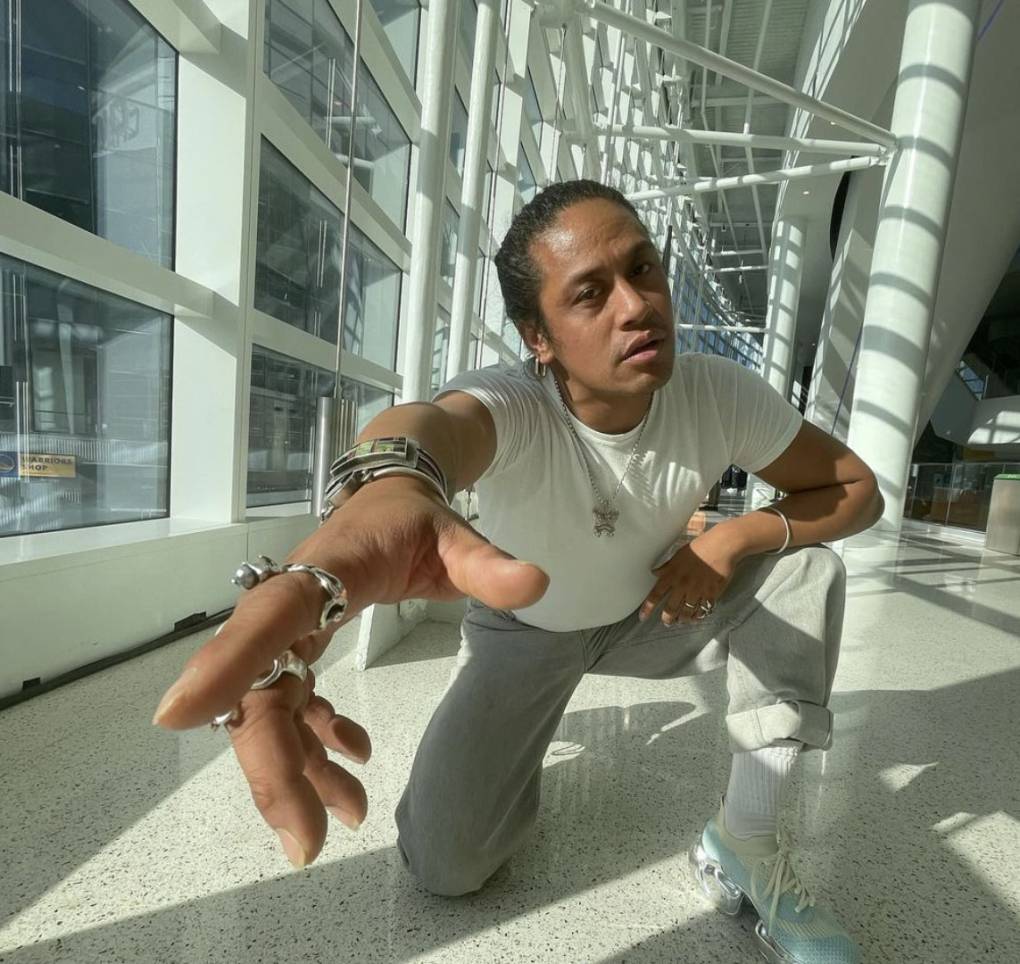
"caption": "Adonis is a DJ, deep sea fisher and martial artist.",
"description": null,
"title": "Adonis.rev",
"credit": "Courtesy Adonis",
"status": "inherit",
"altTag": "A person poses on one knee, looking directly at the camera with their right arm stretch forward toward the photographer.",
"isLoading": false,
"fetchFailed": false
},
"arts_13956152": {
"type": "attachments",
"id": "arts_13956152",
"meta": {
"index": "attachments_1716263798",
"site": "arts",
"id": "13956152",
"found": true
},
"parent": 13955802,
"imgSizes": {
"twentyfourteen-full-width": {
"file": "https://cdn.kqed.org/wp-content/uploads/sites/2/2024/04/RapperFood_COVER-1038x576.jpg",
"width": 1038,
"mimeType": "image/jpeg",
"height": 576
},
"thumbnail": {
"file": "https://cdn.kqed.org/wp-content/uploads/sites/2/2024/04/RapperFood_COVER-160x90.jpg",
"width": 160,
"mimeType": "image/jpeg",
"height": 90
},
"post-thumbnail": {
"file": "https://cdn.kqed.org/wp-content/uploads/sites/2/2024/04/RapperFood_COVER-672x372.jpg",
"width": 672,
"mimeType": "image/jpeg",
"height": 372
},
"kqedFullSize": {
"file": "https://cdn.kqed.org/wp-content/uploads/sites/2/2024/04/RapperFood_COVER.jpg",
"width": 1920,
"height": 1080
},
"large": {
"file": "https://cdn.kqed.org/wp-content/uploads/sites/2/2024/04/RapperFood_COVER-1020x574.jpg",
"width": 1020,
"mimeType": "image/jpeg",
"height": 574
},
"1536x1536": {
"file": "https://cdn.kqed.org/wp-content/uploads/sites/2/2024/04/RapperFood_COVER-1536x864.jpg",
"width": 1536,
"mimeType": "image/jpeg",
"height": 864
},
"medium": {
"file": "https://cdn.kqed.org/wp-content/uploads/sites/2/2024/04/RapperFood_COVER-800x450.jpg",
"width": 800,
"mimeType": "image/jpeg",
"height": 450
},
"medium_large": {
"file": "https://cdn.kqed.org/wp-content/uploads/sites/2/2024/04/RapperFood_COVER-768x432.jpg",
"width": 768,
"mimeType": "image/jpeg",
"height": 432
}
},
"publishDate": 1713389846,
"modified": 1713390313,
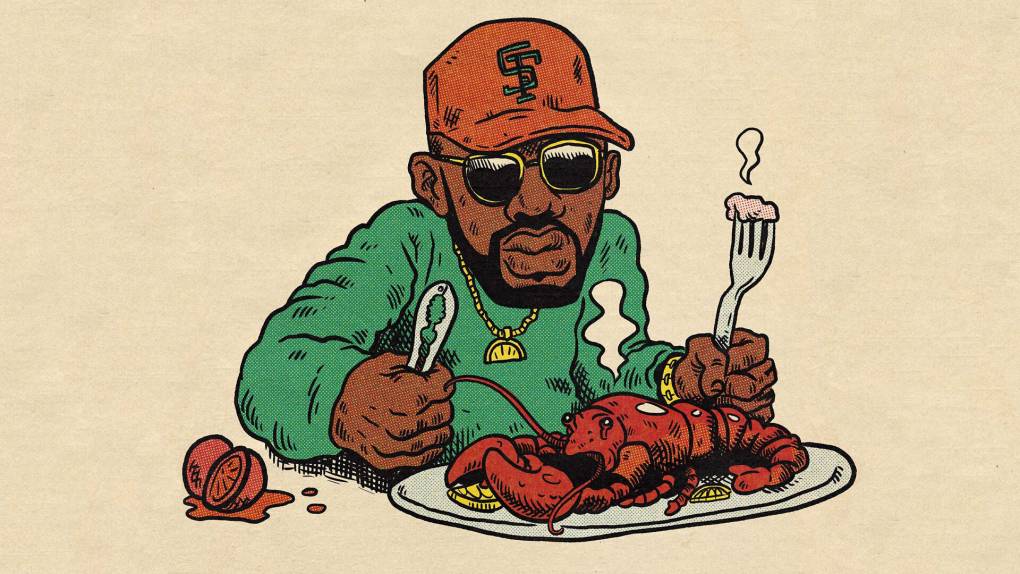
"caption": "In the history of Bay Area rap, food has always been a strong reference point — a metaphorical kitchen for creative exchange.",
"description": null,
"title": "RapperFood_COVER",
"credit": "Torre / @torre.pentel",
"status": "inherit",
"altTag": "Illustration of the rapper Larry June in an SF Giants cap, holding a crab cracker in one hand and a fork in the other. In front of him is a whole lobster on a plate.",
"isLoading": false,
"fetchFailed": false
},
"arts_13956134": {
"type": "attachments",
"id": "arts_13956134",
"meta": {
"index": "attachments_1716263798",
"site": "arts",
"id": "13956134",
"found": true
},
"parent": 13956133,
"imgSizes": {
"thumbnail": {
"file": "https://cdn.kqed.org/wp-content/uploads/sites/2/2024/04/Charli.Troye_-160x90.jpg",
"width": 160,
"mimeType": "image/jpeg",
"height": 90
},
"post-thumbnail": {
"file": "https://cdn.kqed.org/wp-content/uploads/sites/2/2024/04/Charli.Troye_-672x372.jpg",
"width": 672,
"mimeType": "image/jpeg",
"height": 372
},
"kqedFullSize": {
"file": "https://cdn.kqed.org/wp-content/uploads/sites/2/2024/04/Charli.Troye_.jpg",
"width": 1024,
"height": 576
},
"large": {
"file": "https://cdn.kqed.org/wp-content/uploads/sites/2/2024/04/Charli.Troye_-1020x574.jpg",
"width": 1020,
"mimeType": "image/jpeg",
"height": 574
},
"medium": {
"file": "https://cdn.kqed.org/wp-content/uploads/sites/2/2024/04/Charli.Troye_-800x450.jpg",
"width": 800,
"mimeType": "image/jpeg",
"height": 450
},
"medium_large": {
"file": "https://cdn.kqed.org/wp-content/uploads/sites/2/2024/04/Charli.Troye_-768x432.jpg",
"width": 768,
"mimeType": "image/jpeg",
"height": 432
}
},
"publishDate": 1713373957,
"modified": 1713374017,
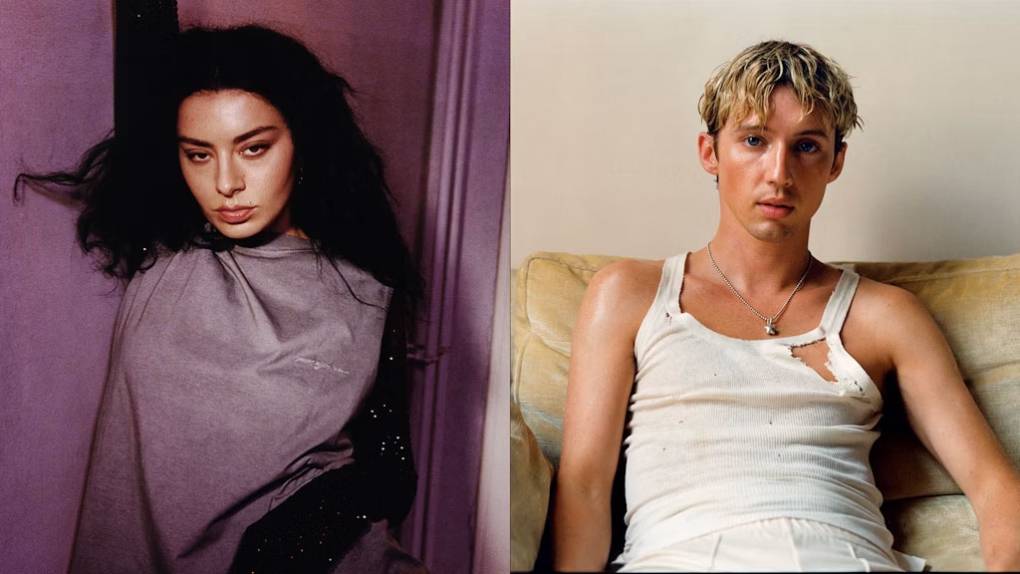
"caption": "Charli XCX and Troye Sivan will play San Francisco's Chase Center on Oct. 20, 2024.",
"description": null,
"title": "Charli.Troye",
"credit": "Artist Photos",
"status": "inherit",
"altTag": "A young woman dressed in purple with long black hair appears in a diptych with a young man in a white tank top.",
"isLoading": false,
"fetchFailed": false
},
"arts_13956006": {
"type": "attachments",
"id": "arts_13956006",
"meta": {
"index": "attachments_1716263798",
"site": "arts",
"id": "13956006",
"found": true
},
"parent": 13955977,
"imgSizes": {
"twentyfourteen-full-width": {
"file": "https://cdn.kqed.org/wp-content/uploads/sites/2/2024/04/CalvinKeys-1038x576.jpg",
"width": 1038,
"mimeType": "image/jpeg",
"height": 576
},
"thumbnail": {
"file": "https://cdn.kqed.org/wp-content/uploads/sites/2/2024/04/CalvinKeys-160x90.jpg",
"width": 160,
"mimeType": "image/jpeg",
"height": 90
},
"post-thumbnail": {
"file": "https://cdn.kqed.org/wp-content/uploads/sites/2/2024/04/CalvinKeys-672x372.jpg",
"width": 672,
"mimeType": "image/jpeg",
"height": 372
},
"kqedFullSize": {
"file": "https://cdn.kqed.org/wp-content/uploads/sites/2/2024/04/CalvinKeys.jpg",
"width": 1058,
"height": 595
},
"large": {
"file": "https://cdn.kqed.org/wp-content/uploads/sites/2/2024/04/CalvinKeys-1020x574.jpg",
"width": 1020,
"mimeType": "image/jpeg",
"height": 574
},
"medium": {
"file": "https://cdn.kqed.org/wp-content/uploads/sites/2/2024/04/CalvinKeys-800x450.jpg",
"width": 800,
"mimeType": "image/jpeg",
"height": 450
},
"medium_large": {
"file": "https://cdn.kqed.org/wp-content/uploads/sites/2/2024/04/CalvinKeys-768x432.jpg",
"width": 768,
"mimeType": "image/jpeg",
"height": 432
}
},
"publishDate": 1713214640,
"modified": 1713232970,
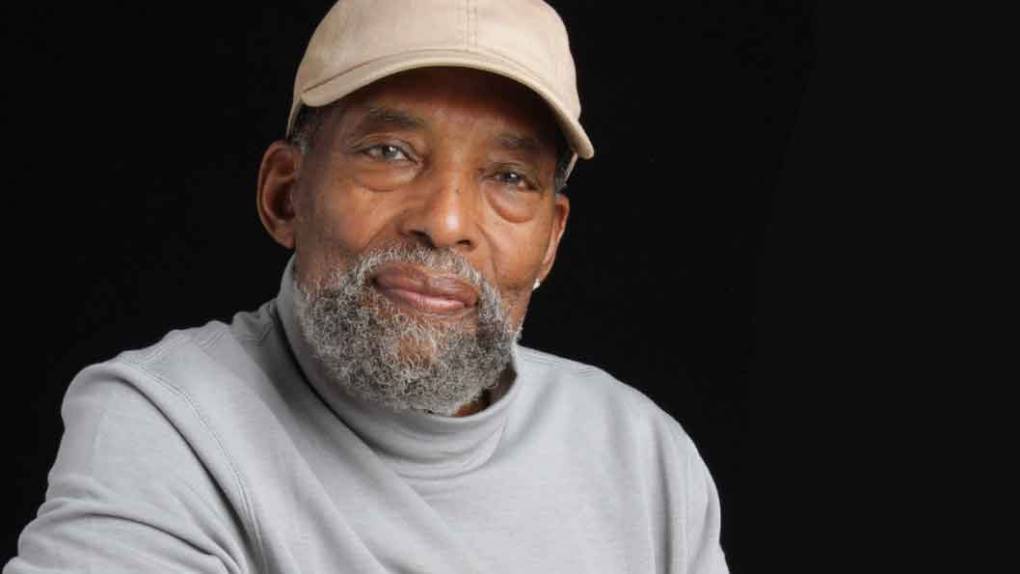
"caption": "Oakland jazz guitarist Calvin Keys rose to global acclaim, playing with dozens of jazz giants and releasing numerous classic recordings.",
"description": null,
"title": "CalvinKeys",
"credit": "Jim Denis",
"status": "inherit",
"altTag": "A smiling Black man in a ballcap and greying beard, wearing a grey sweatshirt.",
"isLoading": false,
"fetchFailed": false
},
"arts_13955842": {
"type": "attachments",
"id": "arts_13955842",
"meta": {
"index": "attachments_1716263798",
"site": "arts",
"id": "13955842",
"found": true
},
"parent": 13955839,
"imgSizes": {
"twentyfourteen-full-width": {
"file": "https://cdn.kqed.org/wp-content/uploads/sites/2/2024/04/maggie-rogers-1038x576.jpg",
"width": 1038,
"mimeType": "image/jpeg",
"height": 576
},
"thumbnail": {
"file": "https://cdn.kqed.org/wp-content/uploads/sites/2/2024/04/maggie-rogers-160x90.jpg",
"width": 160,
"mimeType": "image/jpeg",
"height": 90
},
"post-thumbnail": {
"file": "https://cdn.kqed.org/wp-content/uploads/sites/2/2024/04/maggie-rogers-672x372.jpg",
"width": 672,
"mimeType": "image/jpeg",
"height": 372
},
"kqedFullSize": {
"file": "https://cdn.kqed.org/wp-content/uploads/sites/2/2024/04/maggie-rogers.jpg",
"width": 1344,
"height": 756
},
"large": {
"file": "https://cdn.kqed.org/wp-content/uploads/sites/2/2024/04/maggie-rogers-1020x574.jpg",
"width": 1020,
"mimeType": "image/jpeg",
"height": 574
},
"medium": {
"file": "https://cdn.kqed.org/wp-content/uploads/sites/2/2024/04/maggie-rogers-800x450.jpg",
"width": 800,
"mimeType": "image/jpeg",
"height": 450
},
"medium_large": {
"file": "https://cdn.kqed.org/wp-content/uploads/sites/2/2024/04/maggie-rogers-768x432.jpg",
"width": 768,
"mimeType": "image/jpeg",
"height": 432
}
},
"publishDate": 1712870063,
"modified": 1712870107,
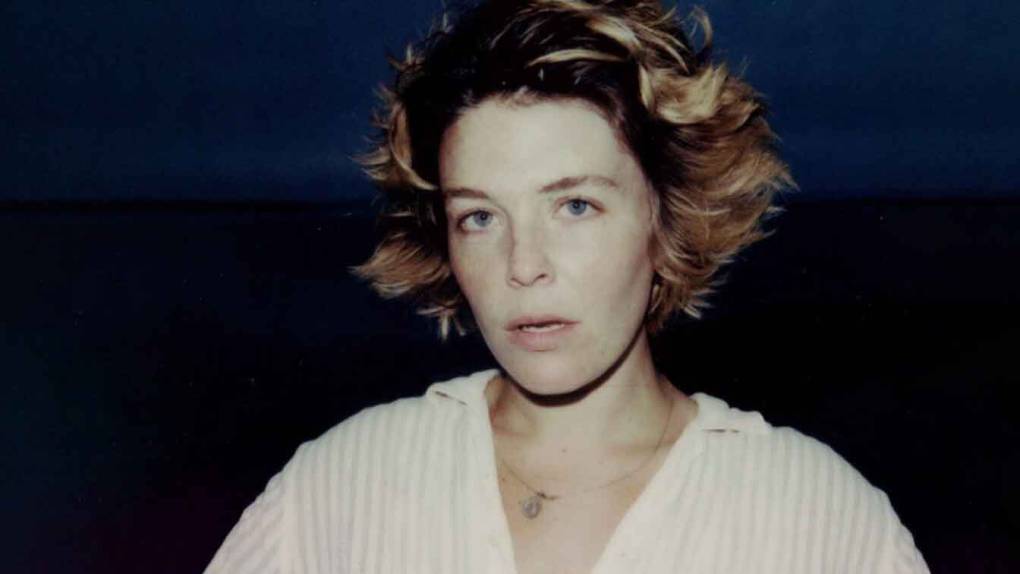
"caption": "Maggie Rogers: Heroine of the People.",
"description": null,
"title": "maggie-rogers",
"credit": "Artist Photo",
"status": "inherit",
"altTag": "A woman in tousled hair and a white top looks at the camera, mouth slightly open",
"isLoading": false,
"fetchFailed": false
},
"arts_13955793": {
"type": "attachments",
"id": "arts_13955793",
"meta": {
"index": "attachments_1716263798",
"site": "arts",
"id": "13955793",
"found": true
},
"parent": 13955781,
"imgSizes": {
"twentyfourteen-full-width": {
"file": "https://cdn.kqed.org/wp-content/uploads/sites/2/2024/04/Judee-Sill-August-1971-Credit-Greenwich-Entertainment_2000-1038x576.jpg",
"width": 1038,
"mimeType": "image/jpeg",
"height": 576
},
"thumbnail": {
"file": "https://cdn.kqed.org/wp-content/uploads/sites/2/2024/04/Judee-Sill-August-1971-Credit-Greenwich-Entertainment_2000-160x109.jpg",
"width": 160,
"mimeType": "image/jpeg",
"height": 109
},
"post-thumbnail": {
"file": "https://cdn.kqed.org/wp-content/uploads/sites/2/2024/04/Judee-Sill-August-1971-Credit-Greenwich-Entertainment_2000-672x372.jpg",
"width": 672,
"mimeType": "image/jpeg",
"height": 372
},
"kqedFullSize": {
"file": "https://cdn.kqed.org/wp-content/uploads/sites/2/2024/04/Judee-Sill-August-1971-Credit-Greenwich-Entertainment_2000.jpg",
"width": 2000,
"height": 1364
},
"large": {
"file": "https://cdn.kqed.org/wp-content/uploads/sites/2/2024/04/Judee-Sill-August-1971-Credit-Greenwich-Entertainment_2000-1020x696.jpg",
"width": 1020,
"mimeType": "image/jpeg",
"height": 696
},
"1536x1536": {
"file": "https://cdn.kqed.org/wp-content/uploads/sites/2/2024/04/Judee-Sill-August-1971-Credit-Greenwich-Entertainment_2000-1536x1048.jpg",
"width": 1536,
"mimeType": "image/jpeg",
"height": 1048
},
"full-width": {
"file": "https://cdn.kqed.org/wp-content/uploads/sites/2/2024/04/Judee-Sill-August-1971-Credit-Greenwich-Entertainment_2000-1920x1309.jpg",
"width": 1920,
"mimeType": "image/jpeg",
"height": 1309
},
"medium": {
"file": "https://cdn.kqed.org/wp-content/uploads/sites/2/2024/04/Judee-Sill-August-1971-Credit-Greenwich-Entertainment_2000-800x546.jpg",
"width": 800,
"mimeType": "image/jpeg",
"height": 546
},
"medium_large": {
"file": "https://cdn.kqed.org/wp-content/uploads/sites/2/2024/04/Judee-Sill-August-1971-Credit-Greenwich-Entertainment_2000-768x524.jpg",
"width": 768,
"mimeType": "image/jpeg",
"height": 524
}
},
"publishDate": 1712852235,
"modified": 1712852313,
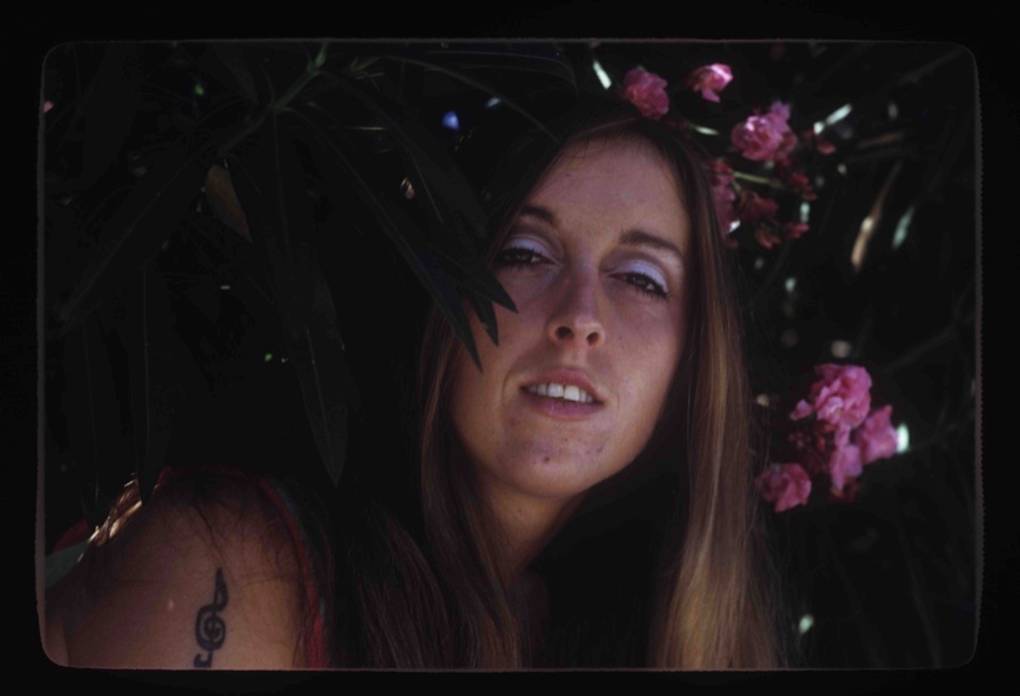
"caption": "Judee Sill in August 1971.",
"description": null,
"title": "Judee-Sill-August-1971-(Credit--Greenwich-Entertainment)_2000",
"credit": "Greenwich Entertainment",
"status": "inherit",
"altTag": "Person with long hair and blue eyeshadow set against flowering bush",
"isLoading": false,
"fetchFailed": false
},
"arts_13955665": {
"type": "attachments",
"id": "arts_13955665",
"meta": {
"index": "attachments_1716263798",
"site": "arts",
"id": "13955665",
"found": true
},
"parent": 13955656,
"imgSizes": {
"twentyfourteen-full-width": {
"file": "https://cdn.kqed.org/wp-content/uploads/sites/2/2024/04/GettyImages-1399111367-1038x576.jpg",
"width": 1038,
"mimeType": "image/jpeg",
"height": 576
},
"thumbnail": {
"file": "https://cdn.kqed.org/wp-content/uploads/sites/2/2024/04/GettyImages-1399111367-160x114.jpg",
"width": 160,
"mimeType": "image/jpeg",
"height": 114
},
"post-thumbnail": {
"file": "https://cdn.kqed.org/wp-content/uploads/sites/2/2024/04/GettyImages-1399111367-672x372.jpg",
"width": 672,
"mimeType": "image/jpeg",
"height": 372
},
"kqedFullSize": {
"file": "https://cdn.kqed.org/wp-content/uploads/sites/2/2024/04/GettyImages-1399111367-scaled-e1712689643171.jpg",
"width": 1920,
"height": 1371
},
"2048x2048": {
"file": "https://cdn.kqed.org/wp-content/uploads/sites/2/2024/04/GettyImages-1399111367-2048x1463.jpg",
"width": 2048,
"mimeType": "image/jpeg",
"height": 1463
},
"large": {
"file": "https://cdn.kqed.org/wp-content/uploads/sites/2/2024/04/GettyImages-1399111367-1020x729.jpg",
"width": 1020,
"mimeType": "image/jpeg",
"height": 729
},
"1536x1536": {
"file": "https://cdn.kqed.org/wp-content/uploads/sites/2/2024/04/GettyImages-1399111367-1536x1097.jpg",
"width": 1536,
"mimeType": "image/jpeg",
"height": 1097
},
"full-width": {
"file": "https://cdn.kqed.org/wp-content/uploads/sites/2/2024/04/GettyImages-1399111367-1920x1371.jpg",
"width": 1920,
"mimeType": "image/jpeg",
"height": 1371
},
"medium": {
"file": "https://cdn.kqed.org/wp-content/uploads/sites/2/2024/04/GettyImages-1399111367-800x571.jpg",
"width": 800,
"mimeType": "image/jpeg",
"height": 571
},
"medium_large": {
"file": "https://cdn.kqed.org/wp-content/uploads/sites/2/2024/04/GettyImages-1399111367-768x549.jpg",
"width": 768,
"mimeType": "image/jpeg",
"height": 549
}
},
"publishDate": 1712689472,
"modified": 1712689673,
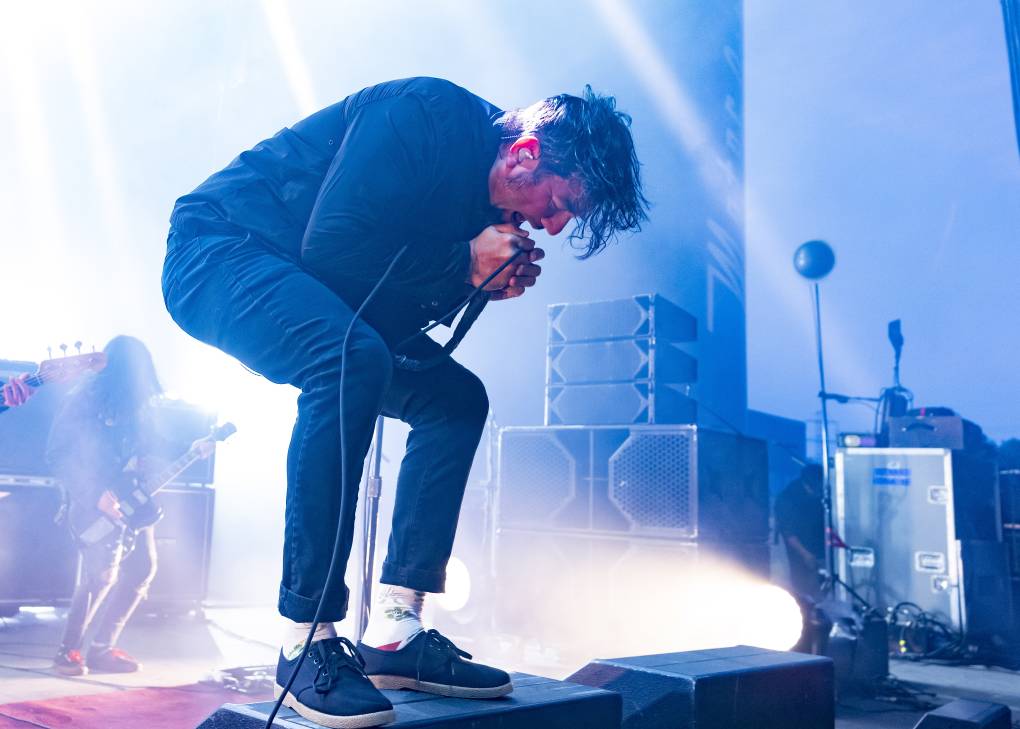
"caption": "Deftones performing in Michigan in 2022. The Sacramento rockers play Golden Gate Park on Aug. 17, 2024.",
"description": null,
"title": "Deftones perform in Michigan in 2022. The Sacramento rockers play Golden Gate Park on Aug. 17, 2024.",
"credit": "Scott Legato/ Getty Images)",
"status": "inherit",
"altTag": "A man screams into a microphone, while perched, hunched over, at the edge of a stage. Stage lights shine behind him.",
"isLoading": false,
"fetchFailed": false
},
"arts_13955025": {
"type": "attachments",
"id": "arts_13955025",
"meta": {
"index": "attachments_1716263798",
"site": "arts",
"id": "13955025",
"found": true
},
"parent": 13955021,
"imgSizes": {
"twentyfourteen-full-width": {
"file": "https://cdn.kqed.org/wp-content/uploads/sites/2/2024/03/Beyonce-Cowboy-Carter-1038x576.jpg",
"width": 1038,
"mimeType": "image/jpeg",
"height": 576
},
"thumbnail": {
"file": "https://cdn.kqed.org/wp-content/uploads/sites/2/2024/03/Beyonce-Cowboy-Carter-160x80.jpg",
"width": 160,
"mimeType": "image/jpeg",
"height": 80
},
"post-thumbnail": {
"file": "https://cdn.kqed.org/wp-content/uploads/sites/2/2024/03/Beyonce-Cowboy-Carter-672x372.jpg",
"width": 672,
"mimeType": "image/jpeg",
"height": 372
},
"kqedFullSize": {
"file": "https://cdn.kqed.org/wp-content/uploads/sites/2/2024/03/Beyonce-Cowboy-Carter.jpg",
"width": 1920,
"height": 960
},
"large": {
"file": "https://cdn.kqed.org/wp-content/uploads/sites/2/2024/03/Beyonce-Cowboy-Carter-1020x510.jpg",
"width": 1020,
"mimeType": "image/jpeg",
"height": 510
},
"1536x1536": {
"file": "https://cdn.kqed.org/wp-content/uploads/sites/2/2024/03/Beyonce-Cowboy-Carter-1536x768.jpg",
"width": 1536,
"mimeType": "image/jpeg",
"height": 768
},
"medium": {
"file": "https://cdn.kqed.org/wp-content/uploads/sites/2/2024/03/Beyonce-Cowboy-Carter-800x400.jpg",
"width": 800,
"mimeType": "image/jpeg",
"height": 400
},
"medium_large": {
"file": "https://cdn.kqed.org/wp-content/uploads/sites/2/2024/03/Beyonce-Cowboy-Carter-768x384.jpg",
"width": 768,
"mimeType": "image/jpeg",
"height": 384
}
},
"publishDate": 1711733277,
"modified": 1711733349,
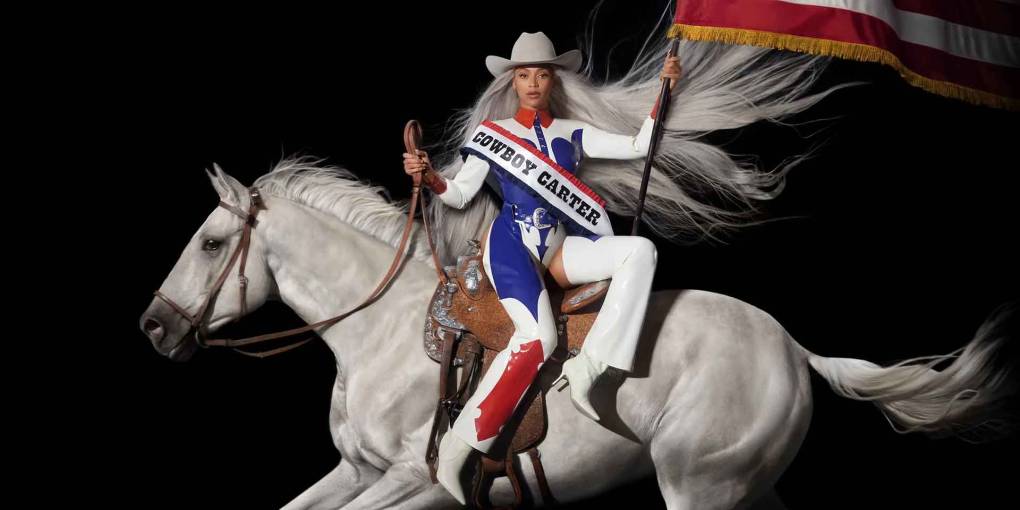
"caption": "Beyoncé's 'Cowboy Carter.'",
"description": null,
"title": "Beyonce-Cowboy-Carter",
"credit": "Parkwood Entertainment",
"status": "inherit",
"altTag": "A woman in red white and blue clothes, with a sash reading 'Cowboy Carter,' sitting side saddle on a horse and holding an American flag",
"isLoading": false,
"fetchFailed": false
},
"arts_13955629": {
"type": "attachments",
"id": "arts_13955629",
"meta": {
"index": "attachments_1716263798",
"site": "arts",
"id": "13955629",
"found": true
},
"parent": 13955606,
"imgSizes": {
"twentyfourteen-full-width": {
"file": "https://cdn.kqed.org/wp-content/uploads/sites/2/2024/04/Kedrick-Armstrong-3.29.24-058-cropped-1038x576.jpg",
"width": 1038,
"mimeType": "image/jpeg",
"height": 576
},
"thumbnail": {
"file": "https://cdn.kqed.org/wp-content/uploads/sites/2/2024/04/Kedrick-Armstrong-3.29.24-058-cropped-160x90.jpg",
"width": 160,
"mimeType": "image/jpeg",
"height": 90
},
"post-thumbnail": {
"file": "https://cdn.kqed.org/wp-content/uploads/sites/2/2024/04/Kedrick-Armstrong-3.29.24-058-cropped-672x372.jpg",
"width": 672,
"mimeType": "image/jpeg",
"height": 372
},
"kqedFullSize": {
"file": "https://cdn.kqed.org/wp-content/uploads/sites/2/2024/04/Kedrick-Armstrong-3.29.24-058-cropped.jpg",
"width": 1920,
"height": 1080
},
"large": {
"file": "https://cdn.kqed.org/wp-content/uploads/sites/2/2024/04/Kedrick-Armstrong-3.29.24-058-cropped-1020x574.jpg",
"width": 1020,
"mimeType": "image/jpeg",
"height": 574
},
"1536x1536": {
"file": "https://cdn.kqed.org/wp-content/uploads/sites/2/2024/04/Kedrick-Armstrong-3.29.24-058-cropped-1536x864.jpg",
"width": 1536,
"mimeType": "image/jpeg",
"height": 864
},
"medium": {
"file": "https://cdn.kqed.org/wp-content/uploads/sites/2/2024/04/Kedrick-Armstrong-3.29.24-058-cropped-800x450.jpg",
"width": 800,
"mimeType": "image/jpeg",
"height": 450
},
"medium_large": {
"file": "https://cdn.kqed.org/wp-content/uploads/sites/2/2024/04/Kedrick-Armstrong-3.29.24-058-cropped-768x432.jpg",
"width": 768,
"mimeType": "image/jpeg",
"height": 432
}
},
"publishDate": 1712680610,
"modified": 1712680686,
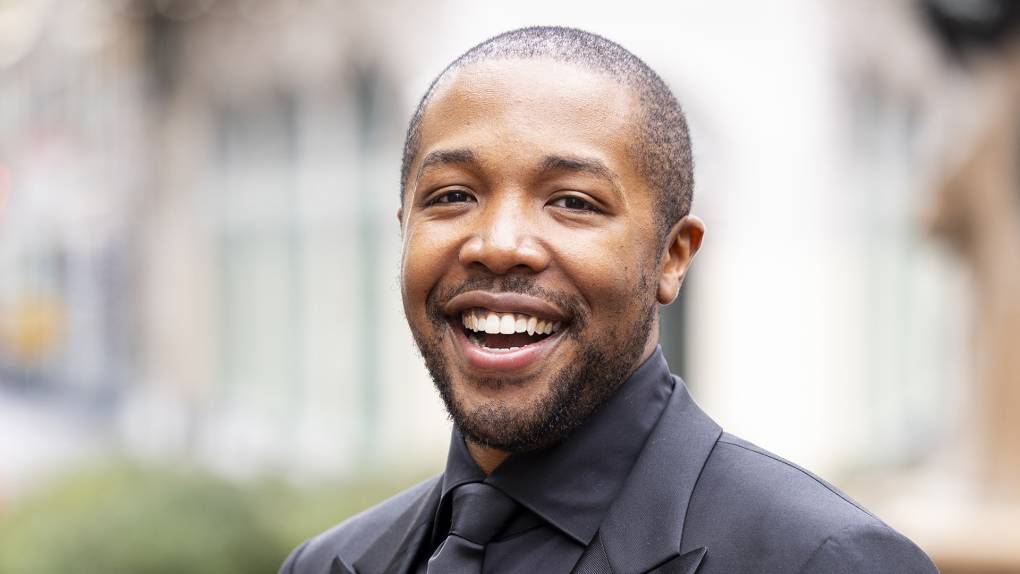
"caption": "Kedrick Armstrong is the new music director of Oakland Symphony. He takes the podium in the 2024-'25 season,",
"description": null,
"title": "Kedrick Armstrong 3.29.24 058-cropped",
"credit": "Scott Chernis",
"status": "inherit",
"altTag": null,
"isLoading": false,
"fetchFailed": false
},
"arts_13955576": {
"type": "attachments",
"id": "arts_13955576",
"meta": {
"index": "attachments_1716263798",
"site": "arts",
"id": "13955576",
"found": true
},
"parent": 13955572,
"imgSizes": {
"twentyfourteen-full-width": {
"file": "https://cdn.kqed.org/wp-content/uploads/sites/2/2024/04/Gold-Group-Photo_Photo-credit_Derek-Blanks-with-crowdMGMT-1038x576.jpg",
"width": 1038,
"mimeType": "image/jpeg",
"height": 576
},
"thumbnail": {
"file": "https://cdn.kqed.org/wp-content/uploads/sites/2/2024/04/Gold-Group-Photo_Photo-credit_Derek-Blanks-with-crowdMGMT-160x90.jpg",
"width": 160,
"mimeType": "image/jpeg",
"height": 90
},
"post-thumbnail": {
"file": "https://cdn.kqed.org/wp-content/uploads/sites/2/2024/04/Gold-Group-Photo_Photo-credit_Derek-Blanks-with-crowdMGMT-672x372.jpg",
"width": 672,
"mimeType": "image/jpeg",
"height": 372
},
"kqedFullSize": {
"file": "https://cdn.kqed.org/wp-content/uploads/sites/2/2024/04/Gold-Group-Photo_Photo-credit_Derek-Blanks-with-crowdMGMT.jpg",
"width": 1920,
"height": 1080
},
"large": {
"file": "https://cdn.kqed.org/wp-content/uploads/sites/2/2024/04/Gold-Group-Photo_Photo-credit_Derek-Blanks-with-crowdMGMT-1020x574.jpg",
"width": 1020,
"mimeType": "image/jpeg",
"height": 574
},
"1536x1536": {
"file": "https://cdn.kqed.org/wp-content/uploads/sites/2/2024/04/Gold-Group-Photo_Photo-credit_Derek-Blanks-with-crowdMGMT-1536x864.jpg",
"width": 1536,
"mimeType": "image/jpeg",
"height": 864
},
"medium": {
"file": "https://cdn.kqed.org/wp-content/uploads/sites/2/2024/04/Gold-Group-Photo_Photo-credit_Derek-Blanks-with-crowdMGMT-800x450.jpg",
"width": 800,
"mimeType": "image/jpeg",
"height": 450
},
"medium_large": {
"file": "https://cdn.kqed.org/wp-content/uploads/sites/2/2024/04/Gold-Group-Photo_Photo-credit_Derek-Blanks-with-crowdMGMT-768x432.jpg",
"width": 768,
"mimeType": "image/jpeg",
"height": 432
}
},
"publishDate": 1712593443,
"modified": 1712600780,
"caption": "Missy Elliott, center, is finally touring; openers include Ciara (at left) and Busta Rhymes (right).",
"description": null,
"title": "Gold-Group-Photo_Photo-credit_Derek-Blanks-with-crowdMGMT",
"credit": "Derek Blanks",
"status": "inherit",
"altTag": "Three ornately dressed Black artists stand in a futuristic landscape",
"isLoading": false,
"fetchFailed": false
},
"arts_13955401": {
"type": "attachments",
"id": "arts_13955401",
"meta": {
"index": "attachments_1716263798",
"site": "arts",
"id": "13955401",
"found": true
},
"parent": 13955381,
"imgSizes": {
"twentyfourteen-full-width": {
"file": "https://cdn.kqed.org/wp-content/uploads/sites/2/2024/04/4.21-Color-in-Twelve-Parts-Leah-Rosenberg-1038x576.png",
"width": 1038,
"mimeType": "image/png",
"height": 576
},
"thumbnail": {
"file": "https://cdn.kqed.org/wp-content/uploads/sites/2/2024/04/4.21-Color-in-Twelve-Parts-Leah-Rosenberg-160x106.png",
"width": 160,
"mimeType": "image/png",
"height": 106
},
"post-thumbnail": {
"file": "https://cdn.kqed.org/wp-content/uploads/sites/2/2024/04/4.21-Color-in-Twelve-Parts-Leah-Rosenberg-672x372.png",
"width": 672,
"mimeType": "image/png",
"height": 372
},
"kqedFullSize": {
"file": "https://cdn.kqed.org/wp-content/uploads/sites/2/2024/04/4.21-Color-in-Twelve-Parts-Leah-Rosenberg.png",
"width": 1956,
"height": 1300
},
"large": {
"file": "https://cdn.kqed.org/wp-content/uploads/sites/2/2024/04/4.21-Color-in-Twelve-Parts-Leah-Rosenberg-1020x678.png",
"width": 1020,
"mimeType": "image/png",
"height": 678
},
"1536x1536": {
"file": "https://cdn.kqed.org/wp-content/uploads/sites/2/2024/04/4.21-Color-in-Twelve-Parts-Leah-Rosenberg-1536x1021.png",
"width": 1536,
"mimeType": "image/png",
"height": 1021
},
"full-width": {
"file": "https://cdn.kqed.org/wp-content/uploads/sites/2/2024/04/4.21-Color-in-Twelve-Parts-Leah-Rosenberg-1920x1276.png",
"width": 1920,
"mimeType": "image/png",
"height": 1276
},
"medium": {
"file": "https://cdn.kqed.org/wp-content/uploads/sites/2/2024/04/4.21-Color-in-Twelve-Parts-Leah-Rosenberg-800x532.png",
"width": 800,
"mimeType": "image/png",
"height": 532
},
"medium_large": {
"file": "https://cdn.kqed.org/wp-content/uploads/sites/2/2024/04/4.21-Color-in-Twelve-Parts-Leah-Rosenberg-768x510.png",
"width": 768,
"mimeType": "image/png",
"height": 510
}
},
"publishDate": 1712183944,
"modified": 1712184009,
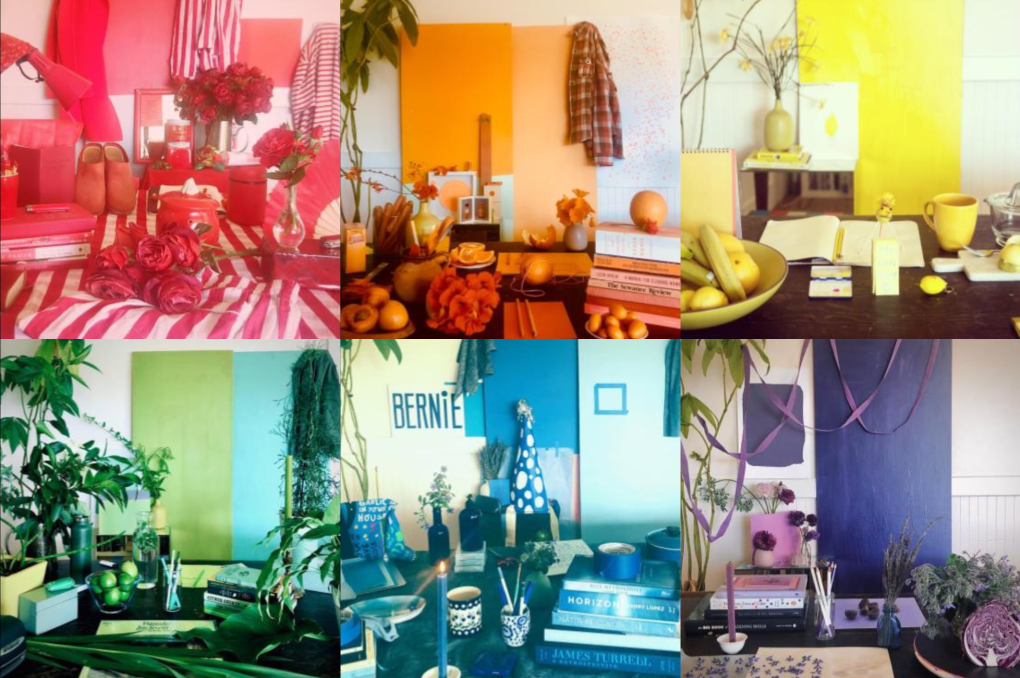
"caption": "Leah Rosenberg's 'Color in Twelve Parts,' originally screened as part of YBCA's 'Bay Area Now 9' film program, will be shown in its entirety at CounterPulse on April 21.",
"description": null,
"title": "4.21 - Color in Twelve Parts - Leah Rosenberg",
"credit": "Courtesy of SF Cinematheque",
"status": "inherit",
"altTag": "Composite image of six square shots with different rainbow colors in each",
"isLoading": false,
"fetchFailed": false
},
"arts_13955382": {
"type": "attachments",
"id": "arts_13955382",
"meta": {
"index": "attachments_1716263798",
"site": "arts",
"id": "13955382",
"found": true
},
"parent": 13955372,
"imgSizes": {
"twentyfourteen-full-width": {
"file": "https://cdn.kqed.org/wp-content/uploads/sites/2/2024/04/240327-Casey-Cope-KSM-5_qut-1038x576.jpg",
"width": 1038,
"mimeType": "image/jpeg",
"height": 576
},
"thumbnail": {
"file": "https://cdn.kqed.org/wp-content/uploads/sites/2/2024/04/240327-Casey-Cope-KSM-5_qut-160x107.jpg",
"width": 160,
"mimeType": "image/jpeg",
"height": 107
},
"post-thumbnail": {
"file": "https://cdn.kqed.org/wp-content/uploads/sites/2/2024/04/240327-Casey-Cope-KSM-5_qut-672x372.jpg",
"width": 672,
"mimeType": "image/jpeg",
"height": 372
},
"kqedFullSize": {
"file": "https://cdn.kqed.org/wp-content/uploads/sites/2/2024/04/240327-Casey-Cope-KSM-5_qut.jpg",
"width": 1920,
"height": 1280
},
"large": {
"file": "https://cdn.kqed.org/wp-content/uploads/sites/2/2024/04/240327-Casey-Cope-KSM-5_qut-1020x680.jpg",
"width": 1020,
"mimeType": "image/jpeg",
"height": 680
},
"1536x1536": {
"file": "https://cdn.kqed.org/wp-content/uploads/sites/2/2024/04/240327-Casey-Cope-KSM-5_qut-1536x1024.jpg",
"width": 1536,
"mimeType": "image/jpeg",
"height": 1024
},
"medium": {
"file": "https://cdn.kqed.org/wp-content/uploads/sites/2/2024/04/240327-Casey-Cope-KSM-5_qut-800x533.jpg",
"width": 800,
"mimeType": "image/jpeg",
"height": 533
},
"medium_large": {
"file": "https://cdn.kqed.org/wp-content/uploads/sites/2/2024/04/240327-Casey-Cope-KSM-5_qut-768x512.jpg",
"width": 768,
"mimeType": "image/jpeg",
"height": 512
}
},
"publishDate": 1712179753,
"modified": 1712179792,
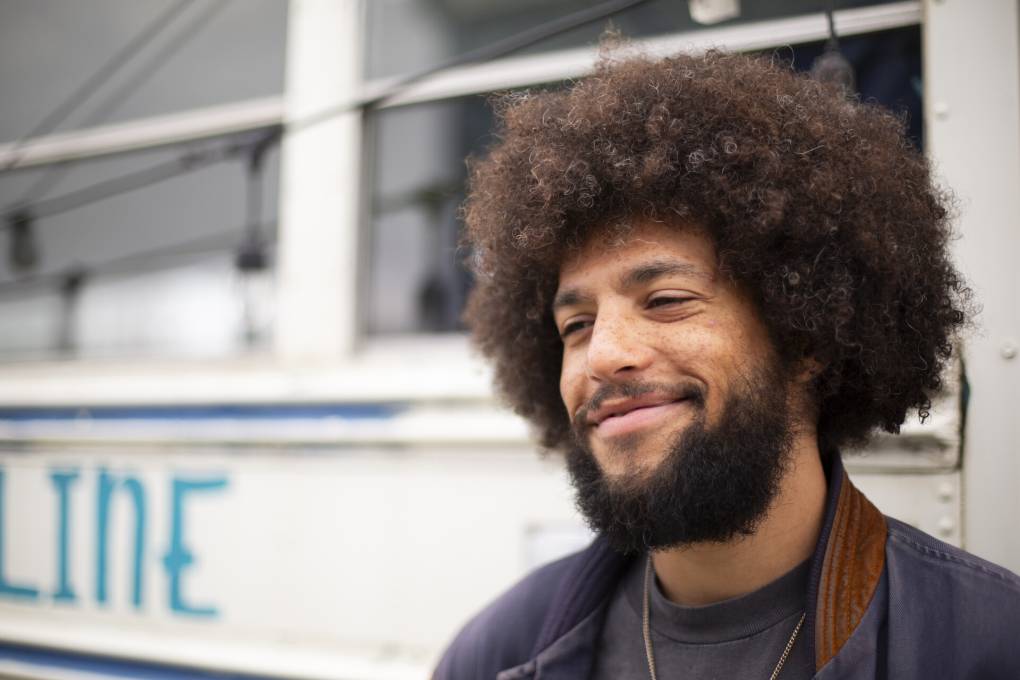
"caption": "Casey Cope in Berkeley on Mar. 27, 2024.",
"description": null,
"title": "Casey Copeland aka \"Casey Cope\" in Berkeley on Mar. 27, 2024.",
"credit": "Kathryn Styer Martinez/KQED",
"status": "inherit",
"altTag": "A young rapper and producer poses in front of an old school bus.",
"isLoading": false,
"fetchFailed": false
}
},
"audioPlayerReducer": {
"postId": "stream_live",
"isPaused": true,
"isPlaying": false,
"pfsActive": false,
"pledgeModalIsOpen": true,
"playerDrawerIsOpen": false,
"liveAudioPlayStartedAt": 0,
"liveAudioPlayContext": ""
},
"authorsReducer": {
"byline_arts_13955633": {
"type": "authors",
"id": "byline_arts_13955633",
"meta": {
"override": true
},
"slug": "byline_arts_13955633",
"name": "Maria Sherman, Associated Press",
"isLoading": false
},
"shotchkiss": {
"type": "authors",
"id": "61",
"meta": {
"index": "authors_1716337520",
"id": "61",
"found": true
},
"name": "Sarah Hotchkiss",
"firstName": "Sarah",
"lastName": "Hotchkiss",
"slug": "shotchkiss",
"email": "shotchkiss@kqed.org",
"display_author_email": true,
"staff_mastheads": [
"arts"
],
"title": "Senior Editor",
"bio": "Sarah Hotchkiss is a San Francisco \u003ca href=\"http://www.sarahhotchkiss.com\">artist\u003c/a> and arts writer. In 2019, she received the Dorothea & Leo Rabkin Foundation grant for visual art journalism and in 2020 she received a Society of Professional Journalists, Northern California award for excellence in arts and culture reporting.",
"avatar": "https://secure.gravatar.com/avatar/bc662df144b3d27fd8b1b6f1c2a420d34e91e53154d411bb7ad353cc8b6cea8d?s=600&d=blank&r=g",
"twitter": null,
"bluesky": null,
"facebook": null,
"instagram": null,
"linkedin": null,
"sites": [
{
"site": "",
"roles": [
"editor"
]
},
{
"site": "arts",
"roles": [
"Contributor",
"administrator"
]
},
{
"site": "artschool",
"roles": [
"administrator"
]
},
{
"site": "news",
"roles": [
"editor"
]
},
{
"site": "pop",
"roles": [
"administrator"
]
},
{
"site": "bayareabites",
"roles": [
"editor"
]
},
{
"site": "spark",
"roles": [
"editor"
]
},
{
"site": "checkplease",
"roles": [
"editor"
]
}
],
"headData": {
"title": "Sarah Hotchkiss | KQED",
"description": "Senior Editor",
"ogImgSrc": "https://secure.gravatar.com/avatar/bc662df144b3d27fd8b1b6f1c2a420d34e91e53154d411bb7ad353cc8b6cea8d?s=600&d=blank&r=g",
"twImgSrc": "https://secure.gravatar.com/avatar/bc662df144b3d27fd8b1b6f1c2a420d34e91e53154d411bb7ad353cc8b6cea8d?s=600&d=blank&r=g"
},
"isLoading": false,
"link": "/author/shotchkiss"
},
"gmeline": {
"type": "authors",
"id": "185",
"meta": {
"index": "authors_1716337520",
"id": "185",
"found": true
},
"name": "Gabe Meline",
"firstName": "Gabe",
"lastName": "Meline",
"slug": "gmeline",
"email": "gmeline@kqed.org",
"display_author_email": true,
"staff_mastheads": [
"arts"
],
"title": "Senior Editor, KQED Arts & Culture",
"bio": "Gabe Meline entered journalism at age 15 making photocopied zines, and has since earned awards from the Edward R. Murrow Awards, the Society for Professional Journalists, the Online Journalism Awards, the Association of Alternative Newsweeklies and the California Newspaper Publishers Association. Prior to KQED, he was the editor of the \u003cem>North Bay Bohemian\u003c/em> and a touring musician. He lives with his wife and daughter in his hometown of Santa Rosa, CA.",
"avatar": "https://secure.gravatar.com/avatar/5bebe57be0d8bc2dd318934feb47299e2d2d10cba28d09d8d7afb389a2ce2bdd?s=600&d=blank&r=g",
"twitter": null,
"bluesky": null,
"facebook": null,
"instagram": null,
"linkedin": null,
"sites": [
{
"site": "",
"roles": [
"editor"
]
},
{
"site": "arts",
"roles": [
"administrator"
]
},
{
"site": "artschool",
"roles": [
"editor"
]
},
{
"site": "news",
"roles": [
"author"
]
},
{
"site": "pop",
"roles": [
"editor"
]
},
{
"site": "bayareabites",
"roles": [
"editor"
]
},
{
"site": "food",
"roles": [
"editor"
]
},
{
"site": "forum",
"roles": [
"administrator"
]
},
{
"site": "liveblog",
"roles": [
"editor"
]
},
{
"site": "hiphop",
"roles": [
"editor"
]
}
],
"headData": {
"title": "Gabe Meline | KQED",
"description": "Senior Editor, KQED Arts & Culture",
"ogImgSrc": "https://secure.gravatar.com/avatar/5bebe57be0d8bc2dd318934feb47299e2d2d10cba28d09d8d7afb389a2ce2bdd?s=600&d=blank&r=g",
"twImgSrc": "https://secure.gravatar.com/avatar/5bebe57be0d8bc2dd318934feb47299e2d2d10cba28d09d8d7afb389a2ce2bdd?s=600&d=blank&r=g"
},
"isLoading": false,
"link": "/author/gmeline"
},
"ralexandra": {
"type": "authors",
"id": "11242",
"meta": {
"index": "authors_1716337520",
"id": "11242",
"found": true
},
"name": "Rae Alexandra",
"firstName": "Rae",
"lastName": "Alexandra",
"slug": "ralexandra",
"email": "ralexandra@kqed.org",
"display_author_email": true,
"staff_mastheads": [],
"title": "Reporter/Producer",
"bio": "Rae Alexandra is a Reporter/Producer for KQED Arts & Culture, and the creator/author of the \u003ca href=\"https://www.kqed.org/arts/program/rebel-girls-from-bay-area-history\">Rebel Girls From Bay Area History\u003c/a> and \u003ca href=\"https://www.kqed.org/bizarrebayarea\">Bizarre Bay Area\u003c/a> series. Her debut book, \u003ca href=\"https://citylights.com/politics-current-events-history/unsung-heroines35-women-who-changed/\">Unsung Heroines: 35 Women Who Changed the Bay Area\u003c/a> was published by City Lights in March 2026. In 2023, Rae was awarded an SPJ Excellence in Journalism Award for Arts & Culture. Rae was born and raised in Wales and subsequently — even after two decades in Northern California — still uses phrases that regularly baffle her coworkers.",
"avatar": "https://secure.gravatar.com/avatar/edfee8176c80cc0a382b051190f5341997df378a934a5774dcb0977732dfd401?s=600&d=blank&r=g",
"twitter": null,
"bluesky": null,
"facebook": null,
"instagram": null,
"linkedin": null,
"sites": [
{
"site": "arts",
"roles": [
"subscriber"
]
},
{
"site": "news",
"roles": [
"subscriber"
]
},
{
"site": "pop",
"roles": [
"subscriber"
]
},
{
"site": "bayareabites",
"roles": [
"subscriber"
]
},
{
"site": "science",
"roles": [
"subscriber"
]
}
],
"headData": {
"title": "Rae Alexandra | KQED",
"description": "Reporter/Producer",
"ogImgSrc": "https://secure.gravatar.com/avatar/edfee8176c80cc0a382b051190f5341997df378a934a5774dcb0977732dfd401?s=600&d=blank&r=g",
"twImgSrc": "https://secure.gravatar.com/avatar/edfee8176c80cc0a382b051190f5341997df378a934a5774dcb0977732dfd401?s=600&d=blank&r=g"
},
"isLoading": false,
"link": "/author/ralexandra"
},
"nvoynovskaya": {
"type": "authors",
"id": "11387",
"meta": {
"index": "authors_1716337520",
"id": "11387",
"found": true
},
"name": "Nastia Voynovskaya",
"firstName": "Nastia",
"lastName": "Voynovskaya",
"slug": "nvoynovskaya",
"email": "nvoynovskaya@kqed.org",
"display_author_email": false,
"staff_mastheads": [
"arts"
],
"title": "Editor and reporter",
"bio": "Nastia Voynovskaya is a reporter, editor and host at KQED Arts & Culture. She's been covering the arts in the Bay Area for over a decade, with a focus on music, queer culture, labor issues and grassroots organizing. She has edited KQED story series such as Trans Bay: A History of San Francisco's Gender-Diverse Community, and co-created KQED's Bay Area hip-hop history project, That's My Word. Nastia's work has been recognized by the Society of Professional Journalists and San Francisco Press Club. She regularly appears on podcasts and radio programs, including NPR's All Songs Considered, and hosts live events where music, culture and conversation meet.",
"avatar": "https://secure.gravatar.com/avatar/5025ee460e5a85d69ca20ea6c6f2f80d7e17795c828f61ea3aecfcd924e9042e?s=600&d=blank&r=g",
"twitter": null,
"bluesky": null,
"facebook": null,
"instagram": "https://www.instagram.com/nananastia/",
"linkedin": null,
"sites": [
{
"site": "",
"roles": [
"editor"
]
},
{
"site": "arts",
"roles": [
"administrator"
]
},
{
"site": "news",
"roles": [
"editor"
]
},
{
"site": "pop",
"roles": [
"administrator"
]
},
{
"site": "bayareabites",
"roles": [
"editor"
]
},
{
"site": "podcasts",
"roles": [
"editor"
]
},
{
"site": "hiphop",
"roles": [
"editor"
]
}
],
"headData": {
"title": "Nastia Voynovskaya | KQED",
"description": "Editor and reporter",
"ogImgSrc": "https://secure.gravatar.com/avatar/5025ee460e5a85d69ca20ea6c6f2f80d7e17795c828f61ea3aecfcd924e9042e?s=600&d=blank&r=g",
"twImgSrc": "https://secure.gravatar.com/avatar/5025ee460e5a85d69ca20ea6c6f2f80d7e17795c828f61ea3aecfcd924e9042e?s=600&d=blank&r=g"
},
"isLoading": false,
"link": "/author/nvoynovskaya"
},
"ogpenn": {
"type": "authors",
"id": "11491",
"meta": {
"index": "authors_1716337520",
"id": "11491",
"found": true
},
"name": "Pendarvis Harshaw",
"firstName": "Pendarvis",
"lastName": "Harshaw",
"slug": "ogpenn",
"email": "ogpenn@gmail.com",
"display_author_email": false,
"staff_mastheads": [
"arts"
],
"title": "Community Engagement Reporter",
"bio": "Pendarvis Harshaw is an educator, host and writer with KQED Arts.",
"avatar": "https://secure.gravatar.com/avatar/972b77ee8e3f346ae2b00622661187fbfabd059b5693bbdc1475ea7a722fd4cd?s=600&d=blank&r=g",
"twitter": null,
"bluesky": null,
"facebook": null,
"instagram": "ogpenn",
"linkedin": null,
"sites": [
{
"site": "arts",
"roles": [
"administrator"
]
},
{
"site": "news",
"roles": [
"editor"
]
},
{
"site": "bayareabites",
"roles": [
"author"
]
},
{
"site": "hiphop",
"roles": [
"editor"
]
}
],
"headData": {
"title": "Pendarvis Harshaw | KQED",
"description": "Community Engagement Reporter",
"ogImgSrc": "https://secure.gravatar.com/avatar/972b77ee8e3f346ae2b00622661187fbfabd059b5693bbdc1475ea7a722fd4cd?s=600&d=blank&r=g",
"twImgSrc": "https://secure.gravatar.com/avatar/972b77ee8e3f346ae2b00622661187fbfabd059b5693bbdc1475ea7a722fd4cd?s=600&d=blank&r=g"
},
"isLoading": false,
"link": "/author/ogpenn"
},
"mmedina": {
"type": "authors",
"id": "11528",
"meta": {
"index": "authors_1716337520",
"id": "11528",
"found": true
},
"name": "Marisol Medina-Cadena",
"firstName": "Marisol",
"lastName": "Medina-Cadena",
"slug": "mmedina",
"email": "mmedina@KQED.org",
"display_author_email": true,
"staff_mastheads": [],
"title": "Producer, Rightnowish Podcast",
"bio": "Marisol Medina-Cadena is a radio reporter and podcast producer. Before working at KQED, she produced for PBS member station, KCET, in Los Angeles. In 2017, Marisol won an Emmy Award for her work on the televised documentary, \u003cem>City Rising\u003c/em>, examining California's affordable housing crisis and the historical roots of gentrification.",
"avatar": "https://secure.gravatar.com/avatar/6c3db46a1cabb5e1fe9a365b5f4e681e?s=600&d=blank&r=g",
"twitter": "marisolreports",
"facebook": null,
"instagram": null,
"linkedin": null,
"sites": [
{
"site": "arts",
"roles": []
},
{
"site": "news",
"roles": [
"edit_others_posts"
]
}
],
"headData": {
"title": "Marisol Medina-Cadena | KQED",
"description": "Producer, Rightnowish Podcast",
"ogImgSrc": "https://secure.gravatar.com/avatar/6c3db46a1cabb5e1fe9a365b5f4e681e?s=600&d=blank&r=g",
"twImgSrc": "https://secure.gravatar.com/avatar/6c3db46a1cabb5e1fe9a365b5f4e681e?s=600&d=blank&r=g"
},
"isLoading": false,
"link": "/author/mmedina"
},
"achazaro": {
"type": "authors",
"id": "11748",
"meta": {
"index": "authors_1716337520",
"id": "11748",
"found": true
},
"name": "Alan Chazaro",
"firstName": "Alan",
"lastName": "Chazaro",
"slug": "achazaro",
"email": "agchazaro@gmail.com",
"display_author_email": true,
"staff_mastheads": [],
"title": "Food Writer and Reporter",
"bio": "Alan Chazaro is the author of \u003cem>This Is Not a Frank Ocean Cover Album\u003c/em> (Black Lawrence Press, 2019), \u003cem>Piñata Theory\u003c/em> (Black Lawrence Press, 2020), and \u003cem>Notes from the Eastern Span of the Bay Bridge\u003c/em> (Ghost City Press, 2021). He is a graduate of June Jordan’s Poetry for the People program at UC Berkeley and a former Lawrence Ferlinghetti Fellow at the University of San Francisco. He writes about sports, food, art, music, education, and culture while repping the Bay on \u003ca href=\"https://twitter.com/alan_chazaro\">Twitter\u003c/a> and \u003ca href=\"https://www.instagram.com/alan_chazaro/?hl=en\">Instagram\u003c/a> at @alan_chazaro.",
"avatar": "https://secure.gravatar.com/avatar/ea8b6dd970fc5c29e7a188e7d5861df7?s=600&d=blank&r=g",
"twitter": "alan_chazaro",
"facebook": null,
"instagram": null,
"linkedin": null,
"sites": [
{
"site": "arts",
"roles": [
"contributor"
]
},
{
"site": "news",
"roles": [
"editor"
]
}
],
"headData": {
"title": "Alan Chazaro | KQED",
"description": "Food Writer and Reporter",
"ogImgSrc": "https://secure.gravatar.com/avatar/ea8b6dd970fc5c29e7a188e7d5861df7?s=600&d=blank&r=g",
"twImgSrc": "https://secure.gravatar.com/avatar/ea8b6dd970fc5c29e7a188e7d5861df7?s=600&d=blank&r=g"
},
"isLoading": false,
"link": "/author/achazaro"
},
"sbishop": {
"type": "authors",
"id": "11888",
"meta": {
"index": "authors_1716337520",
"id": "11888",
"found": true
},
"name": "Sheree Bishop",
"firstName": "Sheree",
"lastName": "Bishop",
"slug": "sbishop",
"email": "sbishop@kqed.org",
"display_author_email": false,
"staff_mastheads": [],
"title": "KQED Contributor",
"bio": null,
"avatar": "https://secure.gravatar.com/avatar/d270d5771820af60139e08567425307c?s=600&d=blank&r=g",
"twitter": null,
"facebook": null,
"instagram": null,
"linkedin": null,
"sites": [
{
"site": "arts",
"roles": []
},
{
"site": "podcasts",
"roles": [
"editor"
]
}
],
"headData": {
"title": "Sheree Bishop | KQED",
"description": "KQED Contributor",
"ogImgSrc": "https://secure.gravatar.com/avatar/d270d5771820af60139e08567425307c?s=600&d=blank&r=g",
"twImgSrc": "https://secure.gravatar.com/avatar/d270d5771820af60139e08567425307c?s=600&d=blank&r=g"
},
"isLoading": false,
"link": "/author/sbishop"
}
},
"pagesReducer": {
"arts_category_music": {
"type": "terms",
"id": "arts_69",
"meta": {
"index": "terms_1716263798",
"site": "arts",
"id": "69",
"score": 10.850889
},
"featImg": null,
"name": "Music",
"description": null,
"taxonomy": "category",
"headData": {
"twImgId": null,
"twTitle": null,
"ogTitle": null,
"ogImgId": null,
"twDescription": null,
"description": null,
"title": "Music Archives | KQED Arts",
"ogDescription": null
},
"ttid": 70,
"slug": "music",
"isLoading": false,
"title": "Music",
"pageMeta": {
"site": "arts",
"WpPageTemplate": "page-topic-editorial",
"currentPage": 55
},
"blocks": [
{
"blockName": "kqed/post-list",
"attrs": {
"layout": "cardArticle2",
"query": "posts/arts?category=music",
"seeMore": false,
"paginated": true,
"page": 55
}
},
{
"blockName": "kqed/ad"
}
]
}
},
"pfsSessionReducer": {},
"postsReducer": {
"stream_live": {
"type": "live",
"id": "stream_live",
"audioUrl": "https://streams.kqed.org/kqedradio",
"title": "Live Stream",
"excerpt": "Live Stream information currently unavailable.",
"link": "/radio",
"featImg": "",
"label": {
"name": "KQED Live",
"link": "/"
}
},
"stream_kqedNewscast": {
"type": "posts",
"id": "stream_kqedNewscast",
"audioUrl": "https://www.kqed.org/.stream/anon/radio/RDnews/newscast.mp3?_=1",
"title": "KQED Newscast",
"featImg": "",
"label": {
"name": "88.5 FM",
"link": "/"
}
},
"arts_13956068": {
"type": "posts",
"id": "arts_13956068",
"meta": {
"index": "posts_1716263798",
"site": "arts",
"id": "13956068",
"score": null,
"sort": [
1713434440000
]
},
"guestAuthors": [],
"slug": "deep-sea-fishing-filipino-roots-and-belonging-where-we-are",
"title": "Deep Sea Fishing, Filipino Roots and Belonging ‘Where We Are’",
"publishDate": 1713434440,
"format": "audio",
"headTitle": "Deep Sea Fishing, Filipino Roots and Belonging ‘Where We Are’ | KQED",
"labelTerm": {
"term": 8720,
"site": "arts"
},
"content": "\u003cp>\u003ca href=\"#episode-transcript\">\u003ci>View the full episode transcript.\u003c/i>\u003c/a>\u003c/p>\n\u003cp>Like all good sailing stories, Adonis’ love for the ocean begins with a shipwreck followed by a face-to-face meeting with a huge eel. It involves the search for personal identity and the need to pad pockets with paper. Just like many other aspects of Adonis’ life, it centers community.\u003c/p>\n\u003cp>Adonis is a DJ who is immersed in downtown Oakland’s nightlife scene. They currently work with \u003ca href=\"https://www.instagram.com/clubablunt510/\" target=\"_blank\" rel=\"noopener\">Club A.B.L.U.N.T. \u003c/a>(Asian Black Latinx Uniting with Native Tribes) throwing parties that center queer folks at venues around Oakland.\u003c/p>\n\u003cfigure id=\"attachment_13956076\" class=\"wp-caption aligncenter\" style=\"max-width: 800px\">\u003cimg loading=\"lazy\" decoding=\"async\" class=\"wp-image-13956076 size-medium\" src=\"https://cdn.kqed.org/wp-content/uploads/sites/2/2024/04/Screenshot-2024-04-16-at-12.18.47%E2%80%AFPM-800x1191.png\" alt=\"Adonis stands behind a set of turntables while DJing at an event in Oakland. \" width=\"800\" height=\"1191\" srcset=\"https://cdn.kqed.org/wp-content/uploads/sites/2/2024/04/Screenshot-2024-04-16-at-12.18.47 PM-800x1191.png 800w, https://cdn.kqed.org/wp-content/uploads/sites/2/2024/04/Screenshot-2024-04-16-at-12.18.47 PM-160x238.png 160w, https://cdn.kqed.org/wp-content/uploads/sites/2/2024/04/Screenshot-2024-04-16-at-12.18.47 PM-768x1143.png 768w, https://cdn.kqed.org/wp-content/uploads/sites/2/2024/04/Screenshot-2024-04-16-at-12.18.47 PM.png 982w\" sizes=\"(max-width: 800px) 100vw, 800px\">\u003cfigcaption class=\"wp-caption-text\">Adonis stands behind a set of turntables while DJing at an event in Oakland. \u003ccite>(Courtesy of Adonis)\u003c/cite>\u003c/figcaption>\u003c/figure>\n\u003cp>When they’re not on the turntables, Adonis spends significant portions of their summers doing deep-sea commercial fishing in Alaska. Adonis sees it as a way to pay bills, build community, and learn more about their Filipino roots.\u003c/p>\n\u003cp>Adopted from Cebu City as a child and raised in Maine, Adonis’ quest to learn more about their heritage has taken them across oceans and seas. They’ve taken trips to visit the Philippines, and have studied the Filipino martial art of \u003ca href=\"https://www.eskabodaan.net/\">Eskabo Daan\u003c/a>.\u003c/p>\n\u003cp>This week we discuss how it all intertwines — the search for self, love of community, deep sea fishing and appreciation of the Bay Area.\u003c/p>\n\u003cfigure id=\"attachment_13956077\" class=\"wp-caption aligncenter\" style=\"max-width: 800px\">\u003cimg loading=\"lazy\" decoding=\"async\" class=\"wp-image-13956077 size-medium\" src=\"https://cdn.kqed.org/wp-content/uploads/sites/2/2024/04/Screenshot-2024-04-16-at-12.19.18%E2%80%AFPM-800x1023.png\" alt=\"A pile of fish appear in the foreground of a photo of two people in a boat on a body of water.\" width=\"800\" height=\"1023\" srcset=\"https://cdn.kqed.org/wp-content/uploads/sites/2/2024/04/Screenshot-2024-04-16-at-12.19.18 PM-800x1023.png 800w, https://cdn.kqed.org/wp-content/uploads/sites/2/2024/04/Screenshot-2024-04-16-at-12.19.18 PM-1020x1304.png 1020w, https://cdn.kqed.org/wp-content/uploads/sites/2/2024/04/Screenshot-2024-04-16-at-12.19.18 PM-160x205.png 160w, https://cdn.kqed.org/wp-content/uploads/sites/2/2024/04/Screenshot-2024-04-16-at-12.19.18 PM-768x982.png 768w, https://cdn.kqed.org/wp-content/uploads/sites/2/2024/04/Screenshot-2024-04-16-at-12.19.18 PM-1201x1536.png 1201w, https://cdn.kqed.org/wp-content/uploads/sites/2/2024/04/Screenshot-2024-04-16-at-12.19.18 PM.png 1234w\" sizes=\"(max-width: 800px) 100vw, 800px\">\u003cfigcaption class=\"wp-caption-text\">Adonis and a friend bundled up on a cold but successful day of deep sea fishing in Alaska. \u003ccite>(Courtesy of Adonis)\u003c/cite>\u003c/figcaption>\u003c/figure>\n\u003cp>\u003c!-- iframe plugin v.4.3 wordpress.org/plugins/iframe/ -->\u003cbr>\n\u003ciframe loading=\"lazy\" frameborder=\"0\" height=\"200\" scrolling=\"no\" src=\"https://playlist.megaphone.fm/?e=KQINC1228855841\" width=\"100%\" class=\"iframe-class\">\u003c/iframe>\u003c/p>\n\u003ch2 id=\"episode-transcript\">Episode Transcript\u003c/h2>\n\u003cp>\u003ci>\u003cspan style=\"font-weight: 400\">This is a computer-generated transcript. While our team has reviewed it, there may be errors.\u003c/span>\u003c/i>\u003c/p>\n\u003cp>\u003cb>Pendarvis Harshaw, Host: \u003c/b>\u003cspan style=\"font-weight: 400\">Welcome to Rightnowish, it’s your host, Pendarvis Harshaw. \u003c/span>\u003c/p>\n\u003cp>\u003cspan style=\"font-weight: 400\">Ok, we all know that one person who has a damn good life story to tell. You know, that one person who has seen some wild things and has had some extraordinary experiences, someone like today’s guest. Their name is Adonis.\u003c/span>\u003c/p>\n\u003cp>\u003cspan style=\"font-weight: 400\">Adonis is a deep sea diver, a nightclub DJ, a commercial fisherman, and a highly-trained martial artIst, plus they also have a day job. Still, through all of these experiences, they have the ability to find community anywhere, be it in a sea of people in a crowded club or literally in the middle of the ocean. \u003c/span>\u003c/p>\n\u003cp>\u003cspan style=\"font-weight: 400\">When it comes to the Bay Area, Adonis has participated in collectives that have been influential in Oakland’s vibrant, queer nightlife. Each one brings much-needed representation and exposure for queer, BIPOC DJs and performers.\u003c/span>\u003c/p>\n\u003cp>\u003cspan style=\"font-weight: 400\">Adonis told me some amazing stories about exploration, friendship, and getting connected to the roots of their Filipino identity. I invite you all to enjoy this ride, right after this message.\u003c/span>\u003c/p>\n\u003cp>\u003cb>Pendarvis Harshaw:\u003c/b>\u003cspan style=\"font-weight: 400\"> You have this wonderful story of your fascination with the ocean and the seafaring creatures of the world. Where does it all begin? \u003c/span>\u003c/p>\n\u003cp>\u003cb>Adonis, Guest:\u003c/b>\u003cspan style=\"font-weight: 400\"> I really think a big part of this story, for me, is being an adoptee. Uh, my parents were from Maine, or, and they live there now. And so I went to Maine, and I started to be a bit rebellious, they might say. And so there was a punk scene in Maine, it got me traveling around. I had lived in Guatemala in Quetzaltenango. I was going to this school called Proyecto Lingüístico de Quetzalteco.\u003c/span>\u003c/p>\n\u003cp>\u003cspan style=\"font-weight: 400\">There had been a post online. It was called riseup.net, which is what all the anarchists use. It was encrypted, uh, encrypted email. And so there was a group that I had been in at the time, which was for women and trans women and non binary folks to connect around shared interests of travel, punk, whatever, music. And so, there was a call out that there was an anarchist sailing meetup in, uh, Rio Dulce, in Guatemala. I wasn’t on the internet like that, so I reached out on my little computer, actually probably I had a library computer, and tried to figure out who was going from our crews.\u003c/span>\u003c/p>\n\u003cp>\u003cspan style=\"font-weight: 400\">There were two spots and, or maybe three spots, and me and a couple friends, who also used to live here in Oakland, we all, we grabbed those spots out of many people ‘cause of our charisma and good looks, I imagine. And so we all got down to Guatemala, however we got down there, and, uh, jumped onto, into these workshops. People had brought their boats, there was people from Spain, people from Canada,\u003c/span>\u003c/p>\n\u003cp>\u003cspan style=\"font-weight: 400\">I really got to see the ocean in a very specific way through sailing. And we were going from Rio Dulce to the Las Islas de la Bahia in Honduras. I forget which one. I think it was Utila. And the boat just fell apart in the storm. Like, the tiller, which is how you control the rudder of the boat, just snapped off. Everything just fell apart and we had to limp back. \u003c/span>\u003c/p>\n\u003cp>\u003cspan style=\"font-weight: 400\">And they were like, “Oh, I’m so sorry. Like, this was supposed to be really cool for you.” And I was so seasick. This was the first, I was like throwing up everywhere. I couldn’t keep food down. It was four days of just trying to get to this place that was not far away. And I, we got back to land and like, “We understand if you want to get off,” and I just looked at them and I was like, ‘That was the most amazing thing I’ve ever done in my life.’ \u003c/span>\u003c/p>\n\u003cp>\u003ci>\u003cspan style=\"font-weight: 400\">[Music]\u003c/span>\u003c/i>\u003c/p>\n\u003cp>\u003cb>Pen Harshaw: \u003c/b>\u003cspan style=\"font-weight: 400\">You said you had come in contact with an eel..\u003c/span>\u003c/p>\n\u003cp>\u003cb>Adonis: \u003c/b>\u003cspan style=\"font-weight: 400\">Right, so eventually, we finally made it to Utila. We had to go back, because we were eventually going to go up to Cuba and I think this was 2012. And, um, from where, where I’m from, if you’re in Maine, if you are in the ocean, it’s probably because you fell in and you’ll maybe die there. You just don’t do that. There’s a lot of sailors there. They’re like, “No, no, no, we don’t go swimming here, that’s how you die.” And so I had that in my head, that’s what would happen.\u003c/span>\u003c/p>\n\u003cp>\u003cspan style=\"font-weight: 400\">We get to the Bay Islands and they’re like, oh, we’re going scuba or not scuba diving, uh, “We’re going snorkeling.” \u003c/span>\u003ci>\u003cspan style=\"font-weight: 400\">[Chuckles]\u003c/span>\u003c/i>\u003cspan style=\"font-weight: 400\"> And I was like, ‘That sounds boring.’ And they’re like, “Oh no, we just crossed this really razor sharp reef over here in our flippers walking backwards. And then you jump in and it’s really beautiful.” \u003c/span>\u003ci>\u003cspan style=\"font-weight: 400\">[chuckles] \u003c/span>\u003c/i>\u003cspan style=\"font-weight: 400\">And, uh, they finally convinced me. I put on these flippers and so I flopped in, and the reef is just this like, It felt iridescent. The sun was coming through the water. There was just colors everywhere, fish flying around my face. \u003c/span>\u003c/p>\n\u003cp>\u003cspan style=\"font-weight: 400\">Um, I looked down and there’s this emerald pile of something on the ground. I’m like, ‘What is that?’ I knew I could dive a little bit. And so, I dove down as deep as I could. And I got close enough and I was like, ‘Oh, that’s a moray eel.’ It was a, like, 15 to 20-foot long moray eel and it had a head that was maybe the size of my own head and it was opening its mouth up and down, up and down with these razor sharp teeth and I was so enamored with this beautiful thing in front of me. I just put my face into it and I stared at it.\u003c/span>\u003c/p>\n\u003cp>\u003cspan style=\"font-weight: 400\">I don’t even know how long I had been down there for. So we go back up, and they’re like, “What the hell are you doing down there?” And I was like, ‘Did you guys see that?’ They were like, “Yeah, and that thing could bite you. Like, you just don’t do that.” But I was so enthralled, and I was like, I can’t stop. And so for the days that we were there still repairing our boats, every day I went down there to just look at things. And from that day forward, um, my life became sailboats. And then after that, I would sail for about four years, having my own vessel, um, going up to Alaska and fishing up there, uh, going, taking other people’s boats to Cuba back in the day and helping people get down to Panama, going through Panama canal, all over. So that’s really how it all began. \u003c/span>\u003c/p>\n\u003cp>\u003cb>Pen Harshaw: \u003c/b>\u003cspan style=\"font-weight: 400\">It could almost seem conflicting to some, where it’s like, wait, you fell in love with the eel specifically, the fish, and then you in turn become a hunter and later become a fisherman. And what, what’s the connection between the two? \u003c/span>\u003c/p>\n\u003cp>\u003cb>Adonis:\u003c/b>\u003cspan style=\"font-weight: 400\"> I was on these boats with these really amazing women who were sailors, and they all sailed together. They would go to different parts of the world, meet back up, and these women were like, I was like, ‘what do you guys do for work?’ And they were like, “Oh, we are commercial fishermen in Alaska.” And I was like, ‘So I can just go up there and make thousands of dollars salmon fishing?’ And they were like, “This is the best kept secret. You should come up there and we’ll help you get a job.”\u003c/span> \u003cspan style=\"font-weight: 400\">So these women actually helped place me into these positions.\u003c/span>\u003c/p>\n\u003cp>\u003cspan style=\"font-weight: 400\">I know Native folks, and I know a couple of like, uh, Black folks, even that came up from Oakland in the 70s that fished up there. But people who were actually running boats or crew, it’s very rare to see people of color up there. And so there’s a whole lineage of Filipinos that were up there in this cannery, which I now fish for. There’s actually a little hut that’s called San Paquita and Caul and that’s where all the Filipinos would hang out at. Um, and it’s still there to this day, and there’s graffiti all over it in this old cannery. And it also has this very huge connection to my life and understanding my own identity. \u003c/span>\u003c/p>\n\u003cp>\u003cspan style=\"font-weight: 400\">I was adopted from Cebu City.\u003c/span> \u003cspan style=\"font-weight: 400\">I didn’t feel like I had this connection, right? I was like, oh, I don’t know how to speak these languages. I don’t know what my people were doing. I don’t feel connected to my bloodline. And so to have that all tied back together with, I mean, our people were sailors, how did we get there?\u003c/span>\u003c/p>\n\u003cp>\u003cspan style=\"font-weight: 400\">You can look at the Bajau people. Those people are spearfishing. They make their own goggles, they were making their own flippers out of whatever they had around, and they were diving down there for 5, 6, 7, 8, 10 minutes getting food. And they’re still more or less nomadic people that live on boats in the Philippines.\u003c/span>\u003c/p>\n\u003cp>\u003cspan style=\"font-weight: 400\">As I was doing these things, I was like, ‘Oh, this is what my people did. Oh, I can sail. Oh, I know how to fish,’ like, these are skills and talents that live in my blood. And so I created that, like, art from that, just even, like, the art of sailing, knowing how to sail well, and knowing how to fish well, and knowing how to create lures, and knowing how to cast nets. That lives in my body and so I get to express it. Even though I’m not in the Philippines, it was beautiful to feel like I could integrate my mind and body into skills that I feel my people were amazing at. \u003c/span>\u003c/p>\n\u003cp>\u003cb>Pen Harshaw:\u003c/b>\u003cspan style=\"font-weight: 400\"> That common thread of things that are, that have been present in your ancestors showing up through you through multiple ways, you have a wide array of talents and fishing is just one of them\u003c/span> \u003cspan style=\"font-weight: 400\">and you’re deeply involved in the community and a number of different groups. I wanted to bring the discussion to the work that you do in Oakland in the nightlife and, and your involvement in it. And so if we could get a little bit of background on yourself as a DJ, tell me about that. \u003c/span>\u003c/p>\n\u003cp>\u003cb>Adonis: \u003c/b>\u003cspan style=\"font-weight: 400\">What was cool about that is that I met this person, and we decided to make art together. And so we created We Are The Ones We’ve Been Waiting For. And\u003c/span> \u003cspan style=\"font-weight: 400\">I started working here as a wardrobe stylist and set design, um, when I came to the Bay Area. And so, I would use those skills I was learning in the commercial world, in the commercial industries, and bring it to We Are the Ones, which was highlighting the narratives of, um, Black and brown trans folks in the bay. \u003c/span>\u003c/p>\n\u003cp>\u003cspan style=\"font-weight: 400\">Over the three to five years that We Are The Ones was organizing together, um, we just had some really beautiful parties, a lot of amazing people came through who are now, like, doing really well out here in nightlife. And so now I’m with Club ABlunt, which stands for \u003c/span>\u003ci>\u003cspan style=\"font-weight: 400\">[chuckles]\u003c/span>\u003c/i>\u003cspan style=\"font-weight: 400\"> Asian, Black, Latinos, United with Native Tribes. And that was a collective that my very good friend, Melanique Robichaud, or Black, she started with these other women in the 90s, in the early 90s. And so once We Are The Ones went its direction and a few of us went another direction, and so it’s now me and, uh, Aura and DJ Brown Amy and Black who are working together to do a very similar, similar thing. it just feels like we’re now out of the underground and we’re, we’ve been at the Oakland museum at the, I’m going to be representing then at the SF library.\u003c/span>\u003c/p>\n\u003cp>\u003cspan style=\"font-weight: 400\">We’ve been able to pull much bigger, uh, artists as well. People want it. Like, we had Susie Analog at Counterpulse for Oakland Pride and so it’s been really beautiful to feel united on a, on a more global front.\u003c/span>\u003c/p>\n\u003cp>\u003cb>Pen Harshaw:\u003c/b>\u003cspan style=\"font-weight: 400\"> So much about Oakland in general, specifically downtown Oakland, the nightlife scene-how would you describe what’s going on right now in Oakland’s queer nightlife scene for folks of color?\u003c/span>\u003c/p>\n\u003cp>\u003cb>Adonis: \u003c/b>\u003cspan style=\"font-weight: 400\">You know, so I feel like I took off a year and a half from going out, and I was like, okay, I’m gonna work on some other projects. It’s been really beautiful to reintegrate into nightlife because, and especially into queer and gay nightlife, which is something that I hadn’t really done. I was creating those events for people, and now I’m going to other people’s events at bars that I really had never spent time in. So, like, I mean, The Port’s about to close down, or like, going to the White Horse, or going to Fluid, which is a new place that’s doing really well. It’s really beautiful and seeing that just proliferate. Because a lot of the times I’m like, ‘SF actually doesn’t really care about us.’ SF feels really gatekeep-y and it’s just pulling all this talent from other parts of the world when there’s so much talent here in the Bay. It’s so nice to see this talent in Oakland.\u003c/span>\u003c/p>\n\u003cp>\u003cb>Pen Harshaw: \u003c/b>\u003cspan style=\"font-weight: 400\">I’m noticing this common thread of community and it brings me to wonder, like, when you think of the concept of belonging, what comes to mind?\u003c/span>\u003c/p>\n\u003cp>\u003cb>Adonis: \u003c/b>\u003cspan style=\"font-weight: 400\">I guess, as an adoptee, again, I didn’t feel like I belonged. But I feel like I just had to kind of alter my mindset. And be like, I do belong, and I can be here with you, can you be here with me? And when we ask these questions, and I think we really have to look internally and accept ourselves and love ourselves, to know that if anything, we belong where we are.\u003c/span>\u003c/p>\n\u003cp>\u003cspan style=\"font-weight: 400\">And no one can take that away from you. They can try, and they will and it gets violent, but no- I think that’s why we even choose to fight back, is because we understand we belong. And that’s why I do the work that I do, or even just be kind to people because I’m like, ‘You belong and your life should also be filled with ease and grace.’\u003c/span>\u003c/p>\n\u003cp>\u003cb>Pen Harshaw: \u003c/b>\u003cspan style=\"font-weight: 400\">When I think about, you said like, it’s a way of fighting, you literally are trained in martial arts as well. And even through that further community, further sense of belonging, maybe we could start with, um, what led you to martial arts and then we could talk about belonging in that as well.\u003c/span>\u003c/p>\n\u003cp>\u003cb>Adonis: \u003c/b>\u003cspan style=\"font-weight: 400\">I mean I danced for a very long time in my life. I played instruments and I think all of those things are connected to the soul of just, you know, being Cebuano, being Visayan, and so I was like, ‘I’m gonna find another art,’ and so I chose-I was like, oh, I’ll try martial arts. So I went on the internet. There wasn’t many places I found, but one stood out, which was called Eskabodan. \u003c/span>\u003c/p>\n\u003cp>\u003cspan style=\"font-weight: 400\">When I first walked in, I knew it was a place I belonged to. The school was doing really well at the time on Polk Street and so I stayed. I still train with Grandmaster Kastor today, and he is also a legend. I mean, and now I’m training for my second degree black belt. And I also am assisting him in teaching when we travel to Europe.\u003c/span>\u003c/p>\n\u003cp>\u003cspan style=\"font-weight: 400\">It’s been really beautiful to feel another, another type of community here that is very Filipino and very rooted in a Filipino art and very rooted in martial arts. It’s like dancing and it’s a total meditation, which makes me feel really calm and it makes me feel confident.\u003c/span>\u003c/p>\n\u003cp>\u003cspan style=\"font-weight: 400\">And so when I’m in a place that I think at one point that I would have felt nervous about being in, for my own safety of my body or emotional safety or whatever. I can remind myself that I can be calm and I can remember that I do belong here and that I don’t really have to be afraid.\u003c/span>\u003c/p>\n\u003cp>\u003ci>\u003cspan style=\"font-weight: 400\">[Music]\u003c/span>\u003c/i>\u003c/p>\n\u003cp>\u003cb>Adonis:\u003c/b>\u003cspan style=\"font-weight: 400\"> I was in Paris actually, coming back from a seminar that we were teaching and, uh, some young kid ripped, tried to rip my necklace off of my, off of my body. And I have never had to use any of my skills that way. And I just remember my knee jerk reaction was to grab them, twist, twist their wrists in a certain way, and then I saw, I saw it. I saw all the openings. I saw where I could have caused this person harm, or taken them out in a certain way. And all I did was I just like, put them on the ground.\u003c/span>\u003ci>\u003cspan style=\"font-weight: 400\"> [laughs] \u003c/span>\u003c/i>\u003cspan style=\"font-weight: 400\">And I was like, ‘That’s mine. Please give it back,’ and he did. \u003c/span>\u003c/p>\n\u003cp>\u003cspan style=\"font-weight: 400\">Like, time felt like it slowed down, and I was like, oh, this is what I do this for. I do this so I can protect myself, and I can also protect my friends, and I can be confident in the world, which is what I feel like a lot of the work that I’ve done in general is about. \u003c/span>\u003c/p>\n\u003cp>\u003cb>Pen Harshaw: \u003c/b>\u003cspan style=\"font-weight: 400\">That’s beautiful, because I’m watching my daughter do martial arts now and I’m like, ‘I wonder will this actually sink in,’ you know? \u003c/span>\u003c/p>\n\u003cp>\u003cb>Adonis:\u003c/b>\u003cspan style=\"font-weight: 400\"> It really sinks in. And once it sinks in, it feels like, you can only learn, it’s, it’s like a lesson in life. There’s always more to learn, but the stuff that you learn is priceless and it will always be with you.\u003c/span>\u003c/p>\n\u003cp>\u003cb>Pen Harshaw: \u003c/b>\u003cspan style=\"font-weight: 400\">The folks who raised you, your parents, what do they think of your journey, of all the skills that you’ve acquired, all the places that you’ve been, this person that you’ve become? Do they appreciate all of that?\u003c/span>\u003c/p>\n\u003cp>\u003cb>Adonis:\u003c/b>\u003cspan style=\"font-weight: 400\"> They do. They’ve always loved me and told me that I was doing a great job. You know, so I was raised by white people, and so I feel like they have this thing where they’re like, “You can do whatever you want in the world.” And so I was told that and, you know, I actually really appreciate that from them.\u003c/span>\u003c/p>\n\u003cp>\u003cspan style=\"font-weight: 400\">I mean a lot of my friends, they were told that they were basically demons and-for being queer or gay or being trans or whatever and just demonized for their beliefs or kicked out of their house. My parents would never have done that to me. I didn’t even know parents were like that ‘cause my parents weren’t like that. \u003c/span>\u003c/p>\n\u003cp>\u003cspan style=\"font-weight: 400\">Now just through the traditions that I practice and the ways that I view the world. I understand, even though they’re not my birth parents, but both my birth parents and my adoptive parents are the most important things-that they, one my birth parents brought me into the world and then these people raised me. Now I appreciate them, and they have, and what I realize is that they have always loved and appreciated me. \u003c/span>\u003c/p>\n\u003cp>\u003cb>Pen Harshaw:\u003c/b>\u003cspan style=\"font-weight: 400\"> All of the things that you do from the martial arts to the fishing, DJing, community building, if there were a way to succinctly tie them all together, how would you explain what the common thread is?\u003c/span>\u003c/p>\n\u003cp>\u003cb>Adonis:\u003c/b>\u003cspan style=\"font-weight: 400\"> I believe as an artist I have this very specific desire to live in a very specific way. And at first it was the thrill of traveling and then the thrill of creating art, and then the thrill of learning, and then the, uh, and just having this lust for experience.\u003c/span>\u003c/p>\n\u003cp>\u003cspan style=\"font-weight: 400\">I want other people to be able to experience life this way if they want to. I have allowed myself to do that, and I also believe that you should do that. And so, when we get together, what does that look like? Or, like, let’s talk about it, let’s sing about it, let’s write about it, let’s draw about it, let’s what, how do we feel alive? There’s something there that is, like, about living to me. \u003c/span>\u003c/p>\n\u003cp>\u003ci>\u003cspan style=\"font-weight: 400\">[Music]\u003c/span>\u003c/i>\u003c/p>\n\u003cp>\u003cb>Pen Harshaw: \u003c/b>\u003cspan style=\"font-weight: 400\">It seems to be the thread of my life right now is that, you know, you have one life, but there are many lives to be lived within it and you are another example of that. And so, yeah, thank you. Thank you for that reminder.\u003c/span>\u003c/p>\n\u003cp>\u003cb>Pen Harshaw: \u003c/b>\u003cspan style=\"font-weight: 400\"> Seriously, thank you.Thank you, thank you, thank you. Big shoutout to Adonis, I appreciate your wisdom and it’s extremely clear that your many experiences have shaped your ability to find and build community wherever you go.\u003c/span>\u003c/p>\n\u003cp>\u003cspan style=\"font-weight: 400\">For more info on queer nightlife in Oakland, Club ABLUNT’s instagram account is clubablunt510. That’s spelled like club A-B-L-U-N-T, and that’s 510 as in the area code.\u003c/span>\u003c/p>\n\u003cp>\u003cspan style=\"font-weight: 400\">Adonis can be found on Instagram at bodegavendetta It’s spelled B-O-D-E-G-A V-E-N-D-E-T-T-A.\u003c/span>\u003c/p>\n\u003cp>\u003cspan style=\"font-weight: 400\">This episode was hosted by me, Pendarvis Harshaw. It was produced by Sheree Bishop and Marisol Medina-Cadena. Chris Hambrick is our editor. Brendan Willard is our engineer\u003c/span>\u003c/p>\n\u003cp>\u003cspan style=\"font-weight: 400\">The Rightnowish team is also supported by Jen Chien, Katie Sprenger, Cesar Saldaña, Ugur Dursun and Holly Kernan.\u003c/span>\u003c/p>\n\u003cp>\u003cspan style=\"font-weight: 400\">Rightnowish is a KQED production. Until next time, peace!\u003c/span>\u003c/p>\n\u003cp>\u003cimg loading=\"lazy\" decoding=\"async\" class=\"aligncenter size-full wp-image-12127869\" src=\"https://ww2.kqed.org/app/uploads/sites/2/2016/09/Q.Logo_.Break_.jpg\" alt=\"\" width=\"800\" height=\"78\" srcset=\"https://cdn.kqed.org/wp-content/uploads/sites/2/2016/09/Q.Logo_.Break_.jpg 800w, https://cdn.kqed.org/wp-content/uploads/sites/2/2016/09/Q.Logo_.Break_-400x39.jpg 400w, https://cdn.kqed.org/wp-content/uploads/sites/2/2016/09/Q.Logo_.Break_-768x75.jpg 768w\" sizes=\"(max-width: 800px) 100vw, 800px\">\u003c/p>\n\u003cp>\u003cstrong>\u003cem>Rightnowish is an arts and culture podcast produced at KQED. Listen to it wherever you get your podcasts or click the play button at the top of this page and subscribe to the show on \u003ca href=\"https://www.npr.org/podcasts/721590300/rightnowish\">NPR One\u003c/a>, \u003ca href=\"https://open.spotify.com/show/7kEJuafTzTVan7B78ttz1I\">Spotify\u003c/a>, \u003ca href=\"https://podcasts.apple.com/us/podcast/rightnowish/id1482187648\">Apple Podcasts\u003c/a>, \u003ca href=\"https://tunein.com/podcasts/Arts--Culture-Podcasts/Rightnowish-p1258245/\">TuneIn\u003c/a>, \u003ca href=\"https://www.stitcher.com/podcast/kqed/rightnowish\">Stitcher\u003c/a> or wherever you get your podcasts. \u003c/em>\u003c/strong>\u003c/p>\n\u003cp>[ad fullwidth]\u003c/p>\n\u003cp>[ad floatright]\u003c/p>\n",
"blocks": [],
"excerpt": "Adonis is a DJ who blends together a search for self, deep sea fishing and the love of community.",
"status": "publish",
"parent": 0,
"modified": 1726875400,
"stats": {
"hasAudio": true,
"hasVideo": false,
"hasChartOrMap": false,
"iframeSrcs": [],
"hasGoogleForm": false,
"hasGallery": false,
"hasHearkenModule": false,
"hasPolis": false,
"paragraphCount": 69,
"wordCount": 4189
},
"headData": {
"title": "Deep Sea Fishing, Filipino Roots and Belonging ‘Where We Are’ | KQED",
"description": "Like all good sailing stories, Adonis' love for the ocean begins with a shipwreck followed by a face-to-face meeting with a huge eel. It involves the search for personal identity and the need to pad pockets with paper. Just like many other aspects of Adonis' life, it centers community.",
"ogTitle": "",
"ogDescription": "",
"ogImgId": "",
"twTitle": "",
"twDescription": "",
"twImgId": "",
"socialDescription": "Like all good sailing stories, Adonis' love for the ocean begins with a shipwreck followed by a face-to-face meeting with a huge eel. It involves the search for personal identity and the need to pad pockets with paper. Just like many other aspects of Adonis' life, it centers community.",
"schema": {
"@context": "https://schema.org",
"@type": "Article",
"headline": "Deep Sea Fishing, Filipino Roots and Belonging ‘Where We Are’",
"datePublished": "2024-04-18T03:00:40-07:00",
"dateModified": "2024-09-20T16:36:40-07:00",
"image": "https://cdn.kqed.org/wp-content/uploads/2020/02/KQED-OG-Image@1x.png"
}
},
"audioUrl": "https://www.podtrac.com/pts/redirect.mp3/chrt.fm/track/G6C7C3/traffic.megaphone.fm/KQINC1228855841.mp3?updated=1713389171",
"sticky": false,
"nprStoryId": "kqed-13956068",
"templateType": "standard",
"featuredImageType": "standard",
"excludeFromSiteSearch": "Include",
"articleAge": "0",
"path": "/arts/13956068/deep-sea-fishing-filipino-roots-and-belonging-where-we-are",
"audioTrackLength": null,
"parsedContent": [
{
"type": "contentString",
"content": "\u003cdiv class=\"post-body\">\u003cp>\u003cp>\u003ca href=\"#episode-transcript\">\u003ci>View the full episode transcript.\u003c/i>\u003c/a>\u003c/p>\n\u003cp>Like all good sailing stories, Adonis’ love for the ocean begins with a shipwreck followed by a face-to-face meeting with a huge eel. It involves the search for personal identity and the need to pad pockets with paper. Just like many other aspects of Adonis’ life, it centers community.\u003c/p>\n\u003cp>Adonis is a DJ who is immersed in downtown Oakland’s nightlife scene. They currently work with \u003ca href=\"https://www.instagram.com/clubablunt510/\" target=\"_blank\" rel=\"noopener\">Club A.B.L.U.N.T. \u003c/a>(Asian Black Latinx Uniting with Native Tribes) throwing parties that center queer folks at venues around Oakland.\u003c/p>\n\u003cfigure id=\"attachment_13956076\" class=\"wp-caption aligncenter\" style=\"max-width: 800px\">\u003cimg loading=\"lazy\" decoding=\"async\" class=\"wp-image-13956076 size-medium\" src=\"https://cdn.kqed.org/wp-content/uploads/sites/2/2024/04/Screenshot-2024-04-16-at-12.18.47%E2%80%AFPM-800x1191.png\" alt=\"Adonis stands behind a set of turntables while DJing at an event in Oakland. \" width=\"800\" height=\"1191\" srcset=\"https://cdn.kqed.org/wp-content/uploads/sites/2/2024/04/Screenshot-2024-04-16-at-12.18.47 PM-800x1191.png 800w, https://cdn.kqed.org/wp-content/uploads/sites/2/2024/04/Screenshot-2024-04-16-at-12.18.47 PM-160x238.png 160w, https://cdn.kqed.org/wp-content/uploads/sites/2/2024/04/Screenshot-2024-04-16-at-12.18.47 PM-768x1143.png 768w, https://cdn.kqed.org/wp-content/uploads/sites/2/2024/04/Screenshot-2024-04-16-at-12.18.47 PM.png 982w\" sizes=\"(max-width: 800px) 100vw, 800px\">\u003cfigcaption class=\"wp-caption-text\">Adonis stands behind a set of turntables while DJing at an event in Oakland. \u003ccite>(Courtesy of Adonis)\u003c/cite>\u003c/figcaption>\u003c/figure>\n\u003cp>When they’re not on the turntables, Adonis spends significant portions of their summers doing deep-sea commercial fishing in Alaska. Adonis sees it as a way to pay bills, build community, and learn more about their Filipino roots.\u003c/p>\n\u003cp>Adopted from Cebu City as a child and raised in Maine, Adonis’ quest to learn more about their heritage has taken them across oceans and seas. They’ve taken trips to visit the Philippines, and have studied the Filipino martial art of \u003ca href=\"https://www.eskabodaan.net/\">Eskabo Daan\u003c/a>.\u003c/p>\n\u003cp>This week we discuss how it all intertwines — the search for self, love of community, deep sea fishing and appreciation of the Bay Area.\u003c/p>\n\u003cfigure id=\"attachment_13956077\" class=\"wp-caption aligncenter\" style=\"max-width: 800px\">\u003cimg loading=\"lazy\" decoding=\"async\" class=\"wp-image-13956077 size-medium\" src=\"https://cdn.kqed.org/wp-content/uploads/sites/2/2024/04/Screenshot-2024-04-16-at-12.19.18%E2%80%AFPM-800x1023.png\" alt=\"A pile of fish appear in the foreground of a photo of two people in a boat on a body of water.\" width=\"800\" height=\"1023\" srcset=\"https://cdn.kqed.org/wp-content/uploads/sites/2/2024/04/Screenshot-2024-04-16-at-12.19.18 PM-800x1023.png 800w, https://cdn.kqed.org/wp-content/uploads/sites/2/2024/04/Screenshot-2024-04-16-at-12.19.18 PM-1020x1304.png 1020w, https://cdn.kqed.org/wp-content/uploads/sites/2/2024/04/Screenshot-2024-04-16-at-12.19.18 PM-160x205.png 160w, https://cdn.kqed.org/wp-content/uploads/sites/2/2024/04/Screenshot-2024-04-16-at-12.19.18 PM-768x982.png 768w, https://cdn.kqed.org/wp-content/uploads/sites/2/2024/04/Screenshot-2024-04-16-at-12.19.18 PM-1201x1536.png 1201w, https://cdn.kqed.org/wp-content/uploads/sites/2/2024/04/Screenshot-2024-04-16-at-12.19.18 PM.png 1234w\" sizes=\"(max-width: 800px) 100vw, 800px\">\u003cfigcaption class=\"wp-caption-text\">Adonis and a friend bundled up on a cold but successful day of deep sea fishing in Alaska. \u003ccite>(Courtesy of Adonis)\u003c/cite>\u003c/figcaption>\u003c/figure>\n\u003cp>\u003c!-- iframe plugin v.4.3 wordpress.org/plugins/iframe/ -->\u003cbr>\n\u003ciframe loading=\"lazy\" frameborder=\"0\" height=\"200\" scrolling=\"no\" src=\"https://playlist.megaphone.fm/?e=KQINC1228855841\" width=\"100%\" class=\"iframe-class\">\u003c/iframe>\u003c/div>",
"attributes": {
"named": {},
"numeric": []
}
},
{
"type": "contentString",
"content": "\u003cdiv class=\"post-content post-body\">\u003ch2 id=\"episode-transcript\">Episode Transcript\u003c/h2>\n\u003cp>\u003ci>\u003cspan style=\"font-weight: 400\">This is a computer-generated transcript. While our team has reviewed it, there may be errors.\u003c/span>\u003c/i>\u003c/p>\n\u003cp>\u003cb>Pendarvis Harshaw, Host: \u003c/b>\u003cspan style=\"font-weight: 400\">Welcome to Rightnowish, it’s your host, Pendarvis Harshaw. \u003c/span>\u003c/p>\n\u003cp>\u003cspan style=\"font-weight: 400\">Ok, we all know that one person who has a damn good life story to tell. You know, that one person who has seen some wild things and has had some extraordinary experiences, someone like today’s guest. Their name is Adonis.\u003c/span>\u003c/p>\n\u003cp>\u003cspan style=\"font-weight: 400\">Adonis is a deep sea diver, a nightclub DJ, a commercial fisherman, and a highly-trained martial artIst, plus they also have a day job. Still, through all of these experiences, they have the ability to find community anywhere, be it in a sea of people in a crowded club or literally in the middle of the ocean. \u003c/span>\u003c/p>\n\u003cp>\u003cspan style=\"font-weight: 400\">When it comes to the Bay Area, Adonis has participated in collectives that have been influential in Oakland’s vibrant, queer nightlife. Each one brings much-needed representation and exposure for queer, BIPOC DJs and performers.\u003c/span>\u003c/p>\n\u003cp>\u003cspan style=\"font-weight: 400\">Adonis told me some amazing stories about exploration, friendship, and getting connected to the roots of their Filipino identity. I invite you all to enjoy this ride, right after this message.\u003c/span>\u003c/p>\n\u003cp>\u003cb>Pendarvis Harshaw:\u003c/b>\u003cspan style=\"font-weight: 400\"> You have this wonderful story of your fascination with the ocean and the seafaring creatures of the world. Where does it all begin? \u003c/span>\u003c/p>\n\u003cp>\u003cb>Adonis, Guest:\u003c/b>\u003cspan style=\"font-weight: 400\"> I really think a big part of this story, for me, is being an adoptee. Uh, my parents were from Maine, or, and they live there now. And so I went to Maine, and I started to be a bit rebellious, they might say. And so there was a punk scene in Maine, it got me traveling around. I had lived in Guatemala in Quetzaltenango. I was going to this school called Proyecto Lingüístico de Quetzalteco.\u003c/span>\u003c/p>\n\u003cp>\u003cspan style=\"font-weight: 400\">There had been a post online. It was called riseup.net, which is what all the anarchists use. It was encrypted, uh, encrypted email. And so there was a group that I had been in at the time, which was for women and trans women and non binary folks to connect around shared interests of travel, punk, whatever, music. And so, there was a call out that there was an anarchist sailing meetup in, uh, Rio Dulce, in Guatemala. I wasn’t on the internet like that, so I reached out on my little computer, actually probably I had a library computer, and tried to figure out who was going from our crews.\u003c/span>\u003c/p>\n\u003cp>\u003cspan style=\"font-weight: 400\">There were two spots and, or maybe three spots, and me and a couple friends, who also used to live here in Oakland, we all, we grabbed those spots out of many people ‘cause of our charisma and good looks, I imagine. And so we all got down to Guatemala, however we got down there, and, uh, jumped onto, into these workshops. People had brought their boats, there was people from Spain, people from Canada,\u003c/span>\u003c/p>\n\u003cp>\u003cspan style=\"font-weight: 400\">I really got to see the ocean in a very specific way through sailing. And we were going from Rio Dulce to the Las Islas de la Bahia in Honduras. I forget which one. I think it was Utila. And the boat just fell apart in the storm. Like, the tiller, which is how you control the rudder of the boat, just snapped off. Everything just fell apart and we had to limp back. \u003c/span>\u003c/p>\n\u003cp>\u003cspan style=\"font-weight: 400\">And they were like, “Oh, I’m so sorry. Like, this was supposed to be really cool for you.” And I was so seasick. This was the first, I was like throwing up everywhere. I couldn’t keep food down. It was four days of just trying to get to this place that was not far away. And I, we got back to land and like, “We understand if you want to get off,” and I just looked at them and I was like, ‘That was the most amazing thing I’ve ever done in my life.’ \u003c/span>\u003c/p>\n\u003cp>\u003ci>\u003cspan style=\"font-weight: 400\">[Music]\u003c/span>\u003c/i>\u003c/p>\n\u003cp>\u003cb>Pen Harshaw: \u003c/b>\u003cspan style=\"font-weight: 400\">You said you had come in contact with an eel..\u003c/span>\u003c/p>\n\u003cp>\u003cb>Adonis: \u003c/b>\u003cspan style=\"font-weight: 400\">Right, so eventually, we finally made it to Utila. We had to go back, because we were eventually going to go up to Cuba and I think this was 2012. And, um, from where, where I’m from, if you’re in Maine, if you are in the ocean, it’s probably because you fell in and you’ll maybe die there. You just don’t do that. There’s a lot of sailors there. They’re like, “No, no, no, we don’t go swimming here, that’s how you die.” And so I had that in my head, that’s what would happen.\u003c/span>\u003c/p>\n\u003cp>\u003cspan style=\"font-weight: 400\">We get to the Bay Islands and they’re like, oh, we’re going scuba or not scuba diving, uh, “We’re going snorkeling.” \u003c/span>\u003ci>\u003cspan style=\"font-weight: 400\">[Chuckles]\u003c/span>\u003c/i>\u003cspan style=\"font-weight: 400\"> And I was like, ‘That sounds boring.’ And they’re like, “Oh no, we just crossed this really razor sharp reef over here in our flippers walking backwards. And then you jump in and it’s really beautiful.” \u003c/span>\u003ci>\u003cspan style=\"font-weight: 400\">[chuckles] \u003c/span>\u003c/i>\u003cspan style=\"font-weight: 400\">And, uh, they finally convinced me. I put on these flippers and so I flopped in, and the reef is just this like, It felt iridescent. The sun was coming through the water. There was just colors everywhere, fish flying around my face. \u003c/span>\u003c/p>\n\u003cp>\u003cspan style=\"font-weight: 400\">Um, I looked down and there’s this emerald pile of something on the ground. I’m like, ‘What is that?’ I knew I could dive a little bit. And so, I dove down as deep as I could. And I got close enough and I was like, ‘Oh, that’s a moray eel.’ It was a, like, 15 to 20-foot long moray eel and it had a head that was maybe the size of my own head and it was opening its mouth up and down, up and down with these razor sharp teeth and I was so enamored with this beautiful thing in front of me. I just put my face into it and I stared at it.\u003c/span>\u003c/p>\n\u003cp>\u003cspan style=\"font-weight: 400\">I don’t even know how long I had been down there for. So we go back up, and they’re like, “What the hell are you doing down there?” And I was like, ‘Did you guys see that?’ They were like, “Yeah, and that thing could bite you. Like, you just don’t do that.” But I was so enthralled, and I was like, I can’t stop. And so for the days that we were there still repairing our boats, every day I went down there to just look at things. And from that day forward, um, my life became sailboats. And then after that, I would sail for about four years, having my own vessel, um, going up to Alaska and fishing up there, uh, going, taking other people’s boats to Cuba back in the day and helping people get down to Panama, going through Panama canal, all over. So that’s really how it all began. \u003c/span>\u003c/p>\n\u003cp>\u003cb>Pen Harshaw: \u003c/b>\u003cspan style=\"font-weight: 400\">It could almost seem conflicting to some, where it’s like, wait, you fell in love with the eel specifically, the fish, and then you in turn become a hunter and later become a fisherman. And what, what’s the connection between the two? \u003c/span>\u003c/p>\n\u003cp>\u003cb>Adonis:\u003c/b>\u003cspan style=\"font-weight: 400\"> I was on these boats with these really amazing women who were sailors, and they all sailed together. They would go to different parts of the world, meet back up, and these women were like, I was like, ‘what do you guys do for work?’ And they were like, “Oh, we are commercial fishermen in Alaska.” And I was like, ‘So I can just go up there and make thousands of dollars salmon fishing?’ And they were like, “This is the best kept secret. You should come up there and we’ll help you get a job.”\u003c/span> \u003cspan style=\"font-weight: 400\">So these women actually helped place me into these positions.\u003c/span>\u003c/p>\n\u003cp>\u003cspan style=\"font-weight: 400\">I know Native folks, and I know a couple of like, uh, Black folks, even that came up from Oakland in the 70s that fished up there. But people who were actually running boats or crew, it’s very rare to see people of color up there. And so there’s a whole lineage of Filipinos that were up there in this cannery, which I now fish for. There’s actually a little hut that’s called San Paquita and Caul and that’s where all the Filipinos would hang out at. Um, and it’s still there to this day, and there’s graffiti all over it in this old cannery. And it also has this very huge connection to my life and understanding my own identity. \u003c/span>\u003c/p>\n\u003cp>\u003cspan style=\"font-weight: 400\">I was adopted from Cebu City.\u003c/span> \u003cspan style=\"font-weight: 400\">I didn’t feel like I had this connection, right? I was like, oh, I don’t know how to speak these languages. I don’t know what my people were doing. I don’t feel connected to my bloodline. And so to have that all tied back together with, I mean, our people were sailors, how did we get there?\u003c/span>\u003c/p>\n\u003cp>\u003cspan style=\"font-weight: 400\">You can look at the Bajau people. Those people are spearfishing. They make their own goggles, they were making their own flippers out of whatever they had around, and they were diving down there for 5, 6, 7, 8, 10 minutes getting food. And they’re still more or less nomadic people that live on boats in the Philippines.\u003c/span>\u003c/p>\n\u003cp>\u003cspan style=\"font-weight: 400\">As I was doing these things, I was like, ‘Oh, this is what my people did. Oh, I can sail. Oh, I know how to fish,’ like, these are skills and talents that live in my blood. And so I created that, like, art from that, just even, like, the art of sailing, knowing how to sail well, and knowing how to fish well, and knowing how to create lures, and knowing how to cast nets. That lives in my body and so I get to express it. Even though I’m not in the Philippines, it was beautiful to feel like I could integrate my mind and body into skills that I feel my people were amazing at. \u003c/span>\u003c/p>\n\u003cp>\u003cb>Pen Harshaw:\u003c/b>\u003cspan style=\"font-weight: 400\"> That common thread of things that are, that have been present in your ancestors showing up through you through multiple ways, you have a wide array of talents and fishing is just one of them\u003c/span> \u003cspan style=\"font-weight: 400\">and you’re deeply involved in the community and a number of different groups. I wanted to bring the discussion to the work that you do in Oakland in the nightlife and, and your involvement in it. And so if we could get a little bit of background on yourself as a DJ, tell me about that. \u003c/span>\u003c/p>\n\u003cp>\u003cb>Adonis: \u003c/b>\u003cspan style=\"font-weight: 400\">What was cool about that is that I met this person, and we decided to make art together. And so we created We Are The Ones We’ve Been Waiting For. And\u003c/span> \u003cspan style=\"font-weight: 400\">I started working here as a wardrobe stylist and set design, um, when I came to the Bay Area. And so, I would use those skills I was learning in the commercial world, in the commercial industries, and bring it to We Are the Ones, which was highlighting the narratives of, um, Black and brown trans folks in the bay. \u003c/span>\u003c/p>\n\u003cp>\u003cspan style=\"font-weight: 400\">Over the three to five years that We Are The Ones was organizing together, um, we just had some really beautiful parties, a lot of amazing people came through who are now, like, doing really well out here in nightlife. And so now I’m with Club ABlunt, which stands for \u003c/span>\u003ci>\u003cspan style=\"font-weight: 400\">[chuckles]\u003c/span>\u003c/i>\u003cspan style=\"font-weight: 400\"> Asian, Black, Latinos, United with Native Tribes. And that was a collective that my very good friend, Melanique Robichaud, or Black, she started with these other women in the 90s, in the early 90s. And so once We Are The Ones went its direction and a few of us went another direction, and so it’s now me and, uh, Aura and DJ Brown Amy and Black who are working together to do a very similar, similar thing. it just feels like we’re now out of the underground and we’re, we’ve been at the Oakland museum at the, I’m going to be representing then at the SF library.\u003c/span>\u003c/p>\n\u003cp>\u003cspan style=\"font-weight: 400\">We’ve been able to pull much bigger, uh, artists as well. People want it. Like, we had Susie Analog at Counterpulse for Oakland Pride and so it’s been really beautiful to feel united on a, on a more global front.\u003c/span>\u003c/p>\n\u003cp>\u003cb>Pen Harshaw:\u003c/b>\u003cspan style=\"font-weight: 400\"> So much about Oakland in general, specifically downtown Oakland, the nightlife scene-how would you describe what’s going on right now in Oakland’s queer nightlife scene for folks of color?\u003c/span>\u003c/p>\n\u003cp>\u003cb>Adonis: \u003c/b>\u003cspan style=\"font-weight: 400\">You know, so I feel like I took off a year and a half from going out, and I was like, okay, I’m gonna work on some other projects. It’s been really beautiful to reintegrate into nightlife because, and especially into queer and gay nightlife, which is something that I hadn’t really done. I was creating those events for people, and now I’m going to other people’s events at bars that I really had never spent time in. So, like, I mean, The Port’s about to close down, or like, going to the White Horse, or going to Fluid, which is a new place that’s doing really well. It’s really beautiful and seeing that just proliferate. Because a lot of the times I’m like, ‘SF actually doesn’t really care about us.’ SF feels really gatekeep-y and it’s just pulling all this talent from other parts of the world when there’s so much talent here in the Bay. It’s so nice to see this talent in Oakland.\u003c/span>\u003c/p>\n\u003cp>\u003cb>Pen Harshaw: \u003c/b>\u003cspan style=\"font-weight: 400\">I’m noticing this common thread of community and it brings me to wonder, like, when you think of the concept of belonging, what comes to mind?\u003c/span>\u003c/p>\n\u003cp>\u003cb>Adonis: \u003c/b>\u003cspan style=\"font-weight: 400\">I guess, as an adoptee, again, I didn’t feel like I belonged. But I feel like I just had to kind of alter my mindset. And be like, I do belong, and I can be here with you, can you be here with me? And when we ask these questions, and I think we really have to look internally and accept ourselves and love ourselves, to know that if anything, we belong where we are.\u003c/span>\u003c/p>\n\u003cp>\u003cspan style=\"font-weight: 400\">And no one can take that away from you. They can try, and they will and it gets violent, but no- I think that’s why we even choose to fight back, is because we understand we belong. And that’s why I do the work that I do, or even just be kind to people because I’m like, ‘You belong and your life should also be filled with ease and grace.’\u003c/span>\u003c/p>\n\u003cp>\u003cb>Pen Harshaw: \u003c/b>\u003cspan style=\"font-weight: 400\">When I think about, you said like, it’s a way of fighting, you literally are trained in martial arts as well. And even through that further community, further sense of belonging, maybe we could start with, um, what led you to martial arts and then we could talk about belonging in that as well.\u003c/span>\u003c/p>\n\u003cp>\u003cb>Adonis: \u003c/b>\u003cspan style=\"font-weight: 400\">I mean I danced for a very long time in my life. I played instruments and I think all of those things are connected to the soul of just, you know, being Cebuano, being Visayan, and so I was like, ‘I’m gonna find another art,’ and so I chose-I was like, oh, I’ll try martial arts. So I went on the internet. There wasn’t many places I found, but one stood out, which was called Eskabodan. \u003c/span>\u003c/p>\n\u003cp>\u003cspan style=\"font-weight: 400\">When I first walked in, I knew it was a place I belonged to. The school was doing really well at the time on Polk Street and so I stayed. I still train with Grandmaster Kastor today, and he is also a legend. I mean, and now I’m training for my second degree black belt. And I also am assisting him in teaching when we travel to Europe.\u003c/span>\u003c/p>\n\u003cp>\u003cspan style=\"font-weight: 400\">It’s been really beautiful to feel another, another type of community here that is very Filipino and very rooted in a Filipino art and very rooted in martial arts. It’s like dancing and it’s a total meditation, which makes me feel really calm and it makes me feel confident.\u003c/span>\u003c/p>\n\u003cp>\u003cspan style=\"font-weight: 400\">And so when I’m in a place that I think at one point that I would have felt nervous about being in, for my own safety of my body or emotional safety or whatever. I can remind myself that I can be calm and I can remember that I do belong here and that I don’t really have to be afraid.\u003c/span>\u003c/p>\n\u003cp>\u003ci>\u003cspan style=\"font-weight: 400\">[Music]\u003c/span>\u003c/i>\u003c/p>\n\u003cp>\u003cb>Adonis:\u003c/b>\u003cspan style=\"font-weight: 400\"> I was in Paris actually, coming back from a seminar that we were teaching and, uh, some young kid ripped, tried to rip my necklace off of my, off of my body. And I have never had to use any of my skills that way. And I just remember my knee jerk reaction was to grab them, twist, twist their wrists in a certain way, and then I saw, I saw it. I saw all the openings. I saw where I could have caused this person harm, or taken them out in a certain way. And all I did was I just like, put them on the ground.\u003c/span>\u003ci>\u003cspan style=\"font-weight: 400\"> [laughs] \u003c/span>\u003c/i>\u003cspan style=\"font-weight: 400\">And I was like, ‘That’s mine. Please give it back,’ and he did. \u003c/span>\u003c/p>\n\u003cp>\u003cspan style=\"font-weight: 400\">Like, time felt like it slowed down, and I was like, oh, this is what I do this for. I do this so I can protect myself, and I can also protect my friends, and I can be confident in the world, which is what I feel like a lot of the work that I’ve done in general is about. \u003c/span>\u003c/p>\n\u003cp>\u003cb>Pen Harshaw: \u003c/b>\u003cspan style=\"font-weight: 400\">That’s beautiful, because I’m watching my daughter do martial arts now and I’m like, ‘I wonder will this actually sink in,’ you know? \u003c/span>\u003c/p>\n\u003cp>\u003cb>Adonis:\u003c/b>\u003cspan style=\"font-weight: 400\"> It really sinks in. And once it sinks in, it feels like, you can only learn, it’s, it’s like a lesson in life. There’s always more to learn, but the stuff that you learn is priceless and it will always be with you.\u003c/span>\u003c/p>\n\u003cp>\u003cb>Pen Harshaw: \u003c/b>\u003cspan style=\"font-weight: 400\">The folks who raised you, your parents, what do they think of your journey, of all the skills that you’ve acquired, all the places that you’ve been, this person that you’ve become? Do they appreciate all of that?\u003c/span>\u003c/p>\n\u003cp>\u003cb>Adonis:\u003c/b>\u003cspan style=\"font-weight: 400\"> They do. They’ve always loved me and told me that I was doing a great job. You know, so I was raised by white people, and so I feel like they have this thing where they’re like, “You can do whatever you want in the world.” And so I was told that and, you know, I actually really appreciate that from them.\u003c/span>\u003c/p>\n\u003cp>\u003cspan style=\"font-weight: 400\">I mean a lot of my friends, they were told that they were basically demons and-for being queer or gay or being trans or whatever and just demonized for their beliefs or kicked out of their house. My parents would never have done that to me. I didn’t even know parents were like that ‘cause my parents weren’t like that. \u003c/span>\u003c/p>\n\u003cp>\u003cspan style=\"font-weight: 400\">Now just through the traditions that I practice and the ways that I view the world. I understand, even though they’re not my birth parents, but both my birth parents and my adoptive parents are the most important things-that they, one my birth parents brought me into the world and then these people raised me. Now I appreciate them, and they have, and what I realize is that they have always loved and appreciated me. \u003c/span>\u003c/p>\n\u003cp>\u003cb>Pen Harshaw:\u003c/b>\u003cspan style=\"font-weight: 400\"> All of the things that you do from the martial arts to the fishing, DJing, community building, if there were a way to succinctly tie them all together, how would you explain what the common thread is?\u003c/span>\u003c/p>\n\u003cp>\u003cb>Adonis:\u003c/b>\u003cspan style=\"font-weight: 400\"> I believe as an artist I have this very specific desire to live in a very specific way. And at first it was the thrill of traveling and then the thrill of creating art, and then the thrill of learning, and then the, uh, and just having this lust for experience.\u003c/span>\u003c/p>\n\u003cp>\u003cspan style=\"font-weight: 400\">I want other people to be able to experience life this way if they want to. I have allowed myself to do that, and I also believe that you should do that. And so, when we get together, what does that look like? Or, like, let’s talk about it, let’s sing about it, let’s write about it, let’s draw about it, let’s what, how do we feel alive? There’s something there that is, like, about living to me. \u003c/span>\u003c/p>\n\u003cp>\u003ci>\u003cspan style=\"font-weight: 400\">[Music]\u003c/span>\u003c/i>\u003c/p>\n\u003cp>\u003cb>Pen Harshaw: \u003c/b>\u003cspan style=\"font-weight: 400\">It seems to be the thread of my life right now is that, you know, you have one life, but there are many lives to be lived within it and you are another example of that. And so, yeah, thank you. Thank you for that reminder.\u003c/span>\u003c/p>\n\u003cp>\u003cb>Pen Harshaw: \u003c/b>\u003cspan style=\"font-weight: 400\"> Seriously, thank you.Thank you, thank you, thank you. Big shoutout to Adonis, I appreciate your wisdom and it’s extremely clear that your many experiences have shaped your ability to find and build community wherever you go.\u003c/span>\u003c/p>\n\u003cp>\u003cspan style=\"font-weight: 400\">For more info on queer nightlife in Oakland, Club ABLUNT’s instagram account is clubablunt510. That’s spelled like club A-B-L-U-N-T, and that’s 510 as in the area code.\u003c/span>\u003c/p>\n\u003cp>\u003cspan style=\"font-weight: 400\">Adonis can be found on Instagram at bodegavendetta It’s spelled B-O-D-E-G-A V-E-N-D-E-T-T-A.\u003c/span>\u003c/p>\n\u003cp>\u003cspan style=\"font-weight: 400\">This episode was hosted by me, Pendarvis Harshaw. It was produced by Sheree Bishop and Marisol Medina-Cadena. Chris Hambrick is our editor. Brendan Willard is our engineer\u003c/span>\u003c/p>\n\u003cp>\u003cspan style=\"font-weight: 400\">The Rightnowish team is also supported by Jen Chien, Katie Sprenger, Cesar Saldaña, Ugur Dursun and Holly Kernan.\u003c/span>\u003c/p>\n\u003cp>\u003cspan style=\"font-weight: 400\">Rightnowish is a KQED production. Until next time, peace!\u003c/span>\u003c/p>\n\u003cp>\u003cimg loading=\"lazy\" decoding=\"async\" class=\"aligncenter size-full wp-image-12127869\" src=\"https://ww2.kqed.org/app/uploads/sites/2/2016/09/Q.Logo_.Break_.jpg\" alt=\"\" width=\"800\" height=\"78\" srcset=\"https://cdn.kqed.org/wp-content/uploads/sites/2/2016/09/Q.Logo_.Break_.jpg 800w, https://cdn.kqed.org/wp-content/uploads/sites/2/2016/09/Q.Logo_.Break_-400x39.jpg 400w, https://cdn.kqed.org/wp-content/uploads/sites/2/2016/09/Q.Logo_.Break_-768x75.jpg 768w\" sizes=\"(max-width: 800px) 100vw, 800px\">\u003c/p>\n\u003cp>\u003cstrong>\u003cem>Rightnowish is an arts and culture podcast produced at KQED. Listen to it wherever you get your podcasts or click the play button at the top of this page and subscribe to the show on \u003ca href=\"https://www.npr.org/podcasts/721590300/rightnowish\">NPR One\u003c/a>, \u003ca href=\"https://open.spotify.com/show/7kEJuafTzTVan7B78ttz1I\">Spotify\u003c/a>, \u003ca href=\"https://podcasts.apple.com/us/podcast/rightnowish/id1482187648\">Apple Podcasts\u003c/a>, \u003ca href=\"https://tunein.com/podcasts/Arts--Culture-Podcasts/Rightnowish-p1258245/\">TuneIn\u003c/a>, \u003ca href=\"https://www.stitcher.com/podcast/kqed/rightnowish\">Stitcher\u003c/a> or wherever you get your podcasts. \u003c/em>\u003c/strong>\u003c/p>\n\u003cp>\u003c/p>\n\u003cp>\u003c/p>\n\u003c/div>"
}
],
"link": "/arts/13956068/deep-sea-fishing-filipino-roots-and-belonging-where-we-are",
"authors": [
"11491",
"11528",
"11888"
],
"programs": [
"arts_8720"
],
"categories": [
"arts_1",
"arts_69",
"arts_21759"
],
"tags": [
"arts_2852",
"arts_10278",
"arts_3226",
"arts_1143",
"arts_12080"
],
"featImg": "arts_13956173",
"label": "arts_8720"
},
"arts_13955802": {
"type": "posts",
"id": "arts_13955802",
"meta": {
"index": "posts_1716263798",
"site": "arts",
"id": "13955802",
"score": null,
"sort": [
1713390752000
]
},
"guestAuthors": [],
"slug": "bay-area-rappers-food-lyrics-illustrations-e-40-larry-june",
"title": "Here’s What Bay Area Rappers Are Eating (According to Their Lyrics)",
"publishDate": 1713390752,
"format": "standard",
"headTitle": "Here’s What Bay Area Rappers Are Eating (According to Their Lyrics) | KQED",
"labelTerm": {},
"content": "\u003cp>[dropcap]W[/dropcap]hen conveying what it means to really be from the Bay Area, I often return to this simple yet revelatory \u003ca href=\"https://www.kqed.org/arts/tag/mac-dre\">Mac Dre\u003c/a> lyric: “In the Bay Area, we dance a little different.”\u003c/p>\n\u003cp>Whether it’s in our music, political activism or technological contributions, there’s a certain out-of-box forwardness that tends to manifest from Bay Area minds — a distinguishable pride in how we approach everything with a savvy sprinkling of game, hustlership and top-tier ideation.\u003c/p>\n\u003cp>The same can be said for the Bay Area’s food scene, which ranks among the nation’s best and most imaginative. From sourdough bread to the eternal Mission-style burrito, the Bay’s foodmakers have often been ahead of the curve, helping to revolutionize menus nationwide with their fresh farm-to-table approach. To borrow from the great Mac, one could say that in the Bay Area, we \u003ci>eat\u003c/i> a little different.\u003c/p>\n\u003cp>\u003cspan style=\"font-weight: 400\">[aside postID='arts_13907726,arts_13934248']\u003c/span>It’s no surprise, then, that in the history of local rap, food has always been a strong reference point — a metaphorical kitchen for creative exchange. An endless platter of well-seasoned slang. For decades, our rappers have delivered punchlines involving sauce, lasagna and \u003ca href=\"https://www.youtube.com/watch?v=XMah0rX6pGU\">lumpia\u003c/a>; dropped verses that generously reference \u003ca href=\"https://www.youtube.com/watch?v=lkBJR5L2nas\">desserts and bakeries\u003c/a>; and supplied entire songs about stacking bread, cheese and lettuce as lucrative sandwiches.\u003c/p>\n\u003cp>\u003ca href=\"https://www.sfchronicle.com/food/restaurants/article/bay-area-rap-shrimp-crab-17915372.php\">Food-loving Bay Area rappers\u003c/a> have always been bold when it comes to transmorphing culinary items and kitchen utensils into slang that others then appropriate and even misuse (see: “\u003ca href=\"https://www.kqed.org/arts/13908052/food-doesnt-slap\">food doesn’t slap\u003c/a>”). Shock G once talked about getting busy in a Burger King bathroom and declared, “I like my oatmeal lumpy.” On “Dreganomics,” Mac Dre himself asked, “What’s spaghetti without the sauce?” We’ve got Suga T (sweet) and Spice 1 (hot). Berner founded \u003ca href=\"https://www.instagram.com/cookiessf/?hl=en\">Cookies\u003c/a>. And just a few weeks ago, \u003ca href=\"https://www.kqed.org/arts/13900085/stunnaman02-and-the-big-steppin-energy-in-the-room\">Stunnaman02\u003c/a> dropped a whole series of viral videos centered on his latest single. His focus? \u003ca href=\"https://www.tiktok.com/@jayworrld/video/7340701934355254574\">Eating a salad\u003c/a>.\u003c/p>\n\u003cp>[ad fullwidth]\u003c/p>\n\u003cp>There’s a unifying ethos in Bay Area food and rap: \u003ca href=\"https://www.youtube.com/watch?v=E6GU3PmttyI\">Everybody eats\u003c/a>. So here’s a brief ode to some of our region’s most skilled vocabulary chefs and the tasteful ways they’ve reimagined the ingredients of language that are possible in a kitchen — and the recording studio.\u003c/p>\n\u003cfigure id=\"attachment_13956090\" class=\"wp-caption alignnone\" style=\"max-width: 2000px\">\u003cimg loading=\"lazy\" decoding=\"async\" class=\"size-full wp-image-13956090\" src=\"https://cdn.kqed.org/wp-content/uploads/sites/2/2024/04/E40-Color-1.jpg\" alt=\"Illustration of the rapper E-40 in sunglasses and a beige apron, holding a glass of red wine. In front of him are a burrito and a grilled cheese sandwich.\" width=\"2000\" height=\"2000\" srcset=\"https://cdn.kqed.org/wp-content/uploads/sites/2/2024/04/E40-Color-1.jpg 2000w, https://cdn.kqed.org/wp-content/uploads/sites/2/2024/04/E40-Color-1-800x800.jpg 800w, https://cdn.kqed.org/wp-content/uploads/sites/2/2024/04/E40-Color-1-1020x1020.jpg 1020w, https://cdn.kqed.org/wp-content/uploads/sites/2/2024/04/E40-Color-1-160x160.jpg 160w, https://cdn.kqed.org/wp-content/uploads/sites/2/2024/04/E40-Color-1-768x768.jpg 768w, https://cdn.kqed.org/wp-content/uploads/sites/2/2024/04/E40-Color-1-1536x1536.jpg 1536w, https://cdn.kqed.org/wp-content/uploads/sites/2/2024/04/E40-Color-1-1920x1920.jpg 1920w\" sizes=\"(max-width: 2000px) 100vw, 2000px\">\u003cfigcaption class=\"wp-caption-text\">E-40 might be the most prolific inventor of food-related slang words in the English language. He’s a head chef in the Bay Area’s rap kingdom. \u003ccite>(Torre / @torre.pentel)\u003c/cite>\u003c/figcaption>\u003c/figure>\n\u003ch2>E-40: Green eggs, hams, candy yams, Spam, cheese, peanut butter and jam on “\u003ca href=\"https://www.youtube.com/watch?v=etIBcRriUJY\">The Slap\u003c/a>”\u003c/h2>\n\u003cp>\u003cem>“Digital scale, green eggs and hams / Yams, candy yams, Spam, damn! / Loaded, my cheese, peanut butter and jam / Sammich, mannish, me and my Hispanics / Vanish, talkin’ in codes like we from different planets.”\u003c/em>\u003c/p>\n\u003cp>Though it may sound like gibberish to the uninitiated, rest assured that \u003ca href=\"https://firstwefeast.com/eat/2013/12/food-rap-decoded-with-e-40-video\">99.99% of anything 40 Water vocalizes has a cleverly associative meaning\u003c/a>. For anyone who has listened to one of the more than 25 studio albums from Vallejo’s kingpin, you’ve surely heard him mention food — perhaps in a variety of languages (some real, some ingeniously invented). In addition to the smorgasbord he notes above in “The Slap,” he has pioneered rhymes across generations that give new meanings to Gouda, feta, mozzarella, lettuce, bread, sausage, salami, paninis, spaghetti, tacos and enchiladas — ad infinitum. Unsurprisingly, \u003ca href=\"https://www.kqed.org/arts/13907726/e-40-goon-with-the-spoon-bay-area-rappers-food-entrepreneurs-hustle\">Mr. Fonzarelli is an actual purveyor of foods and beverages\u003c/a>, with a line of products that includes malt liquor, ice cream and burritos; he even co-owns \u003ca href=\"https://www.instagram.com/thelumpiacompany/\">The Lumpia Company\u003c/a>. There’s no one with a bigger million-dollar mouthpiece who can distribute as much word candy (“S-L-A-N-G”) quite as flavorfully as the Goon With The Spoon himself.\u003c/p>\n\u003ch2>Andre Nickatina: TOGO’s #41 sandwich with the hot peppers on “\u003ca href=\"https://www.youtube.com/watch?v=_FU1XdPE6lM\">Fa Show\u003c/a>”\u003c/h2>\n\u003cp>\u003cem>“Baby don’t act dumb, I’m number 41, high stepper / TOGO’s sandwich with the hot peppers / At 90 degrees I might freeze, so when it’s hot I sport leather.”\u003c/em>\u003c/p>\n\u003cp>Fillmore’s finest, and among \u003ca href=\"https://www.passionweiss.com/2016/11/17/andre-nickatina/\">the most criminally underrated San Francisco rappers in history\u003c/a>, Andre Nickatina has always had a penchant for the spicy, the flavorful, the extemporaneously saucy. From rapping about eating Cap’n Crunch around drug dealers to sarcastically handing out Baskin Robbins dollars to his enemies, Nicky Nicotine (formerly known as Dre Dog) raps about food as casually as any rapper would ever dare. Unlike many of today’s international rap personalities, who seem to only eat at \u003ca href=\"https://www.reddit.com/r/OutOfTheLoop/comments/6frbt9/why_are_rappers_obsessed_with_nobu_sushi/\">high-priced sushi conglomerates\u003c/a>, Nickatina is a Bay Area real one, electing to stay fed at a regional sandwich chain from San Jose. The enigmatic “number 41” on the \u003ca href=\"https://www.togos.com/menu/?gad_source=1&gclid=CjwKCAjwoPOwBhAeEiwAJuXRh69gJ2fS8J9qmnAKJEnCmI5720psTxEmhEmkgFAemWoe3auyNuuxExoCTm0QAvD_BwE\">Togo’s menu\u003c/a> has since been discontinued, but a spokesperson for the restaurant IDed it as a sirloin steak and mushroom sandwich that was introduced as a seasonal special back in 2002 — the same year “Fa Show” was released. There is no doubt it must’ve been fire, given its endorsement by a legend who knows how to professionally “\u003ca href=\"https://www.youtube.com/watch?v=o8TXpoi-goE\">Break Bread\u003c/a>.”\u003c/p>\n\u003cfigure id=\"attachment_13956088\" class=\"wp-caption alignnone\" style=\"max-width: 2000px\">\u003cimg loading=\"lazy\" decoding=\"async\" class=\"size-full wp-image-13956088\" src=\"https://cdn.kqed.org/wp-content/uploads/sites/2/2024/04/KAMAIYAH-Color-1.jpg\" alt=\"Illustration of the rapper Kamaiyah eating from a plate of chicken alfredo tucked under her arm. Next to her is a bottle of champagne.\" width=\"2000\" height=\"2000\" srcset=\"https://cdn.kqed.org/wp-content/uploads/sites/2/2024/04/KAMAIYAH-Color-1.jpg 2000w, https://cdn.kqed.org/wp-content/uploads/sites/2/2024/04/KAMAIYAH-Color-1-800x800.jpg 800w, https://cdn.kqed.org/wp-content/uploads/sites/2/2024/04/KAMAIYAH-Color-1-1020x1020.jpg 1020w, https://cdn.kqed.org/wp-content/uploads/sites/2/2024/04/KAMAIYAH-Color-1-160x160.jpg 160w, https://cdn.kqed.org/wp-content/uploads/sites/2/2024/04/KAMAIYAH-Color-1-768x768.jpg 768w, https://cdn.kqed.org/wp-content/uploads/sites/2/2024/04/KAMAIYAH-Color-1-1536x1536.jpg 1536w, https://cdn.kqed.org/wp-content/uploads/sites/2/2024/04/KAMAIYAH-Color-1-1920x1920.jpg 1920w\" sizes=\"(max-width: 2000px) 100vw, 2000px\">\u003cfigcaption class=\"wp-caption-text\">Kamaiyah’s album covers often feature food, Hennessey and champagne — a reflection of the rapper’s saucy, bossy lifestyle. \u003ccite>(Torre / @torre.pentel)\u003c/cite>\u003c/figcaption>\u003c/figure>\n\u003ch2>Kamaiyah: Champagne and chicken on “\u003ca href=\"https://www.youtube.com/watch?v=Yls2dMJ63tM\">Whatever Whenever\u003c/a>”\u003c/h2>\n\u003cp>\u003cem>“Just drink champagne with all my chicken meals.”\u003c/em>\u003c/p>\n\u003cp>It’s fitting that East Oakland’s Kamaiyah — who cooked up the searingly hot single “How Does It Feel” on her transcendent debut, \u003ci>A Good Night in the Ghetto\u003c/i> — continued to double down on aspirational living and good eating with her sophomore release, \u003ci>Got It Made\u003c/i>. As always, the bodacious trapper rhymes over a synth-laced, floaty-spaceship soundscape while bragging about her California riches — and cuisine. The music video for “Whatever Whenever” features Kamaiyah roaming the untainted grounds of a Napa Valley-esque chateau. Her album covers over the years have also featured bags of potato chips, Hennessy and double-fisted bottles of champagne. It’s always bottoms up when Kamaiyah is on the track.\u003c/p>\n\u003ch2>Too $hort: Macaroni, steak and collard greens on “\u003ca href=\"https://www.youtube.com/watch?v=Ru5B8cFskaw\">All My B*tches Are Gone\u003c/a>”\u003c/h2>\n\u003cp>\u003cem>“Eat some shit up / macaroni, steak, collard greens, or whatever the fuck.”\u003c/em>\u003c/p>\n\u003cp>With over 35 years of classic albums like \u003ci>Cocktails\u003c/i> and \u003ci>Gettin’ It\u003c/i>, there’s no doubt that Short Dogg knows how to feed his multi-generational fanbase. He doesn’t shy away from straightforward lyrics — or having a large appetite for nefarious activities — and he has continued to make seasoned slaps for precisely 225,000 hours and counting (“get a calculator, do the math”). This OG’s plate of choice includes classic soul food staples served with a slab of steak. As the veteran unmistakably outlines on “This How We Eat”: “We make money, we eat, we feed.”\u003c/p>\n\u003cfigure id=\"attachment_13956087\" class=\"wp-caption alignnone\" style=\"max-width: 2000px\">\u003cimg loading=\"lazy\" decoding=\"async\" class=\"size-full wp-image-13956087\" src=\"https://cdn.kqed.org/wp-content/uploads/sites/2/2024/04/LARRY-JUNE-Color-1.jpg\" alt=\"Illustration of the rapper Larry June in an SF Giants cap, holding a crab cracker in one hand and a fork in the other. In front of him is a whole lobster on a plate.\" width=\"2000\" height=\"2000\" srcset=\"https://cdn.kqed.org/wp-content/uploads/sites/2/2024/04/LARRY-JUNE-Color-1.jpg 2000w, https://cdn.kqed.org/wp-content/uploads/sites/2/2024/04/LARRY-JUNE-Color-1-800x800.jpg 800w, https://cdn.kqed.org/wp-content/uploads/sites/2/2024/04/LARRY-JUNE-Color-1-1020x1020.jpg 1020w, https://cdn.kqed.org/wp-content/uploads/sites/2/2024/04/LARRY-JUNE-Color-1-160x160.jpg 160w, https://cdn.kqed.org/wp-content/uploads/sites/2/2024/04/LARRY-JUNE-Color-1-768x768.jpg 768w, https://cdn.kqed.org/wp-content/uploads/sites/2/2024/04/LARRY-JUNE-Color-1-1536x1536.jpg 1536w, https://cdn.kqed.org/wp-content/uploads/sites/2/2024/04/LARRY-JUNE-Color-1-1920x1920.jpg 1920w\" sizes=\"(max-width: 2000px) 100vw, 2000px\">\u003cfigcaption class=\"wp-caption-text\">Besides establishing himself as the healthiest rapper in Bay Area lore, Larry June is also known for sporting vintage muscle cars and cracking lobsters in Sausalito as part of his luxurious lifestyle. \u003ccite>(Torre / @torre.pentel)\u003c/cite>\u003c/figcaption>\u003c/figure>\n\u003ch2>Larry June: Crab legs on “\u003ca href=\"https://www.youtube.com/watch?v=luIhlZBrJos\">Lifetime Income\u003c/a>”\u003c/h2>\n\u003cp>\u003cem>“This not my girlfriend, we just eatin’ crab legs.”\u003c/em>\u003c/p>\n\u003cp>If you know Larry June, then you know he’s all about smoothies, green teas, organic juices and oranges (yee hee!). But just as buttery are his numerously silky references to luxury meals and late-night outings with a seemingly endless rotation of women friends. Without question, the Hunters Point rapper has one of the healthiest appetites of anyone around a microphone, regularly dropping rhymes about his organic sustenance. Since Uncle Larry makes a living off his out-of-pocket food references, he merits an honorable mention for dropping other absolute bangers like “I might write a motherfuckin’ smoothie book or somethin’ … Sell this shit for thirty dollars” and “Watermelon juice riding bikes with my latest chick / I don’t do the clubs that often, I got a check to get.” It’s fitting that \u003ca href=\"https://uproxx.com/music/larry-june-interview-san-francisco/\">he also co-owns Honeybear Boba in the Dogpatch\u003c/a>.\u003c/p>\n\u003ch2>Iamsu!: Chicken strips and Moscato on “\u003ca href=\"https://www.youtube.com/watch?v=lQcxMU3uvLg\">Don’t Stop\u003c/a>”\u003c/h2>\n\u003cp>\u003cem>“Keep it real I don’t brag though… / Chicken strips, no escargot / [sippin’] on the Moscato.”\u003c/em>\u003c/p>\n\u003cp>To be fair, this lyric is from a young, mixtape-era Iamsu! and might not reflect the current palate of the multi-platinum rapper and producer from Richmond. (In fact, that’s probably true of every rapper on this list, so take these lyrics with a grain of salt.) But when I first heard this song in my 20s, it’s a line that did — and still does — resonate for its unglamorized celebration of living on a low-budget microwaveable diet while maintaining a glimmer of high-life ambition. Personally, I’d take chicken strips over escargot nine out of ten times. And, from the sound of it, so would Suzy 6 Speed.\u003c/p>\n\u003cfigure id=\"attachment_13956086\" class=\"wp-caption alignnone\" style=\"max-width: 2000px\">\u003cimg loading=\"lazy\" decoding=\"async\" class=\"size-full wp-image-13956086\" src=\"https://cdn.kqed.org/wp-content/uploads/sites/2/2024/04/PLO-Color-1.jpg\" alt=\"The rapper P-Lo wiggles his fingers in delight over a plate of chicken wings sitting on a bed of dollar bills.\" width=\"2000\" height=\"2000\" srcset=\"https://cdn.kqed.org/wp-content/uploads/sites/2/2024/04/PLO-Color-1.jpg 2000w, https://cdn.kqed.org/wp-content/uploads/sites/2/2024/04/PLO-Color-1-800x800.jpg 800w, https://cdn.kqed.org/wp-content/uploads/sites/2/2024/04/PLO-Color-1-1020x1020.jpg 1020w, https://cdn.kqed.org/wp-content/uploads/sites/2/2024/04/PLO-Color-1-160x160.jpg 160w, https://cdn.kqed.org/wp-content/uploads/sites/2/2024/04/PLO-Color-1-768x768.jpg 768w, https://cdn.kqed.org/wp-content/uploads/sites/2/2024/04/PLO-Color-1-1536x1536.jpg 1536w, https://cdn.kqed.org/wp-content/uploads/sites/2/2024/04/PLO-Color-1-1920x1920.jpg 1920w\" sizes=\"(max-width: 2000px) 100vw, 2000px\">\u003cfigcaption class=\"wp-caption-text\">P-Lo often raps about his love of chicken (chicken adobo, fried chicken, chicken wings), and his favorite food-related slang word is also “chicken” (as a stand in for “money”). \u003ccite>(Torre / @torre.pentel)\u003c/cite>\u003c/figcaption>\u003c/figure>\n\u003ch2>P-Lo: Chicken wings in the strip club on “\u003ca href=\"https://www.youtube.com/watch?v=h-ajtPhAQ1U\">Going To Work\u003c/a>”\u003c/h2>\n\u003cp>\u003cem>“In the strip club eating chicken wings.”\u003c/em>\u003c/p>\n\u003cp>\u003cspan style=\"font-weight: 400\">[aside postID='arts_13938479']\u003c/span>There may not be another rapper on this list with as much love for chicken wings as Pinole’s P-Lo. For starters, the lyricist and producer launched a transnational food tour, teaming up with Filipino restaurants around the U.S. and Canada to deliver collaborative one-off dishes, including \u003ca href=\"https://www.kqed.org/arts/13935891/p-lo-senor-sisig-filipino-food-tour-oakland\">his own spicy sinigang wings at Señor Sisig in Oakland\u003c/a>. If that’s not enough, he has popped up on popular social media channels like \u003ca href=\"https://www.instagram.com/bayareafoodz/?hl=en\">Bay Area Foodz\u003c/a> as \u003ca href=\"https://www.youtube.com/watch?v=lJYkVcpM6E0\">he searches for the best wings around the Yay\u003c/a>. His songs are even featured on \u003ca href=\"https://www.instagram.com/reel/CwyzdhfrNCE/\">national commercials for Wingstop\u003c/a>. For P-Lo, it’s always time to bring back the bass — and taste.\u003cb>\u003ci>\u003c/i>\u003c/b>\u003c/p>\n\u003ch2>Guap (formerly Guapdad 4000): Chicken adobo on “\u003ca href=\"https://www.youtube.com/watch?v=1DaovaJgytE\">Chicken Adobo\u003c/a>”\u003c/h2>\n\u003cp>\u003cem>“How I fell in love with you it was beautiful / Like chicken adobo how you fill me up.”\u003c/em>\u003c/p>\n\u003cp>For the Black Filipino American rapper from West Oakland, \u003ca href=\"https://www.kqed.org/arts/13905208/a-new-generation-of-filipino-hip-hop-builds-on-a-deep-bay-area-legacy\">food has always played a central role in his upbringing\u003c/a>. The anime-loving, Marvel comics fan grew up in a Filipino household eating champorado, and his songs have never shied away from references to his dual cultures. In what might be his most well-known song, Guap equates romantic satiation to filling up on a bowl of chicken adobo. His love of food goes beyond the booth — he recently spoke out on \u003ca href=\"https://www.kqed.org/arts/13950363/keith-lee-tiktok-oakland-sf-bay-area-struggles\">the recent Keith Lee fiasco\u003c/a>, and he also put together\u003ca href=\"https://trippin.world/guide/oaklands-top-food-joints-with-rapper-guapdad-4000\"> a map of his favorite places to eat around The Town\u003c/a>.\u003c/p>\n\u003ch2>Cellski: Canadian bacon, hash browns and cheddar cheese on “\u003ca href=\"https://www.youtube.com/watch?v=o6wFRZOd7n8\">Chedda\u003c/a>”\u003c/h2>\n\u003cp>\u003cem>“Gotta get the cheddar, fuck the [federals].”\u003c/em>\u003c/p>\n\u003cp>As most food mentions in Bay Area rap goes, Cellski’s mention of this quintessentially North American breakfast combo isn’t exactly a homage to the real ingredients, as much as it is a reference to his hustling. His 1998 \u003ca href=\"https://www.discogs.com/release/841568-Cellski-Canadian-Bacon-Hash-Browns/image/SW1hZ2U6NDg3ODMxNzk=\">album cover\u003c/a> for \u003ci>Canadian Bacon & Hash Browns \u003c/i>features a cartoon depiction of the rapper getting pulled over and arrested by a Canadian mountie, with an open trunk revealing pounds of medicinal herbs. Nonetheless, there’s a good chance that the veteran San Francisco spitter actually does like to carry Canadian bacon, hash browns and cheddar around — \u003ca href=\"https://www.kqed.org/arts/13922141/cellskis-big-mafi-burgers-come-with-a-side-of-sf-rap-history\">he’s a part-time foodie who runs his own burger pop-up, after all\u003c/a>.\u003c/p>\n\u003cfigure id=\"attachment_13956089\" class=\"wp-caption alignnone\" style=\"max-width: 2000px\">\u003cimg loading=\"lazy\" decoding=\"async\" class=\"size-full wp-image-13956089\" src=\"https://cdn.kqed.org/wp-content/uploads/sites/2/2024/04/DRU-DOWN-Color-1.jpg\" alt=\"Illustration of the rapper Dru Down in gold sunglasses and a black trench coat, holding an ice cream cone in one hand and an ice cream sundae on the table in front of him.\" width=\"2000\" height=\"2000\" srcset=\"https://cdn.kqed.org/wp-content/uploads/sites/2/2024/04/DRU-DOWN-Color-1.jpg 2000w, https://cdn.kqed.org/wp-content/uploads/sites/2/2024/04/DRU-DOWN-Color-1-800x800.jpg 800w, https://cdn.kqed.org/wp-content/uploads/sites/2/2024/04/DRU-DOWN-Color-1-1020x1020.jpg 1020w, https://cdn.kqed.org/wp-content/uploads/sites/2/2024/04/DRU-DOWN-Color-1-160x160.jpg 160w, https://cdn.kqed.org/wp-content/uploads/sites/2/2024/04/DRU-DOWN-Color-1-768x768.jpg 768w, https://cdn.kqed.org/wp-content/uploads/sites/2/2024/04/DRU-DOWN-Color-1-1536x1536.jpg 1536w, https://cdn.kqed.org/wp-content/uploads/sites/2/2024/04/DRU-DOWN-Color-1-1920x1920.jpg 1920w\" sizes=\"(max-width: 2000px) 100vw, 2000px\">\u003cfigcaption class=\"wp-caption-text\">In a famous 1996 beef, Dru Down and the Luniz accused New Orleans rapper Master P (who started his musical career in the Bay Area) for stealing their concept of the “Ice Cream Man” — slang for a narcotics dealer. \u003ccite>(Torre / @torre.pentel)\u003c/cite>\u003c/figcaption>\u003c/figure>\n\u003ch2>Dru Down: Ice cream on “\u003ca href=\"https://www.youtube.com/watch?v=3uNv2qAje-Q\">Ice Cream Man\u003c/a>” (with the Luniz)\u003c/h2>\n\u003cp>\u003cem>“Get your ice cream, ice cream / Not Ice-T, not Ice Cube, ice cream.”\u003c/em>\u003c/p>\n\u003cp>[ad floatright]\u003c/p>\n\u003cp>Not intended for children, the classic 1993 anthem off Dru Down’s \u003ci>Fools From The Street \u003c/i>paints a startling picture of addiction and illicit drug distribution around Oakland in the wake of Richard Nixon and Ronald Reagan’s War on Drugs. Despite its unapologetic content, “Ice Cream Man” went on to establish an indisputably popular food motif in national rap music: ice cream as a stand-in for drug dealing. Since the production includes an audio sampling of an ice cream truck’s inimitable tune, listening to it evokes a sense of nostalgia for the frozen treat — and for \u003ca href=\"https://www.kqed.org/bayareahiphop\">golden-era Bay Area hip-hop\u003c/a>.\u003c/p>\n\n",
"blocks": [],
"excerpt": "A brief look at some of the Bay Area’s most notoriously hungry rappers — and the foods they’ve lyricized about.",
"status": "publish",
"parent": 0,
"modified": 1726791358,
"stats": {
"hasAudio": false,
"hasVideo": false,
"hasChartOrMap": false,
"iframeSrcs": [],
"hasGoogleForm": false,
"hasGallery": false,
"hasHearkenModule": false,
"hasPolis": false,
"paragraphCount": 28,
"wordCount": 2210
},
"headData": {
"title": "Bay Area Rappers and Food Lyrics | KQED",
"description": "A brief look at some of the Bay Area’s most notoriously hungry rappers — and the foods they’ve lyricized about.",
"ogTitle": "Here’s What Bay Area Rappers Are Eating (According to Their Lyrics)",
"ogDescription": "",
"ogImgId": "",
"twTitle": "Here’s What Bay Area Rappers Are Eating (According to Their Lyrics)",
"twDescription": "",
"twImgId": "",
"socialTitle": "Bay Area Rappers and Food Lyrics %%page%% %%sep%% KQED",
"schema": {
"@context": "https://schema.org",
"@type": "Article",
"headline": "Here’s What Bay Area Rappers Are Eating (According to Their Lyrics)",
"datePublished": "2024-04-17T14:52:32-07:00",
"dateModified": "2024-09-19T17:15:58-07:00",
"image": "https://cdn.kqed.org/wp-content/uploads/2020/02/KQED-OG-Image@1x.png"
}
},
"source": "Food",
"sourceUrl": "https://www.kqed.org/food",
"sticky": false,
"excludeFromSiteSearch": "Include",
"articleAge": "0",
"path": "/arts/13955802/bay-area-rappers-food-lyrics-illustrations-e-40-larry-june",
"audioTrackLength": null,
"parsedContent": [
{
"type": "contentString",
"content": "\u003cdiv class=\"post-body\">\u003cp>\u003cp>\u003c/p>\u003cp>\u003cspan class=\"utils-parseShortcode-shortcodes-__dropcapShortcode__dropcap\">W\u003c/span>\u003c/p>\u003cp>hen conveying what it means to really be from the Bay Area, I often return to this simple yet revelatory \u003ca href=\"https://www.kqed.org/arts/tag/mac-dre\">Mac Dre\u003c/a> lyric: “In the Bay Area, we dance a little different.”\u003c/p>\n\u003cp>Whether it’s in our music, political activism or technological contributions, there’s a certain out-of-box forwardness that tends to manifest from Bay Area minds — a distinguishable pride in how we approach everything with a savvy sprinkling of game, hustlership and top-tier ideation.\u003c/p>\n\u003cp>The same can be said for the Bay Area’s food scene, which ranks among the nation’s best and most imaginative. From sourdough bread to the eternal Mission-style burrito, the Bay’s foodmakers have often been ahead of the curve, helping to revolutionize menus nationwide with their fresh farm-to-table approach. To borrow from the great Mac, one could say that in the Bay Area, we \u003ci>eat\u003c/i> a little different.\u003c/p>\n\u003cp>\u003cspan style=\"font-weight: 400\">\u003c/p>\u003c/div>",
"attributes": {
"named": {},
"numeric": []
}
},
{
"type": "component",
"content": "",
"name": "aside",
"attributes": {
"named": {
"postid": "arts_13907726,arts_13934248",
"label": ""
},
"numeric": []
}
},
{
"type": "contentString",
"content": "\u003cdiv class=\"post-body\">\u003cp>\u003c/span>It’s no surprise, then, that in the history of local rap, food has always been a strong reference point — a metaphorical kitchen for creative exchange. An endless platter of well-seasoned slang. For decades, our rappers have delivered punchlines involving sauce, lasagna and \u003ca href=\"https://www.youtube.com/watch?v=XMah0rX6pGU\">lumpia\u003c/a>; dropped verses that generously reference \u003ca href=\"https://www.youtube.com/watch?v=lkBJR5L2nas\">desserts and bakeries\u003c/a>; and supplied entire songs about stacking bread, cheese and lettuce as lucrative sandwiches.\u003c/p>\n\u003cp>\u003ca href=\"https://www.sfchronicle.com/food/restaurants/article/bay-area-rap-shrimp-crab-17915372.php\">Food-loving Bay Area rappers\u003c/a> have always been bold when it comes to transmorphing culinary items and kitchen utensils into slang that others then appropriate and even misuse (see: “\u003ca href=\"https://www.kqed.org/arts/13908052/food-doesnt-slap\">food doesn’t slap\u003c/a>”). Shock G once talked about getting busy in a Burger King bathroom and declared, “I like my oatmeal lumpy.” On “Dreganomics,” Mac Dre himself asked, “What’s spaghetti without the sauce?” We’ve got Suga T (sweet) and Spice 1 (hot). Berner founded \u003ca href=\"https://www.instagram.com/cookiessf/?hl=en\">Cookies\u003c/a>. And just a few weeks ago, \u003ca href=\"https://www.kqed.org/arts/13900085/stunnaman02-and-the-big-steppin-energy-in-the-room\">Stunnaman02\u003c/a> dropped a whole series of viral videos centered on his latest single. His focus? \u003ca href=\"https://www.tiktok.com/@jayworrld/video/7340701934355254574\">Eating a salad\u003c/a>.\u003c/p>\n\u003cp>\u003c/p>\u003c/div>",
"attributes": {
"named": {},
"numeric": []
}
},
{
"type": "component",
"content": "",
"name": "ad",
"attributes": {
"named": {
"label": "fullwidth"
},
"numeric": [
"fullwidth"
]
}
},
{
"type": "contentString",
"content": "\u003cdiv class=\"post-body\">\u003cp>\u003c/p>\n\u003cp>There’s a unifying ethos in Bay Area food and rap: \u003ca href=\"https://www.youtube.com/watch?v=E6GU3PmttyI\">Everybody eats\u003c/a>. So here’s a brief ode to some of our region’s most skilled vocabulary chefs and the tasteful ways they’ve reimagined the ingredients of language that are possible in a kitchen — and the recording studio.\u003c/p>\n\u003cfigure id=\"attachment_13956090\" class=\"wp-caption alignnone\" style=\"max-width: 2000px\">\u003cimg loading=\"lazy\" decoding=\"async\" class=\"size-full wp-image-13956090\" src=\"https://cdn.kqed.org/wp-content/uploads/sites/2/2024/04/E40-Color-1.jpg\" alt=\"Illustration of the rapper E-40 in sunglasses and a beige apron, holding a glass of red wine. In front of him are a burrito and a grilled cheese sandwich.\" width=\"2000\" height=\"2000\" srcset=\"https://cdn.kqed.org/wp-content/uploads/sites/2/2024/04/E40-Color-1.jpg 2000w, https://cdn.kqed.org/wp-content/uploads/sites/2/2024/04/E40-Color-1-800x800.jpg 800w, https://cdn.kqed.org/wp-content/uploads/sites/2/2024/04/E40-Color-1-1020x1020.jpg 1020w, https://cdn.kqed.org/wp-content/uploads/sites/2/2024/04/E40-Color-1-160x160.jpg 160w, https://cdn.kqed.org/wp-content/uploads/sites/2/2024/04/E40-Color-1-768x768.jpg 768w, https://cdn.kqed.org/wp-content/uploads/sites/2/2024/04/E40-Color-1-1536x1536.jpg 1536w, https://cdn.kqed.org/wp-content/uploads/sites/2/2024/04/E40-Color-1-1920x1920.jpg 1920w\" sizes=\"(max-width: 2000px) 100vw, 2000px\">\u003cfigcaption class=\"wp-caption-text\">E-40 might be the most prolific inventor of food-related slang words in the English language. He’s a head chef in the Bay Area’s rap kingdom. \u003ccite>(Torre / @torre.pentel)\u003c/cite>\u003c/figcaption>\u003c/figure>\n\u003ch2>E-40: Green eggs, hams, candy yams, Spam, cheese, peanut butter and jam on “\u003ca href=\"https://www.youtube.com/watch?v=etIBcRriUJY\">The Slap\u003c/a>”\u003c/h2>\n\u003cp>\u003cem>“Digital scale, green eggs and hams / Yams, candy yams, Spam, damn! / Loaded, my cheese, peanut butter and jam / Sammich, mannish, me and my Hispanics / Vanish, talkin’ in codes like we from different planets.”\u003c/em>\u003c/p>\n\u003cp>Though it may sound like gibberish to the uninitiated, rest assured that \u003ca href=\"https://firstwefeast.com/eat/2013/12/food-rap-decoded-with-e-40-video\">99.99% of anything 40 Water vocalizes has a cleverly associative meaning\u003c/a>. For anyone who has listened to one of the more than 25 studio albums from Vallejo’s kingpin, you’ve surely heard him mention food — perhaps in a variety of languages (some real, some ingeniously invented). In addition to the smorgasbord he notes above in “The Slap,” he has pioneered rhymes across generations that give new meanings to Gouda, feta, mozzarella, lettuce, bread, sausage, salami, paninis, spaghetti, tacos and enchiladas — ad infinitum. Unsurprisingly, \u003ca href=\"https://www.kqed.org/arts/13907726/e-40-goon-with-the-spoon-bay-area-rappers-food-entrepreneurs-hustle\">Mr. Fonzarelli is an actual purveyor of foods and beverages\u003c/a>, with a line of products that includes malt liquor, ice cream and burritos; he even co-owns \u003ca href=\"https://www.instagram.com/thelumpiacompany/\">The Lumpia Company\u003c/a>. There’s no one with a bigger million-dollar mouthpiece who can distribute as much word candy (“S-L-A-N-G”) quite as flavorfully as the Goon With The Spoon himself.\u003c/p>\n\u003ch2>Andre Nickatina: TOGO’s #41 sandwich with the hot peppers on “\u003ca href=\"https://www.youtube.com/watch?v=_FU1XdPE6lM\">Fa Show\u003c/a>”\u003c/h2>\n\u003cp>\u003cem>“Baby don’t act dumb, I’m number 41, high stepper / TOGO’s sandwich with the hot peppers / At 90 degrees I might freeze, so when it’s hot I sport leather.”\u003c/em>\u003c/p>\n\u003cp>Fillmore’s finest, and among \u003ca href=\"https://www.passionweiss.com/2016/11/17/andre-nickatina/\">the most criminally underrated San Francisco rappers in history\u003c/a>, Andre Nickatina has always had a penchant for the spicy, the flavorful, the extemporaneously saucy. From rapping about eating Cap’n Crunch around drug dealers to sarcastically handing out Baskin Robbins dollars to his enemies, Nicky Nicotine (formerly known as Dre Dog) raps about food as casually as any rapper would ever dare. Unlike many of today’s international rap personalities, who seem to only eat at \u003ca href=\"https://www.reddit.com/r/OutOfTheLoop/comments/6frbt9/why_are_rappers_obsessed_with_nobu_sushi/\">high-priced sushi conglomerates\u003c/a>, Nickatina is a Bay Area real one, electing to stay fed at a regional sandwich chain from San Jose. The enigmatic “number 41” on the \u003ca href=\"https://www.togos.com/menu/?gad_source=1&gclid=CjwKCAjwoPOwBhAeEiwAJuXRh69gJ2fS8J9qmnAKJEnCmI5720psTxEmhEmkgFAemWoe3auyNuuxExoCTm0QAvD_BwE\">Togo’s menu\u003c/a> has since been discontinued, but a spokesperson for the restaurant IDed it as a sirloin steak and mushroom sandwich that was introduced as a seasonal special back in 2002 — the same year “Fa Show” was released. There is no doubt it must’ve been fire, given its endorsement by a legend who knows how to professionally “\u003ca href=\"https://www.youtube.com/watch?v=o8TXpoi-goE\">Break Bread\u003c/a>.”\u003c/p>\n\u003cfigure id=\"attachment_13956088\" class=\"wp-caption alignnone\" style=\"max-width: 2000px\">\u003cimg loading=\"lazy\" decoding=\"async\" class=\"size-full wp-image-13956088\" src=\"https://cdn.kqed.org/wp-content/uploads/sites/2/2024/04/KAMAIYAH-Color-1.jpg\" alt=\"Illustration of the rapper Kamaiyah eating from a plate of chicken alfredo tucked under her arm. Next to her is a bottle of champagne.\" width=\"2000\" height=\"2000\" srcset=\"https://cdn.kqed.org/wp-content/uploads/sites/2/2024/04/KAMAIYAH-Color-1.jpg 2000w, https://cdn.kqed.org/wp-content/uploads/sites/2/2024/04/KAMAIYAH-Color-1-800x800.jpg 800w, https://cdn.kqed.org/wp-content/uploads/sites/2/2024/04/KAMAIYAH-Color-1-1020x1020.jpg 1020w, https://cdn.kqed.org/wp-content/uploads/sites/2/2024/04/KAMAIYAH-Color-1-160x160.jpg 160w, https://cdn.kqed.org/wp-content/uploads/sites/2/2024/04/KAMAIYAH-Color-1-768x768.jpg 768w, https://cdn.kqed.org/wp-content/uploads/sites/2/2024/04/KAMAIYAH-Color-1-1536x1536.jpg 1536w, https://cdn.kqed.org/wp-content/uploads/sites/2/2024/04/KAMAIYAH-Color-1-1920x1920.jpg 1920w\" sizes=\"(max-width: 2000px) 100vw, 2000px\">\u003cfigcaption class=\"wp-caption-text\">Kamaiyah’s album covers often feature food, Hennessey and champagne — a reflection of the rapper’s saucy, bossy lifestyle. \u003ccite>(Torre / @torre.pentel)\u003c/cite>\u003c/figcaption>\u003c/figure>\n\u003ch2>Kamaiyah: Champagne and chicken on “\u003ca href=\"https://www.youtube.com/watch?v=Yls2dMJ63tM\">Whatever Whenever\u003c/a>”\u003c/h2>\n\u003cp>\u003cem>“Just drink champagne with all my chicken meals.”\u003c/em>\u003c/p>\n\u003cp>It’s fitting that East Oakland’s Kamaiyah — who cooked up the searingly hot single “How Does It Feel” on her transcendent debut, \u003ci>A Good Night in the Ghetto\u003c/i> — continued to double down on aspirational living and good eating with her sophomore release, \u003ci>Got It Made\u003c/i>. As always, the bodacious trapper rhymes over a synth-laced, floaty-spaceship soundscape while bragging about her California riches — and cuisine. The music video for “Whatever Whenever” features Kamaiyah roaming the untainted grounds of a Napa Valley-esque chateau. Her album covers over the years have also featured bags of potato chips, Hennessy and double-fisted bottles of champagne. It’s always bottoms up when Kamaiyah is on the track.\u003c/p>\n\u003ch2>Too $hort: Macaroni, steak and collard greens on “\u003ca href=\"https://www.youtube.com/watch?v=Ru5B8cFskaw\">All My B*tches Are Gone\u003c/a>”\u003c/h2>\n\u003cp>\u003cem>“Eat some shit up / macaroni, steak, collard greens, or whatever the fuck.”\u003c/em>\u003c/p>\n\u003cp>With over 35 years of classic albums like \u003ci>Cocktails\u003c/i> and \u003ci>Gettin’ It\u003c/i>, there’s no doubt that Short Dogg knows how to feed his multi-generational fanbase. He doesn’t shy away from straightforward lyrics — or having a large appetite for nefarious activities — and he has continued to make seasoned slaps for precisely 225,000 hours and counting (“get a calculator, do the math”). This OG’s plate of choice includes classic soul food staples served with a slab of steak. As the veteran unmistakably outlines on “This How We Eat”: “We make money, we eat, we feed.”\u003c/p>\n\u003cfigure id=\"attachment_13956087\" class=\"wp-caption alignnone\" style=\"max-width: 2000px\">\u003cimg loading=\"lazy\" decoding=\"async\" class=\"size-full wp-image-13956087\" src=\"https://cdn.kqed.org/wp-content/uploads/sites/2/2024/04/LARRY-JUNE-Color-1.jpg\" alt=\"Illustration of the rapper Larry June in an SF Giants cap, holding a crab cracker in one hand and a fork in the other. In front of him is a whole lobster on a plate.\" width=\"2000\" height=\"2000\" srcset=\"https://cdn.kqed.org/wp-content/uploads/sites/2/2024/04/LARRY-JUNE-Color-1.jpg 2000w, https://cdn.kqed.org/wp-content/uploads/sites/2/2024/04/LARRY-JUNE-Color-1-800x800.jpg 800w, https://cdn.kqed.org/wp-content/uploads/sites/2/2024/04/LARRY-JUNE-Color-1-1020x1020.jpg 1020w, https://cdn.kqed.org/wp-content/uploads/sites/2/2024/04/LARRY-JUNE-Color-1-160x160.jpg 160w, https://cdn.kqed.org/wp-content/uploads/sites/2/2024/04/LARRY-JUNE-Color-1-768x768.jpg 768w, https://cdn.kqed.org/wp-content/uploads/sites/2/2024/04/LARRY-JUNE-Color-1-1536x1536.jpg 1536w, https://cdn.kqed.org/wp-content/uploads/sites/2/2024/04/LARRY-JUNE-Color-1-1920x1920.jpg 1920w\" sizes=\"(max-width: 2000px) 100vw, 2000px\">\u003cfigcaption class=\"wp-caption-text\">Besides establishing himself as the healthiest rapper in Bay Area lore, Larry June is also known for sporting vintage muscle cars and cracking lobsters in Sausalito as part of his luxurious lifestyle. \u003ccite>(Torre / @torre.pentel)\u003c/cite>\u003c/figcaption>\u003c/figure>\n\u003ch2>Larry June: Crab legs on “\u003ca href=\"https://www.youtube.com/watch?v=luIhlZBrJos\">Lifetime Income\u003c/a>”\u003c/h2>\n\u003cp>\u003cem>“This not my girlfriend, we just eatin’ crab legs.”\u003c/em>\u003c/p>\n\u003cp>If you know Larry June, then you know he’s all about smoothies, green teas, organic juices and oranges (yee hee!). But just as buttery are his numerously silky references to luxury meals and late-night outings with a seemingly endless rotation of women friends. Without question, the Hunters Point rapper has one of the healthiest appetites of anyone around a microphone, regularly dropping rhymes about his organic sustenance. Since Uncle Larry makes a living off his out-of-pocket food references, he merits an honorable mention for dropping other absolute bangers like “I might write a motherfuckin’ smoothie book or somethin’ … Sell this shit for thirty dollars” and “Watermelon juice riding bikes with my latest chick / I don’t do the clubs that often, I got a check to get.” It’s fitting that \u003ca href=\"https://uproxx.com/music/larry-june-interview-san-francisco/\">he also co-owns Honeybear Boba in the Dogpatch\u003c/a>.\u003c/p>\n\u003ch2>Iamsu!: Chicken strips and Moscato on “\u003ca href=\"https://www.youtube.com/watch?v=lQcxMU3uvLg\">Don’t Stop\u003c/a>”\u003c/h2>\n\u003cp>\u003cem>“Keep it real I don’t brag though… / Chicken strips, no escargot / [sippin’] on the Moscato.”\u003c/em>\u003c/p>\n\u003cp>To be fair, this lyric is from a young, mixtape-era Iamsu! and might not reflect the current palate of the multi-platinum rapper and producer from Richmond. (In fact, that’s probably true of every rapper on this list, so take these lyrics with a grain of salt.) But when I first heard this song in my 20s, it’s a line that did — and still does — resonate for its unglamorized celebration of living on a low-budget microwaveable diet while maintaining a glimmer of high-life ambition. Personally, I’d take chicken strips over escargot nine out of ten times. And, from the sound of it, so would Suzy 6 Speed.\u003c/p>\n\u003cfigure id=\"attachment_13956086\" class=\"wp-caption alignnone\" style=\"max-width: 2000px\">\u003cimg loading=\"lazy\" decoding=\"async\" class=\"size-full wp-image-13956086\" src=\"https://cdn.kqed.org/wp-content/uploads/sites/2/2024/04/PLO-Color-1.jpg\" alt=\"The rapper P-Lo wiggles his fingers in delight over a plate of chicken wings sitting on a bed of dollar bills.\" width=\"2000\" height=\"2000\" srcset=\"https://cdn.kqed.org/wp-content/uploads/sites/2/2024/04/PLO-Color-1.jpg 2000w, https://cdn.kqed.org/wp-content/uploads/sites/2/2024/04/PLO-Color-1-800x800.jpg 800w, https://cdn.kqed.org/wp-content/uploads/sites/2/2024/04/PLO-Color-1-1020x1020.jpg 1020w, https://cdn.kqed.org/wp-content/uploads/sites/2/2024/04/PLO-Color-1-160x160.jpg 160w, https://cdn.kqed.org/wp-content/uploads/sites/2/2024/04/PLO-Color-1-768x768.jpg 768w, https://cdn.kqed.org/wp-content/uploads/sites/2/2024/04/PLO-Color-1-1536x1536.jpg 1536w, https://cdn.kqed.org/wp-content/uploads/sites/2/2024/04/PLO-Color-1-1920x1920.jpg 1920w\" sizes=\"(max-width: 2000px) 100vw, 2000px\">\u003cfigcaption class=\"wp-caption-text\">P-Lo often raps about his love of chicken (chicken adobo, fried chicken, chicken wings), and his favorite food-related slang word is also “chicken” (as a stand in for “money”). \u003ccite>(Torre / @torre.pentel)\u003c/cite>\u003c/figcaption>\u003c/figure>\n\u003ch2>P-Lo: Chicken wings in the strip club on “\u003ca href=\"https://www.youtube.com/watch?v=h-ajtPhAQ1U\">Going To Work\u003c/a>”\u003c/h2>\n\u003cp>\u003cem>“In the strip club eating chicken wings.”\u003c/em>\u003c/p>\n\u003cp>\u003cspan style=\"font-weight: 400\">\u003c/p>\u003c/div>",
"attributes": {
"named": {},
"numeric": []
}
},
{
"type": "component",
"content": "",
"name": "aside",
"attributes": {
"named": {
"postid": "arts_13938479",
"label": ""
},
"numeric": []
}
},
{
"type": "contentString",
"content": "\u003cdiv class=\"post-body\">\u003cp>\u003c/span>There may not be another rapper on this list with as much love for chicken wings as Pinole’s P-Lo. For starters, the lyricist and producer launched a transnational food tour, teaming up with Filipino restaurants around the U.S. and Canada to deliver collaborative one-off dishes, including \u003ca href=\"https://www.kqed.org/arts/13935891/p-lo-senor-sisig-filipino-food-tour-oakland\">his own spicy sinigang wings at Señor Sisig in Oakland\u003c/a>. If that’s not enough, he has popped up on popular social media channels like \u003ca href=\"https://www.instagram.com/bayareafoodz/?hl=en\">Bay Area Foodz\u003c/a> as \u003ca href=\"https://www.youtube.com/watch?v=lJYkVcpM6E0\">he searches for the best wings around the Yay\u003c/a>. His songs are even featured on \u003ca href=\"https://www.instagram.com/reel/CwyzdhfrNCE/\">national commercials for Wingstop\u003c/a>. For P-Lo, it’s always time to bring back the bass — and taste.\u003cb>\u003ci>\u003c/i>\u003c/b>\u003c/p>\n\u003ch2>Guap (formerly Guapdad 4000): Chicken adobo on “\u003ca href=\"https://www.youtube.com/watch?v=1DaovaJgytE\">Chicken Adobo\u003c/a>”\u003c/h2>\n\u003cp>\u003cem>“How I fell in love with you it was beautiful / Like chicken adobo how you fill me up.”\u003c/em>\u003c/p>\n\u003cp>For the Black Filipino American rapper from West Oakland, \u003ca href=\"https://www.kqed.org/arts/13905208/a-new-generation-of-filipino-hip-hop-builds-on-a-deep-bay-area-legacy\">food has always played a central role in his upbringing\u003c/a>. The anime-loving, Marvel comics fan grew up in a Filipino household eating champorado, and his songs have never shied away from references to his dual cultures. In what might be his most well-known song, Guap equates romantic satiation to filling up on a bowl of chicken adobo. His love of food goes beyond the booth — he recently spoke out on \u003ca href=\"https://www.kqed.org/arts/13950363/keith-lee-tiktok-oakland-sf-bay-area-struggles\">the recent Keith Lee fiasco\u003c/a>, and he also put together\u003ca href=\"https://trippin.world/guide/oaklands-top-food-joints-with-rapper-guapdad-4000\"> a map of his favorite places to eat around The Town\u003c/a>.\u003c/p>\n\u003ch2>Cellski: Canadian bacon, hash browns and cheddar cheese on “\u003ca href=\"https://www.youtube.com/watch?v=o6wFRZOd7n8\">Chedda\u003c/a>”\u003c/h2>\n\u003cp>\u003cem>“Gotta get the cheddar, fuck the [federals].”\u003c/em>\u003c/p>\n\u003cp>As most food mentions in Bay Area rap goes, Cellski’s mention of this quintessentially North American breakfast combo isn’t exactly a homage to the real ingredients, as much as it is a reference to his hustling. His 1998 \u003ca href=\"https://www.discogs.com/release/841568-Cellski-Canadian-Bacon-Hash-Browns/image/SW1hZ2U6NDg3ODMxNzk=\">album cover\u003c/a> for \u003ci>Canadian Bacon & Hash Browns \u003c/i>features a cartoon depiction of the rapper getting pulled over and arrested by a Canadian mountie, with an open trunk revealing pounds of medicinal herbs. Nonetheless, there’s a good chance that the veteran San Francisco spitter actually does like to carry Canadian bacon, hash browns and cheddar around — \u003ca href=\"https://www.kqed.org/arts/13922141/cellskis-big-mafi-burgers-come-with-a-side-of-sf-rap-history\">he’s a part-time foodie who runs his own burger pop-up, after all\u003c/a>.\u003c/p>\n\u003cfigure id=\"attachment_13956089\" class=\"wp-caption alignnone\" style=\"max-width: 2000px\">\u003cimg loading=\"lazy\" decoding=\"async\" class=\"size-full wp-image-13956089\" src=\"https://cdn.kqed.org/wp-content/uploads/sites/2/2024/04/DRU-DOWN-Color-1.jpg\" alt=\"Illustration of the rapper Dru Down in gold sunglasses and a black trench coat, holding an ice cream cone in one hand and an ice cream sundae on the table in front of him.\" width=\"2000\" height=\"2000\" srcset=\"https://cdn.kqed.org/wp-content/uploads/sites/2/2024/04/DRU-DOWN-Color-1.jpg 2000w, https://cdn.kqed.org/wp-content/uploads/sites/2/2024/04/DRU-DOWN-Color-1-800x800.jpg 800w, https://cdn.kqed.org/wp-content/uploads/sites/2/2024/04/DRU-DOWN-Color-1-1020x1020.jpg 1020w, https://cdn.kqed.org/wp-content/uploads/sites/2/2024/04/DRU-DOWN-Color-1-160x160.jpg 160w, https://cdn.kqed.org/wp-content/uploads/sites/2/2024/04/DRU-DOWN-Color-1-768x768.jpg 768w, https://cdn.kqed.org/wp-content/uploads/sites/2/2024/04/DRU-DOWN-Color-1-1536x1536.jpg 1536w, https://cdn.kqed.org/wp-content/uploads/sites/2/2024/04/DRU-DOWN-Color-1-1920x1920.jpg 1920w\" sizes=\"(max-width: 2000px) 100vw, 2000px\">\u003cfigcaption class=\"wp-caption-text\">In a famous 1996 beef, Dru Down and the Luniz accused New Orleans rapper Master P (who started his musical career in the Bay Area) for stealing their concept of the “Ice Cream Man” — slang for a narcotics dealer. \u003ccite>(Torre / @torre.pentel)\u003c/cite>\u003c/figcaption>\u003c/figure>\n\u003ch2>Dru Down: Ice cream on “\u003ca href=\"https://www.youtube.com/watch?v=3uNv2qAje-Q\">Ice Cream Man\u003c/a>” (with the Luniz)\u003c/h2>\n\u003cp>\u003cem>“Get your ice cream, ice cream / Not Ice-T, not Ice Cube, ice cream.”\u003c/em>\u003c/p>\n\u003cp>\u003c/p>\u003c/div>",
"attributes": {
"named": {},
"numeric": []
}
},
{
"type": "component",
"content": "",
"name": "ad",
"attributes": {
"named": {
"label": "floatright"
},
"numeric": [
"floatright"
]
}
},
{
"type": "contentString",
"content": "\u003cdiv class=\"post-body\">\u003cp>\u003c/p>\n\u003cp>Not intended for children, the classic 1993 anthem off Dru Down’s \u003ci>Fools From The Street \u003c/i>paints a startling picture of addiction and illicit drug distribution around Oakland in the wake of Richard Nixon and Ronald Reagan’s War on Drugs. Despite its unapologetic content, “Ice Cream Man” went on to establish an indisputably popular food motif in national rap music: ice cream as a stand-in for drug dealing. Since the production includes an audio sampling of an ice cream truck’s inimitable tune, listening to it evokes a sense of nostalgia for the frozen treat — and for \u003ca href=\"https://www.kqed.org/bayareahiphop\">golden-era Bay Area hip-hop\u003c/a>.\u003c/p>\n\n\u003c/div>\u003c/p>",
"attributes": {
"named": {},
"numeric": []
}
}
],
"link": "/arts/13955802/bay-area-rappers-food-lyrics-illustrations-e-40-larry-june",
"authors": [
"11748"
],
"series": [
"arts_22314"
],
"categories": [
"arts_1",
"arts_12276",
"arts_69"
],
"tags": [
"arts_21883",
"arts_5397",
"arts_1601",
"arts_10278",
"arts_1297",
"arts_3771",
"arts_831",
"arts_21738",
"arts_1558",
"arts_9337",
"arts_1143",
"arts_1803",
"arts_1146",
"arts_19347",
"arts_3478",
"arts_3800"
],
"featImg": "arts_13956152",
"label": "source_arts_13955802"
},
"arts_13956133": {
"type": "posts",
"id": "arts_13956133",
"meta": {
"index": "posts_1716263798",
"site": "arts",
"id": "13956133",
"score": null,
"sort": [
1713374646000
]
},
"parent": 0,
"labelTerm": {
"site": "arts",
"term": 140
},
"blocks": [],
"publishDate": 1713374646,
"format": "standard",
"title": "Ticket Alert: Charli XCX and Troye Sivan Are Coming to San Francisco",
"headTitle": "Ticket Alert: Charli XCX and Troye Sivan Are Coming to San Francisco | KQED",
"content": "\u003cp>Charli XCX and Troye Sivan have announced their \u003ca href=\"https://www.sweat-tour.com/\">2024 \u003cem>Sweat\u003c/em> tour\u003c/a>, including a co-headlining show at San Francisco’s Chase Center on Oct. 20, 2024.\u003c/p>\n\u003cp>Tickets for their San Francisco appearance can be bought early, at 10 a.m. on Thursday, April 25, by registering for a \u003ca href=\"https://go.seated.com/tour-events/c4cd0dff-613d-4f82-aa6d-823d1be5a2a4\">presale code\u003c/a> at the \u003ca href=\"https://www.sweat-tour.com/\">tour’s site\u003c/a>. Presale registration includes email and phone notifications. (Note that some presale codes are sent just a few minutes before the presale.)\u003c/p>\n\u003cp>Tickets go on sale to the general public the following day, on Friday, April 26, at 10 a.m.\u003c/p>\n\u003cp>Keeping with Charli XCX’s hard turn into club music for her upcoming album \u003cem>Brat\u003c/em>, due June 7, the \u003cem>Sweat\u003c/em> tour promises to “to turn iconic U.S. and Canadian venues into raves.”\u003c/p>\n\u003cp>Charli XCX last performed in the Bay Area at Oakland’s Fox Theater to kick off her \u003cem>Crash\u003c/em> tour in 2022.\u003c/p>\n\u003cp>[ad fullwidth]\u003c/p>\u003cp>\u003c/p>\n",
"stats": {
"hasVideo": false,
"hasChartOrMap": false,
"hasAudio": false,
"hasPolis": false,
"wordCount": 157,
"hasGoogleForm": false,
"hasGallery": false,
"hasHearkenModule": false,
"iframeSrcs": [],
"paragraphCount": 7
},
"modified": 1713818818,
"excerpt": "Presale code information and other details for Charli XCX and Troye Sivan's 'Sweat' tour.",
"headData": {
"twImgId": "",
"twTitle": "Ticket Alert: Charli XCX and Troye Sivan Are Coming to San Francsico",
"socialTitle": "Charli XCX and Troye Sivan: Presale Code Info and Ticket Details %%page%% %%sep%% KQED",
"ogTitle": "Ticket Alert: Charli XCX and Troye Sivan Are Coming to San Francsico",
"ogImgId": "",
"twDescription": "Presale code information and other details for Charli XCX and Troye Sivan's 'Sweat' tour.",
"description": "How to get early tickets for Charli XCX and Troye Sivan's 'Sweat' tour, including their show at San Francisco's Chase Center.",
"socialDescription": "How to get early tickets for Charli XCX and Troye Sivan's 'Sweat' tour, including their show at San Francisco's Chase Center.",
"title": "Charli XCX and Troye Sivan: Presale Code Info and Ticket Details | KQED",
"ogDescription": "Presale code information and other details for Charli XCX and Troye Sivan's 'Sweat' tour.",
"schema": {
"@context": "https://schema.org",
"@type": "Article",
"headline": "Ticket Alert: Charli XCX and Troye Sivan Are Coming to San Francisco",
"datePublished": "2024-04-17T10:24:06-07:00",
"dateModified": "2024-04-22T13:46:58-07:00",
"image": "https://cdn.kqed.org/wp-content/uploads/2020/02/KQED-OG-Image@1x.png"
}
},
"guestAuthors": [],
"slug": "tickets-presale-code-charli-xcx-and-troye-sivan-san-francsico",
"status": "publish",
"templateType": "standard",
"excludeFromSiteSearch": "Include",
"featuredImageType": "standard",
"sticky": false,
"articleAge": "0",
"path": "/arts/13956133/tickets-presale-code-charli-xcx-and-troye-sivan-san-francsico",
"audioTrackLength": null,
"parsedContent": [
{
"type": "contentString",
"content": "\u003cdiv class=\"post-body\">\u003cp>\u003cp>Charli XCX and Troye Sivan have announced their \u003ca href=\"https://www.sweat-tour.com/\">2024 \u003cem>Sweat\u003c/em> tour\u003c/a>, including a co-headlining show at San Francisco’s Chase Center on Oct. 20, 2024.\u003c/p>\n\u003cp>Tickets for their San Francisco appearance can be bought early, at 10 a.m. on Thursday, April 25, by registering for a \u003ca href=\"https://go.seated.com/tour-events/c4cd0dff-613d-4f82-aa6d-823d1be5a2a4\">presale code\u003c/a> at the \u003ca href=\"https://www.sweat-tour.com/\">tour’s site\u003c/a>. Presale registration includes email and phone notifications. (Note that some presale codes are sent just a few minutes before the presale.)\u003c/p>\n\u003cp>Tickets go on sale to the general public the following day, on Friday, April 26, at 10 a.m.\u003c/p>\n\u003cp>Keeping with Charli XCX’s hard turn into club music for her upcoming album \u003cem>Brat\u003c/em>, due June 7, the \u003cem>Sweat\u003c/em> tour promises to “to turn iconic U.S. and Canadian venues into raves.”\u003c/p>\n\u003cp>Charli XCX last performed in the Bay Area at Oakland’s Fox Theater to kick off her \u003cem>Crash\u003c/em> tour in 2022.\u003c/p>\n\u003cp>\u003c/p>\u003c/div>",
"attributes": {
"named": {},
"numeric": []
}
},
{
"type": "component",
"content": "",
"name": "ad",
"attributes": {
"named": {
"label": "fullwidth"
},
"numeric": [
"fullwidth"
]
}
},
{
"type": "contentString",
"content": "\u003cdiv class=\"post-body\">\u003cp>\u003c/p>\u003cp>\u003c/p>\n\u003c/div>\u003c/p>",
"attributes": {
"named": {},
"numeric": []
}
}
],
"link": "/arts/13956133/tickets-presale-code-charli-xcx-and-troye-sivan-san-francsico",
"authors": [
"185"
],
"programs": [
"arts_140"
],
"categories": [
"arts_1",
"arts_69"
],
"tags": [
"arts_6926",
"arts_1146",
"arts_585",
"arts_700",
"arts_4798"
],
"featImg": "arts_13956134",
"label": "arts_140"
},
"arts_13955977": {
"type": "posts",
"id": "arts_13955977",
"meta": {
"index": "posts_1716263798",
"site": "arts",
"id": "13955977",
"score": null,
"sort": [
1713215781000
]
},
"parent": 0,
"labelTerm": {
"site": "arts"
},
"blocks": [],
"publishDate": 1713215781,
"format": "standard",
"title": "Calvin Keys, Widely Loved Jazz Guitarist With Endless Soul, Dies at 82",
"headTitle": "Calvin Keys, Widely Loved Jazz Guitarist With Endless Soul, Dies at 82 | KQED",
"content": "\u003cp>Calvin Keys, the Oakland-based jazz guitarist who worked with giants like Ray Charles and Ahmad Jamal, and who possessed a unique style both on stage and records, died Sunday afternoon. He was 82. \u003c/p>\n\u003cp>Keys was surrounded at Berkeley’s Alta Bates Medical Center on Sunday by family and loved ones from the Bay Area music scene, said his close friend and musical collaborator, Art Maxwell. The cause of death was complications due to a stroke.\u003c/p>\n\u003cp>“The world has just lost a wonderful person and musician,” said the bassist Henry Franklin, who played and recorded with Keys. “He was very prolific on his instrument, very inventive, and I’m sure he’s got one of the first seats in the big orchestra in the sky.”\u003c/p>\n\u003cfigure id=\"attachment_13956010\" class=\"wp-caption aligncenter\" style=\"max-width: 1264px\">\u003cimg loading=\"lazy\" decoding=\"async\" src=\"https://cdn.kqed.org/wp-content/uploads/sites/2/2024/04/GettyImages-507929027.jpg\" alt=\"\" width=\"1264\" height=\"1920\" class=\"size-full wp-image-13956010\" srcset=\"https://cdn.kqed.org/wp-content/uploads/sites/2/2024/04/GettyImages-507929027.jpg 1264w, https://cdn.kqed.org/wp-content/uploads/sites/2/2024/04/GettyImages-507929027-800x1215.jpg 800w, https://cdn.kqed.org/wp-content/uploads/sites/2/2024/04/GettyImages-507929027-1020x1549.jpg 1020w, https://cdn.kqed.org/wp-content/uploads/sites/2/2024/04/GettyImages-507929027-160x243.jpg 160w, https://cdn.kqed.org/wp-content/uploads/sites/2/2024/04/GettyImages-507929027-768x1167.jpg 768w, https://cdn.kqed.org/wp-content/uploads/sites/2/2024/04/GettyImages-507929027-1011x1536.jpg 1011w\" sizes=\"(max-width: 1264px) 100vw, 1264px\">\u003cfigcaption class=\"wp-caption-text\">Calvin Keys performing in San Francisco, circa 1977. \u003ccite>(Tom Copi/Michael Ochs Archives/Getty Images)\u003c/cite>\u003c/figcaption>\u003c/figure>\n\u003cp>In addition to Ray Charles and Ahmad Jamal, Keys played with the likes of Donald Byrd, Lou Donaldson, Bobby Hutcherson, Tony Bennett, Earl “Fatha” Hines, Joe Henderson, Carmen McRea, Pharoah Sanders, Freddie Hubbard, Woody Shaw, Eddie Henderson, Stanley Turrentine and many, many others.\u003c/p>\n\u003cp>Maxwell remembered first seeing Keys at Laney College in Oakland in 1978, and later joining his band for shows at 57th Street Gallery and Geoffrey’s Inner Circle. Eventually he would become Keys’ musical director, and played with him for the past decade.\u003c/p>\n\u003cp>[ad fullwidth]\u003c/p>\n\u003cp>“Calvin was the real deal,” Maxwell said. “He was a very handsome man, very warm, and extremely nice to almost everybody.” \u003c/p>\n\u003cp>Maxwell recalled when Keys, a few years ago, successfully petitioned Spotify to pay him for royalties due. “He took me out to a restaurant,” Maxwell said, “and said ‘Go ahead, get the best steak! Get everything, dessert, whatever you want!’ That was Calvin.”\u003c/p>\n\u003cfigure id=\"attachment_13956008\" class=\"wp-caption aligncenter\" style=\"max-width: 1920px\">\u003cimg loading=\"lazy\" decoding=\"async\" src=\"https://cdn.kqed.org/wp-content/uploads/sites/2/2024/04/5.jpg\" alt=\"\" width=\"1920\" height=\"1431\" class=\"size-full wp-image-13956008\" srcset=\"https://cdn.kqed.org/wp-content/uploads/sites/2/2024/04/5.jpg 1920w, https://cdn.kqed.org/wp-content/uploads/sites/2/2024/04/5-800x596.jpg 800w, https://cdn.kqed.org/wp-content/uploads/sites/2/2024/04/5-1020x760.jpg 1020w, https://cdn.kqed.org/wp-content/uploads/sites/2/2024/04/5-160x119.jpg 160w, https://cdn.kqed.org/wp-content/uploads/sites/2/2024/04/5-768x572.jpg 768w, https://cdn.kqed.org/wp-content/uploads/sites/2/2024/04/5-1536x1145.jpg 1536w\" sizes=\"(max-width: 1920px) 100vw, 1920px\">\u003cfigcaption class=\"wp-caption-text\">Calvin Keys. \u003ccite>(Artist photo)\u003c/cite>\u003c/figcaption>\u003c/figure>\n\u003cp>Calvin Keys was born Feb. 6, 1942 in Omaha, Nebraska. As a young boy, his father, a drummer, used to sneak him into local ballrooms to hear performers like Little Richard and James Brown. He would soon learn guitar, and join jam sessions in town with touring artists like George Benson and Brother Jack McDuff. At the age of 15, Keys moved to Kansas City and soon began touring as a young teenager.\u003c/p>\n\u003cp>Keys played in top trios with popular organists like Jimmy McGriff and Jimmy Smith, and worked with Ray Charles on and off for 15 years. A move to Los Angeles in the late 1960s connected him with the Black Jazz record label, for which he recorded two era-defining albums: 1971’s \u003cem>Shawn-Neeq\u003c/em> and 1974’s \u003cem>Proceed With Caution\u003c/em>. He moved to the Bay Area in 1975.\u003c/p>\n\u003cp>\u003cem>\u003cstrong>Watch\u003c/strong>: \u003ca href=\"https://www.youtube.com/live/pC0Qa1zJmrM?si=DF1HedoMKLdhiH5J&t=3907\">Calvin Keys on stage at KQED, interviewed by Bianca Taylor\u003c/a>.\u003c/em>\u003c/p>\n\u003cp>After joining pianist Ahmad Jamal’s group, Keys spent six years touring and recording with the jazz giant. He sometimes told the story of Miles Davis, an avowed Jamal fan, once asking Jamal after a show if he could audition Keys for his own group — an offer Keys declined. \u003c/p>\n\u003cfigure id=\"attachment_13956007\" class=\"wp-caption aligncenter\" style=\"max-width: 1535px\">\u003cimg loading=\"lazy\" decoding=\"async\" src=\"https://cdn.kqed.org/wp-content/uploads/sites/2/2024/04/16.jpg\" alt=\"\" width=\"1535\" height=\"1920\" class=\"size-full wp-image-13956007\" srcset=\"https://cdn.kqed.org/wp-content/uploads/sites/2/2024/04/16.jpg 1535w, https://cdn.kqed.org/wp-content/uploads/sites/2/2024/04/16-800x1001.jpg 800w, https://cdn.kqed.org/wp-content/uploads/sites/2/2024/04/16-1020x1276.jpg 1020w, https://cdn.kqed.org/wp-content/uploads/sites/2/2024/04/16-160x200.jpg 160w, https://cdn.kqed.org/wp-content/uploads/sites/2/2024/04/16-768x961.jpg 768w, https://cdn.kqed.org/wp-content/uploads/sites/2/2024/04/16-1228x1536.jpg 1228w\" sizes=\"(max-width: 1535px) 100vw, 1535px\">\u003cfigcaption class=\"wp-caption-text\">Calvin Keys on stage with his hollow-body guitar on stage. Keys performed at small clubs and community events into his 80s. \u003ccite>(Artist photo)\u003c/cite>\u003c/figcaption>\u003c/figure>\n\u003cp>Gregory Howe, the Bay Area producer and musician who under his Wide Hive Records label released four albums by Keys starting in 2000, said that Keys “was just an authoritative voice on his instrument.” He recalled his first experience with Keys in the recording studio, when he nailed a guitar solo in one take. \u003c/p>\n\u003cp>“He arrived in this \u003cem>huge\u003c/em> ’70s Cadillac,” Howe said. “We had this little recording studio in North Beach, and we couldn’t find anywhere to park the car!”\u003c/p>\n\u003cp>[aside postID='arts_13935159']Howe also remembered Keys’ sharp personal style, and how he would show up to record in “really clean” outfits that matched his high-class talent. \u003c/p>\n\u003cp>“When he would play, you \u003cem>had\u003c/em> to listen,” Howe said. “The way he could weave a solo, I don’t know any other guitarist that had that caliber of soulfulness and musical strength.”\u003c/p>\n\u003cp>Keys enjoyed a small renaissance in the 2010s as his early albums garnered more attention, including in places as distant as Europe and Japan. In 2012, the Bay Area label Tompkins Square reissued \u003cem>Shawn-Neeq\u003c/em>; \u003cem>Proceed With Caution\u003c/em> and 1985’s \u003cem>Full Court Press\u003c/em> have also been reissued in recent years. \u003c/p>\n\u003cfigure id=\"attachment_13956009\" class=\"wp-caption aligncenter\" style=\"max-width: 1920px\">\u003cimg loading=\"lazy\" decoding=\"async\" src=\"https://cdn.kqed.org/wp-content/uploads/sites/2/2024/04/61i8yhpYBqL._UF10001000_QL80_.jpg\" alt=\"\" width=\"1920\" height=\"1920\" class=\"size-full wp-image-13956009\" srcset=\"https://cdn.kqed.org/wp-content/uploads/sites/2/2024/04/61i8yhpYBqL._UF10001000_QL80_.jpg 1920w, https://cdn.kqed.org/wp-content/uploads/sites/2/2024/04/61i8yhpYBqL._UF10001000_QL80_-800x800.jpg 800w, https://cdn.kqed.org/wp-content/uploads/sites/2/2024/04/61i8yhpYBqL._UF10001000_QL80_-1020x1020.jpg 1020w, https://cdn.kqed.org/wp-content/uploads/sites/2/2024/04/61i8yhpYBqL._UF10001000_QL80_-160x160.jpg 160w, https://cdn.kqed.org/wp-content/uploads/sites/2/2024/04/61i8yhpYBqL._UF10001000_QL80_-768x768.jpg 768w, https://cdn.kqed.org/wp-content/uploads/sites/2/2024/04/61i8yhpYBqL._UF10001000_QL80_-1536x1536.jpg 1536w\" sizes=\"(max-width: 1920px) 100vw, 1920px\">\u003cfigcaption class=\"wp-caption-text\">Calvin Keys’ first album as a leader, ‘Shawn-Neeq,’ has been reissued multiple times since its release in 1971. \u003ccite>(Black Jazz)\u003c/cite>\u003c/figcaption>\u003c/figure>\n\u003cp>Keys was a teacher at the Oakland Public Conservatory and frequently taught his skills to the younger generation at camps and in private lessons.\u003c/p>\n\u003cp>On stage, Keys continued to perform locally, including at clubs like Yoshi’s, up to the end. He refused suggestions to retire, even as he underwent quadruple bypass surgery in 1997 and back surgery in recent years, Maxwell said.\u003c/p>\n\u003cp>\u003c/p>\n\u003cp>Terrace Martin, the famed keyboardist and hip-hop producer, and Keys’ godson, \u003ca href=\"https://www.instagram.com/p/C5yGq43r6gh/?hl=en&img_index=1\">said on Instagram\u003c/a>: “A true master teacher has transitioned. Rest in power, love and peace to Calvin Keys. I love you.”\u003c/p>\n\n",
"stats": {
"hasVideo": false,
"hasChartOrMap": false,
"hasAudio": false,
"hasPolis": false,
"wordCount": 881,
"hasGoogleForm": false,
"hasGallery": false,
"hasHearkenModule": false,
"iframeSrcs": [],
"paragraphCount": 21
},
"modified": 1713399419,
"excerpt": "The stylish Oakland guitarist, remembered as innovative and generous, played with dozens of jazz greats.",
"headData": {
"twImgId": "",
"twTitle": "Calvin Keys, Widely Loved Jazz Guitarist With Endless Soul, Dies at 82",
"socialTitle": "Calvin Keys, Jazz Guitarist With Endless Soul, Dies at 82 %%page%% %%sep%% KQED",
"ogTitle": "Calvin Keys, Widely Loved Jazz Guitarist With Endless Soul, Dies at 82",
"ogImgId": "",
"twDescription": "",
"description": "The stylish Oakland guitarist, remembered as innovative and generous, played with dozens of jazz greats.",
"title": "Calvin Keys, Jazz Guitarist With Endless Soul, Dies at 82 | KQED",
"ogDescription": "",
"schema": {
"@context": "https://schema.org",
"@type": "Article",
"headline": "Calvin Keys, Widely Loved Jazz Guitarist With Endless Soul, Dies at 82",
"datePublished": "2024-04-15T14:16:21-07:00",
"dateModified": "2024-04-17T17:16:59-07:00",
"image": "https://cdn.kqed.org/wp-content/uploads/2020/02/KQED-OG-Image@1x.png"
}
},
"guestAuthors": [],
"slug": "calvin-keys-jazz-guitarist-dies-obit-oakland",
"status": "publish",
"templateType": "standard",
"audioUrl": "https://traffic.omny.fm/d/clips/0af137ef-751e-4b19-a055-aaef00d2d578/ffca7e9f-6831-41c5-bcaf-aaef00f5a073/f582ee74-90eb-466c-aa23-b15500fe9994/audio.mp3",
"excludeFromSiteSearch": "Include",
"featuredImageType": "standard",
"sticky": false,
"articleAge": "0",
"path": "/arts/13955977/calvin-keys-jazz-guitarist-dies-obit-oakland",
"audioTrackLength": null,
"parsedContent": [
{
"type": "contentString",
"content": "\u003cdiv class=\"post-body\">\u003cp>\u003cp>Calvin Keys, the Oakland-based jazz guitarist who worked with giants like Ray Charles and Ahmad Jamal, and who possessed a unique style both on stage and records, died Sunday afternoon. He was 82. \u003c/p>\n\u003cp>Keys was surrounded at Berkeley’s Alta Bates Medical Center on Sunday by family and loved ones from the Bay Area music scene, said his close friend and musical collaborator, Art Maxwell. The cause of death was complications due to a stroke.\u003c/p>\n\u003cp>“The world has just lost a wonderful person and musician,” said the bassist Henry Franklin, who played and recorded with Keys. “He was very prolific on his instrument, very inventive, and I’m sure he’s got one of the first seats in the big orchestra in the sky.”\u003c/p>\n\u003cfigure id=\"attachment_13956010\" class=\"wp-caption aligncenter\" style=\"max-width: 1264px\">\u003cimg loading=\"lazy\" decoding=\"async\" src=\"https://cdn.kqed.org/wp-content/uploads/sites/2/2024/04/GettyImages-507929027.jpg\" alt=\"\" width=\"1264\" height=\"1920\" class=\"size-full wp-image-13956010\" srcset=\"https://cdn.kqed.org/wp-content/uploads/sites/2/2024/04/GettyImages-507929027.jpg 1264w, https://cdn.kqed.org/wp-content/uploads/sites/2/2024/04/GettyImages-507929027-800x1215.jpg 800w, https://cdn.kqed.org/wp-content/uploads/sites/2/2024/04/GettyImages-507929027-1020x1549.jpg 1020w, https://cdn.kqed.org/wp-content/uploads/sites/2/2024/04/GettyImages-507929027-160x243.jpg 160w, https://cdn.kqed.org/wp-content/uploads/sites/2/2024/04/GettyImages-507929027-768x1167.jpg 768w, https://cdn.kqed.org/wp-content/uploads/sites/2/2024/04/GettyImages-507929027-1011x1536.jpg 1011w\" sizes=\"(max-width: 1264px) 100vw, 1264px\">\u003cfigcaption class=\"wp-caption-text\">Calvin Keys performing in San Francisco, circa 1977. \u003ccite>(Tom Copi/Michael Ochs Archives/Getty Images)\u003c/cite>\u003c/figcaption>\u003c/figure>\n\u003cp>In addition to Ray Charles and Ahmad Jamal, Keys played with the likes of Donald Byrd, Lou Donaldson, Bobby Hutcherson, Tony Bennett, Earl “Fatha” Hines, Joe Henderson, Carmen McRea, Pharoah Sanders, Freddie Hubbard, Woody Shaw, Eddie Henderson, Stanley Turrentine and many, many others.\u003c/p>\n\u003cp>Maxwell remembered first seeing Keys at Laney College in Oakland in 1978, and later joining his band for shows at 57th Street Gallery and Geoffrey’s Inner Circle. Eventually he would become Keys’ musical director, and played with him for the past decade.\u003c/p>\n\u003cp>\u003c/p>\u003c/div>",
"attributes": {
"named": {},
"numeric": []
}
},
{
"type": "component",
"content": "",
"name": "ad",
"attributes": {
"named": {
"label": "fullwidth"
},
"numeric": [
"fullwidth"
]
}
},
{
"type": "contentString",
"content": "\u003cdiv class=\"post-body\">\u003cp>\u003c/p>\n\u003cp>“Calvin was the real deal,” Maxwell said. “He was a very handsome man, very warm, and extremely nice to almost everybody.” \u003c/p>\n\u003cp>Maxwell recalled when Keys, a few years ago, successfully petitioned Spotify to pay him for royalties due. “He took me out to a restaurant,” Maxwell said, “and said ‘Go ahead, get the best steak! Get everything, dessert, whatever you want!’ That was Calvin.”\u003c/p>\n\u003cfigure id=\"attachment_13956008\" class=\"wp-caption aligncenter\" style=\"max-width: 1920px\">\u003cimg loading=\"lazy\" decoding=\"async\" src=\"https://cdn.kqed.org/wp-content/uploads/sites/2/2024/04/5.jpg\" alt=\"\" width=\"1920\" height=\"1431\" class=\"size-full wp-image-13956008\" srcset=\"https://cdn.kqed.org/wp-content/uploads/sites/2/2024/04/5.jpg 1920w, https://cdn.kqed.org/wp-content/uploads/sites/2/2024/04/5-800x596.jpg 800w, https://cdn.kqed.org/wp-content/uploads/sites/2/2024/04/5-1020x760.jpg 1020w, https://cdn.kqed.org/wp-content/uploads/sites/2/2024/04/5-160x119.jpg 160w, https://cdn.kqed.org/wp-content/uploads/sites/2/2024/04/5-768x572.jpg 768w, https://cdn.kqed.org/wp-content/uploads/sites/2/2024/04/5-1536x1145.jpg 1536w\" sizes=\"(max-width: 1920px) 100vw, 1920px\">\u003cfigcaption class=\"wp-caption-text\">Calvin Keys. \u003ccite>(Artist photo)\u003c/cite>\u003c/figcaption>\u003c/figure>\n\u003cp>Calvin Keys was born Feb. 6, 1942 in Omaha, Nebraska. As a young boy, his father, a drummer, used to sneak him into local ballrooms to hear performers like Little Richard and James Brown. He would soon learn guitar, and join jam sessions in town with touring artists like George Benson and Brother Jack McDuff. At the age of 15, Keys moved to Kansas City and soon began touring as a young teenager.\u003c/p>\n\u003cp>Keys played in top trios with popular organists like Jimmy McGriff and Jimmy Smith, and worked with Ray Charles on and off for 15 years. A move to Los Angeles in the late 1960s connected him with the Black Jazz record label, for which he recorded two era-defining albums: 1971’s \u003cem>Shawn-Neeq\u003c/em> and 1974’s \u003cem>Proceed With Caution\u003c/em>. He moved to the Bay Area in 1975.\u003c/p>\n\u003cp>\u003cem>\u003cstrong>Watch\u003c/strong>: \u003ca href=\"https://www.youtube.com/live/pC0Qa1zJmrM?si=DF1HedoMKLdhiH5J&t=3907\">Calvin Keys on stage at KQED, interviewed by Bianca Taylor\u003c/a>.\u003c/em>\u003c/p>\n\u003cp>After joining pianist Ahmad Jamal’s group, Keys spent six years touring and recording with the jazz giant. He sometimes told the story of Miles Davis, an avowed Jamal fan, once asking Jamal after a show if he could audition Keys for his own group — an offer Keys declined. \u003c/p>\n\u003cfigure id=\"attachment_13956007\" class=\"wp-caption aligncenter\" style=\"max-width: 1535px\">\u003cimg loading=\"lazy\" decoding=\"async\" src=\"https://cdn.kqed.org/wp-content/uploads/sites/2/2024/04/16.jpg\" alt=\"\" width=\"1535\" height=\"1920\" class=\"size-full wp-image-13956007\" srcset=\"https://cdn.kqed.org/wp-content/uploads/sites/2/2024/04/16.jpg 1535w, https://cdn.kqed.org/wp-content/uploads/sites/2/2024/04/16-800x1001.jpg 800w, https://cdn.kqed.org/wp-content/uploads/sites/2/2024/04/16-1020x1276.jpg 1020w, https://cdn.kqed.org/wp-content/uploads/sites/2/2024/04/16-160x200.jpg 160w, https://cdn.kqed.org/wp-content/uploads/sites/2/2024/04/16-768x961.jpg 768w, https://cdn.kqed.org/wp-content/uploads/sites/2/2024/04/16-1228x1536.jpg 1228w\" sizes=\"(max-width: 1535px) 100vw, 1535px\">\u003cfigcaption class=\"wp-caption-text\">Calvin Keys on stage with his hollow-body guitar on stage. Keys performed at small clubs and community events into his 80s. \u003ccite>(Artist photo)\u003c/cite>\u003c/figcaption>\u003c/figure>\n\u003cp>Gregory Howe, the Bay Area producer and musician who under his Wide Hive Records label released four albums by Keys starting in 2000, said that Keys “was just an authoritative voice on his instrument.” He recalled his first experience with Keys in the recording studio, when he nailed a guitar solo in one take. \u003c/p>\n\u003cp>“He arrived in this \u003cem>huge\u003c/em> ’70s Cadillac,” Howe said. “We had this little recording studio in North Beach, and we couldn’t find anywhere to park the car!”\u003c/p>\n\u003cp>\u003c/p>\u003c/div>",
"attributes": {
"named": {},
"numeric": []
}
},
{
"type": "component",
"content": "",
"name": "aside",
"attributes": {
"named": {
"postid": "arts_13935159",
"label": ""
},
"numeric": []
}
},
{
"type": "contentString",
"content": "\u003cdiv class=\"post-body\">\u003cp>Howe also remembered Keys’ sharp personal style, and how he would show up to record in “really clean” outfits that matched his high-class talent. \u003c/p>\n\u003cp>“When he would play, you \u003cem>had\u003c/em> to listen,” Howe said. “The way he could weave a solo, I don’t know any other guitarist that had that caliber of soulfulness and musical strength.”\u003c/p>\n\u003cp>Keys enjoyed a small renaissance in the 2010s as his early albums garnered more attention, including in places as distant as Europe and Japan. In 2012, the Bay Area label Tompkins Square reissued \u003cem>Shawn-Neeq\u003c/em>; \u003cem>Proceed With Caution\u003c/em> and 1985’s \u003cem>Full Court Press\u003c/em> have also been reissued in recent years. \u003c/p>\n\u003cfigure id=\"attachment_13956009\" class=\"wp-caption aligncenter\" style=\"max-width: 1920px\">\u003cimg loading=\"lazy\" decoding=\"async\" src=\"https://cdn.kqed.org/wp-content/uploads/sites/2/2024/04/61i8yhpYBqL._UF10001000_QL80_.jpg\" alt=\"\" width=\"1920\" height=\"1920\" class=\"size-full wp-image-13956009\" srcset=\"https://cdn.kqed.org/wp-content/uploads/sites/2/2024/04/61i8yhpYBqL._UF10001000_QL80_.jpg 1920w, https://cdn.kqed.org/wp-content/uploads/sites/2/2024/04/61i8yhpYBqL._UF10001000_QL80_-800x800.jpg 800w, https://cdn.kqed.org/wp-content/uploads/sites/2/2024/04/61i8yhpYBqL._UF10001000_QL80_-1020x1020.jpg 1020w, https://cdn.kqed.org/wp-content/uploads/sites/2/2024/04/61i8yhpYBqL._UF10001000_QL80_-160x160.jpg 160w, https://cdn.kqed.org/wp-content/uploads/sites/2/2024/04/61i8yhpYBqL._UF10001000_QL80_-768x768.jpg 768w, https://cdn.kqed.org/wp-content/uploads/sites/2/2024/04/61i8yhpYBqL._UF10001000_QL80_-1536x1536.jpg 1536w\" sizes=\"(max-width: 1920px) 100vw, 1920px\">\u003cfigcaption class=\"wp-caption-text\">Calvin Keys’ first album as a leader, ‘Shawn-Neeq,’ has been reissued multiple times since its release in 1971. \u003ccite>(Black Jazz)\u003c/cite>\u003c/figcaption>\u003c/figure>\n\u003cp>Keys was a teacher at the Oakland Public Conservatory and frequently taught his skills to the younger generation at camps and in private lessons.\u003c/p>\n\u003cp>On stage, Keys continued to perform locally, including at clubs like Yoshi’s, up to the end. He refused suggestions to retire, even as he underwent quadruple bypass surgery in 1997 and back surgery in recent years, Maxwell said.\u003c/p>\n\u003cp>\u003c/p>\n\u003cp>Terrace Martin, the famed keyboardist and hip-hop producer, and Keys’ godson, \u003ca href=\"https://www.instagram.com/p/C5yGq43r6gh/?hl=en&img_index=1\">said on Instagram\u003c/a>: “A true master teacher has transitioned. Rest in power, love and peace to Calvin Keys. I love you.”\u003c/p>\n\n\u003c/div>\u003c/p>",
"attributes": {
"named": {},
"numeric": []
}
}
],
"link": "/arts/13955977/calvin-keys-jazz-guitarist-dies-obit-oakland",
"authors": [
"185"
],
"categories": [
"arts_1",
"arts_69",
"arts_235",
"arts_1564"
],
"tags": [
"arts_10278",
"arts_22080",
"arts_1420",
"arts_21789"
],
"featImg": "arts_13956006",
"label": "arts"
},
"arts_13955839": {
"type": "posts",
"id": "arts_13955839",
"meta": {
"index": "posts_1716263798",
"site": "arts",
"id": "13955839",
"score": null,
"sort": [
1712872162000
]
},
"parent": 0,
"labelTerm": {
"site": "arts",
"term": 140
},
"blocks": [],
"publishDate": 1712872162,
"format": "standard",
"title": "Maggie Rogers’ In-Person Ticket Policy: What’s Not to Love?",
"headTitle": "Maggie Rogers’ In-Person Ticket Policy: What’s Not to Love? | KQED",
"content": "\u003cp>Maggie Rogers has \u003ca href=\"https://shop.maggierogers.com/pages/tour\">announced a tour\u003c/a> for her new album \u003cem>Don’t Forget Me\u003c/em>, and she’s letting fans have their first crack at tickets the old-fashioned way: by waiting in line, in person. \u003c/p>\n\u003cp>Here in San Francisco, that means \u003ca href=\"https://shop.maggierogers.com/pages/tour-box-office\">tickets ($39.50–$139.50) to Rogers’ Nov. 1, 2024 show at Chase Center will go on sale at the Chase Center box office\u003c/a> on Saturday, April 20, at 10 a.m., before becoming available online the following week.\u003c/p>\n\u003cp>This is a beautiful thing, and not just for old-school nostalgists who romanticize the fun of waiting in line with other fans for tickets.\u003c/p>\n\u003cp>[aside postID='forum_2010101892062'] As you’ve probably noticed, online ticketing for major concerts is completely broken and exploited by opportunists. So much so that any artist who cares about their fans should follow Rogers’ lead and offer early in-person ticket sales.\u003c/p>\n\u003cp>How many times have you gone online and selected tickets, only to have them removed from your cart and then re-offered at a much higher price due to “dynamic pricing”? How many times have you gotten your “verified fan” code and tried to buy tickets right at 10 a.m., and bots and scalpers have already bought 90% of the available seats to re-sell them at three or four times face value? \u003c/p>\n\u003cp>[ad fullwidth]\u003c/p>\n\u003cp>I could go on and on. Captchas, pull-down menus, “convenience” fees and “facility” fees that add up to 50% or more onto the face value ticket price, the phasing out of printed tickets, the \u003ca href=\"https://www.kqed.org/arts/13925510/senators-are-calling-on-the-justice-department-to-look-into-ticketmasters-practices\">Department of Justice’s refusal to break up the Ticketmaster-Live Nation monopoly\u003c/a>, the persistent stories of ticket agencies, venues and artists themselves all \u003ca href=\"https://www.kqed.org/arts/13841293/ticketmaster-has-its-own-secret-scalping-program-canadian-journalists-report\">scalping their own tickets\u003c/a>.\u003c/p>\n\u003cp>Maggie Rogers, heroine of the people, said \u003cem>the hell with that — there’s gotta be a better way\u003c/em>. She began selling tickets in person “to combat bots and reduce fees,” as she said in \u003ca href=\"https://www.instagram.com/p/C5oQRo8LY7F/\">an Instagram announcement\u003c/a> today, and “it was so successful and so fun that I decided to do it again.”\u003c/p>\n\u003cp>[aside postID='arts_13831858']Other artists have gone the in-person ticketing route in San Francisco before. \u003ca href=\"https://www.kqed.org/arts/13831858/nine-inch-nails-in-person-ticket-policy-is-beautiful\">Nine Inch Nails did it for their show at the Bill Graham Civic Auditorium\u003c/a> in 2018, and \u003ca href=\"https://www.marketplace.org/2010/08/25/bob-dylan-concert-tickets-cash-only/\">Bob Dylan charged $60 at the door\u003c/a>, cash only, for his show at the Warfield in 2010. \u003c/p>\n\u003cp>Both Pearl Jam and the Cure have famously tried to change the system from within, with \u003ca href=\"https://www.kqed.org/arts/13926475/robert-smith-the-cure-ticketmaster-partial-refunds-lower-fees\">varying success\u003c/a>. Rogers, meanwhile, is showing up to sell tickets in person in New York, Philadelphia, Boston and Chicago — and playing special shows in those cities for what she’s calling “Box Office Week.”\u003c/p>\n\u003cp>\u003c/p>\n\u003cp>Who knows what kind of deal Rogers had to make with Ticketmaster to pull this off — and for an arena tour, no less — but her commitment here constitutes hall-of-fame public service. \u003c/p>\n\n",
"stats": {
"hasVideo": false,
"hasChartOrMap": false,
"hasAudio": false,
"hasPolis": false,
"wordCount": 499,
"hasGoogleForm": false,
"hasGallery": false,
"hasHearkenModule": false,
"iframeSrcs": [],
"paragraphCount": 12
},
"modified": 1712872162,
"excerpt": "Fans will have first crack at tickets the old-fashioned way: by waiting in line, in person. ",
"headData": {
"twImgId": "",
"twTitle": "",
"ogTitle": "",
"ogImgId": "",
"twDescription": "",
"description": "Fans will have first crack at tickets the old-fashioned way: by waiting in line, in person. ",
"title": "Maggie Rogers’ In-Person Ticket Policy: What’s Not to Love? | KQED",
"ogDescription": "",
"schema": {
"@context": "https://schema.org",
"@type": "Article",
"headline": "Maggie Rogers’ In-Person Ticket Policy: What’s Not to Love?",
"datePublished": "2024-04-11T14:49:22-07:00",
"dateModified": "2024-04-11T14:49:22-07:00",
"image": "https://cdn.kqed.org/wp-content/uploads/2020/02/KQED-OG-Image@1x.png"
}
},
"guestAuthors": [],
"slug": "maggie-rogers-in-person-tickets-sale-chase-center",
"status": "publish",
"templateType": "standard",
"excludeFromSiteSearch": "Include",
"featuredImageType": "standard",
"sticky": false,
"articleAge": "0",
"path": "/arts/13955839/maggie-rogers-in-person-tickets-sale-chase-center",
"audioTrackLength": null,
"parsedContent": [
{
"type": "contentString",
"content": "\u003cdiv class=\"post-body\">\u003cp>\u003cp>Maggie Rogers has \u003ca href=\"https://shop.maggierogers.com/pages/tour\">announced a tour\u003c/a> for her new album \u003cem>Don’t Forget Me\u003c/em>, and she’s letting fans have their first crack at tickets the old-fashioned way: by waiting in line, in person. \u003c/p>\n\u003cp>Here in San Francisco, that means \u003ca href=\"https://shop.maggierogers.com/pages/tour-box-office\">tickets ($39.50–$139.50) to Rogers’ Nov. 1, 2024 show at Chase Center will go on sale at the Chase Center box office\u003c/a> on Saturday, April 20, at 10 a.m., before becoming available online the following week.\u003c/p>\n\u003cp>This is a beautiful thing, and not just for old-school nostalgists who romanticize the fun of waiting in line with other fans for tickets.\u003c/p>\n\u003cp>\u003c/p>\u003c/div>",
"attributes": {
"named": {},
"numeric": []
}
},
{
"type": "component",
"content": "",
"name": "aside",
"attributes": {
"named": {
"postid": "forum_2010101892062",
"label": ""
},
"numeric": []
}
},
{
"type": "contentString",
"content": "\u003cdiv class=\"post-body\">\u003cp> As you’ve probably noticed, online ticketing for major concerts is completely broken and exploited by opportunists. So much so that any artist who cares about their fans should follow Rogers’ lead and offer early in-person ticket sales.\u003c/p>\n\u003cp>How many times have you gone online and selected tickets, only to have them removed from your cart and then re-offered at a much higher price due to “dynamic pricing”? How many times have you gotten your “verified fan” code and tried to buy tickets right at 10 a.m., and bots and scalpers have already bought 90% of the available seats to re-sell them at three or four times face value? \u003c/p>\n\u003cp>\u003c/p>\u003c/div>",
"attributes": {
"named": {},
"numeric": []
}
},
{
"type": "component",
"content": "",
"name": "ad",
"attributes": {
"named": {
"label": "fullwidth"
},
"numeric": [
"fullwidth"
]
}
},
{
"type": "contentString",
"content": "\u003cdiv class=\"post-body\">\u003cp>\u003c/p>\n\u003cp>I could go on and on. Captchas, pull-down menus, “convenience” fees and “facility” fees that add up to 50% or more onto the face value ticket price, the phasing out of printed tickets, the \u003ca href=\"https://www.kqed.org/arts/13925510/senators-are-calling-on-the-justice-department-to-look-into-ticketmasters-practices\">Department of Justice’s refusal to break up the Ticketmaster-Live Nation monopoly\u003c/a>, the persistent stories of ticket agencies, venues and artists themselves all \u003ca href=\"https://www.kqed.org/arts/13841293/ticketmaster-has-its-own-secret-scalping-program-canadian-journalists-report\">scalping their own tickets\u003c/a>.\u003c/p>\n\u003cp>Maggie Rogers, heroine of the people, said \u003cem>the hell with that — there’s gotta be a better way\u003c/em>. She began selling tickets in person “to combat bots and reduce fees,” as she said in \u003ca href=\"https://www.instagram.com/p/C5oQRo8LY7F/\">an Instagram announcement\u003c/a> today, and “it was so successful and so fun that I decided to do it again.”\u003c/p>\n\u003cp>\u003c/p>\u003c/div>",
"attributes": {
"named": {},
"numeric": []
}
},
{
"type": "component",
"content": "",
"name": "aside",
"attributes": {
"named": {
"postid": "arts_13831858",
"label": ""
},
"numeric": []
}
},
{
"type": "contentString",
"content": "\u003cdiv class=\"post-body\">\u003cp>Other artists have gone the in-person ticketing route in San Francisco before. \u003ca href=\"https://www.kqed.org/arts/13831858/nine-inch-nails-in-person-ticket-policy-is-beautiful\">Nine Inch Nails did it for their show at the Bill Graham Civic Auditorium\u003c/a> in 2018, and \u003ca href=\"https://www.marketplace.org/2010/08/25/bob-dylan-concert-tickets-cash-only/\">Bob Dylan charged $60 at the door\u003c/a>, cash only, for his show at the Warfield in 2010. \u003c/p>\n\u003cp>Both Pearl Jam and the Cure have famously tried to change the system from within, with \u003ca href=\"https://www.kqed.org/arts/13926475/robert-smith-the-cure-ticketmaster-partial-refunds-lower-fees\">varying success\u003c/a>. Rogers, meanwhile, is showing up to sell tickets in person in New York, Philadelphia, Boston and Chicago — and playing special shows in those cities for what she’s calling “Box Office Week.”\u003c/p>\n\u003cp>\u003c/p>\n\u003cp>Who knows what kind of deal Rogers had to make with Ticketmaster to pull this off — and for an arena tour, no less — but her commitment here constitutes hall-of-fame public service. \u003c/p>\n\n\u003c/div>\u003c/p>",
"attributes": {
"named": {},
"numeric": []
}
}
],
"link": "/arts/13955839/maggie-rogers-in-person-tickets-sale-chase-center",
"authors": [
"185"
],
"programs": [
"arts_140"
],
"categories": [
"arts_1",
"arts_69"
],
"tags": [
"arts_6926",
"arts_10278",
"arts_585",
"arts_700",
"arts_4802"
],
"featImg": "arts_13955842",
"label": "arts_140"
},
"arts_13955781": {
"type": "posts",
"id": "arts_13955781",
"meta": {
"index": "posts_1716263798",
"site": "arts",
"id": "13955781",
"score": null,
"sort": [
1712859198000
]
},
"guestAuthors": [],
"slug": "judee-sill-genius-lost-angel-documentary-review",
"title": "A Judee Sill Documentary Ensures Her Musical Genius Won't Be Forgotten",
"publishDate": 1712859198,
"format": "standard",
"headTitle": "A Judee Sill Documentary Ensures Her Musical Genius Won’t Be Forgotten | KQED",
"labelTerm": {
"term": 140,
"site": "arts"
},
"content": "\u003cp>Unlike many of the famous people interviewed in the documentary \u003ci>Lost Angel: The Genius of Judee Sill\u003c/i>, I can’t remember exactly when I first heard Sill’s music.\u003c/p>\n\u003cp>I know it was decades after the 1971 release of her self-titled debut album, released by David Geffen’s brand-new Asylum Records. It was definitely long after her death, in 1979, by overdose. As someone who wasn’t alive in the ’60s and ’70s, I placed Sill’s music into my mental filing cabinet alongside contemporaries and label-mates like Joni Mitchell, Linda Ronstadt and Jackson Browne, as if it had always been there. \u003c/p>\n\u003cp>In fact, she took up far more of my mental space than that crowd. Sill’s “\u003ca href=\"https://youtu.be/kTAesI73E1U?feature=shared\">Jesus Was a Cross Maker\u003c/a>” became my go-to example of a baffling yet perfect breakup song. At low points, I listened to “\u003ca href=\"https://youtu.be/kyPhvHEtRuw?feature=shared\">The Kiss\u003c/a>,” from her 1973 sophomore album, on repeat. Her haunting voice, sliding through strange tempo shifts and baroque-inspired compositions, still sends shivers down my spine.\u003c/p>\n\u003cfigure id=\"attachment_13955794\" class=\"wp-caption aligncenter\" style=\"max-width: 2000px\">\u003cimg loading=\"lazy\" decoding=\"async\" src=\"https://cdn.kqed.org/wp-content/uploads/sites/2/2024/04/Judee-Singing-Credit-Greenwich-Entertainment_2000.jpg\" alt=\"Person with eyes closed singing into mic with rose-colored glasses\" width=\"2000\" height=\"1366\" class=\"size-full wp-image-13955794\" srcset=\"https://cdn.kqed.org/wp-content/uploads/sites/2/2024/04/Judee-Singing-Credit-Greenwich-Entertainment_2000.jpg 2000w, https://cdn.kqed.org/wp-content/uploads/sites/2/2024/04/Judee-Singing-Credit-Greenwich-Entertainment_2000-800x546.jpg 800w, https://cdn.kqed.org/wp-content/uploads/sites/2/2024/04/Judee-Singing-Credit-Greenwich-Entertainment_2000-1020x697.jpg 1020w, https://cdn.kqed.org/wp-content/uploads/sites/2/2024/04/Judee-Singing-Credit-Greenwich-Entertainment_2000-160x109.jpg 160w, https://cdn.kqed.org/wp-content/uploads/sites/2/2024/04/Judee-Singing-Credit-Greenwich-Entertainment_2000-768x525.jpg 768w, https://cdn.kqed.org/wp-content/uploads/sites/2/2024/04/Judee-Singing-Credit-Greenwich-Entertainment_2000-1536x1049.jpg 1536w, https://cdn.kqed.org/wp-content/uploads/sites/2/2024/04/Judee-Singing-Credit-Greenwich-Entertainment_2000-1920x1311.jpg 1920w\" sizes=\"auto, (max-width: 2000px) 100vw, 2000px\">\u003cfigcaption class=\"wp-caption-text\">An undated photo of Judee Sill singing. \u003ccite>(Greenwich Entertainment)\u003c/cite>\u003c/figcaption>\u003c/figure>\n\u003cp>What I didn’t understand then, and what \u003ci>Lost Angel\u003c/i> explains patiently, admirably, is just how short-lived Sill’s career was, and how far she had fallen from the heights she hoped to achieve as “the world’s greatest living songwriter” before her death at age 35. \u003c/p>\n\u003cp>In the strange landscape of endlessly available streaming music, songs are now often loosed from albums, free-floating from any connection to era or location. This can lead to a transcendent form of time travel, like when \u003ca href=\"https://www.youtube.com/watch?v=UM18Wuw3Tns\">modern artists cover Sill’s work\u003c/a> in front of massive cheering crowds. But it can also obscure significant biographical facts and musical context.\u003c/p>\n\u003cp>[ad fullwidth]\u003c/p>\n\u003cp>\u003ci>Lost Angel\u003c/i>, directed by Andy Brown and Brian Lindstrom, carefully stitches Judee Sill’s life and music back together. It’s a story that follows a familiar music industry arc, but still holds surprises. We learn that it was in reform school, for instance, that Sill gained her “gospel licks” as the church organist. And that she arrived in reform school after she was arrested, at age 18, as a “teen-age housewife who joined three friends in staging over a dozen robberies ‘just for kicks’” (according to the San Fernando \u003ci>Valley Times\u003c/i>).\u003c/p>\n\u003cp>https://www.youtube.com/watch?v=FSYc-cLZUEs\u003c/p>\n\u003cp>Sill showed early musical aptitude, learning to harmonize with herself on a piano as a young girl at her father’s Oakland bar. After his death, Sill’s mother married a Disney animator and moved the family to Los Angeles. By Sill’s accounts, it was a chaotic and abusive household she couldn’t wait to escape.\u003c/p>\n\u003cp>We hear from family, friends, lovers and musicians who came up with Sill in Los Angeles piano bars and folk music haunts. (Many of those musicians found extraordinary success.) We see bits of her songwriting, her drawings and diaries. Animations illustrate some of her more occult and religious themes — she credited divine inspiration for her songs. \u003c/p>\n\u003cp>But the most excellent parts of \u003ci>Lost Angel\u003c/i> arrive in Sill’s own voice. It’s a relief when various star-studded covers melt into Sill’s original versions. Her singing is so crystalline it’s utterly heartbreaking: pure beauty coming out of all that pain, loss and addiction. In the final years of her life she went through numerous surgeries after a car accident; she fell back into hard drugs after doctors wouldn’t prescribe her painkillers.\u003c/p>\n\u003cfigure id=\"attachment_13955795\" class=\"wp-caption aligncenter\" style=\"max-width: 900px\">\u003cimg loading=\"lazy\" decoding=\"async\" src=\"https://cdn.kqed.org/wp-content/uploads/sites/2/2024/04/Photo-4-Asylum-Billboard-November-1971-Credit-Greenwich-Entertainment.jpg\" alt=\"Billboard with album cover and information set against blue sky\" width=\"900\" height=\"611\" class=\"size-full wp-image-13955795\" srcset=\"https://cdn.kqed.org/wp-content/uploads/sites/2/2024/04/Photo-4-Asylum-Billboard-November-1971-Credit-Greenwich-Entertainment.jpg 900w, https://cdn.kqed.org/wp-content/uploads/sites/2/2024/04/Photo-4-Asylum-Billboard-November-1971-Credit-Greenwich-Entertainment-800x543.jpg 800w, https://cdn.kqed.org/wp-content/uploads/sites/2/2024/04/Photo-4-Asylum-Billboard-November-1971-Credit-Greenwich-Entertainment-160x109.jpg 160w, https://cdn.kqed.org/wp-content/uploads/sites/2/2024/04/Photo-4-Asylum-Billboard-November-1971-Credit-Greenwich-Entertainment-768x521.jpg 768w\" sizes=\"auto, (max-width: 900px) 100vw, 900px\">\u003cfigcaption class=\"wp-caption-text\">The billboard Asylum Records rented in November 1971 for the release of Judee Sill’s debut album. In the documentary, Sill says she rented a car to sit across the street and just look at it. \u003ccite>(Greenwich Entertainment)\u003c/cite>\u003c/figcaption>\u003c/figure>\n\u003cp>Beyond the songs, we also hear her tell parts of her own story. At one point, a recorded interview shows her striving, thankful for what she has, but restless. Also a treat: her deadpan on-stage banter (when her audience was receptive), in which Sill frames her songs with tidbits of biography I’m sure listeners believed were wildly embellished.\u003c/p>\n\u003cp>\u003ci>Lost Angel\u003c/i> doesn’t bother with the precise dates of performances or arrive at a definitive answer to why Asylum dropped Sill after just two albums. Linda Ronstadt offers perhaps the final word on that matter. “There wasn’t anybody out to get her,” Ronstadt says. “She just didn’t deliver the goods that would have resonated in that culture in that time.” \u003c/p>\n\u003cp>Total precision is not the goal of \u003ci>Lost Angel\u003c/i>, which relies much on 50-year-old memories. But this film does achieve what it ardently sets out to do: introduce Sill to those who are ready to experience the resonance of her music in the present moment. Footage of countless YouTube covers of “The Kiss” scrolls past, and the talking heads offer up an idea of valiantly living on through one’s art. \u003c/p>\n\u003cp>I’m sure Judee Sill would agree. I just wish she was here to tell us so.\u003c/p>\n\u003chr>\n\u003cp>\u003c/p>\n\u003cp>\u003ci>‘Lost Angel: The Genius of Judee Sill’ begins streaming on Amazon and Apple TV on April 12, 2024. It comes to the \u003ca href=\"https://www.4-star-movies.com/\">4 Star\u003c/a> (2200 Clement St., San Francisco) April 16—17 with live pre-show music from \u003ca href=\"https://www.4-star-movies.com/calendar-of-events/lost-angel-the-genius-of-judee-sill-730-pm-62pdl\">Silverware\u003c/a> and \u003ca href=\"https://www.4-star-movies.com/calendar-of-events/lost-angel-the-genius-of-judee-sill-730-pm\">Free Key Choir\u003c/a>.\u003c/i>\u003c/p>\n\n",
"blocks": [],
"excerpt": "The short life and career of the ’70s singer-songwriter are carefully stitched together in ‘Lost Angel.’",
"status": "publish",
"parent": 0,
"modified": 1750185782,
"stats": {
"hasAudio": false,
"hasVideo": true,
"hasChartOrMap": false,
"iframeSrcs": [],
"hasGoogleForm": false,
"hasGallery": false,
"hasHearkenModule": false,
"hasPolis": false,
"paragraphCount": 16,
"wordCount": 928
},
"headData": {
"title": "A Judee Sill Documentary Ensures Her Musical Genius Won't Be Forgotten | KQED",
"description": "The short life and career of the ’70s singer-songwriter are carefully stitched together in ‘Lost Angel.’",
"ogTitle": "",
"ogDescription": "",
"ogImgId": "",
"twTitle": "",
"twDescription": "",
"twImgId": "",
"schema": {
"@context": "https://schema.org",
"@type": "Article",
"headline": "A Judee Sill Documentary Ensures Her Musical Genius Won't Be Forgotten",
"datePublished": "2024-04-11T11:13:18-07:00",
"dateModified": "2025-06-17T11:43:02-07:00",
"image": "https://cdn.kqed.org/wp-content/uploads/2020/02/KQED-OG-Image@1x.png"
}
},
"sticky": false,
"templateType": "standard",
"featuredImageType": "standard",
"excludeFromSiteSearch": "Include",
"articleAge": "0",
"path": "/arts/13955781/judee-sill-genius-lost-angel-documentary-review",
"audioTrackLength": null,
"parsedContent": [
{
"type": "contentString",
"content": "\u003cdiv class=\"post-body\">\u003cp>\u003cp>Unlike many of the famous people interviewed in the documentary \u003ci>Lost Angel: The Genius of Judee Sill\u003c/i>, I can’t remember exactly when I first heard Sill’s music.\u003c/p>\n\u003cp>I know it was decades after the 1971 release of her self-titled debut album, released by David Geffen’s brand-new Asylum Records. It was definitely long after her death, in 1979, by overdose. As someone who wasn’t alive in the ’60s and ’70s, I placed Sill’s music into my mental filing cabinet alongside contemporaries and label-mates like Joni Mitchell, Linda Ronstadt and Jackson Browne, as if it had always been there. \u003c/p>\n\u003cp>In fact, she took up far more of my mental space than that crowd. Sill’s “\u003ca href=\"https://youtu.be/kTAesI73E1U?feature=shared\">Jesus Was a Cross Maker\u003c/a>” became my go-to example of a baffling yet perfect breakup song. At low points, I listened to “\u003ca href=\"https://youtu.be/kyPhvHEtRuw?feature=shared\">The Kiss\u003c/a>,” from her 1973 sophomore album, on repeat. Her haunting voice, sliding through strange tempo shifts and baroque-inspired compositions, still sends shivers down my spine.\u003c/p>\n\u003cfigure id=\"attachment_13955794\" class=\"wp-caption aligncenter\" style=\"max-width: 2000px\">\u003cimg loading=\"lazy\" decoding=\"async\" src=\"https://cdn.kqed.org/wp-content/uploads/sites/2/2024/04/Judee-Singing-Credit-Greenwich-Entertainment_2000.jpg\" alt=\"Person with eyes closed singing into mic with rose-colored glasses\" width=\"2000\" height=\"1366\" class=\"size-full wp-image-13955794\" srcset=\"https://cdn.kqed.org/wp-content/uploads/sites/2/2024/04/Judee-Singing-Credit-Greenwich-Entertainment_2000.jpg 2000w, https://cdn.kqed.org/wp-content/uploads/sites/2/2024/04/Judee-Singing-Credit-Greenwich-Entertainment_2000-800x546.jpg 800w, https://cdn.kqed.org/wp-content/uploads/sites/2/2024/04/Judee-Singing-Credit-Greenwich-Entertainment_2000-1020x697.jpg 1020w, https://cdn.kqed.org/wp-content/uploads/sites/2/2024/04/Judee-Singing-Credit-Greenwich-Entertainment_2000-160x109.jpg 160w, https://cdn.kqed.org/wp-content/uploads/sites/2/2024/04/Judee-Singing-Credit-Greenwich-Entertainment_2000-768x525.jpg 768w, https://cdn.kqed.org/wp-content/uploads/sites/2/2024/04/Judee-Singing-Credit-Greenwich-Entertainment_2000-1536x1049.jpg 1536w, https://cdn.kqed.org/wp-content/uploads/sites/2/2024/04/Judee-Singing-Credit-Greenwich-Entertainment_2000-1920x1311.jpg 1920w\" sizes=\"auto, (max-width: 2000px) 100vw, 2000px\">\u003cfigcaption class=\"wp-caption-text\">An undated photo of Judee Sill singing. \u003ccite>(Greenwich Entertainment)\u003c/cite>\u003c/figcaption>\u003c/figure>\n\u003cp>What I didn’t understand then, and what \u003ci>Lost Angel\u003c/i> explains patiently, admirably, is just how short-lived Sill’s career was, and how far she had fallen from the heights she hoped to achieve as “the world’s greatest living songwriter” before her death at age 35. \u003c/p>\n\u003cp>In the strange landscape of endlessly available streaming music, songs are now often loosed from albums, free-floating from any connection to era or location. This can lead to a transcendent form of time travel, like when \u003ca href=\"https://www.youtube.com/watch?v=UM18Wuw3Tns\">modern artists cover Sill’s work\u003c/a> in front of massive cheering crowds. But it can also obscure significant biographical facts and musical context.\u003c/p>\n\u003cp>\u003c/p>\u003c/div>",
"attributes": {
"named": {},
"numeric": []
}
},
{
"type": "component",
"content": "",
"name": "ad",
"attributes": {
"named": {
"label": "fullwidth"
},
"numeric": [
"fullwidth"
]
}
},
{
"type": "contentString",
"content": "\u003cdiv class=\"post-body\">\u003cp>\u003c/p>\n\u003cp>\u003ci>Lost Angel\u003c/i>, directed by Andy Brown and Brian Lindstrom, carefully stitches Judee Sill’s life and music back together. It’s a story that follows a familiar music industry arc, but still holds surprises. We learn that it was in reform school, for instance, that Sill gained her “gospel licks” as the church organist. And that she arrived in reform school after she was arrested, at age 18, as a “teen-age housewife who joined three friends in staging over a dozen robberies ‘just for kicks’” (according to the San Fernando \u003ci>Valley Times\u003c/i>).\u003c/p>\u003c/p>\u003cp>\u003cspan class='utils-parseShortcode-shortcodes-__youtubeShortcode__embedYoutube'>\n \u003cspan class='utils-parseShortcode-shortcodes-__youtubeShortcode__embedYoutubeInside'>\n \u003ciframe\n loading='lazy'\n class='utils-parseShortcode-shortcodes-__youtubeShortcode__youtubePlayer'\n type='text/html'\n src='//www.youtube.com/embed/FSYc-cLZUEs'\n title='//www.youtube.com/embed/FSYc-cLZUEs'\n allowfullscreen='true'\n style='border:0;'>\u003c/iframe>\n \u003c/span>\n \u003c/span>\u003c/p>\u003cp>\u003cp>Sill showed early musical aptitude, learning to harmonize with herself on a piano as a young girl at her father’s Oakland bar. After his death, Sill’s mother married a Disney animator and moved the family to Los Angeles. By Sill’s accounts, it was a chaotic and abusive household she couldn’t wait to escape.\u003c/p>\n\u003cp>We hear from family, friends, lovers and musicians who came up with Sill in Los Angeles piano bars and folk music haunts. (Many of those musicians found extraordinary success.) We see bits of her songwriting, her drawings and diaries. Animations illustrate some of her more occult and religious themes — she credited divine inspiration for her songs. \u003c/p>\n\u003cp>But the most excellent parts of \u003ci>Lost Angel\u003c/i> arrive in Sill’s own voice. It’s a relief when various star-studded covers melt into Sill’s original versions. Her singing is so crystalline it’s utterly heartbreaking: pure beauty coming out of all that pain, loss and addiction. In the final years of her life she went through numerous surgeries after a car accident; she fell back into hard drugs after doctors wouldn’t prescribe her painkillers.\u003c/p>\n\u003cfigure id=\"attachment_13955795\" class=\"wp-caption aligncenter\" style=\"max-width: 900px\">\u003cimg loading=\"lazy\" decoding=\"async\" src=\"https://cdn.kqed.org/wp-content/uploads/sites/2/2024/04/Photo-4-Asylum-Billboard-November-1971-Credit-Greenwich-Entertainment.jpg\" alt=\"Billboard with album cover and information set against blue sky\" width=\"900\" height=\"611\" class=\"size-full wp-image-13955795\" srcset=\"https://cdn.kqed.org/wp-content/uploads/sites/2/2024/04/Photo-4-Asylum-Billboard-November-1971-Credit-Greenwich-Entertainment.jpg 900w, https://cdn.kqed.org/wp-content/uploads/sites/2/2024/04/Photo-4-Asylum-Billboard-November-1971-Credit-Greenwich-Entertainment-800x543.jpg 800w, https://cdn.kqed.org/wp-content/uploads/sites/2/2024/04/Photo-4-Asylum-Billboard-November-1971-Credit-Greenwich-Entertainment-160x109.jpg 160w, https://cdn.kqed.org/wp-content/uploads/sites/2/2024/04/Photo-4-Asylum-Billboard-November-1971-Credit-Greenwich-Entertainment-768x521.jpg 768w\" sizes=\"auto, (max-width: 900px) 100vw, 900px\">\u003cfigcaption class=\"wp-caption-text\">The billboard Asylum Records rented in November 1971 for the release of Judee Sill’s debut album. In the documentary, Sill says she rented a car to sit across the street and just look at it. \u003ccite>(Greenwich Entertainment)\u003c/cite>\u003c/figcaption>\u003c/figure>\n\u003cp>Beyond the songs, we also hear her tell parts of her own story. At one point, a recorded interview shows her striving, thankful for what she has, but restless. Also a treat: her deadpan on-stage banter (when her audience was receptive), in which Sill frames her songs with tidbits of biography I’m sure listeners believed were wildly embellished.\u003c/p>\n\u003cp>\u003ci>Lost Angel\u003c/i> doesn’t bother with the precise dates of performances or arrive at a definitive answer to why Asylum dropped Sill after just two albums. Linda Ronstadt offers perhaps the final word on that matter. “There wasn’t anybody out to get her,” Ronstadt says. “She just didn’t deliver the goods that would have resonated in that culture in that time.” \u003c/p>\n\u003cp>Total precision is not the goal of \u003ci>Lost Angel\u003c/i>, which relies much on 50-year-old memories. But this film does achieve what it ardently sets out to do: introduce Sill to those who are ready to experience the resonance of her music in the present moment. Footage of countless YouTube covers of “The Kiss” scrolls past, and the talking heads offer up an idea of valiantly living on through one’s art. \u003c/p>\n\u003cp>I’m sure Judee Sill would agree. I just wish she was here to tell us so.\u003c/p>\n\u003chr>\n\u003cp>\u003c/p>\n\u003cp>\u003ci>‘Lost Angel: The Genius of Judee Sill’ begins streaming on Amazon and Apple TV on April 12, 2024. It comes to the \u003ca href=\"https://www.4-star-movies.com/\">4 Star\u003c/a> (2200 Clement St., San Francisco) April 16—17 with live pre-show music from \u003ca href=\"https://www.4-star-movies.com/calendar-of-events/lost-angel-the-genius-of-judee-sill-730-pm-62pdl\">Silverware\u003c/a> and \u003ca href=\"https://www.4-star-movies.com/calendar-of-events/lost-angel-the-genius-of-judee-sill-730-pm\">Free Key Choir\u003c/a>.\u003c/i>\u003c/p>\n\n\u003c/div>\u003c/p>",
"attributes": {
"named": {},
"numeric": []
}
}
],
"link": "/arts/13955781/judee-sill-genius-lost-angel-documentary-review",
"authors": [
"61"
],
"programs": [
"arts_140"
],
"categories": [
"arts_1",
"arts_74",
"arts_69"
],
"tags": [
"arts_13672",
"arts_10342",
"arts_10278",
"arts_977",
"arts_769"
],
"featImg": "arts_13955793",
"label": "arts_140"
},
"arts_13955656": {
"type": "posts",
"id": "arts_13955656",
"meta": {
"index": "posts_1716263798",
"site": "arts",
"id": "13955656",
"score": null,
"sort": [
1712691900000
]
},
"guestAuthors": [],
"slug": "deftones-system-of-a-down-tickets-presale-code-san-francisco-golden-gate-outside-lands",
"title": "System of a Down, Deftones to Headline San Francisco Concert After Outside Lands",
"publishDate": 1712691900,
"format": "standard",
"headTitle": "System of a Down, Deftones to Headline San Francisco Concert After Outside Lands | KQED",
"labelTerm": {
"term": 140,
"site": "arts"
},
"content": "\u003cp>Deftones, System of a Down and The Mars Volta will play in San Francisco’s Golden Gate Park this August, inaugurating a new annual event on the same site as the Outside Lands music festival.\u003c/p>\n\u003cp>The one-day concert will take place in Golden Gate Park’s Polo Fields on Aug. 17, 2024 for an audience of up to 65,000 people. The lineup also includes Swedish punks \u003ca href=\"https://www.vboysstockholm.com/\">Viagra Boys\u003c/a> and Australian industrial rockers \u003ca href=\"https://www.vowwsband.com/\">VOWWS\u003c/a>. The concert is expected to be the only West Coast date for System of a Down in 2024 outside of this month’s \u003ca href=\"https://www.sicknewworldfest.com/\">Sick New World\u003c/a> festival in Las Vegas.\u003c/p>\n\u003cp>Presented by Another Planet Entertainment, which also produces Outside Lands, the single-stage concert will take place on the weekend following Outside Lands. The concert’s proximity to Outside Lands means it will utilize much of the infrastructure from the weekend before, not unlike the country music-oriented Stagecoach festival, which takes place in Indio on the weekend following Coachella, or Napa’s Latin-music themed Festival La Onda, which this year follows the BottleRock music festival.\u003c/p>\n\u003cp>\u003ca href=\"https://goldengateparkconcerts.com/\">Tickets for the festival\u003c/a> are priced at $169 for general admission and $399 for VIP tickets plus fees. VIP guests will get expedited entry and have access to a closer views of the stage, lounges and upgraded bathrooms. Tickets officially go on sale on April 12, but \u003ca href=\"https://www.ticketmaster.com/event/1C006084BF4C4CF8?camefrom=CFC_ANOTHERPLANET_GGPCWEB&brand=anotherplanet\">Another Planet’s presale\u003c/a> starts on April 11 at 10 a.m. using the presale code \u003cstrong>golden\u003c/strong>.\u003c/p>\n\u003cp>[aside postID='news_11960570']Deftones and VOWWS last appeared in San Francisco together at a sold-out show at Bill Graham Civic Auditorium in April 2022 — a concert that was twice delayed by the COVID pandemic. Though Sacramento heroes Deftones are well-versed in playing for huge crowds at European festivals like Rock Am Ring and Reading/Leeds, this will be their biggest Bay Area concert to date.\u003c/p>\n\u003cp>[ad fullwidth]\u003c/p>\n\u003cp>The concert is the first to be produced under Another Planet’s newly formed Golden Gate Park Concerts banner. In September of 2023, \u003ca href=\"https://www.kqed.org/news/11960570/sfs-golden-gate-park-may-soon-host-new-concert-series-from-producers-of-outside-lands\">San Francisco’s Board of Supervisors approved additional concerts in Golden Gate Park\u003c/a>, with the stipulation that Another Planet produce three free concerts at the Civic Center, Union Square and the Embarcadero. The city also granted Another Planet exclusive rights to producing ticketed concerts in Golden Gate Park.\u003c/p>\n\u003cp>\u003c/p>\n\u003cp>“We are excited to be bringing such an iconic lineup to the city,” Allen Scott, Another Planet’s president of concerts and festivals, said in a statement. “We are expecting fans from not just the Bay Area but from across the US and internationally.”\u003c/p>\n\n",
"blocks": [],
"excerpt": "The one-day concert gets underway in Golden Gate Park's Polo Fields on Aug. 17, 2024.",
"status": "publish",
"parent": 0,
"modified": 1726771003,
"stats": {
"hasAudio": false,
"hasVideo": false,
"hasChartOrMap": false,
"iframeSrcs": [],
"hasGoogleForm": false,
"hasGallery": false,
"hasHearkenModule": false,
"hasPolis": false,
"paragraphCount": 9,
"wordCount": 444
},
"headData": {
"title": "Ticket Alert: System of a Down, Deftones Concert Presale Code in SF | KQED",
"description": "How to score tickets before the general onsale for System of a Down and Deftones in San Francisco's Golden Gate Park.",
"ogTitle": "System of a Down, Deftones to Headline San Francisco Concert After Outside Lands",
"ogDescription": "",
"ogImgId": "",
"twTitle": "System of a Down, Deftones to Headline San Francisco Concert After Outside Lands",
"twDescription": "",
"twImgId": "",
"socialTitle": "Ticket Alert: System of a Down, Deftones Concert Presale Code in SF %%page%% %%sep%% KQED",
"socialDescription": "How to score tickets before the general onsale for System of a Down and Deftones in San Francisco's Golden Gate Park.",
"schema": {
"@context": "https://schema.org",
"@type": "Article",
"headline": "System of a Down, Deftones to Headline San Francisco Concert After Outside Lands",
"datePublished": "2024-04-09T12:45:00-07:00",
"dateModified": "2024-09-19T11:36:43-07:00",
"image": "https://cdn.kqed.org/wp-content/uploads/2020/02/KQED-OG-Image@1x.png"
}
},
"sticky": false,
"templateType": "standard",
"featuredImageType": "standard",
"excludeFromSiteSearch": "Include",
"articleAge": "0",
"path": "/arts/13955656/deftones-system-of-a-down-tickets-presale-code-san-francisco-golden-gate-outside-lands",
"audioTrackLength": null,
"parsedContent": [
{
"type": "contentString",
"content": "\u003cdiv class=\"post-body\">\u003cp>\u003cp>Deftones, System of a Down and The Mars Volta will play in San Francisco’s Golden Gate Park this August, inaugurating a new annual event on the same site as the Outside Lands music festival.\u003c/p>\n\u003cp>The one-day concert will take place in Golden Gate Park’s Polo Fields on Aug. 17, 2024 for an audience of up to 65,000 people. The lineup also includes Swedish punks \u003ca href=\"https://www.vboysstockholm.com/\">Viagra Boys\u003c/a> and Australian industrial rockers \u003ca href=\"https://www.vowwsband.com/\">VOWWS\u003c/a>. The concert is expected to be the only West Coast date for System of a Down in 2024 outside of this month’s \u003ca href=\"https://www.sicknewworldfest.com/\">Sick New World\u003c/a> festival in Las Vegas.\u003c/p>\n\u003cp>Presented by Another Planet Entertainment, which also produces Outside Lands, the single-stage concert will take place on the weekend following Outside Lands. The concert’s proximity to Outside Lands means it will utilize much of the infrastructure from the weekend before, not unlike the country music-oriented Stagecoach festival, which takes place in Indio on the weekend following Coachella, or Napa’s Latin-music themed Festival La Onda, which this year follows the BottleRock music festival.\u003c/p>\n\u003cp>\u003ca href=\"https://goldengateparkconcerts.com/\">Tickets for the festival\u003c/a> are priced at $169 for general admission and $399 for VIP tickets plus fees. VIP guests will get expedited entry and have access to a closer views of the stage, lounges and upgraded bathrooms. Tickets officially go on sale on April 12, but \u003ca href=\"https://www.ticketmaster.com/event/1C006084BF4C4CF8?camefrom=CFC_ANOTHERPLANET_GGPCWEB&brand=anotherplanet\">Another Planet’s presale\u003c/a> starts on April 11 at 10 a.m. using the presale code \u003cstrong>golden\u003c/strong>.\u003c/p>\n\u003cp>\u003c/p>\u003c/div>",
"attributes": {
"named": {},
"numeric": []
}
},
{
"type": "component",
"content": "",
"name": "aside",
"attributes": {
"named": {
"postid": "news_11960570",
"label": ""
},
"numeric": []
}
},
{
"type": "contentString",
"content": "\u003cdiv class=\"post-body\">\u003cp>Deftones and VOWWS last appeared in San Francisco together at a sold-out show at Bill Graham Civic Auditorium in April 2022 — a concert that was twice delayed by the COVID pandemic. Though Sacramento heroes Deftones are well-versed in playing for huge crowds at European festivals like Rock Am Ring and Reading/Leeds, this will be their biggest Bay Area concert to date.\u003c/p>\n\u003cp>\u003c/p>\u003c/div>",
"attributes": {
"named": {},
"numeric": []
}
},
{
"type": "component",
"content": "",
"name": "ad",
"attributes": {
"named": {
"label": "fullwidth"
},
"numeric": [
"fullwidth"
]
}
},
{
"type": "contentString",
"content": "\u003cdiv class=\"post-body\">\u003cp>\u003c/p>\n\u003cp>The concert is the first to be produced under Another Planet’s newly formed Golden Gate Park Concerts banner. In September of 2023, \u003ca href=\"https://www.kqed.org/news/11960570/sfs-golden-gate-park-may-soon-host-new-concert-series-from-producers-of-outside-lands\">San Francisco’s Board of Supervisors approved additional concerts in Golden Gate Park\u003c/a>, with the stipulation that Another Planet produce three free concerts at the Civic Center, Union Square and the Embarcadero. The city also granted Another Planet exclusive rights to producing ticketed concerts in Golden Gate Park.\u003c/p>\n\u003cp>\u003c/p>\n\u003cp>“We are excited to be bringing such an iconic lineup to the city,” Allen Scott, Another Planet’s president of concerts and festivals, said in a statement. “We are expecting fans from not just the Bay Area but from across the US and internationally.”\u003c/p>\n\n\u003c/div>\u003c/p>",
"attributes": {
"named": {},
"numeric": []
}
}
],
"link": "/arts/13955656/deftones-system-of-a-down-tickets-presale-code-san-francisco-golden-gate-outside-lands",
"authors": [
"11242"
],
"programs": [
"arts_140"
],
"categories": [
"arts_1",
"arts_69",
"arts_75"
],
"tags": [
"arts_2427",
"arts_994",
"arts_1694",
"arts_905",
"arts_585",
"arts_700"
],
"featImg": "arts_13955665",
"label": "arts_140"
},
"arts_13955633": {
"type": "posts",
"id": "arts_13955633",
"meta": {
"index": "posts_1716263798",
"site": "arts",
"id": "13955633",
"score": null,
"sort": [
1712682684000
]
},
"parent": 0,
"labelTerm": {
"site": "arts"
},
"blocks": [],
"publishDate": 1712682684,
"format": "standard",
"title": "Beyoncé Becomes First Black Woman to Hit No. 1 on Country Albums Chart",
"headTitle": "Beyoncé Becomes First Black Woman to Hit No. 1 on Country Albums Chart | KQED",
"content": "\u003cp>Beyoncé has made history once again. Her latest album, the epic \u003ca href=\"https://www.kqed.org/arts/13955021/beyonces-cowboy-carter-first-impressions\">\u003cem>Act ll: Cowboy Carter\u003c/em>\u003c/a>, hit No. 1 on the Billboard country albums chart, making her the first Black woman to top the chart since its 1964 inception.\u003c/p>\n\u003cp>[aside postid='arts_13955021']The album also topped the all-genres Billboard 200, marking her eighth No. 1 album. According to Luminate, the industry data and analytics company, \u003cem>Cowboy Carter\u003c/em> totaled 407,000 equivalent album units, a combination of pure album sales and on-demand streams, earned in the U.S. in its first week.\u003c/p>\n\u003cp>As a Black woman reclaiming country music, Beyoncé stands in opposition to stereotypical associations of the genre with whiteness. Conversation surrounding Beyoncé’s country music explorations began when she arrived at the 2024 Grammy Awards in full cowboy regalia — making a statement without saying a word. Then, \u003ca href=\"https://www.kqed.org/arts/13952067/beyonce-new-songs-super-bowl-16-carriages-texas-hold-em\">during the Super Bowl, she dropped two hybrid country songs\u003c/a>: “Texas Hold ’Em” and “16 Carriages,” eventually leading to the release of “Cowboy Carter.”\u003c/p>\n\u003cp>In February, “Texas Hold ’Em” reached No. 1 on the country airplay chart, making her the first Black woman to top that chart as well.\u003c/p>\n\u003cp>[ad fullwidth]\u003c/p>\u003cp>\u003c/p>\n",
"stats": {
"hasVideo": false,
"hasChartOrMap": false,
"hasAudio": false,
"hasPolis": false,
"wordCount": 205,
"hasGoogleForm": false,
"hasGallery": false,
"hasHearkenModule": false,
"iframeSrcs": [],
"paragraphCount": 6
},
"modified": 1712682684,
"excerpt": "Since its 1964 inception, a Black woman has never topped the Billboard country albums chart before.",
"headData": {
"twImgId": "",
"twTitle": "Beyoncé Becomes First Black Woman to Hit No. 1 on Country Albums Chart",
"socialTitle": "Beyoncé First Black Woman to Top Country Albums Chart%%page%% %%sep%% KQED",
"ogTitle": "Beyoncé Becomes First Black Woman to Hit No. 1 on Country Albums Chart",
"ogImgId": "",
"twDescription": "",
"description": "Since its 1964 inception, a Black woman has never topped the Billboard country albums chart before.",
"title": "Beyoncé First Black Woman to Top Country Albums Chart | KQED",
"ogDescription": "",
"schema": {
"@context": "https://schema.org",
"@type": "Article",
"headline": "Beyoncé Becomes First Black Woman to Hit No. 1 on Country Albums Chart",
"datePublished": "2024-04-09T10:11:24-07:00",
"dateModified": "2024-04-09T10:11:24-07:00",
"image": "https://cdn.kqed.org/wp-content/uploads/2020/02/KQED-OG-Image@1x.png"
}
},
"guestAuthors": [],
"slug": "beyonce-first-black-woman-to-top-billboard-country-albums-chart",
"status": "publish",
"templateType": "standard",
"nprByline": "Maria Sherman, Associated Press",
"excludeFromSiteSearch": "Include",
"featuredImageType": "standard",
"sticky": false,
"showOnAuthorArchivePages": "No",
"articleAge": "0",
"path": "/arts/13955633/beyonce-first-black-woman-to-top-billboard-country-albums-chart",
"audioTrackLength": null,
"parsedContent": [
{
"type": "contentString",
"content": "\u003cdiv class=\"post-body\">\u003cp>\u003cp>Beyoncé has made history once again. Her latest album, the epic \u003ca href=\"https://www.kqed.org/arts/13955021/beyonces-cowboy-carter-first-impressions\">\u003cem>Act ll: Cowboy Carter\u003c/em>\u003c/a>, hit No. 1 on the Billboard country albums chart, making her the first Black woman to top the chart since its 1964 inception.\u003c/p>\n\u003cp>\u003c/p>\u003c/div>",
"attributes": {
"named": {},
"numeric": []
}
},
{
"type": "component",
"content": "",
"name": "aside",
"attributes": {
"named": {
"postid": "arts_13955021",
"label": ""
},
"numeric": []
}
},
{
"type": "contentString",
"content": "\u003cdiv class=\"post-body\">\u003cp>The album also topped the all-genres Billboard 200, marking her eighth No. 1 album. According to Luminate, the industry data and analytics company, \u003cem>Cowboy Carter\u003c/em> totaled 407,000 equivalent album units, a combination of pure album sales and on-demand streams, earned in the U.S. in its first week.\u003c/p>\n\u003cp>As a Black woman reclaiming country music, Beyoncé stands in opposition to stereotypical associations of the genre with whiteness. Conversation surrounding Beyoncé’s country music explorations began when she arrived at the 2024 Grammy Awards in full cowboy regalia — making a statement without saying a word. Then, \u003ca href=\"https://www.kqed.org/arts/13952067/beyonce-new-songs-super-bowl-16-carriages-texas-hold-em\">during the Super Bowl, she dropped two hybrid country songs\u003c/a>: “Texas Hold ’Em” and “16 Carriages,” eventually leading to the release of “Cowboy Carter.”\u003c/p>\n\u003cp>In February, “Texas Hold ’Em” reached No. 1 on the country airplay chart, making her the first Black woman to top that chart as well.\u003c/p>\n\u003cp>\u003c/p>\u003c/div>",
"attributes": {
"named": {},
"numeric": []
}
},
{
"type": "component",
"content": "",
"name": "ad",
"attributes": {
"named": {
"label": "fullwidth"
},
"numeric": [
"fullwidth"
]
}
},
{
"type": "contentString",
"content": "\u003cdiv class=\"post-body\">\u003cp>\u003c/p>\u003cp>\u003c/p>\n\u003c/div>\u003c/p>",
"attributes": {
"named": {},
"numeric": []
}
}
],
"link": "/arts/13955633/beyonce-first-black-woman-to-top-billboard-country-albums-chart",
"authors": [
"byline_arts_13955633"
],
"categories": [
"arts_1",
"arts_69",
"arts_75"
],
"tags": [
"arts_1686",
"arts_7534"
],
"featImg": "arts_13955025",
"label": "arts"
},
"arts_13955606": {
"type": "posts",
"id": "arts_13955606",
"meta": {
"index": "posts_1716263798",
"site": "arts",
"id": "13955606",
"score": null,
"sort": [
1712681849000
]
},
"guestAuthors": [],
"slug": "kedrick-armstrong-oakland-symphony-new-music-director",
"title": "Meet Kedrick Armstrong, Oakland Symphony’s 29-Year-Old New Music Director",
"publishDate": 1712681849,
"format": "aside",
"headTitle": "Meet Kedrick Armstrong, Oakland Symphony’s 29-Year-Old New Music Director | KQED",
"labelTerm": {
"site": "arts"
},
"content": "\u003cfigure id=\"attachment_13955630\" class=\"wp-caption aligncenter\" style=\"max-width: 1920px\">\u003cimg loading=\"lazy\" decoding=\"async\" class=\"size-full wp-image-13955630\" src=\"https://cdn.kqed.org/wp-content/uploads/sites/2/2024/04/Kedrick-Armstrong-3.29.24-058.jpg\" alt=\"A young conductor smiles and holds a baton. \" width=\"1920\" height=\"2465\" srcset=\"https://cdn.kqed.org/wp-content/uploads/sites/2/2024/04/Kedrick-Armstrong-3.29.24-058.jpg 1920w, https://cdn.kqed.org/wp-content/uploads/sites/2/2024/04/Kedrick-Armstrong-3.29.24-058-800x1027.jpg 800w, https://cdn.kqed.org/wp-content/uploads/sites/2/2024/04/Kedrick-Armstrong-3.29.24-058-1020x1310.jpg 1020w, https://cdn.kqed.org/wp-content/uploads/sites/2/2024/04/Kedrick-Armstrong-3.29.24-058-160x205.jpg 160w, https://cdn.kqed.org/wp-content/uploads/sites/2/2024/04/Kedrick-Armstrong-3.29.24-058-768x986.jpg 768w, https://cdn.kqed.org/wp-content/uploads/sites/2/2024/04/Kedrick-Armstrong-3.29.24-058-1196x1536.jpg 1196w, https://cdn.kqed.org/wp-content/uploads/sites/2/2024/04/Kedrick-Armstrong-3.29.24-058-1595x2048.jpg 1595w\" sizes=\"(max-width: 1920px) 100vw, 1920px\">\u003cfigcaption class=\"wp-caption-text\">Kedrick Armstrong is the new music director of the Oakland Symphony. He takes the podium when the 2024-’25 season begins in October. \u003ccite>(Scott Chernis)\u003c/cite>\u003c/figcaption>\u003c/figure>\n\u003cp>\u003ca href=\"https://www.kedrickarmstrong.com/\">Kedrick Armstrong\u003c/a> hasn’t moved to Oakland yet, but he’s already a kindred spirit of the Town’s many artists and activists.\u003c/p>\n\u003cp>In a recent conversation about his new appointment as the \u003ca href=\"https://www.oaklandsymphony.org/\">Oakland Symphony\u003c/a>’s music director, Armstrong beams when he talks about music as a way to empower everyday people and strengthen communities. And when the 29-year-old conductor gets going about public school music education — the heart of the Symphony’s public service mission — he’s coming from a place of hard-won wisdom from working to change a system that doesn’t always respect people who look like him.\u003c/p>\n\u003cp>“One of the things that truly excited me about this orchestra is their commitment not only to excellence on the stage, but excellence in music education and community work,” he says.\u003c/p>\n\u003cp>Today, the Oakland Symphony announced that Armstrong will take the helm at the orchestra, effective immediately, after a two-year nationwide search. He follows in the footsteps of \u003ca href=\"https://www.kqed.org/arts/13901635/michael-morgan-visionary-oakland-symphony-conductor-dies-at-age-63\">Michael Morgan\u003c/a>, the beloved, visionary conductor who led the organization for 30 years until his death in 2021 at 63 years old. In the coming months, Armstrong will relocate from Illinois, where he currently serves as the Knox-Galesburg Symphony’s creative partner and principal conductor.\u003c/p>\n\u003cp>Armstrong grew up in Georgetown, South Carolina and spent his young adulthood in Chicago, where his profile in the classical music world rose. Through the Lyric Opera of Chicago, where he has appeared as a conductor, he mentored high school students on the city’s Southside — a Black community with a rich culture and history that, like Oakland, is often maligned in the national press.\u003c/p>\n\u003cp>[ad fullwidth]\u003c/p>\n\u003cp>\u003cem>The Washington Post\u003c/em> named Armstrong a\u003ca href=\"https://www.washingtonpost.com/arts-entertainment/2022/01/22/2022-composers-up-and-coming/\"> conductor to watch\u003c/a> in 2022. In May 2023, he completed his graduate studies at the University of Colorado in Boulder, where he \u003ca href=\"https://www.cpr.org/2023/03/31/colorado-conductor-kedrick-armstrong-nourished-by-black-female-composers/\">researched Black women composers\u003c/a>, including some whose works had never been performed until he got his hands on their scores.\u003c/p>\n\u003cfigure id=\"attachment_13955628\" class=\"wp-caption aligncenter\" style=\"max-width: 2560px\">\u003cimg loading=\"lazy\" decoding=\"async\" class=\"size-full wp-image-13955628\" src=\"https://cdn.kqed.org/wp-content/uploads/sites/2/2024/04/Kedrick-Armstrong-conducts-Oakland-Symphony-credit-Scott-Chernis-scaled.jpg\" alt=\"A conductor waves his baton as orchestra musicians look on,\" width=\"2560\" height=\"1707\" srcset=\"https://cdn.kqed.org/wp-content/uploads/sites/2/2024/04/Kedrick-Armstrong-conducts-Oakland-Symphony-credit-Scott-Chernis-scaled.jpg 2560w, https://cdn.kqed.org/wp-content/uploads/sites/2/2024/04/Kedrick-Armstrong-conducts-Oakland-Symphony-credit-Scott-Chernis-800x533.jpg 800w, https://cdn.kqed.org/wp-content/uploads/sites/2/2024/04/Kedrick-Armstrong-conducts-Oakland-Symphony-credit-Scott-Chernis-1020x680.jpg 1020w, https://cdn.kqed.org/wp-content/uploads/sites/2/2024/04/Kedrick-Armstrong-conducts-Oakland-Symphony-credit-Scott-Chernis-160x107.jpg 160w, https://cdn.kqed.org/wp-content/uploads/sites/2/2024/04/Kedrick-Armstrong-conducts-Oakland-Symphony-credit-Scott-Chernis-768x512.jpg 768w, https://cdn.kqed.org/wp-content/uploads/sites/2/2024/04/Kedrick-Armstrong-conducts-Oakland-Symphony-credit-Scott-Chernis-1536x1024.jpg 1536w, https://cdn.kqed.org/wp-content/uploads/sites/2/2024/04/Kedrick-Armstrong-conducts-Oakland-Symphony-credit-Scott-Chernis-2048x1365.jpg 2048w, https://cdn.kqed.org/wp-content/uploads/sites/2/2024/04/Kedrick-Armstrong-conducts-Oakland-Symphony-credit-Scott-Chernis-1920x1280.jpg 1920w\" sizes=\"(max-width: 2560px) 100vw, 2560px\">\u003cfigcaption class=\"wp-caption-text\">Kedrick Armstrong conducts the Oakland Symphony in February 2024. \u003ccite>(Scott Chernis)\u003c/cite>\u003c/figcaption>\u003c/figure>\n\u003cp>Armstrong has guest conducted at the Chicago Opera Theater, the Opera Theatre of St. Louis and three times at the Oakland Symphony. At his most recent Oakland appearance in February 2024, he led the orchestra in a world premiere of \u003ci>Here I Stand\u003c/i>, an oratorio by composer Carlos Simon and librettist Dan Harder about the remarkable life of Black actor, singer, athlete and activist \u003ca href=\"https://www.pbs.org/wnet/americanmasters/paul-robeson-about-the-actor/66/\">Paul Robeson\u003c/a>, who dedicated his life to anti-racist, anti-fascist movements.\u003c/p>\n\u003cp>“I had the opportunity to meet some audience members and community members in that time, and the way that they embraced me as a queer Black man from South Carolina — stepping into this new place was so special and so warming to me,” Armstrong says. [aside postid='arts_13954039']\u003c/p>\n\u003cp>For Armstrong, something that sets the Oakland Symphony apart from other orchestras around the nation is that “they have this flexibility in their playing and this respect that they give to everything, from Mozart to MC Hammer,” he says. “And for me, as a conductor that loves all of these different genres and repertoires, knowing that I already have a group of colleagues who are so behind that idea, style and approach of playing is just a dream of possibilities.”\u003c/p>\n\u003cp>The Oakland Symphony has also had people of color in leadership roles for decades, while most orchestras only began conversations about race in earnest after the George Floyd protests of 2020. (Prior to Michael Morgan’s tenure, Calvin Simmons took the helm at the Oakland Symphony in 1979, becoming the first Black leader of a major U.S. orchestra.)\u003c/p>\n\u003cp>“The thing that inspires me the most, especially with the Oakland Symphony, is knowing that there’s a legacy to stand on,” says Armstrong. [aside postid='arts_13955286']\u003c/p>\n\u003cp>Armstrong spurred diversity reforms at his undergraduate alma mater, Wheaton Conservatory, when he penned a \u003ca href=\"https://thewheatonrecord.com/2020/10/08/alumnis-open-letter-prompts-conservatory-changes-task-force-to-assess-diversity/\">widely circulated open letter\u003c/a> in 2020 calling for more diversity in its curriculum. Oakland Symphony’s music education programs, which serve 19,000 students every year, are particularly important to him. He remembers a time when he thought he had to give up his passion for gospel and jazz to be taken seriously as a classical musician. Now, at an organization that regularly blends genres, he wants to help foster an environment where young musicians, especially those of color, can be themselves.\u003c/p>\n\u003cp>“I’m constantly trying to figure out, how do we teach music with a person’s culture, with the music that they’re accustomed to?” he reflects. [aside postid='arts_13955195']\u003c/p>\n\u003cp>Armstrong makes his first appearance on the Paramount Theatre’s podium as Oakland Symphony Music Director on Oct. 18, in a season kickoff that celebrates the 40th anniversary of the music nonprofit Living Jazz. The orchestra will perform music by Claude Debussy and Julia Perry — the first Black woman to have her work performed by the New York Philharmonic, in 1965 — alongside Living Jazz’s new commissions.\u003c/p>\n\u003cp>The wide-ranging season features titans of the classical music canon, including Bach, Rachmaninoff and Mussorgsky, as well as rising contemporary composers such as Shawn Okpebholo, an ethnomusicologist who studies the music of East and West Africa, and Alabama-born composer Brian Raphael Nabors, who’ll perform his own concerto for the Hammond organ. [aside postid='arts_13955108']\u003c/p>\n\u003cp>While dreaming up future collaborations with jazz musicians and dance ensembles, Armstrong is excited to dive into Oakland’s culture when he moves here in late summer or early fall. A natural bridge builder, he spends his time cooking and hosting when he’s not at the podium. It’s only a matter of time before his Oakland kitchen table is filled with new connections who are just as community-oriented, curious and creative as he is.\u003c/p>\n\u003cp>[ad floatright]\u003c/p>\n\u003cp>“I think there is such an easy thing for me as an outsider to look at Oakland and to buy into the external pictures that people paint about Oakland, about crime, about poverty,” he says. “But every corner I turn around here, I can’t help but see the beauty that is uplifted by the community.”\u003c/p>\n\u003chr>\n\n",
"blocks": [],
"excerpt": "The social justice-minded conductor hails from the Knox-Galesburg Symphony in Illinois. ",
"status": "publish",
"parent": 0,
"modified": 1724970172,
"stats": {
"hasAudio": false,
"hasVideo": false,
"hasChartOrMap": false,
"iframeSrcs": [],
"hasGoogleForm": false,
"hasGallery": false,
"hasHearkenModule": false,
"hasPolis": false,
"paragraphCount": 19,
"wordCount": 1081
},
"headData": {
"title": "Meet Kedrick Armstrong, Oakland Symphony’s New Music Director | KQED",
"description": "The social justice-minded conductor hails from the Knox-Galesburg Symphony in Illinois. ",
"ogTitle": "Meet Kedrick Armstrong, Oakland Symphony’s 29-Year-Old New Music Director",
"ogDescription": "",
"ogImgId": "",
"twTitle": "Meet Kedrick Armstrong, Oakland Symphony’s New Music Director",
"twDescription": "",
"twImgId": "",
"socialTitle": "Meet Kedrick Armstrong, Oakland Symphony’s New Music Director %%page%% %%sep%% KQED",
"schema": {
"@context": "https://schema.org",
"@type": "Article",
"headline": "Meet Kedrick Armstrong, Oakland Symphony’s 29-Year-Old New Music Director",
"datePublished": "2024-04-09T09:57:29-07:00",
"dateModified": "2024-08-29T15:22:52-07:00",
"image": "https://cdn.kqed.org/wp-content/uploads/2020/02/KQED-OG-Image@1x.png"
}
},
"audioUrl": "https://traffic.omny.fm/d/clips/0af137ef-751e-4b19-a055-aaef00d2d578/ffca7e9f-6831-41c5-bcaf-aaef00f5a073/18e18379-7287-4d29-a000-b14e000f4430/audio.mp3",
"sticky": false,
"templateType": "standard",
"featuredImageType": "standard",
"excludeFromSiteSearch": "Include",
"articleAge": "0",
"path": "/arts/13955606/kedrick-armstrong-oakland-symphony-new-music-director",
"audioTrackLength": null,
"parsedContent": [
{
"type": "contentString",
"content": "\u003cdiv class=\"post-body\">\u003cp>\u003cfigure id=\"attachment_13955630\" class=\"wp-caption aligncenter\" style=\"max-width: 1920px\">\u003cimg loading=\"lazy\" decoding=\"async\" class=\"size-full wp-image-13955630\" src=\"https://cdn.kqed.org/wp-content/uploads/sites/2/2024/04/Kedrick-Armstrong-3.29.24-058.jpg\" alt=\"A young conductor smiles and holds a baton. \" width=\"1920\" height=\"2465\" srcset=\"https://cdn.kqed.org/wp-content/uploads/sites/2/2024/04/Kedrick-Armstrong-3.29.24-058.jpg 1920w, https://cdn.kqed.org/wp-content/uploads/sites/2/2024/04/Kedrick-Armstrong-3.29.24-058-800x1027.jpg 800w, https://cdn.kqed.org/wp-content/uploads/sites/2/2024/04/Kedrick-Armstrong-3.29.24-058-1020x1310.jpg 1020w, https://cdn.kqed.org/wp-content/uploads/sites/2/2024/04/Kedrick-Armstrong-3.29.24-058-160x205.jpg 160w, https://cdn.kqed.org/wp-content/uploads/sites/2/2024/04/Kedrick-Armstrong-3.29.24-058-768x986.jpg 768w, https://cdn.kqed.org/wp-content/uploads/sites/2/2024/04/Kedrick-Armstrong-3.29.24-058-1196x1536.jpg 1196w, https://cdn.kqed.org/wp-content/uploads/sites/2/2024/04/Kedrick-Armstrong-3.29.24-058-1595x2048.jpg 1595w\" sizes=\"(max-width: 1920px) 100vw, 1920px\">\u003cfigcaption class=\"wp-caption-text\">Kedrick Armstrong is the new music director of the Oakland Symphony. He takes the podium when the 2024-’25 season begins in October. \u003ccite>(Scott Chernis)\u003c/cite>\u003c/figcaption>\u003c/figure>\n\u003cp>\u003ca href=\"https://www.kedrickarmstrong.com/\">Kedrick Armstrong\u003c/a> hasn’t moved to Oakland yet, but he’s already a kindred spirit of the Town’s many artists and activists.\u003c/p>\n\u003cp>In a recent conversation about his new appointment as the \u003ca href=\"https://www.oaklandsymphony.org/\">Oakland Symphony\u003c/a>’s music director, Armstrong beams when he talks about music as a way to empower everyday people and strengthen communities. And when the 29-year-old conductor gets going about public school music education — the heart of the Symphony’s public service mission — he’s coming from a place of hard-won wisdom from working to change a system that doesn’t always respect people who look like him.\u003c/p>\n\u003cp>“One of the things that truly excited me about this orchestra is their commitment not only to excellence on the stage, but excellence in music education and community work,” he says.\u003c/p>\n\u003cp>Today, the Oakland Symphony announced that Armstrong will take the helm at the orchestra, effective immediately, after a two-year nationwide search. He follows in the footsteps of \u003ca href=\"https://www.kqed.org/arts/13901635/michael-morgan-visionary-oakland-symphony-conductor-dies-at-age-63\">Michael Morgan\u003c/a>, the beloved, visionary conductor who led the organization for 30 years until his death in 2021 at 63 years old. In the coming months, Armstrong will relocate from Illinois, where he currently serves as the Knox-Galesburg Symphony’s creative partner and principal conductor.\u003c/p>\n\u003cp>Armstrong grew up in Georgetown, South Carolina and spent his young adulthood in Chicago, where his profile in the classical music world rose. Through the Lyric Opera of Chicago, where he has appeared as a conductor, he mentored high school students on the city’s Southside — a Black community with a rich culture and history that, like Oakland, is often maligned in the national press.\u003c/p>\n\u003cp>\u003c/p>\u003c/div>",
"attributes": {
"named": {},
"numeric": []
}
},
{
"type": "component",
"content": "",
"name": "ad",
"attributes": {
"named": {
"label": "fullwidth"
},
"numeric": [
"fullwidth"
]
}
},
{
"type": "contentString",
"content": "\u003cdiv class=\"post-body\">\u003cp>\u003c/p>\n\u003cp>\u003cem>The Washington Post\u003c/em> named Armstrong a\u003ca href=\"https://www.washingtonpost.com/arts-entertainment/2022/01/22/2022-composers-up-and-coming/\"> conductor to watch\u003c/a> in 2022. In May 2023, he completed his graduate studies at the University of Colorado in Boulder, where he \u003ca href=\"https://www.cpr.org/2023/03/31/colorado-conductor-kedrick-armstrong-nourished-by-black-female-composers/\">researched Black women composers\u003c/a>, including some whose works had never been performed until he got his hands on their scores.\u003c/p>\n\u003cfigure id=\"attachment_13955628\" class=\"wp-caption aligncenter\" style=\"max-width: 2560px\">\u003cimg loading=\"lazy\" decoding=\"async\" class=\"size-full wp-image-13955628\" src=\"https://cdn.kqed.org/wp-content/uploads/sites/2/2024/04/Kedrick-Armstrong-conducts-Oakland-Symphony-credit-Scott-Chernis-scaled.jpg\" alt=\"A conductor waves his baton as orchestra musicians look on,\" width=\"2560\" height=\"1707\" srcset=\"https://cdn.kqed.org/wp-content/uploads/sites/2/2024/04/Kedrick-Armstrong-conducts-Oakland-Symphony-credit-Scott-Chernis-scaled.jpg 2560w, https://cdn.kqed.org/wp-content/uploads/sites/2/2024/04/Kedrick-Armstrong-conducts-Oakland-Symphony-credit-Scott-Chernis-800x533.jpg 800w, https://cdn.kqed.org/wp-content/uploads/sites/2/2024/04/Kedrick-Armstrong-conducts-Oakland-Symphony-credit-Scott-Chernis-1020x680.jpg 1020w, https://cdn.kqed.org/wp-content/uploads/sites/2/2024/04/Kedrick-Armstrong-conducts-Oakland-Symphony-credit-Scott-Chernis-160x107.jpg 160w, https://cdn.kqed.org/wp-content/uploads/sites/2/2024/04/Kedrick-Armstrong-conducts-Oakland-Symphony-credit-Scott-Chernis-768x512.jpg 768w, https://cdn.kqed.org/wp-content/uploads/sites/2/2024/04/Kedrick-Armstrong-conducts-Oakland-Symphony-credit-Scott-Chernis-1536x1024.jpg 1536w, https://cdn.kqed.org/wp-content/uploads/sites/2/2024/04/Kedrick-Armstrong-conducts-Oakland-Symphony-credit-Scott-Chernis-2048x1365.jpg 2048w, https://cdn.kqed.org/wp-content/uploads/sites/2/2024/04/Kedrick-Armstrong-conducts-Oakland-Symphony-credit-Scott-Chernis-1920x1280.jpg 1920w\" sizes=\"(max-width: 2560px) 100vw, 2560px\">\u003cfigcaption class=\"wp-caption-text\">Kedrick Armstrong conducts the Oakland Symphony in February 2024. \u003ccite>(Scott Chernis)\u003c/cite>\u003c/figcaption>\u003c/figure>\n\u003cp>Armstrong has guest conducted at the Chicago Opera Theater, the Opera Theatre of St. Louis and three times at the Oakland Symphony. At his most recent Oakland appearance in February 2024, he led the orchestra in a world premiere of \u003ci>Here I Stand\u003c/i>, an oratorio by composer Carlos Simon and librettist Dan Harder about the remarkable life of Black actor, singer, athlete and activist \u003ca href=\"https://www.pbs.org/wnet/americanmasters/paul-robeson-about-the-actor/66/\">Paul Robeson\u003c/a>, who dedicated his life to anti-racist, anti-fascist movements.\u003c/p>\n\u003cp>“I had the opportunity to meet some audience members and community members in that time, and the way that they embraced me as a queer Black man from South Carolina — stepping into this new place was so special and so warming to me,” Armstrong says. \u003c/p>\u003c/div>",
"attributes": {
"named": {},
"numeric": []
}
},
{
"type": "component",
"content": "",
"name": "aside",
"attributes": {
"named": {
"postid": "arts_13954039",
"label": ""
},
"numeric": []
}
},
{
"type": "contentString",
"content": "\u003cdiv class=\"post-body\">\u003cp>\u003c/p>\n\u003cp>For Armstrong, something that sets the Oakland Symphony apart from other orchestras around the nation is that “they have this flexibility in their playing and this respect that they give to everything, from Mozart to MC Hammer,” he says. “And for me, as a conductor that loves all of these different genres and repertoires, knowing that I already have a group of colleagues who are so behind that idea, style and approach of playing is just a dream of possibilities.”\u003c/p>\n\u003cp>The Oakland Symphony has also had people of color in leadership roles for decades, while most orchestras only began conversations about race in earnest after the George Floyd protests of 2020. (Prior to Michael Morgan’s tenure, Calvin Simmons took the helm at the Oakland Symphony in 1979, becoming the first Black leader of a major U.S. orchestra.)\u003c/p>\n\u003cp>“The thing that inspires me the most, especially with the Oakland Symphony, is knowing that there’s a legacy to stand on,” says Armstrong. \u003c/p>\u003c/div>",
"attributes": {
"named": {},
"numeric": []
}
},
{
"type": "component",
"content": "",
"name": "aside",
"attributes": {
"named": {
"postid": "arts_13955286",
"label": ""
},
"numeric": []
}
},
{
"type": "contentString",
"content": "\u003cdiv class=\"post-body\">\u003cp>\u003c/p>\n\u003cp>Armstrong spurred diversity reforms at his undergraduate alma mater, Wheaton Conservatory, when he penned a \u003ca href=\"https://thewheatonrecord.com/2020/10/08/alumnis-open-letter-prompts-conservatory-changes-task-force-to-assess-diversity/\">widely circulated open letter\u003c/a> in 2020 calling for more diversity in its curriculum. Oakland Symphony’s music education programs, which serve 19,000 students every year, are particularly important to him. He remembers a time when he thought he had to give up his passion for gospel and jazz to be taken seriously as a classical musician. Now, at an organization that regularly blends genres, he wants to help foster an environment where young musicians, especially those of color, can be themselves.\u003c/p>\n\u003cp>“I’m constantly trying to figure out, how do we teach music with a person’s culture, with the music that they’re accustomed to?” he reflects. \u003c/p>\u003c/div>",
"attributes": {
"named": {},
"numeric": []
}
},
{
"type": "component",
"content": "",
"name": "aside",
"attributes": {
"named": {
"postid": "arts_13955195",
"label": ""
},
"numeric": []
}
},
{
"type": "contentString",
"content": "\u003cdiv class=\"post-body\">\u003cp>\u003c/p>\n\u003cp>Armstrong makes his first appearance on the Paramount Theatre’s podium as Oakland Symphony Music Director on Oct. 18, in a season kickoff that celebrates the 40th anniversary of the music nonprofit Living Jazz. The orchestra will perform music by Claude Debussy and Julia Perry — the first Black woman to have her work performed by the New York Philharmonic, in 1965 — alongside Living Jazz’s new commissions.\u003c/p>\n\u003cp>The wide-ranging season features titans of the classical music canon, including Bach, Rachmaninoff and Mussorgsky, as well as rising contemporary composers such as Shawn Okpebholo, an ethnomusicologist who studies the music of East and West Africa, and Alabama-born composer Brian Raphael Nabors, who’ll perform his own concerto for the Hammond organ. \u003c/p>\u003c/div>",
"attributes": {
"named": {},
"numeric": []
}
},
{
"type": "component",
"content": "",
"name": "aside",
"attributes": {
"named": {
"postid": "arts_13955108",
"label": ""
},
"numeric": []
}
},
{
"type": "contentString",
"content": "\u003cdiv class=\"post-body\">\u003cp>\u003c/p>\n\u003cp>While dreaming up future collaborations with jazz musicians and dance ensembles, Armstrong is excited to dive into Oakland’s culture when he moves here in late summer or early fall. A natural bridge builder, he spends his time cooking and hosting when he’s not at the podium. It’s only a matter of time before his Oakland kitchen table is filled with new connections who are just as community-oriented, curious and creative as he is.\u003c/p>\n\u003cp>\u003c/p>\u003c/div>",
"attributes": {
"named": {},
"numeric": []
}
},
{
"type": "component",
"content": "",
"name": "ad",
"attributes": {
"named": {
"label": "floatright"
},
"numeric": [
"floatright"
]
}
},
{
"type": "contentString",
"content": "\u003cdiv class=\"post-body\">\u003cp>\u003c/p>\n\u003cp>“I think there is such an easy thing for me as an outsider to look at Oakland and to buy into the external pictures that people paint about Oakland, about crime, about poverty,” he says. “But every corner I turn around here, I can’t help but see the beauty that is uplifted by the community.”\u003c/p>\n\u003chr>\n\n\u003c/div>\u003c/p>",
"attributes": {
"named": {},
"numeric": []
}
}
],
"link": "/arts/13955606/kedrick-armstrong-oakland-symphony-new-music-director",
"authors": [
"11387"
],
"categories": [
"arts_1",
"arts_69",
"arts_235"
],
"tags": [
"arts_10278",
"arts_1143",
"arts_3281",
"arts_21734"
],
"featImg": "arts_13955629",
"label": "arts"
},
"arts_13955572": {
"type": "posts",
"id": "arts_13955572",
"meta": {
"index": "posts_1716263798",
"site": "arts",
"id": "13955572",
"score": null,
"sort": [
1712593876000
]
},
"parent": 0,
"labelTerm": {
"site": "arts",
"term": 140
},
"blocks": [],
"publishDate": 1712593876,
"format": "standard",
"title": "Ticket Alert: Missy Elliott Is Playing at the Oakland Arena",
"headTitle": "Ticket Alert: Missy Elliott Is Playing at the Oakland Arena | KQED",
"content": "\u003cp>This Is Not a Test: Missy Elliott is \u003ca href=\"https://www.missy-elliott.com/tour\">playing the Oakland Arena on July 9\u003c/a>, and tickets go on sale this week.\u003c/p>\n\u003cp>Yes, you read that correctly. Missy Elliott’s first proper tour in 20 years is happening, with openers Busta Rhymes and Ciara and special guest Timbaland. Her July 9 stop in Oakland is sure to sell out faster than you can say “\u003ca href=\"https://www.youtube.com/watch?v=cjIvu7e6Wq8\">flip it and reverse it\u003c/a>.”\u003c/p>\n\u003cp>So: how to get tickets, which go on sale to the general public on Friday, April 12? \u003c/p>\n\u003cp>As is customary for big tours, a handful of presales will open in the next few days. \u003c/p>\n\u003cp>On Tuesday, April 9, at 10 a.m., Verizon customers can buy tickets; \u003ca href=\"https://www.verizon.com/featured/verizon-up/\">details here\u003c/a>. \u003ca href=\"https://www.ticketmaster.com/event/1C006082BD4C61EF\">VIP packages\u003c/a>, typically expensive, also go on sale on Tuesday, April 9. \u003c/p>\n\u003cfigure id=\"attachment_13955575\" class=\"wp-caption aligncenter\" style=\"max-width: 1280px\">\u003cimg loading=\"lazy\" decoding=\"async\" src=\"https://cdn.kqed.org/wp-content/uploads/sites/2/2024/04/MissyElliott_PressPhotoMain_Photo-credit_Derek-Blanks-with-crowdMGMT.jpg\" alt=\"\" width=\"1280\" height=\"1920\" class=\"size-full wp-image-13955575\" srcset=\"https://cdn.kqed.org/wp-content/uploads/sites/2/2024/04/MissyElliott_PressPhotoMain_Photo-credit_Derek-Blanks-with-crowdMGMT.jpg 1280w, https://cdn.kqed.org/wp-content/uploads/sites/2/2024/04/MissyElliott_PressPhotoMain_Photo-credit_Derek-Blanks-with-crowdMGMT-800x1200.jpg 800w, https://cdn.kqed.org/wp-content/uploads/sites/2/2024/04/MissyElliott_PressPhotoMain_Photo-credit_Derek-Blanks-with-crowdMGMT-1020x1530.jpg 1020w, https://cdn.kqed.org/wp-content/uploads/sites/2/2024/04/MissyElliott_PressPhotoMain_Photo-credit_Derek-Blanks-with-crowdMGMT-160x240.jpg 160w, https://cdn.kqed.org/wp-content/uploads/sites/2/2024/04/MissyElliott_PressPhotoMain_Photo-credit_Derek-Blanks-with-crowdMGMT-768x1152.jpg 768w, https://cdn.kqed.org/wp-content/uploads/sites/2/2024/04/MissyElliott_PressPhotoMain_Photo-credit_Derek-Blanks-with-crowdMGMT-1024x1536.jpg 1024w\" sizes=\"(max-width: 1280px) 100vw, 1280px\">\u003cfigcaption class=\"wp-caption-text\">Missy Elliott will perform in Oakland on Tuesday, July 9, 2024. \u003ccite>(Derek Blanks)\u003c/cite>\u003c/figcaption>\u003c/figure>\n\u003cp>On Thursday, April 11, at 10 a.m., use the presale code RIFF for the Live Nation presale. April 11 is also the onsale date for the \u003ca href=\"https://twitter.com/OaklandArena\">venue\u003c/a> presale and \u003ca href=\"https://twitter.com/MissyElliott\">Missy Elliott’s own\u003c/a> presale. (Best to \u003ca href=\"https://twitter.com/OaklandArena\">follow\u003c/a> \u003ca href=\"https://twitter.com/MissyElliott\">both\u003c/a> in case either posts a presale code.) \u003c/p>\n\u003cp>[ad fullwidth]\u003c/p>\n\u003cp>Then, on Friday, April 12 at 10 a.m., the general onsale starts. Be forewarned about “dynamic pricing,” resale tickets and other unsavory developments foisted upon music fans by Ticketmaster. \u003c/p>\n\u003cp>But also, it’s worth stating: demand will far outweigh supply. Elliott’s last proper tour was in 2004 with Beyoncé and Alicia Keys (a show that, in Oakland, remarkably \u003ca href=\"https://en.wikipedia.org/wiki/Verizon_Ladies_First_Tour\">did not sell out\u003c/a>). \u003c/p>\n\u003cp>“Fans have been asking me to tour forever,” Elliott said in a statement. “But I wanted to wait until I felt the time was right, because I knew if I was ever going to do it, I had to do it big, and I had to do it with family.”\u003c/p>\n\u003cp>\u003c/p>\n\u003cp>Watch Missy Elliott’s \u003ca href=\"https://www.instagram.com/p/C5f-HvJu9J-/\">tour announcement here\u003c/a>, and good luck this week with tickets. \u003c/p>\n\n",
"stats": {
"hasVideo": false,
"hasChartOrMap": false,
"hasAudio": false,
"hasPolis": false,
"wordCount": 333,
"hasGoogleForm": false,
"hasGallery": false,
"hasHearkenModule": false,
"iframeSrcs": [],
"paragraphCount": 12
},
"modified": 1712612306,
"excerpt": "How to get tickets for Missy Elliott’s show in Oakland on July 9, including presale codes and onsale times.",
"headData": {
"twImgId": "",
"twTitle": "",
"socialTitle": "Missy Elliott Tickets: Presale Code, Onsale Times for Oakland Arena %%page%% %%sep%% KQED",
"ogTitle": "",
"ogImgId": "",
"twDescription": "",
"description": "How to get tickets for Missy Elliott’s show in Oakland on July 9, including presale codes and onsale times.",
"title": "Missy Elliott Tickets: Presale Code, Onsale Times for Oakland Arena | KQED",
"ogDescription": "",
"schema": {
"@context": "https://schema.org",
"@type": "Article",
"headline": "Ticket Alert: Missy Elliott Is Playing at the Oakland Arena",
"datePublished": "2024-04-08T09:31:16-07:00",
"dateModified": "2024-04-08T14:38:26-07:00",
"image": "https://cdn.kqed.org/wp-content/uploads/2020/02/KQED-OG-Image@1x.png"
}
},
"guestAuthors": [],
"slug": "missy-elliott-tickets-code-presale-oakland-arena",
"status": "publish",
"templateType": "standard",
"excludeFromSiteSearch": "Include",
"featuredImageType": "standard",
"sticky": false,
"articleAge": "0",
"path": "/arts/13955572/missy-elliott-tickets-code-presale-oakland-arena",
"audioTrackLength": null,
"parsedContent": [
{
"type": "contentString",
"content": "\u003cdiv class=\"post-body\">\u003cp>\u003cp>This Is Not a Test: Missy Elliott is \u003ca href=\"https://www.missy-elliott.com/tour\">playing the Oakland Arena on July 9\u003c/a>, and tickets go on sale this week.\u003c/p>\n\u003cp>Yes, you read that correctly. Missy Elliott’s first proper tour in 20 years is happening, with openers Busta Rhymes and Ciara and special guest Timbaland. Her July 9 stop in Oakland is sure to sell out faster than you can say “\u003ca href=\"https://www.youtube.com/watch?v=cjIvu7e6Wq8\">flip it and reverse it\u003c/a>.”\u003c/p>\n\u003cp>So: how to get tickets, which go on sale to the general public on Friday, April 12? \u003c/p>\n\u003cp>As is customary for big tours, a handful of presales will open in the next few days. \u003c/p>\n\u003cp>On Tuesday, April 9, at 10 a.m., Verizon customers can buy tickets; \u003ca href=\"https://www.verizon.com/featured/verizon-up/\">details here\u003c/a>. \u003ca href=\"https://www.ticketmaster.com/event/1C006082BD4C61EF\">VIP packages\u003c/a>, typically expensive, also go on sale on Tuesday, April 9. \u003c/p>\n\u003cfigure id=\"attachment_13955575\" class=\"wp-caption aligncenter\" style=\"max-width: 1280px\">\u003cimg loading=\"lazy\" decoding=\"async\" src=\"https://cdn.kqed.org/wp-content/uploads/sites/2/2024/04/MissyElliott_PressPhotoMain_Photo-credit_Derek-Blanks-with-crowdMGMT.jpg\" alt=\"\" width=\"1280\" height=\"1920\" class=\"size-full wp-image-13955575\" srcset=\"https://cdn.kqed.org/wp-content/uploads/sites/2/2024/04/MissyElliott_PressPhotoMain_Photo-credit_Derek-Blanks-with-crowdMGMT.jpg 1280w, https://cdn.kqed.org/wp-content/uploads/sites/2/2024/04/MissyElliott_PressPhotoMain_Photo-credit_Derek-Blanks-with-crowdMGMT-800x1200.jpg 800w, https://cdn.kqed.org/wp-content/uploads/sites/2/2024/04/MissyElliott_PressPhotoMain_Photo-credit_Derek-Blanks-with-crowdMGMT-1020x1530.jpg 1020w, https://cdn.kqed.org/wp-content/uploads/sites/2/2024/04/MissyElliott_PressPhotoMain_Photo-credit_Derek-Blanks-with-crowdMGMT-160x240.jpg 160w, https://cdn.kqed.org/wp-content/uploads/sites/2/2024/04/MissyElliott_PressPhotoMain_Photo-credit_Derek-Blanks-with-crowdMGMT-768x1152.jpg 768w, https://cdn.kqed.org/wp-content/uploads/sites/2/2024/04/MissyElliott_PressPhotoMain_Photo-credit_Derek-Blanks-with-crowdMGMT-1024x1536.jpg 1024w\" sizes=\"(max-width: 1280px) 100vw, 1280px\">\u003cfigcaption class=\"wp-caption-text\">Missy Elliott will perform in Oakland on Tuesday, July 9, 2024. \u003ccite>(Derek Blanks)\u003c/cite>\u003c/figcaption>\u003c/figure>\n\u003cp>On Thursday, April 11, at 10 a.m., use the presale code RIFF for the Live Nation presale. April 11 is also the onsale date for the \u003ca href=\"https://twitter.com/OaklandArena\">venue\u003c/a> presale and \u003ca href=\"https://twitter.com/MissyElliott\">Missy Elliott’s own\u003c/a> presale. (Best to \u003ca href=\"https://twitter.com/OaklandArena\">follow\u003c/a> \u003ca href=\"https://twitter.com/MissyElliott\">both\u003c/a> in case either posts a presale code.) \u003c/p>\n\u003cp>\u003c/p>\u003c/div>",
"attributes": {
"named": {},
"numeric": []
}
},
{
"type": "component",
"content": "",
"name": "ad",
"attributes": {
"named": {
"label": "fullwidth"
},
"numeric": [
"fullwidth"
]
}
},
{
"type": "contentString",
"content": "\u003cdiv class=\"post-body\">\u003cp>\u003c/p>\n\u003cp>Then, on Friday, April 12 at 10 a.m., the general onsale starts. Be forewarned about “dynamic pricing,” resale tickets and other unsavory developments foisted upon music fans by Ticketmaster. \u003c/p>\n\u003cp>But also, it’s worth stating: demand will far outweigh supply. Elliott’s last proper tour was in 2004 with Beyoncé and Alicia Keys (a show that, in Oakland, remarkably \u003ca href=\"https://en.wikipedia.org/wiki/Verizon_Ladies_First_Tour\">did not sell out\u003c/a>). \u003c/p>\n\u003cp>“Fans have been asking me to tour forever,” Elliott said in a statement. “But I wanted to wait until I felt the time was right, because I knew if I was ever going to do it, I had to do it big, and I had to do it with family.”\u003c/p>\n\u003cp>\u003c/p>\n\u003cp>Watch Missy Elliott’s \u003ca href=\"https://www.instagram.com/p/C5f-HvJu9J-/\">tour announcement here\u003c/a>, and good luck this week with tickets. \u003c/p>\n\n\u003c/div>\u003c/p>",
"attributes": {
"named": {},
"numeric": []
}
}
],
"link": "/arts/13955572/missy-elliott-tickets-code-presale-oakland-arena",
"authors": [
"185"
],
"programs": [
"arts_140"
],
"categories": [
"arts_1",
"arts_69"
],
"tags": [
"arts_10278",
"arts_22065",
"arts_1143",
"arts_21988",
"arts_585",
"arts_700",
"arts_4798"
],
"featImg": "arts_13955576",
"label": "arts_140"
},
"arts_13955381": {
"type": "posts",
"id": "arts_13955381",
"meta": {
"index": "posts_1716263798",
"site": "arts",
"id": "13955381",
"score": null,
"sort": [
1712187238000
]
},
"parent": 0,
"labelTerm": {
"site": "arts",
"term": 140
},
"blocks": [],
"publishDate": 1712187238,
"format": "standard",
"title": "YBCA’s Experimental Film Programs Find New Homes at The Lab and CounterPulse",
"headTitle": "YBCA’s Experimental Film Programs Find New Homes at The Lab and CounterPulse | KQED",
"content": "\u003cp>While Yerba Buena Center for the Arts’ screening room continues to sit dark (without any films to illuminate it), the programs originally organized by Gina Basso to accompany the \u003ci>Bay Area Now 9\u003c/i> exhibition have been busy finding other homes.\u003c/p>\n\u003cp>What could be seen as an unfortunate dispersal of all the energy YBCA might have held tight has become an opportunity to visit some of the Bay Area’s great alternative venues. In that vein, last month’s planned \u003ca href=\"https://www.kqed.org/arts/13954375/experimental-animation-shapeshifters-cinema-ybca\">expanded and experimental animation program\u003c/a> played to a packed house at Oakland’s Shapeshifters Cinema. Now, two other interrupted and withdrawn programs are reconvening at The Lab and CounterPulse.\u003c/p>\n\u003cp>First up is \u003ci>\u003ca href=\"https://www.atasite.org/?p=15368\">Untitled: Sound & Images\u003c/a>\u003c/i>, an Artists’ Television Access-curated night of expanded, ethereal cinema at The Lab on April 12. The show features \u003ci>Light Year\u003c/i>, a 16mm film work by the late, beloved artist \u003ca href=\"https://www.kqed.org/arts/13823720/paul-clipson-visionary-filmmaker-and-projectionist-dies-at-53\">Paul Clipson\u003c/a> (soundtrack by Tashi Wada) and live performances from three collaborative pairs: Lisa Mezzacappa and Anjali Sundaram, Amma Ateria and Linda Scobie, Joshua Churchill and Konrad Steiner.\u003c/p>\n\u003cp>https://vimeo.com/85962209\u003c/p>\n\u003cp>Mixing digital and analog media, each live performance includes elements of improvisation that truly make this a one-night-only experience of Bay Area film and sound art — all the more reason to be happy this planned night (originally scheduled for Feb. 24) didn’t simply disappear.\u003c/p>\n\u003cp>[ad fullwidth]\u003c/p>\n\u003cp>Just a week later, Leah Rosenberg’s \u003ci>\u003ca href=\"https://www.sfcinematheque.org/screening/color-in-twelve-parts/\">Color in Twelve Parts\u003c/a>\u003c/i>, a piece commissioned by Basso for the \u003ci>BAN 9\u003c/i> film program, gets a triumphant, complete debut on April 21 at CounterPulse. Halted halfway through its 12-part rollout by the Feb. 15 closure of YBCA, Rosenberg’s series of monochromatic films, mise en scènes with collections of different-hued objects, marks a departure from the artist’s usual mediums of painting, sculpture and site-specific durational performances. (And cake, and drinks — \u003ca href=\"https://www.leahrosenberg.com/\">she does a lot\u003c/a>.)\u003c/p>\n\u003cp>“It really is this video version of all the themes and areas of interest she’s been involved with very deeply for over a decade,” Basso said of Rosenberg’s films last month. “They’re really beautiful and very sumptuous and they’re obviously colorful, but they’re really fun to watch because she put herself in them — all of these videos begin with her painting her studio a different color.”\u003c/p>\n\u003cp>In a neat twist, the \u003ci>Color in Twelve Parts\u003c/i> will be screened twice, with two different live soundtracks performed by artists John Davis and Kim West.\u003c/p>\n\u003cp>\u003cimg loading=\"lazy\" decoding=\"async\" class=\"aligncenter size-full wp-image-12127869\" src=\"https://cdn.kqed.org/wp-content/uploads/sites/2/2016/09/Q.Logo_.Break_.jpg\" alt=\"\" width=\"800\" height=\"78\" srcset=\"https://cdn.kqed.org/wp-content/uploads/sites/2/2016/09/Q.Logo_.Break_.jpg 800w, https://cdn.kqed.org/wp-content/uploads/sites/2/2016/09/Q.Logo_.Break_-400x39.jpg 400w, https://cdn.kqed.org/wp-content/uploads/sites/2/2016/09/Q.Logo_.Break_-768x75.jpg 768w\" sizes=\"(max-width: 800px) 100vw, 800px\">\u003c/p>\n\u003cp>\u003ci>Artists’ Television Access’ ‘Untitled: sound & images’ takes place April 12, 2024, 8–10 p.m. at The Lab (2948 16th St., San Francisco). \u003ca href=\"https://www.atasite.org/?p=15368\">Tickets and more information here\u003c/a>.\u003c/i>\u003c/p>\n\u003cp>\u003c/p>\n\u003cp>\u003ci>Leah Rosenberg’s ‘Color in Twelve Parts’ screens April 21, 2024, 7:30 p.m. at CounterPulse (80 Turk St., San Francisco). \u003ca href=\"https://www.sfcinematheque.org/screening/color-in-twelve-parts/\">Tickets and more information here\u003c/a>.\u003c/i>\u003c/p>\n\n",
"stats": {
"hasVideo": false,
"hasChartOrMap": false,
"hasAudio": false,
"hasPolis": false,
"wordCount": 496,
"hasGoogleForm": false,
"hasGallery": false,
"hasHearkenModule": false,
"iframeSrcs": [],
"paragraphCount": 12
},
"modified": 1712187238,
"excerpt": "Audiences can now catch a night curated by Artists’ Television Access and an artist’s meditation on color.",
"headData": {
"twImgId": "",
"twTitle": "YBCA’s Experimental Film Programs Find New Homes at The Lab and CounterPulse",
"socialTitle": "YBCA’s Film Programs Relocate The Lab and CounterPulse %%page%% %%sep%% KQED",
"ogTitle": "YBCA’s Experimental Film Programs Find New Homes at The Lab and CounterPulse",
"ogImgId": "",
"twDescription": "",
"description": "Audiences can now catch a night curated by Artists’ Television Access and an artist’s meditation on color.",
"title": "YBCA’s Film Programs Relocate The Lab and CounterPulse | KQED",
"ogDescription": "",
"schema": {
"@context": "https://schema.org",
"@type": "Article",
"headline": "YBCA’s Experimental Film Programs Find New Homes at The Lab and CounterPulse",
"datePublished": "2024-04-03T16:33:58-07:00",
"dateModified": "2024-04-03T16:33:58-07:00",
"image": "https://cdn.kqed.org/wp-content/uploads/2020/02/KQED-OG-Image@1x.png"
}
},
"guestAuthors": [],
"slug": "experimental-films-the-lab-counterpulse-ybca",
"status": "publish",
"templateType": "standard",
"excludeFromSiteSearch": "Include",
"featuredImageType": "standard",
"sticky": false,
"articleAge": "0",
"path": "/arts/13955381/experimental-films-the-lab-counterpulse-ybca",
"audioTrackLength": null,
"parsedContent": [
{
"type": "contentString",
"content": "\u003cdiv class=\"post-body\">\u003cp>\u003cp>While Yerba Buena Center for the Arts’ screening room continues to sit dark (without any films to illuminate it), the programs originally organized by Gina Basso to accompany the \u003ci>Bay Area Now 9\u003c/i> exhibition have been busy finding other homes.\u003c/p>\n\u003cp>What could be seen as an unfortunate dispersal of all the energy YBCA might have held tight has become an opportunity to visit some of the Bay Area’s great alternative venues. In that vein, last month’s planned \u003ca href=\"https://www.kqed.org/arts/13954375/experimental-animation-shapeshifters-cinema-ybca\">expanded and experimental animation program\u003c/a> played to a packed house at Oakland’s Shapeshifters Cinema. Now, two other interrupted and withdrawn programs are reconvening at The Lab and CounterPulse.\u003c/p>\n\u003cp>First up is \u003ci>\u003ca href=\"https://www.atasite.org/?p=15368\">Untitled: Sound & Images\u003c/a>\u003c/i>, an Artists’ Television Access-curated night of expanded, ethereal cinema at The Lab on April 12. The show features \u003ci>Light Year\u003c/i>, a 16mm film work by the late, beloved artist \u003ca href=\"https://www.kqed.org/arts/13823720/paul-clipson-visionary-filmmaker-and-projectionist-dies-at-53\">Paul Clipson\u003c/a> (soundtrack by Tashi Wada) and live performances from three collaborative pairs: Lisa Mezzacappa and Anjali Sundaram, Amma Ateria and Linda Scobie, Joshua Churchill and Konrad Steiner.\u003c/p>\u003c/p>\u003c/div>",
"attributes": {
"named": {},
"numeric": []
}
},
{
"type": "component",
"content": "",
"name": "vimeoLink",
"attributes": {
"named": {
"vimeoId": "85962209"
},
"numeric": []
}
},
{
"type": "contentString",
"content": "\u003cdiv class=\"post-body\">\u003cp>\u003cp>Mixing digital and analog media, each live performance includes elements of improvisation that truly make this a one-night-only experience of Bay Area film and sound art — all the more reason to be happy this planned night (originally scheduled for Feb. 24) didn’t simply disappear.\u003c/p>\n\u003cp>\u003c/p>\u003c/div>",
"attributes": {
"named": {},
"numeric": []
}
},
{
"type": "component",
"content": "",
"name": "ad",
"attributes": {
"named": {
"label": "fullwidth"
},
"numeric": [
"fullwidth"
]
}
},
{
"type": "contentString",
"content": "\u003cdiv class=\"post-body\">\u003cp>\u003c/p>\n\u003cp>Just a week later, Leah Rosenberg’s \u003ci>\u003ca href=\"https://www.sfcinematheque.org/screening/color-in-twelve-parts/\">Color in Twelve Parts\u003c/a>\u003c/i>, a piece commissioned by Basso for the \u003ci>BAN 9\u003c/i> film program, gets a triumphant, complete debut on April 21 at CounterPulse. Halted halfway through its 12-part rollout by the Feb. 15 closure of YBCA, Rosenberg’s series of monochromatic films, mise en scènes with collections of different-hued objects, marks a departure from the artist’s usual mediums of painting, sculpture and site-specific durational performances. (And cake, and drinks — \u003ca href=\"https://www.leahrosenberg.com/\">she does a lot\u003c/a>.)\u003c/p>\n\u003cp>“It really is this video version of all the themes and areas of interest she’s been involved with very deeply for over a decade,” Basso said of Rosenberg’s films last month. “They’re really beautiful and very sumptuous and they’re obviously colorful, but they’re really fun to watch because she put herself in them — all of these videos begin with her painting her studio a different color.”\u003c/p>\n\u003cp>In a neat twist, the \u003ci>Color in Twelve Parts\u003c/i> will be screened twice, with two different live soundtracks performed by artists John Davis and Kim West.\u003c/p>\n\u003cp>\u003cimg loading=\"lazy\" decoding=\"async\" class=\"aligncenter size-full wp-image-12127869\" src=\"https://cdn.kqed.org/wp-content/uploads/sites/2/2016/09/Q.Logo_.Break_.jpg\" alt=\"\" width=\"800\" height=\"78\" srcset=\"https://cdn.kqed.org/wp-content/uploads/sites/2/2016/09/Q.Logo_.Break_.jpg 800w, https://cdn.kqed.org/wp-content/uploads/sites/2/2016/09/Q.Logo_.Break_-400x39.jpg 400w, https://cdn.kqed.org/wp-content/uploads/sites/2/2016/09/Q.Logo_.Break_-768x75.jpg 768w\" sizes=\"(max-width: 800px) 100vw, 800px\">\u003c/p>\n\u003cp>\u003ci>Artists’ Television Access’ ‘Untitled: sound & images’ takes place April 12, 2024, 8–10 p.m. at The Lab (2948 16th St., San Francisco). \u003ca href=\"https://www.atasite.org/?p=15368\">Tickets and more information here\u003c/a>.\u003c/i>\u003c/p>\n\u003cp>\u003c/p>\n\u003cp>\u003ci>Leah Rosenberg’s ‘Color in Twelve Parts’ screens April 21, 2024, 7:30 p.m. at CounterPulse (80 Turk St., San Francisco). \u003ca href=\"https://www.sfcinematheque.org/screening/color-in-twelve-parts/\">Tickets and more information here\u003c/a>.\u003c/i>\u003c/p>\n\n\u003c/div>\u003c/p>",
"attributes": {
"named": {},
"numeric": []
}
}
],
"link": "/arts/13955381/experimental-films-the-lab-counterpulse-ybca",
"authors": [
"61"
],
"programs": [
"arts_140"
],
"categories": [
"arts_1",
"arts_74",
"arts_69",
"arts_70"
],
"tags": [
"arts_1018",
"arts_10278",
"arts_977",
"arts_1146",
"arts_4109",
"arts_585"
],
"featImg": "arts_13955401",
"label": "arts_140"
},
"arts_13955372": {
"type": "posts",
"id": "arts_13955372",
"meta": {
"index": "posts_1716263798",
"site": "arts",
"id": "13955372",
"score": null,
"sort": [
1712181908000
]
},
"parent": 0,
"labelTerm": {
"site": "arts",
"term": 140
},
"blocks": [],
"publishDate": 1712181908,
"format": "standard",
"title": "Not Even Stolen Catalytic Converters Can Slow Down Rapper Casey Cope",
"headTitle": "Not Even Stolen Catalytic Converters Can Slow Down Rapper Casey Cope | KQED",
"content": "\u003cp>A lot of artists rap about triumphing over struggles in the past tense, but \u003ca href=\"https://www.instagram.com/caseycopesodope/\">Casey Cope\u003c/a> isn’t afraid to share them in real time. If you’ve been to one of his recent shows, you might’ve heard him riff about his absurdly bad 2023 — he had his catalytic converter stolen twice (and his entire car once), went through a breakup and got fired from his job.\u003c/p>\n\u003cp>It already takes tremendous sacrifice to make it as an artist in the expensive Bay Area, and for a while there, it seemed like everything was working against Cope. But the ever-resourceful rapper, producer and engineer turned his unlucky streak into fuel for his next solo project (out in the fall) and many collaborations. His next release, \u003ci>Qamp III\u003c/i>, arrives on April 12. It’s an album he, his musical partner in crime \u003ca href=\"https://www.instagram.com/marquitoooo_/\">Marquito\u003c/a> and a crew of 20 artists created from scratch in a 72-hour span, in a Berkeley studio Cope and Marquito helped build with their bare hands.\u003c/p>\n\u003cp>\u003c!-- iframe plugin v.4.3 wordpress.org/plugins/iframe/ -->\u003cbr>\n\u003ciframe style=\"border-radius:12px\" src=\"https://open.spotify.com/embed/track/0dIU3nAeiJ12tym7WIe8cj?utm_source=generator\" width=\"100%\" height=\"352\" frameborder=\"0\" allowfullscreen allow=\"autoplay; clipboard-write; encrypted-media; fullscreen; picture-in-picture\" loading=\"lazy\" scrolling=\"yes\" class=\"iframe-class\">\u003c/iframe>\u003c/p>\n\u003cp>Cope is remarkably transparent about his grind. On mornings, he’ll post a picture of his hearty breakfast (eggs, turkey bacon, burnt toast) overlaid with a breakdown of his schedule, which can include teaching, catering and working at a sports radio station, depending on the day.\u003c/p>\n\u003cp>Similarly, in his lyrics, he’s straight up about the sacrifices he’s made to pursue not just his own musical career, but to foster a thriving community of independent artists. He owns it to the point that it’s become a flex: Audiences grin and nod along when he performs “\u003ca href=\"https://www.youtube.com/watch?v=XzGZdKwL2Ls\">Back Up!\u003c/a>,” his 2020 song with a punk-rock attitude that features the bar “Your girl likes broke n—s if she likes us.”\u003c/p>\n\u003cfigure id=\"attachment_13955076\" class=\"wp-caption aligncenter\" style=\"max-width: 2000px\">\u003cimg loading=\"lazy\" decoding=\"async\" class=\"size-full wp-image-13955076\" src=\"https://cdn.kqed.org/wp-content/uploads/sites/2/2024/04/240327-CASEY-COPE-KSM-11-KQED.jpg\" alt=\"Two musical collaborators pose in front of a computer monitor in a DIY music studio.\" width=\"2000\" height=\"1333\" srcset=\"https://cdn.kqed.org/wp-content/uploads/sites/2/2024/04/240327-CASEY-COPE-KSM-11-KQED.jpg 2000w, https://cdn.kqed.org/wp-content/uploads/sites/2/2024/04/240327-CASEY-COPE-KSM-11-KQED-800x533.jpg 800w, https://cdn.kqed.org/wp-content/uploads/sites/2/2024/04/240327-CASEY-COPE-KSM-11-KQED-1020x680.jpg 1020w, https://cdn.kqed.org/wp-content/uploads/sites/2/2024/04/240327-CASEY-COPE-KSM-11-KQED-160x107.jpg 160w, https://cdn.kqed.org/wp-content/uploads/sites/2/2024/04/240327-CASEY-COPE-KSM-11-KQED-768x512.jpg 768w, https://cdn.kqed.org/wp-content/uploads/sites/2/2024/04/240327-CASEY-COPE-KSM-11-KQED-1536x1024.jpg 1536w, https://cdn.kqed.org/wp-content/uploads/sites/2/2024/04/240327-CASEY-COPE-KSM-11-KQED-1920x1280.jpg 1920w\" sizes=\"(max-width: 2000px) 100vw, 2000px\">\u003cfigcaption class=\"wp-caption-text\">Casey Cope and Marquito (left to right) at Studio Q in Berkeley on Mar. 27, 2024. \u003ccite>(Kathryn Styer Martínez/KQED)\u003c/cite>\u003c/figcaption>\u003c/figure>\n\u003cp>“Being earnest has become important in my life, so as an artist, I just feel that translates,” Cope says. “When I was younger, like earlier 20s, I would go further in that lane — just a younger, less mature version. Like, ‘Oh, hey, look at me. I don’t rap about money and bitches.’”\u003c/p>\n\u003cp>[ad fullwidth]\u003c/p>\n\u003cp>He rolls his eyes at his past self: “It’s like, ‘OK, come on, bro.’ But now it’s just like, I like being honest. And I think people appreciate that.”\u003c/p>\n\u003cp>At Cope’s live shows, he’s not afraid to bring that same earnestness to the stage. His demeanor between songs tends to be jovial and charismatic; he articulates angry lyrics with a near-yelling intensity, then suddenly pivots into soft-spoken reflection. The display of raw emotion leaves people enthralled and slightly off balance.\u003c/p>\n\u003cp>Cope doesn’t overthink it. “I usually read comics before I perform,” he says. “I will literally be reading up until one minute before I go on stage sometimes, and I just go up and I’m like, ‘All right, let’s do it.’”\u003c/p>\n\u003cp>\u003c!-- iframe plugin v.4.3 wordpress.org/plugins/iframe/ -->\u003cbr>\n\u003ciframe style=\"border-radius:12px\" src=\"https://open.spotify.com/embed/track/24Gjglko2NP3ra4hlIZXeC?utm_source=generator\" width=\"100%\" height=\"352\" frameborder=\"0\" allowfullscreen allow=\"autoplay; clipboard-write; encrypted-media; fullscreen; picture-in-picture\" loading=\"lazy\" scrolling=\"yes\" class=\"iframe-class\">\u003c/iframe>\u003c/p>\n\u003cp>Cope entered hip-hop as somewhat of an outsider, but his eclectic influences have proven to be a strength. As a high school student in Hayward, he played guitar and listened to Green Day, Weezer and Sum 41. It was during this era that he connected with his classmate Marquito, who grew up playing mariachi music and now floats comfortably between jazz, hip-hop, R&B and even reggaeton. Today, the friends, who both rock long hair and beat-up sneakers, vibe on a shared genre-agnostic frequency.\u003c/p>\n\u003cp>“I feel like we just complement each other energetically inside and outside of music,” Marquito says. “We hang out, we talk shit, we laugh.”\u003c/p>\n\u003cfigure id=\"attachment_13955077\" class=\"wp-caption aligncenter\" style=\"max-width: 2000px\">\u003cimg loading=\"lazy\" decoding=\"async\" class=\"size-full wp-image-13955077\" src=\"https://cdn.kqed.org/wp-content/uploads/sites/2/2024/04/240327-CASEY-COPE-KSM-16-KQED.jpg\" alt=\"\" width=\"2000\" height=\"1333\" srcset=\"https://cdn.kqed.org/wp-content/uploads/sites/2/2024/04/240327-CASEY-COPE-KSM-16-KQED.jpg 2000w, https://cdn.kqed.org/wp-content/uploads/sites/2/2024/04/240327-CASEY-COPE-KSM-16-KQED-800x533.jpg 800w, https://cdn.kqed.org/wp-content/uploads/sites/2/2024/04/240327-CASEY-COPE-KSM-16-KQED-1020x680.jpg 1020w, https://cdn.kqed.org/wp-content/uploads/sites/2/2024/04/240327-CASEY-COPE-KSM-16-KQED-160x107.jpg 160w, https://cdn.kqed.org/wp-content/uploads/sites/2/2024/04/240327-CASEY-COPE-KSM-16-KQED-768x512.jpg 768w, https://cdn.kqed.org/wp-content/uploads/sites/2/2024/04/240327-CASEY-COPE-KSM-16-KQED-1536x1024.jpg 1536w, https://cdn.kqed.org/wp-content/uploads/sites/2/2024/04/240327-CASEY-COPE-KSM-16-KQED-1920x1280.jpg 1920w\" sizes=\"(max-width: 2000px) 100vw, 2000px\">\u003cfigcaption class=\"wp-caption-text\">Casey Cope and Marquito at Studio Q in Berkeley on Mar. 27, 2024. \u003ccite>(Kathryn Styer Martínez/KQED)\u003c/cite>\u003c/figcaption>\u003c/figure>\n\u003cp>During our interview at Studio Q, the DIY West Berkeley recording space spearheaded by their collaborator Big Soda, Cope and Marquito recount the \u003ci>Qamp III\u003c/i> sessions, which had configurations of rappers, singers, beatmakers and instrumentalists (including a tuba player) split up among the studio’s three rooms.\u003c/p>\n\u003cp>Free-flowing collabs led to unexpected output, including Stoni and Qing Qi rapping shit-talking bars over a skittering jazz instrumental, instead of the hyphy-adjacent slaps they typically go for. (That track will arrive on the \u003ci>Qamp III\u003c/i> deluxe album in May, along with a behind-the-scenes documentary.)\u003c/p>\n\u003cp>“[Bay Area rap] is a lot more diverse than people realize,” Cope reflects.\u003c/p>\n\u003cfigure id=\"attachment_13955387\" class=\"wp-caption aligncenter\" style=\"max-width: 1805px\">\u003cimg loading=\"lazy\" decoding=\"async\" class=\"size-full wp-image-13955387\" src=\"https://cdn.kqed.org/wp-content/uploads/sites/2/2024/04/Kchaya-Pandaraps-Casey-Cope-Nuxia-Nick-Tasker.jpg\" alt=\"\" width=\"1805\" height=\"1850\" srcset=\"https://cdn.kqed.org/wp-content/uploads/sites/2/2024/04/Kchaya-Pandaraps-Casey-Cope-Nuxia-Nick-Tasker.jpg 1805w, https://cdn.kqed.org/wp-content/uploads/sites/2/2024/04/Kchaya-Pandaraps-Casey-Cope-Nuxia-Nick-Tasker-800x820.jpg 800w, https://cdn.kqed.org/wp-content/uploads/sites/2/2024/04/Kchaya-Pandaraps-Casey-Cope-Nuxia-Nick-Tasker-1020x1045.jpg 1020w, https://cdn.kqed.org/wp-content/uploads/sites/2/2024/04/Kchaya-Pandaraps-Casey-Cope-Nuxia-Nick-Tasker-160x164.jpg 160w, https://cdn.kqed.org/wp-content/uploads/sites/2/2024/04/Kchaya-Pandaraps-Casey-Cope-Nuxia-Nick-Tasker-768x787.jpg 768w, https://cdn.kqed.org/wp-content/uploads/sites/2/2024/04/Kchaya-Pandaraps-Casey-Cope-Nuxia-Nick-Tasker-1499x1536.jpg 1499w\" sizes=\"(max-width: 1805px) 100vw, 1805px\">\u003cfigcaption class=\"wp-caption-text\">Kchaya, Pandaraps, Casey Cope, Nüxia and Nick Tasker at the ‘Qamp III’ recording session. \u003ccite>(Jason Mageria)\u003c/cite>\u003c/figcaption>\u003c/figure>\n\u003cp>He and Marquito released the first \u003ci>Qamp\u003c/i> album in 2022, and for each iteration they’ve recruited a different set of artists who have since bonded and blossomed into a community. Other collaborators on \u003ci>Qamp III\u003c/i> include Marika Sage, a dynamic young vocalist equally comfortable in earthy, conscious rap and head-banging post-rock; jazz singer, trombonist and pianist Oddity; soulful guitarist, drummer and producer Ian Santillano; and over a dozen others.\u003c/p>\n\u003cp>Those wide-ranging styles will be in full effect at the \u003ci>Qamp III\u003c/i> release show on \u003ca href=\"https://www.tixr.com/groups/cornerstoneberkeley/events/qamp-album-release-show-97088\">April 13 at Berkeley venue Cornerstone\u003c/a>, which features performances from Cope, Marquito, Qing Qi, Marika Sage and singer Rittybo. Rittybo’s rich vocals shine on \u003ci>Qamp III\u003c/i>’s single, “You Already Know,” which has a g-funk bass line that brings to mind glossy Cutlasses and pool tables in old-school dive bars. [aside postid='arts_13954736']\u003c/p>\n\u003cp>Meanwhile, Cope keeps hustling. In addition to \u003ci>Qamp III\u003c/i>, he and Marquito have music lined up as a duo, Los Lunes, named after their weekly Monday studio session together. And Cope’s solo album \u003ci>Life’s Never That Bad\u003c/i> arrives in the fall. The idea at its core is his self-described “blind optimism” that keeps him going as an artist, no matter how many catalytic converters he has to replace.\u003c/p>\n\u003cp>“It’s got some heartfelt notes,” he says. “There’s some hard, deep shit, but it’s also like, nope. Let’s play some cool bossa nova. Let’s play a jazz beat with Afrobeat drums. Life’s never that bad.”\u003c/p>\n\u003cp>\u003cimg loading=\"lazy\" decoding=\"async\" class=\"aligncenter size-full wp-image-12127869\" src=\"https://cdn.kqed.org/wp-content/uploads/sites/2/2016/09/Q.Logo_.Break_.jpg\" alt=\"\" width=\"800\" height=\"78\" srcset=\"https://cdn.kqed.org/wp-content/uploads/sites/2/2016/09/Q.Logo_.Break_.jpg 800w, https://cdn.kqed.org/wp-content/uploads/sites/2/2016/09/Q.Logo_.Break_-400x39.jpg 400w, https://cdn.kqed.org/wp-content/uploads/sites/2/2016/09/Q.Logo_.Break_-768x75.jpg 768w\" sizes=\"(max-width: 800px) 100vw, 800px\">\u003c/p>\n\u003cp>\u003cem>‘Qamp III’ comes out April 12 on all platforms. The full list of artists is: Anjali Asha, Casey Cope, CIN, ClayDough, Criibaby, Ian Santillano, Kchaya, Kiyomi, Marika Sage, Mungo Baby, Nick Tasker, Oddity, Pandaraps, Qing Qi, Rittybo, Sophia Bromberg, Stoni, SundaY, SuperGood4UThing, Surfer Dave, Tia Nomore, Tommy Holmes, Tope.\u003c/em>\u003c/p>\n\u003cp>[ad floatright]\u003c/p>\n\u003cp>\u003cem>On April 13, Casey Cope, Marquito, Qing Qi, Marika Sage and Rittybo perform at Cornerstone in Berkeley. \u003ca href=\"https://www.tixr.com/groups/cornerstoneberkeley/events/qamp-album-release-show-97088\">Tickets and details here\u003c/a>.\u003c/em>\u003c/p>\n\n",
"stats": {
"hasVideo": false,
"hasChartOrMap": false,
"hasAudio": false,
"hasPolis": false,
"wordCount": 1155,
"hasGoogleForm": false,
"hasGallery": false,
"hasHearkenModule": false,
"iframeSrcs": [],
"paragraphCount": 24
},
"modified": 1712187996,
"excerpt": "Despite a streak of bad luck, he's become a catalyst for collaboration in an eclectic Bay Area hip-hop scene. ",
"headData": {
"twImgId": "",
"twTitle": "",
"ogTitle": "",
"ogImgId": "",
"twDescription": "",
"description": "Despite a streak of bad luck, he's become a catalyst for collaboration in an eclectic Bay Area hip-hop scene. ",
"title": "Not Even Stolen Catalytic Converters Can Slow Down Rapper Casey Cope | KQED",
"ogDescription": "",
"schema": {
"@context": "https://schema.org",
"@type": "Article",
"headline": "Not Even Stolen Catalytic Converters Can Slow Down Rapper Casey Cope",
"datePublished": "2024-04-03T15:05:08-07:00",
"dateModified": "2024-04-03T16:46:36-07:00",
"image": "https://cdn.kqed.org/wp-content/uploads/2020/02/KQED-OG-Image@1x.png"
}
},
"guestAuthors": [],
"slug": "not-even-stolen-catalytic-converters-can-slow-down-rapper-casey-cope",
"status": "publish",
"templateType": "standard",
"excludeFromSiteSearch": "Include",
"featuredImageType": "standard",
"sticky": false,
"articleAge": "0",
"path": "/arts/13955372/not-even-stolen-catalytic-converters-can-slow-down-rapper-casey-cope",
"audioTrackLength": null,
"parsedContent": [
{
"type": "contentString",
"content": "\u003cdiv class=\"post-body\">\u003cp>\u003cp>A lot of artists rap about triumphing over struggles in the past tense, but \u003ca href=\"https://www.instagram.com/caseycopesodope/\">Casey Cope\u003c/a> isn’t afraid to share them in real time. If you’ve been to one of his recent shows, you might’ve heard him riff about his absurdly bad 2023 — he had his catalytic converter stolen twice (and his entire car once), went through a breakup and got fired from his job.\u003c/p>\n\u003cp>It already takes tremendous sacrifice to make it as an artist in the expensive Bay Area, and for a while there, it seemed like everything was working against Cope. But the ever-resourceful rapper, producer and engineer turned his unlucky streak into fuel for his next solo project (out in the fall) and many collaborations. His next release, \u003ci>Qamp III\u003c/i>, arrives on April 12. It’s an album he, his musical partner in crime \u003ca href=\"https://www.instagram.com/marquitoooo_/\">Marquito\u003c/a> and a crew of 20 artists created from scratch in a 72-hour span, in a Berkeley studio Cope and Marquito helped build with their bare hands.\u003c/p>\n\u003cp>\u003c!-- iframe plugin v.4.3 wordpress.org/plugins/iframe/ -->\u003cbr>\n\u003ciframe style=\"border-radius:12px\" src=\"https://open.spotify.com/embed/track/0dIU3nAeiJ12tym7WIe8cj?utm_source=generator\" width=\"100%\" height=\"352\" frameborder=\"0\" allowfullscreen allow=\"autoplay; clipboard-write; encrypted-media; fullscreen; picture-in-picture\" loading=\"lazy\" scrolling=\"yes\" class=\"iframe-class\">\u003c/iframe>\u003c/p>\n\u003cp>Cope is remarkably transparent about his grind. On mornings, he’ll post a picture of his hearty breakfast (eggs, turkey bacon, burnt toast) overlaid with a breakdown of his schedule, which can include teaching, catering and working at a sports radio station, depending on the day.\u003c/p>\n\u003cp>Similarly, in his lyrics, he’s straight up about the sacrifices he’s made to pursue not just his own musical career, but to foster a thriving community of independent artists. He owns it to the point that it’s become a flex: Audiences grin and nod along when he performs “\u003ca href=\"https://www.youtube.com/watch?v=XzGZdKwL2Ls\">Back Up!\u003c/a>,” his 2020 song with a punk-rock attitude that features the bar “Your girl likes broke n—s if she likes us.”\u003c/p>\n\u003cfigure id=\"attachment_13955076\" class=\"wp-caption aligncenter\" style=\"max-width: 2000px\">\u003cimg loading=\"lazy\" decoding=\"async\" class=\"size-full wp-image-13955076\" src=\"https://cdn.kqed.org/wp-content/uploads/sites/2/2024/04/240327-CASEY-COPE-KSM-11-KQED.jpg\" alt=\"Two musical collaborators pose in front of a computer monitor in a DIY music studio.\" width=\"2000\" height=\"1333\" srcset=\"https://cdn.kqed.org/wp-content/uploads/sites/2/2024/04/240327-CASEY-COPE-KSM-11-KQED.jpg 2000w, https://cdn.kqed.org/wp-content/uploads/sites/2/2024/04/240327-CASEY-COPE-KSM-11-KQED-800x533.jpg 800w, https://cdn.kqed.org/wp-content/uploads/sites/2/2024/04/240327-CASEY-COPE-KSM-11-KQED-1020x680.jpg 1020w, https://cdn.kqed.org/wp-content/uploads/sites/2/2024/04/240327-CASEY-COPE-KSM-11-KQED-160x107.jpg 160w, https://cdn.kqed.org/wp-content/uploads/sites/2/2024/04/240327-CASEY-COPE-KSM-11-KQED-768x512.jpg 768w, https://cdn.kqed.org/wp-content/uploads/sites/2/2024/04/240327-CASEY-COPE-KSM-11-KQED-1536x1024.jpg 1536w, https://cdn.kqed.org/wp-content/uploads/sites/2/2024/04/240327-CASEY-COPE-KSM-11-KQED-1920x1280.jpg 1920w\" sizes=\"(max-width: 2000px) 100vw, 2000px\">\u003cfigcaption class=\"wp-caption-text\">Casey Cope and Marquito (left to right) at Studio Q in Berkeley on Mar. 27, 2024. \u003ccite>(Kathryn Styer Martínez/KQED)\u003c/cite>\u003c/figcaption>\u003c/figure>\n\u003cp>“Being earnest has become important in my life, so as an artist, I just feel that translates,” Cope says. “When I was younger, like earlier 20s, I would go further in that lane — just a younger, less mature version. Like, ‘Oh, hey, look at me. I don’t rap about money and bitches.’”\u003c/p>\n\u003cp>\u003c/p>\u003c/div>",
"attributes": {
"named": {},
"numeric": []
}
},
{
"type": "component",
"content": "",
"name": "ad",
"attributes": {
"named": {
"label": "fullwidth"
},
"numeric": [
"fullwidth"
]
}
},
{
"type": "contentString",
"content": "\u003cdiv class=\"post-body\">\u003cp>\u003c/p>\n\u003cp>He rolls his eyes at his past self: “It’s like, ‘OK, come on, bro.’ But now it’s just like, I like being honest. And I think people appreciate that.”\u003c/p>\n\u003cp>At Cope’s live shows, he’s not afraid to bring that same earnestness to the stage. His demeanor between songs tends to be jovial and charismatic; he articulates angry lyrics with a near-yelling intensity, then suddenly pivots into soft-spoken reflection. The display of raw emotion leaves people enthralled and slightly off balance.\u003c/p>\n\u003cp>Cope doesn’t overthink it. “I usually read comics before I perform,” he says. “I will literally be reading up until one minute before I go on stage sometimes, and I just go up and I’m like, ‘All right, let’s do it.’”\u003c/p>\n\u003cp>\u003c!-- iframe plugin v.4.3 wordpress.org/plugins/iframe/ -->\u003cbr>\n\u003ciframe style=\"border-radius:12px\" src=\"https://open.spotify.com/embed/track/24Gjglko2NP3ra4hlIZXeC?utm_source=generator\" width=\"100%\" height=\"352\" frameborder=\"0\" allowfullscreen allow=\"autoplay; clipboard-write; encrypted-media; fullscreen; picture-in-picture\" loading=\"lazy\" scrolling=\"yes\" class=\"iframe-class\">\u003c/iframe>\u003c/p>\n\u003cp>Cope entered hip-hop as somewhat of an outsider, but his eclectic influences have proven to be a strength. As a high school student in Hayward, he played guitar and listened to Green Day, Weezer and Sum 41. It was during this era that he connected with his classmate Marquito, who grew up playing mariachi music and now floats comfortably between jazz, hip-hop, R&B and even reggaeton. Today, the friends, who both rock long hair and beat-up sneakers, vibe on a shared genre-agnostic frequency.\u003c/p>\n\u003cp>“I feel like we just complement each other energetically inside and outside of music,” Marquito says. “We hang out, we talk shit, we laugh.”\u003c/p>\n\u003cfigure id=\"attachment_13955077\" class=\"wp-caption aligncenter\" style=\"max-width: 2000px\">\u003cimg loading=\"lazy\" decoding=\"async\" class=\"size-full wp-image-13955077\" src=\"https://cdn.kqed.org/wp-content/uploads/sites/2/2024/04/240327-CASEY-COPE-KSM-16-KQED.jpg\" alt=\"\" width=\"2000\" height=\"1333\" srcset=\"https://cdn.kqed.org/wp-content/uploads/sites/2/2024/04/240327-CASEY-COPE-KSM-16-KQED.jpg 2000w, https://cdn.kqed.org/wp-content/uploads/sites/2/2024/04/240327-CASEY-COPE-KSM-16-KQED-800x533.jpg 800w, https://cdn.kqed.org/wp-content/uploads/sites/2/2024/04/240327-CASEY-COPE-KSM-16-KQED-1020x680.jpg 1020w, https://cdn.kqed.org/wp-content/uploads/sites/2/2024/04/240327-CASEY-COPE-KSM-16-KQED-160x107.jpg 160w, https://cdn.kqed.org/wp-content/uploads/sites/2/2024/04/240327-CASEY-COPE-KSM-16-KQED-768x512.jpg 768w, https://cdn.kqed.org/wp-content/uploads/sites/2/2024/04/240327-CASEY-COPE-KSM-16-KQED-1536x1024.jpg 1536w, https://cdn.kqed.org/wp-content/uploads/sites/2/2024/04/240327-CASEY-COPE-KSM-16-KQED-1920x1280.jpg 1920w\" sizes=\"(max-width: 2000px) 100vw, 2000px\">\u003cfigcaption class=\"wp-caption-text\">Casey Cope and Marquito at Studio Q in Berkeley on Mar. 27, 2024. \u003ccite>(Kathryn Styer Martínez/KQED)\u003c/cite>\u003c/figcaption>\u003c/figure>\n\u003cp>During our interview at Studio Q, the DIY West Berkeley recording space spearheaded by their collaborator Big Soda, Cope and Marquito recount the \u003ci>Qamp III\u003c/i> sessions, which had configurations of rappers, singers, beatmakers and instrumentalists (including a tuba player) split up among the studio’s three rooms.\u003c/p>\n\u003cp>Free-flowing collabs led to unexpected output, including Stoni and Qing Qi rapping shit-talking bars over a skittering jazz instrumental, instead of the hyphy-adjacent slaps they typically go for. (That track will arrive on the \u003ci>Qamp III\u003c/i> deluxe album in May, along with a behind-the-scenes documentary.)\u003c/p>\n\u003cp>“[Bay Area rap] is a lot more diverse than people realize,” Cope reflects.\u003c/p>\n\u003cfigure id=\"attachment_13955387\" class=\"wp-caption aligncenter\" style=\"max-width: 1805px\">\u003cimg loading=\"lazy\" decoding=\"async\" class=\"size-full wp-image-13955387\" src=\"https://cdn.kqed.org/wp-content/uploads/sites/2/2024/04/Kchaya-Pandaraps-Casey-Cope-Nuxia-Nick-Tasker.jpg\" alt=\"\" width=\"1805\" height=\"1850\" srcset=\"https://cdn.kqed.org/wp-content/uploads/sites/2/2024/04/Kchaya-Pandaraps-Casey-Cope-Nuxia-Nick-Tasker.jpg 1805w, https://cdn.kqed.org/wp-content/uploads/sites/2/2024/04/Kchaya-Pandaraps-Casey-Cope-Nuxia-Nick-Tasker-800x820.jpg 800w, https://cdn.kqed.org/wp-content/uploads/sites/2/2024/04/Kchaya-Pandaraps-Casey-Cope-Nuxia-Nick-Tasker-1020x1045.jpg 1020w, https://cdn.kqed.org/wp-content/uploads/sites/2/2024/04/Kchaya-Pandaraps-Casey-Cope-Nuxia-Nick-Tasker-160x164.jpg 160w, https://cdn.kqed.org/wp-content/uploads/sites/2/2024/04/Kchaya-Pandaraps-Casey-Cope-Nuxia-Nick-Tasker-768x787.jpg 768w, https://cdn.kqed.org/wp-content/uploads/sites/2/2024/04/Kchaya-Pandaraps-Casey-Cope-Nuxia-Nick-Tasker-1499x1536.jpg 1499w\" sizes=\"(max-width: 1805px) 100vw, 1805px\">\u003cfigcaption class=\"wp-caption-text\">Kchaya, Pandaraps, Casey Cope, Nüxia and Nick Tasker at the ‘Qamp III’ recording session. \u003ccite>(Jason Mageria)\u003c/cite>\u003c/figcaption>\u003c/figure>\n\u003cp>He and Marquito released the first \u003ci>Qamp\u003c/i> album in 2022, and for each iteration they’ve recruited a different set of artists who have since bonded and blossomed into a community. Other collaborators on \u003ci>Qamp III\u003c/i> include Marika Sage, a dynamic young vocalist equally comfortable in earthy, conscious rap and head-banging post-rock; jazz singer, trombonist and pianist Oddity; soulful guitarist, drummer and producer Ian Santillano; and over a dozen others.\u003c/p>\n\u003cp>Those wide-ranging styles will be in full effect at the \u003ci>Qamp III\u003c/i> release show on \u003ca href=\"https://www.tixr.com/groups/cornerstoneberkeley/events/qamp-album-release-show-97088\">April 13 at Berkeley venue Cornerstone\u003c/a>, which features performances from Cope, Marquito, Qing Qi, Marika Sage and singer Rittybo. Rittybo’s rich vocals shine on \u003ci>Qamp III\u003c/i>’s single, “You Already Know,” which has a g-funk bass line that brings to mind glossy Cutlasses and pool tables in old-school dive bars. \u003c/p>\u003c/div>",
"attributes": {
"named": {},
"numeric": []
}
},
{
"type": "component",
"content": "",
"name": "aside",
"attributes": {
"named": {
"postid": "arts_13954736",
"label": ""
},
"numeric": []
}
},
{
"type": "contentString",
"content": "\u003cdiv class=\"post-body\">\u003cp>\u003c/p>\n\u003cp>Meanwhile, Cope keeps hustling. In addition to \u003ci>Qamp III\u003c/i>, he and Marquito have music lined up as a duo, Los Lunes, named after their weekly Monday studio session together. And Cope’s solo album \u003ci>Life’s Never That Bad\u003c/i> arrives in the fall. The idea at its core is his self-described “blind optimism” that keeps him going as an artist, no matter how many catalytic converters he has to replace.\u003c/p>\n\u003cp>“It’s got some heartfelt notes,” he says. “There’s some hard, deep shit, but it’s also like, nope. Let’s play some cool bossa nova. Let’s play a jazz beat with Afrobeat drums. Life’s never that bad.”\u003c/p>\n\u003cp>\u003cimg loading=\"lazy\" decoding=\"async\" class=\"aligncenter size-full wp-image-12127869\" src=\"https://cdn.kqed.org/wp-content/uploads/sites/2/2016/09/Q.Logo_.Break_.jpg\" alt=\"\" width=\"800\" height=\"78\" srcset=\"https://cdn.kqed.org/wp-content/uploads/sites/2/2016/09/Q.Logo_.Break_.jpg 800w, https://cdn.kqed.org/wp-content/uploads/sites/2/2016/09/Q.Logo_.Break_-400x39.jpg 400w, https://cdn.kqed.org/wp-content/uploads/sites/2/2016/09/Q.Logo_.Break_-768x75.jpg 768w\" sizes=\"(max-width: 800px) 100vw, 800px\">\u003c/p>\n\u003cp>\u003cem>‘Qamp III’ comes out April 12 on all platforms. The full list of artists is: Anjali Asha, Casey Cope, CIN, ClayDough, Criibaby, Ian Santillano, Kchaya, Kiyomi, Marika Sage, Mungo Baby, Nick Tasker, Oddity, Pandaraps, Qing Qi, Rittybo, Sophia Bromberg, Stoni, SundaY, SuperGood4UThing, Surfer Dave, Tia Nomore, Tommy Holmes, Tope.\u003c/em>\u003c/p>\n\u003cp>\u003c/p>\u003c/div>",
"attributes": {
"named": {},
"numeric": []
}
},
{
"type": "component",
"content": "",
"name": "ad",
"attributes": {
"named": {
"label": "floatright"
},
"numeric": [
"floatright"
]
}
},
{
"type": "contentString",
"content": "\u003cdiv class=\"post-body\">\u003cp>\u003c/p>\n\u003cp>\u003cem>On April 13, Casey Cope, Marquito, Qing Qi, Marika Sage and Rittybo perform at Cornerstone in Berkeley. \u003ca href=\"https://www.tixr.com/groups/cornerstoneberkeley/events/qamp-album-release-show-97088\">Tickets and details here\u003c/a>.\u003c/em>\u003c/p>\n\n\u003c/div>\u003c/p>",
"attributes": {
"named": {},
"numeric": []
}
}
],
"link": "/arts/13955372/not-even-stolen-catalytic-converters-can-slow-down-rapper-casey-cope",
"authors": [
"11387"
],
"programs": [
"arts_140"
],
"categories": [
"arts_1",
"arts_69"
],
"tags": [
"arts_1270",
"arts_10278",
"arts_831"
],
"featImg": "arts_13955382",
"label": "arts_140"
}
},
"podcastsReducer": {
"isFetching": false,
"fetchFailed": false,
"hasFetched": false,
"podcasts": {}
},
"radioProgramsReducer": {
"isFetching": false,
"fetchFailed": false,
"hasFetched": false,
"radioPrograms": {}
},
"radioSearchSegmentsReducer": {},
"programsReducer": {
"all-things-considered": {
"id": "all-things-considered",
"title": "All Things Considered",
"info": "Every weekday, \u003cem>All Things Considered\u003c/em> hosts Robert Siegel, Audie Cornish, Ari Shapiro, and Kelly McEvers present the program's trademark mix of news, interviews, commentaries, reviews, and offbeat features. Michel Martin hosts on the weekends.",
"airtime": "MON-FRI 1pm-2pm, 4:30pm-6:30pm\u003cbr />SAT-SUN 5pm-6pm",
"imageSrc": "https://cdn.kqed.org/wp-content/uploads/2024/04/All-Things-Considered-Podcast-Tile-360x360-1.jpg",
"officialWebsiteLink": "https://www.npr.org/programs/all-things-considered/",
"meta": {
"site": "news",
"source": "npr"
},
"link": "/radio/program/all-things-considered"
},
"american-suburb-podcast": {
"id": "american-suburb-podcast",
"title": "American Suburb: The Podcast",
"tagline": "The flip side of gentrification, told through one town",
"info": "Gentrification is changing cities across America, forcing people from neighborhoods they have long called home. Call them the displaced. Now those priced out of the Bay Area are looking for a better life in an unlikely place. American Suburb follows this migration to one California town along the Delta, 45 miles from San Francisco. But is this once sleepy suburb ready for them?",
"imageSrc": "https://cdn.kqed.org/wp-content/uploads/2024/04/American-Suburb-Podcast-Tile-703x703-1.jpg",
"officialWebsiteLink": "/news/series/american-suburb-podcast",
"meta": {
"site": "news",
"source": "kqed",
"order": 19
},
"link": "/news/series/american-suburb-podcast/",
"subscribe": {
"npr": "https://rpb3r.app.goo.gl/RBrW",
"apple": "https://itunes.apple.com/WebObjects/MZStore.woa/wa/viewPodcast?mt=2&id=1287748328",
"tuneIn": "https://tunein.com/radio/American-Suburb-p1086805/",
"rss": "https://ww2.kqed.org/news/series/american-suburb-podcast/feed/podcast",
"google": "https://podcasts.google.com/feed/aHR0cHM6Ly9mZWVkcy5tZWdhcGhvbmUuZm0vS1FJTkMzMDExODgxNjA5"
}
},
"baycurious": {
"id": "baycurious",
"title": "Bay Curious",
"tagline": "Exploring the Bay Area, one question at a time",
"info": "KQED’s new podcast, Bay Curious, gets to the bottom of the mysteries — both profound and peculiar — that give the Bay Area its unique identity. And we’ll do it with your help! You ask the questions. You decide what Bay Curious investigates. And you join us on the journey to find the answers.",
"imageSrc": "https://cdn.kqed.org/wp-content/uploads/2024/04/Bay-Curious-Podcast-Tile-703x703-1.jpg",
"imageAlt": "KQED Bay Curious",
"officialWebsiteLink": "/news/series/baycurious",
"meta": {
"site": "news",
"source": "kqed",
"order": 3
},
"link": "/podcasts/baycurious",
"subscribe": {
"apple": "https://podcasts.apple.com/us/podcast/bay-curious/id1172473406",
"npr": "https://www.npr.org/podcasts/500557090/bay-curious",
"rss": "https://ww2.kqed.org/news/category/bay-curious-podcast/feed/podcast",
"amazon": "https://music.amazon.com/podcasts/9a90d476-aa04-455d-9a4c-0871ed6216d4/bay-curious",
"stitcher": "https://www.stitcher.com/podcast/kqed/bay-curious",
"spotify": "https://open.spotify.com/show/6O76IdmhixfijmhTZLIJ8k"
}
},
"bbc-world-service": {
"id": "bbc-world-service",
"title": "BBC World Service",
"info": "The day's top stories from BBC News compiled twice daily in the week, once at weekends.",
"airtime": "MON-FRI 9pm-10pm, TUE-FRI 1am-2am",
"imageSrc": "https://cdn.kqed.org/wp-content/uploads/2024/04/BBC-World-Service-Podcast-Tile-360x360-1.jpg",
"officialWebsiteLink": "https://www.bbc.co.uk/sounds/play/live:bbc_world_service",
"meta": {
"site": "news",
"source": "BBC World Service"
},
"link": "/radio/program/bbc-world-service",
"subscribe": {
"apple": "https://itunes.apple.com/us/podcast/global-news-podcast/id135067274?mt=2",
"tuneIn": "https://tunein.com/radio/BBC-World-Service-p455581/",
"rss": "https://podcasts.files.bbci.co.uk/p02nq0gn.rss"
}
},
"californiareport": {
"id": "californiareport",
"title": "The California Report",
"tagline": "California, day by day",
"info": "KQED’s statewide radio news program providing daily coverage of issues, trends and public policy decisions.",
"imageSrc": "https://cdn.kqed.org/wp-content/uploads/2024/04/The-California-Report-Podcast-Tile-703x703-1.jpg",
"imageAlt": "KQED The California Report",
"officialWebsiteLink": "/californiareport",
"meta": {
"site": "news",
"source": "kqed",
"order": 8
},
"link": "/californiareport",
"subscribe": {
"apple": "https://podcasts.apple.com/us/podcast/kqeds-the-california-report/id79681292",
"amazon": "https://music.amazon.com/podcasts/26099305-72af-4542-9dde-ac1807fe36d5/kqed-s-the-california-report",
"npr": "https://www.npr.org/podcasts/432285393/the-california-report",
"stitcher": "https://www.stitcher.com/podcast/kqedfm-kqeds-the-california-report-podcast-8838",
"rss": "https://ww2.kqed.org/news/tag/tcram/feed/podcast"
}
},
"californiareportmagazine": {
"id": "californiareportmagazine",
"title": "The California Report Magazine",
"tagline": "Your state, your stories",
"info": "Every week, The California Report Magazine takes you on a road trip for the ears: to visit the places and meet the people who make California unique. The in-depth storytelling podcast from the California Report.",
"airtime": "FRI 4:30pm-5pm, 6:30pm-7pm, 11pm-11:30pm",
"imageSrc": "https://cdn.kqed.org/wp-content/uploads/2024/04/The-California-Report-Magazine-Podcast-Tile-703x703-1.jpg",
"imageAlt": "KQED The California Report Magazine",
"officialWebsiteLink": "/californiareportmagazine",
"meta": {
"site": "news",
"source": "kqed",
"order": 10
},
"link": "/californiareportmagazine",
"subscribe": {
"apple": "https://podcasts.apple.com/us/podcast/the-california-report-magazine/id1314750545",
"google": "https://podcasts.google.com/feed/aHR0cHM6Ly9mZWVkcy5tZWdhcGhvbmUuZm0vS1FJTkM3NjkwNjk1OTAz",
"npr": "https://www.npr.org/podcasts/564733126/the-california-report-magazine",
"stitcher": "https://www.stitcher.com/podcast/kqed/the-california-report-magazine",
"rss": "https://ww2.kqed.org/news/tag/tcrmag/feed/podcast"
}
},
"city-arts": {
"id": "city-arts",
"title": "City Arts & Lectures",
"info": "A one-hour radio program to hear celebrated writers, artists and thinkers address contemporary ideas and values, often discussing the creative process. Please note: tapes or transcripts are not available",
"imageSrc": "https://ww2.kqed.org/radio/wp-content/uploads/sites/50/2018/05/cityartsandlecture-300x300.jpg",
"officialWebsiteLink": "https://www.cityarts.net/",
"airtime": "SUN 1pm-2pm, TUE 10pm, WED 1am",
"meta": {
"site": "news",
"source": "City Arts & Lectures"
},
"link": "https://www.cityarts.net",
"subscribe": {
"tuneIn": "https://tunein.com/radio/City-Arts-and-Lectures-p692/",
"rss": "https://www.cityarts.net/feed/"
}
},
"closealltabs": {
"id": "closealltabs",
"title": "Close All Tabs",
"tagline": "Your irreverent guide to the trends redefining our world",
"info": "Close All Tabs breaks down how digital culture shapes our world through thoughtful insights and irreverent humor.",
"imageSrc": "https://cdn.kqed.org/wp-content/uploads/2025/02/CAT_2_Tile-scaled.jpg",
"imageAlt": "KQED Close All Tabs",
"officialWebsiteLink": "/podcasts/closealltabs",
"meta": {
"site": "news",
"source": "kqed",
"order": 1
},
"link": "/podcasts/closealltabs",
"subscribe": {
"apple": "https://podcasts.apple.com/us/podcast/close-all-tabs/id214663465",
"rss": "https://feeds.megaphone.fm/KQINC6993880386",
"amazon": "https://music.amazon.com/podcasts/92d9d4ac-67a3-4eed-b10a-fb45d45b1ef2/close-all-tabs",
"spotify": "https://open.spotify.com/show/6LAJFHnGK1pYXYzv6SIol6?si=deb0cae19813417c"
}
},
"code-switch-life-kit": {
"id": "code-switch-life-kit",
"title": "Code Switch / Life Kit",
"info": "\u003cem>Code Switch\u003c/em>, which listeners will hear in the first part of the hour, has fearless and much-needed conversations about race. Hosted by journalists of color, the show tackles the subject of race head-on, exploring how it impacts every part of society — from politics and pop culture to history, sports and more.\u003cbr />\u003cbr />\u003cem>Life Kit\u003c/em>, which will be in the second part of the hour, guides you through spaces and feelings no one prepares you for — from finances to mental health, from workplace microaggressions to imposter syndrome, from relationships to parenting. The show features experts with real world experience and shares their knowledge. Because everyone needs a little help being human.\u003cbr />\u003cbr />\u003ca href=\"https://www.npr.org/podcasts/510312/codeswitch\">\u003cem>Code Switch\u003c/em> offical site and podcast\u003c/a>\u003cbr />\u003ca href=\"https://www.npr.org/lifekit\">\u003cem>Life Kit\u003c/em> offical site and podcast\u003c/a>\u003cbr />",
"airtime": "SUN 9pm-10pm",
"imageSrc": "https://cdn.kqed.org/wp-content/uploads/2024/04/Code-Switch-Life-Kit-Podcast-Tile-360x360-1.jpg",
"meta": {
"site": "radio",
"source": "npr"
},
"link": "/radio/program/code-switch-life-kit",
"subscribe": {
"apple": "https://podcasts.apple.com/podcast/1112190608?mt=2&at=11l79Y&ct=nprdirectory",
"google": "https://podcasts.google.com/feed/aHR0cHM6Ly93d3cubnByLm9yZy9yc3MvcG9kY2FzdC5waHA_aWQ9NTEwMzEy",
"spotify": "https://open.spotify.com/show/3bExJ9JQpkwNhoHvaIIuyV",
"rss": "https://feeds.npr.org/510312/podcast.xml"
}
},
"commonwealth-club": {
"id": "commonwealth-club",
"title": "Commonwealth Club of California Podcast",
"info": "The Commonwealth Club of California is the nation's oldest and largest public affairs forum. As a non-partisan forum, The Club brings to the public airwaves diverse viewpoints on important topics. The Club's weekly radio broadcast - the oldest in the U.S., dating back to 1924 - is carried across the nation on public radio stations and is now podcasting. Our website archive features audio of our recent programs, as well as selected speeches from our long and distinguished history. This podcast feed is usually updated twice a week and is always un-edited.",
"airtime": "THU 10pm, FRI 1am",
"imageSrc": "https://cdn.kqed.org/wp-content/uploads/2024/04/Commonwealth-Club-Podcast-Tile-360x360-1.jpg",
"officialWebsiteLink": "https://www.commonwealthclub.org/podcasts",
"meta": {
"site": "news",
"source": "Commonwealth Club of California"
},
"link": "/radio/program/commonwealth-club",
"subscribe": {
"apple": "https://itunes.apple.com/us/podcast/commonwealth-club-of-california-podcast/id976334034?mt=2",
"google": "https://podcasts.google.com/feed/aHR0cDovL3d3dy5jb21tb253ZWFsdGhjbHViLm9yZy9hdWRpby9wb2RjYXN0L3dlZWtseS54bWw",
"tuneIn": "https://tunein.com/radio/Commonwealth-Club-of-California-p1060/"
}
},
"forum": {
"id": "forum",
"title": "Forum",
"tagline": "The conversation starts here",
"info": "KQED’s live call-in program discussing local, state, national and international issues, as well as in-depth interviews.",
"airtime": "MON-FRI 9am-11am, 10pm-11pm",
"imageSrc": "https://cdn.kqed.org/wp-content/uploads/2024/04/Forum-Podcast-Tile-703x703-1.jpg",
"imageAlt": "KQED Forum with Mina Kim and Alexis Madrigal",
"officialWebsiteLink": "/forum",
"meta": {
"site": "news",
"source": "kqed",
"order": 9
},
"link": "/forum",
"subscribe": {
"apple": "https://podcasts.apple.com/us/podcast/kqeds-forum/id73329719",
"google": "https://podcasts.google.com/feed/aHR0cHM6Ly9mZWVkcy5tZWdhcGhvbmUuZm0vS1FJTkM5NTU3MzgxNjMz",
"npr": "https://www.npr.org/podcasts/432307980/forum",
"stitcher": "https://www.stitcher.com/podcast/kqedfm-kqeds-forum-podcast",
"rss": "https://feeds.megaphone.fm/KQINC9557381633"
}
},
"freakonomics-radio": {
"id": "freakonomics-radio",
"title": "Freakonomics Radio",
"info": "Freakonomics Radio is a one-hour award-winning podcast and public-radio project hosted by Stephen Dubner, with co-author Steve Levitt as a regular guest. It is produced in partnership with WNYC.",
"imageSrc": "https://ww2.kqed.org/news/wp-content/uploads/sites/10/2018/05/freakonomicsRadio.png",
"officialWebsiteLink": "http://freakonomics.com/",
"airtime": "SUN 1am-2am, SAT 3pm-4pm",
"meta": {
"site": "radio",
"source": "WNYC"
},
"link": "/radio/program/freakonomics-radio",
"subscribe": {
"npr": "https://rpb3r.app.goo.gl/4s8b",
"apple": "https://itunes.apple.com/us/podcast/freakonomics-radio/id354668519",
"tuneIn": "https://tunein.com/podcasts/WNYC-Podcasts/Freakonomics-Radio-p272293/",
"rss": "https://feeds.feedburner.com/freakonomicsradio"
}
},
"fresh-air": {
"id": "fresh-air",
"title": "Fresh Air",
"info": "Hosted by Terry Gross, \u003cem>Fresh Air from WHYY\u003c/em> is the Peabody Award-winning weekday magazine of contemporary arts and issues. One of public radio's most popular programs, Fresh Air features intimate conversations with today's biggest luminaries.",
"airtime": "MON-FRI 7pm-8pm",
"imageSrc": "https://cdn.kqed.org/wp-content/uploads/2024/04/Fresh-Air-Podcast-Tile-360x360-1.jpg",
"officialWebsiteLink": "https://www.npr.org/programs/fresh-air/",
"meta": {
"site": "radio",
"source": "npr"
},
"link": "/radio/program/fresh-air",
"subscribe": {
"npr": "https://rpb3r.app.goo.gl/4s8b",
"apple": "https://itunes.apple.com/WebObjects/MZStore.woa/wa/viewPodcast?s=143441&mt=2&id=214089682&at=11l79Y&ct=nprdirectory",
"tuneIn": "https://tunein.com/radio/Fresh-Air-p17/",
"rss": "https://feeds.npr.org/381444908/podcast.xml"
}
},
"here-and-now": {
"id": "here-and-now",
"title": "Here & Now",
"info": "A live production of NPR and WBUR Boston, in collaboration with stations across the country, Here & Now reflects the fluid world of news as it's happening in the middle of the day, with timely, in-depth news, interviews and conversation. Hosted by Robin Young, Jeremy Hobson and Tonya Mosley.",
"airtime": "MON-THU 11am-12pm",
"imageSrc": "https://cdn.kqed.org/wp-content/uploads/2024/04/Here-And-Now-Podcast-Tile-360x360-1.jpg",
"officialWebsiteLink": "http://www.wbur.org/hereandnow",
"meta": {
"site": "news",
"source": "npr"
},
"link": "/radio/program/here-and-now",
"subsdcribe": {
"apple": "https://itunes.apple.com/WebObjects/MZStore.woa/wa/viewPodcast?mt=2&id=426698661",
"tuneIn": "https://tunein.com/radio/Here--Now-p211/",
"rss": "https://feeds.npr.org/510051/podcast.xml"
}
},
"hidden-brain": {
"id": "hidden-brain",
"title": "Hidden Brain",
"info": "Shankar Vedantam uses science and storytelling to reveal the unconscious patterns that drive human behavior, shape our choices and direct our relationships.",
"imageSrc": "https://ww2.kqed.org/radio/wp-content/uploads/sites/50/2018/05/hiddenbrain.jpg",
"officialWebsiteLink": "https://www.npr.org/series/423302056/hidden-brain",
"airtime": "SUN 7pm-8pm",
"meta": {
"site": "news",
"source": "NPR"
},
"link": "/radio/program/hidden-brain",
"subscribe": {
"apple": "https://itunes.apple.com/us/podcast/hidden-brain/id1028908750?mt=2",
"tuneIn": "https://tunein.com/podcasts/Science-Podcasts/Hidden-Brain-p787503/",
"rss": "https://feeds.npr.org/510308/podcast.xml"
}
},
"how-i-built-this": {
"id": "how-i-built-this",
"title": "How I Built This with Guy Raz",
"info": "Guy Raz dives into the stories behind some of the world's best known companies. How I Built This weaves a narrative journey about innovators, entrepreneurs and idealists—and the movements they built.",
"imageSrc": "https://ww2.kqed.org/news/wp-content/uploads/sites/10/2018/05/howIBuiltThis.png",
"officialWebsiteLink": "https://www.npr.org/podcasts/510313/how-i-built-this",
"airtime": "SUN 7:30pm-8pm",
"meta": {
"site": "news",
"source": "npr"
},
"link": "/radio/program/how-i-built-this",
"subscribe": {
"npr": "https://rpb3r.app.goo.gl/3zxy",
"apple": "https://itunes.apple.com/us/podcast/how-i-built-this-with-guy-raz/id1150510297?mt=2",
"tuneIn": "https://tunein.com/podcasts/Arts--Culture-Podcasts/How-I-Built-This-p910896/",
"rss": "https://feeds.npr.org/510313/podcast.xml"
}
},
"hyphenacion": {
"id": "hyphenacion",
"title": "Hyphenación",
"tagline": "Where conversation and cultura meet",
"info": "What kind of no sabo word is Hyphenación? For us, it’s about living within a hyphenation. Like being a third-gen Mexican-American from the Texas border now living that Bay Area Chicano life. Like Xorje! Each week we bring together a couple of hyphenated Latinos to talk all about personal life choices: family, careers, relationships, belonging … everything is on the table. ",
"imageSrc": "https://cdn.kqed.org/wp-content/uploads/2025/03/Hyphenacion_FinalAssets_PodcastTile.png",
"imageAlt": "KQED Hyphenación",
"officialWebsiteLink": "/podcasts/hyphenacion",
"meta": {
"site": "news",
"source": "kqed",
"order": 15
},
"link": "/podcasts/hyphenacion",
"subscribe": {
"apple": "https://podcasts.apple.com/us/podcast/hyphenaci%C3%B3n/id1191591838",
"spotify": "https://open.spotify.com/show/2p3Fifq96nw9BPcmFdIq0o?si=39209f7b25774f38",
"youtube": "https://www.youtube.com/c/kqedarts",
"amazon": "https://music.amazon.com/podcasts/6c3dd23c-93fb-4aab-97ba-1725fa6315f1/hyphenaci%C3%B3n",
"rss": "https://feeds.megaphone.fm/KQINC2275451163"
}
},
"jerrybrown": {
"id": "jerrybrown",
"title": "The Political Mind of Jerry Brown",
"tagline": "Lessons from a lifetime in politics",
"info": "The Political Mind of Jerry Brown brings listeners the wisdom of the former Governor, Mayor, and presidential candidate. Scott Shafer interviewed Brown for more than 40 hours, covering the former governor's life and half-century in the political game – and Brown has some lessons he'd like to share. ",
"imageSrc": "https://cdn.kqed.org/wp-content/uploads/2024/04/The-Political-Mind-of-Jerry-Brown-Podcast-Tile-703x703-1.jpg",
"imageAlt": "KQED The Political Mind of Jerry Brown",
"officialWebsiteLink": "/podcasts/jerrybrown",
"meta": {
"site": "news",
"source": "kqed",
"order": 18
},
"link": "/podcasts/jerrybrown",
"subscribe": {
"npr": "https://www.npr.org/podcasts/790253322/the-political-mind-of-jerry-brown",
"apple": "https://itunes.apple.com/us/podcast/id1492194549",
"rss": "https://ww2.kqed.org/news/series/jerrybrown/feed/podcast/",
"tuneIn": "http://tun.in/pjGcK",
"stitcher": "https://www.stitcher.com/podcast/kqed/the-political-mind-of-jerry-brown",
"spotify": "https://open.spotify.com/show/54C1dmuyFyKMFttY6X2j6r?si=K8SgRCoISNK6ZbjpXrX5-w",
"amazon": "https://music.amazon.com/podcasts/44420f75-3b0e-4301-ab3b-16da6b09e543/the-political-mind-of-jerry-brown"
}
},
"latino-usa": {
"id": "latino-usa",
"title": "Latino USA",
"airtime": "MON 1am-2am, SUN 6pm-7pm",
"info": "Latino USA, the radio journal of news and culture, is the only national, English-language radio program produced from a Latino perspective.",
"imageSrc": "https://ww2.kqed.org/radio/wp-content/uploads/sites/50/2018/04/latinoUsa.jpg",
"officialWebsiteLink": "http://latinousa.org/",
"meta": {
"site": "news",
"source": "npr"
},
"link": "/radio/program/latino-usa",
"subscribe": {
"npr": "https://rpb3r.app.goo.gl/xtTd",
"apple": "https://itunes.apple.com/WebObjects/MZStore.woa/wa/viewPodcast?s=143441&mt=2&id=79681317&at=11l79Y&ct=nprdirectory",
"tuneIn": "https://tunein.com/radio/Latino-USA-p621/",
"rss": "https://feeds.npr.org/510016/podcast.xml"
}
},
"marketplace": {
"id": "marketplace",
"title": "Marketplace",
"info": "Our flagship program, helmed by Kai Ryssdal, examines what the day in money delivered, through stories, conversations, newsworthy numbers and more. Updated Monday through Friday at about 3:30 p.m. PT.",
"airtime": "MON-FRI 4pm-4:30pm, MON-WED 6:30pm-7pm",
"imageSrc": "https://cdn.kqed.org/wp-content/uploads/2024/04/Marketplace-Podcast-Tile-360x360-1.jpg",
"officialWebsiteLink": "https://www.marketplace.org/",
"meta": {
"site": "news",
"source": "American Public Media"
},
"link": "/radio/program/marketplace",
"subscribe": {
"apple": "https://itunes.apple.com/WebObjects/MZStore.woa/wa/viewPodcast?s=143441&mt=2&id=201853034&at=11l79Y&ct=nprdirectory",
"tuneIn": "https://tunein.com/radio/APM-Marketplace-p88/",
"rss": "https://feeds.publicradio.org/public_feeds/marketplace-pm/rss/rss"
}
},
"masters-of-scale": {
"id": "masters-of-scale",
"title": "Masters of Scale",
"info": "Masters of Scale is an original podcast in which LinkedIn co-founder and Greylock Partner Reid Hoffman sets out to describe and prove theories that explain how great entrepreneurs take their companies from zero to a gazillion in ingenious fashion.",
"airtime": "Every other Wednesday June 12 through October 16 at 8pm (repeats Thursdays at 2am)",
"imageSrc": "https://cdn.kqed.org/wp-content/uploads/2024/04/Masters-of-Scale-Podcast-Tile-360x360-1.jpg",
"officialWebsiteLink": "https://mastersofscale.com/",
"meta": {
"site": "radio",
"source": "WaitWhat"
},
"link": "/radio/program/masters-of-scale",
"subscribe": {
"apple": "http://mastersofscale.app.link/",
"rss": "https://rss.art19.com/masters-of-scale"
}
},
"mindshift": {
"id": "mindshift",
"title": "MindShift",
"tagline": "A podcast about the future of learning and how we raise our kids",
"info": "The MindShift podcast explores the innovations in education that are shaping how kids learn. Hosts Ki Sung and Katrina Schwartz introduce listeners to educators, researchers, parents and students who are developing effective ways to improve how kids learn. We cover topics like how fed-up administrators are developing surprising tactics to deal with classroom disruptions; how listening to podcasts are helping kids develop reading skills; the consequences of overparenting; and why interdisciplinary learning can engage students on all ends of the traditional achievement spectrum. This podcast is part of the MindShift education site, a division of KQED News. KQED is an NPR/PBS member station based in San Francisco. You can also visit the MindShift website for episodes and supplemental blog posts or tweet us \u003ca href=\"https://twitter.com/MindShiftKQED\">@MindShiftKQED\u003c/a> or visit us at \u003ca href=\"/mindshift\">MindShift.KQED.org\u003c/a>",
"imageSrc": "https://cdn.kqed.org/wp-content/uploads/2024/04/Mindshift-Podcast-Tile-703x703-1.jpg",
"imageAlt": "KQED MindShift: How We Will Learn",
"officialWebsiteLink": "/mindshift/",
"meta": {
"site": "news",
"source": "kqed",
"order": 12
},
"link": "/podcasts/mindshift",
"subscribe": {
"apple": "https://podcasts.apple.com/us/podcast/mindshift-podcast/id1078765985",
"google": "https://podcasts.google.com/feed/aHR0cHM6Ly9mZWVkcy5tZWdhcGhvbmUuZm0vS1FJTkM1NzY0NjAwNDI5",
"npr": "https://www.npr.org/podcasts/464615685/mind-shift-podcast",
"stitcher": "https://www.stitcher.com/podcast/kqed/stories-teachers-share",
"spotify": "https://open.spotify.com/show/0MxSpNYZKNprFLCl7eEtyx"
}
},
"morning-edition": {
"id": "morning-edition",
"title": "Morning Edition",
"info": "\u003cem>Morning Edition\u003c/em> takes listeners around the country and the world with multi-faceted stories and commentaries every weekday. Hosts Steve Inskeep, David Greene and Rachel Martin bring you the latest breaking news and features to prepare you for the day.",
"airtime": "MON-FRI 3am-9am",
"imageSrc": "https://cdn.kqed.org/wp-content/uploads/2024/04/Morning-Edition-Podcast-Tile-360x360-1.jpg",
"officialWebsiteLink": "https://www.npr.org/programs/morning-edition/",
"meta": {
"site": "news",
"source": "npr"
},
"link": "/radio/program/morning-edition"
},
"onourwatch": {
"id": "onourwatch",
"title": "On Our Watch",
"tagline": "Deeply-reported investigative journalism",
"info": "For decades, the process for how police police themselves has been inconsistent – if not opaque. In some states, like California, these proceedings were completely hidden. After a new police transparency law unsealed scores of internal affairs files, our reporters set out to examine these cases and the shadow world of police discipline. On Our Watch brings listeners into the rooms where officers are questioned and witnesses are interrogated to find out who this system is really protecting. Is it the officers, or the public they've sworn to serve?",
"imageSrc": "https://cdn.kqed.org/wp-content/uploads/2024/04/On-Our-Watch-Podcast-Tile-703x703-1.jpg",
"imageAlt": "On Our Watch from NPR and KQED",
"officialWebsiteLink": "/podcasts/onourwatch",
"meta": {
"site": "news",
"source": "kqed",
"order": 11
},
"link": "/podcasts/onourwatch",
"subscribe": {
"apple": "https://podcasts.apple.com/podcast/id1567098962",
"google": "https://podcasts.google.com/feed/aHR0cHM6Ly9mZWVkcy5ucHIub3JnLzUxMDM2MC9wb2RjYXN0LnhtbD9zYz1nb29nbGVwb2RjYXN0cw",
"npr": "https://rpb3r.app.goo.gl/onourwatch",
"spotify": "https://open.spotify.com/show/0OLWoyizopu6tY1XiuX70x",
"tuneIn": "https://tunein.com/radio/On-Our-Watch-p1436229/",
"stitcher": "https://www.stitcher.com/show/on-our-watch",
"rss": "https://feeds.npr.org/510360/podcast.xml"
}
},
"on-the-media": {
"id": "on-the-media",
"title": "On The Media",
"info": "Our weekly podcast explores how the media 'sausage' is made, casts an incisive eye on fluctuations in the marketplace of ideas, and examines threats to the freedom of information and expression in America and abroad. For one hour a week, the show tries to lift the veil from the process of \"making media,\" especially news media, because it's through that lens that we see the world and the world sees us",
"airtime": "SUN 2pm-3pm, MON 12am-1am",
"imageSrc": "https://ww2.kqed.org/radio/wp-content/uploads/sites/50/2018/04/onTheMedia.png",
"officialWebsiteLink": "https://www.wnycstudios.org/shows/otm",
"meta": {
"site": "news",
"source": "wnyc"
},
"link": "/radio/program/on-the-media",
"subscribe": {
"apple": "https://itunes.apple.com/us/podcast/on-the-media/id73330715?mt=2",
"tuneIn": "https://tunein.com/radio/On-the-Media-p69/",
"rss": "http://feeds.wnyc.org/onthemedia"
}
},
"pbs-newshour": {
"id": "pbs-newshour",
"title": "PBS NewsHour",
"info": "Analysis, background reports and updates from the PBS NewsHour putting today's news in context.",
"airtime": "MON-FRI 3pm-4pm",
"imageSrc": "https://cdn.kqed.org/wp-content/uploads/2024/04/PBS-News-Hour-Podcast-Tile-360x360-1.jpg",
"officialWebsiteLink": "https://www.pbs.org/newshour/",
"meta": {
"site": "news",
"source": "pbs"
},
"link": "/radio/program/pbs-newshour",
"subscribe": {
"apple": "https://itunes.apple.com/us/podcast/pbs-newshour-full-show/id394432287?mt=2",
"tuneIn": "https://tunein.com/radio/PBS-NewsHour---Full-Show-p425698/",
"rss": "https://www.pbs.org/newshour/feeds/rss/podcasts/show"
}
},
"perspectives": {
"id": "perspectives",
"title": "Perspectives",
"tagline": "KQED's series of daily listener commentaries since 1991",
"info": "KQED's series of daily listener commentaries since 1991.",
"imageSrc": "https://cdn.kqed.org/wp-content/uploads/2025/01/Perspectives_Tile_Final.jpg",
"imageAlt": "KQED Perspectives",
"officialWebsiteLink": "/perspectives/",
"meta": {
"site": "radio",
"source": "kqed",
"order": 14
},
"link": "/perspectives",
"subscribe": {
"apple": "https://podcasts.apple.com/us/podcast/id73801135",
"npr": "https://www.npr.org/podcasts/432309616/perspectives",
"rss": "https://ww2.kqed.org/perspectives/category/perspectives/feed/",
"google": "https://podcasts.google.com/feed/aHR0cHM6Ly93dzIua3FlZC5vcmcvcGVyc3BlY3RpdmVzL2NhdGVnb3J5L3BlcnNwZWN0aXZlcy9mZWVkLw"
}
},
"planet-money": {
"id": "planet-money",
"title": "Planet Money",
"info": "The economy explained. Imagine you could call up a friend and say, Meet me at the bar and tell me what's going on with the economy. Now imagine that's actually a fun evening.",
"airtime": "SUN 3pm-4pm",
"imageSrc": "https://ww2.kqed.org/radio/wp-content/uploads/sites/50/2018/04/planetmoney.jpg",
"officialWebsiteLink": "https://www.npr.org/sections/money/",
"meta": {
"site": "news",
"source": "npr"
},
"link": "/radio/program/planet-money",
"subscribe": {
"npr": "https://rpb3r.app.goo.gl/M4f5",
"apple": "https://itunes.apple.com/us/podcast/planet-money/id290783428?mt=2",
"tuneIn": "https://tunein.com/podcasts/Business--Economics-Podcasts/Planet-Money-p164680/",
"rss": "https://feeds.npr.org/510289/podcast.xml"
}
},
"politicalbreakdown": {
"id": "politicalbreakdown",
"title": "Political Breakdown",
"tagline": "Politics from a personal perspective",
"info": "Political Breakdown is a new series that explores the political intersection of California and the nation. Each week hosts Scott Shafer and Marisa Lagos are joined with a new special guest to unpack politics -- with personality — and offer an insider’s glimpse at how politics happens.",
"airtime": "THU 6:30pm-7pm",
"imageSrc": "https://cdn.kqed.org/wp-content/uploads/2024/04/Political-Breakdown-2024-Podcast-Tile-703x703-1.jpg",
"imageAlt": "KQED Political Breakdown",
"officialWebsiteLink": "/podcasts/politicalbreakdown",
"meta": {
"site": "radio",
"source": "kqed",
"order": 5
},
"link": "/podcasts/politicalbreakdown",
"subscribe": {
"apple": "https://podcasts.apple.com/us/podcast/political-breakdown/id1327641087",
"amazon": "https://music.amazon.com/podcasts/e0c2d153-ad36-4c8d-901d-f1da6a724824/political-breakdown",
"npr": "https://www.npr.org/podcasts/572155894/political-breakdown",
"stitcher": "https://www.stitcher.com/podcast/kqed/political-breakdown",
"spotify": "https://open.spotify.com/show/07RVyIjIdk2WDuVehvBMoN",
"rss": "https://ww2.kqed.org/news/tag/political-breakdown/feed/podcast"
}
},
"possible": {
"id": "possible",
"title": "Possible",
"info": "Possible is hosted by entrepreneur Reid Hoffman and writer Aria Finger. Together in Possible, Hoffman and Finger lead enlightening discussions about building a brighter collective future. The show features interviews with visionary guests like Trevor Noah, Sam Altman and Janette Sadik-Khan. Possible paints an optimistic portrait of the world we can create through science, policy, business, art and our shared humanity. It asks: What if everything goes right for once? How can we get there? Each episode also includes a short fiction story generated by advanced AI GPT-4, serving as a thought-provoking springboard to speculate how humanity could leverage technology for good.",
"airtime": "SUN 2pm",
"imageSrc": "https://cdn.kqed.org/wp-content/uploads/2024/04/Possible-Podcast-Tile-360x360-1.jpg",
"officialWebsiteLink": "https://www.possible.fm/",
"meta": {
"site": "news",
"source": "Possible"
},
"link": "/radio/program/possible",
"subscribe": {
"apple": "https://podcasts.apple.com/us/podcast/possible/id1677184070",
"spotify": "https://open.spotify.com/show/730YpdUSNlMyPQwNnyjp4k"
}
},
"pri-the-world": {
"id": "pri-the-world",
"title": "PRI's The World: Latest Edition",
"info": "Each weekday, host Marco Werman and his team of producers bring you the world's most interesting stories in an hour of radio that reminds us just how small our planet really is.",
"airtime": "MON-FRI 2pm-3pm",
"imageSrc": "https://cdn.kqed.org/wp-content/uploads/2024/04/The-World-Podcast-Tile-360x360-1.jpg",
"officialWebsiteLink": "https://www.pri.org/programs/the-world",
"meta": {
"site": "news",
"source": "PRI"
},
"link": "/radio/program/pri-the-world",
"subscribe": {
"apple": "https://itunes.apple.com/us/podcast/pris-the-world-latest-edition/id278196007?mt=2",
"tuneIn": "https://tunein.com/podcasts/News--Politics-Podcasts/PRIs-The-World-p24/",
"rss": "http://feeds.feedburner.com/pri/theworld"
}
},
"radiolab": {
"id": "radiolab",
"title": "Radiolab",
"info": "A two-time Peabody Award-winner, Radiolab is an investigation told through sounds and stories, and centered around one big idea. In the Radiolab world, information sounds like music and science and culture collide. Hosted by Jad Abumrad and Robert Krulwich, the show is designed for listeners who demand skepticism, but appreciate wonder. WNYC Studios is the producer of other leading podcasts including Freakonomics Radio, Death, Sex & Money, On the Media and many more.",
"airtime": "SUN 12am-1am, SAT 2pm-3pm",
"imageSrc": "https://ww2.kqed.org/radio/wp-content/uploads/sites/50/2018/04/radiolab1400.png",
"officialWebsiteLink": "https://www.wnycstudios.org/shows/radiolab/",
"meta": {
"site": "science",
"source": "WNYC"
},
"link": "/radio/program/radiolab",
"subscribe": {
"apple": "https://itunes.apple.com/us/podcast/radiolab/id152249110?mt=2",
"tuneIn": "https://tunein.com/radio/RadioLab-p68032/",
"rss": "https://feeds.wnyc.org/radiolab"
}
},
"reveal": {
"id": "reveal",
"title": "Reveal",
"info": "Created by The Center for Investigative Reporting and PRX, Reveal is public radios first one-hour weekly radio show and podcast dedicated to investigative reporting. Credible, fact based and without a partisan agenda, Reveal combines the power and artistry of driveway moment storytelling with data-rich reporting on critically important issues. The result is stories that inform and inspire, arming our listeners with information to right injustices, hold the powerful accountable and improve lives.Reveal is hosted by Al Letson and showcases the award-winning work of CIR and newsrooms large and small across the nation. In a radio and podcast market crowded with choices, Reveal focuses on important and often surprising stories that illuminate the world for our listeners.",
"airtime": "SAT 4pm-5pm",
"imageSrc": "https://ww2.kqed.org/radio/wp-content/uploads/sites/50/2018/04/reveal300px.png",
"officialWebsiteLink": "https://www.revealnews.org/episodes/",
"meta": {
"site": "news",
"source": "npr"
},
"link": "/radio/program/reveal",
"subscribe": {
"apple": "https://itunes.apple.com/us/podcast/reveal/id886009669",
"tuneIn": "https://tunein.com/radio/Reveal-p679597/",
"rss": "http://feeds.revealradio.org/revealpodcast"
}
},
"rightnowish": {
"id": "rightnowish",
"title": "Rightnowish",
"tagline": "Art is where you find it",
"info": "Rightnowish digs into life in the Bay Area right now… ish. Journalist Pendarvis Harshaw takes us to galleries painted on the sides of liquor stores in West Oakland. We'll dance in warehouses in the Bayview, make smoothies with kids in South Berkeley, and listen to classical music in a 1984 Cutlass Supreme in Richmond. Every week, Pen talks to movers and shakers about how the Bay Area shapes what they create, and how they shape the place we call home.",
"imageSrc": "https://cdn.kqed.org/wp-content/uploads/2024/04/Rightnowish-Podcast-Tile-500x500-1.jpg",
"imageAlt": "KQED Rightnowish with Pendarvis Harshaw",
"officialWebsiteLink": "/podcasts/rightnowish",
"meta": {
"site": "arts",
"source": "kqed",
"order": 16
},
"link": "/podcasts/rightnowish",
"subscribe": {
"npr": "https://www.npr.org/podcasts/721590300/rightnowish",
"rss": "https://ww2.kqed.org/arts/programs/rightnowish/feed/podcast",
"apple": "https://podcasts.apple.com/us/podcast/rightnowish/id1482187648",
"stitcher": "https://www.stitcher.com/podcast/kqed/rightnowish",
"google": "https://podcasts.google.com/feed/aHR0cHM6Ly9mZWVkcy5tZWdhcGhvbmUuZm0vS1FJTkMxMjU5MTY3NDc4",
"spotify": "https://open.spotify.com/show/7kEJuafTzTVan7B78ttz1I"
}
},
"science-friday": {
"id": "science-friday",
"title": "Science Friday",
"info": "Science Friday is a weekly science talk show, broadcast live over public radio stations nationwide. Each week, the show focuses on science topics that are in the news and tries to bring an educated, balanced discussion to bear on the scientific issues at hand. Panels of expert guests join host Ira Flatow, a veteran science journalist, to discuss science and to take questions from listeners during the call-in portion of the program.",
"airtime": "FRI 11am-1pm",
"imageSrc": "https://cdn.kqed.org/wp-content/uploads/2024/04/Science-Friday-Podcast-Tile-360x360-1.jpg",
"officialWebsiteLink": "https://www.wnycstudios.org/shows/science-friday",
"meta": {
"site": "news",
"source": "npr"
},
"link": "/radio/program/science-friday",
"subscribe": {
"apple": "https://itunes.apple.com/WebObjects/MZStore.woa/wa/viewPodcast?s=143441&mt=2&id=73329284&at=11l79Y&ct=nprdirectory",
"tuneIn": "https://tunein.com/radio/Science-Friday-p394/",
"rss": "http://feeds.wnyc.org/science-friday"
}
},
"snap-judgment": {
"id": "snap-judgment",
"title": "Snap Judgment",
"tagline": "Real stories with killer beats",
"info": "The Snap Judgment radio show and podcast mixes real stories with killer beats to produce cinematic, dramatic radio. Snap's musical brand of storytelling dares listeners to see the world through the eyes of another. This is storytelling... with a BEAT!! Snap first aired on public radio stations nationwide in July 2010. Today, Snap Judgment airs on over 450 public radio stations and is brought to the airwaves by KQED & PRX.",
"airtime": "SAT 1pm-2pm, 9pm-10pm",
"imageSrc": "https://cdn.kqed.org/wp-content/uploads/2024/05/Snap-Judgment-Podcast-Tile-703x703-1.jpg",
"imageAlt": "KQED Snap Judgment",
"officialWebsiteLink": "https://snapjudgment.org",
"meta": {
"site": "arts",
"source": "kqed",
"order": 4
},
"link": "https://snapjudgment.org",
"subscribe": {
"apple": "https://podcasts.apple.com/us/podcast/snap-judgment/id283657561",
"npr": "https://www.npr.org/podcasts/449018144/snap-judgment",
"stitcher": "https://www.pandora.com/podcast/snap-judgment/PC:241?source=stitcher-sunset",
"spotify": "https://open.spotify.com/show/3Cct7ZWmxHNAtLgBTqjC5v",
"rss": "https://snap.feed.snapjudgment.org/"
}
},
"soldout": {
"id": "soldout",
"title": "SOLD OUT: Rethinking Housing in America",
"tagline": "A new future for housing",
"info": "Sold Out: Rethinking Housing in America",
"imageSrc": "https://cdn.kqed.org/wp-content/uploads/2024/04/Sold-Out-Podcast-Tile-703x703-1.jpg",
"imageAlt": "KQED Sold Out: Rethinking Housing in America",
"officialWebsiteLink": "/podcasts/soldout",
"meta": {
"site": "news",
"source": "kqed",
"order": 13
},
"link": "/podcasts/soldout",
"subscribe": {
"npr": "https://www.npr.org/podcasts/911586047/s-o-l-d-o-u-t-a-new-future-for-housing",
"apple": "https://podcasts.apple.com/us/podcast/introducing-sold-out-rethinking-housing-in-america/id1531354937",
"rss": "https://feeds.megaphone.fm/soldout",
"spotify": "https://open.spotify.com/show/38dTBSk2ISFoPiyYNoKn1X",
"stitcher": "https://www.stitcher.com/podcast/kqed/sold-out-rethinking-housing-in-america",
"tunein": "https://tunein.com/radio/SOLD-OUT-Rethinking-Housing-in-America-p1365871/"
}
},
"spooked": {
"id": "spooked",
"title": "Spooked",
"tagline": "True-life supernatural stories",
"info": "",
"imageSrc": "https://cdn.kqed.org/wp-content/uploads/2024/10/Spooked-Podcast-Tile-703x703-1.jpg",
"imageAlt": "KQED Spooked",
"officialWebsiteLink": "https://spookedpodcast.org/",
"meta": {
"site": "news",
"source": "kqed",
"order": 7
},
"link": "https://spookedpodcast.org/",
"subscribe": {
"apple": "https://podcasts.apple.com/us/podcast/spooked/id1279361017",
"npr": "https://www.npr.org/podcasts/549547848/snap-judgment-presents-spooked",
"spotify": "https://open.spotify.com/show/76571Rfl3m7PLJQZKQIGCT",
"rss": "https://feeds.simplecast.com/TBotaapn"
}
},
"tech-nation": {
"id": "tech-nation",
"title": "Tech Nation Radio Podcast",
"info": "Tech Nation is a weekly public radio program, hosted by Dr. Moira Gunn. Founded in 1993, it has grown from a simple interview show to a multi-faceted production, featuring conversations with noted technology and science leaders, and a weekly science and technology-related commentary.",
"airtime": "FRI 10pm",
"imageSrc": "https://cdn.kqed.org/wp-content/uploads/2024/04/Tech-Nation-Radio-Podcast-Tile-360x360-1.jpg",
"officialWebsiteLink": "http://technation.podomatic.com/",
"meta": {
"site": "science",
"source": "Tech Nation Media"
},
"link": "/radio/program/tech-nation",
"subscribe": {
"rss": "https://technation.podomatic.com/rss2.xml"
}
},
"ted-radio-hour": {
"id": "ted-radio-hour",
"title": "TED Radio Hour",
"info": "The TED Radio Hour is a journey through fascinating ideas, astonishing inventions, fresh approaches to old problems, and new ways to think and create.",
"airtime": "SUN 3pm-4pm, SAT 10pm-11pm",
"imageSrc": "https://ww2.kqed.org/radio/wp-content/uploads/sites/50/2018/04/tedRadioHour.jpg",
"officialWebsiteLink": "https://www.npr.org/programs/ted-radio-hour/?showDate=2018-06-22",
"meta": {
"site": "news",
"source": "npr"
},
"link": "/radio/program/ted-radio-hour",
"subscribe": {
"npr": "https://rpb3r.app.goo.gl/8vsS",
"apple": "https://itunes.apple.com/WebObjects/MZStore.woa/wa/viewPodcast?s=143441&mt=2&id=523121474&at=11l79Y&ct=nprdirectory",
"tuneIn": "https://tunein.com/radio/TED-Radio-Hour-p418021/",
"rss": "https://feeds.npr.org/510298/podcast.xml"
}
},
"thebay": {
"id": "thebay",
"title": "The Bay",
"tagline": "Local news to keep you rooted",
"info": "Host Devin Katayama walks you through the biggest story of the day with reporters and newsmakers.",
"imageSrc": "https://cdn.kqed.org/wp-content/uploads/2024/04/The-Bay-Podcast-Tile-703x703-1.jpg",
"imageAlt": "KQED The Bay",
"officialWebsiteLink": "/podcasts/thebay",
"meta": {
"site": "radio",
"source": "kqed",
"order": 2
},
"link": "/podcasts/thebay",
"subscribe": {
"apple": "https://podcasts.apple.com/us/podcast/the-bay/id1350043452",
"amazon": "https://music.amazon.com/podcasts/d800ea4c-7a2c-42f2-b861-edaf78a5db0b/the-bay",
"npr": "https://www.npr.org/podcasts/586725995/the-bay",
"stitcher": "https://www.stitcher.com/podcast/kqed/the-bay",
"spotify": "https://open.spotify.com/show/4BIKBKIujizLHlIlBNaAqQ",
"rss": "https://feeds.megaphone.fm/KQINC8259786327"
}
},
"thelatest": {
"id": "thelatest",
"title": "The Latest",
"tagline": "Trusted local news in real time",
"info": "",
"imageSrc": "https://cdn.kqed.org/wp-content/uploads/2025/05/The-Latest-2025-Podcast-Tile-703x703-1.jpg",
"imageAlt": "KQED The Latest",
"officialWebsiteLink": "/thelatest",
"meta": {
"site": "news",
"source": "kqed",
"order": 6
},
"link": "/thelatest",
"subscribe": {
"apple": "https://podcasts.apple.com/us/podcast/the-latest-from-kqed/id1197721799",
"npr": "https://www.npr.org/podcasts/1257949365/the-latest-from-k-q-e-d",
"spotify": "https://open.spotify.com/show/5KIIXMgM9GTi5AepwOYvIZ?si=bd3053fec7244dba",
"rss": "https://feeds.megaphone.fm/KQINC9137121918"
}
},
"theleap": {
"id": "theleap",
"title": "The Leap",
"tagline": "What if you closed your eyes, and jumped?",
"info": "Stories about people making dramatic, risky changes, told by award-winning public radio reporter Judy Campbell.",
"imageSrc": "https://cdn.kqed.org/wp-content/uploads/2024/04/The-Leap-Podcast-Tile-703x703-1.jpg",
"imageAlt": "KQED The Leap",
"officialWebsiteLink": "/podcasts/theleap",
"meta": {
"site": "news",
"source": "kqed",
"order": 17
},
"link": "/podcasts/theleap",
"subscribe": {
"apple": "https://podcasts.apple.com/us/podcast/the-leap/id1046668171",
"npr": "https://www.npr.org/podcasts/447248267/the-leap",
"stitcher": "https://www.stitcher.com/podcast/kqed/the-leap",
"spotify": "https://open.spotify.com/show/3sSlVHHzU0ytLwuGs1SD1U",
"rss": "https://ww2.kqed.org/news/programs/the-leap/feed/podcast"
}
},
"the-moth-radio-hour": {
"id": "the-moth-radio-hour",
"title": "The Moth Radio Hour",
"info": "Since its launch in 1997, The Moth has presented thousands of true stories, told live and without notes, to standing-room-only crowds worldwide. Moth storytellers stand alone, under a spotlight, with only a microphone and a roomful of strangers. The storyteller and the audience embark on a high-wire act of shared experience which is both terrifying and exhilarating. Since 2008, The Moth podcast has featured many of our favorite stories told live on Moth stages around the country. For information on all of our programs and live events, visit themoth.org.",
"airtime": "SAT 8pm-9pm and SUN 11am-12pm",
"imageSrc": "https://ww2.kqed.org/radio/wp-content/uploads/sites/50/2018/04/theMoth.jpg",
"officialWebsiteLink": "https://themoth.org/",
"meta": {
"site": "arts",
"source": "prx"
},
"link": "/radio/program/the-moth-radio-hour",
"subscribe": {
"apple": "https://itunes.apple.com/us/podcast/the-moth-podcast/id275699983?mt=2",
"tuneIn": "https://tunein.com/radio/The-Moth-p273888/",
"rss": "http://feeds.themoth.org/themothpodcast"
}
},
"the-new-yorker-radio-hour": {
"id": "the-new-yorker-radio-hour",
"title": "The New Yorker Radio Hour",
"info": "The New Yorker Radio Hour is a weekly program presented by the magazine's editor, David Remnick, and produced by WNYC Studios and The New Yorker. Each episode features a diverse mix of interviews, profiles, storytelling, and an occasional burst of humor inspired by the magazine, and shaped by its writers, artists, and editors. This isn't a radio version of a magazine, but something all its own, reflecting the rich possibilities of audio storytelling and conversation. Theme music for the show was composed and performed by Merrill Garbus of tUnE-YArDs.",
"airtime": "SAT 10am-11am",
"imageSrc": "https://cdn.kqed.org/wp-content/uploads/2024/04/The-New-Yorker-Podcast-Tile-360x360-1.jpg",
"officialWebsiteLink": "https://www.wnycstudios.org/shows/tnyradiohour",
"meta": {
"site": "arts",
"source": "WNYC"
},
"link": "/radio/program/the-new-yorker-radio-hour",
"subscribe": {
"apple": "https://itunes.apple.com/us/podcast/id1050430296",
"tuneIn": "https://tunein.com/podcasts/WNYC-Podcasts/New-Yorker-Radio-Hour-p803804/",
"rss": "https://feeds.feedburner.com/newyorkerradiohour"
}
},
"the-sam-sanders-show": {
"id": "the-sam-sanders-show",
"title": "The Sam Sanders Show",
"info": "One of public radio's most dynamic voices, Sam Sanders helped launch The NPR Politics Podcast and hosted NPR's hit show It's Been A Minute. Now, the award-winning host returns with something brand new, The Sam Sanders Show. Every week, Sam Sanders and friends dig into the culture that shapes our lives: what's driving the biggest trends, how artists really think, and even the memes you can't stop scrolling past. Sam is beloved for his way of unpacking the world and bringing you up close to fresh currents and engaging conversations. The Sam Sanders Show is smart, funny and always a good time.",
"airtime": "FRI 12-1pm AND SAT 11am-12pm",
"imageSrc": "https://cdn.kqed.org/wp-content/uploads/2025/11/The-Sam-Sanders-Show-Podcast-Tile-400x400-1.jpg",
"officialWebsiteLink": "https://www.kcrw.com/shows/the-sam-sanders-show/latest",
"meta": {
"site": "arts",
"source": "KCRW"
},
"link": "https://www.kcrw.com/shows/the-sam-sanders-show/latest",
"subscribe": {
"rss": "https://feed.cdnstream1.com/zjb/feed/download/ac/28/59/ac28594c-e1d0-4231-8728-61865cdc80e8.xml"
}
},
"the-splendid-table": {
"id": "the-splendid-table",
"title": "The Splendid Table",
"info": "\u003cem>The Splendid Table\u003c/em> hosts our nation's conversations about cooking, sustainability and food culture.",
"imageSrc": "https://cdn.kqed.org/wp-content/uploads/2024/04/The-Splendid-Table-Podcast-Tile-360x360-1.jpg",
"officialWebsiteLink": "https://www.splendidtable.org/",
"airtime": "SUN 10-11 pm",
"meta": {
"site": "radio",
"source": "npr"
},
"link": "/radio/program/the-splendid-table"
},
"this-american-life": {
"id": "this-american-life",
"title": "This American Life",
"info": "This American Life is a weekly public radio show, heard by 2.2 million people on more than 500 stations. Another 2.5 million people download the weekly podcast. It is hosted by Ira Glass, produced in collaboration with Chicago Public Media, delivered to stations by PRX The Public Radio Exchange, and has won all of the major broadcasting awards.",
"airtime": "SAT 12pm-1pm, 7pm-8pm",
"imageSrc": "https://ww2.kqed.org/radio/wp-content/uploads/sites/50/2018/04/thisAmericanLife.png",
"officialWebsiteLink": "https://www.thisamericanlife.org/",
"meta": {
"site": "news",
"source": "wbez"
},
"link": "/radio/program/this-american-life",
"subscribe": {
"apple": "https://itunes.apple.com/WebObjects/MZStore.woa/wa/viewPodcast?s=143441&mt=2&id=201671138&at=11l79Y&ct=nprdirectory",
"rss": "https://www.thisamericanlife.org/podcast/rss.xml"
}
},
"tinydeskradio": {
"id": "tinydeskradio",
"title": "Tiny Desk Radio",
"info": "We're bringing the best of Tiny Desk to the airwaves, only on public radio.",
"airtime": "SUN 8pm and SAT 9pm",
"imageSrc": "https://cdn.kqed.org/wp-content/uploads/2025/04/300x300-For-Member-Station-Logo-Tiny-Desk-Radio-@2x.png",
"officialWebsiteLink": "https://www.npr.org/series/g-s1-52030/tiny-desk-radio",
"meta": {
"site": "news",
"source": "npr"
},
"link": "/radio/program/tinydeskradio",
"subscribe": {
"rss": "https://feeds.npr.org/g-s1-52030/rss.xml"
}
},
"wait-wait-dont-tell-me": {
"id": "wait-wait-dont-tell-me",
"title": "Wait Wait... Don't Tell Me!",
"info": "Peter Sagal and Bill Kurtis host the weekly NPR News quiz show alongside some of the best and brightest news and entertainment personalities.",
"airtime": "SUN 10am-11am, SAT 11am-12pm, SAT 6pm-7pm",
"imageSrc": "https://cdn.kqed.org/wp-content/uploads/2024/04/Wait-Wait-Podcast-Tile-300x300-1.jpg",
"officialWebsiteLink": "https://www.npr.org/programs/wait-wait-dont-tell-me/",
"meta": {
"site": "news",
"source": "npr"
},
"link": "/radio/program/wait-wait-dont-tell-me",
"subscribe": {
"npr": "https://rpb3r.app.goo.gl/Xogv",
"apple": "https://itunes.apple.com/WebObjects/MZStore.woa/wa/viewPodcast?s=143441&mt=2&id=121493804&at=11l79Y&ct=nprdirectory",
"tuneIn": "https://tunein.com/radio/Wait-Wait-Dont-Tell-Me-p46/",
"rss": "https://feeds.npr.org/344098539/podcast.xml"
}
},
"weekend-edition-saturday": {
"id": "weekend-edition-saturday",
"title": "Weekend Edition Saturday",
"info": "Weekend Edition Saturday wraps up the week's news and offers a mix of analysis and features on a wide range of topics, including arts, sports, entertainment, and human interest stories. The two-hour program is hosted by NPR's Peabody Award-winning Scott Simon.",
"airtime": "SAT 5am-10am",
"imageSrc": "https://cdn.kqed.org/wp-content/uploads/2024/04/Weekend-Edition-Podcast-Tile-360x360-1.jpg",
"officialWebsiteLink": "https://www.npr.org/programs/weekend-edition-saturday/",
"meta": {
"site": "news",
"source": "npr"
},
"link": "/radio/program/weekend-edition-saturday"
},
"weekend-edition-sunday": {
"id": "weekend-edition-sunday",
"title": "Weekend Edition Sunday",
"info": "Weekend Edition Sunday features interviews with newsmakers, artists, scientists, politicians, musicians, writers, theologians and historians. The program has covered news events from Nelson Mandela's 1990 release from a South African prison to the capture of Saddam Hussein.",
"airtime": "SUN 5am-10am",
"imageSrc": "https://cdn.kqed.org/wp-content/uploads/2024/04/Weekend-Edition-Podcast-Tile-360x360-1.jpg",
"officialWebsiteLink": "https://www.npr.org/programs/weekend-edition-sunday/",
"meta": {
"site": "news",
"source": "npr"
},
"link": "/radio/program/weekend-edition-sunday"
}
},
"racesReducer": {},
"racesGenElectionReducer": {},
"racesGenElection2026Reducer": {},
"racesGenElection2026PresidentialReducer": {},
"radioSchedulesReducer": {},
"listsReducer": {
"posts/arts?category=music": {
"isFetching": false,
"latestQuery": {
"from": 648,
"size": 12
},
"vitalsOnly": false,
"totalRequested": 12,
"isLoading": false,
"isLoadingMore": true,
"total": {
"value": 4930,
"relation": "eq"
},
"items": [
"arts_13956068",
"arts_13955802",
"arts_13956133",
"arts_13955977",
"arts_13955839",
"arts_13955781",
"arts_13955656",
"arts_13955633",
"arts_13955606",
"arts_13955572",
"arts_13955381",
"arts_13955372"
],
"complete": true
}
},
"recallGuideReducer": {
"intros": {},
"policy": {},
"candidates": {}
},
"savedArticleReducer": {
"articles": [],
"status": {}
},
"newslettersReducer": {
"isFetching": false,
"fetchFailed": false,
"hasFetched": false,
"newsletters": {},
"isSubscribing": false,
"isUnsubscribing": false,
"subscribedNewsletters": {}
},
"termsReducer": {
"about": {
"name": "About",
"type": "terms",
"id": "about",
"slug": "about",
"link": "/about",
"taxonomy": "site"
},
"arts": {
"name": "Arts & Culture",
"grouping": [
"arts",
"pop",
"trulyca"
],
"description": "KQED Arts provides daily in-depth coverage of the Bay Area's music, art, film, performing arts, literature and arts news, as well as cultural commentary and criticism.",
"type": "terms",
"id": "arts",
"slug": "arts",
"link": "/arts",
"taxonomy": "site"
},
"artschool": {
"name": "Art School",
"parent": "arts",
"type": "terms",
"id": "artschool",
"slug": "artschool",
"link": "/artschool",
"taxonomy": "site"
},
"bayareabites": {
"name": "KQED food",
"grouping": [
"food",
"bayareabites",
"checkplease"
],
"parent": "food",
"type": "terms",
"id": "bayareabites",
"slug": "bayareabites",
"link": "/food",
"taxonomy": "site"
},
"bayareahiphop": {
"name": "Bay Area Hiphop",
"type": "terms",
"id": "bayareahiphop",
"slug": "bayareahiphop",
"link": "/bayareahiphop",
"taxonomy": "site"
},
"campaign21": {
"name": "Campaign 21",
"type": "terms",
"id": "campaign21",
"slug": "campaign21",
"link": "/campaign21",
"taxonomy": "site"
},
"careers": {
"name": "Careers",
"type": "terms",
"id": "careers",
"slug": "careers",
"link": "/careers",
"taxonomy": "site"
},
"checkplease": {
"name": "KQED food",
"grouping": [
"food",
"bayareabites",
"checkplease"
],
"parent": "food",
"type": "terms",
"id": "checkplease",
"slug": "checkplease",
"link": "/food",
"taxonomy": "site"
},
"education": {
"name": "Education",
"grouping": [
"education"
],
"type": "terms",
"id": "education",
"slug": "education",
"link": "/education",
"taxonomy": "site"
},
"elections": {
"name": "Elections",
"type": "terms",
"id": "elections",
"slug": "elections",
"link": "/elections",
"taxonomy": "site"
},
"events": {
"name": "Events",
"type": "terms",
"id": "events",
"slug": "events",
"link": "/events",
"taxonomy": "site"
},
"event": {
"name": "Event",
"alias": "events",
"type": "terms",
"id": "event",
"slug": "event",
"link": "/event",
"taxonomy": "site"
},
"filmschoolshorts": {
"name": "Film School Shorts",
"type": "terms",
"id": "filmschoolshorts",
"slug": "filmschoolshorts",
"link": "/filmschoolshorts",
"taxonomy": "site"
},
"food": {
"name": "KQED food",
"grouping": [
"food",
"bayareabites",
"checkplease"
],
"type": "terms",
"id": "food",
"slug": "food",
"link": "/food",
"taxonomy": "site"
},
"forum": {
"name": "Forum",
"relatedContentQuery": "posts/forum?",
"parent": "news",
"type": "terms",
"id": "forum",
"slug": "forum",
"link": "/forum",
"taxonomy": "site"
},
"futureofyou": {
"name": "Future of You",
"grouping": [
"science",
"futureofyou"
],
"parent": "science",
"type": "terms",
"id": "futureofyou",
"slug": "futureofyou",
"link": "/futureofyou",
"taxonomy": "site"
},
"jpepinheart": {
"name": "KQED food",
"relatedContentQuery": "posts/food,bayareabites,checkplease",
"parent": "food",
"type": "terms",
"id": "jpepinheart",
"slug": "jpepinheart",
"link": "/food",
"taxonomy": "site"
},
"liveblog": {
"name": "Live Blog",
"type": "terms",
"id": "liveblog",
"slug": "liveblog",
"link": "/liveblog",
"taxonomy": "site"
},
"livetv": {
"name": "Live TV",
"parent": "tv",
"type": "terms",
"id": "livetv",
"slug": "livetv",
"link": "/livetv",
"taxonomy": "site"
},
"lowdown": {
"name": "The Lowdown",
"relatedContentQuery": "posts/lowdown?",
"parent": "news",
"type": "terms",
"id": "lowdown",
"slug": "lowdown",
"link": "/lowdown",
"taxonomy": "site"
},
"mindshift": {
"name": "Mindshift",
"parent": "news",
"description": "MindShift explores the future of education by highlighting the innovative – and sometimes counterintuitive – ways educators and parents are helping all children succeed.",
"type": "terms",
"id": "mindshift",
"slug": "mindshift",
"link": "/mindshift",
"taxonomy": "site"
},
"news": {
"name": "News",
"grouping": [
"news",
"forum"
],
"type": "terms",
"id": "news",
"slug": "news",
"link": "/news",
"taxonomy": "site"
},
"newsletters": {
"name": "newsletters",
"type": "terms",
"id": "newsletters",
"slug": "newsletters",
"link": "/newsletters",
"taxonomy": "site"
},
"perspectives": {
"name": "Perspectives",
"parent": "radio",
"type": "terms",
"id": "perspectives",
"slug": "perspectives",
"link": "/perspectives",
"taxonomy": "site"
},
"podcasts": {
"name": "Podcasts",
"type": "terms",
"id": "podcasts",
"slug": "podcasts",
"link": "/podcasts",
"taxonomy": "site"
},
"pop": {
"name": "Pop",
"parent": "arts",
"type": "terms",
"id": "pop",
"slug": "pop",
"link": "/pop",
"taxonomy": "site"
},
"pressroom": {
"name": "Pressroom",
"type": "terms",
"id": "pressroom",
"slug": "pressroom",
"link": "/pressroom",
"taxonomy": "site"
},
"quest": {
"name": "Quest",
"parent": "science",
"type": "terms",
"id": "quest",
"slug": "quest",
"link": "/quest",
"taxonomy": "site"
},
"radio": {
"name": "Radio",
"grouping": [
"forum",
"perspectives"
],
"description": "Listen to KQED Public Radio – home of Forum and The California Report – on 88.5 FM in San Francisco, 89.3 FM in Sacramento, 88.3 FM in Santa Rosa and 88.1 FM in Martinez.",
"type": "terms",
"id": "radio",
"slug": "radio",
"link": "/radio",
"taxonomy": "site"
},
"root": {
"name": "KQED",
"image": "https://ww2.kqed.org/app/uploads/2020/02/KQED-OG-Image@1x.png",
"imageWidth": 1200,
"imageHeight": 630,
"headData": {
"title": "KQED | News, Radio, Podcasts, TV | Public Media for Northern California",
"description": "KQED provides public radio, television, and independent reporting on issues that matter to the Bay Area. We’re the NPR and PBS member station for Northern California."
},
"type": "terms",
"id": "root",
"slug": "root",
"link": "/root",
"taxonomy": "site"
},
"science": {
"name": "Science",
"grouping": [
"science",
"futureofyou"
],
"description": "KQED Science brings you award-winning science and environment coverage from the Bay Area and beyond.",
"type": "terms",
"id": "science",
"slug": "science",
"link": "/science",
"taxonomy": "site"
},
"stateofhealth": {
"name": "State of Health",
"parent": "science",
"type": "terms",
"id": "stateofhealth",
"slug": "stateofhealth",
"link": "/stateofhealth",
"taxonomy": "site"
},
"support": {
"name": "Support",
"type": "terms",
"id": "support",
"slug": "support",
"link": "/support",
"taxonomy": "site"
},
"thedolist": {
"name": "The Do List",
"parent": "arts",
"type": "terms",
"id": "thedolist",
"slug": "thedolist",
"link": "/thedolist",
"taxonomy": "site"
},
"trulyca": {
"name": "Truly CA",
"grouping": [
"arts",
"pop",
"trulyca"
],
"parent": "arts",
"type": "terms",
"id": "trulyca",
"slug": "trulyca",
"link": "/trulyca",
"taxonomy": "site"
},
"tv": {
"name": "TV",
"type": "terms",
"id": "tv",
"slug": "tv",
"link": "/tv",
"taxonomy": "site"
},
"voterguide": {
"name": "Voter Guide",
"parent": "elections",
"alias": "elections",
"type": "terms",
"id": "voterguide",
"slug": "voterguide",
"link": "/voterguide",
"taxonomy": "site"
},
"guiaelectoral": {
"name": "Guia Electoral",
"parent": "elections",
"alias": "elections",
"type": "terms",
"id": "guiaelectoral",
"slug": "guiaelectoral",
"link": "/guiaelectoral",
"taxonomy": "site"
},
"arts_category_music": {
"isLoading": true
},
"arts_69": {
"type": "terms",
"id": "arts_69",
"meta": {
"index": "terms_1716263798",
"site": "arts",
"id": "69",
"found": true
},
"relationships": {},
"featImg": null,
"name": "Music",
"description": null,
"taxonomy": "category",
"headData": {
"twImgId": null,
"twTitle": null,
"ogTitle": null,
"ogImgId": null,
"twDescription": null,
"description": null,
"title": "Music Archives | KQED Arts",
"ogDescription": null
},
"ttid": 70,
"slug": "music",
"isLoading": false,
"link": "/arts/category/music"
},
"source_arts_13955802": {
"type": "terms",
"id": "source_arts_13955802",
"meta": {
"override": true
},
"name": "Food",
"link": "https://www.kqed.org/food",
"isLoading": false
},
"arts_8720": {
"type": "terms",
"id": "arts_8720",
"meta": {
"index": "terms_1716263798",
"site": "arts",
"id": "8720",
"found": true
},
"relationships": {},
"featImg": null,
"name": "Rightnowish",
"description": null,
"taxonomy": "program",
"headData": {
"twImgId": null,
"twTitle": null,
"ogTitle": null,
"ogImgId": null,
"twDescription": null,
"description": null,
"title": "Rightnowish Archives | KQED Arts",
"ogDescription": null
},
"ttid": 8732,
"slug": "rightnowish",
"isLoading": false,
"link": "/arts/program/rightnowish"
},
"arts_1": {
"type": "terms",
"id": "arts_1",
"meta": {
"index": "terms_1716263798",
"site": "arts",
"id": "1",
"found": true
},
"relationships": {},
"featImg": null,
"name": "Arts",
"description": null,
"taxonomy": "category",
"headData": {
"twImgId": null,
"twTitle": null,
"ogTitle": null,
"ogImgId": null,
"twDescription": null,
"description": null,
"title": "Arts Archives | KQED Arts",
"ogDescription": null
},
"ttid": 1,
"slug": "arts",
"isLoading": false,
"link": "/arts/category/arts"
},
"arts_21759": {
"type": "terms",
"id": "arts_21759",
"meta": {
"index": "terms_1716263798",
"site": "arts",
"id": "21759",
"found": true
},
"relationships": {},
"featImg": null,
"name": "Podcast",
"description": null,
"taxonomy": "category",
"headData": {
"twImgId": null,
"twTitle": null,
"ogTitle": null,
"ogImgId": null,
"twDescription": null,
"description": null,
"title": "Podcast Archives | KQED Arts",
"ogDescription": null
},
"ttid": 21771,
"slug": "podcast",
"isLoading": false,
"link": "/arts/category/podcast"
},
"arts_2852": {
"type": "terms",
"id": "arts_2852",
"meta": {
"index": "terms_1716263798",
"site": "arts",
"id": "2852",
"found": true
},
"relationships": {},
"featImg": null,
"name": "DJs",
"description": null,
"taxonomy": "tag",
"headData": {
"twImgId": null,
"twTitle": null,
"ogTitle": null,
"ogImgId": null,
"twDescription": null,
"description": null,
"title": "DJs Archives | KQED Arts",
"ogDescription": null
},
"ttid": 2864,
"slug": "djs",
"isLoading": false,
"link": "/arts/tag/djs"
},
"arts_10278": {
"type": "terms",
"id": "arts_10278",
"meta": {
"index": "terms_1716263798",
"site": "arts",
"id": "10278",
"found": true
},
"relationships": {},
"featImg": null,
"name": "featured-arts",
"description": null,
"taxonomy": "tag",
"headData": {
"twImgId": null,
"twTitle": null,
"ogTitle": null,
"ogImgId": null,
"twDescription": null,
"description": null,
"title": "featured-arts Archives | KQED Arts",
"ogDescription": null
},
"ttid": 10290,
"slug": "featured-arts",
"isLoading": false,
"link": "/arts/tag/featured-arts"
},
"arts_3226": {
"type": "terms",
"id": "arts_3226",
"meta": {
"index": "terms_1716263798",
"site": "arts",
"id": "3226",
"found": true
},
"relationships": {},
"name": "LGBTQ+",
"slug": "lgbtq",
"taxonomy": "tag",
"description": null,
"featImg": null,
"headData": {
"title": "LGBTQ+ | KQED Arts",
"description": null,
"ogTitle": null,
"ogDescription": null,
"ogImgId": null,
"twTitle": null,
"twDescription": null,
"twImgId": null
},
"ttid": 3238,
"isLoading": false,
"link": "/arts/tag/lgbtq"
},
"arts_1143": {
"type": "terms",
"id": "arts_1143",
"meta": {
"index": "terms_1716263798",
"site": "arts",
"id": "1143",
"found": true
},
"relationships": {},
"featImg": null,
"name": "Oakland",
"description": null,
"taxonomy": "tag",
"headData": {
"twImgId": null,
"twTitle": null,
"ogTitle": null,
"ogImgId": null,
"twDescription": null,
"description": null,
"title": "Oakland Archives | KQED Arts",
"ogDescription": null
},
"ttid": 692,
"slug": "oakland",
"isLoading": false,
"link": "/arts/tag/oakland"
},
"arts_12080": {
"type": "terms",
"id": "arts_12080",
"meta": {
"index": "terms_1716263798",
"site": "arts",
"id": "12080",
"found": true
},
"relationships": {},
"featImg": null,
"name": "queer culture",
"description": null,
"taxonomy": "tag",
"headData": {
"twImgId": null,
"twTitle": null,
"ogTitle": null,
"ogImgId": null,
"twDescription": null,
"description": null,
"title": "queer culture Archives | KQED Arts",
"ogDescription": null
},
"ttid": 12092,
"slug": "queer-culture",
"isLoading": false,
"link": "/arts/tag/queer-culture"
},
"arts_22314": {
"type": "terms",
"id": "arts_22314",
"meta": {
"index": "terms_1716263798",
"site": "arts",
"id": "22314",
"found": true
},
"relationships": {},
"name": "That’s My Word",
"slug": "thats-my-word",
"taxonomy": "series",
"description": null,
"featImg": null,
"headData": {
"title": "That’s My Word | KQED Arts",
"description": null,
"ogTitle": null,
"ogDescription": null,
"ogImgId": null,
"twTitle": null,
"twDescription": null,
"twImgId": null
},
"ttid": 22326,
"isLoading": false,
"link": "/arts/series/thats-my-word"
},
"arts_12276": {
"type": "terms",
"id": "arts_12276",
"meta": {
"index": "terms_1716263798",
"site": "arts",
"id": "12276",
"found": true
},
"relationships": {},
"featImg": null,
"name": "Food",
"description": null,
"taxonomy": "category",
"headData": {
"twImgId": null,
"twTitle": null,
"ogTitle": null,
"ogImgId": null,
"twDescription": null,
"description": "Explore the Bay Area culinary scene through KQED's food stories, recipes, dining experiences, and stories from the diverse tastemakers that define the Bay's cuisines.",
"title": "Bay Area Food Archives, Articles, News, and Reviews | KQED",
"ogDescription": null
},
"ttid": 12288,
"slug": "food",
"isLoading": false,
"link": "/arts/category/food"
},
"arts_21883": {
"type": "terms",
"id": "arts_21883",
"meta": {
"index": "terms_1716263798",
"site": "arts",
"id": "21883",
"found": true
},
"relationships": {},
"featImg": null,
"name": "andre nickatina",
"description": null,
"taxonomy": "tag",
"headData": {
"twImgId": null,
"twTitle": null,
"ogTitle": null,
"ogImgId": null,
"twDescription": null,
"description": null,
"title": "andre nickatina Archives | KQED Arts",
"ogDescription": null
},
"ttid": 21895,
"slug": "andre-nickatina",
"isLoading": false,
"link": "/arts/tag/andre-nickatina"
},
"arts_5397": {
"type": "terms",
"id": "arts_5397",
"meta": {
"index": "terms_1716263798",
"site": "arts",
"id": "5397",
"found": true
},
"relationships": {},
"featImg": null,
"name": "bay area rap",
"description": null,
"taxonomy": "tag",
"headData": {
"twImgId": null,
"twTitle": null,
"ogTitle": null,
"ogImgId": null,
"twDescription": null,
"description": null,
"title": "bay area rap Archives | KQED Arts",
"ogDescription": null
},
"ttid": 5409,
"slug": "bay-area-rap",
"isLoading": false,
"link": "/arts/tag/bay-area-rap"
},
"arts_1601": {
"type": "terms",
"id": "arts_1601",
"meta": {
"index": "terms_1716263798",
"site": "arts",
"id": "1601",
"found": true
},
"relationships": {},
"featImg": null,
"name": "E-40",
"description": null,
"taxonomy": "tag",
"headData": {
"twImgId": null,
"twTitle": null,
"ogTitle": null,
"ogImgId": null,
"twDescription": null,
"description": null,
"title": "E-40 Archives | KQED Arts",
"ogDescription": null
},
"ttid": 1613,
"slug": "e-40",
"isLoading": false,
"link": "/arts/tag/e-40"
},
"arts_1297": {
"type": "terms",
"id": "arts_1297",
"meta": {
"index": "terms_1716263798",
"site": "arts",
"id": "1297",
"found": true
},
"relationships": {},
"featImg": null,
"name": "food",
"description": null,
"taxonomy": "tag",
"headData": {
"twImgId": null,
"twTitle": null,
"ogTitle": null,
"ogImgId": null,
"twDescription": null,
"description": null,
"title": "food Archives | KQED Arts",
"ogDescription": null
},
"ttid": 1309,
"slug": "food",
"isLoading": false,
"link": "/arts/tag/food"
},
"arts_3771": {
"type": "terms",
"id": "arts_3771",
"meta": {
"index": "terms_1716263798",
"site": "arts",
"id": "3771",
"found": true
},
"relationships": {},
"featImg": null,
"name": "guapdad4000",
"description": null,
"taxonomy": "tag",
"headData": {
"twImgId": null,
"twTitle": null,
"ogTitle": null,
"ogImgId": null,
"twDescription": null,
"description": null,
"title": "guapdad4000 Archives | KQED Arts",
"ogDescription": null
},
"ttid": 3783,
"slug": "guapdad4000",
"isLoading": false,
"link": "/arts/tag/guapdad4000"
},
"arts_831": {
"type": "terms",
"id": "arts_831",
"meta": {
"index": "terms_1716263798",
"site": "arts",
"id": "831",
"found": true
},
"relationships": {},
"featImg": null,
"name": "Hip Hop",
"description": null,
"taxonomy": "tag",
"headData": {
"twImgId": null,
"twTitle": null,
"socialTitle": "Fresh Off the Streets: Get Amped by the Bay's Hottest Hip-Hop Stories",
"ogTitle": null,
"ogImgId": null,
"twDescription": null,
"description": "Discover rising stars, hidden gems, and live events that'll keep your head nodding. Find your next favorite local hip hop artist right here.",
"metaRobotsNoIndex": "index",
"title": "Fresh Off the Streets: Get Amped by the Bay's Hottest Hip-Hop Stories",
"ogDescription": null
},
"ttid": 849,
"slug": "hip-hop",
"isLoading": false,
"link": "/arts/tag/hip-hop"
},
"arts_21738": {
"type": "terms",
"id": "arts_21738",
"meta": {
"index": "terms_1716263798",
"site": "arts",
"id": "21738",
"found": true
},
"relationships": {},
"featImg": null,
"name": "IAMSU!",
"description": null,
"taxonomy": "tag",
"headData": {
"twImgId": null,
"twTitle": null,
"ogTitle": null,
"ogImgId": null,
"twDescription": null,
"description": null,
"title": "IAMSU! Archives | KQED Arts",
"ogDescription": null
},
"ttid": 21750,
"slug": "iamsu",
"isLoading": false,
"link": "/arts/tag/iamsu"
},
"arts_1558": {
"type": "terms",
"id": "arts_1558",
"meta": {
"index": "terms_1716263798",
"site": "arts",
"id": "1558",
"found": true
},
"relationships": {},
"featImg": null,
"name": "kamaiyah",
"description": null,
"taxonomy": "tag",
"headData": {
"twImgId": null,
"twTitle": null,
"ogTitle": null,
"ogImgId": null,
"twDescription": null,
"description": null,
"title": "kamaiyah Archives | KQED Arts",
"ogDescription": null
},
"ttid": 1570,
"slug": "kamaiyah",
"isLoading": false,
"link": "/arts/tag/kamaiyah"
},
"arts_9337": {
"type": "terms",
"id": "arts_9337",
"meta": {
"index": "terms_1716263798",
"site": "arts",
"id": "9337",
"found": true
},
"relationships": {},
"featImg": null,
"name": "larry june",
"description": null,
"taxonomy": "tag",
"headData": {
"twImgId": null,
"twTitle": null,
"ogTitle": null,
"ogImgId": null,
"twDescription": null,
"description": null,
"title": "larry june Archives | KQED Arts",
"ogDescription": null
},
"ttid": 9349,
"slug": "larry-june",
"isLoading": false,
"link": "/arts/tag/larry-june"
},
"arts_1803": {
"type": "terms",
"id": "arts_1803",
"meta": {
"index": "terms_1716263798",
"site": "arts",
"id": "1803",
"found": true
},
"relationships": {},
"name": "P-Lo",
"slug": "p-lo",
"taxonomy": "tag",
"description": null,
"featImg": null,
"headData": {
"title": "P-Lo | KQED Arts",
"description": null,
"ogTitle": null,
"ogDescription": null,
"ogImgId": null,
"twTitle": null,
"twDescription": null,
"twImgId": null
},
"ttid": 1815,
"isLoading": false,
"link": "/arts/tag/p-lo"
},
"arts_1146": {
"type": "terms",
"id": "arts_1146",
"meta": {
"index": "terms_1716263798",
"site": "arts",
"id": "1146",
"found": true
},
"relationships": {},
"featImg": null,
"name": "San Francisco",
"description": null,
"taxonomy": "tag",
"headData": {
"twImgId": null,
"twTitle": null,
"ogTitle": null,
"ogImgId": null,
"twDescription": null,
"description": null,
"title": "San Francisco Archives | KQED Arts",
"ogDescription": null
},
"ttid": 701,
"slug": "san-francisco",
"isLoading": false,
"link": "/arts/tag/san-francisco"
},
"arts_19347": {
"type": "terms",
"id": "arts_19347",
"meta": {
"index": "terms_1716263798",
"site": "arts",
"id": "19347",
"found": true
},
"relationships": {},
"featImg": null,
"name": "tmw-latest",
"description": null,
"taxonomy": "tag",
"headData": {
"twImgId": null,
"twTitle": null,
"ogTitle": null,
"ogImgId": null,
"twDescription": null,
"description": null,
"title": "tmw-latest Archives | KQED Arts",
"ogDescription": null
},
"ttid": 19359,
"slug": "tmw-latest",
"isLoading": false,
"link": "/arts/tag/tmw-latest"
},
"arts_3478": {
"type": "terms",
"id": "arts_3478",
"meta": {
"index": "terms_1716263798",
"site": "arts",
"id": "3478",
"found": true
},
"relationships": {},
"featImg": null,
"name": "Too Short",
"description": null,
"taxonomy": "tag",
"headData": {
"twImgId": null,
"twTitle": null,
"ogTitle": null,
"ogImgId": null,
"twDescription": null,
"description": null,
"title": "Too Short Archives | KQED Arts",
"ogDescription": null
},
"ttid": 3490,
"slug": "too-short",
"isLoading": false,
"link": "/arts/tag/too-short"
},
"arts_3800": {
"type": "terms",
"id": "arts_3800",
"meta": {
"index": "terms_1716263798",
"site": "arts",
"id": "3800",
"found": true
},
"relationships": {},
"featImg": null,
"name": "vallejo",
"description": null,
"taxonomy": "tag",
"headData": {
"twImgId": null,
"twTitle": null,
"ogTitle": null,
"ogImgId": null,
"twDescription": null,
"description": null,
"title": "vallejo Archives | KQED Arts",
"ogDescription": null
},
"ttid": 3812,
"slug": "vallejo",
"isLoading": false,
"link": "/arts/tag/vallejo"
},
"arts_21866": {
"type": "terms",
"id": "arts_21866",
"meta": {
"index": "terms_1716263798",
"site": "arts",
"id": "21866",
"found": true
},
"relationships": {},
"featImg": null,
"name": "Arts and Culture",
"description": null,
"taxonomy": "interest",
"headData": {
"twImgId": null,
"twTitle": null,
"ogTitle": null,
"ogImgId": null,
"twDescription": null,
"description": null,
"title": "Arts and Culture Archives | KQED Arts",
"ogDescription": null
},
"ttid": 21878,
"slug": "arts-and-culture",
"isLoading": false,
"link": "/arts/interest/arts-and-culture"
},
"arts_21865": {
"type": "terms",
"id": "arts_21865",
"meta": {
"index": "terms_1716263798",
"site": "arts",
"id": "21865",
"found": true
},
"relationships": {},
"featImg": null,
"name": "Food and Drink",
"description": null,
"taxonomy": "interest",
"headData": {
"twImgId": null,
"twTitle": null,
"ogTitle": null,
"ogImgId": null,
"twDescription": null,
"description": null,
"title": "Food and Drink Archives | KQED Arts",
"ogDescription": null
},
"ttid": 21877,
"slug": "food-and-drink",
"isLoading": false,
"link": "/arts/interest/food-and-drink"
},
"arts_21860": {
"type": "terms",
"id": "arts_21860",
"meta": {
"index": "terms_1716263798",
"site": "arts",
"id": "21860",
"found": true
},
"relationships": {},
"featImg": null,
"name": "Oakland",
"description": null,
"taxonomy": "interest",
"headData": {
"twImgId": null,
"twTitle": null,
"ogTitle": null,
"ogImgId": null,
"twDescription": null,
"description": null,
"title": "Oakland Archives | KQED Arts",
"ogDescription": null
},
"ttid": 21872,
"slug": "oakland",
"isLoading": false,
"link": "/arts/interest/oakland"
},
"arts_21859": {
"type": "terms",
"id": "arts_21859",
"meta": {
"index": "terms_1716263798",
"site": "arts",
"id": "21859",
"found": true
},
"relationships": {},
"featImg": null,
"name": "San Francisco",
"description": null,
"taxonomy": "interest",
"headData": {
"twImgId": null,
"twTitle": null,
"ogTitle": null,
"ogImgId": null,
"twDescription": null,
"description": null,
"title": "San Francisco Archives | KQED Arts",
"ogDescription": null
},
"ttid": 21871,
"slug": "san-francisco",
"isLoading": false,
"link": "/arts/interest/san-francisco"
},
"arts_140": {
"type": "terms",
"id": "arts_140",
"meta": {
"index": "terms_1716263798",
"site": "arts",
"id": "140",
"found": true
},
"relationships": {},
"name": "The Do List",
"slug": "the-do-list",
"taxonomy": "program",
"description": null,
"featImg": "https://cdn.kqed.org/wp-content/uploads/sites/2/2015/11/The-Do-LIst-logo-2014-horizontal-015.png",
"headData": {
"title": "The Do List Archives | KQED Arts",
"description": null,
"ogTitle": null,
"ogDescription": null,
"ogImgId": null,
"twTitle": null,
"twDescription": null,
"twImgId": null
},
"ttid": 141,
"isLoading": false,
"link": "/arts/program/the-do-list"
},
"arts_6926": {
"type": "terms",
"id": "arts_6926",
"meta": {
"index": "terms_1716263798",
"site": "arts",
"id": "6926",
"found": true
},
"relationships": {},
"featImg": null,
"name": "chase center",
"description": null,
"taxonomy": "tag",
"headData": {
"twImgId": null,
"twTitle": null,
"ogTitle": null,
"ogImgId": null,
"twDescription": null,
"description": null,
"title": "chase center Archives | KQED Arts",
"ogDescription": null
},
"ttid": 6938,
"slug": "chase-center",
"isLoading": false,
"link": "/arts/tag/chase-center"
},
"arts_585": {
"type": "terms",
"id": "arts_585",
"meta": {
"index": "terms_1716263798",
"site": "arts",
"id": "585",
"found": true
},
"relationships": {},
"featImg": null,
"name": "thedolist",
"description": null,
"taxonomy": "tag",
"headData": {
"twImgId": null,
"twTitle": null,
"ogTitle": null,
"ogImgId": null,
"twDescription": null,
"description": null,
"title": "thedolist Archives | KQED Arts",
"ogDescription": null
},
"ttid": 590,
"slug": "thedolist",
"isLoading": false,
"link": "/arts/tag/thedolist"
},
"arts_700": {
"type": "terms",
"id": "arts_700",
"meta": {
"index": "terms_1716263798",
"site": "arts",
"id": "700",
"found": true
},
"relationships": {},
"featImg": null,
"name": "ticket alert",
"description": null,
"taxonomy": "tag",
"headData": {
"twImgId": null,
"twTitle": null,
"ogTitle": null,
"ogImgId": null,
"twDescription": null,
"description": null,
"title": "ticket alert Archives | KQED Arts",
"ogDescription": null
},
"ttid": 711,
"slug": "ticket-alert",
"isLoading": false,
"link": "/arts/tag/ticket-alert"
},
"arts_4798": {
"type": "terms",
"id": "arts_4798",
"meta": {
"index": "terms_1716263798",
"site": "arts",
"id": "4798",
"found": true
},
"relationships": {},
"featImg": null,
"name": "tickets",
"description": null,
"taxonomy": "tag",
"headData": {
"twImgId": null,
"twTitle": null,
"ogTitle": null,
"ogImgId": null,
"twDescription": null,
"description": null,
"title": "tickets Archives | KQED Arts",
"ogDescription": null
},
"ttid": 4810,
"slug": "tickets",
"isLoading": false,
"link": "/arts/tag/tickets"
},
"arts_21879": {
"type": "terms",
"id": "arts_21879",
"meta": {
"index": "terms_1716263798",
"site": "arts",
"id": "21879",
"found": true
},
"relationships": {},
"featImg": null,
"name": "Entertainment",
"description": null,
"taxonomy": "interest",
"headData": {
"twImgId": null,
"twTitle": null,
"ogTitle": null,
"ogImgId": null,
"twDescription": null,
"description": null,
"title": "Entertainment Archives | KQED Arts",
"ogDescription": null
},
"ttid": 21891,
"slug": "entertainment",
"isLoading": false,
"link": "/arts/interest/entertainment"
},
"arts_235": {
"type": "terms",
"id": "arts_235",
"meta": {
"index": "terms_1716263798",
"site": "arts",
"id": "235",
"found": true
},
"relationships": {},
"featImg": null,
"name": "News",
"description": null,
"taxonomy": "category",
"headData": {
"twImgId": null,
"twTitle": null,
"ogTitle": null,
"ogImgId": null,
"twDescription": null,
"description": null,
"title": "News Archives | KQED Arts",
"ogDescription": null
},
"ttid": 236,
"slug": "news",
"isLoading": false,
"link": "/arts/category/news"
},
"arts_1564": {
"type": "terms",
"id": "arts_1564",
"meta": {
"index": "terms_1716263798",
"site": "arts",
"id": "1564",
"found": true
},
"relationships": {},
"featImg": null,
"name": "Remembrance",
"description": null,
"taxonomy": "category",
"headData": {
"twImgId": null,
"twTitle": null,
"ogTitle": null,
"ogImgId": null,
"twDescription": null,
"description": null,
"title": "Remembrance Archives | KQED Arts",
"ogDescription": null
},
"ttid": 1576,
"slug": "remembrance",
"isLoading": false,
"link": "/arts/category/remembrance"
},
"arts_22080": {
"type": "terms",
"id": "arts_22080",
"meta": {
"index": "terms_1716263798",
"site": "arts",
"id": "22080",
"found": true
},
"relationships": {},
"featImg": null,
"name": "guitar",
"description": null,
"taxonomy": "tag",
"headData": {
"twImgId": null,
"twTitle": null,
"ogTitle": null,
"ogImgId": null,
"twDescription": null,
"description": null,
"title": "guitar Archives | KQED Arts",
"ogDescription": null
},
"ttid": 22092,
"slug": "guitar",
"isLoading": false,
"link": "/arts/tag/guitar"
},
"arts_1420": {
"type": "terms",
"id": "arts_1420",
"meta": {
"index": "terms_1716263798",
"site": "arts",
"id": "1420",
"found": true
},
"relationships": {},
"featImg": null,
"name": "jazz",
"description": null,
"taxonomy": "tag",
"headData": {
"twImgId": null,
"twTitle": null,
"ogTitle": null,
"ogImgId": null,
"twDescription": null,
"description": null,
"title": "jazz Archives | KQED Arts",
"ogDescription": null
},
"ttid": 1432,
"slug": "jazz",
"isLoading": false,
"link": "/arts/tag/jazz"
},
"arts_21789": {
"type": "terms",
"id": "arts_21789",
"meta": {
"index": "terms_1716263798",
"site": "arts",
"id": "21789",
"found": true
},
"relationships": {},
"featImg": null,
"name": "obituary",
"description": null,
"taxonomy": "tag",
"headData": {
"twImgId": null,
"twTitle": null,
"ogTitle": null,
"ogImgId": null,
"twDescription": null,
"description": null,
"title": "obituary Archives | KQED Arts",
"ogDescription": null
},
"ttid": 21801,
"slug": "obituary",
"isLoading": false,
"link": "/arts/tag/obituary"
},
"arts_21872": {
"type": "terms",
"id": "arts_21872",
"meta": {
"index": "terms_1716263798",
"site": "arts",
"id": "21872",
"found": true
},
"relationships": {},
"featImg": null,
"name": "Berkeley",
"description": null,
"taxonomy": "interest",
"headData": {
"twImgId": null,
"twTitle": null,
"ogTitle": null,
"ogImgId": null,
"twDescription": null,
"description": null,
"title": "Berkeley Archives | KQED Arts",
"ogDescription": null
},
"ttid": 21884,
"slug": "berkeley",
"isLoading": false,
"link": "/arts/interest/berkeley"
},
"arts_4802": {
"type": "terms",
"id": "arts_4802",
"meta": {
"index": "terms_1716263798",
"site": "arts",
"id": "4802",
"found": true
},
"relationships": {},
"featImg": null,
"name": "ticketmaster",
"description": null,
"taxonomy": "tag",
"headData": {
"twImgId": null,
"twTitle": null,
"ogTitle": null,
"ogImgId": null,
"twDescription": null,
"description": null,
"title": "ticketmaster Archives | KQED Arts",
"ogDescription": null
},
"ttid": 4814,
"slug": "ticketmaster",
"isLoading": false,
"link": "/arts/tag/ticketmaster"
},
"arts_74": {
"type": "terms",
"id": "arts_74",
"meta": {
"index": "terms_1716263798",
"site": "arts",
"id": "74",
"found": true
},
"relationships": {},
"featImg": null,
"name": "Movies",
"description": null,
"taxonomy": "category",
"headData": {
"twImgId": null,
"twTitle": null,
"ogTitle": null,
"ogImgId": null,
"twDescription": null,
"description": null,
"title": "Movies Archives | KQED Arts",
"ogDescription": null
},
"ttid": 75,
"slug": "movies",
"isLoading": false,
"link": "/arts/category/movies"
},
"arts_13672": {
"type": "terms",
"id": "arts_13672",
"meta": {
"index": "terms_1716263798",
"site": "arts",
"id": "13672",
"found": true
},
"relationships": {},
"name": "Documentaries",
"slug": "documentaries",
"taxonomy": "tag",
"description": null,
"featImg": null,
"headData": {
"title": "Documentaries | KQED Arts",
"description": null,
"ogTitle": null,
"ogDescription": null,
"ogImgId": null,
"twTitle": null,
"twDescription": null,
"twImgId": null
},
"ttid": 13684,
"isLoading": false,
"link": "/arts/tag/documentaries"
},
"arts_10342": {
"type": "terms",
"id": "arts_10342",
"meta": {
"index": "terms_1716263798",
"site": "arts",
"id": "10342",
"found": true
},
"relationships": {},
"featImg": null,
"name": "editorspick",
"description": null,
"taxonomy": "tag",
"headData": {
"twImgId": null,
"twTitle": null,
"ogTitle": null,
"ogImgId": null,
"twDescription": null,
"description": null,
"title": "editorspick Archives | KQED Arts",
"ogDescription": null
},
"ttid": 10354,
"slug": "editorspick",
"isLoading": false,
"link": "/arts/tag/editorspick"
},
"arts_977": {
"type": "terms",
"id": "arts_977",
"meta": {
"index": "terms_1716263798",
"site": "arts",
"id": "977",
"found": true
},
"relationships": {},
"name": "Film",
"slug": "film",
"taxonomy": "tag",
"description": null,
"featImg": null,
"headData": {
"title": "Film Archives | KQED Arts",
"description": null,
"ogTitle": null,
"ogDescription": null,
"ogImgId": null,
"twTitle": null,
"twDescription": null,
"twImgId": null
},
"ttid": 995,
"isLoading": false,
"link": "/arts/tag/film"
},
"arts_769": {
"type": "terms",
"id": "arts_769",
"meta": {
"index": "terms_1716263798",
"site": "arts",
"id": "769",
"found": true
},
"relationships": {},
"featImg": null,
"name": "review",
"description": null,
"taxonomy": "tag",
"headData": {
"twImgId": null,
"twTitle": null,
"ogTitle": null,
"ogImgId": null,
"twDescription": null,
"description": null,
"title": "review Archives | KQED Arts",
"ogDescription": null
},
"ttid": 787,
"slug": "review",
"isLoading": false,
"link": "/arts/tag/review"
},
"arts_75": {
"type": "terms",
"id": "arts_75",
"meta": {
"index": "terms_1716263798",
"site": "arts",
"id": "75",
"found": true
},
"relationships": {},
"featImg": null,
"name": "Pop Culture",
"description": null,
"taxonomy": "category",
"headData": {
"twImgId": null,
"twTitle": null,
"ogTitle": null,
"ogImgId": null,
"twDescription": null,
"description": null,
"title": "Pop Culture Archives | KQED Arts",
"ogDescription": null
},
"ttid": 76,
"slug": "popculture",
"isLoading": false,
"link": "/arts/category/popculture"
},
"arts_2427": {
"type": "terms",
"id": "arts_2427",
"meta": {
"index": "terms_1716263798",
"site": "arts",
"id": "2427",
"found": true
},
"relationships": {},
"featImg": null,
"name": "Golden Gate Park",
"description": null,
"taxonomy": "tag",
"headData": {
"twImgId": null,
"twTitle": null,
"ogTitle": null,
"ogImgId": null,
"twDescription": null,
"description": null,
"title": "Golden Gate Park Archives | KQED Arts",
"ogDescription": null
},
"ttid": 2439,
"slug": "golden-gate-park",
"isLoading": false,
"link": "/arts/tag/golden-gate-park"
},
"arts_994": {
"type": "terms",
"id": "arts_994",
"meta": {
"index": "terms_1716263798",
"site": "arts",
"id": "994",
"found": true
},
"relationships": {},
"featImg": null,
"name": "metal",
"description": null,
"taxonomy": "tag",
"headData": {
"twImgId": null,
"twTitle": null,
"ogTitle": null,
"ogImgId": null,
"twDescription": null,
"description": null,
"title": "metal Archives | KQED Arts",
"ogDescription": null
},
"ttid": 1012,
"slug": "metal",
"isLoading": false,
"link": "/arts/tag/metal"
},
"arts_1694": {
"type": "terms",
"id": "arts_1694",
"meta": {
"index": "terms_1716263798",
"site": "arts",
"id": "1694",
"found": true
},
"relationships": {},
"featImg": null,
"name": "music festivals",
"description": null,
"taxonomy": "tag",
"headData": {
"twImgId": null,
"twTitle": null,
"ogTitle": null,
"ogImgId": null,
"twDescription": null,
"description": null,
"title": "music festivals Archives | KQED Arts",
"ogDescription": null
},
"ttid": 1706,
"slug": "music-festivals",
"isLoading": false,
"link": "/arts/tag/music-festivals"
},
"arts_905": {
"type": "terms",
"id": "arts_905",
"meta": {
"index": "terms_1716263798",
"site": "arts",
"id": "905",
"found": true
},
"relationships": {},
"featImg": null,
"name": "rock",
"description": null,
"taxonomy": "tag",
"headData": {
"twImgId": null,
"twTitle": null,
"ogTitle": null,
"ogImgId": null,
"twDescription": null,
"description": null,
"title": "rock Archives | KQED Arts",
"ogDescription": null
},
"ttid": 923,
"slug": "rock",
"isLoading": false,
"link": "/arts/tag/rock"
},
"arts_1686": {
"type": "terms",
"id": "arts_1686",
"meta": {
"index": "terms_1716263798",
"site": "arts",
"id": "1686",
"found": true
},
"relationships": {},
"featImg": null,
"name": "beyonce",
"description": null,
"taxonomy": "tag",
"headData": {
"twImgId": null,
"twTitle": null,
"ogTitle": null,
"ogImgId": null,
"twDescription": null,
"description": null,
"title": "beyonce Archives | KQED Arts",
"ogDescription": null
},
"ttid": 1698,
"slug": "beyonce",
"isLoading": false,
"link": "/arts/tag/beyonce"
},
"arts_7534": {
"type": "terms",
"id": "arts_7534",
"meta": {
"index": "terms_1716263798",
"site": "arts",
"id": "7534",
"found": true
},
"relationships": {},
"featImg": null,
"name": "country music",
"description": null,
"taxonomy": "tag",
"headData": {
"twImgId": null,
"twTitle": null,
"ogTitle": null,
"ogImgId": null,
"twDescription": null,
"description": null,
"title": "country music Archives | KQED Arts",
"ogDescription": null
},
"ttid": 7546,
"slug": "country-music",
"isLoading": false,
"link": "/arts/tag/country-music"
},
"arts_3281": {
"type": "terms",
"id": "arts_3281",
"meta": {
"index": "terms_1716263798",
"site": "arts",
"id": "3281",
"found": true
},
"relationships": {},
"featImg": null,
"name": "Oakland Symphony",
"description": null,
"taxonomy": "tag",
"headData": {
"twImgId": null,
"twTitle": null,
"ogTitle": null,
"ogImgId": null,
"twDescription": null,
"description": null,
"title": "Oakland Symphony Archives | KQED Arts",
"ogDescription": null
},
"ttid": 3293,
"slug": "oakland-symphony",
"isLoading": false,
"link": "/arts/tag/oakland-symphony"
},
"arts_21734": {
"type": "terms",
"id": "arts_21734",
"meta": {
"index": "terms_1716263798",
"site": "arts",
"id": "21734",
"found": true
},
"relationships": {},
"featImg": null,
"name": "paramount theatre",
"description": null,
"taxonomy": "tag",
"headData": {
"twImgId": null,
"twTitle": null,
"ogTitle": null,
"ogImgId": null,
"twDescription": null,
"description": null,
"title": "paramount theatre Archives | KQED Arts",
"ogDescription": null
},
"ttid": 21746,
"slug": "paramount-theatre",
"isLoading": false,
"link": "/arts/tag/paramount-theatre"
},
"arts_21871": {
"type": "terms",
"id": "arts_21871",
"meta": {
"index": "terms_1716263798",
"site": "arts",
"id": "21871",
"found": true
},
"relationships": {},
"featImg": null,
"name": "East Bay",
"description": null,
"taxonomy": "interest",
"headData": {
"twImgId": null,
"twTitle": null,
"ogTitle": null,
"ogImgId": null,
"twDescription": null,
"description": null,
"title": "East Bay Archives | KQED Arts",
"ogDescription": null
},
"ttid": 21883,
"slug": "east-bay",
"isLoading": false,
"link": "/arts/interest/east-bay"
},
"arts_21863": {
"type": "terms",
"id": "arts_21863",
"meta": {
"index": "terms_1716263798",
"site": "arts",
"id": "21863",
"found": true
},
"relationships": {},
"featImg": null,
"name": "News",
"description": null,
"taxonomy": "interest",
"headData": {
"twImgId": null,
"twTitle": null,
"ogTitle": null,
"ogImgId": null,
"twDescription": null,
"description": null,
"title": "News Archives | KQED Arts",
"ogDescription": null
},
"ttid": 21875,
"slug": "news",
"isLoading": false,
"link": "/arts/interest/news"
},
"arts_22065": {
"type": "terms",
"id": "arts_22065",
"meta": {
"index": "terms_1716263798",
"site": "arts",
"id": "22065",
"found": true
},
"relationships": {},
"featImg": null,
"name": "missy elliott",
"description": null,
"taxonomy": "tag",
"headData": {
"twImgId": null,
"twTitle": null,
"ogTitle": null,
"ogImgId": null,
"twDescription": null,
"description": null,
"title": "missy elliott Archives | KQED Arts",
"ogDescription": null
},
"ttid": 22077,
"slug": "missy-elliott",
"isLoading": false,
"link": "/arts/tag/missy-elliott"
},
"arts_21988": {
"type": "terms",
"id": "arts_21988",
"meta": {
"index": "terms_1716263798",
"site": "arts",
"id": "21988",
"found": true
},
"relationships": {},
"featImg": null,
"name": "oakland arena",
"description": null,
"taxonomy": "tag",
"headData": {
"twImgId": null,
"twTitle": null,
"ogTitle": null,
"ogImgId": null,
"twDescription": null,
"description": null,
"title": "oakland arena Archives | KQED Arts",
"ogDescription": null
},
"ttid": 22000,
"slug": "oakland-arena",
"isLoading": false,
"link": "/arts/tag/oakland-arena"
},
"arts_21870": {
"type": "terms",
"id": "arts_21870",
"meta": {
"index": "terms_1716263798",
"site": "arts",
"id": "21870",
"found": true
},
"relationships": {},
"featImg": null,
"name": "Events",
"description": null,
"taxonomy": "interest",
"headData": {
"twImgId": null,
"twTitle": null,
"ogTitle": null,
"ogImgId": null,
"twDescription": null,
"description": null,
"title": "Events Archives | KQED Arts",
"ogDescription": null
},
"ttid": 21882,
"slug": "events",
"isLoading": false,
"link": "/arts/interest/events"
},
"arts_70": {
"type": "terms",
"id": "arts_70",
"meta": {
"index": "terms_1716263798",
"site": "arts",
"id": "70",
"found": true
},
"relationships": {},
"featImg": null,
"name": "Visual Arts",
"description": null,
"taxonomy": "category",
"headData": {
"twImgId": null,
"twTitle": null,
"ogTitle": null,
"ogImgId": null,
"twDescription": null,
"description": null,
"title": "Visual Arts Archives | KQED Arts",
"ogDescription": null
},
"ttid": 71,
"slug": "visualarts",
"isLoading": false,
"link": "/arts/category/visualarts"
},
"arts_1018": {
"type": "terms",
"id": "arts_1018",
"meta": {
"index": "terms_1716263798",
"site": "arts",
"id": "1018",
"found": true
},
"relationships": {},
"featImg": null,
"name": "Counterpulse",
"description": null,
"taxonomy": "tag",
"headData": {
"twImgId": null,
"twTitle": null,
"ogTitle": null,
"ogImgId": null,
"twDescription": null,
"description": null,
"title": "Counterpulse Archives | KQED Arts",
"ogDescription": null
},
"ttid": 1035,
"slug": "counterpulse",
"isLoading": false,
"link": "/arts/tag/counterpulse"
},
"arts_4109": {
"type": "terms",
"id": "arts_4109",
"meta": {
"index": "terms_1716263798",
"site": "arts",
"id": "4109",
"found": true
},
"relationships": {},
"featImg": null,
"name": "The Lab",
"description": null,
"taxonomy": "tag",
"headData": {
"twImgId": null,
"twTitle": null,
"ogTitle": null,
"ogImgId": null,
"twDescription": null,
"description": null,
"title": "The Lab Archives | KQED Arts",
"ogDescription": null
},
"ttid": 4121,
"slug": "the-lab",
"isLoading": false,
"link": "/arts/tag/the-lab"
},
"arts_1270": {
"type": "terms",
"id": "arts_1270",
"meta": {
"index": "terms_1716263798",
"site": "arts",
"id": "1270",
"found": true
},
"relationships": {},
"featImg": null,
"name": "Berkeley",
"description": null,
"taxonomy": "tag",
"headData": {
"twImgId": null,
"twTitle": null,
"ogTitle": null,
"ogImgId": null,
"twDescription": null,
"description": null,
"title": "Berkeley Archives | KQED Arts",
"ogDescription": null
},
"ttid": 1282,
"slug": "berkeley",
"isLoading": false,
"link": "/arts/tag/berkeley"
},
"arts_21868": {
"type": "terms",
"id": "arts_21868",
"meta": {
"index": "terms_1716263798",
"site": "arts",
"id": "21868",
"found": true
},
"relationships": {},
"featImg": null,
"name": "California",
"description": null,
"taxonomy": "interest",
"headData": {
"twImgId": null,
"twTitle": null,
"ogTitle": null,
"ogImgId": null,
"twDescription": null,
"description": null,
"title": "California Archives | KQED Arts",
"ogDescription": null
},
"ttid": 21880,
"slug": "california",
"isLoading": false,
"link": "/arts/interest/california"
}
},
"userPermissionsReducer": {
"wpLoggedIn": false
},
"eventsReducer": {},
"fssReducer": {},
"tvDailyScheduleReducer": {},
"tvWeeklyScheduleReducer": {},
"tvPrimetimeScheduleReducer": {},
"tvMonthlyScheduleReducer": {},
"userAccountReducer": {
"user": {
"email": null,
"emailStatus": "EMAIL_UNVALIDATED",
"loggedStatus": "LOGGED_OUT",
"loggingChecked": false,
"articles": [],
"firstName": null,
"lastName": null,
"phoneNumber": null,
"fetchingMembership": false,
"membershipError": false,
"memberships": [
{
"id": null,
"startDate": null,
"firstName": null,
"lastName": null,
"familyNumber": null,
"memberNumber": null,
"memberSince": null,
"expirationDate": null,
"pfsEligible": false,
"isSustaining": false,
"membershipLevel": "Prospect",
"membershipStatus": "Non Member",
"lastGiftDate": null,
"renewalDate": null,
"lastDonationAmount": null
}
]
},
"authModal": {
"isOpen": false,
"view": "LANDING_VIEW"
},
"error": null
},
"youthMediaReducer": {},
"checkPleaseReducer": {
"filterData": {
"region": {
"key": "Restaurant Region",
"filters": [
"Any Region"
]
},
"cuisine": {
"key": "Restaurant Cuisine",
"filters": [
"Any Cuisine"
]
}
},
"restaurantDataById": {},
"restaurantIdsSorted": [],
"error": null
},
"userAgentReducer": {
"userAgent": "Mozilla/5.0 AppleWebKit/537.36 (KHTML, like Gecko; compatible; ClaudeBot/1.0; +claudebot@anthropic.com)",
"isBot": true
},
"requestOutcomesReducer": {
"notFound": []
}
}