window.__IS_SSR__=true
window.__INITIAL_STATE__={
"attachmentsReducer": {
"audio_0": {
"type": "attachments",
"id": "audio_0",
"imgSizes": {
"kqedFullSize": {
"file": "https://ww2.kqed.org/news/wp-content/themes/KQED-unified/img/audio_bgs/background0.jpg"
}
}
},
"audio_1": {
"type": "attachments",
"id": "audio_1",
"imgSizes": {
"kqedFullSize": {
"file": "https://ww2.kqed.org/news/wp-content/themes/KQED-unified/img/audio_bgs/background1.jpg"
}
}
},
"audio_2": {
"type": "attachments",
"id": "audio_2",
"imgSizes": {
"kqedFullSize": {
"file": "https://ww2.kqed.org/news/wp-content/themes/KQED-unified/img/audio_bgs/background2.jpg"
}
}
},
"audio_3": {
"type": "attachments",
"id": "audio_3",
"imgSizes": {
"kqedFullSize": {
"file": "https://ww2.kqed.org/news/wp-content/themes/KQED-unified/img/audio_bgs/background3.jpg"
}
}
},
"audio_4": {
"type": "attachments",
"id": "audio_4",
"imgSizes": {
"kqedFullSize": {
"file": "https://ww2.kqed.org/news/wp-content/themes/KQED-unified/img/audio_bgs/background4.jpg"
}
}
},
"placeholder": {
"type": "attachments",
"id": "placeholder",
"imgSizes": {
"thumbnail": {
"file": "https://cdn.kqed.org/wp-content/uploads/2024/12/KQED-Default-Image-816638274-2000x1333-1-160x107.jpg",
"width": 160,
"height": 107,
"mimeType": "image/jpeg"
},
"medium": {
"file": "https://cdn.kqed.org/wp-content/uploads/2024/12/KQED-Default-Image-816638274-2000x1333-1-800x533.jpg",
"width": 800,
"height": 533,
"mimeType": "image/jpeg"
},
"medium_large": {
"file": "https://cdn.kqed.org/wp-content/uploads/2024/12/KQED-Default-Image-816638274-2000x1333-1-768x512.jpg",
"width": 768,
"height": 512,
"mimeType": "image/jpeg"
},
"large": {
"file": "https://cdn.kqed.org/wp-content/uploads/2024/12/KQED-Default-Image-816638274-2000x1333-1-1020x680.jpg",
"width": 1020,
"height": 680,
"mimeType": "image/jpeg"
},
"1536x1536": {
"file": "https://cdn.kqed.org/wp-content/uploads/2024/12/KQED-Default-Image-816638274-2000x1333-1-1536x1024.jpg",
"width": 1536,
"height": 1024,
"mimeType": "image/jpeg"
},
"fd-lrg": {
"file": "https://cdn.kqed.org/wp-content/uploads/2024/12/KQED-Default-Image-816638274-2000x1333-1-1536x1024.jpg",
"width": 1536,
"height": 1024,
"mimeType": "image/jpeg"
},
"fd-med": {
"file": "https://cdn.kqed.org/wp-content/uploads/2024/12/KQED-Default-Image-816638274-2000x1333-1-1020x680.jpg",
"width": 1020,
"height": 680,
"mimeType": "image/jpeg"
},
"fd-sm": {
"file": "https://cdn.kqed.org/wp-content/uploads/2024/12/KQED-Default-Image-816638274-2000x1333-1-800x533.jpg",
"width": 800,
"height": 533,
"mimeType": "image/jpeg"
},
"post-thumbnail": {
"file": "https://cdn.kqed.org/wp-content/uploads/2024/12/KQED-Default-Image-816638274-2000x1333-1-672x372.jpg",
"width": 672,
"height": 372,
"mimeType": "image/jpeg"
},
"twentyfourteen-full-width": {
"file": "https://cdn.kqed.org/wp-content/uploads/2024/12/KQED-Default-Image-816638274-2000x1333-1-1038x576.jpg",
"width": 1038,
"height": 576,
"mimeType": "image/jpeg"
},
"xxsmall": {
"file": "https://cdn.kqed.org/wp-content/uploads/2024/12/KQED-Default-Image-816638274-2000x1333-1-160x107.jpg",
"width": 160,
"height": 107,
"mimeType": "image/jpeg"
},
"xsmall": {
"file": "https://cdn.kqed.org/wp-content/uploads/2024/12/KQED-Default-Image-816638274-2000x1333-1-672x372.jpg",
"width": 672,
"height": 372,
"mimeType": "image/jpeg"
},
"small": {
"file": "https://cdn.kqed.org/wp-content/uploads/2024/12/KQED-Default-Image-816638274-2000x1333-1-672x372.jpg",
"width": 672,
"height": 372,
"mimeType": "image/jpeg"
},
"xlarge": {
"file": "https://cdn.kqed.org/wp-content/uploads/2024/12/KQED-Default-Image-816638274-2000x1333-1-1020x680.jpg",
"width": 1020,
"height": 680,
"mimeType": "image/jpeg"
},
"full-width": {
"file": "https://cdn.kqed.org/wp-content/uploads/2024/12/KQED-Default-Image-816638274-2000x1333-1-1920x1280.jpg",
"width": 1920,
"height": 1280,
"mimeType": "image/jpeg"
},
"guest-author-32": {
"file": "https://cdn.kqed.org/wp-content/uploads/2025/01/KQED-Default-Image-816638274-1333x1333-1-160x160.jpg",
"width": 32,
"height": 32,
"mimeType": "image/jpeg"
},
"guest-author-50": {
"file": "https://cdn.kqed.org/wp-content/uploads/2025/01/KQED-Default-Image-816638274-1333x1333-1-160x160.jpg",
"width": 50,
"height": 50,
"mimeType": "image/jpeg"
},
"guest-author-64": {
"file": "https://cdn.kqed.org/wp-content/uploads/2025/01/KQED-Default-Image-816638274-1333x1333-1-160x160.jpg",
"width": 64,
"height": 64,
"mimeType": "image/jpeg"
},
"guest-author-96": {
"file": "https://cdn.kqed.org/wp-content/uploads/2025/01/KQED-Default-Image-816638274-1333x1333-1-160x160.jpg",
"width": 96,
"height": 96,
"mimeType": "image/jpeg"
},
"guest-author-128": {
"file": "https://cdn.kqed.org/wp-content/uploads/2025/01/KQED-Default-Image-816638274-1333x1333-1-160x160.jpg",
"width": 128,
"height": 128,
"mimeType": "image/jpeg"
},
"detail": {
"file": "https://cdn.kqed.org/wp-content/uploads/2025/01/KQED-Default-Image-816638274-1333x1333-1-160x160.jpg",
"width": 160,
"height": 160,
"mimeType": "image/jpeg"
},
"kqedFullSize": {
"file": "https://cdn.kqed.org/wp-content/uploads/2024/12/KQED-Default-Image-816638274-2000x1333-1.jpg",
"width": 2000,
"height": 1333
}
}
},
"arts_13816069": {
"type": "attachments",
"id": "arts_13816069",
"meta": {
"index": "attachments_1716263798",
"site": "arts",
"id": "13816069",
"found": true
},
"parent": 13816065,
"imgSizes": {
"small": {
"file": "https://ww2.kqed.org/app/uploads/sites/2/2017/11/Sarah-Bush-Homeward-e1511995520133-520x293.jpg",
"width": 520,
"mimeType": "image/jpeg",
"height": 293
},
"twentyfourteen-full-width": {
"file": "https://ww2.kqed.org/app/uploads/sites/2/2017/11/Sarah-Bush-Homeward-e1511995520133-1038x576.jpg",
"width": 1038,
"mimeType": "image/jpeg",
"height": 576
},
"thumbnail": {
"file": "https://ww2.kqed.org/app/uploads/sites/2/2017/11/Sarah-Bush-Homeward-e1511995520133-160x90.jpg",
"width": 160,
"mimeType": "image/jpeg",
"height": 90
},
"fd-sm": {
"file": "https://ww2.kqed.org/app/uploads/sites/2/2017/11/Sarah-Bush-Homeward-e1511995520133-960x540.jpg",
"width": 960,
"mimeType": "image/jpeg",
"height": 540
},
"post-thumbnail": {
"file": "https://ww2.kqed.org/app/uploads/sites/2/2017/11/Sarah-Bush-Homeward-e1511995520133-672x372.jpg",
"width": 672,
"mimeType": "image/jpeg",
"height": 372
},
"xsmall": {
"file": "https://ww2.kqed.org/app/uploads/sites/2/2017/11/Sarah-Bush-Homeward-e1511995520133-375x211.jpg",
"width": 375,
"mimeType": "image/jpeg",
"height": 211
},
"kqedFullSize": {
"file": "https://ww2.kqed.org/app/uploads/sites/2/2017/11/Sarah-Bush-Homeward-e1511995520133.jpg",
"width": 1200,
"height": 675
},
"large": {
"file": "https://ww2.kqed.org/app/uploads/sites/2/2017/11/Sarah-Bush-Homeward-e1511995520133-1020x574.jpg",
"width": 1020,
"mimeType": "image/jpeg",
"height": 574
},
"xlarge": {
"file": "https://ww2.kqed.org/app/uploads/sites/2/2017/11/Sarah-Bush-Homeward-e1511995520133-1180x664.jpg",
"width": 1180,
"mimeType": "image/jpeg",
"height": 664
},
"guest-author-50": {
"file": "https://ww2.kqed.org/app/uploads/sites/2/2017/11/Sarah-Bush-Homeward-e1511995520133-50x50.jpg",
"width": 50,
"mimeType": "image/jpeg",
"height": 50
},
"guest-author-96": {
"file": "https://ww2.kqed.org/app/uploads/sites/2/2017/11/Sarah-Bush-Homeward-e1511995520133-96x96.jpg",
"width": 96,
"mimeType": "image/jpeg",
"height": 96
},
"medium": {
"file": "https://ww2.kqed.org/app/uploads/sites/2/2017/11/Sarah-Bush-Homeward-e1511995520133-800x450.jpg",
"width": 800,
"mimeType": "image/jpeg",
"height": 450
},
"guest-author-64": {
"file": "https://ww2.kqed.org/app/uploads/sites/2/2017/11/Sarah-Bush-Homeward-e1511995520133-64x64.jpg",
"width": 64,
"mimeType": "image/jpeg",
"height": 64
},
"guest-author-32": {
"file": "https://ww2.kqed.org/app/uploads/sites/2/2017/11/Sarah-Bush-Homeward-e1511995520133-32x32.jpg",
"width": 32,
"mimeType": "image/jpeg",
"height": 32
},
"fd-med": {
"file": "https://ww2.kqed.org/app/uploads/sites/2/2017/11/Sarah-Bush-Homeward-e1511995520133-1180x664.jpg",
"width": 1180,
"mimeType": "image/jpeg",
"height": 664
},
"detail": {
"file": "https://ww2.kqed.org/app/uploads/sites/2/2017/11/Sarah-Bush-Homeward-e1511995520133-150x150.jpg",
"width": 150,
"mimeType": "image/jpeg",
"height": 150
},
"medium_large": {
"file": "https://ww2.kqed.org/app/uploads/sites/2/2017/11/Sarah-Bush-Homeward-e1511995520133-768x432.jpg",
"width": 768,
"mimeType": "image/jpeg",
"height": 432
},
"guest-author-128": {
"file": "https://ww2.kqed.org/app/uploads/sites/2/2017/11/Sarah-Bush-Homeward-e1511995520133-128x128.jpg",
"width": 128,
"mimeType": "image/jpeg",
"height": 128
},
"xxsmall": {
"file": "https://ww2.kqed.org/app/uploads/sites/2/2017/11/Sarah-Bush-Homeward-e1511995520133-240x135.jpg",
"width": 240,
"mimeType": "image/jpeg",
"height": 135
}
},
"publishDate": 1511995100,
"modified": 1512010239,
"caption": "Julie Crothers, Clarissa Dyas, Sue Li Jue, Joan Lazarus, Jeni Leary, with Rose Huey and Sarah Bush perform in the world premiere of Homeward a new dance by Sarah Bush.",
"description": "Julie Crothers, Clarissa Dyas, Sue Li Jue, Joan Lazarus, Jeni Leary, with Rose Huey and Sarah Bush perform in the world premiere of Homeward a new dance by Sarah Bush",
"title": "Julie Crothers, Clarissa Dyas, Sue Li Jue, Joan Lazarus, Jeni Leary, with Rose Huey and Sarah Bush perform in the world premiere of Homeward a new dance by Sarah Bush",
"credit": "Photo: Lisa Harding/Sarah Bush Dance Project",
"status": "inherit",
"isLoading": false,
"fetchFailed": false
},
"arts_13816118": {
"type": "attachments",
"id": "arts_13816118",
"meta": {
"index": "attachments_1716263798",
"site": "arts",
"id": "13816118",
"found": true
},
"title": "Members of the Oakland Interfaith Gospel Choir",
"publishDate": 1512001442,
"status": "inherit",
"parent": 13816106,
"modified": 1748996893,
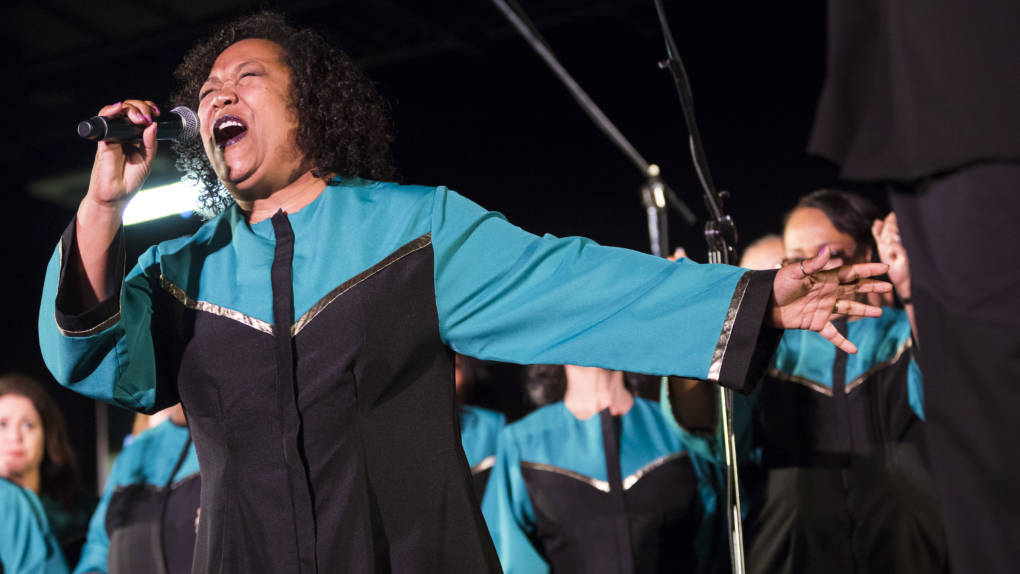
"caption": "Members of the Oakland Interfaith Gospel Choir.",
"credit": "Matthew Beardsley/OIGC",
"altTag": "Members of the Oakland Interfaith Gospel Choir",
"description": "Members of the Oakland Interfaith Gospel Choir",
"imgSizes": {
"thumbnail": {
"file": "https://cdn.kqed.org/wp-content/uploads/sites/2/2017/11/MBC_OIGC_2017-4-29_PRINT-0199-e1512001521581-160x90.jpg",
"width": 160,
"height": 90,
"mimeType": "image/jpeg"
},
"medium": {
"file": "https://cdn.kqed.org/wp-content/uploads/sites/2/2017/11/MBC_OIGC_2017-4-29_PRINT-0199-e1512001521581-800x450.jpg",
"width": 800,
"height": 450,
"mimeType": "image/jpeg"
},
"medium_large": {
"file": "https://cdn.kqed.org/wp-content/uploads/sites/2/2017/11/MBC_OIGC_2017-4-29_PRINT-0199-e1512001521581-768x432.jpg",
"width": 768,
"height": 432,
"mimeType": "image/jpeg"
},
"large": {
"file": "https://cdn.kqed.org/wp-content/uploads/sites/2/2017/11/MBC_OIGC_2017-4-29_PRINT-0199-e1512001521581-1020x574.jpg",
"width": 1020,
"height": 574,
"mimeType": "image/jpeg"
},
"fd-lrg": {
"file": "https://cdn.kqed.org/wp-content/uploads/sites/2/2017/11/MBC_OIGC_2017-4-29_PRINT-0199-e1512001521581-1920x1080.jpg",
"width": 1920,
"height": 1080,
"mimeType": "image/jpeg"
},
"fd-med": {
"file": "https://cdn.kqed.org/wp-content/uploads/sites/2/2017/11/MBC_OIGC_2017-4-29_PRINT-0199-e1512001521581-1180x664.jpg",
"width": 1180,
"height": 664,
"mimeType": "image/jpeg"
},
"fd-sm": {
"file": "https://cdn.kqed.org/wp-content/uploads/sites/2/2017/11/MBC_OIGC_2017-4-29_PRINT-0199-e1512001521581-960x540.jpg",
"width": 960,
"height": 540,
"mimeType": "image/jpeg"
},
"post-thumbnail": {
"file": "https://cdn.kqed.org/wp-content/uploads/sites/2/2017/11/MBC_OIGC_2017-4-29_PRINT-0199-e1512001521581-672x372.jpg",
"width": 672,
"height": 372,
"mimeType": "image/jpeg"
},
"twentyfourteen-full-width": {
"file": "https://cdn.kqed.org/wp-content/uploads/sites/2/2017/11/MBC_OIGC_2017-4-29_PRINT-0199-e1512001521581-1038x576.jpg",
"width": 1038,
"height": 576,
"mimeType": "image/jpeg"
},
"xxsmall": {
"file": "https://cdn.kqed.org/wp-content/uploads/sites/2/2017/11/MBC_OIGC_2017-4-29_PRINT-0199-e1512001521581-240x135.jpg",
"width": 240,
"height": 135,
"mimeType": "image/jpeg"
},
"xsmall": {
"file": "https://cdn.kqed.org/wp-content/uploads/sites/2/2017/11/MBC_OIGC_2017-4-29_PRINT-0199-e1512001521581-375x211.jpg",
"width": 375,
"height": 211,
"mimeType": "image/jpeg"
},
"small": {
"file": "https://cdn.kqed.org/wp-content/uploads/sites/2/2017/11/MBC_OIGC_2017-4-29_PRINT-0199-e1512001521581-520x292.jpg",
"width": 520,
"height": 292,
"mimeType": "image/jpeg"
},
"xlarge": {
"file": "https://cdn.kqed.org/wp-content/uploads/sites/2/2017/11/MBC_OIGC_2017-4-29_PRINT-0199-e1512001521581-1180x664.jpg",
"width": 1180,
"height": 664,
"mimeType": "image/jpeg"
},
"full-width": {
"file": "https://cdn.kqed.org/wp-content/uploads/sites/2/2017/11/MBC_OIGC_2017-4-29_PRINT-0199-e1512001521581-1920x1080.jpg",
"width": 1920,
"height": 1080,
"mimeType": "image/jpeg"
},
"guest-author-32": {
"file": "https://cdn.kqed.org/wp-content/uploads/sites/2/2017/11/MBC_OIGC_2017-4-29_PRINT-0199-e1512001521581-32x32.jpg",
"width": 32,
"height": 32,
"mimeType": "image/jpeg"
},
"guest-author-50": {
"file": "https://cdn.kqed.org/wp-content/uploads/sites/2/2017/11/MBC_OIGC_2017-4-29_PRINT-0199-e1512001521581-50x50.jpg",
"width": 50,
"height": 50,
"mimeType": "image/jpeg"
},
"guest-author-64": {
"file": "https://cdn.kqed.org/wp-content/uploads/sites/2/2017/11/MBC_OIGC_2017-4-29_PRINT-0199-e1512001521581-64x64.jpg",
"width": 64,
"height": 64,
"mimeType": "image/jpeg"
},
"guest-author-96": {
"file": "https://cdn.kqed.org/wp-content/uploads/sites/2/2017/11/MBC_OIGC_2017-4-29_PRINT-0199-e1512001521581-96x96.jpg",
"width": 96,
"height": 96,
"mimeType": "image/jpeg"
},
"guest-author-128": {
"file": "https://cdn.kqed.org/wp-content/uploads/sites/2/2017/11/MBC_OIGC_2017-4-29_PRINT-0199-e1512001521581-128x128.jpg",
"width": 128,
"height": 128,
"mimeType": "image/jpeg"
},
"detail": {
"file": "https://cdn.kqed.org/wp-content/uploads/sites/2/2017/11/MBC_OIGC_2017-4-29_PRINT-0199-e1512001521581-150x150.jpg",
"width": 150,
"height": 150,
"mimeType": "image/jpeg"
},
"kqedFullSize": {
"file": "https://cdn.kqed.org/wp-content/uploads/sites/2/2017/11/MBC_OIGC_2017-4-29_PRINT-0199-e1512001521581.jpg",
"width": 5759,
"height": 3239
}
},
"isLoading": false,
"fetchFailed": false
},
"arts_13816068": {
"type": "attachments",
"id": "arts_13816068",
"meta": {
"index": "attachments_1716263798",
"site": "arts",
"id": "13816068",
"found": true
},
"parent": 13816015,
"imgSizes": {
"small": {
"file": "https://ww2.kqed.org/app/uploads/sites/2/2017/11/BenefitReleases.GhostShip-520x325.jpg",
"width": 520,
"mimeType": "image/jpeg",
"height": 325
},
"twentyfourteen-full-width": {
"file": "https://ww2.kqed.org/app/uploads/sites/2/2017/11/BenefitReleases.GhostShip-1038x576.jpg",
"width": 1038,
"mimeType": "image/jpeg",
"height": 576
},
"thumbnail": {
"file": "https://ww2.kqed.org/app/uploads/sites/2/2017/11/BenefitReleases.GhostShip-160x100.jpg",
"width": 160,
"mimeType": "image/jpeg",
"height": 100
},
"fd-sm": {
"file": "https://ww2.kqed.org/app/uploads/sites/2/2017/11/BenefitReleases.GhostShip-960x600.jpg",
"width": 960,
"mimeType": "image/jpeg",
"height": 600
},
"post-thumbnail": {
"file": "https://ww2.kqed.org/app/uploads/sites/2/2017/11/BenefitReleases.GhostShip-672x372.jpg",
"width": 672,
"mimeType": "image/jpeg",
"height": 372
},
"xsmall": {
"file": "https://ww2.kqed.org/app/uploads/sites/2/2017/11/BenefitReleases.GhostShip-375x234.jpg",
"width": 375,
"mimeType": "image/jpeg",
"height": 234
},
"kqedFullSize": {
"file": "https://ww2.kqed.org/app/uploads/sites/2/2017/11/BenefitReleases.GhostShip.jpg",
"width": 1920,
"height": 1200
},
"large": {
"file": "https://ww2.kqed.org/app/uploads/sites/2/2017/11/BenefitReleases.GhostShip-1020x638.jpg",
"width": 1020,
"mimeType": "image/jpeg",
"height": 638
},
"xlarge": {
"file": "https://ww2.kqed.org/app/uploads/sites/2/2017/11/BenefitReleases.GhostShip-1180x738.jpg",
"width": 1180,
"mimeType": "image/jpeg",
"height": 738
},
"guest-author-50": {
"file": "https://ww2.kqed.org/app/uploads/sites/2/2017/11/BenefitReleases.GhostShip-50x50.jpg",
"width": 50,
"mimeType": "image/jpeg",
"height": 50
},
"guest-author-96": {
"file": "https://ww2.kqed.org/app/uploads/sites/2/2017/11/BenefitReleases.GhostShip-96x96.jpg",
"width": 96,
"mimeType": "image/jpeg",
"height": 96
},
"medium": {
"file": "https://ww2.kqed.org/app/uploads/sites/2/2017/11/BenefitReleases.GhostShip-800x500.jpg",
"width": 800,
"mimeType": "image/jpeg",
"height": 500
},
"guest-author-64": {
"file": "https://ww2.kqed.org/app/uploads/sites/2/2017/11/BenefitReleases.GhostShip-64x64.jpg",
"width": 64,
"mimeType": "image/jpeg",
"height": 64
},
"guest-author-32": {
"file": "https://ww2.kqed.org/app/uploads/sites/2/2017/11/BenefitReleases.GhostShip-32x32.jpg",
"width": 32,
"mimeType": "image/jpeg",
"height": 32
},
"fd-lrg": {
"file": "https://ww2.kqed.org/app/uploads/sites/2/2017/11/BenefitReleases.GhostShip-1920x1200.jpg",
"width": 1920,
"mimeType": "image/jpeg",
"height": 1200
},
"fd-med": {
"file": "https://ww2.kqed.org/app/uploads/sites/2/2017/11/BenefitReleases.GhostShip-1180x738.jpg",
"width": 1180,
"mimeType": "image/jpeg",
"height": 738
},
"full-width": {
"file": "https://ww2.kqed.org/app/uploads/sites/2/2017/11/BenefitReleases.GhostShip-1920x1200.jpg",
"width": 1920,
"mimeType": "image/jpeg",
"height": 1200
},
"detail": {
"file": "https://ww2.kqed.org/app/uploads/sites/2/2017/11/BenefitReleases.GhostShip-150x150.jpg",
"width": 150,
"mimeType": "image/jpeg",
"height": 150
},
"medium_large": {
"file": "https://ww2.kqed.org/app/uploads/sites/2/2017/11/BenefitReleases.GhostShip-768x480.jpg",
"width": 768,
"mimeType": "image/jpeg",
"height": 480
},
"guest-author-128": {
"file": "https://ww2.kqed.org/app/uploads/sites/2/2017/11/BenefitReleases.GhostShip-128x128.jpg",
"width": 128,
"mimeType": "image/jpeg",
"height": 128
},
"xxsmall": {
"file": "https://ww2.kqed.org/app/uploads/sites/2/2017/11/BenefitReleases.GhostShip-240x150.jpg",
"width": 240,
"mimeType": "image/jpeg",
"height": 150
}
},
"publishDate": 1511995098,
"modified": 1511995164,
"caption": "Numerous musical releases over the past year are benefits for warehouse residents and support organizations.",
"description": "Numerous musical releases over the past year are benefits for warehouse residents and support organizations.",
"title": "BenefitReleases.GhostShip",
"credit": null,
"status": "inherit",
"isLoading": false,
"fetchFailed": false
},
"arts_12803198": {
"type": "attachments",
"id": "arts_12803198",
"meta": {
"index": "attachments_1716263798",
"site": "arts",
"id": "12803198",
"found": true
},
"parent": 12789953,
"imgSizes": {
"small": {
"file": "https://ww2.kqed.org/app/uploads/sites/2/2017/02/AlphabetRockers-Learnaboutskincolor-SteveJennings-520x293.jpg",
"width": 520,
"mimeType": "image/jpeg",
"height": 293
},
"twentyfourteen-full-width": {
"file": "https://ww2.kqed.org/app/uploads/sites/2/2017/02/AlphabetRockers-Learnaboutskincolor-SteveJennings-1038x576.jpg",
"width": 1038,
"mimeType": "image/jpeg",
"height": 576
},
"thumbnail": {
"file": "https://ww2.kqed.org/app/uploads/sites/2/2017/02/AlphabetRockers-Learnaboutskincolor-SteveJennings-160x90.jpg",
"width": 160,
"mimeType": "image/jpeg",
"height": 90
},
"fd-sm": {
"file": "https://ww2.kqed.org/app/uploads/sites/2/2017/02/AlphabetRockers-Learnaboutskincolor-SteveJennings-960x540.jpg",
"width": 960,
"mimeType": "image/jpeg",
"height": 540
},
"post-thumbnail": {
"file": "https://ww2.kqed.org/app/uploads/sites/2/2017/02/AlphabetRockers-Learnaboutskincolor-SteveJennings-672x372.jpg",
"width": 672,
"mimeType": "image/jpeg",
"height": 372
},
"xsmall": {
"file": "https://ww2.kqed.org/app/uploads/sites/2/2017/02/AlphabetRockers-Learnaboutskincolor-SteveJennings-375x211.jpg",
"width": 375,
"mimeType": "image/jpeg",
"height": 211
},
"kqedFullSize": {
"file": "https://ww2.kqed.org/app/uploads/sites/2/2017/02/AlphabetRockers-Learnaboutskincolor-SteveJennings.jpg",
"width": 1080,
"height": 608
},
"large": {
"file": "https://ww2.kqed.org/app/uploads/sites/2/2017/02/AlphabetRockers-Learnaboutskincolor-SteveJennings-1020x574.jpg",
"width": 1020,
"mimeType": "image/jpeg",
"height": 574
},
"guest-author-50": {
"file": "https://ww2.kqed.org/app/uploads/sites/2/2017/02/AlphabetRockers-Learnaboutskincolor-SteveJennings-50x50.jpg",
"width": 50,
"mimeType": "image/jpeg",
"height": 50
},
"guest-author-96": {
"file": "https://ww2.kqed.org/app/uploads/sites/2/2017/02/AlphabetRockers-Learnaboutskincolor-SteveJennings-96x96.jpg",
"width": 96,
"mimeType": "image/jpeg",
"height": 96
},
"medium": {
"file": "https://ww2.kqed.org/app/uploads/sites/2/2017/02/AlphabetRockers-Learnaboutskincolor-SteveJennings-800x450.jpg",
"width": 800,
"mimeType": "image/jpeg",
"height": 450
},
"guest-author-64": {
"file": "https://ww2.kqed.org/app/uploads/sites/2/2017/02/AlphabetRockers-Learnaboutskincolor-SteveJennings-64x64.jpg",
"width": 64,
"mimeType": "image/jpeg",
"height": 64
},
"guest-author-32": {
"file": "https://ww2.kqed.org/app/uploads/sites/2/2017/02/AlphabetRockers-Learnaboutskincolor-SteveJennings-32x32.jpg",
"width": 32,
"mimeType": "image/jpeg",
"height": 32
},
"detail": {
"file": "https://ww2.kqed.org/app/uploads/sites/2/2017/02/AlphabetRockers-Learnaboutskincolor-SteveJennings-150x150.jpg",
"width": 150,
"mimeType": "image/jpeg",
"height": 150
},
"medium_large": {
"file": "https://ww2.kqed.org/app/uploads/sites/2/2017/02/AlphabetRockers-Learnaboutskincolor-SteveJennings-768x432.jpg",
"width": 768,
"mimeType": "image/jpeg",
"height": 432
},
"guest-author-128": {
"file": "https://ww2.kqed.org/app/uploads/sites/2/2017/02/AlphabetRockers-Learnaboutskincolor-SteveJennings-128x128.jpg",
"width": 128,
"mimeType": "image/jpeg",
"height": 128
},
"xxsmall": {
"file": "https://ww2.kqed.org/app/uploads/sites/2/2017/02/AlphabetRockers-Learnaboutskincolor-SteveJennings-240x135.jpg",
"width": 240,
"mimeType": "image/jpeg",
"height": 135
}
},
"publishDate": 1487790015,
"modified": 1511928343,
"caption": "Kaitlin McGaw of the Alphabet Rockers on stage with fans",
"description": "Kaitlin McGaw of the Alphabet Rockers on stage with fans",
"title": "AlphabetRockers-Learnaboutskincolor-SteveJennings",
"credit": "Steve Jennings",
"status": "inherit",
"isLoading": false,
"fetchFailed": false
},
"arts_13815846": {
"type": "attachments",
"id": "arts_13815846",
"meta": {
"index": "attachments_1716263798",
"site": "arts",
"id": "13815846",
"found": true
},
"parent": 13815837,
"imgSizes": {
"small": {
"file": "https://ww2.kqed.org/app/uploads/sites/2/2017/11/girlsofthegoldenwest_stefancohen048-e1511663214337-520x293.jpg",
"width": 520,
"mimeType": "image/jpeg",
"height": 293
},
"twentyfourteen-full-width": {
"file": "https://ww2.kqed.org/app/uploads/sites/2/2017/11/girlsofthegoldenwest_stefancohen048-e1511663214337-1038x576.jpg",
"width": 1038,
"mimeType": "image/jpeg",
"height": 576
},
"thumbnail": {
"file": "https://ww2.kqed.org/app/uploads/sites/2/2017/11/girlsofthegoldenwest_stefancohen048-e1511663214337-160x90.jpg",
"width": 160,
"mimeType": "image/jpeg",
"height": 90
},
"fd-sm": {
"file": "https://ww2.kqed.org/app/uploads/sites/2/2017/11/girlsofthegoldenwest_stefancohen048-e1511663214337-960x541.jpg",
"width": 960,
"mimeType": "image/jpeg",
"height": 541
},
"post-thumbnail": {
"file": "https://ww2.kqed.org/app/uploads/sites/2/2017/11/girlsofthegoldenwest_stefancohen048-e1511663214337-672x372.jpg",
"width": 672,
"mimeType": "image/jpeg",
"height": 372
},
"xsmall": {
"file": "https://ww2.kqed.org/app/uploads/sites/2/2017/11/girlsofthegoldenwest_stefancohen048-e1511663214337-375x211.jpg",
"width": 375,
"mimeType": "image/jpeg",
"height": 211
},
"kqedFullSize": {
"file": "https://ww2.kqed.org/app/uploads/sites/2/2017/11/girlsofthegoldenwest_stefancohen048-e1511663214337.jpg",
"width": 2298,
"height": 1296
},
"large": {
"file": "https://ww2.kqed.org/app/uploads/sites/2/2017/11/girlsofthegoldenwest_stefancohen048-e1511663214337-1020x575.jpg",
"width": 1020,
"mimeType": "image/jpeg",
"height": 575
},
"xlarge": {
"file": "https://ww2.kqed.org/app/uploads/sites/2/2017/11/girlsofthegoldenwest_stefancohen048-e1511663214337-1180x665.jpg",
"width": 1180,
"mimeType": "image/jpeg",
"height": 665
},
"guest-author-50": {
"file": "https://ww2.kqed.org/app/uploads/sites/2/2017/11/girlsofthegoldenwest_stefancohen048-e1511663214337-50x50.jpg",
"width": 50,
"mimeType": "image/jpeg",
"height": 50
},
"guest-author-96": {
"file": "https://ww2.kqed.org/app/uploads/sites/2/2017/11/girlsofthegoldenwest_stefancohen048-e1511663214337-96x96.jpg",
"width": 96,
"mimeType": "image/jpeg",
"height": 96
},
"medium": {
"file": "https://ww2.kqed.org/app/uploads/sites/2/2017/11/girlsofthegoldenwest_stefancohen048-e1511663214337-800x451.jpg",
"width": 800,
"mimeType": "image/jpeg",
"height": 451
},
"guest-author-64": {
"file": "https://ww2.kqed.org/app/uploads/sites/2/2017/11/girlsofthegoldenwest_stefancohen048-e1511663214337-64x64.jpg",
"width": 64,
"mimeType": "image/jpeg",
"height": 64
},
"guest-author-32": {
"file": "https://ww2.kqed.org/app/uploads/sites/2/2017/11/girlsofthegoldenwest_stefancohen048-e1511663214337-32x32.jpg",
"width": 32,
"mimeType": "image/jpeg",
"height": 32
},
"fd-lrg": {
"file": "https://ww2.kqed.org/app/uploads/sites/2/2017/11/girlsofthegoldenwest_stefancohen048-e1511663214337-1920x1083.jpg",
"width": 1920,
"mimeType": "image/jpeg",
"height": 1083
},
"fd-med": {
"file": "https://ww2.kqed.org/app/uploads/sites/2/2017/11/girlsofthegoldenwest_stefancohen048-e1511663214337-1180x665.jpg",
"width": 1180,
"mimeType": "image/jpeg",
"height": 665
},
"full-width": {
"file": "https://ww2.kqed.org/app/uploads/sites/2/2017/11/girlsofthegoldenwest_stefancohen048-e1511663214337-1920x1083.jpg",
"width": 1920,
"mimeType": "image/jpeg",
"height": 1083
},
"detail": {
"file": "https://ww2.kqed.org/app/uploads/sites/2/2017/11/girlsofthegoldenwest_stefancohen048-e1511663214337-150x150.jpg",
"width": 150,
"mimeType": "image/jpeg",
"height": 150
},
"medium_large": {
"file": "https://ww2.kqed.org/app/uploads/sites/2/2017/11/girlsofthegoldenwest_stefancohen048-e1511663214337-768x433.jpg",
"width": 768,
"mimeType": "image/jpeg",
"height": 433
},
"guest-author-128": {
"file": "https://ww2.kqed.org/app/uploads/sites/2/2017/11/girlsofthegoldenwest_stefancohen048-e1511663214337-128x128.jpg",
"width": 128,
"mimeType": "image/jpeg",
"height": 128
},
"xxsmall": {
"file": "https://ww2.kqed.org/app/uploads/sites/2/2017/11/girlsofthegoldenwest_stefancohen048-e1511663214337-240x135.jpg",
"width": 240,
"mimeType": "image/jpeg",
"height": 135
}
},
"publishDate": 1511663103,
"modified": 1511663219,
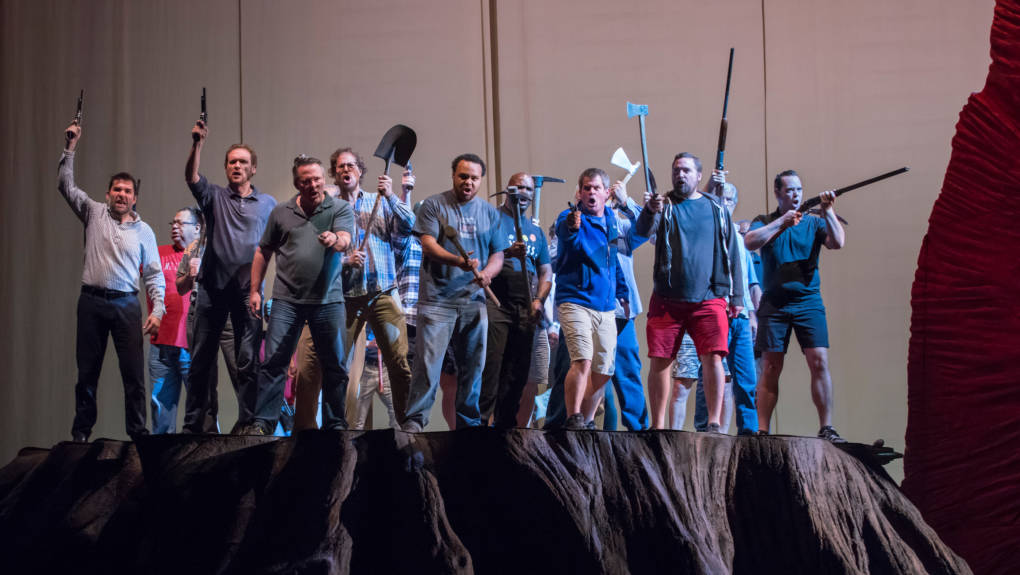
"caption": "The men of The San Francisco Opera Chorus as a horde of angry miners in rehearsal for 'Girls of the Golden West,' a world premiere opera with music by John Adams and libretto and direction by Peter Sellars. ",
"description": null,
"title": "girlsofthegoldenwest_stefancohen048",
"credit": "Photo: Stefan Cohen/San Francisco Opera",
"status": "inherit",
"isLoading": false,
"fetchFailed": false
},
"arts_13815913": {
"type": "attachments",
"id": "arts_13815913",
"meta": {
"index": "attachments_1716263798",
"site": "arts",
"id": "13815913",
"found": true
},
"parent": 13815912,
"imgSizes": {
"small": {
"file": "https://ww2.kqed.org/app/uploads/sites/2/2017/11/istock-577327180-cdaa42636a92acad5b36060910fc669b2c5b48ca-520x390.jpg",
"width": 520,
"mimeType": "image/jpeg",
"height": 390
},
"twentyfourteen-full-width": {
"file": "https://ww2.kqed.org/app/uploads/sites/2/2017/11/istock-577327180-cdaa42636a92acad5b36060910fc669b2c5b48ca-1038x576.jpg",
"width": 1038,
"mimeType": "image/jpeg",
"height": 576
},
"thumbnail": {
"file": "https://ww2.kqed.org/app/uploads/sites/2/2017/11/istock-577327180-cdaa42636a92acad5b36060910fc669b2c5b48ca-160x120.jpg",
"width": 160,
"mimeType": "image/jpeg",
"height": 120
},
"fd-sm": {
"file": "https://ww2.kqed.org/app/uploads/sites/2/2017/11/istock-577327180-cdaa42636a92acad5b36060910fc669b2c5b48ca-960x720.jpg",
"width": 960,
"mimeType": "image/jpeg",
"height": 720
},
"post-thumbnail": {
"file": "https://ww2.kqed.org/app/uploads/sites/2/2017/11/istock-577327180-cdaa42636a92acad5b36060910fc669b2c5b48ca-672x372.jpg",
"width": 672,
"mimeType": "image/jpeg",
"height": 372
},
"xsmall": {
"file": "https://ww2.kqed.org/app/uploads/sites/2/2017/11/istock-577327180-cdaa42636a92acad5b36060910fc669b2c5b48ca-375x281.jpg",
"width": 375,
"mimeType": "image/jpeg",
"height": 281
},
"kqedFullSize": {
"file": "https://ww2.kqed.org/app/uploads/sites/2/2017/11/istock-577327180-cdaa42636a92acad5b36060910fc669b2c5b48ca.jpg",
"width": 2998,
"height": 2248
},
"large": {
"file": "https://ww2.kqed.org/app/uploads/sites/2/2017/11/istock-577327180-cdaa42636a92acad5b36060910fc669b2c5b48ca-1020x765.jpg",
"width": 1020,
"mimeType": "image/jpeg",
"height": 765
},
"xlarge": {
"file": "https://ww2.kqed.org/app/uploads/sites/2/2017/11/istock-577327180-cdaa42636a92acad5b36060910fc669b2c5b48ca-1180x885.jpg",
"width": 1180,
"mimeType": "image/jpeg",
"height": 885
},
"guest-author-50": {
"file": "https://ww2.kqed.org/app/uploads/sites/2/2017/11/istock-577327180-cdaa42636a92acad5b36060910fc669b2c5b48ca-50x50.jpg",
"width": 50,
"mimeType": "image/jpeg",
"height": 50
},
"guest-author-96": {
"file": "https://ww2.kqed.org/app/uploads/sites/2/2017/11/istock-577327180-cdaa42636a92acad5b36060910fc669b2c5b48ca-96x96.jpg",
"width": 96,
"mimeType": "image/jpeg",
"height": 96
},
"medium": {
"file": "https://ww2.kqed.org/app/uploads/sites/2/2017/11/istock-577327180-cdaa42636a92acad5b36060910fc669b2c5b48ca-800x600.jpg",
"width": 800,
"mimeType": "image/jpeg",
"height": 600
},
"guest-author-64": {
"file": "https://ww2.kqed.org/app/uploads/sites/2/2017/11/istock-577327180-cdaa42636a92acad5b36060910fc669b2c5b48ca-64x64.jpg",
"width": 64,
"mimeType": "image/jpeg",
"height": 64
},
"guest-author-32": {
"file": "https://ww2.kqed.org/app/uploads/sites/2/2017/11/istock-577327180-cdaa42636a92acad5b36060910fc669b2c5b48ca-32x32.jpg",
"width": 32,
"mimeType": "image/jpeg",
"height": 32
},
"fd-lrg": {
"file": "https://ww2.kqed.org/app/uploads/sites/2/2017/11/istock-577327180-cdaa42636a92acad5b36060910fc669b2c5b48ca-1920x1440.jpg",
"width": 1920,
"mimeType": "image/jpeg",
"height": 1440
},
"fd-med": {
"file": "https://ww2.kqed.org/app/uploads/sites/2/2017/11/istock-577327180-cdaa42636a92acad5b36060910fc669b2c5b48ca-1180x885.jpg",
"width": 1180,
"mimeType": "image/jpeg",
"height": 885
},
"full-width": {
"file": "https://ww2.kqed.org/app/uploads/sites/2/2017/11/istock-577327180-cdaa42636a92acad5b36060910fc669b2c5b48ca-1920x1440.jpg",
"width": 1920,
"mimeType": "image/jpeg",
"height": 1440
},
"detail": {
"file": "https://ww2.kqed.org/app/uploads/sites/2/2017/11/istock-577327180-cdaa42636a92acad5b36060910fc669b2c5b48ca-150x150.jpg",
"width": 150,
"mimeType": "image/jpeg",
"height": 150
},
"medium_large": {
"file": "https://ww2.kqed.org/app/uploads/sites/2/2017/11/istock-577327180-cdaa42636a92acad5b36060910fc669b2c5b48ca-768x576.jpg",
"width": 768,
"mimeType": "image/jpeg",
"height": 576
},
"guest-author-128": {
"file": "https://ww2.kqed.org/app/uploads/sites/2/2017/11/istock-577327180-cdaa42636a92acad5b36060910fc669b2c5b48ca-128x128.jpg",
"width": 128,
"mimeType": "image/jpeg",
"height": 128
},
"xxsmall": {
"file": "https://ww2.kqed.org/app/uploads/sites/2/2017/11/istock-577327180-cdaa42636a92acad5b36060910fc669b2c5b48ca-240x180.jpg",
"width": 240,
"mimeType": "image/jpeg",
"height": 180
}
},
"publishDate": 1511815259,
"modified": 1511815259,
"caption": null,
"description": "You've probably been surprised to hear a remarkable song you've never heard pop out of nowhere sometime recently — you're not alone. But as the terms of excavation shift, what are we losin",
"title": "You've probably been surprised to hear a remarkable song you've never heard pop out of nowhere sometime recently — you're not alone. But as the terms of excavation shift, what are we losing?",
"credit": null,
"status": "inherit",
"isLoading": false,
"fetchFailed": false
},
"arts_13815893": {
"type": "attachments",
"id": "arts_13815893",
"meta": {
"index": "attachments_1716263798",
"site": "arts",
"id": "13815893",
"found": true
},
"parent": 13815892,
"imgSizes": {
"small": {
"file": "https://ww2.kqed.org/app/uploads/sites/2/2017/11/gettyimages-824100_wide-ab556329af2263873333623308e8aded380afc48-520x292.jpg",
"width": 520,
"mimeType": "image/jpeg",
"height": 292
},
"twentyfourteen-full-width": {
"file": "https://ww2.kqed.org/app/uploads/sites/2/2017/11/gettyimages-824100_wide-ab556329af2263873333623308e8aded380afc48-1038x576.jpg",
"width": 1038,
"mimeType": "image/jpeg",
"height": 576
},
"thumbnail": {
"file": "https://ww2.kqed.org/app/uploads/sites/2/2017/11/gettyimages-824100_wide-ab556329af2263873333623308e8aded380afc48-160x90.jpg",
"width": 160,
"mimeType": "image/jpeg",
"height": 90
},
"fd-sm": {
"file": "https://ww2.kqed.org/app/uploads/sites/2/2017/11/gettyimages-824100_wide-ab556329af2263873333623308e8aded380afc48-960x540.jpg",
"width": 960,
"mimeType": "image/jpeg",
"height": 540
},
"post-thumbnail": {
"file": "https://ww2.kqed.org/app/uploads/sites/2/2017/11/gettyimages-824100_wide-ab556329af2263873333623308e8aded380afc48-672x372.jpg",
"width": 672,
"mimeType": "image/jpeg",
"height": 372
},
"xsmall": {
"file": "https://ww2.kqed.org/app/uploads/sites/2/2017/11/gettyimages-824100_wide-ab556329af2263873333623308e8aded380afc48-375x211.jpg",
"width": 375,
"mimeType": "image/jpeg",
"height": 211
},
"kqedFullSize": {
"file": "https://ww2.kqed.org/app/uploads/sites/2/2017/11/gettyimages-824100_wide-ab556329af2263873333623308e8aded380afc48.jpg",
"width": 2692,
"height": 1514
},
"large": {
"file": "https://ww2.kqed.org/app/uploads/sites/2/2017/11/gettyimages-824100_wide-ab556329af2263873333623308e8aded380afc48-1020x574.jpg",
"width": 1020,
"mimeType": "image/jpeg",
"height": 574
},
"xlarge": {
"file": "https://ww2.kqed.org/app/uploads/sites/2/2017/11/gettyimages-824100_wide-ab556329af2263873333623308e8aded380afc48-1180x664.jpg",
"width": 1180,
"mimeType": "image/jpeg",
"height": 664
},
"guest-author-50": {
"file": "https://ww2.kqed.org/app/uploads/sites/2/2017/11/gettyimages-824100_wide-ab556329af2263873333623308e8aded380afc48-50x50.jpg",
"width": 50,
"mimeType": "image/jpeg",
"height": 50
},
"guest-author-96": {
"file": "https://ww2.kqed.org/app/uploads/sites/2/2017/11/gettyimages-824100_wide-ab556329af2263873333623308e8aded380afc48-96x96.jpg",
"width": 96,
"mimeType": "image/jpeg",
"height": 96
},
"medium": {
"file": "https://ww2.kqed.org/app/uploads/sites/2/2017/11/gettyimages-824100_wide-ab556329af2263873333623308e8aded380afc48-800x450.jpg",
"width": 800,
"mimeType": "image/jpeg",
"height": 450
},
"guest-author-64": {
"file": "https://ww2.kqed.org/app/uploads/sites/2/2017/11/gettyimages-824100_wide-ab556329af2263873333623308e8aded380afc48-64x64.jpg",
"width": 64,
"mimeType": "image/jpeg",
"height": 64
},
"guest-author-32": {
"file": "https://ww2.kqed.org/app/uploads/sites/2/2017/11/gettyimages-824100_wide-ab556329af2263873333623308e8aded380afc48-32x32.jpg",
"width": 32,
"mimeType": "image/jpeg",
"height": 32
},
"fd-lrg": {
"file": "https://ww2.kqed.org/app/uploads/sites/2/2017/11/gettyimages-824100_wide-ab556329af2263873333623308e8aded380afc48-1920x1080.jpg",
"width": 1920,
"mimeType": "image/jpeg",
"height": 1080
},
"fd-med": {
"file": "https://ww2.kqed.org/app/uploads/sites/2/2017/11/gettyimages-824100_wide-ab556329af2263873333623308e8aded380afc48-1180x664.jpg",
"width": 1180,
"mimeType": "image/jpeg",
"height": 664
},
"full-width": {
"file": "https://ww2.kqed.org/app/uploads/sites/2/2017/11/gettyimages-824100_wide-ab556329af2263873333623308e8aded380afc48-1920x1080.jpg",
"width": 1920,
"mimeType": "image/jpeg",
"height": 1080
},
"detail": {
"file": "https://ww2.kqed.org/app/uploads/sites/2/2017/11/gettyimages-824100_wide-ab556329af2263873333623308e8aded380afc48-150x150.jpg",
"width": 150,
"mimeType": "image/jpeg",
"height": 150
},
"medium_large": {
"file": "https://ww2.kqed.org/app/uploads/sites/2/2017/11/gettyimages-824100_wide-ab556329af2263873333623308e8aded380afc48-768x432.jpg",
"width": 768,
"mimeType": "image/jpeg",
"height": 432
},
"guest-author-128": {
"file": "https://ww2.kqed.org/app/uploads/sites/2/2017/11/gettyimages-824100_wide-ab556329af2263873333623308e8aded380afc48-128x128.jpg",
"width": 128,
"mimeType": "image/jpeg",
"height": 128
},
"xxsmall": {
"file": "https://ww2.kqed.org/app/uploads/sites/2/2017/11/gettyimages-824100_wide-ab556329af2263873333623308e8aded380afc48-240x135.jpg",
"width": 240,
"mimeType": "image/jpeg",
"height": 135
}
},
"publishDate": 1511811903,
"modified": 1511813429,
"caption": "Steely Dan's Walter Becker, left (who passed away this past September), and Donald Fagan in Los Angeles in 2001.",
"description": "Steely Dan's Walter Becker, left (who passed away this past September), and Donald Fagan in Los Angeles in 2001.",
"title": "Steely Dan's Walter Becker, left (who passed away this past September), and Donald Fagan in Los Angeles in 2001.",
"credit": "Laura Farr/Getty Images",
"status": "inherit",
"isLoading": false,
"fetchFailed": false
},
"news_11633014": {
"type": "attachments",
"id": "news_11633014",
"meta": {
"index": "attachments_1716263798",
"site": "news",
"id": "11633014",
"found": true
},
"parent": 11632699,
"imgSizes": {
"small": {
"file": "https://ww2.kqed.org/app/uploads/sites/10/2017/11/band2-520x374.jpg",
"width": 520,
"mimeType": "image/jpeg",
"height": 374
},
"twentyfourteen-full-width": {
"file": "https://ww2.kqed.org/app/uploads/sites/10/2017/11/band2-1038x576.jpg",
"width": 1038,
"mimeType": "image/jpeg",
"height": 576
},
"thumbnail": {
"file": "https://ww2.kqed.org/app/uploads/sites/10/2017/11/band2-160x115.jpg",
"width": 160,
"mimeType": "image/jpeg",
"height": 115
},
"fd-sm": {
"file": "https://ww2.kqed.org/app/uploads/sites/10/2017/11/band2-960x690.jpg",
"width": 960,
"mimeType": "image/jpeg",
"height": 690
},
"post-thumbnail": {
"file": "https://ww2.kqed.org/app/uploads/sites/10/2017/11/band2-672x372.jpg",
"width": 672,
"mimeType": "image/jpeg",
"height": 372
},
"xsmall": {
"file": "https://ww2.kqed.org/app/uploads/sites/10/2017/11/band2-375x269.jpg",
"width": 375,
"mimeType": "image/jpeg",
"height": 269
},
"kqedFullSize": {
"file": "https://ww2.kqed.org/app/uploads/sites/10/2017/11/band2-e1511380297663.jpg",
"width": 1920,
"height": 1379
},
"large": {
"file": "https://ww2.kqed.org/app/uploads/sites/10/2017/11/band2-1020x733.jpg",
"width": 1020,
"mimeType": "image/jpeg",
"height": 733
},
"xlarge": {
"file": "https://ww2.kqed.org/app/uploads/sites/10/2017/11/band2-1180x848.jpg",
"width": 1180,
"mimeType": "image/jpeg",
"height": 848
},
"guest-author-50": {
"file": "https://ww2.kqed.org/app/uploads/sites/10/2017/11/band2-50x50.jpg",
"width": 50,
"mimeType": "image/jpeg",
"height": 50
},
"guest-author-96": {
"file": "https://ww2.kqed.org/app/uploads/sites/10/2017/11/band2-96x96.jpg",
"width": 96,
"mimeType": "image/jpeg",
"height": 96
},
"medium": {
"file": "https://ww2.kqed.org/app/uploads/sites/10/2017/11/band2-800x575.jpg",
"width": 800,
"mimeType": "image/jpeg",
"height": 575
},
"guest-author-64": {
"file": "https://ww2.kqed.org/app/uploads/sites/10/2017/11/band2-64x64.jpg",
"width": 64,
"mimeType": "image/jpeg",
"height": 64
},
"guest-author-32": {
"file": "https://ww2.kqed.org/app/uploads/sites/10/2017/11/band2-32x32.jpg",
"width": 32,
"mimeType": "image/jpeg",
"height": 32
},
"fd-lrg": {
"file": "https://ww2.kqed.org/app/uploads/sites/10/2017/11/band2-1920x1379.jpg",
"width": 1920,
"mimeType": "image/jpeg",
"height": 1379
},
"fd-med": {
"file": "https://ww2.kqed.org/app/uploads/sites/10/2017/11/band2-1180x848.jpg",
"width": 1180,
"mimeType": "image/jpeg",
"height": 848
},
"full-width": {
"file": "https://ww2.kqed.org/app/uploads/sites/10/2017/11/band2-1920x1379.jpg",
"width": 1920,
"mimeType": "image/jpeg",
"height": 1379
},
"detail": {
"file": "https://ww2.kqed.org/app/uploads/sites/10/2017/11/band2-150x150.jpg",
"width": 150,
"mimeType": "image/jpeg",
"height": 150
},
"guest-author-128": {
"file": "https://ww2.kqed.org/app/uploads/sites/10/2017/11/band2-128x128.jpg",
"width": 128,
"mimeType": "image/jpeg",
"height": 128
},
"xxsmall": {
"file": "https://ww2.kqed.org/app/uploads/sites/10/2017/11/band2-240x172.jpg",
"width": 240,
"mimeType": "image/jpeg",
"height": 172
}
},
"publishDate": 1511380165,
"modified": 1511382777,
"caption": "Walter Morgan Jr. performs in the KQED studios on Nov. 21, 2017. He founded the Sons of the Soul Revivers in 1970. He and his brothers have been singing together ever since they were kids in church. They are now finally reaching audiences outside the church walls.",
"description": null,
"title": "band2",
"credit": "Sarah Craig/KQED",
"status": "inherit",
"isLoading": false,
"fetchFailed": false
},
"arts_13815457": {
"type": "attachments",
"id": "arts_13815457",
"meta": {
"index": "attachments_1716263798",
"site": "arts",
"id": "13815457",
"found": true
},
"parent": 13815452,
"imgSizes": {
"small": {
"file": "https://ww2.kqed.org/app/uploads/sites/2/2017/11/blackrider-5640-e1511168373541-520x293.jpg",
"width": 520,
"mimeType": "image/jpeg",
"height": 293
},
"twentyfourteen-full-width": {
"file": "https://ww2.kqed.org/app/uploads/sites/2/2017/11/blackrider-5640-e1511168373541-1038x576.jpg",
"width": 1038,
"mimeType": "image/jpeg",
"height": 576
},
"thumbnail": {
"file": "https://ww2.kqed.org/app/uploads/sites/2/2017/11/blackrider-5640-e1511168373541-160x90.jpg",
"width": 160,
"mimeType": "image/jpeg",
"height": 90
},
"fd-sm": {
"file": "https://ww2.kqed.org/app/uploads/sites/2/2017/11/blackrider-5640-e1511168373541-960x540.jpg",
"width": 960,
"mimeType": "image/jpeg",
"height": 540
},
"post-thumbnail": {
"file": "https://ww2.kqed.org/app/uploads/sites/2/2017/11/blackrider-5640-e1511168373541-672x372.jpg",
"width": 672,
"mimeType": "image/jpeg",
"height": 372
},
"xsmall": {
"file": "https://ww2.kqed.org/app/uploads/sites/2/2017/11/blackrider-5640-e1511168373541-375x211.jpg",
"width": 375,
"mimeType": "image/jpeg",
"height": 211
},
"kqedFullSize": {
"file": "https://ww2.kqed.org/app/uploads/sites/2/2017/11/blackrider-5640-e1511168373541.jpg",
"width": 1200,
"height": 675
},
"large": {
"file": "https://ww2.kqed.org/app/uploads/sites/2/2017/11/blackrider-5640-e1511168373541-1020x574.jpg",
"width": 1020,
"mimeType": "image/jpeg",
"height": 574
},
"xlarge": {
"file": "https://ww2.kqed.org/app/uploads/sites/2/2017/11/blackrider-5640-e1511168373541-1180x664.jpg",
"width": 1180,
"mimeType": "image/jpeg",
"height": 664
},
"guest-author-50": {
"file": "https://ww2.kqed.org/app/uploads/sites/2/2017/11/blackrider-5640-e1511168373541-50x50.jpg",
"width": 50,
"mimeType": "image/jpeg",
"height": 50
},
"guest-author-96": {
"file": "https://ww2.kqed.org/app/uploads/sites/2/2017/11/blackrider-5640-e1511168373541-96x96.jpg",
"width": 96,
"mimeType": "image/jpeg",
"height": 96
},
"medium": {
"file": "https://ww2.kqed.org/app/uploads/sites/2/2017/11/blackrider-5640-e1511168373541-800x450.jpg",
"width": 800,
"mimeType": "image/jpeg",
"height": 450
},
"guest-author-64": {
"file": "https://ww2.kqed.org/app/uploads/sites/2/2017/11/blackrider-5640-e1511168373541-64x64.jpg",
"width": 64,
"mimeType": "image/jpeg",
"height": 64
},
"guest-author-32": {
"file": "https://ww2.kqed.org/app/uploads/sites/2/2017/11/blackrider-5640-e1511168373541-32x32.jpg",
"width": 32,
"mimeType": "image/jpeg",
"height": 32
},
"fd-med": {
"file": "https://ww2.kqed.org/app/uploads/sites/2/2017/11/blackrider-5640-e1511168373541-1180x664.jpg",
"width": 1180,
"mimeType": "image/jpeg",
"height": 664
},
"detail": {
"file": "https://ww2.kqed.org/app/uploads/sites/2/2017/11/blackrider-5640-e1511168373541-150x150.jpg",
"width": 150,
"mimeType": "image/jpeg",
"height": 150
},
"medium_large": {
"file": "https://ww2.kqed.org/app/uploads/sites/2/2017/11/blackrider-5640-e1511168373541-768x432.jpg",
"width": 768,
"mimeType": "image/jpeg",
"height": 432
},
"guest-author-128": {
"file": "https://ww2.kqed.org/app/uploads/sites/2/2017/11/blackrider-5640-e1511168373541-128x128.jpg",
"width": 128,
"mimeType": "image/jpeg",
"height": 128
},
"xxsmall": {
"file": "https://ww2.kqed.org/app/uploads/sites/2/2017/11/blackrider-5640-e1511168373541-240x135.jpg",
"width": 240,
"mimeType": "image/jpeg",
"height": 135
}
},
"publishDate": 1511168008,
"modified": 1511168123,
"caption": "Wilhelm (Grace Ng) has a problem with shooting and guns and bullets.",
"description": "Wilhelm (Grace Ng) has a problem with shooting and guns and bullets.",
"title": "blackrider-5640",
"credit": "Photo: Cheshire Isaacs",
"status": "inherit",
"isLoading": false,
"fetchFailed": false
},
"arts_13815686": {
"type": "attachments",
"id": "arts_13815686",
"meta": {
"index": "attachments_1716263798",
"site": "arts",
"id": "13815686",
"found": true
},
"parent": 13815554,
"imgSizes": {
"small": {
"file": "https://ww2.kqed.org/app/uploads/sites/2/2017/11/DiRosaGatehouse-520x215.jpg",
"width": 520,
"mimeType": "image/jpeg",
"height": 215
},
"thumbnail": {
"file": "https://ww2.kqed.org/app/uploads/sites/2/2017/11/DiRosaGatehouse-160x66.jpg",
"width": 160,
"mimeType": "image/jpeg",
"height": 66
},
"fd-sm": {
"file": "https://ww2.kqed.org/app/uploads/sites/2/2017/11/DiRosaGatehouse-960x396.jpg",
"width": 960,
"mimeType": "image/jpeg",
"height": 396
},
"post-thumbnail": {
"file": "https://ww2.kqed.org/app/uploads/sites/2/2017/11/DiRosaGatehouse-672x372.jpg",
"width": 672,
"mimeType": "image/jpeg",
"height": 372
},
"xsmall": {
"file": "https://ww2.kqed.org/app/uploads/sites/2/2017/11/DiRosaGatehouse-375x155.jpg",
"width": 375,
"mimeType": "image/jpeg",
"height": 155
},
"kqedFullSize": {
"file": "https://ww2.kqed.org/app/uploads/sites/2/2017/11/DiRosaGatehouse.jpg",
"width": 1000,
"height": 413
},
"guest-author-50": {
"file": "https://ww2.kqed.org/app/uploads/sites/2/2017/11/DiRosaGatehouse-50x50.jpg",
"width": 50,
"mimeType": "image/jpeg",
"height": 50
},
"guest-author-96": {
"file": "https://ww2.kqed.org/app/uploads/sites/2/2017/11/DiRosaGatehouse-96x96.jpg",
"width": 96,
"mimeType": "image/jpeg",
"height": 96
},
"medium": {
"file": "https://ww2.kqed.org/app/uploads/sites/2/2017/11/DiRosaGatehouse-800x330.jpg",
"width": 800,
"mimeType": "image/jpeg",
"height": 330
},
"guest-author-64": {
"file": "https://ww2.kqed.org/app/uploads/sites/2/2017/11/DiRosaGatehouse-64x64.jpg",
"width": 64,
"mimeType": "image/jpeg",
"height": 64
},
"guest-author-32": {
"file": "https://ww2.kqed.org/app/uploads/sites/2/2017/11/DiRosaGatehouse-32x32.jpg",
"width": 32,
"mimeType": "image/jpeg",
"height": 32
},
"detail": {
"file": "https://ww2.kqed.org/app/uploads/sites/2/2017/11/DiRosaGatehouse-150x150.jpg",
"width": 150,
"mimeType": "image/jpeg",
"height": 150
},
"medium_large": {
"file": "https://ww2.kqed.org/app/uploads/sites/2/2017/11/DiRosaGatehouse-768x317.jpg",
"width": 768,
"mimeType": "image/jpeg",
"height": 317
},
"guest-author-128": {
"file": "https://ww2.kqed.org/app/uploads/sites/2/2017/11/DiRosaGatehouse-128x128.jpg",
"width": 128,
"mimeType": "image/jpeg",
"height": 128
},
"xxsmall": {
"file": "https://ww2.kqed.org/app/uploads/sites/2/2017/11/DiRosaGatehouse-240x99.jpg",
"width": 240,
"mimeType": "image/jpeg",
"height": 99
}
},
"publishDate": 1511373237,
"modified": 1511373318,
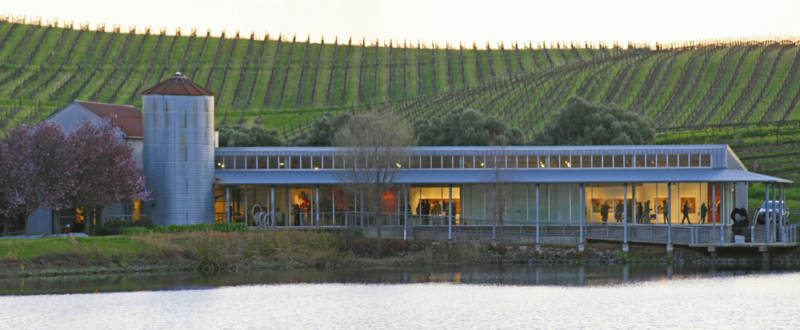
"caption": "The Gatehouse at the di Rosa Center for Contemporary Art",
"description": "The Gatehouse at the di Rosa Center for Contemporary Art",
"title": "The Gatehouse at the di Rosa Center for Contemporary Art",
"credit": "Photo: Courtesy of di Rosa Center for Contemporary Art",
"status": "inherit",
"isLoading": false,
"fetchFailed": false
},
"arts_13815756": {
"type": "attachments",
"id": "arts_13815756",
"meta": {
"index": "attachments_1716263798",
"site": "arts",
"id": "13815756",
"found": true
},
"parent": 13815753,
"imgSizes": {
"thumbnail": {
"file": "https://ww2.kqed.org/app/uploads/sites/2/2017/11/The-Grouch-e1511393475576-160x90.jpg",
"width": 160,
"mimeType": "image/jpeg",
"height": 90
},
"xsmall": {
"file": "https://ww2.kqed.org/app/uploads/sites/2/2017/11/The-Grouch-e1511393475576-375x212.jpg",
"width": 375,
"mimeType": "image/jpeg",
"height": 212
},
"kqedFullSize": {
"file": "https://ww2.kqed.org/app/uploads/sites/2/2017/11/The-Grouch-e1511393475576.jpg",
"width": 436,
"height": 246
},
"guest-author-50": {
"file": "https://ww2.kqed.org/app/uploads/sites/2/2017/11/The-Grouch-e1511393475576-50x50.jpg",
"width": 50,
"mimeType": "image/jpeg",
"height": 50
},
"guest-author-96": {
"file": "https://ww2.kqed.org/app/uploads/sites/2/2017/11/The-Grouch-e1511393475576-96x96.jpg",
"width": 96,
"mimeType": "image/jpeg",
"height": 96
},
"guest-author-64": {
"file": "https://ww2.kqed.org/app/uploads/sites/2/2017/11/The-Grouch-e1511393475576-64x64.jpg",
"width": 64,
"mimeType": "image/jpeg",
"height": 64
},
"detail": {
"file": "https://ww2.kqed.org/app/uploads/sites/2/2017/11/The-Grouch-e1511393475576-150x150.jpg",
"width": 150,
"mimeType": "image/jpeg",
"height": 150
},
"guest-author-32": {
"file": "https://ww2.kqed.org/app/uploads/sites/2/2017/11/The-Grouch-e1511393475576-32x32.jpg",
"width": 32,
"mimeType": "image/jpeg",
"height": 32
},
"guest-author-128": {
"file": "https://ww2.kqed.org/app/uploads/sites/2/2017/11/The-Grouch-e1511393475576-128x128.jpg",
"width": 128,
"mimeType": "image/jpeg",
"height": 128
},
"xxsmall": {
"file": "https://ww2.kqed.org/app/uploads/sites/2/2017/11/The-Grouch-e1511393475576-240x135.jpg",
"width": 240,
"mimeType": "image/jpeg",
"height": 135
}
},
"publishDate": 1511393303,
"modified": 1511393425,
"caption": "The Grouch plays the Mystic Theatre and other Bay Area venues",
"description": "The Grouch plays the Mystic Theatre and other Bay Area venues",
"title": "The Grouch plays the Mystic Theatre and other Bay Area venues",
"credit": "Photo: Courtesy of the artist",
"status": "inherit",
"isLoading": false,
"fetchFailed": false
},
"arts_13815741": {
"type": "attachments",
"id": "arts_13815741",
"meta": {
"index": "attachments_1716263798",
"site": "arts",
"id": "13815741",
"found": true
},
"parent": 13815735,
"imgSizes": {
"small": {
"file": "https://ww2.kqed.org/app/uploads/sites/2/2017/11/Andrew-Grams-a-candidate-for-the-music-director-job-at-the-Santa-Rosa-Symphony-e1511388586201-520x293.jpg",
"width": 520,
"mimeType": "image/jpeg",
"height": 293
},
"twentyfourteen-full-width": {
"file": "https://ww2.kqed.org/app/uploads/sites/2/2017/11/Andrew-Grams-a-candidate-for-the-music-director-job-at-the-Santa-Rosa-Symphony-e1511388586201-1038x576.jpg",
"width": 1038,
"mimeType": "image/jpeg",
"height": 576
},
"thumbnail": {
"file": "https://ww2.kqed.org/app/uploads/sites/2/2017/11/Andrew-Grams-a-candidate-for-the-music-director-job-at-the-Santa-Rosa-Symphony-e1511388586201-160x90.jpg",
"width": 160,
"mimeType": "image/jpeg",
"height": 90
},
"fd-sm": {
"file": "https://ww2.kqed.org/app/uploads/sites/2/2017/11/Andrew-Grams-a-candidate-for-the-music-director-job-at-the-Santa-Rosa-Symphony-e1511388586201-960x540.jpg",
"width": 960,
"mimeType": "image/jpeg",
"height": 540
},
"post-thumbnail": {
"file": "https://ww2.kqed.org/app/uploads/sites/2/2017/11/Andrew-Grams-a-candidate-for-the-music-director-job-at-the-Santa-Rosa-Symphony-e1511388586201-672x372.jpg",
"width": 672,
"mimeType": "image/jpeg",
"height": 372
},
"xsmall": {
"file": "https://ww2.kqed.org/app/uploads/sites/2/2017/11/Andrew-Grams-a-candidate-for-the-music-director-job-at-the-Santa-Rosa-Symphony-e1511388586201-375x211.jpg",
"width": 375,
"mimeType": "image/jpeg",
"height": 211
},
"kqedFullSize": {
"file": "https://ww2.kqed.org/app/uploads/sites/2/2017/11/Andrew-Grams-a-candidate-for-the-music-director-job-at-the-Santa-Rosa-Symphony-e1511388586201.jpg",
"width": 6016,
"height": 3384
},
"large": {
"file": "https://ww2.kqed.org/app/uploads/sites/2/2017/11/Andrew-Grams-a-candidate-for-the-music-director-job-at-the-Santa-Rosa-Symphony-e1511388586201-1020x574.jpg",
"width": 1020,
"mimeType": "image/jpeg",
"height": 574
},
"xlarge": {
"file": "https://ww2.kqed.org/app/uploads/sites/2/2017/11/Andrew-Grams-a-candidate-for-the-music-director-job-at-the-Santa-Rosa-Symphony-e1511388586201-1180x664.jpg",
"width": 1180,
"mimeType": "image/jpeg",
"height": 664
},
"guest-author-50": {
"file": "https://ww2.kqed.org/app/uploads/sites/2/2017/11/Andrew-Grams-a-candidate-for-the-music-director-job-at-the-Santa-Rosa-Symphony-e1511388586201-50x50.jpg",
"width": 50,
"mimeType": "image/jpeg",
"height": 50
},
"guest-author-96": {
"file": "https://ww2.kqed.org/app/uploads/sites/2/2017/11/Andrew-Grams-a-candidate-for-the-music-director-job-at-the-Santa-Rosa-Symphony-e1511388586201-96x96.jpg",
"width": 96,
"mimeType": "image/jpeg",
"height": 96
},
"medium": {
"file": "https://ww2.kqed.org/app/uploads/sites/2/2017/11/Andrew-Grams-a-candidate-for-the-music-director-job-at-the-Santa-Rosa-Symphony-e1511388586201-800x450.jpg",
"width": 800,
"mimeType": "image/jpeg",
"height": 450
},
"guest-author-64": {
"file": "https://ww2.kqed.org/app/uploads/sites/2/2017/11/Andrew-Grams-a-candidate-for-the-music-director-job-at-the-Santa-Rosa-Symphony-e1511388586201-64x64.jpg",
"width": 64,
"mimeType": "image/jpeg",
"height": 64
},
"guest-author-32": {
"file": "https://ww2.kqed.org/app/uploads/sites/2/2017/11/Andrew-Grams-a-candidate-for-the-music-director-job-at-the-Santa-Rosa-Symphony-e1511388586201-32x32.jpg",
"width": 32,
"mimeType": "image/jpeg",
"height": 32
},
"fd-lrg": {
"file": "https://ww2.kqed.org/app/uploads/sites/2/2017/11/Andrew-Grams-a-candidate-for-the-music-director-job-at-the-Santa-Rosa-Symphony-e1511388586201-1920x1080.jpg",
"width": 1920,
"mimeType": "image/jpeg",
"height": 1080
},
"fd-med": {
"file": "https://ww2.kqed.org/app/uploads/sites/2/2017/11/Andrew-Grams-a-candidate-for-the-music-director-job-at-the-Santa-Rosa-Symphony-e1511388586201-1180x664.jpg",
"width": 1180,
"mimeType": "image/jpeg",
"height": 664
},
"full-width": {
"file": "https://ww2.kqed.org/app/uploads/sites/2/2017/11/Andrew-Grams-a-candidate-for-the-music-director-job-at-the-Santa-Rosa-Symphony-e1511388586201-1920x1080.jpg",
"width": 1920,
"mimeType": "image/jpeg",
"height": 1080
},
"detail": {
"file": "https://ww2.kqed.org/app/uploads/sites/2/2017/11/Andrew-Grams-a-candidate-for-the-music-director-job-at-the-Santa-Rosa-Symphony-e1511388586201-150x150.jpg",
"width": 150,
"mimeType": "image/jpeg",
"height": 150
},
"medium_large": {
"file": "https://ww2.kqed.org/app/uploads/sites/2/2017/11/Andrew-Grams-a-candidate-for-the-music-director-job-at-the-Santa-Rosa-Symphony-e1511388586201-768x432.jpg",
"width": 768,
"mimeType": "image/jpeg",
"height": 432
},
"guest-author-128": {
"file": "https://ww2.kqed.org/app/uploads/sites/2/2017/11/Andrew-Grams-a-candidate-for-the-music-director-job-at-the-Santa-Rosa-Symphony-e1511388586201-128x128.jpg",
"width": 128,
"mimeType": "image/jpeg",
"height": 128
},
"xxsmall": {
"file": "https://ww2.kqed.org/app/uploads/sites/2/2017/11/Andrew-Grams-a-candidate-for-the-music-director-job-at-the-Santa-Rosa-Symphony-e1511388586201-240x135.jpg",
"width": 240,
"mimeType": "image/jpeg",
"height": 135
}
},
"publishDate": 1511388502,
"modified": 1511388632,
"caption": "Andrew Grams, a candidate for the music director job at the Santa Rosa Symphony",
"description": "Andrew Grams, a candidate for the music director job at the Santa Rosa Symphony",
"title": "Andrew Grams, a candidate for the music director job at the Santa Rosa Symphony",
"credit": "Photo: Courtesy of the artist",
"status": "inherit",
"isLoading": false,
"fetchFailed": false
}
},
"audioPlayerReducer": {
"postId": "stream_live",
"isPaused": true,
"isPlaying": false,
"pfsActive": false,
"pledgeModalIsOpen": true,
"playerDrawerIsOpen": false,
"liveAudioPlayStartedAt": 0,
"liveAudioPlayContext": ""
},
"authorsReducer": {
"byline_arts_13815912": {
"type": "authors",
"id": "byline_arts_13815912",
"meta": {
"override": true
},
"slug": "byline_arts_13815912",
"name": "Ben Ratliff",
"isLoading": false
},
"byline_arts_13815892": {
"type": "authors",
"id": "byline_arts_13815892",
"meta": {
"override": true
},
"slug": "byline_arts_13815892",
"name": "Andrew Flanagan",
"isLoading": false
},
"cmusiker": {
"type": "authors",
"id": "32",
"meta": {
"index": "authors_1716337520",
"id": "32",
"found": true
},
"name": "Cy Musiker",
"firstName": "Cy",
"lastName": "Musiker",
"slug": "cmusiker",
"email": "cmusiker@kqed.org",
"display_author_email": false,
"staff_mastheads": [],
"title": "KQED Contributor",
"bio": "Cy Musiker is a former co-host of The Do List and a former reporter covering the arts for KQED News and The California Report. He loves live performance, especially great theater, jazz, roots music, anything by Mahler. Cy has an MJ from UC Berkeley's School of Journalism, and got his BA from Hampshire College. His work has been recognized by the Society for Professional Journalists with their Sigma Delta Chi Award for Public Service in Journalism. When he can, Cy likes to swim in Tomales Bay, run with his dog in the East Bay Hills, and hike the Sierra.",
"avatar": "https://secure.gravatar.com/avatar/05eaba5c5696ce8f062e4ea2df428a43?s=600&d=blank&r=g",
"twitter": null,
"facebook": null,
"instagram": null,
"linkedin": null,
"sites": [
{
"site": "arts",
"roles": [
"Contributor",
"subscriber"
]
},
{
"site": "news",
"roles": [
"author"
]
},
{
"site": "bayareabites",
"roles": [
"contributor"
]
}
],
"headData": {
"title": "Cy Musiker | KQED",
"description": "KQED Contributor",
"ogImgSrc": "https://secure.gravatar.com/avatar/05eaba5c5696ce8f062e4ea2df428a43?s=600&d=blank&r=g",
"twImgSrc": "https://secure.gravatar.com/avatar/05eaba5c5696ce8f062e4ea2df428a43?s=600&d=blank&r=g"
},
"isLoading": false,
"link": "/author/cmusiker"
},
"sasha-khokha": {
"type": "authors",
"id": "254",
"meta": {
"index": "authors_1716337520",
"id": "254",
"found": true
},
"name": "Sasha Khokha",
"firstName": "Sasha",
"lastName": "Khokha",
"slug": "sasha-khokha",
"email": "skhokha@kqed.org",
"display_author_email": true,
"staff_mastheads": [
"news"
],
"title": "Host, The California Report Magazine",
"bio": "Sasha Khokha is the host of \u003cem>The California Report's \u003c/em> weekly magazine program, which takes listeners on sound-rich excursions to meet the people that make the Golden State unique -- through audio documentaries and long-form stories. As \u003cem>The California Report's\u003c/em> Central Valley Bureau Chief based in Fresno for nearly a dozen years, Sasha brought the lives and concerns of rural Californians to listeners around the state. Her reporting helped expose the hidden price immigrant women janitors and farmworkers may pay to keep their jobs: sexual assault at work. It inspired two new California laws to protect them from sexual harassment. She was a key member of the reporting team for the Frontline film \u003cem>Rape on the Night Shift, \u003c/em>which was nominated for two national Emmys. Sasha has also won a national Edward R. Murrow and a national PRNDI award for investigative reporting, as well as multiple prizes from the Society for Professional Journalists. Sasha is a proud alum of the UC Berkeley Graduate School of Journalism and Brown University and a member of the South Asian Journalists Association.",
"avatar": "https://secure.gravatar.com/avatar/e4b5e1541aaeea2aa356aa1fb2a68950?s=600&d=blank&r=g",
"twitter": "KQEDSashaKhokha",
"facebook": null,
"instagram": null,
"linkedin": null,
"sites": [
{
"site": "news",
"roles": [
"editor"
]
},
{
"site": "stateofhealth",
"roles": [
"author"
]
},
{
"site": "science",
"roles": [
"author"
]
},
{
"site": "quest",
"roles": [
"subscriber"
]
}
],
"headData": {
"title": "Sasha Khokha | KQED",
"description": "Host, The California Report Magazine",
"ogImgSrc": "https://secure.gravatar.com/avatar/e4b5e1541aaeea2aa356aa1fb2a68950?s=600&d=blank&r=g",
"twImgSrc": "https://secure.gravatar.com/avatar/e4b5e1541aaeea2aa356aa1fb2a68950?s=600&d=blank&r=g"
},
"isLoading": false,
"link": "/author/sasha-khokha"
},
"cveltman": {
"type": "authors",
"id": "8608",
"meta": {
"index": "authors_1716337520",
"id": "8608",
"found": true
},
"name": "Chloe Veltman",
"firstName": "Chloe",
"lastName": "Veltman",
"slug": "cveltman",
"email": "cveltman@kqed.org",
"display_author_email": true,
"staff_mastheads": [],
"title": "Arts and Culture Reporter",
"bio": "Chloe Veltman is a former arts and culture reporter for KQED. Prior to joining the organization, she launched and led the arts bureau at Colorado Public Radio, served as the Bay Area's culture columnist for the New York Times, and was the founder, host and executive producer of VoiceBox, a national award-winning weekly podcast/radio show and live events series all about the human voice. Chloe is the recipient of numerous prizes, grants and fellowships including a Webby Award for her work on interactive storytelling, both the John S Knight Journalism Fellowship and Humanities Center Fellowship at Stanford University, the Sundance Arts Writing Fellowship and a Library of Congress Research Fellowship. She is the author of the book \"On Acting\" and has appeared as a guest lecturer at Yale University and the San Francisco Conservatory of Music among other institutions. She holds a BA in english literature from King's College, Cambridge, and a Masters in Dramaturgy from the Central School of Speech and Drama/Harvard Institute for Advanced Theater Training.\r\n\u003ca href=\"https://www.chloeveltman.com\">www.chloeveltman.com\u003c/a>",
"avatar": "https://secure.gravatar.com/avatar/55403394b00a1ddab683952c2eb2cf85?s=600&d=blank&r=g",
"twitter": "chloeveltman",
"facebook": null,
"instagram": null,
"linkedin": null,
"sites": [
{
"site": "arts",
"roles": []
},
{
"site": "news",
"roles": [
"author"
]
},
{
"site": "pop",
"roles": [
"editor"
]
},
{
"site": "science",
"roles": []
}
],
"headData": {
"title": "Chloe Veltman | KQED",
"description": "Arts and Culture Reporter",
"ogImgSrc": "https://secure.gravatar.com/avatar/55403394b00a1ddab683952c2eb2cf85?s=600&d=blank&r=g",
"twImgSrc": "https://secure.gravatar.com/avatar/55403394b00a1ddab683952c2eb2cf85?s=600&d=blank&r=g"
},
"isLoading": false,
"link": "/author/cveltman"
},
"jwilkins": {
"type": "authors",
"id": "8668",
"meta": {
"index": "authors_1716337520",
"id": "8668",
"found": true
},
"name": "John Wilkins",
"firstName": "John",
"lastName": "Wilkins",
"slug": "jwilkins",
"email": "Johnrwilkins@aol.com",
"display_author_email": false,
"staff_mastheads": [],
"title": null,
"bio": "John Wilkins is the theater critic for KQED Arts. He was the Artistic Director of Last Planet Theatre for ten years and teaches in the Writing and Literature program at CCA. Follow him on Twitter @johnrwilkins2",
"avatar": "https://secure.gravatar.com/avatar/7798fcc8a10bee0e04387b724b492df7?s=600&d=blank&r=g",
"twitter": null,
"facebook": null,
"instagram": null,
"linkedin": null,
"sites": [
{
"site": "arts",
"roles": [
"subscriber"
]
}
],
"headData": {
"title": "John Wilkins | KQED",
"description": null,
"ogImgSrc": "https://secure.gravatar.com/avatar/7798fcc8a10bee0e04387b724b492df7?s=600&d=blank&r=g",
"twImgSrc": "https://secure.gravatar.com/avatar/7798fcc8a10bee0e04387b724b492df7?s=600&d=blank&r=g"
},
"isLoading": false,
"link": "/author/jwilkins"
},
"slefebvre": {
"type": "authors",
"id": "11091",
"meta": {
"index": "authors_1716337520",
"id": "11091",
"found": true
},
"name": "Sam Lefebvre",
"firstName": "Sam",
"lastName": "Lefebvre",
"slug": "slefebvre",
"email": "sdlefebvre@gmail.com",
"display_author_email": false,
"staff_mastheads": [],
"title": "KQED Contributor",
"bio": "Sam Lefebvre is an award-winning reporter at KQED Arts. He has worked as an editor and columnist at the \u003cem>East Bay Express\u003c/em>, \u003cem>SF Weekly \u003c/em>and Impose Magazine, and his journalism and criticism has appeared in \u003cem>The New York Times\u003c/em>, the Guardian and Pitchfork.",
"avatar": "https://secure.gravatar.com/avatar/49d39b42930b77fb13784ddd9fa63fe780666b71bf289368509dba576b64e69b?s=600&d=blank&r=g",
"twitter": "Lefebvre_Sam",
"bluesky": null,
"facebook": null,
"instagram": null,
"linkedin": null,
"sites": [
{
"site": "arts",
"roles": [
"subscriber"
]
},
{
"site": "news",
"roles": [
"author"
]
}
],
"headData": {
"title": "Sam Lefebvre | KQED",
"description": "KQED Contributor",
"ogImgSrc": "https://secure.gravatar.com/avatar/49d39b42930b77fb13784ddd9fa63fe780666b71bf289368509dba576b64e69b?s=600&d=blank&r=g",
"twImgSrc": "https://secure.gravatar.com/avatar/49d39b42930b77fb13784ddd9fa63fe780666b71bf289368509dba576b64e69b?s=600&d=blank&r=g"
},
"isLoading": false,
"link": "/author/slefebvre"
},
"jbote": {
"type": "authors",
"id": "11371",
"meta": {
"index": "authors_1716337520",
"id": "11371",
"found": true
},
"name": "Joshua Bote",
"firstName": "Joshua",
"lastName": "Bote",
"slug": "jbote",
"email": "jbote@kqed.org",
"display_author_email": false,
"staff_mastheads": [],
"title": null,
"bio": "\u003cp class=\"p1\">Joshua Bote is an intern for KQED Arts. A senior at UC Berkeley, Joshua previously served as the Arts & Entertainment Editor at \u003ci>The Daily Californian\u003c/i>, UC Berkeley’s independently-run student newspaper. His work has been published in the \u003cem>East Bay Express.\u003c/em>\u003c/p>\r\n\u003cp class=\"p1\">He’s deeply enamored with Twitter culture, Carly Rae Jepsen, and love-oriented podcasts. He's also slowly learning to appreciate bad award shows. Follow him on Twitter \u003ca href=\"http://twitter.com/joshuaboat\">@joshuaboat\u003c/a>.\u003c/p>",
"avatar": "https://secure.gravatar.com/avatar/f060759cb27bc8b191022334ab99fc5a?s=600&d=blank&r=g",
"twitter": null,
"facebook": null,
"instagram": null,
"linkedin": null,
"sites": [
{
"site": "arts",
"roles": [
"author"
]
}
],
"headData": {
"title": "Joshua Bote | KQED",
"description": null,
"ogImgSrc": "https://secure.gravatar.com/avatar/f060759cb27bc8b191022334ab99fc5a?s=600&d=blank&r=g",
"twImgSrc": "https://secure.gravatar.com/avatar/f060759cb27bc8b191022334ab99fc5a?s=600&d=blank&r=g"
},
"isLoading": false,
"link": "/author/jbote"
}
},
"pagesReducer": {
"arts_category_music": {
"type": "terms",
"id": "arts_69",
"meta": {
"index": "terms_1716263798",
"site": "arts",
"id": "69",
"score": 10.85186
},
"featImg": null,
"name": "Music",
"description": null,
"taxonomy": "category",
"headData": {
"twImgId": null,
"twTitle": null,
"ogTitle": null,
"ogImgId": null,
"twDescription": null,
"description": null,
"title": "Music Archives | KQED Arts",
"ogDescription": null
},
"ttid": 70,
"slug": "music",
"isLoading": false,
"title": "Music",
"pageMeta": {
"site": "arts",
"WpPageTemplate": "page-topic-editorial",
"currentPage": 207
},
"blocks": [
{
"blockName": "kqed/post-list",
"attrs": {
"layout": "cardArticle2",
"query": "posts/arts?category=music",
"seeMore": false,
"paginated": true,
"page": 207
}
},
{
"blockName": "kqed/ad"
}
]
}
},
"pfsSessionReducer": {},
"postsReducer": {
"stream_live": {
"type": "live",
"id": "stream_live",
"audioUrl": "https://streams.kqed.org/kqedradio",
"title": "Live Stream",
"excerpt": "Live Stream information currently unavailable.",
"link": "/radio",
"featImg": "",
"label": {
"name": "KQED Live",
"link": "/"
}
},
"stream_kqedNewscast": {
"type": "posts",
"id": "stream_kqedNewscast",
"audioUrl": "https://www.kqed.org/.stream/anon/radio/RDnews/newscast.mp3?_=1",
"title": "KQED Newscast",
"featImg": "",
"label": {
"name": "88.5 FM",
"link": "/"
}
},
"arts_13816065": {
"type": "posts",
"id": "arts_13816065",
"meta": {
"index": "posts_1716263798",
"site": "arts",
"id": "13816065",
"score": null,
"sort": [
1512010411000
]
},
"parent": 0,
"labelTerm": {
"site": "arts",
"term": 140
},
"blocks": [],
"publishDate": 1512010411,
"format": "standard",
"title": "Trying to Find a Home, Despite Deportations, Fires and Hurricanes",
"headTitle": "Trying to Find a Home, Despite Deportations, Fires and Hurricanes | KQED",
"content": "\u003cp>A place to call home is never easy to find, especially not in an age of deportations, North Bay fires, and hurricanes in Houston and Puerto Rico. So Sarah Bush (Sarah Bush Dance Project) has updated her piece \u003cem>Home\u003c/em>, made after Hurricane Katrina, into a new work she calls \u003cem>Homeward. \u003c/em>The piece explores ideas about losing and finding home as both a feeling and a place.\u003c/p>\n\u003cfigure id=\"attachment_13816070\" class=\"wp-caption aligncenter\" style=\"max-width: 800px\">\u003cimg loading=\"lazy\" decoding=\"async\" class=\"size-medium wp-image-13816070\" src=\"https://ww2.kqed.org/arts/wp-content/uploads/sites/2/2017/11/Sarah-Bush-Homeward-2-800x574.jpg\" alt=\"Julie Crothers, Clarissa Dyas, Sue Li Jue, Joan Lazarus, Jeni Leary, with Rose Huey and Sarah Bush perform in the world premiere of Homeward a new dance by Sarah Bush\" width=\"800\" height=\"574\" srcset=\"https://cdn.kqed.org/wp-content/uploads/sites/2/2017/11/Sarah-Bush-Homeward-2-800x574.jpg 800w, https://cdn.kqed.org/wp-content/uploads/sites/2/2017/11/Sarah-Bush-Homeward-2-160x115.jpg 160w, https://cdn.kqed.org/wp-content/uploads/sites/2/2017/11/Sarah-Bush-Homeward-2-768x551.jpg 768w, https://cdn.kqed.org/wp-content/uploads/sites/2/2017/11/Sarah-Bush-Homeward-2-960x688.jpg 960w, https://cdn.kqed.org/wp-content/uploads/sites/2/2017/11/Sarah-Bush-Homeward-2-240x172.jpg 240w, https://cdn.kqed.org/wp-content/uploads/sites/2/2017/11/Sarah-Bush-Homeward-2-375x269.jpg 375w, https://cdn.kqed.org/wp-content/uploads/sites/2/2017/11/Sarah-Bush-Homeward-2-520x373.jpg 520w, https://cdn.kqed.org/wp-content/uploads/sites/2/2017/11/Sarah-Bush-Homeward-2.jpg 1000w\" sizes=\"(max-width: 800px) 100vw, 800px\">\u003cfigcaption class=\"wp-caption-text\">Julie Crothers, Clarissa Dyas, Sue Li Jue, Joan Lazarus, Jeni Leary, with Rose Huey and Sarah Bush perform in the world premiere of Homeward a new dance by Sarah Bush. \u003ccite>(Photo: Lisa Harding/Sarah Bush Dance Project)\u003c/cite>\u003c/figcaption>\u003c/figure>\n\u003cp>“This show\u003cem> Homeward\u003c/em>,” Bush told me by phone, “is a show for the holidays,” but not, she said, a fairytale escape like \u003cem>The Nutcracker. \u003c/em>“With all of the loss, with all of the struggle, and all of the politics, the holidays can also be a coming home to the love and commitment and bravery it takes to build and maintain families and relationships and a sense of home, and that is what gives us resilience through tough times and loss.”\u003c/p>\n\u003cp>As my cohost Eli Wirtschafter notes, it’s always complicated, but worth it, to be home for holidays. \u003ca href=\"https://sarahbushdance.org/homeward/\" target=\"_blank\" rel=\"noopener\">Details here\u003c/a>.\u003c/p>\n\u003cp>https://www.youtube.com/watch?v=pZ3Fqstgq4A\u003c/p>\n\u003cp>[ad fullwidth]\u003c/p>\u003cp>\u003c/p>\n",
"stats": {
"hasVideo": true,
"hasChartOrMap": false,
"hasAudio": false,
"hasPolis": false,
"wordCount": 222,
"hasGoogleForm": false,
"hasGallery": false,
"hasHearkenModule": false,
"iframeSrcs": [],
"paragraphCount": 5
},
"modified": 1705029017,
"excerpt": "Choreographer Sarah Bush asks how we find a home for the holidays after the fires and hurricanes.",
"headData": {
"twImgId": "",
"twTitle": "",
"ogTitle": "",
"ogImgId": "",
"twDescription": "",
"description": "Choreographer Sarah Bush asks how we find a home for the holidays after the fires and hurricanes.",
"title": "Trying to Find a Home, Despite Deportations, Fires and Hurricanes | KQED",
"ogDescription": "",
"schema": {
"@context": "https://schema.org",
"@type": "Article",
"headline": "Trying to Find a Home, Despite Deportations, Fires and Hurricanes",
"datePublished": "2017-11-29T18:53:31-08:00",
"dateModified": "2024-01-11T19:10:17-08:00",
"image": "https://cdn.kqed.org/wp-content/uploads/2020/02/KQED-OG-Image@1x.png"
}
},
"guestAuthors": [],
"slug": "trying-to-find-a-home-despite-deportations-fires-and-hurricanes",
"status": "publish",
"sticky": false,
"path": "/arts/13816065/trying-to-find-a-home-despite-deportations-fires-and-hurricanes",
"audioTrackLength": null,
"parsedContent": [
{
"type": "contentString",
"content": "\u003cdiv class=\"post-body\">\u003cp>\u003cp>A place to call home is never easy to find, especially not in an age of deportations, North Bay fires, and hurricanes in Houston and Puerto Rico. So Sarah Bush (Sarah Bush Dance Project) has updated her piece \u003cem>Home\u003c/em>, made after Hurricane Katrina, into a new work she calls \u003cem>Homeward. \u003c/em>The piece explores ideas about losing and finding home as both a feeling and a place.\u003c/p>\n\u003cfigure id=\"attachment_13816070\" class=\"wp-caption aligncenter\" style=\"max-width: 800px\">\u003cimg loading=\"lazy\" decoding=\"async\" class=\"size-medium wp-image-13816070\" src=\"https://ww2.kqed.org/arts/wp-content/uploads/sites/2/2017/11/Sarah-Bush-Homeward-2-800x574.jpg\" alt=\"Julie Crothers, Clarissa Dyas, Sue Li Jue, Joan Lazarus, Jeni Leary, with Rose Huey and Sarah Bush perform in the world premiere of Homeward a new dance by Sarah Bush\" width=\"800\" height=\"574\" srcset=\"https://cdn.kqed.org/wp-content/uploads/sites/2/2017/11/Sarah-Bush-Homeward-2-800x574.jpg 800w, https://cdn.kqed.org/wp-content/uploads/sites/2/2017/11/Sarah-Bush-Homeward-2-160x115.jpg 160w, https://cdn.kqed.org/wp-content/uploads/sites/2/2017/11/Sarah-Bush-Homeward-2-768x551.jpg 768w, https://cdn.kqed.org/wp-content/uploads/sites/2/2017/11/Sarah-Bush-Homeward-2-960x688.jpg 960w, https://cdn.kqed.org/wp-content/uploads/sites/2/2017/11/Sarah-Bush-Homeward-2-240x172.jpg 240w, https://cdn.kqed.org/wp-content/uploads/sites/2/2017/11/Sarah-Bush-Homeward-2-375x269.jpg 375w, https://cdn.kqed.org/wp-content/uploads/sites/2/2017/11/Sarah-Bush-Homeward-2-520x373.jpg 520w, https://cdn.kqed.org/wp-content/uploads/sites/2/2017/11/Sarah-Bush-Homeward-2.jpg 1000w\" sizes=\"(max-width: 800px) 100vw, 800px\">\u003cfigcaption class=\"wp-caption-text\">Julie Crothers, Clarissa Dyas, Sue Li Jue, Joan Lazarus, Jeni Leary, with Rose Huey and Sarah Bush perform in the world premiere of Homeward a new dance by Sarah Bush. \u003ccite>(Photo: Lisa Harding/Sarah Bush Dance Project)\u003c/cite>\u003c/figcaption>\u003c/figure>\n\u003cp>“This show\u003cem> Homeward\u003c/em>,” Bush told me by phone, “is a show for the holidays,” but not, she said, a fairytale escape like \u003cem>The Nutcracker. \u003c/em>“With all of the loss, with all of the struggle, and all of the politics, the holidays can also be a coming home to the love and commitment and bravery it takes to build and maintain families and relationships and a sense of home, and that is what gives us resilience through tough times and loss.”\u003c/p>\n\u003cp>As my cohost Eli Wirtschafter notes, it’s always complicated, but worth it, to be home for holidays. \u003ca href=\"https://sarahbushdance.org/homeward/\" target=\"_blank\" rel=\"noopener\">Details here\u003c/a>.\u003c/p>\u003c/p>\u003cp>\u003cspan class='utils-parseShortcode-shortcodes-__youtubeShortcode__embedYoutube'>\n \u003cspan class='utils-parseShortcode-shortcodes-__youtubeShortcode__embedYoutubeInside'>\n \u003ciframe\n loading='lazy'\n class='utils-parseShortcode-shortcodes-__youtubeShortcode__youtubePlayer'\n type='text/html'\n src='//www.youtube.com/embed/pZ3Fqstgq4A'\n title='//www.youtube.com/embed/pZ3Fqstgq4A'\n allowfullscreen='true'\n style='border:0;'>\u003c/iframe>\n \u003c/span>\n \u003c/span>\u003c/p>\u003cp>\u003cp>\u003c/p>\u003c/div>",
"attributes": {
"named": {},
"numeric": []
}
},
{
"type": "component",
"content": "",
"name": "ad",
"attributes": {
"named": {
"label": "fullwidth"
},
"numeric": [
"fullwidth"
]
}
},
{
"type": "contentString",
"content": "\u003cdiv class=\"post-body\">\u003cp>\u003c/p>\u003cp>\u003c/p>\n\u003c/div>\u003c/p>",
"attributes": {
"named": {},
"numeric": []
}
}
],
"link": "/arts/13816065/trying-to-find-a-home-despite-deportations-fires-and-hurricanes",
"authors": [
"32"
],
"programs": [
"arts_140"
],
"categories": [
"arts_966",
"arts_69"
],
"tags": [
"arts_879",
"arts_596",
"arts_626"
],
"featImg": "arts_13816069",
"label": "arts_140"
},
"arts_13816106": {
"type": "posts",
"id": "arts_13816106",
"meta": {
"index": "posts_1716263798",
"site": "arts",
"id": "13816106",
"score": null,
"sort": [
1512010211000
]
},
"guestAuthors": [],
"slug": "songs-of-praise-and-generosity-from-a-beloved-bay-area-institution",
"title": "Songs of Praise and Generosity from a Beloved Bay Area Institution",
"publishDate": 1512010211,
"format": "standard",
"headTitle": "Songs of Praise and Generosity from a Beloved Bay Area Institution | KQED",
"labelTerm": {
"term": 140,
"site": "arts"
},
"content": "\u003cp>The Oakland Interfaith Gospel Choir’s December concerts are a Bay Area holiday tradition with a lot to say about why we love it here. The choir welcomes people of all faiths, colors and gender to sing the gospel of praise and generosity. The choir just got back from a tour of the South where they joined the San Francisco’s Gay Men’s Chorus for concerts raising money and awareness for LGBTQ equal rights — so these holiday shows should feel like a triumphant homecoming. LeVar Burton, former host of the PBS series \u003cem>Reading Rainbow, \u003c/em>emcees the concert Dec. 2 at the Paramount Theatre in Oakland. They’re also doing two shows with the San Francisco Symphony, one with the Oakland Symphony, another show at the Mountain View Center for the Performing Arts, and capping it off with a Christmas Eve show at Slim’s.\u003ca href=\"http://www.oigc.org/events/?view=calendar&month=December-2017\" target=\"_blank\" rel=\"noopener\"> Details here.\u003c/a>\u003c/p>\n\u003cp>https://www.youtube.com/watch?v=i4CEDCg2S8w\u003c/p>\n\u003cp>[ad fullwidth]\u003c/p>\u003cp>\u003c/p>\n",
"blocks": [],
"excerpt": "A triumphant homecoming for the Oakland Interfaith Gospel Choir, just back from an LGBTQ tour of the south.",
"status": "publish",
"parent": 0,
"modified": 1726781960,
"stats": {
"hasAudio": false,
"hasVideo": true,
"hasChartOrMap": false,
"iframeSrcs": [],
"hasGoogleForm": false,
"hasGallery": false,
"hasHearkenModule": false,
"hasPolis": false,
"paragraphCount": 3,
"wordCount": 164
},
"headData": {
"title": "Songs of Praise and Generosity from a Beloved Bay Area Institution | KQED",
"description": "A triumphant homecoming for the Oakland Interfaith Gospel Choir, just back from an LGBTQ tour of the south.",
"ogTitle": "",
"ogDescription": "",
"ogImgId": "",
"twTitle": "",
"twDescription": "",
"twImgId": "",
"schema": {
"@context": "https://schema.org",
"@type": "Article",
"headline": "Songs of Praise and Generosity from a Beloved Bay Area Institution",
"datePublished": "2017-11-29T18:50:11-08:00",
"dateModified": "2024-09-19T14:39:20-07:00",
"image": "https://cdn.kqed.org/wp-content/uploads/2020/02/KQED-OG-Image@1x.png"
}
},
"sticky": false,
"path": "/arts/13816106/songs-of-praise-and-generosity-from-a-beloved-bay-area-institution",
"audioTrackLength": null,
"parsedContent": [
{
"type": "contentString",
"content": "\u003cdiv class=\"post-body\">\u003cp>\u003cp>The Oakland Interfaith Gospel Choir’s December concerts are a Bay Area holiday tradition with a lot to say about why we love it here. The choir welcomes people of all faiths, colors and gender to sing the gospel of praise and generosity. The choir just got back from a tour of the South where they joined the San Francisco’s Gay Men’s Chorus for concerts raising money and awareness for LGBTQ equal rights — so these holiday shows should feel like a triumphant homecoming. LeVar Burton, former host of the PBS series \u003cem>Reading Rainbow, \u003c/em>emcees the concert Dec. 2 at the Paramount Theatre in Oakland. They’re also doing two shows with the San Francisco Symphony, one with the Oakland Symphony, another show at the Mountain View Center for the Performing Arts, and capping it off with a Christmas Eve show at Slim’s.\u003ca href=\"http://www.oigc.org/events/?view=calendar&month=December-2017\" target=\"_blank\" rel=\"noopener\"> Details here.\u003c/a>\u003c/p>\u003c/p>\u003cp>\u003cspan class='utils-parseShortcode-shortcodes-__youtubeShortcode__embedYoutube'>\n \u003cspan class='utils-parseShortcode-shortcodes-__youtubeShortcode__embedYoutubeInside'>\n \u003ciframe\n loading='lazy'\n class='utils-parseShortcode-shortcodes-__youtubeShortcode__youtubePlayer'\n type='text/html'\n src='//www.youtube.com/embed/i4CEDCg2S8w'\n title='//www.youtube.com/embed/i4CEDCg2S8w'\n allowfullscreen='true'\n style='border:0;'>\u003c/iframe>\n \u003c/span>\n \u003c/span>\u003c/p>\u003cp>\u003cp>\u003c/p>\u003c/div>",
"attributes": {
"named": {},
"numeric": []
}
},
{
"type": "component",
"content": "",
"name": "ad",
"attributes": {
"named": {
"label": "fullwidth"
},
"numeric": [
"fullwidth"
]
}
},
{
"type": "contentString",
"content": "\u003cdiv class=\"post-body\">\u003cp>\u003c/p>\u003cp>\u003c/p>\n\u003c/div>\u003c/p>",
"attributes": {
"named": {},
"numeric": []
}
}
],
"link": "/arts/13816106/songs-of-praise-and-generosity-from-a-beloved-bay-area-institution",
"authors": [
"32"
],
"programs": [
"arts_140"
],
"categories": [
"arts_69"
],
"tags": [
"arts_3277",
"arts_6387",
"arts_2442",
"arts_3281",
"arts_2176",
"arts_3278"
],
"featImg": "arts_13816118",
"label": "arts_140"
},
"arts_13816015": {
"type": "posts",
"id": "arts_13816015",
"meta": {
"index": "posts_1716263798",
"site": "arts",
"id": "13816015",
"score": null,
"sort": [
1512001844000
]
},
"parent": 0,
"labelTerm": {
"site": "arts"
},
"blocks": [],
"publishDate": 1512001844,
"format": "standard",
"title": "A Year Later, Benefit Releases for Ghost Ship Artists Proliferate",
"headTitle": "A Year Later, Benefit Releases for Ghost Ship Artists Proliferate | KQED",
"content": "\u003cp>The aftermath of the Ghost Ship fire, which killed 36 at an underground electronic music event in Oakland’s Fruitvale neighborhood a year ago this Dec. 2, has dramatically altered parts of the cultural landscape in Oakland. And throughout the past year, musicians have released many memorial titles — either tribute compilations, or resurfaced music from those who died. \u003c/p>\n\u003cp>The higher-profile contributors include EMA, the songwriting vehicle of Erika M. Anderson, who earlier this year released a spare, affecting home-recording called “Stand With You (Song For Ghost Ship).” In it, Anderson repeats a resonant phrase atop diffuse organ and pattering percussion: “You shouldn’t have to decide between being safe and being free.”\u003c/p>\n\u003cp>[contextly_sidebar id=”MGmQxBBEZqgqgfYdyVGkFG5FdvR8l3M5″]\u003c/p>\n\u003cp>As a musician who once ran an underground venue in West Oakland, Anderson knows the cultural importance of such spaces. And recently, several albums have been released to raise money for similar arts spaces \u003ca href=\"https://www.eastbayexpress.com/oakland/evictions-after-ghost-ship/Content?oid=11223343\" rel=\"noopener\" target=\"_blank\">now under scrutiny by officials\u003c/a> from the City of Oakland.\u003c/p>\n\u003cp>Sales of the following releases support organizations such as Safer DIY Spaces, Oakland Family Fund, and Immediate Fire Relief Fund — all outfits intent on protecting both the safety and freedom that underground venues continue to afford so many in Oakland.\u003c/p>\n\u003cp>[ad fullwidth]\u003c/p>\n\u003cp>\u003c!-- iframe plugin v.4.3 wordpress.org/plugins/iframe/ -->\u003cbr>\n\u003ciframe loading=\"lazy\" style=\"border: 0; width: 100%; height: 120px;\" src=\"https://bandcamp.com/EmbeddedPlayer/album=695465480/size=large/bgcol=ffffff/linkcol=0687f5/tracklist=false/artwork=small/track=1859985925/transparent=true/\" width=\"100%\" height=\"500\" scrolling=\"yes\" class=\"iframe-class\" frameborder=\"0\">\u003c/iframe>\u003c/p>\n\u003ch2>Various Artists, ‘Run the Length of Your Wildness’ \u003c/h2>\n\u003cp>This compilation takes its name from a recurring dance-party in San Francisco cofounded in 2015 by Chelsea Faith, a producer known as Cherushii, who died in the Ghost Ship fire. It features a track each from Cherushii (a great, pulsing piece called “The Industrial City”), and Nackt, the techno vehicle of Johnny Igaz, another local artist who died in the fire, as well as “One for Cherushii” by Run the Length of Your Wilderness cofounder Ben Winans as Roche. (Separately, local label Left Hand Path will release \u003ca href=\"https://lefthandpathwax.bandcamp.com/\" rel=\"noopener\" target=\"_blank\">a posthumous, four-song release by Nackt\u003c/a> on Dec. 2.) All profit from sales of \u003cem>\u003ca href=\"https://hobocamp.bandcamp.com/album/run-the-length-of-your-wildness-ep\" rel=\"noopener\" target=\"_blank\">Run the Length of the Your Wildness\u003c/a>\u003c/em>, which is out digitally and on vinyl Dec. 1, benefits the families of Faith and Igaz. \u003c/p>\n\u003cp>\u003c!-- iframe plugin v.4.3 wordpress.org/plugins/iframe/ -->\u003cbr>\n\u003ciframe loading=\"lazy\" style=\"”border:\" src=\"%E2%80%9Dhttps://bandcamp.com/EmbeddedPlayer/album=991519067/size=large/bgcol=ffffff/linkcol=0687f5/tracklist=false/artwork=small/transparent=true/%E2%80%9D\" width=\"100%\" height=\"500\" scrolling=\"yes\" class=\"iframe-class\" frameborder=\"0\">\u003c/iframe>\u003c/p>\n\u003ch2>Golden Donna, ‘Carousel Hold’ \u003c/h2>\n\u003cp>Golden Donna, the adventurous house outlet of 100% Silk Records associate Joel Shanahan, was among the acts booked to perform last Dec. 2 at Ghost Ship. The Madison, Wisconsin artist, who continues to have close ties to the Bay Area after surviving the fire, released \u003cem>\u003ca href=\"https://goldendonna.bandcamp.com/album/carousel-hold\" rel=\"noopener\" target=\"_blank\">Carousel Hold\u003c/a>\u003c/em> in February. Half of the proceeds are committed to the community-based Immediate Fire Relief Fund, and the other half to the recovery of Samuel “Peaches” Maxwell, who sustained serious injuries in the fire. It’s a simmering, introspective set of six subtly enveloping pieces, most with monosyllabic titles (“Time,” “Held,” “Weight,” etc.) befitting the solemnity of Shanahan’s experience last year and its ongoing after-effects.\u003c/p>\n\u003cp>\u003c!-- iframe plugin v.4.3 wordpress.org/plugins/iframe/ -->\u003cbr>\n\u003ciframe loading=\"lazy\" style=\"”border:\" src=\"%E2%80%9Dhttps://bandcamp.com/EmbeddedPlayer/album=358770723/size=large/bgcol=ffffff/linkcol=0687f5/tracklist=false/artwork=small/transparent=true/%E2%80%9D\" width=\"100%\" height=\"500\" scrolling=\"yes\" class=\"iframe-class\" frameborder=\"0\">\u003c/iframe>\u003c/p>\n\u003ch2>Various Artists, ‘Lives Through Magic’\u003c/h2>\n\u003cp>April saw the release of \u003cem>\u003ca href=\"https://livesthroughmagic.bandcamp.com/album/lives-through-magic\" rel=\"noopener\" target=\"_blank\">Lives Through Magic\u003c/a>\u003c/em>, a 40-song benefit compilation for the Immediate Fire Relief Fund and the Trans Assistance Project (three transgender women died in the fire), organized by former DFA Records label manager Kris Petersen. The compilation, released digitally and on cassette, offers an eclectic, globetrotting mix of electronic music by high-profile acts such as YACHT and Helado Negro, as well as emerging figures including the hardware-oriented local producer Russell E.L. Butler, who was scheduled to perform at Ghost Ship the night of the fire. The spirit of the selections, like the name of the compilation, evinces the community-building positivity of electronic music — rather than the staggering tragedy that prompted their release. The title references a Keith Haring quote that reminds Petersen of the communal creative energy of underground music: “Drawing is still basically the same as it has been since prehistoric time. It brings together man and the world. It lives through magic.” \u003c/p>\n\u003cp>\u003c!-- iframe plugin v.4.3 wordpress.org/plugins/iframe/ -->\u003cbr>\n\u003ciframe loading=\"lazy\" style=\"”border:\" src=\"%E2%80%9Dhttps://bandcamp.com/EmbeddedPlayer/album=1849117994/size=large/bgcol=ffffff/linkcol=0687f5/tracklist=false/artwork=small/transparent=true/%E2%80%9D\" width=\"100%\" height=\"500\" scrolling=\"yes\" class=\"iframe-class\" frameborder=\"0\">\u003c/iframe>\u003c/p>\n\u003ch2>Various Artists, ‘Love Oakland: A Benefit for Those Affected by the Ghost Ship Fire’\u003c/h2>\n\u003cp>The rock-oriented, 12-song \u003cem>\u003ca href=\"https://loosegriprecords.bandcamp.com/album/love-oakland-a-benefit-for-those-affected-by-the-ghost-ship-fire\" rel=\"noopener\" target=\"_blank\">Love Oakland\u003c/a>\u003c/em> compilation features mostly local and formerly local artists. Thee Oh Sees bandleader John Dwyer’s synthesizer outlet Damaged Bug kicks it off, followed shortly by a strong set of tracks by Bay Area punk and post-punk groups Nopes, Naked Lights, and Scraper. Released digitally and on vinyl in July by the formerly local, now LA-based label Loose Grip Records, it was mastered DIY Safer Spaces organizer Jonah Strauss and benefits the Oakland Family Fund. \u003cem>Love Oakland\u003c/em>, which also features contributions by Tony Molina and Silver Shadows, includes one of few available recorded documents of HGS, a careening, madcap rock outfit from Oakland that disbanded after losing a key member in the fire — beloved artist and curator Ara Jo.\u003c/p>\n\u003cp>\u003c!-- iframe plugin v.4.3 wordpress.org/plugins/iframe/ -->\u003cbr>\n\u003ciframe loading=\"lazy\" style=\"”border:\" src=\"%E2%80%9Dhttps://bandcamp.com/EmbeddedPlayer/album=763852760/size=large/bgcol=ffffff/linkcol=0687f5/tracklist=false/artwork=small/transparent=true/%E2%80%9D\" width=\"100%\" height=\"500\" scrolling=\"yes\" class=\"iframe-class\" frameborder=\"0\">\u003c/iframe>\u003c/p>\n\u003ch2>Various Artists, ‘Rogue Pulse / Gravity Collapse’ \u003c/h2>\n\u003cp>The most ambitious fire-relief benefit release is \u003cem>\u003ca href=\"https://ratskinrecords.bandcamp.com/album/v-a-rogue-pulse-gravity-collapse-benefit-compilation\" rel=\"noopener\" target=\"_blank\">Rogue Pulse / Gravity Collapse\u003c/a>\u003c/em>, a 10-disc, 183-track compilation housed in unique artist prints. Released by Oakland label Ratskin Records, a reliable purveyor of local underground electronic music, it features prominent acts such as Michigan avant-rock group Wolf Eyes, cult synth figure John Duncan, and influential “culture-jammers” Negativland, as well as a fittingly ace slate of Bay Area artists including Spellling, Ragana, SBSM, and Black Spirituals. (Full disclosure: This writer’s band contributed a song.) Label founder Michael Daddona, a musician and booker who lost close friends and collaborators in the fire, decided to split proceeds evenly between three organizations: sex-worker health clinic St. James Infirmary, Black Lives Matter’s national bail fund, and the Immediate Fire Relief Fund. The idea is to emphasize the broad range of people affected by the fire, rather than a narrow cast of artists. \u003c/p>\n\u003cp>\u003c!-- iframe plugin v.4.3 wordpress.org/plugins/iframe/ -->\u003cbr>\n\u003ciframe loading=\"lazy\" style=\"”border:\" src=\"%E2%80%9Dhttps://bandcamp.com/EmbeddedPlayer/album=3548516604/size=large/bgcol=ffffff/linkcol=0687f5/tracklist=false/artwork=small/transparent=true/%E2%80%9D\" width=\"100%\" height=\"500\" scrolling=\"yes\" class=\"iframe-class\" frameborder=\"0\">\u003c/iframe>\u003c/p>\n\u003cp>\u003c/p>\n\u003cp>\u003cimg loading=\"lazy\" decoding=\"async\" src=\"https://ww2.kqed.org/arts/wp-content/uploads/sites/2/2016/09/Q.Logo_.Break_-800x78.jpg\" alt=\"\" width=\"800\" height=\"78\" class=\"aligncenter size-medium wp-image-12127869\" srcset=\"https://cdn.kqed.org/wp-content/uploads/sites/2/2016/09/Q.Logo_.Break_.jpg 800w, https://cdn.kqed.org/wp-content/uploads/sites/2/2016/09/Q.Logo_.Break_-400x39.jpg 400w, https://cdn.kqed.org/wp-content/uploads/sites/2/2016/09/Q.Logo_.Break_-768x75.jpg 768w\" sizes=\"(max-width: 800px) 100vw, 800px\">\u003c/p>\n\n",
"stats": {
"hasVideo": false,
"hasChartOrMap": true,
"hasAudio": false,
"hasPolis": false,
"wordCount": 965,
"hasGoogleForm": false,
"hasGallery": false,
"hasHearkenModule": false,
"iframeSrcs": [
"https://bandcamp.com/EmbeddedPlayer/album=695465480/size=large/bgcol=ffffff/linkcol=0687f5/tracklist=false/artwork=small/track=1859985925/transparent=true/",
"%E2%80%9Dhttps://bandcamp.com/EmbeddedPlayer/album=991519067/size=large/bgcol=ffffff/linkcol=0687f5/tracklist=false/artwork=small/transparent=true/%E2%80%9D",
"%E2%80%9Dhttps://bandcamp.com/EmbeddedPlayer/album=358770723/size=large/bgcol=ffffff/linkcol=0687f5/tracklist=false/artwork=small/transparent=true/%E2%80%9D",
"%E2%80%9Dhttps://bandcamp.com/EmbeddedPlayer/album=1849117994/size=large/bgcol=ffffff/linkcol=0687f5/tracklist=false/artwork=small/transparent=true/%E2%80%9D",
"%E2%80%9Dhttps://bandcamp.com/EmbeddedPlayer/album=763852760/size=large/bgcol=ffffff/linkcol=0687f5/tracklist=false/artwork=small/transparent=true/%E2%80%9D",
"%E2%80%9Dhttps://bandcamp.com/EmbeddedPlayer/album=3548516604/size=large/bgcol=ffffff/linkcol=0687f5/tracklist=false/artwork=small/transparent=true/%E2%80%9D"
],
"paragraphCount": 19
},
"modified": 1705029021,
"excerpt": "As warehouse spaces in Oakland fall under scrutiny, if not shuttered altogether, underground musicians release numerous benefit albums.",
"headData": {
"twImgId": "",
"twTitle": "",
"ogTitle": "",
"ogImgId": "",
"twDescription": "",
"description": "As warehouse spaces in Oakland fall under scrutiny, if not shuttered altogether, underground musicians release numerous benefit albums.",
"title": "A Year Later, Benefit Releases for Ghost Ship Artists Proliferate | KQED",
"ogDescription": "",
"schema": {
"@context": "https://schema.org",
"@type": "Article",
"headline": "A Year Later, Benefit Releases for Ghost Ship Artists Proliferate",
"datePublished": "2017-11-29T16:30:44-08:00",
"dateModified": "2024-01-11T19:10:21-08:00",
"image": "https://cdn.kqed.org/wp-content/uploads/2020/02/KQED-OG-Image@1x.png"
}
},
"guestAuthors": [],
"slug": "a-year-later-benefit-releases-for-ghost-ship-artists-proliferate",
"status": "publish",
"sticky": false,
"path": "/arts/13816015/a-year-later-benefit-releases-for-ghost-ship-artists-proliferate",
"audioTrackLength": null,
"parsedContent": [
{
"type": "contentString",
"content": "\u003cdiv class=\"post-body\">\u003cp>\u003cp>The aftermath of the Ghost Ship fire, which killed 36 at an underground electronic music event in Oakland’s Fruitvale neighborhood a year ago this Dec. 2, has dramatically altered parts of the cultural landscape in Oakland. And throughout the past year, musicians have released many memorial titles — either tribute compilations, or resurfaced music from those who died. \u003c/p>\n\u003cp>The higher-profile contributors include EMA, the songwriting vehicle of Erika M. Anderson, who earlier this year released a spare, affecting home-recording called “Stand With You (Song For Ghost Ship).” In it, Anderson repeats a resonant phrase atop diffuse organ and pattering percussion: “You shouldn’t have to decide between being safe and being free.”\u003c/p>\n\u003cp>\u003c/p>\u003cp>\u003c/p>\u003cp>\u003c/p>\n\u003cp>As a musician who once ran an underground venue in West Oakland, Anderson knows the cultural importance of such spaces. And recently, several albums have been released to raise money for similar arts spaces \u003ca href=\"https://www.eastbayexpress.com/oakland/evictions-after-ghost-ship/Content?oid=11223343\" rel=\"noopener\" target=\"_blank\">now under scrutiny by officials\u003c/a> from the City of Oakland.\u003c/p>\n\u003cp>Sales of the following releases support organizations such as Safer DIY Spaces, Oakland Family Fund, and Immediate Fire Relief Fund — all outfits intent on protecting both the safety and freedom that underground venues continue to afford so many in Oakland.\u003c/p>\n\u003cp>\u003c/p>\u003c/div>",
"attributes": {
"named": {},
"numeric": []
}
},
{
"type": "component",
"content": "",
"name": "ad",
"attributes": {
"named": {
"label": "fullwidth"
},
"numeric": [
"fullwidth"
]
}
},
{
"type": "contentString",
"content": "\u003cdiv class=\"post-body\">\u003cp>\u003c/p>\n\u003cp>\u003c!-- iframe plugin v.4.3 wordpress.org/plugins/iframe/ -->\u003cbr>\n\u003ciframe loading=\"lazy\" style=\"border: 0; width: 100%; height: 120px;\" src=\"https://bandcamp.com/EmbeddedPlayer/album=695465480/size=large/bgcol=ffffff/linkcol=0687f5/tracklist=false/artwork=small/track=1859985925/transparent=true/\" width=\"100%\" height=\"500\" scrolling=\"yes\" class=\"iframe-class\" frameborder=\"0\">\u003c/iframe>\u003c/p>\n\u003ch2>Various Artists, ‘Run the Length of Your Wildness’ \u003c/h2>\n\u003cp>This compilation takes its name from a recurring dance-party in San Francisco cofounded in 2015 by Chelsea Faith, a producer known as Cherushii, who died in the Ghost Ship fire. It features a track each from Cherushii (a great, pulsing piece called “The Industrial City”), and Nackt, the techno vehicle of Johnny Igaz, another local artist who died in the fire, as well as “One for Cherushii” by Run the Length of Your Wilderness cofounder Ben Winans as Roche. (Separately, local label Left Hand Path will release \u003ca href=\"https://lefthandpathwax.bandcamp.com/\" rel=\"noopener\" target=\"_blank\">a posthumous, four-song release by Nackt\u003c/a> on Dec. 2.) All profit from sales of \u003cem>\u003ca href=\"https://hobocamp.bandcamp.com/album/run-the-length-of-your-wildness-ep\" rel=\"noopener\" target=\"_blank\">Run the Length of the Your Wildness\u003c/a>\u003c/em>, which is out digitally and on vinyl Dec. 1, benefits the families of Faith and Igaz. \u003c/p>\n\u003cp>\u003c!-- iframe plugin v.4.3 wordpress.org/plugins/iframe/ -->\u003cbr>\n\u003ciframe loading=\"lazy\" style=\"”border:\" src=\"%E2%80%9Dhttps://bandcamp.com/EmbeddedPlayer/album=991519067/size=large/bgcol=ffffff/linkcol=0687f5/tracklist=false/artwork=small/transparent=true/%E2%80%9D\" width=\"100%\" height=\"500\" scrolling=\"yes\" class=\"iframe-class\" frameborder=\"0\">\u003c/iframe>\u003c/p>\n\u003ch2>Golden Donna, ‘Carousel Hold’ \u003c/h2>\n\u003cp>Golden Donna, the adventurous house outlet of 100% Silk Records associate Joel Shanahan, was among the acts booked to perform last Dec. 2 at Ghost Ship. The Madison, Wisconsin artist, who continues to have close ties to the Bay Area after surviving the fire, released \u003cem>\u003ca href=\"https://goldendonna.bandcamp.com/album/carousel-hold\" rel=\"noopener\" target=\"_blank\">Carousel Hold\u003c/a>\u003c/em> in February. Half of the proceeds are committed to the community-based Immediate Fire Relief Fund, and the other half to the recovery of Samuel “Peaches” Maxwell, who sustained serious injuries in the fire. It’s a simmering, introspective set of six subtly enveloping pieces, most with monosyllabic titles (“Time,” “Held,” “Weight,” etc.) befitting the solemnity of Shanahan’s experience last year and its ongoing after-effects.\u003c/p>\n\u003cp>\u003c!-- iframe plugin v.4.3 wordpress.org/plugins/iframe/ -->\u003cbr>\n\u003ciframe loading=\"lazy\" style=\"”border:\" src=\"%E2%80%9Dhttps://bandcamp.com/EmbeddedPlayer/album=358770723/size=large/bgcol=ffffff/linkcol=0687f5/tracklist=false/artwork=small/transparent=true/%E2%80%9D\" width=\"100%\" height=\"500\" scrolling=\"yes\" class=\"iframe-class\" frameborder=\"0\">\u003c/iframe>\u003c/p>\n\u003ch2>Various Artists, ‘Lives Through Magic’\u003c/h2>\n\u003cp>April saw the release of \u003cem>\u003ca href=\"https://livesthroughmagic.bandcamp.com/album/lives-through-magic\" rel=\"noopener\" target=\"_blank\">Lives Through Magic\u003c/a>\u003c/em>, a 40-song benefit compilation for the Immediate Fire Relief Fund and the Trans Assistance Project (three transgender women died in the fire), organized by former DFA Records label manager Kris Petersen. The compilation, released digitally and on cassette, offers an eclectic, globetrotting mix of electronic music by high-profile acts such as YACHT and Helado Negro, as well as emerging figures including the hardware-oriented local producer Russell E.L. Butler, who was scheduled to perform at Ghost Ship the night of the fire. The spirit of the selections, like the name of the compilation, evinces the community-building positivity of electronic music — rather than the staggering tragedy that prompted their release. The title references a Keith Haring quote that reminds Petersen of the communal creative energy of underground music: “Drawing is still basically the same as it has been since prehistoric time. It brings together man and the world. It lives through magic.” \u003c/p>\n\u003cp>\u003c!-- iframe plugin v.4.3 wordpress.org/plugins/iframe/ -->\u003cbr>\n\u003ciframe loading=\"lazy\" style=\"”border:\" src=\"%E2%80%9Dhttps://bandcamp.com/EmbeddedPlayer/album=1849117994/size=large/bgcol=ffffff/linkcol=0687f5/tracklist=false/artwork=small/transparent=true/%E2%80%9D\" width=\"100%\" height=\"500\" scrolling=\"yes\" class=\"iframe-class\" frameborder=\"0\">\u003c/iframe>\u003c/p>\n\u003ch2>Various Artists, ‘Love Oakland: A Benefit for Those Affected by the Ghost Ship Fire’\u003c/h2>\n\u003cp>The rock-oriented, 12-song \u003cem>\u003ca href=\"https://loosegriprecords.bandcamp.com/album/love-oakland-a-benefit-for-those-affected-by-the-ghost-ship-fire\" rel=\"noopener\" target=\"_blank\">Love Oakland\u003c/a>\u003c/em> compilation features mostly local and formerly local artists. Thee Oh Sees bandleader John Dwyer’s synthesizer outlet Damaged Bug kicks it off, followed shortly by a strong set of tracks by Bay Area punk and post-punk groups Nopes, Naked Lights, and Scraper. Released digitally and on vinyl in July by the formerly local, now LA-based label Loose Grip Records, it was mastered DIY Safer Spaces organizer Jonah Strauss and benefits the Oakland Family Fund. \u003cem>Love Oakland\u003c/em>, which also features contributions by Tony Molina and Silver Shadows, includes one of few available recorded documents of HGS, a careening, madcap rock outfit from Oakland that disbanded after losing a key member in the fire — beloved artist and curator Ara Jo.\u003c/p>\n\u003cp>\u003c!-- iframe plugin v.4.3 wordpress.org/plugins/iframe/ -->\u003cbr>\n\u003ciframe loading=\"lazy\" style=\"”border:\" src=\"%E2%80%9Dhttps://bandcamp.com/EmbeddedPlayer/album=763852760/size=large/bgcol=ffffff/linkcol=0687f5/tracklist=false/artwork=small/transparent=true/%E2%80%9D\" width=\"100%\" height=\"500\" scrolling=\"yes\" class=\"iframe-class\" frameborder=\"0\">\u003c/iframe>\u003c/p>\n\u003ch2>Various Artists, ‘Rogue Pulse / Gravity Collapse’ \u003c/h2>\n\u003cp>The most ambitious fire-relief benefit release is \u003cem>\u003ca href=\"https://ratskinrecords.bandcamp.com/album/v-a-rogue-pulse-gravity-collapse-benefit-compilation\" rel=\"noopener\" target=\"_blank\">Rogue Pulse / Gravity Collapse\u003c/a>\u003c/em>, a 10-disc, 183-track compilation housed in unique artist prints. Released by Oakland label Ratskin Records, a reliable purveyor of local underground electronic music, it features prominent acts such as Michigan avant-rock group Wolf Eyes, cult synth figure John Duncan, and influential “culture-jammers” Negativland, as well as a fittingly ace slate of Bay Area artists including Spellling, Ragana, SBSM, and Black Spirituals. (Full disclosure: This writer’s band contributed a song.) Label founder Michael Daddona, a musician and booker who lost close friends and collaborators in the fire, decided to split proceeds evenly between three organizations: sex-worker health clinic St. James Infirmary, Black Lives Matter’s national bail fund, and the Immediate Fire Relief Fund. The idea is to emphasize the broad range of people affected by the fire, rather than a narrow cast of artists. \u003c/p>\n\u003cp>\u003c!-- iframe plugin v.4.3 wordpress.org/plugins/iframe/ -->\u003cbr>\n\u003ciframe loading=\"lazy\" style=\"”border:\" src=\"%E2%80%9Dhttps://bandcamp.com/EmbeddedPlayer/album=3548516604/size=large/bgcol=ffffff/linkcol=0687f5/tracklist=false/artwork=small/transparent=true/%E2%80%9D\" width=\"100%\" height=\"500\" scrolling=\"yes\" class=\"iframe-class\" frameborder=\"0\">\u003c/iframe>\u003c/p>\n\u003cp>\u003c/p>\n\u003cp>\u003cimg loading=\"lazy\" decoding=\"async\" src=\"https://ww2.kqed.org/arts/wp-content/uploads/sites/2/2016/09/Q.Logo_.Break_-800x78.jpg\" alt=\"\" width=\"800\" height=\"78\" class=\"aligncenter size-medium wp-image-12127869\" srcset=\"https://cdn.kqed.org/wp-content/uploads/sites/2/2016/09/Q.Logo_.Break_.jpg 800w, https://cdn.kqed.org/wp-content/uploads/sites/2/2016/09/Q.Logo_.Break_-400x39.jpg 400w, https://cdn.kqed.org/wp-content/uploads/sites/2/2016/09/Q.Logo_.Break_-768x75.jpg 768w\" sizes=\"(max-width: 800px) 100vw, 800px\">\u003c/p>\n\n\u003c/div>\u003c/p>",
"attributes": {
"named": {},
"numeric": []
}
}
],
"link": "/arts/13816015/a-year-later-benefit-releases-for-ghost-ship-artists-proliferate",
"authors": [
"11091"
],
"categories": [
"arts_69"
],
"tags": [
"arts_1118",
"arts_1559",
"arts_1627",
"arts_596",
"arts_1143"
],
"featImg": "arts_13816068",
"label": "arts"
},
"arts_13816003": {
"type": "posts",
"id": "arts_13816003",
"meta": {
"index": "posts_1716263798",
"site": "arts",
"id": "13816003",
"score": null,
"sort": [
1511932723000
]
},
"guestAuthors": [],
"slug": "five-bay-area-artists-receive-nominations-for-2018-grammys",
"title": "Six Bay Area Artists Receive Nominations for 2018 Grammys",
"publishDate": 1511932723,
"format": "standard",
"headTitle": "Six Bay Area Artists Receive Nominations for 2018 Grammys | KQED",
"labelTerm": {
"site": "arts"
},
"content": "\u003cp>The 60th Grammy Awards might well be its most diverse.\u003c/p>\n\u003cp>Early Tuesday the Recording Academy announced the first round of nominees following changes to its nomination process. After much-celebrated works by Black musicians were snubbed in recent years, the academy implemented a digitized voting system in June and added review committees for rap, new age and contemporary instrumental nominees — two decisions that the academy hoped would result in a level playing field.\u003c/p>\n\u003cp>The impact was apparent this year. Kendrick Lamar, Childish Gambino, and former GRAMMY winners Bruno Mars and Jay-Z, are all in contention for Album of the Year, but not one white artist. (Ed Sheeran’s \u003ci>Divide,\u003c/i> one of the year’s best sellers, was \u003ca href=\"https://www.washingtonpost.com/news/business/wp/2017/11/28/by-shunning-taylor-swift-and-ed-sheeran-grammys-somewhat-move-away-from-mega-sellers/?utm_term=.9840407b0906\" target=\"_blank\" rel=\"noopener\">expected to be in the running\u003c/a>.)\u003c/p>\n\u003cp>The Bay Area, in all its eclectic musical breadth, has also earned a considerable amount of love at the Grammy nominations this year. Here’s a list of six Bay Area artists nominated for the gilded gramophone.\u003c/p>\n\u003ch2>Kehlani\u003c/h2>\n\u003cp>\u003cstrong>Best R&B Performance\u003c/strong> — “Distraction”\u003c/p>\n\u003cp>[ad fullwidth]\u003c/p>\n\u003cp>Oakland’s very own Kehlani follows her sterling record with the Recording Academy with a nod for “Distraction,” a track off her 2017 release \u003cem>SweetSexySavage\u003c/em>. It is her second Grammy nomination in her short but illustrious career: her mixtape \u003cem>You Should Be Here\u003c/em> was nominated in 2016 for Best Urban Contemporary Album.\u003c/p>\n\u003cp>“Distraction,” a number produced by Pop & Oak, distills the promise of her album title into a three-minute confection. It is in contention with Bruno Mars’ “That’s What I Like,” SZA’s “The Weekend,” Ledisi’s “High” and Daniel Caesar’s “Get You.”\u003c/p>\n\u003ch2>Metallica\u003c/h2>\n\u003cp>\u003cstrong>Best Rock Song\u003c/strong> — “Atlas, Rise!”\u003cbr>\n\u003cstrong>Best Rock Album\u003c/strong> — \u003cem>Hardwired…To Self-Destruct\u003c/em>\u003c/p>\n\u003cp>\u003cem>Hardwired…to Self-Destruct\u003c/em>, Metallica’s tenth album, was recorded entirely in the band’s San Rafael headquarters and released in November 2016. It heralds a return-to-form for the band, who have already won nine Grammys.\u003c/p>\n\u003cp>Its nominated single, “Atlas, Rise!” is in competition for Best Rock Song with songs by acts as varied as rap-rock songwriter K. Flay, fellow metal stalwarts Avenged Sevenfold and perennial Grammy favorites Foo Fighters.\u003c/p>\n\u003cp>The nomination follows Metallica’s headlining performance at \u003ca href=\"https://ww2.kqed.org/arts/2017/11/10/photo-recap-band-together-bay-area/\" target=\"_blank\" rel=\"noopener\">Band Together Bay Area\u003c/a>, a North Bay fire benefit held in early November at AT&T Park.\u003c/p>\n\u003ch2>Kitaro\u003c/h2>\n\u003cp>\u003cstrong>Best New Age Album\u003c/strong> — \u003cem>Sacred Journey of Ku-Kai Vol. 5\u003c/em>\u003c/p>\n\u003cp>Japanese new age composer Kitaro’s \u003cem>Sacred Journey of Ku-Kai\u003c/em> series was conceived following the 9/11 attacks. It is a statement on global connectivity and peace amid a period of unrest.\u003c/p>\n\u003cp>He’s been putting out volumes from this series since 2003, all of which have earned Grammy nods. And Kitaro, who now resides in Sebastopol, couldn’t have dropped this fifth volume at a better time. As his North Bay community comes to grips with environmental disaster, his work, which is laden with tranquil natural soundscapes, is a necessary reminder of Earth’s majesty in spite of its cruelties.\u003c/p>\n\u003cp>Following the North Bay wildfires, Kitaro performed a duo of shows in Healsburg’s Raven Performing Arts Theater shows on Nov. 19 — one recalling the immersive glory of space, and the other assuaging Sonoma County residents afflicted by the fires.\u003c/p>\n\u003ch2>Alphabet Rockers\u003c/h2>\n\u003cp>\u003cstrong>Best Children’s Album\u003c/strong> — \u003cem>Rise Shine #Woke\u003c/em>\u003c/p>\n\u003cp>Alphabet Rockers’ latest release, \u003cem>Rise Shine #Woke\u003c/em>, is the rare release that doesn’t treat its audience with kid gloves. Tommy Shepherd, Jr. and Kaitlin McGaw, the children’s hip-hop outfit’s two lead performers, have produced a work that stands for multiculturalism and social justice amid a political time where these goals seem to be held in low regard. (We covered the release of this album \u003ca href=\"https://ww2.kqed.org/arts/2017/02/01/alphabet-rockers-now-making-childrens-songs-about-social-issues/\" target=\"_blank\" rel=\"noopener\">back in February\u003c/a>.)\u003c/p>\n\u003ch2>The Grateful Dead\u003c/h2>\n\u003cp>\u003cstrong>Best Music Film\u003c/strong> — \u003cem>Long Strange Trip\u003c/em>\u003cbr>\n\u003cstrong>Best Boxed Or Special Limited Edition Package\u003c/strong> — \u003cem>May 1977: Get Shown the Light\u003c/em>\u003c/p>\n\u003cp>The Grateful Dead’s two Grammy nods this year are for works that serve as great introductions to their world. \u003cem>Get Shown the Light — \u003c/em>a boxset of remastered audio from their revered performance at Cornell University’s Barton Hall and other performances from that era — is a polished display of the Dead at its most approachable. The nearly four-hour documentary \u003cem>Long Strange Trip\u003c/em>, true to its word, is a sprawling, oftentimes messy document of the band at its peak.\u003c/p>\n\u003ch2>Julian Lage\u003c/h2>\n\u003cp>\u003cstrong>Best Contemporary Instrumental Album\u003c/strong> — \u003cem>Mount Royal \u003c/em>(with Chris Eldridge)\u003c/p>\n\u003cp>Santa Rosa local Julian Lage is nothing if not prodigious. By the age of 13, Lage was performing on the Grammys stage. By 22, his debut solo album was nominated for a Grammy.\u003c/p>\n\u003cp>At 29, well, he’s crafting lovely guitar music with the likes of Wilco’s Nels Cline and Punch Brothers’ Chris Eldridge. His second full-length with Eldridge, \u003cem>Mount Royal\u003c/em> was nominated for a Grammy, both their second nod by the Recording Academy. Not too shabby for someone who’s just about to celebrate his 30th birthday in less than a month.\u003c/p>\n\u003cp>\u003c/p>\n\u003cp>Honorable mention: Florida blues rock duo Tedeschi Trucks Band, while they’re not based in the Bay Area, received a Grammy nomination for Best Contemporary Blues Album for a live album recorded right in Oakland’s Fox Theatre.\u003c/p>\n\n",
"blocks": [],
"excerpt": "This year's nominees more diverse than previous years, and five local artists are in the running ",
"status": "publish",
"parent": 0,
"modified": 1726706825,
"stats": {
"hasAudio": false,
"hasVideo": false,
"hasChartOrMap": false,
"iframeSrcs": [],
"hasGoogleForm": false,
"hasGallery": false,
"hasHearkenModule": false,
"hasPolis": false,
"paragraphCount": 25,
"wordCount": 925
},
"headData": {
"title": "Six Bay Area Artists Receive Nominations for 2018 Grammys | KQED",
"description": "This year's nominees more diverse than previous years, and five local artists are in the running ",
"ogTitle": "",
"ogDescription": "",
"ogImgId": "",
"twTitle": "",
"twDescription": "",
"twImgId": "",
"schema": {
"@context": "https://schema.org",
"@type": "Article",
"headline": "Six Bay Area Artists Receive Nominations for 2018 Grammys",
"datePublished": "2017-11-28T21:18:43-08:00",
"dateModified": "2024-09-18T17:47:05-07:00",
"image": "https://cdn.kqed.org/wp-content/uploads/2020/02/KQED-OG-Image@1x.png"
}
},
"sticky": false,
"path": "/arts/13816003/five-bay-area-artists-receive-nominations-for-2018-grammys",
"audioTrackLength": null,
"parsedContent": [
{
"type": "contentString",
"content": "\u003cdiv class=\"post-body\">\u003cp>\u003cp>The 60th Grammy Awards might well be its most diverse.\u003c/p>\n\u003cp>Early Tuesday the Recording Academy announced the first round of nominees following changes to its nomination process. After much-celebrated works by Black musicians were snubbed in recent years, the academy implemented a digitized voting system in June and added review committees for rap, new age and contemporary instrumental nominees — two decisions that the academy hoped would result in a level playing field.\u003c/p>\n\u003cp>The impact was apparent this year. Kendrick Lamar, Childish Gambino, and former GRAMMY winners Bruno Mars and Jay-Z, are all in contention for Album of the Year, but not one white artist. (Ed Sheeran’s \u003ci>Divide,\u003c/i> one of the year’s best sellers, was \u003ca href=\"https://www.washingtonpost.com/news/business/wp/2017/11/28/by-shunning-taylor-swift-and-ed-sheeran-grammys-somewhat-move-away-from-mega-sellers/?utm_term=.9840407b0906\" target=\"_blank\" rel=\"noopener\">expected to be in the running\u003c/a>.)\u003c/p>\n\u003cp>The Bay Area, in all its eclectic musical breadth, has also earned a considerable amount of love at the Grammy nominations this year. Here’s a list of six Bay Area artists nominated for the gilded gramophone.\u003c/p>\n\u003ch2>Kehlani\u003c/h2>\n\u003cp>\u003cstrong>Best R&B Performance\u003c/strong> — “Distraction”\u003c/p>\n\u003cp>\u003c/p>\u003c/div>",
"attributes": {
"named": {},
"numeric": []
}
},
{
"type": "component",
"content": "",
"name": "ad",
"attributes": {
"named": {
"label": "fullwidth"
},
"numeric": [
"fullwidth"
]
}
},
{
"type": "contentString",
"content": "\u003cdiv class=\"post-body\">\u003cp>\u003c/p>\n\u003cp>Oakland’s very own Kehlani follows her sterling record with the Recording Academy with a nod for “Distraction,” a track off her 2017 release \u003cem>SweetSexySavage\u003c/em>. It is her second Grammy nomination in her short but illustrious career: her mixtape \u003cem>You Should Be Here\u003c/em> was nominated in 2016 for Best Urban Contemporary Album.\u003c/p>\n\u003cp>“Distraction,” a number produced by Pop & Oak, distills the promise of her album title into a three-minute confection. It is in contention with Bruno Mars’ “That’s What I Like,” SZA’s “The Weekend,” Ledisi’s “High” and Daniel Caesar’s “Get You.”\u003c/p>\n\u003ch2>Metallica\u003c/h2>\n\u003cp>\u003cstrong>Best Rock Song\u003c/strong> — “Atlas, Rise!”\u003cbr>\n\u003cstrong>Best Rock Album\u003c/strong> — \u003cem>Hardwired…To Self-Destruct\u003c/em>\u003c/p>\n\u003cp>\u003cem>Hardwired…to Self-Destruct\u003c/em>, Metallica’s tenth album, was recorded entirely in the band’s San Rafael headquarters and released in November 2016. It heralds a return-to-form for the band, who have already won nine Grammys.\u003c/p>\n\u003cp>Its nominated single, “Atlas, Rise!” is in competition for Best Rock Song with songs by acts as varied as rap-rock songwriter K. Flay, fellow metal stalwarts Avenged Sevenfold and perennial Grammy favorites Foo Fighters.\u003c/p>\n\u003cp>The nomination follows Metallica’s headlining performance at \u003ca href=\"https://ww2.kqed.org/arts/2017/11/10/photo-recap-band-together-bay-area/\" target=\"_blank\" rel=\"noopener\">Band Together Bay Area\u003c/a>, a North Bay fire benefit held in early November at AT&T Park.\u003c/p>\n\u003ch2>Kitaro\u003c/h2>\n\u003cp>\u003cstrong>Best New Age Album\u003c/strong> — \u003cem>Sacred Journey of Ku-Kai Vol. 5\u003c/em>\u003c/p>\n\u003cp>Japanese new age composer Kitaro’s \u003cem>Sacred Journey of Ku-Kai\u003c/em> series was conceived following the 9/11 attacks. It is a statement on global connectivity and peace amid a period of unrest.\u003c/p>\n\u003cp>He’s been putting out volumes from this series since 2003, all of which have earned Grammy nods. And Kitaro, who now resides in Sebastopol, couldn’t have dropped this fifth volume at a better time. As his North Bay community comes to grips with environmental disaster, his work, which is laden with tranquil natural soundscapes, is a necessary reminder of Earth’s majesty in spite of its cruelties.\u003c/p>\n\u003cp>Following the North Bay wildfires, Kitaro performed a duo of shows in Healsburg’s Raven Performing Arts Theater shows on Nov. 19 — one recalling the immersive glory of space, and the other assuaging Sonoma County residents afflicted by the fires.\u003c/p>\n\u003ch2>Alphabet Rockers\u003c/h2>\n\u003cp>\u003cstrong>Best Children’s Album\u003c/strong> — \u003cem>Rise Shine #Woke\u003c/em>\u003c/p>\n\u003cp>Alphabet Rockers’ latest release, \u003cem>Rise Shine #Woke\u003c/em>, is the rare release that doesn’t treat its audience with kid gloves. Tommy Shepherd, Jr. and Kaitlin McGaw, the children’s hip-hop outfit’s two lead performers, have produced a work that stands for multiculturalism and social justice amid a political time where these goals seem to be held in low regard. (We covered the release of this album \u003ca href=\"https://ww2.kqed.org/arts/2017/02/01/alphabet-rockers-now-making-childrens-songs-about-social-issues/\" target=\"_blank\" rel=\"noopener\">back in February\u003c/a>.)\u003c/p>\n\u003ch2>The Grateful Dead\u003c/h2>\n\u003cp>\u003cstrong>Best Music Film\u003c/strong> — \u003cem>Long Strange Trip\u003c/em>\u003cbr>\n\u003cstrong>Best Boxed Or Special Limited Edition Package\u003c/strong> — \u003cem>May 1977: Get Shown the Light\u003c/em>\u003c/p>\n\u003cp>The Grateful Dead’s two Grammy nods this year are for works that serve as great introductions to their world. \u003cem>Get Shown the Light — \u003c/em>a boxset of remastered audio from their revered performance at Cornell University’s Barton Hall and other performances from that era — is a polished display of the Dead at its most approachable. The nearly four-hour documentary \u003cem>Long Strange Trip\u003c/em>, true to its word, is a sprawling, oftentimes messy document of the band at its peak.\u003c/p>\n\u003ch2>Julian Lage\u003c/h2>\n\u003cp>\u003cstrong>Best Contemporary Instrumental Album\u003c/strong> — \u003cem>Mount Royal \u003c/em>(with Chris Eldridge)\u003c/p>\n\u003cp>Santa Rosa local Julian Lage is nothing if not prodigious. By the age of 13, Lage was performing on the Grammys stage. By 22, his debut solo album was nominated for a Grammy.\u003c/p>\n\u003cp>At 29, well, he’s crafting lovely guitar music with the likes of Wilco’s Nels Cline and Punch Brothers’ Chris Eldridge. His second full-length with Eldridge, \u003cem>Mount Royal\u003c/em> was nominated for a Grammy, both their second nod by the Recording Academy. Not too shabby for someone who’s just about to celebrate his 30th birthday in less than a month.\u003c/p>\n\u003cp>\u003c/p>\n\u003cp>Honorable mention: Florida blues rock duo Tedeschi Trucks Band, while they’re not based in the Bay Area, received a Grammy nomination for Best Contemporary Blues Album for a live album recorded right in Oakland’s Fox Theatre.\u003c/p>\n\n\u003c/div>\u003c/p>",
"attributes": {
"named": {},
"numeric": []
}
}
],
"link": "/arts/13816003/five-bay-area-artists-receive-nominations-for-2018-grammys",
"authors": [
"11371"
],
"categories": [
"arts_69",
"arts_235"
],
"tags": [
"arts_1448",
"arts_1685",
"arts_1829",
"arts_1010",
"arts_596"
],
"featImg": "arts_12803198",
"label": "arts"
},
"arts_13815837": {
"type": "posts",
"id": "arts_13815837",
"meta": {
"index": "posts_1716263798",
"site": "arts",
"id": "13815837",
"score": null,
"sort": [
1511884850000
]
},
"parent": 0,
"labelTerm": {
"site": "arts"
},
"blocks": [],
"publishDate": 1511884850,
"format": "audio",
"title": "Mining Songs Get a Sinister Twist in 'Girls of the Golden West'",
"headTitle": "Mining Songs Get a Sinister Twist in ‘Girls of the Golden West’ | KQED",
"content": "\u003cp>Beyond details gleaned from artifacts like early photographs and hand-written letters, what we know of miners’ lives during California’s Gold Rush era comes to us from mining songs — the simple, homespun ditties that prospectors sang in the 1850s and ’60s.\u003c/p>\n\u003cp>\u003ca href=\"https://sfopera.com/1718season/201718-season/goldenwest/\" target=\"_blank\" rel=\"noopener\">\u003cem>Girls of the Golden West\u003c/em>\u003c/a>, a new San Francisco Opera production by Berkeley composer John Adams, features quite a few of these songs. But Adams radically transformed the melodies in his opera to show a darker side of California history — one that resonates with news headlines in this country today.\u003c/p>\n\u003cfigure id=\"attachment_13807065\" class=\"wp-caption aligncenter\" style=\"max-width: 800px\">\u003cimg loading=\"lazy\" decoding=\"async\" class=\"size-medium wp-image-13807065\" src=\"https://ww2.kqed.org/arts/wp-content/uploads/sites/2/2017/08/Girls-of-the-Golden-West-Composer-John-Adams-and-Librettist-Peter-Sellars-2-e1504149962573-800x422.jpg\" alt=\"'Girls of the Golden West' Composer John Adams and Librettist Peter Sellars\" width=\"800\" height=\"422\" srcset=\"https://cdn.kqed.org/wp-content/uploads/sites/2/2017/08/Girls-of-the-Golden-West-Composer-John-Adams-and-Librettist-Peter-Sellars-2-e1504149962573-800x422.jpg 800w, https://cdn.kqed.org/wp-content/uploads/sites/2/2017/08/Girls-of-the-Golden-West-Composer-John-Adams-and-Librettist-Peter-Sellars-2-e1504149962573-160x84.jpg 160w, https://cdn.kqed.org/wp-content/uploads/sites/2/2017/08/Girls-of-the-Golden-West-Composer-John-Adams-and-Librettist-Peter-Sellars-2-e1504149962573-768x405.jpg 768w, https://cdn.kqed.org/wp-content/uploads/sites/2/2017/08/Girls-of-the-Golden-West-Composer-John-Adams-and-Librettist-Peter-Sellars-2-e1504149962573-1020x538.jpg 1020w, https://cdn.kqed.org/wp-content/uploads/sites/2/2017/08/Girls-of-the-Golden-West-Composer-John-Adams-and-Librettist-Peter-Sellars-2-e1504149962573-1920x1013.jpg 1920w, https://cdn.kqed.org/wp-content/uploads/sites/2/2017/08/Girls-of-the-Golden-West-Composer-John-Adams-and-Librettist-Peter-Sellars-2-e1504149962573-1180x623.jpg 1180w, https://cdn.kqed.org/wp-content/uploads/sites/2/2017/08/Girls-of-the-Golden-West-Composer-John-Adams-and-Librettist-Peter-Sellars-2-e1504149962573-960x507.jpg 960w, https://cdn.kqed.org/wp-content/uploads/sites/2/2017/08/Girls-of-the-Golden-West-Composer-John-Adams-and-Librettist-Peter-Sellars-2-e1504149962573-240x127.jpg 240w, https://cdn.kqed.org/wp-content/uploads/sites/2/2017/08/Girls-of-the-Golden-West-Composer-John-Adams-and-Librettist-Peter-Sellars-2-e1504149962573-375x198.jpg 375w, https://cdn.kqed.org/wp-content/uploads/sites/2/2017/08/Girls-of-the-Golden-West-Composer-John-Adams-and-Librettist-Peter-Sellars-2-e1504149962573-520x274.jpg 520w, https://cdn.kqed.org/wp-content/uploads/sites/2/2017/08/Girls-of-the-Golden-West-Composer-John-Adams-and-Librettist-Peter-Sellars-2-e1504149962573.jpg 2039w\" sizes=\"(max-width: 800px) 100vw, 800px\">\u003cfigcaption class=\"wp-caption-text\">‘Girls of the Golden West’ composer John Adams and librettist/stage director Peter Sellars \u003ccite>(Photo: Courtesy of San Francisco Opera)\u003c/cite>\u003c/figcaption>\u003c/figure>\n\u003cp>In their original form, some of the mining songs were romantic, clownish, or happy-go-lucky, while others were more melancholy, covering such themes as missing loved ones back home, the long and difficult journey out west, and the hardships of a miner’s life.\u003c/p>\n\u003cp>They were published in chapbooks only as lyrics, without musical notation of any kind. The new lyrics were simply sung to already familiar folk tunes of the day like “Oh Susanna,” “Old Folks at Home,” and “Camptown Races.”\u003c/p>\n\u003cp>At a recent symposium about \u003cem>Girls of the Golden West\u003c/em>, Adams confessed to not finding the melodies very interesting. But he responded strongly to the raw emotions of the words, and wanted to use them to tell what he sees as a more truthful story of mining life in the mid 1800s.\u003c/p>\n\u003cp>[ad fullwidth]\u003c/p>\n\u003cp>“I wanted to make a music that was as simple and as direct as what I felt life was like for these people,” Adams said.\u003c/p>\n\u003cp>So the composer kept the lyrics from the mining songs, but ignored the melodies entirely and instead created his own spin on them in the opera.\u003c/p>\n\u003cfigure id=\"attachment_13815845\" class=\"wp-caption aligncenter\" style=\"max-width: 800px\">\u003cimg loading=\"lazy\" decoding=\"async\" class=\"size-medium wp-image-13815845\" src=\"https://ww2.kqed.org/arts/wp-content/uploads/sites/2/2017/11/Screen-Shot-2017-11-25-at-18.17.00-800x545.png\" alt=\"Lyrics for the 1861 mining song, 'The Lousy Miner' from 'Put's Golden Songster.'\" width=\"800\" height=\"545\" srcset=\"https://cdn.kqed.org/wp-content/uploads/sites/2/2017/11/Screen-Shot-2017-11-25-at-18.17.00-800x545.png 800w, https://cdn.kqed.org/wp-content/uploads/sites/2/2017/11/Screen-Shot-2017-11-25-at-18.17.00-160x109.png 160w, https://cdn.kqed.org/wp-content/uploads/sites/2/2017/11/Screen-Shot-2017-11-25-at-18.17.00-768x524.png 768w, https://cdn.kqed.org/wp-content/uploads/sites/2/2017/11/Screen-Shot-2017-11-25-at-18.17.00-1020x695.png 1020w, https://cdn.kqed.org/wp-content/uploads/sites/2/2017/11/Screen-Shot-2017-11-25-at-18.17.00-1180x804.png 1180w, https://cdn.kqed.org/wp-content/uploads/sites/2/2017/11/Screen-Shot-2017-11-25-at-18.17.00-960x654.png 960w, https://cdn.kqed.org/wp-content/uploads/sites/2/2017/11/Screen-Shot-2017-11-25-at-18.17.00-240x164.png 240w, https://cdn.kqed.org/wp-content/uploads/sites/2/2017/11/Screen-Shot-2017-11-25-at-18.17.00-375x256.png 375w, https://cdn.kqed.org/wp-content/uploads/sites/2/2017/11/Screen-Shot-2017-11-25-at-18.17.00-520x355.png 520w, https://cdn.kqed.org/wp-content/uploads/sites/2/2017/11/Screen-Shot-2017-11-25-at-18.17.00.png 1370w\" sizes=\"(max-width: 800px) 100vw, 800px\">\u003cfigcaption class=\"wp-caption-text\">Lyrics for the 1861 mining song, ‘The Lousy Miner’ from ‘Put’s Golden Songster.’\u003c/figcaption>\u003c/figure>\n\u003cp>His adaptation of a mining song called “The Lousy Miner” exemplifies this process. Originally published in 1861 in a chapbook titled \u003cem>Put’s Golden Songster\u003c/em>, the lyrics were set to a famous old tune, “Dark-Eyed Sailor.”\u003c/p>\n\u003cp>The song, sung in the first person, tells of a miner who’s down on on his luck. He’s dirt poor, his sweetheart has left him, and he’s covered in lice.\u003c/p>\n\u003cp>[jwplayer mediaid=”13815848″]\u003c/p>\n\u003cp>But at the climax of his new opera, Adams takes this sad little song and twists it into something far from melancholic. Sung by an angry mob of miners hellbent on driving non-white residents out of Gold Country, it’s frightening and violent.\u003c/p>\n\u003cp>Adams said he was influenced by news stories about political rallies in the run-up to the 2016 elections as he was writing his opera from his home base in Berkeley.\u003c/p>\n\u003cp>“It’s terrifyingly high-spirited,” Adams said of his version of “The Lousy Miner.” “The sort of thing you’d hear at a violent political rally.”\u003c/p>\n\u003cp>\u003cimg loading=\"lazy\" decoding=\"async\" class=\"aligncenter size-medium wp-image-12127869\" src=\"https://ww2.kqed.org/arts/wp-content/uploads/sites/2/2016/09/Q.Logo_.Break_-800x78.jpg\" alt=\"\" width=\"800\" height=\"78\" srcset=\"https://cdn.kqed.org/wp-content/uploads/sites/2/2016/09/Q.Logo_.Break_.jpg 800w, https://cdn.kqed.org/wp-content/uploads/sites/2/2016/09/Q.Logo_.Break_-400x39.jpg 400w, https://cdn.kqed.org/wp-content/uploads/sites/2/2016/09/Q.Logo_.Break_-768x75.jpg 768w\" sizes=\"(max-width: 800px) 100vw, 800px\">\u003c/p>\n\u003cp>\u003c/p>\n\u003cp>\u003cem>‘Girls of The Golden West’ runs through Sunday, Dec. 10, at the War Memorial Opera House in San Francisco. Tickets and information \u003ca href=\"https://sfopera.com/1718season/201718-season/goldenwest/\">here\u003c/a>.\u003c/em>\u003c/p>\n\n",
"stats": {
"hasVideo": false,
"hasChartOrMap": false,
"hasAudio": false,
"hasPolis": false,
"wordCount": 557,
"hasGoogleForm": false,
"hasGallery": false,
"hasHearkenModule": false,
"iframeSrcs": [],
"paragraphCount": 17
},
"modified": 1705029033,
"excerpt": "In his new opera, John Adams radically transforms melodies from the Gold Rush to show a darker side of California history.",
"headData": {
"twImgId": "",
"twTitle": "",
"ogTitle": "",
"ogImgId": "",
"twDescription": "",
"description": "In his new opera, John Adams radically transforms melodies from the Gold Rush to show a darker side of California history.",
"title": "Mining Songs Get a Sinister Twist in 'Girls of the Golden West' | KQED",
"ogDescription": "",
"schema": {
"@context": "https://schema.org",
"@type": "Article",
"headline": "Mining Songs Get a Sinister Twist in 'Girls of the Golden West'",
"datePublished": "2017-11-28T08:00:50-08:00",
"dateModified": "2024-01-11T19:10:33-08:00",
"image": "https://cdn.kqed.org/wp-content/uploads/2020/02/KQED-OG-Image@1x.png"
}
},
"guestAuthors": [],
"slug": "mining-songs-get-a-sinister-twist-in-girls-of-the-golden-west",
"status": "publish",
"audioUrl": "https://www.kqed.org/.stream/anon/radio/RDnews/2017/11/VeltmanMiningSongs.mp3",
"sticky": false,
"path": "/arts/13815837/mining-songs-get-a-sinister-twist-in-girls-of-the-golden-west",
"audioDuration": 175000,
"audioTrackLength": null,
"parsedContent": [
{
"type": "contentString",
"content": "\u003cdiv class=\"post-body\">\u003cp>\u003cp>Beyond details gleaned from artifacts like early photographs and hand-written letters, what we know of miners’ lives during California’s Gold Rush era comes to us from mining songs — the simple, homespun ditties that prospectors sang in the 1850s and ’60s.\u003c/p>\n\u003cp>\u003ca href=\"https://sfopera.com/1718season/201718-season/goldenwest/\" target=\"_blank\" rel=\"noopener\">\u003cem>Girls of the Golden West\u003c/em>\u003c/a>, a new San Francisco Opera production by Berkeley composer John Adams, features quite a few of these songs. But Adams radically transformed the melodies in his opera to show a darker side of California history — one that resonates with news headlines in this country today.\u003c/p>\n\u003cfigure id=\"attachment_13807065\" class=\"wp-caption aligncenter\" style=\"max-width: 800px\">\u003cimg loading=\"lazy\" decoding=\"async\" class=\"size-medium wp-image-13807065\" src=\"https://ww2.kqed.org/arts/wp-content/uploads/sites/2/2017/08/Girls-of-the-Golden-West-Composer-John-Adams-and-Librettist-Peter-Sellars-2-e1504149962573-800x422.jpg\" alt=\"'Girls of the Golden West' Composer John Adams and Librettist Peter Sellars\" width=\"800\" height=\"422\" srcset=\"https://cdn.kqed.org/wp-content/uploads/sites/2/2017/08/Girls-of-the-Golden-West-Composer-John-Adams-and-Librettist-Peter-Sellars-2-e1504149962573-800x422.jpg 800w, https://cdn.kqed.org/wp-content/uploads/sites/2/2017/08/Girls-of-the-Golden-West-Composer-John-Adams-and-Librettist-Peter-Sellars-2-e1504149962573-160x84.jpg 160w, https://cdn.kqed.org/wp-content/uploads/sites/2/2017/08/Girls-of-the-Golden-West-Composer-John-Adams-and-Librettist-Peter-Sellars-2-e1504149962573-768x405.jpg 768w, https://cdn.kqed.org/wp-content/uploads/sites/2/2017/08/Girls-of-the-Golden-West-Composer-John-Adams-and-Librettist-Peter-Sellars-2-e1504149962573-1020x538.jpg 1020w, https://cdn.kqed.org/wp-content/uploads/sites/2/2017/08/Girls-of-the-Golden-West-Composer-John-Adams-and-Librettist-Peter-Sellars-2-e1504149962573-1920x1013.jpg 1920w, https://cdn.kqed.org/wp-content/uploads/sites/2/2017/08/Girls-of-the-Golden-West-Composer-John-Adams-and-Librettist-Peter-Sellars-2-e1504149962573-1180x623.jpg 1180w, https://cdn.kqed.org/wp-content/uploads/sites/2/2017/08/Girls-of-the-Golden-West-Composer-John-Adams-and-Librettist-Peter-Sellars-2-e1504149962573-960x507.jpg 960w, https://cdn.kqed.org/wp-content/uploads/sites/2/2017/08/Girls-of-the-Golden-West-Composer-John-Adams-and-Librettist-Peter-Sellars-2-e1504149962573-240x127.jpg 240w, https://cdn.kqed.org/wp-content/uploads/sites/2/2017/08/Girls-of-the-Golden-West-Composer-John-Adams-and-Librettist-Peter-Sellars-2-e1504149962573-375x198.jpg 375w, https://cdn.kqed.org/wp-content/uploads/sites/2/2017/08/Girls-of-the-Golden-West-Composer-John-Adams-and-Librettist-Peter-Sellars-2-e1504149962573-520x274.jpg 520w, https://cdn.kqed.org/wp-content/uploads/sites/2/2017/08/Girls-of-the-Golden-West-Composer-John-Adams-and-Librettist-Peter-Sellars-2-e1504149962573.jpg 2039w\" sizes=\"(max-width: 800px) 100vw, 800px\">\u003cfigcaption class=\"wp-caption-text\">‘Girls of the Golden West’ composer John Adams and librettist/stage director Peter Sellars \u003ccite>(Photo: Courtesy of San Francisco Opera)\u003c/cite>\u003c/figcaption>\u003c/figure>\n\u003cp>In their original form, some of the mining songs were romantic, clownish, or happy-go-lucky, while others were more melancholy, covering such themes as missing loved ones back home, the long and difficult journey out west, and the hardships of a miner’s life.\u003c/p>\n\u003cp>They were published in chapbooks only as lyrics, without musical notation of any kind. The new lyrics were simply sung to already familiar folk tunes of the day like “Oh Susanna,” “Old Folks at Home,” and “Camptown Races.”\u003c/p>\n\u003cp>At a recent symposium about \u003cem>Girls of the Golden West\u003c/em>, Adams confessed to not finding the melodies very interesting. But he responded strongly to the raw emotions of the words, and wanted to use them to tell what he sees as a more truthful story of mining life in the mid 1800s.\u003c/p>\n\u003cp>\u003c/p>\u003c/div>",
"attributes": {
"named": {},
"numeric": []
}
},
{
"type": "component",
"content": "",
"name": "ad",
"attributes": {
"named": {
"label": "fullwidth"
},
"numeric": [
"fullwidth"
]
}
},
{
"type": "contentString",
"content": "\u003cdiv class=\"post-body\">\u003cp>\u003c/p>\n\u003cp>“I wanted to make a music that was as simple and as direct as what I felt life was like for these people,” Adams said.\u003c/p>\n\u003cp>So the composer kept the lyrics from the mining songs, but ignored the melodies entirely and instead created his own spin on them in the opera.\u003c/p>\n\u003cfigure id=\"attachment_13815845\" class=\"wp-caption aligncenter\" style=\"max-width: 800px\">\u003cimg loading=\"lazy\" decoding=\"async\" class=\"size-medium wp-image-13815845\" src=\"https://ww2.kqed.org/arts/wp-content/uploads/sites/2/2017/11/Screen-Shot-2017-11-25-at-18.17.00-800x545.png\" alt=\"Lyrics for the 1861 mining song, 'The Lousy Miner' from 'Put's Golden Songster.'\" width=\"800\" height=\"545\" srcset=\"https://cdn.kqed.org/wp-content/uploads/sites/2/2017/11/Screen-Shot-2017-11-25-at-18.17.00-800x545.png 800w, https://cdn.kqed.org/wp-content/uploads/sites/2/2017/11/Screen-Shot-2017-11-25-at-18.17.00-160x109.png 160w, https://cdn.kqed.org/wp-content/uploads/sites/2/2017/11/Screen-Shot-2017-11-25-at-18.17.00-768x524.png 768w, https://cdn.kqed.org/wp-content/uploads/sites/2/2017/11/Screen-Shot-2017-11-25-at-18.17.00-1020x695.png 1020w, https://cdn.kqed.org/wp-content/uploads/sites/2/2017/11/Screen-Shot-2017-11-25-at-18.17.00-1180x804.png 1180w, https://cdn.kqed.org/wp-content/uploads/sites/2/2017/11/Screen-Shot-2017-11-25-at-18.17.00-960x654.png 960w, https://cdn.kqed.org/wp-content/uploads/sites/2/2017/11/Screen-Shot-2017-11-25-at-18.17.00-240x164.png 240w, https://cdn.kqed.org/wp-content/uploads/sites/2/2017/11/Screen-Shot-2017-11-25-at-18.17.00-375x256.png 375w, https://cdn.kqed.org/wp-content/uploads/sites/2/2017/11/Screen-Shot-2017-11-25-at-18.17.00-520x355.png 520w, https://cdn.kqed.org/wp-content/uploads/sites/2/2017/11/Screen-Shot-2017-11-25-at-18.17.00.png 1370w\" sizes=\"(max-width: 800px) 100vw, 800px\">\u003cfigcaption class=\"wp-caption-text\">Lyrics for the 1861 mining song, ‘The Lousy Miner’ from ‘Put’s Golden Songster.’\u003c/figcaption>\u003c/figure>\n\u003cp>His adaptation of a mining song called “The Lousy Miner” exemplifies this process. Originally published in 1861 in a chapbook titled \u003cem>Put’s Golden Songster\u003c/em>, the lyrics were set to a famous old tune, “Dark-Eyed Sailor.”\u003c/p>\n\u003cp>The song, sung in the first person, tells of a miner who’s down on on his luck. He’s dirt poor, his sweetheart has left him, and he’s covered in lice.\u003c/p>\n\u003cp>[jwplayer mediaid=”13815848″]\u003c/p>\n\u003cp>But at the climax of his new opera, Adams takes this sad little song and twists it into something far from melancholic. Sung by an angry mob of miners hellbent on driving non-white residents out of Gold Country, it’s frightening and violent.\u003c/p>\n\u003cp>Adams said he was influenced by news stories about political rallies in the run-up to the 2016 elections as he was writing his opera from his home base in Berkeley.\u003c/p>\n\u003cp>“It’s terrifyingly high-spirited,” Adams said of his version of “The Lousy Miner.” “The sort of thing you’d hear at a violent political rally.”\u003c/p>\n\u003cp>\u003cimg loading=\"lazy\" decoding=\"async\" class=\"aligncenter size-medium wp-image-12127869\" src=\"https://ww2.kqed.org/arts/wp-content/uploads/sites/2/2016/09/Q.Logo_.Break_-800x78.jpg\" alt=\"\" width=\"800\" height=\"78\" srcset=\"https://cdn.kqed.org/wp-content/uploads/sites/2/2016/09/Q.Logo_.Break_.jpg 800w, https://cdn.kqed.org/wp-content/uploads/sites/2/2016/09/Q.Logo_.Break_-400x39.jpg 400w, https://cdn.kqed.org/wp-content/uploads/sites/2/2016/09/Q.Logo_.Break_-768x75.jpg 768w\" sizes=\"(max-width: 800px) 100vw, 800px\">\u003c/p>\n\u003cp>\u003c/p>\n\u003cp>\u003cem>‘Girls of The Golden West’ runs through Sunday, Dec. 10, at the War Memorial Opera House in San Francisco. Tickets and information \u003ca href=\"https://sfopera.com/1718season/201718-season/goldenwest/\">here\u003c/a>.\u003c/em>\u003c/p>\n\n\u003c/div>\u003c/p>",
"attributes": {
"named": {},
"numeric": []
}
}
],
"link": "/arts/13815837/mining-songs-get-a-sinister-twist-in-girls-of-the-golden-west",
"authors": [
"8608"
],
"categories": [
"arts_69",
"arts_235"
],
"tags": [
"arts_1037",
"arts_1119",
"arts_1118",
"arts_2254",
"arts_2272",
"arts_1677",
"arts_1071",
"arts_2792"
],
"featImg": "arts_13815846",
"label": "arts"
},
"arts_13815912": {
"type": "posts",
"id": "arts_13815912",
"meta": {
"index": "posts_1716263798",
"site": "arts",
"id": "13815912",
"score": null,
"sort": [
1511823610000
]
},
"parent": 0,
"labelTerm": {
"site": "arts",
"term": 137
},
"blocks": [],
"publishDate": 1511823610,
"format": "image",
"title": "Within the Context of All Contexts: The Rewiring of Our Relationship to Music",
"headTitle": "Within the Context of All Contexts: The Rewiring of Our Relationship to Music | KQED",
"content": "\u003cp>\u003cstrong>Imagine you are\u003c/strong> in an averagely pleasant pub in Manhattan, talking to a couple of people, half-listening to the music being played from the ceiling speakers, until a song from the distant past makes you start listening closely.\u003c/p>\n\u003cp>The song is Homer Banks’ “\u003ca href=\"https://www.youtube.com/watch?v=CrMgLRZ6Wzk\" target=\"_blank\" rel=\"noopener\">60 Minutes of Your Love\u003c/a>,” from 1966, which was not an American hit, but became a favorite in the English mod club-dancer’s canon of rediscovery called Northern Soul. Now this is a \u003cem>song\u003c/em>: undiluted momentum from the first beat, one satisfying jolt after another. There you are, having an encounter with music’s past. You point at the ceiling in recognition. You realize that you have been pointing at the ceiling more often lately.\u003c/p>\n\u003cp>All right: “You” is really me. I am a music critic, for whom all songs carry some kind of coding. I would be paying attention anyway — but I have a feeling you’d have noticed that song too. A while after Homer Banks, Ruth Brown’s “\u003ca href=\"https://www.youtube.com/watch?v=OA2U5Rh8-qg\" target=\"_blank\" rel=\"noopener\">Wild, Wild Young Men\u003c/a>,” from 1953, came on. Ruth Brown is in the Rock and Roll Hall of Fame and her song \u003cem>was \u003c/em>a hit, rising to No. 3 on the R&B charts that year; even so, you’d need to have a pretty decent grip on the history of American music to know it by ear. Later, I heard a few southern rock-shuffles strung together, including ZZ Top’s famous “\u003ca href=\"https://www.youtube.com/watch?v=Vppbdf-qtGU\" target=\"_blank\" rel=\"noopener\">La Grange\u003c/a>” and a more recent and more leaden one that I felt I should know and didn’t. (It bothered me that I didn’t.) And then, out of the blue: Blind Melon’s “\u003ca href=\"https://www.youtube.com/watch?v=3qVPNONdF58\" target=\"_blank\" rel=\"noopener\">No Rain\u003c/a>,” a doughy song that seemed to be for some other place than this one, an early ’90s MTV hit which I suspect far more people know than like. It felt even more shallow than usual, by virtue of the depth that had preceded it.\u003c/p>\n\u003cp>Clearly, I was listening to a streaming-service algorithm. The overall sequence made no sense. The music in that place, while I was there, at first felt like a gift — and then like an encounter with an alien presence. It had “taste” — and then no-taste. (Not “tastelessness,” but an \u003cem>absence\u003c/em> of so-called taste.) The signifiers had gone haywire.\u003c/p>\n\u003cp>Part of becoming an adult is learning to recognize cultural signifiers, which tell you something about where you are and who’s behind the bar and what kind of time you might be having before you leave. These signifiers (not just musical ones) always, in some way, have to do with history, with the past. That Blind Melon song retroactively soured the Homer Banks encounter a little. Also, I recognized that Homer Banks song, but what if I didn’t? The appropriate or typical response to it in our time might not be \u003cem>this is part of a tradition about which I want to know more, \u003c/em>but rather: \u003cem>what the hell is this? \u003c/em>And then, maybe, at best, a\u003cem> \u003c/em>half-step further: \u003cem>What’s the footprint of this thing? How many views on YouTube? Who knew about it first? How did this escape me? How did it find me? \u003c/em>And so on. A paradoxical reaction, both uninformed and\u003cem> \u003c/em>connoisseur-ish.\u003c/p>\n\u003cp>[ad fullwidth]\u003c/p>\n\u003cp>Here’s a different example. A few weeks ago, in my Discover Weekly playlist on Spotify — constructed by an algorithm for someone of my data-set – came “\u003ca href=\"https://www.youtube.com/watch?v=gLyoHrZ1kqY\" target=\"_blank\" rel=\"noopener\">Pourquoi Tu Me Fous Plus des Coups?\u003c/a>,” an electro-pop love song, a good one, by the French-Vietnamese singer An Luu. I put its lyrics into a translation engine: The conceit of the song is domestic abuse — one of those he-hit-me-and-it-felt-like-a-kiss songs, a complicated and disconcerting trope that also comes up in Bessie Smith, Rodgers and Hammerstein, The Crystals and Lana Del Rey. I’d never heard of An Luu,\u003cem> \u003c/em>so\u003cem> \u003c/em>I looked her up online. Oh, okay — she’s an actor; she was in the movie \u003cem>Diva. \u003c/em>I remember that. Otherwise, not much there. A YouTube video with about 10,000 views, and also a \u003ca href=\"http://blog.joshuadsites.com/2017/04/25/todays-lesson-an-luu-pourquoi-tu-me-fous-plus-des-coups/\" target=\"_blank\" rel=\"noopener\">blog post about it\u003c/a> written a few months ago by a media-studies Ph.D in Indiana. “I don’t know how or why Spotify recommended this track to me,” that Ph.D student wrote, “but I sure am grateful they did.” Like me, he was registering the surprise of secondary use. Meaning: He didn’t come to the song because something led him toward the work of An Luu, French-Vietnamese actor and singer, in and of herself. He came to it incidentally, because Spotify used it, within a playlist, as an act of seduction by orphaned data.\u003c/p>\n\u003cp>I’d want to know who An Luu is and what else she did and what led her to record “Pourquoi Tu Me Fous Plus des Coups?” (The song was written, unsurprisingly, by two men — Jacques Duvall and Philipe Chany.) But Spotify won’t tell me any of that, because Spotify tells you very little. Instead, I’m given an encounter that ends with me wondering: \u003cem>What the hell is this? \u003c/em>Nevertheless, now I recognize the song, for what it’s worth.\u003c/p>\n\u003cp>My sense is that such encounters, just like encountering little-known songs in movies and advertisements and new TV shows (such as when the funk-pop slow-dance “\u003ca href=\"https://www.youtube.com/watch?v=ODgezpIjR9k\" target=\"_blank\" rel=\"noopener\">Amarsi Un Po\u003c/a>” by Lucio Battisti, a wise and searching Italian pop singer of the ’70s and ’80s who never had any American audience whatsoever, appeared on \u003cem>Master of None\u003c/em> last spring) are changing, perhaps subtly, what we are looking for from the past. And just as importantly, what we are getting.\u003c/p>\n\u003cp>I’m going to generalize for a minute. The new assumption we carry around is that we know most of what we need to know because of the considerable labor most of us put into using social media and streaming services. If you use them, think of how many ideas, observations, warnings, judgments, alarms, images, videos and sounds you absorb regularly. The neuroscientist Daniel Levitin has, by some wild math, estimated the information intake of a social-media user as similar to reading 175 newspapers per day. I would imagine this all leads us to feel we recognize what is “relevant” simply because we feel the fatigue of so much keeping up. If something escapes our attention, it must be pretty negligible. Relevance, as logic requires, is finite. If it weren’t, then everything would be relevant, and there would be no use for the concept. What really takes us by surprise is when we hear music that has perhaps never been important to our way of thinking but is somehow smuggled into our presence. We experience a feeling of temporary disbelief, or of being privy to an alternate reality. It’s lucky to get our attention.\u003c/p>\n\u003cp>Old music, reframed or brought into new circulation, can be as dynamic and unpredictable as new music. Its work is not done by the end of its own epoch. This was always so, but once, only a small number of people truly knew it; scholars, mostly, who understand that the past evolves by our understanding of its context. People like Mary Beard, the Cambridge professor of ancient Greek and Latin languages and history, who \u003ca href=\"http://www.nybooks.com/articles/2012/01/12/do-classics-have-future/\" target=\"_blank\" rel=\"noopener\">wrote in a 2012 essay\u003c/a> that “the study of the Classics is the study of what happens in the gap between antiquity and ourselves.”\u003c/p>\n\u003cp>College-radio DJs, a guild whose influence is disappearing, knew too. I was one during what I take to be the first great wave of reissued popular music, the mid-’80s. American roots music issued from little record labels in Massachusetts, California, Germany, England; Rounder, Arhoolie, Bear Family, Charly, Ace. (Reissues of funk, disco, electronic and psychedelic music came slightly later.) When Ace, an English label, released B. B. King’s music from the 1950s in an ongoing series of LPs during the mid-’80s, there was a sense that a presidential door had been unbolted. These extravagant outpourings of blues, massive and sophisticated and virtuosic, weren’t really accessible in any other way. There was no YouTube, no Amazon, no Discogs, no Spotify. Even when Ace made it available, this music would not probably reach you unless you moved toward it — and when you did, you committed yourself a little. Here was the past as national library, offering you on the back cover what sober and legitimate context was required, but otherwise letting the work, in considerable quantities, stand for its own powerful self.\u003c/p>\n\u003cp>Around the same time came a different orientation to the past, typified by the Norton label, run by Miriam Linna and Billy Miller. Norton presented American music from the ’50s and ’60s as regional and eccentric and extreme. Hits, in Norton logic, were exceptions; the more common reality was a bunch of tapes made by nobodies like Hasil Adkins, Wade Curtiss and Jack Starr. “The idea was the discovery of stuff that was not available at all,” Linna told me. “We hated to call ourselves a reissue label — we wanted to find people whose music was \u003cem>never\u003c/em> released.” Here was the past as delirious garage-cult fandom, with lots of information attached, and it was just as immersive as the legit kind — again, as long as \u003cem>you went toward it\u003c/em>, rather than \u003cem>waiting for it to come toward you\u003c/em>.\u003c/p>\n\u003cp>When I think about listening to those B.B. King records in 1986, I am thinking of a time when the role of music’s present was usually surprise, counter-argument and probable oblivion. The role of music’s past was confirmation, grounding, study and possible immortality. My sense is that these roles are being reversed. In 2014, Daniel Ek, the CEO of Spotify, said to the \u003cem>New Yorker\u003c/em> journalist John Seabrook: “We’re not in the music space — we’re in the moment space.” This implies that music’s past could become a sequence of brief, discontinuous moments, like quick-fading Snapchat pictures.\u003c/p>\n\u003cp>Ten years ago, I thought the effect of widespread, immediate access to so much of the history of recorded music would be that the past would come to merge with the present. It would simply become another room in the house. I liked that idea, and I imagine Mary Beard would too. But it seems, instead, that the more likely use of the past, and the more profitable one, is as a weird or uncanny diversion. It delivers you a punch in the neck and then retreats back into a flat, non-hierarchical landscape.\u003c/p>\n\u003cfigure id=\"attachment_13815921\" class=\"wp-caption alignright\" style=\"max-width: 500px\">\u003cimg loading=\"lazy\" decoding=\"async\" src=\"https://ww2.kqed.org/arts/wp-content/uploads/sites/2/2017/11/Cassette.jpg\" alt=\"Audio cassette.\" width=\"500\" height=\"323\" class=\"size-full wp-image-13815921\" srcset=\"https://cdn.kqed.org/wp-content/uploads/sites/2/2017/11/Cassette.jpg 500w, https://cdn.kqed.org/wp-content/uploads/sites/2/2017/11/Cassette-160x103.jpg 160w, https://cdn.kqed.org/wp-content/uploads/sites/2/2017/11/Cassette-240x155.jpg 240w, https://cdn.kqed.org/wp-content/uploads/sites/2/2017/11/Cassette-375x242.jpg 375w\" sizes=\"(max-width: 500px) 100vw, 500px\">\u003cfigcaption class=\"wp-caption-text\">Audio cassette. \u003ccite>(Serts/Getty Images)\u003c/cite>\u003c/figcaption>\u003c/figure>\n\u003cp>\u003cstrong>My encounter with Homer Banks\u003c/strong> happened during a conversation I was having in an Irish pub with Ken Shipley and Rob Sevier, who run the Numero Group, a Chicago-based label for reissuing old music. They have worked together for 15 years, long enough to become foils: Shipley is sparky and associative, optimistically building theories, and Sevier is saturnine and skeptical, taking them apart.\u003c/p>\n\u003cp>They were in Manhattan on scouting trips. The day before, they’d visited a private collector of instructional belly-dancing records in Brooklyn; they’re working on a project about what they called “appropriated ethnic music.” After meeting me, they were off to visit a New York avant-gardist of great stature with a promising archive of early work. They spend long periods of time working on multiple deep and esoteric projects simultaneously, finding master tapes, securing the rights, then doing the complicated work of re-framing the past. This is their passion.\u003c/p>\n\u003cp>Are they obscurity snobs? Probably. But beyond that, they are betting on a belief that even average listeners know there is more to the history of music than what has been placed before them by radio, algorithms or the happenstance of social media. Their work has originality and integrity as \u003cem>primary-use\u003c/em> culture — you buy, you \u003cem>move towards\u003c/em>, a Numero Group record or box set dedicated to a single artist or label from the past, beautifully designed and well-annotated, and you’re going to learn a lot. But primary use isn’t paying the bills anymore.\u003c/p>\n\u003cp>“Ten years ago, it didn’t take any effort to sell 5 to 10,000 CDs,” Shipley told me. “Now you’re lucky if you can sell 3,000.” Just recently, as they noticed in their last round of royalty statements, Numero has started to sell more LPs than CDs. And though there has been a gradual rise in the sales of LPs, the few small (actual) stores that sell them, as Shipley explained, prioritize LPs that young people are actually going to buy. The Beatles’ \u003cem>Abbey Road\u003c/em>, Metallica’s \u003cem>Kill ‘Em All\u003c/em>, and so on. There may not be room in the bin for obscure soul records after that. The LP revival does not lift all boats.\u003c/p>\n\u003cp>Not long ago, they realized the vastness of their interests was outpacing the market. They’d been great at the game of reframing the past and won Grammys for their work, but were now sitting on dead stock. As a consequence, they are putting out far fewer records now, a fifth as many as they did four years ago. And their priority, increasingly, is to be able to administer the “sync rights” (synchronization rights, for songs to be used in movies or TV or in ads) themselves. They’ve negotiated for songs — mostly American music from the ’60s and ’70s — in many movies: \u003cem>The Circle, The Trust, Loving \u003c/em>— lots and lots. Take my word for it. If you don’t talk about music while pointing at the ceiling in bars, perhaps you are doing it while pointing at the television. Same thing. You are pointing at the means of production. Secondary use.\u003c/p>\n\u003cp>“Our business is changing away from being a record company to being a copyright company, which is kind of ugly,” Shipley said. From primary to secondary. “But: You make these records, they’re really beautiful, and the record audience is actually really minimal. I don’t care who you talk to” — here he named four other pre-eminent “reissue” labels — “Light in the Attic, Ace, Rhino, Now Again. Physical business is not the business any more, it can’t survive on selling CDs and LPs. It’s not a sustainable way of thinking about copyrights. The sustainable way is to figure out: One, how can you get something to stream as many times as possible? Two, how can you put it in a film, television show, or advertisement? Those are the two avenues for historical music that are available to finance it.”\u003c/p>\n\u003cp>They hope that the \u003ca href=\"https://open.spotify.com/user/numerogroup/playlist/52WrPQG9sn9xVS9PK00i2z\" target=\"_blank\" rel=\"noopener\">’60s Girl Group playlist\u003c/a> they made for Spotify, full of obscurities, called “Basement Beehive,” will become more widely listened to than the mainstream-oriented one created by Spotify. (It’s making gains. It could happen.)\u003c/p>\n\u003cp>Actively reframing the past is another way. Shipley and Sevier, who are putting their fingerprints on currents in music of the past that did not have a name or genre: “Kid Soul” (little-known Motown-era bands with pre-adolescent singers), “Black Vietnam” (war-haunted ’70s soul and funk). They’re taking many approaches: national-library, garage-cult, critical reframing \u003cem>and\u003c/em> playlisting. They are sharing minute obsessions for fun, because obsession is fun, and it is communicable. But they are also challenging theories of relevance.\u003c/p>\n\u003cp>“We’re reframing in a way that \u003cem>corrects for hits,” \u003c/em>Sevier told me. “Look at what the history of popular music is at any given point. What’s focused on are the hits. We’re getting into what happened at the time and creating a restructured version that just looks at what happened in the scene, but doesn’t have anything to do with hits. Isn’t interested in it.” The restructured version doesn’t just rule out big, dumb pop music; it might rule out B. B. King, too. But their theory is still legitimate. The American imagination, and American media, can stand to devote more time considering what was \u003cem>not\u003c/em> made successful by the usual commercial forces.\u003c/p>\n\u003cp>When I pointed at the ceiling, Shipley and Sevier both made the same doubtful face. They were listening to the whole sequence of songs, not just the one that got me excited. This, I said to them, must be the real challenge in your work — it’s easy now to have an \u003cem>adequately new\u003c/em> experience with old music. You don’t need to be curious about anything in particular; you just leave it to an algorithm or a new Netflix show and you’ll hear something you don’t know. They looked at me as if I didn’t know the half of it. Or a fifth of it.\u003c/p>\n\u003cp>\u003cstrong>As Shipley suggested\u003c/strong>, I spoke to Matt Sullivan, of Light in the Attic, founded in 2002. “The sync world… to be frank, it’s one of the last bastions of making a living in music,” he said. His label, he explained, had hired one person to work on licensing ten years ago — now it has three. “There are more original TV shows,” he said, “and a lot of supervisors now — this has been building for the last 15 or 20 years — come from a college radio or record-store background. \u003cem>Master of None\u003c/em>, or \u003cem>Fargo\u003c/em>, these shows have phenomenal music. They’re almost the new form of college radio, in terms of a discovery tool.”\u003c/p>\n\u003cp>This seems true. You want to know about new hip-hop and R&B? Watch \u003cem>Insecure. \u003c/em>You want to see music used with subtlety as a mood, or as an extension of the character? Watch the shows Sullivan mentioned, or \u003cem>Transparent, \u003c/em>or \u003cem>Big Little Lies\u003c/em>, whose music supervisor, Susan Jacobs, very recently won the first-ever Emmy for music supervision.\u003c/p>\n\u003cp>Like Numero Group, Light in the Attic has released some of the most interesting records of the last 15 years: its \u003cem>Native North America \u003c/em>compilation of Canadian Native-American folk-rock; the catalogs of Lizzie Mercier Descloux, Betty Davis, Françoise Hardy, and Rodriguez, all of which can reorder and expand the histories of pop you have in your head. It just put out a collection of the work of the 1990s Los Angeles post-rock band Acetone, a band which for me certainly needed reframing, since I ignored them at the time. At the moment, starting with the compilation \u003cem>Even a Tree Can Shed Tears: Japanese Folk & Rock 1969-1973\u003c/em>, the label is looking toward Japanese pop from the ’70s and ’80s, the next frontier for discophiles — and if Sullivan is lucky, for secondary use.\u003c/p>\n\u003cp>It could be that the current generation of music supervisors for TV and film are establishing a new express lane that connects a certain kind of obscurantist taste (mining for overlooked artists who are either representative or unusual, but not exceptional in the old way, the stun-you-up-front, accomplished-all-around way of B.B. King, or Aretha Franklin, or Prince) and the most powerful secondary-source platforms for music. From there, they all run together; an obscure old song that gains traction in a film or TV show can quickly enter streaming-service playlists.\u003c/p>\n\u003cfigure id=\"attachment_13815922\" class=\"wp-caption aligncenter\" style=\"max-width: 800px\">\u003cimg loading=\"lazy\" decoding=\"async\" src=\"https://ww2.kqed.org/arts/wp-content/uploads/sites/2/2017/11/Tape-players-800x392.jpg\" alt=\"Our relationships to music are dictated by the means of its transmission to us\" width=\"800\" height=\"392\" class=\"size-medium wp-image-13815922\" srcset=\"https://cdn.kqed.org/wp-content/uploads/sites/2/2017/11/Tape-players-800x392.jpg 800w, https://cdn.kqed.org/wp-content/uploads/sites/2/2017/11/Tape-players-160x78.jpg 160w, https://cdn.kqed.org/wp-content/uploads/sites/2/2017/11/Tape-players-768x376.jpg 768w, https://cdn.kqed.org/wp-content/uploads/sites/2/2017/11/Tape-players-1020x500.jpg 1020w, https://cdn.kqed.org/wp-content/uploads/sites/2/2017/11/Tape-players-1180x578.jpg 1180w, https://cdn.kqed.org/wp-content/uploads/sites/2/2017/11/Tape-players-960x470.jpg 960w, https://cdn.kqed.org/wp-content/uploads/sites/2/2017/11/Tape-players-240x118.jpg 240w, https://cdn.kqed.org/wp-content/uploads/sites/2/2017/11/Tape-players-375x184.jpg 375w, https://cdn.kqed.org/wp-content/uploads/sites/2/2017/11/Tape-players-520x255.jpg 520w, https://cdn.kqed.org/wp-content/uploads/sites/2/2017/11/Tape-players.jpg 1300w\" sizes=\"(max-width: 800px) 100vw, 800px\">\u003cfigcaption class=\"wp-caption-text\">Our relationships to music are dictated by the means of its transmission to us \u003ccite>(Getty/Glasshouse Images)\u003c/cite>\u003c/figcaption>\u003c/figure>\n\u003cp>\u003cstrong>“I can fancy a man,”\u003c/strong> wrote Oscar Wilde in \u003cem>The Critic as Artist\u003c/em>, “who had led a perfectly commonplace life, hearing by chance some curious piece of music, and suddenly discovering that his soul, without his being conscious of it, had passed through terrible experiences, and known fearful joys, or wild romantic loves, or great renunciations.” Music is particularly good at suggesting a kind of alternative past for the listener, Wilde argued, because it is always implying motion, and because it has a life of its own. It can’t be bound by the intention of the composer.\u003c/p>\n\u003cp>Zach Cowie might disagree. I used to correspond with him 15 years ago when he worked as a publicist for Drag City records, and it was clear that he knew more about music than most of the writers he was helping. He is now one of the music supervisors for \u003cem>Master of None\u003c/em> (he and Kerri Drootin are responsible for that Lucio Battisti moment at the end of that show’s second season). They were also nominated for the music-supervising Emmy this year. He finds himself in an interesting position: His job is encouraging secondary use, but he worries about what secondary use is doing to music.\u003c/p>\n\u003cp>“I don’t think any music goes beyond its intention,” he told me. “And a lot of music that is being passed my way as a supervisor has a commercial intent. A lot of reasons got us to this point, but I can detect it right away. My interest in finding these old things is to find music that was made for the \u003cem>sake of making music,”\u003c/em> he said. “Music-making has changed so much since the era of everything’s-available, to where I hear more direct derivativeness than ever before. I get pitched stuff all day: ‘Imagine Kate Bush fronting Kraftwerk!’ Well, the reason I love Kate Bush and I love Kraftwerk is because they never wanted to be anything other than themselves.”\u003c/p>\n\u003cp>If Cowie is right — and if the commercial intent of more and more new music is, increasingly, for secondary use — what then? Will ahistoricism eventually make all music even out? The English theorist and critic Mark Fisher, who died earlier this year at the age of 48, had a Marxist answer to this question. Capitalism, as he wrote about it in the books \u003cem>Capitalist Realism \u003c/em>and \u003cem>Ghosts of My Life, \u003c/em>unhitches us from a structured idea of history and makes us unable to imagine a future of any kind, including a future of art. He noticed that pastiche was all around us in pop music of the ’80s, coming with quotation marks included. But around the turn of the 21st century, he argued, the quotation marks came off, resulting in bands like the Arctic Monkeys. “They’re clearly a retro group,” he said in \u003ca href=\"http://crackmagazine.net/article/music/mark-fisher-interviewed/\">an interview from 2014\u003c/a>, “but the category of retro doesn’t make any sense anymore because it’s retro compared to what?” It was around 2003, in his estimation, when he felt that listeners on a grand scale got used to the idea that they would never hear anything new again.\u003c/p>\n\u003cp>I’m sympathetic to that idea, but I can’t fully get on board with it. Fisher was generally talking about pop music, which carries the profit motive genetically. But pop music isn’t all music, and it makes sense that what lives by capitalism may die by it. I have spent a lot of time writing and thinking about music in which innovation happens slowly, and in which tendencies that might otherwise be known as “retro” are really strategies for survival, for learning from the elder spirits. In jazz, the elder spirits are often still alive, playing, sometimes giving lessons. Then there’s hip-hop. Hip-hop’s never satisfied for long. It comes with aspirations of change.\u003c/p>\n\u003cp>This isn’t a bad period for music’s past. (No time ever was.) And it has some clear advantages — a mania about stories, stoked by public radio and podcasts and documentaries; the everything’s-available assumption, making what is \u003cem>not \u003c/em>available seem exotically attractive; a sense of sociocultural reparation, leading the charge in bringing some artists back to light; and a furious new intensity of research, which is a byproduct of all the other advantages. (For example, A 12,000-word essay accompanies Numero’s Hüsker Dü box set.) Now may be the time of passive encounters and secondary use, but it is also the time of the Julius Eastman revival. Eastman, the New York composer who died in 1990, was uncannily contemporary —an honorary citizen of \u003cem>now\u003c/em> — in his forthright blackness, gayness, and disinterest in institutional power. The reissue culture of the last few years has directed us to his recorded music and has started to bring his repertory into contemporary music ensembles. None of this happened because of ahistoricism — quite the opposite.\u003c/p>\n\u003cp>But what if the real proof of Eastman’s relevance is if his music becomes used for TV shows and streaming playlists, and thereafter lives only as vague allusions in the music of others who want their tunes to be picked up for later secondary use?\u003c/p>\n\u003cp>\u003cimg loading=\"lazy\" decoding=\"async\" src=\"https://ww2.kqed.org/arts/wp-content/uploads/sites/2/2017/11/beat-up-tape-player.jpeg\" alt=\"\" width=\"500\" height=\"275\" class=\"alignright size-full wp-image-13815924\" srcset=\"https://cdn.kqed.org/wp-content/uploads/sites/2/2017/11/beat-up-tape-player.jpeg 500w, https://cdn.kqed.org/wp-content/uploads/sites/2/2017/11/beat-up-tape-player-160x88.jpeg 160w, https://cdn.kqed.org/wp-content/uploads/sites/2/2017/11/beat-up-tape-player-240x132.jpeg 240w, https://cdn.kqed.org/wp-content/uploads/sites/2/2017/11/beat-up-tape-player-375x206.jpeg 375w\" sizes=\"(max-width: 500px) 100vw, 500px\">\u003c/p>\n\u003cp>\u003cstrong>The real lesson of the past\u003c/strong>, now that cultural artifacts have become so easy to share, is the unwieldiness of it. Once there wasn’t enough, now there’s too much to go around. A national-library approach to old music, understanding artists of special stature in and of themselves, may be respectful and responsible and history-minded, but isn’t the only way, and can hardly be trusted. Who has bestowed the special stature? And what’s their stake in it?\u003c/p>\n\u003cp>One of my recent interests is an English label, or some kind of music-organizing entity called \u003ca href=\"https://twitter.com/deathisnot?lang=en\">Death Is Not the End\u003c/a>, run by Luke Owen. He finished university seven years ago, he told me, and has worked for record distributors ever since, surrounded by old music. He has put together a series of brilliant shows for NTS — an English, web-based radio-station — filled with music still lurking below the level of collection, from pre-LP times, from the radio, from microphones someone stuck in the air at a certain time and place. The shows overlap with what he has released on his label, mostly digitally or in small editions on cassette. One of his recent shows, in mid-August, was \u003ca href=\"https://www.nts.live/shows/death-is-not-the-end/episodes/death-is-not-the-end-26-08-17\" target=\"_blank\" rel=\"noopener\">an edit of various tapes\u003c/a> from from reggae sound-clash and sound-system sets in London during the ’80s and ’90s. They represent hectic places. The backing tracks stop and start, the singers and toasters wail and imprecate and drift in and out, including one called Screamer, who made me think, much like Wilde’s man, \u003cem>I’ve been there. \u003c/em>They’re not unlike field recordings, and as with many field recordings, there’s not a lot of information attached to this music. The assumption, somehow, on behalf of someone, is that you don’t want to know the information, or it’s unknowable, or it’s all better when presented as an uncanny mystery. I’ve looked up Screamer. Next to nothing. Less than An Luu.\u003c/p>\n\u003cp>The recordings come from sites like \u003ca href=\"http://whocorkthedance.com\" target=\"_blank\" rel=\"noopener\">Who Cork The Dance\u003c/a>, among others—online storage-houses of old soundsystem tapes. This isn’t ephemera, it’s the true broth. \u003ca href=\"https://www.nts.live/shows/death-is-not-the-end/episodes/death-is-not-the-end-26-08-17\" target=\"_blank\" rel=\"noopener\">The sound-clash program\u003c/a> was one of the best things I’ve heard in months. I went toward it, learned from it, made primary use of it. But I also got a major hit of the uncanny feeling, the punch-in-the-neck feeling. I wondered what was rendering this music especially attractive to me: the indistinct, slurry-like sound quality? The density of the action, making me conjure the place? The ongoingness and never-endingness of it, such that one thing is pretty much as good as the next? The fact that I don’t know how to find out more about Screamer?\u003c/p>\n\u003cp>[ad floatright]\u003c/p>\n\u003cp>\u003cstrong>What’s the worst\u003c/strong> that can happen? Oh, I don’t know — where to begin? That new music won’t suggest a future; that the only viable use of music’s past is as ahistorical amusement to accompany scripted stories or conversations in bars; and every note ever played will level out into a vaguely seductive past-present. Perhaps, at that point, all music will become field recordings. \u003c/p>\n\u003cdiv class=\"fullattribution\">Copyright 2017 NPR. To see more, visit http://www.npr.org/.\u003cimg decoding=\"async\" src=\"https://www.google-analytics.com/__utm.gif?utmac=UA-5828686-4&utmdt=Within+The+Context+Of+All+Contexts%3A+The+Rewiring+Of+Our+Relationship+To+Music&utme=8(APIKey)9(MDAxOTAwOTE4MDEyMTkxMDAzNjczZDljZA004)\">\u003c/div>\n\n",
"stats": {
"hasVideo": false,
"hasChartOrMap": false,
"hasAudio": false,
"hasPolis": false,
"wordCount": 4862,
"hasGoogleForm": false,
"hasGallery": false,
"hasHearkenModule": false,
"iframeSrcs": [],
"paragraphCount": 42
},
"modified": 1705029034,
"excerpt": "You've probably been surprised to hear a remarkable song you've never heard pop out of nowhere sometime recently — you're not alone. But as the terms of excavation shift, what are we losing?",
"headData": {
"twImgId": "",
"twTitle": "",
"ogTitle": "",
"ogImgId": "",
"twDescription": "",
"description": "You've probably been surprised to hear a remarkable song you've never heard pop out of nowhere sometime recently — you're not alone. But as the terms of excavation shift, what are we losing?",
"title": "Within the Context of All Contexts: The Rewiring of Our Relationship to Music | KQED",
"ogDescription": "",
"schema": {
"@context": "https://schema.org",
"@type": "Article",
"headline": "Within the Context of All Contexts: The Rewiring of Our Relationship to Music",
"datePublished": "2017-11-27T15:00:10-08:00",
"dateModified": "2024-01-11T19:10:34-08:00",
"image": "https://cdn.kqed.org/wp-content/uploads/2020/02/KQED-OG-Image@1x.png"
}
},
"guestAuthors": [],
"slug": "within-the-context-of-all-contexts-the-rewiring-of-our-relationship-to-music",
"status": "publish",
"nprApiLink": "http://api.npr.org/query?id=565968260&apiKey=MDAxOTAwOTE4MDEyMTkxMDAzNjczZDljZA004",
"nprByline": "Ben Ratliff",
"nprStoryDate": "Mon, 27 Nov 2017 06:00:46 -0500",
"nprLastModifiedDate": "Mon, 27 Nov 2017 06:00:46 -0500",
"sticky": false,
"nprHtmlLink": "https://www.npr.org/sections/therecord/2017/11/27/565968260/within-the-context-of-all-contexts-the-rewiring-of-our-relationship-to-music?ft=nprml&f=565968260",
"nprImageAgency": "Getty Images/iStockphoto",
"nprImageCredit": "martinwimmer",
"nprStoryId": "565968260",
"nprRetrievedStory": "1",
"nprPubDate": "Mon, 27 Nov 2017 06:00:00 -0500",
"path": "/arts/13815912/within-the-context-of-all-contexts-the-rewiring-of-our-relationship-to-music",
"audioTrackLength": null,
"parsedContent": [
{
"type": "contentString",
"content": "\u003cdiv class=\"post-body\">\u003cp>\u003cp>\u003cstrong>Imagine you are\u003c/strong> in an averagely pleasant pub in Manhattan, talking to a couple of people, half-listening to the music being played from the ceiling speakers, until a song from the distant past makes you start listening closely.\u003c/p>\n\u003cp>The song is Homer Banks’ “\u003ca href=\"https://www.youtube.com/watch?v=CrMgLRZ6Wzk\" target=\"_blank\" rel=\"noopener\">60 Minutes of Your Love\u003c/a>,” from 1966, which was not an American hit, but became a favorite in the English mod club-dancer’s canon of rediscovery called Northern Soul. Now this is a \u003cem>song\u003c/em>: undiluted momentum from the first beat, one satisfying jolt after another. There you are, having an encounter with music’s past. You point at the ceiling in recognition. You realize that you have been pointing at the ceiling more often lately.\u003c/p>\n\u003cp>All right: “You” is really me. I am a music critic, for whom all songs carry some kind of coding. I would be paying attention anyway — but I have a feeling you’d have noticed that song too. A while after Homer Banks, Ruth Brown’s “\u003ca href=\"https://www.youtube.com/watch?v=OA2U5Rh8-qg\" target=\"_blank\" rel=\"noopener\">Wild, Wild Young Men\u003c/a>,” from 1953, came on. Ruth Brown is in the Rock and Roll Hall of Fame and her song \u003cem>was \u003c/em>a hit, rising to No. 3 on the R&B charts that year; even so, you’d need to have a pretty decent grip on the history of American music to know it by ear. Later, I heard a few southern rock-shuffles strung together, including ZZ Top’s famous “\u003ca href=\"https://www.youtube.com/watch?v=Vppbdf-qtGU\" target=\"_blank\" rel=\"noopener\">La Grange\u003c/a>” and a more recent and more leaden one that I felt I should know and didn’t. (It bothered me that I didn’t.) And then, out of the blue: Blind Melon’s “\u003ca href=\"https://www.youtube.com/watch?v=3qVPNONdF58\" target=\"_blank\" rel=\"noopener\">No Rain\u003c/a>,” a doughy song that seemed to be for some other place than this one, an early ’90s MTV hit which I suspect far more people know than like. It felt even more shallow than usual, by virtue of the depth that had preceded it.\u003c/p>\n\u003cp>Clearly, I was listening to a streaming-service algorithm. The overall sequence made no sense. The music in that place, while I was there, at first felt like a gift — and then like an encounter with an alien presence. It had “taste” — and then no-taste. (Not “tastelessness,” but an \u003cem>absence\u003c/em> of so-called taste.) The signifiers had gone haywire.\u003c/p>\n\u003cp>Part of becoming an adult is learning to recognize cultural signifiers, which tell you something about where you are and who’s behind the bar and what kind of time you might be having before you leave. These signifiers (not just musical ones) always, in some way, have to do with history, with the past. That Blind Melon song retroactively soured the Homer Banks encounter a little. Also, I recognized that Homer Banks song, but what if I didn’t? The appropriate or typical response to it in our time might not be \u003cem>this is part of a tradition about which I want to know more, \u003c/em>but rather: \u003cem>what the hell is this? \u003c/em>And then, maybe, at best, a\u003cem> \u003c/em>half-step further: \u003cem>What’s the footprint of this thing? How many views on YouTube? Who knew about it first? How did this escape me? How did it find me? \u003c/em>And so on. A paradoxical reaction, both uninformed and\u003cem> \u003c/em>connoisseur-ish.\u003c/p>\n\u003cp>\u003c/p>\u003c/div>",
"attributes": {
"named": {},
"numeric": []
}
},
{
"type": "component",
"content": "",
"name": "ad",
"attributes": {
"named": {
"label": "fullwidth"
},
"numeric": [
"fullwidth"
]
}
},
{
"type": "contentString",
"content": "\u003cdiv class=\"post-body\">\u003cp>\u003c/p>\n\u003cp>Here’s a different example. A few weeks ago, in my Discover Weekly playlist on Spotify — constructed by an algorithm for someone of my data-set – came “\u003ca href=\"https://www.youtube.com/watch?v=gLyoHrZ1kqY\" target=\"_blank\" rel=\"noopener\">Pourquoi Tu Me Fous Plus des Coups?\u003c/a>,” an electro-pop love song, a good one, by the French-Vietnamese singer An Luu. I put its lyrics into a translation engine: The conceit of the song is domestic abuse — one of those he-hit-me-and-it-felt-like-a-kiss songs, a complicated and disconcerting trope that also comes up in Bessie Smith, Rodgers and Hammerstein, The Crystals and Lana Del Rey. I’d never heard of An Luu,\u003cem> \u003c/em>so\u003cem> \u003c/em>I looked her up online. Oh, okay — she’s an actor; she was in the movie \u003cem>Diva. \u003c/em>I remember that. Otherwise, not much there. A YouTube video with about 10,000 views, and also a \u003ca href=\"http://blog.joshuadsites.com/2017/04/25/todays-lesson-an-luu-pourquoi-tu-me-fous-plus-des-coups/\" target=\"_blank\" rel=\"noopener\">blog post about it\u003c/a> written a few months ago by a media-studies Ph.D in Indiana. “I don’t know how or why Spotify recommended this track to me,” that Ph.D student wrote, “but I sure am grateful they did.” Like me, he was registering the surprise of secondary use. Meaning: He didn’t come to the song because something led him toward the work of An Luu, French-Vietnamese actor and singer, in and of herself. He came to it incidentally, because Spotify used it, within a playlist, as an act of seduction by orphaned data.\u003c/p>\n\u003cp>I’d want to know who An Luu is and what else she did and what led her to record “Pourquoi Tu Me Fous Plus des Coups?” (The song was written, unsurprisingly, by two men — Jacques Duvall and Philipe Chany.) But Spotify won’t tell me any of that, because Spotify tells you very little. Instead, I’m given an encounter that ends with me wondering: \u003cem>What the hell is this? \u003c/em>Nevertheless, now I recognize the song, for what it’s worth.\u003c/p>\n\u003cp>My sense is that such encounters, just like encountering little-known songs in movies and advertisements and new TV shows (such as when the funk-pop slow-dance “\u003ca href=\"https://www.youtube.com/watch?v=ODgezpIjR9k\" target=\"_blank\" rel=\"noopener\">Amarsi Un Po\u003c/a>” by Lucio Battisti, a wise and searching Italian pop singer of the ’70s and ’80s who never had any American audience whatsoever, appeared on \u003cem>Master of None\u003c/em> last spring) are changing, perhaps subtly, what we are looking for from the past. And just as importantly, what we are getting.\u003c/p>\n\u003cp>I’m going to generalize for a minute. The new assumption we carry around is that we know most of what we need to know because of the considerable labor most of us put into using social media and streaming services. If you use them, think of how many ideas, observations, warnings, judgments, alarms, images, videos and sounds you absorb regularly. The neuroscientist Daniel Levitin has, by some wild math, estimated the information intake of a social-media user as similar to reading 175 newspapers per day. I would imagine this all leads us to feel we recognize what is “relevant” simply because we feel the fatigue of so much keeping up. If something escapes our attention, it must be pretty negligible. Relevance, as logic requires, is finite. If it weren’t, then everything would be relevant, and there would be no use for the concept. What really takes us by surprise is when we hear music that has perhaps never been important to our way of thinking but is somehow smuggled into our presence. We experience a feeling of temporary disbelief, or of being privy to an alternate reality. It’s lucky to get our attention.\u003c/p>\n\u003cp>Old music, reframed or brought into new circulation, can be as dynamic and unpredictable as new music. Its work is not done by the end of its own epoch. This was always so, but once, only a small number of people truly knew it; scholars, mostly, who understand that the past evolves by our understanding of its context. People like Mary Beard, the Cambridge professor of ancient Greek and Latin languages and history, who \u003ca href=\"http://www.nybooks.com/articles/2012/01/12/do-classics-have-future/\" target=\"_blank\" rel=\"noopener\">wrote in a 2012 essay\u003c/a> that “the study of the Classics is the study of what happens in the gap between antiquity and ourselves.”\u003c/p>\n\u003cp>College-radio DJs, a guild whose influence is disappearing, knew too. I was one during what I take to be the first great wave of reissued popular music, the mid-’80s. American roots music issued from little record labels in Massachusetts, California, Germany, England; Rounder, Arhoolie, Bear Family, Charly, Ace. (Reissues of funk, disco, electronic and psychedelic music came slightly later.) When Ace, an English label, released B. B. King’s music from the 1950s in an ongoing series of LPs during the mid-’80s, there was a sense that a presidential door had been unbolted. These extravagant outpourings of blues, massive and sophisticated and virtuosic, weren’t really accessible in any other way. There was no YouTube, no Amazon, no Discogs, no Spotify. Even when Ace made it available, this music would not probably reach you unless you moved toward it — and when you did, you committed yourself a little. Here was the past as national library, offering you on the back cover what sober and legitimate context was required, but otherwise letting the work, in considerable quantities, stand for its own powerful self.\u003c/p>\n\u003cp>Around the same time came a different orientation to the past, typified by the Norton label, run by Miriam Linna and Billy Miller. Norton presented American music from the ’50s and ’60s as regional and eccentric and extreme. Hits, in Norton logic, were exceptions; the more common reality was a bunch of tapes made by nobodies like Hasil Adkins, Wade Curtiss and Jack Starr. “The idea was the discovery of stuff that was not available at all,” Linna told me. “We hated to call ourselves a reissue label — we wanted to find people whose music was \u003cem>never\u003c/em> released.” Here was the past as delirious garage-cult fandom, with lots of information attached, and it was just as immersive as the legit kind — again, as long as \u003cem>you went toward it\u003c/em>, rather than \u003cem>waiting for it to come toward you\u003c/em>.\u003c/p>\n\u003cp>When I think about listening to those B.B. King records in 1986, I am thinking of a time when the role of music’s present was usually surprise, counter-argument and probable oblivion. The role of music’s past was confirmation, grounding, study and possible immortality. My sense is that these roles are being reversed. In 2014, Daniel Ek, the CEO of Spotify, said to the \u003cem>New Yorker\u003c/em> journalist John Seabrook: “We’re not in the music space — we’re in the moment space.” This implies that music’s past could become a sequence of brief, discontinuous moments, like quick-fading Snapchat pictures.\u003c/p>\n\u003cp>Ten years ago, I thought the effect of widespread, immediate access to so much of the history of recorded music would be that the past would come to merge with the present. It would simply become another room in the house. I liked that idea, and I imagine Mary Beard would too. But it seems, instead, that the more likely use of the past, and the more profitable one, is as a weird or uncanny diversion. It delivers you a punch in the neck and then retreats back into a flat, non-hierarchical landscape.\u003c/p>\n\u003cfigure id=\"attachment_13815921\" class=\"wp-caption alignright\" style=\"max-width: 500px\">\u003cimg loading=\"lazy\" decoding=\"async\" src=\"https://ww2.kqed.org/arts/wp-content/uploads/sites/2/2017/11/Cassette.jpg\" alt=\"Audio cassette.\" width=\"500\" height=\"323\" class=\"size-full wp-image-13815921\" srcset=\"https://cdn.kqed.org/wp-content/uploads/sites/2/2017/11/Cassette.jpg 500w, https://cdn.kqed.org/wp-content/uploads/sites/2/2017/11/Cassette-160x103.jpg 160w, https://cdn.kqed.org/wp-content/uploads/sites/2/2017/11/Cassette-240x155.jpg 240w, https://cdn.kqed.org/wp-content/uploads/sites/2/2017/11/Cassette-375x242.jpg 375w\" sizes=\"(max-width: 500px) 100vw, 500px\">\u003cfigcaption class=\"wp-caption-text\">Audio cassette. \u003ccite>(Serts/Getty Images)\u003c/cite>\u003c/figcaption>\u003c/figure>\n\u003cp>\u003cstrong>My encounter with Homer Banks\u003c/strong> happened during a conversation I was having in an Irish pub with Ken Shipley and Rob Sevier, who run the Numero Group, a Chicago-based label for reissuing old music. They have worked together for 15 years, long enough to become foils: Shipley is sparky and associative, optimistically building theories, and Sevier is saturnine and skeptical, taking them apart.\u003c/p>\n\u003cp>They were in Manhattan on scouting trips. The day before, they’d visited a private collector of instructional belly-dancing records in Brooklyn; they’re working on a project about what they called “appropriated ethnic music.” After meeting me, they were off to visit a New York avant-gardist of great stature with a promising archive of early work. They spend long periods of time working on multiple deep and esoteric projects simultaneously, finding master tapes, securing the rights, then doing the complicated work of re-framing the past. This is their passion.\u003c/p>\n\u003cp>Are they obscurity snobs? Probably. But beyond that, they are betting on a belief that even average listeners know there is more to the history of music than what has been placed before them by radio, algorithms or the happenstance of social media. Their work has originality and integrity as \u003cem>primary-use\u003c/em> culture — you buy, you \u003cem>move towards\u003c/em>, a Numero Group record or box set dedicated to a single artist or label from the past, beautifully designed and well-annotated, and you’re going to learn a lot. But primary use isn’t paying the bills anymore.\u003c/p>\n\u003cp>“Ten years ago, it didn’t take any effort to sell 5 to 10,000 CDs,” Shipley told me. “Now you’re lucky if you can sell 3,000.” Just recently, as they noticed in their last round of royalty statements, Numero has started to sell more LPs than CDs. And though there has been a gradual rise in the sales of LPs, the few small (actual) stores that sell them, as Shipley explained, prioritize LPs that young people are actually going to buy. The Beatles’ \u003cem>Abbey Road\u003c/em>, Metallica’s \u003cem>Kill ‘Em All\u003c/em>, and so on. There may not be room in the bin for obscure soul records after that. The LP revival does not lift all boats.\u003c/p>\n\u003cp>Not long ago, they realized the vastness of their interests was outpacing the market. They’d been great at the game of reframing the past and won Grammys for their work, but were now sitting on dead stock. As a consequence, they are putting out far fewer records now, a fifth as many as they did four years ago. And their priority, increasingly, is to be able to administer the “sync rights” (synchronization rights, for songs to be used in movies or TV or in ads) themselves. They’ve negotiated for songs — mostly American music from the ’60s and ’70s — in many movies: \u003cem>The Circle, The Trust, Loving \u003c/em>— lots and lots. Take my word for it. If you don’t talk about music while pointing at the ceiling in bars, perhaps you are doing it while pointing at the television. Same thing. You are pointing at the means of production. Secondary use.\u003c/p>\n\u003cp>“Our business is changing away from being a record company to being a copyright company, which is kind of ugly,” Shipley said. From primary to secondary. “But: You make these records, they’re really beautiful, and the record audience is actually really minimal. I don’t care who you talk to” — here he named four other pre-eminent “reissue” labels — “Light in the Attic, Ace, Rhino, Now Again. Physical business is not the business any more, it can’t survive on selling CDs and LPs. It’s not a sustainable way of thinking about copyrights. The sustainable way is to figure out: One, how can you get something to stream as many times as possible? Two, how can you put it in a film, television show, or advertisement? Those are the two avenues for historical music that are available to finance it.”\u003c/p>\n\u003cp>They hope that the \u003ca href=\"https://open.spotify.com/user/numerogroup/playlist/52WrPQG9sn9xVS9PK00i2z\" target=\"_blank\" rel=\"noopener\">’60s Girl Group playlist\u003c/a> they made for Spotify, full of obscurities, called “Basement Beehive,” will become more widely listened to than the mainstream-oriented one created by Spotify. (It’s making gains. It could happen.)\u003c/p>\n\u003cp>Actively reframing the past is another way. Shipley and Sevier, who are putting their fingerprints on currents in music of the past that did not have a name or genre: “Kid Soul” (little-known Motown-era bands with pre-adolescent singers), “Black Vietnam” (war-haunted ’70s soul and funk). They’re taking many approaches: national-library, garage-cult, critical reframing \u003cem>and\u003c/em> playlisting. They are sharing minute obsessions for fun, because obsession is fun, and it is communicable. But they are also challenging theories of relevance.\u003c/p>\n\u003cp>“We’re reframing in a way that \u003cem>corrects for hits,” \u003c/em>Sevier told me. “Look at what the history of popular music is at any given point. What’s focused on are the hits. We’re getting into what happened at the time and creating a restructured version that just looks at what happened in the scene, but doesn’t have anything to do with hits. Isn’t interested in it.” The restructured version doesn’t just rule out big, dumb pop music; it might rule out B. B. King, too. But their theory is still legitimate. The American imagination, and American media, can stand to devote more time considering what was \u003cem>not\u003c/em> made successful by the usual commercial forces.\u003c/p>\n\u003cp>When I pointed at the ceiling, Shipley and Sevier both made the same doubtful face. They were listening to the whole sequence of songs, not just the one that got me excited. This, I said to them, must be the real challenge in your work — it’s easy now to have an \u003cem>adequately new\u003c/em> experience with old music. You don’t need to be curious about anything in particular; you just leave it to an algorithm or a new Netflix show and you’ll hear something you don’t know. They looked at me as if I didn’t know the half of it. Or a fifth of it.\u003c/p>\n\u003cp>\u003cstrong>As Shipley suggested\u003c/strong>, I spoke to Matt Sullivan, of Light in the Attic, founded in 2002. “The sync world… to be frank, it’s one of the last bastions of making a living in music,” he said. His label, he explained, had hired one person to work on licensing ten years ago — now it has three. “There are more original TV shows,” he said, “and a lot of supervisors now — this has been building for the last 15 or 20 years — come from a college radio or record-store background. \u003cem>Master of None\u003c/em>, or \u003cem>Fargo\u003c/em>, these shows have phenomenal music. They’re almost the new form of college radio, in terms of a discovery tool.”\u003c/p>\n\u003cp>This seems true. You want to know about new hip-hop and R&B? Watch \u003cem>Insecure. \u003c/em>You want to see music used with subtlety as a mood, or as an extension of the character? Watch the shows Sullivan mentioned, or \u003cem>Transparent, \u003c/em>or \u003cem>Big Little Lies\u003c/em>, whose music supervisor, Susan Jacobs, very recently won the first-ever Emmy for music supervision.\u003c/p>\n\u003cp>Like Numero Group, Light in the Attic has released some of the most interesting records of the last 15 years: its \u003cem>Native North America \u003c/em>compilation of Canadian Native-American folk-rock; the catalogs of Lizzie Mercier Descloux, Betty Davis, Françoise Hardy, and Rodriguez, all of which can reorder and expand the histories of pop you have in your head. It just put out a collection of the work of the 1990s Los Angeles post-rock band Acetone, a band which for me certainly needed reframing, since I ignored them at the time. At the moment, starting with the compilation \u003cem>Even a Tree Can Shed Tears: Japanese Folk & Rock 1969-1973\u003c/em>, the label is looking toward Japanese pop from the ’70s and ’80s, the next frontier for discophiles — and if Sullivan is lucky, for secondary use.\u003c/p>\n\u003cp>It could be that the current generation of music supervisors for TV and film are establishing a new express lane that connects a certain kind of obscurantist taste (mining for overlooked artists who are either representative or unusual, but not exceptional in the old way, the stun-you-up-front, accomplished-all-around way of B.B. King, or Aretha Franklin, or Prince) and the most powerful secondary-source platforms for music. From there, they all run together; an obscure old song that gains traction in a film or TV show can quickly enter streaming-service playlists.\u003c/p>\n\u003cfigure id=\"attachment_13815922\" class=\"wp-caption aligncenter\" style=\"max-width: 800px\">\u003cimg loading=\"lazy\" decoding=\"async\" src=\"https://ww2.kqed.org/arts/wp-content/uploads/sites/2/2017/11/Tape-players-800x392.jpg\" alt=\"Our relationships to music are dictated by the means of its transmission to us\" width=\"800\" height=\"392\" class=\"size-medium wp-image-13815922\" srcset=\"https://cdn.kqed.org/wp-content/uploads/sites/2/2017/11/Tape-players-800x392.jpg 800w, https://cdn.kqed.org/wp-content/uploads/sites/2/2017/11/Tape-players-160x78.jpg 160w, https://cdn.kqed.org/wp-content/uploads/sites/2/2017/11/Tape-players-768x376.jpg 768w, https://cdn.kqed.org/wp-content/uploads/sites/2/2017/11/Tape-players-1020x500.jpg 1020w, https://cdn.kqed.org/wp-content/uploads/sites/2/2017/11/Tape-players-1180x578.jpg 1180w, https://cdn.kqed.org/wp-content/uploads/sites/2/2017/11/Tape-players-960x470.jpg 960w, https://cdn.kqed.org/wp-content/uploads/sites/2/2017/11/Tape-players-240x118.jpg 240w, https://cdn.kqed.org/wp-content/uploads/sites/2/2017/11/Tape-players-375x184.jpg 375w, https://cdn.kqed.org/wp-content/uploads/sites/2/2017/11/Tape-players-520x255.jpg 520w, https://cdn.kqed.org/wp-content/uploads/sites/2/2017/11/Tape-players.jpg 1300w\" sizes=\"(max-width: 800px) 100vw, 800px\">\u003cfigcaption class=\"wp-caption-text\">Our relationships to music are dictated by the means of its transmission to us \u003ccite>(Getty/Glasshouse Images)\u003c/cite>\u003c/figcaption>\u003c/figure>\n\u003cp>\u003cstrong>“I can fancy a man,”\u003c/strong> wrote Oscar Wilde in \u003cem>The Critic as Artist\u003c/em>, “who had led a perfectly commonplace life, hearing by chance some curious piece of music, and suddenly discovering that his soul, without his being conscious of it, had passed through terrible experiences, and known fearful joys, or wild romantic loves, or great renunciations.” Music is particularly good at suggesting a kind of alternative past for the listener, Wilde argued, because it is always implying motion, and because it has a life of its own. It can’t be bound by the intention of the composer.\u003c/p>\n\u003cp>Zach Cowie might disagree. I used to correspond with him 15 years ago when he worked as a publicist for Drag City records, and it was clear that he knew more about music than most of the writers he was helping. He is now one of the music supervisors for \u003cem>Master of None\u003c/em> (he and Kerri Drootin are responsible for that Lucio Battisti moment at the end of that show’s second season). They were also nominated for the music-supervising Emmy this year. He finds himself in an interesting position: His job is encouraging secondary use, but he worries about what secondary use is doing to music.\u003c/p>\n\u003cp>“I don’t think any music goes beyond its intention,” he told me. “And a lot of music that is being passed my way as a supervisor has a commercial intent. A lot of reasons got us to this point, but I can detect it right away. My interest in finding these old things is to find music that was made for the \u003cem>sake of making music,”\u003c/em> he said. “Music-making has changed so much since the era of everything’s-available, to where I hear more direct derivativeness than ever before. I get pitched stuff all day: ‘Imagine Kate Bush fronting Kraftwerk!’ Well, the reason I love Kate Bush and I love Kraftwerk is because they never wanted to be anything other than themselves.”\u003c/p>\n\u003cp>If Cowie is right — and if the commercial intent of more and more new music is, increasingly, for secondary use — what then? Will ahistoricism eventually make all music even out? The English theorist and critic Mark Fisher, who died earlier this year at the age of 48, had a Marxist answer to this question. Capitalism, as he wrote about it in the books \u003cem>Capitalist Realism \u003c/em>and \u003cem>Ghosts of My Life, \u003c/em>unhitches us from a structured idea of history and makes us unable to imagine a future of any kind, including a future of art. He noticed that pastiche was all around us in pop music of the ’80s, coming with quotation marks included. But around the turn of the 21st century, he argued, the quotation marks came off, resulting in bands like the Arctic Monkeys. “They’re clearly a retro group,” he said in \u003ca href=\"http://crackmagazine.net/article/music/mark-fisher-interviewed/\">an interview from 2014\u003c/a>, “but the category of retro doesn’t make any sense anymore because it’s retro compared to what?” It was around 2003, in his estimation, when he felt that listeners on a grand scale got used to the idea that they would never hear anything new again.\u003c/p>\n\u003cp>I’m sympathetic to that idea, but I can’t fully get on board with it. Fisher was generally talking about pop music, which carries the profit motive genetically. But pop music isn’t all music, and it makes sense that what lives by capitalism may die by it. I have spent a lot of time writing and thinking about music in which innovation happens slowly, and in which tendencies that might otherwise be known as “retro” are really strategies for survival, for learning from the elder spirits. In jazz, the elder spirits are often still alive, playing, sometimes giving lessons. Then there’s hip-hop. Hip-hop’s never satisfied for long. It comes with aspirations of change.\u003c/p>\n\u003cp>This isn’t a bad period for music’s past. (No time ever was.) And it has some clear advantages — a mania about stories, stoked by public radio and podcasts and documentaries; the everything’s-available assumption, making what is \u003cem>not \u003c/em>available seem exotically attractive; a sense of sociocultural reparation, leading the charge in bringing some artists back to light; and a furious new intensity of research, which is a byproduct of all the other advantages. (For example, A 12,000-word essay accompanies Numero’s Hüsker Dü box set.) Now may be the time of passive encounters and secondary use, but it is also the time of the Julius Eastman revival. Eastman, the New York composer who died in 1990, was uncannily contemporary —an honorary citizen of \u003cem>now\u003c/em> — in his forthright blackness, gayness, and disinterest in institutional power. The reissue culture of the last few years has directed us to his recorded music and has started to bring his repertory into contemporary music ensembles. None of this happened because of ahistoricism — quite the opposite.\u003c/p>\n\u003cp>But what if the real proof of Eastman’s relevance is if his music becomes used for TV shows and streaming playlists, and thereafter lives only as vague allusions in the music of others who want their tunes to be picked up for later secondary use?\u003c/p>\n\u003cp>\u003cimg loading=\"lazy\" decoding=\"async\" src=\"https://ww2.kqed.org/arts/wp-content/uploads/sites/2/2017/11/beat-up-tape-player.jpeg\" alt=\"\" width=\"500\" height=\"275\" class=\"alignright size-full wp-image-13815924\" srcset=\"https://cdn.kqed.org/wp-content/uploads/sites/2/2017/11/beat-up-tape-player.jpeg 500w, https://cdn.kqed.org/wp-content/uploads/sites/2/2017/11/beat-up-tape-player-160x88.jpeg 160w, https://cdn.kqed.org/wp-content/uploads/sites/2/2017/11/beat-up-tape-player-240x132.jpeg 240w, https://cdn.kqed.org/wp-content/uploads/sites/2/2017/11/beat-up-tape-player-375x206.jpeg 375w\" sizes=\"(max-width: 500px) 100vw, 500px\">\u003c/p>\n\u003cp>\u003cstrong>The real lesson of the past\u003c/strong>, now that cultural artifacts have become so easy to share, is the unwieldiness of it. Once there wasn’t enough, now there’s too much to go around. A national-library approach to old music, understanding artists of special stature in and of themselves, may be respectful and responsible and history-minded, but isn’t the only way, and can hardly be trusted. Who has bestowed the special stature? And what’s their stake in it?\u003c/p>\n\u003cp>One of my recent interests is an English label, or some kind of music-organizing entity called \u003ca href=\"https://twitter.com/deathisnot?lang=en\">Death Is Not the End\u003c/a>, run by Luke Owen. He finished university seven years ago, he told me, and has worked for record distributors ever since, surrounded by old music. He has put together a series of brilliant shows for NTS — an English, web-based radio-station — filled with music still lurking below the level of collection, from pre-LP times, from the radio, from microphones someone stuck in the air at a certain time and place. The shows overlap with what he has released on his label, mostly digitally or in small editions on cassette. One of his recent shows, in mid-August, was \u003ca href=\"https://www.nts.live/shows/death-is-not-the-end/episodes/death-is-not-the-end-26-08-17\" target=\"_blank\" rel=\"noopener\">an edit of various tapes\u003c/a> from from reggae sound-clash and sound-system sets in London during the ’80s and ’90s. They represent hectic places. The backing tracks stop and start, the singers and toasters wail and imprecate and drift in and out, including one called Screamer, who made me think, much like Wilde’s man, \u003cem>I’ve been there. \u003c/em>They’re not unlike field recordings, and as with many field recordings, there’s not a lot of information attached to this music. The assumption, somehow, on behalf of someone, is that you don’t want to know the information, or it’s unknowable, or it’s all better when presented as an uncanny mystery. I’ve looked up Screamer. Next to nothing. Less than An Luu.\u003c/p>\n\u003cp>The recordings come from sites like \u003ca href=\"http://whocorkthedance.com\" target=\"_blank\" rel=\"noopener\">Who Cork The Dance\u003c/a>, among others—online storage-houses of old soundsystem tapes. This isn’t ephemera, it’s the true broth. \u003ca href=\"https://www.nts.live/shows/death-is-not-the-end/episodes/death-is-not-the-end-26-08-17\" target=\"_blank\" rel=\"noopener\">The sound-clash program\u003c/a> was one of the best things I’ve heard in months. I went toward it, learned from it, made primary use of it. But I also got a major hit of the uncanny feeling, the punch-in-the-neck feeling. I wondered what was rendering this music especially attractive to me: the indistinct, slurry-like sound quality? The density of the action, making me conjure the place? The ongoingness and never-endingness of it, such that one thing is pretty much as good as the next? The fact that I don’t know how to find out more about Screamer?\u003c/p>\n\u003cp>\u003c/p>\u003c/div>",
"attributes": {
"named": {},
"numeric": []
}
},
{
"type": "component",
"content": "",
"name": "ad",
"attributes": {
"named": {
"label": "floatright"
},
"numeric": [
"floatright"
]
}
},
{
"type": "contentString",
"content": "\u003cdiv class=\"post-body\">\u003cp>\u003c/p>\n\u003cp>\u003cstrong>What’s the worst\u003c/strong> that can happen? Oh, I don’t know — where to begin? That new music won’t suggest a future; that the only viable use of music’s past is as ahistorical amusement to accompany scripted stories or conversations in bars; and every note ever played will level out into a vaguely seductive past-present. Perhaps, at that point, all music will become field recordings. \u003c/p>\n\u003cdiv class=\"fullattribution\">Copyright 2017 NPR. To see more, visit http://www.npr.org/.\u003cimg decoding=\"async\" src=\"https://www.google-analytics.com/__utm.gif?utmac=UA-5828686-4&utmdt=Within+The+Context+Of+All+Contexts%3A+The+Rewiring+Of+Our+Relationship+To+Music&utme=8(APIKey)9(MDAxOTAwOTE4MDEyMTkxMDAzNjczZDljZA004)\">\u003c/div>\n\n\u003c/div>\u003c/p>",
"attributes": {
"named": {},
"numeric": []
}
}
],
"link": "/arts/13815912/within-the-context-of-all-contexts-the-rewiring-of-our-relationship-to-music",
"authors": [
"byline_arts_13815912"
],
"categories": [
"arts_69",
"arts_235"
],
"tags": [
"arts_991",
"arts_1118",
"arts_596"
],
"affiliates": [
"arts_137"
],
"featImg": "arts_13815913",
"label": "arts_137"
},
"arts_13815892": {
"type": "posts",
"id": "arts_13815892",
"meta": {
"index": "posts_1716263798",
"site": "arts",
"id": "13815892",
"score": null,
"sort": [
1511813433000
]
},
"parent": 0,
"labelTerm": {
"site": "arts",
"term": 137
},
"blocks": [],
"publishDate": 1511813433,
"format": "standard",
"title": "Steely Dan, Inc. Fights Itself in Lawsuit Over Shares",
"headTitle": "Steely Dan, Inc. Fights Itself in Lawsuit Over Shares | KQED",
"content": "\u003cp>Steely Dan, the artistic partnership of Donald Fagen and Walter Becker (with a revolving cast of songwriters and players), lasted nearly 50 years before \u003ca href=\"https://www.npr.org/sections/thetwo-way/2017/09/03/548290182/steely-dans-walter-becker-dies-at-67\" target=\"_blank\" rel=\"noopener\">Becker’s death\u003c/a> in early September. Now, a dispute between Fagen and Becker’s estate, which is now owned by his widow Delia Coffi, has put a bitter spin on the legacy of a warm, winking, coolly funky corner of pop.\u003c/p>\n\u003cp>The suit is over a “buy/sell” contract the members of Steely Dan signed more than 45 years ago, on Halloween, 1972. The contract, included as an addendum to the complaint filed by Fagen’s lawyer, Skip Miller last Tuesday (Nov. 21), says that if any of its signees dies or leaves the band, the band’s corporation has the right to immediately repurchase their shares at book value. The contract also includes mention that any transfer of those shares to another person is still subject to the agreement. Fagen is the only surviving member of the original lineup of five players who signed the contract.\u003c/p>\n\u003cp>Delia Coffi’s lawyers, Fagen claims, sent him a letter asserting “that the buy/sell agreement dated as of October 31, 1972 is of no force or effect.” They also claim that the company managing Steely Dan, Inc.’s finances and business — Nigro, Karlin, Segal, Feldstein & Bolno (NKSFB), which also oversees the estate of Walter Becker — mismanaged Steely Dan’s accounts and did not respond to Fagen’s request for documents on the band’s finances.\u003c/p>\n\u003cp>Fagen wants $1 million in damages and for the court to rule on whether the buy/sell agreement remains in effect.\u003c/p>\n\u003cp>When reached, NKSFB declined to comment on the lawsuit or any potential conflict of interest in representing both sides of the pending case.\u003c/p>\n\u003cp>[ad fullwidth]\u003c/p>\n\u003cp>In a statement released earlier today, the estate of Becker writes again that it believes the 1972 contract “was not in effect” when Becker passed away, continuing: “The misrepresentation that [Becker’s] widow, Ms. Cioffi, initiated any litigious action is simply untrue. In our view, Mr. Fagen is unfairly trying to deprive Walter’s family of the fruits of their joint labors.\u003c/p>\n\u003cp>“Since Walter’s passing, we have endeavored to achieve a compromise with Mr. Fagen,” going on to say that Fagen, through Skip Miller, “did not even attempt to contact us prior to filing a lawsuit.”\u003c/p>\n\u003cp>\u003c/p>\n\u003cp>In response to that response, Skip Miller writes today that “the main point is that the buy/sell agreement at the heart of the suit is as valid as the day it was signed. It’s something Mr. Becker felt strongly about keeping in place and honoring, even during his years of illness. Mr. Fagen believes Mr. Becker’s estate is entitled to receive all normal royalties on the songs they wrote together. But this case is about the future of the band, and we will vigorously defend the contract.” \u003c/p>\n\u003cdiv class=\"fullattribution\">Copyright 2017 NPR. To see more, visit http://www.npr.org/.\u003cimg decoding=\"async\" src=\"https://www.google-analytics.com/__utm.gif?utmac=UA-5828686-4&utmdt=Steely+Dan%2C+Inc.+Fights+Itself+In+Lawsuit+Over+Shares&utme=8(APIKey)9(MDAxOTAwOTE4MDEyMTkxMDAzNjczZDljZA004)\">\u003c/div>\n\n",
"stats": {
"hasVideo": false,
"hasChartOrMap": false,
"hasAudio": false,
"hasPolis": false,
"wordCount": 521,
"hasGoogleForm": false,
"hasGallery": false,
"hasHearkenModule": false,
"iframeSrcs": [],
"paragraphCount": 10
},
"modified": 1705029036,
"excerpt": "Band co-founder Donald Fagen is suing the estate of Walter Becker, his artistic partner for over 50 years, over a contract signed more than 45 years ago, on Halloween, 1972.",
"headData": {
"twImgId": "",
"twTitle": "",
"ogTitle": "",
"ogImgId": "",
"twDescription": "",
"description": "Band co-founder Donald Fagen is suing the estate of Walter Becker, his artistic partner for over 50 years, over a contract signed more than 45 years ago, on Halloween, 1972.",
"title": "Steely Dan, Inc. Fights Itself in Lawsuit Over Shares | KQED",
"ogDescription": "",
"schema": {
"@context": "https://schema.org",
"@type": "Article",
"headline": "Steely Dan, Inc. Fights Itself in Lawsuit Over Shares",
"datePublished": "2017-11-27T12:10:33-08:00",
"dateModified": "2024-01-11T19:10:36-08:00",
"image": "https://cdn.kqed.org/wp-content/uploads/2020/02/KQED-OG-Image@1x.png"
}
},
"guestAuthors": [],
"slug": "steely-dan-inc-fights-itself-in-lawsuit-over-shares",
"status": "publish",
"nprApiLink": "http://api.npr.org/query?id=566735079&apiKey=MDAxOTAwOTE4MDEyMTkxMDAzNjczZDljZA004",
"nprByline": "Andrew Flanagan",
"nprStoryDate": "Mon, 27 Nov 2017 14:05:54 -0500",
"nprLastModifiedDate": "Mon, 27 Nov 2017 14:05:54 -0500",
"sticky": false,
"nprHtmlLink": "https://www.npr.org/sections/therecord/2017/11/27/566735079/steely-dan-inc-fights-itself-in-lawsuit-over-shares?ft=nprml&f=566735079",
"nprImageAgency": "Getty Images",
"nprImageCredit": "Laura Farr",
"nprStoryId": "566735079",
"nprRetrievedStory": "1",
"nprPubDate": "Mon, 27 Nov 2017 14:05:00 -0500",
"path": "/arts/13815892/steely-dan-inc-fights-itself-in-lawsuit-over-shares",
"audioTrackLength": null,
"parsedContent": [
{
"type": "contentString",
"content": "\u003cdiv class=\"post-body\">\u003cp>\u003cp>Steely Dan, the artistic partnership of Donald Fagen and Walter Becker (with a revolving cast of songwriters and players), lasted nearly 50 years before \u003ca href=\"https://www.npr.org/sections/thetwo-way/2017/09/03/548290182/steely-dans-walter-becker-dies-at-67\" target=\"_blank\" rel=\"noopener\">Becker’s death\u003c/a> in early September. Now, a dispute between Fagen and Becker’s estate, which is now owned by his widow Delia Coffi, has put a bitter spin on the legacy of a warm, winking, coolly funky corner of pop.\u003c/p>\n\u003cp>The suit is over a “buy/sell” contract the members of Steely Dan signed more than 45 years ago, on Halloween, 1972. The contract, included as an addendum to the complaint filed by Fagen’s lawyer, Skip Miller last Tuesday (Nov. 21), says that if any of its signees dies or leaves the band, the band’s corporation has the right to immediately repurchase their shares at book value. The contract also includes mention that any transfer of those shares to another person is still subject to the agreement. Fagen is the only surviving member of the original lineup of five players who signed the contract.\u003c/p>\n\u003cp>Delia Coffi’s lawyers, Fagen claims, sent him a letter asserting “that the buy/sell agreement dated as of October 31, 1972 is of no force or effect.” They also claim that the company managing Steely Dan, Inc.’s finances and business — Nigro, Karlin, Segal, Feldstein & Bolno (NKSFB), which also oversees the estate of Walter Becker — mismanaged Steely Dan’s accounts and did not respond to Fagen’s request for documents on the band’s finances.\u003c/p>\n\u003cp>Fagen wants $1 million in damages and for the court to rule on whether the buy/sell agreement remains in effect.\u003c/p>\n\u003cp>When reached, NKSFB declined to comment on the lawsuit or any potential conflict of interest in representing both sides of the pending case.\u003c/p>\n\u003cp>\u003c/p>\u003c/div>",
"attributes": {
"named": {},
"numeric": []
}
},
{
"type": "component",
"content": "",
"name": "ad",
"attributes": {
"named": {
"label": "fullwidth"
},
"numeric": [
"fullwidth"
]
}
},
{
"type": "contentString",
"content": "\u003cdiv class=\"post-body\">\u003cp>\u003c/p>\n\u003cp>In a statement released earlier today, the estate of Becker writes again that it believes the 1972 contract “was not in effect” when Becker passed away, continuing: “The misrepresentation that [Becker’s] widow, Ms. Cioffi, initiated any litigious action is simply untrue. In our view, Mr. Fagen is unfairly trying to deprive Walter’s family of the fruits of their joint labors.\u003c/p>\n\u003cp>“Since Walter’s passing, we have endeavored to achieve a compromise with Mr. Fagen,” going on to say that Fagen, through Skip Miller, “did not even attempt to contact us prior to filing a lawsuit.”\u003c/p>\n\u003cp>\u003c/p>\n\u003cp>In response to that response, Skip Miller writes today that “the main point is that the buy/sell agreement at the heart of the suit is as valid as the day it was signed. It’s something Mr. Becker felt strongly about keeping in place and honoring, even during his years of illness. Mr. Fagen believes Mr. Becker’s estate is entitled to receive all normal royalties on the songs they wrote together. But this case is about the future of the band, and we will vigorously defend the contract.” \u003c/p>\n\u003cdiv class=\"fullattribution\">Copyright 2017 NPR. To see more, visit http://www.npr.org/.\u003cimg decoding=\"async\" src=\"https://www.google-analytics.com/__utm.gif?utmac=UA-5828686-4&utmdt=Steely+Dan%2C+Inc.+Fights+Itself+In+Lawsuit+Over+Shares&utme=8(APIKey)9(MDAxOTAwOTE4MDEyMTkxMDAzNjczZDljZA004)\">\u003c/div>\n\n\u003c/div>\u003c/p>",
"attributes": {
"named": {},
"numeric": []
}
}
],
"link": "/arts/13815892/steely-dan-inc-fights-itself-in-lawsuit-over-shares",
"authors": [
"byline_arts_13815892"
],
"categories": [
"arts_69",
"arts_235"
],
"tags": [
"arts_1448",
"arts_596"
],
"affiliates": [
"arts_137"
],
"featImg": "arts_13815893",
"label": "arts_137"
},
"news_11632699": {
"type": "posts",
"id": "news_11632699",
"meta": {
"index": "posts_1716263798",
"site": "news",
"id": "11632699",
"score": null,
"sort": [
1511463655000
]
},
"guestAuthors": [],
"slug": "the-sons-of-the-soul-revivers-lifting-up-spirits-outside-the-church-walls",
"title": "The Sons of the Soul Revivers: Lifting Up Spirits, Outside the Church Walls",
"publishDate": 1511463655,
"format": "standard",
"headTitle": "The Sons of the Soul Revivers: Lifting Up Spirits, Outside the Church Walls | KQED",
"labelTerm": {
"term": 72,
"site": "news"
},
"content": "\u003cp>Some families figure out their groove together by making music, like the Vallejo-based gospel quartet, \u003ca href=\"https://www.facebook.com/TheSonsOfTheSoulReviversOfSanFranciscoCA/\" target=\"_blank\" rel=\"noopener\">The Sons of the Soul Revivers\u003c/a>. The Morgan brothers – Dwayne, James and Walter Jr. have been singing together in church since they were kids. Now, together with their nephew Quantae Johnson, they’re moving beyond church walls to reach a broader audience with their new album, \u003ca href=\"https://store.cdbaby.com/cd/thesongsofthesoulreviver\" target=\"_blank\" rel=\"noopener\">Live at Rancho Nicasio\u003c/a>.\u003c/p>\n\u003cp>[audio src=\"https://www.kqed.org/.stream/anon/radio/tcrmag/2017/11/SonsoftheSoulRevivers.mp3\" Image=\"https://ww2.kqed.org/news/wp-content/uploads/sites/10/2017/11/sonsedit-960x427.jpg\" Title=\"The Sons of the Soul Revivers: Lifting Up Spirits, Outside the Church Walls\" program=\"The California Report\"]\u003c/p>\n\u003cp>The following is an excerpt from a conversation with Sasha Khokha, host of the California Report Magazine. They joined her in studio to talk religion, family, and what has kept their music full of life after more than 40 years. They also played a little in-studio concert!\u003c/p>\n\u003cp>\u003cem>On their name:\u003c/em>\u003c/p>\n\u003cp>Walter Morgan, Jr.: “Our fathers were the Soul Revivers, and the year was 1970. I was around the age of eight, and a cousin of mine, we decided we wanted to form a group and we couldn’t think of a name. So we said well temporarily we’ll call ourselves The Sons of the Soul Revivers and the name just stuck.”\u003c/p>\n\u003cp>[ad fullwidth]\u003c/p>\n\u003cp>\u003cimg loading=\"lazy\" decoding=\"async\" class=\"alignnone size-full wp-image-11632781\" src=\"https://ww2.kqed.org/news/wp-content/uploads/sites/10/2017/11/RS28112_sons4-qut.jpg\" alt=\"\" width=\"464\" height=\"528\" srcset=\"https://cdn.kqed.org/wp-content/uploads/sites/10/2017/11/RS28112_sons4-qut.jpg 464w, https://cdn.kqed.org/wp-content/uploads/sites/10/2017/11/RS28112_sons4-qut-160x182.jpg 160w, https://cdn.kqed.org/wp-content/uploads/sites/10/2017/11/RS28112_sons4-qut-240x273.jpg 240w, https://cdn.kqed.org/wp-content/uploads/sites/10/2017/11/RS28112_sons4-qut-375x427.jpg 375w\" sizes=\"(max-width: 464px) 100vw, 464px\">\u003c/p>\n\u003cp>\u003cem>On performing with family members:\u003c/em>\u003c/p>\n\u003cp>James Morgan: “It’s a joy to be able to get up there and sing with my brothers and nephew. The feeling I get when I hit the stage is just hard to describe. I mean it’s just one of the greatest feelings I ever felt. And it’s a blessing; it’s a privilege for me to be a part of this group.”\u003c/p>\n\u003cp>Quantae Johnson: “Man, it’s a dream come true. I was watching these guys since I was a little guy, and so to be able to be on the same level as them, it feels great.”\u003c/p>\n\u003cp>\u003cimg loading=\"lazy\" decoding=\"async\" class=\"alignnone wp-image-11632780 size-full\" src=\"https://ww2.kqed.org/news/wp-content/uploads/sites/10/2017/11/RS28113_sons2-qut.jpg\" alt=\"\" width=\"480\" height=\"401\" srcset=\"https://cdn.kqed.org/wp-content/uploads/sites/10/2017/11/RS28113_sons2-qut.jpg 480w, https://cdn.kqed.org/wp-content/uploads/sites/10/2017/11/RS28113_sons2-qut-160x134.jpg 160w, https://cdn.kqed.org/wp-content/uploads/sites/10/2017/11/RS28113_sons2-qut-240x201.jpg 240w, https://cdn.kqed.org/wp-content/uploads/sites/10/2017/11/RS28113_sons2-qut-375x313.jpg 375w\" sizes=\"(max-width: 480px) 100vw, 480px\">\u003c/p>\n\u003cp>\u003cem>On what inspires them:\u003c/em>\u003c/p>\n\u003cp>Dwayne Morgan: “[Our] belief in Jesus Christ, our Savior. It’s a way for us to express the gospel through song. We just love to sing. And it’s a joy to watch the audience. Sometimes people are down and out, and sometimes a song can be very uplifting. So that’s what we’re all about. We like to spread joy through our music, and we love what we do.”\u003c/p>\n\u003cp>Walter Morgan: “Sometimes the words, through the song, can settle the mind. Whatever you’re going through, it gives you hope. It’s been tough on a lot of folks this year. And when people get so depressed, they don’t where to turn to, you need something to fall back on, a kind word, a beautiful song. Anything that can help lift a burden.”\u003c/p>\n\u003cfigure id=\"attachment_11632743\" class=\"wp-caption alignnone\" style=\"max-width: 800px\">\u003cimg loading=\"lazy\" decoding=\"async\" class=\"size-medium wp-image-11632743\" src=\"https://ww2.kqed.org/news/wp-content/uploads/sites/10/2017/11/RS28111_Son-of-The-Soul-Revivers3500-qut-800x533.jpg\" alt=\"Dwayne, Walter Jr, and James Morgan -- the Sons of the Soul Revivers -- have been singing together for 47 years.\" width=\"800\" height=\"533\" srcset=\"https://cdn.kqed.org/wp-content/uploads/sites/10/2017/11/RS28111_Son-of-The-Soul-Revivers3500-qut-800x533.jpg 800w, https://cdn.kqed.org/wp-content/uploads/sites/10/2017/11/RS28111_Son-of-The-Soul-Revivers3500-qut-160x107.jpg 160w, https://cdn.kqed.org/wp-content/uploads/sites/10/2017/11/RS28111_Son-of-The-Soul-Revivers3500-qut-1020x680.jpg 1020w, https://cdn.kqed.org/wp-content/uploads/sites/10/2017/11/RS28111_Son-of-The-Soul-Revivers3500-qut.jpg 1920w, https://cdn.kqed.org/wp-content/uploads/sites/10/2017/11/RS28111_Son-of-The-Soul-Revivers3500-qut-1180x787.jpg 1180w, https://cdn.kqed.org/wp-content/uploads/sites/10/2017/11/RS28111_Son-of-The-Soul-Revivers3500-qut-960x640.jpg 960w, https://cdn.kqed.org/wp-content/uploads/sites/10/2017/11/RS28111_Son-of-The-Soul-Revivers3500-qut-240x160.jpg 240w, https://cdn.kqed.org/wp-content/uploads/sites/10/2017/11/RS28111_Son-of-The-Soul-Revivers3500-qut-375x250.jpg 375w, https://cdn.kqed.org/wp-content/uploads/sites/10/2017/11/RS28111_Son-of-The-Soul-Revivers3500-qut-520x347.jpg 520w\" sizes=\"(max-width: 800px) 100vw, 800px\">\u003cfigcaption class=\"wp-caption-text\">Dwayne, Walter Jr, and James Morgan — the Sons of the Soul Revivers — have been singing together for 47 years. \u003ccite>(Courtesy of The Sons of the Soul Revivers)\u003c/cite>\u003c/figcaption>\u003c/figure>\n\u003cp>\u003cem>On reaching a broader audience outside of church, through their new album produced by the \u003ca href=\"http://littlevillagefoundation.com/\" target=\"_blank\" rel=\"noopener\">Little Village Foundation:\u003c/a>\u003c/em>\u003c/p>\n\u003cp>James Morgan: “It’s a thrill. What’s cool about it for me is we can be ourselves. We don’t have to pretend to be who we’re not. Sometimes I feel like a rock star. People will be surrounding me. We’re all having a good time. After 47 years of being together as a group, the difference between singing for a traditional church and going to these festivals, it’s incredible. We’re having the time of our lives.”\u003c/p>\n\u003cp>Dwayne Morgan: “It’s wonderful to see people smile. You may not believe it, but there a lot of people that are really searching, looking for that something spiritual. And then you get to be able to share Christ with them, and what we believe in. There’s people that might be suicidal and come to you and say, ‘You know what, I wanted to end my life. But when I heard you sing, I had a change of mind.'”\u003c/p>\n\u003cfigure id=\"attachment_11633011\" class=\"wp-caption alignnone\" style=\"max-width: 800px\">\u003cimg loading=\"lazy\" decoding=\"async\" class=\"size-medium wp-image-11633011\" src=\"https://ww2.kqed.org/news/wp-content/uploads/sites/10/2017/11/band1-800x533.jpg\" alt=\"Quantae Johnson and his uncle, Dwayne Morgan, of the Sons of the Soul Revivers, perform in KQED's studios on Nov. 21, 2017.\" width=\"800\" height=\"533\">\u003cfigcaption class=\"wp-caption-text\">Quantae Johnson and his uncle, Dwayne Morgan, of the Sons of the Soul Revivers, perform in KQED’s studios on Nov. 21, 2017. \u003ccite>(Sarah Craig/KQED)\u003c/cite>\u003c/figcaption>\u003c/figure>\n\u003cp>\u003cem>On having a day job:\u003c/em>\u003c/p>\n\u003cp>Dwayne Morgan: “I’m a school bus driver, but I’m ready to go on the road . And when people hear me sing at the yards, they ask me ‘What are you doing here? Why are you here? Your calling is out there. You know you always talk about faith. You need to have faith and move on and go on the road.'”\u003c/p>\n\u003cp>James Morgan: “I used to deliver uniforms until I slipped and fell on the job. Unfortunately for me, I’m on disability. It is what it is. I’m learning to deal with the pain I’m in. But it has not replaced who I am. It has not replaced my joy.”\u003c/p>\n\u003cp>\u003c/p>\n\u003cp>Quantae Johnson: “I’m a touring musician. I do this for a living. Music is what I do. I breathe it. I’ve been a drummer for Fantastic Negrito, out of Oakland. It’s the same thing, people in the audience are going crazy. But to know what you’re singing about, I can appreciate that more. I like singing with my family.”\u003c/p>\n\n",
"blocks": [],
"excerpt": "After singing together for 47 years, \"The Sons of the Soul Revivers\" are finding fame beyond traditional gospel audiences.",
"status": "publish",
"parent": 0,
"modified": 1721152500,
"stats": {
"hasAudio": true,
"hasVideo": false,
"hasChartOrMap": false,
"iframeSrcs": [],
"hasGoogleForm": false,
"hasGallery": false,
"hasHearkenModule": false,
"hasPolis": false,
"paragraphCount": 21,
"wordCount": 953
},
"headData": {
"title": "The Sons of the Soul Revivers: Lifting Up Spirits, Outside the Church Walls | KQED",
"description": "After singing together for 47 years, "The Sons of the Soul Revivers" are finding fame beyond traditional gospel audiences.",
"ogTitle": "",
"ogDescription": "",
"ogImgId": "",
"twTitle": "",
"twDescription": "",
"twImgId": "",
"schema": {
"@context": "https://schema.org",
"@type": "NewsArticle",
"headline": "The Sons of the Soul Revivers: Lifting Up Spirits, Outside the Church Walls",
"datePublished": "2017-11-23T11:00:55-08:00",
"dateModified": "2024-07-16T10:55:00-07:00",
"image": "https://cdn.kqed.org/wp-content/uploads/2020/02/KQED-OG-Image@1x.png",
"isAccessibleForFree": "True",
"publisher": {
"@type": "NewsMediaOrganization",
"@id": "https://www.kqed.org/#organization",
"name": "KQED",
"logo": "https://cdn.kqed.org/wp-content/uploads/2020/02/KQED-OG-Image@1x.png",
"url": "https://www.kqed.org",
"sameAs": [
"https://www.facebook.com/KQED",
"https://twitter.com/KQED",
"https://www.instagram.com/kqed/",
"https://www.tiktok.com/@kqedofficial",
"https://www.linkedin.com/company/kqed",
"https://www.youtube.com/channel/UCeC0IOo7i1P_61zVUWbJ4nw"
]
}
}
},
"sticky": false,
"path": "/news/11632699/the-sons-of-the-soul-revivers-lifting-up-spirits-outside-the-church-walls",
"audioTrackLength": null,
"parsedContent": [
{
"type": "contentString",
"content": "\u003cdiv class=\"post-body\">\u003cp>\u003cp>Some families figure out their groove together by making music, like the Vallejo-based gospel quartet, \u003ca href=\"https://www.facebook.com/TheSonsOfTheSoulReviversOfSanFranciscoCA/\" target=\"_blank\" rel=\"noopener\">The Sons of the Soul Revivers\u003c/a>. The Morgan brothers – Dwayne, James and Walter Jr. have been singing together in church since they were kids. Now, together with their nephew Quantae Johnson, they’re moving beyond church walls to reach a broader audience with their new album, \u003ca href=\"https://store.cdbaby.com/cd/thesongsofthesoulreviver\" target=\"_blank\" rel=\"noopener\">Live at Rancho Nicasio\u003c/a>.\u003c/p>\n\u003cp>\u003c/p>\u003c/div>",
"attributes": {
"named": {},
"numeric": []
}
},
{
"type": "component",
"content": "",
"name": "audio",
"attributes": {
"named": {
"src": "https://www.kqed.org/.stream/anon/radio/tcrmag/2017/11/SonsoftheSoulRevivers.mp3",
"image": "https://ww2.kqed.org/news/wp-content/uploads/sites/10/2017/11/sonsedit-960x427.jpg",
"title": "The Sons of the Soul Revivers: Lifting Up Spirits, Outside the Church Walls",
"program": "The California Report",
"label": ""
},
"numeric": []
}
},
{
"type": "contentString",
"content": "\u003cdiv class=\"post-body\">\u003cp>\u003c/p>\n\u003cp>The following is an excerpt from a conversation with Sasha Khokha, host of the California Report Magazine. They joined her in studio to talk religion, family, and what has kept their music full of life after more than 40 years. They also played a little in-studio concert!\u003c/p>\n\u003cp>\u003cem>On their name:\u003c/em>\u003c/p>\n\u003cp>Walter Morgan, Jr.: “Our fathers were the Soul Revivers, and the year was 1970. I was around the age of eight, and a cousin of mine, we decided we wanted to form a group and we couldn’t think of a name. So we said well temporarily we’ll call ourselves The Sons of the Soul Revivers and the name just stuck.”\u003c/p>\n\u003cp>\u003c/p>\u003c/div>",
"attributes": {
"named": {},
"numeric": []
}
},
{
"type": "component",
"content": "",
"name": "ad",
"attributes": {
"named": {
"label": "fullwidth"
},
"numeric": [
"fullwidth"
]
}
},
{
"type": "contentString",
"content": "\u003cdiv class=\"post-body\">\u003cp>\u003c/p>\n\u003cp>\u003cimg loading=\"lazy\" decoding=\"async\" class=\"alignnone size-full wp-image-11632781\" src=\"https://ww2.kqed.org/news/wp-content/uploads/sites/10/2017/11/RS28112_sons4-qut.jpg\" alt=\"\" width=\"464\" height=\"528\" srcset=\"https://cdn.kqed.org/wp-content/uploads/sites/10/2017/11/RS28112_sons4-qut.jpg 464w, https://cdn.kqed.org/wp-content/uploads/sites/10/2017/11/RS28112_sons4-qut-160x182.jpg 160w, https://cdn.kqed.org/wp-content/uploads/sites/10/2017/11/RS28112_sons4-qut-240x273.jpg 240w, https://cdn.kqed.org/wp-content/uploads/sites/10/2017/11/RS28112_sons4-qut-375x427.jpg 375w\" sizes=\"(max-width: 464px) 100vw, 464px\">\u003c/p>\n\u003cp>\u003cem>On performing with family members:\u003c/em>\u003c/p>\n\u003cp>James Morgan: “It’s a joy to be able to get up there and sing with my brothers and nephew. The feeling I get when I hit the stage is just hard to describe. I mean it’s just one of the greatest feelings I ever felt. And it’s a blessing; it’s a privilege for me to be a part of this group.”\u003c/p>\n\u003cp>Quantae Johnson: “Man, it’s a dream come true. I was watching these guys since I was a little guy, and so to be able to be on the same level as them, it feels great.”\u003c/p>\n\u003cp>\u003cimg loading=\"lazy\" decoding=\"async\" class=\"alignnone wp-image-11632780 size-full\" src=\"https://ww2.kqed.org/news/wp-content/uploads/sites/10/2017/11/RS28113_sons2-qut.jpg\" alt=\"\" width=\"480\" height=\"401\" srcset=\"https://cdn.kqed.org/wp-content/uploads/sites/10/2017/11/RS28113_sons2-qut.jpg 480w, https://cdn.kqed.org/wp-content/uploads/sites/10/2017/11/RS28113_sons2-qut-160x134.jpg 160w, https://cdn.kqed.org/wp-content/uploads/sites/10/2017/11/RS28113_sons2-qut-240x201.jpg 240w, https://cdn.kqed.org/wp-content/uploads/sites/10/2017/11/RS28113_sons2-qut-375x313.jpg 375w\" sizes=\"(max-width: 480px) 100vw, 480px\">\u003c/p>\n\u003cp>\u003cem>On what inspires them:\u003c/em>\u003c/p>\n\u003cp>Dwayne Morgan: “[Our] belief in Jesus Christ, our Savior. It’s a way for us to express the gospel through song. We just love to sing. And it’s a joy to watch the audience. Sometimes people are down and out, and sometimes a song can be very uplifting. So that’s what we’re all about. We like to spread joy through our music, and we love what we do.”\u003c/p>\n\u003cp>Walter Morgan: “Sometimes the words, through the song, can settle the mind. Whatever you’re going through, it gives you hope. It’s been tough on a lot of folks this year. And when people get so depressed, they don’t where to turn to, you need something to fall back on, a kind word, a beautiful song. Anything that can help lift a burden.”\u003c/p>\n\u003cfigure id=\"attachment_11632743\" class=\"wp-caption alignnone\" style=\"max-width: 800px\">\u003cimg loading=\"lazy\" decoding=\"async\" class=\"size-medium wp-image-11632743\" src=\"https://ww2.kqed.org/news/wp-content/uploads/sites/10/2017/11/RS28111_Son-of-The-Soul-Revivers3500-qut-800x533.jpg\" alt=\"Dwayne, Walter Jr, and James Morgan -- the Sons of the Soul Revivers -- have been singing together for 47 years.\" width=\"800\" height=\"533\" srcset=\"https://cdn.kqed.org/wp-content/uploads/sites/10/2017/11/RS28111_Son-of-The-Soul-Revivers3500-qut-800x533.jpg 800w, https://cdn.kqed.org/wp-content/uploads/sites/10/2017/11/RS28111_Son-of-The-Soul-Revivers3500-qut-160x107.jpg 160w, https://cdn.kqed.org/wp-content/uploads/sites/10/2017/11/RS28111_Son-of-The-Soul-Revivers3500-qut-1020x680.jpg 1020w, https://cdn.kqed.org/wp-content/uploads/sites/10/2017/11/RS28111_Son-of-The-Soul-Revivers3500-qut.jpg 1920w, https://cdn.kqed.org/wp-content/uploads/sites/10/2017/11/RS28111_Son-of-The-Soul-Revivers3500-qut-1180x787.jpg 1180w, https://cdn.kqed.org/wp-content/uploads/sites/10/2017/11/RS28111_Son-of-The-Soul-Revivers3500-qut-960x640.jpg 960w, https://cdn.kqed.org/wp-content/uploads/sites/10/2017/11/RS28111_Son-of-The-Soul-Revivers3500-qut-240x160.jpg 240w, https://cdn.kqed.org/wp-content/uploads/sites/10/2017/11/RS28111_Son-of-The-Soul-Revivers3500-qut-375x250.jpg 375w, https://cdn.kqed.org/wp-content/uploads/sites/10/2017/11/RS28111_Son-of-The-Soul-Revivers3500-qut-520x347.jpg 520w\" sizes=\"(max-width: 800px) 100vw, 800px\">\u003cfigcaption class=\"wp-caption-text\">Dwayne, Walter Jr, and James Morgan — the Sons of the Soul Revivers — have been singing together for 47 years. \u003ccite>(Courtesy of The Sons of the Soul Revivers)\u003c/cite>\u003c/figcaption>\u003c/figure>\n\u003cp>\u003cem>On reaching a broader audience outside of church, through their new album produced by the \u003ca href=\"http://littlevillagefoundation.com/\" target=\"_blank\" rel=\"noopener\">Little Village Foundation:\u003c/a>\u003c/em>\u003c/p>\n\u003cp>James Morgan: “It’s a thrill. What’s cool about it for me is we can be ourselves. We don’t have to pretend to be who we’re not. Sometimes I feel like a rock star. People will be surrounding me. We’re all having a good time. After 47 years of being together as a group, the difference between singing for a traditional church and going to these festivals, it’s incredible. We’re having the time of our lives.”\u003c/p>\n\u003cp>Dwayne Morgan: “It’s wonderful to see people smile. You may not believe it, but there a lot of people that are really searching, looking for that something spiritual. And then you get to be able to share Christ with them, and what we believe in. There’s people that might be suicidal and come to you and say, ‘You know what, I wanted to end my life. But when I heard you sing, I had a change of mind.'”\u003c/p>\n\u003cfigure id=\"attachment_11633011\" class=\"wp-caption alignnone\" style=\"max-width: 800px\">\u003cimg loading=\"lazy\" decoding=\"async\" class=\"size-medium wp-image-11633011\" src=\"https://ww2.kqed.org/news/wp-content/uploads/sites/10/2017/11/band1-800x533.jpg\" alt=\"Quantae Johnson and his uncle, Dwayne Morgan, of the Sons of the Soul Revivers, perform in KQED's studios on Nov. 21, 2017.\" width=\"800\" height=\"533\">\u003cfigcaption class=\"wp-caption-text\">Quantae Johnson and his uncle, Dwayne Morgan, of the Sons of the Soul Revivers, perform in KQED’s studios on Nov. 21, 2017. \u003ccite>(Sarah Craig/KQED)\u003c/cite>\u003c/figcaption>\u003c/figure>\n\u003cp>\u003cem>On having a day job:\u003c/em>\u003c/p>\n\u003cp>Dwayne Morgan: “I’m a school bus driver, but I’m ready to go on the road . And when people hear me sing at the yards, they ask me ‘What are you doing here? Why are you here? Your calling is out there. You know you always talk about faith. You need to have faith and move on and go on the road.'”\u003c/p>\n\u003cp>James Morgan: “I used to deliver uniforms until I slipped and fell on the job. Unfortunately for me, I’m on disability. It is what it is. I’m learning to deal with the pain I’m in. But it has not replaced who I am. It has not replaced my joy.”\u003c/p>\n\u003cp>\u003c/p>\n\u003cp>Quantae Johnson: “I’m a touring musician. I do this for a living. Music is what I do. I breathe it. I’ve been a drummer for Fantastic Negrito, out of Oakland. It’s the same thing, people in the audience are going crazy. But to know what you’re singing about, I can appreciate that more. I like singing with my family.”\u003c/p>\n\n\u003c/div>\u003c/p>",
"attributes": {
"named": {},
"numeric": []
}
}
],
"link": "/news/11632699/the-sons-of-the-soul-revivers-lifting-up-spirits-outside-the-church-walls",
"authors": [
"254"
],
"programs": [
"news_72"
],
"categories": [
"news_223",
"news_8"
],
"tags": [
"news_18143",
"news_1425",
"news_17286",
"news_273"
],
"featImg": "news_11633014",
"label": "news_72"
},
"arts_13815452": {
"type": "posts",
"id": "arts_13815452",
"meta": {
"index": "posts_1716263798",
"site": "arts",
"id": "13815452",
"score": null,
"sort": [
1511445632000
]
},
"parent": 0,
"labelTerm": {
"site": "arts"
},
"blocks": [],
"publishDate": 1511445632,
"format": "standard",
"title": "Shotgun's Daring 'Black Rider' Aims for, and Pierces, the American Heart",
"headTitle": "Shotgun’s Daring ‘Black Rider’ Aims for, and Pierces, the American Heart | KQED",
"content": "\u003cp>What an artist seeks out, an artist finds. When William Burroughs accidentally shot his wife Joan Vollmer while playing a game they liked to call “William Tell,” he entered a state of trauma that would last for the whole of his career, an aesthetic awakening born of disaster.\u003c/p>\n\u003cp>Burroughs saw the sinister logic of all fables and myths of reckoning — as children of the fall, Adam and Eve’s as well as Lucifer’s, we’re always looking for everything to go very, very wrong. So it’s appropriate that disaster is the governing spirit for Burroughs, Tom Waits, and Robert Wilson in their neo-Brechtian musical, \u003cem>The Black Rider: The Casting of the Magic Bullets\u003c/em>, which gets an acid-soaked reworking under Mark Jackson’s inspired direction for the Shotgun Players.\u003c/p>\n\u003cfigure id=\"attachment_13815462\" class=\"wp-caption aligncenter\" style=\"max-width: 800px\">\u003cimg loading=\"lazy\" decoding=\"async\" class=\"size-medium wp-image-13815462\" src=\"https://ww2.kqed.org/arts/wp-content/uploads/sites/2/2017/11/blackrider-4841-e1511169732801-800x450.jpg\" alt=\"ATTACHMENT DETAILSSaved. blackrider-4841.jpg November 20, 2017 239 KB 1200 × 800 Edit Image Delete Permanently URL\" width=\"800\" height=\"450\" srcset=\"https://cdn.kqed.org/wp-content/uploads/sites/2/2017/11/blackrider-4841-e1511169732801-800x450.jpg 800w, https://cdn.kqed.org/wp-content/uploads/sites/2/2017/11/blackrider-4841-e1511169732801-160x90.jpg 160w, https://cdn.kqed.org/wp-content/uploads/sites/2/2017/11/blackrider-4841-e1511169732801-768x432.jpg 768w, https://cdn.kqed.org/wp-content/uploads/sites/2/2017/11/blackrider-4841-e1511169732801-1020x574.jpg 1020w, https://cdn.kqed.org/wp-content/uploads/sites/2/2017/11/blackrider-4841-e1511169732801-1180x664.jpg 1180w, https://cdn.kqed.org/wp-content/uploads/sites/2/2017/11/blackrider-4841-e1511169732801-960x540.jpg 960w, https://cdn.kqed.org/wp-content/uploads/sites/2/2017/11/blackrider-4841-e1511169732801-240x135.jpg 240w, https://cdn.kqed.org/wp-content/uploads/sites/2/2017/11/blackrider-4841-e1511169732801-375x211.jpg 375w, https://cdn.kqed.org/wp-content/uploads/sites/2/2017/11/blackrider-4841-e1511169732801-520x293.jpg 520w, https://cdn.kqed.org/wp-content/uploads/sites/2/2017/11/blackrider-4841-e1511169732801.jpg 1200w\" sizes=\"(max-width: 800px) 100vw, 800px\">\u003cfigcaption class=\"wp-caption-text\">Old Uncle (Kevin Clarke) is always ready to use his bullhorn and shout out a few pertinent messages in ‘The Black Rider,’ at Shotgun Players’ Ashby Stage. \u003ccite>(Photo: Cheshire Isaacs)\u003c/cite>\u003c/figcaption>\u003c/figure>\n\u003cp>Like all fairy tales, the story is simple. Wilhelm loves Kätchen, but Kätchen’s father Bertram is a huntsman and is dubious of a clerk who can’t shoot. Dad prefers Robert, who knows his way around guns, despite his wife Anne’s protestations about true love. There’s not one but two devils: Old Uncle and Peg Leg, the latter with a supply of magic bullets that kind of always hit their mark, or somewhere close to it.\u003c/p>\n\u003cp>It takes a perverse spirit to ask a man named William who mistakenly shot his wife dead to write a libretto about a man named Wilhelm who can’t shoot and is about to be married. That’s Wilson for you, though, a master producer and creator of theatrical extravaganzas — everything he touches turns into a comic nightmare of perfectly composed and striking stage images.\u003c/p>\n\u003cp>\u003cem>The Black Rider\u003c/em>, with its German cabaret-style score, premiered in Hamburg in 1990 and became an international sensation in both style, substance, and reception. In 2017, Jackson and Shotgun bring the tale back to America, where it belongs — not only because of the distinctly American voices of Burroughs (Missouri) and Waits (a master of mutated, bluesy Americana), but because we are a country that loves our guns and bullets.\u003c/p>\n\u003cfigure id=\"attachment_13815464\" class=\"wp-caption aligncenter\" style=\"max-width: 800px\">\u003cimg loading=\"lazy\" decoding=\"async\" class=\"size-medium wp-image-13815464\" src=\"https://ww2.kqed.org/arts/wp-content/uploads/sites/2/2017/11/blackrider-5233-e1511170049892-800x450.jpg\" alt=\"Peg Leg (Rotimi Agbabiaka) teaches Wilhelm (Grace Ng) in the ways of the gun.\" width=\"800\" height=\"450\" srcset=\"https://cdn.kqed.org/wp-content/uploads/sites/2/2017/11/blackrider-5233-e1511170049892.jpg 800w, https://cdn.kqed.org/wp-content/uploads/sites/2/2017/11/blackrider-5233-e1511170049892-160x90.jpg 160w, https://cdn.kqed.org/wp-content/uploads/sites/2/2017/11/blackrider-5233-e1511170049892-768x432.jpg 768w, https://cdn.kqed.org/wp-content/uploads/sites/2/2017/11/blackrider-5233-e1511170049892-240x135.jpg 240w, https://cdn.kqed.org/wp-content/uploads/sites/2/2017/11/blackrider-5233-e1511170049892-375x211.jpg 375w, https://cdn.kqed.org/wp-content/uploads/sites/2/2017/11/blackrider-5233-e1511170049892-520x293.jpg 520w\" sizes=\"(max-width: 800px) 100vw, 800px\">\u003cfigcaption class=\"wp-caption-text\">Peg Leg (Rotimi Agbabiaka) teaches Wilhelm (Grace Ng) in the ways of the gun in ‘The Black Rider.’ \u003ccite>(Photo: Cheshire Isaacs)\u003c/cite>\u003c/figcaption>\u003c/figure>\n\u003cp>In Wilson’s heavily European influenced productions, actors are often lathered in white makeup, three swatches short of a Kabuki mask and hard to tell apart. Everyone’s a twin in clown white. In contrast, Jackson and Shotgun cast with an eye to the American street. It’s as if they went out and bought costumes for types — accountant, huntsman, devil, ingénue, mom — and then looked around for anyone with enough crazy verve and talent to bring those clothes to life. \u003c/p>\n\u003cp>[ad fullwidth]\u003c/p>\n\u003cp>\u003cem>Hey, performance artist El Beh, want to play a prick with a gun, here’s some fatigues and a fake beard. Rotimi Agbabiaka, we’ve got a ruffled shirt and one red boot, how ’bout Peg Leg? You’ll do it if you play him three times past laconic, you’re in! Got a gray suit and goofy glasses, Grace Ng, Wilhelm’s calling you. Kevin Clarke, you’re the best hair actor in the Bay Area, get your scissors ready!\u003c/em>\u003c/p>\n\u003cfigure id=\"attachment_13815459\" class=\"wp-caption aligncenter\" style=\"max-width: 800px\">\u003cimg loading=\"lazy\" decoding=\"async\" class=\"size-medium wp-image-13815459\" src=\"https://ww2.kqed.org/arts/wp-content/uploads/sites/2/2017/11/blackrider-4906-e1511169110525-800x449.jpg\" alt=\"(L to R) Wilhelm (Grace Ng, Kätchen (Noelle Viñas), Bertram (Steven Hess), Anne (Elizabeth Carter), Old Uncle (Kevin Clarke), Robert (El Beh), and Peg Leg (Rotimi Agbabiaka) dance and sing their way to hell.\" width=\"800\" height=\"449\" srcset=\"https://cdn.kqed.org/wp-content/uploads/sites/2/2017/11/blackrider-4906-e1511169110525-800x449.jpg 800w, https://cdn.kqed.org/wp-content/uploads/sites/2/2017/11/blackrider-4906-e1511169110525-160x90.jpg 160w, https://cdn.kqed.org/wp-content/uploads/sites/2/2017/11/blackrider-4906-e1511169110525-768x431.jpg 768w, https://cdn.kqed.org/wp-content/uploads/sites/2/2017/11/blackrider-4906-e1511169110525-1020x573.jpg 1020w, https://cdn.kqed.org/wp-content/uploads/sites/2/2017/11/blackrider-4906-e1511169110525-1180x663.jpg 1180w, https://cdn.kqed.org/wp-content/uploads/sites/2/2017/11/blackrider-4906-e1511169110525-960x539.jpg 960w, https://cdn.kqed.org/wp-content/uploads/sites/2/2017/11/blackrider-4906-e1511169110525-240x135.jpg 240w, https://cdn.kqed.org/wp-content/uploads/sites/2/2017/11/blackrider-4906-e1511169110525-375x211.jpg 375w, https://cdn.kqed.org/wp-content/uploads/sites/2/2017/11/blackrider-4906-e1511169110525-520x292.jpg 520w, https://cdn.kqed.org/wp-content/uploads/sites/2/2017/11/blackrider-4906-e1511169110525.jpg 1200w\" sizes=\"(max-width: 800px) 100vw, 800px\">\u003cfigcaption class=\"wp-caption-text\">(L to R) Wilhelm (Grace Ng, Kätchen (Noelle Viñas), Bertram (Steven Hess), Anne (Elizabeth Carter), Old Uncle (Kevin Clarke), Robert (El Beh), and Peg Leg (Rotimi Agbabiaka) dance and sing their way to hell in ‘The Black Rider.’ \u003ccite>(Photo: Cheshire Isaacs)\u003c/cite>\u003c/figcaption>\u003c/figure>\n\u003cp>Some might call it non-traditional casting. I’d argue that it’s just the kicks of theater and putting on a show. To see the cast lined up on the stage is to see America: every race, an array of ages, small and tall, the bald and the hirsute. There’s a joyous democratic spirit present that’s lost in the high gloss of Wilson’s original production.\u003c/p>\n\u003cp>But in bringing \u003cem>The Black Rider\u003c/em> to its American core, Shotgun also brings us back to guns and bullets and the trauma at the heart of Burroughs’ art — after all, he’s a confessed killer, and no matter which way the story goes it keeps circling back to murders, inadvertent or otherwise.\u003c/p>\n\u003cp>So despite all the exuberance and skill here — of the acting, of Waits’ beautiful music (under the direction of the \u003ca href=\"http://www.awesomeorchestra.org/\" target=\"_blank\" rel=\"noopener\">Awesöme Orchestra\u003c/a>’s David Möschler), of Jackson’s funhouse staging — we’re essentially watching a nightmare creep into reality, one we feel coming every step of the way. And in that sense the production is truly post-traumatic, a show fueled by the shock and desperation of knowing that you have shot a gun, that you have enjoyed hearing the crack of the bullet, and that when the smoke has cleared, you have murdered someone you loved.\u003c/p>\n\u003cfigure id=\"attachment_13815458\" class=\"wp-caption aligncenter\" style=\"max-width: 800px\">\u003cimg loading=\"lazy\" decoding=\"async\" class=\"size-medium wp-image-13815458\" src=\"https://ww2.kqed.org/arts/wp-content/uploads/sites/2/2017/11/blackrider-4896-e1511168648804-800x450.jpg\" alt=\"Peg Leg (Rotimi Agbabiaka) has a few devilish messages we should all heed.\" width=\"800\" height=\"450\" srcset=\"https://cdn.kqed.org/wp-content/uploads/sites/2/2017/11/blackrider-4896-e1511168648804-800x450.jpg 800w, https://cdn.kqed.org/wp-content/uploads/sites/2/2017/11/blackrider-4896-e1511168648804-160x90.jpg 160w, https://cdn.kqed.org/wp-content/uploads/sites/2/2017/11/blackrider-4896-e1511168648804-768x432.jpg 768w, https://cdn.kqed.org/wp-content/uploads/sites/2/2017/11/blackrider-4896-e1511168648804-1020x574.jpg 1020w, https://cdn.kqed.org/wp-content/uploads/sites/2/2017/11/blackrider-4896-e1511168648804-1180x664.jpg 1180w, https://cdn.kqed.org/wp-content/uploads/sites/2/2017/11/blackrider-4896-e1511168648804-960x540.jpg 960w, https://cdn.kqed.org/wp-content/uploads/sites/2/2017/11/blackrider-4896-e1511168648804-240x135.jpg 240w, https://cdn.kqed.org/wp-content/uploads/sites/2/2017/11/blackrider-4896-e1511168648804-375x211.jpg 375w, https://cdn.kqed.org/wp-content/uploads/sites/2/2017/11/blackrider-4896-e1511168648804-520x293.jpg 520w, https://cdn.kqed.org/wp-content/uploads/sites/2/2017/11/blackrider-4896-e1511168648804.jpg 1200w\" sizes=\"(max-width: 800px) 100vw, 800px\">\u003cfigcaption class=\"wp-caption-text\">Peg Leg (Rotimi Agbabiaka) has a few devilish messages we should all heed in ‘The Black Rider.’ \u003ccite>(Photo: Cheshire Isaacs)\u003c/cite>\u003c/figcaption>\u003c/figure>\n\u003cp>It’s quite a message for a show and production of such stunning grace and pleasure. As Peg Leg sings, “The bullet may have its own will / you never know whom it will kill.” The devil knows, though, and in the end he’s happy that we only see him halfway coming.\u003c/p>\n\u003cp>And as for our happiness in America, well, Shotgun’s \u003cem>Black Rider\u003c/em> makes it clear: we just want to keep pulling that trigger.\u003c/p>\n\u003cp>\u003cimg loading=\"lazy\" decoding=\"async\" class=\"aligncenter size-medium wp-image-12127869\" src=\"https://ww2.kqed.org/arts/wp-content/uploads/sites/2/2016/09/Q.Logo_.Break_-800x78.jpg\" alt=\"\" width=\"800\" height=\"78\" srcset=\"https://cdn.kqed.org/wp-content/uploads/sites/2/2016/09/Q.Logo_.Break_.jpg 800w, https://cdn.kqed.org/wp-content/uploads/sites/2/2016/09/Q.Logo_.Break_-400x39.jpg 400w, https://cdn.kqed.org/wp-content/uploads/sites/2/2016/09/Q.Logo_.Break_-768x75.jpg 768w\" sizes=\"(max-width: 800px) 100vw, 800px\">\u003c/p>\n\u003cp>\u003c/p>\n\u003cp>\u003cem>‘The Black Rider: The Casting of the Magic Bullets’ runs through Sunday, Dec. 31, at the Ashby Stage in Berkeley. For tickets and information, \u003ca href=\"https://www.shotgunplayers.org/Online/default.asp\" target=\"_blank\" rel=\"noopener\">click here\u003c/a>.\u003c/em>\u003c/p>\n\n",
"stats": {
"hasVideo": false,
"hasChartOrMap": false,
"hasAudio": false,
"hasPolis": false,
"wordCount": 1013,
"hasGoogleForm": false,
"hasGallery": false,
"hasHearkenModule": false,
"iframeSrcs": [],
"paragraphCount": 16
},
"modified": 1705029046,
"excerpt": null,
"headData": {
"twImgId": "",
"twTitle": "",
"ogTitle": "",
"ogImgId": "",
"twDescription": "",
"description": "What an artist seeks out, an artist finds. When William Burroughs accidentally shot his wife Joan Vollmer while playing a game they liked to call "William Tell," he entered a state of trauma that would last for the whole of his career, an aesthetic awakening born of disaster. Burroughs saw the sinister logic of all",
"title": "Shotgun's Daring 'Black Rider' Aims for, and Pierces, the American Heart | KQED",
"ogDescription": "",
"schema": {
"@context": "https://schema.org",
"@type": "Article",
"headline": "Shotgun's Daring 'Black Rider' Aims for, and Pierces, the American Heart",
"datePublished": "2017-11-23T06:00:32-08:00",
"dateModified": "2024-01-11T19:10:46-08:00",
"image": "https://cdn.kqed.org/wp-content/uploads/2020/02/KQED-OG-Image@1x.png"
}
},
"guestAuthors": [],
"slug": "shotguns-daring-black-rider-aims-shoots-and-pierces-americas-heart",
"status": "publish",
"sticky": false,
"path": "/arts/13815452/shotguns-daring-black-rider-aims-shoots-and-pierces-americas-heart",
"audioTrackLength": null,
"parsedContent": [
{
"type": "contentString",
"content": "\u003cdiv class=\"post-body\">\u003cp>\u003cp>What an artist seeks out, an artist finds. When William Burroughs accidentally shot his wife Joan Vollmer while playing a game they liked to call “William Tell,” he entered a state of trauma that would last for the whole of his career, an aesthetic awakening born of disaster.\u003c/p>\n\u003cp>Burroughs saw the sinister logic of all fables and myths of reckoning — as children of the fall, Adam and Eve’s as well as Lucifer’s, we’re always looking for everything to go very, very wrong. So it’s appropriate that disaster is the governing spirit for Burroughs, Tom Waits, and Robert Wilson in their neo-Brechtian musical, \u003cem>The Black Rider: The Casting of the Magic Bullets\u003c/em>, which gets an acid-soaked reworking under Mark Jackson’s inspired direction for the Shotgun Players.\u003c/p>\n\u003cfigure id=\"attachment_13815462\" class=\"wp-caption aligncenter\" style=\"max-width: 800px\">\u003cimg loading=\"lazy\" decoding=\"async\" class=\"size-medium wp-image-13815462\" src=\"https://ww2.kqed.org/arts/wp-content/uploads/sites/2/2017/11/blackrider-4841-e1511169732801-800x450.jpg\" alt=\"ATTACHMENT DETAILSSaved. blackrider-4841.jpg November 20, 2017 239 KB 1200 × 800 Edit Image Delete Permanently URL\" width=\"800\" height=\"450\" srcset=\"https://cdn.kqed.org/wp-content/uploads/sites/2/2017/11/blackrider-4841-e1511169732801-800x450.jpg 800w, https://cdn.kqed.org/wp-content/uploads/sites/2/2017/11/blackrider-4841-e1511169732801-160x90.jpg 160w, https://cdn.kqed.org/wp-content/uploads/sites/2/2017/11/blackrider-4841-e1511169732801-768x432.jpg 768w, https://cdn.kqed.org/wp-content/uploads/sites/2/2017/11/blackrider-4841-e1511169732801-1020x574.jpg 1020w, https://cdn.kqed.org/wp-content/uploads/sites/2/2017/11/blackrider-4841-e1511169732801-1180x664.jpg 1180w, https://cdn.kqed.org/wp-content/uploads/sites/2/2017/11/blackrider-4841-e1511169732801-960x540.jpg 960w, https://cdn.kqed.org/wp-content/uploads/sites/2/2017/11/blackrider-4841-e1511169732801-240x135.jpg 240w, https://cdn.kqed.org/wp-content/uploads/sites/2/2017/11/blackrider-4841-e1511169732801-375x211.jpg 375w, https://cdn.kqed.org/wp-content/uploads/sites/2/2017/11/blackrider-4841-e1511169732801-520x293.jpg 520w, https://cdn.kqed.org/wp-content/uploads/sites/2/2017/11/blackrider-4841-e1511169732801.jpg 1200w\" sizes=\"(max-width: 800px) 100vw, 800px\">\u003cfigcaption class=\"wp-caption-text\">Old Uncle (Kevin Clarke) is always ready to use his bullhorn and shout out a few pertinent messages in ‘The Black Rider,’ at Shotgun Players’ Ashby Stage. \u003ccite>(Photo: Cheshire Isaacs)\u003c/cite>\u003c/figcaption>\u003c/figure>\n\u003cp>Like all fairy tales, the story is simple. Wilhelm loves Kätchen, but Kätchen’s father Bertram is a huntsman and is dubious of a clerk who can’t shoot. Dad prefers Robert, who knows his way around guns, despite his wife Anne’s protestations about true love. There’s not one but two devils: Old Uncle and Peg Leg, the latter with a supply of magic bullets that kind of always hit their mark, or somewhere close to it.\u003c/p>\n\u003cp>It takes a perverse spirit to ask a man named William who mistakenly shot his wife dead to write a libretto about a man named Wilhelm who can’t shoot and is about to be married. That’s Wilson for you, though, a master producer and creator of theatrical extravaganzas — everything he touches turns into a comic nightmare of perfectly composed and striking stage images.\u003c/p>\n\u003cp>\u003cem>The Black Rider\u003c/em>, with its German cabaret-style score, premiered in Hamburg in 1990 and became an international sensation in both style, substance, and reception. In 2017, Jackson and Shotgun bring the tale back to America, where it belongs — not only because of the distinctly American voices of Burroughs (Missouri) and Waits (a master of mutated, bluesy Americana), but because we are a country that loves our guns and bullets.\u003c/p>\n\u003cfigure id=\"attachment_13815464\" class=\"wp-caption aligncenter\" style=\"max-width: 800px\">\u003cimg loading=\"lazy\" decoding=\"async\" class=\"size-medium wp-image-13815464\" src=\"https://ww2.kqed.org/arts/wp-content/uploads/sites/2/2017/11/blackrider-5233-e1511170049892-800x450.jpg\" alt=\"Peg Leg (Rotimi Agbabiaka) teaches Wilhelm (Grace Ng) in the ways of the gun.\" width=\"800\" height=\"450\" srcset=\"https://cdn.kqed.org/wp-content/uploads/sites/2/2017/11/blackrider-5233-e1511170049892.jpg 800w, https://cdn.kqed.org/wp-content/uploads/sites/2/2017/11/blackrider-5233-e1511170049892-160x90.jpg 160w, https://cdn.kqed.org/wp-content/uploads/sites/2/2017/11/blackrider-5233-e1511170049892-768x432.jpg 768w, https://cdn.kqed.org/wp-content/uploads/sites/2/2017/11/blackrider-5233-e1511170049892-240x135.jpg 240w, https://cdn.kqed.org/wp-content/uploads/sites/2/2017/11/blackrider-5233-e1511170049892-375x211.jpg 375w, https://cdn.kqed.org/wp-content/uploads/sites/2/2017/11/blackrider-5233-e1511170049892-520x293.jpg 520w\" sizes=\"(max-width: 800px) 100vw, 800px\">\u003cfigcaption class=\"wp-caption-text\">Peg Leg (Rotimi Agbabiaka) teaches Wilhelm (Grace Ng) in the ways of the gun in ‘The Black Rider.’ \u003ccite>(Photo: Cheshire Isaacs)\u003c/cite>\u003c/figcaption>\u003c/figure>\n\u003cp>In Wilson’s heavily European influenced productions, actors are often lathered in white makeup, three swatches short of a Kabuki mask and hard to tell apart. Everyone’s a twin in clown white. In contrast, Jackson and Shotgun cast with an eye to the American street. It’s as if they went out and bought costumes for types — accountant, huntsman, devil, ingénue, mom — and then looked around for anyone with enough crazy verve and talent to bring those clothes to life. \u003c/p>\n\u003cp>\u003c/p>\u003c/div>",
"attributes": {
"named": {},
"numeric": []
}
},
{
"type": "component",
"content": "",
"name": "ad",
"attributes": {
"named": {
"label": "fullwidth"
},
"numeric": [
"fullwidth"
]
}
},
{
"type": "contentString",
"content": "\u003cdiv class=\"post-body\">\u003cp>\u003c/p>\n\u003cp>\u003cem>Hey, performance artist El Beh, want to play a prick with a gun, here’s some fatigues and a fake beard. Rotimi Agbabiaka, we’ve got a ruffled shirt and one red boot, how ’bout Peg Leg? You’ll do it if you play him three times past laconic, you’re in! Got a gray suit and goofy glasses, Grace Ng, Wilhelm’s calling you. Kevin Clarke, you’re the best hair actor in the Bay Area, get your scissors ready!\u003c/em>\u003c/p>\n\u003cfigure id=\"attachment_13815459\" class=\"wp-caption aligncenter\" style=\"max-width: 800px\">\u003cimg loading=\"lazy\" decoding=\"async\" class=\"size-medium wp-image-13815459\" src=\"https://ww2.kqed.org/arts/wp-content/uploads/sites/2/2017/11/blackrider-4906-e1511169110525-800x449.jpg\" alt=\"(L to R) Wilhelm (Grace Ng, Kätchen (Noelle Viñas), Bertram (Steven Hess), Anne (Elizabeth Carter), Old Uncle (Kevin Clarke), Robert (El Beh), and Peg Leg (Rotimi Agbabiaka) dance and sing their way to hell.\" width=\"800\" height=\"449\" srcset=\"https://cdn.kqed.org/wp-content/uploads/sites/2/2017/11/blackrider-4906-e1511169110525-800x449.jpg 800w, https://cdn.kqed.org/wp-content/uploads/sites/2/2017/11/blackrider-4906-e1511169110525-160x90.jpg 160w, https://cdn.kqed.org/wp-content/uploads/sites/2/2017/11/blackrider-4906-e1511169110525-768x431.jpg 768w, https://cdn.kqed.org/wp-content/uploads/sites/2/2017/11/blackrider-4906-e1511169110525-1020x573.jpg 1020w, https://cdn.kqed.org/wp-content/uploads/sites/2/2017/11/blackrider-4906-e1511169110525-1180x663.jpg 1180w, https://cdn.kqed.org/wp-content/uploads/sites/2/2017/11/blackrider-4906-e1511169110525-960x539.jpg 960w, https://cdn.kqed.org/wp-content/uploads/sites/2/2017/11/blackrider-4906-e1511169110525-240x135.jpg 240w, https://cdn.kqed.org/wp-content/uploads/sites/2/2017/11/blackrider-4906-e1511169110525-375x211.jpg 375w, https://cdn.kqed.org/wp-content/uploads/sites/2/2017/11/blackrider-4906-e1511169110525-520x292.jpg 520w, https://cdn.kqed.org/wp-content/uploads/sites/2/2017/11/blackrider-4906-e1511169110525.jpg 1200w\" sizes=\"(max-width: 800px) 100vw, 800px\">\u003cfigcaption class=\"wp-caption-text\">(L to R) Wilhelm (Grace Ng, Kätchen (Noelle Viñas), Bertram (Steven Hess), Anne (Elizabeth Carter), Old Uncle (Kevin Clarke), Robert (El Beh), and Peg Leg (Rotimi Agbabiaka) dance and sing their way to hell in ‘The Black Rider.’ \u003ccite>(Photo: Cheshire Isaacs)\u003c/cite>\u003c/figcaption>\u003c/figure>\n\u003cp>Some might call it non-traditional casting. I’d argue that it’s just the kicks of theater and putting on a show. To see the cast lined up on the stage is to see America: every race, an array of ages, small and tall, the bald and the hirsute. There’s a joyous democratic spirit present that’s lost in the high gloss of Wilson’s original production.\u003c/p>\n\u003cp>But in bringing \u003cem>The Black Rider\u003c/em> to its American core, Shotgun also brings us back to guns and bullets and the trauma at the heart of Burroughs’ art — after all, he’s a confessed killer, and no matter which way the story goes it keeps circling back to murders, inadvertent or otherwise.\u003c/p>\n\u003cp>So despite all the exuberance and skill here — of the acting, of Waits’ beautiful music (under the direction of the \u003ca href=\"http://www.awesomeorchestra.org/\" target=\"_blank\" rel=\"noopener\">Awesöme Orchestra\u003c/a>’s David Möschler), of Jackson’s funhouse staging — we’re essentially watching a nightmare creep into reality, one we feel coming every step of the way. And in that sense the production is truly post-traumatic, a show fueled by the shock and desperation of knowing that you have shot a gun, that you have enjoyed hearing the crack of the bullet, and that when the smoke has cleared, you have murdered someone you loved.\u003c/p>\n\u003cfigure id=\"attachment_13815458\" class=\"wp-caption aligncenter\" style=\"max-width: 800px\">\u003cimg loading=\"lazy\" decoding=\"async\" class=\"size-medium wp-image-13815458\" src=\"https://ww2.kqed.org/arts/wp-content/uploads/sites/2/2017/11/blackrider-4896-e1511168648804-800x450.jpg\" alt=\"Peg Leg (Rotimi Agbabiaka) has a few devilish messages we should all heed.\" width=\"800\" height=\"450\" srcset=\"https://cdn.kqed.org/wp-content/uploads/sites/2/2017/11/blackrider-4896-e1511168648804-800x450.jpg 800w, https://cdn.kqed.org/wp-content/uploads/sites/2/2017/11/blackrider-4896-e1511168648804-160x90.jpg 160w, https://cdn.kqed.org/wp-content/uploads/sites/2/2017/11/blackrider-4896-e1511168648804-768x432.jpg 768w, https://cdn.kqed.org/wp-content/uploads/sites/2/2017/11/blackrider-4896-e1511168648804-1020x574.jpg 1020w, https://cdn.kqed.org/wp-content/uploads/sites/2/2017/11/blackrider-4896-e1511168648804-1180x664.jpg 1180w, https://cdn.kqed.org/wp-content/uploads/sites/2/2017/11/blackrider-4896-e1511168648804-960x540.jpg 960w, https://cdn.kqed.org/wp-content/uploads/sites/2/2017/11/blackrider-4896-e1511168648804-240x135.jpg 240w, https://cdn.kqed.org/wp-content/uploads/sites/2/2017/11/blackrider-4896-e1511168648804-375x211.jpg 375w, https://cdn.kqed.org/wp-content/uploads/sites/2/2017/11/blackrider-4896-e1511168648804-520x293.jpg 520w, https://cdn.kqed.org/wp-content/uploads/sites/2/2017/11/blackrider-4896-e1511168648804.jpg 1200w\" sizes=\"(max-width: 800px) 100vw, 800px\">\u003cfigcaption class=\"wp-caption-text\">Peg Leg (Rotimi Agbabiaka) has a few devilish messages we should all heed in ‘The Black Rider.’ \u003ccite>(Photo: Cheshire Isaacs)\u003c/cite>\u003c/figcaption>\u003c/figure>\n\u003cp>It’s quite a message for a show and production of such stunning grace and pleasure. As Peg Leg sings, “The bullet may have its own will / you never know whom it will kill.” The devil knows, though, and in the end he’s happy that we only see him halfway coming.\u003c/p>\n\u003cp>And as for our happiness in America, well, Shotgun’s \u003cem>Black Rider\u003c/em> makes it clear: we just want to keep pulling that trigger.\u003c/p>\n\u003cp>\u003cimg loading=\"lazy\" decoding=\"async\" class=\"aligncenter size-medium wp-image-12127869\" src=\"https://ww2.kqed.org/arts/wp-content/uploads/sites/2/2016/09/Q.Logo_.Break_-800x78.jpg\" alt=\"\" width=\"800\" height=\"78\" srcset=\"https://cdn.kqed.org/wp-content/uploads/sites/2/2016/09/Q.Logo_.Break_.jpg 800w, https://cdn.kqed.org/wp-content/uploads/sites/2/2016/09/Q.Logo_.Break_-400x39.jpg 400w, https://cdn.kqed.org/wp-content/uploads/sites/2/2016/09/Q.Logo_.Break_-768x75.jpg 768w\" sizes=\"(max-width: 800px) 100vw, 800px\">\u003c/p>\n\u003cp>\u003c/p>\n\u003cp>\u003cem>‘The Black Rider: The Casting of the Magic Bullets’ runs through Sunday, Dec. 31, at the Ashby Stage in Berkeley. For tickets and information, \u003ca href=\"https://www.shotgunplayers.org/Online/default.asp\" target=\"_blank\" rel=\"noopener\">click here\u003c/a>.\u003c/em>\u003c/p>\n\n\u003c/div>\u003c/p>",
"attributes": {
"named": {},
"numeric": []
}
}
],
"link": "/arts/13815452/shotguns-daring-black-rider-aims-shoots-and-pierces-americas-heart",
"authors": [
"8668"
],
"categories": [
"arts_69",
"arts_967"
],
"featImg": "arts_13815457",
"label": "arts"
},
"arts_13815554": {
"type": "posts",
"id": "arts_13815554",
"meta": {
"index": "posts_1716263798",
"site": "arts",
"id": "13815554",
"score": null,
"sort": [
1511398831000
]
},
"guestAuthors": [],
"slug": "on-the-air-cy-and-gabes-do-list-picks-for-nov-24-2017",
"title": "On the Air: Cy and Gabe's Do List Picks for Nov. 24, 2017",
"publishDate": 1511398831,
"format": "audio",
"headTitle": "On the Air: Cy and Gabe’s Do List Picks for Nov. 24, 2017 | KQED",
"labelTerm": {
"term": 140,
"site": "arts"
},
"content": "\u003cp>We’ve offering a special Thanksgiving Do List for you this week, recorded at the Luther Burbank Center for the Arts in Santa Rosa. Consider it a treat, like pie for breakfast.\u003c/p>\n\u003cp>My co-host, KQED Arts Senior Editor Gabe Meline, and I focused on how arts organizations are helping the community recover after the North Bay fires. That’s something to give thanks for, and we’re thankful you’re tuning in to our show via the radio and podcast.\u003c/p>\n\u003cp>\u003cstrong>Nov. 26:\u003c/strong> \u003ca href=\"https://wp.me/p4oi3Y-VY5G\" target=\"_blank\" rel=\"noopener\">Dwight Yoakam and other artists play the badly singed but reopened Luther Burbank Center in Santa Rosa, and other artists crowd the schedule over the next few weeks.\u003c/a>\u003c/p>\n\u003cp>\u003cstrong>Dec. 2-4:\u003c/strong> \u003ca href=\"https://ww2.kqed.org/arts/wp-admin/post.php?post=13815735&action=edit\" target=\"_blank\" rel=\"noopener\">The Santa Rosa Symphony continues its search for a new permanent conductor with a concert featuring Ravel and Rachmaninoff\u003c/a>\u003c/p>\n\u003cp>\u003cstrong>Dec 11:\u003c/strong> \u003ca href=\"https://wp.me/p4oi3Y-VY6A\" target=\"_blank\" rel=\"noopener\">The Redwood Barn at Gundlach Bundschu Winery hosts a fire benefit featuring singer and Napa native Olivia O’Brien\u003c/a>\u003c/p>\n\u003cp>[ad fullwidth]\u003c/p>\n\u003cp>\u003cstrong>Nov. 24-Dec. 17: \u003c/strong>\u003ca href=\"https://wp.me/p4oi3Y-VY6I\" target=\"_blank\" rel=\"noopener\">The French style Cirque du Boheme offers a message of hope for children and adults at Cornerstone Sonoma\u003c/a>\u003c/p>\n\u003cp>\u003cstrong>Nov. 25-Dec 30: \u003c/strong>\u003ca href=\"https://wp.me/p4oi3Y-VY73\" target=\"_blank\" rel=\"noopener\">The di Rosa Center for Contemporary Art postpones a show, but offers free Saturday arts workshops for all ages through the end of the year\u003c/a>\u003c/p>\n\u003cp>\u003cstrong>Nov. 28-Dec. 12:\u003c/strong> \u003ca href=\"https://wp.me/p4oi3Y-VY6J\" target=\"_blank\" rel=\"noopener\">The Grouch tours the Bay Area with a stop at the Mystic Theatre in Petaluma, a venue that welcomed fire evacuees.\u003c/a>\u003c/p>\n\u003cp>\u003cstrong>Nov. 25-Dec. 30:\u003c/strong> \u003ca href=\"https://www.facebook.com/3rdStreetCinemas/?hc_ref=ARQ8u12YJvMkSY9DINtYlIPkfpQVsEUkpW8cfc88bDg-VHqJOYaGyLXsaDKkWK_zlUg&fref=nf\" target=\"_blank\" rel=\"noopener\">Free Saturday movies for kids at Sonoma’s Third Street Cinemas, starting with \u003cem>The Peanuts Movie\u003c/em> Nov. 25\u003c/a>\u003c/p>\n\u003cp>\u003c/p>\n\u003cp>\u003cstrong>Nov. 24- Dec. 3:\u003c/strong> \u003ca href=\"http://www.tandybeal.com/joy/\" target=\"_blank\" rel=\"noopener\">Cirque du Soleil and Pickle Family Circus alumni Jeff Raz and Diane Wasnak star in a circus show produced by Tandy Beal in Santa Cruz and San Jose\u003c/a>\u003c/p>\n\u003cfigure id=\"attachment_13815695\" class=\"wp-caption aligncenter\" style=\"max-width: 800px\">\u003cimg loading=\"lazy\" decoding=\"async\" class=\"size-medium wp-image-13815695\" src=\"https://ww2.kqed.org/arts/wp-content/uploads/sites/2/2017/11/IMG_E3965-1-e1511387128515-800x450.jpg\" alt=\"KQED's Gabe Meline, Luther Burbank's Rick Nowlin, and KQED's Cy Musiker on the stage at the Luther Burbank Center\" width=\"800\" height=\"450\" srcset=\"https://cdn.kqed.org/wp-content/uploads/sites/2/2017/11/IMG_E3965-1-e1511387128515-800x450.jpg 800w, https://cdn.kqed.org/wp-content/uploads/sites/2/2017/11/IMG_E3965-1-e1511387128515-160x90.jpg 160w, https://cdn.kqed.org/wp-content/uploads/sites/2/2017/11/IMG_E3965-1-e1511387128515-768x432.jpg 768w, https://cdn.kqed.org/wp-content/uploads/sites/2/2017/11/IMG_E3965-1-e1511387128515-1020x574.jpg 1020w, https://cdn.kqed.org/wp-content/uploads/sites/2/2017/11/IMG_E3965-1-e1511387128515-1920x1080.jpg 1920w, https://cdn.kqed.org/wp-content/uploads/sites/2/2017/11/IMG_E3965-1-e1511387128515-1180x664.jpg 1180w, https://cdn.kqed.org/wp-content/uploads/sites/2/2017/11/IMG_E3965-1-e1511387128515-960x540.jpg 960w, https://cdn.kqed.org/wp-content/uploads/sites/2/2017/11/IMG_E3965-1-e1511387128515-240x135.jpg 240w, https://cdn.kqed.org/wp-content/uploads/sites/2/2017/11/IMG_E3965-1-e1511387128515-375x211.jpg 375w, https://cdn.kqed.org/wp-content/uploads/sites/2/2017/11/IMG_E3965-1-e1511387128515-520x293.jpg 520w\" sizes=\"(max-width: 800px) 100vw, 800px\">\u003cfigcaption class=\"wp-caption-text\">KQED’s Gabe Meline, Luther Burbank’s Rick Nowlin, and KQED’s Cy Musiker on the stage at the Luther Burbank Center \u003ccite>(Photo: Anne Abrams/Luther Burbank Center)\u003c/cite>\u003c/figcaption>\u003c/figure>\n\n",
"blocks": [],
"excerpt": "It's a Do List special on the North Bay arts scene after it was devastated by wildfires, recorded at the Luther Burbank Center in Santa Rosa.",
"status": "publish",
"parent": 0,
"modified": 1726792534,
"stats": {
"hasAudio": false,
"hasVideo": false,
"hasChartOrMap": false,
"iframeSrcs": [],
"hasGoogleForm": false,
"hasGallery": false,
"hasHearkenModule": false,
"hasPolis": false,
"paragraphCount": 12,
"wordCount": 324
},
"headData": {
"title": "On the Air: Cy and Gabe's Do List Picks for Nov. 24, 2017 | KQED",
"description": "It's a Do List special on the North Bay arts scene after it was devastated by wildfires, recorded at the Luther Burbank Center in Santa Rosa.",
"ogTitle": "",
"ogDescription": "",
"ogImgId": "",
"twTitle": "",
"twDescription": "",
"twImgId": "",
"schema": {
"@context": "https://schema.org",
"@type": "Article",
"headline": "On the Air: Cy and Gabe's Do List Picks for Nov. 24, 2017",
"datePublished": "2017-11-22T17:00:31-08:00",
"dateModified": "2024-09-19T17:35:34-07:00",
"image": "https://cdn.kqed.org/wp-content/uploads/2020/02/KQED-OG-Image@1x.png"
}
},
"audioUrl": "https://www.kqed.org/.stream/anon/radio/thedolist/2017/11/TheDoListPodcastforNovember242017.mp3",
"sticky": false,
"path": "/arts/13815554/on-the-air-cy-and-gabes-do-list-picks-for-nov-24-2017",
"audioTrackLength": null,
"parsedContent": [
{
"type": "contentString",
"content": "\u003cdiv class=\"post-body\">\u003cp>\u003cp>We’ve offering a special Thanksgiving Do List for you this week, recorded at the Luther Burbank Center for the Arts in Santa Rosa. Consider it a treat, like pie for breakfast.\u003c/p>\n\u003cp>My co-host, KQED Arts Senior Editor Gabe Meline, and I focused on how arts organizations are helping the community recover after the North Bay fires. That’s something to give thanks for, and we’re thankful you’re tuning in to our show via the radio and podcast.\u003c/p>\n\u003cp>\u003cstrong>Nov. 26:\u003c/strong> \u003ca href=\"https://wp.me/p4oi3Y-VY5G\" target=\"_blank\" rel=\"noopener\">Dwight Yoakam and other artists play the badly singed but reopened Luther Burbank Center in Santa Rosa, and other artists crowd the schedule over the next few weeks.\u003c/a>\u003c/p>\n\u003cp>\u003cstrong>Dec. 2-4:\u003c/strong> \u003ca href=\"https://ww2.kqed.org/arts/wp-admin/post.php?post=13815735&action=edit\" target=\"_blank\" rel=\"noopener\">The Santa Rosa Symphony continues its search for a new permanent conductor with a concert featuring Ravel and Rachmaninoff\u003c/a>\u003c/p>\n\u003cp>\u003cstrong>Dec 11:\u003c/strong> \u003ca href=\"https://wp.me/p4oi3Y-VY6A\" target=\"_blank\" rel=\"noopener\">The Redwood Barn at Gundlach Bundschu Winery hosts a fire benefit featuring singer and Napa native Olivia O’Brien\u003c/a>\u003c/p>\n\u003cp>\u003c/p>\u003c/div>",
"attributes": {
"named": {},
"numeric": []
}
},
{
"type": "component",
"content": "",
"name": "ad",
"attributes": {
"named": {
"label": "fullwidth"
},
"numeric": [
"fullwidth"
]
}
},
{
"type": "contentString",
"content": "\u003cdiv class=\"post-body\">\u003cp>\u003c/p>\n\u003cp>\u003cstrong>Nov. 24-Dec. 17: \u003c/strong>\u003ca href=\"https://wp.me/p4oi3Y-VY6I\" target=\"_blank\" rel=\"noopener\">The French style Cirque du Boheme offers a message of hope for children and adults at Cornerstone Sonoma\u003c/a>\u003c/p>\n\u003cp>\u003cstrong>Nov. 25-Dec 30: \u003c/strong>\u003ca href=\"https://wp.me/p4oi3Y-VY73\" target=\"_blank\" rel=\"noopener\">The di Rosa Center for Contemporary Art postpones a show, but offers free Saturday arts workshops for all ages through the end of the year\u003c/a>\u003c/p>\n\u003cp>\u003cstrong>Nov. 28-Dec. 12:\u003c/strong> \u003ca href=\"https://wp.me/p4oi3Y-VY6J\" target=\"_blank\" rel=\"noopener\">The Grouch tours the Bay Area with a stop at the Mystic Theatre in Petaluma, a venue that welcomed fire evacuees.\u003c/a>\u003c/p>\n\u003cp>\u003cstrong>Nov. 25-Dec. 30:\u003c/strong> \u003ca href=\"https://www.facebook.com/3rdStreetCinemas/?hc_ref=ARQ8u12YJvMkSY9DINtYlIPkfpQVsEUkpW8cfc88bDg-VHqJOYaGyLXsaDKkWK_zlUg&fref=nf\" target=\"_blank\" rel=\"noopener\">Free Saturday movies for kids at Sonoma’s Third Street Cinemas, starting with \u003cem>The Peanuts Movie\u003c/em> Nov. 25\u003c/a>\u003c/p>\n\u003cp>\u003c/p>\n\u003cp>\u003cstrong>Nov. 24- Dec. 3:\u003c/strong> \u003ca href=\"http://www.tandybeal.com/joy/\" target=\"_blank\" rel=\"noopener\">Cirque du Soleil and Pickle Family Circus alumni Jeff Raz and Diane Wasnak star in a circus show produced by Tandy Beal in Santa Cruz and San Jose\u003c/a>\u003c/p>\n\u003cfigure id=\"attachment_13815695\" class=\"wp-caption aligncenter\" style=\"max-width: 800px\">\u003cimg loading=\"lazy\" decoding=\"async\" class=\"size-medium wp-image-13815695\" src=\"https://ww2.kqed.org/arts/wp-content/uploads/sites/2/2017/11/IMG_E3965-1-e1511387128515-800x450.jpg\" alt=\"KQED's Gabe Meline, Luther Burbank's Rick Nowlin, and KQED's Cy Musiker on the stage at the Luther Burbank Center\" width=\"800\" height=\"450\" srcset=\"https://cdn.kqed.org/wp-content/uploads/sites/2/2017/11/IMG_E3965-1-e1511387128515-800x450.jpg 800w, https://cdn.kqed.org/wp-content/uploads/sites/2/2017/11/IMG_E3965-1-e1511387128515-160x90.jpg 160w, https://cdn.kqed.org/wp-content/uploads/sites/2/2017/11/IMG_E3965-1-e1511387128515-768x432.jpg 768w, https://cdn.kqed.org/wp-content/uploads/sites/2/2017/11/IMG_E3965-1-e1511387128515-1020x574.jpg 1020w, https://cdn.kqed.org/wp-content/uploads/sites/2/2017/11/IMG_E3965-1-e1511387128515-1920x1080.jpg 1920w, https://cdn.kqed.org/wp-content/uploads/sites/2/2017/11/IMG_E3965-1-e1511387128515-1180x664.jpg 1180w, https://cdn.kqed.org/wp-content/uploads/sites/2/2017/11/IMG_E3965-1-e1511387128515-960x540.jpg 960w, https://cdn.kqed.org/wp-content/uploads/sites/2/2017/11/IMG_E3965-1-e1511387128515-240x135.jpg 240w, https://cdn.kqed.org/wp-content/uploads/sites/2/2017/11/IMG_E3965-1-e1511387128515-375x211.jpg 375w, https://cdn.kqed.org/wp-content/uploads/sites/2/2017/11/IMG_E3965-1-e1511387128515-520x293.jpg 520w\" sizes=\"(max-width: 800px) 100vw, 800px\">\u003cfigcaption class=\"wp-caption-text\">KQED’s Gabe Meline, Luther Burbank’s Rick Nowlin, and KQED’s Cy Musiker on the stage at the Luther Burbank Center \u003ccite>(Photo: Anne Abrams/Luther Burbank Center)\u003c/cite>\u003c/figcaption>\u003c/figure>\n\n\u003c/div>\u003c/p>",
"attributes": {
"named": {},
"numeric": []
}
}
],
"link": "/arts/13815554/on-the-air-cy-and-gabes-do-list-picks-for-nov-24-2017",
"authors": [
"32"
],
"programs": [
"arts_140"
],
"categories": [
"arts_1",
"arts_69",
"arts_70"
],
"tags": [
"arts_7534",
"arts_1118",
"arts_1006",
"arts_831",
"arts_2763",
"arts_3204",
"arts_2960",
"arts_2822",
"arts_3206",
"arts_1334"
],
"featImg": "arts_13815686",
"label": "arts_140"
},
"arts_13815753": {
"type": "posts",
"id": "arts_13815753",
"meta": {
"index": "posts_1716263798",
"site": "arts",
"id": "13815753",
"score": null,
"sort": [
1511396626000
]
},
"parent": 0,
"labelTerm": {
"site": "arts"
},
"blocks": [],
"publishDate": 1511396626,
"format": "standard",
"title": "Oakland-born Rapper the Grouch Returns to the Bay Area",
"headTitle": "Oakland-born Rapper the Grouch Returns to the Bay Area | KQED",
"content": "\u003cp>We’re featuring a show by The Grouch, former member of the rap crew Living Legends, because he’s playing the Mystic Theatre in Petaluma, one of the first places to offer free meals, WiFi, and computers to fire victims immediately after the fires — just one more example of how arts institutions jumped in to help in the aftermath. The Grouch has plenty of connections to the Bay Area — he grew up in Oakland and is the son of bluesman Stu Blank, the wild keyboardist who played every single dive bar, honky tonk and theater in Sonoma County before he died in Santa Rosa in 2001. \u003c/p>\n\u003cp>The Grouch plays the Mystic on Tuesday, Nov. 28; the Ace of Spades in Sacramento on Wednesday, Nov. 29; the Warfield in San Francisco on Nov. 3; and the Catalyst in Santa Cruz on Dec. 12. \u003ca href=\"https://www.therealgrouch.com/\" target=\"_blank\" rel=\"noopener\">Details here.\u003c/a>\u003c/p>\n\u003cp>https://www.youtube.com/watch?v=aNbqpywTons\u003c/p>\n\u003cp>[ad fullwidth]\u003c/p>\u003cp>\u003c/p>\n",
"stats": {
"hasVideo": true,
"hasChartOrMap": false,
"hasAudio": false,
"hasPolis": false,
"wordCount": 159,
"hasGoogleForm": false,
"hasGallery": false,
"hasHearkenModule": false,
"iframeSrcs": [],
"paragraphCount": 4
},
"modified": 1705029052,
"excerpt": "The Grouch tours the Bay Area with a stop at Petaluma's Mystic Theatre, a venue that welcomed fire evacuees",
"headData": {
"twImgId": "",
"twTitle": "",
"ogTitle": "",
"ogImgId": "",
"twDescription": "",
"description": "The Grouch tours the Bay Area with a stop at Petaluma's Mystic Theatre, a venue that welcomed fire evacuees",
"title": "Oakland-born Rapper the Grouch Returns to the Bay Area | KQED",
"ogDescription": "",
"schema": {
"@context": "https://schema.org",
"@type": "Article",
"headline": "Oakland-born Rapper the Grouch Returns to the Bay Area",
"datePublished": "2017-11-22T16:23:46-08:00",
"dateModified": "2024-01-11T19:10:52-08:00",
"image": "https://cdn.kqed.org/wp-content/uploads/2020/02/KQED-OG-Image@1x.png"
}
},
"guestAuthors": [],
"slug": "oakland-born-rapper-the-grouch-returns-to-the-north-bay",
"status": "publish",
"sticky": false,
"path": "/arts/13815753/oakland-born-rapper-the-grouch-returns-to-the-north-bay",
"audioTrackLength": null,
"parsedContent": [
{
"type": "contentString",
"content": "\u003cdiv class=\"post-body\">\u003cp>\u003cp>We’re featuring a show by The Grouch, former member of the rap crew Living Legends, because he’s playing the Mystic Theatre in Petaluma, one of the first places to offer free meals, WiFi, and computers to fire victims immediately after the fires — just one more example of how arts institutions jumped in to help in the aftermath. The Grouch has plenty of connections to the Bay Area — he grew up in Oakland and is the son of bluesman Stu Blank, the wild keyboardist who played every single dive bar, honky tonk and theater in Sonoma County before he died in Santa Rosa in 2001. \u003c/p>\n\u003cp>The Grouch plays the Mystic on Tuesday, Nov. 28; the Ace of Spades in Sacramento on Wednesday, Nov. 29; the Warfield in San Francisco on Nov. 3; and the Catalyst in Santa Cruz on Dec. 12. \u003ca href=\"https://www.therealgrouch.com/\" target=\"_blank\" rel=\"noopener\">Details here.\u003c/a>\u003c/p>\u003c/p>\u003cp>\u003cspan class='utils-parseShortcode-shortcodes-__youtubeShortcode__embedYoutube'>\n \u003cspan class='utils-parseShortcode-shortcodes-__youtubeShortcode__embedYoutubeInside'>\n \u003ciframe\n loading='lazy'\n class='utils-parseShortcode-shortcodes-__youtubeShortcode__youtubePlayer'\n type='text/html'\n src='//www.youtube.com/embed/aNbqpywTons'\n title='//www.youtube.com/embed/aNbqpywTons'\n allowfullscreen='true'\n style='border:0;'>\u003c/iframe>\n \u003c/span>\n \u003c/span>\u003c/p>\u003cp>\u003cp>\u003c/p>\u003c/div>",
"attributes": {
"named": {},
"numeric": []
}
},
{
"type": "component",
"content": "",
"name": "ad",
"attributes": {
"named": {
"label": "fullwidth"
},
"numeric": [
"fullwidth"
]
}
},
{
"type": "contentString",
"content": "\u003cdiv class=\"post-body\">\u003cp>\u003c/p>\u003cp>\u003c/p>\n\u003c/div>\u003c/p>",
"attributes": {
"named": {},
"numeric": []
}
}
],
"link": "/arts/13815753/oakland-born-rapper-the-grouch-returns-to-the-north-bay",
"authors": [
"32"
],
"categories": [
"arts_69"
],
"tags": [
"arts_1006",
"arts_831",
"arts_2763",
"arts_596",
"arts_974"
],
"featImg": "arts_13815756",
"label": "arts"
},
"arts_13815735": {
"type": "posts",
"id": "arts_13815735",
"meta": {
"index": "posts_1716263798",
"site": "arts",
"id": "13815735",
"score": null,
"sort": [
1511395970000
]
},
"parent": 0,
"labelTerm": {
"site": "arts",
"term": 140
},
"blocks": [],
"publishDate": 1511395970,
"format": "standard",
"title": "The Santa Rosa Symphony Continues its Hunt for a New Conductor",
"headTitle": "The Santa Rosa Symphony Continues its Hunt for a New Conductor | KQED",
"content": "\u003cp>The Santa Rosa Symphony had a terrific run under the leadership of Music Director Bruno Ferrandis, but this season they’re testing out conductors for a permanent replacement. Maryland born Andrew Grams, also music director of the Elgin Symphony Orchestra, leads the orchestra in a program that includes a Ravel piano concerto. Stewart Goodyear is the soloist, and he released a gorgeous collection of Ravel’s piano sonatas earlier this year. My co-host Gabe Meline noted Grams will also lead the symphony in one of his personal favorites: Rachmaninoff’s “Symphonic Dances.” And for the rest of the 2017-2018 season, the symphony is offering free tickets to first responders and those who lost their homes in the North Bay Fires. \u003ca href=\"http://srsymphony.org/EventDetail/99\" target=\"_blank\" rel=\"noopener\">Details here.\u003c/a>\u003c/p>\n\u003cp>[ad fullwidth]\u003c/p>\u003cp>\u003c/p>\n",
"stats": {
"hasVideo": false,
"hasChartOrMap": false,
"hasAudio": false,
"hasPolis": false,
"wordCount": 131,
"hasGoogleForm": false,
"hasGallery": false,
"hasHearkenModule": false,
"iframeSrcs": [],
"paragraphCount": 3
},
"modified": 1705029054,
"excerpt": "The Santa Rosa Symphony continues its search for a new music director, with concerts led by Andrew Grams and piano soloist Stewart Goodyear",
"headData": {
"twImgId": "",
"twTitle": "",
"ogTitle": "",
"ogImgId": "",
"twDescription": "",
"description": "The Santa Rosa Symphony continues its search for a new music director, with concerts led by Andrew Grams and piano soloist Stewart Goodyear",
"title": "The Santa Rosa Symphony Continues its Hunt for a New Conductor | KQED",
"ogDescription": "",
"schema": {
"@context": "https://schema.org",
"@type": "Article",
"headline": "The Santa Rosa Symphony Continues its Hunt for a New Conductor",
"datePublished": "2017-11-22T16:12:50-08:00",
"dateModified": "2024-01-11T19:10:54-08:00",
"image": "https://cdn.kqed.org/wp-content/uploads/2020/02/KQED-OG-Image@1x.png"
}
},
"guestAuthors": [],
"slug": "the-santa-rosa-symphony-continues-its-hunt-for-a-new-conductor",
"status": "publish",
"sticky": false,
"path": "/arts/13815735/the-santa-rosa-symphony-continues-its-hunt-for-a-new-conductor",
"audioTrackLength": null,
"parsedContent": [
{
"type": "contentString",
"content": "\u003cdiv class=\"post-body\">\u003cp>\u003cp>The Santa Rosa Symphony had a terrific run under the leadership of Music Director Bruno Ferrandis, but this season they’re testing out conductors for a permanent replacement. Maryland born Andrew Grams, also music director of the Elgin Symphony Orchestra, leads the orchestra in a program that includes a Ravel piano concerto. Stewart Goodyear is the soloist, and he released a gorgeous collection of Ravel’s piano sonatas earlier this year. My co-host Gabe Meline noted Grams will also lead the symphony in one of his personal favorites: Rachmaninoff’s “Symphonic Dances.” And for the rest of the 2017-2018 season, the symphony is offering free tickets to first responders and those who lost their homes in the North Bay Fires. \u003ca href=\"http://srsymphony.org/EventDetail/99\" target=\"_blank\" rel=\"noopener\">Details here.\u003c/a>\u003c/p>\n\u003cp>\u003c/p>\u003c/div>",
"attributes": {
"named": {},
"numeric": []
}
},
{
"type": "component",
"content": "",
"name": "ad",
"attributes": {
"named": {
"label": "fullwidth"
},
"numeric": [
"fullwidth"
]
}
},
{
"type": "contentString",
"content": "\u003cdiv class=\"post-body\">\u003cp>\u003c/p>\u003cp>\u003c/p>\n\u003c/div>\u003c/p>",
"attributes": {
"named": {},
"numeric": []
}
}
],
"link": "/arts/13815735/the-santa-rosa-symphony-continues-its-hunt-for-a-new-conductor",
"authors": [
"32"
],
"programs": [
"arts_140"
],
"categories": [
"arts_69"
],
"tags": [
"arts_1006",
"arts_596",
"arts_2960"
],
"featImg": "arts_13815741",
"label": "arts_140"
}
},
"podcastsReducer": {
"isFetching": false,
"fetchFailed": false,
"hasFetched": false,
"podcasts": {}
},
"radioProgramsReducer": {
"isFetching": false,
"fetchFailed": false,
"hasFetched": false,
"radioPrograms": {}
},
"radioSearchSegmentsReducer": {},
"programsReducer": {
"all-things-considered": {
"id": "all-things-considered",
"title": "All Things Considered",
"info": "Every weekday, \u003cem>All Things Considered\u003c/em> hosts Robert Siegel, Audie Cornish, Ari Shapiro, and Kelly McEvers present the program's trademark mix of news, interviews, commentaries, reviews, and offbeat features. Michel Martin hosts on the weekends.",
"airtime": "MON-FRI 1pm-2pm, 4:30pm-6:30pm\u003cbr />SAT-SUN 5pm-6pm",
"imageSrc": "https://cdn.kqed.org/wp-content/uploads/2024/04/All-Things-Considered-Podcast-Tile-360x360-1.jpg",
"officialWebsiteLink": "https://www.npr.org/programs/all-things-considered/",
"meta": {
"site": "news",
"source": "npr"
},
"link": "/radio/program/all-things-considered"
},
"american-suburb-podcast": {
"id": "american-suburb-podcast",
"title": "American Suburb: The Podcast",
"tagline": "The flip side of gentrification, told through one town",
"info": "Gentrification is changing cities across America, forcing people from neighborhoods they have long called home. Call them the displaced. Now those priced out of the Bay Area are looking for a better life in an unlikely place. American Suburb follows this migration to one California town along the Delta, 45 miles from San Francisco. But is this once sleepy suburb ready for them?",
"imageSrc": "https://cdn.kqed.org/wp-content/uploads/2024/04/American-Suburb-Podcast-Tile-703x703-1.jpg",
"officialWebsiteLink": "/news/series/american-suburb-podcast",
"meta": {
"site": "news",
"source": "kqed",
"order": 19
},
"link": "/news/series/american-suburb-podcast/",
"subscribe": {
"npr": "https://rpb3r.app.goo.gl/RBrW",
"apple": "https://itunes.apple.com/WebObjects/MZStore.woa/wa/viewPodcast?mt=2&id=1287748328",
"tuneIn": "https://tunein.com/radio/American-Suburb-p1086805/",
"rss": "https://ww2.kqed.org/news/series/american-suburb-podcast/feed/podcast",
"google": "https://podcasts.google.com/feed/aHR0cHM6Ly9mZWVkcy5tZWdhcGhvbmUuZm0vS1FJTkMzMDExODgxNjA5"
}
},
"baycurious": {
"id": "baycurious",
"title": "Bay Curious",
"tagline": "Exploring the Bay Area, one question at a time",
"info": "KQED’s new podcast, Bay Curious, gets to the bottom of the mysteries — both profound and peculiar — that give the Bay Area its unique identity. And we’ll do it with your help! You ask the questions. You decide what Bay Curious investigates. And you join us on the journey to find the answers.",
"imageSrc": "https://cdn.kqed.org/wp-content/uploads/2024/04/Bay-Curious-Podcast-Tile-703x703-1.jpg",
"imageAlt": "KQED Bay Curious",
"officialWebsiteLink": "/news/series/baycurious",
"meta": {
"site": "news",
"source": "kqed",
"order": 3
},
"link": "/podcasts/baycurious",
"subscribe": {
"apple": "https://podcasts.apple.com/us/podcast/bay-curious/id1172473406",
"npr": "https://www.npr.org/podcasts/500557090/bay-curious",
"rss": "https://ww2.kqed.org/news/category/bay-curious-podcast/feed/podcast",
"amazon": "https://music.amazon.com/podcasts/9a90d476-aa04-455d-9a4c-0871ed6216d4/bay-curious",
"stitcher": "https://www.stitcher.com/podcast/kqed/bay-curious",
"spotify": "https://open.spotify.com/show/6O76IdmhixfijmhTZLIJ8k"
}
},
"bbc-world-service": {
"id": "bbc-world-service",
"title": "BBC World Service",
"info": "The day's top stories from BBC News compiled twice daily in the week, once at weekends.",
"airtime": "MON-FRI 9pm-10pm, TUE-FRI 1am-2am",
"imageSrc": "https://cdn.kqed.org/wp-content/uploads/2024/04/BBC-World-Service-Podcast-Tile-360x360-1.jpg",
"officialWebsiteLink": "https://www.bbc.co.uk/sounds/play/live:bbc_world_service",
"meta": {
"site": "news",
"source": "BBC World Service"
},
"link": "/radio/program/bbc-world-service",
"subscribe": {
"apple": "https://itunes.apple.com/us/podcast/global-news-podcast/id135067274?mt=2",
"tuneIn": "https://tunein.com/radio/BBC-World-Service-p455581/",
"rss": "https://podcasts.files.bbci.co.uk/p02nq0gn.rss"
}
},
"californiareport": {
"id": "californiareport",
"title": "The California Report",
"tagline": "California, day by day",
"info": "KQED’s statewide radio news program providing daily coverage of issues, trends and public policy decisions.",
"imageSrc": "https://cdn.kqed.org/wp-content/uploads/2024/04/The-California-Report-Podcast-Tile-703x703-1.jpg",
"imageAlt": "KQED The California Report",
"officialWebsiteLink": "/californiareport",
"meta": {
"site": "news",
"source": "kqed",
"order": 8
},
"link": "/californiareport",
"subscribe": {
"apple": "https://podcasts.apple.com/us/podcast/kqeds-the-california-report/id79681292",
"amazon": "https://music.amazon.com/podcasts/26099305-72af-4542-9dde-ac1807fe36d5/kqed-s-the-california-report",
"npr": "https://www.npr.org/podcasts/432285393/the-california-report",
"stitcher": "https://www.stitcher.com/podcast/kqedfm-kqeds-the-california-report-podcast-8838",
"rss": "https://ww2.kqed.org/news/tag/tcram/feed/podcast"
}
},
"californiareportmagazine": {
"id": "californiareportmagazine",
"title": "The California Report Magazine",
"tagline": "Your state, your stories",
"info": "Every week, The California Report Magazine takes you on a road trip for the ears: to visit the places and meet the people who make California unique. The in-depth storytelling podcast from the California Report.",
"airtime": "FRI 4:30pm-5pm, 6:30pm-7pm, 11pm-11:30pm",
"imageSrc": "https://cdn.kqed.org/wp-content/uploads/2024/04/The-California-Report-Magazine-Podcast-Tile-703x703-1.jpg",
"imageAlt": "KQED The California Report Magazine",
"officialWebsiteLink": "/californiareportmagazine",
"meta": {
"site": "news",
"source": "kqed",
"order": 10
},
"link": "/californiareportmagazine",
"subscribe": {
"apple": "https://podcasts.apple.com/us/podcast/the-california-report-magazine/id1314750545",
"google": "https://podcasts.google.com/feed/aHR0cHM6Ly9mZWVkcy5tZWdhcGhvbmUuZm0vS1FJTkM3NjkwNjk1OTAz",
"npr": "https://www.npr.org/podcasts/564733126/the-california-report-magazine",
"stitcher": "https://www.stitcher.com/podcast/kqed/the-california-report-magazine",
"rss": "https://ww2.kqed.org/news/tag/tcrmag/feed/podcast"
}
},
"city-arts": {
"id": "city-arts",
"title": "City Arts & Lectures",
"info": "A one-hour radio program to hear celebrated writers, artists and thinkers address contemporary ideas and values, often discussing the creative process. Please note: tapes or transcripts are not available",
"imageSrc": "https://ww2.kqed.org/radio/wp-content/uploads/sites/50/2018/05/cityartsandlecture-300x300.jpg",
"officialWebsiteLink": "https://www.cityarts.net/",
"airtime": "SUN 1pm-2pm, TUE 10pm, WED 1am",
"meta": {
"site": "news",
"source": "City Arts & Lectures"
},
"link": "https://www.cityarts.net",
"subscribe": {
"tuneIn": "https://tunein.com/radio/City-Arts-and-Lectures-p692/",
"rss": "https://www.cityarts.net/feed/"
}
},
"closealltabs": {
"id": "closealltabs",
"title": "Close All Tabs",
"tagline": "Your irreverent guide to the trends redefining our world",
"info": "Close All Tabs breaks down how digital culture shapes our world through thoughtful insights and irreverent humor.",
"imageSrc": "https://cdn.kqed.org/wp-content/uploads/2025/02/CAT_2_Tile-scaled.jpg",
"imageAlt": "KQED Close All Tabs",
"officialWebsiteLink": "/podcasts/closealltabs",
"meta": {
"site": "news",
"source": "kqed",
"order": 1
},
"link": "/podcasts/closealltabs",
"subscribe": {
"apple": "https://podcasts.apple.com/us/podcast/close-all-tabs/id214663465",
"rss": "https://feeds.megaphone.fm/KQINC6993880386",
"amazon": "https://music.amazon.com/podcasts/92d9d4ac-67a3-4eed-b10a-fb45d45b1ef2/close-all-tabs",
"spotify": "https://open.spotify.com/show/6LAJFHnGK1pYXYzv6SIol6?si=deb0cae19813417c"
}
},
"code-switch-life-kit": {
"id": "code-switch-life-kit",
"title": "Code Switch / Life Kit",
"info": "\u003cem>Code Switch\u003c/em>, which listeners will hear in the first part of the hour, has fearless and much-needed conversations about race. Hosted by journalists of color, the show tackles the subject of race head-on, exploring how it impacts every part of society — from politics and pop culture to history, sports and more.\u003cbr />\u003cbr />\u003cem>Life Kit\u003c/em>, which will be in the second part of the hour, guides you through spaces and feelings no one prepares you for — from finances to mental health, from workplace microaggressions to imposter syndrome, from relationships to parenting. The show features experts with real world experience and shares their knowledge. Because everyone needs a little help being human.\u003cbr />\u003cbr />\u003ca href=\"https://www.npr.org/podcasts/510312/codeswitch\">\u003cem>Code Switch\u003c/em> offical site and podcast\u003c/a>\u003cbr />\u003ca href=\"https://www.npr.org/lifekit\">\u003cem>Life Kit\u003c/em> offical site and podcast\u003c/a>\u003cbr />",
"airtime": "SUN 9pm-10pm",
"imageSrc": "https://cdn.kqed.org/wp-content/uploads/2024/04/Code-Switch-Life-Kit-Podcast-Tile-360x360-1.jpg",
"meta": {
"site": "radio",
"source": "npr"
},
"link": "/radio/program/code-switch-life-kit",
"subscribe": {
"apple": "https://podcasts.apple.com/podcast/1112190608?mt=2&at=11l79Y&ct=nprdirectory",
"google": "https://podcasts.google.com/feed/aHR0cHM6Ly93d3cubnByLm9yZy9yc3MvcG9kY2FzdC5waHA_aWQ9NTEwMzEy",
"spotify": "https://open.spotify.com/show/3bExJ9JQpkwNhoHvaIIuyV",
"rss": "https://feeds.npr.org/510312/podcast.xml"
}
},
"commonwealth-club": {
"id": "commonwealth-club",
"title": "Commonwealth Club of California Podcast",
"info": "The Commonwealth Club of California is the nation's oldest and largest public affairs forum. As a non-partisan forum, The Club brings to the public airwaves diverse viewpoints on important topics. The Club's weekly radio broadcast - the oldest in the U.S., dating back to 1924 - is carried across the nation on public radio stations and is now podcasting. Our website archive features audio of our recent programs, as well as selected speeches from our long and distinguished history. This podcast feed is usually updated twice a week and is always un-edited.",
"airtime": "THU 10pm, FRI 1am",
"imageSrc": "https://cdn.kqed.org/wp-content/uploads/2024/04/Commonwealth-Club-Podcast-Tile-360x360-1.jpg",
"officialWebsiteLink": "https://www.commonwealthclub.org/podcasts",
"meta": {
"site": "news",
"source": "Commonwealth Club of California"
},
"link": "/radio/program/commonwealth-club",
"subscribe": {
"apple": "https://itunes.apple.com/us/podcast/commonwealth-club-of-california-podcast/id976334034?mt=2",
"google": "https://podcasts.google.com/feed/aHR0cDovL3d3dy5jb21tb253ZWFsdGhjbHViLm9yZy9hdWRpby9wb2RjYXN0L3dlZWtseS54bWw",
"tuneIn": "https://tunein.com/radio/Commonwealth-Club-of-California-p1060/"
}
},
"forum": {
"id": "forum",
"title": "Forum",
"tagline": "The conversation starts here",
"info": "KQED’s live call-in program discussing local, state, national and international issues, as well as in-depth interviews.",
"airtime": "MON-FRI 9am-11am, 10pm-11pm",
"imageSrc": "https://cdn.kqed.org/wp-content/uploads/2024/04/Forum-Podcast-Tile-703x703-1.jpg",
"imageAlt": "KQED Forum with Mina Kim and Alexis Madrigal",
"officialWebsiteLink": "/forum",
"meta": {
"site": "news",
"source": "kqed",
"order": 9
},
"link": "/forum",
"subscribe": {
"apple": "https://podcasts.apple.com/us/podcast/kqeds-forum/id73329719",
"google": "https://podcasts.google.com/feed/aHR0cHM6Ly9mZWVkcy5tZWdhcGhvbmUuZm0vS1FJTkM5NTU3MzgxNjMz",
"npr": "https://www.npr.org/podcasts/432307980/forum",
"stitcher": "https://www.stitcher.com/podcast/kqedfm-kqeds-forum-podcast",
"rss": "https://feeds.megaphone.fm/KQINC9557381633"
}
},
"freakonomics-radio": {
"id": "freakonomics-radio",
"title": "Freakonomics Radio",
"info": "Freakonomics Radio is a one-hour award-winning podcast and public-radio project hosted by Stephen Dubner, with co-author Steve Levitt as a regular guest. It is produced in partnership with WNYC.",
"imageSrc": "https://ww2.kqed.org/news/wp-content/uploads/sites/10/2018/05/freakonomicsRadio.png",
"officialWebsiteLink": "http://freakonomics.com/",
"airtime": "SUN 1am-2am, SAT 3pm-4pm",
"meta": {
"site": "radio",
"source": "WNYC"
},
"link": "/radio/program/freakonomics-radio",
"subscribe": {
"npr": "https://rpb3r.app.goo.gl/4s8b",
"apple": "https://itunes.apple.com/us/podcast/freakonomics-radio/id354668519",
"tuneIn": "https://tunein.com/podcasts/WNYC-Podcasts/Freakonomics-Radio-p272293/",
"rss": "https://feeds.feedburner.com/freakonomicsradio"
}
},
"fresh-air": {
"id": "fresh-air",
"title": "Fresh Air",
"info": "Hosted by Terry Gross, \u003cem>Fresh Air from WHYY\u003c/em> is the Peabody Award-winning weekday magazine of contemporary arts and issues. One of public radio's most popular programs, Fresh Air features intimate conversations with today's biggest luminaries.",
"airtime": "MON-FRI 7pm-8pm",
"imageSrc": "https://cdn.kqed.org/wp-content/uploads/2024/04/Fresh-Air-Podcast-Tile-360x360-1.jpg",
"officialWebsiteLink": "https://www.npr.org/programs/fresh-air/",
"meta": {
"site": "radio",
"source": "npr"
},
"link": "/radio/program/fresh-air",
"subscribe": {
"npr": "https://rpb3r.app.goo.gl/4s8b",
"apple": "https://itunes.apple.com/WebObjects/MZStore.woa/wa/viewPodcast?s=143441&mt=2&id=214089682&at=11l79Y&ct=nprdirectory",
"tuneIn": "https://tunein.com/radio/Fresh-Air-p17/",
"rss": "https://feeds.npr.org/381444908/podcast.xml"
}
},
"here-and-now": {
"id": "here-and-now",
"title": "Here & Now",
"info": "A live production of NPR and WBUR Boston, in collaboration with stations across the country, Here & Now reflects the fluid world of news as it's happening in the middle of the day, with timely, in-depth news, interviews and conversation. Hosted by Robin Young, Jeremy Hobson and Tonya Mosley.",
"airtime": "MON-THU 11am-12pm",
"imageSrc": "https://cdn.kqed.org/wp-content/uploads/2024/04/Here-And-Now-Podcast-Tile-360x360-1.jpg",
"officialWebsiteLink": "http://www.wbur.org/hereandnow",
"meta": {
"site": "news",
"source": "npr"
},
"link": "/radio/program/here-and-now",
"subsdcribe": {
"apple": "https://itunes.apple.com/WebObjects/MZStore.woa/wa/viewPodcast?mt=2&id=426698661",
"tuneIn": "https://tunein.com/radio/Here--Now-p211/",
"rss": "https://feeds.npr.org/510051/podcast.xml"
}
},
"hidden-brain": {
"id": "hidden-brain",
"title": "Hidden Brain",
"info": "Shankar Vedantam uses science and storytelling to reveal the unconscious patterns that drive human behavior, shape our choices and direct our relationships.",
"imageSrc": "https://ww2.kqed.org/radio/wp-content/uploads/sites/50/2018/05/hiddenbrain.jpg",
"officialWebsiteLink": "https://www.npr.org/series/423302056/hidden-brain",
"airtime": "SUN 7pm-8pm",
"meta": {
"site": "news",
"source": "NPR"
},
"link": "/radio/program/hidden-brain",
"subscribe": {
"apple": "https://itunes.apple.com/us/podcast/hidden-brain/id1028908750?mt=2",
"tuneIn": "https://tunein.com/podcasts/Science-Podcasts/Hidden-Brain-p787503/",
"rss": "https://feeds.npr.org/510308/podcast.xml"
}
},
"how-i-built-this": {
"id": "how-i-built-this",
"title": "How I Built This with Guy Raz",
"info": "Guy Raz dives into the stories behind some of the world's best known companies. How I Built This weaves a narrative journey about innovators, entrepreneurs and idealists—and the movements they built.",
"imageSrc": "https://ww2.kqed.org/news/wp-content/uploads/sites/10/2018/05/howIBuiltThis.png",
"officialWebsiteLink": "https://www.npr.org/podcasts/510313/how-i-built-this",
"airtime": "SUN 7:30pm-8pm",
"meta": {
"site": "news",
"source": "npr"
},
"link": "/radio/program/how-i-built-this",
"subscribe": {
"npr": "https://rpb3r.app.goo.gl/3zxy",
"apple": "https://itunes.apple.com/us/podcast/how-i-built-this-with-guy-raz/id1150510297?mt=2",
"tuneIn": "https://tunein.com/podcasts/Arts--Culture-Podcasts/How-I-Built-This-p910896/",
"rss": "https://feeds.npr.org/510313/podcast.xml"
}
},
"hyphenacion": {
"id": "hyphenacion",
"title": "Hyphenación",
"tagline": "Where conversation and cultura meet",
"info": "What kind of no sabo word is Hyphenación? For us, it’s about living within a hyphenation. Like being a third-gen Mexican-American from the Texas border now living that Bay Area Chicano life. Like Xorje! Each week we bring together a couple of hyphenated Latinos to talk all about personal life choices: family, careers, relationships, belonging … everything is on the table. ",
"imageSrc": "https://cdn.kqed.org/wp-content/uploads/2025/03/Hyphenacion_FinalAssets_PodcastTile.png",
"imageAlt": "KQED Hyphenación",
"officialWebsiteLink": "/podcasts/hyphenacion",
"meta": {
"site": "news",
"source": "kqed",
"order": 15
},
"link": "/podcasts/hyphenacion",
"subscribe": {
"apple": "https://podcasts.apple.com/us/podcast/hyphenaci%C3%B3n/id1191591838",
"spotify": "https://open.spotify.com/show/2p3Fifq96nw9BPcmFdIq0o?si=39209f7b25774f38",
"youtube": "https://www.youtube.com/c/kqedarts",
"amazon": "https://music.amazon.com/podcasts/6c3dd23c-93fb-4aab-97ba-1725fa6315f1/hyphenaci%C3%B3n",
"rss": "https://feeds.megaphone.fm/KQINC2275451163"
}
},
"jerrybrown": {
"id": "jerrybrown",
"title": "The Political Mind of Jerry Brown",
"tagline": "Lessons from a lifetime in politics",
"info": "The Political Mind of Jerry Brown brings listeners the wisdom of the former Governor, Mayor, and presidential candidate. Scott Shafer interviewed Brown for more than 40 hours, covering the former governor's life and half-century in the political game – and Brown has some lessons he'd like to share. ",
"imageSrc": "https://cdn.kqed.org/wp-content/uploads/2024/04/The-Political-Mind-of-Jerry-Brown-Podcast-Tile-703x703-1.jpg",
"imageAlt": "KQED The Political Mind of Jerry Brown",
"officialWebsiteLink": "/podcasts/jerrybrown",
"meta": {
"site": "news",
"source": "kqed",
"order": 18
},
"link": "/podcasts/jerrybrown",
"subscribe": {
"npr": "https://www.npr.org/podcasts/790253322/the-political-mind-of-jerry-brown",
"apple": "https://itunes.apple.com/us/podcast/id1492194549",
"rss": "https://ww2.kqed.org/news/series/jerrybrown/feed/podcast/",
"tuneIn": "http://tun.in/pjGcK",
"stitcher": "https://www.stitcher.com/podcast/kqed/the-political-mind-of-jerry-brown",
"spotify": "https://open.spotify.com/show/54C1dmuyFyKMFttY6X2j6r?si=K8SgRCoISNK6ZbjpXrX5-w",
"amazon": "https://music.amazon.com/podcasts/44420f75-3b0e-4301-ab3b-16da6b09e543/the-political-mind-of-jerry-brown"
}
},
"latino-usa": {
"id": "latino-usa",
"title": "Latino USA",
"airtime": "MON 1am-2am, SUN 6pm-7pm",
"info": "Latino USA, the radio journal of news and culture, is the only national, English-language radio program produced from a Latino perspective.",
"imageSrc": "https://ww2.kqed.org/radio/wp-content/uploads/sites/50/2018/04/latinoUsa.jpg",
"officialWebsiteLink": "http://latinousa.org/",
"meta": {
"site": "news",
"source": "npr"
},
"link": "/radio/program/latino-usa",
"subscribe": {
"npr": "https://rpb3r.app.goo.gl/xtTd",
"apple": "https://itunes.apple.com/WebObjects/MZStore.woa/wa/viewPodcast?s=143441&mt=2&id=79681317&at=11l79Y&ct=nprdirectory",
"tuneIn": "https://tunein.com/radio/Latino-USA-p621/",
"rss": "https://feeds.npr.org/510016/podcast.xml"
}
},
"marketplace": {
"id": "marketplace",
"title": "Marketplace",
"info": "Our flagship program, helmed by Kai Ryssdal, examines what the day in money delivered, through stories, conversations, newsworthy numbers and more. Updated Monday through Friday at about 3:30 p.m. PT.",
"airtime": "MON-FRI 4pm-4:30pm, MON-WED 6:30pm-7pm",
"imageSrc": "https://cdn.kqed.org/wp-content/uploads/2024/04/Marketplace-Podcast-Tile-360x360-1.jpg",
"officialWebsiteLink": "https://www.marketplace.org/",
"meta": {
"site": "news",
"source": "American Public Media"
},
"link": "/radio/program/marketplace",
"subscribe": {
"apple": "https://itunes.apple.com/WebObjects/MZStore.woa/wa/viewPodcast?s=143441&mt=2&id=201853034&at=11l79Y&ct=nprdirectory",
"tuneIn": "https://tunein.com/radio/APM-Marketplace-p88/",
"rss": "https://feeds.publicradio.org/public_feeds/marketplace-pm/rss/rss"
}
},
"masters-of-scale": {
"id": "masters-of-scale",
"title": "Masters of Scale",
"info": "Masters of Scale is an original podcast in which LinkedIn co-founder and Greylock Partner Reid Hoffman sets out to describe and prove theories that explain how great entrepreneurs take their companies from zero to a gazillion in ingenious fashion.",
"airtime": "Every other Wednesday June 12 through October 16 at 8pm (repeats Thursdays at 2am)",
"imageSrc": "https://cdn.kqed.org/wp-content/uploads/2024/04/Masters-of-Scale-Podcast-Tile-360x360-1.jpg",
"officialWebsiteLink": "https://mastersofscale.com/",
"meta": {
"site": "radio",
"source": "WaitWhat"
},
"link": "/radio/program/masters-of-scale",
"subscribe": {
"apple": "http://mastersofscale.app.link/",
"rss": "https://rss.art19.com/masters-of-scale"
}
},
"mindshift": {
"id": "mindshift",
"title": "MindShift",
"tagline": "A podcast about the future of learning and how we raise our kids",
"info": "The MindShift podcast explores the innovations in education that are shaping how kids learn. Hosts Ki Sung and Katrina Schwartz introduce listeners to educators, researchers, parents and students who are developing effective ways to improve how kids learn. We cover topics like how fed-up administrators are developing surprising tactics to deal with classroom disruptions; how listening to podcasts are helping kids develop reading skills; the consequences of overparenting; and why interdisciplinary learning can engage students on all ends of the traditional achievement spectrum. This podcast is part of the MindShift education site, a division of KQED News. KQED is an NPR/PBS member station based in San Francisco. You can also visit the MindShift website for episodes and supplemental blog posts or tweet us \u003ca href=\"https://twitter.com/MindShiftKQED\">@MindShiftKQED\u003c/a> or visit us at \u003ca href=\"/mindshift\">MindShift.KQED.org\u003c/a>",
"imageSrc": "https://cdn.kqed.org/wp-content/uploads/2024/04/Mindshift-Podcast-Tile-703x703-1.jpg",
"imageAlt": "KQED MindShift: How We Will Learn",
"officialWebsiteLink": "/mindshift/",
"meta": {
"site": "news",
"source": "kqed",
"order": 12
},
"link": "/podcasts/mindshift",
"subscribe": {
"apple": "https://podcasts.apple.com/us/podcast/mindshift-podcast/id1078765985",
"google": "https://podcasts.google.com/feed/aHR0cHM6Ly9mZWVkcy5tZWdhcGhvbmUuZm0vS1FJTkM1NzY0NjAwNDI5",
"npr": "https://www.npr.org/podcasts/464615685/mind-shift-podcast",
"stitcher": "https://www.stitcher.com/podcast/kqed/stories-teachers-share",
"spotify": "https://open.spotify.com/show/0MxSpNYZKNprFLCl7eEtyx"
}
},
"morning-edition": {
"id": "morning-edition",
"title": "Morning Edition",
"info": "\u003cem>Morning Edition\u003c/em> takes listeners around the country and the world with multi-faceted stories and commentaries every weekday. Hosts Steve Inskeep, David Greene and Rachel Martin bring you the latest breaking news and features to prepare you for the day.",
"airtime": "MON-FRI 3am-9am",
"imageSrc": "https://cdn.kqed.org/wp-content/uploads/2024/04/Morning-Edition-Podcast-Tile-360x360-1.jpg",
"officialWebsiteLink": "https://www.npr.org/programs/morning-edition/",
"meta": {
"site": "news",
"source": "npr"
},
"link": "/radio/program/morning-edition"
},
"onourwatch": {
"id": "onourwatch",
"title": "On Our Watch",
"tagline": "Deeply-reported investigative journalism",
"info": "For decades, the process for how police police themselves has been inconsistent – if not opaque. In some states, like California, these proceedings were completely hidden. After a new police transparency law unsealed scores of internal affairs files, our reporters set out to examine these cases and the shadow world of police discipline. On Our Watch brings listeners into the rooms where officers are questioned and witnesses are interrogated to find out who this system is really protecting. Is it the officers, or the public they've sworn to serve?",
"imageSrc": "https://cdn.kqed.org/wp-content/uploads/2024/04/On-Our-Watch-Podcast-Tile-703x703-1.jpg",
"imageAlt": "On Our Watch from NPR and KQED",
"officialWebsiteLink": "/podcasts/onourwatch",
"meta": {
"site": "news",
"source": "kqed",
"order": 11
},
"link": "/podcasts/onourwatch",
"subscribe": {
"apple": "https://podcasts.apple.com/podcast/id1567098962",
"google": "https://podcasts.google.com/feed/aHR0cHM6Ly9mZWVkcy5ucHIub3JnLzUxMDM2MC9wb2RjYXN0LnhtbD9zYz1nb29nbGVwb2RjYXN0cw",
"npr": "https://rpb3r.app.goo.gl/onourwatch",
"spotify": "https://open.spotify.com/show/0OLWoyizopu6tY1XiuX70x",
"tuneIn": "https://tunein.com/radio/On-Our-Watch-p1436229/",
"stitcher": "https://www.stitcher.com/show/on-our-watch",
"rss": "https://feeds.npr.org/510360/podcast.xml"
}
},
"on-the-media": {
"id": "on-the-media",
"title": "On The Media",
"info": "Our weekly podcast explores how the media 'sausage' is made, casts an incisive eye on fluctuations in the marketplace of ideas, and examines threats to the freedom of information and expression in America and abroad. For one hour a week, the show tries to lift the veil from the process of \"making media,\" especially news media, because it's through that lens that we see the world and the world sees us",
"airtime": "SUN 2pm-3pm, MON 12am-1am",
"imageSrc": "https://ww2.kqed.org/radio/wp-content/uploads/sites/50/2018/04/onTheMedia.png",
"officialWebsiteLink": "https://www.wnycstudios.org/shows/otm",
"meta": {
"site": "news",
"source": "wnyc"
},
"link": "/radio/program/on-the-media",
"subscribe": {
"apple": "https://itunes.apple.com/us/podcast/on-the-media/id73330715?mt=2",
"tuneIn": "https://tunein.com/radio/On-the-Media-p69/",
"rss": "http://feeds.wnyc.org/onthemedia"
}
},
"pbs-newshour": {
"id": "pbs-newshour",
"title": "PBS NewsHour",
"info": "Analysis, background reports and updates from the PBS NewsHour putting today's news in context.",
"airtime": "MON-FRI 3pm-4pm",
"imageSrc": "https://cdn.kqed.org/wp-content/uploads/2024/04/PBS-News-Hour-Podcast-Tile-360x360-1.jpg",
"officialWebsiteLink": "https://www.pbs.org/newshour/",
"meta": {
"site": "news",
"source": "pbs"
},
"link": "/radio/program/pbs-newshour",
"subscribe": {
"apple": "https://itunes.apple.com/us/podcast/pbs-newshour-full-show/id394432287?mt=2",
"tuneIn": "https://tunein.com/radio/PBS-NewsHour---Full-Show-p425698/",
"rss": "https://www.pbs.org/newshour/feeds/rss/podcasts/show"
}
},
"perspectives": {
"id": "perspectives",
"title": "Perspectives",
"tagline": "KQED's series of daily listener commentaries since 1991",
"info": "KQED's series of daily listener commentaries since 1991.",
"imageSrc": "https://cdn.kqed.org/wp-content/uploads/2025/01/Perspectives_Tile_Final.jpg",
"imageAlt": "KQED Perspectives",
"officialWebsiteLink": "/perspectives/",
"meta": {
"site": "radio",
"source": "kqed",
"order": 14
},
"link": "/perspectives",
"subscribe": {
"apple": "https://podcasts.apple.com/us/podcast/id73801135",
"npr": "https://www.npr.org/podcasts/432309616/perspectives",
"rss": "https://ww2.kqed.org/perspectives/category/perspectives/feed/",
"google": "https://podcasts.google.com/feed/aHR0cHM6Ly93dzIua3FlZC5vcmcvcGVyc3BlY3RpdmVzL2NhdGVnb3J5L3BlcnNwZWN0aXZlcy9mZWVkLw"
}
},
"planet-money": {
"id": "planet-money",
"title": "Planet Money",
"info": "The economy explained. Imagine you could call up a friend and say, Meet me at the bar and tell me what's going on with the economy. Now imagine that's actually a fun evening.",
"airtime": "SUN 3pm-4pm",
"imageSrc": "https://ww2.kqed.org/radio/wp-content/uploads/sites/50/2018/04/planetmoney.jpg",
"officialWebsiteLink": "https://www.npr.org/sections/money/",
"meta": {
"site": "news",
"source": "npr"
},
"link": "/radio/program/planet-money",
"subscribe": {
"npr": "https://rpb3r.app.goo.gl/M4f5",
"apple": "https://itunes.apple.com/us/podcast/planet-money/id290783428?mt=2",
"tuneIn": "https://tunein.com/podcasts/Business--Economics-Podcasts/Planet-Money-p164680/",
"rss": "https://feeds.npr.org/510289/podcast.xml"
}
},
"politicalbreakdown": {
"id": "politicalbreakdown",
"title": "Political Breakdown",
"tagline": "Politics from a personal perspective",
"info": "Political Breakdown is a new series that explores the political intersection of California and the nation. Each week hosts Scott Shafer and Marisa Lagos are joined with a new special guest to unpack politics -- with personality — and offer an insider’s glimpse at how politics happens.",
"airtime": "THU 6:30pm-7pm",
"imageSrc": "https://cdn.kqed.org/wp-content/uploads/2024/04/Political-Breakdown-2024-Podcast-Tile-703x703-1.jpg",
"imageAlt": "KQED Political Breakdown",
"officialWebsiteLink": "/podcasts/politicalbreakdown",
"meta": {
"site": "radio",
"source": "kqed",
"order": 5
},
"link": "/podcasts/politicalbreakdown",
"subscribe": {
"apple": "https://podcasts.apple.com/us/podcast/political-breakdown/id1327641087",
"amazon": "https://music.amazon.com/podcasts/e0c2d153-ad36-4c8d-901d-f1da6a724824/political-breakdown",
"npr": "https://www.npr.org/podcasts/572155894/political-breakdown",
"stitcher": "https://www.stitcher.com/podcast/kqed/political-breakdown",
"spotify": "https://open.spotify.com/show/07RVyIjIdk2WDuVehvBMoN",
"rss": "https://ww2.kqed.org/news/tag/political-breakdown/feed/podcast"
}
},
"possible": {
"id": "possible",
"title": "Possible",
"info": "Possible is hosted by entrepreneur Reid Hoffman and writer Aria Finger. Together in Possible, Hoffman and Finger lead enlightening discussions about building a brighter collective future. The show features interviews with visionary guests like Trevor Noah, Sam Altman and Janette Sadik-Khan. Possible paints an optimistic portrait of the world we can create through science, policy, business, art and our shared humanity. It asks: What if everything goes right for once? How can we get there? Each episode also includes a short fiction story generated by advanced AI GPT-4, serving as a thought-provoking springboard to speculate how humanity could leverage technology for good.",
"airtime": "SUN 2pm",
"imageSrc": "https://cdn.kqed.org/wp-content/uploads/2024/04/Possible-Podcast-Tile-360x360-1.jpg",
"officialWebsiteLink": "https://www.possible.fm/",
"meta": {
"site": "news",
"source": "Possible"
},
"link": "/radio/program/possible",
"subscribe": {
"apple": "https://podcasts.apple.com/us/podcast/possible/id1677184070",
"spotify": "https://open.spotify.com/show/730YpdUSNlMyPQwNnyjp4k"
}
},
"pri-the-world": {
"id": "pri-the-world",
"title": "PRI's The World: Latest Edition",
"info": "Each weekday, host Marco Werman and his team of producers bring you the world's most interesting stories in an hour of radio that reminds us just how small our planet really is.",
"airtime": "MON-FRI 2pm-3pm",
"imageSrc": "https://cdn.kqed.org/wp-content/uploads/2024/04/The-World-Podcast-Tile-360x360-1.jpg",
"officialWebsiteLink": "https://www.pri.org/programs/the-world",
"meta": {
"site": "news",
"source": "PRI"
},
"link": "/radio/program/pri-the-world",
"subscribe": {
"apple": "https://itunes.apple.com/us/podcast/pris-the-world-latest-edition/id278196007?mt=2",
"tuneIn": "https://tunein.com/podcasts/News--Politics-Podcasts/PRIs-The-World-p24/",
"rss": "http://feeds.feedburner.com/pri/theworld"
}
},
"radiolab": {
"id": "radiolab",
"title": "Radiolab",
"info": "A two-time Peabody Award-winner, Radiolab is an investigation told through sounds and stories, and centered around one big idea. In the Radiolab world, information sounds like music and science and culture collide. Hosted by Jad Abumrad and Robert Krulwich, the show is designed for listeners who demand skepticism, but appreciate wonder. WNYC Studios is the producer of other leading podcasts including Freakonomics Radio, Death, Sex & Money, On the Media and many more.",
"airtime": "SUN 12am-1am, SAT 2pm-3pm",
"imageSrc": "https://ww2.kqed.org/radio/wp-content/uploads/sites/50/2018/04/radiolab1400.png",
"officialWebsiteLink": "https://www.wnycstudios.org/shows/radiolab/",
"meta": {
"site": "science",
"source": "WNYC"
},
"link": "/radio/program/radiolab",
"subscribe": {
"apple": "https://itunes.apple.com/us/podcast/radiolab/id152249110?mt=2",
"tuneIn": "https://tunein.com/radio/RadioLab-p68032/",
"rss": "https://feeds.wnyc.org/radiolab"
}
},
"reveal": {
"id": "reveal",
"title": "Reveal",
"info": "Created by The Center for Investigative Reporting and PRX, Reveal is public radios first one-hour weekly radio show and podcast dedicated to investigative reporting. Credible, fact based and without a partisan agenda, Reveal combines the power and artistry of driveway moment storytelling with data-rich reporting on critically important issues. The result is stories that inform and inspire, arming our listeners with information to right injustices, hold the powerful accountable and improve lives.Reveal is hosted by Al Letson and showcases the award-winning work of CIR and newsrooms large and small across the nation. In a radio and podcast market crowded with choices, Reveal focuses on important and often surprising stories that illuminate the world for our listeners.",
"airtime": "SAT 4pm-5pm",
"imageSrc": "https://ww2.kqed.org/radio/wp-content/uploads/sites/50/2018/04/reveal300px.png",
"officialWebsiteLink": "https://www.revealnews.org/episodes/",
"meta": {
"site": "news",
"source": "npr"
},
"link": "/radio/program/reveal",
"subscribe": {
"apple": "https://itunes.apple.com/us/podcast/reveal/id886009669",
"tuneIn": "https://tunein.com/radio/Reveal-p679597/",
"rss": "http://feeds.revealradio.org/revealpodcast"
}
},
"rightnowish": {
"id": "rightnowish",
"title": "Rightnowish",
"tagline": "Art is where you find it",
"info": "Rightnowish digs into life in the Bay Area right now… ish. Journalist Pendarvis Harshaw takes us to galleries painted on the sides of liquor stores in West Oakland. We'll dance in warehouses in the Bayview, make smoothies with kids in South Berkeley, and listen to classical music in a 1984 Cutlass Supreme in Richmond. Every week, Pen talks to movers and shakers about how the Bay Area shapes what they create, and how they shape the place we call home.",
"imageSrc": "https://cdn.kqed.org/wp-content/uploads/2024/04/Rightnowish-Podcast-Tile-500x500-1.jpg",
"imageAlt": "KQED Rightnowish with Pendarvis Harshaw",
"officialWebsiteLink": "/podcasts/rightnowish",
"meta": {
"site": "arts",
"source": "kqed",
"order": 16
},
"link": "/podcasts/rightnowish",
"subscribe": {
"npr": "https://www.npr.org/podcasts/721590300/rightnowish",
"rss": "https://ww2.kqed.org/arts/programs/rightnowish/feed/podcast",
"apple": "https://podcasts.apple.com/us/podcast/rightnowish/id1482187648",
"stitcher": "https://www.stitcher.com/podcast/kqed/rightnowish",
"google": "https://podcasts.google.com/feed/aHR0cHM6Ly9mZWVkcy5tZWdhcGhvbmUuZm0vS1FJTkMxMjU5MTY3NDc4",
"spotify": "https://open.spotify.com/show/7kEJuafTzTVan7B78ttz1I"
}
},
"science-friday": {
"id": "science-friday",
"title": "Science Friday",
"info": "Science Friday is a weekly science talk show, broadcast live over public radio stations nationwide. Each week, the show focuses on science topics that are in the news and tries to bring an educated, balanced discussion to bear on the scientific issues at hand. Panels of expert guests join host Ira Flatow, a veteran science journalist, to discuss science and to take questions from listeners during the call-in portion of the program.",
"airtime": "FRI 11am-1pm",
"imageSrc": "https://cdn.kqed.org/wp-content/uploads/2024/04/Science-Friday-Podcast-Tile-360x360-1.jpg",
"officialWebsiteLink": "https://www.wnycstudios.org/shows/science-friday",
"meta": {
"site": "news",
"source": "npr"
},
"link": "/radio/program/science-friday",
"subscribe": {
"apple": "https://itunes.apple.com/WebObjects/MZStore.woa/wa/viewPodcast?s=143441&mt=2&id=73329284&at=11l79Y&ct=nprdirectory",
"tuneIn": "https://tunein.com/radio/Science-Friday-p394/",
"rss": "http://feeds.wnyc.org/science-friday"
}
},
"snap-judgment": {
"id": "snap-judgment",
"title": "Snap Judgment",
"tagline": "Real stories with killer beats",
"info": "The Snap Judgment radio show and podcast mixes real stories with killer beats to produce cinematic, dramatic radio. Snap's musical brand of storytelling dares listeners to see the world through the eyes of another. This is storytelling... with a BEAT!! Snap first aired on public radio stations nationwide in July 2010. Today, Snap Judgment airs on over 450 public radio stations and is brought to the airwaves by KQED & PRX.",
"airtime": "SAT 1pm-2pm, 9pm-10pm",
"imageSrc": "https://cdn.kqed.org/wp-content/uploads/2024/05/Snap-Judgment-Podcast-Tile-703x703-1.jpg",
"imageAlt": "KQED Snap Judgment",
"officialWebsiteLink": "https://snapjudgment.org",
"meta": {
"site": "arts",
"source": "kqed",
"order": 4
},
"link": "https://snapjudgment.org",
"subscribe": {
"apple": "https://podcasts.apple.com/us/podcast/snap-judgment/id283657561",
"npr": "https://www.npr.org/podcasts/449018144/snap-judgment",
"stitcher": "https://www.pandora.com/podcast/snap-judgment/PC:241?source=stitcher-sunset",
"spotify": "https://open.spotify.com/show/3Cct7ZWmxHNAtLgBTqjC5v",
"rss": "https://snap.feed.snapjudgment.org/"
}
},
"soldout": {
"id": "soldout",
"title": "SOLD OUT: Rethinking Housing in America",
"tagline": "A new future for housing",
"info": "Sold Out: Rethinking Housing in America",
"imageSrc": "https://cdn.kqed.org/wp-content/uploads/2024/04/Sold-Out-Podcast-Tile-703x703-1.jpg",
"imageAlt": "KQED Sold Out: Rethinking Housing in America",
"officialWebsiteLink": "/podcasts/soldout",
"meta": {
"site": "news",
"source": "kqed",
"order": 13
},
"link": "/podcasts/soldout",
"subscribe": {
"npr": "https://www.npr.org/podcasts/911586047/s-o-l-d-o-u-t-a-new-future-for-housing",
"apple": "https://podcasts.apple.com/us/podcast/introducing-sold-out-rethinking-housing-in-america/id1531354937",
"rss": "https://feeds.megaphone.fm/soldout",
"spotify": "https://open.spotify.com/show/38dTBSk2ISFoPiyYNoKn1X",
"stitcher": "https://www.stitcher.com/podcast/kqed/sold-out-rethinking-housing-in-america",
"tunein": "https://tunein.com/radio/SOLD-OUT-Rethinking-Housing-in-America-p1365871/"
}
},
"spooked": {
"id": "spooked",
"title": "Spooked",
"tagline": "True-life supernatural stories",
"info": "",
"imageSrc": "https://cdn.kqed.org/wp-content/uploads/2024/10/Spooked-Podcast-Tile-703x703-1.jpg",
"imageAlt": "KQED Spooked",
"officialWebsiteLink": "https://spookedpodcast.org/",
"meta": {
"site": "news",
"source": "kqed",
"order": 7
},
"link": "https://spookedpodcast.org/",
"subscribe": {
"apple": "https://podcasts.apple.com/us/podcast/spooked/id1279361017",
"npr": "https://www.npr.org/podcasts/549547848/snap-judgment-presents-spooked",
"spotify": "https://open.spotify.com/show/76571Rfl3m7PLJQZKQIGCT",
"rss": "https://feeds.simplecast.com/TBotaapn"
}
},
"tech-nation": {
"id": "tech-nation",
"title": "Tech Nation Radio Podcast",
"info": "Tech Nation is a weekly public radio program, hosted by Dr. Moira Gunn. Founded in 1993, it has grown from a simple interview show to a multi-faceted production, featuring conversations with noted technology and science leaders, and a weekly science and technology-related commentary.",
"airtime": "FRI 10pm",
"imageSrc": "https://cdn.kqed.org/wp-content/uploads/2024/04/Tech-Nation-Radio-Podcast-Tile-360x360-1.jpg",
"officialWebsiteLink": "http://technation.podomatic.com/",
"meta": {
"site": "science",
"source": "Tech Nation Media"
},
"link": "/radio/program/tech-nation",
"subscribe": {
"rss": "https://technation.podomatic.com/rss2.xml"
}
},
"ted-radio-hour": {
"id": "ted-radio-hour",
"title": "TED Radio Hour",
"info": "The TED Radio Hour is a journey through fascinating ideas, astonishing inventions, fresh approaches to old problems, and new ways to think and create.",
"airtime": "SUN 3pm-4pm, SAT 10pm-11pm",
"imageSrc": "https://ww2.kqed.org/radio/wp-content/uploads/sites/50/2018/04/tedRadioHour.jpg",
"officialWebsiteLink": "https://www.npr.org/programs/ted-radio-hour/?showDate=2018-06-22",
"meta": {
"site": "news",
"source": "npr"
},
"link": "/radio/program/ted-radio-hour",
"subscribe": {
"npr": "https://rpb3r.app.goo.gl/8vsS",
"apple": "https://itunes.apple.com/WebObjects/MZStore.woa/wa/viewPodcast?s=143441&mt=2&id=523121474&at=11l79Y&ct=nprdirectory",
"tuneIn": "https://tunein.com/radio/TED-Radio-Hour-p418021/",
"rss": "https://feeds.npr.org/510298/podcast.xml"
}
},
"thebay": {
"id": "thebay",
"title": "The Bay",
"tagline": "Local news to keep you rooted",
"info": "Host Devin Katayama walks you through the biggest story of the day with reporters and newsmakers.",
"imageSrc": "https://cdn.kqed.org/wp-content/uploads/2024/04/The-Bay-Podcast-Tile-703x703-1.jpg",
"imageAlt": "KQED The Bay",
"officialWebsiteLink": "/podcasts/thebay",
"meta": {
"site": "radio",
"source": "kqed",
"order": 2
},
"link": "/podcasts/thebay",
"subscribe": {
"apple": "https://podcasts.apple.com/us/podcast/the-bay/id1350043452",
"amazon": "https://music.amazon.com/podcasts/d800ea4c-7a2c-42f2-b861-edaf78a5db0b/the-bay",
"npr": "https://www.npr.org/podcasts/586725995/the-bay",
"stitcher": "https://www.stitcher.com/podcast/kqed/the-bay",
"spotify": "https://open.spotify.com/show/4BIKBKIujizLHlIlBNaAqQ",
"rss": "https://feeds.megaphone.fm/KQINC8259786327"
}
},
"thelatest": {
"id": "thelatest",
"title": "The Latest",
"tagline": "Trusted local news in real time",
"info": "",
"imageSrc": "https://cdn.kqed.org/wp-content/uploads/2025/05/The-Latest-2025-Podcast-Tile-703x703-1.jpg",
"imageAlt": "KQED The Latest",
"officialWebsiteLink": "/thelatest",
"meta": {
"site": "news",
"source": "kqed",
"order": 6
},
"link": "/thelatest",
"subscribe": {
"apple": "https://podcasts.apple.com/us/podcast/the-latest-from-kqed/id1197721799",
"npr": "https://www.npr.org/podcasts/1257949365/the-latest-from-k-q-e-d",
"spotify": "https://open.spotify.com/show/5KIIXMgM9GTi5AepwOYvIZ?si=bd3053fec7244dba",
"rss": "https://feeds.megaphone.fm/KQINC9137121918"
}
},
"theleap": {
"id": "theleap",
"title": "The Leap",
"tagline": "What if you closed your eyes, and jumped?",
"info": "Stories about people making dramatic, risky changes, told by award-winning public radio reporter Judy Campbell.",
"imageSrc": "https://cdn.kqed.org/wp-content/uploads/2024/04/The-Leap-Podcast-Tile-703x703-1.jpg",
"imageAlt": "KQED The Leap",
"officialWebsiteLink": "/podcasts/theleap",
"meta": {
"site": "news",
"source": "kqed",
"order": 17
},
"link": "/podcasts/theleap",
"subscribe": {
"apple": "https://podcasts.apple.com/us/podcast/the-leap/id1046668171",
"npr": "https://www.npr.org/podcasts/447248267/the-leap",
"stitcher": "https://www.stitcher.com/podcast/kqed/the-leap",
"spotify": "https://open.spotify.com/show/3sSlVHHzU0ytLwuGs1SD1U",
"rss": "https://ww2.kqed.org/news/programs/the-leap/feed/podcast"
}
},
"the-moth-radio-hour": {
"id": "the-moth-radio-hour",
"title": "The Moth Radio Hour",
"info": "Since its launch in 1997, The Moth has presented thousands of true stories, told live and without notes, to standing-room-only crowds worldwide. Moth storytellers stand alone, under a spotlight, with only a microphone and a roomful of strangers. The storyteller and the audience embark on a high-wire act of shared experience which is both terrifying and exhilarating. Since 2008, The Moth podcast has featured many of our favorite stories told live on Moth stages around the country. For information on all of our programs and live events, visit themoth.org.",
"airtime": "SAT 8pm-9pm and SUN 11am-12pm",
"imageSrc": "https://ww2.kqed.org/radio/wp-content/uploads/sites/50/2018/04/theMoth.jpg",
"officialWebsiteLink": "https://themoth.org/",
"meta": {
"site": "arts",
"source": "prx"
},
"link": "/radio/program/the-moth-radio-hour",
"subscribe": {
"apple": "https://itunes.apple.com/us/podcast/the-moth-podcast/id275699983?mt=2",
"tuneIn": "https://tunein.com/radio/The-Moth-p273888/",
"rss": "http://feeds.themoth.org/themothpodcast"
}
},
"the-new-yorker-radio-hour": {
"id": "the-new-yorker-radio-hour",
"title": "The New Yorker Radio Hour",
"info": "The New Yorker Radio Hour is a weekly program presented by the magazine's editor, David Remnick, and produced by WNYC Studios and The New Yorker. Each episode features a diverse mix of interviews, profiles, storytelling, and an occasional burst of humor inspired by the magazine, and shaped by its writers, artists, and editors. This isn't a radio version of a magazine, but something all its own, reflecting the rich possibilities of audio storytelling and conversation. Theme music for the show was composed and performed by Merrill Garbus of tUnE-YArDs.",
"airtime": "SAT 10am-11am",
"imageSrc": "https://cdn.kqed.org/wp-content/uploads/2024/04/The-New-Yorker-Podcast-Tile-360x360-1.jpg",
"officialWebsiteLink": "https://www.wnycstudios.org/shows/tnyradiohour",
"meta": {
"site": "arts",
"source": "WNYC"
},
"link": "/radio/program/the-new-yorker-radio-hour",
"subscribe": {
"apple": "https://itunes.apple.com/us/podcast/id1050430296",
"tuneIn": "https://tunein.com/podcasts/WNYC-Podcasts/New-Yorker-Radio-Hour-p803804/",
"rss": "https://feeds.feedburner.com/newyorkerradiohour"
}
},
"the-sam-sanders-show": {
"id": "the-sam-sanders-show",
"title": "The Sam Sanders Show",
"info": "One of public radio's most dynamic voices, Sam Sanders helped launch The NPR Politics Podcast and hosted NPR's hit show It's Been A Minute. Now, the award-winning host returns with something brand new, The Sam Sanders Show. Every week, Sam Sanders and friends dig into the culture that shapes our lives: what's driving the biggest trends, how artists really think, and even the memes you can't stop scrolling past. Sam is beloved for his way of unpacking the world and bringing you up close to fresh currents and engaging conversations. The Sam Sanders Show is smart, funny and always a good time.",
"airtime": "FRI 12-1pm AND SAT 11am-12pm",
"imageSrc": "https://cdn.kqed.org/wp-content/uploads/2025/11/The-Sam-Sanders-Show-Podcast-Tile-400x400-1.jpg",
"officialWebsiteLink": "https://www.kcrw.com/shows/the-sam-sanders-show/latest",
"meta": {
"site": "arts",
"source": "KCRW"
},
"link": "https://www.kcrw.com/shows/the-sam-sanders-show/latest",
"subscribe": {
"rss": "https://feed.cdnstream1.com/zjb/feed/download/ac/28/59/ac28594c-e1d0-4231-8728-61865cdc80e8.xml"
}
},
"the-splendid-table": {
"id": "the-splendid-table",
"title": "The Splendid Table",
"info": "\u003cem>The Splendid Table\u003c/em> hosts our nation's conversations about cooking, sustainability and food culture.",
"imageSrc": "https://cdn.kqed.org/wp-content/uploads/2024/04/The-Splendid-Table-Podcast-Tile-360x360-1.jpg",
"officialWebsiteLink": "https://www.splendidtable.org/",
"airtime": "SUN 10-11 pm",
"meta": {
"site": "radio",
"source": "npr"
},
"link": "/radio/program/the-splendid-table"
},
"this-american-life": {
"id": "this-american-life",
"title": "This American Life",
"info": "This American Life is a weekly public radio show, heard by 2.2 million people on more than 500 stations. Another 2.5 million people download the weekly podcast. It is hosted by Ira Glass, produced in collaboration with Chicago Public Media, delivered to stations by PRX The Public Radio Exchange, and has won all of the major broadcasting awards.",
"airtime": "SAT 12pm-1pm, 7pm-8pm",
"imageSrc": "https://ww2.kqed.org/radio/wp-content/uploads/sites/50/2018/04/thisAmericanLife.png",
"officialWebsiteLink": "https://www.thisamericanlife.org/",
"meta": {
"site": "news",
"source": "wbez"
},
"link": "/radio/program/this-american-life",
"subscribe": {
"apple": "https://itunes.apple.com/WebObjects/MZStore.woa/wa/viewPodcast?s=143441&mt=2&id=201671138&at=11l79Y&ct=nprdirectory",
"rss": "https://www.thisamericanlife.org/podcast/rss.xml"
}
},
"tinydeskradio": {
"id": "tinydeskradio",
"title": "Tiny Desk Radio",
"info": "We're bringing the best of Tiny Desk to the airwaves, only on public radio.",
"airtime": "SUN 8pm and SAT 9pm",
"imageSrc": "https://cdn.kqed.org/wp-content/uploads/2025/04/300x300-For-Member-Station-Logo-Tiny-Desk-Radio-@2x.png",
"officialWebsiteLink": "https://www.npr.org/series/g-s1-52030/tiny-desk-radio",
"meta": {
"site": "news",
"source": "npr"
},
"link": "/radio/program/tinydeskradio",
"subscribe": {
"rss": "https://feeds.npr.org/g-s1-52030/rss.xml"
}
},
"wait-wait-dont-tell-me": {
"id": "wait-wait-dont-tell-me",
"title": "Wait Wait... Don't Tell Me!",
"info": "Peter Sagal and Bill Kurtis host the weekly NPR News quiz show alongside some of the best and brightest news and entertainment personalities.",
"airtime": "SUN 10am-11am, SAT 11am-12pm, SAT 6pm-7pm",
"imageSrc": "https://cdn.kqed.org/wp-content/uploads/2024/04/Wait-Wait-Podcast-Tile-300x300-1.jpg",
"officialWebsiteLink": "https://www.npr.org/programs/wait-wait-dont-tell-me/",
"meta": {
"site": "news",
"source": "npr"
},
"link": "/radio/program/wait-wait-dont-tell-me",
"subscribe": {
"npr": "https://rpb3r.app.goo.gl/Xogv",
"apple": "https://itunes.apple.com/WebObjects/MZStore.woa/wa/viewPodcast?s=143441&mt=2&id=121493804&at=11l79Y&ct=nprdirectory",
"tuneIn": "https://tunein.com/radio/Wait-Wait-Dont-Tell-Me-p46/",
"rss": "https://feeds.npr.org/344098539/podcast.xml"
}
},
"weekend-edition-saturday": {
"id": "weekend-edition-saturday",
"title": "Weekend Edition Saturday",
"info": "Weekend Edition Saturday wraps up the week's news and offers a mix of analysis and features on a wide range of topics, including arts, sports, entertainment, and human interest stories. The two-hour program is hosted by NPR's Peabody Award-winning Scott Simon.",
"airtime": "SAT 5am-10am",
"imageSrc": "https://cdn.kqed.org/wp-content/uploads/2024/04/Weekend-Edition-Podcast-Tile-360x360-1.jpg",
"officialWebsiteLink": "https://www.npr.org/programs/weekend-edition-saturday/",
"meta": {
"site": "news",
"source": "npr"
},
"link": "/radio/program/weekend-edition-saturday"
},
"weekend-edition-sunday": {
"id": "weekend-edition-sunday",
"title": "Weekend Edition Sunday",
"info": "Weekend Edition Sunday features interviews with newsmakers, artists, scientists, politicians, musicians, writers, theologians and historians. The program has covered news events from Nelson Mandela's 1990 release from a South African prison to the capture of Saddam Hussein.",
"airtime": "SUN 5am-10am",
"imageSrc": "https://cdn.kqed.org/wp-content/uploads/2024/04/Weekend-Edition-Podcast-Tile-360x360-1.jpg",
"officialWebsiteLink": "https://www.npr.org/programs/weekend-edition-sunday/",
"meta": {
"site": "news",
"source": "npr"
},
"link": "/radio/program/weekend-edition-sunday"
}
},
"racesReducer": {},
"racesGenElectionReducer": {},
"racesGenElection2026Reducer": {},
"racesGenElection2026PresidentialReducer": {},
"radioSchedulesReducer": {},
"listsReducer": {
"posts/arts?category=music": {
"isFetching": false,
"latestQuery": {
"from": 2472,
"size": 12
},
"vitalsOnly": false,
"totalRequested": 12,
"isLoading": false,
"isLoadingMore": true,
"total": {
"value": 4934,
"relation": "eq"
},
"items": [
"arts_13816065",
"arts_13816106",
"arts_13816015",
"arts_13816003",
"arts_13815837",
"arts_13815912",
"arts_13815892",
"news_11632699",
"arts_13815452",
"arts_13815554",
"arts_13815753",
"arts_13815735"
],
"complete": true
}
},
"recallGuideReducer": {
"intros": {},
"policy": {},
"candidates": {}
},
"savedArticleReducer": {
"articles": [],
"status": {}
},
"newslettersReducer": {
"isFetching": false,
"fetchFailed": false,
"hasFetched": false,
"newsletters": {},
"isSubscribing": false,
"isUnsubscribing": false,
"subscribedNewsletters": {}
},
"termsReducer": {
"about": {
"name": "About",
"type": "terms",
"id": "about",
"slug": "about",
"link": "/about",
"taxonomy": "site"
},
"arts": {
"name": "Arts & Culture",
"grouping": [
"arts",
"pop",
"trulyca"
],
"description": "KQED Arts provides daily in-depth coverage of the Bay Area's music, art, film, performing arts, literature and arts news, as well as cultural commentary and criticism.",
"type": "terms",
"id": "arts",
"slug": "arts",
"link": "/arts",
"taxonomy": "site"
},
"artschool": {
"name": "Art School",
"parent": "arts",
"type": "terms",
"id": "artschool",
"slug": "artschool",
"link": "/artschool",
"taxonomy": "site"
},
"bayareabites": {
"name": "KQED food",
"grouping": [
"food",
"bayareabites",
"checkplease"
],
"parent": "food",
"type": "terms",
"id": "bayareabites",
"slug": "bayareabites",
"link": "/food",
"taxonomy": "site"
},
"bayareahiphop": {
"name": "Bay Area Hiphop",
"type": "terms",
"id": "bayareahiphop",
"slug": "bayareahiphop",
"link": "/bayareahiphop",
"taxonomy": "site"
},
"campaign21": {
"name": "Campaign 21",
"type": "terms",
"id": "campaign21",
"slug": "campaign21",
"link": "/campaign21",
"taxonomy": "site"
},
"careers": {
"name": "Careers",
"type": "terms",
"id": "careers",
"slug": "careers",
"link": "/careers",
"taxonomy": "site"
},
"checkplease": {
"name": "KQED food",
"grouping": [
"food",
"bayareabites",
"checkplease"
],
"parent": "food",
"type": "terms",
"id": "checkplease",
"slug": "checkplease",
"link": "/food",
"taxonomy": "site"
},
"education": {
"name": "Education",
"grouping": [
"education"
],
"type": "terms",
"id": "education",
"slug": "education",
"link": "/education",
"taxonomy": "site"
},
"elections": {
"name": "Elections",
"type": "terms",
"id": "elections",
"slug": "elections",
"link": "/elections",
"taxonomy": "site"
},
"events": {
"name": "Events",
"type": "terms",
"id": "events",
"slug": "events",
"link": "/events",
"taxonomy": "site"
},
"event": {
"name": "Event",
"alias": "events",
"type": "terms",
"id": "event",
"slug": "event",
"link": "/event",
"taxonomy": "site"
},
"filmschoolshorts": {
"name": "Film School Shorts",
"type": "terms",
"id": "filmschoolshorts",
"slug": "filmschoolshorts",
"link": "/filmschoolshorts",
"taxonomy": "site"
},
"food": {
"name": "KQED food",
"grouping": [
"food",
"bayareabites",
"checkplease"
],
"type": "terms",
"id": "food",
"slug": "food",
"link": "/food",
"taxonomy": "site"
},
"forum": {
"name": "Forum",
"relatedContentQuery": "posts/forum?",
"parent": "news",
"type": "terms",
"id": "forum",
"slug": "forum",
"link": "/forum",
"taxonomy": "site"
},
"futureofyou": {
"name": "Future of You",
"grouping": [
"science",
"futureofyou"
],
"parent": "science",
"type": "terms",
"id": "futureofyou",
"slug": "futureofyou",
"link": "/futureofyou",
"taxonomy": "site"
},
"jpepinheart": {
"name": "KQED food",
"relatedContentQuery": "posts/food,bayareabites,checkplease",
"parent": "food",
"type": "terms",
"id": "jpepinheart",
"slug": "jpepinheart",
"link": "/food",
"taxonomy": "site"
},
"liveblog": {
"name": "Live Blog",
"type": "terms",
"id": "liveblog",
"slug": "liveblog",
"link": "/liveblog",
"taxonomy": "site"
},
"livetv": {
"name": "Live TV",
"parent": "tv",
"type": "terms",
"id": "livetv",
"slug": "livetv",
"link": "/livetv",
"taxonomy": "site"
},
"lowdown": {
"name": "The Lowdown",
"relatedContentQuery": "posts/lowdown?",
"parent": "news",
"type": "terms",
"id": "lowdown",
"slug": "lowdown",
"link": "/lowdown",
"taxonomy": "site"
},
"mindshift": {
"name": "Mindshift",
"parent": "news",
"description": "MindShift explores the future of education by highlighting the innovative – and sometimes counterintuitive – ways educators and parents are helping all children succeed.",
"type": "terms",
"id": "mindshift",
"slug": "mindshift",
"link": "/mindshift",
"taxonomy": "site"
},
"news": {
"name": "News",
"grouping": [
"news",
"forum"
],
"type": "terms",
"id": "news",
"slug": "news",
"link": "/news",
"taxonomy": "site"
},
"newsletters": {
"name": "newsletters",
"type": "terms",
"id": "newsletters",
"slug": "newsletters",
"link": "/newsletters",
"taxonomy": "site"
},
"perspectives": {
"name": "Perspectives",
"parent": "radio",
"type": "terms",
"id": "perspectives",
"slug": "perspectives",
"link": "/perspectives",
"taxonomy": "site"
},
"podcasts": {
"name": "Podcasts",
"type": "terms",
"id": "podcasts",
"slug": "podcasts",
"link": "/podcasts",
"taxonomy": "site"
},
"pop": {
"name": "Pop",
"parent": "arts",
"type": "terms",
"id": "pop",
"slug": "pop",
"link": "/pop",
"taxonomy": "site"
},
"pressroom": {
"name": "Pressroom",
"type": "terms",
"id": "pressroom",
"slug": "pressroom",
"link": "/pressroom",
"taxonomy": "site"
},
"quest": {
"name": "Quest",
"parent": "science",
"type": "terms",
"id": "quest",
"slug": "quest",
"link": "/quest",
"taxonomy": "site"
},
"radio": {
"name": "Radio",
"grouping": [
"forum",
"perspectives"
],
"description": "Listen to KQED Public Radio – home of Forum and The California Report – on 88.5 FM in San Francisco, 89.3 FM in Sacramento, 88.3 FM in Santa Rosa and 88.1 FM in Martinez.",
"type": "terms",
"id": "radio",
"slug": "radio",
"link": "/radio",
"taxonomy": "site"
},
"root": {
"name": "KQED",
"image": "https://ww2.kqed.org/app/uploads/2020/02/KQED-OG-Image@1x.png",
"imageWidth": 1200,
"imageHeight": 630,
"headData": {
"title": "KQED | News, Radio, Podcasts, TV | Public Media for Northern California",
"description": "KQED provides public radio, television, and independent reporting on issues that matter to the Bay Area. We’re the NPR and PBS member station for Northern California."
},
"type": "terms",
"id": "root",
"slug": "root",
"link": "/root",
"taxonomy": "site"
},
"science": {
"name": "Science",
"grouping": [
"science",
"futureofyou"
],
"description": "KQED Science brings you award-winning science and environment coverage from the Bay Area and beyond.",
"type": "terms",
"id": "science",
"slug": "science",
"link": "/science",
"taxonomy": "site"
},
"stateofhealth": {
"name": "State of Health",
"parent": "science",
"type": "terms",
"id": "stateofhealth",
"slug": "stateofhealth",
"link": "/stateofhealth",
"taxonomy": "site"
},
"support": {
"name": "Support",
"type": "terms",
"id": "support",
"slug": "support",
"link": "/support",
"taxonomy": "site"
},
"thedolist": {
"name": "The Do List",
"parent": "arts",
"type": "terms",
"id": "thedolist",
"slug": "thedolist",
"link": "/thedolist",
"taxonomy": "site"
},
"trulyca": {
"name": "Truly CA",
"grouping": [
"arts",
"pop",
"trulyca"
],
"parent": "arts",
"type": "terms",
"id": "trulyca",
"slug": "trulyca",
"link": "/trulyca",
"taxonomy": "site"
},
"tv": {
"name": "TV",
"type": "terms",
"id": "tv",
"slug": "tv",
"link": "/tv",
"taxonomy": "site"
},
"voterguide": {
"name": "Voter Guide",
"parent": "elections",
"alias": "elections",
"type": "terms",
"id": "voterguide",
"slug": "voterguide",
"link": "/voterguide",
"taxonomy": "site"
},
"guiaelectoral": {
"name": "Guia Electoral",
"parent": "elections",
"alias": "elections",
"type": "terms",
"id": "guiaelectoral",
"slug": "guiaelectoral",
"link": "/guiaelectoral",
"taxonomy": "site"
},
"arts_category_music": {
"isLoading": true
},
"arts_69": {
"type": "terms",
"id": "arts_69",
"meta": {
"index": "terms_1716263798",
"site": "arts",
"id": "69",
"found": true
},
"relationships": {},
"featImg": null,
"name": "Music",
"description": null,
"taxonomy": "category",
"headData": {
"twImgId": null,
"twTitle": null,
"ogTitle": null,
"ogImgId": null,
"twDescription": null,
"description": null,
"title": "Music Archives | KQED Arts",
"ogDescription": null
},
"ttid": 70,
"slug": "music",
"isLoading": false,
"link": "/arts/category/music"
},
"arts_140": {
"type": "terms",
"id": "arts_140",
"meta": {
"index": "terms_1716263798",
"site": "arts",
"id": "140",
"found": true
},
"relationships": {},
"name": "The Do List",
"slug": "the-do-list",
"taxonomy": "program",
"description": null,
"featImg": "https://cdn.kqed.org/wp-content/uploads/sites/2/2015/11/The-Do-LIst-logo-2014-horizontal-015.png",
"headData": {
"title": "The Do List Archives | KQED Arts",
"description": null,
"ogTitle": null,
"ogDescription": null,
"ogImgId": null,
"twTitle": null,
"twDescription": null,
"twImgId": null
},
"ttid": 141,
"isLoading": false,
"link": "/arts/program/the-do-list"
},
"arts_966": {
"type": "terms",
"id": "arts_966",
"meta": {
"index": "terms_1716263798",
"site": "arts",
"id": "966",
"found": true
},
"relationships": {},
"featImg": null,
"name": "Dance",
"description": null,
"taxonomy": "category",
"headData": {
"twImgId": null,
"twTitle": null,
"ogTitle": null,
"ogImgId": null,
"twDescription": null,
"description": null,
"title": "Dance Archives | KQED Arts",
"ogDescription": null
},
"ttid": 984,
"slug": "dance",
"isLoading": false,
"link": "/arts/category/dance"
},
"arts_879": {
"type": "terms",
"id": "arts_879",
"meta": {
"index": "terms_1716263798",
"site": "arts",
"id": "879",
"found": true
},
"relationships": {},
"featImg": null,
"name": "dance",
"description": "Covering dance events in the Bay Area and more.",
"taxonomy": "tag",
"headData": {
"twImgId": null,
"twTitle": null,
"ogTitle": null,
"ogImgId": null,
"twDescription": null,
"description": "Covering dance events in the Bay Area and more.",
"title": "dance Archives | KQED Arts",
"ogDescription": null
},
"ttid": 897,
"slug": "dance",
"isLoading": false,
"link": "/arts/tag/dance"
},
"arts_596": {
"type": "terms",
"id": "arts_596",
"meta": {
"index": "terms_1716263798",
"site": "arts",
"id": "596",
"found": true
},
"relationships": {},
"featImg": null,
"name": "ntv",
"description": null,
"taxonomy": "tag",
"headData": {
"twImgId": null,
"twTitle": null,
"ogTitle": null,
"ogImgId": null,
"twDescription": null,
"description": null,
"title": "ntv Archives | KQED Arts",
"ogDescription": null
},
"ttid": 602,
"slug": "ntv",
"isLoading": false,
"link": "/arts/tag/ntv"
},
"arts_626": {
"type": "terms",
"id": "arts_626",
"meta": {
"index": "terms_1716263798",
"site": "arts",
"id": "626",
"found": true
},
"relationships": {},
"featImg": null,
"name": "the-do-list-featured",
"description": null,
"taxonomy": "tag",
"headData": {
"twImgId": null,
"twTitle": null,
"ogTitle": null,
"ogImgId": null,
"twDescription": null,
"description": null,
"title": "the-do-list-featured Archives | KQED Arts",
"ogDescription": null
},
"ttid": 634,
"slug": "the-do-list-featured",
"isLoading": false,
"link": "/arts/tag/the-do-list-featured"
},
"arts_3277": {
"type": "terms",
"id": "arts_3277",
"meta": {
"index": "terms_1716263798",
"site": "arts",
"id": "3277",
"found": true
},
"relationships": {},
"featImg": null,
"name": "Gospel",
"description": null,
"taxonomy": "tag",
"headData": {
"twImgId": null,
"twTitle": null,
"ogTitle": null,
"ogImgId": null,
"twDescription": null,
"description": null,
"title": "Gospel Archives | KQED Arts",
"ogDescription": null
},
"ttid": 3289,
"slug": "gospel",
"isLoading": false,
"link": "/arts/tag/gospel"
},
"arts_6387": {
"type": "terms",
"id": "arts_6387",
"meta": {
"index": "terms_1716263798",
"site": "arts",
"id": "6387",
"found": true
},
"relationships": {},
"featImg": null,
"name": "music venues",
"description": null,
"taxonomy": "tag",
"headData": {
"twImgId": null,
"twTitle": null,
"ogTitle": null,
"ogImgId": null,
"twDescription": null,
"description": null,
"title": "music venues Archives | KQED Arts",
"ogDescription": null
},
"ttid": 6399,
"slug": "music-venues",
"isLoading": false,
"link": "/arts/tag/music-venues"
},
"arts_2442": {
"type": "terms",
"id": "arts_2442",
"meta": {
"index": "terms_1716263798",
"site": "arts",
"id": "2442",
"found": true
},
"relationships": {},
"featImg": null,
"name": "oakland interfaith gospel choir",
"description": null,
"taxonomy": "tag",
"headData": {
"twImgId": null,
"twTitle": null,
"ogTitle": null,
"ogImgId": null,
"twDescription": null,
"description": null,
"title": "oakland interfaith gospel choir Archives | KQED Arts",
"ogDescription": null
},
"ttid": 2454,
"slug": "oakland-interfaith-gospel-choir",
"isLoading": false,
"link": "/arts/tag/oakland-interfaith-gospel-choir"
},
"arts_3281": {
"type": "terms",
"id": "arts_3281",
"meta": {
"index": "terms_1716263798",
"site": "arts",
"id": "3281",
"found": true
},
"relationships": {},
"featImg": null,
"name": "Oakland Symphony",
"description": null,
"taxonomy": "tag",
"headData": {
"twImgId": null,
"twTitle": null,
"ogTitle": null,
"ogImgId": null,
"twDescription": null,
"description": null,
"title": "Oakland Symphony Archives | KQED Arts",
"ogDescription": null
},
"ttid": 3293,
"slug": "oakland-symphony",
"isLoading": false,
"link": "/arts/tag/oakland-symphony"
},
"arts_2176": {
"type": "terms",
"id": "arts_2176",
"meta": {
"index": "terms_1716263798",
"site": "arts",
"id": "2176",
"found": true
},
"relationships": {},
"featImg": null,
"name": "san francisco gay men's chorus",
"description": null,
"taxonomy": "tag",
"headData": {
"twImgId": null,
"twTitle": null,
"ogTitle": null,
"ogImgId": null,
"twDescription": null,
"description": null,
"title": "san francisco gay men's chorus Archives | KQED Arts",
"ogDescription": null
},
"ttid": 2188,
"slug": "san-francisco-gay-mens-chorus",
"isLoading": false,
"link": "/arts/tag/san-francisco-gay-mens-chorus"
},
"arts_3278": {
"type": "terms",
"id": "arts_3278",
"meta": {
"index": "terms_1716263798",
"site": "arts",
"id": "3278",
"found": true
},
"relationships": {},
"featImg": null,
"name": "Slim's",
"description": null,
"taxonomy": "tag",
"headData": {
"twImgId": null,
"twTitle": null,
"ogTitle": null,
"ogImgId": null,
"twDescription": null,
"description": null,
"title": "Slim's Archives | KQED Arts",
"ogDescription": null
},
"ttid": 3290,
"slug": "slims",
"isLoading": false,
"link": "/arts/tag/slims"
},
"arts_1118": {
"type": "terms",
"id": "arts_1118",
"meta": {
"index": "terms_1716263798",
"site": "arts",
"id": "1118",
"found": true
},
"relationships": {},
"featImg": null,
"name": "featured",
"description": null,
"taxonomy": "tag",
"headData": {
"twImgId": null,
"twTitle": null,
"ogTitle": null,
"ogImgId": null,
"twDescription": null,
"description": null,
"title": "featured Archives | KQED Arts",
"ogDescription": null
},
"ttid": 1135,
"slug": "featured",
"isLoading": false,
"link": "/arts/tag/featured"
},
"arts_1559": {
"type": "terms",
"id": "arts_1559",
"meta": {
"index": "terms_1716263798",
"site": "arts",
"id": "1559",
"found": true
},
"relationships": {},
"featImg": null,
"name": "ghost ship",
"description": null,
"taxonomy": "tag",
"headData": {
"twImgId": null,
"twTitle": null,
"ogTitle": null,
"ogImgId": null,
"twDescription": null,
"description": null,
"title": "ghost ship Archives | KQED Arts",
"ogDescription": null
},
"ttid": 1571,
"slug": "ghost-ship",
"isLoading": false,
"link": "/arts/tag/ghost-ship"
},
"arts_1627": {
"type": "terms",
"id": "arts_1627",
"meta": {
"index": "terms_1716263798",
"site": "arts",
"id": "1627",
"found": true
},
"relationships": {},
"featImg": null,
"name": "Ghost Ship fire",
"description": null,
"taxonomy": "tag",
"headData": {
"twImgId": null,
"twTitle": null,
"ogTitle": null,
"ogImgId": null,
"twDescription": null,
"description": null,
"title": "Ghost Ship fire Archives | KQED Arts",
"ogDescription": null
},
"ttid": 1639,
"slug": "ghost-ship-fire",
"isLoading": false,
"link": "/arts/tag/ghost-ship-fire"
},
"arts_1143": {
"type": "terms",
"id": "arts_1143",
"meta": {
"index": "terms_1716263798",
"site": "arts",
"id": "1143",
"found": true
},
"relationships": {},
"featImg": null,
"name": "Oakland",
"description": null,
"taxonomy": "tag",
"headData": {
"twImgId": null,
"twTitle": null,
"ogTitle": null,
"ogImgId": null,
"twDescription": null,
"description": null,
"title": "Oakland Archives | KQED Arts",
"ogDescription": null
},
"ttid": 692,
"slug": "oakland",
"isLoading": false,
"link": "/arts/tag/oakland"
},
"arts_235": {
"type": "terms",
"id": "arts_235",
"meta": {
"index": "terms_1716263798",
"site": "arts",
"id": "235",
"found": true
},
"relationships": {},
"featImg": null,
"name": "News",
"description": null,
"taxonomy": "category",
"headData": {
"twImgId": null,
"twTitle": null,
"ogTitle": null,
"ogImgId": null,
"twDescription": null,
"description": null,
"title": "News Archives | KQED Arts",
"ogDescription": null
},
"ttid": 236,
"slug": "news",
"isLoading": false,
"link": "/arts/category/news"
},
"arts_1448": {
"type": "terms",
"id": "arts_1448",
"meta": {
"index": "terms_1716263798",
"site": "arts",
"id": "1448",
"found": true
},
"relationships": {},
"featImg": null,
"name": "art wire",
"description": null,
"taxonomy": "tag",
"headData": {
"twImgId": null,
"twTitle": null,
"ogTitle": null,
"ogImgId": null,
"twDescription": null,
"description": null,
"title": "art wire Archives | KQED Arts",
"ogDescription": null
},
"ttid": 1460,
"slug": "art-wire",
"isLoading": false,
"link": "/arts/tag/art-wire"
},
"arts_1685": {
"type": "terms",
"id": "arts_1685",
"meta": {
"index": "terms_1716263798",
"site": "arts",
"id": "1685",
"found": true
},
"relationships": {},
"featImg": null,
"name": "grammys",
"description": null,
"taxonomy": "tag",
"headData": {
"twImgId": null,
"twTitle": null,
"ogTitle": null,
"ogImgId": null,
"twDescription": null,
"description": null,
"title": "grammys Archives | KQED Arts",
"ogDescription": null
},
"ttid": 1697,
"slug": "grammys",
"isLoading": false,
"link": "/arts/tag/grammys"
},
"arts_1829": {
"type": "terms",
"id": "arts_1829",
"meta": {
"index": "terms_1716263798",
"site": "arts",
"id": "1829",
"found": true
},
"relationships": {},
"featImg": null,
"name": "kehlani",
"description": null,
"taxonomy": "tag",
"headData": {
"twImgId": null,
"twTitle": null,
"ogTitle": null,
"ogImgId": null,
"twDescription": null,
"description": null,
"title": "kehlani Archives | KQED Arts",
"ogDescription": null
},
"ttid": 1841,
"slug": "kehlani",
"isLoading": false,
"link": "/arts/tag/kehlani"
},
"arts_1010": {
"type": "terms",
"id": "arts_1010",
"meta": {
"index": "terms_1716263798",
"site": "arts",
"id": "1010",
"found": true
},
"relationships": {},
"featImg": null,
"name": "Metallica",
"description": null,
"taxonomy": "tag",
"headData": {
"twImgId": null,
"twTitle": null,
"ogTitle": null,
"ogImgId": null,
"twDescription": null,
"description": null,
"title": "Metallica Archives | KQED Arts",
"ogDescription": null
},
"ttid": 1027,
"slug": "metallica",
"isLoading": false,
"link": "/arts/tag/metallica"
},
"arts_1037": {
"type": "terms",
"id": "arts_1037",
"meta": {
"index": "terms_1716263798",
"site": "arts",
"id": "1037",
"found": true
},
"relationships": {},
"featImg": null,
"name": "audio",
"description": null,
"taxonomy": "tag",
"headData": {
"twImgId": null,
"twTitle": null,
"ogTitle": null,
"ogImgId": null,
"twDescription": null,
"description": null,
"title": "audio Archives | KQED Arts",
"ogDescription": null
},
"ttid": 1054,
"slug": "audio",
"isLoading": false,
"link": "/arts/tag/audio"
},
"arts_1119": {
"type": "terms",
"id": "arts_1119",
"meta": {
"index": "terms_1716263798",
"site": "arts",
"id": "1119",
"found": true
},
"relationships": {},
"featImg": null,
"name": "feature",
"description": null,
"taxonomy": "tag",
"headData": {
"twImgId": null,
"twTitle": null,
"ogTitle": null,
"ogImgId": null,
"twDescription": null,
"description": null,
"title": "feature Archives | KQED Arts",
"ogDescription": null
},
"ttid": 1136,
"slug": "feature",
"isLoading": false,
"link": "/arts/tag/feature"
},
"arts_2254": {
"type": "terms",
"id": "arts_2254",
"meta": {
"index": "terms_1716263798",
"site": "arts",
"id": "2254",
"found": true
},
"relationships": {},
"featImg": null,
"name": "Girls of the Golden West",
"description": null,
"taxonomy": "tag",
"headData": {
"twImgId": null,
"twTitle": null,
"ogTitle": null,
"ogImgId": null,
"twDescription": null,
"description": null,
"title": "Girls of the Golden West Archives | KQED Arts",
"ogDescription": null
},
"ttid": 2266,
"slug": "girls-of-the-golden-west",
"isLoading": false,
"link": "/arts/tag/girls-of-the-golden-west"
},
"arts_2272": {
"type": "terms",
"id": "arts_2272",
"meta": {
"index": "terms_1716263798",
"site": "arts",
"id": "2272",
"found": true
},
"relationships": {},
"featImg": null,
"name": "gold rush",
"description": null,
"taxonomy": "tag",
"headData": {
"twImgId": null,
"twTitle": null,
"ogTitle": null,
"ogImgId": null,
"twDescription": null,
"description": null,
"title": "gold rush Archives | KQED Arts",
"ogDescription": null
},
"ttid": 2284,
"slug": "gold-rush",
"isLoading": false,
"link": "/arts/tag/gold-rush"
},
"arts_1677": {
"type": "terms",
"id": "arts_1677",
"meta": {
"index": "terms_1716263798",
"site": "arts",
"id": "1677",
"found": true
},
"relationships": {},
"featImg": null,
"name": "john adams",
"description": null,
"taxonomy": "tag",
"headData": {
"twImgId": null,
"twTitle": null,
"ogTitle": null,
"ogImgId": null,
"twDescription": null,
"description": null,
"title": "john adams Archives | KQED Arts",
"ogDescription": null
},
"ttid": 1689,
"slug": "john-adams",
"isLoading": false,
"link": "/arts/tag/john-adams"
},
"arts_1071": {
"type": "terms",
"id": "arts_1071",
"meta": {
"index": "terms_1716263798",
"site": "arts",
"id": "1071",
"found": true
},
"relationships": {},
"featImg": null,
"name": "San Francisco Opera",
"description": null,
"taxonomy": "tag",
"headData": {
"twImgId": null,
"twTitle": null,
"ogTitle": null,
"ogImgId": null,
"twDescription": null,
"description": null,
"title": "San Francisco Opera Archives | KQED Arts",
"ogDescription": null
},
"ttid": 1088,
"slug": "san-francisco-opera",
"isLoading": false,
"link": "/arts/tag/san-francisco-opera"
},
"arts_2792": {
"type": "terms",
"id": "arts_2792",
"meta": {
"index": "terms_1716263798",
"site": "arts",
"id": "2792",
"found": true
},
"relationships": {},
"featImg": null,
"name": "tv",
"description": null,
"taxonomy": "tag",
"headData": {
"twImgId": null,
"twTitle": null,
"ogTitle": null,
"ogImgId": null,
"twDescription": null,
"description": null,
"title": "tv Archives | KQED Arts",
"ogDescription": null
},
"ttid": 2804,
"slug": "tv",
"isLoading": false,
"link": "/arts/tag/tv"
},
"arts_991": {
"type": "terms",
"id": "arts_991",
"meta": {
"index": "terms_1716263798",
"site": "arts",
"id": "991",
"found": true
},
"relationships": {},
"featImg": null,
"name": "Essay",
"description": null,
"taxonomy": "tag",
"headData": {
"twImgId": null,
"twTitle": null,
"ogTitle": null,
"ogImgId": null,
"twDescription": null,
"description": null,
"title": "Essay Archives | KQED Arts",
"ogDescription": null
},
"ttid": 1009,
"slug": "essay",
"isLoading": false,
"link": "/arts/tag/essay"
},
"arts_137": {
"type": "terms",
"id": "arts_137",
"meta": {
"index": "terms_1716263798",
"site": "arts",
"id": "137",
"found": true
},
"relationships": {},
"featImg": "https://ww2.kqed.org/app/uploads/sites/2/2014/04/logo-npr-lg1.png",
"name": "NPR",
"description": null,
"taxonomy": "affiliate",
"headData": {
"twImgId": null,
"twTitle": null,
"ogTitle": null,
"ogImgId": null,
"twDescription": null,
"description": null,
"title": "NPR Archives | KQED Arts",
"ogDescription": null
},
"ttid": 138,
"slug": "npr",
"isLoading": false,
"link": "/arts/affiliate/npr"
},
"news_72": {
"type": "terms",
"id": "news_72",
"meta": {
"index": "terms_1716263798",
"site": "news",
"id": "72",
"found": true
},
"relationships": {},
"featImg": "https://ww2.kqed.org/app/uploads/sites/10/2014/10/TCR-2-Logo-Web-Banners-03.png",
"name": "The California Report",
"description": null,
"taxonomy": "program",
"headData": {
"twImgId": null,
"twTitle": null,
"ogTitle": null,
"ogImgId": null,
"twDescription": null,
"description": null,
"title": "The California Report Archives | KQED News",
"ogDescription": null
},
"ttid": 6969,
"slug": "the-california-report",
"isLoading": false,
"link": "/news/program/the-california-report"
},
"news_223": {
"type": "terms",
"id": "news_223",
"meta": {
"index": "terms_1716263798",
"site": "news",
"id": "223",
"found": true
},
"relationships": {},
"featImg": null,
"name": "Arts and Culture",
"description": null,
"taxonomy": "category",
"headData": {
"twImgId": null,
"twTitle": null,
"ogTitle": null,
"ogImgId": null,
"twDescription": null,
"description": null,
"title": "Arts and Culture Archives | KQED News",
"ogDescription": null
},
"ttid": 231,
"slug": "arts-and-culture",
"isLoading": false,
"link": "/news/category/arts-and-culture"
},
"news_8": {
"type": "terms",
"id": "news_8",
"meta": {
"index": "terms_1716263798",
"site": "news",
"id": "8",
"found": true
},
"relationships": {},
"featImg": null,
"name": "News",
"description": null,
"taxonomy": "category",
"headData": {
"twImgId": null,
"twTitle": null,
"ogTitle": null,
"ogImgId": null,
"twDescription": null,
"description": null,
"title": "News Archives | KQED News",
"ogDescription": null
},
"ttid": 8,
"slug": "news",
"isLoading": false,
"link": "/news/category/news"
},
"news_18143": {
"type": "terms",
"id": "news_18143",
"meta": {
"index": "terms_1716263798",
"site": "news",
"id": "18143",
"found": true
},
"relationships": {},
"featImg": null,
"name": "family",
"description": null,
"taxonomy": "tag",
"headData": {
"twImgId": null,
"twTitle": null,
"ogTitle": null,
"ogImgId": null,
"twDescription": null,
"description": null,
"title": "family Archives | KQED News",
"ogDescription": null
},
"ttid": 18177,
"slug": "family",
"isLoading": false,
"link": "/news/tag/family"
},
"news_1425": {
"type": "terms",
"id": "news_1425",
"meta": {
"index": "terms_1716263798",
"site": "news",
"id": "1425",
"found": true
},
"relationships": {},
"featImg": null,
"name": "music",
"description": null,
"taxonomy": "tag",
"headData": {
"twImgId": null,
"twTitle": null,
"ogTitle": null,
"ogImgId": null,
"twDescription": null,
"description": null,
"title": "music Archives | KQED News",
"ogDescription": null
},
"ttid": 1437,
"slug": "music",
"isLoading": false,
"link": "/news/tag/music"
},
"news_17286": {
"type": "terms",
"id": "news_17286",
"meta": {
"index": "terms_1716263798",
"site": "news",
"id": "17286",
"found": true
},
"relationships": {},
"featImg": null,
"name": "tcr",
"description": null,
"taxonomy": "tag",
"headData": {
"twImgId": null,
"twTitle": null,
"ogTitle": null,
"ogImgId": null,
"twDescription": null,
"description": null,
"title": "tcr Archives | KQED News",
"ogDescription": null
},
"ttid": 17318,
"slug": "tcr",
"isLoading": false,
"link": "/news/tag/tcr"
},
"news_273": {
"type": "terms",
"id": "news_273",
"meta": {
"index": "terms_1716263798",
"site": "news",
"id": "273",
"found": true
},
"relationships": {},
"featImg": null,
"name": "Vallejo",
"description": null,
"taxonomy": "tag",
"headData": {
"twImgId": null,
"twTitle": null,
"ogTitle": null,
"ogImgId": null,
"twDescription": null,
"description": null,
"title": "Vallejo Archives | KQED News",
"ogDescription": null
},
"ttid": 281,
"slug": "vallejo",
"isLoading": false,
"link": "/news/tag/vallejo"
},
"arts_967": {
"type": "terms",
"id": "arts_967",
"meta": {
"index": "terms_1716263798",
"site": "arts",
"id": "967",
"found": true
},
"relationships": {},
"featImg": null,
"name": "Theater",
"description": null,
"taxonomy": "category",
"headData": {
"twImgId": null,
"twTitle": null,
"ogTitle": null,
"ogImgId": null,
"twDescription": null,
"description": null,
"title": "Theater Archives | KQED Arts",
"ogDescription": null
},
"ttid": 985,
"slug": "theater",
"isLoading": false,
"link": "/arts/category/theater"
},
"arts_1": {
"type": "terms",
"id": "arts_1",
"meta": {
"index": "terms_1716263798",
"site": "arts",
"id": "1",
"found": true
},
"relationships": {},
"featImg": null,
"name": "Arts",
"description": null,
"taxonomy": "category",
"headData": {
"twImgId": null,
"twTitle": null,
"ogTitle": null,
"ogImgId": null,
"twDescription": null,
"description": null,
"title": "Arts Archives | KQED Arts",
"ogDescription": null
},
"ttid": 1,
"slug": "arts",
"isLoading": false,
"link": "/arts/category/arts"
},
"arts_70": {
"type": "terms",
"id": "arts_70",
"meta": {
"index": "terms_1716263798",
"site": "arts",
"id": "70",
"found": true
},
"relationships": {},
"featImg": null,
"name": "Visual Arts",
"description": null,
"taxonomy": "category",
"headData": {
"twImgId": null,
"twTitle": null,
"ogTitle": null,
"ogImgId": null,
"twDescription": null,
"description": null,
"title": "Visual Arts Archives | KQED Arts",
"ogDescription": null
},
"ttid": 71,
"slug": "visualarts",
"isLoading": false,
"link": "/arts/category/visualarts"
},
"arts_7534": {
"type": "terms",
"id": "arts_7534",
"meta": {
"index": "terms_1716263798",
"site": "arts",
"id": "7534",
"found": true
},
"relationships": {},
"featImg": null,
"name": "country music",
"description": null,
"taxonomy": "tag",
"headData": {
"twImgId": null,
"twTitle": null,
"ogTitle": null,
"ogImgId": null,
"twDescription": null,
"description": null,
"title": "country music Archives | KQED Arts",
"ogDescription": null
},
"ttid": 7546,
"slug": "country-music",
"isLoading": false,
"link": "/arts/tag/country-music"
},
"arts_1006": {
"type": "terms",
"id": "arts_1006",
"meta": {
"index": "terms_1716263798",
"site": "arts",
"id": "1006",
"found": true
},
"relationships": {},
"featImg": null,
"name": "guide",
"description": null,
"taxonomy": "tag",
"headData": {
"twImgId": null,
"twTitle": null,
"ogTitle": null,
"ogImgId": null,
"twDescription": null,
"description": null,
"title": "guide Archives | KQED Arts",
"ogDescription": null
},
"ttid": 1023,
"slug": "guide",
"isLoading": false,
"link": "/arts/tag/guide"
},
"arts_831": {
"type": "terms",
"id": "arts_831",
"meta": {
"index": "terms_1716263798",
"site": "arts",
"id": "831",
"found": true
},
"relationships": {},
"featImg": null,
"name": "Hip Hop",
"description": null,
"taxonomy": "tag",
"headData": {
"twImgId": null,
"twTitle": null,
"socialTitle": "Fresh Off the Streets: Get Amped by the Bay's Hottest Hip-Hop Stories",
"ogTitle": null,
"ogImgId": null,
"twDescription": null,
"description": "Discover rising stars, hidden gems, and live events that'll keep your head nodding. Find your next favorite local hip hop artist right here.",
"metaRobotsNoIndex": "index",
"title": "Fresh Off the Streets: Get Amped by the Bay's Hottest Hip-Hop Stories",
"ogDescription": null
},
"ttid": 849,
"slug": "hip-hop",
"isLoading": false,
"link": "/arts/tag/hip-hop"
},
"arts_2763": {
"type": "terms",
"id": "arts_2763",
"meta": {
"index": "terms_1716263798",
"site": "arts",
"id": "2763",
"found": true
},
"relationships": {},
"featImg": null,
"name": "Mystic Theatre",
"description": null,
"taxonomy": "tag",
"headData": {
"twImgId": null,
"twTitle": null,
"ogTitle": null,
"ogImgId": null,
"twDescription": null,
"description": null,
"title": "Mystic Theatre Archives | KQED Arts",
"ogDescription": null
},
"ttid": 2775,
"slug": "mystic-theatre",
"isLoading": false,
"link": "/arts/tag/mystic-theatre"
},
"arts_3204": {
"type": "terms",
"id": "arts_3204",
"meta": {
"index": "terms_1716263798",
"site": "arts",
"id": "3204",
"found": true
},
"relationships": {},
"featImg": null,
"name": "Olivia O'Brien",
"description": null,
"taxonomy": "tag",
"headData": {
"twImgId": null,
"twTitle": null,
"ogTitle": null,
"ogImgId": null,
"twDescription": null,
"description": null,
"title": "Olivia O'Brien Archives | KQED Arts",
"ogDescription": null
},
"ttid": 3216,
"slug": "olivia-obrien",
"isLoading": false,
"link": "/arts/tag/olivia-obrien"
},
"arts_2960": {
"type": "terms",
"id": "arts_2960",
"meta": {
"index": "terms_1716263798",
"site": "arts",
"id": "2960",
"found": true
},
"relationships": {},
"featImg": null,
"name": "Santa Rosa Symphony",
"description": null,
"taxonomy": "tag",
"headData": {
"twImgId": null,
"twTitle": null,
"ogTitle": null,
"ogImgId": null,
"twDescription": null,
"description": null,
"title": "Santa Rosa Symphony Archives | KQED Arts",
"ogDescription": null
},
"ttid": 2972,
"slug": "santa-rosa-symphony",
"isLoading": false,
"link": "/arts/tag/santa-rosa-symphony"
},
"arts_2822": {
"type": "terms",
"id": "arts_2822",
"meta": {
"index": "terms_1716263798",
"site": "arts",
"id": "2822",
"found": true
},
"relationships": {},
"featImg": null,
"name": "Sonoma",
"description": null,
"taxonomy": "tag",
"headData": {
"twImgId": null,
"twTitle": null,
"ogTitle": null,
"ogImgId": null,
"twDescription": null,
"description": null,
"title": "Sonoma Archives | KQED Arts",
"ogDescription": null
},
"ttid": 2834,
"slug": "sonoma",
"isLoading": false,
"link": "/arts/tag/sonoma"
},
"arts_3206": {
"type": "terms",
"id": "arts_3206",
"meta": {
"index": "terms_1716263798",
"site": "arts",
"id": "3206",
"found": true
},
"relationships": {},
"featImg": null,
"name": "stewart Goodyear",
"description": null,
"taxonomy": "tag",
"headData": {
"twImgId": null,
"twTitle": null,
"ogTitle": null,
"ogImgId": null,
"twDescription": null,
"description": null,
"title": "stewart Goodyear Archives | KQED Arts",
"ogDescription": null
},
"ttid": 3218,
"slug": "stewart-goodyear",
"isLoading": false,
"link": "/arts/tag/stewart-goodyear"
},
"arts_1334": {
"type": "terms",
"id": "arts_1334",
"meta": {
"index": "terms_1716263798",
"site": "arts",
"id": "1334",
"found": true
},
"relationships": {},
"featImg": null,
"name": "the do list",
"description": null,
"taxonomy": "tag",
"headData": {
"twImgId": null,
"twTitle": null,
"ogTitle": null,
"ogImgId": null,
"twDescription": null,
"description": null,
"title": "the do list Archives | KQED Arts",
"ogDescription": null
},
"ttid": 1346,
"slug": "the-do-list",
"isLoading": false,
"link": "/arts/tag/the-do-list"
},
"arts_974": {
"type": "terms",
"id": "arts_974",
"meta": {
"index": "terms_1716263798",
"site": "arts",
"id": "974",
"found": true
},
"relationships": {},
"featImg": null,
"name": "rap",
"description": null,
"taxonomy": "tag",
"headData": {
"twImgId": null,
"twTitle": null,
"ogTitle": null,
"ogImgId": null,
"twDescription": null,
"description": null,
"title": "rap Archives | KQED Arts",
"ogDescription": null
},
"ttid": 992,
"slug": "rap",
"isLoading": false,
"link": "/arts/tag/rap"
}
},
"userPermissionsReducer": {
"wpLoggedIn": false
},
"eventsReducer": {},
"fssReducer": {},
"tvDailyScheduleReducer": {},
"tvWeeklyScheduleReducer": {},
"tvPrimetimeScheduleReducer": {},
"tvMonthlyScheduleReducer": {},
"userAccountReducer": {
"user": {
"email": null,
"emailStatus": "EMAIL_UNVALIDATED",
"loggedStatus": "LOGGED_OUT",
"loggingChecked": false,
"articles": [],
"firstName": null,
"lastName": null,
"phoneNumber": null,
"fetchingMembership": false,
"membershipError": false,
"memberships": [
{
"id": null,
"startDate": null,
"firstName": null,
"lastName": null,
"familyNumber": null,
"memberNumber": null,
"memberSince": null,
"expirationDate": null,
"pfsEligible": false,
"isSustaining": false,
"membershipLevel": "Prospect",
"membershipStatus": "Non Member",
"lastGiftDate": null,
"renewalDate": null,
"lastDonationAmount": null
}
]
},
"authModal": {
"isOpen": false,
"view": "LANDING_VIEW"
},
"error": null
},
"youthMediaReducer": {},
"checkPleaseReducer": {
"filterData": {
"region": {
"key": "Restaurant Region",
"filters": [
"Any Region"
]
},
"cuisine": {
"key": "Restaurant Cuisine",
"filters": [
"Any Cuisine"
]
}
},
"restaurantDataById": {},
"restaurantIdsSorted": [],
"error": null
},
"userAgentReducer": {
"userAgent": "Mozilla/5.0 AppleWebKit/537.36 (KHTML, like Gecko; compatible; ClaudeBot/1.0; +claudebot@anthropic.com)",
"isBot": true
},
"requestOutcomesReducer": {
"notFound": []
}
}