window.__IS_SSR__=true
window.__INITIAL_STATE__={
"attachmentsReducer": {
"audio_0": {
"type": "attachments",
"id": "audio_0",
"imgSizes": {
"kqedFullSize": {
"file": "https://ww2.kqed.org/news/wp-content/themes/KQED-unified/img/audio_bgs/background0.jpg"
}
}
},
"audio_1": {
"type": "attachments",
"id": "audio_1",
"imgSizes": {
"kqedFullSize": {
"file": "https://ww2.kqed.org/news/wp-content/themes/KQED-unified/img/audio_bgs/background1.jpg"
}
}
},
"audio_2": {
"type": "attachments",
"id": "audio_2",
"imgSizes": {
"kqedFullSize": {
"file": "https://ww2.kqed.org/news/wp-content/themes/KQED-unified/img/audio_bgs/background2.jpg"
}
}
},
"audio_3": {
"type": "attachments",
"id": "audio_3",
"imgSizes": {
"kqedFullSize": {
"file": "https://ww2.kqed.org/news/wp-content/themes/KQED-unified/img/audio_bgs/background3.jpg"
}
}
},
"audio_4": {
"type": "attachments",
"id": "audio_4",
"imgSizes": {
"kqedFullSize": {
"file": "https://ww2.kqed.org/news/wp-content/themes/KQED-unified/img/audio_bgs/background4.jpg"
}
}
},
"placeholder": {
"type": "attachments",
"id": "placeholder",
"imgSizes": {
"thumbnail": {
"file": "https://cdn.kqed.org/wp-content/uploads/2024/12/KQED-Default-Image-816638274-2000x1333-1-160x107.jpg",
"width": 160,
"height": 107,
"mimeType": "image/jpeg"
},
"medium": {
"file": "https://cdn.kqed.org/wp-content/uploads/2024/12/KQED-Default-Image-816638274-2000x1333-1-800x533.jpg",
"width": 800,
"height": 533,
"mimeType": "image/jpeg"
},
"medium_large": {
"file": "https://cdn.kqed.org/wp-content/uploads/2024/12/KQED-Default-Image-816638274-2000x1333-1-768x512.jpg",
"width": 768,
"height": 512,
"mimeType": "image/jpeg"
},
"large": {
"file": "https://cdn.kqed.org/wp-content/uploads/2024/12/KQED-Default-Image-816638274-2000x1333-1-1020x680.jpg",
"width": 1020,
"height": 680,
"mimeType": "image/jpeg"
},
"1536x1536": {
"file": "https://cdn.kqed.org/wp-content/uploads/2024/12/KQED-Default-Image-816638274-2000x1333-1-1536x1024.jpg",
"width": 1536,
"height": 1024,
"mimeType": "image/jpeg"
},
"fd-lrg": {
"file": "https://cdn.kqed.org/wp-content/uploads/2024/12/KQED-Default-Image-816638274-2000x1333-1-1536x1024.jpg",
"width": 1536,
"height": 1024,
"mimeType": "image/jpeg"
},
"fd-med": {
"file": "https://cdn.kqed.org/wp-content/uploads/2024/12/KQED-Default-Image-816638274-2000x1333-1-1020x680.jpg",
"width": 1020,
"height": 680,
"mimeType": "image/jpeg"
},
"fd-sm": {
"file": "https://cdn.kqed.org/wp-content/uploads/2024/12/KQED-Default-Image-816638274-2000x1333-1-800x533.jpg",
"width": 800,
"height": 533,
"mimeType": "image/jpeg"
},
"post-thumbnail": {
"file": "https://cdn.kqed.org/wp-content/uploads/2024/12/KQED-Default-Image-816638274-2000x1333-1-672x372.jpg",
"width": 672,
"height": 372,
"mimeType": "image/jpeg"
},
"twentyfourteen-full-width": {
"file": "https://cdn.kqed.org/wp-content/uploads/2024/12/KQED-Default-Image-816638274-2000x1333-1-1038x576.jpg",
"width": 1038,
"height": 576,
"mimeType": "image/jpeg"
},
"xxsmall": {
"file": "https://cdn.kqed.org/wp-content/uploads/2024/12/KQED-Default-Image-816638274-2000x1333-1-160x107.jpg",
"width": 160,
"height": 107,
"mimeType": "image/jpeg"
},
"xsmall": {
"file": "https://cdn.kqed.org/wp-content/uploads/2024/12/KQED-Default-Image-816638274-2000x1333-1-672x372.jpg",
"width": 672,
"height": 372,
"mimeType": "image/jpeg"
},
"small": {
"file": "https://cdn.kqed.org/wp-content/uploads/2024/12/KQED-Default-Image-816638274-2000x1333-1-672x372.jpg",
"width": 672,
"height": 372,
"mimeType": "image/jpeg"
},
"xlarge": {
"file": "https://cdn.kqed.org/wp-content/uploads/2024/12/KQED-Default-Image-816638274-2000x1333-1-1020x680.jpg",
"width": 1020,
"height": 680,
"mimeType": "image/jpeg"
},
"full-width": {
"file": "https://cdn.kqed.org/wp-content/uploads/2024/12/KQED-Default-Image-816638274-2000x1333-1-1920x1280.jpg",
"width": 1920,
"height": 1280,
"mimeType": "image/jpeg"
},
"guest-author-32": {
"file": "https://cdn.kqed.org/wp-content/uploads/2025/01/KQED-Default-Image-816638274-1333x1333-1-160x160.jpg",
"width": 32,
"height": 32,
"mimeType": "image/jpeg"
},
"guest-author-50": {
"file": "https://cdn.kqed.org/wp-content/uploads/2025/01/KQED-Default-Image-816638274-1333x1333-1-160x160.jpg",
"width": 50,
"height": 50,
"mimeType": "image/jpeg"
},
"guest-author-64": {
"file": "https://cdn.kqed.org/wp-content/uploads/2025/01/KQED-Default-Image-816638274-1333x1333-1-160x160.jpg",
"width": 64,
"height": 64,
"mimeType": "image/jpeg"
},
"guest-author-96": {
"file": "https://cdn.kqed.org/wp-content/uploads/2025/01/KQED-Default-Image-816638274-1333x1333-1-160x160.jpg",
"width": 96,
"height": 96,
"mimeType": "image/jpeg"
},
"guest-author-128": {
"file": "https://cdn.kqed.org/wp-content/uploads/2025/01/KQED-Default-Image-816638274-1333x1333-1-160x160.jpg",
"width": 128,
"height": 128,
"mimeType": "image/jpeg"
},
"detail": {
"file": "https://cdn.kqed.org/wp-content/uploads/2025/01/KQED-Default-Image-816638274-1333x1333-1-160x160.jpg",
"width": 160,
"height": 160,
"mimeType": "image/jpeg"
},
"kqedFullSize": {
"file": "https://cdn.kqed.org/wp-content/uploads/2024/12/KQED-Default-Image-816638274-2000x1333-1.jpg",
"width": 2000,
"height": 1333
}
}
},
"arts_13843544": {
"type": "attachments",
"id": "arts_13843544",
"meta": {
"index": "attachments_1716263798",
"site": "arts",
"id": "13843544",
"found": true
},
"parent": 13843529,
"imgSizes": {
"small": {
"file": "https://ww2.kqed.org/app/uploads/sites/2/2018/10/gus-dapperton-520x294.png",
"width": 520,
"mimeType": "image/png",
"height": 294
},
"twentyfourteen-full-width": {
"file": "https://ww2.kqed.org/app/uploads/sites/2/2018/10/gus-dapperton-1038x576.png",
"width": 1038,
"mimeType": "image/png",
"height": 576
},
"thumbnail": {
"file": "https://ww2.kqed.org/app/uploads/sites/2/2018/10/gus-dapperton-160x90.png",
"width": 160,
"mimeType": "image/png",
"height": 90
},
"fd-sm": {
"file": "https://ww2.kqed.org/app/uploads/sites/2/2018/10/gus-dapperton-960x542.png",
"width": 960,
"mimeType": "image/png",
"height": 542
},
"post-thumbnail": {
"file": "https://ww2.kqed.org/app/uploads/sites/2/2018/10/gus-dapperton-672x372.png",
"width": 672,
"mimeType": "image/png",
"height": 372
},
"xsmall": {
"file": "https://ww2.kqed.org/app/uploads/sites/2/2018/10/gus-dapperton-375x212.png",
"width": 375,
"mimeType": "image/png",
"height": 212
},
"kqedFullSize": {
"file": "https://ww2.kqed.org/app/uploads/sites/2/2018/10/gus-dapperton.png",
"width": 1683,
"height": 950
},
"large": {
"file": "https://ww2.kqed.org/app/uploads/sites/2/2018/10/gus-dapperton-1020x576.png",
"width": 1020,
"mimeType": "image/png",
"height": 576
},
"xlarge": {
"file": "https://ww2.kqed.org/app/uploads/sites/2/2018/10/gus-dapperton-1180x666.png",
"width": 1180,
"mimeType": "image/png",
"height": 666
},
"complete_open_graph": {
"file": "https://ww2.kqed.org/app/uploads/sites/2/2018/10/gus-dapperton-1200x677.png",
"width": 1200,
"mimeType": "image/png",
"height": 677
},
"guest-author-50": {
"file": "https://ww2.kqed.org/app/uploads/sites/2/2018/10/gus-dapperton-50x50.png",
"width": 50,
"mimeType": "image/png",
"height": 50
},
"guest-author-96": {
"file": "https://ww2.kqed.org/app/uploads/sites/2/2018/10/gus-dapperton-96x96.png",
"width": 96,
"mimeType": "image/png",
"height": 96
},
"medium": {
"file": "https://ww2.kqed.org/app/uploads/sites/2/2018/10/gus-dapperton-800x452.png",
"width": 800,
"mimeType": "image/png",
"height": 452
},
"guest-author-64": {
"file": "https://ww2.kqed.org/app/uploads/sites/2/2018/10/gus-dapperton-64x64.png",
"width": 64,
"mimeType": "image/png",
"height": 64
},
"guest-author-32": {
"file": "https://ww2.kqed.org/app/uploads/sites/2/2018/10/gus-dapperton-32x32.png",
"width": 32,
"mimeType": "image/png",
"height": 32
},
"fd-med": {
"file": "https://ww2.kqed.org/app/uploads/sites/2/2018/10/gus-dapperton-1180x666.png",
"width": 1180,
"mimeType": "image/png",
"height": 666
},
"detail": {
"file": "https://ww2.kqed.org/app/uploads/sites/2/2018/10/gus-dapperton-150x150.png",
"width": 150,
"mimeType": "image/png",
"height": 150
},
"medium_large": {
"file": "https://ww2.kqed.org/app/uploads/sites/2/2018/10/gus-dapperton-768x434.png",
"width": 768,
"mimeType": "image/png",
"height": 434
},
"guest-author-128": {
"file": "https://ww2.kqed.org/app/uploads/sites/2/2018/10/gus-dapperton-128x128.png",
"width": 128,
"mimeType": "image/png",
"height": 128
},
"xxsmall": {
"file": "https://ww2.kqed.org/app/uploads/sites/2/2018/10/gus-dapperton-240x135.png",
"width": 240,
"mimeType": "image/png",
"height": 135
}
},
"publishDate": 1540507345,
"modified": 1540507385,
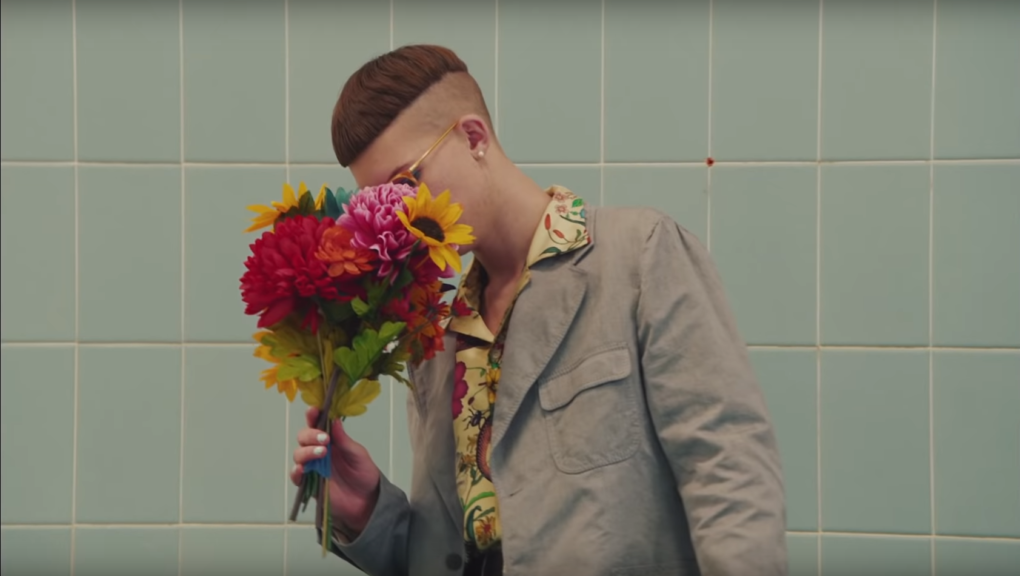
"caption": "Gus Dapperton.",
"description": "Gus Dapperton.",
"title": "gus dapperton",
"credit": "YouTube",
"status": "inherit",
"isLoading": false,
"fetchFailed": false
},
"arts_13843458": {
"type": "attachments",
"id": "arts_13843458",
"meta": {
"index": "attachments_1716263798",
"site": "arts",
"id": "13843458",
"found": true
},
"parent": 0,
"imgSizes": {
"small": {
"file": "https://ww2.kqed.org/app/uploads/sites/2/2018/10/MG_9350-520x346.jpg",
"width": 520,
"mimeType": "image/jpeg",
"height": 346
},
"thumbnail": {
"file": "https://ww2.kqed.org/app/uploads/sites/2/2018/10/MG_9350-160x107.jpg",
"width": 160,
"mimeType": "image/jpeg",
"height": 107
},
"post-thumbnail": {
"file": "https://ww2.kqed.org/app/uploads/sites/2/2018/10/MG_9350-672x372.jpg",
"width": 672,
"mimeType": "image/jpeg",
"height": 372
},
"xsmall": {
"file": "https://ww2.kqed.org/app/uploads/sites/2/2018/10/MG_9350-375x250.jpg",
"width": 375,
"mimeType": "image/jpeg",
"height": 250
},
"kqedFullSize": {
"file": "https://ww2.kqed.org/app/uploads/sites/2/2018/10/MG_9350.jpg",
"width": 800,
"height": 533
},
"guest-author-50": {
"file": "https://ww2.kqed.org/app/uploads/sites/2/2018/10/MG_9350-50x50.jpg",
"width": 50,
"mimeType": "image/jpeg",
"height": 50
},
"guest-author-96": {
"file": "https://ww2.kqed.org/app/uploads/sites/2/2018/10/MG_9350-96x96.jpg",
"width": 96,
"mimeType": "image/jpeg",
"height": 96
},
"medium": {
"file": "https://ww2.kqed.org/app/uploads/sites/2/2018/10/MG_9350-800x533.jpg",
"width": 800,
"mimeType": "image/jpeg",
"height": 533
},
"guest-author-64": {
"file": "https://ww2.kqed.org/app/uploads/sites/2/2018/10/MG_9350-64x64.jpg",
"width": 64,
"mimeType": "image/jpeg",
"height": 64
},
"guest-author-32": {
"file": "https://ww2.kqed.org/app/uploads/sites/2/2018/10/MG_9350-32x32.jpg",
"width": 32,
"mimeType": "image/jpeg",
"height": 32
},
"detail": {
"file": "https://ww2.kqed.org/app/uploads/sites/2/2018/10/MG_9350-150x150.jpg",
"width": 150,
"mimeType": "image/jpeg",
"height": 150
},
"medium_large": {
"file": "https://ww2.kqed.org/app/uploads/sites/2/2018/10/MG_9350-768x512.jpg",
"width": 768,
"mimeType": "image/jpeg",
"height": 512
},
"guest-author-128": {
"file": "https://ww2.kqed.org/app/uploads/sites/2/2018/10/MG_9350-128x128.jpg",
"width": 128,
"mimeType": "image/jpeg",
"height": 128
},
"xxsmall": {
"file": "https://ww2.kqed.org/app/uploads/sites/2/2018/10/MG_9350-240x160.jpg",
"width": 240,
"mimeType": "image/jpeg",
"height": 160
}
},
"publishDate": 1540413303,
"modified": 1540416858,
"caption": "In 2018, Middle Harbor Shoreline Park hosted three events attracting more than 4,000 people each.",
"description": "In 2018, Middle Harbor Shoreline Park hosted three events attracting more than 4,000 people each.",
"title": "Middle Harbor Fests by Estefany Gonzalez",
"credit": "Estefany Gonzalez",
"status": "inherit",
"isLoading": false,
"fetchFailed": false
},
"arts_13843478": {
"type": "attachments",
"id": "arts_13843478",
"meta": {
"index": "attachments_1716263798",
"site": "arts",
"id": "13843478",
"found": true
},
"parent": 13843426,
"imgSizes": {
"small": {
"file": "https://ww2.kqed.org/app/uploads/sites/2/2018/10/KingWomanCOVER-520x293.jpg",
"width": 520,
"mimeType": "image/jpeg",
"height": 293
},
"twentyfourteen-full-width": {
"file": "https://ww2.kqed.org/app/uploads/sites/2/2018/10/KingWomanCOVER-1038x576.jpg",
"width": 1038,
"mimeType": "image/jpeg",
"height": 576
},
"thumbnail": {
"file": "https://ww2.kqed.org/app/uploads/sites/2/2018/10/KingWomanCOVER-160x90.jpg",
"width": 160,
"mimeType": "image/jpeg",
"height": 90
},
"fd-sm": {
"file": "https://ww2.kqed.org/app/uploads/sites/2/2018/10/KingWomanCOVER-960x540.jpg",
"width": 960,
"mimeType": "image/jpeg",
"height": 540
},
"post-thumbnail": {
"file": "https://ww2.kqed.org/app/uploads/sites/2/2018/10/KingWomanCOVER-672x372.jpg",
"width": 672,
"mimeType": "image/jpeg",
"height": 372
},
"xsmall": {
"file": "https://ww2.kqed.org/app/uploads/sites/2/2018/10/KingWomanCOVER-375x211.jpg",
"width": 375,
"mimeType": "image/jpeg",
"height": 211
},
"kqedFullSize": {
"file": "https://ww2.kqed.org/app/uploads/sites/2/2018/10/KingWomanCOVER.jpg",
"width": 1180,
"height": 664
},
"large": {
"file": "https://ww2.kqed.org/app/uploads/sites/2/2018/10/KingWomanCOVER-1020x574.jpg",
"width": 1020,
"mimeType": "image/jpeg",
"height": 574
},
"xlarge": {
"file": "https://ww2.kqed.org/app/uploads/sites/2/2018/10/KingWomanCOVER-1180x664.jpg",
"width": 1180,
"mimeType": "image/jpeg",
"height": 664
},
"guest-author-50": {
"file": "https://ww2.kqed.org/app/uploads/sites/2/2018/10/KingWomanCOVER-50x50.jpg",
"width": 50,
"mimeType": "image/jpeg",
"height": 50
},
"guest-author-96": {
"file": "https://ww2.kqed.org/app/uploads/sites/2/2018/10/KingWomanCOVER-96x96.jpg",
"width": 96,
"mimeType": "image/jpeg",
"height": 96
},
"medium": {
"file": "https://ww2.kqed.org/app/uploads/sites/2/2018/10/KingWomanCOVER-800x450.jpg",
"width": 800,
"mimeType": "image/jpeg",
"height": 450
},
"guest-author-64": {
"file": "https://ww2.kqed.org/app/uploads/sites/2/2018/10/KingWomanCOVER-64x64.jpg",
"width": 64,
"mimeType": "image/jpeg",
"height": 64
},
"guest-author-32": {
"file": "https://ww2.kqed.org/app/uploads/sites/2/2018/10/KingWomanCOVER-32x32.jpg",
"width": 32,
"mimeType": "image/jpeg",
"height": 32
},
"fd-med": {
"file": "https://ww2.kqed.org/app/uploads/sites/2/2018/10/KingWomanCOVER-1180x664.jpg",
"width": 1180,
"mimeType": "image/jpeg",
"height": 664
},
"detail": {
"file": "https://ww2.kqed.org/app/uploads/sites/2/2018/10/KingWomanCOVER-150x150.jpg",
"width": 150,
"mimeType": "image/jpeg",
"height": 150
},
"medium_large": {
"file": "https://ww2.kqed.org/app/uploads/sites/2/2018/10/KingWomanCOVER-768x432.jpg",
"width": 768,
"mimeType": "image/jpeg",
"height": 432
},
"guest-author-128": {
"file": "https://ww2.kqed.org/app/uploads/sites/2/2018/10/KingWomanCOVER-128x128.jpg",
"width": 128,
"mimeType": "image/jpeg",
"height": 128
},
"xxsmall": {
"file": "https://ww2.kqed.org/app/uploads/sites/2/2018/10/KingWomanCOVER-240x135.jpg",
"width": 240,
"mimeType": "image/jpeg",
"height": 135
}
},
"publishDate": 1540422424,
"modified": 1540422461,
"caption": "King Woman headlines Halloween at the Starline Social Club. ",
"description": "King Woman headlines Halloween at the Starline Social Club. ",
"title": "KingWomanCOVER",
"credit": "Courtesy of the band",
"status": "inherit",
"isLoading": false,
"fetchFailed": false
},
"arts_11184593": {
"type": "attachments",
"id": "arts_11184593",
"meta": {
"index": "attachments_1716263798",
"site": "arts",
"id": "11184593",
"found": true
},
"parent": 11184267,
"imgSizes": {
"twentyfourteen-full-width": {
"file": "https://ww2.kqed.org/app/uploads/sites/2/2015/12/Prince-Purple-Rain-e1450826996399-1038x576.jpg",
"width": 1038,
"mimeType": "image/jpeg",
"height": 576
},
"thumbnail": {
"file": "https://ww2.kqed.org/app/uploads/sites/2/2015/12/Prince-Purple-Rain-e1450826996399-400x228.jpg",
"width": 400,
"mimeType": "image/jpeg",
"height": 228
},
"fd-sm": {
"file": "https://ww2.kqed.org/app/uploads/sites/2/2015/12/Prince-Purple-Rain-e1450826996399-960x548.jpg",
"width": 960,
"mimeType": "image/jpeg",
"height": 548
},
"post-thumbnail": {
"file": "https://ww2.kqed.org/app/uploads/sites/2/2015/12/Prince-Purple-Rain-e1450826996399-672x372.jpg",
"width": 672,
"mimeType": "image/jpeg",
"height": 372
},
"kqedFullSize": {
"file": "https://ww2.kqed.org/app/uploads/sites/2/2015/12/Prince-Purple-Rain-e1450826996399.jpg",
"width": 1286,
"height": 734
},
"large": {
"file": "https://ww2.kqed.org/app/uploads/sites/2/2015/12/Prince-Purple-Rain-e1450826996399-1180x673.jpg",
"width": 1180,
"mimeType": "image/jpeg",
"height": 673
},
"guest-author-96": {
"file": "https://ww2.kqed.org/app/uploads/sites/2/2015/12/Prince-Purple-Rain-e1450826996399-96x96.jpg",
"width": 96,
"mimeType": "image/jpeg",
"height": 96
},
"medium": {
"file": "https://ww2.kqed.org/app/uploads/sites/2/2015/12/Prince-Purple-Rain-e1450826996399-800x457.jpg",
"width": 800,
"mimeType": "image/jpeg",
"height": 457
},
"guest-author-64": {
"file": "https://ww2.kqed.org/app/uploads/sites/2/2015/12/Prince-Purple-Rain-e1450826996399-64x64.jpg",
"width": 64,
"mimeType": "image/jpeg",
"height": 64
},
"guest-author-32": {
"file": "https://ww2.kqed.org/app/uploads/sites/2/2015/12/Prince-Purple-Rain-e1450826996399-32x32.jpg",
"width": 32,
"mimeType": "image/jpeg",
"height": 32
},
"fd-med": {
"file": "https://ww2.kqed.org/app/uploads/sites/2/2015/12/Prince-Purple-Rain-e1450826996399-1180x673.jpg",
"width": 1180,
"mimeType": "image/jpeg",
"height": 673
},
"detail": {
"file": "https://ww2.kqed.org/app/uploads/sites/2/2015/12/Prince-Purple-Rain-e1450826996399-75x75.jpg",
"width": 75,
"mimeType": "image/jpeg",
"height": 75
},
"medium_large": {
"file": "https://ww2.kqed.org/app/uploads/sites/2/2015/12/Prince-Purple-Rain-e1450826996399-768x438.jpg",
"width": 768,
"mimeType": "image/jpeg",
"height": 438
},
"guest-author-128": {
"file": "https://ww2.kqed.org/app/uploads/sites/2/2015/12/Prince-Purple-Rain-e1450826996399-128x128.jpg",
"width": 128,
"mimeType": "image/jpeg",
"height": 128
}
},
"publishDate": 1450826979,
"modified": 1540428617,
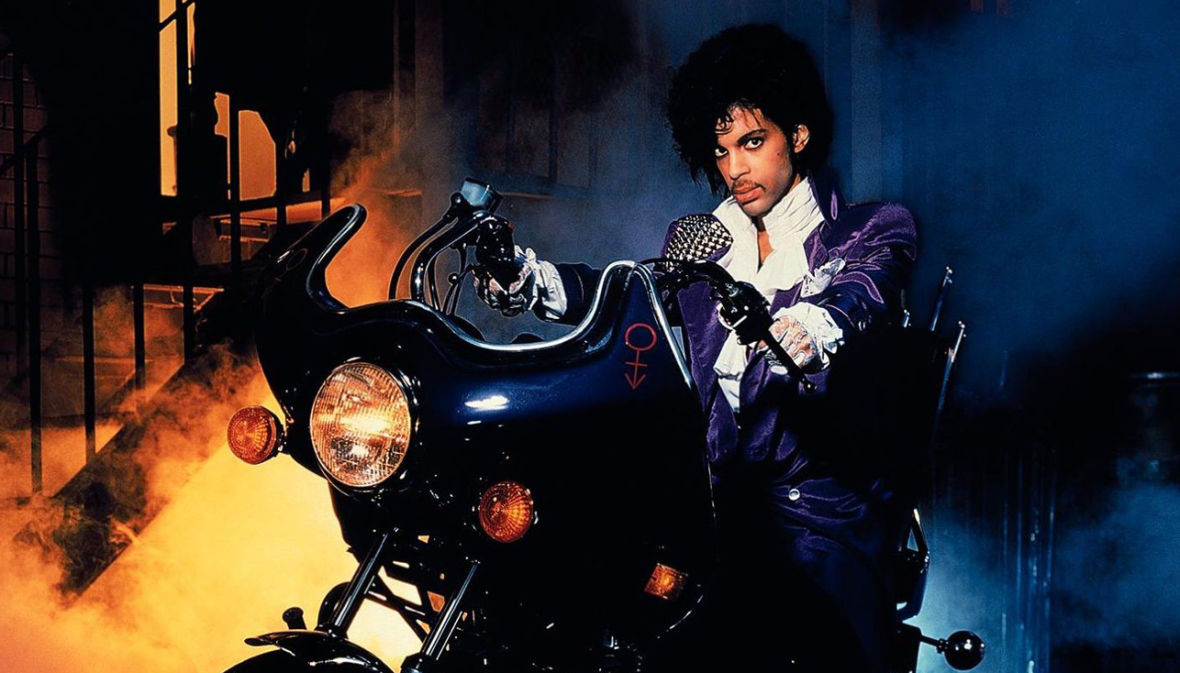
"caption": "The Purple Ones, a Prince tribute band, channel the late singer at their Halloween Crystal Ball Party at the Uptown on Oct. 27.",
"description": null,
"title": "Prince-Purple-Rain",
"credit": null,
"status": "inherit",
"isLoading": false,
"fetchFailed": false
},
"arts_13829093": {
"type": "attachments",
"id": "arts_13829093",
"meta": {
"index": "attachments_1716263798",
"site": "arts",
"id": "13829093",
"found": true
},
"parent": 13829045,
"imgSizes": {
"small": {
"file": "https://ww2.kqed.org/app/uploads/sites/2/2018/04/spellling-at-feels-bampfa-520x293.jpg",
"width": 520,
"mimeType": "image/jpeg",
"height": 293
},
"twentyfourteen-full-width": {
"file": "https://ww2.kqed.org/app/uploads/sites/2/2018/04/spellling-at-feels-bampfa-1038x576.jpg",
"width": 1038,
"mimeType": "image/jpeg",
"height": 576
},
"thumbnail": {
"file": "https://ww2.kqed.org/app/uploads/sites/2/2018/04/spellling-at-feels-bampfa-160x90.jpg",
"width": 160,
"mimeType": "image/jpeg",
"height": 90
},
"fd-sm": {
"file": "https://ww2.kqed.org/app/uploads/sites/2/2018/04/spellling-at-feels-bampfa-960x540.jpg",
"width": 960,
"mimeType": "image/jpeg",
"height": 540
},
"post-thumbnail": {
"file": "https://ww2.kqed.org/app/uploads/sites/2/2018/04/spellling-at-feels-bampfa-672x372.jpg",
"width": 672,
"mimeType": "image/jpeg",
"height": 372
},
"xsmall": {
"file": "https://ww2.kqed.org/app/uploads/sites/2/2018/04/spellling-at-feels-bampfa-375x211.jpg",
"width": 375,
"mimeType": "image/jpeg",
"height": 211
},
"kqedFullSize": {
"file": "https://ww2.kqed.org/app/uploads/sites/2/2018/04/spellling-at-feels-bampfa.jpg",
"width": 1920,
"height": 1080
},
"large": {
"file": "https://ww2.kqed.org/app/uploads/sites/2/2018/04/spellling-at-feels-bampfa-1020x574.jpg",
"width": 1020,
"mimeType": "image/jpeg",
"height": 574
},
"xlarge": {
"file": "https://ww2.kqed.org/app/uploads/sites/2/2018/04/spellling-at-feels-bampfa-1180x664.jpg",
"width": 1180,
"mimeType": "image/jpeg",
"height": 664
},
"guest-author-50": {
"file": "https://ww2.kqed.org/app/uploads/sites/2/2018/04/spellling-at-feels-bampfa-50x50.jpg",
"width": 50,
"mimeType": "image/jpeg",
"height": 50
},
"guest-author-96": {
"file": "https://ww2.kqed.org/app/uploads/sites/2/2018/04/spellling-at-feels-bampfa-96x96.jpg",
"width": 96,
"mimeType": "image/jpeg",
"height": 96
},
"medium": {
"file": "https://ww2.kqed.org/app/uploads/sites/2/2018/04/spellling-at-feels-bampfa-800x450.jpg",
"width": 800,
"mimeType": "image/jpeg",
"height": 450
},
"guest-author-64": {
"file": "https://ww2.kqed.org/app/uploads/sites/2/2018/04/spellling-at-feels-bampfa-64x64.jpg",
"width": 64,
"mimeType": "image/jpeg",
"height": 64
},
"guest-author-32": {
"file": "https://ww2.kqed.org/app/uploads/sites/2/2018/04/spellling-at-feels-bampfa-32x32.jpg",
"width": 32,
"mimeType": "image/jpeg",
"height": 32
},
"fd-lrg": {
"file": "https://ww2.kqed.org/app/uploads/sites/2/2018/04/spellling-at-feels-bampfa-1920x1080.jpg",
"width": 1920,
"mimeType": "image/jpeg",
"height": 1080
},
"fd-med": {
"file": "https://ww2.kqed.org/app/uploads/sites/2/2018/04/spellling-at-feels-bampfa-1180x664.jpg",
"width": 1180,
"mimeType": "image/jpeg",
"height": 664
},
"full-width": {
"file": "https://ww2.kqed.org/app/uploads/sites/2/2018/04/spellling-at-feels-bampfa-1920x1080.jpg",
"width": 1920,
"mimeType": "image/jpeg",
"height": 1080
},
"detail": {
"file": "https://ww2.kqed.org/app/uploads/sites/2/2018/04/spellling-at-feels-bampfa-150x150.jpg",
"width": 150,
"mimeType": "image/jpeg",
"height": 150
},
"medium_large": {
"file": "https://ww2.kqed.org/app/uploads/sites/2/2018/04/spellling-at-feels-bampfa-768x432.jpg",
"width": 768,
"mimeType": "image/jpeg",
"height": 432
},
"guest-author-128": {
"file": "https://ww2.kqed.org/app/uploads/sites/2/2018/04/spellling-at-feels-bampfa-128x128.jpg",
"width": 128,
"mimeType": "image/jpeg",
"height": 128
},
"xxsmall": {
"file": "https://ww2.kqed.org/app/uploads/sites/2/2018/04/spellling-at-feels-bampfa-240x135.jpg",
"width": 240,
"mimeType": "image/jpeg",
"height": 135
}
},
"publishDate": 1523429009,
"modified": 1540407530,
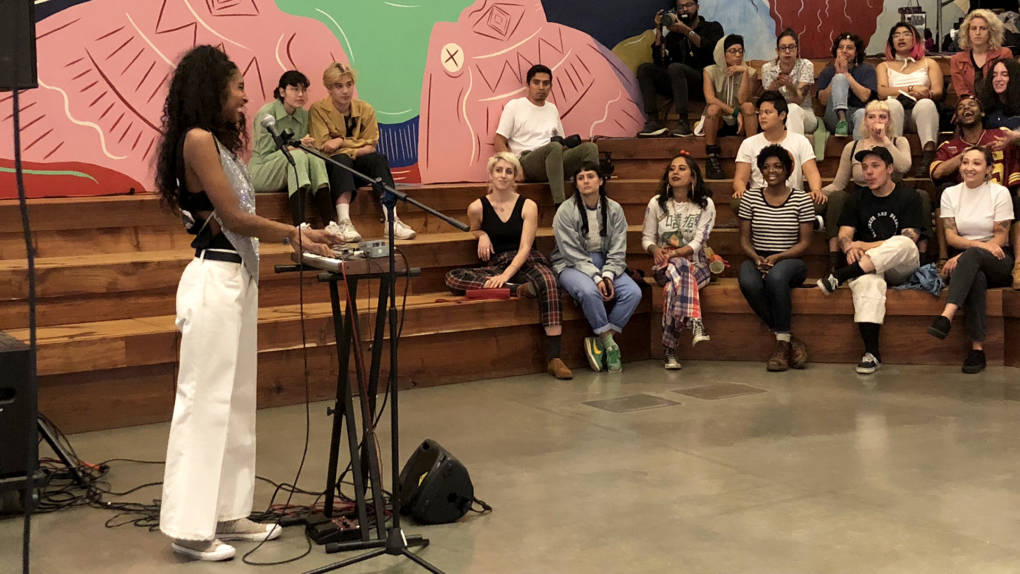
"caption": "Spellling performs at Wine & Bowties' Feels 6 announcement party at the Berkeley Art Museum and Pacific Film Archive on Apr. 10, 2018.",
"description": "Spellling performs at Wine & Bowties' Feels 6 announcement party at the Berkeley Art Museum and Pacific Film Archive on Apr. 10, 2018.",
"title": "spellling at feels bampfa",
"credit": "Nastia Voynovskaya",
"status": "inherit",
"isLoading": false,
"fetchFailed": false
},
"arts_13843222": {
"type": "attachments",
"id": "arts_13843222",
"meta": {
"index": "attachments_1716263798",
"site": "arts",
"id": "13843222",
"found": true
},
"parent": 13843220,
"imgSizes": {
"small": {
"file": "https://ww2.kqed.org/app/uploads/sites/2/2018/10/SunRingsAtSacrumProfanum_Krakow_2014_a_creditWojciechWandzel-520x347.jpg",
"width": 520,
"mimeType": "image/jpeg",
"height": 347
},
"twentyfourteen-full-width": {
"file": "https://ww2.kqed.org/app/uploads/sites/2/2018/10/SunRingsAtSacrumProfanum_Krakow_2014_a_creditWojciechWandzel-1038x576.jpg",
"width": 1038,
"mimeType": "image/jpeg",
"height": 576
},
"thumbnail": {
"file": "https://ww2.kqed.org/app/uploads/sites/2/2018/10/SunRingsAtSacrumProfanum_Krakow_2014_a_creditWojciechWandzel-160x107.jpg",
"width": 160,
"mimeType": "image/jpeg",
"height": 107
},
"fd-sm": {
"file": "https://ww2.kqed.org/app/uploads/sites/2/2018/10/SunRingsAtSacrumProfanum_Krakow_2014_a_creditWojciechWandzel-960x640.jpg",
"width": 960,
"mimeType": "image/jpeg",
"height": 640
},
"post-thumbnail": {
"file": "https://ww2.kqed.org/app/uploads/sites/2/2018/10/SunRingsAtSacrumProfanum_Krakow_2014_a_creditWojciechWandzel-672x372.jpg",
"width": 672,
"mimeType": "image/jpeg",
"height": 372
},
"xsmall": {
"file": "https://ww2.kqed.org/app/uploads/sites/2/2018/10/SunRingsAtSacrumProfanum_Krakow_2014_a_creditWojciechWandzel-375x250.jpg",
"width": 375,
"mimeType": "image/jpeg",
"height": 250
},
"kqedFullSize": {
"file": "https://ww2.kqed.org/app/uploads/sites/2/2018/10/SunRingsAtSacrumProfanum_Krakow_2014_a_creditWojciechWandzel.jpg",
"width": 1920,
"height": 1280
},
"large": {
"file": "https://ww2.kqed.org/app/uploads/sites/2/2018/10/SunRingsAtSacrumProfanum_Krakow_2014_a_creditWojciechWandzel-1020x680.jpg",
"width": 1020,
"mimeType": "image/jpeg",
"height": 680
},
"xlarge": {
"file": "https://ww2.kqed.org/app/uploads/sites/2/2018/10/SunRingsAtSacrumProfanum_Krakow_2014_a_creditWojciechWandzel-1180x787.jpg",
"width": 1180,
"mimeType": "image/jpeg",
"height": 787
},
"complete_open_graph": {
"file": "https://ww2.kqed.org/app/uploads/sites/2/2018/10/SunRingsAtSacrumProfanum_Krakow_2014_a_creditWojciechWandzel-1200x800.jpg",
"width": 1200,
"mimeType": "image/jpeg",
"height": 800
},
"guest-author-50": {
"file": "https://ww2.kqed.org/app/uploads/sites/2/2018/10/SunRingsAtSacrumProfanum_Krakow_2014_a_creditWojciechWandzel-50x50.jpg",
"width": 50,
"mimeType": "image/jpeg",
"height": 50
},
"guest-author-96": {
"file": "https://ww2.kqed.org/app/uploads/sites/2/2018/10/SunRingsAtSacrumProfanum_Krakow_2014_a_creditWojciechWandzel-96x96.jpg",
"width": 96,
"mimeType": "image/jpeg",
"height": 96
},
"medium": {
"file": "https://ww2.kqed.org/app/uploads/sites/2/2018/10/SunRingsAtSacrumProfanum_Krakow_2014_a_creditWojciechWandzel-800x533.jpg",
"width": 800,
"mimeType": "image/jpeg",
"height": 533
},
"guest-author-64": {
"file": "https://ww2.kqed.org/app/uploads/sites/2/2018/10/SunRingsAtSacrumProfanum_Krakow_2014_a_creditWojciechWandzel-64x64.jpg",
"width": 64,
"mimeType": "image/jpeg",
"height": 64
},
"guest-author-32": {
"file": "https://ww2.kqed.org/app/uploads/sites/2/2018/10/SunRingsAtSacrumProfanum_Krakow_2014_a_creditWojciechWandzel-32x32.jpg",
"width": 32,
"mimeType": "image/jpeg",
"height": 32
},
"fd-lrg": {
"file": "https://ww2.kqed.org/app/uploads/sites/2/2018/10/SunRingsAtSacrumProfanum_Krakow_2014_a_creditWojciechWandzel-1920x1280.jpg",
"width": 1920,
"mimeType": "image/jpeg",
"height": 1280
},
"fd-med": {
"file": "https://ww2.kqed.org/app/uploads/sites/2/2018/10/SunRingsAtSacrumProfanum_Krakow_2014_a_creditWojciechWandzel-1180x787.jpg",
"width": 1180,
"mimeType": "image/jpeg",
"height": 787
},
"full-width": {
"file": "https://ww2.kqed.org/app/uploads/sites/2/2018/10/SunRingsAtSacrumProfanum_Krakow_2014_a_creditWojciechWandzel-1920x1280.jpg",
"width": 1920,
"mimeType": "image/jpeg",
"height": 1280
},
"detail": {
"file": "https://ww2.kqed.org/app/uploads/sites/2/2018/10/SunRingsAtSacrumProfanum_Krakow_2014_a_creditWojciechWandzel-150x150.jpg",
"width": 150,
"mimeType": "image/jpeg",
"height": 150
},
"medium_large": {
"file": "https://ww2.kqed.org/app/uploads/sites/2/2018/10/SunRingsAtSacrumProfanum_Krakow_2014_a_creditWojciechWandzel-768x512.jpg",
"width": 768,
"mimeType": "image/jpeg",
"height": 512
},
"guest-author-128": {
"file": "https://ww2.kqed.org/app/uploads/sites/2/2018/10/SunRingsAtSacrumProfanum_Krakow_2014_a_creditWojciechWandzel-128x128.jpg",
"width": 128,
"mimeType": "image/jpeg",
"height": 128
},
"xxsmall": {
"file": "https://ww2.kqed.org/app/uploads/sites/2/2018/10/SunRingsAtSacrumProfanum_Krakow_2014_a_creditWojciechWandzel-240x160.jpg",
"width": 240,
"mimeType": "image/jpeg",
"height": 160
}
},
"publishDate": 1539997608,
"modified": 1539997708,
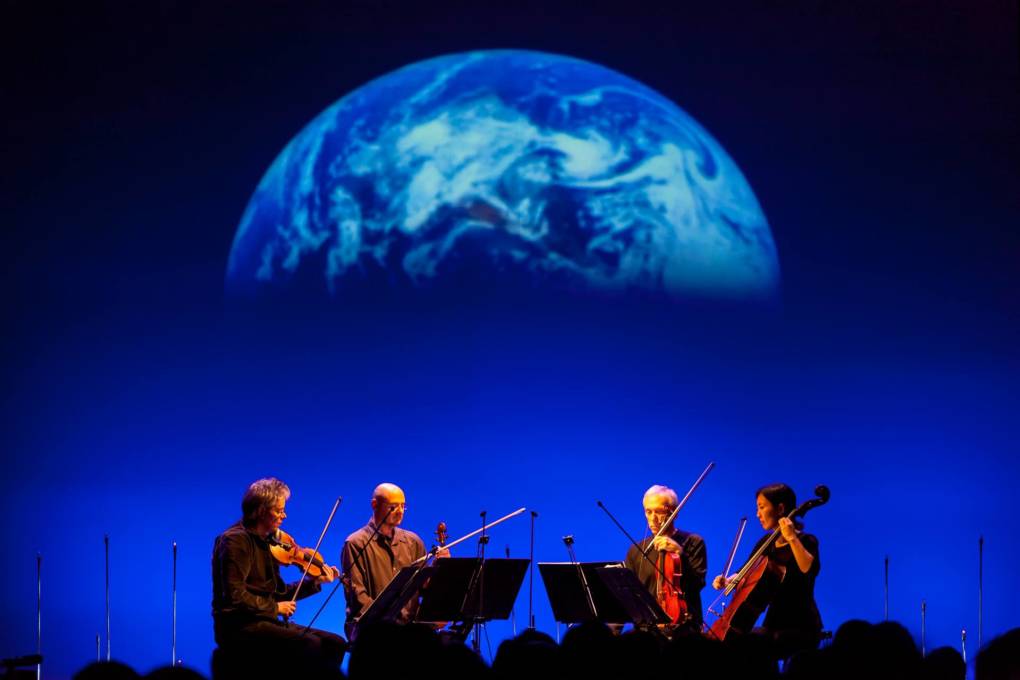
"caption": "In response to the 2017 Executive Orders limiting travel to the US by people from largely Muslim-majority countries, the Kronos Quartet performs music from the original seven “banned” countries—Iran, Iraq, Libya, Somalia, Sudan, Syria, and Yemen. ",
"description": "In response to the 2017 Executive Orders limiting travel to the US by people from largely Muslim-majority countries, the Kronos Quartet performs music from the original seven “banned” countries—Iran, Iraq, Libya, Somalia, Sudan, Syria, and Yemen. ",
"title": "SunRingsAtSacrumProfanum_Krakow_2014_a_creditWojciechWandzel",
"credit": "Photo: Courtesy of the Kronos Quartet",
"status": "inherit",
"isLoading": false,
"fetchFailed": false
},
"arts_13843121": {
"type": "attachments",
"id": "arts_13843121",
"meta": {
"index": "attachments_1716263798",
"site": "arts",
"id": "13843121",
"found": true
},
"parent": 0,
"imgSizes": {
"small": {
"file": "https://ww2.kqed.org/app/uploads/sites/2/2018/10/MIA_PressImages_2-520x293.jpg",
"width": 520,
"mimeType": "image/jpeg",
"height": 293
},
"twentyfourteen-full-width": {
"file": "https://ww2.kqed.org/app/uploads/sites/2/2018/10/MIA_PressImages_2-1038x576.jpg",
"width": 1038,
"mimeType": "image/jpeg",
"height": 576
},
"thumbnail": {
"file": "https://ww2.kqed.org/app/uploads/sites/2/2018/10/MIA_PressImages_2-160x90.jpg",
"width": 160,
"mimeType": "image/jpeg",
"height": 90
},
"fd-sm": {
"file": "https://ww2.kqed.org/app/uploads/sites/2/2018/10/MIA_PressImages_2-960x540.jpg",
"width": 960,
"mimeType": "image/jpeg",
"height": 540
},
"post-thumbnail": {
"file": "https://ww2.kqed.org/app/uploads/sites/2/2018/10/MIA_PressImages_2-672x372.jpg",
"width": 672,
"mimeType": "image/jpeg",
"height": 372
},
"xsmall": {
"file": "https://ww2.kqed.org/app/uploads/sites/2/2018/10/MIA_PressImages_2-375x211.jpg",
"width": 375,
"mimeType": "image/jpeg",
"height": 211
},
"kqedFullSize": {
"file": "https://ww2.kqed.org/app/uploads/sites/2/2018/10/MIA_PressImages_2.jpg",
"width": 1920,
"height": 1080
},
"large": {
"file": "https://ww2.kqed.org/app/uploads/sites/2/2018/10/MIA_PressImages_2-1020x574.jpg",
"width": 1020,
"mimeType": "image/jpeg",
"height": 574
},
"xlarge": {
"file": "https://ww2.kqed.org/app/uploads/sites/2/2018/10/MIA_PressImages_2-1180x664.jpg",
"width": 1180,
"mimeType": "image/jpeg",
"height": 664
},
"complete_open_graph": {
"file": "https://ww2.kqed.org/app/uploads/sites/2/2018/10/MIA_PressImages_2-1200x675.jpg",
"width": 1200,
"mimeType": "image/jpeg",
"height": 675
},
"guest-author-50": {
"file": "https://ww2.kqed.org/app/uploads/sites/2/2018/10/MIA_PressImages_2-50x50.jpg",
"width": 50,
"mimeType": "image/jpeg",
"height": 50
},
"guest-author-96": {
"file": "https://ww2.kqed.org/app/uploads/sites/2/2018/10/MIA_PressImages_2-96x96.jpg",
"width": 96,
"mimeType": "image/jpeg",
"height": 96
},
"medium": {
"file": "https://ww2.kqed.org/app/uploads/sites/2/2018/10/MIA_PressImages_2-800x450.jpg",
"width": 800,
"mimeType": "image/jpeg",
"height": 450
},
"guest-author-64": {
"file": "https://ww2.kqed.org/app/uploads/sites/2/2018/10/MIA_PressImages_2-64x64.jpg",
"width": 64,
"mimeType": "image/jpeg",
"height": 64
},
"guest-author-32": {
"file": "https://ww2.kqed.org/app/uploads/sites/2/2018/10/MIA_PressImages_2-32x32.jpg",
"width": 32,
"mimeType": "image/jpeg",
"height": 32
},
"fd-lrg": {
"file": "https://ww2.kqed.org/app/uploads/sites/2/2018/10/MIA_PressImages_2-1920x1080.jpg",
"width": 1920,
"mimeType": "image/jpeg",
"height": 1080
},
"fd-med": {
"file": "https://ww2.kqed.org/app/uploads/sites/2/2018/10/MIA_PressImages_2-1180x664.jpg",
"width": 1180,
"mimeType": "image/jpeg",
"height": 664
},
"full-width": {
"file": "https://ww2.kqed.org/app/uploads/sites/2/2018/10/MIA_PressImages_2-1920x1080.jpg",
"width": 1920,
"mimeType": "image/jpeg",
"height": 1080
},
"detail": {
"file": "https://ww2.kqed.org/app/uploads/sites/2/2018/10/MIA_PressImages_2-150x150.jpg",
"width": 150,
"mimeType": "image/jpeg",
"height": 150
},
"medium_large": {
"file": "https://ww2.kqed.org/app/uploads/sites/2/2018/10/MIA_PressImages_2-768x432.jpg",
"width": 768,
"mimeType": "image/jpeg",
"height": 432
},
"guest-author-128": {
"file": "https://ww2.kqed.org/app/uploads/sites/2/2018/10/MIA_PressImages_2-128x128.jpg",
"width": 128,
"mimeType": "image/jpeg",
"height": 128
},
"xxsmall": {
"file": "https://ww2.kqed.org/app/uploads/sites/2/2018/10/MIA_PressImages_2-240x135.jpg",
"width": 240,
"mimeType": "image/jpeg",
"height": 135
}
},
"publishDate": 1539825963,
"modified": 1539895105,
"caption": "A new documentary about M.I.A. peels away the hypocrisy of how 'political' pop singers are accepted by the public.",
"description": "A new documentary about M.I.A. peels away the hypocrisy of how 'political' pop singers are accepted by the public.",
"title": "MIA_PressImages_2",
"credit": "Courtesy Abramorama",
"status": "inherit",
"isLoading": false,
"fetchFailed": false
},
"arts_13843084": {
"type": "attachments",
"id": "arts_13843084",
"meta": {
"index": "attachments_1716263798",
"site": "arts",
"id": "13843084",
"found": true
},
"parent": 13843080,
"imgSizes": {
"small": {
"file": "https://ww2.kqed.org/app/uploads/sites/2/2018/10/image2-520x293.jpeg",
"width": 520,
"mimeType": "image/jpeg",
"height": 293
},
"twentyfourteen-full-width": {
"file": "https://ww2.kqed.org/app/uploads/sites/2/2018/10/image2-1038x576.jpeg",
"width": 1038,
"mimeType": "image/jpeg",
"height": 576
},
"thumbnail": {
"file": "https://ww2.kqed.org/app/uploads/sites/2/2018/10/image2-160x90.jpeg",
"width": 160,
"mimeType": "image/jpeg",
"height": 90
},
"fd-sm": {
"file": "https://ww2.kqed.org/app/uploads/sites/2/2018/10/image2-960x540.jpeg",
"width": 960,
"mimeType": "image/jpeg",
"height": 540
},
"post-thumbnail": {
"file": "https://ww2.kqed.org/app/uploads/sites/2/2018/10/image2-672x372.jpeg",
"width": 672,
"mimeType": "image/jpeg",
"height": 372
},
"xsmall": {
"file": "https://ww2.kqed.org/app/uploads/sites/2/2018/10/image2-375x211.jpeg",
"width": 375,
"mimeType": "image/jpeg",
"height": 211
},
"kqedFullSize": {
"file": "https://ww2.kqed.org/app/uploads/sites/2/2018/10/image2.jpeg",
"width": 1200,
"height": 675
},
"large": {
"file": "https://ww2.kqed.org/app/uploads/sites/2/2018/10/image2-1020x574.jpeg",
"width": 1020,
"mimeType": "image/jpeg",
"height": 574
},
"xlarge": {
"file": "https://ww2.kqed.org/app/uploads/sites/2/2018/10/image2-1180x664.jpeg",
"width": 1180,
"mimeType": "image/jpeg",
"height": 664
},
"complete_open_graph": {
"file": "https://ww2.kqed.org/app/uploads/sites/2/2018/10/image2-1200x675.jpeg",
"width": 1200,
"mimeType": "image/jpeg",
"height": 675
},
"guest-author-50": {
"file": "https://ww2.kqed.org/app/uploads/sites/2/2018/10/image2-50x50.jpeg",
"width": 50,
"mimeType": "image/jpeg",
"height": 50
},
"guest-author-96": {
"file": "https://ww2.kqed.org/app/uploads/sites/2/2018/10/image2-96x96.jpeg",
"width": 96,
"mimeType": "image/jpeg",
"height": 96
},
"medium": {
"file": "https://ww2.kqed.org/app/uploads/sites/2/2018/10/image2-800x450.jpeg",
"width": 800,
"mimeType": "image/jpeg",
"height": 450
},
"guest-author-64": {
"file": "https://ww2.kqed.org/app/uploads/sites/2/2018/10/image2-64x64.jpeg",
"width": 64,
"mimeType": "image/jpeg",
"height": 64
},
"guest-author-32": {
"file": "https://ww2.kqed.org/app/uploads/sites/2/2018/10/image2-32x32.jpeg",
"width": 32,
"mimeType": "image/jpeg",
"height": 32
},
"fd-med": {
"file": "https://ww2.kqed.org/app/uploads/sites/2/2018/10/image2-1180x664.jpeg",
"width": 1180,
"mimeType": "image/jpeg",
"height": 664
},
"detail": {
"file": "https://ww2.kqed.org/app/uploads/sites/2/2018/10/image2-150x150.jpeg",
"width": 150,
"mimeType": "image/jpeg",
"height": 150
},
"medium_large": {
"file": "https://ww2.kqed.org/app/uploads/sites/2/2018/10/image2-768x432.jpeg",
"width": 768,
"mimeType": "image/jpeg",
"height": 432
},
"guest-author-128": {
"file": "https://ww2.kqed.org/app/uploads/sites/2/2018/10/image2-128x128.jpeg",
"width": 128,
"mimeType": "image/jpeg",
"height": 128
},
"xxsmall": {
"file": "https://ww2.kqed.org/app/uploads/sites/2/2018/10/image2-240x135.jpeg",
"width": 240,
"mimeType": "image/jpeg",
"height": 135
}
},
"publishDate": 1539806459,
"modified": 1539809200,
"caption": "Avant-garde composer Moe! Staiano created his piece 'Death of a Piano' in the early 2000s, when Oakland was a wholly different place. ",
"description": "Avant-garde composer Moe! Staiano created his piece 'Death of a Piano' in the mid-2000s, when Oakland was a wholly different place. ",
"title": "image2",
"credit": "Carly McLane",
"status": "inherit",
"isLoading": false,
"fetchFailed": false
},
"arts_13843096": {
"type": "attachments",
"id": "arts_13843096",
"meta": {
"index": "attachments_1716263798",
"site": "arts",
"id": "13843096",
"found": true
},
"parent": 13843094,
"imgSizes": {
"small": {
"file": "https://ww2.kqed.org/app/uploads/sites/2/2018/10/LUFF_handscloseup_MariaChavez-520x293.jpeg",
"width": 520,
"mimeType": "image/jpeg",
"height": 293
},
"twentyfourteen-full-width": {
"file": "https://ww2.kqed.org/app/uploads/sites/2/2018/10/LUFF_handscloseup_MariaChavez-1038x576.jpeg",
"width": 1038,
"mimeType": "image/jpeg",
"height": 576
},
"thumbnail": {
"file": "https://ww2.kqed.org/app/uploads/sites/2/2018/10/LUFF_handscloseup_MariaChavez-160x90.jpeg",
"width": 160,
"mimeType": "image/jpeg",
"height": 90
},
"fd-sm": {
"file": "https://ww2.kqed.org/app/uploads/sites/2/2018/10/LUFF_handscloseup_MariaChavez-960x540.jpeg",
"width": 960,
"mimeType": "image/jpeg",
"height": 540
},
"post-thumbnail": {
"file": "https://ww2.kqed.org/app/uploads/sites/2/2018/10/LUFF_handscloseup_MariaChavez-672x372.jpeg",
"width": 672,
"mimeType": "image/jpeg",
"height": 372
},
"xsmall": {
"file": "https://ww2.kqed.org/app/uploads/sites/2/2018/10/LUFF_handscloseup_MariaChavez-375x211.jpeg",
"width": 375,
"mimeType": "image/jpeg",
"height": 211
},
"kqedFullSize": {
"file": "https://ww2.kqed.org/app/uploads/sites/2/2018/10/LUFF_handscloseup_MariaChavez.jpeg",
"width": 1920,
"height": 1080
},
"large": {
"file": "https://ww2.kqed.org/app/uploads/sites/2/2018/10/LUFF_handscloseup_MariaChavez-1020x574.jpeg",
"width": 1020,
"mimeType": "image/jpeg",
"height": 574
},
"xlarge": {
"file": "https://ww2.kqed.org/app/uploads/sites/2/2018/10/LUFF_handscloseup_MariaChavez-1180x664.jpeg",
"width": 1180,
"mimeType": "image/jpeg",
"height": 664
},
"complete_open_graph": {
"file": "https://ww2.kqed.org/app/uploads/sites/2/2018/10/LUFF_handscloseup_MariaChavez-1200x675.jpeg",
"width": 1200,
"mimeType": "image/jpeg",
"height": 675
},
"guest-author-50": {
"file": "https://ww2.kqed.org/app/uploads/sites/2/2018/10/LUFF_handscloseup_MariaChavez-50x50.jpeg",
"width": 50,
"mimeType": "image/jpeg",
"height": 50
},
"guest-author-96": {
"file": "https://ww2.kqed.org/app/uploads/sites/2/2018/10/LUFF_handscloseup_MariaChavez-96x96.jpeg",
"width": 96,
"mimeType": "image/jpeg",
"height": 96
},
"medium": {
"file": "https://ww2.kqed.org/app/uploads/sites/2/2018/10/LUFF_handscloseup_MariaChavez-800x450.jpeg",
"width": 800,
"mimeType": "image/jpeg",
"height": 450
},
"guest-author-64": {
"file": "https://ww2.kqed.org/app/uploads/sites/2/2018/10/LUFF_handscloseup_MariaChavez-64x64.jpeg",
"width": 64,
"mimeType": "image/jpeg",
"height": 64
},
"guest-author-32": {
"file": "https://ww2.kqed.org/app/uploads/sites/2/2018/10/LUFF_handscloseup_MariaChavez-32x32.jpeg",
"width": 32,
"mimeType": "image/jpeg",
"height": 32
},
"fd-lrg": {
"file": "https://ww2.kqed.org/app/uploads/sites/2/2018/10/LUFF_handscloseup_MariaChavez-1920x1080.jpeg",
"width": 1920,
"mimeType": "image/jpeg",
"height": 1080
},
"fd-med": {
"file": "https://ww2.kqed.org/app/uploads/sites/2/2018/10/LUFF_handscloseup_MariaChavez-1180x664.jpeg",
"width": 1180,
"mimeType": "image/jpeg",
"height": 664
},
"full-width": {
"file": "https://ww2.kqed.org/app/uploads/sites/2/2018/10/LUFF_handscloseup_MariaChavez-1920x1080.jpeg",
"width": 1920,
"mimeType": "image/jpeg",
"height": 1080
},
"detail": {
"file": "https://ww2.kqed.org/app/uploads/sites/2/2018/10/LUFF_handscloseup_MariaChavez-150x150.jpeg",
"width": 150,
"mimeType": "image/jpeg",
"height": 150
},
"medium_large": {
"file": "https://ww2.kqed.org/app/uploads/sites/2/2018/10/LUFF_handscloseup_MariaChavez-768x432.jpeg",
"width": 768,
"mimeType": "image/jpeg",
"height": 432
},
"guest-author-128": {
"file": "https://ww2.kqed.org/app/uploads/sites/2/2018/10/LUFF_handscloseup_MariaChavez-128x128.jpeg",
"width": 128,
"mimeType": "image/jpeg",
"height": 128
},
"xxsmall": {
"file": "https://ww2.kqed.org/app/uploads/sites/2/2018/10/LUFF_handscloseup_MariaChavez-240x135.jpeg",
"width": 240,
"mimeType": "image/jpeg",
"height": 135
}
},
"publishDate": 1539810152,
"modified": 1539810309,
"caption": "The abstract turntablist is a composer-in-residence at Mills College. ",
"description": "The abstract turntablist is a composer-in-residence at Mills College. ",
"title": "Maria Chavez",
"credit": "Courtesy of Mills College",
"status": "inherit",
"isLoading": false,
"fetchFailed": false
},
"arts_13843015": {
"type": "attachments",
"id": "arts_13843015",
"meta": {
"index": "attachments_1716263798",
"site": "arts",
"id": "13843015",
"found": true
},
"parent": 0,
"imgSizes": {
"small": {
"file": "https://ww2.kqed.org/app/uploads/sites/2/2018/10/ChrisBrown-520x293.jpg",
"width": 520,
"mimeType": "image/jpeg",
"height": 293
},
"twentyfourteen-full-width": {
"file": "https://ww2.kqed.org/app/uploads/sites/2/2018/10/ChrisBrown-1038x576.jpg",
"width": 1038,
"mimeType": "image/jpeg",
"height": 576
},
"thumbnail": {
"file": "https://ww2.kqed.org/app/uploads/sites/2/2018/10/ChrisBrown-160x90.jpg",
"width": 160,
"mimeType": "image/jpeg",
"height": 90
},
"fd-sm": {
"file": "https://ww2.kqed.org/app/uploads/sites/2/2018/10/ChrisBrown-960x540.jpg",
"width": 960,
"mimeType": "image/jpeg",
"height": 540
},
"post-thumbnail": {
"file": "https://ww2.kqed.org/app/uploads/sites/2/2018/10/ChrisBrown-672x372.jpg",
"width": 672,
"mimeType": "image/jpeg",
"height": 372
},
"xsmall": {
"file": "https://ww2.kqed.org/app/uploads/sites/2/2018/10/ChrisBrown-375x211.jpg",
"width": 375,
"mimeType": "image/jpeg",
"height": 211
},
"kqedFullSize": {
"file": "https://ww2.kqed.org/app/uploads/sites/2/2018/10/ChrisBrown.jpg",
"width": 1920,
"height": 1080
},
"large": {
"file": "https://ww2.kqed.org/app/uploads/sites/2/2018/10/ChrisBrown-1020x574.jpg",
"width": 1020,
"mimeType": "image/jpeg",
"height": 574
},
"xlarge": {
"file": "https://ww2.kqed.org/app/uploads/sites/2/2018/10/ChrisBrown-1180x664.jpg",
"width": 1180,
"mimeType": "image/jpeg",
"height": 664
},
"complete_open_graph": {
"file": "https://ww2.kqed.org/app/uploads/sites/2/2018/10/ChrisBrown-1200x675.jpg",
"width": 1200,
"mimeType": "image/jpeg",
"height": 675
},
"guest-author-50": {
"file": "https://ww2.kqed.org/app/uploads/sites/2/2018/10/ChrisBrown-50x50.jpg",
"width": 50,
"mimeType": "image/jpeg",
"height": 50
},
"guest-author-96": {
"file": "https://ww2.kqed.org/app/uploads/sites/2/2018/10/ChrisBrown-96x96.jpg",
"width": 96,
"mimeType": "image/jpeg",
"height": 96
},
"medium": {
"file": "https://ww2.kqed.org/app/uploads/sites/2/2018/10/ChrisBrown-800x450.jpg",
"width": 800,
"mimeType": "image/jpeg",
"height": 450
},
"guest-author-64": {
"file": "https://ww2.kqed.org/app/uploads/sites/2/2018/10/ChrisBrown-64x64.jpg",
"width": 64,
"mimeType": "image/jpeg",
"height": 64
},
"guest-author-32": {
"file": "https://ww2.kqed.org/app/uploads/sites/2/2018/10/ChrisBrown-32x32.jpg",
"width": 32,
"mimeType": "image/jpeg",
"height": 32
},
"fd-lrg": {
"file": "https://ww2.kqed.org/app/uploads/sites/2/2018/10/ChrisBrown-1920x1080.jpg",
"width": 1920,
"mimeType": "image/jpeg",
"height": 1080
},
"fd-med": {
"file": "https://ww2.kqed.org/app/uploads/sites/2/2018/10/ChrisBrown-1180x664.jpg",
"width": 1180,
"mimeType": "image/jpeg",
"height": 664
},
"full-width": {
"file": "https://ww2.kqed.org/app/uploads/sites/2/2018/10/ChrisBrown-1920x1080.jpg",
"width": 1920,
"mimeType": "image/jpeg",
"height": 1080
},
"detail": {
"file": "https://ww2.kqed.org/app/uploads/sites/2/2018/10/ChrisBrown-150x150.jpg",
"width": 150,
"mimeType": "image/jpeg",
"height": 150
},
"medium_large": {
"file": "https://ww2.kqed.org/app/uploads/sites/2/2018/10/ChrisBrown-768x432.jpg",
"width": 768,
"mimeType": "image/jpeg",
"height": 432
},
"guest-author-128": {
"file": "https://ww2.kqed.org/app/uploads/sites/2/2018/10/ChrisBrown-128x128.jpg",
"width": 128,
"mimeType": "image/jpeg",
"height": 128
},
"xxsmall": {
"file": "https://ww2.kqed.org/app/uploads/sites/2/2018/10/ChrisBrown-240x135.jpg",
"width": 240,
"mimeType": "image/jpeg",
"height": 135
}
},
"publishDate": 1539732748,
"modified": 1539732970,
"caption": "Chris Brown created sound art for the Downtown Berkeley BART plaza.",
"description": "Chris Brown created sound art for the Downtown Berkeley BART plaza.",
"title": "Chris Brown",
"credit": "Sam Lefebvre/KQED",
"status": "inherit",
"isLoading": false,
"fetchFailed": false
},
"arts_13843026": {
"type": "attachments",
"id": "arts_13843026",
"meta": {
"index": "attachments_1716263798",
"site": "arts",
"id": "13843026",
"found": true
},
"parent": 13843019,
"imgSizes": {
"small": {
"file": "https://ww2.kqed.org/app/uploads/sites/2/2018/10/mistah-fab-kenzie-hiero-day-2018-520x293.jpg",
"width": 520,
"mimeType": "image/jpeg",
"height": 293
},
"thumbnail": {
"file": "https://ww2.kqed.org/app/uploads/sites/2/2018/10/mistah-fab-kenzie-hiero-day-2018-160x90.jpg",
"width": 160,
"mimeType": "image/jpeg",
"height": 90
},
"post-thumbnail": {
"file": "https://ww2.kqed.org/app/uploads/sites/2/2018/10/mistah-fab-kenzie-hiero-day-2018-672x372.jpg",
"width": 672,
"mimeType": "image/jpeg",
"height": 372
},
"xsmall": {
"file": "https://ww2.kqed.org/app/uploads/sites/2/2018/10/mistah-fab-kenzie-hiero-day-2018-375x211.jpg",
"width": 375,
"mimeType": "image/jpeg",
"height": 211
},
"kqedFullSize": {
"file": "https://ww2.kqed.org/app/uploads/sites/2/2018/10/mistah-fab-kenzie-hiero-day-2018.jpg",
"width": 800,
"height": 450
},
"guest-author-50": {
"file": "https://ww2.kqed.org/app/uploads/sites/2/2018/10/mistah-fab-kenzie-hiero-day-2018-50x50.jpg",
"width": 50,
"mimeType": "image/jpeg",
"height": 50
},
"guest-author-96": {
"file": "https://ww2.kqed.org/app/uploads/sites/2/2018/10/mistah-fab-kenzie-hiero-day-2018-96x96.jpg",
"width": 96,
"mimeType": "image/jpeg",
"height": 96
},
"medium": {
"file": "https://ww2.kqed.org/app/uploads/sites/2/2018/10/mistah-fab-kenzie-hiero-day-2018-800x450.jpg",
"width": 800,
"mimeType": "image/jpeg",
"height": 450
},
"guest-author-64": {
"file": "https://ww2.kqed.org/app/uploads/sites/2/2018/10/mistah-fab-kenzie-hiero-day-2018-64x64.jpg",
"width": 64,
"mimeType": "image/jpeg",
"height": 64
},
"guest-author-32": {
"file": "https://ww2.kqed.org/app/uploads/sites/2/2018/10/mistah-fab-kenzie-hiero-day-2018-32x32.jpg",
"width": 32,
"mimeType": "image/jpeg",
"height": 32
},
"detail": {
"file": "https://ww2.kqed.org/app/uploads/sites/2/2018/10/mistah-fab-kenzie-hiero-day-2018-150x150.jpg",
"width": 150,
"mimeType": "image/jpeg",
"height": 150
},
"medium_large": {
"file": "https://ww2.kqed.org/app/uploads/sites/2/2018/10/mistah-fab-kenzie-hiero-day-2018-768x432.jpg",
"width": 768,
"mimeType": "image/jpeg",
"height": 432
},
"guest-author-128": {
"file": "https://ww2.kqed.org/app/uploads/sites/2/2018/10/mistah-fab-kenzie-hiero-day-2018-128x128.jpg",
"width": 128,
"mimeType": "image/jpeg",
"height": 128
},
"xxsmall": {
"file": "https://ww2.kqed.org/app/uploads/sites/2/2018/10/mistah-fab-kenzie-hiero-day-2018-240x135.jpg",
"width": 240,
"mimeType": "image/jpeg",
"height": 135
}
},
"publishDate": 1539738259,
"modified": 1539738297,
"caption": "Mistah F.A.B. and Kenzie Smith at Hiero Day 2018.",
"description": "Mistah F.A.B. and Kenzie Smith at Hiero Day 2018.",
"title": "mistah fab kenzie hiero day 2018",
"credit": "Estefany Gonzalez",
"status": "inherit",
"isLoading": false,
"fetchFailed": false
},
"arts_13842298": {
"type": "attachments",
"id": "arts_13842298",
"meta": {
"index": "attachments_1716263798",
"site": "arts",
"id": "13842298",
"found": true
},
"parent": 0,
"imgSizes": {
"small": {
"file": "https://ww2.kqed.org/app/uploads/sites/2/2018/10/MG_0732-2-520x347.jpg",
"width": 520,
"mimeType": "image/jpeg",
"height": 347
},
"twentyfourteen-full-width": {
"file": "https://ww2.kqed.org/app/uploads/sites/2/2018/10/MG_0732-2-1038x576.jpg",
"width": 1038,
"mimeType": "image/jpeg",
"height": 576
},
"thumbnail": {
"file": "https://ww2.kqed.org/app/uploads/sites/2/2018/10/MG_0732-2-160x107.jpg",
"width": 160,
"mimeType": "image/jpeg",
"height": 107
},
"fd-sm": {
"file": "https://ww2.kqed.org/app/uploads/sites/2/2018/10/MG_0732-2-960x640.jpg",
"width": 960,
"mimeType": "image/jpeg",
"height": 640
},
"post-thumbnail": {
"file": "https://ww2.kqed.org/app/uploads/sites/2/2018/10/MG_0732-2-672x372.jpg",
"width": 672,
"mimeType": "image/jpeg",
"height": 372
},
"xsmall": {
"file": "https://ww2.kqed.org/app/uploads/sites/2/2018/10/MG_0732-2-375x250.jpg",
"width": 375,
"mimeType": "image/jpeg",
"height": 250
},
"kqedFullSize": {
"file": "https://ww2.kqed.org/app/uploads/sites/2/2018/10/MG_0732-2.jpg",
"width": 1920,
"height": 1280
},
"large": {
"file": "https://ww2.kqed.org/app/uploads/sites/2/2018/10/MG_0732-2-1020x680.jpg",
"width": 1020,
"mimeType": "image/jpeg",
"height": 680
},
"xlarge": {
"file": "https://ww2.kqed.org/app/uploads/sites/2/2018/10/MG_0732-2-1180x787.jpg",
"width": 1180,
"mimeType": "image/jpeg",
"height": 787
},
"complete_open_graph": {
"file": "https://ww2.kqed.org/app/uploads/sites/2/2018/10/MG_0732-2-1200x800.jpg",
"width": 1200,
"mimeType": "image/jpeg",
"height": 800
},
"guest-author-50": {
"file": "https://ww2.kqed.org/app/uploads/sites/2/2018/10/MG_0732-2-50x50.jpg",
"width": 50,
"mimeType": "image/jpeg",
"height": 50
},
"guest-author-96": {
"file": "https://ww2.kqed.org/app/uploads/sites/2/2018/10/MG_0732-2-96x96.jpg",
"width": 96,
"mimeType": "image/jpeg",
"height": 96
},
"medium": {
"file": "https://ww2.kqed.org/app/uploads/sites/2/2018/10/MG_0732-2-800x533.jpg",
"width": 800,
"mimeType": "image/jpeg",
"height": 533
},
"guest-author-64": {
"file": "https://ww2.kqed.org/app/uploads/sites/2/2018/10/MG_0732-2-64x64.jpg",
"width": 64,
"mimeType": "image/jpeg",
"height": 64
},
"guest-author-32": {
"file": "https://ww2.kqed.org/app/uploads/sites/2/2018/10/MG_0732-2-32x32.jpg",
"width": 32,
"mimeType": "image/jpeg",
"height": 32
},
"fd-lrg": {
"file": "https://ww2.kqed.org/app/uploads/sites/2/2018/10/MG_0732-2-1920x1280.jpg",
"width": 1920,
"mimeType": "image/jpeg",
"height": 1280
},
"fd-med": {
"file": "https://ww2.kqed.org/app/uploads/sites/2/2018/10/MG_0732-2-1180x787.jpg",
"width": 1180,
"mimeType": "image/jpeg",
"height": 787
},
"full-width": {
"file": "https://ww2.kqed.org/app/uploads/sites/2/2018/10/MG_0732-2-1920x1280.jpg",
"width": 1920,
"mimeType": "image/jpeg",
"height": 1280
},
"detail": {
"file": "https://ww2.kqed.org/app/uploads/sites/2/2018/10/MG_0732-2-150x150.jpg",
"width": 150,
"mimeType": "image/jpeg",
"height": 150
},
"medium_large": {
"file": "https://ww2.kqed.org/app/uploads/sites/2/2018/10/MG_0732-2-768x512.jpg",
"width": 768,
"mimeType": "image/jpeg",
"height": 512
},
"guest-author-128": {
"file": "https://ww2.kqed.org/app/uploads/sites/2/2018/10/MG_0732-2-128x128.jpg",
"width": 128,
"mimeType": "image/jpeg",
"height": 128
},
"xxsmall": {
"file": "https://ww2.kqed.org/app/uploads/sites/2/2018/10/MG_0732-2-240x160.jpg",
"width": 240,
"mimeType": "image/jpeg",
"height": 160
}
},
"publishDate": 1539054226,
"modified": 1539106374,
"caption": "Mozzy plays Rolling Loud Bay Area on Sunday, September 16, 2018.",
"description": "Mozzy plays Rolling Loud Bay Area on Sunday, September 16, 2018.",
"title": "Mozzy plays Rolling Loud Bay Area on Sunday, September 16, 2018.",
"credit": "Estefany Gonzalez ",
"status": "inherit",
"isLoading": false,
"fetchFailed": false
}
},
"audioPlayerReducer": {
"postId": "stream_live",
"isPaused": true,
"isPlaying": false,
"pfsActive": false,
"pledgeModalIsOpen": true,
"playerDrawerIsOpen": false,
"liveAudioPlayStartedAt": 0,
"liveAudioPlayContext": ""
},
"authorsReducer": {
"byline_arts_13843080": {
"type": "authors",
"id": "byline_arts_13843080",
"meta": {
"override": true
},
"slug": "byline_arts_13843080",
"name": "Rick Paulas",
"isLoading": false
},
"rachael-myrow": {
"type": "authors",
"id": "251",
"meta": {
"index": "authors_1716337520",
"id": "251",
"found": true
},
"name": "Rachael Myrow",
"firstName": "Rachael",
"lastName": "Myrow",
"slug": "rachael-myrow",
"email": "rmyrow@kqed.org",
"display_author_email": true,
"staff_mastheads": [
"news"
],
"title": "Senior Editor of KQED's Silicon Valley News Desk",
"bio": "• I write and edit stories about how Silicon Valley power and policies shape everyday life in California. I’m also passionate about making Bay Area history and culture more accessible to a broad public. • I’ve been a journalist for most of my life, starting in high school with The Franklin Press in Los Angeles, where I grew up. While earning my first degree in English at UC Berkeley, I got my start in public radio at KALX-FM. After completing a second degree in journalism at Cal, I landed my first professional job at Marketplace, then moved on to KPCC (now LAist), and then KQED, where I hosted The California Report for more than seven years. • My reporting has appeared on NPR, The World, WBUR’s \u003ci>Here & Now\u003c/i>, and the BBC. I also guest host for KQED’s \u003ci>Forum\u003c/i>, as well as the Commonwealth Club in San Francisco. • I speak periodically on media, democracy and technology issues, and do voiceover work for documentaries and educational video projects. • Outside of the studio, you'll find me hiking Bay Area trails and whipping up Insta-ready meals in my kitchen. • I do not accept gifts, money, or favors from anyone connected to my reporting, I don't pay people for information, and I do not support or donate to political causes. • I strive to treat the people I report on with fairness, honesty, and respect. I also recognize there are often multiple sides to a story and work to verify information through multiple sources and documentation. If I get something wrong, I correct it.",
"avatar": "https://secure.gravatar.com/avatar/3ed8a3c5f26025e4a805ba634cda8cd764906b97438a6d9ce216b044e340da4e?s=600&d=blank&r=g",
"twitter": "rachaelmyrow",
"bluesky": null,
"facebook": null,
"instagram": null,
"linkedin": "https://www.linkedin.com/in/rachaelmyrow/",
"sites": [
{
"site": "arts",
"roles": [
"administrator"
]
},
{
"site": "news",
"roles": [
"edit_others_posts",
"editor"
]
},
{
"site": "futureofyou",
"roles": [
"editor"
]
},
{
"site": "bayareabites",
"roles": [
"editor"
]
},
{
"site": "stateofhealth",
"roles": [
"editor"
]
},
{
"site": "science",
"roles": [
"editor"
]
},
{
"site": "food",
"roles": [
"editor"
]
},
{
"site": "forum",
"roles": [
"editor"
]
},
{
"site": "liveblog",
"roles": [
"author"
]
}
],
"headData": {
"title": "Rachael Myrow | KQED",
"description": "Senior Editor of KQED's Silicon Valley News Desk",
"ogImgSrc": "https://secure.gravatar.com/avatar/3ed8a3c5f26025e4a805ba634cda8cd764906b97438a6d9ce216b044e340da4e?s=600&d=blank&r=g",
"twImgSrc": "https://secure.gravatar.com/avatar/3ed8a3c5f26025e4a805ba634cda8cd764906b97438a6d9ce216b044e340da4e?s=600&d=blank&r=g"
},
"isLoading": false,
"link": "/author/rachael-myrow"
},
"esilvers": {
"type": "authors",
"id": "7237",
"meta": {
"index": "authors_1716337520",
"id": "7237",
"found": true
},
"name": "Emma Silvers",
"firstName": "Emma",
"lastName": "Silvers",
"slug": "esilvers",
"email": "esilvers@kqed.org",
"display_author_email": false,
"staff_mastheads": [],
"title": "KQED Contributor",
"bio": "Emma Silvers is an editor at KQED Arts and a former digital producer at KQED News. Born and raised in the Bay Area, she has previously been an arts and entertainment editor at the \u003cem>San Francisco Chronicle\u003c/em>, \u003cem>SF Weekly\u003c/em> and the \u003cem>San Francisco Bay Guardian.\u003c/em> \u003ca href=\"https://www.emmasilvers.com\">Her work\u003c/a> has also appeared in \u003cem>Rolling Stone\u003c/em>, Pitchfork and \u003cem>Mother Jones\u003c/em>. In 2017 she was the recipient of the Society of Professional Journalists-Northern California's award for arts and culture reporting. In 1993 she \u003ca href=\"https://www.kqed.org/pop/16759/wait-what-my-coworker-was-a-voice-over-hyperventilator-for-jurassic-park\">hyperventilated in \u003cem>Jurassic Park\u003c/em>\u003c/a>.",
"avatar": "https://secure.gravatar.com/avatar/247beada39b88ea5759db1f51dba05cf?s=600&d=blank&r=g",
"twitter": "emmaruthless",
"facebook": null,
"instagram": null,
"linkedin": null,
"sites": [
{
"site": "arts",
"roles": [
"editor"
]
},
{
"site": "news",
"roles": [
"editor"
]
},
{
"site": "pop",
"roles": [
"contributor"
]
},
{
"site": "bayareabites",
"roles": [
"editor"
]
},
{
"site": "food",
"roles": [
"contributor"
]
},
{
"site": "liveblog",
"roles": [
"editor"
]
}
],
"headData": {
"title": "Emma Silvers | KQED",
"description": "KQED Contributor",
"ogImgSrc": "https://secure.gravatar.com/avatar/247beada39b88ea5759db1f51dba05cf?s=600&d=blank&r=g",
"twImgSrc": "https://secure.gravatar.com/avatar/247beada39b88ea5759db1f51dba05cf?s=600&d=blank&r=g"
},
"isLoading": false,
"link": "/author/esilvers"
},
"slefebvre": {
"type": "authors",
"id": "11091",
"meta": {
"index": "authors_1716337520",
"id": "11091",
"found": true
},
"name": "Sam Lefebvre",
"firstName": "Sam",
"lastName": "Lefebvre",
"slug": "slefebvre",
"email": "sdlefebvre@gmail.com",
"display_author_email": false,
"staff_mastheads": [],
"title": "KQED Contributor",
"bio": "Sam Lefebvre is an award-winning reporter at KQED Arts. He has worked as an editor and columnist at the \u003cem>East Bay Express\u003c/em>, \u003cem>SF Weekly \u003c/em>and Impose Magazine, and his journalism and criticism has appeared in \u003cem>The New York Times\u003c/em>, the Guardian and Pitchfork.",
"avatar": "https://secure.gravatar.com/avatar/49d39b42930b77fb13784ddd9fa63fe780666b71bf289368509dba576b64e69b?s=600&d=blank&r=g",
"twitter": "Lefebvre_Sam",
"bluesky": null,
"facebook": null,
"instagram": null,
"linkedin": null,
"sites": [
{
"site": "arts",
"roles": [
"subscriber"
]
},
{
"site": "news",
"roles": [
"author"
]
}
],
"headData": {
"title": "Sam Lefebvre | KQED",
"description": "KQED Contributor",
"ogImgSrc": "https://secure.gravatar.com/avatar/49d39b42930b77fb13784ddd9fa63fe780666b71bf289368509dba576b64e69b?s=600&d=blank&r=g",
"twImgSrc": "https://secure.gravatar.com/avatar/49d39b42930b77fb13784ddd9fa63fe780666b71bf289368509dba576b64e69b?s=600&d=blank&r=g"
},
"isLoading": false,
"link": "/author/slefebvre"
},
"nvoynovskaya": {
"type": "authors",
"id": "11387",
"meta": {
"index": "authors_1716337520",
"id": "11387",
"found": true
},
"name": "Nastia Voynovskaya",
"firstName": "Nastia",
"lastName": "Voynovskaya",
"slug": "nvoynovskaya",
"email": "nvoynovskaya@kqed.org",
"display_author_email": false,
"staff_mastheads": [
"arts"
],
"title": "Editor and reporter",
"bio": "Nastia Voynovskaya is a reporter, editor and host at KQED Arts & Culture. She's been covering the arts in the Bay Area for over a decade, with a focus on music, queer culture, labor issues and grassroots organizing. She has edited KQED story series such as Trans Bay: A History of San Francisco's Gender-Diverse Community, and co-created KQED's Bay Area hip-hop history project, That's My Word. Nastia's work has been recognized by the Society of Professional Journalists and San Francisco Press Club. She regularly appears on podcasts and radio programs, including NPR's All Songs Considered, and hosts live events where music, culture and conversation meet.",
"avatar": "https://secure.gravatar.com/avatar/5025ee460e5a85d69ca20ea6c6f2f80d7e17795c828f61ea3aecfcd924e9042e?s=600&d=blank&r=g",
"twitter": null,
"bluesky": null,
"facebook": null,
"instagram": "https://www.instagram.com/nananastia/",
"linkedin": null,
"sites": [
{
"site": "",
"roles": [
"editor"
]
},
{
"site": "arts",
"roles": [
"administrator"
]
},
{
"site": "news",
"roles": [
"editor"
]
},
{
"site": "pop",
"roles": [
"administrator"
]
},
{
"site": "bayareabites",
"roles": [
"editor"
]
},
{
"site": "podcasts",
"roles": [
"editor"
]
},
{
"site": "hiphop",
"roles": [
"editor"
]
}
],
"headData": {
"title": "Nastia Voynovskaya | KQED",
"description": "Editor and reporter",
"ogImgSrc": "https://secure.gravatar.com/avatar/5025ee460e5a85d69ca20ea6c6f2f80d7e17795c828f61ea3aecfcd924e9042e?s=600&d=blank&r=g",
"twImgSrc": "https://secure.gravatar.com/avatar/5025ee460e5a85d69ca20ea6c6f2f80d7e17795c828f61ea3aecfcd924e9042e?s=600&d=blank&r=g"
},
"isLoading": false,
"link": "/author/nvoynovskaya"
}
},
"pagesReducer": {
"arts_category_music": {
"type": "terms",
"id": "arts_69",
"meta": {
"index": "terms_1716263798",
"site": "arts",
"id": "69",
"score": 10.851903
},
"featImg": null,
"name": "Music",
"description": null,
"taxonomy": "category",
"headData": {
"twImgId": null,
"twTitle": null,
"ogTitle": null,
"ogImgId": null,
"twDescription": null,
"description": null,
"title": "Music Archives | KQED Arts",
"ogDescription": null
},
"ttid": 70,
"slug": "music",
"isLoading": false,
"title": "Music",
"pageMeta": {
"site": "arts",
"WpPageTemplate": "page-topic-editorial",
"currentPage": 169
},
"blocks": [
{
"blockName": "kqed/post-list",
"attrs": {
"layout": "cardArticle2",
"query": "posts/arts?category=music",
"seeMore": false,
"paginated": true,
"page": 169
}
},
{
"blockName": "kqed/ad"
}
]
}
},
"pfsSessionReducer": {},
"postsReducer": {
"stream_live": {
"type": "live",
"id": "stream_live",
"audioUrl": "https://streams.kqed.org/kqedradio",
"title": "Live Stream",
"excerpt": "Live Stream information currently unavailable.",
"link": "/radio",
"featImg": "",
"label": {
"name": "KQED Live",
"link": "/"
}
},
"stream_kqedNewscast": {
"type": "posts",
"id": "stream_kqedNewscast",
"audioUrl": "https://www.kqed.org/.stream/anon/radio/RDnews/newscast.mp3?_=1",
"title": "KQED Newscast",
"featImg": "",
"label": {
"name": "88.5 FM",
"link": "/"
}
},
"arts_13843529": {
"type": "posts",
"id": "arts_13843529",
"meta": {
"index": "posts_1716263798",
"site": "arts",
"id": "13843529",
"score": null,
"sort": [
1540508009000
]
},
"parent": 0,
"labelTerm": {
"site": "arts",
"term": 140
},
"blocks": [],
"publishDate": 1540508009,
"format": "standard",
"title": "A Selfie at Your Polling Place is Your Ticket to Shows at The Chapel and GAMH",
"headTitle": "A Selfie at Your Polling Place is Your Ticket to Shows at The Chapel and GAMH | KQED",
"content": "\u003cp>Everyone loves to take selfies with the “I Voted” sticker they get from the polls, and now that selfie can grant you free entry to over 78 concerts happening in 32 states—two of which are in San Francisco.\u003c/p>\n\u003cp>Ty Segall, Playboi Carti, Superchunk and a host of other musicians have donated a limited number of free tickets to a campaign called \u003ca href=\"https://www.ivotedconcerts.com/shows/\" target=\"_blank\" rel=\"noopener\">#iVoted\u003c/a>, which aims to mobilize millennial voters. Participating events in the Bay Area include indie rocker \u003ca href=\"https://www.ivotedconcerts.com/shows/\" target=\"_blank\" rel=\"noopener\">Gus Dapperton’s show\u003c/a> with Beshken at The Chapel and stoner rockers \u003ca href=\"https://slimspresents.com/event/fu-manchu-gamh/\" target=\"_blank\" rel=\"noopener\">Fu Man Chu with Mos Generator\u003c/a> at The Great American Music Hall.\u003c/p>\n\u003cp>Both shows take place on election day, Nov. 6. To enter the raffle for free entry, take a photo at your polling place and tag \u003ca href=\"https://www.instagram.com/ivotedconcerts/\" target=\"_blank\" rel=\"noopener\">@ivotedconcerts\u003c/a> on Instagram, and check the \u003ca href=\"https://www.ivotedconcerts.com/shows/\" target=\"_blank\" rel=\"noopener\">iVoted\u003c/a> website for additional rules.\u003c/p>\n\u003cp>https://youtu.be/QrVl7mgVSg0\u003c/p>\n\u003cp>[ad fullwidth]\u003c/p>\u003cp>\u003c/p>\n",
"stats": {
"hasVideo": false,
"hasChartOrMap": false,
"hasAudio": false,
"hasPolis": false,
"wordCount": 150,
"hasGoogleForm": false,
"hasGallery": false,
"hasHearkenModule": false,
"iframeSrcs": [],
"paragraphCount": 5
},
"modified": 1705027091,
"excerpt": "A selfie at your polling place could get you a free ticket to see Gus Dapperton or Fu Man Chu.",
"headData": {
"twImgId": "",
"twTitle": "",
"ogTitle": "",
"ogImgId": "",
"twDescription": "",
"description": "A selfie at your polling place could get you a free ticket to see Gus Dapperton or Fu Man Chu.",
"title": "A Selfie at Your Polling Place is Your Ticket to Shows at The Chapel and GAMH | KQED",
"ogDescription": "",
"schema": {
"@context": "https://schema.org",
"@type": "Article",
"headline": "A Selfie at Your Polling Place is Your Ticket to Shows at The Chapel and GAMH",
"datePublished": "2018-10-25T15:53:29-07:00",
"dateModified": "2024-01-11T18:38:11-08:00",
"image": "https://cdn.kqed.org/wp-content/uploads/2020/02/KQED-OG-Image@1x.png"
}
},
"guestAuthors": [],
"slug": "a-selfie-at-your-polling-place-is-your-ticket-to-shows-at-the-chapel-and-gamh",
"status": "publish",
"sticky": false,
"path": "/arts/13843529/a-selfie-at-your-polling-place-is-your-ticket-to-shows-at-the-chapel-and-gamh",
"audioTrackLength": null,
"parsedContent": [
{
"type": "contentString",
"content": "\u003cdiv class=\"post-body\">\u003cp>\u003cp>Everyone loves to take selfies with the “I Voted” sticker they get from the polls, and now that selfie can grant you free entry to over 78 concerts happening in 32 states—two of which are in San Francisco.\u003c/p>\n\u003cp>Ty Segall, Playboi Carti, Superchunk and a host of other musicians have donated a limited number of free tickets to a campaign called \u003ca href=\"https://www.ivotedconcerts.com/shows/\" target=\"_blank\" rel=\"noopener\">#iVoted\u003c/a>, which aims to mobilize millennial voters. Participating events in the Bay Area include indie rocker \u003ca href=\"https://www.ivotedconcerts.com/shows/\" target=\"_blank\" rel=\"noopener\">Gus Dapperton’s show\u003c/a> with Beshken at The Chapel and stoner rockers \u003ca href=\"https://slimspresents.com/event/fu-manchu-gamh/\" target=\"_blank\" rel=\"noopener\">Fu Man Chu with Mos Generator\u003c/a> at The Great American Music Hall.\u003c/p>\n\u003cp>Both shows take place on election day, Nov. 6. To enter the raffle for free entry, take a photo at your polling place and tag \u003ca href=\"https://www.instagram.com/ivotedconcerts/\" target=\"_blank\" rel=\"noopener\">@ivotedconcerts\u003c/a> on Instagram, and check the \u003ca href=\"https://www.ivotedconcerts.com/shows/\" target=\"_blank\" rel=\"noopener\">iVoted\u003c/a> website for additional rules.\u003c/p>\u003c/p>\u003cp>\u003cspan class='utils-parseShortcode-shortcodes-__youtubeShortcode__embedYoutube'>\n \u003cspan class='utils-parseShortcode-shortcodes-__youtubeShortcode__embedYoutubeInside'>\n \u003ciframe\n loading='lazy'\n class='utils-parseShortcode-shortcodes-__youtubeShortcode__youtubePlayer'\n type='text/html'\n src='//www.youtube.com/embed/QrVl7mgVSg0'\n title='//www.youtube.com/embed/QrVl7mgVSg0'\n allowfullscreen='true'\n style='border:0;'>\u003c/iframe>\n \u003c/span>\n \u003c/span>\u003c/p>\u003cp>\u003cp>\u003c/p>\u003c/div>",
"attributes": {
"named": {},
"numeric": []
}
},
{
"type": "component",
"content": "",
"name": "ad",
"attributes": {
"named": {
"label": "fullwidth"
},
"numeric": [
"fullwidth"
]
}
},
{
"type": "contentString",
"content": "\u003cdiv class=\"post-body\">\u003cp>\u003c/p>\u003cp>\u003c/p>\n\u003c/div>\u003c/p>",
"attributes": {
"named": {},
"numeric": []
}
}
],
"link": "/arts/13843529/a-selfie-at-your-polling-place-is-your-ticket-to-shows-at-the-chapel-and-gamh",
"authors": [
"11387"
],
"programs": [
"arts_140"
],
"categories": [
"arts_69"
],
"tags": [
"arts_2187",
"arts_6387",
"arts_596"
],
"featImg": "arts_13843544",
"label": "arts_140"
},
"arts_13843462": {
"type": "posts",
"id": "arts_13843462",
"meta": {
"index": "posts_1716263798",
"site": "arts",
"id": "13843462",
"score": null,
"sort": [
1540479613000
]
},
"parent": 0,
"labelTerm": {
"site": "arts"
},
"blocks": [],
"publishDate": 1540479613,
"format": "standard",
"title": "Ruffled Feathers: Can Birds and Music Festivals Share Middle Harbor Park?",
"headTitle": "Ruffled Feathers: Can Birds and Music Festivals Share Middle Harbor Park? | KQED",
"content": "\u003cp>Nestled along the southwestern-most corner of Oakland is \u003ca href=\"https://www.portofoakland.com/port/seaport/middle-harbor/\" rel=\"noopener\" target=\"_blank\">Middle Harbor Shoreline Park\u003c/a>, a crescent-shaped greenbelt and public beach stretched beneath Port of Oakland cranes. \u003c/p>\n\u003cp>The remote park is Megan Jankowski’s “patch,” birdwatcher lingo for a site of regular study. Dramatically set against the San Francisco skyline, sandbars and rocks within Middle Harbor’s shallow shore water provide roosting and feeding terrain for myriad species of birds. On Sunday, Jankowski convened a dozen or so binocular-toting birders at the mast of the USS Oakland, which greets visitors in the parking lot, to describe the site’s wintering waterfowl and shorebirds.\u003c/p>\n\u003cfigure id=\"attachment_13843472\" class=\"wp-caption alignright\" style=\"max-width: 450px\">\u003cimg loading=\"lazy\" decoding=\"async\" src=\"https://ww2.kqed.org/arts/wp-content/uploads/sites/2/2018/10/Middle_Harbor_450w_32c.gif\" alt=\"Map of Middle Harbor Shoreline Park.\" width=\"450\" height=\"292\" class=\"size-full wp-image-13843472\">\u003cfigcaption class=\"wp-caption-text\">Map of Middle Harbor Shoreline Park. \u003ccite>(Port of Oakland)\u003c/cite>\u003c/figcaption>\u003c/figure>\n\u003cp>Jankowski, 37, who works in real estate, also noted that the park hosted \u003ca href=\"https://www.kqed.org/arts/13842744/treasure-islands-new-oakland-edition-a-success-now-its-time-to-mix-genres\" rel=\"noopener\" target=\"_blank\">Treasure Island Music Festival\u003c/a> a week prior, and that a smaller event featuring DJs and a jump-house was scheduled for that afternoon. “If you don’t like electronic music, you might be annoyed,” she told the crowd.\u003c/p>\n\u003cp>A birder carrying a tripod-mounted telescope asked Jankowski—who records avian activity at the park twice a month as part of her “master birder” training through the \u003ca href=\"https://goldengateaudubon.org/\" rel=\"noopener\" target=\"_blank\">Golden Gate Audubon Society\u003c/a>—a question she’s lately asked herself: “How do the \u003ca href=\"https://www.audubon.org/field-guide/bird/ruddy-duck\" target=\"_blank\" rel=\"noopener\">Ruddy Ducks\u003c/a> feel about electronic music?”\u003c/p>\n\u003cp>Jankowski smiled, “We’ll see.” Then she recognized a passing \u003ca href=\"https://www.audubon.org/field-guide/bird/annas-hummingbird\" rel=\"noopener\" target=\"_blank\">Anna’s Hummingbird\u003c/a> solely by the squeaking sound of its tail-feathers at the bottom of a dive, the first of 38 species observed and identified by the group that afternoon.\u003c/p>\n\u003cfigure id=\"attachment_13843470\" class=\"wp-caption alignnone\" style=\"max-width: 800px\">\u003cimg loading=\"lazy\" decoding=\"async\" src=\"https://ww2.kqed.org/arts/wp-content/uploads/sites/2/2018/10/Birders-look-for-waterfowl.-800x577.jpg\" alt=\"Birders look for waterfowl.\" width=\"800\" height=\"577\" class=\"size-medium wp-image-13843470\" srcset=\"https://cdn.kqed.org/wp-content/uploads/sites/2/2018/10/Birders-look-for-waterfowl.-800x577.jpg 800w, https://cdn.kqed.org/wp-content/uploads/sites/2/2018/10/Birders-look-for-waterfowl.-160x115.jpg 160w, https://cdn.kqed.org/wp-content/uploads/sites/2/2018/10/Birders-look-for-waterfowl.-768x554.jpg 768w, https://cdn.kqed.org/wp-content/uploads/sites/2/2018/10/Birders-look-for-waterfowl.-1020x736.jpg 1020w, https://cdn.kqed.org/wp-content/uploads/sites/2/2018/10/Birders-look-for-waterfowl.-1200x866.jpg 1200w, https://cdn.kqed.org/wp-content/uploads/sites/2/2018/10/Birders-look-for-waterfowl.-1920x1385.jpg 1920w, https://cdn.kqed.org/wp-content/uploads/sites/2/2018/10/Birders-look-for-waterfowl.-1180x851.jpg 1180w, https://cdn.kqed.org/wp-content/uploads/sites/2/2018/10/Birders-look-for-waterfowl.-960x692.jpg 960w, https://cdn.kqed.org/wp-content/uploads/sites/2/2018/10/Birders-look-for-waterfowl.-240x173.jpg 240w, https://cdn.kqed.org/wp-content/uploads/sites/2/2018/10/Birders-look-for-waterfowl.-375x270.jpg 375w, https://cdn.kqed.org/wp-content/uploads/sites/2/2018/10/Birders-look-for-waterfowl.-520x375.jpg 520w, https://cdn.kqed.org/wp-content/uploads/sites/2/2018/10/Birders-look-for-waterfowl..jpg 2048w\" sizes=\"(max-width: 800px) 100vw, 800px\">\u003cfigcaption class=\"wp-caption-text\">Birders look for waterfowl. \u003ccite>(Sam Lefebvre/KQED)\u003c/cite>\u003c/figcaption>\u003c/figure>\n\u003cp>In 2018, the Port of Oakland-owned and operated park hosted three music festivals attended by more than 4,000 people; Treasure Island and Blurry Vision each drew more than 10,000 people over both festivals’ two-day runs. Jankowski is among the community members and conservationists concerned about the events’ impact on the park wildlife. She worries that the increasing rate and size of the festivals, and lack of environmentally-conscious conditions, runs against the port’s efforts to improve the habitat for birds, including endangered \u003ca href=\"https://www.audubon.org/field-guide/bird/least-tern\" target=\"_blank\" rel=\"noopener\">Least Terns\u003c/a> and threatened \u003ca href=\"https://www.audubon.org/field-guide/bird/snowy-plover\" target=\"_blank\" rel=\"noopener\">Snowy Plovers\u003c/a>.\u003c/p>\n\u003cp>[ad fullwidth]\u003c/p>\n\u003cp>“Non-birders, I call them muggles,” Jankowski said, invoking J.K. Rowling’s term for un-magical people to describe the general population’s indifference to birds. “I know it’s divisive, but I love in \u003cem>Harry Potter\u003c/em> when he asks the guy on the night bus, ‘Don’t the muggles see the night bus?’ And the night bus guy says to him, ‘No, the muggles don’t see anything, do they?’”\u003c/p>\n\u003cp>At Middle Harbor, birds and music festivals are vying for the same physical space. After \u003ca href=\"https://www.kqed.org/arts/13832104/sza-brockhampton-kamaiyah-bring-blurry-vision-into-focus-in-oakland\" rel=\"noopener\" target=\"_blank\">Blurry Vision\u003c/a>, a Goldenvoice production headlined by Migos and SZA in May, Jankowski found killdeer fledglings roaming what’d been the stage area. On Sunday, she pointed out bushtit and crow nests on the Treasure Island Music Festival grounds. \u003c/p>\n\u003cp>Shorebirds visiting in the fall and winter are especially vulnerable to disturbance, she said. “Later in the season ahead of migration, it’s important for them to be constantly eating or resting.” Still, Jankowski admits, the area is a park, not a wildlife refuge, and it’s difficult to quantify the birds’ tolerance for crowds and noise.\u003c/p>\n\u003cp>Bay Area municipalities closely regulate changes of use in public spaces. The San Francisco Recreation & Parks Department requires Another Planet Entertainment (APE), which coproduces the Treasure Island Music Festival with Noise Pop, to rent special forklifts with \u003ca href=\"https://www.eastbayexpress.com/oakland/gregg-perloff-is-the-new-bill-graham/Content?oid=1091223\" target=\"_blank\" rel=\"noopener\">gopher-friendly tires\u003c/a> in order to throw Outside Lands in Golden Gate Park. Berkeley commissioned a \u003ca href=\"https://www.cityofberkeley.info/uploadedFiles/Parks_Rec_Waterfront/Level_3__-General/Aquatic%20Park-finalrpt-V31.pdf\" target=\"_blank\" rel=\"noopener\">study\u003c/a> of the effects of recreational watercraft on the birds at Aquatic Park. But Port of Oakland contracts with APE and Goldenvoice, which KQED reviewed, include no park-specific environmental stipulations aside from cleanup. For this year’s concerts, the festival producers each paid the port more than $30,000 in rental fees. \u003c/p>\n\u003cfigure id=\"attachment_13843453\" class=\"wp-caption aligncenter\" style=\"max-width: 800px\">\u003cimg loading=\"lazy\" decoding=\"async\" src=\"https://ww2.kqed.org/arts/wp-content/uploads/sites/2/2018/10/MG_0215-800x533.jpg\" alt=\"Birders and port officials agree the park is underused.\" width=\"800\" height=\"533\" class=\"size-medium wp-image-13843453\" srcset=\"https://cdn.kqed.org/wp-content/uploads/sites/2/2018/10/MG_0215.jpg 800w, https://cdn.kqed.org/wp-content/uploads/sites/2/2018/10/MG_0215-160x107.jpg 160w, https://cdn.kqed.org/wp-content/uploads/sites/2/2018/10/MG_0215-768x512.jpg 768w, https://cdn.kqed.org/wp-content/uploads/sites/2/2018/10/MG_0215-240x160.jpg 240w, https://cdn.kqed.org/wp-content/uploads/sites/2/2018/10/MG_0215-375x250.jpg 375w, https://cdn.kqed.org/wp-content/uploads/sites/2/2018/10/MG_0215-520x346.jpg 520w\" sizes=\"(max-width: 800px) 100vw, 800px\">\u003cfigcaption class=\"wp-caption-text\">Birders and port officials agree the park is underused. \u003ccite>(Estefany Gonzalez/KQED)\u003c/cite>\u003c/figcaption>\u003c/figure>\n\u003cp>The shoreline is part of the Middle Harbor Enhancement Area, an ambitious port and US Army Corps of Engineers project to restore salt marsh and shallow tideland habitat to some 180 acres of waterfront. A \u003ca href=\"https://www.portofoakland.com/files/PDF/MMM%20Plan%20-%20MHEA.pdf\" rel=\"noopener\" target=\"_blank\">2001 report\u003c/a> by port consultants includes goals such as “increase habitat benefits for aquatic birds” and “identify any conflicts between public access and habitat development.” Port spokesperson Michael Zampa said the festivals are part of balancing public access and environmental stewardship. “At all of our events, we’re mindful that the park is adjacent to a sensitive natural habitat,” he said. “After all, we helped create the habitat.”\u003c/p>\n\u003cp>Jankowski and port officials agree that the park is underused, an oasis separated from West Oakland by acres of shipping containers and barren roads known for late-night sideshows. (One afternoon, Jankowski was robbed in the parking lot.) But Jankowski fears that marketing the park via music festivals threatens part of what makes Middle Harbor a naturalist destination and a “jewel within the port,” saying the agency should better study the effects of crowds, fireworks and noise. \u003c/p>\n\u003cp>In regards to increased festival size and frequency, Zampa said on average, Middle Harbor hosts only two events a year with more than 1,000 people in attendance. In answer to concerns about pyrotechnics during Treasure Island, he said a performer used fireworks for only 15 seconds before officials intervened. And as far as studies informing potential conditions on events, Zampa said the port took the “above-and-beyond step” of hiring Horizon Water and Environment to monitor birds during Treasure Island, but the findings aren’t yet available.\u003c/p>\n\u003cp>“Our intent is to open the shoreline to the public and to develop/preserve the ecosystem,” he said. “We believe those two goals are compatible, but we must be watchful for negative impacts.”\u003c/p>\n\u003cp>At Middle Harbor on Sunday, the main detectable aftermath of Treasure Island Music Festival was a dustbowl where there was once grass. House beats from the small afternoon party, along with the buzz of a gas-powered generator, echoed faintly throughout much of the park, but only as loudly as the beeps and clangs of port machinery offloading an international freighter.\u003c/p>\n\u003cp>[ad floatright]\u003c/p>\n\u003cp>Shorebirds including species of sandpiper, egret, heron, gull and tern sprawled across the sandbars at low tide. When they suddenly up and flocked, the birders looked to the sky for predators, and saw the first \u003ca href=\"https://www.audubon.org/field-guide/bird/northern-harrier\" rel=\"noopener\" target=\"_blank\">Northern Harrier hawk\u003c/a> Jankowski has recorded at Middle Harbor. But there was a conspicuous lack of Ruddy Ducks.\u003c/p>\n\n",
"stats": {
"hasVideo": false,
"hasChartOrMap": false,
"hasAudio": false,
"hasPolis": false,
"wordCount": 1134,
"hasGoogleForm": false,
"hasGallery": false,
"hasHearkenModule": false,
"iframeSrcs": [],
"paragraphCount": 18
},
"modified": 1705027095,
"excerpt": "Birdwatchers worry an uptick in festival programming runs against the Port of Oakland’s habitat restoration project at Middle Harbor Shoreline Park.",
"headData": {
"twImgId": "",
"twTitle": "",
"ogTitle": "",
"ogImgId": "",
"twDescription": "",
"description": "Birdwatchers worry an uptick in festival programming runs against the Port of Oakland’s habitat restoration project at Middle Harbor Shoreline Park.",
"title": "Ruffled Feathers: Can Birds and Music Festivals Share Middle Harbor Park? | KQED",
"ogDescription": "",
"schema": {
"@context": "https://schema.org",
"@type": "Article",
"headline": "Ruffled Feathers: Can Birds and Music Festivals Share Middle Harbor Park?",
"datePublished": "2018-10-25T08:00:13-07:00",
"dateModified": "2024-01-11T18:38:15-08:00",
"image": "https://cdn.kqed.org/wp-content/uploads/2020/02/KQED-OG-Image@1x.png"
}
},
"guestAuthors": [],
"slug": "ruffled-feathers-can-birds-and-music-festivals-share-middle-harbor-park",
"status": "publish",
"sticky": false,
"path": "/arts/13843462/ruffled-feathers-can-birds-and-music-festivals-share-middle-harbor-park",
"audioTrackLength": null,
"parsedContent": [
{
"type": "contentString",
"content": "\u003cdiv class=\"post-body\">\u003cp>\u003cp>Nestled along the southwestern-most corner of Oakland is \u003ca href=\"https://www.portofoakland.com/port/seaport/middle-harbor/\" rel=\"noopener\" target=\"_blank\">Middle Harbor Shoreline Park\u003c/a>, a crescent-shaped greenbelt and public beach stretched beneath Port of Oakland cranes. \u003c/p>\n\u003cp>The remote park is Megan Jankowski’s “patch,” birdwatcher lingo for a site of regular study. Dramatically set against the San Francisco skyline, sandbars and rocks within Middle Harbor’s shallow shore water provide roosting and feeding terrain for myriad species of birds. On Sunday, Jankowski convened a dozen or so binocular-toting birders at the mast of the USS Oakland, which greets visitors in the parking lot, to describe the site’s wintering waterfowl and shorebirds.\u003c/p>\n\u003cfigure id=\"attachment_13843472\" class=\"wp-caption alignright\" style=\"max-width: 450px\">\u003cimg loading=\"lazy\" decoding=\"async\" src=\"https://ww2.kqed.org/arts/wp-content/uploads/sites/2/2018/10/Middle_Harbor_450w_32c.gif\" alt=\"Map of Middle Harbor Shoreline Park.\" width=\"450\" height=\"292\" class=\"size-full wp-image-13843472\">\u003cfigcaption class=\"wp-caption-text\">Map of Middle Harbor Shoreline Park. \u003ccite>(Port of Oakland)\u003c/cite>\u003c/figcaption>\u003c/figure>\n\u003cp>Jankowski, 37, who works in real estate, also noted that the park hosted \u003ca href=\"https://www.kqed.org/arts/13842744/treasure-islands-new-oakland-edition-a-success-now-its-time-to-mix-genres\" rel=\"noopener\" target=\"_blank\">Treasure Island Music Festival\u003c/a> a week prior, and that a smaller event featuring DJs and a jump-house was scheduled for that afternoon. “If you don’t like electronic music, you might be annoyed,” she told the crowd.\u003c/p>\n\u003cp>A birder carrying a tripod-mounted telescope asked Jankowski—who records avian activity at the park twice a month as part of her “master birder” training through the \u003ca href=\"https://goldengateaudubon.org/\" rel=\"noopener\" target=\"_blank\">Golden Gate Audubon Society\u003c/a>—a question she’s lately asked herself: “How do the \u003ca href=\"https://www.audubon.org/field-guide/bird/ruddy-duck\" target=\"_blank\" rel=\"noopener\">Ruddy Ducks\u003c/a> feel about electronic music?”\u003c/p>\n\u003cp>Jankowski smiled, “We’ll see.” Then she recognized a passing \u003ca href=\"https://www.audubon.org/field-guide/bird/annas-hummingbird\" rel=\"noopener\" target=\"_blank\">Anna’s Hummingbird\u003c/a> solely by the squeaking sound of its tail-feathers at the bottom of a dive, the first of 38 species observed and identified by the group that afternoon.\u003c/p>\n\u003cfigure id=\"attachment_13843470\" class=\"wp-caption alignnone\" style=\"max-width: 800px\">\u003cimg loading=\"lazy\" decoding=\"async\" src=\"https://ww2.kqed.org/arts/wp-content/uploads/sites/2/2018/10/Birders-look-for-waterfowl.-800x577.jpg\" alt=\"Birders look for waterfowl.\" width=\"800\" height=\"577\" class=\"size-medium wp-image-13843470\" srcset=\"https://cdn.kqed.org/wp-content/uploads/sites/2/2018/10/Birders-look-for-waterfowl.-800x577.jpg 800w, https://cdn.kqed.org/wp-content/uploads/sites/2/2018/10/Birders-look-for-waterfowl.-160x115.jpg 160w, https://cdn.kqed.org/wp-content/uploads/sites/2/2018/10/Birders-look-for-waterfowl.-768x554.jpg 768w, https://cdn.kqed.org/wp-content/uploads/sites/2/2018/10/Birders-look-for-waterfowl.-1020x736.jpg 1020w, https://cdn.kqed.org/wp-content/uploads/sites/2/2018/10/Birders-look-for-waterfowl.-1200x866.jpg 1200w, https://cdn.kqed.org/wp-content/uploads/sites/2/2018/10/Birders-look-for-waterfowl.-1920x1385.jpg 1920w, https://cdn.kqed.org/wp-content/uploads/sites/2/2018/10/Birders-look-for-waterfowl.-1180x851.jpg 1180w, https://cdn.kqed.org/wp-content/uploads/sites/2/2018/10/Birders-look-for-waterfowl.-960x692.jpg 960w, https://cdn.kqed.org/wp-content/uploads/sites/2/2018/10/Birders-look-for-waterfowl.-240x173.jpg 240w, https://cdn.kqed.org/wp-content/uploads/sites/2/2018/10/Birders-look-for-waterfowl.-375x270.jpg 375w, https://cdn.kqed.org/wp-content/uploads/sites/2/2018/10/Birders-look-for-waterfowl.-520x375.jpg 520w, https://cdn.kqed.org/wp-content/uploads/sites/2/2018/10/Birders-look-for-waterfowl..jpg 2048w\" sizes=\"(max-width: 800px) 100vw, 800px\">\u003cfigcaption class=\"wp-caption-text\">Birders look for waterfowl. \u003ccite>(Sam Lefebvre/KQED)\u003c/cite>\u003c/figcaption>\u003c/figure>\n\u003cp>In 2018, the Port of Oakland-owned and operated park hosted three music festivals attended by more than 4,000 people; Treasure Island and Blurry Vision each drew more than 10,000 people over both festivals’ two-day runs. Jankowski is among the community members and conservationists concerned about the events’ impact on the park wildlife. She worries that the increasing rate and size of the festivals, and lack of environmentally-conscious conditions, runs against the port’s efforts to improve the habitat for birds, including endangered \u003ca href=\"https://www.audubon.org/field-guide/bird/least-tern\" target=\"_blank\" rel=\"noopener\">Least Terns\u003c/a> and threatened \u003ca href=\"https://www.audubon.org/field-guide/bird/snowy-plover\" target=\"_blank\" rel=\"noopener\">Snowy Plovers\u003c/a>.\u003c/p>\n\u003cp>\u003c/p>\u003c/div>",
"attributes": {
"named": {},
"numeric": []
}
},
{
"type": "component",
"content": "",
"name": "ad",
"attributes": {
"named": {
"label": "fullwidth"
},
"numeric": [
"fullwidth"
]
}
},
{
"type": "contentString",
"content": "\u003cdiv class=\"post-body\">\u003cp>\u003c/p>\n\u003cp>“Non-birders, I call them muggles,” Jankowski said, invoking J.K. Rowling’s term for un-magical people to describe the general population’s indifference to birds. “I know it’s divisive, but I love in \u003cem>Harry Potter\u003c/em> when he asks the guy on the night bus, ‘Don’t the muggles see the night bus?’ And the night bus guy says to him, ‘No, the muggles don’t see anything, do they?’”\u003c/p>\n\u003cp>At Middle Harbor, birds and music festivals are vying for the same physical space. After \u003ca href=\"https://www.kqed.org/arts/13832104/sza-brockhampton-kamaiyah-bring-blurry-vision-into-focus-in-oakland\" rel=\"noopener\" target=\"_blank\">Blurry Vision\u003c/a>, a Goldenvoice production headlined by Migos and SZA in May, Jankowski found killdeer fledglings roaming what’d been the stage area. On Sunday, she pointed out bushtit and crow nests on the Treasure Island Music Festival grounds. \u003c/p>\n\u003cp>Shorebirds visiting in the fall and winter are especially vulnerable to disturbance, she said. “Later in the season ahead of migration, it’s important for them to be constantly eating or resting.” Still, Jankowski admits, the area is a park, not a wildlife refuge, and it’s difficult to quantify the birds’ tolerance for crowds and noise.\u003c/p>\n\u003cp>Bay Area municipalities closely regulate changes of use in public spaces. The San Francisco Recreation & Parks Department requires Another Planet Entertainment (APE), which coproduces the Treasure Island Music Festival with Noise Pop, to rent special forklifts with \u003ca href=\"https://www.eastbayexpress.com/oakland/gregg-perloff-is-the-new-bill-graham/Content?oid=1091223\" target=\"_blank\" rel=\"noopener\">gopher-friendly tires\u003c/a> in order to throw Outside Lands in Golden Gate Park. Berkeley commissioned a \u003ca href=\"https://www.cityofberkeley.info/uploadedFiles/Parks_Rec_Waterfront/Level_3__-General/Aquatic%20Park-finalrpt-V31.pdf\" target=\"_blank\" rel=\"noopener\">study\u003c/a> of the effects of recreational watercraft on the birds at Aquatic Park. But Port of Oakland contracts with APE and Goldenvoice, which KQED reviewed, include no park-specific environmental stipulations aside from cleanup. For this year’s concerts, the festival producers each paid the port more than $30,000 in rental fees. \u003c/p>\n\u003cfigure id=\"attachment_13843453\" class=\"wp-caption aligncenter\" style=\"max-width: 800px\">\u003cimg loading=\"lazy\" decoding=\"async\" src=\"https://ww2.kqed.org/arts/wp-content/uploads/sites/2/2018/10/MG_0215-800x533.jpg\" alt=\"Birders and port officials agree the park is underused.\" width=\"800\" height=\"533\" class=\"size-medium wp-image-13843453\" srcset=\"https://cdn.kqed.org/wp-content/uploads/sites/2/2018/10/MG_0215.jpg 800w, https://cdn.kqed.org/wp-content/uploads/sites/2/2018/10/MG_0215-160x107.jpg 160w, https://cdn.kqed.org/wp-content/uploads/sites/2/2018/10/MG_0215-768x512.jpg 768w, https://cdn.kqed.org/wp-content/uploads/sites/2/2018/10/MG_0215-240x160.jpg 240w, https://cdn.kqed.org/wp-content/uploads/sites/2/2018/10/MG_0215-375x250.jpg 375w, https://cdn.kqed.org/wp-content/uploads/sites/2/2018/10/MG_0215-520x346.jpg 520w\" sizes=\"(max-width: 800px) 100vw, 800px\">\u003cfigcaption class=\"wp-caption-text\">Birders and port officials agree the park is underused. \u003ccite>(Estefany Gonzalez/KQED)\u003c/cite>\u003c/figcaption>\u003c/figure>\n\u003cp>The shoreline is part of the Middle Harbor Enhancement Area, an ambitious port and US Army Corps of Engineers project to restore salt marsh and shallow tideland habitat to some 180 acres of waterfront. A \u003ca href=\"https://www.portofoakland.com/files/PDF/MMM%20Plan%20-%20MHEA.pdf\" rel=\"noopener\" target=\"_blank\">2001 report\u003c/a> by port consultants includes goals such as “increase habitat benefits for aquatic birds” and “identify any conflicts between public access and habitat development.” Port spokesperson Michael Zampa said the festivals are part of balancing public access and environmental stewardship. “At all of our events, we’re mindful that the park is adjacent to a sensitive natural habitat,” he said. “After all, we helped create the habitat.”\u003c/p>\n\u003cp>Jankowski and port officials agree that the park is underused, an oasis separated from West Oakland by acres of shipping containers and barren roads known for late-night sideshows. (One afternoon, Jankowski was robbed in the parking lot.) But Jankowski fears that marketing the park via music festivals threatens part of what makes Middle Harbor a naturalist destination and a “jewel within the port,” saying the agency should better study the effects of crowds, fireworks and noise. \u003c/p>\n\u003cp>In regards to increased festival size and frequency, Zampa said on average, Middle Harbor hosts only two events a year with more than 1,000 people in attendance. In answer to concerns about pyrotechnics during Treasure Island, he said a performer used fireworks for only 15 seconds before officials intervened. And as far as studies informing potential conditions on events, Zampa said the port took the “above-and-beyond step” of hiring Horizon Water and Environment to monitor birds during Treasure Island, but the findings aren’t yet available.\u003c/p>\n\u003cp>“Our intent is to open the shoreline to the public and to develop/preserve the ecosystem,” he said. “We believe those two goals are compatible, but we must be watchful for negative impacts.”\u003c/p>\n\u003cp>At Middle Harbor on Sunday, the main detectable aftermath of Treasure Island Music Festival was a dustbowl where there was once grass. House beats from the small afternoon party, along with the buzz of a gas-powered generator, echoed faintly throughout much of the park, but only as loudly as the beeps and clangs of port machinery offloading an international freighter.\u003c/p>\n\u003cp>\u003c/p>\u003c/div>",
"attributes": {
"named": {},
"numeric": []
}
},
{
"type": "component",
"content": "",
"name": "ad",
"attributes": {
"named": {
"label": "floatright"
},
"numeric": [
"floatright"
]
}
},
{
"type": "contentString",
"content": "\u003cdiv class=\"post-body\">\u003cp>\u003c/p>\n\u003cp>Shorebirds including species of sandpiper, egret, heron, gull and tern sprawled across the sandbars at low tide. When they suddenly up and flocked, the birders looked to the sky for predators, and saw the first \u003ca href=\"https://www.audubon.org/field-guide/bird/northern-harrier\" rel=\"noopener\" target=\"_blank\">Northern Harrier hawk\u003c/a> Jankowski has recorded at Middle Harbor. But there was a conspicuous lack of Ruddy Ducks.\u003c/p>\n\n\u003c/div>\u003c/p>",
"attributes": {
"named": {},
"numeric": []
}
}
],
"link": "/arts/13843462/ruffled-feathers-can-birds-and-music-festivals-share-middle-harbor-park",
"authors": [
"11091"
],
"categories": [
"arts_69",
"arts_235"
],
"tags": [
"arts_1118",
"arts_746",
"arts_596",
"arts_1143",
"arts_1539"
],
"featImg": "arts_13843458",
"label": "arts"
},
"arts_13843426": {
"type": "posts",
"id": "arts_13843426",
"meta": {
"index": "posts_1716263798",
"site": "arts",
"id": "13843426",
"score": null,
"sort": [
1540479613000
]
},
"parent": 0,
"labelTerm": {
"site": "arts",
"term": 140
},
"blocks": [],
"publishDate": 1540479613,
"format": "standard",
"title": "King Woman, Doom Metal Group, Headlines Halloween at the Starline Social Club",
"headTitle": "King Woman, Doom Metal Group, Headlines Halloween at the Starline Social Club | KQED",
"content": "\u003cp>King Woman bandleader Kristina Esfandiari grew up in what she’s called a “Charismatic Christian cult,” where she was encouraged to sing during services in a soft, angelic voice. After she moved to the Bay Area, though, she discovered a husky, cathartic howl, and started using it to unlearn and reject her childhood indoctrination. As she explained in a 2015 \u003ca href=\"https://www.eastbayexpress.com/oakland/king-woman-vanquishes-the-holy-spirit/Content?oid=4216746\" target=\"_blank\" rel=\"noopener\">profile\u003c/a>, Esfandiari had been taught to consider screaming demonic. Then suddenly it helped her feel free.\u003c/p>\n\u003cp>Esfandiari started King Woman as a solo outlet in 2009 (she also releases music as Miserable), and the group has since evolved into a celebrated doom-metal foursome, boasting releases through esteemed purveyors of heavy Relapse and Flenser records. Last year’s \u003cem>Created in the Image of Suffering\u003c/em> full-length cemented King Woman’s crossover appeal to metal and indie audiences. Esfandiari’s experience with spiritual disenchantment, along with her riveting purge-through-performance approach to stage presence, make King Woman a fitting headliner for \u003ca href=\"http://www.starlinesocialclub.com/StarlineSite/event/halloween-horror-night-feat-king-woman-with-lingua-msc-mane/\" target=\"_blank\" rel=\"noopener\">Halloween at the Starline Social Club\u003c/a>, on Wednesday, Oct. 31. The show, which costs $15-18 and begins at 8pm, also features openers Lingua, MSC and Mane.\u003c/p>\n\u003cp>[youtube https://www.youtube.com/watch?v=Un9ONofaXmw&w=560&h=315]\u003c/p>\n\u003cp>[ad fullwidth]\u003c/p>\u003cp>\u003c/p>\n",
"stats": {
"hasVideo": true,
"hasChartOrMap": false,
"hasAudio": false,
"hasPolis": false,
"wordCount": 210,
"hasGoogleForm": false,
"hasGallery": false,
"hasHearkenModule": false,
"iframeSrcs": [],
"paragraphCount": 5
},
"modified": 1705027096,
"excerpt": "Bandleader Kristina Esfandiari started the group to reject to her cult-like upbringing. ",
"headData": {
"twImgId": "",
"twTitle": "",
"ogTitle": "",
"ogImgId": "",
"twDescription": "",
"description": "Bandleader Kristina Esfandiari started the group to reject to her cult-like upbringing. ",
"title": "King Woman, Doom Metal Group, Headlines Halloween at the Starline Social Club | KQED",
"ogDescription": "",
"schema": {
"@context": "https://schema.org",
"@type": "Article",
"headline": "King Woman, Doom Metal Group, Headlines Halloween at the Starline Social Club",
"datePublished": "2018-10-25T08:00:13-07:00",
"dateModified": "2024-01-11T18:38:16-08:00",
"image": "https://cdn.kqed.org/wp-content/uploads/2020/02/KQED-OG-Image@1x.png"
}
},
"guestAuthors": [],
"slug": "king-woman-doom-metal-group-headlines-halloween-at-the-starline-social-club",
"status": "publish",
"sticky": false,
"path": "/arts/13843426/king-woman-doom-metal-group-headlines-halloween-at-the-starline-social-club",
"audioTrackLength": null,
"parsedContent": [
{
"type": "contentString",
"content": "\u003cdiv class=\"post-body\">\u003cp>\u003cp>King Woman bandleader Kristina Esfandiari grew up in what she’s called a “Charismatic Christian cult,” where she was encouraged to sing during services in a soft, angelic voice. After she moved to the Bay Area, though, she discovered a husky, cathartic howl, and started using it to unlearn and reject her childhood indoctrination. As she explained in a 2015 \u003ca href=\"https://www.eastbayexpress.com/oakland/king-woman-vanquishes-the-holy-spirit/Content?oid=4216746\" target=\"_blank\" rel=\"noopener\">profile\u003c/a>, Esfandiari had been taught to consider screaming demonic. Then suddenly it helped her feel free.\u003c/p>\n\u003cp>Esfandiari started King Woman as a solo outlet in 2009 (she also releases music as Miserable), and the group has since evolved into a celebrated doom-metal foursome, boasting releases through esteemed purveyors of heavy Relapse and Flenser records. Last year’s \u003cem>Created in the Image of Suffering\u003c/em> full-length cemented King Woman’s crossover appeal to metal and indie audiences. Esfandiari’s experience with spiritual disenchantment, along with her riveting purge-through-performance approach to stage presence, make King Woman a fitting headliner for \u003ca href=\"http://www.starlinesocialclub.com/StarlineSite/event/halloween-horror-night-feat-king-woman-with-lingua-msc-mane/\" target=\"_blank\" rel=\"noopener\">Halloween at the Starline Social Club\u003c/a>, on Wednesday, Oct. 31. The show, which costs $15-18 and begins at 8pm, also features openers Lingua, MSC and Mane.\u003c/p>\n\u003cp>\u003c/p>\u003cp>\u003cspan class='utils-parseShortcode-shortcodes-__youtubeShortcode__embedYoutube'>\n \u003cspan class='utils-parseShortcode-shortcodes-__youtubeShortcode__embedYoutubeInside'>\n \u003ciframe\n loading='lazy'\n class='utils-parseShortcode-shortcodes-__youtubeShortcode__youtubePlayer'\n type='text/html'\n src='//www.youtube.com/embed/Un9ONofaXmw'\n title='//www.youtube.com/embed/Un9ONofaXmw'\n allowfullscreen='true'\n style='border:0;'>\u003c/iframe>\n \u003c/span>\n \u003c/span>\u003c/p>\u003cp>\u003c/p>\n\u003cp>\u003c/p>\u003c/div>",
"attributes": {
"named": {},
"numeric": []
}
},
{
"type": "component",
"content": "",
"name": "ad",
"attributes": {
"named": {
"label": "fullwidth"
},
"numeric": [
"fullwidth"
]
}
},
{
"type": "contentString",
"content": "\u003cdiv class=\"post-body\">\u003cp>\u003c/p>\u003cp>\u003c/p>\n\u003c/div>\u003c/p>",
"attributes": {
"named": {},
"numeric": []
}
}
],
"link": "/arts/13843426/king-woman-doom-metal-group-headlines-halloween-at-the-starline-social-club",
"authors": [
"11091"
],
"programs": [
"arts_140"
],
"categories": [
"arts_69"
],
"tags": [
"arts_1206",
"arts_596",
"arts_2830"
],
"featImg": "arts_13843478",
"label": "arts_140"
},
"arts_13843480": {
"type": "posts",
"id": "arts_13843480",
"meta": {
"index": "posts_1716263798",
"site": "arts",
"id": "13843480",
"score": null,
"sort": [
1540429016000
]
},
"parent": 0,
"labelTerm": {
"site": "arts",
"term": 140
},
"blocks": [],
"publishDate": 1540429016,
"format": "standard",
"title": "Five Bay Area Halloween Parties Where You Can Dance Until the Witching Hour",
"headTitle": "Five Bay Area Halloween Parties Where You Can Dance Until the Witching Hour | KQED",
"content": "\u003cp>I’m a firm believer that no one is too old to celebrate Halloween. I trick-or-treated until I was at least 14, and even now that I’m a tax-paying adult with a nine-to-five, I still insist on dressing up every year, visiting a haunted house or two and, of course, hitting up the many Halloween-themed dance parties the Bay Area has to offer.\u003c/p>\n\u003cp>For those who want to dress in their spooky best and dance until the witching hour, we’ve rounded up five Bay Area dance parties not to miss.\u003c/p>\n\u003cp>https://youtu.be/Fw5jn1xrfnY\u003c/p>\n\u003cp>\u003cstrong>\u003ca href=\"https://www.facebook.com/events/1962165860747599/\" target=\"_blank\" rel=\"noopener\">Bay Area Vogue Nights: The Afterlife\u003c/a>, Oct. 25\u003c/strong>\u003cbr>\n\u003cstrong>Public Works, San Francisco\u003c/strong>\u003c/p>\n\u003cp>Party crew Swagger Like Us throws some of the most fun LGBTQ dance parties in the Bay Area, and for Halloween, they’re taking it up a notch with a vogue ball that pays homage to deceased queer icons. For those who don’t know, vogue balls are part runway shows, part dance competitions, where contestants bust their best moves and strike their hottest poses while dressed in the fiercest finery. Each category in this year’s ball is open to all gender identities and expressions, and each pays homage to a different departed LGBTQ icon, including Marsha P. Johnson, Keith Haring, Alexander McQueen and Frida Kahlo. Sir JoQ, who starred in KQED Arts’ San Francisco episode of \u003cem>If Cities Could Dance\u003c/em>, is one of the featured dancers.\u003c/p>\n\u003cp>[ad fullwidth]\u003c/p>\n\u003cp>https://youtu.be/E5KjboBraOM\u003c/p>\n\u003cp>\u003cstrong>\u003ca href=\"http://www.uptownnightclub.com/\" target=\"_blank\" rel=\"noopener\">The Purple Ones Halloween Crystal Ball\u003c/a>, Oct. 26\u003cbr>\nThe Uptown, Oakland\u003c/strong>\u003c/p>\n\u003cp>Prince visits from the beyond at The Purple Ones’ Halloween Crystal Ball, starring the 11-piece Prince tribute band with a full horn section. Prince’s timeless music is by no means scary, but Halloween can be a time for reflecting on those who’ve passed, especially if you celebrate Día de los Muertos. Plus, he had so many iconic looks—use this event as an excuse to raid your closet for a Prince-inspired costume.\u003c/p>\n\u003cp>[soundcloud url=”https://api.soundcloud.com/tracks/151943908″ params=”color=#ff5500&auto_play=false&hide_related=false&show_comments=true&show_user=true&show_reposts=false&show_teaser=true” width=”100%” height=”166″ iframe=”true” /]\u003c/p>\n\u003cp>\u003cstrong>\u003ca href=\"https://www.eventbrite.com/e/bollywood-halloween-party-tickets-50840694887?aff=ebdssbdestsearch\" target=\"_blank\" rel=\"noopener\">Bollywood Halloween\u003c/a>, Oct. 26\u003cbr>\nBack Bar, San Jose\u003c/strong>\u003c/p>\n\u003cp>Desi party crew BollyTadka’s Halloween party is all about Bollywood, Top 40 and bhangra, the upbeat Indian dance genre that’s frequently remixed with Western pop, hip-hop and EDM. DJ Aalok spins all night, and costumes are encouraged.\u003c/p>\n\u003cp>[soundcloud url=”https://api.soundcloud.com/playlists/629804835″ params=”color=#ff5500&auto_play=false&hide_related=false&show_comments=true&show_user=true&show_reposts=false&show_teaser=true” width=”100%” height=”450″ iframe=”true” /]\u003c/p>\n\u003cp>\u003cstrong>\u003ca href=\"https://legionnairesaloon.com/calendar\" target=\"_blank\" rel=\"noopener\">Demboween 2050\u003c/a>, Oct. 27\u003cbr>\nThe Legionnaire Saloon, Oakland\u003c/strong>\u003c/p>\n\u003cp>Reggaeton is getting pretty popular in the U.S. thanks to Cardi B’s collaborations with Puerto Rican stars Ozuna and Bad Bunny, but stateside fans may be less familiar with the genre’s freakier cousin from the Dominican Republic: dembow. Think faster tempos, twerk-worthy beats and extremely animated Spanish rapping. Oakland’s Legionnaire Saloon hosts a special edition of the Latin dance party Muevelo Muevelo called Demboween 2050, featuring DJs Radical One, Rayreck and Namaste Shawty. It’s likely to get sweaty.\u003c/p>\n\u003cfigure id=\"attachment_11260344\" class=\"wp-caption aligncenter\" style=\"max-width: 800px\">\u003cimg loading=\"lazy\" decoding=\"async\" class=\"size-medium wp-image-11260344\" src=\"https://ww2.kqed.org/arts/wp-content/uploads/sites/2/2016/01/Spice-Girls-fast-lane-magazine-800x450.jpg\" alt=\"\" width=\"800\" height=\"450\" srcset=\"https://cdn.kqed.org/wp-content/uploads/sites/2/2016/01/Spice-Girls-fast-lane-magazine-800x450.jpg 800w, https://cdn.kqed.org/wp-content/uploads/sites/2/2016/01/Spice-Girls-fast-lane-magazine-400x225.jpg 400w, https://cdn.kqed.org/wp-content/uploads/sites/2/2016/01/Spice-Girls-fast-lane-magazine-768x432.jpg 768w, https://cdn.kqed.org/wp-content/uploads/sites/2/2016/01/Spice-Girls-fast-lane-magazine-1180x664.jpg 1180w, https://cdn.kqed.org/wp-content/uploads/sites/2/2016/01/Spice-Girls-fast-lane-magazine.jpg 1920w, https://cdn.kqed.org/wp-content/uploads/sites/2/2016/01/Spice-Girls-fast-lane-magazine-960x540.jpg 960w\" sizes=\"(max-width: 800px) 100vw, 800px\">\u003cfigcaption class=\"wp-caption-text\">The Spice Girls.\u003c/figcaption>\u003c/figure>\n\u003cp>\u003cstrong>Halloween Covers Show at the Phoenix, Oct. 27\u003cbr>\nPhoenix Theater, Petaluma\u003c/strong>\u003c/p>\n\u003cp>Much like dressing up as your favorite celebrity, cover bands are a timeworn Halloween tradition. Petaluma’s Phoenix Theater has a show to get your nostalgia juices flowing, featuring homages to Sublime, Third Eye Blind, The Spice Girls, Lana Del Rey, My Chemical Romance, Ace of Bass, The Cranberries, Talking Heads and even the fictional band Sex Bob-omb from the movie \u003cem>Scott Pilgrim\u003c/em>. The lineup should provide plenty of costume inspiration for those still looking.\u003c/p>\n\u003cp>https://youtu.be/QhyV-uZi-IY\u003c/p>\n\u003cp>\u003cstrong>\u003ca href=\"https://www.eventbrite.com/e/17th-annual-murder-ballads-bash-the-starry-plough-pub-tickets-50656959329\" target=\"_blank\" rel=\"noopener\">17th Annual Murder Ballads Bash\u003c/a>, Oct. 27\u003cbr>\nThe Starry Plough, Berkeley\u003c/strong>\u003c/p>\n\u003cp>\u003c/p>\n\u003cp>\u003ca href=\"https://www.rollingstone.com/music/music-country-lists/killer-songs-the-10-creepiest-country-murder-ballads-151986/dixie-chicks-goodbye-earl-88152/\" target=\"_blank\" rel=\"noopener\">Crimes of passion\u003c/a> have long been lyrical fodder for folk and country music. So fittingly, every Halloween weekend for the past 17 years, Berkeley folk music venue The Starry Plough has hosted their Murder Ballads Bash. The evening promises music about murder, misery, death and despair and features Loretta Lynch, The Happy Clams, Nellie Bly, Dizzy Twin, Geoff Pond Ensemble (with Connie Champagne), Buried at Sea, Skye Alexander, Luther Monday, 3 Drink Circus, Manson Family and Zack the Sound Guy. There will also be a costume contest.\u003c/p>\n\n",
"stats": {
"hasVideo": false,
"hasChartOrMap": false,
"hasAudio": false,
"hasPolis": false,
"wordCount": 780,
"hasGoogleForm": false,
"hasGallery": false,
"hasHearkenModule": false,
"iframeSrcs": [],
"paragraphCount": 18
},
"modified": 1705027097,
"excerpt": "A vogue ball, a Prince tribute show, a dembow dance party and more places to party this Halloween weekend. ",
"headData": {
"twImgId": "",
"twTitle": "",
"ogTitle": "",
"ogImgId": "",
"twDescription": "",
"description": "A vogue ball, a Prince tribute show, a dembow dance party and more places to party this Halloween weekend. ",
"title": "Five Bay Area Halloween Parties Where You Can Dance Until the Witching Hour | KQED",
"ogDescription": "",
"schema": {
"@context": "https://schema.org",
"@type": "Article",
"headline": "Five Bay Area Halloween Parties Where You Can Dance Until the Witching Hour",
"datePublished": "2018-10-24T17:56:56-07:00",
"dateModified": "2024-01-11T18:38:17-08:00",
"image": "https://cdn.kqed.org/wp-content/uploads/2020/02/KQED-OG-Image@1x.png"
}
},
"guestAuthors": [],
"slug": "five-bay-area-halloween-parties-where-you-can-dance-until-the-witching-hour",
"status": "publish",
"sticky": false,
"path": "/arts/13843480/five-bay-area-halloween-parties-where-you-can-dance-until-the-witching-hour",
"audioTrackLength": null,
"parsedContent": [
{
"type": "contentString",
"content": "\u003cdiv class=\"post-body\">\u003cp>\u003cp>I’m a firm believer that no one is too old to celebrate Halloween. I trick-or-treated until I was at least 14, and even now that I’m a tax-paying adult with a nine-to-five, I still insist on dressing up every year, visiting a haunted house or two and, of course, hitting up the many Halloween-themed dance parties the Bay Area has to offer.\u003c/p>\n\u003cp>For those who want to dress in their spooky best and dance until the witching hour, we’ve rounded up five Bay Area dance parties not to miss.\u003c/p>\u003c/p>\u003cp>\u003cspan class='utils-parseShortcode-shortcodes-__youtubeShortcode__embedYoutube'>\n \u003cspan class='utils-parseShortcode-shortcodes-__youtubeShortcode__embedYoutubeInside'>\n \u003ciframe\n loading='lazy'\n class='utils-parseShortcode-shortcodes-__youtubeShortcode__youtubePlayer'\n type='text/html'\n src='//www.youtube.com/embed/Fw5jn1xrfnY'\n title='//www.youtube.com/embed/Fw5jn1xrfnY'\n allowfullscreen='true'\n style='border:0;'>\u003c/iframe>\n \u003c/span>\n \u003c/span>\u003c/p>\u003cp>\u003cp>\u003cstrong>\u003ca href=\"https://www.facebook.com/events/1962165860747599/\" target=\"_blank\" rel=\"noopener\">Bay Area Vogue Nights: The Afterlife\u003c/a>, Oct. 25\u003c/strong>\u003cbr>\n\u003cstrong>Public Works, San Francisco\u003c/strong>\u003c/p>\n\u003cp>Party crew Swagger Like Us throws some of the most fun LGBTQ dance parties in the Bay Area, and for Halloween, they’re taking it up a notch with a vogue ball that pays homage to deceased queer icons. For those who don’t know, vogue balls are part runway shows, part dance competitions, where contestants bust their best moves and strike their hottest poses while dressed in the fiercest finery. Each category in this year’s ball is open to all gender identities and expressions, and each pays homage to a different departed LGBTQ icon, including Marsha P. Johnson, Keith Haring, Alexander McQueen and Frida Kahlo. Sir JoQ, who starred in KQED Arts’ San Francisco episode of \u003cem>If Cities Could Dance\u003c/em>, is one of the featured dancers.\u003c/p>\n\u003cp>\u003c/p>\u003c/div>",
"attributes": {
"named": {},
"numeric": []
}
},
{
"type": "component",
"content": "",
"name": "ad",
"attributes": {
"named": {
"label": "fullwidth"
},
"numeric": [
"fullwidth"
]
}
},
{
"type": "contentString",
"content": "\u003cdiv class=\"post-body\">\u003cp>\u003c/p>\u003c/p>\u003cp>\u003cspan class='utils-parseShortcode-shortcodes-__youtubeShortcode__embedYoutube'>\n \u003cspan class='utils-parseShortcode-shortcodes-__youtubeShortcode__embedYoutubeInside'>\n \u003ciframe\n loading='lazy'\n class='utils-parseShortcode-shortcodes-__youtubeShortcode__youtubePlayer'\n type='text/html'\n src='//www.youtube.com/embed/E5KjboBraOM'\n title='//www.youtube.com/embed/E5KjboBraOM'\n allowfullscreen='true'\n style='border:0;'>\u003c/iframe>\n \u003c/span>\n \u003c/span>\u003c/p>\u003cp>\u003cp>\u003cstrong>\u003ca href=\"http://www.uptownnightclub.com/\" target=\"_blank\" rel=\"noopener\">The Purple Ones Halloween Crystal Ball\u003c/a>, Oct. 26\u003cbr>\nThe Uptown, Oakland\u003c/strong>\u003c/p>\n\u003cp>Prince visits from the beyond at The Purple Ones’ Halloween Crystal Ball, starring the 11-piece Prince tribute band with a full horn section. Prince’s timeless music is by no means scary, but Halloween can be a time for reflecting on those who’ve passed, especially if you celebrate Día de los Muertos. Plus, he had so many iconic looks—use this event as an excuse to raid your closet for a Prince-inspired costume.\u003c/p>\n\u003cp>\u003c/p>\u003cp>\u003cdiv class='utils-parseShortcode-shortcodes-__shortcodes__shortcodeWrapper'>\n \u003ciframe width='”100%”' height='”166″'\n scrolling='no' frameborder='no'\n src='https://w.soundcloud.com/player/?url=”https://api.soundcloud.com/tracks/151943908″&visual=true&”color=#ff5500&auto_play=false&hide_related=false&show_comments=true&show_user=true&show_reposts=false&show_teaser=true”'\n title='”https://api.soundcloud.com/tracks/151943908″'>\n \u003c/iframe>\n \u003c/div>\u003c/p>\u003cp>\u003c/p>\n\u003cp>\u003cstrong>\u003ca href=\"https://www.eventbrite.com/e/bollywood-halloween-party-tickets-50840694887?aff=ebdssbdestsearch\" target=\"_blank\" rel=\"noopener\">Bollywood Halloween\u003c/a>, Oct. 26\u003cbr>\nBack Bar, San Jose\u003c/strong>\u003c/p>\n\u003cp>Desi party crew BollyTadka’s Halloween party is all about Bollywood, Top 40 and bhangra, the upbeat Indian dance genre that’s frequently remixed with Western pop, hip-hop and EDM. DJ Aalok spins all night, and costumes are encouraged.\u003c/p>\n\u003cp>\u003c/p>\u003cp>\u003cdiv class='utils-parseShortcode-shortcodes-__shortcodes__shortcodeWrapper'>\n \u003ciframe width='”100%”' height='”450″'\n scrolling='no' frameborder='no'\n src='https://w.soundcloud.com/player/?url=”https://api.soundcloud.com/playlists/629804835″&visual=true&”color=#ff5500&auto_play=false&hide_related=false&show_comments=true&show_user=true&show_reposts=false&show_teaser=true”'\n title='”https://api.soundcloud.com/playlists/629804835″'>\n \u003c/iframe>\n \u003c/div>\u003c/p>\u003cp>\u003c/p>\n\u003cp>\u003cstrong>\u003ca href=\"https://legionnairesaloon.com/calendar\" target=\"_blank\" rel=\"noopener\">Demboween 2050\u003c/a>, Oct. 27\u003cbr>\nThe Legionnaire Saloon, Oakland\u003c/strong>\u003c/p>\n\u003cp>Reggaeton is getting pretty popular in the U.S. thanks to Cardi B’s collaborations with Puerto Rican stars Ozuna and Bad Bunny, but stateside fans may be less familiar with the genre’s freakier cousin from the Dominican Republic: dembow. Think faster tempos, twerk-worthy beats and extremely animated Spanish rapping. Oakland’s Legionnaire Saloon hosts a special edition of the Latin dance party Muevelo Muevelo called Demboween 2050, featuring DJs Radical One, Rayreck and Namaste Shawty. It’s likely to get sweaty.\u003c/p>\n\u003cfigure id=\"attachment_11260344\" class=\"wp-caption aligncenter\" style=\"max-width: 800px\">\u003cimg loading=\"lazy\" decoding=\"async\" class=\"size-medium wp-image-11260344\" src=\"https://ww2.kqed.org/arts/wp-content/uploads/sites/2/2016/01/Spice-Girls-fast-lane-magazine-800x450.jpg\" alt=\"\" width=\"800\" height=\"450\" srcset=\"https://cdn.kqed.org/wp-content/uploads/sites/2/2016/01/Spice-Girls-fast-lane-magazine-800x450.jpg 800w, https://cdn.kqed.org/wp-content/uploads/sites/2/2016/01/Spice-Girls-fast-lane-magazine-400x225.jpg 400w, https://cdn.kqed.org/wp-content/uploads/sites/2/2016/01/Spice-Girls-fast-lane-magazine-768x432.jpg 768w, https://cdn.kqed.org/wp-content/uploads/sites/2/2016/01/Spice-Girls-fast-lane-magazine-1180x664.jpg 1180w, https://cdn.kqed.org/wp-content/uploads/sites/2/2016/01/Spice-Girls-fast-lane-magazine.jpg 1920w, https://cdn.kqed.org/wp-content/uploads/sites/2/2016/01/Spice-Girls-fast-lane-magazine-960x540.jpg 960w\" sizes=\"(max-width: 800px) 100vw, 800px\">\u003cfigcaption class=\"wp-caption-text\">The Spice Girls.\u003c/figcaption>\u003c/figure>\n\u003cp>\u003cstrong>Halloween Covers Show at the Phoenix, Oct. 27\u003cbr>\nPhoenix Theater, Petaluma\u003c/strong>\u003c/p>\n\u003cp>Much like dressing up as your favorite celebrity, cover bands are a timeworn Halloween tradition. Petaluma’s Phoenix Theater has a show to get your nostalgia juices flowing, featuring homages to Sublime, Third Eye Blind, The Spice Girls, Lana Del Rey, My Chemical Romance, Ace of Bass, The Cranberries, Talking Heads and even the fictional band Sex Bob-omb from the movie \u003cem>Scott Pilgrim\u003c/em>. The lineup should provide plenty of costume inspiration for those still looking.\u003c/p>\u003c/p>\u003cp>\u003cspan class='utils-parseShortcode-shortcodes-__youtubeShortcode__embedYoutube'>\n \u003cspan class='utils-parseShortcode-shortcodes-__youtubeShortcode__embedYoutubeInside'>\n \u003ciframe\n loading='lazy'\n class='utils-parseShortcode-shortcodes-__youtubeShortcode__youtubePlayer'\n type='text/html'\n src='//www.youtube.com/embed/QhyV-uZi-IY'\n title='//www.youtube.com/embed/QhyV-uZi-IY'\n allowfullscreen='true'\n style='border:0;'>\u003c/iframe>\n \u003c/span>\n \u003c/span>\u003c/p>\u003cp>\u003cp>\u003cstrong>\u003ca href=\"https://www.eventbrite.com/e/17th-annual-murder-ballads-bash-the-starry-plough-pub-tickets-50656959329\" target=\"_blank\" rel=\"noopener\">17th Annual Murder Ballads Bash\u003c/a>, Oct. 27\u003cbr>\nThe Starry Plough, Berkeley\u003c/strong>\u003c/p>\n\u003cp>\u003c/p>\n\u003cp>\u003ca href=\"https://www.rollingstone.com/music/music-country-lists/killer-songs-the-10-creepiest-country-murder-ballads-151986/dixie-chicks-goodbye-earl-88152/\" target=\"_blank\" rel=\"noopener\">Crimes of passion\u003c/a> have long been lyrical fodder for folk and country music. So fittingly, every Halloween weekend for the past 17 years, Berkeley folk music venue The Starry Plough has hosted their Murder Ballads Bash. The evening promises music about murder, misery, death and despair and features Loretta Lynch, The Happy Clams, Nellie Bly, Dizzy Twin, Geoff Pond Ensemble (with Connie Champagne), Buried at Sea, Skye Alexander, Luther Monday, 3 Drink Circus, Manson Family and Zack the Sound Guy. There will also be a costume contest.\u003c/p>\n\n\u003c/div>\u003c/p>",
"attributes": {
"named": {},
"numeric": []
}
}
],
"link": "/arts/13843480/five-bay-area-halloween-parties-where-you-can-dance-until-the-witching-hour",
"authors": [
"11387"
],
"programs": [
"arts_140"
],
"categories": [
"arts_69"
],
"tags": [
"arts_879",
"arts_1118",
"arts_977",
"arts_1206",
"arts_6387",
"arts_596"
],
"featImg": "arts_11184593",
"label": "arts_140"
},
"arts_13843411": {
"type": "posts",
"id": "arts_13843411",
"meta": {
"index": "posts_1716263798",
"site": "arts",
"id": "13843411",
"score": null,
"sort": [
1540408366000
]
},
"parent": 0,
"labelTerm": {
"site": "arts",
"term": 140
},
"blocks": [],
"publishDate": 1540408366,
"format": "standard",
"title": "Bay Area Record Fest Spotlights Local Indie Labels and Musicians",
"headTitle": "Bay Area Record Fest Spotlights Local Indie Labels and Musicians | KQED",
"content": "\u003cp>Historically speaking, not many Bay Area artists have signed major label deals. But what the region lacks in mainstream exposure, we make up for with ingenuity. Enter \u003ca href=\"http://www.bayarearecordfair.com/\" target=\"_blank\" rel=\"noopener\">Bay Area Record Fest\u003c/a>, or BARF for short, a live music showcase and vinyl sale at Eli’s Mile High Club on Nov. 3 that provides an opportunity to get to know some of the Bay’s most prolific indie labels.[contextly_sidebar id=”5AogjXL4BLC1FHDI59gXuu10LPWkJxDX”]\u003c/p>\n\u003cp>BARF stars San Francisco rock’n’roll revivalists \u003ca href=\"https://soundcloud.com/emptycellarrecords/cool-ghouls-the-mile\" target=\"_blank\" rel=\"noopener\">Cool Ghouls\u003c/a>, a quartet repping the City’s \u003ca href=\"http://www.emptycellarrecords.com/\" target=\"_blank\" rel=\"noopener\">Empty Cellar Records\u003c/a>. \u003ca href=\"https://newcircle.bandcamp.com/\" target=\"_blank\" rel=\"noopener\">New Circle\u003c/a>, from the rock label \u003ca href=\"https://smokingroom-label.bandcamp.com/\" target=\"_blank\" rel=\"noopener\">Smoking Room\u003c/a>, round out the bill with Oakland post-punk. [contextly_sidebar id=”pZOLbMDZ73LZzSWY3NcfDBhuxIrBNyDY”]Oakland’s \u003ca href=\"https://spellling.bandcamp.com/\" target=\"_blank\" rel=\"noopener\">Spellling\u003c/a>, a sorceress on the keyboard and loop pedal, promises to spellbind audiences on behalf of\u003ca href=\"https://www.ratskin.org/\" target=\"_blank\" rel=\"noopener\"> Ratskin Records\u003c/a>, the Town’s foremost experimental electronic label. And \u003ca href=\"https://www.textmerecords.com/same-girls/\" target=\"_blank\" rel=\"noopener\">Same Girls\u003c/a>, a San Francisco trio, brings shoegaze and garage rock to the stage on behalf of \u003ca href=\"https://www.kqed.org/arts/13816703/can-text-me-records-become-san-franciscos-new-hit-factory\" target=\"_blank\" rel=\"noopener\">Text Me Records\u003c/a>, the Mission District-based songwriting powerhouse.\u003c/p>\n\u003cp>BARF is free and its raffle benefits \u003ca href=\"http://candaid.org/\" target=\"_blank\" rel=\"noopener\">Can’d Aid Foundation\u003c/a>, which provides musical instruments to public schools. Details \u003ca href=\"http://www.bayarearecordfair.com/\" target=\"_blank\" rel=\"noopener\">here\u003c/a>.\u003c/p>\n\u003cp>[ad fullwidth]\u003c/p>\u003cp>\u003c/p>\n",
"stats": {
"hasVideo": false,
"hasChartOrMap": false,
"hasAudio": false,
"hasPolis": false,
"wordCount": 198,
"hasGoogleForm": false,
"hasGallery": false,
"hasHearkenModule": false,
"iframeSrcs": [],
"paragraphCount": 5
},
"modified": 1705027101,
"excerpt": "The free mini festival comes to Eli's Mile High Club on Nov. 3. ",
"headData": {
"twImgId": "",
"twTitle": "",
"ogTitle": "",
"ogImgId": "",
"twDescription": "",
"description": "The free mini festival comes to Eli's Mile High Club on Nov. 3. ",
"title": "Bay Area Record Fest Spotlights Local Indie Labels and Musicians | KQED",
"ogDescription": "",
"schema": {
"@context": "https://schema.org",
"@type": "Article",
"headline": "Bay Area Record Fest Spotlights Local Indie Labels and Musicians",
"datePublished": "2018-10-24T12:12:46-07:00",
"dateModified": "2024-01-11T18:38:21-08:00",
"image": "https://cdn.kqed.org/wp-content/uploads/2020/02/KQED-OG-Image@1x.png"
}
},
"guestAuthors": [],
"slug": "bay-area-record-fest-spotlights-local-indie-labels-and-musicians",
"status": "publish",
"sticky": false,
"path": "/arts/13843411/bay-area-record-fest-spotlights-local-indie-labels-and-musicians",
"audioTrackLength": null,
"parsedContent": [
{
"type": "contentString",
"content": "\u003cdiv class=\"post-body\">\u003cp>\u003cp>Historically speaking, not many Bay Area artists have signed major label deals. But what the region lacks in mainstream exposure, we make up for with ingenuity. Enter \u003ca href=\"http://www.bayarearecordfair.com/\" target=\"_blank\" rel=\"noopener\">Bay Area Record Fest\u003c/a>, or BARF for short, a live music showcase and vinyl sale at Eli’s Mile High Club on Nov. 3 that provides an opportunity to get to know some of the Bay’s most prolific indie labels.\u003c/p>\u003cp>\u003c/p>\u003cp>\u003c/p>\n\u003cp>BARF stars San Francisco rock’n’roll revivalists \u003ca href=\"https://soundcloud.com/emptycellarrecords/cool-ghouls-the-mile\" target=\"_blank\" rel=\"noopener\">Cool Ghouls\u003c/a>, a quartet repping the City’s \u003ca href=\"http://www.emptycellarrecords.com/\" target=\"_blank\" rel=\"noopener\">Empty Cellar Records\u003c/a>. \u003ca href=\"https://newcircle.bandcamp.com/\" target=\"_blank\" rel=\"noopener\">New Circle\u003c/a>, from the rock label \u003ca href=\"https://smokingroom-label.bandcamp.com/\" target=\"_blank\" rel=\"noopener\">Smoking Room\u003c/a>, round out the bill with Oakland post-punk. \u003c/p>\u003cp>\u003c/p>\u003cp>Oakland’s \u003ca href=\"https://spellling.bandcamp.com/\" target=\"_blank\" rel=\"noopener\">Spellling\u003c/a>, a sorceress on the keyboard and loop pedal, promises to spellbind audiences on behalf of\u003ca href=\"https://www.ratskin.org/\" target=\"_blank\" rel=\"noopener\"> Ratskin Records\u003c/a>, the Town’s foremost experimental electronic label. And \u003ca href=\"https://www.textmerecords.com/same-girls/\" target=\"_blank\" rel=\"noopener\">Same Girls\u003c/a>, a San Francisco trio, brings shoegaze and garage rock to the stage on behalf of \u003ca href=\"https://www.kqed.org/arts/13816703/can-text-me-records-become-san-franciscos-new-hit-factory\" target=\"_blank\" rel=\"noopener\">Text Me Records\u003c/a>, the Mission District-based songwriting powerhouse.\u003c/p>\n\u003cp>BARF is free and its raffle benefits \u003ca href=\"http://candaid.org/\" target=\"_blank\" rel=\"noopener\">Can’d Aid Foundation\u003c/a>, which provides musical instruments to public schools. Details \u003ca href=\"http://www.bayarearecordfair.com/\" target=\"_blank\" rel=\"noopener\">here\u003c/a>.\u003c/p>\n\u003cp>\u003c/p>\u003c/div>",
"attributes": {
"named": {},
"numeric": []
}
},
{
"type": "component",
"content": "",
"name": "ad",
"attributes": {
"named": {
"label": "fullwidth"
},
"numeric": [
"fullwidth"
]
}
},
{
"type": "contentString",
"content": "\u003cdiv class=\"post-body\">\u003cp>\u003c/p>\u003cp>\u003c/p>\n\u003c/div>\u003c/p>",
"attributes": {
"named": {},
"numeric": []
}
}
],
"link": "/arts/13843411/bay-area-record-fest-spotlights-local-indie-labels-and-musicians",
"authors": [
"11387"
],
"programs": [
"arts_140"
],
"categories": [
"arts_69"
],
"tags": [
"arts_1118",
"arts_3140",
"arts_3338"
],
"featImg": "arts_13829093",
"label": "arts_140"
},
"arts_13843220": {
"type": "posts",
"id": "arts_13843220",
"meta": {
"index": "posts_1716263798",
"site": "arts",
"id": "13843220",
"score": null,
"sort": [
1540040768000
]
},
"parent": 0,
"labelTerm": {
"site": "arts"
},
"blocks": [],
"publishDate": 1540040768,
"format": "audio",
"title": "No Visa Necessary to Hear Music of 'Banned Countries' with Kronos Quartet",
"headTitle": "No Visa Necessary to Hear Music of ‘Banned Countries’ with Kronos Quartet | KQED",
"content": "\u003cp>The\u003ca href=\"https://www.kronosquartet.org\" target=\"_blank\" rel=\"noopener\"> Kronos Quartet\u003c/a> has a long history of performing music with a political edge. \u003ca href=\"https://live.stanford.edu/calendar/october-2018/kronos-quartet\" target=\"_blank\" rel=\"noopener\">\u003cem>Music for Change: The Banned Countries\u003c/em>,\u003c/a> coming up Saturday at Stanford’s Bing Concert Hall, is no exception.\u003ci>\u003cspan class=\"Apple-converted-space\"> \u003c/span>\u003c/i>\u003c/p>\n\u003cp>After the Trump administration issued executive orders limiting travel from majority-Muslim countries last year, the director of Stanford’s Iranian Studies program, \u003ca href=\"https://web.stanford.edu/group/abbasmilani/cgi-bin/wordpress/\" target=\"_blank\" rel=\"noopener\">Abbas Milani\u003c/a>, was upset.\u003cspan class=\"Apple-converted-space\"> \u003c/span>\u003cspan class=\"Apple-converted-space\"> \u003c/span>\u003c/p>\n\u003cp>“It’s shameful on a human basis. But it’s also destructive to the fabric of culture in this country. And, I would submit, to the long-term strategic interest of this country,” Milani says.\u003c/p>\n\u003cp>Then he got an idea. Melani contacted the Kronos Quartet, long known for provocative collaborations. The pitch: music from “banned” countries—Iran, Iraq, Libya, Somalia, Sudan, Syria and Yemen—the \u003ca href=\"https://www.nytimes.com/2017/01/27/us/politics/trump-syrian-refugees.html\" target=\"_blank\" rel=\"noopener\">original seven\u003c/a> named by the Trump administration before it tweaked the list to pass legal muster.\u003c/p>\n\u003cp>Not that this would be the first time the Kronos Quartet has performed music from these countries or worked directly with artists originally from these countries. The program includes a number of works Kronos has performed for decades, like Islam Chipsy’s \u003cem>Zaghlala \u003c/em>arranged for a string quartet by Jacob Garchik\u003cem>. \u003c/em>\u003c/p>\n\u003cp>[ad fullwidth]\u003c/p>\n\u003cp>[youtube https://www.youtube.com/watch?v=FK7pgcNFCFU]\u003c/p>\n\u003cp>The subtitle of the piece is \u003ci>Blurred vision caused by strong light hitting the eyes. \u003c/i>You can search for information about Chipsy on the World Wide Web, or you can find him on \u003ca href=\"https://kronosquartet.org/fifty-for-the-future/composers/islam-chipsy\" target=\"_blank\" rel=\"noopener\">Kronos Quartet’s website\u003c/a>, where the artist is one of many profiled for the English-speaking world’s convenience:\u003c/p>\n\u003cblockquote>\u003cp>Part of Egypt’s thriving underground music scene, Chipsy’s EEK trio has carved out a singular sonic niche distinct from the electro-chaabi artists who are almost required at wedding celebrations. Raw and lo-fi, his music is both virtuosic and unabashedly hand-crafted.\u003c/p>\u003c/blockquote>\n\u003cp>The program also includes new music commissioned specifically for this concert series, like \u003cem>Winds from South \u003c/em>from the Iranian composer \u003ca href=\"https://kronosquartet.org/fifty-for-the-future/composers/aftab-darvishi\" target=\"_blank\" rel=\"noopener\">Aftab Darvishi \u003c/a>and Dur-Dur Band’s \u003cem>Dooyo. \u003c/em>\u003ca href=\"https://www.npr.org/2013/05/05/180871371/a-funky-fresh-sound-from-somalia-with-a-political-history\" target=\"_blank\" rel=\"noopener\">Dur-Dur Band\u003c/a>, for those unfamiliar with the Mogadishu nightclub scene of the 1980s, delightedly blends funk, disco, and soul. Arranged by film score composer Jacob Garchik, it’s easy to imagine Garchik and the band landing new contracts scoring films.\u003c/p>\n\u003cp>Perhaps it’s not surprising then that\u003cem> Music for Change \u003c/em>doesn’t limit itself to the “banned” countries. This concert series is yet another opportunity for the quartet to celebrate music and musicians it loves from all over the Middle East, Asia and Africa.\u003c/p>\n\u003cp>“The music of the founders of the string quartet: Hayden, Mozart, Beethoven, Schubert,” says Kronos founder and first violinist David Harrington. “For many years, they were the only composers whose work I knew. When I was about 14, I took a look at the globe that was in my room, and I had this moment of realization. All the string quartet music I’ve ever heard was written by four guys who spoke the same language, were of the same religion, and they lived in the same city at one point or another. And that seemed really weird.”\u003c/p>\n\u003cp>Harrington says the concert “is an exploration of life, of culture, of sound, of music.” But he’s come to learn it’s not just the U.S. that bans people or considers certain cultural communication dangerous. “There are places in the world right now where there are things you can’t listen to, you’re forbidden to hear.\u003c/p>\n\u003cp>[youtube https://www.youtube.com/watch?v=7PQYF4-BbrE&w=560&h=315]”They’re scholars of music,” says Milani of Kronos. “They put time into it. Behind every concert, there are months and months of training and rigorous scholarship.”\u003c/p>\n\u003cp>Praising the quartet’s “impeccable taste,” Milani notes Harrington was already so well-versed in the music of the Middle East and Africa, he had ideas about who and what to highlight from the first meeting.\u003c/p>\n\u003cp>“He went through the people, right off the top of his head, that he knew existed. I was just flabbergasted at how clearly ready he was,” Milani marveled.\u003c/p>\n\u003cp>After Stanford, but the Kronos Quartet heads to Europe and the East Coast to perform music from banned countries there, too.\u003c/p>\n\u003cul>\n\u003cli>12/4 — Santa Barbara, California: UC Santa Barbara Arts and Lectures\u003c/li>\n\u003cli>2/8/19 — New York, New York: Carnegie Hall\u003c/li>\n\u003cli>3/2/19 — Washington D.C.: Washington Performing Arts\u003c/li>\n\u003cli>5/9/19 — Sonoma, California: Green Music Center\u003c/li>\n\u003c/ul>\n\u003cp>\u003c/p>\n\u003cp>\u003cstrong>\u003cem> Music for Change: the Banned Countries\u003c/em>\u003c/strong> is one night only, Oct. 20, 2018, at Stanford’s Bing Concert Hall, More information \u003ca href=\"https://live.stanford.edu/calendar/october-2018/kronos-quartet\" target=\"_blank\" rel=\"noopener\">\u003cstrong>here\u003c/strong>\u003c/a>.\u003c/p>\n\n",
"stats": {
"hasVideo": true,
"hasChartOrMap": false,
"hasAudio": false,
"hasPolis": false,
"wordCount": 818,
"hasGoogleForm": false,
"hasGallery": false,
"hasHearkenModule": false,
"iframeSrcs": [],
"paragraphCount": 19
},
"modified": 1705027108,
"excerpt": "A Stanford professor asked the famous quartet to put together a performance of music from the seven Muslim-majority countries covered by the Trump administration's original travel ban.",
"headData": {
"twImgId": "",
"twTitle": "",
"ogTitle": "",
"ogImgId": "",
"twDescription": "",
"description": "A Stanford professor asked the famous quartet to put together a performance of music from the seven Muslim-majority countries covered by the Trump administration's original travel ban.",
"title": "No Visa Necessary to Hear Music of 'Banned Countries' with Kronos Quartet | KQED",
"ogDescription": "",
"schema": {
"@context": "https://schema.org",
"@type": "Article",
"headline": "No Visa Necessary to Hear Music of 'Banned Countries' with Kronos Quartet",
"datePublished": "2018-10-20T06:06:08-07:00",
"dateModified": "2024-01-11T18:38:28-08:00",
"image": "https://cdn.kqed.org/wp-content/uploads/2020/02/KQED-OG-Image@1x.png"
}
},
"guestAuthors": [],
"slug": "no-visa-necessary-to-hear-music-of-banned-nations-with-the-kronos-quartet",
"status": "publish",
"audioUrl": "https://www.kqed.org/.stream/anon/radio/RDnews/2018/10/MyrowBannedMusic.mp3",
"sticky": false,
"audioTrackLength": 118,
"path": "/arts/13843220/no-visa-necessary-to-hear-music-of-banned-nations-with-the-kronos-quartet",
"parsedContent": [
{
"type": "contentString",
"content": "\u003cdiv class=\"post-body\">\u003cp>\u003cp>The\u003ca href=\"https://www.kronosquartet.org\" target=\"_blank\" rel=\"noopener\"> Kronos Quartet\u003c/a> has a long history of performing music with a political edge. \u003ca href=\"https://live.stanford.edu/calendar/october-2018/kronos-quartet\" target=\"_blank\" rel=\"noopener\">\u003cem>Music for Change: The Banned Countries\u003c/em>,\u003c/a> coming up Saturday at Stanford’s Bing Concert Hall, is no exception.\u003ci>\u003cspan class=\"Apple-converted-space\"> \u003c/span>\u003c/i>\u003c/p>\n\u003cp>After the Trump administration issued executive orders limiting travel from majority-Muslim countries last year, the director of Stanford’s Iranian Studies program, \u003ca href=\"https://web.stanford.edu/group/abbasmilani/cgi-bin/wordpress/\" target=\"_blank\" rel=\"noopener\">Abbas Milani\u003c/a>, was upset.\u003cspan class=\"Apple-converted-space\"> \u003c/span>\u003cspan class=\"Apple-converted-space\"> \u003c/span>\u003c/p>\n\u003cp>“It’s shameful on a human basis. But it’s also destructive to the fabric of culture in this country. And, I would submit, to the long-term strategic interest of this country,” Milani says.\u003c/p>\n\u003cp>Then he got an idea. Melani contacted the Kronos Quartet, long known for provocative collaborations. The pitch: music from “banned” countries—Iran, Iraq, Libya, Somalia, Sudan, Syria and Yemen—the \u003ca href=\"https://www.nytimes.com/2017/01/27/us/politics/trump-syrian-refugees.html\" target=\"_blank\" rel=\"noopener\">original seven\u003c/a> named by the Trump administration before it tweaked the list to pass legal muster.\u003c/p>\n\u003cp>Not that this would be the first time the Kronos Quartet has performed music from these countries or worked directly with artists originally from these countries. The program includes a number of works Kronos has performed for decades, like Islam Chipsy’s \u003cem>Zaghlala \u003c/em>arranged for a string quartet by Jacob Garchik\u003cem>. \u003c/em>\u003c/p>\n\u003cp>\u003c/p>\u003c/div>",
"attributes": {
"named": {},
"numeric": []
}
},
{
"type": "component",
"content": "",
"name": "ad",
"attributes": {
"named": {
"label": "fullwidth"
},
"numeric": [
"fullwidth"
]
}
},
{
"type": "contentString",
"content": "\u003cdiv class=\"post-body\">\u003cp>\u003c/p>\n\u003cp>\u003c/p>\u003cp>\u003cspan class='utils-parseShortcode-shortcodes-__youtubeShortcode__embedYoutube'>\n \u003cspan class='utils-parseShortcode-shortcodes-__youtubeShortcode__embedYoutubeInside'>\n \u003ciframe\n loading='lazy'\n class='utils-parseShortcode-shortcodes-__youtubeShortcode__youtubePlayer'\n type='text/html'\n src='//www.youtube.com/embed/FK7pgcNFCFU'\n title='//www.youtube.com/embed/FK7pgcNFCFU'\n allowfullscreen='true'\n style='border:0;'>\u003c/iframe>\n \u003c/span>\n \u003c/span>\u003c/p>\u003cp>\u003c/p>\n\u003cp>The subtitle of the piece is \u003ci>Blurred vision caused by strong light hitting the eyes. \u003c/i>You can search for information about Chipsy on the World Wide Web, or you can find him on \u003ca href=\"https://kronosquartet.org/fifty-for-the-future/composers/islam-chipsy\" target=\"_blank\" rel=\"noopener\">Kronos Quartet’s website\u003c/a>, where the artist is one of many profiled for the English-speaking world’s convenience:\u003c/p>\n\u003cblockquote>\u003cp>Part of Egypt’s thriving underground music scene, Chipsy’s EEK trio has carved out a singular sonic niche distinct from the electro-chaabi artists who are almost required at wedding celebrations. Raw and lo-fi, his music is both virtuosic and unabashedly hand-crafted.\u003c/p>\u003c/blockquote>\n\u003cp>The program also includes new music commissioned specifically for this concert series, like \u003cem>Winds from South \u003c/em>from the Iranian composer \u003ca href=\"https://kronosquartet.org/fifty-for-the-future/composers/aftab-darvishi\" target=\"_blank\" rel=\"noopener\">Aftab Darvishi \u003c/a>and Dur-Dur Band’s \u003cem>Dooyo. \u003c/em>\u003ca href=\"https://www.npr.org/2013/05/05/180871371/a-funky-fresh-sound-from-somalia-with-a-political-history\" target=\"_blank\" rel=\"noopener\">Dur-Dur Band\u003c/a>, for those unfamiliar with the Mogadishu nightclub scene of the 1980s, delightedly blends funk, disco, and soul. Arranged by film score composer Jacob Garchik, it’s easy to imagine Garchik and the band landing new contracts scoring films.\u003c/p>\n\u003cp>Perhaps it’s not surprising then that\u003cem> Music for Change \u003c/em>doesn’t limit itself to the “banned” countries. This concert series is yet another opportunity for the quartet to celebrate music and musicians it loves from all over the Middle East, Asia and Africa.\u003c/p>\n\u003cp>“The music of the founders of the string quartet: Hayden, Mozart, Beethoven, Schubert,” says Kronos founder and first violinist David Harrington. “For many years, they were the only composers whose work I knew. When I was about 14, I took a look at the globe that was in my room, and I had this moment of realization. All the string quartet music I’ve ever heard was written by four guys who spoke the same language, were of the same religion, and they lived in the same city at one point or another. And that seemed really weird.”\u003c/p>\n\u003cp>Harrington says the concert “is an exploration of life, of culture, of sound, of music.” But he’s come to learn it’s not just the U.S. that bans people or considers certain cultural communication dangerous. “There are places in the world right now where there are things you can’t listen to, you’re forbidden to hear.\u003c/p>\n\u003cp>\u003c/p>\u003cp>\u003cspan class='utils-parseShortcode-shortcodes-__youtubeShortcode__embedYoutube'>\n \u003cspan class='utils-parseShortcode-shortcodes-__youtubeShortcode__embedYoutubeInside'>\n \u003ciframe\n loading='lazy'\n class='utils-parseShortcode-shortcodes-__youtubeShortcode__youtubePlayer'\n type='text/html'\n src='//www.youtube.com/embed/7PQYF4-BbrE'\n title='//www.youtube.com/embed/7PQYF4-BbrE'\n allowfullscreen='true'\n style='border:0;'>\u003c/iframe>\n \u003c/span>\n \u003c/span>\u003c/p>\u003cp>”They’re scholars of music,” says Milani of Kronos. “They put time into it. Behind every concert, there are months and months of training and rigorous scholarship.”\u003c/p>\n\u003cp>Praising the quartet’s “impeccable taste,” Milani notes Harrington was already so well-versed in the music of the Middle East and Africa, he had ideas about who and what to highlight from the first meeting.\u003c/p>\n\u003cp>“He went through the people, right off the top of his head, that he knew existed. I was just flabbergasted at how clearly ready he was,” Milani marveled.\u003c/p>\n\u003cp>After Stanford, but the Kronos Quartet heads to Europe and the East Coast to perform music from banned countries there, too.\u003c/p>\n\u003cul>\n\u003cli>12/4 — Santa Barbara, California: UC Santa Barbara Arts and Lectures\u003c/li>\n\u003cli>2/8/19 — New York, New York: Carnegie Hall\u003c/li>\n\u003cli>3/2/19 — Washington D.C.: Washington Performing Arts\u003c/li>\n\u003cli>5/9/19 — Sonoma, California: Green Music Center\u003c/li>\n\u003c/ul>\n\u003cp>\u003c/p>\n\u003cp>\u003cstrong>\u003cem> Music for Change: the Banned Countries\u003c/em>\u003c/strong> is one night only, Oct. 20, 2018, at Stanford’s Bing Concert Hall, More information \u003ca href=\"https://live.stanford.edu/calendar/october-2018/kronos-quartet\" target=\"_blank\" rel=\"noopener\">\u003cstrong>here\u003c/strong>\u003c/a>.\u003c/p>\n\n\u003c/div>\u003c/p>",
"attributes": {
"named": {},
"numeric": []
}
}
],
"link": "/arts/13843220/no-visa-necessary-to-hear-music-of-banned-nations-with-the-kronos-quartet",
"authors": [
"251"
],
"categories": [
"arts_1",
"arts_69",
"arts_235"
],
"tags": [
"arts_1118",
"arts_2244",
"arts_596",
"arts_4642",
"arts_2265",
"arts_5618"
],
"featImg": "arts_13843222",
"label": "arts"
},
"arts_13843104": {
"type": "posts",
"id": "arts_13843104",
"meta": {
"index": "posts_1716263798",
"site": "arts",
"id": "13843104",
"score": null,
"sort": [
1539900056000
]
},
"guestAuthors": [],
"slug": "m-i-a-is-a-difficult-pop-star-so-what-does-that-make-bono",
"title": "If M.I.A. is a 'Difficult' Pop Star, What Does That Make Bono?",
"publishDate": 1539900056,
"format": "image",
"headTitle": "If M.I.A. is a ‘Difficult’ Pop Star, What Does That Make Bono? | KQED",
"labelTerm": {
"site": "arts"
},
"content": "\u003cp>\u003cspan style=\"font-size: 4.6875em;float: left;line-height: 0.733em;padding: 0.05em 0.1em 0 0;font-family: times, serif, georgia\">Y\u003c/span>ou know that moment in a celebrity documentary when we meet our subject as a child? There she is, in grainy home video of a school play or a family reunion, looking nothing like a pop star. It helps us relate: she seems something like we all did, we imagine. Sweet, awkward, guileless.\u003c/p>\n\u003cp>\u003cimg loading=\"lazy\" decoding=\"async\" class=\"alignright size-thumbnail wp-image-13839927\" src=\"https://ww2.kqed.org/arts/wp-content/uploads/sites/2/2018/08/EmmaSilvers.HeadshotwCap-160x193.jpg\" alt=\"\" width=\"160\" height=\"193\" srcset=\"https://cdn.kqed.org/wp-content/uploads/sites/2/2018/08/EmmaSilvers.HeadshotwCap-160x193.jpg 160w, https://cdn.kqed.org/wp-content/uploads/sites/2/2018/08/EmmaSilvers.HeadshotwCap.jpg 180w\" sizes=\"(max-width: 160px) 100vw, 160px\">\u003c/p>\n\u003cp>We do not get this moment from \u003cem>MATANGI / MAYA / M.I.A.\u003c/em>, the new documentary about the British pop star and Tamil rights activist whose 15-year career is marked by both chart-topping hits—at the very least you’d recognize “\u003ca href=\"https://www.youtube.com/watch?v=ewRjZoRtu0Y\" target=\"_blank\" rel=\"noopener noreferrer\">Paper Planes\u003c/a>,” with its Clash sample and gunshot chorus—and a reputation for being difficult and controversial. (A highlight reel: music videos depicting children being shot point-blank in the head; \u003ca href=\"https://www.theguardian.com/music/2009/feb/11/mia-sri-lanka-tamil-tigers\" target=\"_blank\" rel=\"noopener noreferrer\">being called a terrorist by the Sri Lankan government\u003c/a>; flipping the bird while sharing a stage with Madonna during the Super Bowl.)\u003c/p>\n\u003cp>Yes, there’s a tiny bit of footage in this doc of Mathangi “Maya” Arulpragasam as a small child. But the girl with whom we spend the most time is far from guileless: she’s a sharp and charismatic would-be filmmaker, a young woman equally at home behind and in front of the camera.\u003c/p>\n\u003cp>Director Steve Loveridge sorted through more than 700 hours of the artist’s own self-shot footage in order to make this documentary, and the result is a feeling of impressive foresight on M.I.A’s part. Eyes open, a teenager who loves Madonna and Public Enemy films herself in her family’s apartment in Tooting, south of London. She dances. She drinks. She addresses the camera, makes sure it’s picking up the things around her. She discusses being poor, being an immigrant and a refugee, interviews her siblings about resenting their absentee father (a founder of the militant Tamil revolution in the family’s native northern Sri Lanka). It’s relentless self-documentation, a full two decades before Instagram or reality TV or selfie culture—and years before she had an inkling anyone might care.\u003c/p>\n\u003cp>[ad fullwidth]\u003c/p>\n\u003cp>Of course, it helps that the camera loves her right back: she was stunning, even then. But the urgency is what pulls you in. This is a young woman who knows she has a story worth telling, and doesn’t trust anyone else to tell it.\u003c/p>\n\u003cp>Turns out, she had good reason.\u003c/p>\n\u003cfigure id=\"attachment_13843123\" class=\"wp-caption aligncenter\" style=\"max-width: 651px\">\u003cimg loading=\"lazy\" decoding=\"async\" class=\"size-full wp-image-13843123\" src=\"https://ww2.kqed.org/arts/wp-content/uploads/sites/2/2018/10/MIA_PressImages_4.jpg\" alt=\"M.I.A. is the subject of a new documentary, 'MATANGI / MAYA / M.I.A.'\" width=\"651\" height=\"790\" srcset=\"https://cdn.kqed.org/wp-content/uploads/sites/2/2018/10/MIA_PressImages_4.jpg 651w, https://cdn.kqed.org/wp-content/uploads/sites/2/2018/10/MIA_PressImages_4-160x194.jpg 160w, https://cdn.kqed.org/wp-content/uploads/sites/2/2018/10/MIA_PressImages_4-240x291.jpg 240w, https://cdn.kqed.org/wp-content/uploads/sites/2/2018/10/MIA_PressImages_4-375x455.jpg 375w, https://cdn.kqed.org/wp-content/uploads/sites/2/2018/10/MIA_PressImages_4-520x631.jpg 520w\" sizes=\"(max-width: 651px) 100vw, 651px\">\u003cfigcaption class=\"wp-caption-text\">M.I.A. is the subject of a new documentary, ‘MATANGI / MAYA / M.I.A.’ \u003ccite>(Courtesy Abramorama)\u003c/cite>\u003c/figcaption>\u003c/figure>\n\u003cp>\u003cspan style=\"font-size: 4.6875em;float: left;line-height: 0.733em;padding: 0.05em 0.1em 0 0;font-family: times, serif, georgia\">I\u003c/span>n a culture with the attention span of a gnat, it can be difficult, once an accepted narrative about a famous person has settled into place, to remember how it got there—let alone to question its plot points. (Witness America just \u003ca href=\"https://www.harpersbazaar.com/culture/politics/a21530030/monica-lewinsky-apology/\" target=\"_blank\" rel=\"noopener noreferrer\">beginning to reconsider the tale of Monica Lewinsky \u003c/a>a mere two decades later.) No, the easier thing is to form a sort of composite sketch about a person or event based on incomplete information, without even realizing you’re doing it: a particularly vivid rumor; a magazine interview you skimmed in the supermarket checkout line; a knee-jerk reaction based on your ex having liked their stuff.\u003c/p>\n\u003cp>Heading into this film \u003ca href=\"https://www.roxie.com/ai1ec_event/matangi-maya-m-i-a/\" target=\"_blank\" rel=\"noopener noreferrer\">at the Roxie this week\u003c/a>, I knew I loved some of M.I.A.’s songs—I was in college in 2005, when her trailblazing blend of hip-hop, pop, electroclash, punk and world music first stormed the charts in the shape of collaborations with then-boyfriend Diplo. (\u003ca href=\"https://www.billboard.com/articles/news/dance/7942273/mia-diplo-major-lazer-interview-2017\" target=\"_blank\" rel=\"noopener noreferrer\">Exactly who deserves credit for whose career here is a fight for another time.\u003c/a>) I knew she had an outspoken, combative public persona, and had cultivated a “bad girl” image (literally, her 2012 single is called “Bad Girls”). I knew she espoused revolutionary politics, and I \u003cem>kind of\u003c/em> knew she had been cut off on television while speaking about the plight of the Tamil people (which she’s said were victims of a “genocide” in northern Sri Lanka; the Sri Lankan government has basically said “you are mistaken, please stop talking”).\u003c/p>\n\u003cp>https://www.youtube.com/watch?v=2uYs0gJD-LE\u003c/p>\n\u003cp>But I also believed M.I.A. to be something of a loose cannon—one whose ammo wasn’t exactly grounded in reality. In retrospect, this was mainly thanks to a \u003ca href=\"https://www.nytimes.com/2010/05/30/magazine/30mia-t.html\" target=\"_blank\" rel=\"noopener noreferrer\">brutal 2010 \u003cem>New York Times Magazine\u003c/em> profile\u003c/a> that portrayed the star like a pampered college freshman who just read Howard Zinn for the first time and ran out to buy a “Free Mumia” bumper sticker. At the time of the piece, she was engaged to Benjamin Bronfman (heir to the Seagrams fortune), regularly appeared at swank Hollywood parties, and had songs at the top of the pop charts. The juxtaposition, in the story, rendered her activism naïve at best, disingenuous at worst.\u003c/p>\n\u003cp>At the very least, she didn’t know to \u003cem>not\u003c/em> talk about her radical politics over cocktails and truffle fries at the Beverly Wilshire Hotel. From the \u003cem>New York Times\u003c/em> piece:\u003c/p>\n\u003cblockquote>\u003cp>“I kind of want to be an outsider,” she said, eating a truffle-flavored French fry. “I don’t want to make the same music, sing about the same stuff, talk about the same things. If that makes me a terrorist, then I’m a terrorist.”\u003c/p>\u003c/blockquote>\n\u003cp>The irony was just too delicious. For years, our collective conscious held onto that damn truffle fry.\u003c/p>\n\u003cfigure id=\"attachment_13805063\" class=\"wp-caption aligncenter\" style=\"max-width: 402px\">\u003cimg loading=\"lazy\" decoding=\"async\" class=\"size-full wp-image-13805063\" src=\"https://ww2.kqed.org/arts/wp-content/uploads/sites/2/2017/08/IMG_4573.jpg\" alt=\"M.I.A. performing at Outside Lands in Golden Gate Park, 2009.\" width=\"402\" height=\"602\" srcset=\"https://cdn.kqed.org/wp-content/uploads/sites/2/2017/08/IMG_4573.jpg 402w, https://cdn.kqed.org/wp-content/uploads/sites/2/2017/08/IMG_4573-160x240.jpg 160w, https://cdn.kqed.org/wp-content/uploads/sites/2/2017/08/IMG_4573-240x359.jpg 240w, https://cdn.kqed.org/wp-content/uploads/sites/2/2017/08/IMG_4573-375x562.jpg 375w\" sizes=\"(max-width: 402px) 100vw, 402px\">\u003cfigcaption class=\"wp-caption-text\">M.I.A. performing at Outside Lands in Golden Gate Park, 2009. \u003ccite>(Gabe Meline)\u003c/cite>\u003c/figcaption>\u003c/figure>\n\u003cp>To the degree that a documentary directed by the subject’s school friend can be described as a more reliable narrator, \u003cem>MATANGI / MAYA / M.I.A.\u003c/em> provides a corrective course. It suggests that the “M.I.A.” we in America have come to believe we know is a lazy caricature, and also that that’s far from accidental: it’s the result of sexism, racism, and censorship by a culture that has no idea what to do with an outspoken, brown-skinned female pop star. (Footage of talking heads on Fox News decrying her \u003ca href=\"https://www.rollingstone.com/music/music-news/nfl-sues-m-i-a-for-16-6-million-over-super-bowl-middle-finger-187835/\" target=\"_blank\" rel=\"noopener noreferrer\">costly Super Bowl stunt\u003c/a> and \u003ca href=\"https://www.mediaite.com/tv/dana-perino-is-outraged-that-m-i-a-not-even-an-american-performed-at-the-super-bowl/\" target=\"_blank\" rel=\"noopener noreferrer\">questioning why we can’t have some “American” in our football\u003c/a>, like Blake Shelton or Miranda Lambert, is a nice bit of supporting evidence.)\u003c/p>\n\u003cp>These are also the major underlying reasons, the film offers, that her career has sort of … slid sideways over the past decade. She continues to work, but the U.S. in particular seems to have moved on. Her most recent full-length, 2016’s \u003cem>AIM,\u003c/em> came with the announcement that it was\u003ca href=\"https://www.theguardian.com/music/2016/jul/15/mia-aim-last-album\" target=\"_blank\" rel=\"noopener noreferrer\"> her retirement record. \u003c/a>Then she said \u003ca href=\"https://www.theatlantic.com/entertainment/archive/2018/10/mia-maya-matangi-documentary-interview/571750/\" target=\"_blank\" rel=\"noopener noreferrer\">maybe never mind. \u003c/a>It was her first record not to crack Billboard’s Top 40 since her debut.\u003c/p>\n\u003cfigure id=\"attachment_13843124\" class=\"wp-caption aligncenter\" style=\"max-width: 800px\">\u003cimg loading=\"lazy\" decoding=\"async\" class=\"size-medium wp-image-13843124\" src=\"https://ww2.kqed.org/arts/wp-content/uploads/sites/2/2018/10/MIAHEADHSHOT-800x1044.jpg\" alt=\"M.I.A. is the subject of a new documentary, 'MATANGI / MAYA / M.I.A.'\" width=\"800\" height=\"1044\" srcset=\"https://cdn.kqed.org/wp-content/uploads/sites/2/2018/10/MIAHEADHSHOT-800x1044.jpg 800w, https://cdn.kqed.org/wp-content/uploads/sites/2/2018/10/MIAHEADHSHOT-160x209.jpg 160w, https://cdn.kqed.org/wp-content/uploads/sites/2/2018/10/MIAHEADHSHOT-768x1002.jpg 768w, https://cdn.kqed.org/wp-content/uploads/sites/2/2018/10/MIAHEADHSHOT-1020x1331.jpg 1020w, https://cdn.kqed.org/wp-content/uploads/sites/2/2018/10/MIAHEADHSHOT-920x1200.jpg 920w, https://cdn.kqed.org/wp-content/uploads/sites/2/2018/10/MIAHEADHSHOT-960x1252.jpg 960w, https://cdn.kqed.org/wp-content/uploads/sites/2/2018/10/MIAHEADHSHOT-240x313.jpg 240w, https://cdn.kqed.org/wp-content/uploads/sites/2/2018/10/MIAHEADHSHOT-375x489.jpg 375w, https://cdn.kqed.org/wp-content/uploads/sites/2/2018/10/MIAHEADHSHOT-520x678.jpg 520w, https://cdn.kqed.org/wp-content/uploads/sites/2/2018/10/MIAHEADHSHOT.jpg 1123w\" sizes=\"(max-width: 800px) 100vw, 800px\">\u003cfigcaption class=\"wp-caption-text\">M.I.A. is the subject of a new documentary, ‘MATANGI / MAYA / M.I.A.’ \u003ccite>(Courtesy Abramorama)\u003c/cite>\u003c/figcaption>\u003c/figure>\n\u003cp>\u003cspan style=\"font-size: 4.6875em;float: left;line-height: 0.733em;padding: 0.05em 0.1em 0 0;font-family: times, serif, georgia\">I\u003c/span> left the theater on Monday night consumed by thoughts of Bono.\u003c/p>\n\u003cp>Because here’s the thing: M.I.A. may be more of a shapeshifter than most, but you can drive yourself crazy trying to get at the “real” or “authentic” version of \u003cem>any\u003c/em> celebrity. Direct celeb-to-fan contact via social media has provided a simulacrum, but in today’s landscape, we all know that a personal-seeming Instagram account is just one more required tentacle of a savvy #brand strategy.\u003c/p>\n\u003cp>Besides, what’s more interesting to me than authenticity is standards. Specifically: if we acknowledge that M.I.A.’s activism and lifestyle might not quite align—and I can—then can we also acknowledge that no white man working in entertainment has ever been held to the same standard she has in this department?\u003c/p>\n\u003cp>There’s a tidbit about Bono that’s stuck with me for years now—a “truffle fry” moment, if you will. I can’t help it. I think about it every time there’s a headline about his AIDS work in Africa, every time he participates in another \u003ca href=\"https://archives.sfweekly.com/shookdown/2014/11/17/breaking-do-they-know-its-christmas-is-still-a-misguided-patronizing-terrible-song\" target=\"_blank\" rel=\"noopener noreferrer\">patronizing Christmas song\u003c/a>, every time my friend who works at a fancy restaurant in the Ferry Building texts me to say Bono’s there spending a gazillion dollars in the private dining room with Apple’s Jony Ive after an iPod launch (okay, that only happened once). It’s this: \u003ca href=\"http://www.contactmusic.com/bono/news/bono-pays-.1.500-to-get-forgotten-hat\" target=\"_blank\" rel=\"noopener noreferrer\">Bono once paid $1,500 for a hat to fly first-class from England to Italy, so he could wear it during a charity concert\u003c/a>.\u003c/p>\n\u003cp>\u003cem>Do you know how many starving children $1,500 could feed?\u003c/em> is a question I have never seen in a \u003cem>New York Times Magazine\u003c/em> profile of Bono. \u003cem>Bono was wearing a $12,000 suit and drinking a $400 bottle of wine while talking about AIDS and poverty\u003c/em> is an irony I have never seen stick like rubber cement in the minds of a million Americans.\u003c/p>\n\u003cp>I’ve been trying, since I saw this documentary, to think of a white male pop star who’s been raked over the coals in a way that even remotely resembles what our culture has done with M.I.A., all for the hypocrisy of being a rich person—who lives like a rich person—while speaking about the plight of poor people. Or one who, in discussing their politics, has consistently been described by the press not as “controversial” or “bold” but as “naïve” or “a loose cannon.” So far I can’t think of one.\u003c/p>\n\u003cfigure id=\"attachment_13843122\" class=\"wp-caption aligncenter\" style=\"max-width: 800px\">\u003cimg loading=\"lazy\" decoding=\"async\" class=\"size-medium wp-image-13843122\" src=\"https://ww2.kqed.org/arts/wp-content/uploads/sites/2/2018/10/MIA_PressImages_3-800x1067.jpg\" alt=\"M.I.A. is the subject of a new documentary, 'MATANGI / MAYA / M.I.A.'\" width=\"800\" height=\"1067\" srcset=\"https://cdn.kqed.org/wp-content/uploads/sites/2/2018/10/MIA_PressImages_3-800x1067.jpg 800w, https://cdn.kqed.org/wp-content/uploads/sites/2/2018/10/MIA_PressImages_3-160x213.jpg 160w, https://cdn.kqed.org/wp-content/uploads/sites/2/2018/10/MIA_PressImages_3-768x1024.jpg 768w, https://cdn.kqed.org/wp-content/uploads/sites/2/2018/10/MIA_PressImages_3-1020x1360.jpg 1020w, https://cdn.kqed.org/wp-content/uploads/sites/2/2018/10/MIA_PressImages_3-900x1200.jpg 900w, https://cdn.kqed.org/wp-content/uploads/sites/2/2018/10/MIA_PressImages_3-1180x1573.jpg 1180w, https://cdn.kqed.org/wp-content/uploads/sites/2/2018/10/MIA_PressImages_3-960x1280.jpg 960w, https://cdn.kqed.org/wp-content/uploads/sites/2/2018/10/MIA_PressImages_3-240x320.jpg 240w, https://cdn.kqed.org/wp-content/uploads/sites/2/2018/10/MIA_PressImages_3-375x500.jpg 375w, https://cdn.kqed.org/wp-content/uploads/sites/2/2018/10/MIA_PressImages_3-520x693.jpg 520w, https://cdn.kqed.org/wp-content/uploads/sites/2/2018/10/MIA_PressImages_3.jpg 1536w\" sizes=\"(max-width: 800px) 100vw, 800px\">\u003cfigcaption class=\"wp-caption-text\">M.I.A. is the subject of a new documentary, ‘MATANGI / MAYA / M.I.A.’ \u003ccite>(Courtesy Abramorama)\u003c/cite>\u003c/figcaption>\u003c/figure>\n\u003cp>\u003cspan style=\"font-size: 4.6875em;float: left;line-height: 0.733em;padding: 0.05em 0.1em 0 0;font-family: times, serif, georgia\">I\u003c/span>f I were the kind of person who felt sorry for celebrities, I would say I’ve felt sorry for celebrities over the past two years. After the 2016 election, conventional wisdom about how to use one’s platform for social causes went out the window. The ground has shifted; posting about Black Lives Matter is par for the white celebrity course; \u003ca href=\"https://noisey.vice.com/en_us/article/jpbwbp/when-did-katy-perry-become-woke-an-investigation\" target=\"_blank\" rel=\"noopener noreferrer\">even Katy Perry is “woke,” or something\u003c/a>. Everyone’s scrambling to learn the new playbook, all while the rules continue to change.\u003c/p>\n\u003cp>So when Taylor Swift—she of perfect blond waves and calculated, stubborn apoliticality—\u003ca href=\"https://www.npr.org/2018/10/08/655599374/taylor-swift-endorses-democratic-candidates-in-tennessee\" target=\"_blank\" rel=\"noopener noreferrer\">posted to Instagram last week in reasoned support of Democratic candidates in Tennessee (and impassioned support of voting in general)\u003c/a>, it was hard not to imagine the marketing meeting that preceded it.\u003c/p>\n\u003cp>“It’s time!” one of her publicists must have cried. “She’s out of step with the rest of America by \u003cem>not\u003c/em> weighing in.” Or maybe the team all gathered around someone’s computer, did some tallies on Quickbooks, realized she was worth more than \u003ca href=\"https://www.forbes.com/sites/zackomalleygreenburg/2018/07/11/taylor-swifts-net-worth-320-million-in-2018/#7467e197233f\" target=\"_blank\" rel=\"noopener noreferrer\">THREE HUNDRED AND TWENTY MILLION DOLLARS\u003c/a>, and shrugged. They hit “post.” \u003ca href=\"https://www.nytimes.com/2018/10/09/us/politics/taylor-swift-voter-registration.html\" target=\"_blank\" rel=\"noopener noreferrer\">Voter registration spiked\u003c/a>.\u003c/p>\n\u003cp>It’s interesting, in this context, to think about what M.I.A.’s career might have looked like if she was coming up right now, as opposed to 15 years ago. She might be more image-savvy. She might not give interviews like the one she did to the \u003cem>New York Times\u003c/em>. Even if she did, she might not \u003ca href=\"https://www.theguardian.com/music/2010/may/28/mia-tweets-phone-number-journalist\" target=\"_blank\" rel=\"noopener noreferrer\">launch a personal attack on the journalist\u003c/a> who conducted it. Or \u003ca href=\"https://www.huffingtonpost.com/2010/01/13/mia-f-new-york-times_n_422167.html\" target=\"_blank\" rel=\"noopener noreferrer\">tweet this\u003c/a>, uh, in general.\u003c/p>\n\u003cp>https://www.youtube.com/watch?v=wcN1i6Qcjxg\u003c/p>\n\u003cp>“Why don’t I just shut up and get a hit?” is one of the first things we hear her say in this documentary, in a weary way that suggests she has fielded this question countless times. Her answer, and I believe her here, is that she can’t.\u003c/p>\n\u003cp>If she could “shut up” and follow a now-established political celebrity path, she might have teamed up earlier with more traditional activists—like folks from a nonprofit working on sexual violence against Tamil women, as we see her eventually do in this film. She might have an easier package to sell; she might have been more manageable. She might not be portrayed as difficult, or “crazy,” or “\u003ca href=\"https://www.theguardian.com/music/2016/sep/11/mia-is-the-musician-paranoid-or-is-everyone-out-to-get-her\" target=\"_blank\" rel=\"noopener noreferrer\">paranoid\u003c/a>” for saying that tech companies are tools for government surveillance. Commercially, at least, her career would certainly have been better for it.\u003c/p>\n\u003cp>But here’s where it’s tough not to go back to that first version of M.I.A., the teenager we meet early on this doc. Because that funny, intense young woman obsessively documenting herself—plotting films, fingerpainting with the sounds and attitudes of British punk and American hip-hop and Madonna through her headphones at night, sure in her belief that her little life will be one that makes people sit up and take notice? As it turns out, \u003ca href=\"https://pitchfork.com/news/51229-mia-revisits-criticism-of-ys-the-message-in-light-of-nsa-surveillance-revelations/\" target=\"_blank\" rel=\"noopener noreferrer\">she was right\u003c/a> about a lot.\u003c/p>\n\u003cp>She may well be difficult. But it’s also entirely possible that M.I.A. was just ahead of her time.\u003c/p>\n\u003cp>\u003cimg loading=\"lazy\" decoding=\"async\" class=\"aligncenter size-medium wp-image-12127869\" src=\"https://ww2.kqed.org/arts/wp-content/uploads/sites/2/2016/09/Q.Logo_.Break_-800x78.jpg\" alt=\"\" width=\"800\" height=\"78\" srcset=\"https://cdn.kqed.org/wp-content/uploads/sites/2/2016/09/Q.Logo_.Break_.jpg 800w, https://cdn.kqed.org/wp-content/uploads/sites/2/2016/09/Q.Logo_.Break_-400x39.jpg 400w, https://cdn.kqed.org/wp-content/uploads/sites/2/2016/09/Q.Logo_.Break_-768x75.jpg 768w\" sizes=\"(max-width: 800px) 100vw, 800px\">\u003c/p>\n\u003cp>[ad floatright]\u003c/p>\n\u003cp>\u003cem>Emma Silvers is a writer living in San Francisco. Find her on Twitter \u003ca href=\"https://twitter.com/emmaruthless\" target=\"_blank\" rel=\"noopener noreferrer\">here\u003c/a>.\u003c/em>\u003c/p>\n\n",
"blocks": [],
"excerpt": "A new M.I.A. documentary, and double standards in our treatment of political pop stars.",
"status": "publish",
"parent": 0,
"modified": 1726770933,
"stats": {
"hasAudio": false,
"hasVideo": true,
"hasChartOrMap": false,
"iframeSrcs": [],
"hasGoogleForm": false,
"hasGallery": false,
"hasHearkenModule": false,
"hasPolis": false,
"paragraphCount": 33,
"wordCount": 2216
},
"headData": {
"title": "If M.I.A. is a 'Difficult' Pop Star, What Does That Make Bono? | KQED",
"description": "A new M.I.A. documentary, and double standards in our treatment of political pop stars.",
"ogTitle": "",
"ogDescription": "",
"ogImgId": "",
"twTitle": "",
"twDescription": "",
"twImgId": "",
"schema": {
"@context": "https://schema.org",
"@type": "Article",
"headline": "If M.I.A. is a 'Difficult' Pop Star, What Does That Make Bono?",
"datePublished": "2018-10-18T15:00:56-07:00",
"dateModified": "2024-09-19T11:35:33-07:00",
"image": "https://cdn.kqed.org/wp-content/uploads/2020/02/KQED-OG-Image@1x.png"
}
},
"sticky": false,
"excludeFromSiteSearch": "Include",
"articleAge": "0",
"path": "/arts/13843104/m-i-a-is-a-difficult-pop-star-so-what-does-that-make-bono",
"audioTrackLength": null,
"parsedContent": [
{
"type": "contentString",
"content": "\u003cdiv class=\"post-body\">\u003cp>\u003cp>\u003cspan style=\"font-size: 4.6875em;float: left;line-height: 0.733em;padding: 0.05em 0.1em 0 0;font-family: times, serif, georgia\">Y\u003c/span>ou know that moment in a celebrity documentary when we meet our subject as a child? There she is, in grainy home video of a school play or a family reunion, looking nothing like a pop star. It helps us relate: she seems something like we all did, we imagine. Sweet, awkward, guileless.\u003c/p>\n\u003cp>\u003cimg loading=\"lazy\" decoding=\"async\" class=\"alignright size-thumbnail wp-image-13839927\" src=\"https://ww2.kqed.org/arts/wp-content/uploads/sites/2/2018/08/EmmaSilvers.HeadshotwCap-160x193.jpg\" alt=\"\" width=\"160\" height=\"193\" srcset=\"https://cdn.kqed.org/wp-content/uploads/sites/2/2018/08/EmmaSilvers.HeadshotwCap-160x193.jpg 160w, https://cdn.kqed.org/wp-content/uploads/sites/2/2018/08/EmmaSilvers.HeadshotwCap.jpg 180w\" sizes=\"(max-width: 160px) 100vw, 160px\">\u003c/p>\n\u003cp>We do not get this moment from \u003cem>MATANGI / MAYA / M.I.A.\u003c/em>, the new documentary about the British pop star and Tamil rights activist whose 15-year career is marked by both chart-topping hits—at the very least you’d recognize “\u003ca href=\"https://www.youtube.com/watch?v=ewRjZoRtu0Y\" target=\"_blank\" rel=\"noopener noreferrer\">Paper Planes\u003c/a>,” with its Clash sample and gunshot chorus—and a reputation for being difficult and controversial. (A highlight reel: music videos depicting children being shot point-blank in the head; \u003ca href=\"https://www.theguardian.com/music/2009/feb/11/mia-sri-lanka-tamil-tigers\" target=\"_blank\" rel=\"noopener noreferrer\">being called a terrorist by the Sri Lankan government\u003c/a>; flipping the bird while sharing a stage with Madonna during the Super Bowl.)\u003c/p>\n\u003cp>Yes, there’s a tiny bit of footage in this doc of Mathangi “Maya” Arulpragasam as a small child. But the girl with whom we spend the most time is far from guileless: she’s a sharp and charismatic would-be filmmaker, a young woman equally at home behind and in front of the camera.\u003c/p>\n\u003cp>Director Steve Loveridge sorted through more than 700 hours of the artist’s own self-shot footage in order to make this documentary, and the result is a feeling of impressive foresight on M.I.A’s part. Eyes open, a teenager who loves Madonna and Public Enemy films herself in her family’s apartment in Tooting, south of London. She dances. She drinks. She addresses the camera, makes sure it’s picking up the things around her. She discusses being poor, being an immigrant and a refugee, interviews her siblings about resenting their absentee father (a founder of the militant Tamil revolution in the family’s native northern Sri Lanka). It’s relentless self-documentation, a full two decades before Instagram or reality TV or selfie culture—and years before she had an inkling anyone might care.\u003c/p>\n\u003cp>\u003c/p>\u003c/div>",
"attributes": {
"named": {},
"numeric": []
}
},
{
"type": "component",
"content": "",
"name": "ad",
"attributes": {
"named": {
"label": "fullwidth"
},
"numeric": [
"fullwidth"
]
}
},
{
"type": "contentString",
"content": "\u003cdiv class=\"post-body\">\u003cp>\u003c/p>\n\u003cp>Of course, it helps that the camera loves her right back: she was stunning, even then. But the urgency is what pulls you in. This is a young woman who knows she has a story worth telling, and doesn’t trust anyone else to tell it.\u003c/p>\n\u003cp>Turns out, she had good reason.\u003c/p>\n\u003cfigure id=\"attachment_13843123\" class=\"wp-caption aligncenter\" style=\"max-width: 651px\">\u003cimg loading=\"lazy\" decoding=\"async\" class=\"size-full wp-image-13843123\" src=\"https://ww2.kqed.org/arts/wp-content/uploads/sites/2/2018/10/MIA_PressImages_4.jpg\" alt=\"M.I.A. is the subject of a new documentary, 'MATANGI / MAYA / M.I.A.'\" width=\"651\" height=\"790\" srcset=\"https://cdn.kqed.org/wp-content/uploads/sites/2/2018/10/MIA_PressImages_4.jpg 651w, https://cdn.kqed.org/wp-content/uploads/sites/2/2018/10/MIA_PressImages_4-160x194.jpg 160w, https://cdn.kqed.org/wp-content/uploads/sites/2/2018/10/MIA_PressImages_4-240x291.jpg 240w, https://cdn.kqed.org/wp-content/uploads/sites/2/2018/10/MIA_PressImages_4-375x455.jpg 375w, https://cdn.kqed.org/wp-content/uploads/sites/2/2018/10/MIA_PressImages_4-520x631.jpg 520w\" sizes=\"(max-width: 651px) 100vw, 651px\">\u003cfigcaption class=\"wp-caption-text\">M.I.A. is the subject of a new documentary, ‘MATANGI / MAYA / M.I.A.’ \u003ccite>(Courtesy Abramorama)\u003c/cite>\u003c/figcaption>\u003c/figure>\n\u003cp>\u003cspan style=\"font-size: 4.6875em;float: left;line-height: 0.733em;padding: 0.05em 0.1em 0 0;font-family: times, serif, georgia\">I\u003c/span>n a culture with the attention span of a gnat, it can be difficult, once an accepted narrative about a famous person has settled into place, to remember how it got there—let alone to question its plot points. (Witness America just \u003ca href=\"https://www.harpersbazaar.com/culture/politics/a21530030/monica-lewinsky-apology/\" target=\"_blank\" rel=\"noopener noreferrer\">beginning to reconsider the tale of Monica Lewinsky \u003c/a>a mere two decades later.) No, the easier thing is to form a sort of composite sketch about a person or event based on incomplete information, without even realizing you’re doing it: a particularly vivid rumor; a magazine interview you skimmed in the supermarket checkout line; a knee-jerk reaction based on your ex having liked their stuff.\u003c/p>\n\u003cp>Heading into this film \u003ca href=\"https://www.roxie.com/ai1ec_event/matangi-maya-m-i-a/\" target=\"_blank\" rel=\"noopener noreferrer\">at the Roxie this week\u003c/a>, I knew I loved some of M.I.A.’s songs—I was in college in 2005, when her trailblazing blend of hip-hop, pop, electroclash, punk and world music first stormed the charts in the shape of collaborations with then-boyfriend Diplo. (\u003ca href=\"https://www.billboard.com/articles/news/dance/7942273/mia-diplo-major-lazer-interview-2017\" target=\"_blank\" rel=\"noopener noreferrer\">Exactly who deserves credit for whose career here is a fight for another time.\u003c/a>) I knew she had an outspoken, combative public persona, and had cultivated a “bad girl” image (literally, her 2012 single is called “Bad Girls”). I knew she espoused revolutionary politics, and I \u003cem>kind of\u003c/em> knew she had been cut off on television while speaking about the plight of the Tamil people (which she’s said were victims of a “genocide” in northern Sri Lanka; the Sri Lankan government has basically said “you are mistaken, please stop talking”).\u003c/p>\u003c/p>\u003cp>\u003cspan class='utils-parseShortcode-shortcodes-__youtubeShortcode__embedYoutube'>\n \u003cspan class='utils-parseShortcode-shortcodes-__youtubeShortcode__embedYoutubeInside'>\n \u003ciframe\n loading='lazy'\n class='utils-parseShortcode-shortcodes-__youtubeShortcode__youtubePlayer'\n type='text/html'\n src='//www.youtube.com/embed/2uYs0gJD-LE'\n title='//www.youtube.com/embed/2uYs0gJD-LE'\n allowfullscreen='true'\n style='border:0;'>\u003c/iframe>\n \u003c/span>\n \u003c/span>\u003c/p>\u003cp>\u003cp>But I also believed M.I.A. to be something of a loose cannon—one whose ammo wasn’t exactly grounded in reality. In retrospect, this was mainly thanks to a \u003ca href=\"https://www.nytimes.com/2010/05/30/magazine/30mia-t.html\" target=\"_blank\" rel=\"noopener noreferrer\">brutal 2010 \u003cem>New York Times Magazine\u003c/em> profile\u003c/a> that portrayed the star like a pampered college freshman who just read Howard Zinn for the first time and ran out to buy a “Free Mumia” bumper sticker. At the time of the piece, she was engaged to Benjamin Bronfman (heir to the Seagrams fortune), regularly appeared at swank Hollywood parties, and had songs at the top of the pop charts. The juxtaposition, in the story, rendered her activism naïve at best, disingenuous at worst.\u003c/p>\n\u003cp>At the very least, she didn’t know to \u003cem>not\u003c/em> talk about her radical politics over cocktails and truffle fries at the Beverly Wilshire Hotel. From the \u003cem>New York Times\u003c/em> piece:\u003c/p>\n\u003cblockquote>\u003cp>“I kind of want to be an outsider,” she said, eating a truffle-flavored French fry. “I don’t want to make the same music, sing about the same stuff, talk about the same things. If that makes me a terrorist, then I’m a terrorist.”\u003c/p>\u003c/blockquote>\n\u003cp>The irony was just too delicious. For years, our collective conscious held onto that damn truffle fry.\u003c/p>\n\u003cfigure id=\"attachment_13805063\" class=\"wp-caption aligncenter\" style=\"max-width: 402px\">\u003cimg loading=\"lazy\" decoding=\"async\" class=\"size-full wp-image-13805063\" src=\"https://ww2.kqed.org/arts/wp-content/uploads/sites/2/2017/08/IMG_4573.jpg\" alt=\"M.I.A. performing at Outside Lands in Golden Gate Park, 2009.\" width=\"402\" height=\"602\" srcset=\"https://cdn.kqed.org/wp-content/uploads/sites/2/2017/08/IMG_4573.jpg 402w, https://cdn.kqed.org/wp-content/uploads/sites/2/2017/08/IMG_4573-160x240.jpg 160w, https://cdn.kqed.org/wp-content/uploads/sites/2/2017/08/IMG_4573-240x359.jpg 240w, https://cdn.kqed.org/wp-content/uploads/sites/2/2017/08/IMG_4573-375x562.jpg 375w\" sizes=\"(max-width: 402px) 100vw, 402px\">\u003cfigcaption class=\"wp-caption-text\">M.I.A. performing at Outside Lands in Golden Gate Park, 2009. \u003ccite>(Gabe Meline)\u003c/cite>\u003c/figcaption>\u003c/figure>\n\u003cp>To the degree that a documentary directed by the subject’s school friend can be described as a more reliable narrator, \u003cem>MATANGI / MAYA / M.I.A.\u003c/em> provides a corrective course. It suggests that the “M.I.A.” we in America have come to believe we know is a lazy caricature, and also that that’s far from accidental: it’s the result of sexism, racism, and censorship by a culture that has no idea what to do with an outspoken, brown-skinned female pop star. (Footage of talking heads on Fox News decrying her \u003ca href=\"https://www.rollingstone.com/music/music-news/nfl-sues-m-i-a-for-16-6-million-over-super-bowl-middle-finger-187835/\" target=\"_blank\" rel=\"noopener noreferrer\">costly Super Bowl stunt\u003c/a> and \u003ca href=\"https://www.mediaite.com/tv/dana-perino-is-outraged-that-m-i-a-not-even-an-american-performed-at-the-super-bowl/\" target=\"_blank\" rel=\"noopener noreferrer\">questioning why we can’t have some “American” in our football\u003c/a>, like Blake Shelton or Miranda Lambert, is a nice bit of supporting evidence.)\u003c/p>\n\u003cp>These are also the major underlying reasons, the film offers, that her career has sort of … slid sideways over the past decade. She continues to work, but the U.S. in particular seems to have moved on. Her most recent full-length, 2016’s \u003cem>AIM,\u003c/em> came with the announcement that it was\u003ca href=\"https://www.theguardian.com/music/2016/jul/15/mia-aim-last-album\" target=\"_blank\" rel=\"noopener noreferrer\"> her retirement record. \u003c/a>Then she said \u003ca href=\"https://www.theatlantic.com/entertainment/archive/2018/10/mia-maya-matangi-documentary-interview/571750/\" target=\"_blank\" rel=\"noopener noreferrer\">maybe never mind. \u003c/a>It was her first record not to crack Billboard’s Top 40 since her debut.\u003c/p>\n\u003cfigure id=\"attachment_13843124\" class=\"wp-caption aligncenter\" style=\"max-width: 800px\">\u003cimg loading=\"lazy\" decoding=\"async\" class=\"size-medium wp-image-13843124\" src=\"https://ww2.kqed.org/arts/wp-content/uploads/sites/2/2018/10/MIAHEADHSHOT-800x1044.jpg\" alt=\"M.I.A. is the subject of a new documentary, 'MATANGI / MAYA / M.I.A.'\" width=\"800\" height=\"1044\" srcset=\"https://cdn.kqed.org/wp-content/uploads/sites/2/2018/10/MIAHEADHSHOT-800x1044.jpg 800w, https://cdn.kqed.org/wp-content/uploads/sites/2/2018/10/MIAHEADHSHOT-160x209.jpg 160w, https://cdn.kqed.org/wp-content/uploads/sites/2/2018/10/MIAHEADHSHOT-768x1002.jpg 768w, https://cdn.kqed.org/wp-content/uploads/sites/2/2018/10/MIAHEADHSHOT-1020x1331.jpg 1020w, https://cdn.kqed.org/wp-content/uploads/sites/2/2018/10/MIAHEADHSHOT-920x1200.jpg 920w, https://cdn.kqed.org/wp-content/uploads/sites/2/2018/10/MIAHEADHSHOT-960x1252.jpg 960w, https://cdn.kqed.org/wp-content/uploads/sites/2/2018/10/MIAHEADHSHOT-240x313.jpg 240w, https://cdn.kqed.org/wp-content/uploads/sites/2/2018/10/MIAHEADHSHOT-375x489.jpg 375w, https://cdn.kqed.org/wp-content/uploads/sites/2/2018/10/MIAHEADHSHOT-520x678.jpg 520w, https://cdn.kqed.org/wp-content/uploads/sites/2/2018/10/MIAHEADHSHOT.jpg 1123w\" sizes=\"(max-width: 800px) 100vw, 800px\">\u003cfigcaption class=\"wp-caption-text\">M.I.A. is the subject of a new documentary, ‘MATANGI / MAYA / M.I.A.’ \u003ccite>(Courtesy Abramorama)\u003c/cite>\u003c/figcaption>\u003c/figure>\n\u003cp>\u003cspan style=\"font-size: 4.6875em;float: left;line-height: 0.733em;padding: 0.05em 0.1em 0 0;font-family: times, serif, georgia\">I\u003c/span> left the theater on Monday night consumed by thoughts of Bono.\u003c/p>\n\u003cp>Because here’s the thing: M.I.A. may be more of a shapeshifter than most, but you can drive yourself crazy trying to get at the “real” or “authentic” version of \u003cem>any\u003c/em> celebrity. Direct celeb-to-fan contact via social media has provided a simulacrum, but in today’s landscape, we all know that a personal-seeming Instagram account is just one more required tentacle of a savvy #brand strategy.\u003c/p>\n\u003cp>Besides, what’s more interesting to me than authenticity is standards. Specifically: if we acknowledge that M.I.A.’s activism and lifestyle might not quite align—and I can—then can we also acknowledge that no white man working in entertainment has ever been held to the same standard she has in this department?\u003c/p>\n\u003cp>There’s a tidbit about Bono that’s stuck with me for years now—a “truffle fry” moment, if you will. I can’t help it. I think about it every time there’s a headline about his AIDS work in Africa, every time he participates in another \u003ca href=\"https://archives.sfweekly.com/shookdown/2014/11/17/breaking-do-they-know-its-christmas-is-still-a-misguided-patronizing-terrible-song\" target=\"_blank\" rel=\"noopener noreferrer\">patronizing Christmas song\u003c/a>, every time my friend who works at a fancy restaurant in the Ferry Building texts me to say Bono’s there spending a gazillion dollars in the private dining room with Apple’s Jony Ive after an iPod launch (okay, that only happened once). It’s this: \u003ca href=\"http://www.contactmusic.com/bono/news/bono-pays-.1.500-to-get-forgotten-hat\" target=\"_blank\" rel=\"noopener noreferrer\">Bono once paid $1,500 for a hat to fly first-class from England to Italy, so he could wear it during a charity concert\u003c/a>.\u003c/p>\n\u003cp>\u003cem>Do you know how many starving children $1,500 could feed?\u003c/em> is a question I have never seen in a \u003cem>New York Times Magazine\u003c/em> profile of Bono. \u003cem>Bono was wearing a $12,000 suit and drinking a $400 bottle of wine while talking about AIDS and poverty\u003c/em> is an irony I have never seen stick like rubber cement in the minds of a million Americans.\u003c/p>\n\u003cp>I’ve been trying, since I saw this documentary, to think of a white male pop star who’s been raked over the coals in a way that even remotely resembles what our culture has done with M.I.A., all for the hypocrisy of being a rich person—who lives like a rich person—while speaking about the plight of poor people. Or one who, in discussing their politics, has consistently been described by the press not as “controversial” or “bold” but as “naïve” or “a loose cannon.” So far I can’t think of one.\u003c/p>\n\u003cfigure id=\"attachment_13843122\" class=\"wp-caption aligncenter\" style=\"max-width: 800px\">\u003cimg loading=\"lazy\" decoding=\"async\" class=\"size-medium wp-image-13843122\" src=\"https://ww2.kqed.org/arts/wp-content/uploads/sites/2/2018/10/MIA_PressImages_3-800x1067.jpg\" alt=\"M.I.A. is the subject of a new documentary, 'MATANGI / MAYA / M.I.A.'\" width=\"800\" height=\"1067\" srcset=\"https://cdn.kqed.org/wp-content/uploads/sites/2/2018/10/MIA_PressImages_3-800x1067.jpg 800w, https://cdn.kqed.org/wp-content/uploads/sites/2/2018/10/MIA_PressImages_3-160x213.jpg 160w, https://cdn.kqed.org/wp-content/uploads/sites/2/2018/10/MIA_PressImages_3-768x1024.jpg 768w, https://cdn.kqed.org/wp-content/uploads/sites/2/2018/10/MIA_PressImages_3-1020x1360.jpg 1020w, https://cdn.kqed.org/wp-content/uploads/sites/2/2018/10/MIA_PressImages_3-900x1200.jpg 900w, https://cdn.kqed.org/wp-content/uploads/sites/2/2018/10/MIA_PressImages_3-1180x1573.jpg 1180w, https://cdn.kqed.org/wp-content/uploads/sites/2/2018/10/MIA_PressImages_3-960x1280.jpg 960w, https://cdn.kqed.org/wp-content/uploads/sites/2/2018/10/MIA_PressImages_3-240x320.jpg 240w, https://cdn.kqed.org/wp-content/uploads/sites/2/2018/10/MIA_PressImages_3-375x500.jpg 375w, https://cdn.kqed.org/wp-content/uploads/sites/2/2018/10/MIA_PressImages_3-520x693.jpg 520w, https://cdn.kqed.org/wp-content/uploads/sites/2/2018/10/MIA_PressImages_3.jpg 1536w\" sizes=\"(max-width: 800px) 100vw, 800px\">\u003cfigcaption class=\"wp-caption-text\">M.I.A. is the subject of a new documentary, ‘MATANGI / MAYA / M.I.A.’ \u003ccite>(Courtesy Abramorama)\u003c/cite>\u003c/figcaption>\u003c/figure>\n\u003cp>\u003cspan style=\"font-size: 4.6875em;float: left;line-height: 0.733em;padding: 0.05em 0.1em 0 0;font-family: times, serif, georgia\">I\u003c/span>f I were the kind of person who felt sorry for celebrities, I would say I’ve felt sorry for celebrities over the past two years. After the 2016 election, conventional wisdom about how to use one’s platform for social causes went out the window. The ground has shifted; posting about Black Lives Matter is par for the white celebrity course; \u003ca href=\"https://noisey.vice.com/en_us/article/jpbwbp/when-did-katy-perry-become-woke-an-investigation\" target=\"_blank\" rel=\"noopener noreferrer\">even Katy Perry is “woke,” or something\u003c/a>. Everyone’s scrambling to learn the new playbook, all while the rules continue to change.\u003c/p>\n\u003cp>So when Taylor Swift—she of perfect blond waves and calculated, stubborn apoliticality—\u003ca href=\"https://www.npr.org/2018/10/08/655599374/taylor-swift-endorses-democratic-candidates-in-tennessee\" target=\"_blank\" rel=\"noopener noreferrer\">posted to Instagram last week in reasoned support of Democratic candidates in Tennessee (and impassioned support of voting in general)\u003c/a>, it was hard not to imagine the marketing meeting that preceded it.\u003c/p>\n\u003cp>“It’s time!” one of her publicists must have cried. “She’s out of step with the rest of America by \u003cem>not\u003c/em> weighing in.” Or maybe the team all gathered around someone’s computer, did some tallies on Quickbooks, realized she was worth more than \u003ca href=\"https://www.forbes.com/sites/zackomalleygreenburg/2018/07/11/taylor-swifts-net-worth-320-million-in-2018/#7467e197233f\" target=\"_blank\" rel=\"noopener noreferrer\">THREE HUNDRED AND TWENTY MILLION DOLLARS\u003c/a>, and shrugged. They hit “post.” \u003ca href=\"https://www.nytimes.com/2018/10/09/us/politics/taylor-swift-voter-registration.html\" target=\"_blank\" rel=\"noopener noreferrer\">Voter registration spiked\u003c/a>.\u003c/p>\n\u003cp>It’s interesting, in this context, to think about what M.I.A.’s career might have looked like if she was coming up right now, as opposed to 15 years ago. She might be more image-savvy. She might not give interviews like the one she did to the \u003cem>New York Times\u003c/em>. Even if she did, she might not \u003ca href=\"https://www.theguardian.com/music/2010/may/28/mia-tweets-phone-number-journalist\" target=\"_blank\" rel=\"noopener noreferrer\">launch a personal attack on the journalist\u003c/a> who conducted it. Or \u003ca href=\"https://www.huffingtonpost.com/2010/01/13/mia-f-new-york-times_n_422167.html\" target=\"_blank\" rel=\"noopener noreferrer\">tweet this\u003c/a>, uh, in general.\u003c/p>\u003c/p>\u003cp>\u003cspan class='utils-parseShortcode-shortcodes-__youtubeShortcode__embedYoutube'>\n \u003cspan class='utils-parseShortcode-shortcodes-__youtubeShortcode__embedYoutubeInside'>\n \u003ciframe\n loading='lazy'\n class='utils-parseShortcode-shortcodes-__youtubeShortcode__youtubePlayer'\n type='text/html'\n src='//www.youtube.com/embed/wcN1i6Qcjxg'\n title='//www.youtube.com/embed/wcN1i6Qcjxg'\n allowfullscreen='true'\n style='border:0;'>\u003c/iframe>\n \u003c/span>\n \u003c/span>\u003c/p>\u003cp>\u003cp>“Why don’t I just shut up and get a hit?” is one of the first things we hear her say in this documentary, in a weary way that suggests she has fielded this question countless times. Her answer, and I believe her here, is that she can’t.\u003c/p>\n\u003cp>If she could “shut up” and follow a now-established political celebrity path, she might have teamed up earlier with more traditional activists—like folks from a nonprofit working on sexual violence against Tamil women, as we see her eventually do in this film. She might have an easier package to sell; she might have been more manageable. She might not be portrayed as difficult, or “crazy,” or “\u003ca href=\"https://www.theguardian.com/music/2016/sep/11/mia-is-the-musician-paranoid-or-is-everyone-out-to-get-her\" target=\"_blank\" rel=\"noopener noreferrer\">paranoid\u003c/a>” for saying that tech companies are tools for government surveillance. Commercially, at least, her career would certainly have been better for it.\u003c/p>\n\u003cp>But here’s where it’s tough not to go back to that first version of M.I.A., the teenager we meet early on this doc. Because that funny, intense young woman obsessively documenting herself—plotting films, fingerpainting with the sounds and attitudes of British punk and American hip-hop and Madonna through her headphones at night, sure in her belief that her little life will be one that makes people sit up and take notice? As it turns out, \u003ca href=\"https://pitchfork.com/news/51229-mia-revisits-criticism-of-ys-the-message-in-light-of-nsa-surveillance-revelations/\" target=\"_blank\" rel=\"noopener noreferrer\">she was right\u003c/a> about a lot.\u003c/p>\n\u003cp>She may well be difficult. But it’s also entirely possible that M.I.A. was just ahead of her time.\u003c/p>\n\u003cp>\u003cimg loading=\"lazy\" decoding=\"async\" class=\"aligncenter size-medium wp-image-12127869\" src=\"https://ww2.kqed.org/arts/wp-content/uploads/sites/2/2016/09/Q.Logo_.Break_-800x78.jpg\" alt=\"\" width=\"800\" height=\"78\" srcset=\"https://cdn.kqed.org/wp-content/uploads/sites/2/2016/09/Q.Logo_.Break_.jpg 800w, https://cdn.kqed.org/wp-content/uploads/sites/2/2016/09/Q.Logo_.Break_-400x39.jpg 400w, https://cdn.kqed.org/wp-content/uploads/sites/2/2016/09/Q.Logo_.Break_-768x75.jpg 768w\" sizes=\"(max-width: 800px) 100vw, 800px\">\u003c/p>\n\u003cp>\u003c/p>\u003c/div>",
"attributes": {
"named": {},
"numeric": []
}
},
{
"type": "component",
"content": "",
"name": "ad",
"attributes": {
"named": {
"label": "floatright"
},
"numeric": [
"floatright"
]
}
},
{
"type": "contentString",
"content": "\u003cdiv class=\"post-body\">\u003cp>\u003c/p>\n\u003cp>\u003cem>Emma Silvers is a writer living in San Francisco. Find her on Twitter \u003ca href=\"https://twitter.com/emmaruthless\" target=\"_blank\" rel=\"noopener noreferrer\">here\u003c/a>.\u003c/em>\u003c/p>\n\n\u003c/div>\u003c/p>",
"attributes": {
"named": {},
"numeric": []
}
}
],
"link": "/arts/13843104/m-i-a-is-a-difficult-pop-star-so-what-does-that-make-bono",
"authors": [
"7237"
],
"categories": [
"arts_2303",
"arts_69",
"arts_75"
],
"tags": [
"arts_2767",
"arts_1118",
"arts_596",
"arts_5826",
"arts_3026"
],
"featImg": "arts_13843121",
"label": "arts"
},
"arts_13843080": {
"type": "posts",
"id": "arts_13843080",
"meta": {
"index": "posts_1716263798",
"site": "arts",
"id": "13843080",
"score": null,
"sort": [
1539889205000
]
},
"guestAuthors": [],
"slug": "in-new-oakland-can-you-still-smash-a-piano-and-call-it-art",
"title": "Can You Still Smash a Piano and Call it Art in New Oakland?",
"publishDate": 1539889205,
"format": "standard",
"headTitle": "Can You Still Smash a Piano and Call it Art in New Oakland? | KQED",
"labelTerm": {
"site": "arts"
},
"content": "\u003cp>On a late Saturday night in mid-August, the overhead lights of an Oakland warehouse reflected off \u003ca href=\"http://www.moestaiano.com/\" target=\"_blank\" rel=\"noopener\">Moe Staiano\u003c/a>’s sweaty brow as he waved his hands wildly, using giant cue cards to conduct his 75-piece orchestra of violinists, guitarists, bassists and percussionists. The cacophonous score slowly built into a rhythmic foreboding that pulsated through the room.\u003c/p>\n\u003cp>Then, \u003cem>clang!\u003c/em> Staiano brought down his sledgehammer. Shards of his piano’s white keys splintered off and flew into the crowd. \u003cem>Bang!\u003c/em> He pummeled the side board. It loosened, then split off. \u003cem>Crash!\u003c/em> He shoved the piano’s remaining frame forward, slamming it onto the concrete ground. Staiano pounced on his fallen victim, bashing the few strings that stubbornly hung on. The standing room-only crowd watched in bewilderment and awe as they witnessed something between an anatomical dissection and a spiritual transition.\u003c/p>\n\u003cp>The piece is called \u003cem>Death of a Piano\u003c/em>, and it was the first time Staiano had performed it since May 25, 2007.\u003c/p>\n\u003cp>https://youtu.be/GVkHkn92tm0\u003c/p>\n\u003cp>“You have do a few whacks in the middle, and then hit all the cheap side things so it pushes those parts out,” Staiano tells me of his technique. “Go back to the middle, take the keyboard out, and you have the frame pretty much exposed. Then, you break that.”\u003c/p>\n\u003cp>[ad fullwidth]\u003c/p>\n\u003cp>He clarifies that he can only speak to the destruction of spinet and upright pianos. “I’ve never done a grand,” he says. “That would be a completely new ballgame.”\u003c/p>\n\u003cp>\u003cem>Death of a Piano\u003c/em>, one of Staiano’s best-known works, is the product of another time in Oakland—when cheap rent and abundant warehouse space afforded artists the freedom to create eccentric, experimental work that didn’t make much money but was nonetheless thrilling to watch.\u003c/p>\n\u003cp>Staiano moved to Oakland from the Central Valley town of Manteca in the mid-2000s, but he had already been involved in the Bay Area’s thriving experimental and improvisational music scene since the late ’90s, largely as a drummer and percussionist. He joined a few bands, including Mute Socialite and the influential act \u003ca href=\"https://en.wikipedia.org/wiki/Sleepytime_Gorilla_Museum\" target=\"_blank\" rel=\"noopener\">Sleepytime Gorilla Museum\u003c/a>, before forming his own post-punk “no-wave” outfit \u003ca href=\"https://moestaiano.bandcamp.com/\" target=\"_blank\" rel=\"noopener\">Surplus 1980\u003c/a>. In the downtime between gigs, he wrote compositions for his avant-garde orchestra, then called Moe!kestra, now dubbed the Moe! Staiano Ensemble.\u003c/p>\n\u003cfigure id=\"attachment_13843092\" class=\"wp-caption aligncenter\" style=\"max-width: 800px\">\u003cimg loading=\"lazy\" decoding=\"async\" class=\"size-medium wp-image-13843092\" src=\"https://ww2.kqed.org/arts/wp-content/uploads/sites/2/2018/10/image3-800x450.jpeg\" alt=\"Time and space to create are at a premium in the Bay Area. Can eccentric art like Moe! Staiano's 'Death of a Piano' survive? \" width=\"800\" height=\"450\" srcset=\"https://cdn.kqed.org/wp-content/uploads/sites/2/2018/10/image3-800x450.jpeg 800w, https://cdn.kqed.org/wp-content/uploads/sites/2/2018/10/image3-160x90.jpeg 160w, https://cdn.kqed.org/wp-content/uploads/sites/2/2018/10/image3-768x432.jpeg 768w, https://cdn.kqed.org/wp-content/uploads/sites/2/2018/10/image3-1020x574.jpeg 1020w, https://cdn.kqed.org/wp-content/uploads/sites/2/2018/10/image3-1200x675.jpeg 1200w, https://cdn.kqed.org/wp-content/uploads/sites/2/2018/10/image3.jpeg 1920w, https://cdn.kqed.org/wp-content/uploads/sites/2/2018/10/image3-1180x664.jpeg 1180w, https://cdn.kqed.org/wp-content/uploads/sites/2/2018/10/image3-960x540.jpeg 960w, https://cdn.kqed.org/wp-content/uploads/sites/2/2018/10/image3-240x135.jpeg 240w, https://cdn.kqed.org/wp-content/uploads/sites/2/2018/10/image3-375x211.jpeg 375w, https://cdn.kqed.org/wp-content/uploads/sites/2/2018/10/image3-520x293.jpeg 520w\" sizes=\"(max-width: 800px) 100vw, 800px\">\u003cfigcaption class=\"wp-caption-text\">Time and space to create are at a premium in the Bay Area. Can eccentric art like Moe! Staiano’s ‘Death of a Piano’ survive? \u003ccite>(Feona Lee Jones )\u003c/cite>\u003c/figcaption>\u003c/figure>\n\u003cp>Things have changed since the first time Staiano smashed a piano in front of a live audience. Those earlier performances were a little more reckless, the composer says. There was a lot of anger he was taking out on objects—pianos, TV sets, fireworks. But that was a different life for him, Staiano says, and a different era for Oakland.\u003c/p>\n\u003cp>“There was a lot more freedom back then,” he says. “Now, it’s a lot more strained.”\u003c/p>\n\u003cp>When people talk about the changes Oakland has undergone in recent years, they mention dank dive bars converted to $12 cocktail joints, “dangerous” blocks colonized by rows of boutique shops and low-income families displaced by hipsters. Sky-high rents make it hard for artists to find the space to create, but there are also new bondages placed on time. Often, the choice is to make work that pays the bills, or take on a second or third job.\u003c/p>\n\u003cp>When there’s hardly any time to explore and improvise without a financial end-goal in mind, a creative scene has no room to incubate. It splinters like one of Staiano’s poor pianos.\u003c/p>\n\u003cp>https://youtu.be/NUOuP3oQio4\u003c/p>\n\u003cp>Staiano performed \u003cem>Death of a Piano\u003c/em> 11 years ago, when he was paying $500 a month for a shared place. Now, his rent is nearly double, and even then, that’s only due to a benevolent landlord. He’s performed \u003cem>Death of a Piano\u003c/em> seven or eight times, around the Bay Area and once up in Portland, but Staiano’s never really been satisfied with them.\u003c/p>\n\u003cp>He mentions compromises, subtle to viewers but grating to him, that he’s had to make over the years because he couldn’t find enough musicians. He also changed his priority to safety after an audience member, the author Beth Lisick, was hit in the face with a “pretty big chunk of metal and wood” when she was eight months pregnant. (Lisick even \u003ca href=\"https://www.sfgate.com/music/article/Smallest-Show-in-Town-s-big-night-Moe-Staiano-2783454.php\" target=\"_blank\" rel=\"noopener\">wrote about it\u003c/a> for the \u003cem>San Francisco Chronicle \u003c/em>in 2002. )\u003c/p>\n\u003cp>“These people crowded around me to see if I was okay, if I wanted ice or a towel, but all I wanted to do was keep watching the show with the blood all over my face,” Lisick tells me. “I don’t think I’d ever felt cooler in my entire life.”\u003c/p>\n\u003cp>Staiano was fortunate to find a perfect venue for his August performance—the First Church of the Buzzard in Ghost Town—but there weren’t many to choose from. “Obviously, before Ghost Ship, there were a lot of warehouse spaces,” he says. “But finding spaces after 2013 just became harder to come by. It was one of the reasons I kind of stopped.”\u003c/p>\n\u003cp>Although he doesn’t have any piano-smashing engagements coming up, Staiano’s \u003ca href=\"https://www.facebook.com/events/300366267361863/\" target=\"_blank\" rel=\"noopener\">next performance\u003c/a> is on Oct. 23 at The Uptown, where he’ll conduct his nine-piece electric guitar ensemble in a composition titled \u003cem>Away Towards the Light\u003c/em>. Influenced by the “no-wave” bands of late-’70s New York, \u003cem>Away Towards the Light\u003c/em> uses a minimal, repetitive beat as the backbone for the piece’s three- or four-guitar groupings. “Lots of discordant and tri-tone chords and notes and very intense,” Staiano says, “but also very calm and pretty before moving back to epic walls of guitars once more.”\u003c/p>\n\u003cp>And though Staiano is excited to perform once again, he’s still not sure how long he’ll avoid the looming scythe of the housing crisis.\u003c/p>\n\u003cp>“It is an art I want to keep doing, and it’s the only thing I’m really good at,” he says. “Even if I’m not making money, I’m not going to stop.”\u003c/p>\n\u003cp>\u003cimg loading=\"lazy\" decoding=\"async\" class=\"aligncenter size-medium wp-image-12127869\" src=\"https://ww2.kqed.org/arts/wp-content/uploads/sites/2/2016/09/Q.Logo_.Break_-800x78.jpg\" alt=\"\" width=\"800\" height=\"78\" srcset=\"https://cdn.kqed.org/wp-content/uploads/sites/2/2016/09/Q.Logo_.Break_.jpg 800w, https://cdn.kqed.org/wp-content/uploads/sites/2/2016/09/Q.Logo_.Break_-400x39.jpg 400w, https://cdn.kqed.org/wp-content/uploads/sites/2/2016/09/Q.Logo_.Break_-768x75.jpg 768w\" sizes=\"(max-width: 800px) 100vw, 800px\">\u003c/p>\n\u003cp>[ad floatright]\u003c/p>\n\u003cp>\u003cem>Moe Staiano performs at The Uptown in Oakland on Oct. 23. Details \u003ca href=\"https://www.facebook.com/events/300366267361863/\" target=\"_blank\" rel=\"noopener\">here\u003c/a>. \u003c/em>\u003c/p>\n\n",
"blocks": [],
"excerpt": "Moe Staiano's 'Death of a Piano' is unquestionably of a different era, when artists in Oakland could afford to explore and improvise.",
"status": "publish",
"parent": 0,
"modified": 1726700908,
"stats": {
"hasAudio": false,
"hasVideo": false,
"hasChartOrMap": false,
"iframeSrcs": [],
"hasGoogleForm": false,
"hasGallery": false,
"hasHearkenModule": false,
"hasPolis": false,
"paragraphCount": 22,
"wordCount": 1118
},
"headData": {
"title": "Can You Still Smash a Piano and Call it Art in New Oakland? | KQED",
"description": "Moe Staiano's 'Death of a Piano' is unquestionably of a different era, when artists in Oakland could afford to explore and improvise.",
"ogTitle": "",
"ogDescription": "",
"ogImgId": "",
"twTitle": "",
"twDescription": "",
"twImgId": "",
"schema": {
"@context": "https://schema.org",
"@type": "Article",
"headline": "Can You Still Smash a Piano and Call it Art in New Oakland?",
"datePublished": "2018-10-18T12:00:05-07:00",
"dateModified": "2024-09-18T16:08:28-07:00",
"image": "https://cdn.kqed.org/wp-content/uploads/2020/02/KQED-OG-Image@1x.png"
}
},
"sticky": false,
"nprByline": "Rick Paulas",
"path": "/arts/13843080/in-new-oakland-can-you-still-smash-a-piano-and-call-it-art",
"audioTrackLength": null,
"parsedContent": [
{
"type": "contentString",
"content": "\u003cdiv class=\"post-body\">\u003cp>\u003cp>On a late Saturday night in mid-August, the overhead lights of an Oakland warehouse reflected off \u003ca href=\"http://www.moestaiano.com/\" target=\"_blank\" rel=\"noopener\">Moe Staiano\u003c/a>’s sweaty brow as he waved his hands wildly, using giant cue cards to conduct his 75-piece orchestra of violinists, guitarists, bassists and percussionists. The cacophonous score slowly built into a rhythmic foreboding that pulsated through the room.\u003c/p>\n\u003cp>Then, \u003cem>clang!\u003c/em> Staiano brought down his sledgehammer. Shards of his piano’s white keys splintered off and flew into the crowd. \u003cem>Bang!\u003c/em> He pummeled the side board. It loosened, then split off. \u003cem>Crash!\u003c/em> He shoved the piano’s remaining frame forward, slamming it onto the concrete ground. Staiano pounced on his fallen victim, bashing the few strings that stubbornly hung on. The standing room-only crowd watched in bewilderment and awe as they witnessed something between an anatomical dissection and a spiritual transition.\u003c/p>\n\u003cp>The piece is called \u003cem>Death of a Piano\u003c/em>, and it was the first time Staiano had performed it since May 25, 2007.\u003c/p>\u003c/p>\u003cp>\u003cspan class='utils-parseShortcode-shortcodes-__youtubeShortcode__embedYoutube'>\n \u003cspan class='utils-parseShortcode-shortcodes-__youtubeShortcode__embedYoutubeInside'>\n \u003ciframe\n loading='lazy'\n class='utils-parseShortcode-shortcodes-__youtubeShortcode__youtubePlayer'\n type='text/html'\n src='//www.youtube.com/embed/GVkHkn92tm0'\n title='//www.youtube.com/embed/GVkHkn92tm0'\n allowfullscreen='true'\n style='border:0;'>\u003c/iframe>\n \u003c/span>\n \u003c/span>\u003c/p>\u003cp>\u003cp>“You have do a few whacks in the middle, and then hit all the cheap side things so it pushes those parts out,” Staiano tells me of his technique. “Go back to the middle, take the keyboard out, and you have the frame pretty much exposed. Then, you break that.”\u003c/p>\n\u003cp>\u003c/p>\u003c/div>",
"attributes": {
"named": {},
"numeric": []
}
},
{
"type": "component",
"content": "",
"name": "ad",
"attributes": {
"named": {
"label": "fullwidth"
},
"numeric": [
"fullwidth"
]
}
},
{
"type": "contentString",
"content": "\u003cdiv class=\"post-body\">\u003cp>\u003c/p>\n\u003cp>He clarifies that he can only speak to the destruction of spinet and upright pianos. “I’ve never done a grand,” he says. “That would be a completely new ballgame.”\u003c/p>\n\u003cp>\u003cem>Death of a Piano\u003c/em>, one of Staiano’s best-known works, is the product of another time in Oakland—when cheap rent and abundant warehouse space afforded artists the freedom to create eccentric, experimental work that didn’t make much money but was nonetheless thrilling to watch.\u003c/p>\n\u003cp>Staiano moved to Oakland from the Central Valley town of Manteca in the mid-2000s, but he had already been involved in the Bay Area’s thriving experimental and improvisational music scene since the late ’90s, largely as a drummer and percussionist. He joined a few bands, including Mute Socialite and the influential act \u003ca href=\"https://en.wikipedia.org/wiki/Sleepytime_Gorilla_Museum\" target=\"_blank\" rel=\"noopener\">Sleepytime Gorilla Museum\u003c/a>, before forming his own post-punk “no-wave” outfit \u003ca href=\"https://moestaiano.bandcamp.com/\" target=\"_blank\" rel=\"noopener\">Surplus 1980\u003c/a>. In the downtime between gigs, he wrote compositions for his avant-garde orchestra, then called Moe!kestra, now dubbed the Moe! Staiano Ensemble.\u003c/p>\n\u003cfigure id=\"attachment_13843092\" class=\"wp-caption aligncenter\" style=\"max-width: 800px\">\u003cimg loading=\"lazy\" decoding=\"async\" class=\"size-medium wp-image-13843092\" src=\"https://ww2.kqed.org/arts/wp-content/uploads/sites/2/2018/10/image3-800x450.jpeg\" alt=\"Time and space to create are at a premium in the Bay Area. Can eccentric art like Moe! Staiano's 'Death of a Piano' survive? \" width=\"800\" height=\"450\" srcset=\"https://cdn.kqed.org/wp-content/uploads/sites/2/2018/10/image3-800x450.jpeg 800w, https://cdn.kqed.org/wp-content/uploads/sites/2/2018/10/image3-160x90.jpeg 160w, https://cdn.kqed.org/wp-content/uploads/sites/2/2018/10/image3-768x432.jpeg 768w, https://cdn.kqed.org/wp-content/uploads/sites/2/2018/10/image3-1020x574.jpeg 1020w, https://cdn.kqed.org/wp-content/uploads/sites/2/2018/10/image3-1200x675.jpeg 1200w, https://cdn.kqed.org/wp-content/uploads/sites/2/2018/10/image3.jpeg 1920w, https://cdn.kqed.org/wp-content/uploads/sites/2/2018/10/image3-1180x664.jpeg 1180w, https://cdn.kqed.org/wp-content/uploads/sites/2/2018/10/image3-960x540.jpeg 960w, https://cdn.kqed.org/wp-content/uploads/sites/2/2018/10/image3-240x135.jpeg 240w, https://cdn.kqed.org/wp-content/uploads/sites/2/2018/10/image3-375x211.jpeg 375w, https://cdn.kqed.org/wp-content/uploads/sites/2/2018/10/image3-520x293.jpeg 520w\" sizes=\"(max-width: 800px) 100vw, 800px\">\u003cfigcaption class=\"wp-caption-text\">Time and space to create are at a premium in the Bay Area. Can eccentric art like Moe! Staiano’s ‘Death of a Piano’ survive? \u003ccite>(Feona Lee Jones )\u003c/cite>\u003c/figcaption>\u003c/figure>\n\u003cp>Things have changed since the first time Staiano smashed a piano in front of a live audience. Those earlier performances were a little more reckless, the composer says. There was a lot of anger he was taking out on objects—pianos, TV sets, fireworks. But that was a different life for him, Staiano says, and a different era for Oakland.\u003c/p>\n\u003cp>“There was a lot more freedom back then,” he says. “Now, it’s a lot more strained.”\u003c/p>\n\u003cp>When people talk about the changes Oakland has undergone in recent years, they mention dank dive bars converted to $12 cocktail joints, “dangerous” blocks colonized by rows of boutique shops and low-income families displaced by hipsters. Sky-high rents make it hard for artists to find the space to create, but there are also new bondages placed on time. Often, the choice is to make work that pays the bills, or take on a second or third job.\u003c/p>\n\u003cp>When there’s hardly any time to explore and improvise without a financial end-goal in mind, a creative scene has no room to incubate. It splinters like one of Staiano’s poor pianos.\u003c/p>\u003c/p>\u003cp>\u003cspan class='utils-parseShortcode-shortcodes-__youtubeShortcode__embedYoutube'>\n \u003cspan class='utils-parseShortcode-shortcodes-__youtubeShortcode__embedYoutubeInside'>\n \u003ciframe\n loading='lazy'\n class='utils-parseShortcode-shortcodes-__youtubeShortcode__youtubePlayer'\n type='text/html'\n src='//www.youtube.com/embed/NUOuP3oQio4'\n title='//www.youtube.com/embed/NUOuP3oQio4'\n allowfullscreen='true'\n style='border:0;'>\u003c/iframe>\n \u003c/span>\n \u003c/span>\u003c/p>\u003cp>\u003cp>Staiano performed \u003cem>Death of a Piano\u003c/em> 11 years ago, when he was paying $500 a month for a shared place. Now, his rent is nearly double, and even then, that’s only due to a benevolent landlord. He’s performed \u003cem>Death of a Piano\u003c/em> seven or eight times, around the Bay Area and once up in Portland, but Staiano’s never really been satisfied with them.\u003c/p>\n\u003cp>He mentions compromises, subtle to viewers but grating to him, that he’s had to make over the years because he couldn’t find enough musicians. He also changed his priority to safety after an audience member, the author Beth Lisick, was hit in the face with a “pretty big chunk of metal and wood” when she was eight months pregnant. (Lisick even \u003ca href=\"https://www.sfgate.com/music/article/Smallest-Show-in-Town-s-big-night-Moe-Staiano-2783454.php\" target=\"_blank\" rel=\"noopener\">wrote about it\u003c/a> for the \u003cem>San Francisco Chronicle \u003c/em>in 2002. )\u003c/p>\n\u003cp>“These people crowded around me to see if I was okay, if I wanted ice or a towel, but all I wanted to do was keep watching the show with the blood all over my face,” Lisick tells me. “I don’t think I’d ever felt cooler in my entire life.”\u003c/p>\n\u003cp>Staiano was fortunate to find a perfect venue for his August performance—the First Church of the Buzzard in Ghost Town—but there weren’t many to choose from. “Obviously, before Ghost Ship, there were a lot of warehouse spaces,” he says. “But finding spaces after 2013 just became harder to come by. It was one of the reasons I kind of stopped.”\u003c/p>\n\u003cp>Although he doesn’t have any piano-smashing engagements coming up, Staiano’s \u003ca href=\"https://www.facebook.com/events/300366267361863/\" target=\"_blank\" rel=\"noopener\">next performance\u003c/a> is on Oct. 23 at The Uptown, where he’ll conduct his nine-piece electric guitar ensemble in a composition titled \u003cem>Away Towards the Light\u003c/em>. Influenced by the “no-wave” bands of late-’70s New York, \u003cem>Away Towards the Light\u003c/em> uses a minimal, repetitive beat as the backbone for the piece’s three- or four-guitar groupings. “Lots of discordant and tri-tone chords and notes and very intense,” Staiano says, “but also very calm and pretty before moving back to epic walls of guitars once more.”\u003c/p>\n\u003cp>And though Staiano is excited to perform once again, he’s still not sure how long he’ll avoid the looming scythe of the housing crisis.\u003c/p>\n\u003cp>“It is an art I want to keep doing, and it’s the only thing I’m really good at,” he says. “Even if I’m not making money, I’m not going to stop.”\u003c/p>\n\u003cp>\u003cimg loading=\"lazy\" decoding=\"async\" class=\"aligncenter size-medium wp-image-12127869\" src=\"https://ww2.kqed.org/arts/wp-content/uploads/sites/2/2016/09/Q.Logo_.Break_-800x78.jpg\" alt=\"\" width=\"800\" height=\"78\" srcset=\"https://cdn.kqed.org/wp-content/uploads/sites/2/2016/09/Q.Logo_.Break_.jpg 800w, https://cdn.kqed.org/wp-content/uploads/sites/2/2016/09/Q.Logo_.Break_-400x39.jpg 400w, https://cdn.kqed.org/wp-content/uploads/sites/2/2016/09/Q.Logo_.Break_-768x75.jpg 768w\" sizes=\"(max-width: 800px) 100vw, 800px\">\u003c/p>\n\u003cp>\u003c/p>\u003c/div>",
"attributes": {
"named": {},
"numeric": []
}
},
{
"type": "component",
"content": "",
"name": "ad",
"attributes": {
"named": {
"label": "floatright"
},
"numeric": [
"floatright"
]
}
},
{
"type": "contentString",
"content": "\u003cdiv class=\"post-body\">\u003cp>\u003c/p>\n\u003cp>\u003cem>Moe Staiano performs at The Uptown in Oakland on Oct. 23. Details \u003ca href=\"https://www.facebook.com/events/300366267361863/\" target=\"_blank\" rel=\"noopener\">here\u003c/a>. \u003c/em>\u003c/p>\n\n\u003c/div>\u003c/p>",
"attributes": {
"named": {},
"numeric": []
}
}
],
"link": "/arts/13843080/in-new-oakland-can-you-still-smash-a-piano-and-call-it-art",
"authors": [
"byline_arts_13843080"
],
"categories": [
"arts_69"
],
"tags": [
"arts_3607",
"arts_1118",
"arts_596",
"arts_1143"
],
"featImg": "arts_13843084",
"label": "arts"
},
"arts_13843094": {
"type": "posts",
"id": "arts_13843094",
"meta": {
"index": "posts_1716263798",
"site": "arts",
"id": "13843094",
"score": null,
"sort": [
1539874849000
]
},
"parent": 0,
"labelTerm": {
"site": "arts",
"term": 140
},
"blocks": [],
"publishDate": 1539874849,
"format": "standard",
"title": "Maria Chávez, Abstract Turntablist, Redeems the Broken Record",
"headTitle": "Maria Chávez, Abstract Turntablist, Redeems the Broken Record | KQED",
"content": "\u003cp>Maria Chávez is known for layering shards of broken vinyl records on turntables, letting the needle lurch between grooves in a semi-autonomous act of sound collage. She likes storing sleeveless records on top of one another, encouraging new scratches, and uses turntables in various states of disrepair. The abstract turntablist, who also creates sculptures and installations, contextualizes her work in the lineage of composer-philosophers Pauline Oliveros, who theorized the practice of “deep listening,” and John Cage, who stressed the creative potential of chance. She stopped DJing years ago, and refuses to release recordings of her work. \u003c/p>\n\u003cp>The internationally-exhibited sound artist was born in Peru and is based in New York City, but she’s currently the David Tudor Composer-in-Residence at experimental music haven Mills College. This weekend, Chávez appears twice: on \u003ca href=\"http://www.adobebooks.com/events/2018/10/19/hold-music-event-tbd\">Friday at Adobe Books\u003c/a> in San Francisco, as part of the shop’s quietly well-curated performance programming; and on \u003ca href=\"https://musicnow.mills.edu/concert3.php\">Saturday at Mills’ Littlefield Concert Hall\u003c/a> in Oakland. The former event, which is free, is described as a hands-on workshop and “performative lecture of sorts,” while the campus gig, which costs $10-$15 at the door, features Chávez in a more traditional setting. \u003c/p>\n\u003cp>[ad fullwidth]\u003c/p>\u003cp>\u003c/p>\n",
"stats": {
"hasVideo": false,
"hasChartOrMap": false,
"hasAudio": false,
"hasPolis": false,
"wordCount": 215,
"hasGoogleForm": false,
"hasGallery": false,
"hasHearkenModule": false,
"iframeSrcs": [],
"paragraphCount": 4
},
"modified": 1705027121,
"excerpt": "The sound artist performs this weekend at Adobe Books and Mills College. ",
"headData": {
"twImgId": "",
"twTitle": "",
"ogTitle": "",
"ogImgId": "",
"twDescription": "",
"description": "The sound artist performs this weekend at Adobe Books and Mills College. ",
"title": "Maria Chávez, Abstract Turntablist, Redeems the Broken Record | KQED",
"ogDescription": "",
"schema": {
"@context": "https://schema.org",
"@type": "Article",
"headline": "Maria Chávez, Abstract Turntablist, Redeems the Broken Record",
"datePublished": "2018-10-18T08:00:49-07:00",
"dateModified": "2024-01-11T18:38:41-08:00",
"image": "https://cdn.kqed.org/wp-content/uploads/2020/02/KQED-OG-Image@1x.png"
}
},
"guestAuthors": [],
"slug": "maria-chavez-abstract-turntablist-redeems-the-broken-record",
"status": "publish",
"sticky": false,
"path": "/arts/13843094/maria-chavez-abstract-turntablist-redeems-the-broken-record",
"audioTrackLength": null,
"parsedContent": [
{
"type": "contentString",
"content": "\u003cdiv class=\"post-body\">\u003cp>\u003cp>Maria Chávez is known for layering shards of broken vinyl records on turntables, letting the needle lurch between grooves in a semi-autonomous act of sound collage. She likes storing sleeveless records on top of one another, encouraging new scratches, and uses turntables in various states of disrepair. The abstract turntablist, who also creates sculptures and installations, contextualizes her work in the lineage of composer-philosophers Pauline Oliveros, who theorized the practice of “deep listening,” and John Cage, who stressed the creative potential of chance. She stopped DJing years ago, and refuses to release recordings of her work. \u003c/p>\n\u003cp>The internationally-exhibited sound artist was born in Peru and is based in New York City, but she’s currently the David Tudor Composer-in-Residence at experimental music haven Mills College. This weekend, Chávez appears twice: on \u003ca href=\"http://www.adobebooks.com/events/2018/10/19/hold-music-event-tbd\">Friday at Adobe Books\u003c/a> in San Francisco, as part of the shop’s quietly well-curated performance programming; and on \u003ca href=\"https://musicnow.mills.edu/concert3.php\">Saturday at Mills’ Littlefield Concert Hall\u003c/a> in Oakland. The former event, which is free, is described as a hands-on workshop and “performative lecture of sorts,” while the campus gig, which costs $10-$15 at the door, features Chávez in a more traditional setting. \u003c/p>\n\u003cp>\u003c/p>\u003c/div>",
"attributes": {
"named": {},
"numeric": []
}
},
{
"type": "component",
"content": "",
"name": "ad",
"attributes": {
"named": {
"label": "fullwidth"
},
"numeric": [
"fullwidth"
]
}
},
{
"type": "contentString",
"content": "\u003cdiv class=\"post-body\">\u003cp>\u003c/p>\u003cp>\u003c/p>\n\u003c/div>\u003c/p>",
"attributes": {
"named": {},
"numeric": []
}
}
],
"link": "/arts/13843094/maria-chavez-abstract-turntablist-redeems-the-broken-record",
"authors": [
"11091"
],
"programs": [
"arts_140"
],
"categories": [
"arts_69"
],
"tags": [
"arts_928",
"arts_2299",
"arts_596"
],
"featImg": "arts_13843096",
"label": "arts_140"
},
"arts_13843006": {
"type": "posts",
"id": "arts_13843006",
"meta": {
"index": "posts_1716263798",
"site": "arts",
"id": "13843006",
"score": null,
"sort": [
1539803052000
]
},
"parent": 0,
"labelTerm": {
"site": "arts"
},
"blocks": [],
"publishDate": 1539803052,
"format": "standard",
"title": "What Are Those Strange Sounds in the Air at the New Berkeley BART Plaza?",
"headTitle": "What Are Those Strange Sounds in the Air at the New Berkeley BART Plaza? | KQED",
"content": "\u003cp>The first thing East Bay educator and composer Chris Brown noticed about the new plaza atop downtown Berkeley’s BART station wasn’t the incandescent globe sculpture or LED stage lights but the speakers: eight of them in weatherproof casing, each mounted on the top of a 21-foot pole. “They aren’t arranged in a circle or a square,” he said. “They’re facing inwards—so people will walk through a sound hallway.”\u003c/p>\n\u003cp>Brown is the first participant in a unique series of public sound art installations at the renovated transit plaza. He created an audio collage called \u003cem>Flow in Place\u003c/em> from hours of field recordings—snippets of parties, performances, and unplaceable din—collected on three continents over the past 25 years. Each of the piece’s 140 fragments sweeps from one end of the eight-channel speaker array to the other; during a test last week, the ebb and flow felt enveloping, even pleasantly disorienting.\u003c/p>\n\u003cp>“I’ve thought about the installation as being analogous to an aquarium, where fish swim back and forth,” Brown said. “I also hope to see some commuters skipping.”\u003c/p>\n\u003cp>The plaza, which will also feature a Michael Christian sculpture and performances programmed by Taylor Street Production, debuts with a celebration this Thursday, Oct. 18. \u003cem>Flow in Place\u003c/em>, the first of ten sound art commissions, will run 7am to 10pm for two months, followed by works from artists including Maggi Payne, Danny Clay, Edmund Campion and Jim McKee. Jennifer Lovvorn, the city’s new chief cultural affairs officer, said the speakers and plaza are meant to be a platform for experimental music in the Bay Area, and to join the Berkeley Art Museum, UC Theater, and incoming \u003ca href=\"https://www.cityofberkeley.info/City_Manager/Civic_Arts/Public_Art_Galleries.aspx\">Cube Space\u003c/a> in cementing downtown Berkeley as an arts and culture destination.\u003c/p>\n\u003cp>Sound is a relatively undeveloped field of public art, but there are precedents: In New York, the amplified hum of a tunnel junction emanates from beneath an unmarked grate in Max Neuhaus’ \u003cem>Times Square\u003c/em>. In San Francisco, Bill Fontana’s field recordings play from the side of the North Beach library branch in \u003cem>Sonic Dreamscape\u003c/em>. Still, to Lovvorn’s knowledge, there isn’t a permanent, eight-or-more-channel speaker system for revolving sound installations sponsored by another city in the United States.\u003c/p>\n\u003cfigure id=\"attachment_13843010\" class=\"wp-caption alignnone\" style=\"max-width: 800px\">\u003cimg loading=\"lazy\" decoding=\"async\" class=\"size-medium wp-image-13843010\" src=\"https://ww2.kqed.org/arts/wp-content/uploads/sites/2/2018/10/IMG_0236-800x533.jpg\" alt=\"BugID installed the sound system. \" width=\"800\" height=\"533\" srcset=\"https://cdn.kqed.org/wp-content/uploads/sites/2/2018/10/IMG_0236-800x533.jpg 800w, https://cdn.kqed.org/wp-content/uploads/sites/2/2018/10/IMG_0236-160x107.jpg 160w, https://cdn.kqed.org/wp-content/uploads/sites/2/2018/10/IMG_0236-768x512.jpg 768w, https://cdn.kqed.org/wp-content/uploads/sites/2/2018/10/IMG_0236-1020x680.jpg 1020w, https://cdn.kqed.org/wp-content/uploads/sites/2/2018/10/IMG_0236-1200x800.jpg 1200w, https://cdn.kqed.org/wp-content/uploads/sites/2/2018/10/IMG_0236-1920x1280.jpg 1920w, https://cdn.kqed.org/wp-content/uploads/sites/2/2018/10/IMG_0236-1180x787.jpg 1180w, https://cdn.kqed.org/wp-content/uploads/sites/2/2018/10/IMG_0236-960x640.jpg 960w, https://cdn.kqed.org/wp-content/uploads/sites/2/2018/10/IMG_0236-240x160.jpg 240w, https://cdn.kqed.org/wp-content/uploads/sites/2/2018/10/IMG_0236-375x250.jpg 375w, https://cdn.kqed.org/wp-content/uploads/sites/2/2018/10/IMG_0236-520x347.jpg 520w, https://cdn.kqed.org/wp-content/uploads/sites/2/2018/10/IMG_0236.jpg 2048w\" sizes=\"(max-width: 800px) 100vw, 800px\">\u003cfigcaption class=\"wp-caption-text\">BugID installed the sound system. \u003ccite>(Sam Lefebvre/KQED )\u003c/cite>\u003c/figcaption>\u003c/figure>\n\u003cp>Plaza renovation began years ago, and Lovvorn said it occurred to Berkeley civic arts commissioners to retrofit the light poles with speakers accommodating sound art in perpetuity. “Rather than just doing a permanent sculpture at the site, the commissioners chose to create a platform to present a sound series,” she said. The cost of the Meyer Sound speakers, custom installation and ongoing technical support by BugID and $4,000 stipends for commissioned artists is nearly $350,000. \u003c/p>\n\u003cp>[ad fullwidth]\u003c/p>\n\u003cp>Although some businesses use sound (particularly \u003ca href=\"http://latimesblogs.latimes.com/culturemonster/2011/04/classical-music-still-works-at-dispersing-loitering-teens-.html\">classical music\u003c/a>) to discourage loitering, Lovvorn strongly pushed back against concerns that the project is similarly motivated. “We hope it attracts people and encourages them to linger around the plaza,” she said. “It’ll actually be interesting to see if a culture arises around the speakers.”\u003c/p>\n\u003cp>At the plaza last week, Lovvorn and Brown were waiting for a BugID technician to arrive and dial in the decibel level of \u003cem>Flow in Place\u003c/em>. The piece is not “narrative,” Brown said, meaning it’s not meant for start-to-finish listening. He explained that he wants it to complement, not overpower, the area ambiance. “It should sound integrated into the environment, as if it’s being generated in real-time,” he said. Still, Brown also wanted to hear it cranked, at least once. So did Lovvorn. “It’s a construction site, we can be loud,” she said. “If anyone complains—it’s a sound check.”\u003c/p>\n\u003cfigure id=\"attachment_13843009\" class=\"wp-caption alignnone\" style=\"max-width: 800px\">\u003cimg loading=\"lazy\" decoding=\"async\" class=\"size-medium wp-image-13843009\" src=\"https://ww2.kqed.org/arts/wp-content/uploads/sites/2/2018/10/IMG_0235-800x533.jpg\" alt=\"Brown hopes to see some commuter skipping.\" width=\"800\" height=\"533\" srcset=\"https://cdn.kqed.org/wp-content/uploads/sites/2/2018/10/IMG_0235-800x533.jpg 800w, https://cdn.kqed.org/wp-content/uploads/sites/2/2018/10/IMG_0235-160x107.jpg 160w, https://cdn.kqed.org/wp-content/uploads/sites/2/2018/10/IMG_0235-768x512.jpg 768w, https://cdn.kqed.org/wp-content/uploads/sites/2/2018/10/IMG_0235-1020x680.jpg 1020w, https://cdn.kqed.org/wp-content/uploads/sites/2/2018/10/IMG_0235-1200x800.jpg 1200w, https://cdn.kqed.org/wp-content/uploads/sites/2/2018/10/IMG_0235-1920x1280.jpg 1920w, https://cdn.kqed.org/wp-content/uploads/sites/2/2018/10/IMG_0235-1180x787.jpg 1180w, https://cdn.kqed.org/wp-content/uploads/sites/2/2018/10/IMG_0235-960x640.jpg 960w, https://cdn.kqed.org/wp-content/uploads/sites/2/2018/10/IMG_0235-240x160.jpg 240w, https://cdn.kqed.org/wp-content/uploads/sites/2/2018/10/IMG_0235-375x250.jpg 375w, https://cdn.kqed.org/wp-content/uploads/sites/2/2018/10/IMG_0235-520x347.jpg 520w, https://cdn.kqed.org/wp-content/uploads/sites/2/2018/10/IMG_0235.jpg 2048w\" sizes=\"(max-width: 800px) 100vw, 800px\">\u003cfigcaption class=\"wp-caption-text\">Brown hopes to see some commuters skipping. \u003ccite>(Sam Lefebvre/KQED )\u003c/cite>\u003c/figcaption>\u003c/figure>\n\u003cp>Brown recounted how, in the early 1990s, he mail-ordered a set of binaural microphones, which record sound the way it strikes a pair of human ears, and flew to Cuba to learn conga drumming on a grant from Mills College. (This year, Brown and Payne agreed to \u003ca href=\"https://www.eastbayexpress.com/oakland/pantheon-of-me-by-berkeleys-spellling-is-the-most-striking-local-debut-this-year/Content?oid=7855644\">retire early\u003c/a> from co-directing the school’s Center for Contemporary Music in order to offset budget cuts to the department.) He clipped the mics to his sunglasses. “The recordings here at the beginning, we’d just stepped off the plane and were having lunch on a plaza,” he said. “I felt like I was wearing an audio camera.”\u003c/p>\n\u003cp>As Brown paced across the plaza, still enclosed by chain-link fence, \u003cem>Flow in Place\u003c/em> stirred one memory after another. “Now we’re in Bali,” he said, as the sound of pattering drums and voice mingled with engine noise from a bus passing on Shattuck Avenue. “This was recorded in the Marin Headlands, a performance in one of the old batteries.” He walked in circles, looking upwards. “There’s also some stuff from the tennis courts at UC Berkeley.”\u003c/p>\n\u003cp>Brown marveled at the speaker system, saying it’s comparable to something found at a college with an electronic music program. (Later that afternoon, Brown and the BugID technician blasted Neil Young for kicks.) For \u003cem>Flow in Place\u003c/em>, he created an algorithm to randomize the order of the segments, and the length of each sample determines how it spatializes, or moves from one end of the plaza to the other; a worker passing by at the same time every day will encounter something different. “I thought about what kind of sounds or textures won’t dominate the public space, but will interact with it,” Brown said. “You can’t expect an audience’s full attention.”\u003c/p>\n\u003cp>“The horse clopping, that was a trip,” Lovvorn said.\u003c/p>\n\u003cp>\u003c/p>\n\u003cp>“Horse clopping?” Brown smiled, looking confused. “I don’t think that’s in there.”\u003c/p>\n\n",
"stats": {
"hasVideo": false,
"hasChartOrMap": false,
"hasAudio": false,
"hasPolis": false,
"wordCount": 1029,
"hasGoogleForm": false,
"hasGallery": false,
"hasHearkenModule": false,
"iframeSrcs": [],
"paragraphCount": 15
},
"modified": 1705027124,
"excerpt": "Chris Brown’s globetrotting field recordings begin a series of public sound-art installations.",
"headData": {
"twImgId": "",
"twTitle": "",
"ogTitle": "",
"ogImgId": "",
"twDescription": "",
"description": "Chris Brown’s globetrotting field recordings begin a series of public sound-art installations.",
"title": "What Are Those Strange Sounds in the Air at the New Berkeley BART Plaza? | KQED",
"ogDescription": "",
"schema": {
"@context": "https://schema.org",
"@type": "Article",
"headline": "What Are Those Strange Sounds in the Air at the New Berkeley BART Plaza?",
"datePublished": "2018-10-17T12:04:12-07:00",
"dateModified": "2024-01-11T18:38:44-08:00",
"image": "https://cdn.kqed.org/wp-content/uploads/2020/02/KQED-OG-Image@1x.png"
}
},
"guestAuthors": [],
"slug": "what-are-those-strange-sounds-in-the-air-at-the-new-berkeley-bart-plaza",
"status": "publish",
"sticky": false,
"path": "/arts/13843006/what-are-those-strange-sounds-in-the-air-at-the-new-berkeley-bart-plaza",
"audioTrackLength": null,
"parsedContent": [
{
"type": "contentString",
"content": "\u003cdiv class=\"post-body\">\u003cp>\u003cp>The first thing East Bay educator and composer Chris Brown noticed about the new plaza atop downtown Berkeley’s BART station wasn’t the incandescent globe sculpture or LED stage lights but the speakers: eight of them in weatherproof casing, each mounted on the top of a 21-foot pole. “They aren’t arranged in a circle or a square,” he said. “They’re facing inwards—so people will walk through a sound hallway.”\u003c/p>\n\u003cp>Brown is the first participant in a unique series of public sound art installations at the renovated transit plaza. He created an audio collage called \u003cem>Flow in Place\u003c/em> from hours of field recordings—snippets of parties, performances, and unplaceable din—collected on three continents over the past 25 years. Each of the piece’s 140 fragments sweeps from one end of the eight-channel speaker array to the other; during a test last week, the ebb and flow felt enveloping, even pleasantly disorienting.\u003c/p>\n\u003cp>“I’ve thought about the installation as being analogous to an aquarium, where fish swim back and forth,” Brown said. “I also hope to see some commuters skipping.”\u003c/p>\n\u003cp>The plaza, which will also feature a Michael Christian sculpture and performances programmed by Taylor Street Production, debuts with a celebration this Thursday, Oct. 18. \u003cem>Flow in Place\u003c/em>, the first of ten sound art commissions, will run 7am to 10pm for two months, followed by works from artists including Maggi Payne, Danny Clay, Edmund Campion and Jim McKee. Jennifer Lovvorn, the city’s new chief cultural affairs officer, said the speakers and plaza are meant to be a platform for experimental music in the Bay Area, and to join the Berkeley Art Museum, UC Theater, and incoming \u003ca href=\"https://www.cityofberkeley.info/City_Manager/Civic_Arts/Public_Art_Galleries.aspx\">Cube Space\u003c/a> in cementing downtown Berkeley as an arts and culture destination.\u003c/p>\n\u003cp>Sound is a relatively undeveloped field of public art, but there are precedents: In New York, the amplified hum of a tunnel junction emanates from beneath an unmarked grate in Max Neuhaus’ \u003cem>Times Square\u003c/em>. In San Francisco, Bill Fontana’s field recordings play from the side of the North Beach library branch in \u003cem>Sonic Dreamscape\u003c/em>. Still, to Lovvorn’s knowledge, there isn’t a permanent, eight-or-more-channel speaker system for revolving sound installations sponsored by another city in the United States.\u003c/p>\n\u003cfigure id=\"attachment_13843010\" class=\"wp-caption alignnone\" style=\"max-width: 800px\">\u003cimg loading=\"lazy\" decoding=\"async\" class=\"size-medium wp-image-13843010\" src=\"https://ww2.kqed.org/arts/wp-content/uploads/sites/2/2018/10/IMG_0236-800x533.jpg\" alt=\"BugID installed the sound system. \" width=\"800\" height=\"533\" srcset=\"https://cdn.kqed.org/wp-content/uploads/sites/2/2018/10/IMG_0236-800x533.jpg 800w, https://cdn.kqed.org/wp-content/uploads/sites/2/2018/10/IMG_0236-160x107.jpg 160w, https://cdn.kqed.org/wp-content/uploads/sites/2/2018/10/IMG_0236-768x512.jpg 768w, https://cdn.kqed.org/wp-content/uploads/sites/2/2018/10/IMG_0236-1020x680.jpg 1020w, https://cdn.kqed.org/wp-content/uploads/sites/2/2018/10/IMG_0236-1200x800.jpg 1200w, https://cdn.kqed.org/wp-content/uploads/sites/2/2018/10/IMG_0236-1920x1280.jpg 1920w, https://cdn.kqed.org/wp-content/uploads/sites/2/2018/10/IMG_0236-1180x787.jpg 1180w, https://cdn.kqed.org/wp-content/uploads/sites/2/2018/10/IMG_0236-960x640.jpg 960w, https://cdn.kqed.org/wp-content/uploads/sites/2/2018/10/IMG_0236-240x160.jpg 240w, https://cdn.kqed.org/wp-content/uploads/sites/2/2018/10/IMG_0236-375x250.jpg 375w, https://cdn.kqed.org/wp-content/uploads/sites/2/2018/10/IMG_0236-520x347.jpg 520w, https://cdn.kqed.org/wp-content/uploads/sites/2/2018/10/IMG_0236.jpg 2048w\" sizes=\"(max-width: 800px) 100vw, 800px\">\u003cfigcaption class=\"wp-caption-text\">BugID installed the sound system. \u003ccite>(Sam Lefebvre/KQED )\u003c/cite>\u003c/figcaption>\u003c/figure>\n\u003cp>Plaza renovation began years ago, and Lovvorn said it occurred to Berkeley civic arts commissioners to retrofit the light poles with speakers accommodating sound art in perpetuity. “Rather than just doing a permanent sculpture at the site, the commissioners chose to create a platform to present a sound series,” she said. The cost of the Meyer Sound speakers, custom installation and ongoing technical support by BugID and $4,000 stipends for commissioned artists is nearly $350,000. \u003c/p>\n\u003cp>\u003c/p>\u003c/div>",
"attributes": {
"named": {},
"numeric": []
}
},
{
"type": "component",
"content": "",
"name": "ad",
"attributes": {
"named": {
"label": "fullwidth"
},
"numeric": [
"fullwidth"
]
}
},
{
"type": "contentString",
"content": "\u003cdiv class=\"post-body\">\u003cp>\u003c/p>\n\u003cp>Although some businesses use sound (particularly \u003ca href=\"http://latimesblogs.latimes.com/culturemonster/2011/04/classical-music-still-works-at-dispersing-loitering-teens-.html\">classical music\u003c/a>) to discourage loitering, Lovvorn strongly pushed back against concerns that the project is similarly motivated. “We hope it attracts people and encourages them to linger around the plaza,” she said. “It’ll actually be interesting to see if a culture arises around the speakers.”\u003c/p>\n\u003cp>At the plaza last week, Lovvorn and Brown were waiting for a BugID technician to arrive and dial in the decibel level of \u003cem>Flow in Place\u003c/em>. The piece is not “narrative,” Brown said, meaning it’s not meant for start-to-finish listening. He explained that he wants it to complement, not overpower, the area ambiance. “It should sound integrated into the environment, as if it’s being generated in real-time,” he said. Still, Brown also wanted to hear it cranked, at least once. So did Lovvorn. “It’s a construction site, we can be loud,” she said. “If anyone complains—it’s a sound check.”\u003c/p>\n\u003cfigure id=\"attachment_13843009\" class=\"wp-caption alignnone\" style=\"max-width: 800px\">\u003cimg loading=\"lazy\" decoding=\"async\" class=\"size-medium wp-image-13843009\" src=\"https://ww2.kqed.org/arts/wp-content/uploads/sites/2/2018/10/IMG_0235-800x533.jpg\" alt=\"Brown hopes to see some commuter skipping.\" width=\"800\" height=\"533\" srcset=\"https://cdn.kqed.org/wp-content/uploads/sites/2/2018/10/IMG_0235-800x533.jpg 800w, https://cdn.kqed.org/wp-content/uploads/sites/2/2018/10/IMG_0235-160x107.jpg 160w, https://cdn.kqed.org/wp-content/uploads/sites/2/2018/10/IMG_0235-768x512.jpg 768w, https://cdn.kqed.org/wp-content/uploads/sites/2/2018/10/IMG_0235-1020x680.jpg 1020w, https://cdn.kqed.org/wp-content/uploads/sites/2/2018/10/IMG_0235-1200x800.jpg 1200w, https://cdn.kqed.org/wp-content/uploads/sites/2/2018/10/IMG_0235-1920x1280.jpg 1920w, https://cdn.kqed.org/wp-content/uploads/sites/2/2018/10/IMG_0235-1180x787.jpg 1180w, https://cdn.kqed.org/wp-content/uploads/sites/2/2018/10/IMG_0235-960x640.jpg 960w, https://cdn.kqed.org/wp-content/uploads/sites/2/2018/10/IMG_0235-240x160.jpg 240w, https://cdn.kqed.org/wp-content/uploads/sites/2/2018/10/IMG_0235-375x250.jpg 375w, https://cdn.kqed.org/wp-content/uploads/sites/2/2018/10/IMG_0235-520x347.jpg 520w, https://cdn.kqed.org/wp-content/uploads/sites/2/2018/10/IMG_0235.jpg 2048w\" sizes=\"(max-width: 800px) 100vw, 800px\">\u003cfigcaption class=\"wp-caption-text\">Brown hopes to see some commuters skipping. \u003ccite>(Sam Lefebvre/KQED )\u003c/cite>\u003c/figcaption>\u003c/figure>\n\u003cp>Brown recounted how, in the early 1990s, he mail-ordered a set of binaural microphones, which record sound the way it strikes a pair of human ears, and flew to Cuba to learn conga drumming on a grant from Mills College. (This year, Brown and Payne agreed to \u003ca href=\"https://www.eastbayexpress.com/oakland/pantheon-of-me-by-berkeleys-spellling-is-the-most-striking-local-debut-this-year/Content?oid=7855644\">retire early\u003c/a> from co-directing the school’s Center for Contemporary Music in order to offset budget cuts to the department.) He clipped the mics to his sunglasses. “The recordings here at the beginning, we’d just stepped off the plane and were having lunch on a plaza,” he said. “I felt like I was wearing an audio camera.”\u003c/p>\n\u003cp>As Brown paced across the plaza, still enclosed by chain-link fence, \u003cem>Flow in Place\u003c/em> stirred one memory after another. “Now we’re in Bali,” he said, as the sound of pattering drums and voice mingled with engine noise from a bus passing on Shattuck Avenue. “This was recorded in the Marin Headlands, a performance in one of the old batteries.” He walked in circles, looking upwards. “There’s also some stuff from the tennis courts at UC Berkeley.”\u003c/p>\n\u003cp>Brown marveled at the speaker system, saying it’s comparable to something found at a college with an electronic music program. (Later that afternoon, Brown and the BugID technician blasted Neil Young for kicks.) For \u003cem>Flow in Place\u003c/em>, he created an algorithm to randomize the order of the segments, and the length of each sample determines how it spatializes, or moves from one end of the plaza to the other; a worker passing by at the same time every day will encounter something different. “I thought about what kind of sounds or textures won’t dominate the public space, but will interact with it,” Brown said. “You can’t expect an audience’s full attention.”\u003c/p>\n\u003cp>“The horse clopping, that was a trip,” Lovvorn said.\u003c/p>\n\u003cp>\u003c/p>\n\u003cp>“Horse clopping?” Brown smiled, looking confused. “I don’t think that’s in there.”\u003c/p>\n\n\u003c/div>\u003c/p>",
"attributes": {
"named": {},
"numeric": []
}
}
],
"link": "/arts/13843006/what-are-those-strange-sounds-in-the-air-at-the-new-berkeley-bart-plaza",
"authors": [
"11091"
],
"categories": [
"arts_1",
"arts_69",
"arts_235"
],
"tags": [
"arts_5814",
"arts_1270",
"arts_1118",
"arts_2299",
"arts_746",
"arts_596",
"arts_2628"
],
"featImg": "arts_13843015",
"label": "arts"
},
"arts_13843019": {
"type": "posts",
"id": "arts_13843019",
"meta": {
"index": "posts_1716263798",
"site": "arts",
"id": "13843019",
"score": null,
"sort": [
1539788407000
]
},
"parent": 0,
"labelTerm": {
"site": "arts",
"term": 140
},
"blocks": [],
"publishDate": 1539788407,
"format": "standard",
"title": "To Attend This Mistah F.A.B. Show, You Have to Register to Vote",
"headTitle": "To Attend This Mistah F.A.B. Show, You Have to Register to Vote | KQED",
"content": "\u003cp>The ticket to one of the hottest rap shows in Oakland this weekend is your voter registration. Hosted by Mistah F.A.B. at the Oakland Technical High School auditorium, the Oakland Do It For the Town millennial voter engagement concert on Oct. 20 stars street rap stalwarts \u003ca href=\"https://www.eastbayexpress.com/oakland/j-stalin-heartfelt-gangster-rhythm/Content?oid=4665103\" target=\"_blank\" rel=\"noopener\">J. Stalin\u003c/a> and \u003ca href=\"https://www.youtube.com/watch?v=G8tZBpYNU9E\" target=\"_blank\" rel=\"noopener\">Sleepy D\u003c/a>, as well as H.U. and\u003ca href=\"https://www.youtube.com/watch?v=8z0Zi7fimro\" target=\"_blank\" rel=\"noopener\"> iStevie\u003c/a>.\u003c/p>\n\u003cp>In recent months, The Town’s hip-hop scene has gotten politically active in a new way. Mistah F.A.B. has been campaigning for City Council candidate \u003ca href=\"https://www.motherjones.com/politics/2018/07/bbqbecky-called-cops-on-kenzie-smith-now-running-for-oakland-city-council/\" target=\"_blank\" rel=\"noopener\">Kenzie Smith\u003c/a>, who co-owns Mistah F.A.B.’s \u003cem>Dope Era Magazine\u003c/em> and was the target of May’s viral \u003ca href=\"https://www.kqed.org/arts/13832886/were-still-here-bbqn-while-black-draws-out-oaklanders-in-force\" target=\"_blank\" rel=\"noopener\">BBQ Becky\u003c/a> incident. A populist, outsider candidate, Smith is running against longtime city councilmember Abel Guillen for the District 2 seat, which encompasses the east side of Lake Merritt. [contextly_sidebar id=”K4OSyc6pFWDNK1onbxLp3fRXgGtwLw0e”]\u003c/p>\n\u003cp>In September, while hosting the main stage at Hiero Day, Mistah F.A.B. brought Smith out to address the crowd. “He runnin’ for city council, man, for us to make a change so we can have one of our own making the decisions so they don’t push us out, so we can at least have a voice in all this,” F.A.B. told the audience.\u003c/p>\n\u003cp>While not explicitly a campaign event for Smith, the free show will register concert-goers to vote at the door.\u003c/p>\n\u003cp>https://www.instagram.com/p/BpADYuhB5qU/\u003c/p>\n\u003cp>[ad fullwidth]\u003c/p>\n\u003cp>\u003c/p>\n\u003cp> \u003c/p>\n\n",
"stats": {
"hasVideo": false,
"hasChartOrMap": false,
"hasAudio": false,
"hasPolis": false,
"wordCount": 249,
"hasGoogleForm": false,
"hasGallery": false,
"hasHearkenModule": false,
"iframeSrcs": [],
"paragraphCount": 6
},
"modified": 1705027127,
"excerpt": "The Oct. 20 show at Oakland Tech also features J. Stalin, H.U. and iStevie. ",
"headData": {
"twImgId": "",
"twTitle": "",
"ogTitle": "",
"ogImgId": "",
"twDescription": "",
"description": "The Oct. 20 show at Oakland Tech also features J. Stalin, H.U. and iStevie. ",
"title": "To Attend This Mistah F.A.B. Show, You Have to Register to Vote | KQED",
"ogDescription": "",
"schema": {
"@context": "https://schema.org",
"@type": "Article",
"headline": "To Attend This Mistah F.A.B. Show, You Have to Register to Vote",
"datePublished": "2018-10-17T08:00:07-07:00",
"dateModified": "2024-01-11T18:38:47-08:00",
"image": "https://cdn.kqed.org/wp-content/uploads/2020/02/KQED-OG-Image@1x.png"
}
},
"guestAuthors": [],
"slug": "to-attend-this-mistah-f-a-b-show-you-have-to-register-to-vote",
"status": "publish",
"sticky": false,
"path": "/arts/13843019/to-attend-this-mistah-f-a-b-show-you-have-to-register-to-vote",
"audioTrackLength": null,
"parsedContent": [
{
"type": "contentString",
"content": "\u003cdiv class=\"post-body\">\u003cp>\u003cp>The ticket to one of the hottest rap shows in Oakland this weekend is your voter registration. Hosted by Mistah F.A.B. at the Oakland Technical High School auditorium, the Oakland Do It For the Town millennial voter engagement concert on Oct. 20 stars street rap stalwarts \u003ca href=\"https://www.eastbayexpress.com/oakland/j-stalin-heartfelt-gangster-rhythm/Content?oid=4665103\" target=\"_blank\" rel=\"noopener\">J. Stalin\u003c/a> and \u003ca href=\"https://www.youtube.com/watch?v=G8tZBpYNU9E\" target=\"_blank\" rel=\"noopener\">Sleepy D\u003c/a>, as well as H.U. and\u003ca href=\"https://www.youtube.com/watch?v=8z0Zi7fimro\" target=\"_blank\" rel=\"noopener\"> iStevie\u003c/a>.\u003c/p>\n\u003cp>In recent months, The Town’s hip-hop scene has gotten politically active in a new way. Mistah F.A.B. has been campaigning for City Council candidate \u003ca href=\"https://www.motherjones.com/politics/2018/07/bbqbecky-called-cops-on-kenzie-smith-now-running-for-oakland-city-council/\" target=\"_blank\" rel=\"noopener\">Kenzie Smith\u003c/a>, who co-owns Mistah F.A.B.’s \u003cem>Dope Era Magazine\u003c/em> and was the target of May’s viral \u003ca href=\"https://www.kqed.org/arts/13832886/were-still-here-bbqn-while-black-draws-out-oaklanders-in-force\" target=\"_blank\" rel=\"noopener\">BBQ Becky\u003c/a> incident. A populist, outsider candidate, Smith is running against longtime city councilmember Abel Guillen for the District 2 seat, which encompasses the east side of Lake Merritt. \u003c/p>\u003cp>\u003c/p>\u003cp>\u003c/p>\n\u003cp>In September, while hosting the main stage at Hiero Day, Mistah F.A.B. brought Smith out to address the crowd. “He runnin’ for city council, man, for us to make a change so we can have one of our own making the decisions so they don’t push us out, so we can at least have a voice in all this,” F.A.B. told the audience.\u003c/p>\n\u003cp>While not explicitly a campaign event for Smith, the free show will register concert-goers to vote at the door.\u003c/p>\u003c/p>\u003c/div>",
"attributes": {
"named": {},
"numeric": []
}
},
{
"type": "component",
"content": "",
"name": "instagramLink",
"attributes": {
"named": {
"instagramUrl": "https://www.instagram.com/p/BpADYuhB5qU/"
},
"numeric": []
}
},
{
"type": "contentString",
"content": "\u003cdiv class=\"post-body\">\u003cp>\u003cp>\u003c/p>\u003c/div>",
"attributes": {
"named": {},
"numeric": []
}
},
{
"type": "component",
"content": "",
"name": "ad",
"attributes": {
"named": {
"label": "fullwidth"
},
"numeric": [
"fullwidth"
]
}
},
{
"type": "contentString",
"content": "\u003cdiv class=\"post-body\">\u003cp>\u003c/p>\n\u003cp>\u003c/p>\n\u003cp> \u003c/p>\n\n\u003c/div>\u003c/p>",
"attributes": {
"named": {},
"numeric": []
}
}
],
"link": "/arts/13843019/to-attend-this-mistah-f-a-b-show-you-have-to-register-to-vote",
"authors": [
"11387"
],
"programs": [
"arts_140"
],
"categories": [
"arts_69"
],
"tags": [
"arts_1118",
"arts_1768",
"arts_596"
],
"featImg": "arts_13843026",
"label": "arts_140"
},
"arts_13842545": {
"type": "posts",
"id": "arts_13842545",
"meta": {
"index": "posts_1716263798",
"site": "arts",
"id": "13842545",
"score": null,
"sort": [
1539717113000
]
},
"parent": 0,
"labelTerm": {
"site": "arts"
},
"blocks": [],
"publishDate": 1539717113,
"format": "image",
"title": "Mozzy On 'Gangland Landlord,' Kendrick and How a Persistent Grind Pays Off",
"headTitle": "Mozzy On ‘Gangland Landlord,’ Kendrick and How a Persistent Grind Pays Off | KQED",
"content": "\u003cp>\u003cspan style=\"font-size: 4.6875em;float: left;line-height: 0.733em;padding: 0.05em 0.1em 0 0;font-family: times, serif, georgia\">S\u003c/span>ix years ago, Mozzy thought his rap career was almost over.\u003c/p>\n\u003cp>The artist was 25 and had already served several stints behind bars on drug and weapons charges. His first child was on the way, and his mixtapes and music videos depicting Sacramento’s hardscrabble gang lifestyle hadn’t attracted much of an audience outside of his Oak Park neighborhood.\u003c/p>\n\u003cp>Flash forward to February 2018, when Kendrick Lamar accepted his Grammy for Best Rap Album. The first words out of his mouth to 19.8 million viewers at home and an auditorium of celebrities? “This is special, man. Like my guy Mozzy say, ‘God up top all the time,’ real talk.”\u003c/p>\n\u003cp>Upon hearing the unexpected Grammys shout out, West Coast rap fans exploded with excitement on \u003ca href=\"https://twitter.com/search?q=kendrick%20mozzy%20grammy%27s&src=typd\" target=\"_blank\" rel=\"noopener\">Twitter\u003c/a> and national publications \u003ca href=\"http://www.vulture.com/2018/02/a-guide-to-mozzy-the-sacramento-rapper-kendrick-lamar-loves.html\" target=\"_blank\" rel=\"noopener\">clued readers in\u003c/a> to the identity of the little-known artist who just received Lamar’s ultimate cosign.\u003c/p>\n\u003cp>Things only sped up from there. Less than a week after the Grammys, Ryan Coogler’s record-shattering \u003cem>Black Panther\u003c/em> came out in theaters. During the last scene, when T’Challa and Shuri visit the Oakland park that once contained a milk-crate basketball hoop, millions of viewers in sold-out theaters across the country heard Mozzy’s song “Sleep Walkin'” from his 2017 album \u003cem>1 Up Top Ahk\u003c/em>. Mozzy’s was the voice that symbolized that moment of returning to one’s roots to take care of those who are still struggling.\u003c/p>\n\u003cp>[ad fullwidth]\u003c/p>\n\u003cp>https://youtu.be/cAgRk2rBhlg\u003c/p>\n\u003cp>“I felt like, ‘Mama, we made it.’ After all the work we put in underground, they started to pay attention and recognize us on a national level,” says the 31-year-old Mozzy in a recent phone interview. “This is what we were shootin’ for. If I was to stop right now, I lived a dream.”\u003c/p>\n\u003cp>Mozzy’s autobiographical new album, \u003ca href=\"https://itunes.apple.com/us/album/gangland-landlord/1438263477?app=itunes&ign-mpt=uo%3D4\" target=\"_blank\" rel=\"noopener\">\u003cem>Gangland Landlord\u003c/em>\u003c/a>, released Oct. 5 on San Francisco distribution label Empire, is his first offering with the national spotlight on him. And although he recorded it knowing the industry was watching, the project comes across as an un-self-conscious, genuine self-portrait.\u003c/p>\n\u003cp>\u003cem>Gangland Landlord\u003c/em> weighs heavy with traumatic memories, with tense violins, pensive piano and ominous church bells underscoring narratives of Mozzy clawing himself out of poverty. It’s Mozzy’s most cleanly executed release since \u003cem>Bladadah\u003c/em>, the 2015 album that expanded his reach beyond Sacramento and made him a star of Northern California’s underground scene.\u003c/p>\n\u003cp>“The big dog, I’m the fella-fella,” says Mozzy, explaining that the album’s title is a reflection of his new stature. “I’m the one the people come to. I’m the people’s champ.”\u003c/p>\n\u003cfigure id=\"attachment_13842714\" class=\"wp-caption alignright\" style=\"max-width: 600px\">\u003cimg loading=\"lazy\" decoding=\"async\" class=\"wp-image-13842714 size-full\" src=\"https://ww2.kqed.org/arts/wp-content/uploads/sites/2/2018/10/mozzy-gangland-landlord-stream.jpg\" alt=\"\" width=\"600\" height=\"600\" srcset=\"https://cdn.kqed.org/wp-content/uploads/sites/2/2018/10/mozzy-gangland-landlord-stream.jpg 600w, https://cdn.kqed.org/wp-content/uploads/sites/2/2018/10/mozzy-gangland-landlord-stream-160x160.jpg 160w, https://cdn.kqed.org/wp-content/uploads/sites/2/2018/10/mozzy-gangland-landlord-stream-240x240.jpg 240w, https://cdn.kqed.org/wp-content/uploads/sites/2/2018/10/mozzy-gangland-landlord-stream-375x375.jpg 375w, https://cdn.kqed.org/wp-content/uploads/sites/2/2018/10/mozzy-gangland-landlord-stream-520x520.jpg 520w, https://cdn.kqed.org/wp-content/uploads/sites/2/2018/10/mozzy-gangland-landlord-stream-32x32.jpg 32w, https://cdn.kqed.org/wp-content/uploads/sites/2/2018/10/mozzy-gangland-landlord-stream-50x50.jpg 50w, https://cdn.kqed.org/wp-content/uploads/sites/2/2018/10/mozzy-gangland-landlord-stream-64x64.jpg 64w, https://cdn.kqed.org/wp-content/uploads/sites/2/2018/10/mozzy-gangland-landlord-stream-96x96.jpg 96w, https://cdn.kqed.org/wp-content/uploads/sites/2/2018/10/mozzy-gangland-landlord-stream-128x128.jpg 128w, https://cdn.kqed.org/wp-content/uploads/sites/2/2018/10/mozzy-gangland-landlord-stream-150x150.jpg 150w\" sizes=\"(max-width: 600px) 100vw, 600px\">\u003cfigcaption class=\"wp-caption-text\">Cover art for Mozzy’s ‘Gangland Landlord.’\u003c/figcaption>\u003c/figure>\n\u003cp>\u003cspan style=\"font-size: 4.6875em;float: left;line-height: 0.733em;padding: 0.05em 0.1em 0 0;font-family: times, serif, georgia\">I\u003c/span>t’s easy to call oneself a people’s champ; acting on it is the hard part. Amid a whirlwind press tour, Mozzy recently made time to go back to Sacramento (he currently lives in Los Angeles). He threw a charity event at a local park where he gave away backpacks, school supplies, haircut vouchers and $7,000 in cash to his old neighbors and friends.\u003c/p>\n\u003cp>“Provide for your people—I’m just looking out for mine,” says Mozzy, whose real name is Tim Patterson. “I’m the ‘landlord’ of this region, so I’m responsible. I don’t want no cookie, I don’t want no applause from nobody. No matter what I’m doing in life, if I have the means to look out for ’em, that’s what I’ma do, because these are the same people who was rooting for me when it was ugly, when it was spunky, when I only had seven listeners and 10 views on YouTube.”\u003c/p>\n\u003cp>Mozzy’s rise to the national stage is particularly remarkable because his subject matter, even on an album he knew would reach beyond his regional audience, is decidedly niche. He raps devotedly—militantly—about a gang lifestyle that’s far removed from anything Middle America could relate to, in a notorious neighborhood in a city whose culture is little-known to outsiders.\u003c/p>\n\u003cp>There’s no sugarcoating or sanitizing on \u003cem>Gangland Landlord\u003c/em>, either. Unlike Migos or Future, who depict shoot-outs in trap houses as minor detours on the way to innumerable rap-money riches, Mozzy is deeply reflective about his street activities and time behind bars, and how both of those things have affected his mental health and development as a man.\u003c/p>\n\u003cp>“Smile now, cry later when I’m by myself / More chains for the gang than I buy myself / Misled by the blind, tryna find myself,” he raps in a gravelly voice over low piano notes and a bass-heavy knock on “Not Impressive.” Later in the verse, he breaks from his growly cadence, trailing off into a whisper with the last word of every bar, betraying the pain behind his tough exterior.\u003c/p>\n\u003cp>https://youtu.be/KOVLJdPRlZE\u003c/p>\n\u003cp>Mozzy is a keen storyteller whose snapshots of life in inner-city America are as brutally realistic as they are vulnerable. “Perhaps his core talent is to convey violence in a way that feels honest, which makes his competition seem mediated, dishonest, even exploitative,” wrote \u003ca href=\"https://www.rollingstone.com/music/music-lists/40-best-rap-albums-of-2015-40015/mozzy-bladadah-26234/\" target=\"_blank\" rel=\"noopener\">\u003cem>Rolling Stone\u003c/em>\u003c/a>‘s David Drake when the magazine named Mozzy’s \u003cem>Bladadah\u003c/em> the 22nd best rap album of 2015.\u003c/p>\n\u003cp>“Mozzy’s music slaps, but the gruff lyricist is a bard,” asserted \u003cem>The Atlantic\u003c/em>‘s Hannah Giorgis in her \u003ca href=\"https://www.theatlantic.com/entertainment/archive/2018/10/mozzy-sacramento-gangland-landlord-rap-album/572281/\" target=\"_blank\" rel=\"noopener\">recent profile\u003c/a> of the rapper.\u003c/p>\n\u003cp>“I ain’t afraid to cry in my music,” Mozzy tells me. “I ain’t afraid to cry out for help. I ain’t afraid to let you know I don’t know, I don’t got all the answers. I ain’t afraid to let you know my faults, to let you know I was hurt, I was broke, I was starving.”\u003c/p>\n\u003cp>\u003cspan style=\"font-size: 4.6875em;float: left;line-height: 0.733em;padding: 0.05em 0.1em 0 0;font-family: times, serif, georgia\">W\u003c/span>hile Bay Area rappers often complain that national labels and publications pass over them in favor of championing artists from Los Angeles, getting national recognition is even more of an uphill battle for a rapper from Sacramento, a city whose culture rarely makes a blip on the national radar beyond movies like \u003cem>Lady Bird\u003c/em>, which depicts a much whiter, safer version of the city Mozzy raps about.\u003c/p>\n\u003cp>When I ask how it feels to represent Sacramento and Oak Park on the national stage, Mozzy replies with a long, resounding, “HAAAAAAAAANH!”\u003c/p>\n\u003cp>“For sure we the underdogs, but I ain’t gon’ lie, we movin’ mountains right now,” he says.\u003c/p>\n\u003cp>Mozzy was raised in Oak Park by his grandmother, a former Black Panther, practicing Muslim and strict disciplinarian. His father was often in and out of jail, his mother struggled with addiction and many of his aunts and uncles were affiliated with the Bloods. Outside of the confines of his grandmother’s orderly home, Mozzy began getting in trouble at an early age and was selling drugs and breaking into houses by the time he was in middle school.\u003c/p>\n\u003cp>“I was raised in a respectful manner. There were other households that were less fortunate,” he reflects. “But the streets shaped me a lot. I was stuck in the streets for a long time. It got a lot to do with my character: I’d say the aggressive push, the way I bite down with my music.”\u003c/p>\n\u003cfigure id=\"attachment_13842297\" class=\"wp-caption aligncenter\" style=\"max-width: 800px\">\u003cimg loading=\"lazy\" decoding=\"async\" class=\"size-medium wp-image-13842297\" src=\"https://ww2.kqed.org/arts/wp-content/uploads/sites/2/2018/10/MG_0741-800x533.jpg\" alt=\"Mozzy plays Rolling Loud Bay Area on Sunday, September 16, 2018.\" width=\"800\" height=\"533\" srcset=\"https://cdn.kqed.org/wp-content/uploads/sites/2/2018/10/MG_0741-800x533.jpg 800w, https://cdn.kqed.org/wp-content/uploads/sites/2/2018/10/MG_0741-160x107.jpg 160w, https://cdn.kqed.org/wp-content/uploads/sites/2/2018/10/MG_0741-768x512.jpg 768w, https://cdn.kqed.org/wp-content/uploads/sites/2/2018/10/MG_0741-1020x680.jpg 1020w, https://cdn.kqed.org/wp-content/uploads/sites/2/2018/10/MG_0741-1200x800.jpg 1200w, https://cdn.kqed.org/wp-content/uploads/sites/2/2018/10/MG_0741.jpg 1920w, https://cdn.kqed.org/wp-content/uploads/sites/2/2018/10/MG_0741-1180x787.jpg 1180w, https://cdn.kqed.org/wp-content/uploads/sites/2/2018/10/MG_0741-960x640.jpg 960w, https://cdn.kqed.org/wp-content/uploads/sites/2/2018/10/MG_0741-240x160.jpg 240w, https://cdn.kqed.org/wp-content/uploads/sites/2/2018/10/MG_0741-375x250.jpg 375w, https://cdn.kqed.org/wp-content/uploads/sites/2/2018/10/MG_0741-520x347.jpg 520w\" sizes=\"(max-width: 800px) 100vw, 800px\">\u003cfigcaption class=\"wp-caption-text\">Mozzy plays Rolling Loud Bay Area on Sunday, September 16, 2018. \u003ccite>(Estefany Gonzalez )\u003c/cite>\u003c/figcaption>\u003c/figure>\n\u003cp>Around the same time, Mozzy realized he wanted to be a rapper like his uncle, GP the Beast, who recorded Mozzy for the first time when he was just 11 and going by Lil Tim. In the years that followed, rapping and making quick money in the streets began to consume Mozzy. He ended up dropping out of high school to pursue music, but music only overtook his street activities much later, when his star began to rise after \u003cem>Bladadah\u003c/em>.\u003c/p>\n\u003cp>“In 2015, fresh out of jail, that’s when people started offering me thousands for projects. That’s when I knew—ain’t never made this type of money,” he says, still in disbelief. “First time I touched $50,000, legitimately—I could ride around with this 50 and the police can’t take it from me because I have proof of where I got it from—that’s when I was like, it’s real. When I gave my grandmother $100,000, that’s when I was like, ‘Yeah, this is what we doin’, f-ck all that other sh-t.'”\u003c/p>\n\u003cp>Between 2005 and 2008, Mozzy went to Sacramento County Jail on a variety of charges, including evading police and possessing marijuana with intent to sell. The repercussions of those convictions from his late teens and early ’20s follow him to this day. He was barred from owning a gun as a convicted felon, but, as he explains it, life in Oak Park required the protection of a weapon. In 2014, he served a year in San Quentin State Prison on firearms charges. (Mozzy says that, nowadays, his prior convictions still sometimes affect his ability to perform abroad.)\u003c/p>\n\u003cp>Mozzy’s stint at San Quentin was a wake-up call. “My dad was in jail when I was my daughter’s age,” he says, referring to his eldest, Ariana-Dooterz, who is now five. “We was in the same prison, though. So you know, I’m walking the same yard he was walking, history repeating itself. I couldn’t wait to get out so I could bite down, so I could get it together, so I could be a man. I had responsibilities and I didn’t want to put that burden on my family.”\u003c/p>\n\u003cp>Around the same time, Mozzy’s music started gaining traction outside of Sacramento. In 2013, he recorded a \u003cem>Tonite Show\u003c/em> album with Oakland’s DJ Fresh, the producer responsible for hyphy-era regional hits like D-Lo’s “No Hoe” and Mistah F.A.B.’s “We Go Stupid in the Bay.” Oakland’s Philthy Rich tapped Mozzy for the downcast, piano-heavy “\u003ca href=\"https://www.youtube.com/watch?v=7kBMDZGnhQs\" target=\"_blank\" rel=\"noopener\">I’m Just Being Honest\u003c/a>“; Joe Blow, another Oakland rapper with local clout, invited him to feature on the nostalgically soulful “\u003ca href=\"https://www.youtube.com/watch?v=7iC65U0DK9Q\" target=\"_blank\" rel=\"noopener\">Locked In\u003c/a>.” Mozzy’s name began to circulate in Bay Area rap circles, and in 2015, he cemented himself into the local scene with \u003cem>Down to the Wire: 4th Ave Edition \u003c/em>on J. Stalin’s Livewire Records, a household name for anyone who followed the Oakland street rap scene of the 2000s.\u003c/p>\n\u003cp>“It just took off from me from right there. The whole Bay started f-ckin’ with me,” he says. “They embraced me.”\u003c/p>\n\u003cp>\u003cspan style=\"font-size: 4.6875em;float: left;line-height: 0.733em;padding: 0.05em 0.1em 0 0;font-family: times, serif, georgia\">A\u003c/span>s Mozzy’s reputation as a searingly honest wordsmith grew, he remained on probation through 2017 and was barred from leaving the state of California without permission from his officer. This posed an inconvenience to his career: his 2016 and 2017 albums \u003cem>Mandatory Check\u003c/em> and \u003cem>1 Up Top Ahk\u003c/em> reached No. 11 and No. 36 on Billboard’s top R&B/hip-hop albums chart, and he began getting requests to perform out of state. Fortunately, his probation officer usually obliged.\u003c/p>\n\u003cfigure id=\"attachment_13842718\" class=\"wp-caption alignright\" style=\"max-width: 800px\">\u003cimg loading=\"lazy\" decoding=\"async\" class=\"size-medium wp-image-13842718\" src=\"https://ww2.kqed.org/arts/wp-content/uploads/sites/2/2018/10/1-up-top-ahk-800x800.jpg\" alt=\"Cover art for Mozzy's '1 Up Top Ahk.'\" width=\"800\" height=\"800\" srcset=\"https://cdn.kqed.org/wp-content/uploads/sites/2/2018/10/1-up-top-ahk-800x800.jpg 800w, https://cdn.kqed.org/wp-content/uploads/sites/2/2018/10/1-up-top-ahk-160x160.jpg 160w, https://cdn.kqed.org/wp-content/uploads/sites/2/2018/10/1-up-top-ahk-768x768.jpg 768w, https://cdn.kqed.org/wp-content/uploads/sites/2/2018/10/1-up-top-ahk-960x960.jpg 960w, https://cdn.kqed.org/wp-content/uploads/sites/2/2018/10/1-up-top-ahk-240x240.jpg 240w, https://cdn.kqed.org/wp-content/uploads/sites/2/2018/10/1-up-top-ahk-375x375.jpg 375w, https://cdn.kqed.org/wp-content/uploads/sites/2/2018/10/1-up-top-ahk-520x520.jpg 520w, https://cdn.kqed.org/wp-content/uploads/sites/2/2018/10/1-up-top-ahk-32x32.jpg 32w, https://cdn.kqed.org/wp-content/uploads/sites/2/2018/10/1-up-top-ahk-50x50.jpg 50w, https://cdn.kqed.org/wp-content/uploads/sites/2/2018/10/1-up-top-ahk-64x64.jpg 64w, https://cdn.kqed.org/wp-content/uploads/sites/2/2018/10/1-up-top-ahk-96x96.jpg 96w, https://cdn.kqed.org/wp-content/uploads/sites/2/2018/10/1-up-top-ahk-128x128.jpg 128w, https://cdn.kqed.org/wp-content/uploads/sites/2/2018/10/1-up-top-ahk-150x150.jpg 150w, https://cdn.kqed.org/wp-content/uploads/sites/2/2018/10/1-up-top-ahk.jpg 980w\" sizes=\"(max-width: 800px) 100vw, 800px\">\u003cfigcaption class=\"wp-caption-text\">Cover art for Mozzy’s ‘1 Up Top Ahk.’\u003c/figcaption>\u003c/figure>\n\u003cp>Without these hindrances, Mozzy might be farther along in his career. But he still doesn’t regret his past. “It do put a damper on some things, it threw a lot of things off,” he says. “But I don’t regret nothing. If I hadn’t went through the beautiful struggles I went through, I think it would have minimized my hunger.”\u003c/p>\n\u003cp>Though his criminal past is key to understanding him as a person and artist, \u003ca href=\"https://www.newsreview.com/sacramento/sacramento-gangster-rapper-mozzy-is/content?oid=20363358\" target=\"_blank\" rel=\"noopener\">early stories\u003c/a> about Mozzy sometimes read more like crime reports than profiles of an exciting new artist. And indeed, if Mozzy’s career continues to progress the way it has the past three years, he’s about to be scrutinized by a lot more label heads, journalists, streaming service execs and listeners who may harbor stereotypes and misconceptions about his background or previous way of life.\u003c/p>\n\u003cfigure id=\"attachment_13842296\" class=\"wp-caption aligncenter\" style=\"max-width: 800px\">\u003cimg loading=\"lazy\" decoding=\"async\" class=\"size-medium wp-image-13842296\" src=\"https://ww2.kqed.org/arts/wp-content/uploads/sites/2/2018/10/MG_0740-800x533.jpg\" alt=\"Mozzy plays Rolling Loud Bay Area on Sunday, September 16, 2018.\" width=\"800\" height=\"533\" srcset=\"https://cdn.kqed.org/wp-content/uploads/sites/2/2018/10/MG_0740-800x533.jpg 800w, https://cdn.kqed.org/wp-content/uploads/sites/2/2018/10/MG_0740-160x107.jpg 160w, https://cdn.kqed.org/wp-content/uploads/sites/2/2018/10/MG_0740-768x512.jpg 768w, https://cdn.kqed.org/wp-content/uploads/sites/2/2018/10/MG_0740-1020x680.jpg 1020w, https://cdn.kqed.org/wp-content/uploads/sites/2/2018/10/MG_0740-1200x800.jpg 1200w, https://cdn.kqed.org/wp-content/uploads/sites/2/2018/10/MG_0740.jpg 1920w, https://cdn.kqed.org/wp-content/uploads/sites/2/2018/10/MG_0740-1180x787.jpg 1180w, https://cdn.kqed.org/wp-content/uploads/sites/2/2018/10/MG_0740-960x640.jpg 960w, https://cdn.kqed.org/wp-content/uploads/sites/2/2018/10/MG_0740-240x160.jpg 240w, https://cdn.kqed.org/wp-content/uploads/sites/2/2018/10/MG_0740-375x250.jpg 375w, https://cdn.kqed.org/wp-content/uploads/sites/2/2018/10/MG_0740-520x347.jpg 520w\" sizes=\"(max-width: 800px) 100vw, 800px\">\u003cfigcaption class=\"wp-caption-text\">Mozzy plays Rolling Loud Bay Area on Sunday, September 16, 2018. \u003ccite>(Estefany Gonzalez )\u003c/cite>\u003c/figcaption>\u003c/figure>\n\u003cp>Still, Mozzy says he’d sooner fall off than censor himself. “I ain’t in it for the money,” he says, defiant. “If I decline financially, it wouldn’t hurt me as much as changing and tweaking my music for someone else. That would do more damage to my inner self than financial problems.”\u003c/p>\n\u003cp>Mozzy is living a new lifestyle now, far away from the trenches he raps about. He’s a family man with a girlfriend and two daughters (seven-month-old Zayda was born earlier this year). They’re living in L.A. in a safe neighborhood, in a building with an elevator, far away from the dangers of Oak Park. “I gotta make sure they don’t go through the same beautiful struggles I went through,” Mozzy says, adding that his daughters are his biggest motivation. “I want them to be 10 times doper than me. No matter what career choice, no matter what they’re doing in life, I want to provide them with that head start and that healthy household with a mother and father present, unlike the majority of our community.”\u003c/p>\n\u003cp>[ad floatright]\u003c/p>\n\u003cp>“It’s no room for f-ckin’ up.”\u003c/p>\n\n",
"stats": {
"hasVideo": false,
"hasChartOrMap": false,
"hasAudio": false,
"hasPolis": false,
"wordCount": 2380,
"hasGoogleForm": false,
"hasGallery": false,
"hasHearkenModule": false,
"iframeSrcs": [],
"paragraphCount": 36
},
"modified": 1705027129,
"excerpt": "The Sacramento rapper talks life since 'Black Panther,' his new album and leaving the streets behind. ",
"headData": {
"twImgId": "",
"twTitle": "",
"ogTitle": "",
"ogImgId": "",
"twDescription": "",
"description": "The Sacramento rapper talks life since 'Black Panther,' his new album and leaving the streets behind. ",
"title": "Mozzy On 'Gangland Landlord,' Kendrick and How a Persistent Grind Pays Off | KQED",
"ogDescription": "",
"schema": {
"@context": "https://schema.org",
"@type": "Article",
"headline": "Mozzy On 'Gangland Landlord,' Kendrick and How a Persistent Grind Pays Off",
"datePublished": "2018-10-16T12:11:53-07:00",
"dateModified": "2024-01-11T18:38:49-08:00",
"image": "https://cdn.kqed.org/wp-content/uploads/2020/02/KQED-OG-Image@1x.png"
}
},
"guestAuthors": [],
"slug": "mozzy-on-gangland-landlord-kendrick-and-how-a-persistent-grind-pays-off",
"status": "publish",
"sticky": false,
"path": "/arts/13842545/mozzy-on-gangland-landlord-kendrick-and-how-a-persistent-grind-pays-off",
"audioTrackLength": null,
"parsedContent": [
{
"type": "contentString",
"content": "\u003cdiv class=\"post-body\">\u003cp>\u003cp>\u003cspan style=\"font-size: 4.6875em;float: left;line-height: 0.733em;padding: 0.05em 0.1em 0 0;font-family: times, serif, georgia\">S\u003c/span>ix years ago, Mozzy thought his rap career was almost over.\u003c/p>\n\u003cp>The artist was 25 and had already served several stints behind bars on drug and weapons charges. His first child was on the way, and his mixtapes and music videos depicting Sacramento’s hardscrabble gang lifestyle hadn’t attracted much of an audience outside of his Oak Park neighborhood.\u003c/p>\n\u003cp>Flash forward to February 2018, when Kendrick Lamar accepted his Grammy for Best Rap Album. The first words out of his mouth to 19.8 million viewers at home and an auditorium of celebrities? “This is special, man. Like my guy Mozzy say, ‘God up top all the time,’ real talk.”\u003c/p>\n\u003cp>Upon hearing the unexpected Grammys shout out, West Coast rap fans exploded with excitement on \u003ca href=\"https://twitter.com/search?q=kendrick%20mozzy%20grammy%27s&src=typd\" target=\"_blank\" rel=\"noopener\">Twitter\u003c/a> and national publications \u003ca href=\"http://www.vulture.com/2018/02/a-guide-to-mozzy-the-sacramento-rapper-kendrick-lamar-loves.html\" target=\"_blank\" rel=\"noopener\">clued readers in\u003c/a> to the identity of the little-known artist who just received Lamar’s ultimate cosign.\u003c/p>\n\u003cp>Things only sped up from there. Less than a week after the Grammys, Ryan Coogler’s record-shattering \u003cem>Black Panther\u003c/em> came out in theaters. During the last scene, when T’Challa and Shuri visit the Oakland park that once contained a milk-crate basketball hoop, millions of viewers in sold-out theaters across the country heard Mozzy’s song “Sleep Walkin'” from his 2017 album \u003cem>1 Up Top Ahk\u003c/em>. Mozzy’s was the voice that symbolized that moment of returning to one’s roots to take care of those who are still struggling.\u003c/p>\n\u003cp>\u003c/p>\u003c/div>",
"attributes": {
"named": {},
"numeric": []
}
},
{
"type": "component",
"content": "",
"name": "ad",
"attributes": {
"named": {
"label": "fullwidth"
},
"numeric": [
"fullwidth"
]
}
},
{
"type": "contentString",
"content": "\u003cdiv class=\"post-body\">\u003cp>\u003c/p>\u003c/p>\u003cp>\u003cspan class='utils-parseShortcode-shortcodes-__youtubeShortcode__embedYoutube'>\n \u003cspan class='utils-parseShortcode-shortcodes-__youtubeShortcode__embedYoutubeInside'>\n \u003ciframe\n loading='lazy'\n class='utils-parseShortcode-shortcodes-__youtubeShortcode__youtubePlayer'\n type='text/html'\n src='//www.youtube.com/embed/cAgRk2rBhlg'\n title='//www.youtube.com/embed/cAgRk2rBhlg'\n allowfullscreen='true'\n style='border:0;'>\u003c/iframe>\n \u003c/span>\n \u003c/span>\u003c/p>\u003cp>\u003cp>“I felt like, ‘Mama, we made it.’ After all the work we put in underground, they started to pay attention and recognize us on a national level,” says the 31-year-old Mozzy in a recent phone interview. “This is what we were shootin’ for. If I was to stop right now, I lived a dream.”\u003c/p>\n\u003cp>Mozzy’s autobiographical new album, \u003ca href=\"https://itunes.apple.com/us/album/gangland-landlord/1438263477?app=itunes&ign-mpt=uo%3D4\" target=\"_blank\" rel=\"noopener\">\u003cem>Gangland Landlord\u003c/em>\u003c/a>, released Oct. 5 on San Francisco distribution label Empire, is his first offering with the national spotlight on him. And although he recorded it knowing the industry was watching, the project comes across as an un-self-conscious, genuine self-portrait.\u003c/p>\n\u003cp>\u003cem>Gangland Landlord\u003c/em> weighs heavy with traumatic memories, with tense violins, pensive piano and ominous church bells underscoring narratives of Mozzy clawing himself out of poverty. It’s Mozzy’s most cleanly executed release since \u003cem>Bladadah\u003c/em>, the 2015 album that expanded his reach beyond Sacramento and made him a star of Northern California’s underground scene.\u003c/p>\n\u003cp>“The big dog, I’m the fella-fella,” says Mozzy, explaining that the album’s title is a reflection of his new stature. “I’m the one the people come to. I’m the people’s champ.”\u003c/p>\n\u003cfigure id=\"attachment_13842714\" class=\"wp-caption alignright\" style=\"max-width: 600px\">\u003cimg loading=\"lazy\" decoding=\"async\" class=\"wp-image-13842714 size-full\" src=\"https://ww2.kqed.org/arts/wp-content/uploads/sites/2/2018/10/mozzy-gangland-landlord-stream.jpg\" alt=\"\" width=\"600\" height=\"600\" srcset=\"https://cdn.kqed.org/wp-content/uploads/sites/2/2018/10/mozzy-gangland-landlord-stream.jpg 600w, https://cdn.kqed.org/wp-content/uploads/sites/2/2018/10/mozzy-gangland-landlord-stream-160x160.jpg 160w, https://cdn.kqed.org/wp-content/uploads/sites/2/2018/10/mozzy-gangland-landlord-stream-240x240.jpg 240w, https://cdn.kqed.org/wp-content/uploads/sites/2/2018/10/mozzy-gangland-landlord-stream-375x375.jpg 375w, https://cdn.kqed.org/wp-content/uploads/sites/2/2018/10/mozzy-gangland-landlord-stream-520x520.jpg 520w, https://cdn.kqed.org/wp-content/uploads/sites/2/2018/10/mozzy-gangland-landlord-stream-32x32.jpg 32w, https://cdn.kqed.org/wp-content/uploads/sites/2/2018/10/mozzy-gangland-landlord-stream-50x50.jpg 50w, https://cdn.kqed.org/wp-content/uploads/sites/2/2018/10/mozzy-gangland-landlord-stream-64x64.jpg 64w, https://cdn.kqed.org/wp-content/uploads/sites/2/2018/10/mozzy-gangland-landlord-stream-96x96.jpg 96w, https://cdn.kqed.org/wp-content/uploads/sites/2/2018/10/mozzy-gangland-landlord-stream-128x128.jpg 128w, https://cdn.kqed.org/wp-content/uploads/sites/2/2018/10/mozzy-gangland-landlord-stream-150x150.jpg 150w\" sizes=\"(max-width: 600px) 100vw, 600px\">\u003cfigcaption class=\"wp-caption-text\">Cover art for Mozzy’s ‘Gangland Landlord.’\u003c/figcaption>\u003c/figure>\n\u003cp>\u003cspan style=\"font-size: 4.6875em;float: left;line-height: 0.733em;padding: 0.05em 0.1em 0 0;font-family: times, serif, georgia\">I\u003c/span>t’s easy to call oneself a people’s champ; acting on it is the hard part. Amid a whirlwind press tour, Mozzy recently made time to go back to Sacramento (he currently lives in Los Angeles). He threw a charity event at a local park where he gave away backpacks, school supplies, haircut vouchers and $7,000 in cash to his old neighbors and friends.\u003c/p>\n\u003cp>“Provide for your people—I’m just looking out for mine,” says Mozzy, whose real name is Tim Patterson. “I’m the ‘landlord’ of this region, so I’m responsible. I don’t want no cookie, I don’t want no applause from nobody. No matter what I’m doing in life, if I have the means to look out for ’em, that’s what I’ma do, because these are the same people who was rooting for me when it was ugly, when it was spunky, when I only had seven listeners and 10 views on YouTube.”\u003c/p>\n\u003cp>Mozzy’s rise to the national stage is particularly remarkable because his subject matter, even on an album he knew would reach beyond his regional audience, is decidedly niche. He raps devotedly—militantly—about a gang lifestyle that’s far removed from anything Middle America could relate to, in a notorious neighborhood in a city whose culture is little-known to outsiders.\u003c/p>\n\u003cp>There’s no sugarcoating or sanitizing on \u003cem>Gangland Landlord\u003c/em>, either. Unlike Migos or Future, who depict shoot-outs in trap houses as minor detours on the way to innumerable rap-money riches, Mozzy is deeply reflective about his street activities and time behind bars, and how both of those things have affected his mental health and development as a man.\u003c/p>\n\u003cp>“Smile now, cry later when I’m by myself / More chains for the gang than I buy myself / Misled by the blind, tryna find myself,” he raps in a gravelly voice over low piano notes and a bass-heavy knock on “Not Impressive.” Later in the verse, he breaks from his growly cadence, trailing off into a whisper with the last word of every bar, betraying the pain behind his tough exterior.\u003c/p>\u003c/p>\u003cp>\u003cspan class='utils-parseShortcode-shortcodes-__youtubeShortcode__embedYoutube'>\n \u003cspan class='utils-parseShortcode-shortcodes-__youtubeShortcode__embedYoutubeInside'>\n \u003ciframe\n loading='lazy'\n class='utils-parseShortcode-shortcodes-__youtubeShortcode__youtubePlayer'\n type='text/html'\n src='//www.youtube.com/embed/KOVLJdPRlZE'\n title='//www.youtube.com/embed/KOVLJdPRlZE'\n allowfullscreen='true'\n style='border:0;'>\u003c/iframe>\n \u003c/span>\n \u003c/span>\u003c/p>\u003cp>\u003cp>Mozzy is a keen storyteller whose snapshots of life in inner-city America are as brutally realistic as they are vulnerable. “Perhaps his core talent is to convey violence in a way that feels honest, which makes his competition seem mediated, dishonest, even exploitative,” wrote \u003ca href=\"https://www.rollingstone.com/music/music-lists/40-best-rap-albums-of-2015-40015/mozzy-bladadah-26234/\" target=\"_blank\" rel=\"noopener\">\u003cem>Rolling Stone\u003c/em>\u003c/a>‘s David Drake when the magazine named Mozzy’s \u003cem>Bladadah\u003c/em> the 22nd best rap album of 2015.\u003c/p>\n\u003cp>“Mozzy’s music slaps, but the gruff lyricist is a bard,” asserted \u003cem>The Atlantic\u003c/em>‘s Hannah Giorgis in her \u003ca href=\"https://www.theatlantic.com/entertainment/archive/2018/10/mozzy-sacramento-gangland-landlord-rap-album/572281/\" target=\"_blank\" rel=\"noopener\">recent profile\u003c/a> of the rapper.\u003c/p>\n\u003cp>“I ain’t afraid to cry in my music,” Mozzy tells me. “I ain’t afraid to cry out for help. I ain’t afraid to let you know I don’t know, I don’t got all the answers. I ain’t afraid to let you know my faults, to let you know I was hurt, I was broke, I was starving.”\u003c/p>\n\u003cp>\u003cspan style=\"font-size: 4.6875em;float: left;line-height: 0.733em;padding: 0.05em 0.1em 0 0;font-family: times, serif, georgia\">W\u003c/span>hile Bay Area rappers often complain that national labels and publications pass over them in favor of championing artists from Los Angeles, getting national recognition is even more of an uphill battle for a rapper from Sacramento, a city whose culture rarely makes a blip on the national radar beyond movies like \u003cem>Lady Bird\u003c/em>, which depicts a much whiter, safer version of the city Mozzy raps about.\u003c/p>\n\u003cp>When I ask how it feels to represent Sacramento and Oak Park on the national stage, Mozzy replies with a long, resounding, “HAAAAAAAAANH!”\u003c/p>\n\u003cp>“For sure we the underdogs, but I ain’t gon’ lie, we movin’ mountains right now,” he says.\u003c/p>\n\u003cp>Mozzy was raised in Oak Park by his grandmother, a former Black Panther, practicing Muslim and strict disciplinarian. His father was often in and out of jail, his mother struggled with addiction and many of his aunts and uncles were affiliated with the Bloods. Outside of the confines of his grandmother’s orderly home, Mozzy began getting in trouble at an early age and was selling drugs and breaking into houses by the time he was in middle school.\u003c/p>\n\u003cp>“I was raised in a respectful manner. There were other households that were less fortunate,” he reflects. “But the streets shaped me a lot. I was stuck in the streets for a long time. It got a lot to do with my character: I’d say the aggressive push, the way I bite down with my music.”\u003c/p>\n\u003cfigure id=\"attachment_13842297\" class=\"wp-caption aligncenter\" style=\"max-width: 800px\">\u003cimg loading=\"lazy\" decoding=\"async\" class=\"size-medium wp-image-13842297\" src=\"https://ww2.kqed.org/arts/wp-content/uploads/sites/2/2018/10/MG_0741-800x533.jpg\" alt=\"Mozzy plays Rolling Loud Bay Area on Sunday, September 16, 2018.\" width=\"800\" height=\"533\" srcset=\"https://cdn.kqed.org/wp-content/uploads/sites/2/2018/10/MG_0741-800x533.jpg 800w, https://cdn.kqed.org/wp-content/uploads/sites/2/2018/10/MG_0741-160x107.jpg 160w, https://cdn.kqed.org/wp-content/uploads/sites/2/2018/10/MG_0741-768x512.jpg 768w, https://cdn.kqed.org/wp-content/uploads/sites/2/2018/10/MG_0741-1020x680.jpg 1020w, https://cdn.kqed.org/wp-content/uploads/sites/2/2018/10/MG_0741-1200x800.jpg 1200w, https://cdn.kqed.org/wp-content/uploads/sites/2/2018/10/MG_0741.jpg 1920w, https://cdn.kqed.org/wp-content/uploads/sites/2/2018/10/MG_0741-1180x787.jpg 1180w, https://cdn.kqed.org/wp-content/uploads/sites/2/2018/10/MG_0741-960x640.jpg 960w, https://cdn.kqed.org/wp-content/uploads/sites/2/2018/10/MG_0741-240x160.jpg 240w, https://cdn.kqed.org/wp-content/uploads/sites/2/2018/10/MG_0741-375x250.jpg 375w, https://cdn.kqed.org/wp-content/uploads/sites/2/2018/10/MG_0741-520x347.jpg 520w\" sizes=\"(max-width: 800px) 100vw, 800px\">\u003cfigcaption class=\"wp-caption-text\">Mozzy plays Rolling Loud Bay Area on Sunday, September 16, 2018. \u003ccite>(Estefany Gonzalez )\u003c/cite>\u003c/figcaption>\u003c/figure>\n\u003cp>Around the same time, Mozzy realized he wanted to be a rapper like his uncle, GP the Beast, who recorded Mozzy for the first time when he was just 11 and going by Lil Tim. In the years that followed, rapping and making quick money in the streets began to consume Mozzy. He ended up dropping out of high school to pursue music, but music only overtook his street activities much later, when his star began to rise after \u003cem>Bladadah\u003c/em>.\u003c/p>\n\u003cp>“In 2015, fresh out of jail, that’s when people started offering me thousands for projects. That’s when I knew—ain’t never made this type of money,” he says, still in disbelief. “First time I touched $50,000, legitimately—I could ride around with this 50 and the police can’t take it from me because I have proof of where I got it from—that’s when I was like, it’s real. When I gave my grandmother $100,000, that’s when I was like, ‘Yeah, this is what we doin’, f-ck all that other sh-t.'”\u003c/p>\n\u003cp>Between 2005 and 2008, Mozzy went to Sacramento County Jail on a variety of charges, including evading police and possessing marijuana with intent to sell. The repercussions of those convictions from his late teens and early ’20s follow him to this day. He was barred from owning a gun as a convicted felon, but, as he explains it, life in Oak Park required the protection of a weapon. In 2014, he served a year in San Quentin State Prison on firearms charges. (Mozzy says that, nowadays, his prior convictions still sometimes affect his ability to perform abroad.)\u003c/p>\n\u003cp>Mozzy’s stint at San Quentin was a wake-up call. “My dad was in jail when I was my daughter’s age,” he says, referring to his eldest, Ariana-Dooterz, who is now five. “We was in the same prison, though. So you know, I’m walking the same yard he was walking, history repeating itself. I couldn’t wait to get out so I could bite down, so I could get it together, so I could be a man. I had responsibilities and I didn’t want to put that burden on my family.”\u003c/p>\n\u003cp>Around the same time, Mozzy’s music started gaining traction outside of Sacramento. In 2013, he recorded a \u003cem>Tonite Show\u003c/em> album with Oakland’s DJ Fresh, the producer responsible for hyphy-era regional hits like D-Lo’s “No Hoe” and Mistah F.A.B.’s “We Go Stupid in the Bay.” Oakland’s Philthy Rich tapped Mozzy for the downcast, piano-heavy “\u003ca href=\"https://www.youtube.com/watch?v=7kBMDZGnhQs\" target=\"_blank\" rel=\"noopener\">I’m Just Being Honest\u003c/a>“; Joe Blow, another Oakland rapper with local clout, invited him to feature on the nostalgically soulful “\u003ca href=\"https://www.youtube.com/watch?v=7iC65U0DK9Q\" target=\"_blank\" rel=\"noopener\">Locked In\u003c/a>.” Mozzy’s name began to circulate in Bay Area rap circles, and in 2015, he cemented himself into the local scene with \u003cem>Down to the Wire: 4th Ave Edition \u003c/em>on J. Stalin’s Livewire Records, a household name for anyone who followed the Oakland street rap scene of the 2000s.\u003c/p>\n\u003cp>“It just took off from me from right there. The whole Bay started f-ckin’ with me,” he says. “They embraced me.”\u003c/p>\n\u003cp>\u003cspan style=\"font-size: 4.6875em;float: left;line-height: 0.733em;padding: 0.05em 0.1em 0 0;font-family: times, serif, georgia\">A\u003c/span>s Mozzy’s reputation as a searingly honest wordsmith grew, he remained on probation through 2017 and was barred from leaving the state of California without permission from his officer. This posed an inconvenience to his career: his 2016 and 2017 albums \u003cem>Mandatory Check\u003c/em> and \u003cem>1 Up Top Ahk\u003c/em> reached No. 11 and No. 36 on Billboard’s top R&B/hip-hop albums chart, and he began getting requests to perform out of state. Fortunately, his probation officer usually obliged.\u003c/p>\n\u003cfigure id=\"attachment_13842718\" class=\"wp-caption alignright\" style=\"max-width: 800px\">\u003cimg loading=\"lazy\" decoding=\"async\" class=\"size-medium wp-image-13842718\" src=\"https://ww2.kqed.org/arts/wp-content/uploads/sites/2/2018/10/1-up-top-ahk-800x800.jpg\" alt=\"Cover art for Mozzy's '1 Up Top Ahk.'\" width=\"800\" height=\"800\" srcset=\"https://cdn.kqed.org/wp-content/uploads/sites/2/2018/10/1-up-top-ahk-800x800.jpg 800w, https://cdn.kqed.org/wp-content/uploads/sites/2/2018/10/1-up-top-ahk-160x160.jpg 160w, https://cdn.kqed.org/wp-content/uploads/sites/2/2018/10/1-up-top-ahk-768x768.jpg 768w, https://cdn.kqed.org/wp-content/uploads/sites/2/2018/10/1-up-top-ahk-960x960.jpg 960w, https://cdn.kqed.org/wp-content/uploads/sites/2/2018/10/1-up-top-ahk-240x240.jpg 240w, https://cdn.kqed.org/wp-content/uploads/sites/2/2018/10/1-up-top-ahk-375x375.jpg 375w, https://cdn.kqed.org/wp-content/uploads/sites/2/2018/10/1-up-top-ahk-520x520.jpg 520w, https://cdn.kqed.org/wp-content/uploads/sites/2/2018/10/1-up-top-ahk-32x32.jpg 32w, https://cdn.kqed.org/wp-content/uploads/sites/2/2018/10/1-up-top-ahk-50x50.jpg 50w, https://cdn.kqed.org/wp-content/uploads/sites/2/2018/10/1-up-top-ahk-64x64.jpg 64w, https://cdn.kqed.org/wp-content/uploads/sites/2/2018/10/1-up-top-ahk-96x96.jpg 96w, https://cdn.kqed.org/wp-content/uploads/sites/2/2018/10/1-up-top-ahk-128x128.jpg 128w, https://cdn.kqed.org/wp-content/uploads/sites/2/2018/10/1-up-top-ahk-150x150.jpg 150w, https://cdn.kqed.org/wp-content/uploads/sites/2/2018/10/1-up-top-ahk.jpg 980w\" sizes=\"(max-width: 800px) 100vw, 800px\">\u003cfigcaption class=\"wp-caption-text\">Cover art for Mozzy’s ‘1 Up Top Ahk.’\u003c/figcaption>\u003c/figure>\n\u003cp>Without these hindrances, Mozzy might be farther along in his career. But he still doesn’t regret his past. “It do put a damper on some things, it threw a lot of things off,” he says. “But I don’t regret nothing. If I hadn’t went through the beautiful struggles I went through, I think it would have minimized my hunger.”\u003c/p>\n\u003cp>Though his criminal past is key to understanding him as a person and artist, \u003ca href=\"https://www.newsreview.com/sacramento/sacramento-gangster-rapper-mozzy-is/content?oid=20363358\" target=\"_blank\" rel=\"noopener\">early stories\u003c/a> about Mozzy sometimes read more like crime reports than profiles of an exciting new artist. And indeed, if Mozzy’s career continues to progress the way it has the past three years, he’s about to be scrutinized by a lot more label heads, journalists, streaming service execs and listeners who may harbor stereotypes and misconceptions about his background or previous way of life.\u003c/p>\n\u003cfigure id=\"attachment_13842296\" class=\"wp-caption aligncenter\" style=\"max-width: 800px\">\u003cimg loading=\"lazy\" decoding=\"async\" class=\"size-medium wp-image-13842296\" src=\"https://ww2.kqed.org/arts/wp-content/uploads/sites/2/2018/10/MG_0740-800x533.jpg\" alt=\"Mozzy plays Rolling Loud Bay Area on Sunday, September 16, 2018.\" width=\"800\" height=\"533\" srcset=\"https://cdn.kqed.org/wp-content/uploads/sites/2/2018/10/MG_0740-800x533.jpg 800w, https://cdn.kqed.org/wp-content/uploads/sites/2/2018/10/MG_0740-160x107.jpg 160w, https://cdn.kqed.org/wp-content/uploads/sites/2/2018/10/MG_0740-768x512.jpg 768w, https://cdn.kqed.org/wp-content/uploads/sites/2/2018/10/MG_0740-1020x680.jpg 1020w, https://cdn.kqed.org/wp-content/uploads/sites/2/2018/10/MG_0740-1200x800.jpg 1200w, https://cdn.kqed.org/wp-content/uploads/sites/2/2018/10/MG_0740.jpg 1920w, https://cdn.kqed.org/wp-content/uploads/sites/2/2018/10/MG_0740-1180x787.jpg 1180w, https://cdn.kqed.org/wp-content/uploads/sites/2/2018/10/MG_0740-960x640.jpg 960w, https://cdn.kqed.org/wp-content/uploads/sites/2/2018/10/MG_0740-240x160.jpg 240w, https://cdn.kqed.org/wp-content/uploads/sites/2/2018/10/MG_0740-375x250.jpg 375w, https://cdn.kqed.org/wp-content/uploads/sites/2/2018/10/MG_0740-520x347.jpg 520w\" sizes=\"(max-width: 800px) 100vw, 800px\">\u003cfigcaption class=\"wp-caption-text\">Mozzy plays Rolling Loud Bay Area on Sunday, September 16, 2018. \u003ccite>(Estefany Gonzalez )\u003c/cite>\u003c/figcaption>\u003c/figure>\n\u003cp>Still, Mozzy says he’d sooner fall off than censor himself. “I ain’t in it for the money,” he says, defiant. “If I decline financially, it wouldn’t hurt me as much as changing and tweaking my music for someone else. That would do more damage to my inner self than financial problems.”\u003c/p>\n\u003cp>Mozzy is living a new lifestyle now, far away from the trenches he raps about. He’s a family man with a girlfriend and two daughters (seven-month-old Zayda was born earlier this year). They’re living in L.A. in a safe neighborhood, in a building with an elevator, far away from the dangers of Oak Park. “I gotta make sure they don’t go through the same beautiful struggles I went through,” Mozzy says, adding that his daughters are his biggest motivation. “I want them to be 10 times doper than me. No matter what career choice, no matter what they’re doing in life, I want to provide them with that head start and that healthy household with a mother and father present, unlike the majority of our community.”\u003c/p>\n\u003cp>\u003c/p>\u003c/div>",
"attributes": {
"named": {},
"numeric": []
}
},
{
"type": "component",
"content": "",
"name": "ad",
"attributes": {
"named": {
"label": "floatright"
},
"numeric": [
"floatright"
]
}
},
{
"type": "contentString",
"content": "\u003cdiv class=\"post-body\">\u003cp>\u003c/p>\n\u003cp>“It’s no room for f-ckin’ up.”\u003c/p>\n\n\u003c/div>\u003c/p>",
"attributes": {
"named": {},
"numeric": []
}
}
],
"link": "/arts/13842545/mozzy-on-gangland-landlord-kendrick-and-how-a-persistent-grind-pays-off",
"authors": [
"11387"
],
"categories": [
"arts_69",
"arts_235"
],
"tags": [
"arts_3563",
"arts_1118",
"arts_831",
"arts_1774",
"arts_5849",
"arts_3798",
"arts_596",
"arts_974",
"arts_5779"
],
"featImg": "arts_13842298",
"label": "arts"
}
},
"podcastsReducer": {
"isFetching": false,
"fetchFailed": false,
"hasFetched": false,
"podcasts": {}
},
"radioProgramsReducer": {
"isFetching": false,
"fetchFailed": false,
"hasFetched": false,
"radioPrograms": {}
},
"radioSearchSegmentsReducer": {},
"programsReducer": {
"all-things-considered": {
"id": "all-things-considered",
"title": "All Things Considered",
"info": "Every weekday, \u003cem>All Things Considered\u003c/em> hosts Robert Siegel, Audie Cornish, Ari Shapiro, and Kelly McEvers present the program's trademark mix of news, interviews, commentaries, reviews, and offbeat features. Michel Martin hosts on the weekends.",
"airtime": "MON-FRI 1pm-2pm, 4:30pm-6:30pm\u003cbr />SAT-SUN 5pm-6pm",
"imageSrc": "https://cdn.kqed.org/wp-content/uploads/2024/04/All-Things-Considered-Podcast-Tile-360x360-1.jpg",
"officialWebsiteLink": "https://www.npr.org/programs/all-things-considered/",
"meta": {
"site": "news",
"source": "npr"
},
"link": "/radio/program/all-things-considered"
},
"american-suburb-podcast": {
"id": "american-suburb-podcast",
"title": "American Suburb: The Podcast",
"tagline": "The flip side of gentrification, told through one town",
"info": "Gentrification is changing cities across America, forcing people from neighborhoods they have long called home. Call them the displaced. Now those priced out of the Bay Area are looking for a better life in an unlikely place. American Suburb follows this migration to one California town along the Delta, 45 miles from San Francisco. But is this once sleepy suburb ready for them?",
"imageSrc": "https://cdn.kqed.org/wp-content/uploads/2024/04/American-Suburb-Podcast-Tile-703x703-1.jpg",
"officialWebsiteLink": "/news/series/american-suburb-podcast",
"meta": {
"site": "news",
"source": "kqed",
"order": 19
},
"link": "/news/series/american-suburb-podcast/",
"subscribe": {
"npr": "https://rpb3r.app.goo.gl/RBrW",
"apple": "https://itunes.apple.com/WebObjects/MZStore.woa/wa/viewPodcast?mt=2&id=1287748328",
"tuneIn": "https://tunein.com/radio/American-Suburb-p1086805/",
"rss": "https://ww2.kqed.org/news/series/american-suburb-podcast/feed/podcast",
"google": "https://podcasts.google.com/feed/aHR0cHM6Ly9mZWVkcy5tZWdhcGhvbmUuZm0vS1FJTkMzMDExODgxNjA5"
}
},
"baycurious": {
"id": "baycurious",
"title": "Bay Curious",
"tagline": "Exploring the Bay Area, one question at a time",
"info": "KQED’s new podcast, Bay Curious, gets to the bottom of the mysteries — both profound and peculiar — that give the Bay Area its unique identity. And we’ll do it with your help! You ask the questions. You decide what Bay Curious investigates. And you join us on the journey to find the answers.",
"imageSrc": "https://cdn.kqed.org/wp-content/uploads/2024/04/Bay-Curious-Podcast-Tile-703x703-1.jpg",
"imageAlt": "KQED Bay Curious",
"officialWebsiteLink": "/news/series/baycurious",
"meta": {
"site": "news",
"source": "kqed",
"order": 3
},
"link": "/podcasts/baycurious",
"subscribe": {
"apple": "https://podcasts.apple.com/us/podcast/bay-curious/id1172473406",
"npr": "https://www.npr.org/podcasts/500557090/bay-curious",
"rss": "https://ww2.kqed.org/news/category/bay-curious-podcast/feed/podcast",
"amazon": "https://music.amazon.com/podcasts/9a90d476-aa04-455d-9a4c-0871ed6216d4/bay-curious",
"stitcher": "https://www.stitcher.com/podcast/kqed/bay-curious",
"spotify": "https://open.spotify.com/show/6O76IdmhixfijmhTZLIJ8k"
}
},
"bbc-world-service": {
"id": "bbc-world-service",
"title": "BBC World Service",
"info": "The day's top stories from BBC News compiled twice daily in the week, once at weekends.",
"airtime": "MON-FRI 9pm-10pm, TUE-FRI 1am-2am",
"imageSrc": "https://cdn.kqed.org/wp-content/uploads/2024/04/BBC-World-Service-Podcast-Tile-360x360-1.jpg",
"officialWebsiteLink": "https://www.bbc.co.uk/sounds/play/live:bbc_world_service",
"meta": {
"site": "news",
"source": "BBC World Service"
},
"link": "/radio/program/bbc-world-service",
"subscribe": {
"apple": "https://itunes.apple.com/us/podcast/global-news-podcast/id135067274?mt=2",
"tuneIn": "https://tunein.com/radio/BBC-World-Service-p455581/",
"rss": "https://podcasts.files.bbci.co.uk/p02nq0gn.rss"
}
},
"californiareport": {
"id": "californiareport",
"title": "The California Report",
"tagline": "California, day by day",
"info": "KQED’s statewide radio news program providing daily coverage of issues, trends and public policy decisions.",
"imageSrc": "https://cdn.kqed.org/wp-content/uploads/2024/04/The-California-Report-Podcast-Tile-703x703-1.jpg",
"imageAlt": "KQED The California Report",
"officialWebsiteLink": "/californiareport",
"meta": {
"site": "news",
"source": "kqed",
"order": 8
},
"link": "/californiareport",
"subscribe": {
"apple": "https://podcasts.apple.com/us/podcast/kqeds-the-california-report/id79681292",
"amazon": "https://music.amazon.com/podcasts/26099305-72af-4542-9dde-ac1807fe36d5/kqed-s-the-california-report",
"npr": "https://www.npr.org/podcasts/432285393/the-california-report",
"stitcher": "https://www.stitcher.com/podcast/kqedfm-kqeds-the-california-report-podcast-8838",
"rss": "https://ww2.kqed.org/news/tag/tcram/feed/podcast"
}
},
"californiareportmagazine": {
"id": "californiareportmagazine",
"title": "The California Report Magazine",
"tagline": "Your state, your stories",
"info": "Every week, The California Report Magazine takes you on a road trip for the ears: to visit the places and meet the people who make California unique. The in-depth storytelling podcast from the California Report.",
"airtime": "FRI 4:30pm-5pm, 6:30pm-7pm, 11pm-11:30pm",
"imageSrc": "https://cdn.kqed.org/wp-content/uploads/2024/04/The-California-Report-Magazine-Podcast-Tile-703x703-1.jpg",
"imageAlt": "KQED The California Report Magazine",
"officialWebsiteLink": "/californiareportmagazine",
"meta": {
"site": "news",
"source": "kqed",
"order": 10
},
"link": "/californiareportmagazine",
"subscribe": {
"apple": "https://podcasts.apple.com/us/podcast/the-california-report-magazine/id1314750545",
"google": "https://podcasts.google.com/feed/aHR0cHM6Ly9mZWVkcy5tZWdhcGhvbmUuZm0vS1FJTkM3NjkwNjk1OTAz",
"npr": "https://www.npr.org/podcasts/564733126/the-california-report-magazine",
"stitcher": "https://www.stitcher.com/podcast/kqed/the-california-report-magazine",
"rss": "https://ww2.kqed.org/news/tag/tcrmag/feed/podcast"
}
},
"city-arts": {
"id": "city-arts",
"title": "City Arts & Lectures",
"info": "A one-hour radio program to hear celebrated writers, artists and thinkers address contemporary ideas and values, often discussing the creative process. Please note: tapes or transcripts are not available",
"imageSrc": "https://ww2.kqed.org/radio/wp-content/uploads/sites/50/2018/05/cityartsandlecture-300x300.jpg",
"officialWebsiteLink": "https://www.cityarts.net/",
"airtime": "SUN 1pm-2pm, TUE 10pm, WED 1am",
"meta": {
"site": "news",
"source": "City Arts & Lectures"
},
"link": "https://www.cityarts.net",
"subscribe": {
"tuneIn": "https://tunein.com/radio/City-Arts-and-Lectures-p692/",
"rss": "https://www.cityarts.net/feed/"
}
},
"closealltabs": {
"id": "closealltabs",
"title": "Close All Tabs",
"tagline": "Your irreverent guide to the trends redefining our world",
"info": "Close All Tabs breaks down how digital culture shapes our world through thoughtful insights and irreverent humor.",
"imageSrc": "https://cdn.kqed.org/wp-content/uploads/2025/02/CAT_2_Tile-scaled.jpg",
"imageAlt": "KQED Close All Tabs",
"officialWebsiteLink": "/podcasts/closealltabs",
"meta": {
"site": "news",
"source": "kqed",
"order": 1
},
"link": "/podcasts/closealltabs",
"subscribe": {
"apple": "https://podcasts.apple.com/us/podcast/close-all-tabs/id214663465",
"rss": "https://feeds.megaphone.fm/KQINC6993880386",
"amazon": "https://music.amazon.com/podcasts/92d9d4ac-67a3-4eed-b10a-fb45d45b1ef2/close-all-tabs",
"spotify": "https://open.spotify.com/show/6LAJFHnGK1pYXYzv6SIol6?si=deb0cae19813417c"
}
},
"code-switch-life-kit": {
"id": "code-switch-life-kit",
"title": "Code Switch / Life Kit",
"info": "\u003cem>Code Switch\u003c/em>, which listeners will hear in the first part of the hour, has fearless and much-needed conversations about race. Hosted by journalists of color, the show tackles the subject of race head-on, exploring how it impacts every part of society — from politics and pop culture to history, sports and more.\u003cbr />\u003cbr />\u003cem>Life Kit\u003c/em>, which will be in the second part of the hour, guides you through spaces and feelings no one prepares you for — from finances to mental health, from workplace microaggressions to imposter syndrome, from relationships to parenting. The show features experts with real world experience and shares their knowledge. Because everyone needs a little help being human.\u003cbr />\u003cbr />\u003ca href=\"https://www.npr.org/podcasts/510312/codeswitch\">\u003cem>Code Switch\u003c/em> offical site and podcast\u003c/a>\u003cbr />\u003ca href=\"https://www.npr.org/lifekit\">\u003cem>Life Kit\u003c/em> offical site and podcast\u003c/a>\u003cbr />",
"airtime": "SUN 9pm-10pm",
"imageSrc": "https://cdn.kqed.org/wp-content/uploads/2024/04/Code-Switch-Life-Kit-Podcast-Tile-360x360-1.jpg",
"meta": {
"site": "radio",
"source": "npr"
},
"link": "/radio/program/code-switch-life-kit",
"subscribe": {
"apple": "https://podcasts.apple.com/podcast/1112190608?mt=2&at=11l79Y&ct=nprdirectory",
"google": "https://podcasts.google.com/feed/aHR0cHM6Ly93d3cubnByLm9yZy9yc3MvcG9kY2FzdC5waHA_aWQ9NTEwMzEy",
"spotify": "https://open.spotify.com/show/3bExJ9JQpkwNhoHvaIIuyV",
"rss": "https://feeds.npr.org/510312/podcast.xml"
}
},
"commonwealth-club": {
"id": "commonwealth-club",
"title": "Commonwealth Club of California Podcast",
"info": "The Commonwealth Club of California is the nation's oldest and largest public affairs forum. As a non-partisan forum, The Club brings to the public airwaves diverse viewpoints on important topics. The Club's weekly radio broadcast - the oldest in the U.S., dating back to 1924 - is carried across the nation on public radio stations and is now podcasting. Our website archive features audio of our recent programs, as well as selected speeches from our long and distinguished history. This podcast feed is usually updated twice a week and is always un-edited.",
"airtime": "THU 10pm, FRI 1am",
"imageSrc": "https://cdn.kqed.org/wp-content/uploads/2024/04/Commonwealth-Club-Podcast-Tile-360x360-1.jpg",
"officialWebsiteLink": "https://www.commonwealthclub.org/podcasts",
"meta": {
"site": "news",
"source": "Commonwealth Club of California"
},
"link": "/radio/program/commonwealth-club",
"subscribe": {
"apple": "https://itunes.apple.com/us/podcast/commonwealth-club-of-california-podcast/id976334034?mt=2",
"google": "https://podcasts.google.com/feed/aHR0cDovL3d3dy5jb21tb253ZWFsdGhjbHViLm9yZy9hdWRpby9wb2RjYXN0L3dlZWtseS54bWw",
"tuneIn": "https://tunein.com/radio/Commonwealth-Club-of-California-p1060/"
}
},
"forum": {
"id": "forum",
"title": "Forum",
"tagline": "The conversation starts here",
"info": "KQED’s live call-in program discussing local, state, national and international issues, as well as in-depth interviews.",
"airtime": "MON-FRI 9am-11am, 10pm-11pm",
"imageSrc": "https://cdn.kqed.org/wp-content/uploads/2024/04/Forum-Podcast-Tile-703x703-1.jpg",
"imageAlt": "KQED Forum with Mina Kim and Alexis Madrigal",
"officialWebsiteLink": "/forum",
"meta": {
"site": "news",
"source": "kqed",
"order": 9
},
"link": "/forum",
"subscribe": {
"apple": "https://podcasts.apple.com/us/podcast/kqeds-forum/id73329719",
"google": "https://podcasts.google.com/feed/aHR0cHM6Ly9mZWVkcy5tZWdhcGhvbmUuZm0vS1FJTkM5NTU3MzgxNjMz",
"npr": "https://www.npr.org/podcasts/432307980/forum",
"stitcher": "https://www.stitcher.com/podcast/kqedfm-kqeds-forum-podcast",
"rss": "https://feeds.megaphone.fm/KQINC9557381633"
}
},
"freakonomics-radio": {
"id": "freakonomics-radio",
"title": "Freakonomics Radio",
"info": "Freakonomics Radio is a one-hour award-winning podcast and public-radio project hosted by Stephen Dubner, with co-author Steve Levitt as a regular guest. It is produced in partnership with WNYC.",
"imageSrc": "https://ww2.kqed.org/news/wp-content/uploads/sites/10/2018/05/freakonomicsRadio.png",
"officialWebsiteLink": "http://freakonomics.com/",
"airtime": "SUN 1am-2am, SAT 3pm-4pm",
"meta": {
"site": "radio",
"source": "WNYC"
},
"link": "/radio/program/freakonomics-radio",
"subscribe": {
"npr": "https://rpb3r.app.goo.gl/4s8b",
"apple": "https://itunes.apple.com/us/podcast/freakonomics-radio/id354668519",
"tuneIn": "https://tunein.com/podcasts/WNYC-Podcasts/Freakonomics-Radio-p272293/",
"rss": "https://feeds.feedburner.com/freakonomicsradio"
}
},
"fresh-air": {
"id": "fresh-air",
"title": "Fresh Air",
"info": "Hosted by Terry Gross, \u003cem>Fresh Air from WHYY\u003c/em> is the Peabody Award-winning weekday magazine of contemporary arts and issues. One of public radio's most popular programs, Fresh Air features intimate conversations with today's biggest luminaries.",
"airtime": "MON-FRI 7pm-8pm",
"imageSrc": "https://cdn.kqed.org/wp-content/uploads/2024/04/Fresh-Air-Podcast-Tile-360x360-1.jpg",
"officialWebsiteLink": "https://www.npr.org/programs/fresh-air/",
"meta": {
"site": "radio",
"source": "npr"
},
"link": "/radio/program/fresh-air",
"subscribe": {
"npr": "https://rpb3r.app.goo.gl/4s8b",
"apple": "https://itunes.apple.com/WebObjects/MZStore.woa/wa/viewPodcast?s=143441&mt=2&id=214089682&at=11l79Y&ct=nprdirectory",
"tuneIn": "https://tunein.com/radio/Fresh-Air-p17/",
"rss": "https://feeds.npr.org/381444908/podcast.xml"
}
},
"here-and-now": {
"id": "here-and-now",
"title": "Here & Now",
"info": "A live production of NPR and WBUR Boston, in collaboration with stations across the country, Here & Now reflects the fluid world of news as it's happening in the middle of the day, with timely, in-depth news, interviews and conversation. Hosted by Robin Young, Jeremy Hobson and Tonya Mosley.",
"airtime": "MON-THU 11am-12pm",
"imageSrc": "https://cdn.kqed.org/wp-content/uploads/2024/04/Here-And-Now-Podcast-Tile-360x360-1.jpg",
"officialWebsiteLink": "http://www.wbur.org/hereandnow",
"meta": {
"site": "news",
"source": "npr"
},
"link": "/radio/program/here-and-now",
"subsdcribe": {
"apple": "https://itunes.apple.com/WebObjects/MZStore.woa/wa/viewPodcast?mt=2&id=426698661",
"tuneIn": "https://tunein.com/radio/Here--Now-p211/",
"rss": "https://feeds.npr.org/510051/podcast.xml"
}
},
"hidden-brain": {
"id": "hidden-brain",
"title": "Hidden Brain",
"info": "Shankar Vedantam uses science and storytelling to reveal the unconscious patterns that drive human behavior, shape our choices and direct our relationships.",
"imageSrc": "https://ww2.kqed.org/radio/wp-content/uploads/sites/50/2018/05/hiddenbrain.jpg",
"officialWebsiteLink": "https://www.npr.org/series/423302056/hidden-brain",
"airtime": "SUN 7pm-8pm",
"meta": {
"site": "news",
"source": "NPR"
},
"link": "/radio/program/hidden-brain",
"subscribe": {
"apple": "https://itunes.apple.com/us/podcast/hidden-brain/id1028908750?mt=2",
"tuneIn": "https://tunein.com/podcasts/Science-Podcasts/Hidden-Brain-p787503/",
"rss": "https://feeds.npr.org/510308/podcast.xml"
}
},
"how-i-built-this": {
"id": "how-i-built-this",
"title": "How I Built This with Guy Raz",
"info": "Guy Raz dives into the stories behind some of the world's best known companies. How I Built This weaves a narrative journey about innovators, entrepreneurs and idealists—and the movements they built.",
"imageSrc": "https://ww2.kqed.org/news/wp-content/uploads/sites/10/2018/05/howIBuiltThis.png",
"officialWebsiteLink": "https://www.npr.org/podcasts/510313/how-i-built-this",
"airtime": "SUN 7:30pm-8pm",
"meta": {
"site": "news",
"source": "npr"
},
"link": "/radio/program/how-i-built-this",
"subscribe": {
"npr": "https://rpb3r.app.goo.gl/3zxy",
"apple": "https://itunes.apple.com/us/podcast/how-i-built-this-with-guy-raz/id1150510297?mt=2",
"tuneIn": "https://tunein.com/podcasts/Arts--Culture-Podcasts/How-I-Built-This-p910896/",
"rss": "https://feeds.npr.org/510313/podcast.xml"
}
},
"hyphenacion": {
"id": "hyphenacion",
"title": "Hyphenación",
"tagline": "Where conversation and cultura meet",
"info": "What kind of no sabo word is Hyphenación? For us, it’s about living within a hyphenation. Like being a third-gen Mexican-American from the Texas border now living that Bay Area Chicano life. Like Xorje! Each week we bring together a couple of hyphenated Latinos to talk all about personal life choices: family, careers, relationships, belonging … everything is on the table. ",
"imageSrc": "https://cdn.kqed.org/wp-content/uploads/2025/03/Hyphenacion_FinalAssets_PodcastTile.png",
"imageAlt": "KQED Hyphenación",
"officialWebsiteLink": "/podcasts/hyphenacion",
"meta": {
"site": "news",
"source": "kqed",
"order": 15
},
"link": "/podcasts/hyphenacion",
"subscribe": {
"apple": "https://podcasts.apple.com/us/podcast/hyphenaci%C3%B3n/id1191591838",
"spotify": "https://open.spotify.com/show/2p3Fifq96nw9BPcmFdIq0o?si=39209f7b25774f38",
"youtube": "https://www.youtube.com/c/kqedarts",
"amazon": "https://music.amazon.com/podcasts/6c3dd23c-93fb-4aab-97ba-1725fa6315f1/hyphenaci%C3%B3n",
"rss": "https://feeds.megaphone.fm/KQINC2275451163"
}
},
"jerrybrown": {
"id": "jerrybrown",
"title": "The Political Mind of Jerry Brown",
"tagline": "Lessons from a lifetime in politics",
"info": "The Political Mind of Jerry Brown brings listeners the wisdom of the former Governor, Mayor, and presidential candidate. Scott Shafer interviewed Brown for more than 40 hours, covering the former governor's life and half-century in the political game – and Brown has some lessons he'd like to share. ",
"imageSrc": "https://cdn.kqed.org/wp-content/uploads/2024/04/The-Political-Mind-of-Jerry-Brown-Podcast-Tile-703x703-1.jpg",
"imageAlt": "KQED The Political Mind of Jerry Brown",
"officialWebsiteLink": "/podcasts/jerrybrown",
"meta": {
"site": "news",
"source": "kqed",
"order": 18
},
"link": "/podcasts/jerrybrown",
"subscribe": {
"npr": "https://www.npr.org/podcasts/790253322/the-political-mind-of-jerry-brown",
"apple": "https://itunes.apple.com/us/podcast/id1492194549",
"rss": "https://ww2.kqed.org/news/series/jerrybrown/feed/podcast/",
"tuneIn": "http://tun.in/pjGcK",
"stitcher": "https://www.stitcher.com/podcast/kqed/the-political-mind-of-jerry-brown",
"spotify": "https://open.spotify.com/show/54C1dmuyFyKMFttY6X2j6r?si=K8SgRCoISNK6ZbjpXrX5-w",
"amazon": "https://music.amazon.com/podcasts/44420f75-3b0e-4301-ab3b-16da6b09e543/the-political-mind-of-jerry-brown"
}
},
"latino-usa": {
"id": "latino-usa",
"title": "Latino USA",
"airtime": "MON 1am-2am, SUN 6pm-7pm",
"info": "Latino USA, the radio journal of news and culture, is the only national, English-language radio program produced from a Latino perspective.",
"imageSrc": "https://ww2.kqed.org/radio/wp-content/uploads/sites/50/2018/04/latinoUsa.jpg",
"officialWebsiteLink": "http://latinousa.org/",
"meta": {
"site": "news",
"source": "npr"
},
"link": "/radio/program/latino-usa",
"subscribe": {
"npr": "https://rpb3r.app.goo.gl/xtTd",
"apple": "https://itunes.apple.com/WebObjects/MZStore.woa/wa/viewPodcast?s=143441&mt=2&id=79681317&at=11l79Y&ct=nprdirectory",
"tuneIn": "https://tunein.com/radio/Latino-USA-p621/",
"rss": "https://feeds.npr.org/510016/podcast.xml"
}
},
"marketplace": {
"id": "marketplace",
"title": "Marketplace",
"info": "Our flagship program, helmed by Kai Ryssdal, examines what the day in money delivered, through stories, conversations, newsworthy numbers and more. Updated Monday through Friday at about 3:30 p.m. PT.",
"airtime": "MON-FRI 4pm-4:30pm, MON-WED 6:30pm-7pm",
"imageSrc": "https://cdn.kqed.org/wp-content/uploads/2024/04/Marketplace-Podcast-Tile-360x360-1.jpg",
"officialWebsiteLink": "https://www.marketplace.org/",
"meta": {
"site": "news",
"source": "American Public Media"
},
"link": "/radio/program/marketplace",
"subscribe": {
"apple": "https://itunes.apple.com/WebObjects/MZStore.woa/wa/viewPodcast?s=143441&mt=2&id=201853034&at=11l79Y&ct=nprdirectory",
"tuneIn": "https://tunein.com/radio/APM-Marketplace-p88/",
"rss": "https://feeds.publicradio.org/public_feeds/marketplace-pm/rss/rss"
}
},
"masters-of-scale": {
"id": "masters-of-scale",
"title": "Masters of Scale",
"info": "Masters of Scale is an original podcast in which LinkedIn co-founder and Greylock Partner Reid Hoffman sets out to describe and prove theories that explain how great entrepreneurs take their companies from zero to a gazillion in ingenious fashion.",
"airtime": "Every other Wednesday June 12 through October 16 at 8pm (repeats Thursdays at 2am)",
"imageSrc": "https://cdn.kqed.org/wp-content/uploads/2024/04/Masters-of-Scale-Podcast-Tile-360x360-1.jpg",
"officialWebsiteLink": "https://mastersofscale.com/",
"meta": {
"site": "radio",
"source": "WaitWhat"
},
"link": "/radio/program/masters-of-scale",
"subscribe": {
"apple": "http://mastersofscale.app.link/",
"rss": "https://rss.art19.com/masters-of-scale"
}
},
"mindshift": {
"id": "mindshift",
"title": "MindShift",
"tagline": "A podcast about the future of learning and how we raise our kids",
"info": "The MindShift podcast explores the innovations in education that are shaping how kids learn. Hosts Ki Sung and Katrina Schwartz introduce listeners to educators, researchers, parents and students who are developing effective ways to improve how kids learn. We cover topics like how fed-up administrators are developing surprising tactics to deal with classroom disruptions; how listening to podcasts are helping kids develop reading skills; the consequences of overparenting; and why interdisciplinary learning can engage students on all ends of the traditional achievement spectrum. This podcast is part of the MindShift education site, a division of KQED News. KQED is an NPR/PBS member station based in San Francisco. You can also visit the MindShift website for episodes and supplemental blog posts or tweet us \u003ca href=\"https://twitter.com/MindShiftKQED\">@MindShiftKQED\u003c/a> or visit us at \u003ca href=\"/mindshift\">MindShift.KQED.org\u003c/a>",
"imageSrc": "https://cdn.kqed.org/wp-content/uploads/2024/04/Mindshift-Podcast-Tile-703x703-1.jpg",
"imageAlt": "KQED MindShift: How We Will Learn",
"officialWebsiteLink": "/mindshift/",
"meta": {
"site": "news",
"source": "kqed",
"order": 12
},
"link": "/podcasts/mindshift",
"subscribe": {
"apple": "https://podcasts.apple.com/us/podcast/mindshift-podcast/id1078765985",
"google": "https://podcasts.google.com/feed/aHR0cHM6Ly9mZWVkcy5tZWdhcGhvbmUuZm0vS1FJTkM1NzY0NjAwNDI5",
"npr": "https://www.npr.org/podcasts/464615685/mind-shift-podcast",
"stitcher": "https://www.stitcher.com/podcast/kqed/stories-teachers-share",
"spotify": "https://open.spotify.com/show/0MxSpNYZKNprFLCl7eEtyx"
}
},
"morning-edition": {
"id": "morning-edition",
"title": "Morning Edition",
"info": "\u003cem>Morning Edition\u003c/em> takes listeners around the country and the world with multi-faceted stories and commentaries every weekday. Hosts Steve Inskeep, David Greene and Rachel Martin bring you the latest breaking news and features to prepare you for the day.",
"airtime": "MON-FRI 3am-9am",
"imageSrc": "https://cdn.kqed.org/wp-content/uploads/2024/04/Morning-Edition-Podcast-Tile-360x360-1.jpg",
"officialWebsiteLink": "https://www.npr.org/programs/morning-edition/",
"meta": {
"site": "news",
"source": "npr"
},
"link": "/radio/program/morning-edition"
},
"onourwatch": {
"id": "onourwatch",
"title": "On Our Watch",
"tagline": "Deeply-reported investigative journalism",
"info": "For decades, the process for how police police themselves has been inconsistent – if not opaque. In some states, like California, these proceedings were completely hidden. After a new police transparency law unsealed scores of internal affairs files, our reporters set out to examine these cases and the shadow world of police discipline. On Our Watch brings listeners into the rooms where officers are questioned and witnesses are interrogated to find out who this system is really protecting. Is it the officers, or the public they've sworn to serve?",
"imageSrc": "https://cdn.kqed.org/wp-content/uploads/2024/04/On-Our-Watch-Podcast-Tile-703x703-1.jpg",
"imageAlt": "On Our Watch from NPR and KQED",
"officialWebsiteLink": "/podcasts/onourwatch",
"meta": {
"site": "news",
"source": "kqed",
"order": 11
},
"link": "/podcasts/onourwatch",
"subscribe": {
"apple": "https://podcasts.apple.com/podcast/id1567098962",
"google": "https://podcasts.google.com/feed/aHR0cHM6Ly9mZWVkcy5ucHIub3JnLzUxMDM2MC9wb2RjYXN0LnhtbD9zYz1nb29nbGVwb2RjYXN0cw",
"npr": "https://rpb3r.app.goo.gl/onourwatch",
"spotify": "https://open.spotify.com/show/0OLWoyizopu6tY1XiuX70x",
"tuneIn": "https://tunein.com/radio/On-Our-Watch-p1436229/",
"stitcher": "https://www.stitcher.com/show/on-our-watch",
"rss": "https://feeds.npr.org/510360/podcast.xml"
}
},
"on-the-media": {
"id": "on-the-media",
"title": "On The Media",
"info": "Our weekly podcast explores how the media 'sausage' is made, casts an incisive eye on fluctuations in the marketplace of ideas, and examines threats to the freedom of information and expression in America and abroad. For one hour a week, the show tries to lift the veil from the process of \"making media,\" especially news media, because it's through that lens that we see the world and the world sees us",
"airtime": "SUN 2pm-3pm, MON 12am-1am",
"imageSrc": "https://ww2.kqed.org/radio/wp-content/uploads/sites/50/2018/04/onTheMedia.png",
"officialWebsiteLink": "https://www.wnycstudios.org/shows/otm",
"meta": {
"site": "news",
"source": "wnyc"
},
"link": "/radio/program/on-the-media",
"subscribe": {
"apple": "https://itunes.apple.com/us/podcast/on-the-media/id73330715?mt=2",
"tuneIn": "https://tunein.com/radio/On-the-Media-p69/",
"rss": "http://feeds.wnyc.org/onthemedia"
}
},
"pbs-newshour": {
"id": "pbs-newshour",
"title": "PBS NewsHour",
"info": "Analysis, background reports and updates from the PBS NewsHour putting today's news in context.",
"airtime": "MON-FRI 3pm-4pm",
"imageSrc": "https://cdn.kqed.org/wp-content/uploads/2024/04/PBS-News-Hour-Podcast-Tile-360x360-1.jpg",
"officialWebsiteLink": "https://www.pbs.org/newshour/",
"meta": {
"site": "news",
"source": "pbs"
},
"link": "/radio/program/pbs-newshour",
"subscribe": {
"apple": "https://itunes.apple.com/us/podcast/pbs-newshour-full-show/id394432287?mt=2",
"tuneIn": "https://tunein.com/radio/PBS-NewsHour---Full-Show-p425698/",
"rss": "https://www.pbs.org/newshour/feeds/rss/podcasts/show"
}
},
"perspectives": {
"id": "perspectives",
"title": "Perspectives",
"tagline": "KQED's series of daily listener commentaries since 1991",
"info": "KQED's series of daily listener commentaries since 1991.",
"imageSrc": "https://cdn.kqed.org/wp-content/uploads/2025/01/Perspectives_Tile_Final.jpg",
"imageAlt": "KQED Perspectives",
"officialWebsiteLink": "/perspectives/",
"meta": {
"site": "radio",
"source": "kqed",
"order": 14
},
"link": "/perspectives",
"subscribe": {
"apple": "https://podcasts.apple.com/us/podcast/id73801135",
"npr": "https://www.npr.org/podcasts/432309616/perspectives",
"rss": "https://ww2.kqed.org/perspectives/category/perspectives/feed/",
"google": "https://podcasts.google.com/feed/aHR0cHM6Ly93dzIua3FlZC5vcmcvcGVyc3BlY3RpdmVzL2NhdGVnb3J5L3BlcnNwZWN0aXZlcy9mZWVkLw"
}
},
"planet-money": {
"id": "planet-money",
"title": "Planet Money",
"info": "The economy explained. Imagine you could call up a friend and say, Meet me at the bar and tell me what's going on with the economy. Now imagine that's actually a fun evening.",
"airtime": "SUN 3pm-4pm",
"imageSrc": "https://ww2.kqed.org/radio/wp-content/uploads/sites/50/2018/04/planetmoney.jpg",
"officialWebsiteLink": "https://www.npr.org/sections/money/",
"meta": {
"site": "news",
"source": "npr"
},
"link": "/radio/program/planet-money",
"subscribe": {
"npr": "https://rpb3r.app.goo.gl/M4f5",
"apple": "https://itunes.apple.com/us/podcast/planet-money/id290783428?mt=2",
"tuneIn": "https://tunein.com/podcasts/Business--Economics-Podcasts/Planet-Money-p164680/",
"rss": "https://feeds.npr.org/510289/podcast.xml"
}
},
"politicalbreakdown": {
"id": "politicalbreakdown",
"title": "Political Breakdown",
"tagline": "Politics from a personal perspective",
"info": "Political Breakdown is a new series that explores the political intersection of California and the nation. Each week hosts Scott Shafer and Marisa Lagos are joined with a new special guest to unpack politics -- with personality — and offer an insider’s glimpse at how politics happens.",
"airtime": "THU 6:30pm-7pm",
"imageSrc": "https://cdn.kqed.org/wp-content/uploads/2024/04/Political-Breakdown-2024-Podcast-Tile-703x703-1.jpg",
"imageAlt": "KQED Political Breakdown",
"officialWebsiteLink": "/podcasts/politicalbreakdown",
"meta": {
"site": "radio",
"source": "kqed",
"order": 5
},
"link": "/podcasts/politicalbreakdown",
"subscribe": {
"apple": "https://podcasts.apple.com/us/podcast/political-breakdown/id1327641087",
"amazon": "https://music.amazon.com/podcasts/e0c2d153-ad36-4c8d-901d-f1da6a724824/political-breakdown",
"npr": "https://www.npr.org/podcasts/572155894/political-breakdown",
"stitcher": "https://www.stitcher.com/podcast/kqed/political-breakdown",
"spotify": "https://open.spotify.com/show/07RVyIjIdk2WDuVehvBMoN",
"rss": "https://ww2.kqed.org/news/tag/political-breakdown/feed/podcast"
}
},
"possible": {
"id": "possible",
"title": "Possible",
"info": "Possible is hosted by entrepreneur Reid Hoffman and writer Aria Finger. Together in Possible, Hoffman and Finger lead enlightening discussions about building a brighter collective future. The show features interviews with visionary guests like Trevor Noah, Sam Altman and Janette Sadik-Khan. Possible paints an optimistic portrait of the world we can create through science, policy, business, art and our shared humanity. It asks: What if everything goes right for once? How can we get there? Each episode also includes a short fiction story generated by advanced AI GPT-4, serving as a thought-provoking springboard to speculate how humanity could leverage technology for good.",
"airtime": "SUN 2pm",
"imageSrc": "https://cdn.kqed.org/wp-content/uploads/2024/04/Possible-Podcast-Tile-360x360-1.jpg",
"officialWebsiteLink": "https://www.possible.fm/",
"meta": {
"site": "news",
"source": "Possible"
},
"link": "/radio/program/possible",
"subscribe": {
"apple": "https://podcasts.apple.com/us/podcast/possible/id1677184070",
"spotify": "https://open.spotify.com/show/730YpdUSNlMyPQwNnyjp4k"
}
},
"pri-the-world": {
"id": "pri-the-world",
"title": "PRI's The World: Latest Edition",
"info": "Each weekday, host Marco Werman and his team of producers bring you the world's most interesting stories in an hour of radio that reminds us just how small our planet really is.",
"airtime": "MON-FRI 2pm-3pm",
"imageSrc": "https://cdn.kqed.org/wp-content/uploads/2024/04/The-World-Podcast-Tile-360x360-1.jpg",
"officialWebsiteLink": "https://www.pri.org/programs/the-world",
"meta": {
"site": "news",
"source": "PRI"
},
"link": "/radio/program/pri-the-world",
"subscribe": {
"apple": "https://itunes.apple.com/us/podcast/pris-the-world-latest-edition/id278196007?mt=2",
"tuneIn": "https://tunein.com/podcasts/News--Politics-Podcasts/PRIs-The-World-p24/",
"rss": "http://feeds.feedburner.com/pri/theworld"
}
},
"radiolab": {
"id": "radiolab",
"title": "Radiolab",
"info": "A two-time Peabody Award-winner, Radiolab is an investigation told through sounds and stories, and centered around one big idea. In the Radiolab world, information sounds like music and science and culture collide. Hosted by Jad Abumrad and Robert Krulwich, the show is designed for listeners who demand skepticism, but appreciate wonder. WNYC Studios is the producer of other leading podcasts including Freakonomics Radio, Death, Sex & Money, On the Media and many more.",
"airtime": "SUN 12am-1am, SAT 2pm-3pm",
"imageSrc": "https://ww2.kqed.org/radio/wp-content/uploads/sites/50/2018/04/radiolab1400.png",
"officialWebsiteLink": "https://www.wnycstudios.org/shows/radiolab/",
"meta": {
"site": "science",
"source": "WNYC"
},
"link": "/radio/program/radiolab",
"subscribe": {
"apple": "https://itunes.apple.com/us/podcast/radiolab/id152249110?mt=2",
"tuneIn": "https://tunein.com/radio/RadioLab-p68032/",
"rss": "https://feeds.wnyc.org/radiolab"
}
},
"reveal": {
"id": "reveal",
"title": "Reveal",
"info": "Created by The Center for Investigative Reporting and PRX, Reveal is public radios first one-hour weekly radio show and podcast dedicated to investigative reporting. Credible, fact based and without a partisan agenda, Reveal combines the power and artistry of driveway moment storytelling with data-rich reporting on critically important issues. The result is stories that inform and inspire, arming our listeners with information to right injustices, hold the powerful accountable and improve lives.Reveal is hosted by Al Letson and showcases the award-winning work of CIR and newsrooms large and small across the nation. In a radio and podcast market crowded with choices, Reveal focuses on important and often surprising stories that illuminate the world for our listeners.",
"airtime": "SAT 4pm-5pm",
"imageSrc": "https://ww2.kqed.org/radio/wp-content/uploads/sites/50/2018/04/reveal300px.png",
"officialWebsiteLink": "https://www.revealnews.org/episodes/",
"meta": {
"site": "news",
"source": "npr"
},
"link": "/radio/program/reveal",
"subscribe": {
"apple": "https://itunes.apple.com/us/podcast/reveal/id886009669",
"tuneIn": "https://tunein.com/radio/Reveal-p679597/",
"rss": "http://feeds.revealradio.org/revealpodcast"
}
},
"rightnowish": {
"id": "rightnowish",
"title": "Rightnowish",
"tagline": "Art is where you find it",
"info": "Rightnowish digs into life in the Bay Area right now… ish. Journalist Pendarvis Harshaw takes us to galleries painted on the sides of liquor stores in West Oakland. We'll dance in warehouses in the Bayview, make smoothies with kids in South Berkeley, and listen to classical music in a 1984 Cutlass Supreme in Richmond. Every week, Pen talks to movers and shakers about how the Bay Area shapes what they create, and how they shape the place we call home.",
"imageSrc": "https://cdn.kqed.org/wp-content/uploads/2024/04/Rightnowish-Podcast-Tile-500x500-1.jpg",
"imageAlt": "KQED Rightnowish with Pendarvis Harshaw",
"officialWebsiteLink": "/podcasts/rightnowish",
"meta": {
"site": "arts",
"source": "kqed",
"order": 16
},
"link": "/podcasts/rightnowish",
"subscribe": {
"npr": "https://www.npr.org/podcasts/721590300/rightnowish",
"rss": "https://ww2.kqed.org/arts/programs/rightnowish/feed/podcast",
"apple": "https://podcasts.apple.com/us/podcast/rightnowish/id1482187648",
"stitcher": "https://www.stitcher.com/podcast/kqed/rightnowish",
"google": "https://podcasts.google.com/feed/aHR0cHM6Ly9mZWVkcy5tZWdhcGhvbmUuZm0vS1FJTkMxMjU5MTY3NDc4",
"spotify": "https://open.spotify.com/show/7kEJuafTzTVan7B78ttz1I"
}
},
"science-friday": {
"id": "science-friday",
"title": "Science Friday",
"info": "Science Friday is a weekly science talk show, broadcast live over public radio stations nationwide. Each week, the show focuses on science topics that are in the news and tries to bring an educated, balanced discussion to bear on the scientific issues at hand. Panels of expert guests join host Ira Flatow, a veteran science journalist, to discuss science and to take questions from listeners during the call-in portion of the program.",
"airtime": "FRI 11am-1pm",
"imageSrc": "https://cdn.kqed.org/wp-content/uploads/2024/04/Science-Friday-Podcast-Tile-360x360-1.jpg",
"officialWebsiteLink": "https://www.wnycstudios.org/shows/science-friday",
"meta": {
"site": "news",
"source": "npr"
},
"link": "/radio/program/science-friday",
"subscribe": {
"apple": "https://itunes.apple.com/WebObjects/MZStore.woa/wa/viewPodcast?s=143441&mt=2&id=73329284&at=11l79Y&ct=nprdirectory",
"tuneIn": "https://tunein.com/radio/Science-Friday-p394/",
"rss": "http://feeds.wnyc.org/science-friday"
}
},
"snap-judgment": {
"id": "snap-judgment",
"title": "Snap Judgment",
"tagline": "Real stories with killer beats",
"info": "The Snap Judgment radio show and podcast mixes real stories with killer beats to produce cinematic, dramatic radio. Snap's musical brand of storytelling dares listeners to see the world through the eyes of another. This is storytelling... with a BEAT!! Snap first aired on public radio stations nationwide in July 2010. Today, Snap Judgment airs on over 450 public radio stations and is brought to the airwaves by KQED & PRX.",
"airtime": "SAT 1pm-2pm, 9pm-10pm",
"imageSrc": "https://cdn.kqed.org/wp-content/uploads/2024/05/Snap-Judgment-Podcast-Tile-703x703-1.jpg",
"imageAlt": "KQED Snap Judgment",
"officialWebsiteLink": "https://snapjudgment.org",
"meta": {
"site": "arts",
"source": "kqed",
"order": 4
},
"link": "https://snapjudgment.org",
"subscribe": {
"apple": "https://podcasts.apple.com/us/podcast/snap-judgment/id283657561",
"npr": "https://www.npr.org/podcasts/449018144/snap-judgment",
"stitcher": "https://www.pandora.com/podcast/snap-judgment/PC:241?source=stitcher-sunset",
"spotify": "https://open.spotify.com/show/3Cct7ZWmxHNAtLgBTqjC5v",
"rss": "https://snap.feed.snapjudgment.org/"
}
},
"soldout": {
"id": "soldout",
"title": "SOLD OUT: Rethinking Housing in America",
"tagline": "A new future for housing",
"info": "Sold Out: Rethinking Housing in America",
"imageSrc": "https://cdn.kqed.org/wp-content/uploads/2024/04/Sold-Out-Podcast-Tile-703x703-1.jpg",
"imageAlt": "KQED Sold Out: Rethinking Housing in America",
"officialWebsiteLink": "/podcasts/soldout",
"meta": {
"site": "news",
"source": "kqed",
"order": 13
},
"link": "/podcasts/soldout",
"subscribe": {
"npr": "https://www.npr.org/podcasts/911586047/s-o-l-d-o-u-t-a-new-future-for-housing",
"apple": "https://podcasts.apple.com/us/podcast/introducing-sold-out-rethinking-housing-in-america/id1531354937",
"rss": "https://feeds.megaphone.fm/soldout",
"spotify": "https://open.spotify.com/show/38dTBSk2ISFoPiyYNoKn1X",
"stitcher": "https://www.stitcher.com/podcast/kqed/sold-out-rethinking-housing-in-america",
"tunein": "https://tunein.com/radio/SOLD-OUT-Rethinking-Housing-in-America-p1365871/"
}
},
"spooked": {
"id": "spooked",
"title": "Spooked",
"tagline": "True-life supernatural stories",
"info": "",
"imageSrc": "https://cdn.kqed.org/wp-content/uploads/2024/10/Spooked-Podcast-Tile-703x703-1.jpg",
"imageAlt": "KQED Spooked",
"officialWebsiteLink": "https://spookedpodcast.org/",
"meta": {
"site": "news",
"source": "kqed",
"order": 7
},
"link": "https://spookedpodcast.org/",
"subscribe": {
"apple": "https://podcasts.apple.com/us/podcast/spooked/id1279361017",
"npr": "https://www.npr.org/podcasts/549547848/snap-judgment-presents-spooked",
"spotify": "https://open.spotify.com/show/76571Rfl3m7PLJQZKQIGCT",
"rss": "https://feeds.simplecast.com/TBotaapn"
}
},
"tech-nation": {
"id": "tech-nation",
"title": "Tech Nation Radio Podcast",
"info": "Tech Nation is a weekly public radio program, hosted by Dr. Moira Gunn. Founded in 1993, it has grown from a simple interview show to a multi-faceted production, featuring conversations with noted technology and science leaders, and a weekly science and technology-related commentary.",
"airtime": "FRI 10pm",
"imageSrc": "https://cdn.kqed.org/wp-content/uploads/2024/04/Tech-Nation-Radio-Podcast-Tile-360x360-1.jpg",
"officialWebsiteLink": "http://technation.podomatic.com/",
"meta": {
"site": "science",
"source": "Tech Nation Media"
},
"link": "/radio/program/tech-nation",
"subscribe": {
"rss": "https://technation.podomatic.com/rss2.xml"
}
},
"ted-radio-hour": {
"id": "ted-radio-hour",
"title": "TED Radio Hour",
"info": "The TED Radio Hour is a journey through fascinating ideas, astonishing inventions, fresh approaches to old problems, and new ways to think and create.",
"airtime": "SUN 3pm-4pm, SAT 10pm-11pm",
"imageSrc": "https://ww2.kqed.org/radio/wp-content/uploads/sites/50/2018/04/tedRadioHour.jpg",
"officialWebsiteLink": "https://www.npr.org/programs/ted-radio-hour/?showDate=2018-06-22",
"meta": {
"site": "news",
"source": "npr"
},
"link": "/radio/program/ted-radio-hour",
"subscribe": {
"npr": "https://rpb3r.app.goo.gl/8vsS",
"apple": "https://itunes.apple.com/WebObjects/MZStore.woa/wa/viewPodcast?s=143441&mt=2&id=523121474&at=11l79Y&ct=nprdirectory",
"tuneIn": "https://tunein.com/radio/TED-Radio-Hour-p418021/",
"rss": "https://feeds.npr.org/510298/podcast.xml"
}
},
"thebay": {
"id": "thebay",
"title": "The Bay",
"tagline": "Local news to keep you rooted",
"info": "Host Devin Katayama walks you through the biggest story of the day with reporters and newsmakers.",
"imageSrc": "https://cdn.kqed.org/wp-content/uploads/2024/04/The-Bay-Podcast-Tile-703x703-1.jpg",
"imageAlt": "KQED The Bay",
"officialWebsiteLink": "/podcasts/thebay",
"meta": {
"site": "radio",
"source": "kqed",
"order": 2
},
"link": "/podcasts/thebay",
"subscribe": {
"apple": "https://podcasts.apple.com/us/podcast/the-bay/id1350043452",
"amazon": "https://music.amazon.com/podcasts/d800ea4c-7a2c-42f2-b861-edaf78a5db0b/the-bay",
"npr": "https://www.npr.org/podcasts/586725995/the-bay",
"stitcher": "https://www.stitcher.com/podcast/kqed/the-bay",
"spotify": "https://open.spotify.com/show/4BIKBKIujizLHlIlBNaAqQ",
"rss": "https://feeds.megaphone.fm/KQINC8259786327"
}
},
"thelatest": {
"id": "thelatest",
"title": "The Latest",
"tagline": "Trusted local news in real time",
"info": "",
"imageSrc": "https://cdn.kqed.org/wp-content/uploads/2025/05/The-Latest-2025-Podcast-Tile-703x703-1.jpg",
"imageAlt": "KQED The Latest",
"officialWebsiteLink": "/thelatest",
"meta": {
"site": "news",
"source": "kqed",
"order": 6
},
"link": "/thelatest",
"subscribe": {
"apple": "https://podcasts.apple.com/us/podcast/the-latest-from-kqed/id1197721799",
"npr": "https://www.npr.org/podcasts/1257949365/the-latest-from-k-q-e-d",
"spotify": "https://open.spotify.com/show/5KIIXMgM9GTi5AepwOYvIZ?si=bd3053fec7244dba",
"rss": "https://feeds.megaphone.fm/KQINC9137121918"
}
},
"theleap": {
"id": "theleap",
"title": "The Leap",
"tagline": "What if you closed your eyes, and jumped?",
"info": "Stories about people making dramatic, risky changes, told by award-winning public radio reporter Judy Campbell.",
"imageSrc": "https://cdn.kqed.org/wp-content/uploads/2024/04/The-Leap-Podcast-Tile-703x703-1.jpg",
"imageAlt": "KQED The Leap",
"officialWebsiteLink": "/podcasts/theleap",
"meta": {
"site": "news",
"source": "kqed",
"order": 17
},
"link": "/podcasts/theleap",
"subscribe": {
"apple": "https://podcasts.apple.com/us/podcast/the-leap/id1046668171",
"npr": "https://www.npr.org/podcasts/447248267/the-leap",
"stitcher": "https://www.stitcher.com/podcast/kqed/the-leap",
"spotify": "https://open.spotify.com/show/3sSlVHHzU0ytLwuGs1SD1U",
"rss": "https://ww2.kqed.org/news/programs/the-leap/feed/podcast"
}
},
"the-moth-radio-hour": {
"id": "the-moth-radio-hour",
"title": "The Moth Radio Hour",
"info": "Since its launch in 1997, The Moth has presented thousands of true stories, told live and without notes, to standing-room-only crowds worldwide. Moth storytellers stand alone, under a spotlight, with only a microphone and a roomful of strangers. The storyteller and the audience embark on a high-wire act of shared experience which is both terrifying and exhilarating. Since 2008, The Moth podcast has featured many of our favorite stories told live on Moth stages around the country. For information on all of our programs and live events, visit themoth.org.",
"airtime": "SAT 8pm-9pm and SUN 11am-12pm",
"imageSrc": "https://ww2.kqed.org/radio/wp-content/uploads/sites/50/2018/04/theMoth.jpg",
"officialWebsiteLink": "https://themoth.org/",
"meta": {
"site": "arts",
"source": "prx"
},
"link": "/radio/program/the-moth-radio-hour",
"subscribe": {
"apple": "https://itunes.apple.com/us/podcast/the-moth-podcast/id275699983?mt=2",
"tuneIn": "https://tunein.com/radio/The-Moth-p273888/",
"rss": "http://feeds.themoth.org/themothpodcast"
}
},
"the-new-yorker-radio-hour": {
"id": "the-new-yorker-radio-hour",
"title": "The New Yorker Radio Hour",
"info": "The New Yorker Radio Hour is a weekly program presented by the magazine's editor, David Remnick, and produced by WNYC Studios and The New Yorker. Each episode features a diverse mix of interviews, profiles, storytelling, and an occasional burst of humor inspired by the magazine, and shaped by its writers, artists, and editors. This isn't a radio version of a magazine, but something all its own, reflecting the rich possibilities of audio storytelling and conversation. Theme music for the show was composed and performed by Merrill Garbus of tUnE-YArDs.",
"airtime": "SAT 10am-11am",
"imageSrc": "https://cdn.kqed.org/wp-content/uploads/2024/04/The-New-Yorker-Podcast-Tile-360x360-1.jpg",
"officialWebsiteLink": "https://www.wnycstudios.org/shows/tnyradiohour",
"meta": {
"site": "arts",
"source": "WNYC"
},
"link": "/radio/program/the-new-yorker-radio-hour",
"subscribe": {
"apple": "https://itunes.apple.com/us/podcast/id1050430296",
"tuneIn": "https://tunein.com/podcasts/WNYC-Podcasts/New-Yorker-Radio-Hour-p803804/",
"rss": "https://feeds.feedburner.com/newyorkerradiohour"
}
},
"the-sam-sanders-show": {
"id": "the-sam-sanders-show",
"title": "The Sam Sanders Show",
"info": "One of public radio's most dynamic voices, Sam Sanders helped launch The NPR Politics Podcast and hosted NPR's hit show It's Been A Minute. Now, the award-winning host returns with something brand new, The Sam Sanders Show. Every week, Sam Sanders and friends dig into the culture that shapes our lives: what's driving the biggest trends, how artists really think, and even the memes you can't stop scrolling past. Sam is beloved for his way of unpacking the world and bringing you up close to fresh currents and engaging conversations. The Sam Sanders Show is smart, funny and always a good time.",
"airtime": "FRI 12-1pm AND SAT 11am-12pm",
"imageSrc": "https://cdn.kqed.org/wp-content/uploads/2025/11/The-Sam-Sanders-Show-Podcast-Tile-400x400-1.jpg",
"officialWebsiteLink": "https://www.kcrw.com/shows/the-sam-sanders-show/latest",
"meta": {
"site": "arts",
"source": "KCRW"
},
"link": "https://www.kcrw.com/shows/the-sam-sanders-show/latest",
"subscribe": {
"rss": "https://feed.cdnstream1.com/zjb/feed/download/ac/28/59/ac28594c-e1d0-4231-8728-61865cdc80e8.xml"
}
},
"the-splendid-table": {
"id": "the-splendid-table",
"title": "The Splendid Table",
"info": "\u003cem>The Splendid Table\u003c/em> hosts our nation's conversations about cooking, sustainability and food culture.",
"imageSrc": "https://cdn.kqed.org/wp-content/uploads/2024/04/The-Splendid-Table-Podcast-Tile-360x360-1.jpg",
"officialWebsiteLink": "https://www.splendidtable.org/",
"airtime": "SUN 10-11 pm",
"meta": {
"site": "radio",
"source": "npr"
},
"link": "/radio/program/the-splendid-table"
},
"this-american-life": {
"id": "this-american-life",
"title": "This American Life",
"info": "This American Life is a weekly public radio show, heard by 2.2 million people on more than 500 stations. Another 2.5 million people download the weekly podcast. It is hosted by Ira Glass, produced in collaboration with Chicago Public Media, delivered to stations by PRX The Public Radio Exchange, and has won all of the major broadcasting awards.",
"airtime": "SAT 12pm-1pm, 7pm-8pm",
"imageSrc": "https://ww2.kqed.org/radio/wp-content/uploads/sites/50/2018/04/thisAmericanLife.png",
"officialWebsiteLink": "https://www.thisamericanlife.org/",
"meta": {
"site": "news",
"source": "wbez"
},
"link": "/radio/program/this-american-life",
"subscribe": {
"apple": "https://itunes.apple.com/WebObjects/MZStore.woa/wa/viewPodcast?s=143441&mt=2&id=201671138&at=11l79Y&ct=nprdirectory",
"rss": "https://www.thisamericanlife.org/podcast/rss.xml"
}
},
"tinydeskradio": {
"id": "tinydeskradio",
"title": "Tiny Desk Radio",
"info": "We're bringing the best of Tiny Desk to the airwaves, only on public radio.",
"airtime": "SUN 8pm and SAT 9pm",
"imageSrc": "https://cdn.kqed.org/wp-content/uploads/2025/04/300x300-For-Member-Station-Logo-Tiny-Desk-Radio-@2x.png",
"officialWebsiteLink": "https://www.npr.org/series/g-s1-52030/tiny-desk-radio",
"meta": {
"site": "news",
"source": "npr"
},
"link": "/radio/program/tinydeskradio",
"subscribe": {
"rss": "https://feeds.npr.org/g-s1-52030/rss.xml"
}
},
"wait-wait-dont-tell-me": {
"id": "wait-wait-dont-tell-me",
"title": "Wait Wait... Don't Tell Me!",
"info": "Peter Sagal and Bill Kurtis host the weekly NPR News quiz show alongside some of the best and brightest news and entertainment personalities.",
"airtime": "SUN 10am-11am, SAT 11am-12pm, SAT 6pm-7pm",
"imageSrc": "https://cdn.kqed.org/wp-content/uploads/2024/04/Wait-Wait-Podcast-Tile-300x300-1.jpg",
"officialWebsiteLink": "https://www.npr.org/programs/wait-wait-dont-tell-me/",
"meta": {
"site": "news",
"source": "npr"
},
"link": "/radio/program/wait-wait-dont-tell-me",
"subscribe": {
"npr": "https://rpb3r.app.goo.gl/Xogv",
"apple": "https://itunes.apple.com/WebObjects/MZStore.woa/wa/viewPodcast?s=143441&mt=2&id=121493804&at=11l79Y&ct=nprdirectory",
"tuneIn": "https://tunein.com/radio/Wait-Wait-Dont-Tell-Me-p46/",
"rss": "https://feeds.npr.org/344098539/podcast.xml"
}
},
"weekend-edition-saturday": {
"id": "weekend-edition-saturday",
"title": "Weekend Edition Saturday",
"info": "Weekend Edition Saturday wraps up the week's news and offers a mix of analysis and features on a wide range of topics, including arts, sports, entertainment, and human interest stories. The two-hour program is hosted by NPR's Peabody Award-winning Scott Simon.",
"airtime": "SAT 5am-10am",
"imageSrc": "https://cdn.kqed.org/wp-content/uploads/2024/04/Weekend-Edition-Podcast-Tile-360x360-1.jpg",
"officialWebsiteLink": "https://www.npr.org/programs/weekend-edition-saturday/",
"meta": {
"site": "news",
"source": "npr"
},
"link": "/radio/program/weekend-edition-saturday"
},
"weekend-edition-sunday": {
"id": "weekend-edition-sunday",
"title": "Weekend Edition Sunday",
"info": "Weekend Edition Sunday features interviews with newsmakers, artists, scientists, politicians, musicians, writers, theologians and historians. The program has covered news events from Nelson Mandela's 1990 release from a South African prison to the capture of Saddam Hussein.",
"airtime": "SUN 5am-10am",
"imageSrc": "https://cdn.kqed.org/wp-content/uploads/2024/04/Weekend-Edition-Podcast-Tile-360x360-1.jpg",
"officialWebsiteLink": "https://www.npr.org/programs/weekend-edition-sunday/",
"meta": {
"site": "news",
"source": "npr"
},
"link": "/radio/program/weekend-edition-sunday"
}
},
"racesReducer": {},
"racesGenElectionReducer": {},
"racesGenElection2026Reducer": {},
"racesGenElection2026PresidentialReducer": {},
"radioSchedulesReducer": {},
"listsReducer": {
"posts/arts?category=music": {
"isFetching": false,
"latestQuery": {
"from": 2016,
"size": 12
},
"vitalsOnly": false,
"totalRequested": 12,
"isLoading": false,
"isLoadingMore": true,
"total": {
"value": 4934,
"relation": "eq"
},
"items": [
"arts_13843529",
"arts_13843462",
"arts_13843426",
"arts_13843480",
"arts_13843411",
"arts_13843220",
"arts_13843104",
"arts_13843080",
"arts_13843094",
"arts_13843006",
"arts_13843019",
"arts_13842545"
],
"complete": true
}
},
"recallGuideReducer": {
"intros": {},
"policy": {},
"candidates": {}
},
"savedArticleReducer": {
"articles": [],
"status": {}
},
"newslettersReducer": {
"isFetching": false,
"fetchFailed": false,
"hasFetched": false,
"newsletters": {},
"isSubscribing": false,
"isUnsubscribing": false,
"subscribedNewsletters": {}
},
"termsReducer": {
"about": {
"name": "About",
"type": "terms",
"id": "about",
"slug": "about",
"link": "/about",
"taxonomy": "site"
},
"arts": {
"name": "Arts & Culture",
"grouping": [
"arts",
"pop",
"trulyca"
],
"description": "KQED Arts provides daily in-depth coverage of the Bay Area's music, art, film, performing arts, literature and arts news, as well as cultural commentary and criticism.",
"type": "terms",
"id": "arts",
"slug": "arts",
"link": "/arts",
"taxonomy": "site"
},
"artschool": {
"name": "Art School",
"parent": "arts",
"type": "terms",
"id": "artschool",
"slug": "artschool",
"link": "/artschool",
"taxonomy": "site"
},
"bayareabites": {
"name": "KQED food",
"grouping": [
"food",
"bayareabites",
"checkplease"
],
"parent": "food",
"type": "terms",
"id": "bayareabites",
"slug": "bayareabites",
"link": "/food",
"taxonomy": "site"
},
"bayareahiphop": {
"name": "Bay Area Hiphop",
"type": "terms",
"id": "bayareahiphop",
"slug": "bayareahiphop",
"link": "/bayareahiphop",
"taxonomy": "site"
},
"campaign21": {
"name": "Campaign 21",
"type": "terms",
"id": "campaign21",
"slug": "campaign21",
"link": "/campaign21",
"taxonomy": "site"
},
"careers": {
"name": "Careers",
"type": "terms",
"id": "careers",
"slug": "careers",
"link": "/careers",
"taxonomy": "site"
},
"checkplease": {
"name": "KQED food",
"grouping": [
"food",
"bayareabites",
"checkplease"
],
"parent": "food",
"type": "terms",
"id": "checkplease",
"slug": "checkplease",
"link": "/food",
"taxonomy": "site"
},
"education": {
"name": "Education",
"grouping": [
"education"
],
"type": "terms",
"id": "education",
"slug": "education",
"link": "/education",
"taxonomy": "site"
},
"elections": {
"name": "Elections",
"type": "terms",
"id": "elections",
"slug": "elections",
"link": "/elections",
"taxonomy": "site"
},
"events": {
"name": "Events",
"type": "terms",
"id": "events",
"slug": "events",
"link": "/events",
"taxonomy": "site"
},
"event": {
"name": "Event",
"alias": "events",
"type": "terms",
"id": "event",
"slug": "event",
"link": "/event",
"taxonomy": "site"
},
"filmschoolshorts": {
"name": "Film School Shorts",
"type": "terms",
"id": "filmschoolshorts",
"slug": "filmschoolshorts",
"link": "/filmschoolshorts",
"taxonomy": "site"
},
"food": {
"name": "KQED food",
"grouping": [
"food",
"bayareabites",
"checkplease"
],
"type": "terms",
"id": "food",
"slug": "food",
"link": "/food",
"taxonomy": "site"
},
"forum": {
"name": "Forum",
"relatedContentQuery": "posts/forum?",
"parent": "news",
"type": "terms",
"id": "forum",
"slug": "forum",
"link": "/forum",
"taxonomy": "site"
},
"futureofyou": {
"name": "Future of You",
"grouping": [
"science",
"futureofyou"
],
"parent": "science",
"type": "terms",
"id": "futureofyou",
"slug": "futureofyou",
"link": "/futureofyou",
"taxonomy": "site"
},
"jpepinheart": {
"name": "KQED food",
"relatedContentQuery": "posts/food,bayareabites,checkplease",
"parent": "food",
"type": "terms",
"id": "jpepinheart",
"slug": "jpepinheart",
"link": "/food",
"taxonomy": "site"
},
"liveblog": {
"name": "Live Blog",
"type": "terms",
"id": "liveblog",
"slug": "liveblog",
"link": "/liveblog",
"taxonomy": "site"
},
"livetv": {
"name": "Live TV",
"parent": "tv",
"type": "terms",
"id": "livetv",
"slug": "livetv",
"link": "/livetv",
"taxonomy": "site"
},
"lowdown": {
"name": "The Lowdown",
"relatedContentQuery": "posts/lowdown?",
"parent": "news",
"type": "terms",
"id": "lowdown",
"slug": "lowdown",
"link": "/lowdown",
"taxonomy": "site"
},
"mindshift": {
"name": "Mindshift",
"parent": "news",
"description": "MindShift explores the future of education by highlighting the innovative – and sometimes counterintuitive – ways educators and parents are helping all children succeed.",
"type": "terms",
"id": "mindshift",
"slug": "mindshift",
"link": "/mindshift",
"taxonomy": "site"
},
"news": {
"name": "News",
"grouping": [
"news",
"forum"
],
"type": "terms",
"id": "news",
"slug": "news",
"link": "/news",
"taxonomy": "site"
},
"newsletters": {
"name": "newsletters",
"type": "terms",
"id": "newsletters",
"slug": "newsletters",
"link": "/newsletters",
"taxonomy": "site"
},
"perspectives": {
"name": "Perspectives",
"parent": "radio",
"type": "terms",
"id": "perspectives",
"slug": "perspectives",
"link": "/perspectives",
"taxonomy": "site"
},
"podcasts": {
"name": "Podcasts",
"type": "terms",
"id": "podcasts",
"slug": "podcasts",
"link": "/podcasts",
"taxonomy": "site"
},
"pop": {
"name": "Pop",
"parent": "arts",
"type": "terms",
"id": "pop",
"slug": "pop",
"link": "/pop",
"taxonomy": "site"
},
"pressroom": {
"name": "Pressroom",
"type": "terms",
"id": "pressroom",
"slug": "pressroom",
"link": "/pressroom",
"taxonomy": "site"
},
"quest": {
"name": "Quest",
"parent": "science",
"type": "terms",
"id": "quest",
"slug": "quest",
"link": "/quest",
"taxonomy": "site"
},
"radio": {
"name": "Radio",
"grouping": [
"forum",
"perspectives"
],
"description": "Listen to KQED Public Radio – home of Forum and The California Report – on 88.5 FM in San Francisco, 89.3 FM in Sacramento, 88.3 FM in Santa Rosa and 88.1 FM in Martinez.",
"type": "terms",
"id": "radio",
"slug": "radio",
"link": "/radio",
"taxonomy": "site"
},
"root": {
"name": "KQED",
"image": "https://ww2.kqed.org/app/uploads/2020/02/KQED-OG-Image@1x.png",
"imageWidth": 1200,
"imageHeight": 630,
"headData": {
"title": "KQED | News, Radio, Podcasts, TV | Public Media for Northern California",
"description": "KQED provides public radio, television, and independent reporting on issues that matter to the Bay Area. We’re the NPR and PBS member station for Northern California."
},
"type": "terms",
"id": "root",
"slug": "root",
"link": "/root",
"taxonomy": "site"
},
"science": {
"name": "Science",
"grouping": [
"science",
"futureofyou"
],
"description": "KQED Science brings you award-winning science and environment coverage from the Bay Area and beyond.",
"type": "terms",
"id": "science",
"slug": "science",
"link": "/science",
"taxonomy": "site"
},
"stateofhealth": {
"name": "State of Health",
"parent": "science",
"type": "terms",
"id": "stateofhealth",
"slug": "stateofhealth",
"link": "/stateofhealth",
"taxonomy": "site"
},
"support": {
"name": "Support",
"type": "terms",
"id": "support",
"slug": "support",
"link": "/support",
"taxonomy": "site"
},
"thedolist": {
"name": "The Do List",
"parent": "arts",
"type": "terms",
"id": "thedolist",
"slug": "thedolist",
"link": "/thedolist",
"taxonomy": "site"
},
"trulyca": {
"name": "Truly CA",
"grouping": [
"arts",
"pop",
"trulyca"
],
"parent": "arts",
"type": "terms",
"id": "trulyca",
"slug": "trulyca",
"link": "/trulyca",
"taxonomy": "site"
},
"tv": {
"name": "TV",
"type": "terms",
"id": "tv",
"slug": "tv",
"link": "/tv",
"taxonomy": "site"
},
"voterguide": {
"name": "Voter Guide",
"parent": "elections",
"alias": "elections",
"type": "terms",
"id": "voterguide",
"slug": "voterguide",
"link": "/voterguide",
"taxonomy": "site"
},
"guiaelectoral": {
"name": "Guia Electoral",
"parent": "elections",
"alias": "elections",
"type": "terms",
"id": "guiaelectoral",
"slug": "guiaelectoral",
"link": "/guiaelectoral",
"taxonomy": "site"
},
"arts_category_music": {
"isLoading": true
},
"arts_69": {
"type": "terms",
"id": "arts_69",
"meta": {
"index": "terms_1716263798",
"site": "arts",
"id": "69",
"found": true
},
"relationships": {},
"featImg": null,
"name": "Music",
"description": null,
"taxonomy": "category",
"headData": {
"twImgId": null,
"twTitle": null,
"ogTitle": null,
"ogImgId": null,
"twDescription": null,
"description": null,
"title": "Music Archives | KQED Arts",
"ogDescription": null
},
"ttid": 70,
"slug": "music",
"isLoading": false,
"link": "/arts/category/music"
},
"arts_140": {
"type": "terms",
"id": "arts_140",
"meta": {
"index": "terms_1716263798",
"site": "arts",
"id": "140",
"found": true
},
"relationships": {},
"name": "The Do List",
"slug": "the-do-list",
"taxonomy": "program",
"description": null,
"featImg": "https://cdn.kqed.org/wp-content/uploads/sites/2/2015/11/The-Do-LIst-logo-2014-horizontal-015.png",
"headData": {
"title": "The Do List Archives | KQED Arts",
"description": null,
"ogTitle": null,
"ogDescription": null,
"ogImgId": null,
"twTitle": null,
"twDescription": null,
"twImgId": null
},
"ttid": 141,
"isLoading": false,
"link": "/arts/program/the-do-list"
},
"arts_2187": {
"type": "terms",
"id": "arts_2187",
"meta": {
"index": "terms_1716263798",
"site": "arts",
"id": "2187",
"found": true
},
"relationships": {},
"featImg": null,
"name": "Great American Music Hall",
"description": null,
"taxonomy": "tag",
"headData": {
"twImgId": null,
"twTitle": null,
"ogTitle": null,
"ogImgId": null,
"twDescription": null,
"description": null,
"title": "Great American Music Hall Archives | KQED Arts",
"ogDescription": null
},
"ttid": 2199,
"slug": "great-american-music-hall",
"isLoading": false,
"link": "/arts/tag/great-american-music-hall"
},
"arts_6387": {
"type": "terms",
"id": "arts_6387",
"meta": {
"index": "terms_1716263798",
"site": "arts",
"id": "6387",
"found": true
},
"relationships": {},
"featImg": null,
"name": "music venues",
"description": null,
"taxonomy": "tag",
"headData": {
"twImgId": null,
"twTitle": null,
"ogTitle": null,
"ogImgId": null,
"twDescription": null,
"description": null,
"title": "music venues Archives | KQED Arts",
"ogDescription": null
},
"ttid": 6399,
"slug": "music-venues",
"isLoading": false,
"link": "/arts/tag/music-venues"
},
"arts_596": {
"type": "terms",
"id": "arts_596",
"meta": {
"index": "terms_1716263798",
"site": "arts",
"id": "596",
"found": true
},
"relationships": {},
"featImg": null,
"name": "ntv",
"description": null,
"taxonomy": "tag",
"headData": {
"twImgId": null,
"twTitle": null,
"ogTitle": null,
"ogImgId": null,
"twDescription": null,
"description": null,
"title": "ntv Archives | KQED Arts",
"ogDescription": null
},
"ttid": 602,
"slug": "ntv",
"isLoading": false,
"link": "/arts/tag/ntv"
},
"arts_235": {
"type": "terms",
"id": "arts_235",
"meta": {
"index": "terms_1716263798",
"site": "arts",
"id": "235",
"found": true
},
"relationships": {},
"featImg": null,
"name": "News",
"description": null,
"taxonomy": "category",
"headData": {
"twImgId": null,
"twTitle": null,
"ogTitle": null,
"ogImgId": null,
"twDescription": null,
"description": null,
"title": "News Archives | KQED Arts",
"ogDescription": null
},
"ttid": 236,
"slug": "news",
"isLoading": false,
"link": "/arts/category/news"
},
"arts_1118": {
"type": "terms",
"id": "arts_1118",
"meta": {
"index": "terms_1716263798",
"site": "arts",
"id": "1118",
"found": true
},
"relationships": {},
"featImg": null,
"name": "featured",
"description": null,
"taxonomy": "tag",
"headData": {
"twImgId": null,
"twTitle": null,
"ogTitle": null,
"ogImgId": null,
"twDescription": null,
"description": null,
"title": "featured Archives | KQED Arts",
"ogDescription": null
},
"ttid": 1135,
"slug": "featured",
"isLoading": false,
"link": "/arts/tag/featured"
},
"arts_746": {
"type": "terms",
"id": "arts_746",
"meta": {
"index": "terms_1716263798",
"site": "arts",
"id": "746",
"found": true
},
"relationships": {},
"featImg": null,
"name": "news",
"description": null,
"taxonomy": "tag",
"headData": {
"twImgId": null,
"twTitle": null,
"ogTitle": null,
"ogImgId": null,
"twDescription": null,
"description": null,
"title": "news Archives | KQED Arts",
"ogDescription": null
},
"ttid": 764,
"slug": "news-2",
"isLoading": false,
"link": "/arts/tag/news-2"
},
"arts_1143": {
"type": "terms",
"id": "arts_1143",
"meta": {
"index": "terms_1716263798",
"site": "arts",
"id": "1143",
"found": true
},
"relationships": {},
"featImg": null,
"name": "Oakland",
"description": null,
"taxonomy": "tag",
"headData": {
"twImgId": null,
"twTitle": null,
"ogTitle": null,
"ogImgId": null,
"twDescription": null,
"description": null,
"title": "Oakland Archives | KQED Arts",
"ogDescription": null
},
"ttid": 692,
"slug": "oakland",
"isLoading": false,
"link": "/arts/tag/oakland"
},
"arts_1539": {
"type": "terms",
"id": "arts_1539",
"meta": {
"index": "terms_1716263798",
"site": "arts",
"id": "1539",
"found": true
},
"relationships": {},
"featImg": null,
"name": "treasure island music festival",
"description": null,
"taxonomy": "tag",
"headData": {
"twImgId": null,
"twTitle": null,
"ogTitle": null,
"ogImgId": null,
"twDescription": null,
"description": null,
"title": "treasure island music festival Archives | KQED Arts",
"ogDescription": null
},
"ttid": 1551,
"slug": "treasure-island-music-festival",
"isLoading": false,
"link": "/arts/tag/treasure-island-music-festival"
},
"arts_1206": {
"type": "terms",
"id": "arts_1206",
"meta": {
"index": "terms_1716263798",
"site": "arts",
"id": "1206",
"found": true
},
"relationships": {},
"featImg": null,
"name": "halloween",
"description": null,
"taxonomy": "tag",
"headData": {
"twImgId": null,
"twTitle": null,
"ogTitle": null,
"ogImgId": null,
"twDescription": null,
"description": null,
"title": "halloween Archives | KQED Arts",
"ogDescription": null
},
"ttid": 1218,
"slug": "halloween",
"isLoading": false,
"link": "/arts/tag/halloween"
},
"arts_2830": {
"type": "terms",
"id": "arts_2830",
"meta": {
"index": "terms_1716263798",
"site": "arts",
"id": "2830",
"found": true
},
"relationships": {},
"featImg": null,
"name": "Starline Social Club",
"description": null,
"taxonomy": "tag",
"headData": {
"twImgId": null,
"twTitle": null,
"ogTitle": null,
"ogImgId": null,
"twDescription": null,
"description": null,
"title": "Starline Social Club Archives | KQED Arts",
"ogDescription": null
},
"ttid": 2842,
"slug": "starline-social-club",
"isLoading": false,
"link": "/arts/tag/starline-social-club"
},
"arts_879": {
"type": "terms",
"id": "arts_879",
"meta": {
"index": "terms_1716263798",
"site": "arts",
"id": "879",
"found": true
},
"relationships": {},
"featImg": null,
"name": "dance",
"description": "Covering dance events in the Bay Area and more.",
"taxonomy": "tag",
"headData": {
"twImgId": null,
"twTitle": null,
"ogTitle": null,
"ogImgId": null,
"twDescription": null,
"description": "Covering dance events in the Bay Area and more.",
"title": "dance Archives | KQED Arts",
"ogDescription": null
},
"ttid": 897,
"slug": "dance",
"isLoading": false,
"link": "/arts/tag/dance"
},
"arts_977": {
"type": "terms",
"id": "arts_977",
"meta": {
"index": "terms_1716263798",
"site": "arts",
"id": "977",
"found": true
},
"relationships": {},
"name": "Film",
"slug": "film",
"taxonomy": "tag",
"description": null,
"featImg": null,
"headData": {
"title": "Film Archives | KQED Arts",
"description": null,
"ogTitle": null,
"ogDescription": null,
"ogImgId": null,
"twTitle": null,
"twDescription": null,
"twImgId": null
},
"ttid": 995,
"isLoading": false,
"link": "/arts/tag/film"
},
"arts_3140": {
"type": "terms",
"id": "arts_3140",
"meta": {
"index": "terms_1716263798",
"site": "arts",
"id": "3140",
"found": true
},
"relationships": {},
"featImg": null,
"name": "Ratskin Records",
"description": null,
"taxonomy": "tag",
"headData": {
"twImgId": null,
"twTitle": null,
"ogTitle": null,
"ogImgId": null,
"twDescription": null,
"description": null,
"title": "Ratskin Records Archives | KQED Arts",
"ogDescription": null
},
"ttid": 3152,
"slug": "ratskin-records",
"isLoading": false,
"link": "/arts/tag/ratskin-records"
},
"arts_3338": {
"type": "terms",
"id": "arts_3338",
"meta": {
"index": "terms_1716263798",
"site": "arts",
"id": "3338",
"found": true
},
"relationships": {},
"featImg": null,
"name": "Text Me Records",
"description": null,
"taxonomy": "tag",
"headData": {
"twImgId": null,
"twTitle": null,
"ogTitle": null,
"ogImgId": null,
"twDescription": null,
"description": null,
"title": "Text Me Records Archives | KQED Arts",
"ogDescription": null
},
"ttid": 3350,
"slug": "text-me-records",
"isLoading": false,
"link": "/arts/tag/text-me-records"
},
"arts_1": {
"type": "terms",
"id": "arts_1",
"meta": {
"index": "terms_1716263798",
"site": "arts",
"id": "1",
"found": true
},
"relationships": {},
"featImg": null,
"name": "Arts",
"description": null,
"taxonomy": "category",
"headData": {
"twImgId": null,
"twTitle": null,
"ogTitle": null,
"ogImgId": null,
"twDescription": null,
"description": null,
"title": "Arts Archives | KQED Arts",
"ogDescription": null
},
"ttid": 1,
"slug": "arts",
"isLoading": false,
"link": "/arts/category/arts"
},
"arts_2244": {
"type": "terms",
"id": "arts_2244",
"meta": {
"index": "terms_1716263798",
"site": "arts",
"id": "2244",
"found": true
},
"relationships": {},
"featImg": null,
"name": "Kronos Quartet",
"description": null,
"taxonomy": "tag",
"headData": {
"twImgId": null,
"twTitle": null,
"ogTitle": null,
"ogImgId": null,
"twDescription": null,
"description": null,
"title": "Kronos Quartet Archives | KQED Arts",
"ogDescription": null
},
"ttid": 2256,
"slug": "kronos-quartet",
"isLoading": false,
"link": "/arts/tag/kronos-quartet"
},
"arts_4642": {
"type": "terms",
"id": "arts_4642",
"meta": {
"index": "terms_1716263798",
"site": "arts",
"id": "4642",
"found": true
},
"relationships": {},
"featImg": null,
"name": "Rachael Myrow",
"description": null,
"taxonomy": "tag",
"headData": {
"twImgId": null,
"twTitle": null,
"ogTitle": null,
"ogImgId": null,
"twDescription": null,
"description": null,
"title": "Rachael Myrow Archives | KQED Arts",
"ogDescription": null
},
"ttid": 4654,
"slug": "rachael-myrow",
"isLoading": false,
"link": "/arts/tag/rachael-myrow"
},
"arts_2265": {
"type": "terms",
"id": "arts_2265",
"meta": {
"index": "terms_1716263798",
"site": "arts",
"id": "2265",
"found": true
},
"relationships": {},
"featImg": null,
"name": "Stanford Live",
"description": null,
"taxonomy": "tag",
"headData": {
"twImgId": null,
"twTitle": null,
"ogTitle": null,
"ogImgId": null,
"twDescription": null,
"description": null,
"title": "Stanford Live Archives | KQED Arts",
"ogDescription": null
},
"ttid": 2277,
"slug": "stanford-live",
"isLoading": false,
"link": "/arts/tag/stanford-live"
},
"arts_5618": {
"type": "terms",
"id": "arts_5618",
"meta": {
"index": "terms_1716263798",
"site": "arts",
"id": "5618",
"found": true
},
"relationships": {},
"featImg": null,
"name": "SVfeature",
"description": null,
"taxonomy": "tag",
"headData": {
"twImgId": null,
"twTitle": null,
"ogTitle": null,
"ogImgId": null,
"twDescription": null,
"description": null,
"title": "SVfeature Archives | KQED Arts",
"ogDescription": null
},
"ttid": 5630,
"slug": "svfeature",
"isLoading": false,
"link": "/arts/tag/svfeature"
},
"arts_2303": {
"type": "terms",
"id": "arts_2303",
"meta": {
"index": "terms_1716263798",
"site": "arts",
"id": "2303",
"found": true
},
"relationships": {},
"featImg": null,
"name": "Commentary",
"description": null,
"taxonomy": "category",
"headData": {
"twImgId": null,
"twTitle": null,
"ogTitle": null,
"ogImgId": null,
"twDescription": null,
"description": null,
"title": "Commentary Archives | KQED Arts",
"ogDescription": null
},
"ttid": 2315,
"slug": "commentary",
"isLoading": false,
"link": "/arts/category/commentary"
},
"arts_75": {
"type": "terms",
"id": "arts_75",
"meta": {
"index": "terms_1716263798",
"site": "arts",
"id": "75",
"found": true
},
"relationships": {},
"featImg": null,
"name": "Pop Culture",
"description": null,
"taxonomy": "category",
"headData": {
"twImgId": null,
"twTitle": null,
"ogTitle": null,
"ogImgId": null,
"twDescription": null,
"description": null,
"title": "Pop Culture Archives | KQED Arts",
"ogDescription": null
},
"ttid": 76,
"slug": "popculture",
"isLoading": false,
"link": "/arts/category/popculture"
},
"arts_2767": {
"type": "terms",
"id": "arts_2767",
"meta": {
"index": "terms_1716263798",
"site": "arts",
"id": "2767",
"found": true
},
"relationships": {},
"featImg": null,
"name": "commentary",
"description": null,
"taxonomy": "tag",
"headData": {
"twImgId": null,
"twTitle": null,
"ogTitle": null,
"ogImgId": null,
"twDescription": null,
"description": null,
"title": "commentary Archives | KQED Arts",
"ogDescription": null
},
"ttid": 2779,
"slug": "commentary",
"isLoading": false,
"link": "/arts/tag/commentary"
},
"arts_5826": {
"type": "terms",
"id": "arts_5826",
"meta": {
"index": "terms_1716263798",
"site": "arts",
"id": "5826",
"found": true
},
"relationships": {},
"featImg": null,
"name": "politics",
"description": null,
"taxonomy": "tag",
"headData": {
"twImgId": null,
"twTitle": null,
"ogTitle": null,
"ogImgId": null,
"twDescription": null,
"description": null,
"title": "politics Archives | KQED Arts",
"ogDescription": null
},
"ttid": 5838,
"slug": "politics",
"isLoading": false,
"link": "/arts/tag/politics"
},
"arts_3026": {
"type": "terms",
"id": "arts_3026",
"meta": {
"index": "terms_1716263798",
"site": "arts",
"id": "3026",
"found": true
},
"relationships": {},
"featImg": null,
"name": "Taylor Swift",
"description": null,
"taxonomy": "tag",
"headData": {
"twImgId": null,
"twTitle": null,
"ogTitle": null,
"ogImgId": null,
"twDescription": null,
"description": null,
"title": "Taylor Swift Archives | KQED Arts",
"ogDescription": null
},
"ttid": 3038,
"slug": "taylor-swift",
"isLoading": false,
"link": "/arts/tag/taylor-swift"
},
"arts_3607": {
"type": "terms",
"id": "arts_3607",
"meta": {
"index": "terms_1716263798",
"site": "arts",
"id": "3607",
"found": true
},
"relationships": {},
"featImg": null,
"name": "experimental music",
"description": null,
"taxonomy": "tag",
"headData": {
"twImgId": null,
"twTitle": null,
"ogTitle": null,
"ogImgId": null,
"twDescription": null,
"description": null,
"title": "experimental music Archives | KQED Arts",
"ogDescription": null
},
"ttid": 3619,
"slug": "experimental-music",
"isLoading": false,
"link": "/arts/tag/experimental-music"
},
"arts_928": {
"type": "terms",
"id": "arts_928",
"meta": {
"index": "terms_1716263798",
"site": "arts",
"id": "928",
"found": true
},
"relationships": {},
"featImg": null,
"name": "books",
"description": null,
"taxonomy": "tag",
"headData": {
"twImgId": null,
"twTitle": null,
"ogTitle": null,
"ogImgId": null,
"twDescription": null,
"description": null,
"title": "books Archives | KQED Arts",
"ogDescription": null
},
"ttid": 946,
"slug": "books",
"isLoading": false,
"link": "/arts/tag/books"
},
"arts_2299": {
"type": "terms",
"id": "arts_2299",
"meta": {
"index": "terms_1716263798",
"site": "arts",
"id": "2299",
"found": true
},
"relationships": {},
"featImg": null,
"name": "Mills College",
"description": null,
"taxonomy": "tag",
"headData": {
"twImgId": null,
"twTitle": null,
"ogTitle": null,
"ogImgId": null,
"twDescription": null,
"description": null,
"title": "Mills College Archives | KQED Arts",
"ogDescription": null
},
"ttid": 2311,
"slug": "mills-college",
"isLoading": false,
"link": "/arts/tag/mills-college"
},
"arts_5814": {
"type": "terms",
"id": "arts_5814",
"meta": {
"index": "terms_1716263798",
"site": "arts",
"id": "5814",
"found": true
},
"relationships": {},
"featImg": null,
"name": "BART",
"description": null,
"taxonomy": "tag",
"headData": {
"twImgId": null,
"twTitle": null,
"ogTitle": null,
"ogImgId": null,
"twDescription": null,
"description": null,
"title": "BART Archives | KQED Arts",
"ogDescription": null
},
"ttid": 5826,
"slug": "bart",
"isLoading": false,
"link": "/arts/tag/bart"
},
"arts_1270": {
"type": "terms",
"id": "arts_1270",
"meta": {
"index": "terms_1716263798",
"site": "arts",
"id": "1270",
"found": true
},
"relationships": {},
"featImg": null,
"name": "Berkeley",
"description": null,
"taxonomy": "tag",
"headData": {
"twImgId": null,
"twTitle": null,
"ogTitle": null,
"ogImgId": null,
"twDescription": null,
"description": null,
"title": "Berkeley Archives | KQED Arts",
"ogDescription": null
},
"ttid": 1282,
"slug": "berkeley",
"isLoading": false,
"link": "/arts/tag/berkeley"
},
"arts_2628": {
"type": "terms",
"id": "arts_2628",
"meta": {
"index": "terms_1716263798",
"site": "arts",
"id": "2628",
"found": true
},
"relationships": {},
"name": "Public Art",
"slug": "public-art",
"taxonomy": "tag",
"description": null,
"featImg": null,
"headData": {
"title": "Public Art | KQED Arts",
"description": null,
"ogTitle": null,
"ogDescription": null,
"ogImgId": null,
"twTitle": null,
"twDescription": null,
"twImgId": null
},
"ttid": 2640,
"isLoading": false,
"link": "/arts/tag/public-art"
},
"arts_1768": {
"type": "terms",
"id": "arts_1768",
"meta": {
"index": "terms_1716263798",
"site": "arts",
"id": "1768",
"found": true
},
"relationships": {},
"featImg": null,
"name": "mistah fab",
"description": null,
"taxonomy": "tag",
"headData": {
"twImgId": null,
"twTitle": null,
"ogTitle": null,
"ogImgId": null,
"twDescription": null,
"description": null,
"title": "mistah fab Archives | KQED Arts",
"ogDescription": null
},
"ttid": 1780,
"slug": "mistah-fab",
"isLoading": false,
"link": "/arts/tag/mistah-fab"
},
"arts_3563": {
"type": "terms",
"id": "arts_3563",
"meta": {
"index": "terms_1716263798",
"site": "arts",
"id": "3563",
"found": true
},
"relationships": {},
"featImg": null,
"name": "Black Panther",
"description": null,
"taxonomy": "tag",
"headData": {
"twImgId": null,
"twTitle": null,
"ogTitle": null,
"ogImgId": null,
"twDescription": null,
"description": null,
"title": "Black Panther Archives | KQED Arts",
"ogDescription": null
},
"ttid": 3575,
"slug": "black-panther",
"isLoading": false,
"link": "/arts/tag/black-panther"
},
"arts_831": {
"type": "terms",
"id": "arts_831",
"meta": {
"index": "terms_1716263798",
"site": "arts",
"id": "831",
"found": true
},
"relationships": {},
"featImg": null,
"name": "Hip Hop",
"description": null,
"taxonomy": "tag",
"headData": {
"twImgId": null,
"twTitle": null,
"socialTitle": "Fresh Off the Streets: Get Amped by the Bay's Hottest Hip-Hop Stories",
"ogTitle": null,
"ogImgId": null,
"twDescription": null,
"description": "Discover rising stars, hidden gems, and live events that'll keep your head nodding. Find your next favorite local hip hop artist right here.",
"metaRobotsNoIndex": "index",
"title": "Fresh Off the Streets: Get Amped by the Bay's Hottest Hip-Hop Stories",
"ogDescription": null
},
"ttid": 849,
"slug": "hip-hop",
"isLoading": false,
"link": "/arts/tag/hip-hop"
},
"arts_1774": {
"type": "terms",
"id": "arts_1774",
"meta": {
"index": "terms_1716263798",
"site": "arts",
"id": "1774",
"found": true
},
"relationships": {},
"featImg": null,
"name": "kendrick lamar",
"description": null,
"taxonomy": "tag",
"headData": {
"twImgId": null,
"twTitle": null,
"ogTitle": null,
"ogImgId": null,
"twDescription": null,
"description": null,
"title": "kendrick lamar Archives | KQED Arts",
"ogDescription": null
},
"ttid": 1786,
"slug": "kendrick-lamar",
"isLoading": false,
"link": "/arts/tag/kendrick-lamar"
},
"arts_5849": {
"type": "terms",
"id": "arts_5849",
"meta": {
"index": "terms_1716263798",
"site": "arts",
"id": "5849",
"found": true
},
"relationships": {},
"featImg": null,
"name": "long",
"description": null,
"taxonomy": "tag",
"headData": {
"twImgId": null,
"twTitle": null,
"ogTitle": null,
"ogImgId": null,
"twDescription": null,
"description": null,
"title": "long Archives | KQED Arts",
"ogDescription": null
},
"ttid": 5861,
"slug": "long",
"isLoading": false,
"link": "/arts/tag/long"
},
"arts_3798": {
"type": "terms",
"id": "arts_3798",
"meta": {
"index": "terms_1716263798",
"site": "arts",
"id": "3798",
"found": true
},
"relationships": {},
"featImg": null,
"name": "mozzy",
"description": null,
"taxonomy": "tag",
"headData": {
"twImgId": null,
"twTitle": null,
"ogTitle": null,
"ogImgId": null,
"twDescription": null,
"description": null,
"title": "mozzy Archives | KQED Arts",
"ogDescription": null
},
"ttid": 3810,
"slug": "mozzy",
"isLoading": false,
"link": "/arts/tag/mozzy"
},
"arts_974": {
"type": "terms",
"id": "arts_974",
"meta": {
"index": "terms_1716263798",
"site": "arts",
"id": "974",
"found": true
},
"relationships": {},
"featImg": null,
"name": "rap",
"description": null,
"taxonomy": "tag",
"headData": {
"twImgId": null,
"twTitle": null,
"ogTitle": null,
"ogImgId": null,
"twDescription": null,
"description": null,
"title": "rap Archives | KQED Arts",
"ogDescription": null
},
"ttid": 992,
"slug": "rap",
"isLoading": false,
"link": "/arts/tag/rap"
},
"arts_5779": {
"type": "terms",
"id": "arts_5779",
"meta": {
"index": "terms_1716263798",
"site": "arts",
"id": "5779",
"found": true
},
"relationships": {},
"featImg": null,
"name": "sacramento",
"description": null,
"taxonomy": "tag",
"headData": {
"twImgId": null,
"twTitle": null,
"ogTitle": null,
"ogImgId": null,
"twDescription": null,
"description": null,
"title": "sacramento Archives | KQED Arts",
"ogDescription": null
},
"ttid": 5791,
"slug": "sacramento",
"isLoading": false,
"link": "/arts/tag/sacramento"
}
},
"userPermissionsReducer": {
"wpLoggedIn": false
},
"eventsReducer": {},
"fssReducer": {},
"tvDailyScheduleReducer": {},
"tvWeeklyScheduleReducer": {},
"tvPrimetimeScheduleReducer": {},
"tvMonthlyScheduleReducer": {},
"userAccountReducer": {
"user": {
"email": null,
"emailStatus": "EMAIL_UNVALIDATED",
"loggedStatus": "LOGGED_OUT",
"loggingChecked": false,
"articles": [],
"firstName": null,
"lastName": null,
"phoneNumber": null,
"fetchingMembership": false,
"membershipError": false,
"memberships": [
{
"id": null,
"startDate": null,
"firstName": null,
"lastName": null,
"familyNumber": null,
"memberNumber": null,
"memberSince": null,
"expirationDate": null,
"pfsEligible": false,
"isSustaining": false,
"membershipLevel": "Prospect",
"membershipStatus": "Non Member",
"lastGiftDate": null,
"renewalDate": null,
"lastDonationAmount": null
}
]
},
"authModal": {
"isOpen": false,
"view": "LANDING_VIEW"
},
"error": null
},
"youthMediaReducer": {},
"checkPleaseReducer": {
"filterData": {
"region": {
"key": "Restaurant Region",
"filters": [
"Any Region"
]
},
"cuisine": {
"key": "Restaurant Cuisine",
"filters": [
"Any Cuisine"
]
}
},
"restaurantDataById": {},
"restaurantIdsSorted": [],
"error": null
},
"userAgentReducer": {
"userAgent": "Mozilla/5.0 AppleWebKit/537.36 (KHTML, like Gecko; compatible; ClaudeBot/1.0; +claudebot@anthropic.com)",
"isBot": true
},
"requestOutcomesReducer": {
"notFound": []
}
}